Spoiler Warning: There are spoilers ahead for the following Star Trek productions: The Original Series Season 1, The Next Generation, Deep Space Nine, First Contact, Enterprise, Discovery Seasons 1-2, Picard, Strange New Worlds, and Section 31.
It’s Spooktober, the scariest month of the year! And what better way to celebrate than to talk about… Star Trek? That can’t be right!
Star Trek has dipped its toes in the horror genre on a few occasions – including in recent years. But that’s not really what I want to talk about today (though I suppose we’ll touch on some horror-tinged episodes as we progress). Instead, I want to take a look at a few of the franchise’s aliens that could have been terrifying… if their respective storylines had been written that way. In short, these are aliens that have horror potential, but because Star Trek is what it is… they never really managed to scare me!
A horrifying monster.
As usual, I like to give a small caveat. Everything we’re going to talk about is the entirely subjective, not objective opinion of just one old Trekkie. If you hate all of my ideas, think I’ve totally misunderstood something, or I exclude a faction that seems blindingly obvious to you… that’s okay! There’s plenty of room in the Star Trek fan community for polite discussion and respectful differences of opinion, and I share this piece in that spirit.
Now, a bit more detail is necessary on this idea, methinks!
Star Trek can do horror – and it can do horror-themed stories exceptionally well. But Star Trek is not primarily a horror franchise, and we often explore aliens through the lenses of exploration, first contact, diplomacy, friendship, curiosity, or war. There are many stories involving contact with alien races – and alien “monsters,” to use some Halloween-adjacent lingo – but most of them treat aliens as potential new friends rather than terrifying, incomprehensible adversaries. And even in stories where an alien is villainous or powerful, Star Trek tends to go for either some kind of peaceful resolution or more of an action-heavy tone rather than all-out horror.
The Enterprise.
But there are some aliens, introduced throughout the franchise’s fifty-nine-year existence, which could feel genuinely terrifying if they were dropped into a story that really went for a horror tone. A great example of this is the Gorn: The Original Series depicted the Gorn captain as an enemy for Kirk, sure, and Kirk even describes the Gorn as a “monster” in the episode. But Arena (the only episode prior to Enterprise where the Gorn appeared) was a piece about exploration and understanding – with a healthy dose of action thrown in, of course.
But Strange New Worlds took the Gorn in a whole new direction, ramping up their more monstrous qualities, and leaning into a style of storytelling not unlike that seen in the 1979 classic film Alien. This is the kind of thing I mean: if Strange New Worlds can do it for the Gorn… what other alien races could see their more horrifying qualities ramped up? And could some of these be interesting for a future episode or series?
With all of the preamble out of the way, let’s take a look at five alien races that I think could have been terrifying!
Alien #1: The Klingons
A Klingon as seen in Strange New Worlds.
By the time Star Trek had updated the design of the Klingons and delved a bit deeper into their warrior culture, a decision had already been taken to make the Klingons friendly. But if you think about it… a race of incredibly strong, bloodthirsty warriors who are eager to die in battle could be genuinely terrifying with the right script.
However… when Discovery stepped back in time and set up its Klingon war arc in Season 1, we didn’t really get that. There were some tense moments and some neat action sequences, but part of me thinks that there have probably been too many storylines with Klingon heroes and protagonists for long-time Trekkies to take them seriously as a threat in the future.
Wielding a bat’leth.
If The Next Generation hadn’t gone down that route, though… there’s a ton of potential here. Imagine an episode set on a derelict ship where a lone Klingon warrior is slowly hunting down a Starfleet away team. Or a story set aboard a station like DS9 where a handful of Starfleet personnel are desperately trying to protect civilians from an onslaught of warriors who aren’t afraid to die in battle. The Klingons’ single-minded dedication to war and combat makes them frightening, and their physical strength when compared to (most) humans makes them truly dangerous opponents.
Unlike some other aliens we’re going to talk about, I very strongly doubt we’d ever get a Klingon-themed horror episode! It would be difficult to pull off after seeing hundreds of episodes with the likes of Worf, B’Elanna, Martok, Gowron, and so on, and I suspect the fan community wouldn’t really be on board with the idea, either. But I stand by my pick: with the right script, filmed in the right way, this warrior race could be absolutely terrifying.
Alien #2: The Sheliak
A Sheliak on the Enterprise-D viewscreen.
Strange New Worlds took the Gorn – an alien race which had only appeared a couple of times in Star Trek – and turned them into a major antagonist. So… why not do something similar with the non-humanoid Sheliak? The Sheliak appeared in just one episode – and kind of similarly to the Gorn in Arena, they weren’t the only part of that story! In fact, only one individual was seen on screen, and even then, only for a few moments.
However, the Sheliak have a really interesting and unusual design, especially by Star Trek standards, and for a one-off alien race that hasn’t been so much as mentioned in more than thirty-five years… they’re pretty memorable. To me, anyway!
Picard and Troi aboard a Sheliak vessel.
The Sheliak’s inhuman nature and incomprehensible language already make for an intimidating starting point, but their approach to other races – including humans – could really jump-start the fear factor. Viewing other races as inferior, and having no qualms whatsoever about wiping out whole settlements is a frightening idea – and if the Sheliak can back that up with technology, weapons, or perhaps some kind of weird alien goo, I think the stage is set for a genuinely frightening adversary.
Being somewhat of a blank slate, there’s a ton of room to expand on our knowledge of the Sheliak. They’re sentient life-forms, not “monsters,” but there’s still a ton of frightening potential in any intelligent non-human alien.
Alien #3: The Founders/Changelings
The Female Changeling from Deep Space Nine.
A shape-shifting enemy that can – and already has – infiltrated Starfleet and the Federation? That seems like something with a lot of horror potential! Look at the classic horror picture The Thing as a great example of how something like this could work. An impostor living amongst a Starfleet crew, slowly picking them off, and the survivors losing their minds not knowing who to trust. A story like that is textbook horror.
Picard’s third season had a chance to do this, but the story there leaned more on the mystery and action side of things, rather than horror. There were some shocking moments, and the idea that anyone could, in theory, be a changeling did set up some tension for a time. But then the story went in a different direction towards the end, so that terrifying potential didn’t really amount to much, at least not in terms of horror.
Changelings in Picard.
One thing we’ve never really seen in DS9 or Picard is a Founder shape-shifting into some kind of truly monstrous and powerful form. If they can take the shape of birds, humanoids, or even a cloud of gas, there’s nothing stopping them from turning into a three-metre-tall eldritch horror with tentacles and needle-sharp teeth! Again, these abilities have been teased sometimes, but never really taken advantage of in a horror sense.
There are timeline questions, of course. A story set after the Dominion War, in a largely peaceful era, would struggle to justify including the Founders as a major antagonist like this. But, as in Picard, there could be a renegade faction or even an individual. In any case, Star Trek has done some cool things with shape-shifters – but really hasn’t even scratched the surface in terms of their horrifying possibilities!
Alien #4: The Borg
Borg drones i Enterprise.
The Borg are scary. They’re “space zombies,” as I wrote once, and part of what makes them so frightening is that every ally lost to assimilation becomes another enemy to fight. The Borg also embody the idea of a “fate worse than death;” losing one’s mind, being turned against one’s friends and allies, and continuing to exist in a kind of limbo state. But think about it… have any Borg episodes really fallen into the “horror” genre?
For years, I’ve wondered whether Star Trek should try a “Borg Invasion” television series – a show in which the Borg make a real push to assimilate the Federation and the Alpha Quadrant. Such a show, were it to ever exist, would undoubtedly benefit from leaning into a horror tone – at least some of the time. Ramping up the fear factor by showing that no main characters are safe, that the Borg are this unstoppable “force of nature,” only interested in assimilation… I think it could be exceptional if done well.
The first Borg ever seen on screen.
There have been some scary Borg moments over the years, and the faction’s aesthetic really leans into horror tropes. But since the introduction of the Borg Queen in First Contact, I kind of feel like the Borg lost part of what made them so special in the first place. If it were up to me, I’d create a retconned version of the Borg akin to their original appearances in Q Who and The Best of Both Worlds – interested in assimilation and technology, and completely unable to be reasoned with, talked down, or negotiated with. That, in my opinion, is a huge part of what made the Borg unique – and scary!
But even with a Queen, there’s still a lot more Star Trek could do to give us a Borg horror story – even if it was just a one-off episode, not a whole show. An episode with a tone like All Those Who Wander or Shuttle to Kenfori would work exceptionally well with the Borg as antagonists.
Alien #5: The Terrans
Mirror Georgiou and San.
If you know me, you’ll know that the Mirror Universe (and its Terran inhabitants) has never been my favourite part of Star Trek… and that’s putting it mildly! But I won’t deny the horror potential in the setting, which is all about murder, violence, and torture. Imagine an unsuspecting officer being transported there, totally unaware of what was happening, and being hunted down by an entire galaxy full of violent sociopaths!
In past Star Trek stories, the rare moments where a character has actually met their Mirror counterpart have been played humorously, but if you think about it, the idea of discovering that you essentially have an “evil twin” is another horror trope that the Mirror Universe could lean into. Being kidnapped by a Terran because your Terran counterpart is someone high up in the Imperial military would be absolutely terrifying.
Mirror Burnham.
Again, decades’ worth of pretty low-quality Mirror Universe stories – episodes which, intentionally or not, came across as being funny rather than thought-provoking or scary – definitely count against this idea! But a good enough script should be able to see the Terrans and their Mirror Universe as the terrifying antagonists that they could have been!
Plus, it would be nice to get a Mirror Universe story with genuine stakes and a fear factor, instead of hammy over-acting and one-dimensional characters. Maybe the Terrans wouldn’t be my first choice to write a horror story around, but I definitely think the setting could lend itself to something frightening.
So that’s it!
Zombies!
We’ve talked about a handful of Star Trek aliens that aren’t usually all that scary… but *could* have been!
I hope this was a bit of fun, and a little bit of a thought experiment. Star Trek is, as I said earlier, not a franchise that usually delves deeply into horror. That’s not to say it never happens, because it does, and it can work really well! But it’s just not a genre that the franchise’s writers typically like to play around in. At most, we’ll get a one-off horror-tinged story. But a feature film or season-long arc still seems a long way away.
I have a couple of other horror/Halloween ideas that I hope to get around to before the 31st, but I’ve been exceptionally busy over the past couple of weeks, so I’m not sure if I’ll manage to do everything in my writing pile. Might have to save one or two of those ideas for Halloween 2026! Still, I hope you’ll check back, because I daresay I’ll have more to say about Star Trek, sci-fi, horror, and the wide world of geeky entertainment before too long! See you… out there.
The Star Trek franchise can be streamed on Paramount+ in countries and territories where the platform is available, and most shows and films are also available on various on-demand platforms, as well as DVD/Blu-ray. The Star Trek franchise – including all properties, shows, and films discussed above – is the copyright of Skydance/Paramount. This article contains the thoughts and opinions of one person only and is not intended to cause any offence.
Spoiler Warning: There are spoilers ahead for Strange New Worlds Seasons 1-2.
I’ve been putting off this review.
After I re-started my Strange New Worlds Season 2 episode reviews in the autumn, this episode stood out as one that I just wasn’t looking forward to or was even interested in, so when it was the next one in the lineup I found myself procrastinating.
I will tell you up-front that I’m generally not a fan of non-animated musicals. I adore musicals in the theatre; seeing Wicked shortly after its West End debut is genuinely one of my favourite memories. And I like Disney-style animated musical films, too. But live-action musical films have never been my cup of tea.
Una and Kirk dancing aboard the Enterprise.
Worse, musical episodes in shows that are otherwise not musicals have been – in my subjective opinion, naturally – universally terrible. Whether it was in Supernatural, Buffy the Vampire Slayer, or even Scrubs… I really didn’t like what was on offer. I’m a fan of the camp and kitsch as much as the next person, but musical episodes have always been a bridge too far. They feel offputting, immersion-breaking, silly, and even fan-servicey sometimes.
So it’s with that background that I approach Subspace Rhapsody.
Let’s analyse and dissect Subspace Rhapsody.
I’m gonna do something a little different for this review. Rather than waste your time and mine with a two thousand-word explanation of why I’ve never liked musical episodes, I want to try to stay positive and focus on some of the things I liked or appreciated about Subspace Rhapsody. Because I’m not gonna lie to you: I would rather hammer a rusty nail into my scrotum than watch this episode again. It was so far beyond cringeworthy that I barely got through it once.
First of all, let’s talk choreography and songwriting.
Creating a musical – any musical, really – is a lot of work. Trust me, I know: I used to do amateur dramatics, and we’d always have songs and performances in our shows! Rehearsing Subspace Rhapsody must’ve been a challenge, and for choreographers and vocal coaches, having to work with actors who are not natural singers nor particularly practised in musical theatre will have been an additional challenge. A lot of work went into writing songs, working with the actors to get the best possible take when recording the songs, and especially choreographing some of the bigger dance routines. Getting multiple performers to dance and sing in unison is a creative and technical feat. The fact that I didn’t enjoy the result doesn’t mean I can’t appreciate the skill that went into it!
Singing and dancing at the episode’s climax.
Redoing the Strange New Worlds opening theme as an a capella piece was creative, too. I actually didn’t mind the result – it was different from the usual theme (which happens to be one of my favourites in the entire franchise) while being familiar enough to still fit the opening titles. It was the right choice for this episode, and whoever came up with the idea deserves praise! As do the performers who vocalised the theme and the sound mixers who brought it together.
Secondly, the premise of the episode – a random space phenomenon causing chaos on the Enterprise – feels like something straight out of The Original Series or really any pre-Enterprise show. Subspace Rhapsody, in concept, wasn’t a million miles away from episodes like The Naked Time, If Wishes Were Horses, or Masks, which I mean as a compliment. Star Trek has always been ethereal and, for want of a better term, “weird” in its take on sci-fi, particularly in The Original Series and the early part of The Next Generation. It’s hard not to look at Subspace Rhapsody’s core concept through that lens, and stepping back to that style of storytelling after the intensely dramatic Discovery and Picard is a welcome change.
The improbability field felt like something right out of classic Star Trek.
The quantum uncertainty field – or improbability field – felt so familiar, in fact, that I could’ve sworn it had been used somewhere else in Star Trek before! Not for musical reasons, it just seemed like a very familiar term. I was wrong about that, it was actually new for Subspace Rhapsody, but the concept felt very “Star Trek.” We’ve seen space phenomena lowering peoples’ inhibitions, making dreams come alive, or turning the Enterprise into a stone pyramid, so why couldn’t there be something out there forcing people to sing? It’s not so outlandish that it couldn’t be part of Star Trek’s occasionally wacky galaxy!
The one side of this that I felt didn’t work as well as intended was the danger posed by both the field itself and the Klingons’ response to it. At no point did I feel the crew of the Enterprise – or the wider Federation, come to that – were in any real danger. And I know in Star Trek stories the heroes always find a way to save the day… but that isn’t what I mean. Plenty of episodes and films can still feel tense, even though at the back of our minds we know there’s going to be a solution. But Subspace Rhapsody didn’t convey that feeling well enough for me, even when the Klingon ships were bearing down on the Enterprise.
The Klingons were partial antagonists in Subspace Rhapsody.
I was, I must admit, pleasantly surprised with the quality of the singing in Subspace Rhapsody. Often, when non-singers are pressed to take on musical roles… it’s kind of obvious, and all the auto-tune in the world can’t hide a lack of talent and training. To my surprise, most of the cast did well – even though it could be obvious that the singing was pre-recorded and everyone was just miming along. Still, I’ll take reasonably good lip-syncing over bad singing any day of the week!
Sticking with the songs, there are a couple more positives. I appreciate that the songs were all original – this wasn’t a “jukebox musical,” trying to recycle out-of-copyright songs from years gone by. Having the crew sing about their feelings and what was going on around them was silly, yes, but better than if they’d burst into a rendition of something like Button Up Your Overcoat or Embraceable You. Songwriting takes talent, and putting together original songs inspired by classic musicals on a budget is no mean feat.
All of the songs were original.
There must’ve been a temptation to try to emulate the style of composers like Lin-Manuel Miranda, creating pieces of music with a much more modern style. For my money – which, admittedly, doesn’t go very far in an episode like this one – Subspace Rhapsody was better-served by generally sticking with a more trad-pop style. The episode’s final musical number (its grand finale) was a bit of a departure from that, but trying to do the whole episode in that style, or with a mix of genres like disco or hip-hop, wouldn’t have been a positive.
Obviously Subspace Rhapsody was a great episode for Uhura, picking up her character arc from Season 1 and referencing how Hemmer had inspired her. Her growth as an officer, and finding her place both in Starfleet and aboard the Enterprise, were also instrumental to her role in the story, helping her discover a solution to the improbability field. We didn’t get to learn a lot about Uhura this time, nor did she really change over the course of the story, but her role in Subspace Rhapsody felt like the culmination of her arc across the show’s first two seasons. It was nice to see.
Subspace Rhapsody was a big episode for Uhura.
Subspace Rhapsody was also a great episode for La’an – particularly her relationships with Kirk and Una. La’an lanced the boil of her feelings for this reality’s version of Kirk, and while it didn’t go the way she might’ve wanted, there’s something cathartic in the act of confession. Hopefully it’ll settle those feelings for her going forward. This felt like a pretty relatable moment; who among us hasn’t had feelings for someone and tried, awkwardly, to talk to them? I know I’ve been in the position of feeling conflicted about whether to confess how I feel and how to go about it! It’s part of the human condition.
La’an and Una make a fun pair; there’s a kind of big sister/little sister relationship between them, sometimes. For Una to be the one La’an turned to when she was struggling with what to do about Kirk felt natural in the context of their relationship across the series so far, and deepening their bond was something I appreciated this time.
La’an evolved her relationships with Kirk and Una this time.
The one character I’d argue that Subspace Rhapsody didn’t handle well was actually Captain Pike. Firstly, Pike seemed to trip over a pretty basic relationship hurdle in a way that didn’t feel right for his character. The “issue” in his relationship with Captain Batel was so incredibly simple that it didn’t make a lot of sense to me that he wouldn’t simply propose a different kind of vacation or try to find a compromise. Allowing something so small to eat away at him and potentially damage their relationship just doesn’t feel like something Pike would do – even though, again, it was kind of a relatable moment. Sometimes in relationships something small can seem intimidating, and maybe the story wanted to get at Pike being inexperienced with this kind of thing. It was still wide of the mark, but at least I get what the story wanted to say.
Secondly, Pike is known for his inspiring speeches and his ability to motivate his crew. For him to delegate that task at the episode’s climax – with potentially huge stakes and the survival of Starfleet on the line – didn’t seem right. Uhura was well-positioned to speak to the crew, sure, but no one does inspiration quite like a ship’s captain. We’ve seen Pike take on that role several times already in both Strange New Worlds and Discovery, and while I get this was Uhura’s moment… the way the script brushed Pike aside to get there didn’t sit right with me.
This wasn’t Captain Pike’s strongest episode.
We should also talk about Spock and Chapel, who seem to have come to the end of their brief relationship. I liked the callback to The Original Series on this side of the story – Roger Korby was a character from the Season 1 episode What Are Little Girls Made Of, and having him name-dropped here was interesting. I wonder if Korby will be mentioned – or even seen on screen – in Season 3.
I found both Spock and Chapel to be relatable on this side of the story… because I’ve been both of them at different points in my life. Leaving someone behind to take advantage of a once-in-a-lifetime opportunity is hard, and being the one left behind as a partner goes somewhere you can’t follow… that’s probably even more difficult. Spock’s intense feeling of rejection really hit me in a way I wasn’t expecting, and I think it also shows how far Spock still has to go in order to become the stoic Vulcan we’re familiar with from The Original Series. This younger version of the character is still carrying more of his emotional human side – and it came through in that moment.
Spock is still – on occasion – an emotional character.
There were several creative camera shots in Subspace Rhapsody, as well as some great special effects and animated moments. La’an gazing out of the window during her solo song, complete with a zoom out to the Enterprise, was great – and it’s a pretty uncommon shot in Star Trek, when you think about it. Una and La’an floating with the artificial gravity having been deactivated was also a neat effect, and another rarity!
The Enterprise and three Klingon ships performing a kind of ballet in space was exceptionally creative, too, and tied into the theme of the episode really well. It was well-animated, and I liked seeing the D7 class (referred to as a K’t’inga class in the episode) back on screen once more. I also liked the classic warp effect that was used near the end of the episode as the Enterprise headed on to her next adventure.
Even the Enterprise and the Klingon ships couldn’t resist dancing.
Speaking of the Klingons, I felt more than a little of Deep Space Nine’s General Martok in Bruce Horak’s Garkog. Not only do the two characters each have a missing eye, but Horak seemed to be channelling J G Hertzler in his performance, particularly in his first scene. Garkog was a pretty minor character in the grand scheme of things, but it was sweet to welcome back Bruce Horak for the second time this season. I still think it was a mistake to kill off Hemmer so early, by the way!
I could’ve spent another scene or two with the Klingons. We got to see their musical “dishonour” on screen, but I would’ve been interested to get a different perspective on the improbability field phenomenon. Maybe we could’ve seen Garkog and his crew trying to find a solution before their encounter with Pike and the Enterprise.
General Garkog.
There were a couple of funny lines in Subspace Rhapsody that successfully won a smile. Pelia’s line in the briefing room about using the “zipper” was one, and Kirk’s a moment later about how he “almost understood” what Spock was saying was also a bit of fun. I would say that Kirk’s unspecified “commission review” felt like a bit of a clumsy way to shoehorn him into the story, but once he was aboard the Enterprise I enjoyed having him around.
So I think that’s everything I had in my notes this time.
Subspace Rhapsody was borderline unwatchable for me, and unless someone duct-tapes me to a chair and holds my eyes open, A Clockwork Orange-style, I will never watch it again. It was categorically not “my thing,” and I’m okay with that. Star Trek is an experimental franchise, and I welcome the creative team striking out in new directions, trying different things, and keeping Strange New Worlds a largely episodic project. As long as they don’t try to make a fully-musical series, I think I can cope with Subspace Rhapsody as a one-off.
La’an is spying on someone…
There were positives in the mix. Uhura and La’an got great moments of characterisation, Spock was particularly relatable, and it was fun to welcome back Paul Wesley as Kirk. His take on the character is fantastic, and I’m genuinely looking forward to spending more time with him in future. There was also some excellent cinematography and visual effects work.
On the musical side of things, here’s what I’ll say. There are some styles of storytelling, movie making, and entertainment in general that I personally don’t like or aren’t “my thing.” But I can still appreciate the skill, effort, and work that went into their creation, and I can acknowledge that they are exemplars of their genres. I don’t like opera, for instance, but I can still appreciate the years of training needed to sing that way, or the months of work and rehearsing that go into the staging of an opera.
Pelia, La’an, and Spock.
And that’s how I feel about Subspace Rhapsody, at the end of the day. I didn’t enjoy it – and I knew I wouldn’t before I watched it, hence all the procrastination – but I can tell that the cast, crew, and production team had a ton of fun with it. A lot of effort and practise went into some of the more involved musical numbers, and there was some genuinely great choreography – at least from my perspective as a layman. And as a Trekkie, I can appreciate other parts of the story even if the musical side of things really didn’t do it for me.
I hope this didn’t feel like too much of an attack on Subspace Rhapsody. If you liked it, or if you’re more a fan of musicals than I am, that’s great. And I will say that it looked like it would’ve been a lot of fun to work on as a dancer or background performer! It just wasn’t for me. I promised myself I wouldn’t watch Hegemony until I’d seen Subspace Rhapsody, so I really needed to get this out of the way to get to the end of the season! I’m ready to jump into that episode now… so stay tuned for what will hopefully be a more positive review sometime soon.
Star Trek: Strange New Worlds Seasons 1-2 are available to stream now on Paramount Plus in countries and territories where the service is available. The Star Trek franchise – including Strange New Worlds – is the copyright of Paramount Global. This article contains the thoughts and opinions of one person only and is not intended to cause any offence.
Spoiler Warning: There are spoilers ahead for Star Trek: Strange New Worlds Seasons 1 and 2.
After a rather light-hearted story in the crossover episode Those Old Scientists a week earlier, Strange New Worlds served up a dramatic and emotional war story in Under the Cloak of War. The episode was intense and brutal in its depictions of war and the post-traumatic stress that many soldiers and other participants can suffer from for years afterwards. It was also a story that challenged Star Trek’s positive and optimistic presentation of the 23rd Century – with some members of the crew coming across as prejudiced and almost racist.
In that sense, parts of the episode were deliberately uncomfortable. Others, however, were in danger of being tripped up by the big contrivance that set up the main thrust of the story, and by a couple of scenes and sequences that seemed to zip by a little too quickly for my liking. However, despite some limitations, Under the Cloak of War is one of the most gritty, realistic, and brutal depictions of war that the Star Trek franchise has ever brought to screen – and the episode succeeds at conveying those sensations for almost its entire runtime.
Nurse Chapel and Dr M’Benga.
Let’s start by talking about the biggest contrivance in Under the Cloak of War, because at first I was worried that this was going to set the stage for a weak story. However, I think I can forgive it in light of what subsequently transpired.
Having Starfleet and Captain Pike essentially force Dr M’Benga, Nurse Chapel, Lieutenant Ortegas (and presumably other members of the crew too) to interact with Ambassador Rah was… poor. It’s the kind of thing 23rd Century Starfleet shouldn’t do, because that decision put members of the crew in uncomfortable and even dangerous positions – as we’d see. Pike’s complicity in this, too, was unpleasant to see, and I’d have liked to have seen him trying to argue against whichever higher-up gave this order – even if just briefly in a single scene.
We know Captain Pike as an advocate for his crew, and someone who cares about them deeply. Even if he didn’t or couldn’t know the extent of the trauma faced by the veterans – and it’s worth remembering that this idea of not being able to understand the trauma of war was one of the themes of the episode – I still believe Pike wouldn’t have wanted to put them in that situation. Having Pike be the one to order Dr M’Benga and Nurse Chapel to participate took what was already a pretty contrived idea and made it uncomfortable.
Captain Pike ordered his crewmates – veterans of the Klingon War – to have dinner with a former Klingon general.
The final act of Under the Cloak of War hinged on the “big reveal” of Dr M’Benga – thanks to his super-soldier serum – being the real “Butcher of J’Gal,” and while this idea was interesting in some ways, I think it also constrained the story in others. Part of the power of an episode like Under the Cloak of War, particularly in its flashback sequences, is that the characters we’re following aren’t anyone special – they’re regular people caught up in this incredibly traumatic event. The things they see and are forced to participate in end up changing them.
When Under the Cloak of War introduces the idea that Dr M’Benga is a kind of infamous super-soldier, the character loses at least some of his “ordinary guy” persona, and that begins to work counter to other parts of his arc. We saw earlier in the season this “super-serum” that Dr M’Benga and Nurse Chapel had, and finding out more about where that came from was admittedly interesting. It’s something I can absolutely see a future story picking up on; M’Benga’s role in creating something that horrified him is clearly eating away at him. But in terms of this story – one about the repercussions war and trauma can have years later – I think we lost something with the focus on Dr M’Benga and the way his character was presented.
Was it a mistake to make Dr M’Benga into a “super-soldier?”
If instead Under the Cloak of War had spent more of its time with either Ortegas or Chapel, we could’ve gotten a more down-to-earth depiction of post-traumatic stress. Throwing non-soldiers into a warzone is a great setup for an intense and traumatic story, and a focus on one of those characters, perhaps, would’ve made that side of the story more engaging. Keeping the focus on Dr M’Benga but dropping the “super-soldier” angle could’ve worked, too.
As an aside, I know that Ortegas has been less front-and-centre this season due to her performer, Melissa Navia, asking for a reduced amount of screen time. Navia’s partner passed away in between production on Seasons 1 and 2, and she requested less of a prominent role. Throwing her into a story about death, post-traumatic stress, and so on would have been difficult, so I’m not saying I wanted to see Ortegas in these flashbacks or taking on a major role in the story. There are perfectly understandable reasons for this episode focusing on Dr M’Benga and Nurse Chapel. I merely present the idea of a character like Ortegas – a non-soldier – taking part in a story about war and post-traumatic stress as being closer to the episode’s core themes and ideas.
Ortegas got a rare turn in the captain’s chair this week.
Sometimes modern Star Trek has tripped over this kind of “extra-special character” trope. We’ve seen it in Discovery, where Michael Burnham always happened to be the “Chosen One;” the only person capable of solving a mystery or defeating a villain. I guess I’m just a bit tired of it at this point, and while I liked what Under the Cloak of War ultimately did with Dr M’Benga and his secretive past, I can’t help but feel that making him into a super-soldier who had a direct connection to the episode’s reformed villain ended up jumbling some of the other messages it wanted to convey.
Under the Cloak of War wanted to confront us with the very visceral reaction some of its characters had to Ambassador Rah. There was anti-Klingon prejudice – racism, really – in the way some of them behaved and reacted, and the writing seemed to want to make us uncomfortable with that. Here was a man who had defected to the Federation, giving up violence, changing, and becoming an advocate for peace. And some of our favourite characters treated him with disdain because of where he came from and what he looked like. You can argue that M’Benga and Chapel should be excused from that because they saw first-hand what Rah had done a few years ago. But can we give that same pass to Ortegas? There’s no evidence that she was present on J’Gal during the events depicted. Nor to the other nameless crew members both on the Enterprise and other Federation ships who have been uncomfortable with or protested against Ambassador Rah.
Several members of the crew harboured prejudice against Klingons as a result of the Klingon War.
I’m reminded of The Undiscovered Country, and how Kirk and his crew had to come to terms with making peace with the Klingons. In Kirk’s own words: “I’ve never trusted Klingons, and I never will.” Gene Roddenberry famously hated this presentation of Kirk and Starfleet at large, feeling that things like racism and prejudice should have been all but forgotten about by the 23rd Century. Indeed, we’d see this theme in several episodes of The Original Series, from Balance of Terror in Season 1 through to Let That Be Your Last Battlefield in Season 3.
We will never be able to agree, as fans and viewers, on which presentation of Starfleet is “better” or more realistic. And I’m open to arguments on both sides. On the one hand, this kind of overt prejudice runs counter to what we’ve come to expect from (most) Starfleet officers, and from a narrative and storytelling perspective, there’s power in depicting a society that has largely moved on from such things. On the other, it’s difficult if not impossible to tell a story about war and post-traumatic stress without at least acknowledging that such prejudices exist – and to tell a relatable story for an audience today, you kind of have to go there.
Ambassador Rah at the awkward dinner.
So I’m on the fence about this one. I get where it came from and I think it worked in context. But I’m not sure that this kind of open prejudice is something I want to see a lot of in Star Trek. Using it sparingly and in a nuanced way – as Under the Cloak of War does – arguably heightens its impact and makes it as powerful a storytelling device as it can be. Overuse would take away from that… and would arguably damage some or all of the characters if we saw them repeatedly behaving that way and espousing those kinds of sentiments.
But maybe that’s the point, or at least part of it. Some stories are intended to be uncomfortable to force us, as the audience, to consider the questions being raised. Veterans of many conflicts out here in the real world find it difficult to deal with former enemies – and moments where combatants from both sides of a resolved conflict are able to come together are often seen as moments to be celebrated. We could write a book or a series of books on the psychological impact of war and how it must feel to be forced to break bread with a former enemy. This episode barely scratched the surface in that regard.
Dr M’Benga and Ambassador Rah.
One episode more than any other was foremost in my mind during the flashback sequences: Deep Space Nine’s Season 7 episode The Siege of AR-558. Intentionally or not, there were clear echoes of that story in Under the Cloak of War, from the minor Federation outpost to the depleted and patched-together Starfleet soldiers. That was also a powerful episode, one that focused on the futility of war and how, from the perspective of a soldier, dying or being wounded for the sake of a nameless place just doesn’t sit right.
If The Siege of AR-558 was inspired by the war in Vietnam (a war in which the episode’s director, Winrich Kolbe, had served) then maybe it’s fair to call Under the Cloak of War a reaction to modern conflicts like those in Iraq and Afghanistan, as well as the War on Terror in a more general sense. The United States is still wrangling with the fallout of those wars; the futility of the latter coming into frame following America’s withdrawal from the country.
The flashback sequences in Under the Cloak of War reminded me of DS9′s The Siege of AR-558.
Ambassador Rah was an interesting character, and I really enjoyed the performance from veteran actor Robert Wisdom. The way Rah came across – conversational, pleasant, and even likeable – had an undercurrent of tension or even creepiness because of the way he was framed and how his story was told from the perspective of Dr M’Benga and others. The character had an unsettling vibe for practically his entire time on screen – and the combination of a stellar performance with some great sound design, cinematography, and direction from Jeff W. Byrd made this possible. It’s rare to get such a strong feeling from a single guest star, but Under the Cloak of War really succeeded at making me feel unsettled and creeped out by this affable, personable Klingon.
Sticking with the Klingons (or Klingon, singular, in this case), Strange New Worlds has taken the deliberate decision to return to the more familiar visual language of the Klingon Empire that we’ve seen in past iterations of Star Trek. The Kelvin films changed the way Klingons look, but it was Discovery that doubled-down on this in its first season, stripping away much of what we’d seen of the Klingons throughout the previous 600+ episodes of Star Trek to bring in shaved heads and armour and ships that seemed to borrow quite heavily from Ancient Egypt in their appearances.
Strange New Worlds has brought back the familiar aesthetic of the Klingon Empire.
I noted when looking back at Star Trek III: The Search for Spock a few months ago that some of the designs that debuted there – such as Klingon armour as well as the Bird-of-Prey – had become absolutely iconic, and that some fans had been disappointed when the Kelvin films and Discovery changed things up. I think the reaction to that has been interesting, and we now see Star Trek’s executive producers moving back to more familiar ground for important and well-developed races like the Klingons. In a way, we could argue that creativity is being stifled here… but on the whole, I think that having a consistent visual style is probably more useful than not for a franchise that aims to retain viewers.
Casual viewers who may be tuning into Star Trek for the first time in years can instantly recognise the Klingons in a way that perhaps they couldn’t in Discovery, and that’s a positive thing. I maintain that Strange New Worlds is a great “first contact” for new and returning viewers, so making it easier for folks to jump over to other parts of the Star Trek franchise is also a good thing to see.
This is what the Klingons looked like back in Discovery’s first season.
It was a treat to welcome back Clint Howard to the Star Trek franchise! Howard first appeared in The Original Series episode The Corbomite Maneuver and has since played roles in Deep Space Nine, Enterprise, and Discovery as well. He’s an icon of the Star Trek franchise for his role as Balok, and he was instantly recognisable to me in Under the Cloak of War as the rather stressed-out Commander Buck Martinez – the officer who received Nurse Chapel upon her arrival at J’Gal.
There are threads that bind disparate parts of Star Trek together, and some performers fill that role. Just as it’s great to see an episode directed by the legendary Jonathan Frakes, so too is it wonderful to get another special performance from Clint Howard. Commander Martinez was an interesting character, too – and a prominent one. Howard’s interpretation of someone who’d almost become numb to the warzone he was stuck in stood in contrast to Nurse Chapel – the newcomer who was still adjusting and finding all of it frightening and shocking.
Clint Howard played Commander Buck Martinez.
Chapel was, for me, the episode’s standout character. Though she got less screen time than Dr M’Benga, and her conflict with Ambassador Rah didn’t have that personal edge, seeing war through the eyes of a nurse was harrowing. Chapel seemed to lose her innocence across the flashback sequences, culminating in the scene where she lost the first patient she treated when his pattern was erased. Despite that, however, we never saw her become numb to the suffering like Martinez, nor as resigned to her fate as Dr M’Benga – Chapel held onto at least some sliver of herself and her humanity despite the trauma she went through.
I would’ve loved to have seen an extended scene between her and Spock. In the hallway, Spock’s admission that he didn’t understand how she felt or what she’d been through was played exceptionally well by both Ethan Peck and Jess Bush, and I could’ve happily spent half an episode on just those two characters as they wrangled with the fallout of Chapel’s experiences. Spock could be uniquely able to help. But at the same time, seeing her push him away and him having to acknowledge that he can never really understand… it was powerful stuff.
Nurse Chapel.
Part of me wonders if Strange New Worlds is readying Dr M’Benga for departure. We know he won’t be killed off – M’Benga appears alongside Dr McCoy in a couple of episodes of The Original Series, lest we forget. But having built a wall between M’Benga and Captain Pike, with Pike clearly not fully trusting M’Benga’s lie that he killed Rah purely in self-defence, I’m not sure how the series will be able to break that down again. With more legacy characters being added to Strange New Worlds periodically, could M’Benga be about to be reassigned or take a demotion, and could we see Dr McCoy signing up in Season 3 or 4? I can’t help but wonder.
So I think that’s everything I have from my notes. This was a tough one to watch, in places – and I mean that in the best possible way as a compliment to everyone involved! There were some truly gruesome moments, and the story really hammered home just how destructive war can be to the individuals caught up in it. There are some possible ramifications down the line for those involved, and possibly a bit of tension developing between Captain Pike and members of his crew. Whether Strange New Worlds will return to these ideas remains to be seen. Or not, if you’ve already seen the next two episodes and know what happens! I’m still catching up with Season 2, as you can tell.
I have to be honest: I’m not looking forward to Subspace Rhapsody next time. Musicals – non-animated musicals, at any rate – really aren’t my thing, and musical episodes in non-musical series even less so. But I daren’t skip it, so I’m sure I’ll have a review of it ready before too long!
Star Trek: Strange New Worlds Seasons 1-2 are available to stream now on Paramount Plus in countries and territories where the service is available. The series is also available on DVD and Blu-ray. The Star Trek franchise – including Strange New Worlds – is the copyright of Paramount Global. This article contains the thoughts and opinions of one person only and is not intended to cause any offence.
Spoiler Warning: There are spoilers ahead for Star Trek: Discovery Seasons 1-3 and for other iterations of the franchise.
When we think about which Star Trek show is the best fit for some wacky, out-of-left-field storylines, Lower Decks almost certainly springs to mind! But rather than silly or outlandish stories, what I’m thinking of today are five storylines that could take us by surprise in Discovery’s fourth season, in large part due to the huge time jump.
Star Trek: Picard showed us a little of the state of the galaxy in the years after Nemesis and Voyager, but that’s really as far along as the timeline has gone, and even then there’s a lot we don’t know. The galaxy as we knew it could have changed massively in the 800 years since; just think about how completely different our own world is today compared to even just a century or two ago. Factions and races we might not expect to see working together could come together, and likewise the passage of time could have seen friends drift apart.
Ni’Var had left the Federation by the 32nd Century.
Discovery’s third season already showed us a very different galaxy in the aftermath of the Burn. The idea that Vulcan and even Earth would have quit the Federation seemed unfathomable, yet that was the galaxy that Burnham and the crew found themselves in. So perhaps the entries on this list aren’t quite so wacky after all! Will they come to pass, though? Only time will tell…
My usual caveat applies: I have no “insider information.” This list is just for fun, to speculate about some strange possible future scenarios that could, under some circumstances, possibly come to pass in the Star Trek galaxy. I’m not even trying to say that any of these would necessarily be good stories! I just think these concepts are interesting, and would – if nothing else – shake up the Star Trek galaxy and Discovery’s 32nd Century in completely different and unexpected ways. With all that out of the way, let’s jump into the list.
Number 1: The Dominion has joined the Federation.
Weyoun was one of the Dominion’s leaders during the Dominion War.
Discovery’s third season focused a lot on which planets and factions had left the Federation, but aside from the Barzan we didn’t really learn of any existing Star Trek factions that had joined the Federation in the centuries since Nemesis and Picard. Prior to the Burn, there were at least 350 Federation members, so that means an awful lot of planets and factions had joined. Could the Dominion, once the foremost power of the Gamma Quadrant, be among them?
I don’t mean a Federation-Dominion peace treaty or alliance. I mean the Dominion became a full-blown Federation member like any other. It’s possible that faster warp speeds cut travel time between the Alpha and Gamma Quadrants, making such a proposal feasible without relying wholly on the Bajoran wormhole. But would the Dominion ever want to make such a move?
Odo returns to the Founders.
In What You Leave Behind, the finale of Deep Space Nine, Odo travelled to the Founders’ homeworld. He did so not only to cure them of a disease that threatened their lives, but also to share his knowledge of life among “solids,” hoping to convince them to abandon their desire for conquest and subjugation. If Odo had succeeded in that objective, it’s possible to envision a future in which the Federation and Dominion opened a dialogue, one which eventually led to friendship, alliance, and the Dominion’s accession as a member.
With actor René Auberjonois having sadly passed away in 2019, I can hardly think of a more fitting legacy for the character of Odo than for Star Trek to say he successfully brought the Federation and Dominion together. There are a lot of questions that such a story would bring up, like whether only the Founders joined, whether the Vorta and Jem’Hadar did too, and what became of the planets and races the Dominion had conquered. But if the Dominion are to return in a future Star Trek production, this could be a really interesting twist on their expected status as adversaries, as well as Star Trek once again using its sci-fi setting to comment on real-world issues, in this case the prospect of peace even between bitter enemies.
Number 2: The Kelvan Empire is attacking the Milky Way galaxy.
Rojan, the leader of a Kelvan expedition to the Milky Way.
By Any Other Name, from the second season of The Original Series, introduced the Kelvan Empire. The Kelvans were native to the Andromeda galaxy, but feared that rising levels of radiation would wipe them out. They sent out generation ships to seek out other galaxies to conquer; Captain Kirk and the crew of the Enterprise encountered several members of their expedition to the Milky Way.
The Kelvans were initially set on conquering the Milky Way by force, but were eventually convinced by Captain Kirk to seek a peaceful solution to their problem, dispatching an unmanned starship back to Andromeda with a proposal from the Federation to help the Kelvans find a new homeworld in the Milky Way. The story ends shortly after, without a proper conclusion.
The Kelvan Empire is native to the Andromeda galaxy. Picture Credit: NASA
Given that the Kelvans initially seemed to view humans and the Federation in the way we might view ants, and that Kirk was only able to change the Kelvan leader’s mind by essentially tempting him to remain in humanoid form and enjoy the new feelings and sensations that brought him, it’s at least possible that the Federation’s offer to the Kelvans in Andromeda would be dismissed out of hand. Even if the Kelvan Empire accepted, if they arrived at the Milky Way in the aftermath of the Burn, they may have seen an opportunity to conquer.
Perhaps the “gravitational anomaly” glimpsed in the Discovery Season 4 trailer is a Kelvan weapon! Their technology was very powerful, far outclassing the 23rd Century Federation’s, so it isn’t impossible to think they could have such a weapon. Discovery has looked at obscure parts of canon on several occasions in the past, including bringing back factions and races from The Original Series era. So perhaps this one isn’t quite as wacky as it may seem!
Number 3: The Federation and Klingons are at war again.
A Klingon commander seen in Lower Decks.
When Star Trek: The Next Generation featured a Klingon main character as a Starfleet officer it really was a big change in the way the two factions interacted. Over the course of the first few seasons of the show we’d learn more about how the Federation and Klingons were at peace, and finally in Star Trek VI: The Undiscovered Country we got to see how that peace was won. Considering that the Klingons had been the main adversary faced by Kirk and co. in The Original Series, this was a significant change for the Star Trek galaxy.
When discussing the Dominion, I noted that the passage of time can make friends out of longstanding enemies. But unfortunately the same is true in reverse; factions that had once been close allies can drift apart and even revert to being adversaries. It’s possible that this happened slowly over time, but there’s one event more than any other that could lead the Klingons – and many other factions, come to that – to hate the Federation: the Burn.
Discovery Season 1 featured a Federation-Klingon conflict.
Su’Kal, a Kelpien, caused the Burn, as we learned in Season 3 of Discovery. At that time, the Kelpiens were Federation members, and the ship Su’Kal was on when it crashed in the Verubin Nebula was undertaking a mission for the Federation. From the point of view of the Klingons, then, the Federation are responsible for the Burn, and presumably for thousands if not millions of Klingon deaths.
It’s hard to see how the Federation could keep the Burn’s origin a secret, and once it’s out there, it’s up to the denizens of the galaxy to apportion blame and decide how to respond. I hope that Season 4 doesn’t just ignore this aspect of the story, because I think there’s a lot of potential here to really shake things up. Whether the Klingons had ever been Federation members is kind of a moot point, because surely once the Burn’s true origin is known they would be out for revenge!
Number 4: A classic character is still alive… somehow!
The cast of The Next Generation Season 4.
This time I’m not talking about a backup copy of Voyager’s Doctor or any of the other few characters who could potentially have survived this long. Instead I’m thinking of a character who has absolutely no right to still be alive in the 32nd Century, yet somehow is! Whether it’s Will Riker, Kira Nerys, Harry Kim, or someone else doesn’t matter – I just like the idea that a random character has somehow been kept alive this long.
Discovery’s far future setting should mean that no one from the 23rd or 24th Centuries is still alive. But Star Trek has done funny things with stasis fields and sleeper ships in the past, even allowing Montgomery Scott to emerge from a transporter beam into the 24th Century and meet Captain Picard and the crew of the Enterprise-D.
Scotty aboard the Enterprise-D in Relics.
Technobabble basically means Star Trek can get away with bringing back practically any character, and as stasis, suspended animation, and other similar technologies are all known to exist, it would be quite achievable! In the past I did consider a handful of characters whose survival this long seemed more likely, but practically any character could come back via this method.
Dead characters could even return thanks to cloning, holographic technology, or even straight-up medical miracles that are tantamount to necromancy! So don’t count out any character from a past iteration of Star Trek, because who knows who we might encounter in the 32nd Century.
Number 5: The Borg have disappeared.
A battle between Borg and Romulans as seen in the Lower Decks title sequence.
In this storyline the Borg weren’t defeated militarily by the Federation. One day, they simply went silent – as if they had completely disappeared from existence. Perhaps the Federation sent probes or starships to visit what had once been Borg space, only to find no trace of the cybernetic beings who were once considered the galaxy’s biggest threat.
I like this kind of storyline for one simple reason: it’s incredibly unnerving. What could have caused the Borg to vanish? Did they do it themselves, or were they attacked? If they were attacked that raises perhaps an even bigger and more important question: who could possibly have the power to defeat the entire Borg Collective in one fell swoop?
A Borg Cube over Earth in The Best of Both Worlds.
It’s not unfair to say that a lot of Trekkies are sitting on our hands waiting to see how and when the Borg will return to Star Trek. This would be a complete twist on their expected return, triggering a mystery to solve in the process. One of the Star Trek shows I’d love to see most of all would be an all-out Borg war, but such a show could only have one possible ending: the Borg’s ultimate defeat. This storyline, in which the Borg have simply vanished, could be a lot more open-ended.
The danger in this kind of story is getting a suitably satisfying ending. The question of how and why the Borg disappeared would have to be paid off in a big way, somehow – and I’m not really sure how such a story could and should end. There are many different possibilities, but getting it to work and not feel unsatisfying or like a deus ex machina would be the key challenge.
So that’s it. Five wacky stories that Discovery Season 4 almost certainly won’t touch!
What kind of stories will Season 4 tell?
It’s been a lot of fun thinking up some very different Star Trek stories for the 32nd Century. I can see why the writers and producers wanted to take the ship and crew so far into the future – doing so has really opened up the kind of stories they’re able to tell within the Star Trek galaxy in a way that isn’t possible in other productions, even Picard.
Discovery’s fourth season is still on the schedule for 2021, and it’s possible we could see it as early as October – or as late as the end of December! Whenever it arrives, be sure to check back as I’ll be reviewing each episode as they’re broadcast as well as indulging in some theory-crafting. I hope these wacky ideas were a bit of fun!
Star Trek: Discovery Seasons 1-3 are available to stream now on Paramount+ in the United States and on Netflix internationally. The Star Trek franchise, including Discovery and all other properties mentioned above, is the copyright of ViacomCBS. This article contains the thoughts and opinions of one person only and is not intended to cause any offence.
Spoiler Warning: There are spoilers ahead for Star Trek: Discovery Seasons 1-3, Short Treks, Star Trek: Picard, Star Trek: Lower Decks, and for other iterations of the Star Trek franchise.
Though Strange New Worlds Season 1 is still probably a year or more away from being broadcast, it’s never too soon to start thinking about the next live-action Star Trek show! Each Star Trek project brings something new and different to the table, but Strange New Worlds’ purported return to a more exploration-focused, episodic kind of storytelling is something I’m incredibly interested in and excited for. When I think about upcoming television series that I’m most excited about, Strange New Worlds has to be very close to the top of the list!
In addition to the three cast members reprising their roles from Discovery, we learned earlier in the year that five other major roles have been cast – but we didn’t learn anything about the characters, nor about any recurring or returning characters either. Strange New Worlds is currently in production, but was entirely absent from Star Trek’s First Contact Day digital event in April. We haven’t really heard much solid news from the production for a while!
Strange New Worlds is in production, and looks set for a 2022 broadcast.
Despite that, I thought it could be fun to look ahead to Strange New Worlds’ premiere, and this time we’re going to consider some of the factions present in the Star Trek galaxy that Pike and his crew could encounter! This isn’t going to be a comprehensive list of every Star Trek race or species, just those that I personally consider plausible for the new show.
As always, please keep in mind that I don’t have any “insider information.” I’m not stating that any of these factions will definitely appear in Strange New Worlds, all we’re going to do today is look at some factions from past iterations of Star Trek and think about where they could be in the mid-2250s. That’s all!
With that out of the way, let’s jump into the list!
Number 1: The Andorians
Ryn, an Andorian seen in Discovery Season 3.
As a founding member of the Federation, the Andorians are a firm ally in this era. Despite that, however, episodes like Journey to Babel in The Original Series showed that there is still a degree of mistrust particularly between Andorians and Vulcans. Much of what we know about the Andorians actually comes from Enterprise, where they featured far more prominently than in any other Star Trek series to date. After appearing in The Original Series and in the background in a couple of films, the Andorians were absent for practically all of The Next Generation era.
It would be amazing if one of Strange New Worlds’ main or recurring characters were Andorian! Having an Andorian crew member would be a first for any Star Trek show, and that could be a lot of fun. It would also be possible for the series to delve into Federation politics in a similar way to Journey to Babel, looking at how Andorian relations with other Federation members have improved – or not – over the years. Though he would be well over 100 years old by this point, it’s not inconceivable that Shran, the Andorian commander who tangled with Captain Archer in Enterprise, could still be alive in this era, and perhaps he could make an appearance.
Number 2: Arcadians, Ariolos, Arkenites, and others!
One of the only Arcadians ever seen in Star Trek.
Star Trek IV: The Voyage Home – and several other films starring the cast of The Original Series – followed the Star Wars trend of designing cool-looking aliens and then leaving them in the background or in minor supporting roles. The higher budget afforded to the films allowed for more aliens and different-looking aliens, but subsequent Star Trek projects haven’t brought back races like the Arcadians, Ariolos, Arkenites, and more.
However, Discovery Season 3 briefly featured a Betelgeusian character – the Betelgeusians were another race seen in the background of a film before being ignored in subsequent Star Trek projects. So I think there’s the possibility that one or more races only ever seen in films like The Voyage Home could appear in Strange New Worlds. Perhaps Captain Pike and the crew make first contact with one of them!
Number 3: The Bajorans
Major Kira was a 24th Century Bajoran – and a major character in Deep Space Nine.
The Cardassian Empire would not occupy Bajor until the late 23rd or early 24th Century, meaning that in the 2250s Bajor and the Bajorans will be very different to the way we remember them from Deep Space Nine. Pre-occupation Bajor operated a strict caste-based hierarchy, with very little mixing between castes. Bajorans were known to be artistic, creative, and deeply spiritual, as well as pioneers of space exploration.
This is tied to a pet theory I have that Captain Pike will make first contact with a previously-established Star Trek faction! I feel that the Bajorans are absolutely one of the contenders for such a mission of first contact, and it could be absolutely fascinating to learn more about the Bajorans and how they were prior to the Cardassian occupation. The Bajorans have recently been referenced in Discovery Season 3, so the creative team behind Star Trek clearly haven’t forgotten all about them! Perhaps that could be a hint at a more significant role in an upcoming project?
Number 4: The Barzan
Nhan, a Barzan character in Star Trek: Discovery.
By the mid-23rd Century, at least one Barzan – Nhan – served in Starfleet. Nhan served under Pike’s command on the Enterprise, and though Pike and some other members of the crew know her true fate – that she left the 23rd Century behind to head into the far future with the crew of Discovery – officially she was killed in action during the battle against Control.
I wonder whether Pike might visit Barzan II to pay respects to Nhan, or to convey the news of her being lost to her family. That could be an interesting story, as well as a way for Strange New Worlds to keep a thread of continuity going with Discovery. Despite Nhan’s departure from Discovery midway through Season 3 I’m hopeful she could return. The Barzan were not a Federation member by the mid-23rd Century, so there’s the possibility that Nhan’s death could complicate Federation-Barzan relations.
Number 5: The Benzites
Mordock, a 24th Century Benzite.
The Benzites have only appeared on a few occasions, so I think there’s scope to explore more of their culture and perhaps even show how they came to make first contact with the Federation. The first Benzite we met in Star Trek was in The Next Generation Season 1 episode Coming of Age, where Mordock beat Wesley Crusher to a place at Starfleet Academy. A couple of other Benzites were seen later in The Next Generation and in the background in Voyager and Lower Decks.
All we know about the Benzites is that they were not members of the Federation, and that they had maintained relatively limited diplomatic contact prior to the 24th Century. They’re another possible candidate for a mission of first contact, in my opinion!
Number 6: The Betazoids
Deanna Troi – a half-Betazoid – recently returned in Star Trek: Picard Season 1.
Betazed – the Betazoid homeworld – appears to be relatively close to Earth and Vulcan, at least according to dialogue in Deep Space Nine. If that’s the case, it stands to reason that humans and Betazoids may have already been in contact with one another prior to Captain Pike’s mission of exploration. They were also known to be a Federation member by the mid-24th Century. Another possible candidate for a mission of first contact? Maybe!
Betazoids have telepathic and empathic abilities which have been shown to be very useful to Starfleet in other Star Trek shows, so perhaps a Betazoid main or recurring character could fill a Troi-like role aboard the Enterprise. I think this is less likely, but it’s a possibility!
Number 7: The Borg
A Borg drone seen in First Contact.
Star Trek has made a mess of Borg-Federation contact thanks to revelations in Generations, Voyager, and Enterprise that humanity had contact with (or knowledge of) the Collective prior to Captain Picard making “official” first contact with them. I think it would be very difficult for Strange New Worlds to successfully pull off a Borg story without treading on too many toes, but at the same time I think it could be amazing to see Captain Pike face off against the Borg!
Perhaps this would work best as a time travel or even parallel universe story; perhaps Pike and the Enterprise accidentally cross into an alternate reality where the Borg were successful in assimilating Earth in the 21st Century (as seen in First Contact). They would need to find a way to get home, and may not even be aware of the name of their adversary. A long-shot for Season 1, perhaps, but a possibility! In the 23rd Century in the prime timeline, the Borg should be confined to the Delta Quadrant. They may not have transwarp technology by this point, though their technology should still outpace the Federation considerably.
Number 8: The Bynars
A pair of Bynars seen in The Next Generation.
Interestingly, though the Bynars were only ever seen on screen in The Next Generation Season 1, they were mentioned by name in Enterprise. The Federation were thus at least aware of the Bynars’ existence by the mid-23rd Century, and it’s possible that they had attempted to make first contact with the semi-synthetic race.
Given that modern Star Trek has dedicated a fair amount of time to exploring the relationship between organic and synthetic life, and how the possibility exists for that relationship to turn into conflict, bringing back the Bynars – who are a race connected to a “master computer” on their homeworld – could make for an interesting continuation of that theme.
Number 9: The Caitians
Caitians served in Starfleet since at least the mid-23rd Century.
This feline-inspired species initially appeared in The Animated Series, and has recently been seen in Lower Decks, where Dr T’Ana is a Caitian. Their only live-action appearance to date has been in The Voyage Home, but with the Caitians returning to Star Trek in a big way thanks to Lower Decks, perhaps the time is right for them to make a major live-action appearance again.
The Caitians were presumably Federation members – or at least allies – by the time Kirk assumed command of the Enterprise, so it’s at least plausible to think that there could be other Caitian Starfleet officers during Pike’s tenure. It would be an interesting opportunity to learn more about a race that Star Trek has shown off on a few occasions but never really dug into.
Number 10: The Cardassians
A Cardassian seen in The Next Generation.
As with the Bajorans above, the Cardassians are a faction we know very well from their appearances in Deep Space Nine. What we haven’t seen, however, is first contact between the Federation and the Cardassians, which is something Captain Pike and the Enterprise could be responsible for! There was conflict between the Cardassians and Federation in the early or mid-24th Century, but aside from that – and their occupation of Bajor – much of early Cardassian history is unknown.
Cardassia Prime and Bajor are relatively close to one another, so it’s possible Captain Pike could encounter both if the Enterprise finds itself in that region of space. I really like the idea of Strange New Worlds showcasing first contact between the Federation and a race that we got to know in the 24th Century, so I think the Cardassians could be a great inclusion in the new series.
Number 11: Chameloids
A Chameloid taking humanoid form in the late 23rd Century.
Chameloids were shape-shifters, but were not affiliated with the Dominion. The only known Chameloid seen in Star Trek appeared on Rura Penthe in The Undiscovered Country. This individual played a role in Captain Kirk and Dr McCoy’s escape from the Klingon prison colony.
Shape-shifting aliens have been seen on a few different occasions in Star Trek (excluding Odo and the Founders, of course) and make for interesting adversaries. Perhaps Pike and his crew could encounter a Chameloid – they may even be responsible for “Martia” ending up on Rura Penthe!
Number 12: The Deltans
Ilia, a 23rd Century Deltan Starfleet officer.
We’ve only ever met one Deltan in Star Trek: Ilia, a Starfleet officer in The Motion Picture. The Deltans – and Ilia – were originally created for Phase II, the project which would eventually morph into The Motion Picture in the late 1970s. They were intended to be a somewhat ethereal race, older and wiser than humanity and offering a different perspective on the galaxy.
Deltans were also presented as very sensual, both in their sole appearance in The Motion Picture and when they were referenced in Enterprise’s fourth season. Considering that second mention in Enterprise, Deltans and humanity had encountered one another long before the events of Strange New Worlds. Perhaps Pike and the crew could lead a diplomatic delegation, or witness the Deltans joining the Federation?
Number 13: The Denobulans
Dr Phlox, a 22nd Century Denobulan.
The Denobulans are a race only ever seen in Enterprise, and perhaps Strange New Worlds could tell us why that is! Though I wouldn’t want to see any harm come to Dr Phlox’s people, it’s possible that some kind of disaster befell them in the years after Enterprise, accounting for their absence in the 23rd and 24th Centuries.
If that’s not the case, it would be great to learn what became of them! It seems likely that the Denobulan homeworld was relatively near to Earth and Vulcan, and given their friendly relations with Earth in Enterprise, perhaps the Denobulans became a Federation member relatively early on. A Denobulan could even join Pike’s crew as a main or recurring character!
Number 14: The Edosians
An Edosian seen in Lower Decks.
This three-legged, three-armed race were originally seen in The Animated Series, where Lieutenant Arex was an officer under Kirk’s command. Like many elements from that show, the Edosians seemingly vanished – until Lower Decks brought back an Edosian character last year! It was great fun to see another Edosian Starfleet officer then, and it may be the first of many Edosians that we’ll see going forward.
It was prohibitively expensive in the late 1970s and 1980s to bring an Edosian character to life in live-action, but times have changed and I’d argue that it’s more than achievable in 2021! It’s possible that Arex himself could make a return, serving under Pike’s command on the Enterprise, or perhaps Pike and the crew will encounter other Edosians out in space. Whether they’re Federation members or not is unknown, but maybe Strange New Worlds can clear that up!
Number 15: The El-Aurians
Dr Tolian Soran, an El-Aurian who lived in the 23rd/24th Centuries.
At least one El-Aurian – Guinan – visited Earth in the 19th Century, and based on the fact that the Federation came to the aid of El-Aurian refugees in Generations, they must’ve either been relatively near to Federation space or been able to travel there easily. The El-Aurians were assimilated by the Borg in the late 23rd Century, but Strange New Worlds potentially offers the opportunity to see the El-Aurians in their prime, before the Borg decimated their people.
Guinan is going to be making a return in Picard Season 2, so the El-Aurians are clearly still a factor in upcoming Star Trek projects! Having Pike and his crew encounter the El-Aurians could be a way for Strange New Worlds to tie itself to Picard and the 24th Century.
Number 16: The Kalar
A Kalar warrior in The Cage.
Captain Pike has already encountered the Kalar once! During the events of The Cage, Pike recalled an attack by Kalar warriors during a mission to Rigel VII, blaming himself for the deaths of three officers under his command. In Discovery we saw Pike revisit events with the Talosians and Vina, so perhaps it’s possible to bring back the Kalar too!
The Kalar were depicted as an un-advanced race incapable of spaceflight with technology that looked similar to the early medieval period or dark ages on Earth. It seems unlikely they’d have made any significant advancements since Pike’s earlier encounter with them, but it’s not impossible to devise a compelling reason to revisit Rigel VII.
Number 17: The Kelpiens and Ba’ul
Captain Saru was the first Kelpien to serve in Starfleet.
Captain Pike played a huge role in the development of the Kelpiens and Ba’ul in Discovery Season 2, arguably violating the Prime Directive to aid the Kelpiens by putting the entire species through vahar’ai – a biological evolution which transformed the meek, fearful Kelpiens into apex predators.
There will be massive consequences for what Pike did, and while Saru is arguably the best character for close examinations of the Kelpiens, Pike’s monumental role in shaping their future – and that of the Ba’ul, with whom the Kelpiens share a homeworld – could mean that a revisit to Kaminar is on the cards. The Ba’ul may blame Pike and the Federation for upsetting the delicate balance they had worked so hard to establish, seeking revenge. Or Kaminar may have descended into war, with the Kelpiens and Ba’ul at each others’ throats requiring Pike’s intervention.
Number 18: The Klingon Empire
Chancellor L’Rell was the Klingon leader in this era.
Even if it doesn’t happen in Season 1, I feel certain that Strange New Worlds will eventually feature some Klingon stories! Federation-Klingon relations are rocky after the end of the war seen in Discovery’s first season, and it would be interesting to see how Pike, L’Rell, and others try to maintain the peace in the years before Kirk’s five-year mission.
When considering Pike’s personal story, it was on the Klingon world of Boreth where he secured his fate – his impending disability – in exchange for a time crystal. Pike’s own views and relations with the Klingons are thus particularly complex, and as he comes to terms with what he saw in the vision the time crystal gave to him he may seek out advice from Klingons, or he may even try to revisit Boreth.
Number 19: The Lurians
Morn, a 24th Century Lurian.
The best-known Lurian in Star Trek is Deep Space Nine background character Morn. The first trailer for Discovery Season 3 in 2019 seemed to imply we’d see the Lurians return, as a Lurian guard was shown chasing after Booker and Burnham, but it turned out to be just a cameo! The Lurians were not Federation members as of the mid-24th Century, but appeared to maintain reasonably good relations.
Morn became a Star Trek icon during Deep Space Nine’s run, and I can’t decide if that means bringing the Lurians back in a major way would be a good thing or not! Perhaps it would be best to leave them be, a somewhat mysterious, enigmatic people, rather than bring them into the modern day and risk overexplaining them and losing the magic.
Number 20: The Malurians
A Malurian (wearing a disguise) in the 22nd Century.
The Malurians suffered a tragic fate in The Original Series, being wiped out by a self-aware probe. They also appeared in Season 1 of Enterprise, and seemingly conducted morally questionable actions! The Malurians were visited by the Federation shortly before they were rendered extinct, so it’s possible that the Federation in this era had some kind of relationship with them.
We don’t know very much about the Malurians, but their ultimate fate puts them in a rather unique position in this era. Perhaps we’ll learn that Pike and the crew helped the Malurians settle a small colony somewhere, paving the way for their survival!
Number 21: The Miradorn
A pair of Miradorn twins in the 24th Century.
The Miradorn made an appearance in Deep Space Nine, and were shown to be a race of twins – or at least where twins were commonplace. These sets of twins operated as two halves of a single person, with a very deep connection to one another. As of the mid-24th Century they appeared to be an independent power, maintaining relations with both the Federation and the Ferengi.
The Miradorn are another interesting race that I consider to have first contact potential. The twin aspect of their culture makes them different from many other Star Trek races, and they have a neat design that’s different without being excessively complicated.
Number 22: The Nausicaans
A Nausicaan was responsible for injuring a young Ensign Picard in the early 24th Century!
In the late 23rd and 24th Centuries, the Nausicaans were known as a violent people, often seen as pirates or criminals. They operated in an area of space relatively close to Earth and Vulcan, as they had been encountered by humanity in the 22nd Century. In addition to their criminal activities, Nausicaans in the 24th Century were occasionally seen as mercenaries and bodyguards.
The Nausicaans could appear in their typical pirate role in Strange New Worlds, becoming an adversary for Pike and the Enterprise to overcome. Or we could see them step out of that role for a change, with the show exploring more of Nausicaan culture.
Number 23: The Nibirians
A Nibirian in the alternate reality.
The Nibirians were seen in Star Trek Into Darkness – and thus their only appearance is in the alternate reality. However, given how similar the two realities are, it’s a safe bet that the Nibirians exist in the prime timeline. In Into Darkness they were shown to be a stone age people, very early in their development.
Given that the Nibirians were under threat from a volcano in Into Darkness, maybe Pike and the crew will have to come up with a creative way to save them, just as Kirk did in the alternate reality. If a return to the Kelvin timeline is on the agenda – which I doubt, but you never know – this could be a way to connect current Star Trek to the alternate reality.
Number 24: The Orions
In the 32nd Century, Osyraa had become the leader of the Emerald Chain – a major faction.
The Orions have recently featured in Season 3 of Discovery, and of course with Tendi in Lower Decks! In addition, Captain Pike has somewhat of a history with them, having encountered Orion slaves during the events of The Cage. For both of those reasons they seem like a contender to make an appearance in Strange New Worlds!
The Orions were an independent power in the 23rd Century, with at least some Orions involved in criminality, slavery, and the Orion Syndicate – a major organised crime outfit. They seem like they could be villains, then, but an interesting twist could be to make an Orion a crew member on the Enterprise, or an ally of Pike and the crew.
Number 25: The Pahvans
A noncorporeal Pahvan.
Captain Pike wasn’t involved in the USS Discovery’s mission to the planet Pahvo during the Federation-Klingon war, but I feel there’s scope to revisit these noncorporeal, pacifist aliens. Pahvo had a unique “transmitter” which allowed Discovery to detect cloaked Klingon ships, and thus the planet unintentionally played a role in the war.
It’s possible that Pahvo was attacked by the Klingons in retaliation, but the planet was marked on a star chart seen in Picard Season 1, which suggests the Federation may have maintained some kind of diplomatic relations with the Pahvans into the 24th Century. Regardless, there are perhaps leftover story threads from Discovery that Strange New Worlds could potentially pick up with the Pahvans.
Number 26: The Q Continuum
Q in his famous judge outfit.
It seems as though the Federation’s first encounter with the Q was when Picard and the Enterprise-D met Q during the events of Encounter At Farpoint, but we also know that members of the Q Continuum had visited Earth in the past, including during the American Civil War in the 19th Century. It’s thus possible that Pike and the crew could encounter a Q without realising who or what they’re dealing with!
With Q coming back in Picard Season 2, having the Continuum appear in some form in Strange New Worlds would be a way for the two shows to work together. This one is definitely more of a long-shot, but it’s not impossible!
Number 27: The Romulan Star Empire
Narek and Rizzo, two 24th Century Romulan operatives.
Any story involving the Romulans in Strange New Worlds would have to keep their true nature – as descendants of the Vulcans – a secret. Because no Romulan characters could appear on screen alongside Pike and the crew that naturally constrains the kinds of stories that can be told. However, in the episode Minefield, Enterprise managed to pull off an interesting Romulan story without going too far, so it can be done!
The Romulans were a belligerent power in this era, having already fought a major war with Earth less than a century earlier. Though there is peace between the Romulans and Federation, there are no formal diplomatic relations and there seems to be a lot of tension. The Romulans have recently been explored in a major way in Picard Season 1, and to a lesser extent in Discovery Season 3. They’re a major Star Trek faction, up there with the Klingons and Borg, so I can’t help but feel Strange New Worlds might try to find a way to include them – somehow!
Number 28: The Saurians
Linus, a Saurian Starfleet officer.
Linus, a secondary character in Discovery, is a Saurian – a race first seen in the background in The Motion Picture. The Saurians may well be Federation members by this time, and if they’re serving in Starfleet there could be other Saurian officers aboard the Enterprise. Despite Linus having made a number of appearances, we don’t know very much about his people.
The Saurians are a faction we could learn more about in Strange New Worlds. Pike and the crew could even visit the Saurian homeworld, perhaps to convey news about Linus being declared killed in action. It would be interesting to see more Saurians and learn more about their place in the Federation.
Number 29: The Selay
A group of Selay delegates in the transporter room of the Enterprise-D in the 24th Century.
We don’t know very much about the Selay. They appeared once in The Next Generation Season 1, and had a couple of blink-and-you’ll-miss-it background appearances in a couple of other episodes, but that’s it. Their appearance in Tapestry means that they had encountered the Federation by the early 24th Century, so perhaps they could appear in Strange New Worlds.
Modern Star Trek has taken several races that we don’t know much about and expanded on them. The design of the Selay – snake-like and very reptilian – is interesting, and the faction is ripe for an in-depth look!
Number 30: The Skagarans
Draysik, a 22nd Century Skagaran in the Delphic Expanse.
In Enterprise we learned that the Skagarans had visited Earth in the 19th Century, where they had abducted a group of humans to use as slave labour. There’s potential in that kind of storyline to either see Pike and the crew come up against an enemy who uses slaves, or to explore a post-slavery society and look at some of the long-lasting implications of keeping slaves in the past. This would allow Strange New Worlds to do something Star Trek has always done: use science fiction to examine real-world issues.
It would also be neat to bring back a faction from Enterprise in a major way, as this is something that hasn’t yet been done in modern Star Trek.
Number 31: The Suliban
Silik, a 22nd Century Suliban commander.
Speaking of factions from Enterprise that could return, how about the Suliban? Though initially antagonistic toward Earth, this was mostly driven by the interference of time-travellers from the future. Without that undue influence, perhaps Suliban-Federation relations have improved. I wrote once that it was possible that the Suliban had gone into some kind of isolation – which would account for their absence in the 23rd and 24th Centuries – so perhaps we could see that happen in Strange New Worlds.
I’d love to see an expanded role for the Suliban in Star Trek. Perhaps they could even be Federation members by this era, with Suliban officers serving aboard the Enterprise. It would be great to revisit a faction we only encountered in Enterprise, at any rate.
Number 32: The Talosians
Talosians seen in Discovery Season 2.
Discovery Season 2 brought back the Talosians in a big way, and Captain Pike played a major role in that storyline. Considering Pike’s feelings for Vina – a human inhabitant of Talos IV – it’s at least possible that he may keep in contact with the Talosians, even though he’d have to do so in secret for fear of breaching Starfleet regulations.
In this era, Talos IV was off limits to Starfleet due to the Talosians’ attempts to kidnap Pike and their powerful telepathic abilities. Revisiting the planet isn’t entirely impossible, though, as I reckon Pike would head there if the Talosians asked for his help.
Number 33: The Tellarites
Two Tellarite delegates aboard the Enterprise in the 23rd Century.
Along with the Vulcans, Andorians, and humans, the Tellarites were the fourth founding member of the Federation. Despite that, however, they had a complicated relationship with the other races, particularly the Vulcans.
The Tellarites are the one Federation founding member that we know the least about. They’ve only made a few appearances in Star Trek, often in minor or background roles, and aside from a few episodes in Enterprise and their first appearance in The Original Series, we haven’t seen much of them at all. I’m not sure how well a Tellarite main character would work simply because their deliberately unkind aesthetic doesn’t lend itself well to fitting with a character audiences want to root for – but in a way it would be interesting for Star Trek to try to overcome that hurdle!
Number 34: The Tholians
A 23rd Century Tholian captain.
The Short Treks episode Ask Not confirmed that the Tholians and Federation had been in conflict during this era. If Cadet Sidhu appears in Strange New Worlds as a significant character, including the Tholians could be an interesting story for her as she was the sole survivor of a Tholian attack.
The Tholians are one of the more “alien” races that we know of in Star Trek, being insectoid in appearance and coming from a high temperature environment that leaves them unable to tolerate standard environments. They could certainly appear in an adversarial role in Strange New Worlds.
Number 35: The Trill
Michael Burnham and Adira meeting a group of Trill in Discovery Season 3.
The Trill are a conjoined species – one part is humanoid, the other a symbiont. The symbionts are longer-lived than their hosts and can easily live for centuries. Discovery Season 3 recently revisited the Trill homeworld, and it would be neat to see the Trill return in Strange New Worlds as well.
It would even be possible for Dax to make an appearance. The Dax symbiont had a number of hosts before Jadzia and Ezri in Deep Space Nine, and it was certainly alive in the mid-23rd Century. Regardless of whether that happens, we know that the Trill were Federation members by the 24th Century, and Strange New Worlds could depict their early interactions with the Federation.
Number 36: The Vulcans
Spock!
Obviously we know that Spock is going to be a major character in Strange New Worlds! Over the course of Star Trek’s history we’ve already learned a great deal about the Vulcans, their history, and their culture. There’s still scope to expand that, though, and with Spock as a potential way into new Vulcan stories, I wonder if we’ll get to see more.
Spock’s relationship with Sarek could be explored, and it would be a way for James Frain to reprise his role from Discovery. We could also see more Vulcans joining Starfleet and serving in a wider variety of roles than just “science officer!”
Number 37: The Xindi
Degra, a 22nd Century Xindi.
As with the Suliban above, the Xindi have only appeared in Enterprise so far. We know a little more about their future, however, including that they eventually joined the Federation. Though their absence from Star Trek shows set in the 23rd and 24th Centuries suggests that may not have happened for a while, it’s possible that it happened earlier than we think!
Otherwise we could see the Xindi as another race that have isolated themselves and cut off diplomatic ties. Perhaps one of Pike’s missions will be to re-establish relations with the Xindi after decades without contact. The Xindi are five different races sharing a homeworld, and there’s potential to use that setting to explore the way different cultures interact and work together.
So that’s it! Some factions from Star Trek’s past that could appear in Strange New Worlds.
Hopefully it won’t be long before Captain Pike returns!
This has been a long one so I won’t drag things out much longer! Suffice to say that there are many different races, cultures, and factions from past iterations of Star Trek that could appear in some form in the new series. Obviously the show can’t fit all of those on the list above into its first season, but I hope there’ll be some attempts to revisit at least one or two factions we got to know in other Star Trek shows and films.
Hopefully it won’t be too long before we get to hear more news about Strange New Worlds – or even see a trailer! Whenever that happens make sure to check back as I daresay I’ll break things down here on the website. The show is definitely one I’m looking forward to!
Star Trek: Strange New Worlds will be broadcast on Paramount+ in the United States (and other regions where the platform is available) in 2022. Further international distribution has not yet been announced. The Star Trek franchise – including Strange New Worlds and all other properties mentioned above – is the copyright of ViacomCBS. This article contains the thoughts and opinions of one person only and is not intended to cause any offence.
Spoiler Warning: There are spoilers ahead for Star Trek: Discovery Seasons 1-3 and the teaser for Season 4. There are further spoilers for the following: Star Trek: The Original Series, Star Trek: Deep Space Nine, Star Trek: Voyager, Star Trek: Enterprise, Star Trek: Lower Decks, and Star Trek: Picard.
Now that we’ve seen the first teaser for Star Trek: Discovery’s upcoming fourth season, and learned that a release later this year is on the cards, I thought it could be a bit of fun to consider some of the factions from past iterations of Star Trek that may – or may not – still be around in the 32nd Century! We know that at least part of the story of Season 4 will look at some kind of gravitational anomaly, and if you want to check out a few of my theories on that you can do so by clicking or tapping here. Even if the gravitational anomaly is the overarching season-long story, Discovery is likely to still find at least some opportunities to step away and spend a bit more time exploring the 32nd Century.
Season 3 was our first introduction to this time period in all of Star Trek, and as such we as the audience were learning about the state of the galaxy as Burnham, Saru, and the rest of the crew had their adventures. We met a couple of major factions outside of the rump Federation, but many familiar factions and races from past iterations of Star Trek were entirely absent – including some that might prove interesting from a story perspective. So in this article I’m going to take a look at a few of my favourites and speculate about where they might be in the 32nd Century.
The USS Discovery in the Season 4 teaser.
With Burnham and the crew having originated in the 23rd Century, they’ve missed most of what happened in past iterations of Star Trek! Major events like the V’Ger cloud’s arrival at Earth, two Borg incursions, and the Dominion War will all be unfamiliar to them, and there’s storytelling potential in re-introducing a faction from Star Trek’s past to a character or group of characters who are entirely unaware of their existence. Such a story could be interesting and fun, as well as providing new Trekkies – those who haven’t seen much of “classic” Trek – with an easy introduction to an older faction.
My usual caveat applies: I have no “insider information.” I’m not suggesting that any of these factions will definitely show up, or even be mentioned, in Discovery Season 4. This is simply a chance to have a bit of fun and speculate about the future of some of the factions we’re familiar with from past iterations of Star Trek by imagining where they could be by the 32nd Century.
With that out of the way, let’s jump into the list!
Number 1: The Bajorans
Kai Winn, the Bajoran spiritual leader in the 2370s.
We’re going in alphabetical order, so the Bajorans are up first! Even though they weren’t a Federation member, a number of Bajorans were known to have served in Starfleet in the mid-late 24th Century, including Ro Laren, Sito Jaxa, and Lieutenant Shaxs. The Bajorans were in the process of applying to join the Federation when the Dominion War broke out; it has long been assumed by many fans that they would ultimately be successful, perhaps even becoming a fully-fledged member by the time of Picard Season 1.
Bajorans were familiar to the Federation in the 31st Century at least, because Dr Issa programmed a Bajoran physical appearance into the holoprogramme she made for her son, Su’Kal, aboard their crashed ship in the Verubin Nebula. It seems very likely that the Bajorans were a Federation member in the years before the Burn – whether they remained in touch with the rump Federation afterwards is unknown, but if they did they may very well be welcomed back into the fold following the discovery of a huge dilithium cache.
It’s also worth pointing out that Bajor is at a very strategic location – the Bajoran wormhole connects the Alpha and Gamma Quadrants. Whether that will matter quite so much with the advent of new, faster methods of travel is unclear, but Bajor could very well still be an important location.
Number 2: The Borg Collective
A Borg Cube seen in The Best of Both Worlds.
Since their official first contact with the Federation – which came in either the 2350s or 2360s depending on how we consider such things – the Borg have attempted to invade Earth twice. Though a time-travelling Admiral Janeway did some damage to the Collective in the late 2370s, I never felt convinced that the events of Endgame would have led to the complete destruction of the Borg.
With the Federation – or at least humanity – firmly in their sights, would the Borg have simply given up? It stands to reason that they made subsequent attempts to attack the Federation, taking advantage of their superior technology and greater numbers. However, the existence of the Federation in the 32nd Century means that any such attempts were met with failure! Perhaps the Collective is no longer around, having been decisively defeated.
The Burn would have presented an ideal opportunity for a faction like the Borg to attack the shattered Federation – yet they don’t appear to have done so. Could that mean that they have already been defeated, or could they be waiting just beyond Federation sensor range for Burnham and Discovery? Maybe the Spore Drive is something they want to acquire – and they could even be responsible for the gravitational anomaly seen in the Season 4 teaser!
Number 3: The Breen
Thot Gor, a Breen commander.
The Breen were initially thought up as an unseen faction, able to be referenced without ever making an on-screen appearance. That changed toward the end of Deep Space Nine, when they joined the Cardassian-Dominion alliance and came close to turning the tide against the Federation in the Dominion War.
Following the war’s end, we know nothing of the Breen. The peace treaty that they signed after their final defeat over Cardassia may have seen a loss of territory for them, or it may simply have seen them retreat to their own borders. Regardless, the Breen were a major power in the Alpha Quadrant in the mid-late 24th Century, with technology capable of matching and even outpacing the Federation. Their defeat in the Dominion War was a setback, but with their homeworld untouched by the conflict it stands to reason they were able to recover quickly.
Would they have pursued peace with the Federation in the decades and centuries after? Would their technology have continued to keep up? Did the expanding Federation come into conflict with the Breen again? Any and all of these things are possible, but as we didn’t see or hear of the Breen in Season 3, perhaps we will never know.
Number 4: The Cardassian Union
Gul Evek and his aide – two of the first Cardassians ever seen in Star Trek.
Discovery’s first Season 3 trailer tricked us last year! By showing off a Cardassian among a group of what we now know to be Emerald Chain guards, a lot of Trekkies wondered what sort of role the Cardassians might play. The answer, of course, was “none at all!” However, there was a second Cardassian seen in Season 3 – a blink-and-you’ll-miss-it appearance in the episode Scavengers. This is arguably the most interesting post-Deep Space Nine Cardassian appearance to date, as the individual in question was a senior Starfleet officer, perhaps even a captain.
As noted above with the Bajorans, non-Federation members were eligible to join Starfleet under certain circumstances, and the post-Burn Federation was hardly in a position to turn away qualified candidates! But the existence of a Cardassian in what seems to be such a senior capacity suggests that they may have been a Federation member in the years before the Burn.
In a way, despite what happened during Dominion War, this makes a lot of sense. The Federation were in a position to offer help to the Cardassians as they rebuilt following the Dominion occupation of their world, and perhaps that help turned into an alliance over time, culminating in their joining the Federation.
Number 5: The Coppelius synths
A group of Coppelius synths seen in Star Trek: Picard Season 1.
The (relatively) short lifespan of humans and other organics means that, barring time travel shenanigans or being put in stasis, no one we met in the 23rd or 24th Centuries could reasonably have survived to the 32nd Century. However, synths don’t have such limitations, and as such it’s possible that some or all of the Coppelius synths from Picard Season 1 are still alive in this era.
What happened to them after the events of Picard Season 1 is not clear, and it may be something that Discovery’s sister show plans to revisit. If that’s the case we may not see anything of the synths in Season 4. However, if Picard Season 2 is going in a different direction – as its teaser indicated it might – there could be scope to pick up the synths’ story in Discovery.
The Coppelius synths were under Federation protection by the end of Picard Season 1. But with the Romulans hell-bent on exterminating them, they still appeared to be in danger. It would be very depressing to learn that a subsequent Romulan attack wiped them out, especially after Picard and Soji worked so hard to help them. So I hope that the synths are still around – even if they had to relocate to a new homeworld. They could have joined the Federation by this time, too.
Number 6: The Denobulans
Dr Phlox, a 22nd Century Denobulan.
The Denobulans have thus far only appeared in Star Trek: Enterprise, where main character Dr Phlox was a member of the species. Though friendly toward humanity by the mid-22nd Century, the Denobulans were not strictly “allies,” nor were they a founding member of the Federation – which consisted of Andorians, humans, Tellarites, and Vulcans in its original incarnation.
However, the Denobulan homeworld must have been in relatively close proximity to Earth and Vulcan, and with the Federation coalescing and growing it seems at least plausible that they joined up at some point, especially given their friendly history. If Federation HQ relocates back to Earth in Season 4, perhaps we’ll see more of the Denobulans, who might still be in the vicinity.
Number 7: The Dominion
A Jem’Hadar ship.
The Dominion were the dominant power in at least part of the Gamma Quadrant, and according to their own history, had been so for over two millennia as of the mid-24th Century. After a years-long cold war between the Dominion and Federation following first contact, armed conflict broke out in the 2370s. The Dominion War was arguably the most significant event of the latter part of the 24th Century from the Federation’s point of view, proving far more devastating than incursions by the Borg or earlier wars with the Klingons and Romulans.
Following their failed attempt to invade the Alpha Quadrant, the Dominion agreed to return to their own space beyond the Bajoran wormhole. Odo, a Founder who had lived among Bajorans and humans for decades, reunited with his people, hoping to communicate to them that the Federation would not try to wipe them out nor conquer them. If Odo was successful, this could have set the Dominion on the path to peace.
We simply don’t know what became of the Dominion. The Guardian of Forever was seen in Discovery Season 3, and had relocated to a planet near the Gamma Quadrant. Admiral Vance didn’t mention the Dominion when Burnham and Saru planned to travel there, so perhaps we can infer from that that the two powers are at peace. However, the Burn may have disrupted that peace, especially if it resulted in serious damage to the Dominion – might they hold the Federation responsible for that disaster?
Number 8: The Ferengi Alliance
Rom became Grand Nagus of the Ferengi Alliance in 2375.
The Ferengi initially appeared to be antagonistic toward the Federation following (official) first contact in the mid-24th Century, but they soon revealed their true nature: hardcore capitalists for whom war was simply not worth participating in as it was usually unprofitable. Ferengi society was strictly segregated, with men participating in business while women were expected to remain at home and raise their families.
There were seeds of change in the 2370s, with women’s rights issues coming to the fore in Ferengi society. There were also moves away from unregulated capitalism, with some Ferengi even forming unions and advocating for more rights and welfare. Though such changes surely led to pushback from conservative Ferengi, the appointment of Rom as Grand Nagus may have cemented at least some of these reforms.
Though hardly allies of the Federation, at least one Ferengi – Nog – would serve in Starfleet in this era, bringing a different perspective to the organisation and perhaps bringing the factions closer together. The existence of a USS Nog in the 32nd Century – while intended to be a tribute to actor Aron Eisenberg – could also be seen as an indication of continued warm relations in this time period.
Number 9: The Gorn
A 23rd Century Gorn captain.
The Gorn were neighbours of the Federation by the 23rd Century, and may have been involved in border disputes and skirmishes. There was no indication that they ever joined or even considered joining the Federation, and appeared to maintain a closed-border policy well into the 24th Century.
In the Lower Decks episode Veritas, Ensign Rutherford’s arrival at a Gorn wedding led to him coming under immediate attack by the Gorn who were present, and while this was (of course) part of an extended joke, it certainly suggests that the Gorn were not in any way friendly toward the Federation by the 2380s.
In That Hope Is You, the Discovery Season 3 premiere, Book told Michael Burnham that the Gorn had “destroyed subspace” somewhere in the vicinity of Hima. Perhaps that indicates that they were not allied to the Emerald Chain, nor the Federation – retaining their status as an independent power.
Number 10: Holograms
Index, a hologram seen in Star Trek: Picard.
We saw a number of holograms in Discovery’s third season, confirming that the technology is still in use in the 32nd Century. At least one of these holograms appeared to be intelligent, perhaps even sentient, but that was never confirmed.
In the late 24th Century, the Doctor – the USS Voyager’s Chief Medical Officer – was involved in a court case regarding his ownership over a work of fiction he had created. The court case was resolved in his favour in the episode Author, Author, and Captain Janeway suggested that he might have “struck the first blow for the rights of holograms.” There were other sentient holograms in the 24th Century as well, including a holographic version of Sherlock Holmes’ nemesis Professor Moriarty. What became of them is unclear!
As with the Coppelius synths, there’s no reason why holograms from the 24th Century couldn’t have survived this long, and one of my most popular theories here on the website has been that Voyager’s Doctor – or rather, a backup copy of him – will make an appearance in Discovery.
Number 11: The Iconians
An Iconian Gateway – one of the few surviving relics of their civilisation by the 24th Century.
Iconian civilisation flourished more than 200,000 years ago, and by the 24th Century they were believed to be extinct. However, their powerful technology utilised “gateways” to travel vast distances, and it was implied by the extent of the archaeological evidence that they maintained outposts or colonies on many other planets.
The destruction of their homeworld by an alliance of their enemies may have rendered the majority of Iconians extinct, but such a widespread civilisation could have avoided total annihilation, perhaps. The reason the Iconians are on this list is because of their popularity in non-canon works, particularly the video game Star Trek Online. Some elements from non-canon Star Trek publications have ended up crossing over to the main series, so perhaps the intervening centuries saw some kind of re-emergence of the Iconians.
Number 12: The various Kazon sects
Maje Culluh, a Kazon leader in the 2370s.
Discovery Season 3 didn’t establish whether the Federation were able to travel to the Delta Quadrant, nor if they had ever revisited the region since the USS Voyager’s transit in the late 24th Century. Given that warp drive was still the main way of travel, and that maximum warp speeds (as understood in a 24th Century context) meant that the Delta Quadrant would take decades to reach, perhaps they never did.
So we may not find out what became of the Kazon! Similar in some ways to a less technological, less organised Klingons, the Kazon were major antagonists across the first couple of seasons of Voyager. We know that the Borg considered them “unworthy” of assimilation – the only species we know of that the Borg couldn’t be bothered with!
It seems unlikely that the Kazon will have had much impact on the Federation given their distance. However, if they ever succeeded in unifying their disparate sects, perhaps they could have become a regional power in the Delta Quadrant. The USS Discovery’s Spore Drive could take the ship anywhere – even 70,000 light-years away. So maybe if they’re able to travel there, we’ll find out!
Number 13: The Kelvan Empire
Rojan, a 23rd Century Kelvan leader.
The Kelvans are an interesting – and potentially alarming – faction. Extragalactic aliens from the Andromeda galaxy, their technology was far superior to the 23rd Century Federation, and arguably to anything the Federation subsequently developed! They only appeared once, in The Original Series Season 2 episode By Any Other Name, but that shouldn’t stop them making a comeback.
The Kelvan Empire’s home galaxy was facing an extinction event due to rising radiation levels, and they sent out scouting parties to look for new homes. One of these parties encountered the USS Enterprise upon arriving in the Milky Way. Though initially interested in conquest, Kirk was able to convince the Kelvans to consider an alternative proposal, allowing the Federation to help them find new worlds to settle.
If the Federation’s proposal was accepted, perhaps there are millions of Kelvans living somewhere in the Milky Way in this era. Or if it was rejected… perhaps the Kelvan Empire is about to descend upon the Federation en masse!
Number 14: The Klingon Empire
Klingon Chancellor L’Rell.
The Klingons, despite having made so many appearances in Star Trek already, are perhaps the most interesting faction to see return in Discovery. Burnham and the crew are veterans of the Federation-Klingon war, and while I wouldn’t say any of them “hate” Klingons, they certainly would be distrustful of them. How would they react to learning that the Klingons had been allies with the Federation – or even Federation members – for centuries?
I think there’s a lot of potential for conflict, drama, and for Star Trek to do what it’s always done best: use its sci-fi setting to examine real-world issues, in this case, the way we can be guilty of judging groups of people. Characters like Culber, who was “murdered” by Voq, or Stamets, who had to deal with the fallout from that loss, could be front-and-centre in such a story, and it would be absolutely fascinating to see it unfold.
Rather than Discovery making the Klingons antagonists again, like in Season 1, it would be great to learn that the alliance of the 24th Century continued, and that if the Klingons remain an independent power – which they may well be – they’re at least on friendly terms with the Federation.
Number 15: The Maquis
Chakotay, a Maquis commander.
Although Maquis forces were said to have been almost entirely wiped out by the Cardassian-Dominion alliance during the early stages of the Dominion War, at least some Maquis were known to have survived the initial attack. In addition, the USS Voyager returned to the Alpha Quadrant with a contingent of 40-ish Maquis, including Chakotay and B’Elanna Torres.
It’s at least possible that the Maquis, who were breakaway colonists attempting to secede from the Federation, recreated their society in the aftermath of the Dominion War. While their soldiers may have been killed, we saw no confirmation of the fate of other Maquis colonists. If they survived the war, even in captivity, perhaps they attempted to continue their quest for independence afterwards.
If so, the Maquis colonies may have been independent of the Federation for centuries by the 32nd Century. What kind of society they might’ve developed in that time is not known.
Number 16: The Q Continuum
Q, a member of the Q Continuum.
The Q Continuum are returning in Season 2 of Picard – or at least, their most well-known member is. Perhaps that means we won’t see or hear anything about them in Discovery, nor learn what became of them in the far future. But it’s possible!
The Q are as close to immortal as any faction we’ve seen in Star Trek, so they should certainly still be in existence by this time. Their incredible powers are, as a famous quotation puts it, “indistinguishable from magic,” and Q suggested that the Continuum has existed for at least as long as the universe itself.
The Q seemed to view humanity and the Federation with curiosity rather than animosity, with Q even trying to help Captain Picard to solve puzzles that required different ways of thinking. If this kind of intervention continued, and humans continued to develop their reasoning skills, perhaps they might be on friendly terms with the Q by this time. However, if the Q are able to create matter, they would have been very useful friends to have as the Federation began to run out of dilithium! Perhaps the Q have instead stepped back from actively intervening in Federation affairs, content to watch from the outside.
Number 17: The Romulan Star Empire
Romulans, Vulcans, and Romulo-Vulcans in Season 3.
The existence of Romulans on Ni’Var – the planet formerly known as Vulcan – suggests that the Romulan Empire has disbanded following reunification. It was certainly implied heavily in the episode Unification III that reunification involved all Romulans and Vulcans. But it’s possible that a breakaway faction exists in some form; a “New Romulan Empire” claiming the mantle of the disbanded one.
We’ve already seen what was perhaps the biggest possible reveal for Burnham and the crew – learning that the Romulans are an offshoot of the Vulcans. However, with Ni’Var seemingly on the verge of rejoining the Federation, perhaps there is scope to see more from them. The Romulans remained a distinct group on Ni’Var, with full integration with the Vulcans having not occurred, and there are clearly internal tensions between the three main groups. This could be a story thread that Season 4 picks up.
Number 18: The super-synths
The super-synths almost arrived in the Milky Way… but their portal was closed at the last second.
We know practically nothing about this faction, despite them playing a major role in the conclusion to the story of Picard Season 1. They don’t even have a proper name! Claiming to be “an alliance of synthetic life” existing beyond the Milky Way, this faction offered to come to the aid of any synthetics who needed them. It was not clear if this offer was genuine or part of an elaborate trap.
I suggested in the run-up to Season 3 that the super-synths could have been involved with the Burn, but that turned out not to be the case. However, if they became aware of the Federation following the events of Picard Season 1, they could still be planning to travel to the Milky Way – perhaps with conquest on their minds.
The super-synths could thus be responsible for Season 4’s gravitational anomaly – perhaps it’s a weapon; an artillery barrage to soften up the Federation before the troops arrive! It would be fantastic for the creative team in charge of Star Trek to find a major way to tie Picard and Discovery together. Whether this is the right way to do it is certainly up for debate, but in principle I like it.
Number 19: The Talaxians
Neelix, a Talaxian chef.
Although the Talaxians are native to the Delta Quadrant, there was at least one Talaxian colony in or near the Beta Quadrant, significantly closer to Federation space. This seems to increase the likelihood that the Federation would have been able to remain in contact with them at least in the late 24th Century.
The Talaxian homeworld had been conquered sometime in the mid-24th Century by the Haakonian Order. Perhaps the Federation, if they remained on friendly terms with the Talaxians, would have wanted to aid them in liberating their homeworld. If the Federation developed the ability to travel to and from the Delta Quadrant at some point in the future, perhaps the Talaxians even joined the Federation!
Number 20: The Talosians
Talosians in Season 2 of Discovery.
The Talosians were a very dangerous people whose telepathic powers were able to trick humans, Vulcans, and other known races into seeing things that weren’t there. As a result of their attempt to kidnap Captain Pike and other Enterprise officers, Talos IV was declared off-limits to Starfleet personnel and the Federation.
The events of The Menagerie, in which the Talosians welcomed Captain Pike back to their world, as well as their general helpfulness toward Spock and Michael Burnham in Discovery Season 2, however, may suggest that General Order 7 – the section of Starfleet’s rules banning travel to Talos IV – may have been reassessed, although no in-universe evidence for that exists.
The surviving Talosians lived underground after their planet was devastated by war, and lost their ability to control their technology, focusing instead on refining their mental powers. In the 23rd Century, Talosian leaders believed their race was doomed to extinction – but maybe the Federation found a way to aid them? If not, perhaps Talos IV is uninhabited by this time period.
Number 21: The Tholians
A 23rd Century Tholian commander.
The Tholians have only made a couple of appearances in Star Trek – once in The Original Series and once in Enterprise. However, they’ve been mentioned on a number of occasions, and despite being antagonistic in the 23rd Century, some kind of diplomatic relations clearly existed a hundred years later.
As one of the few non-humanoid sentient species, it would be really interesting to see the Tholians make a return. An area of space that they claimed as their own seemed to have some kind of gateway to the Mirror Universe – if Discovery were to revisit that setting, perhaps the Tholians could be included.
As to where they might be or what they might be doing by the 32nd Century, that isn’t clear. In the aftermath of the Burn, they could have expanded to conquer border worlds, or they might’ve been a peaceful neighbour or even ally of the Federation in this era.
Number 22: The Vidiians
A trio of Vidiians form a boarding party in the 24th Century.
Another Delta Quadrant faction whose reappearance will depend on the Federation’s ability to travel, the Vidiians were an antagonist during the USS Voyager’s journey – but only because a disease known as the Phage was afflicting their society.
In the episode Think Tank, a group of “problem-solving” aliens claimed to have cured the Phage, and if this was true – that was left rather ambiguous due to the way the story progressed – perhaps the Vidiians would have been more peaceful and willing to establish a dialogue with the Federation, especially if they were visiting the Delta Quadrant regularly. Or, due to their relative proximity to the Borg, the Vidiians may have been assimilated!
That may seem like a harsh fate, but in the Picard Season 1 episode The Impossible Box the Borg were revealed to have assimilated at least some members of the Sikarian species, making use of their spatial trajector technology. The Sikarians were present in the same region of space as the Vidiians, so perhaps the expansion of the Borg in the late 24th Century was a problem for them.
Number 23: The Xindi
A Xindi-Aquatic in the 22nd Century.
I recently took a look at the possibility of the Xindi returning – along with fellow Enterprise antagonists the Suliban. Neither faction has been seen since Enterprise went off the air, and their absence suggests that, at least in the 23rd and 24th Centuries, they may have pursued a policy of isolationism.
The Xindi had joined the Federation, however, by the 26th Century, with at least one Xindi serving aboard the Enterprise-J. Whether they remained members in the years after the Burn is not known, and with 90% of Federation members either leaving or being out of contact it seems likely that they would have had to fend for themselves for a while.
So that’s it. A few factions from Star Trek’s past that may be around – in some form – in the 32nd Century!
Captain Burnham in the Season 4 teaser.
This was a long list, so credit to you for making it to the end. Truthfully I can think of at least half a dozen more factions that could have made it, but it was already getting far too long! We don’t know at this stage where Discovery Season 4 is going to go, and thus which factions may or may not be included.
What I would say, though, is that Season 3 had some pleasant surprises, bringing back elements from Star Trek’s past that I genuinely would not have expected. With that in mind, I think there’s potential for any of the factions above to play a role – minor or major – in the upcoming season.
If Discovery Season 4 remains on course, we’ll see it before the end of the year. With Lower Decks Season 2 scheduled to arrive in mid-August and run for ten weeks, we might even see Discovery before Halloween, just like we did in 2020. Time will tell, but I hope you’ll stay tuned for more Discovery news and, when the season is ready, reviews of every episode… and perhaps a bit of theory-crafting!
Star Trek: Discovery Season 4 is scheduled to premiere on Paramount+ in the United States (and other territories where the service is available) before the end of 2021. The series will arrive on Netflix in the United Kingdom and elsewhere. The Star Trek franchise – including Discovery and all other properties mentioned above – is the copyright of ViacomCBS. This article contains the thoughts and opinions of one person only and is not intended to cause any offence.


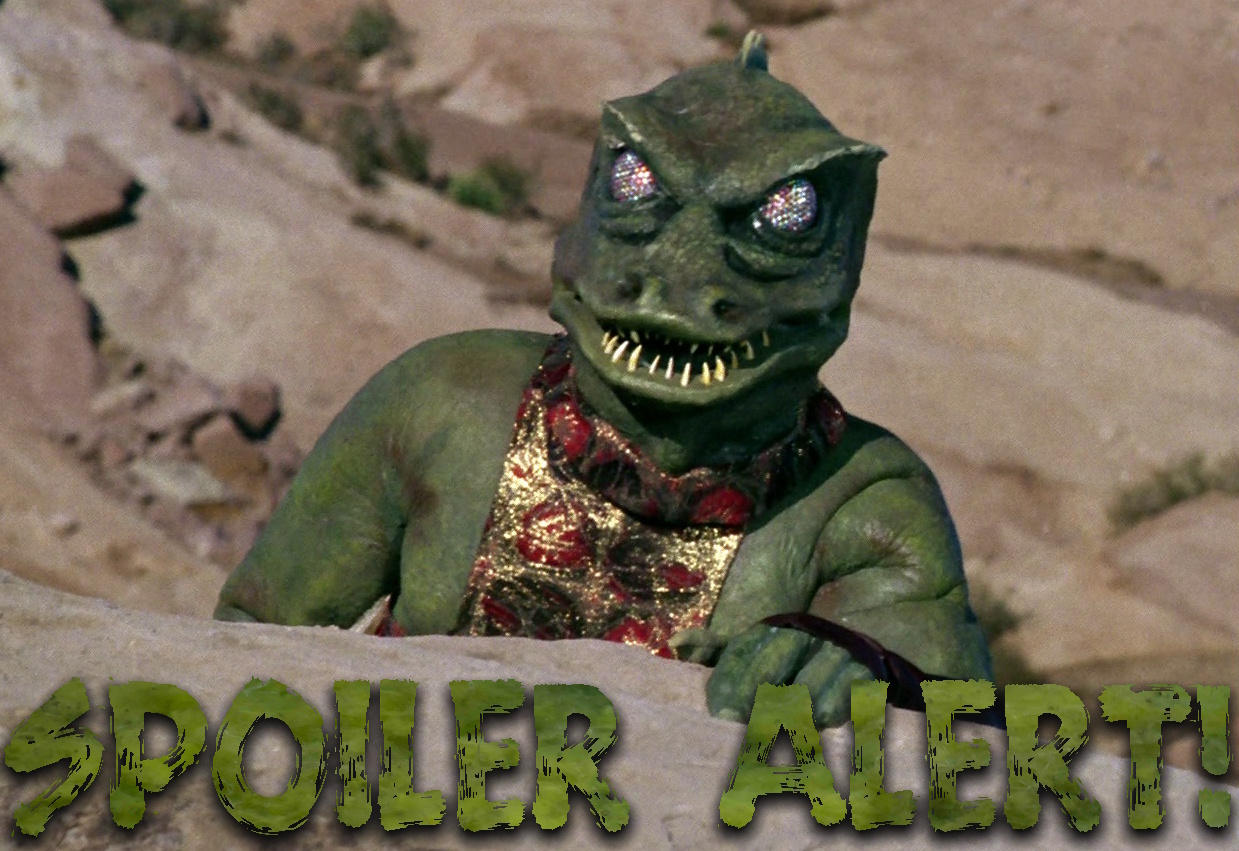
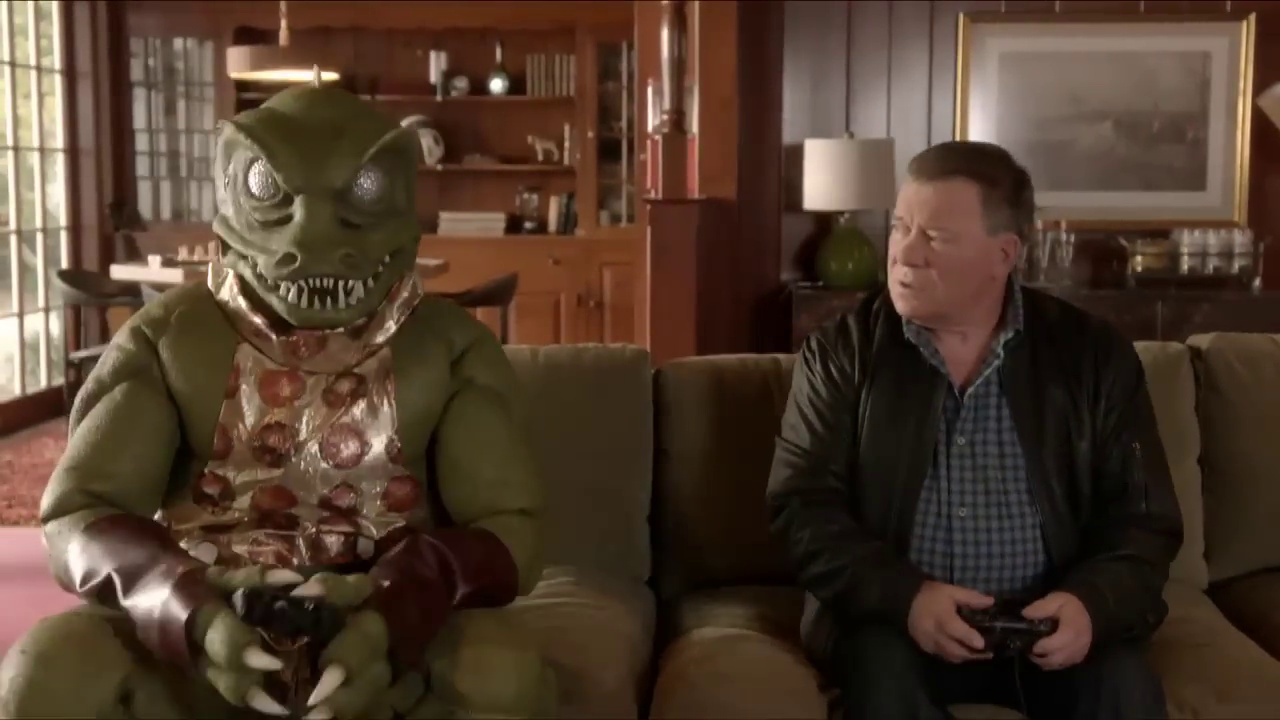
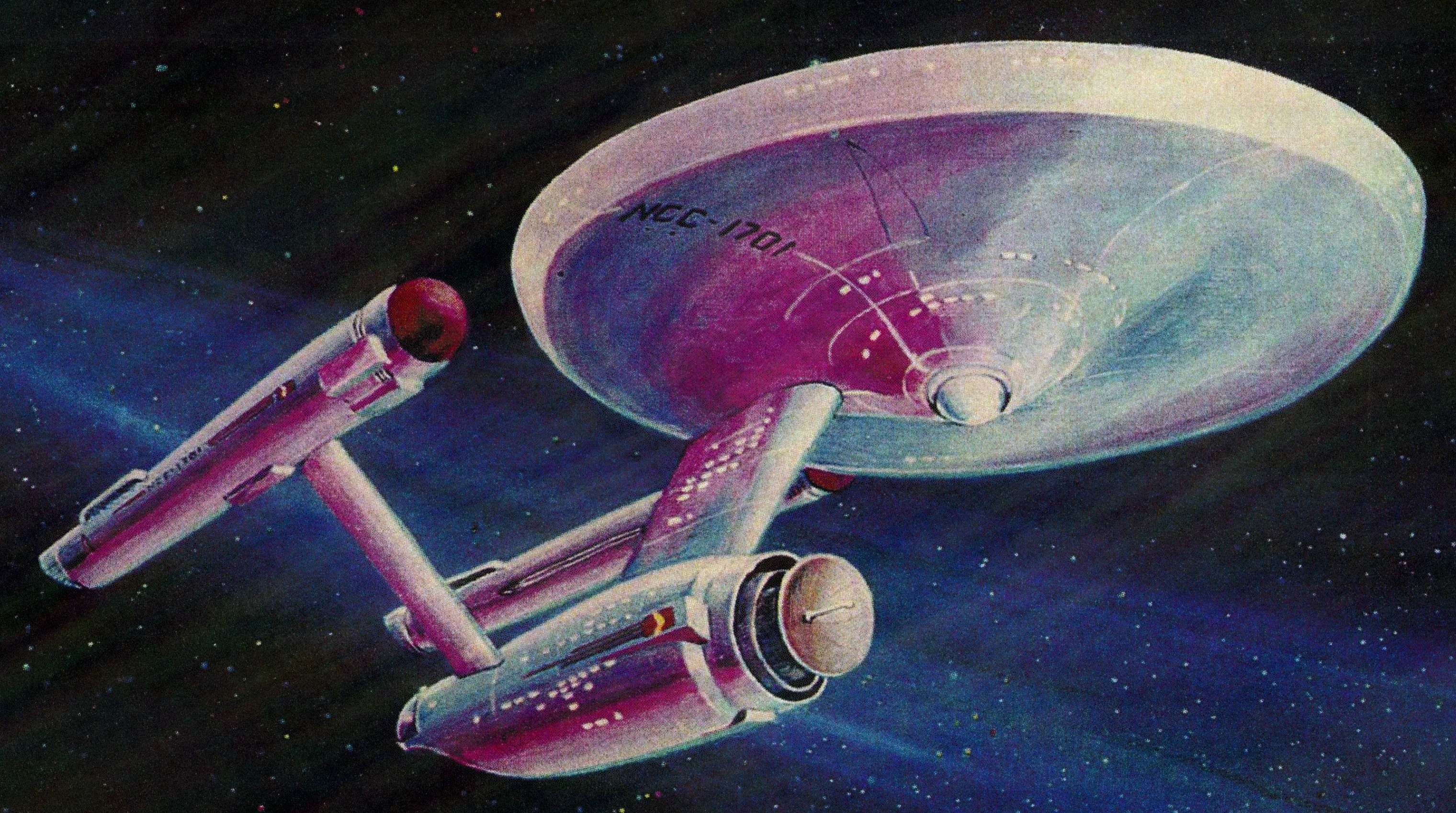
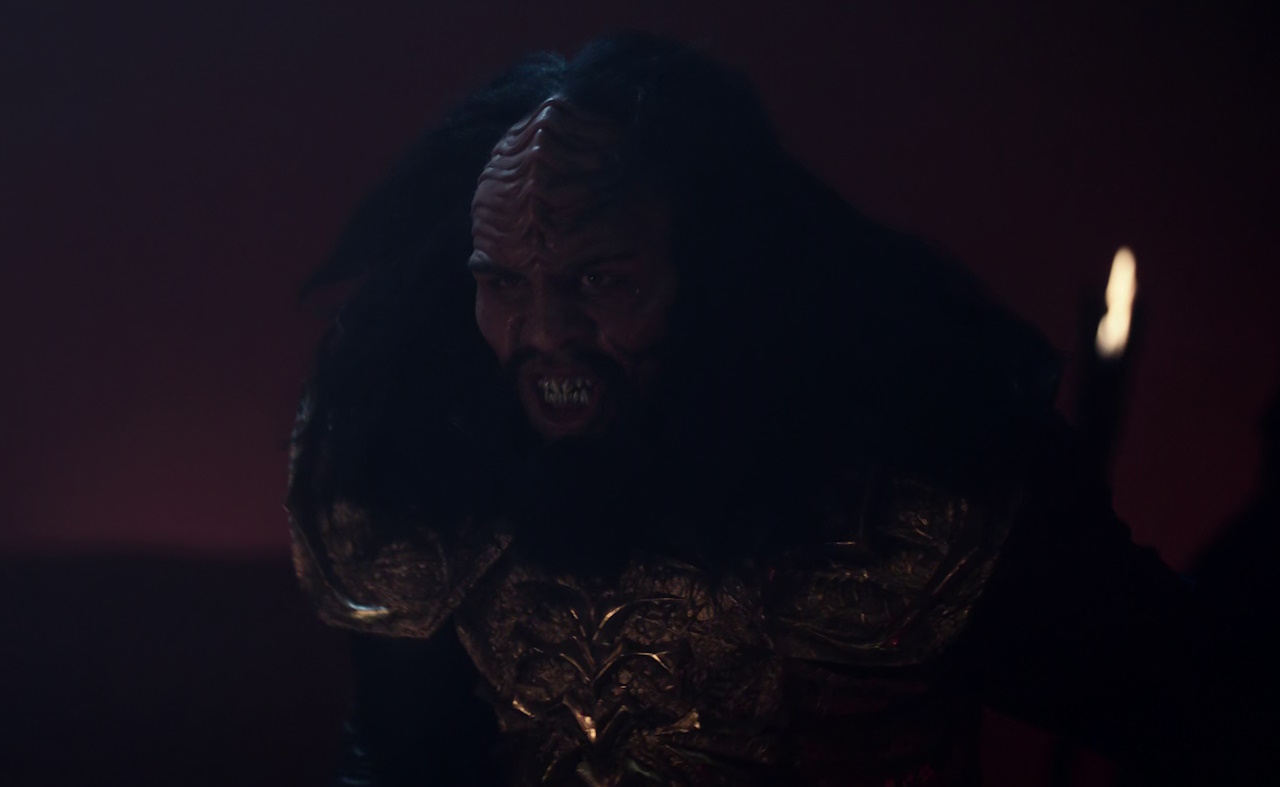
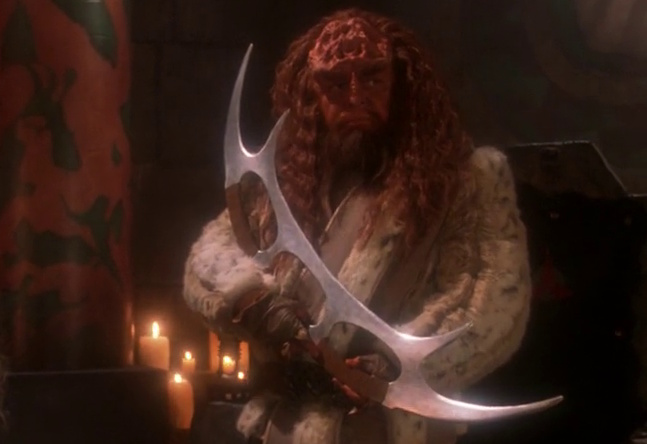
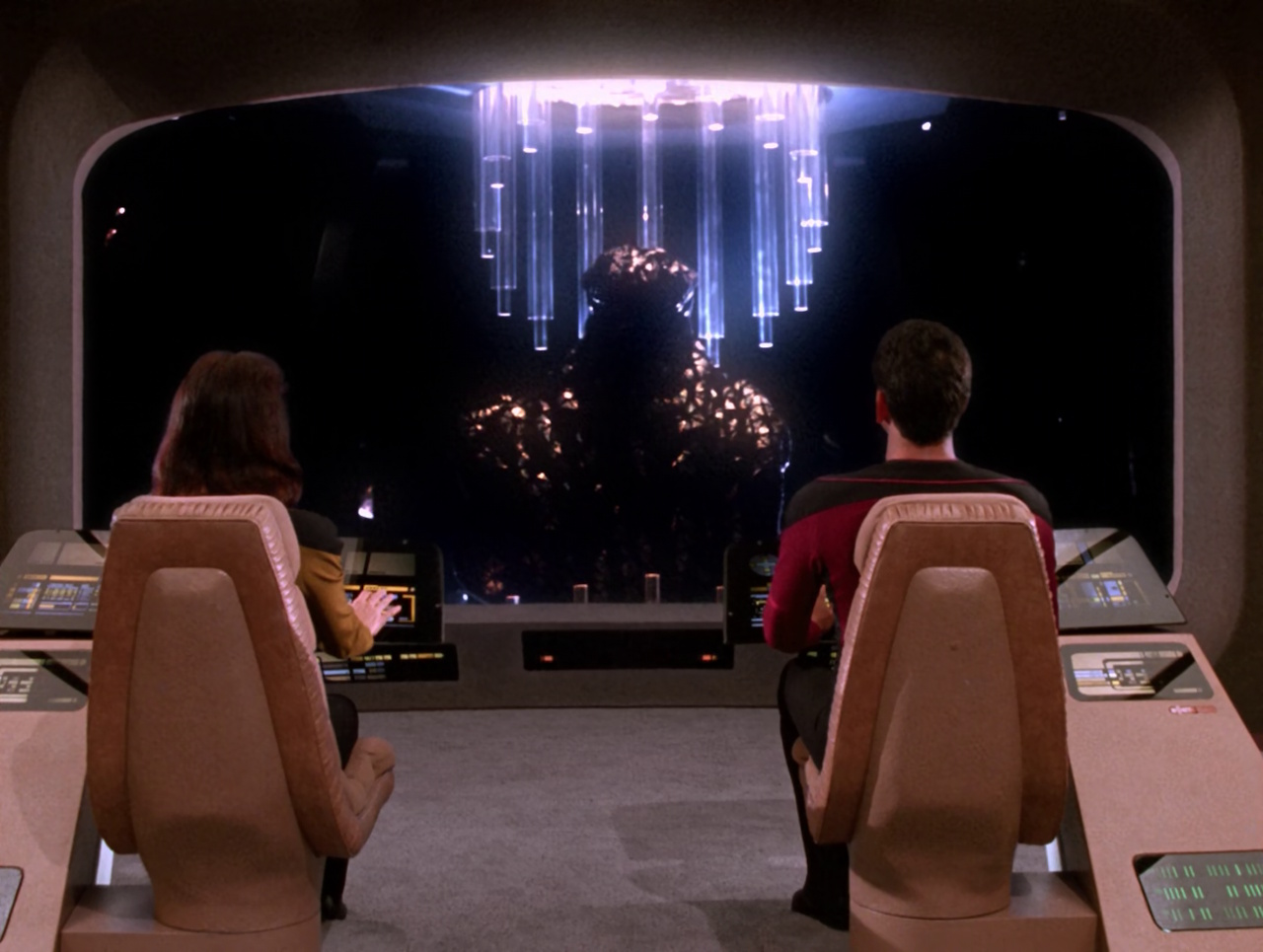
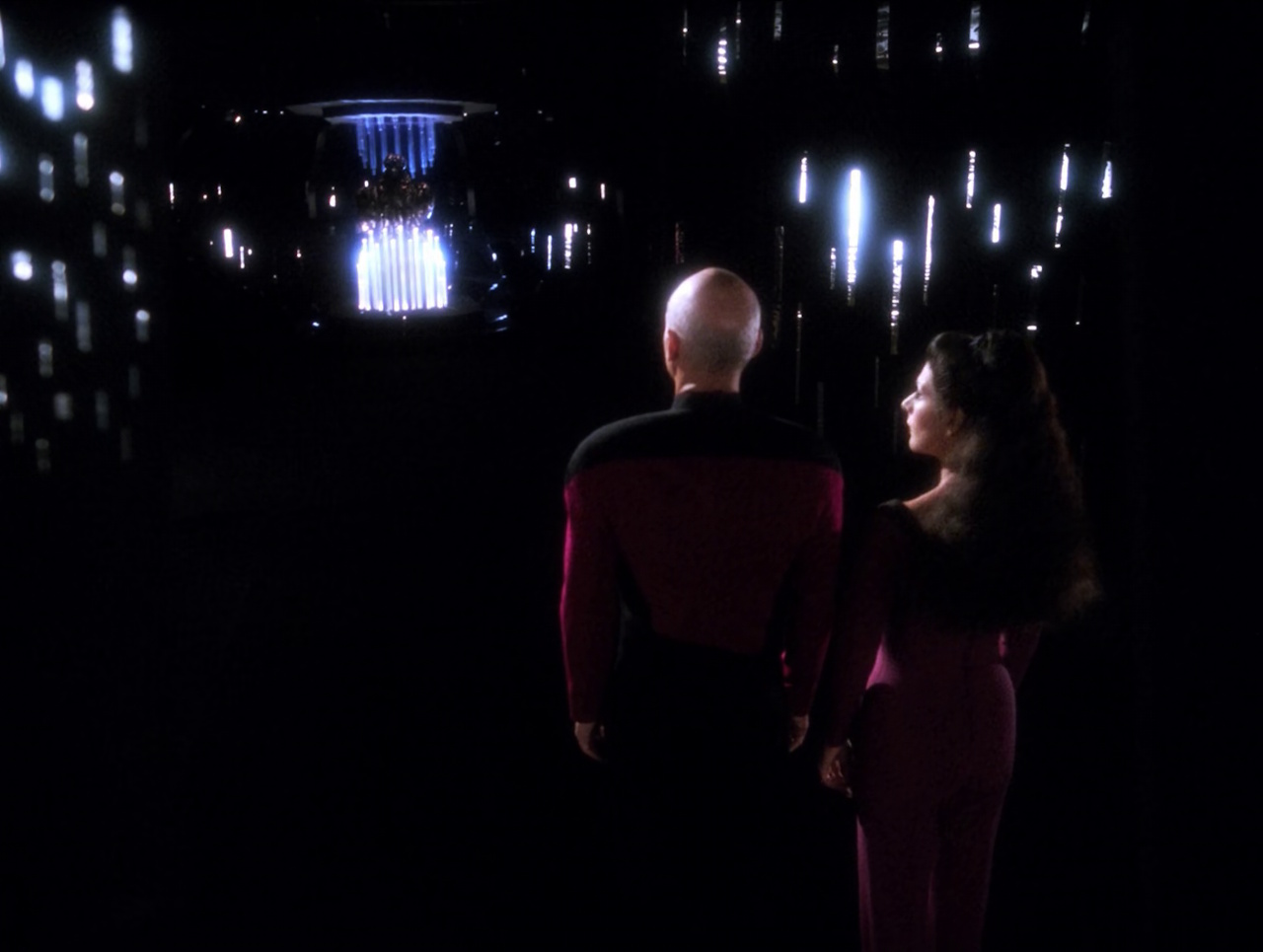
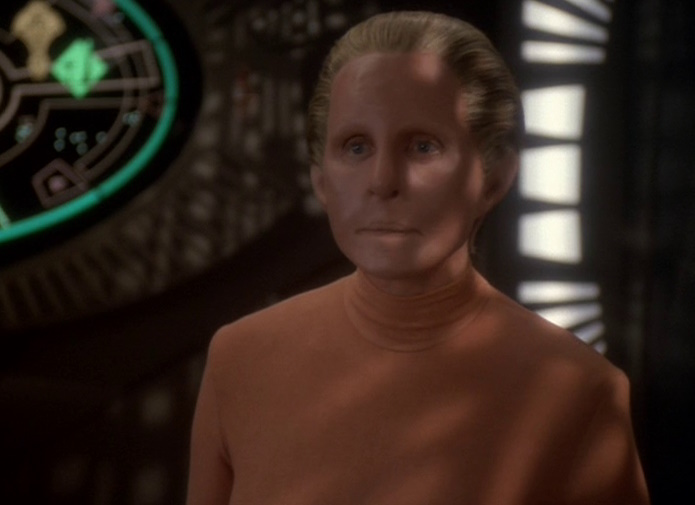
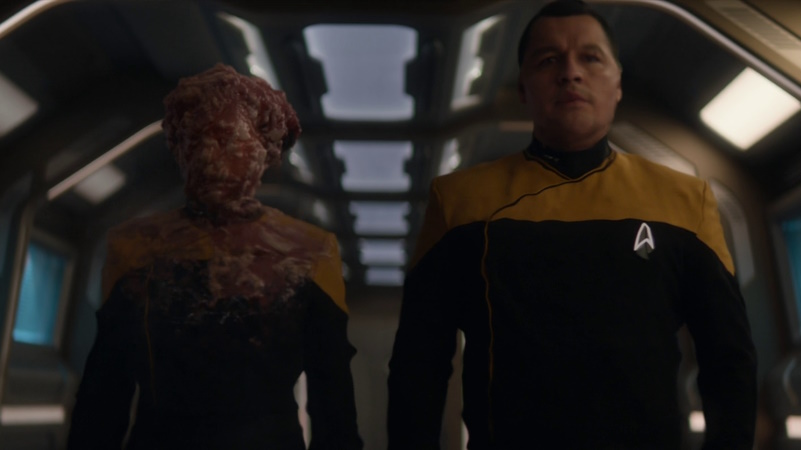
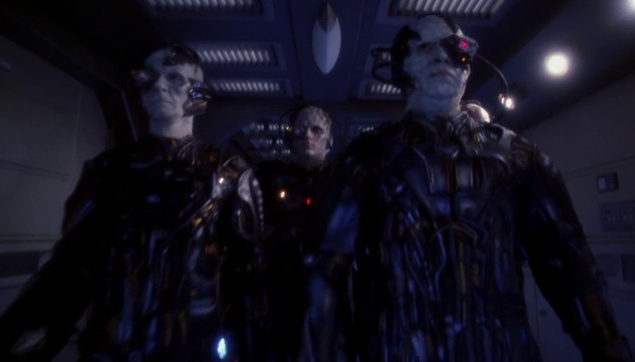
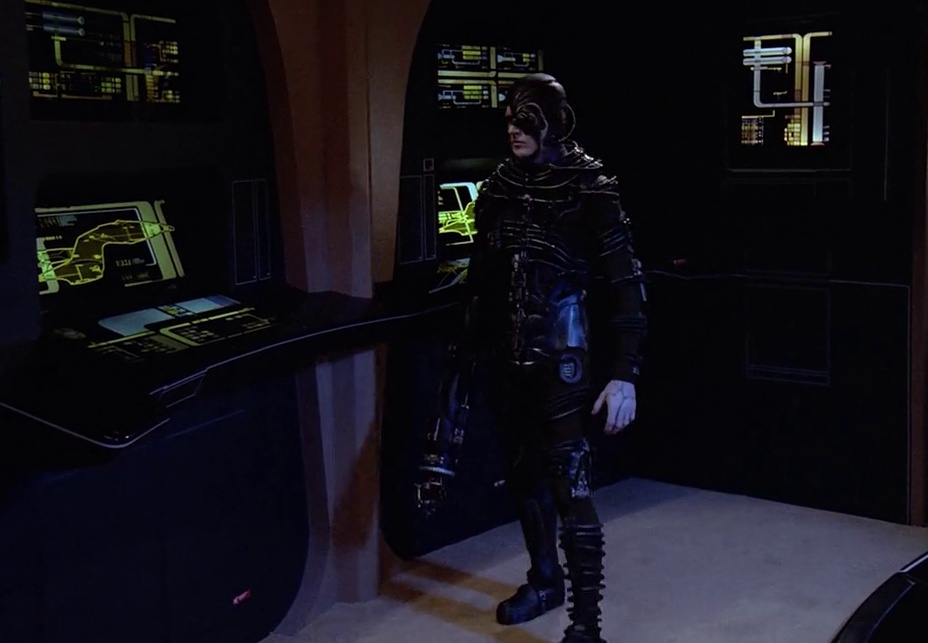
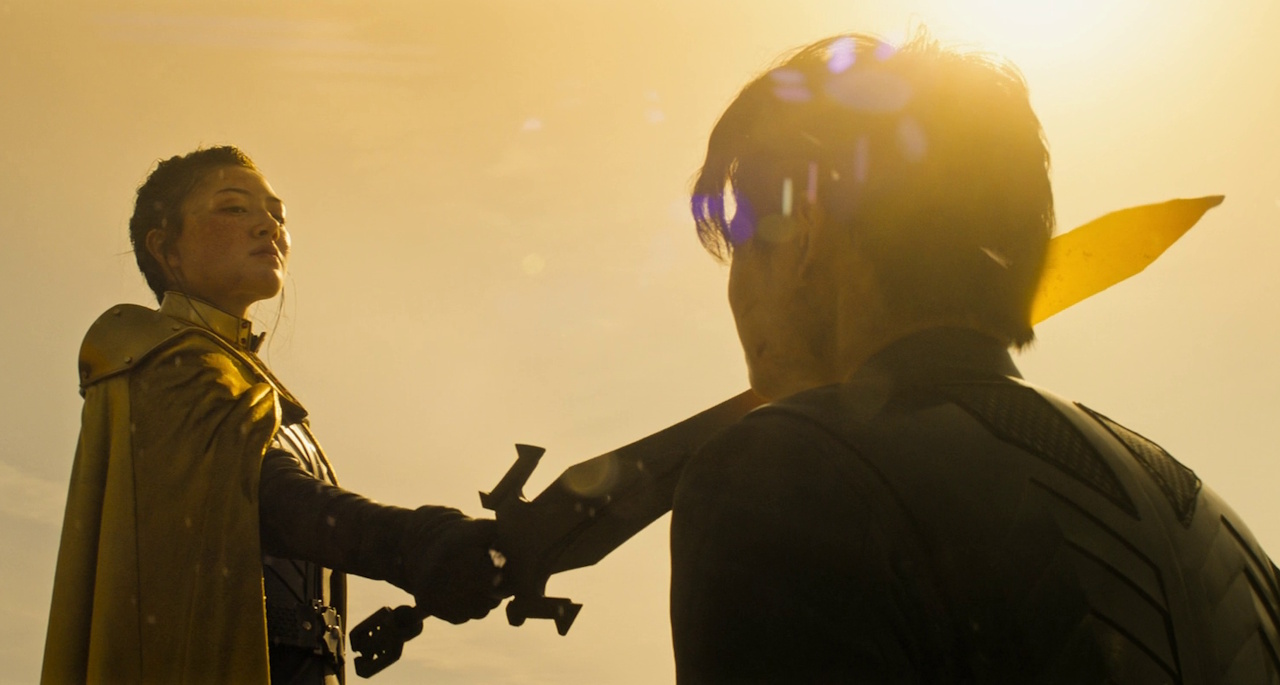
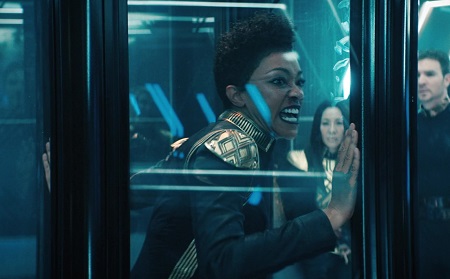
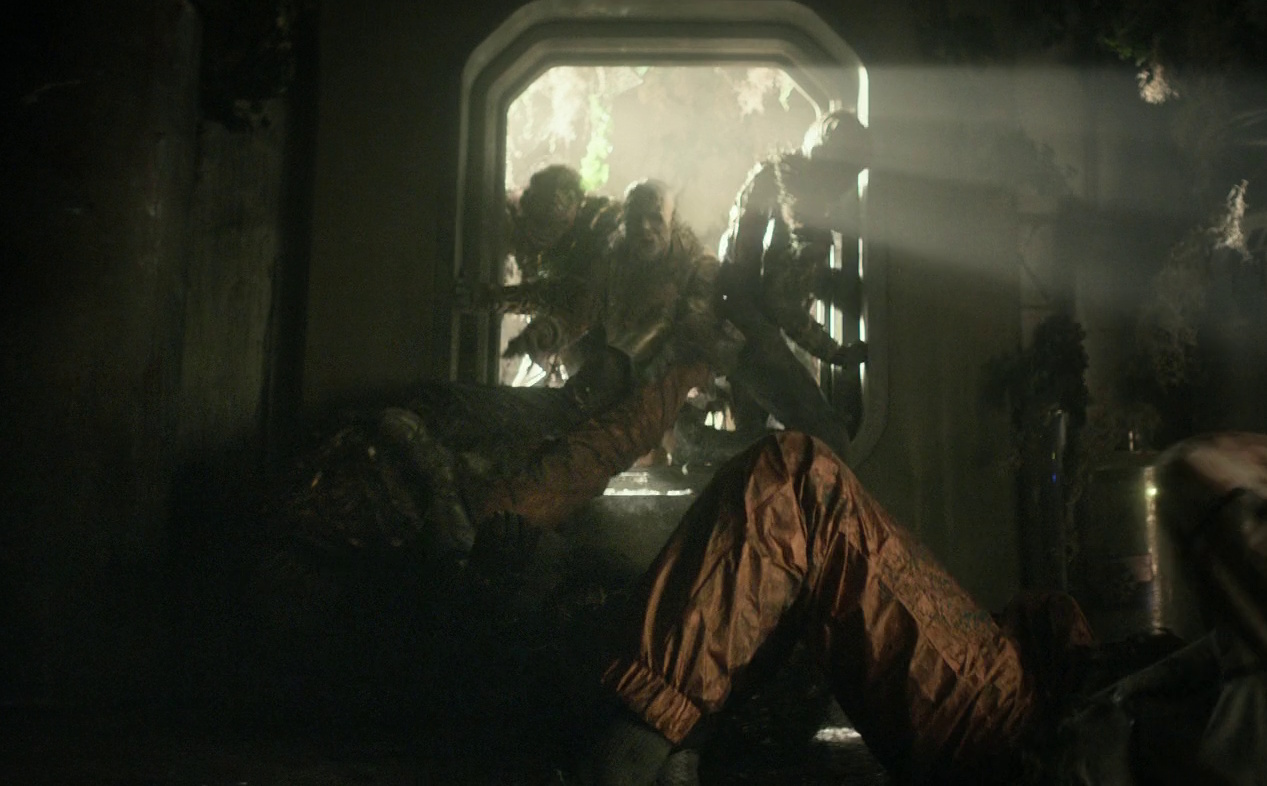
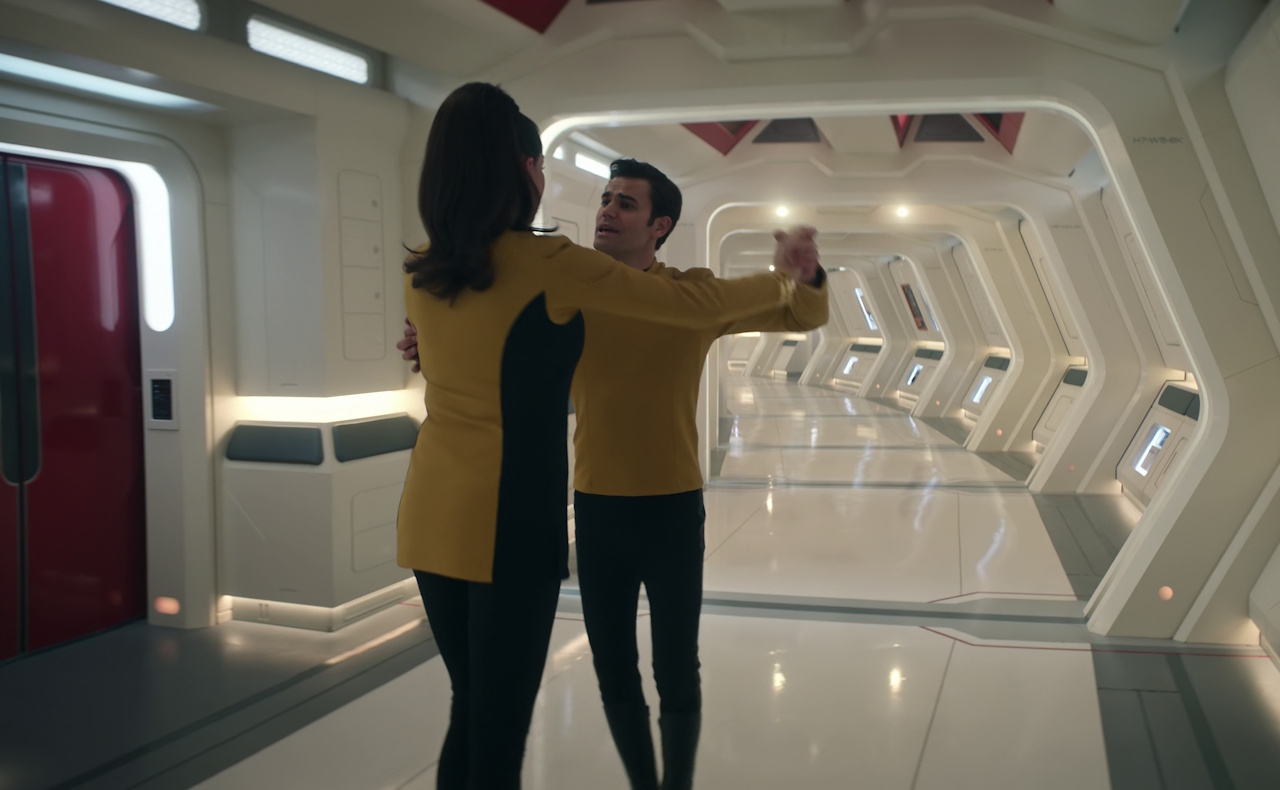
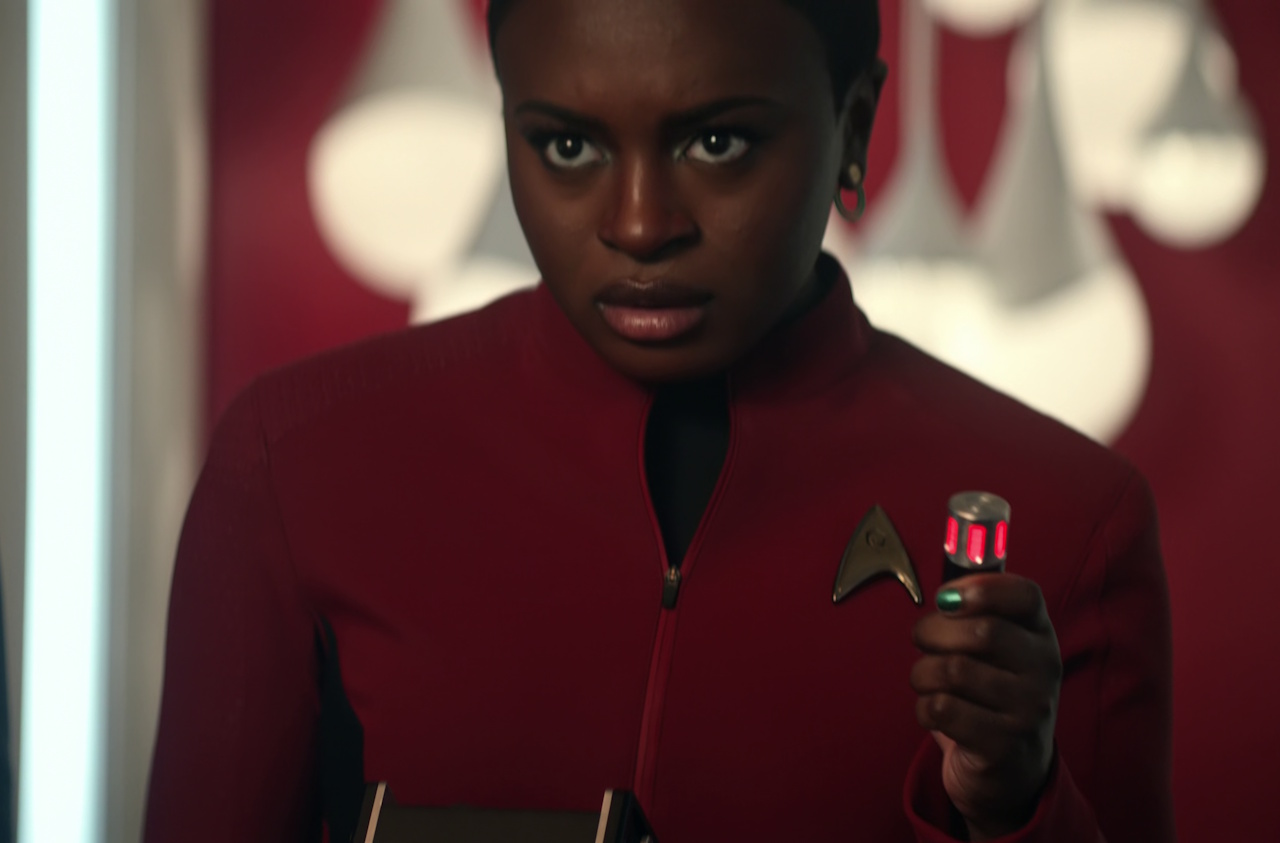
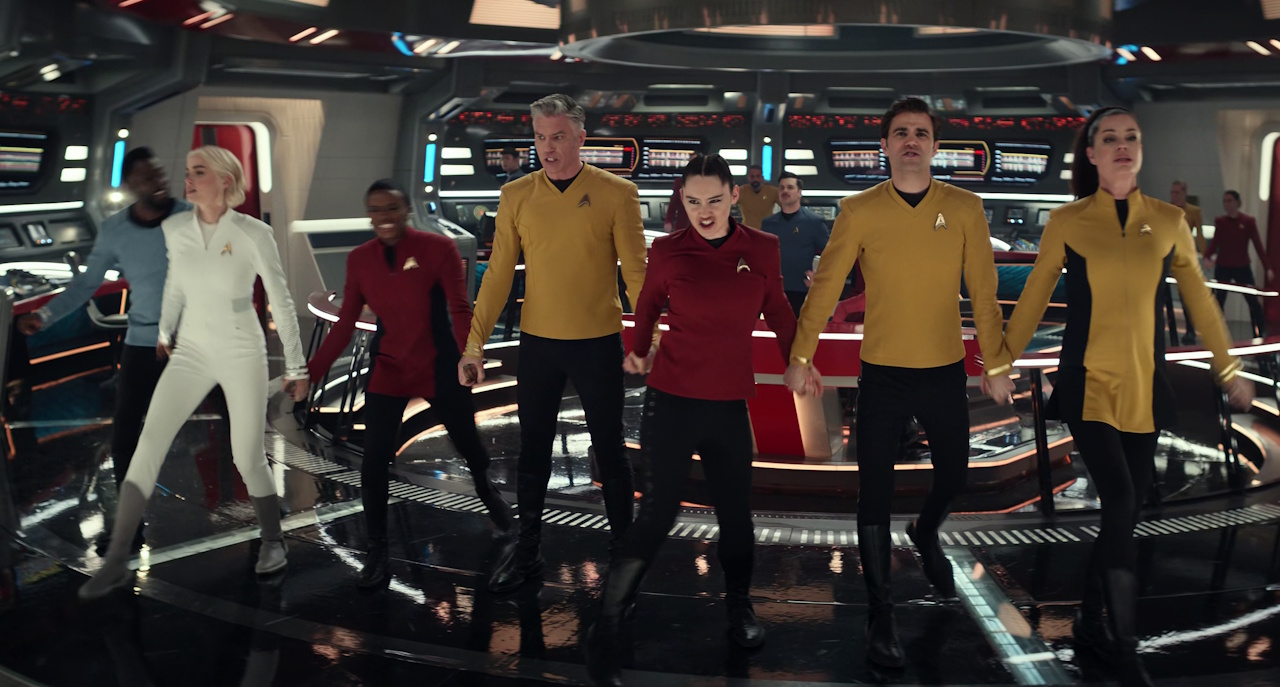
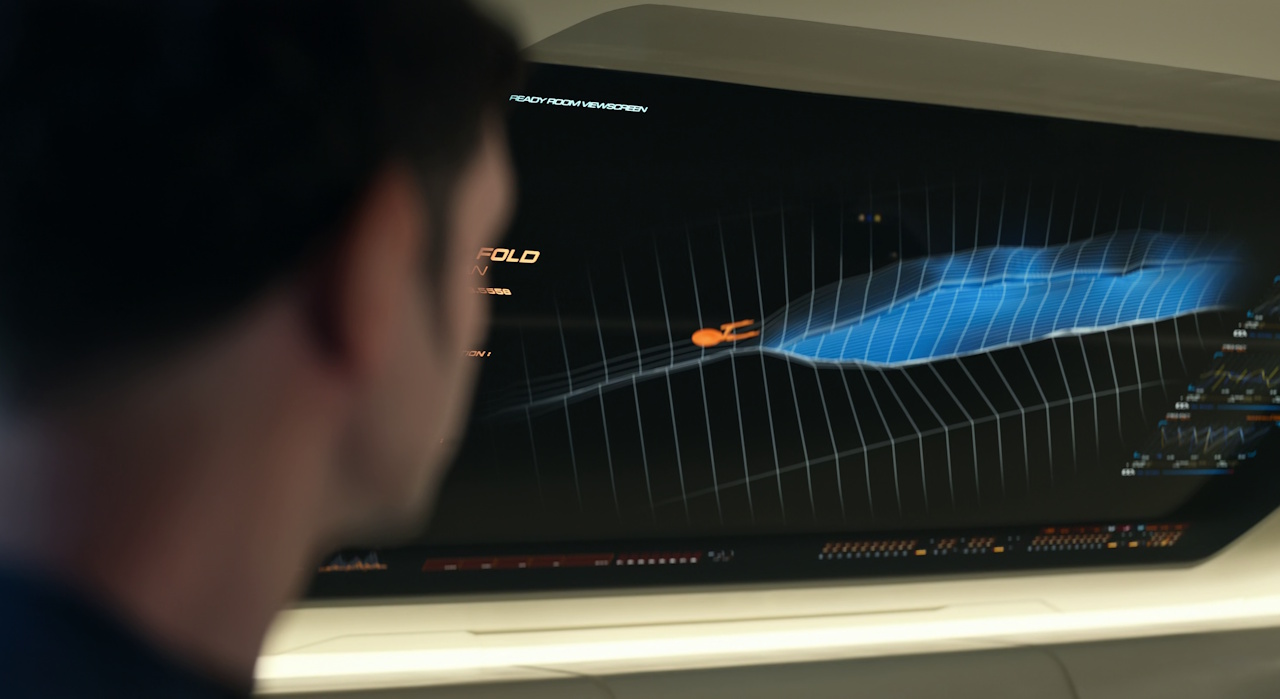
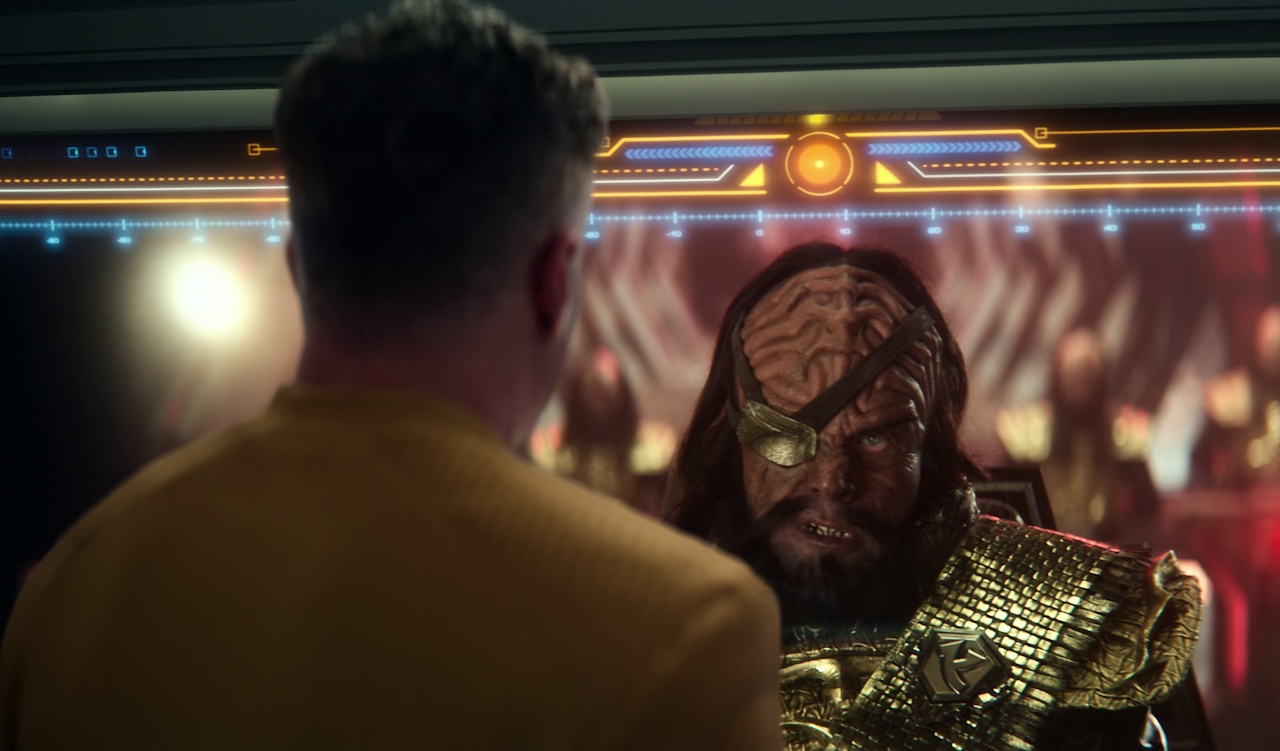

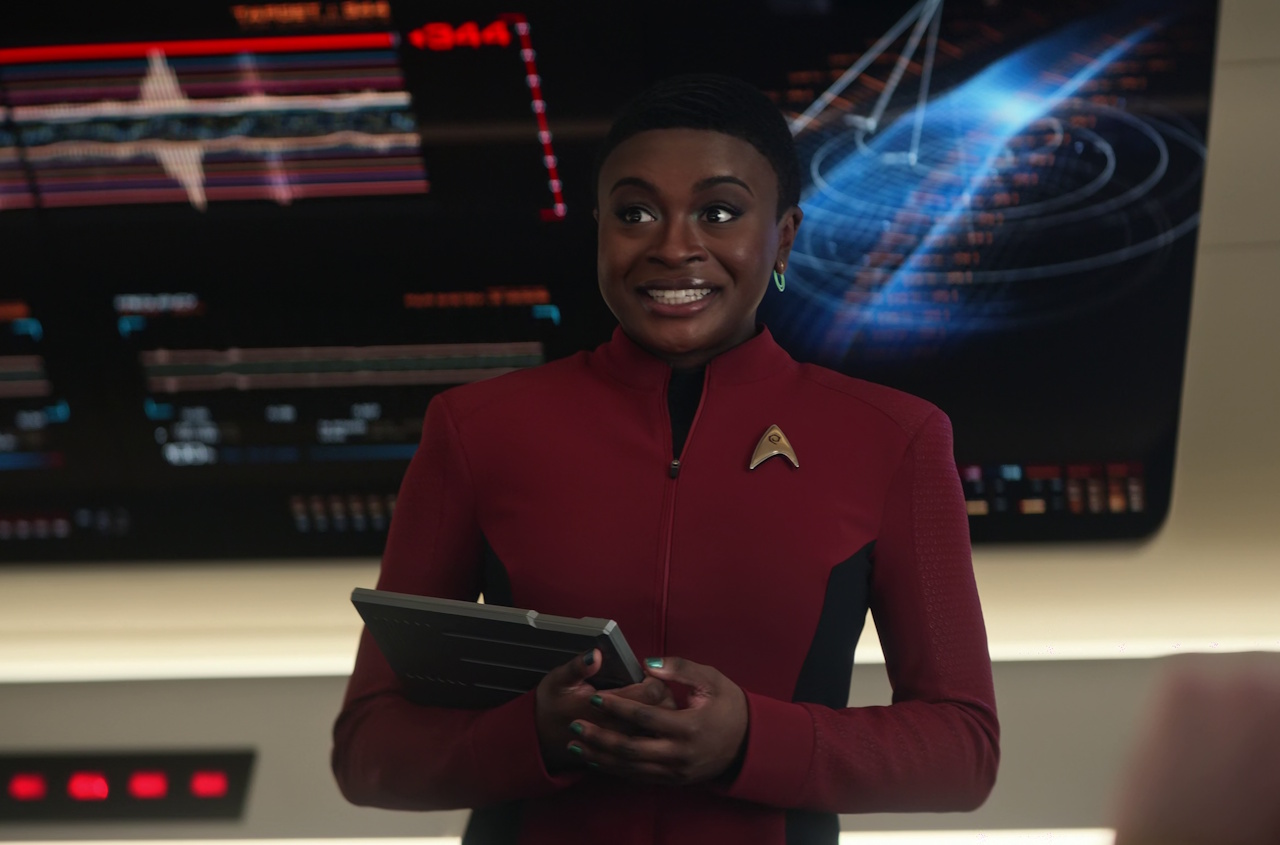
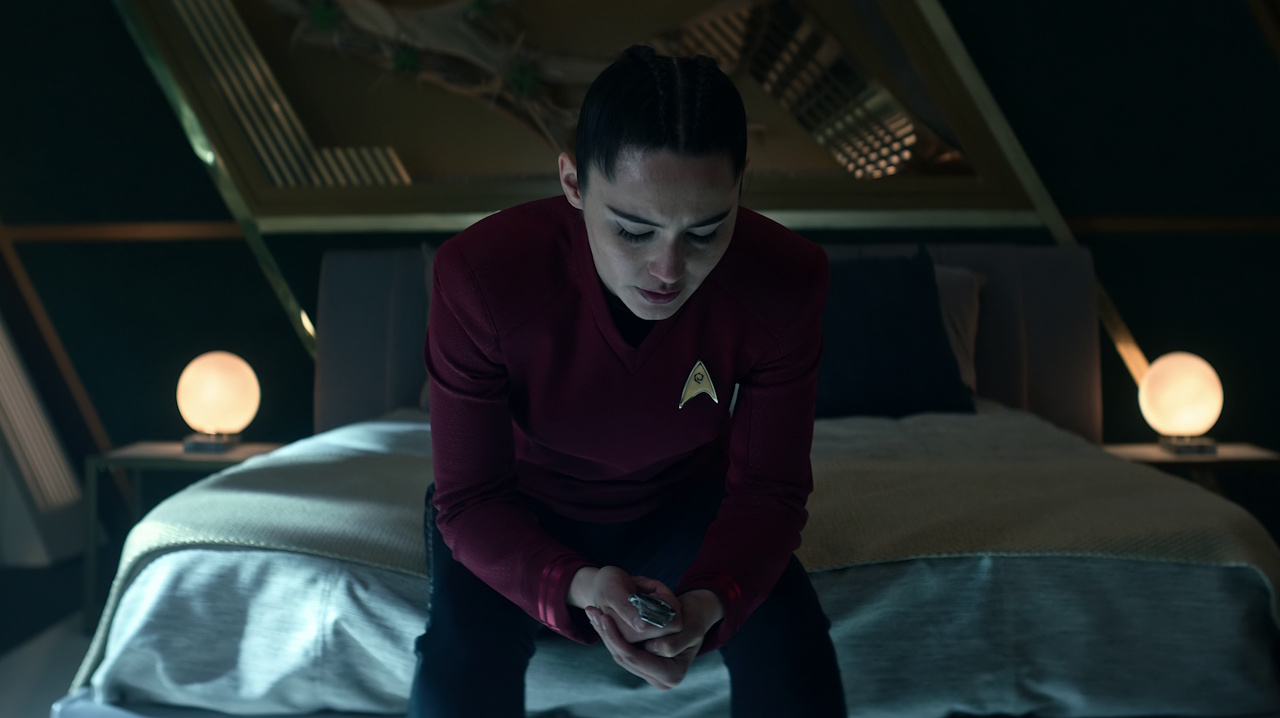
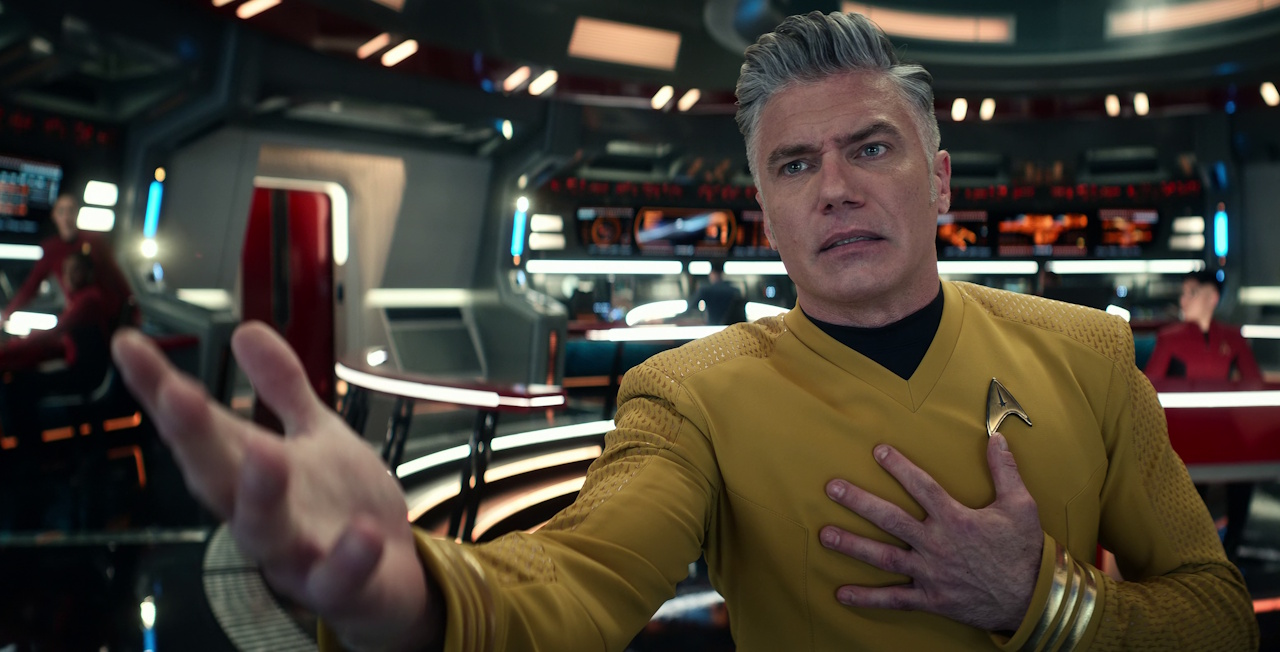
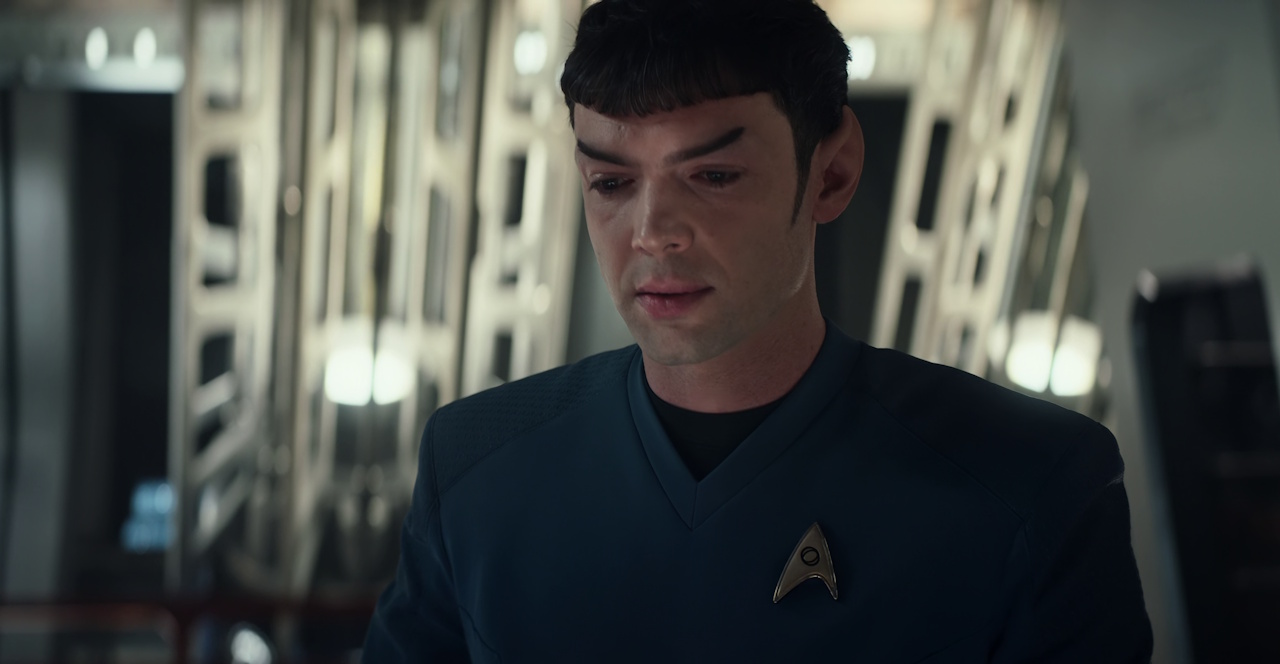
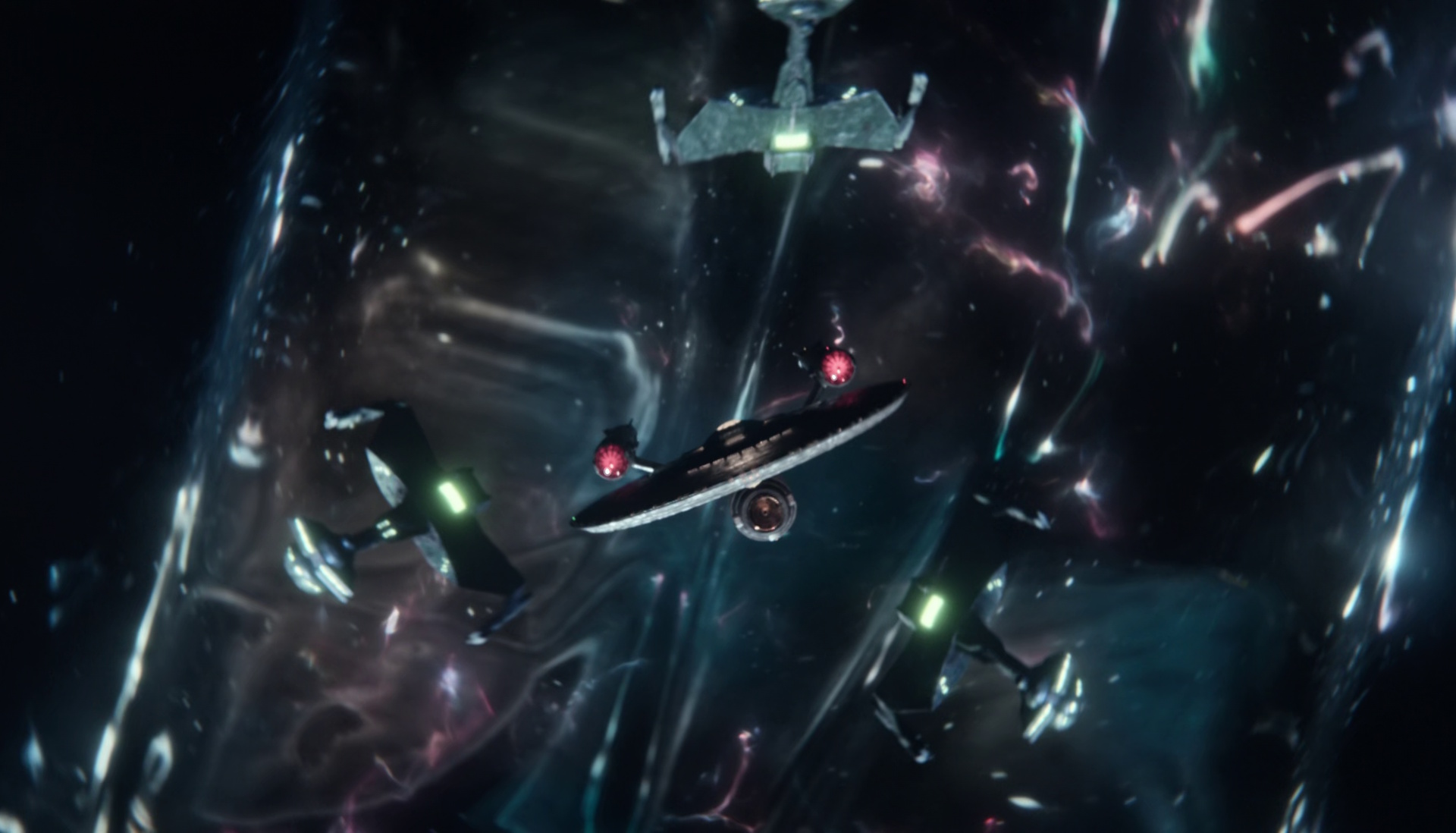
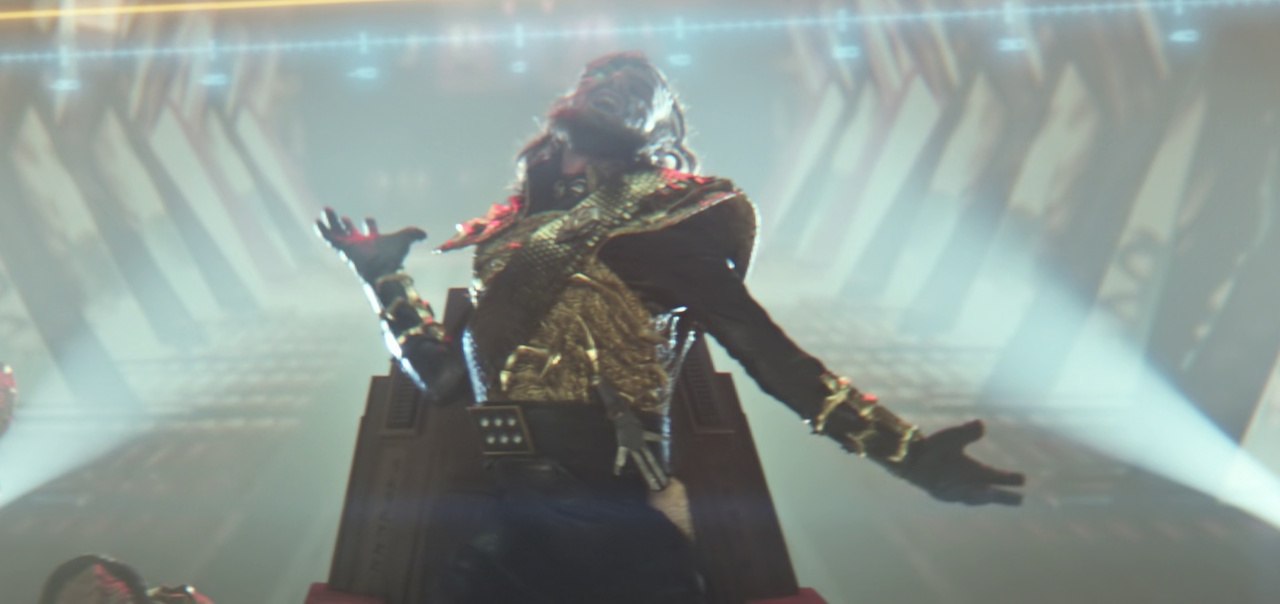
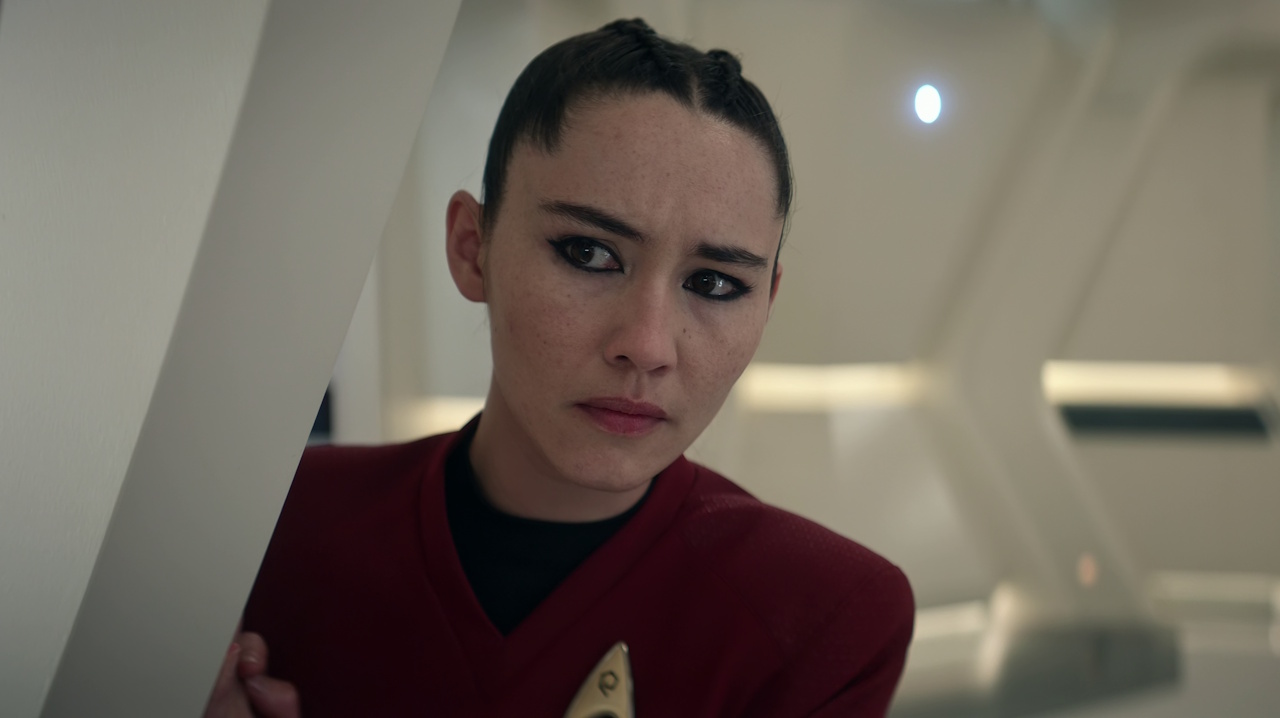
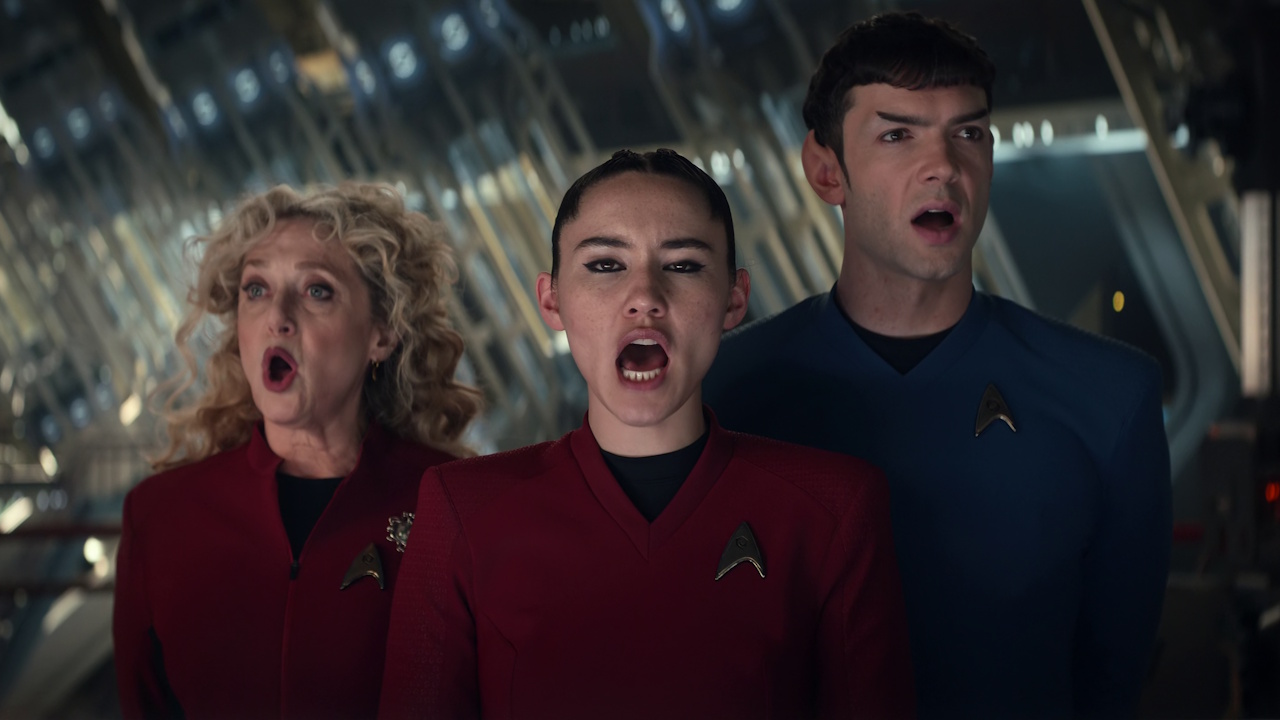
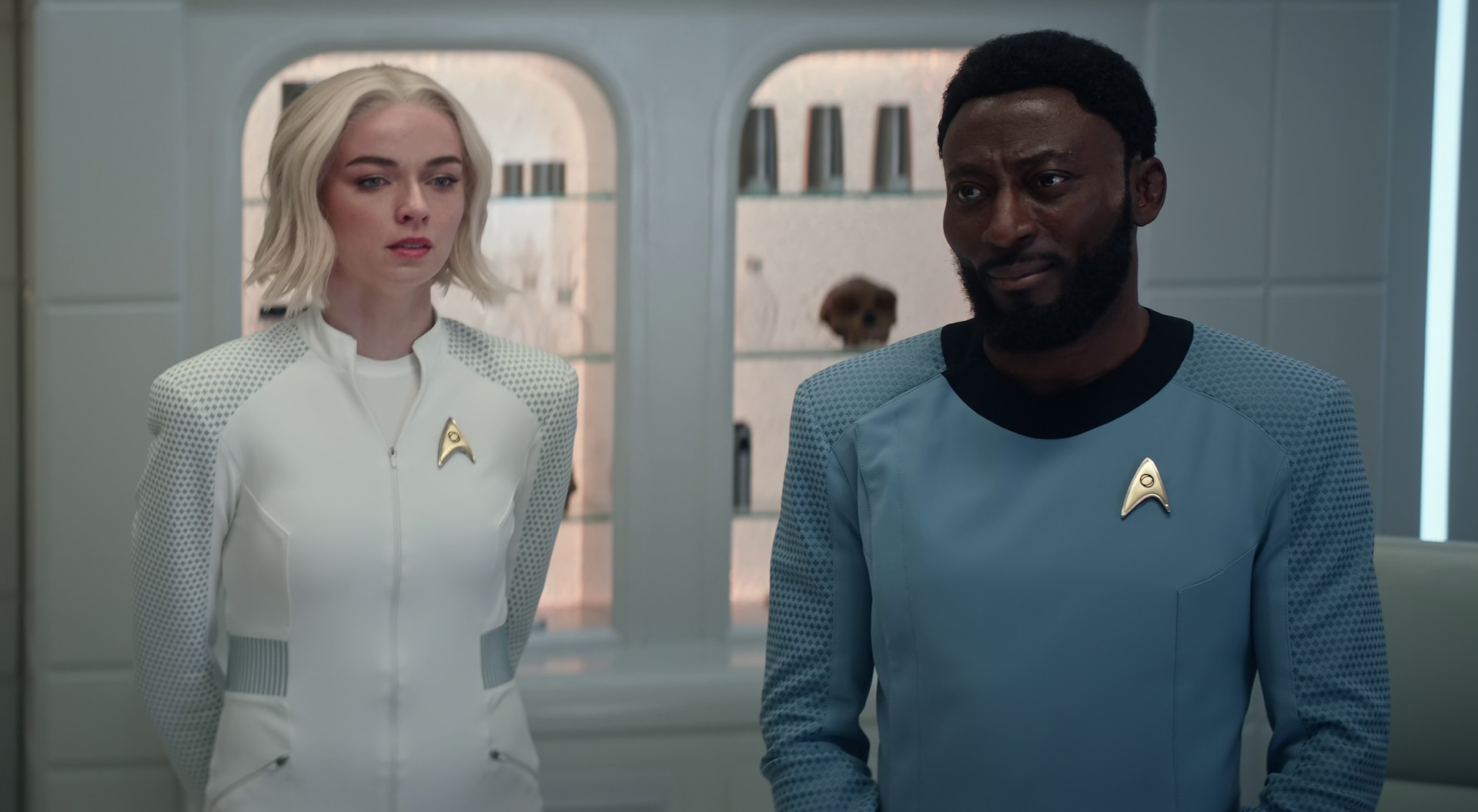
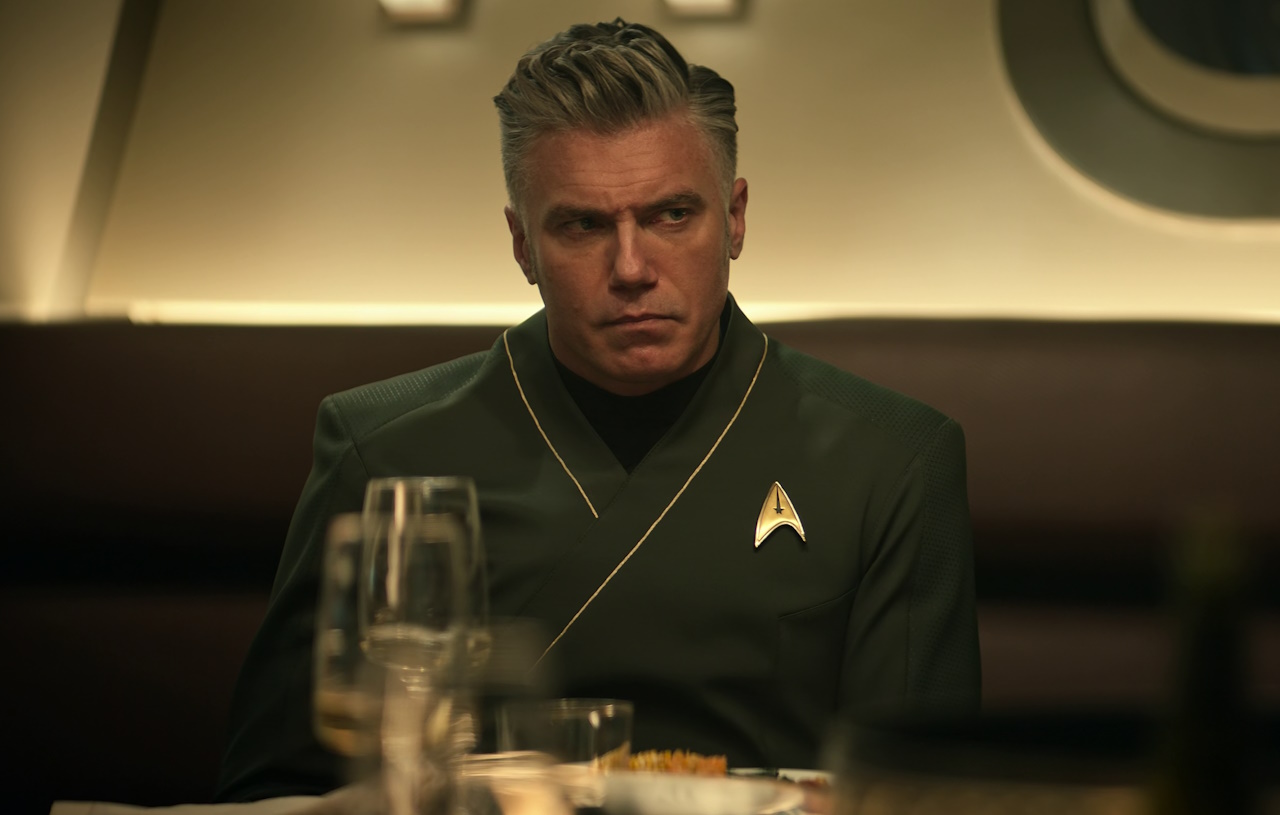
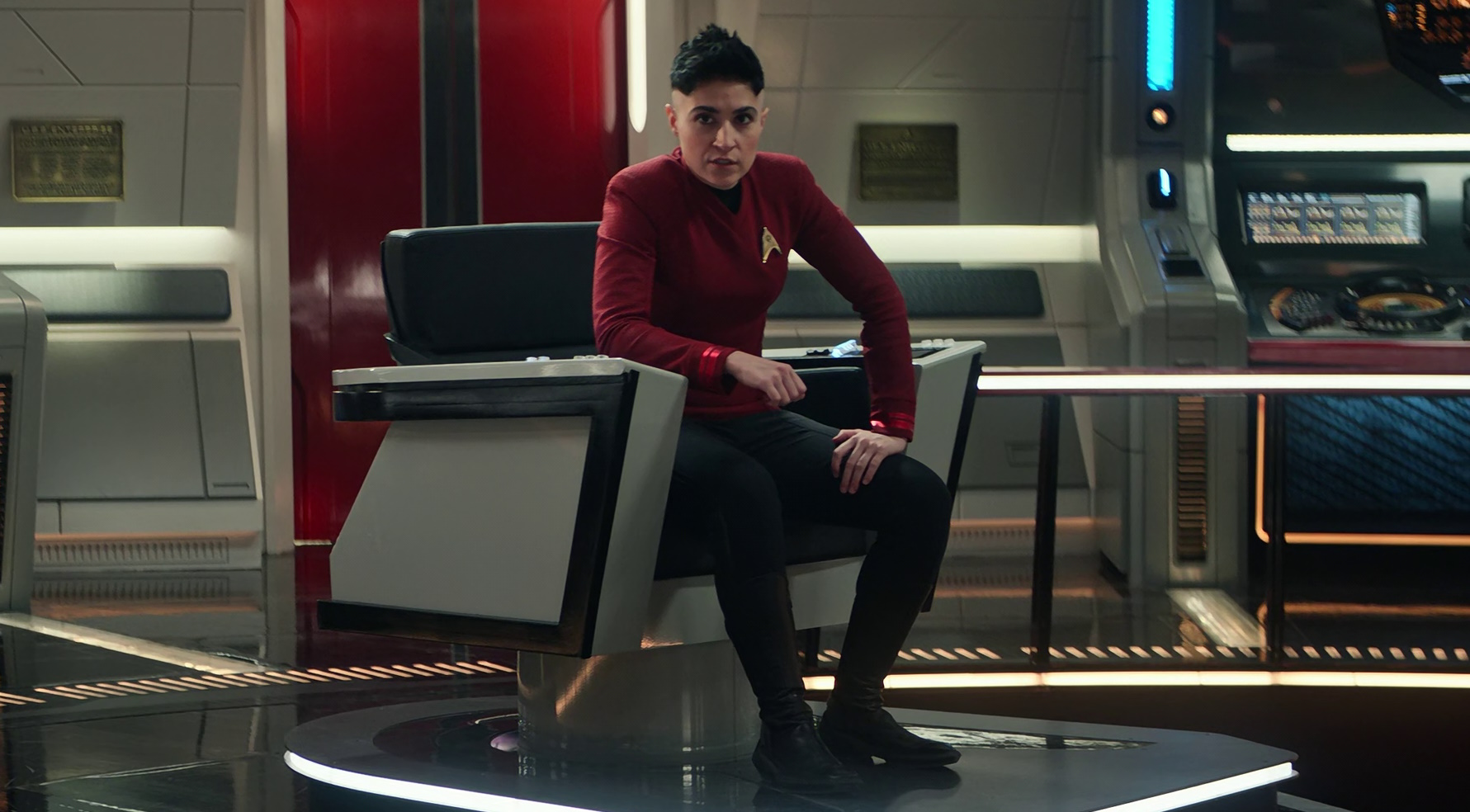
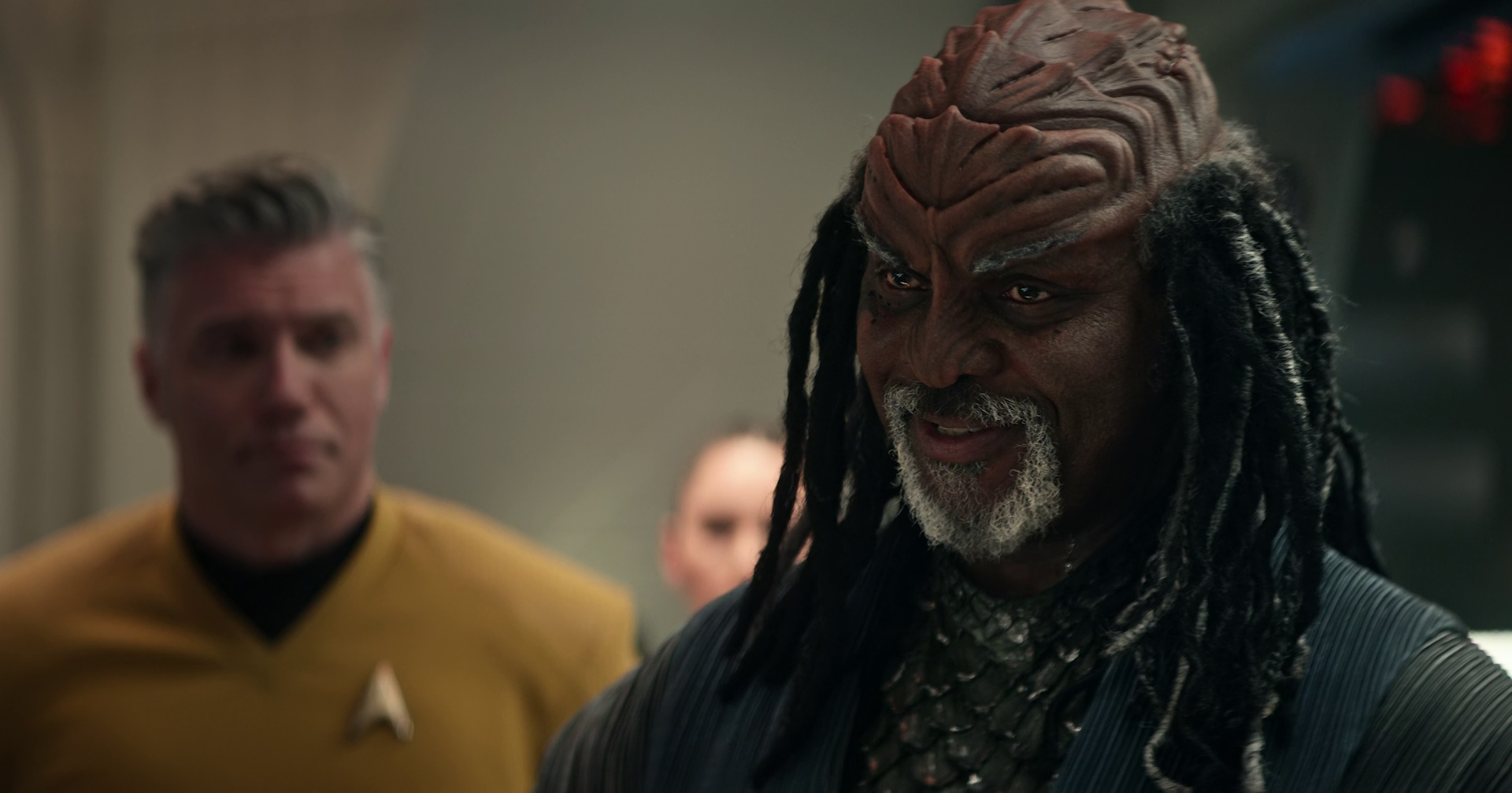
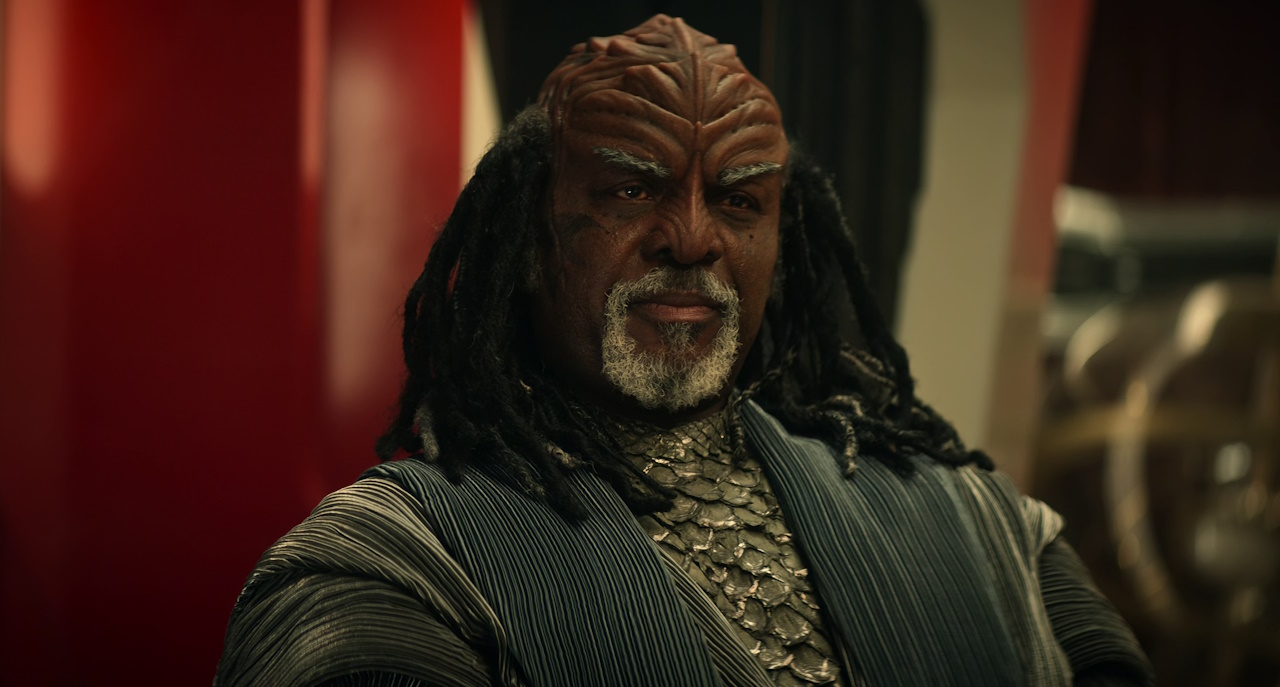
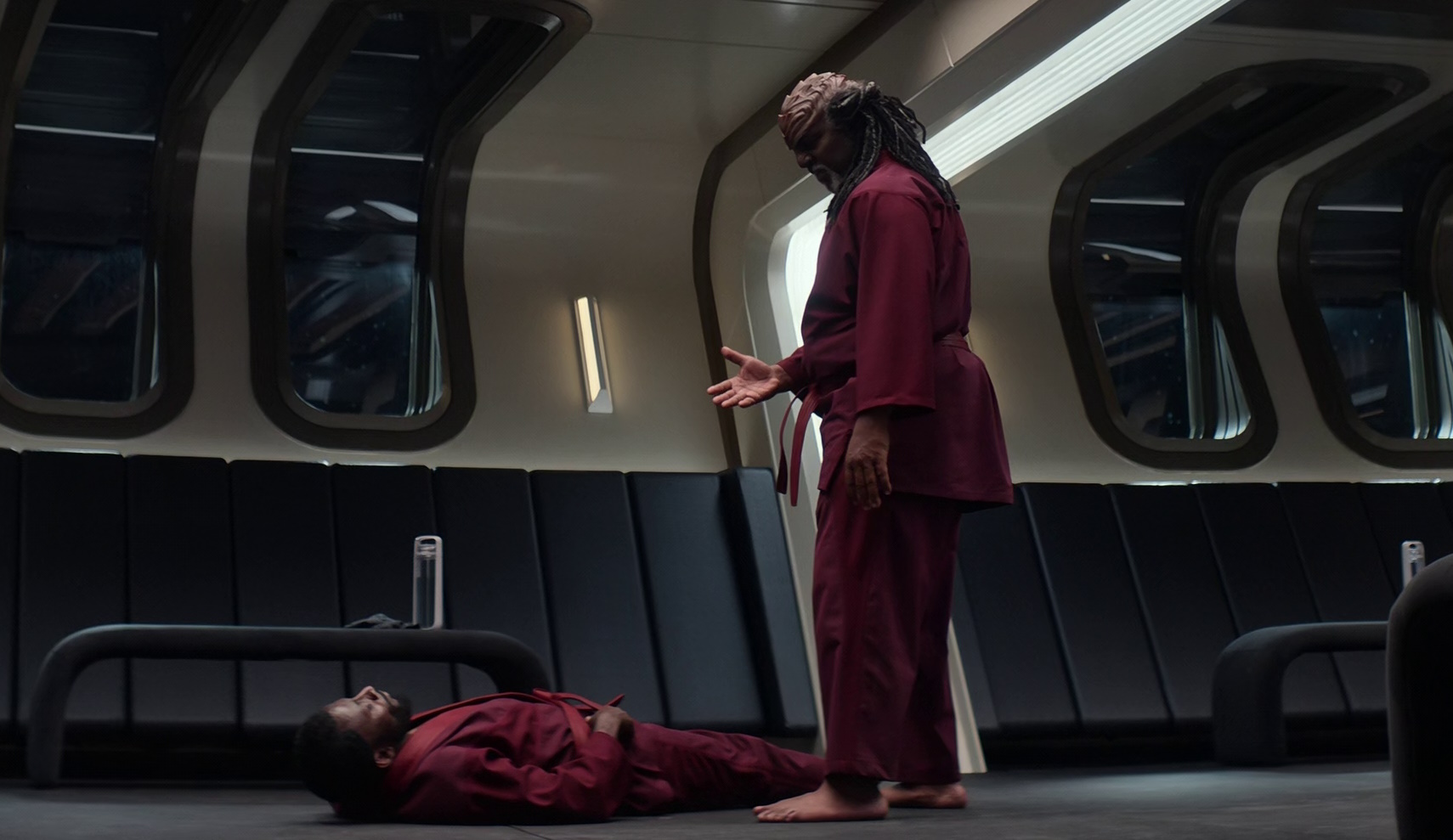
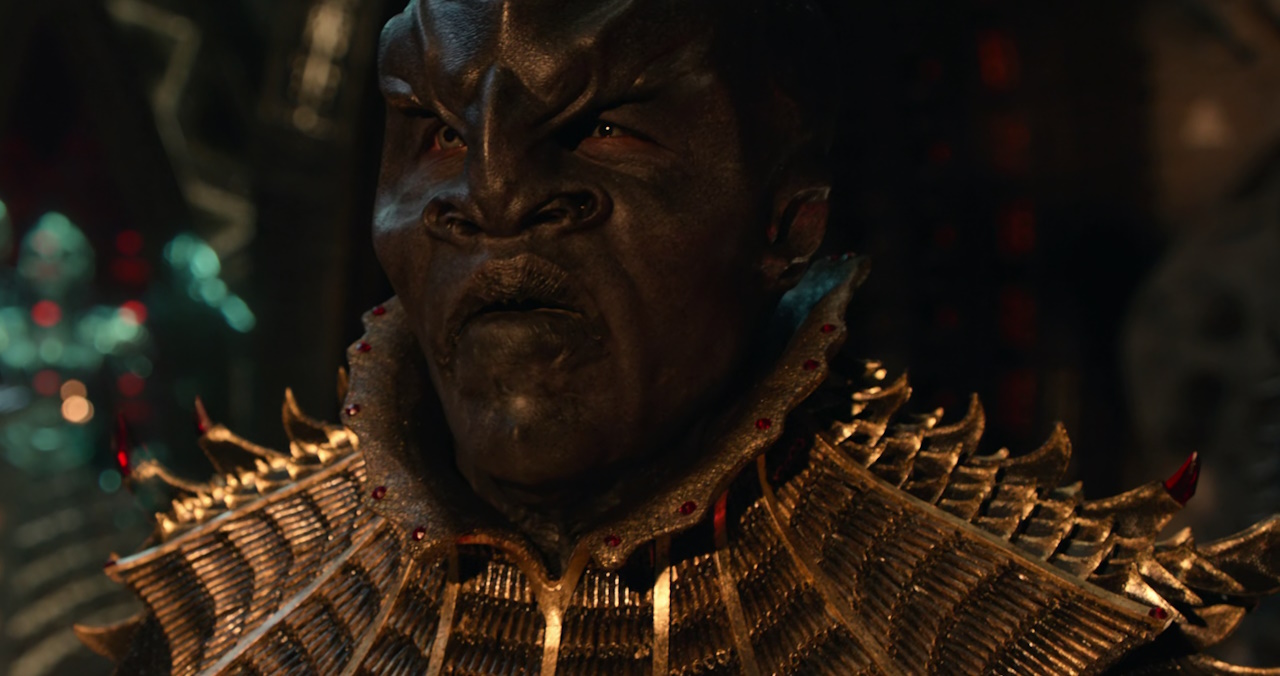
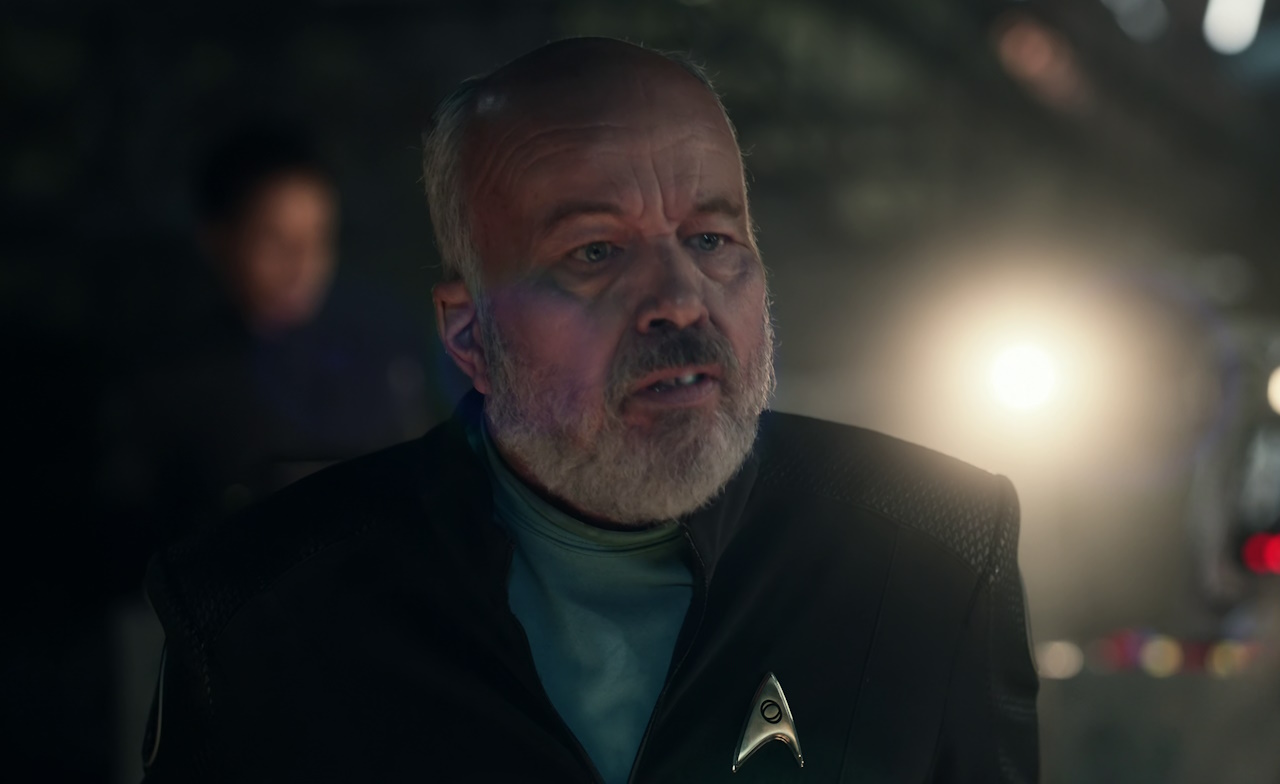
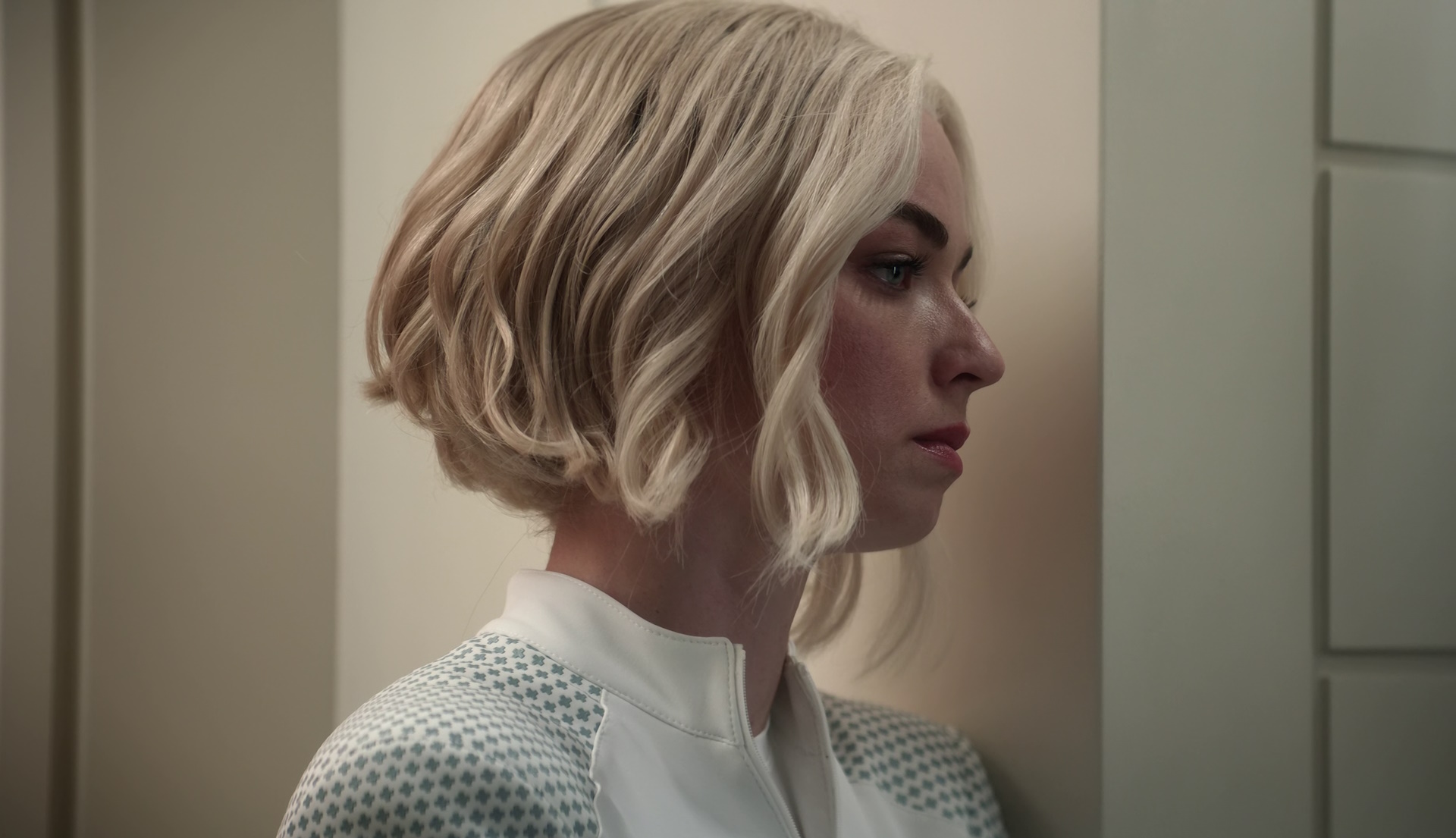

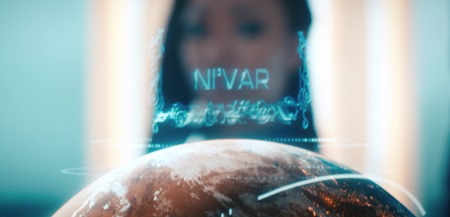
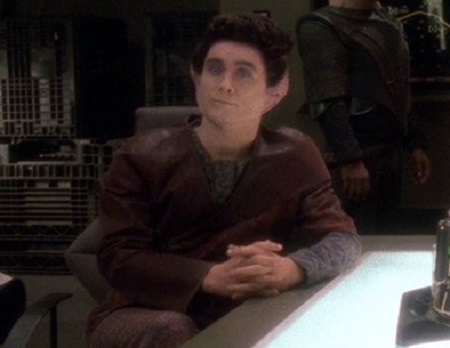
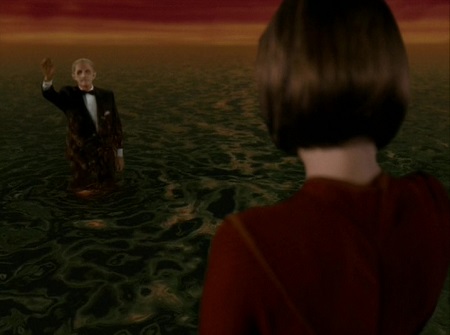

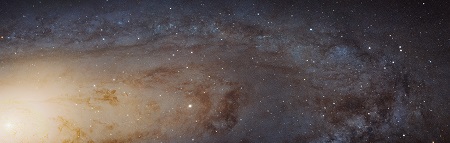
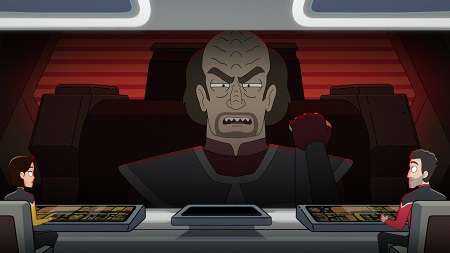

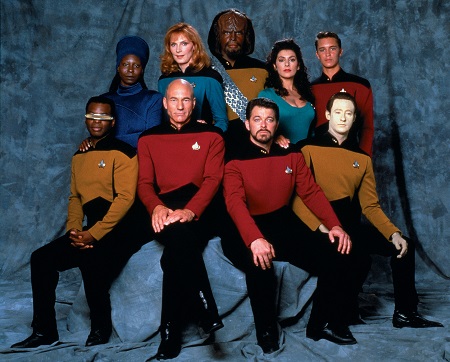

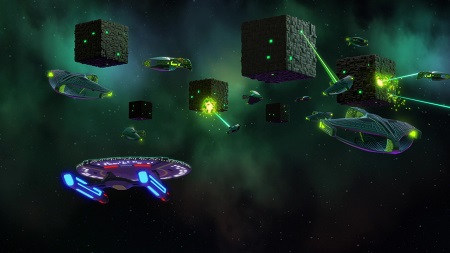

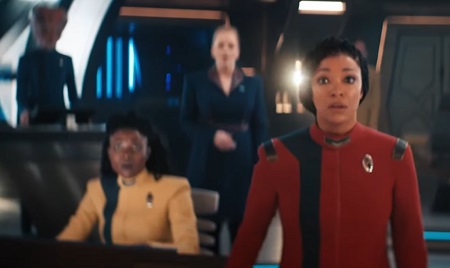
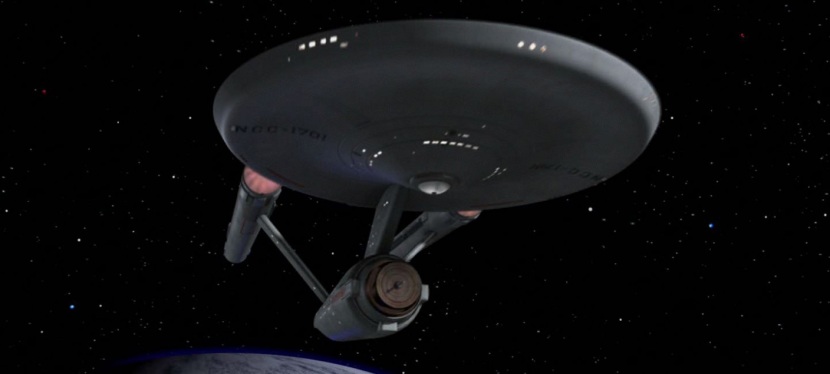

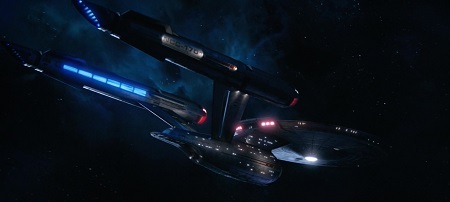
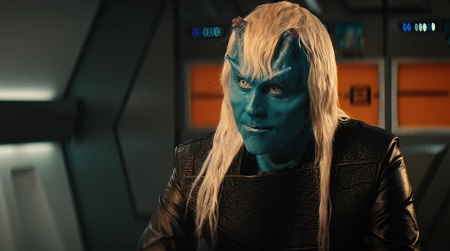
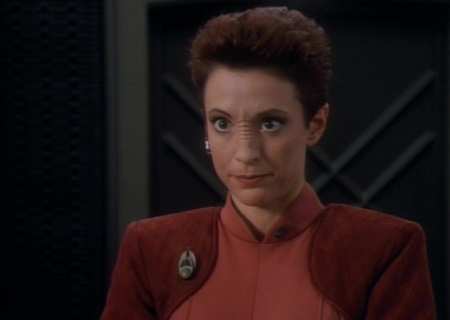

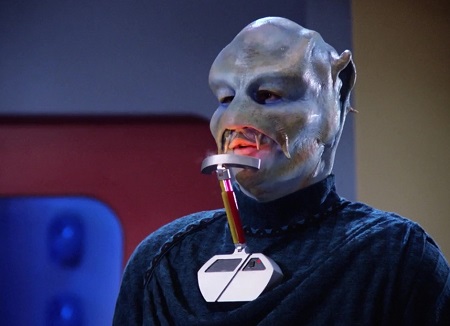
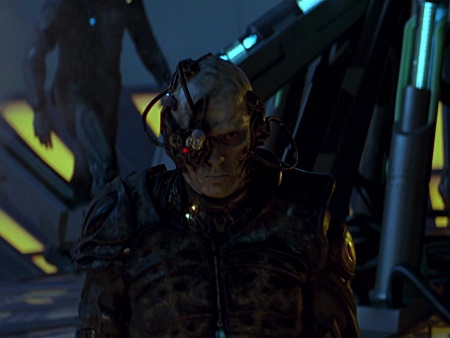
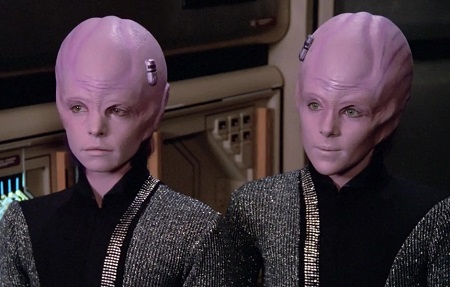
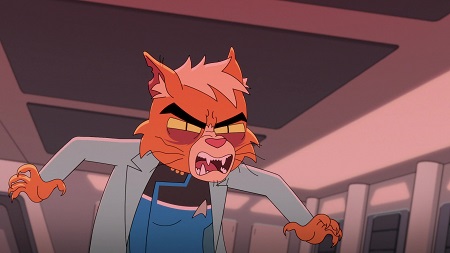
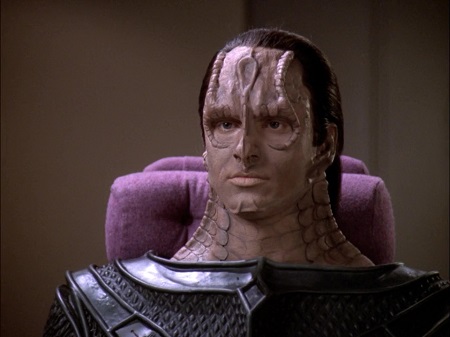
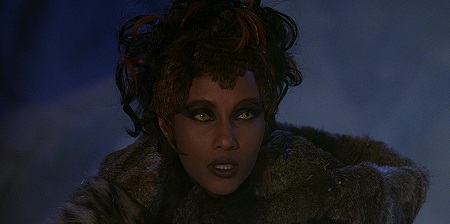
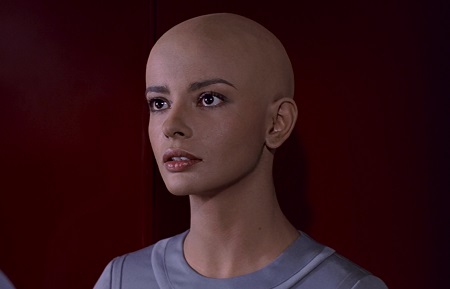
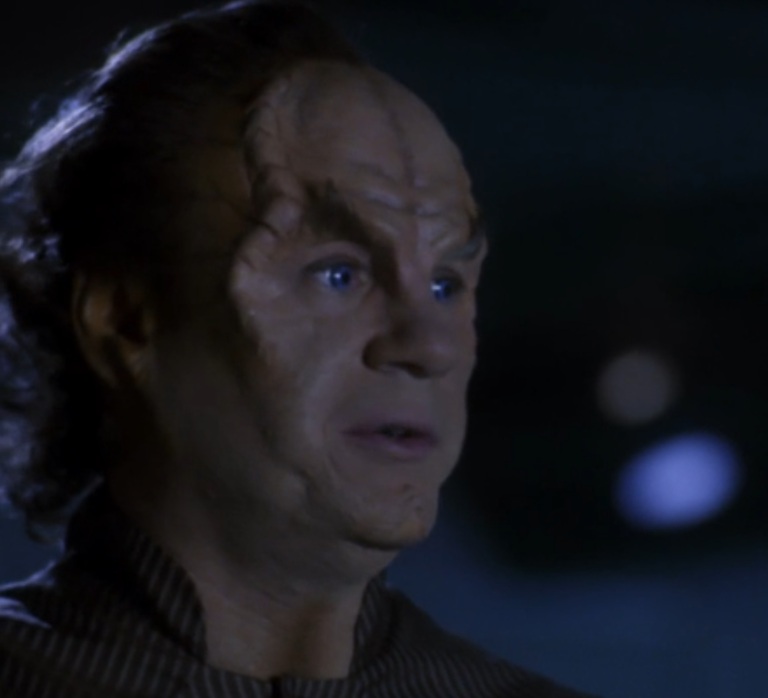
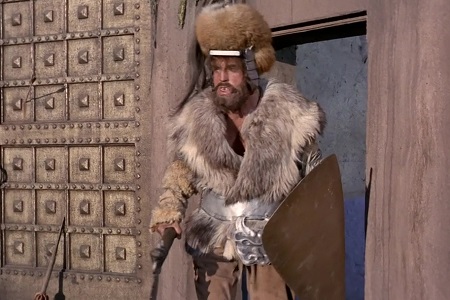

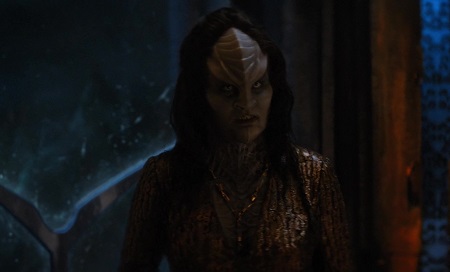
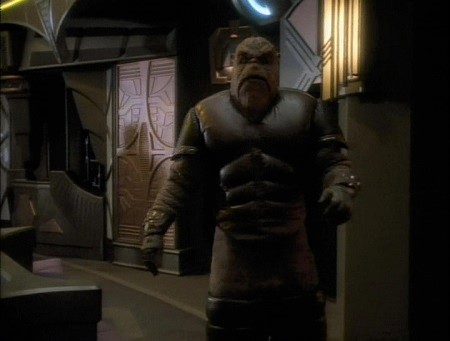
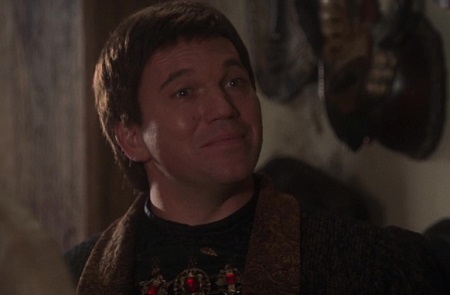
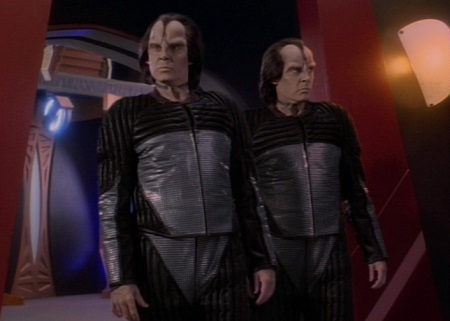
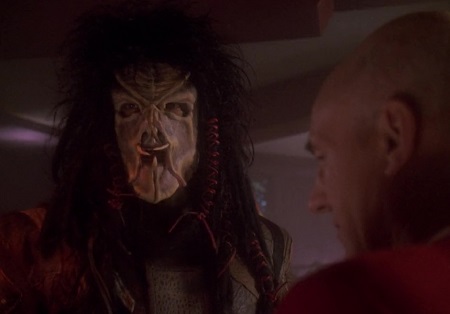
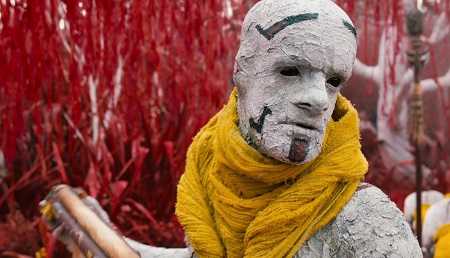
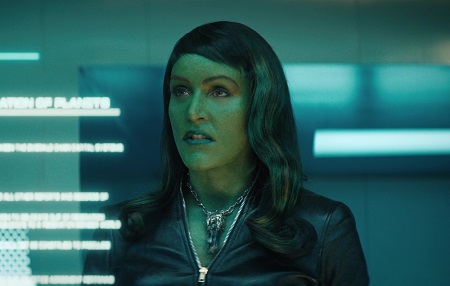
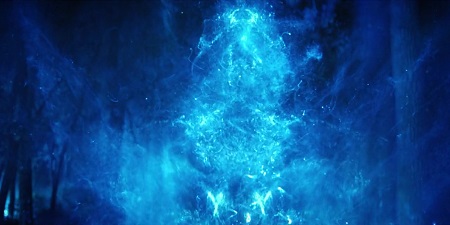
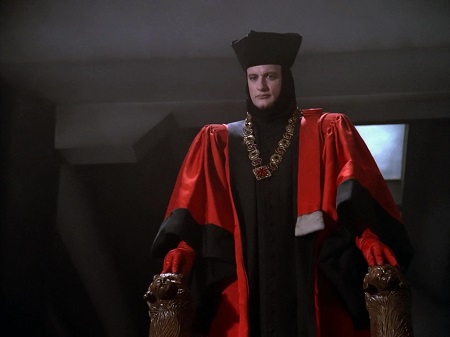
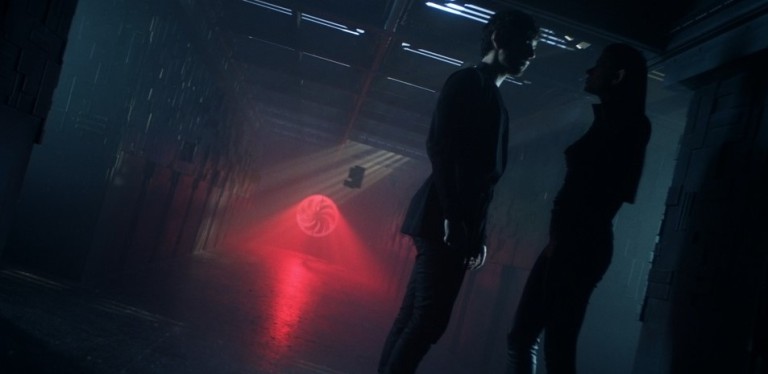
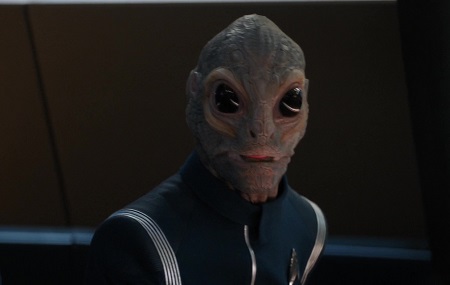
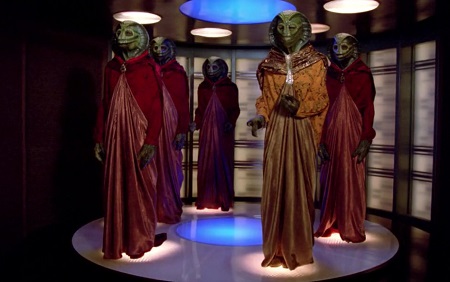
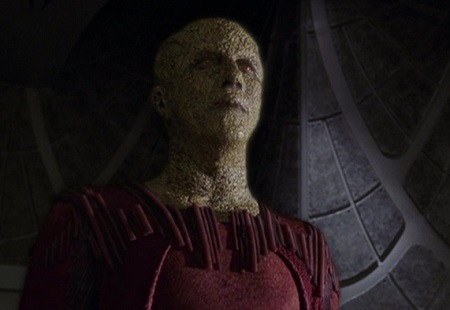
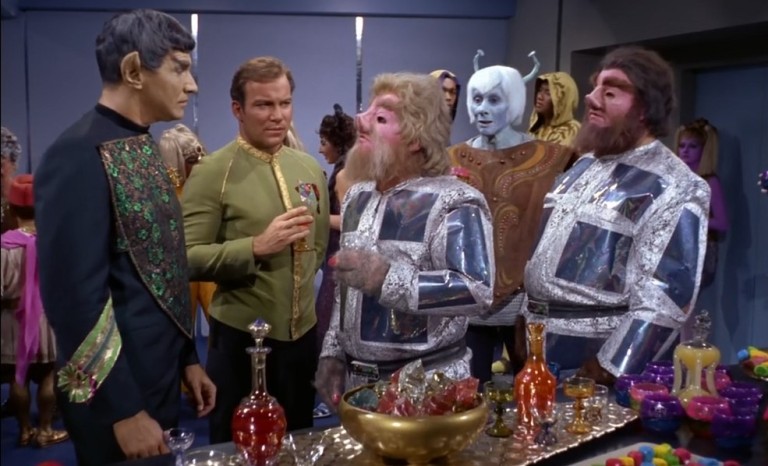

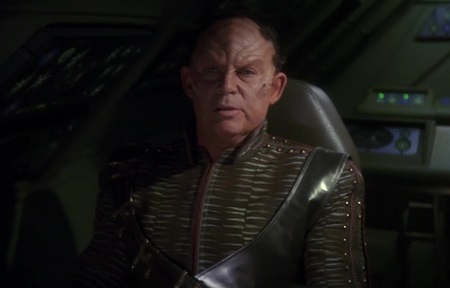
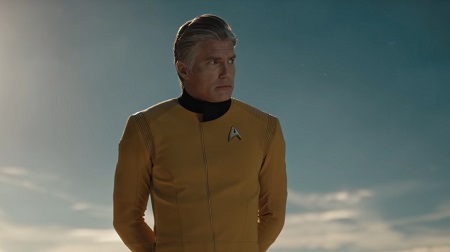

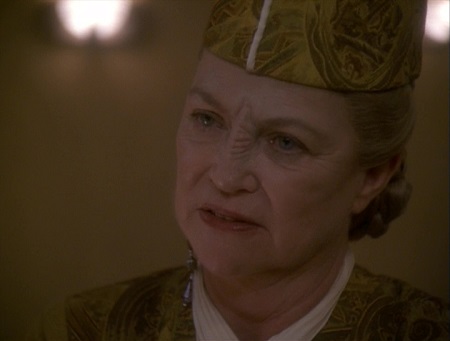
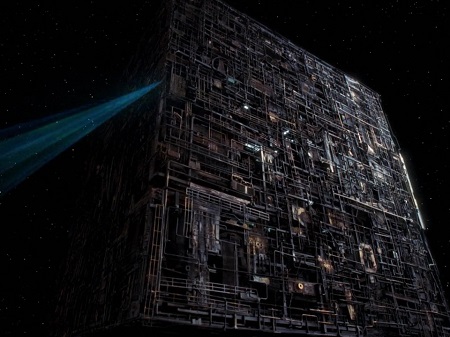
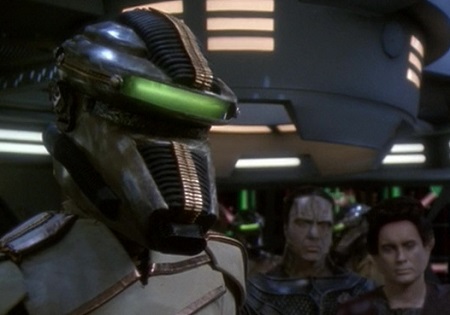
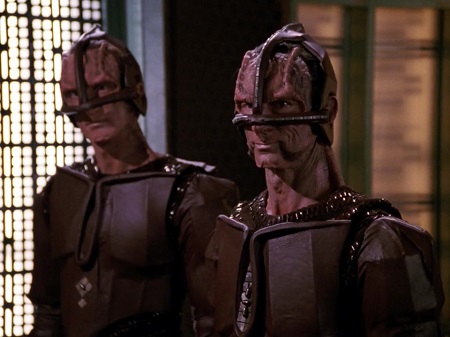
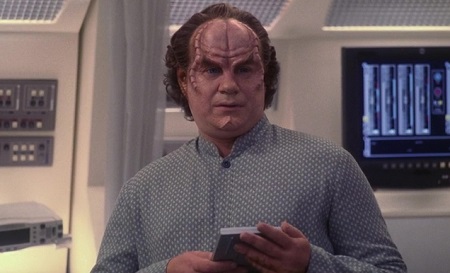
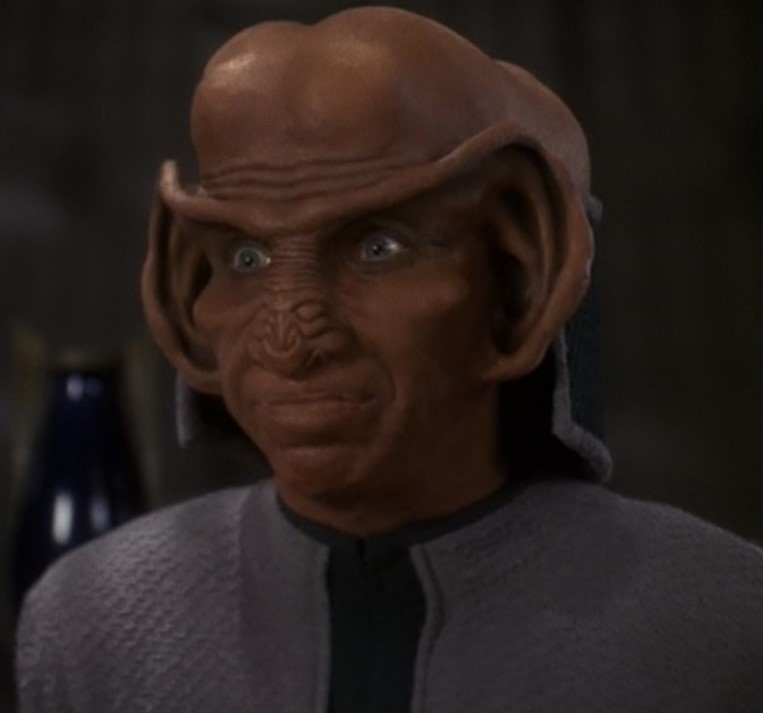
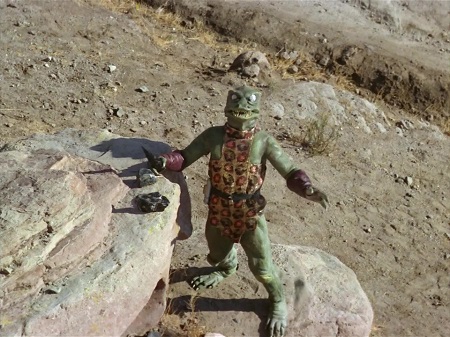
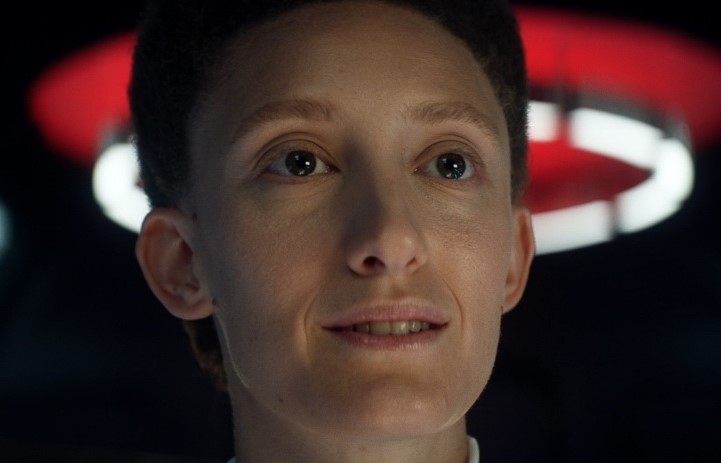
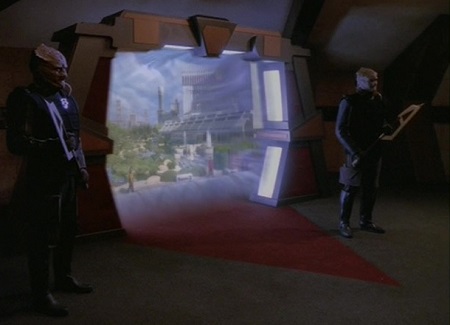
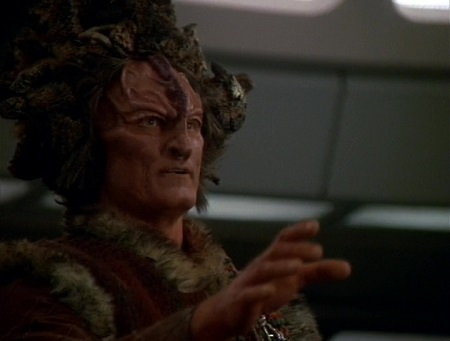
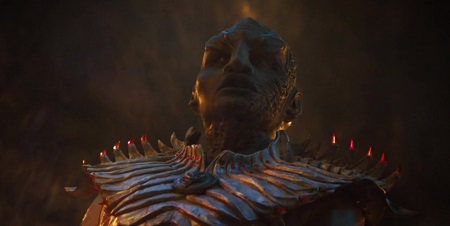
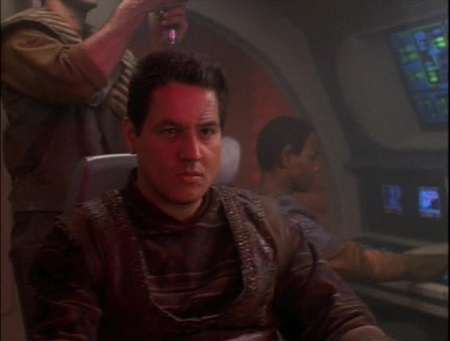
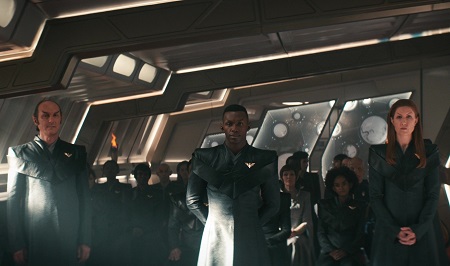
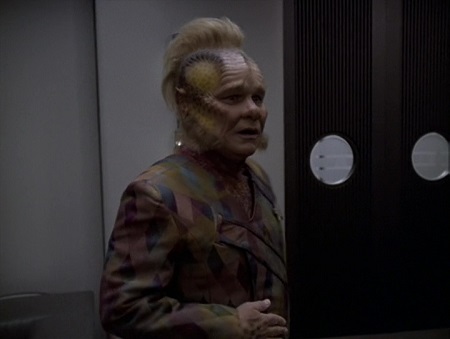
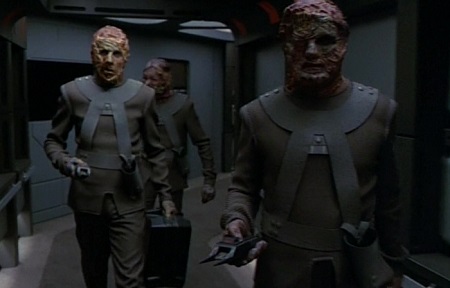
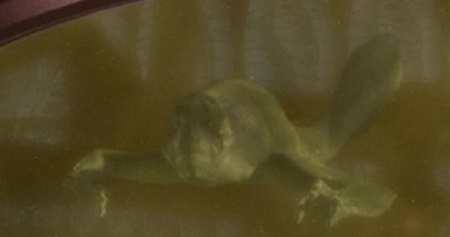
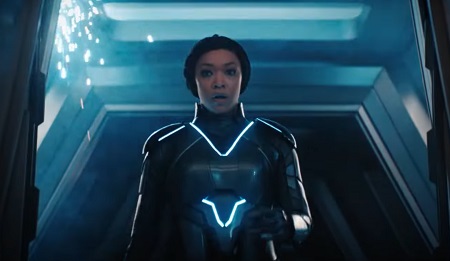
 Trekking with Dennis