



Spoiler Warning: There are spoilers ahead for the following Star Trek productions: The Original Series, The Motion Picture, The Wrath of Khan, The Search for Spock, and The Voyage Home. Minor spoilers are also present for other parts of the Star Trek franchise.
We’re celebrating an anniversary today! Forty years ago to the day, on the 1st of June 1984, Star Trek III: The Search for Spock was released in cinemas in the United States. I thought it could be fun to look back at the film, highlight some of its successes, and assess its place in the Star Trek franchise.
The Search for Spock is a film I have kind of a weird personal history with! My “first contact” with the Star Trek franchise was The Next Generation. I’ve talked about this before here on the website, but the earliest episode I can solidly recall watching is Season 2’s The Royale, which was broadcast on terrestrial TV here in the UK in 1991. I think I’d seen episodes – or at least parts of episodes – before that, but I date my entry into the Star Trek fan community to mid-1991.

As I continued to watch The Next Generation over the next few months and years, including returning to Season 1 and watching all of Seasons 2 and 3, I was only dimly aware of The Original Series. My parents weren’t interested in Star Trek, and in the small rural community where I grew up, there weren’t any other Trekkies that I knew of. Growing up in the ’80s, I don’t remember watching The Original Series on TV, and I never encountered any of its films at the cinema, either. But at some point after 1991, The Search for Spock came onto terrestrial TV here in the UK – probably for the first time. And it ended up being the first Star Trek film I watched!
By that point I had actually seen a handful of episodes of The Original Series when they’d been shown on TV, but I hadn’t seen The Motion Picture or The Wrath of Khan. Still, the chance to watch more Star Trek was obviously incredibly appealing, and even though I didn’t have the full picture having missed the first part of the story, I still enjoyed what The Search for Spock had to offer. Perhaps those early memories of watching the film unexpectedly have led me to over-value it in some respects… but I still consider The Search for Spock to be a great addition to the Star Trek franchise.
One thing I miss in films and TV shows nowadays are practical special effects – and in particular, puppets and animatronics. The Search for Spock, in my view, has some fantastic puppets that represent the rapidly evolving microbes of the Genesis Planet. Though I know the world of film and TV has moved on in leaps and bounds since then, as a child of the ’80s I feel a real nostalgia for those practical effects, physical creations, and puppets – with the accompanying cinematography that brought them to life. The Search for Spock is a great example of how well these techniques work, drawing on the likes of the Star Wars series or The Dark Crystal for inspiration.
Speaking of other films, The Search for Spock was released against some stiff competition! On its opening weekend it had to compete against some incredible titles that are rightly hailed to this day as all-time classics: Indiana Jones and the Temple of Doom, Ghostbusters, and Gremlins were all in theatres at the same time – so it’s a wonder that The Search for Spock pulled in any money at all at the box office! The film was, in fact, a financial success, bringing in more than $85 million against a budget of just $16 million, with very little extra being spent on marketing. Despite a significant decline in viewership between its opening weekend and its second, The Search for Spock proved to be a successful film for the Star Trek franchise and for Paramount Pictures.
It can be difficult to assess the middle part of a trilogy entirely on its own merits. The Search for Spock is sandwiched in between the serious and rather dark The Wrath of Khan and the almost pure comedy of The Voyage Home – both of which tend to be held in high regard by Trekkies. As a result, The Search for Spock can sometimes get lost; overlooked by some, disregarded by others. Some Trekkies contend that “all the even-numbered Star Trek films are bad,” lumping The Search for Spock in with The Final Frontier and The Motion Picture as being an unimpressive addition to the franchise. I disagree with that wholeheartedly: the film, while not as epic as The Wrath of Khan or as light-hearted and fun as The Voyage Home, is a thoroughly enjoyable picture, with moments of tension, drama, and action that can absolutely go toe-to-toe with the best the Star Trek franchise has to offer.
The Search for Spock is unapologetically a science-fiction story. That might seem like an odd observation; Star Trek *is* sci-fi, after all. But compared with both The Wrath of Khan – an epic action film with a superb villain – and The Voyage Home – a comedy with some sci-fi elements – it stands apart. The film has both light-hearted and very heavy moments, but keeping it all together is a decidedly sci-fi premise about a planet ageing too quickly, a dead man being reborn through scientific magic, and two interstellar empires wrangling over the fallout. As with The Motion Picture’s story of an impossibly unknowable life-form… I think it’s easy to see why some folks who long for either more straightforward action or something less serious would take a look at The Search for Spock and come away disappointed or even confused!
The Search for Spock is, I will admit, a bit of a narrative oddity. Spock’s death in The Wrath of Khan was arguably the most powerful and emotional moment in an already epic film, and I’ve been critical in the past of storylines that involve resurrecting a dead character. It’s something that has to be handled carefully, and while The Search for Spock may get a pass as the originator of this idea – at least in the Star Trek franchise – it can still feel odd to make a big deal of a character’s death, look at the impact it has on their friends and other characters, and then undo it all in the very next instalment. I don’t think that’s one of the main reasons why this film can be unpopular in some Trekkie circles, but it’s worth acknowledging that its entire main story basically undoes one of the most powerful moments from its immediate predecessor.
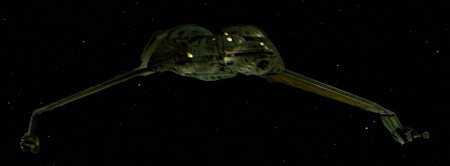
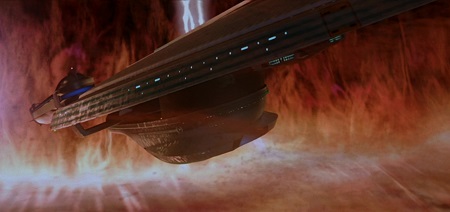
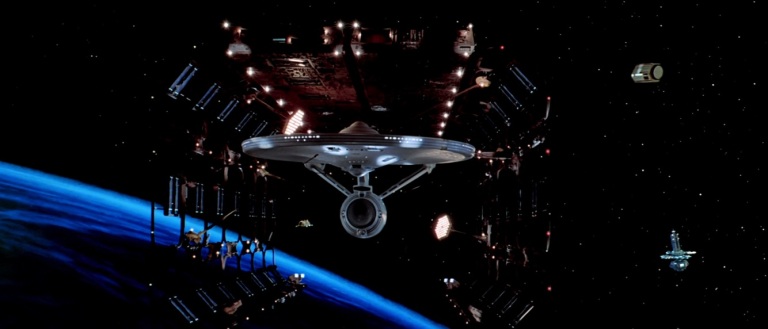
Though not as transformational for the Star Trek franchise as I’d argue The Motion Picture was – as that film’s design philosophy and aesthetic choices would carry through The Next Generation era and beyond – The Search for Spock did introduce a couple of really important elements that have gone on to be a big part of the Star Trek franchise. The Search for Spock marks the debut of both the Federation’s Excelsior-class starship and the Klingon Bird-of-Prey. Both of these ships have become iconic emblems of Star Trek, and made many appearances over the years.
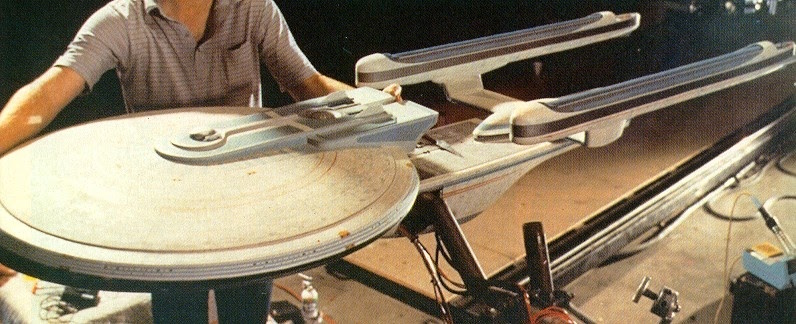
Image Credit: Excelsior – The Great Experiment
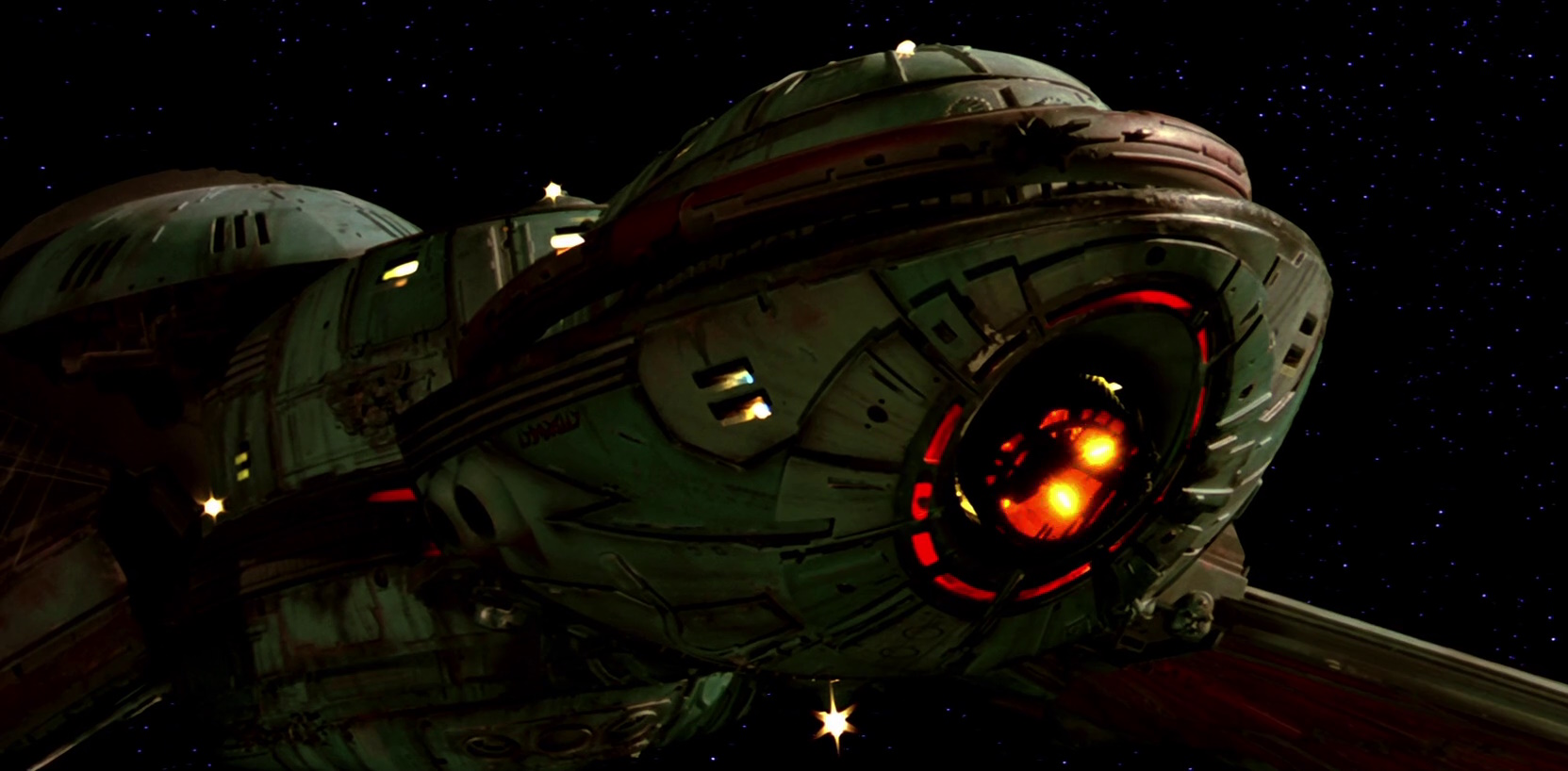
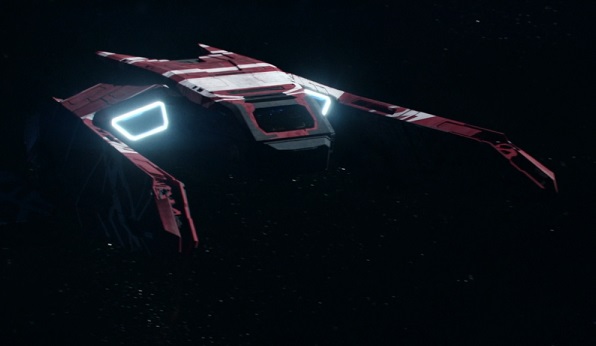
The Klingon Bird-of-Prey was a unique ship at this point in Star Trek’s history. Its movable weapon pylons – which could drop down for firing its disruptors and swoop up for flight – were unique in Star Trek, and added to the fear factor of the ship. We now consider the Bird-of-Prey to be an icon of the Star Trek franchise, and it’s even appeared in recent Star Trek projects in just the last few years.
The Search for Spock also expanded upon the Klingon language that had been created for The Motion Picture, and went a long way to defining the overall aesthetic and feel of the Klingons. Sets built to represent the interior of the Bird-of-Prey would be in continuous use for two decades after the film’s release, and along with those set designs, uniform styles that first appeared here would also be featured in a big way in Star Trek projects of The Next Generation era. The Motion Picture may have started the process of modernising the Klingons from their original presentation in the 1960s, but it was The Search for Spock that really settled on many of the designs that are now totally inseparable from Star Trek’s warrior race. Some fans even got upset when the Kelvin films and Discovery used different designs and styles for the Klingons, simply because those that debuted in The Search for Spock had become so iconic.
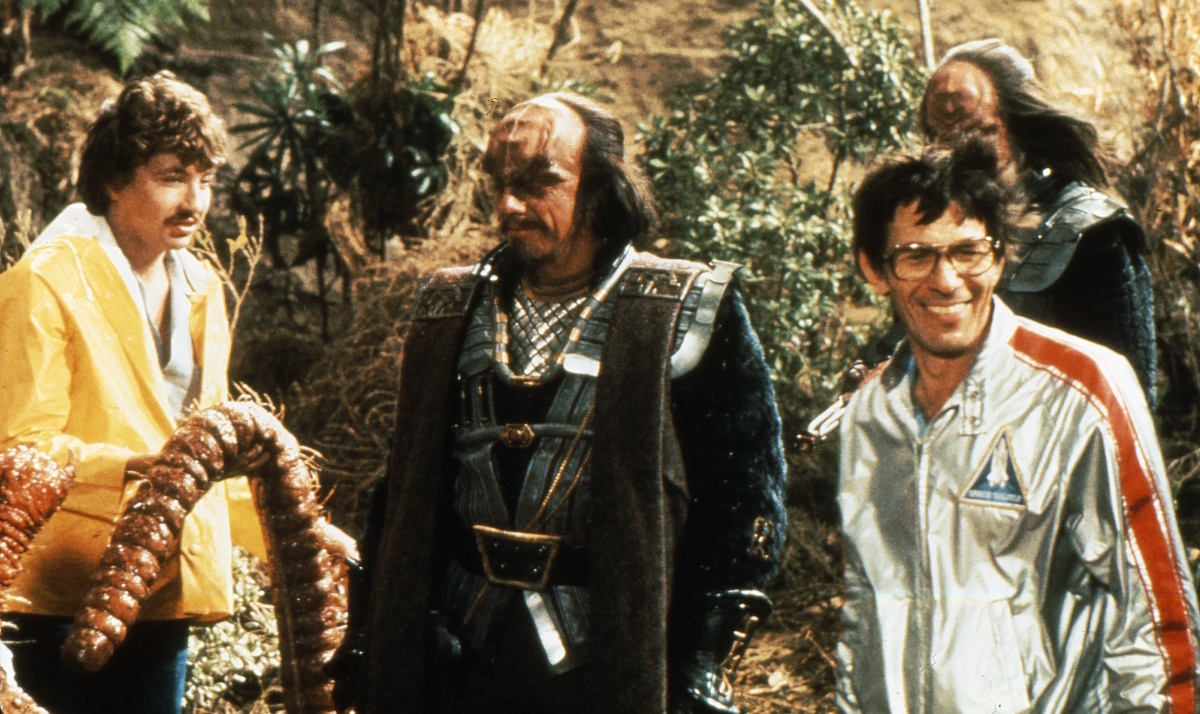
In addition to how the film expanded upon and settled several key designs for the Klingons, The Search for Spock also did a lot for the Vulcan race. We come away from it with an expanded knowledge of Vulcans, their telepathic abilities, and their culture. The film visited the planet Vulcan for only the fourth time – and gave us what is arguably our first major look at the planet since Yesteryear in The Animated Series and the classic episode Amok Time from The Original Series. Some of what The Search for Spock introduced for the Vulcans – such as the idea of katras, preserving the memory or even personality of individuals – have gone on to make multiple appearances in the Star Trek franchise. The development of the Vulcans would be seen in The Next Generation, through the character of Tuvok in Voyager, and revisited greatly in Enterprise. Many of the Vulcan stories in those shows – and in Discovery, too – have their roots in The Search for Spock and the elements of Vulcan culture and the Vulcan species that were first seen here.
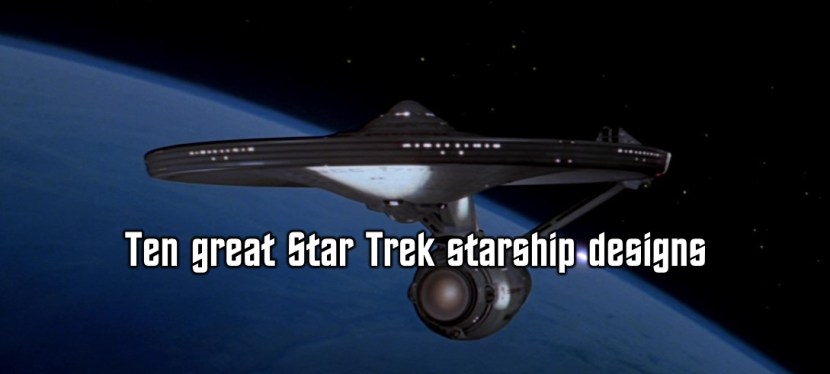
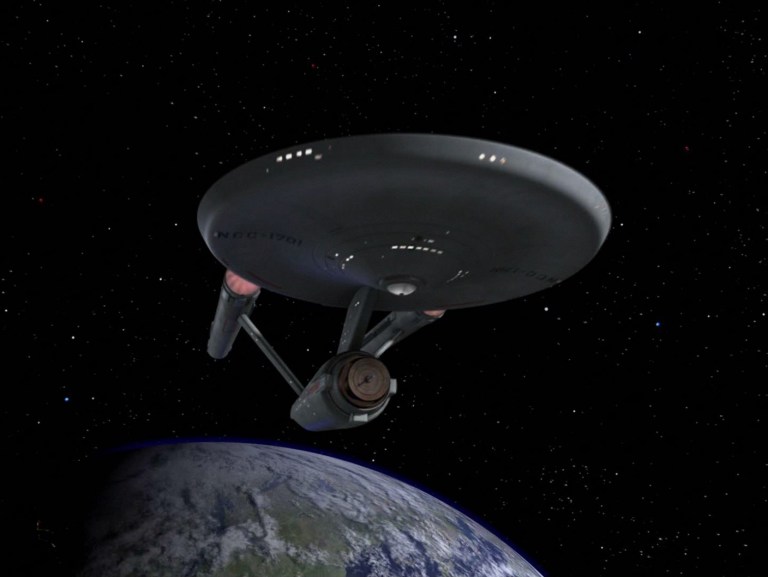
Although she had been fully redesigned for The Motion Picture five years earlier, the USS Enterprise had been an absolutely essential part of Star Trek going back to 1966. Many fans have said that, in Star Trek shows, the starship is basically another character; inseparable from the rest of the crew. And as the film that “killed” the original USS Enterprise, I suspect The Search for Spock was always going to court controversy!
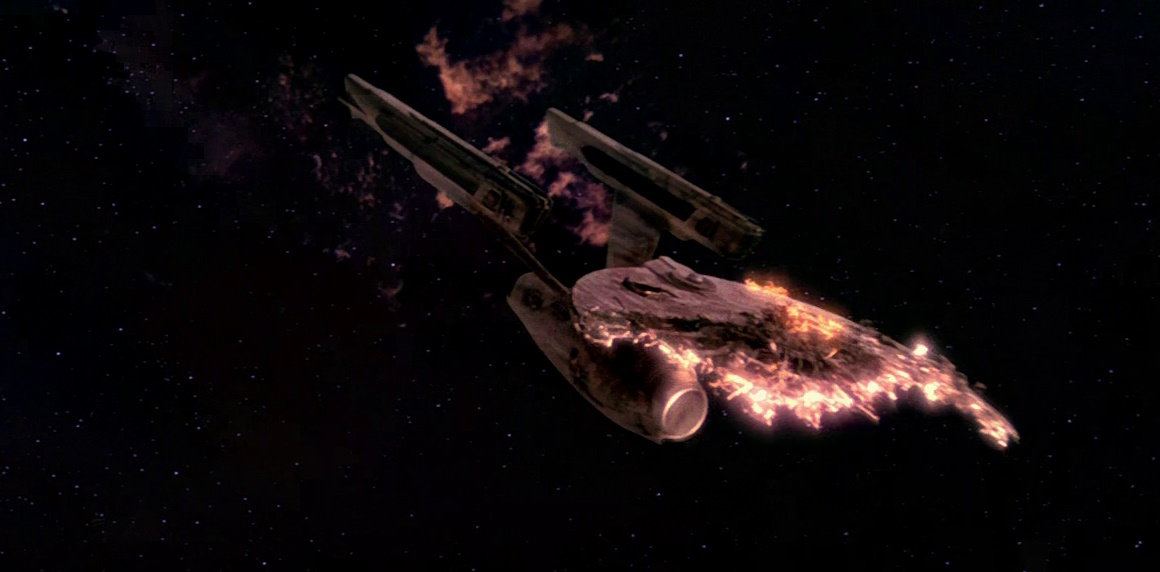
Unlike Spock’s death – which this film was dedicated to undoing – there could be no resurrection for the Enterprise after its self-destruction over the Genesis Planet. This ship had, in some form, been an integral part of Star Trek since the very first episode of The Original Series, and fans had no less of a connection to the ship as to her crew. Losing the ship became an intensely emotional moment in the film – arguably more so than the death of Kirk’s own son, David. It was a bold decision by Harve Bennett and Leonard Nimoy to go there… but it’s also proven to be a controversial one!
For me, the destruction of the Enterprise is one of those singular moments in cinema – something that can be imitated but never truly recreated. Like Darth Vader’s iconic “no, I am your father” moment in another great mid-trilogy film, it’s a feeling that simply can’t be recaptured. Star Trek has, on other occasions, destroyed hero ships – the Enterprise-D in Generations, the first USS Defiant in Deep Space Nine, the Kelvin timeline Enterprise in Beyond – but none of those moments, intense though they could be, felt the same way. This was Star Trek’s first Enterprise – *the* USS Enterprise – and there it was, a burning wreck streaking its way across the sky.

The Wrath of Khan’s starship battle is one of the best in the franchise – and one of the most tense and exciting space combat sequences in all of cinema. It drew on submarine films of the World War II era and aftermath for inspiration, and combined with an excellent and wonderfully-portrayed villain in Khan, it made for one of the most memorable battles not just in Star Trek, but in all of sci-fi. The Search for Spock had the frankly impossible task of living up to that – and while I’d absolutely agree that both the Klingon attack on the USS Grissom and the confrontation between the damaged Enterprise and the Bird-of-Prey aren’t on the same level… there are points where they aren’t a million miles away.
The USS Grissom is another well-designed ship. Although it doesn’t follow the typical Starfleet design that we’ve seen with the Enterprise, the Reliant, and others, it’s clearly a Starfleet vessel. Its diminutive size makes it feel vulnerable, and dialogue confirming that it’s a science vessel adds to that feeling. The Search for Spock went a long way to expanding our knowledge and understanding of Starfleet as an organisation – far from having a few identical Constitution-class ships, as seen in The Original Series, Starfleet had a broad and varied lineup of vessels, with different specialised craft designed for different purposes. We see a range in just this one film: the Enterprise as a kind of mid-tier, slightly outdated ship, Excelsior as the brand-new top-of-the-line model, and the Grissom as one of Starfleet’s smaller, arguably less important ships.
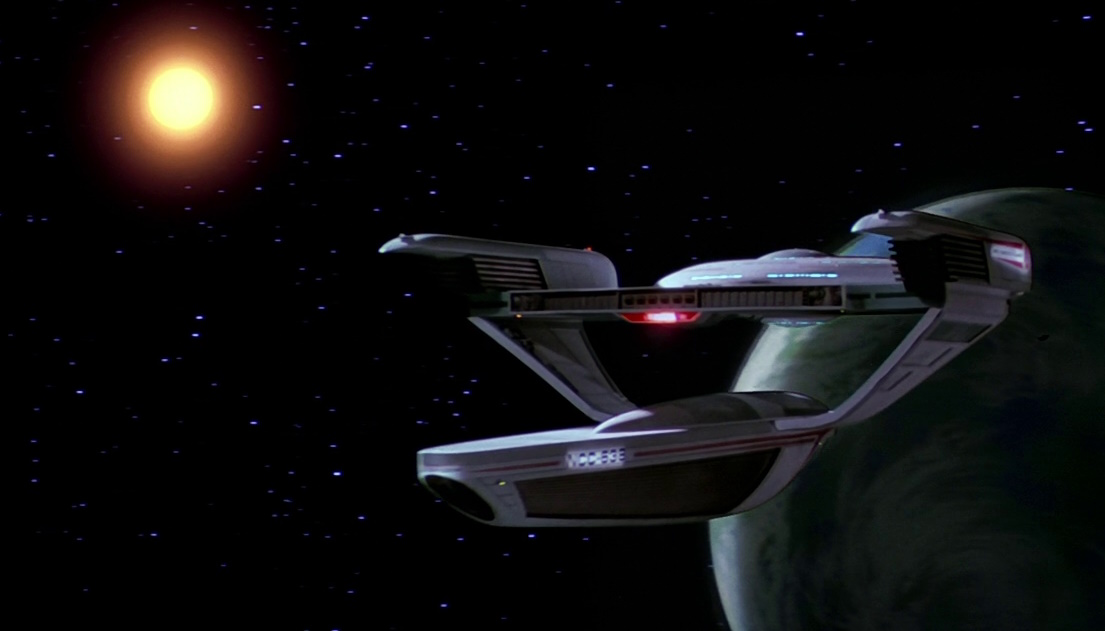
As an aside, I’d happily watch an entire series set aboard a ship like that! It’s one of the ideas that the Star Trek franchise had never been bold enough to try – at least, not until Lower Decks came along. Though the Grissom’s mission is an important one in The Search for Spock, the design of the ship and the way her crew talk about her really leaves us with the impression of a relatively minor vessel in Starfleet. It wouldn’t be until Lower Decks premiered more than thirty-five years later that we’d get an extended look at the officers and crew of a ship that wasn’t on the front lines of exploration!
Kruge, played by Christopher Lloyd of Back to the Future fame, makes for a compelling villain. Again, I fear that comparisons with Khan are inevitable (and perhaps unfavourable), but bringing back the Klingons for a major antagonistic role for the first time in almost two decades was a positive thing and should be a mark in The Search for Spock’s favour. We’ve seen many Klingon stories from The Next Generation era through to the present, but at the time of the film’s premiere, the Klingons had only made one relatively minor appearance (in The Motion Picture) since The Animated Series went off the air.
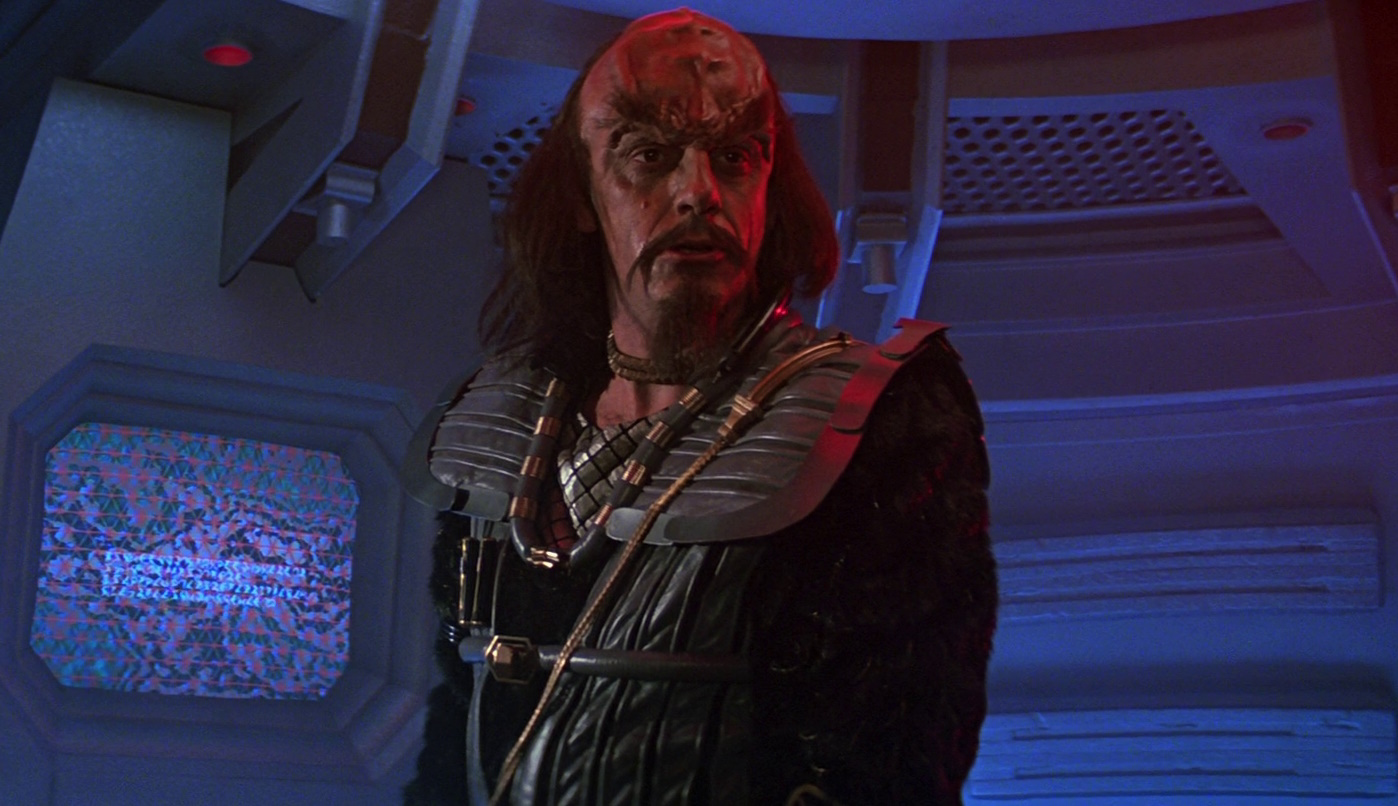
Kruge’s motivation is similar to Khan’s – at least insofar as control over the Genesis technology is concerned – but he’s also a very different kind of villain. We learn more about the Klingon warrior code through Kruge, as well as the organisation of the Klingon Empire and the precarious position of commanders aboard Klingon vessels. The way in which the interior of the Klingon ship was designed also ties in perfectly with this expanding Klingon philosophy that writers were creating for Star Trek. The spartan, industrial feel of the ship, with low lighting, and a bridge where the commander’s chair loomed over the other stations all match how the Klingons were portrayed on screen – and how they’d evolved from their earlier appearances.
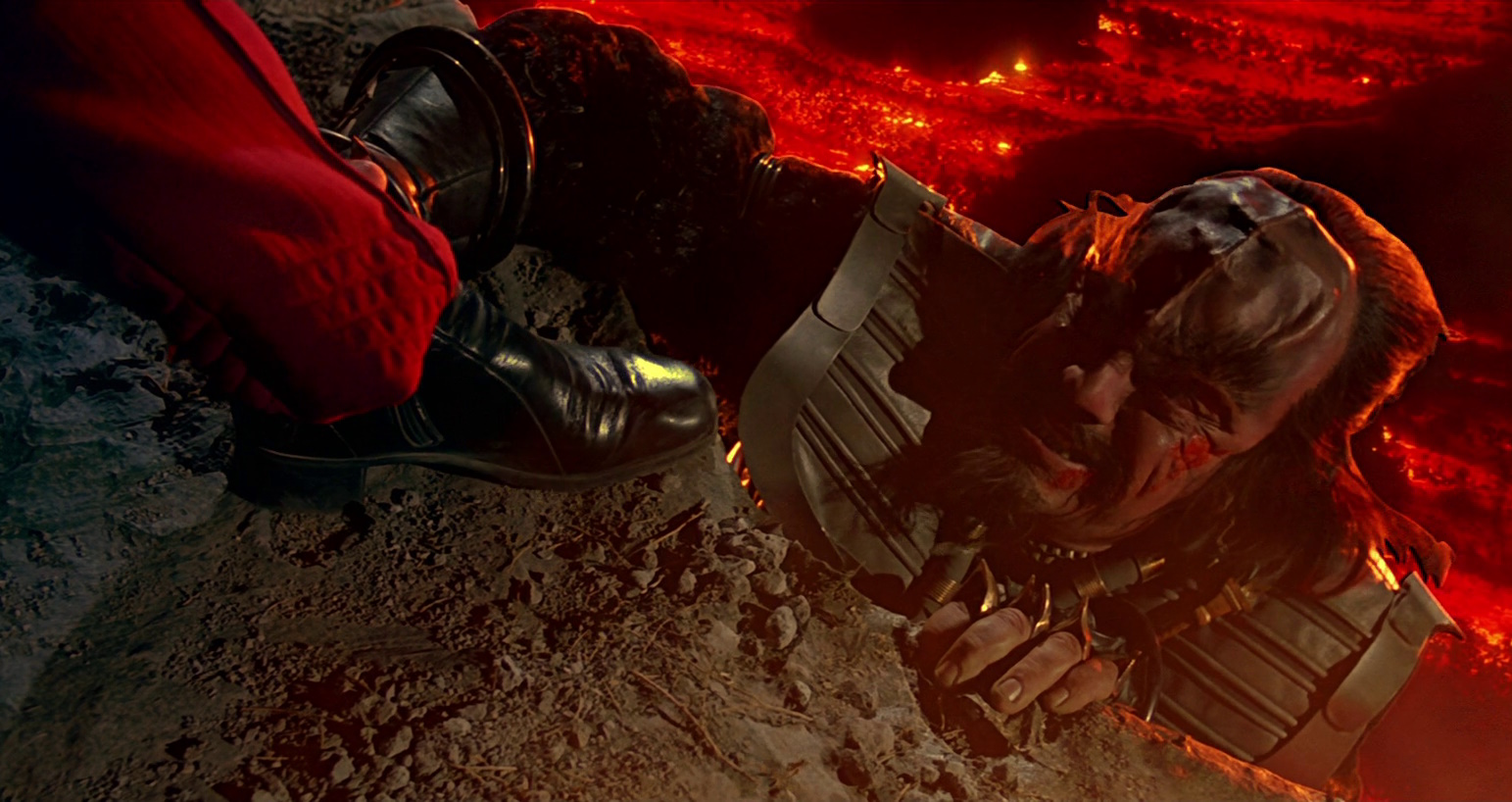
Perhaps another reason why Kruge can feel like an overlooked Star Trek villain is that a similar idea would be used for General Chang in The Undiscovered Country. Both were commanders of a Bird-of-Prey, both had a one-on-one conflict with Kirk, and both were portrayed in a rather over-the-top, almost flamboyant style! Kruge did it first, and that should count for something… but I really do feel that he’s an interesting character in his own right, and more complex than some critics of the film give him credit for. Though Kruge would pioneer some of the features of Klingon commanders that we’ve come to see as typical, and the DNA of the likes of Martok, Gowron, and Duras is clearly present, he’s also a distinct character: his violent methods always seems to serve a purpose, rather than being present “just because.” The way he met his end – after an epic hand-to-hand fight with Kirk, also said a lot about Kirk’s character; he offered his opponent a life-saving hand before Kruge tried in vain, one last time, to drag them both to a fiery grave.
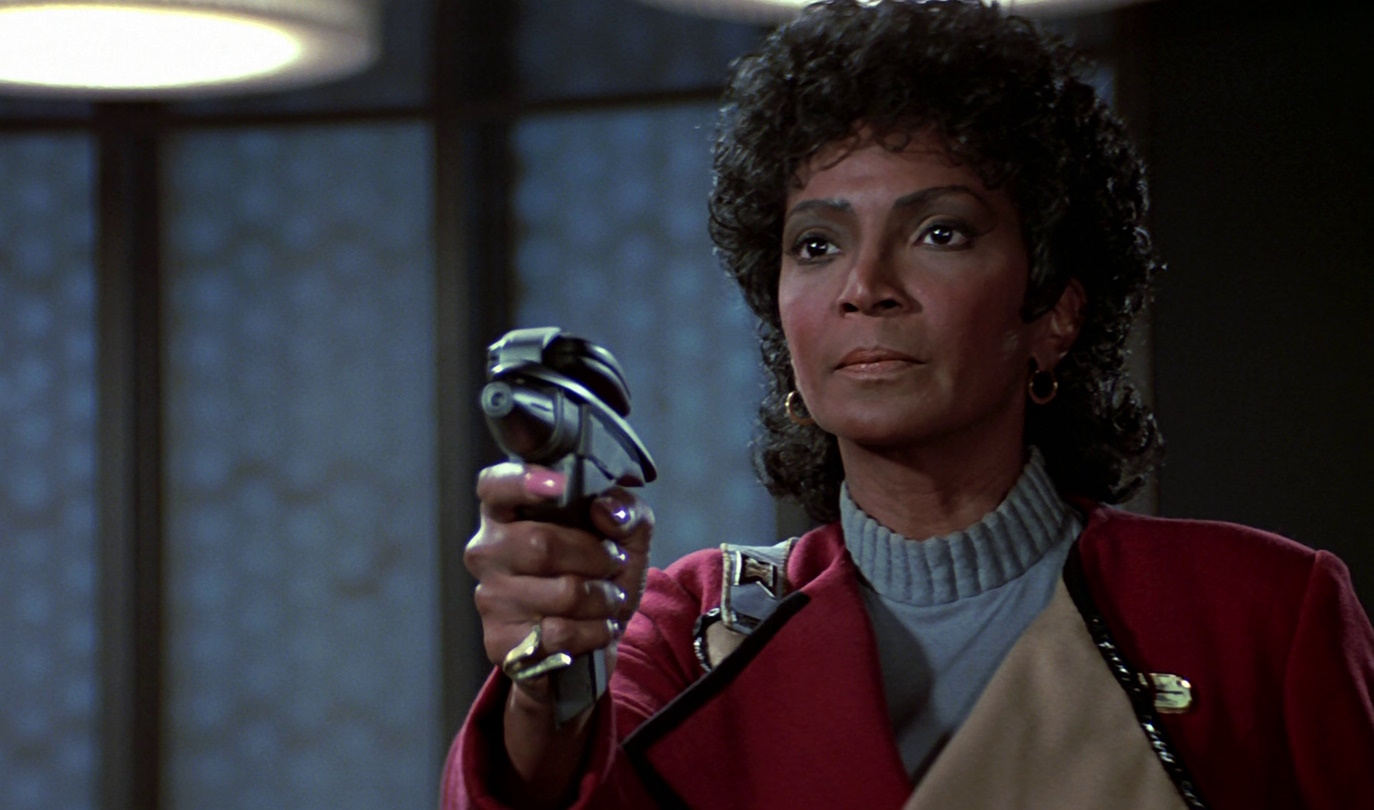
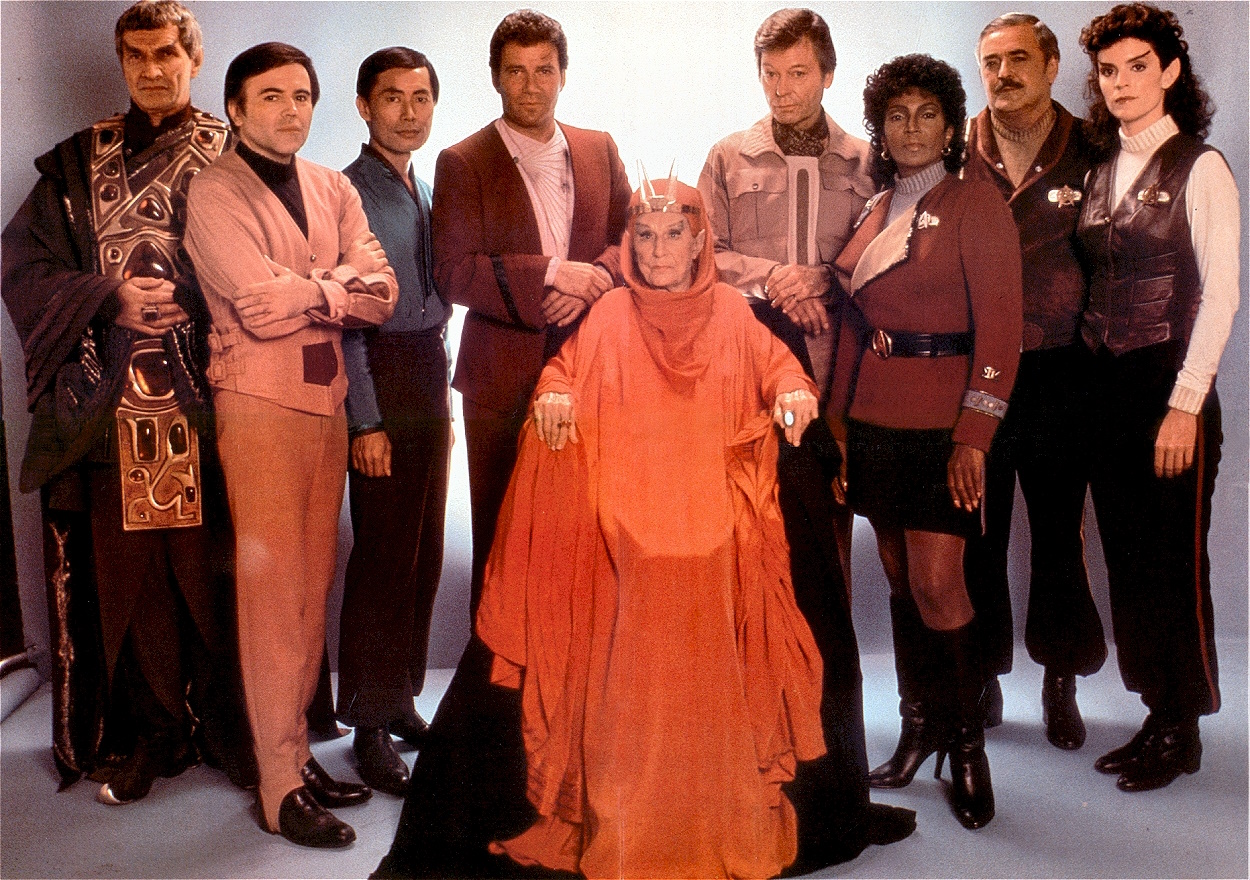
In terms of the main characters, there’s some apt criticism of The Motion Picture and The Wrath of Khan that not everyone was given very much to do. The Search for Spock would be the first of The Original Series films to really try and rectify this, at least in my opinion, and you’d see a trend of each of the main characters getting at least one moment in the spotlight across the remaining films. I’m thinking in particular of Uhura’s role in helping to steal the Enterprise, as well as Scotty sneaking aboard the Excelsior. Moments like that were absent from the previous couple of films, yet included here.
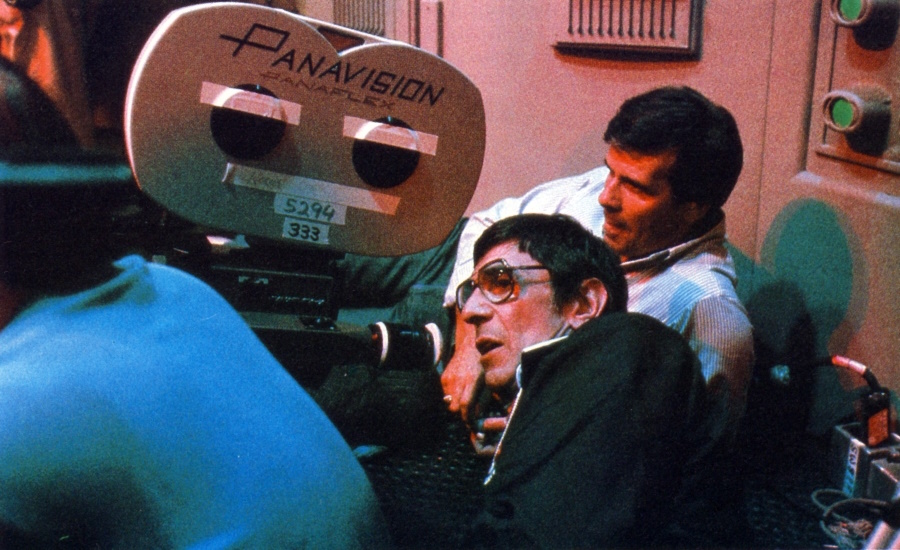
And I think that speaks to Leonard Nimoy’s direction. The Search for Spock was the first of two films that Nimoy directed, along with The Voyage Home, and he also contributed to the story of both pictures – receiving a writing credit for the latter. Nimoy is a Star Trek legend – but some fans can focus exclusively on his role as an actor and overlook his writing and directing. Nimoy proved himself a solid director in The Search for Spock, paving the way for other Star Trek stars – such as Jonathan Frakes, Robert Duncan McNeill, Roxann Dawson, and Alexander Siddig – to also have turns in the director’s chair.
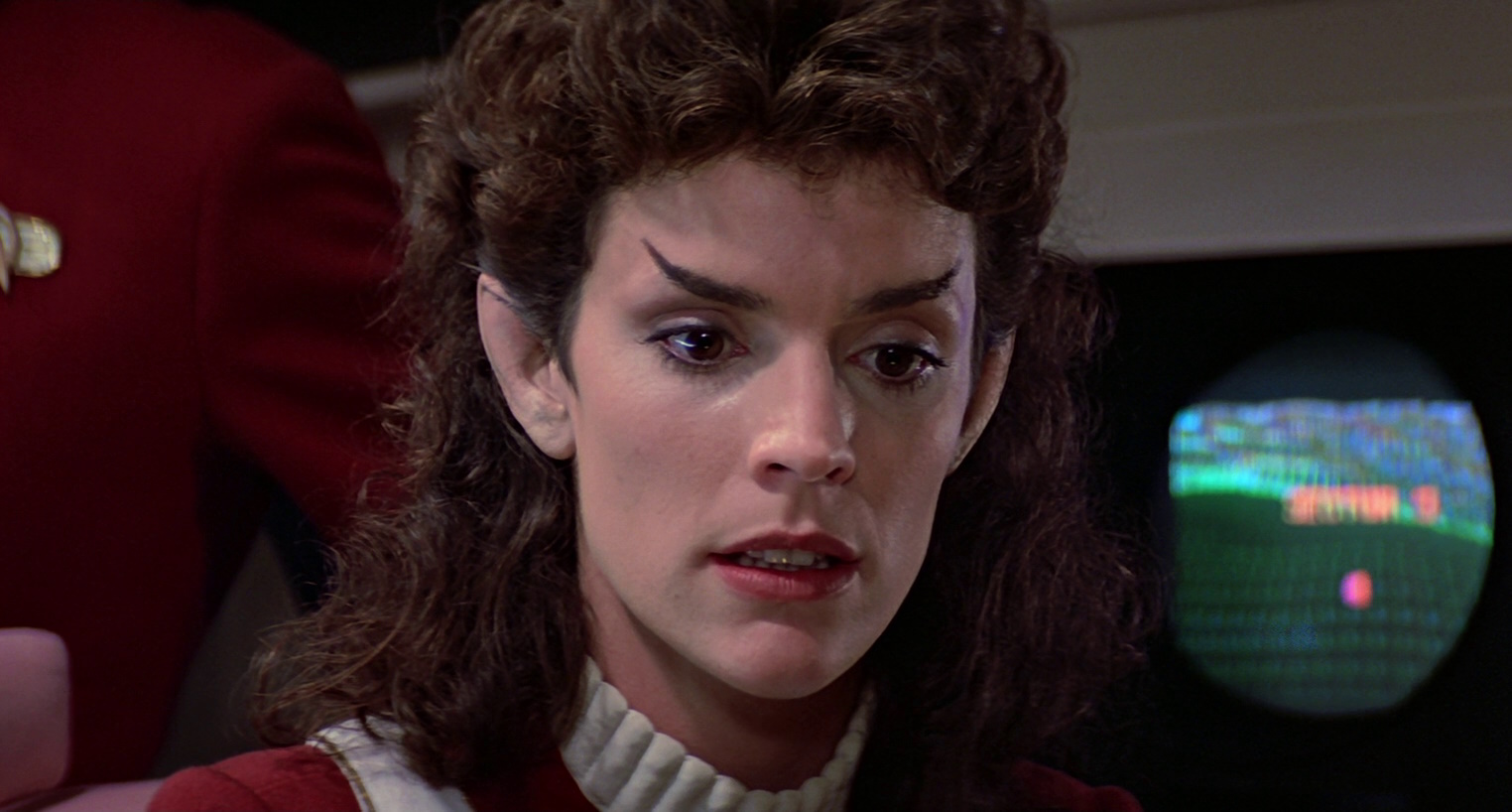
Saavik, who had been introduced in The Wrath of Khan, made a welcome return in The Search for Spock. Her connection with the reborn Spock, particularly as he underwent the rapid ageing and pon farr inflicted upon him by the Genesis Planet, went a long way to giving this side of the film – somewhat ironically, considering we’re dealing with Vulcans – an emotional core. Being lost and alone in a strange, harsh environment would be hard enough on anyone – let alone a young person – but to be in that situation with no knowledge of how he got there must’ve been terrifying for Spock. Saavik was able to step in and save his life.
Paramount Pictures had failed to sign Saavik’s original actor – the late Kirstie Alley – to a contract that left open the possibility of sequels, and with her star rising in Hollywood, it became apparent quite early on in the film’s production that the role would have to be recast. For my money, I think Robin Curtis actually does a fantastic job with what can be a challenging role; stoic, unemotional Vulcans aren’t always the easiest characters to portray. Both actors played Saavik well, and I don’t think the recasting harms the story. On re-watches of the entire three-film story, I don’t even think it’s especially noticeable!
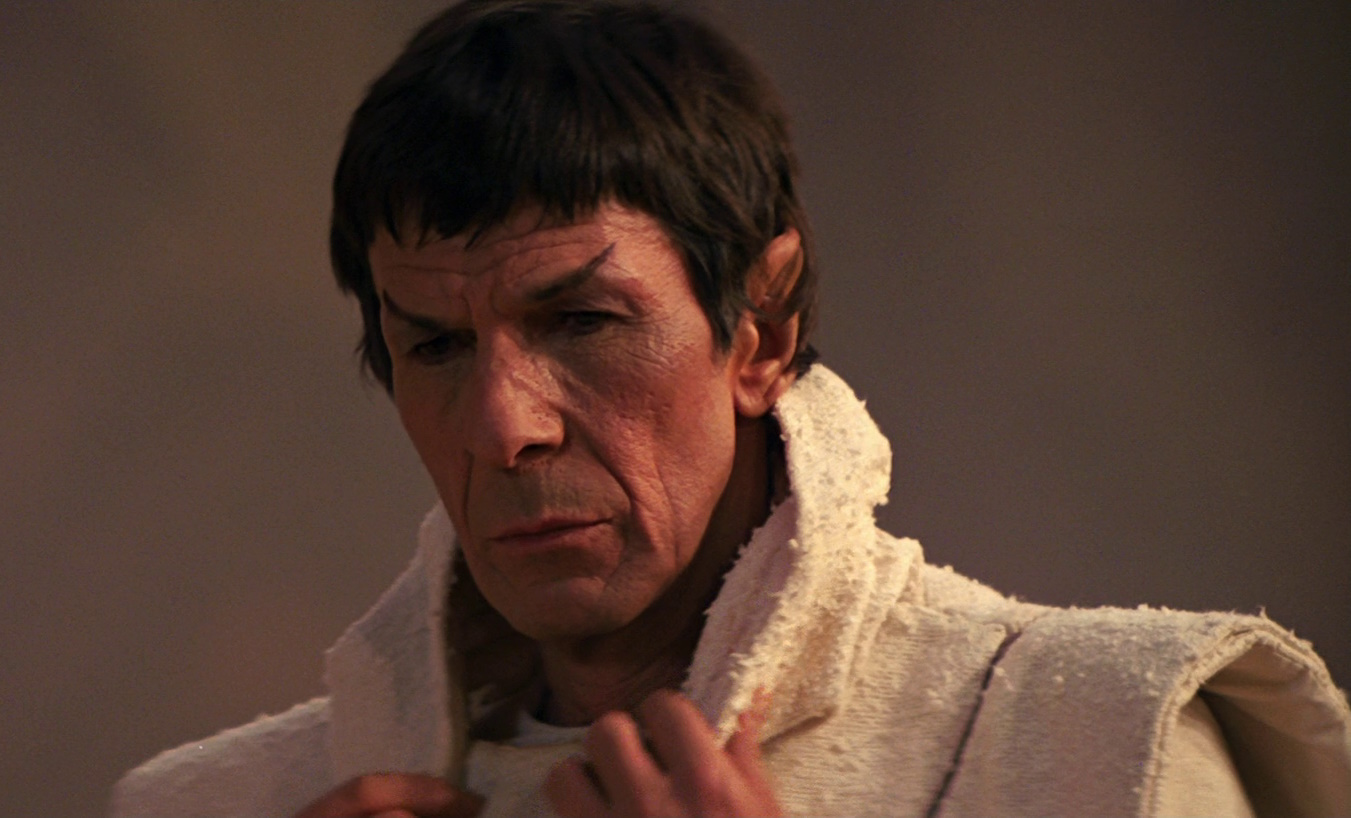
We should also talk about one more Vulcan: Spock himself! Leonard Nimoy would only don the iconic Vulcan ears for a few moments at the end of the film, but we also got to see a younger version of the character. Spock is an iconic emblem of the franchise, and his subsequent roles in The Next Generation and the Kelvin films really went a long way to tying disparate parts of Star Trek together. His resurrection here laid the groundwork for those future roles – and while that obviously wasn’t the intention at the time, I think it’s worth acknowledging how spectacular a decision it was to ensure that Spock remained in play!
Spock’s role in this film is relatively minor; he’s the driving force behind the story rather than an active participant in it. We’d seen across The Original Series the friendship and connection between Kirk and Spock, but The Search for Spock did a lot to frame those earlier stories and really hammer home just how deep their bond was. Spock’s “frenemy” relationship with Dr McCoy was kind of played for laughs at points, but with McCoy carrying Spock’s katra, there were other moments that could be sweet, intense, and even heavy in places.
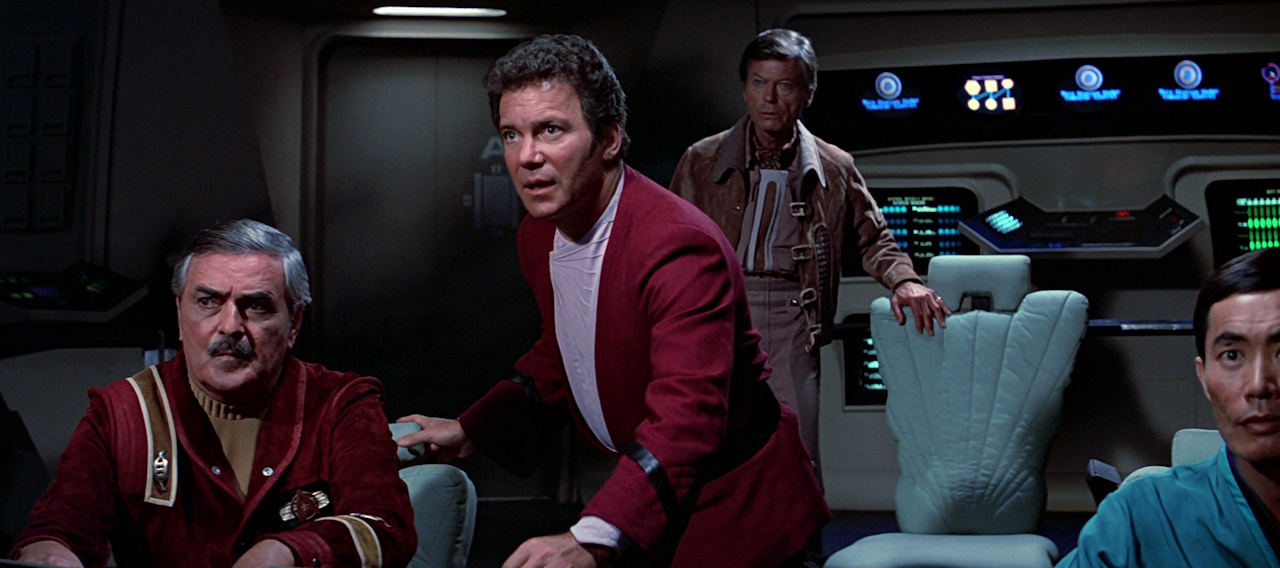
Although Spock is the film’s title character, Kirk is at the centre of the story. His friendship with Spock, his desire to cheat death and avoid the “no-win scenario,” and his attempt to correct what Sarek told him was a mistake are what kick off the plot – and we’d see the other main characters join in and contribute in their own ways. Stealing the Enterprise after being denied the opportunity to return to the Genesis Planet was the culmination of this, and the way the film reaches that point is incredibly entertaining.
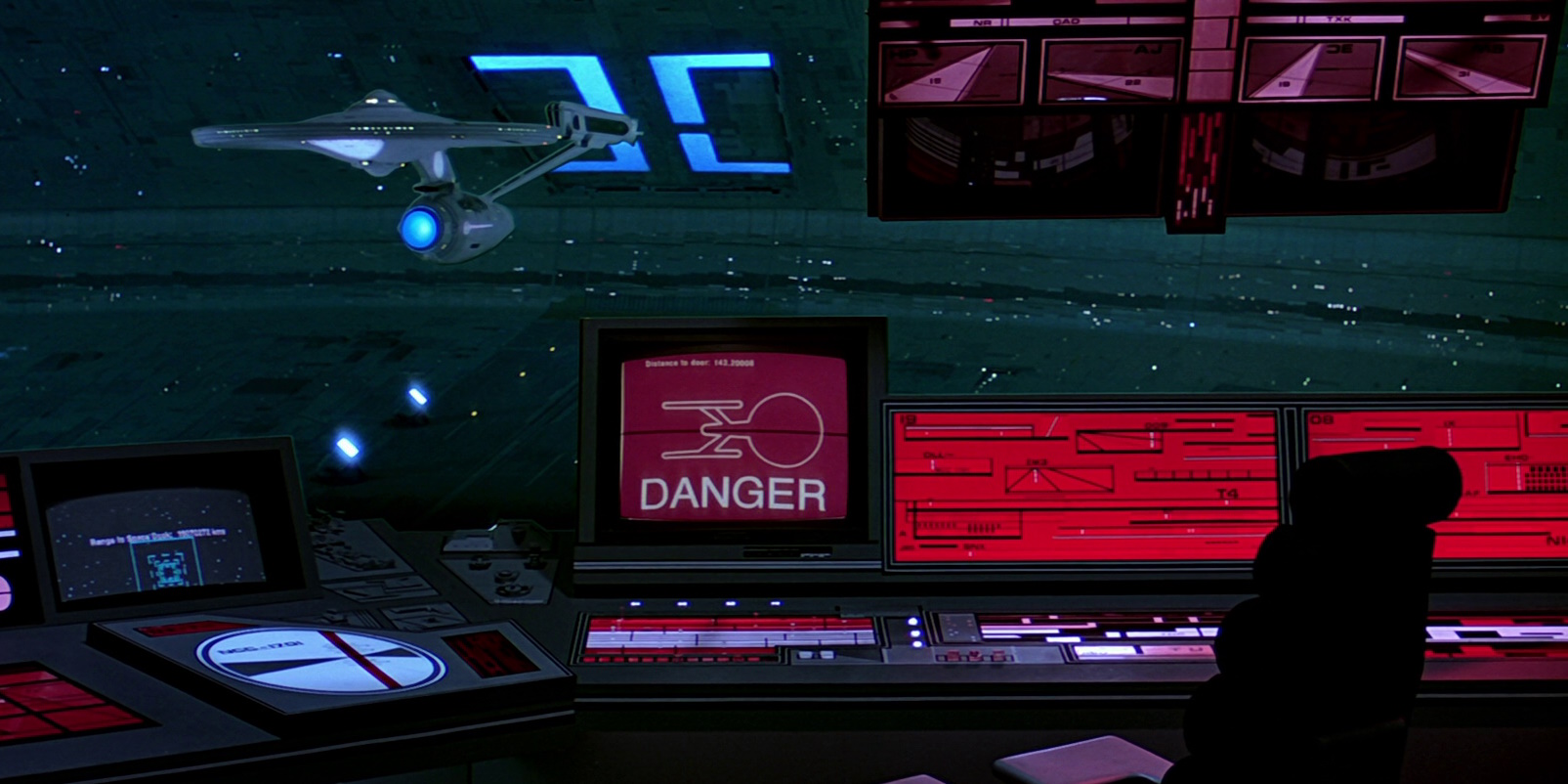
In fact, the whole sequence where Kirk and the crew steal the Enterprise out from under Starfleet’s nose at Spacedock is tense, exciting, and just plain *fun*! Sulu punching a security guard, Uhura luring an officer away from his post, and Scotty sabotaging Starfleet’s “great experiment” are all really exciting, cute, and fun ideas that the film executes well. And as the Enterprise is making her escape with the space doors still closed… it’s a moment of tension that gets me every time!
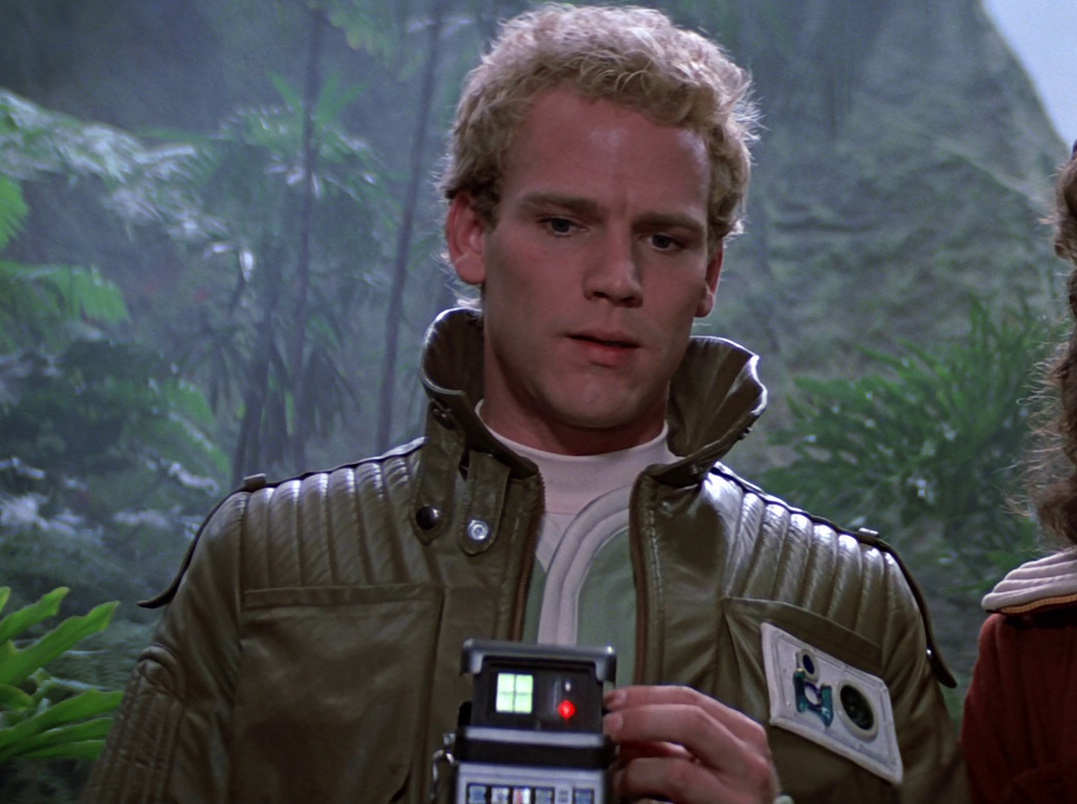
Although we’d only met David Marcus in The Wrath of Khan, his death is another emotional moment in The Search for Spock. As Kirk’s son, we experience this loss first and foremost through Kirk – Saavik, as a Vulcan, shows little emotion as he’s killed. And I think it’s worth acknowledging just how much of a brutal moment this was, at least by Star Trek’s standards. David wasn’t a “redshirt;” a disposable minor character. He was literally the son of Captain Kirk, and his death at the hands of the Klingons – while saving Spock and Saavik – was incredibly impactful.
The Search for Spock didn’t have enough time to really dig into the implications of David’s death, but its impact on Kirk would be revisited in The Undiscovered Country a few years later – with a log entry in which Kirk references what happened to David becoming a key plot point. I’m glad that this epilogue was added; it makes David as a character feel more important. His role in The Search for Spock was great, though, and he was brought to life beautifully by Merritt Butrick.
We should also talk about the unique place that The Search for Spock occupies in the Star Trek franchise. This was the final project to enter production before thoughts began to turn more seriously toward The Next Generation. By the time The Voyage Home began filming in early 1986, The Next Generation was also being worked on. As a result, we can kind of look at The Search for Spock as either a stepping stone or the beginning of the end for Star Trek’s first chapter. The Original Series and the films it spawned – The Wrath of Khan in particular – led to demands for the franchise to expand beyond its original characters, ultimately leading to Star Trek as we know it today. The Search for Spock, while the middle part of a trilogy and only the third film of six starring the original cast, was the final project to be produced while Star Trek existed in its original, singular form.
By the 1980s, Star Trek was approaching its twentieth anniversary, and with no disrespect intended, it was becoming clear that if the franchise were to continue, new actors would eventually need to be cast. I’m grateful for two things: firstly, that Gene Roddenberry and Paramount Television grasped the nettle and started working on a spin-off as early as they did. And secondly, that they didn’t abandon The Original Series and its cast in the rush to get a new series up and running. Working on two Star Trek projects at the same time – on the small screen and the big screen – must’ve been a challenge, but the franchise emerged stronger for it in the long run. All of that is incidental to The Search for Spock, of course! But the position it occupies in the history of the Star Trek franchise is an important one.

Star Trek has always been – and continues to be – a franchise that can tell weirder, more esoteric sci-fi stories. Though The Search for Spock is more grounded than The Motion Picture had been a few years earlier, it’s in that same camp as a film that feels like an extended episode of The Original Series. For fans who loved what The Wrath of Khan had done with a tone and theme closer to an epic space opera or action/sci-fi, I can understand why returning to a less action-heavy premise might’ve been underwhelming. And for folks who’ve only ever seen the Star Trek films as a complete box set on DVD or streaming, I guess I can appreciate why The Search for Spock is a title they’d skip or only begrudgingly watch as a bridge between The Wrath of Khan and The Voyage Home. It isn’t a film that’s as intense as the former or as fun and light-hearted as the latter.
But for me, relegating The Search for Spock to that kind of position is unfair. Its emotional moments pack a punch, its action sequences and battles are intense, it has some wonderful moments of characterisation that make full use of its main cast, and it introduces us to several design, aesthetic, and thematic elements that have proven to be so popular and successful that they’re now totally inseparable from Star Trek. The Search for Spock refined the look and feel of the Klingon Empire – and the way the Klingons were presented here would carry right through The Next Generation era and beyond.
The Search for Spock didn’t single-handedly set the stage for Star Trek’s future – that would be an exaggeration. At the time it was produced a sequel was all but guaranteed, and having lost creative control of the Star Trek cinematic franchise, Gene Roddenberry’s thoughts were beginning to turn toward spin-off projects. But The Search for Spock kept things on track and didn’t derail Star Trek, proving to be enough of a financial success for Paramount Pictures – and later Paramount Television – to continue to work on expanding the franchise. At a key moment, when Star Trek needed a win, The Search for Spock may not have hit it out of the park, but it delivered enough success – both critically and commercially – to shore up the franchise going into the mid-1980s.
To me, that’s a big part of the film’s legacy – but it isn’t the only thing we should think about. The story that Harve Bennett and Leonard Nimoy crafted is a fun and enjoyable one in its own right, showing the lengths friends are willing to go to when one member of the group is in peril. It’s a film that showed, arguably more than any other single story, the extent to which Captain Kirk and his crew were closer than family – and how, for that family, the needs of the one can sometimes outweigh the needs of the many. That’s an inspiring message, at least to me, and it’s what I’ve always taken away from The Search for Spock.
So that’s my take as we celebrate The Search for Spock’s milestone anniversary. I went back to re-watch the film for the first time in several years, and I was reminded of just how enjoyable and entertaining it is. Star Trek has grown exponentially since The Search for Spock premiered in 1984, but even in the most recent seasons of Picard, Lower Decks, Prodigy, and Strange New Worlds, there are thematic and visual elements that made their debut here. The film’s legacy lives on!
I hope this has been a fun look back. I know that The Search for Spock isn’t everyone’s favourite Star Trek film, but when the mood takes me I’m happy to go on an adventure to the Genesis Planet with Kirk and the crew all over again. Raise a glass with me and toast the anniversary of Star Trek’s third trip to the movies!
Star Trek III: The Search for Spock is available to stream now on Paramount+ in countries and territories where the platform is available. The film is also available for purchase on DVD and Blu-ray. The Star Trek franchise – including Star Trek III: The Search for Spock and all other titles and properties discussed above – is the copyright of Paramount Global. This article contains the thoughts and opinions of one person only and is not intended to cause any offence.





 Trekking with Dennis