


Spoiler Warning: There are spoilers ahead for Star Trek: Strange New Worlds Seasons 1-3. Minor spoilers are present for Picard Season 1, The Original Series, and Deep Space Nine.
Strange New Worlds remains a fun, episodic, and eclectic series. Just in Season 3 so far, we’ve had a zombie episode, a noir mystery on the holodeck, and a dimension-bending away mission. So when this week’s episode was presented in the style of a Panorama or PBS Frontline documentary… yeah. That tracks!
What Is Starfleet was incredibly creative and well put-together. It draws clear inspiration from modern documentary films and investigative journalism, splicing action with interviews, and the way it unfolded made it a genuinely interesting watch. It could also feel intrusive and more than a little frustrating, particularly as the action would cut away from what was unfolding to focus on another interview or clip that didn’t seem to move the main story along. The overall result? An episode I have mixed feelings about, I’m afraid.
Beto is not a totally brand-new character, having been built up over several earlier episodes. That should be a saving grace for What Is Starfleet, because we’ve at least started to get to know Beto, and we’ve seen him interacting with and getting to know some of the characters on the show already. But… the way this documentary was presented felt intrusive to practically all of the other characters. And because they are our real protagonists and have been for two-and-a-half seasons already… we’re on their side more than on Beto’s, even when naked plot contrivances seemed to be painting Starfleet and Captain Pike in a less flattering light.
It was obvious that the only two characters who were even potentially interested in being interviewed were Uhura and Erica Ortegas – and both of those come with caveats. Captain Pike, Dr M’Benga, Spock, Una… none of them were okay with this. They were complying because they’d been ordered to, but they really weren’t game for having their personal and professional lives exposed and dissected on camera. And again, because they’re the people we care about more than Beto, a significant chunk of What Is Starfleet felt uncomfortable, like it was being presented from the wrong character’s point of view.
Maybe that’s supposed to be part of the point. Some films and TV programmes want you to feel uncomfortable, want to show off negative or less-positive traits from some of their characters, and this documentary format is particularly well-suited to doing that. But if that was how it was meant to come across, then I question both the intent and the execution. What would be the point, in a series like Strange New Worlds, of trying to light up in neon some of the main characters’ ambiguities and questionable backstories? What do we gain by that? Because it feels like something that was contrived for the sake of being an uncomfortable experience… not to lead to any kind of character growth or narrative payoff.
And we aren’t just considering this documentary within the confines of Strange New Worlds – but in the context of 950+ Star Trek stories over almost six decades. Impugning the character, values, and overall decency of Starfleet, as Beto seems to aspire to do in the beginning… it doesn’t sit right.
This side of the episode also horribly mixed its metaphors. Though I question whether it could be successfully pulled off, presenting the Federation and Starfleet as akin to an “empire,” ruthlessly expanding, using questionable weapons of mass destruction, threatening non-members… there could be real-world parallels there. It’s the distinction between how the United States likes to see itself – a paragon of virtue, extolling democracy and freedom – versus how the country can be seen by other countries around the world. Asking us as the audience to consider, even for a moment, whether non-Federation members and non-Starfleet personnel might see these organisations in that way has potential. It worked in Deep Space Nine with stories about Bajor and especially with the Maquis.
But the ending completely undermines all of that. Beto goes from making a hard-hitting investigative piece, complete with implicit accusations of war crimes and empire-building, to making a puff piece; basically pro-Starfleet propaganda. Though I don’t think this story, told in this format, had the kind of complex morality that would’ve lent itself to a discussion of Starfleet as a tool of imperialism… if that’s the angle you want to go for, you kind of have to commit to it. What Is Starfleet didn’t, resulting in an ending that felt abrupt and tonally wrong compared to everything that led up to it.

In an episodic show, you get contrivances sometimes – it’s part of episodic storytelling. In order to get to the main event, sometimes you have to brush aside an important point or sideline a character. It’s never great, but it’s a compromise of the medium. Even with that context, though… Starfleet’s off-screen orders for the Enterprise to work with this alien race and deliver their biological weapon felt incredibly flimsy. It was clearly set up to be as dark and negative as possible, so that the episode (and Beto as the filmmaker) could imply as many bad things as possible.
And again, contrivances are a hazard of episodic TV. There are many instances in Star Trek where the Enterprise has been ordered somewhere “just because,” jump-starting the events of a more interesting storyline. But there really aren’t that many episodes I can think of where the reasoning behind Starfleet’s orders is so deliberately obtuse.
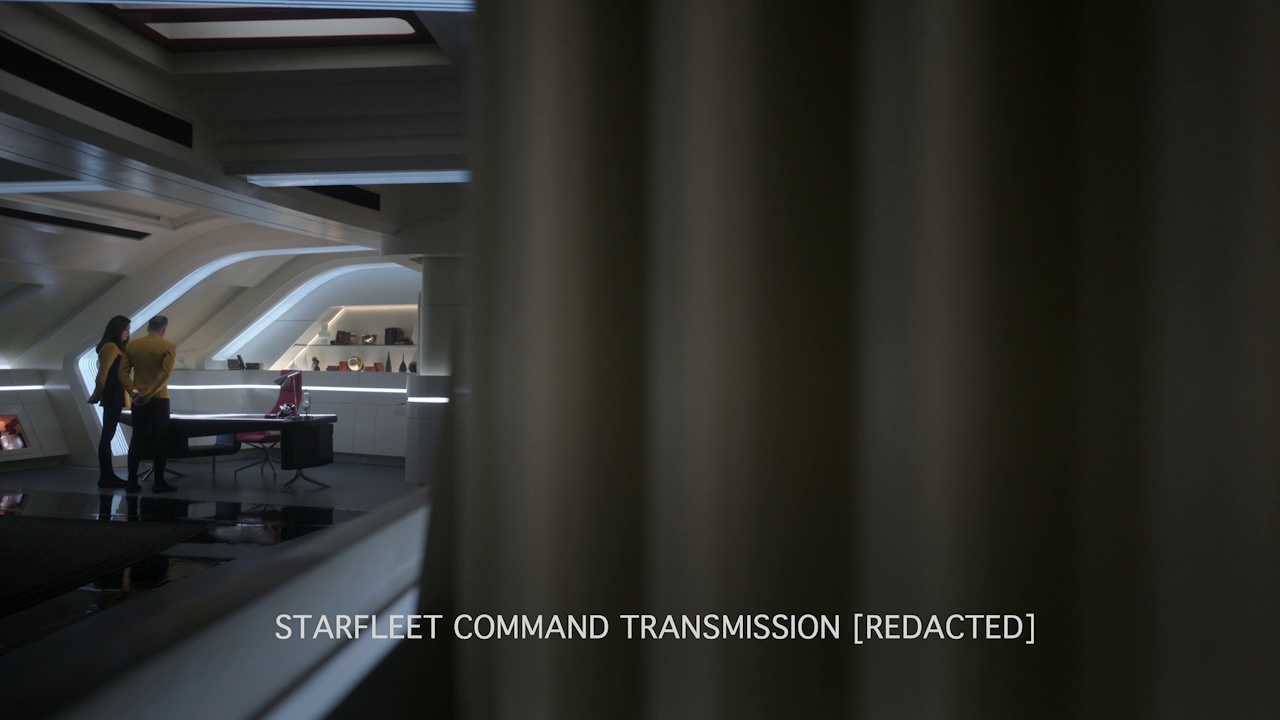
There was scope for a potentially interesting conversation about the “Nuremberg defence.” If you’re unfamiliar with that term, it refers to the expression “I was only following orders,” something many of the defendants at the Nuremberg trials after World War II would go on to claim. In the context of this story, Starfleet basically ordered Pike and the crew to transport a pretty terrifying weapon – a weapon created by interfering with a sentient life-form. The secrecy and “need-to-know basis” for the information pertaining to the mission at least suggests or hints at Starfleet’s higher-ups being aware of what they were doing.
But What Is Starfleet doesn’t do that. It flips things around, showing how Starfleet is “just us, the good people who serve,” and that kind of ignores a massive in-universe point about the nature of orders, who’s giving them, and what outside agendas might be involved. We didn’t get a satisfactory explanation for why Starfleet was inserting itself into this war between two non-Federation worlds, nor whether they knew of the capabilities of this sentient, genetically-modified weapon of mass destuction. “I was only following orders” is not an acceptable defence today, in the modern world, for something like the trafficking of sentient beings, let alone transporting weapons of mass destruction to one side in a war your state is not a participant in. So why would that be okay in the 23rd Century?
What Is Starfleet could’ve posed those kinds of questions – but when it came to the crux, the episode’s writers and director baulked. They teed up these questions about Starfleet inserting itself into someone else’s war, not as a peacemaker but as a gun-running, human trafficking ally, and about how the chain of command operates. But then, after an admittedly emotional chat with Uhura about his personal agenda and ulterior motive, Beto does a complete 180 and turns his documentary’s final act into a celebration of all things Starfleet that’s so sickeningly upbeat that it comes across like propaganda or an enlistment ad.
And so… from both an in-universe perspective, and for us as the audience, Beto’s documentary feels fundamentally unsatisfying and tonally wrong. It’s as if you’d sat down to watch what you thought was a hard-hitting episode of PBS Frontline or Panorama about the war in Iraq, the lies that led to the war, and the criminal actions of the military… only for the film to end with a feel-good story about camaraderie and friendship, and an ad to join the army at your nearest recruitment station. Starfleet is – as the documentary points out – the Federation’s military, after all, so when the episode and the documentary end with this kind of puff piece… that’s how it comes across to me, at any rate.
A couple of weeks ago, Pelia was one of the most fun and engaging characters when dealing with Beto and his camera. She seemed to relish in hamming it up, almost hoping for her turn in the spotlight. That could’ve added a small amount of levity to what was a quite heavy story this time, and What Is Starfleet could’ve looked at the connection between Pelia and Beto, as well as, perhaps, how a filmmaker might deal with an overly enthusiastic participant. But, for no discernible reason, Pelia was entirely absent.
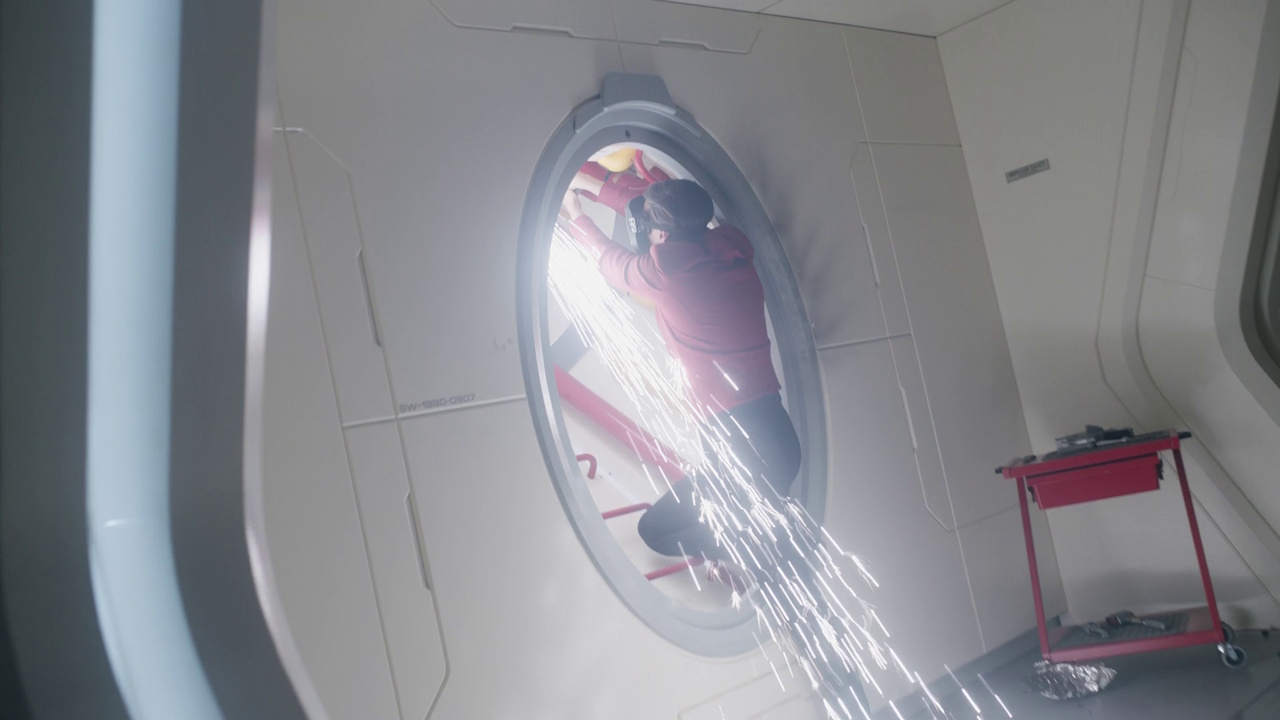
Given the Jikaru’s energy/electromagnetic abilities, and the damage sustained to the ship and shuttle, there was scope to bring in an engineering character, but neither Scotty nor Pelia appeared. If I had to choose just one of them, I’d have picked Pelia – I just think she brought something completely different to the table when dealing with Beto. It would’ve been fun for us to see him having to deal with her antics, but she could’ve also had a role in the story. Not only could we have seen her attending to the Enterprise’s shields, and perhaps Beto struggling to keep his composure during an interview, but Pelia could’ve also helped Pike deal with the intrusion of having a camera in his face. I’ve felt her absence in several stories this season – but none more so than this one.
All of this must make it sound like I hated What Is Starfleet. I didn’t. I liked the creativity. I liked that, after 950+ episodes and films, Star Trek can still break new ground and try different things. I liked that, hidden underneath the documentary format, there was a classic Star Trek story which felt like it came straight out of The Original Series or Deep Space Nine. And I liked many of the character moments – particularly Pike’s conversations with Una, and Uhura’s with Beto. I just think that some of the episode’s goals weren’t clear, and that maybe there was a bit of story meddling which ultimately led to quite a jarring shift in tone.
This was a non-linear approach to storytelling – the narrative was broken up by interviews and vignettes, but underneath it there was a classic Star Trek episode. I’d still have the same complaint about Starfleet Command’s unnecessary secrecy and obtuse orders without the documentary format, but on that side of the story, that’s pretty much the only weak link. The tale of an alien race corrupting a life-form for its own selfish purposes, and Starfleet intervening, coming down firmly on the side of protecting sentient life? That’s a classic “morality play” right out of The Original Series. And the idea of Starfleet potentially investigating this kind of weapon, inserting itself in a foreign conflict? The same kind of morally challenging storytelling was on display in Deep Space Nine.
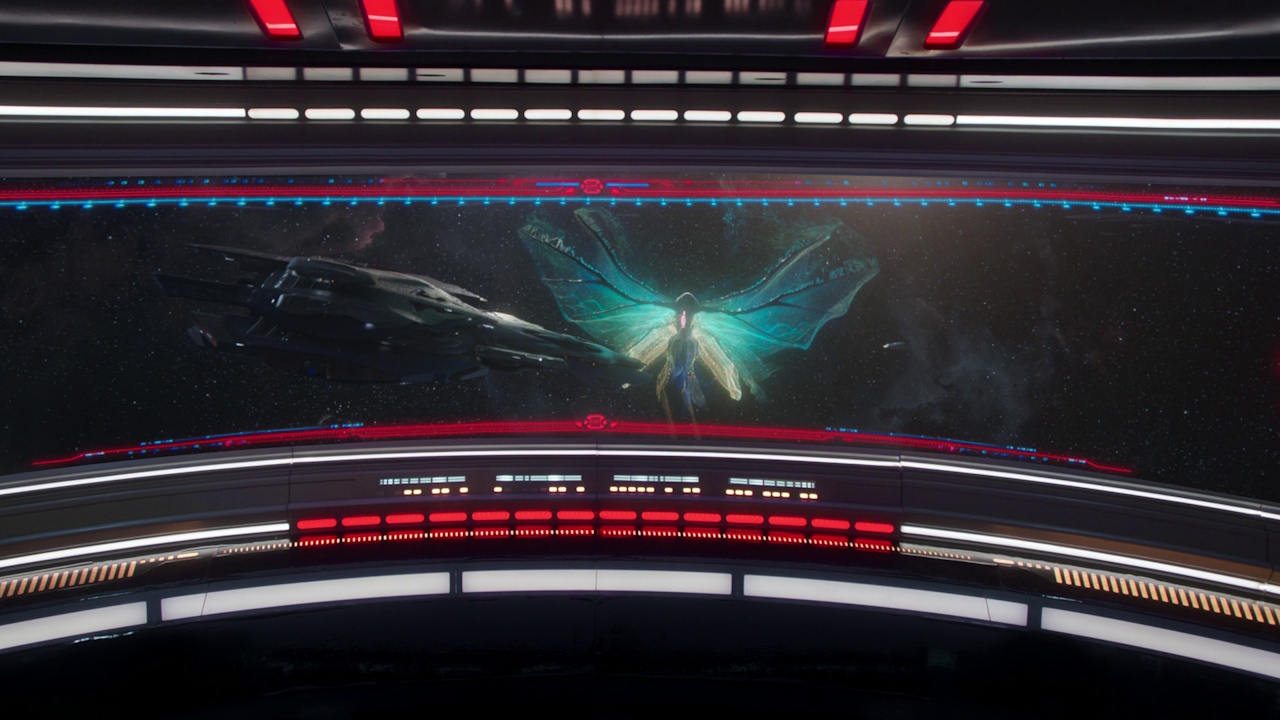
I think the core story at the heart of What Is Starfleet would’ve made for a perfectly entertaining episode in its own right. And maybe, without the documentary trappings, it might’ve even been a bit more fun! I like when Star Trek gets into these morally grey areas – why was the Enterprise ordered to help this non-Federation member with Klingon ties? Did Starfleet Command know that the Lutani were illegally enslaving a sentient species to serve as weapons of mass destruction? Seeing Pike and the crew coming to that realisation was great… but without the unique format, I can’t help but feel it might’ve worked even better.
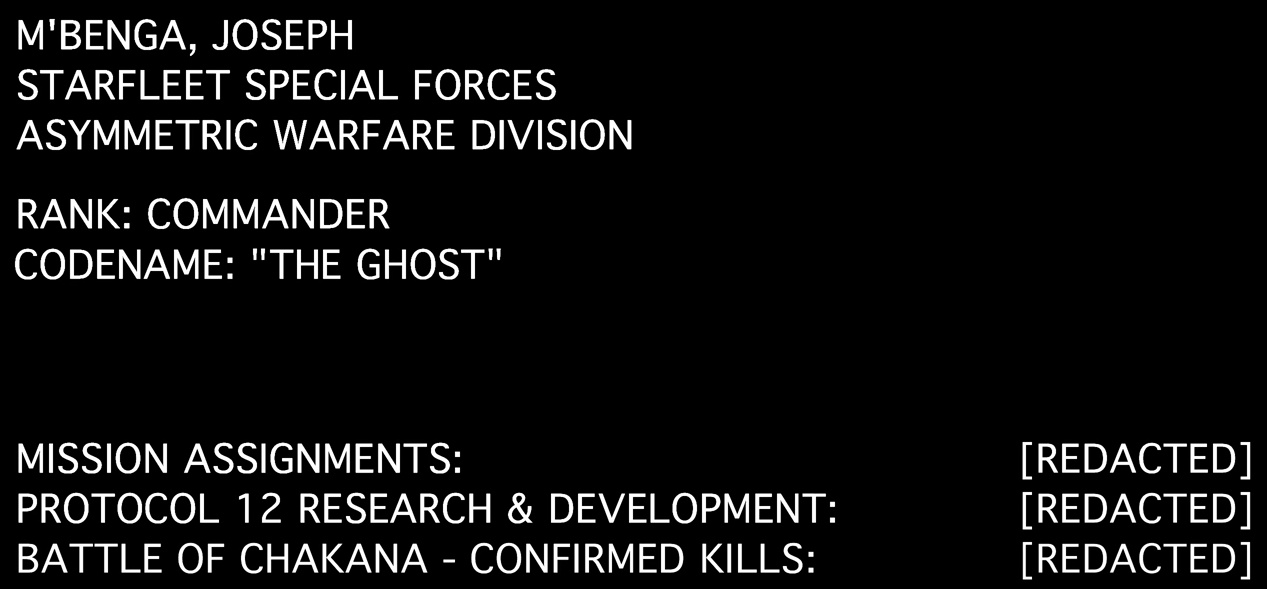
Because the interviews didn’t really expand our knowledge or understanding of any of the featured characters, basically just re-telling things we already knew, like Uhura’s family, Ortegas’ injury, Spock’s half-human side, or Dr M’Benga’s war record, there’s a strong case to be made that they… got in the way. And that what could’ve filled that space had they not been present was a more in-depth look at the Lutani, their unethical experiments on the Jinkaru, and Captain Pike’s realisation that his orders were morally wrong. That version of the episode – one played straight, without the documentary fluff – would have been fun to see.
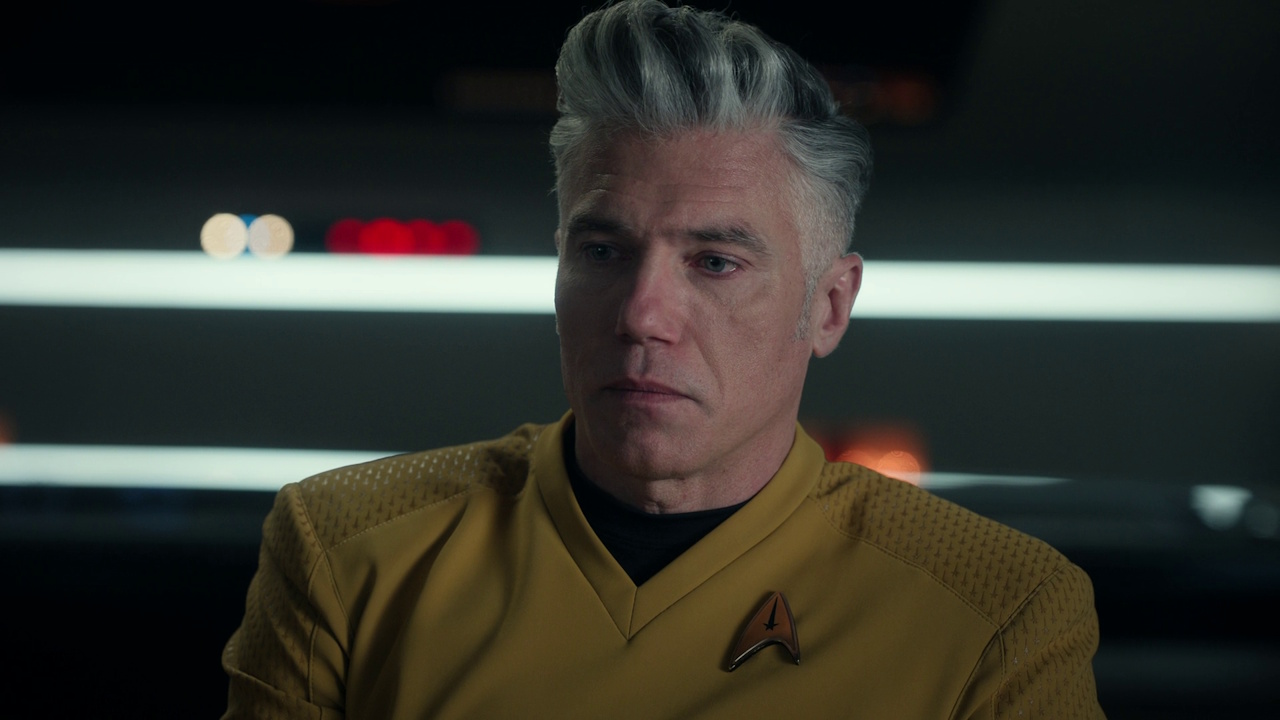
There are a couple of other in-universe points I want to tackle re. the documentary, then I promise we’ll move on to discuss other parts of the episode!
Firstly, this documentary idea leaned on something modern Star Trek has done that I’ve never been particularly comfortable with. In short, the idea of making a documentary about the crew of the Federation flagship means that, to the ordinary Federation citizen, Captain Pike and at least some members of his crew are gonna be akin to celebrities. The implications are that either people knew who they are already, or that the documentary is going to raise their profiles and make them famous, for want of a better word.
I’ve never really liked that idea. In some Star Trek stories, it could work. When Enterprise did it in Season 4, turning members of its crew into heroes, there was a narrative purpose – but when we’ve seen similar attempts, such as in Picard’s premiere episode, or with Boimler in Lower Decks fangirling about certain Starfleet officers, it just felt weird and uncomfortable. I like to see the characters in Star Trek as everyday folks doing their jobs in this fun future setting. Some of them are exceptional, yes, but part of that is because they live in a post-scarcity future where “exceptional” is becoming the norm. They aren’t meant to be their world’s equivalent of celebrities, so this idea of a documentary all about them – making them famous people in the 23rd Century – just isn’t sitting right.
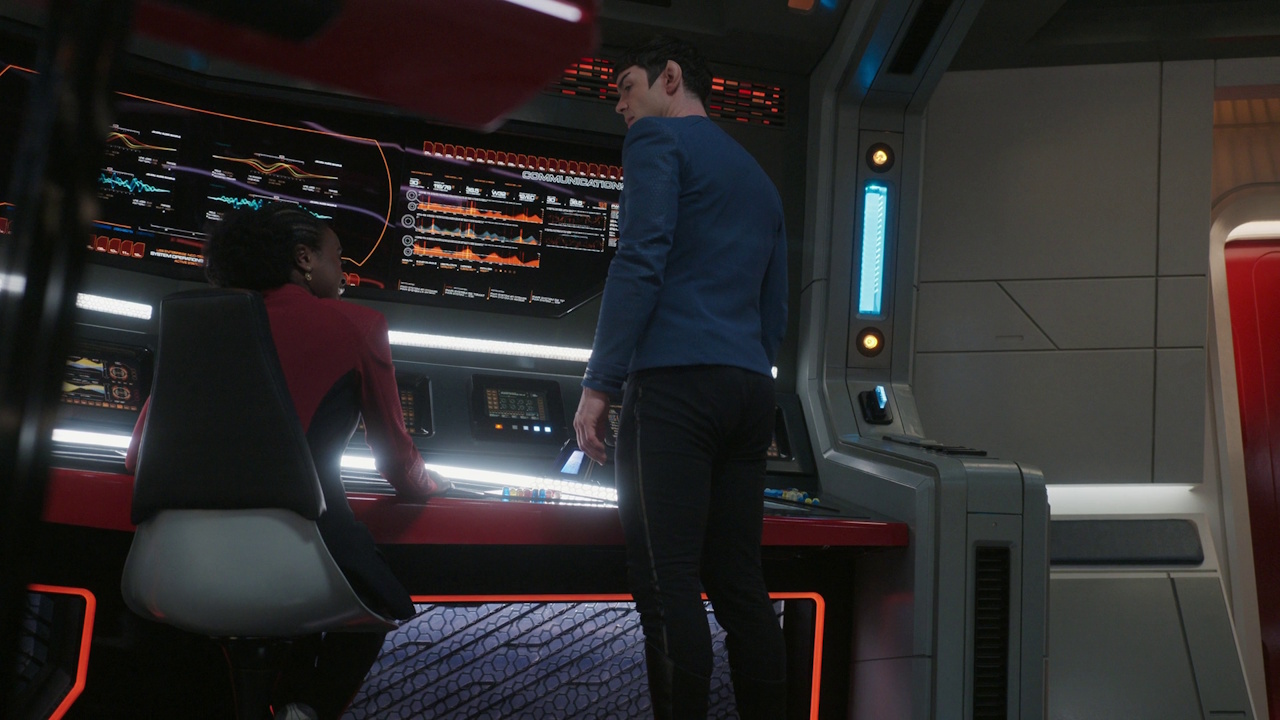
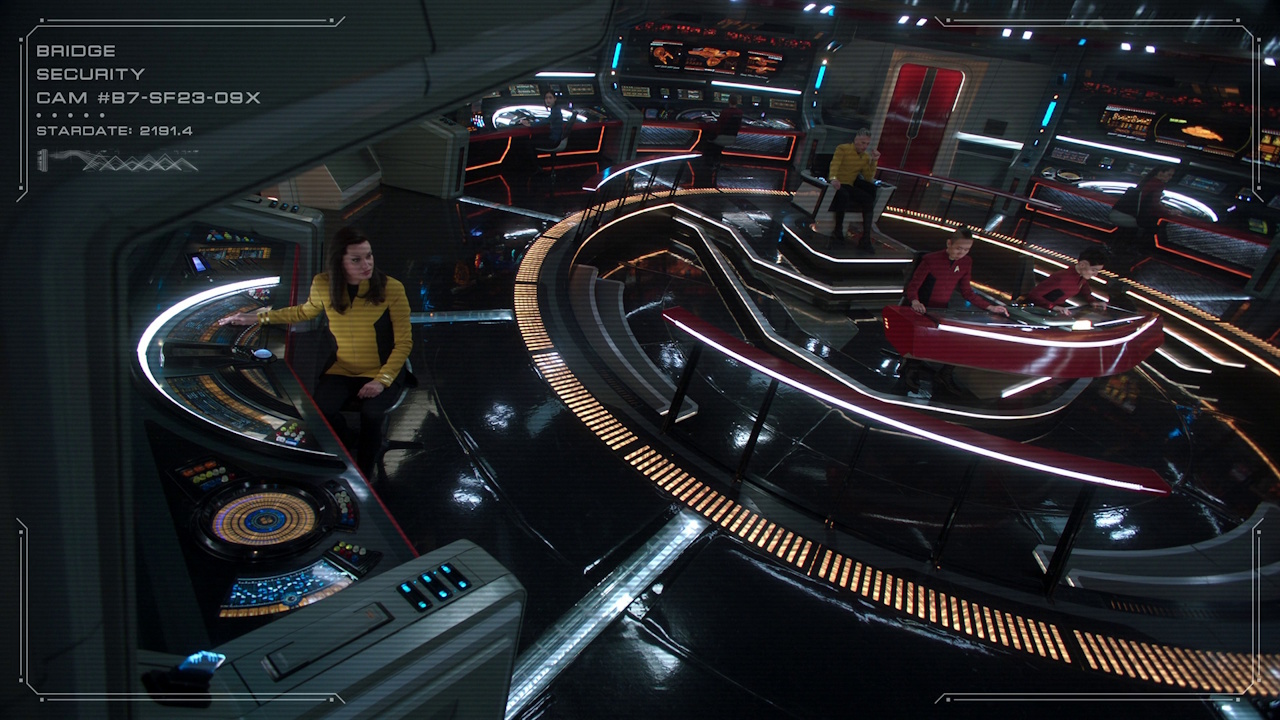
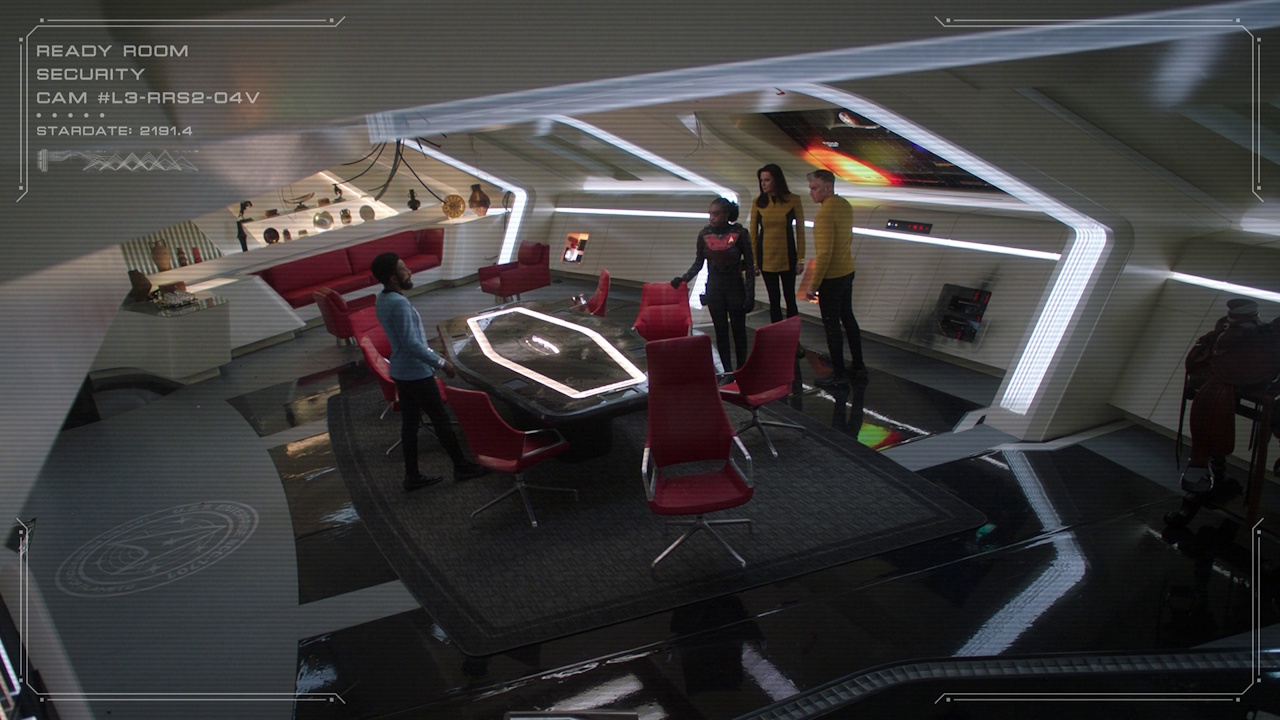
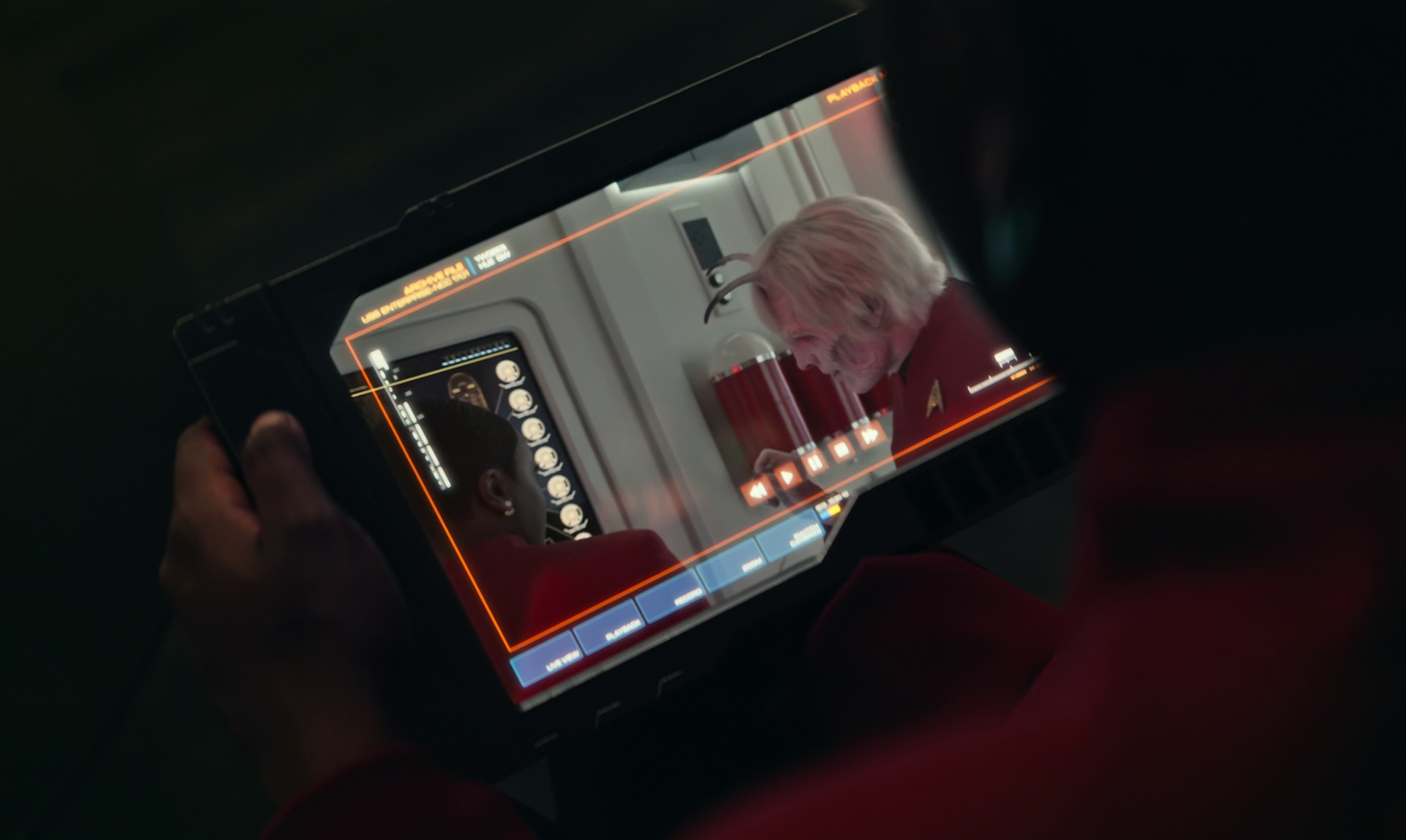
Then we have an interesting in-universe question: would a documentary like this actually make it to air? Would Starfleet be okay with a documentary implying one of its senior medical personnel is a war criminal? Or that showed a sensitive mission involving a non-Federation member, a weapon of mass destruction, and classified orders? If this was an independent production, maybe. But the whole idea behind Beto’s work is that he’s been commissioned by Starfleet to make this film – Pike and the crew are basically under orders to work with him and let him observe them, otherwise you can bet Pike wouldn’t have allowed him on the bridge. With that context, would Starfleet be okay with this film?
Starfleet Command would undoubtedly like the ending – how could they not? It’s basically pro-Starfleet propaganda and a recruitment ad rolled into one. But the rest of the film really does portray the organisation and several members of the crew in an extraordinarily negative light, so the idea that the people at Starfleet HQ who originally wanted this documentary to be made would give it the green light is ridiculous. And, also from an in-universe perspective, I’m not sure I buy the idea of Starfleet declassifying all of this footage of its operations, broadcasting it to all and sundry. Maybe that’ll become an issue in another episode – perhaps the Klingons watched Beto’s documentary, figured out some weakness in the Enterprise, and are planning an attack. I doubt it, but it could at least be a way to incorporate the documentary into a future episode.
Okay, that’s enough about the documentary for now.
So I guess Strange New Worlds isn’t going in the direction I thought it was with Ortegas and her hinted at PTSD-like condition. Her scenes in the documentary this week, in which she discussed her injury and recovery, seem for now to be the culmination of that storyline, and I don’t really see how, with three episodes remaining this season, this storyline can come back in a significant way. It was understated and not what I expected, but I can respect What Is Starfleet for the undramatic and mature way it approached this storyline.
I confess I’d been expecting more of an ending, though. I don’t think it feels unsatisfying, but Ortegas’ storyline had been set up right at the start of the season, then we got her big blow-up with Una in Shuttle to Kenfori, and I’d been sort of waiting ever since for this unnamed PTSD-adjacent mental health condition to return. With Ortegas never having gotten a major storyline of her own, this could’ve been her turn in the spotlight. I think there’s value in a storyline that basically says, “yeah, I was struggling, but with determination and time I’m doing better.” I wish we’d seen a bit more of it over the course of the season, though; Ortegas seemed to go from struggling badly to snapping out of it in between episodes, where recovery and coming to terms with trauma is a process, not an instantaneous thing.
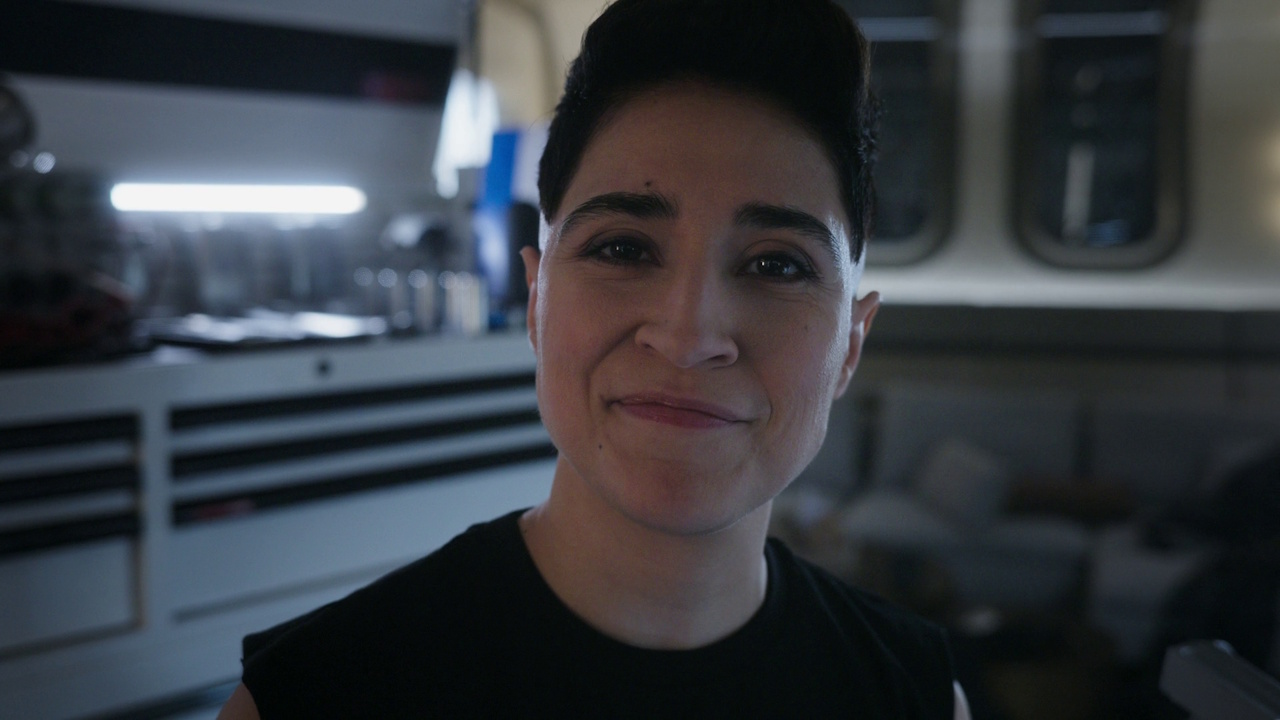
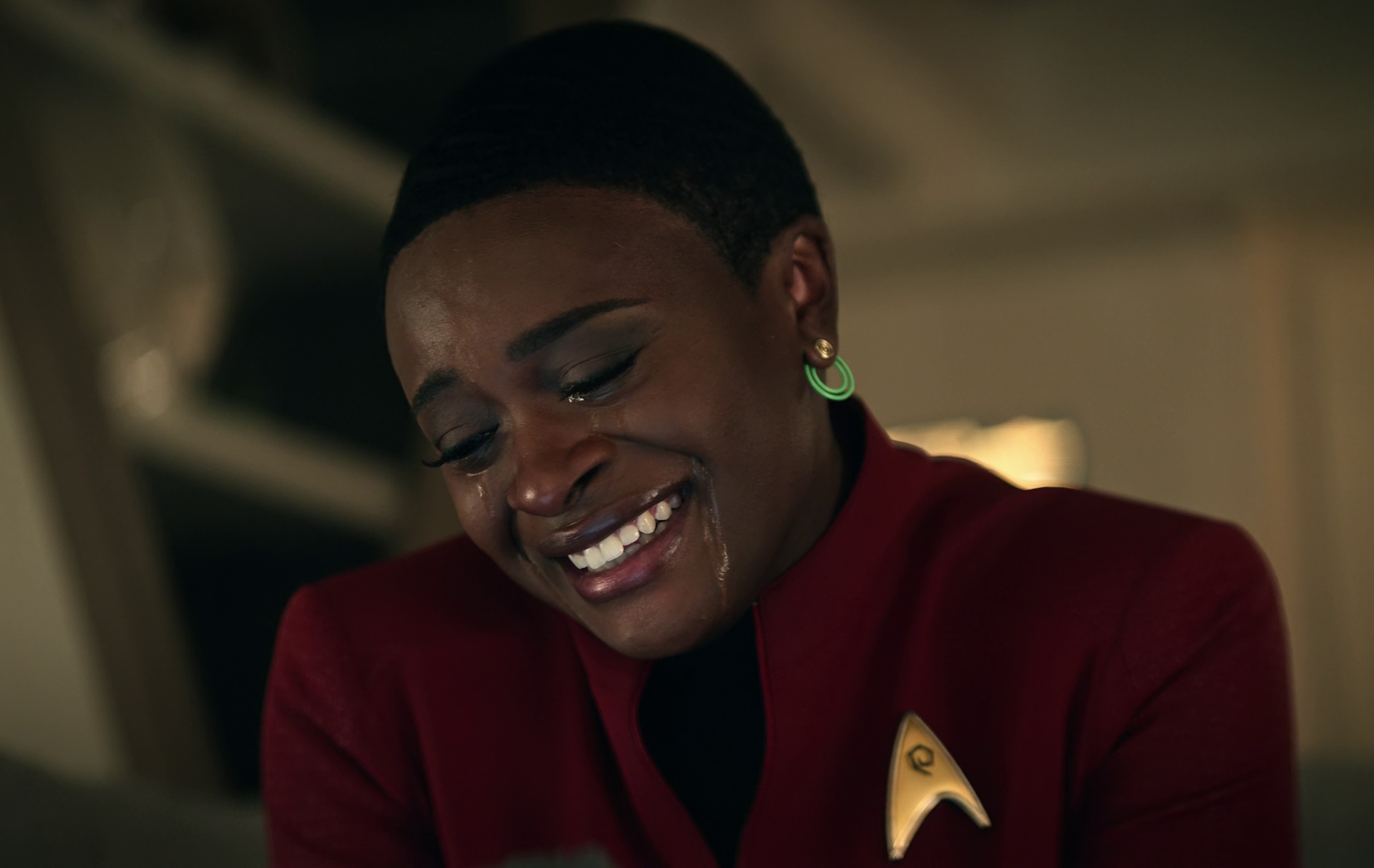
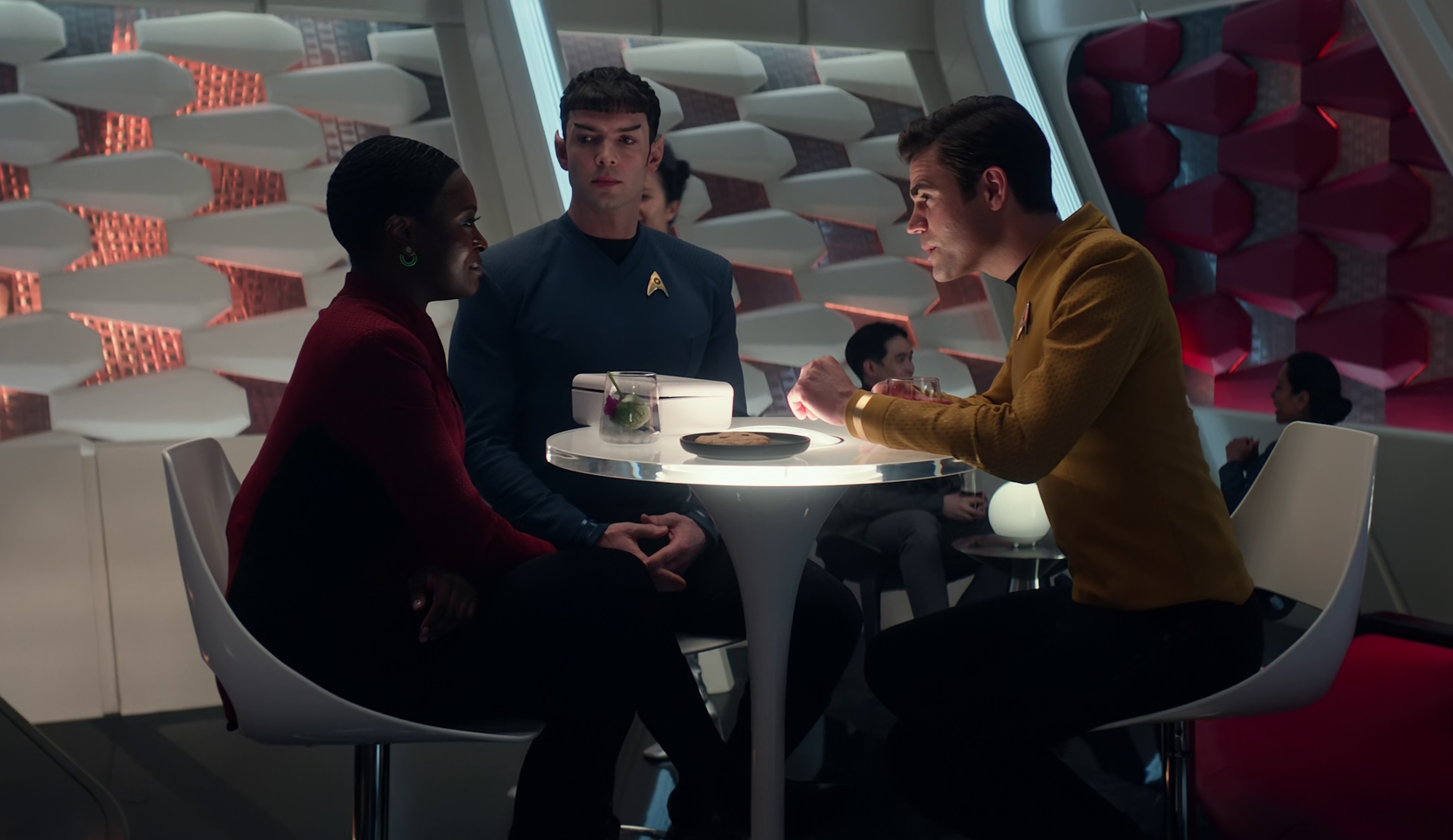
Uhura was at the heart of What Is Starfleet, and her connection with Beto was interesting. However, there was a moment towards the end where Uhura seemed to go from “I can’t believe you’re recording this, leave me alone” to “I’m having an invasive medical procedure, bring your camera” in no time at all. Conflict between characters is great; it adds to the extension in a situation like this. And I get that Uhura was absolutely the right character to call out Beto on his agenda and potential conflict of interest. But I think we needed at least one scene in between their blow-up in the ready room and Uhura’s visit to sickbay to sell that they’re still on speaking terms.
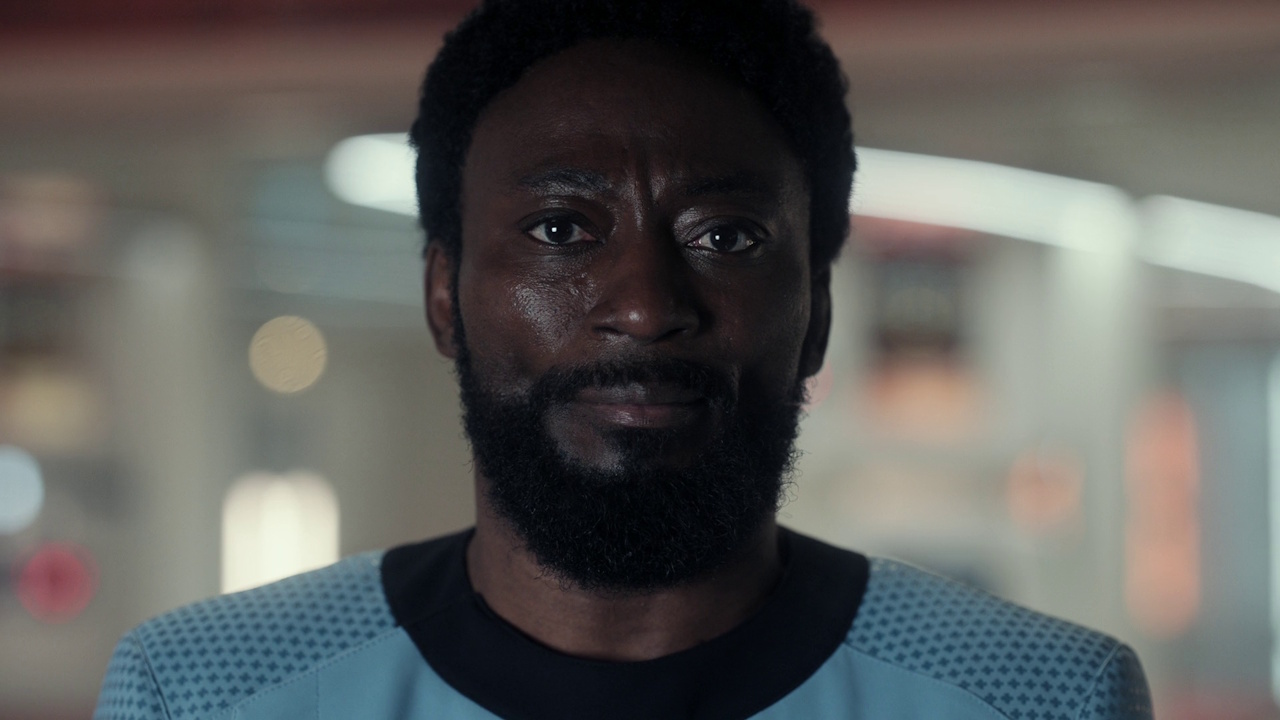
That being said, Beto’s realisation that he was compromising his work and coming into it with an agenda was played incredibly well. I liked how the camera lingered on Beto – picking up on his line a couple of weeks ago about the camera being programmed to follow the strongest emotions in the room – as he sat with the idea that he was projecting onto Starfleet his anger and fears after what happened to his sister.
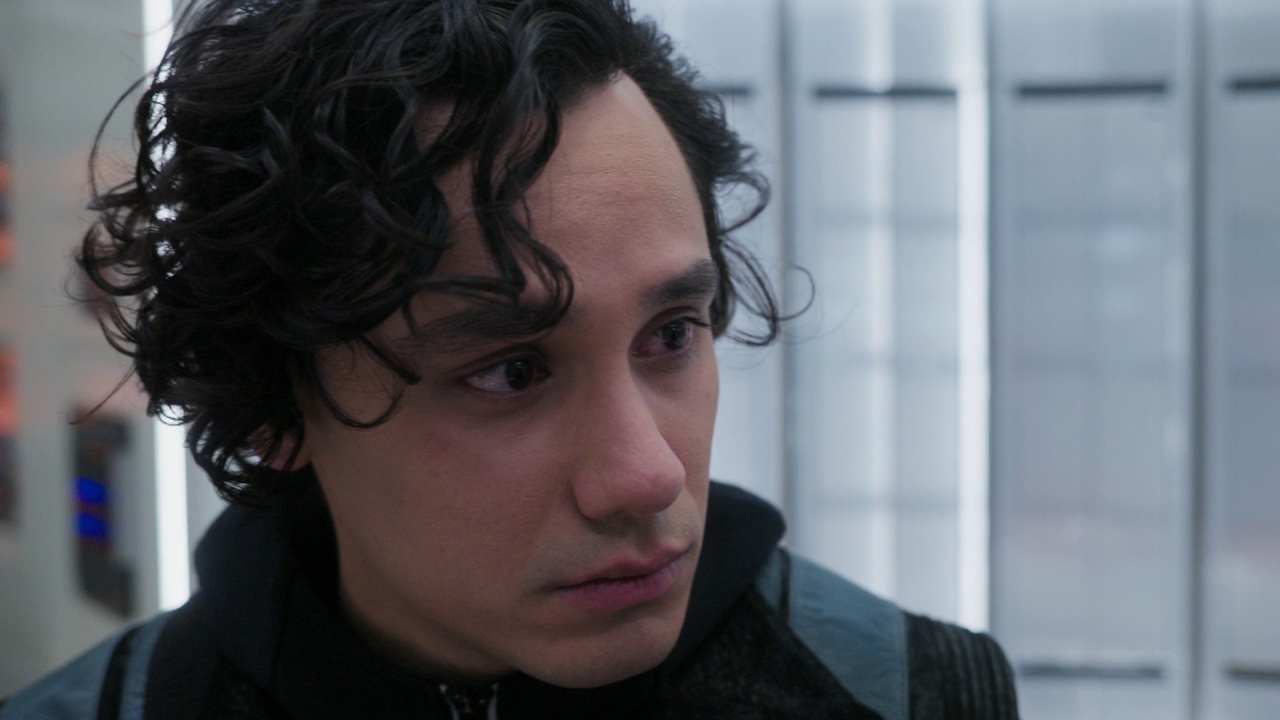
The scene was also incredibly well-written, and it built on Uhura and Beto’s established relationship particularly well. I think we were getting to a point where, in theory, anyone *could* have called out Beto for his anti-Starfleet agenda, but if it had been Pike or Dr M’Benga, for example, it wouldn’t have packed as much of a punch. It took Uhura to see through Beto – not only what he was doing, but why he was doing it and why he felt the way he did. It was a great way to build on a fun character dynamic from earlier in the season, taking the pair in a more serious and dramatic direction.
Has it killed any possibility of an Uhura-Beto romance, though? After she called him out like that, and after Beto had been pushing his agenda the whole time, I can see both of them not wanting to take things any further. Maybe that’s a reach – or maybe Beto will be gone after this episode, now his documentary is over – but I liked the idea of giving this younger version of Uhura some kind of romantic entanglement. Spock can’t be the only one who gets to have that kind of storyline, after all!
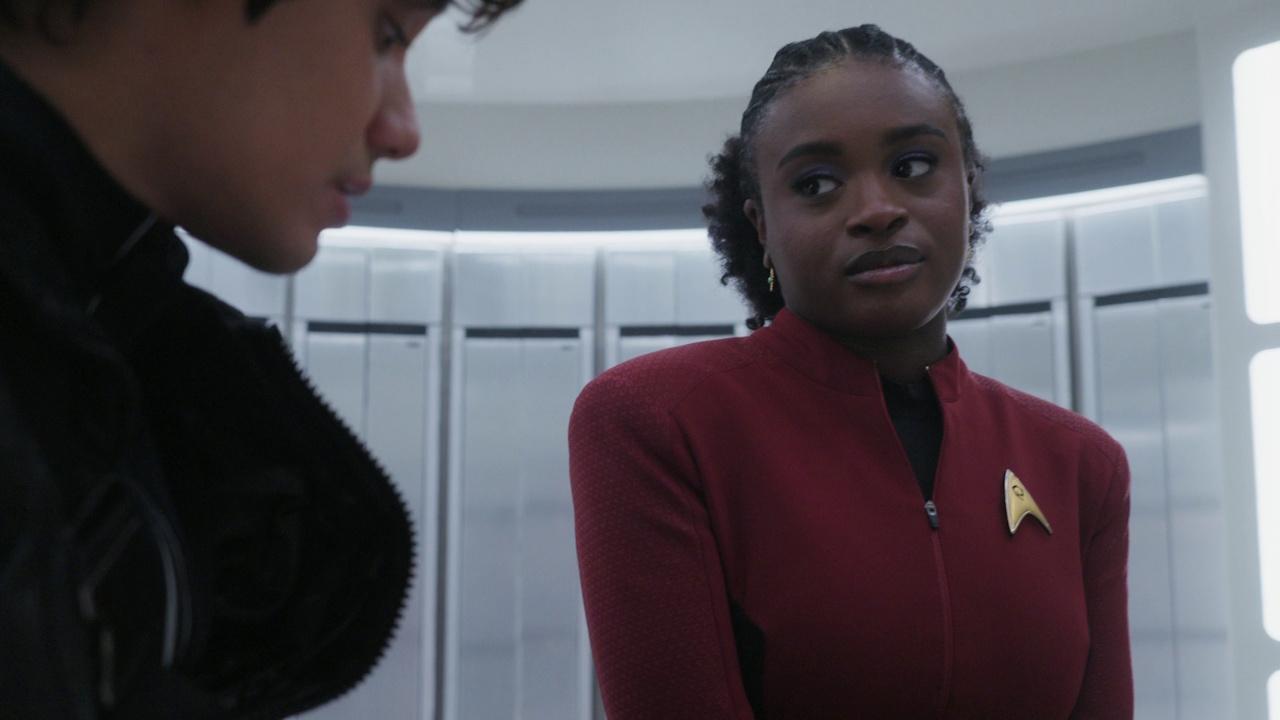
One thing I really liked about Beto, and I admire about the character on a personal level, is how he left all of that in the documentary. He could’ve said “cut!” and left out the part where Uhura basically calls him out on his own show for his bias and anti-Starfleet sentiments. But he didn’t. It added to the feeling that this was the kind of “warts and all” investigative piece that What Is Starfleet’s writers were drawing inspiration from. And I think it (belatedly, perhaps) paints Beto in a positive light. For all his flaws, he was dedicated to the truth more than to his own image.
I felt echoes of Jake Sisko in this side of Beto. In the DS9 fourth season episode Nor Battle To The Strong, we see Jake and Dr Bashir diverted to a warzone – where Jake fails to distinguish himself in combat. Jake writes up his experiences for the Federation News Network, including his cowardice, his abandoning of Bashir, and the sheer dumb luck for which he was hailed as a hero. Beto, in What Is Starfleet, does something similar by allowing his conversation with Uhura – and by extension, the agenda he had going into the documentary – to make it into the final cut. Both men exposed their own flaws and vulnerabilities. As I’ve said before… Star Trek doesn’t copy itself, but sometimes, story beats just rhyme.
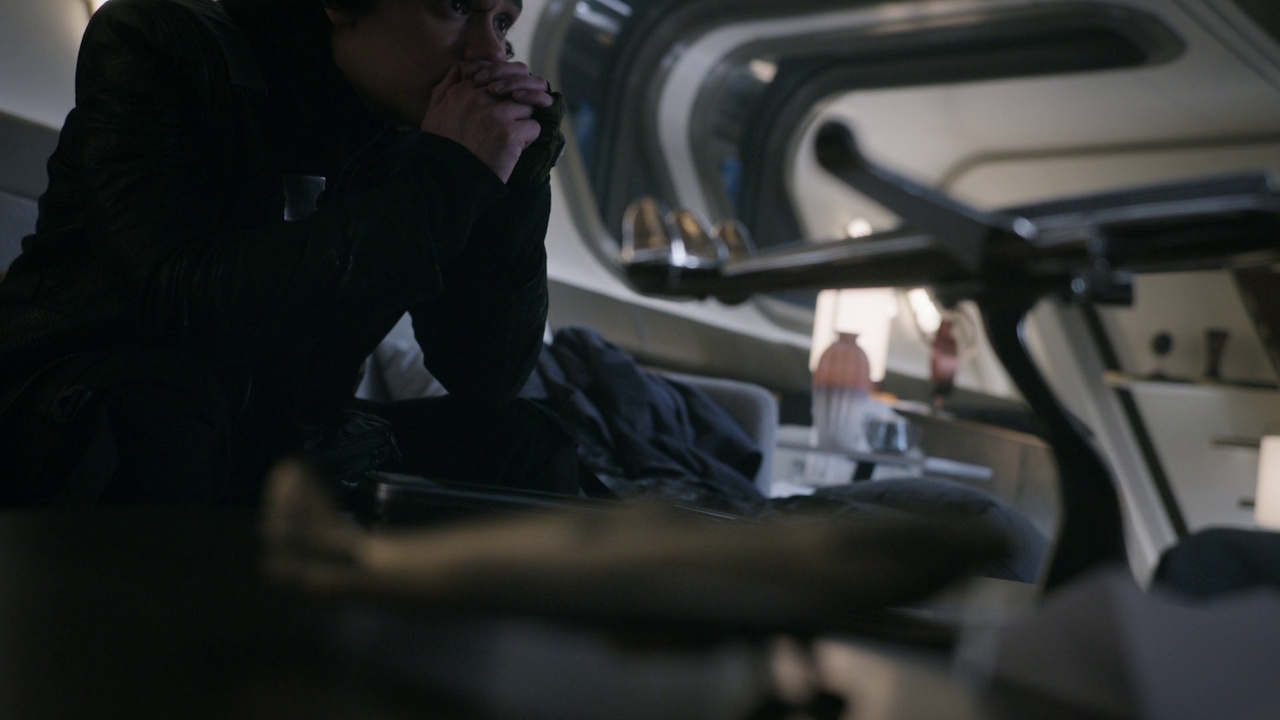
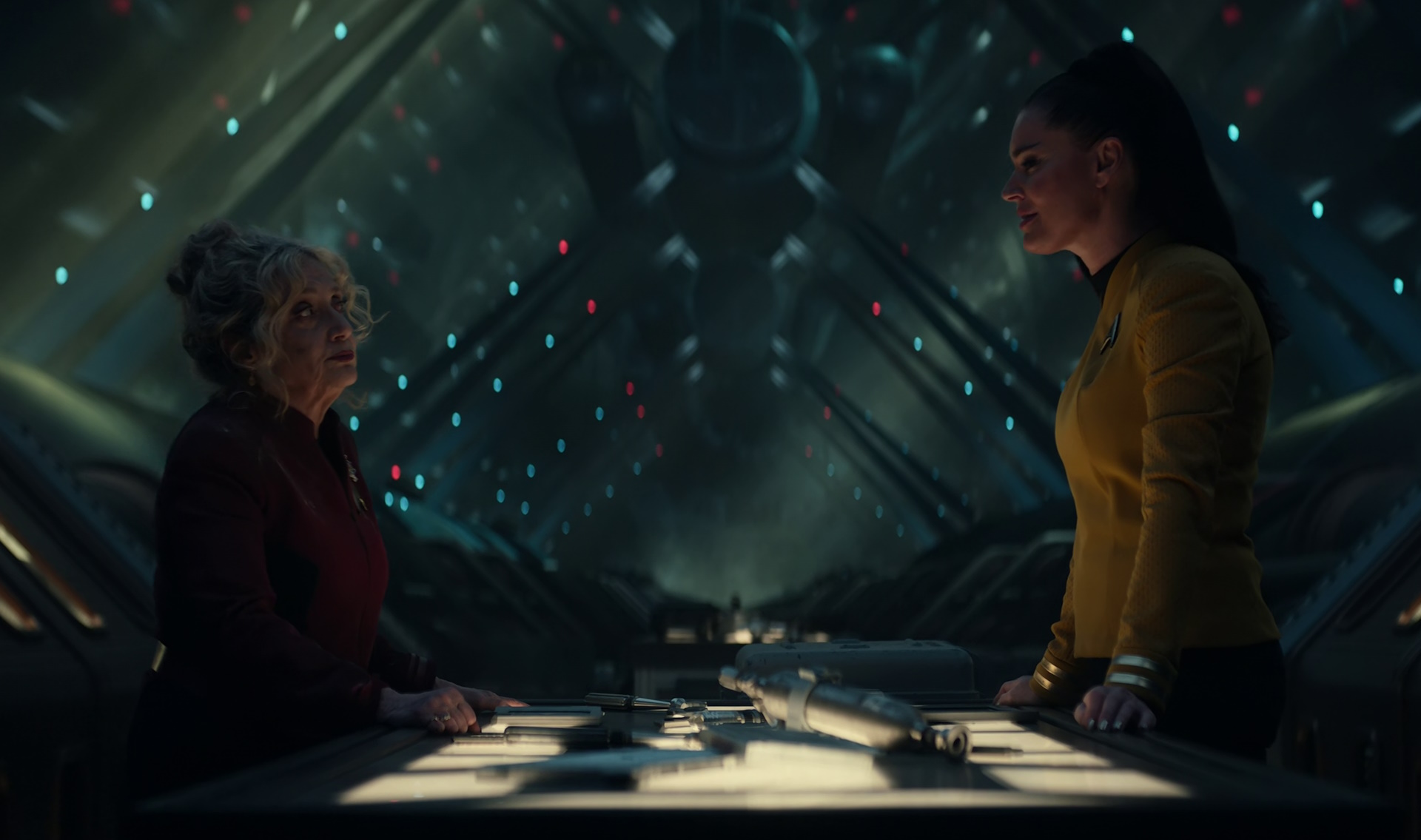
I’m not sure that this was a particularly good episode for Captain Pike. I don’t mean that in terms of screen time, but characterisation. Pike went hard on the “need-to-know” aspect of his orders, which made sense in the context of the story, but didn’t do wonders for a man who’s supposedly on friendly terms with his crew. There was a bit of broken trust there, I felt, and it begs the question of how much Pike knew about the Jikaru and what the Lutani had been doing to them before the mission got underway.
It was nice to see how Pike – eventually – came around to the idea that the Jikaru was sentient, and that interfering with it was morally wrong, even if it was within the scope of his orders. But it took him a while to reach that conclusion, even after Uhura and Spock had pressured him about it. And it doesn’t account for what he may or may not have known about the mission and the circumstances surrounding the Lutani and their unethical experimentation on a sentient life-form. Sometimes less is more… but here, we needed to know from Captain Pike, firsthand, that he was as surprised as everyone else about what was going on.
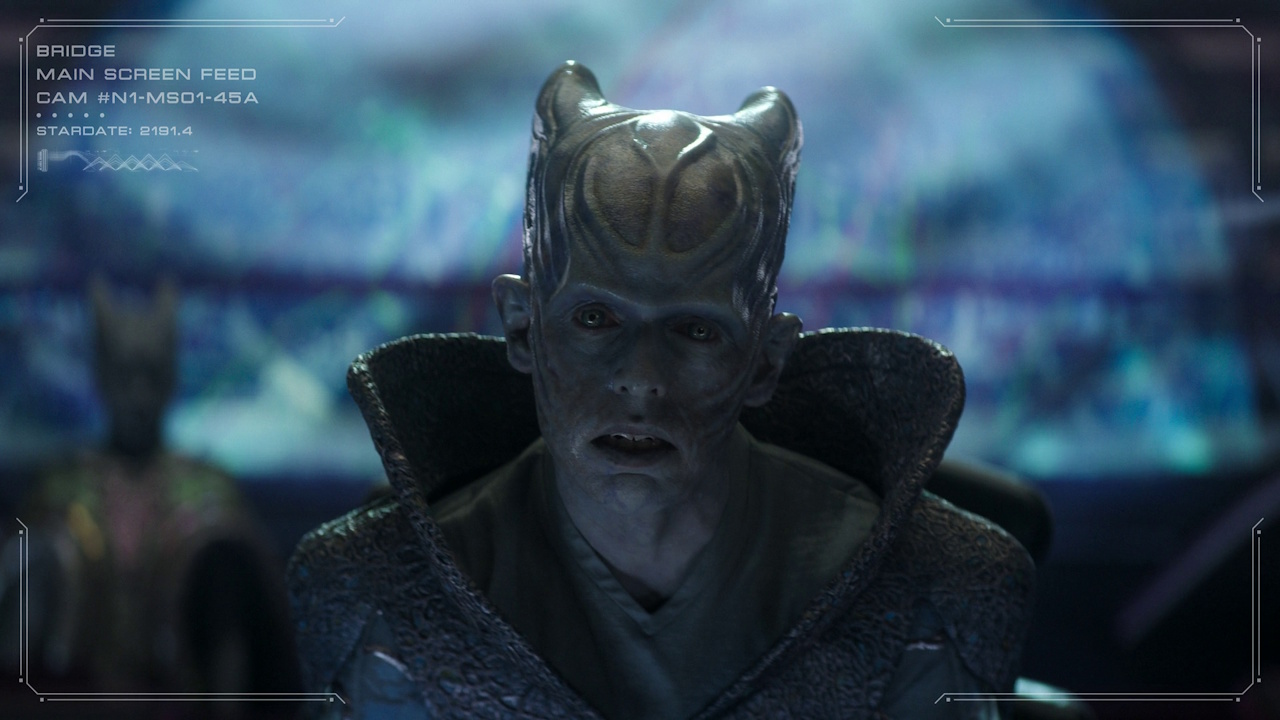
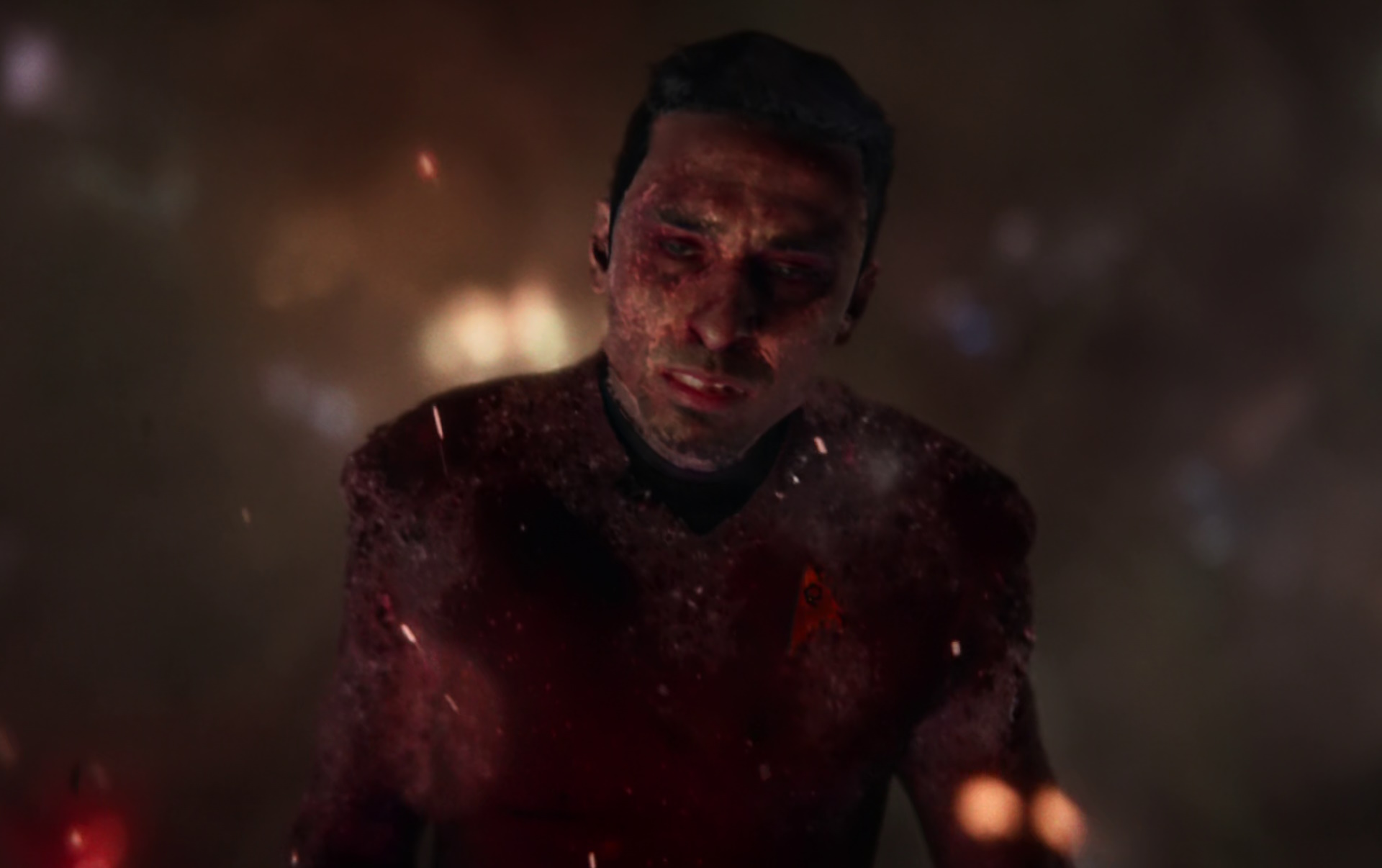
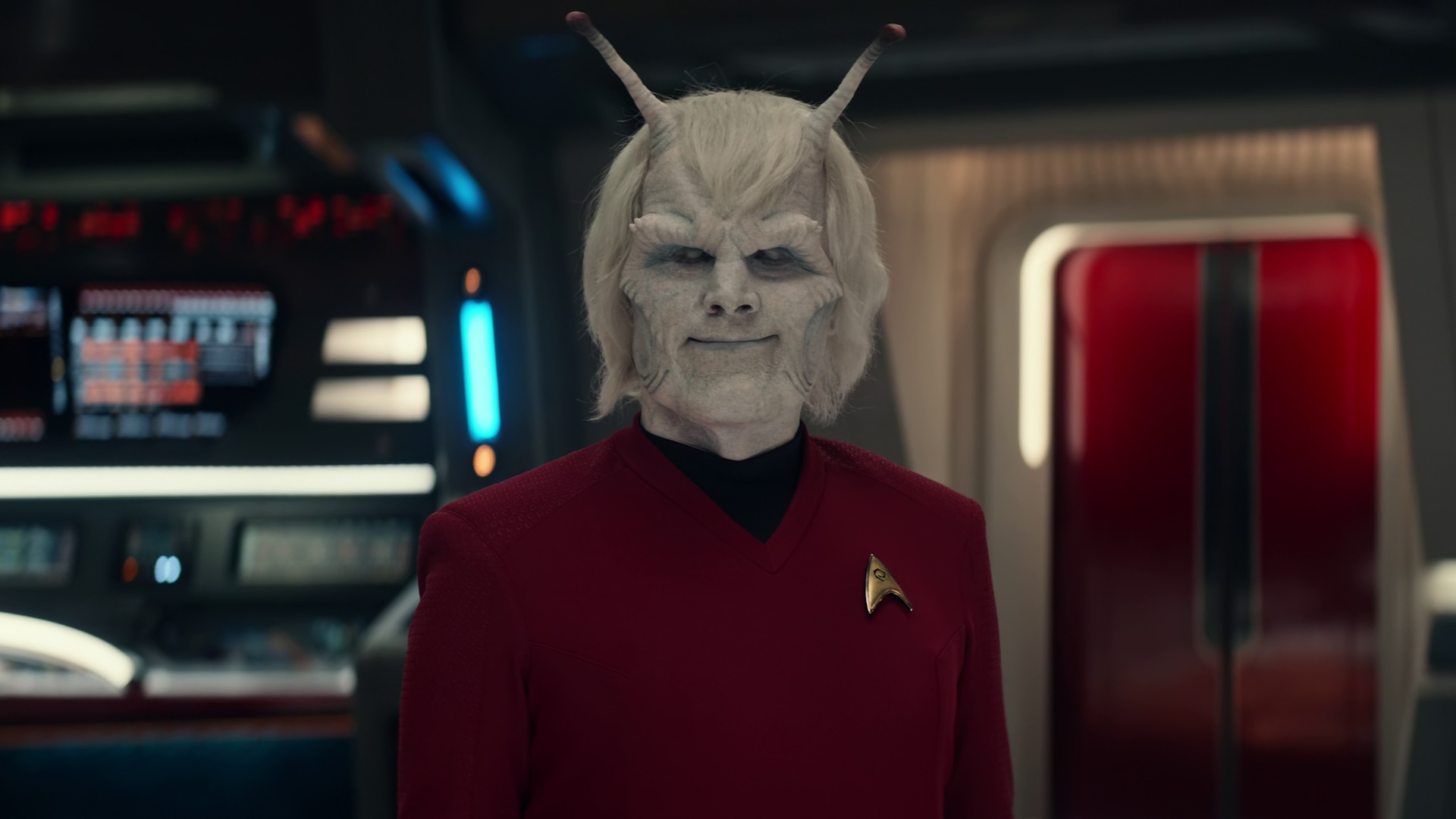
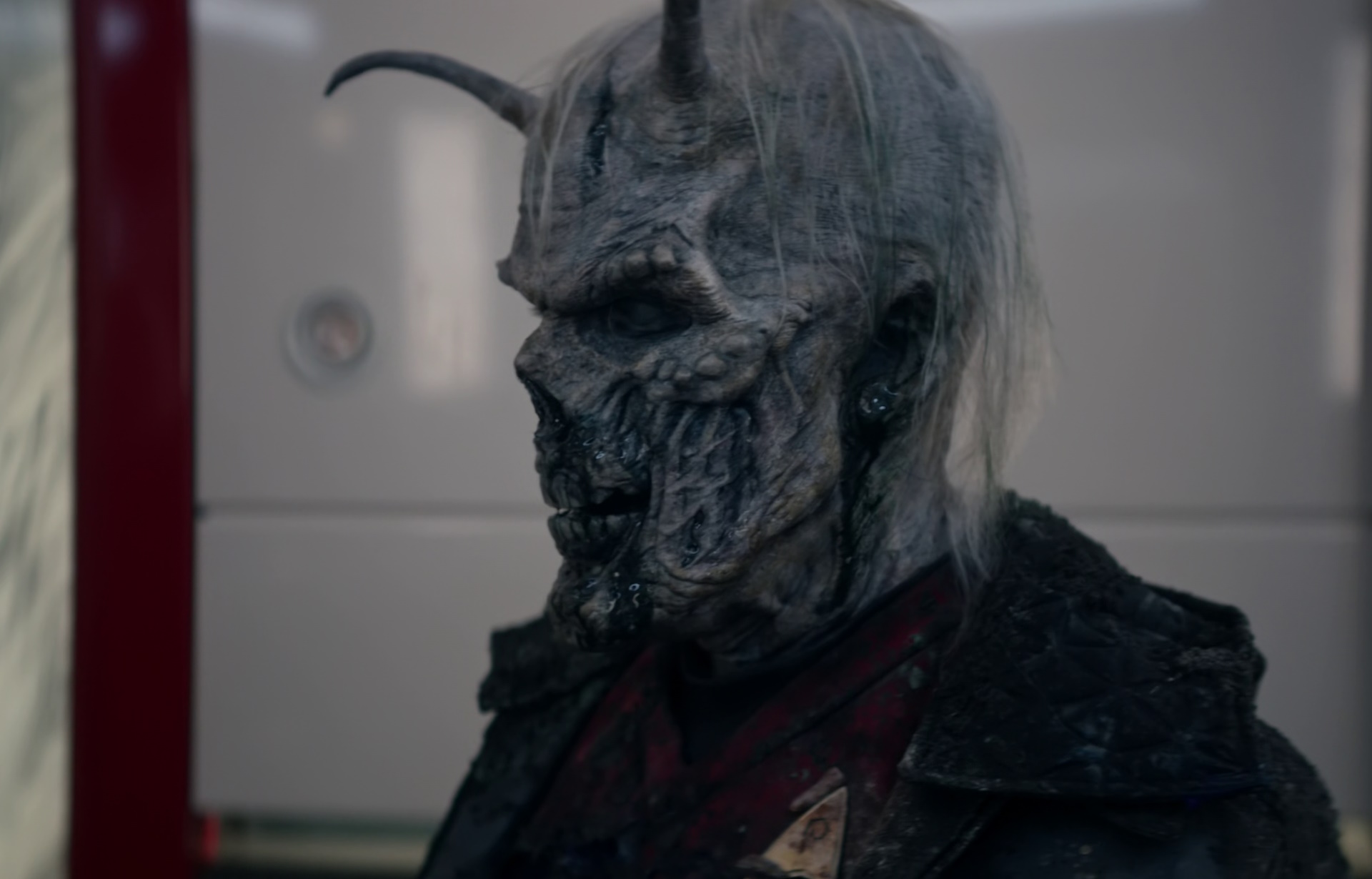
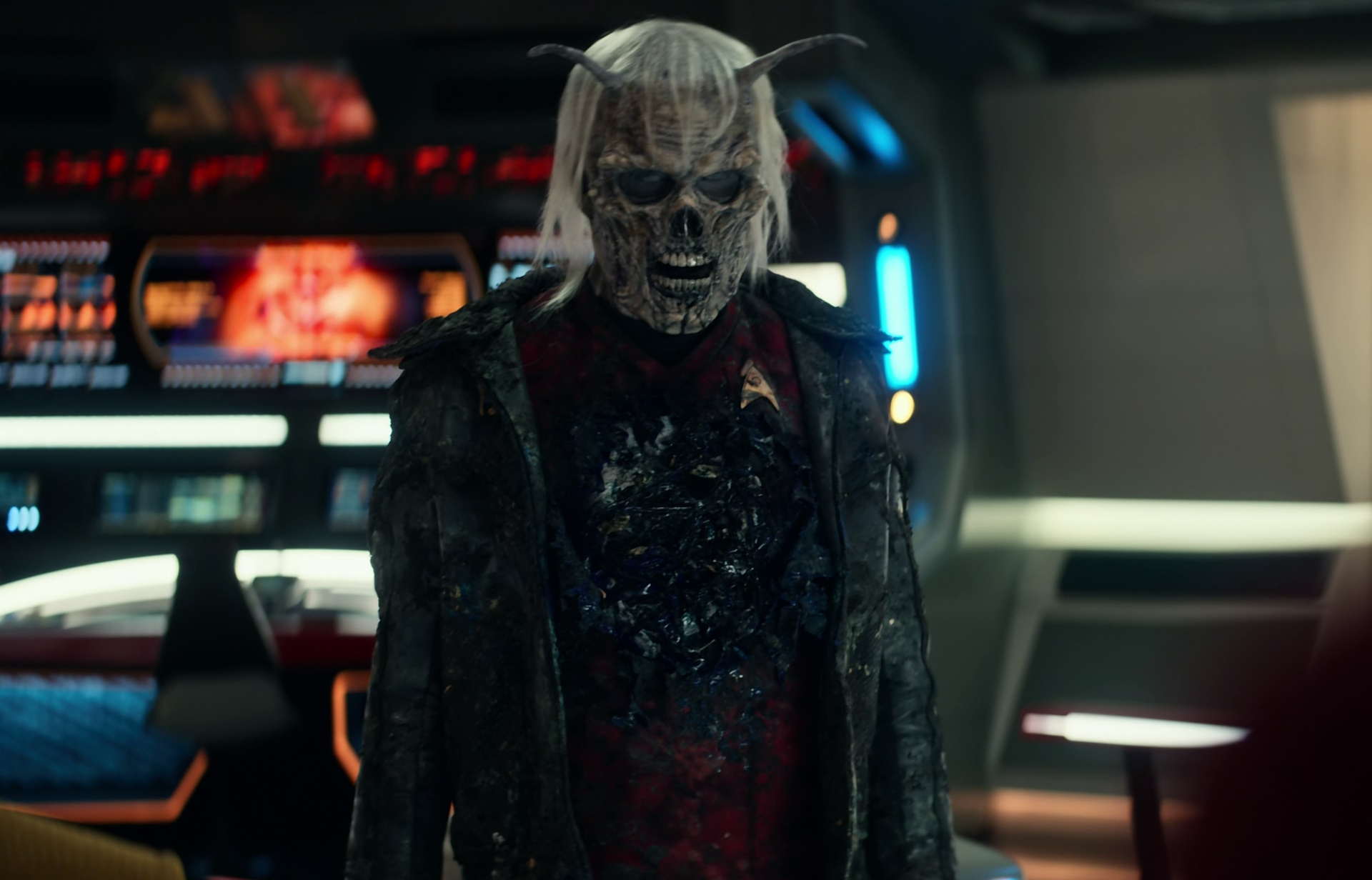
Though we didn’t spend much time with the Lutani, I enjoyed the two characters we got to see. The first scientist died in a pretty gruesome way, succumbing to her injuries in sickbay. The second Lutani, the commander of their warship, got a one-on-one with Captain Pike, and I liked this character. There was a desperate edge to him; pleading for this unethical super-weapon his people had developed as it was, in his view, a last line of defence.
The actor, Shaun Majumder, reminded me of DS9′s Armin Shimerman in terms of how he spoke, and that was kind of fun to listen to! The Lutani are probably going to be among Star Trek’s many one-time-use aliens; I don’t expect we’ll see them coming back in a big way. But they had a neat design – the silver-grey colour at least helps them stand out from other “nose and forehead” humanoid aliens. Nothing to write home about, perhaps, but a solid and pretty nuanced antagonist for the story they were a part of.
Ever since Discovery debuted, live-action Star Trek has used a cinematic “letterbox” aspect ratio… and I hate it! Okay, “hate” might be too strong a word, but c’mon… what’s wrong with a standard widescreen ratio that actually fits properly on most people’s TV screens? It feels like every episode has content cut off; like I should be seeing more of the action. What Is Starfleet finally ditched that – and it was consistent in using a 16:9 aspect ratio for the entire episode, unlike A Space Adventure Hour, which only used it for its show-within-a-holdeck-programme-within-a-show segments.
I admire Strange New Worlds’ producers for going all-in with whatever ideas they have. We got the animated ending to Those Old Scientists in Season 2. We got the a cappella opening theme in the musical episode. We got a 16:9 aspect ratio this week, mimicking those TV documentaries and investigative news pieces that the episode drew inspiration from. Long may this experimentation continue!
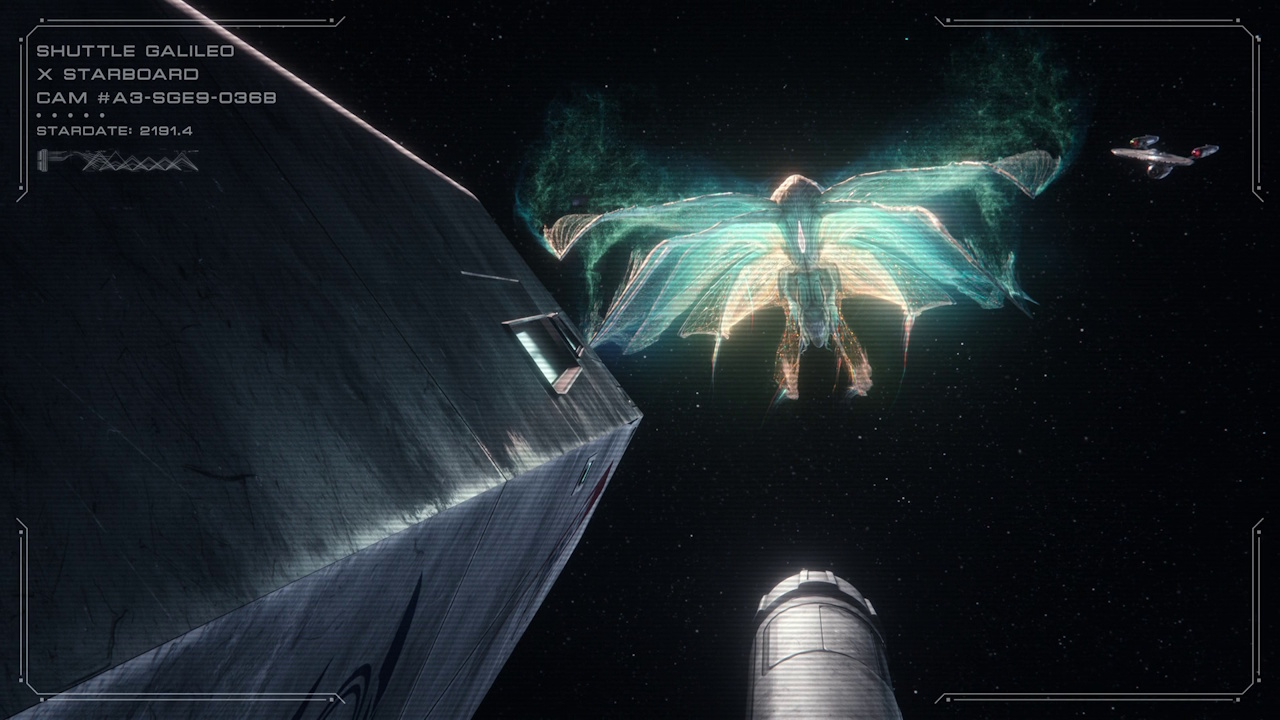
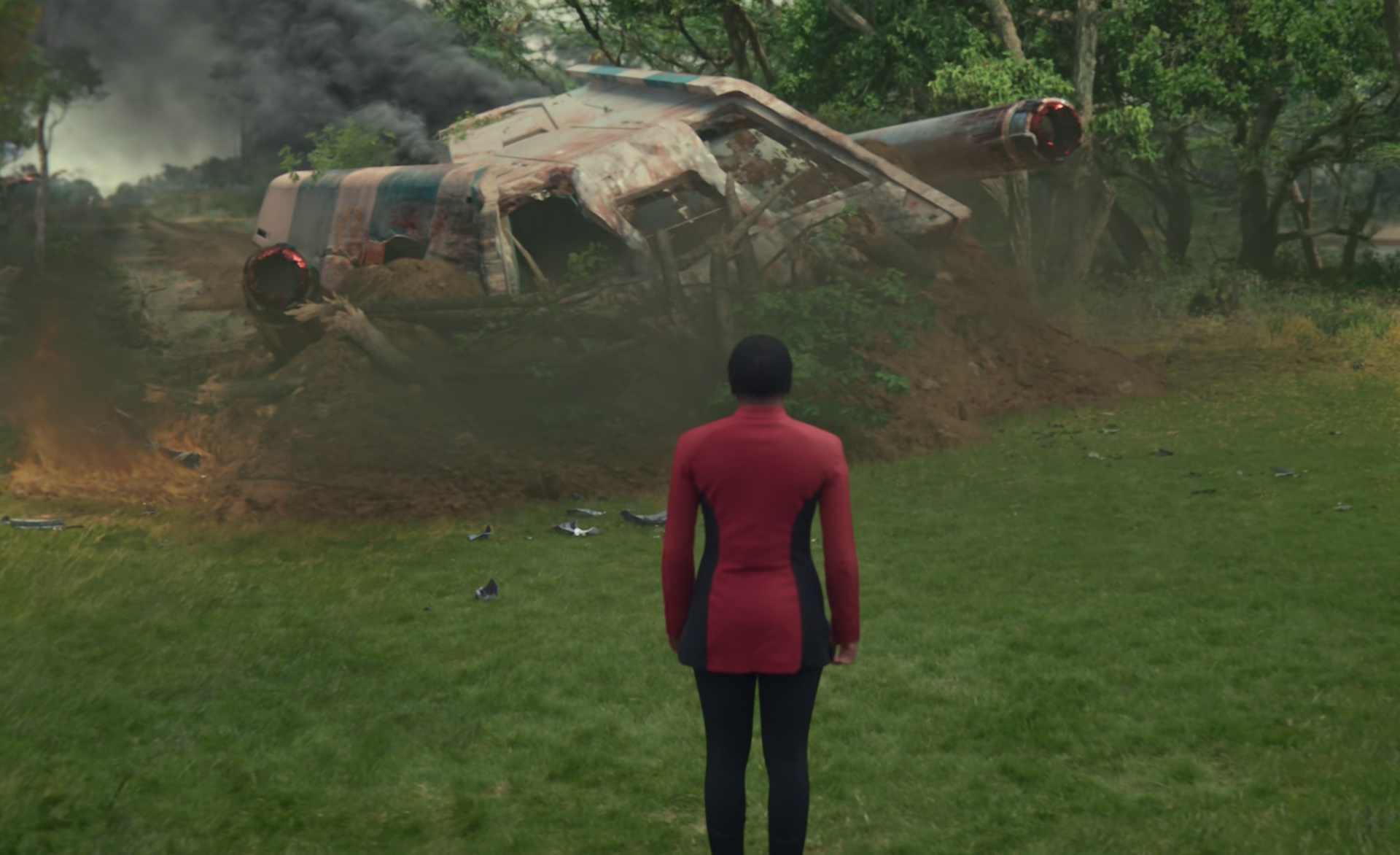
It was a ton of fun to see the shuttle Galileo again. The Galileo was made famous in The Original Series episode The Galileo Seven, and a shuttle bearing the same name has been a mainstay in Strange New Worlds since Season 1. Maybe I’m misremembering, but I felt the design of the shuttle that we saw this week was much closer to that TOS presentation than to earlier Strange New Worlds episodes – it felt a lot more familiar to me, at any rate.
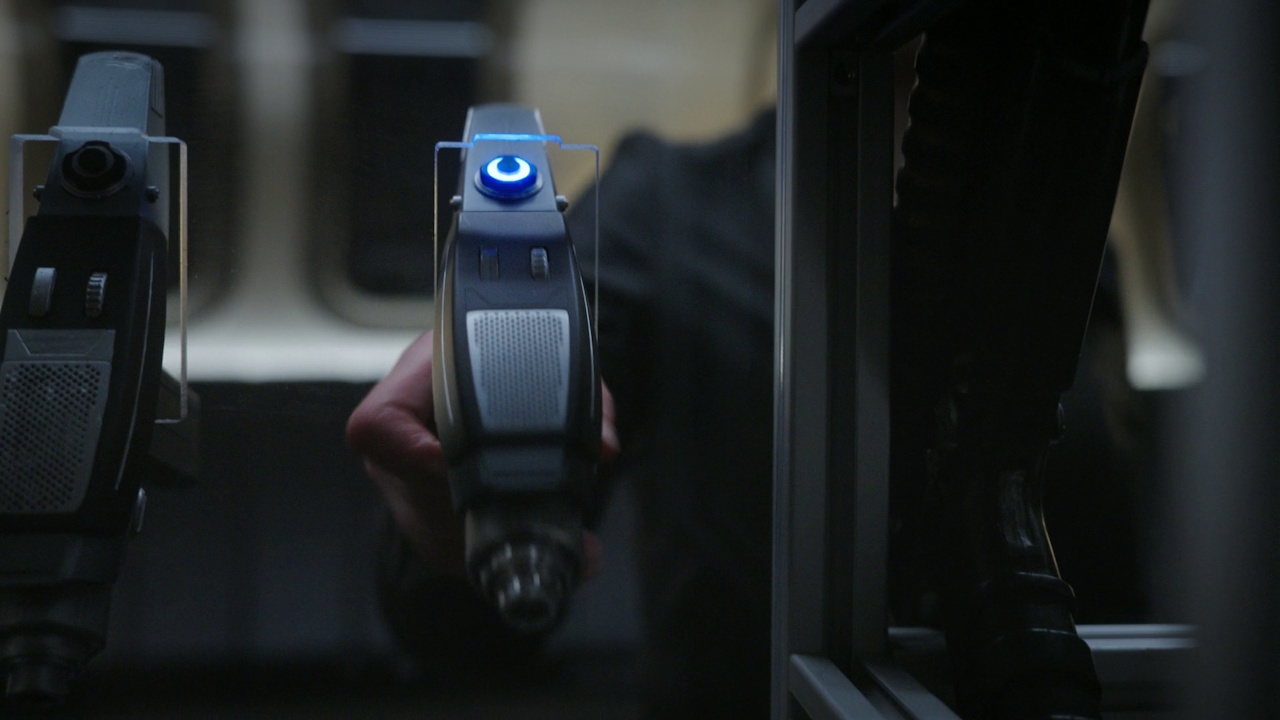
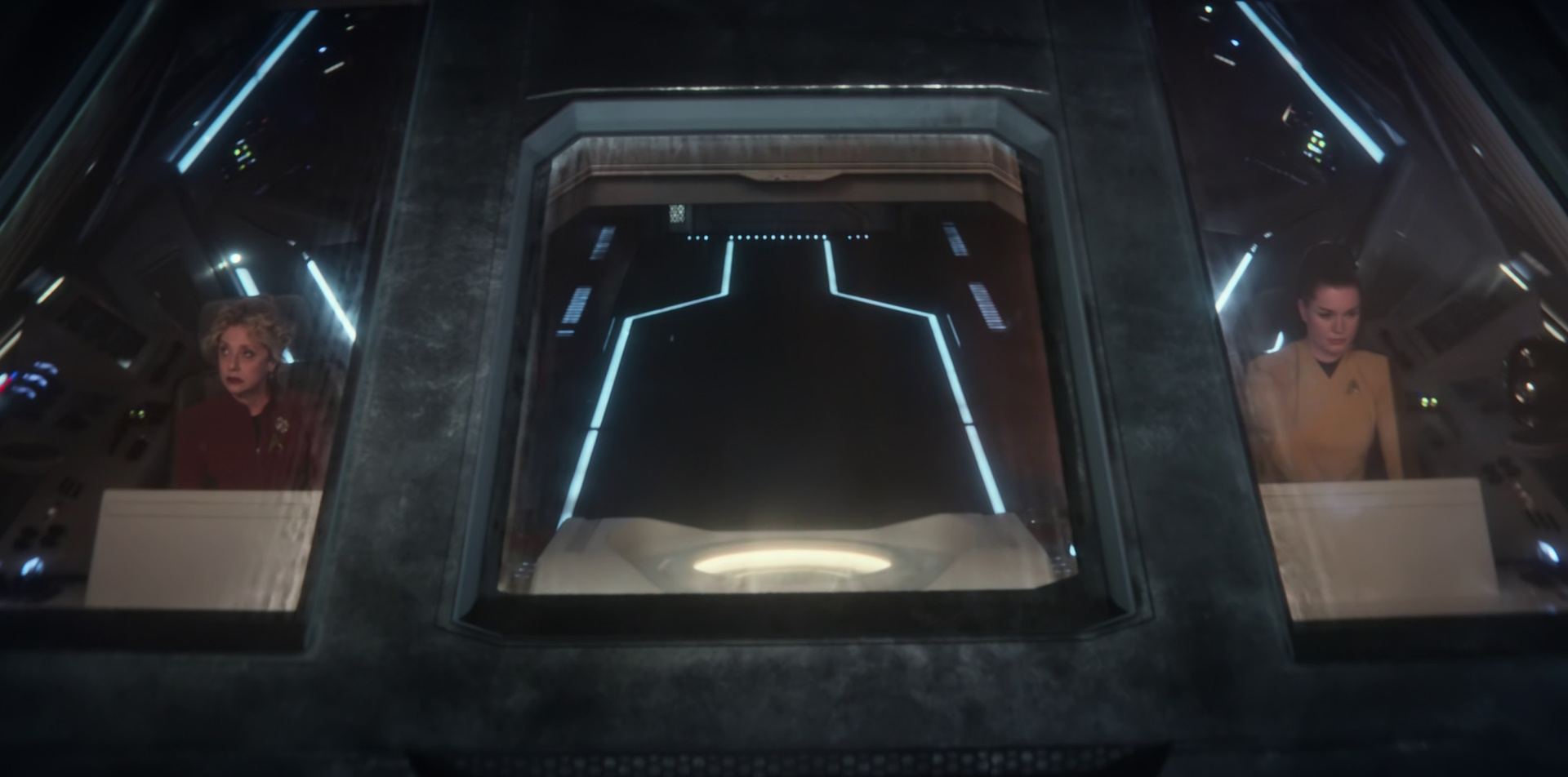
The sequence aboard the shuttle was one of the most tense in What Is Starfleet, with Spock attempting a long-range mind-meld with the Jikaru. I’m not sure how we went from “Spock’s the only one who can do this because of Vulcan telepathy” to “anyone can thanks to this gadget,” but I guess that’s a minor point. The danger of the shuttle mission was well-established, and as the camera lingered on Pike, you could see how worried he was for the safety of the away team.
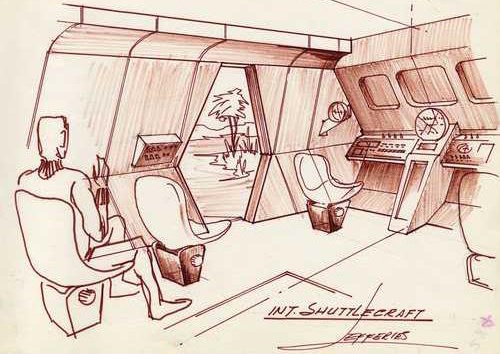
Image Credit: Matt Jeffries via Forgotten Trek.
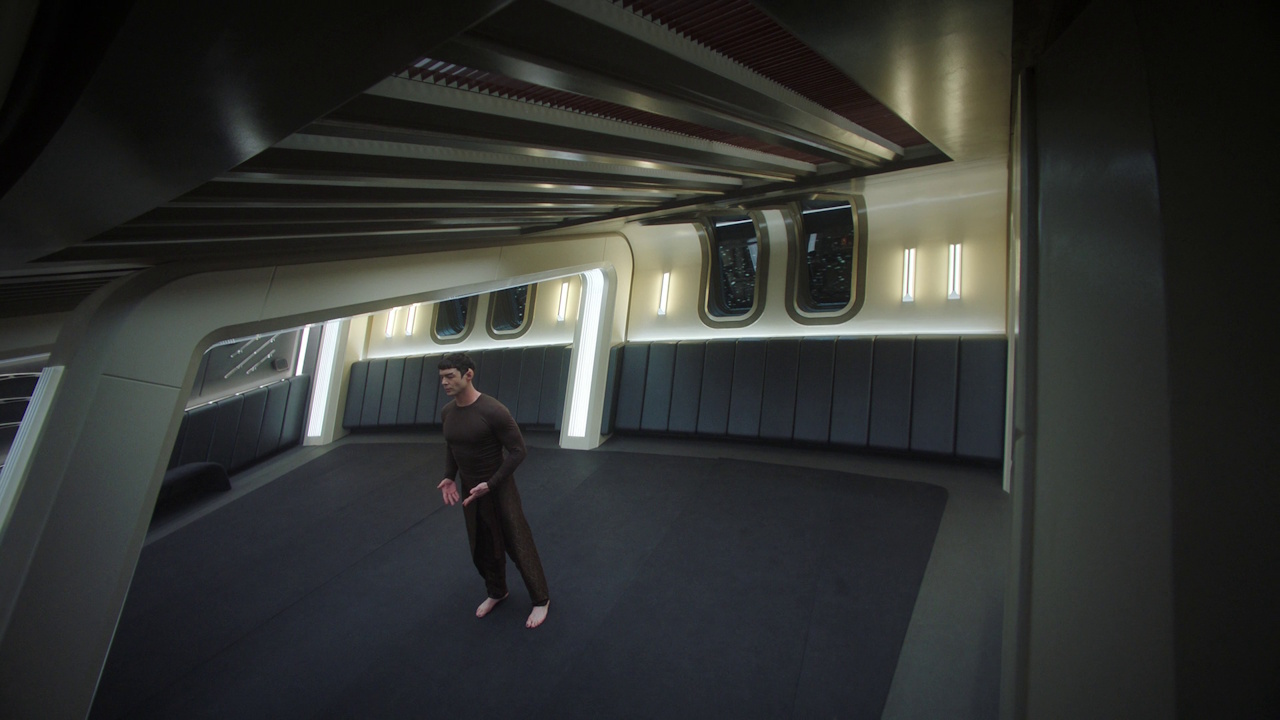
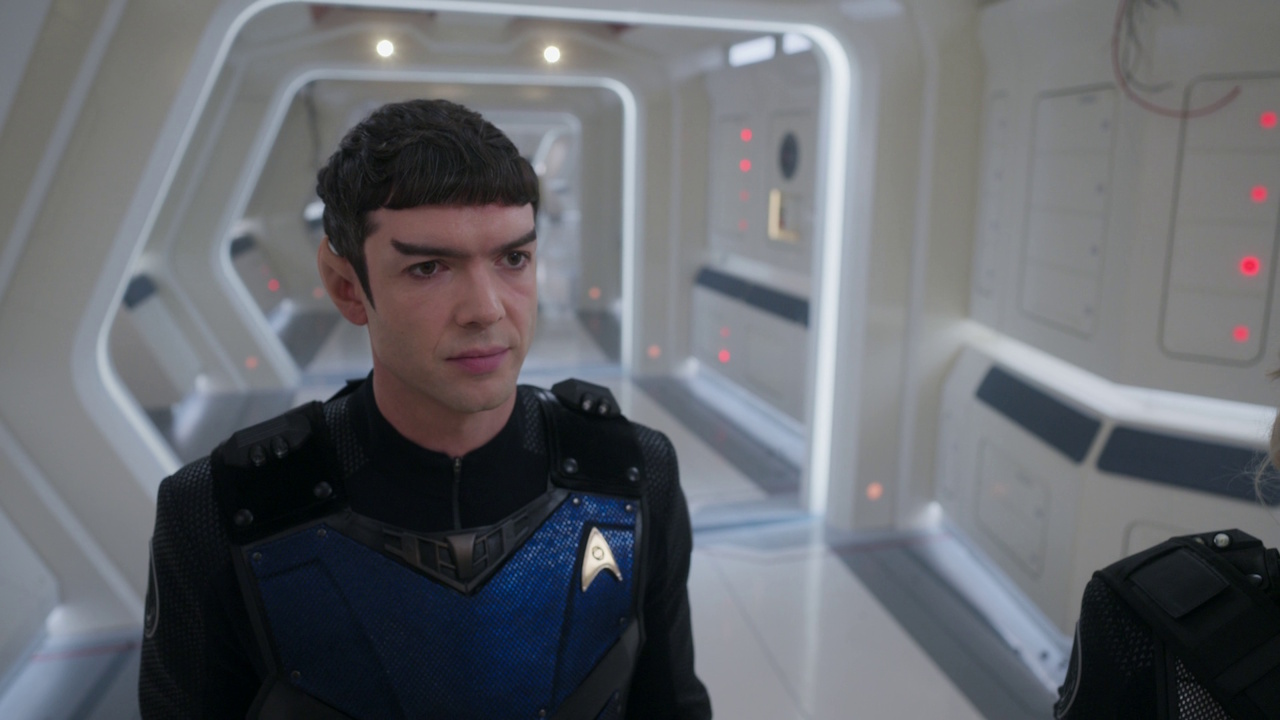
I’ll continue to compliment Strange New Worlds for taking a step back from Spock’s love life. When Chapel joined the away mission (why not Dr M’Benga?) I was a little worried that they’d drag that up again, but I was pleasantly surprised. There’s so much more Strange New Worlds can do with Spock than either comedy or romantic storylines, and I’m glad we got to see him in that kind of role this week. What Is Starfleet leaned into Spock’s role as the Enterprise’s science officer, but it also allowed him – in his own words and at his own pace – to touch on his half-human heritage.
This continues a trend from Enterprise (and really, as far back as The Original Series) of Vulcans being a pretty prejudiced lot. Despite their lofty claims of enlightenment and aloof nature, Vulcans are just as prejudiced as humans when it comes to race and racial purity. Enterprise took a deep dive into this side of the Vulcans, but it was always present. I remember Sarek’s line of Spock being “so human” in The Final Frontier, just as one example. Considering that next week’s episode is titled Four-and-a-Half Vulcans, calling attention to Spock’s heritage in What Is Starfleet might prove to be some clever foreshadowing. Or just a timely reminder.
Alright, let’s start to wrap things up.
What Is Starfleet was a creative idea for an episode. Beto’s earlier appearances this season built up to it, meaning the idea of a full-blown documentary episode didn’t come from nowhere. The writers, producers, director, and editors clearly had a lot of fun researching documentary films and investigative news pieces, and the resulting episode emulates that style incredibly well. There were also great moments of characterisation for Beto and Uhura in particular, with Mynor Lüken and Celia Rose Gooding putting in incredible performances to bring their characters to life.
However, there are some flaws that keep What Is Starfleet from really soaring. I really felt the absence of Pelia, as her chaotic energy and previous run-in with Beto could’ve added a lot. I can’t help but feel that a more traditional episode, playing the story straight without the documentary style, might’ve been a better fit for this story of the Jikaru and Lutani, and would’ve allowed a bit more time for characters like Pike to shine. And, unfortunately, the documentary itself feels quite jarring, with a massive tonal jump from “investigative hit piece” to “recruitment ad” right at the end.
A bit of a mixed bag, then. Nothing was out-and-out bad, and I will happily watch What Is Starfleet again. It’s a self-contained episode, one that doesn’t require a lot of background information from earlier stories to shine. Ortegas’ storyline is probably the most reliant on what came before, but I think it’s explained well enough within the documentary itself – and particularly through Uhura’s conversation with Beto – that even that aspect can be understood without much prior knowledge. I’m a little underwhelmed by this apparent resolution to Ortegas’ story, but at the same time I can respect Strange New Worlds for going for a more realistic and less drama-laden ending to her struggles.
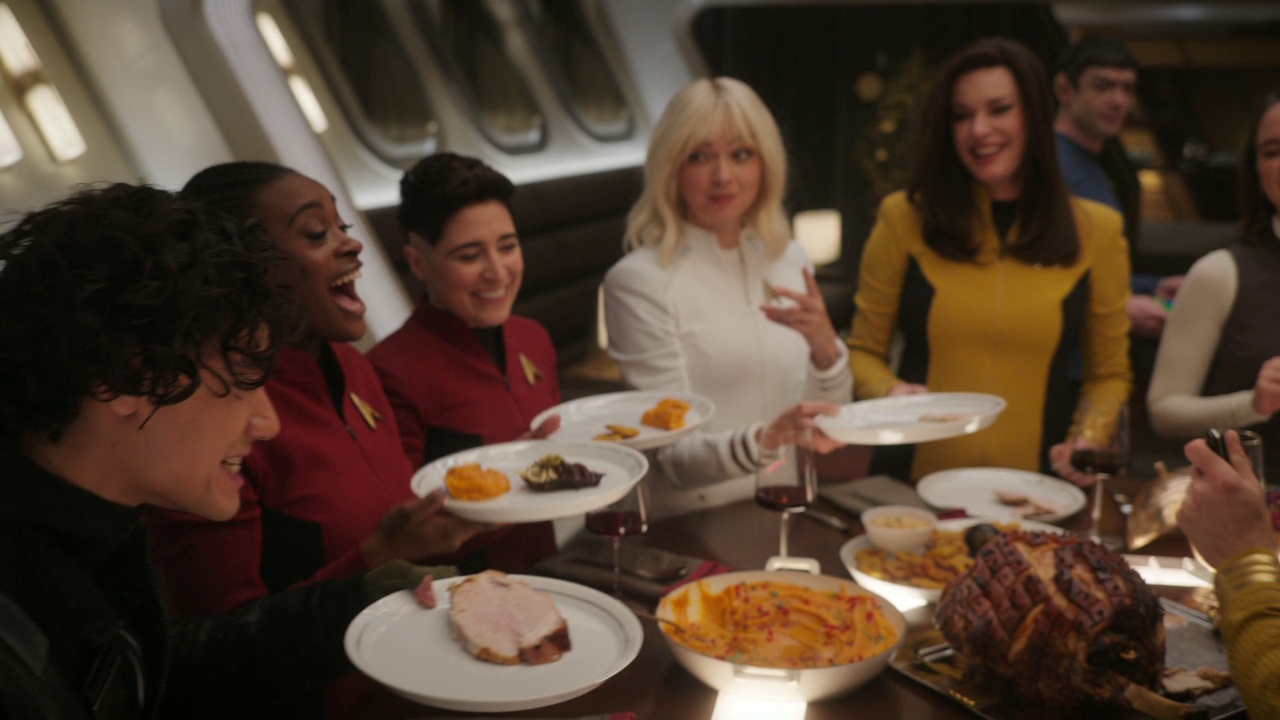
We caught a glimpse of Captain Batel in the dinner party sequence right at the end, but this is now the second week in a row where her deadly, near-fatal illness and unconventional treatment haven’t been mentioned. As above, I love episodic television, and I don’t want Strange New Worlds to turn into a serialised show like Picard or Discovery. But… sooner or later, we have to pick up this storyline, right?
Next week, we have Four-and-a-Half Vulcans. I’ll level with you: I’m not looking forward to another “Vulcans are so stuck up, let’s use that for laughs!” story outline. Strange New Worlds has scope to do so much more with Spock and the Vulcans, yet almost every time they’ve appeared it’s been in a comedy story with a flippant tone. I hope I’m misjudging Four-and-a-Half Vulcans, and I’ll do my best to go into it with an open mind! But I’m concerned at this early stage. I guess we’ll find out, though!
Star Trek: Strange New Worlds Seasons 1-3 are available to stream now on Paramount+ in countries and territories where the platform exists. The first two seasons are also available on DVD/Blu-ray. The Star Trek franchise – including Strange New Worlds and all other properties discussed above – is the copyright of Skydance and/or Paramount. This review contains the thoughts and opinions of one person only and is not intended to cause any offence.



 Trekking with Dennis