Highguard is the kind of game I’d never have been interested in. Online multiplayer shooters – even the best exemplars of their various sub-genres – just aren’t my thing, and never really have been. But the discussion around Highguard – the free-to-play hero shooter that launched just yesterday – has been inescapable over the last few weeks, and I wanted to share my thoughts. Because, despite my feelings (and my better judgement), I did actually fire up the game and play a few rounds.
Let’s start with the game itself. On launch day, Highguard had issues. I couldn’t get into matches half the time, and often when the game did work, I’d get disconnected before a round could actually begin. Not a great first impression! But, from what I can tell from the few rounds I managed to play, Highguard is about what I’d have expected from a free-to-play shooter. It’s graphically solid, the music and sound design is fine, and its core shooting mechanic feels… decent. Overall, I wouldn’t say anything about Highguard feels exceptional – not its mounts, not its guns, and not its level design. But I am admittedly not the target audience, and for people who are interested in a new free-to-play 3 vs. 3 shooter, I can see it holding some appeal.
Highguard was released yesterday.
At a mere 20 GB, Highguard wasn’t an excessive size to download. And being free, I didn’t mind booting it up to test it out – even if my main purpose for doing so was to have something to write about here on the website! I wouldn’t have wanted to pay money for a game like this… but I didn’t have to, so that worked out okay!
The truth is, though, that the intense backlash Highguard attracted after its reveal last month is a big part of why I wanted to try it out for myself, and why I felt compelled to share my thoughts.
I used to work in video games marketing a long time ago. And Highguard’s marketing campaign – if we can even call it that – is one of the strangest I’ve ever encountered. Because of my background, I really found the whole situation to be both fascinating and thoroughly bizarre, which is another big reason why I needed to comment on the situation.
I used to work in games marketing. Stock photo: Unsplash.
If you’d offered me the chance – back when I worked in the industry – to have a game I was trying to promote shown off at the most-viewed moment of what has become the most important marketing event in the gaming calendar, I’d have jumped all over it. One of the issues a lot of games face, even if they’re backed up by a big publisher, is just getting their name out there and getting any amount of attention whatsoever. So the opportunity to be featured at the games industry’s equivalent of the Super Bowl halftime show… that’s something special.
And, according to reporting, Highguard was offered that spot for no extra cost.
Highguard’s developer/publisher, Wildlight Entertainment, paid for an advertisement at the Game Awards, as all studios do if they have a trailer they want to premiere. But it was the event’s organisers who chose to offer the game the highly-coveted “one more thing” slot; the final trailer of the night, which is usually the moment of maximum attention as the “Game of the Year” award is being handed out. If that’s true, and I believe it to be based on what I’ve read, then Wildlight’s marketing team must’ve felt they’d been given a real gift; a “golden ticket” to success.
Highguard was developed and published by Wildlight Entertainment.
Unfortunately, it didn’t pan out that way.
Immediately after last year’s show ended, a pretty vitriolic hate campaign began against Highguard, and it must’ve taken the team – and the organisers of the Game Awards – by surprise. Wildlight went radio-silent after the trailer was broadcast, and made literally no further comments on the game until yesterday, when it officially launched.
That is *bizarre* in the extreme. The weeks and days leading up to a game’s launch are when a marketing team would usually be doing its most intense work; social media pushes, buying up ad slots targeting particular demographics, showing off as many of the core features of the game in as positive a light as possible… that’s the moment to do everything in your power to generate hype and to get people talking – *especially* if you’re launching a brand-new title in a new I.P.
Wildlight went radio-silent after the Game Awards trailer blew up.
I can only assume that one of two things happened. Either the backlash to the Game Awards trailer was *so* intense that the team at Wildlight felt they needed a mental health break. And if that’s the case… fair enough. No shame in that. Or, as an alternate suggestion, perhaps someone at the company believed wholeheartedly in the “there’s no such thing as bad publicity” slogan, figuring that, as long as people were talking about Highguard – be that in a positive or negative way – it would translate into downloads, a big launch, and ultimately, sales of the game’s microtransactions.
In my time in games marketing, I was never in the latter camp!
There really is such a thing as bad publicity, I’m sorry to say, and the job Wildlight needed to focus on over the last month or so was steering the conversation in a more positive direction. They could’ve done that in a number of ways, but if I’d been advising them (or running the campaign), I’d have strongly advocated for grasping the nettle. Acknowledge the backlash, engage with the jokes and the memes, and use that as a springboard to turn the conversation around. Worst case? Your game still flops and you make a bit of a tit of yourself in the process. But in the best case, there was a possibility for Highguard’s team to have shown that they have a sense of humour about the whole situation, and that can, in turn, lead to positive engagements with what they must’ve hoped would become the game’s community of players.
There were better ways to market this game, surely.
Very few companies can get away with dumping a trailer onto the internet for a new game and then saying… nothing. Prospective players have genuine questions that need to be addressed. Journalists and reviewers want to get their hands on the game early. People who started out critical have a chance to be converted. Ignoring all of that – even if it was for understandable reasons – left a vacuum in which Highguard’s critics were able to shout and scream unopposed. The conversation around the game started negatively… and then it got worse. Folks were proclaiming it a failure on the scale of 2024’s Concord.
By the way, I don’t believe in the tired argument that “you can’t judge something until you’ve played/watched it for yourself!” The whole point of marketing material – like a trailer – is to generate interest and excitement. If a trailer is poor, people are going to be turned off, and that’s a totally valid response. Folks clearly felt that Highguard looked generic and uninteresting based on the trailer they saw at the Game Awards, and that’s not their fault – that’s Wildlight’s fault for putting together a pretty bland and uninspired piece of marketing material.
Scarlet, one of the playable characters.
But after that misstep, there was almost a month in which to course-correct. Re-doing whole chunks of the game is clearly off the table, but from a marketing standpoint, there absolutely were ways that Highguard’s team could’ve at least *tried* to regain control of the situation. I don’t know Wildlight’s situation, so I can’t speak to the kind of marketing budget they may have been working with, but a closed play-test of the game was offered to a number of influencers – and that kind of thing doesn’t come cheap. Inviting some of the more critical influencers, and trying to – for want of a better term – “wine and dine” them, while extolling the virtues of the game would have been a great idea.
And online, on social media, simply disappearing and going completely silent ceded the stage to the critics. Folks who felt the game was generic and bland had free rein to say so, with not even a scintilla of pushback from Wildlight. I can understand, on a personal level, why stepping into the social media fray, when toxicity is swirling like this, isn’t going to be hugely appealing or a lot of fun. But that’s the job, sometimes, isn’t it? You can’t always be blessed to work on universally beloved games that get absolutely zero criticism – and if you want to reframe the narrative, sometimes you have to demonstrate the ability to be self-deprecating and take things in good fun.
The lack of a proper marketing campaign has, in my view, harmed the game’s reputation.
But hey, maybe Wildlight’s “say nothing” approach… kinda worked? I mean, I played the game. A game I would never have played were it not for the attention and the backlash! So maybe the way I’d have tried to handle the marketing is outdated in the days of TikTok and memes. Who knows! It’s been a hot minute since I worked in the industry, after all.
One final thing I wanted to comment on was the *scale* of the backlash that this game received.
There are bad games that release all the time. And there are bland, uninspired games, too. The whole point of media criticism is to point this out, and one thing I genuinely appreciate about social media (and the internet in general), is how media criticism has become democratised, with all kinds of people free to share their thoughts on… everything. Reviews are no longer limited to a handful of English and journalism majors from the top universities, and that is genuinely a positive thing. I say that as someone who runs a small website where media criticism is the name of the game. I’d never have got a job as a critic at a newspaper in decades past, so the very existence of my website is testament to the power of the internet to open up reviews and critiques to all kinds of different voices.
Firing a gun in Highguard.
But the flip side to that is that not all criticism is of the same quality… or even relevant. Highguard suffered from a “pile-on” effect, where folks who wouldn’t have been interested in the game, or wouldn’t have cared about it one way or another, saw hate comment after hate comment on social media, and decided to join in. The snowball started rolling (if I can mix my metaphors), and Highguard quickly became one of the most-criticised and most-memed games of the last few months – all before it even launched.
And yes, there are valid reasons for some of the criticism. The game is, at best, an Overwatch clone; a free-to-play hero shooter in an already-saturated marketplace. Visually, it neither excels nor stands apart; nothing about the way the game looks – which is the main thing audiences take away from a trailer – gives it a strong visual identity. And, of course, previous “one more thing” trailers at the Game Awards have been for bigger titles, either in well-known I.P. or from established studios. Most have also been announcements or teases of *single-player* titles, too. So the choice of slot, which I’d have been overjoyed about if I’d been on the marketing team, may have contributed to the disappointment and ultimately the backlash.
The game’s logo.
But I admit that I was somewhat taken aback by the scale of the criticism – and how quickly some of it descended into hate, name-calling, and general toxicity. And I think some folks ought to take a look in the mirror. It’s totally okay not to like a game, or not to want to play an upcoming game based on its marketing material – but it’s not okay to be toxic, to send death threats to developers, or to cross the invisible line between a shared joke with friends and something more… sinister. Some of the conversation around Highguard did cross that line, and you don’t have to look far to see examples of that.
As to the game’s future… it’s hard to say. Highguard managed a creditable 97,000 concurrent players on Steam, according to tracking website SteamDB, which puts it light-years ahead of the likes of Concord. But it also saw a significant drop-off in those players basically immediately; time will tell how many of those initial players will stick around, especially if server and matchmaking issues persist.
Highguard did solid numbers on launch day, at least on Steam. Graph: SteamDB.info
For my part… I can say I’m glad I tried Highguard. But, as I could’ve told you ahead of time, it didn’t exactly convert me into a full-time multiplayer gamer! And to the teammates I was placed with during the rounds I played… sorry. You got stuck with an arthritic forty-something who basically never plays competitive games. I know I didn’t exactly excel or help us win!
So I know this has been an unusual subject for me. Online multiplayer titles aren’t my thing. But Highguard, with its rather odd marketing campaign and all of the backlash… it was a subject I felt that I needed to cover. Thanks for reading, and if you decide to check out Highguard, I genuinely hope you have a great time with the game. Just because it’s not my thing doesn’t mean it won’t find its niche.
Have fun out there… and happy gaming.
Highguard is out now for PC, PlayStation 5, and Xbox Series consoles. Highguard is the copyright of Wildlight Entertainment. Stats courtesy of SteamDB, and some promo art courtesy of IGDB. This article contains the thoughts and opinions of one person only and is not intended to cause any offence.
If you’re a fan of action/role-playing games, chances are that Crimson Desert and Fable are on your watchlist for 2026. Both games are due out this year, and after recent glimpses at gameplay, interviews with the developers, and new trailers, I think it’s fair to say that the hype trains are boarding – if they haven’t already left the station! And it’s great to get excited about an upcoming title, especially given the state of the world and how important gaming can be as an escape from that. I don’t write pieces like this to rain on someone’s parade, so if you’re excited and want to stay excited… well, you do you, friend.
But hype isn’t always a positive thing, especially when it gets out-of-control. And uncontrolled hype for a new title can often lead to disappointment. Sometimes that disappointment is well-deserved and inevitable; I doubt anyone would’ve enjoyed games like MindsEye or Fallout 76 at launch, even if they hadn’t been hyped up beforehand. But in some cases, excessive hype – and the inability of marketing teams to know how to use it appropriately and when to rein it in – can mean a game fails to find its niche, or that audiences end up crashing down to earth hard when the “once-in-a-lifetime, genre-busting experience” they’d built up in their heads doesn’t pan out on screen.
We’ve recently seen new gameplay for the upcoming Fable.
Two of the biggest examples of this, from my own experience, would be No Man’s Sky and – ironically, considering one of the games we’re discussing today – the original Fable from 2004.
This is a profoundly “hot take,” and I appreciate that, but for me, No Man’s Sky in 2016 was a perfectly fun little game. You had a spaceship to fly around in, you could mine for resources, explore the galaxy, meet some weird-looking alien critters… and that was that. The disappointment players felt didn’t come because the game was broken or *bad* in its own right – it came because it was over-hyped. The game had been marketed dishonestly, with promised features not being as advertised, and players had built up impossible expectations for the title based on that. There was no way No Man’s Sky at launch could’ve been anything other than a disappointment.
And I felt the same way in 2004 when I got my hands on Fable. I’d enjoyed Morrowind a couple of years earlier, and the marketing material for Fable seemed to be promising an even more in-depth and personalised adventure. The idea of growing your character from childhood to adulthood, and moulding them through the weapons you used, the decisions you took, and so on… it sounded too good to be true. And it was. Fable turned out to be far more basic and linear than its pre-release hype would’ve had me believe.
I felt 2004’s Fable was a bit of a let-down compared to the hype.
It’s funny, in a strange kind of way, to be observing the hype as it builds for the new Fable, some twenty-two years later, and wondering if a new generation of players is about to make the same mistake as I did! The way I felt about the original Fable is definitely a big reason for my remaining sceptical about its reboot all these years on, but I’ve also been burned more recently by out-of-control hype and dishonest promises. Fable is being published by Xbox, and you know what other big Xbox-owned action/RPG was overhyped just a couple of years ago? Starfield. Remember “walk on, brave explorer,” and all of the other nonsense that came out of that game’s marketing push? I feel echoes of that with Fable, I’m afraid.
And then there’s Crimson Desert. Unlike Fable, which has a strange kind of double track record when it comes to excessive hype and dishonest marketing, publishers and developers Pearl Abyss have a pretty solid reputation thanks to their title Black Desert Online. But I can definitely feel the hype train for Crimson Desert picking up steam, and again, it isn’t difficult to find reasons to be sceptical based on what I’ve seen so far.
Crimson Desert is due for release in just a couple of months.
Any game that promises to be bigger, more detailed, and with more systems and mechanics than previous titles deserves to be looked at with a critical eye. And Crimson Desert is firmly in that space. The game promises hundreds of NPCs on screen at once, a combat system which will include complex multi-button combos, immersive medieval cities, mini-games like fishing and hunting, some kind of crafting mechanic, ridable mounts, including horses and dragons, and a bigger open world than Skyrim and Red Dead Redemption II. That’s *a lot* for a single game to cram in – and it’s all built on a new, proprietary engine that we’ve never seen before.
If Fable reminded me of the likes of Starfield or MindsEye, Crimson Desert is giving me a Cyberpunk 2077 or No Man’s Sky kind of vibe. No Man’s Sky simply couldn’t deliver on all of its promised systems and mechanics at launch – with some being almost entirely absent when compared to claims made about the game before release. And Cyberpunk 2077, at launch, was broken, sure – but a more egregious issue was hiding under the surface: it may have had a fun and immersive world, but gameplay was really nothing special. Both titles promised to be genre-redefining epics… but both took literal *years* of additional work and updates before they came close to reaching that bar.
It took a while for Cyberpunk 2077 to even be playable, let alone live up to the hype.
I guess what I’m saying is simply this: try not to get over-excited. Do both of these games look like fun? Sure. And do I hope that they’ll live up to – or even exceed – the high bar that’s being set? Of course! I’m always going to want to play incredible games. But at the same time, if I can resist getting swept along by the hype, I stand less chance of being disappointed if one or both of these games doesn’t turn out to be as exceptional as promised.
When I think back to my experiences of Starfield and No Man’s Sky, they couldn’t be more different. I was dimly aware of No Man’s Sky, but I hadn’t been following along with the online conversation or much of the marketing, so when I tried the game for myself, I felt it was fine for what it was. I had fun hopping between planets in my spaceship, mining for a few resources, and exploring. But when Starfield launched, I felt myself hit the wall. The game felt… small. The world-building didn’t keep me engaged. And so much of it just felt outdated, even when compared to titles from several years earlier.
A combat encounter in Fable.
For me, this encapsulates the danger of hype. If I’d gone into No Man’s Sky expecting it to break boundaries and redefine what a video game could even be… I’d have been disappointed. Because it wasn’t that – and it still isn’t, really. It’s a space game. A fun space game, especially now after receiving years’ worth of free updates. But it’s still just a space game. In contrast, if I’d deliberately shut out the hype for Starfield and tried to approach the game without expectations… maybe I’d have had a better time with it. Maybe Todd Howard and his marketing department managed to talk their way out of a successful launch and better reviews.
I used to work in video games marketing, and it was my job to paint even the worst games in the best possible light. It isn’t hard to spin even the most mundane and boring features as “revolutionary,” or to present a bland, uninspired title as the next big thing. And nowadays, with A.I. tools worming their way into marketing departments? It’s easier than ever to put together something completely unrepresentative of the finished product, feeding into the hype around a title.
A boss battle in Crimson Desert.
There’s a line that publishers have to walk between leaning into hype and reining it in. It’s great when people are talking about your game organically; when there’s a natural level of excitement that you don’t even have to pay for! But the risk can be extreme; if you don’t find a way to talk players down from building a game up to be something it’s not… that’s going to translate into lower review scores and perhaps even refunds when the game inevitably can’t be what players expected and believed. Learning how and when to say “no” is one of the most important skills in games marketing – and it’s a lesson that even big studios, like Xbox and Bethesda, have repeatedly failed to learn.
I genuinely hope that Crimson Desert and Fable will be great games. I’m not sure if I’ll get around to playing either this year; I have other games in my backlog, and now that I no longer subscribe to Game Pass, I definitely won’t be trying Fable on day one. This isn’t meant to be negative – I’m not rooting for these games to fail! But when I see a hype train building like this, I think it’s important to say something. I can be guilty of getting over-hyped, too; I’m not perfect. Just check out my pre-launch Starfield coverage for proof of that! But it’s necessary, sometimes, to offer a reality check, especially when games seem to be promising things that seem borderline impossible.
It’s great to have something to feel excited about. Just… be careful. It’s possible that both of these games will be fantastic. But it’s still possible, I’m afraid, that they won’t live up to expectations for one reason or another.
Crimson Desert will launch in March 2026 for PC, PlayStation 5, and Xbox Series consoles. Fable will launch in Autumn 2026 for PC, PlayStation 5, and Xbox Series consoles. Crimson Desert is the copyright of Pearl Abyss. Fable is the copyright of Xbox Game Studios and Playground Games. This article contains the thoughts and opinions of one person only and is not intended to cause any offence.
Despite trying hard to project a “family-friendly” image, Nintendo is no less of a greedy, aggressive, predatory, and money-grubbing corporation than the worst of the worst in the games industry. The company would, were it not for a legion of well-trained apologists, rightly be held up along with the likes of Electronic Arts, Tencent, Blizzard, and Ubisoft as a shining example of a gaming mega-corporation that is, for want of a better word… evil.
Nintendo, if you weren’t aware, has recently tried to patent in-game systems, which would prevent anyone else from using those mechanics in their games – or would mean those companies would have to pay a license or fee to Nintendo. This is tied to the Palworld situation that I talked about last year, as Nintendo is embroiled in a frivolous lawsuit against Palworld’s creators, Pocketpair. But I think it says a lot about how Nintendo behaves, how far the company has fallen, and why it’s past time for the current crop of increasingly elderly executives and game directors to be retired.
Palworld is causing a lot of bed-wetting among Nintendo executives…
Here’s the bottom line when it comes to patents: if other companies had treated Nintendo the way that Nintendo treats other companies, Nintendo would’ve gone bankrupt making playing cards in 1980. That’s not an exaggeration: literally none of the games Nintendo became known for would’ve been possible if other companies had taken out patents like the ones Nintendo is trying to use in the Palworld lawsuit. And where would Nintendo be today without video games? Just another failed Japanese toy company that didn’t make the cut.
If Universal and CBS, developers of the 1980 arcade game Space Panic, had patented the idea of the 2D platformer, Nintendo’s Donkey Kong wouldn’t have been able to exist. Nintendo would never have been able to develop Super Mario Kart – or any of its other racing games – if someone like Sega had gotten a patent for the concept of a racing video game after their successful Road Race arcade game in 1976. If Sony had patented the 3D platformer after 1995’s Jumping Flash, then Nintendo couldn’t have made Super Mario 64. Should I continue, or have I made my point?
Doesn’t this look familiar…
The entire history of video games is one of piecemeal innovation. A new creation comes along, gains traction – or doesn’t in some cases, but the concept still seems appealing – and then other companies take the idea in new directions. Nintendo has never actually made anything original. What they’ve done for decades – very successfully, to their credit – is build on other people’s creativity and other people’s ideas, taking concepts that other games have tried and honing them, often to near-perfection. If other companies had locked their efforts away, as Nintendo is attempting to do to Palworld and others, not only would the entire games industry be smaller, less creative, and just worse overall, but Nintendo itself as we know it today could never have come to exist.
There are some massively-popular games which went on to quickly spawn entire genres. I’m old enough to remember when first-person shooters were literally called “Doom clones,” but id Software, in 1993, didn’t try to patent the concept. If they had, there’d never have been GoldenEye, Metroid Prime, or literally any other FPS title. Games companies don’t exactly like sharing their ideas, but it’s been accepted as part of the games industry for decades. You can’t claim ownership of a broad concept, idea, or genre.
GoldenEye wouldn’t have been made if id Software had gotten a patent for first-person shooter mechanics.
There are some things that can and should be trademarked, copyrighted, or patented. I’d never try to argue, for instance, that anyone other than Nintendo should be allowed to create a 2D platformer featuring a red-hatted, overall-wearing, turtle-stomping plumber named Mario. That concept is a specific one, and it uses original characters, designs, creations, and storylines. But the basic mechanics of how video games work should be – and historically, have always been – open to everyone. Trying to claim ownership over a sub-genre or in-game mechanic simply should not be allowed – and we need to clamp down on this kind of misbehaviour now, lest it get out of hand.
There are many other games companies who’d surely love nothing more than to get a patent for something broad and vague, stifling competition or forcing their competitors to pay them. Imagine if Bethesda managed to get a patent for something like mana points in a video game. Or if Ubisoft got a patent for concealing the player character in tall grass. What about if Atari patented flying in a spaceship? After all, they pioneered that idea in video game form with 1979’s Asteroids. Would the video games industry be better off if every company could patent everything it could claim to have invented? Or would video games as a whole be smaller, less interesting and less innovative? I think we all know the answer.
Nintendo is using the legal system to try to shut down competition.
Pokémon is, itself, a great example of the evolution of video games. It didn’t spring into existence overnight, fully-formed and utterly unique. It built on existing battle games, turn-based games, card games, and role-playing games, which had been developed through the 1980s and early 1990s, and also drew inspiration from films, manga, and even collectables like baseball cards and capsule toys. Many role-playing games – especially JRPGs – use very similar in-game mechanics for things like combat and overworld exploration, and plenty of titles outside of the monster-battling sub-genre also use things like summonable allies, temporary companions, and friendly monsters. Why should any of that be patentable? How does Nintendo have the sheer nerve to say they invented any of it?
Because that’s what Nintendo’s patent claims: that they own, invented, and have the exclusive rights to the in-game mechanic of summoning an object or ally to engage in battle.
To be clear: this patent should never have been granted in the first place. Anyone with a cursory knowledge of video games could have easily found the flaws in this patent and thrown it out. But Nintendo having the cheek, the sheer brass neck, to ask for this patent… it’s absolutely disgusting.
Three senior Nintendo executives/producers during a recent Nintendo Direct broadcast.
Nintendo’s leadership needs a good clear-out. The people who’ve been there since the ’80s and ’90s are growing old, and in lieu of actually innovating and inventing, they’re desperately trying to use lawfare to drive away the competition. Terrified of losing their position – and perhaps recognising that the overpriced Switch 2 isn’t going to sell as well as its predecessor – they’re trying to use illegitimate and, frankly, dishonourable means of shutting down competition. When you can no longer compete on merit… trying to use legal loopholes and dodgy rulings to shut out the competition must seem tempting.
That’s what Nintendo is doing, at the end of the day. They’ve realised that Palworld is the canary in the coal mine: a shining example of a new company coming in, creating something better and more appealing, and hoovering up eager customers who’ve burned out on the stale, repetitive, and boring Pokémon series. And because the elderly senior developers and executives don’t know how to make a game like Palworld, the only thing they can think to do is try to get it shut down.
And that’s pretty fucking shameful.
Mario Kart World.
Nintendo’s recent output, in my opinion, hammers home why the senior people at the corporation feel a need to do this. Even the top-selling Nintendo games of the last generation – Super Mario Odyssey, Animal Crossing: New Horizons, Tears of the Kingdom, Smash Bros. Ultimate, and Mario Kart 8 Deluxe – were sequels at best, derivative and repetitive at worst. The Switch 2, with its samey design, is the first Nintendo console in decades not to offer something new or innovative. And the company seems to be doubling-down on wringing as much money as possible out of its fans and players with increasingly unfriendly decisions around pricing. With limited room for growth, a lack of new ideas, and an elderly and outdated crop of senior developers and leaders, Nintendo is trying to shut down genuine competitors instead of learning, growing, and improving – the way video games companies have done for decades.
It’s embarrassing, quite frankly, that Nintendo felt the need to stoop so low, and that they have such a lack of confidence in their ability to compete fairly if the playing field were level.
But that’s Nintendo for you… and Nintendo is just awful.
All titles discussed above are the copyright of their respective developer, publisher, and/or studio. Some screenshots and promo art courtesy of IGDB. This article contains the thoughts and opinions of one person only and is not intended to cause any offence.
Spoiler Warning: Beware spoilers for the following games: Batman: Arkham Knight, Mass Effect 3, Halo Infinite, and The Last of Us Part II.
Microsoft’s latest round of layoffs has really hammered home how shaky some parts of the games industry feel as the 2020s roll along. Big games – like the remake of Perfect Dark, Rare’s long-awaited Everwild, and an unnamed title from ZeniMax Online – have all been canned as Microsoft “restructures” its gaming division… despite making literally more money than it ever has in its corporate existence. And all of this comes after some ridiculous studio closures barely twelve months ago. But the Xbox situation got me thinking… which other games and studios could be in danger?
So that rather depressing topic is what we’re going to tackle today. To be clear: I don’t think the entire games industry is heading for some kind of repeat of the 1983 “crash.” Gaming is too big nowadays, and there are so many people playing games, that the idea of gaming as a whole ever disappearing or experiencing that kind of huge slowdown just doesn’t seem feasible anymore. So to reiterate that last point: I am not predicting an industry-wide “crash.” But there are multiple publishers and developers that I believe are in danger – and one badly-received game could, in some cases, lead to their exit from the industry altogether.
This piece was prompted by the Microsoft and Xbox news, but it’s not only Microsoft-owned studios that could be on the chopping block. There are issues at outfits owned by Sony, too, as well as third-party publishers and developers.
Xbox just announced another round of layoffs.
A few caveats before we go any further. Firstly, if you or someone you know works at one of these companies, please know that I don’t mean this as any kind of attack or slight against you or the quality of your work. This industry can be brutal, and as a commentator/critic, what I’m doing is sharing my view on the situation. What I’m categorically *not* doing is saying any of these companies “should” be shut down. I really don’t want to see more people in the industry put out of work. I spent a decade working in the games industry, and I worked for companies that went through tough times. I know what it’s like to feel like your job is on the line… and the last thing I want to do is rub salt in the wound or make things worse.
Secondly, I have no “insider information” from any of these developers or publishers. I’m looking in from the outside as someone who hasn’t worked in the industry for more than a decade at this point. Finally, all of this is the entirely subjective, not objective, opinion of just one person. If you disagree with my take, think I’ve got it wrong, or you’re just convinced that a company’s next game is sure to be an absolute banger… that’s totally okay. Gamers can be an argumentative lot sometimes, but I like to believe there’s enough room in the wider community for polite discussion and differences of opinion.
With all of that out of the way, let’s get started.
Endangered Studio #1: Halo Studios
Is the long-running Halo series in trouble?
Halo Studios, formerly known as 343 Industries, is Microsoft’s in-house development team working on the Halo franchise. But… well, it wouldn’t be a stretch to say that 343/Halo Studios has never released a *big* hit. The closest they’ve come, in more than a decade, was remastering the original Halo games… and even then, we have to give the huge caveat of the bugs and performance issues that plagued early versions of the remasters.
Whether we look at Halo 4, Halo 5, Halo Infinite, the Halo Wars spin-off, or the mobile games… Halo Studios hasn’t exactly taken the gaming world by storm. Infinite was supposed to be the Xbox Series X’s “killer app;” a launch title to really sell people on the new console and make it a must-buy, just as the original Halo: Combat Evolved had done some twenty years earlier. That didn’t happen, and the reception to that game – including from yours truly – was pretty mixed.
The cancellation of the TV adaptation won’t help.
Although Halo Studios has been hit by Microsoft’s layoffs in recent weeks, and a recent leak suggested that “no one at the studio is happy” with the state of their next title right now, I still think Xbox will give them another chance. The Halo series and Xbox are inseparable, at least in the minds of some players, and the name recognition and series reputation still count for something. But I don’t think those things will count indefinitely, so if the next Halo game isn’t a smash hit, Halo Studios will be in trouble.
This also comes after the failure of the Halo TV series. I happened to think the show was decent for what it was, but I understand where a lot of the criticism was coming from. That hasn’t helped Halo Studios’ case, though, and one of the best opportunities to grow the brand was squandered.
As a final note: every story has a natural end. I would suggest, perhaps, that Halo – or at least the Master Chief’s story – has pushed past that point. Recent narratives felt overly complicated, and I felt that Halo Studios was having to invent increasingly silly reasons for why the Master Chief was still fighting the Covenant and the Flood. Maybe the franchise just needs a break?
Endangered Studio #2: Ubisoft
Ubisoft publishes the Assassin’s Creed series, among others.
Ubisoft hasn’t been in great shape for quite some time. I think it’s fair to say that Ubisoft’s open world level design has stagnated, and a lot of players have kind of hit the wall when it comes to that style of game. But because the studio has doubled-down on that formula and that way of making games… it might be hard to find a way back.
Ubisoft has slapped its open world style on franchises like Assassin’s Creed, Far Cry, Avatar, and even Star Wars… but many recent games have felt pretty repetitive; the same thing every time, just with a different coat of paint. I’m on the record saying that the open world formula doesn’t work for a lot of games, and although I don’t play a ton of Ubisoft titles… I think the repetitiveness of their games is a contributing factor, at least. Open worlds can be fun, but they can also be bloated and uninspired.
Star Wars: Outlaws wasn’t particularly well-received.
Earlier in 2025, a lot of folks seemed to be saying that Ubisoft’s financial situation basically meant that Assassin’s Creed: Shadows was the company’s “last chance.” I’m not sure I’d have gone that far myself; there are clearly other projects in the pipeline that at least have some potential. But Shadows seems to have been a modest success, at least, which has probably bought the company some time. A remake of the popular Assassin’s Creed: Black Flag could be a much-needed boost, too, if it succeeds at grabbing a new audience.
But in the longer-term, Ubisoft needs to try new things. Its open world formula worked for a while, but repetitiveness and stagnation seem to have crept in. There are only so many open world “collect-a-thons” that anyone can be bothered to play, and if it feels like the same game is just being given a new skin every time… that’s not a lot of fun, in the end. Just Dance can’t keep the company afloat forever, so something’s gotta change, and soon.
I’m still crossing my fingers for that Splinter Cell remake, though!
Endangered Studio #3: Nintendo
Nintendo recently launched the Switch 2 console.
Bear with me on this. Nintendo is a titan of the games industry… but it’s also a more vulnerable company than folks realise. I don’t think people fully appreciate how big of a risk the Switch 2 has been with its high price, sole exclusive launch title, and repetitive design and branding. The console may have sold well in its first couple of weeks on sale – though, as I noted, it didn’t seem to have sold out everywhere – but that’s to be expected from a company with a well-trained legion of super-fans! The real question is still whether casual players, families, and people less connected to the gaming world will be willing to shell out for a console that’s now competing with the PlayStation 5 and Xbox Series X in terms of price.
I don’t know anyone – not one single person – who only owned a Nintendo Switch as their sole gaming device. I’m sure some people do, but most folks I spoke to bought a Switch for one of three reasons: to play a handful of Nintendo exclusives, like Mario Kart 8 and Animal Crossing: New Horizons, to play some of their favourite games in a handheld format, or for their children to play some kid-friendly titles. The Switch was well-positioned for any of those use cases… the Switch 2, at its higher price point, is less so.
The Switch 2 and its games are expensive.
In 2013/14, when the Wii U was clearly faltering, Nintendo still had the 3DS to turn a profit and keep its corporate head above water. But now, the company is all-in on the Switch 2… meaning there’s less room for manoeuvre if things don’t go to plan. Because of Nintendo’s unique position in the industry, if its hardware falters it’s gonna be in big trouble, and the Switch 2 represents a departure from a successful business model. The Wii, the Switch, and Nintendo’s handhelds have all been well-positioned and well-priced to attract casual players… I’m not so sure the Switch 2 is. The company has some cash in reserve to keep going for a short while… but not indefinitely.
For those of you screaming that “it’ll never happen!!1!” I would remind you of Sega’s unceremonious exit from the console market just after the turn of the millennium. If you’d asked any gamer in the late ’90s what the future held for Sega, no one would’ve predicted that the Dreamcast’s failure would lead to the company shutting down its hardware division altogether. Nintendo is at the tippy-top of the games industry, and the Switch has been a phenomenally successful console. But its position is more precarious than people realise, and it would only take one console failure to throw the company into chaos. To be clear: I don’t necessarily think that Nintendo would just shut down and that would be that… but a Sega-style exit from the hardware market, and far fewer Nintendo games being produced, could happen. Never say never.
Endangered Studio #4: Naughty Dog
A gaming “Easter egg” in Uncharted 4.
Naughty Dog developed Crash Bandicoot for the first PlayStation, the Jak and Daxter games, the Uncharted series, and The Last of Us. Although The Last of Us Part II proved controversial (I once said a 3/10 seemed like a fair score for that game), it seems to have sold pretty well, and the first title has been remastered… twice. But when Naughty Dog premiered a trailer for Intergalactic: The Heretic Prophet, the reception was less than glowing.
That game seems like it’s still a way off, too, and it might realistically launch as one of the final titles of the PlayStation 5 generation. But with the Uncharted series seemingly on the back burner, and after the controversy surrounding The Last of Us Part II… can the studio survive if Intergalactic underwhelms? I think there’s a very real possibility that Sony would be swift and brutal in that event.
Will Intergalactic be well-receieved by players when it’s ready?
It’s silly to pre-judge any title based on a single trailer that didn’t show so much as a frame of actual gameplay. Intergalactic: The Heretic Prophet might have a silly, clunky name… but we really don’t know much about its story or what it’ll feel like to play. Naughty Dog has pedigree (get it?) so I think there are reasons to be optimistic about their next game. But I can also see a world in which Intergalactic doesn’t succeed in the way Sony is surely demanding.
There are some upcoming games that are generating a ton of buzz and excitement. So far, Intergalactic isn’t amongst them. Maybe that will change as we get closer to the game’s launch and the marketing campaign kicks off. But maybe it’ll always be one of those games that just… didn’t do much for a lot of people. If that’s the case, Naughty Dog could be in trouble.
Endangered Studio #5: Turn 10
It’s already the end of the road for Forza Motorsport.
Turn 10 are the folks behind Forza Motorsport. Or they were. As of July 2025, the Motorsport series seems to be going on hiatus, with Turn 10 suffering significant layoffs. The spin-off Forza Horizon series had been developed by another Microsoft subsidiary: Playground Games. But with Playground working on the new Fable title, it seems as if Turn 10 might be working on Forza Horizon 6 in the months ahead.
The Forza Horizon games are a ton of fun… but they’re also more arcadey, and the open world design isn’t Turn 10’s style. I can’t help but feel the studio only still exists after Forza Motorsport’s disappointment because Microsoft needs someone to take over the Horizon brief now that Playground Games is busy with Fable. After Forza Horizon 6 launches, if the main Motorsport brand is still on the back burner… what could Turn 10 realistically do?
Forza Horizon 5 was great, though…
If Xbox is going to persevere with its home consoles in the future – and I suspect that it will – then those consoles will need at least one proper racing game. Turn 10 had been providing that for the brand since 2005, back when the first Forza Motorsport launched on the original Xbox. There are third-party racing games, of course, and Microsoft has several on Game Pass, including rally titles, Formula 1 games, and more. But Forza should be a genuine competitor to Sony’s Gran Turismo series, and again, it should be giving players an incentive to consider picking up an Xbox console.
With Turn 10’s main series seemingly shut down, at least for the foreseeable future, and after having already suffered with layoffs, I’m not sure where the studio finds a successful future. Maybe if Forza Horizon 6 knocks it out of the park… but even then, I could see Microsoft returning that series to Playground Games.
Endangered Studio #6: Bethesda Game Studios
Hi, Todd…
To be clear: we’re talking about Bethesda the developer, not all of the studios under Bethesda’s publishing umbrella. There are several factors here, so let’s go over all of them. Starfield was a disappointment and its DLC didn’t salvage the project. Fallout 4 and Fallout 76, despite achieving success in recent years, launched to controversy. The Elder Scrolls VI is still a ways off, which has pushed a potential Fallout 5 to the mid-2030s or beyond. Fallout 4 and Fallout 76 are thus the only Fallout titles that Microsoft can push to players enamoured with the Fallout TV series.
For me, this boils down to the success or failure of The Elder Scrolls VI. If that game truly lives up to the hype and reaches the high bar set by Skyrim, then Bethesda will be okay and will continue developing games for years to come. If it doesn’t, and it ends up closer in reputation and sales to Starfield… that could be it. Curtains. Microsoft will retain the studio’s various IP, but could conceivably distribute the ones that still have potential to other development teams. Speaking of which…
Can The Elder Scrolls VI save Bethesda?
With the Fallout TV show proving to be a hit, it’s pretty clear that Microsoft is hankering for a new game. There have been all kinds of rumours, with a Fallout 3 remaster seemingly the only one that’s guaranteed at this stage. But could Microsoft tap one of its other developers to make another Fallout spin-off, or perhaps something like a New Vegas remaster? If that were to happen, and if that hypothetical game were to eclipse Bethesda’s entries in the long-running series, that could be another nail in Bethesda’s coffin. Bethesda only has two well-known franchises under its belt, so if one of those were taken away – even on an alleged “temporary” basis – that could be hugely symbolic.
Here’s my take: Bethesda made some great games in the 2000s, but has shown absolutely no ability to move with the times in the almost fifteen years since Skyrim. The studio’s leaders seem to have bought into their own hype, believing that every game they develop will automatically be as well-received as Skyrim… and can be heavily-monetised without repercussions. There is still merit in the original Bethesda formula; an open-world game that turns players loose and opens up factions, questlines, and exploration. But other studios are doing similar things… and doing them way better. Bethesda feels like a bit of an outdated dinosaur, still clinging to Skyrim’s success more than a decade later. One more poorly-received game could be the end of the line.
Endangered Studio #7: Bungie
Promo art for Bungie’s Destiny 2.
We talked about the Halo series a moment ago, but that franchise’s new developer isn’t the only one in trouble. The originators of the Halo franchise, Bungie, are in dire straits right now, and could be only a year or so away from closure. The Destiny games may have sold reasonably well, but I don’t think it’s unfair to say that the whole “live service” thing didn’t exactly go to plan for Bungie. Then came the development of Marathon… something I talked about a few weeks ago.
Marathon was in a world of trouble after a seriously underwhelming closed playtest left critics and fans feeling like the game needed a lot of work. Then came the news that Bungie had – not for the first time – plagiarised a whole bunch of art assets for the game without payment or credit to the artist. These pieces quite literally define Marathon’s “quirky” visual style… which was pretty much the only thing the game had going for it.
Marathon is in a huge amount of trouble.
Sony recently acquired Bungie for what many have argued was an overly inflated price. A delay to Marathon has recently been announced, but any goodwill or positive buzz that the game could’ve had has entirely evaporated at this point. It’s at a point where even a total overhaul won’t be enough; Marathon is pretty much dead on arrival, even after the delay. So… what happens to Bungie if that’s the case?
Sony can be just as brutal as everyone else when it comes to killing off underperforming studios. Just ask Firewalk, Pixelopus, Bigbig Studios, or London Studio. Bungie should not consider itself safe simply by virtue of its name or its high price tag… if Marathon fails, which it inevitably will, there are gonna be some tough questions asked by Sony. If Bungie can’t prove that they have something big lined up… that could be it.
Endangered Studio #8: BioWare
Taash from Dragon Age: The Veilguard.
Mass Effect: Andromeda. Anthem. Dragon Age: The Veilguard. BioWare has endured basically a decade of failures since the launch of Dragon Age: Inquisition, and it’s difficult to see Electronic Arts being willing to put up with another title that doesn’t live up to expectations. And I’m afraid there are serious questions about the studio’s next project: a sequel to the beloved Mass Effect trilogy.
I have a longer piece in the pipeline that I’ve been working on for a while about the importance of endings – and how, in the modern entertainment industry, very few stories are allowed to come to a dignified, natural end. The Mass Effect trilogy, with its buildup to the defeat of the Reapers, is an example of that… and it’s hard to see how telling another story in that universe won’t feel tacked-on, repetitive, or underwhelming in comparison to what’s come before. That was a big part of the Andromeda problem, in my opinion: after literally saving the galaxy, there’s basically nowhere for Mass Effect to go.
Where does Mass Effect go after literally saving the galaxy?
I don’t buy the criticisms of Dragon Age: The Veilguard failing because it was “too woke.” I think a lot of armchair critics seized on a single line from one character and tried to make the game all about that. But there were clearly issues with The Veilguard, not least its stop-start development, multiple changes in focus, and deviation from the art style of the earlier games. I hope BioWare has learned something from that experience… but, to be blunt, they should’ve learned those lessons already from Andromeda and Anthem.
I will almost certainly play Mass Effect 4. So BioWare can take comfort in the fact that they have at least one guaranteed sale right here! But… am I optimistic? I’m curious, sure, and I want the game to be good. But I also can’t shake the feeling that it’s going to be a story that’s just going to struggle to make the case for itself. Why, after Shepard beat the Reapers, do I need to see this new story? What’s going to be the hook? And without that… will it be worth playing? This is surely BioWare’s absolutely final chance, and with EA notorious for shutting down underperforming studios, everything is now riding on Mass Effect.
Endangered Studio #9: Firaxis Games
Are the barbarians at the gates?
Like BioWare above, Firaxis is on a bit of a weak run right now. XCOM: Chimera Squad underperformed on PC, leading to its console port being cancelled. And Marvel’s Midnight Suns was also considered a disappointment by parent company Take-Two Interactive. Then we come to this year’s Civilization VII, which is struggling right now. Civ VII is currently underperforming, with players seemingly preferring to stick with Civ VI or even Civ V, and there’s criticism of various aspects of the game – not least its three-era structure.
I believe Civilization VII has potential, but there’s clearly a limited window of time to really showcase that potential before panic sets in. At time of writing, there have only been a couple of significant updates to the base game, which launched almost six months ago. Players are still calling on Firaxis to patch bugs, rebalance key features, and add more to the game… and many of those players seem to have drifted back to Civ VI while they wait.
A lot of players tried Civ VII but have already drifted back to Civ VI.
Other “digital board games” inspired by the venerable Civilization series have been eating Firaxis’ lunch, too. They don’t have the genre all to themselves any more, and I think we’re seeing the limitations of releasing a partial game, then hoping to sell expensive DLC to patch the holes. Civ VI did that, too, but there was arguably a stronger foundation to build upon and a fun base game to get players interested in the DLC in the first place.
I suspect Firaxis will get another chance. Even if work on Civilization VII were to end sooner than expected, 2K still recognises the strength of the series and its name recognition. But if a hypothetical Civ VIII or some other sequel or spin-off were to flop, too? That’s when Firaxis could be in real trouble.
Endangered Studio #10: Rocksteady Studios
Batman and a villain in Arkham Asylum.
No, not Grand Theft Auto developers Rockstar, we’re talking about Rocksteady – the team behind the Batman: Arkham series and last year’s critically panned Suicide Squad: Kill the Justice League. In 2015, Arkham Knight suffered horribly with a ridicululously poor PC port, but the Arkham series has been otherwise popular and well-received, especially by Batman fans. But in 2024, Suicide Squad: Kill the Justice League was not, and left many players wondering how such a bad game could’ve taken Rocksteady such a long time to craft.
The bottom line is this: Kill the Justice League has lost parent company Warner Bros. Games more than $200 million. That’s… well, that’s not exactly great news when you’re trying to keep the lights on! These live service types of games are notorious for being expensive flops in a lot of cases, and what often follows an expensive, poorly-reviewed title is a studio closure.
Suicide Squad: Killed Its Studio…
There are rumours that Rocksteady has already been laying off staff, first in the QA department, and later in other technical fields, too. The studio also has no new game on its schedule at time of writing; it seems some staff are still working on Kill the Justice League in supporting roles, while others may be working to assist Portkey Games with a new version of Hogwarts Legacy. Again, that doesn’t bode well for the studio.
Practically all of the studios we’ve talked about today were once well-regarded and had at least some popular and successful titles in their back catalogues. But with the Arkham series having wrapped up a decade ago, I don’t think its lingering goodwill will be enough to save Rocksteady. Kill the Justice League was a game outside of the studio’s area of expertise, seemingly forced on them by Warner Bros. Games, and it sucks that they couldn’t stick to making the kinds of single-player titles at which they excelled.
So that’s it.
Xbox prompted me to think about this topic…
We’ve talked about a few developers and publishers that *could* be in danger in the months and years ahead.
As I said at the beginning: I’m never rooting for anyone to fail. Well, except really low-quality shovelware or games with abusive gambling baked in! But those obvious exceptions aside, I don’t want to see games fail or studios closed down, and I especially don’t want to see hard-working developers and other industry insiders losing their jobs. There’s more than enough of that going around without adding to it.
But as a critic and commentator who talks about gaming, I wanted to share my opinion on these studios in light of what’s been going on in the games industry. There are plenty of examples of high-profile failures, collapses, and shutdowns. Whether we’re talking about Atari, Interplay, most of Maxis, Sega, THQ, Lionhead, Acclaim, or Neversoft, one thing is clear: being a well-known brand with a good reputation isn’t enough. The games industry is cutthroat, and not all companies – not even those that seem to have scaled the heights and reached the very top of the gaming realm – can be considered safe.
Maybe I’m wrong about some or all of these companies – and in a way, I hope that I am. But at the same time, gaming is like any other industry and it needs innovation. If the same companies dominate the gaming landscape forever, things will quickly stagnate. What gives me hope is that there are plenty of smaller studios producing new and innovative titles, and some of them will go on to be the “big beasts” of tomorrow.
So I hope this has been… well, not “fun,” but interesting, at any rate. And please check back here on Trekking with Dennis, because there’s more gaming content and coverage to come!
All titles discussed above are the copyright of their respective developer, studio, and/or publisher. Some screenshots and promotional artwork courtesy of IGDB. This article contains the thoughts and opinions of one person only and is not intended to cause any offence.
I’m back with another edition of my infamous Gaming “Hot Takes!” I’ve officially given up on numbering these; I think this might be piece number four or five, but I’ve made several other posts over the last few years in which I share a few of my “hot takes” on gaming and the games industry in general. As I’ve said before, it’s never long before something in the world of gaming comes along to prompt another “hot take,” so that’s what we’re gonna look at today!
Video games are… well, they’re pretty darn good, to be honest with you. And I always like to make sure you know that I’m not some kind of “hater;” I like playing video games, and there are some titles that I genuinely believe eclipse films and TV shows in terms of their world-building, storytelling, or just pure entertainment value. We’re going to tackle some controversial topics today, though!
Let’s get into some gaming “hot takes!”
Before we take a look at the “hot takes,” I have a couple of important caveats. Firstly, I’m well aware that some or all of these points are the minority position, or at least contentious. That’s why they’re called “hot takes” and not “very obvious takes that everyone will surely agree with!” Secondly, this isn’t intended to be taken too seriously, so if I criticise a game or company you like, just bear that in mind. Finally, all of this is the entirely subjective, not objective, opinion of just one person.
Although gamers can be a cantankerous bunch, I still like to believe that there’s enough room – and enough maturity – in the wider community for respectful discussion and polite disagreement that doesn’t descend into name-calling and toxicity! So let’s all try to keep that in mind as we jump into the “hot takes,” eh?
“Hot Take” #1: If your game is still in “early access,” you shouldn’t be allowed to sell DLC.
Pre-purchase to play early!
“Early access” means a game hasn’t been released yet, right? That’s what it’s supposed to mean, anyway – though some titles take the absolute piss by remaining in early access for a decade or more. But if you haven’t officially released your game, your focus ought to be on, y’know, finishing the game instead of working on DLC. Paid-for downloadable content for games that are still officially in “early access” is just awful.
Star Citizen is arguably the most egregious example of this. The game – from what I’ve seen – would barely qualify as an “alpha” version, yet reams of overpriced downloadable content is offered for sale. Some it exists in-game, but a lot of it is really just a promise; an I.O.U. from the developers, promising to build a ridiculously expensive spaceship if and when time permits.
Expensive DLC ships in Star Citizen.
Early access has a place in gaming, and I don’t want to see it disappear. But that place is with smaller independent projects seeking feedback, not massive studios abusing the model. Selling DLC that doesn’t exist for game that also doesn’t fully exist feels like a total piss-take, and given how often these things go horribly wrong, I’m surprised to see people still being lured in and falling for what can, at times, feel like a scam.
There have been some fantastic expansion packs going back decades, and I don’t object to DLC – even if it’s what I would usually call a pack of overpriced cosmetic items. But when the main game isn’t even out, and is supposedly still being worked on, I don’t think it’s unreasonable to say that charging money for DLC is wrong – these things should either be free updates or, if they’re definitely going to be sold separately, held in reserve until the game is launched.
“Hot Take” #2: Bethesda Game Studios has basically made four good games… ever.
Yup, you heard me.
Morrowind, Oblivion, Fallout 3, and Skyrim. That’s it. That’s the list. From 2002 to 2011 – less than a decade – Bethesda Game Studios managed to develop and release four genuinely good games… but hasn’t reached that bar since. Bethesda has spent longer as a declining, outdated, and thoroughly mediocre developer than it ever did as a good developer. The studio is like the games industry equivalent of The Simpsons: fantastic in its prime, but what followed has been a long period of stagnation, decay, and mediocrity as they’ve been completely overtaken and eclipsed by competitors. To be blunt… I don’t see Starfield’s next (and probably last) expansion pack, or The Elder Scrolls VI, changing that.
There is a retro charm to the likes of Arena and Daggerfall, and I won’t pretend that Fallout 4 didn’t have its moments. Even Starfield, with all of its limitations and issues, still had interesting elements, and the ship-builder was genuinely fun to use… at least at first. But since Skyrim in 2011, I would argue that Bethesda has been in decline. In fact, I believe Skyrim’s unprecedented success broke something fundamental in the way Bethesda’s executives and directors think about games. Gone was the idea of games as one-and-done things to be created and released. Replacing it was the concept I’ve called the “single-player live service,” where titles were transformed into “ten-year experiences” that could be monetised every step of the way.
Starfield has an in-game marketplace comparable to even the worst free-to-play mobile games.
As I said recently, I don’t have a lot of faith in The Elder Scrolls VI any more. It seems all but certain to contain another disgusting in-game marketplace for skins, items, and even entire questlines and factions. When there are so many other games to play that aren’t hideously over-monetised… why should I bother getting excited for The Elder Scrolls VI? Even worse, it’s being made in Bethesda’s “Creation Engine;” the zombified remains of software from thirty years ago that clearly isn’t up to the task and hasn’t been for a while.
Bethesda’s decline has been slow, and folks who skipped titles like Starfield and Fallout 76 might not be aware of just how bad things have gotten. Maybe I’m wrong, and maybe The Elder Scrolls VI will be a miraculous return to form. I hope so – I never want to root for a game to fail. But with so many other role-playing games out now or on the horizon… I just don’t see it measuring up as things stand. And in a way, I can’t help but feel it would be better in the long run if another studio were to take on the project.
“Hot Take” #3: There won’t ever be another 1983-style “crash.”
It ain’t gonna happen.
Given the absolute state of modern gaming – at least insofar as many of the industry’s biggest corporations are concerned – I genuinely get where this feeling is coming from. But I think the people making this argument either don’t fully understand the 1983 crash, or don’t appreciate how massive gaming as a whole has become in the decades since then.
In short: in 1983, video games weren’t much more than pretty expensive digital toys. The home console market was relatively small, and like so many products over the years, it was genuinely possible that video games themselves could’ve been a flash in the pan; something comparable to LaserDisc, the hovercraft, or, to pick on a more modern example, Google Glass. All of these technologies threatened to change the world… but didn’t. They ended up being temporary fads that were quickly forgotten.
Fast-forward to 2025. The games industry is massive. So many people play games in some form or another that the idea of a total market collapse or “crash” is beyond far-fetched. That isn’t to say there won’t be changes and shake-ups – whole companies could disappear, including brands that seem massive and unassailable right now. Overpriced games and hardware are going to be challenges, too. Changing technology – like generative A.I. – could also prove to be hugely disruptive, and there could be new hardware, virtual reality, and all sorts.
But a 1983-style crash? Gaming as a whole on the brink of disappearing altogether? It ain’t gonna happen! There is still innovation in the industry, though these days a lot of it is being driven by independent studios. Some of these companies, which are small outfits right now, could be the big corporations of tomorrow, and some of the biggest names in the industry today will almost certainly fall by the wayside. Just ask the likes of Interplay, Spectrum HoloByte, and Atari. But whatever may happen, there will still be games, there will still be big-budget games, and there will still be hardware to play those games on. Changes are coming, of that I have no doubt. But there won’t be another industry crash that comes close to what happened in ’83.
“Hot Take” #4: Nintendo’s die-hard fans give the company way too much leniency and support – even for horribly anti-consumer shenanigans.
If you dare to criticise Nintendo, fans are going to riot!
I consider myself a fan of Nintendo’s games… some of them, at least. I’ve owned every Nintendo console from the SNES to the first Switch, and unless something major comes along to dissuade me, I daresay I’ll eventually shell out for a Switch 2, too. But I’m not a Nintendo super-fan, buying every game without question… and some of those folks, in my opinion at least, are far too quick to defend the practices of a greedy corporation that doesn’t care about them in the slightest.
Nintendo isn’t much different from the likes of Ubisoft, Activision, Electronic Arts, Sony, Sega, and other massive publishers in terms of its business practices and its approach to the industry. But none of those companies have such a well-trained legion of die-hard apologists, ready to cover for them no matter how badly they screw up. Nintendo fans will happily leap to the defence of their favourite multi-billion dollar corporation for things they’d rightly criticise any other gaming company for. Price hikes, bad-value DLC, lawsuits against competitors or fans, underbaked and incomplete games… Nintendo is guilty of all of these things, yet if you bring up these points, at least in some corners of the internet, there are thousands of Nintendo fans piling on, shouting you down.
Welcome Tour.
Obviously the recent launch of the Switch 2 has driven this point home for me. The console comes with a very high price tag, expensive add-ons, a paid-for title that should’ve been bundled with the system, an eShop full of low-quality shovelware, literally only one exclusive launch title, and over-inflated prices for its first-party games. But all of these points have been defended to the death by Nintendo’s super-fans; criticising even the shitty, overpriced non-entity Welcome Tour draws as much vitriol and hate as if you’d personally shat in their mother’s handbag.
Very few other corporations in the games industry enjoy this level of protection from a legion of well-trained – and pretty toxic – super-fans. And it’s just… odd. Nintendo has made its share of genuinely bad games. Nintendo has made plenty of poor decisions over the years. Nintendo prioritises profit over everything else, including its own fans and employees. Nintendo is overly litigious, suing everyone from competitors to its own fans. And Nintendo has taken actions that are damaging to players, families, and the industry as a whole. Gamers criticise other companies when they behave this way; Electronic Arts is routinely named as one of America’s “most-hated companies,” for instance. But Nintendo fans are content to give the corporation cover, even for its worst and most egregious sins. They seem to behave like fans of a sports team, insistent that “team red” can do no wrong. I just don’t understand it.
“Hot Take” #5: “Woke” is not synonymous with “bad.” (And many of the people crying about games being “woke” can’t even define the word.)
He seems like a reasonable man…
In some weird corners of social media, a game (or film or TV show) is decreed “woke” if a character happens to be LGBT+ or from a minority ethnic group. And if such a character is featured prominently in pre-release marketing material… that can be enough to start the hate and review-bombing before anyone has even picked up a control pad. The expression “go woke, go broke” does the rounds a lot… but there are many, many counter-examples that completely disprove this point.
Baldur’s Gate 3 is a game where: the player character can be any gender, and their gender is not defined by their genitals. Players can choose to engage in same-sex relationships, practically all of the companion NPCs are pansexual, and there are different races and ethnicities represented throughout the game world. But Baldur’s Gate 3 sold incredibly well, and will undoubtedly be remembered as one of the best games of the decade. So… is it “woke?” If so, why didn’t it “go broke?”
The famously not-woke-at-all Baldur’s Gate 3.
Many “anti-wokers” claim that they aren’t really mad about women in leading roles, minority ethnic characters, or LGBT+ representation, but “bad writing.” And I will absolutely agree that there are some games out there that are genuinely poorly-written, or which have stories I just did not care for in the least. The Last Of Us Part II is a great example of this – the game’s entire narrative was based on an attempt to be creative and subversive, but it hacked away at too many of the fundamentals of storytelling to be satisfying and enjoyable. But you know what wasn’t the problem with The Last Of Us Part II? The fact that one of its secondary characters was trans and another female character was muscular.
Good games can be “woke” and “woke” games can be good. “Woke” games can also be bad, either for totally unrelated reasons or, in some cases, because they got too preachy. But to dismiss a game out of hand – often without playing it or before it’s even launched – because some armchair critic on YouTube declared it to be “woke” is just silly. Not only that, but there are many games that contain themes, storylines, or characters that could be reasonably described as “woke” that seem to be completely overlooked by the very folks who claim it’s their mission to “end wokeness.” The so-called culture war is just a very odd thing, and it’s sad to see how it’s impacted gaming. I would never tell anyone they “must” play or not play certain games, but I think it’s a shame if people miss out on genuinely fun experiences because of a perception of some ill-defined political concept that, in most cases, doesn’t have much to do with the game at all.
So that’s it!
It’s a-me, Mario!
We’ve looked at a few more of my infamous “hot takes!” I hope it’s been a bit of fun… and not something to get too upset about! It’s totally okay to disagree, and one of the great things about gaming nowadays is that there’s plenty of choice. If you like a game that I don’t, or I enjoy a genre you find boring… that’s okay. If you’re a super-fan of something that I’m not interested in… we can still be friends. Even if we don’t agree politically, we ought to be able to have a civil and reasonable conversation without screaming, yelling, or name-calling!
Be sure to check out some of my other “hot takes.” I’ve linked a few other pieces below. And I daresay there’ll be more of these one day soon… I keep finding things in gaming to disagree with, for some reason. It must be because I’m getting grumpy in my old age; I’m just a big ol’ sourpuss!
Have fun out there, and happy gaming!
All titles mentioned above are the copyright of their respective publisher, developer, and/or studio. This article contains the thoughts and opinions of one person only and is not intended to cause any offence.
We’ve just seen one of the biggest and most expensive failures in the history of video games. That isn’t hyperbole: Sony’s hero-shooter Concord is now one of the worst flops of all time. Whole books could be written on this topic, with Concord becoming a case study in how not to develop and launch a game – but for now, I’ll try my best to break down what happened, what went wrong for Sony… and most curiously of all, why it won’t actually matter to the company or its PlayStation brand.
The tl;dr is this: Concord was launched years too late into a massively competitive genre, one that has already seen high-profile flops from big studios and developers. Its art style was generic, it didn’t stand out from the pack, and it offered prospective players no reason to switch from other, better-established titles in the hero-shooter genre. But worst of all, Sony was demanding $40/£35 for a game in a genre where the most successful titles are free-to-play. There was no way players were gonna take a punt on an expensive new game when there are so many free ones with huge, established playerbases.
Everything about Concord just screams “generic.”
But that isn’t all there is to say. Concord caught criticism for “being woke,” finding itself on the wrong side of the culture war in the video games arena. Releasing at the same time as both Dustborn – which was also highly criticised for its social justice narrative – and Black Myth Wukong, which the “anti-woke” crowd have rallied around thanks to dubious claims surrounding its development and supposed rejection of “interference” by companies allegedly pushing “an agenda.” Concord was harmed by these comparisons, no doubt.
There’s also the fact that the live service/games-as-a-service marketplace is oversaturated. There are only so many players who want always-online competitive multiplayer titles, and most of them are already committed to one or two games. If Concord had been free-to-play, more people might’ve been willing to at least fire it up and give it a try. But for the stupidly high price that Sony demanded? It’s really no surprise that Concord failed to make a dent in this very difficult market.
Concord promised to let players “battle across the galaxy!”
Shortly before I started to write this article, Sony announced that everyone who bought Concord would be given a full refund and the game would be pulled from sale. The game was only released at the end of August; Concord didn’t even last two weeks before Sony pulled the plug. And unlike in the past when some publishers have killed their live-service games… I completely understand why Sony did it and I can even say without a hint of irony that it was the right call. If no one is playing your live service game – and Concord, at least on PC, was seeing player counts of well below 100 concurrent users – then keeping it online is only going to cost money. And Concord has already proven to be a huge expense for Sony.
The claim that Concord had been in development for “eight years” seems to stem from a single quote from one of the developers and hasn’t been fully confirmed. But at the very least, the game was in full development for well over five years, and Sony even pulled resources away from other titles to support Concord. The game has cost Sony well over $100 million, not even counting the money spent on marketing it over the last couple of months. This is certainly one of the most expensive failures that the video games industry has ever seen.
Concord’s player count on the 3rd of September 2024. Image Credit: SteamDB.info
But the strange thing is that Concord’s failure really won’t have much of an impact on Sony. The company doesn’t have all of its eggs in one basket, and both its hardware and software divisions are making money hand over fist elsewhere. Sony may even be able to write off Concord’s development costs – or a large portion of them, at any rate – as a loss against its tax bill, further reducing the impact of the game’s catastrophic launch.
This is something that’s increasingly happening in the video games industry. The few massive corporations that dominate the gaming landscape are quite happy to spend vast sums of money on creating new games, because they only need to find one successful title out of a whole bunch. Sony can write off Concord without doing much harm to its broader business model. Would the company have preferred it if Concord had been the next big thing, dethroning Overwatch and Grand Theft Auto V to become the best-selling multiplayer game of the decade? Sure! But you can bet that no Sony executive will lose any sleep over its failure. They have many more titles coming along across a range of genres – and they only need one or two to become big hits.
Sony’s profits from the first quarter of 2022. The company absolutely will not care or even notice Concord’s failure.
If developer Firewalk Studios had been working independently, Concord’s failure would have undoubtedly ruined the company and its leadership team. And while it’s still quite possible – likely, even – that Firewalk will be shut down by Sony as a result of this situation, Sony itself will carry on virtually unscathed. Such is the nature of the business now that gaming has gone down this corporate path.
Concord was created to be Sony’s answer to Overwatch, Apex Legends, and Valorant. The company saw the potential in the hero-shooter genre and thought it could find a way in, hoping to print money on the scale of some of those other games. But nothing about Concord stood out – the game itself looked like a cheap copy of more successful titles. Which is what it was, at the end of the day.
Concord was supposed to be a competitor to the likes of Overwatch and Apex Legends.
Games need something to get players interested. The first thing many players notice – consciously or subconsciously – is the way a game looks. And everything I’ve seen of Concord from its level design, weapons, and characters just looked derivative and unimpressive. There’s nothing wrong with games taking inspiration from successful titles – remember when first-person shooters were literally known as “Doom clones?” But in the current highly-competitive market, a new title trying to garner attention and support from players who are already immersed in other titles needs something to stand out. And Concord had nothing.
I feel for the developers who poured years of work into Concord. I spent a decade working in the games industry, and I know that developers are passionate people who genuinely care about making the best, most creative titles they can. Concord’s failure will be a crushing blow to the people who worked hard to bring it to life, and we mustn’t forget the human element in this story. The game could also be damaging to people’s careers and future prospects in the industry – particularly if Firewalk Studios is shut down, as seems likely.
Will Sony keep Firewalk Studios around after this flop?
Because Concord’s potential failure was built into Sony’s plans, nothing will happen to the company. The situation is embarrassing for Sony, sure – no one wants to win the gold medal for “worst-selling game of all-time.” But Sony has the money and the market share to walk it off, and when Concord is completely forgotten in a few weeks’ time, there genuinely won’t be any consequences for the company or for the executives who pushed for this game to be created, marketed, and sold in the way that it was. Sony will refocus its efforts on its next live service, always-online multiplayer title… and then the next one after that, if it also ends up like Concord.
We are firmly in an era of “live service spirals,” and the industry’s big corporations can afford to keep sharting out games like Concord every few months, if necessary. They’re all just hoping to either create or buy the “next big thing,” and they’re willing to waste as much money as necessary to ultimately make as much money as possible. This is why Microsoft bought Activision and why Sony shelled out to buy Bungie, just to pick on two recent developments.
The “important update” turned out to be the game’s imminent shutdown and de-listing.
Concord was dead on arrival. Asking for £35 in a marketplace where other games are free-to-play while offering nothing interesting-looking or unique would have doomed it regardless of other factors. Releasing alongside the popular and successful Black Myth Wukong and the derided Dustborn didn’t help by comparison, but the fundamental premise of the game was really what killed it. For a game that took five-plus years to make and cost well over $100 million, that’s appalling. These corporations need people, somewhere in the chain of command, who know the industry and its trends and will pull the plug or restart development way before release. Concord should have been shut down or completely changed months if not years ago – and it’s on Sony’s leadership that that didn’t happen.
Sony is capable of doing that: remember when the Knights of the Old Republic remake was almost killed? That was, at least in part, Sony’s doing – the company saw a “vertical slice” of the game and hated it so much that the development studio that had been working on it was removed and production completely re-started. If they could do that to the KotOR remake – a title that should be a guaranteed hit – why was no one stepping in to insist on changes to Concord?
The playable characters from Concord.
It’s a shame. I never like to see a big game fail in this way, and I really feel sympathy for the development team who undeniably worked their socks off to make Concord. But this failure is a consequence of the way modern games are created – Concord wasn’t an organic idea that a passionate developer had. It was a corporate product, designed from day one to make as much money as possible by piggybacking on successful trends. Sony won’t care that it didn’t work, because the company has other upcoming titles that its executives hope will succeed.
So farewell, Concord. Despite Sony’s ambiguous wording leaving open the possibility of the game returning one day, perhaps in a free-to-play form, I suspect that won’t happen. The embarrassment associated with the name “Concord” has hardened hearts against it, and wasting even more money trying to convert it to a freemium title honestly won’t be worth it. Even if Concord re-launched in a few months’ time as a free title, I don’t see it getting off the ground, so the least bad option is to just quietly kill it off. I hope that Firewalk Studios and its developers will be able to move on to other, more successful projects.
Unfortunately, Concord’s failure was all but inevitable.
Concord is in the process of being de-listed with refunds offered to all players. Concord will be fully shut down on the 6th of September 2024. Concord remains the copyright of Firewalk Studios and Sony Interactive Entertainment. This article contains the thoughts and opinions of one person only and is not intended to cause any offence.
Well that certainly came out of nowhere! Microsoft has opened its wallet once again, this time buying up massive video games publisher Activision Blizzard for a whopping $69 billion. Nice.
After receiving criticism during the previous console generation for the lack of exclusive games on its Xbox One system, Microsoft has stepped up in a big way in the last few years. Early moves brought on board companies like Obsidian and Rare, and then last year came another shock announcement: the acquisition of ZeniMax – the parent company of Bethesda. All of those laid the groundwork for something big, and Microsoft has now added Activision Blizzard to its lineup, bringing on board hugely popular games and franchises like Call of Duty, Overwatch, World of Warcraft, and even popular mobile game Candy Crush.
Microsoft will soon own Candy Crush!
At almost ten times the price of its Bethesda purchase, Microsoft clearly has big plans for Activision Blizzard and its games. Even by the standards of other corporate takeovers, $69 billion is a lot of money – an almost unfathomable amount. As Microsoft looks to expand its Xbox and PC gaming platforms, though, it makes a lot of sense to bring on board a company like Activision Blizzard.
Keep in mind that Microsoft is currently pushing hard to take gaming as a whole in a new direction, pioneering a subscription model based on the likes of Netflix – indeed, Game Pass was originally pitched as the video game equivalent of Netflix. Though on the surface the company seems to be taking a two-pronged approach, with its Xbox home console family and PC gaming being separate, in many ways that isn’t really the case any more. Microsoft’s goal is to bring these two platforms as close together as possible, offering most games to players regardless of their chosen platform. One need only look to two of the biggest releases of the past year as an example: both Halo Infinite and Forza Horizon 5 came to both Xbox and PC, despite originally being franchises that were exclusive to consoles.
Forza Horizon 5 was a massive title for both Xbox and PC – and came to Game Pass on release day.
Let’s step back for a moment. My initial reaction to this news was disbelief! But after double-checking my sources and confirming that this was, in fact, not some kind of elaborate prank, my next thoughts were of the Activision Blizzard scandal, and how from Microsoft’s point of view this may not have been the best time to announce this acquisition.
There’s no denying that Activision Blizzard is a tainted brand in the eyes of many players, with the severity of the sexual abuse scandal cutting through to make the news in mainstream outlets when it broke last year. Perhaps somewhat counter-intuitively, the scandal is part of the reason why Microsoft may have felt that the timing was right – Activision Blizzard shares had lost basically a third of their value over the last few months (down from almost $100 per share to below $65 prior to the acquisition announcement). Microsoft arguably made a savvy deal in some respects.
Activision Blizzard is a company embroiled in scandal right now.
There also seems to be a sense from at least some quarters of the gaming press and gaming community that Microsoft is “swooping in” to save Activision Blizzard from the scandal, perhaps even preserving the jobs of some employees or protecting games and franchises from cancellation. I didn’t really expect this reaction, and while it’s safe to say there’s been plenty of criticism to balance out some of the positivity, overall the mood of players seems to be more in favour of this acquisition than opposed to it.
We should talk about exclusivity before we go any further. Despite the hopeful – almost desperate – claims being made in some quarters, Microsoft isn’t going to publish Activision Blizzard titles on PlayStation forever. Once the deal has gone through and existing contracts have been fulfilled, expect to see all of Activision Blizzard’s new titles and big franchises become Xbox, PC, and Game Pass exclusives.
Starfield is a highly-anticipated Bethesda title – and it will be an Xbox and PC exclusive following Microsoft’s acquisition of Bethesda.
This is exactly what happened with Bethesda. Some players clung to the argument that Microsoft somehow wouldn’t want to limit the sales of some of these games to Xbox and PC players only, with some even going so far as to claim that we were witnessing the “death of console exclusives.” That hasn’t happened (to put it mildly) and we’re now expecting massive games like Starfield to become Xbox, PC, and Game Pass exclusives.
When Microsoft first jumped into the home console market in 2001 with the original Xbox, a lot of games industry critics and commentators argued that the company would open its wallet and spend, spend, spend in order to compete with the likes of Sega, Nintendo, and Sony. Microsoft certainly made some sound investments in games early on, but it’s really taken almost twenty years for some of those concerns to be borne out – and by now, the gaming landscape has so thoroughly shifted that it doesn’t feel like a bad thing any more.
It’s been more than two decades since Microsoft jumped into the home console market.
When Microsoft announced the acquisitions of the likes of Oblivion, Rare, and even Bethesda, there was still a sense that the games industry was pursuing its longstanding business model: develop games, release them, sell them, turn a profit, repeat. But now I believe we’re actually in the midst of a major realignment in the way the entire games industry operates – a realignment that’s shaping up to be as disruptive as Netflix’s emergence as a streaming powerhouse in the early 2010s.
Microsoft isn’t making all of these big purchases just to make games and sell them individually. That approach will remain for the foreseeable future, of course, but it isn’t the company’s primary objective. In my view, this is all about Game Pass – Microsoft’s subscription service. Microsoft has seen how successful the subscription model has been for the likes of Netflix – but more importantly for the likes of Disney with Disney+.
Disney+ is both an inspiration and a warning for Microsoft and Game Pass.
As streaming has become bigger and bigger in the film and television sphere, more companies have tried to set up their own competing platforms. In doing so, they pulled their titles from Netflix – something we saw very recently with Star Trek: Discovery, for example, which will now be exclusively available on Paramount+. Microsoft is not content to simply license titles from other companies – like Activision Blizzard – because they fear that a day is coming soon when other companies try to become direct competitors with their own platforms – muscling in on what Microsoft sees as its turf. If Sony gets its act together and finally manages to launch a Game Pass competitor on its PlayStation consoles, Microsoft will be in an out-and-out scrap, and pre-empting that fight is what acquisitions like this one are all about.
If Netflix had had the foresight to use a portion of the money it had been making in the early 2010s to buy up film studios or television production companies, it would have lost far fewer titles over the last few years, and wouldn’t have needed to pivot so heavily into creating its own content from scratch. I think that the Activision Blizzard deal is one way for Microsoft to shore up its own subscription service ahead of a potential repeat of the “streaming wars” in the video game realm.
The official announcement image.
So it isn’t just about “more games for Game Pass” – this deal is about Microsoft’s vision for the future of gaming as a medium, and also their concerns about other companies trying to elbow their way in and become serious competitors. Spending $69 billion may be a huge financial hit up front, but if it pays off it will mean that Game Pass will remain competitive and profitable for years – or even decades – to come. That’s the attitude that I see through this move.
And I don’t believe for a moment that Microsoft is done. Activision Blizzard may be the company’s biggest acquisition to date, but it won’t be the last. When the deal is done and has officially gone through – something that most likely won’t happen for at least twelve months – expect to see Microsoft lining up its next big purchase, and it could be yet another games industry heavyweight. There have been rumours in the past that Microsoft had considered making a move for Electronic Arts, for example… so watch this space!
Could another big purchase be on the cards in the next couple of years?
As a player, these are exciting times – but also turbulent times. I increasingly feel that it’s hardly worth purchasing brand-new games, because several massive titles that I’ve spent money on have ended up coming to Game Pass. In the last few days the Hitman trilogy has arrived on the platform, Doom Eternal landed on Game Pass last year, and even Mass Effect: Legendary Edition is now on the platform less than a year after its release. What’s the point in buying any new games any more? Let’s just wait and it seems Microsoft will eventually bring them to Game Pass!
This is, of course, an attitude Microsoft wants to foster. If Game Pass is an appealing prospect, players will stop buying games. Once they’re “locked in” to the Game Pass ecosystem, Microsoft thinks it’s got them for the long haul. This is how Netflix, Disney+, and other streaming platforms view their audiences, too: once someone has been hooked in, they tend to stay hooked in. That’s why they put the majority of their time and energy into recruiting new subscribers rather than ensuring current subscribers stay signed up.
This is all about Game Pass.
So it’s an interesting moment in gaming, and one that has the potential to herald an entirely new chapter in the medium’s history. People who decry the death of buying individual titles increasingly feel like they’re on the losing side; relics of an era that’s rapidly drawing to a close. Subscriptions have basically become the norm in film and television, with sales of DVDs, Blu-rays, and the like in what seems to be terminal decline. Television viewership, along with cable and satellite subscriptions, are likewise declining.
And who really feels that the death of broadcast television is something to mourn? Subscription platforms offered viewers a better deal – so they snapped it up. If Game Pass can do the same for gaming, more and more players will jump on board.
The Call of Duty series will soon join Game Pass.
Speaking for myself, I’ve been a subscriber to the PC version of Game Pass for almost a year-and-a-half. In that time, my subscription has cost me £8 per month ($10 in the US, I think). Call it eighteen months, and that’s £144 – or roughly the same amount of money as three brand-new full-price video games. In that time I’ve played more than three games, meaning Game Pass feels like a pretty good deal. If Microsoft continues to splash its cash on the likes of Activision Blizzard, bringing even more titles to the platform without asking me to pay substantially more for my subscription, then as a consumer I gotta say it’s worth it.
One corporate acquisition on its own does not irreversibly shift the gaming landscape. But we’re on a trajectory now that I believe will see gaming move away from the old way of doing business into a new era where subscriptions will be a dominant force. There will be advantages and disadvantages to this, but I don’t see it slowing down. As the likes of Sony and even Nintendo try to compete with Game Pass, if anything we’re likely to see this trend speed up.
Watch this space – because this certainly won’t be Microsoft’s last big move.
All titles mentioned above are the copyright of their respective studio, developer, and/or publisher. Some promotional screenshots courtesy of IGDB. This article contains the thoughts and opinions of one person only and is not intended to cause any offence.
I’ve found it difficult to know what to say about the Activision Blizzard scandal, and how to cover the story in a way that’s appropriate in style and tone. It goes without saying that what happened at Activision Blizzard, as well as the company’s pathetic reaction to it, is incredibly serious, but I feel that a lot of the commentary and discussion around the scandal, even from well-established critics and publications, missed the mark.
To briefly recap what’s been going on in case you didn’t know, Activision Blizzard has been sued by the state of California in the United States for violating the rights of female (and other) employees. Activision Blizzard is accused of fostering a culture of sexual harassment and discrimination that is so intense that at least one employee is believed to have committed suicide following an extended period of harassment. The lawsuit is ongoing and unresolved at time of writing, but Activision Blizzard has acknowledged that there are “issues” with its corporate culture, and at least one senior executive has now resigned. Activision Blizzard employees also staged a walkout in response to the company’s handling of the scandal.
Some outlets have referred to this as a “frat boy” culture (a reference to the loutish, sexually aggressive behaviour of some college fraternities in the United States), but I don’t think that term comes close to describing what’s alleged to have happened at Activision Blizzard. Nor does it do justice to the severity of the accusations.
Sexual harassment is said to be rife at Activision Blizzard.
Other reports have suggested that this kind of sexual harassment is a problem that plagues the games industry as a whole. I agree, though I’d also add that this kind of behaviour can happen at any kind of company in any industry; it’s an industry problem, not specifically a games industry one. Tackling institutional or systemic misogyny and sexual harassment in the workplace is clearly an ongoing struggle, particularly in the United States and other parts of the world where workers’ rights are not as well-protected as they are in parts of Europe, for example.
I used to work in the games industry. I spent several years with a large games company based in Germany, and as a freelancer I worked with about a dozen small and large games companies in the years after I left my position at that company. I was fortunate that, in the decade or so I spent working in the industry, I never saw or experienced harassment or bullying of that nature. But as I often say, one person’s experience is not a complete worldview, and the fact that I didn’t see sexual harassment first-hand during the years I worked in the industry doesn’t mean it wasn’t happening.
Activision Blizzard has this statement on their website – quite unironically, it seems.
In recent years we’ve learned a lot more than ever before about abusive management practices and “corporate cultures” at large video games companies. Rockstar is just one of many companies that have been called out for their awful practices during “crunch” times – and crunch is something I definitely saw and experienced first-hand during my time working in the industry. Other companies like CD Projekt Red and even the sainted Nintendo have been criticised for this as well. Then there was Ubisoft, a company which faced comparable accusations of sexual harassment – and worse – to Activision Blizzard.
All of these cases – and many more besides – follow a pattern which is all too familiar in the days of 24/7 rolling news and social media outrage mobs: the story blows up, has its five minutes in the spotlight, then disappears. News of the Ubisoft scandal broke barely a year ago, yet practically no outlets, publications, or even independent commentators have so much as mentioned it for months. New Ubisoft games like Watch Dogs: Legion, Immortals Fenyx Rising, and Assassin’s Creed Valhalla have all been released since the scandal, and what happened? Practically all of the outlets and critics who went hell-for-leather against Ubisoft for all of five minutes forgot the scandal and reviewed their latest games – often giving them glowing recommendations. Assassin’s Creed Valhalla has an average score from professional critics of 80/100 on Metacritic, for example.
A similar scandal involving Ubisoft doesn’t appear to have harmed its recent games.
So we come to the Activision Blizzard scandal itself. The reaction from amateur and professional commentators alike was unanimous – the company is to be condemned for not only allowing this behaviour, but rewarding those involved and covering for senior managers and executives. And that is a sentiment I wholeheartedly agree with, not that it should even need to be said. Practically everyone who hears about what’s been going on at Activision Blizzard will have felt that such behaviour is unacceptable – and potentially criminal, as the lawsuit alleges. Those instincts are spot on, and I don’t disagree in the slightest.
But then I started to hear some very familiar statements and promises, accompanied by the same semi-hysterical language and, in some cases, blatant over-acting on podcasts and videos by folks trying to channel their original instinctive outrage into clicks, views, and advertising revenue. Critics and publications began inserting themselves into the story. Articles and columns weren’t about Activision Blizzard so much as they were about the writers and critics themselves, and how the scandal made them feel.
Some of this is unavoidable; when people are paid to discuss a big news story, how they feel about the story often creeps into even the most well-intentioned journalism. But in this case a lot of folks seemed to go way beyond that, promising their audiences that they will “boycott” future Activision Blizzard releases and discussing at length their own feelings and opinions on the subject. Many of these stories ceased to be about Activision Blizzard and became a “look at me” kind of thing, with publications and critics using the backdrop of the scandal to score attention, clicks, and money for themselves.
A visual metaphor.
This happens a lot on social media, where scandals and news stories are often less about the events themselves and more about the people discussing them. The term “virtue signalling” is often used to derisively critique people who feign outrage or interest in a story while it’s popular, and there seemed to be an awful lot of virtue signalling coming from professional and amateur commentators as news of the Activision Blizzard scandal was breaking.
Having been down this road before, both with companies that saw comparable scandals and with other companies that received justified or unjustified criticism, let me say this: the vast majority of the folks promising to “boycott” future Activision Blizzard titles will do nothing of the sort. A small minority may stick to their guns beyond the next few weeks and months, but eventually critics and publications will return to the company. Activision Blizzard has big releases planned, including the next Call of Duty title, a remaster of Diablo II, and the long-awaited Diablo IV. Not to mention that the company manages hugely popular online titles like Overwatch and World of Warcraft. I simply don’t believe that most of the people who’ve jumped on this story and criticised the company in such a public way will be able to resist the temptation of talking about some of these titles – particularly if hype and excitement grows, as it may for the likes of Diablo IV.
I’m pretty sure that a lot of critics and commentators will be back for Diablo IV, regardless of what they may have said about Activision Blizzard in the last few days.
We’ve been here too many times for me to have any confidence in people sticking to any promises or commitments that they may have made in the heat of a (scripted and well-planned) rant to camera about Activision Blizzard. Not only that, but the backlash a publication or critic can expect to receive for reneging on such a promise is basically non-existent. They might get a few comments calling them out for going back on their word, but that’s all. If history is any guide, most readers or viewers won’t even remember the Activision Blizzard scandal in a few weeks’ time, let alone be willing to hold a publication or critic to account for failing to live up to a commitment not to cover their future releases.
As the news of the scandal was breaking and I saw the increasingly manufactured outrage from professionals and amateurs unfolding, I felt there was no way to cover the story without getting sucked into all of this. I don’t like my website to be a space for negativity, so I haven’t talked about the Activision Blizzard scandal until now.
Trying to step back from the quagmire surrounding the story and address it head-on is a challenge, but here we go. There needs to be a complete overhaul of Activision Blizzard from the top down. Senior executives and managers need to be investigated to see what they knew and whether or to what extent they were complicit in the behaviour or in covering it up. The company needs to make real changes to the way it deals with its employees, and there needs to be some way of enforcing that and holding the company to that commitment. If those things can’t happen, the only other option is for the company to disband and be shut down.
Activision Blizzard CEO Bobby Kotick.
In 2021 it’s so incredibly depressing that we’re still dealing with sexual harassment of women in the workplace. It feels like the kind of story that should’ve been dealt with fifty years ago or more, and the fact that this kind of behaviour can still happen, and happen so openly at a large company, is unacceptable and deserves all of the criticism it gets – and more.
But at the same time, much of the criticism that I’ve seen smacked of the kind of soft-touch, blink-and-you’ll-miss-it coverage that has been all too common in recent years. And I note echoes of similar scandals at other large companies in the video games industry that have all but disappeared despite no senior managers or executives even being fired, let alone prosecuted for their actions.
The even more depressing truth is that I expect the vast majority of critics and players to drift back to Activision Blizzard in the weeks and months ahead, regardless of the outcome of the lawsuit and regardless of whether any substantial changes are actually made at the company. Activision Blizzard will try to get away with doing the bare minimum, making superficial changes and perhaps finding a scapegoat or two to fire in public. The company will then likely spend a lot of money on a marketing blitz for upcoming titles, wooing critics with everything they can muster.
A new Call of Duty game is scheduled to be released this year.
I could be wrong, and this could be the first time a company actually sees long-lasting consequences from its customers. But I doubt it. The sad truth is that most people don’t care. They want to be left alone to play Overwatch or Call of Duty, and even if they joined in the discussion and said they’d never buy another Activision Blizzard game again, chances are it’s only a matter of months before they go back on that and quietly pick up Diablo IV or whatever game they get excited about after seeing a slick, expensive marketing campaign. The same goes for publications and professional critics. Having made hay with their righteous indignation at the company’s behaviour, they’ll go right back to reviewing their games and publishing lists of “the ten worst Call of Duty levels ever!!!” because they know hardly anyone will remember or even notice their empty words and hollow promises.
As for me, I’m not making any such commitment. I don’t play games like Call of Duty, and I can count on one finger the number of Activision Blizzard’s upcoming games I was even vaguely interested in. I’ll do my best to keep tabs on this story as the lawsuit and the fallout from it rumbles on, but I think the ending will be depressingly familiar. Activision Blizzard will bring in people to manage the “optics” of the scandal, they’ll do the bare minimum to convince people they’re taking it seriously, and sooner rather than later it’ll drop off the radar entirely. The company will lay low for a while, then return with their latest game – and most folks will have forgotten all about it. That’s what happened with Ubisoft, with Rockstar’s crunch scandal, and many, many others. Despite the way people have reacted to Activision Blizzard in recent days, I’ve seen nothing that makes me think this scandal will play out any differently.
This is why it’s been so difficult to know what to say about the Activision Blizzard scandal. It’s such a serious story that it deserves to be covered extensively, but at the same time the manufactured outrage and over-acting has been cringeworthy to watch and listen to in some quarters. I’m not calling out any one individual critic or commentator for their coverage, but as a general point this is how I feel about it. It’s been interesting to see the story hit the mainstream press, but even then it barely lasted a day before dropping out of the headlines. Activision Blizzard will try to ride this out, and for my two cents, I think most players and publications are going to let them, just as they let other companies survive their respective scandals.
All titles mentioned above are the copyright of their respective publisher, developer, etc. Some stock images courtesy of Pixabay. This article contains the thoughts and opinions of one person only and is not intended to cause any offence.
From time to time a video game will come along that causes controversy for its length. Titles like last year’s Resident Evil 3 remake, PlayStation 4 launch title The Order 1886, and even Gears of War 4 have all been criticised in some quarters for being too short, and whenever such criticism is made the same keyboard warriors crawl out of the woodwork. “There’s no such thing as too short!” they exclaim, stating that a game’s length doesn’t matter so long as the game itself is good. And that’s not an unfair argument; many players would rather play an excellent game that’s 6 hours than endure a bad game for 60 hours. But that isn’t the end of the affair.
This whole discussion seems to stem from a place of wealth and privilege. If someone has a huge budget for gaming, then of course the length of a game doesn’t matter. Paying £50 or £60 for a six-hour experience is absolutely fine – but only for players who can afford it. Many folks, myself included, have a limited budget for games and gaming, and the length of time we’ll be able to enjoy a game is thus a factor in deciding whether to purchase it and whether it meets our needs, especially considering how many games are out there waiting to be played.
Last year’s Resident Evil 3 remake is one title that has been criticised for its length.
In brief, if I’m confronted with two games that are each £55 (the standard price for brand-new AAA games in the UK at present) one of which is 6 hours long and one of which is 30 hours long, one game clearly offers better value than the other; I will get more gaming for my money with the longer title. “Enjoyment” is a nebulous concept which is difficult to quantify, but if we assume both games are in the same genre and both were well-received by reviewers, one game demonstrably offers better value.
It’s uncommon for me to pick up a brand-new title at launch specifically because of how pricey games can be. Though length isn’t the only consideration when deciding which new game to pick up, it certainly can be one factor among many. Though I would never say “short games are bad,” because many aren’t and can be a lot of fun, how much time I can expect to enjoy a game for is a factor for myself and, I have no doubt, for many other players with limited funds.
Anthem was also attacked in some quarters for its short campaign.
The length-to-value calculation assumes that games are initially offered at full price – £55 or $60 for the basic version, with some ultra-special editions going for a lot more. But there is a second component to this issue, and for me it gets right to the heart of the matter. Some games, such as Ori and the Blind Forest, are competitively priced right from the moment that they launch. Both games in the Ori series didn’t ask full price, and because both games were relatively short (at around eight and ten hours respectively) they still offered good value.
If a game only has six hours’ worth of content and asks for £55 or $60 up front, it deserves all of the criticism that it gets. But if the same game were to launch for £20 or £30, practically all of that criticism would melt away. The game could be seen as good value because it would be priced accordingly. Raw length on its own isn’t the issue, the real reason why some people – especially those of us on lower incomes or with less money for gaming – can feel ripped off by a short game is that they feel like bad value.
The Ori games aren’t particularly long, but they don’t charge full price either.
Getting the best value for money isn’t always about buying the cheapest product. If I buy an incredibly cheap roll of bin liners (garbage bags) but they leak so I have to use two each time, I haven’t necessarily got the best value. If I buy a cheap pair of headphones that break, and I have to keep replacing them every few months, I haven’t necessarily got the best value. The same is true of video games: I could log on to Steam or any other digital shop right now and buy the cheapest game I could find – but there’s no guarantee I’d enjoy it or even be able to play it.
Value for money exists whatever kind of product we’re talking about, and video games are commercial products. Just like the cheapest game isn’t necessarily the best value game, nor is the longest game. But when considering all of the different factors involved in deciding whether or not to go ahead and make a purchase, for a lot of folks length absolutely can be a valid consideration.
The Order 1886 is another title that was subject to criticism.
If a game is too short, and a player only has enough money for one new game, I can quite understand that player choosing to overlook that game in favour of a longer one. For someone whose primary hobby is playing video games, how long a video game lasts can be important. If a game is over within a few hours, and can thus reasonably be beaten in a day or even in an afternoon, someone on a limited budget could find themselves stuck with nothing to play for the rest of the week or the rest of the month.
This is why length matters. It isn’t the only thing that matters, and I don’t believe that most folks on this side of the argument are trying to simplistically argue that “short game equals bad game.” But what we are saying is that short games that ask full price aren’t great value, and that some publishers need to reconsider how much they charge if their latest title is particularly short.
Game length can be one factor in determining value for money.
There are many short games that I’ve played over the years that I had a lot of fun with, and I would never say that short games are inherently bad or not worth playing. But at the same time, when reviewing a title like that you can expect to see me comment on the length and even go so far in some cases as to recommend players wait until a game’s price is reduced before picking it up. That’s simply because of my own perception of a game’s value.
Think about it like this: a six-hour game that costs $60 is charging you $10 per hour of playtime, whereas a six-hour game priced at $20 is only charging $3.33 per hour of playtime, and a game with a hundred hours’ worth of content at $60 is charging you a mere 60¢ per hour of playtime. Now it’s true that not all games and thus not all hours of gameplay are created equal, but assuming that we’re looking at games with similar review scores within the same genre then I think the comparison is apt.
Let’s conclude by answering a question: can a game be too short? No, but it can be too short to offer good value at its price point. Asking for games to be priced accordingly instead of blindly leaping to the defence of publishers who are, in some cases at least, trying to get away with overcharging and underdelivering, will see this argument all but disappear.
All titles mentioned above are the copyright of their respective studio, developer, and/or publisher. Some screenshots and promotional art courtesy of IGDB. This article contains the thoughts and opinions of one person only and is not intended to cause any offence.
Have you ever wondered why so many so-called “live service” games fail to live up to expectations and ultimately get shut down? Or why so many of these types of titles are actively despised by players all around the world?
I’ve lost count of the number of times an exciting-sounding game has been announced only for me to end up sighing with disappointment when I hear the dreaded words “live service.” To many players, those words have come to epitomise all of the worst things about gaming as a hobby in 2021, and it’s got to a point where a game has to offer something truly exceptional before I’ll even consider stepping over the live service hurdle to give it a shot.
This is how “live service” games make me feel!
I’ve talked on a number of occasions about the “release now, fix later” business model that has corrupted the modern games industry. In short, games companies see the internet as an easy way to roll out patches and fixes after a game has been released, thanks to the ubiquity of internet connectivity on every gaming platform nowadays, so they figure they can release a game in an incomplete state and fix it after launch. Though games like Mass Effect: Andromeda and Cyberpunk 2077 prove that this isn’t a phenomenon unique to live services, these kinds of titles are almost universally afflicted.
Many live service games launch with a “roadmap” – another dreaded gaming neologism that rightly turns off anyone who hears it. In lieu of actual gameplay features, levels, and content, the game arrives in a threadbare state with a so-called roadmap, which is little more than a euphemism for promises of updates and new content. All too often, though, the promised updates never arrive because the game gets shut down. The roadmap leads to a dead end.
How’s that roadmap working out for you, Anthem?
If a game felt complete – with enough characters, levels, and whatever else it needs – promises of further content would be no bad thing. It would give the game’s fans something to look forward to while they enjoyed what was available at launch. But it’s rare that a live service feels complete at launch, and most roadmaps end up promising content that should have been part of the original game.
So we come to what I’m calling the “live service spiral.” Here’s how it goes: a live service game launches to mediocre reviews from critics and players, with many criticising its threadbare state and unfinished nature. Though there is a roadmap promising further content to come at some nebulous future date, many players who were considering picking up the game instead adopt a “wait-and-see” approach, biding their time until the promised updates arrive and the game is actually worth playing. But this leads to lower-than-expected sales, which in turn means that the publisher panics and decides to cancel the roadmap, ending development on the game and cancelling planned updates and patches. The game’s remaining players drift away, disappointed, to await the next title and begin the cycle again.
The first Destiny game was an early example of this phenomenon.
In 2021, having seen so many of these live services stumble out of the gate and get unceremoniously shut down shortly thereafter, I have less and less sympathy for players who still believe the hype and get hooked in with promises. If a game isn’t good enough when it launches to be worth my time – and more importantly, my money – why should I give it either on the back of vague promises? And if you choose to invest in a live service game knowing how many have come and gone in the blink of an eye, why should I offer you my sympathy when the next one follows the pattern and also fails?
So many games have been in this position. Just in the last few years we can call to mind titles like Anthem, Star Wars Battlefront, WWE 2K20, Destiny 1, and probably Marvel’s Avengers within the next few months. So there are more than enough examples to serve as warnings that this business model is not worth investing in.
Marvel’s Avengers could be next on the chopping block.
Here’s the basic problem that games industry managers and executives can’t seem to wrap their corporate heads around: for every Fortnite or Grand Theft Auto Online there are a dozen or more Anthems or Destinys. For every title that adopts a live service model and makes a success of it, there are dozens more that fail. And if a company isn’t willing to put money and effort into creating a title that players actually want to spend their time playing, desperately chasing the faltering live service trend will always be a losing proposition.
Many live service games were doomed from the very moment they were conceived in the mind of a business executive. Someone with precious little understanding of the industry looked at Fortnite or Rainbow Six Siege, and without knowing the first thing about those games nor realising they’re about a decade too late, said to their team “make me one of those.” From that very moment the game was dead on arrival – but nobody realised it, or at least nobody had the balls to tell the publisher.
Not every game will see the success of titles like Fortnite. Companies need to set realistic expectations.
All the way through development and through the extensive marketing campaign that followed, dedicated developers tried their best to build a game to the specifications of some moron in a suit, and it was all for nothing. All of that time, effort, and money was pissed away chasing after a concept that’s already played out for a company that never understood it in the first place. In many cases, “crunch” and other abusive working practices saw developers and other employees suffer actual quantifiable harm, all for the sake of a meaningless, useless piece of shit game like Anthem. Imagine working yourself half to death for the sake of Anthem, only to see the game shut down months after it launched.
Hopefully the backlash some of these games generate, combined with lacklustre sales and continued failures to meet expectations, will see this business model slowly start to die off. But all of us need to be very careful about throwing our money into any live service game that comes along in future. Companies have proven time and again that they see these games as disposable and they’re willing to cut and run from a failing project no matter how many players get screwed over in the process. If they treat their own games with such little respect, why should we buy into such a model?
We have to find a way to break the live service spiral, to show games companies that this business model is no longer viable. Some noteworthy failures, like those mentioned above, will start to cause a rethink in corporate boardrooms, but the process needs to accelerate. Not just for the sake of us having better games to play, but for the physical and mental health of those in the industry working on these titles.
All titles mentioned above are the copyright of their respective studio, developer, and/or publisher. This article contains the thoughts and opinions of one person only and is not intended to cause any offence.


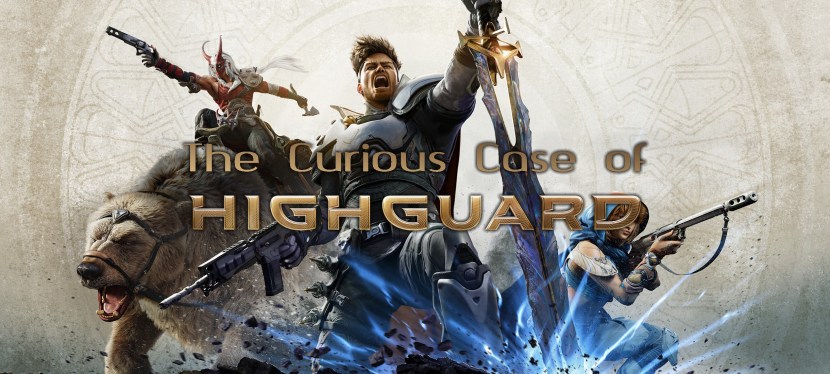
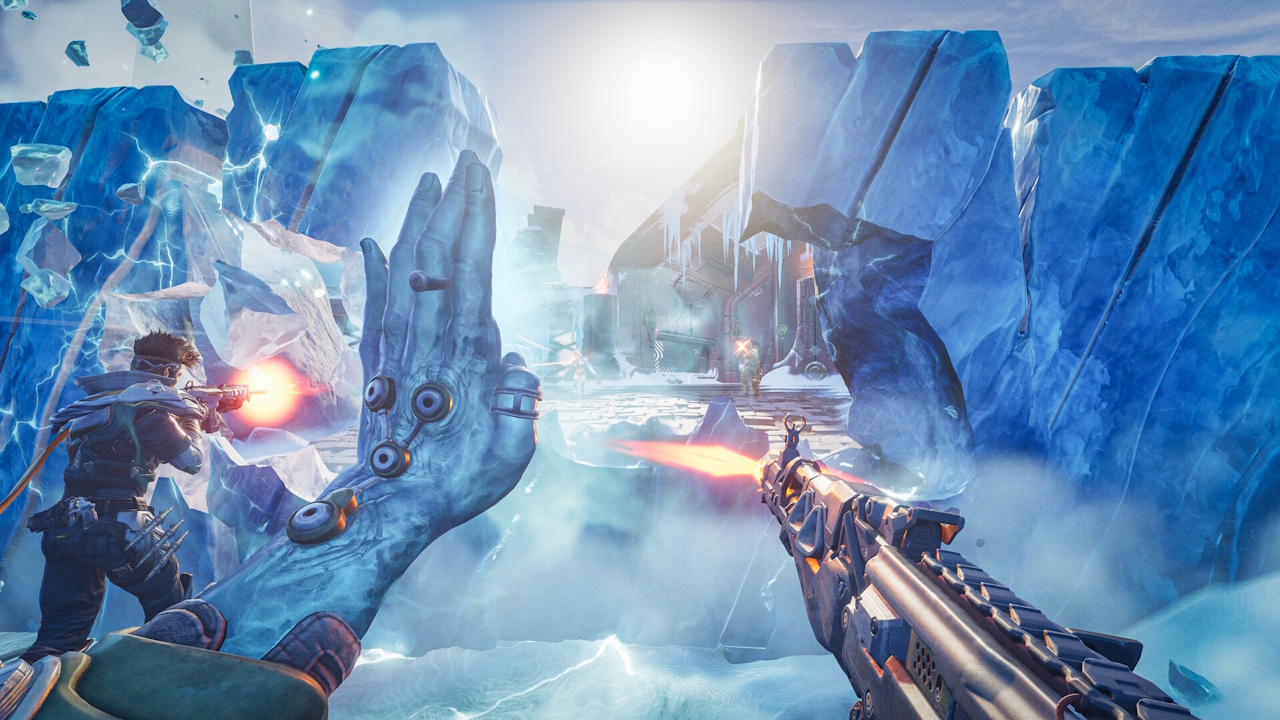


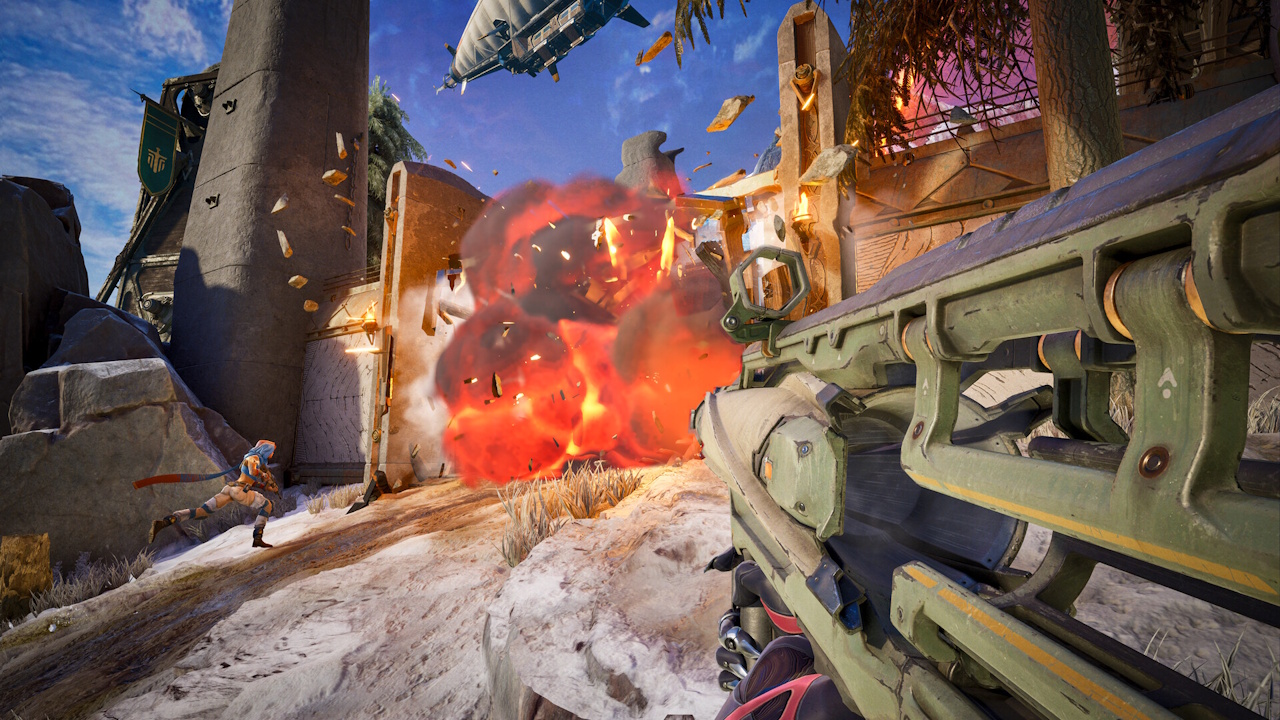
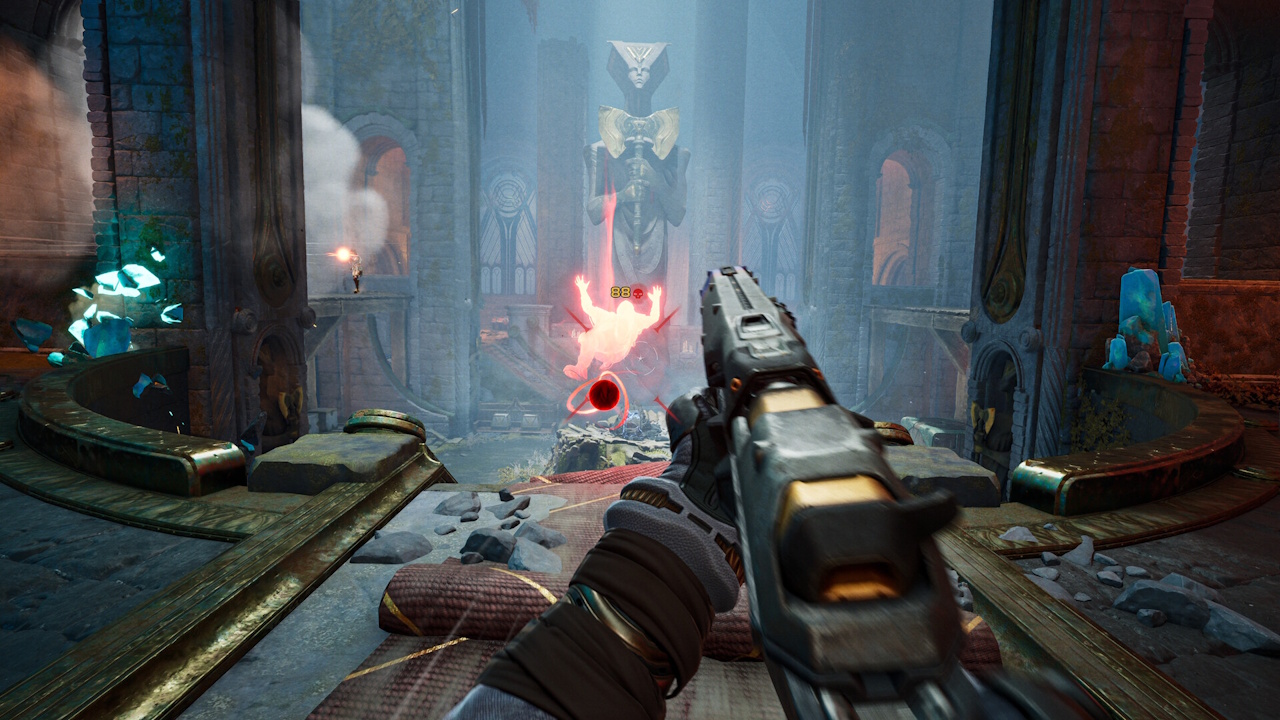
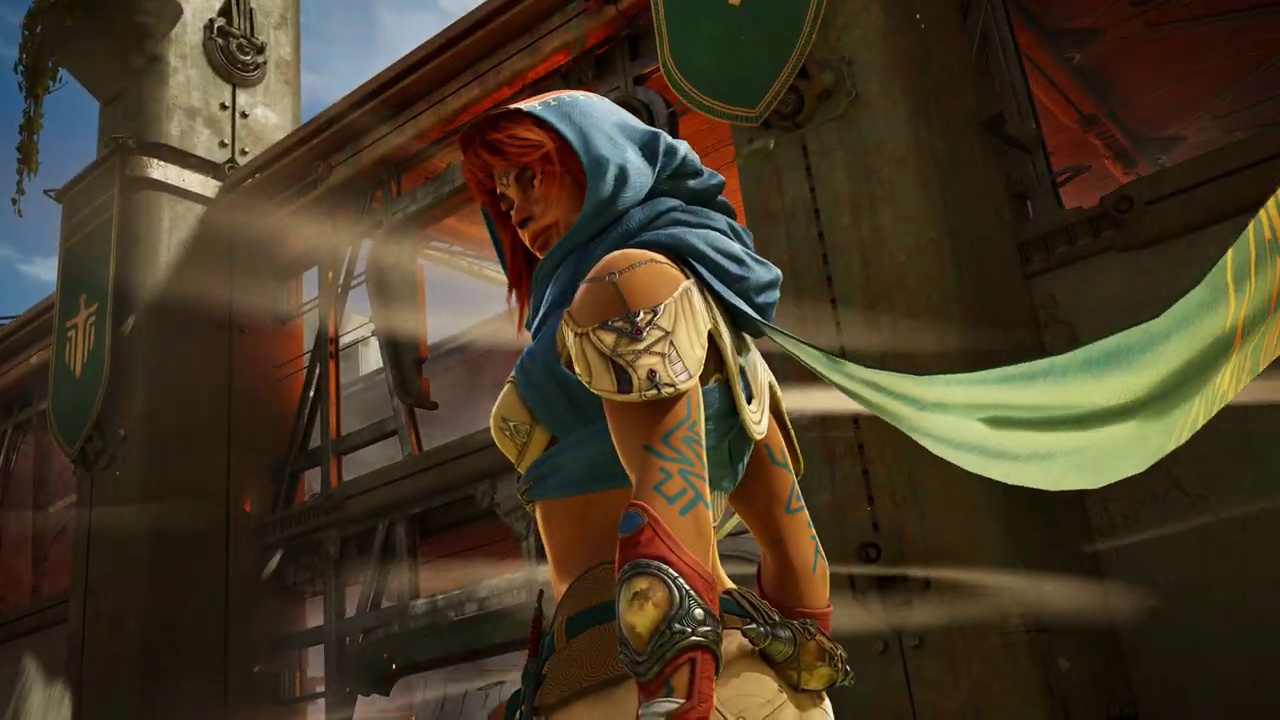
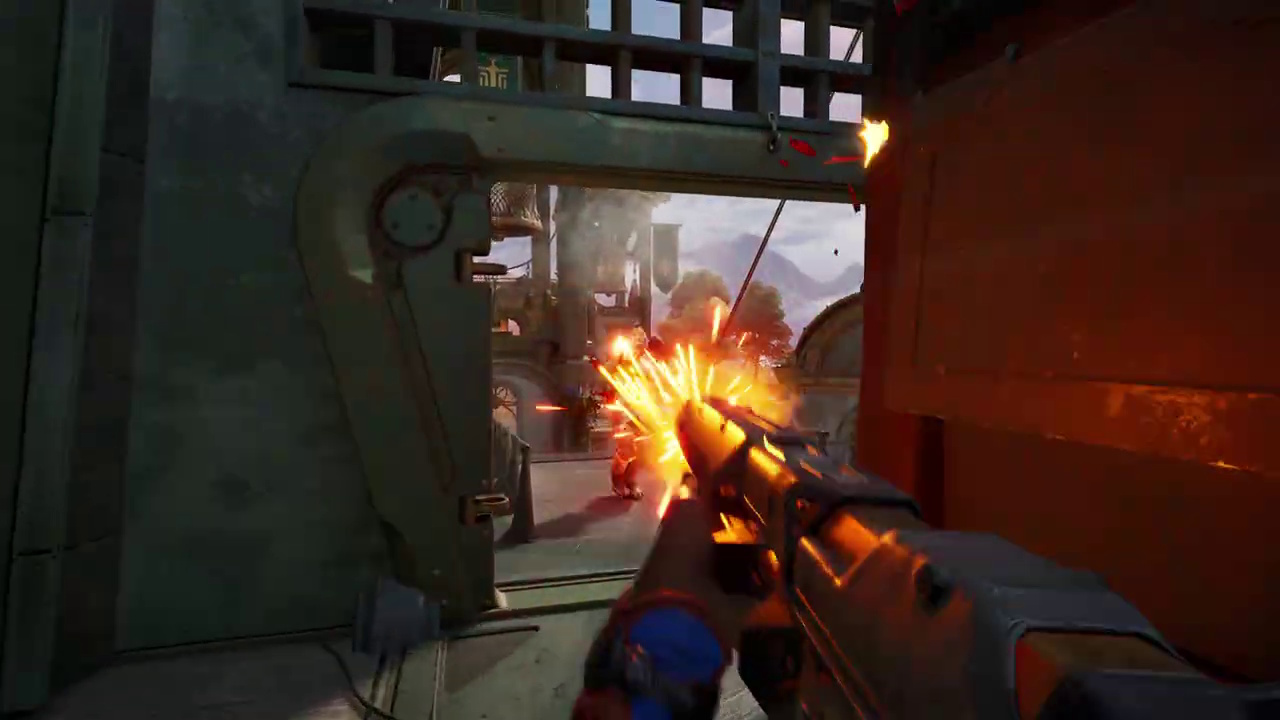
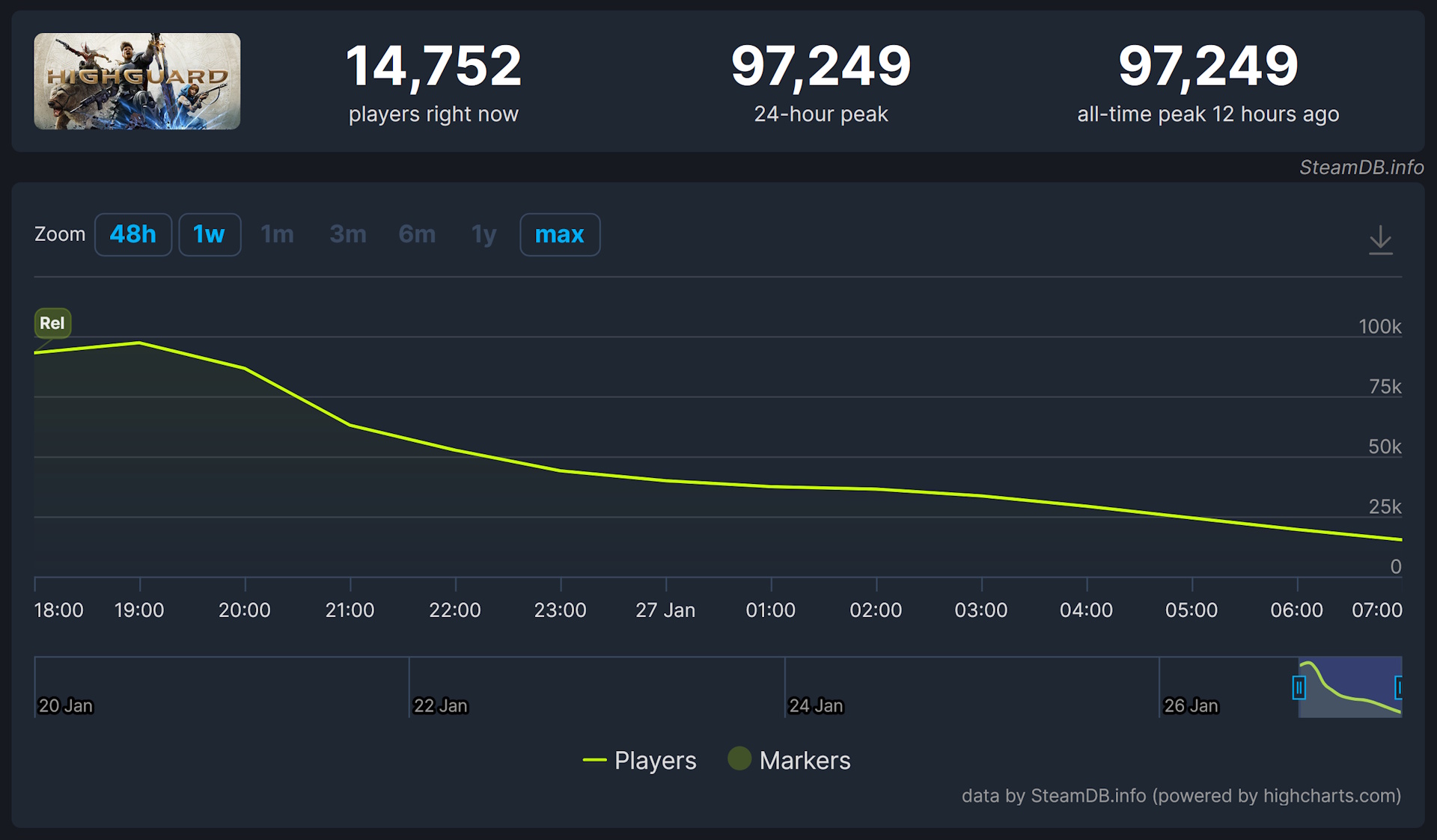
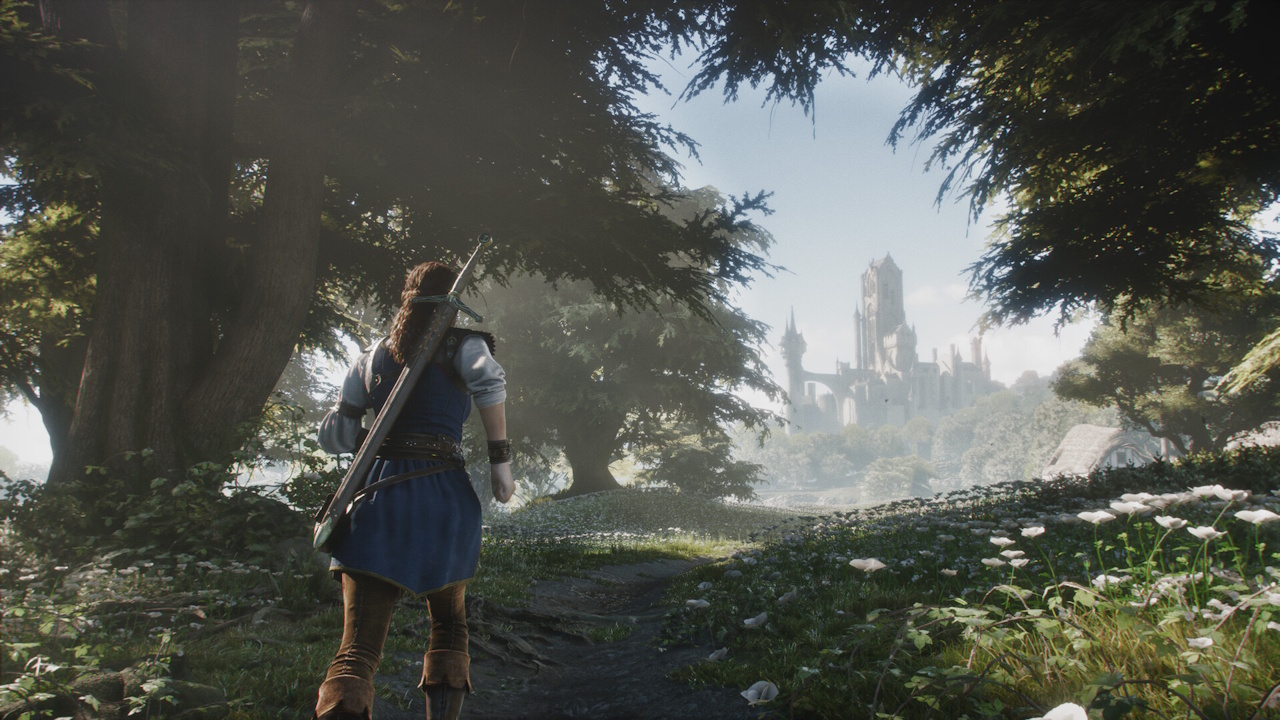
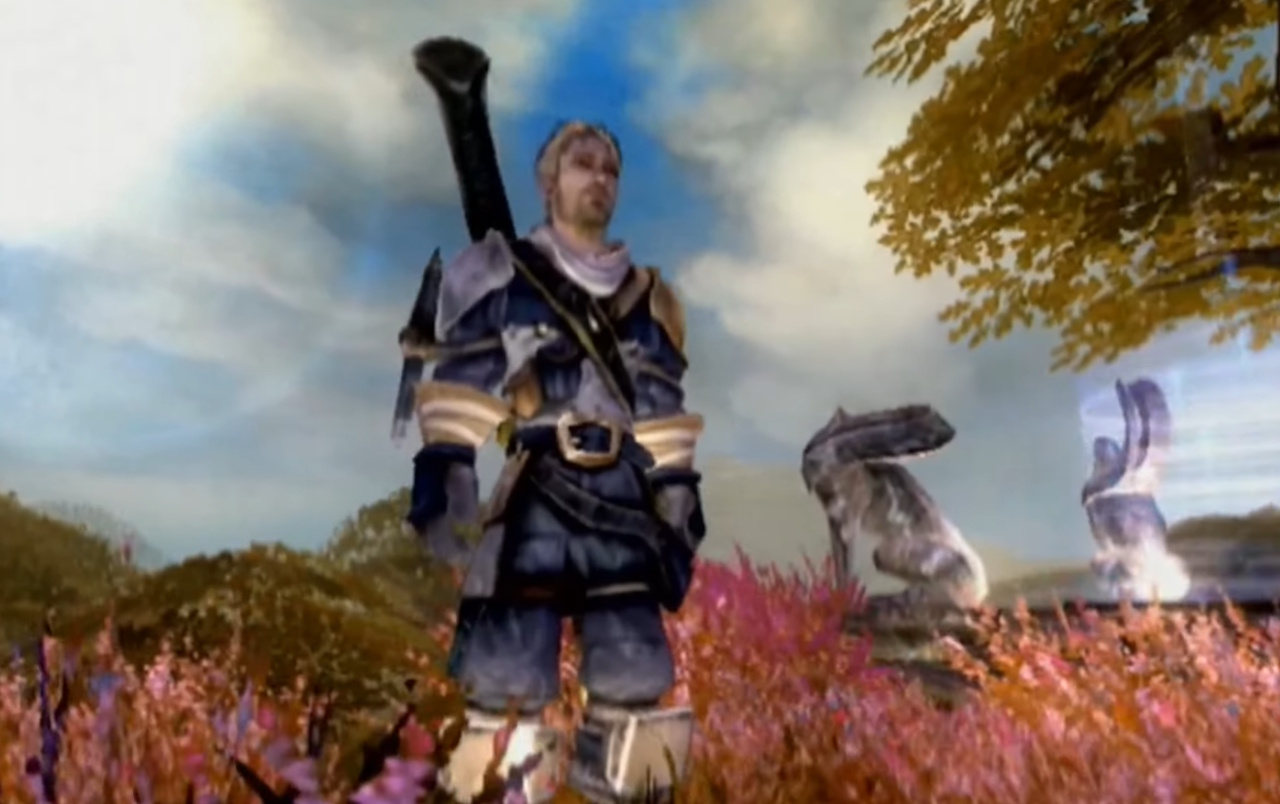

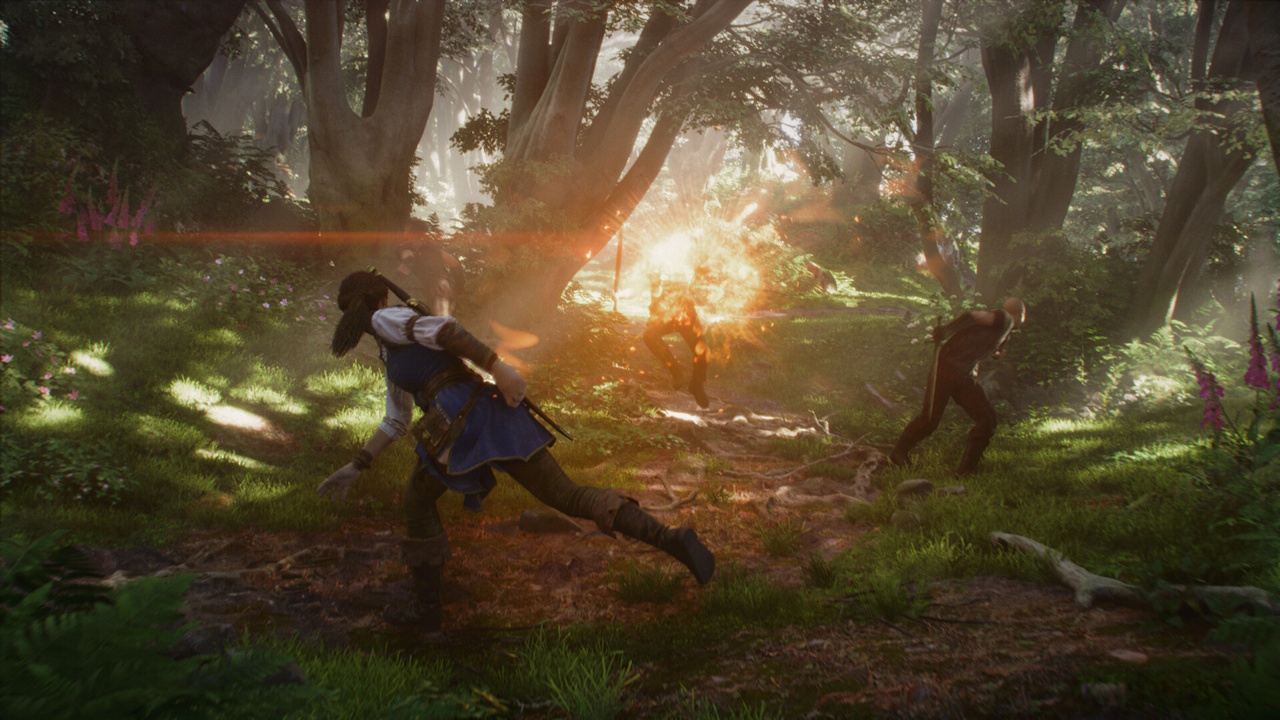
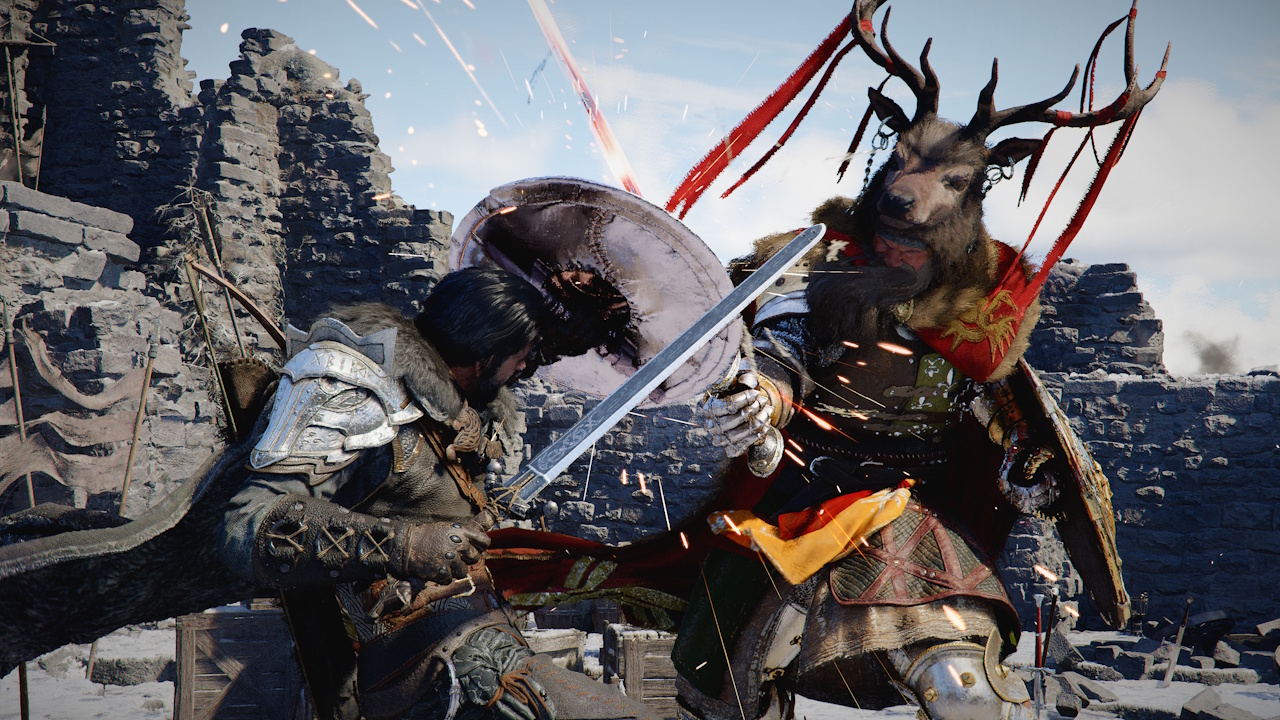
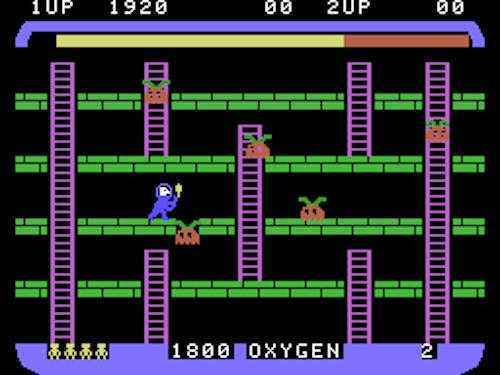
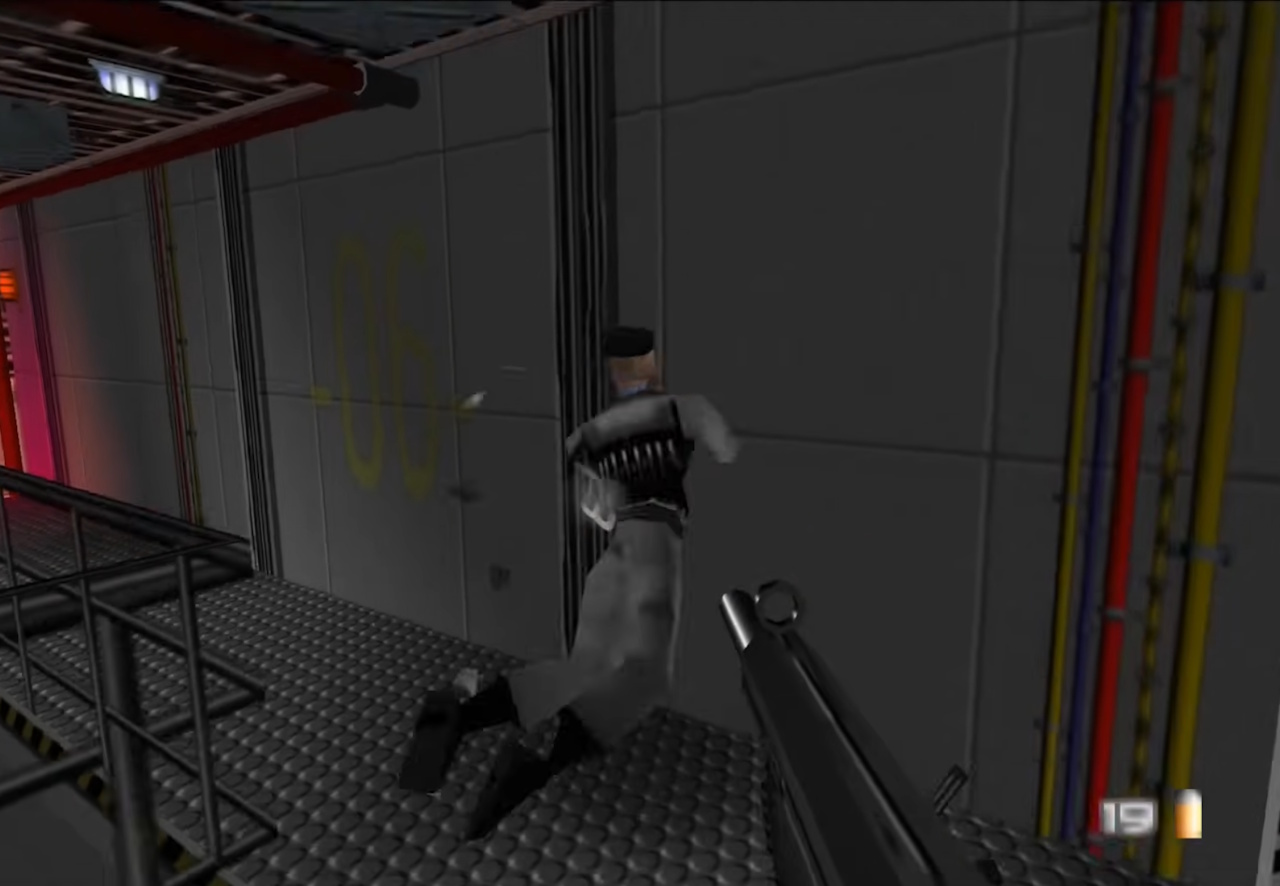

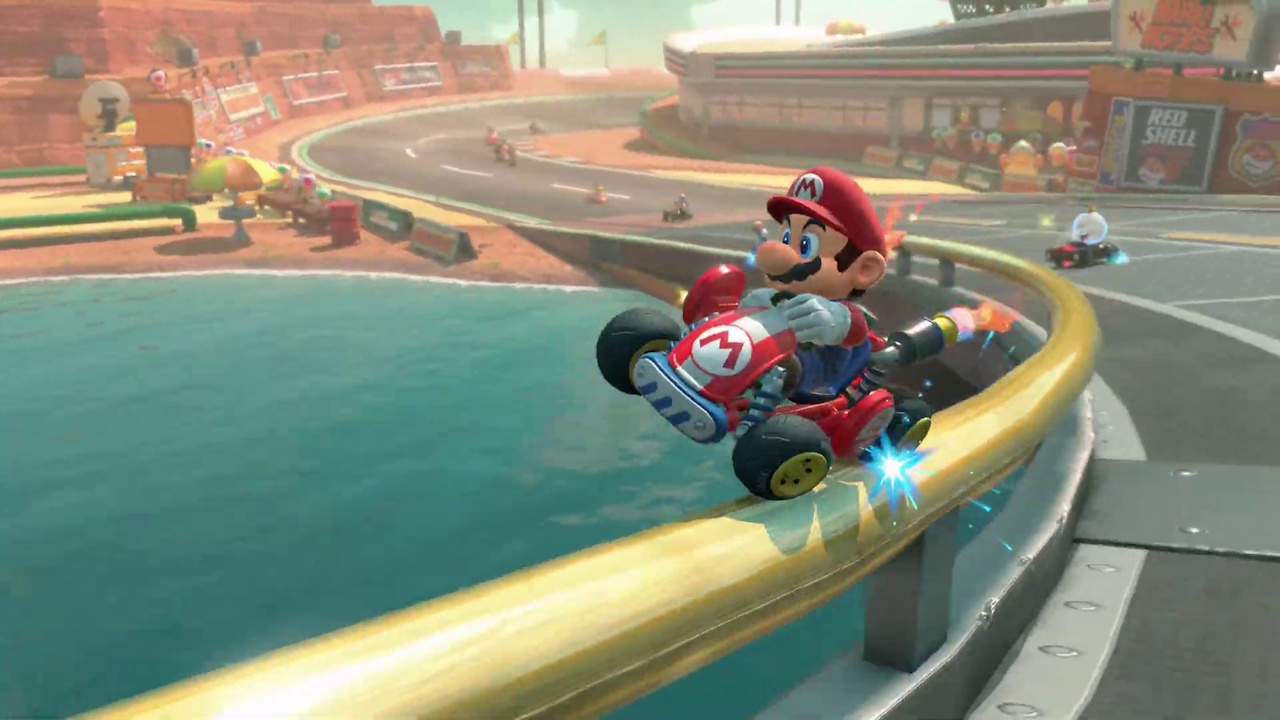
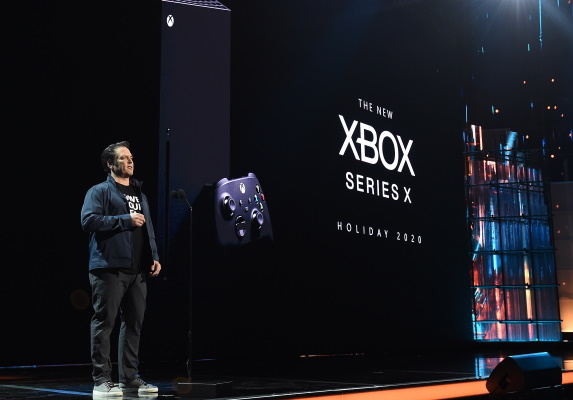
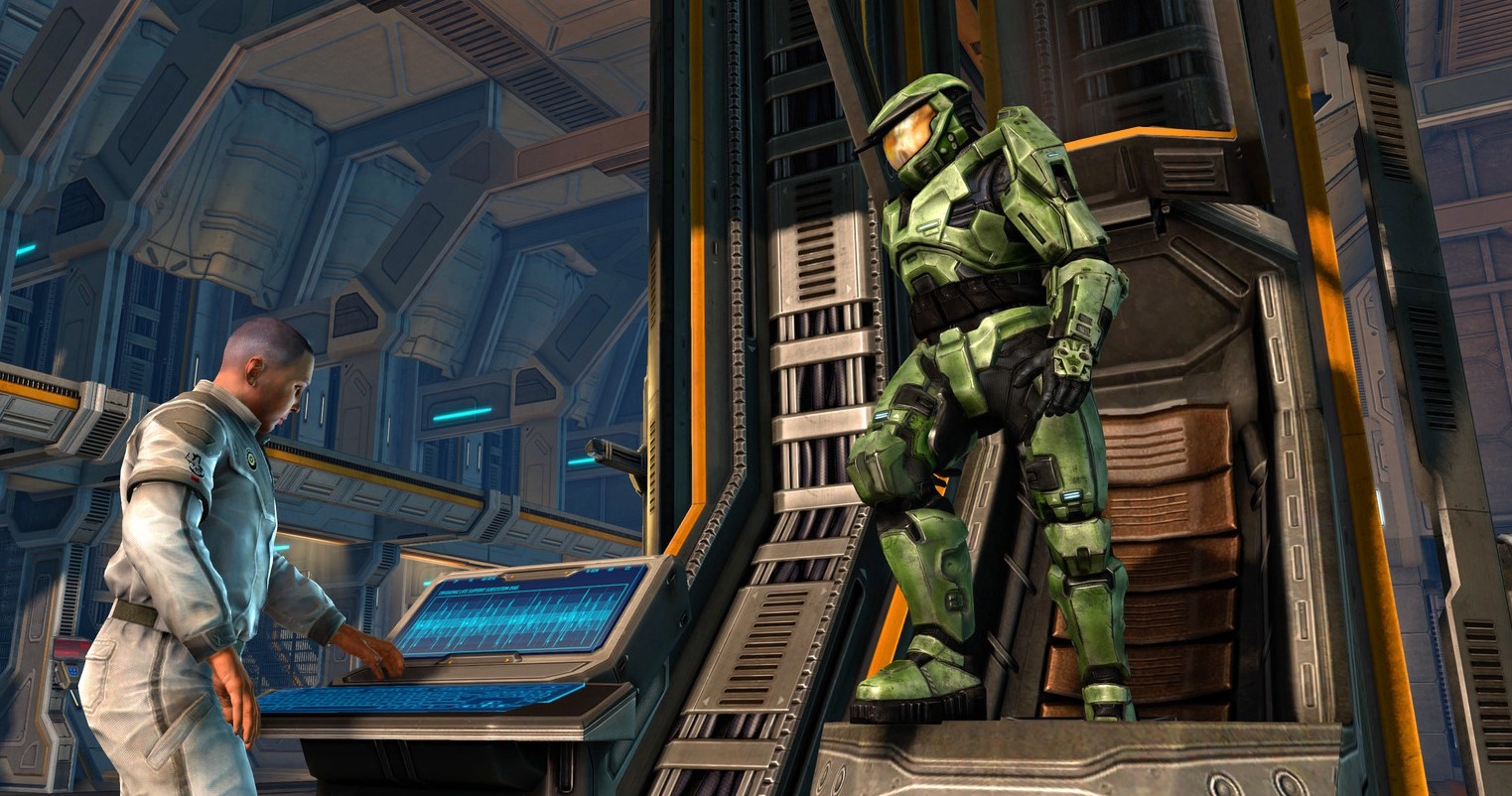
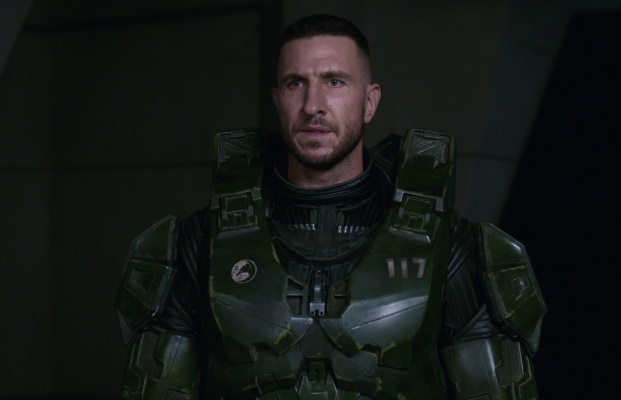
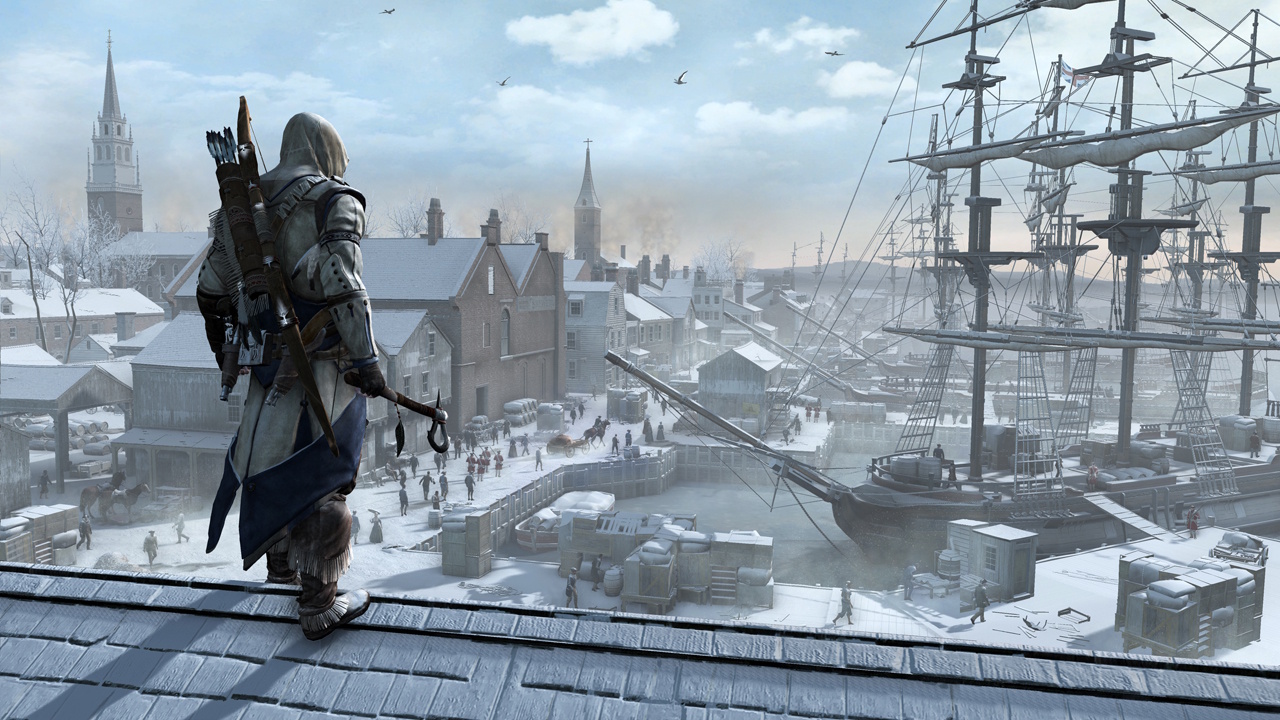
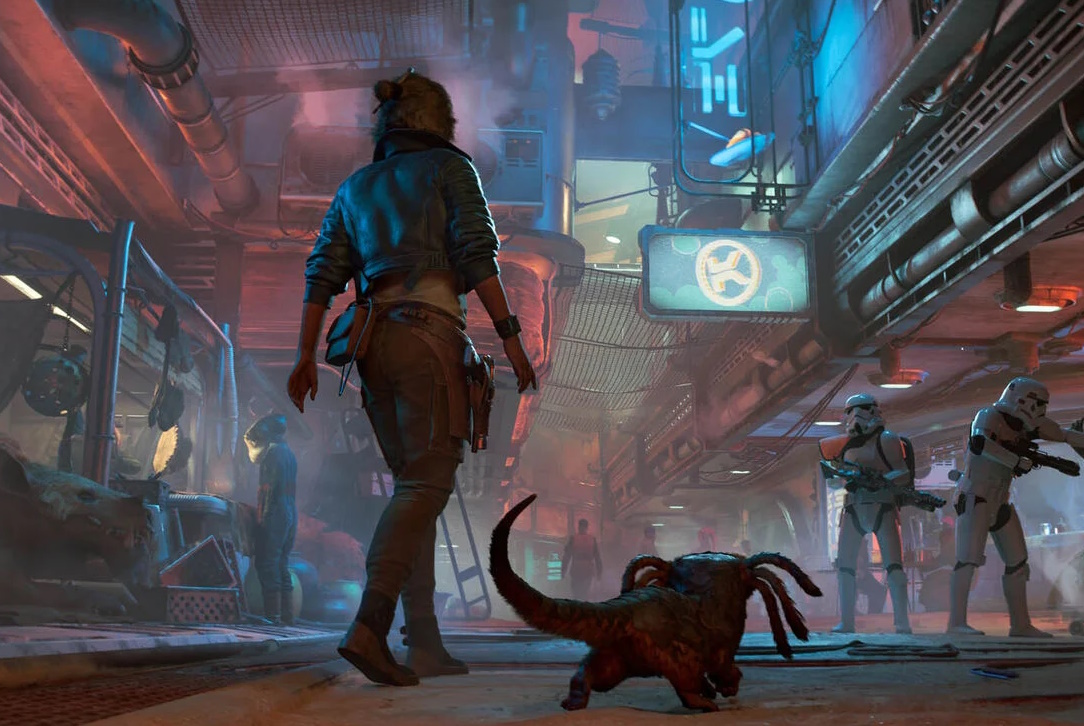
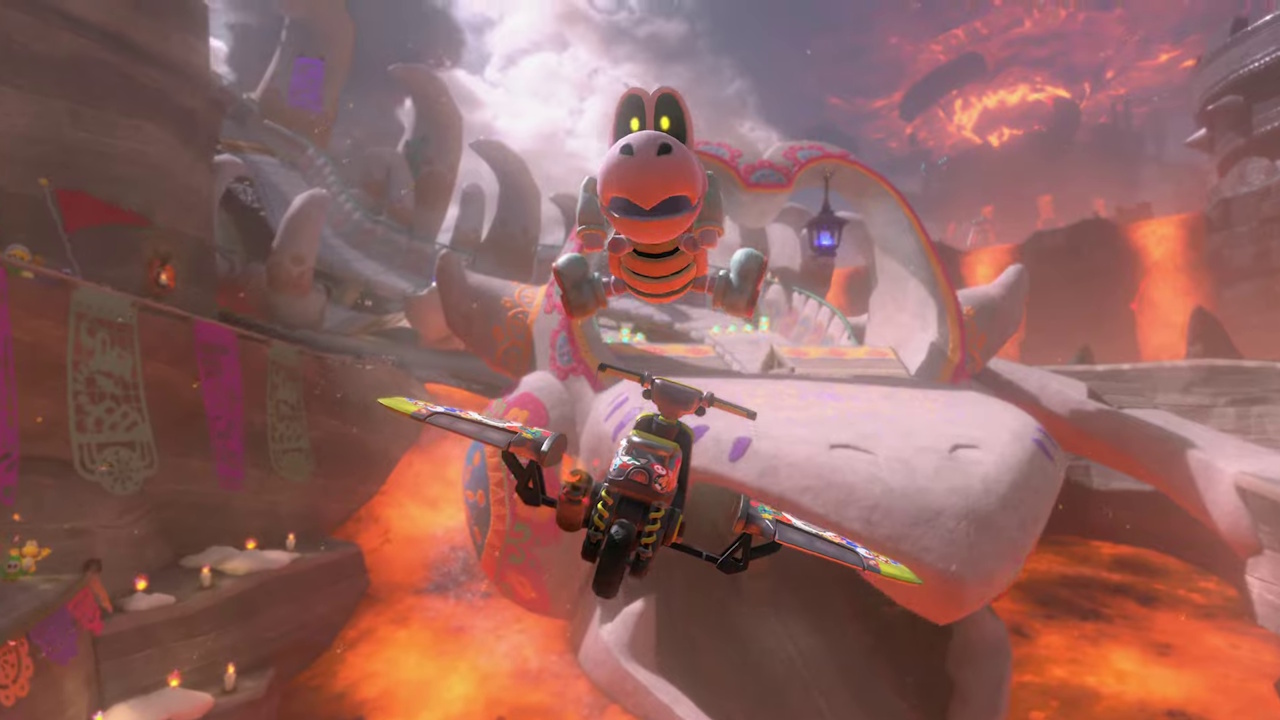
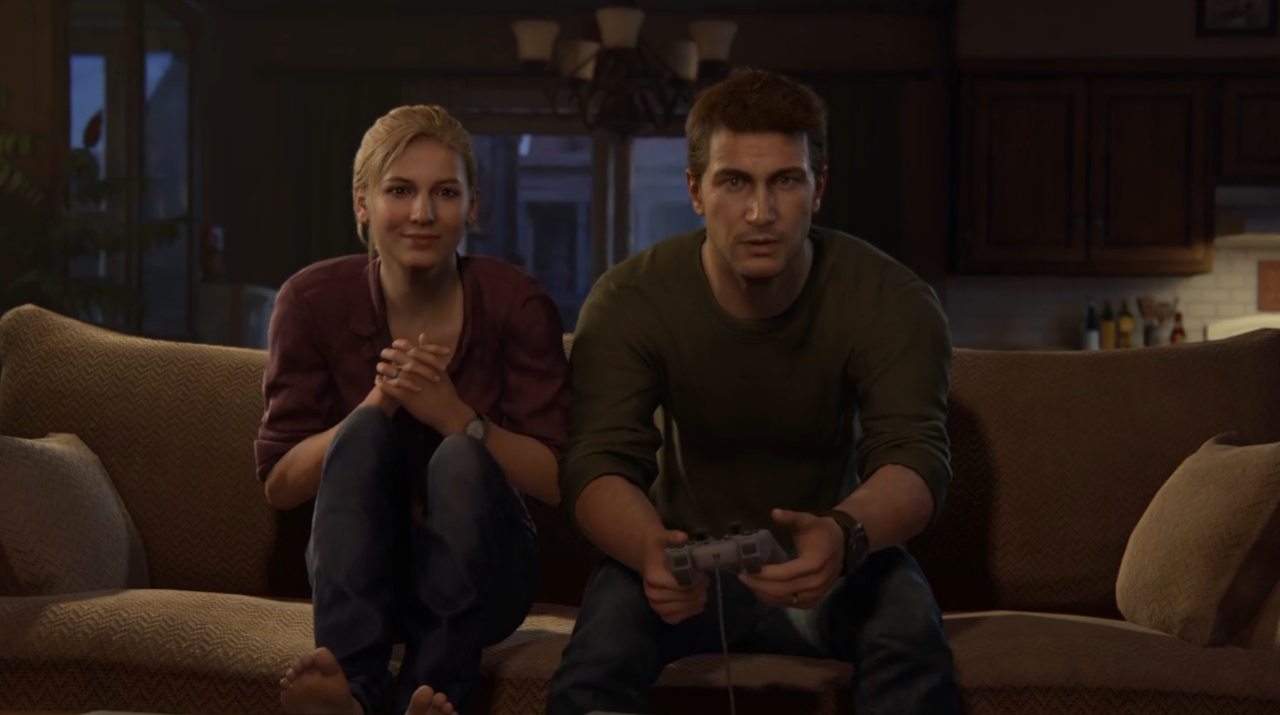
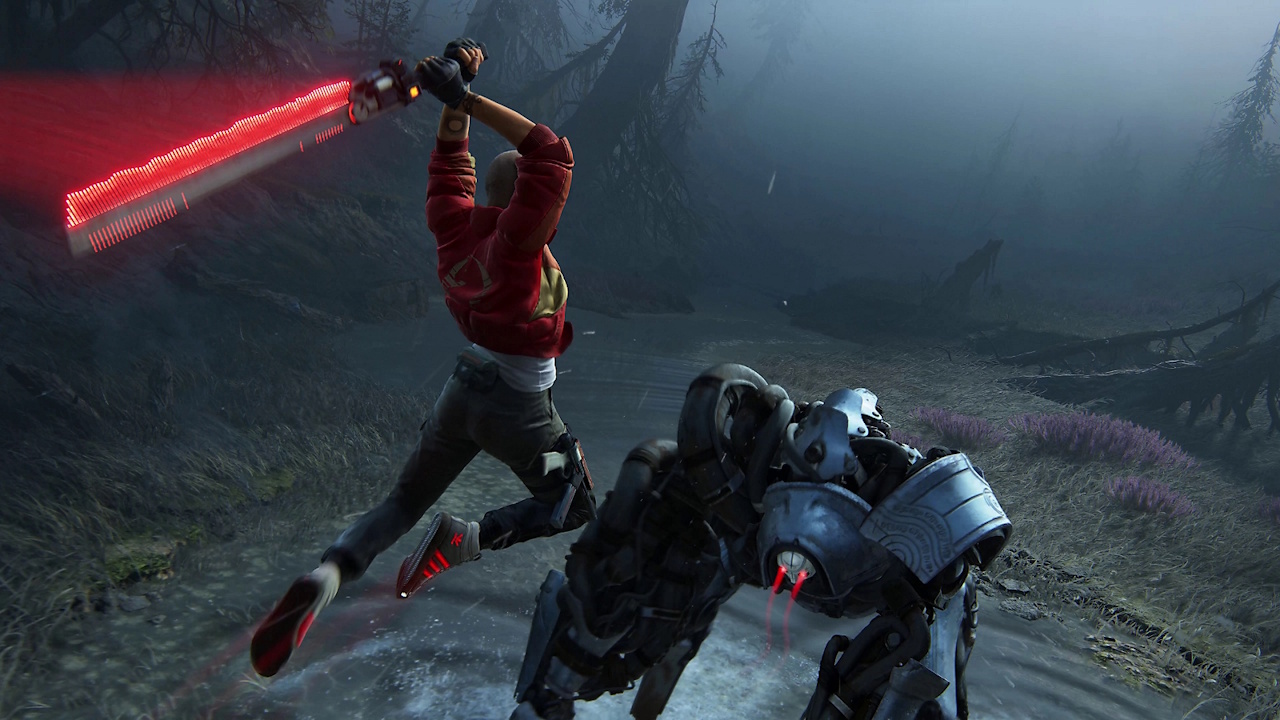



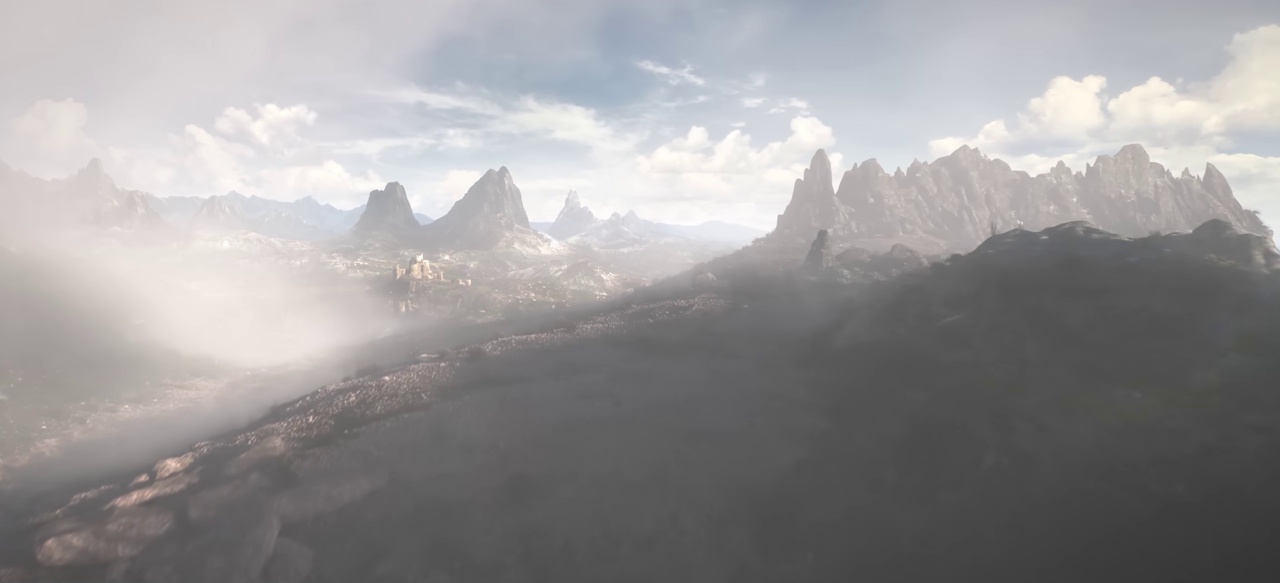
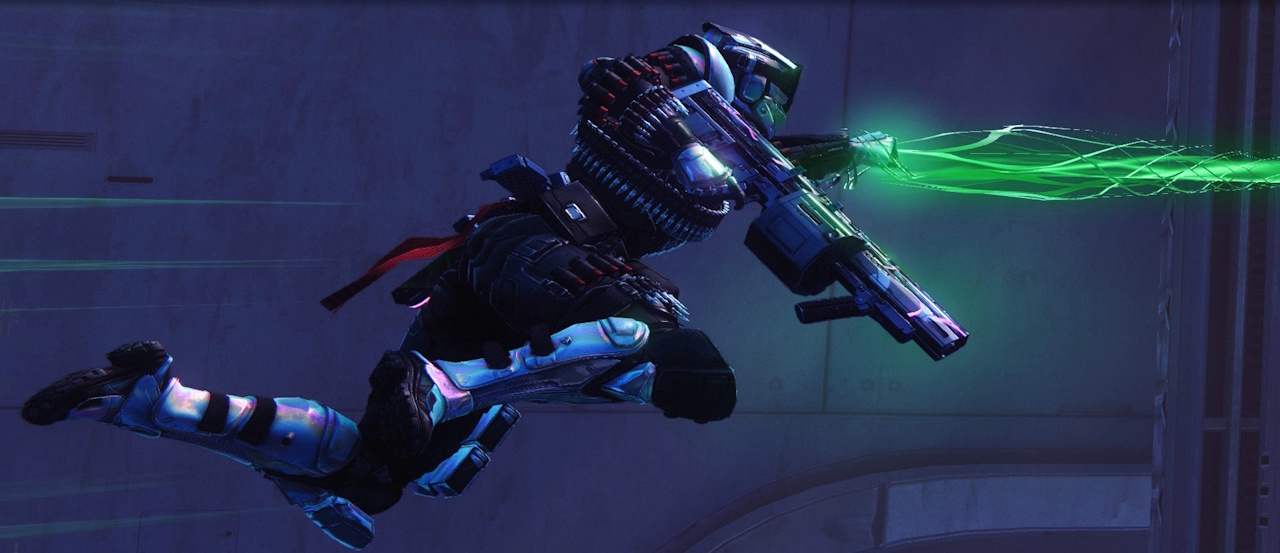
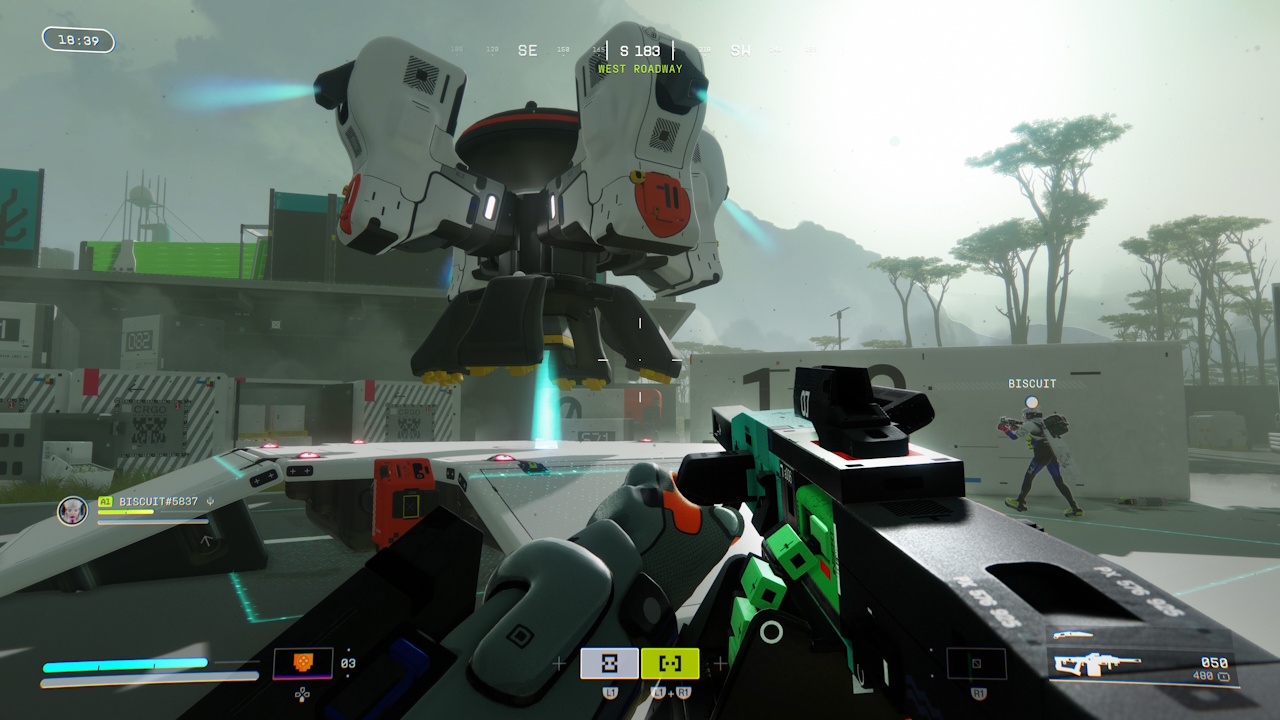
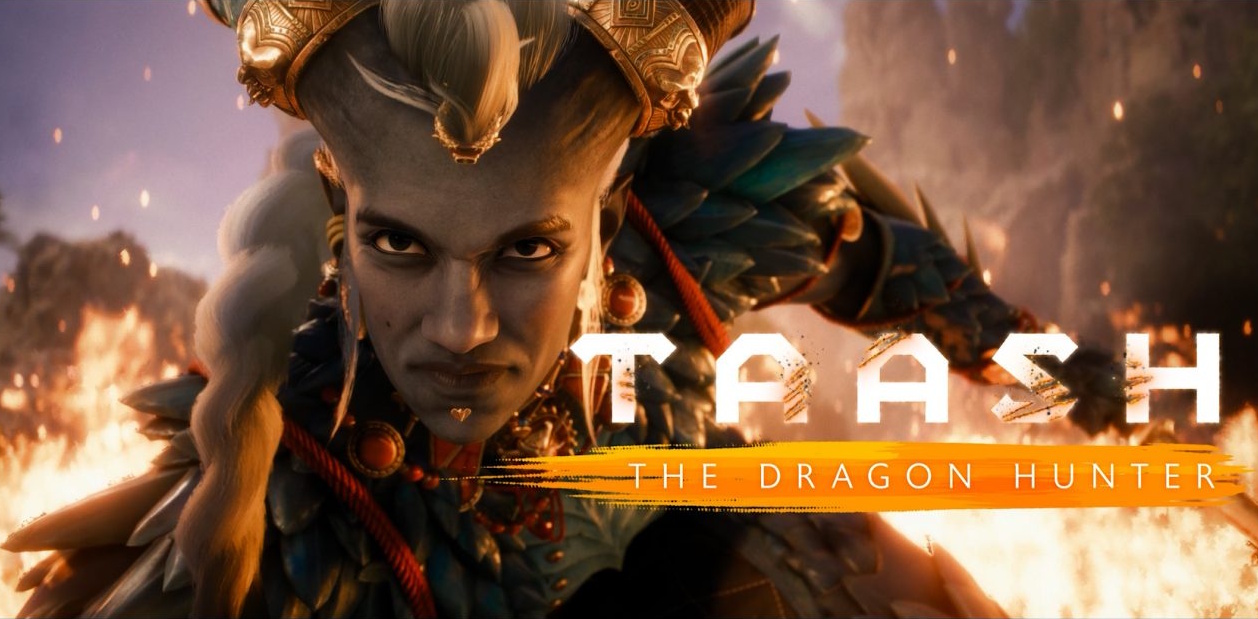
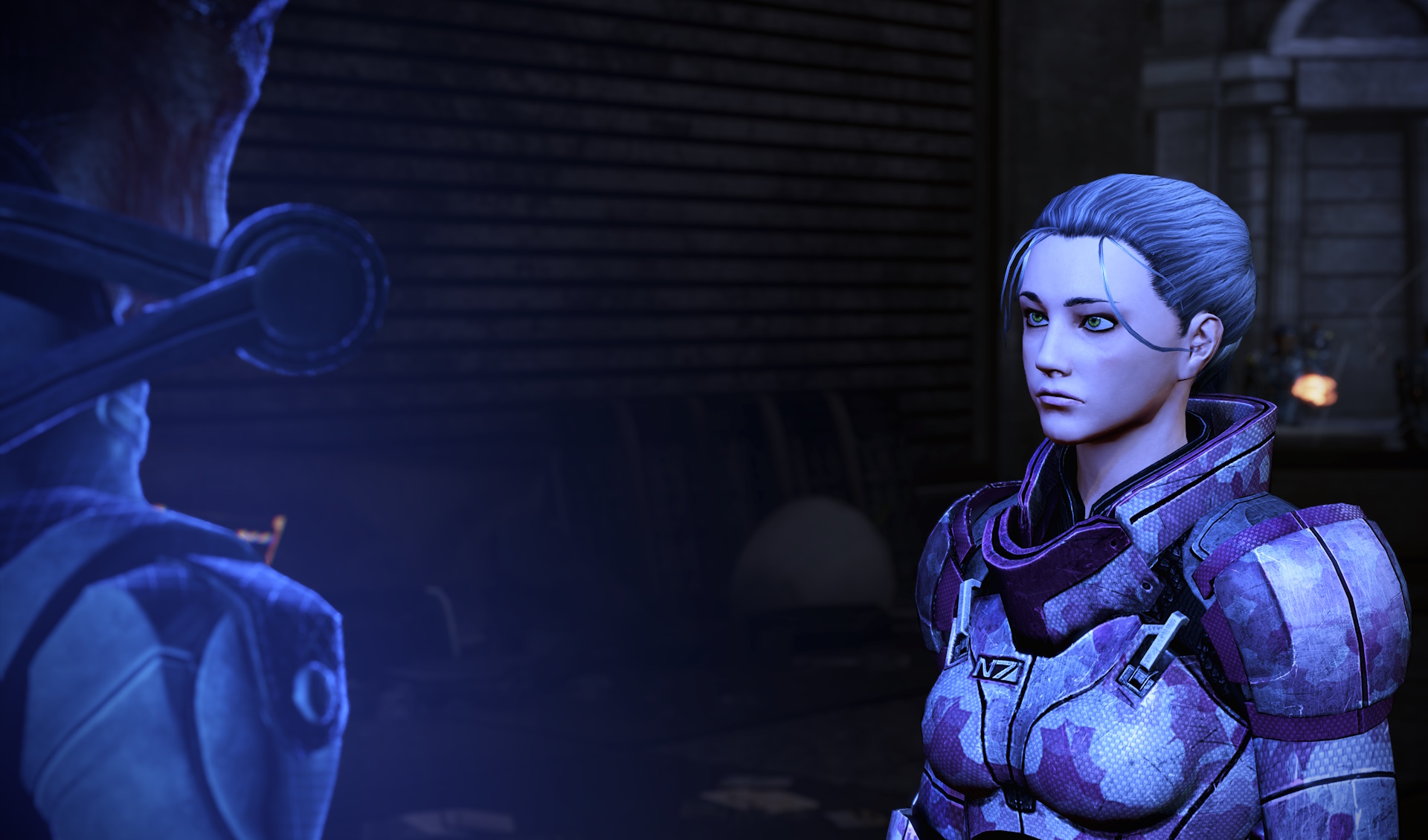
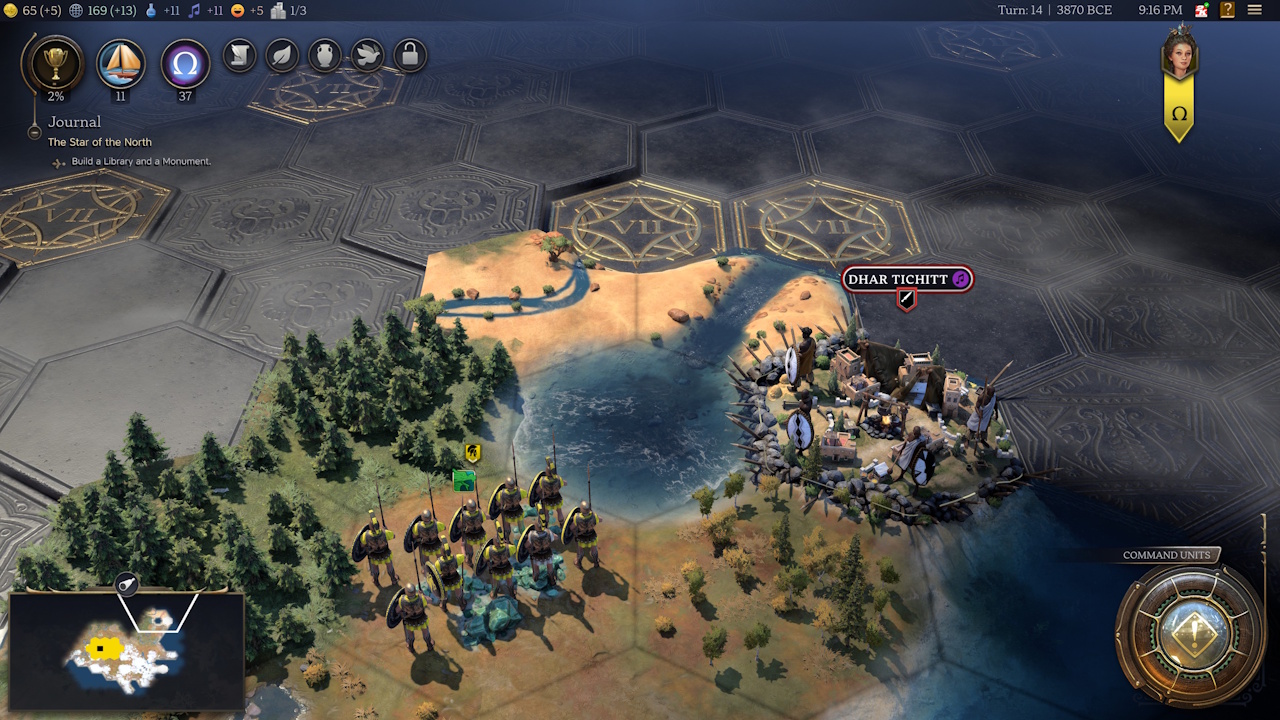
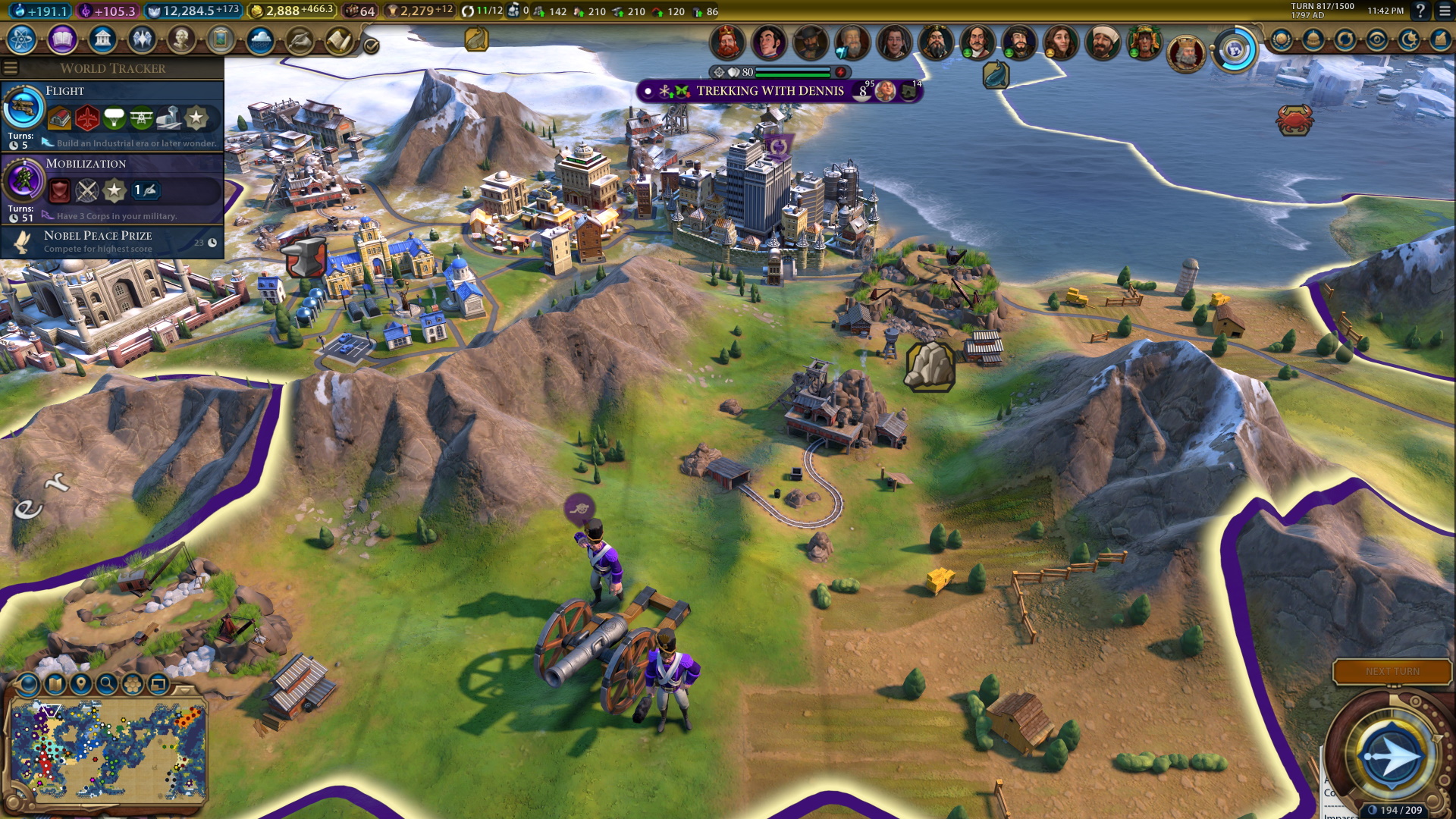
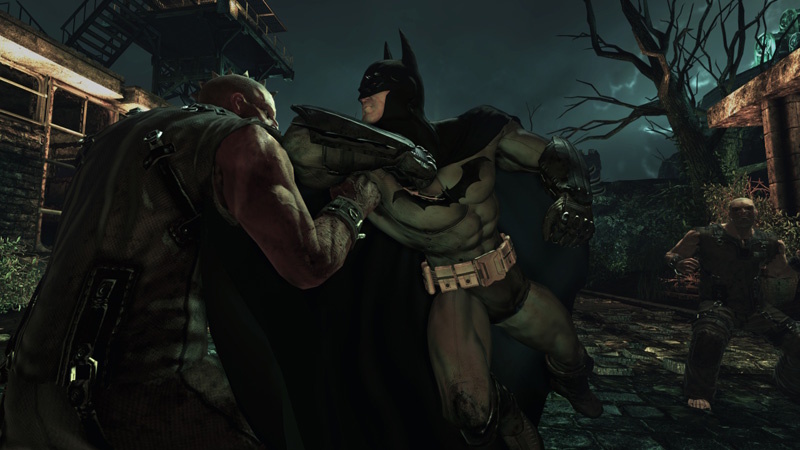
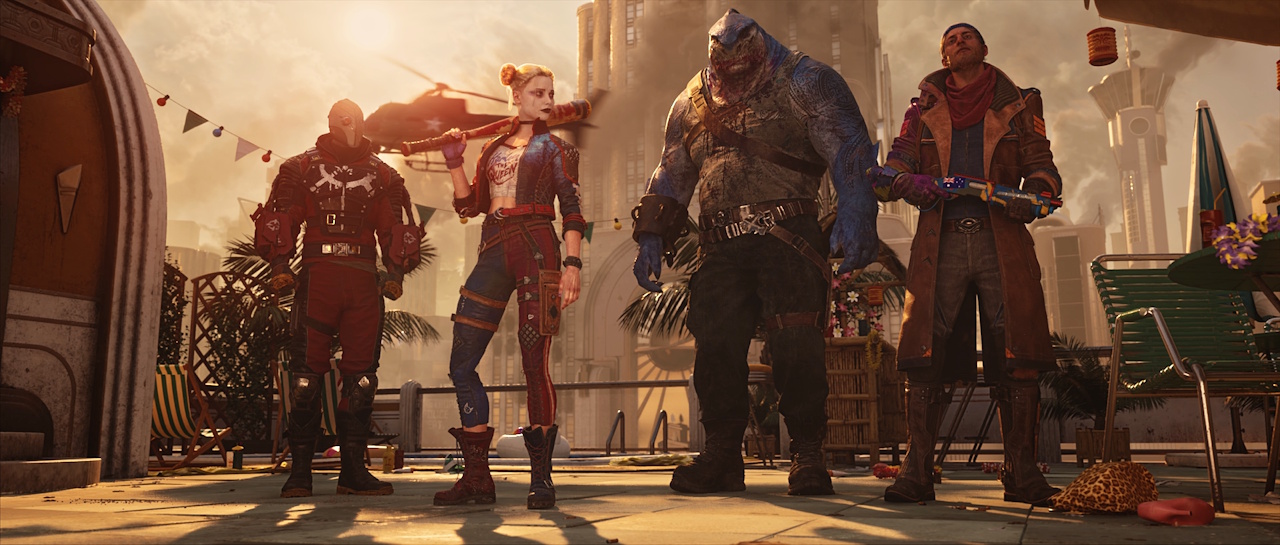
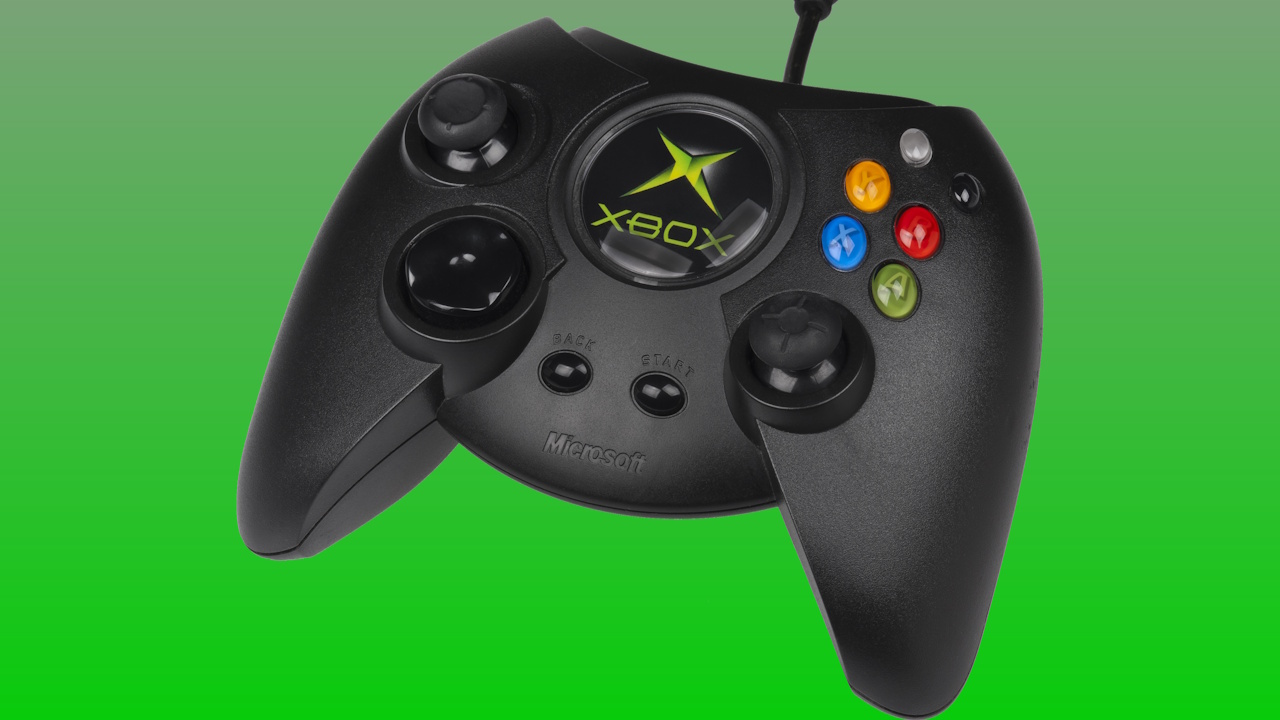
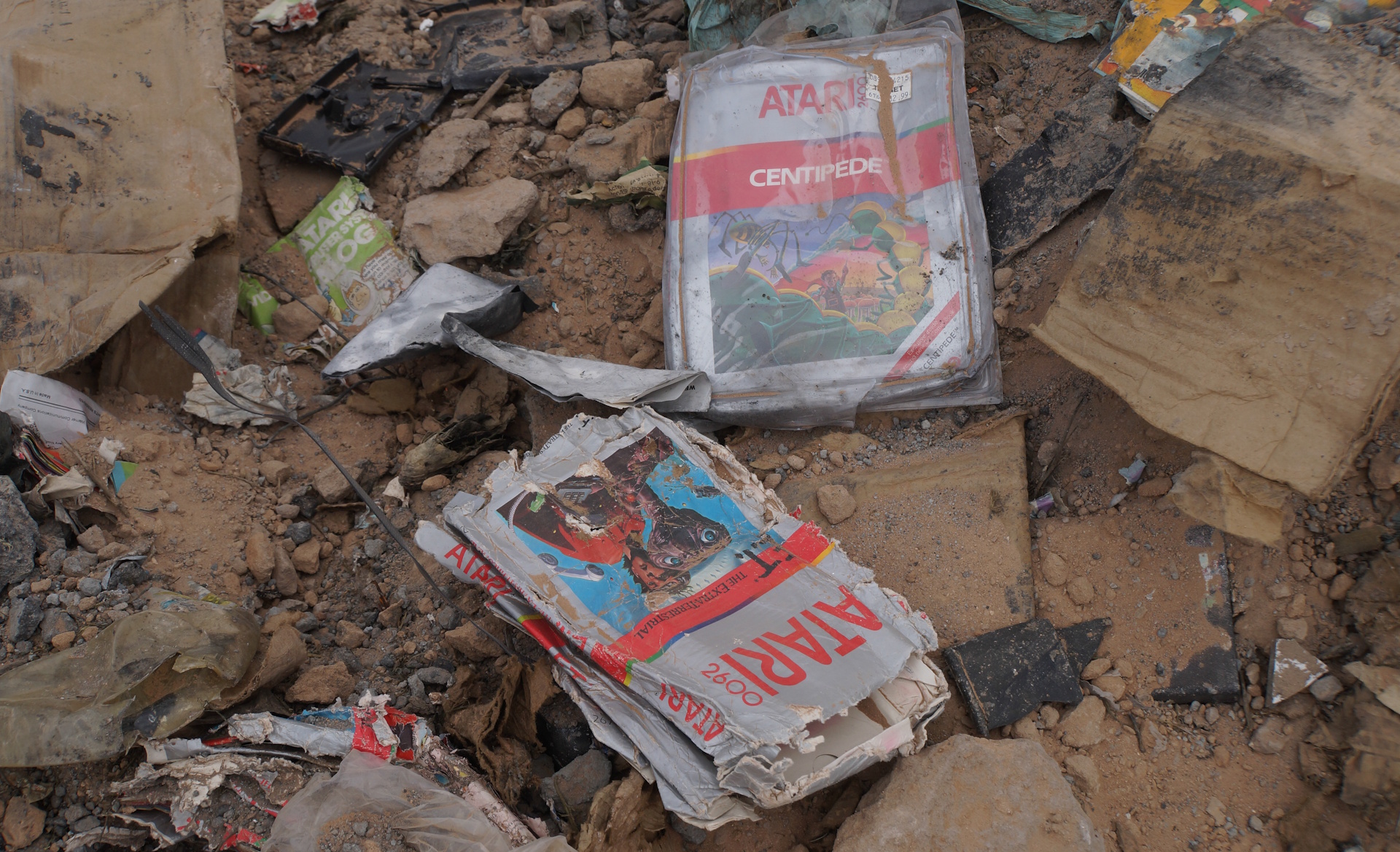
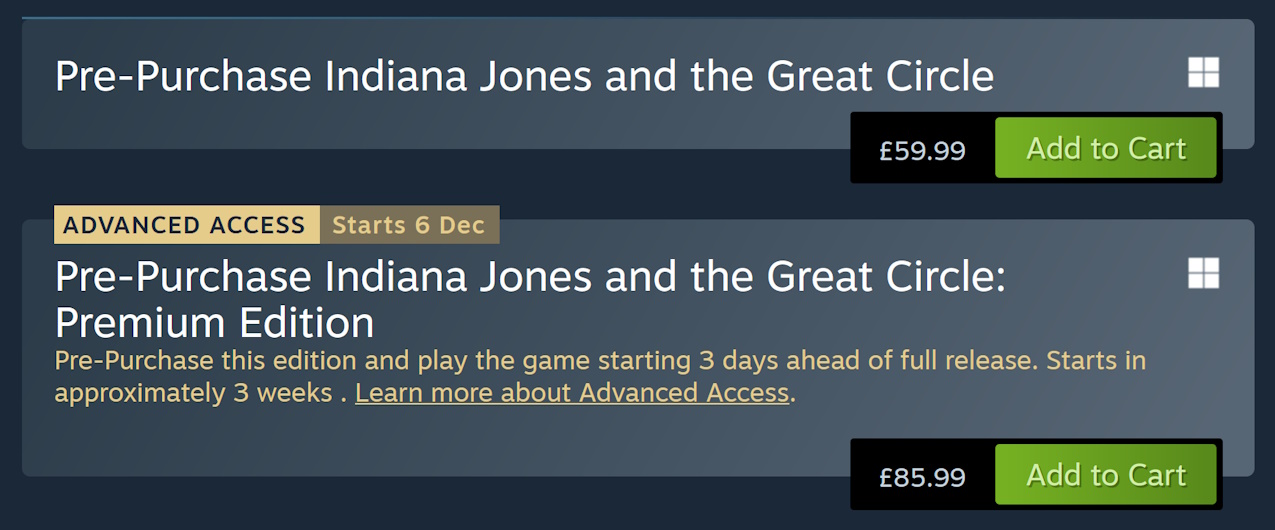

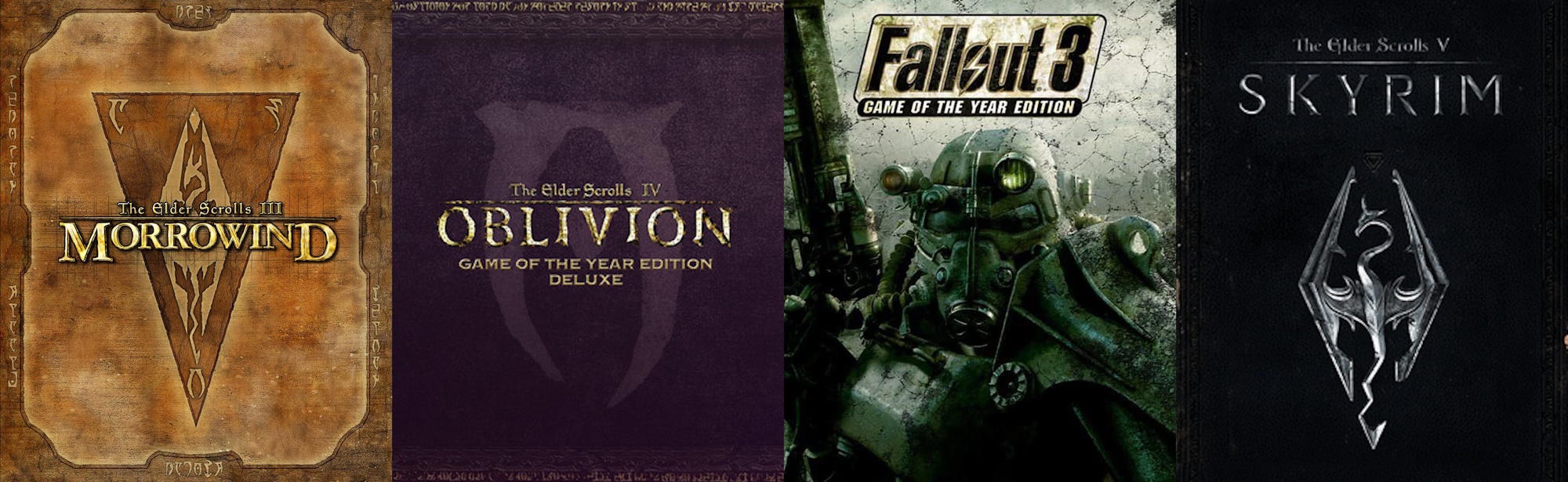
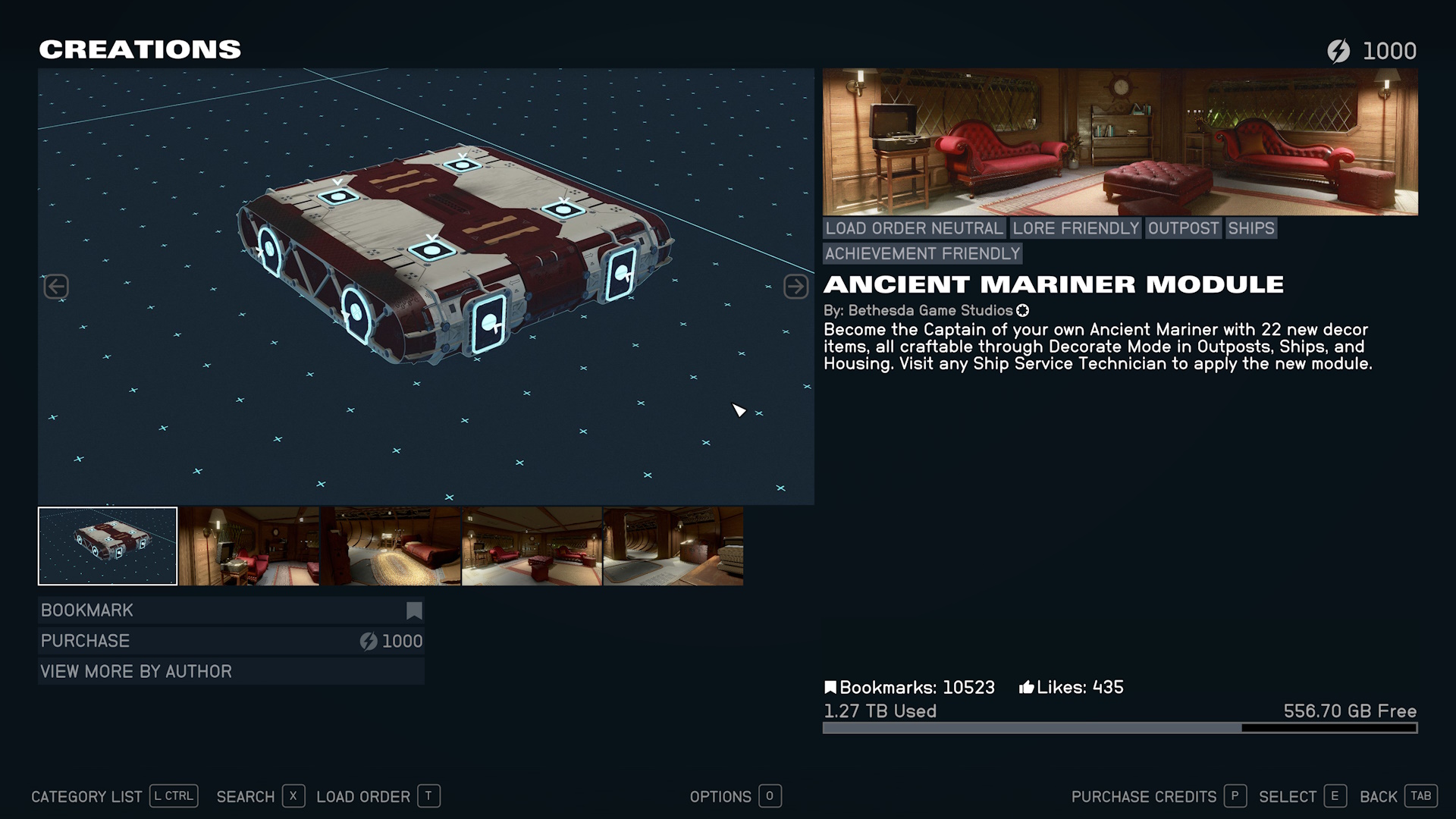


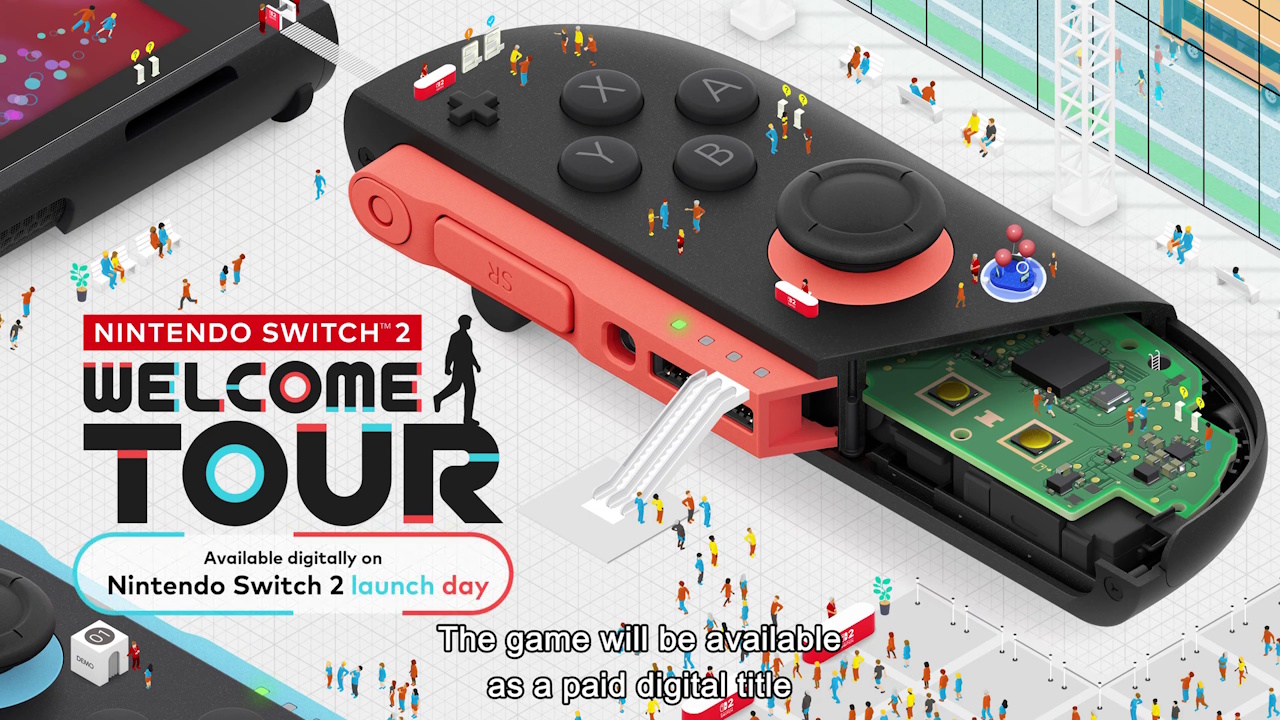
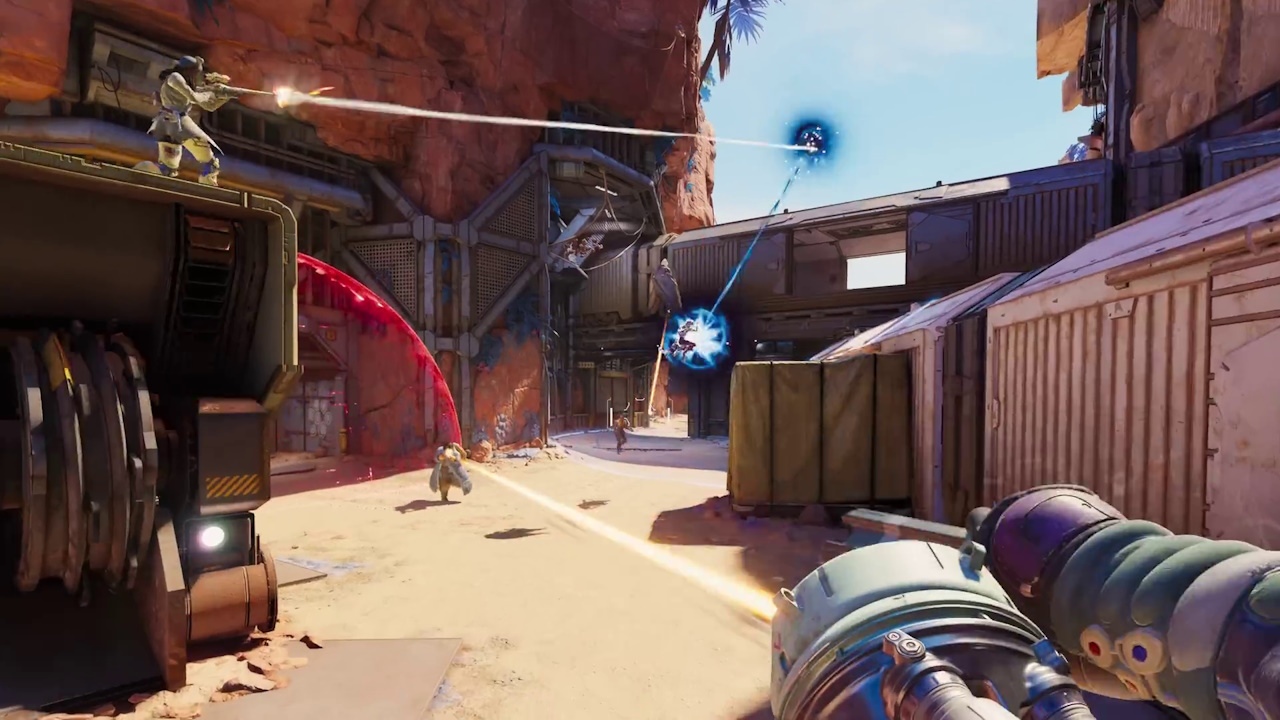
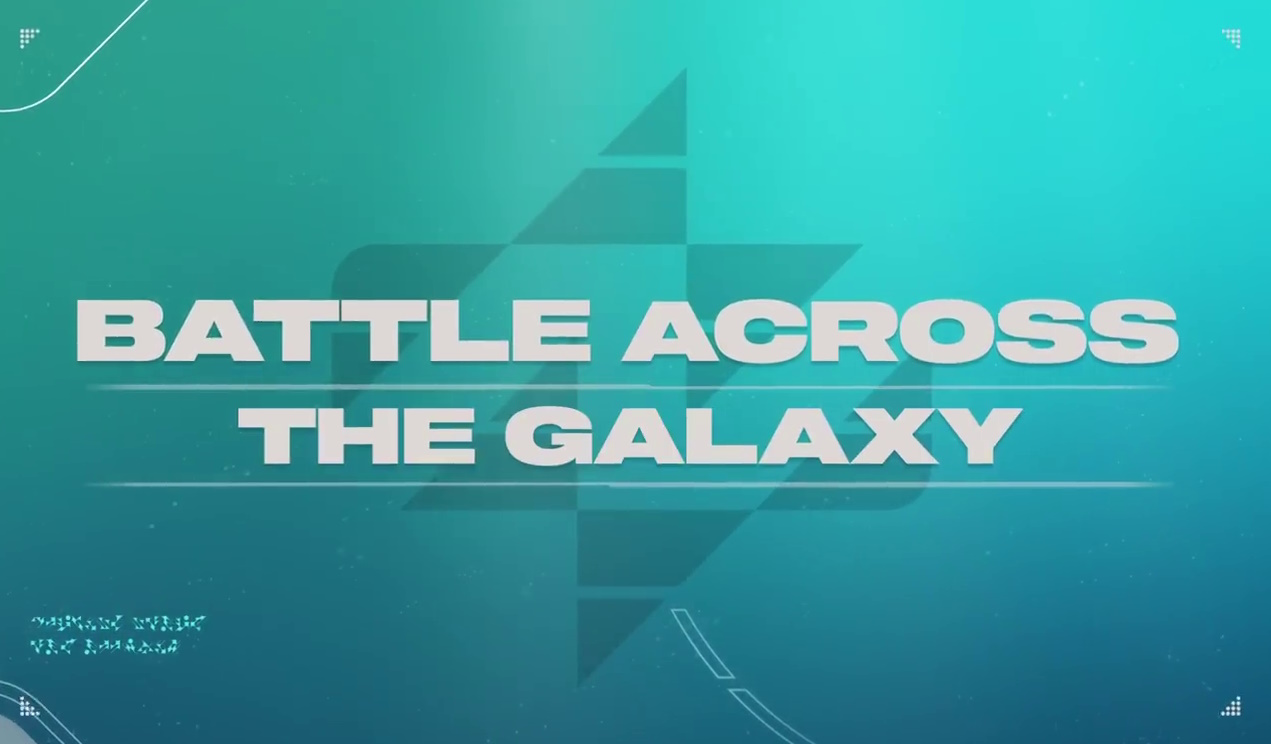
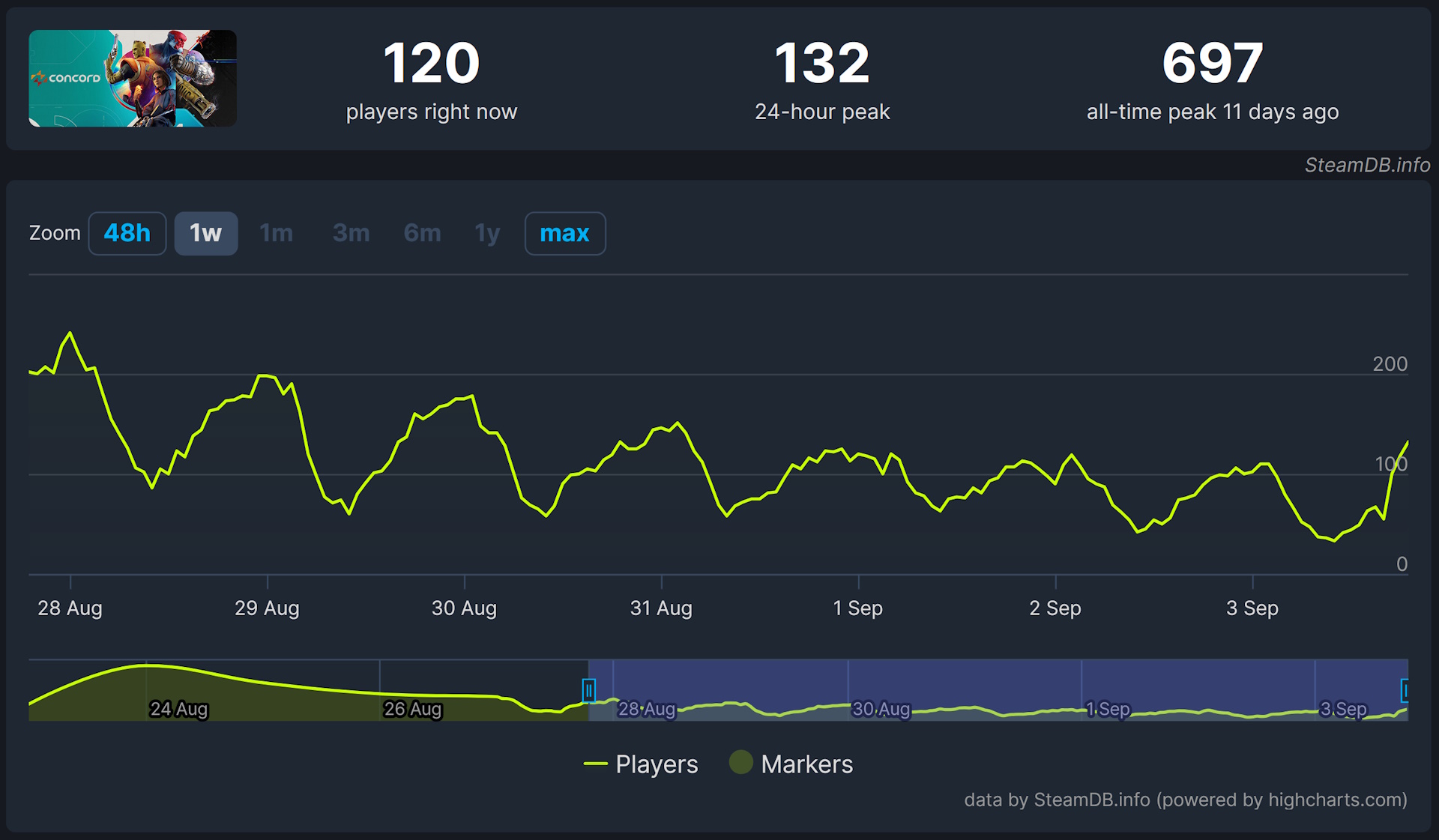
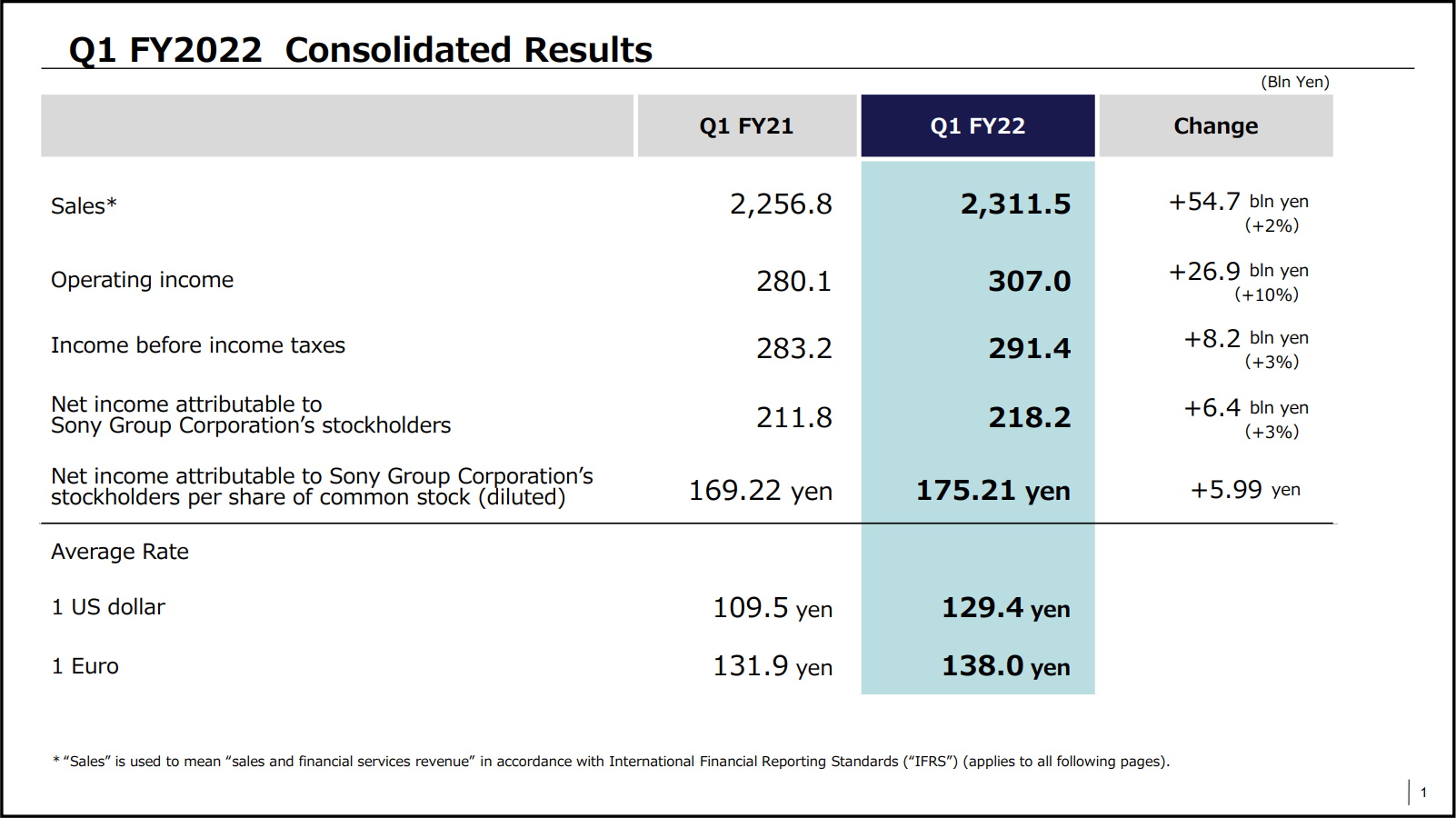
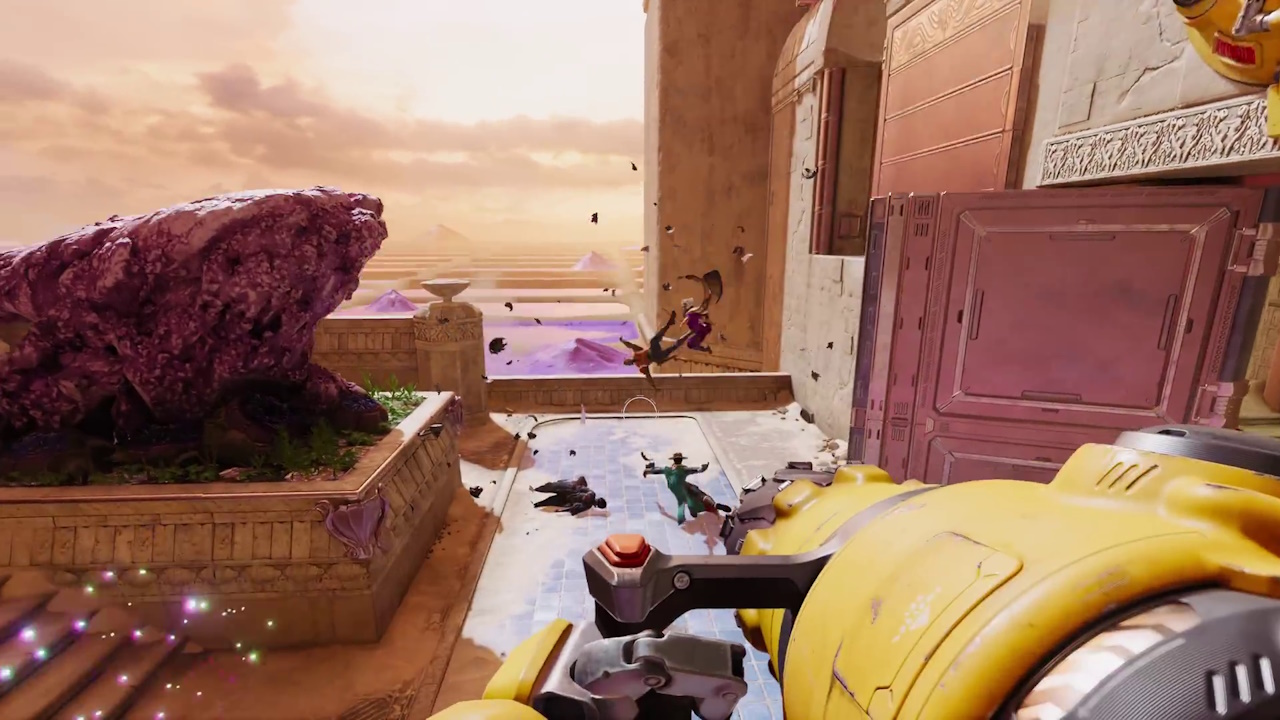
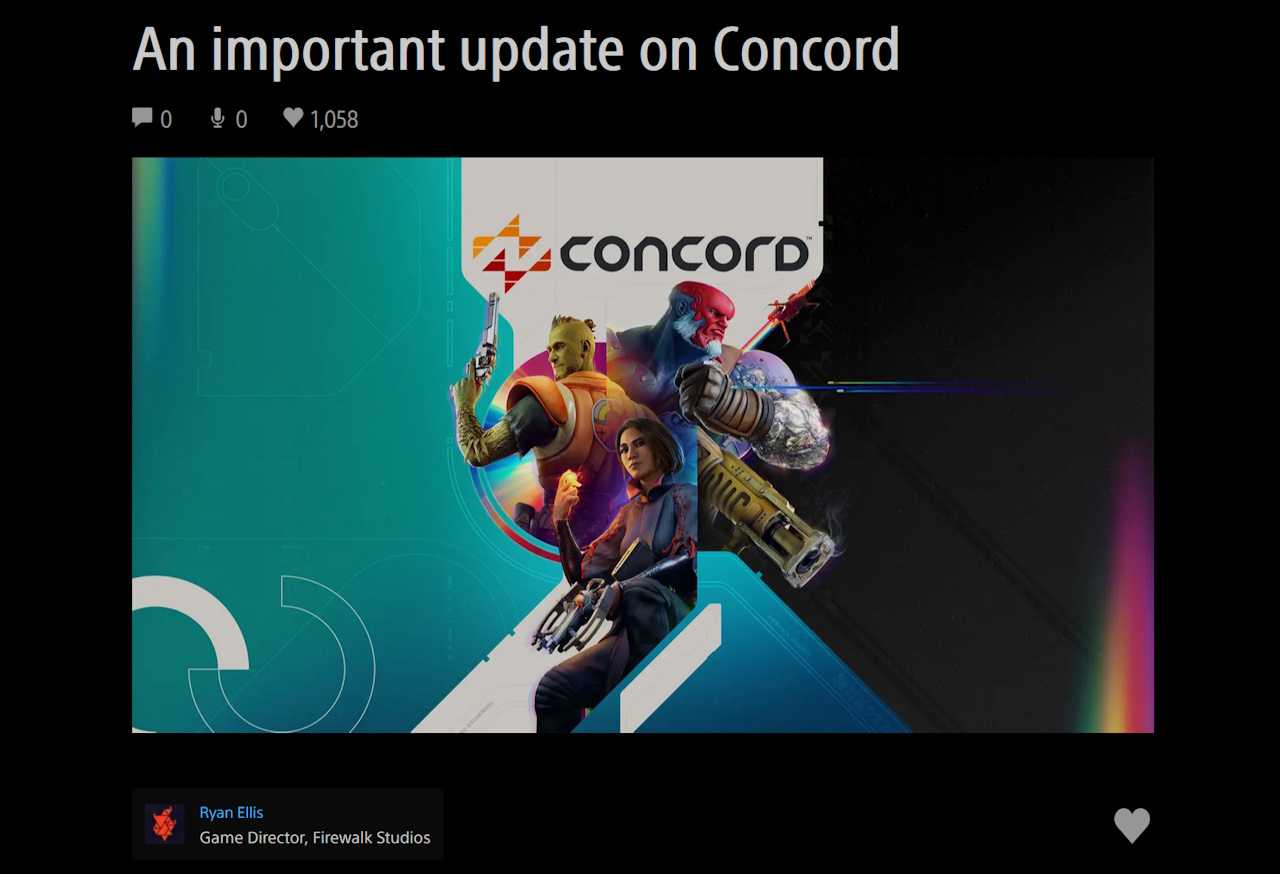
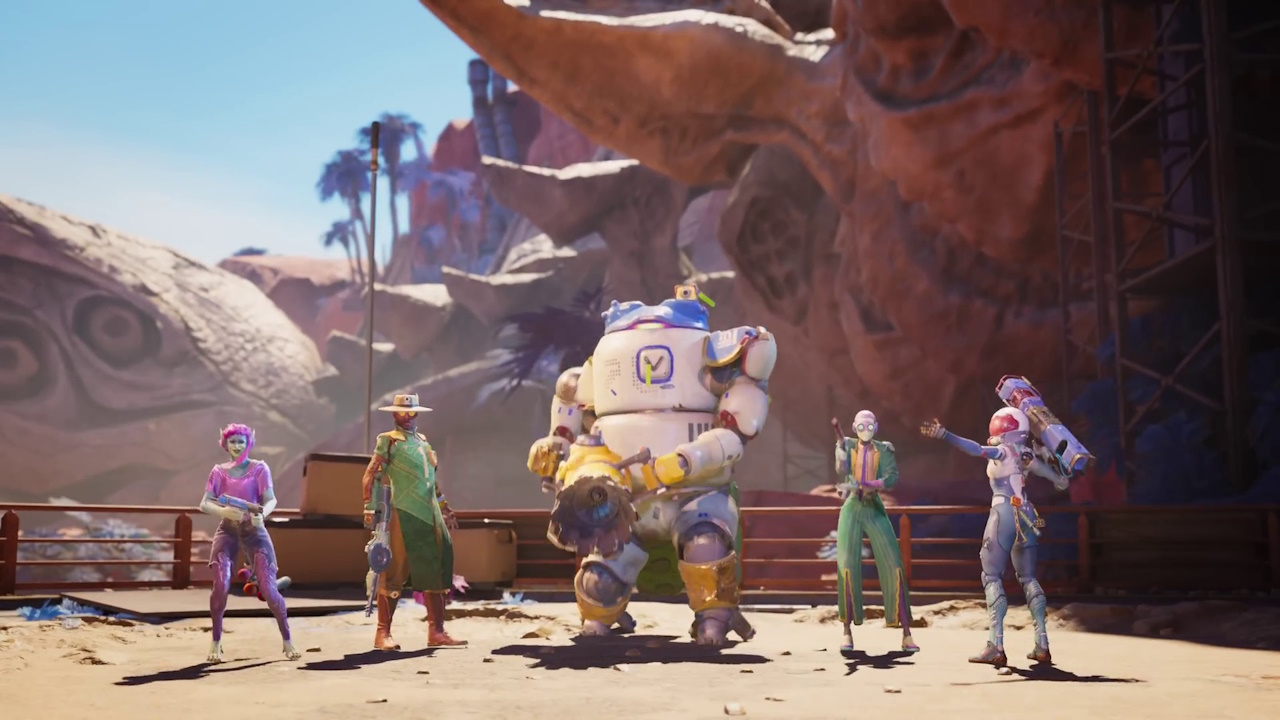
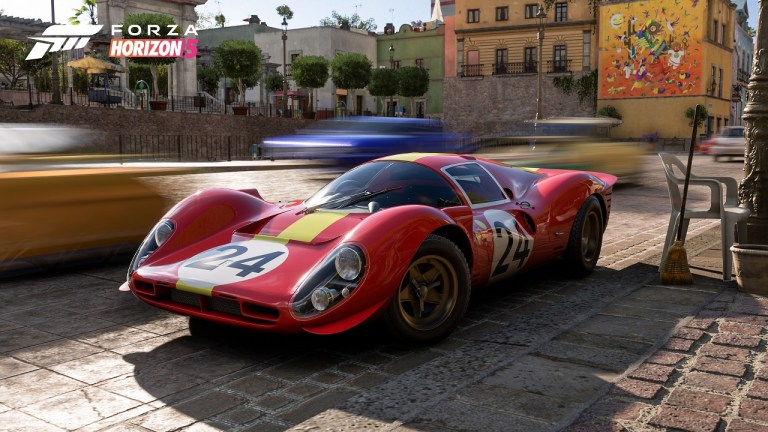
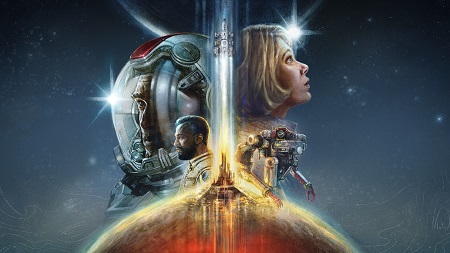
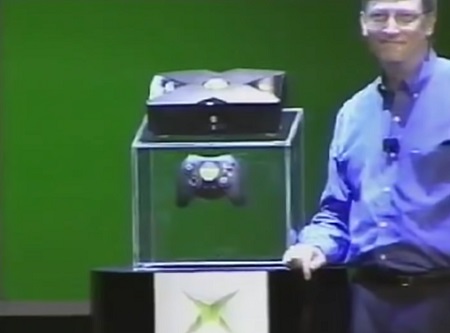
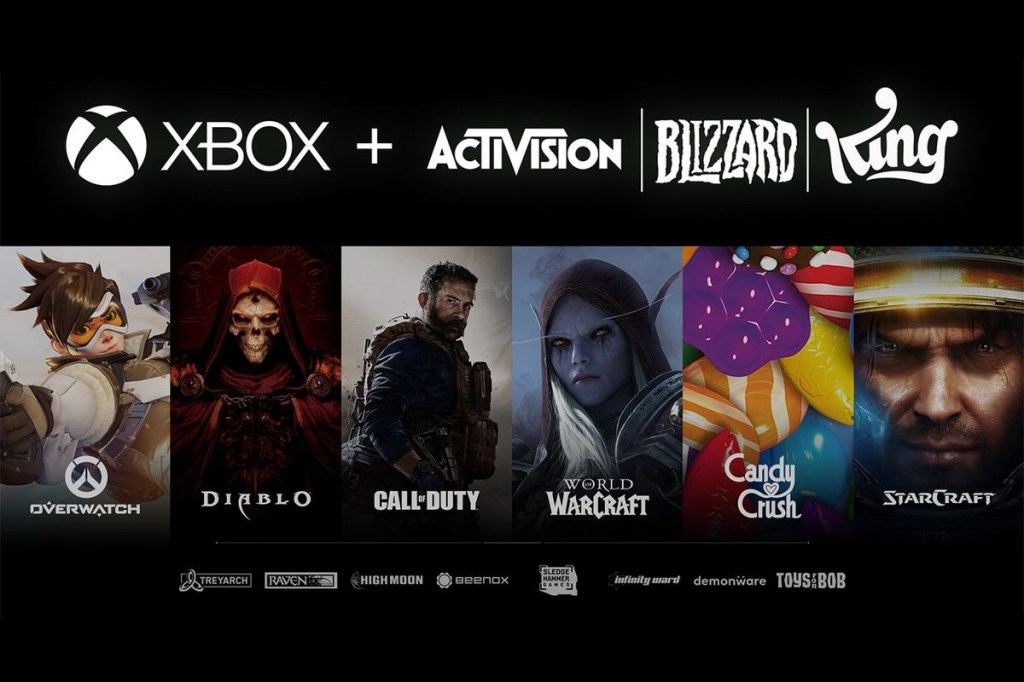

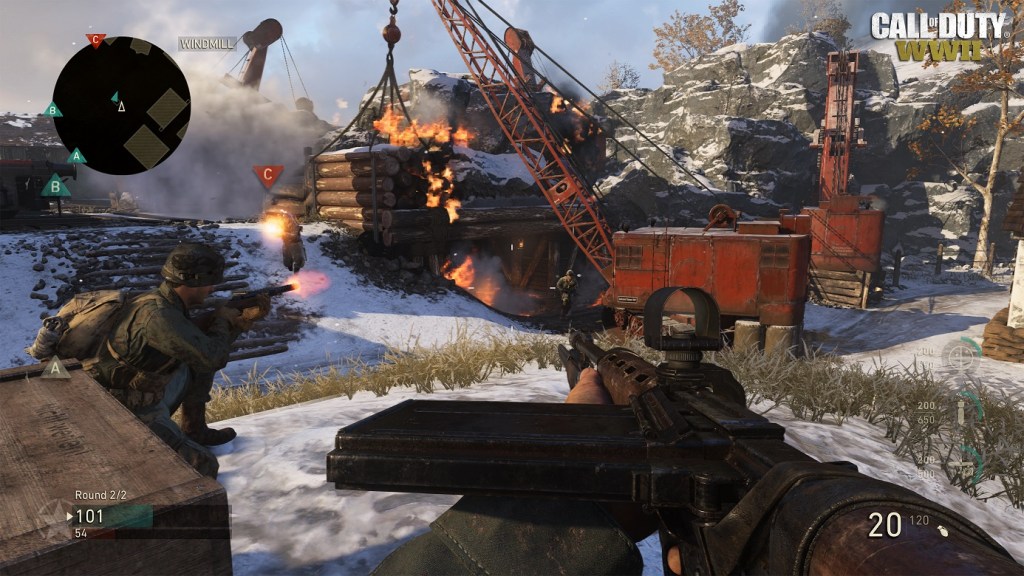


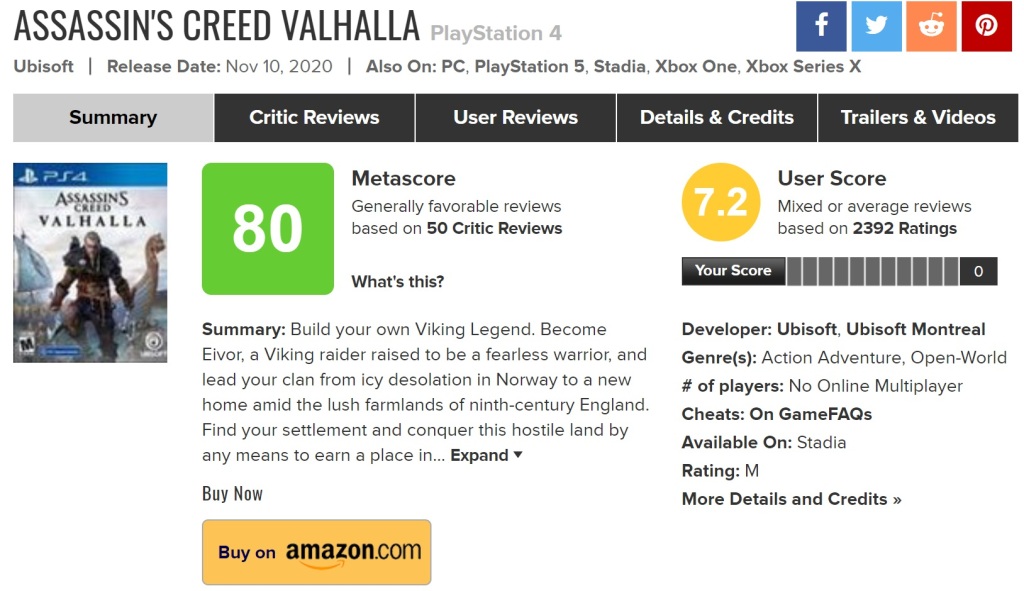



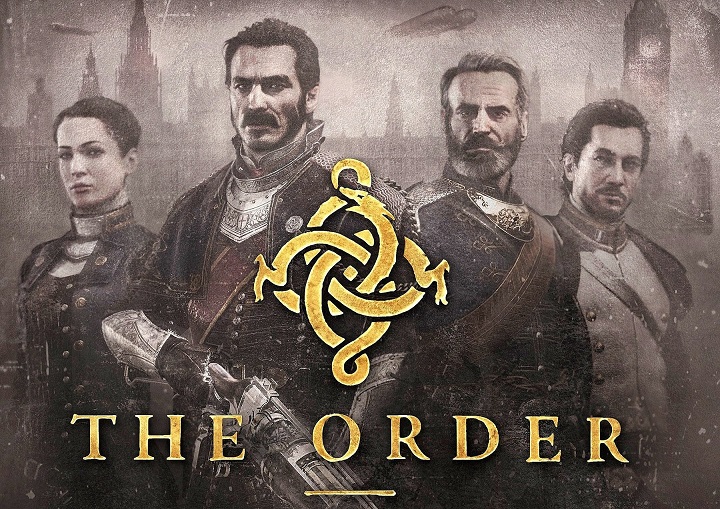



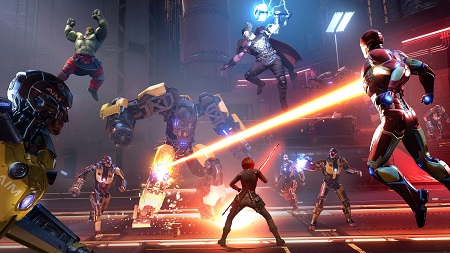
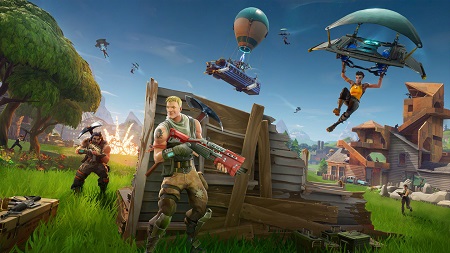
 Trekking with Dennis