

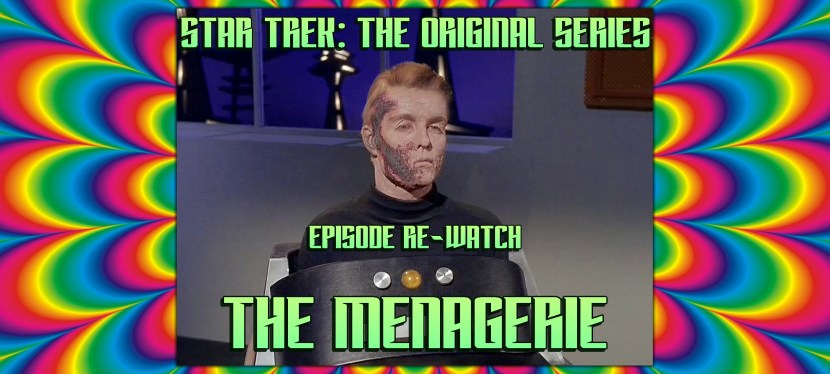
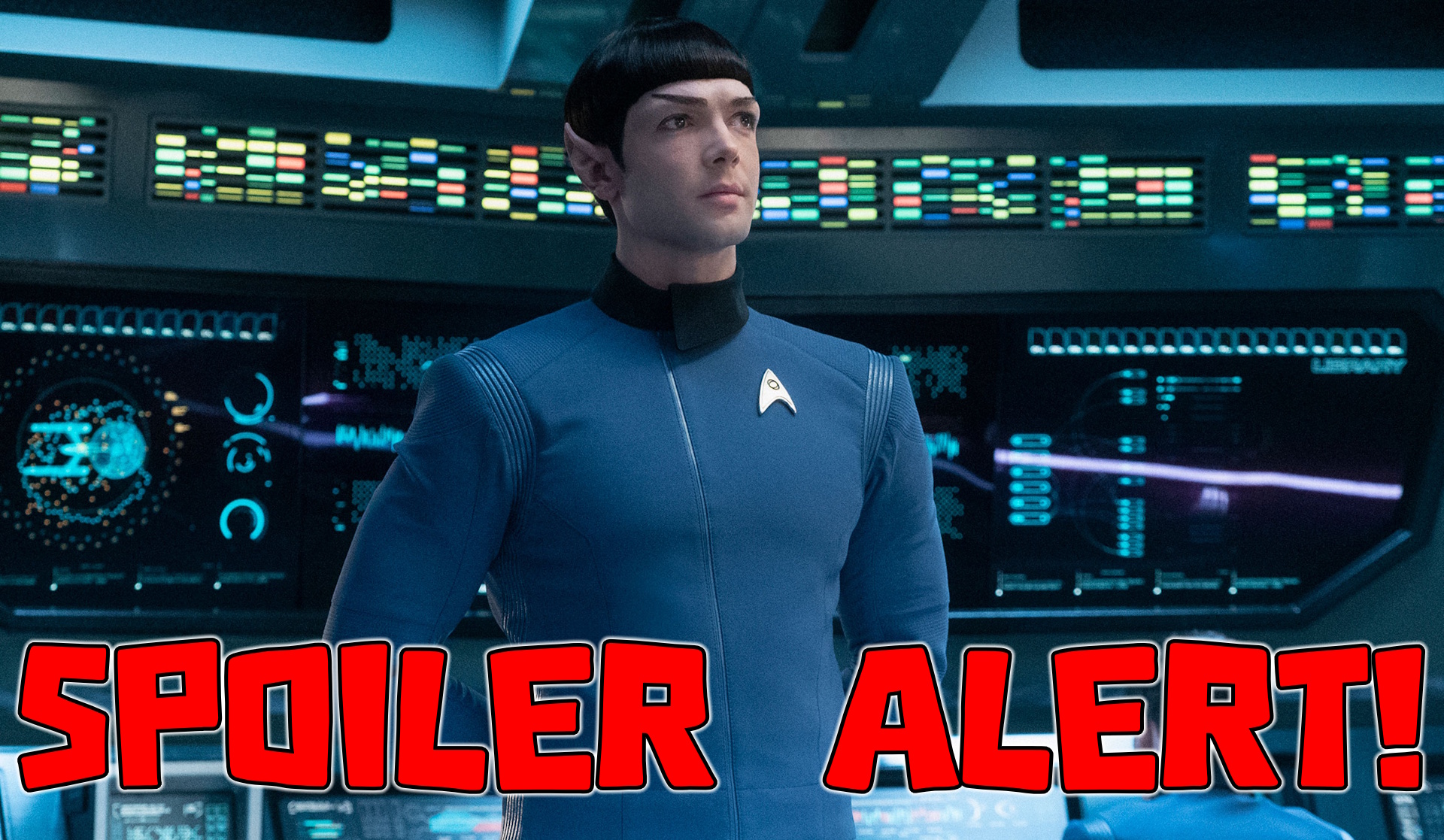
Spoiler Warning: There are spoilers ahead for Star Trek: The Original Series as well as the following Star Trek productions: Discovery Season 2 and Strange New Worlds Seasons 1-4.
At time of writing, we’ve not long since finished with Season 4 of Star Trek: Strange New Worlds and we’re awaiting the broadcast of the show’s fifth and final season. If you’re like me, you may be feeling some trepidation as you wait, because – let’s be honest – Season 4 had its issues! But it’s with Strange New Worlds Season 5 in mind that I wanted to revisit The Menagerie, because this two-part story shows us Captain Pike’s ultimate destination.
Before we get into The Menagerie, let’s take a moment to talk Strange New Worlds. I’m concerned, going into Season 5, that some or all of this classic episode will be revisited, retconned, or just flat-out repeated, and as I’ve said before… I’m not interested in that. However, given the show’s writing issues in Season 4, the relatively few storylines involving Captain Pike, and Strange New Worlds’ increasing emphasis on characters who are part of The Original Series… part of me wonders if that’s exactly what’s going to happen. For writers of that quality level, it must surely seem like the easy thing to do to simply re-tell parts of The Menagerie, perhaps tweaking or retconning some of it, in order to give their version of Captain Pike a conclusive ending.
And I really, *really* hope that the show won’t go down that route.
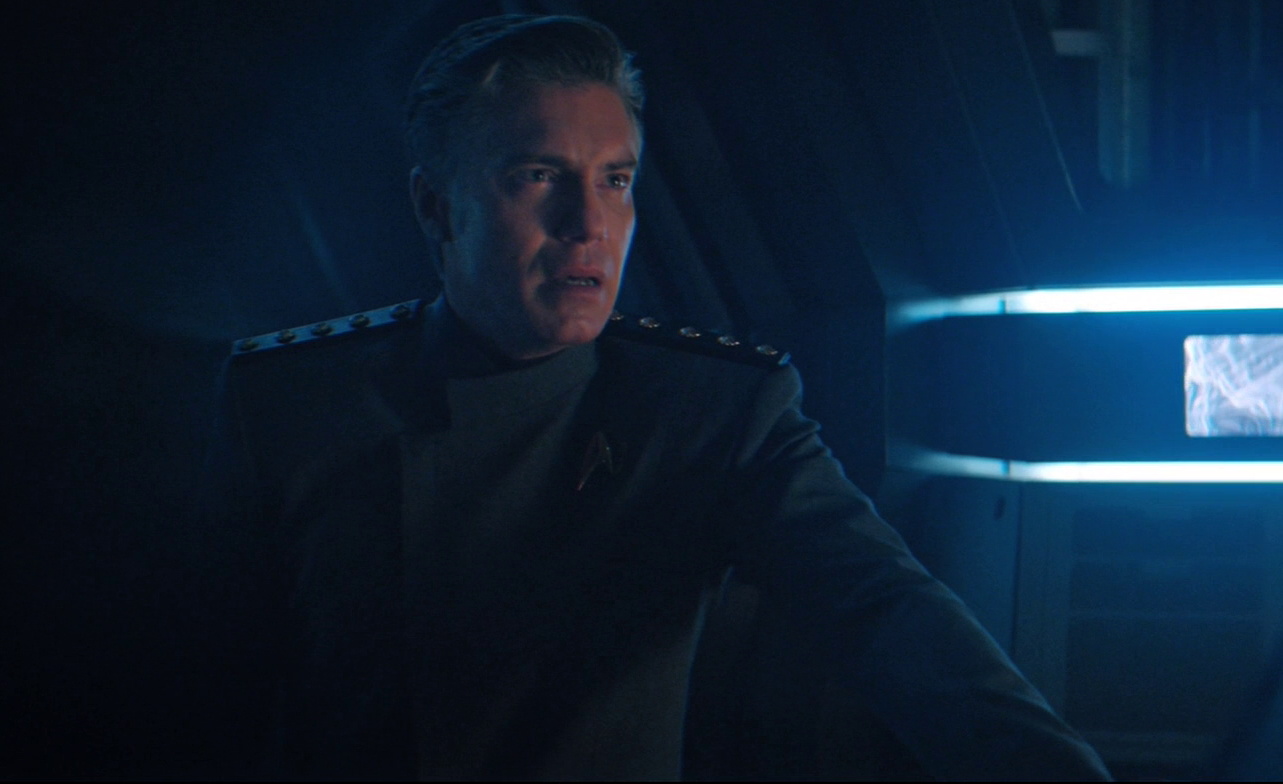
However… it has to be considered a possibility, and as it’s been a while since I last re-watched The Menagerie, I thought that returning to the episode ahead of Season 5 made a lot of sense. Even if Strange New Worlds’ writers don’t attempt to redo or undo any of this classic story, I still think that it’s worth taking a look ahead to where Captain Pike’s story will end up as we await the final season of Strange New Worlds.
It’s also the anniversary of The Menagerie’s original broadcast in the United States – exactly sixty years ago!
If you’ve been a Trekkie for a while, I daresay you already know how this episode came about, but for the benefit of newcomers or anyone who doesn’t know the story, let’s recap! In 1964, Gene Roddenberry first pitched Star Trek: The Original Series to the television networks. Desilu Productions – best-known for creating I Love Lucy – was on board to produce the show, and NBC gave the green light to a pilot episode. The team got to work, and an episode called The Cage was scripted, filmed, and presented to NBC… who promptly rejected it.
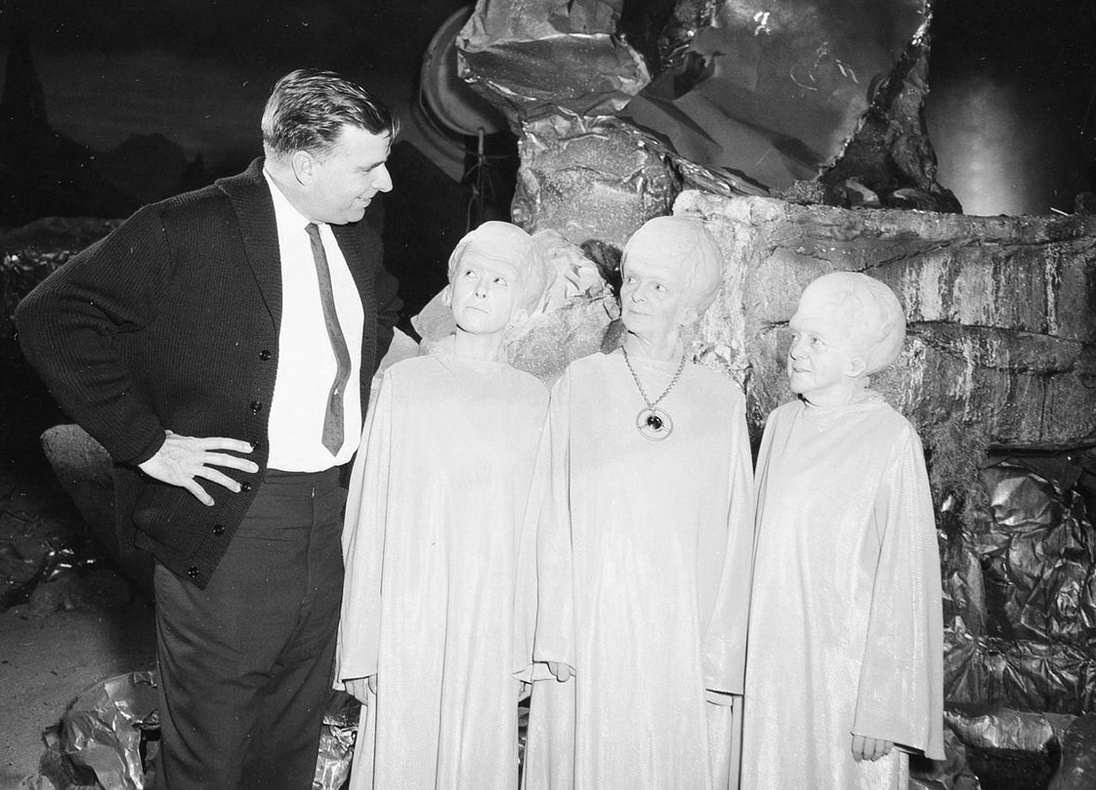
Photo: TrekCore
However, sensing the potential in Star Trek, NBC allowed Gene Roddenberry and the team to have another go, and the concept was revised and changed. A second pilot was filmed in 1965, and this soon led to Season 1 of The Original Series entering full production. Star Trek as we know it was born!
But that left Roddenberry and the team with a dilemma: what should be done with the original pilot? One idea was to try to turn it into a feature film, but there wasn’t enough footage, and in addition, star Jeffrey Hunter (the original Captain Pike) wasn’t available (or interested) in returning to the role to film new scenes. So that idea was scrapped. And then, with production on Season 1 already underway, The Original Series was running out of scripts to film. Roddenberry hit on the idea of reusing The Cage, but giving it a frame narrative, and the resulting story was The Menagerie.
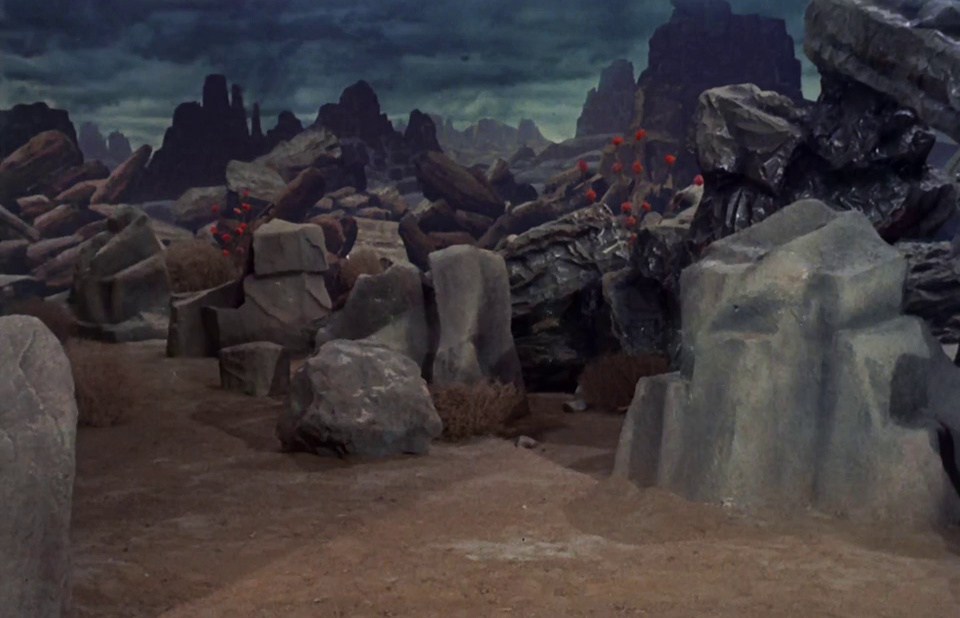
A combination of factors came together to make the episode necessary… and forced it into a very specific mould. Jeffrey Hunter being unavailable necessitated the role being re-cast, which led to the presentation of Captain Pike as completely mute. The need to re-use the original pilot’s footage saved the show money and allowed production to continue, and also meant this episode would end up being a two-parter – the only one in TOS’ entire run. And time constraints meant that the entire script was written in just a few days… and then filming began less than a week after it was finalised! Talk about tight deadlines, eh?
It was only in 1986 that The Cage was broadcast in full in its original form, which meant that, for the first twenty-plus years of Star Trek’s existence, The Menagerie was the only way to watch Captain Pike’s mission to Talos IV. That fact always surprises me as a Trekkie; that it wasn’t until The Next Generation was in early production that fans got to see the full version of this rejected pilot episode!
Anyway, that’s a brief recap of how and why The Menagerie came to exist in this unusual format.
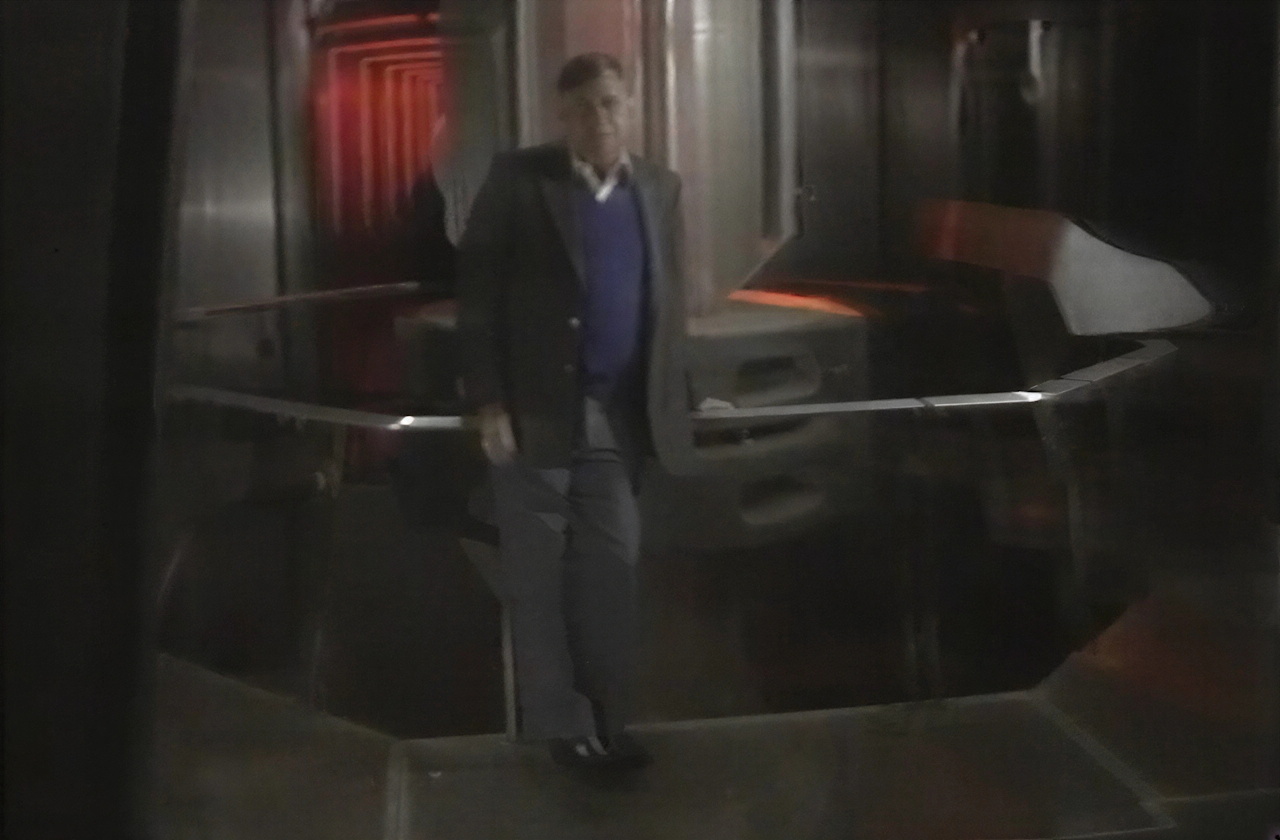
There are two turning points in Captain Pike’s story, and they came more than fifty years apart. The first happened here, in The Menagerie, when we learned that the Enterprise’s former captain had been incapacitated after an accident. But the second came in Discovery’s second season in 2019, when Captain Pike had to make the conscious choice to *embrace* that future for himself in the course of his duties as a Starfleet officer. If you missed it (or can’t remember; I wouldn’t blame you), Captain Pike took command of the USS Discovery for a mission to investigate an entity known as the Red Angel, and after getting into a conflict with an A.I. called Control, found himself in need of a time crystal to power a time-travel device.
In the process of acquiring this time crystal from the Klingons (as depicted in the episode Through the Valley of Shadows), Captain Pike learned of his future accident and disability – and set that choice in stone. Having not seen The Menagerie since then (at least, not as far as I can remember, anyway), I was curious to see whether the events of Discovery (and Strange New Worlds, too) would change how the episode lands. Rather than seeing Pike as a victim of unforeseen circumstances, that storyline changes him into even more of a hero; a man who had to willingly embrace devastating disability in order to save the Federation.
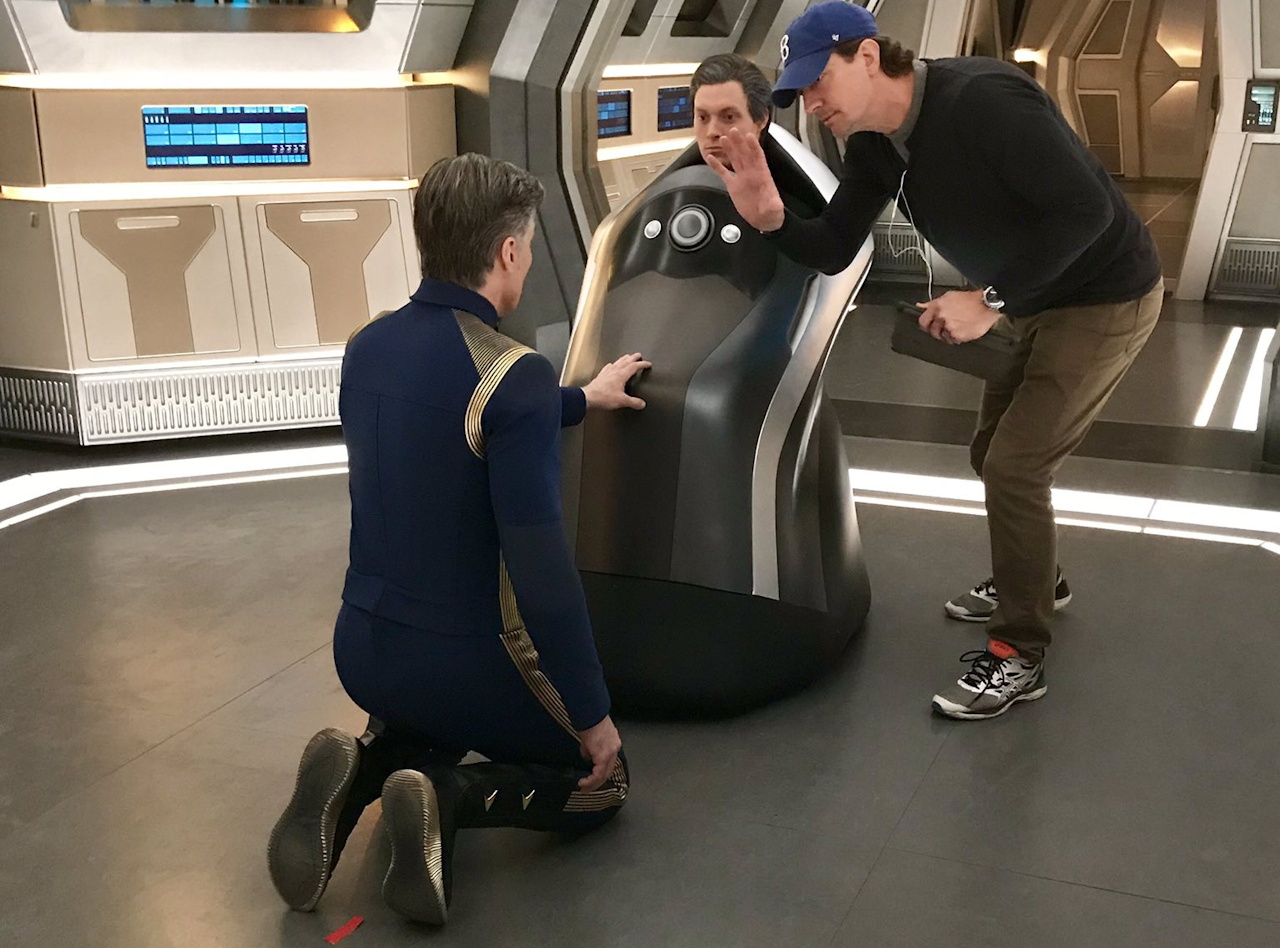
Additionally, the events of Strange New Worlds’ first season finale, A Quality of Mercy, arguably provide even further context to Pike’s staunch refusal to go to Talos IV with Spock. Having tried to avert his fate, Pike learns – thanks to a time-travelling future version of himself – that there are consequences. In that timeline, a catastrophic war breaks out between the Romulans and the Federation, and with Spock being injured in the line of duty, any chances of reconciliation or peace evaporate.
Now skip to The Menagerie. Pike repeatedly indicates “no” to Spock when told of the plan to get him to Talos IV, and – with the benefit of Discovery and Strange New Worlds – we could now interpret that refusal through the lens of those newer stories. Perhaps Pike feared that doing anything to change his situation would trigger some horrible catastrophe via the time-crystal. Maybe he thought that he needed to stay exactly as he was in order to prevent disaster and keep people safe. Because Pike can’t speak, we can’t know for certain – but I think these disparate pieces of Star Trek, despite being filmed so far apart, can be made to fit together… and the newer stories can even add things to The Menagerie that weren’t present at first, but which don’t fundamentally change or ruin the story, either.
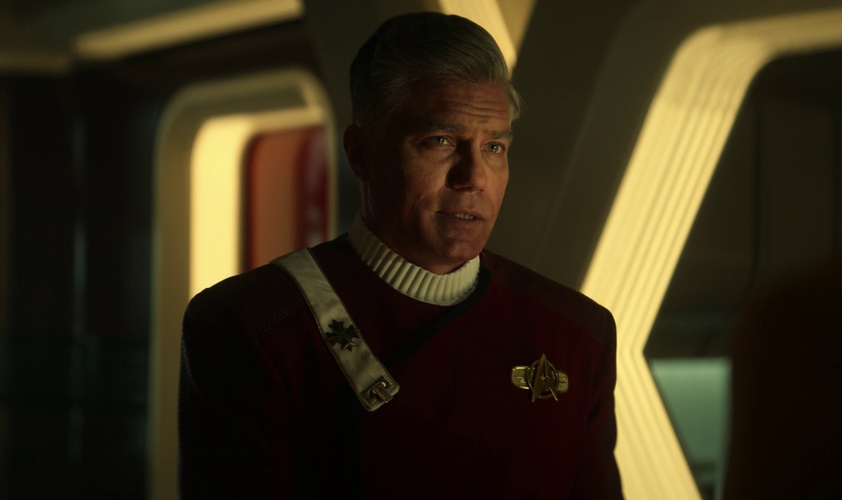
Finally, I want to consider the events of Strange New Worlds’ third season finale, New Life and New Civilizations, on Pike’s storyline. After getting into a relationship with Captain Batel, Captain Pike gets a chance to see what a full life with her would’ve looked like. In this fantasy world – which, the episode seems to imply, Pike experienced decades of in real-time – he avoided the accident that would leave him disabled, continued his life with Captain Batel, and even had a daughter.
The life that The Menagerie suggests that Captain Pike will live out on Talos IV is similar… only with Vina instead of Batel. But presumably, with their immense telepathic powers, the Talosians could give Pike the illusion of his family, right? I wonder what Vina would make of that, whether that would be a source of tension, or whether Pike would even *want* that, knowing that it wasn’t real. This was also the question faced by Picard in Generations, when the Nexus gave him the chance to live out a fantasy life with the family he never had… and we know what choice he made.
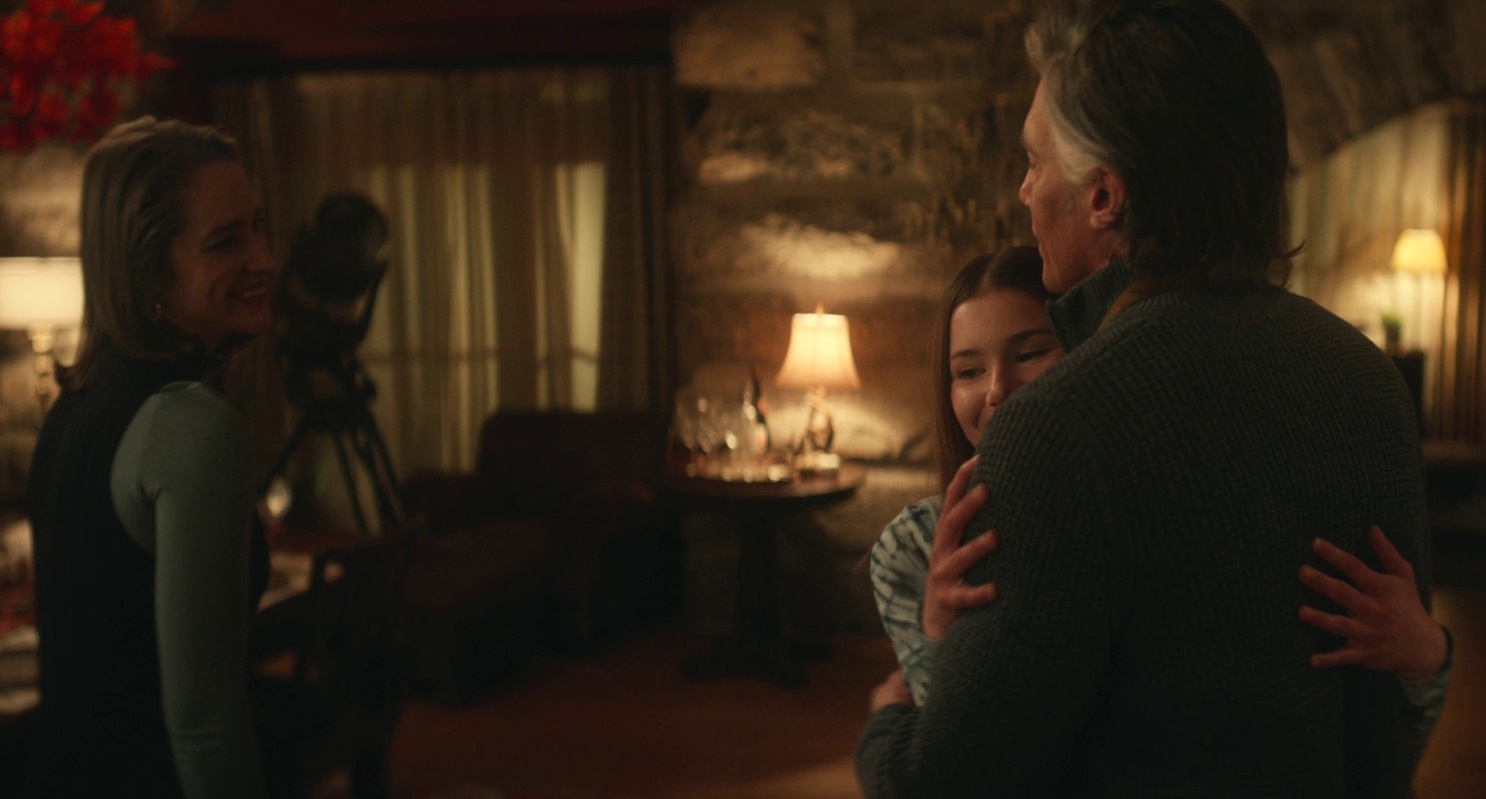
I find all of these things interesting, and because Discovery and Strange New Worlds took the character of Christopher Pike and expanded upon him, all of those points come to the fore when we return to The Menagerie – Pike’s original appearance, and his only one for more than twenty years.
The biggest change is that we now know Pike chose this path and embraced it, knowing it was coming but believing he had to make that sacrifice in order to defeat Control. And with the addition of A Quality of Mercy, where Pike learned that trying to avoid his unpleasant fate would lead to massive ramifications for the Federation and for his friends, we can perhaps better understand why Pike might try to refuse to go back to Talos IV with Spock. Not only is he worried for Spock’s safety – Talos IV is off-limits, after all – but he might also be concerned about potential consequences from the time crystal if he mitigates the damage done to him by the effects of the delta radiation.
As I said above, I feel all of these points can fit in with The Menagerie and add context to it, without overwriting it or treading on its toes.
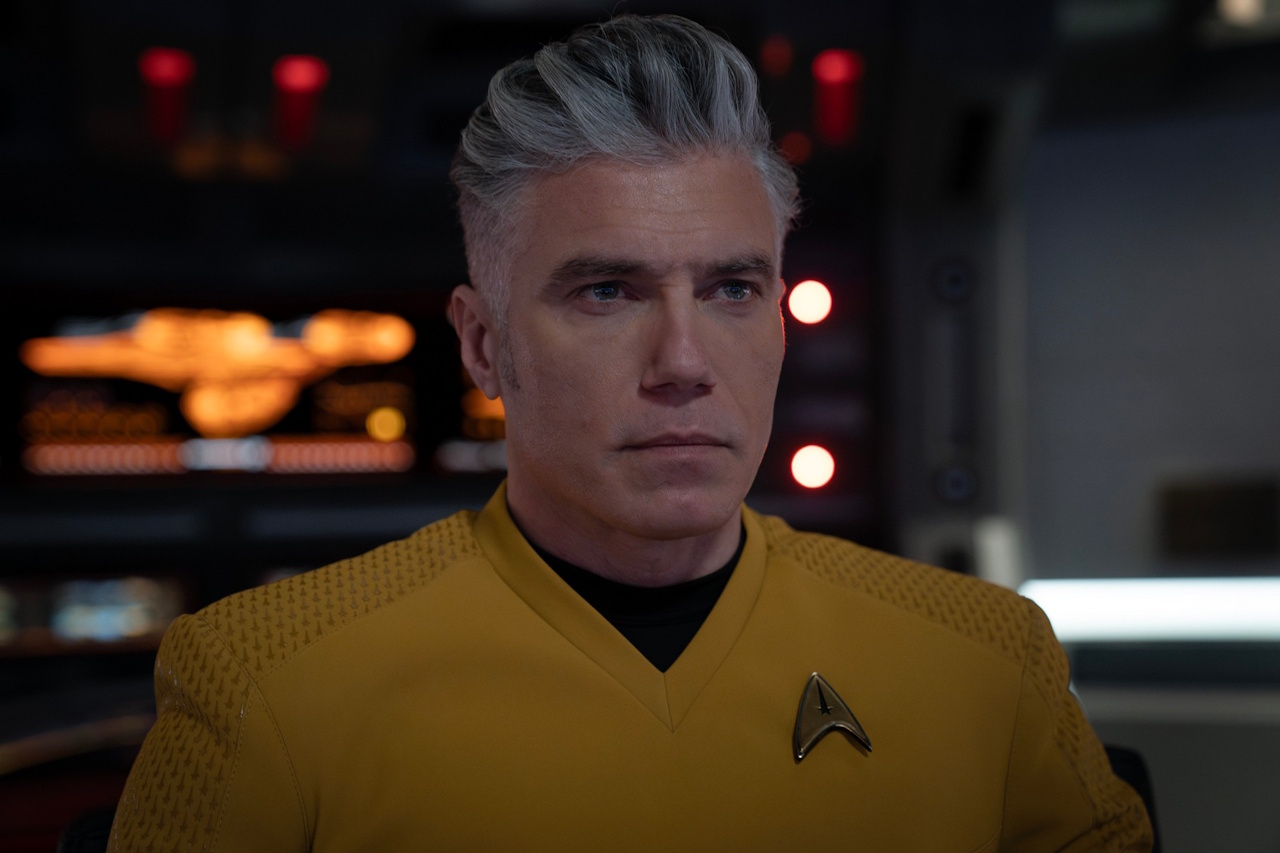
There are a few places, though, where modern Star Trek has arguably created some “prequel problems” for The Menagerie. For instance, Pike and Kirk, while not exactly *friends*, have clearly met and spent time together, as we see repeatedly in Strange New Worlds. After Kirk’s first experience of command, in the episode The Sehlat Who Ate Its Tail, Pike is the one to give Kirk a pep talk. Yet, when Spock mentions Pike to Kirk, Kirk heavily implies that he’s *heard of* the Enterprise’s former captain, but has no real connection to him.
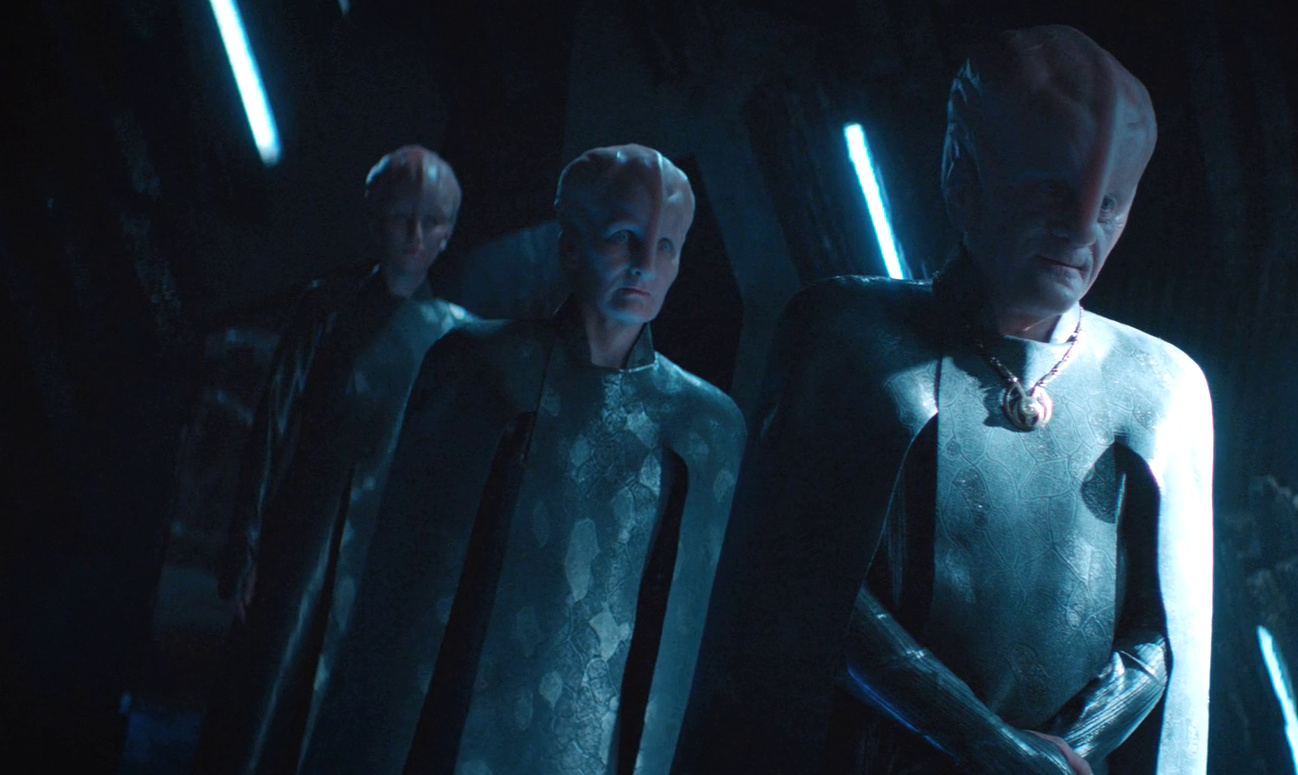
Then there are the Talosians and Vina, who reappeared in Discovery’s second season to help Spock. I’d argue that that second appearance softened the Talosians somewhat, making the idea of Talos IV a place so dangerous that even going there means a mandatory death sentence is… well, even sillier than it sounds. We also have decades’ worth of Star Trek stories in which the death penalty is never mentioned, or even implied to no longer exist in the Federation, so there’s that!
But we also have to keep in mind, I think, that this is Season 1: these episodes were produced in October of 1966, as the fifteenth and sixteenth episodes of the entire franchise. Star Trek was still coming together, so discrepancies over things like the death penalty in the Federation are comparatively minor… and if you *really* want to get around it, I guess you could say that that aspect of General Order 7 was also a Talosian illusion. Head canon, sure, but that option exists for those who want it, I suppose.
Star Trek didn’t emerge fully formed in 1966. In fact, I’d argue that it was very much still in a state of flux until at least the early part of The Next Generation’s run; it took time for the franchise to grow and evolve to become the way it is today. And an early episode like this gets a lot of leeway, at least from me, if some parts of it seem to be a bit anachronistic or don’t quite gel with stories produced decades later.
I confess that I’d forgotten just how much of The Menagerie is taken up by the frame narrative; it’s almost half an hour into the episode before Kirk, Spock, Pike, and co. sit down in the courtroom to watch the events of The Cage. For some folks – myself included, I guess – this side of The Menagerie tends to get lost next to The Cage and Pike’s adventure on Talos IV. Because The Cage has become such an important piece of Star Trek – particularly since Star Trek ’09 and later Discovery brought back Captain Pike in such a big way – this side of the story feels like it takes precedence.
But for our purposes today, it’s really the frame narrative that’s the more interesting part!
Strange New Worlds and Discovery both made reference to The Cage on multiple occasions. We’ve seen Pike and Spock returning to Talos IV, we’ve seen Pike’s feelings for Vina being considered in more detail, Pike’s foreknowledge of his disability has been explored several times in different ways, and we even got a sequel of sorts to the Rigel VII mission that was featured in The Cage. So that side of the story – Jeffrey Hunter’s take on Captain Pike and the original mission to Talos IV – is something we’ve seen a lot of in recent years.
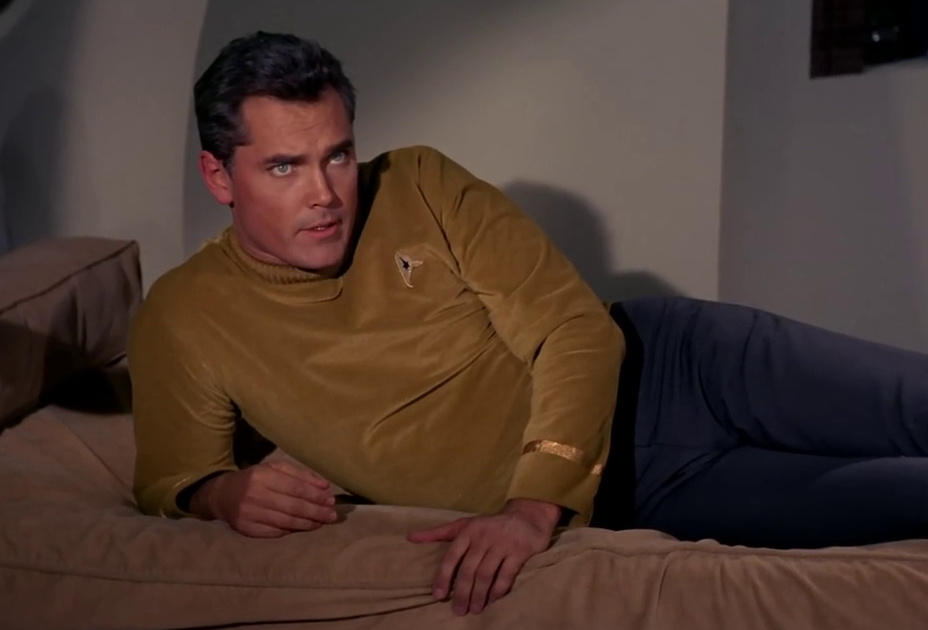
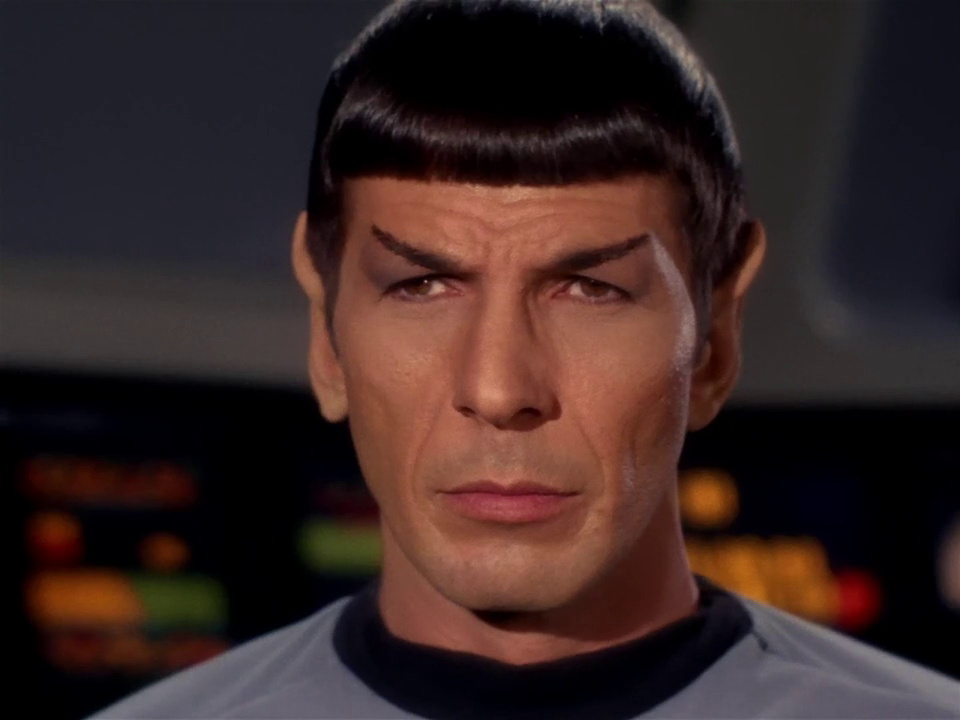
Earlier, we talked about how Star Trek, in these early stories, was still finding its feet. And I think there’s no better example of that than Spock’s storyline. In brief, I find it very difficult to imagine any Star Trek series post-The Next Generation doing something like this involving Spock. His dedication to Captain Pike, his outright lies and deceptions, and particularly the aggressive way in which he goes about parts of his scheme just don’t seem to line up with the way the character (and Vulcans more generally) are presented elsewhere.
And that is partly the point: Spock *is* acting out-of-character, albeit for very understandable (and very *human* reasons), as the episode points out. But it does make parts of The Menagerie – when Spock is sneaking around the computer room, nerve-pinching innocent officers, or deepfaking the voices of Kirk and the Commodore – seem completely at odds with everything we know about him.
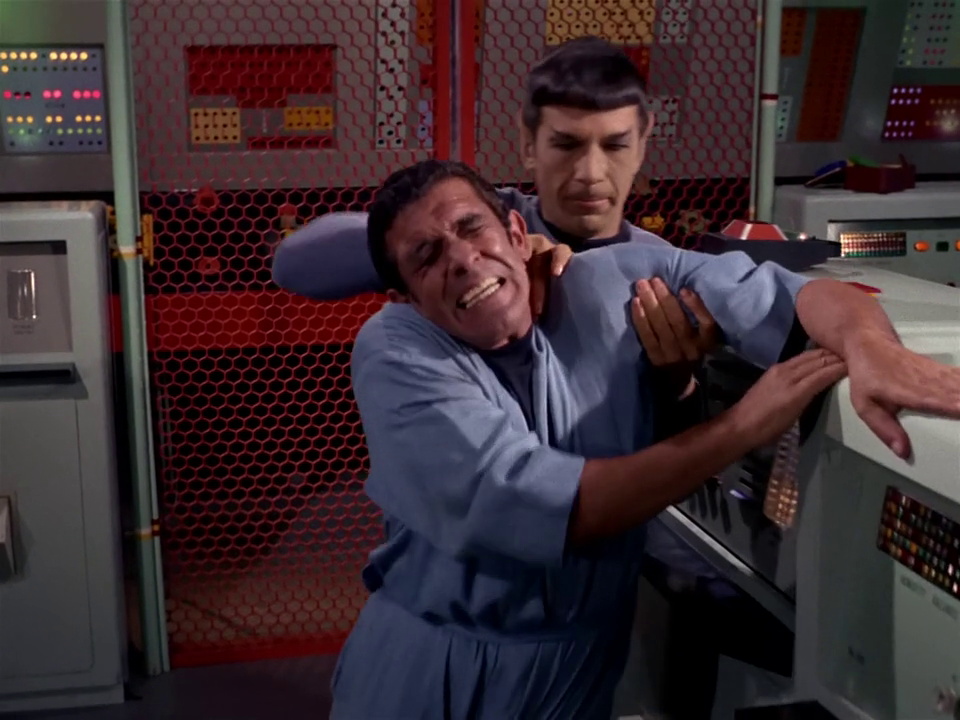
In part, that’s hindsight: six decades of Star Trek, including many subsequent adventures with Spock and other Vulcans, make Spock’s actions in The Menagerie feel extreme to say the least! But I think the episode takes the constraint of Spock being the only character with a connection to Pike – and therefore the one who *has* to commit mutiny for the sake of the story – and plays it really well. Spock’s actions seem incomprehensible for a long time across both parts of the episode; it’s only at the end that we begin to understand why he did what he did.
This is also the challenge of watching an episode for the tenth, twentieth, or two-hundredth time! We know, as Trekkies, what Spock’s plan is and why he wants to take Captain Pike back to Talos IV. And that knowledge changes how Spock’s actions in earlier parts of the story come across. I can’t remember the first time I watched The Menagerie or what I might’ve thought at that time; I really just don’t have any recollection of it at all. But for audiences in the ’60s, and for any viewers tuning into the episode for the first time, Spock’s behaviour seems incredibly odd, and it’s only when his actions are explained and rationalised at the end of the story that it all falls into place.
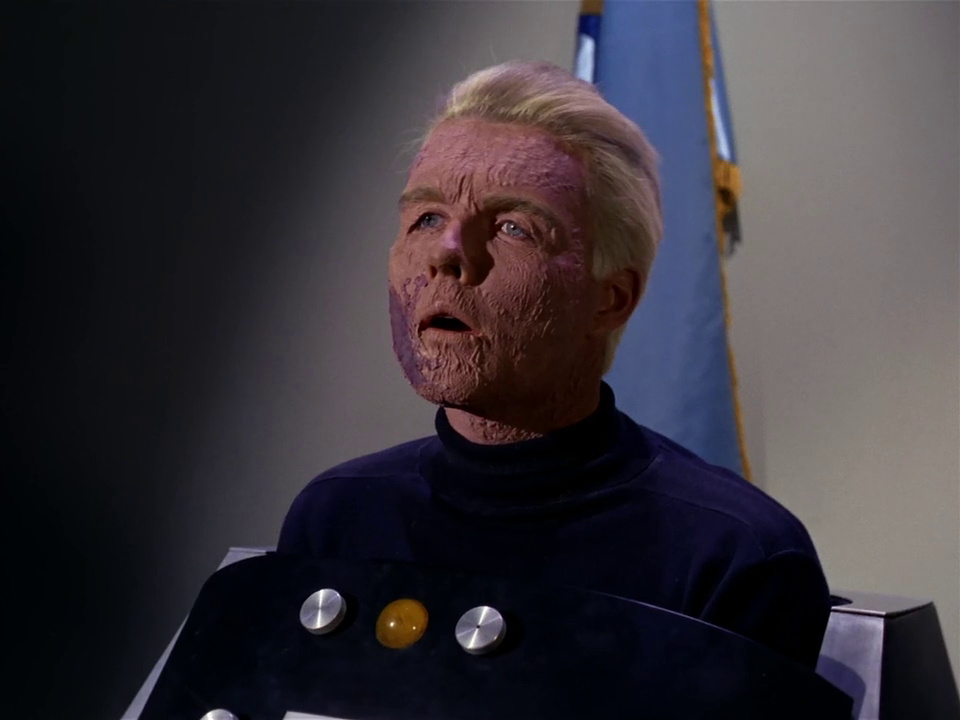
In that sense, a large chunk of The Menagerie is really a mystery. Yes, there’s the mystery of Talos IV, why it’s off-limits, and what might’ve happened there to Captain Pike. But moreover, there’s the mystery of Spock’s actions – attacking people, abducting a disabled man, stealing a starship, staging a mutiny… seemingly betraying Captain Kirk. Watching the episode knowing why he did it softens that part of the story, and it really does change how we approach The Menagerie and Spock’s role in it.
Spock argues that his actions are “entirely logical;” that telling Kirk the truth would’ve risked two people’s lives unnecessarily instead of just one, that taking Captain Pike to Talos IV was the best way for him to live the illusion of a life free from disability, and that all of the sneaking and subterfuge was necessary to accomplish these goals. But is that how it comes across?
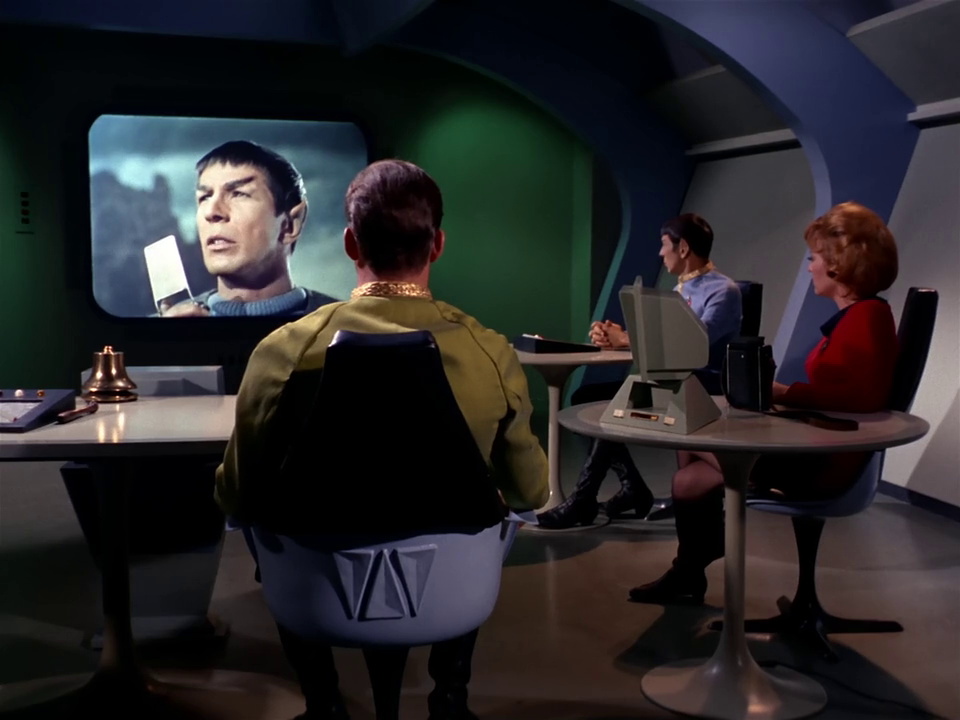
To me, the events of The Menagerie read in a very emotional and very human way. Spock, out of a sense of more than mere loyalty to Captain Pike – a sense of friendship, perhaps, or seeing him as some kind of father figure – goes to great lengths not to save his life, but to improve his quality of life. Logically, Spock would know that Pike could live a long life with his limitations, and that Federation medical technology could keep him alive and even offer him a rudimentary way of communicating. There was no strict “need” to do any of what he did. It also arguably runs counter to one of Spock’s own Vulcan maxims: “the needs of the many outweigh the needs of the few.”
Spock risked his own life and his own career, sure. But he also risked Kirk’s career, which he must’ve known would’ve been harmed by mutiny, let alone taking the ship to one of the most dangerous and out-of-reach places in the galaxy. Furthermore, Spock risked the lives of several people on the starbase as well, arguably, as the entire crew of the Enterprise. He may have felt certain that the Talosians posed no threat, but there are other dangers out in space that might – and a starship locked on a fixed trajectory with its command crew prevented from regaining control could’ve coasted right into the flight path of a Gorn ship, a Klingon armada… anything.
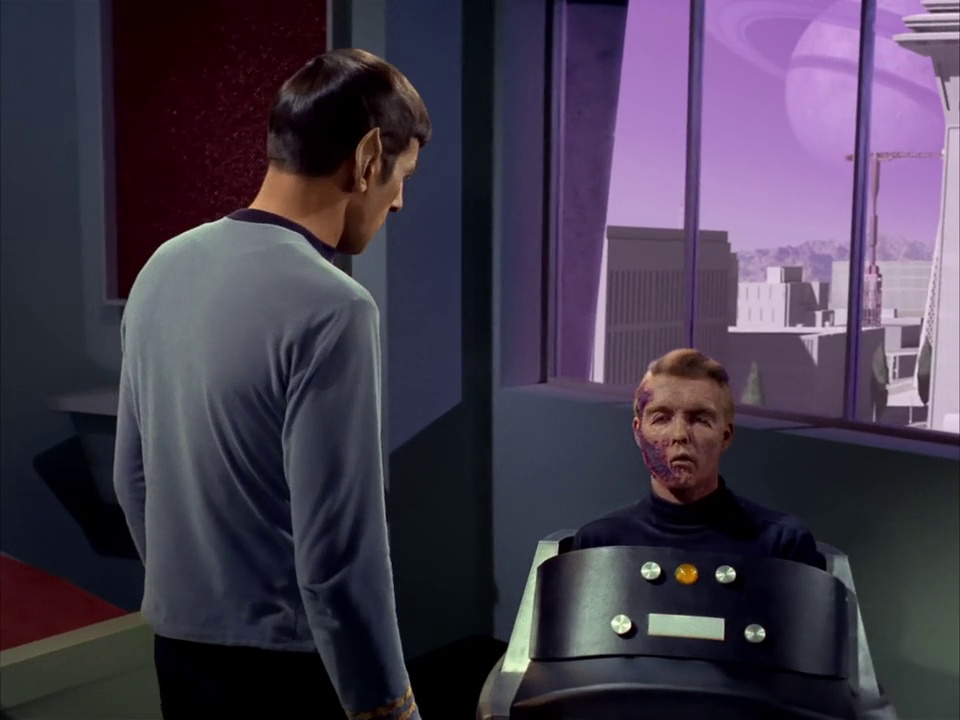
So, for all of his protestations at the end of The Menagerie, I still find Spock’s actions in this episode to be… human. In fact, this could be Spock at his *most* human, certainly in all of TOS. And while we can argue that Spock has disobeyed orders before, and would do so again, at least as of this point in Star Trek’s run, it was the first instance of a logical Vulcan seeming to have an emotional reaction to a situation involving one of his friends. That nuance offered future Star Trek productions a lot of room for manoeuvre!
Two other TOS characters get a turn in the spotlight in The Menagerie. Dr McCoy is present only in the first part, but his role is significant as he assesses Pike’s condition and later is the ranking officer when Spock surrenders himself and presents himself for arrest.
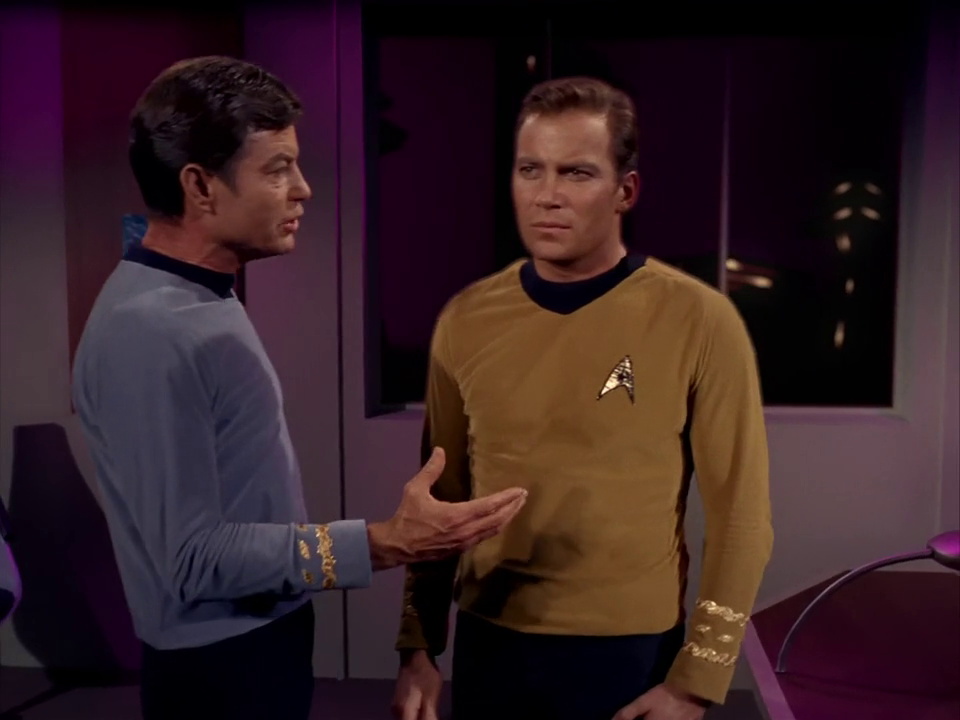
Dr McCoy also gets a really fun turn arguing with Kirk in Spock’s defence. As Kirk begins to suspect that, somehow, Spock may not be telling the truth, it’s Dr McCoy who speaks out on Spock’s behalf. Given the nature of their relationship (even at this early stage in the show’s run), that was still something fun to see. We often think of Dr McCoy and Spock as both being friends with Kirk, but having this somewhat contentious relationship with one another, so it’s nice to see Dr McCoy speaking out so stridently on Spock’s behalf when Kirk begins to question the situation.
Thematically, I think The Menagerie makes a couple of points that are arguably even more relevant today than they were when the two-part episode originally aired. The Talosians are described by Vina as becoming addicted to their illusions, and seem to live almost entirely disconnected lives through what is, in effect, fiction. They take this to such an extreme that they lose the ability and/or the desire to care for their planet, maintain their technologies, or even perpetuate their society.
The Original Series, per Gene Roddenberry’s instructions, was to be storytelling by fable; to use a sci-fi and fantasy lens to shine a light on real-world issues. And the issue of people retreating from the real world to live illusory lives in fantasy realms is *more* important today, I feel, than it was sixty years ago.
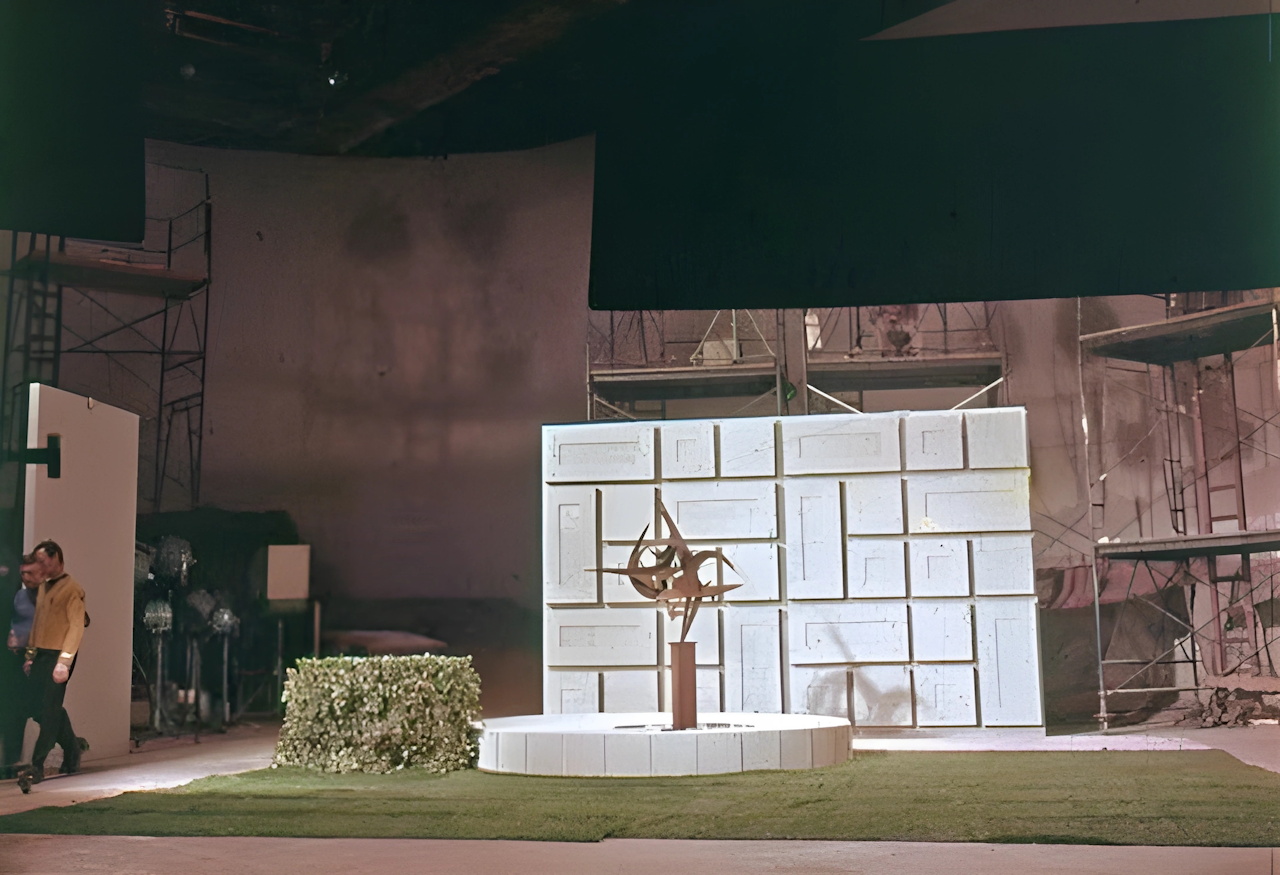
With the internet, online games, and now generative A.I., it’s easier than ever for people to escape the real world into fantasy or illusion, and The Menagerie is really a warning from history about how badly wrong that can go if left unchecked. Obviously, no one at the time could’ve foreseen exactly what the world would look like in 2026, but there are some pretty uncanny parallels if you take a slightly deeper look at this side of the episode.
The Talosians’ ancestors devastated the surface of their homeworld in a war millennia ago, and the survivors retreated – not merely underground, where they seem to have a safe and functioning settlement, but inwards, into their own minds. Vina describes the “thought records” as something the Talosians spend their time on; it sounds to me like they’re living out fictional or historical lives that have been stored on some kind of computer system… not unlike video games, the internet, or generative A.I. today.
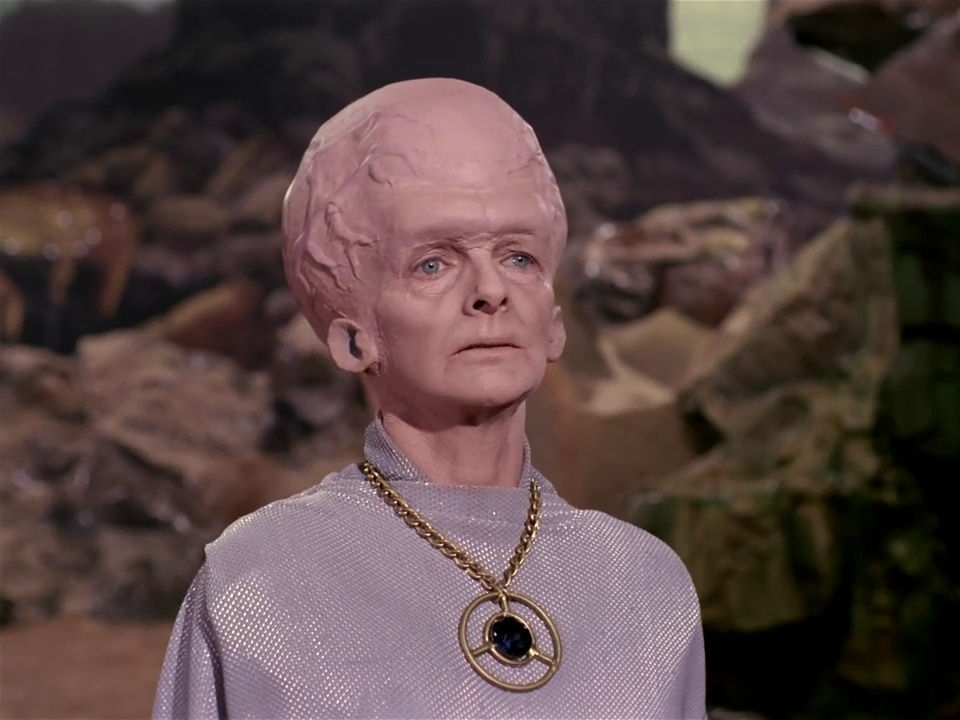
The Talosians would talk up the dangers of illusion to Pike at the end of the story, warning him that trade and cooperation between the Federation and Talosians would eventually lead to humans, too, falling victim to this addiction. But this is one place where I disagree – at the very least, as I’ve said before, I don’t think Pike would necessarily want Talos IV walled off from the rest of the galaxy forever, such that even trying to contact the planet would lead to a mandatory death sentence. Given that the Talosians understood both humanity’s resistance to even “benevolent” captivity, and the dangers posed by their powers of illusion, I feel certain that some arrangement could’ve been made for Starfleet to provide limited aid and support to Talos IV.
And I suspect a modern Star Trek story would’ve gone down that route.
I mentioned Dr McCoy, but obviously the other main TOS character in the episode is Captain Kirk. Kirk starts the story firmly believing Spock, even arguing with the commodore that Spock is “incapable” of telling a lie. But he gradually begins to suspect that something’s amiss, though not before Spock is able to enact the first phase of his plan to make off with the Enterprise and Captain Pike!
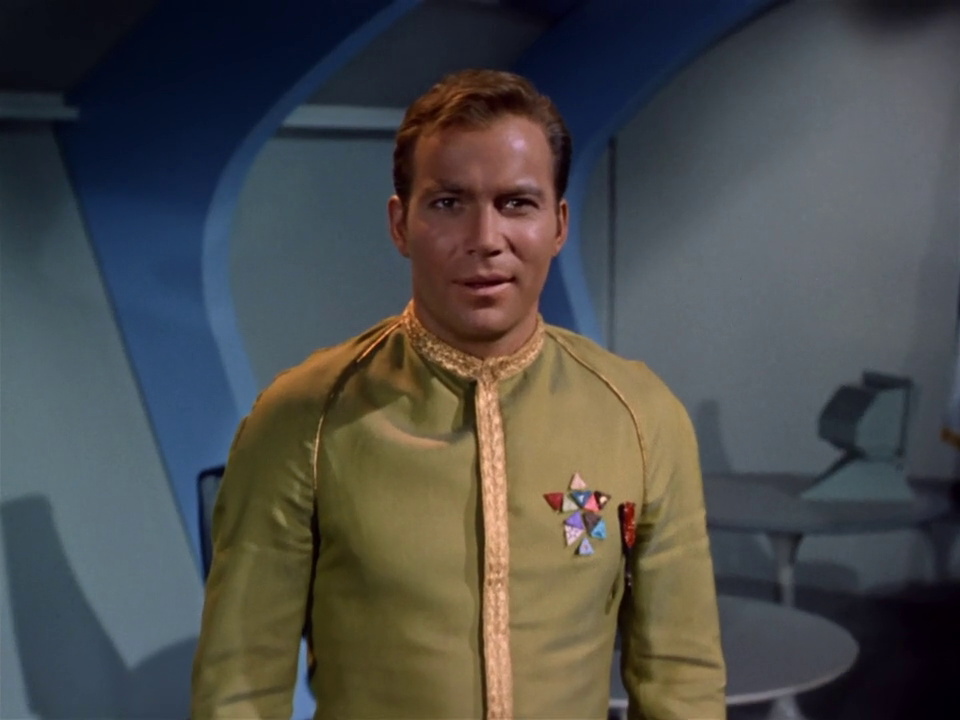
Over the course of the episode, Kirk has to come to terms with what Spock did – but, somewhat curiously, he doesn’t appear to take it personally. He’s confused by Spock’s actions, and later by the mysteries of Talos IV, and he’s clearly upset… but he also seems to be worried for Spock’s safety and the safety of the ship as much or even more so than being hurt by what surely must seem like a personal betrayal.
And, if I were to put my critical hat on for a moment, I think this is where I’d say that The Menagerie is lacking. Kirk doesn’t really get any one-on-one moment with Spock to express his hurt, nor does Spock have to wrangle with the idea that his devotion to his former captain might’ve harmed his relationship with his current captain… and friend. Kirk, despite being an emotional man, doesn’t seem to take Spock’s mutiny personally, and while he does chide him for his behaviour, it never comes across as particularly emotional or like it comes from the heart.
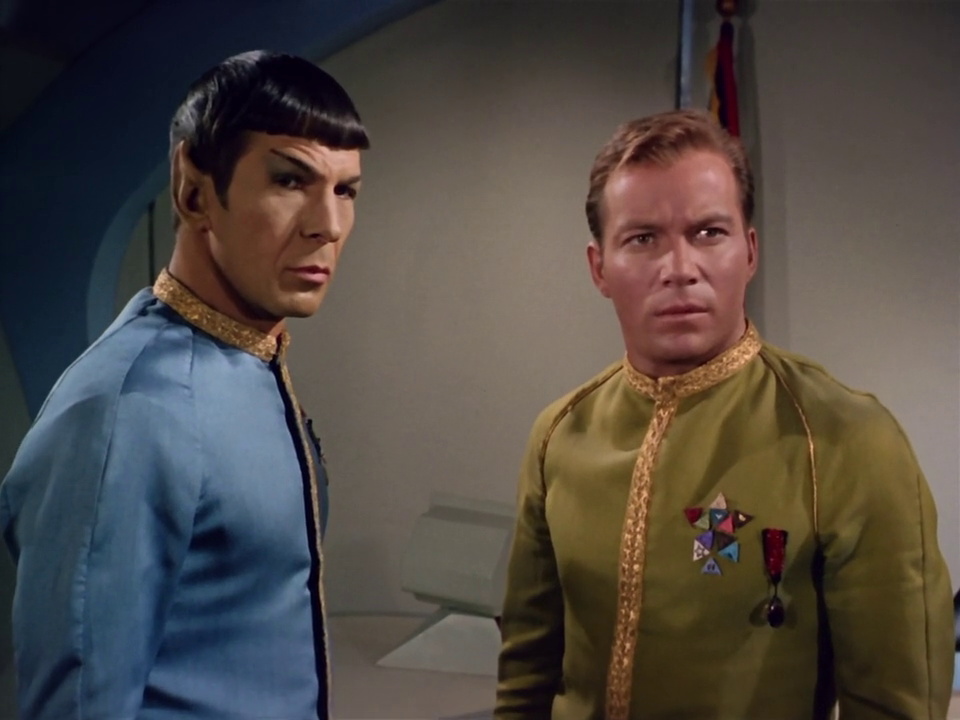
Even Kirk’s line at the end of the episode, in which he asks Spock why he didn’t just come to him with the truth was hand-waved away pretty quickly… and pretty weakly, from a narrative standpoint. Because The Original Series was an entirely episodic show, these events would never be so much as mentioned again, and when you consider the extreme actions that Spock took… I think I’d have wanted to see more of a conversation between Kirk and Spock as a way to conclude this aspect of the story.
If anything’s missing from The Menagerie… well, there it is.
I think I’m right in saying that The Original Series’ dress uniforms make their debut here – and The Menagerie is also, technically, Star Trek’s first courtroom episode. However, that latter point is very much a technicality, as very little resembling an actual court-martial occurs! Still, if we’re considering the episode as a piece of Star Trek’s history, the appearances of dress uniforms and courts-martial add to the franchise’s world, and both have gone on to be incredibly important in subsequent stories.
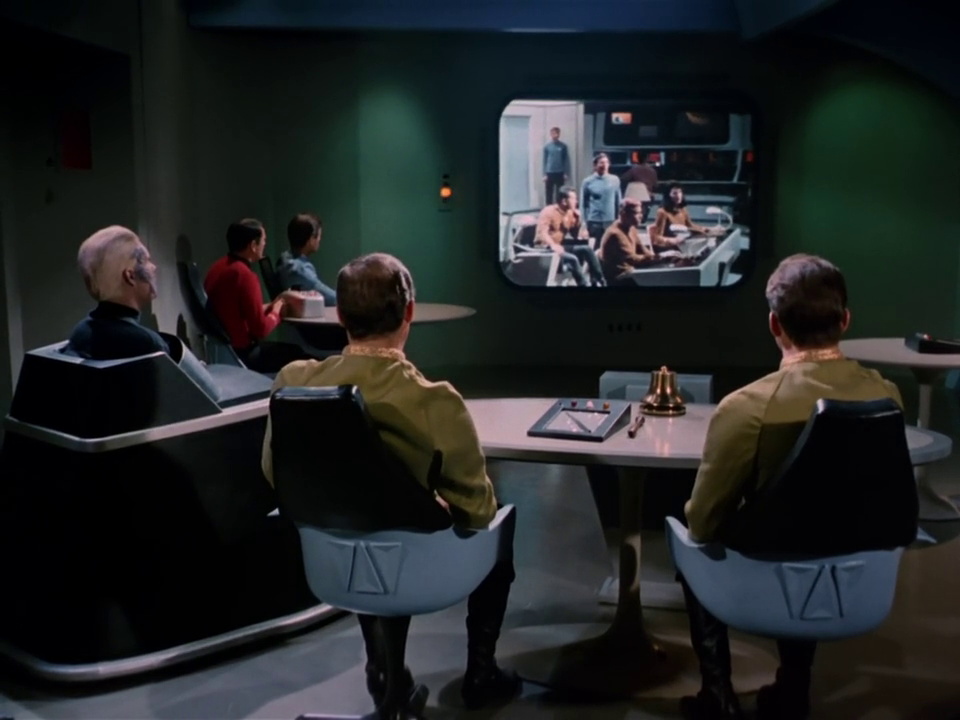
The final minutes of The Menagerie feel pretty rushed. The commodore is revealed to be an illusion, Captain Pike changes his mind about convalescing on Talos IV, Kirk and Spock seem to make amends, and Uhura relays to the courtroom that Starfleet has conveniently decided to waive all charges against Spock (and the Enterprise) in light of the transmission received from Talos IV – all in just a couple of minutes. Spock then wheels Pike out of the room to beam down to the planet… and mere seconds later, Kirk sees Pike, restored to health via the Talosians’ illusions, on the surface.
It just feels a bit… squashed. The episode was clearly running out of time, and the result is an ending that just didn’t have enough room to breathe – albeit one that wrapped up pretty much everything it needed to.
Having watched The Cage more times than I can count, I think it’s also noteworthy that there are a few pretty abrupt and noticeable cuts in the recycled footage. The final scenes from The Cage are cut down, concealing that the Talosians give Vina an illusory version of Pike (because that footage was needed to instead represent Pike himself on the surface at the end of The Menagerie), and that kind of changes the ending of the story-within-a-story.
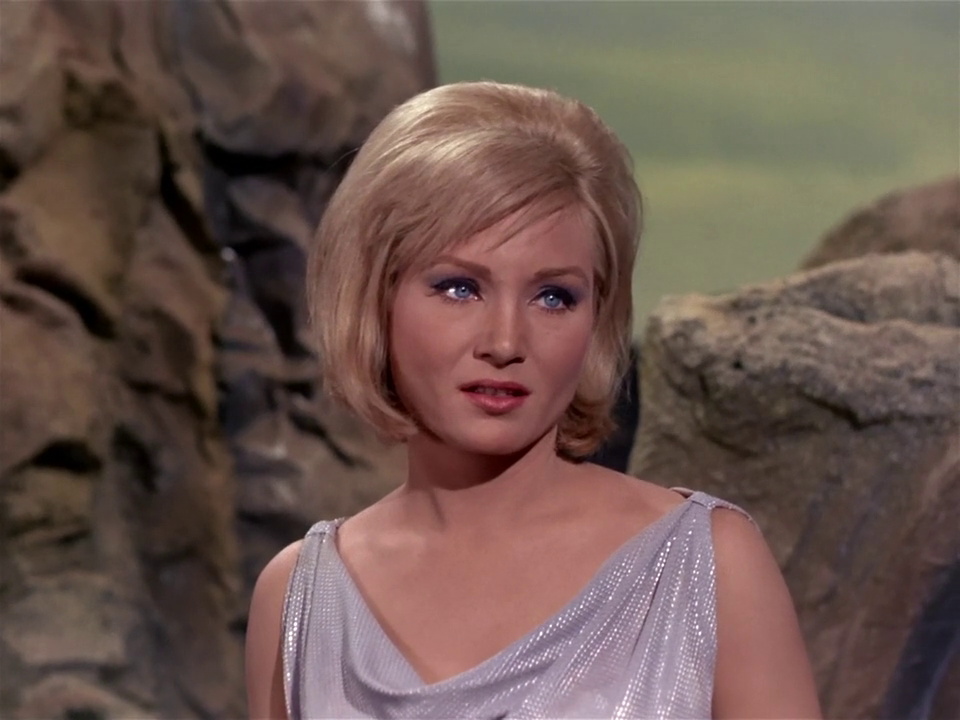
Instead of leaving Vina with her illusory partner, Pike just… leaves her with the Talosians. Instead of offering her medical aid – which, even if the Enterprise wasn’t equipped for, surely a starbase would be – Pike simply accepts her reasoning for wanting to stay behind and disappears. And without the additional context of seeing her with an illusion of Pike, that ending feels a bit… weaker.
However, that’s really something you’ll notice only with the benefit of having seen the unedited version of The Cage.
Another omission that I don’t think I’d noticed before was Pike’s (in)famous line about “women on the bridge” that I think Star Trek is right to move on from! Even at this relatively early stage, I think Gene Roddenberry was more keen to move Star Trek in a more progressive direction, and leaving that part of Pike’s character behind was the right call. Star Trek certainly wouldn’t be where it is today if characters like Pike had repeatedly made comments about women serving as officers!
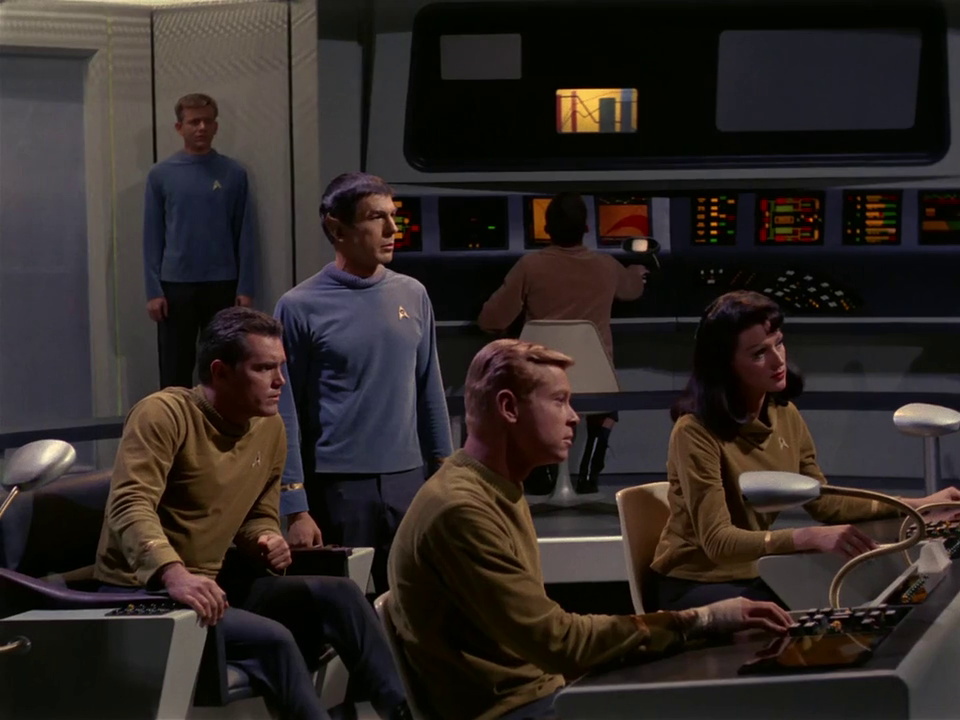
The Menagerie implies, I think, that Pike needed to see the Talosians’ powers for himself, and to revisit that earlier mission, in order to accept the help that they were offering him. Showing those events to Kirk (and the others at the court-martial) was really just for Pike’s benefit; both Spock and the Talosians wanted Pike to willingly return to Talos IV, not be forced there as a prisoner. And, I suppose, if you look at things from an in-universe perspective, Pike would’ve still been free to refuse this offer even after everything that Spock did to get him to Talos IV. However, if the Talosians’ illusions were so powerful that they could reach the starbase (where they apparently created an illusory commodore), why not simply reach out to Pike there? I guess that’s an unanswerable question – and one we probably shouldn’t dwell on, eh?
I’ve seen The Cage a fair few times – more times than I’ve seen The Menagerie, I’m sure. So it was fun to return to this classic story in a different way. By concentrating a lot more on the frame narrative than the recycled pilot episode, I feel like I had a different experience this time around. It’s nice, even after having been a Trekkie for thirty-five years, to be able to return to episodes and look at them even slightly differently, and because I wanted to focus more on Captain Pike, his role in Discovery and Strange New Worlds, and where that version of the character will ultimately end up… I definitely accomplished that on this occasion.
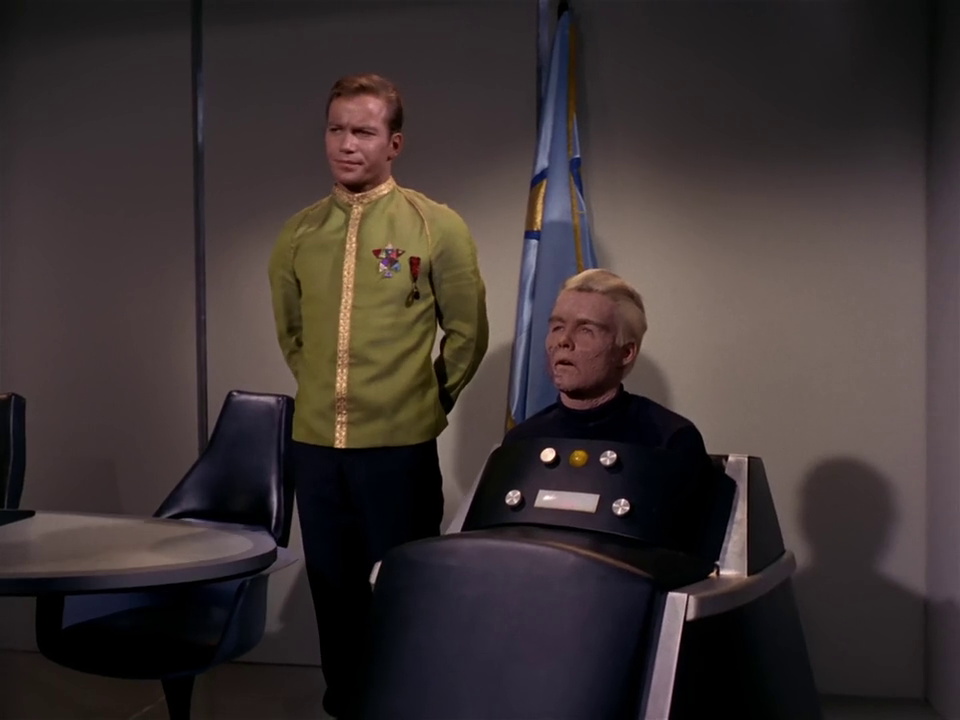
As I’ve said before, Captain Pike is a character that I find to be very relatable – especially after his appearances in Discovery’s second season. I’ve been in a comparable position to Captain Pike. No, I didn’t have to sacrifice myself for a time-crystal or save the Federation, but I mean that I’ve had the experience of knowing my health is going to get worse, that disability is coming for me, and that there’s nothing I can do to stop it. I view Pike’s story through the lens of my own experiences, and the idea of wanting to escape from health issues – even if only in an illusory way – is something I can put my hand on my heart and say that I completely understand.
And that’s a big part of The Menagerie, for me. Captain Pike sees what the Talosians can offer him – the same thing they offered to Vina – and, despite his initial objections and concerns, chooses to accept. He wants to find an escape from the condition that’s left him disabled and unable to live the life he wanted… and I think that’s something incredibly relatable and understandable. One of the things that I’ve always found appealing about Star Trek is the idea that, one day, many of the health conditions that afflict us can be cured or mitigated, and while this is very much a fantastical approach to that idea, as opposed to a scientific or technological one… it’s still in the same ballpark. And having related so much to Pike in Discovery and Strange New Worlds as he wrangled with the knowledge of his impending accident, I found this presentation of the captain no less relatable, despite being produced some sixty years ago.
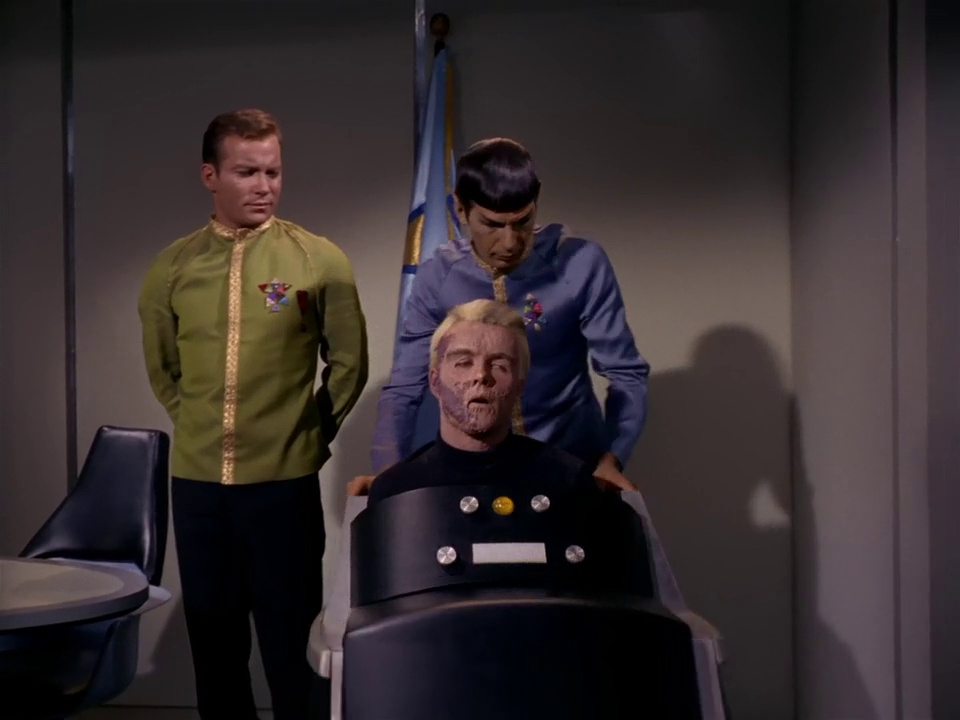
So I hope this has been a bit of fun, and also a way to mark The Menagerie’s sixtieth anniversary.
We haven’t had any trailers or teasers yet for Strange New Worlds’ fifth and final season, but this re-watch is something I wanted to do in anticipation of that show’s finale. Season 4 may not have been as good as I wanted it to be, but I’m still crossing my fingers and hoping that Strange New Worlds will be able to end its journey on a high note. I personally hope that *won’t* involve any mention of The Menagerie, let alone an attempt to revisit or retcon any part of it! But regardless of what happens, I think seeing Captain Pike’s ultimate destination was well worth doing ahead of the Strange New Worlds finale next year.
If you missed it, I have a very early look ahead to Season 5 of Strange New Worlds, which you can find by clicking or tapping here. And I’ve also written up re-watches of Arena and Where No Man Has Gone Before, also from the first season of TOS, which you can find by clicking or tapping those links. There’ll be more Star Trek content to come here on the website between now and the end of the year, so stay tuned! And in 2027, I’ll be reviewing Starfleet Academy and Strange New Worlds as the current era of streaming Trek winds down. I hope you’ll join me for some or all of that. Until next time… and, as always, Live Long and Prosper, friends!
Star Trek: The Original Series (a.k.a. Star Trek) is available to stream now on Paramount+ in countries and territories where the platform is available. The series is also available on DVD and Blu-ray. The Star Trek franchise – including The Original Series, Strange New Worlds, and all other properties discussed above – is the copyright of the Skydance-Paramount corporation. Some DVD-quality still frames were upscaled using A.I. tools. This article contains the thoughts and opinions of one person only and is not intended to cause any offence.

