
Spoiler Warning: There are spoilers ahead for The Lord of the Rings: The Rings of Power Seasons 1-3. Spoilers are also present for The Hobbit and The Lord of the Rings.
As I sat down to watch the first episode of Amazon’s The Rings of Power, I was hit with one overwhelming thought: “Who the hell are any of these characters?”
This is not an issue that’s unique to Amazon – and, to be fair, once I got back into the show, I found that I had at least *some* recollection of most of the principals – but longer and longer waits in between ever-shorter seasons of television are really having a detrimental impact on my ability to follow along with what’s supposed to be a single, ongoing story. Maybe that’s a “me” problem; my mental health isn’t great, and with that comes a fairly weak memory. But even so… I really hope this trend that we’ve seen over the last few years will begin to reverse. If we have to wait another two or three years for the fourth season of The Rings of Power – which was recently greenlit at time of writing – then I’ll probably have to spend at least the first episode, if not the first two, just finding my feet all over again!
Photo: Amazon Prime Video
The Rings of Power was a controversial series from the jump, and – as I also said in my review of Season 2 a couple of years ago – nothing will have changed after this latest outing on that front. The story continues to unfold, most of the same characters remain in place, and the pacing, writing, and visual style haven’t shifted in a noticeable way, at least not for me. I saw nothing in these new episodes that will have convinced critics of The Rings of Power to give it a second chance, or ways for the series to win back lapsed viewers. If you enjoyed what The Rings of Power did in Seasons 1 and 2, that’s fine – this was a continuation of the same story told in basically the same way. But if you hated it and wanted to see big changes… then you didn’t get that, and I can appreciate some Tolkien fans, Game of Thrones fans, and other fans of fantasy being disappointed in that.
For me… I find myself in the middle.
I was never a “hater” of The Rings of Power, but I also didn’t feel – in Season 1 or 2 – that the show was living up to its potential. This was – at the time it premiered, at least – the most expensive streaming/television series… *ever*. And in terms of writing, visual effects, acting, editing, characterisation, narrative depth, and more, The Rings of Power never managed to justify that. I hoped for better from Season 3.
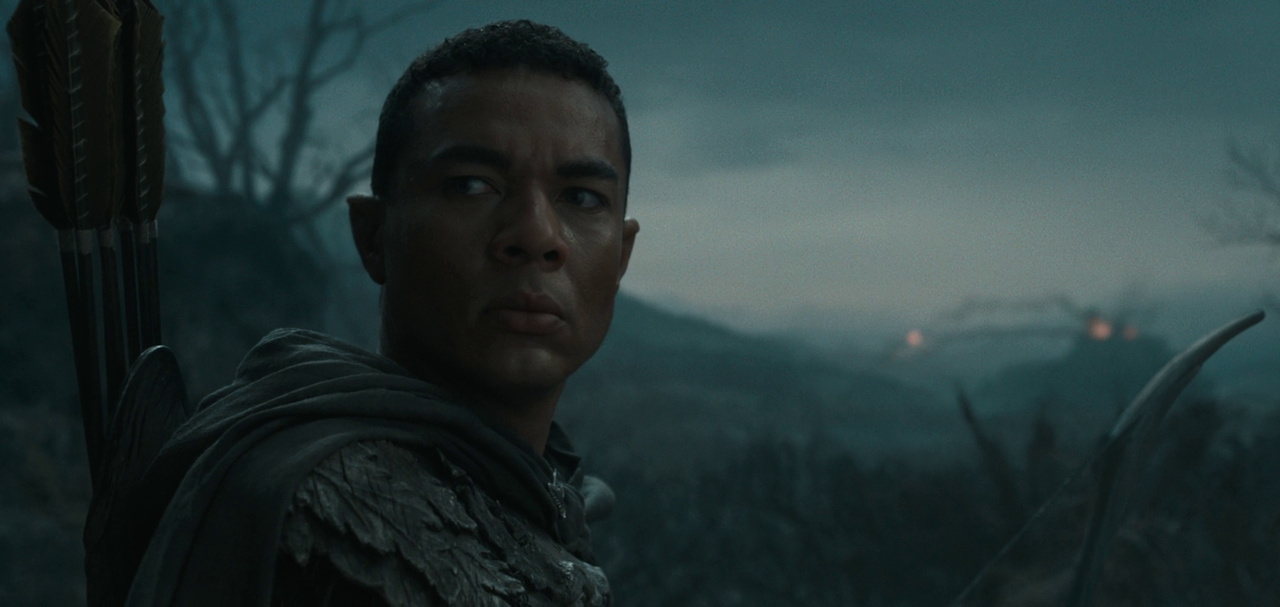
I think it’s absolutely fair to take into account the amount of money a project cost when assessing its strengths and weaknesses. There are fantasy projects on far lower budgets that do some or all of what The Rings of Power has attempted, and when a series is *so* phenomenally expensive, things like visual effects really have no excuse for being anything other than perfect. Maybe you think it’s unfair to pick on a show’s budget as a point of potential criticism; that the only thing we should consider is whether or not we enjoyed what was on offer, on the whole. And that’s a fair stance to take – but given the corporation involved and the money involved, I can’t really do that. So while I can say I liked parts of The Rings of Power’s third season, I’m still hit with that sense that it isn’t as good as it can or should be.
There are some very real successes that Season 3 delivered. I liked, for example, that there was a bit more nuance in some of the show’s intrigue; that not *every* character was a pure paragon of virtue or irredeemable monster, and that some “good” characters had to make moral compromises in order to achieve greater objectives. That’s something The Rings of Power had been lacking, and it was much appreciated. I also felt one of its core themes – that of war, and how war irrevocably changes people – was handled pretty well, particularly with Celeborn and Galadriel. Given Tolkien’s own experiences in the First World War, incorporating that idea into the series was a good one.
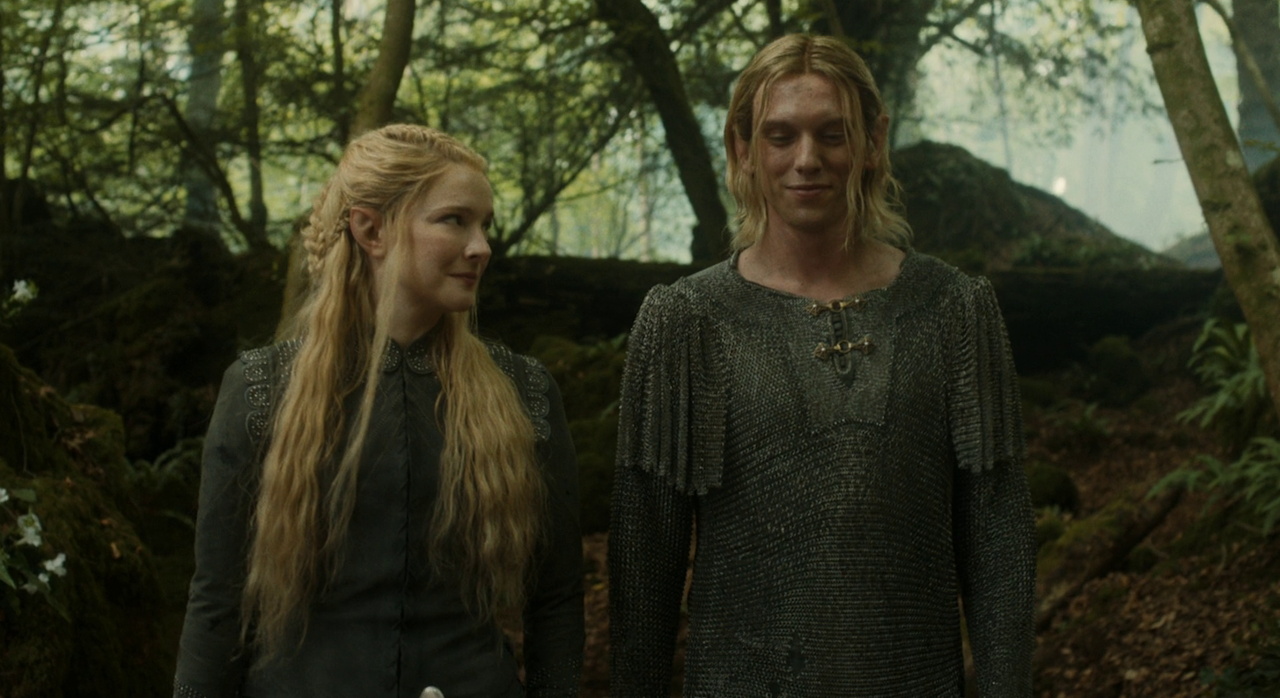
However, there are also some disappointments and let-downs. The Rings of Power continues to rely on some *atrocious* narrative contrivances. These paper-thin foundations make whole story arcs feel incredibly weak and easily toppled, which speaks to both the risks of this kind of “not-an-adaptation,” and also the quality of the show’s writing and overall creative direction. There’s also a ton of awful, almost soap opera-level interpersonal conflict and relationship drama that just didn’t benefit the series in any way. And finally, too many “big, shocking moments” were incredibly pedestrian and easy to predict. I think The Rings of Power managed to surprise me precisely once in all of Season 3.
A mixed bag, then.
I am not a stickler for the minutiae of canon nor for the intricate details of Tolkien’s legendarium. However, I still find it odd that Amazon would pay such an inordinate amount of money for the rights to adapt parts of Tolkien’s world… only to make massive changes and additions to that world that were never part of the source material. These changes go beyond what’s necessary to adapt works of literature for the screen, and some of them come across as little more than the cheapest of nostalgia plays; as if The Rings of Power is cloyingly trying to say “remember how good The Lord of the Rings movies were?”
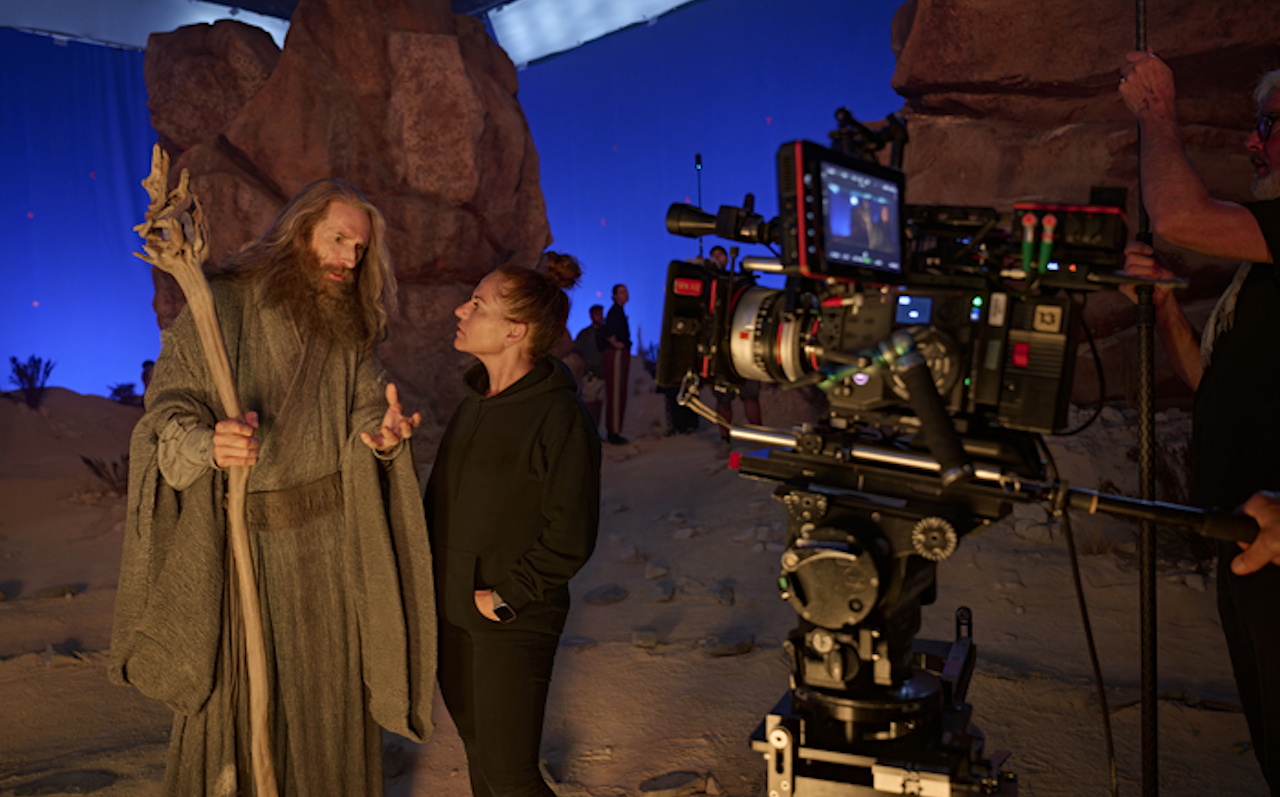
Photo: Amazon Prime Video
On that note, Season 3 of The Rings of Power went out of its way to recreate or reimagine some very famous and well-remembered scenes, shots, and moments from those earlier films. If this had been a one-off, it would’ve already been weirdly noticeable, but it happened repeatedly throughout the season – and no, you won’t convince me that any of these moments are coincidences! They’re deliberate attempts to recreate the feeling viewers had upon watching The Lord of the Rings trilogy in the cinema a quarter of a century ago… and for me, at least, not one of them succeeded.
The problem with copying something is that it never results in anything *better* than the original. At best, it’ll be pretty much the same – but still tainted by the lack of originality and the knowledge that someone else did it first. And at worst – as I’d argue happened in The Rings of Power – these moments come across as pathetic and desperate attempts to both play the nostalgia card and rope the series to its illustrious forebear.
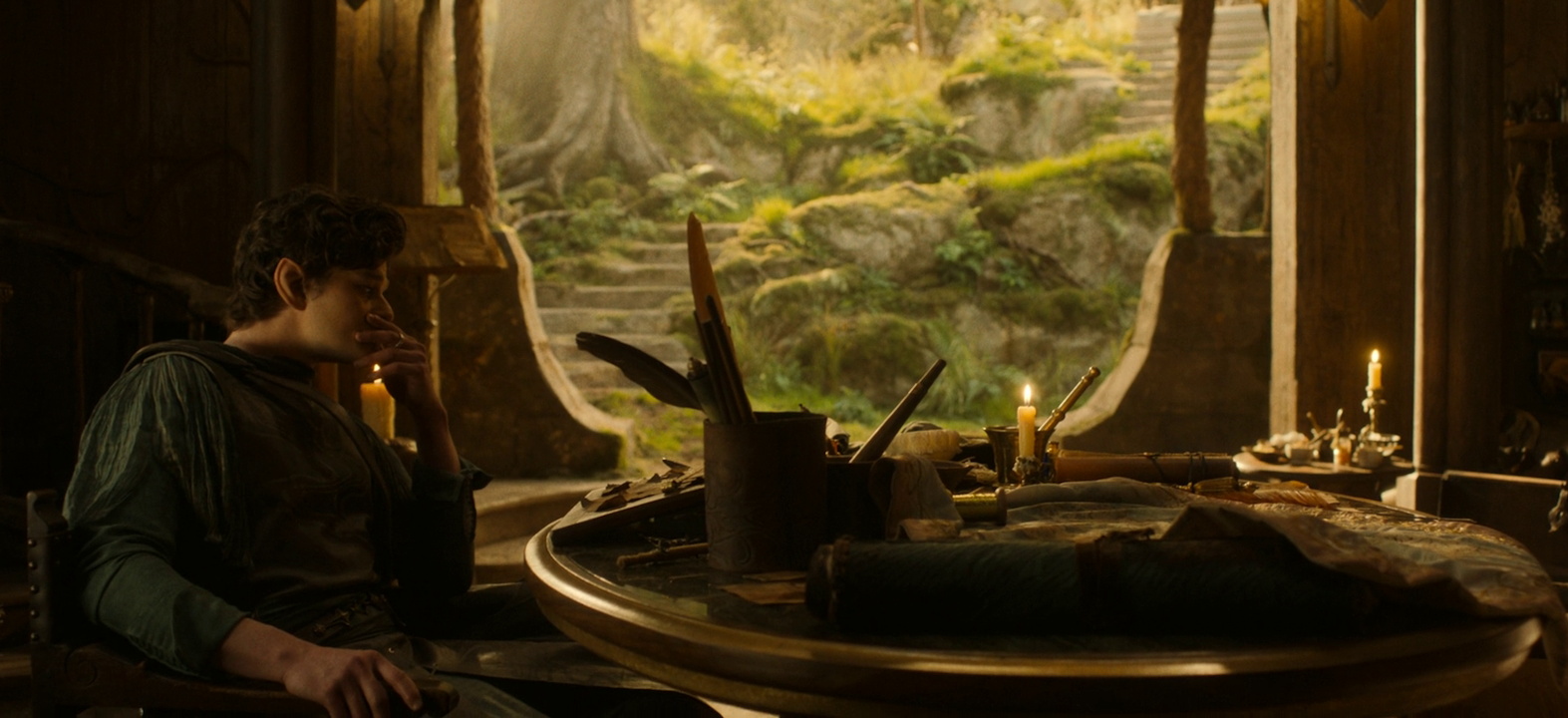
I’ll go over a few of the moments, scenes, and shots in question.
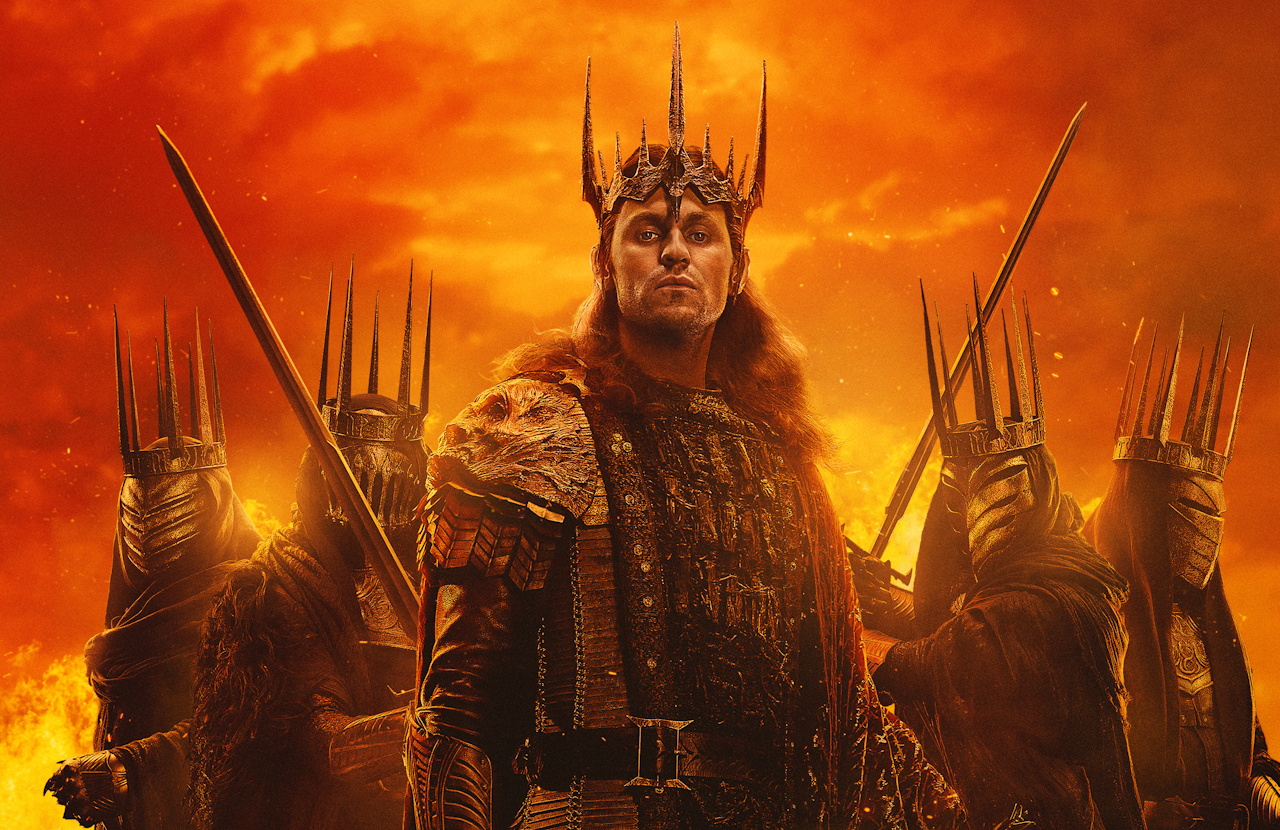
Galadriel, Arondir, and Marnûkh hiding from the Nazgûl under a log is obviously a direct copy of Frodo and the Hobbits doing the same thing in The Fellowship of the Ring. Sauron standing on the balcony of his tower, flanked by Theo, the Nazgûl, and Pallondo imitated the shot of Saruman on the balcony of Isengard in The Two Towers. Galadriel holding Theo’s Ring by its chain copied the way Frodo held his at the Cracks of Doom in The Return of the King.
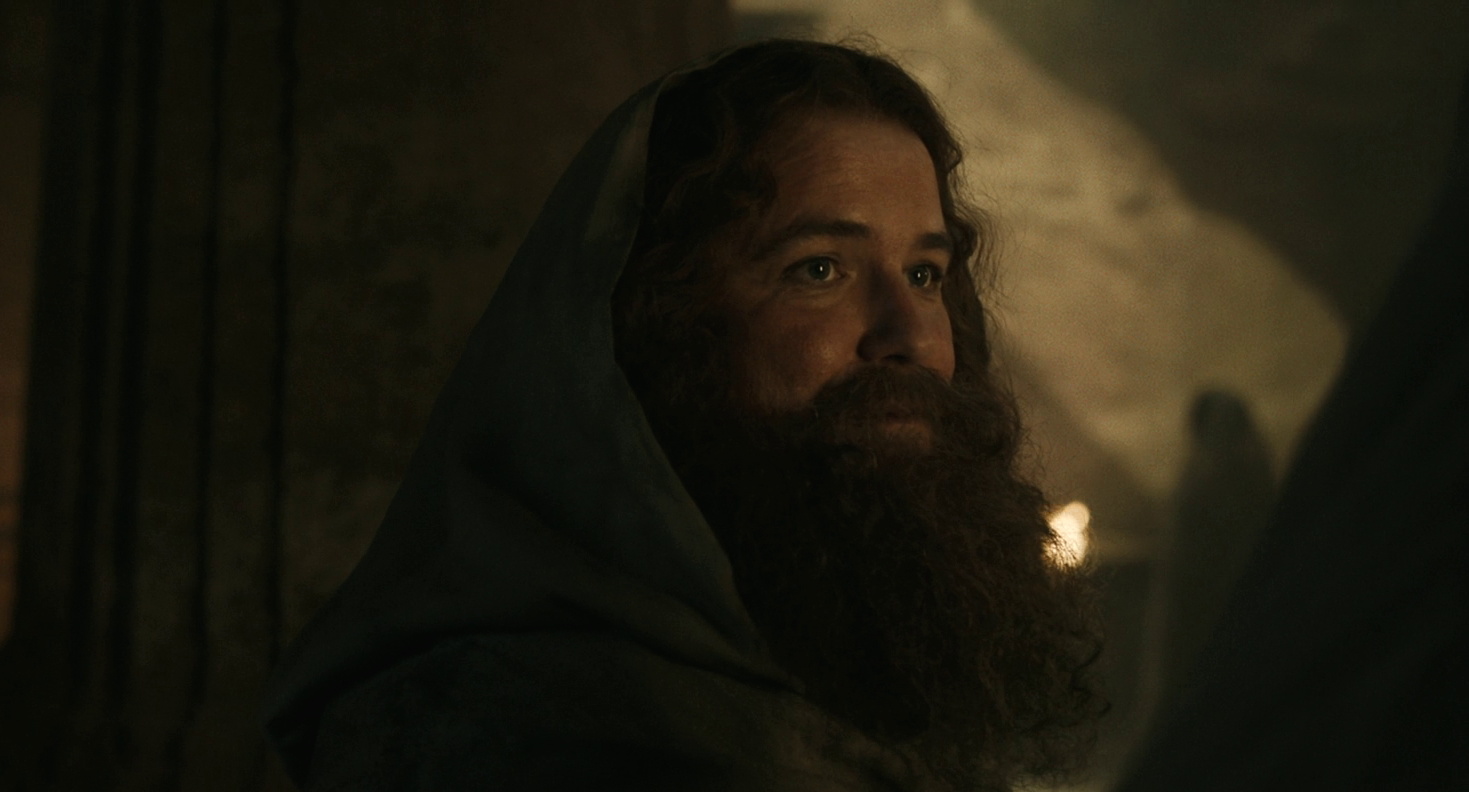
Arondir leading Marnûkh on a chain mimicked Frodo and Sam leading Gollum that way – even down to the Orc’s cowering movements and Arondir’s occasional tugs on his cuffs. Gandalf discovering and wearing Tom Bombadil’s hat harkens back to dozens of scenes in The Lord of the Rings, but especially his first meeting with Frodo in The Fellowship of the Ring. A close-up shot of Ar-Pharazôn’s mouth while he dined with Gil-Galad and Elrond was a like-for-like copy of the (in)famous shot of Denethor in The Return of the King. And the entire fight between Gandalf and Pallando – with Gandalf tossed around and pinned to the ceiling – was essentially a total copy of Gandalf’s duel with Saruman in The Fellowship of the Ring… even down to Pallando repeating Saruman’s line, “the hour is late,” as Gandalf arrived.
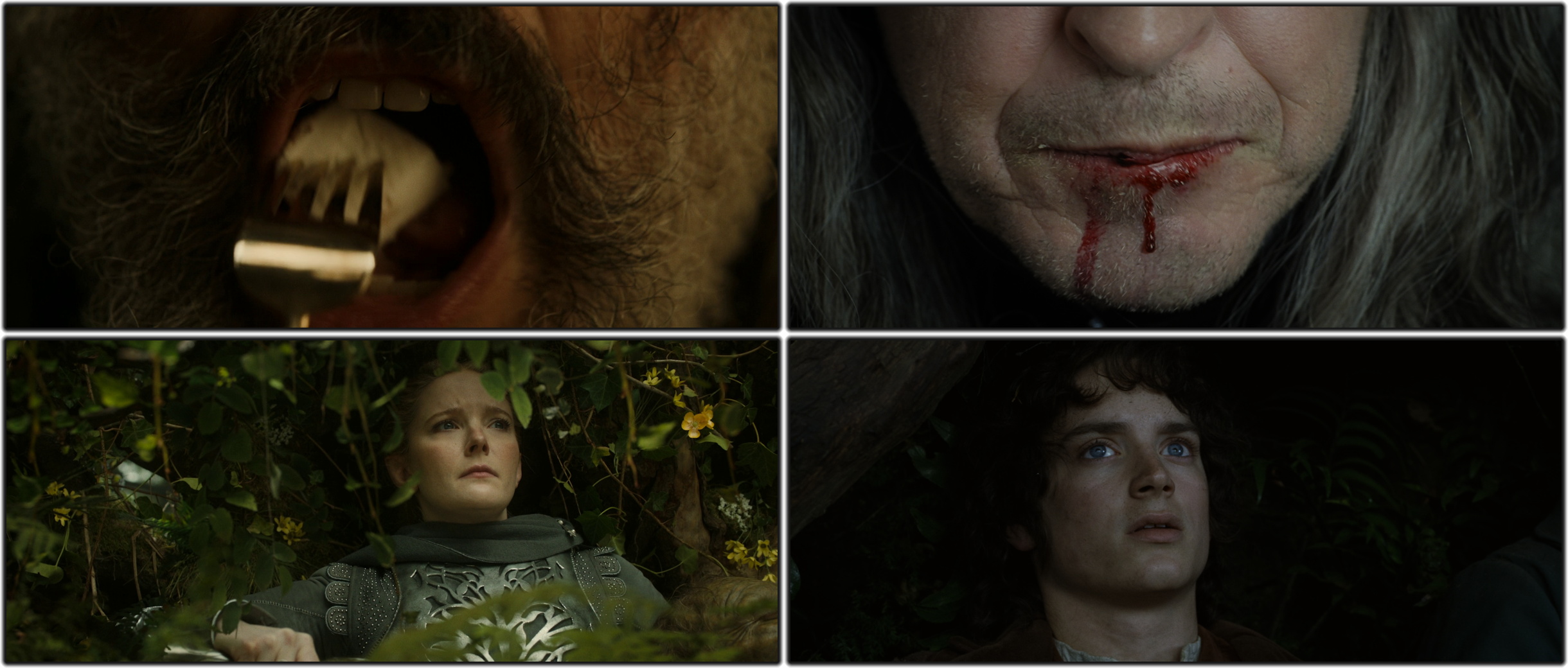
Below: Galadriel and Frodo hiding from a Nazgûl.
Taking inspiration is one thing, and a series pitching itself as a prequel *should* feel like it fits in with the world of those later films. But this shot-for-shot, frame-for-frame copying is, for me, a bridge too far. It doesn’t come across as respectful homage, nor does it seem like a genuine, well-intentioned attempt to tie the world of Middle-earth together. Instead, moments like this come across as overplaying the nostalgia card. I rolled my eyes at almost all of the moments in question, because The Rings of Power feels so… small. It makes the show seem like a pathetic mimic, a pale imitation of something so much better and more original than it could ever be. And far from making me feel like The Rings of Power is *as good* as The Lord of the Rings trilogy… it makes me think I’d rather be watching those films instead.
These side-by-side comparisons are useful for me, as a critic, because I think they serve as the greatest possible visual metaphor for everything The Rings of Power gets wrong. The series wants so desperately to evoke memories of The Lord of the Rings trilogy, but its creative team apparently has no idea why those scenes and moments worked as well as they did, or why those films are held in such high esteem. It’s an attempt to wrap this new offering in the cloak of nostalgia and hope that that’ll make up for contrivances and weaknesses elswhere in the story. And it doesn’t.
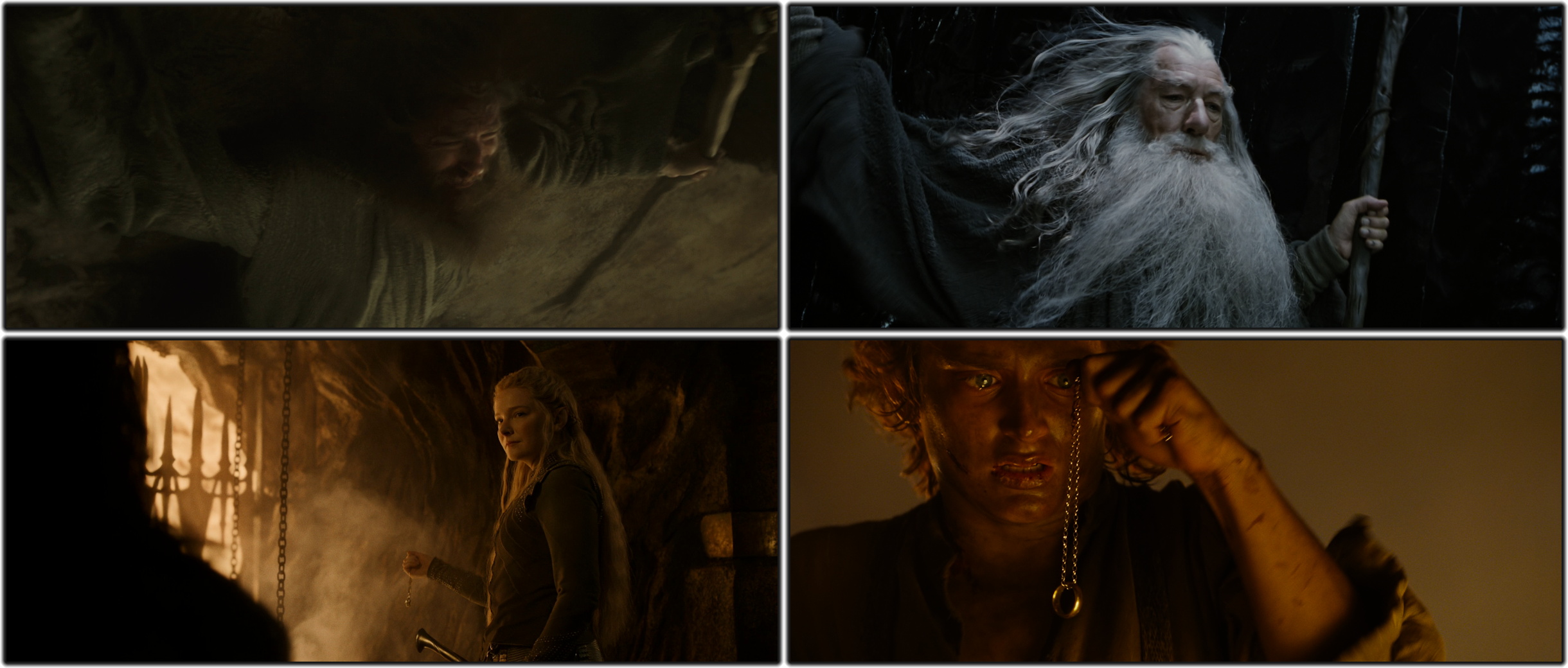
Below: Galadriel and Frodo holding a Ring of Power on a chain.
The story of Sauron’s rise, the creation of the One Ring, and the war that eventually stopped him could be worth exploring through the medium of television. But that story is an original one, independent of The Lord of the Rings – and it shouldn’t feel so utterly dependent on it. This flagrant copying seems to speak to a lack of confidence – or a lack of skill – on the part of this new creative team; that they can’t create something on their own, so they have no choice but to go back to The Lord of the Rings and try to cherry-pick moments from the cinematic adaptation and clumsily recreate them.
As I said above: copying *never* leads to something better. And in this case… The Rings of Power is genuinely made worse by trying to recreate these scenes, shots, and moments. There are ways to tell this story without relying on such cheap tricks, and I doubt it’ll convince *anyone* who was on the fence that this is a series worth sticking with, or that this new adventure lives up to the magic of The Lord of the Rings trilogy. So… why bother? Why couldn’t this creative team tell this new story in their own way? Perhaps it’s something that came from the corporate side; studio meddling is nothing new. But I can’t help but feel that these decisions are, at least in part, a sign of weakness and overdependence on the part of the show’s creators. The pressure of such a huge budget and such a well-known IP seems to be weighing on them, and the only way they seem to know how to respond is by trying to literally recreate The Lord of the Rings trilogy clip by clip, shot by shot, and frame by frame… instead of having the boldness to try their own thing.
That’s kinda sad, to be blunt about it.
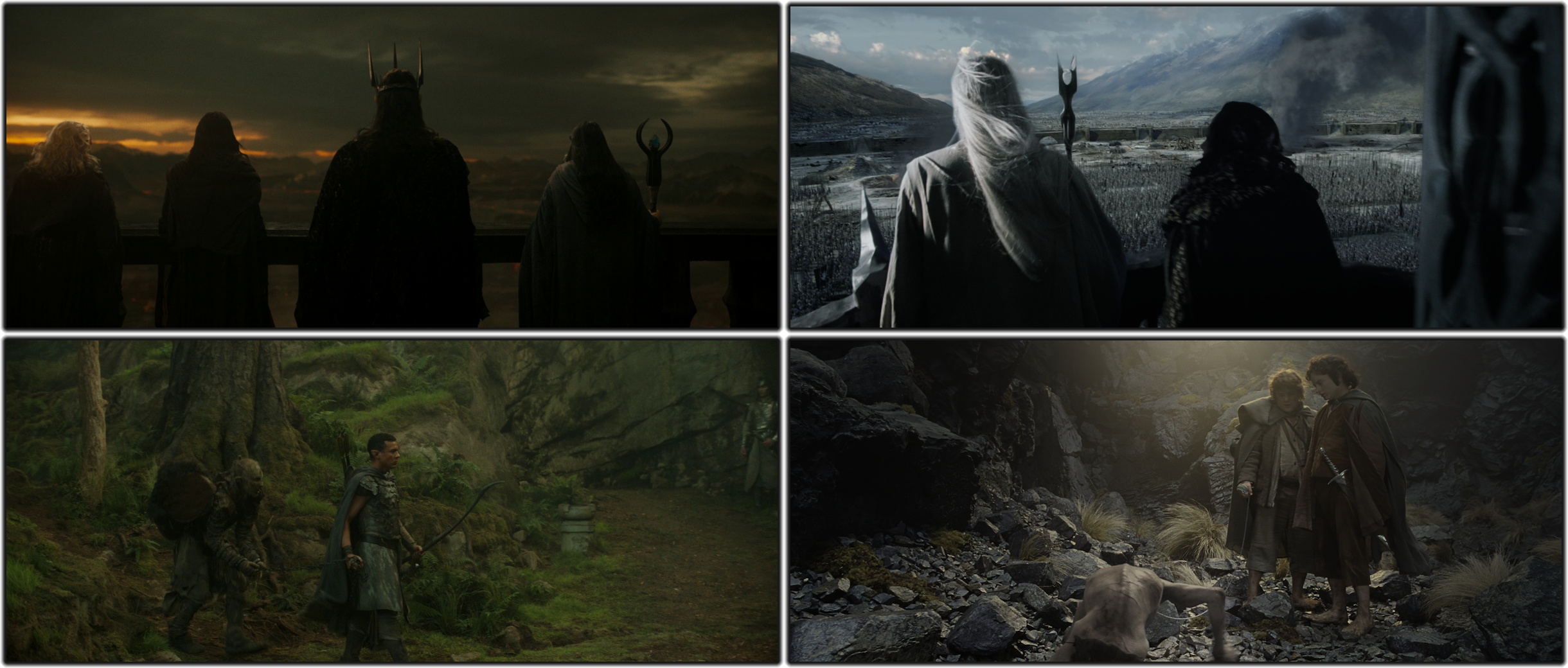
Below: Arondir leads a captured Orc, Sam leads a captured Gollum.
Despite not being a lore obsessive, there are a few changes to the source material that I find… odd. I said in my review of Season 2 that Tom Bombadil playing such a large role in taking the fight to Sauron was at odds with what we know of him from the books, and that continued this time. Tom Bombadil literally infiltrated the Dark Wizard’s palace in disguise alongside Gandalf… something that just doesn’t track with his character at all. And while I can give credit to The Rings of Power for picking up Tom Bombadil from the books (as the trilogy of films left him out), the choices made for his character really don’t track.
I did like, however, that Tom Bombadil’s role this time was smaller, and that, after his first appearance, he (mostly) left things to Gandalf. From a purely mechanical perspective, Gandalf’s story worked better because he had someone to talk to, at points, and bounce ideas around with – but I still don’t think that that person *had* to be Tom Bombadil.
Where were the Harfoots (or Harfeet?) The proto-Hobbits had been a big part of Seasons 1 and 2, but were entirely absent this time, save for a small dream/illusion in the season finale. Nori and/or Poppy could’ve made for fun inclusions – and could’ve replaced the lore-inaccurate Tom Bombadil as characters for Gandalf to talk with.
I feel that audience reactions to the Harfoots – particularly in Season 1 – led to their absence this time around. And I’ve been critical of some elements of the Harfoot storyline myself; choosing to butcher the song This Wandering Day last season was a really ham-fisted mistake, for example. Reacting to feedback from your audience is to be commended, in some ways… but at the same time, if the Harfoots were meant to be a bigger part of this story, or if the earlier stories of Nori, Poppy, and co. were meant to be paid off later on, sticking with something – or tweaking and adapting, rather than completely removing – would’ve been the way to go. I can’t help but think that the Harfoots – Nori, at least – should’ve been part of Gandalf’s storyline in some way, and their absence just feels odd, particularly considering how prominent some Harfoot characters had been in Seasons 1 and 2.
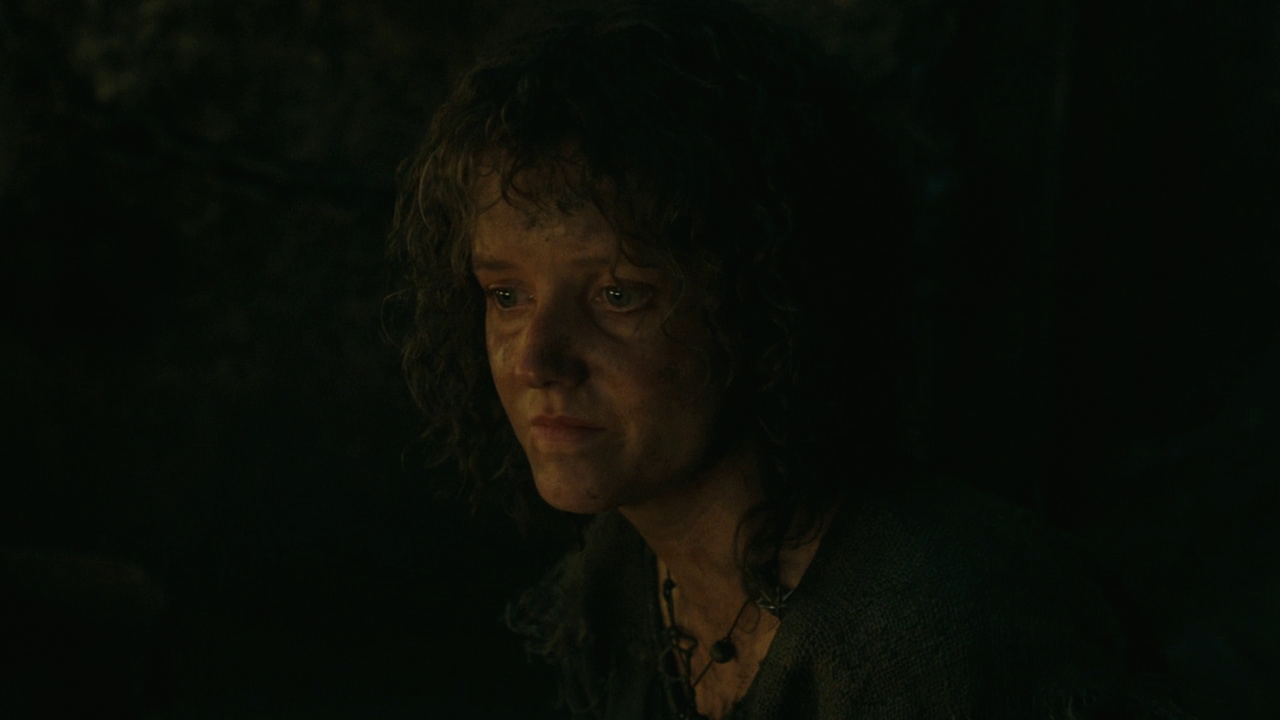
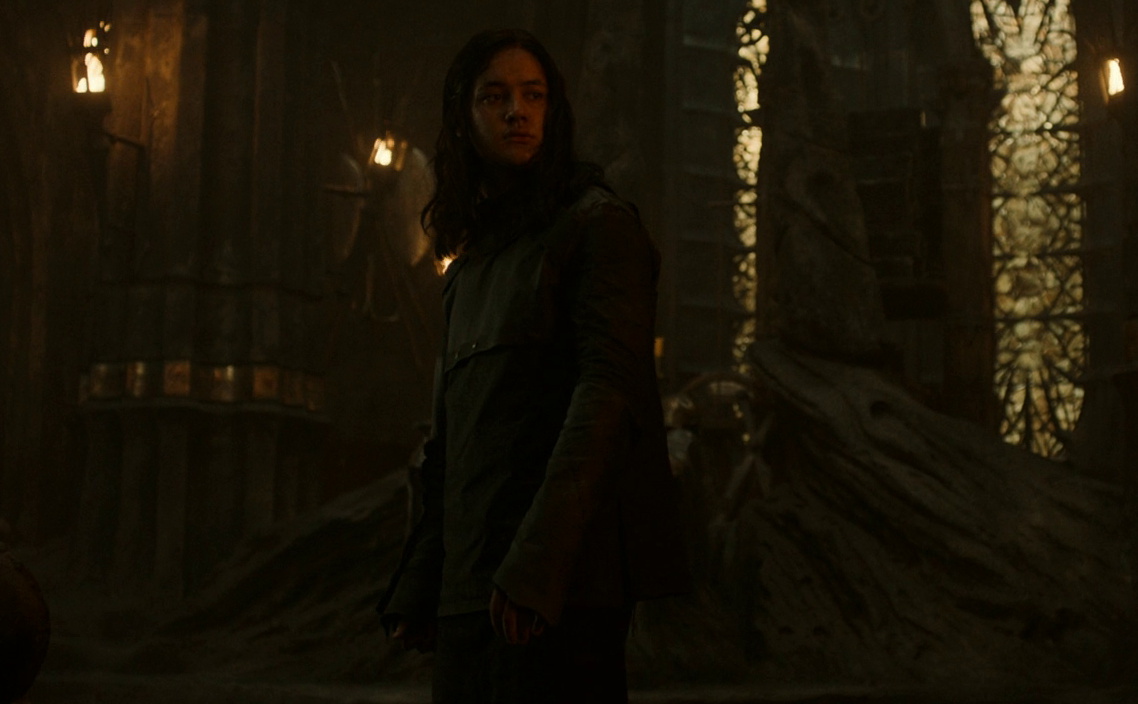
Sticking with Gandalf, I’m still disappointed that The Rings of Power decided to include him instead of another magic-user or wizard. Very little that Gandalf says or does in The Rings of Power feels unique to the Gandalf we’re familiar with, and that’s because he’s not actually a part of this story in the source material. It’d have been more interesting, in my view, if this character – “The Stranger” from Season 1 – had instead been revealed to be Saruman; setting him up as a hero before his fall might’ve been a fun and unexpected way to take this side of the story.
Gandalf’s arc this time felt… derivative. Not only was his run-in with Pallando (and later, the Nazgûl) a straight-up copy of his conflict with Saruman, but much of his storyline of helping to redeem Pallando for his past misdeeds just… didn’t stick the landing for me. It was full of tropes, contrivances, and narratively weak moments, and I’d honestly rather have spent that time with Gandalf just kicking back in Tom Bombadil’s hut or smoking leaf with the Harfoots compared with what we got!
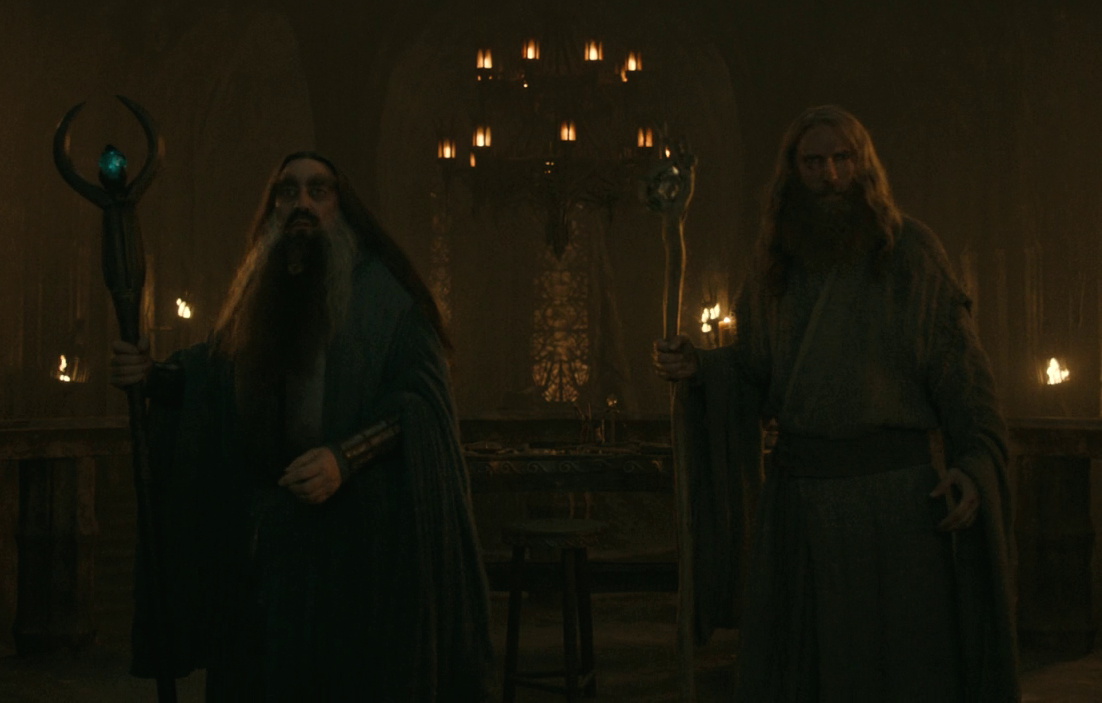
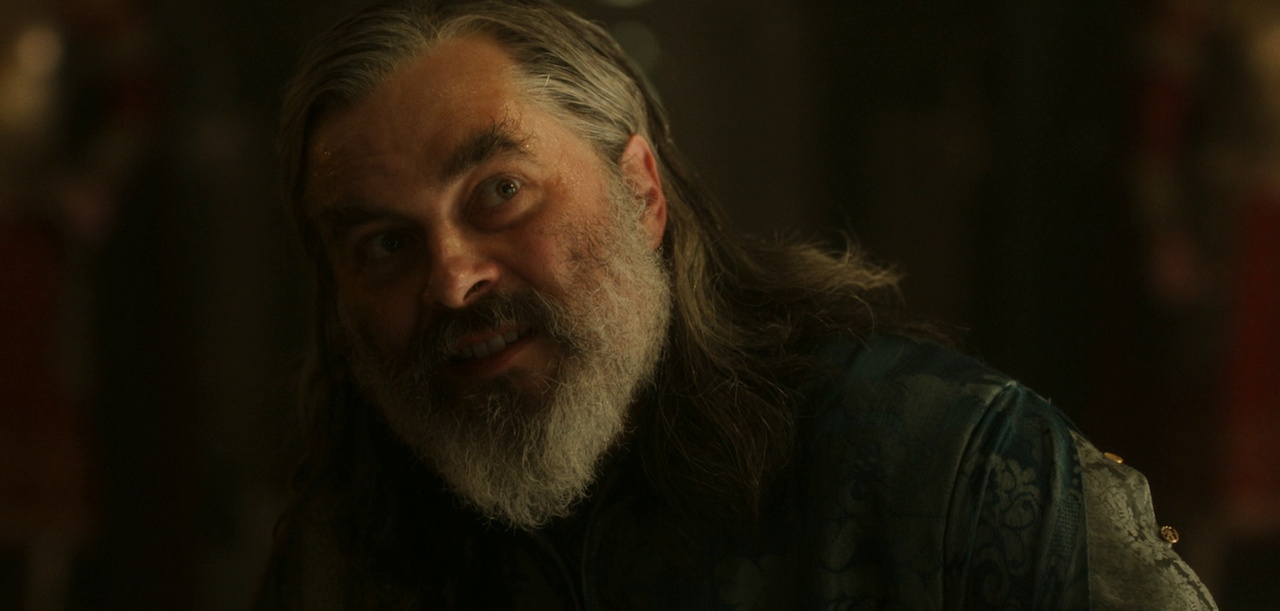
That isn’t to take away from Ciarán Hinds’ excellent performance as Pallando; he was one of the highlights of the season for me, as he stepped up and took on a larger role. But Pallando’s story was so weak most of the time that even a stellar performance from a phenomenal actor couldn’t make up for it, unfortunately, and this boring, clichéd redemption arc played out with absolutely no fanfare until its final scene.
It wasn’t even made clear what was happening to Pallando. He seemed to have basically come to the same conclusion as Saruman in The Lord of the Rings: that Sauron is undefeatable, and it’s better to collaborate and work with him than to try to oppose him. He’s Pétainesque, in that sense. But then later, after being given a Ring and then having it forcibly removed by Gandalf, Pallando just seems to snap out of it – as if it were meant to be the Ring, and the Ring alone, that had held him in its sway. This contrivance meant that the very crux of Pallando’s arc, as well as Gandalf’s story this season, came across as nothing but a narratively weak contrivance. Why did Pallando decide to submit to Sauron in the first place? Just because. And why did he snap out of it after Gandalf took his Ring away – less than five minutes after he put it on in the first place? Also just because. See what I mean? It’s a weak, contrived story point – and one that takes a lot away from what could’ve been a creative redemption arc.
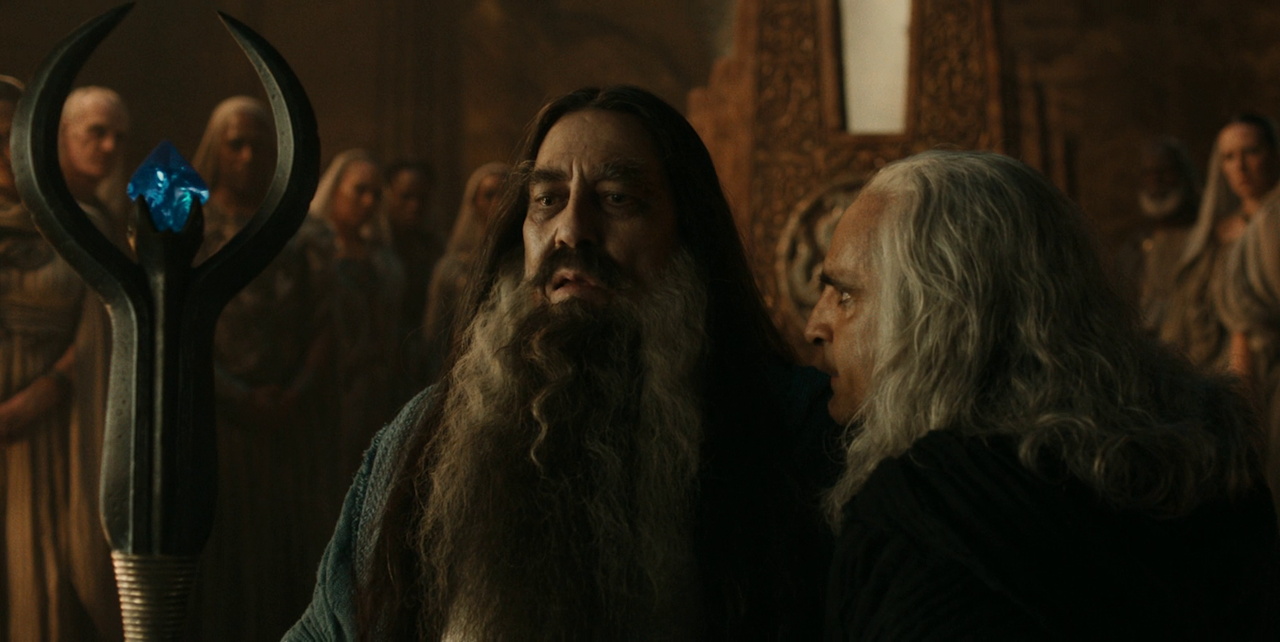
I will say that I’m glad that Pallando didn’t turn out to literally be Saruman; The Rings of Power, for all of its flaws and repetitiveness, at least had the good sense to avoid that death trap! But unfortunately, despite loving the actor and the performance, Pallando and Gandalf got a particularly weak storyline, and one that ended in unspectacular fashion.
I have two last things to add regarding this side of the story.
One: Gandalf and Sauron are, canonically, both Maiar: immortal spirits. But it was certainly *implied* in The Lord of the Rings that, if they had ever met, it was aeons ago, and they had no real personal connection. Gandalf wanted to stop Sauron, but Sauron didn’t know or care about Gandalf at all. Yet The Rings of Power shows them meeting – and even depicts Sauron addressing Gandalf as “Gandalf,” his Middle-earth name. Gandalf’s Maiar name is “Olórin;” surely that’d be the name Sauron would know, if at all.
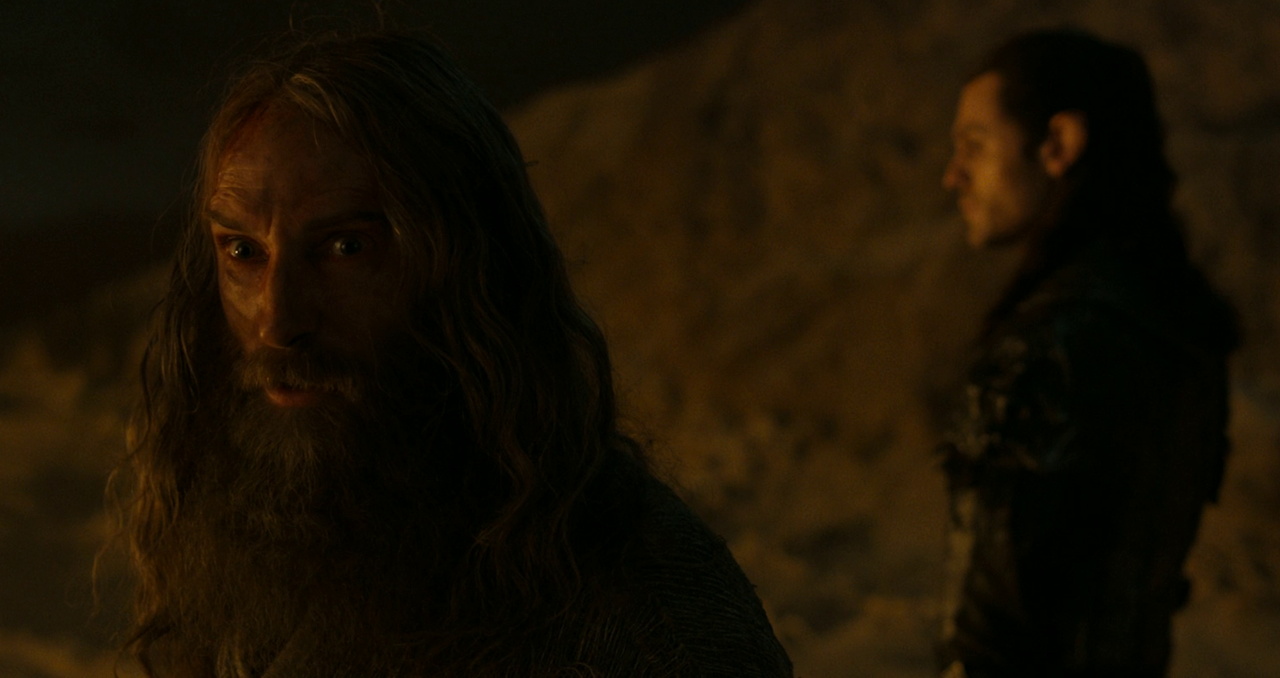
But setting that nitpick aside… did Sauron and Gandalf need to meet face-to-face? Did we need to see Sauron pressuring Gandalf to bend the knee, submit to him, and agree to wear a Ring? What does it add to this story – this *prequel* – that Gandalf was briefly imprisoned by Sauron and had to resist his illusions and whatever temptations he might’ve felt for the Rings?
Perhaps this will get a narrative payoff in later seasons of The Rings of Power, but even if it does… what do we gain from that? Sauron’s fall is going to come at the hands of Elves, Men, and Dwarves – and specifically Isildur (unless The Rings of Power decides to change that, I guess). So we won’t get to see Gandalf deliver the killing blow, snatch the Ring from Sauron’s hand, or anything like that. And, if we’re viewing The Rings of Power as a direct prequel to either the books or the films, I just don’t see what this one-on-one gets us. It’s two familiar characters being squashed together… like a kid might do if they were playing with their action figures. But narratively? Again, it was weak.
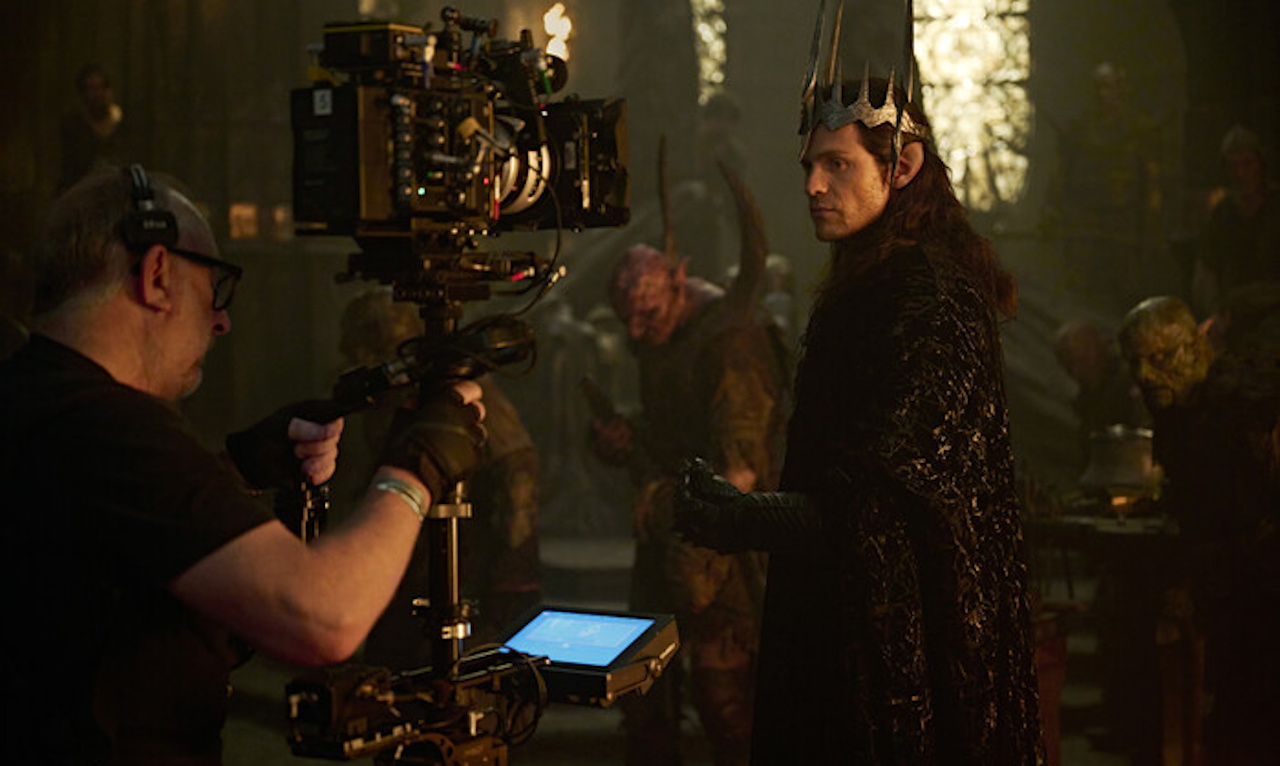
In Season 1, the Dwarves in Khazad-dûm were one of the best parts of The Rings of Power. Durin’s bromance with Elrond was adorable, and one of the strongest character relationships in the series. But aside from a couple of brief moments, we didn’t get Durin and Elrond together this time – again – and, unfortunately, what replaced their fun dynamic was genuinely poor. The “intrigue” – and I use that term loosely – in Khazad-dûm was definitely one of the least-interesting parts of the entire season.
Firstly, Thráin actor Eddie Marsan (who’s English) attempts a Scottish accent… and fails *miserably*. For a show with the budget of The Rings of Power, that comically poor accent is utterly unacceptable; someone get the man a voice coach, or something, because the way Thráin spoke practically every line was laughably bad and a major detriment to what was supposed to be a serious character.
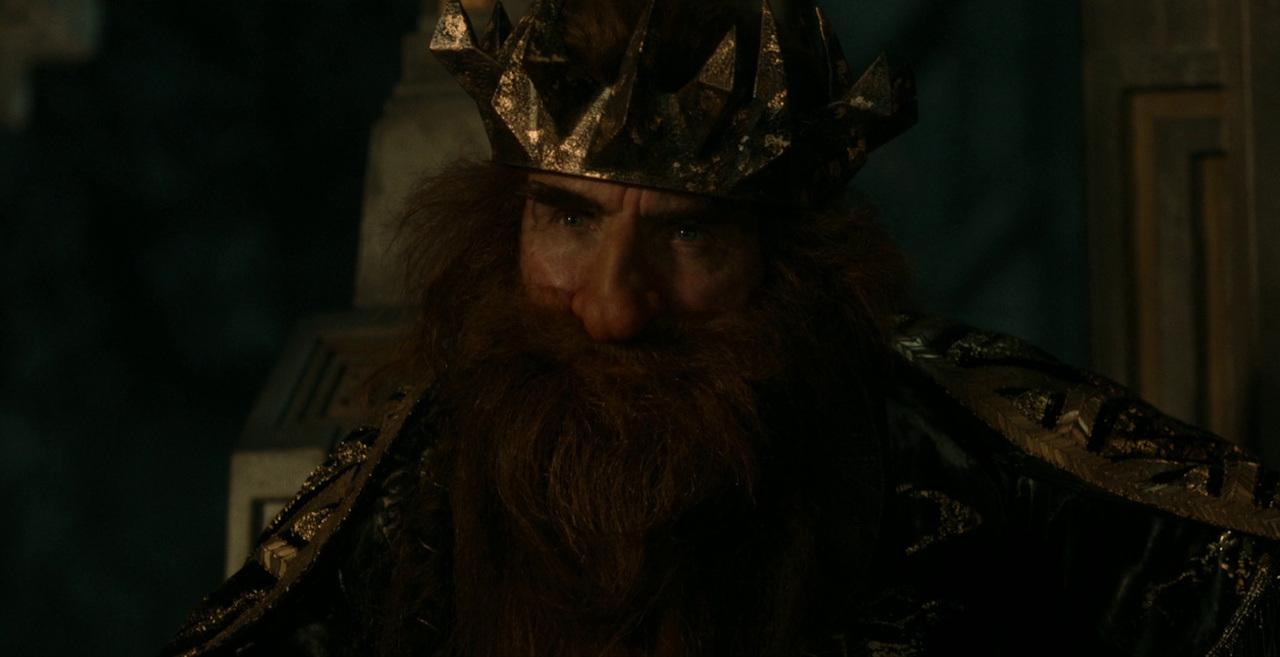
However, it gets worse. The soap opera “love triangle” between Disa, Thráin, and Durin simply has no place in a story like this. It’s cheap, low-brow, bottom-of-the-barrel storytelling that was clearly designed to plug (several) narrative holes and weaknesses in Khazad-dûm, and a way to attempt to force Durin and family out of the mountain so they can be in place for something else to happen next time. It didn’t work, it was annoying to sit through, I rolled my eyes almost every time Thráin and Disa spoke, and… I just hated the way this went.
High fantasy can include character moments, romance, love, and betrayal. I’m not saying it can’t. But the way this aspect of the Khazad-dûm story came across was poor, and having enjoyed the Dwarves so much in Season 1 especially, I just feel their story deserved better. The focus on the love triangle also meant that the Dwarves’ story felt like it was spinning its wheels a lot; Thráin’s quest to take the Rings from Durin didn’t take much time at all, and even all of the palace intrigue and questions about which of the brothers should’ve sat on the throne took a back seat to this far less interesting… fluff. It was a disappointment all around, and even a great performance from Sophia Nomvete as Disa wasn’t enough to carry it.
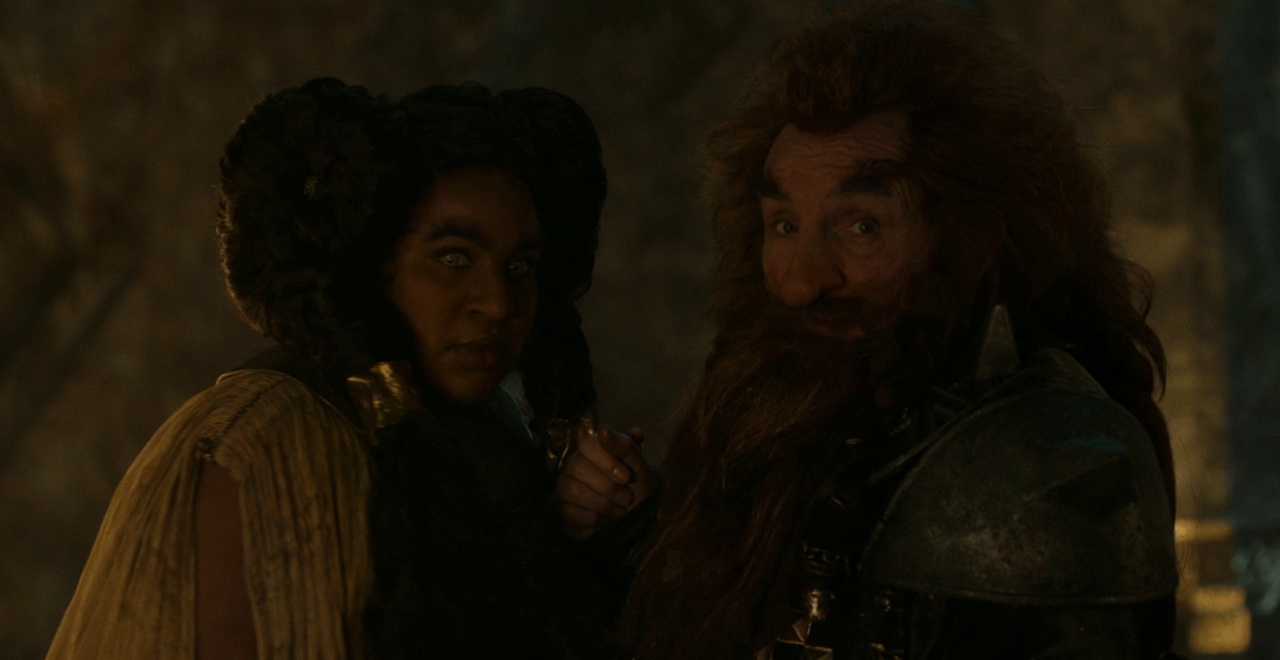
Though it’s clearly drawing inspiration from the likes of Game of Thrones, I can appreciate The Rings of Power’s attempt to add some nuance and some shades of grey to Tolkien’s world. Intrigue in both Khazad-dûm and Númenor was part of that; characters had to decide how to balance their needs and wants against the backdrop of events beyond their control, and having to choose to work with unpalatable people – as both the Elves and Míriel did with Ar-Pharazôn – added an additional layer to these stories.
There *was* a pathway for the Dwarves’ story to do the same, with Thráin on the one side arguing in favour of appeasement and Durin pushing back… but it would’ve needed to be handled with a lot more care. There were the barest bones of that concept in Khazad-dûm this season, but Thráin mostly came off as a greedy and self-interested character, rather than someone who genuinely believed that aligning his people with Sauron was the only way to keep them safe. It’s the difference between black-and-white storytelling and those shades of grey; if Khazad-dûm had been less focused on love triangles and gossip, and more focused on character development, palace intrigue, and the difficulties of decision-making at a time of war, this side of the story would’ve been infinitely better.
There’s still no saving Thráin’s accent, though. Ouch.
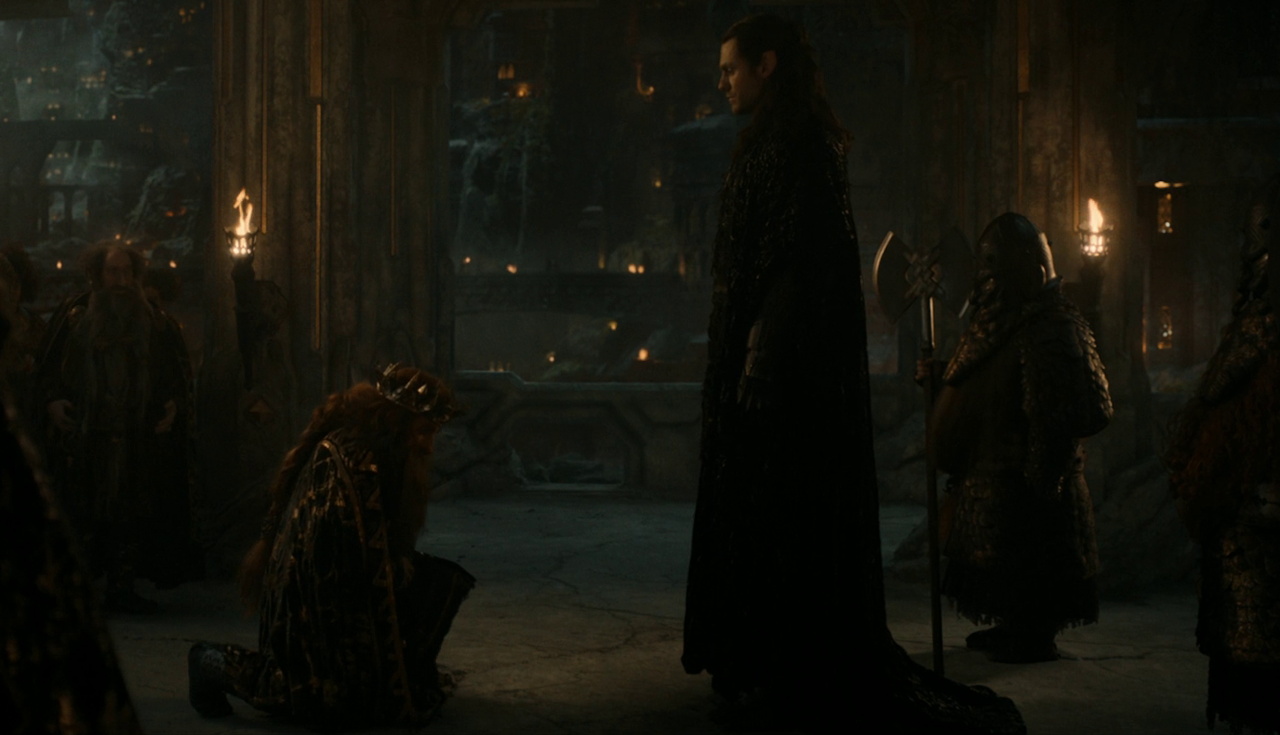
Where this idea of nuance and intrigue worked far better was in Númenor. Ar-Pharazôn had been pretty flat and one-dimensional in Seasons 1 and 2, and even at the start of this season, I felt he was going to be little more than a generic “evil-for-the-sake-of-it” baddie. His desire to go to Middle-earth seemed to come from nowhere, but it was given depth as he spoke of his quest for personal glory and to “slay a god.” What really worked, though, was how both the Elves and former queen Míriel came to work *with* Ar-Pharazôn, despite their enmity towards him.
The added complication of going to war alongside an ally with whom you have an imperfect and complicated relationship added a lot to the final couple of episodes of the season, and it was also an interesting way to resolve the Númenorean civil war arc. Again, though, the way this storyline ran and ran, then seemed to come to a fairly quick (and somewhat out of left-field) ending… well, I can see why it might feel like the series was dragging things out.
Númenor is also where we’ll start with our list of contrivances!
Eärien jumping to her death was *supposed* to be a shocking moment. She was revealed as the spy inside Ar-Pharazôn’s palace, cornered, and then… instead of being detained, or instead of literally *anyone* stopping her, she was just allowed to walk away and leap from the balcony.
Galadriel and Celeborn have one *massive* contrivance apiece, either one of which on its own would’ve been immersion-breaking, but both together are just dire. Galadriel falling out of the tree in the woods, when being pursued by Orcs, set up Celeborn’s recapture. But worse, the Orcs didn’t spot her unconscious body despite being mere centimetres away from it! And then later, Celeborn explained the exact detail that Sauron was missing from the ring-making process while still in the dungeon. The last one made me roll my eyes so far back in my head that I almost went blind; it was so painfully obvious what was happening – that the character he was speaking with *was* Sauron – that I almost don’t know what to say.
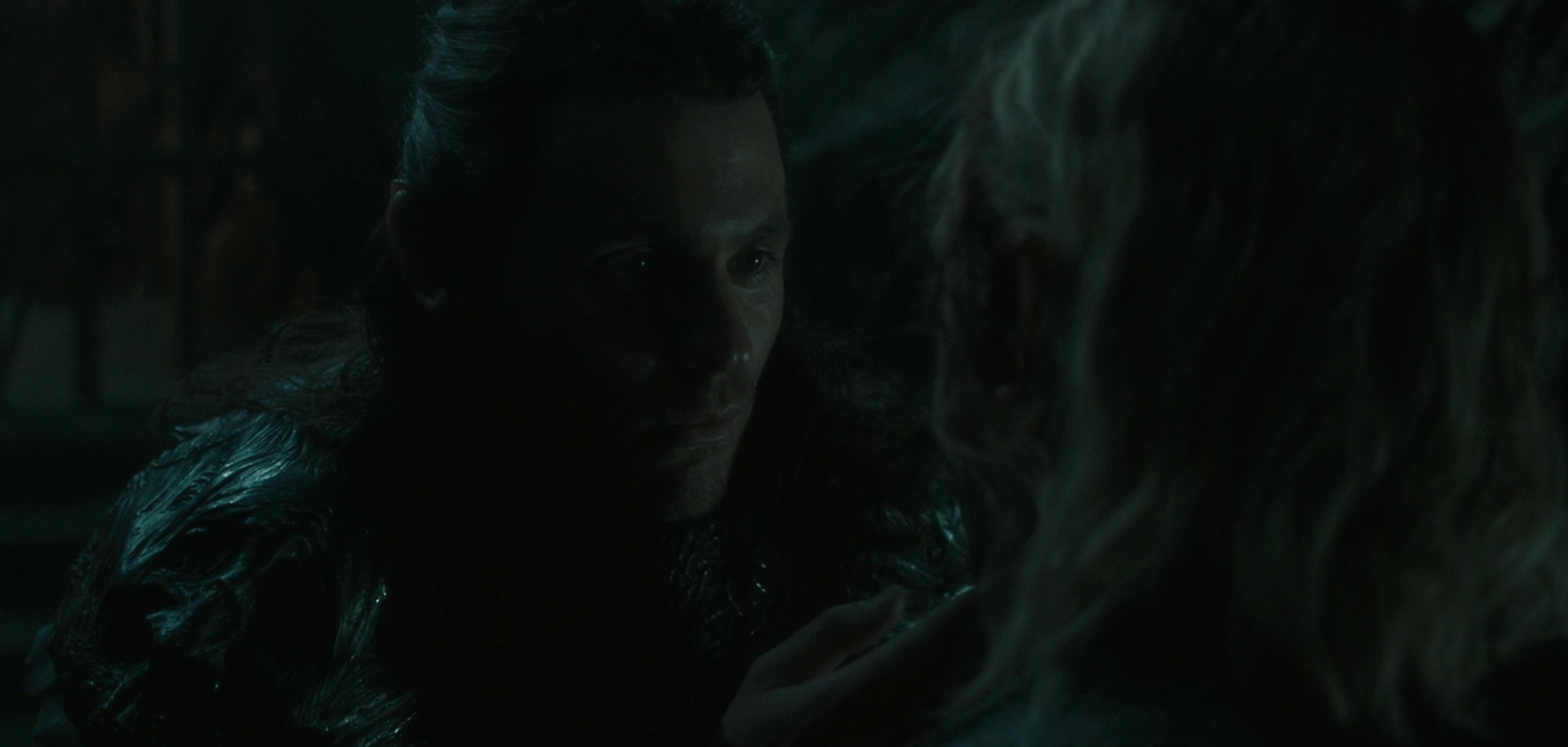
Then, on top of that, Celeborn and Galadriel are part of the *next* big contrivance: literally abandoning young Theo at the top of Sauron’s tower instead of escaping together. This set the stage for Theo reclaiming his Ring – a story point I actually approve of, by the way – but the way it came about was just poor.
And finally, the last of the major contrivances (for now) is that Sauron seems to have been unaware that Theo even removed his Ring in the first place. Given the power of the Rings, and that we saw Sauron use it to compel Theo to kill Arondir, how is it possible he wouldn’t have known that Theo removed it?
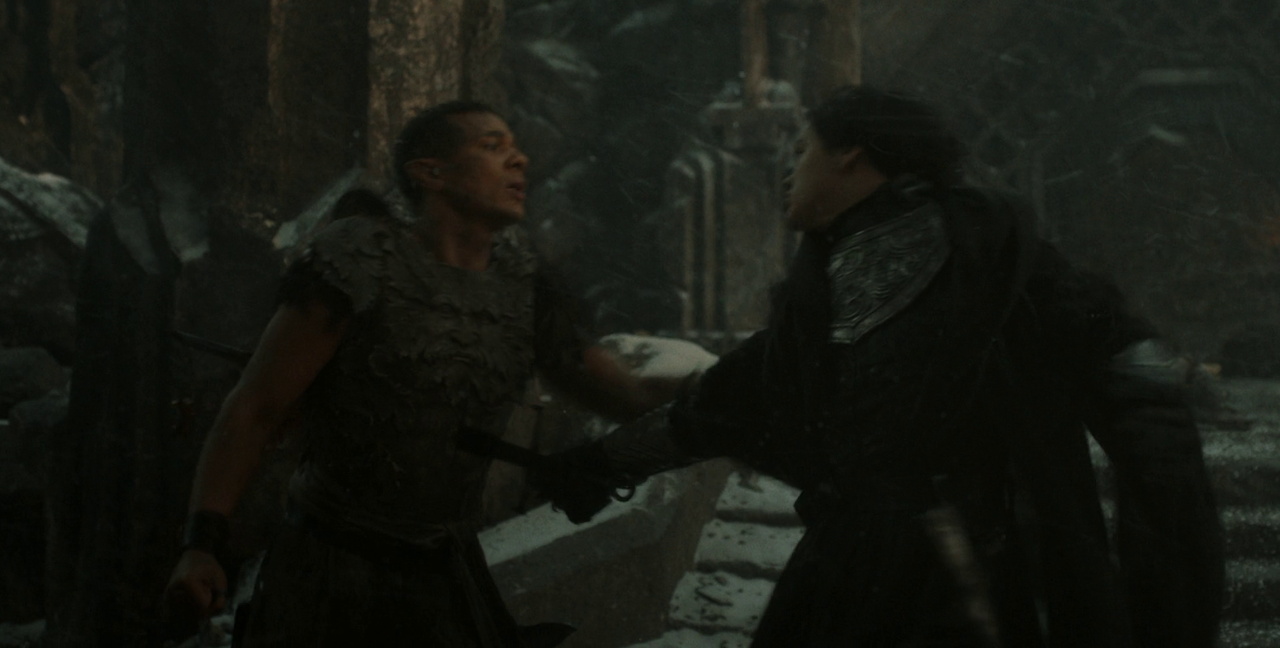
Since this list of contrivances has led us to the Elves, we’ll continue there.
Galadriel reuniting with Celeborn had potential as a story point, and the theme of war changing people – and making the plans they might’ve had for a more artistic and peaceful life fall away – was an interesting one, and something worth exploring. But, as with the Dwarves above, this quickly descended into pretty basic “relationship angst” from both of them, and neither Galadriel nor Celeborn really moved beyond that.
It was worth taking a diversion to explore how both of them have been changed by their experiences, and to say that reuniting after a long time apart – and after many new experiences – might not go as smoothly as either of them would’ve hoped. But it feels like weak character writing from the show’s creative team to drag this storyline down into such… teen drama territory. Galadriel and Celeborn, on the eve of what could’ve been the climactic battle of the war, had to both be counselled by their friends not about war, Sauron, torture, Rings, or any of their other experiences… but about their relationship. And I just found it to be – yet again – weak storytelling.
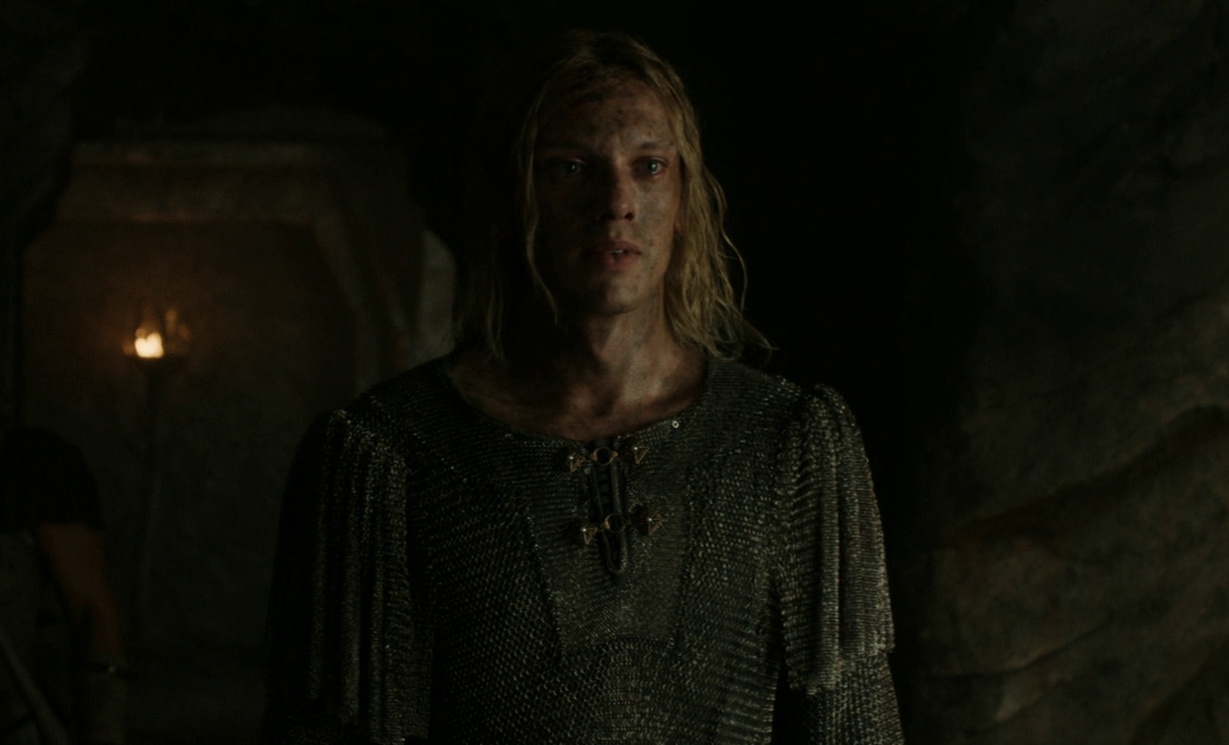
Theo’s storyline reads like an analogy for addiction, and it was handled pretty well overall – despite the contrivance we discussed near the end. His obsession with the Ring, after being given it, was played believably by Tyroe Muhafidin, and I really did feel convinced that Theo was *craving* the Ring in much the same way as Gollum did in The Lord of the Rings trilogy.
I admire The Rings of Power’s approach to Theo’s arc. Not only is it an interesting allegory for the real-world issue of addiction, but the decision to have Theo “fall off the wagon,” so to speak, and reclaim his Ring was probably the best-executed twist in the season. Rather than the black-and-white, good-versus-evil storytelling that we’ve been used to in The Rings of Power, here’s a rare example of a good character truly succumbing to Sauron’s will and *not* being immediately redeemed or walking away. It’s more of that nuance that can be lacking elsewhere in the series.
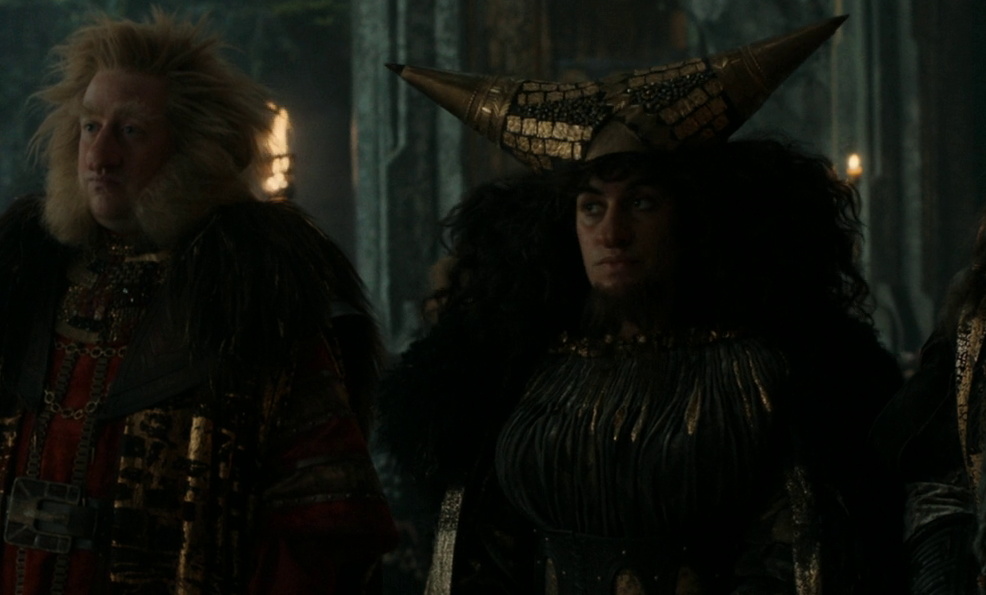
In The Two Towers, Aragorn makes a joke to Éowyn about Dwarf women being bearded. But the reason that throwaway line was funny in the film is because… well, it isn’t supposed to be true, is it? We don’t see any female Dwarves in the books or the films, but I always interpreted that line as Aragorn making a silly joke at Gimli and the Dwarves’ expense… not some, like, integral piece of canon. So it was silly, I felt, that we’re seeing bearded Dwarf women in The Rings of Power.
Even if Dwarf women are meant to have beards “in canon,” I come back to something I’ve been saying throughout this review: this is a prequel. And what do we gain or add to The Lord of the Rings by saying that Dwarf women are capable of growing beards? If anything, it makes Aragorn’s joke kind of silly, because he’s now just… accurately describing Dwarves, instead of making light of Gimli’s words. And maybe I’m wrong and maybe bearded Dwarves are a huge part of Tolkien’s legendarium… but I never interpreted it that way. Is it a huge deal compared to other issues in The Rings of Power? No. But I thought it was worth mentioning.
Visually, I felt there were still a few misfires from this massively expensive series.
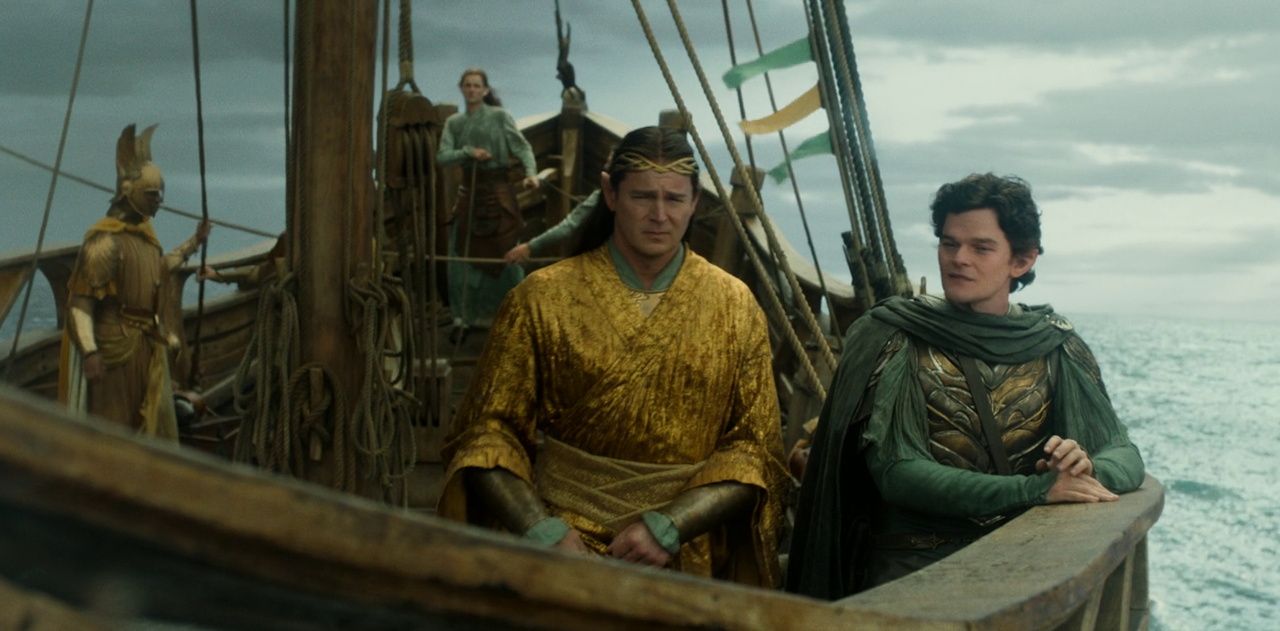
Elrond and Gil-Galad’s scenes on the boat to and from Númenor couldn’t’ve been more obviously green-screened. It honestly looked like a low-budget ’90s drama with how poorly the green screen and backdrop were integrated. As I said above, I give The Rings of Power almost no leeway with things like this because of its sky-high budget; the boat scenes were so bad they were genuinely distracting.
Elrond also got a second sequence with some sub-par VFX: when we flashed back to him and his apparent identical twin, Elros. For decades, films and TV shows have been able to splice frames together to make it look like an actor is talking to their doppelgänger, and for decades, those scenes have been pretty static to accommodate the way they needed to be filmed. But surely a series with The Rings of Power’s budget could’ve done more to make the Elros and Elrond flashbacks a bit more dynamic. Shooting over the shoulder of a stand-in is a tired trick of the trade, and flat, unmoving scenes when both characters are “together” are another. It was boring, and it could’ve been so much better.
A couple of other green-screen misses come to mind. Gandalf’s fight against the possessed mammoth/elephant creature is one – especially the climax of that confrontation. And the tail end of Sauron’s extended sequence inside of Mount Doom is another. Most of the Sauron stuff inside the volcano was actually really strong, but there were a few moments right at the end where it looked like just an actor silhouetted against a lava-covered screen rather than a character in a three-dimensional space.
Having covered everything I *didn’t* like, let’s finish up with a few more positives.
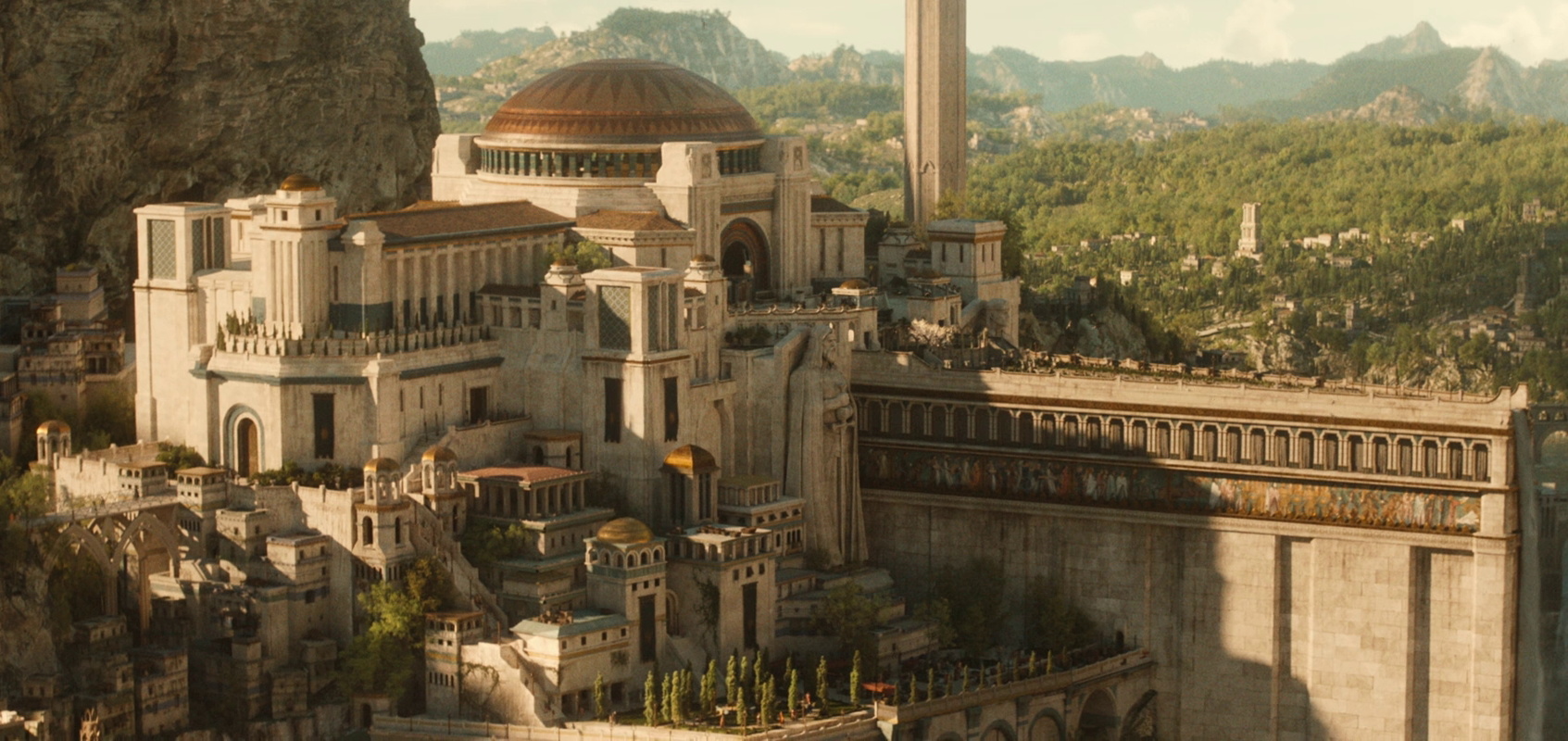
Most of the rest of the show’s visuals were great. I particularly enjoy the way Númenor looks; the Carthage or Bronze Age-Mediterranean inspiration in the civilisation’s architecture, clothing, and more just… they’re a fun addition to the medieval fantasy world of Middle-earth. The Rings themselves all look pretty good, too, and I could buy into them as being powerful objects, particularly thanks to some great accompanying sound design. The inaudible whispers as the Rings come into focus really help sell the illusion that people are being drawn to them – and that resisting their influence takes a lot of willpower.
Despite its flaws and weaknesses, I’m always a sucker for a redemption story, so Gandalf helping Pallando to remember why he came to Middle-earth and snap out of whatever had caused him to lose faith still hit some of the right emotional beats for me. As mentioned, Ciarán Hinds excelled in that role, and was a wonderful foil for Daniel Weyman’s Gandalf.
Charlie Vickers is absolutely delicious to watch as Sauron, dominating the scenes he’s part of (even if some of the writing and storytelling on his side of the story still needs work!) His scenes talking to the illusory Celebrimbor were particularly fun, and the way he commanded Theo to kill Arondir was a genuinely shocking moment – the impact of which was enhanced by the cold brutality that Vickers gave to Sauron in that moment.
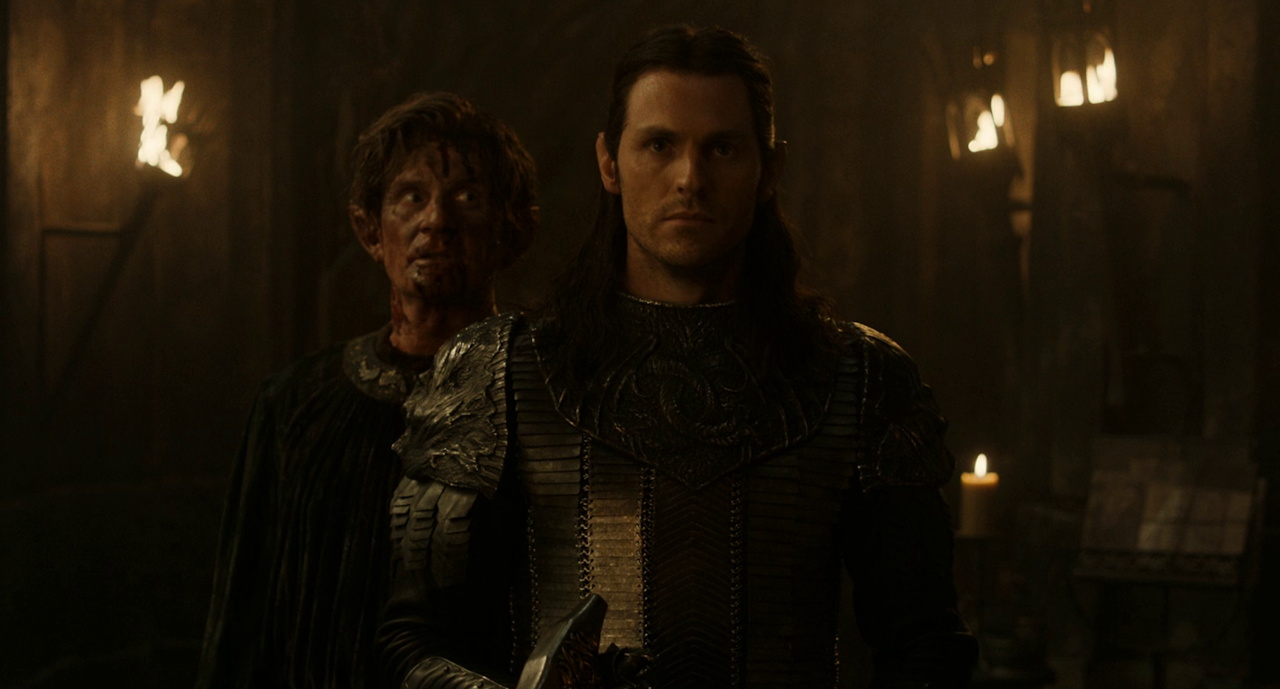
Despite killing off a few named characters in Seasons 1 and 2 – Bronwyn, Adar, Celebrimbor, Saddoc, and a couple of others – I would’ve said that “plot armour” has been a bit of a weakness for the series. So to kill off characters like Eärien and Arondir this time – the latter of whom had been set up as a pretty major character thus far – stuck the landing and felt pretty shocking. Pallando’s death wasn’t as much of a surprise – in fact, that whole sequence was kind of a cliché – but I can still appreciate that the series went there.
Speaking of… can’t Pallando just come back to life in a slightly different colour, as Gandalf did? I jest.
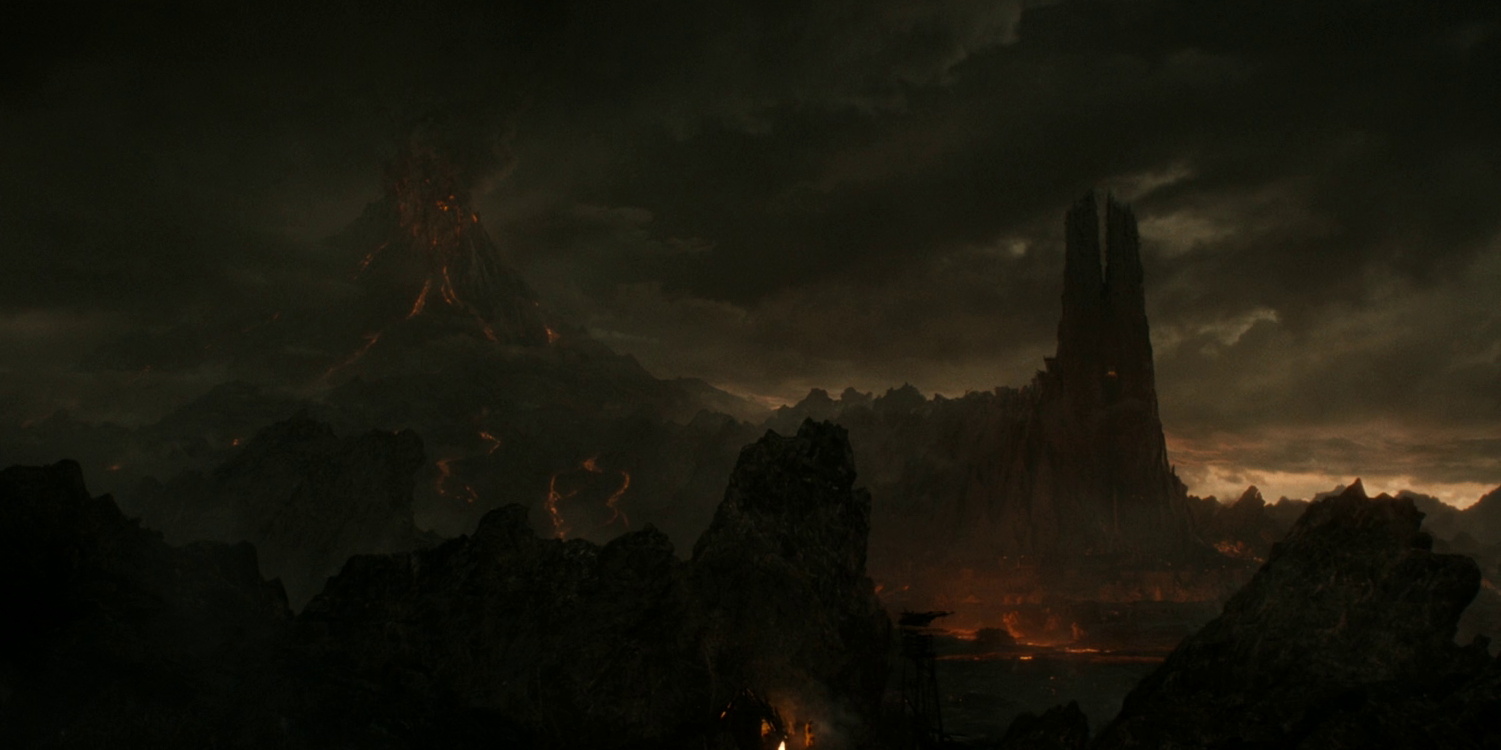
The prosthetics – particularly for the orcs, as their design is more complex, but also for Elves, Dwarves, Sauron, and others – continue to be impressive and immersive. Seeing a large number of Orcs on screen at once – in an army, a dungeon, Sauron’s chambers, and so forth – is always a great visual, and The Rings of Power has done well with physical props and prosthetics in general. In terms of art design, I’ve already praised the way Númenor looks, and while Mordor is a bit more “generic fantasy villain” with its dark tones and bright orange lava, the way that fire and lava look in the show is pretty good on the whole, and I like the way Mordor comes across.
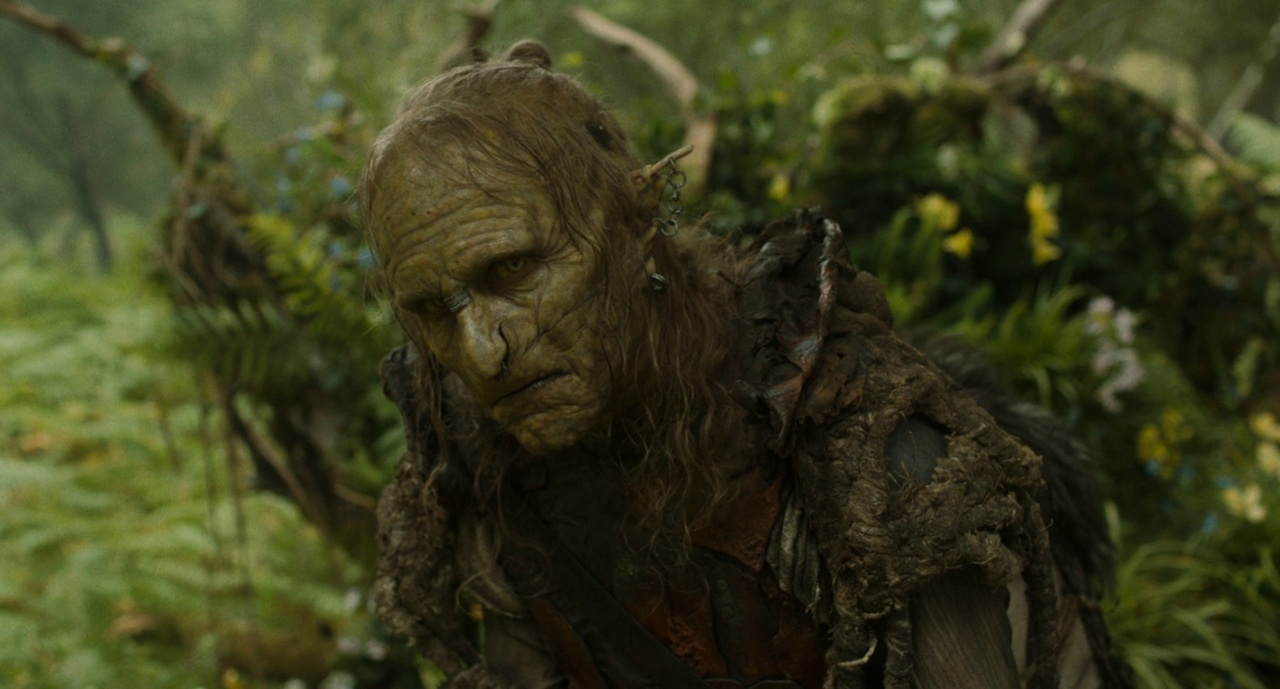
The Rings of Power also earns praise for the way it treats the Orcs. Rather than one-dimensional fantasy villains, or mere cannon fodder for Sauron’s armies, some Orcs – particularly in Season 1 – came across as almost being… sympathetic.
That continued in Season 3 with Marnûkh: one of the rare Orcs to get a name. Marnûkh had his own reasons for wanting to abandon Sauron and take him down; his loyalty to Adar, and his genuine belief in Adar’s promises to give the Orcs a homeland of their own, were his driving force. There was still villainy to Marnûkh; despite switching sides, he still had an unpleasant side, and sparred with Arondir in particular. But it’s interesting, if nothing else, to see at least some Orcs in a different light. The Rings of Power wasn’t trying to do a “both sides have good and bad people” fence-sitting kind of thing! But it’s a continuation of the way the series has dealt with the theme of war to show that there can be more to the “enemy” than just pure villainy.
Some individual performances have been great, even if they weren’t necessarily part of the strongest storylines. I’ve already mentioned Ciarán Hinds, Charlie Vickers, Tyroe Muhafidin, and Sophia Nomvete, but I’d also highlight Daniel Weyman as Gandalf, Robert Aramayo as Elrond, Lloyd Owen as Elendil, Trystan Gravelle as Ar-Pharazôn, and Will Keen as Belzagar as being particularly praiseworthy.
My number one rule for music and sound design in any film or TV show is “do no harm;” i.e. the music shouldn’t get in the way of what’s happening on screen, and sound effects should line up with what’s unfolding. The Rings of Power clears this (admittedly low) bar with ease, but whereas Season 1 brought a wonderful a capella song in This Wandering Day, there was nothing at that level this time around.
I would’ve called the cinematography great, but I think the deliberate copying of shots from The Lord of the Rings trilogy drags it down a lot. Outside of those moments, yeah – The Rings of Power uses its camera really well. But all of that blatant copying really soils it for me.
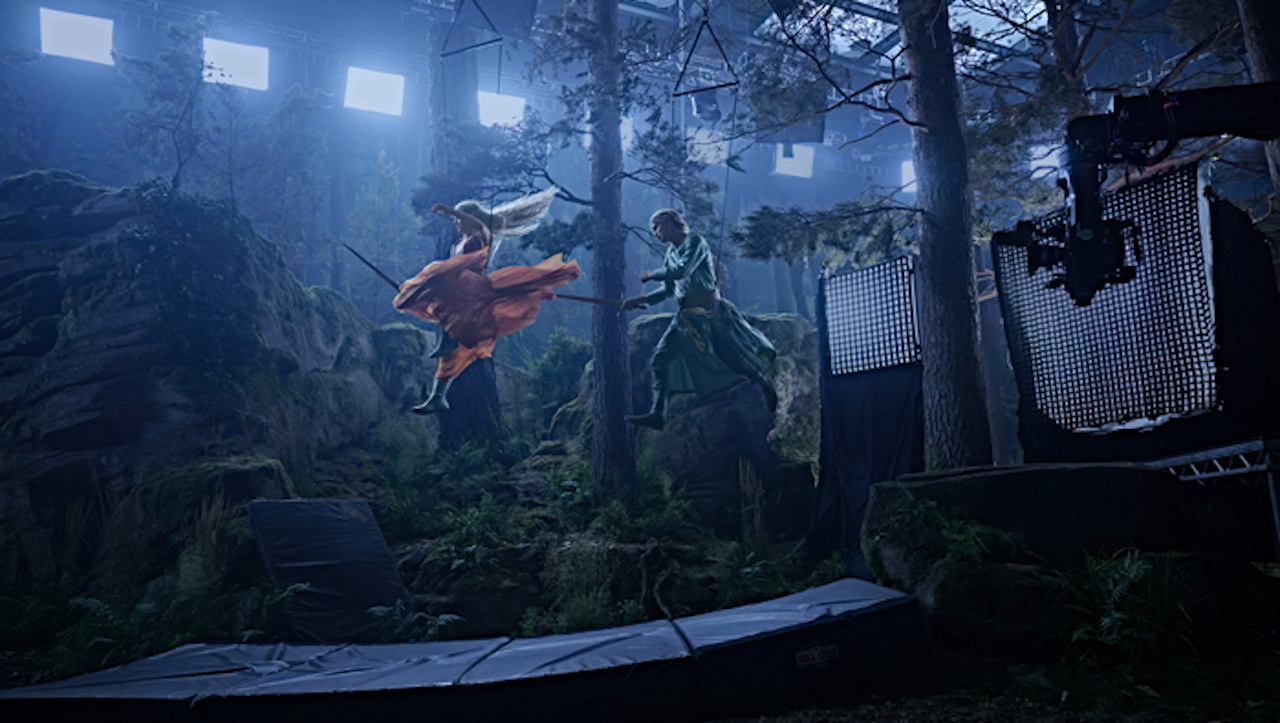
Photo: Amazon Prime Video
So I think that was everything I had in my notes.
The Rings of Power has now set the stage for the next phase of the war against Sauron, moving characters into place for more conflict and confrontation. I’ve picked on some storytelling decisions and narrative directions that I felt didn’t work or didn’t stick the landing, but what I will say is that The Rings of Power managed to hold my attention, and at no point across the eight episodes did I consider switching it off. I can be pretty brutal when it comes to abandoning any piece of media that I’m not at least somewhat enjoying, so there are obviously parts of The Rings of Power that remain compelling enough to keep me coming back.
However… we’re now past the halfway point of The Rings of Power’s five-season run (per initial reports after its announcement), and I’m still struggling to justify its place in the world of Middle-earth. Did The Lord of the Rings need a prequel like this? And did Amazon need to deviate so much from the lore of Tolkien’s world and the source material upon which it’s based?
At the end of my review of Season 2, I said it would be up to future seasons to build upon the foundations that the first two seasons had worked to establish. Season 3, for me, didn’t really do that in a convincing way, and while there are things to enjoy… this was really the final opportunity The Rings of Power could conceivably have to make good on its core ideas and really explain to its (remaining) audience why the story of Sauron’s creation of the One Ring and the war to defeat him was worth telling. The show is telling it anyway – but I’m still not convinced it’s necessary.
The Rings of Power was hampered, for me, by taking such a long break in between seasons. Two-plus years is a long time to wait for eight episodes of television, and I found that many of the minor and secondary characters had entirely vanished from my memory. I hope that Season 4 can be ready more quickly, but I doubt it.
Photo: Amazon Prime Video
So that’s all for today. If you made it to the end, thank you for reading. I hope my review has been of interest! And if you missed it, you can find my review of Season 2 by clicking or tapping here.
Between now and the end of the year, I have a couple more films and TV shows that I’d like to get around to watching and reviewing, so I hope you’ll stay tuned for that! And if you’d like to see whether or not The Rings of Power will win a coveted Trekking with Dennis End-of-Year Award, please join me again at the end of December. I’ll be dishing out some made-up trophies and imaginary statuettes to some of my favourite entertainment experiences of 2026.
I hope to see you soon!
The Lord of the Rings: The Rings of Power is available to stream now on Amazon Prime Video in the United Kingdom and around the world. Seasons 1 and 2 are also available on DVD and Blu-ray. The Lord of the Rings: The Rings of Power is the copyright of Amazon MGM Studios, New Line Cinema, and/or the Tolkien Estate. This review contains the thoughts and opinions of one person only and is not intended to cause any offence.

