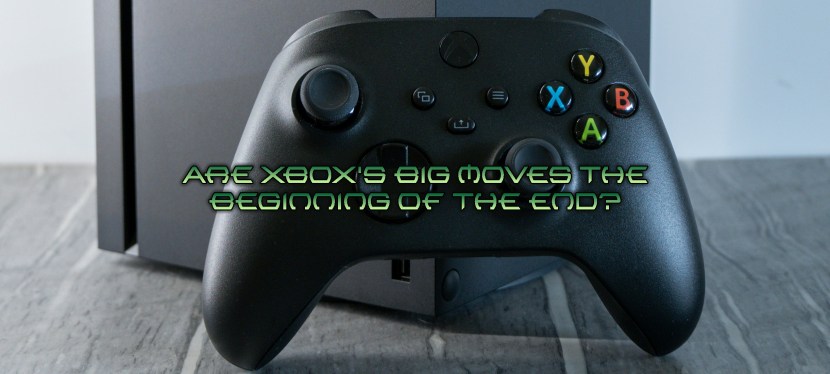
Are Xbox’s Big Moves the Beginning of the End?

I’ve swung back and forth on Xbox’s prospects over the years. As Microsoft’s gaming division seemed to be finding its feet with a new subscription-based model, I thought that had huge potential to be a new frontier in gaming. I was even a Game Pass subscriber myself for several years – until excessive price hikes convinced me to pull the plug. But at the same time, Xbox’s hardware has been losing the home console race for well over a decade – and that trend has not only not been reversed, but has accelerated since 2020.

Across 2026, Xbox has been laying off staff amidst a big restructuring of the entire business. And, if reporting is to be believed, that restructuring may have been necessary to keep Xbox alive. As harsh as these layoffs seem – especially for a corporation like Microsoft, with near-limitless resources – the Xbox division of the corporation has been burning through money. Xbox has been run so inefficiently that there were multiple superflous layers of management in between the developers doing the work and the studio heads making decisions. Some titles were given way too high a budget for the amount of money they would’ve ever realistically made. And, despite my personal belief that a subscription model is the perfect fit for gaming, Xbox seems not to have known how to handle what had been its biggest asset.
(Cropped) Xbox 25th anniversary logo
2026 is Xbox’s 25th anniversary.

Before we go any further, I want to give an important caveat. Everything we’re going to get into today with Microsoft, Xbox, and their various subsidiaries and studios is the *entirely subjective, not objective, opinion* of just one person. I don’t have any “insider information,” I’m not a “leaker,” and I’m not trying to claim that all of this is rock-solid fact. This is my analysis and my opinion based on my read of a complex and evolving situation – and based on news reports and publicly-available data.

I worked in the games industry for close to a decade, so I like to think I have *some* credibility when it comes to how the industry works! But that was a long time ago, and I only worked in junior roles on the marketing side of things – so it’s entirely possible I’m way off base with my analysis of the Xbox situation! I give these caveats because I don’t want to mislead anyone, to seem like I’m claiming to be 100% right, or to have knowledge of the situation that no one else does. I think everything we’re going to discuss is credible, if not plausible… but things change, and I’ve been wrong before!

Stock photo of people in a meeting room at an office.
I worked in the games industry for almost ten years.

The recently-announced changes at Xbox – combined with other issues facing Xbox and Microsoft – have led me to a conclusion that I haven’t seen anyone else draw: this could signal the beginning of the end for Xbox in the gaming realm. At the very least, this feels like Microsoft giving its gaming wing one very last chance to prove its worth to the corporation at large. Failure to do so… well, it could mean Xbox is about to disappear.

Xbox Game Studios – a.k.a. the flagship game development and publishing part of Xbox – is basically a shell company right now. Under its broader umbrella, Xbox has the likes of Activision-Blizzard, Bethesda, Mojang, and a couple of smaller teams that mainly focus on individual titles or series. But most of their other brands are gone: either sold off, shut down, spun off as independent studios, or incorporated into one of Xbox’s other brands.

Which begs the question: why?
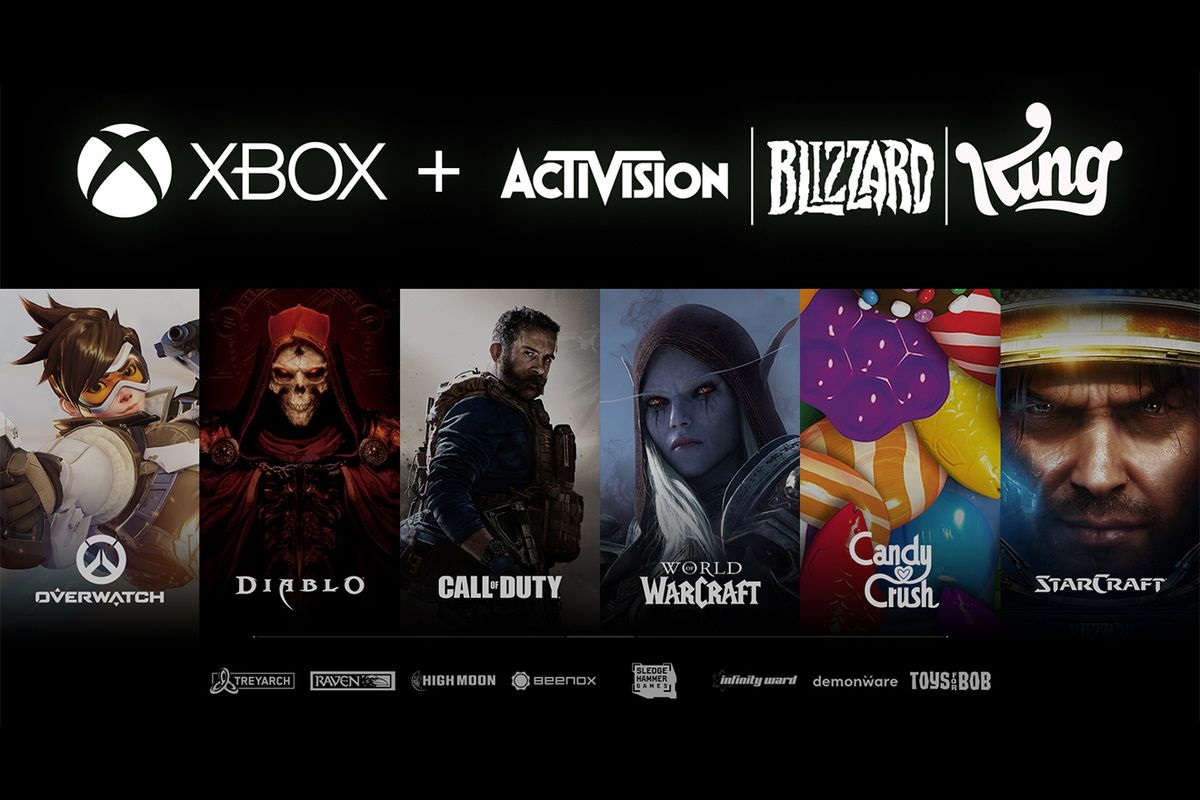
Promo image of Microsoft's Activision acquisition
This acquisition wasn’t that long ago…

I get why a studio like Compulsion Games would be spun off and regain its independence. A smaller team focused on narrative experiences… but whose latest game wasn’t a commercial hit. Xbox hasn’t lost a lot, to be blunt about it, by parting ways with Compulsion.

But closing Halo Studios/343 Industries – Xbox’s in-house development team for what is arguably the brand’s flagship franchise – only to give that franchise to Activision? That’s weird. That’s *very* weird. The same for moving RPG legend Obsidian over to Bethesda.

Unless… Xbox is planning a potential sale of Activision and ZeniMax (Bethesda’s parent company) in the near future. Building up those subsidiaries, giving them access to more franchises and IP… well, it suddenly starts to make a bit more sense. Activision is more valuable an asset with Halo than without, and Obsidian is probably worth more to Xbox as a ZeniMax subsidiary than it would’ve been alone.
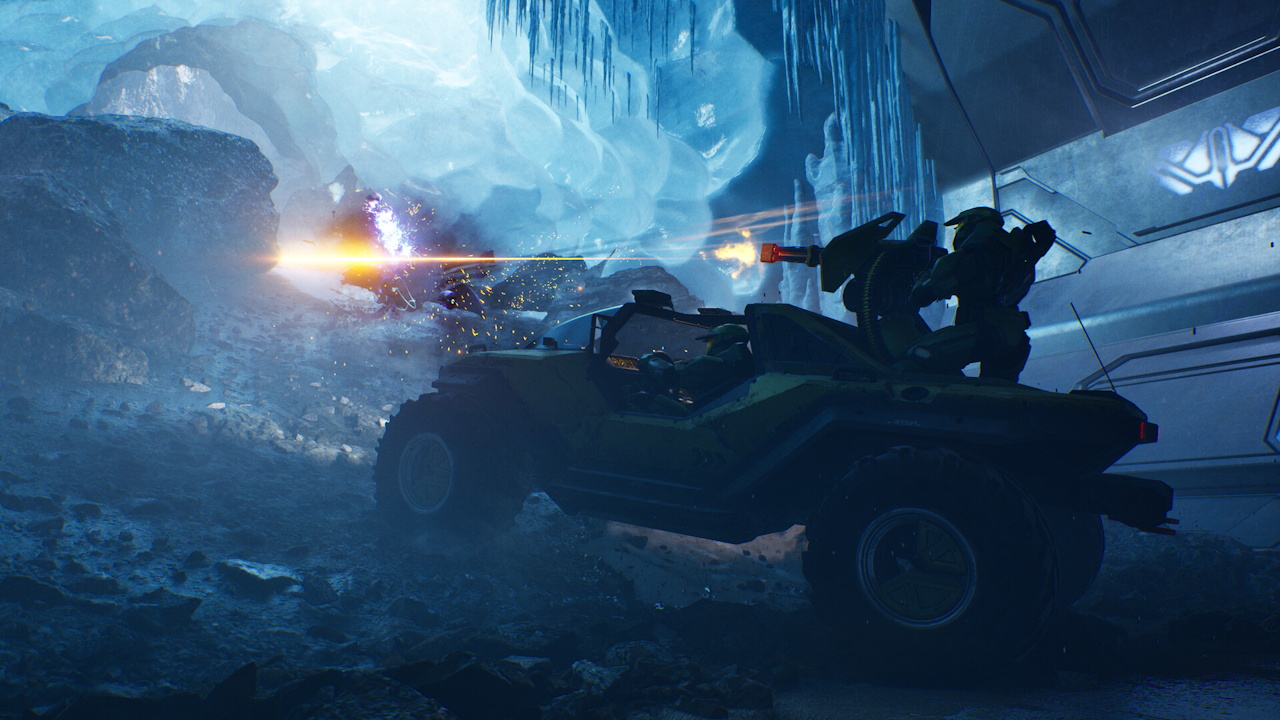
Promo for Halo Campaign Evolved showing the warthog
Halo Studios has been effectively closed, and the franchise has moved over to Activision.

Let’s take a diversion and talk hardware. Trust me, it’s related!

Earlier this year, I tried to make the case for a delay in the announcement and release of next-gen hardware. Why? Because component prices are *insane*, and hardly anyone is going to want a $1,300 PlayStation 6 or an Xbox Project Helix for $1,450. But both Sony and Microsoft seem intent on rushing ahead with unnecessary and expensive next-gen consoles.

But is Project Helix a commercially viable product at prices north of $1,000? And if it isn’t… why are we bothering? Literally what is the point in launching new hardware that’s out of reach of most players? Waiting another year or two could mean prices will start to come back down as the A.I. situation begins to settle, but rushing in too soon could make new hardware a complete and total failure.
Logo for Xbox Project Helix
Project Helix is the code-name for Xbox’s next console.

And if Project Helix fails… I think we all realise that’s gonna be curtains for Xbox.

In January 2001, Sega announced that production of its Dreamcast console was going to cease after low sales. That came after the Sega Saturn had also been a flop – and as a result, Sega got out of the hardware industry altogether, refocused its efforts, and became a games publisher. Microsoft has now had two consoles in a row that were, at best, underwhelming – a third will surely tank the brand’s hardware division, at the very least.

But there was also news earlier this year that Microsoft had considered going even further – spinning off Xbox altogether and effectively getting out of the games industry. Xbox does not have the financial stability to survive on its own, without the backing of its parent corporation, so that would effectively mean no more Xbox, no matter how that news might’ve been reported at first.

Stock photo of a Sega Dreamcast
Could Xbox go the way of Sega?

That original plan doesn’t seem to be going ahead, but executive changes within Microsoft and Xbox have definitely shaken things up – and seem to have put Xbox on a ticking timer to either turn things around… or disappear.

The upcoming launch of Grand Theft Auto VI – one of the games industry’s most-anticipated releases in years – could move the needle for Xbox. Xbox still has the cheapest home console on the market in the form of the Series S, so it’s not a lie to say that the least-expensive way to play GTA 6 for folks who don’t already have a console will be on Xbox. And just as a general rule, games like that have a tendency to shift consoles. Launching in the holiday season is also a big plus!

But if the only bright spot for an entire console and publisher is one third-party game… I mean, you can see why Microsoft is concerned. Several recent Xbox games that the company invested a lot of money in haven’t performed as well as Microsoft wanted or expected. Starfield, Call of Duty: Black Ops 7, Halo: Campaign Evolved, Forza Motorsport, Hellblade II, and The Outer Worlds 2 are just a few examples. A company can survive one or two high-profile flops… but not this many, and not all at once.
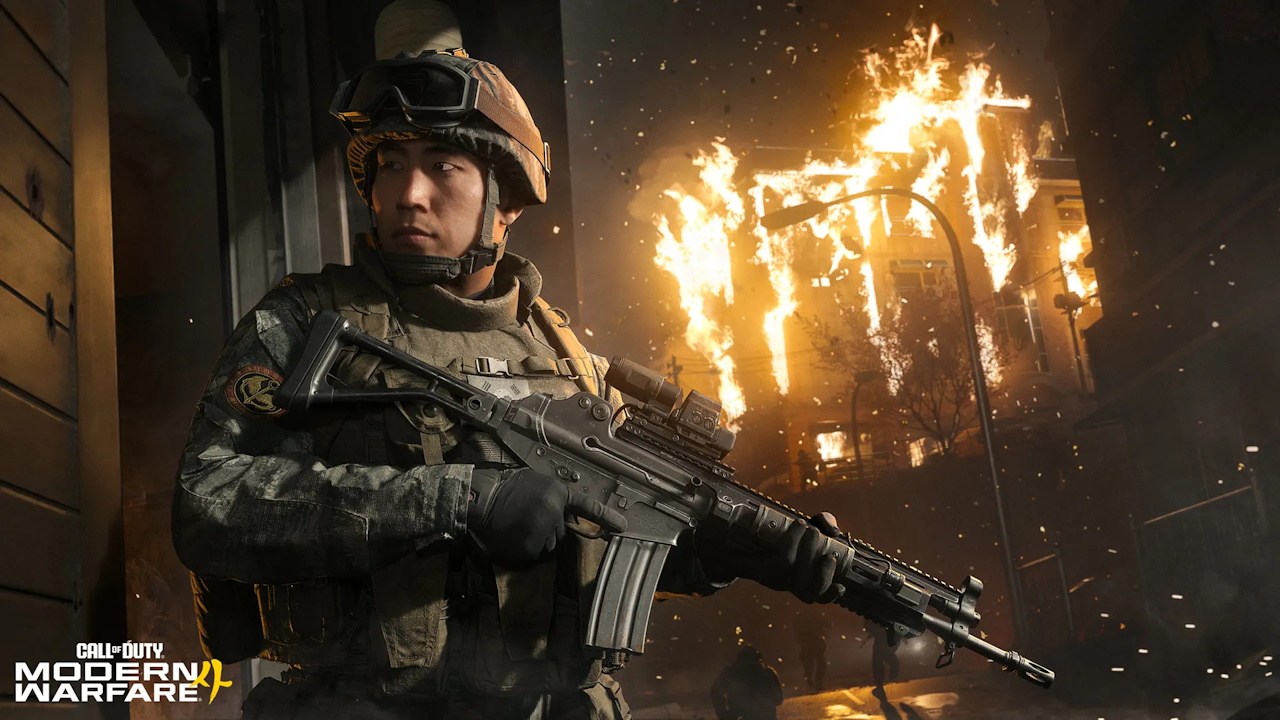
Promo image for Call of Duty Modern Warfare 4
Last year’s Call of Duty was a flop. This year’s game is due for release next month…

My gut feeling is that Xbox is panicking, and in doing so, they’ve squandered their biggest asset: Game Pass.

Game Pass was growing, but it was taking longer than Microsoft may have been initially promised for the service to become as profitable as they’d hoped. And hitting the panic button meant massive price hikes… and the predictable massive wave of cancellations that followed. Current Xbox leaders seem to want to return to the digital sales model, with the high-profile Call of Duty series the first to be taken away from Game Pass on day one. I expect to see more of that to come… before the service is presumably shut down entirely.

When you make a subscription service, you’re naturally going to see fewer sales or individual rentals. That’s not a bug, that’s a feature! You want to rope people in and get them to stay signed up, and that obviously means that they aren’t gonna *buy* a game like Starfield if they can play it as part of their subscription. But platforms like these take time to develop, grow, and become sustainable – and Microsoft, it seems to me, didn’t give Game Pass the time it would’ve needed to get there. A game like South of Midnight was never gonna be a system-seller, but it’s exactly the kind of smaller, mid-sized, AA-type of game that made Game Pass feel like a worthwhile subscription to stick with.
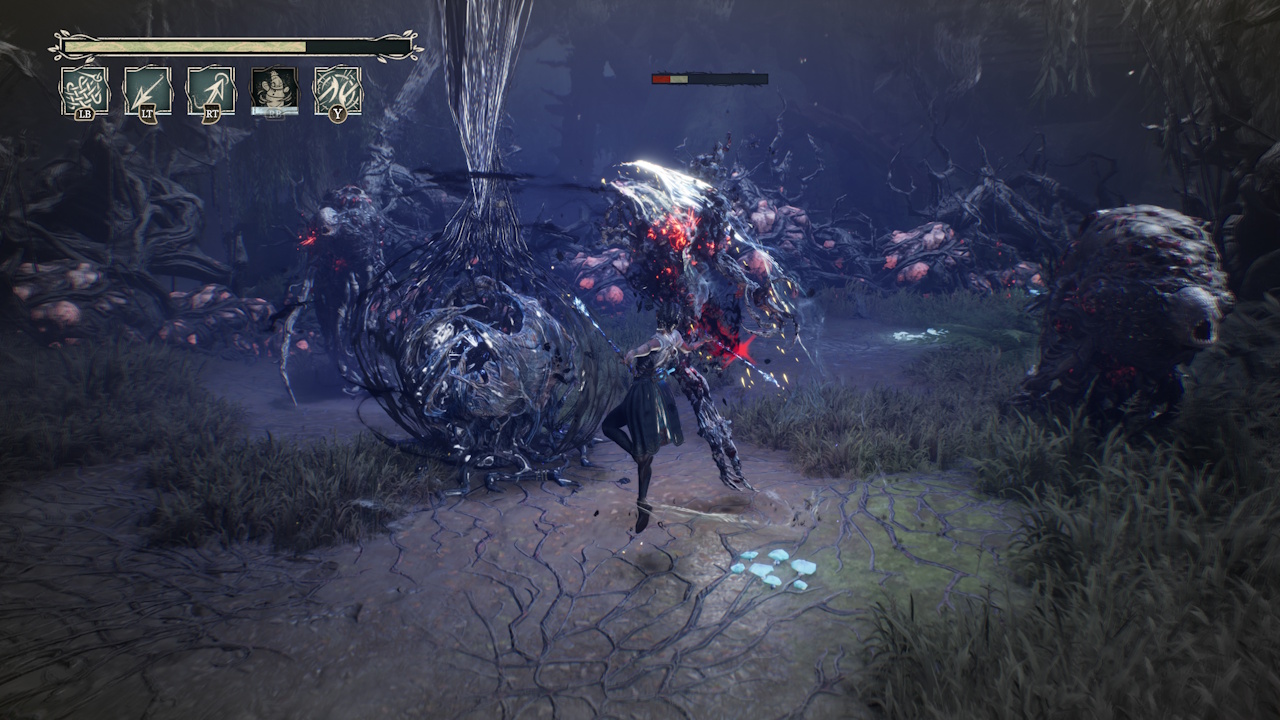
Screenshot of South of Midnight showing combat
I picked South of Midnight as my “Game of the Year” last year.

But if that’s not the approach any more, you can see why studios like Compulsion Games and even the venerable Obsidian no longer hold much appeal to a crop of Xbox executives who, in their own words, want the brand to focus on big, tent-pole franchises at the expense of smaller titles.

So that’s how I see it right now. Xbox has been losing money, or not making enough profit – which are the same thing to a corporate overlord, sadly – and rather than stick with what could’ve worked if it had been allowed more time, Microsoft is panicking and pushing for immediate, large-scale changes in the hopes that such changes will lead to faster growth and profitability.

My instinct is that it ain’t gonna work, and while Xbox may get a short-term boost as a result of getting rid of so many members of staff (as well as the bounce that a massive game’s launch this November will provide), the fundamental problem the company has is that… no one wants an Xbox. Most folks would rather play on PlayStation 6 or PC… or Nintendo Switch 2. And given where prices for components are right now, a new console that could easily cost $1,200, 1,300, or even 1,400 won’t sell anywhere near enough units for us to be able to say “Xbox is back!”

A stock photo of a person with empty pockets
Most of us don’t have that kind of money right now…

Moving and merging several major studios and developers leaves Xbox with very little of its own any more; its biggest brands and franchises are owned by its subsidiaries. And any one of these – even the biggest, like Activision-Blizzard – could be spun off or sold off almost at any moment. With Sony potentially losing the likes of Bungie in the near future, they might be interested in a developer with first-person shooters like Halo and Call of Duty. And despite recent failures and disappointments, there’ll always be someone who has faith that Bethesda can still succeed with the sequel to Skyrim. Those companies just got a lot more enticing… if the goal is to increase their value and sales appeal.

I still think Xbox has one last chance. But it increasingly feels like the *absolutely final* chance that the brand’s gonna get. Microsoft has been impatient, and wasn’t willing to wait for the Game Pass model to grow and develop. And fair enough, you may say! But I wonder if, a few years from now, we’ll come to see that impatience as a mistake and wonder what might have been if Xbox had instead doubled-down on Game Pass, perhaps even beginning not to sell games on day one – or at all – in favour of bringing them to its subscription platform.
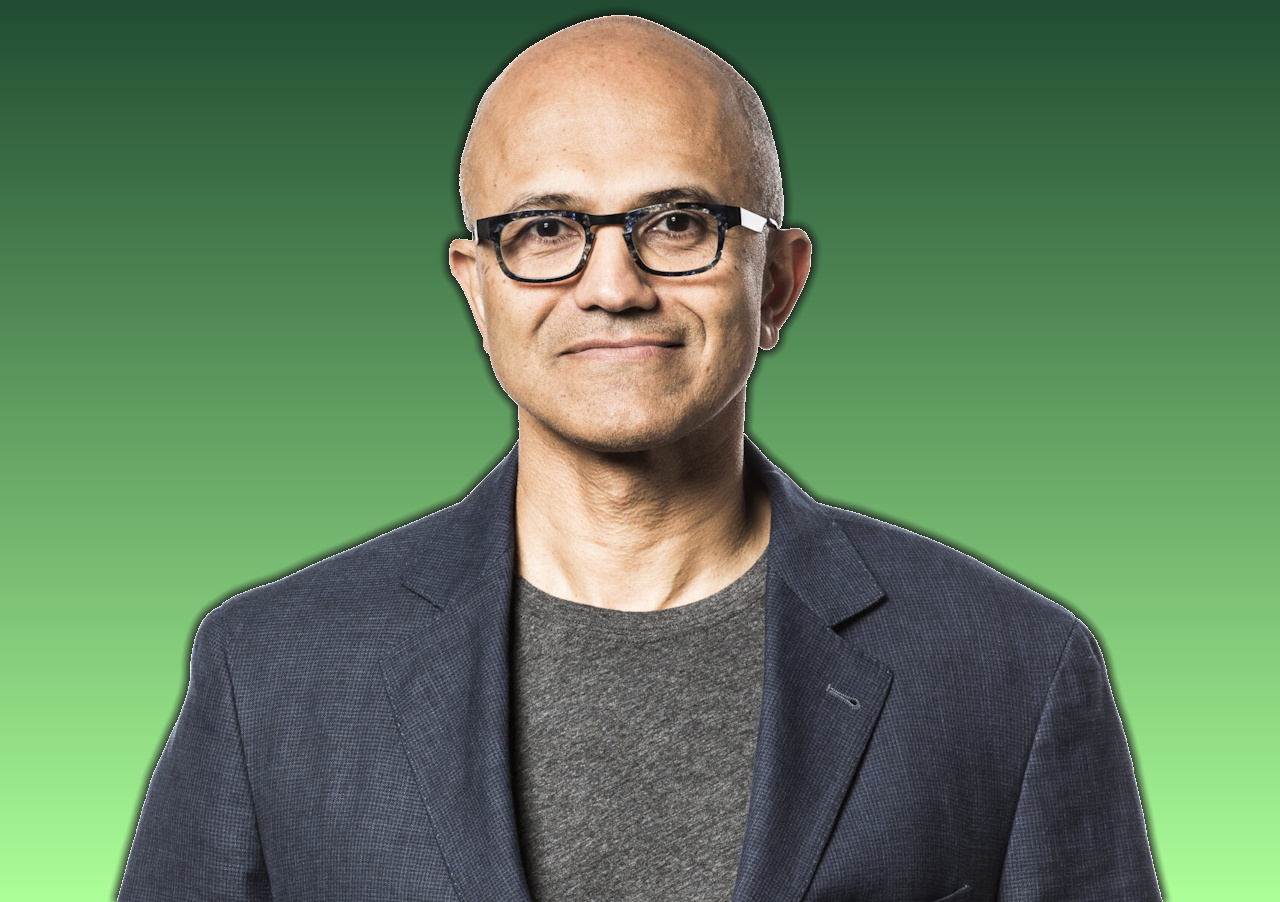
Satya Nadella, CEO of Microsoft.

If Xbox does end up getting out of the home console space, though… I don’t think that’ll be something to celebrate. It’ll give Sony an effective monopoly on cutting-edge games on home consoles, because Nintendo remains off to one side doing its own thing. There’ll be less choice for players, no one to counterbalance PlayStation or offer genuine competition, and monopolies are no good for anyone. PC will remain an option, of course, but PC is still, for many folks, not an adequate or like-for-like replacement for a home console that can be plugged into a TV and played on the couch.

These moves, though… they don’t feel like a typical restructuring to me. It seems to me as if Xbox is fattening up Activision-Blizzard and ZeniMax ahead of a potential sale, and that could indicate that Microsoft is planning to jump out of the home console space – if not gaming altogether – before the end of the decade.

This really could be the beginning of the end.


All titles discussed above are the copyrights of their respective developers, studios, and/or publishers. Xbox and Xbox Game Pass are the copyright of Microsoft. This article contains the thoughts and opinions of one person only and is not intended to cause any offence.
What’s Going On At Xbox?

Uh, Xbox? You okay there?

I’m genuinely flummoxed by recent decision-making over at Xbox. I’ve said before that, while I’m a Game Pass subscriber on PC, I don’t own either of the current-gen home consoles – so I’m not coming at this from some kind of console war/fanboy perspective. But it’s pretty concerning to see Xbox flopping around like a dying fish, seemingly unable to turn its massive and ever-expanding gaming empire into anything remotely profitable.

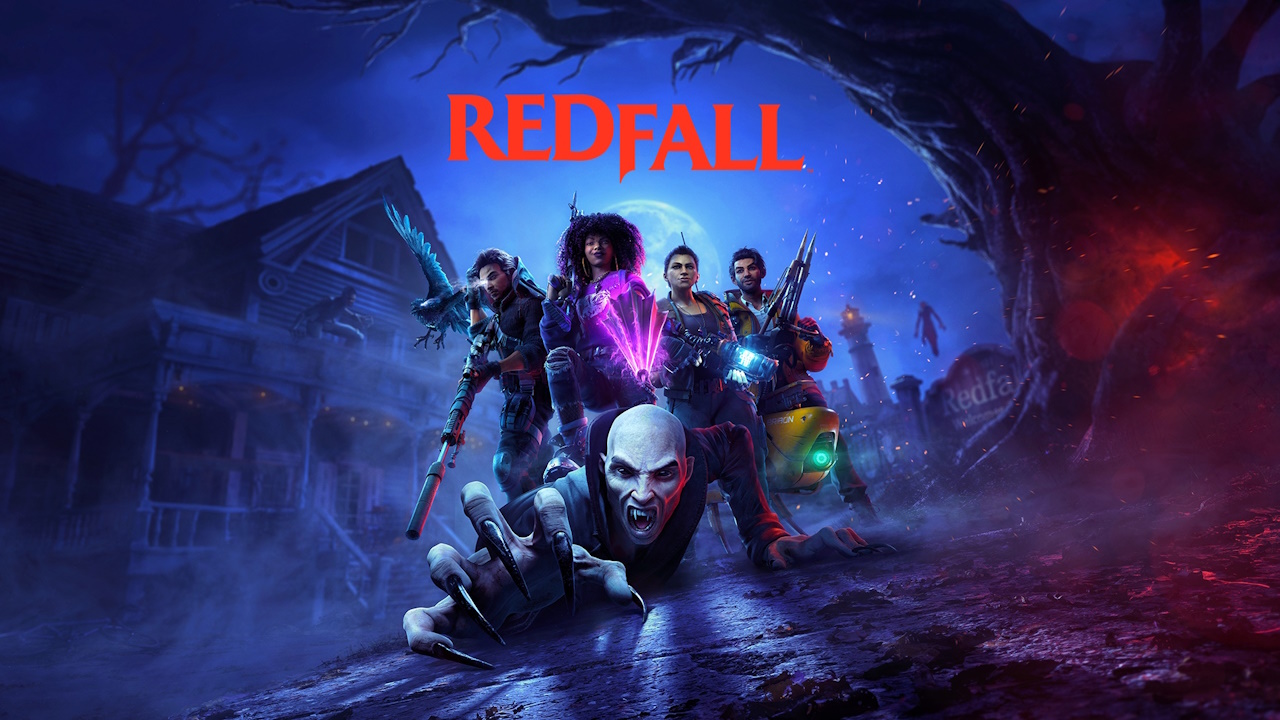
If you haven’t heard the news, Xbox recently announced the closures of four subsidiary studios. One of those is the beleaguered Arkane Austin, developers of Redfall – which was one of the biggest flops of 2023. I’m never in favour of a studio being shut down after one failed project – especially when that studio has a previous track record of success. But I could at least understand why something like that might happen; we’ve seen it often enough with publishers like Electronic Arts, for example. Blame for a failed title gets pushed onto the developer – often unfairly, as studios are increasingly pushed to work on titles outside of their areas of expertise by publishers – and then they end up being closed down. It sucks, but it’s happened before.

Arkane Austin, the developer of the ill-fated Redfall, has been shut down.

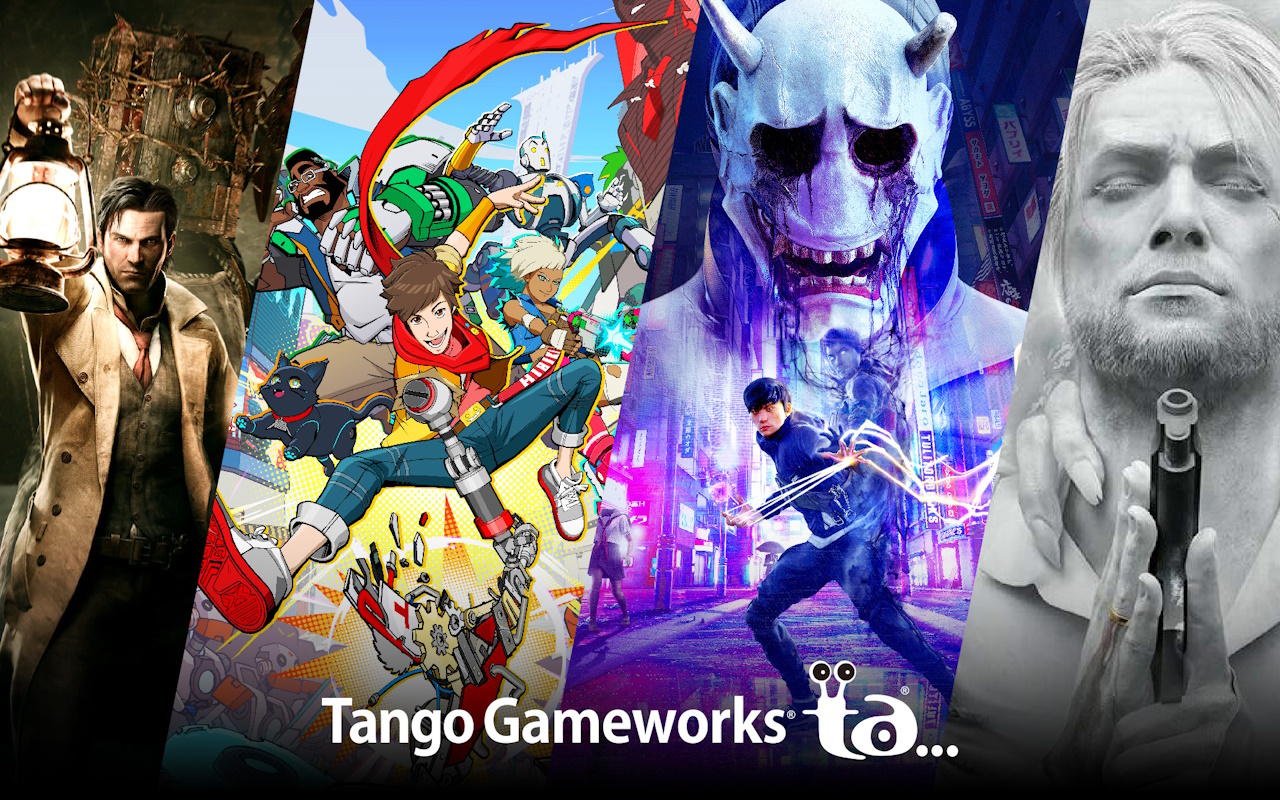
But what I honestly cannot understand is Microsoft’s decision to close Tango Gameworks – developers of Ghostwire Tokyo and Hi-Fi Rush, both of which have been successful titles for Xbox and Game Pass, with the latter even being launched on PlayStation to great fanfare. Closing down a studio after a high-profile failure is one thing, but after releasing critically-acclaimed titles that achieved more than anyone could have expected? It makes absolutely no sense – and seems to be indicative of a company in disarray.

Microsoft and Xbox may have bitten off more than they could chew with the recent Activision-Blizzard acquisition. Although that side of the company is one of the only profitable spots for Xbox at the moment, the massive outlay to purchase the company in the first place has clearly burned a hole in the once-infinite pockets of Microsoft, and that appears to have led to some very short-term thinking on the part of some executives. They’re scrambling, looking for any and all money-saving options.

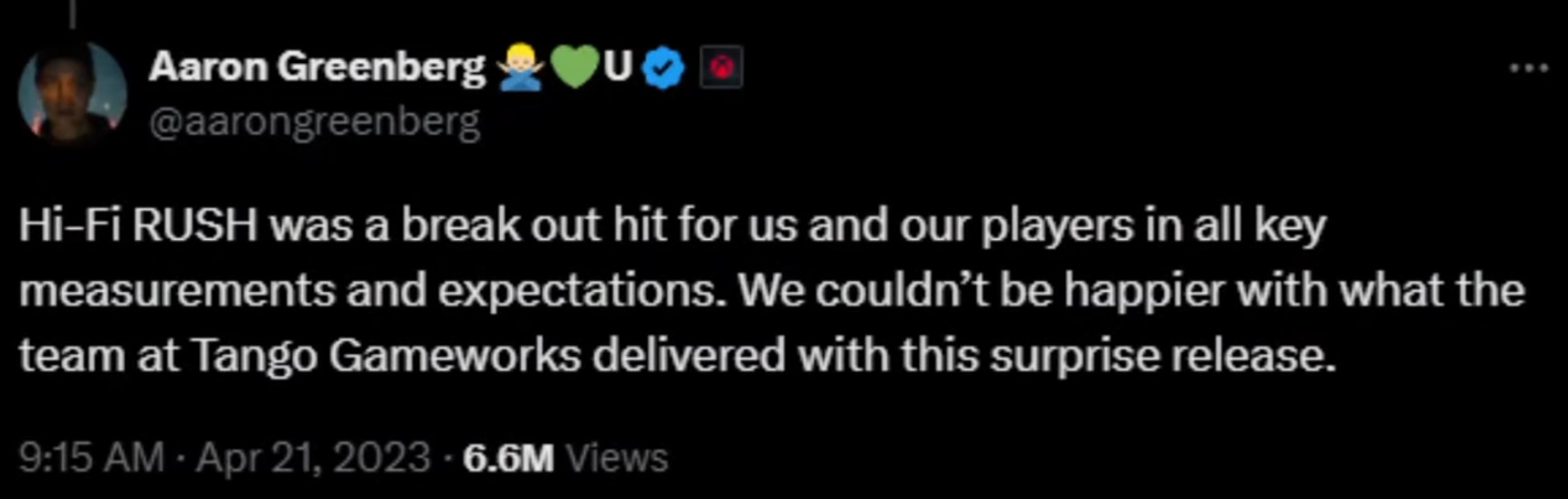
Twitter screenshot showing a post by Aaron Greenberg.
VP of Xbox Marketing Aaron Greenberg hailed the success of Hi-Fi Rush… shortly before the developer that made it was shut down.

Xbox has been running way behind PlayStation since the end of the Xbox 360 era, and that shows no signs of changing any time soon. PlayStation 5 consoles are outselling Xbox Series S and X consoles by a huge margin, and Microsoft has been struggling with that for a while. But Xbox’s ace in the hole should be Game Pass – as I’ve said more than once, subscriptions seem to be the direction of travel not only in the gaming marketplace, but in media in general, and Xbox has been first out of the gate with the biggest gaming subscription around. There have even been calls in some quarters for Xbox Game Pass to launch on PlayStation, such is the demand for the service.

But Game Pass is, as we’ve also discussed, somewhat of a double-edged sword. More people signing up naturally means fewer direct sales of games – because any player who’s joined Game Pass is incredibly unlikely to shell out extra money for a copy of a game they can already play. When some critics of Game Pass tried to spin this as a major “problem,” I pushed back on that, saying it was a silly argument. Microsoft and Xbox know what they’re doing, I argued, and a short-term hit to individual sales will have simply been an expected part of the equation as Game Pass establishes itself. But apparently I’ve over-estimated the intelligence of some of Microsoft’s executives…

A promo graphic for Xbox Game Pass.
Does Microsoft not know how to handle Game Pass?

Senior folks at Xbox have been seen in public expressing concern over “flat” sales, and the company doesn’t seem to know how to handle its own Game Pass subscription service – you know, the platform it set up with the explicit intention of changing the way in which Xbox and PC players pay for and engage with games. How on earth that managed to happen is just beyond me, and some of this ridiculous short-term thinking on the part of senior management at Xbox seems to run completely counter to the company’s stated longer-term goals.

Maybe Game Pass isn’t doing as well as Microsoft hoped. It seems, from publicly available data, that the service hasn’t seen a huge influx of new subscribers over the past twelve months, even with the release of major titles like Starfield. But as any film/TV streamer could tell them, building up a user base takes time, and there are bound to be bumps in the road along the way. Hitting the panic button after a few rough months and closing down studios that should be making exactly the kinds of games that Xbox claims to want to prioritise is so stupidly short-sighted that it’s almost incomprehensible.

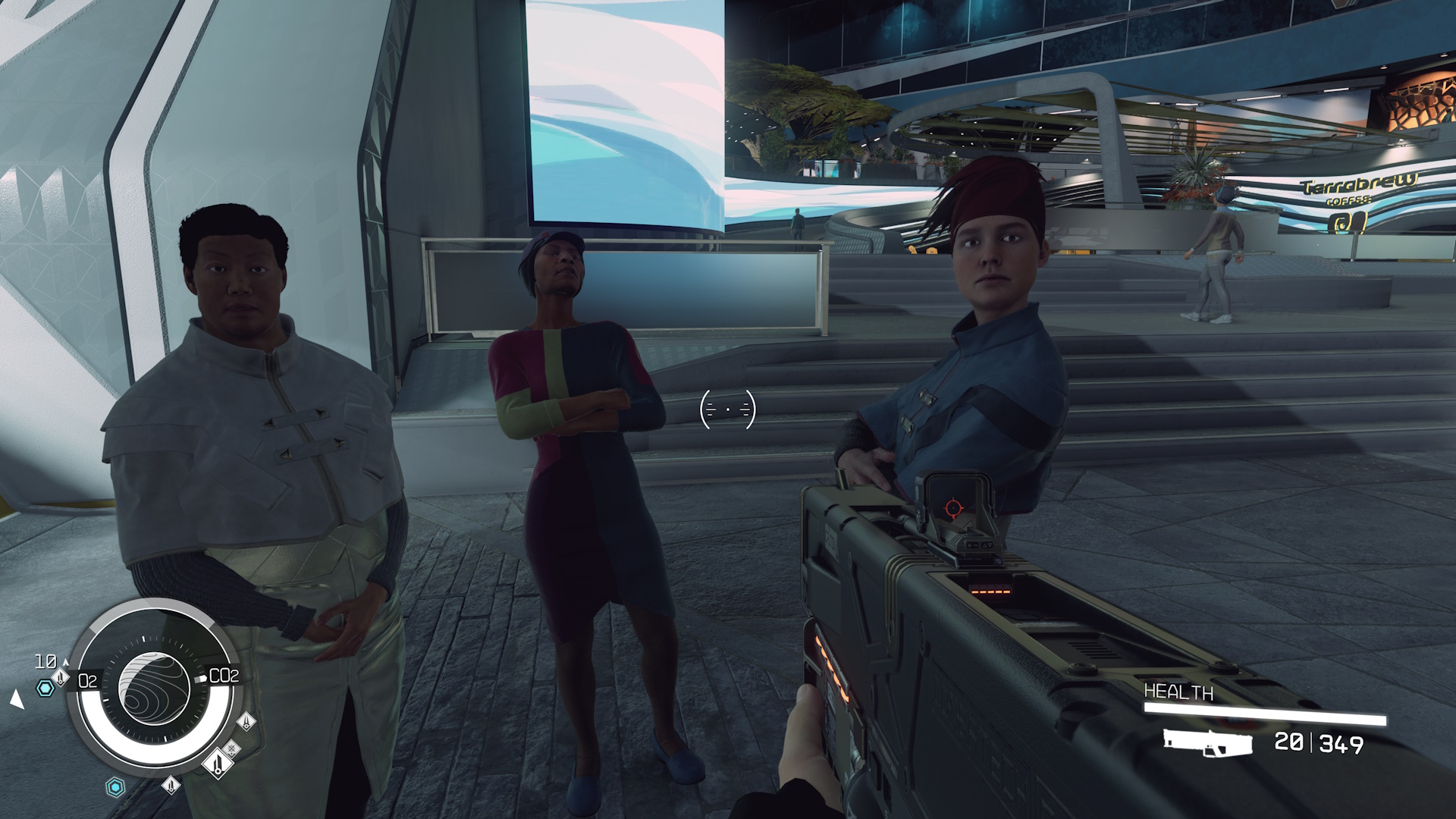
Screenshot of Starfield (2023) showing three citizens in New Atlantis.
Starfield doesn’t appear to have led to a massive influx of new Game Pass subscribers.

Not for the first time, I feel echoes of Sega’s rather unceremonious exit from the console war some twenty-plus years ago. Perhaps that’s the next step for Microsoft, with its gaggle of newly-acquired studios. Rather than becoming a gaming powerhouse like Nintendo or Sony, producing a glut of high-quality exclusive content, Microsoft is instead going to end up as another Electronic Arts – a publisher owning a number of different studios, ready to close all of them at the drop of a hat if there’s so much as a whiff of underwhelming sales numbers.

That would not be good for gaming. Whatever you may think of Xbox consoles or Game Pass, the games industry needs competition in order to innovate, grow, and provide some semblance of consumer-friendliness. With Nintendo not directly competing with PlayStation for the same audience – being off to one side carving out its own niche – it’s up to Xbox to be the competitor that the gaming landscape needs. If Xbox is indeed failing, in danger of crashing out of the market… that’s not going to be good for anyone in the longer-term.

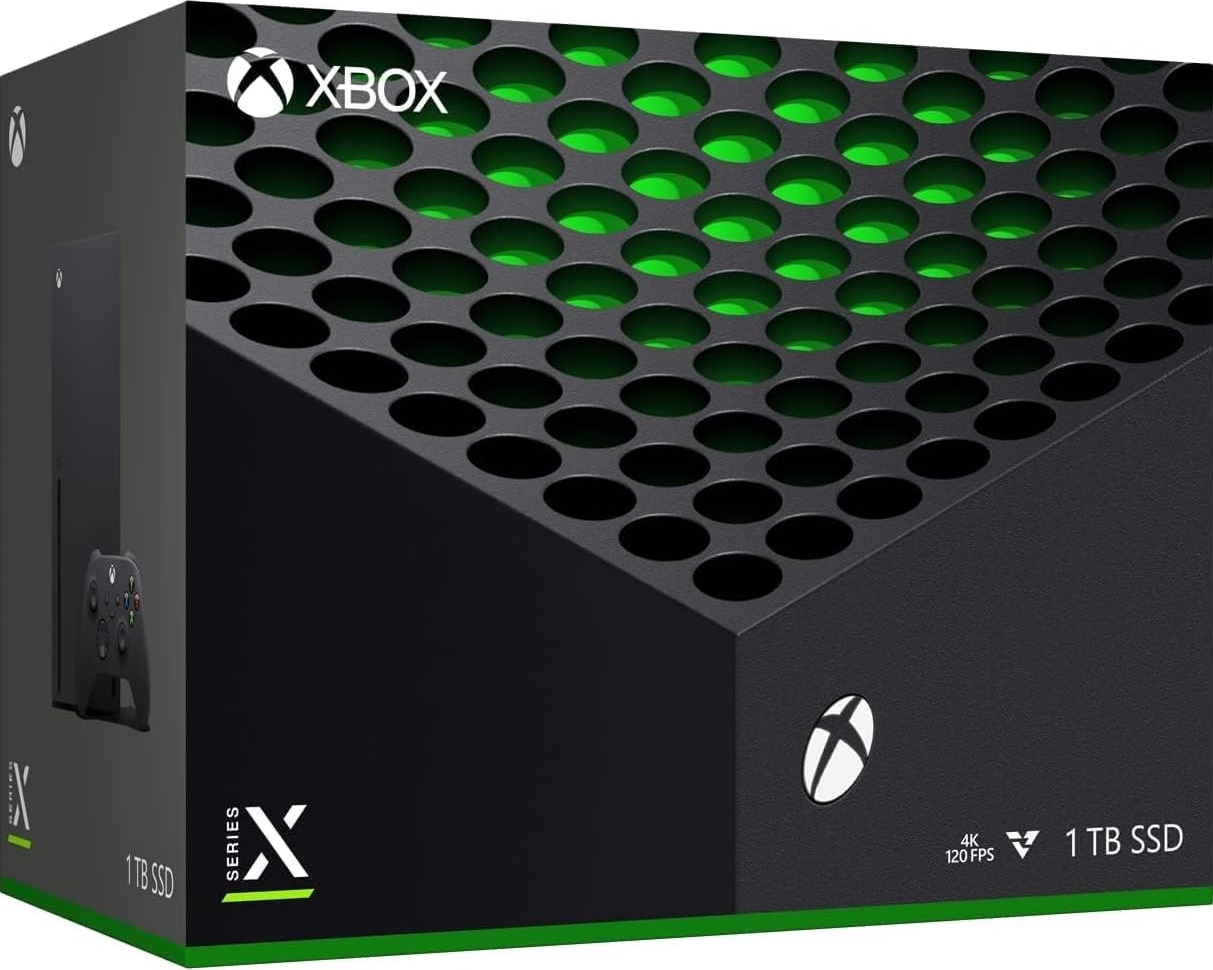
Packaging for an Xbox Series X console.
An Xbox Series X box.

I don’t believe for a second that this will be the end of the line for Game Pass, nor for subscriptions in gaming in general. Those things are here to stay – even if Microsoft and Xbox can’t figure out how to make them work properly right now. The direction of travel in media is still toward subscriptions and away from box sets and physical discs, and I don’t see that changing in the short-to-medium term. Game Pass, while it may be struggling to attract new users right now, is still an exceptionally good deal and a great way into current-gen gaming for players on a budget… but it’s on Microsoft and Xbox to find a better way to take advantage of that. Top tip: shutting down studios that could produce brand-new titles to add to the service that would attract new subscribers is categorically not the way to do it!

On a personal level, it’s hard not to feel for the folks at Arkane Austin, Tango Gameworks, and the other studios that Microsoft has killed off this month. And for the dozens of other studios that other big publishers have shut down. The games industry in general feels quite unstable right now, with high-profile flops, studio closures, and large numbers of people being laid off left, right, and centre. Corporate greed accounts for a huge chunk of that, by the way, and don’t let anyone tell you otherwise. Many of these decisions are being taken to boost already record-breaking profits and to provide even more money for shareholders and investors.

There was no need to shut down Tango Gameworks.

All of this self-inflicted bad news for Xbox comes just a few weeks before the company’s big Summer Showcase event, at which several new titles are supposed to be revealed. Indiana Jones and the Great Circle, Avowed, Flight Simulator 2024, and Starfield’s Shattered Space DLC are all likely to be shown off in detail at the event, and there’s even going to be a special Call of Duty-themed presentation following Microsoft’s acquisition of Activision. But it’s hard not to see that event being totally overshadowed by recent closures and lay-offs, and the general sense that Xbox as a brand is struggling to find a direction and an identity right now.

For players who might tune into the Showcase, or who might be subscribed to gaming news publications that will cover the event… what are they to make of Xbox, when the company seems to be all over the map with its exclusives, lack of exclusives, new studios, and studios that have just been shut down? With some of Xbox’s precious few exclusive titles already making their way to competing platforms, and studios that developed popular and successful titles being unceremoniously killed off, how can any player have faith in Xbox and the upcoming titles it wants to highlight?

Promo graphic for Xbox's 2024 Summer Showcase.
The Xbox Games Showcase is just a few weeks away.

Suppose Shattered Space doesn’t cut it for Starfield, and player numbers remain low. Will Xbox insist that future development on Bethesda’s attempted space epic is halted? What if Avowed does incredibly well and wins some big awards… but executives decide to shut down Obsidian Entertainment anyway? If I’m looking on as a potential player… why shouldn’t I just wait six months until some or all of these games come to PlayStation or to Nintendo’s next console? What’s the point in buying an Xbox any more?

All of these are questions that Microsoft has opened up by some truly bizarre and desperately short-term moves over the past few weeks and months. If you’d asked me even a year ago what Xbox’s strategy was, I’d have said clearly that there’s a focus on building up Game Pass as a subscription service with a guaranteed income, backed up by some expensive studio and publisher acquisitions to make new titles to add to the platform. But now? What is Xbox trying to do? Where’s the longer-term planning, and where does Microsoft see the Xbox brand in ten years’ time, five years’ time… or even just this time next year? I genuinely don’t know any more.

Promo graphic of an Xbox Series X control pad.
Where will Xbox be five years from now?

It’s a strange time to be following the games industry – and I suppose that’s been true for a while now, really. Despite the predictions of some doomsters, I doubt very much that we’re heading for a 1983-style “market crash.” Gaming has grown so much since those days, and I just can’t imagine a collapse of that nature happening… at least not in the immediate term. But bigger changes may be afoot, and if Xbox is losing money and unable to keep up with PlayStation, well… sooner or later, something’s gotta change.

As I said a few months ago when talking about Xbox and its exclusivity problem, I don’t believe that the company ceasing to produce consoles would be a good move for the market overall. But, as Sega found just after the turn of the millennium, focusing on software instead of fighting a losing battle on the hardware front might be what’s needed to save the brand.

Strange times indeed.


All titles discussed above are the copyright of their respective developer, studio, and/or publisher. This article contains the thoughts and opinions of one person only and is not intended to cause any offence.