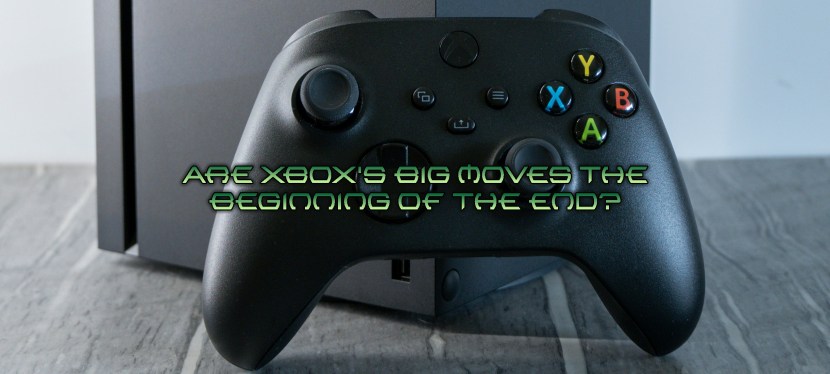
Are Xbox’s Big Moves the Beginning of the End?

I’ve swung back and forth on Xbox’s prospects over the years. As Microsoft’s gaming division seemed to be finding its feet with a new subscription-based model, I thought that had huge potential to be a new frontier in gaming. I was even a Game Pass subscriber myself for several years – until excessive price hikes convinced me to pull the plug. But at the same time, Xbox’s hardware has been losing the home console race for well over a decade – and that trend has not only not been reversed, but has accelerated since 2020.

Across 2026, Xbox has been laying off staff amidst a big restructuring of the entire business. And, if reporting is to be believed, that restructuring may have been necessary to keep Xbox alive. As harsh as these layoffs seem – especially for a corporation like Microsoft, with near-limitless resources – the Xbox division of the corporation has been burning through money. Xbox has been run so inefficiently that there were multiple superflous layers of management in between the developers doing the work and the studio heads making decisions. Some titles were given way too high a budget for the amount of money they would’ve ever realistically made. And, despite my personal belief that a subscription model is the perfect fit for gaming, Xbox seems not to have known how to handle what had been its biggest asset.
(Cropped) Xbox 25th anniversary logo
2026 is Xbox’s 25th anniversary.

Before we go any further, I want to give an important caveat. Everything we’re going to get into today with Microsoft, Xbox, and their various subsidiaries and studios is the *entirely subjective, not objective, opinion* of just one person. I don’t have any “insider information,” I’m not a “leaker,” and I’m not trying to claim that all of this is rock-solid fact. This is my analysis and my opinion based on my read of a complex and evolving situation – and based on news reports and publicly-available data.

I worked in the games industry for close to a decade, so I like to think I have *some* credibility when it comes to how the industry works! But that was a long time ago, and I only worked in junior roles on the marketing side of things – so it’s entirely possible I’m way off base with my analysis of the Xbox situation! I give these caveats because I don’t want to mislead anyone, to seem like I’m claiming to be 100% right, or to have knowledge of the situation that no one else does. I think everything we’re going to discuss is credible, if not plausible… but things change, and I’ve been wrong before!

Stock photo of people in a meeting room at an office.
I worked in the games industry for almost ten years.

The recently-announced changes at Xbox – combined with other issues facing Xbox and Microsoft – have led me to a conclusion that I haven’t seen anyone else draw: this could signal the beginning of the end for Xbox in the gaming realm. At the very least, this feels like Microsoft giving its gaming wing one very last chance to prove its worth to the corporation at large. Failure to do so… well, it could mean Xbox is about to disappear.

Xbox Game Studios – a.k.a. the flagship game development and publishing part of Xbox – is basically a shell company right now. Under its broader umbrella, Xbox has the likes of Activision-Blizzard, Bethesda, Mojang, and a couple of smaller teams that mainly focus on individual titles or series. But most of their other brands are gone: either sold off, shut down, spun off as independent studios, or incorporated into one of Xbox’s other brands.

Which begs the question: why?
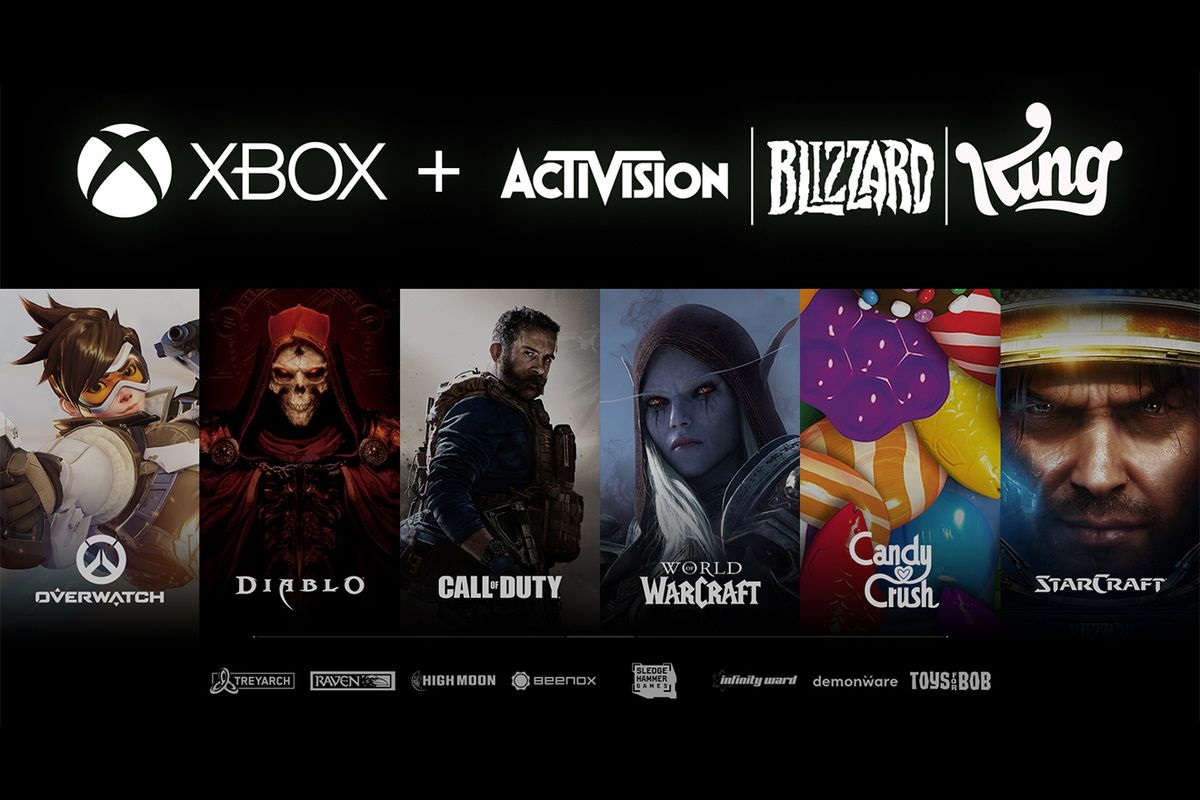
Promo image of Microsoft's Activision acquisition
This acquisition wasn’t that long ago…

I get why a studio like Compulsion Games would be spun off and regain its independence. A smaller team focused on narrative experiences… but whose latest game wasn’t a commercial hit. Xbox hasn’t lost a lot, to be blunt about it, by parting ways with Compulsion.

But closing Halo Studios/343 Industries – Xbox’s in-house development team for what is arguably the brand’s flagship franchise – only to give that franchise to Activision? That’s weird. That’s *very* weird. The same for moving RPG legend Obsidian over to Bethesda.

Unless… Xbox is planning a potential sale of Activision and ZeniMax (Bethesda’s parent company) in the near future. Building up those subsidiaries, giving them access to more franchises and IP… well, it suddenly starts to make a bit more sense. Activision is more valuable an asset with Halo than without, and Obsidian is probably worth more to Xbox as a ZeniMax subsidiary than it would’ve been alone.
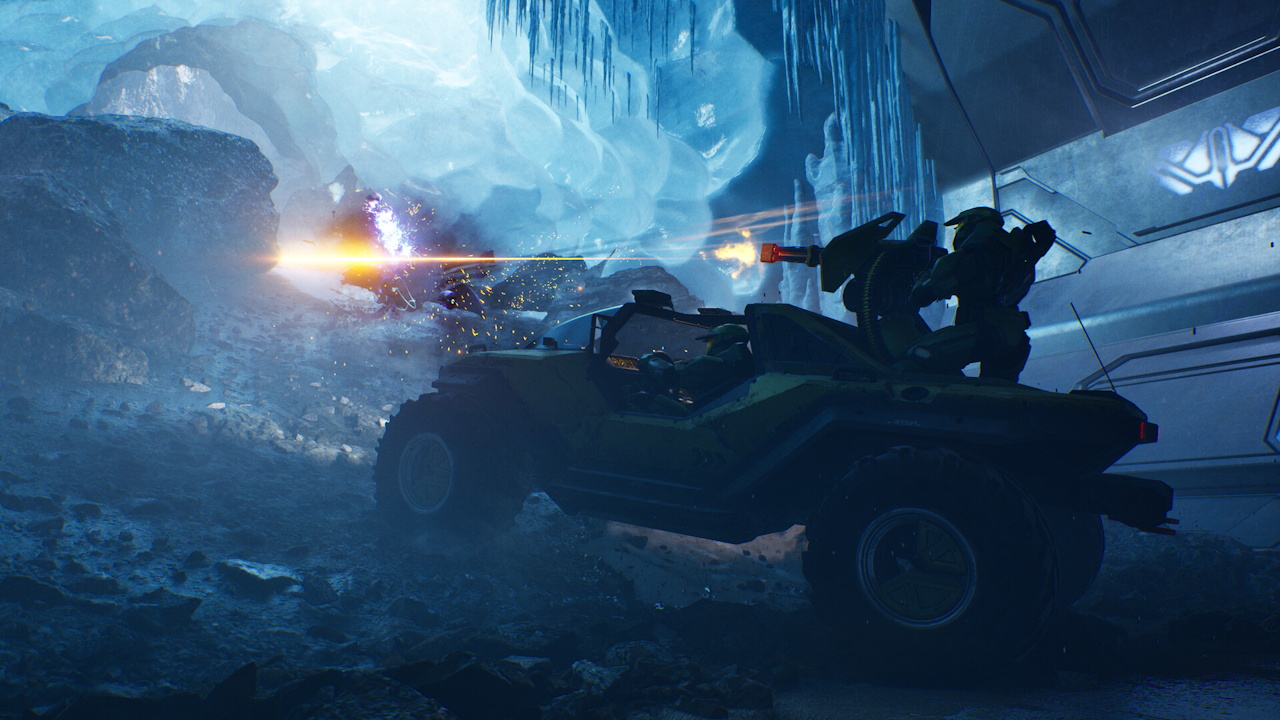
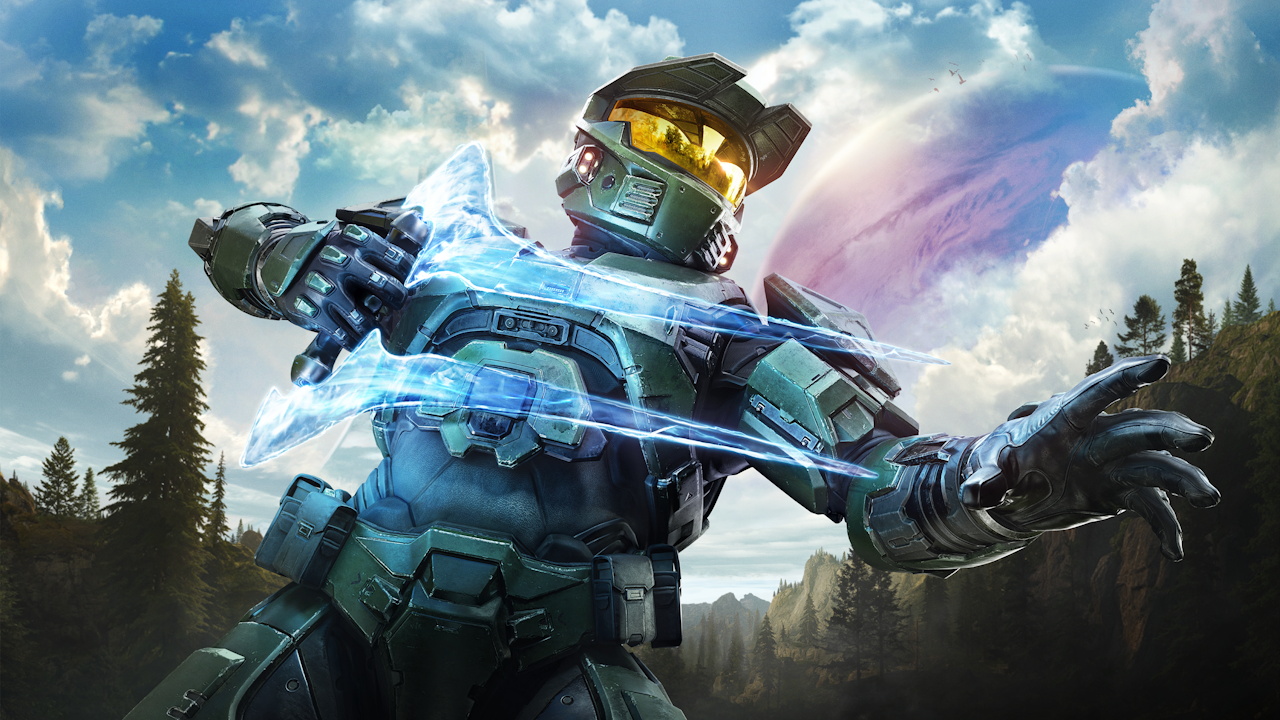
Promo for Halo Campaign Evolved showing the warthog
Halo Studios has been effectively closed, and the franchise has moved over to Activision.

Let’s take a diversion and talk hardware. Trust me, it’s related!

Earlier this year, I tried to make the case for a delay in the announcement and release of next-gen hardware. Why? Because component prices are *insane*, and hardly anyone is going to want a $1,300 PlayStation 6 or an Xbox Project Helix for $1,450. But both Sony and Microsoft seem intent on rushing ahead with unnecessary and expensive next-gen consoles.

But is Project Helix a commercially viable product at prices north of $1,000? And if it isn’t… why are we bothering? Literally what is the point in launching new hardware that’s out of reach of most players? Waiting another year or two could mean prices will start to come back down as the A.I. situation begins to settle, but rushing in too soon could make new hardware a complete and total failure.
Logo for Xbox Project Helix
Project Helix is the code-name for Xbox’s next console.

And if Project Helix fails… I think we all realise that’s gonna be curtains for Xbox.

In January 2001, Sega announced that production of its Dreamcast console was going to cease after low sales. That came after the Sega Saturn had also been a flop – and as a result, Sega got out of the hardware industry altogether, refocused its efforts, and became a games publisher. Microsoft has now had two consoles in a row that were, at best, underwhelming – a third will surely tank the brand’s hardware division, at the very least.

But there was also news earlier this year that Microsoft had considered going even further – spinning off Xbox altogether and effectively getting out of the games industry. Xbox does not have the financial stability to survive on its own, without the backing of its parent corporation, so that would effectively mean no more Xbox, no matter how that news might’ve been reported at first.

Stock photo of a Sega Dreamcast
Could Xbox go the way of Sega?

That original plan doesn’t seem to be going ahead, but executive changes within Microsoft and Xbox have definitely shaken things up – and seem to have put Xbox on a ticking timer to either turn things around… or disappear.

The upcoming launch of Grand Theft Auto VI – one of the games industry’s most-anticipated releases in years – could move the needle for Xbox. Xbox still has the cheapest home console on the market in the form of the Series S, so it’s not a lie to say that the least-expensive way to play GTA 6 for folks who don’t already have a console will be on Xbox. And just as a general rule, games like that have a tendency to shift consoles. Launching in the holiday season is also a big plus!

But if the only bright spot for an entire console and publisher is one third-party game… I mean, you can see why Microsoft is concerned. Several recent Xbox games that the company invested a lot of money in haven’t performed as well as Microsoft wanted or expected. Starfield, Call of Duty: Black Ops 7, Halo: Campaign Evolved, Forza Motorsport, Hellblade II, and The Outer Worlds 2 are just a few examples. A company can survive one or two high-profile flops… but not this many, and not all at once.
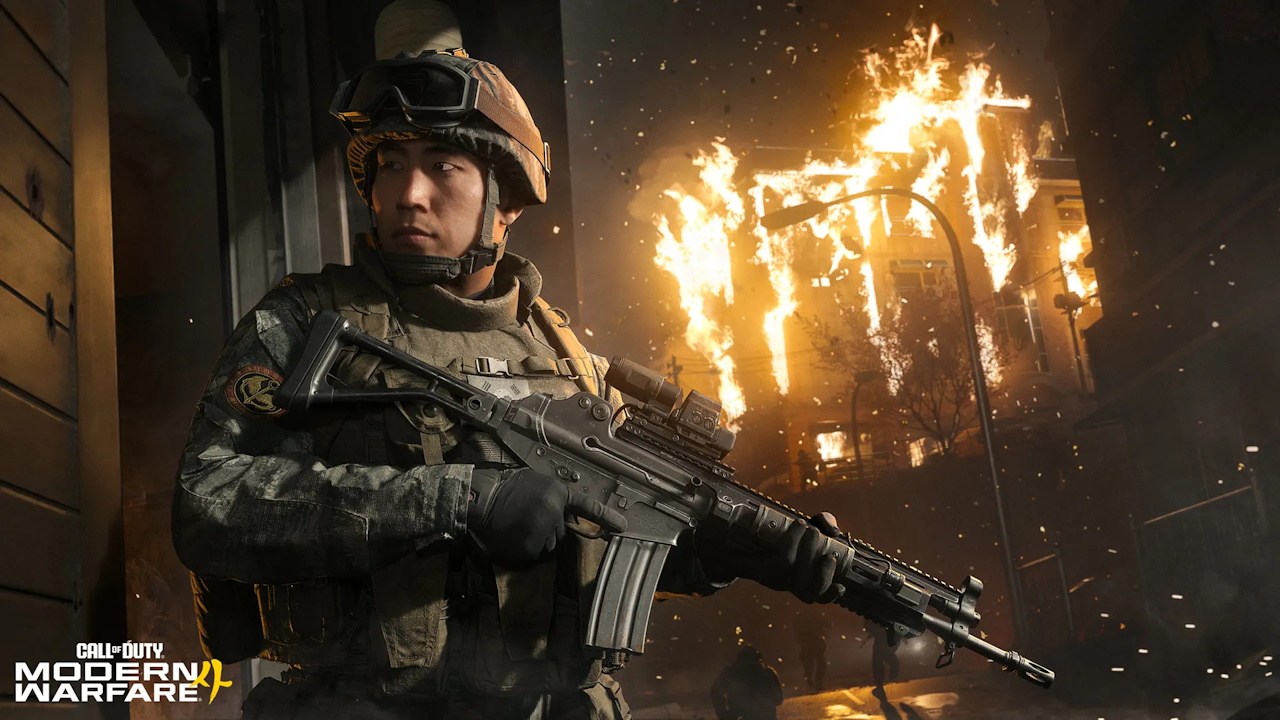
Promo image for Call of Duty Modern Warfare 4
Last year’s Call of Duty was a flop. This year’s game is due for release next month…

My gut feeling is that Xbox is panicking, and in doing so, they’ve squandered their biggest asset: Game Pass.

Game Pass was growing, but it was taking longer than Microsoft may have been initially promised for the service to become as profitable as they’d hoped. And hitting the panic button meant massive price hikes… and the predictable massive wave of cancellations that followed. Current Xbox leaders seem to want to return to the digital sales model, with the high-profile Call of Duty series the first to be taken away from Game Pass on day one. I expect to see more of that to come… before the service is presumably shut down entirely.

When you make a subscription service, you’re naturally going to see fewer sales or individual rentals. That’s not a bug, that’s a feature! You want to rope people in and get them to stay signed up, and that obviously means that they aren’t gonna *buy* a game like Starfield if they can play it as part of their subscription. But platforms like these take time to develop, grow, and become sustainable – and Microsoft, it seems to me, didn’t give Game Pass the time it would’ve needed to get there. A game like South of Midnight was never gonna be a system-seller, but it’s exactly the kind of smaller, mid-sized, AA-type of game that made Game Pass feel like a worthwhile subscription to stick with.
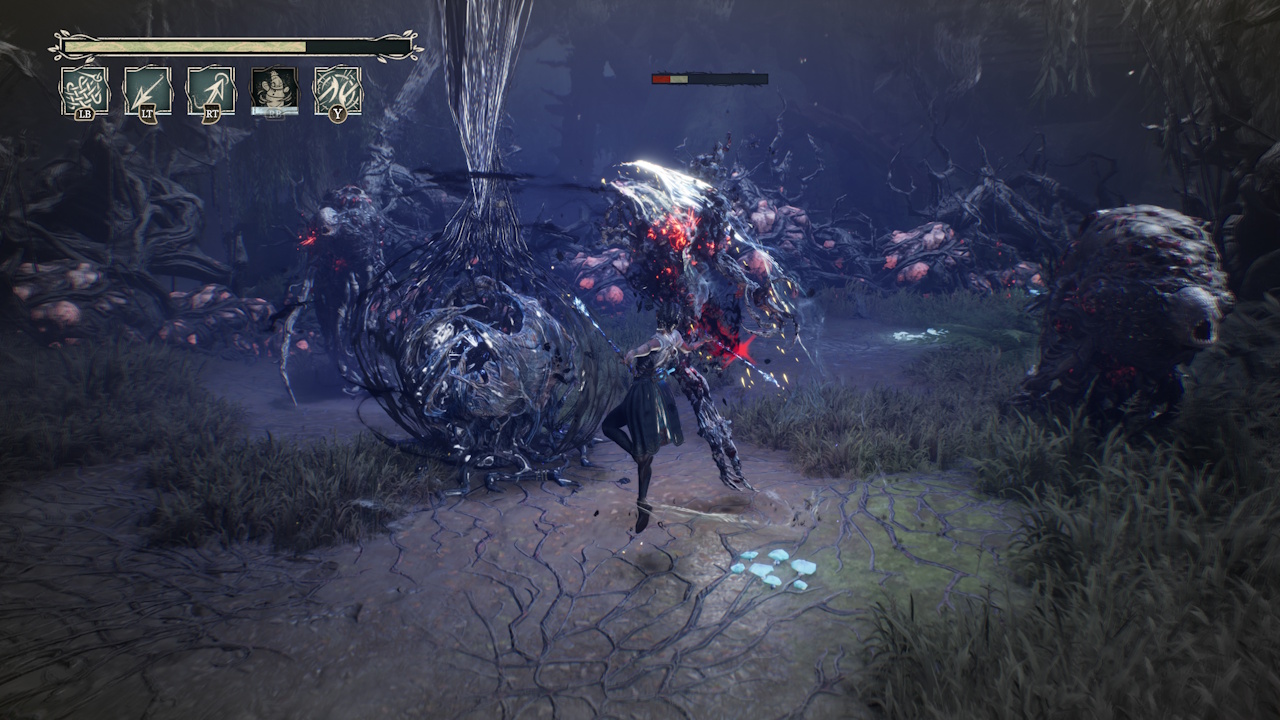
Screenshot of South of Midnight showing combat
I picked South of Midnight as my “Game of the Year” last year.

But if that’s not the approach any more, you can see why studios like Compulsion Games and even the venerable Obsidian no longer hold much appeal to a crop of Xbox executives who, in their own words, want the brand to focus on big, tent-pole franchises at the expense of smaller titles.

So that’s how I see it right now. Xbox has been losing money, or not making enough profit – which are the same thing to a corporate overlord, sadly – and rather than stick with what could’ve worked if it had been allowed more time, Microsoft is panicking and pushing for immediate, large-scale changes in the hopes that such changes will lead to faster growth and profitability.

My instinct is that it ain’t gonna work, and while Xbox may get a short-term boost as a result of getting rid of so many members of staff (as well as the bounce that a massive game’s launch this November will provide), the fundamental problem the company has is that… no one wants an Xbox. Most folks would rather play on PlayStation 6 or PC… or Nintendo Switch 2. And given where prices for components are right now, a new console that could easily cost $1,200, 1,300, or even 1,400 won’t sell anywhere near enough units for us to be able to say “Xbox is back!”

A stock photo of a person with empty pockets
Most of us don’t have that kind of money right now…

Moving and merging several major studios and developers leaves Xbox with very little of its own any more; its biggest brands and franchises are owned by its subsidiaries. And any one of these – even the biggest, like Activision-Blizzard – could be spun off or sold off almost at any moment. With Sony potentially losing the likes of Bungie in the near future, they might be interested in a developer with first-person shooters like Halo and Call of Duty. And despite recent failures and disappointments, there’ll always be someone who has faith that Bethesda can still succeed with the sequel to Skyrim. Those companies just got a lot more enticing… if the goal is to increase their value and sales appeal.

I still think Xbox has one last chance. But it increasingly feels like the *absolutely final* chance that the brand’s gonna get. Microsoft has been impatient, and wasn’t willing to wait for the Game Pass model to grow and develop. And fair enough, you may say! But I wonder if, a few years from now, we’ll come to see that impatience as a mistake and wonder what might have been if Xbox had instead doubled-down on Game Pass, perhaps even beginning not to sell games on day one – or at all – in favour of bringing them to its subscription platform.
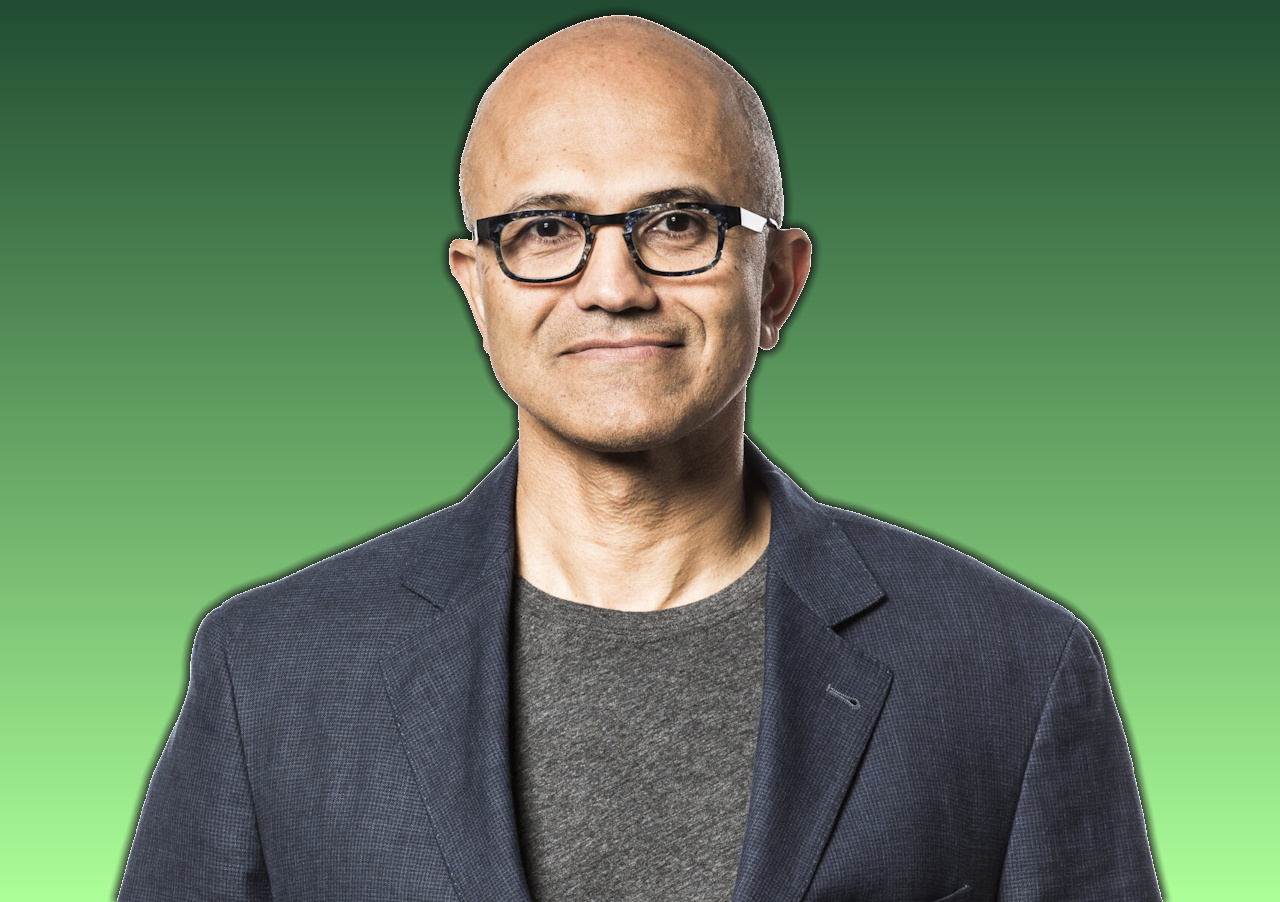
Satya Nadella, CEO of Microsoft.

If Xbox does end up getting out of the home console space, though… I don’t think that’ll be something to celebrate. It’ll give Sony an effective monopoly on cutting-edge games on home consoles, because Nintendo remains off to one side doing its own thing. There’ll be less choice for players, no one to counterbalance PlayStation or offer genuine competition, and monopolies are no good for anyone. PC will remain an option, of course, but PC is still, for many folks, not an adequate or like-for-like replacement for a home console that can be plugged into a TV and played on the couch.

These moves, though… they don’t feel like a typical restructuring to me. It seems to me as if Xbox is fattening up Activision-Blizzard and ZeniMax ahead of a potential sale, and that could indicate that Microsoft is planning to jump out of the home console space – if not gaming altogether – before the end of the decade.

This really could be the beginning of the end.


All titles discussed above are the copyrights of their respective developers, studios, and/or publishers. Xbox and Xbox Game Pass are the copyright of Microsoft. This article contains the thoughts and opinions of one person only and is not intended to cause any offence.
Xbox: Layoffs, Cancellations, and Closures

Xbox has been losing the home console war for… what? Thirteen years, give or take? The launch of the Xbox One was where it all went wrong, and this generation’s Series S and Series X consoles haven’t been able to win back players en masse. So Microsoft clearly has to do *something* to reinvigorate its gaming division. But are Microsoft’s recent moves the right ones? Is killing off multiple studios just days after announcing their latest titles a sign that Xbox is getting a grip… or are they finally losing the plot? With Microsoft’s A.I. investments also helping to drive hardware prices through the roof, what does the future look like for the brand? And could there be a day – perhaps sooner than we think – where there isn’t an Xbox to compete with PlayStation in the home console market?

Let’s break down the latest Xbox news and discuss that today.

If you’re a regular reader, you might recall articles over the past few years which had titles like “What’s Going On At Xbox?” and “I’m Not Sure What Xbox Is Doing Any More” – because this is hardly a new issue. Microsoft’s gaming strategy has been muddled, confused, and contradictory for a long time, and Xbox has seemingly tripped over itself time and time again over the last few years. Sadly, for fans of Xbox… this ain’t new.

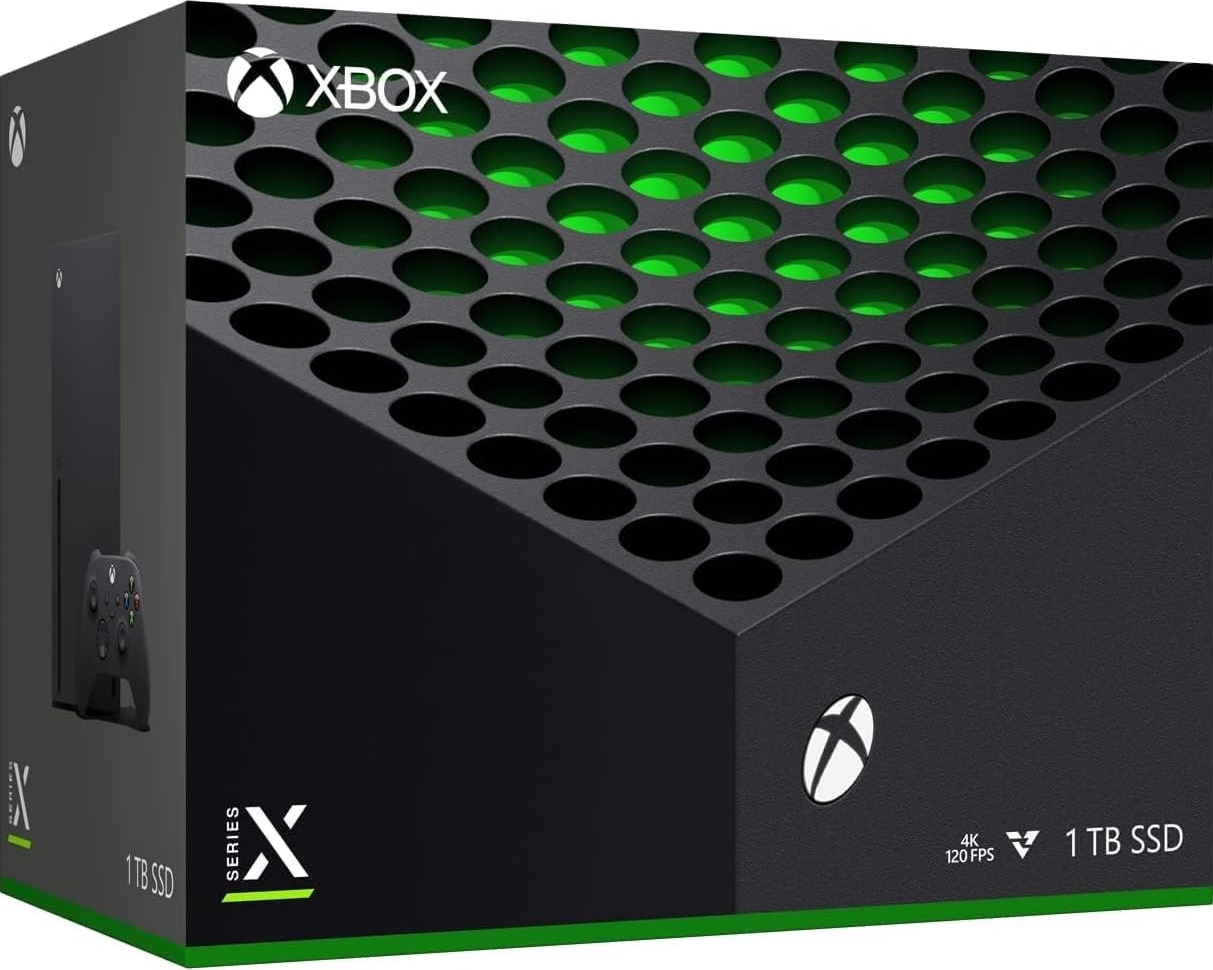
An Xbox Series X in its box
We’ve been here before.

The latest news from Xbox, if you haven’t heard, is that huge layoffs are imminent as major studios are set to close. Xbox also pulled out of funding several third-party titles, leaving their futures uncertain. And this comes just a few days after what had been a relatively successful Xbox Games Showcase event, where excitement for new titles – including several that are now either all but cancelled or whose futures are uncertain – had been effectively built up.

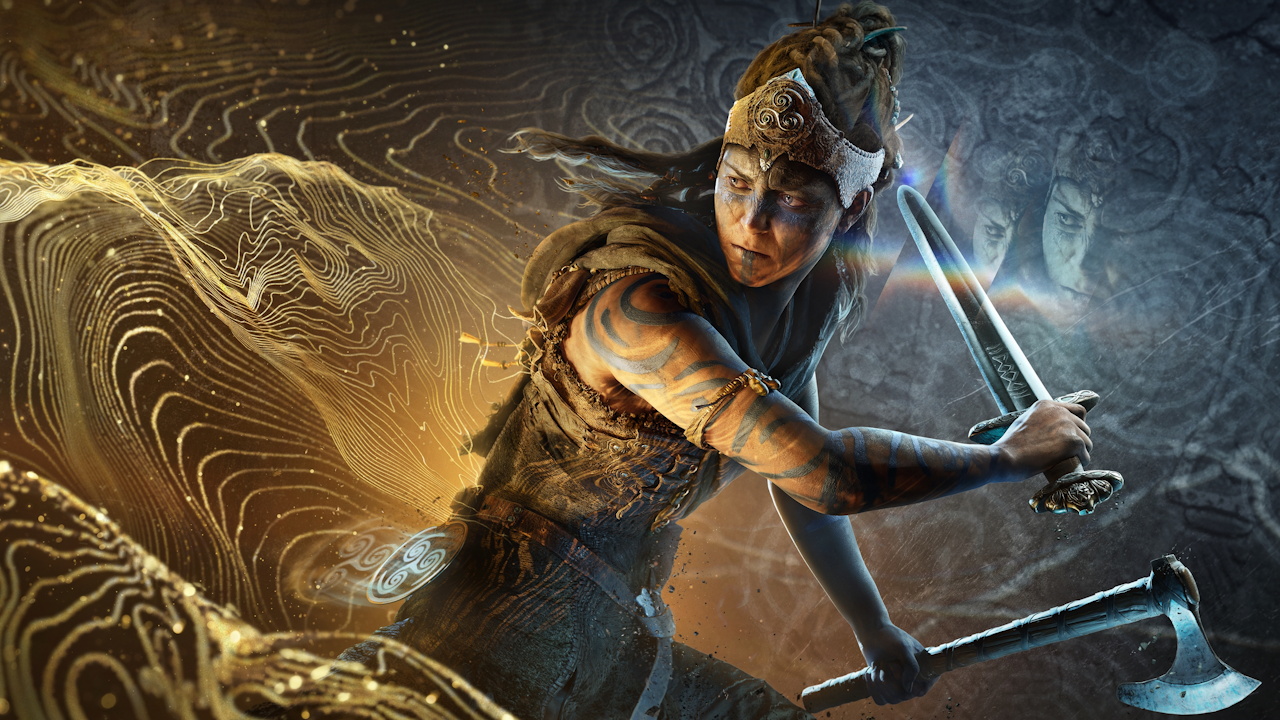
Senua, the third entry in Ninja Theory’s Hellblade series, was prominently featured at the Xbox Games Showcase just a few days ago… but Microsoft had already decided to pull the plug. The same is true of State of Decay 3, with Undead Labs seemingly on the chopping block. And other games which had been previously revealed or teased, like Arkane’s Blade adaptation and IO Interactive’s fantasy title, are also seeing funding pulled and may face cancellation as a result.

Promo image for Senua (2027)
Senua may never be finished or released.

The word is that Xbox needs to cull “underperforming” or just plain unprofitable studios as part of a scheme to refocus on big, established brands. The likes of Halo, Call of Duty, and – thanks to its TV adaptation bringing in new eyes – Fallout are among the series that Xbox sees a future in. They might actually be the *only* ones, at least right now.

If you just take a surface-level view, that kind of thing makes sense. If a studio has developed a game, perhaps over five-plus years, and that game makes a net loss… why should a corporation trust that studio to get it right next time? That’s the basic argument that a lot of folks have been making in defence of these shutdowns, closures, and layoffs.

But is that really all there is to say?

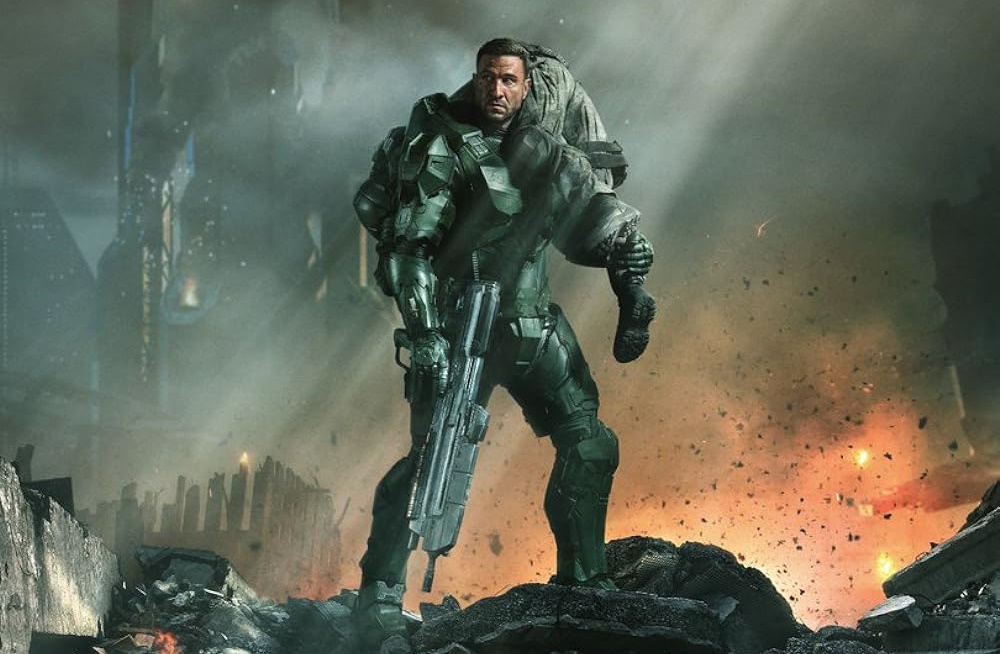
Halo could be one of the only brands Xbox is interested in right now.

Microsoft and Xbox’s leadership and executives have to own up to the roles they played in these disappointments. A game like Redfall was always a risky prospect to greenlight, coming from a studio with no multiplayer experience and with the live-service space already saturated. The Outer Worlds 2 saw its marketing catastrophically overshadowed by a desperate attempt to hike up its price. Games like South of Midnight just don’t seem to have been advertised very effectively (I only saw that the game existed because I was subscribing to Game Pass at the time). And so on. In each of these cases, any disappointment is at least as much on management and leadership as it is on the studios, the developers, and the games themselves.

Some of these decisions may be “necessary,” from a corporate point of view, to balance the books and shore up Xbox as a brand. But they’re also undeniably the result of more than a decade’s worth of failures on the corporate side, and there’s no escaping that. Xbox may have recently parachuted in new leadership, who can claim that they weren’t around for any of that, and they’re just here to clean up the mess. But at Microsoft, many of the folks who are ultimately responsible for these decisions remain in place. And it’s pretty galling, as a developer or junior employee, to lose your livelihood because of decisions that were made years ago by people who either remain gainfully employed or who have enjoyed the most luxurious of golden parachutes.

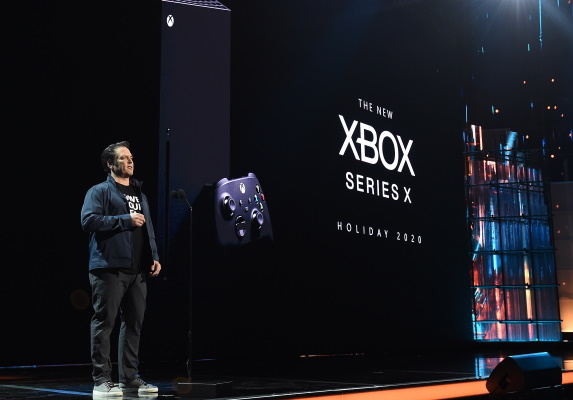
Photo of Phil Spencer announcing the Xbox Series consoles.
Former Xbox head Phil Spencer.

But okay, let’s stop before this turns into another one of Dennis’s anti-corporate rants!

I want to consider what this means for Xbox, and what a slimmed-down, smaller Xbox might look like in a few years’ time when the results of these closures and layoffs becomes more obvious.

This should be obvious, but the most important thing that any video games publisher and hardware manufacturer needs is… *games*. Xbox needs big games, sure, but it also needs smaller and medium-sized games – exactly the kinds of titles that are currently being killed off. Hardly anyone buys an Xbox console entirely because of Hellblade or South of Midnight, but without those kinds of games for folks to play in between releases in some of the bigger franchises… what else is there? Third-party stuff, sure… but then why not buy a PlayStation, a Switch 2, or a PC? Why sign up for Game Pass if there are gonna be fewer of those kinds of titles to dip in and out of? Game Pass is worth it if you get to play a dozen or more games a year… it’s a lot less of a good value proposition if all you’re gonna get is one game in a big franchise every few years. And no Call of Duty to boot.

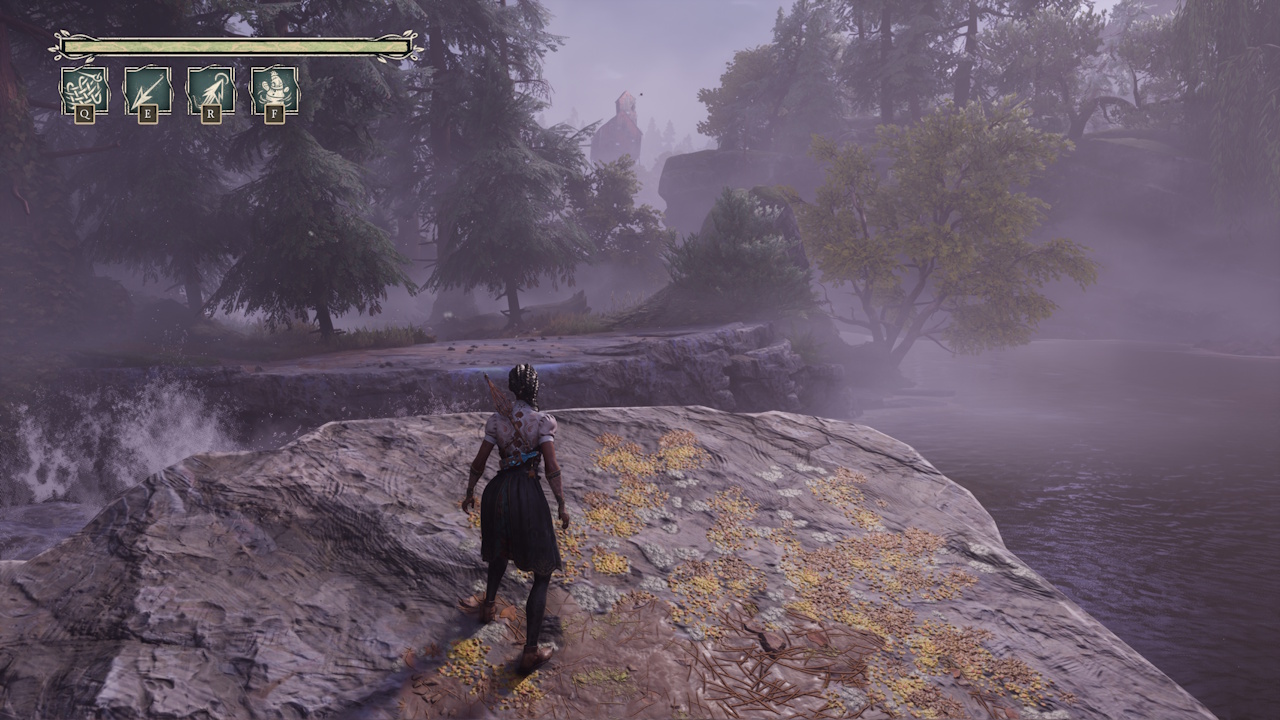
Screenshot of South of Midnight showing a river
Any games publisher or platform needs smaller and medium-sized titles in between its biggest releases.

Xbox’s big brands, too, aren’t as strong as they need to be – and they aren’t as strong as the CEO and executives seem to think they are. Last year’s entry in the Call of Duty series – Black Ops 7 – was a bit of a flop, and there hasn’t been a truly great entry in the Halo series since Reach. Just in the first-person shooter space, then, there’s absolutely a case to be made for a new series, or the return of a long-dormant series, to be given a chance to impress. But Xbox’s executives also killed off the remake of Perfect Dark, didn’t they?

The games industry is changing, and for a lot of players, a handful of games – or even just a single title – is all they’re interested in. Folks will play Grand Theft Auto Online, Fortnite, or Roblox for years or even a decade, and Xbox – like all of the big players in the AAA space, really – has been desperately trying to create “the next Fortnite” or “the next GTA Online”. It hasn’t worked.

Promo image for Grand Theft Auto V Online.
Like everyone else, Xbox has been trying to create “the next big thing.”

By killing off (or selling off) unprofitable or underperforming studios, Xbox may be able to claim a short-term win in its next financial earnings report. Spending less money on these kinds of studios will combine with a slow return of Game Pass subscribers after last year’s exodus, and that’ll probably make Xbox’s balance sheet look reasonable by this time next year. If this year’s inevitable Call of Duty is a success – and if titles like Fable do well, too – that’ll be another boost.

However, I can’t shake the feeling that this is *desperately* short-term thinking from Xbox’s executives. Just like last year’s Game Pass price hike, it’s an attempt to shuffle things around to make the books look better to investors – but not only does it not address Xbox’s real, core issue, it risks making the future of the brand even less secure. By increasing Xbox’s reliance on a handful of massive brands, Microsoft is practically inviting trouble – especially when most of those brands haven’t been performing particularly well for quite a long time.

Promo image for Call of Duty Modern Warfare 4
Xbox is doubling-down on the likes of Call of Duty.

When was the last genuinely great Fallout game – one that received as close to universal approval as possible? It wasn’t Fallout 4, with its voiced protagonist, annoying settlement system, and degraded role-playing experience. And it definitely wasn’t Fallout 76. So… New Vegas, I guess? And that’s already more than fifteen years ago.

The same is true of Halo. Halo Infinite underwhelmed. The Halo TV adaptation was unceremoniously cancelled. Halo 4 and Halo 5, while appreciated by some fans, definitely didn’t hit the highs of earlier games in the series, and weren’t as widely-played. And the jury’s out on Campaign Evolved – the *second* remake of the first game, which launches in a few weeks’ time.

Cropped promo poster for Halo Season 2
The TV adaptation of Halo was cancelled after two seasons.

My point is this: are *these* really the kinds of names that Microsoft and Xbox can rely on and build the future of the brand around? Will a new Halo game deliver the kind of win that Xbox needs, and bring in unprecedented player numbers? What about Fallout? The TV show may have been a success so far, but by the time a new game is ready it could easily have finished its broadcast run. Think about it: Fallout is already two seasons in, and even if a brand-new Fallout game were announced today, with experienced developers and a big budget, you’re looking at a minimum of four years to have it ready to go. Two or three more TV seasons could easily have come and gone by then… and the moment to capitalise on its success will have well and truly passed.

Putting a growing number of eggs in fewer and fewer baskets is basically what Xbox is announcing they plan to do. So if any one of those baskets should fall… you’re looking at a big, eggy mess, if I can stretch the metaphor that far! By reducing the number of studios under its umbrella, laying off potentially thousands of developers, and publishing fewer games in the years ahead, Xbox might be able to show a positive balance sheet in 2027… but how long will it last? And with that dependence on a handful of franchises to prop up its hardware, its ports, and Game Pass, too… is it sustainable?

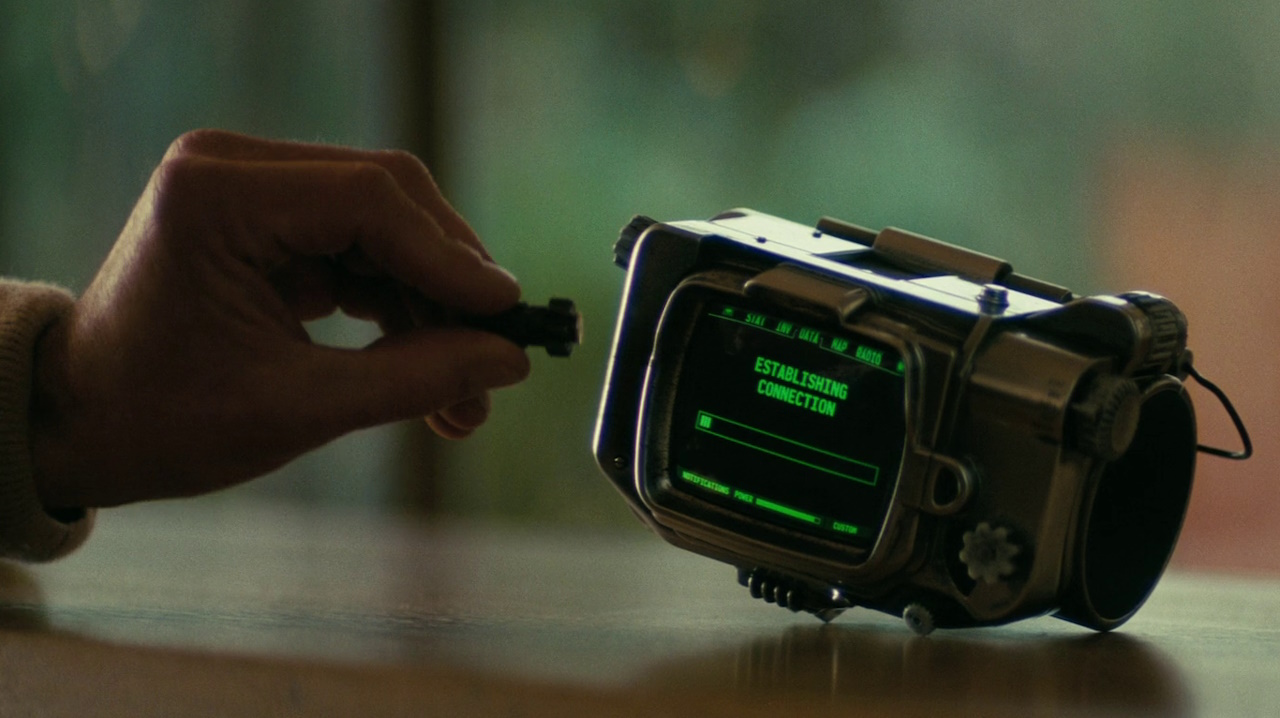
Still frame from Fallout showing a pip boy
By the time a new Fallout game has been developed, the TV series could easily have finished its run.

Speaking for myself, one of the things I enjoyed most about Game Pass – and one of the things I missed when I cancelled last year – was being able to hop onto the app and see what was new. I tried out games I’d never have thought to buy simply because they were there. If Xbox doubles- and triples-down on Call of Duty and Halo, where will that kind of experience go for players? Where will the next South of Midnight come from? That was my “game of the year” in 2025, and while I fully accept it wasn’t a commercial success… it was still a fantastic title. Not every game from every studio can be a massive hit every time. Sometimes you have to learn from failure and do better next time – something which applies to Compulsion Games *and* to leadership at Microsoft.

Or at least it would in an ideal world.

Maybe Xbox’s financial situation really is so dire that it’s either make these cuts now or watch the entire business fold. Perhaps Microsoft’s leadership has basically threatened to get out of the hardware business – or gaming entirely – if Xbox can’t demonstrate that there’s a way back. And if that’s the case, if the ship is sinking so badly that the only thing to do is throw *people* overboard… well, it isn’t the fault of the people being tossed, is it?

Photo of Xbox CEO Asha Sharma
New Xbox CEO Asha Sharma.
Photo: Microsoft/Xbox

From the point of view of players like ourselves, the games industry needs Xbox. Not because of anything Xbox does, has done in the past, or might do in the future. Not because Xbox hardware is fantastic, powerful, or well-designed. And not because any Xbox games – past, present, or future – are must-play “games of the generation.” The industry needs Xbox because, without it, there’s only gonna be PlayStation and Nintendo. Xbox is a balance – not only a one-to-one competitor with PlayStation in a way that Nintendo hasn’t been for twenty-plus years, but a non-Japanese company in the hardware space. If Xbox falls and disappears from the gaming hardware landscape, your only choices for new hardware in the years ahead will be Nintendo, PlayStation… or PC.

Nintendo, since the days of the Wii, has been off to one side, doing its own thing – and, generally speaking, doing it pretty well. But Nintendo doesn’t compete with PlayStation in the same way as Xbox; a lot of current-gen titles don’t even come to Nintendo’s less-powerful hardware, and the brand is arguably more focused on family-friendly titles, casual titles, and a handful of bigger exclusives. Xbox is the counterweight; the competitor that PlayStation needs lest it gets a monopoly on the entire hardware market. And that would be a net negative for players, unfortunately.

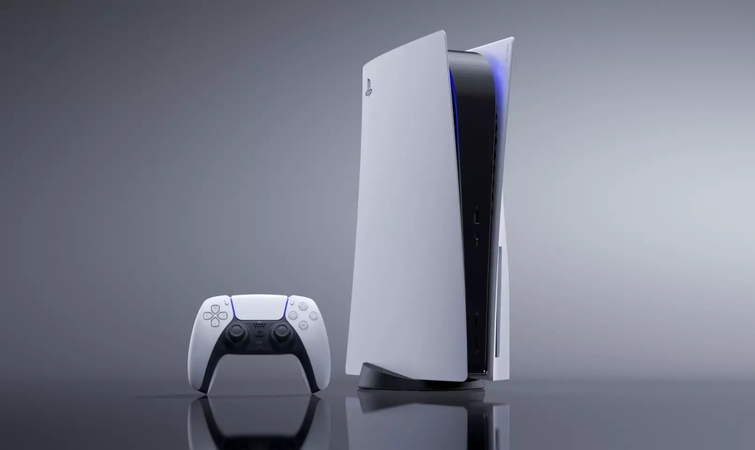
Stock/promo photo of a PlayStation 5 console and DualSense control pad.
Without Xbox, Sony will effectively have a monopoly over current-gen gaming, and that’s not acceptable.

Sony has recently announced – to some backlash – that, after 2028, they’re going all-digital. There will be no more PlayStation discs produced after that date (which I have to assume will coincide with the launch of their new hardware, which may very well not even have a disc drive included). Right now, there’s a *chance* – however minuscule it may seem – that Xbox can force Sony to walk that back by offering a competing device that does come with physical discs. Xbox has an opportunity to do to PlayStation what the PS4 did to the Xbox One some thirteen years ago.

But PlayStation clearly feels confident in making this move in part *because* they know that the competition from Xbox isn’t serious. Numbers are difficult to come by, but it’s generally accepted that, for every one Xbox Series console sold since 2020, there have been three PlayStation 5s sold. Sony feels it can act with impunity right now, because of this disparity. But as long as competition exists, there’s at least a chance for Xbox to score a win – and that could force Sony to pull back from some of its unpopular and anti-consumer moves.

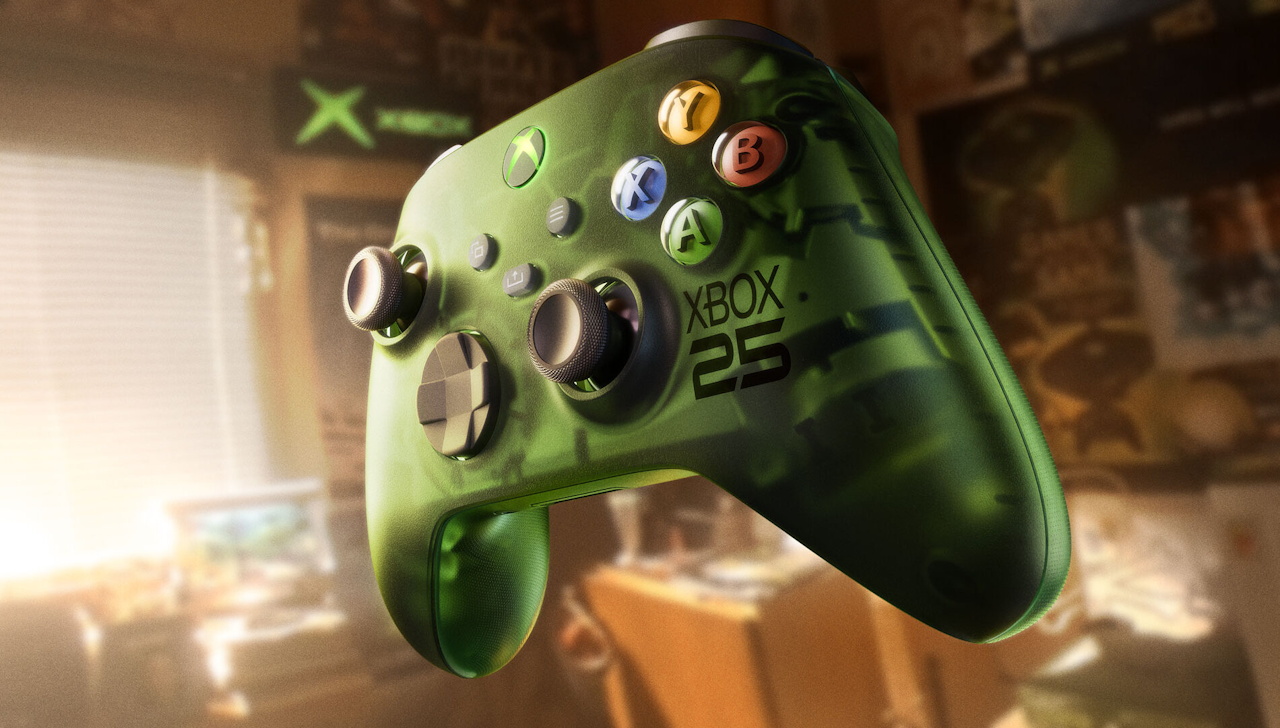
Promo photo of an Xbox controller
PlayStation has massively outsold Xbox for two console generations in a row.

Without Xbox, there’s nothing to stop Sony going all-digital. Without Xbox, there’s nothing to stop Sony jacking up the price of PlayStation 6 consoles way beyond the $1,000 mark, or increasing the base price of games to $80, $90, or beyond. With Xbox in the marketplace, Sony might still do that. And given Xbox tried, with The Outer Worlds 2, to force an $80 base price for games, maybe they’d just follow suit. But at least it’s possible for genuine competition to exist… and in a capitalist marketplace, competition is one of the only things protecting us as consumers from the worst impulses of corporations.

I sympathise with the folks being laid off. I’ve been there, I’ve been in that position, and I know how much it can hurt. And given the state of the industry, with job losses elsewhere and an apparent contraction in the market, this could very easily be the last time some of these people will ever get to work in game development. If there are fewer jobs going at fewer studios, and a glut of newly-available workers entering the job market… I mean, do the maths. There may not be a game development job available for all of them. And that’s just awful.

Promo image of Microsoft's Activision acquisition
This was less than three years ago…

I hope that Xbox’s decision to slim down, streamline, and kill off whole studios will lead to a more stable brand going forward, because the industry needs the competition that, right now, only Xbox is able to offer. But to be blunt with you, I struggle to see how doubling- and tripling-down on a handful of franchises that are arguably way past their own heydays is going to accomplish that, and I fear that Xbox’s leaders are merely shuffling things around to make their balance sheet look better in the short-term… at the expense of the longer-term.

However, with Sony receiving criticism for its all-digital idea, maybe an opportunity has just opened up for Xbox. They might’ve lost the console war for two generations running, but that could change… right? If Sony’s belief that they can get away with those kinds of things is mistaken, it could hand Xbox an opportunity to close out the current generation strongly, and perhaps even make a comeback in the years ahead. I wouldn’t put a lot of money on that, were I someone who liked a gamble. But you never know, I guess.

Today, though, doesn’t feel like a day for that much positivity. And I’m afraid I see way more negatives than positives for Xbox right now. It may be possible for the brand to make a comeback – if Sony presents an opportunity on a silver platter through its own missteps. But it’s more likely, in my opinion, that these closures, cancellations, and layoffs will come to be seen as the beginning of the end for Xbox… not the start of a bright future.


All titles and hardware discussed above are the copyrights of their respective studios, developers, publishers, etc. Some promo images courtesy of IGDB. This article contains the thoughts and opinions of one person only and is not intended to cause any offence.