Are Xbox’s Big Moves the Beginning of the End?

I’ve swung back and forth on Xbox’s prospects over the years. As Microsoft’s gaming division seemed to be finding its feet with a new subscription-based model, I thought that had huge potential to be a new frontier in gaming. I was even a Game Pass subscriber myself for several years – until excessive price hikes convinced me to pull the plug. But at the same time, Xbox’s hardware has been losing the home console race for well over a decade – and that trend has not only not been reversed, but has accelerated since 2020.

Across 2026, Xbox has been laying off staff amidst a big restructuring of the entire business. And, if reporting is to be believed, that restructuring may have been necessary to keep Xbox alive. As harsh as these layoffs seem – especially for a corporation like Microsoft, with near-limitless resources – the Xbox division of the corporation has been burning through money. Xbox has been run so inefficiently that there were multiple superflous layers of management in between the developers doing the work and the studio heads making decisions. Some titles were given way too high a budget for the amount of money they would’ve ever realistically made. And, despite my personal belief that a subscription model is the perfect fit for gaming, Xbox seems not to have known how to handle what had been its biggest asset.
(Cropped) Xbox 25th anniversary logo
2026 is Xbox’s 25th anniversary.

Before we go any further, I want to give an important caveat. Everything we’re going to get into today with Microsoft, Xbox, and their various subsidiaries and studios is the *entirely subjective, not objective, opinion* of just one person. I don’t have any “insider information,” I’m not a “leaker,” and I’m not trying to claim that all of this is rock-solid fact. This is my analysis and my opinion based on my read of a complex and evolving situation – and based on news reports and publicly-available data.

I worked in the games industry for close to a decade, so I like to think I have *some* credibility when it comes to how the industry works! But that was a long time ago, and I only worked in junior roles on the marketing side of things – so it’s entirely possible I’m way off base with my analysis of the Xbox situation! I give these caveats because I don’t want to mislead anyone, to seem like I’m claiming to be 100% right, or to have knowledge of the situation that no one else does. I think everything we’re going to discuss is credible, if not plausible… but things change, and I’ve been wrong before!

Stock photo of people in a meeting room at an office.
I worked in the games industry for almost ten years.

The recently-announced changes at Xbox – combined with other issues facing Xbox and Microsoft – have led me to a conclusion that I haven’t seen anyone else draw: this could signal the beginning of the end for Xbox in the gaming realm. At the very least, this feels like Microsoft giving its gaming wing one very last chance to prove its worth to the corporation at large. Failure to do so… well, it could mean Xbox is about to disappear.

Xbox Game Studios – a.k.a. the flagship game development and publishing part of Xbox – is basically a shell company right now. Under its broader umbrella, Xbox has the likes of Activision-Blizzard, Bethesda, Mojang, and a couple of smaller teams that mainly focus on individual titles or series. But most of their other brands are gone: either sold off, shut down, spun off as independent studios, or incorporated into one of Xbox’s other brands.

Which begs the question: why?
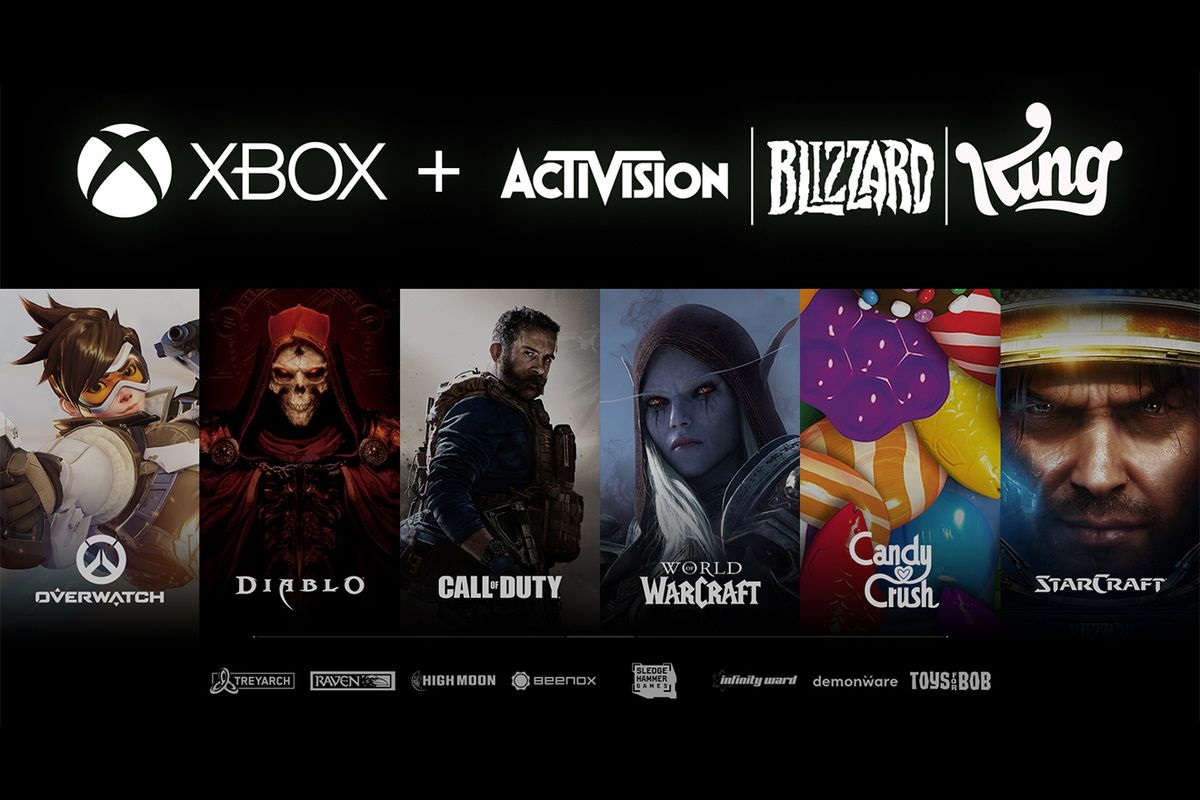
Promo image of Microsoft's Activision acquisition
This acquisition wasn’t that long ago…

I get why a studio like Compulsion Games would be spun off and regain its independence. A smaller team focused on narrative experiences… but whose latest game wasn’t a commercial hit. Xbox hasn’t lost a lot, to be blunt about it, by parting ways with Compulsion.

But closing Halo Studios/343 Industries – Xbox’s in-house development team for what is arguably the brand’s flagship franchise – only to give that franchise to Activision? That’s weird. That’s *very* weird. The same for moving RPG legend Obsidian over to Bethesda.

Unless… Xbox is planning a potential sale of Activision and ZeniMax (Bethesda’s parent company) in the near future. Building up those subsidiaries, giving them access to more franchises and IP… well, it suddenly starts to make a bit more sense. Activision is more valuable an asset with Halo than without, and Obsidian is probably worth more to Xbox as a ZeniMax subsidiary than it would’ve been alone.
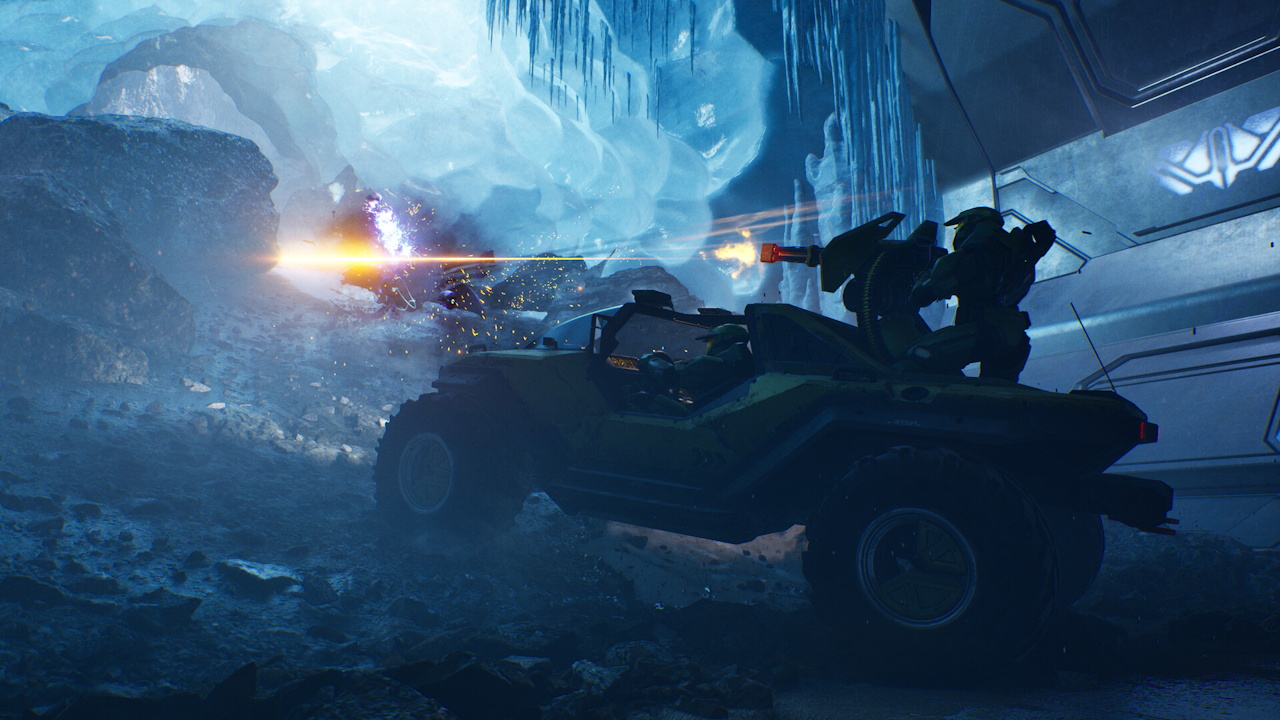
Promo for Halo Campaign Evolved showing the warthog
Halo Studios has been effectively closed, and the franchise has moved over to Activision.

Let’s take a diversion and talk hardware. Trust me, it’s related!

Earlier this year, I tried to make the case for a delay in the announcement and release of next-gen hardware. Why? Because component prices are *insane*, and hardly anyone is going to want a $1,300 PlayStation 6 or an Xbox Project Helix for $1,450. But both Sony and Microsoft seem intent on rushing ahead with unnecessary and expensive next-gen consoles.

But is Project Helix a commercially viable product at prices north of $1,000? And if it isn’t… why are we bothering? Literally what is the point in launching new hardware that’s out of reach of most players? Waiting another year or two could mean prices will start to come back down as the A.I. situation begins to settle, but rushing in too soon could make new hardware a complete and total failure.
Logo for Xbox Project Helix
Project Helix is the code-name for Xbox’s next console.

And if Project Helix fails… I think we all realise that’s gonna be curtains for Xbox.

In January 2001, Sega announced that production of its Dreamcast console was going to cease after low sales. That came after the Sega Saturn had also been a flop – and as a result, Sega got out of the hardware industry altogether, refocused its efforts, and became a games publisher. Microsoft has now had two consoles in a row that were, at best, underwhelming – a third will surely tank the brand’s hardware division, at the very least.

But there was also news earlier this year that Microsoft had considered going even further – spinning off Xbox altogether and effectively getting out of the games industry. Xbox does not have the financial stability to survive on its own, without the backing of its parent corporation, so that would effectively mean no more Xbox, no matter how that news might’ve been reported at first.

Stock photo of a Sega Dreamcast
Could Xbox go the way of Sega?

That original plan doesn’t seem to be going ahead, but executive changes within Microsoft and Xbox have definitely shaken things up – and seem to have put Xbox on a ticking timer to either turn things around… or disappear.

The upcoming launch of Grand Theft Auto VI – one of the games industry’s most-anticipated releases in years – could move the needle for Xbox. Xbox still has the cheapest home console on the market in the form of the Series S, so it’s not a lie to say that the least-expensive way to play GTA 6 for folks who don’t already have a console will be on Xbox. And just as a general rule, games like that have a tendency to shift consoles. Launching in the holiday season is also a big plus!

But if the only bright spot for an entire console and publisher is one third-party game… I mean, you can see why Microsoft is concerned. Several recent Xbox games that the company invested a lot of money in haven’t performed as well as Microsoft wanted or expected. Starfield, Call of Duty: Black Ops 7, Halo: Campaign Evolved, Forza Motorsport, Hellblade II, and The Outer Worlds 2 are just a few examples. A company can survive one or two high-profile flops… but not this many, and not all at once.
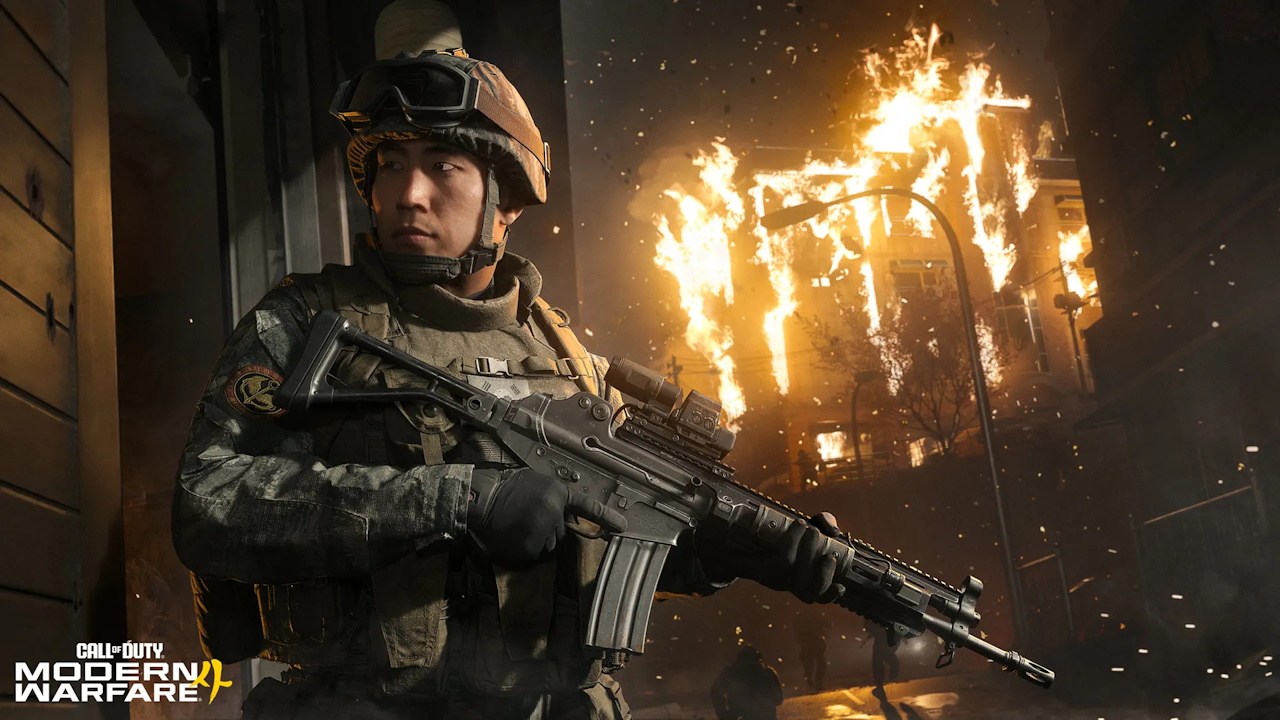
Promo image for Call of Duty Modern Warfare 4
Last year’s Call of Duty was a flop. This year’s game is due for release next month…

My gut feeling is that Xbox is panicking, and in doing so, they’ve squandered their biggest asset: Game Pass.

Game Pass was growing, but it was taking longer than Microsoft may have been initially promised for the service to become as profitable as they’d hoped. And hitting the panic button meant massive price hikes… and the predictable massive wave of cancellations that followed. Current Xbox leaders seem to want to return to the digital sales model, with the high-profile Call of Duty series the first to be taken away from Game Pass on day one. I expect to see more of that to come… before the service is presumably shut down entirely.

When you make a subscription service, you’re naturally going to see fewer sales or individual rentals. That’s not a bug, that’s a feature! You want to rope people in and get them to stay signed up, and that obviously means that they aren’t gonna *buy* a game like Starfield if they can play it as part of their subscription. But platforms like these take time to develop, grow, and become sustainable – and Microsoft, it seems to me, didn’t give Game Pass the time it would’ve needed to get there. A game like South of Midnight was never gonna be a system-seller, but it’s exactly the kind of smaller, mid-sized, AA-type of game that made Game Pass feel like a worthwhile subscription to stick with.
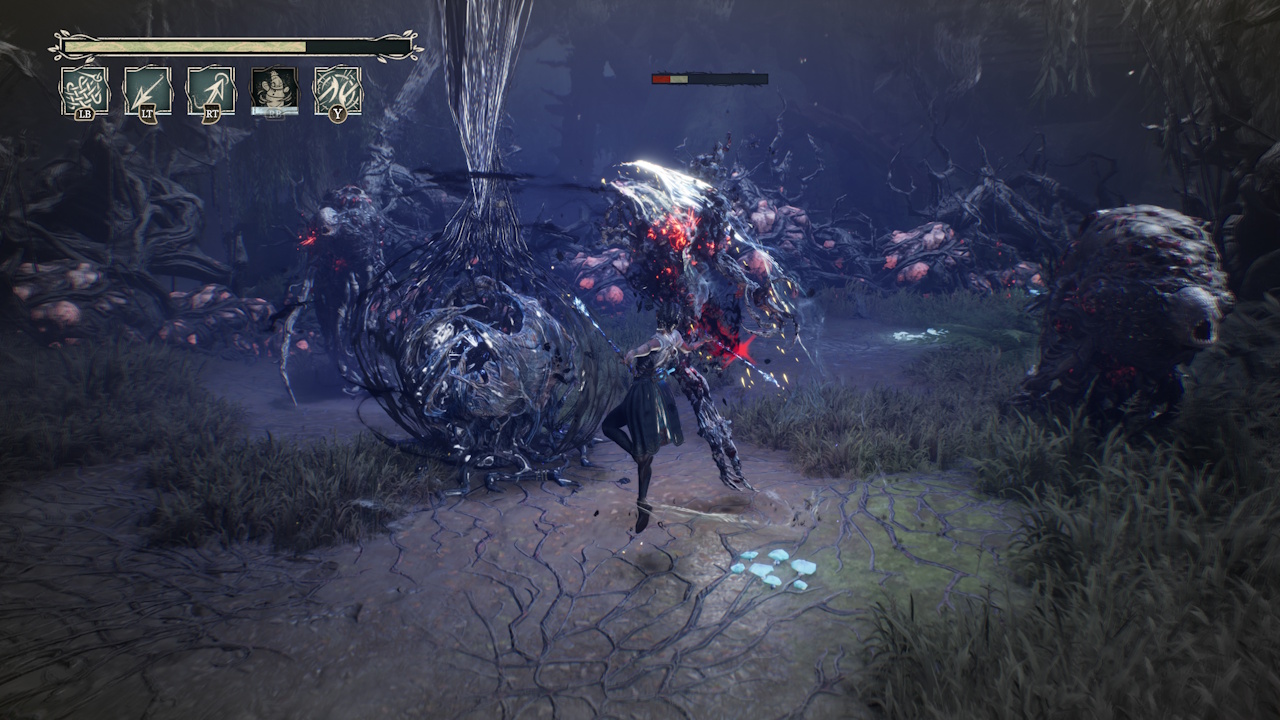
Screenshot of South of Midnight showing combat
I picked South of Midnight as my “Game of the Year” last year.

But if that’s not the approach any more, you can see why studios like Compulsion Games and even the venerable Obsidian no longer hold much appeal to a crop of Xbox executives who, in their own words, want the brand to focus on big, tent-pole franchises at the expense of smaller titles.

So that’s how I see it right now. Xbox has been losing money, or not making enough profit – which are the same thing to a corporate overlord, sadly – and rather than stick with what could’ve worked if it had been allowed more time, Microsoft is panicking and pushing for immediate, large-scale changes in the hopes that such changes will lead to faster growth and profitability.

My instinct is that it ain’t gonna work, and while Xbox may get a short-term boost as a result of getting rid of so many members of staff (as well as the bounce that a massive game’s launch this November will provide), the fundamental problem the company has is that… no one wants an Xbox. Most folks would rather play on PlayStation 6 or PC… or Nintendo Switch 2. And given where prices for components are right now, a new console that could easily cost $1,200, 1,300, or even 1,400 won’t sell anywhere near enough units for us to be able to say “Xbox is back!”

A stock photo of a person with empty pockets
Most of us don’t have that kind of money right now…

Moving and merging several major studios and developers leaves Xbox with very little of its own any more; its biggest brands and franchises are owned by its subsidiaries. And any one of these – even the biggest, like Activision-Blizzard – could be spun off or sold off almost at any moment. With Sony potentially losing the likes of Bungie in the near future, they might be interested in a developer with first-person shooters like Halo and Call of Duty. And despite recent failures and disappointments, there’ll always be someone who has faith that Bethesda can still succeed with the sequel to Skyrim. Those companies just got a lot more enticing… if the goal is to increase their value and sales appeal.

I still think Xbox has one last chance. But it increasingly feels like the *absolutely final* chance that the brand’s gonna get. Microsoft has been impatient, and wasn’t willing to wait for the Game Pass model to grow and develop. And fair enough, you may say! But I wonder if, a few years from now, we’ll come to see that impatience as a mistake and wonder what might have been if Xbox had instead doubled-down on Game Pass, perhaps even beginning not to sell games on day one – or at all – in favour of bringing them to its subscription platform.
Satya Nadella, CEO of Microsoft.

If Xbox does end up getting out of the home console space, though… I don’t think that’ll be something to celebrate. It’ll give Sony an effective monopoly on cutting-edge games on home consoles, because Nintendo remains off to one side doing its own thing. There’ll be less choice for players, no one to counterbalance PlayStation or offer genuine competition, and monopolies are no good for anyone. PC will remain an option, of course, but PC is still, for many folks, not an adequate or like-for-like replacement for a home console that can be plugged into a TV and played on the couch.

These moves, though… they don’t feel like a typical restructuring to me. It seems to me as if Xbox is fattening up Activision-Blizzard and ZeniMax ahead of a potential sale, and that could indicate that Microsoft is planning to jump out of the home console space – if not gaming altogether – before the end of the decade.

This really could be the beginning of the end.


All titles discussed above are the copyrights of their respective developers, studios, and/or publishers. Xbox and Xbox Game Pass are the copyright of Microsoft. This article contains the thoughts and opinions of one person only and is not intended to cause any offence.
Thoughts on a (Potential) Morrowind Remake

Spoiler Warning

Spoiler Warning: Beware minor spoilers for The Elder Scrolls III: Morrowind. Minor spoilers are also present for Oblivion, Skyrim, and Starfield.

A quotation from former Bethesda developer Bruce Nesmith has been doing the rounds over the last few days, sparking a bit of conversation in role-playing games and Bethesda communities about the prospect of a remake or remaster of The Elder Scrolls III: Morrowind. I thought it could be fun to talk about that today, and consider what a Morrowind remake could or should look like – as well as whether it’s even *remotely* possible in the near future.

The original quotation from Nesmith is quite long, so I’m going to pick out the key parts that I find the most interesting. If you want to read the whole thing in context (as well as the rest of his interview with Press Box), I’ve linked it at the end of this article.

“[…]go back and play Morrowind and tell me that’s the game you want to play again. […] you go back and play a 20 year old game and you will cringe. […] the reality of playing Morrowind would not stand the test of time, in my opinion. Now if you were to completely remake Morrowind with the Skyrim engine, to try and rebuild it from the ground up, that’s a whole other story[…]”

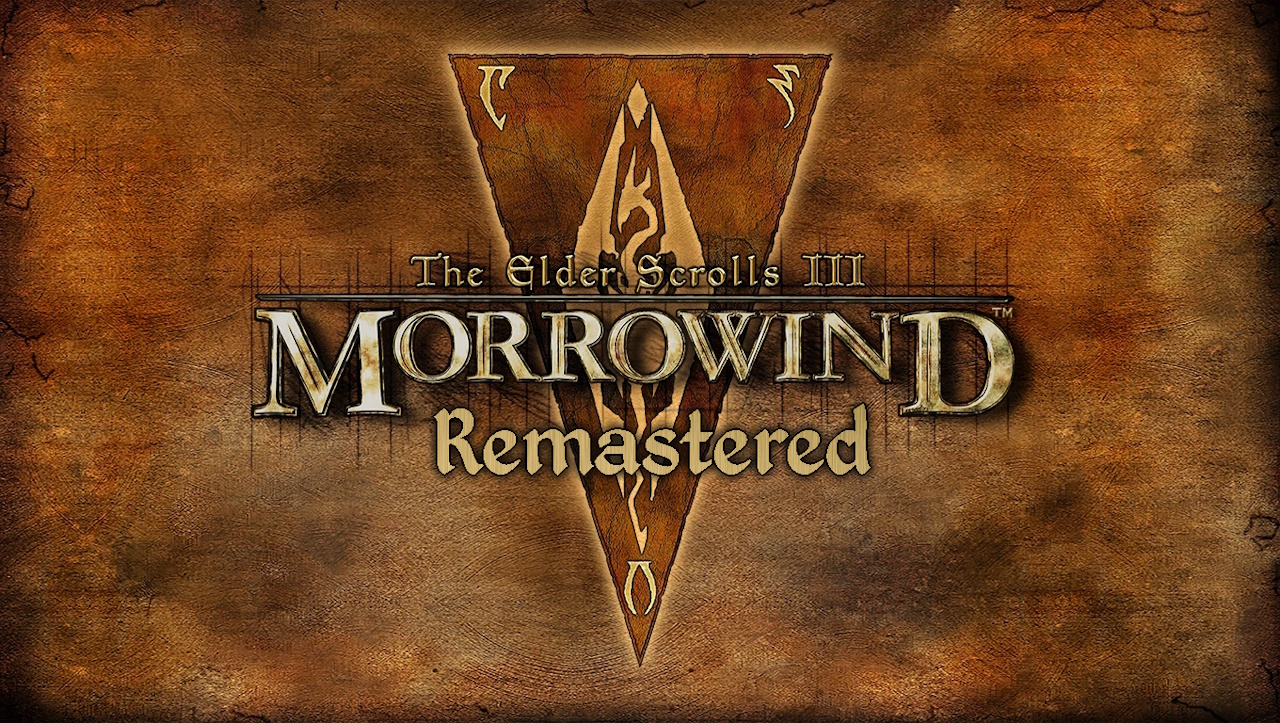
Mock-up of a "Morrowind Remastered" title screen
Could it really happen one day?

So, as you can see, what Bruce Nesmith is basically saying is that Morrowind is – in his opinion – too outdated to be given the same kind of treatment that the recent Oblivion remaster got; that the only way to recreate the game for modern players would be to remake it from scratch. And I have to say… I’m inclined to agree on the latter point, even if I don’t agree at all that going back to replay Morrowind today feels in any way cringeworthy!

Morrowind lacks a lot of features that players today would want in an action/RPG, and some of its core gameplay systems are just… from another time. Morrowind launched at a moment of transition; it was a pioneer of the open-world genre, and being a pioneer often means that the folks who come later have a chance to refine things and make the experience a bit more smooth. The game doesn’t have voice acting, for instance, and while I’m perfectly happy to play text-based games… it’s not something that players today would accept as easily. It makes Morrowind more of a niche title, in that sense.

Early concept art for "Tribunal" (later renamed Morrowind) circa 1999-2000.
Early concept art for “Tribunal” – the game that would later become Morrowind.

Morrowind’s combat is also clunky, even by Bethesda standards, with every attack being determined by a “hit calculator,” which can lead to a pretty jarring disconnect between what you see on screen and how the game reacts. You’re standing right in front of a monster or villain, swinging your sword, but Morrowind’s digital roll of the dice says you didn’t score a hit – even though it looks like you absolutely should’ve! In 2002, that was just something I kind of… rolled with (if you’ll excuse the dice pun). But today, I can see it being something players would criticise.

Removing or updating such a core component of the game effectively means Morrowind would need to be rebuilt from scratch. Adding fully-voiced NPCs might be possible in the current engine, but I’m not a programmer, so I’m not positive about that. But something as major as implementing an entirely new combat system… that seems like major work.

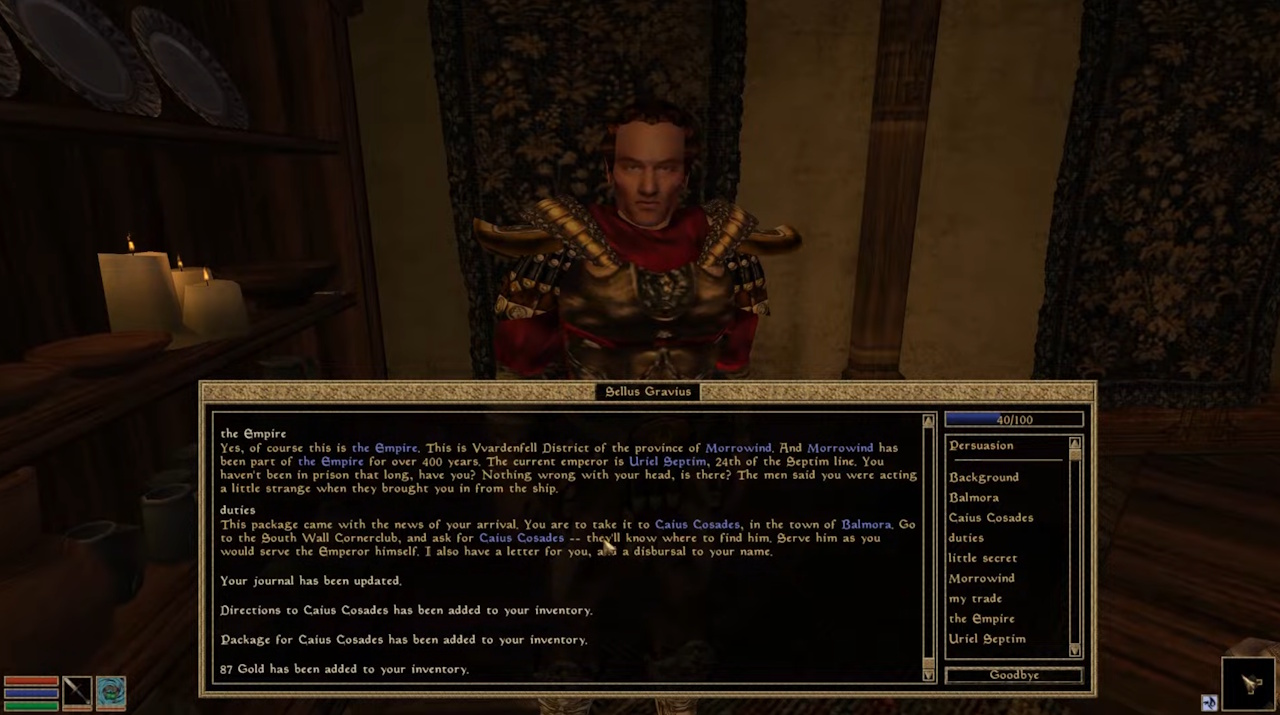
Screenshot of The Elder Scrolls III: Morrowind showing an NPC text box.
Morrowind had minimal voice acting.

Setting that aside for a moment, though, I think there’s a compelling *business* argument for Bethesda to remake Morrowind – namely, the incredibly long wait for The Elder Scrolls VI.

Not long ago, I covered remarks from Bethesda executive producer Todd Howard, in which he said that the next entry in The Elder Scrolls series was still “a long way off.” I said that we knew that already; The Elder Scrolls VI seems, to me, to be a 2028 or 2029 game at the earliest. But if a Morrowind remake were possible in the interim, wouldn’t it be a good idea?

Alternatively, Bethesda could sit on this idea for a year or two, perhaps comissioning a remake that could launch sometime in the 2030s, while the main studio is busy with potential new entries in the Fallout series and a sequel to Starfield. One of Bethesda’s biggest problems right now, as game development moves on and games take longer and longer to make, is the studio’s outdated (and stupid) insistence on only crafting one game at a time. Outsourcing the remake of Morrowind to a subsidiary or partner – as happened with last year’s Oblivion remaster – would be one way to keep the series fresh in players’ minds, assuming there’s going to be another very long wait in between titles.

Screenshot from The Elder Scrolls: Legends showing a Cliff Racer in flight.
Remember the Cliff Racers?

Depressingly, I guess that means I’m unlikely to play a potential Elder Scrolls VII, even if it were to get made! I mean, on current form, a sequel to The Elder Scrolls VI might not launch till, say, the mid-2040s?

But the point stands! If Bethesda plans to continue with its current approach to making games, there’s a good reason to commission remakes or remasters of basically the entire back catalogue. Filling the ever-growing gaps in between major releases with these kinds of projects isn’t a bad idea, in theory, and as long as the project was handled well and not rushed, I could absolutely see a remade Morrowind finding an audience.

Concept art for The Elder Scrolls III: Morrowind showing Balmora.
Concept art for Morrowind showing the town of Balmora.

One of the things that can be disappointing or disheartening, sometimes, is hearing younger folks say they could “never” play a game from before, say, 2010 or 2005, because they find the gameplay to be clunky and the graphics too outdated. I guess that must’ve been how my parents felt when I criticised some of their favourite black-and-white films or TV shows from the ’50s! But as someone who played and fell in love with Morrowind in 2002, I would love it if new players could find an easy way into playing this incredible title.

A remake offers something to new players that even mods can’t. Yes, I agree that there are some fantastic graphics mods out there for Morrowind, capable of enhancing the game a lot. But a lot of folks don’t like to mess about with mods, have never done anything with mods, or don’t know how to get started – so an *official* remake is naturally going to find a much bigger audience. Compare the number of folks who played the Oblivion remaster to the number who’ve downloaded the most popular Oblivion graphical overhaul mods, just as an example.

Only one graphics mod (on popular modding site Nexus Mods) exceeded one million downloads for Oblivion, whereas the official remaster reached over nine million players in less than a year.

Key art for TES IV: Oblivion Remastered.
Last year’s Oblivion remaster reached way more players than any mod for the original game ever could.

The thing with a remake, though – especially if, as Nesmith suggested, a partner studio would recreate Morrowind’s world and NPCs in the engine used for Skyrim, or even the updated engine used for Starfield – is that there’d undoubtedly have to be changes and sacrifices. One of the double-edged swords of Oblivion and Skyrim when compared to Morrowind, in my opinion, is the removal of quite a few things: spells, weapons, character classes, and other features.

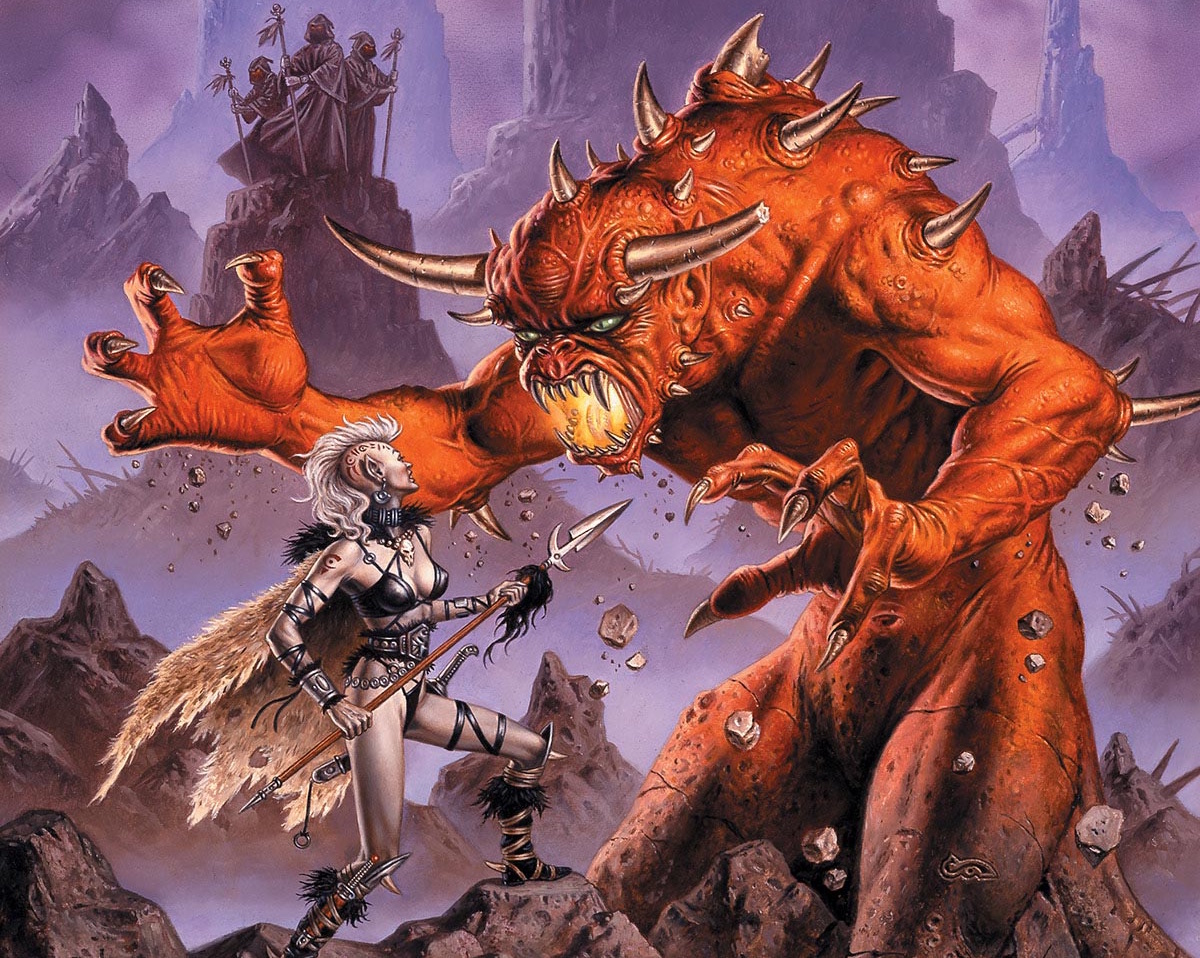
Did you know you could use spears and halberds in Morrowind? How about throwing knives and darts? There’s a levitation spell that lets you fly and hover – and it could be great for navigating the world and getting around obstacles. Mark and recall spells were so useful – allowing you to set a point on the map and return there by casting a spell, or even using a scroll or enchanted item. Morrowind also contained a lot of unique creatures that never appeared in Skyrim or Oblivion – and not just the ubiquitous Cliff Racers and Slaughterfish!

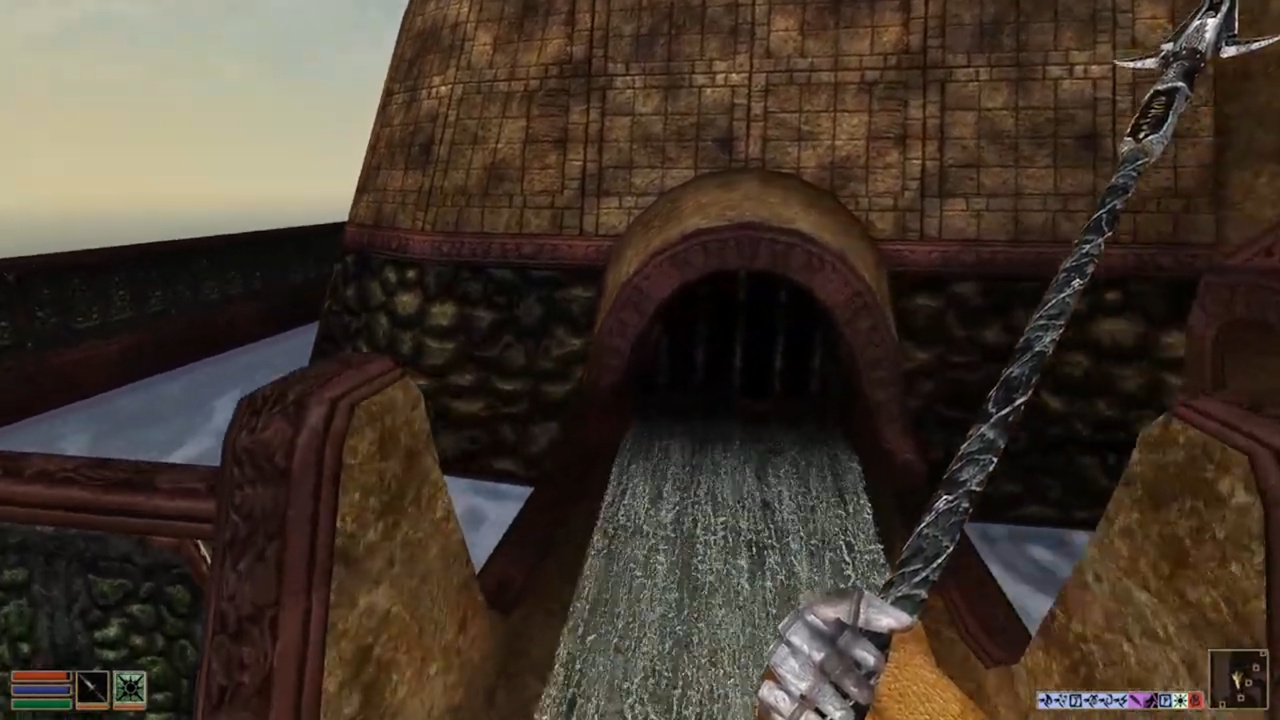
Screenshot of The Elder Scrolls III: Morrowind showing a player holding a spear.
Using a spear in Morrowind.

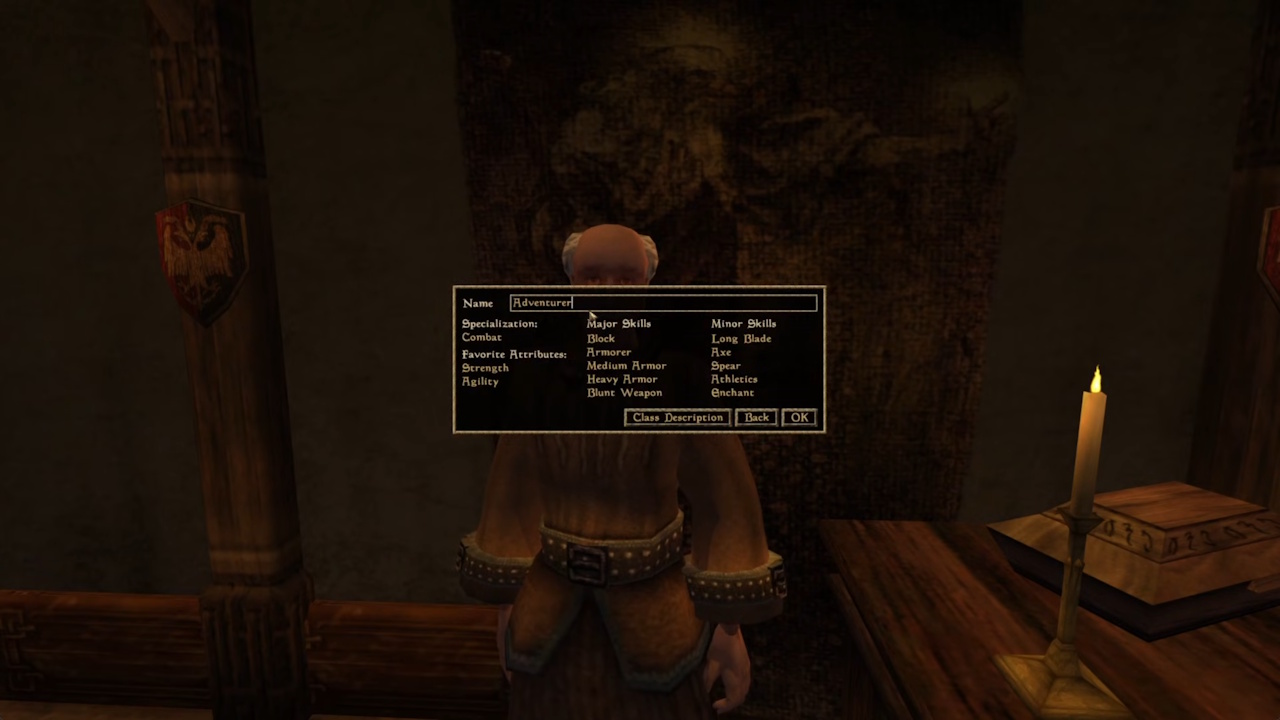
My point is that, unless a remake in the Creation Engine 2 *also* came with an overhaul to said engine, sacrifices would have to be made. Morrowind’s introductory sequence, with its classes, might have to be changed, and with no character classes in Skyrim at all… how well would that translate? And if a partner developer wanted to port the class system into a new engine… how difficult would that be, and how much work might be needed to get it to function properly? Bethesda’s most recent title, Starfield, had character backgrounds and a few traits, but nothing on the scale of Morrowind.

There are mods to bring classes to Skyrim, so obviously it’s technologically feasible to do so in that engine. Whether it would be easy, though, and how well Morrowind’s pre-made and custom classes would port… I don’t know. It would be a shame to lose something so central to the experience; a feature that gave Morrowind such genuine replayability. In fact, I’d go so far as to say that, if classes can’t be part of the game, don’t bother with the remake at all. If something so fundamental has to be stripped out, maybe it’s better to just… not do it.

Screenshot from The Elder Scrolls III: Morrowind showing a custom class.
Creating a custom class.

So that’s really my biggest concern, if a remake were to be announced. Could a remake retain the diversity of in-game systems, magic spells, weapons, classes, and more that made Morrowind the in-depth role-playing adventure that it was? And if not… will the sacrifices be worth it? If we get a shinier, more visually-appealing game, but one that’s lacking in that depth… will it even be the same game? Sure, some storylines might be the same, with fully-voiced characters who all look way better and more high-res than they ever did. But if the game is fundamentally transformed into less of an RPG and more of an open-world action/adventure… would it even still be Morrowind?

In recent years, Bethesda has shown a preference for making everything in its games accessible and playable in a single playthrough. Morrowind didn’t have that. Joining one of the three Great Houses would permanently cut off the other two. Joining one of the vampire clans likewise cuts off the others. And there are two religions which are effectively mutually-exclusive, too. Would *modern* Bethesda be okay with that? Or would a workaround be forced into the game, allowing players to join every faction and play every quest on a single save file? Again… that would detract from what made Morrowind the game it was.

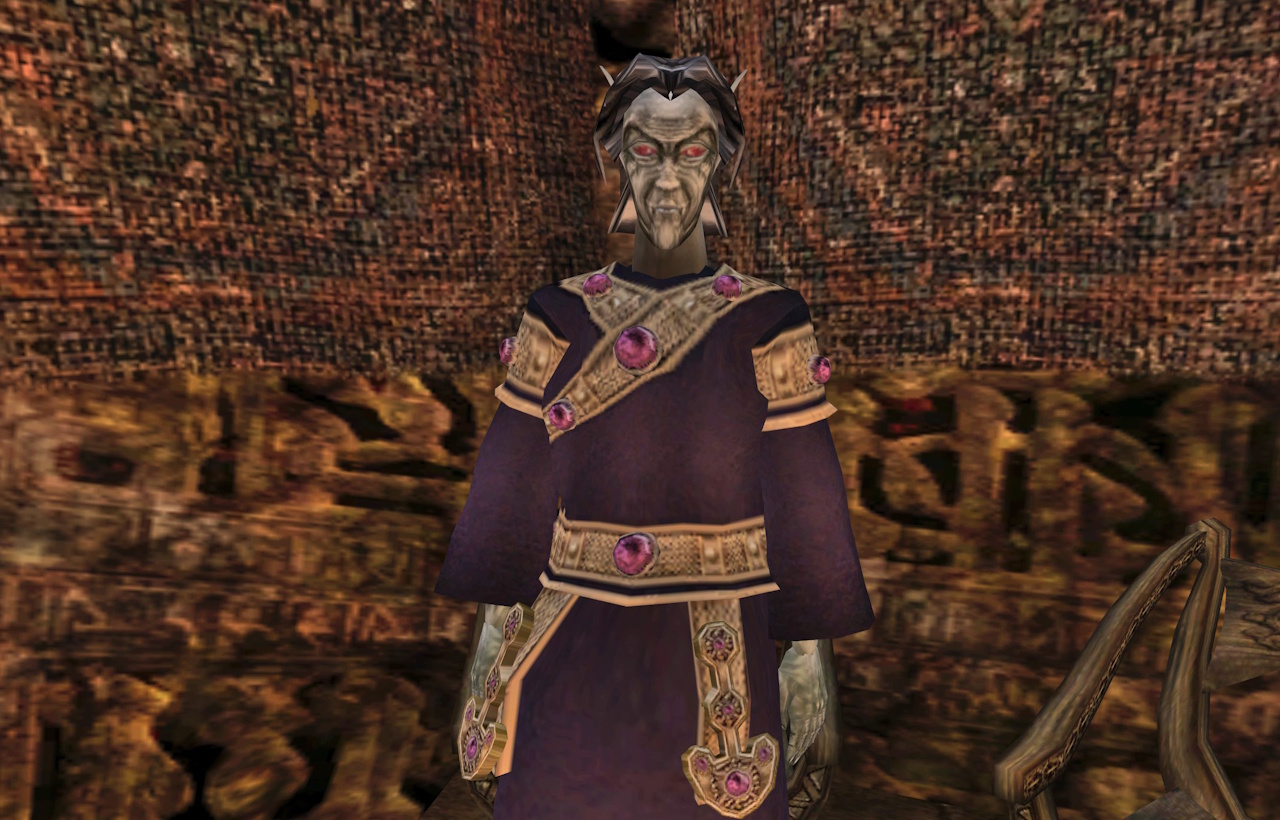
Screenshot of The Elder Scrolls III: Morrowind showing the head of House Telvanni.
Archmagister Gothren, the head of House Telvanni.

Then we come to killable NPCs. Morrowind was famous (or infamous) for allowing the player to kill anyone – including NPCs who were critical to the main quest and faction questlines. Because of its open world, it’s possible to stumble into a random building, ruin, or camp containing NPCs who may be critically important later in the game – and kill them to loot their stuff! But I can’t imagine *modern* Bethesda greenlighting something like that; today’s Bethesda seems to have far less confidence in the intelligence of its players.

Modern Bethesda games are less free and more… restricted. Oblivion, Skyrim, Fallout 4, and Starfield all have mission-critical NPCs who literally cannot die, and that makes those games fundamentally different from Morrowind. While Morrowind doesn’t have the “take any approach you like” game design as, say, Baldur’s Gate 3 does, it’s a much less linear and more open game than the likes of Starfield and Skyrim. In part that’s because it’s possible to get locked out of quests, or to have to find complicated workarounds if vital characters die.

Screenshot of Starfield showing an essential NPC on Neon.
An unkillable NPC in Starfield.

I just can’t see the Bethesda of today being okay with that, even in a remake. Unlike character classes or lockable faction quests, the handful of killable NPCs who actually matter to the story isn’t massive, and I’d wager that *most* players don’t jump into a new save file and immediately rush to murder the god Vivec! But as a point of principle, removing the ability to kill these vital NPCs would also be a change for the worse, in my opinion. Morrowind didn’t need training wheels and guard rails in its original form… so why add them in now?

Then there’s the map and journal. Since Skyrim, if not Fallout 3, Bethesda has been a fan of quest markers; big on-screen arrows pointing you in the right direction. Morrowind didn’t do that – and some quest direction in the journal actually take a bit of thinking and puzzle-solving to figure out. Again, I can’t see today’s Bethesda being okay with that. But with a smaller map, wouldn’t quest markers make the game less fun? I’d argue they would.

Screenshot of The Elder Scrolls III: Morrowind showing the journal.
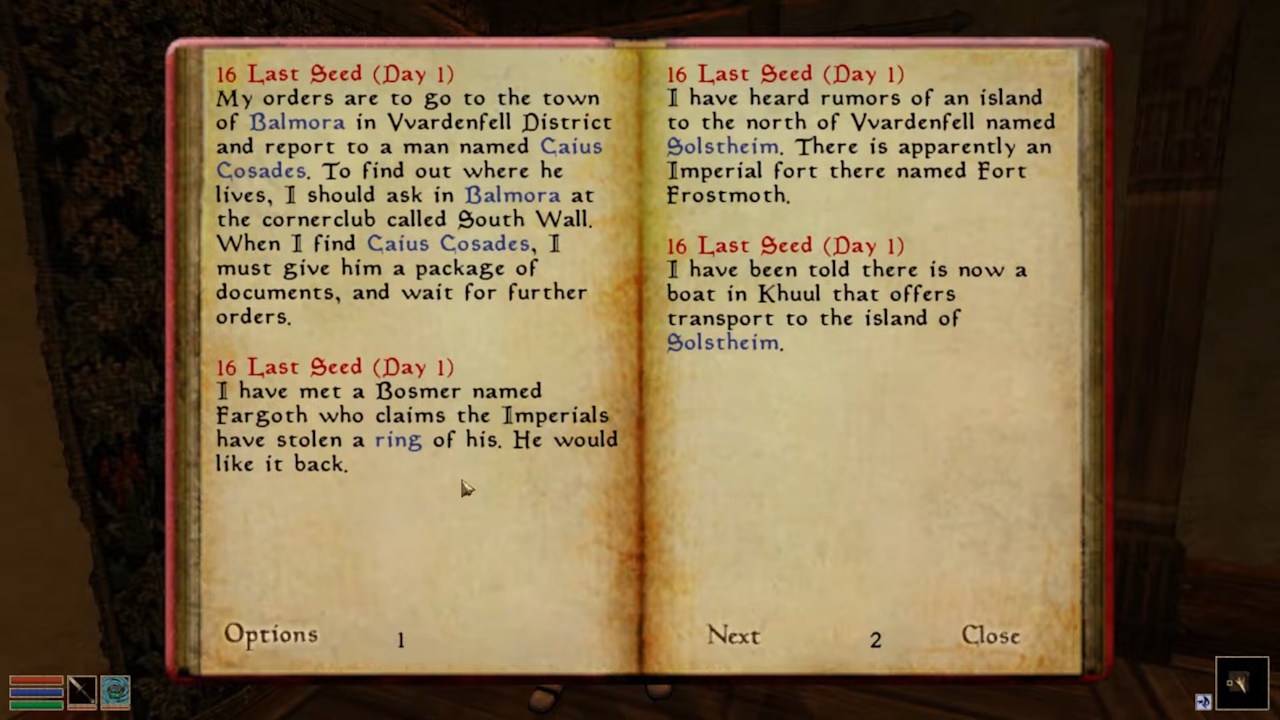
The player’s journal in Morrowind.

If these things were added as toggleable options for players coming to Morrowind from more recent games, I’d be okay with it. I’m a big believer in accessibility in gaming, and I’m not trying to argue that games were better “back in my day,” when technological limitations prevented things like quest markers or unkillable NPCs from existing! And if someone wants the more streamlined experience of Skyrim but in Morrowind’s world… I mean, I’d be okay with giving players options to set that up. That way of playing could even be the default.

But if it was the *only* way to play a Morrowind remake, I think that would be a bit of a disappointment. I’m all for adding accessibility features, shortcuts, and even cheats to games to help players make the most of their time in a game world – but not always at the expense of other ways to play. And for me, as someone who played and loved the original Morrowind, I’d want to recreate as much of that experience as possible – just with a better, more modernised graphical style.

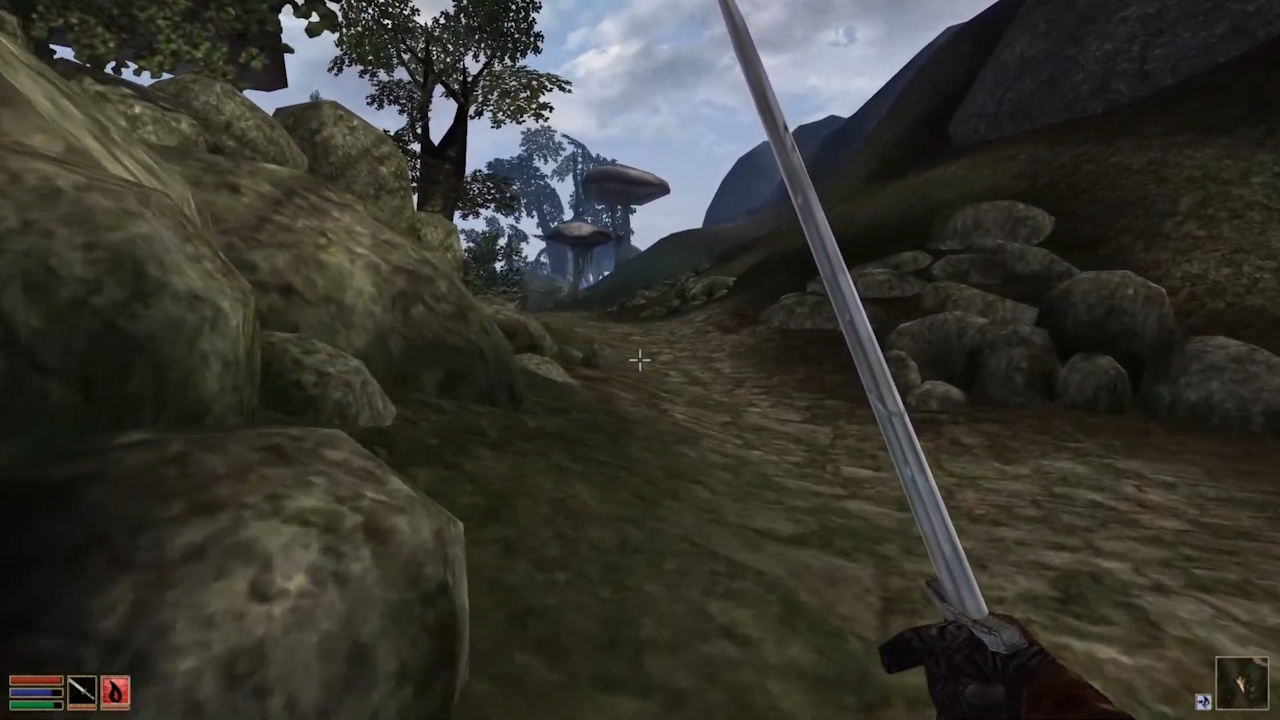
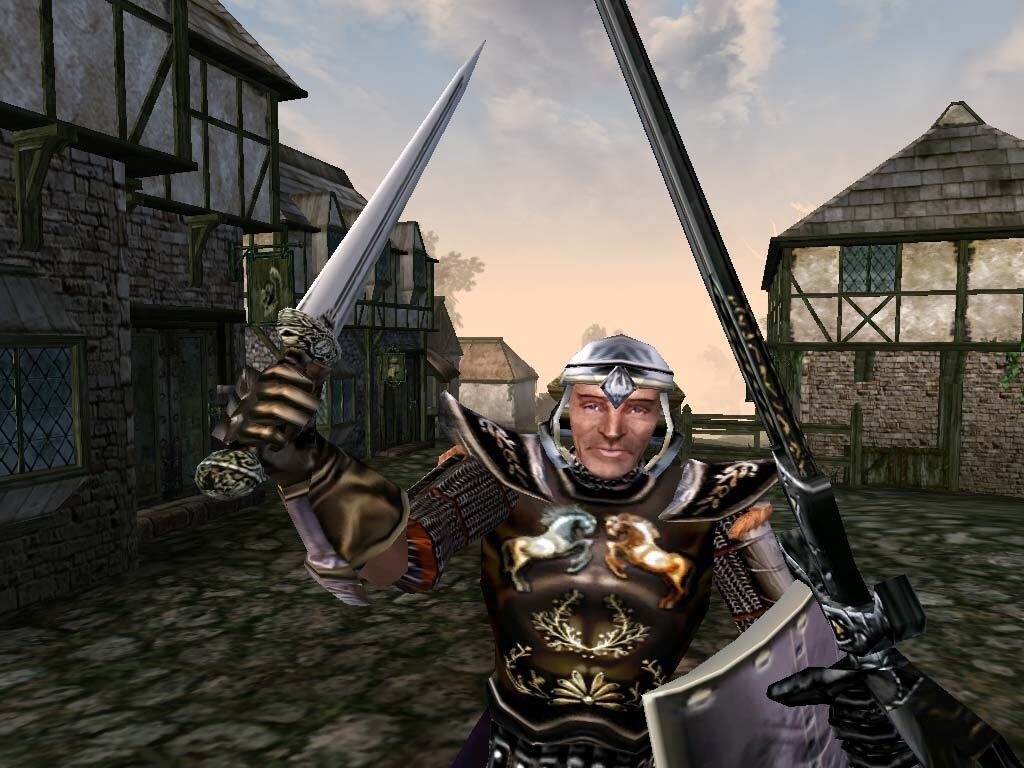
Screenshot of The Elder Scrolls III: Morrowind showing a player armed with a sword on a road.
Exploring the open world.

But okay, let’s not get upset about hypothetical changes to a probably-not-being-developed remake!

I think there are positives here – reasons why remaking Morrowind could work. And I think there are ways to do it that would give both new and returning players enough choices to tailor the experience to either the classic way to play, a more modern Starfield/Skyrim style of play, or something in between. And expanding Morrowind to give the game and its wonderful stories the opportunity to be experienced by a new generation of players is a fantastic idea. I’d say there’s *more* of a point to remaking Morrowind than there was to remaking Oblivion.

So… I disagree with Bruce Nesmith. Depending on how a remake was handled, there’s a ton of value in going back to Morrowind to give it an overhaul and present it to a new audience. As long as there were options for fans of the game to retain at least part of what made it so special the first time around, I’m all in favour of a remake.

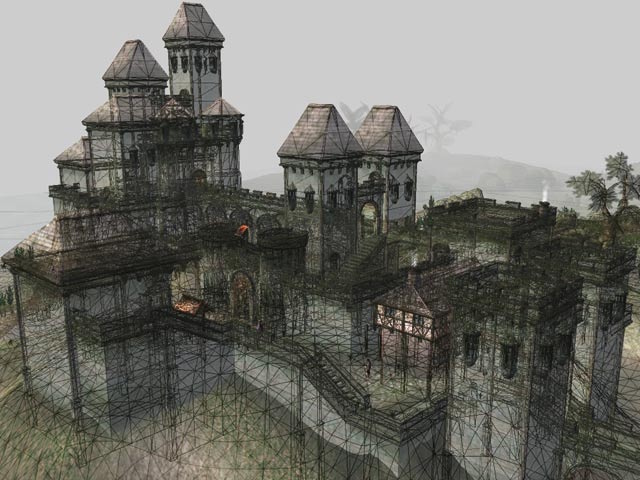
Pre-release render of Ebonheart from TES III: Morrowind.
An early wireframe render of the city of Ebonheart.

However, I think there are reasons to be concerned about a remake, given Bethesda’s recent form.

For one, I’d be *astonished* if a hypothetical Morrowind remake didn’t launch with a stupid “deluxe edition,” offering players a crappy digital sword, character skin, or something like that for a ridiculous extra fee. Then there’s Bethesda’s stripped-back game design, and how well Morrowind could be ported into an engine that doesn’t do character classes and that has fewer magic and weapon options. Bethesda’s insistence on making the entire game available in a single playthrough could mean that some of Morrowind’s replayability is likewise harmed.

But… despite some issues giving me pause, I think I’d still like to see a remake. Even if it wasn’t *as good* as the original experience, and even if some features had to be sacrificed, there’s still a fun story – or rather, “stories,” plural – at the heart of Morrowind that I’d love to see new players get the chance to experience. I don’t blame folks who grew up post-Skyrim looking back at games from the early 2000s and being turned off by clunky gameplay and outdated graphics; it’s natural to feel that way. And if I can’t convince younger folks to give Morrowind a shot on its own or with some of the player-made mods… a remake is a great option.

Promo screenshot of TES III: Morrowind showing combat with a guard.
Should Morrowind be remade?

That being said, I suspect Nesmith is right about one thing: Bethesda isn’t interested in this. The higher-ups likely share his view that the game is outdated and cringeworthy, and would need too much of an investment to make it “playable.” So… as much as I’d like to see it, I get the impression that a Morrowind remake isn’t coming any time soon. Never say never, of course, and there are good business reasons for moving forward with a project like this. But in the short-to-medium term? Don’t bet on seeing a Morrowind remake, I’m afraid.

I hope this has been interesting. Despite the fact that I don’t expect this to actually happen, Bruce Nesmith’s comments did, for a moment, spark some interest in the Bethesda fan community about a potential return to Morrowind, so I thought it was worth having a discussion about it! And if you really want to get back to the Dunmer’s home province, don’t despair! You can visit parts of Morrowind in The Elder Scrolls Online, the island of Solstheim in one of the Skyrim expansion packs, and there are a huge number of fan-made graphics mods and other overhauls which can take the original game and really modernise it. So… check out Nexus and other modding sites!

I keep meaning to fire up Morrowind again and have another adventure in that world. Maybe 2026 will finally be the year I complete the Tribunal Temple questline… who knows? Have fun out there… and watch out for Cliff Racers.


The Elder Scrolls III: Morrowind is out now for PC and Xbox consoles. The Elder Scrolls series – including Morrowind and all other titles discussed above – is the copyright of Bethesda Game Studios, ZeniMax Media, and/or Microsoft. Some art courtesy of UESP. This article contains the thoughts and opinions of one person only and is not intended to cause any offence.


You can find the original interview with Bruce Nesmith, including the full quote about Morrowind referenced above, by clicking or tapping here. (Warning: Leads to an external website).

Review-bomb Starfield by all means… but only if it deserves it!

The console wars have taken yet another toxic turn in recent weeks, after the Starfield showcase started getting fans hyped up. Xbox and PC players are eagerly awaiting Starfield’s launch… but not everyone is happy about that. A handful of loud PlayStation fanatics have promised to review-bomb the game regardless of how good it may turn out to be, as they appear to feel a mix of helpless frustration at not being able to play Starfield and pent-up anger for which the internet, Twitter, and the world of video games are the easiest available outlet.

I’m on record as defending review-bombing – at least in some cases. If a game is bad, broken, buggy, or overly-monetised, it deserves to be called out and criticised, and review-bombing on platforms like Steam and Metacritic are valid ways for players to register their disapproval. Review-bombing doesn’t need to stop at the mechanical level, either. If players hate a game’s narrative choices, feel that the company behind it has misbehaved or mis-sold the game, detest that developers were put under too much pressure and “crunched,” or even want to register their disgust at corporations like Ubisoft and Activision – both of which have been embroiled in scandals involving toxic behaviour and abuse – then review-bombing is again an acceptable outlet.

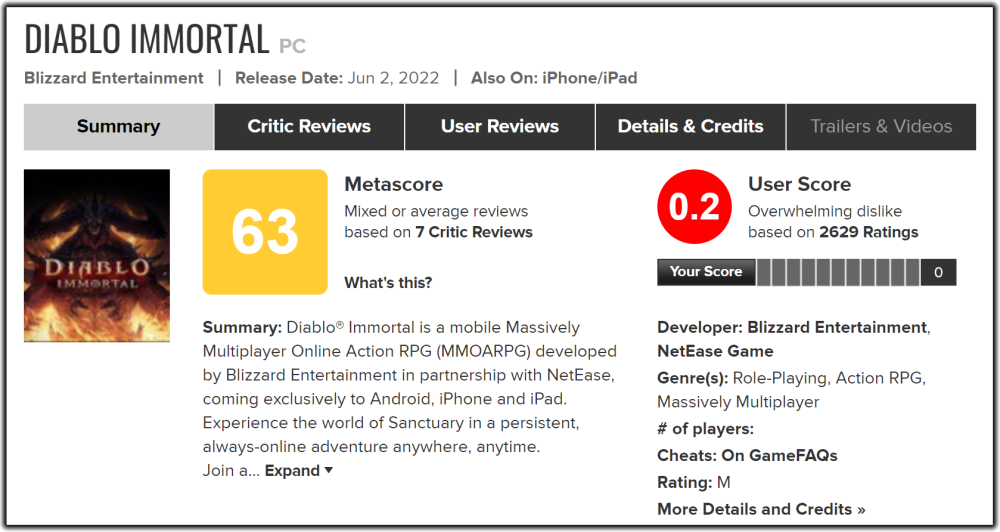
I think we can all agree that Diablo Immortal deserved its user score…

There may be some PlayStation fans who want to register their disapproval at Starfield being unavailable on their platform of choice, and this is something that feels like a fair or at least understandable point of criticism. Although I would caveat that statement by saying that I pointed out that this would happen as soon as Microsoft’s acquisition of Bethesda was announced – and before many people had been able to get their hands on a current-gen PlayStation 5 or Xbox Series console!

Although console exclusivity has been a part of the gaming landscape for as long as there has been a gaming landscape, it’s never exactly fun to feel like you’ve been locked out of what seems to be a great experience that other players are having. In the Morrowind days, circa 2002-03, I had a friend who’d regularly come over on the weekends or after work to play the game, because he had a PS2 and I had an Xbox. Yes, even in those days, Bethesda and Microsoft had an exclusivity arrangement!

I had a friend in the Morrowind days who’d spend hours at my place playing the game on my Xbox console!

As excited as I am to play Starfield, I’m not just going to blindly declare it to be “game of the year” before I’ve had a look at it for myself! In fact, if you check out some of my other pieces about Starfield here on the website, you’ll note that I’ve said time and again that I consider the game to be firmly in the “wait for the reviews” column thanks to Bethesda’s reputation, the poor launch of games like Fallout 76 and Redfall, and the overall unfinished state of too many games in 2023. So while I’m happy to defend Starfield in cases such as this, I’m also going to share my honest opinions on the game when it launches – and if it’s full of microtransactions or bugs, I’ll be scathing about that in my first impressions and review of the game.

But on the flip side, I don’t see why someone would be so anti-Starfield – a game that won’t even be released for another couple of weeks – that they’re already planning their review-bombing campaign. If the game is broken and unplayable, excessively-monetised, or just unenjoyable to play, then by all means – go for it. Leave a bad review, encourage others to join in, and chances are if you swing by Trekking with Dennis you’ll see the game get a bad write-up from me as well. But why pre-judge Starfield before it’s even out? Is PlayStation that important? Do some people actually take the console wars seriously?

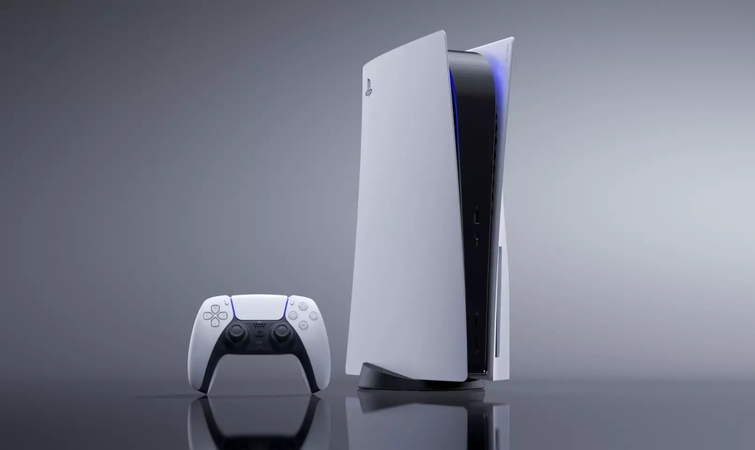
Have some folks tied their entire identities to this piece of shiny white plastic?

Humans are, by nature, a tribal lot. You see it in sport, in politics, in regionalism and nationalism… so I guess it shouldn’t be a huge shock that gaming, too, has come with its own dividing lines. But it just feels so petty, so stupid, and so small to be tying one’s identity so strongly to a gaming brand that attacking a game on another platform for no good reason is in any way part of the conversation. Thankfully we’re dealing with a small number of people, but even so. It would be better if no one thought or behaved this way!

Growing up in the UK in the ’80s and ’90s, I saw a lot of football hooliganism. English teams were even banned from European competition for several years, in part due to hooliganism, and it was something that I just didn’t understand. I was a football fan as a kid, sure, but the idea of getting into a fight or even just disliking someone else simply because of a sports team that they support… I couldn’t wrap my head around it. And when it comes to today’s console war, I see echoes of that kind of tribalism all over again.

Hooliganism at football matches was common when I was younger.
Pictured: A fire caused by hooligans at Odsal Stadium, September 1986.

I’m not naïve enough to believe that I’ll change anyone’s mind by writing this piece. The handful of aggressive PlayStation fanatics who plan to review-bomb the game are unlikely to be dissuaded in that endeavour by a plea to their better nature nor an appeal to their common sense. Those ships, I fear, have long since sailed. But I want to register my disappointment – and above all my disbelief that this kind of toxic behaviour and militant console wars fanaticism still persists in 2023.

While there are Xbox, Nintendo, PC, and mobile players who are, I’m sure, just as angry and as aggressive when attacking other platforms, I want to draw a comparison. PlayStation has done phenomenally well in recent years with exclusive titles. Ghost of Tsushima, The Last Of Us, God of War, and Horizon Forbidden West all spring to mind, and PlayStation fans are about to receive another highly-rated game that won’t be available on Xbox for a while: Baldur’s Gate 3.

Baldur’s Gate 3 will be released on PlayStation 5 the same week as Starfield is on Xbox and PC.

I have thoroughly enjoyed my time with Baldur’s Gate 3 thus far, and I highly recommend the game to all PlayStation players when it arrives in a couple of weeks’ time. Stay tuned for a review, by the way! But here’s something for PlayStation fans to chew on as they make their sockpuppet accounts and prepare to review-bomb Starfield: there’s no comparable campaign from Xbox fans to target Baldur’s Gate 3. There were no review-bombing campaigns from crying Xbox fans targeting any of the PlayStation exclusives we were just discussing… and while there may have been a few wayward negative reviews or social media comments, by and large this isn’t something that Xbox or PC players have done to PlayStation games.

Although I don’t own a PlayStation 5, it makes me happy to see great games on that platform. Part of me hopes that the likes of Ghost of Tsushima will make it to PC one day, and I’d even consider buying a PS5 if the right game came along and I had the financial means. But above all, good games are good for gaming, no matter what platform they launch on. As someone who supports gaming as a hobby, and who believes that games can be just as good – better, in some cases – than films or television shows, I support good games wherever they appear. Yes, even mobile games!

Good games are good for all players – they raise standards across the industry, push boundaries, and innovate.

In a perfect world, all games would be available on all platforms. And I get that it must hurt to see a popular game that looks great and is getting people hyped up… and know you won’t be able to play it. I’ve been there – we all have. But some PlayStation fans – a small minority, thankfully – seem to have developed an attitude of entitlement born of being spoiled in recent years. There have been relatively few Xbox exclusives for a full decade now, going back to the launch of the Xbox One in 2013 – and even fewer that were any good! PlayStation players, in contrast, have enjoyed a number of fantastic exclusive titles… and that has unfortunately led a handful of fans to begin acting like spoiled toddlers when they see anyone else having a good time or being the centre of attention.

If Starfield sucks, or if it’s a microtransaction hell-hole, I’ll be saying so in my review. But if it’s great, good, or even if it’s just okay… why bother picking on it and singling it out for a review-bombing campaign? I just don’t see the point, the attraction, or what anyone would gain by doing so.

It’s my hope that platforms like Metacritic will be aware of what’s going on, and will step in, if necessary, to hide or even delete reviews that are clearly not about Starfield itself. Such things have happened in the past, so the review-bombers could find that this whole thing is a massive waste of time in the end! Perhaps that would be the least bad outcome.

Starfield will be released on the 6th of September 2023 for PC and Xbox Series S/X consoles. Starfield is the copyright of Bethesda Game Studios, Bethesda Softworks, Xbox Game Studios, and/or Microsoft. Some promo images and screenshots used above courtesy of Bethesda. This article contains the thoughts and opinions of one person only and is not intended to cause any offence.
Why is everybody so surprised that future Bethesda titles will be Xbox/PC exclusive?

A few months ago I briefly touched on the Microsoft buyout of ZeniMax – parent company to Skyrim developer Bethesda. The deal, which was announced back in September last year, has finally gone through after months of behind-the-scenes legal wrangling, meaning that Microsoft now officially owns Bethesda Softworks, its subsidiaries, and all of the games they’ve developed and produced. This is a significant acquisition for Microsoft, and looks sure to shake up the games market – at least the single-player games market! It will also certainly provide a big boost for Xbox Game Pass, which has already been touting the arrival of Bethesda’s back catalogue to the service.

Almost all Bethesda titles for at least a decade have been multiplatform, with releases on Sony’s PlayStation consoles and some select releases on Nintendo hardware too, and those games aren’t going to be taken away. Microsoft has also pledged to honour existing contracts for upcoming titles, meaning that both Deathloop and Ghostwire: Tokyo will still have timed exclusivity on PlayStation 5. After that, however, we can expect to see future titles arrive exclusively on Xbox Series S/X and PC.

Ghostwire: Tokyo will still be a timed PlayStation 5 exclusive.

Some games industry commentators seem taken aback at this notion, asking with mouths agape if Microsoft will seriously make upcoming Bethesda projects like Starfield and The Elder Scrolls VI Xbox/PC exclusive. To those folks I ask a simple question: really? This seems like a surprise to you?

Microsoft paid $7.5 billion for Bethesda, and for that huge investment they’re going to want a lot more than a few new titles in the Game Pass library. Exclusive games sell systems, and in 2021 exclusive games drive subscriptions too. Microsoft fell way behind in the last generation as the Xbox One was massively outsold by the PlayStation 4, and a lack of decent exclusive games was a huge factor in explaining why that was the case. Microsoft has tried to rectify the situation by acquiring Obsidian Entertainment, Compulsion Games, Playground Games, Ninja Theory, and other studios, and guess what? Those studios now make games for PC and Xbox only. Some of these investments will take time to pay off, but as the new console generation rolls into its second and third years, I think we’ll see a big push from Microsoft with some of these new exclusive games.

Expect to see future Bethesda titles be Xbox/PC exclusive.

Titles from Microsoft-owned franchises like Halo, Gears of War, State of Decay, and standalone games like Sea of Thieves aren’t going to be released on PlayStation (or Nintendo) so I’m afraid that people are getting their hopes up if they expect to see future Bethesda titles on any other platform. Microsoft wouldn’t have spent such a huge sum of money not to capitalise on their acquisition, and while in the immediate term nothing is going to change, give it a couple of years when Starfield is ready, The Elder Scrolls VI is preparing for launch, and Bethesda are working on new entries in the Fallout or Doom series and you can guarantee they will be Xbox/PC exclusive.

Sometimes I sit down to read through opinion and commentary by other games industry writers – including some pretty big names – and I’m surprised how they can get it so wrong. It seems naïve in the extreme to be banking on any future Bethesda title – including huge ones like The Elder Scrolls VI and a potential future Fallout title – to be anything other than exclusive to Microsoft’s platforms. That’s how these things work, and it’s why Microsoft was willing to get out their wallet in the first place.

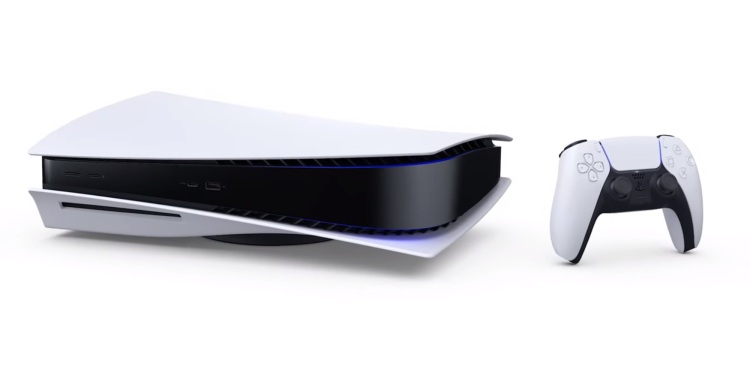
I wouldn’t bet on being able to play Starfield on your PlayStation 5.

Though it may seem “unfair” to lock games to a single platform (or pair of platforms, in this case) it’s how the industry has operated since day one. Nobody got upset about Marvel’s Spider-Man being a PlayStation 4 exclusive, even though that game wasn’t made by Sony, but rather one of their subsidiaries. It was just expected – Insomniac Games make PlayStation titles, just like 343 Industries make Xbox titles. Bethesda’s acquisition means they join Team Xbox. It may not be great fun for PlayStation gamers who had been looking forward to a future Bethesda title, but that’s the reality of the industry.

Be very careful if you hear an analyst or commentator saying that they believe Bethesda titles will still come to PlayStation. Rather than getting your hopes up or setting up false expectations, it may be better to plan ahead. If Starfield or The Elder Scrolls VI are games you’re dead set on playing, consider investing in Xbox. The Xbox Series S is a relatively affordable machine at £249/$299, and if you only need it for a couple of exclusives that you can’t get elsewhere it could be a solid investment – certainly a lot cheaper than a gaming PC.

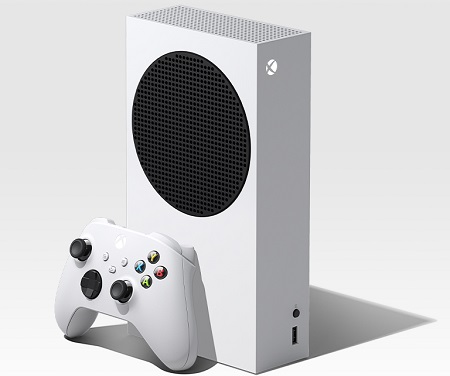
The Xbox Series S might be worth picking up.

Despite all of this, I still feel Sony has the upper hand in the exclusives department, at least for now. It will be a couple of years or more before Microsoft can fully take advantage of their new acquisition, and other titles from developers like Obsidian – who are working on a game that looks superficially similar to The Elder Scrolls series – are also several years away. Sony, on the other hand, has games out now like Spider-Man: Miles Morales and the Demon’s Souls remake, as well as upcoming titles like God of War: Ragnarok and Returnal to draw players in. Microsoft is still pursuing a frankly bizarre policy of making all Xbox Series S/X games available on Xbox One for the next year or so, so for exclusive next-gen gaming in the short term, Sony is still the way to go.

I remember when Microsoft entered the home console market for the first time in 2001. A lot of commentators at the time were suggesting that Microsoft were buying their way in, that they would throw their wallet around and other companies would find it hard to compete. It never really happened, though, at least not to the extent some folks feared. The acquisition of Bethesda is a big deal, but Bethesda and all its subsidiaries have published only around 20 games in the whole of the last decade, so in terms of the wider gaming market, and considering how many games there will be on PC, Xbox Series S/X, and PlayStation 5 in the next few years, it’s a drop in the ocean.

That doesn’t mean it won’t sting for PlayStation fans who want to play Starfield or The Elder Scrolls VI, though. Better start saving up for an Xbox!

All titles listed above are the copyright of their respective studio, developer, and/or publisher. This article contains the thoughts and opinions of one person only and is not intended to cause any offence.
That Microsoft-Bethesda deal came out of nowhere!

I’m a couple of days late on this one, but if you didn’t know already, Microsoft surprised and upended the games industry by announcing a deal to buy ZeniMax Media. ZeniMax is the owner of Bethesda – the company behind such titles as The Elder Scrolls V: Skyrim and Fallout 76. The deal also includes id Software, developers of Doom and Doom Eternal, as well as several other associated companies, including the developers of The Evil Within, The Elder Scrolls Online, and the Wolfenstein series. Wow.

I’ve seen a lot of… interesting commentary to have come out of this acquisition, including people who seem to think this means there can be no more console-exclusive titles ever, and some overly-optimistic PlayStation fans still expecting their favourite Bethesda/ZeniMax titles to come out on that platform. A lot of the details of the deal and its fallout (pun intended) are still under wraps, but I think we can make some reasonable assumptions – and cut through some of the nonsense.

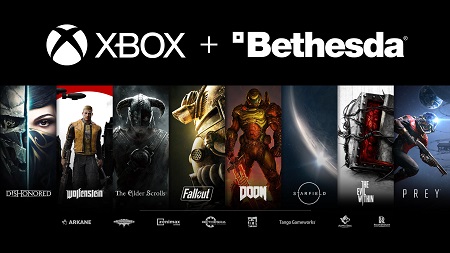
Buying ZeniMax Media gives Microsoft control over all of these game series – and many more.

First off, let’s clear something up. Microsoft wouldn’t spend $7.5 billion on this company and its subsidiaries for no reason. There are unquestionably going to be changes as a result of this deal. There are several ways it could manifest, but if we look to recent history we can pick out a couple of examples. The Outer Worlds was late into its development when Microsoft purchased developer Obsidian. With the game already scheduled for release on PlayStation, Microsoft honoured that commitment and didn’t make any changes. Likewise when they bought Mojang, Minecraft didn’t become an Xbox/PC exclusive. Those games were either already released or releasing imminently, likely with deals and agreements already signed, so Microsoft kept to those agreements.

The titles people seem most concerned about are The Elder Scrolls VI, which was announced a couple of years ago but is still several years away, and the next game in the Fallout series. No announcement has been made of a new Fallout title, but the assumption is that there may be one in pre-production. As someone who worked in the games industry for a time, I really feel that no company in Microsoft’s position spends this much money not to have exclusive titles. Unless this is part of some longer-term strategy to force Sony to bring their exclusive titles to Microsoft’s Xbox and PC platforms – which it almost certainly isn’t – we can say goodbye to the idea of any upcoming games being multiplatform. Despite Microsoft’s statements that they don’t care what platform someone plays on, they obviously do or they wouldn’t be investing so heavily in the Xbox brand and in PC gaming.

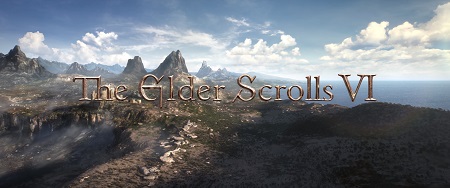
When The Elder Scrolls VI is finally ready, it may not come to PlayStation 5.

The Elder Scrolls VI is far enough in the future that I’d argue it won’t affect the purchasing decisions of 99% of gamers in 2020/21. Even hardcore Elder Scrolls fans should feel confident buying a PlayStation 5 if they want to this Christmas, because the next game in the series is years away and there will be time to get a cheaper Xbox Series S later if necessary. But thinking strategically and thinking long-term, the reality is that if players want to guarantee access to upcoming titles in any of these franchises, they’ll need to look at Xbox. That could be in the form of a console or it could mean getting a PC capable of running newer games. Either way, right now there’s no guarantee any of these titles will come to PlayStation – and if I were advising Microsoft, I’d say they’re in a rock solid position to demand compromises from Sony if Sony want to make any of those games and franchises available on their new system.

As we gear up for the launch of the two new systems, it’s hard to see that many people who had been planning to get a PlayStation will be swayed by this move – at least not in the short-term. All titles which have already been released – including the likes of Doom Eternal, Fallout 4, etc. – will still be available on Sony’s systems. On PlayStation 5 specifically, upgraded and/or re-released versions of some games are coming, and backwards compatibility with PlayStation 4 will mean all current-gen titles will run on the new system. Also the upcoming Ghostwire: Tokyo and Deathloop, which have already been announced for PlayStation 5, seem certain to keep their console releases. So anyone looking ahead to the next year or two need not be too concerned. It’s the longer-term prospects that may worry some PlayStation gamers.

Future ZeniMax/Bethesda titles may not come to PlayStation 5.

With this acquisition, Microsoft will be bringing all of Bethesda’s titles – including upcoming releases – to their Game Pass service. I wrote recently that Game Pass is already a pretty great deal, not to mention the cheapest way to get into current- and next-gen gaming. Add Bethesda’s titles into the mix and the value of the service goes up even more.

This is the real genius of the move. Exclusivity will certainly pull in some players, as those unwilling to miss out will have no choice but to buy into the Xbox ecosystem in some form. But Game Pass is Microsoft’s killer app right now; a subscription service offering players hundreds of games for a monthly fee instead of shelling out $70/£65 per title is not only in line with the way people consume other forms of entertainment (like music and television) but also feels like a good value proposition as we enter what could be a long-term spell of economic uncertainty as a result of the coronavirus pandemic.

I’m a subscriber to Game Pass for PC – and it just became a much better deal!

Game Pass is already available on Xbox and PC, and has been steadily growing its subscriber base. It doesn’t have the library that a service like Steam has, but I can absolutely foresee a time in the future – the near future – where Game Pass will be the platform of choice for many players, perhaps with Steam as a backup to buy occasional titles that aren’t available elsewhere. And once someone has signed up for Game Pass, Xbox Live, and started racking up achievements and making friends, they’re hooked into the ecosystem. It isn’t impossible to switch or leave, of course, but Microsoft will make staying as appealing as possible.

As far back as 2000/01 when Microsoft decided to jump head-first into the home console market, commentators were wondering when they’d start throwing their wallet around. A company with the resources of Microsoft is in a unique position to spend, and we’ve seen them do so several times. On the whole, for players mostly interested in single-player titles I can understand why this feels huge. It is. But at the same time, the deal to buy Mojang a few years back was probably more significant!

In summary, this is good news for PC and Xbox players, and anyone who’s a Game Pass subscriber or on the fence about the service. PlayStation players shouldn’t notice any major short-term ramifications, but if you desperately want to play an upcoming game like the sequel to Doom Eternal, Starfield, or The Elder Scrolls VI, I think you’re going to need a PC or an Xbox.

All titles mentioned above are the copyright of their respective studio, developer, and/or publisher. The Xbox brand is the copyright of Microsoft. This article contains the thoughts and opinions of one person only and is not intended to cause any offence.