Answering Ten of the Biggest Geeky Questions!

A spoiler warning graphic.

Spoiler Warning: Spoilers may be present for some of the franchises/properties discussed below.

There are a handful of “big questions” that define one’s place in geekdom – and today it’s my turn to answer some of them!

I thought it could be a bit of fun to consider some of the biggest questions that geeks like us have to wrangle with. Which fictional character is stronger? Which gaming platform is the best? These questions are contentious, especially here on the interweb – but I hope you’ll engage with this piece in the spirit of light-hearted fun! That’s how I’m choosing to present my answers, in any case.

As I always like to say, nothing we’re going to talk about today is in any way “objective!” These are my wholly subjective takes on questions that are intended to evoke strong reactions, so I hope you’ll keep that in mind! Although I’ve said that these are ten of the “biggest” geeky questions, I’m sure you can think of others – so this is by no means a definitive list.

A stock photo of a contemplative man surrounded by question marks.
Let’s contemplate some big questions together!

I’ve considered myself a geek – and been considered a geek by others – for basically my whole life. As a kid and a teenager, I moved in nerdy circles and friend groups where the likes of fantasy, sci-fi, horror, and video games were frequent topics of conversation. And in the ’80s and ’90s, those things were far less “mainstream” than they are nowadays! It’s actually been really cool to see the likes of The Lord of the Rings, Star Wars, and Marvel become some of the biggest entertainment properties on the planet – as well as the explosion in popularity of video games. When I was at school, and even into my young adulthood, admitting to being interested in those kinds of things could lead to mockery and even bullying!

For these questions today, I’ve set myself the rule of providing an actual answer – no cop-out, fence-sitting, “I like both equally” answers here! As I’ve already said, all of this is just one person’s opinion – and at the end of the day, this is supposed to just be for fun. So please try not to take it too seriously; none of this is worth getting into an argument over!

With the introduction out of the way, let’s answer some tough geeky questions!

Question #1:
Who’s the best Doctor?
Doctor Who

A promo image for Doctor Who showing all of the various incarnations of the titular character.
All of the Doctors – so far!

I don’t really remember watching much Doctor Who as a kid. The original incarnation of the long-running BBC sci-fi series was coming to an end when I was younger, and by the time I was getting interested in the genre, it was Star Trek: The Next Generation that really captured my imagination. As a result, I’m going to exclude all of the pre-2005 Doctors from consideration; I simply haven’t seen enough of any of them to really have a favourite.

Of the Doctors that have been part of the revived series, the Twelfth – played by Peter Capaldi – is my favourite… but with a big caveat! Capaldi gave the best individual performance as the Doctor in the role – hands down. No disrespect meant to any of the others… but I don’t think it’s even close. He’s a performer with exactly the right style, look, and gravitas – and in my view, he played the role absolutely perfectly. That’s why I didn’t hesitate when it came to naming him as my favourite!

Still frame from Doctor Who (2005) showing Pearl Mackie and Peter Capaldi.
Peter Capaldi’s Twelfth Doctor is my personal favourite.

But there’s a catch, as I said. Capaldi’s seasons as the Doctor – Seasons 8 through 10 of the post-2005 series – were almost universally terrible. There was one decent companion (Bill, played by Pearl Mackie) but her character was treated almost as an afterthought and she met a stupid and unsatisfying end. There were hardly any decent villains or antagonists, no truly standout episodes, and really very few memorable moments at all. In fact, Capaldi’s tenure as the Doctor marked a significant decline in Doctor Who’s quality… and the series doesn’t seem to have recovered.

In terms of the best seasons of the revived Doctor Who, I’d have to give the award – somewhat begrudgingly – to Seasons 2 through 4, which starred David Tennant in the title role. The quality of the stories produced at that time was so much higher, with some truly outstanding adventures in the mix. If only there was some way to go back in time and combine Capaldi’s performance with Tennant’s storylines. Where’s a Tardis when you need one, eh?

Question #2:
Who would win in a fight: Batman or Superman?
DC Comics

Cropped poster for Batman vs Superman (2016) featuring the title characters.
Wasn’t there a mediocre film dedicated to answering this question?

Uh, this one should be obvious. It’s Superman, right? It has to be – if you gave any other answer then I don’t think you’ve been paying attention! Who would win in a fight between an overpowered demigod and a billionaire with some expensive gadgets? Yeah… the demigod is gonna win this one. He could launch Batman into the sun, punch him so hard that every bone in his body would shatter, use his heat-vision on him from half a mile away… the list of ways in which Superman could not just defeat but murder and utterly annihilate Batman is nearly endless!

Superman is, I would argue, increasingly difficult to depict in film because of how blatantly overpowered he is. If you read my review of Zack Snyder’s Justice League a couple of years ago, you might remember me saying that the film flopped around, desperately trying to find a way to include the rest of its cast of superheroes… but to no avail. There was no getting away from the simple fact that Superman could do it all single-handedly without even breaking a sweat.

Cropped cover of Action Comics #19 showing Superman.
Superman on the cover of Action Comics #19 in 1939.

At the time the character of Superman was first created, all the way back in 1938, it wasn’t a problem. In fact, creating an “all-round, all-American hero” for comic books aimed at children was exactly the point. Superman is textbook escapism – he’s the perfect hero archetype that can do it all. In context, Superman works, and when all you want is a “good guy” to save the day and stop the evil villains, he’s perfect for the part.

But any story that puts Superman in genuine danger has to come up with a reason why. The man’s basically invincible, save for the mysterious crystal known as kryptonite, and I think at least some of Superman’s big-screen and small-screen adventures suffer as a result of that. But to get back on topic: Superman would win in a fight, and he’d win incredibly quickly and incredibly easily!

Question #3:
Console or PC?

A Super Nintendo console on a red background.
A Super Nintendo – or SNES.

In the early ’90s, the first home console I ever owned was a Super Nintendo. From then on, all the way through to the middle of the last decade, console was my preference. I liked the pick-up-and-play nature of consoles, with no need to check system requirements or fiddle with settings to just get a game running. The underpowered PCs that I had in the ’90s weren’t much good for gaming, so I think that’s part of it, too. But you have to also remember that, for a long time, consoles were just better in terms of performance – and especially in terms of value – than PC.

But nowadays I’m firmly on Team PC! I built my own PC for the first time a couple of years ago, and prior to that I had a moderately-priced “gaming” PC. Since about the middle of the 2010s, PC has been my platform of choice for practically everything. I will consider picking up Nintendo’s next machine when it’s ready, but my Nintendo Switch has been gathering dust since I stopped playing Animal Crossing and Mario Kart 8… so I’m not sure how great of an investment that’ll really be!

Stock photo of a gaming PC.
A very pretty gaming PC setup.

PC offers the best of both worlds. Wanna play an in-depth strategy game or city-builder with loads of options and menus that really need a mouse and keyboard to navigate? PC can do that. Wanna plug in a modern control pad to play a third-person adventure title? PC can do that too. Wanna install a virtual machine and play games from the Windows 95 era? PC can do that! Wanna emulate every console from the Atari 2600 to the Dreamcast and play games that are out-of-print everywhere? PC can do that too!

With Game Pass bringing a lot of new titles to PC on launch day, and with Sony even porting over some of its previously-exclusive titles too, PC really feels like the place to be. It’s a lot more expensive to get started with – and that’s still a massive point in favour of consoles for players on a budget. But once that initial expense is out of the way, the abundance of sales on platforms like Steam means that a lot of titles – even newer ones – can be picked up at a discount. I’m really happy with my PC as my main gaming platform, and I doubt I’ll be picking up an Xbox or PlayStation this generation.

Question #4:
What would be the best fictional world to live in?

There are plenty of fictional worlds to choose from!

There are loads of absolutely awful answers that people give to this question! Who’d want to live in Star Wars’ fascist-corporate dystopia, for example, which seems absolutely terrible for anyone not blessed with space magic? Or any fantasy setting with a medieval level of technology? Sure, you might have a magic elf as your buddy… but if there’s no central heating, antibiotics, or flushing toilets… you’re gonna have a bad time!

My pick is simple: Star Trek’s 24th Century. There are things to worry about, sure: the Borg, the Cardassians, and the Klingons to name but a few threats! But there are so many wonderful inventions and technologies that would make life so much better. For me, as someone with disabilities, the idea of some or all of my health issues being cured is perhaps the biggest – but there are plenty of others, too.

The USS Enterprise orbiting Earth.

Star Trek does not depict, as some have tried to claim, a “communist utopia.” As we see on multiple occasions throughout the franchise, private property still exists, and people have a great deal of freedom and autonomy. Star Trek’s future could be more accurately described as a post-scarcity society – one in which technological improvements have brought unlimited power generation, food, and other resources to the people.

There are some dark spots in Star Trek’s future – but these tend to be places outside of or separate from the Federation. Assuming I could live somewhere in the Federation, and have access to replicators, warp drive, weather-controlling satellites, and Starfleet for defence… I think it would be bliss! And so much better than anywhere else I can think of.

Question #5:
Martin or Tolkien?

Who’s the superior author?

I don’t need to think too long about this one! JRR Tolkien is, for me, one of the greatest authors of all-time. George RR Martin, in contrast, can’t even finish his own story, and seems far too easily distracted by other projects – including writing TV episodes and working on video games. And c’mon… he literally copied the “RR” part of Tolkien’s name for his own pen name!

Jokes aside, I think both writers are pretty great. Tolkien could be, in places, a little too black-and-white with his protagonists and antagonists, with the goodies being pure and virtuous and the villains being corrupt and evil. Martin’s work deliberately upends many of those notions, and he places imperfect and even selfish characters at the heart of his stories. Some of George RR Martin’s characters feel more nuanced – and dare I say more human – than Tolkien’s.

The Fellowship of the Ring at Rivendell from the 2001 film adaptation.

But Tolkien was a pioneer, writing the first modern fantasy epic. Martin, and countless other writers, are simply following in his footsteps. While Martin’s work is hardly derivative, some of the choices he makes in his writing are a reaction to the way Tolkien’s worlds and characters were set up. It’s impossible to critique A Song of Ice and Fire without making multiple references to Tolkien – whereas Tolkien’s work has always stood on its own two feet.

I would love it if George RR Martin would finish his magnum opus, but as time passes I feel less and less sure that he’s even interested in doing so. Now that Game of Thrones has finished its run on television, and Martin has seen the overwhelmingly negative reaction to its ending – which will have contained at least some elements that he planned to include in the remaining books – I just don’t get the impression that his heart is in it in the same way it was a few years ago. Tolkien’s work, in contrast, is complete and has been for decades – and people are still interested in new adaptations.

Question #6:
Who’s the best Star Trek captain?

Promo banner for Star Trek Day showing multiple characters.
Multiple captains on a promo banner for “Star Trek Day.”

I’ve always struggled with this question. But I’ve gone on record several times here on the website as saying that if you put a gun to my head and forced me to choose – as this question is metaphorically doing – I’d pick Deep Space Nine’s Captain Benjamin Sisko. So that’s gonna be my answer!

There’s a lot to be said for Captain Kirk – Star Trek’s first captain. He paved the way for all of the others, and without him, Star Trek would not be the same today – if it even existed at all. And Captain Picard was my personal first captain; it was through The Next Generation that I became a Trekkie in the early ’90s. Without him and the crew he led, there’s a chance I would never have fallen in love with Star Trek in the way that I did. And all of the other captains from Janeway and Burnham to Archer and Pike all have wonderful qualities that make Star Trek into the franchise it is today.

Still frame from the documentary What We Left Behind showing Avery Brooks as Captain Sisko in a remastered clip.
Captain Benjamin Sisko.

But Captain Sisko has always stuck out to me. In the first few seasons of Deep Space Nine he only held the rank of Commander, so we got to see his rise to the rank of captain as the story of that show unfolded. He was also a man with a deeply traumatic past, having to come to terms with the death of his wife while raising his son alone. He was a fantastic leader – not just of a crew, but of a community. Sisko could reach out across the cultural divide to Ferengi, Klingons, changelings, Bajorans, and more. He turned DS9 from a military outpost into a friendly place to visit and a bustling port.

Although words like “scientist” and “explorer” might not be the first ones that spring to mind when we think of Captain Sisko, he had those traditional Starfleet qualities, too. We’d see him as a pioneer of exploring the Gamma Quadrant and the wormhole, as well as interacting with the non-corporeal Prophets – the very definition of seeking out new life! Sisko could also be a soldier and a diplomat when he needed to be – and to me, he embodies the very best of Starfleet in the 24th Century.

Question #7:
Marvel or DC?

The logos of both Marvel and DC.

I don’t read comic books – and I never did, even as a kid. So my limited knowledge of both of these brands comes from their cinematic outings, not the original source material! I wanted to get that caveat out of the way before we got into the weeds with this one.

If you were to ask 100 people on the street to name a superhero, I think Superman and Batman would probably be the two names you’d hear most often. So DC, at least in my opinion, has produced the two most memorable and noteworthy superheroes. But Marvel, at least on the big screen, has a bigger and stronger ensemble – as we saw when Avengers Endgame briefly became the highest-grossing film of all time.

Still frame from Batman & Robin (1997).
Batman & Robin (1997).

Although I want to say that I’ve gotten roughly equal enjoyment from DC and Marvel over the years, I promised you no fence-sitting and no cop-outs! Based on the strength of characters like Batman, who have starred in some really great films over the years, I think I have to give the win to DC. Marvel’s output is becoming increasingly convoluted, and just keeping up with the franchise to know who’s who and what happened last time can feel like a full-time job! At least DC still produces some standalone or semi-standalone films and TV shows that I can dip in and out of.

Aside from Batman and Superman, though, DC hasn’t really been able to successfully capitalise on its other superheroes – let alone turn them into household names. Wonder Woman, Aquaman, the Flash, and Green Arrow have all had limited success in a single film or TV series, but others have struggled. Batman may drag DC over the finish line this time… but there’s still room for improvement!

Question #8:
Star Wars or Star Trek?

Still frame from Star Wars (1977) showing the Death Star.
The Death Star at Yavin IV in Star Wars.

If you’ve read the name of this website, I’m sure you can guess which way this one’s going to go! Thankfully the whole “Star Wars versus Star Trek” rivalry that was a big deal a few years ago has more or less died out, and fans no longer feel quite so tribal about which is the best. There’s been a lot more crossover in recent years, with Trekkies and Star Wars fans happy to enjoy both franchises.

I consider myself a Trekkie first and foremost – so I’ll answer this question by saying that I prefer Star Trek over Star Wars. But that doesn’t mean I hate or dislike Star Wars by any stretch. In fact, some of my favourite entertainment experiences of all-time have come courtesy of the Star Wars franchise: games like Knights of the Old Republic and films like Rogue One are genuinely fantastic.

Promo photo of the main cast of Star Trek: The Next Generation Season 2 (1988).
The cast of Star Trek: The Next Generation Season 2.

What I like about Star Trek is that many of its stories aren’t about fighting a villain or defeating an adversary – but about exploration, science, engineering, and just what it might be like to live in space in the future. Star Wars, by its very nature, is more violent, with more of a focus on conflict. That’s fine when I’m in more of an action mood – but there are times when a story about seeking out new life or learning to communicate is what I’m looking for.

It’s also worth pointing out that there’s a heck of a lot more Star Trek than Star Wars! At the time I first encountered the franchises, it wouldn’t be totally unfair to say that there were two good Star Wars films and one okay-ish one – at least in the opinion of a lot of folks! Star Trek already had more than 100 episodes of TV and five films under its belt, so there was plenty to get stuck into as a viewer in the early ’90s! Quantity over quality is never a good argument, of course… but if I’m enjoying something I’m always going to be happy to get more of it! Star Wars is slowly catching up to Star Trek now that Disney has commissioned several made-for-streaming series, but there’s still a long way to go to reach Star Trek’s 900+ episodes!

Question #9:
Sci-Fi or Fantasy?

The NeverEnding Story (1984) was one of my favourite films as a kid.

This may come as a surprise, but fantasy was my first love long before I got interested in sci-fi, space, and the “final frontier!” Among my earliest memories is reading The Hobbit – a book that was originally intended for children, lest we forget. I can even remember pointing out to my parents that there was a typo on one page; the word “wolves” had been misprinted as “wolevs.” Aside from Tolkien’s legendary novel, I read other children’s stories including Enid Blyton’s The Faraway Tree, and watched films like The Neverending Story.

But it’s not unfair to say that sci-fi became a much bigger deal for me by the time I was reaching adolescence. Inspired by Star Trek: The Next Generation I immersed myself in science fiction, reading as many books about space and the future as I could get my hands on, and watching films like Alien and the Star Wars trilogy. TV shows like Quantum Leap, Space Precinct, and Buck Rogers in the 25th Century graced my screens in the ’90s, as did more kid-friendly offerings like Captain Scarlet.

Star Trek: The Next Generation turned me into a sci-fi fan!

So while I can happily say that I enjoy both genres for what they offer, sci-fi has been my preference going back more than thirty years at this point! Star Trek opened my eyes to science fiction and remains one of my biggest fandoms to this day! But there are many other sci-fi films, shows, books, and video games that I’ve enjoyed – everything from Mass Effect and Foundation to Battlestar Galactica and Halo. Sci-fi is great escapism, and I love the feeling of being whisked away to another world or another moment in time.

Though I haven’t forgotten my roots as a fan of fantasy, and still enjoy many fantasy titles across all forms of media, if I had to choose I’d definitely say that I’m a fan of sci-fi first and foremost. Sci-fi feels broader and more varied in some respects – there are radically different presentations of humanity’s future, the kinds of aliens we might engage with, and so on. Modern fantasy tends to stick to a medieval level of technology and use the same kinds of magical spells and the same handful of races – Elves, Dwarves, Orcs, and so on – in different combinations depending on the story.

Question #10:
What’s your favourite anime/cartoon series?

Still frame from Shenmue: The Animation showing Ryo and Fangmei.
There’s an anime adaptation of Shenmue.

I have to confess something at this point: I’ve never seen any anime. I don’t know why exactly – I’ve never really been in friendship groups where anime was a topic of conversation, and when I was a kid, there wasn’t any anime on TV or in the cinema that I can recall. I’ve yet to encounter an anime series that felt like a must-watch – with the only exception being the adaptation of Shenmue that I really ought to get around to watching one of these days! But until I do… no anime for me.

I had to think about this question for a while, though. There are some great adult animation programmes: Lower Decks, Futurama, Rick and Morty, South Park, and The Simpsons all come to mind. The Simpsons in particular was a pioneer of adult animation, and a series I remember with fondness from its ’90s heyday here in the UK! The fact that my parents – and many others of their generation – absolutely loathed The Simpsons was a huge mark in its favour for a renegade adolescent!

Still frame from the Phineas and Ferb Season 3 episode What A Croc showing the kids on jet skis.
Phineas and Ferb.

But on this occasion, I’m giving the award to Phineas and Ferb. Regular readers might remember me talking about this series as one of my “comfort shows;” a programme I often return to when I need a pick-me-up. I recall watching a promo for the series circa 2007-08, and although kids’ cartoons on the Disney Channel should’ve held no appeal… something about Phineas and Ferb called out to me. I tuned in and I was hooked from almost the first moment.

Phineas and Ferb’s two-and-a-half story structure – with the kids making an invention, their sister trying to bust them for it, and special agent Perry the Platypus on a mission to fight evil – felt incredibly fun and innovative, and more often than not the storylines would intersect in creative and unexpected ways. There are also some fantastic moments of characterisation in Phineas and Ferb, particularly with the breakout character of Dr Doofenshmirtz. I was thrilled to learn that the series will be returning for two new seasons and a whopping forty new episodes, and I really hope it will be as good as it was the first time around.

So that’s it!

The famous "that's all folks" card shown at the end of Looney Tunes cartoons.
That’s all for now!

I hope this has been a bit of fun – and maybe bolstered my geeky credentials just a little. As I said at the beginning, I don’t think any of these subjects are worth fighting about or losing friends over, but I’ve had fun sharing my thoughts and nailing my colours to a few different masts!

The great thing about sci-fi, fantasy, gaming, and the wide world of geekdom is just how much of it there is nowadays. There are so many high-budget productions on the big screen, the small screen, and in the gaming realm that we’re really spoilt for choice. As much fun as it is to play favourites and pick one series or franchise over another… more than anything else I’m just glad to be living through a moment where geekdom is having its turn in the spotlight! That may not last forever – a return to action movies, westerns, or whatever else might be on the cards one day. So we should all make the most of it and enjoy it while it lasts!

It’s been interesting to consider some of these questions, and I hope reading my answers has been entertaining for you, too!


All properties discussed above are the copyright of their respective owner, company, distributor, broadcaster, publisher, etc. Some stock photos courtesy of Unsplash. This article contains the thoughts and opinions of one person only and is not intended to cause any offence.
What on earth happened to Batgirl?

This story is a very strange one, so buckle up! If you haven’t heard the news, Warner Bros. and DC Films recently announced the cancellation of Batgirl, with news reports suggesting that the film was considered “irredeemable” by the studio after disastrous test screenings. What’s so strange about this, though, is how far along in its production Batgirl was at the time of its cancellation.

Films get cancelled all the time, but almost never this late in the game. With principal photography complete, enough post-production work done to get the film ready for test screenings, and a partnership with streaming platform HBO Max to distribute the film, practically all of Batgirl’s reported $90 million budget has been spent. Canning it at this stage is incomprehensible… no matter how subjectively “bad” test audiences may have found the film to be.

Did test audiences really hate Batgirl that much?

But is that all there is to say? The film was “so bad” that Warner Bros. and DC Films pulled the plug, and that’s it? Many industry watchers don’t think so, and there’s a rumour flitting around – unsubstantiated at this stage, it must be said – that Warner Bros. and its corporate ownership may have taken this decision in order to offset debts and losses elsewhere in the company.

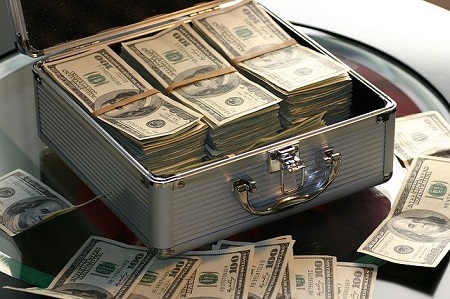
Warner Bros-Discovery – the parent company of both Warner Bros. films and DC Comics – is tens of billions of dollars in debt, and by cancelling Batgirl the corporation may have been able to write off the loss against its substantial debts, perhaps saving or even earning money in the process. That would be on top of the money saved on the film’s marketing and theatrical release.

Warner Bros-Discovery is the corporation responsible for this mess.

Whether that was the intention or not, it does seem as though Warner Bros-Discovery will indeed benefit financially from the film’s cancellation, and that leads us to some very challenging questions about the state of corporate entertainment in a broader sense. This situation is basically unprecedented in modern times; for a film to be cancelled while being functionally complete, potentially locked away in a vault or destroyed, never to be shown in public, it’s something that just hasn’t happened in a very long time.

Other corporations will be watching, looking to see what kind of backlash Warner Bros-Discovery may face, and what kind of consequences – if any – there may be. If the prevailing consensus in a few weeks’ time is that they got away with it and made a tidy saving in the process, perhaps we’ll see this happen again at other corporations in future. You know what corporations are like – once they see an opening, and the waters are tested to confirm it’s safe, they all start jumping in.

Is this whole situation to do with writing off debt?

I don’t know whether Batgirl would’ve been any good. I felt that The Batman, released earlier this year, was okay for what it was, but as someone who isn’t the biggest fan of comic books and their cinematic adaptations, perhaps it was never really going to be “my thing.” But that’s basically irrelevant at this point, because there clearly was an audience for Batgirl, and as we’ve seen by the reaction on social media, fans of comic books and even cinema in general have turned up to condemn this move from Warner Bros-Discovery.

There have been some well-received comic book adaptations in recent years – Avengers Endgame and Joker spring to mind as just a couple of examples. But even if Batgirl was never going to hit those high notes, did it not still deserve a chance? Even if it was going to end up being critically panned alongside Morbius or Inhumans, shouldn’t it have been left to audiences to find that out for ourselves?

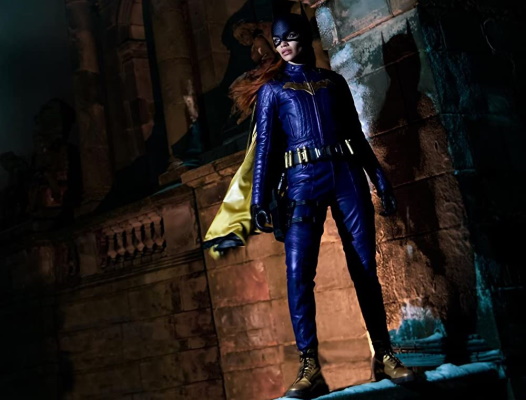
The only official promo photo released for Batgirl.

With the cost of releasing a film digitally relatively low – Warner Bros-Discovery owns HBO Max, at the end of the day – it doesn’t seem worth it to spend all of this money on Batgirl only to cancel it at such a late stage. Even if test audience reactions were so negative that a theatrical release was taken off the table, sticking the film on a streaming platform has almost no downsides. Nothing Batgirl could’ve done would’ve damaged the reputations of Warner Bros. or DC Comics in a significant way, so if the film flopped then so what? That happens all the time, and studios dust themselves off and move on. All that would’ve happened if Batgirl had been poorly-received is that it wouldn’t have gotten a sequel and would’ve been quietly forgotten, not being incorporated into any version of the foundering DC Extended Universe.

So that’s where this “debt write-off” conspiracy theory has come from. We may never know the true story of what happened to Batgirl, but I think its cancellation is a shame. Having heard some details about the film, I can honestly say that it sounded like a film with potential. JK Simmons was to take on the role of Commissioner Gordon, Michael Keaton was to return as Batman for the first time since 1992’s Batman Returns, and Brendan Fraser was to star as villain Firefly. I like all of those performers, and seeing Brendan Fraser take on a role like this would’ve been absolutely delicious; I could see his performance being a highlight even if the story of the film and some of its other elements weren’t especially strong.

Brendan Fraser was set to star as the film’s villain.
Photo Credit: New York Post.

Moreover, Batgirl would’ve starred Leslie Grace, best known for her role in In The Heights. She seemed ready to take on the role of Batgirl, and her take on the character would’ve been an interesting one. In a superhero genre overloaded with male superheroes and ensembles, almost any picture with a female lead is going to feel different, interesting, and exciting.

All of these performers, as well as the film’s directors and other members of the creative team, have been insulted by this move. If it’s true that Warner Bros-Discovery is doing this to take advantage of a loophole and pay down its mountain of debt, then it’s even worse. Allowing Batgirl to take the fall – and be heinously attacked in the process, with worlds like “irredeemable” being thrown around – is just awful, rotten treatment by the studio and its corporate overlords.

So I think it’s disappointing that Batgirl was cancelled. The circumstances are incredibly bizarre, and I can quite understand why speculation has turned into conspiracy theory pretty quickly. The reaction online has been overwhelmingly negative, and if Warner Bros-Discovery stick to their guns and don’t release the film, I wouldn’t be at all surprised to see bootleg copies popping up on pirate websites in the weeks ahead. Ironically, Batgirl may have just become one of the hottest and most sought-after films of the year. I know I for one would be very interested to see what all the fuss has been about.

Batgirl is the copyright of Warner Bros. and DC Films. No release is currently scheduled. This article contains the thoughts and opinions of one person only and is not intended to cause any offence.
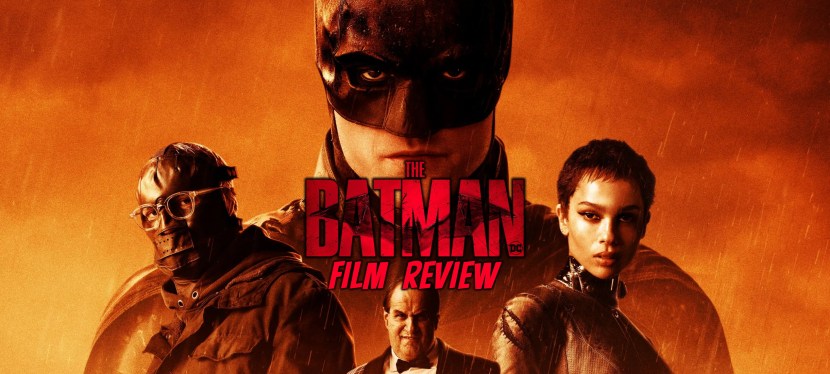
Film review: The Batman

Spoiler Warning: There are spoilers ahead for The Batman.

When The Batman was announced a couple of years ago, I was distinctly underwhelmed. After more than fifteen years of samey presentations of the titular caped crusader going back to 2005’s Batman Begins, I felt uninterested in another “dark and gritty” take on a character whose darkness and grittiness had been done to death.

In addition, as I’ve said on a number of occasions here on the website, I’m not the world’s biggest fan of comic books or their cinematic adaptations. Some are decent enough, but usually the highest praise I can muster for anything in the superhero genre is to call it moderately entertaining; the kind of mindless popcorn action flick that can inoffensively kill a couple of hours.

Batman and Detective Gordon.

That was the mindset I had as I sat down to watch The Batman. Was I about to be blown away and have my mind changed on both of those subjects, convincing me that the world can’t ever have enough dark and gritty Batman movies, and that there’s more to the world of comics than mindless entertainment?

Well, no. But at the same time, I didn’t hate or even really dislike The Batman. It did what its creators wanted it to do, and while I have a few gripes with a story that felt somewhat bloated and muddled in places, as well as a few visual effects that were wide of the mark, overall it was engaging enough to keep my attention. From the point of view of someone who isn’t any kind of Batman or DC Comics superfan, The Batman was good enough. It won’t be my pick for “film of the year,” but it’s unlikely to end up as the worst movie I’ll see in 2022 either.

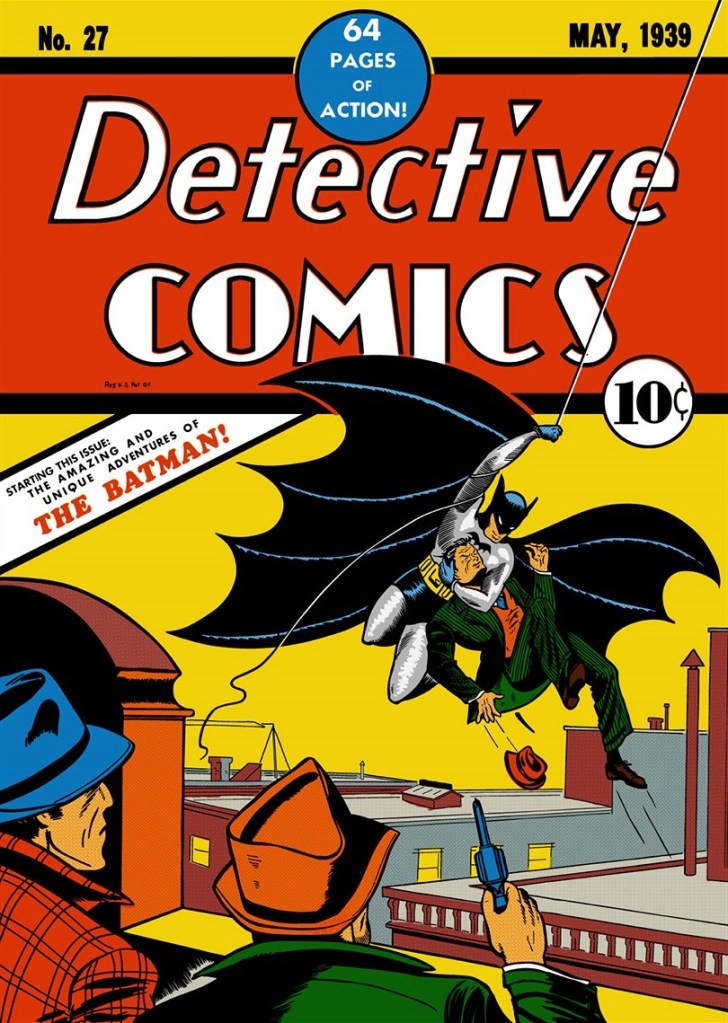
Batman made his first appearance in 1939.

One point in The Batman’s favour is that it exists in a standalone space and isn’t trying to connect itself to the wider DC Comics “extended universe” – DC’s failed attempt to match the Marvel Cinematic Universe. This allows it to do its own thing without feeling obligated to tie into a dozen or more other titles, and without feeling confusing or offputting for newbies and casual audiences in the way that Marvel films and projects are starting to.

Having seen other Batman films and productions over the years, I felt familiar enough with its world that some of the characters’ names were familiar – Carmine Falcone, Salvatore Maroni, Selina Kyle, etc. – but also I felt that that familiarity wasn’t necessary for anything that The Batman wanted to do. These characters, though they may have familiar names, are new and distinct versions, and their histories, personalities, and connections to one another were suitably explained by The Batman itself. No in-depth knowledge required!

The Batman didn’t insist on a lot of background reading.

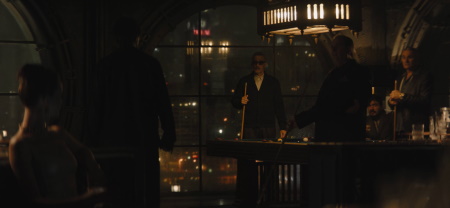
From the first moments of the film, The Batman captured the look and feel of Gotham City. From the 19th Century opulent gothic-style architecture to the urban decay inspired by the likes of Chicago, Detroit, and older depictions of New York, I genuinely felt that the version of Gotham City brought to screen in The Batman was real and lived-in; a well-constructed backdrop for the events of the film to unfold in front of.

There was some clever cinematography in The Batman, with well-composed camera shots that felt immersive and highlighted something that would go on to be important later. The film also used light and shadow to great effect, hiding the titular Batman in darkened areas and illuminating scenes in very evocative ways.

The effective use of light and focus was a hallmark of The Batman.

Focus was also part of The Batman’s cinematography, with rain-smeared windows partially obscuring characters and events. The clever camera work would show just enough to build up the tension, as characters could be seen just outside of the camera’s focal area. The sense of movement from these slightly blurry, out-of-focus areas conveyed a sense of mystery that tied in with the theme of a film where the Riddler was one of the key antagonists.

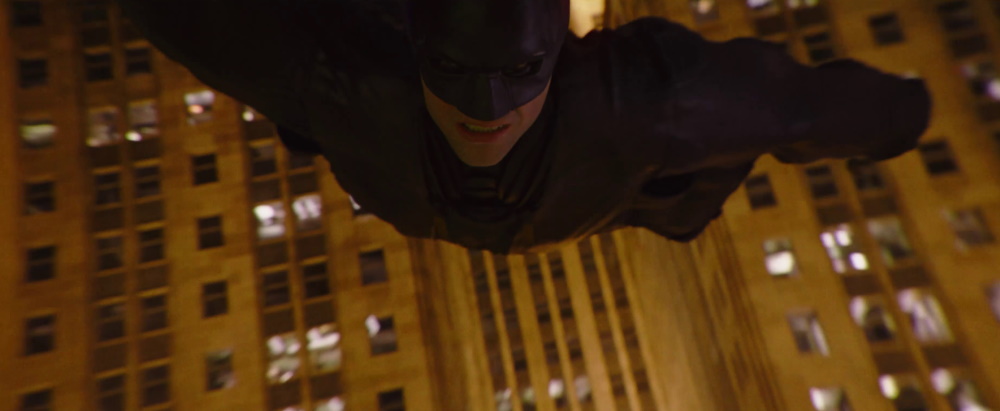
It wasn’t all perfect from a visual standpoint, though. There were moments where the use of green-screens was incredibly obvious, such as a sequence which saw Batman using a wing-suit to escape a tricky situation, when he was dangling from a precarious platform, and later at the end of the film when he was riding a motorcyle. What’s interesting is that this is also something I noted last year in my reviews of two other DC projects: The Suicide Squad and Zack Snyder’s Justice League. This recurring green-screen situation is clearly an ongoing problem that Warner Bros. and DC Films need to work on going forward. These moments looked out-of-place and outdated in The Batman, as if the green-screen sequences had been created twenty years ago without the benefits of modern-day techniques and technologies.

Holy ridiculously obvious green-screen, Batman!

There were some neat musical choices on The Batman’s soundtrack. The score for the film was well-produced, evoking the right feelings at the right moments. Occasionally this could feel a little heavy-handed, as if the music was trying to force a certain emotion onto a sequence rather than letting me experience it for myself, but generally speaking it worked as intended.

I also enjoyed the use of the Nirvana song Something In The Way, which came at the beginning and end of the film, kind of bookending the main events. Apparently director Matt Reeves based parts of the film’s presentation of Bruce Wayne on Nirvana singer Kurt Cobain, who was known for being a recluse.

This presentation of Bruce Wayne was partly based on Kurt Cobain.

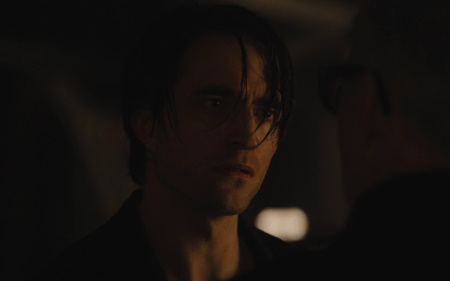
Much had been made of the casting choice of Robert Pattinson – a British actor best known for his roles in the Twilight and Harry Potter franchises – in The Batman’s leading role. I felt that Pattinson did a decent job and was convincing as this version of Bruce Wayne; his American accent was fantastic, too.

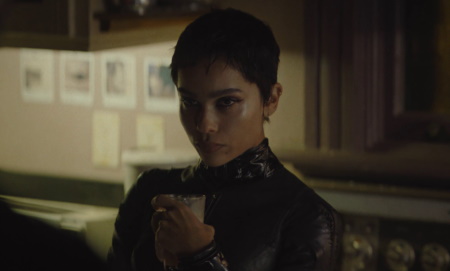
Zoë Kravitz reprised the role of Selina Kyle/Catwoman from The Lego Batman Movie, though her role in that film was smaller than it was in The Batman. Kravitz likewise did well with this new version of the classic Batman character, and I found her to be convincing in all of her scenes. Indeed the whole cast put in great performances, and I can’t really single out anyone for criticism in that regard.

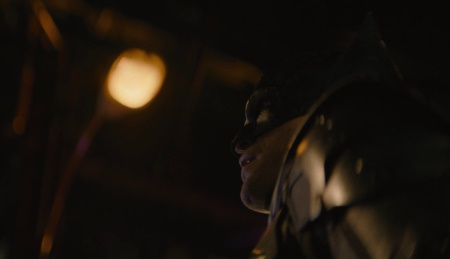
Catwoman.

If films like The Dark Knight and TV shows like Gotham had never been made, perhaps The Batman would feel like the new yardstick against which other adaptations could be measured. But because it comes on the back of other adaptations of the same source material that exist in an incredibly similar thematic and visual space, it doesn’t feel groundbreaking or original in the way it might. It feels if not downright repetitive then just a riff on the same idea, and with a story that wasn’t groundbreaking either, I guess I just wasn’t bowled over by anything that The Batman did.

The Batman’s messaging was also quite muddled. On the one hand, Batman himself is presented as the hero; the caped crusader who wants to prevent crime and terrorism. Yet the so-called villains of the piece are also vigilantes who are targeting the same corruption and systemic inequality that has plagued the city since before Bruce Wayne was born.

It wasn’t always clear who The Batman expected us to root for.

Themes of white privilege and wealth privilege were bubbling just below the surface in The Batman, but the film wasn’t always clear which side of the fence it came down on, nor how it wanted its audience to interpret these themes. Should we root for Batman, even though his family’s past hid crimes, including murder and involvement with the mafia? Does Batman’s role as an avatar of “vengeance” for Gotham City counteract the misdeeds of his family, including, presumably, how they were able to acquire such fantastic wealth for themselves in the first place?

When the Riddler revealed to Batman that he viewed him as an inspiration in exposing the corruption of Gotham City’s police force, politicians, and other community leaders, Batman had no comeback or recourse. Are we supposed to say that Batman’s insistence on not killing his foes, which wasn’t exactly front-and-centre in this presentation of the character, makes him different enough from the Riddler that we can venerate one while condemning the other?

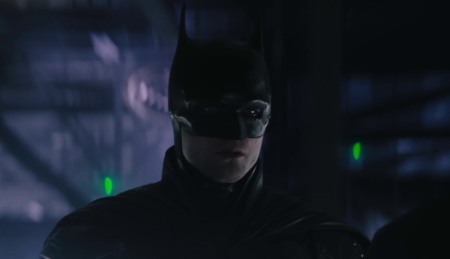
The Batman.

Frankly, the film posed questions through these narrative threads that it didn’t provide satisfactory answers to. Bruce Wayne comes from a position of immense privilege, but the film doesn’t always know how it wants to handle that. Some scenes glorify Bruce’s unlimited resources as Batman, showing off a range of gadgets and high-tech gizmos. Others openly criticise the Wayne family and Bruce in particular for the privilege he enjoys and how he’s perceived.

This gave The Batman a strange kind of moral ambiguity that came close to equating the goals and methods of its heroes and villains. Can we say that Gotham City would’ve been better off not knowing about the web of corruption that the Riddler exposed? If Batman had his way, he’d have prevented that information from coming to light by stopping the Riddler much sooner. It’s only in the film’s final act, when the Riddler revealed his plan to destroy Gotham City’s coastal defences, flooding part of the city, that there was any sense of a “good guy-versus-bad guy” dynamic – and by that point the story was practically over.

An explosion sends seawater flooding into Gotham City.

The Batman’s main storyline is also unusual for this kind of film in the sense that it ends with defeat. Batman was effectively outsmarted by the Riddler, whose plan was at least partially successful. The action stays focused mainly on Batman and a group of wealthy and privileged city-dwellers, so we don’t even get to see how the flooding devastated lower-income communities. With no advanced warning, it stands to reason that a lot of people would have been injured or killed – but the film glossed over all of that to show us Batman, Catwoman, and Jim Gordon battling the Riddler’s minions to save the new mayor and other members of Gotham’s elite… the same elite that the film had spent the preceding two hours explaining were all complicit in varying ways in the city’s corruption.

The ending of this story felt unearned. Batman spent much of the film claiming to be “vengeance” personified, taking out criminals, gangsters, and stoking fear amongst Gotham City’s criminal underclass – many of whom were the same underprivileged folks (often from minority backgrounds) that other aspects of the film’s storyline seemed to be trying to advocate for. The film’s closing minutes showed Batman as a kind of rallying symbol for the city; the embodiment of hope, perhaps. But this transition seemed to come out of the blue, and I didn’t feel that we’d seen much of anything from Batman himself, or the few friends and allies he had, to inform this change in the city’s attitude toward him.

Batman with an injured Gotham City civilian in the film’s closing act.

I wasn’t wild about one aspect of the presentation of the Riddler. We’ve seen depictions of the Riddler before, in productions like the television series Gotham, in which he was implied to be neurodivergent, and those depictions didn’t always succeed at conveying that in a sympathetic way. This is a problem Batman has had across all forms of media going back to its inception, where people with “mental illnesses” are portrayed as being violent criminals, murderers, scheming masterminds, and so on. The entire concept of the Arkham Insane Asylum – which was also featured in The Batman – is part of that, and the Riddler’s depiction leaned into stereotypes of autism and the neurodivergent that are, at best, unhelpful.

I’m a big advocate for better representations and depictions of mental health in media, and this kind of rather crude stereotype of the obsessive autistic loner who becomes criminally violent is not the kind of positive portrayal that we need to see more of. At its best, I’d say it was right in line with what DC Comics has done with the villains of Gotham City going back to the 1940s. At worst, I might say this depiction of a neurodivergent individual as the film’s primary antagonist is problematic.

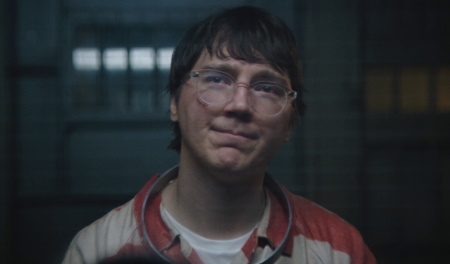
I was not a fan of the way the Riddler came across.

On this side of the story, though, I will credit The Batman for trying to make a social point. There are subcultures in secluded corners of the internet where individuals gather to discuss their violent fantasies and conspiracy theories, and this side of the Riddler’s presentation felt timely and realistic. I can buy into the idea that someone like that would gain a following – because we can see it happening in real life with the likes of the QAnon conspiracy theory and incel subculture, to name just two examples.

This presentation stuck the landing, even while the Riddler’s felt a little uncomfortable, and in a film that clearly had the ambition of parachuting a superhero into a “realistic” setting, presenting the villain’s henchmen or followers in this way was a clever inclusion. It’s one element that adds to the immersion of the setting.

A group of the Riddler’s followers.

So that was The Batman. I didn’t hate it, but I stand by what I said at the beginning: it didn’t really bring anything new to the table. It felt like an iteration on not only what Batman films have been doing since at least 2005, but also on what DC Films and Warner Bros. have been doing with all of their recent comic book adaptations. We got a dark, gritty attempt to bring superheroes into the real world – a world rife with criminals, drugs, and other problems. There was nothing fun or light-hearted about that… and I think that’s where DC continues to miss the boat.

Comic books and the worlds they created are aimed at kids, and they bring with them comedic moments, light-heartedness, and positivity. A muddled story that couldn’t quite decide who to root for and how in a setting that was as dark and gritty as they come didn’t provide any of that, so when I compare The Batman to even the least-enjoyable Marvel outing, something was missing.

A sequel already seems to be on the cards, with the film even closing with a tease as to who Batman could be facing off against next time. Perhaps when it’s ready I’ll be convinced to take a look!

The Batman is the copyright of Warner Bros. Pictures, DC Films, and DC Comics, Inc. The Batman is available to stream now on HBO Max in the United States, and on Amazon Video, Google Play, the Microsoft Store, iTunes, and other video-on-demand platforms around the world for a fee. This article contains the thoughts and opinions of one person only and is not intended to cause any offence.
Zack Snyder’s Justice League – a non-fan’s perspective

Spoiler Warning: There are spoilers ahead for Zack Snyder’s Justice League. Minor spoilers are also present for other DC films and comic books.

Generally speaking, I’m not someone who cares too much about comic books or their associated films. Sometimes comic book/superhero films make for decent popcorn flicks – such as The Avengers and a few other Marvel titles. And the Dark Knight trilogy of Batman films were decent. But as someone who didn’t grow up reading comics, that’s about the highest praise I can heap upon their cinematic adaptations. That’s what I mean when I say I’m coming at Zack Snyder’s Justice League from the perspective of a non-fan.

I can’t actually remember if I’ve seen the original version of Justice League; superhero films tend to be somewhat forgettable, and judging by reviews and fan reaction, Justice League wasn’t one of the best. I’ve definitely seen other films in the DC canon, though, including Suicide Squad, Man of Steel, and about half of Batman vs. Superman (before I got bored and switched it off). In short, I’m not comparing the so-called “Snyder cut” to the original version of Justice League – because it was so forgettable that I’ve quite literally forgotten if I’ve even watched it.

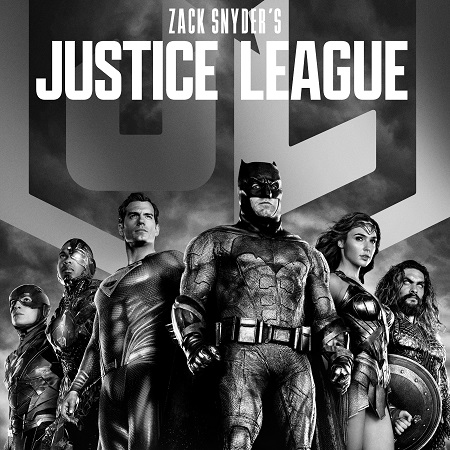
Promotional poster for Zack Snyder’s Justice League.

Before we get into the meat of my review, I need to hold up my hands and admit to being utterly wrong about something. I never believed for a moment that DC fans would succeed in getting this version of the film released. The hashtag #releasethesnydercut trended online in the aftermath of Justice League’s lukewarm reception a few years ago, and I just dismissed it. These things often die down once the initial controversy over a film has had time to abate, and just like Disney and Lucasfilm were never going to edit or remake The Last Jedi, I felt certain that DC and Warner Bros. would simply ride out the criticism and move on with the rest of their planned releases. I was wrong, having underestimated the strength of feeling and persistence on the part of DC fans, and the fact that Zack Snyder’s Justice League exists at all is testament to their refusal to quit. In the age of social media – where stories and controversies often last a mere 24 hours before vanishing without a trace – that’s impressive.

It’s also indicative, in my opinion, of companies taking fan feedback more seriously than at almost any point in the past. In addition to Zack Snyder’s Justice League I’d point to Star Trek: Strange New Worlds – the so-called “Captain Pike series” – that was commissioned purely because of the overwhelming fan response to Anson Mount and Ethan Peck’s portrayals of Pike and Spock in Star Trek: Discovery. More than ever, big entertainment companies are listening to feedback, and that can only be a net positive for fans of any franchise or series.

As the movement to get this version of the film released gained momentum, even the actors joined in.

Onward, then, to Zack Snyder’s Justice League. This film was supposed to be DC’s answer to The Avengers, and any team-up story has to walk a line between relying on what previous entries in the franchise set up and charting a path casual viewers can follow. In that sense, Zack Snyder’s Justice League didn’t do an especially good job. There were a lot of story elements that built directly on top of past DC films, and for a casual viewer or non-fan coming to the film without all of that background knowledge, some events were hard to follow. When I reviewed the Marvel miniseries The Falcon and the Winter Soldier recently, I pointed out that, although returning fans would certainly get a lot more out of the series than I did due to references and callbacks to past films and shows, that wasn’t overwhelming and the production stood on its own two feet. Zack Snyder’s Justice League doesn’t – it feels like a direct sequel.

Avengers Endgame briefly became the highest-grossing film of all time. It did so on the back of casual viewers, not Marvel superfans who show up for every film and series. And because the Marvel producers recognised that, they did what they could to ensure the film didn’t rely excessively on past iterations of the MCU. Maybe the original version of Justice League balanced things better, but Snyder’s cut of the film relies very heavily on other DC titles, and as a result parts of it are nigh-on inaccessible to the casual viewer or non-fan.

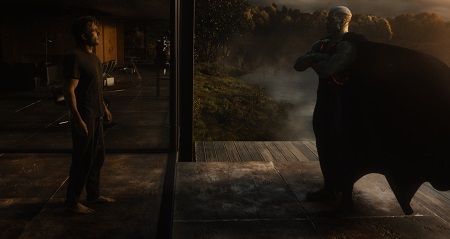
Many elements of Zack Snyder’s Justice League – like the fate of Superman – relied 100% on viewers having seen prior films.

The film was very dark – and I mean in terms of lighting, not thematically. If you remember some of the criticisms fans levelled at parts of Game of Thrones Season 8 for poor lighting in some sequences, well Zack Snyder’s Justice League has the same problem almost throughout, as if Mr Snyder forgot to turn on the stage lighting – or deliberately ran the entire film through a crappy Snapchat filter. On a particularly fancy OLED television the darkness may be fine; it was occasionally irritating on my cheap and cheerful LED set. While we’re talking about visuals, it was odd to me to see a modern film shot entirely in the outdated 4:3 screen format. HBO claims that it was a creative choice… but it feels like it was done for no other reason than to give the film a gimmick and talking point.

Such things add nothing to cinema for me; I’d rather see a well-written, well-executed film in a standard widescreen format with proper lighting and colour temperature. These things are gimmicky in the extreme, and while that may be all well and good for arthouse films or Oscar-bait, in what is essentially an action film about superheroes from comic books made for children, these attempts at cinematographic “artistry” fall flat on their face. They’re indicative of a film taking itself far too seriously. Not only that, but the bland colour palette drowned in brown and grey tones; splashes of colour were desperately needed to liven things up.

Why make the film so dark, with such a boring palette? And why the 4:3 resolution? One word: gimmick.

Until just a few weeks before it was released, the plan had been to broadcast the film as a four-part miniseries; having seen it I think it could certainly have worked in that format. At over four hours (including the credits), Zack Snyder’s Justice League is a long film. That’s sometimes true of directors’ cuts, which is what this version of the film is, but it certainly makes it better-suited to streaming than to the cinema.

Speaking of streaming, the film is only available on HBO Max in the United States, and is accessible on a patchwork of other streaming and/or pay-per-view services in the rest of the world. This messy approach is caused, of course, by the fact that HBO Max is a US-only service at present. In short, where you live will determine how and even whether you can access Zack Snyder’s Justice League, which is never the best way to go about releasing a film, let alone one that was the subject of international fan attention. Sometimes companies need to be reminded of a simple fact: there’s a world (and an audience) outside of the United States!

Zack Snyder’s Justice League is available on HBO Max if you’re fortunate enough to live in America.

Everything about Zack Snyder’s Justice League feels like it’s deliberately made to stand in direct contrast to The Avengers and other Marvel titles. Marvel films have tended to embrace much of the light-hearted campiness that comes with the territory for a comic book adaptation, and though doing so can lead to some odd tonal moments where brightly-dressed superheroes find themselves in warzones or other semi-realistic scenarios, the sense of humour and lighter tone can work. DC films in general – and Zack Snyder’s Justice League in particular – seems to hate everything fun and light-hearted about comic books.

What I mean by that is that here we have a film that is going out of its way to be as gritty and dark as possible, to leave behind any of the joy and humour one might expect in a medium originally intended for kids and teenagers. I said earlier that the film takes itself far too seriously, and this is a case in point. These are cape-wearing superheroes of children’s fiction, yet Zack Snyder’s Justice League treats them as though they were hardened characters straight out of a gritty drama about a real-world war. In that sense, I would argue it’s a film that doesn’t know what it’s supposed to be; a film defining itself in opposition to two other projects – the original version of Justice League and Marvel films like The Avengers – but without knowing what its own identity is. What is there to fill the void?

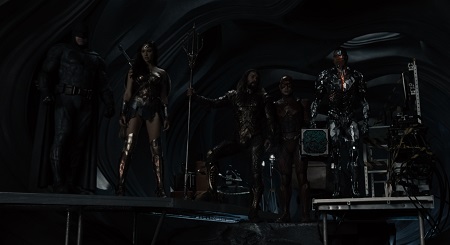
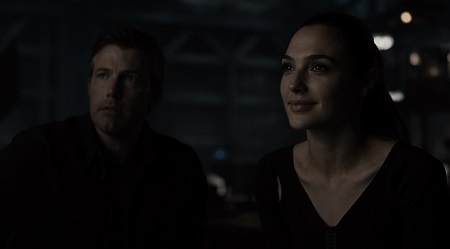
The titular Justice League.

Because of how desperately seriously Zack Snyder’s Justice League tries to take itself, it became unintentionally hilarious at points, and I found myself chuckling at some of the lines and even character moments – the actors played the material they were given so deadpan and straight, and because of that, some moments that were meant to be important, tense, or dramatic ended up just being laughably funny.

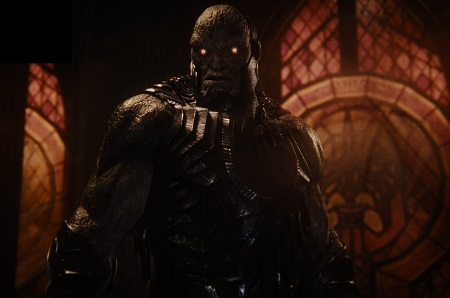
Some of the names used for the heroes and villains just aren’t on the same level even as Marvel. “Thanos” has a somewhat poetic or classical quality to it; “Darkseid,” in contrast, does not. The fact that Darkseid is visually similar to Thanos, and his aim – to capture magical macguffins and conquer Earth – is not too far removed from Thanos’ ambitions either, makes the main villain of the piece feel like a knock-off. Maybe that’s unfair – the original version of Justice League was released before Avengers Infinity War brought Thanos to the fore. But even so, watching it after seeing the best Marvel has to offer leaves me with the distinct impression that DC has a long way to go to catch up.

Discount Thanos.

All in all, I found the plot to be rather pedestrian. There’s an ancient supervillain who’s able to return thanks to the Mother Boxes – another silly name for a macguffin – and he’s dead set on conquering Earth. One superhero isn’t enough, so Batman tries to get them to team up. Despite initial resistance from some of them – which was flat and one-dimensional at best – the heroes eventually get together to hatch a plan: bring Superman back to life as he’s the only one who can stop the bad guys.

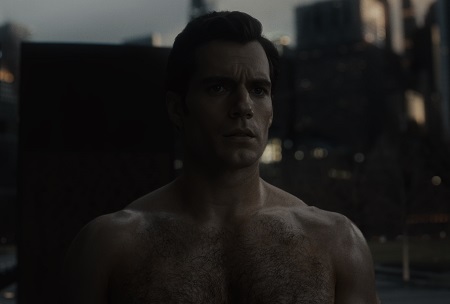
Bringing someone back from the dead only to discover they aren’t the same as before they died is a trope as old as the written word. We see it in everything from ancient legends of necromancy and witchcraft all the way through to modern works like Stephen King’s Pet Sematary. So the Superman storyline wasn’t anything different or innovative, and the fact that Superman quickly returns to his old self after an encounter with his true love is a rather Disney-esque take on what could’ve been a theme that played out in a much darker way.

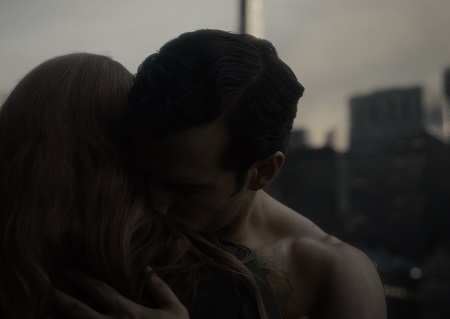
All he needed was a hug. Aww.

With Superman being so much more powerful than the other superheroes, Zack Snyder’s Justice League has a challenge to make their inclusion in the story after his resurrection feel worthwhile, and the film fails to rise to meet it. There’s simply no escaping the fact that the resurrected Superman didn’t need the others – he was perfectly capable of stopping Steppenwolf and the other villains on his own. The other heroes got moments, of course, as the film neared its climax, but the way Zack Snyder’s Justice League chose to present its own story and its own characters made it patently obvious that all but Superman were surplus to requirements.

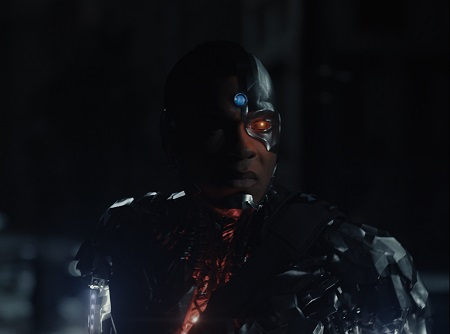
Speaking of characters, I didn’t feel like any of the heroes or villains really saw any significant character development, despite the film’s four-hour runtime offering plenty of time for satisfying arcs to play out. Cyborg/Victor is the character who came closest, and was clearly wrestling with his feelings toward and about his father for much of his time on screen. But the others – Batman, Flash, Aquaman, Wonder Woman, and even Superman once he got over his initial shock at returning to life – were basically the same at the end of the film as they had been at the beginning. We know that these are heroic characters, people who will shoulder the responsibility of saving the world and put the needs of others before themselves. But in a film where several of them felt like spare parts already, having five almost-identical character types doesn’t make for the most interesting setup.

Several of the main characters felt very similar to one another.

The main storyline involving Steppenwolf and Darkseid seemed to be built on very shaky ground. In short, Zack Snyder’s Justice League asks us to believe not only that powerful aliens capable of travelling the stars were beaten 5,000 years in the past by the combined forces of Earth – including humanity, barely out of the stone age – but that they then somehow forgot the location of Earth, despite their obvious abundance of technology. If the villains in the film were the descendants of those who fought and lost millennia ago, I could kind of understand that they might not be aware of where these Mother Boxes were, but they’re supposed to be the same people – yet they didn’t even know what planet to go to.

The film tries to explain that the boxes only awakened after Superman’s death as there was no longer a force powerful enough to prevent the attack on Earth. But there are two problems with this premise: firstly, Superman is what? 35 years old or thereabouts? The boxes had millennia before Superman ever arrived on Earth when they could have awoken. And secondly, Darkseid, Steppenwolf, and the others should have always known that they were on Earth, even if they didn’t know the precise location of each box.

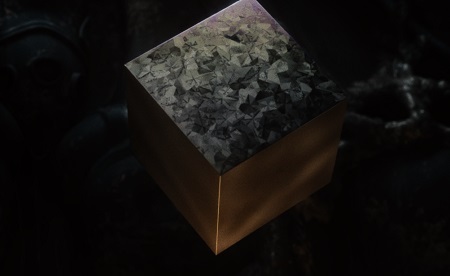
One of the magical macguffin boxes.

The Mother Boxes are, as mentioned, little more than magical macguffins to allow the story to flow and to give teeth to the villains. But the logical inconsistencies in their story makes it difficult to accept them as the foundation for the film’s narrative. How did Darkseid and Steppenwolf “lose” the location of Earth when they’d literally been here before? The film doesn’t explain or acknowledge this, yet it feels like a pretty major omission.

Compared to a lot of villains out there, both in comic book/superhero fiction and beyond, Darkseid’s objective is incredibly basic. He seems to want to conquer and kill for no other reason than “because.” He’s an evil-for-the-sake-of-it kind of villain, and those kinds of characters just don’t stand up to villains with more complexity and nuance. If I were being rude I might say that asking for complexity and nuance from a superhero film is too much, but there are many decent examples of villains in the genre whose motivations are understandable and hold up to scrutiny. Even if the overall objective is the same – conquering Earth – some villains just have a better reason for doing so than Darkseid. The film tries to throw in a revenge plot, saying that Darkseid’s earlier defeat is spurring him on, but that doesn’t answer the most basic of questions: why does he do what he does?

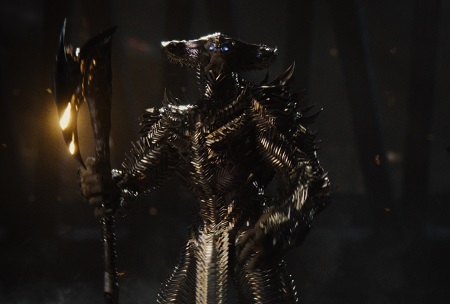
Steppenwolf, Darkseid’s henchman.

It was a profoundly odd choice for this version of the film to end with a long epilogue sequence that clearly set up a sequel – a sequel that we’ve known for four years isn’t going to happen. DC has completely reworked its film output, partly due to the perceived failings of the original version of Justice League, and several of the actors who took on the roles are done. Batman is being rebooted without Ben Affleck, Superman without Henry Cavill, and as far as I know there are no plans for Ray Fisher to reprise his role as Cyborg. Wonder Woman 1984 received mixed reviews, and while there are plans for a film involving this version of the Flash, as well as for a sequel to Aquaman, it seems all but certain that this version of the Justice League is finished.

Under such circumstances, I question the decision to end the film in this manner. It’s clearly teasing a sequel, but at the time Zack Snyder’s Justice League was being edited and compiled, Snyder and everyone involved knew that no sequel would be forthcoming. It feels almost mean-spirited to end on this note; it leaves the whole story feeling unfinished. And unfinished it is, as Darkseid wasn’t defeated and his planned invasion is coming – but it seems unlikely we’ll ever see that on screen.

The film’s final moments set up a sequel that everyone knows isn’t ever going to be made.

There were some great special effects and CGI moments in Zack Snyder’s Justice League, but there were also some awful visual misses. Cyborg is firmly in the uncomfortable uncanny valley, with half a human face and half a CGI face on a CGI body, and the two halves don’t mesh well at too many points. There were dozens of moments where the use of green screens was patently obvious; just off the top of my head I’d pick out several close-up shots of Barry/Flash running at high speed, and the queen of the Amazons on horseback as some of the worst examples of this. Although Justice League had a huge budget, perhaps some of these visual misses are due to the fact that this director’s cut had less money to work with? That’s a guess on my part but could explain some of the issues.

Zack Snyder’s Justice League is a film that tried very hard. At various points it wanted to be The Avengers, The Dark Knight, and even The Lord of the Rings. Though it clearly took inspiration from better films, the way it put them together and brought them to screen makes it a substantially weaker film than any of them; a popcorn action flick with delusions of grandeur. If this is what fans wanted, I’m genuinely happy for them, and the fact that I’m not really a comic book/superhero fan was perhaps always going to colour my impressions of Zack Snyder’s Justice League. Even with that caveat, however, I have to say I’ve seen far better comic book films.

So that was Zack Snyder’s Justice League. It’s probably the worst film I’ve seen so far this year. I don’t think I need to say anything more than that.

Zack Snyder’s Justice League is available to stream now on HBO Max in the United States, on Sky or Amazon in the UK (via pay-per-view), and via a patchwork of other streaming services internationally. Zack Snyder’s Justice League is the copyright of Warner Bros. Pictures and DC Films. This article contains the thoughts and opinions of one person only and is not intended to cause any offence.
How many “dark and gritty” Batman reboots do we need?

Trailer for The Batman, due for release in 2021.

I’m not a comic book fan, generally speaking. I wasn’t into comic books as a kid, and while I have a passing familiarity with some of the superheroes and other characters from film adaptations, it’s certainly not my favourite genre. Despite that, there have been some decent comic book adaptations over the years. The Dark Knight trilogy, which ran from 2005-12, was certainly enjoyable, and remains for many the best take so far on the character of Batman.
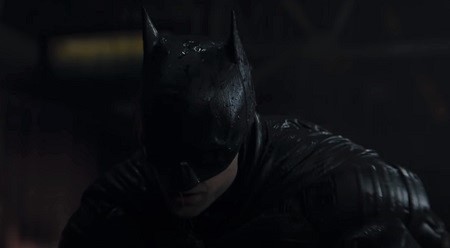
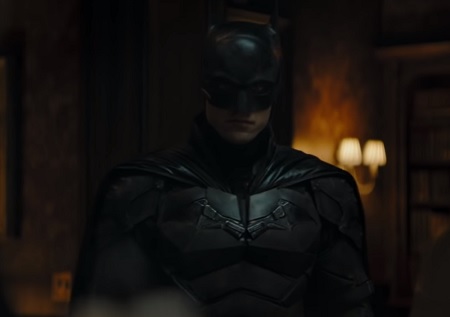
One of the things that can be quite jarring for me is when a comic book film takes itself too seriously. The aesthetic of comic book superheroes is cartoony and childish, and when contrasted with “gritty” realistic themes and scripts the mix all too often doesn’t work and falls flat. The Dark Knight trilogy was, for the most part, a rare exception to this, and while I wouldn’t place those films at the top of any list, they worked well.

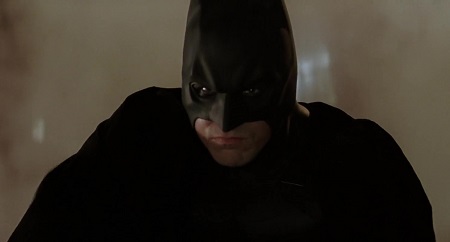
Christian Bale took on the role in Batman Begins.

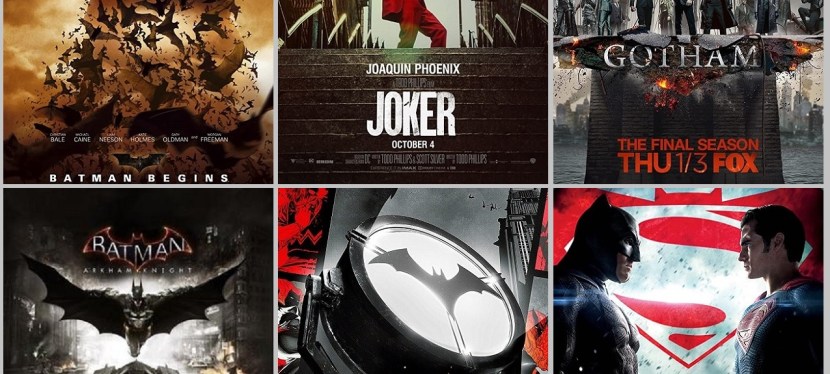
But even in the mere eight years since The Dark Knight Rises we’ve had several other attempts to bring Batman into a “dark and gritty” modern-day setting. There have been the films of the wider DC Comics expanded universe, including the likes of Suicide Squad and Batman v. Superman, in which Ben Affleck took on the role. There’s the Gotham television series which featured a young Bruce Wayne and took an in-depth look at many of Batman’s antagonists. There has been the Batwoman television series, the Joker film from last year, the Batman Arkham video game series, the Batman Telltale video game series, and a dozen or more animated features. The character has been referenced in the Arrowverse television franchise, and there are at least two Gotham spin-offs in development.

Almost all of these projects took the “dark and gritty” approach that many franchises have favoured since the millennium. Despite attempts to offer variety – for example by looking at Bruce Wayne as a child, or having Batwoman instead of Batman – a lot of them ended up feeling pretty derivative and unoriginal as a result.

The Batman doesn’t look like it will offer anything different.

Just considering Batman’s major appearances in cinema, the version of the character seen in Batman v. Superman and the other DCEU projects was fundamentally no different from that seen in the Dark Knight trilogy. There was no originality compared to what we’d had just a few short years prior. And it seems that the new Batman seen in the trailer just published will be more of the same. Maybe that’s what Batman fans want – the same thing over and over again. And I freely admit that as someone who is a casual viewer at best, the new film isn’t really being made for me.

But it’s supposed to be a big box office title, and as I say all the time, franchises aren’t just made for their hardcore fans. Reboots in particular are supposed to be made to appeal to new fans and bring in large audiences. I’m just struggling to see how The Batman is supposed to do any of that when it seems to offer more of the same.

Robert Pattinson in the recently released trailer for The Batman.

In the Star Trek franchise, which is a favourite of mine and something I talk about a lot here on the website, each new iteration offers something different. In recent years we’ve had the Kelvin timeline films, which aimed to reboot Star Trek and bring in more mainstream audiences. We’ve had Discovery, which is an action-sci fi show that took a serialised approach to storytelling. We’ve had Picard, which was a dramatic sci fi show that took a radically different approach to Star Trek than Discovery had. And of course now we have Lower Decks, which aims to be a comedic take. Four mainline entries in the franchise all bringing something new to the table.

Contrast that to the approach DC is taking with Batman, where they’re following up one “dark and gritty” take on the character with another equally “dark and gritty” take. If the fans and audiences want that and are going to lap it up, then okay I guess that’s fair enough. Tastes are, after all, subjective. I’m not trying to argue that this approach is fundamentally wrong, instead I’m simply saying that it doesn’t work for me. I like when new iterations bring something genuinely new to the table, not when they’re a rehash of what’s come before. For a franchise that hadn’t seen a new entry in decades, maybe that would hold some appeal – bringing back a classic. But Batman has hardly been off our screens at all since the late 1980s, and since 2005 when Batman Begins aired, every mainstream entry in the franchise has taken a very similar approach. I guess it’s just not my thing, even though the Dark Knight trilogy was pretty good.

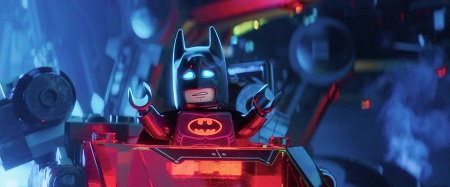
The closest that the Batman franchise has come to something different has been 2017’s The Lego Batman Movie, which injected some much-needed humour into what has become a pretty grim and humourless franchise. Practically every other major release has stuck firmly to the formula Batman Begins established in 2005.

The Lego Batman Movie was something different.

It’s no criticism of Robert Pattinson, who will take the lead role in The Batman. He looks to be doing a perfectly solid job in the role, and were it not for fifteen years of samey takes on the character I might even be convinced to say I was looking forward to seeing this film. But I’m not, because it seems to offer nothing fundamentally original or interesting, just another “dark and gritty” take on a character and setting whose darkness and grit have been done to death.

I’d like to be proven wrong, and for The Batman to be a film that has something more to offer, so when it’s released next year I’m sure I’ll take a look to see what Pattinson and director Matt Reeves have to offer. Perhaps by setting a low bar for the film I’ll come out of it pleasantly surprised; it’s happened before! Because of the hype and buzz that surrounds any major comic book film these days they’re inescapable, and I found myself drawn to comment on this upcoming release.

I have enjoyed several Batman projects in the past, so perhaps The Batman will surprise me. Check back in 2021 (or 2022) to find out!

The Batman is the copyright of DC Films and Warner Bros. Pictures. This article contains the thoughts and opinions of one person only and is not intended to cause any offence.