Star Trek’s Scariest Alien Monsters!

A spoiler warning graphic.

Spoiler Warning: There are spoilers ahead for the following Star Trek productions: The Original Series Season 1, The Voyage Home, The Next Generation Season 1, Deep Space Nine, Voyager, Picard Season 3, and Strange New Worlds Season 1.

It’s Spooktober – the spookiest month of the year! So I thought we could have a bit of fun and talk about some of the scariest aliens and villains that the Star Trek franchise has brought to screen.

Star Trek isn’t a franchise that’s well-known for being all that frightening. I don’t think that’s a controversial statement at all – in fact, I’d wager that most TV viewers would consider it pretty tame, especially when thinking about the horror genre and alien monsters! But that doesn’t mean Star Trek is never scary. There are some wonderfully atmospheric episodes and stories scattered throughout the franchise’s fifty-eight-year history that have some of those more frightening elements.

Still frame from Star Trek: Picard Season 3 (2023) showing a Borg cube.

Today, rather than talking about individual stories or episodes, what I’d like to do is pick out some of the franchise’s scariest aliens, monsters, and villains – and talk about why they work so well, why they’re so intimidating, and perhaps even just the potential they have to be frightening or scary in future stories.

My usual caveat applies: everything we’re going to talk about is the entirely subjective opinion of one person only. If I miss something you think is blindingly obvious or if I include a “scary” alien that you think isn’t frightening in the least… that’s okay! There’s plenty of room in the Star Trek fan community for disagreement and differences of opinion.

With that out of the way, let’s talk about some of Star Trek’s scariest aliens and villains!

Number 1:
Q and the Q Continuum

Still frame from Star Trek: Picard Season 2 (2022) showing Q.

The Q are on the list less for their out-and-out fear factor and more for their potential. I don’t think there have been many terrifying or bone-chilling Q appearances – though I will entertain the argument that Q’s penchant for randomness can have an unsettling or unnerving quality. Things like conjuring up aliens in Napoleonic uniforms or a post-atomic courtroom would be incredibly frightening in real life, even if they’re portrayed more as chaotic and wacky when we see them unfold on screen.

The Q Continuum’s real fear factor comes from their apparently unlimited power. No other alien race in Star Trek is as powerful as the Q, and they could quite literally wipe out humanity, the Federation, or even the entire galaxy with a wave of the hand. Although we always see Q as humanoid, their true form is a mystery, and their power seems to be without limit – and without a reliance on technology. No war against the Q seems possible, and if they ever chose to move against the Federation (which they could do for reasons beyond our comprehension, or to prevent some kind of conflict in the far future that we have no inkling of right now) they could be far more destructive than even the Borg.

Number 2:
The Gorn
(As they appear in Strange New Worlds)
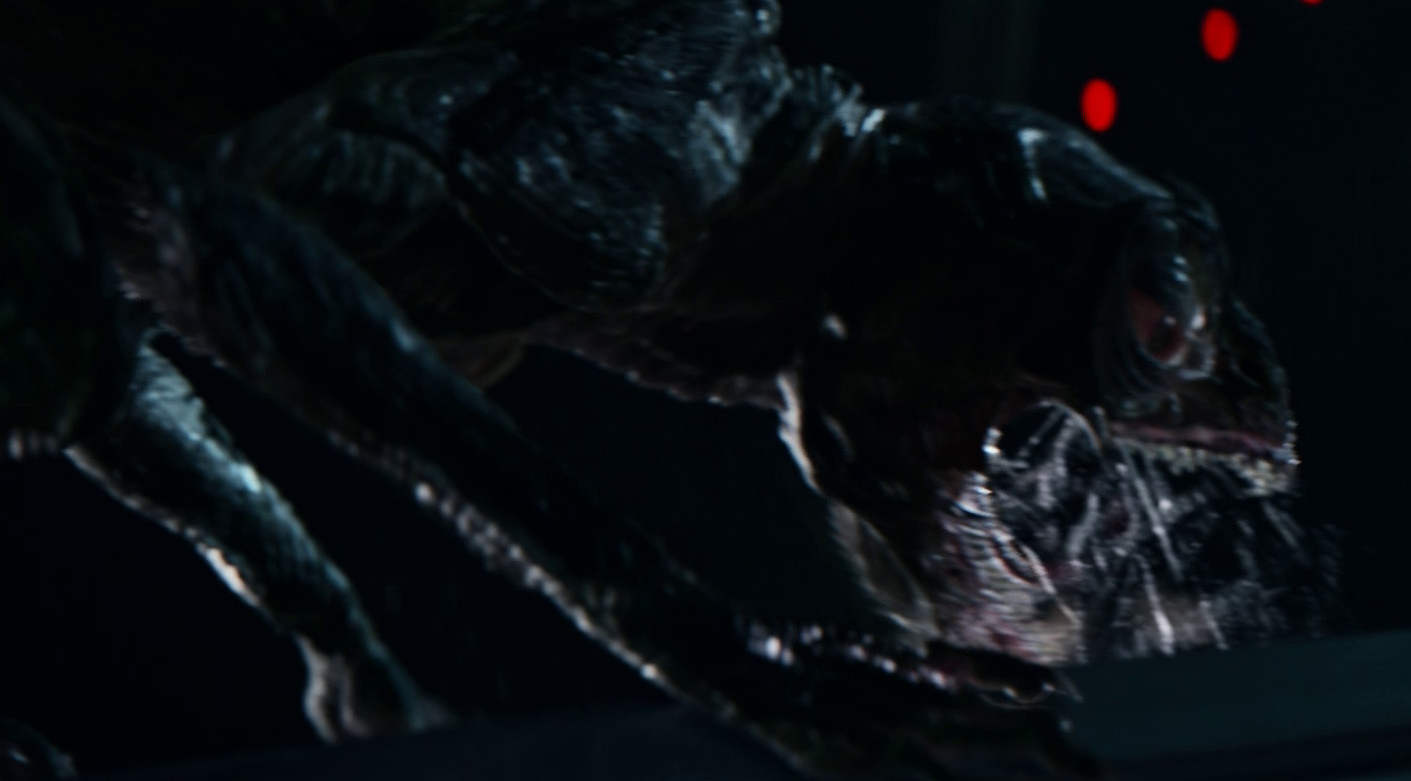
Still frame from Star Trek: Strange New Worlds Season 1 (2022) showing a juvenile Gorn.

The Gorn are one of Star Trek’s oldest alien races, appearing in the first season of The Original Series. But after that initial appearance and a few scattered mentions through The Next Generation era, they didn’t show up on screen again until Enterprise. That depiction wasn’t great, in my view – it relied too heavily on CGI that didn’t look great at the time and hasn’t aged well. But the return of the Gorn in Strange New Worlds has been a triumph.

After several episodes built up the terror of Gorn raids on the Federation, it was the episode All Those Who Wander that really showed us what this new depiction of the Gorn can do. Strange New Worlds’ writers unleashed the Gorn in an episode that, more than any other in the franchise, leans into the horror genre. The Gorn are depicted almost like the Xenomorphs from the Alien film series, possessing strength and stealth abilities that left the away team cornered.

Number 3:
The Founders/Changelings

Still frame from Star Trek: Deep Space Nine showing a changeling in their gelatinous state.

Maybe this one is a little controversial, but after the way Changelings were depicted in Picard’s third season I think we have a pretty good case to include them as a frightening bunch! The idea that shape-shifters could infiltrate Starfleet and the Federation was addressed in a fantastic Deep Space Nine two-parter: Homefront and Paradise Lost. These episodes took more of a political thriller/drama approach to the topic, but the core idea is a deeply unsettling one.

With the Dominion playing a growing role in Deep Space Nine, the idea of Changeling infiltrators was scaled back and only used sparingly – probably because it’s not an easy story to write or pull off successfully. But Picard Season 3 brought the idea back in a creative way, showing how deadly Changelings could be and how a Changeling plot could be an existential threat to the Federation.

Number 4:
The M-113 Creature
(a.k.a. The Salt Vampire)
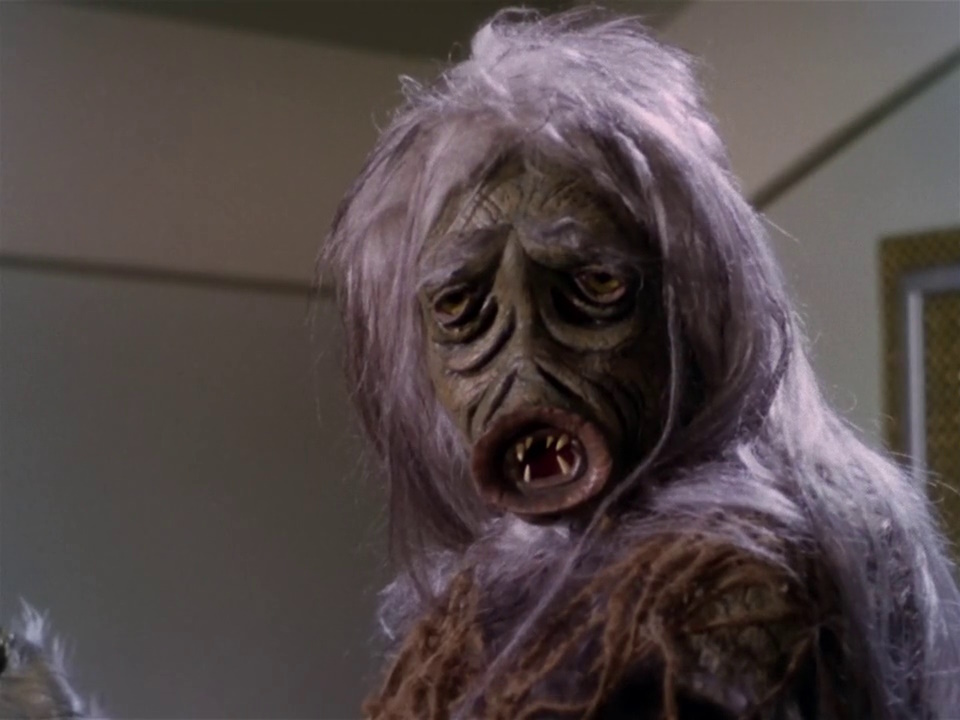
Still frame from Star Trek: The Original Series Season 1 (1966) showing the M-113 Creature.

The first ever alien to appear on The Original Series remains one of the franchise’s most frightening! The episode The Man Trap kick-started the Star Trek franchise back in 1966, and the Salt Vampire was the first alien that audiences saw Kirk and the crew wrangling with. As discussed above with the Changelings, the alien’s ability to change shape and blend in added to its fear factor – but moreover, its true appearance is pretty unsettling even today. There’s something to be said for those old rubber suits, eh?

The Salt Vampire is a sci-fi take on ancient legends and creatures from folklore, and that gives it a uniquely frightening feel. Preying on some of these old primordial fears lends the creature a genuinely intimidating vibe, and its grotesque appearance just adds to that. The Salt Vampire is, however, a tragic figure, as it appears to be the last of its kind; more akin to an animal acting out of instinct than a truly nefarious villain.

Number 5:
The Borg
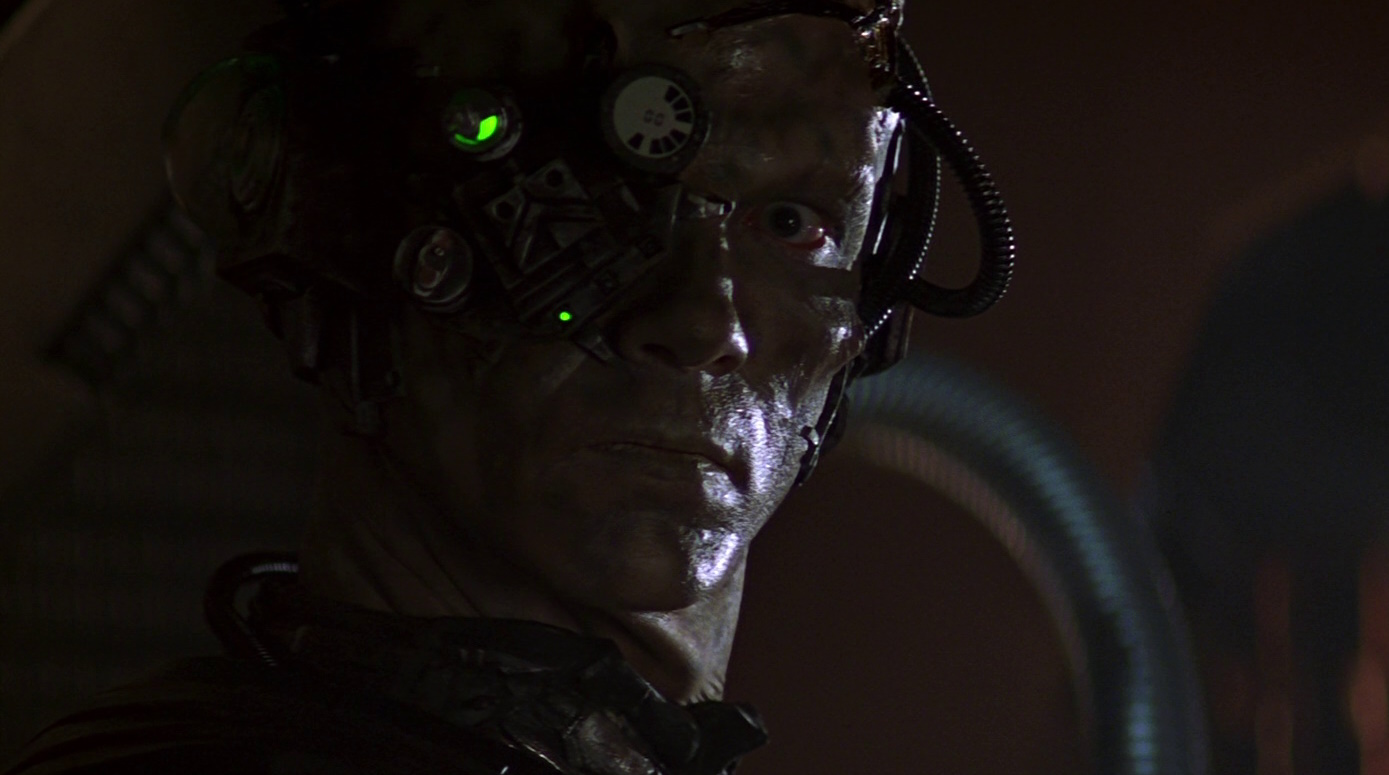
Still frame from Star Trek: First Contact (1996) showing a Borg drone.

In my essay The Borg: Space Zombies, I go into a lot more detail on this topic, but the condensed version is this: the Borg fill a similar role to zombies in horror fiction, while also picking up on both Cold War-era fears of brainwashing and concerns about technology getting out of control. The idea of assimilation is incredibly clever, as it turns every ally the heroes lose into a new enemy to fight, making the Borg grow in strength at the exact same rate as Starfleet weakens.

The idea of being assimilated and losing one’s mind and identity is arguably a fate worse than death – and we’ve got several examples in Star Trek of ex-Borg wrangling with the consequences of what the Collective forced them to do. I would note that the Borg’s fear factor has declined over the years, particularly during the latter part of Voyager’s run. Seeing Starfleet triumph over the same adversary again and again – no matter how intimidating it may be on paper – does start to take the shine off things.

Number 6:
Armus
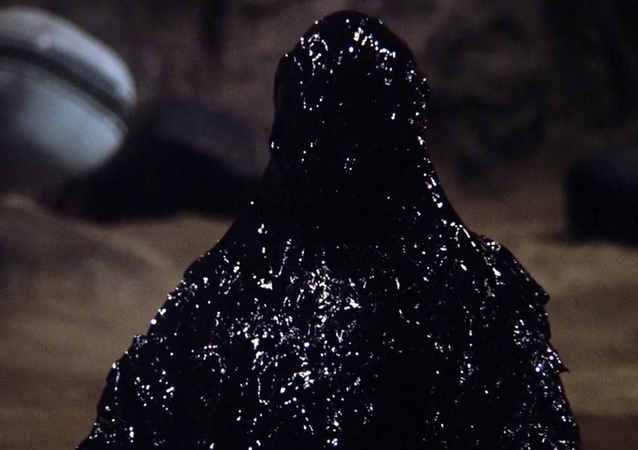
Still frame from Star Trek: The Next Generation Season 1 showing Armus.

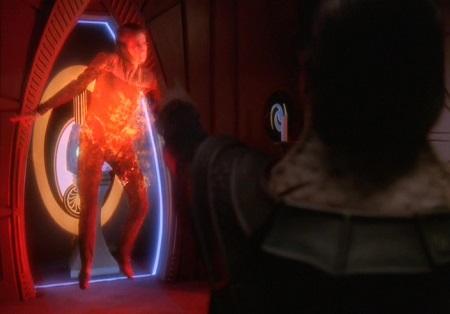
Armus has the distinction of being the first alien monster to kill a main character on a Star Trek TV series. There were many ways The Next Generation’s writers could have written out Tasha Yar when Denise Crosby opted to quit the show, but killing her off was a bold move. And doing so in such a brutal way, with Armus not even batting an eye at her death… it was quite something to see.

If you have the DVD or Blu-ray of The Next Generation it’s worth watching the actors and producers talk about working on the episode Skin of Evil, because creating Armus and performing around the inky-black oil slick was incredibly difficult for everyone involved to say the least! Jonathan Frakes in particular had a very tough time with Riker’s scene when he was pulled under the surface. Armus is a scary-looking villain, and also one that had a profound, long-lasting impact on The Next Generation.

Number 7:
The “Whale Probe”
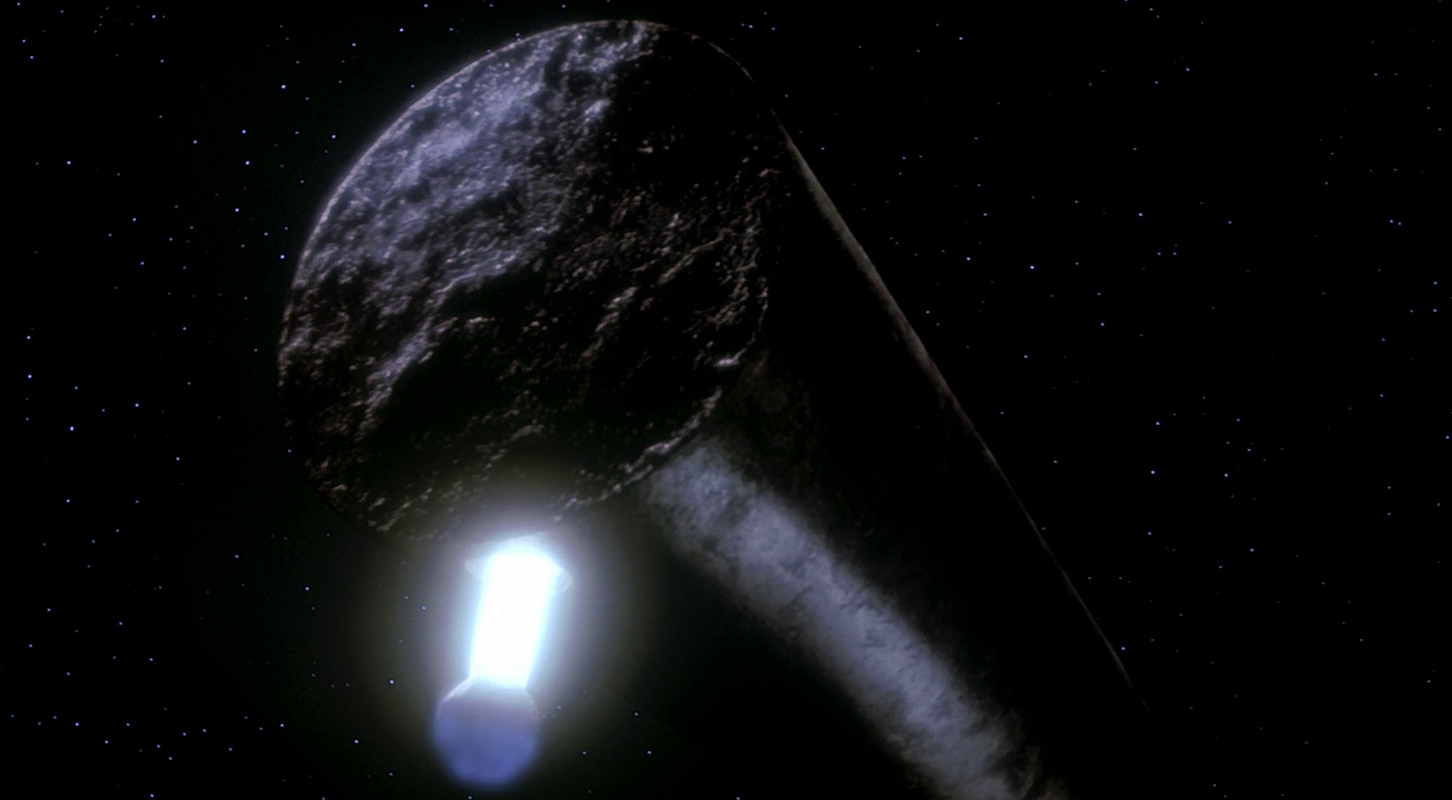
Still frame from Star Trek IV: The Voyage Home (1986) showing the Whale Probe.

Although the tone of The Voyage Home is pretty light-hearted and comedic, the so-called “whale probe” that kicks off the plot is an incredibly terrifying adversary, when you think about it. The probe disables Starfleet vessels with incredible ease, and is resistant to weapons and all attempts at communication. The people of Earth have no idea what it wants, what its purpose is, or how to reason with it.

This monolith simply arrives unannounced, doesn’t declare its intentions, and seems to wreak havoc on Earth and Starfleet. That’s a pretty scary concept, in my view, as it could’ve gone pretty badly for everyone involved if Kirk and the crew hadn’t intervened!

Number 8:
The Pah-Wraiths
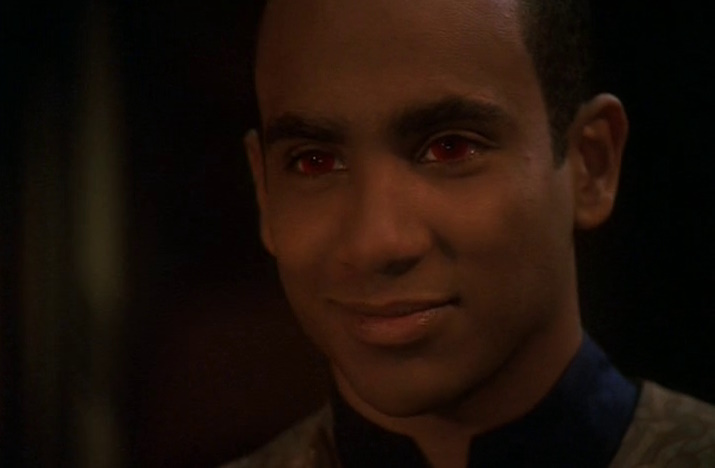
Still frame from Star Trek: Deep Space Nine Season 6 showing Jake Sisko possessed by a Pah-Wraith.

As with Armus, there’s something distinctly “evil” about the non-corporeal Pah-Wraiths. The way they’re presented in multiple Deep Space Nine episodes, where they’re deeply entwined with Bajoran religion, makes them out to be akin to demons or dark spirits – and we even see them “possess” several different characters. Their banishment to Bajor’s fire caves also ties into this demonic analogy.

In later seasons, Gul Dukat gets involved with the Pah-Wraiths, leading a cult on Empok Nor that’s genuinely unsettling in its depiction. The Pah-Wraiths have magical books, the power to turn people blind, and the desire to conquer the Prophets’ domain in the Wormhole; a truly frightening group!

Number 9:
The Conspiracy Parasite-Aliens

Still frame from Star Trek: The Next Generation Season 1 showing a parasite-alien.

The end of The Next Generation’s first season introduced a race of parasitic aliens that infiltrated Starfleet. Allegedly, the parasite-aliens were supposed to be connected to the Borg in some way, but this angle was later dropped. Still, they’re more than frightening enough on their own terms, and the idea that Picard and the crew wouldn’t be able to tell who was infected and who to trust made for an entertaining story.

Here in the UK, one scene toward the end of Conspiracy was cut from the original broadcast because of how gruesome it was! You know the one: where the “mother” parasite is killed and violently explodes. There’s something just unsettling about earwig-like alien parasites… just like the Ceti Alpha eel from The Wrath of Khan. Star Trek hasn’t revisited the parasite idea for a long time – maybe it could make for a fun and horrifying future episode?

Number 10:
The Krenim
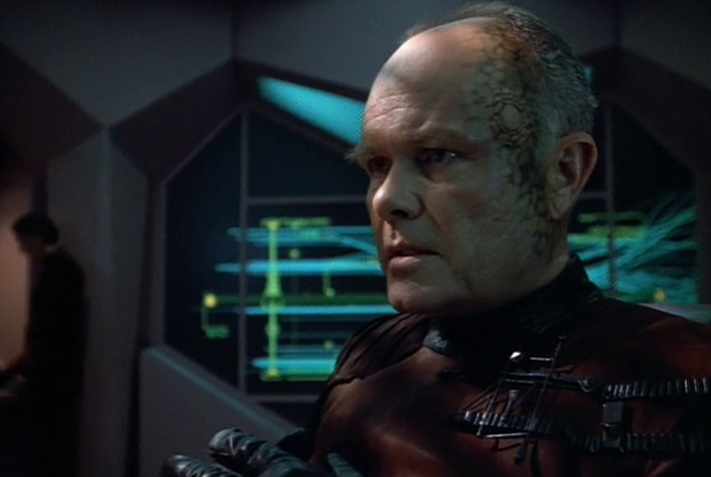
Still frame from Star Trek: Voyager Season 4 showing Annorax.

The Krenim appeared in the Voyager two-parter Year of Hell, using their time-manipulation technology as a weapon. Repeated Krenim attacks against the USS Voyager left the ship in ruins, running on fumes, and many members of the crew dead or maimed. The captain of the Krenim time-ship, Annorax, was Khan-like in his single-minded obsession with restoring the Krenim colony that housed his wife and family, making him a frightening adversary.

Year of Hell is a pretty shocking episode, particularly in its second half. Seeing Voyager badly damaged, with whole parts of the ship uninhabitable, really hammers home how dangerous the Krenim and Annorax are as villains, and for a time their technology really does seem to be more than a match for Janeway and the crew.

So that’s it!
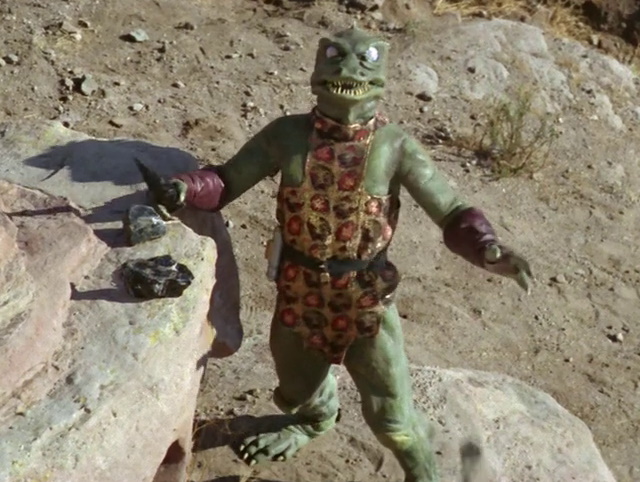
Still frame from Star Trek: The Original Series (1966) showing a Gorn.

We’ve picked out what I consider to be a selection of Star Trek’s most frightening aliens, monsters, and villains to celebrate the spooky season.

There are plenty of others that we could’ve included – either for their fully-blown fear factor or for their potential to do serious harm to our Starfleet heroes. And there are quite a few Star Trek episodes – a surprising number, really – that either lean fully into the horror genre or that have jump-scares or other frightening or unsettling moments. Last year, I put together a list of a few of them, which you can check out by clicking or tapping here if you’re interested!

So I hope this has been a bit of fun! I hope you’re having a fun and spooky October – and stay tuned, because I have a couple of other Halloween-themed ideas that may (or may not, time depending) make their way onto the website before the 31st. Don’t have nightmares!


Most of the films and episodes discussed above are available to stream on Paramount+ in countries and territories where the platform is available. They’re also available for purchase on DVD, Blu-ray, and video-on-demand. The Star Trek franchise – including all films, episodes, and other properties discussed above – is the copyright of Paramount Global. This article contains the thoughts and opinions of one person only and is not intended to cause any offence.

What If…? Star Trek Edition!

Spoiler Warning: There are spoilers ahead for the following Star Trek productions: The Search for Spock, The Next Generation Season 3, Nemesis, Deep Space Nine, Voyager, and Star Trek 2009.

Over on Disney+, Marvel has recently put out a series of animated short films with a very interesting premise. These shorts asked what might’ve happened in the Marvel universe if circumstances had changed, characters had taken different actions, or things had ended differently.

Alternate history has always been a subject that fascinated me! So with that in mind, we’re going to consider a few “what ifs” from the Star Trek franchise – from an in-universe point of view, naturally! There are more than 800 Star Trek stories at time of writing, meaning that there are literally hundreds of potential scenarios where a different decision or different outcome could have radically changed the Star Trek galaxy.

Inspired by Marvel’s What If…? series, we’re going to put a Star Trek spin on this concept!

As always, please keep in mind that all of this is one person’s subjective opinion! I’m indulging in fan-fiction and pure speculation based on my own thoughts about how some of these scenarios might’ve unfolded. If you hate all of my ideas, or something you like wasn’t included, that’s okay! Within the Star Trek fandom there’s enough room for different opinions.

With that out of the way, let’s consider some Star Trek “what ifs!”

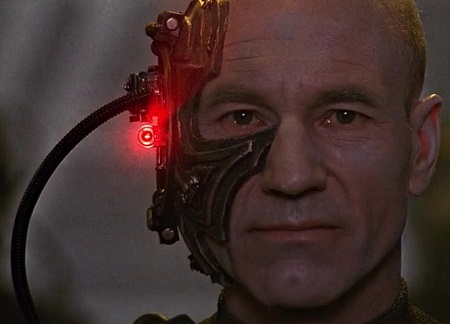
Number 1: What if… Captain Picard couldn’t be saved after being assimilated?

Locutus of Borg.

This isn’t going to go the way you might be expecting! In this scenario, the events of The Best of Both Worlds play out as we saw on screen: Picard is captured, the Borg defeat the Federation at Wolf-359, Riker and the Enterprise race to confront them over Earth, and Captain Picard is able to communicate to Data how to defeat them. The Borg cube explodes, and the Federation lives to fight another day! But unfortunately Captain Picard then dies – severing his connection to the Collective and/or removing his Borg implants was too much for his body and mind to take, and he doesn’t survive beyond the end of The Best of Both Worlds, Part II.

As Starfleet and the crew of the Enterprise-D mourn the loss of Captain Picard, Captain Edward Jellico is assigned to the ship as his replacement, and many of the events later in The Next Generation proceed unaltered. As Q would tell Picard in the episode Tapestry, even without him in command the Enterprise-D and Starfleet would be fine.

Captain Edward Jellico.

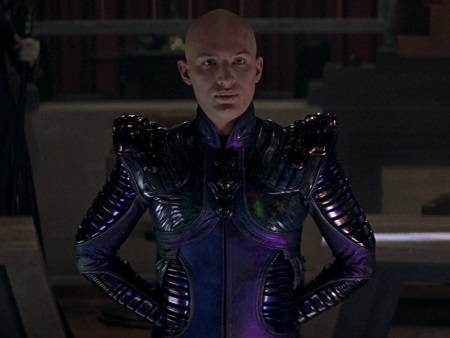
The Federation, armed with new knowledge of the Borg, developed new ships like the Defiant-class and Sovereign-class, and were even able to defend against a second Borg incursion a few years later – albeit at great cost. But the loss of Captain Picard would have a huge impact later, in the year 2379. A coup on Romulus brings a human clone to power – Shinzon. Shinzon’s plot to destroy the Federation was only stopped because of his personal connection to Picard, a connection that fascinated him and that he hoped could save his life.

Without that obstacle in the way, Shinzon sees no reason to wait or to play nice with the Federation before implementing his plan. He takes his flagship, the Reman warbird Scimitar, and heads straight for Earth before the Federation even has time to respond diplomatically to the change in government on Romulus. Under cloak, the Scimitar deploys its thalaron radiation weapon – massacring all life on planet Earth and crippling the Federation government and Starfleet command.

Without Captain Picard to pose a distraction, Shinzon was able to launch his attack on Earth.

With war now assured between the Romulans and Federation, Romulan commanders who had been sceptical of Shinzon rally to the cause. All-out war breaks out between the Romulan Empire and the residual Federation, but without a government or command structure to provide a coordinated response, and seriously demoralised from the attack on Earth, things don’t go well for Starfleet. The Scimitar proves to be an unstoppable force all on its own, and its thalaron radiation weapon is able to devastate multiple other planets: Betazed, Andoria, Alpha Centauri, Mars, and others. The Federation is forced to sue for peace on very unfavourable terms.

However, Shinzon wouldn’t live to see the Romulan victory. Without the original Picard, there was no way to save his life from the DNA degradation that he was suffering from, and shortly after the Federation’s defeat Shinzon dies. His Reman viceroy would succeed him as the new leader of the Romulan Empire, an empire which now incorporated large swathes of what had once been Federation space. Whether the Romulans could hold all of this territory, and whether their empire would accept a Reman leader, are now open questions…

Number 2: What if… Spock wasn’t resurrected on the Genesis Planet?

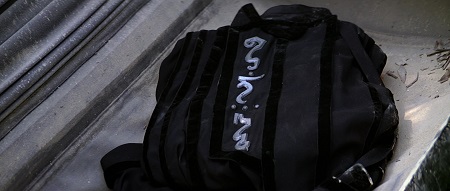
Spock’s empty coffin on the Genesis Planet.

This scenario sees the events of The Wrath of Khan unfold exactly as we saw on screen. Khan stages an attack on the Enterprise, steals the Genesis device, and is defeated at the Battle in the Mutara Nebula. Spock sacrifices his life repairing the Enterprise’s warp drive, allowing the ship to outrun the blast of the Genesis device. But in our alternate world, Captain Kirk doesn’t give Spock a Starfleet funeral. Instead Spock’s remains are returned to Vulcan, in line with his and his family’s wishes. There is no chance for a resurrection because Spock never came into contact with the Genesis Planet.

Spock would indeed prove instrumental in several key events later in his life that now can’t happen. But we’re going to focus on the Kelvin timeline today. Spock’s actions in the Kelvin timeline saved Earth from Nero’s attack – but without his presence there’s no one to stop the crazed Romulan commander.

Nero.

Assuming that Nero arrived in the Kelvin timeline thanks to Red Matter (presumably deployed by someone else from the Federation as part of a plan to save Romulus), he has no reason to wait for Spock before enacting his revenge plan. After destroying the USS Kelvin (killing the infant Kirk in the process), Nero races to Vulcan and destroys the planet in the year 2233 – decades earlier than he would during the events of Star Trek 2009. Before the Federation even has time to realise what’s happening, and with Vulcan still collapsing, Nero heads to Earth and deploys his weapon for the second time – destroying the planet.

Nero then moves on quickly, targeting Tellar Prime and other Federation member worlds and colonies. The devastating losses mean it takes Starfleet a while to reorganise, but eventually the remaining fleet comes together to make a last stand over Andoria – the last remaining Federation member world. The battle against Nero’s powerful flagship is long and incredibly difficult, but Starfleet eventually prevails through sheer numerical advantage – despite suffering huge losses.

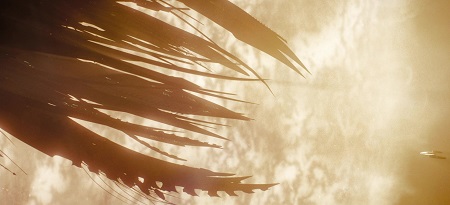
The Narada and the USS Kelvin.

Nero’s defeat wouldn’t mark the end of the rump Federation’s problems, though. With many planets and colonies destroyed, more than half the fleet lost, and millions of people turned into refugees, the Federation is an easy target. First the Klingons come, seizing planets and systems near their borders. Then the Gorn, the Tholians, and the Romulans also join in, picking off star systems that the Federation could no longer manage to defend. Federation space shrinks to a small area in the vicinity of Andoria.

The Andorians were not happy with the large numbers of refugees who sought them out, though. Plans were put in place to resettle humans, Vulcans, Tellarites, and others on new colony worlds, even though doing so would leave them vulnerable. After being kicked out by the Andorians, the remaining Federation members maintained their alliance more out of fear and necessity than anything else. How long these small populations can survive in a hostile galaxy is unknown…

Number 3: What if… the USS Voyager went the other way?

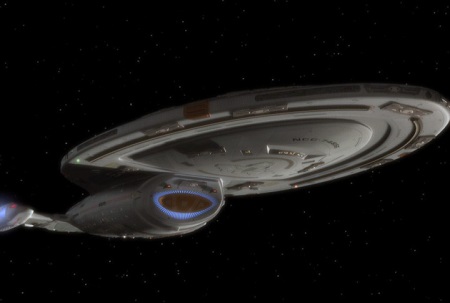
The USS Voyager.

The events of Voyager’s premiere episode, Caretaker, play out much the same as they did on screen in this scenario. But after that, things take a very different turn – literally! The Maquis raider Val Jean, under Chakotay’s command, is transported to the Delta Quadrant by an entity known as the Caretaker. The USS Voyager is likewise transported by the Caretaker’s Array, and after the death of the Caretaker and a short battle with the Kazon, Captain Janeway orders the destruction of the Array. Voyager must find a way home.

Instead of taking the most direct route to Earth, Captain Janeway and the crew of Voyager consider an alternative idea – heading for the Gamma Quadrant, and the far side of the Bajoran Wormhole. From there it would only be a short journey back to Earth! The crew debate the ideas for a while, and there isn’t a clear consensus. No starship has ever undertaken such a long journey before, so there really aren’t ground rules for route planning when it comes to long-distance interstellar travel.

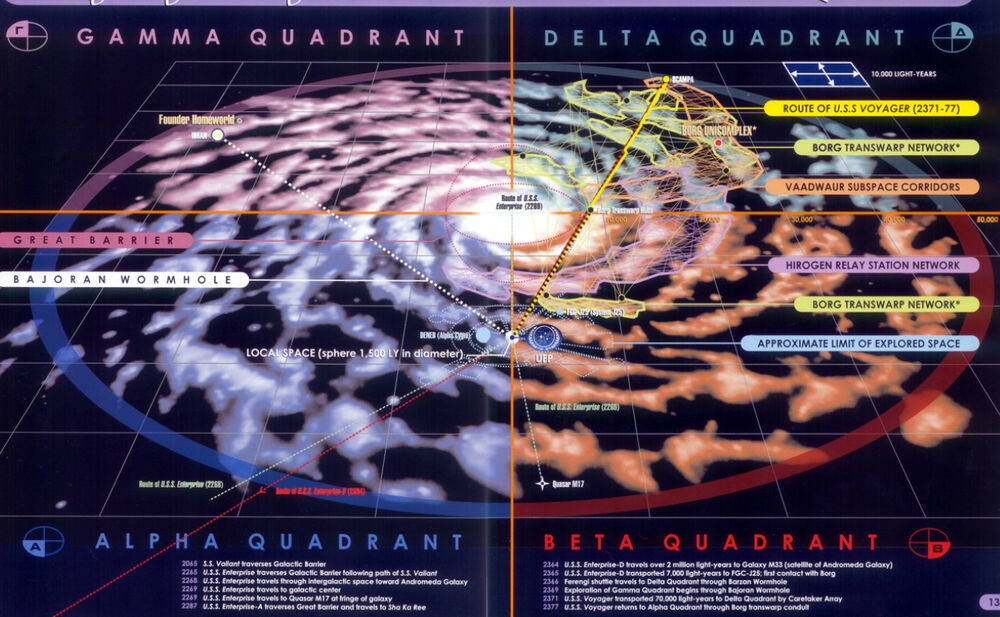
A non-canon map of the Star Trek galaxy.
Image Credit: Star Trek Star Charts (2002) via Memory Beta

Using the map above (which is non-canon) as a guide, the crew quickly figure out that both a direct route home via the Delta and Beta Quadrants or an indirect route via the Gamma Quadrant and Bajoran Wormhole are roughly the same length and would take roughly the same amount of time.

The two crews can’t agree at first. Chakotay and the Maquis, keen to avoid going anywhere near Cardassian space and fearing being turned over to Cardassian authorities upon their return, firmly advocate for the Delta Quadrant route. Neelix claims to be familiar with space in both directions and along both routes, but ultimately the decision falls to Captain Janeway.

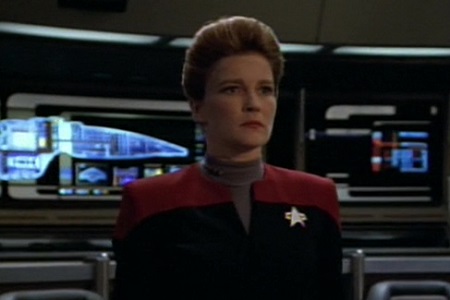
The choice of route ultimately falls to Captain Janeway under the “my ship, my decision” principle.

Somewhat ironically when considering her actions in Endgame, Janeway chooses the Gamma Quadrant route. Why? She’s fearful of the Borg, naturally. Whatever dangers and obstacles may await Voyager in the Gamma Quadrant, she tells her crew, Starfleet has known for years that the Borg’s home territory is the Delta Quadrant. Taking that path seems positively suicidal in comparison, so Voyager will instead head for the Gamma Quadrant terminus of the Bajoran wormhole.

Voyager’s superior technology makes battling the Kazon sects in the area around the Caretaker’s Array relatively easy, but they have to be careful to avoid space claimed by the Haakonian Order – the conquerors of Neelix’s people, the Talaxians. After they leave their starting region, though, the truth is that we simply don’t know very much at all in canon about this area of space. Would Voyager find a faster way home through some technological means or natural phenomenon? Or would the ship and crew have to undertake a slow, decades-long journey to reach the wormhole? Would they even survive at all, or instead fall victim to some villainous faction or dangerous anomaly present in this unexplored region?

Number 4: What if… the USS Discovery didn’t go into the far future?

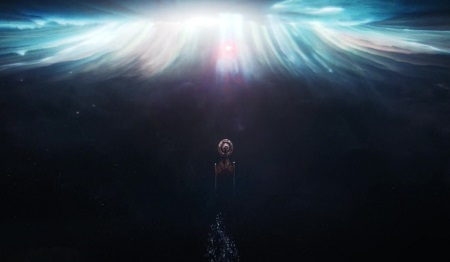
Michael Burnham and the USS Discovery at the mouth of the time-wormhole.

I already have a theory discussing in detail why I think the USS Discovery didn’t need to go into the far future based on the outcome of the battle in Such Sweet Sorrow, Part 2 – and you can find that one by clicking or tapping here. For the sake of this scenario, though, all we’re going to say is that somehow Captain Pike, Burnham, and Saru figured out a way to defeat the Control AI without sending the USS Discovery into the 32nd Century.

Obviously some changes wouldn’t appear until the 32nd Century. Without the USS Discovery and Michael Burnham, no one is able to discover the source of the Burn or the huge cache of dilithium in the Verubin nebula. Without the USS Discovery and its Spore Drive to fight over, the Emerald Chain doesn’t stage a bold attack on Starfleet HQ. Su’Kal would almost certainly die alone when the KSF Khi’eth is destroyed – whether that event would trigger a second Burn is unclear.

A second Burn could occur.

But more substantial changes could have taken place in the Star Trek galaxy centuries earlier. With the Spore Drive still in existence in the 23rd Century, it stands to reason that Starfleet would have continued to explore the technology – it works, after all, so if a new way of navigating the mycelial network could be discovered, the Spore Drive would be an absolute game-changer for the Federation.

At some point, Starfleet scientists would hit upon the idea of using empaths to connect to the mycelial network in place of augmenting human DNA. After promising test flights using Betazoid and even Vulcan navigators, in the late 23rd Century Starfleet is able to begin a wider rollout of the Spore Drive. At first a handful of ships are kitted out as rapid-response vessels, able to jump across Federation space at a moment’s notice to assist with emergency situations.

Starfleet is able to kit out a whole fleet of Spore Drive-enabled starships.

The Spore Drive would soon attract the attention of other factions, however. Unwilling to allow the Federation a massive tactical advantage, particularly in the aftermath of the Federation-Klingon war, the Klingon Empire begins development on their own Spore Drive programme. The Romulans follow suit, and by the early part of the 24th Century the Spore Drive has become a mainstay of interstellar travel in the Alpha and Beta Quadrants.

No longer limited by geography or travel time, Starfleet is able to jump to interesting-looking phenomena across the galaxy with ease, initiating dozens of first contacts decades ahead of schedule. On one unfortunate occasion, however, a Spore Drive ship jumps to the Delta Quadrant… right into the heart of Borg space. The Borg quickly assimilate the vessel, taking the Spore Drive technology for themselves and putting a target on the Federation’s back. Due to the distances involved, Starfleet remains unaware of what happened, merely recording the USS Discovery-C as “missing in action…”

Number 5: What if… Benjamin Sisko wasn’t the Emissary of the Prophets?

Commander Benjamin Sisko.

Ignore for a moment the revelation from Image in the Sand about Benjamin Sisko’s Prophet-induced conception! For this scenario, we’re considering that there were two occupants of the Runabout which first discovered the Bajoran Wormhole: Sisko and Jadzia Dax. Though the Prophets would choose Sisko as their Emissary, they could just as easily have chosen Dax instead.

Jadzia Dax returns from the wormhole having been anointed by the Prophets as their Emissary, and receives much respect and adoration from the Bajorans. Meanwhile, Sisko makes good on his threat and quits Starfleet, returning to Earth. Jadzia is promoted to the rank of commander and given “temporary” command of DS9, due in no small part to the way the Bajorans feel about her.

Jadzia Dax assumes command of Deep Space Nine.

First contact with the Dominion occurs, and shortly afterwards the Dominion and Cardassians form an alliance – the work of Dukat, formerly the commander of Bajoran occupying forces on Bajor. The Dominion Cold War begins. Behind the scenes, Dukat is researching the Pah-wraiths, the ancient noncorporeal enemies of the Prophets. In disguise he travels to Deep Space Nine with a lone Pah-wraith, and in the course of unleashing the entity into the wormhole, kills Jadzia.

With no Emissary on the outside to come to their aid, the Prophets are fighting a losing battle against the Pah-wraiths while the Dominion War rages. The loss of Dax, though distressing to the crew of DS9 and her husband Worf, doesn’t appear to matter to the Federation war effort… not at first. In fact, the wormhole’s closure appears to provide the Federation alliance a reprieve, as the threat of Dominion reinforcements is reduced.

Jadzia is killed by the Pah-wraiths.

However, without the Orb of the Emissary re-opening the wormhole and expelling the Pah-wraiths, things go badly for the Prophets. When Dukat is able to implement the next phase of his plan and release the rest of the Pah-wraiths from the Fire Caves, there’s no one to stop him. The Pah-wraiths seize control of the wormhole, and as a thank you to Dukat they destroy the Federation minefield, allowing a massive fleet of Dominion reinforcements through the wormhole. The Dominion conquer DS9 and Bajor with ease.

With no way to stop Dominion reinforcements pouring in through the wormhole, the Federation alliance moves into attrition mode, trying to hold the existing front line for as long as possible against repeated Dominion attacks. Though the Pah-wraiths don’t actively take part in the fighting, their involvement allowed Dukat and the Dominion to swing the balance of the war back in their favour. By controlling Deep Space Nine and the wormhole, the Cardassian-Dominion alliance has the Quadrant’s most significant asset. It seems like only a matter of time until the Federation will have to sue for peace, if the Dominion would even accept…

So that’s it! Five Star Trek “what ifs!”

There are many more “what if” scenarios in the Star Trek universe!

I can already think of more, so watch this space. I might return to this concept in future. I hope this was a bit of fun, and a chance to consider some alternative outcomes to some of the events we’ve seen across Star Trek’s history. I tried to pick a few different ideas from different productions – otherwise this could’ve been “five Captain Picard what ifs!”

As always, this was really just an excuse to spend a little more time in the Star Trek galaxy. It’s totally fine if you disagree with any of the storylines I’ve suggested today, or if you think this whole concept was a silly idea! None of this will ever make it to screen, and it was more of a thought experiment and creative writing project than anything else. I had fun putting this together – and I hope you enjoyed reading it.

What If…? and the logo for the series are the copyright of Marvel and The Walt Disney Company. The Star Trek franchise – including all films and series mentioned above – is the copyright of ViacomCBS. This article contains the thoughts and opinions of one person only and is not intended to cause any offence.