


Spoiler Warning: There are spoilers ahead for Star Trek: Picard Seasons 1-3.
It’s been more than a year since Star Trek: Picard finished its run, but the series has been on my mind again. With Paramount seemingly focused on more Star Trek prequels in the immediate term, and the Legacy spin-off idea dead and buried in its original form, Picard could be our only live-action look at the early 25th Century for a long time. That got me thinking about the show’s successes… but also a few places where I would have made changes if I’d been in charge!
See, Picard was far from the perfect production – at least in my subjective opinion. I’ve already drawn attention to several places where storylines and plot points seemed to overwrite one another – which is strange, particularly in a series that only ran to thirty episodes across three seasons. You can find that article by clicking or tapping here, by the way! But today I wanted to consider five changes I’d have made that I believe would’ve improved the series.
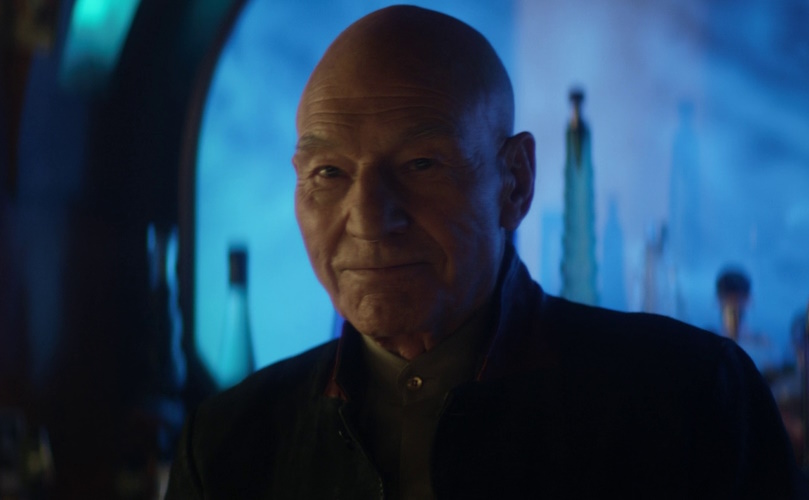
As always, a couple of important caveats! A couple of these points are contradictory, meaning one idea or the other might’ve worked in the series, but probably not both! That’s okay, and I’m happy to consider the merits of both as standalone ideas. I’m not trying to claim that Picard’s writers should have implemented all of these changes exactly as I’m proposing them! For a variety of reasons, both in-universe and on the production side of things, it may not have been possible to do some or all of these things even if the writers’ room had wanted to. So to re-emphasise that last point: I know that some or all of these ideas may not have been practical. This is all a moot point now anyway; the series is over. This list is a mix of fantasy and speculation from an old Trekkie – and nothing more!
I also want to say that, while I had some issues with the way Picard was written, by and large I’m a supporter of the series. In fact, I’d like to see more Star Trek set in the time period that Picard introduced us to – and one of the reasons why I think continuing to talk about the show is important is to make that point to Paramount. It also can’t hurt to point out some inconsistencies and other points that future writers and producers might be able to learn from! So that’s my mindset as I put together this list.
With all of that out of the way, let’s get started!
Change #1:
Replace Dr Benayoun with Dr Pulaski in Season 1.

The second episode of Season 1 saw Picard consulting a doctor who was also an old friend as he prepared to return to space for the first time in several years. The character we ultimately got was someone brand-new: Dr Benayoun. In a way, this character could have been interesting if his role had been expanded upon; he served on the USS Stargazer with Picard, presumably prior to the events of The Next Generation, and I’m always going to be interested in storylines that expand upon the backstories of our favourite characters! But Dr Benayoun’s role was pretty small and he didn’t really give us any new information about Picard’s life prior to assuming command of the Enterprise-D, unfortunately.
If I had been writing this scene, I’d have moved heaven and earth to bring back Diana Muldaur as Dr Pulaski. At this point in the series, we’ve only seen Picard himself and a dream version of Data, so there’s absolutely a case to be made that bringing back a legacy character would have been perfect for this moment. There could have been a slightly extended conversation between the two, perhaps with Dr Pulaski commenting on how she saved Picard’s life when she performed surgery on him, or recounting another of their shared adventures in Season 2 of The Next Generation.
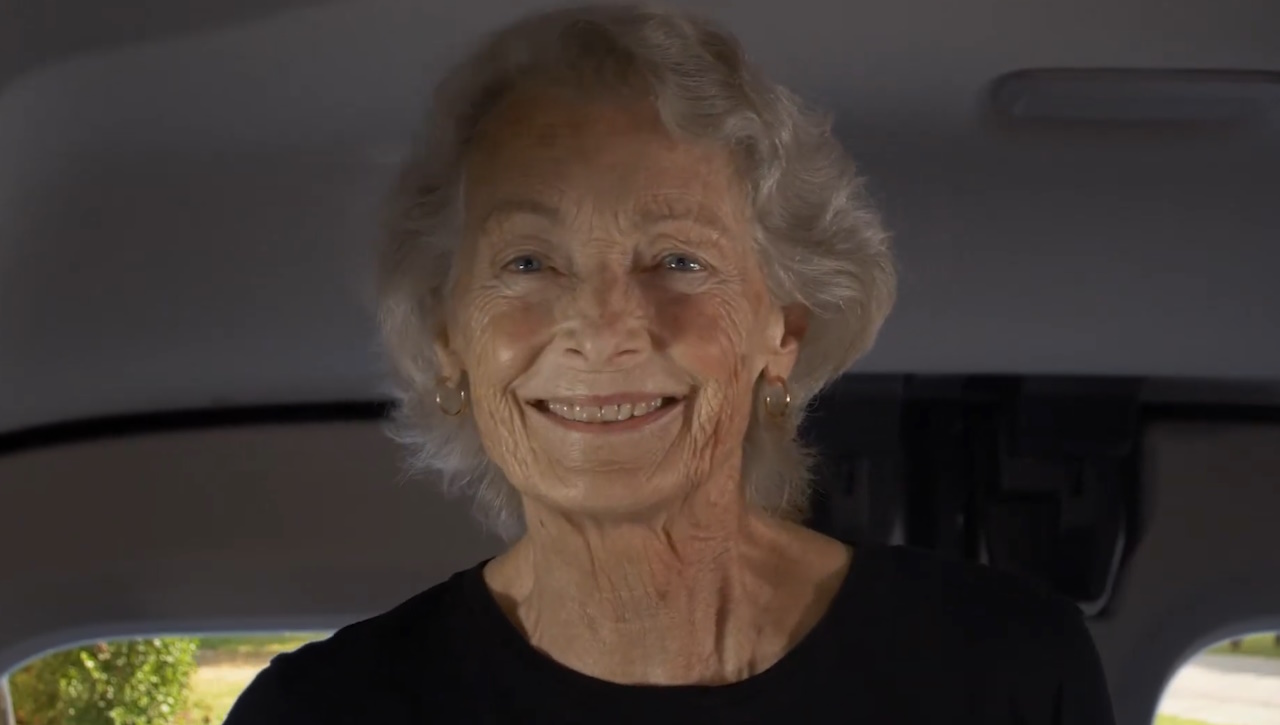
I said before Picard premiered that I didn’t want the series to try to be The Next Generation Season 8, but moments like this would have been perfect for small cameos from established characters. With Dr Crusher being held in reserve for a possible future role, Dr Pulaski would have been the perfect fit for this sequence. We could have learned a little about why she left the Enterprise-D, with that perhaps having been a sore spot in her relationship with Picard. Or we could’ve learned what she’s been up to in the intervening years – did she return to work at Starfleet Medical, perhaps, or take another assignment on a starship?
I’ve been a fan of Dr Pulaski for a long time, and I think this sequence could’ve been an opportunity to right a thirty-year wrong and give the character the closure and send-off she never got. Diana Muldaur has still been active as an actress in recent years – despite being well into her eighties at time of writing – appearing in the trailer for a film called Finding Hannah in 2022. Despite some negative feelings on both sides, it may have been possible to bring her back during production on Picard’s first season in 2018 and 2019. I think it could have added a fun extra dimension to the sequence in that second episode, especially for older Trekkies.
Change #2:
Leave Data dead after Season 1.
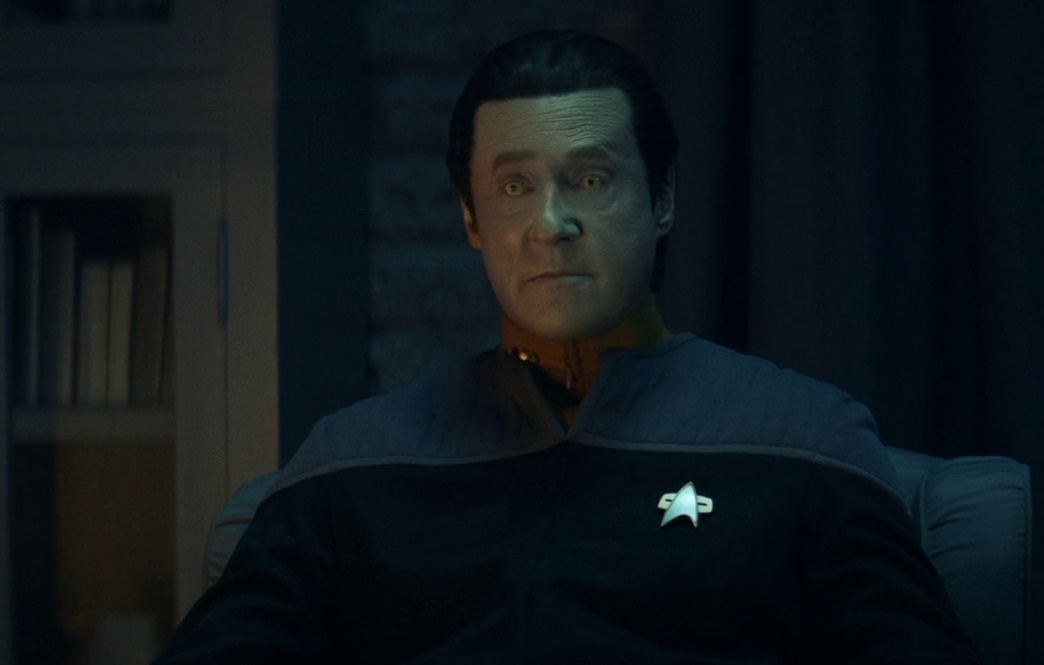
One of the few redeeming features of an otherwise disappointing finale to Season 1 was the storyline involving Data. Data had been killed years earlier during the events of Star Trek: Nemesis, but that film arguably didn’t take enough time to give the character the send-off he deserved. As I wrote when reviewing Picard’s first season, the scenes involving Picard laying Data to rest were beautiful, emotional, and just what the episode needed – and I could finally see why, eighteen years on from Data’s first death, they were necessary for the character.
Season 3, however, undid all of that. Not only did that decision detract from one of the only decent parts of the Season 1 finale, but it was actually a pretty convoluted plot point that was difficult to follow and relied on a lot of technobabble and “magic.” It never really found a narrative justification beyond showrunner Terry Matalas’ desire to reunite all of the main characters from The Next Generation – no matter the cost.
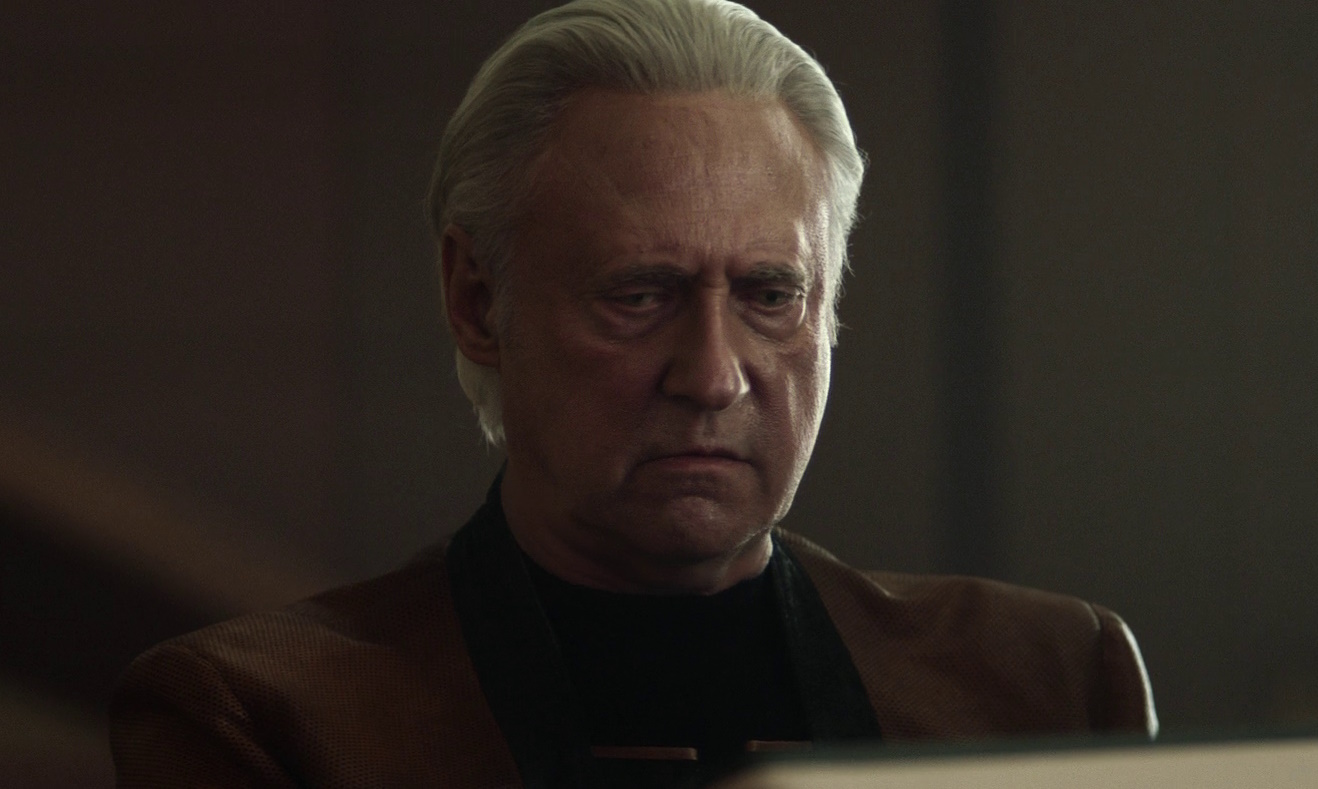
In Star Trek’s universe, Data was as dead as it was possible to be. His body had been destroyed years earlier, and Season 1 saw the final shutdown of the residual part of his mind that had been preserved – at Data’s own request. With both body and mind gone, there should have been absolutely no way back for Data. But thanks to the magical deus ex machina of a backup body and a backup mind… Data was resurrected in Season 3. That never sat right with me, but if there had been a significant narrative role for the character in those final episodes, perhaps I could’ve come to terms with it. There really wasn’t, though, and aside from one scene in which Data technobabbled his way to regaining control of the Titan, we didn’t really get a lot more from him for the rest of his time on screen.
I believe Data would have been better-served in Season 3 by being memorialised by his friends. Leaving alone the touching moments between he and Picard in what I termed the “digital afterlife” in Season 1 would have made those moments more powerful to revisit… instead of feeling like a storyline that’s been overwritten. Of all the dead characters in Star Trek, Data was the hardest to bring back because he’d “died” twice, both in body and soul. I don’t think the decision to resurrect him just a few episodes after that intensely emotional send-off was the right one, and I don’t think it was done for the right reasons, sadly.
Change #3:
Either leave Elnor dead or include him in Season 3.
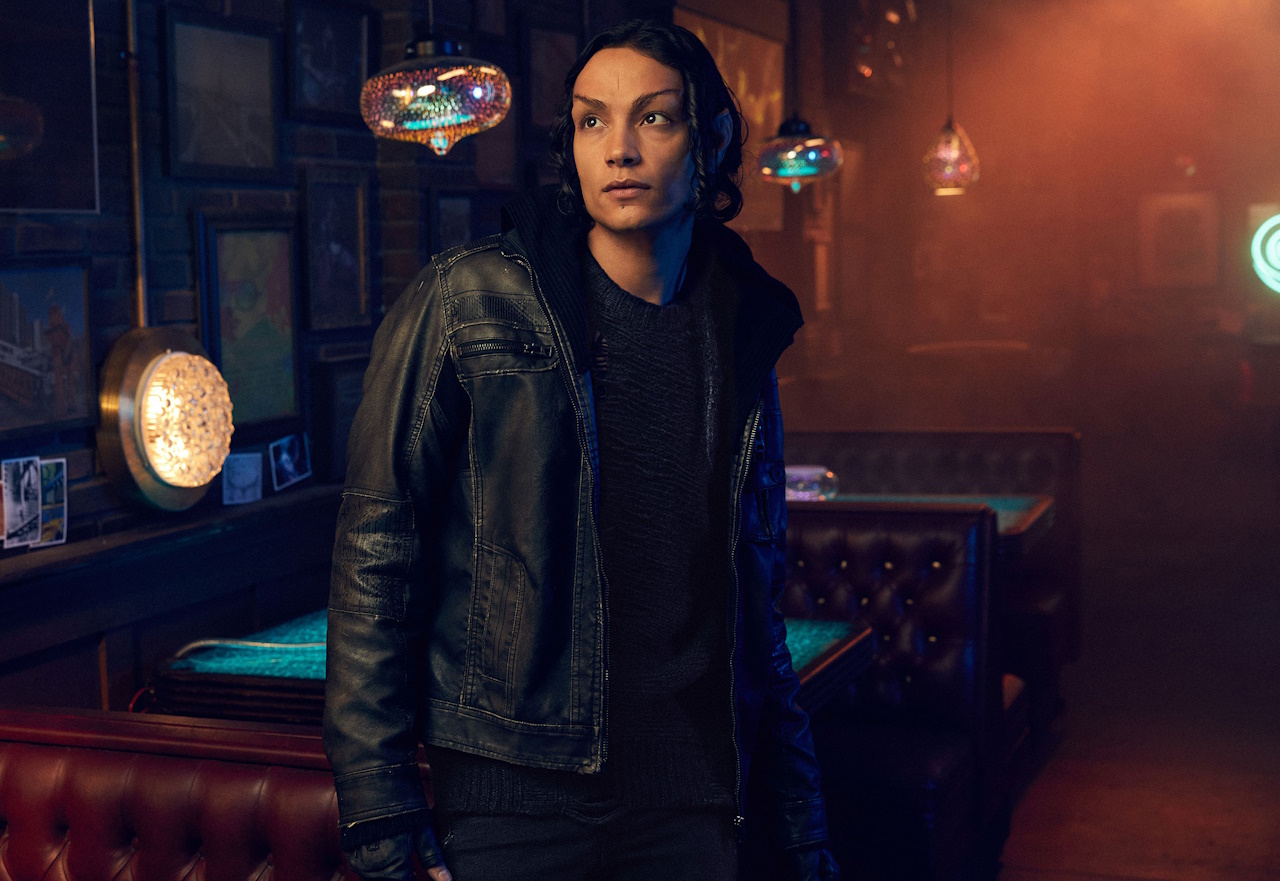
This is a storyline that I’ve said several times that I genuinely do not understand. Let’s keep in mind that Seasons 2 and 3 went into production back-to-back, with the same creative team in control. Early in Season 2, Elnor was killed – and while I wasn’t thrilled with that at first, as the season unfolded, the way in which Raffi came to terms with his loss made it matter. In fact, I’d go so far as to call the Raffi-Elnor storyline in Season 2 one of the few high points of a season that had relatively few of those.
It was always going to feel strange, then, when Elnor was resurrected at the last second by Q. The fact that Elnor didn’t get much to do in the second half of the Season 2 finale hammered that feeling home; a sight gag showing Elnor disgusted by a beverage was basically his only moment of note after his return. Was it worth undoing that powerful story for an overdone bit of slapstick? He barely got any screen time nor even a proper reunion with Raffi. But nevertheless, as the credits rolled on Season 2 I thought Elnor’s return could find a narrative justification in Season 3.

Elnor, however, was totally absent from Season 3 and wasn’t even mentioned. If I was writing the season, I’d have dropped one of the La Forge sisters and included Elnor instead, having him aboard the Titan in a secondary role and ultimately becoming one of the young officers who gets assimilated. That moment could’ve actually felt stronger and more powerful with Elnor’s inclusion, as we’d be confronting a threat to a character we’d been with for three seasons instead of someone brand-new.
However… given Elnor’s absence from Season 3, I can’t help but feel that leaving him dead would have been the least-bad option. At least that way Raffi’s story of coming to terms with her grief would have meant something, and we could’ve talked about the bold decision to kill off a new, young character in a Star Trek series – something that the franchise isn’t really known for doing. While I absolutely feel that there could have been room for Elnor in Season 3, his death was such a big part of the story of Season 2 that I think undoing it would have probably been a mistake regardless.
Change #4:
Connect the anomaly in Season 2 to either Season 1’s “super-synths” or Season 3’s Borg incursion.

One thing that modern Star Trek has never managed to get quite right is serialisation. This will have to be the subject of a longer article one day, but for now suffice to say that Discovery, Picard, and to a lesser extent Strange New Worlds too all rely on season-long storylines that don’t carry over from one season to the next. There are reasons for this in Discovery’s case – the series flirted with cancellation more than once. But, as I understand it, Picard was planned from day one as a three-season show… so why were none of its storylines picked up in subsequent seasons?
There are two choices here, and they’re probably mutually-exclusive (without some major rewriting) so realistically we’d have to settle on one or the other! But I think the Season 2 anomaly is an interesting narrative idea that could have connected with either the super-synths from Season 1 or the Borg incursion in Season 3. Either of these powerful factions could have been responsible for the attempted attack on the Alpha Quadrant that Picard and co. prevented at the climax of Season 2 – and I think it would have been far better than just leaving this incredibly important event without a proper explanation.
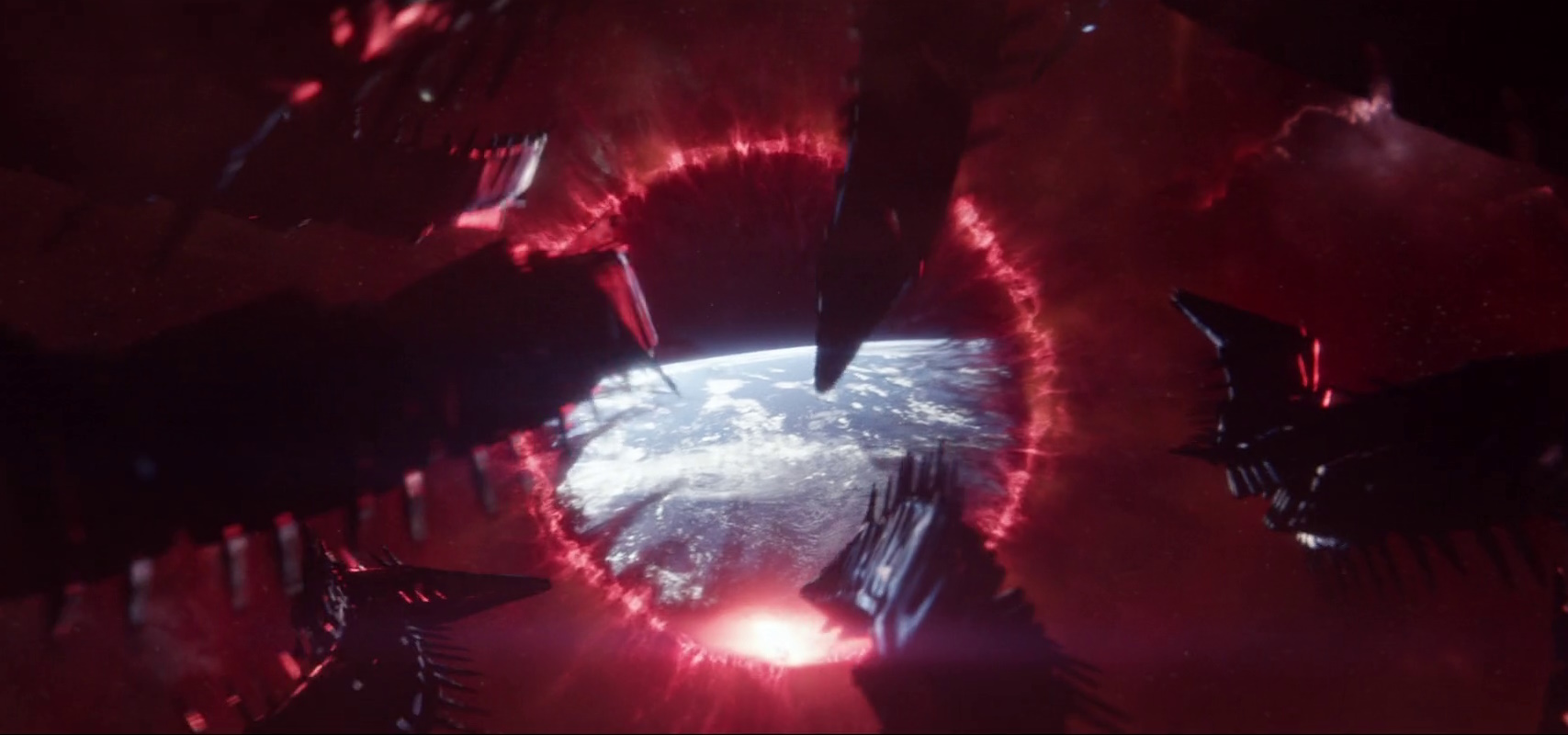
The mysterious anomaly bookended the story of Season 2, and connected to Picard, his friends, and the adventure they had in the intervening episodes. Unlike in many Star Trek stories, the anomaly was explicitly identified as an “attack,” meaning that there must be some faction or powerful force behind it. The Borg and the super-synths from Season 1 would fit the bill as being powerful enough to launch an attack of that magnitude.
Tying one of these factions into the anomaly story would have helped Picard feel a bit more cohesive. Given the abundance of overwritten plot points, dropped characters, and abrupt changes in direction across the series, having something to tie disparate story threads together would be a good thing. If I had to pick one, I’d say that the super-synths would be the ideal faction to include here, simply because we know relatively little about them, and a super-synth attack could set up a future Star Trek series or film. But given that the Borg would return in Season 3, dropping a hint or two that they could be responsible could have been a great cliffhanger to end on at the end of Season 2.
Change #5:
Have the Enterprise-A and Enterprise-D fighting alongside one another at the end of Season 3.
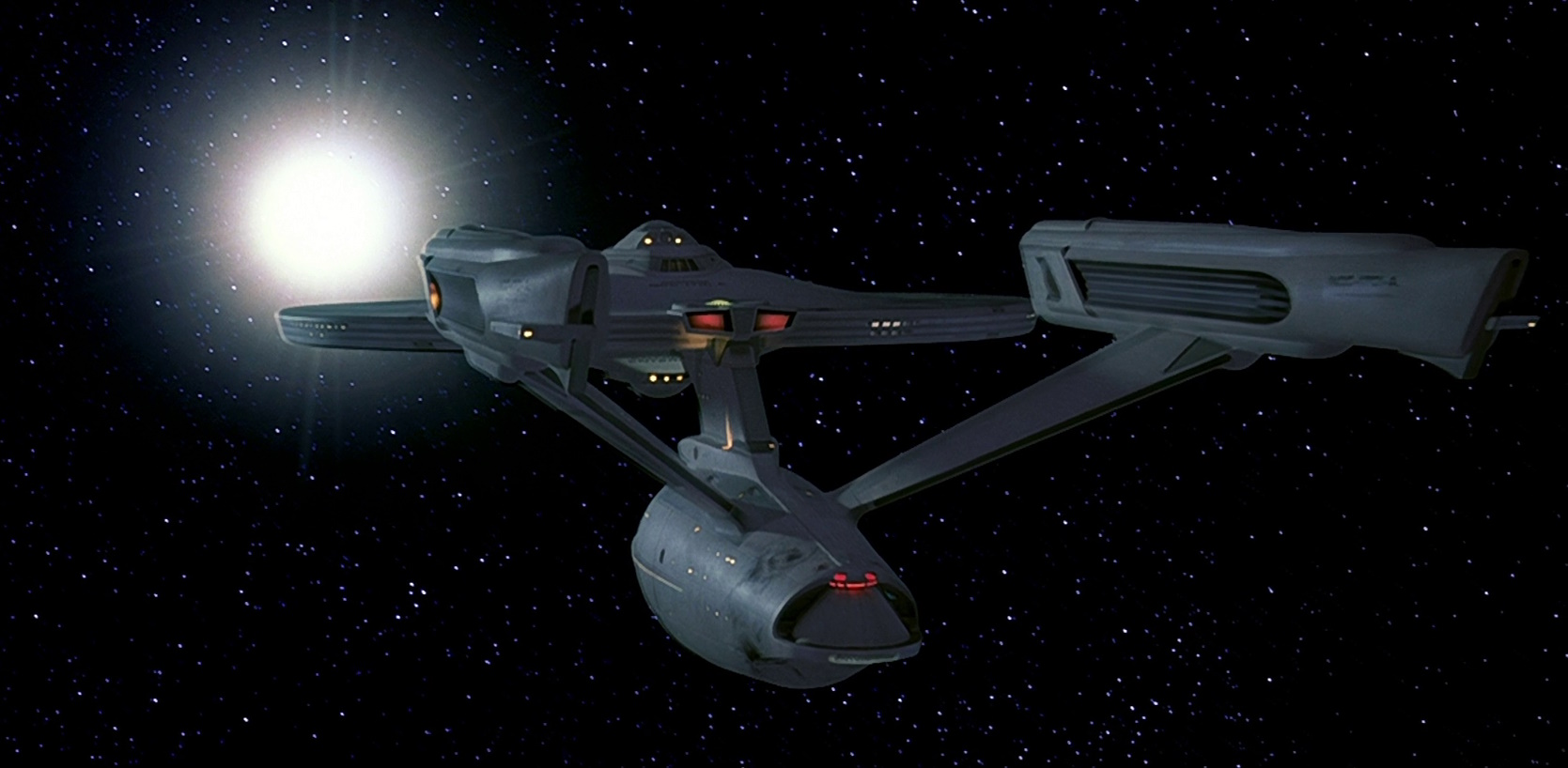
Season 3 introduced us to the Fleet Museum, which is a really interesting idea that I enjoyed. It was also a Trekkie’s dream, as multiple vessels from past iterations of the franchise were present. Along with Geordi’s pride and joy – the restored Enterprise-D – was the Enterprise-A, Captain Kirk’s ship that we saw in The Final Frontier and The Undiscovered Country. How cool would it have been if, along with the Enterprise-D, Picard and co. found some friends or allies to crew the Enterprise-A and join them as they took the battle to the Borg?
I know that Picard’s third season was a “love letter” to The Next Generation, and I can absolutely understand not wanting to detract from seeing the Enterprise-D and her crew back in action. But as a Trekkie, one of the fantasies that I’ve always had has been to see different crews and different ships standing shoulder-to-shoulder – especially in a story like this one, where the battle lines have been drawn and the Federation seems to be on the cusp of defeat!
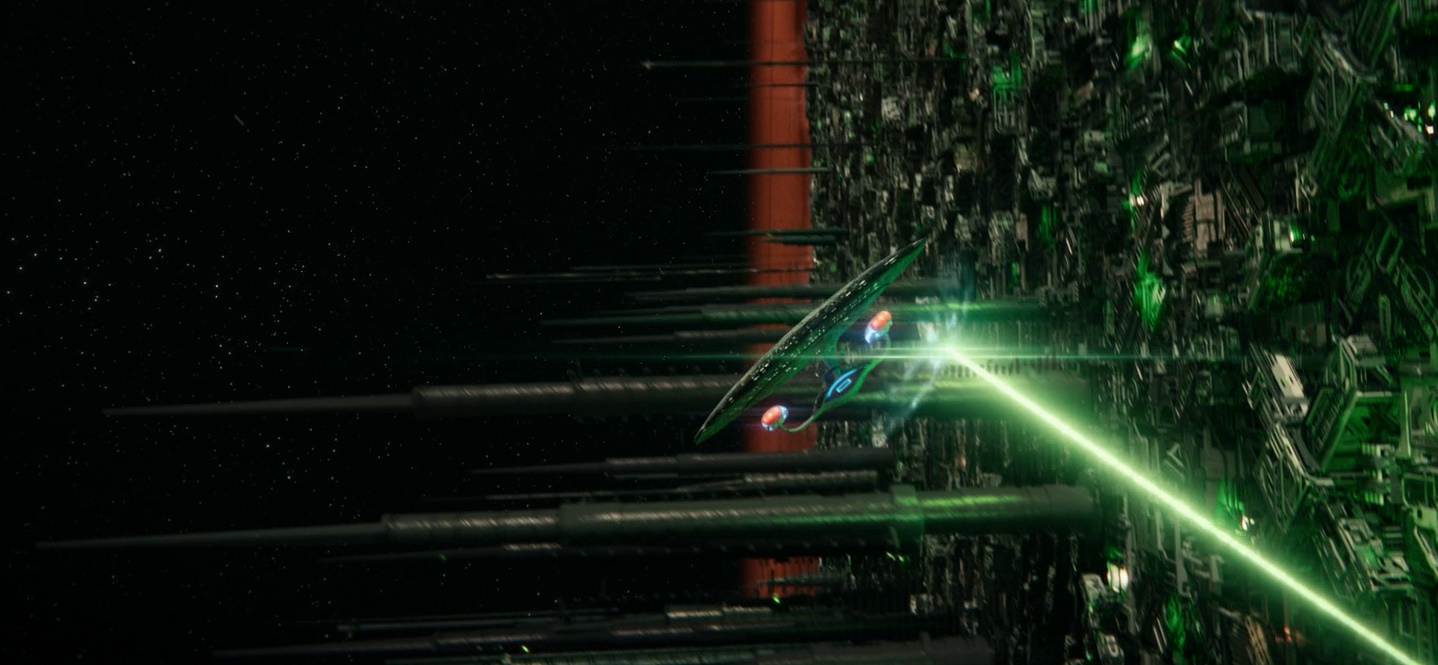
Bringing the Enterprise-A along would fit narratively, too. Part of the story was about older people still having something to offer; stepping back into the fray to save their younger colleagues. The Enterprise-D and her crew were one way to embody that storyline, but including the Enterprise-A would have been in the same narrative ballpark. There could have even been some technobabble about how the Borg wouldn’t know what to do with a ship that old, making the Enterprise-A a useful addition to the battle. If this point in the story had been reached a little earlier – say with three episodes left instead of one-and-a-bit – I’d have absolutely found a way to include the Enterprise-A.
A digital model had already been created – albeit a static one for the Fleet Museum – but I’m sure with relatively little work it could have been transformed into a moving, flying model. And as for the bridge… I don’t think an entire set would need to be built. For brief scenes shown on the Enterprise-D’s viewscreen, perhaps a redress of the Strange New Worlds or Discovery sets would have sufficed. This would’ve also been a great way to include a character or two from The Next Generation era – perhaps someone like Ezri Dax or Captain Jellico – to take command. Seeing two Enterprises riding into battle side by side… I can’t think of anything more exciting in that kind of story.
What might have been, eh?
So that’s it!
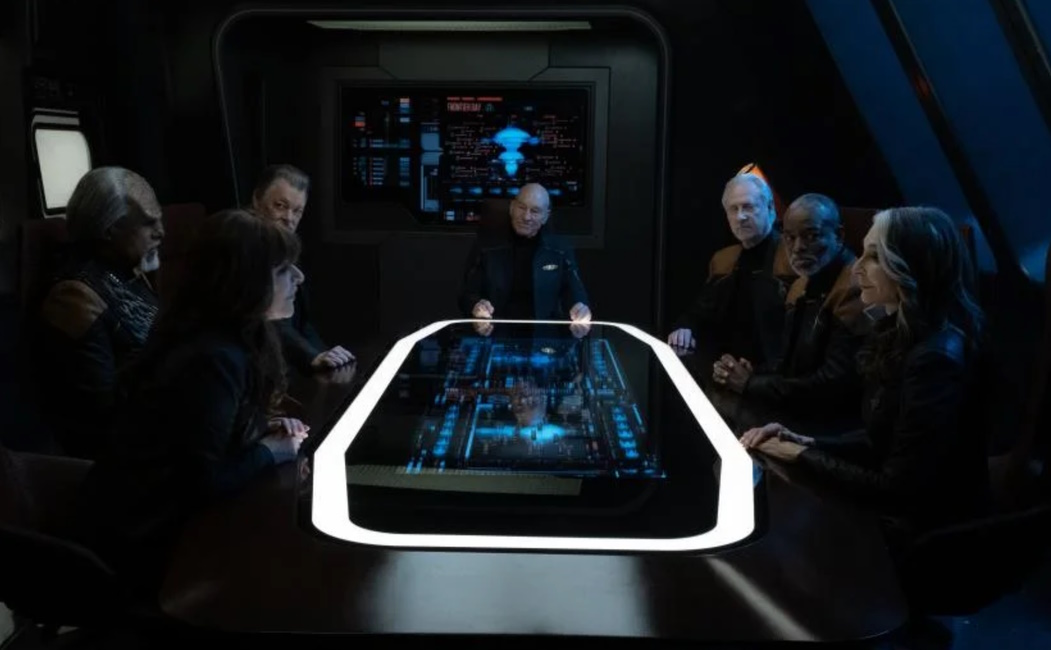
We’ve looked at five changes I’d have made to Star Trek: Picard.
I’m still holding out hope that a new series, film, or other project set in the Picard era will be announced, but with Paramount’s financial troubles and other Star Trek shows being cancelled… I’m not sure when or even if that’ll happen. If it does, though, I hope lessons can be learned from Picard, both in terms of narrative and on the production side of things. As good as the series could be when everything was working right, there are some definite low points that detract from its successes.
The points on this list are pure fantasy at this stage, of course! But as Picard was being broadcast, I couldn’t help but feel that a few tweaks or changes here and there might’ve improved things – so I’m glad to finally put metaphorical pen to paper and make a few of my suggestions. I hope these ideas have been interesting, at any rate – and not something to get too worked up or upset over! If you hate all of these ideas, you can take solace in the fact that none of them were or ever will be included in Star Trek: Picard!
I still have a few pieces about Picard in the pipeline, including a longer retrospective/post-mortem of the series as a whole. I don’t know when I’ll get around to writing all of those, but I hope you’ll stay tuned. It’s bound to happen eventually! Until next time… live long and prosper!
Star Trek: Picard is available to stream now on Paramount+ in countries and territories where the platform is available. The series is also available to purchase on DVD/Blu-ray. The Star Trek franchise – including Picard and all other properties discussed above – is the copyright of Paramount Global. This article contains the thoughts and opinions of one person only and is not intended to cause any offence.






 Trekking with Dennis