Spoiler Warning: There are spoilers ahead for the Star Wars sequel trilogy.
Today (the 17th of December 2025) marks the tenth anniversary of the release of Star Wars Episode VII: The Force Awakens here in the UK. With it came a brand-new era for the franchise. I thought the occasion would be a great opportunity to talk about the film, its legacy, what it got right… and where it went wrong. So that’s what we’re gonna do today!
Three years earlier, the Walt Disney Company had purchased Lucasfilm, and with it, the rights to the Star Wars franchise. Ever since that moment in 2012, fans had been wondering what might lie in store – and when it was confirmed that 1983’s Return of the Jedi would be getting a sequel… I think it’s fair to say that the fan community was *beyond* excited! As Star Wars prepared to turn the page on its controversial prequels, and with a new creative team in charge, there was plenty of room for positivity in the months leading up to the release of The Force Awakens.
Bob Iger and George Lucas signing the documents to confirm the sale of Lucasfilm in 2012.
I think I’ll start by talking briefly about my personal history with the Star Wars franchise, and how I found my way to the fan community – or, at least, to its periphery! In the early ’90s, at the insistence of a schoolfriend, I watched the original trilogy on VHS. By this point, I was already a huge Trekkie, and I remember being a bit underwhelmed on that first viewing. Perhaps I was comparing Star Wars to “my” fandom, and getting a bit tribal with it… I dunno! But I soon came to appreciate the original trilogy and the story it told, and quickly branched out to play the Super Star Wars games on the SNES, TIE Fighter on PC, and later, games like Shadows of the Empire and Rogue Squadron on the N64.
The prequel trilogy was another story, however, and I was left decidedly underwhelmed by both The Phantom Menace and Attack of the Clones. In this era, it was really only Knights of the Old Republic that kept me engaged with my Star Wars fandom. Revenge of the Sith was better, in some ways, but the prequel trilogy as a whole was a disappointment. If you’d asked me about Star Wars in 2012, that’s what I’d have told you. I was sceptical of a new film at first, but I was also encouraged when George Lucas stepped away and passed the torch to a new generation of filmmakers. When Disney promised to expunge the old Expanded Universe – much of which, from what I’ve seen, reads like low-quality fan fiction – I felt that was the right call. Disney was setting up a totally fresh setting for their new trilogy that wasn’t going to be constrained by decades’ worth of other stories, nor by being a prequel that had to tie in with what’s already been established. That was a hugely positive thing for me.
A trio of posters.
By the time details of the film were being announced, I was cautiously optimistic! I remember feeling a little conflicted about J.J. Abrams’ involvement; he’d done such a great job rebooting the Star Trek franchise at the cinema that seeing him “jump ship” to Star Wars felt like a bit of a blow. Remember, this was before CBS had announced that Star Trek would be returning to the small screen, and with the franchise’s fiftieth anniversary approaching… I wasn’t thrilled to lose a filmmaker of Abrams’ calibre. But Star Trek’s loss seemed to be Star Wars’ gain, with Abrams being able to take the same approach and “reboot,” for want of a better word, the franchise for a new generation.
Above all, I hoped that The Force Awakens could put the disappointment of the prequel trilogy behind us, and tell a more interesting and engaging story than those films ever had.
So… did it do those things?
What’s the legacy of The Force Awakens ten years later?
The Force Awakens is a film that we absolutely cannot judge fairly without placing it in context. As a result of that context – i.e. the last ten years’ worth of Star Wars projects since it premiered – The Force Awakens is probably the only film I can think of where my opinion has shifted so dramatically since that first viewing in December 2015.
Because I’ll be honest: I walked out of the cinema ten years ago with a great big smile on my face! After the disappointment of the prequel trilogy, a film that re-played Star Wars’ “greatest hits” felt like just what the doctor ordered, and I remember feeling that, while the film obviously *was* derivative and harkened back to 1977’s Star Wars in a huge way… that didn’t seem like a terrible idea. Re-establishing the core of what Star Wars is, and showing that to a new audience as well as to returning fans, is what a reboot is supposed to do. And The Force Awakens felt like a solid foundation for Disney to build a new era of Star Wars on.
Kylo Ren’s helmet.
There were stormtroopers. There was an “evil empire” ruled by an enigmatic, scarred leader. There was a helmet-wearing Dark Side user who was the scion of a powerful family. The Jedi were nowhere to be found. There was an orphan from a desert planet who got swept up in a rebellion. There was a “trench run” against a planet-killing superweapon. Han Solo and Chewie were back in the Millennium Falcon. And Princess Leia was still leading the rebellion. Everything that Star Wars had been in its original form was here, reimagined and repainted, ready for that new generation of fans to fall in love with.
What’s more, The Force Awakens’ director and producers seemed to be going out of their way to recapture the way Star Wars looked prior to the prequels and George Lucas’ awful “special editions.” Gone was the janky, not-ready-for-prime-time early 2000s CGI. And to replace it, Disney had commissioned physical props, puppets, and even robots. BB-8, the cute little spherical droid, *actually works!* That’s an actual, physical droid, not a video-gamey CGI monstrosity. As a child of the ’80s, who grew up on films like The Neverending Story and Flight of the Navigator, which had excellent puppets, props, and prosthetics… I absolutely *adored* the way The Force Awakens looked, and I still have a huge respect for J.J. Abrams, Kathleen Kennedy, and the rest of the folks at Disney and Lucasfilm for leaning much more heavily on physical creations over CGI.
BB-8 was a physical prop.
If The Force Awakens had been a one-and-done film, that’s where this essay would end. The film recaptured the magic of Star Wars in a way that the prequels had failed to do, the new owners of Star Wars had successfully killed off the fan-fiction-y Expanded Universe, and put to bed the idea that *everything* with the Star Wars name attached should be considered canonical, and the original look and feel of the franchise, from its ’70s and ’80s heyday, had been successfully recreated. Add into the mix some fun new characters – a rebelling Stormtrooper, whose humanity wouldn’t let him take part in atrocities, a young, clearly powerful Force-wielder, a phenomenal pilot, and the son of Han Solo and Leia, now fallen to the Dark Side – and you had all of the pieces in place for an entertaining story.
Unfortunately for The Force Awakens and its legacy, though, this isn’t where things end.
J.J. Abrams, who penned and directed the film, is a big believer in the “mystery box” style of storytelling: set up an intriguing mystery, then let it unfold. But while Abrams is great at *starting* these kinds of stories… he doesn’t usually seem to have an ending in mind. And because of the way Disney and Lucasfilm set about making the Star Wars sequel trilogy, Abrams and his “mystery box” were simply the wrong choice for the first part of the story. And even as I stepped out of the cinema wearing that silly grin ten years ago, the cracks in the foundation of this story were already beginning to grow – cracks that would eventually lead to the complete and utter ruination of Disney’s sequel trilogy. The Force Awakens was a fundamentally flawed story – but the damage those flaws would do wouldn’t become obvious for a few more years.
J.J. Abrams at the film’s premiere.
J.J. Abrams had written questions into his script that he did not have answers for. In fact, not only had he not written a solution to his “mystery box,” but there really wasn’t a way for this story to unfold – when the baton was inevitably passed to Rian Johnson and Colin Trevorrow – that even made sense. Abrams screwed over Johnson and Trevorrow (who would later leave the project that became The Rise of Skywalker) by writing the beginning of a story that had no plan, no middle, no ending, and that was, in a word, inept. It is the “original sin” of the sequel trilogy, and while fans may dislike The Last Jedi or The Rise of Skywalker far more than The Force Awakens, it was here, in 2015, that the sequels’ undoing had already been set in stone.
“Luke Skywalker is missing!” announced the film’s opening crawl. But without establishing *why* Luke had disappeared – nor even really explaining the extent of his legend and legacy in the galaxy at large – The Force Awakens set up a mystery that had no explanation. And by leaving the choice for why Luke had squirrelled himself away on a hidden planet to the next film and the next writer/director, Abrams abdicated the tremendous responsibility that Disney, Lucasfilm, and generations of Star Wars fans had placed on his shoulders.
Concept art of the Millennium Falcon.
I wrote several years ago that it boggles my mind how an accomplished group of filmmakers – people who created and worked on titles like the Indiana Jones trilogy, Lost, Jurassic Park, E.T., and many more – could have made such a genuinely bone-headed, idiotic, stupid decision when approaching the sequel trilogy. The Force Awakens was never envisioned as a standalone film, it was always meant to be the first instalment of a trilogy. And a trilogy that plans to tell a single story *needs* someone in overall creative control. J.J. Abrams, with his penchant for starting stories he has no intention of finishing and doesn’t know how to finish, was the wrong choice for that role. But Kathleen Kennedy, president of Lucasfilm, and Disney CEO Bob Iger should have known better – and should have taken a more structured, planned approach.
The decision to split up the writing and directing of the three sequel films was taken before work got underway on The Force Awakens – and even at that early stage, the damage was done. Splitting up the trilogy in this way was *always* going to be the wrong decision, and the predictable result is a trio of films that jump around in terms of tone, story, and even characterisation, as each of the subsequent instalments tries to undo something from its predecessor. And I do not exempt The Force Awakens from that criticism – it is the foundation upon which the trilogy should have been built, but because it was so weak and derivative, and because the decision was taken to split up the filmmaking process, it would be firmly tarred with the same brush even if it had been a perfect standalone title.
Which it wasn’t.
Poe, Leia, and Kylo on promo posters for the film.
What I felt had been the film’s biggest strength on that first viewing a decade ago, now, in retrospect, feels like one of its most egregious faults and its most significant weakness. By choosing to replay, almost beat-for-beat, 1977’s Star Wars, the film fails to do what any sequel can and should aim to do. Questions that fans had all the way back in 1983 about what the galaxy would look like after the Empire’s defeat not only didn’t get answered, they were totally ignored; sidelined, as Abrams and co. tried to re-tell the same story as before, just with a different coat of paint.
Think about where Return of the Jedi had ended: the Emperor and Vader were dead, theoretically ending the Sith once and for all. The Death Star had been destroyed, and the Rebellion had won the Battle of Endor… but the Empire still existed in much of the rest of the galaxy, and there was no guarantee that the Emperor’s death would mean there could be a return to democracy. And with the deaths of Obi-Wan and Yoda, only Luke could carry on the legacy of the Jedi Order.
Kylo Ren with Snoke.
The Force Awakens basically ignored all of that. In the aftermath of the Emperor’s death, the remaining Imperial factions basically gave up, and the New Republic took control of much of the galaxy. But then, in secret, some Imperial survivors founded the First Order – ruled over by Snoke, a mysterious Dark Sider. Snoke’s apprentice was the helmet-wearing Kylo Ren, the grandson of Vader. And Luke’s Jedi were nowhere to be seen, with his first attempt to train students ending in disaster. This set up a remarkably familiar story about a Dark Side power on the march, a rag-tag group of rebels (sorry, “the resistance”) trying to stop them, a planet-killing superweapon, and a youngster from a desert planet who gets swept up in all of it thanks to a droid carrying an important document.
Is that all Star Wars is? And… is that all Star Wars ever can be? J.J. Abrams and Kathleen Kennedy seemed to think so a decade ago.
And their attitude remains in the franchise to this day. The Book of Boba Fett, Obi-Wan Kenobi, Ahsoka, Rogue One, Solo, Andor and The Bad Batch, all of which have been created since 2015, rely on increasingly minor characters and smaller and smaller pieces of the *only* real story that the Star Wars franchise has ever told: the so-called “Skywalker Saga,” which should really be called the “Palpatine Saga,” since he’s the only character who seems to have acted of his own volition and who had any control over events. That’s the legacy of The Force Awakens ten years later: a franchise that has doubled- and tripled-down so hard on nostalgia plays and copying what came before that it’s become narratively exhausted and just plain *boring*.
TIE Fighters and a castle in concept art created for The Force Awakens.
Thanks to the decision to have Kylo kill Han Solo at the climax of the story – a genuinely shocking moment at the cinema – The Force Awakens robbed Star Wars fans of the opportunity to get *any* on-screen interaction between the three heroes of the original trilogy: Luke, Han, and Leia. Han and Leia got some scenes together, and Luke and Leia had a moment in The Last Jedi. But we never got to see Han and Luke together, nor the trio reunited. And that’s really quite sad, if you think about it.
Obviously no one could’ve known, when The Force Awakens entered production, that Carrie Fisher would pass away before the sequel trilogy was complete. But it seems to me that Abrams, Kennedy, and the rest… didn’t really think about how the new trilogy could or should use its legacy characters. There was no Lando Calrissian until The Rise of Skywalker, nor any acknowledgement of his existence. And while The Force Awakens made it clear that Leia and the Resistance believed Luke Skywalker needed to be brought back into the fold… we never really got a good explanation as to *why*.
General Leia of the Resistance.
So as we mark the film’s tenth anniversary… I don’t think there’s all that much to celebrate, to be blunt about it.
The story that The Force Awakens began was supposed to expunge what Star Wars had got wrong, and lay the foundations for a better future. But if you look at the state of the fan community today, the sequel trilogy is disliked, on the whole, *at least* as much as the prequels had been a decade ago, if not more. By playing it too safe, copying too much of what had come before, and failing to really answer any of the questions that a sequel should have been able to, The Force Awakens ended up being a poor film, a weak start, and a major contributing factor to Star Wars’ undeniable decline in the 2010s and 2020s.
We’re at a point now where practically no new Star Wars projects elicit the kind of excitement as The Force Awakens had done a decade ago. Oversaturation is part of that, sure – I haven’t even watched all of the various Disney+ Star Wars shows, because there’s just too many of them at this point. But a big part of it is also that this franchise feels rudderless. By doubling- and tripling-down on repetition, The Force Awakens set the tone for Star Wars’ current direction, and after the controversy of projects like The Last Jedi and The Acolyte, the temptation must be for Disney and Lucasfilm to do more of the same – which feels wrong for a franchise with such a well-constructed and interesting setting.
Finn.
“Fundamentally flawed.” That’s my two-word summary of The Force Awakens a decade later. It was, I do not deny, a well-intentioned film, and there was merit in the idea of “resetting” some of Star Wars after the prequel trilogy. But by playing things *so* safe, and by basically copying many of the plot points from the original trilogy and A New Hope in particular, Star Wars was left with nowhere to go.
Most stories… end. And they should be allowed to end. In-universe, obviously there was work to do for Luke, Han, Lando, and Leia after the Battle of Endor. But given everything we’ve seen since – both the fan-fiction mess of the Expanded Universe, depicting a flawless, all-conquering hero in Luke Skywalker, and now the sequel trilogy with its repetition of the original story – I’m increasingly of the opinion that there shouldn’t have been a Star Wars sequel. Return of the Jedi wasn’t a perfect film, but it killed off Palpatine and Vader, gave the Rebellion a huge win, and saw Luke embrace the legacy of the Jedi. That’s where the story needed to end.
Concept art of Rey arriving at Ahch-To at the end of the film.
In the 21st Century, though, it seems as if no story is allowed to come to a dignified end. And that kind of explains why The Force Awakens came to be in the first place. Rather than create something new, Disney wanted to buy something successful – something that, they believed, would print them endless amounts of cash. It worked with Marvel, so why not Star Wars, too? We’re seeing the limitations of that approach now, and The Force Awakens is really just the first chapter in a sad decline – not only for Star Wars, but for Marvel, Disney’s animated films, and more. Disney’s attitude at the moment is one of franchises, sequels, and remakes. Originality has left the building. And that isn’t *all* the fault of The Force Awakens by any stretch. But the film is symbolic of a moment in time, a moment where things began to change – and not for the better.
So, yeah: ten years ago, I had a great time with this film. Rey, Finn, and Poe were all fun characters that I felt we were just beginning to get to know, and I was curious to see where this story would go and how the First Order would be defeated. But the flaws in that story were already on display, and now that we know how badly off the rails the sequels went, and how poorly-planned the entire project was… it adds a lot of context to The Force Awakens. And it makes it pretty hard to go back and watch the film at all, in all honesty.
I continue to hope for better things from the Star Wars franchise. And there have been some projects over the last decade that worked: Rogue One, for example. But as we mark the tenth anniversary of this landmark film… I can’t help but feel there are way more negatives than positives. Star Wars will continue, of course – there are new projects on the horizon in 2026 and beyond. But are you as excited about *any* of them as you were ten years ago for The Force Awakens? I’m not. And that’s part of this film’s legacy.
Star Wars: Episode VII – The Force Awakens is available to stream now on Disney+. The film is also available on DVD and Blu-ray. The Star Wars franchise – including The Force Awakens and all other properties discussed above – is the copyright of Lucasfilm and The Walt Disney Company. This article contains the thoughts and opinions of one person only and is not intended to cause any offence.
Spoiler Warning: There are spoilers ahead for Star Wars – The Acolyte. Minor spoilers are also present for other Star Wars productions.
I recently got around to watching The Acolyte – the latest made-for-streaming series in the Star Wars franchise – so it’s time for a review! Before The Acolyte premiered, I had the show on my radar as one of the more interesting-sounding Star Wars projects. For the first time on the big or small screen, here was a project that promised to step away from the familiar characters and time period that have anchored every other Star Wars project to date. With a focus on the Sith, too, I felt that The Acolyte had a lot of potential.
Because I came late to The Acolyte, I’m aware that the series has proven to be controversial in some quarters of the Star Wars fan community. I always like to review a film or show without having been exposed to other people’s thoughts and opinions, but the volume of criticism that has been flung in the direction of The Acolyte has proven to be inescapable over the last few weeks. To be honest, that’s part of why I decided to watch it and review it for myself; a sense of “surely it can’t be that bad” ended up combining with my earlier interest in the show’s setting and time period!
Promo poster for The Acolyte.
As you might expect when the criticism and hatred reaches that kind of fever-pitch: no, The Acolyte was nowhere near as bad as some fans and “influencers” were trying to paint it as being. That’s not to say it was a perfect production by any stretch – there were a couple of pretty in-your-face narrative flaws, some underdeveloped secondary characters, and despite the show’s promise of accessibility to new viewers, a lot of the density of “lore” that can make a franchise like Star Wars offputting to folks who are unfamiliar with its galaxy, factions, and technologies.
I will let you know right off the bat that I am not a stickler for the minutiae of “canon,” nor someone who insists that stories within a franchise must be constrained by every little detail that came before. It’s fine if you feel that way, but this review isn’t going to pick on the very minor appearances of a couple of prequel-era characters and dive into their fictional backstories! Some of the nitpicking I’ve seen online about The Acolyte felt just plain silly to me, and I think the series did a good enough job of avoiding stepping on the toes of the mainline Star Wars films in a big way. The biggest secret to keep in that regard was the existence of the Sith in this time period – and when the series ended with every Jedi who’d seen the Sith assassin dead, and the only survivors believing him to be a “fallen Jedi,” I think we can say that that particular “plot hole” simply isn’t a thing. As the credits rolled on what I assume will be the only season that The Acolyte will get, its story’s loosest ends were tied up.
Master Sol confronts the Sith assassin.
At time of writing, Disney and Lucasfilm haven’t confirmed or denied that The Acolyte will be cancelled, but given the fan reaction and the show’s relatively low viewership – according to reports, The Acolyte was doing a lot worse than The Mandalorian, Obi-Wan Kenobi, and even the maligned Book of Boba Fett – it’s hard to see it being renewed as things stand. Although Disney is keen on this High Republic time period in some spin-off media, I’m not sure that alone will save The Acolyte. Disney’s biggest event of the year – the D23 expo – has just come and gone at time of writing, as has the year’s biggest Comic-Con event, and no announcement of a renewal was made. The first season’s story left things deliberately open, but also wrapped up the main events we’d been following – so it’s not like there’s a cliffhanger desperately waiting to be resolved. All things considered, I’d say cancellation feels likely.
So let’s talk about the series itself. On the whole, I had a pretty good time with The Acolyte – and even though that may be a minority position, I’ll do my best to explain what I enjoyed, as well as criticise what I didn’t.
A couple of main characters and some Jedi redshirts. Should that be “Jedshirts?”
Stepping away from the “Skywalker Saga” is something I’ve argued that the Star Wars franchise has needed to do for a long time, and while some recent productions have taken steps in that direction, The Acolyte is the first time we’ve seen Star Wars move so far away from that story on the small screen. There were a couple of crossover characters – but their appearances were so minor as to barely even count as cameos. Speaking for myself, I was pleased that The Acolyte went down this road, and that after relying on the crutch of nostalgia and familiar characters for such a long time, Disney and Lucasfilm have finally been bold enough to try something a little different.
That being said, there’s still a lot of familiarity in The Acolyte. For brand-new viewers, a group that The Acolyte’s producers claimed to be targeting, I think there was still quite a lot of fairly dense lore and background to wade through in order to fully understand what was going on, which faction was which, and so on. There was an admirable attempt to open up Star Wars to new fans – which is something the franchise was going to have to do sooner or later – but for me, at least some of that seemed not to stick the landing. My impression is that this was a series that new fans could approach a bit more easily than, say, Obi-Wan Kenobi or The Book of Boba Fett, but still not the softest of landings for someone totally unfamiliar with Star Wars. The first couple of episodes in particular throw a lot at the audience with the Jedi Order, droids, hyperspace, and other elements that weren’t really explained.
The Jedi Temple on Coruscant.
And this is actually a trend that continued across all eight episodes – and extended to other plot points, too. The Acolyte didn’t always take the time to fully lay out what was going on in an easy-to-follow way, leaving some scenes and sequences feeling cut short. More time was needed in some of these moments to either add context or an explanation of what was going on. Occasionally the series would revisit events through a flashback that added to something we’d seen earlier – but not always.
This is a problem I’ve had with many made-for-streaming shows over the last few years: they’re too short. The Acolyte, for instance, across its eight episodes runs to a scant five hours, and when several plot-crucial scenes and sequences felt curtailed or in need of additional framing and context, I can’t help but feel that Disney and Lucasfilm have repeated a mistake they’ve already made with other Star Wars shows. Streaming isn’t like broadcast television – there’s no need to stick to rigid schedules. Episode runtimes can be expanded, and even whole new episodes can be added to a season if necessary. Sure, there are budgetary constraints – but when we’re talking about moments that can make the difference between a scene being easily understood and just plain confusing… it’s gotta be worth it, right?
Osha firing her blaster pistol.
To give one example from The Acolyte: at one moment in the second episode, Osha draws her blaster pistol to shoot at Mae – her twin – while she’s trying to make her escape. Osha misses, and the way the scene was framed left it totally unclear as to whether she missed on purpose or by accident. The difference that makes to the tone of the rest of the episode – and to how we are meant to perceive Osha as a character as she deals with Master Sol and other Jedi – is massive. Not knowing how to read that moment made subsequent scenes and sequences feel muddled and confused – and it’s all because The Acolyte’s director, editors, and producers failed to add the necessary context to make that moment easy to follow.
While we’re talking about confusing moments, I felt that it wasn’t always easy to tell which twin was Osha and which was Mae during some of the flashback scenes. Identical twins dressed in identical costumes made it difficult to keep track of who was who – something not helped by the editing and camera angles. Perhaps this was deliberate… but if that’s the case, I struggle to see why. Knowing that Mae was the one who wanted to stay with her coven and learn Force magic while Osha was the one who wanted to leave was essential to both of their character journeys.
Young Mae and Osha (or Osha and Mae).
Since we’re talking about the twins, I find it odd that The Acolyte’s production team didn’t cast a real set of identical twins in the lead role. The younger versions of Osha and Mae were played by twins, but the adult characters were both played by the same actress. This isn’t to criticise Amandla Stenberg’s performance, by the way, as I felt she did a solid job with both Osha and Mae. But rather that it’s worth pointing out that there are relatively few high-profile roles for twins, and just like how casting an able-bodied person to play someone with a disability (or worse, having someone made up to appear to be from a different race) is something most mainstream productions now try to avoid, it’s a bit of an oddity – and one I haven’t really seen mentioned in the conversations surrounding the show.
The Acolyte’s story portrayed the Jedi Order in arguably the most negative way we’ve ever seen on screen – showing how the organisation and its members easily fell prey to internal politicking, arrogance, and self-righteousness. This is a narrative thread that links up with the prequel trilogy – though the prequels were arguably less extreme and still painted the Jedi as the “good guys” in a relatively black-and-white story. It also connects with something Luke Skywalker said in The Last Jedi about the hubris of the Jedi Order.
Master Sol in a flashback sequence.
Moreover, there was a distinct creepiness to some of the Jedi – Master Sol in particular. Think about it: he spied on two eight-year-old girls from the bushes, followed them back to their home, formed an instant, one-sided “emotional connection” with one of them, and then insisted on taking her away from her family to be his apprentice. That has undertones that are genuinely uncomfortable, and contributes to the sense of the Jedi Order as being a strange, almost corrupt organisation. I mean, we’ve known for a long time that the Jedi would “recruit” children at a very young age – and we caught a glimpse of how this worked with Anakin Skywalker in The Phantom Menace – but there was something about seeing Sol so… interested in Osha that made the hairs on the back of my neck stand up.
That’s to say nothing of the Jedi’s attack on the Force-witches. Does that organisation/coven have a name in canon, by the way? Perhaps I missed it in The Acolyte, but either way, I felt it was really interesting to see how other Force-sensitive people and groups might behave and how they exist outside of the Jedi/Sith dynamic. These witches clearly used the Force, but they weren’t Jedi or Sith, and that gives us a look at a part of the Star Wars galaxy that we really hadn’t seen much of before. Other Force-sensitive groups have been glimpsed in spin-off media, of course, but this was a deeper dive into an unknown organisation and I appreciated the attempt to expand the Star Wars galaxy beyond what we’ve already seen on screen.
The Force-witches are new to Star Wars (at least as far as I’m aware).
During the flashback depicting the Jedi’s attack on the Force-witches’ compound, The Acolyte gave us perhaps its weakest narrative moment. Torbin, the youngest Jedi padawan in the group, fell completely flat for me. His one-note “I hate it here and I wanna go home” was so unbelievable and childish that it seriously put a downer on the entire sequence, as this was such a pathetically weak way to set up his involvement. The concept of individual Jedi making bad decisions when confronted with the witches is a good one, and I think other elements worked as intended. But the series clearly didn’t have enough time to properly develop Torbin or give him a proper reason for his actions. When the actions he and Sol took are key to the entire rest of the plot… that’s an issue.
The idea of a “vergence” in the Force is something that Star Wars has delved into before. Most significantly, The Phantom Menace set up the idea of Anakin as being either a vergence himself or perhaps having been conceived by one. Mae and Osha seem to follow suit in The Acolyte, with the witches’ coven having somehow created them through the Force. While I’m not concerned about matters of “canon” all that much, and I don’t feel The Acolyte really overwrites or invalidates what we know of Anakin from the earlier films, I would’ve liked to see more explanation of both the vergence and the twins’ conception. Both were left pretty open-ended – which could be great if the show gets picked up for more episodes, but as already discussed, I doubt that’s gonna happen. It could be that this part of the story is never resolved, and that would be a bit of a shame because it seemed interesting.
Will we learn more about the vergence and the “creation” of Osha and Mae?
The decision to include cameos from the prequel trilogy has been a source of some controversy. Speaking for myself, I think these cameos were handled quite well – and there’s more than enough wiggle-room for both the minor character of Ki-Adi-Mundi and the more significant character of Yoda to have been present at the Jedi Temple without being too involved in the events we saw unfolding on screen. For me, it doesn’t tread on the toes of what we knew about either character, and what they have to say in the prequel films and beyond doesn’t seem to be contradicted by their very brief appearances in The Acolyte. The same is true of a character many are assuming to be Darth Plageius – glimpsed toward the end of the series at the Sith base.
As fans, I think all of us can fall prey to nitpicking and to prioritising minor things – throwaway lines of dialogue, secondary characters, or non-canon resources like books or comics – over and above everything else. And from what I’ve seen based on my admittedly limited engagement with the discourse around The Acolyte, I think that’s what’s been happening in some cases. Having heard of the drama before watching the series, I seriously expected Ki-Adi-Mundi in particular to have a massive role – but he was on screen in one episode for a matter of seconds, had no noticeable impact on the plot, and as far as I can tell wasn’t necessarily aware of what transpired. The controversy that some fans have tried to stir up (perhaps because their social media income has become increasingly dependent on the “anti-Star Wars” crowd) feels overblown at best. A storm in a teacup!
Ki-Adi-Mundi – a character first introduced in the prequel trilogy – made a small cameo appearance in The Acolyte.
In terms of production values, I thought that The Acolyte was decent – but there were a couple of missteps. On a couple of occasions the way real actors interacted with fully-CGI environments was sub-par and strayed into the dreaded uncanny valley. Musically, the series was fine – in line with other Star Wars projects, perhaps, but by no means exceptional. My rule of thumb for any film or TV show is that the music shouldn’t be a distraction, and in that sense The Acolyte did okay. But nothing from its soundtrack was particularly original or memorable, and if you played it for me right now, I’d struggle to remember what production it was from or even whether I’d heard it before.
Acting performances were generally pretty good. I particularly enjoyed Lee Jung-Jae’s take on the conflicted Master Sol, and Dafne Keen gave a solid performance as the young Jedi Padawan Jecki Lon. Amandla Stenberg had the challenge of playing two very different characters – but rose to the occasion. The only performance I felt didn’t reach the heights it should’ve was Harry Trevaldwyn’s – he played the role of Mog, a junior Jedi aide-de-camp to Master Vernestra. Playing Jedi roles can be tricky; they have deliberately stifled emotions, making it difficult for some performers to really know what to do. Mog was, thankfully, a minor character who wasn’t on screen all that much. Still, there are far better Jedi performances out there!
Master Vernestra and Mog.
Speaking of performers, I felt that Carrie-Ann Moss was almost wasted in the role of Master Indara. Moss’ role in the series played a big part in The Acolyte’s early marketing material, yet she was only present in a big way in a couple of episodes, with her character having been killed off right at the beginning of the story. I could’ve happily spent more time with Master Indara; compared with the broken Torbin, emotional Sol, and politicking Vernestra, she was the closest the series got to having a Jedi Master in the more heroic style we’ve come to expect.
Stepping away from the rise and fall of the Empire to look at a different era in the Star Wars galaxy is something that the franchise has needed to do for a long time. I’m happy that we finally got to see some of this High Republic era on screen, and I liked some of the subtle changes made to things like Jedi robes. Setting the scene in a different – but still familiar enough – way helped The Acolyte stand out, even if its basic Jedi-versus-Sith idea didn’t feel all that fresh.
A lightsabre battle.
There were standout moments in the series, and I feel the criticism it’s received in some quarters has been unnecessarily harsh. Personally, I’d like to see Disney and Lucasfilm greenlight more projects set in different locales and different time periods, and I hope that the backlash to parts of The Acolyte won’t dissuade them from doing so. There’s only so many times I can see Luke Skywalker, Han Solo, or their descendants saving the day – and if Star Wars is to survive long-term, we’ll need to see more projects like this one. That’s not to say The Acolyte was perfect – it wasn’t. But it was a step in the right direction for a franchise that has felt increasingly stale.
Despite claims made in the run-up to its broadcast, I didn’t feel that The Acolyte would be the easiest and smoothest way into Star Wars for someone brand-new to the franchise. It has the advantage of not relying on familiar characters, but it’s still got some deep cuts to parts of the Star Wars franchise that, I would argue, weren’t particularly well-explained within the series itself. That’s nothing new for Star Wars, of course!
Mae at the end of the story.
The Acolyte held my attention and got me invested in its main characters and storyline. Some of the secondary characters and sub-plots felt under-developed, and I think the series as a whole might’ve benefitted from being ten episodes long instead of eight. This would’ve allowed for scenes and sequences to be extended, for some additional character development, and for some of the show’s B-plots to be expanded upon. This isn’t an issue unique to The Acolyte by any means – but some producers and directors are clearly better at making the most out of eight episodes than others!
At the end of the day, though, I can’t say I didn’t enjoy The Acolyte. Its focus on a Sith assassin was intriguing, its portrayal of the Jedi Order as out-of-touch and arrogant lined up with both the prequels and sequels, and its core story of human characters making decidedly human mistakes was one that was, in a way, relatable. The Acolyte may have done more than any other Star Wars project to date to really humanise the Jedi Order and make some of its members feel like real people. Whether that’s something every fan wanted to see from Star Wars, or whether they prefer to think of Jedi Knights as flawless paragons of virtue… well, I think the backlash in some parts of the fan community answers that particular question!
Of the Disney+ Star Wars shows I’ve seen so far, I’d put The Acolyte in second place – behind The Book of Boba Fett but ahead of The Mandalorian. And light-years away from the awful Obi-Wan Kenobi series!
Star Wars: The Acolyte is available to stream now on Disney+. The series will also be released on DVD/Blu-ray at a later date. The Star Wars franchise – including The Acolyte and all other properties discussed above – is the copyright of Lucasfilm and The Walt Disney Company. This article contains the thoughts and opinions of one person only and is not intended to cause any offence.
Spoiler Warning: There are spoilers ahead for the Star Wars franchise, including Return of the Jedi, The Last Jedi, The Mandalorian, The Book of Boba Fett, and the video game Jedi: Survivor.
A couple of years ago, I shared six of my “hot takes” about Star Wars. But it’s always fun to stir the pot, so I’ve come up with six more! These are all controversial takes that I have on Star Wars; opinions that seem to be a minority position based on my limited engagement with the fan community. I thought it could be entertaining and interesting to share some more of these with you today!
This is just for fun, and while I do genuinely hold all of these opinions – I’m not just making up stuff for the sake of clickbait – there’s no need to get into a big argument! Everything we’re going to talk about here is subjective, not objective, and I’m keenly aware that I’m in the minority. They’re called “hot takes” for a reason, so feel free to disagree with me vehemently on any or all of the points I raise!
If you want to check out my first set of “hot takes,” you can find them by clicking or tapping here. Otherwise, this is your last chance to nope out if you don’t want to read some potentially controversial Star Wars opinions!
“Hot Take” #1: The Book of Boba Fett is probably the best Disney+ Star Wars series so far.
Promo poster for The Book of Boba Fett.
I went into The Book of Boba Fett with low expectations. I’ve never been wild about The Mandalorian, thanks in no small part to its decision to bring the Force and Luke Skywalker into a story that was originally pitched as “the adventures of a gunslinger beyond the reach of the New Republic.” Boba Fett has always felt like a non-character to me ever since I first watched the original trilogy in the early ’90s. Add into the mix Disney and Lucasfilm grossly overplaying the nostalgia card in the sequel trilogy, and I truly did not expect to get anything out of The Book of Boba Fett whatsoever.
But I was surprised to find an exciting and interesting story that was just plain fun. It was a nostalgia overload for sure, but it managed to keep me entertained regardless – and by the time Boba and his friends were fighting for their very lives on the streets of Mos Eisley, I was gripped. Maybe it’s because of those low expectations that I had such a good time with it… but whatever the reason may be, I thoroughly enjoyed the series.
Like a bantha!
When I compare it to the other Star Wars offerings that I’ve seen on Disney+, it tops the charts easily. The Mandalorian isn’t great, in my opinion, and I find the show’s protagonist difficult to root for because of how utterly monotone he is. I once described Din Djarin as an “unemotional helmet-wearing slab of nothing;” a character who seems to act at the behest of a room full of TV writers, and not because of any motivation or character trait that I can detect.
Obi-Wan Kenobi was a show so utterly dire that it put me off Star Wars for months afterwards! Trying to write a review of that appalling mess was likewise so unpleasant that I ended up taking a break from writing anything at all here on the website – and I still haven’t finished that review! The mere thought of going back to Obi-Wan Kenobi just leaves a bad taste in my mouth.
Inside the Sarlaac monster…
I haven’t seen Andor yet – thanks, in no small part, to Obi-Wan Kenobi causing me to turn away from the Star Wars franchise for a while! But I suppose when I get around to watching it it could dethrone The Book of Boba Fett. As could The Acolyte – a project I’m definitely looking forward to as it promises to step back in time to a wholly different era of the Star Wars galaxy.
But The Book of Boba Fett isn’t just my favourite Disney+ Star Wars show by default. The others have their problems, sure… but The Book of Boba Fett could’ve been just as bad. I was surprised at just how entertaining it was, and how a character I had no interest in was able to be transformed into a genuinely fun protagonist. There were themes of loss and revenge as Boba navigated Tatooine’s criminal underworld, but my biggest takeaway was how positive, fun, and light-hearted the show could be. I admit that I’m surprised to see that it wasn’t received more positively by other Star Wars fans.
“Hot Take” #2: “From a certain point of view” is patent nonsense and always has been, and Star Wars is made worse by continually trying to justify it.
What a crock of shit!
Are you old enough to remember when Return of the Jedi was regarded as the weakest Star Wars film? Before the prequels came out, that was the general consensus! When I first watched the Star Wars trilogy it was at the insistence of a friend, and his father was adamant that Return of the Jedi was an awful film and a poor way for the story to conclude. So it seems that divisiveness in the fan community is nothing new – but more on that later!
One of the reasons for Return of the Jedi being held in lower esteem than its two predecessors is the clumsy and just plain stupid line from Obi-Wan Kenobi to Luke Skywalker that coined the phrase “from a certain point of view.” I’ve always considered this explanation to be absolute dog shite, making no sense whatsoever. And Star Wars has since doubled- and tripled-down on this idea… when it really should be ignored and pushed aside.
Luke asked Obi-Wan how his father died in Star Wars.
Let’s step back and set the scene. In Star Wars (a.k.a. A New Hope, the first film in the series), Obi-Wan Kenobi explained to Luke Skywalker that Darth Vader “betrayed and murdered” his father. That line was unambiguous and not subject to interpretation! But by the time The Empire Strikes Back rolled around, the decision had been taken to retcon the relationship between Vader and Luke, transforming them into father and son – leading to one of the most iconic scenes in all of cinema.
As with many other things in Star Wars, though, something that should’ve been left alone… wasn’t. We could’ve ignored what Obi-Wan said in that first encounter, accepting that the retcon overwrote it. It would’ve been an inconsistency, sure… but it would have been one that the story could’ve survived. There are also legitimate in-universe reasons for Obi-Wan not wanting to tell Luke the truth; he could’ve apologised or explained his reasoning and left it at that.
The Obi-Wan Kenobi series revisited this idea.
But instead we got this ridiculously convoluted work of semantic gymnastics, with Obi-Wan justifying his lie – and it was made into a lie by the retcon in Empire – by trying to claim that, somehow, Anakin Skywalker and Darth Vader aren’t the same person. Even though they’re literally the same person, with the same body, “soul” or essence, Force abilities, and so on. Anakin made a decision to defect from the Jedi to the Sith… but it doesn’t mean he stopped being Anakin. Even thinking about it in the most abstract and poetic terms… he’s still the same person.
Since this line was uttered, Star Wars has continually stumbled by trying to justify it and make the concept stick. The prequel trilogy made a big deal about Palpatine granting Anakin his “new” Sith identity, and the aforementioned Obi-Wan Kenobi series also tried to double-down on this idea, with Obi-Wan saying that the man he knew “is truly dead.” But… he isn’t. He’s different, sure. But he isn’t dead. This whole “from a certain point of view” idea just doesn’t work for me. It didn’t when I first saw it in Return of the Jedi thirty-plus years ago, and every attempt that the franchise has made to lean into it hasn’t helped. I wish Star Wars would quietly drop this idea and move on!
“Hot Take” #3: Franchise fatigue is beginning to set in.
This is just a snapshot of part of the Star Wars category on Disney+.
Though not as oversaturated as Star Trek has been in recent years, I’d argue that Star Wars is very much in danger of running too hot. Too many shows and films in too short a span of time is going to lead to franchise fatigue – and while there will always be fans who will turn up for every new project, the more casual audience that any series relies on will begin to drift away.
I think we’re already seeing this, at least to a limited extent. Solo: A Star Wars Story was the first film in the franchise to make a loss at the box office, and it was released only a few months after The Last Jedi. On Disney+, too, it seems that more recent shows and seasons have attracted less attention and excitement. Fewer people turned up for Obi-Wan Kenobi or The Book of Boba Fett than had for the first season of The Mandalorian, for instance.
A Star Destroyer as seen in the opening shot of Star Wars in 1977.
Since the Disney acquisition of Lucasfilm went through more than a decade ago, Star Wars has hardly been off our screens. The sequel trilogy came along in the back half of the 2010s, with Rogue One and Solo in cinemas as well. And since the launch of Disney+, there have been new live-action and animated shows every year. With several of these projects overlapping each other or being spin-offs that rely on older films or shows to set them up, keeping up with Star Wars and knowing what’s what and who’s who can feel like a full-time job!
With Disney+ in poor shape financially, the corporation is relying heavily on its biggest brands to bring in and retain subscribers. But the likes of Star Wars and even Marvel are in danger of burning out; turning away audiences due to convoluted interconnected storylines or just because there’s a desire to look for something new and different. A few years ago, a massive audience would’ve been hyped for a live-action Star Wars series. But now? I can almost hear the collective sigh as yet another season gets sharted out onto Disney+.
I haven’t seen much excitement for the likes of Skeleton Crew recently…
I genuinely don’t know what the solution is here. The truly hard-core Star Wars fans will, of course, keep showing up for any and every new project. But how long can the franchise rely on those folks if a wider audience of more casual viewers can’t keep up or loses interest? As Disney recently found out to its cost with the Galactic Starcruiser hotel at Disney World… there are only so many of those hard-core fans.
Maybe you don’t feel a sense of franchise fatigue just yet – and that’s okay. If you don’t, I’m genuinely happy for you! But with so much Star Wars content on the horizon, with new series, films, and video games coming every few weeks… how long can that last? How long will it be before you say, “eh, I think I’ll skip this one and watch something else?” In my opinion, no franchise can keep up this frenetic pace for very long. Star Wars has already been pushing it for several years, and I wonder when it will have to slow down.
“Hot Take” #4: Jedi: Survivor was crap.
Battling battle droids in Jedi: Survivor.
I absolutely adored Jedi: Fallen Order when I played it. Going on that adventure with Cal Kestis and the crew of the Stinger Mantis was fantastic, so I was incredibly excited for the game’s sequel in 2023. But as you’ll know if you read my review of the game… I really didn’t like it. Mechanically and narratively, the game failed – and that’s before we get into the bugs and glitches that have come to define its poor launch.
An open-world design is not something that suits every game, and Jedi: Survivor was made significantly worse than its predecessor by attempting to go down this route. The clumsily-designed maps, particularly on the main planet of Koboh, really got in the way of the story and immersion. It made no sense to me that Cal and his friends would hide out in a “quiet, out-of-the-way” settlement like Ramblers Reach… when that settlement was a stone’s throw from both a massive pirate base and two Imperial outposts.
The game’s open-world design put Ramblers Reach literally a few metres away from the Empire and pirates.
In terms of story, I found Jedi: Survivor to be an unimpressive relation to its illustrious predecessor. Cal was teamed up with a character who was obviously, from almost his first second on screen, a “secret bad guy in disguise.” This plot point was so flagrantly telegraphed that it might as well have been lit up in neon. And the return of Master Cordova, a character who played a huge role in the story of the first game, was handled incredibly poorly.
There were some narrative highlights: Cere’s story took her full-circle, for instance, and while I could see Bode’s betrayal coming from a mile away, Cal’s reaction to it was genuinely emotional. But the foundations of this story felt weak and almost random, with Cal stumbling into a random cave, Greez accidentally building his cantina atop ancient Jedi ruins… and a convoluted plot involving an ancient Jedi sealed in a bacta tank and a “lost” planet that no one knew how to reach. Compared to the story of Fallen Order, Jedi: Survivor came up short.
A duel in Jedi: Survivor.
Obviously we can’t discuss Jedi: Survivor without commenting on the game’s shockingly poor condition. I’ve uninstalled it now and haven’t touched it since September, so I can’t comment on its current state. But I saw the reviews Jedi: Survivor received upon launch and chose to wait several months before jumping in – only to find that it was still in an absolutely appalling state, with bugs, glitches, frame-rate problems, stuttering, and low-res textures all getting in the way of the experience. The fault for this lies with publisher Electronic Arts, who chose to force Jedi: Survivor to be released before it was ready.
At the beginning of 2023, I genuinely expected Jedi: Survivor to be in contention for my “game of the year” award. Instead, for a variety of reasons it ended up as one of the biggest disappointments of the year. A sequel is in the works, and while I’m going to be much more sceptical this time around… I have to at least cross my fingers and hope for something better.
“Hot Take” #5: The sequel trilogy won’t ever be retconned out of existence.
The Holdo manoeuvre is canon. Suck it, haters!
I’m not sure how hot of a take this really is, because I think most folks understand that Disney and Lucasfilm aren’t going to turn around one day and announce that the sequel trilogy is suddenly non-canon! But in some corners of the Star Wars fan community, this fantastical notion has taken root. I’ve heard some big-time fan blogs and channels with sizeable audiences pushing the idea that some or all of the sequel trilogy – and The Last Jedi in particular – are about to be “erased” from canon or overwritten.
Like any franchise, Star Wars has grown and evolved over the years. Stories, characters, and themes that may have been controversial or hated at first tend to be more accepted with the passage of time, as we’ve seen with both Return of the Jedi and the prequel trilogy. The same is sure to happen for the sequels, given enough time. Fifteen years from now, they’ll just be part of the furniture; inseparable from the rest of Star Wars.
Rey in The Force Awakens.
In 1999, I really didn’t like The Phantom Menace. In fact, the only part of the prequel trilogy that I even considered to be passable was Revenge of the Sith – and that dim praise comes with multiple caveats! But as time has passed, the prequels have been folded into the broader lore and canon of Star Wars quite effectively – to the point that I’d never even consider the idea of overwriting them at this stage.
Many of the fans who seem to be arguing most passionately in favour of the sequel trilogy being scrubbed are – somewhat ironically, perhaps – younger folks who first came to Star Wars when the prequels were in cinemas. The prequel trilogy was their way into the Star Wars fan community, so the idea that those films could’ve been disliked or hated as much as the sequels are today doesn’t seem to register for a lot of folks. But they were… and the fan community was able to recover!
“Somehow, Palpatine returned…”
I don’t know what the future holds for Star Wars. Maybe it will go on for years and years, producing new content all the while. Or maybe it’ll take another decades-long break before triumphantly returning, as it has in the past. But either way, the sequel trilogy will remain part of that story. It may not be beneficial to Disney and Lucasfilm to put it front-and-centre right now, particularly as fans seem to long for more stories set during the prequel era or the time of the original trilogy. But the sequel era is developing stories, spin-offs, and a lore all of its own – and building on that will be a key part of Star Wars’ future.
The idea that a billion-dollar trilogy of films, complete with spin-offs, merchandise, and more would ever be dumped or retconned out of existence is nothing more than a juvenile fantasy; the ultimate “cope” from folks who can’t stand those films. And look… I agree that the world would be a much better place if The Rise of Skywalker had never existed. That film was an absolute catastrophe! But it won’t ever be erased or overwritten – and I’m okay with that. I’m still content to give Star Wars a chance to impress me with what comes next.
“Hot Take” #6: Writing a sequel to Return of the Jedi that didn’t feel like tacked-on fan fiction was probably impossible.
The main characters at the end of Return of the Jedi.
Stories end. Every story eventually comes to an end, with its character arcs, sub-plots, and main narrative threads all being drawn to a close. And for better or worse, Return of the Jedi was the end of Star Wars; the final, climactic battle of the Palpatine-versus-Skywalker saga. The Emperor was dead, Imperial forces were implied to be in disarray, the threat of the Death Star had been removed, and it seemed as if the Rebel Alliance had won the day. After three films – or six, if we include the prequel trilogy – the story had come to an end.
And what an end it was! Saving the galaxy, destroying both Sith Lords, restoring the Jedi Order, and setting the stage for a return to freedom and democracy after two decades of oppressive autocracy is a great place for the curtain to fall and the credits to roll. And having seen both the impotent fan fiction of the old Expanded Universe and Disney’s sequel trilogy, one thing seems abundantly clear to me: that should have been the end. There just wasn’t space to add a new story after the events of Return of the Jedi.
The Death Star explodes above the forest moon of Endor.
It’s ironic that Disney is the company that purchased the Star Wars brand, because the sequel trilogy is a great example of what I like to call the “Disney sequel problem.” Every Disney film – of the classic and renaissance eras, at any rate – ended with a “happily ever after” moment, with the heroes celebrating a hard-fought victory and the baddies vanquished. It proved impossible to make a sequel to those kinds of stories that didn’t feel either tacked-on or derivative.
And both of those labels apply to the Expanded Universe and the Disney-created sequel trilogy. The First Order basically picked up where the Empire left off, and the revelation that Palpatine had been secretly pulling the strings the whole time completely undermined whole narrative arcs from the original and prequel films. The Force Awakens was basically a carbon copy of A New Hope, and The Rise of Skywalker tried its best to be Return of the Jedi. No part of the story was original, and as I wrote once, the entire sequel trilogy feels like a bait-and-switch. Instead of answering questions about the Star Wars galaxy that fans had been asking for years, the films simply re-told the same story with a different coat of paint.
Kylo Ren and General Hux in The Force Awakens.
And I don’t see how it could’ve been different. After killing the Emperor and Darth Vader, there was no “big bad” left to defeat. Mopping up the leaderless remnants of the Empire would’ve felt anticlimactic, and replacing the Emperor with Snoke and Vader with Kylo Ren was just cheap and derivative. The same feelings would have arisen if a new Emperor had emerged, a new Sith Lord had been discovered, or the First Order had been given a different name to match one of the silly Expanded Universe stories.
Unfortunately, modern entertainment franchises can’t be allowed to come to a dignified end. They must be resurrected and kept on life-support at all costs, with new stories being churned out to suit the needs of corporate shareholders who are too cowardly to invest in new stories and characters. After saving the galaxy and defeating the Sith, Return of the Jedi left Star Wars with nowhere to go narratively – but Disney and Lucasfilm went there anyway.
So that’s it!
The Jedi Council.
I hope I didn’t upset too many people with this list!
There’s still plenty to enjoy with Star Wars, even if I’ve found a few things to pick on this time. In 2024, I’m looking forward to The Acolyte on Disney+ and to getting my hands on the remastered Dark Forces video game – so I’m still engaged with the franchise. I also like to keep up to date with big developments, and I’m sure that I’ll eventually get around to watching most of the live-action series and seasons that I’ve missed.
I hope this has been a bit of fun, and perhaps thought-provoking in places. Although these are “hot takes,” it wasn’t my intention to upset anyone or cause anger and division. The Star Wars fan community has more than enough of that! At the end of the day, we all have things we like and things we dislike in our favourite films and franchises.
Until next time… and may the Force be with you!
The Star Wars franchise – including all films, games, and other properties discussed above – is the copyright of Lucasfilm and The Walt Disney Company. This article contains the thoughts and opinions of one person only and is not intended to cause any offence.
Spoiler Warning: There are spoilers ahead for the following Star Wars productions: Rogue One, The Book of Boba Fett, Jedi: Fallen Order, and The Rise of Skywalker.
Happy Star Wars Day! May the Fourth be with you… and all that.
Today is a day of celebration for Star Wars – and I like to try to say something positive about the franchise every Star Wars Day! So this year, I thought it could be fun to run through five of my favourite Star Wars experiences that have been released since Disney acquired Lucasfilm back in 2012.
I felt quite optimistic when I first heard this news more than a decade ago. I’d been disappointed, on the whole, by the Star Wars prequel trilogy, and with Disney promising a sequel that would take the story beyond Return of the Jedi, I truly felt that there was the potential for some exciting and engaging storytelling. It’s absolutely true that not every Disney project has hit the high notes that I’d been hoping for – but conversely, it’s not the case that Disney has added nothing of value to Star Wars, either. There have been some misfires and unexceptional stories… but there have been some fantastic ones too.
Porgs!
So on this illustrious day, let’s celebrate some of the successes that Disney has rolled out! I’m going beyond the films to include television shows, specials, video games, and more on this list, because Star Wars has always been a very diverse franchise. There are plenty of highlights worth celebrating that I didn’t get a chance to include this time… but who knows? Maybe they’ll make the cut next year!
As I always say: all of this is just the subjective opinion of one person, so if you disagree with my picks and hate everything I have to say… that’s totally fine! There’s plenty of room in the Star Wars fan community for polite disagreement.
Let’s jump into the list!
Highlight #1: Jedi: Fallen Order (and Jedi: Survivor)
Cal Kestis.
Jedi: Survivor has had a very rough launch, especially on PC, and that has sadly detracted from what sounds like a sequel with a fun story. I haven’t gotten to play it for myself yet, but when the bugs are patched out and the game is more stable, it’s one I hope to pick up. I adored Jedi: Fallen Order, though, and I’ve played through it twice already!
Jedi: Fallen Order is one of the most interesting standalone Star Wars stories of the past decade, exploring a setting and time period that was relatively unknown, and telling a story all its own. I genuinely got roped in by some fantastic writing, and felt as if I was taking part in my very own Star Wars adventure with former Jedi Padawan Cal Kestis and the crew of the Stinger Mantis.
Promo artwork for Jedi: Survivor.
Jedi: Fallen Order also gave me one of my favourite experiences in any Star Wars game ever: piloting an AT-AT walker! This sequence might just be the best in the entire game; it was tense, perfectly-paced, and exciting, with the controls of the clunky machine feeling exactly as I’d expected when I first saw an AT-AT ambling across the battlefield on Hoth decades earlier!
After feeling disappointed by some of the narrative decisions taken elsewhere in the Star Wars franchise in the year or so before I played the game, it was somewhat of a cathartic experience to know that I hadn’t totally fallen out of love with Star Wars, and that the franchise can still tell the kinds of fun, exciting, and adventurous stories that I enjoy the most.
Highlight #2: Rogue One
The Death Star under construction.
I adore Rogue One, which was Disney’s first attempt to create a spin-off from the main Star Wars saga. The film told the story of Jyn Erso and the birth of the Rebellion, including the theft of the original Death Star plans that set up the events of A New Hope. It was a fantastic action-packed romp with some great moments of characterisation. Not only that, but it was an incredibly bold move for the film to kill off practically all of its major characters.
Although Rogue One featured some (rather gratuitous) sequences involving Darth Vader, by and large it stood apart from other entries in the franchise by leaving the Force, the Jedi, and lightsabers behind. This is something I think Star Wars needs to try to do more of; there’s a whole galaxy out there away from the Jedi, the Sith, and other Force-wielders that’s crying out to be explored!
Stealing the Death Star plans.
At the time of its release in 2016, Rogue One truly felt like something dramatically different from Star Wars. After the disappointment of the prequels and the relatively safe ground of the copycat production that was The Force Awakens, here was a cinematic demonstration that Star Wars could push the boat out and try new and different things. Although it was still a prequel that was very closely tied into the original films, it was also a work that existed in its own narrative space and could be enjoyed on that basis. Again, this is something I’d love to see more of from Star Wars.
I’ve lost track of how many times I’ve seen Rogue One! I’ve definitely seen it more times than all of the prequels and sequels, and it’s a film I’m happy to return to time and again. It got its own spin-off last year: Andor. I haven’t yet found time to check out that series, but I hope to in the weeks and months ahead.
Highlight #3: Galaxy’s Edge and Rise of the Resistance
First Order Stormtroopers.
I dearly wish that I could visit Walt Disney World and experience Galaxy’s Edge and Rise of the Resistance for myself! Unfortunately I’m in poor health and can’t travel, so I’ll have to settle for enjoying this immersive experience from afar.
Galaxy’s Edge is a themed attraction at Walt Disney World in Florida and Disneyland in California, and it’s set on a brand-new planet in the Star Wars universe. The area includes a cantina, shops, and two rides: Smuggler’s Run and Rise of the Resistance. Smuggler’s Run is set aboard the Millennium Falcon, with riders able to take the controls of the famous vessel. But Rise of the Resistance is the showstopper: a trackless, immersive ride experience.
The official map of Galaxy’s Edge.
If, like me, you aren’t able to get to Disneyland right now – and with those prices, who is? – then you can find video tours of Galaxy’s Edge and even full videos of the rides on YouTube and other video platforms. It’s not the same, of course, as being able to ride for ourselves, but it’s the best a lot of us can hope for!
Although I’d say that Galaxy’s Edge is probably limited, in some ways, by its sequel-era setting, it looks to be an incredibly immersive experience, by far the best that Disney’s Imagineers have built for the parks in recent years. Being able to build a lightsaber, drink cocktails and blue milk in a cantina, or just soak up the atmosphere of a galaxy far, far away… it looks like a ton of fun! If you’ve been able to visit, I hope you know how jealous I am!
Highlight #4: The Book of Boba Fett
Concept art of Boba Fett and his ship.
As I said in my review of The Book of Boba Fett: this is a series that I’d have expected to find pretty boring and disappointing! It was such a nostalgia overload, especially in the final couple of episodes, that it could feel like watching overgrown children playing with action figures rather than a scripted television series! But there was something about the fun, lighter tone and the smaller-scale story that made it thoroughly enjoyable for me.
It’s surprising to me that The Book of Boba Fett hasn’t been greenlit for a second season, and I wonder why that is. The overall consensus seems to be less positive, unfortunately, and perhaps that’s the reason. But for my money, The Book of Boba Fett was far more enjoyable than its cousin The Mandalorian.
Boba Fett and Fennec Shand.
Star Wars can take itself very seriously sometimes… and that can be okay. But The Book of Boba Fett didn’t fall into that trap, and the show’s lighter elements helped it to stand out. By telling a story mostly set on one planet, focusing on a small cadre of characters, and without much of an emphasis on the Force and the Jedi, The Book of Boba Fett also managed to feel like something a little different.
I was never particularly taken by Boba Fett as a character in the original films. He had an interesting visual style, but in his only real combat encounter he died pretty easily! The Book of Boba Fett took this bland, faceless character and truly fleshed him out, giving motivation, understanding, and even a sympathetic presentation to the galaxy’s most famous bounty hunter.
Highlight #5: The Lego Star Wars specials
Palpatine is not amused!
At time of writing there have been three Lego Star Wars specials on Disney+: The Holiday Special, Terrifying Tales, and Summer Vacation. And all of them are fantastic! The Lego Star Wars specials are cute, funny homages to the Star Wars franchise, bringing in elements from across the prequels, sequels, and original films and putting a distinctly comedic, light-hearted spin on them.
Fans who want to take everything seriously might not enjoy what these specials have to offer, but everyone else should be able to find at least something to enjoy! I’d even go so far as to say that the Lego Star Wars specials can make some of the weaker elements of cinematic Star Wars seem better – or at least less bad!
Palpatine and Vader.
I can’t pick a favourite out of these three specials. Each one has so much going for it – and each one is also tailored to fit a certain theme or time of year. The fact that all three specials are so strong is testament to the quality of the writing, and to Disney’s commitment to this unexpectedly fun idea.
The fact that Disney was willing to commit a decent amount of money to non-canon comedy is fantastic, and shows that the corporation can do more with Star Wars than just make carbon copies of what came before. These specials were, once again, something genuinely different for the Star Wars franchise – and all three are well worth a watch if you can find them on Disney+.
So that’s it!
Poe’s X-Wing fighter.
We’ve celebrated Star Wars Day by looking at five recent highlights from the Disney era. There are plenty of others that I could’ve chosen to include, but I think we’ve managed to put together a pretty fun and diverse list.
I’m not fully caught up on all things Star Wars, having missed Andor and The Mandalorian’s third season. The franchise might be beginning to get a little unwieldy as it continues to expand… but I suppose for fans who are more into Star Wars than I am, that’s a good thing! There are several projects on the horizon that hold genuine appeal, and I’m looking forward to seeing what else Disney and Lucasfilm have in store.
So I suppose all that remains to be said is this: may the Force be with you! Happy Star Wars Day from Trekking with Dennis.
The Star Wars franchise – including all films, games, and other properties discussed above – is the copyright of Lucasfilm and The Walt Disney Company. This article contains the thoughts and opinions of one person only and is not intended to cause any offence.
Spoiler Warning: There are spoilers ahead for the Star Wars franchise, including The Book of Boba Fett and The Mandalorian Seasons 1-2.
At time of writing we’re halfway through Obi-Wan Kenobi – the Disney+ miniseries following the Jedi Master’s adventures in between the prequel films and the original trilogy. This article was partly inspired by that project, but I’ll try to avoid spoilers for those who haven’t seen it yet. And I’m trying to avoid jumping the gun and being overly critical of Obi-Wan Kenobi until I’ve seen the remaining episodes.
So the question I want to wrangle with today is a complicated one, and we can look at it in different ways and from different angles. Can the Star Wars franchise survive if all it does is look backwards? Can it coast indefinitely on past successes? Are these deep dives into minor chapters of its sole original story all we can ever expect to see? Or maybe, one day soon, will Star Wars have to try something genuinely new and different?
Can Star Wars continue to rely on bringing back characters like Obi-Wan Kenobi?
For all the talk of prequels, sequels, and spin-offs, Star Wars has really only ever told one single story since it premiered in 1977. Every project that we’ve seen since then padded out that story; the prequels provided background information about characters like Anakin and Obi-Wan, the sequels picked up the stories of Han, Luke, Leia, and of course Palpatine, spin-off projects like Rogue One fed directly into the events of the original films, and even The Mandalorian and The Book of Boba Fett brought back the Force and Luke Skywalker.
The Star Wars galaxy has tens of thousands of years of history; the Republic existed for millennia prior to the rise of the Empire. And it has an uncertain future in the wake of Palpatine’s schemes. Yet every single Star Wars project brought to screen so far across more than forty-five years of the franchise’s existence has taken place within the same sixty-year span of galactic history centred around the rise and fall of the Empire.
Every Star Wars project to date has been set within the same sixty-year period.
In addition, of the tens of thousands of inhabited planets that exist in the vast Star Wars galaxy, the franchise continues to revisit the same ones over and over again. Tatooine, for instance, has been a major setting despite its purported status as an “unimportant backwater.” Most recent Star Wars projects have, to their credit, visited a new planet or two… but the same handful of old ones keep cropping up over and over again.
Star Wars feels like it has an incredibly rich and deep setting, one with millennia of history and a vast landscape of different worlds inhabited both by humans and some very interesting non-human aliens… but on both the big screen and in the new streaming shows, we’re continually shown the same few years and the same few locales over and over again. It’s like going to an all-you-can-eat buffet and finding row upon row of dishes from all across the world, then constantly refilling your plate with chicken nuggets. I like chicken nuggets as much as the next person… but let’s try something different next time.
The Jedi Temple on Coruscant during the prequel era.
None of this is to say that I haven’t enjoyed at least some of what Star Wars has offered up over the last few years. I named Rogue One my favourite film of the 2010s, and with good reason – it really is an outstanding story. And despite the heavy nostalgia plays, I was surprised to find myself having a good time with The Book of Boba Fett earlier this year. So Star Wars can, at least for the moment, continue to find enjoyable ways to play in the tiny corner of the vast sandbox that it’s been restricted to. But can that continue for very much longer?
I suppose this gets at a more fundamental question: is Star Wars defined by the handful of characters that we’ve met so far? Are the likes of Darth Vader and Luke Skywalker all that Star Wars can ever be? Or is there room for fans to find brand-new characters to fall in love with; characters who are different from the hero and villain archetypes that the franchise has introduced so far?
Is Star Wars bigger than Luke Skywalker? And do fans even want a Star Wars project without these familiar characters?
Many Star Wars fans seem happy to continue to explore the lives of characters like Obi-Wan Kenobi, Boba Fett, and Luke Skywalker, seeming to prefer that the franchise take a path not dissimilar to the old Expanded Universe. In the EU, that same handful of characters was thrown haphazardly into multiple stories set before, during, and after the events of the films – and with modern Star Wars retaining a focus on those classic characters in that same time period, it feels like we could be going down a familiar path.
However, there are other options available if someone higher up at Disney or Lucasfilm is feeling bold. Set aside characters like Leia and Han Solo and step away from the rise of Palpatine. Tell a story set in a completely different era, perhaps one that doesn’t focus on the Jedi and the Force. Visit completely different worlds, introduce a new alien or two, and tell a story that isn’t simply a riff on what the franchise has already done.
Darth Vader’s castle on Mustafar.
The Star Wars galaxy could be a setting for all kinds of different projects. There’s no reason why we couldn’t see everything from an ER-inspired medical series to a hard-boiled film noir crime drama – all set in the Star Wars galaxy. Forget the story outlines that have been seen already and take the setting as a blank canvas. Instead of telling a repetitive tale about a young Jedi from a desert planet who fights a nasty but ultimately redeemable family member/villain, do something else. Literally anything else.
Would Star Wars fans want to see a show in this setting that steps away from the Jedi, the Force, and the Empire? Surely there has to be room for that in a setting as vast and untapped as the Star Wars galaxy. By diversifying the way it tells stories, Star Wars could build a solid foundation for the future.
Would anyone be interested in a medical drama set in the Star Wars galaxy, for instance?
It seems obvious that this nostalgia-heavy, backwards-looking Star Wars can’t last forever. Heck, it can’t last more than a few years at most, because sooner or later the franchise is going to exhaust all of the characters and settings that the original films and the prequel films had to offer. What will come next after The Book of Boba Fett and Obi-Wan Kenobi? Will it be Jar-Jar: A Star Wars Story? Even if Star Wars pulls out every single minor character and tries to expand their role into a fully-fledged Disney+ series, there’s a hard limit on how long that can last.
And there’s a real danger, too, that revisiting classic characters to give them additional stories could detract from powerful moments in the original Star Wars saga. The Book of Boba Fett may have gotten away with bringing its obviously-dead title character back to life, but one thing fans seem to universally agree on is that The Rise of Skywalker failed to successfully resurrect Palpatine, and that his ham-fisted inclusion in a story that was never meant to be his ended up being a weight around the neck of the sequel trilogy.
“Somehow Palpatine returned.”
This was my concern going into Obi-Wan Kenobi – and no, there aren’t going to be any major plot spoilers here, don’t worry. But in a general sense, I was worried that any story featuring Kenobi set in this time period would have to be incredibly careful not to overwrite or damage moments like his reunion with Darth Vader aboard the Death Star.
Even if it could avoid those pitfalls, there was still an open question about how ultimately necessary a series like Obi-Wan Kenobi would be. We’ve already seen the most interesting and most important parts of Kenobi’s story; what could this miniseries add to that that wouldn’t end up feeling incredibly tacked-on? How would it avoid the trap of sending Kenobi on a rip-roaring adventure that you’d think he might’ve mentioned?
Darth Vader and Obi-Wan Kenobi’s duel aboard the Death Star.
Several of Star Wars’ recent projects – including ones I personally enjoyed, like Rogue One – could have been reworked to be set at a different time, in a different location, and featuring different characters. The same fun stories could be present, but by stepping away from the familiar into something different and new, there’d be no danger of treading on the toes of any of the powerful and impactful moments from earlier Star Wars stories.
When I think about the idea of expanding Star Wars and telling new stories in its wonderful galaxy, my mind doesn’t immediately go to Luke Skywalker and a handful of other classic characters. We’ve seen their lives play out already, and adding new chapters partway through – or unnecessary epilogues – just doesn’t feel worthwhile. Moreover, what we’ve seen so far are the most interesting and most important chapters of their lives, dealing with the rise and fall of the Empire, the death and rebirth of the Jedi Order, the Galactic Civil War, and so on. At best, anything else feels tacked-on, and at worst it undermines parts of that original, powerful saga.
The twin suns of Tatooine.
Both for the sake of telling engaging and exciting stories and as a point of simple practicality, Star Wars can’t keep relying on the same few characters, the same few planets, and the same tiny sliver of its vast and expansive setting. Sooner or later the creative team will have exhausted the potential of every major and minor character from the originals, the prequels, the sequels, and spin-offs… and what then? The choice will be either to bring Star Wars to an end or to try something else.
There’s so much untapped potential in a setting as wide and deep as the Star Wars galaxy. There are tens of thousands of years of history to explore, an uncertain future to chart, and more planets, aliens, and factions to explore than we could reasonably list. We could see a story charting the very beginnings of the Republic and Jedi Order, or the franchise could step away from its familiar niche into completely different genres; mystery, crime, horror, adventure, even romance or comedy. All it would take is a degree of boldness on the part of the producers in charge – a willingness to try something experimental with the franchise they own.
So that’s my answer to the question posed above. Star Wars can’t keep doing this forever. Something’s going to have to change if the franchise is to survive long-term, and the sooner attempts are made to make the switch – to figure out what might work and what won’t – the smoother the transition will be. After forty-five years, it’s time for Star Wars to set aside the Skywalkers, Palpatines, and Kenobis.
The Star Wars franchise – including all films and television shows discussed above – is the copyright of Lucasfilm and The Walt Disney Company. This article contains the thoughts and opinions of one person only and is not intended to cause any offence.
There’s some kind of series or miniseries focusing on R2D2 and C-3PO in development. There’s a prequel to Rogue One focusing on Cassian Andor. There’s Obi-Wan Kenobi, which will bring back the classic character to look at his life in between the prequels and the original films. There’s The Book of Boba Fett, in which Boba Fett is inexplicably back from the dead. There’s Ahsoka, a spin-off from The Mandalorian focusing on a character from the animated shows.
Boba Fett is one of several minor characters returning to Star Wars.
All of these projects indicate to me that the higher-ups at Disney and Lucasfilm don’t really know how to handle the Star Wars franchise. They’re intent on looking backwards at Star Wars’ past, seeming to think that what the franchise was is all it can ever be in the future. The result is spin-offs from spin-offs, prequels to prequels, unimportant chapters being thrown under the microscope, and characters of decreasing importance thrust into the spotlight.
Though it was purported to be a spin-off from The Mandalorian, one of the few announced projects that seemed to have any semblance of originality was Rangers of the New Republic. The series was to have looked at the New Republic – the galactic government which was created by the Rebel Alliance following the events of Return of the Jedi – in far more detail than ever before. However, Rangers of the New Republic has now been cancelled.
Logo for Rangers of the New Republic.
The New Republic hasn’t been explored in much detail in Star Wars’ main canon, instead being relegated to a background role in both The Mandalorian and the sequel trilogy. In The Force Awakens, we see Starkiller Base deployed against the New Republic’s capital system, destroying its government institutions and much of its military. By the time of The Last Jedi, the First Order is said to be in control of much of the galaxy, and the New Republic isn’t mentioned thereafter.
The Mandalorian showed us a glimpse of the New Republic, including how it tries to police outlying star systems and enforce its laws – and how it’s relatively ineffective at doing so. There was potential to expand on this depiction, showing both the governmental side of the New Republic, hampered by legislative inefficiencies, as well as the actual Rangers themselves.
A New Republic pilot seen in The Mandalorian.
A lot of Star Wars projects currently in production look at morally ambiguous characters. The Mandalorian focuses on a bounty hunter – someone who primarily operates outside of the law, albeit that he has a heart of gold underneath his armour. The Book of Boba Fett will focus on another Mandalorian bounty hunter, and if it stays true to its premise will show us Star Wars’ seedy underworld in more detail.
Andor will follow Cassian Andor – a character whose moral ambiguity was on full display in Rogue One, and who will do anything to advance the Rebels’ cause. Ahsoka is going to follow the titular Ahsoka Tano, an ex-Jedi who appears to be off doing her own thing rather than helping Luke Skywalker and the Rebels. The only series following an out-and-out hero – or one of the unambiguously “good guys” – is Obi-Wan Kenobi.
Cassian Andor will be the focus of a new Disney+ series.
Rangers of the New Republic had the potential to show us a different side of Star Wars – arguably one closer thematically to the original films, yet still distinct and independent of them. While other shows would look at the underworld of the galaxy, at criminals, or at spies who’ll do anything for their cause, Rangers of the New Republic could’ve been a breath of fresh air. The series could’ve presented an optimistic cast of characters who were genuinely trying to help the new government succeed.
Characters who are too pure and excessively virtuous can be boring, and that would’ve been a pitfall that Rangers of the New Republic would’ve needed to avoid. But had the show managed to walk that line, we might’ve seen something a bit different from Star Wars’ other current and upcoming offerings: a show that would’ve happily looked at the “good guys” as they tried to shore up the New Republic and tackled everything from criminals to ex-Imperial officers.
Emblem of the New Republic.
In part, the decision to cancel Rangers of the New Republic is probably tied to the situation with Cara Dune actress Gina Carano. Though it was never officially stated that the show would star Carano, many fans and commentators assumed that she would have a significant role to play, so following her dismissal from Lucasfilm in the aftermath of some very stupid social media posts, perhaps the show was always living on borrowed time.
We won’t get into the Gina Carano situation here. Suffice to say that anyone with any kind of profile needs to be incredibly careful what they say on social media, and she wasn’t. She upset a lot of people, doubled down on some of her controversial remarks, and that ended up costing her a potential recurring gig with Lucasfilm. She only has herself to blame.
Gina Carano as Cara Dune in The Mandalorian Season 1.
I would argue, though, that Rangers of the New Republic didn’t need to be all about Cara Dune. We met a couple of New Republic characters in The Mandalorian, and they could’ve served as a gateway into the show, keeping it connected to The Mandalorian and potentially building up to a crossover event with one or more of the other shows that were in production at the same time.
There was potential in Rangers of the New Republic. Not only was it a series that could’ve been something different from the likes of The Mandalorian and The Book of Boba Fett by looking at the post-Return of the Jedi government, but it was also a series that could’ve left familiar characters behind to strike out on its own. All of the other Star Wars projects currently in production have this kind of backwards-looking, nostalgia-heavy focus, and Rangers of the New Republic was one of the few offerings that had the potential to be something a little different. As Star Wars continues to double down on nostalgic throwbacks, I fear we’ll come to regret the cancellation of Rangers of the New Republic.
The Star Wars franchise – including all films and series mentioned above – is the copyright of Lucasfilm and The Walt Disney Company. This article contains the thoughts and opinions of one person only and is not intended to cause any offence.
Spoiler Warning: There are spoilers ahead for Lego Star Wars Terrifying Tales. Spoilers are also present for other iterations of the Star Wars franchise, including the following films and shows: The Mandalorian Season 2, Solo: A Star Wars Story, and The Rise of Skywalker.
It’s Spooktober – the spookiest month of the year! To celebrate Halloween at the end of the month, Disney and Lucasfilm released Lego Star Wars Terrifying Tales on Disney+, a Star Wars-themed kid-friendly Halloween special. Last year’s The Lego Star Wars Holiday Special – which I didn’t get around to reviewing in time for Christmas – was a ton of fun, so I had high hopes going into Terrifying Tales. Stay tuned for a review of The Lego Star Wars Holiday Special in late November or December, by the way, as I’m adamant that I’ll finally review it this year!
Terrifying Tales was incredibly funny, at least equalling last year’s Lego Star Wars offering. It was the kind of silly, irreverent style of humour that Lego Star Wars is known for, and also drew on a number of different classic horror tropes. I had a wonderful time with the forty-five minute special, and if I had one criticism it would be that I wish we got these Lego Star Wars special episodes more often!
Poe Dameron and BB-8 with new character Dean.
I’m not the world’s biggest fan of horror. Some horror stories can be a mental health trigger for me, so I tend to avoid the genre as a whole unless I’m really sure that I’m in the right frame of mind. But Terrifying Tales was exactly the kind of child-friendly light horror that appeals to me. The animated special made use of a horror-themed aesthetic and horror-based stories, and played up some familiar tropes, but it did so without being frightening. If you’re concerned about younger kids or anyone of an especially sensitive disposition, I didn’t see anything in Terrifying Tales that I feel would be particularly scary or upsetting.
Lego Star Wars has been something I’ve adored since the release of the first video games in the mid/late 2000s; 2007’s Lego Star Wars The Complete Saga is undoubtedly one of the best video games I played during the Xbox 360 era. I’ve also been eagerly awaiting the newest Lego Star Wars video game which is due for release in the spring. Watch this space again, because I hope to review the game when it’s released!
I’m already looking forward to the next Lego Star Wars project!
Last year’s Lego Star Wars Holiday Special managed to get a great balance of prequel era, original era, and sequel era references and stories, and I was incredibly pleased to see Terrifying Tales managed to do the same. At first I was worried that the special was going to lean very heavily on the sequels, with Poe Dameron as its primary character. However, while the frame narrative focused on Poe, there were plenty of references and callbacks even then to past iterations of Star Wars. Overall, Terrifying Tales managed to get the right mix of characters and storylines from the cinematic franchise’s three main eras.
The frame narrative was typical Lego Star Wars silliness, with a Hutt having taken over Darth Vader’s abandoned Mustafar castle. Planning to turn the Sith fortress into a Las Vegas-style hotel, the setting was a great mix of creepy and silly – there was more than enough light-heartedness in the modifications made to the intimidating castle to tone it down and take the edge off the spookiness. At the same time, the castle was a great setting. It had a fairly typical “haunted castle” vibe, complete with darkened hallways and imposing architecture. Even in the lobby, which was brimming with Vegas-inspired (or perhaps Disneyland-inspired) kitsch and souvenir shops, there was still a creepy background note, as though the place wasn’t entirely safe.
Darth Vader’s castle – now with gift shop!
As the characters ventured further into Vader’s castle, however, the setting took on a different feel. It became less of a haunted castle and more akin to an ancient temple – or a pyramid from a classic mummy film. Deep within the bowels of Vader’s abandoned fortress, hidden rooms with unclaimed – yet cursed – treasures and cleverly-operated switches and traps awaited Poe, BB-8, and the rest of the cast. The castle thus served a dual purpose, and to cram both settings into one locale in a way that felt natural and that didn’t feel rushed shows some pretty great writing.
The only thing that the frame narrative perhaps lacked were more recognisable characters. I’ve argued on a number of occasions that the Star Wars franchise is overly-reliant on characters from its past and that I wanted to see more original creations – but Terrifying Tales isn’t really where I expected to meet a whole bunch of newbies! To see Poe without Rey or Finn was just odd, and as much fun as characters like Vaneé and Graballa the Hutt were, the frame narrative could’ve found a way to include more familiar characters. Lego Star Wars is the one place where bringing back classic characters makes sense – and it’s also where logic and internal consistency matter far less, so there’s plenty of ways to do so! It wasn’t a fatal flaw by any means, and I enjoyed Poe’s mentoring of young Dean in particular. But it was certainly noteworthy that this part of the story really only had Poe and BB-8 in terms of familiar faces.
Poe was the main character in Terrifying Tales.
Graballa the Hutt gave me almost a Ferengi vibe with his unchecked capitalistic greed, and though we didn’t get much time for any of these characters to be truly fleshed-out, there was enough of a moral shadiness to him that left me in no doubt the kind of character this was. Graballa’s the kind of money-driven dodgy boss who’ll cut any corner to save a buck and would’ve sold out Poe and Dean and everyone else for his own safety. He made a fun addition to the group as comic relief, but at the same time he was a constant cause for concern – he’d trade everyone’s lives for a shot at his own survival, and in horror stories those kinds of characters can cause a lot of trouble!
Vaneé is a character who first appeared in Rogue One, and whose role was expanded upon in the novelisation of the film. He’s also made appearances in a number of Star Wars comics – none of which I’m familiar with. For all intents and purposes, though, the character we met in Terrifying Tales was a blank slate upon which the animated special could craft a suitably over-the-top villain!
This character from Rogue One, seen bowing to Darth Vader and informing him of Krennic’s arrival, is Vaneé.
Vaneé definitely had a creepiness to him during the story. He set up the three vignettes in a suitably spooky manner, and the voice performance from Tony Hale was an exquisite parody of these kinds of characters from classic horror films and shows like The Twilight Zone. The downtrodden, overlooked butler or apprentice with an evil streak is an archetype of the genre, and Vaneé slotted into that role perfectly in Terrifying Tales.
At the climax of the story, after we’d been treated to the three vignettes, Vaneé made his grab for power via a Sith artefact that looked an awful lot like the wayfinder from The Rise of Skywalker. From that moment on he was no longer a creepy character but a completely over-the-top pantomime villain – and I loved that transformation! In a story like Terrifying Tales, with all of the silliness and light-heartedness of the Lego Star Wars brand, a villain who goes completely hell-for-leather into wanting to rule the galaxy was pitch-perfect.
The villainous Vaneé!
But we’re racing ahead of ourselves! Before we get to Vaneé’s endgame and thus the end of Terrifying Tales we first have to look at… well, the titular terrifying tales themselves!
The first of the three was titled The Lost Boy, and focused on Ben Solo and the Knights of Ren some time prior to The Force Awakens. And it was surprisingly fun! The Knights of Ren were presented as basically a motorcycle gang, wreaking havoc on a village or community somewhere in the vicinity of Luke’s new Jedi Temple. The idea that the Knights of Ren already existed before Ben Solo became Kylo Ren is actually an interesting one, and the cameo from Christian Slater as the leader of the gang was neat as well.
The Lost Boy lasted six minutes, yet managed to contain more backstory for Kylo Ren than the entire sequel trilogy! And no, this isn’t going to turn into another rant about The Rise of Skywalker, but I really felt that the way we saw Ben Solo presented in this short story was far better and more sympathetic than we ever saw in the live-action films. We saw his bad attitude as a student, his arrogance and desire to learn the Force more quickly, and these things informed his fall as the story ran on. Feeling constrained and restricted by his uncle, he was tempted by the Knights of Ren and their charismatic leader, and that set him on a dark path.
The Lost Boy gave us Kylo Ren’s backstory that was missing from the sequel trilogy!
Sadly that isn’t canon! But it was surprisingly cathartic, especially after the way The Rise of Skywalker ended, to get some kind of origin story for Ben Solo that we could see for ourselves and not hear second-hand from other characters.
The dream sequence during this short story was fantastic. It was incredibly well-animated, and had a very trippy presentation that really did feel like we were following Ben Solo into a nightmare. The way Ben was haunted by a face seeming to come out of the ceiling, then was transported into a creepy dream-world was incredibly well-done, and by far the highlight of this part of the story. As the leader of the Knights of Ren appeared to Ben in his dreams I got a Nightmare on Elm Street vibe – as if something deadly was about to happen.
The leader of the Knights of Ren.
Though this was an “alternative” take on Kylo Ren’s creation and Ben Solo’s fall, I really liked it. There were some great moments of humour, particularly Ben commenting on Luke training for “like twenty minutes” on Dagobah – a reference to The Empire Strikes Back and how Jedi training seems to progress very differently for Luke compared to other characters! But it was also a story of teen angst, rebellion, and the fall of a character to the Dark Side. Because we didn’t get to see Ben’s fall in canon, I found it particularly interesting.
The second vignette brought us a battle between General Grievous and Darth Maul. Terrifying Tales called out how patently ridiculous it was for Darth Maul to have been revived – finally! The Star Wars franchise apparently loves to bring back characters who were clearly and unequivocally dead: Palpatine in The Rise of Skywalker, Boba Fett in The Mandalorian, and of course Darth Maul in The Clone Wars television series and Solo. But the fact that such “back from the dead” moments are ridiculous needed to be called out, and it was done so here in incredibly fun fashion!
Darth Maul’s return from being dead was always ridiculous… and Terrifying Tales pointed that out!
Maybe you’ve always wondered who would win in a fight between Grievous and Maul. I hadn’t, but their duel was still action-packed and fun to watch. This was perhaps the least “terrifying” of the three stories, by which I mean it had the least focus on any horror trope or element. The cursed lightsaber was an interesting macguffin, but I didn’t really feel that it had much of an impact on either mechanical monstrosity as they fought over it. If anything, it had a similar effect to the Ring in The Lord of the Rings, giving both characters a Gollum-like craving.
The real standout star of The Duelling Monstrosities, though, was Palpatine. This version of Palpatine as a nonchalant, almost casual manager of his Empire is never not funny! If you’re familiar with the way Palpatine was parodied in the likes of Robot Chicken and the Family Guy Star Wars specials, this depiction is comparable. If not, go and watch the Robot Chicken Star Wars specials at the very least, because they’re hilarious!
Palpatine was hilarious in this vignette.
Palpatine carried this segment and provided much of its comedy. He was hilarious as he pitted Maul and Grievous against one another – accidentally, of course! And then betrayed the victor to claim his prize of the broken cursed lightsaber. We never did find out why he wanted it, but it didn’t matter!
The third vignette was inspired by the 1902 short story The Monkey’s Paw, and there were elements of the 1960 Twilight Zone episode Man in the Bottle too – itself a loose adaptation of that short story. It was by far the creepiest short story in terms of its setup and premise, and Vaneé gave his best Twilight Zone-inspired speech to tee up the tale.
The Twilight Zone-inspired title card for The Wookie’s Paw.
Luke Skywalker and Darth Vader were the stars this time around, with Luke wishing upon a Wookie’s paw to grant wishes for himself. In this alternate version of A New Hope, Luke becomes an Imperial pilot and Darth Vader’s Dark Side protégé. If you’ve ever wondered what might’ve happened had Luke been trained by Vader, The Wookie’s Paw gives us a glimpse into that alternate reality!
In true Monkey’s Paw fashion, though, everything is not what it seems. Luke’s wishes come with a price – and after using the cursed Wookie’s paw to rise through the ranks and become a pilot and Sith apprentice, Luke goes too far. By wishing for fame he actually gets notoriety, accidentally blowing up the Death Star while trying to defend it from a Rebel attack. It was actually pretty funny to see him make such a catastrophic mistake!
Luke Skywalker and Darth Vader.
The interplay between Luke Skywalker and Darth Vader was surprisingly cute in The Wookie’s Paw. Though both remained blissfully unaware of their familial connection, Vader took on a similar mentor/fatherly role to Luke as Obi-Wan had in A New Hope, and seeing Luke go through a Dark Side version of some classic training scenes – from the training droid to carrying Vader on his back – was both sweet and funny at the same time.
If you’ll forgive a short detour, what I liked about this story was that the cursed Wookie’s paw didn’t actually change the outcome of A New Hope. Princess Leia stepped up to lead the assault on the Death Star in Luke’s absence, aided by Obi-Wan Kenobi, who survived in this alternate timeline. Luke still fired the torpedoes that destroyed the battlestation, even if he didn’t mean to. The message, aside from “be careful what you wish for,” is one of fate and destiny. Even if Luke Skywalker were removed from the equation – or fighting for the other side – the Rebellion still prevailed.
Be careful what you wish for, Luke!
So we come to the finale! Once the three vignettes were over and Poe had been led deep into the heart of Darth Vader’s fortress, Vaneé revealed his ultimate plan. Using Dean to open the Sith holocron, he used it to seize the power of the Dark Side. Cloaking himself in armour he resembled a Sith monster, and he used his newfound power to turn an army of zombified battle droids on Poe, Dean, and Graballa.
This was perhaps the most intimidating battle droids have ever felt in Star Wars! From their first appearance in The Phantom Menace all the way through the prequels battle droids were presented as cheap cannon fodder and even comic relief to be laughed at. Turning them into zombies with glowing red eyes, and pitting a small band of heroes against them and their master, was an interesting and surprisingly fun turn. One of the battle droids even got a moment inspired by classic film The Shining, which was absolutely hilarious!
Zombified battle droids!
After a conversation between Poe and the charming Dean about how fear is natural and something everyone experiences, the duo were able to save the day and defeat Vaneé. There was a neat battle between Poe and Vaneé that showed off Lego versions of the AT-ST and AT-AT walkers, before Vaneé was finally thrown into Mustafar’s lava just like his master before him! It was a tense yet fun battle, and giving Dean the opportunity to save the day was perfectly in line with the kind of story that Terrifying Tales aimed to be.
I had fun with Terrifying Tales. It was a cute Lego Star Wars parody that delivered everything I wanted and expected, and even managed to throw in a few neat surprises and things I didn’t even know I needed to see! The animation work was fantastic, a perfect blend between computer-animated Star Wars locales and a distinctive Lego aesthetic for the characters and vehicles. A project like this could’ve come across as an extra-long toy commercial, but I didn’t get that sense at all. It was a fun Star Wars-themed Halloween romp.
Terrifying Tales was a great way to kick off the spookiest season of the year for me! There’s only a little over three weeks left until Halloween, and I have a few more spooky ideas up my sleeve before the month is over, so I hope you’ll come back for some of those! Happy Spooktober!
Lego Star Wars Terrifying Tales is available to stream now on Disney+. The Star Wars franchise – including Lego Star Wars Terrifying Tales and all other properties mentioned above – is the copyright of Lucasfilm and The Walt Disney Company. This article contains the thoughts and opinions of one person only and is not intended to cause any offence.
Spoiler Warning: There are spoilers ahead for the Star Wars franchise, including The Mandalorian Seasons 1-2, Jedi: Fallen Order, and the upcoming Obi-Wan Kenobi series.
We’ve known for a while that the upcoming Obi-Wan Kenobi series will feature Darth Vader – somehow. Hayden Christiansen, who played Anakin Skywalker in the Star Wars prequels, has even signed on to play the role, something which has excited at least some Star Wars fans. Today we’re going to consider what kind of role the Obi-Wan Kenobi series could offer to the franchise’s most iconic villain, and how the show will have to navigate a tricky situation of its own making.
Regular readers will know that I haven’t exactly been wild about many of the recent decisions taken by the Star Wars franchise. The Mandalorian, which seemed to offer such promise when it was announced, very quickly returned to the Force and the Skywalker family, and brought in a number of characters and settings that were lifted directly from the original trilogy. When Lucasfilm announced a slate of upcoming Star Wars projects last December, I felt that the franchise was doubling down on this kind of nostalgia play, unwilling to step out of the shadow of the original films and tell new stories. The inclusion of Darth Vader in the Obi-Wan Kenobi series – and indeed the very existence of the show itself – is a case in point.
Iconic villain Darth Vader is set to return to Star Wars very soon.
Regardless of what I and others may think, this is the direction Lucasfilm and Disney have chosen for the franchise. The most generous thing I could say about it is that, following the controversy generated by the sequel trilogy, they’re retreating to what they consider to be safe, comfortable ground for the foreseeable future. Returning the franchise to characters fans know and (mostly) love may be indicative of a franchise aiming for a grade C – a basic pass – but perhaps after the controversies of recent years, the higher-ups think that will be good enough.
Although the decision to return to classic characters may seem to be the safe path in the aftermath of the sequels, it’s not one that is free from danger. Darth Vader and Obi-Wan Kenobi may indeed prove to be bankable characters – along with the likes of Boba Fett in his upcoming spin-off – but fans won’t forgive Disney and Lucasfilm if the way these characters are used undermines their previously-established arcs.
What role will Vader play in the upcoming series?
When it comes to Darth Vader’s inclusion in the Obi-Wan Kenobi series, to me the single most important thing is that the two characters simply can’t be permitted to meet. A New Hope was their first face-to-face meeting since their duel on Mustafar, and were they to meet in the series it would seriously undermine the power of that moment.
We could talk at length about the failures of the prequel trilogy – and I have in the past – but to me their most egregious fault was the harm done to the character of Darth Vader. In the original films we’d learned all we needed to know about this character – he had once been good, then fell to the dark side, but had enough residual love for his son to be ultimately redeemed in the moments before his death. He was an intimidating villain, but one we could feel a pang of sympathy for. Seeing him as a child and a whiny teenager detracted from that; his background was over-explained.
I would argue that we didn’t need to see Anakin as a child and young man to understand Darth Vader in the original films.
Vader has already been undermined by the prequels, and it’s difficult to see him in the same frightening way as I did on first watching the Star Wars films in the early 1990s. But throwing him into a face-to-face meeting with Obi-Wan years before their iconic duel aboard the Death Star would rob the original film of one of its most significant moments. It would feel like cheap fan-service and accomplish nothing.
There are ways for Darth Vader to play a role in the new show’s story – even a major role – without having him and Obi-Wan meet. The show is set at least a decade after the events of Revenge of the Sith, meaning that Darth Vader’s role as the second-in-command of the Empire is well-established by this point. He’s a senior leader who answers directly to the Emperor with his own dedicated Stormtrooper corps, and has spent much of his time chasing surviving Jedi and enforcing the Emperor’s rule on wayward systems.
More than a decade after the events of Revenge of the Sith, Vader’s role in the Imperial hierarchy should’ve solidified.
We also know that Darth Vader has an intense hatred of the planet Tatooine. Obi-Wan chose the planet for his and Luke’s hiding place specifically for that reason, so Vader shouldn’t set foot on the planet for the entirety of the story. And really, Obi-Wan shouldn’t leave the planet either! It was strongly suggested in Revenge of the Sith and the original trilogy that he and Yoda wouldn’t leave their respective exiles, and Luke Skywalker seemed to have known “Old Ben” for his entire life.
This was something that led me to be sceptical of the Obi-Wan Kenobi series from the outset; how much of an adventure can “Old Ben” have within a few miles of Mos Eisley and his desert hut? I assume, though, that he will ultimately leave the planet at some point – it would be a pretty dull series otherwise!
What did “Old Ben” do in the years prior to A New Hope?
But if a significant portion of the action takes place on or in the vicinity of Tatooine, and Vader won’t set foot on the planet, then we have a pretty good reason for keeping the characters apart and preserving the special moment in A New Hope. But that still raises the question of what kind of role Darth Vader will have in the series.
If I were writing it, I’d use Darth Vader sparingly. He could be the overarching villain, sending out his troops or henchmen on missions for the Empire without ever having to interact with Obi-Wan personally. He might have a minor role in a couple of episodes, or he could appear toward the end of the season, with the revelation being that whoever Obi-Wan has been battling is actually one of Vader’s henchmen. This would still have to be done in a way that kept the knowledge of Obi-Wan’s survival and location from Vader, and that’s a difficult line for the series to walk.
Darth Vader with some of his loyal Stormtroopers in A New Hope.
It isn’t impossible for Darth Vader to be included in a Star Wars story in this fashion. The video game Jedi: Fallen Order did something similar – players spend much of the game facing off against the Second Sister and other forces of the Empire, only for Darth Vader to reveal himself at the story’s climax. In the case of Jedi: Fallen Order there wasn’t a pressing need to keep protagonist Cal Kestis away from Vader in the way there is in the Obi-Wan Kenobi series, but the game was better for having more original characters, at least in my opinion.
Although some prequel fans are undoubtedly looking forward to Vader’s return, I’m more interested to see what original characters the Obi-Wan Kenobi series will introduce us to. Will the titular ex-Jedi be facing off against the forces of the Empire? Presumably the inclusion of Darth Vader means there’ll be some kind of Imperial involvement in the story somehow. But I’m just as interested to see what Obi-Wan might get up to on Tatooine, outside of Vader’s reach.
Darth Vader appeared in the video game Jedi: Fallen Order.
At the end of the day, I wouldn’t have chosen to greenlight a series like this one. And if I were tasked with picking it up after it had already been greenlit, I’d have certainly kept characters like Darth Vader far away from the new show. Even though we’ve spent more time with him than we arguably needed to, Darth Vader can still be used to great effect in Star Wars, and I don’t want to say that there’s no room whatsoever for the franchise’s first and most iconic villain going forward. But the Obi-Wan Kenobi series just feels like a bad fit.
These are two characters who spent a long time apart, totally disconnected from one another for almost two decades prior to their fateful meeting aboard the Death Star. Maybe there’s a way for Obi-Wan to learn that Anakin survived and became Darth Vader – we know he was aware of his former apprentice’s identity by the time of A New Hope. Maybe there’s a way for Vader to be included in some kind of flashback, dream, or vision. But I can’t imagine that the series could get away with having the two face off against one another or have another duel. How would such a meeting end? If Vader so much as knows that Obi-Wan is alive – let alone meeting or fighting him – it undermines a key part of the original film.
The Obi-Wan Kenobi series will have to tread very carefully so as not to further undermine Darth Vader’s character and the story of the original films.
Having made this announcement and gone to a lot of trouble to include Darth Vader in the conversation surrounding the Obi-Wan Kenobi series, some fans will feel let down if Vader’s role is reduced to some kind of dream or flashback. I still think he could be included as some kind of overall villain, provided it was handled in such a way as not to overwrite anything we learned in A New Hope. But to me, this is a pretty egregious example of Star Wars skirting too close to canon for comfort. It’s not as bad as bringing Palpatine or Boba Fett back from the dead with no explanation, but it’s straying into that territory.
I’d love to say I’m excited for the Obi-Wan Kenobi series… or any upcoming Star Wars project, for that matter. At best, though, what I can muster is cautious interest. I’m curious to see what Obi-Wan got up to during the years we all assumed he was living in quiet seclusion on Tatooine. I just hope that the story doesn’t go off the rails. The decision to bring Darth Vader into the story has me more nervous than excited, and if I’d been in the room I’d have argued very strongly against it.
The Obi-Wan Kenobi series will be broadcast on Disney+ in 2022 or 2023. The Star Wars franchise – including all properties mentioned above – is the copyright of Lucasfilm and The Walt Disney Company. This article contains the thoughts and opinions of one person only and is not intended to cause any offence.
Spoiler Warning: There are spoilers ahead for The Mandalorian Seasons 1-2, including the Season 2 finale and post-credits scene.
As Season 2 of The Mandalorian approached, I debated whether or not to review each episode as they were broadcast. However, with Star Trek: Discovery’s third season running at the same time I concluded that two large reviews every week would probably be too much to manage. So this is what you’re getting instead – the full season reviewed all at once… seven months later.
I wasn’t the biggest fan of The Mandalorian Season 1. Though the series did some things very well, there were – in my subjective opinion, of course – a number of missteps. The worst problem I felt the show had in its first season was the protagonist himself – who was without even a name until the season finale. A combination of factors left me unimpressed with Mandy: sparse dialogue, a monotone, unemotional delivery of the scant lines he did have, the full face helmet making it hard to read any emotion or get any sense of how the character was feeling, and a lack of clarity on his aims and motivations. Mandy felt as though he was doing things because a room full of television writers decided that’s what he was going to do, and when it came to massive life-altering decisions such as betraying his client and the bounty hunters’ guild to save Baby Yoda, there was practically nothing from the man himself to inform that decision. Crucial backstory that should have been communicated sooner was included in the season finale, but by then it was too late. Some stories work well that way – but for a number of reasons this one didn’t.
Oh, Mandy. You came and you gave without taking… If you got that Barry Manilow reference then congratulations, you’re as old as I am!
The first season also left me underwhelmed by its short runtime. Eight episodes in total, most of which averaged around 30-35 minutes was not a lot to get stuck into; there are children’s shows that run longer than that. Several episodes felt poorly-paced as a result; rushed stories that would have benefitted enormously from simply a few extra minutes to allow events to unfold and better depict the passage of time.
Finally, I felt that Season 1 massively overused elements from Star Wars’ original trilogy to the point that it was drowning in nostalgia. The Rise of Skywalker fell into a similar trap, though that film had a far weaker story under the nostalgic veneer. Elements like the freezing in carbonite of Mandy’s bounties – something which had been presented in The Empire Strikes Back as a terrifyingly unique punishment for Han Solo – or the large amount of time spent with a Jawa sandcrawler all felt cheap and fan-servicey. And that’s before we get to Baby Yoda and the inclusion of the Force in a series billed as “the adventures of a gunslinger far from the reaches of the New Republic.” I hoped The Mandalorian could have left much of this behind and instead told a new, original story in the Star Wars universe, expanding that setting rather than overtreading the same ground.
Bounties frozen in carbonite.
So by the time the first season of The Mandalorian drew to a close I was, at best, underwhelmed. While I appreciated that the series had succeeded in bringing many fans back into the franchise after they’d been left disappointed by the sequel trilogy, on a personal level I was unimpressed with what the show had offered. In between Seasons 1 and 2 came the announcement that Boba Fett would be joining the show in its second season, and as I wrote at the time that news was breaking, I felt it was another backwards step for the show and for Star Wars in general.
Though I did consider reviewing each episode for the website, when I ruled that out for practical reasons I then very seriously debated whether or not to watch Season 2 at all. I don’t like to seek out things I don’t think I’ll enjoy, and having had a disappointing experience with Season 1, and been put off by some of the announcements in the run-up to Season 2, I gave consideration to skipping the show altogether. There are plenty of other things to watch, after all! But curiosity got the better of me, and even though I knew I wouldn’t be reviewing each episode one by one, I thought there was the possibility to talk about the season as a whole, or elements from it, here on the website. And as you can tell by the fact this article exists, I did eventually settle in to watch Season 2.
Baby Yoda.
Runtime was once again problematic. In a short season which consisted of only eight episodes, five were less than forty minutes long, with two of those barely reaching the thirty-minute mark. For a flagship programme on a streaming platform, I find that incredibly difficult to excuse. Though the season premiere approached fifty minutes, none of the other episodes felt sufficiently long, and just as happened last season there were issues which arose from that. The entire runtime of The Mandalorian thus far – including titles and credits – stands at less than ten-and-a-half hours, which is simply not enough for two “full” seasons. It’s actually shorter than a single season of Star Trek: Discovery, and I can’t shake the feeling that Disney has stretched out a single season’s worth of plot over two seasons.
On the other hand, I do appreciate that Disney+ streams The Mandalorian in 4K resolution. It’s also available with HDR (high dynamic range) so there’s no denying that the show is visually beautiful. In addition, Disney+ has reached a far greater worldwide market than it had when the first season was rushed out the door in 2019, meaning that Star Wars’ considerable international fanbase was able to watch the series together. Both of these points are worth other companies taking note of – the Star Trek franchise in particular could learn from that!
Ah yes, the old “you thought he was dead” cliché…
The story of Season 2 is quite odd. Season 1 was, for the most part, a single story with a relatively clear line from point to point. Season 2 feels far more episodic; Mandy takes off on a variety of what can best be described as side-missions, with the long-term aim of reuniting Baby Yoda with his people. The Season 1 finale gave us crucial information about why Mandy wants to do this, and at least from that point of view the story doesn’t feel arbitrary in the way it did for much of last season. But it does certainly jump around a lot! Personally I like episodic television; I think it can be done very well. But The Mandalorian is a show with one overarching story, and several of these episode-long side-quests left the overall show feeling rather rudderless.
If these side-missions had felt important to the story, or perhaps if there had been fewer of them, I don’t think it would have become such a problem. But almost every episode felt like Mandy’s mission had slowed to a crawl as he got sidetracked by job after job. Instead of feeling like integral parts of a greater story, these side-missions became annoying – they got in the way of the main story. Though several of them were interesting enough in their own right, it was the way in which they were set up that caused the problem. It would have been possible to write the season in such a way as to make each of these stories feel like they were part of Mandy’s overall quest; instead they felt like obstacles to his mission and thus they came across as obstacles to the story the show wanted to tell.
Mandy with Bo-Katan on one of his many side-missions.
Modern Star Wars appears to find it impossible to step out of the shadow of its original films, and the greatest evidence of this in Season 2 of The Mandalorian came with the inclusion of Boba Fett. Just like Palpatine’s ham-fisted return dragged down the story of The Rise of Skywalker, Boba Fett inexplicably coming back from the dead likewise harms the story of The Mandalorian, and I don’t see a way around that. His role in the show was so different from the Boba Fett we met in The Empire Strikes Back that he may as well have been a different character, and the story of The Mandalorian Season 2 would have been absolutely no different if this character had been called Dennis or Engelbert Humperdinck.
But if I thought Boba Fett’s return was striking the wrong tone for the series, the season finale brought an even worse and far more desperate nostalgia play: the return of Luke Skywalker. There was, for a moment, something visually cool about seeing a Jedi cut through a squad of troopers with ease, but when this character was revealed to be Luke, whatever semblance of originality remained in The Mandalorian evaporated.
The Mandalorian was supposed to be a chance for Star Wars to step away from the Skywalker family.
Does every Star Wars project have to be about Luke Skywalker and the Jedi? Or maybe, one day, can Star Wars be more than that? A big part of the reason why both seasons of The Mandalorian have been so disappointing is that they took a premise that sounded genuinely appealing – “the adventures of a gunslinger far from the reaches of the New Republic” – and turned it into Return of the Jedi II. There is scope to see more of Luke’s adventures in between Return of the Jedi and the sequel trilogy… but I didn’t want that here.
At the risk of repeating myself, Star Wars feels stuck. It’s a franchise trapped by its original incarnation with producers, writers, and corporate leadership unwilling to step away from that and genuinely try something even slightly different. The return of Luke Skywalker and Boba Fett in Season 2 are symptomatic of this, but this problem doesn’t stop there. It extends to the sequel trilogy and to practically all of the recently-announced upcoming projects.
For the second time since 2019, the Star Wars franchise revived a dead character with no explanation.
At least Luke Skywalker, unlike Boba Fett and Palpatine, hadn’t been killed off. His appearance, while irritating, does make a certain kind of sense for the sake of the story, and it’s not a complete non-sequitur in the way those other two characters’ returns were in their respective stories. Even with those caveats, though, I felt it was pretty weak for The Mandalorian to already be relying on Luke Skywalker as a story crutch.
The Star Wars galaxy is one of the best fantasy settings ever brought to life in the entertainment realm. It’s a setting that feels vast and genuinely lived-in in a way that many franchises can only dream of, yet the producers at Lucasfilm and their corporate masters in the Disney boardroom seem dead set on only ever letting us see the same tiny sliver of this potentially wonderful setting over and over and over and over again. The Mandalorian had a chance to do something different, to take Star Wars to new places both literally and thematically. Its retreat to the safe ground of the original trilogy and the warm embrace of Luke Skywalker feels utterly regressive.
Though I freely admit this was a well-staged, action-packed sequence, I maintain that the story didn’t need Luke Skywalker.
There were a couple of visual misses in Season 2, despite the production as a whole being pretty good in terms of CGI and special effects. A few of the practical models and puppets didn’t look quite as good as they had done in Season 1. I’m thinking of the newborn alien-lizard in episode 3 in particular, but there were several other examples of practical effects that didn’t make the cut. Perhaps that’s a consequence of shooting in 4K HDR and viewers having better screens!
The second visual miss is the character of Ahsoka Tano. Though I haven’t seen the animated children’s shows The Clone Wars and Rebels in which Ahsoka Tano was a main character, when she made her live-action debut there was something off about the way she looked, and it took me a moment to figure out what it was. Ahsoka is a Togruta, a species with head-tentacles. Others of this species, and other tentacle-headed species, have been seen in other Star Wars projects since the prequel era. In The Mandalorian, Ahsoka is depicted with her tentacles being a different colour to her face, and not only that but a weird kind of leather-tiara right at the point where the two skin tones meet. The effect of this made it look like she was wearing a weird hat instead of being an alien with a tentacle head, and it was pretty distracting at points!
See what I mean? It looks like she’s wearing a hat!
Now that we’ve talked about the bad, how about some good points? There must be some, right?
Although the numerous disconnected side-missions were distracting, I appreciated the fact that, unlike in the first season, I knew what Mandy’s overall objective was and why he was doing the things he did. Mandy himself showed a little more emotion than in Season 1, and combined with seeing him without his helmet a little more often, that made him start to feel like an actual person for the first time – not just a walking, heavily-armoured plot device.
The dark troopers were neat; I liked their vaguely Vader-inspired aesthetic combined with the fact that they’re droids – something which we could argue ties in thematically with the droid armies of the prequel era. They managed to feel genuinely threatening in a way that many Star Wars villains don’t, and perhaps something about their inhuman nature and red eyes contributed to that. Though the dark troopers didn’t get much screen time, I’m hopeful we’ll see more of them in future.
The dark troopers were intimidating adversaries that I hope we see more of in future Star Wars productions.
The Mandalorian has enjoyed well-designed sets and a wide variety of filming locations that made most of its planets and locales feel different from one another. The only planet which definitely felt like southern California was Tython – the planet with the Jedi “seeing stone.” Compared to the likes of Star Trek: Picard – which relied far too heavily on outdoor filming locations in southern California that all looked alike – this was a success, and shows what’s possible when a big streaming show has a suitably high budget.
Season 2 gave us the briefest of glimpses at the New Republic – the faction which aimed to replace the Empire in the years prior to the rise of the First Order. I would’ve liked to have seen more of the New Republic, but with Rangers of the New Republic in early production, and other spin-offs like The Book of Boba Fett also in the works, perhaps that’s something we’ll get more of in future.
Season 2 gave us a brief glimpse of the New Republic.
Perhaps the most interesting story reveal came in the form of how Moff Gideon wanted to use Baby Yoda. Baby Yoda’s blood or DNA was being used to create Force-sensitive clones, and some of those clones looked an awful lot like the sequel trilogy’s Supreme Leader Snoke. Though this remains officially unconfirmed, my theory is that the clones seen in the fourth episode are supposed to be Snoke.
Snoke, as we learned in one of the worst moments in The Rise of Skywalker, was a clone and a puppet of Palpatine, and The Mandalorian appeared to drop a hint as to how Snoke came into being. Despite that particular storyline going down like a lead balloon in the final act of the so-called Skywalker Saga, it was nevertheless interesting to see it expanded upon here, and it finally provided Moff Gideon with a logical motive for his Baby Yoda obsession.
Is this clone in a tank supposed to be Snoke? It looks that way to me!
Speaking of Moff Gideon, like Star Trek: Picard’s Narek before him, he appears to have vanished in the season finale. Captured by Mandy and his squad when they attacked his ship, Gideon eagerly awaited his liberation by the dark troopers before being knocked unconscious as Luke Skywalker was making his way to the bridge. And then… he dropped out of the story. Did he remain in captivity with Mandy? Did Bo-Katan and the other Mandalorians take him? Was he turned over to Cara and by extension the New Republic for interrogation? Did he escape in the chaos surrounding Luke’s arrival? We just don’t know, and his absence from the season’s closing moments was noteworthy for a story that otherwise did a reasonable job at wrapping things up.
Overall, I’d say that The Mandalorian Season 2 feels like it should’ve been the second half of Season 1. It completed the story that was left unfinished last time, and the short runtime of both seasons makes it feel like fans didn’t really get two full seasons’ worth of action and adventure for their money. There were some solid character moments – Mayfeld coming to terms with his Imperial past being one of the better ones. The season saw Mandy develop as a character – or rather, develop into a character for the first time, and having a protagonist to root for instead of an unemotional helmet-wearing slab of nothing was a transformation the series desperately needed.
Season 2 saw the show’s protagonist grow into a character with understandable motivations.
Despite some decent growth and a main story that was worth pursuing, the disjointed nature of the side-missions meant that the season as a whole seemed to drift. There was direction to its main story, but at the same time that took up basically two of the eight episodes, with the other six comprised largely of fluff; obstacles in Mandy’s way as he attempted to complete his quest.
Season 2 was better than Season 1, but had the two halves of the story been united in a single season instead of being split up like this, perhaps I would’ve come away from the show with a better overall impression. I’m still disappointed that the basic premise of The Mandalorian, which seemed so appealing in 2018-19, hasn’t been fulfilled, and that the show has been overwhelmed by a tidal wave of nostalgia plays.
To me, The Mandalorian will always represent the Star Wars franchise missing an open goal. There was a chance to step away from the Force, the Jedi, and the Skywalker family for the first time, to open up the vast, unexplored Star Wars galaxy and tell some genuinely different and interesting stories. Instead, the show retreated to the same comfortable, overtrodden ground as the films that spawned it, and as a result it’s so much less than it could have been.
The Mandalorian Season 2 is available to stream now on Disney+. The Star Wars franchise – including The Mandalorian and all other properties mentioned above – is the copyright of LucasFilm and the Walt Disney Company. This article contains the thoughts and opinions of one person only and is not intended to cause any offence.
Released to mark Star Wars day, Star Wars Biomes is a short film that’s simultaneously something different yet very nostalgic. A silent tour over several locations from the original trilogy, prequel era, sequels, and even The Mandalorian, Star Wars Biomes was not the sort of thing I was expecting from the franchise. It’s “slow TV” – something to watch for relaxation or to have on in the background while doing something else, and it’s unusual for a major franchise to produce something like that.
In other ways – and you probably know what I’m going to say if you’ve read some of my recent critiques of the overall direction of the Star Wars franchise – this was Star Wars once again retreating to largely safe, well-trodden ground. The short film only visited planets we’ve previously seen in other iterations of the franchise, and made no attempt to branch out and look at anywhere new. But you know what? On this occasion, with this unusual short film, I think that’s okay.
The Millennium Falcon departs Ahch-To in Star Wars Biomes.
A work like this is 100% about the visuals. And on that front, Star Wars Biomes largely delivered. The animation and CGI work was streets ahead of many high-budget television shows of recent times, and far beyond anything the prequel trilogy or special edition edits of the original trilogy were capable of. For example, I would say that Star Wars Biomes showed off the single best representation of Tatooine’s twin suns that has ever been put to screen.
There were a couple of moments in the eighteen-minute broadcast where I felt the CGI strayed into looking a little unrealistic and video-gamey, but generally speaking the animators did a good job. The vistas – or I suppose we should really be calling them “biomes!” – looked fantastic, even stunning in places, and that’s exactly what a short film of this nature aimed to deliver.
I don’t think Tatooine’s twin suns have ever looked this good!
When I first heard the name “Star Wars Biomes,” I wondered if we were going to get something akin to a nature documentary, looking at some of the wildlife or flora of the visited locations. But it was clear from the start that that’s not what the objective was! That’s fine, and it’s not the purpose of a review to say “well I wish it had been a totally different kind of film,” so I’m happy with what was put to screen. That being said, a pseudo-documentary looking at galactic flora and fauna would be an interesting project – as I said when I proposed something similar for Star Trek a little while ago!
Of the locations visited in Star Wars Biomes, I would suggest that the salt-crusted surface of Crait was perhaps the boldest choice. There were only six planets that Star Wars Biomes took us to, and considering the incredibly controversial nature of The Last Jedi, picking one that was featured prominently in that film was very daring on the part of whoever was making that decision! I think we even saw the crashed ski-speeders of Finn and Rose, which was a plot point that was not popular with many fans. Perhaps that’s Star Wars sticking up a cheeky middle finger as if to say “The Last Jedi is still canon!” But perhaps I’m reading too much into it. I still think it was a bold choice, regardless of the behind-the-scenes reasoning!
The crashed ski-speeders on Crait.
Hoth looked beautiful in all of its snow-capped glory. I do love wintery, snowy scenes, and Star Wars Biomes rendered the snow on Hoth perfectly. Moving like a helicopter (or drone, I suppose) the camera panned across the snowy landscape, and spotted a probe droid – which made the familiar, slightly menacing whirring noise it made in The Empire Strikes Back. We also saw AT-AT walkers, and I think it was the first time seeing them from so high up or at such an angle. Both the droid and walkers contributed to a sense of nostalgia, but at the same time it felt new.
As Star Wars Biomes wrapped up its time on Hoth, we got the first of several typical Star Wars “wipes” – the transitions from one scene to another that the Star Wars franchise has always done with a particular flair! This was new in the ’70s, but modern films have largely left this style of wipe behind, with the result being that it feels unique to Star Wars – even though you can find similar transitions in other films of the original trilogy era.
AT-AT walkers seen on Hoth.
Tatooine is up next, and as already mentioned, its twin suns look amazing. Rendered to look similar to our own sun, the shot at the end as the camera panned up was really stunning. Sand, like snow, is more or less a single colour and texture, so perhaps the Tatooine section of Star Wars Biomes relies more on other visual elements – droids, skeletons, Jawas, and a landspeeder – in order to retain visual interest. It was a well-done segment, though.
After Tatooine, Star Wars Biomes heads to Sorgan – a planet whose name I had to Google! This is the planet with the rustic village that was visited in The Mandalorian, and we saw the Razor Crest flying in as the camera panned overhead. Sorgan was the first point in Star Wars Biomes where I felt the CGI – in this case used for some of the huts in the village – strayed from being 100% realistic into video game territory, at least toward the end as the camera zoomed in and got closer. It wasn’t bad by any means, but as we got closer to the village it was possible to tell it was CGI.
The village on Sorgan.
Crait, as mentioned, was the boldest choice in my opinion. The camera angle used here was odd, looking down at a 90-degree angle the entire time. I kept waiting for the camera to pan, showing us more of the surface of Crait, but it never did. The way the vehicles depicted left red trails in the salty surface of Crait was neat, though, and very well done – even if a couple of the large walkers depicted looked a tad video gamey!
Mustafar came next, and was probably my favourite segment. The lava fields were rendered beautifully, and Darth Vader’s castle looked suitably menacing, dominating the scene. Mustafar is, of course, the planet from Revenge of the Sith where Vader was badly injured. A shuttle and a couple of TIE fighters were seen during this segment, too, and they were done well.
Darth Vader’s castle on Mustafar.
Finally we came to Ahch-To, the planet Luke travelled to to hide away, as seen in all three sequel films. We saw a couple of porgs in flight – but not up close – and at Luke’s island, the Millennium Falcon taking off which was neat to see. The island looked like it might’ve been a real shot taken from the Ahch-To filming location off the coast of Ireland, but it could just be very well-made CGI – at this point it isn’t always easy to tell! One CGI misfire during this segment came with a sea monster – the way it breached the surface then sank back beneath the waves didn’t make the right movements on the surface of the water. I know that’s a nitpick!
So that was Star Wars Biomes. Whether you sit and watch it intently – as I did – or put it on in the background as a screensaver, I think it’s worth a look. It’s a bit of fun, and a cute and clever way to celebrate Star Wars without going all-out on a movie marathon! Generally I think it was well-made, with just a couple of moments where the CGI was imperfect. It’s the kind of short film you can put on while you relax and unwind, and its short runtime means it doesn’t feel like a huge commitment.
I had fun with Star Wars Biomes, and I daresay I’ll come back to it again at some point to take another look and see if I can spot anything I missed! It’s the kind of thing I can see myself putting on in the background on a loop while I’m doing something, or even if I have people over (once coronavirus is over and done with). If you decide to check it out, I hope you enjoy Star Wars Biomes as much as I did.
Star Wars Biomes is available to stream now on Disney+. The Star Wars franchise – including all properties and titles mentioned above – is the copyright of Lucasfilm and The Walt Disney Company. This article contains the thoughts and opinions of one person only and is not intended to cause any offence.
Spoiler Warning: There are spoilers ahead for the Star Wars franchise – including recent projects such as The Rise of Skywalker and The Mandalorian. There are also minor spoilers for the Star Trek franchise too.
Let’s step through the looking-glass, across the divide between universes, into a strange new world. This world is very much like our own, but with one major difference: Star Trek behaved like Star Wars. The Original Series ran from 1966 to 1969, just as it did in our reality, but then… things started to change.
Join me on a weird and wonderful journey through what Star Trek might have been… if it had acted like Star Wars. Don’t worry, I promise we’ll make it home safe and sound.
Are you ready to go through the looking-glass?
We begin our journey in the 1970s. Star Trek is being rebroadcast in syndication, and its fanbase is growing. Some of these fans begin to organise and ask for more Star Trek on their screens, and the company that owns Star Trek in this alternate reality – let’s call them CiacomVBS – thinks long and hard about what to do. They have a popular series on their hands… what should they do with it?
Eventually the people in charge of Star Trek hit upon a brilliant idea: a Star Trek prequel, looking at Kirk, Spock, McCoy, and other familiar characters in their Starfleet Academy days and before their five-year mission. The main roles were re-cast, and the first new Star Trek project in almost twenty years was finally greenlit in 1988. Called the “Kelvin films” for the involvement of a starship called the USS Kelvin, this prequel trilogy was popular with some Trekkies, but wildly disliked by others. When the third film finished its theatrical run, CiacomVBS decided to shelve Star Trek and proclaimed that the franchise was complete.
Fans were split on Star Trek by this point. Some proclaimed that The Original Series was the only good part, whereas other (primarily younger) fans were thrilled with the Kelvin films. As time passed, Star Trek appeared to be complete. Its stars moved on to other projects, or faded into obscurity. But the fanbase remained, and with the passage of time those younger fans grew up, leading to a minor resurgence in the popularity of the Kelvin films.
In the 1990s, a massive media empire called the Dalt Wisney Company approached CiacomVBS about a buyout. When the multi-billion dollar deal went through, Wisney announced a plan to bring Star Trek back – this time for a sequel. Star Trek: The Next Generation premiered a few years later, and starred a younger cast of characters – alongside the return of The Original Series’ crew. Their first adventure was to find Captain Kirk, who had gone missing.
Kirk eventually agreed to train the new crew of Starfleet officers, along with help from Spock, Dr McCoy, Scotty, Uhura, Chekov, and Sulu. The returning characters took up a lot of the new show’s screen time, leaving many Trekkies to say that the new crew were undeveloped and underused. To make matters worse, a lack of overall direction by the Dalt Wisney Company meant that each of the three seasons of The Next Generation was helmed by a totally different team of writers. The consequence of this was a jarring change in tone between each of the three seasons.
The Next Generation’s third and final season was its worst by far, with a confused mess of a story that seemed to be trying to overwrite much of what happened in Season 2 – including the backstory of Captain Picard, the major character introduced in Season 1. By far its most egregious fault, though, was bringing back Khan as a villain – Khan had been killed off decades earlier, and his return was called “the worst kind of deus ex machina” by critics.
There were also two “standalone” projects produced during this time. The first saw a team of renegade Starfleet officers go on a secret mission to steal the plans to the Klingon D7 battle cruiser, and ended with them transmitting the plans to Kirk aboard the Enterprise. The second was titled Chekov: A Star Trek Story, and it told the tale of the young Pavel Chekov before he joined Starfleet.
Despite the lacklustre response to The Next Generation and Chekov, Wisney had invested a lot of money into Star Trek, and putting their expensive acquisition on hiatus was not possible. They announced another spin-off: Deep Space Nine. This promised to finally take a look at the Star Trek galaxy away from Captain Kirk and Starfleet for the first time, being set on a space station in a new region that had never been seen before.
Fans seemed to respond well to Deep Space Nine at first, but its short runtime, bland main character, and overreliance on the aesthetic of The Original Series were all points of criticism of the show. By Season 2 it seemed to be doing better and was beginning to stand on its own two feet – but for some inexplicable reason Season 2 of Deep Space Nine brought back the character of Sulu – who had been killed off in The Next Generation. Fans were confused as to how he had survived being eaten by an alien monster, but this was never addressed.
The Season 2 finale was perhaps the most egregious example of Wisney forcing fan-service into Deep Space Nine, though. As Sisko and his crew were cornered, staring down a seemingly-unstoppable villain, the shuttlecraft Galileo was spotted approaching DS9. The shuttle door opened, and there, in all his glory, stood Captain Kirk. Kirk dispatched the villain’s henchmen with ease, and gave Sisko – and the show’s stunned audience – a nod and a wink.
In the aftermath of Deep Space Nine Season 2, the Dalt Wisney Company put together a presentation where they announced what’s coming next for Star Trek – and to no one’s surprise, it was more of the same. Nostalgia, throwbacks, and not much else.
The actor who played Scotty in the Kelvin series was given his own spin-off. Next was Star Trek: Nurse Chapel, which promised a look at the franchise’s second-most famous medical officer. Then there was The Harry Mudd Show, looking at lovable rogue Harry Mudd, and Star Trek: Balok, which promised a deep dive into the backstory of the character fans first met in The Corbomite Maneuver. There was a miniseries looking at Kor, the Klingon captain, and finally there was Star Trek: That Guy Who Flew The Shuttle In That One Episode – which was immediately given a three-season order. Some fans were thrilled with these offerings… but a lone voice spoke out.
On a website called Dennising with Trek, an independent critic wrote that it was time for Star Trek to move on. The Original Series had become a weight around the neck of the franchise, holding it back and stopping it from properly moving on to new adventures. The Star Trek galaxy offered such an interesting and exciting setting, they wrote, that it was positively criminal to only look at such a tiny sliver of it over and over and over again. Star Trek can be better than this.
Apparently this website is incredibly popular in the alternate reality.
So that, my friends, is where we end our journey through this strange mirror universe. We step back across the divide, and find ourselves firmly back in our own reality. I promised I’d get you home safe and sound!
What was the point of our little interdimensional sojurn? As I’ve said many times already, Star Wars is stuck. It has never been able to move beyond its original trilogy, and it’s gotten to a point where those films are now holding it back from making any meaningful progress.
You might look at some of the Star Trek projects that exist in the alternate reality we visited and say that they sound like fun – but they represent an incredibly narrow vision of what Star Trek could be. If Star Trek had behaved like Star Wars, with a total and unshakable reliance on The Original Series and its characters, we’d never have got to see some absolutely incredible characters and stories. We’d have missed out on Picard’s transformation into Locutus of Borg in The Best of Both Worlds, or on Sisko’s painful decision in In The Pale Moonlight. We’d never have met Captain Janeway and her crew at all, nor Captain Archer and his.
Avery Brooks put in one of his best performances as Sisko in the Season 6 episode In The Pale Moonlight.
There is a place for prequels, for looking back, and for nostalgia. The very reason franchises like Star Trek and Star Wars were revived is because the companies behind them see nostalgia as a way to attract audiences. But in my opinion – my subjective opinion – Star Wars goes too far and overplays the nostalgia card. The Star Wars galaxy is a sandbox of almost infinite proportions, with not only trillions of inhabitants, countless alien races, and millions of planets to explore, but also tens of thousands of years of history. We could look at events and characters that are entirely disconnected from Luke, Han, and Leia – but Star Wars has never even tried to do that.
The Mandalorian brought back Boba Fett and Luke Skywalker in what was pure fan-service. Fans lapped it up, and I’m happy for the people who enjoyed the way that story went. But for my money I think Star Wars can do better. I think it can be broader and deeper, and can step away from relying on those old characters. Star Wars is a fantastic franchise, and its setting is so vast and interesting that it doesn’t need the crutch of those old characters… but for some reason Disney can’t see it.
Luke Skywalker returned in The Mandalorian.
Star Trek moved away from its original incarnation decades ago, and in the years since we’ve had a heck of a lot of exciting, memorable shows and films that have become iconic parts of the franchise in their own right. And that innovation and willingness to try new things continues today, with Star Trek recently branching out into animated comedy and with a kids’ show on the horizon. Star Wars could do that too.
Star Trek realised a long time ago that the galaxy Gene Roddenberry and others had created was crying out to be explored. New characters and new ships came along and have had some incredible adventures. Star Wars hasn’t been brave enough to try anything genuinely different yet. I hope one day that will change.
Some names, titles, and properties above have been used in a satirical manner for the sake of parody and criticism. The Star Wars franchise and all related properties are the copyright of the Walt Disney Company and LucasFilm. The Star Trek franchise and all related properties are the copyright of ViacomCBS. Stock photos courtesy of Unsplash. This article contains the thoughts and opinions of one person only and is not intended to cause any offence.
Spoiler Warning: There are spoilers ahead for the following: The Mandalorian Seasons 1-2, The Rise of Skywalker, Star Trek: Discovery Seasons 1-3, Star Trek: Picard. Minor spoilers may be present for other iterations of both the Star Wars and Star Trek franchises.
I’ve been working on my review of Season 2 of The Mandalorian, which was shown on Disney+ at the end of last year, and I found myself saying the same thing several times. I will (eventually) finish that review, but for now I wanted to take a step back and look at two of the biggest sci-fi/space fantasy franchises, and one crucial difference between them.
Whether it’s the prequel trilogy, sequel trilogy, spin-offs, or even the recently announced slate of upcoming projects, Star Wars is intent on sticking close to its roots. I’ve made this point before, but Star Wars as a whole has only ever told one real story – that of Palpatine, Anakin, Luke, and Rey. Every film and television series in Star Wars’ main canon either directly tells part of that story or is inextricably tied to it. The inclusion of Luke Skywalker and other legacy characters in The Mandalorian doubles down on this.
Luke Skywalker recently appeared in The Mandalorian.
In contrast, Star Trek has continually tried new and different things. The Next Generation took its timeline 80+ years into the future and left much of the franchise’s first incarnation behind. Deep Space Nine took the action away from starships to a space station. Enterprise was a prequel, but not one which told the early lives of any classic characters. The Kelvin films attempted to reboot Star Trek as a big screen popcorn blockbuster. Discovery took a serialised approach to its storytelling, and Picard picked up that format but used it to tell a very different type of story. Lower Decks is perhaps the biggest departure to date, branching out beyond sci-fi into the realm of animated comedy. Though there are common threads binding the franchise together, each project is one piece of a much larger whole, and the Star Trek galaxy feels – to me, at least – much more vast as a result.
Where Star Wars has told one overarching story, Star Trek has told hundreds, many of which are totally separate and distinct from one another. And that concept shows no sign of slowing down. Indeed, both franchises are doubling down on what they do best: Star Wars is focusing on classic characters and looking inwards, Star Trek is expanding and trying new things.
Captain Burnham will take Star Trek: Discovery to new places.
That willingness to change, to explore totally different and unrelated aspects of its setting, is what sets Star Trek apart from Star Wars right now – and arguably is one of the big points of divergence going all the way back to the mid-1980s. It may also explain why so many fans are excited about The Mandalorian and even the dire Rise of Skywalker, while some Star Trek fans have never been interested in Discovery, Picard, and Lower Decks.
Nostalgia is a big deal in entertainment, and while I would argue Star Wars has overplayed that particular card far too often, there’s no denying it has seen success with that formula. That’s why we’re seeing the Obi-Wan Kenobi series, the Ahsoka series, the Lando series, and even the Cassian Andor series all getting ready to debut on Disney+ in the next few years.
Star Wars continues to bring back characters, themes, and designs from its past.
Someone far cleverer than I am said something a while ago that really got me thinking. If a franchise – like Star Wars, in this case – relies so heavily on nostalgia to the point of never trying anything new, it won’t survive beyond its current generation of fans. Because bringing in new fans – the lifeblood of any franchise – is increasingly difficult when every project is designed exclusively with existing fans in mind. How can Star Wars survive when its current fanbase moves on if everything it does is fan service? What kind of appeal does the Obi-Wan Kenobi show have to someone new to Star Wars? Basically none.
With the exception of Star Trek: Picard, which did rely on the strength of its returning character, I think any Star Trek project has the potential to bring in new fans. Some shows and films are definitely enhanced by knowing more about Star Trek and its setting, but even in Discovery, where main character Michael Burnham is related to classic character Spock, there really wasn’t anything that required a lot of background knowledge.
Spock in Star Trek: Discovery.
Star Trek is not only trying new things, but the people in charge are conscious to allow each project to stand on its own two feet. They are parts of a greater whole – and while I have argued many times here on the website that Star Trek could do more to bind its ongoing series together, it’s still possible to watch one show and not the others without feeling like you’ve missed something important.
What we see are two very different approaches to storytelling. Both Star Trek and Star Wars were reborn in the mid-2010s out of a desire on the part of their parent companies to use nostalgia as a hook to bring in audiences. That should not be in dispute, and I don’t want to say that Star Trek somehow avoids the nostalgia trap. But where Star Wars really only has nostalgia going for it, Star Trek continues to branch out, using nostalgia as a base but not allowing it to overwhelm any project.
“Baby Yoda” is symbolic of Star Wars’ reliance on nostalgia in many ways.
Neither approach is “right” or “wrong;” such things are subjective. I don’t want to sound overly critical of Star Wars either, because despite my personal feelings, there’s no denying many of the creative decisions made are popular – even The Rise of Skywalker, which was eviscerated by critics, was well-received in some areas of the fandom. It just strikes me as interesting and noteworthy that these two major franchises are taking very different approaches to the way they construct their narratives.
Whether it’s the inclusion of Luke Skywalker himself, the aesthetic of practically everything in the show, or a storyline which returns the franchise to the Jedi and the Force, The Mandalorian oozes nostalgia from every orifice – and if that’s what fans want and will lap up, then that’s okay. It was too much for me, and I stand by what I said last year during the show’s first season: I was expecting to see “the adventures of a gunslinger far from the reaches of the New Republic;” a show which would take Star Wars away from some of those themes to new places. That was my preference – a personal preference, to be sure, and judging by the positive reaction not only to The Mandalorian but to spin-off announcements like the Obi-Wan Kenobi series (and the return of Darth Vader to that series) I’m in the minority.
Mandalorian armour (i.e. Boba Fett’s armour) seen in The Mandalorian.
Star Trek takes a different approach. Both Picard and Discovery in their most recent seasons moved the timeline forward, brought in new characters, and dealt with contemporary themes. There were touches of classic Star Trek in both shows, including in aesthetic elements like set design and costuming, but in both cases the franchise feels like it’s moving forward.
Costuming is an interesting point to consider, as it’s representative of where both franchises find themselves. As early as 2015’s The Force Awakens, Star Wars was stepping back, relying on Stormtrooper armour, First Order uniforms, and especially the costumes worn by Rey that were practically identical to those seen in the original films. This was continued in The Mandalorian, not only with the main character’s Boba Fett armour, but with the use of Original Trilogy Stormtrooper armour and costumes for many villains. In contrast, Star Trek took its main characters out of uniform entirely in Picard, and Discovery has introduced a whole new set of uniforms and a new combadge for the 32nd Century. Where Star Wars looks back to its heyday, Star Trek looks forward, incorporating some of its classic designs into wholly new variants.
Discovery’s new combadges (as seen in the opening titles).
What we see in these costuming choices is a reflection of where both franchises are narratively. Star Wars continues to look back at the only truly successful films the franchise has ever made: the Original Trilogy. Frightened of trying anything truly new and unwilling to leave that comfortable ground, it’s stuck. As I wrote once, the Original Trilogy has become a weight around the neck of modern Star Wars, as projects not only become constrained by those films, but continue to fail to live up to them.
Star Trek looks forward, tries new things, and embraces change. Not every new project will win huge support and be successful, but some will, and every project has the possibility to be a launchpad for others, taking the evolving franchise to completely different places.
The Original Trilogy is – in my opinion at least – holding Star Wars back.
It’s clear which approach I prefer, and that I’d like to see more innovation and change from Star Wars. Though I was certainly underwhelmed by some of the recent announcements made by Disney and LucasFilm, I’m hopeful that, despite being held back in many ways by an overreliance on nostalgia, some decent films and series may stumble out the door.
Each franchise could learn something from the other, though. Star Trek’s projects are split up, and while Discovery’s third season made an admirable effort to connect to Picard, that was not reciprocated. Lower Decks had many callbacks and references to ’90s Star Trek, but otherwise stands alone. The franchise could work harder to bind its different projects together, reminding audiences that they’re watching one piece of a greater whole.
The Qowat Milat, who debuted in Picard, later appeared in Discovery. But the franchise could do more to bring its projects together.
Star Wars could see how a successful sci-fi franchise doesn’t need to be constrained by its original incarnation, and that shaking things up can work. The Mandalorian felt to me as though it was retreating to Star Wars’ comfort zone, and while that move may be popular right now with the fandom, it doesn’t really provide a solid foundation for expansion in the way Star Trek’s shows and films have done.
At the end of the day, both franchises are testament to the power of nostalgia to bring fans back. But they undeniably take very different approaches to that. Star Wars is conscious to try to make everything feel like its first couple of films – to the point that it can be overwhelming. Star Trek certainly doesn’t overwhelm anyone with nostalgia – to the point that some recent projects have been criticised for feeling like they aren’t part of the franchise at all.
Whichever approach you ultimately feel works best, one thing is clear: neither franchise is disappearing any time soon! The first half of the 2020s -and hopefully beyond – will see several different projects from both Star Trek and Star Wars, and as a fan of both and of sci-fi and fantasy in general, that’s great news. Long may it continue!
The Star Trek franchise – including all properties mentioned above – is the copyright of ViacomCBS. The Star Wars franchise – including all properties mentioned above – is the copyright of LucasFilm and Disney. This article contains the thoughts and opinions of one person only and is not intended to cause any offence.
For almost a decade following Disney’s acquisition of LucasFilm, only one company has been able to make Star Wars video games: Electronic Arts. A deal between Disney and EA gave them exclusive rights to the Star Wars license, and in the years since there have been four mainline Star Wars games, one Lego tie-in, one VR game, and a handful of mobile titles.
Both 2015’s Battlefront and of course 2017’s Battlefront II proved controversial and divisive; the former being disappointingly threadbare and the latter for its aggressive in-game monetisation. 2019 saw Jedi: Fallen Order, which I played through last year and was a fun title, and finally 2020 saw Star Wars: Squadrons, which I’ve also been enjoying. However, four games in nine years is perhaps less than many fans were expecting, especially with two of them having serious issues.
2015’s Battlefront was disappointing to many fans.
Calls for Electronic Arts to be “stripped” of the Star Wars license began after Battlefront’s release in 2015, but reached fever pitch in the weeks after Battlefront II’s launch. There was even a petition that hundreds of thousands of folks signed to ask Disney to revoke EA’s exclusive arrangement. That went nowhere, of course – fan petitions never achieve anything – but is indicative of the strong feelings over EA holding the rights.
The well-received Jedi: Fallen Order and Squadrons, combined with updates and patches which greatly improved Battlefront II, led to a cooling-off period, and as of early 2021 cries for the Disney-EA deal to be somehow undone had largely abated. It was a surprise, then, when LucasFilm announced a new Star Wars game… published not by EA but by Ubisoft!
“A surprise, to be sure, but a welcome one.”
Ubisoft has been honing its style of open-world games for years, with franchises like Assassin’s Creed, Far Cry, and Watch Dogs. It seems, from the teaser announcement made yesterday, that the new title will be an open-world game in a similar style, though no mention has yet been made whether it will be a single-player title like those in Ubisoft’s other open-world series, or a multiplayer “live service.” From my point of view I’m hoping for the former!
The game itself may be several years away, though Star Wars does have a recent track record of announcing games closer to release – that’s what happened with Squadrons last year, for example. No release window has been suggested as yet, and in fact we know precious little about the game itself beyond the publisher responsible.
Star Wars: Squadrons.
The upcoming game is just one part of this story, though. Most industry watchers agreed that Electronic Arts had a couple of years remaining on their deal with Disney, which raises the question of how and why this Ubisoft game has been able to enter development. It’s possible that the original contract was incorrectly reported, in which case it may simply have run its course. Or there may have been clauses regarding a number of titles, profit made, etc. that Electronic Arts didn’t live up to, allowing Disney to open up Star Wars to other companies. We don’t know the details – and unless someone senior breaks ranks to tell us, we likely never will!
Exclusivity arrangements can be difficult, and the Disney-EA deal over Star Wars is pretty much a textbook example of why. An exclusive contract like the one Disney offered EA effectively gives that company a monopoly over the license, and anyone who knows anything about basic economics can tell you why monopolies are a bad idea in practically every industry.
No, not that kind of Star Wars monopoly…
Having a monopoly meant there was no threat of competition, and this allowed EA to sit on the Star Wars license, cancelling titles that senior executives didn’t think would bring in “recurring user spending” and not feeling under any real pressure to develop or release anything. They could afford to be complacent because no one else was contractually allowed to even pitch a concept for a Star Wars title.
This attitude was changed when Electronic Arts saw the scale of the backlash to Battlefront II. The effects of that debacle are still being felt, and the game opened the eyes of parents, journalists, and even politicians to the shady practice of in-game gambling. But we’re off-topic. Too late, EA shifted focus away from cash-grabs, putting out the single-player Jedi: Fallen Order and following up with the space-sim Squadrons.
2017’s Battlefront II controversy may have triggered a change in thinking at EA – and at Disney.
Fans had been clamouring for a single-player story-driven Star Wars game for years, and while Battlefront II had a creditable single-player campaign, it wasn’t until Jedi: Fallen Order’s release in November 2019 that the single-player itch was truly scratched for most fans. By then the damage had been done for Electronic Arts, though, and their earlier complacency and attempts to swindle players with truly awful monetisation came back to bite them.
Though Electronic Arts will continue to work on Star Wars titles – most significantly the upcoming sequel to Jedi: Fallen Order – they will no longer be the only company Disney trusts with their incredibly expensive, incredibly lucrative license. The Ubisoft game may be the first of several upcoming Star Wars projects to be taken on by other companies, and hopefully what results will be a broader range of genres and styles of game.
Protagonist Cal Kestis in Jedi: Fallen Order.
In December 2020, LucasFilm announced half a dozen or so upcoming Star Wars films and television shows. There will be a lot of Star Wars content to come over the next few years at least, and while not all of the shows and films will be suitable for a video game adaptation, some may be. Disney and LucasFilm need to ensure they have access to the broadest possible range of talents in the video game industry if they hope to make the most of Star Wars.
I wasn’t especially excited by the film and television announcements made last month, to put it politely. Too many of them seem to be spin-offs, prequels, and deep dives into uninteresting side-characters rather than expanding Star Wars beyond its original incarnation. But even so, several of these projects seem ripe for video game tie-ins, and the end of the Skywalker Saga of films coupled with this expansion into new films and television projects may have been a contributing factor to Disney ending or not renewing its exclusive arrangement with EA.
Could a game based on the upcoming series Rangers of the New Republic be in the works?
For my two cents, I see the ending of this kind of exclusivity deal as a good thing. Monopolies are problematic for consumers for precisely the reasons the Disney-EA arrangement shows, and in future it could even be used as a case study for why these kinds of deals are a bad idea. Opening up Star Wars games to other companies allows for different points of view, competition, and hopefully what will result at the end of the day will be better games. Not necessarily more games. But better ones.
It is worth noting that Ubisoft is a company that hasn’t exactly escaped controversy recently. There have been serious problems within the company, including sexual harassment accusations against senior executives, and the accusation that the company itself tried to cover this up and cover for abusers. Company culture and institutional problems count against Ubisoft, and while Star Wars fans are rightly excited to learn that the franchise will be moving away from the EA exclusivity deal, it’s worth noting that Ubisoft has issues – and Disney should also be aware of this. The last thing the Star Wars brand needs right now is further controversy, yet a team-up with Ubisoft risks precisely that.
So that’s it. The end to Electronic Arts’ monopoly over the Star Wars license. Now if only someone would make a Star Trek video game…
The Star Wars franchise – including all titles mentioned above – is the copyright of Disney and LucasFilm. Star Wars: Battlefront, Star Wars: Battlefront II, Star Wars Jedi: Fallen Order, and Star Wars: Squadrons were published by Electronic Arts. Some screenshots and promo art courtesy of IGDB. This article contains the thoughts and opinions of one person only and is not intended to cause any offence.
Spoiler Warning: There are spoilers ahead for the Star Wars franchise, including The Rise of Skywalker, The Mandalorian, and announcements for upcoming productions.
A few months ago I wrote an article titled “Star Wars needs to move on.” In that piece I looked at how the Star Wars franchise has only ever told one real story since it debuted in 1977. Prequels, sequels, and spin-offs all played into or expanded the only real story the franchise has ever told – that of Palpatine and minor characters like Anakin, Luke, and Rey who apparently don’t get to act of their own volition. I argued that, just like Star Trek had done with The Next Generation in 1987, Star Wars needed to put the Skywalker Saga behind it and genuinely move on, telling new stories with new characters.
The Mandalorian should have done this, but hasn’t. The inclusion of Baby Yoda, the Force, Boba Fett, and so many elements copied from the Original Trilogy overwhelmed that series and left me disappointed. I was desperately hoping that, after the reaction to The Rise of Skywalker, the team at Disney and Lucasfilm would think hard about what to do next.
The inclusion of Palpatine ruined The Rise of Skywalker.
Instead they’ve once again retreated back to the Original Trilogy, its spin-offs, and familiar characters. I would have hoped that the failure of Palpatine’s ham-fisted insertion into The Rise of Skywalker would have served as a warning, and that with the only story the franchise has ever told now at a seemingly-final end, the franchise could genuinely move on.
The Star Wars galaxy is up there with Tolkien’s Middle-earth as one of the finest fantasy worlds ever brought to life, yet the creative team at Disney and Lucasfilm seem intent on never exploring the wonderful sandbox they paid $4 billion for. They’re instead going to show us the same tiny sliver over and over again, bringing to life ever more ridiculous spin-offs looking at characters of decreasing importance. What a disappointment.
Star Wars: Andor is a spin-off from a spin-off and a prequel to a prequel.
Let’s look at these disappointing announcements. A Droid Story will focus on R2-D2 and C-3PO. The Bad Batch is a spin-off to The Clone Wars, which was itself a spin-off to Attack of the Clones. Andor is the previously-announced series based around Rogue One’s Cassian Andor. Lando is bringing back Donald Glover, who took on the role of the smuggler in Solo: A Star Wars Story. Rangers of the New Republic is a spin-off from The Mandalorian. Ahsoka is another spin-off from The Mandalorian. And in the previously-announced Obi-Wan Kenobi series, we have the return of Darth Vader.
The only announcements which seem to have any potential to tell new stories are 2023’s Rogue Squadron, a project called Acolyte about which no information was revealed, and an as-yet-untitled film helmed by Taika Waititi. Everything else falls into the same trap that the franchise has fallen into repeatedly since the prequel era: overtreading the same ground, forcing fans to look back, and overplaying the nostalgia card. There’s nothing bold or innovative in any of these announcements. They represent a backwards-looking cowardly corporation, desperate to rekindle the magic of the Original Trilogy but without any clue of how to do so.
Do we really need a Star Wars film about these two droids?
Spin-offs to spin-offs and the increasingly minor characters given starring roles is indicative of a franchise out of ideas. There’s absolutely no creativity in any of these projects that I can see. At a fundamental level they’re all trying to do the same thing – use nostalgia as a hook to bring fans back. If the Star Wars galaxy looked bland and uninteresting, perhaps that would be a necessity. But it’s always been presented as such a vast, interesting setting that it’s positively criminal to only ever look at a tiny portion of it. There are tens of thousands of years of galactic history to dive into, as well as an uncertain future in the years after the war against the First Order. Could we see some of that, maybe?
And how about new characters? The idea of a show based on the two droids is patently ridiculous, as are those focusing on minor characters from spin-off projects. Donald Glover’s portrayal of Lando was certainly one of the better elements of Solo, but does that mean he needs an entire project of his own? What will Disney and Lucasfilm do when these projects run their course? Are we going to see Star Wars: Snowtrooper #7 and Star Wars: That Two-Headed Podrace Announcer? At this rate that’s what’ll happen.
Is this guy getting his own spin-off too?
The sequel trilogy got two things wrong when considering the fundamentals of its storytelling. Firstly was the inexplicable decision to split up the writing, leaving it with no direction and no overarching story. But secondly, and perhaps most importantly, was the decision to re-tell the Original Trilogy, drag Star Wars full-circle back to where it started, and spend too much time looking backwards. The sequel trilogy was an opportunity for Star Wars to lay the groundwork for future success, but instead it’s dragged the franchise backwards.
The Original Trilogy is a weight around Star Wars’ neck. The popularity of those three films compared to any others means that cowards in a corporate boardroom can’t see beyond it. Instead of looking at ways to take Star Wars forward to new adventures, all they know how to do is look backwards at the only successful films the entire franchise has ever produced.
Star Wars is being run by a corporate boardroom that clearly has no idea what to do with the franchise.
The end of the Skywalker Saga saw Luke, Han, and Leia killed off. It saw the final demise of Palpatine. And despite the story of Star Wars having been dragged through the mud, there was an opportunity that hasn’t really existed before – an opportunity to move on to greener pastures. With the only story Star Wars has ever told brought to a conclusion, it was hardly an unrealistic expectation to think we might get something new.
I’m disappointed, as you can tell. The lack of vision and the lack of boldness on the part of Disney and Lucasfilm means that we’re once again looking at the same miniscule fraction of the Star Wars galaxy that we’ve always been shown. There’s nothing interesting about that, and even though I have no doubt that, on an individual level, many of these projects will be at least decent and watchable, I just feel Star Wars could do better. These shows and films are a franchise aiming for a grade C. They’re middle-of-the-road attempts to scrape by, coasting on past success.
If the franchise ever wants to do more than get a basic pass, they’ll have to be bold and aim higher. Do something genuinely different. Step out of the ever-growing shadow of the Original Trilogy and do what Star Trek has been doing for thirty years – tell new stories.
The Star Wars franchise, including all films, series, and upcoming projects listed above, is the copyright of Disney and Lucasfilm. This article contains the thoughts and opinions of one person only and is not intended to cause any offence.
Spoiler Warning: There are spoilers ahead for the story mode prologue missions of Star Wars: Squadrons. Further spoilers may be present for other iterations of the Star Wars franchise.
It’s a rarity these days for me to pick up a new game the day it’s released, but that’s what I did for Star Wars: Squadrons. I remember with fondness titles like Rogue Squadron, which I played on the Nintendo 64, as well as the spaceflight sections of the first Battlefront II, and I’d had Squadrons on my radar (pun intended) since it was shown off at EA Play in June. I don’t pre-order as a rule, but when the game was released I picked it up on Steam. My slow internet connection meant that I had to leave it overnight to download and install, but I got up the next morning eager to jump into the cockpit!
First, Squadrons needed me to download and install the latest Nvidia graphics card driver. It’s been a while since any game insisted on something like that! But that didn’t take too long and I was ready to go – only to be confronted with a strange graphical issue when the game booted up. I have a 4K display, and for some reason Squadrons had cut off the majority of the display, only showing a small portion stretched out to full-screen. If anyone else encounters this issue, here’s how I fixed it: pressing Alt + Enter to exit full-screen mode. From there, I was able to access the graphics settings and change them from whatever bizarre resolution Squadrons thought I wanted to a standard 1080p full-screen experience.
This was all I could see at first! Not the best start…
When the game restarted I got the proper experience. I appreciate that Squadrons offers a range of options for colour-blind players; though I’m not colour-blind myself my brother-in-law is, and I know some titles can be almost inaccessible for people with visual impairments. Any accessibility features like that are a welcome addition.
Despite being marketed as a game with a multiplayer focus, Squadrons insists that you first play the prologue of its campaign. It’s also recommended to complete the campaign, but after the prologue is complete it’s possible to jump into multiplayer. As someone who isn’t big on multiplayer gaming I was planning to play the campaign anyway, but it’s worth knowing that it isn’t possible to go straight to multiplayer if that’s what you’re buying the game for. All told, the prologue took less than an hour to complete, so it isn’t a huge time-waster for people who want to dive right in.
You’ll receive this message upon clearing the prologue.
The campaign has an unusual format in that players are assigned two playable characters, one on each side of the conflict. The main setting is post-Return of the Jedi, looking at the conflict between the remains of the Imperial forces and the New Republic, but the prologue takes place years earlier, just after the destruction of Alderaan (as seen in A New Hope). This narrative choice won’t be to everyone’s taste, and I’ve already seen criticism online from players who wanted to be able to pick a side and stick with it all the way, but I don’t mind that. It’s different, interesting, and it gives a more rounded view of events (as well as allowing players to fly both Imperial and Rebel/New Republic ships).
The destruction of Alderaan, as seen in-game.
The character creator is rather basic. In fact, I wouldn’t even call it a “creator,” rather there are a dozen or so pre-created faces and two body types (male or female) to choose from. There are a few different voices, and although the player character doesn’t seem to talk much, that’s a nice touch. The game is played entirely in first-person mode, so perhaps a character creator is unnecessary. You do get to choose your character’s name, though, and there’s a “randomise” option if you want the game to generate a Star Wars-sounding name.
My Imperial pilot…
…and my Rebel/New Republic pilot.
The voice options and the name are the more important points. The voices are good, and although there are only a few types, they are all clearly different from one another. Names will be shown in subtitles (if you have subtitles enabled; I always do). After customising the two characters, the prologue began, and it was a moderately interesting story surrounding a convoy of refugees fleeing Alderaan. The Empire tasks a squad of TIE fighters with finding and destroying the convoy, and the Rebels task a group of X-wings with defending it.
The game begins with the Imperial mission, and this is where I got my first taste of gameplay. Squadrons is not a cakewalk, and it takes time to get the hang of the controls. I’d say it’s closer to a simulator experience than an arcade-style game such as Rogue Squadron, so be prepared for a learning curve.
The view from the cockpit of a TIE fighter.
I’m someone who prefers to play with a gamepad, but even so I didn’t find the controls easy at first. The control pad is mimicking – in a very basic way – a HOTAS or dual-stick cockpit, with the left thumbstick used to throttle up and down and the right for turning. I found this counterintuitive at first; most games use the two triggers – right to accelerate, left to slow down or reverse. Using the thumbstick for this takes some getting used to.
The throttle controls.
In that sense, players who use a proper HOTAS setup – which Squadrons does support – may find it easier and more immersive. I have seen reports online that it takes time to calibrate a HOTAS for Squadrons, but I think that’s true for many titles, and as someone who doesn’t have a HOTAS I can’t verify that. However, if I find myself getting really into the game, perhaps getting that kind of setup is something I’d consider.
Squadrons gives you plenty of time to acclimate to the controls, though. The first few minutes of the mission consist of gently following the lead TIE fighter around the fleet, and from there the action amps up slowly rather than dumping you right into a huge battle. This is not only greatly appreciated, but arguably necessary! Perhaps the most ardent combat flight sim players don’t need this level of hand-holding, but I’d suggest that most gamers will.
It was definitely helpful that the game didn’t launch right into a huge firefight.
The prologue offered an interesting – if somewhat predictable – story of an Imperial pilot (not the player character) who defects to the Rebel Alliance. During the aforementioned mission to chase down a fleeing fleet of refugees from Alderaan, the TIE squad’s captain chooses to defect, and after a firefight and a chase, the action then switches to Rebel forces. This is the dual narrative at work.
Taking on Rebel X-wings.
I did die once during this section; Squadrons will automatically destroy your ship and force you to respawn if you fly out of bounds of a given section of a mission, and I chose to investigate a tunnel before it was time. The tunnel would turn out to be where the refugees were hiding, and where Captain Javes would defect, but the linear narrative doesn’t want players straying from the course laid out, which is fair enough. There’s a short timer to give you a chance to turn around before having to restart.
Going the wrong way leads to dying and having to restart.
I’m not sure whether this applies to all the different classes of starfighter – I assume it does – but it’s possible to be out of weapons range. Even when a target appears to be relatively close, the game will designate it “out of range” unless it’s within 1000 metres (or whatever the Star Wars galaxy’s equivalent of metres is!) Again, once you get the hang of this it’s fine, and targets all have floating distance numbers when locked-on to tell you how far away they are. 1000 is a nice round number that should be easy to remember!
An out of range target.
After the defection, the action switches to Rebel forces, and I got a chance to pilot an X-wing! This was great fun, and both ships have incredibly detailed cockpits. I’m sure the other vessels that can be played will also be created in such stunning detail too. The visuals in Squadrons are truly impressive and offer an immersive Star Wars experience as a result. I know some people will insist that “graphics aren’t everything,” and while this is true, there’s no denying that a title like this works exceptionally well when it offers players the best visual experience possible.
The X-wing cockpit.
After another “fly around the fleet and get used to the controls” section, the X-wings are called into action to assist the refugee fleet that we’d been pursuing as the Empire moments earlier. These missions work well back-to-back, and I enjoyed the different perspectives. Both the Rebel and Imperial missions offer a lot to do, with different objectives to complete in addition to dogfights against enemy fighters.
My X-wing came under attack!
Captain Javes, the defecting Imperial pilot, is welcomed into the Rebel family and provides information that helps the Rebels defeat the Imperial forces and protect the refugee fleet. It was a fun sequence to play though, and while I feared for the defector’s life, he appears to have survived the events of the prologue!
The refugee fleet.
There was a great sequence which involved attacking a Star Destroyer at close range. After defeating a handful of TIE fighters, the Imperial defector insists we need to take out the capitol ship’s ability to track the fleeing refugees, otherwise they’ll just follow and catch up to them later. I believe that this is the first taste of Squadrons’ “fleet battles,” in which players team up in multiplayer (or against the AI) to take on larger fleets. Each ship has several weak points that have to be knocked out. Here in the prologue we just had to destroy one before retreating with the rest of the Rebel forces.
Jumping to hyperspace.
Overall the prologue serves as a great starting point for what seems to be a fun title. Its control scheme and semi-simulator style will mean it isn’t to everybody’s taste, and players looking for a more casual experience may be disappointed. There’s only one viewpoint: a first-person, in-cockpit view. This means you can’t switch to get a third-person view from behind your spacecraft, and again this is something that won’t be to everyone’s taste.
Electronic Arts has shown a great deal of respect for the Star Wars brand here, not only by avoiding microtransactions, but also by pricing the game below the standard “full price” of £55/$60. I almost certainly wouldn’t have picked it up on release at that price, but for £35 it feels fair and a reasonable purchase. The short campaign (estimated at around 6 hours) may have a bearing on that, but as we’ve seen recently, some other titles – such as the remake of Resident Evil 3 – have been content to try to charge more for campaigns of a similar length. Credit to Electronic Arts for not doing so.
The Rebel player character.
Squadrons is a simple game with complex gameplay that will take time to master. But it’s fun! I had a great time earlier in the year playing through Star Wars Jedi: Fallen Order, and this looks set to be my second fun Star Wars experience of the year. Even while I’m writing up my first impressions I’m itching to jump back in and have another go at piloting an X-wing or a TIE fighter and having my own crack at being a pilot in the Star Wars galaxy.
For this price, it’s hard not to recommend Star Wars: Squadrons if you’re someone who enjoys this kind of gameplay. If you aren’t, but still want that Star Wars pilot experience, there’s always Battlefront II, which has a starfighter mode, or you could even go back and look at older titles like Rogue Squadron.
Star Wars: Squadrons is out now for PC, Xbox One, and PlayStation 4. Star Wars: Squadrons was developed by EA Motive and published by Electronic Arts. The Star Wars franchise is the copyright of Lucasfilm and Disney. This article contains the thoughts and opinions of one person only and is not intended to cause any offence.
Spoiler Warning: There will be spoilers ahead for Star Wars Jedi: Fallen Order and for other Star Wars titles, including the films.
Star Wars Jedi: Fallen Order was released in November last year, the first single-player, story-focused Star Wars game on a major platform since 2010’s The Force Unleashed II. While 2018’s much-criticised Battlefront II actually had a creditable single-player campaign, that game was primarily a multiplayer title, so Jedi: Fallen Order is a rare gem in the current Star Wars lineup. Many Star Wars fans had been asking for a title like this for years, and criticism of Electronic Arts’ handling of the brand they’re licensing from Disney had been building in part due to the lack of single-player titles.
This article is going to be the first in a series charting my playthrough of Jedi: Fallen Order in close to real-time – by which I mean that I’ll write up each section of the game or each play session as I go, rather than offer a review of the whole game at the end. From my point of view, writing this way is a bit of an experiment; a blend between my usual reviews and YouTube-inspired gameplay videos. If it doesn’t work, I guess I won’t keep it up! But if this style proves popular with my readers – and enjoyable to write – perhaps I’ll look at writing up other games in a similar format. At this point I don’t know how many articles will be in this series, nor how long it will take me to complete Jedi: Fallen Order.
Jedi: Fallen Order protagonist Cal Kestis.
I had to postpone playing this game as my computer hadn’t been working right. PC, if you recall, is my main gaming platform these days. I picked up Jedi: Fallen Order on sale a few weeks ago, snapping up a 30% discount. But of course this year’s Steam Summer Sale offered a bigger 50% discount! Sigh.
The Steam version of Jedi: Fallen Order requires a connection to EA’s Origin system, which is a bit of a pain. The initial start-up of the game takes some time: connecting to Steam, updating Steam, updating Jedi: Fallen Order, connecting to Origin, updating Origin, patching Jedi: Fallen Order within Origin… does anyone else miss the days of jamming a cartridge into a SNES and the game just starting? I know I do! But me showing my age aside, when Jedi: Fallen Order booted up, I encountered a simple, easy-to-navigate menu with a few different video and audio settings. Interestingly, Jedi: Fallen Order strongly recommends the use of a control pad, not keyboard and mouse, even when playing on PC. That’s fine for me as a gamepad is my preferred way to play action-adventure titles, but I thought it worth noting. I also adjusted a few of the settings – making sure in-game subtitles were on, as well as increasing the size of in-game text and subtitles. I wasn’t sure at first if doing so would result in comically huge text, but I’m glad I chose to make the text bigger as it would have been harder to read otherwise.
Unlike many games which commence with a long opening cut-scene, Jedi: Fallen Order dropped me right into the story mere seconds after it began. A very short scene introduces protagonist Cal Kestis, who is living on the planet of Bracca. Bracca is a strangely atmospheric place, and Cal lives and works in a ship-breaking yard. Whether the entire planet is just used for this purpose (Star Wars loves its monothematic planets, after all) is unclear. Nevertheless, the rain-soaked planet covered in decaying, broken starships feels like the perfect place for someone to disappear to if they wanted to remain anonymous!
The ship-breaking yard on Bracca.
The first level of the game took Cal and I through the junkyard, learning the basics of the game’s running, jumping, and climbing mechanics, as well as showing off the setting. There were a few neat lines of dialogue between non-player characters as Cal darted about the junkyard, but mostly this part of the game’s opening act was combat-free and straightforward.
I don’t guarantee it’ll be combat-free at all difficulty levels though (but that’s probably something I should Google). I usually opt to play games on their easiest difficulty setting. As many of you know if you’re regular readers, my health is complicated. Some of my issues can make gaming at a high difficulty too hard for me, especially in games which need fast reflexes and quick reactions. I’m happy to play a turn-based game like Civilization VI at a higher difficulty level for the strategic challenge, but generally speaking I come to a story-focused game like Jedi: Fallen Order to – surprisingly enough – enjoy the story. Cranking up the difficulty would have made for a more frustrating and less enjoyable experience, and that’s the last thing I want. Some reviewers made note of the game’s difficulty upon release, with it even being compared to the Dark Souls series. I haven’t played those games – on purpose, because again that sounds like an impossibly frustrating experience for me! But I was a little put off by the perceived high difficulty – until learning that a “Story Mode” exists, which turns everything down and makes the game easier to play. That’s the mode I chose to play on, and everything in this write-up will be based on that.
Jedi: Fallen Order drew comparisons to the Dark Souls series upon release.
As Cal and his friend Prauf reach their destination, they encounter a rusted Jedi starfighter – it looked to be the design Obi-Wan or Anakin used during the prequel films. Prauf says very pointedly that he doesn’t believe all Jedi could be traitors, referring to Order 66 which saw the Jedi rounded up and killed. I liked the way the game took this short sequence to establish Prauf as someone at least slightly sympathetic to the Jedi before everything else happened – it made his later actions more understandable and sympathetic.
After an accident which sees Cal and Prauf fall – in a fairly neat sliding section which required Cal to slide from side-to-side and dodge obstacles – Prauf is left hanging on the edge of the broken ship. It seemed obvious that Cal would have to use the Force to save him, and I was right – Prauf falls and Cal uses the Force to slow him down, saving his life. Prauf immediately realises what’s happened, and after a short cut-scene in which Cal flies a small craft to safety – which could have made for a fun sequence to play through instead – the two are safely on the ground and headed home.
After a short conversation on the train, Cal falls asleep. When he wakes up, Prauf is missing. And I’m sure some people will say this was obvious as a dream sequence, but I sure as heck didn’t realise it! Cal walks along the train looking for Prauf, when he comes across a locked door. After a few attempts to enter, I turned Cal around to go back the way he’d come, only for the train to vanish – replaced with a Death Star-esque corridor! I was stunned; the transition from one environment to the next was absolutely seamless, and the whole effect was very surreal. I’m sure this worked better because they’re both small, narrow corridors. But even so it was fantastic to play through and a genuine surprise.
This moment was a perfectly-executed shock that made me jump!
After briefly exploring the corridor, and following an R2D2-type droid, Cal sees his former Jedi Master in the dream, and is alerted to the fact that all is not well. As he awakens, the train jolts to a halt. I loved this sequence, it was by far my favourite part of this introductory section of the game. The fact that it wasn’t obviously a dream made the Imperial/Death Star corridor appearing from nowhere a real shock, and seeing Cal’s Jedi Master was great – he’s a character I hope we get to know more about as the game goes on.
The editing and pacing of some recent Star Wars projects has been poor. And this next part of Jedi: Fallen Order unfortunately didn’t do a great job of conveying the passage of time. We saw Cal and Prauf escape the broken ship in the junkyard mere moments ago, and the scene on the train seems to be taking place immediately afterwards. At most, an hour or so has passed. Yet in that time the Empire has been alerted to Cal’s Force use (somehow) and not only dispatched Stormtroopers to intercept his train, but top-of-the-line Jedi hunters as well.
A Stormtrooper on Cal’s train.
In Star Wars, travel between planets hasn’t always been consistent. But in most cases it isn’t instantaneous, as the scenes on the Millennium Falcon in A New Hope conveyed perfectly. Is it the case that the Inquisitors/Sisters happened to be on Bracca already? Maybe – if that’s what happened perhaps it’ll be confirmed later and seal this minor plot hole. But as it is, taking the sequence on its own it seemed as though the Imperials got to Cal almost impossibly fast.
A group of junkyard workers from the train are lined up by the Sisters and Stormtroopers, and the Second Sister promises to execute them all if the Jedi they’re hunting doesn’t step forward. Prauf steps forward and beings to speak about the injustices the Empire has forced on the people of Bracca – only to be cut down in short order by the Second Sister. Prauf fills a role that vaguely reminded me of a character from Knights of the Old Republic called Trask Ulgo – a character who is similarly killed saving the protagonist during that game’s opening mission. While I’m sure this wasn’t intentional, having consistent threads running through the franchise is always a neat thing!
RIP Prauf.
Speculation time! I wonder if we’ll learn that the Empire is using some kind of scanner or sensor that’s able to detect Force powers. While the junkyard wasn’t deserted, it wasn’t exactly crowded either, and it seemed as though Prauf was the only one who knew about Cal’s one very brief moment of Force use. There certainly weren’t any obvious witnesses, so for me this definitely raises the question of how the Empire came to know about Cal – and how they were able to know so soon after what he did. At the very beginning of the game, an Imperial Probe Droid (the kind seen in The Empire Strikes Back) flitted across the screen. Could these droids be scanning for Force-users?
After Cal attempts to engage the Second Sister in a lightsaber duel, he ends up falling onto a moving train, and this marks Jedi: Fallen Order’s first proper gameplay sequence. Cal is armed with a lightsaber, and makes short work of the various Stormtroopers in his path. The game did a great job introducing me to the various combat moves at Cal’s disposal. There’s the standard attack, there’s blocking and parrying, and of course Cal can use his lightsaber to bounce blaster shots back at the Stormtroopers. All of these are intuitive and fun to perform, and within moments I was chopping and blasting my way through the train full of Stormtroopers.
Uncharted 2, anyone?
Some kind of ship attacks the train, but before Cal can be killed or injured another ship takes it down – the woman aboard offers to help, but Cal can’t jump to her ship from the moving train. Eventually, after an exciting and occasionally tense sequence, Cal is face-to-face with the Second Sister in another duel. This time I got to fight, and while the Second Sister is clearly invincible in this duel – as I assume she’s a key part of the plot later on – it was so much fun to block and dodge and swing Cal’s lightsaber at her!
The ship from earlier returns, and Cal is rescued by the woman and her pilot: the two are named Cere Junda and Greez Dritus. The Second Sister attempts to bring down their ship, but the two of them manage to shake her off and escape Bracca, jumping to hyperspace. Cal is suspicious of his rescuers, initially thinking they may be trying to cash in on an outstanding Imperial bounty for ex-Jedi.
The Second Sister on Bracca.
The journey from Bracca to Cal’s next destination takes some time – re-emphasising my point about pacing earlier – and he’s able to rest a little aboard the ship. I enjoyed the introduction to Cere, who describes herself as an ex-Jedi attempting to put the Jedi Order back together. How exactly one becomes an ex-Jedi, and whether she will be able to use the Force (it doesn’t seem so) or train Cal is unclear, but I like her character.
Cal is revealed to have a special Force sensitivity which means he can touch an item and sometimes is able to sense part of its history – in the example from the cut-scene, he touches an instrument and is able to play a tune on it. I’m sure this power will come in handy later in the game for uncovering some mystery or other, and establishing its existence at this early stage was great – it’ll avoid feeling like a deus ex machina later. And as a Force power that we haven’t seen before, I liked it. It’s suitably magical and mysterious in a way that fits with what we’d expect the Force to be able to do. It’s not overpowered, it’s not even something that could be weaponised, and is thus a neat feature of the game that – so far at least – seems to work well.
Cal and Cere talk after escaping Bracca.
The ship travels to the planet of Bogano, where Cere has been working on rebuilding the Jedi Order. There’s a mysterious vault which requires the Force to access, which is why she’s brought Cal along.
Cere leaves Cal to it when they reach Bogano, telling him to make his way to the vault. Apparently there’s someone else on Bogano who Cal needs to talk to; who this mysterious character is, as well as what’s in the vault isn’t clear at this stage. In a sequence reminiscent of a Tomb Raider game, Cal begins to explore the area surrounding the vault on Bogano.
This area is a fairly typical early-game stage, with some aggressive but easily-defeated monster opponents. This series of articles will probably reference Knights of the Old Republic more than once or twice, because those two games on the original Xbox were among my favourites! But here on Bogano, I got a distinct Dantooine vibe. That planet was playable in both Knights of the Old Republic games and was a similar sunlight, grassy world with monsters to fight.
Cal after arriving on Bogano.
During the exploration of the ruins/abandoned residence on Bogano, Cal encounters a droid. This cute little animal-esque droid is called BD-1, and will join Cal for the rest of the game. If you’re a regular, you’ll know I’m a sucker for cute critters, and BD-1 definitely falls into that category! His (or her) introduction, where Cal patches up a damaged foot, was absolutely adorable, and I’m already in love with BD-1.
Exploring Bogano will lead to several interesting discoveries, including a workbench where Cal can modify his lightsaber. Judging from the number of greyed-out options, there are plenty of customisation elements to uncover! Having got the special or deluxe version of Jedi: Fallen Order I had a couple of different options already, including a really cool orange tone for Cal’s lightsaber. In Knights of the Old Republic II, the orange coloured blade was really hard to get, so having it right off the bat here feels great, and I like that there are a range of aesthetic options. BD-1 also found Cal a different-coloured poncho to wear – and I love that the game refers to Cal’s outfit as a poncho in all the various menus and in-game text!
BD-1 and Cal meet.
After Tomb-Raidering my way across the first part of Bogano, killing a few monsters, changing up Cal’s lightsaber, and dressing him in a shiny new poncho, I was ready to take a break.
Jedi: Fallen Order has started incredibly strongly. The story that’s been set up is interesting and gripping, and I really want to find out what’s in the vault, as well as who the Second Sister is. Cere tantalisingly mentioned she knew Cal’s former Jedi Master, and I hope we’ll see some exploration of that relationship too.
Both Bracca and Bogano are interesting planets to have visited, and as far as I can tell, both are unique to Jedi: Fallen Order. In a franchise that can overplay the nostalgia card, changing things up and doing something different is always appreciated. While both settings felt unmistakably “Star Wars”, they are also different to anything seen in the main films, and I think that’s great.
Come back next time and we’ll explore some more of Bogano – maybe we’ll even get into that mysterious vault!
Star Wars Jedi: Fallen Order is out now on PC, Xbox One, and PlayStation 4. Star Wars Jedi: Fallen Order is the copyright of Respawn Entertainment and Electronic Arts. The Star Wars franchise is the copyright of Lucasfilm and Disney. This article contains the thoughts and opinions of one person only and is not intended to cause any offence.
Spoiler Warning: There will be spoilers ahead for Season 1 of The Mandalorian, as well as minor spoilers for other iterations of the Star Wars franchise.
The Disney+ series The Mandalorian was the first subject I wrote about here on the website after I founded it last year. Suffice to say I found the show disappointing and boring, and a lot of that disappointment stemmed from the fact that the show seemingly promised a new and different look at the Star Wars galaxy, but ended up bringing back overused tropes and sending the characters over already-trodden ground. I wanted something new, a look at the Star Wars galaxy away from the Force and familiar characters, but The Mandalorian’s producers at Disney didn’t have the confidence to make a series that stood on its own.
I spotted a rumour earlier today, which has apparently been doing the rounds over the last 24 hours or so, that Boba Fett will be included in The Mandalorian’s second season. And when I saw that I sighed with disappointment and said “really?”
Boba Fett, mere moments before his death in Return of the Jedi.
While it is unconfirmed at this stage and should be taken with a pinch of salt, this rumour has been picked up by a number of reputable news outlets and is at least credible. While I generally avoid rumours here, this is one that I wanted to tackle. The Mandalorian was disappointing to me personally, for the reasons I’ve already laid out. I also found Pedro Pascal’s protagonist impossible to get behind, as he was a blank slate – a helmet-wearing, seldom-speaking, monotone bag of nothing. With no personality came no motivation – why did he do any of the things he did, like turn on his client to save the child? The answer seemed to be “because a room full of TV show writers decided that’s what he was going to do.” There was also The Mandalorian’s runtime – for a flagship series, thirty-minute episodes is pretty pathetic. And when practically all of those episodes would have benefited greatly from a few extra scenes providing background, explanation, or even just to show the passage of time from one moment to the next, the show felt poorly-edited or that corners had been cut.
But the worst part was the introduction of the child – nicknamed “baby Yoda” by the internet. The revelation that the Mandalorian’s target was a child is not in itself an issue. In fact it’s a major driving force for the rest of the season’s plot. Nor is my issue with the idea that the child is a member of Yoda’s species. That’s a little unoriginal, but there were always going to be little callbacks to other aspects of the franchise present in The Mandalorian. What bugged me was that, inside of two episodes, the Force comes back into play. The Force. In a show that promised to take a look at the Star Wars galaxy away from the Jedi and Sith. The Mandalorian told us it was a show about a lone gunslinger far beyond the reach of the Republic, and that premise sounded amazing. The Jedi and Sith are a tiny minority of the denizens of the Star Wars galaxy, and seeing how the 99% live, far away from the Force, is something that appealed to me. That concept still does – but it isn’t what The Mandalorian delivered.
Recent Star Wars projects – practically all of them, in fact – have overplayed the nostalgia card. The Force Awakens and of course The Rise of Skywalker may seem the most egregious, but there’s also Solo: A Star Wars Story and the Darth Vader sequences in Rogue One. I named the latter my favourite film of the last decade, but those sequences detracted from it, at least for me.
I would have preferred to see Rogue One stand on its own without Darth Vader – the story was good enough.
The Mandalorian has the same issue. At a number of points in its short runtime it strayed across that invisible line which divides a nod and a wink to returning fans from boring unoriginality. The overuse of nostalgia, such as in the sequences with the Jawas and their sandcrawler and epitomised by the child being a Force-user, went a long way to spoiling the series for me. The return of Boba Fett would just be another example of how the show’s producers don’t trust any Star Wars story to succeed without the crutch of nostalgia.
I really do find that to be disappointing – and it’s apparent, too, that Disney has learnt nothing from the overwhelmingly negative response fans had to the overuse of nostalgia in The Rise of Skywalker if it really is their intention to bring Boba Fett into this series. The only reason why The Mandalorian Season 2 was something I was even considering watching was because I hoped that we might finally get to see some character development and to see Pedro Pascal shine, finally bringing the nameless, bland protagonist to life and giving him some colour. But the Mandalorian is, at best, a pale clone of Boba Fett – even down to the identical armour design – and standing him up alongside the original would not make for a good comparison.
The Mandalorian’s unnamed and boring protagonist.
Boba Fett was himself an uninteresting character in Star Wars – his expanded role, such as his cameo in the prequels, was due simply to the popularity of action figures and merchandise. But despite that, he’s an established character now, someone we’ve seen as a child and as an adult, and while fortunately his role in the franchise’s awful Expanded Universe has been erased, he will still stand up next to the nameless protagonist of The Mandalorian and draw positive comparisons.
The Star Wars franchise has never been able to successfully move on from its first three films. The prequels told the backstory of some of the characters in the originals. The sequels (two of them, anyway) just remade those same films. And of the two spin-offs, one was a prequel focusing solely on one of the main characters, and the other was also a prequel which led directly to the plot of the first film. There is scope within Star Wars to move away from A New Hope, The Empire Strikes Back, and Return of the Jedi. But so far, no one has tried. Every major Star Wars project has relied excessively on its first three films. The characters, themes, and storylines have been rehashed so many times that at this point they really are flogging a dead horse. I long for some genuine originality in the Star Wars universe, and to see a project which finally steps out of the shadow of those three films. As wonderful as the original trilogy is, Star Wars should be able to be more than that.
The Knights of the Old Republic video games told a story that didn’t rely on the original Star Was films.
Knights of the Old Republic was a duology of Star Wars video games from 2003-04. These games are among my favourites, and are also among my favourite stories told in the Star Wars galaxy. Why? Because they’re original. They take an original premise and an original setting, ignoring the first three films entirely, and tell an exciting and engaging pair of related stories. Knights of the Old Republic is basically the only property from the old Expanded Universe worth reviving, largely because of its uniqueness and originality.
Why can’t The Mandalorian be as bold as that? Why do they feel the need to rely so heavily on what we’ve already seen, bringing the Force and Boba Fett into the show? The premise sounded so interesting and genuinely different, yet what we got was bland and dripping in cheap nostalgia. The return of Boba Fett – setting aside the dumb story point of reviving yet another dead character, which is a whole issue in itself – just stinks. It’s yet another example of the higher-ups at Disney not understanding Star Wars. There’s a whole galaxy to explore with trillions of inhabitants and perhaps thousands of years of history to dig into. Yet time and again, they drag the franchise back to the same handful of characters and the same overtrodden ground. I really hope this Boba Fett rumour turns out to be untrue.
The Star Wars franchise – including The Mandalorian – is the copyright of Disney and Lucasfilm. This article contains the thoughts and opinions of one person only and is not intended to cause any offence.
Spoiler Warning: There will be spoilers ahead for the whole Star Wars franchise, including The Rise of Skywalker.
The Star Wars sequel trilogy accomplished absolutely nothing. Okay, maybe that strictly isn’t true. I can think of a lot of things it accomplished, from modernising the aesthetic of the franchise to helping fans disappointed in the prequels move on. The sequels also helped make the franchise far more mainstream today than it has ever been, with a larger and more diverse fanbase. But that isn’t what I meant.
In terms of the overarching narrative of the franchise, Star Wars is in exactly the same position as it was in 1983 after Return of the Jedi – and for the most part, that’s actually intentional.
In my review/tear-down of The Rise of Skywalker, I went into detail about how JJ Abrams seems to have been desperate to use that film to try to remake Return of the Jedi – using story elements that were simply not suited for that purpose. Setting aside my plot complaints – notably the return of Palpatine – The Rise of Skywalker ended in identical fashion, and has left the Star Wars galaxy in basically the same place it was almost forty years ago.
Luke at the end of Return of the Jedi – the story of Star Wars has circled back to this point.
One thing fans of the original trilogy (like myself) were so keen to see in the sequels is what happened to the galaxy in the aftermath of the Emperor’s death. Did a New Republic ultimately take control, as depicted in the (awful) Expanded Universe? Did Luke succeed in setting up a new Jedi Order? What happened to Han and Leia – did they get together? There were many questions of this kind, and the sequel trilogy set out to answer them.
The answers we got in The Force Awakens were at least potentially interesting. After the incredible disappointment of the prequels, which were released between 1999 and 2005, I was content for The Force Awakens to re-tell some of Star Wars’ “greatest hits”. Even though, in retrospect, I would absolutely argue that it crossed the line between paying homage and ripping off many aspects of the originals – A New Hope in particular – in 2015 I was fine with that.
But if we look back at The Force Awakens today, in 2020, the groundwork for what would be a cheap recycling of the Star Wars story, ultimately taking the franchise nowhere but back to where it was, are on full display. We have a hidden and secluded old Jedi master, paralleling Ben Kenobi from A New Hope. We have an authoritarian state with a planet-killing superweapon, which of course parallels the Empire and the Death Star. We have a mysterious old dark side user who has a helmet-wearing apprentice, blatantly paralleling the Emperor and Vader. We have a rag-tag group of Resistance fighters – led by Princess Leia. And we have Han and Chewie regressing to their pre-A New Hope roles as non-caring smugglers.
However derivative that setup may have been, even by the end of The Force Awakens there was scope for Star Wars to go in a different direction and end up in a different place by the end of the trilogy. The Last Jedi tried to pull the franchise to a different point – most significantly by taking Kylo Ren away from the copycat-Vader path toward redemption and making him, not Snoke, the ultimate evil villain of the story.
The Rise of Skywalker, to my surprise, I must admit, spent a significant amount of time undoing what had been set up in The Last Jedi and tried – unsuccessfully – to remake Return of the Jedi from a very different starting point, cramming unsuitable story elements into that mould and relying on the deus ex machina of Palpatine’s inexplicable return to allow Kylo to follow Vader’s path to redemption.
Kylo Ren was forced to take the same path as Darth Vader.
The Rise of Skywalker established that the First Order was in control of almost all of the galaxy by this point in the story – akin to the Empire’s powerful position in Return of the Jedi. Just like in that film, the Resistance’s destruction of one fleet and the death of one leader does not, in itself, constitute overall victory – there is still a war to be won against the remaining forces of the First Order, just as the Rebels after Return of the Jedi had to continue the war against the Empire. The resolution to this war was not seen on screen and, frankly, victory cannot be guaranteed. The destruction of the Sith fleet at Exegol didn’t do anything to the First Order’s other fleets and forces, and while Palpatine may have been a “power behind the throne” for much of the First Order’s rise, his death is far less meaningful to the average First Order soldier or supporter than his fake-death was to Imperial officers after Return of the Jedi.
With the galaxy still under First Order control, the Resistance have their work cut out if they’re to follow Leia’s example and try to recreate the Republic for a second time. Even without a Supreme Leader, the First Order poses a significant challenge.
The First Order’s two potential leadership figures – Palpatine and Kylo Ren – both died in The Rise of Skywalker. Palpatine’s second death – if indeed it is a death and not another ruse – obviously copies his death in Return of the Jedi. And Kylo’s was also a copy of Vader’s death in Return of the Jedi – dying in Rey’s arms as Vader had died in Luke’s.
With her Jedi masters – Luke and Leia – dead, Rey is the sole survivor, as Luke had been at the end of Return of the Jedi. The Jedi Order must now be recreated from this one remaining young person, and Rey’s task is now identical to the one Luke faced all those years ago. Where will she go to establish her Jedi temple? How will she find force-sensitive children (or adults) to train? How long will it take for the Jedi to be restored? All of these questions were faced by Luke, and now they fall to Rey.
The Sith have been finally defeated. As they should have been after Return of the Jedi. With no remaining dark side devotees following the deaths of Snoke, Kylo, and Palpatine, the question of what happens to the Sith and the dark side rears its head. Will that knowledge be forever lost? Will someone new find out about the Sith and try to recreate their teachings? And of course the burning question: is Palpatine really dead? All of these questions existed in 1983 too.
In some circumstances, a cyclical story can feel good. It can make sense and it can have a powerful message, saying something like the rise of evil is a problem we always need to be on guard against. But it doesn’t feel good with Star Wars. In the aftermath of The Rise of Skywalker, three major storylines have taken a circular, copycat path and landed right back where they started: the state of the galaxy and who governs it, the future of the Jedi Order and how it may be rebuilt, and the demise of the Sith and the dark side. In all three of these cases, Star Wars is in exactly the same place as it was after Return of the Jedi.
The “Rey Skywalker” scene from The Rise of Skywalker was widely mocked and became an internet meme.
This feels cheap and lazy. The creators of the sequel trilogy – and I’m looking at JJ Abrams in particular – didn’t actually answer any of the questions posed by the ending of Return of the Jedi. Instead they pulled a bait-and-switch, remaking the original trilogy with a different trio of main characters and a few minor spot-the-difference story threads. With The Rise of Skywalker overwriting key points from The Last Jedi, we can almost disregard that film entirely from the trilogy. It tried to be different, but the differences it brought to the table didn’t last. Instead we have two copycats, and by remaking those same stories and putting the new characters into situations that are repeats of what came before but with a slightly different veneer, the trilogy ends with the same questions as before. What will happen to the galaxy? What will happen to the Jedi?
We didn’t get real answers to those questions in the sequels. We got a pretend set of answers that simply lifted all the same elements present in the original trilogy, gave them a new coat of paint, and plopped them down in the answer column.
What happened to the galaxy after the Empire? A new Empire, called the First Order, showed up. Oh and it was being controlled by the old Emperor who only pretended to have died.
What happened to the Jedi Order? Luke made a new one and then it got destroyed again! And that happened almost entirely off-screen, so the only part we got to see was Luke being a hermit like Old Ben Kenobi.
What happened to the Sith and the dark side? Well remember how there was an ancient, scarred dark side user who had a helmet-wearing apprentice? Yeah, well there’s two more guys like that. Oh and one of them, in a shocking plot twist, is related to other main characters!
Okay… so what will happen to these storylines? Surely something different that what we saw in 1983, right? Nope! The First Order will have a fleet of planet-killing ships destroyed and Palpatine and Kylo and Snoke will all die! But the rest of their forces are intact and probably still in charge of the whole galaxy. The Jedi Masters will all die leaving only one Jedi left! And the dark side is… I dunno. Gone, maybe? Or maybe it’ll come back when we need another villain. Who knows?
The future of the Star Wars galaxy is as unclear today as it was in 1983. Not only are the questions that we have identical to those that we asked after Return of the Jedi, but the “answers” to those questions the first time we asked them has been to simply re-tell the same story in a worse way, dragging it full-circle right back to the same point.
Considering where it started and where it ended up, the whole sequel trilogy has been a waste of time. The first two films may be enjoyable as standalone pieces of cinema, but in the broader context of a large, ongoing story set in a massive fictional universe, it accomplished absolutely nothing. The three new films could’ve not been made and nothing would have changed.
The Star Wars franchise is the copyright of Lucasfilm and Disney. This article contains the thoughts and opinions of one person only and is not intended to cause any offence.
Spoiler Warning: There are spoilers ahead for Star Wars Episode IX: The Rise of Skywalker and for other films in the Star Wars franchise.
Health problems make it impossible for me to get to the cinema these days, and as a result it usually isn’t until films are released on home video or streaming services that I’m able to see them. In some cases, such as with the Star Wars franchise, the prevalence of online spoilers means I know the premise and plot before I’ve seen the film. With The Rise of Skywalker I was not impressed with what I’d read, and I adjusted my expectations accordingly. Something similar happened a couple of years ago with The Last Jedi, and despite expecting to be let down by that film, I came out of it feeling pleasantly surprised – so there was a glimmer of hope!
Sadly, it was not to be. The Rise of Skywalker is saved from being my least-favourite Star Wars film simply by the existence of The Phantom Menace – and at times, it’s a toss-up as to which film was worse. At one point while I was sitting down to watch The Rise of Skywalker, one of my cats sat in front of the television and proceeded to lick her arsehole… it was by far the most entertainment I got in the entire two-and-a-half hours.
The first teaser poster for The Rise of Skywalker (2019).
Let’s start with what I did like. There are some points in The Rise of Skywalker worth praising, despite my overall feelings. Firstly, most of the visual effects, especially the CGI and digital artwork, were outstanding. There’s no denying that The Rise of Skywalker is a visually impressive film; from its space scenes to the various settings on the surface of planets, many of the visual effects and set dressings were good. Compared to the incredibly rough late-90s/early-2000s CGI present in the prequel films and the updated original trilogy, digital effects have come a long way – The Rise of Skywalker thus stands up alongside the other two films in the sequel trilogy, as well as Rogue One and Solo, as being good-looking. There were some individual visual elements and props that I felt didn’t hit the mark, but we’ll deal with those later.
Next, there were a couple of genuinely funny moments where The Rise of Skywalker’s humour hit the mark. The scene in the serpent’s den where Rey ignites her lightsaber only for Poe to turn on a flashlight was quite amusing, and did win a chuckle.
I’ve always been a sucker for heroic stories about last stands – so despite the various plot complaints that I’ll come to in a moment, the desperate last-ditch effort by Poe and Finn’s rebel forces did manage to elicit some of the feelings it was clearly aiming for. And the scene where Lando arrived with a last-minute rag-tag collaboration of ships and people from across the galaxy did feel good in that moment. This kind of story – a heroic, seemingly doomed last stand where the day is saved at the eleventh hour – is one of my favourites, and even though it’s been told numerous times across different types of media through the years, it still has the potential to be exciting and emotional.
Adam Driver is a phenomenal actor, someone who I’m sure will win one of the top awards one day. The Star Wars franchise really lucked out to land someone of his calibre to play Kylo Ren, and he didn’t disappoint in The Rise of Skywalker in terms of his performance. Sometimes it can be difficult to separate the performance from the character, especially if the plot is a mess, but despite my misgivings about Kylo Ren’s storyline, Driver gave it his all and the film was significantly better for his presence in it.
Adam Driver has been outstanding as Kylo Ren across all three films.
Despite his limited screen time, I also enjoyed Richard E Grant’s performance as General Pryde. He is the kind of steadfastly loyal member of the “old guard” who I wish we’d seen more of in the previous two films. The First Order was, in some ways, presented as a youth-led rebirth of the ideology behind the Empire, but it was clear even in The Force Awakens that there needed to be more people than just Snoke who had lived through the Empire’s reign and wanted to reinstate it. The First Order could really only have come to exist because of people like General Pryde, so an acknowledgement of that was definitely worthwhile.
Finally, I appreciated the fact that, in a film that was otherwise completely overwhelmed by attempted nostalgia, there were new locations to visit instead of having the characters always retreading old ground. The planets of Pasaana, Kijimi, and of course Exegol are all new to the franchise, and the first two in particular were interesting locations.
Now let’s get to what I disliked – which, unfortunately, is the majority of the film and its story.
Palpatine has returned… somehow. That’s all the explanation he gets, yet his return presents a massive issue not just for this film, not even for this trilogy of films, but for the entire “Skywalker Saga”. I’ve written about this previously, but the inclusion of Palpatine, and the revelation that he’s been the driving force behind the entire plot of the sequel trilogy, means that the Skywalkers aren’t the focus of their own story. Anakin Skywalker, Luke Skywalker, and now Rey Skywalker (she adopted the name at the end of the film in a widely-mocked scene) aren’t really protagonists any more thanks to the return of Palpatine. They have no agency over their own stories, because it turns out that Palpatine was behind the scenes manipulating everything and everyone – the three main characters of the three Star Wars trilogies were just along for the ride; their stories were something that happened to them as opposed to something that they actually did. As I wrote previously, the “Skywalker Saga” should really be titled the “Palpatine Saga”, since all of the stories are his and he’s the only character who actually acts of his own volition.
Star Wars ceased to be Anakin, Luke, and Rey’s story and became Palpatine’s over the course of a tedious two-and-a-half hours, transforming the story at a fundamental level. And for what? What purpose did the return of Palpatine actually serve? The biggest factor in play is nostalgia, something which The Rise of Skywalker absolutely drowned in. The only other reason he was drafted back in was because JJ Abrams and the rest of the creative team couldn’t think of another villain.
There was clearly a desperate desire on the part of JJ Abrams for Kylo Ren to be redeemed – following the path of Darth Vader in Return of the Jedi, which The Rise of Skywalker was trying so hard to emulate. But even more so that Darth Vader, Kylo was irredeemable. He’d made his choice in The Last Jedi to commit to the dark path and claim the mantle of Supreme Leader for himself, and there was no going back for him. This is, after all, the character who murdered Han Solo in cold blood – are we supposed to forget about that?
Snoke’s death in The Last Jedi – which was Kylo’s moment of clarity and final commitment to the dark side – created a huge problem for JJ Abrams, who was evidently wedded to the idea of Kylo’s redemption. This concept, that Kylo could be redeemed and come back to the light, is part of a broader problem with the two JJ Abrams-led Star Wars films: they’re copying their predecessors. The Force Awakens crossed that invisible line between paying homage to A New Hope and outright ripping it off, and when it comes to many elements in The Rise of Skywalker, Kylo’s redemption included, it’s crossing that same line with Return of the Jedi.
The Rise of Skywalker shoehorned Palpatine into a story that was never meant to be his.
Kylo didn’t need to be redeemed. His storyline took him from wavering dark side devotee, desperately living in his grandfather’s shadow, right up to being Supreme Leader – something even Darth Vader never managed. He overthrew his master and claimed all of that power for himself, and in that moment he committed to the dark path. There should have been no going back from that, and the turnaround makes almost as little sense as General Hux’s betrayal of the First Order. Adam Driver plays Kylo perfectly as angry and entitled. He wouldn’t be a good leader; he lacks all the characteristics. But that didn’t stop him craving the position, and when he saw a chance to turn on Snoke he did; Snoke was little more than a foil for Kylo’s rise. His turnaround in a film which already suffers greatly from pacing issues feels like it comes from nowhere; there’s simply no time for exploration or development of that moment. One second he’s evil dark side “I’ll turn you evil too just you wait and see” Kylo, the next minute he’s back in the light as Ben Solo. There’s no process, no nuance. It’s black-or-white, with the flick-of-a-switch to change sides. Apparently that’s how the Force works: you’re on one side or the other, and switching is easy as pie. That’s despite the originals, prequels, and the first two sequels showing that to absolutely not be the case.
As you know if you’re a regular reader, I like to nitpick. And the biggest nitpick I have regarding the Palpatine plot is this: how the heck did he survive the Death Star blowing up? He was thrown down a deep shaft in the Death Star right before it exploded – and depending on what you read and where, that may have led directly to the station’s main reactor core. But let’s say that he did survive the destruction of the station somehow – why did he wait over thirty years to re-emerge? Why not simply hop on the nearest Star Destroyer, fly back to his palace on Coruscant, and continue to reign as Emperor? Even in Star Wars’ new canon, it took well over a year from the destruction of the Death Star for the Empire’s forces to be finally defeated – ample time for Palpatine to re-emerge and provide the fracturing Imperial forces with much-needed leadership. It would be much easier for Palpatine to have retained control of much of the galaxy and rebuilt his Empire by defeating the rebels than to have to re-conquer the entire galaxy all over again with the First Order.
Staying with Return of the Jedi, are we supposed to believe that this was Palpatine’s “grand plan”? To govern as Emperor for twenty years, get thrown down a reactor shaft, be blown up, wait thirty years while Emperor of nothing, and then return to re-conquer the galaxy with a new fleet? That reads like awful fan-fiction, not to mention that it’s incredibly convoluted, even by the standards of the old Star Wars Expanded Universe – which has thankfully been overwritten.
Palpatine’s survival and re-emergence also deprives Darth Vader of his redemption and makes his sacrifice far less meaningful. At the climax of Return of the Jedi, Darth Vader’s dedication to the Sith and the dark side is finally overcome – the love he has for his son brings him back to the light for the final time, and by killing Palpatine he not only saves his son, but sets the stage for bringing peace and freedom to the galaxy. That’s a heck of a legacy, though it doesn’t negate two decades’ worth of dark side evil. However, The Rise of Skywalker undoes that incredibly powerful ending to Darth Vader’s story. His one great act of redemption now marks little more than the halfway point in Palpatine’s rule instead of its end, and the sacrifice he made turns out to be meaningless in the overall story of the franchise. At best, Vader set back Palpatine’s plans by a few years. At worst, he contributed to making them happen by being – as all the main characters seem to have been – an easily-led pawn in Palpatine’s evil schemes.
Palpatine manipulated the entire story of Star Wars to get to this climax, even growing Snoke in a tank… apparently.
I don’t believe for a moment the argument coming from JJ Abrams and others that Palpatine’s return was “always the plan”. There’s simply no evidence to support this claim in the two previous films. Snoke was the First Order’s Supreme Leader, and there was no indication that he was anything other than the person in charge. Especially in his second appearance in The Last Jedi, Snoke was this trilogy’s version of Palpatine – continuing the theme of JJ Abrams essentially copying characters and story points from the originals. Neither Abrams nor Rian Johnson acknowledged in any way the possibility that Snoke was merely a pawn, a clone, or someone who lacked volition.
The insertion of Palpatine is a classic example of a deus ex machina. JJ Abrams had a problem when he commenced work on The Rise of Skywalker. He needed Kylo Ren to follow Darth Vader’s model and be redeemed, but with Kylo being the Supreme Leader, and with no other villains in the story, the only way to get to that specific endgame was some kind of deus ex machina – dumping a bigger, badder, evil-er villain into the story at the last minute. Even within that unnecessarily limited framework, however, there were other options. Just off the top of my head here are three: Snoke returns in some form (ghost, cloned body, etc), an ancient Sith emerges in some far-flung part of the galaxy, or General Hux stages a First Order coup and claims the title of Supreme Leader for himself.
Palpatine’s return is really the major point that ruined the film. There were plenty of other areas where things went wrong – and don’t worry, we’ll look at all of them – but the fundamental flaw in the story was Palpatine being desperately shoehorned in by a writer/director who had no idea what to do or where to take the story. Even if all of the other issues with The Rise of Skywalker disappeared, Palpatine would still loom over the plot, stinking it up.
So I think we’ve covered in sufficient detail why Palpatine’s return failed so hard. But this wasn’t the only point where the name “Palpatine” caused a problem, as The Rise of Skywalker changes Rey’s past to make her his granddaughter.
The Last Jedi firmly established that Rey didn’t have a lineage and wasn’t descended from one of Star Wars’ established families or characters. There had been internet speculation for two years leading up to The Last Jedi that she would be related to someone – Han Solo, Luke Skywalker, Palpatine, Obi-Wan Kenobi, Jabba the Hutt, etc. – but The Last Jedi made it crystal clear that she wasn’t. This became one of the points of criticism of that film, and one part of the reason for the backlash and division it caused, but overall I actually liked that story point. Like other Star Wars fans, I’d been happy to speculate after 2015’s The Force Awakens who Rey might be related to. But I also had the ability to recognise that these fan theories – convincing though they may be – were just that: fan theories. And the likelihood of any of them being true was pretty low. As a result, when we got the answer to Rey’s family in The Last Jedi I was satisfied – and more than that, I felt it was a good idea.
I know not everyone liked the idea of Rey being unrelated to anyone in Star Wars, so let me just explain briefly why I felt this worked so well. One of Kylo Ren’s most significant points is his background. He sees his lineage as both something he’s desperate to live up to, and something he’s embarrassed about. He wants to be Darth Vader, but he’s living with a weight on his back as the son of Han and Leia – two of the most significant leaders in the Rebellion. He also feels that he has a birthright, that his ancestry being so powerful in the Force gives him some kind of right to rule. By contrast, Rey has none of that. Her baggage stems from not knowing her family, barely remembering them, and being abandoned and alone. There’s an immediate contrast between Rey and Kylo that works incredibly well.
Rey’s lineage – or lack thereof – as established in The Last Jedi is overwritten by The Rise of Skywalker.
Secondly, Rey’s origin in The Last Jedi had a very powerful message – heroes can come from anywhere. Destiny and ancestry don’t matter, what matters is a person’s own character and how they behave. No one has a birthright to anything, least of all power – whether that means power in the sense of ruling or magical power like the use of the Force. Of all of the points in The Last Jedi, this was the one worth keeping. Not only does undoing that require the use of stupidly complicated semantic gymnastics that make Return of the Jedi’s “from a certain point of view” actually seem to make perfect sense, but it undermines the one established fact about Rey’s character and weakens the overall story of Star Wars. Force powers can be inherited, that’s something we already knew going back to the revelation of Darth Vader being Luke’s dad. But JJ Abrams seems to think that means that all Force-sensitive characters – main characters, at least – need to have inherited their powers from another main character. The idea that Rian Johnson had, which was not just present in Rey but also in “broom boy” at the end of The Last Jedi, is that Force sensitivity can manifest in anyone.
The final answer to the question of “is Rey a Mary-Sue character?” seems to be that actually, yeah, she kind of is. I stuck up for Rey for a long time in discussions like that, and especially after The Last Jedi I pointed to her origin as an argument in her favour. I felt that we needed to see her story in full before rushing to judgement, that there would be a valid reason for her innate Force abilities. This reason was at least hinted at in The Last Jedi, with the line: “darkness rises, and light to meet it”, implying that Kylo and Rey’s status as a Force duo was somehow connected to her power. But nope, it turns out it was destiny. Destiny and ancestry. I find the “destiny” excuse to be such an overused trope in fantasy, and it’s disappointing that Star Wars would send its protagonist down that path.
Many people in Star Wars, including Rey actress Daisy Ridley and Lucasfilm head Kathleen Kennedy, like to talk about Rey being a “strong female character” and use that to make some kind of pseudo-feminist point. But by saying the sole reason for her power is that she’s descended from someone powerful – a powerful man, in this case – she stops being the “anyone” character that young girls can look up to and feel inspired by. It’s no longer the case that any girl can grow up to be as powerful as Rey; she’s the galactic equivalent of a Disney Princess, whose power and authority comes from nothing more than her birthright. The Force is a great metaphor for aristocracy, apparently.
In a way, we can argue that this is a wider issue in Star Wars. The revelation of Vader being Luke’s dad was shocking and truly unexpected in The Empire Strikes Back, but the drawback to that big shocking moment was that Luke’s character changed from being a nobody from a backwater planet who happened to be in the right place at the right time to change the galaxy to someone who was fated and destined to play that role. The Star Wars franchise has leaned excessively into this trope, making practically every character somehow related or tied to every other character – something that happened a lot in the prequels in particular.
The final issue I have with Rey being a descendent of Palpatine is this – it’s fanservice. It’s as if JJ Abrams had read through a bunch of fan theories about Rey and said “hey, this one is popular so let’s use it”. It’s not so much that it’s nonsensical, but that it overwrites a major point from the last instalment. It’s a story beat that was clumsily dumped into the film for the sole purpose of pleasing the vocal minority of Star Wars fans who hated The Last Jedi. It’s corporate revisionism to attempt to placate upset fans, not an organic and natural story point. In fact that sentence could summarise basically the whole plot of The Rise of Skywalker – it’s corporate-mandated cowardice, caving to the angry reaction some fans had to the last film.
How else do we explain the greatly diminished role offered to the one significant character The Last Jedi introduced – Rose Tico? Kelly Marie Tran played the character well in both of her appearances, and in the aftermath of The Last Jedi found herself subjected to a campaign of online hate by the film’s detractors who, being brain-dead morons, could not separate the actress from the character. Some of this hate spilled over into racism and sexism, and Tran has been vocal about how the attacks affected her. For JJ Abrams, Disney, and the Star Wars brand to treat her with such blatant disrespect by writing such a minor blink-and-you’ll-miss-it role for her character is a disgrace. It was an attempt to appease that same group of angry fans by simply giving them what they wanted – the removal of a non-white female character. That was not the initial reason they may have had for disliking Rose Tico in The Last Jedi, but over the course of more than a year of aggressive attacks on the actress through 2018, while The Rise of Skywalker was in development, it became about more than just a character and the way she was written – and that’s something the Star Wars brand should have taken a stand on. Rian Johnson himself had been supportive of Kelly Marie Tran since her appearance in The Last Jedi, but I heard next to nothing from anyone else associated with Star Wars in support of her, even from Lucasfilm head Kathleen Kennedy, who likes to talk big about being a “feminist”. It seems that the higher-ups at Disney were content to throw the actress under the bus in an attempt to placate fans who were responsible for some truly vile sexist and racist statements. I guess sexists and racists still buy tickets and merchandise if you give them what they want.
Rose Tico was little more than an extra in The Rise of Skywalker, despite playing a large role in The Last Jedi.
On a somewhat-related note, I’m disappointed that Star Wars missed the opportunity for one of Poe or Finn to be gay. This is less about them being a couple; their bromance is a fun dynamic and I don’t think it needed to “evolve”. But I think we saw enough hints from the time they spent together in The Force Awakens that either of them could have been gay. Rose Tico complicates that particular plot point for Finn, but in The Rise of Skywalker, Poe is reunited with an old flame – and this new character was the perfect opportunity, as making them male instead of female would have changed nothing in the story. I don’t like to be all about “identity politics”, but it feels as though the franchise missed an open goal. Representation of LGBT+ people in all forms of media and entertainment is streets ahead of where it used to be. In Star Trek: Discovery, for example, we have a gay couple in Stamets and Culber. I don’t think it’s “absolutely necessary” for Star Wars to follow suit, but I’m left wondering why they didn’t. Was it another attempt to placate sections of the audience, particularly in less-tolerant parts of the world? We already know that one minuscule section of the film showing a same-sex kiss was censored in some markets. Did JJ Abrams and/or Disney want to make Poe gay but backed down in the face of opposition and lost revenue? I can’t help but wonder.
Let’s move on and look at a couple of the visual effects and aesthetic choices I felt didn’t work. Modern Star Wars films have, generally speaking, enjoyed great visuals, and as I mentioned already, those in The Rise of Skywalker were good on the whole. But there were some missteps. Firstly, the decision for Palpatine’s face to be illuminated by the flickering of lightning worked well in his first appearance to keep his face hidden until the right moment. Lightning for a villain is clichéd, but that doesn’t even matter when compared to the failure of the Palpatine plot overall. But the overuse of this lightning effect for practically all of Palpatine’s scenes rendered any impact it could’ve had completely impotent, and detracted from the look. In short, it was a cliché idea to begin with and it was thoroughly done to death.
Next, the Sith assassin’s dagger. For such an important macguffin, one that the characters spent a lot of time searching for then examining, it looked crap. It was made of foam-rubber or some other non-metal material, and that fact was painfully obvious on screen. Rather than looking like a dangerous fantasy-inspired weapon it looked like a cheap child’s toy. For one of The Rise of Skywalker’s main props that simply shouldn’t have happened, and if it looked that bad on camera then some digital effects should have been applied in post-production to improve its look.
A Stormtrooper holding the Sith Dagger macguffin.
We also need to talk about the scenes involving Carrie Fisher’s Princess Leia. Fisher passed away in 2016 – a year before The Last Jedi was released – and her role in this film was always going to be a hurdle for JJ Abrams to overcome. Tying into the theme of the trilogy overall lacking any sense of leadership and direction – which I discussed in more detail in a previous article that you can find by clicking or tapping here – Leia’s role needed to be addressed. There was a year in which to adjust, in a relatively minor way, The Last Jedi in order to bring her role in the franchise to a different end. Instead, Kennedy and Johnson opted to leave her role untouched in that film, despite the opportunity for a more heroic death presenting itself and despite the fact that there was scant leftover footage for The Rise of Skywalker to incorporate. As a result, the scenes with Leia are clumsy at best, nonsensical at worst, and the fact that they’re lifted from a different film is painfully obvious. While having Leia die off-screen would have been difficult too, starting the film with her funeral and with every character talking about her could have been an option and I’m sure a suitably heroic tale of how she came to pass away could have been written. Look at how Star Trek Beyond paid homage to Leonard Nimoy’s character of Spock for a smaller-scale version of the kind of thing I mean.
Leia’s actual death in the film was a poor shadow of Luke’s in The Last Jedi. Luke appeared to Kylo in a vision, standing up to the First Order to buy time for the Resistance to escape. Leia simply called his name – once – didn’t appear in any kind of visual form, didn’t say anything other than his name, and then died. Compared to other options for Leia’s death, this was a let-down. My first choice would have been to rework The Last Jedi to see Leia killed off during the space battle. There was a pitch-perfect scene included in that film which would have allowed her a death that was dramatic, impactful, and that mattered. The second-best option would have been for Leia to have died off-screen and for her brief role as Rey’s Jedi trainer to have fallen to Luke – perhaps with the explanation that Leia had trained Rey in the intervening years off-screen. And if JJ Abrams was wedded to the idea of Leia reaching out to Kylo, that could have been included early in the film, or in flashback form.
While I understand that there was a desire on the filmmakers’ part to treat Leia and Carrie Fisher with respect, they had ample time from her death in 2016 to find a way to rework the story to get around it. Luke’s death in The Last Jedi could have been cut with minimal effort so that Leia died and Luke survived to train Rey. Or if Luke had to die in The Last Jedi his inevitable Force ghost could have been introduced far earlier in The Rise of Skywalker to allow for Leia to die off-screen and be commemorated with enough time left over for Luke to fill her shoes as Rey’s trainer.
There’s no escaping the awkwardness of Leia’s scenes in The Rise of Skywalker, unfortunately. In 2019 and 2020 we might forgive that as the memory of Fisher’s passing is still recent. But The Rise of Skywalker will not age well, and these scenes will look even worse in the years to come – not that I’m in any hurry to rewatch the film, of course.
General Hux’s role in The Rise of Skywalker goes completely against his character as established in the previous two films. Hux was one of two surviving named villains as of the end of The Last Jedi. Captain Phasma had been thoroughly wasted in both of her appearances, of course, and with Snoke dead only Kylo and Hux remained. Domnhall Gleeson played the role perfectly, as he had done in both previous entries, but the decision for Hux to turn on Kylo and spy for the rebels wasn’t a clever subversion, it was ham-fisted and indicative of the fact that the plot couldn’t be made to work with the available characters. JJ Abrams needed a spy in the First Order for story reasons, and with no one else available, it had to be Hux.
Hux’s decision to switch sides made no sense.
Hux had the potential to be a far more interesting villain. I already proposed the idea that he could have staged a coup against Kylo, thanks to the loyalty he commanded from his forces. That was one option. But Hux was a dyed-in-the-wool First Order zealot, so the idea that he, of all people, would change sides simply because he doesn’t like Kylo is just stupid. Illogical and stupid.
The climactic battle between Palpatine’s Sith armada and the rebels doesn’t make sense, and the story behind it doesn’t survive even a brief first glance, let alone a deeper examination. While some of these points stray into nitpicky territory, taken as a whole the entire sequence is one big failure.
I can believe, in the context of a fictional universe, that certain starships may be built that require an external guidance system. It’s stupid, and no other ship in Star Wars to date has had that limitation, but as a basic concept it’s not wholly unbelievable. But given that no other ship in Star Wars has been so limited, why would Palpatine make that decision? Giving the entire battlefleet a crippling limitation is stupid, and while it may be something that could happen, it’s not a mistake someone like Palpatine would be likely to make. The line that the ships “can’t tell which way is up” is similarly ridiculous, because all they’d have to do is go up… the opposite direction to the planet’s surface. They could figure that out by looking out a window if they had to.
This dumb storyline was included to allow Palpatine’s fleet to look large and thus visually impressive, especially in the trailers and other pre-release marketing, but without making it too powerful. Giving the ships an artificial and unnecessary limitation opened the window for the rebels to defeat them, allowing JJ Abrams to write scenes for Poe, Finn, and others that harkened back to A New Hope and Return of the Jedi. If the fleet were utterly invincible, then of course the story would not have been able to come to a happy ending. But good stories find ways for their protagonists to prevail without making stupid choices and putting them up against cardboard cut-out opposition.
The huge Star Destroyer fleet looked impressive, but made no sense and was easily defeated.
Next, we have the decision to have Finn and his group of rebels land on the outer hull of one of the ships. This was included solely for the purpose of looking visually “cool”, and for someone solely interested in brainless action I guess it did for a few seconds. But thinking about it, even for just a brief moment, it becomes obvious that all the starship would have to do to to get rid of them is… move. The smallest move in almost any direction would have sent them tumbling, and rolling or rotating the ship would have meant they’d have all fallen to their deaths. The fact that no one on the bridge of the ship considered that option is not credible.
Equipping all of the ships with Death Star cannons makes a degree of sense, and as an in-universe concept the idea that the technology could be manufactured on that scale isn’t stupid. But again, as with the number of ships this is something which seems impressive for all of ten seconds, but quickly fizzles out without the weapons causing major damage or having much of an impact on the plot. Everything about the fleet, from the scale of it to the weaponry it’s equipped with is impressive-looking but ultimately lacking in depth. It’s shallow and show-offy but without anything substantial to back it up.
One thing from the battle that I would have wanted to see is how Lando managed to rally people from across the galaxy to the rebels’ cause – especially considering Leia’s failure to do so at the end of The Last Jedi. Was it Lando’s winning personality that convinced everyone? Was it the threat of Palpatine? How did he bring together so many people in such a short span of time, starting from nowhere? How did he even know he needed to, or where to send them? This could be a whole film in itself – and would be far more interesting than The Rise of Skywalker.
Finally, and this ties into Palpatine’s role in the film in general, is why Palpatine broadcast his intentions to the galaxy before his fleet was ready or even in position to be ready. All that did was allow his enemies the opportunity to organise – which is what we see them do for the entire film. As I’ve already noted, this robs the characters of agency in the story as all they do for the entire film is scramble to respond to Palpatine’s threat. But why make the threat now? Why not wait 24 hours until his fleet had got into position – especially considering the inbuilt weakness in the fleet that made them vulnerable at their home base? It’s a storyline written to look tense and dramatic on the surface, but without any depth to it to pay off the tension and drama. It was designed in such a way as to look like a desperate last stand, but with an obvious path to victory for the rebels.
The “Rey Skywalker” scene at the end of the film was widely mocked online and became a meme.
One of the few original elements present in The Rise of Skywalker was the concept of using the Force to heal wounds and even revive someone who had died or was close to death. This power has been present in some Star Wars video games – where it makes a certain kind of sense as an in-game mechanic – but was new to the films. And it opens a lot of plot holes for other films in the series. If the Force can be used to heal and even revive the dead, how do we account for the death of characters like Qui-Gon Jinn, or even Darth Vader? And why would Anakin have been so terrified of his wife suffering complications in childbirth if the ability to heal even life-ending injuries was possible through the Force? If The Rise of Skywalker were a new and original film it would have worked, but as the ninth part of a series it didn’t.
The Last Jedi shook up the story of the sequel trilogy, and whether we like that or not – and I respect that there are strong feelings on both sides – it narrowed down the choices for where The Rise of Skywalker could go. However, JJ Abrams decided not only to ignore large parts of the second film in the trilogy, he set out to actively overwrite them. Whether this is because of the reaction to The Last Jedi or because Abrams couldn’t detach himself from his own version of the story isn’t clear – perhaps a combination of the two things.
Where The Last Jedi tried to take Star Wars in a different thematic direction, The Rise of Skywalker drags it back, kicking and screaming, and tries to remake Return of the Jedi using story threads that are no longer suited for that purpose. Unfortunately the story JJ Abrams wanted to tell couldn’t be crammed into that mould, and what results is a horrible mess. The clumsy and stupid insertion of Palpatine into a story that was never his ruins the entire film, and that’s without accounting for the many other storytelling failures. Furthermore, Abrams’ need for The Rise of Skywalker to overwrite parts of The Last Jedi with his own ideas about what could’ve happened to the characters and story in the previous entry means that The Rise of Skywalker feels like two films condensed into one – it’s trying to tell parts two and three of the sequel trilogy, but in the runtime of a single film. As a result, it feels rushed and incredibly poorly-paced. This is not helped by the action supposedly taking place over a single 24-hour period for the most part.
Someone far wittier than I wrote in a review of The Rise of Skywalker when it was still in cinemas that it feels less like a feature film than a collection of Vines or TikTok videos set in the Star Wars universe, and that for a younger generation, raised on six-second video clips, maybe the manic pace and choppy editing will just seem natural. I can’t say I disagree when it comes to the pacing and editing. The film rushes from point to point and from character to character with no time for the audience to digest anything that happens. It also suffers from the longstanding Star Wars problem of needing new characters and character variants to turn into merchandise. The inclusion of some of these characters complicates and confuses the plot, and pads out a story that needed no padding whatsoever in light of the decision to overwrite parts of The Last Jedi. But how else do we explain “Sith Troopers”? They’re just red Stormtroopers. Or Poe’s girlfriend? Two words: action figures.
Sith Troopers were in The Rise of Skywalker to sell action figures.
When the reaction to The Last Jedi was so mixed and some people were angry and upset, I was glad that I hadn’t fallen out of love with the rejuvenated Star Wars. I hoped that The Rise of Skywalker would bring most of those people back into the fold and that with The Mandalorian coming on Disney+, there would be great Star Wars content to come for a long time. I was wrong, and I now have a not dissimilar reaction to that felt by many fans two years ago. However, one bad film does not ruin a franchise, and as much as I dislike The Rise of Skywalker (and was bored to tears by the snore-fest that was The Mandalorian) I remain hopeful of better projects to come. Rogue One was one of my favourite films of all-time, and I even picked it for my top film of the 2010s when I put together a list back in December – you can find that list by clicking or tapping here, by the way. So there is still hope within the franchise and the brand – Star Wars can be good. But The Rise of Skywalker is not good. It is not good at all.
I wrote parts of this article a few weeks ago, the same day I watched the film. But because it was something I genuinely did not enjoy I found writing this review to be hard-going, and as a result it slipped to the bottom of my writing pile and it’s taken several attempts to get it finished. I don’t like tearing down a film like this, especially in a franchise like Star Wars that I do generally enjoy. But honestly, not since I watched The Phantom Menace have I come away from a Star Wars film so deeply disappointed. I’m surprised that a big-budget film could be this bad – and that the trilogy it wraps up could have been constructed so poorly by a major corporation and a group of accomplished filmmakers. It beggars belief that they messed up this badly.
All that being said, I will happily trek back to Star Wars when the next big release is ready, hopeful to see something better and more exciting than The Rise of Skywalker. And I’m happy to rewatch The Last Jedi time and again, as I feel that film really goes above and beyond to show what Star Wars can be when it’s not bogged down in overused tropes and sad clichés.
Star Wars Episode IX: The Rise of Skywalker is out now on DVD and Blu-ray and may be available to stream on Disney+ (if not it will be soon, I didn’t bother to check). The Star Wars brand – including The Rise of Skywalker and all other titles mentioned above – is the copyright of Lucasfilm and Disney. This article contains the thoughts and opinions of one person only and is not intended to cause any offence.
Spoiler Warning: There are spoilers for all three films in the Star Wars sequel trilogy, including The Rise of Skywalker.
As I’ve covered already here on the website, reviews for the final part of the Star Wars sequel trilogy – The Rise of Skywalker – are mixed. What this unfortunately means, at least in the short-term, is that the divisiveness in the fanbase and in online fan communities, as well as a lot of vile anti-Disney hate, will continue. The best opportunity to bring fans back together was wasted with The Rise of Skywalker, which inexplicably brings back Emperor Palpatine, throwing up issues not just for this trilogy, but for the original films too.
I don’t want to get into all of that right now, as I’ll save my opinions on The Rise of Skywalker itself for when I get around to a full review. This article intends to address the production side of the Star Wars sequel trilogy, and the clear issues that have been present.
Poster for The Force Awakens (2015)
Despite what George Lucas subsequently claimed, 1977’s Star Wars was a one-off film. It wasn’t “Episode IV” when it was released, it was a standalone story – albeit one that was careful to leave the door cracked slightly open to allow for the possibility of a sequel. The fact that the original trilogy wasn’t a planned story is noticeable – not least in the haphazard approach to the family ties between Vader, Luke, and Leia. A New Hope (as we’ll have to call it to avoid confusion) is a self-contained story with a beginning, middle, and end. If there had only ever been one Star Wars film, it would still be a complete story. The two sequels follow on from A New Hope, but are a second self-contained story; a duology, if you will.
In 1977 that made perfect sense – there was no guarantee that A New Hope would be a success, so dedicating extra time and money to writing sequels before the original was even a proven earner would have been wasteful. Not to mention that if the story had been written as part one of three, ending without wrapping up its story, and then for production reasons parts two and three were never made, A New Hope would be even more of a failure that if it were a standalone film that flopped. In short, in 1977 it wasn’t anyone’s intention to make a trilogy of films, and the fact that The Empire Strikes Back and Return of the Jedi were able to be made at all was purely on the back of the success of A New Hope and the story it told.
Fast-forward to 2012, when Disney bought Lucasfilm – and with it, the rights to the Star Wars franchise. The intention, as stated by Disney at the time and many, many times subsequently, was to make a new trilogy of films. Not one new film with the possibility to make others, but a trilogy of three films to serve as a sequel to the originals.
It’s apparent from the ending of The Force Awakens that it wasn’t ever intended to be a one-shot story. As Rey finally travels to Ahch-To and meets Luke, she extends her hand and offers him his father’s lightsaber. And then the film ends with the two of them standing on the cliffside – as close to a “cliffhanger” as it’s possible to get without one of them literally hanging from that cliff! This moment set up a sequel, the second part of the planned trilogy.
Disney and Lucasfilm went about writing this trilogy in the worst possible way. They brought in three different writers and directors – later reduced to two when Colin Trevorrow left the project that ultimately became The Rise of Skywalker – and each was essentially given free rein to tell whatever story they wanted, regardless of how well it worked as one part of a larger overall story. JJ Abrams and Rian Johnson simply didn’t work together on their stories – that’s “stories” in the plural, where it should have been two parts of one single story.
The use of different directors for each film is not, in itself, an issue. Even the original trilogy had three different directors. Television series do this all the time, and as long as the story is good there can even be a benefit to having different directors, as each brings their own style and insight. In Game of Thrones, for example, some directors became renowned for their battles, and others for quieter, character-driven stories. Splitting up the directing duties worked well in countless other franchises, so why not in Star Wars too?
Promo poster for 2017’s The Last Jedi
The fundamental problem is that there was no story for the directors to work from – or if there was, they were allowed to ignore it entirely.
Between 2012, when the Lucasfilm deal was announced, and the release of the film that ultimately became The Force Awakens, there needed to be one writer – or a team of writers – planning out in excruciating detail what the story of the trilogy would be. They needed to consider which characters were coming back – obviously Han, Luke, and Leia were, but who else? Then they needed to consider what was happening in the galaxy – we all assumed the Empire had died with Palpatine, but what happened next?
A lot of Disney sequels (the direct-to-video kind) have the same basic problem: how do you tell an interesting and engaging story after “happily ever after” – without completely undoing the happy ending? This is the problem Star Wars was facing: the Emperor was dead, the Death Stars destroyed, and as of the end of Return of the Jedi it looked like we were on course for a Rebel victory. So, if the Rebels did win and managed to restore democratic government to the galaxy, and both of the Sith Lords (Vader and Palpatine) had died, where was the threat, drama, and tension going to come from in order to drive the new trilogy of films?
This was the fundamental question. What came after the happy ending? And then how could that be spun out into a three-film story arc that would be as dramatic, as tense, and as exciting as the originals?
The answer came from JJ Abrams as he set to work on The Force Awakens – after the Empire fell, the First Order rose from its ashes, and was trying to overthrow the New Republic. They had legions of Stormtroopers, they had a planet-killing superweapon, and they had a mysterious Dark Side user as their Supreme Leader, who had a helmet-wearing Dark Side apprentice. A little derivative, perhaps, but not bad. After the disappointment of the prequels a decade prior (see my last article for my thoughts on that series) a return to what made Star Wars great seemed like a solid idea. It was, at the very least, a plausible and perfectly reasonable way to approach the new trilogy.
Except this was how JJ Abrams approached The Force Awakens; it wasn’t how Disney and Lucasfilm were approaching the whole trilogy. Rian Johnson came along and decided that Star Wars needed to go in a bold new direction. Instead of Rey being related to Luke Skywalker or Obi-Wan Kenobi, she was nobody, related to no one. Instead of Kylo Ren being on a path to redemption like his grandfather, he chose to commit to the Dark Side and claim for himself total power. And instead of Snoke being as manipulative and cunning as Emperor Palpatine, he was cut down by his apprentice before he could achieve his goals. Bold. New. Different. And a great way for the franchise to go to stay relevant and exciting.
BB-8 on a promo poster for The Rise of Skywalker (2019)
Both concepts – JJ Abrams’ idea of retelling the “greatest hits” of Star Wars, and Rian Johnson’s idea to shake up the franchise and take it to wholly new thematic places – have merit. But they’re about as far apart as it’s possible to be.
What that means is that Disney and Lucasfilm needed to pick one style or the other. Before The Force Awakens was fully in production, Rian Johnson had been approached to make The Last Jedi and will have, at the very least, submitted some kind of story outline or discussed the basic premise and concept he had in mind. There was still time, even in mid-2014, to change direction and go down the Rian Johnson route if Disney and Lucasfilm wanted to do so. But if they were happy with the JJ Abrams approach, and wanted the sequels to essentially re-tell the original trilogy, then they needed to commit to that approach instead.
Trying to do both has resulted in the sequel trilogy being a mess. It hasn’t had any direction to its story, and at a fundamental level it hasn’t even known what kind of story it was supposed to be telling. That is a significant problem that has hampered it, and one that was entirely avoidable if basic film production and storytelling rules had been followed.
This has been made worse and more noticeable by JJ Abrams returning for the final film in the series. If someone else – literally anyone else – had made their version of The Rise of Skywalker, perhaps the trilogy would have felt like a bit of a mixed bag; a collection of three distinct films. But because JJ Abrams came back and was allowed to essentially ignore the plot of The Last Jedi – even overwriting large parts of it – the resulting trilogy has a very weird feel where two films take one approach, but the middle part is completely different. And whatever one’s opinions on The Last Jedi may have been when it was released, the overall trilogy is not served by having films overwrite one another.
When there are a total of three films to tell a story, with a total runtime of seven hours, give or take, there just isn’t time for one film to retcon and overwrite its predecessor. The tonal shift is incredibly jarring too, as the trilogy goes from “remember the greatest hits of Star Wars?” to “I bet you didn’t see that coming!” – and then back again. A consistent tone is just as important as a consistent story – perhaps even more so. And as it’s clear that the two writers and directors had such contradictory visions for where to take the franchise, a decision had to be made as to which one to go with.
The first promotional poster for 2019’s The Rise of Skywalker
The fact that no such decision was made, and production on the films was allowed to proceed in this manner ultimately rests with the executives at Disney, who will have had the final say on such things. I guess I just don’t understand how people who have worked in this industry – very successfully – for decades would have failed to realise that they had a problem on their hands. Organising the trilogy along these lines should simply have never happened. I don’t think it’s fair to blame either JJ Abrams or Rian Johnson – because both The Force Awakens and The Last Jedi are great films as standalone pieces. In fact I think as time goes by, The Last Jedi in particular will be held up as a great example of sci-fi filmmaking and of the Star Wars franchise in general. But you can’t blame storytellers for telling the stories that they wanted, especially when they had almost unlimited resources thrown their way. The guidance and the control over their stories had to come from someone higher up, and it was unfortunately absent.
If there had been a story treatment written for the trilogy, then each director would have been constrained by that. Perhaps someone like Rian Johnson might’ve decided not to jump on board if he had to tell a JJ Abrams-style story, and vice versa.
But I’d have liked to see it go even further. The most successful film trilogy of recent years, Peter Jackson’s Lord of the Rings, was produced and shot back-to-back. One team was in control for the entire production, and the films were then released over a three-year period. There’s absolutely no reason why Star Wars couldn’t have emulated this successful formula. By appointing someone to be in overall creative control, there would have still been the option to have three different directors and different scriptwriters for each film, but the production would have been smoother.
Shooting the films back-to-back would have also meant that Carrie Fisher’s death in 2016 wouldn’t have been an issue for The Rise of Skywalker to have to get around. This is purely hindsight, because no one would have predicted that she would have passed away before the trilogy was complete, but it has nevertheless been a production issue. With the death of Han Solo in The Force Awakens and the death of Luke Skywalker in The Last Jedi, Fisher’s Princess/General Leia was the last remaining of the original core characters. And unfortunately the scant footage that was left on the cutting room floor from the first two films was nowhere near enough to sculpt the kind of major role destined for her in The Rise of Skywalker – leading to some clumsy scenes in that film. Again though, this isn’t a reason why shooting all three films at once should have happened, it’s instead a positive consequence of doing so because of what happened out here in the real world.
This kind of production would have been more expensive initially, because the cost of producing all three films would have to be paid up-front. But it does offer advantages. Firstly, some costs would be lower – due to not having the expense of setting up production three times. Secondly, and most importantly from an audience point of view, the story and scripts could be adjusted if necessary. If something didn’t seem to be working or making sense it could be cut or reworked, to the ultimate benefit of the story of all three films.
Theatrical release poster for The Rise of Skywalker (2019)
Whether that option was ever seriously considered, or whether it was always the case that the three films would be produced wholly separately isn’t known. But I think that the way the sequel trilogy turned out is a great argument for producing all films in a planned series at once. In that sense, its ultimate purpose may be to serve as a warning of how not to approach filmmaking in future.
At the end of the day, the two competing visions at the core of the Star Wars sequels – JJ Abrams’ idea to re-tell Star Wars “greatest hits”, and Rian Johnson’s approach, trying to take the franchise to new and unexpected places – have merit, and each could have been spun out into a creditable series of films. Both concepts actually produced decent standalone pieces of cinema. But they completely failed to gel together and produce a cohesive story.
When film historians look back on the sequels, they will say that they managed to avoid many of the missteps that plagued the prequels, and that they are a much more watchable and enjoyable set of films as a result. What the sequel trilogy is not, however, is a single narrative. And it lacks many of the basic points that a story should have to reach the heights that the franchise aims for.
How are Rey, Finn, and Poe significantly different by the end of The Rise of Skywalker than they were at the beginning of The Force Awakens? Rey has learned the truth of her parents – after a deliberate false start. Finn… quit the First Order. But he did that in The Force Awakens and as a character hasn’t changed any since. Poe is still Poe… he’s a good pilot and a leadership figure. But none of them learned major lessons, suffered significant defeats, or appear to have grown. And from the original characters, Han was murdered by his son, and Luke and Leia both died performing the same Force power. Han had actually wholly regressed as a character by The Force Awakens, abandoning his family and the cause he’d fought for to return to being a smuggler. Leia was fundamentally no different than the last time we’d seen her, taking a leadership role in the new rebellion. Luke is the only one of the three to have had significant character development – all of which happened off-screen. He tried to raise a new generation of Jedi, and fell into a deep depression when he failed.
I know some fans were upset by Luke’s depiction in The Last Jedi, and I’d like to address that one day in a standalone piece as there’s too much to cover here.
But back to the characters – Kylo Ren is the only one of the new characters who goes through any significant arc. And even this is blighted by the different approaches from the different writers/directors. In The Last Jedi, after killing his father in the previous film he then turns on his master, Snoke, and kills him too, claiming the mantle of Supreme Leader for himself. He had made a commitment to the Dark Side and seemed beyond redemption, only to be redeemed anyway in the next film.
The sequel trilogy hasn’t really known whose story it was telling. The prequels were Anakin’s story. The originals were Luke’s story. And the sequels can be viewed as both Rey’s story and Kylo’s, but also as Palpatine’s thanks to his inclusion in The Rise of Skywalker and the revelation that he’s been manipulating everything and everyone from the beginning. For me this deus ex machina fails completely as any kind of passable story point. But given that it’s in there, it changes the whole nature of the trilogy, and of the “Skywalker Saga” as a whole. It should have almost certainly been titled the “Palpatine Saga” given his role in the story.
The only way to have avoided these pitfalls would have been an entirely different approach beginning immediately after Disney bought Lucasfilm in 2012. By the time they’d decided to essentially tell three independent stories and string them together, the damage was done and it’s taken till now for the extent of it to be realised. JJ Abrams, given his “mystery box” style of crafting stories was always the wrong choice to helm this series. He was the wrong choice to tell the first part of a story because he offered a barebones setup with no forward plan, and he was the wrong choice to bring in to conclude it for the same reason. Rian Johnson, for all the criticism that came his way, made a brilliant film. But The Last Jedi only really works as a standalone piece, bookended as it now is by two JJ Abrams films.
Ultimately, responsibility lies with the senior executives who chose this approach. And while it might be tempting to say that Rian Johnson derailed the trilogy by taking the middle film in such a different direction, if there had been someone in overall creative control, that either wouldn’t have happened, or it would have happened in such a way that the final film could have followed on from its conclusion and still felt natural. As things stand today, the trilogy is a mess. It’s a mess in terms of story, and in terms of tone, and unfortunately it’s in a position similar to The Hobbit from the last decade – in that it’s considered mediocre at best, and not really a worthy successor to a franchise as iconic as Star Wars.
The Mandalorian – despite how I personally felt about it – has been received far better. As was Rogue One. So there is still life in the franchise thanks to these other projects, and as we move forward there will be the Obi-Wan Kenobi series and at least one new series of films which I hope will be more successful. Unlike with the prequels I’m happy to rewatch the sequels because, as I keep saying, they do make for great standalone films. But as a series, and as one single, cohesive story, they didn’t hit the mark.
The Star Wars franchise is the copyright of Disney and Lucasfilm. This article contains the thoughts and opinions of one person only and is not intended to cause any offence.


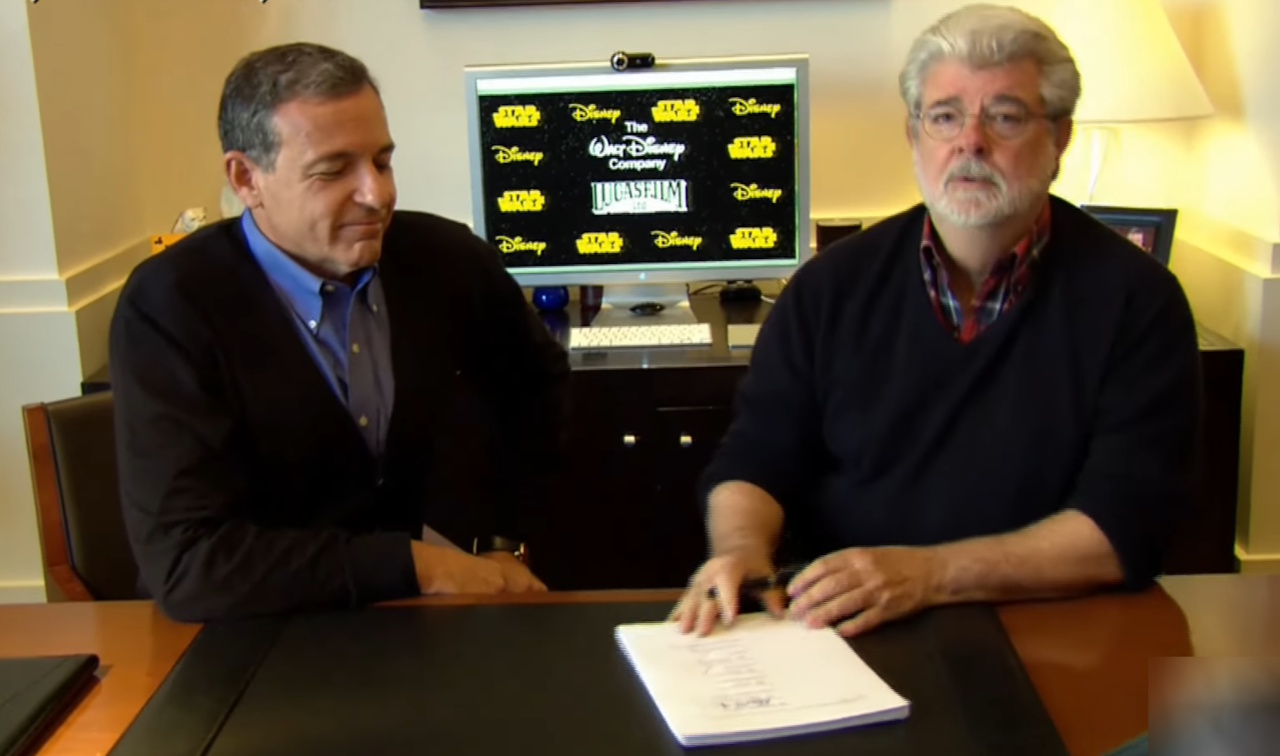
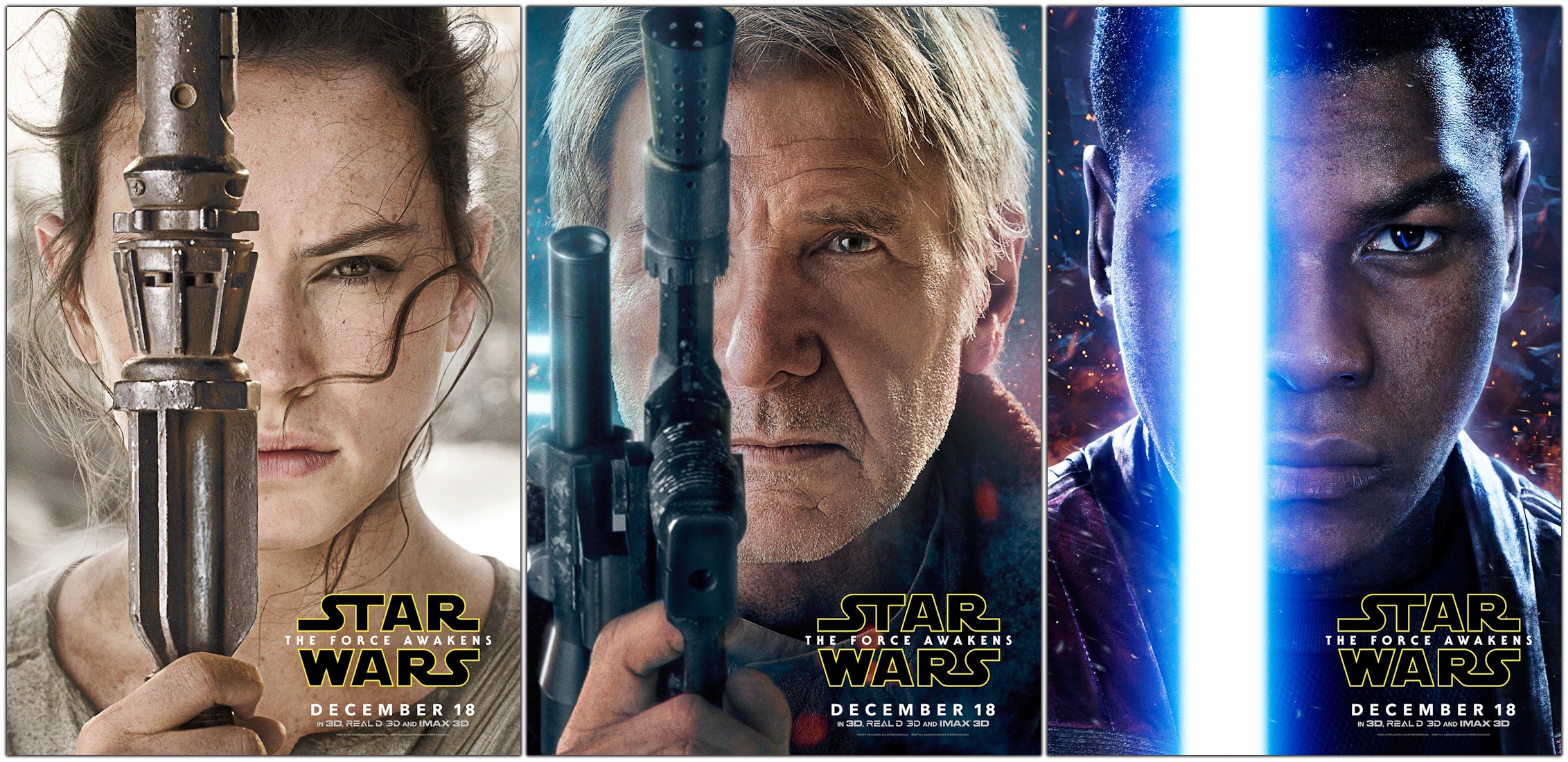
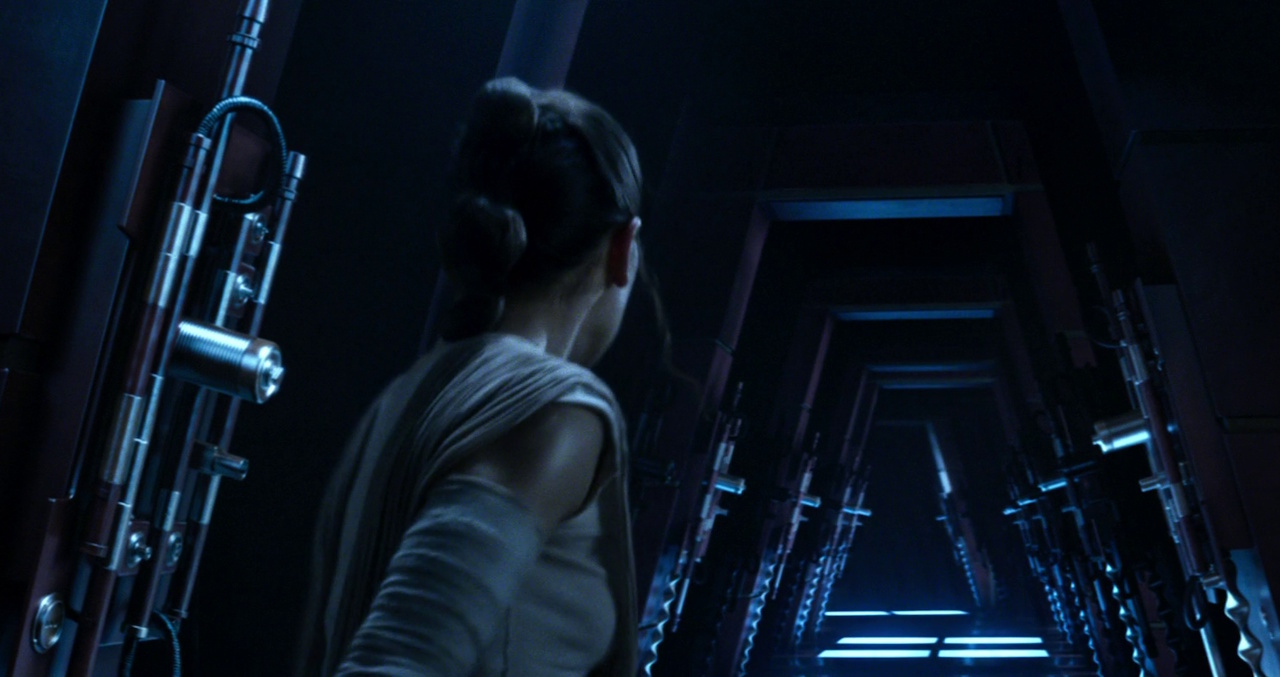
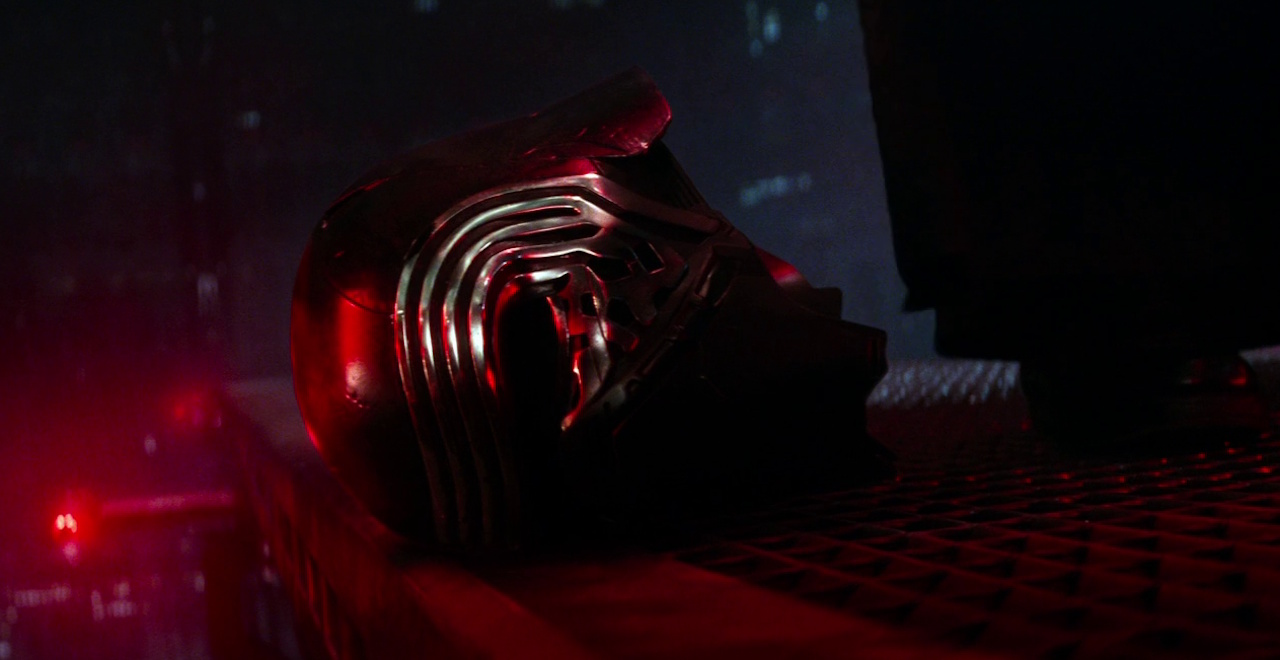
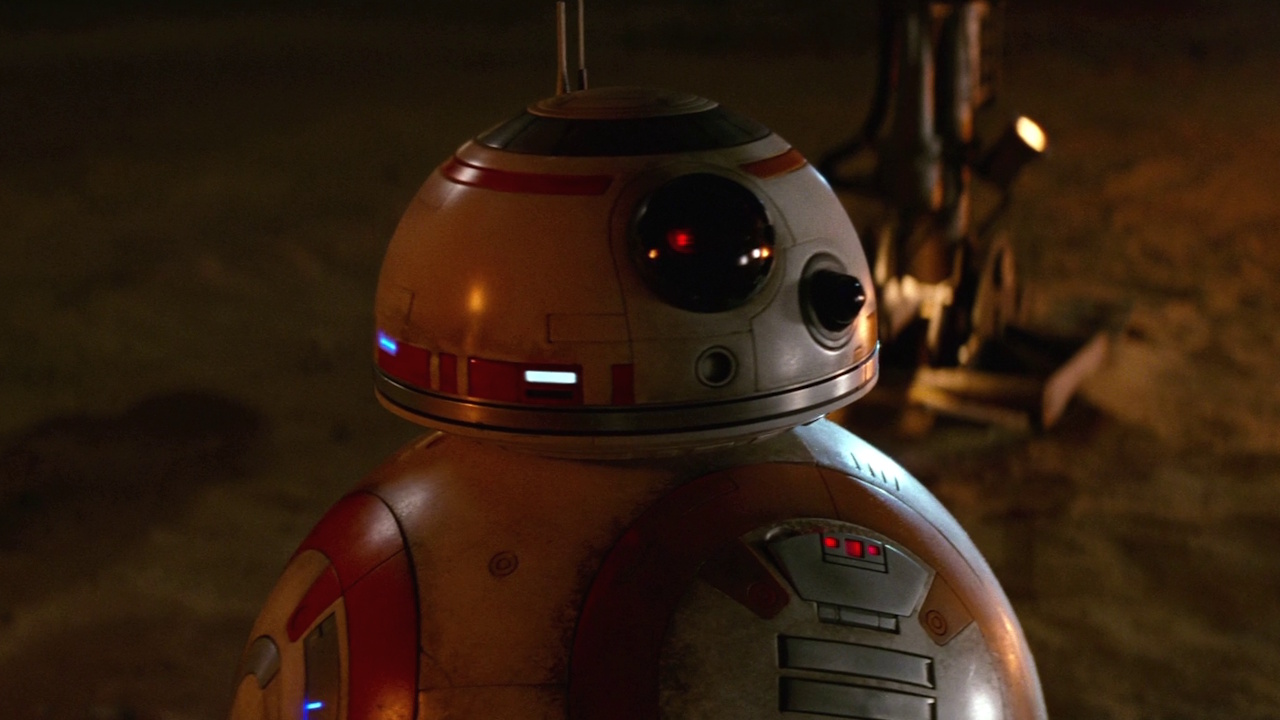
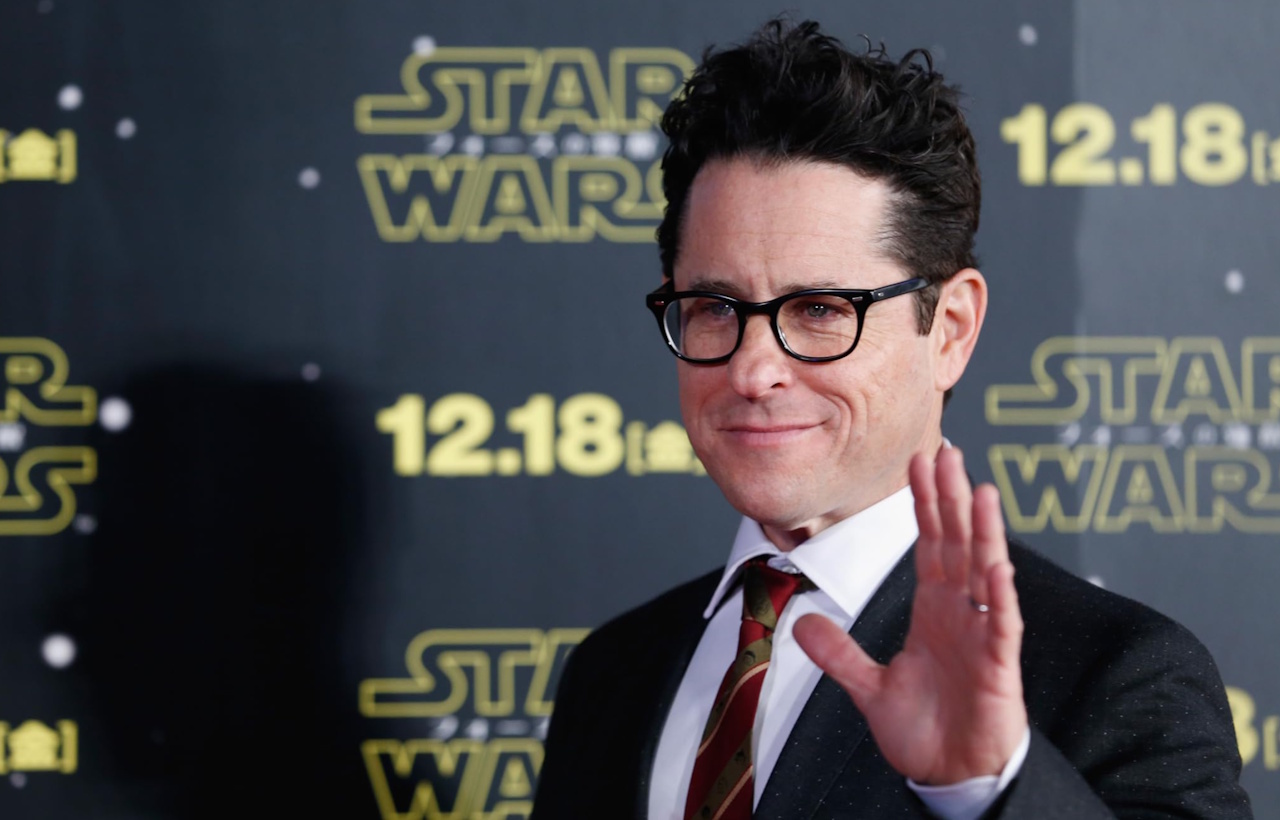
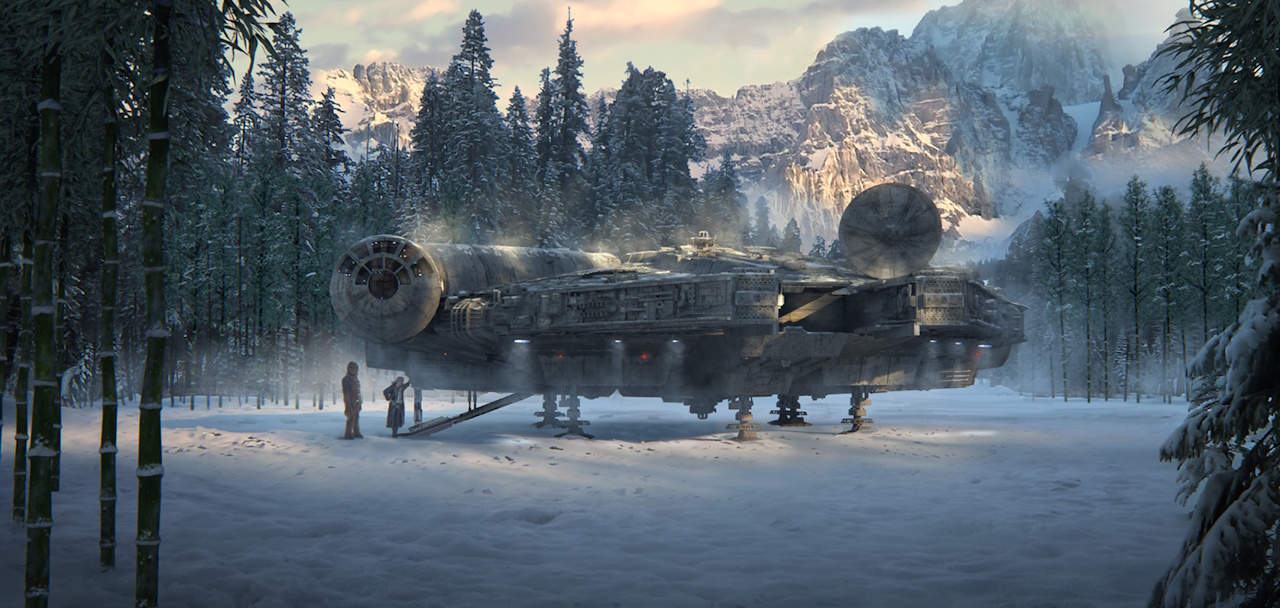
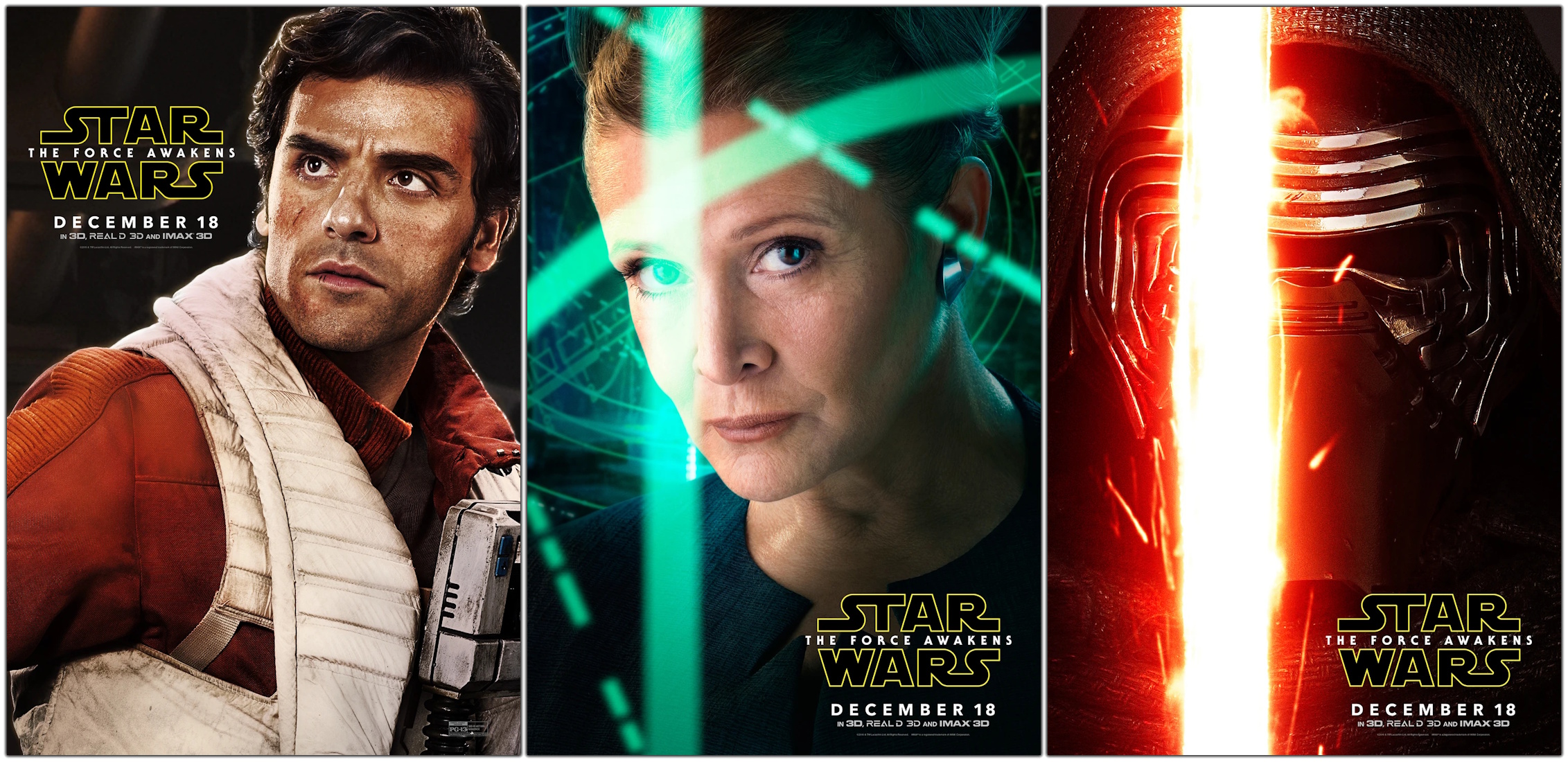
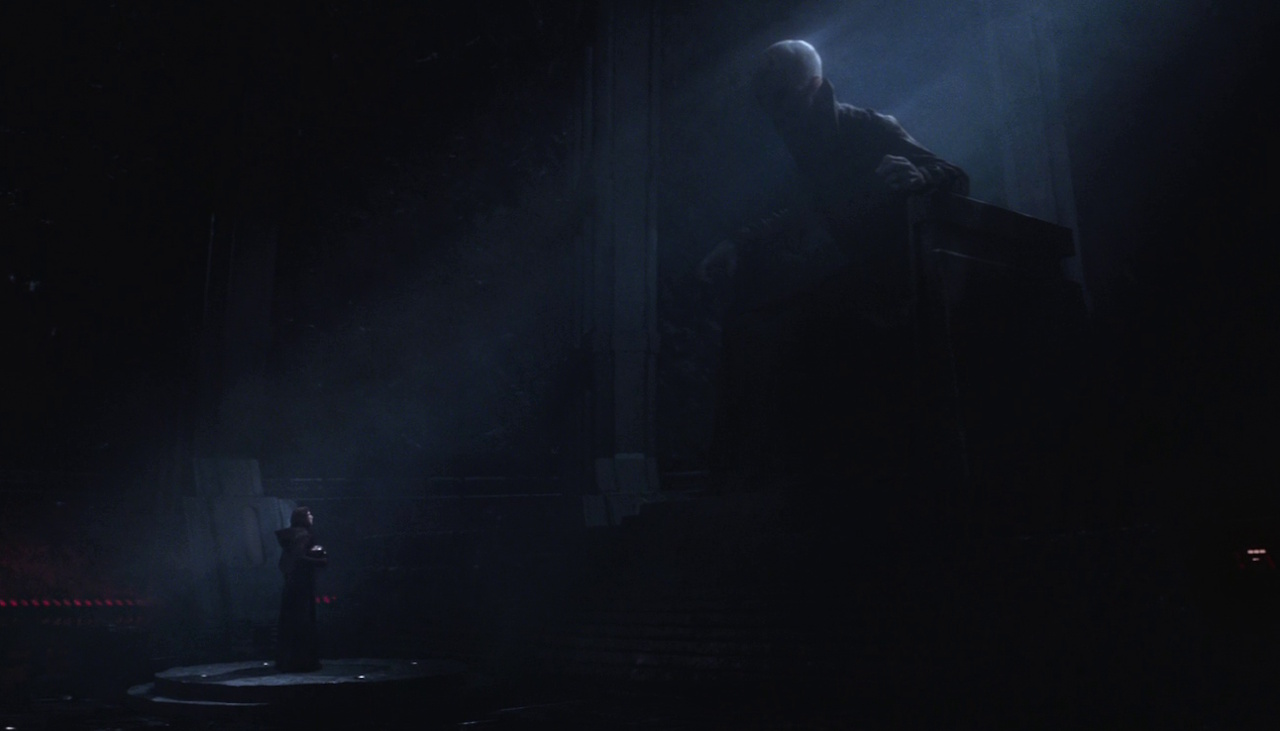
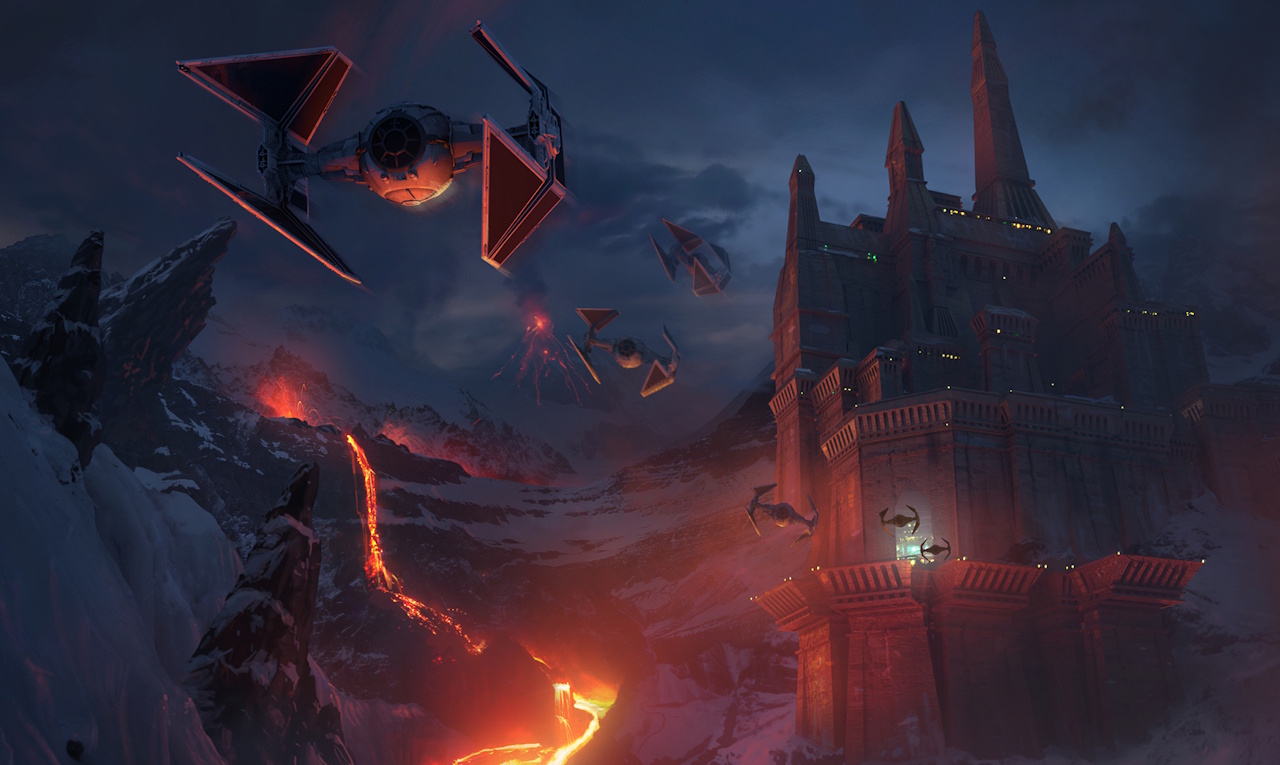
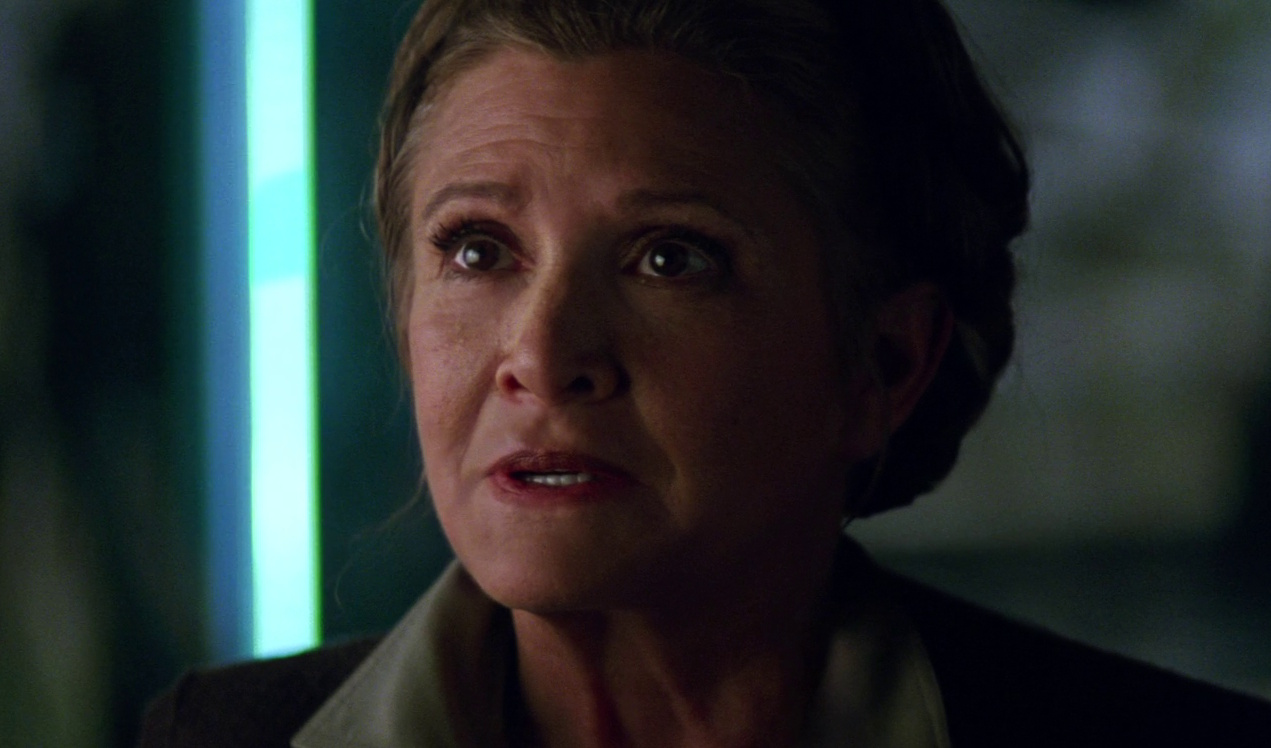
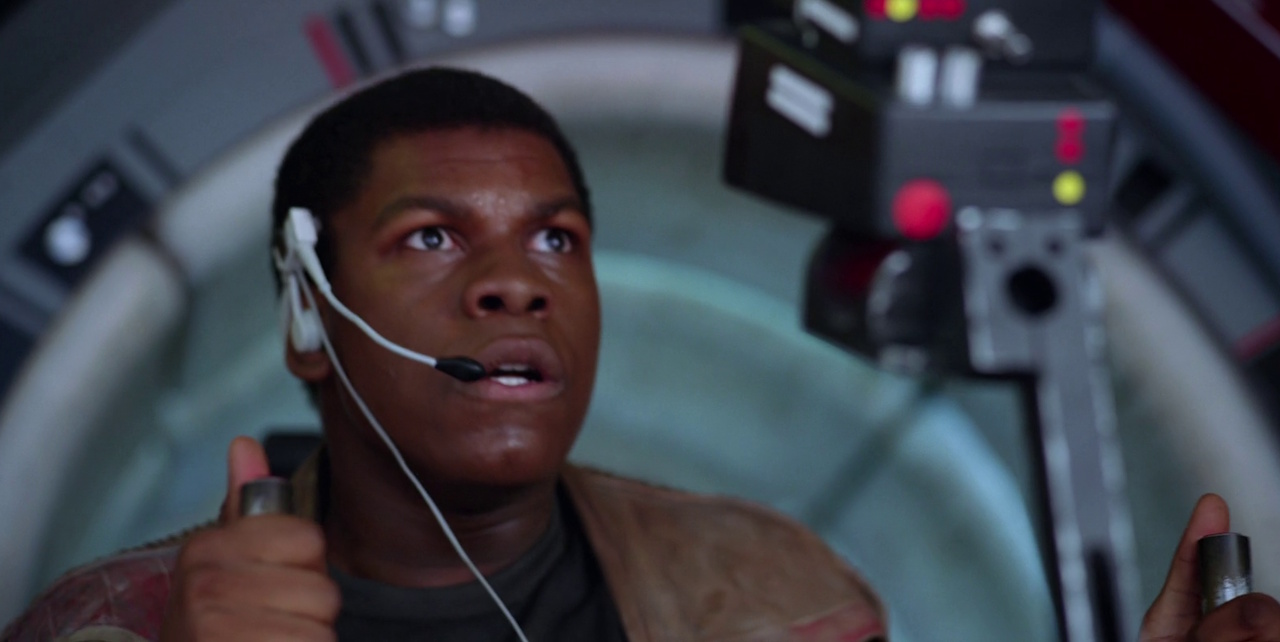
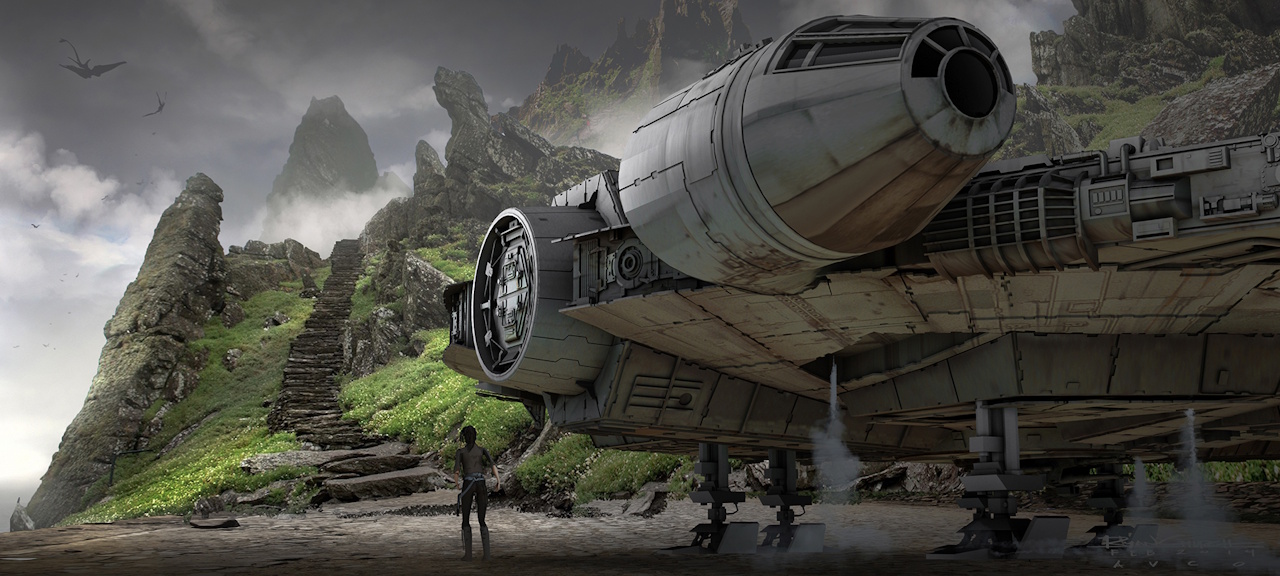

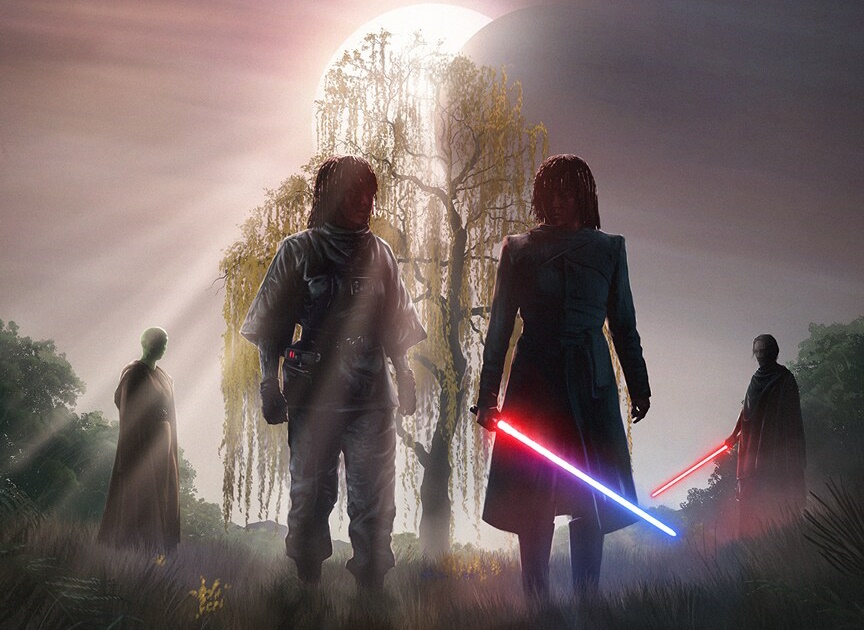
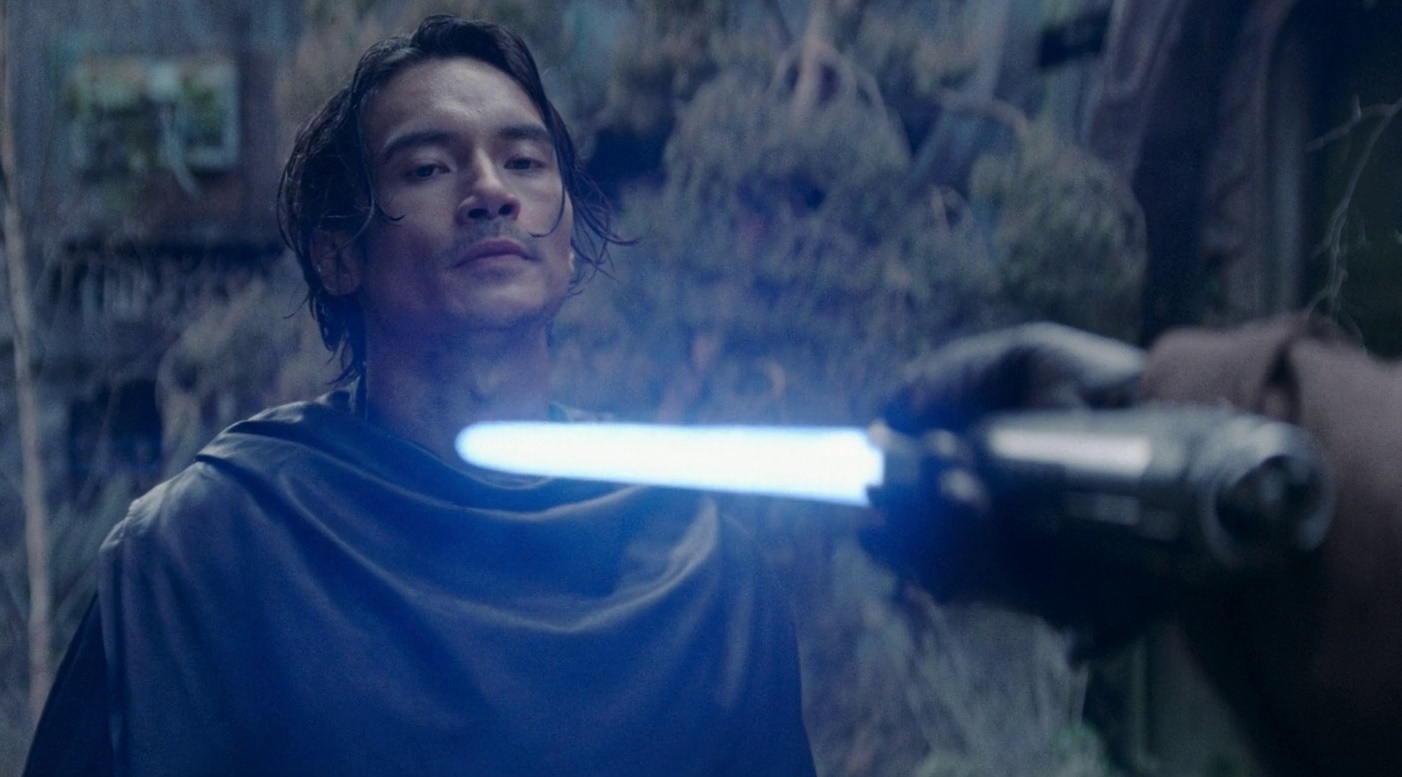
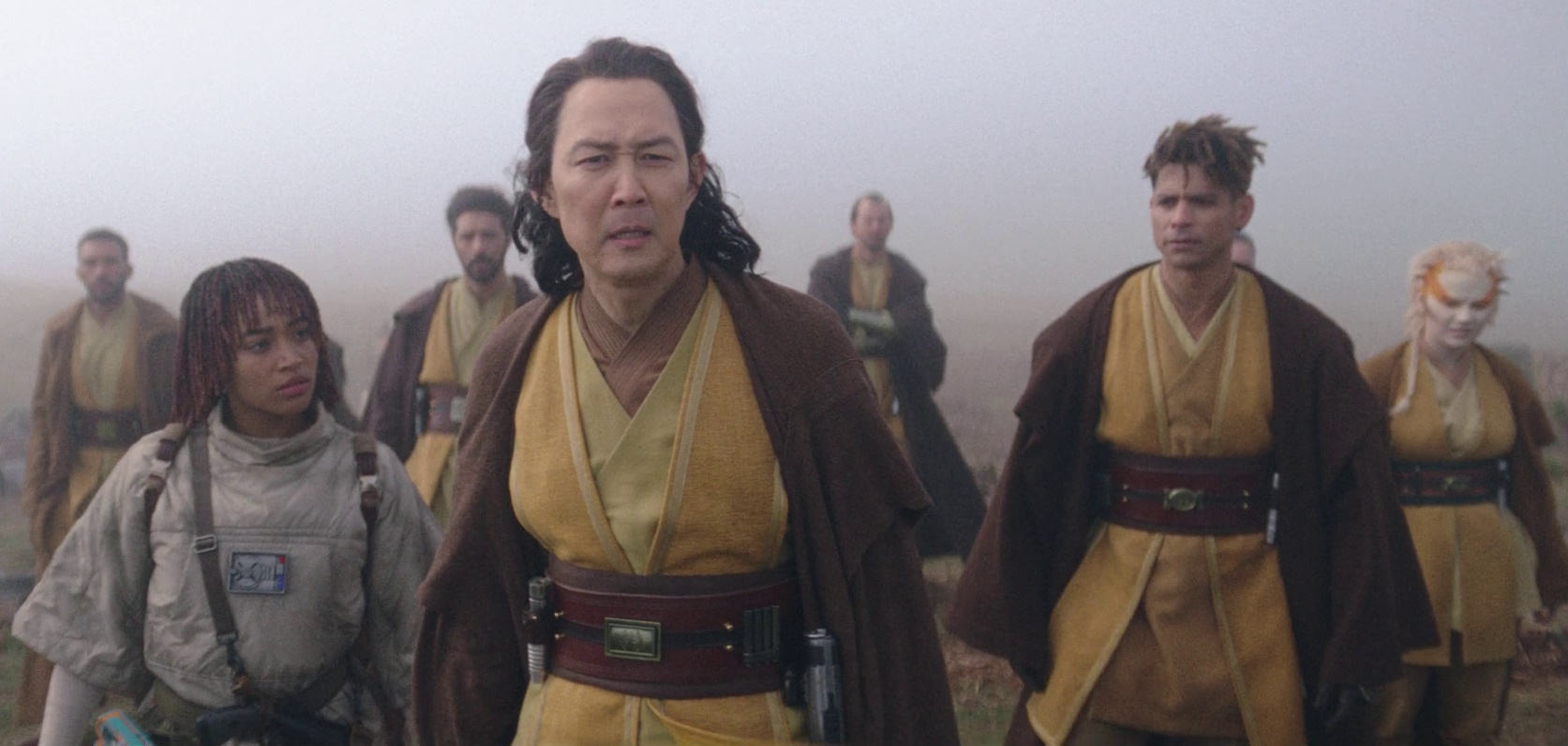


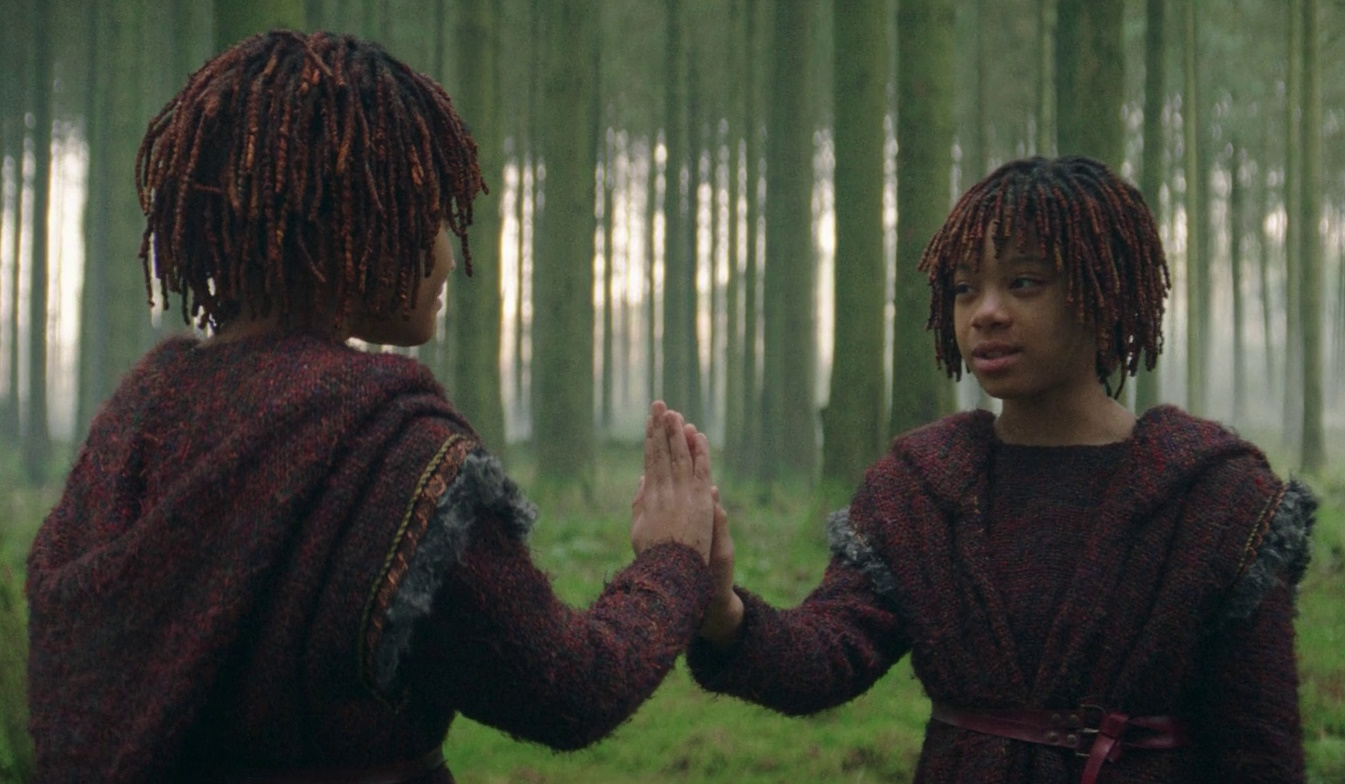
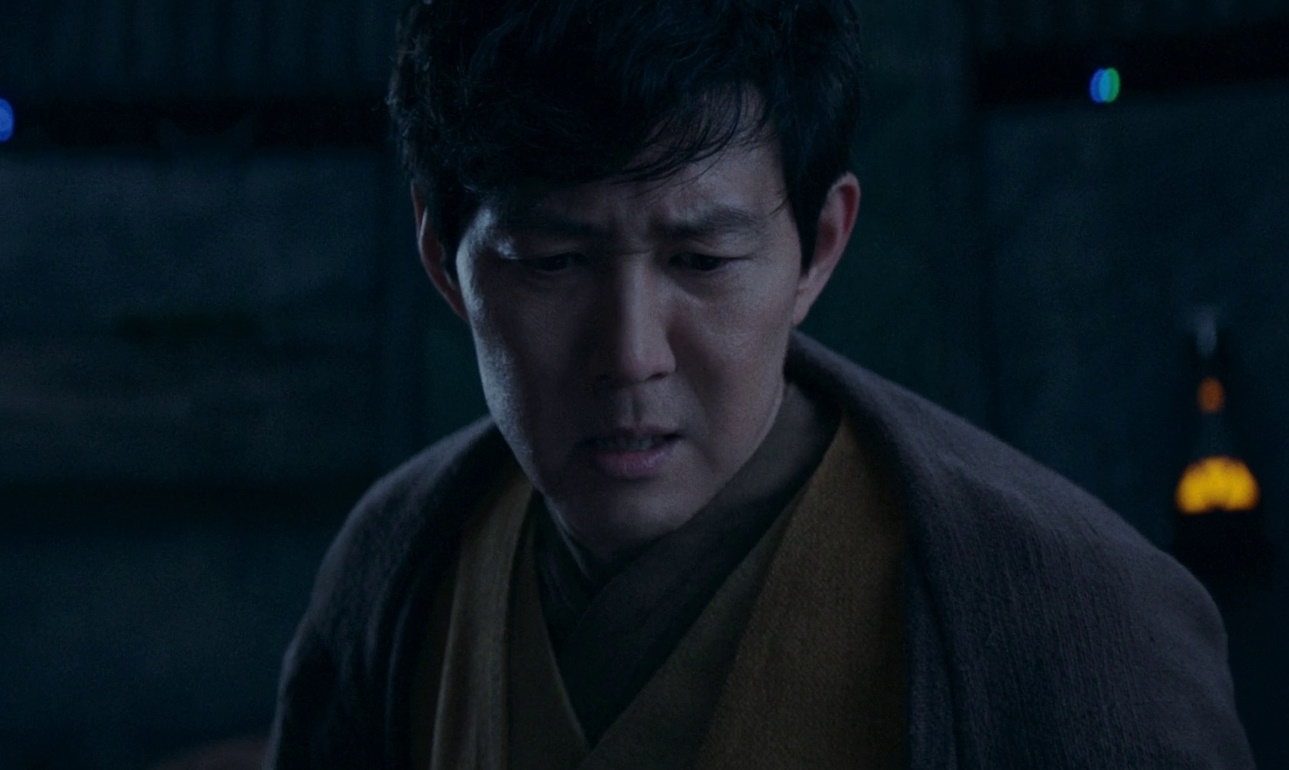
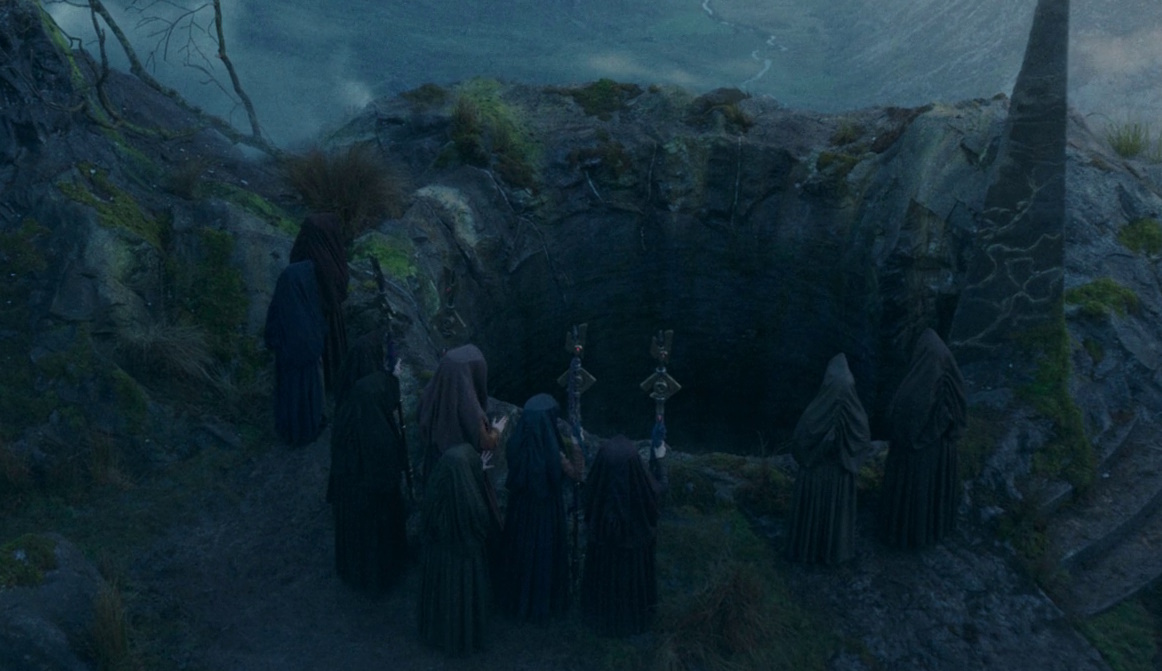
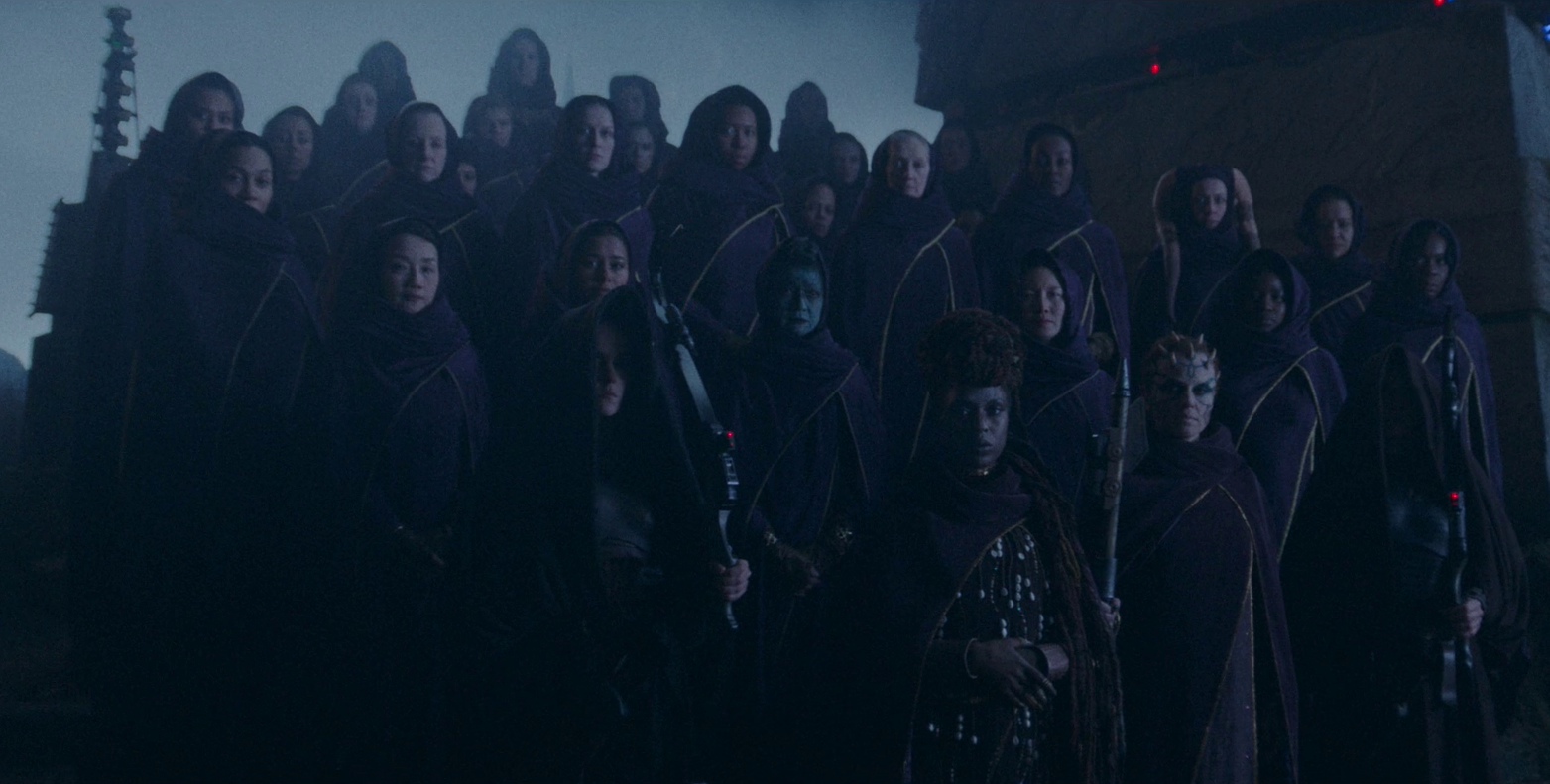
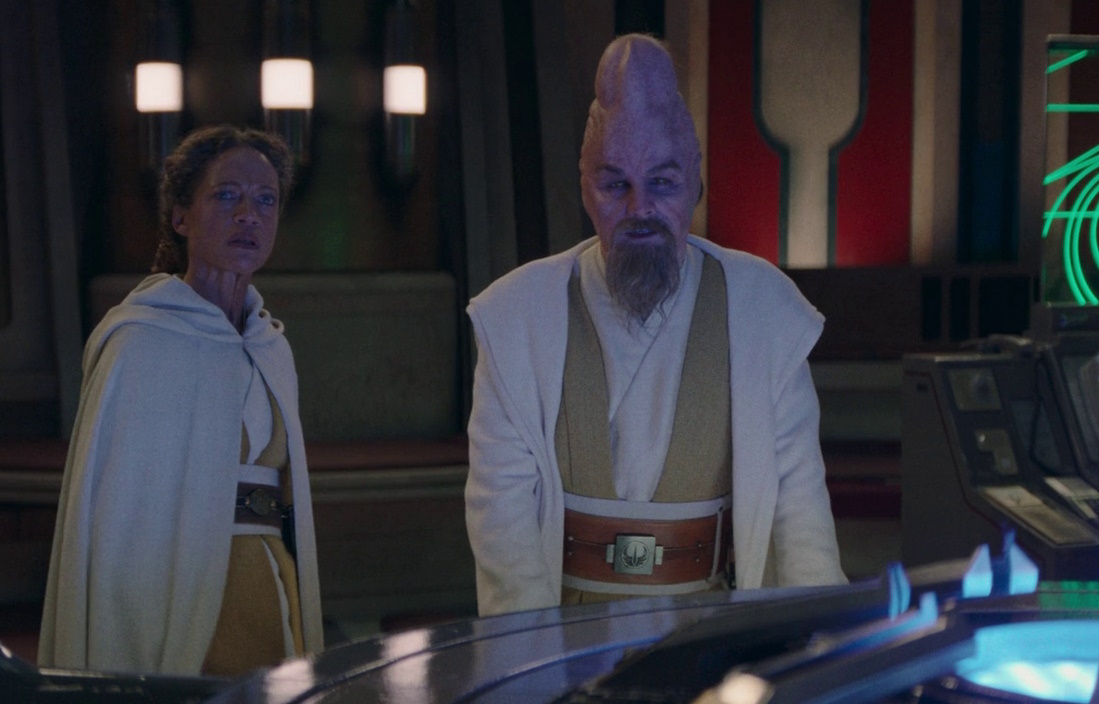
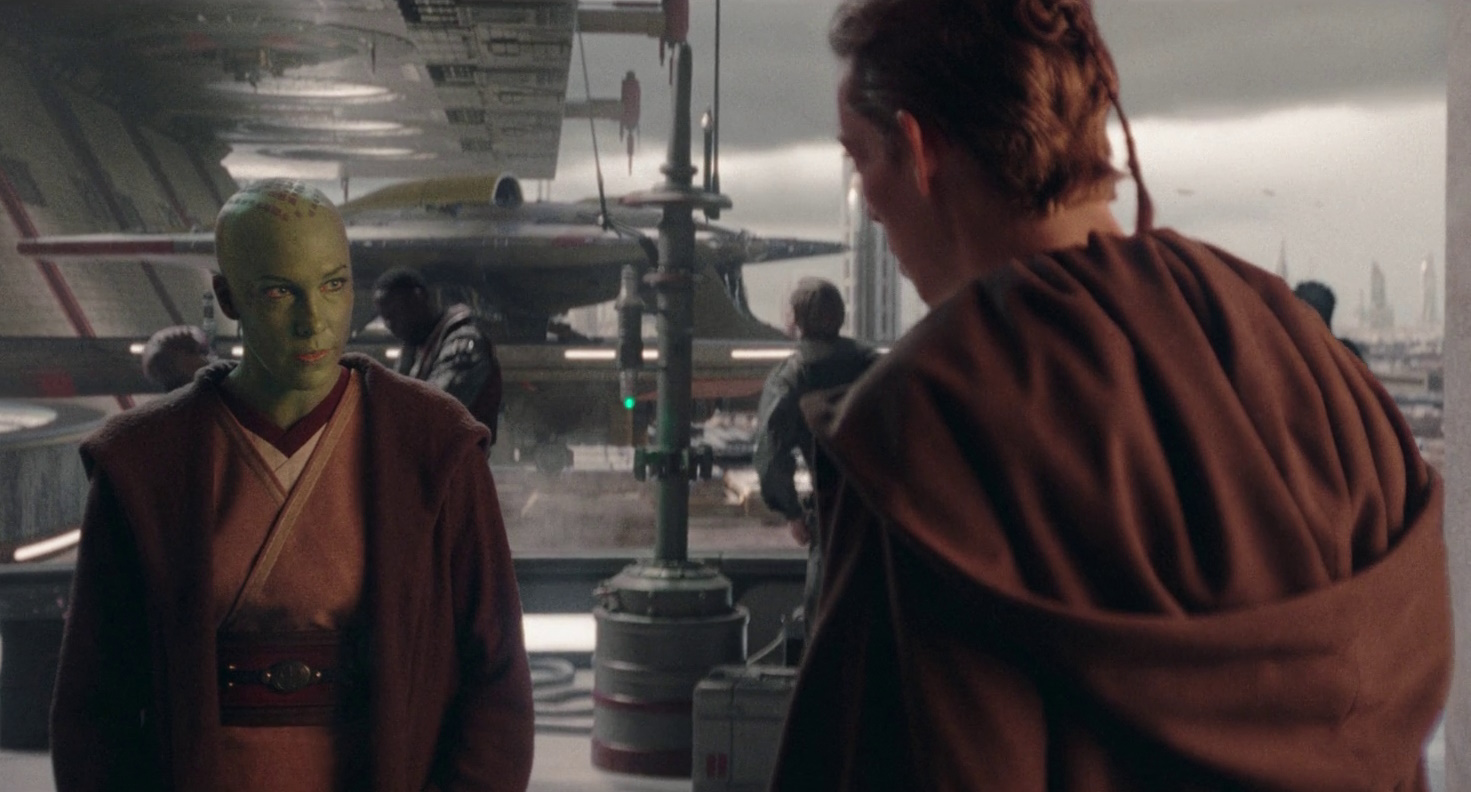
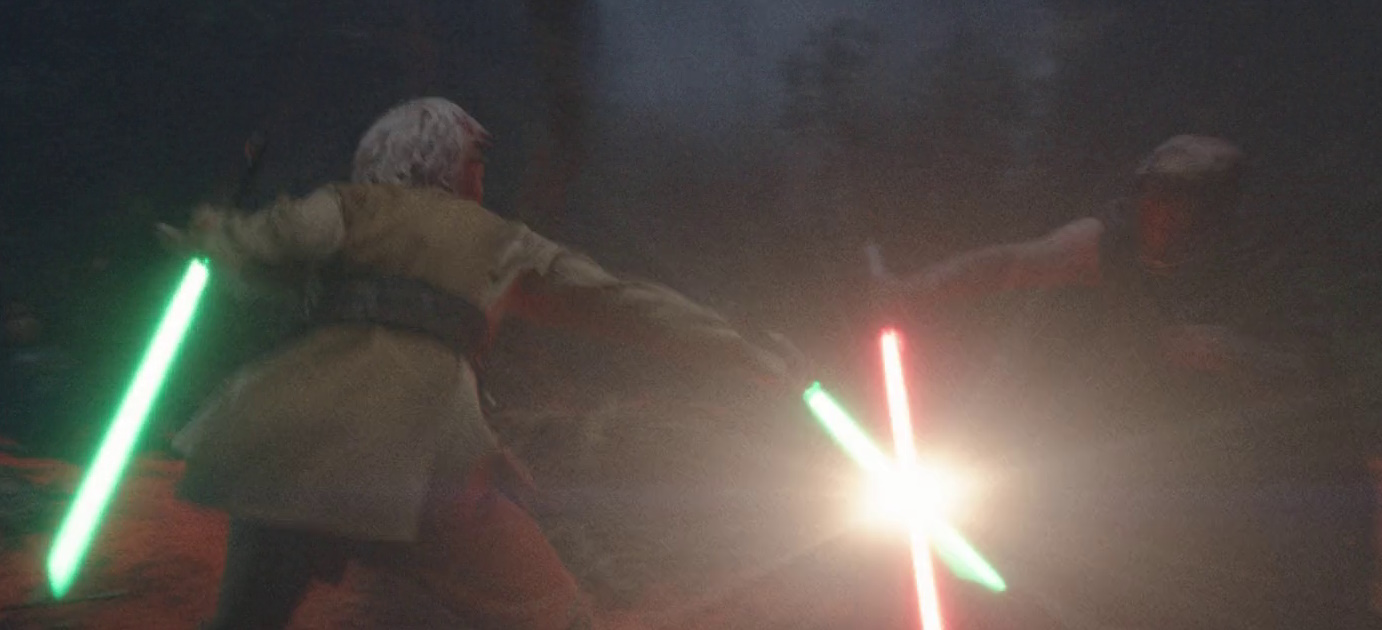
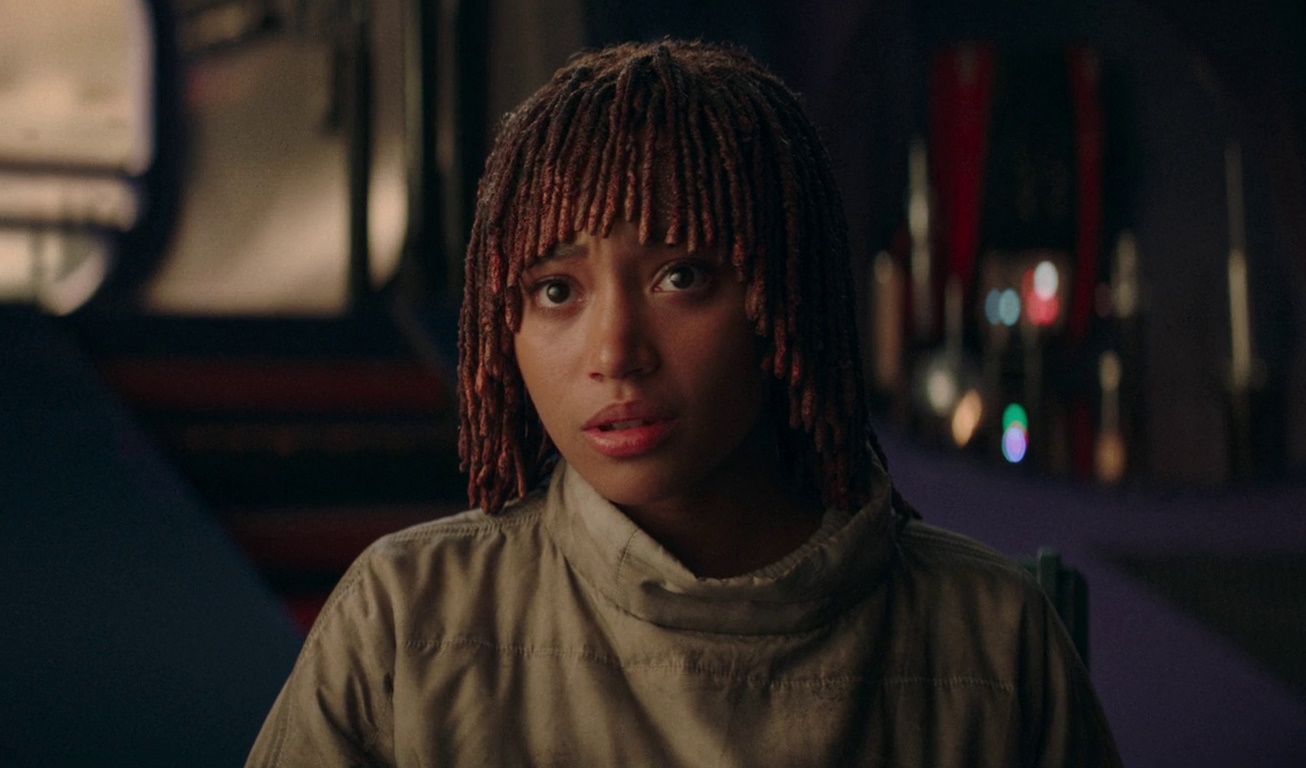


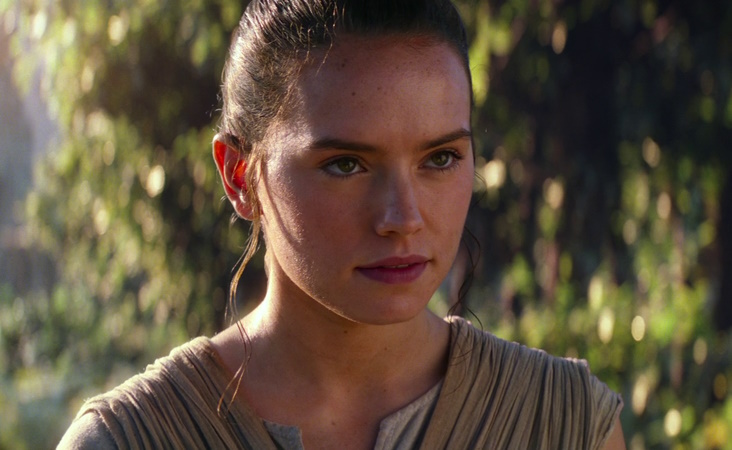



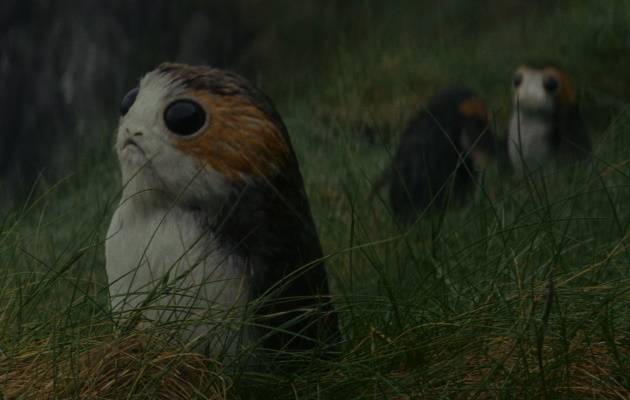

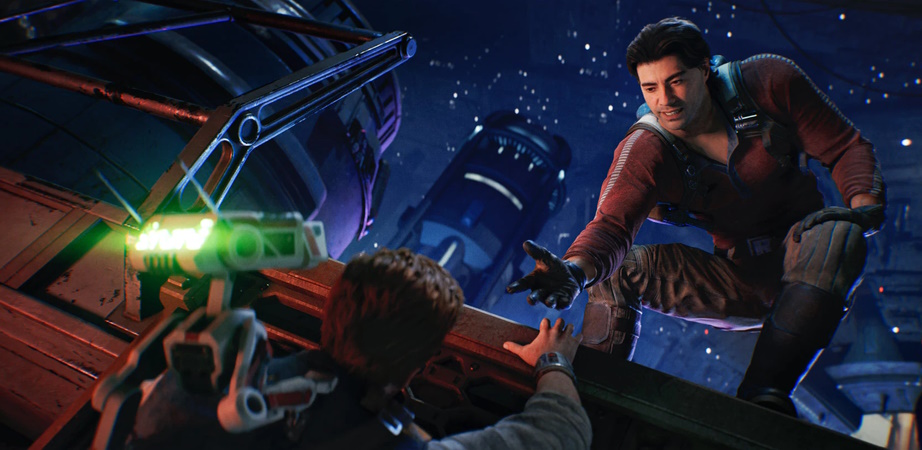
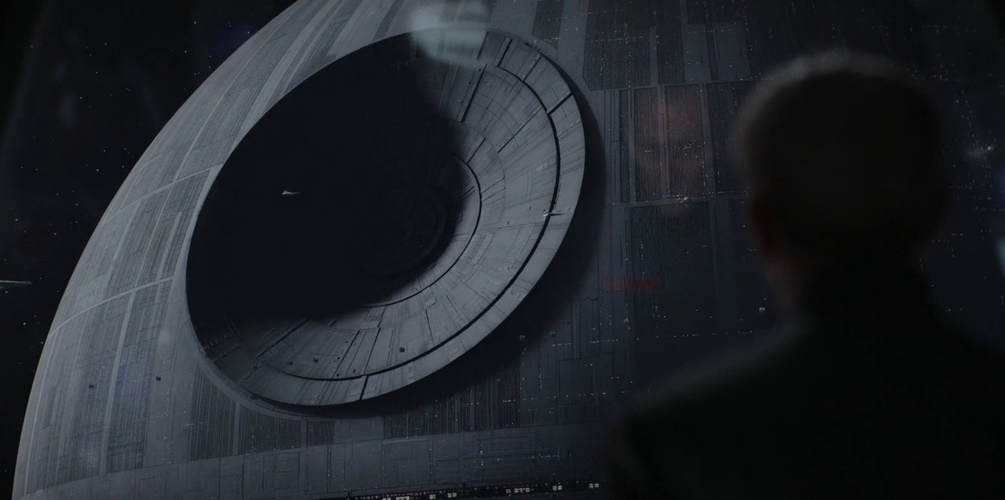
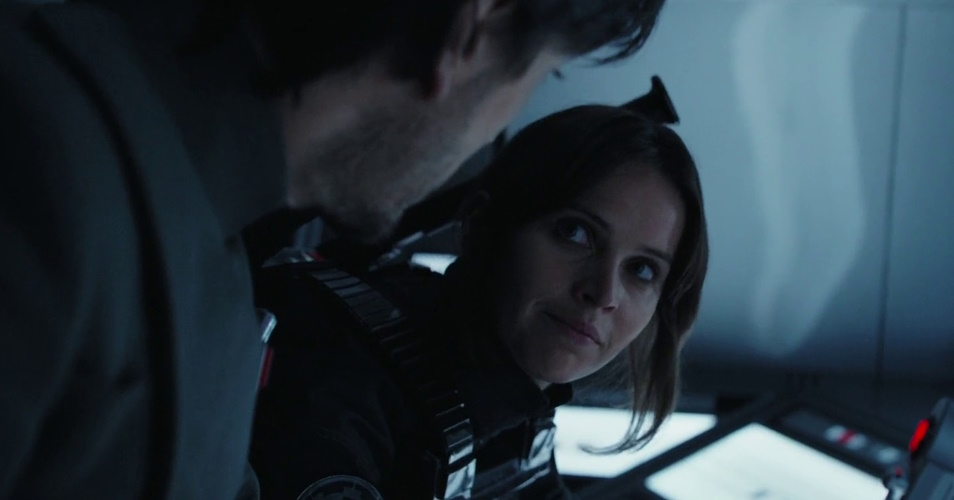
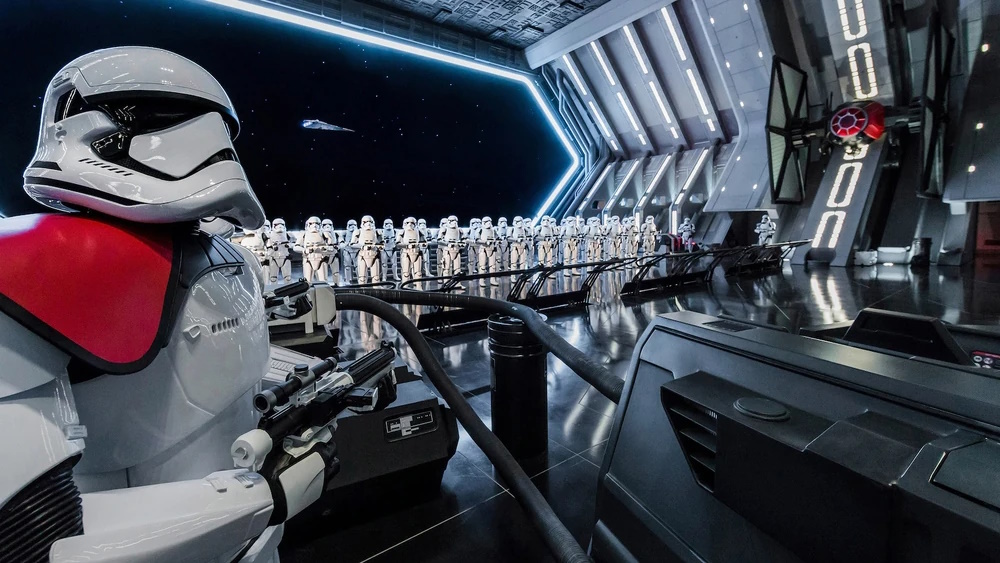
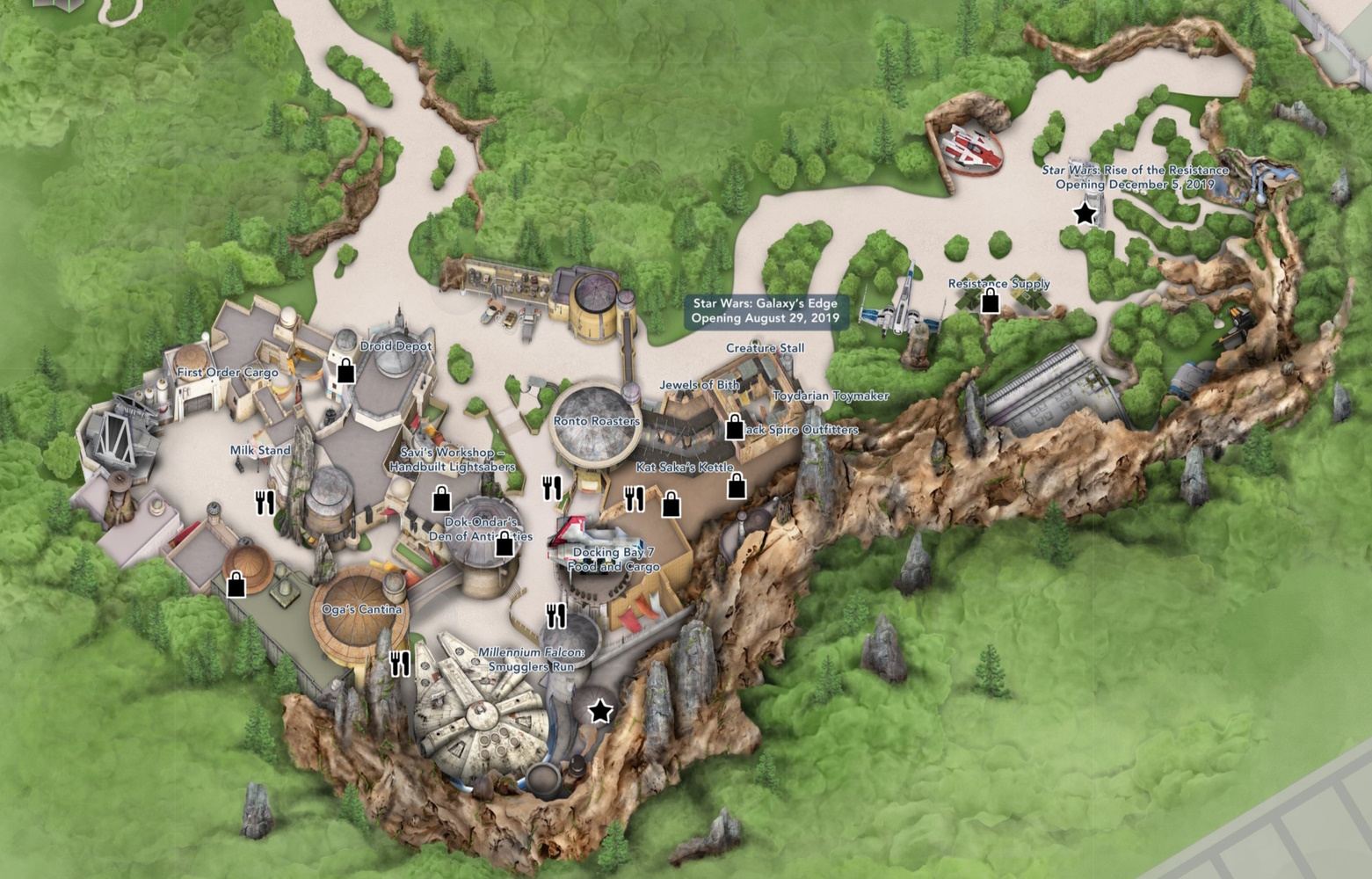
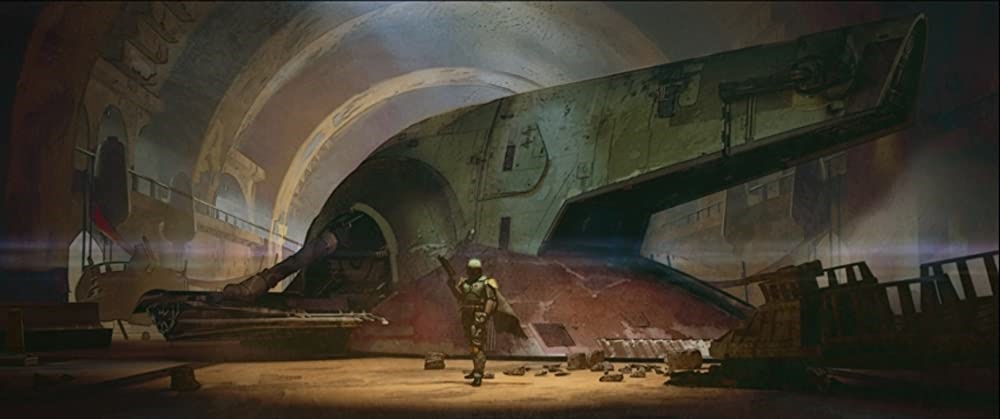
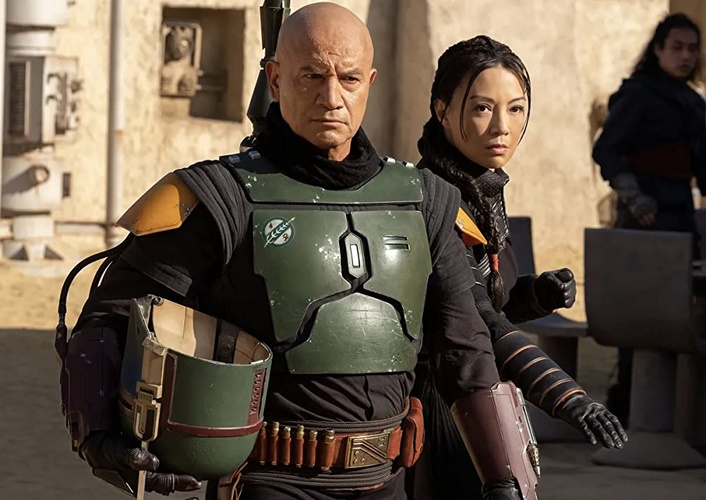
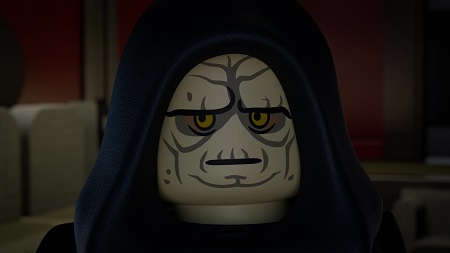
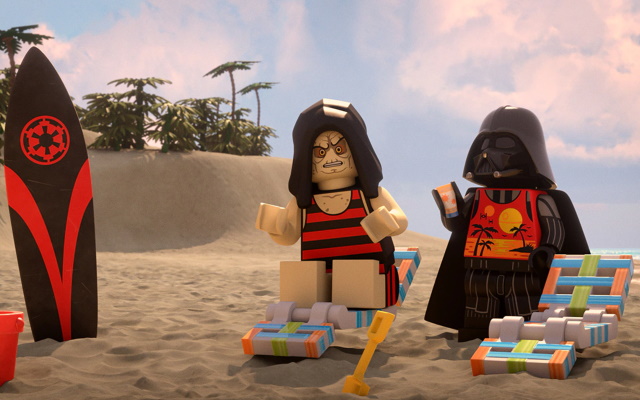
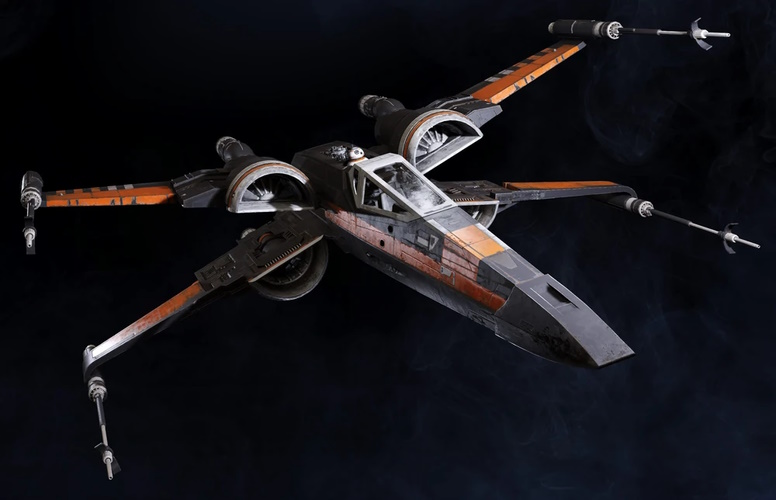
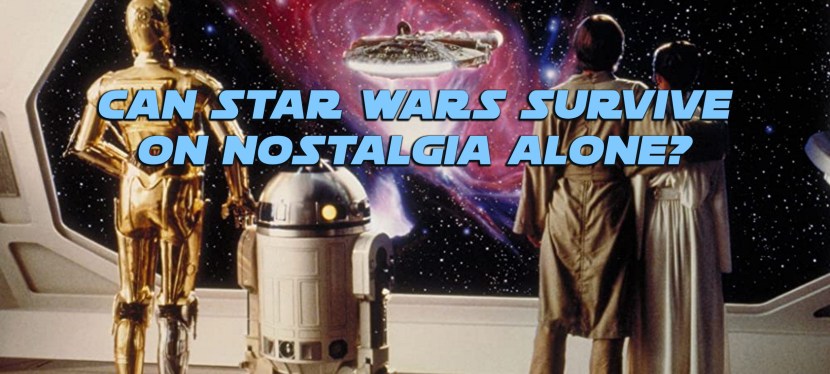


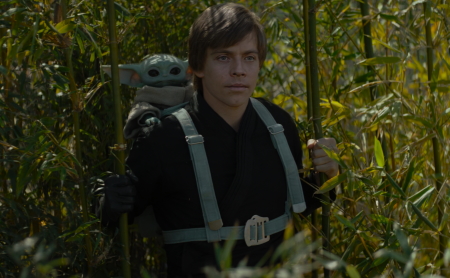
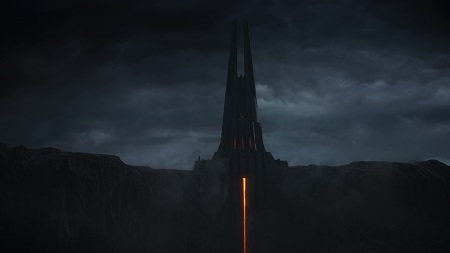
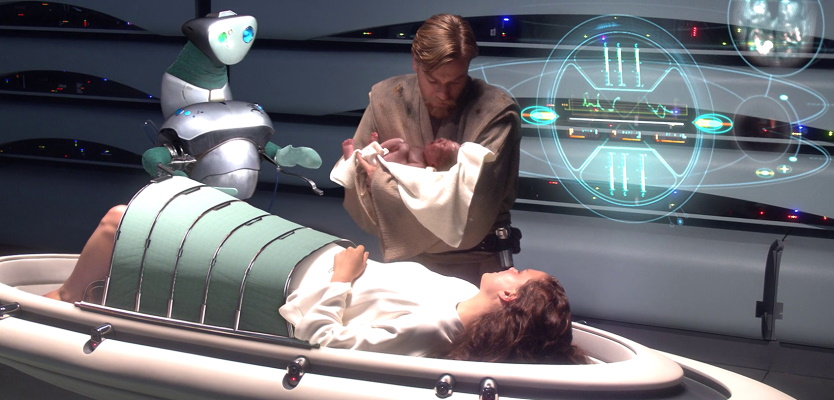
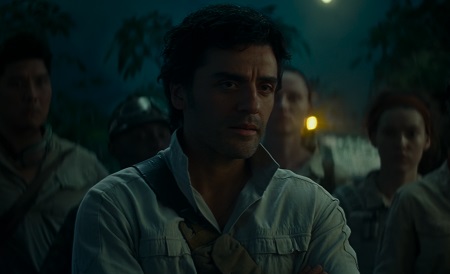
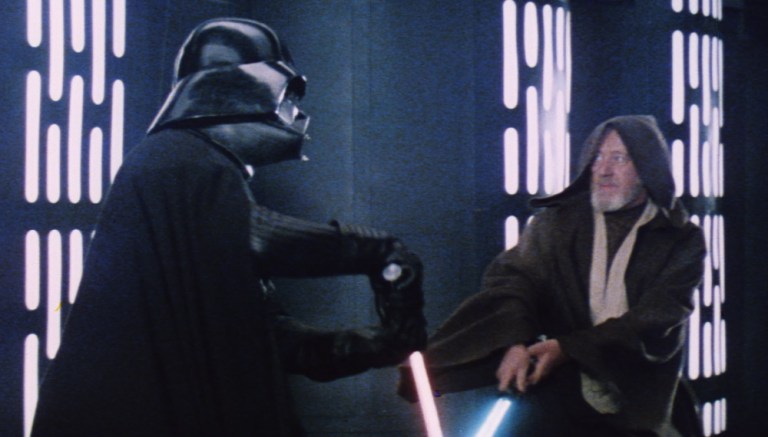







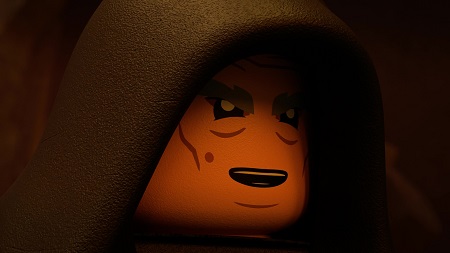
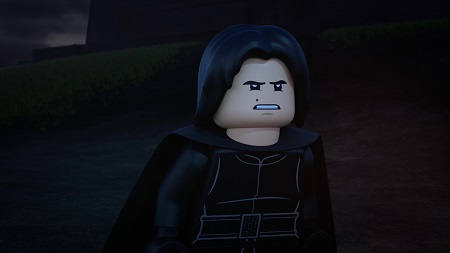

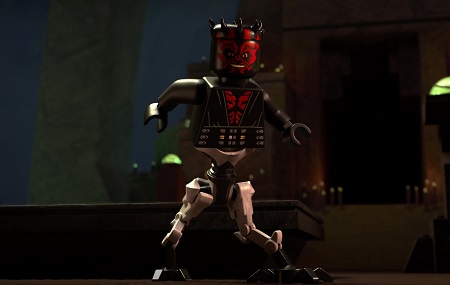


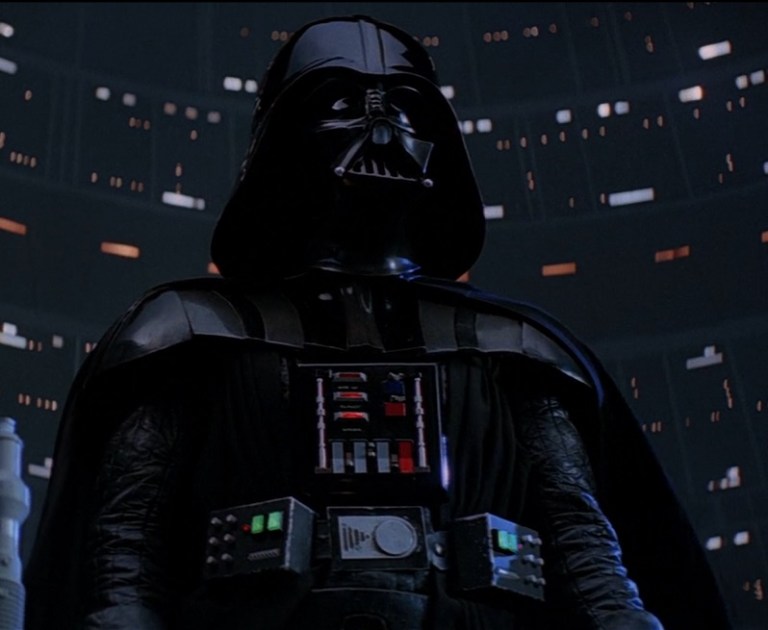


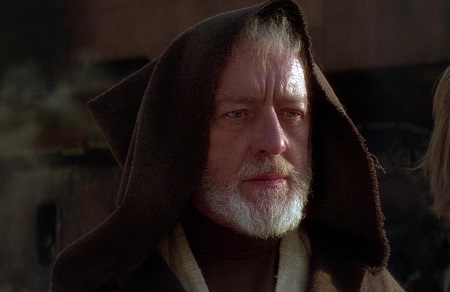
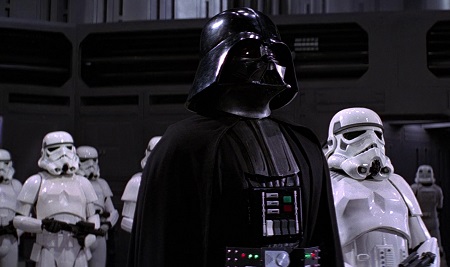



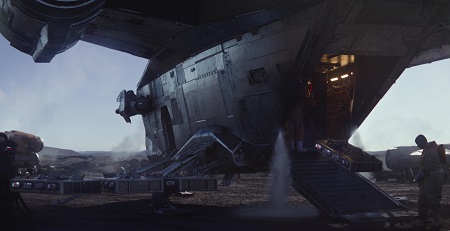

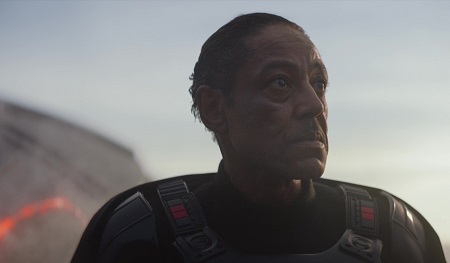
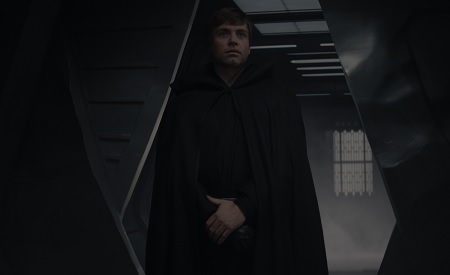
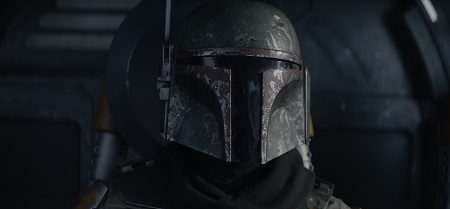
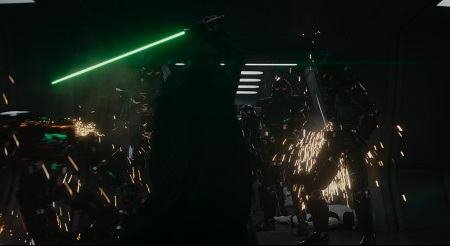


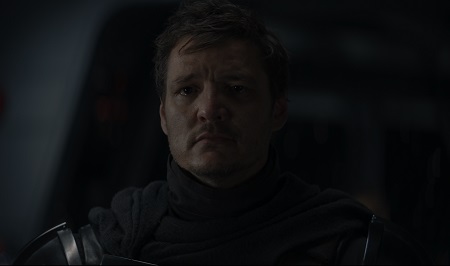








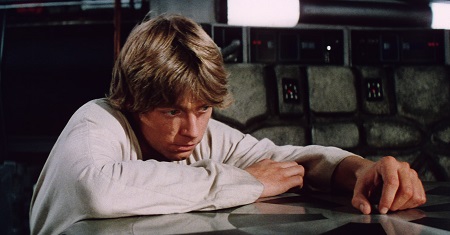






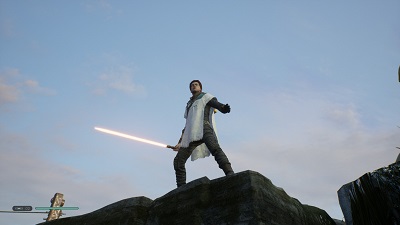

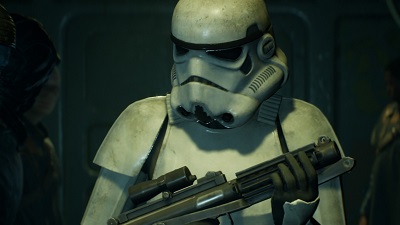
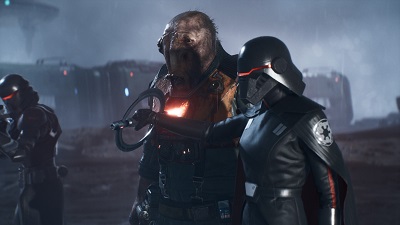
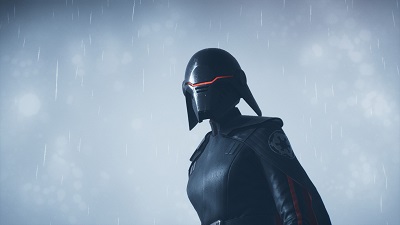
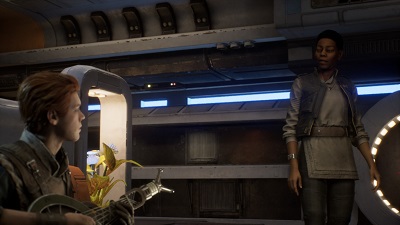
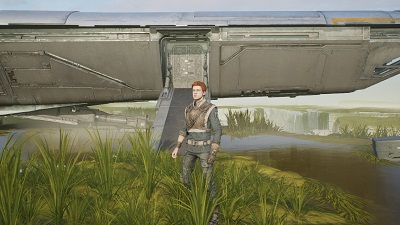
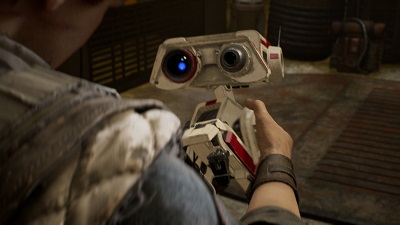
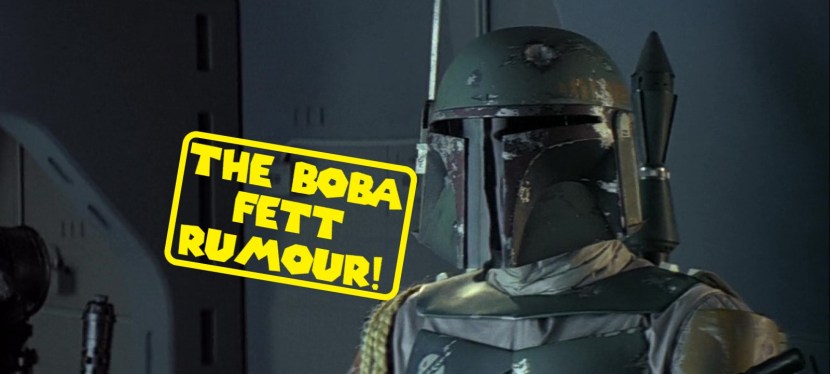
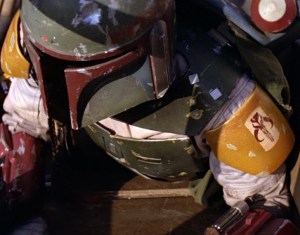
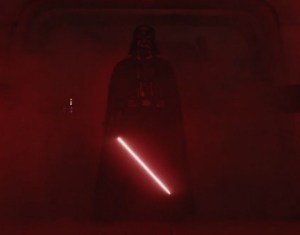
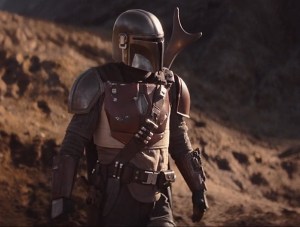
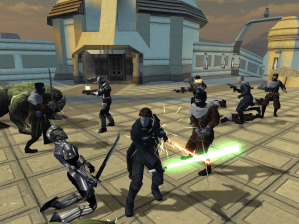
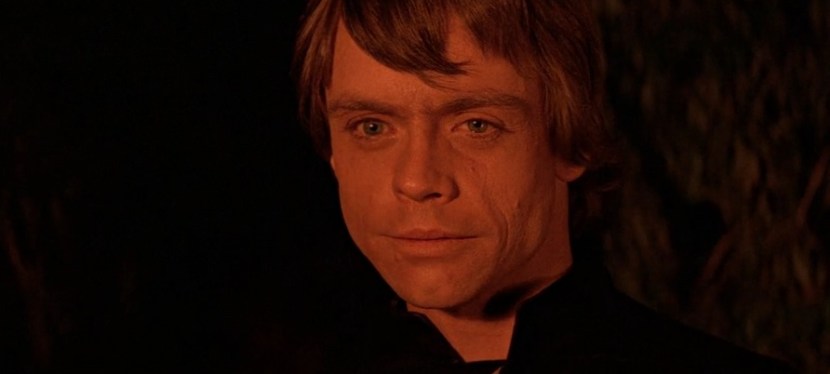

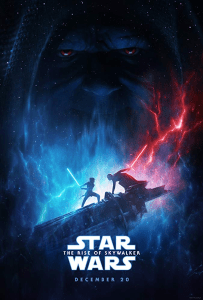
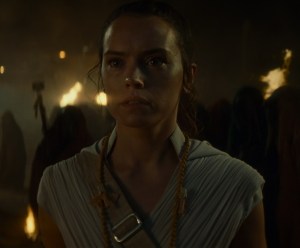
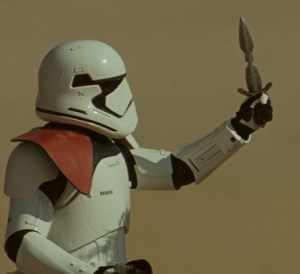
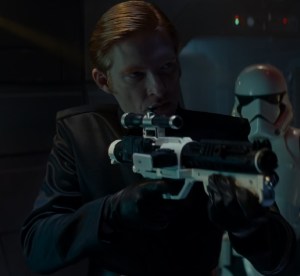
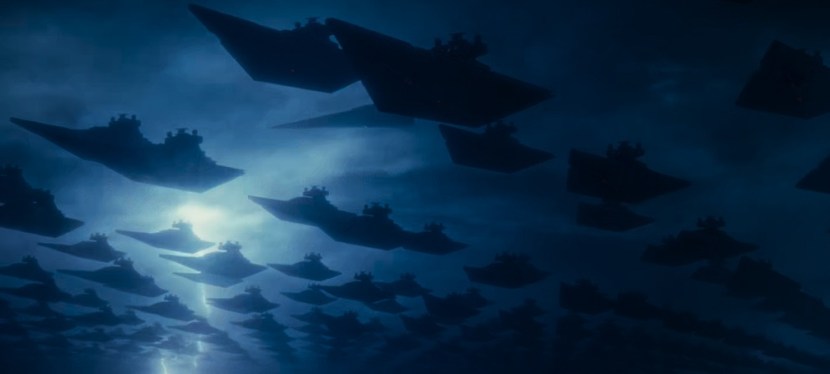
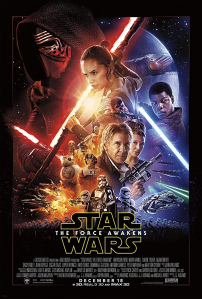
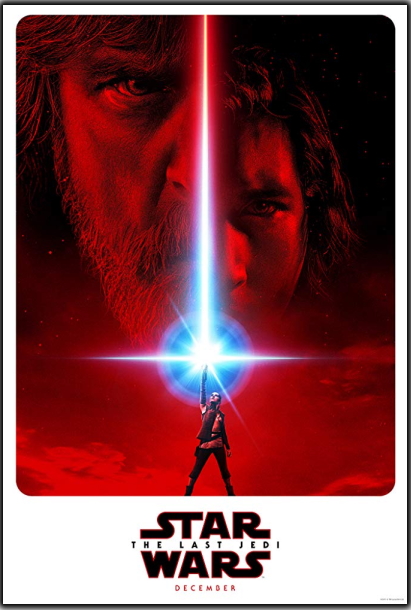
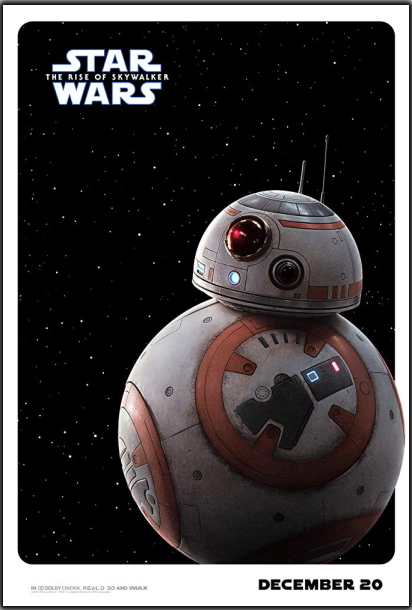
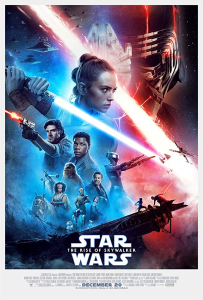
 Trekking with Dennis