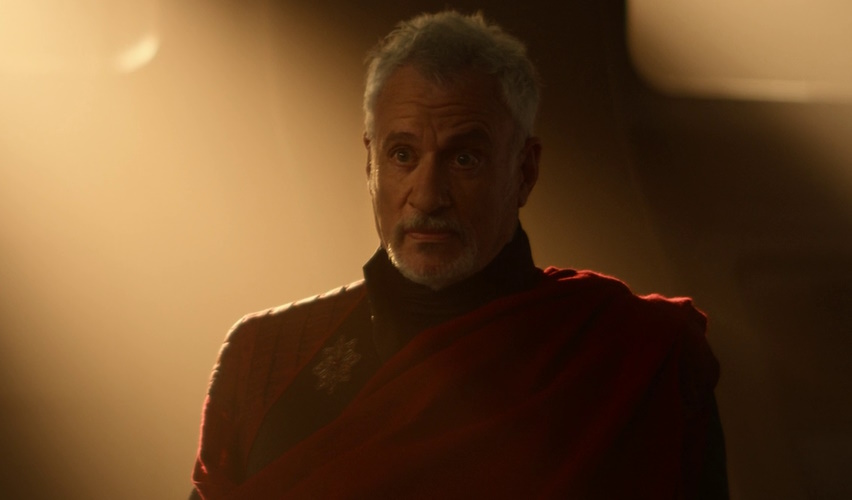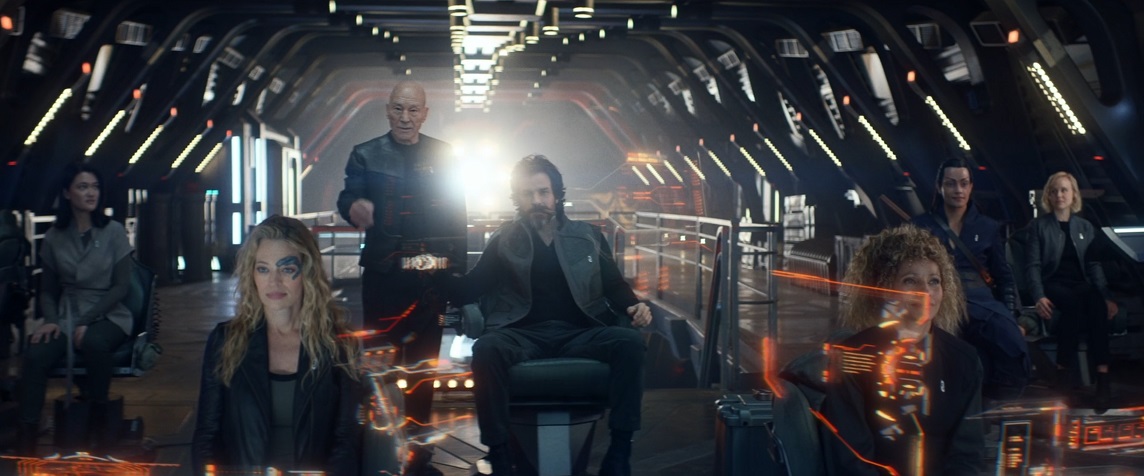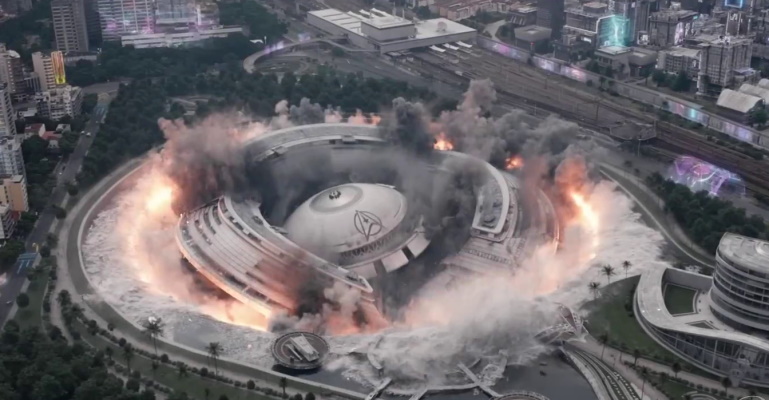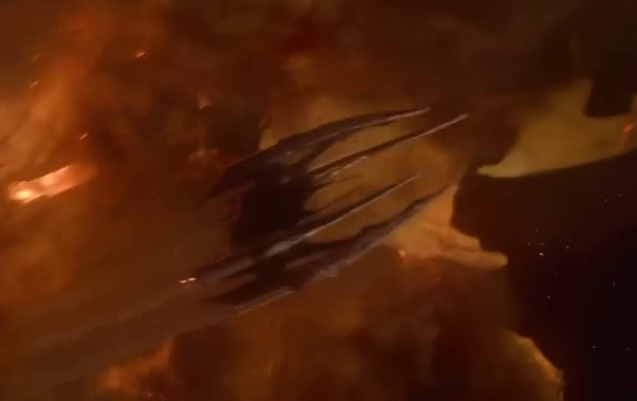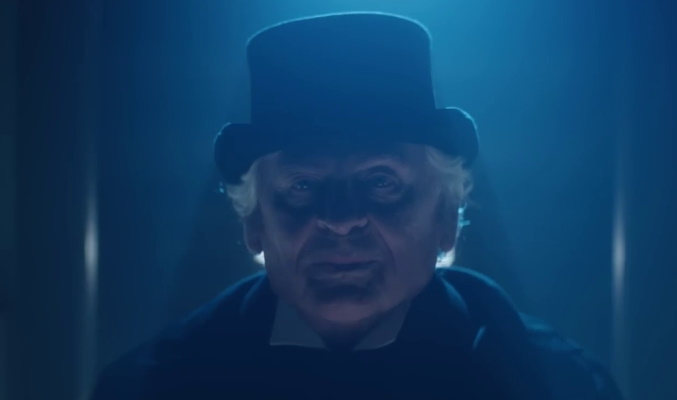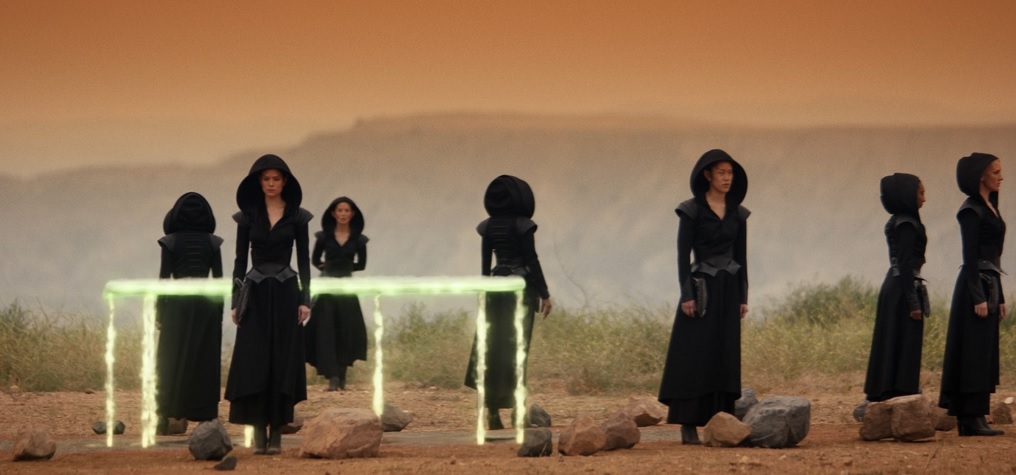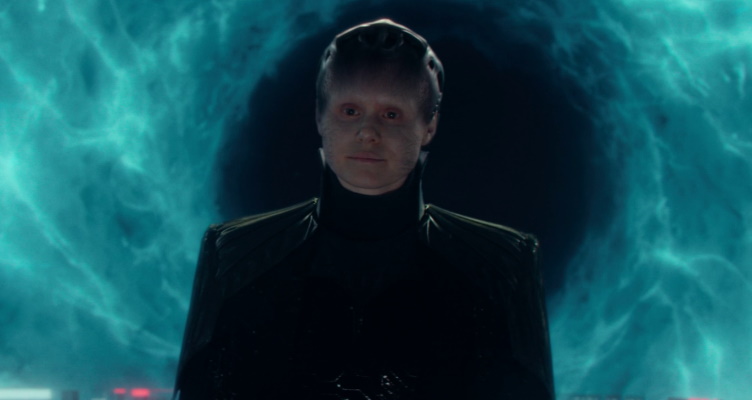
Five Changes I’d Have Made To Star Trek: Picard

A spoiler warning graphic.

Spoiler Warning: There are spoilers ahead for Star Trek: Picard Seasons 1-3.

It’s been more than a year since Star Trek: Picard finished its run, but the series has been on my mind again. With Paramount seemingly focused on more Star Trek prequels in the immediate term, and the Legacy spin-off idea dead and buried in its original form, Picard could be our only live-action look at the early 25th Century for a long time. That got me thinking about the show’s successes… but also a few places where I would have made changes if I’d been in charge!

See, Picard was far from the perfect production – at least in my subjective opinion. I’ve already drawn attention to several places where storylines and plot points seemed to overwrite one another – which is strange, particularly in a series that only ran to thirty episodes across three seasons. You can find that article by clicking or tapping here, by the way! But today I wanted to consider five changes I’d have made that I believe would’ve improved the series.
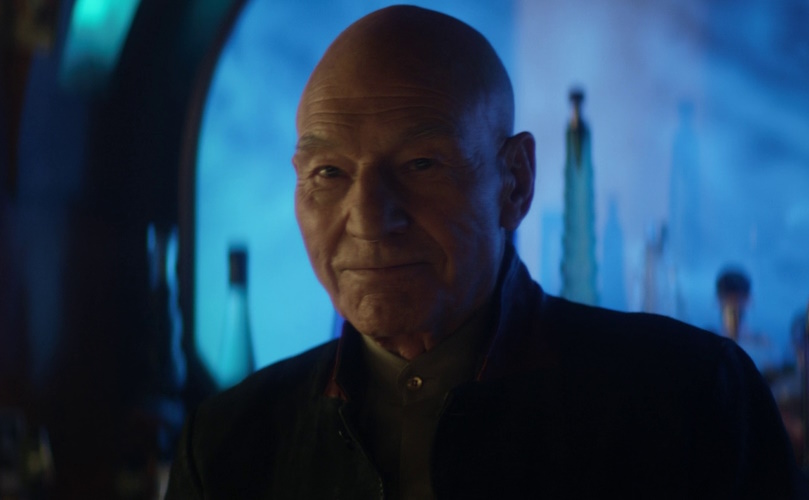
Jean-Luc Picard in Season 3.

As always, a couple of important caveats! A couple of these points are contradictory, meaning one idea or the other might’ve worked in the series, but probably not both! That’s okay, and I’m happy to consider the merits of both as standalone ideas. I’m not trying to claim that Picard’s writers should have implemented all of these changes exactly as I’m proposing them! For a variety of reasons, both in-universe and on the production side of things, it may not have been possible to do some or all of these things even if the writers’ room had wanted to. So to re-emphasise that last point: I know that some or all of these ideas may not have been practical. This is all a moot point now anyway; the series is over. This list is a mix of fantasy and speculation from an old Trekkie – and nothing more!

I also want to say that, while I had some issues with the way Picard was written, by and large I’m a supporter of the series. In fact, I’d like to see more Star Trek set in the time period that Picard introduced us to – and one of the reasons why I think continuing to talk about the show is important is to make that point to Paramount. It also can’t hurt to point out some inconsistencies and other points that future writers and producers might be able to learn from! So that’s my mindset as I put together this list.

With all of that out of the way, let’s get started!

Change #1:
Replace Dr Benayoun with Dr Pulaski in Season 1.

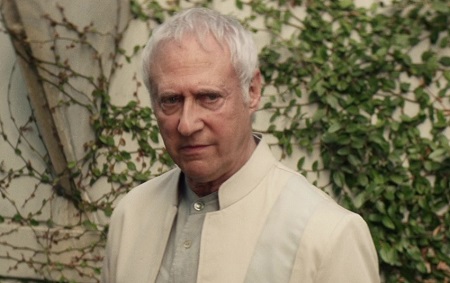
Still frame from Star Trek: Picard Season 1 (2020) showing the character of Dr Benayoun.
Picard with Dr Benayoun in Season 1.

The second episode of Season 1 saw Picard consulting a doctor who was also an old friend as he prepared to return to space for the first time in several years. The character we ultimately got was someone brand-new: Dr Benayoun. In a way, this character could have been interesting if his role had been expanded upon; he served on the USS Stargazer with Picard, presumably prior to the events of The Next Generation, and I’m always going to be interested in storylines that expand upon the backstories of our favourite characters! But Dr Benayoun’s role was pretty small and he didn’t really give us any new information about Picard’s life prior to assuming command of the Enterprise-D, unfortunately.

If I had been writing this scene, I’d have moved heaven and earth to bring back Diana Muldaur as Dr Pulaski. At this point in the series, we’ve only seen Picard himself and a dream version of Data, so there’s absolutely a case to be made that bringing back a legacy character would have been perfect for this moment. There could have been a slightly extended conversation between the two, perhaps with Dr Pulaski commenting on how she saved Picard’s life when she performed surgery on him, or recounting another of their shared adventures in Season 2 of The Next Generation.

Still frame from Finding Hannah (2022/23) showing actress Diana Muldaur.
Diana Muldaur, who played Dr Pulaski in Season 2 of The Next Generation.

I said before Picard premiered that I didn’t want the series to try to be The Next Generation Season 8, but moments like this would have been perfect for small cameos from established characters. With Dr Crusher being held in reserve for a possible future role, Dr Pulaski would have been the perfect fit for this sequence. We could have learned a little about why she left the Enterprise-D, with that perhaps having been a sore spot in her relationship with Picard. Or we could’ve learned what she’s been up to in the intervening years – did she return to work at Starfleet Medical, perhaps, or take another assignment on a starship?

I’ve been a fan of Dr Pulaski for a long time, and I think this sequence could’ve been an opportunity to right a thirty-year wrong and give the character the closure and send-off she never got. Diana Muldaur has still been active as an actress in recent years – despite being well into her eighties at time of writing – appearing in the trailer for a film called Finding Hannah in 2022. Despite some negative feelings on both sides, it may have been possible to bring her back during production on Picard’s first season in 2018 and 2019. I think it could have added a fun extra dimension to the sequence in that second episode, especially for older Trekkies.

Change #2:
Leave Data dead after Season 1.
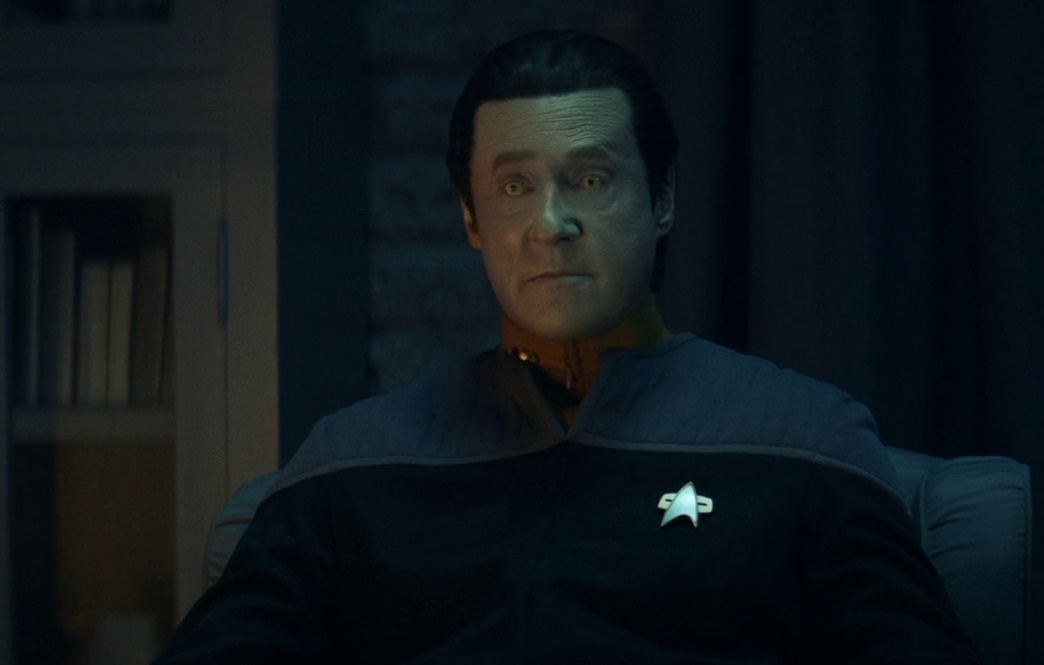
Still frame from Star Trek: Picard Season 1 (2020) showing the character of Data.
Data in the “digital afterlife.”

One of the few redeeming features of an otherwise disappointing finale to Season 1 was the storyline involving Data. Data had been killed years earlier during the events of Star Trek: Nemesis, but that film arguably didn’t take enough time to give the character the send-off he deserved. As I wrote when reviewing Picard’s first season, the scenes involving Picard laying Data to rest were beautiful, emotional, and just what the episode needed – and I could finally see why, eighteen years on from Data’s first death, they were necessary for the character.

Season 3, however, undid all of that. Not only did that decision detract from one of the only decent parts of the Season 1 finale, but it was actually a pretty convoluted plot point that was difficult to follow and relied on a lot of technobabble and “magic.” It never really found a narrative justification beyond showrunner Terry Matalas’ desire to reunite all of the main characters from The Next Generation – no matter the cost.
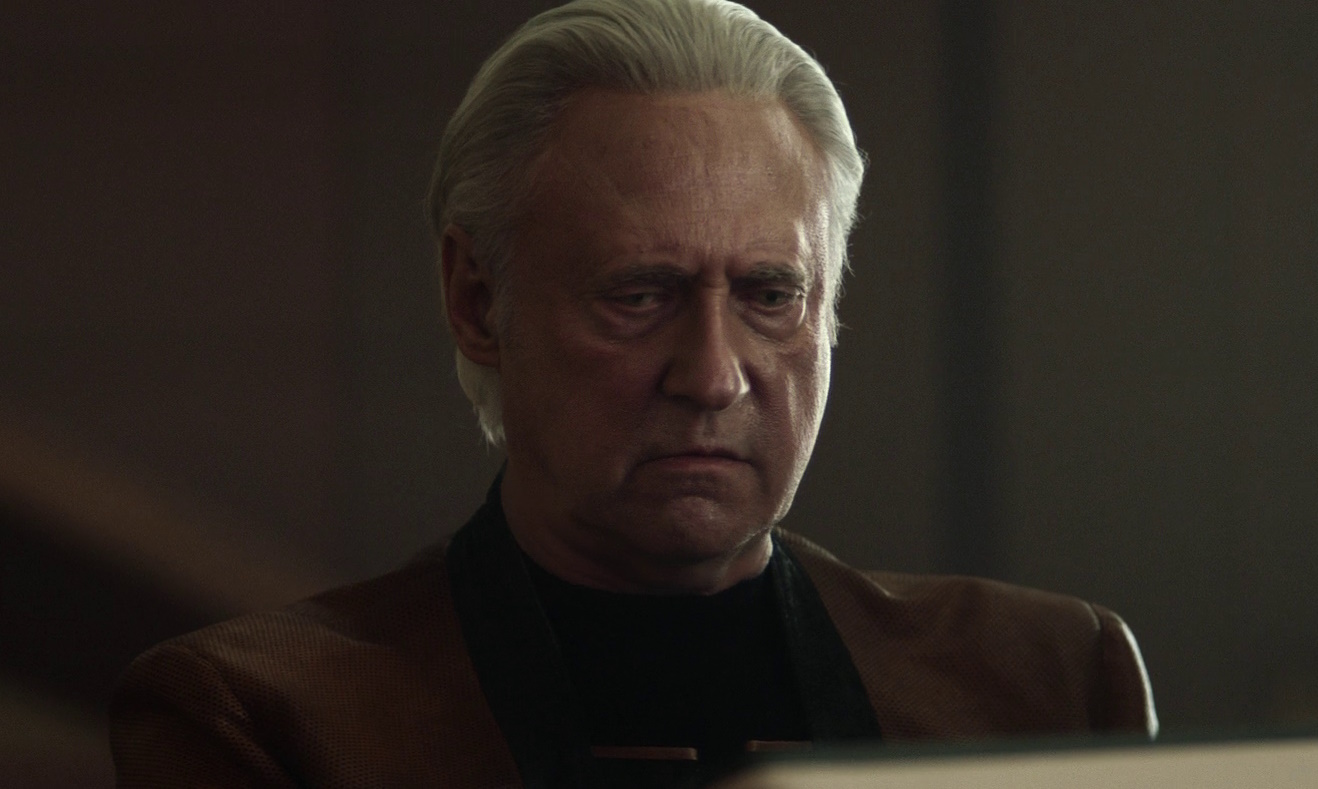
Still frame from Star Trek: Picard Season 3 (2023) showing the character of Data.
Data at his post in Season 3.

In Star Trek’s universe, Data was as dead as it was possible to be. His body had been destroyed years earlier, and Season 1 saw the final shutdown of the residual part of his mind that had been preserved – at Data’s own request. With both body and mind gone, there should have been absolutely no way back for Data. But thanks to the magical deus ex machina of a backup body and a backup mind… Data was resurrected in Season 3. That never sat right with me, but if there had been a significant narrative role for the character in those final episodes, perhaps I could’ve come to terms with it. There really wasn’t, though, and aside from one scene in which Data technobabbled his way to regaining control of the Titan, we didn’t really get a lot more from him for the rest of his time on screen.

I believe Data would have been better-served in Season 3 by being memorialised by his friends. Leaving alone the touching moments between he and Picard in what I termed the “digital afterlife” in Season 1 would have made those moments more powerful to revisit… instead of feeling like a storyline that’s been overwritten. Of all the dead characters in Star Trek, Data was the hardest to bring back because he’d “died” twice, both in body and soul. I don’t think the decision to resurrect him just a few episodes after that intensely emotional send-off was the right one, and I don’t think it was done for the right reasons, sadly.

Change #3:
Either leave Elnor dead or include him in Season 3.
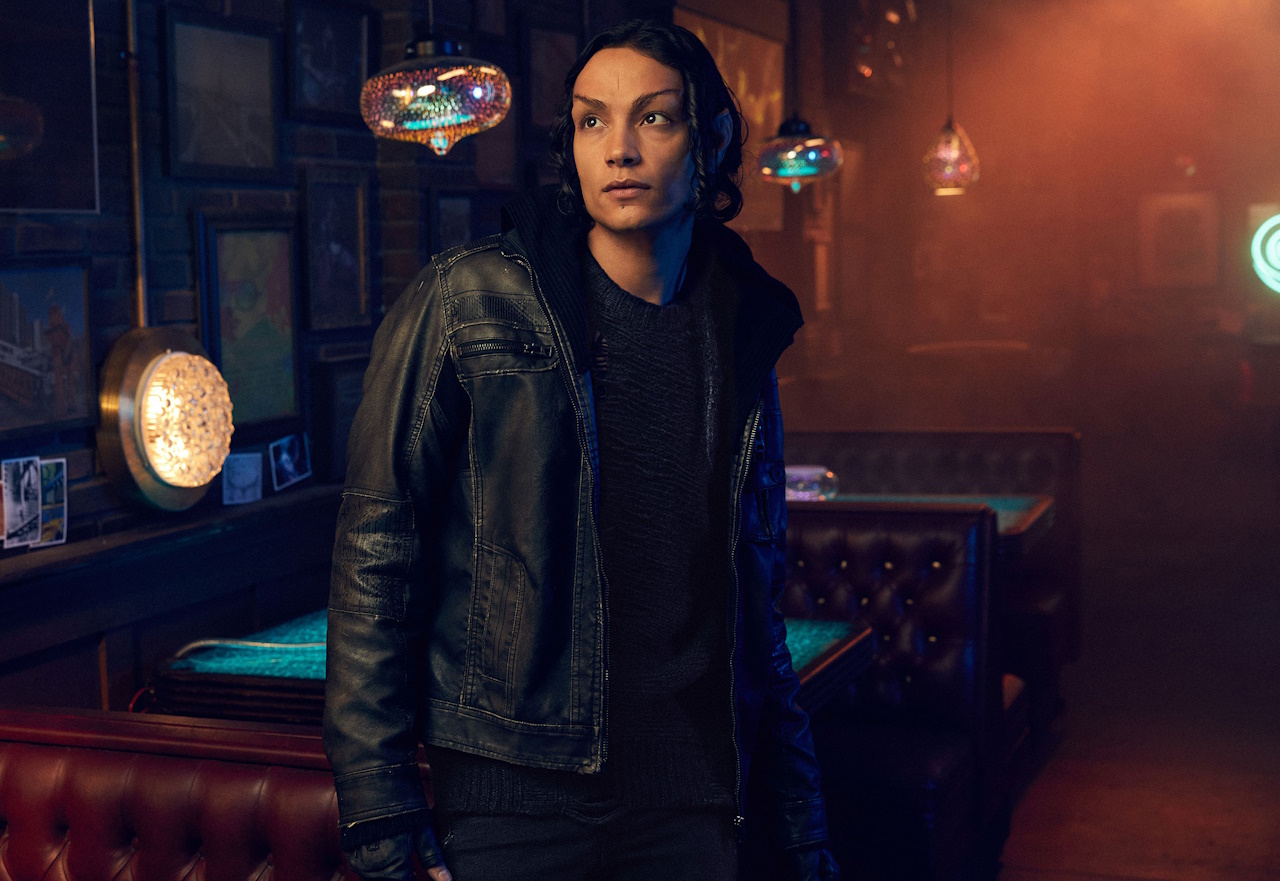
Promo photo for Star Trek: Picard.
Elnor in a promo photo for Season 2.

This is a storyline that I’ve said several times that I genuinely do not understand. Let’s keep in mind that Seasons 2 and 3 went into production back-to-back, with the same creative team in control. Early in Season 2, Elnor was killed – and while I wasn’t thrilled with that at first, as the season unfolded, the way in which Raffi came to terms with his loss made it matter. In fact, I’d go so far as to call the Raffi-Elnor storyline in Season 2 one of the few high points of a season that had relatively few of those.

It was always going to feel strange, then, when Elnor was resurrected at the last second by Q. The fact that Elnor didn’t get much to do in the second half of the Season 2 finale hammered that feeling home; a sight gag showing Elnor disgusted by a beverage was basically his only moment of note after his return. Was it worth undoing that powerful story for an overdone bit of slapstick? He barely got any screen time nor even a proper reunion with Raffi. But nevertheless, as the credits rolled on Season 2 I thought Elnor’s return could find a narrative justification in Season 3.

Still frame from Star Trek: Picard Season 2 (2022) showing the character of Elnor.
Elnor at the end of Season 2.

Elnor, however, was totally absent from Season 3 and wasn’t even mentioned. If I was writing the season, I’d have dropped one of the La Forge sisters and included Elnor instead, having him aboard the Titan in a secondary role and ultimately becoming one of the young officers who gets assimilated. That moment could’ve actually felt stronger and more powerful with Elnor’s inclusion, as we’d be confronting a threat to a character we’d been with for three seasons instead of someone brand-new.

However… given Elnor’s absence from Season 3, I can’t help but feel that leaving him dead would have been the least-bad option. At least that way Raffi’s story of coming to terms with her grief would have meant something, and we could’ve talked about the bold decision to kill off a new, young character in a Star Trek series – something that the franchise isn’t really known for doing. While I absolutely feel that there could have been room for Elnor in Season 3, his death was such a big part of the story of Season 2 that I think undoing it would have probably been a mistake regardless.

Change #4:
Connect the anomaly in Season 2 to either Season 1’s “super-synths” or Season 3’s Borg incursion.

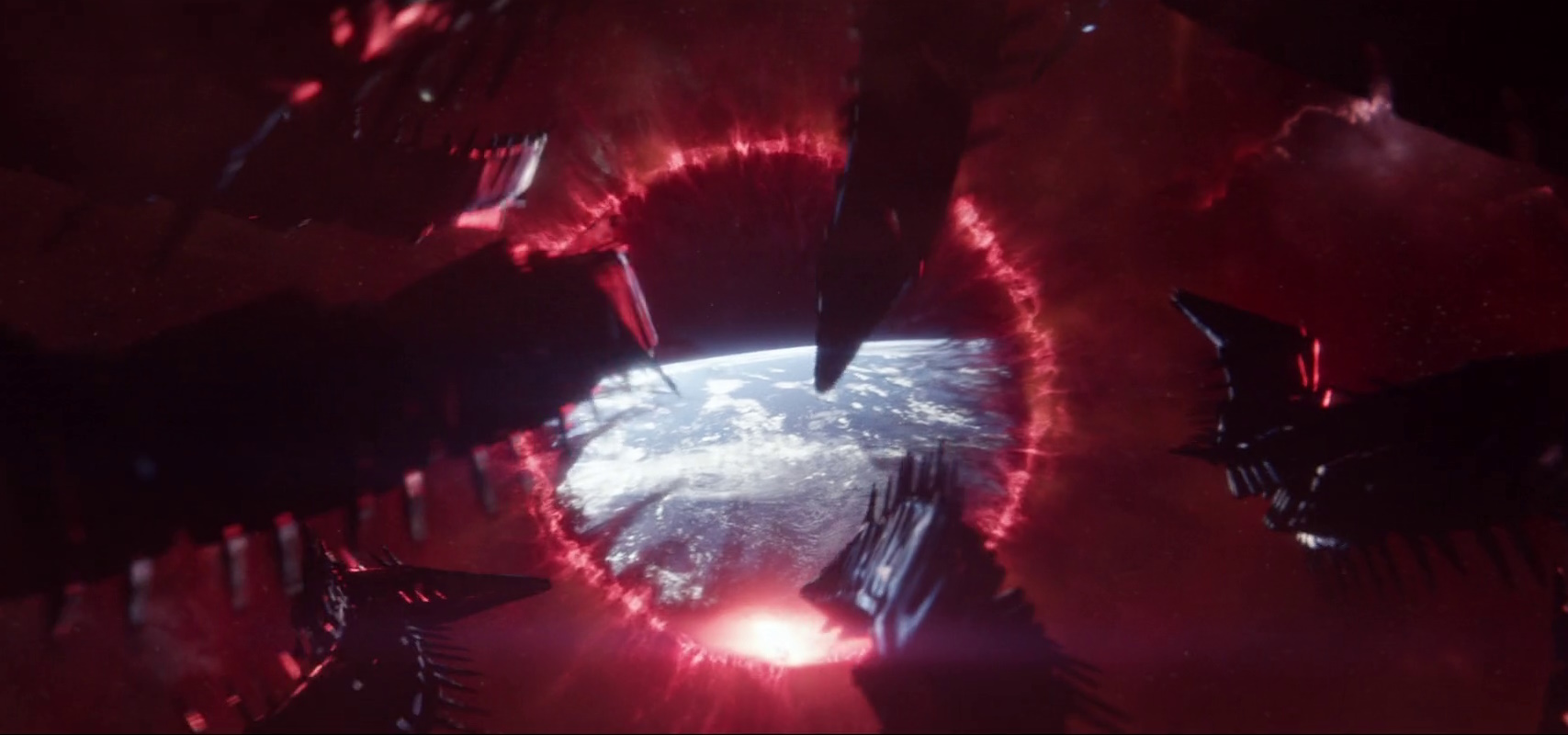
Still frame from Star Trek: Picard Season 2 (2022) showing the anomaly and the fleet.
The Borg-Federation fleet defends the Alpha Quadrant against the mysterious anomaly.

One thing that modern Star Trek has never managed to get quite right is serialisation. This will have to be the subject of a longer article one day, but for now suffice to say that Discovery, Picard, and to a lesser extent Strange New Worlds too all rely on season-long storylines that don’t carry over from one season to the next. There are reasons for this in Discovery’s case – the series flirted with cancellation more than once. But, as I understand it, Picard was planned from day one as a three-season show… so why were none of its storylines picked up in subsequent seasons?

There are two choices here, and they’re probably mutually-exclusive (without some major rewriting) so realistically we’d have to settle on one or the other! But I think the Season 2 anomaly is an interesting narrative idea that could have connected with either the super-synths from Season 1 or the Borg incursion in Season 3. Either of these powerful factions could have been responsible for the attempted attack on the Alpha Quadrant that Picard and co. prevented at the climax of Season 2 – and I think it would have been far better than just leaving this incredibly important event without a proper explanation.
Still frame from Star Trek: Picard Season 1 (2020) showing menancing mechanical tentacles.
The mechanical noodles of the Season 1 super-synths.

The mysterious anomaly bookended the story of Season 2, and connected to Picard, his friends, and the adventure they had in the intervening episodes. Unlike in many Star Trek stories, the anomaly was explicitly identified as an “attack,” meaning that there must be some faction or powerful force behind it. The Borg and the super-synths from Season 1 would fit the bill as being powerful enough to launch an attack of that magnitude.

Tying one of these factions into the anomaly story would have helped Picard feel a bit more cohesive. Given the abundance of overwritten plot points, dropped characters, and abrupt changes in direction across the series, having something to tie disparate story threads together would be a good thing. If I had to pick one, I’d say that the super-synths would be the ideal faction to include here, simply because we know relatively little about them, and a super-synth attack could set up a future Star Trek series or film. But given that the Borg would return in Season 3, dropping a hint or two that they could be responsible could have been a great cliffhanger to end on at the end of Season 2.

Change #5:
Have the Enterprise-A and Enterprise-D fighting alongside one another at the end of Season 3.
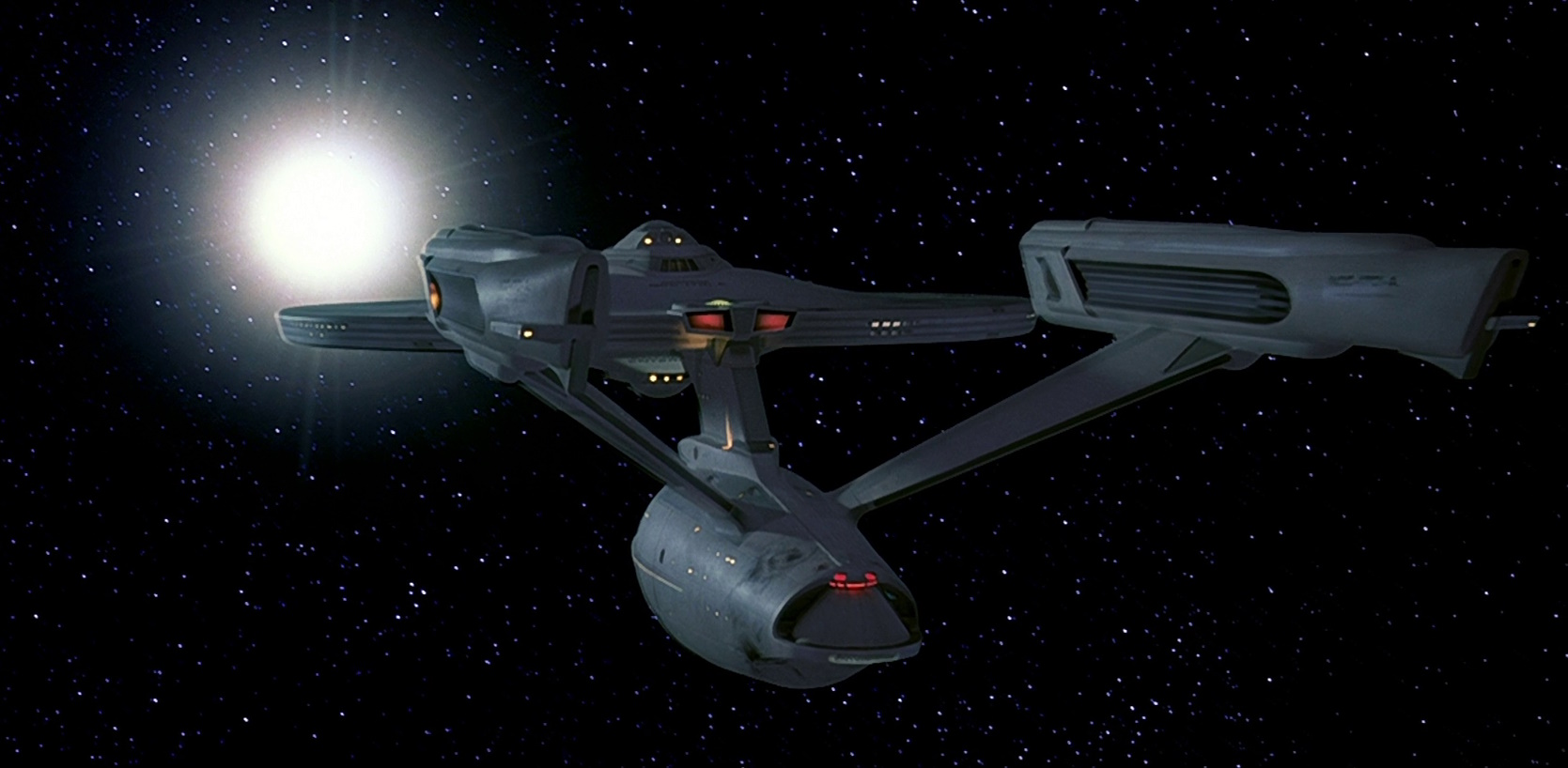
Still frame from Star Trek VI: The Undiscovered Country showing the Enterprise-A.
The Enterprise-A’s final voyage.

Season 3 introduced us to the Fleet Museum, which is a really interesting idea that I enjoyed. It was also a Trekkie’s dream, as multiple vessels from past iterations of the franchise were present. Along with Geordi’s pride and joy – the restored Enterprise-D – was the Enterprise-A, Captain Kirk’s ship that we saw in The Final Frontier and The Undiscovered Country. How cool would it have been if, along with the Enterprise-D, Picard and co. found some friends or allies to crew the Enterprise-A and join them as they took the battle to the Borg?

I know that Picard’s third season was a “love letter” to The Next Generation, and I can absolutely understand not wanting to detract from seeing the Enterprise-D and her crew back in action. But as a Trekkie, one of the fantasies that I’ve always had has been to see different crews and different ships standing shoulder-to-shoulder – especially in a story like this one, where the battle lines have been drawn and the Federation seems to be on the cusp of defeat!
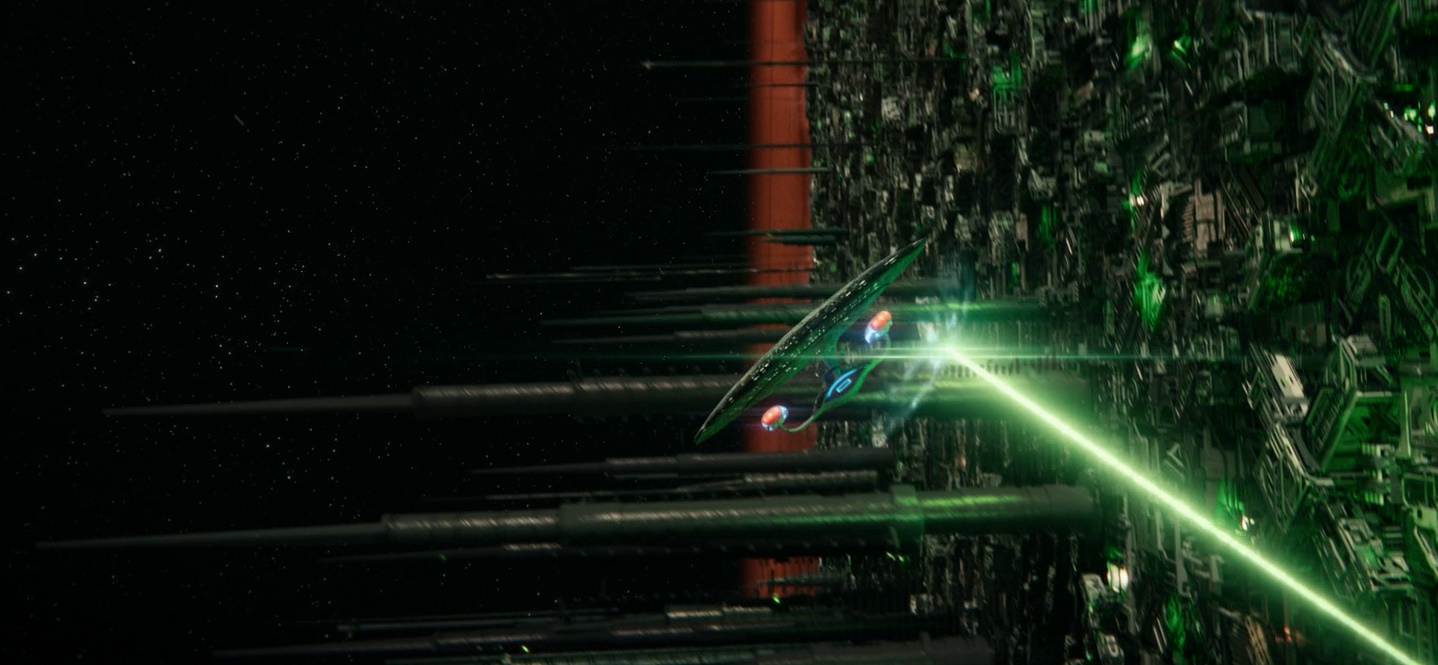
Still frame from Star Trek: Picard Season 3 (2023) showing the Enterprise-D in battle.
Wouldn’t it have been cool to have the Enterprise-A here for this moment?

Bringing the Enterprise-A along would fit narratively, too. Part of the story was about older people still having something to offer; stepping back into the fray to save their younger colleagues. The Enterprise-D and her crew were one way to embody that storyline, but including the Enterprise-A would have been in the same narrative ballpark. There could have even been some technobabble about how the Borg wouldn’t know what to do with a ship that old, making the Enterprise-A a useful addition to the battle. If this point in the story had been reached a little earlier – say with three episodes left instead of one-and-a-bit – I’d have absolutely found a way to include the Enterprise-A.

A digital model had already been created – albeit a static one for the Fleet Museum – but I’m sure with relatively little work it could have been transformed into a moving, flying model. And as for the bridge… I don’t think an entire set would need to be built. For brief scenes shown on the Enterprise-D’s viewscreen, perhaps a redress of the Strange New Worlds or Discovery sets would have sufficed. This would’ve also been a great way to include a character or two from The Next Generation era – perhaps someone like Ezri Dax or Captain Jellico – to take command. Seeing two Enterprises riding into battle side by side… I can’t think of anything more exciting in that kind of story.

What might have been, eh?

So that’s it!
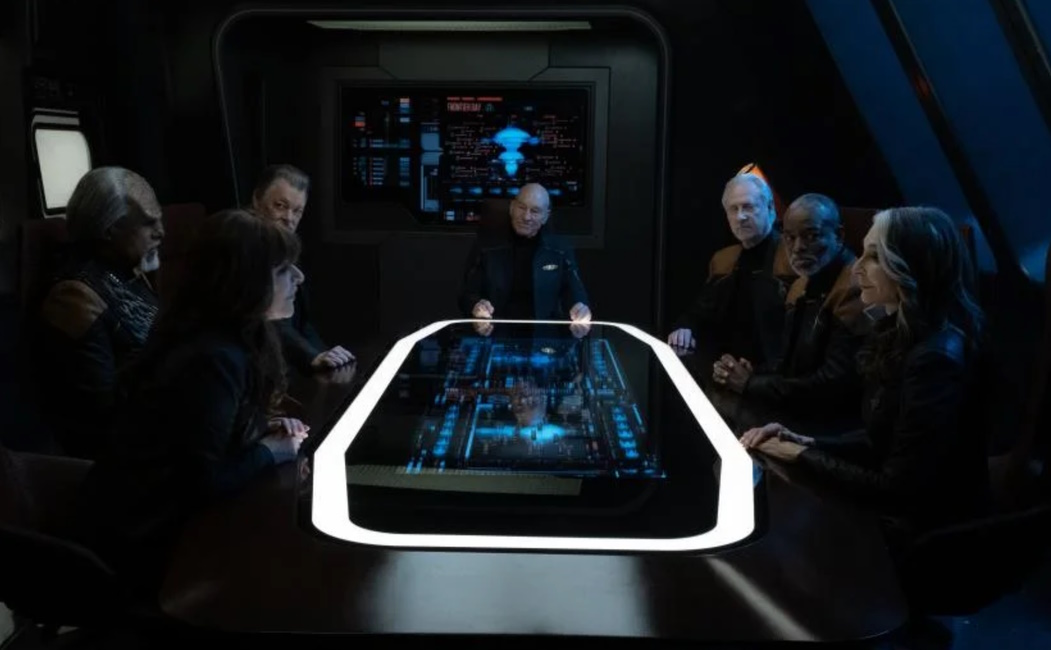
Still frame from Star Trek: Picard Season 2 (2022) showing the main characters around the conference table.
Picard and his crew.

We’ve looked at five changes I’d have made to Star Trek: Picard.

I’m still holding out hope that a new series, film, or other project set in the Picard era will be announced, but with Paramount’s financial troubles and other Star Trek shows being cancelled… I’m not sure when or even if that’ll happen. If it does, though, I hope lessons can be learned from Picard, both in terms of narrative and on the production side of things. As good as the series could be when everything was working right, there are some definite low points that detract from its successes.

The points on this list are pure fantasy at this stage, of course! But as Picard was being broadcast, I couldn’t help but feel that a few tweaks or changes here and there might’ve improved things – so I’m glad to finally put metaphorical pen to paper and make a few of my suggestions. I hope these ideas have been interesting, at any rate – and not something to get too worked up or upset over! If you hate all of these ideas, you can take solace in the fact that none of them were or ever will be included in Star Trek: Picard!

I still have a few pieces about Picard in the pipeline, including a longer retrospective/post-mortem of the series as a whole. I don’t know when I’ll get around to writing all of those, but I hope you’ll stay tuned. It’s bound to happen eventually! Until next time… live long and prosper!


Star Trek: Picard is available to stream now on Paramount+ in countries and territories where the platform is available. The series is also available to purchase on DVD/Blu-ray. The Star Trek franchise – including Picard and all other properties discussed above – is the copyright of Paramount Global. This article contains the thoughts and opinions of one person only and is not intended to cause any offence.

The weirdly contradictory nature of Star Trek: Picard

Spoiler Warning: There are spoilers ahead for all three seasons of Star Trek: Picard – including the series finale and post-credits scene.

For a series that only ran to thirty episodes across three seasons, Star Trek: Picard spent a lot of time overwriting itself! Across all three seasons of the show there were these weirdly contradictory moments where new storylines would appear from nowhere, completely changing what came before. One or two of these instances might pass by relatively unnoticed, or could feel like little more than nitpicks. But for a relatively short series to have so many… it speaks to something bigger, I feel.

I hope in future we’ll get a Chaos on the Bridge-type of documentary or exploration of what went on behind-the-scenes on Star Trek: Picard, because to say that production was “difficult” feels like an understatement. There were clearly major problems on the production side of the series, and I don’t just mean its pandemic-enforced delays. The evidence for this is the contradictory nature of the series itself, and how at the very least there was clearly no overall plan for how the story should be structured. Consistency is an important element of any good story – and Picard absolutely fails on that measure.

Seasons 2-3 showrunner Terry Matalas with Sir Patrick Stewart and the rest of the cast of The Next Generation.

I have a longer piece in the pipeline about Picard’s abandoned and unfinished storylines, but today I thought it could be interesting to take a short look at ten storylines that ended up being overwritten by some pretty sloppy, messy writing that failed to build on the foundations that had been laid in earlier episodes and seasons.

As always, a few caveats. If you loved all of these stories and felt they were perfectly-executed, or if you hated the original setup and feel that it was right and fitting to overwrite or ignore it, that’s okay! We all have different opinions about what makes for a good Star Trek story, and I’m not trying to claim that I’m somehow objectively right and that’s the end of the affair. In several cases, I’d actually agree that the overwrite or retcon was better than what had been previously established. This is all just the opinion of one old Trekkie, and as I always say, there ought to be room in the Star Trek fan community for polite discussion and disagreement! Although I have my issues with Picard, particularly when it comes to the show’s second season, by and large I’m a fan not a hater.

So with all of that out of the way, let’s take a look at some of Picard’s weirdly contradictory storylines.

Contradictory story #1:
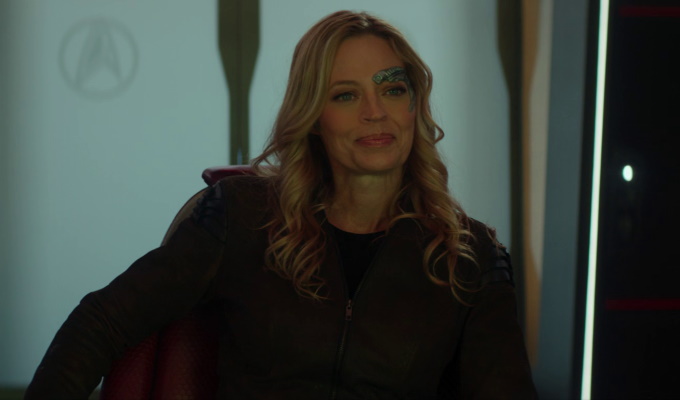
Seven of Nine is a captain! Oh wait, no she isn’t…

Seven in the captain’s chair at the end of Season 2.

At the end of Season 2, Seven of Nine was breveted into Starfleet by Picard as Captain of the Stargazer. This story point was already a bit… odd. Firstly, it raises the question of why, if offering a brevet position to someone outside of Starfleet is so simple, Admiral Janeway didn’t do that for Seven years ago. It also seemed unnecessary, as with Picard on the bridge, the Stargazer already had a senior officer present who could give orders.

But this already flimsy setup ended up being overwritten by the very next episode – when Seven was bumped down to the rank of commander and found herself serving as first officer of the Titan. There are a lot of contradictions in Picard, but this one feels even more peculiar because it’s something that literally changes from one episode to the next – episodes that, in spite of being one season apart, were produced and filmed at the same time.

Contradictory story #2:
Data’s dead. Deader than dead. Lol jk, he’s alive again!

Data awaits his final shutdown.

One of the few redeeming features of the two-part Season 1 finale was the laying to rest of Data, and giving him the emotional send-off that Nemesis didn’t have time to do justice to. It went a long way to making up for other deficiencies in the rushed and muddled end to Season 1, and the sequences with Picard and Data in the “digital afterlife” were powerful and deeply emotional.

But despite Data being as dead as it’s possible to be in Star Trek, with both his physical body and the surviving part of his consciousness having been destroyed and shut down respectively, Season 3 resurrected Data. We’ll have to go into this storyline in more detail in the future, because there’s a lot more to say. But for me, Data’s resurrection never really found a narrative justification, and it felt like the showrunner and writers wanted desperately to reunite the cast of The Next Generation – at any cost.

Contradictory story #3:
Welcome aboard the Stargazer! Wait, I mean the Titan…

The USS Titan.

In Season 2, the ship that Picard and co. didn’t spend enough time aboard was the USS Stargazer. In Season 3, they jumped over to the Titan – even though the sets were all the same (with a few minor tweaks here and there). I don’t really understand why this happened. What was the point of setting Season 3 aboard a nominally different starship? The exact same setup could have brought Riker and Picard to the Stargazer as it did to the Titan.

If the two ships had significant aesthetic differences, maybe it would be okay. And compared with some of the other points on this list, I admit it’s relatively minor. But it still feels odd to introduce the new Stargazer, build CGI models for it, and only use it in one-and-a-bit episodes.

Contradictory story #4:
Q’s dying… oh wait, no he isn’t.

Q at the end of Season 3.

I know what you’re thinking: Q already explained his “return” by telling Jack Crusher not to think about time in a linear fashion. While that’s a perfectly rational in-universe explanation for Q’s return at the end of Season 3, it doesn’t get around the fact that Q, whose death was such a vital part of the entire plot of Season 2, is a profoundly odd choice of character to use for that one epilogue scene.

Picard’s writers pinned the convoluted and disappointing story of Season 2 on Q, and Q’s entire motivation was his imminent death. To undo that – even if there’s a technical explanation for it – only a few episodes later feels wrong. It undermines the already-weak story of Season 2 and makes me wonder what the point of it all was.

Contradictory story #5:
The Borg are back! The Borg are back! The Borg are back!

A Borg Cube.

However you look at it, and whatever nitpicky excuses there may be about who are and aren’t the “real” Borg, there’s no getting away from the fact that across its three seasons, Picard re-introduced the Borg three times. All three of the stories rely, either in whole or in part, on the Borg, and while Picard himself has a connection with the Borg after the events of The Best of Both Worlds and First Contact… there’s a whole galaxy out there filled with alien races that the show’s writers and producers could have used.

While Season 3’s Dominion/changeling rug-pull is probably the worst example of this, it really speaks to a broader problem with the show’s production. Picard’s writers, especially in Season 3, were unwilling to abide by what the show had already set up. The Borg are great fun, don’t get me wrong, but by the time we got to yet another Borg story in Season 3, I was feeling burned out.

Contradictory story #6:
The mysterious anomaly has set up a fascinating story! Let’s never mention it again.

Led by the Borg, a Federation fleet stops the anomaly.

The story of Season 2 was bookended by a mysterious anomaly that the Jurati-led Borg faction believed could be an attack against the Alpha Quadrant. Once the anomaly had been stopped, the Jurati-Queen promised to take her Borg faction and stand watch over the anomaly as a “guardian at the gates.” Her Borg faction were even granted provisional membership in the Federation as they did so.

This story felt like it had huge potential. Who could have been powerful enough to create a weapon on that scale? How would Picard and his friends be able to defeat them? What would it be like to see a Federation-Borg alliance? But alas, this storyline was dumped, orphaned, and never mentioned again. Was no explanation ever written? Why end Season 2 on this cliffhanger if it was never going to be resolved?

Contradictory story #7:
Soji’s a massively important character… let’s dump her.

Promo photo of Isa Briones as Soji.

Soji played a huge role in Season 1, serving as both the reason for Picard’s mission and later as someone who needed to be talked down from making a mistake. We spent a lot of time with her in the show’s first season, watching as she was manipulated by Narek, as she learned the truth of her own origin and who her people were, and as she came to work with and respect Picard.

It was disappointing that Soji was essentially forgotten after the end of Season 1, with a barebones cameo appearance and nothing more. Isa Briones got to play a minor role in Season 2 as the daughter of antagonist Adam Soong, but this storyline was samey and boring. As a new, young character – and a synthetic life-form – Soji had huge potential. It’s such a shame that a role couldn’t be written for her after Season 1.

Contradictory story #8:
Picard has a new relationship with Laris! No wait, Laris has fucked off and now he has a kid with Dr Crusher.

Laris and Picard at the end of Season 2.

The entire story of Season 2 – its raison d’être, at least according to Q – was that Picard was alone, prevented by his childhood trauma from being able to find love. At the end of the season, after ten episodes of shenanigans in the 21st Century, Picard finally returned to his vineyard – and to Laris. The two seemed ready to embark upon a new relationship together.

But nope! Laris made a small cameo appearance at the beginning of Season 3, and was never mentioned again. Picard’s story in Season 3 focused on his past relationship with Dr Crusher, a relationship that led to him having a son he’d never met. The season’s epilogue even showed Picard and Dr Crusher jointly escorting their son to his first Starfleet assignment – with Laris nowhere to be found. As I said above: Season 2 was already a weak, flimsy story. Undermining its ending like this was a poor decision.

Contradictory story #9:
Elnor’s dead. Oh wait, he’s back! No… he’s gone again.

Elnor at the end of Season 2.

Although I wasn’t thrilled to see Elnor killed off in the first half of Season 2, as time went on, it seemed to be working. Raffi’s story of coming to terms with loss and grief was one of Season 2’s stronger elements, and while I would’ve still said I was disappointed in Elnor’s wasted potential, at least his loss had mattered. Until it was all undone with seconds to spare.

If Elnor had a major role to play in Season 3 – and there was absolutely space for him – then I could at least have understood this reversal. But after Elnor was resurrected, he got one very brief scene in which he looked confused on a viewscreen, and another in which his dislike of a beverage made him the butt of a joke. After that, Elnor disappeared from Picard never to be seen or mentioned again. What was the point? Why undo a powerful story for the sake of an overdone sight gag?

Contradictory story #10:
Riker and Troi are happy and settled on Nepenthe. Just kidding, they hate it there.

Picard approaches Riker’s outdoor kitchen.

Nepenthe might be my favourite episode of Season 1. It slowed things down, stepped away from some of the drama, and reintroduced us to Riker and Troi – now happily married and living peacefully outside of Starfleet. In spite of the loss of their son, Riker and Troi seemed settled on Nepenthe with their daughter in a home that was important to their son and their family. It was a surprise, to say the least, when Season 3 tried to undo all of that.

In the episode Surrender, Riker and Troi were reunited as captives aboard Vadic’s ship. And while imprisoned, they both spoke about how they hated the “creaky old cabin” that had been their home. The end of the season implied that one or both of them may be back in Starfleet, and all the emotional storytelling present in Nepenthe was taken away.

So that’s it!

Dr Jurati on stage in Season 2.

Although there were some interesting stories – and some complete ones – overall, it’s not unfair to call Star Trek: Picard a contradictory series, one that either intentionally or unintentionally overwrote or ignored key characters and storylines. We’ll talk about some of these in more detail on another occasion, but for now I think we’ve covered the basics.

Picard was clearly a troubled production, one that jumped from one writing and production team to another, and that’s part of why the series as a whole feels so contradictory. I think I could overlook one or two of these things – and I might even support the decision to drop a character or change a storyline that wasn’t working or that failed to resonate with audiences. But for a series that ran to a mere thirty episodes across three seasons… we shouldn’t be able to pull out ten large contradictions like this.

Stay tuned, because I have a lot more to say about Picard even though the series has concluded! A longer retrospective is in the pipeline, and I’ll also be taking a look at abandoned and unfinished storylines, too.

Star Trek: Picard Seasons 1-3 are available to stream now on Paramount+ in the United States and other countries and territories where the service is available, and on Amazon Prime Video in the UK and around the world. The Star Trek franchise – including Picard and all other properties discussed above – is the copyright of Paramount Global. This article contains the thoughts and opinions of one person only and is not intended to cause any offence.
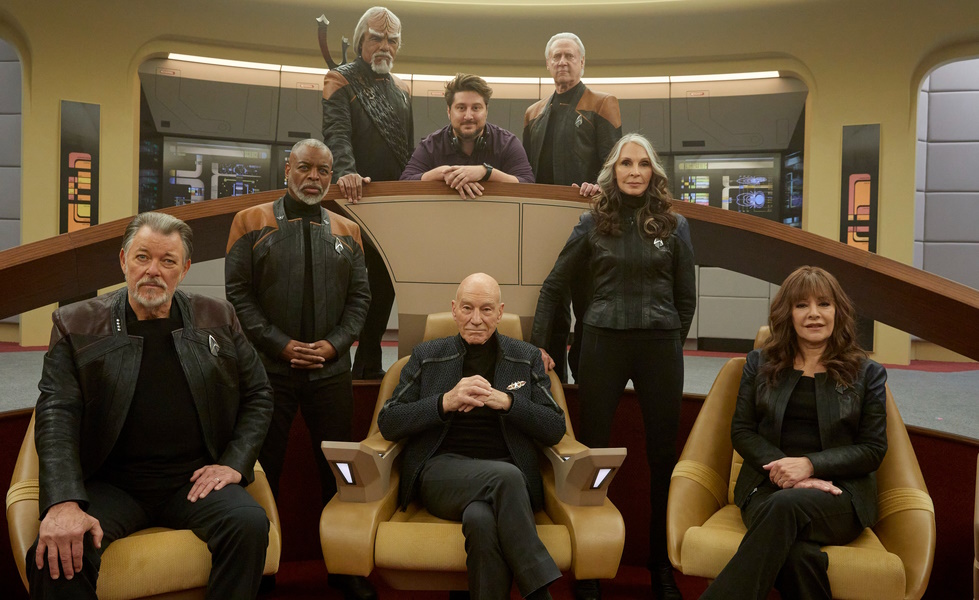
Star Trek: Picard Season 3 theory – the super-synths, part 2

Spoiler Warning: There are spoilers ahead for Star Trek: Picard Seasons 1-2 and the teasers, trailers, and announcements for Season 3. Spoilers are also present for the following Star Trek productions: The Next Generation and Voyager.

You can find the first part of this theory by clicking or tapping here.

Today I’m updating one of my big Star Trek: Picard Season 3 theories and adding a second part to it! This addition is based on what we saw in the recent New York Comic-Con trailer, and if you’re a regular reader you may have seen me allude to it in my recent articles about who Captain Vadic could be and who else might be joining her on the villainous side of the season!

First of all, a recap. A few months ago I put together a theory that, if it were to pan out, would tie together all three seasons of Star Trek: Picard – which is something that hasn’t really happened so far. Seasons 1 and 2 told largely standalone stories, and it’s a distinct possibility that Season 3 will also go in its own direction – the likelihood of which was arguably raised when most of the main cast members from Seasons 1 and 2 were dumped.

The crew of La Sirena at the end of Season 1.

But the theory that I came up with tied together Seasons 1 and 2 in a big way, and potentially set the stage for Season 3 as well.

In brief, my theory says that the super-synths from Season 1 (the faction who left the beacon on Aia and who Soji and Sutra attempted to open a portal for in the season finale) are also responsible for the anomaly that the Borg Queen and Picard joined forces to stop at the end of Season 2. After being unable to arrive at Coppelius, the super-synths used the anomaly to try to attack the Federation and/or the Romulans, perhaps in retaliation or perhaps as some kind of preemptive strike prior to an invasion.

Nothing that we saw on screen in either season would rule out the super-synths as being responsible for both attacks, and as we know so little about this faction and their objectives and motivations, it feels plausible to me that they might have left the beacon on Aia as a trap – that their real intent was not to help synthetics, but to use the presence of synthetic life as an indicator that a quadrant or galaxy was ripe for the conquering!

The super-synths’ portal.

Enter Captain Vadic and her “rogues’ gallery.” After what we saw of synthetic life in Seasons 1 and 2, I don’t think we can entirely rule out an artificial background for Captain Vadic, even though she appears to be organic at a glance. But that’s neither here nor there, really. One thing that I find absolutely fascinating about the characters we saw joining her crew is this: they’re both artificial life forms. Professor Moriarty is a sentient hologram and Lore is, of course, an android.

I had speculated back when I made my original theory that the villain Picard and the crew would have to face in Season 3 would be the super-synths; tying together all three seasons of the show and giving Picard a truly powerful adversary to defeat. This theory now expands to include Captain Vadic – she could be their pawn, she could be a synth, or she could be someone who experienced the beacon on Aia and became obsessed with the arrival of the super-synths.

Who is Captain Vadic?

We’ve spoken before about some of the similarities between Picard Season 1 and the Mass Effect video game series, in particular the first game, and I think we can draw upon Mass Effect once again to add to this theory. In the world of Mass Effect, the Reapers – a race of sentient machines from far beyond the Milky Way galaxy – could exert influence over organic minds through a process called “indoctrination.” Indoctrinated servants of the Reapers could work on their behalf, but would eventually begin to worship the Reapers themselves before going mad.

Captain Vadic could be someone who has been indoctrinated – or brainwashed, if you prefer that term – by the super-synths. Perhaps this happened when she encountered their beacon, or maybe it happened on some other occasion – possibly during the standoff over Coppelius. Either way, Captain Vadic came to worship the super-synths and wants them to arrive in the Milky Way galaxy. Picard prevented that from happening – at least once and maybe twice – so that could explain why Captain Vadic has such a personal grudge against him and his crew.

Could Captain Vadic be “indoctrinated” like some characters in the Mass Effect video game series?

This could also set the stage for the story of the season. Season 1 ended with Picard preventing the arrival of the super-synths, and Season 2 ended with Picard and the Borg Queen stopping the anomaly – which, as we’ve discussed, could be a super-synth weapon. Season 3 may begin with Captain Vadic on a quest for revenge against Picard, but it could also see her – and her gallery of rogues – planning to build a new portal to allow the super-synths to invade. This could be what Picard and the crew have to stop, it could even be what Dr Crusher was doing on her mission in space when she had to send a distress signal.

If I’m right, the super-synths could be behind the attack on Starfleet Command that we saw in the most recent trailer, too. We saw some kind of beam coming from above completely destroy one of the main Starfleet buildings, and that beam was superficially similar (in colour, at least) to the Season 2 anomaly. Could that be another piece of the jigsaw puzzle?

Who did this… and why?

So there are really two additional components to my super-synths theory! And the story could go in either direction. It seems possible that Captain Vadic has been driven mad by the beacon on Aia, like the Zhat Vash were, but redirected her madness into some kind of devotion to or worship of the super-synths, perhaps through a process not dissimilar to Mass Effect’s indoctrination. That could explain why she wants to attack Picard and the Federation – they were responsible for preventing the super-synths’ arrival.

Alternatively, Captain Vadic could be seeking to build her own portal to allow the super-synths to travel to the Milky Way, and this could be what Picard and the crew have to prevent. Captain Vadic could be a synth herself, or she could be an organic under their thrall who’s doing their bidding.

The Shrike – Captain Vadic’s ship.

With Professor Moriarty and Lore on her side – both of whom are malevolent artificial life-forms – Captain Vadic could be attempting to bring about a full-scale assault on organic life in the Milky Way galaxy, or seeking revenge for an arrival that was thwarted by Picard and the Federation. I could quite see Lore and Moriarty supporting this kind of “synthetic supremacy” crusade, and who knows – maybe the ultimate twist will be that the super-synths never intended to help artificial life-forms, but rather intended to destroy, conquer, or assimilate them.

So that’s my addendum to my earlier theory!

What I liked about the super-synth idea in the first place was that it would tie together all three seasons of the show in a big way, connecting everything from the attack on Mars and the Zhat Vash plot through to the Season 2 anomaly, Dr Jurati becoming a Borg Queen, and beyond into Season 3. Star Trek: Picard would be transformed from a disjointed sequence of standalone stories into one continuous story – albeit one that got sidetracked!

The strange anomaly in Season 2.

And at the very least, what we’ve seen of Captain Vadic and her “rogues’ gallery” – at least so far – hasn’t ruled any of that out. It’s still a viable theory, and it still seems at least possible to me that Season 3 will pan out this way. The decision to show Captain Vadic seemingly working with two artificial life-forms could even be a hint toward the idea of her working for the super-synths in some capacity.

There are other possibilities, of course, and as has happened in recent seasons of Star Trek, the show could go in wildly unpredictable directions! But I think it’s possible to tell this kind of story in a way that would still keep Season 3 approachable for newcomers and casual viewers. Because the super-synths and the Season 2 anomaly were only on screen for such a short time, and because so little was revealed about them in the first two seasons, Season 3 has a near-blank slate on which to build. The connection back to Seasons 1 and 2 would be fun for returning viewers, but wouldn’t necessarily hamper the enjoyment of anyone who missed those seasons or for casual viewers who may not remember every event that unfolded.

Professor Moriarty.

But as I always say: I have no “insider information,” and all of this is just for fun! I like writing, I like Star Trek, and writing up these Star Trek theories is fun for me – and that’s the spirit in which I hope you’ll take this theory. No fan theory, no matter how fun or plausible it may seem, is worth getting upset about, and it’s highly likely that Star Trek: Picard Season 3 won’t include anything that we’ve talked about today. I’m totally okay with that, and I hope that the new season will tell a fun and exciting story regardless of whether any of my fan theories come to pass!

So that’s all for today. After thinking about Captain Vadic a lot over the last couple of weeks I thought it was worth adding this addendum to my earlier super-synths theory. I’m really looking forward to Picard Season 3, which is now less than three months away from being broadcast! If we get any major news or new trailers between now and then I hope you’ll check in as I’ll be sure to provide some analysis.

You can find part 1 of this theory by clicking or tapping here.

Star Trek: Picard Season 3 will be broadcast on Paramount+ in the United States and on Amazon Prime Video in the United Kingdom and around the world beginning on the 17th of February 2023. The Star Trek franchise – including Picard and all other properties discussed above – is the copyright of Paramount Global. This article contains the thoughts and opinions of one person only and is not intended to cause any offence.
Star Trek: Picard Seasons 1, 2, and 3 theory: the super-synths

Spoiler Warning: There are spoilers ahead for Star Trek: Picard Seasons 1 and 2, as well as the teaser trailer and casting announcements for Season 3. Further spoilers are present for Star Trek: Discovery Seasons 1-4, Star Trek: The Next Generation, and other iterations of the Star Trek franchise.

Even as we continue to wind down from Season 2 of Star Trek: Picard, my thoughts have already turned to Season 3! Although the new season is still in production and is probably a year away, I wanted to get one of my big pre-season theories written down ahead of time. This one ties together events in all three seasons of the show – and I think that could make it a satisfying story if it were to unfold.

There are some legitimate concerns about Picard Season 3, at least from where I’m sitting. The fact that most of the new cast members have been unceremoniously dumped in order to make way for the returning characters from The Next Generation really stings, and I’m truly disappointed that we won’t get to spend more time with the likes of Elnor and Soji next time around. I wanted to acknowledge that before we proceed with the theory, because both the cutting of characters and the fact that several of them have disappeared without a proper goodbye is poor form from Picard’s producers and creative team.

Most of the Picard cast are not returning for Season 3.

So let’s talk about this theory, then! In short, what I’ve come up with connects events in both Seasons 1 and 2 with what has been teased about Season 3, potentially meaning that Picard will turn out to be one long connected story after all. We’re taking the mysterious anomaly encountered at the end of Season 2 as a starting point and asking “who could have created something like that?” The Borg Queen-Dr Jurati hybrid believed it was artificial in nature and had the potential to wipe out all life in an entire sector of space. That seems like the first phase of an invasion or attack – so who can we think of in Star Trek who could create a weapon on that scale?

We could absolutely pick on factions like the Dominion, Enterprise’s Sphere-Builders, or Species 8472. All of those – and many more – were potential suspects when it came to another mysterious anomaly in Discovery’s fourth season, too, and for good reason! But when we consider the elements that have already been introduced in Star Trek: Picard in particular, one faction more than any other appears to stand out: the super-synths from Season 1.

The super-synths as glimpsed in Season 1.

To briefly recap if it’s been a while since you watched Et in Arcadia Ego: the super-synths claimed to be “an alliance of synthetic life,” and it was implied that they resided far beyond the Milky Way galaxy. I nicknamed them the “Mass Effect Reapers” for their similarities to that video game faction! The super-synths literally moved stars to point to a beacon that they’d left behind on the planet of Aia, and in a vision that seemed jumbled and terrifying to organic minds they promised to come to the aid of any synths who requested their help.

The super-synths believed that all organics would eventually attack and destroy their synthetic creations; that war between synthetic and organic life was inevitable. The plans they left behind could open a portal to their home in dark space, allowing the super-synths to show up anywhere in the galaxy at a moment’s notice. It was left ambiguous as to whether their offer to help synths in their fight against organics was actually genuine or whether it was some kind of elaborate trap.

The super-synths’ portal over Coppelius.

Although Admiral Picard was able to convince Soji to close the portal she had opened before the super-synths could arrive at the planet of Coppelius, the portal was open for a significant amount of time. In that time the super-synths would’ve seen a civilisation of synthetics on Coppelius asking for their help, and two massive fleets of starships engaged in a stand-off over the planet. Whatever their intentions may have been, Soji and Sutra’s actions have ensured that the super-synths are now aware of the Milky Way, the Federation, the Romulans, and the Coppelius synths.

The super-synths then disappeared from the plot and weren’t mentioned again. It isn’t clear what happened to them, what their goals may have been, nor how they would have reacted to the portal being closed at the last moment. What we do know is that the super-synths possess powerful technology – technology that seems to allow them to hop from one part of the universe to another in an instant.

The super-synths left a beacon on the planet of Aia.

This brings us to the anomaly encountered by the Borg and the Federation at the end of Season 2. The strange anomaly was described by Seven of Nine as being akin to a “transwarp conduit.” The Borg Queen-Dr Jurati hybrid was unsure of who created it, but considered them to be “a threat” requiring close observation. The anomaly was also described as being one piece of a larger puzzle – something that could tie in with a theory like this one!

Given what we know of the super-synths based on their appearance in Season 1, creating something on this scale seems well within their capabilities. They left behind instructions on how to create a portal to their domain, and what is a transwarp conduit if not a portal between two points in spacetime? Then there’s the scale of the attack: the initial outpouring of energy was enough to destroy an entire sector of space, something that hardly seems impossible for a faction that can literally move entire stars.

A joint Federation-Borg fleet defends against the anomaly at the end of Season 2.

So I think we have enough evidence based on what we saw on screen in the Season 2 finale to make the case that the anomaly may have been created by the same faction of super-synths that very nearly arrived at Coppelius in Season 1. But what of Season 3?

Not much has been officially teased so far about Picard’s upcoming third season – but we have a little to go on. Besides the announcement of returning cast members, we heard a few new lines of dialogue and caught a glimpse of both Admiral Picard and Captain Riker in a teaser trailer released to mark First Contact Day last month, and nothing there contradicts anything I’ve suggested above.

In fact, we could try to build a case for the Season 3 teaser hinting at this theory!

Captain Riker in the Season 3 teaser.

Firstly, the clips we saw of Admiral Picard and Captain Riker showed them readying themselves for combat, wielding some kind of phaser pistol (possibly the kind seen briefly in Seasons 1 and 2). At least part of the season, then, is going to involve a fight of some kind against a hitherto-unseen enemy! That’s hardly conclusive, of course, but it doesn’t contradict the idea that the main enemy is the super-synths.

Secondly, we have a handful of lines heard in voiceover. Geordi talked about “rushing into danger” during his time aboard the Enterprise. Worf speaks, saying that “sacrifice is required.” Dr Crusher spoke directly to Picard, telling him that “the galaxy comes calling.” In typical understated style, Riker talked about a “good old-fashioned road trip,” before Troi rounded things out by letting Picard know that he “will not be alone.” Again, nothing conclusive there – but also nothing contradictory. All the characters seem to be talking about gearing up for a big mission or battle.

Admiral Picard with a phaser pistol in the Season 3 teaser.

But the most interesting line in the trailer – and one that could perhaps be pointing to some kind of connection to synthetic life – came from Brent Spiner’s currently-unknown character. Spiner’s inflection sounded very emotive, definitely not like Data or B4. My first thought was that he could be portraying Lore (Data’s “evil twin” from The Next Generation), but he could also be portraying Dr Altan Inigo Soong – the son of Data’s creator who was a major character at the end of Season 1.

The line that stood out to me was this: “Evolution is not an act of preservation; it’s addition.” That line is ambiguous, naturally, but if we assume that Spiner’s character has something to do with synthetic life and synthetic research, he could very well be talking about the creation of new synths or the search for new synthetic life. He could also be talking about some kind of fusion between organic and synthetic life – perhaps Borg assimilation.

Will Brent Spiner’s Dr Altan Inigo Soong be a villain next season?

We don’t know what goals or objectives the super-synths might have, but if they view organic life as a threat it’s possible that they plan some kind of assimilation-like process to forcibly convert organics to become partially synthetic. That could be what Dr Soong is referring to – and he could be the super-synths’ advocate if they arrive in force and broadcast their intentions. Akin to someone who has been “indoctrinated” by the Reapers in the Mass Effect series, Dr Soong may be doing the super-synths’ bidding. That could set up Brent Spiner’s character to be one of the season’s main villains (again).

Am I clutching at straws? Well, that’s possible. But because of how deliberately coy the writers and producers of Picard have been about several key aspects of the storylines of both Seasons 1 and 2, I think this idea is a solid possibility. We don’t know what the super-synths wanted, but we do know they’re technologically very powerful and more than capable of creating portals and anomalies. We don’t know where the mysterious anomaly in Season 2 came from, nor why the Dr Jurati-Borg Queen hybrid considered it and its creators to be a threat. There’s enough ambiguity in those two points alone to reasonably connect them.

The Borg Queen-Dr Jurati hybrid.

Ever since Season 1 came to a rather unspectacular conclusion, I’ve been hoping that Star Trek will do something more with this faction of super-synths. I suggested that they could be involved with the main storylines in both Seasons 3 and 4 of Discovery, as they seemed to be a faction with the technological power to do something like the Burn or to create something like the DMA. Those theories didn’t pan out, of course, but it’s possible that things will come full-circle and we’ll see them again before Picard comes to an end.

What we’d get, if this theory were to pan out, would be a transformation in the way Star Trek: Picard has operated. Rather than being three essentially standalone seasons with three distinct, separate stories, everything would be connected. What happened on Mars that sent Picard into a decade-long depression would be connected to the final fight against the super-synths; they’d be responsible for all of it. It would bring together the stories of Seasons 1, 2, and 3 in a neat way. The first two seasons could still be enjoyed as standalone affairs; nothing in Season 3 would overwrite any of that. But for fans who want to see a broader connection, this theory would deliver it!

The anomaly in Season 2.

Setting this theory aside for a moment, one of the concerns I have about Season 3 is that the events of Seasons 1 and 2 will be ignored. The fact that most main cast members aren’t returning has really ramped up the sense that Picard Season 3 may try to ignore everything that’s just happened – or relegate it to a couple of short scenes at the beginning of episode 1 – and rush ahead to become The Next Generation Season 8.

In particular, the mysterious anomaly that was shown off at the end of the season could be ignored as part of this push to get to a new story. I truly believe that would be a mistake; not only was the anomaly massively important to the plot of Season 2, but it was also very deliberately unexplained. Who could create something like that? Why would someone do that? Was it meant to be an attack against the Federation? How did the Borg know it was coming? There are many questions like this that Season 2 chose not to answer; if Season 3 ignores them as well then it’ll be very disappointing.

Will the dangling story threads of the anomaly and the Borg be concluded in Season 3?

Regular readers may recall from my Picard Season 2 reviews and commentary that I wasn’t wild about many of the storytelling decisions made last time. This new season is an opportunity to build on what came before; to make some of the first two seasons’ underwhelming events matter in a way that they currently don’t. If the Season 2 anomaly, for example, was just a naked plot device to give the Borg Queen-Dr Jurati hybrid something to do then it’ll remain a disappointing element of an already underwhelming season. But if it turns out that Season 3 revisits it in a big way and builds on what we saw last time, it has the potential to transform this aspect of Season 2 and make it matter.

So I think that’s all there is to say this time. To briefly recap my theory: the super-synths from Season 1 were responsible for creating the mysterious anomaly that almost destroyed an entire sector of space at the end of Season 2. They will use this anomaly – and perhaps others like it – to travel to the Milky Way galaxy, where they will become one of the main villains of Season 3.

The beacon used to summon the super-synths.

I quite like this idea of bringing the story of Star Trek: Picard full circle, as well as bringing together the seemingly disconnected events of Seasons 1 and 2 in a natural, understandable way. Nothing we’ve seen on screen would prevent the Season 1 super-synths from also creating the dangerous anomaly in Season 2 – so if Season 3 ignores both of those things to go in a different direction… well, this might just have to become my own personal head-canon!

It’s always worth saying that no fan theory, no matter how fun or plausible it may seem, is worth getting too worked up over. This is an idea that I came up with to bind together events in Star Trek: Picard that may ultimately be unrelated. This theory may go nowhere – and that’s okay! I like it when Star Trek can surprise me and take me to different and unexpected places, so I always like to caveat my theories by saying that I have no “insider information,” I’m not trying to claim that anything we’ve talked about today will ever be seen on screen, and I hope you’ll join me in welcoming the story of Season 3 – whatever direction it ultimately goes.

Having touched on this theory briefly the other day I wanted to give it a full write-up here on the website. I hope you’ll stay tuned for more Star Trek content in the weeks and months ahead – including a look at any major news or trailers for Picard Season 3. Until next time!

Star Trek: Picard Season 3 will stream on Paramount+ in the United States and on Amazon Prime Video around the world some time next year. Seasons 1 and 2 are available to stream now and are also available on DVD and Blu-ray. The Star Trek franchise – including Picard and all other properties mentioned above – is the copyright of Paramount Global. This article contains the thoughts and opinions of one person only and is not intended to cause any offence.