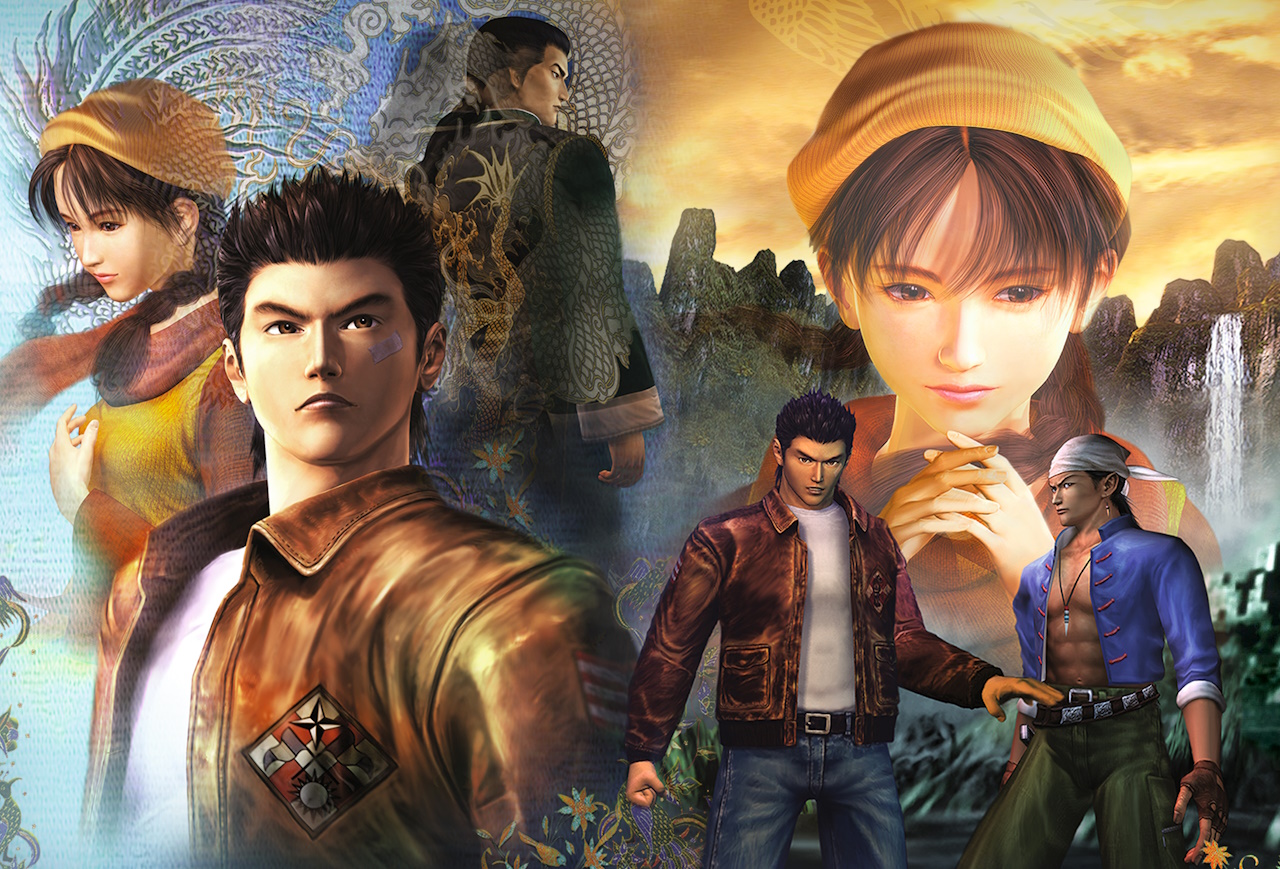
Cancelled Games I Wish We’d Got To Play

The recent cancellations and studio shutdowns in the games industry – and at Xbox in particular – got me thinking. There are a lot of games that just never made it to the launchpad for one reason or another, and some of them sounded genuinely fantastic. Given how poor a lot of corporate decisions are, I don’t buy the argument that “any cancelled game would’ve been bad; that’s why they cancelled it!!1!” – which is something some armchair critics like to say. That seems to be a bit of a “cope;” a way to brush off the cancellation of a title that could’ve been a ton of fun.

So today, we’re going to take a look at ten cancelled games that I really wish had seen the light of day.

You don’t have to tell me, I already know the argument: some of these games might’ve been crap, and maybe there were good reasons behind their cancellations. Noted. Got it. We don’t need to go over that again!

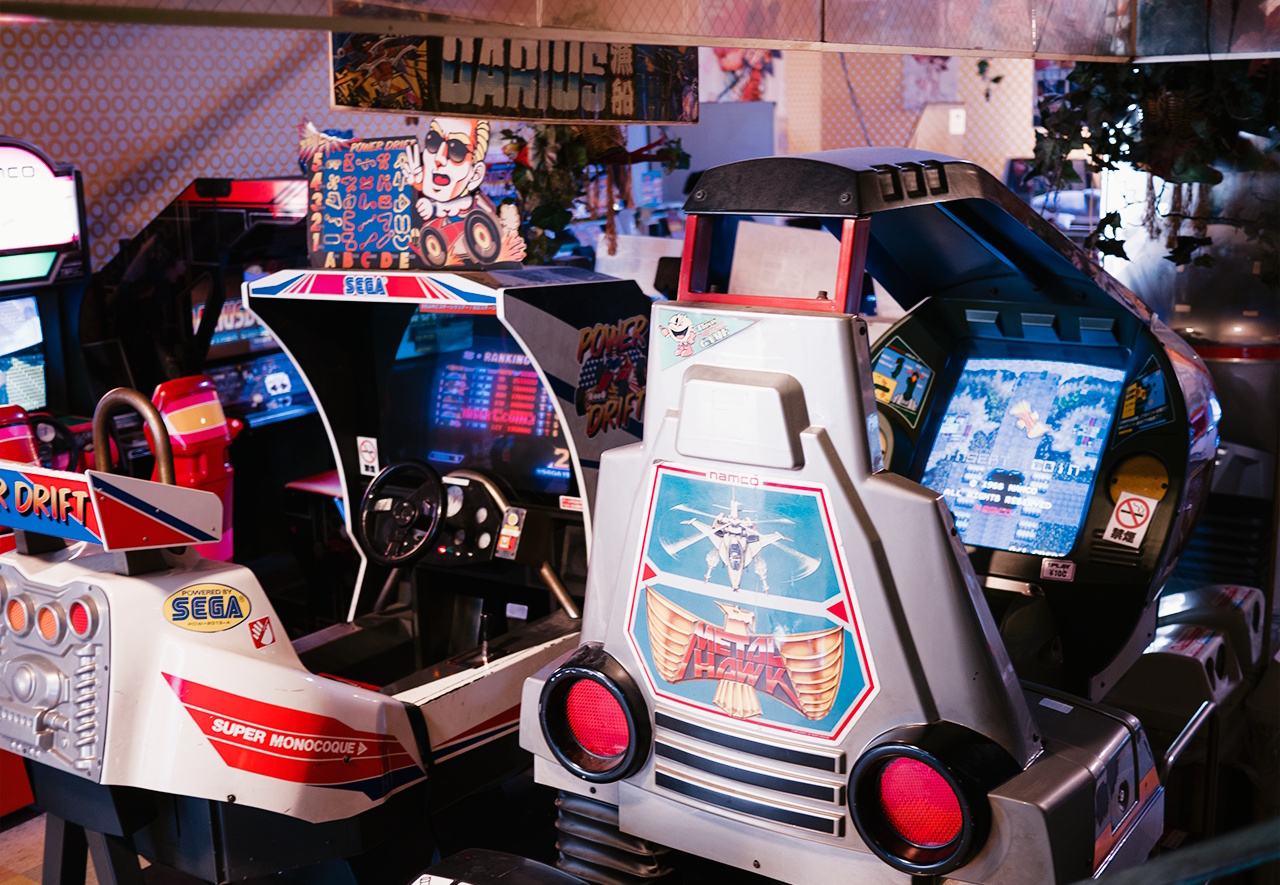
A selection of arcade machines.
Let’s talk about some cancelled games.

If I may suggest the obvious counter-point: some of these games might’ve been good! Some of the titles on this list seem to have been cancelled not for any reasons pertaining to quality, but for financial reasons, changes in priorities, or studios and intellectual property changing hands. Those things have next to nothing to do with the actual game, and while it’s true that not every decent-sounding cancelled game would’ve been great… I still wish we’d been able to see them and judge the finished products for ourselves.

As always, everything we’re gonna talk about is the entirely subjective, not objective opinion of just one person. If I highlight a game you think sounded awful, or ignore a title you think is obvious on a list like this… that’s okay. There ought to be enough room in the gaming community for differences of opinion. The games are listed in no particular order.

With that out of the way, let’s jump into the list.

Cancelled Game #1:
Agent (a.k.a. Rockstar’s Agent)
Early 2010s

Early logo of Rockstar's Agent.
The game’s logo.

Agent was first teased in 2007 by Sony, purportedly as a PlayStation 3 exclusive from Rockstar Games. Further details weren’t announced until 2009, when it emerged that the title would feature a secret agent in a 1970s Cold War setting. Obviously, the first point of comparison was James Bond, and that was more than enough to pique my curiosity! I didn’t own a PlayStation 3 until late in the console’s life, but Agent was perhaps the title I was most interested in after The Last Of Us.

Rockstar went radio-silent on Agent for years after the 2009 announcement. Occasional “leaks” would emerge, but there was nothing concrete. Rockstar’s parent company, Take-Two, renewed the “Agent” trademark twice, and seemed to imply to investors as late as 2013 that the game was still being worked on. However, another 2013 project, Grand Theft Auto V (and its online mode in particular), seems to have redirected Rockstar’s development resources.

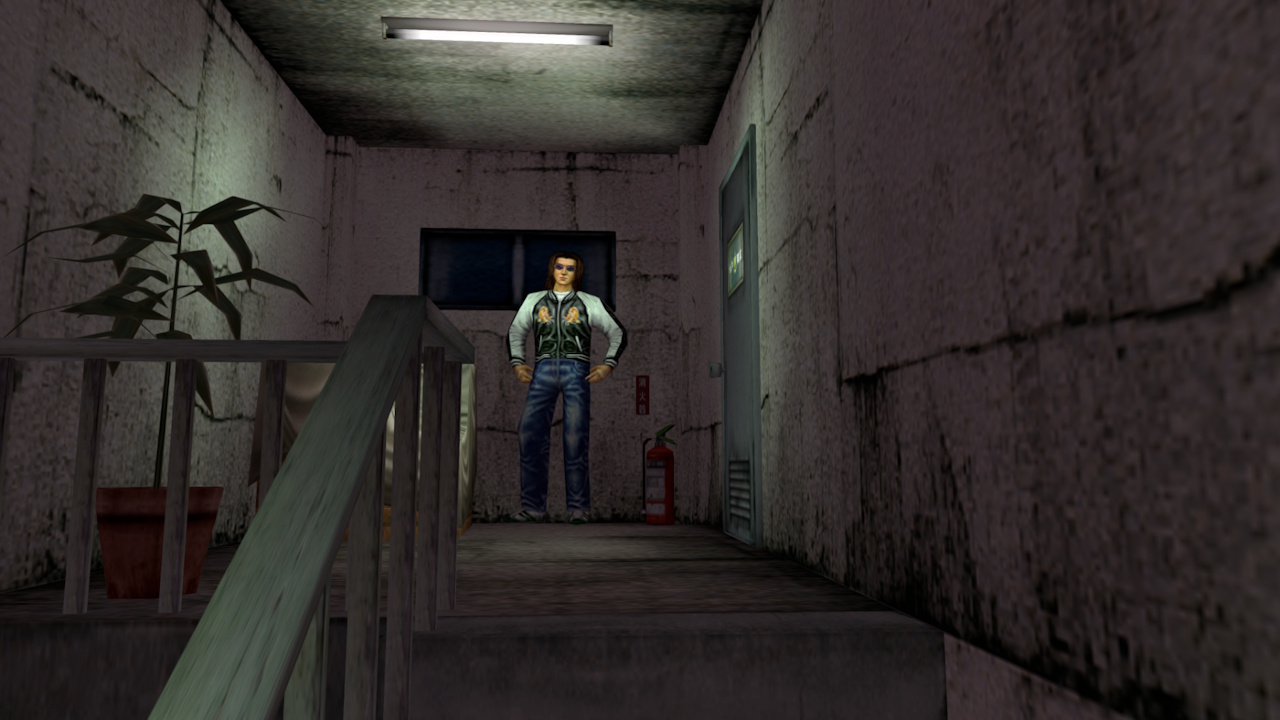
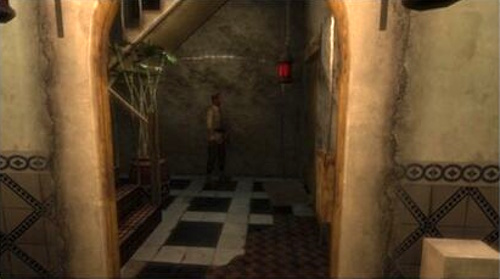
Leaked screenshot of Rockstar's Agent showing a character at the foot of a staircase.
One of the leaked screenshots.

By 2015, the project seems to have been abandoned, and I really do believe that Rockstar’s change of focus to Grand Theft Auto Online is the main culprit. Comments from at least one former Rockstar developer suggest that team members were reassigned from Agent to support Grand Theft Auto V after 2013, with the popular and financially successful online mode clearly being more of a priority for Rockstar and Take-Two.

It wouldn’t be the last project Rockstar would sacrifice at the altar of Grand Theft Auto Online. A single-player expansion was planned but never released, Red Dead Redemption II’s online mode was ignored when it failed to generate the same kind of revenue as GTA’s, and you better believe we’d have seen Grand Theft Auto VI, and perhaps other Rockstar titles – like a sequel to Bully – if the studio hadn’t gone all-in on GTA Online after 2013. Agent seemed like it had the potential to live up to stealth-action titles like GoldenEye and the Hitman series, and its ’70s setting sounded particularly fun.

Cancelled Game #2:
Star Trek: First Contact
1998-ish

Pre-release screenshot of Star Trek: First Contact showing Picard and a Borg.
A game based on First Contact? Cool!

MicroProse created one of my favourite games ever: 1997’s Star Trek: Generations. Yes, the game is a pretty basic “Doom clone,” and yes it came out three years too late… but it was a ton of fun to play through an expanded version of the Generations story, with little connections to other episodes from The Next Generation. MicroProse had the Star Trek license in the mid-late 1990s, and after releasing Generations in 1997, the studio began work on an adaptation of First Contact.

For an action game or a first-person shooter, you could hardly pick a better Star Trek story than First Contact! Battling the Borg on the lower decks of the Enterprise-E, teaming up with Picard and the crew… it could have been a genuinely fun and exciting Star Trek experience. I doubt First Contact would’ve really crossed over to the mainstream and brought in a bunch of new fans… but you never know. A few years later, Elite Force managed to do just that.

Pre-release screenshot of Star Trek: First Contact showing Data, Worf, and two Borg.
A leaked screenshot of an early build of the game.

MicroProse’s financial problems seem to have impacted its ability to work on this game, though. The studio planned to use the then-new Unreal Engine, which would’ve allowed for better graphics and fully 3D models (Generations used a much older engine designed for DOS games that relied on 2D sprites for the most part). The jump in quality would’ve been noticeable, and First Contact could’ve been a good-looking game by 1998 standards!

A title based on First Contact is still one of my fantasy Star Trek games all these years later. Retaking the lower decks of the Enterprise-E, battling the Borg in close quarters, and perhaps having to rely on hand-to-hand combat and thrown-together weaponry… it just sounds so tense and exciting! It could also be a great horror-tinged game, with the Borg being a genuinely difficult and frightening antagonist. There was a ton of potential here, and it seems as if the game was cancelled through no fault of its own.

Cancelled Game #3:
Super Mario 128
1997-99

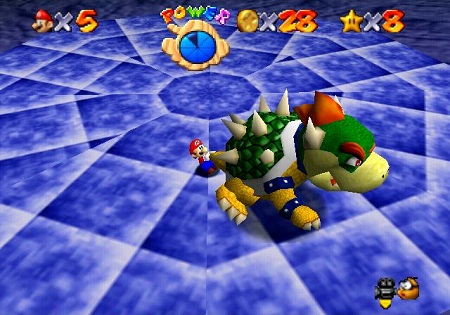
Screenshot of Super Mario 64 showing Mario on the castle's secret slide.
Whee!

A sequel to Super Mario 64 was planned for the Nintendo 64’s disc drive accessory – but the hardware failure led to the game’s cancellation. There’s a bit of confusion surrounding this title, because Super Mario 128 also refers to a completely different project that was in early development for the GameCube! But the 64DD version would have been much closer to Super Mario 64 than Mario Sunshine.

Originally, Super Mario 64 was supposed to include multiplayer, with the second player being able to control Luigi via split-screen gameplay. It sounds like Super Mario 128 was going to pick up this idea, using the 64DD’s more powerful capabilities to include a two-player mode. Luigi was confirmed by developer Shigeru Miyamoto to have been part of the project throughout its development, and rumours have suggested that Peach’s castle from Super Mario 64 would’ve returned as a location.

Screenshot of Super Mario 64 DS showing Luigi getting a star.
Luigi would eventually be playable in Super Mario 64 DS.

Another idea that Miyamoto supposedly had for Super Mario 128 was spherical levels or environments. We’d eventually see this idea in Super Mario Galaxy a decade later, but I’ve always wondered what it might’ve looked like if even one level had been like that back in the Nintendo 64 era! A direct sequel to the events of Super Mario 64, perhaps re-using and upgrading some of the same levels and environments just sounds like a lot of fun, and having a two-player couch co-op mode with Luigi and Mario together would have been fantastic.

Ultimately, the failure of the 64DD doomed this version of Super Mario 128. It seems that Nintendo kept the name, for a time, and the project was either switched to the GameCube or a new GameCube project was created with the same name shortly after the turn of the millennium. Elements of Super Mario 128 have appeared in several 3D Mario games over the years, including spherical levels in Galaxy and a return to Peach’s castle in Odyssey.

Cancelled Game #4:
Perfect Dark Reboot
Late 2020s

Logo for the Perfect Dark reboot.
The game’s logo.

After showing off Perfect Dark just a few months ago with an action-packed, exciting trailer… Microsoft and Xbox have now cancelled the project. Not only that, but the studio Xbox had created specifically to build Perfect Dark has been completely shut down and its staff have largely been laid off by Microsoft. This feels like a pretty shocking turn of events, and I think it’s a colossal disappointment that we aren’t going to get the promised Perfect Dark reboot.

Perfect Dark was Rare’s follow-up to the smash hit GoldenEye on the Nintendo 64, taking the same gameplay style but transposing it to a corporate-dystopia futuristic setting. Protagonist Joanna Dark was compelling, and the game was just a ton of fun both in single-player and multiplayer back in the Nintendo 64 days.

Screenshot of Perfect Dark showing the player character sliding in combat.
A glimpse at the game.

There aren’t that many single-player-focused first-person shooters any more. There’s id’s Doom series, and occasionally a title like Deathloop will come along, but for the most part, modern FPS titles focus almost exclusively on lucrative multiplayer modes that can be monetised to death. Perfect Dark represented something different – a bit “old school,” for want of a better term – in a modern gaming landscape dominated by those kinds of titles. And at a time when Microsoft’s biggest FPS franchise, Halo, has been flailing around, Perfect Dark could’ve been a much-needed boost. Heck, if it was good enough it could’ve even eclipsed Halo, taking Xbox in a different direction.

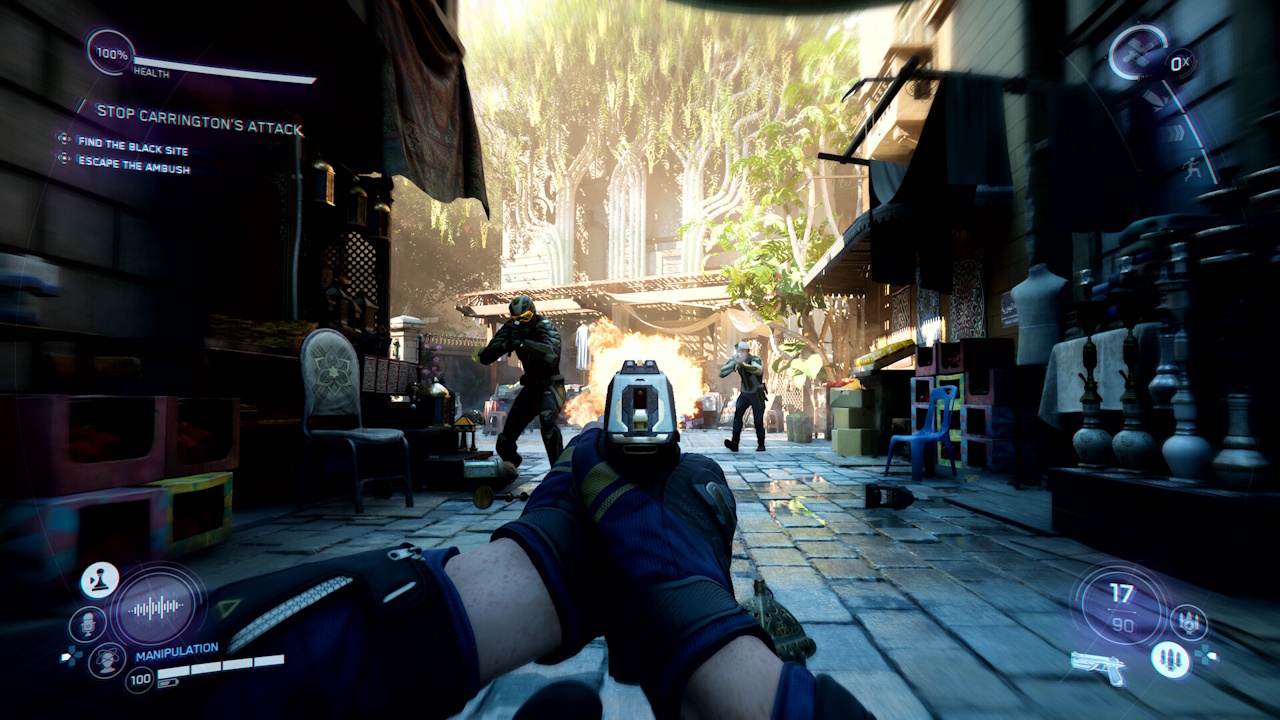
The gameplay that we saw a few months ago is real – though it was a “vertical slice” of a very incomplete game at the time it was produced. There really did seem to be a lot of potential in a return to this series and this style of first-person shooter. Maybe there were more problems behind-the-scenes than we’ve learned so far, and maybe Perfect Dark was just taking too long to be ready. But it’s a disappointment that we’ll never get to see it for ourselves.

Cancelled Game #5:
TimeSplitters 4
Late 2000s

Pre-release/placeholder logo of TimeSplitters 4.
An early version of the game’s logo.

TimeSplitters 2 is genuinely one of my favourite games of its era. Fun, fast-paced, with a unique story and art style… it was just a blast to play either alone or with friends. A third TimeSplitters game was also well-received – though I didn’t play that one for myself! Developers Free Radical Design announced that a fourth entry in the series was coming, but then they switched to develop the critically-panned Haze.

Haze’s failure seems to be what doomed TimeSplitters 4. Free Radical Design went into administration, and although it was initially announced that TimeSplitters 4 might be able to be saved, it didn’t happen. The studio was shut down, and the TimeSplitters license eventually ended up at Embracer Group after passing through several other hands.

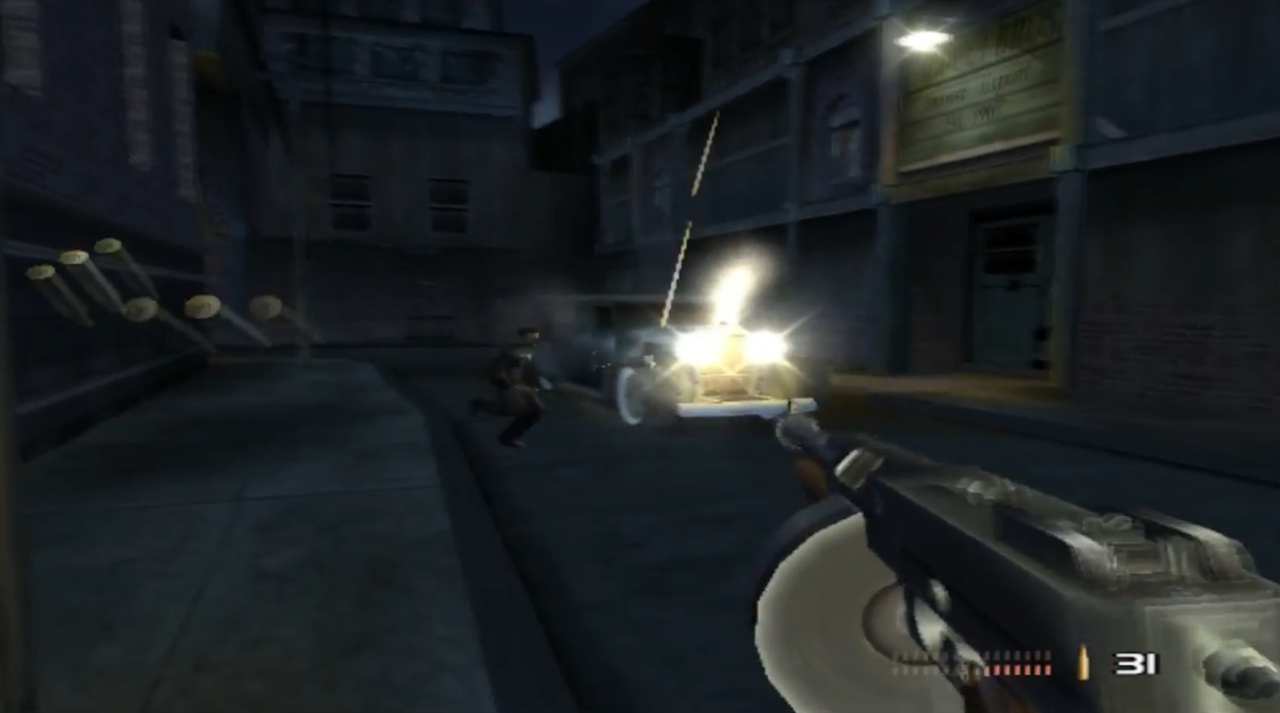
Screenshot of TimeSplitters 2 showing a tommy gun, a car, and the game's 1930s Chicago level.
The Chicago level from TimeSplitters 2.

TimeSplitters’ unique level design – jumping through different time periods and using weapons from those eras – made it something a bit different, and there was something about its fast-paced gameplay, especially in multiplayer, that was just plain fun. I have wonderful memories of playing TimeSplitters 2 on the original Xbox with friends, kicking back after work with a game that was different from anything else on the market and just really entertaining to play. The single-player campaign was great, too.

TimeSplitters 4 feels all the more disappointing because the game seemed, for a brief period in the early 2020s, to be getting a reprieve. However, a second cancellation was confirmed a couple of years ago, with the resurrected Free Radical being shut down for a second time. Again, this seems not to have been the fault of TimeSplitters 4, but rather due to issues within parent company Embracer Group.

Cancelled Game #6:
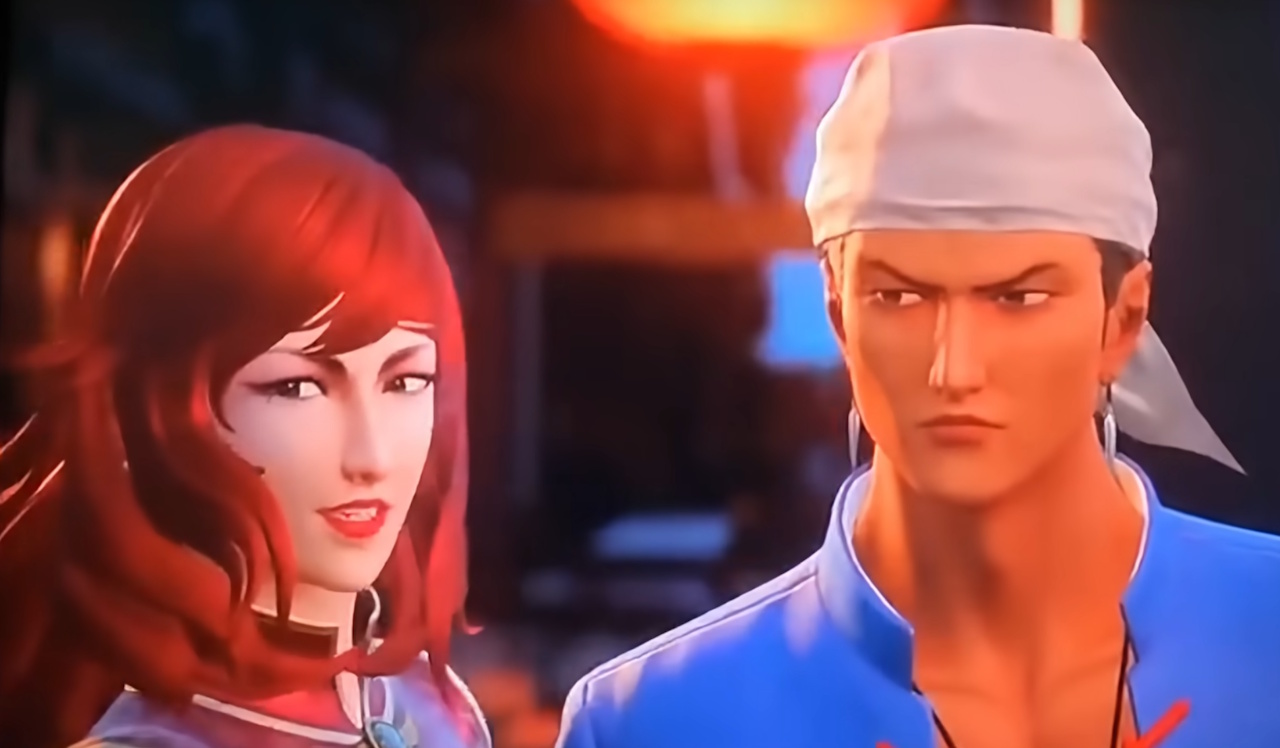
Shenmue III
2003-ish

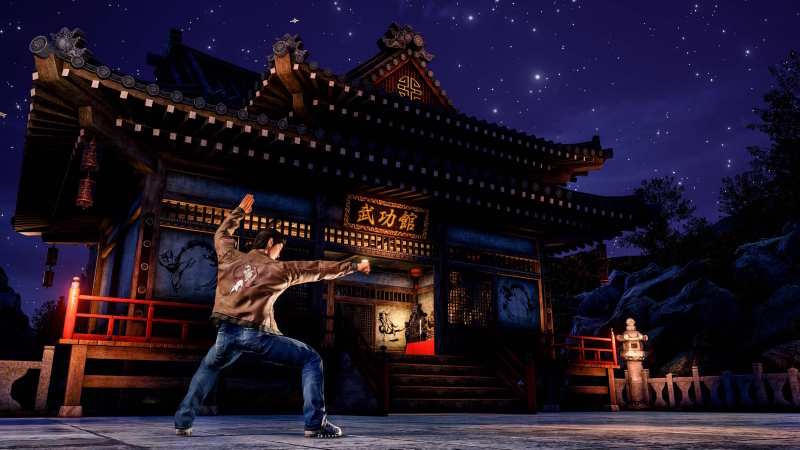
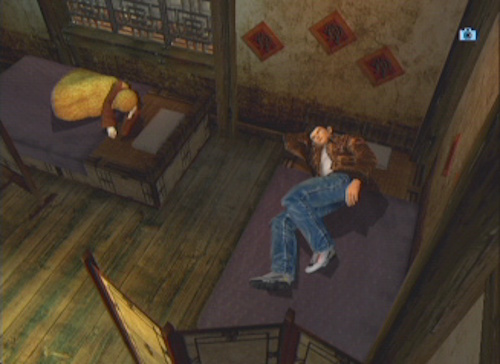
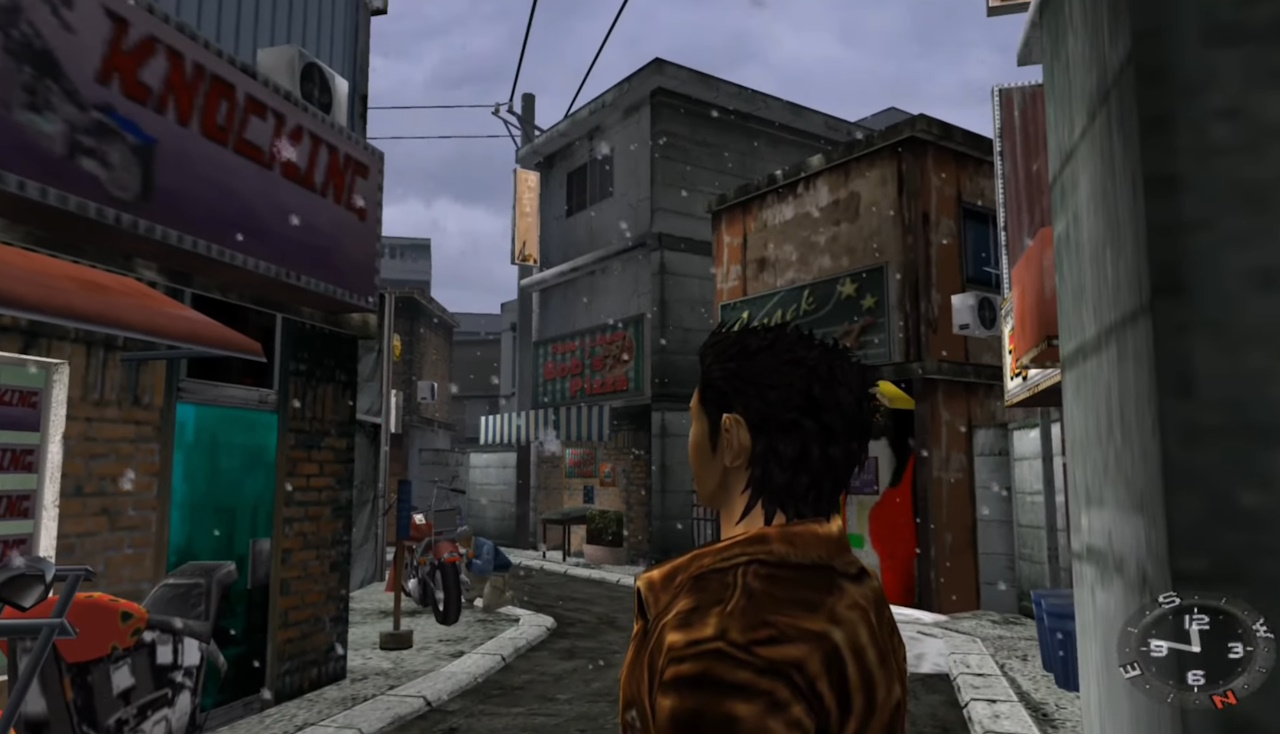
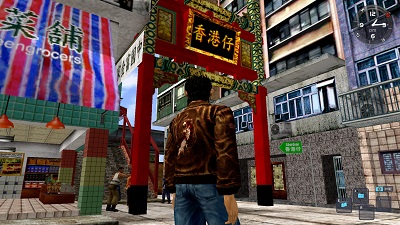
Screenshot of an unreleased Shenmue II/Shenmue III environment showing Ryo with a temple.
Is this what Shenmue III would’ve looked like circa 2002?

Before you get angry and start screaming at me that “Shenmue III came out in 2019!!1!” – I know. I’m not talking about that version of the game. What I’m lamenting is that the original Shenmue saga couldn’t be continued on the Dreamcast, and that fans had to wait almost twenty years for a sequel to Shenmue II that wasn’t what it was originally supposed to be. If the Dreamcast had been a success and Shenmue III had been created in the early 2000s, it would have certainly been a different game – and probably a longer one, too.

There were rumours back in the day that Shenmue and Shenmue II could’ve been ported to the PlayStation 2 after the Dreamcast’s demise… and that could’ve also been something that saved the series. I firmly believe that the Shenmue saga is one of the best stories ever told in the medium, and it’s positively criminal that it’s never been concluded. There were chances in the early 2000s to salvage the Shenmue project, but its reputation, high pricetag, and connection to the failed Dreamcast all counted against it… as did the second game’s low sales.

Screenshot of an unreleased Shenmue II scene showing Ryo and Shenhua in bed.
Shenhua and Ryo.

If Shenmue had continued, one way or another, in 2003 instead of 2019, I think we’d have gotten a much larger game for starters. And without the intervening couple of decades, this version of Shenmue III would undoubtedly have been closer to fans’ expectations – and possibly exceeded them. One of the reasons Shenmue III felt disappointing to some fans, in my opinion, is that the 2019 version wasn’t able to take advantage of years’ worth of changes and improvements in game design.

Shenmue III in the early 2000s would’ve also been a stepping-stone – one part of an unfolding story. I can’t speak for every Shenmue fan, but I genuinely expected the crowdfunded 2019 game would conclude the game’s main story. It didn’t – and that alone convinced me not to even buy it at first. But in 2003, that would’ve been a non-issue, so even if the story and settings of Shenmue III had been exactly the same, I believe the game would’ve been far better-received. Unfortunately, Shenmue was a masterpiece that was, in many ways, ahead of its time. Players in the early 2000s weren’t as interested in what the first two games had to offer, and the Dreamcast’s shaky position in a market that was about to be dominated by the PlayStation 2 sealed its fate.

Cancelled Game #7:
Life By You
2024-26

Promo art for Life By You showing the game's box art and logo.
One of the game’s promo images.

Life By You was one of a handful of Sims-inspired life simulator games that were all in development at the same time in the 2020s. And it was probably the one that appealed the most to me! Electronic Arts has monetised The Sims 4 to death – it costs, at time of writing, more than £1,300 to buy all of the available add-ons and expansions for that game. That’s a consequence of EA having the life-sim genre basically all to itself for years. Titles like Life By You threatened to change that.

I don’t know what Life By You’s monetisation might’ve looked like. Developer and publisher Paradox is not exactly known for being light on the DLC with its grand strategy games, many of which have DLC totals that can run to several hundred pounds. But I think competition in the life-sim genre is a good thing, and as someone who enjoyed The Sims in the early 2000s, I was definitely interested to see what another big studio could’ve done with the same basic gameplay idea.

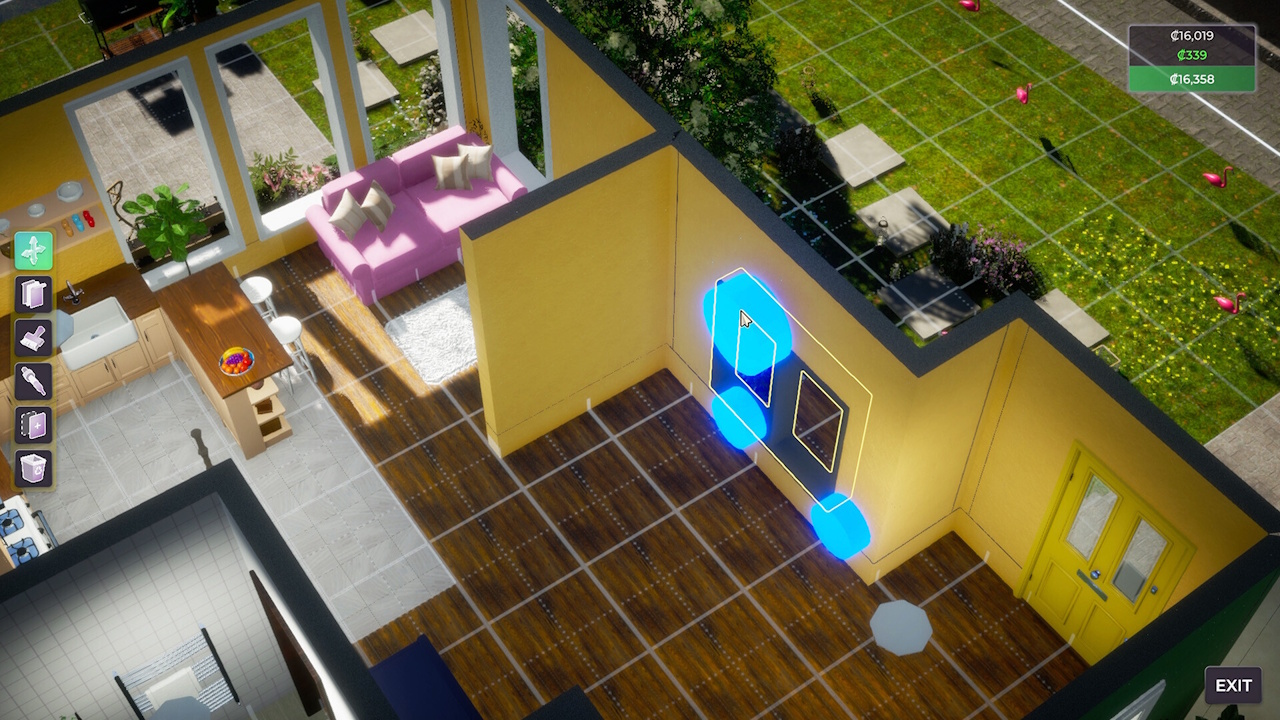
Promo screenshot for Life By You showing the game's build mode.
This looks like it would’ve been the game’s build mode.

inZOI and Paralives are two other new life simulators that are both coming out soon, though I would note that inZOI’s early access seems to have been a little *too* early! But both of those games are by smaller teams – and while there’s nothing wrong in the slightest with smaller studios, new studios, and indie developers, the bigger name behind Life By You was at least part of the draw, in my opinion. I’m still very interested in those other games, and I hope they both give The Sims 4 a run for its money! But if they don’t, or if they aren’t as good as people are hoping, I really think we’ll come to regret the cancellation of Life By You.

We don’t know what happened behind-the-scenes, but Paradox put out a statement saying that “a version we’d be happy with was too far away,” seeming to indicate that development was not progressing at a pace the publishing side of the company was happy with. It’s worth noting that Paradox was able to write off a significant portion of the game’s development costs against its annual income… which may have also been a factor in the game’s cancellation. Paradox also called the game “high risk,” and claimed in a meeting with investors that they’d be less likely to invest in similar titles in the future.

Cancelled Game #8:
Whore of the Orient
2013-16

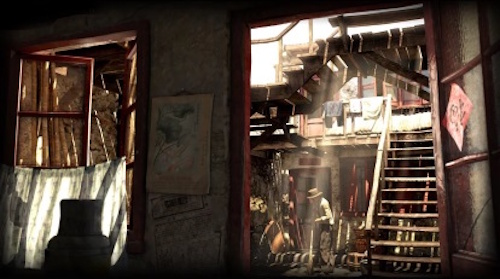
Leaked screenshot of Whore of the Orient showing a man, a staircase, and a window.
The only image of the game that ever leaked.

Let’s get the obvious out of the way: that’s a horrible title for a video game! But setting the title aside, Whore of the Orient sounded genuinely interesting. It was the brainchild of the people behind L.A. Noire, the police investigation game published by Rockstar in 2011. Team Bondi was eventually rolled into a new studio to develop Whore of the Orient, but most of the senior team stayed to work on the project.

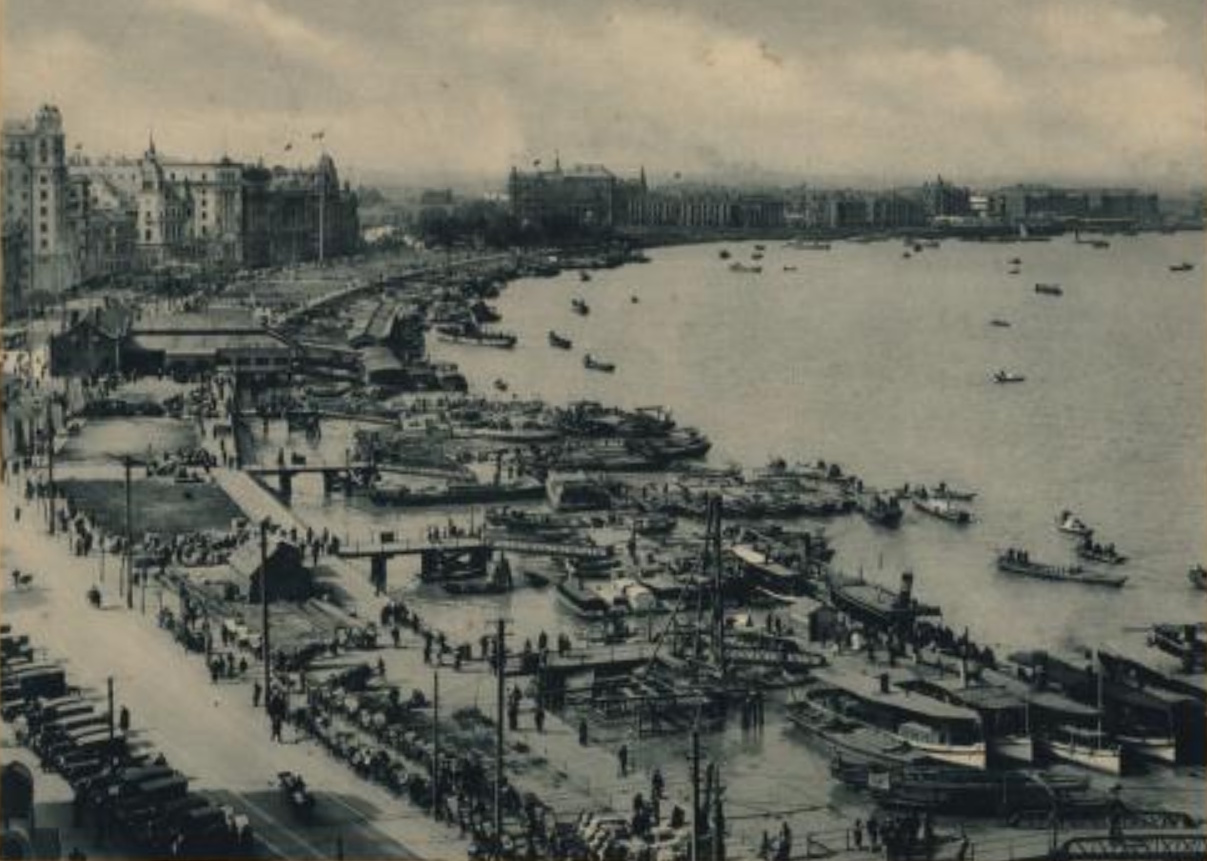
Whore of the Orient would’ve made use of the same facial capture technology as L.A. Noire, but targeting a PlayStation 4/Xbox One release, I think we’d have seen some noticeable improvements on that front. The game was to be set in Shanghai in the 1930s, with political intrigue, the rise of communism, and criminal gangs. We don’t know much more about its story, but that premise sounds like something genuinely different, and potentially very engaging.

Photograph of Shanghai, circa 1927. Black-and-white image from an elevated position looking down on a waterfront packed with boats.
Whore of the Orient would’ve been set in Shanghai, circa 1930s.
Photo: Shanghai, 1927

We haven’t seen another game quite like L.A. Noire, and I’d have loved to see what the original developers could’ve done with the improved hardware of the PlayStation 4 generation. L.A. Noire hasn’t really aged well, with its facial capture stuff feeling just a bit too janky, but the same technology running on more advanced hardware could’ve really been something special.

As to the story, there aren’t any games I can recall that are set in 1930s China, so that alone would’ve made it stand out. We don’t know why the game was cancelled, only that parent company KMM Interactive pulled the plug sometime between the final update on the project, which was in 2013, and June 2016, when the news was belatedly announced to the public. Perhaps the story never came together, maybe the technology wasn’t working right, or maybe the game got too big and ambitious for its budget. In any case, it’s disappointing that the L.A. Noire folks didn’t get a second chance to tell a different story.

Cancelled Game #9:
Half-Life 2, Episode Three and Half-Life 3
Late 2000s

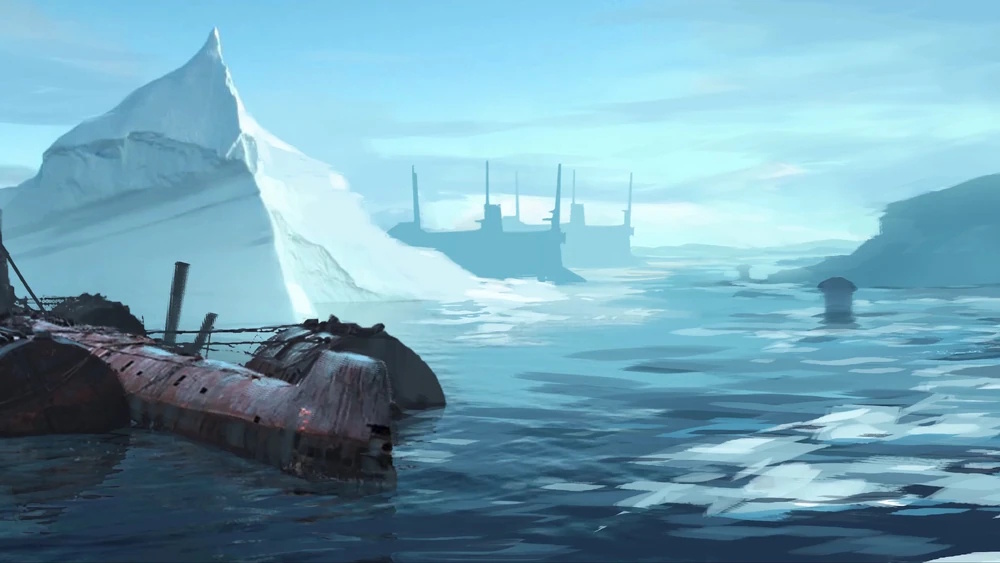
Concept art for Half-Life 2, Episode 3 showing an icy environment and a shipwreck.
Promotional art for Episode Three.

Half-Life 3 has become a meme at this point; the ultimate example of a video game that we’re never gonna play! But there was a time when either Episode Three or a full Half-Life 3 were very much on the agenda. But that was before developers Valve decided to dedicate all of their time to Steam, Dota 2, and the Counter-Strike series. As above with Perfect Dark, there’s a gap in the market for single-player first-person games, and the Half-Life series should be well-positioned to fill it.

Half-Life’s story is incomplete. Worse, it just… ends. There’s no conclusion for any of the characters or storylines, just a big, almost twenty-year-long void. And at this stage, despite occasional rumours… I don’t think the Half-Life series would print money in the way the first two titles did. It’s been too long, a whole new generation of players have come along who don’t even know that Valve used to make games, and quite honestly, I’m sceptical about Valve having the talent to produce a top-tier single-player game after so much time has passed.

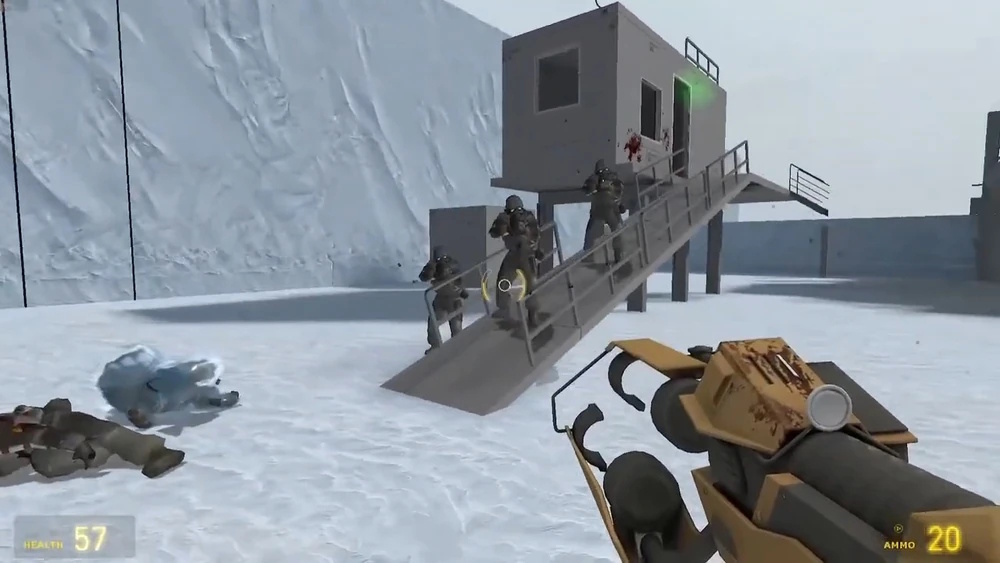
Pre-release screenshot for Half-Life 2, Episode 3 showing a first-person perspective, an icy environment, and several enemies.
A leaked screenshot of an early build of Episode Three.

There was that VR game a couple of years ago, and rumours occasionally fly about a potential new Half-Life title. Valve, unlike many of the other developers on this list, is still around – and still printing money hand over fist thanks to Steam. But the company’s focus has changed, and I don’t think most of the folks there are interested in another entry in the Half-Life series. It’s just sad that such an interesting setting and cast of characters can’t get any kind of conclusion, and it’s frustrating that there’s not really a good reason. If the studio had closed or if the previous entries in the series had flopped… fair enough. But Half-Life is held in high esteem and Valve clearly has the resources to invest. They just never did.

I also think we’re at a point now, for fans of the series, where any new game would struggle to meet expectations. It’s been so long, and Half-Life 3 has seen its status massively inflated, so any announcement would generate insane levels of hype. No game – no matter how good – could realistically reach the heights players would set for a new Half-Life… so maybe it’s better this way?

Cancelled Game #10:
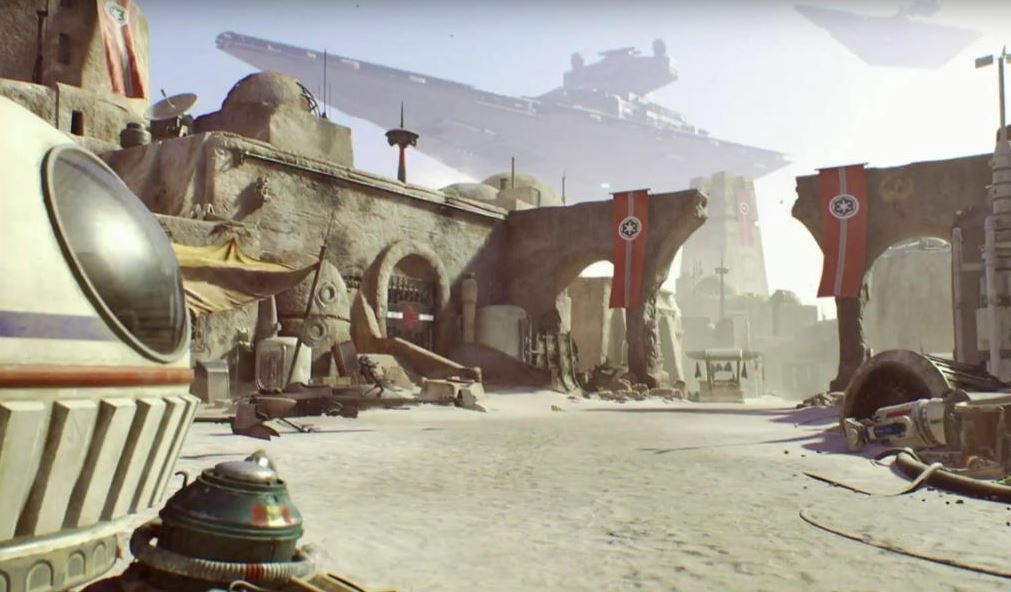
Star Wars: Project Ragtag
Mid-2010s

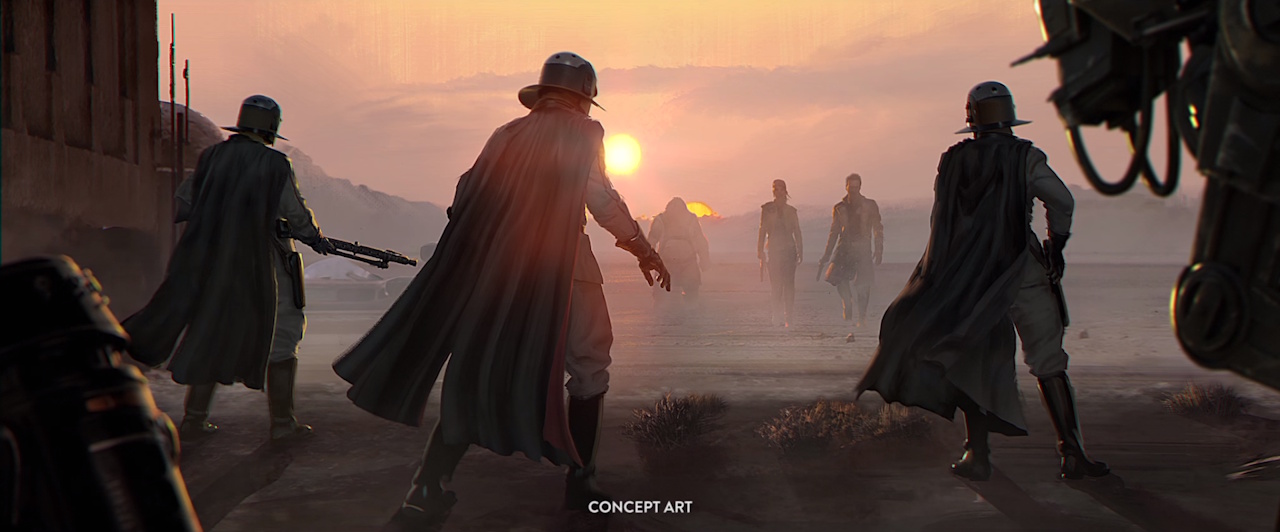
Concept art for Project Ragtag showing several characters.
Concept art for the game.

After the Walt Disney Company acquired LucasFilm in 2012, they also acquired the game studio LucasArts… and promptly shut it down. Disney handed the Star Wars license to Electronic Arts, who commissioned Dead Space developer Visceral Games to create a Star Wars third-person adventure game. Project Ragtag was being helmed by Amy Hennig, who had written and directed the Uncharted trilogy. Everything seemed to be coming together, and a genuinely great Star Wars game was in the offing.

But in 2017, EA didn’t just cancel the game, they closed down Visceral Games as well. According to Hennig, this decision was taken months before the team was made aware of it, and EA apparently planned to re-use some of the work Visceral had done for a rebooted open-world title. That project never saw the light of day, either.

Pre-release screenshot of Project Ragtag showing an empty level.
An early build of an in-game environment.

Project Ragtag was supposedly a “heist game,” being set sometime during the events of the original Star Wars trilogy. Last year’s Star Wars Outlaws sounds kind of similar in theory, and I think that’s a good starting point, at least, when considering what Project Ragtag might’ve felt like to play. I’ve long argued for more stories set in the Star Wars universe that don’t just rely on the Jedi and Sith or on bringing back familiar faces, and I felt Project Ragtag had the potential to be a wonderfully engaging experience.

The director and studio both had pedigree, so there were plenty of reasons to be optimistic. Maybe the game wasn’t coming together… or maybe Electronic Arts was desperate for open-world, always-online multiplayer titles that seemed like better monetisation prospects in the second half of the 2010s. EA would go on to publish Jedi: Fallen Order a few years later, though, so maybe they learned their lesson!

So that’s it.

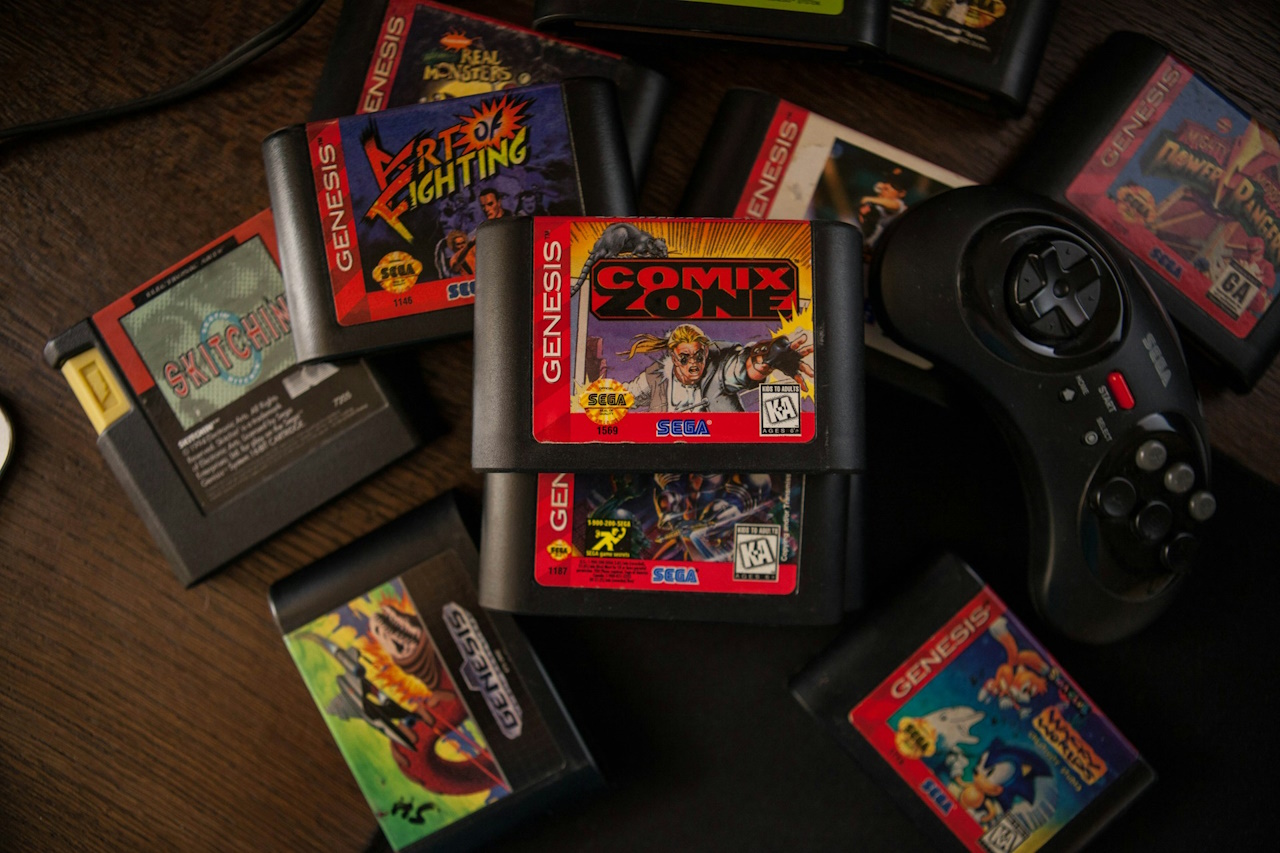
Stock photo of Sega Mega Drive games and a control pad.
A selection of Mega Drive/Genesis games.


We’ve talked about ten cancelled games that I really wish we’d been able to play!

Some of these have been sore spots for decades; others are new, but still sting. Sometimes a game being cancelled does ultimately lead to something better, either because the creative folks move on to different projects, or even because some of the work done on a title can be repurposed. But there’s no point in denying it: a game I’m looking forward to getting cancelled just hurts.

There are a few titles where cancellation feels reasonable under the circumstances or may have been expected. Some games sound too good to be true and may have proven too ambitious, or just didn’t come together in the way their developers hoped. These things happen, and as I’ve said before: game development is not a sure-fire thing. There can be all manner of reasons why a decent-sounding project struggles when the concept comes up against the real world.

Promo photo of a woman working on a computer with two monitors.
Game development is not a straightforward process!

But all of these games sounded good to me, and I regret that they were cancelled before I could try them! As someone who follows the games industry – and who spent a decade working on the inside – I keep up to date with upcoming games, and even allow myself to get excited, sometimes! That inevitably brings with it a degree of disappointment when a title either doesn’t live up to expectations, or doesn’t even make it to release.

I hope this hasn’t been too depressing. And who knows: maybe some of these games will get a reprieve one day. If Age of Empires IV can be developed sixteen years after Age of Empires III, or a new 3D Donkey Kong game can launch in 2025 – more than a quarter of a century after Donkey Kong 64 – then maybe there’s still hope!


All titles listed above may still be in copyright with their respective developer, publisher, and/or studio. Some screenshots and images courtesy of IGDB, DJ Cube, and Shenmue Dojo. This article contains the thoughts and opinions of one person only and is not intended to cause any offence.
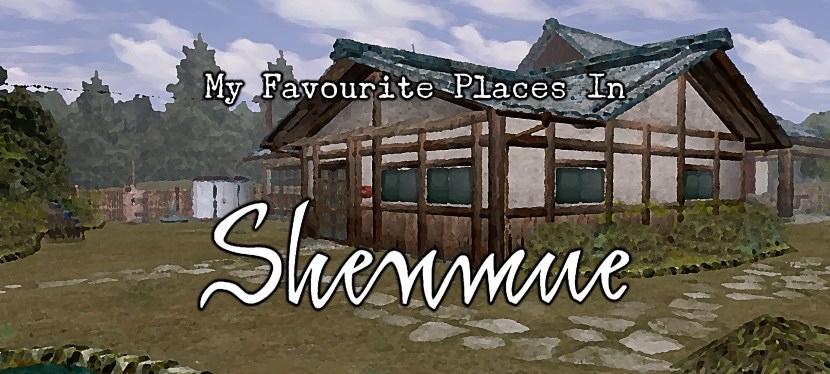
My Favourite Places in Shenmue

A Shenmue-themed spoiler warning graphic.

Spoiler Warning: There are spoilers ahead for Shenmue.

This year is all about Shenmue’s 25th anniversary! A little while ago, I wrote up my reflections of the game to mark the anniversary of its launch in Japan, but I find myself with more to say about this landmark, transformative game. So today I thought it could be a bit of fun to explore Shenmue’s game world together and visit a few of my favourite locations.

Shenmue was the first game I played that gave me a profound sense of freedom. The game’s world was open and explorable – and many buildings could be entered and investigated, too, including those that had nothing to do with the main quest. That was revolutionary twenty-five years ago, and went a long way to making Shenmue into the incredibly immersive title that it was. It wouldn’t be overstating it to say that Shenmue showed me what the future of gaming could look like in the 21st Century – and kept me playing at a time when I might’ve otherwise drifted away from the hobby.

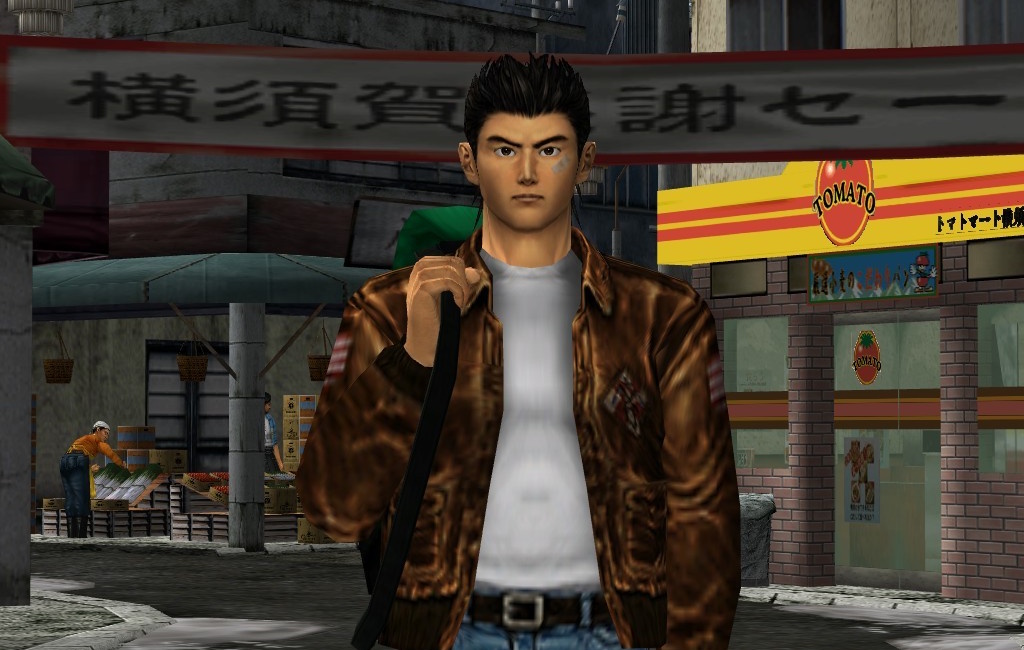
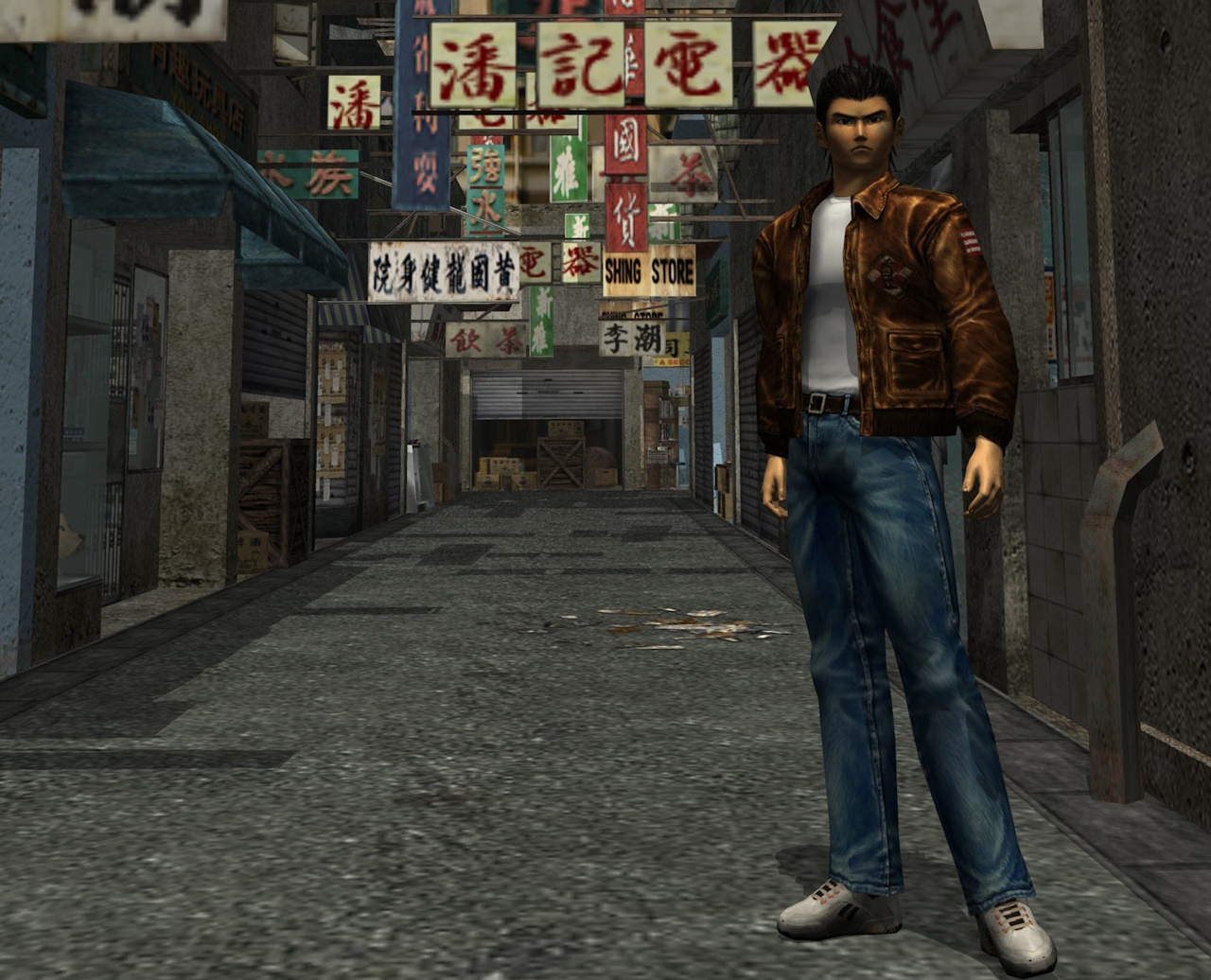
Concept art for Shenmue (1999) showing Ryo Hazuki.
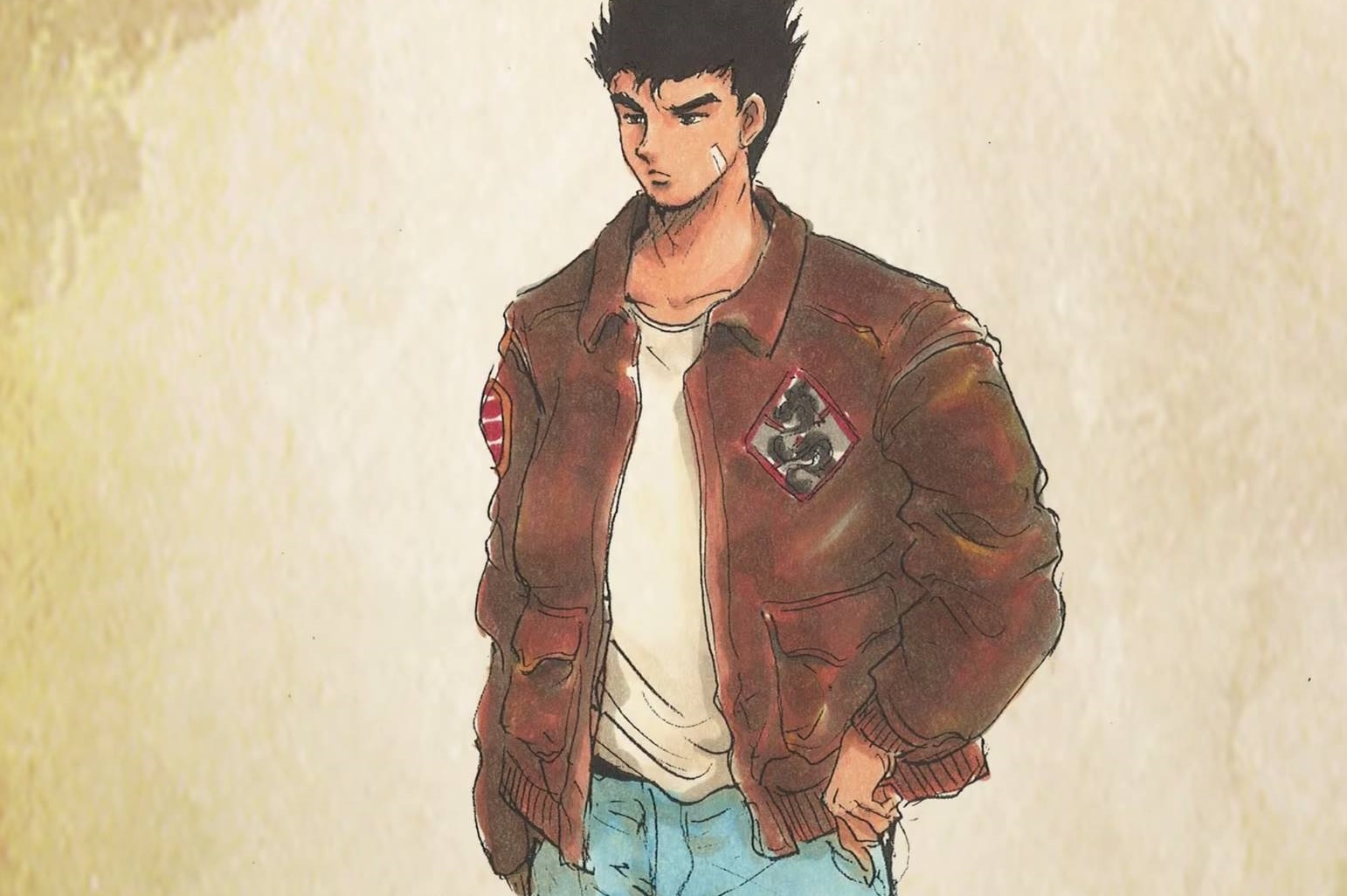
Concept art of Ryo Hazuki.

That’s really just a summary, though, so if you want to read more about my recollections of playing Shenmue, you can find the full article by clicking or tapping here.

A couple of caveats before we go any further! Firstly, all of this is just the subjective opinion of one player. If I highlight places and locales you hate, ignore somewhere you think is important, or you just don’t like what I have to say… that’s okay. There’s a lot to love about Shenmue, and there ought to be room in the fan community for differences of opinion and polite discussion.

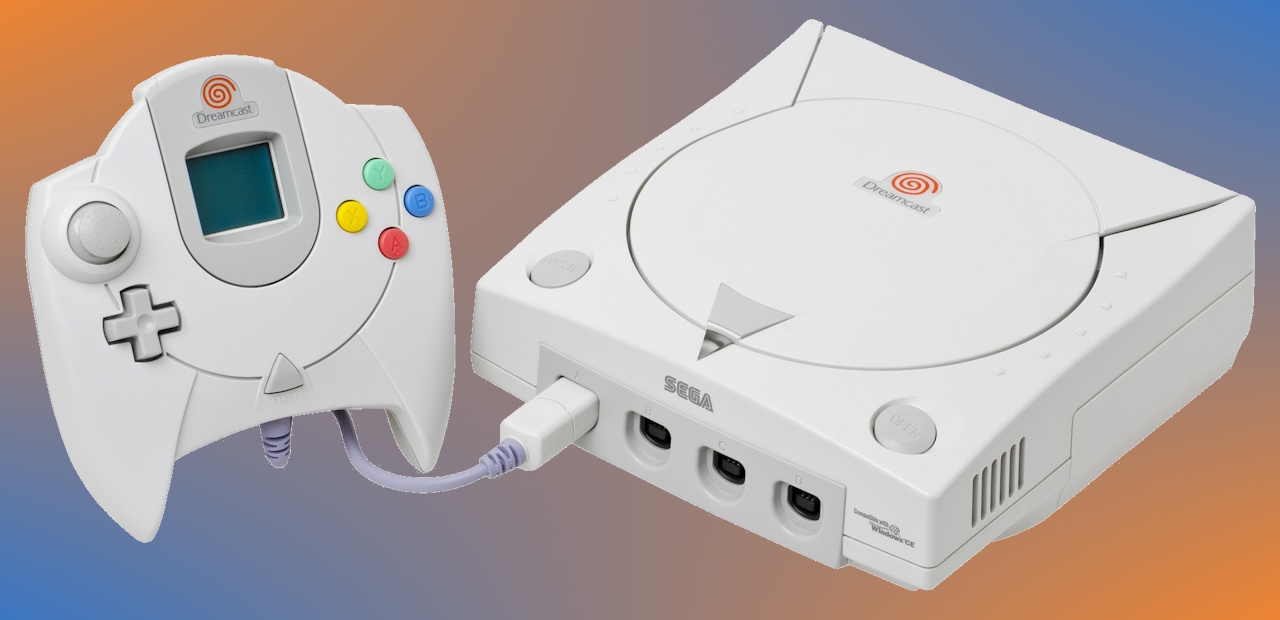
A Sega Dreamcast console and control pad (USA/Japan edition) on an orange and blue background.
Shenmue was released in December 1999 for the Dreamcast.
(2000 in North America and Europe)

Secondly, I’m only going to be looking at locations from the first Shenmue on this occasion. When Shenmue II celebrates its 25th anniversary in September next year, I’m planning to do a similar write-up of the game… and possibly another piece like this one (assuming I’m still around and assuming I remember!) So don’t worry, I haven’t forgotten about Shenmue II… but it isn’t the focus of this piece today.

Phew! With all of that out of the way, let’s get started.

Location #1:
Hazuki Residence: The Kitchen

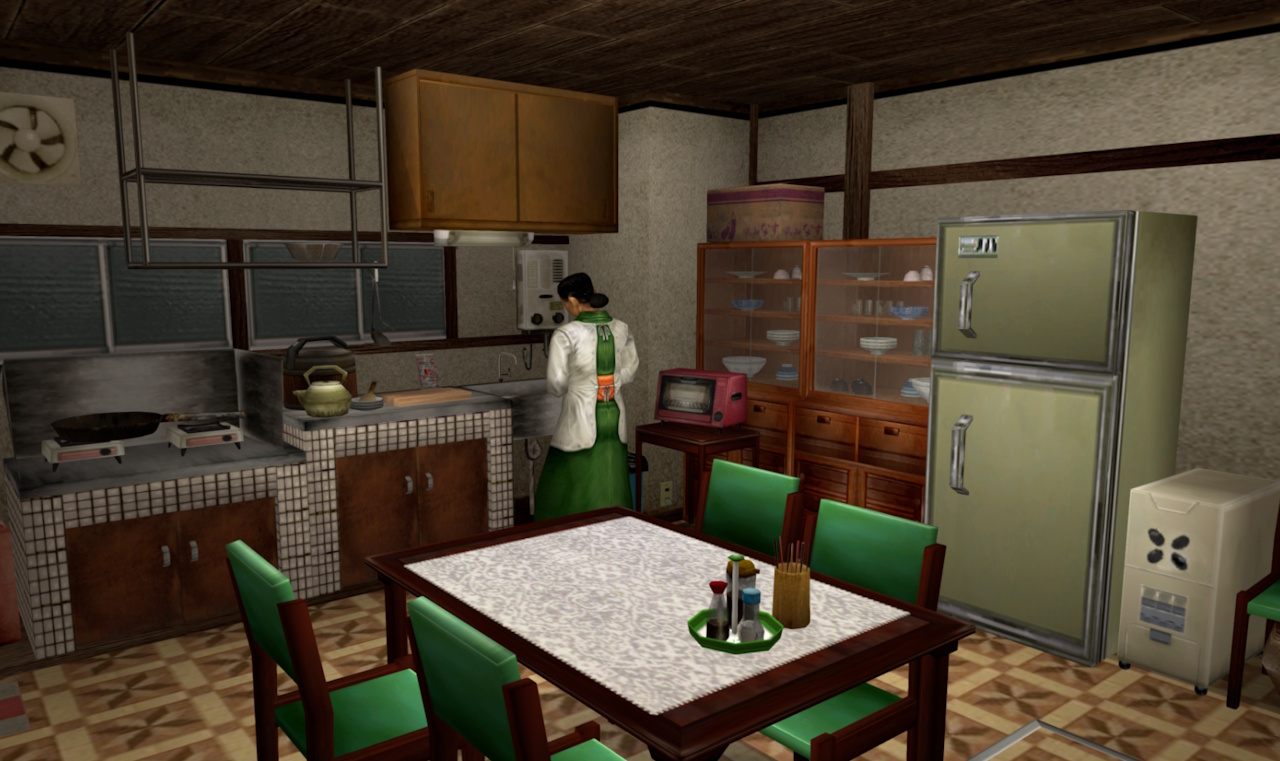
Screenshot of Shenmue (1999/2000) showing the Hazuki kitchen, with Ine-san.

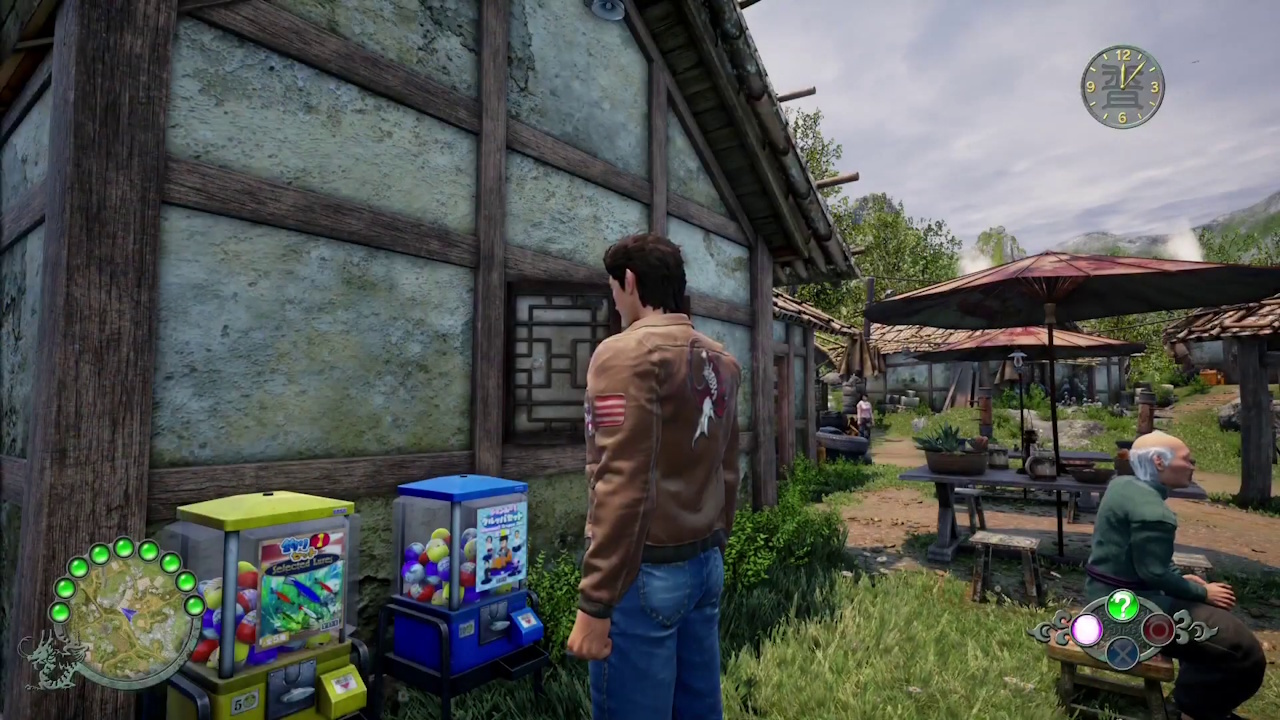
Let’s start at home: which for Ryo is the Hazuki residence and dojo in Yamanose. There are plenty of iconic places around here – but an underrated one has to be the kitchen. In a normal house, the kitchen is usually a hub of activity; it’s where we cook, where we sit and eat, and a room we generally spend a large amount of time in. But in Shenmue – and many other similar games, to be fair – the kitchen is just… set decoration. It exists because without it, Ryo’s house would feel incomplete. But there’s not really much of a reason to spend time here, and aside from a couple of cut-scenes, the game’s story largely passes this room by.

And I think that’s what makes this room (and several of the other places on this list) so interesting to me. It’s a space where nothing happens, but it’s important for the immersion and world-building that a game like Shenmue needs. There are also a few interesting little things in the kitchen; Ryo can find a can of tuna for the kitten, for example. Cupboards and the fridge can be opened and examined, which is something that felt really immersive in 1999/2000. And it’s possible to chat with Ryo’s house-keeper/surrogate mother, Ine-san, too, as she spends a fair amount of her time in the kitchen.

Location #2:
The Harbour: Fishing Spot Behind the Lounge

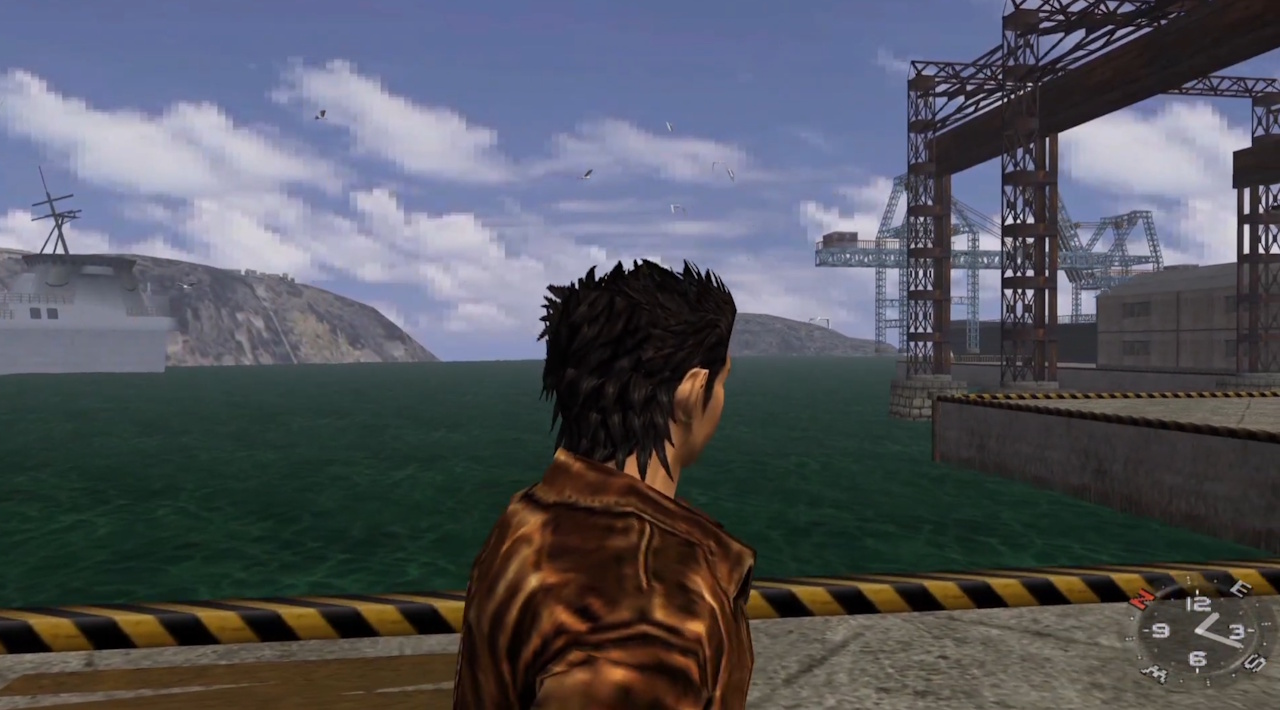
Screenshot of Shenmue (1999/2000) showing Ryo walking at the harbour.

The harbour is one of my favourite places in Shenmue; it’s just so atmospheric. And for someone who grew up near a working harbour, it’s also the location in the game that probably feels the most familiar – at least in some ways. Directly behind the lounge, past the steps where the homeless man sits, is one of my favourite spots in the harbour. This is an area you’ve definitely walked through and driven through, but probably haven’t spent a lot of time in! There are occasionally fishermen here, as well as an NPC with a sketchbook, but other than that, Ryo has no reason to ever stop here; it’s a connection point between other, more densely-packed or story-rich areas.

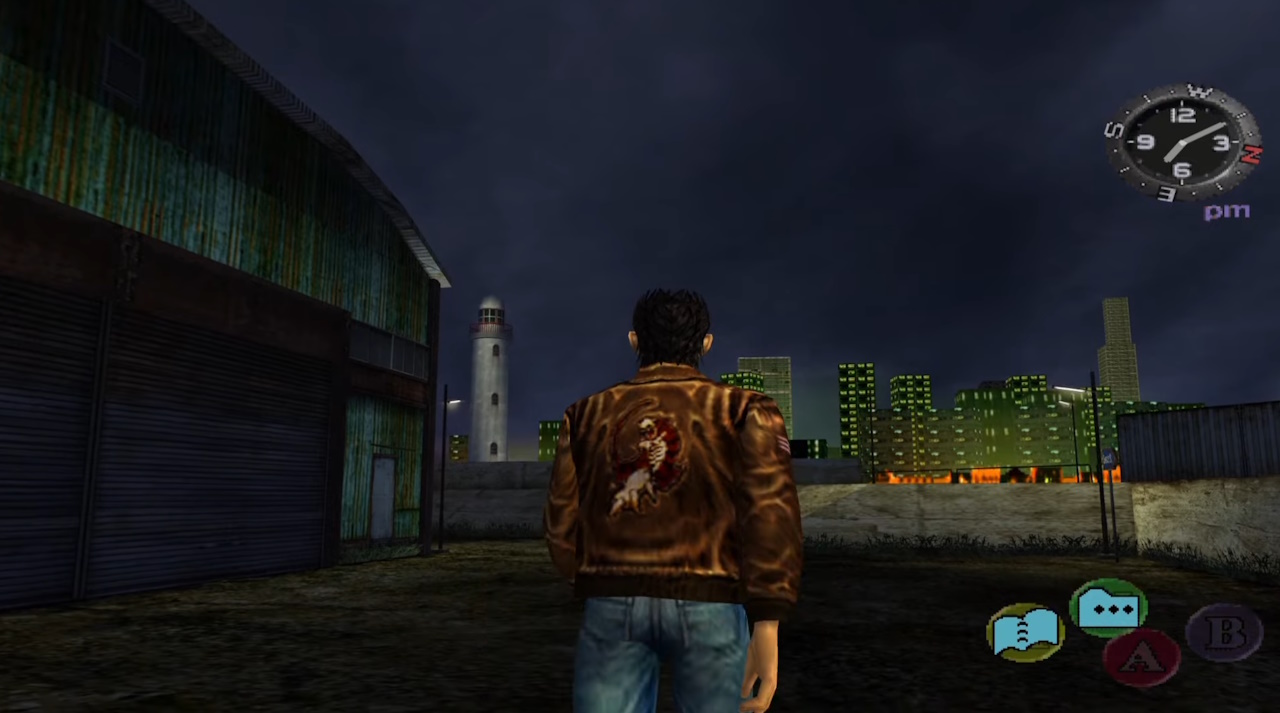
I find something peaceful and serene about this area, though – especially after dark. The view across the water shows the far side of the bay, and there’s a large warship or other vessel in the distance. But this part of the harbour doesn’t see much action – aside from the odd pedestrian or forklift during daylight hours, you’re on your own. And that makes it a peaceful, easily-overlooked spot. The world of Shenmue – which feels so rich and deep thanks to its numerous NPCs with their own schedules – simply rolls along, passing you by as you take in the sights and sounds of the harbour.

Location #3:
Dobuita: Game You Arcade

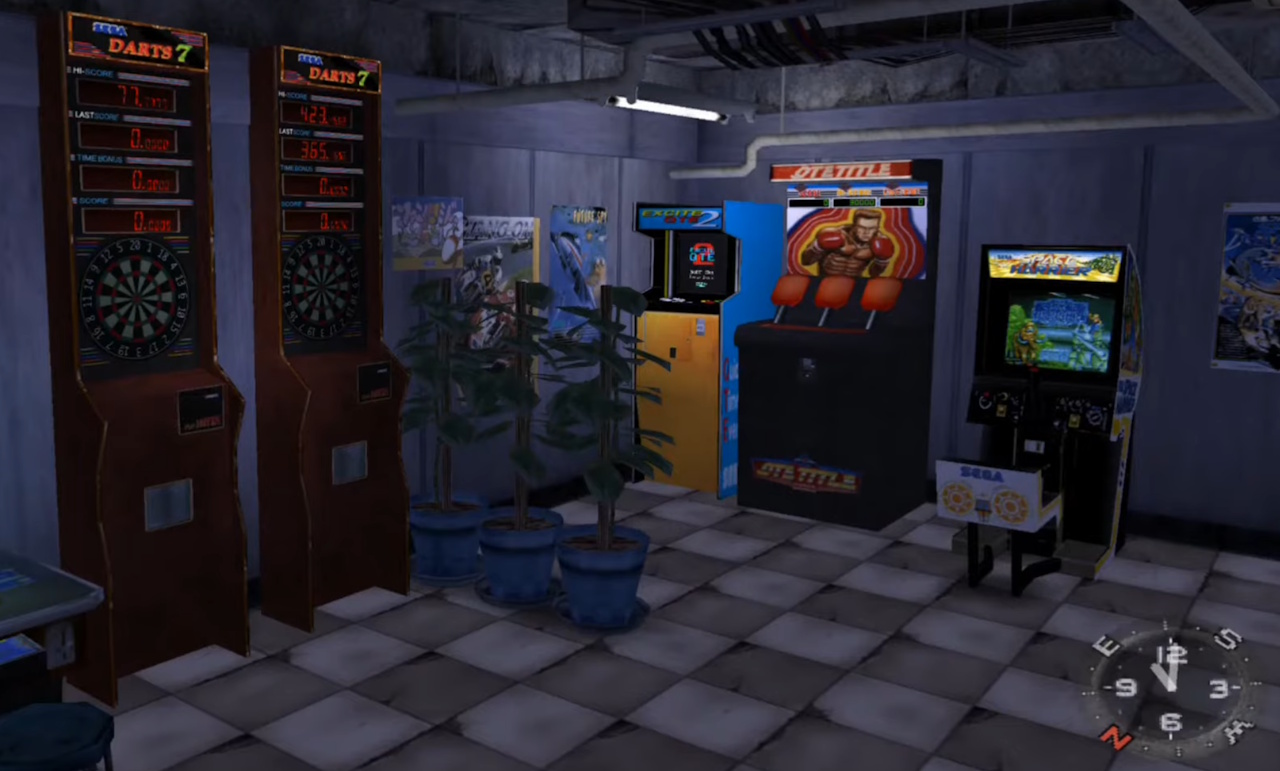
Screenshot of Shenmue (1999/2000) showing the interior of Game You Arcade.

I grew up in a rural area, and where I lived there weren’t any video game arcades. I visited one a few times as a kid, when we’d visit a bigger city, but I never really had the arcade experience that many folks my age did – and I think it’s for that reason that I fell in love with Shenmue’s arcade. I’d played Hang On – or a motorcycle game similar to it, at any rate – at least once before, but Space Harrier was brand-new to me. I spent hours in the Game You arcade playing those titles, as well as the darts mini-game which was also surprisingly fun.

The arcade is compact, but beautifully detailed. The room is lit by old fluorescent lights, and the cabinets seem to glow, even from a distance. The whole thing has a very artificial feel – which, ironically, perfectly recreates this kind of environment. The arcade always has at least one other person present, yet it can feel empty and almost like a “liminal space;” the room exists to guide you to the mini-games, yet it’s a beautiful rendition of an ’80s video game arcade in its own right. It’s a very atmospheric space.

Location #4:
Yamanose: Down the Stairs

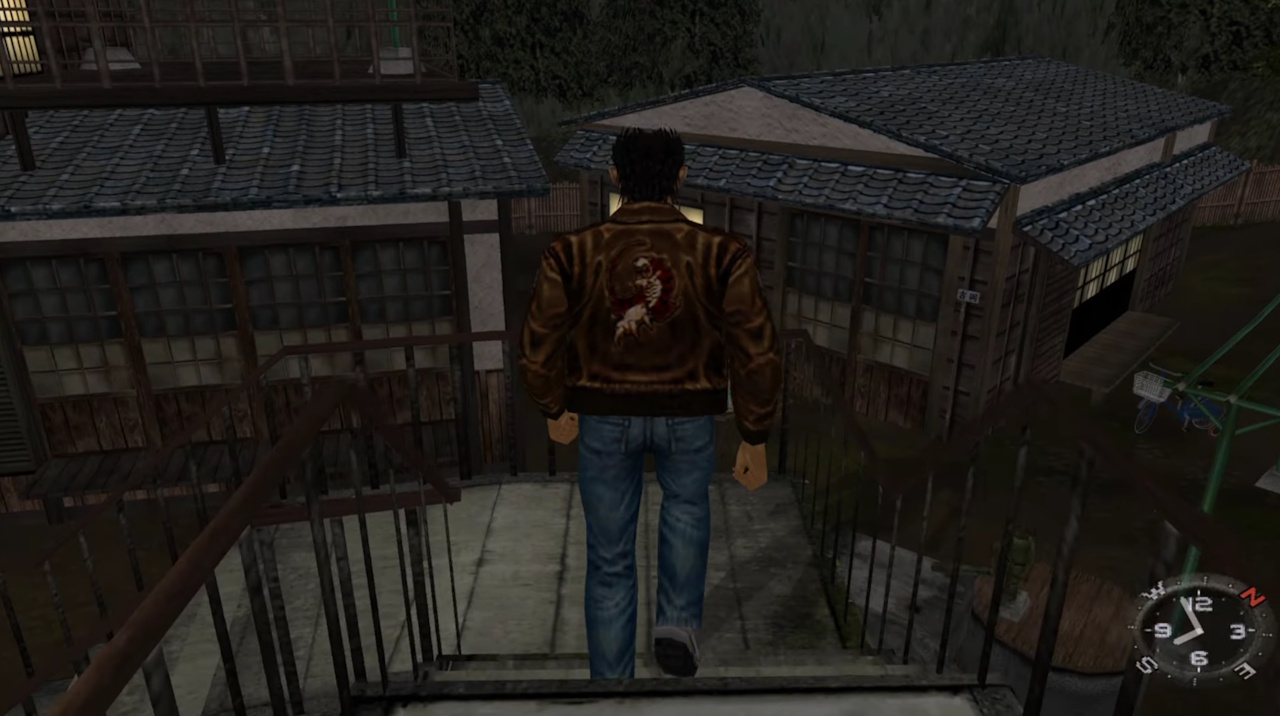
Screenshot of Shenmue (1999/2000) showing Ryo descending the stairs in Yamanose.

In Ryo’s hometown of Yamanose, there’s a flight of stairs that you’ll have passed by countless times on your adventures. But did you ever once descend those stairs to see the houses below? There’s only one reason to visit this area, and it’s easily overlooked: if you feed and pet Megumi’s kitten at the shrine, eventually it gets better and wanders off – and you can find it by one of the homes down these steps. But that side-quest is very much optional – so many players will have missed it.

For me, these houses just have a vibe to them that’s hard to put into words. They’re traditional Japanese houses, which I guess is part of it. But they help make Shenmue’s world feel lived-in and real; the people inside seem to have lives of their own, like everyone else in the game world. It would’ve been really easy for Shenmue’s developers to make this area inaccessible; set dressing for Yamanose. But you can explore this area, knock on doors, and even see the clotheslines, wheelbarrows, bicycles, and other little pieces of these people’s lives. Little details like that are what made Shenmue stand out to me when I first played it – and I always like taking a little detour to this uninteresting little corner of Yamanose.

Location #5:
Dobuita: Nagai Industries (The Yakuza Den)

Screenshot of Shenmue (1999/2000) showing the way into Nagai Industries.

Have you ever walked into a room and instantly known you weren’t supposed to be there? That’s the feeling I get when Ryo enters Nagai Industries in Dobuita, which is a Yakuza den masquerading as a legitimate business. That feeling is really hard to pull off in any form of media, and Shenmue absolutely nails it here. Ryo can be directed to Nagai Industries as part of his quest to find “men with tattoos,” but it isn’t an essential part of the story and it can be accessed at other times, too.

The conversation Ryo can have with the obviously shady man inside made the hairs on the back of my neck stand up the first time I accidentally triggered it – it’s so well-written. Even if you do find yourself going here as part of Ryo’s quest, you won’t spend long in the building – yet it’s a unique space in the game’s world. Ryo does get mixed up with a gang later on in the story… but it isn’t this gang. These criminals are just doing their own thing, and Ryo can wander into their office almost at random. It’s a strange interaction – and a fun place to visit.

Location #6:
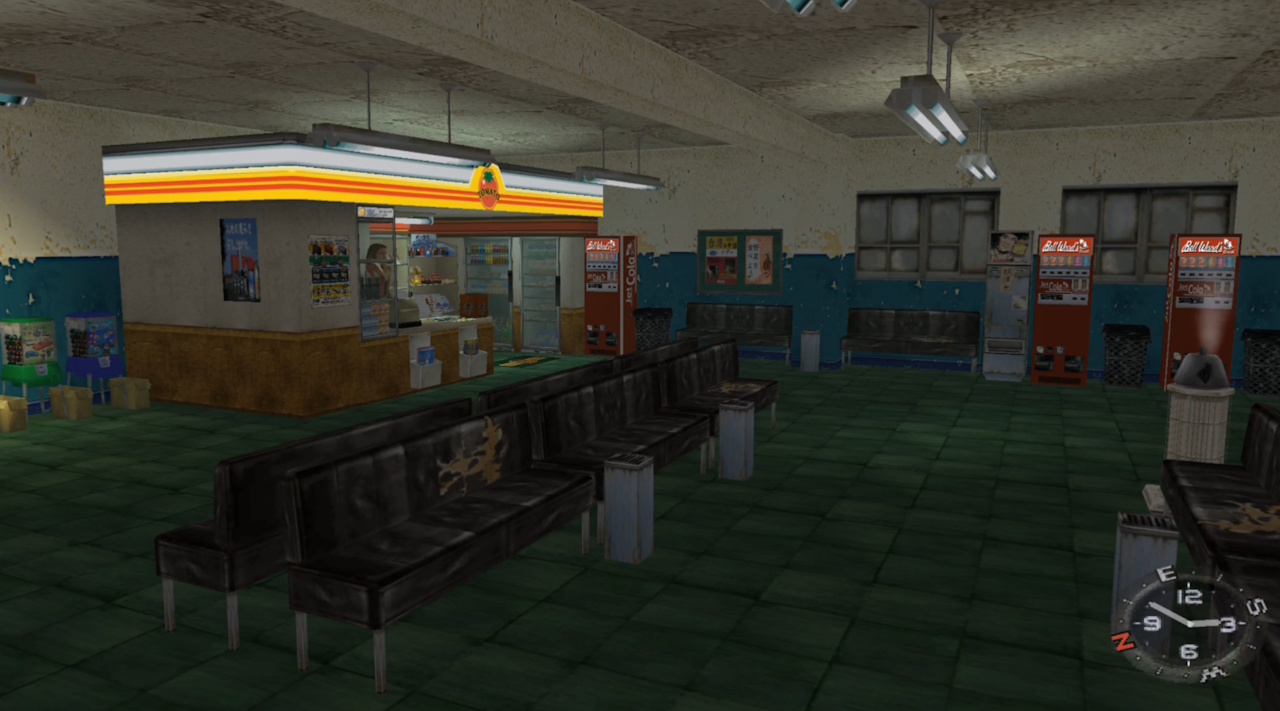
The Harbour: Harbour Lounge

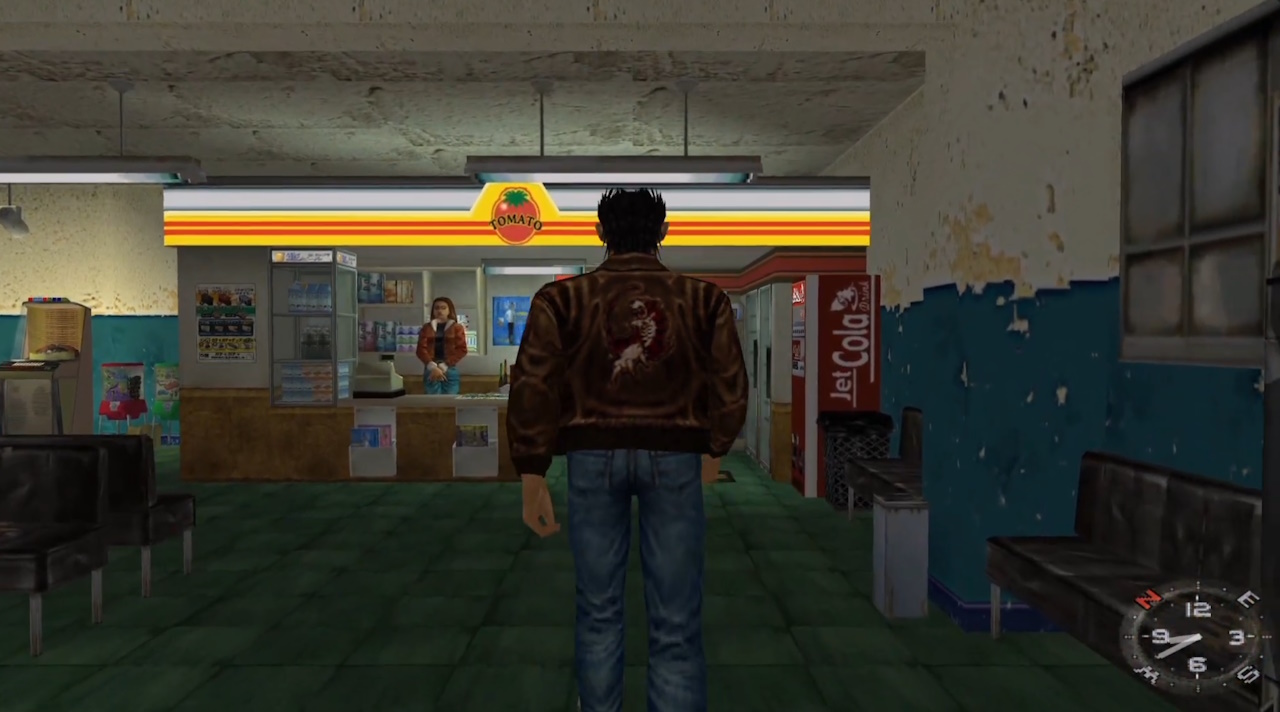
Screenshot of Shenmue (1999/2000) showing the harbour lounge while it's empty.

There’s a strange kind of beauty in urban decay… at least, sometimes there is. The harbour lounge feels like a well-used space that’s in need of a new coat of paint and a bit of TLC, and that’s exactly the kind of vibe that the developers wanted to convey. The paint on the walls is chipped and peeling, the leather seats have seen better days, and I just get the sense that the lounge is a heavily-trafficked space, probably bustling with sailors, harbour workers, ferry passengers, and the like. The soundscape for this area has inaudible conversation chatter playing, too.

Which makes it all the more eerie that the harbour lounge is usually all but deserted. Aside from the small shop counter in one corner, which is always staffed, the harbour lounge is usually empty. At most, you might encounter one or two people in here. Again, it’s giving me “liminal space” vibes; there’s an almost otherworldly feel to a place that should be packed with people – and has all the evidence of being well-used – yet is often empty.

Location #7:
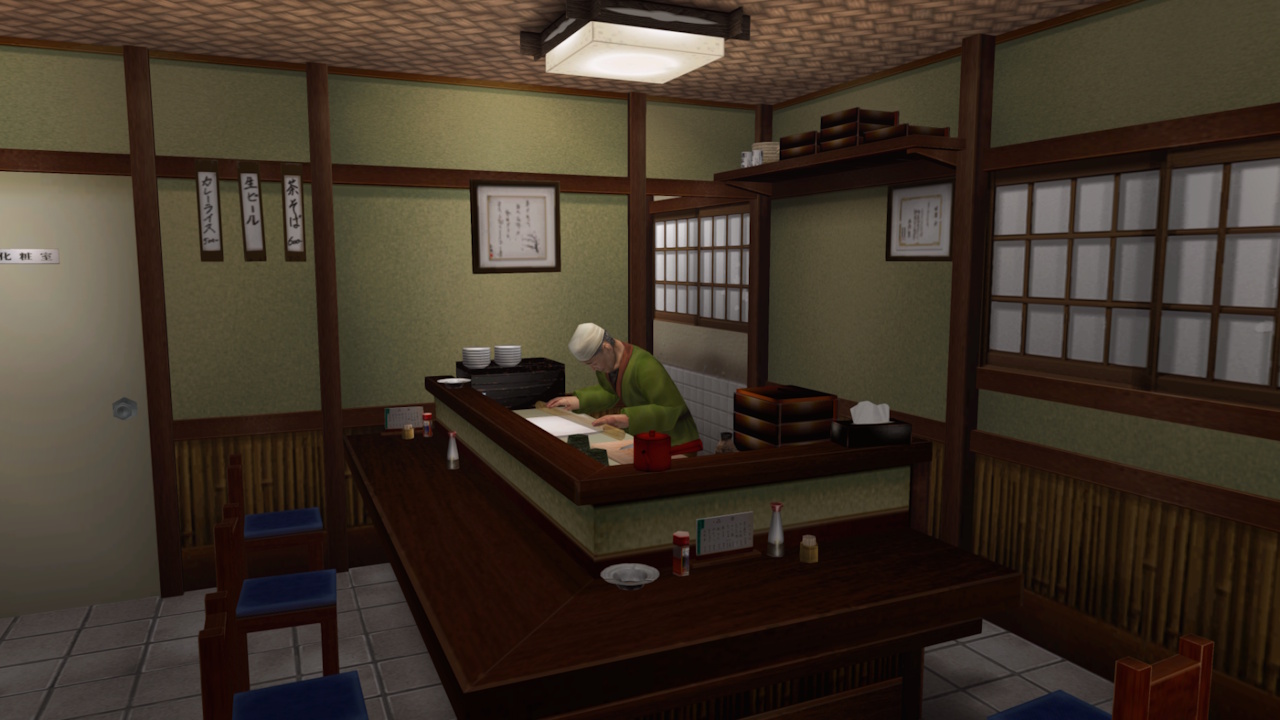
Dobuita: Yamaji Soba Noodles

Screenshot of Shenmue (1999/2000) showing the inside of Yamaji Soba Noodles, including the owner.

The owners of Yamaji Soba Noodles clearly know Ryo, and one of the people Ryo needs to speak to on his quest is a regular patron. But there’s no reason to set foot in this noodle parlour… other than for the fun of exploring Dobuita and Shenmue’s game world. In 1999, no one knew what the term “open world” would come to mean, but to me, a shop like Yamaji Soba Noodles in Shenmue perfectly encapsulates the open world idea. It’s the kind of place that needs to exist in a real town; the denizens of Dobuita need places to eat. But from a gameplay perspective, it doesn’t have a purpose. It’s the kind of place that was created for the sole purpose of adding depth to Shenmue’s world… and I really admire that.

The noodle shop itself is compact with a bar area for patrons to sit, and behind the counter the owner can be seen working away. A member of the restaurant’s staff can be encountered out in Dobuita, and you can even find his apartment elsewhere on Dobuita Street. You can’t go inside… but again, this adds so much depth to the game world and makes these NPCs feel real in a way some open world games struggle with even today.

Location #8:
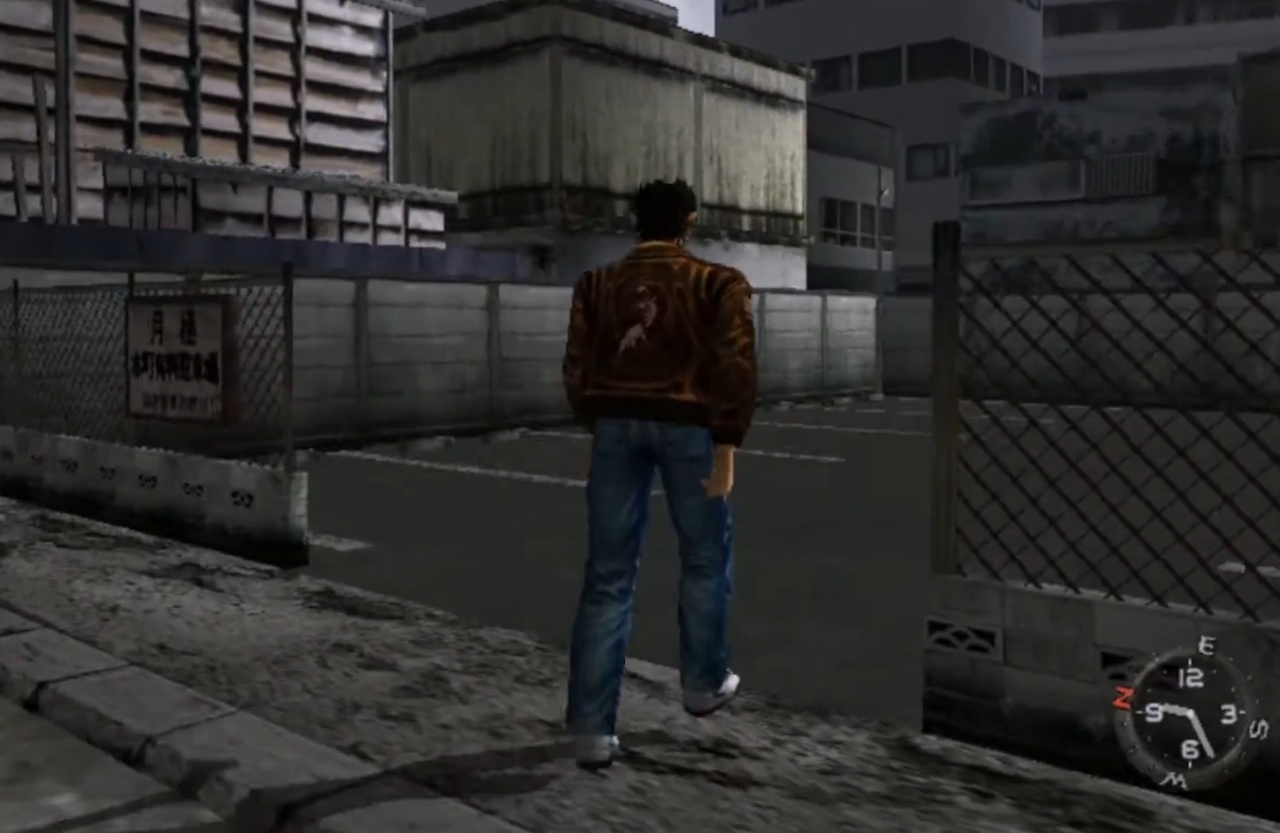
Dobuita: Car Park

Screenshot of Shenmue (1999/2000) showing Ryo entering the parking lot.

The car park near the end of Dobuita Street has an in-game function: it’s one of only a few places where Ryo can practice his moves in between fights. But I think it’s also worth acknowledging the area on its own merit – it’s more than just an empty arena to throw kicks and punches around! There are no cars on Dobuita Street – but there are plenty on the main road just beyond. The car park is, therefore, a space for both residents and visitors to leave their vehicles before venturing out on foot.

I’d never paid any attention to a car park in a video game before. I’m sure titles like Grand Theft Auto had car parks in their game worlds, but because of how rich and detailed Shenmue was, I felt compelled to explore this space more than I ever had before. The way it was integrated into the game, too, worked really well – and it quickly became my favourite place to practice Ryo’s martial arts moves.

Location #9:
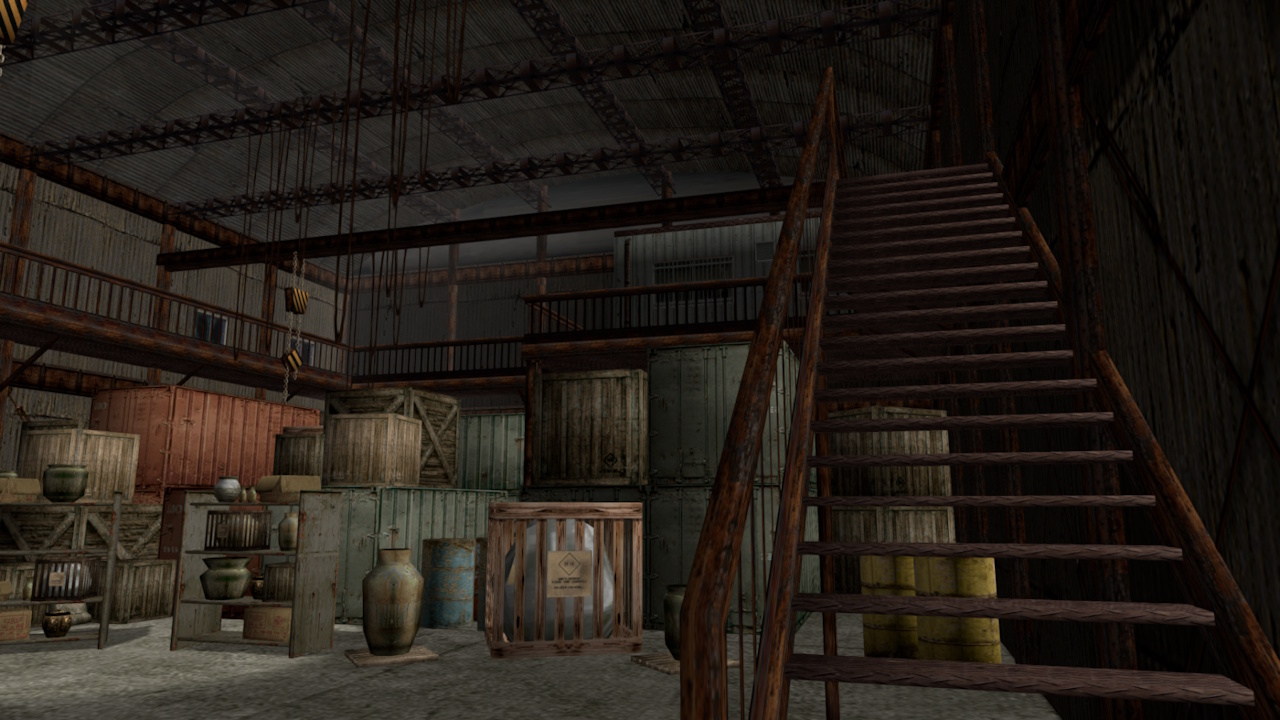
The Harbour: Old Warehouse #8

Screenshot of Shenmue (1999/2000) showing the interior of Warehouse #8.

Nobody likes mandatory stealth sections in games… especially mandatory stealth sections in old games with janky controls and awkward AI. But once you get past the “sneaking in” portion, Old Warehouse #8 – home of Master Chen and Guizhang – is a really interesting place to be. Most of the time you’ll spend here comes in cut-scene form, but if you take a break from the story and just visit the warehouse, there’s a lot to see. It has a quiet, understated feel that contrasts with the bustling harbour outside.

I like antiques, and the warehouse isn’t the only place in Shenmue to find old and interesting artefacts! But there’s something special about walking around the warehouse, looking at some of the items on display. It’s an interesting place to spend a little time, and one that’s easily overlooked.

Location #10:
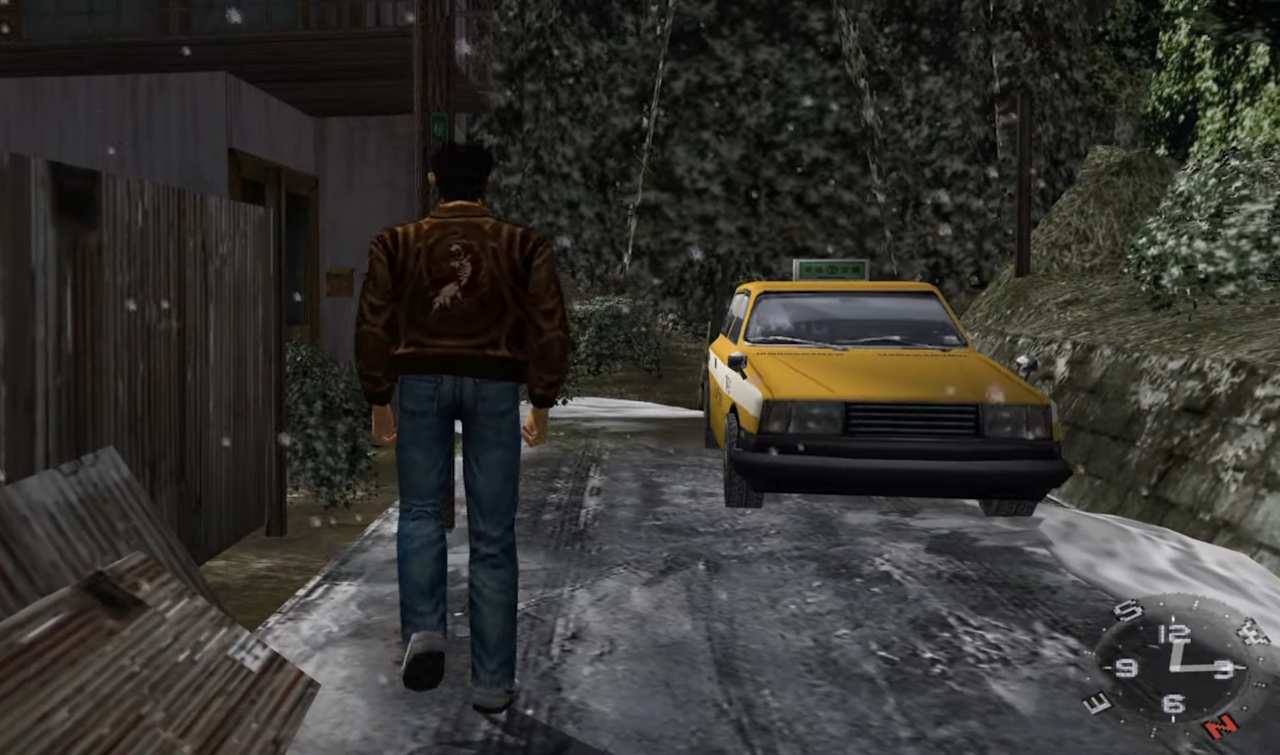
Sakuragaoka: The Taxi Cab

Screenshot of Shenmue (1999/2000) showing Ryo approaching a parked taxi.

At the end of the road in Sakuragaoka, past the park, you can find a taxi cab. Ryo can’t take a taxi anywhere, and because it’s located beyond both the park and any houses in Sakuragaoka that you might want to visit… there’s really no need to come here. But the taxi is interesting; it feels like more than just set dressing. There’s a man – Nomura-san – who Ryo can speak to who drives the taxi, and he clearly knows Ryo and will tell him a little about his life. Nomura-san can also be encountered in Dobuita, as well as seen tending to his taxi.

Walking beyond the “edge” of a game world can often feel empty; the world stops where the developers say it stops. But Shenmue has content beyond the edge of where its story takes place – there’s no reason to come here or talk to the taxi driver other than “because they’re there,” and I really love that about the game. Standing here, at the end of the street, doesn’t feel like the edge of a video game level with an invisible wall… it feels like a road with a taxi parked on it.

So that’s it.

Screenshot of Shenmue (1999/2000) showing Ryo at the end of the game.
Ryo is headed for Hong Kong!

We’ve taken a look at some of my favourite places in Shenmue… places that, maybe, you wouldn’t have expected to see on a list like this!

I wanted to convey just how immersive and interesting Shenmue’s world was twenty-five years ago… and still is today. Even in the smaller places, and areas with no storylines or quests, there are still interesting things to see, NPCs to talk to, and ways to soak in the atmosphere of this incredible game. Shenmue pioneered open-world designs and features that titles today are still striving for – and many modern games either miss out or don’t get right. It really is a landmark title, and one that I wish more people had paid attention to back in the day!

Screenshot of Shenmue (1999/2000) showing Ryo with Santa Claus.
I know Christmas is over… but it’s Ryo and Santa!

So I hope this has been something a bit different. I was inspired by a couple of YouTube channels: Wandering Through Shenmue, whose channel I encountered while looking for screenshots of specific locations in the game world when writing a couple of my other articles about Shenmue, and Any Austin, whose video essays on video game levels and designs are genuinely interesting. I hope you’ll check out both of those channels if you have time.

If you missed my piece celebrating Shenmue’s twenty-fifth anniversary, you can find it by clicking or tapping here. And if you want to check out my thoughts on whether the Shenmue saga might have a future in light of some recent news, you can find that by clicking or tapping here.

I honestly can’t believe that it’s been twenty-five years – a quarter of a century – since Shenmue launched. At any rate, I hope revisiting some of these locations with me was a bit of fun!


Shenmue I & II and Shenmue III are available now for PlayStation 4 and PC. Some images, promo artwork, and screenshots courtesy of Wandering Through Shenmue on YouTube and Shenmue Dojo. This article contains the thoughts and opinions of one person only and is not intended to cause any offence.

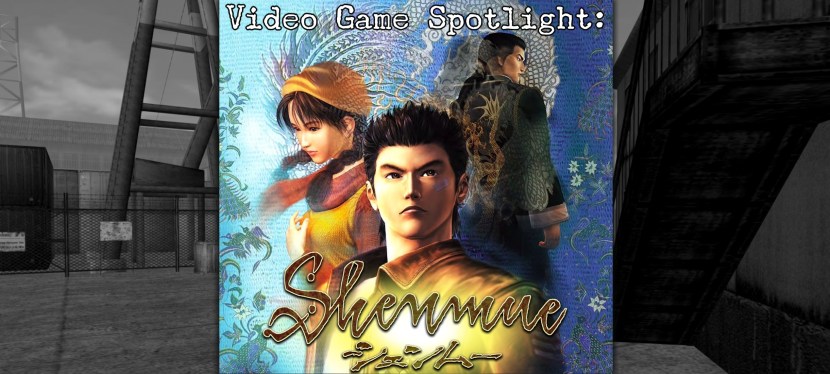
Video Game Spotlight: Shenmue

Spoiler Warning: There are spoilers ahead for Shenmue.

We’re marking an important anniversary today! Shenmue – a title which, for many folks, came to define the Dreamcast and Sega – launched in Japan on the 29th of December 1999. This game is one of my favourites, not only of the Dreamcast nor of the early 2000s, but… ever. Even twenty-five years later, and despite all of the problems that the saga has faced, Shenmue is still up there as one of my favourite games of all-time.

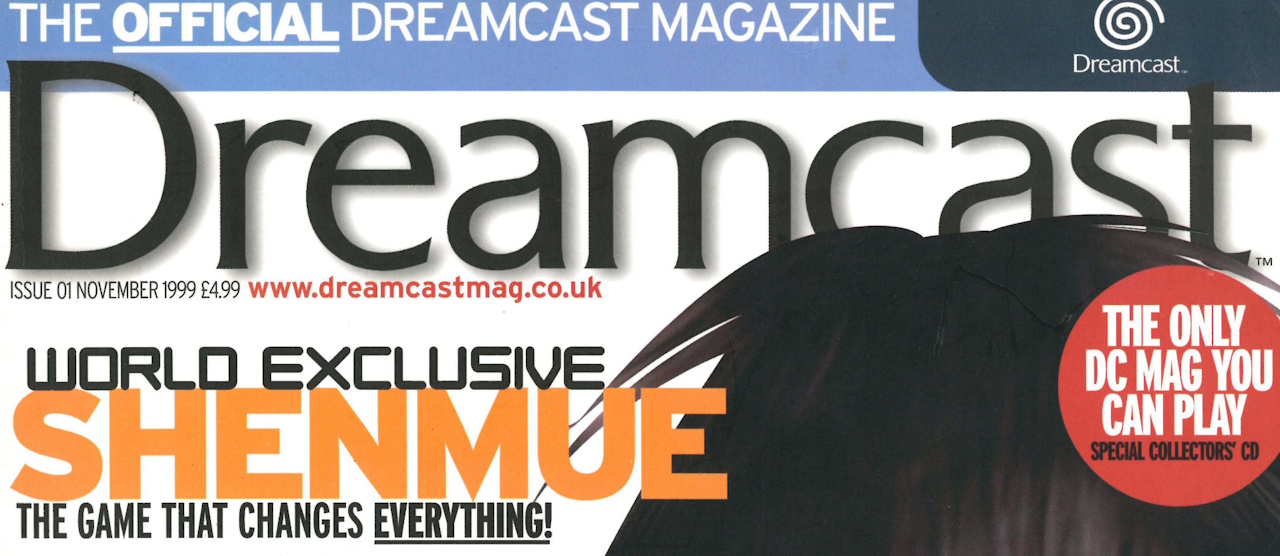
Here in the UK, we didn’t actually get Shenmue in December 1999. We’d have to wait eleven months for the game to arrive, but I already owned a Dreamcast at that point and I really couldn’t wait! I’d read all about Shenmue in the first issue of the UK’s Official Dreamcast Magazine, and I was immediately hooked in by how the game looked in those very first teaser screenshots, but more importantly how it was being described. This felt like a genuinely revolutionary title.

Crop of the Official Dreamcast Magazine (UK) November 1999 issue cover, featuring Shenmue.
Shenmue was teased ahead of its launch in the Official Dreamcast Magazine.

So for months I was left in limbo, waiting to get my hands on the game for myself! After the dust had settled on the excitement of the celebrations for Millennium Eve, a new year got underway – and I knew that, at some point in the year 2000, I’d finally be able to play Shenmue! It really was one of the entertainment experiences that I was most looking forward to – and it remained in that position all year.

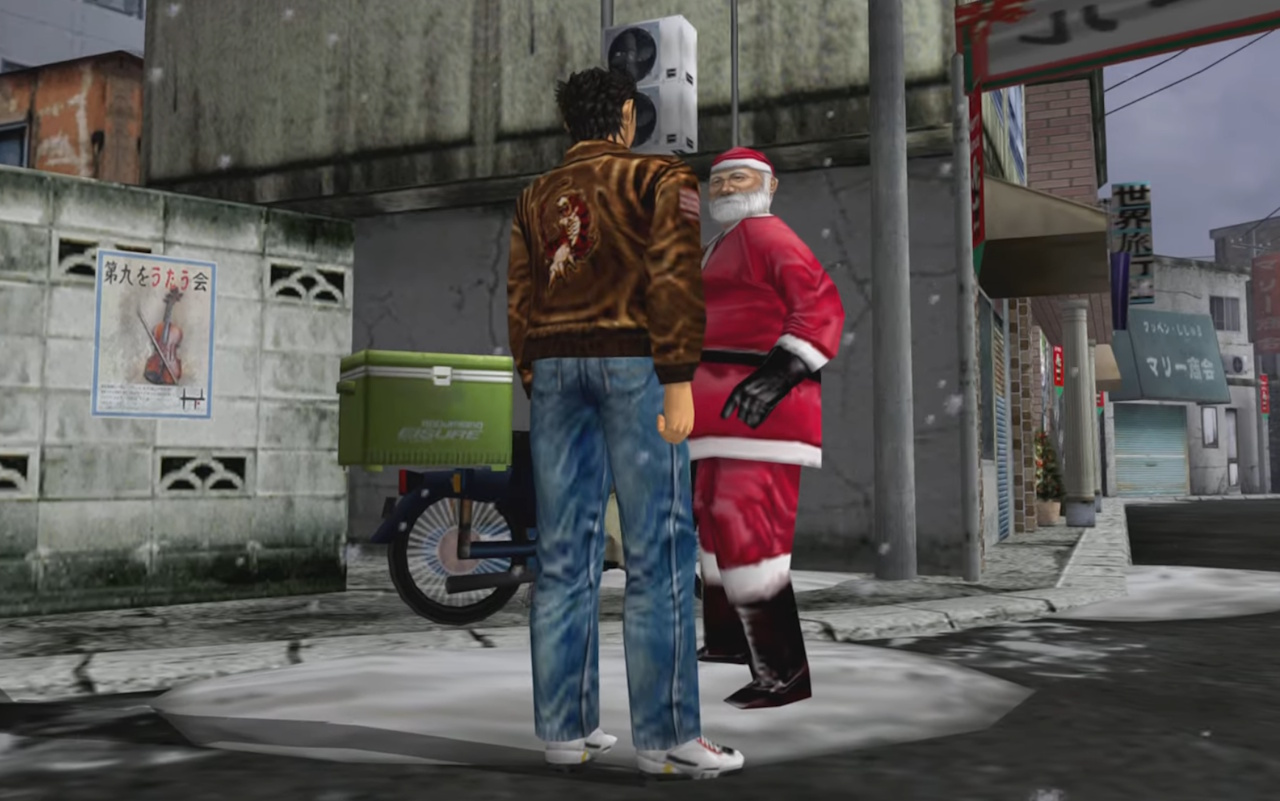
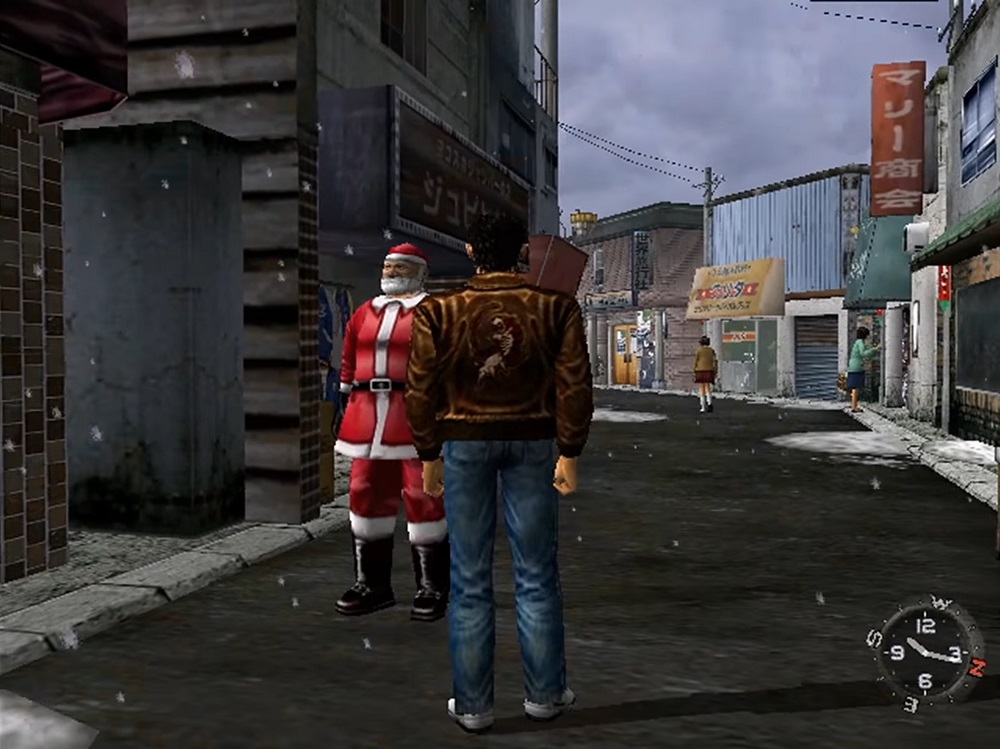
Perhaps it’s because I picked up Shenmue in early December, but it’s a game that I associate with this time of year. There are some in-game Christmas events, too, with a Santa Claus figure appearing in Dobuita, snow falling, and Christmas Day being noted – if you’re still playing when the calendar reaches that point! So for me, Shenmue and the holiday season have always been joined at the hip, and it’s a game that feels particularly well-suited to this time of year. Playing Shenmue in December also, I would argue, adds a little something extra to the role-playing side of things!

Screenshot of Shenmue (1999) showing Ryo meeting Santa Claus.
Ryo can meet Santa Claus in Dobuita!

I’ve enjoyed video games since I first picked up a joystick at a kids’ club in the late ’80s. This’ll have to be the subject of a longer piece one day, but I think what fascinated me the most about gaming was being able to control what was happening on the TV screen. I can’t remember a time without TV, and being able to be “in charge” of what was going on on the most important screen in the house… I remember it being a really powerful and exciting feeling.

But by 1999, I was beginning to feel that I’d gone as far as I could with games. Most games I’d played on the Super Nintendo and N64 were basically digital toys – and I don’t say that with too much disrespect intended! There had been some fun games on the N64, which was the console I’d owned before picking up a Dreamcast, and I was still enjoying several of them in 1999/2000. But none of those games were what you’d call “cinematic” or “grown-up,” and I guess I was beginning to feel like I was ageing out of the gaming hobby – particularly as I was working, commuting, going to school, and trying to balance all of that with my social life and finding time for friends and family.

Stock photo of a Dreamcast console.
Shenmue was released for the Dreamcast on this day in 1999.

But Shenmue changed all of that. It was the first game I played that felt gritty, realistic, and genuinely cinematic, telling a modern-day story set in the real world that would’ve been right at home on the big screen. It’s hard to speculate and deal in “what-ifs,” but I’ve wondered more than once if I’d have kept playing games beyond the early 2000s if it hadn’t been for Shenmue showing me what interactive media could be when it’s at its best.

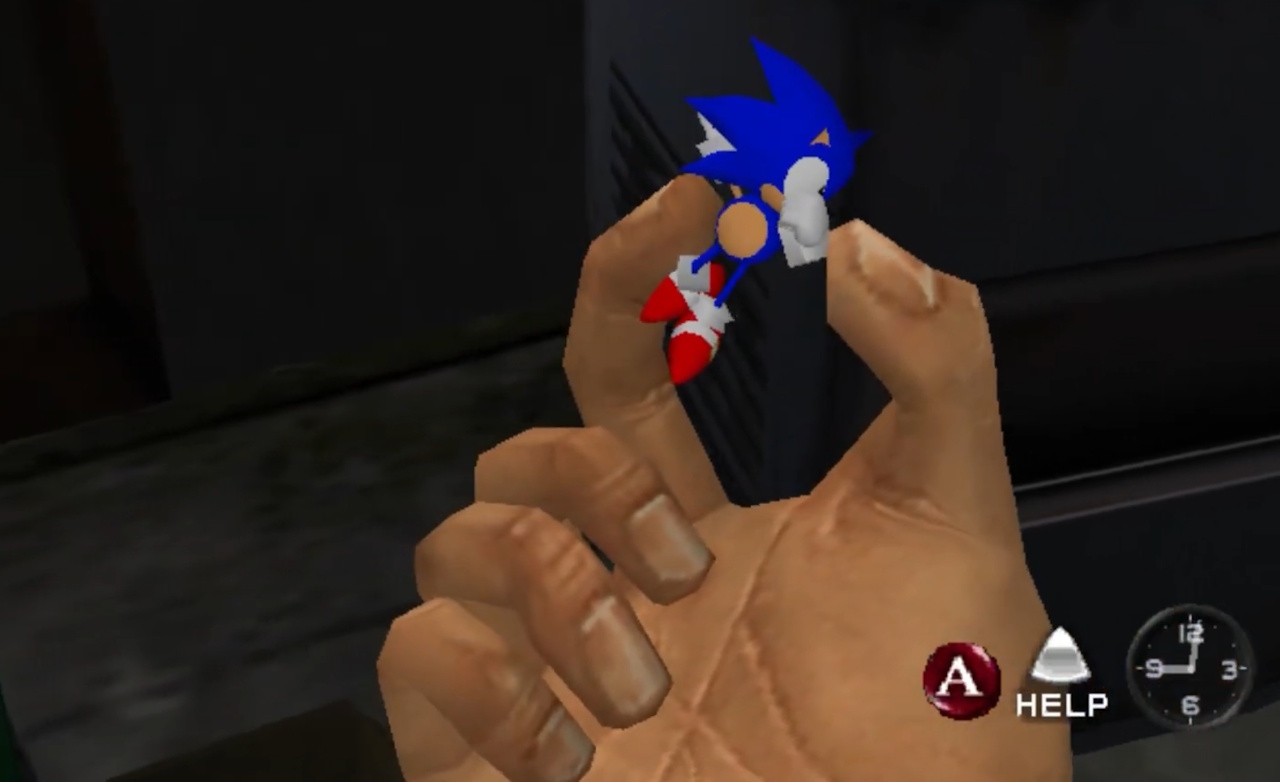
It’s hard to put into words how many ground-breaking gameplay, visual, and narrative elements were present in this one single title. Things players have taken for granted for years – like lip-synced dialogue or hands with individual fingers – leapt out at me when I finally got my hands on the game for myself, and they felt like a gigantic leap forward from the blocky, polygonal graphics of the N64 generation.

Screenshot of Shenmue (1999) showing Ryo holding a Sonic the Hedgehog toy.
Being able to hold in-game items and examine them up close was ground-breaking in 1999!

Perhaps the most impressive feature of Shenmue was its world. No one in 1999 knew what the term “open world” would come to mean, but Shenmue was the first game I played that is reasonably close to that category. The limitations of the Dreamcast still kept Shenmue divided up into several areas – but these were large, densely-packed, and diverse. Moreover, they were incredibly well-detailed, making just strolling down the street in Ryo’s home town of Yamanose feel like being transported thousands of miles across the sea to Japan.

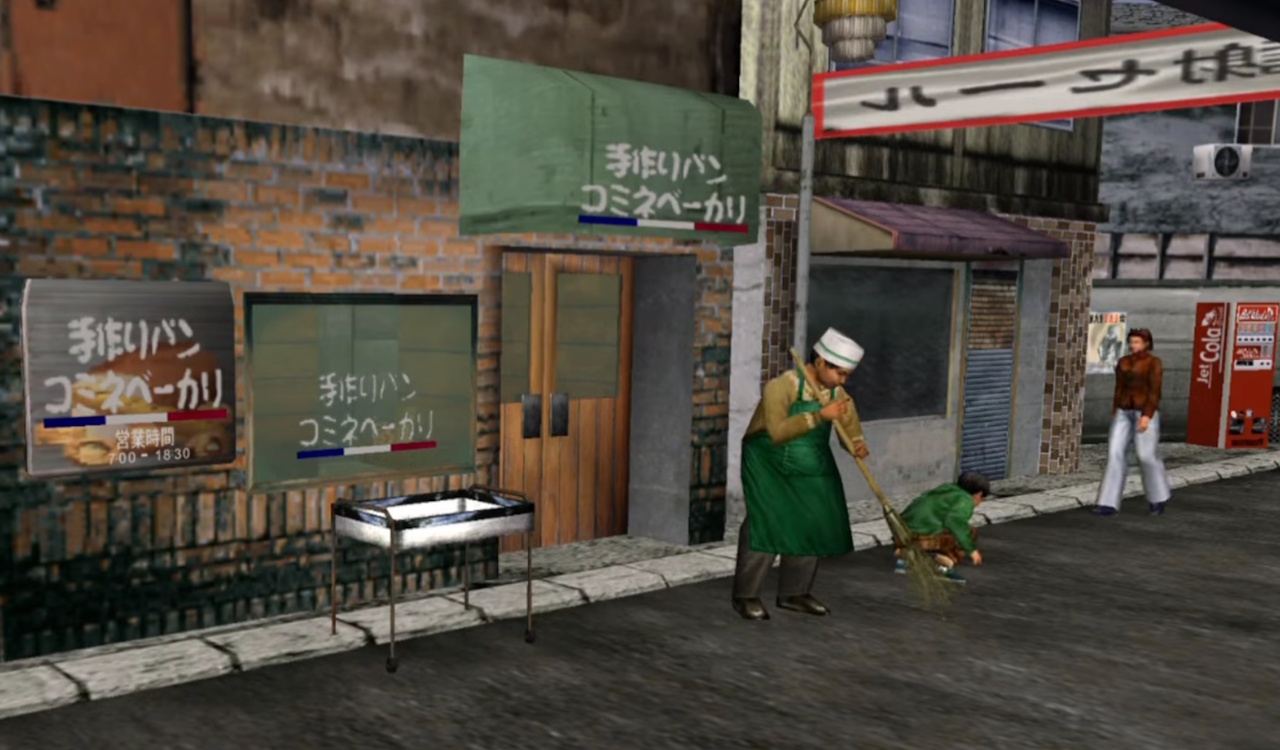
Within Shenmue’s open world, every non-player character had a purpose. They ran a shop or went shopping, they swept the road outside their house and then went inside to take a break; they had jobs, they had objectives… and they felt real in a way that, even today, many NPCs just don’t. These characters, their schedules, and the way shops and businesses would open and close as the day wore on… they were completely revolutionary things at the time, and features that some open-world games today are worse and less realistic for failing to include. Shenmue also opened up almost every shop and building in the game for exploration – even those that had nothing whatsoever to do with the main story.

Screenshot of Shenmue (1999) showing the bakery in Dobuita.
NPCs going about their lives in Dobuita.

For someone who had grown up playing games that had been, up until that point, pretty linear experiences, the freedom Shenmue allowed me felt incredible. I was free to totally ignore Ryo’s quest, instead taking his pocket money and squandering it on collectible figures – or at the arcade! An arcade which, need I remind you, contained two full-size games from the 1980s, as well as a fun darts mini-game and a QTE mini-game to boot.

I hadn’t played Space Harrier before I played Shenmue, but I have a vague recollection of playing Hang On – or a game like it, at least – on a rare visit to an arcade at some point in the late ’80s or early ’90s. So to get that experience again inside of another video game… it was a huge treat. I spent hours playing these games-within-a-game; it was just so much fun to visit the arcade and put other activities and the quest on the back burner!

Screenshot of Shenmue (1999) showing the arcade.
I spent hours of my life (and Ryo’s) in the arcade…

Having Space Harrier and Hang On inside Shenmue’s arcade felt like a real power play from Sega – wrapping up two games inside of a much bigger, more elaborate game was a real flex and a way to show off how much bigger and better the Dreamcast was. And for someone who grew up in a rural area where there weren’t any arcades, being able to visit a digital arcade was pretty cathartic, too!

Shenmue began life in the mid-90s as Virtual Fighter RPG, a spin-off from Sega’s established fighting game series. Taking one of the Virtua Fighter characters as a starting point, creator Yu Suzuki began to build his magnum opus. Development was originally planned for the Sega Saturn console, but this later switched to the Dreamcast. The connection to Virtual Fighter was also abandoned, with the game taking on a fully standalone story. Shenmue and its sequel – Shenmue II – were in development at the same time, with work on the second game being well underway by the time the first game was released.

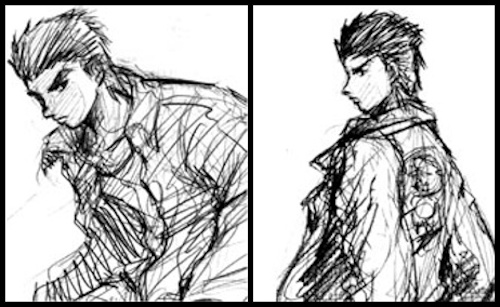
Concept art for Shenmue (1999) showing two sketches of Ryo.
Early concept art of Ryo Hazuki.

Shenmue is famous – or rather, infamous – for its development budget. In 1999, it was reported that the game cost over $70 million to make, though this also includes part of the development costs of Shenmue II. Regardless, Shenmue was an expensive undertaking, and a big gamble for Sega. If the Dreamcast had sold as Sega hoped, and Shenmue had been its “killer app,” recouping that investment would’ve been possible. But with the Dreamcast underperforming, there was no way for Shenmue to make its money back, leading to the game being best-remembered outside of its fan community as one of the most expensive failures in video gaming history – at least for the time.

Of course, I didn’t know any of that at the time I bought a Dreamcast! I was dimly aware of the game’s reputation as an expensive undertaking, but at the time that just seemed like an even bigger boast on the part of Sega! “The most expensive game of all-time” shipped with some incredible features and an insane level of detail, genuinely changing my relationship with games and setting expectations that, time and again, other titles fail to live up to in one way or another.

Screenshot of Shenmue (1999) showing Ryo in the cafe.
Ryo at the harbour cafe.

At the heart of Shenmue’s story was a relatable protagonist caught up in a quest for answers – and revenge. Ryo Hazuki is an incredibly well-written character, someone who’s sympathetic and relatable, while also being from a completely different culture and having at least some characteristics of an anti-hero. Several times in Shenmue, Ryo’s friends and confidants would try to dissuade him from pursuing his quest for revenge, but he’d remain steadfast.

The concept of revenge is a difficult one, and the game doesn’t shy away from that. Rather than reporting the crime of his father’s murder to the police – which you can literally attempt to do in-game using the telephone – Ryo is determined to solve things on his own. He wants to kill the man who killed his father – but along the way, he’s forced to confront difficult questions about who his father truly was and how well he really knew him. There’s a lot of complexity and nuance to this story, and while Shenmue firmly places the player in Ryo’s shoes, questions linger about how justified he is in taking this course of action.

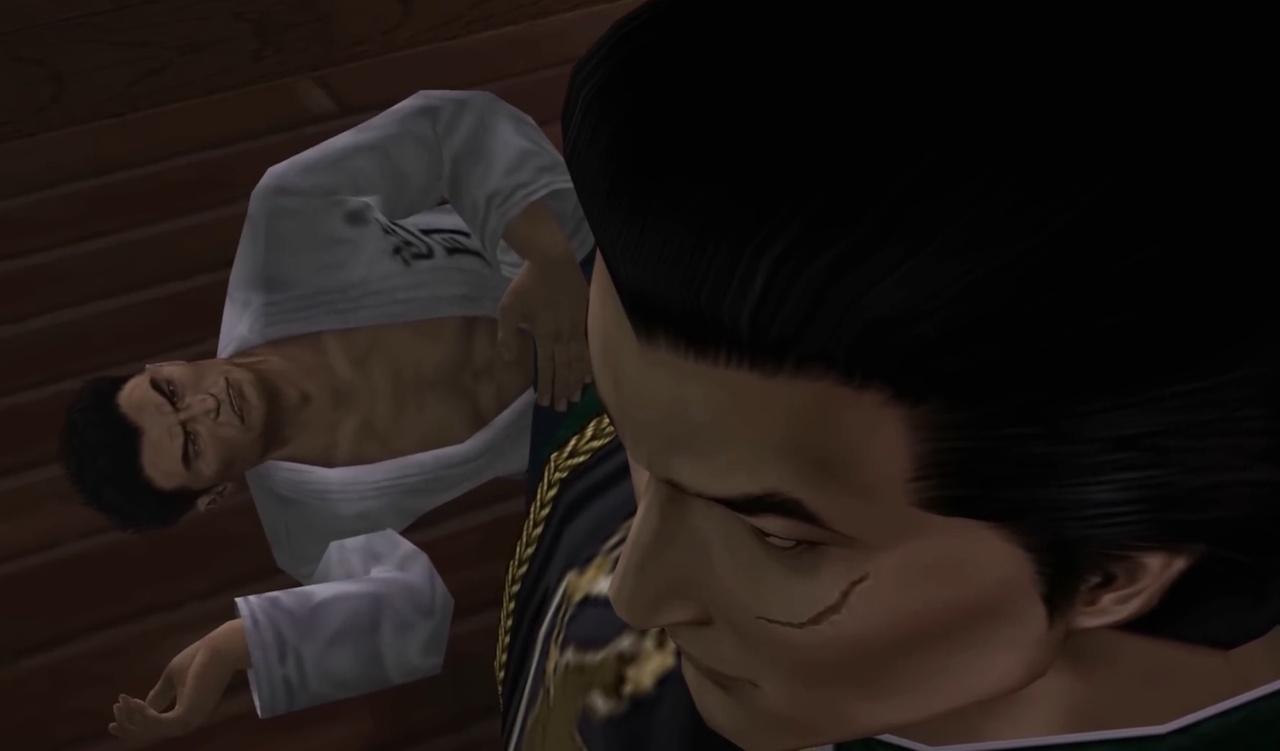
Screenshot of Shenmue (1999) showing Lan Di standing over Iwao at the beginning of the game.
Shenmue is a classic revenge story.

There are areas of Shenmue that, by today’s standards, seem a little dated. The control scheme was designed before twin analogue sticks were a standard part of control pads, and on the Dreamcast, movement still used a four-way D-pad. This could feel clunky and often led to awkward moments as Ryo struggled to navigate a doorway or successfully climb a flight of stairs!

The clunky controls also extended to fighting sequences. Complicated multi-button combos worked well in Virtua Fighter and other 2D fighting games of that era, but I never felt they translated all that well to a fully 3D environment. I’m far from the best gamer, but even in the Dreamcast days I’d find Ryo flailing around, swinging punches and kicks at mid-air as an opponent moved out of range or to one side. In bigger fights with multiple enemies, that was less of a problem. In one-on-one situations, though, it could occasionally get annoying!

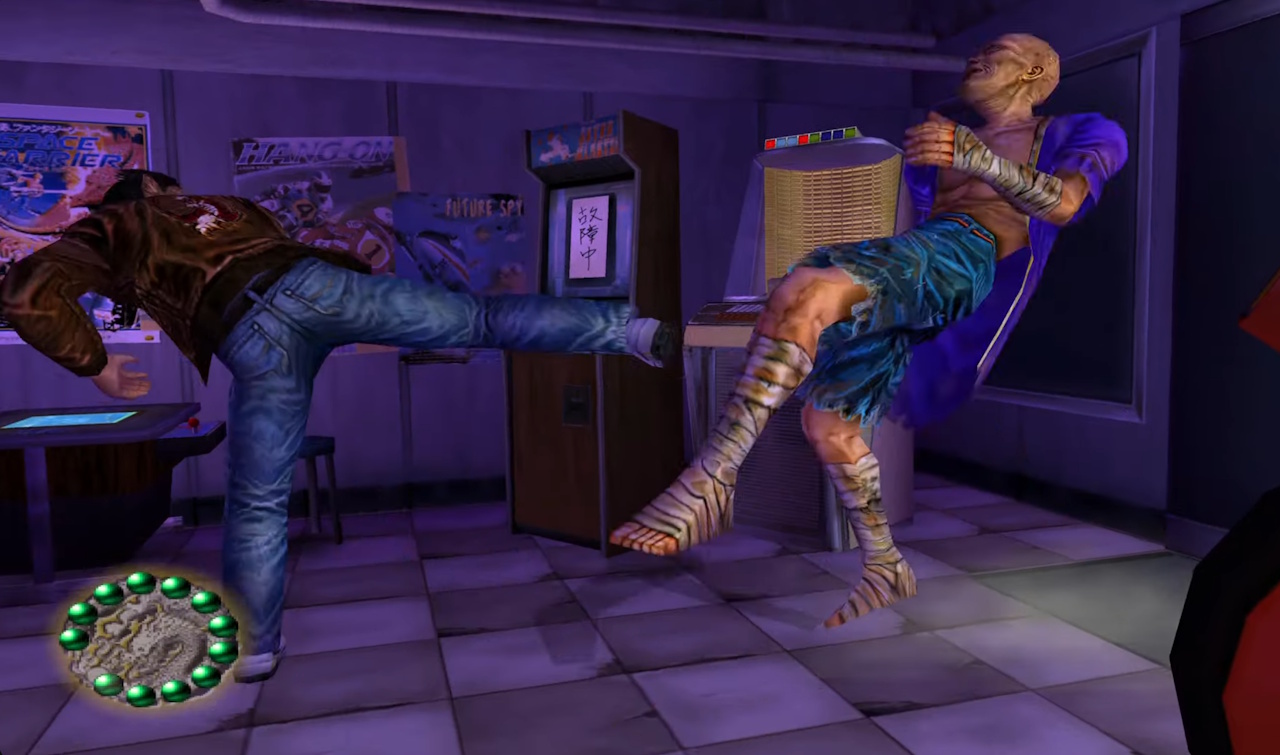
Screenshot of Shenmue (1999) showing Ryo fighting Chai at the arcade.
Ryo swings a kick at a villain.

In keeping with Shenmue’s philosophy of F.R.E.E – full reactive eyes entertainment; an early open-world, free-roaming idea – it was possible to practice fighting in one of several areas around the game world. I confess that I probably didn’t practice as much as I should’ve, and I didn’t make use of very many of the more complicated multi-button moves that Ryo could learn. I found that once I had a couple of solid kicks and strikes in my arsenal, the rest were just superfluous! Was that the right way to play? Well… isn’t that the fun of a game like Shenmue? That there are different ways to approach some of these sequences?

For me, the fighting portions of the game were really just bridges in between exploration and story sections. As long as I could get through a fight without losing repeatedly, I was content to play through them to advance the story. And that was a genuinely new feeling for me at the time – the idea that a video game could have such an engrossing story that the actual gameplay side of things was in a distant second place. Sure, I’d played story-driven games before Shenmue – titles like Shadows of the Empire and Jet Force Gemini come to mind – but this really was the first game with a realistic, gritty, and truly engaging story that I found myself getting lost in.

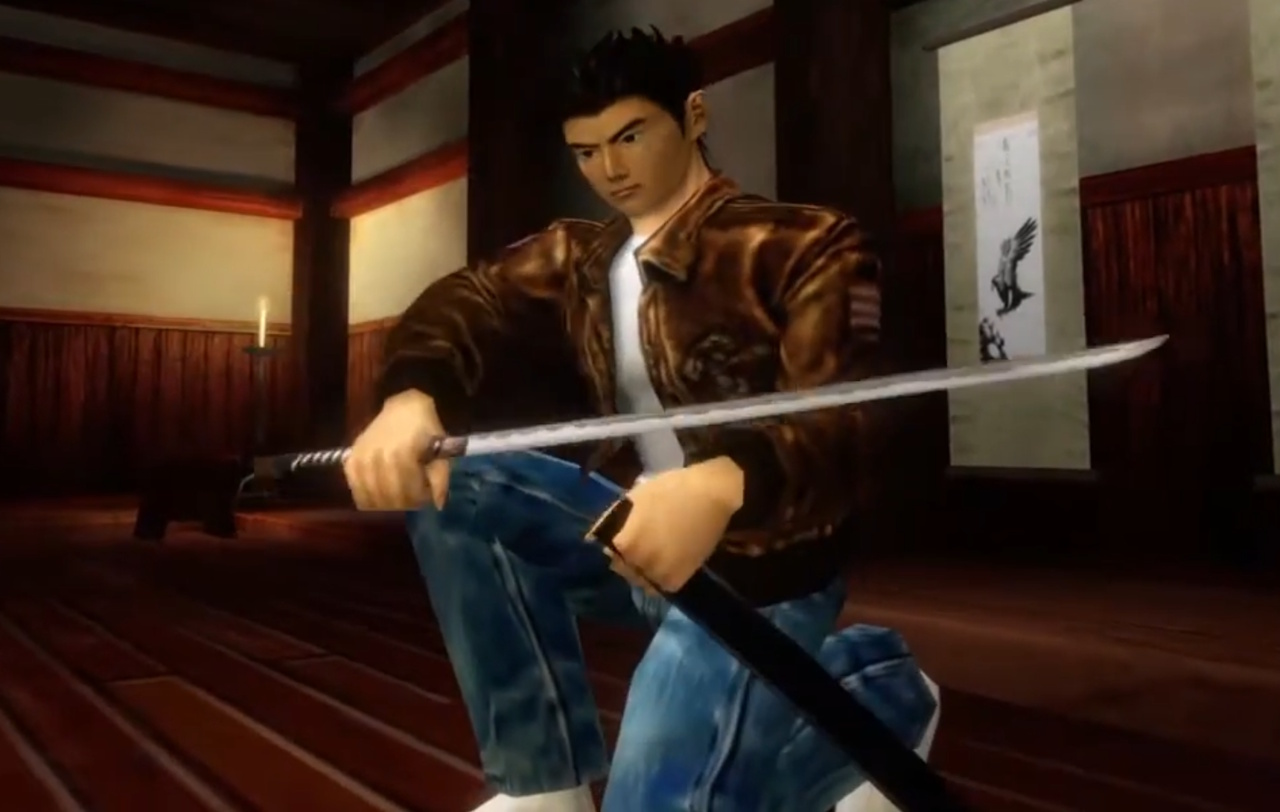
Screenshot of Shenmue (1999) showing Ryo with his father's sword.
The katana.

For better or worse, Shenmue was the game that coined the phrase “quick-time event” and introduced this mechanic to a wider audience. We can debate whether QTEs were invented by Shenmue or not, but Shenmue’s marketing came up with the name – and QTEs have, in the years since, become rather controversial!

I’d like to defend quick-time events in Shenmue. Firstly, they felt genuinely new and revolutionary at the time, taking a part of the game that would’ve otherwise been a non-interactive cut-scene and making it part of gameplay – with consequences for messing up. And secondly, QTEs as they appeared in the first Shenmue didn’t feel overdone or particularly obtrusive. Shenmue’s QTEs felt like a big leap forward in terms of interactive storytelling.

Screenshot of Shenmue (1999) showing Ryo chasing a travel agent during a quick-time event.
Shenmue even found a way to make cut-scenes interactive.

Quick-time events have acquired a reputation through over-use in other titles in the years since Shenmue – rather than because of the way they were used in this game in particular! And sure, as the title that popularised QTEs, Shenmue might come in for some criticism – and I get that. But I maintain that the way they’re used in Shenmue itself is actually fine, and if other games stuck to that formula, maybe players today would have less of an issue with QTEs. But we’re dangerously close to veering off-topic.

Aside from Ryo himself, who was an especially well-written protagonist, Shenmue’s world was populated with some wonderful secondary characters. Ryo’s friend/crush Nozomi is sweet, and the interactions the two have across the game really raise the stakes when she’s put in danger later on. Tom, Ryo’s friend who sells hot dogs, is a great character too – and the friendship the two built up really packs an emotional punch, especially when Tom leaves Japan toward the end of the game. Fuku-san and Ine-san are the familiar faces of home that Ryo leaves behind – and occasionally seems to push away – as part of his quest. And Ryo’s other friends all have an impact, too.

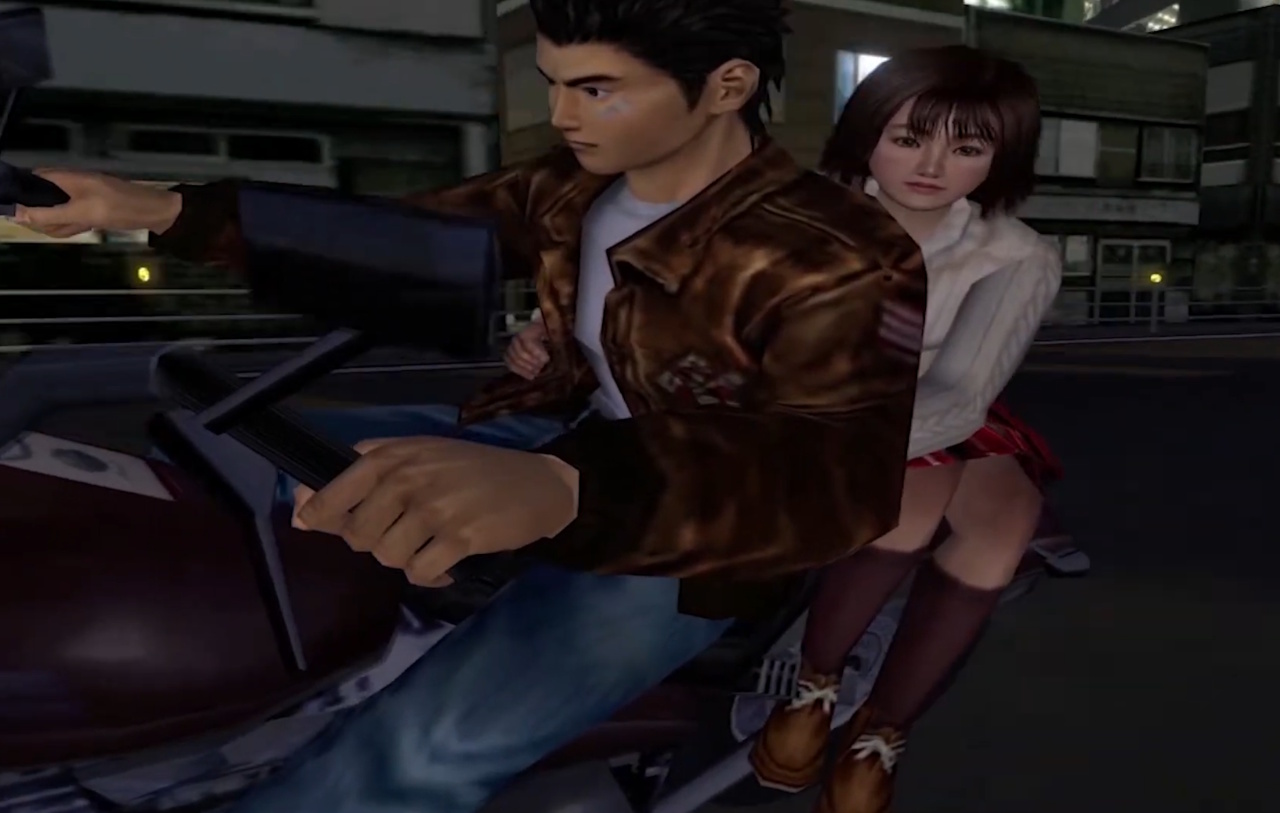
Screenshot of Shenmue (1999) showing Ryo and Nozomi on a motorcycle.
Ryo and Nozomi.

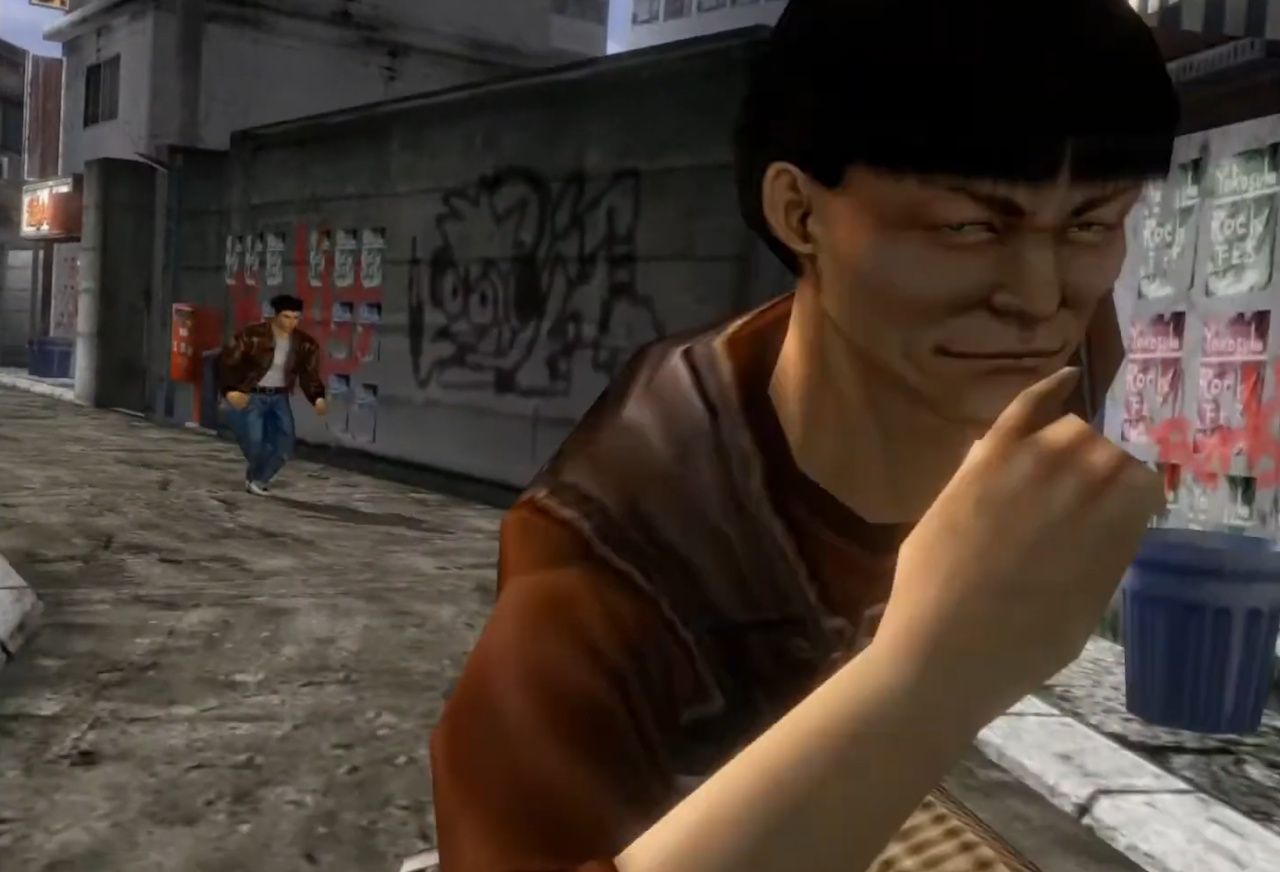
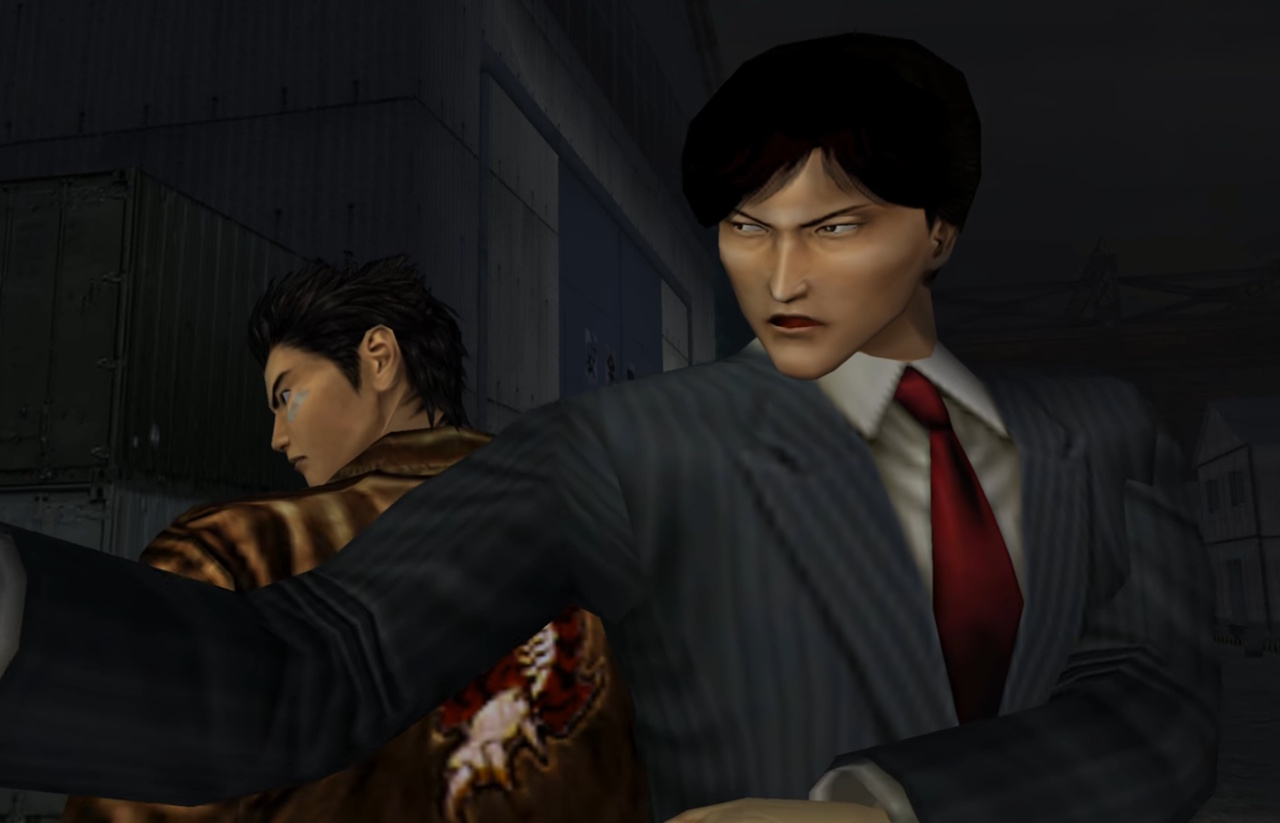
Then there are the villains. Lan Di, though only seen in person at the beginning of the game, just oozes strength and power, and the mystery tied up with Iwao, Ryo’s father, is tantalising. Then there’s Chai – a genuinely disturbing, weird little guy! Chai’s way of speaking, his facial appearance, and his crouching gait all come together to make a really unsettling presentation. The way Chai interfered with Ryo’s quest was infuriating, too – deliberately so! A truly well-crafted villain that, to this day, makes my skin crawl!

At the harbour we also have the occupants of Warehouse #8: Master Chen and Guizhang. This mysterious father-and-son duo have a connection to Ryo’s father – and to Lan Di. Just tracking them down is a whole mystery in and of itself, and sneaking into their base can be difficult! I’m not really in favour of mandatory stealth sections in games, but once you know what you’re doing and get your bearings in the Old Warehouse District, getting there shouldn’t be too difficult.

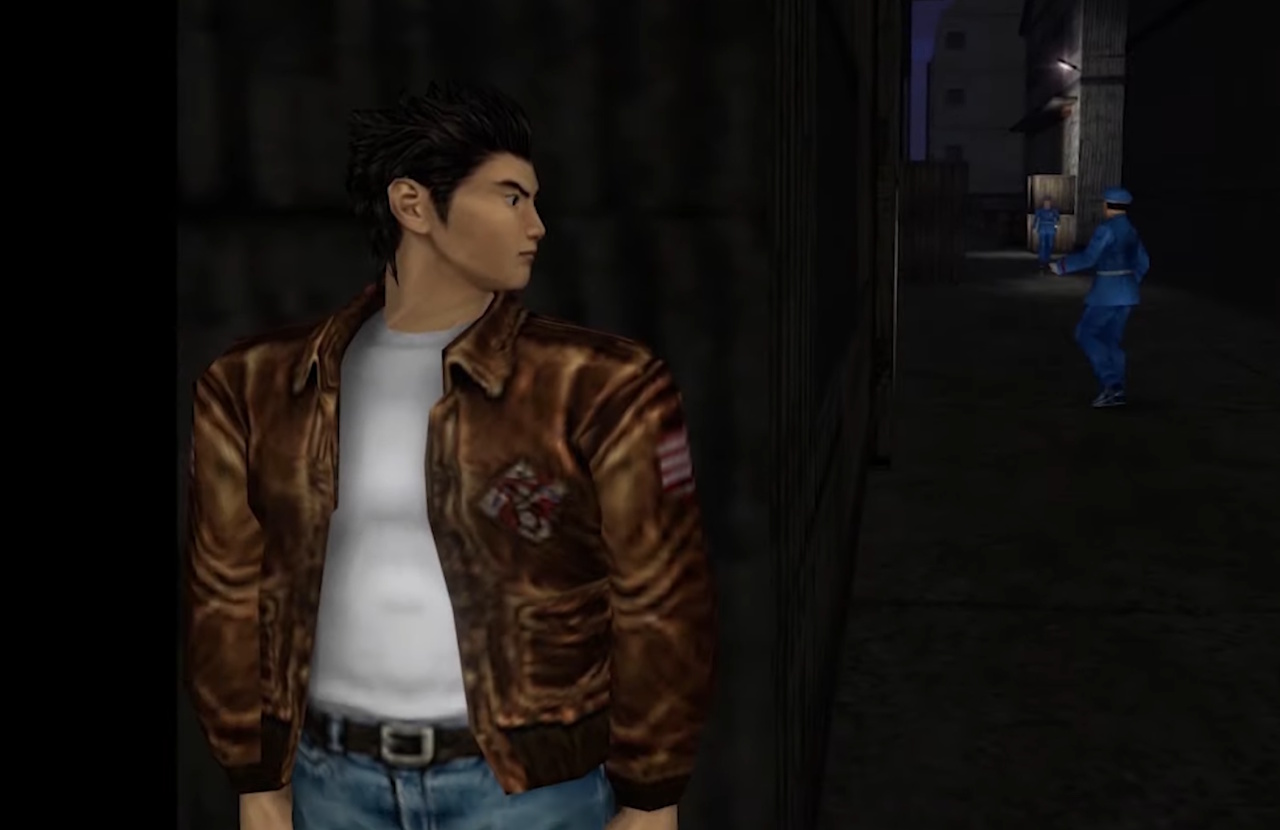
Screenshot of Shenmue (1999) showing Ryo hiding from security guards at the Old Warehouse District.
Hiding from guards in the Old Warehouse District…

The harbour is probably my favourite individual area of Shenmue’s game world. It’s so atmospheric, with large warehouses, a rippling sea, and tired sailors and workmen all milling around. Particularly at night, the harbour really feels like a real place – but also a strangely nostalgic one, if that makes sense. I could spend hours at the harbour just walking around, soaking it all in.

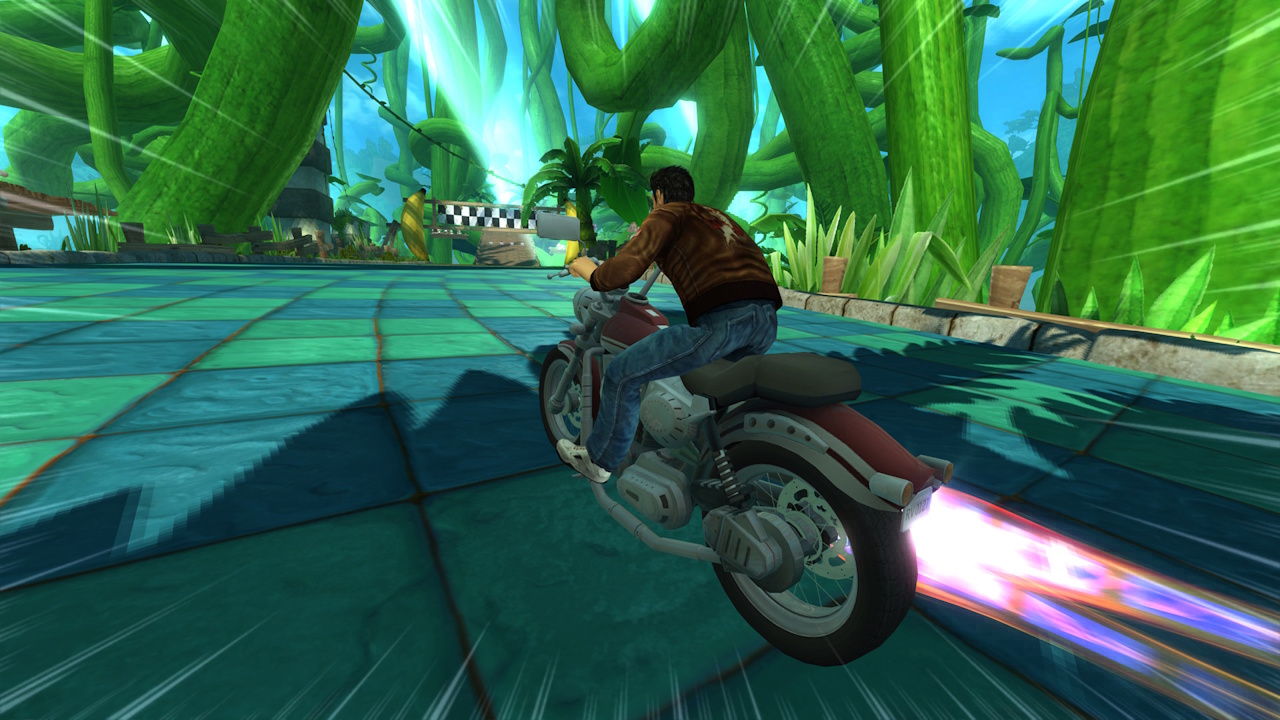
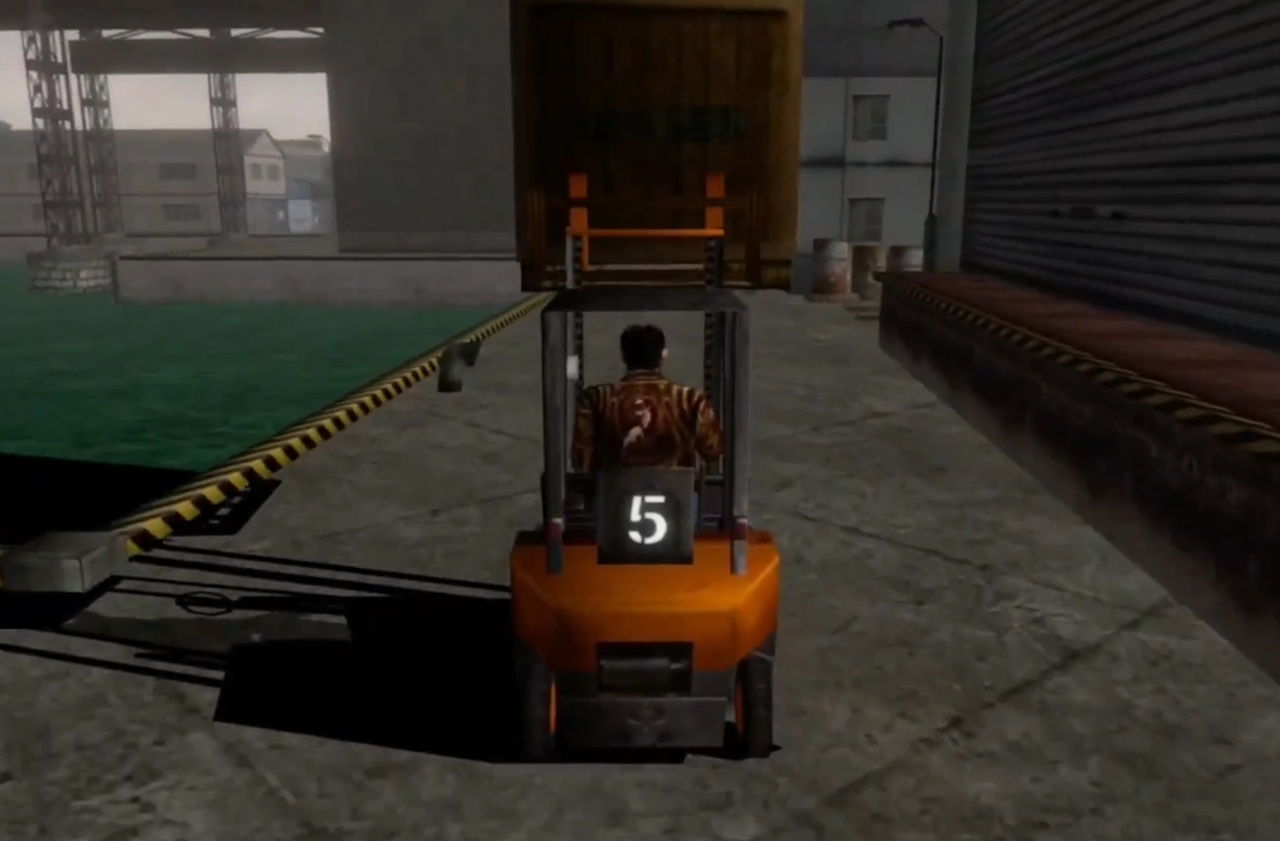
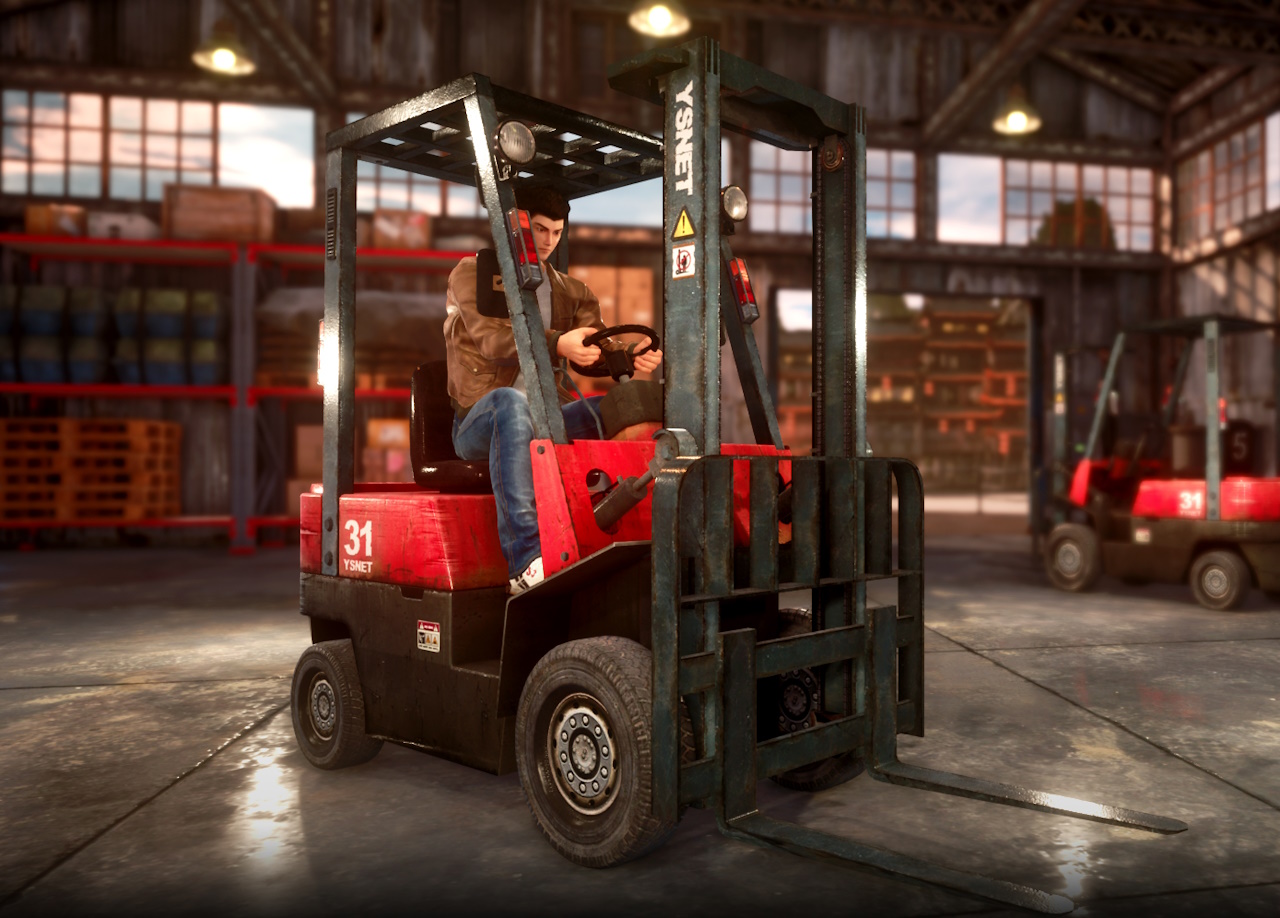
The harbour is also where Ryo would get a job – and despite what you might’ve heard, driving a forklift and stacking crates was a lot of fun! The forklift race at the beginning of each day was great, too – and another totally unexpected gameplay feature in a game laden with mini-games, creative mechanics, and different things to do. The forklift gameplay was also strangely relaxing; the kind of “cozy” gameplay that makes people fall in love with simulator titles. Picking up crates and stacking them just right was a lot of fun.

Screenshot of Shenmue (1999) showing Ryo driving a forklift at the harbour.
I genuinely enjoyed being a forklift driver.

The only downside to Ryo’s forklift job is that it’s relatively short and comes at the beginning of the end of Shenmue. By the time you start the job at the harbour, you’re basically on the path to the endgame and the climactic final battles – and I could’ve happily spent an in-game month or two just having fun playing forklift driver at the harbour!

Ryo and Guizhang team up to take on seventy opponents at the end of the game; an epic, climactic battle that throws wave after wave of opponents at them at the harbour. This battle is difficult, but it’s also a ton of fun compared with some of the earlier one-on-one boss fights. Ryo has moves that can knock back several people at once, like his spinning kick, and smashing your way through huge numbers of gangsters… there was nothing like it at the time! The closest comparison I can think of to the game’s climactic seventy-person battle (from the same time period) is Dynasty Warriors 2, which released about six months later.

Screenshot of Shenmue (1999) showing Ryo and Guizhang preparing to do battle.
Ryo and Guizhang.

Shenmue was more than just a game. This landmark title completely changed how I came to see interactive media, set expectations for narrative games that, even today, many titles fail to live up to, created a living, breathing world years before anyone else even tried it, and above all, kept me invested in gaming as a hobby at a point in my life where I might’ve otherwise began to drift away. Twenty-five years on from its launch, it remains one of my favourite games of all-time.

For me, that’s Shenmue’s real legacy. It’s a game that set the bar for narrative action/adventure experiences, and even today I find myself comparing brand-new games to Shenmue, or noting that Shenmue was the first game I played with a particular feature or gameplay mechanic. I revisited Shenmue in 2017, shortly after it was re-released on PC, and I had a blast getting lost in that world all over again. Although some aspects of the game are definitely dated today, it’s amazing how well the world itself holds up.

Screenshot of Shenmue (1999) showing Ryo walking toward the bus stop near the end of the game.
Ryo with his backpack, headed for Hong Kong.

I wanted to acknowledge Shenmue’s milestone quarter-of-a-century anniversary, and I hope I’ve been able to adequately convey just how much this game meant to me – and how much it continues to matter all these years later. Despite the disappointment I felt at the developers’ inability to bring the story to a conclusion, I still look back on Shenmue with incredible fondness.

I’m so glad I got to play through this game on the Dreamcast, and it’s still a title I find myself recommending to players who missed it the first time around. With a port currently available on PC and PlayStation 4 – usually at a reasonable price, especially when there are sales – it’s incredibly easy to get started with Shenmue, and I honestly can’t recommend it enough. Sure, it’s a piece of gaming history nowadays – but it’s also an incredible narrative experience.

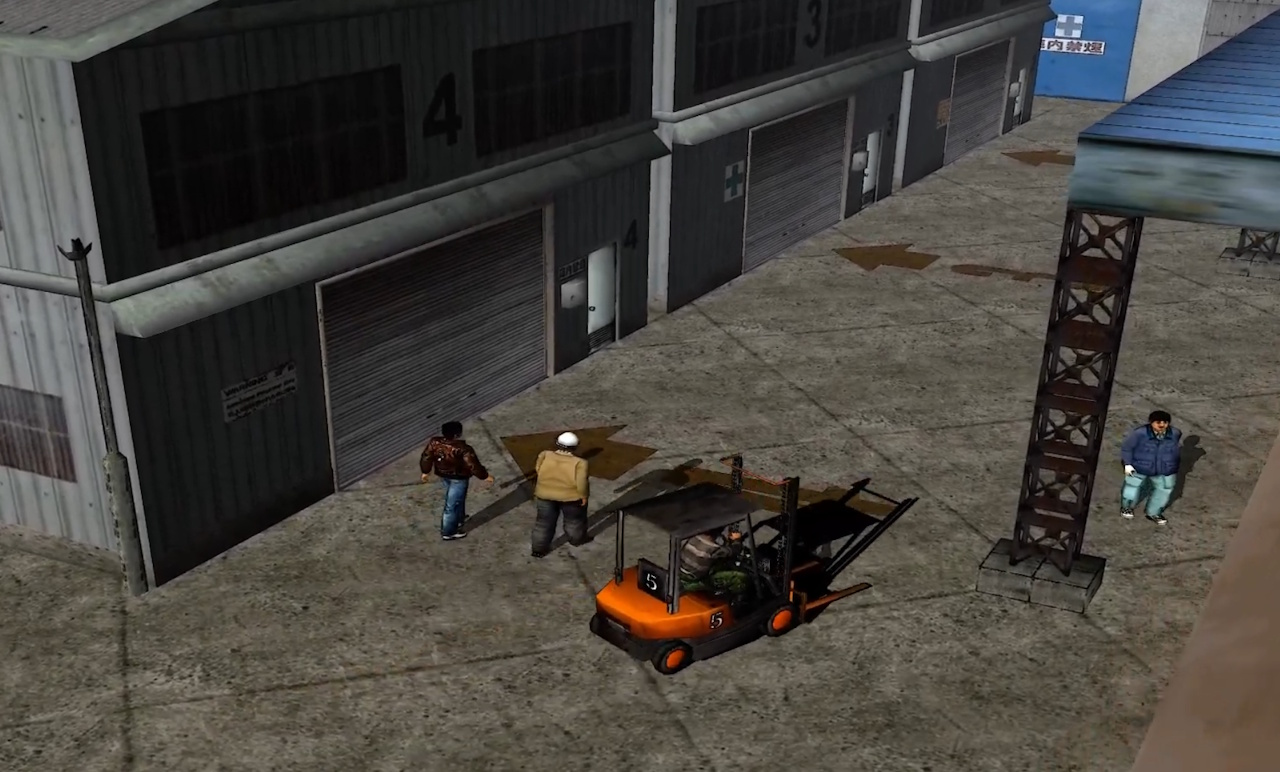
Screenshot of Shenmue (1999) showing a cut-scene at the harbour with Ryo, the foreman, and a forklift.
At the harbour.

A few weeks ago, I tackled the difficult question of whether the Shenmue saga has a future. Five years on from Shenmue III, is there a chance of yet another reprieve for this incredible – yet overlooked – series? Check out my answer to that question by clicking or tapping here! And at some point soon, I’d love to watch and review Shenmue – The Animation; the anime adaptation of the first two games. So be sure to check back for that.

Until then, I really hope this has been an interesting look back at one of my favourite games… ever. Shenmue blew my mind twenty-five years ago, and I really wanted to celebrate its anniversary in style. If you’ve never played it, do us both a favour and try and track down a copy! If you like games with a strong story, I really don’t think you’ll regret it. If you loved Shenmue in the Dreamcast days, or came to it after the fact when it was re-released, I hope you’ll join me in raising a glass to one of the most revolutionary, creative, and transformational games of its era.

Happy anniversary, Shenmue!


Shenmue I & II is available now for PC and PlayStation 4. Shenmue – The Animation may be available to stream on CrunchyRoll. Shenmue is the copyright of YSNet and/or Sega. Some images, screenshots, and artwork courtesy of Sega, YSNet, Shenmue Dojo, and Wandering Through Shenmue on YouTube. This article contains the thoughts and opinions of one person only and is not intended to cause any offence.
Does Shenmue Have A Future?

One of the first subjects I wrote about here on Trekking with Dennis almost five years ago was the Shenmue saga – Shenmue III specifically. With 2024 being the fifth anniversary of Shenmue III and the twenty-fifth anniversary of the first Shenmue… I thought it could be interesting to look at what – if anything – may lie ahead for the series.

For context, I played and loved both Shenmue and Shenmue II when I owned a Dreamcast just after the turn of the millennium. I was left disappointed by Sega and Yu Suzuki’s inability to conclude the story, as I found it incredibly fun and engaging. As I’ve said more than once here on the website, Shenmue was the first game I played that felt truly cinematic; as if its story would be right at home on the big screen. The combination of its open level design, realistic NPCs who seemed to have lives of their own, the modern-day setting, and engrossing narrative all came together to make it one of the best games I’ve ever played – and its sequel was just as good.

Screenshot of Shenmue I showing Ryo in Dobuita.
Shenmue’s world was unlike any I’d ever experienced in a video game before.

But here’s the thing: Shenmue was a failure. While critically acclaimed and spawning a vocal fan community that persists to this day, by every other metric the Shenmue saga completely failed. The incredibly expensive undertaking never came close to making its money back for Sega, and the failure of the Dreamcast meant that there was no way to recoup most of the two games’ development costs. Even a release of Shenmue II on Xbox didn’t help things. As bitterly upset as I may have been, I came to accept that this ahead-of-its-time masterpiece was underappreciated and would remain unfinished.

When Yu Suzuki and his independent development studio YSNet were able to buy the rights to Shenmue from Sega, it seemed as if things might be looking up. A Kickstarter campaign came along at just the right moment – when interest in crowd-funding was close to its peak – and the latent Shenmue fan community stumped up an astonishing $7 million with the hopes of concluding the saga. Backed up by additional investment from Sony, Epic Games, and others, it seemed as if the failed series was about to get one last chance.

Logo of YSNet.
Shenmue III was developed by YSNet.

A re-release of Shenmue I & II came to PC and PlayStation 4 consoles a couple of years ahead of Shenmue III’s launch. For the first time in well over a decade (since I put my Dreamcast and most of its games in a box in the attic) I re-played the games – and I had a blast all over again. But then came what I considered to be devastating news from YSNet.

The Shenmue saga was always planned as a multi-game story. Shenmue and Shenmue II told the first chapters, but there were several chapters still to tell. For reasons that, years later, I still find pig-headed and incomprehensibly stupid, YSNet was unwilling to adapt the planned story to make Shenmue III the saga’s finale. Instead, it would simply move the story along… presumably with the expectation of high sales or another crowd-funding campaign to keep Shenmue going. That always seemed completely impossible to me – and as much as I hate to say it, I was right about that. I didn’t even bother to buy Shenmue III in 2019, because what was the point? The game had, in my opinion, one job: to finish the Shenmue story. Yu Suzuki and his studio had been given a once-in-a-lifetime chance to do that by a dedicated group of fans… and they blew it.

Photograph of Yu Suzuki.
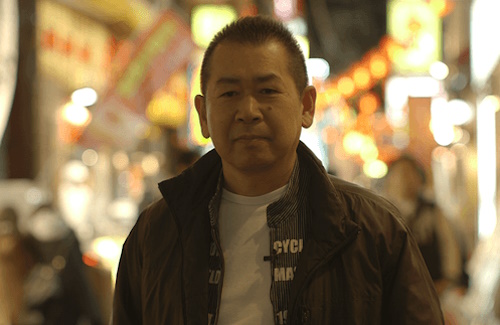
Yu Suzuki, creator of the Shenmue series.
Photo Credit: YSNet; ysnet.games

The re-release of Shenmue I & II (and no, I don’t consider it a “remaster” or anything close; it’s a port) didn’t sell particularly well on PC and PlayStation – which was an ominous warning sign for Shenmue III. When Shenmue III finally launched amidst controversy over its Epic Games exclusivity on PC, it also didn’t sell very well. It seemed to me as if most of the people who might’ve conceivably been interested in buying it had already backed the Kickstarter project – one of the benefits of which was a copy of the game upon release. In its first week, Shenmue III grazed the lower reaches of the PlayStation sales charts in Japan… but didn’t even register anywhere else.

I did eventually buy Shenmue III when it was on sale on Steam. I haven’t played it yet, despite owning it for a while, and I have no real plans to. But when it was on sale for £15 or so, it seemed like a reasonable purchase. And if there’s ever news of a fourth game… maybe I’ll get around to checking it out.

Promo image for Shenmue III with the game's logo attached.
I did belatedly purchase Shenmue III… but I have no plans to play it right now.

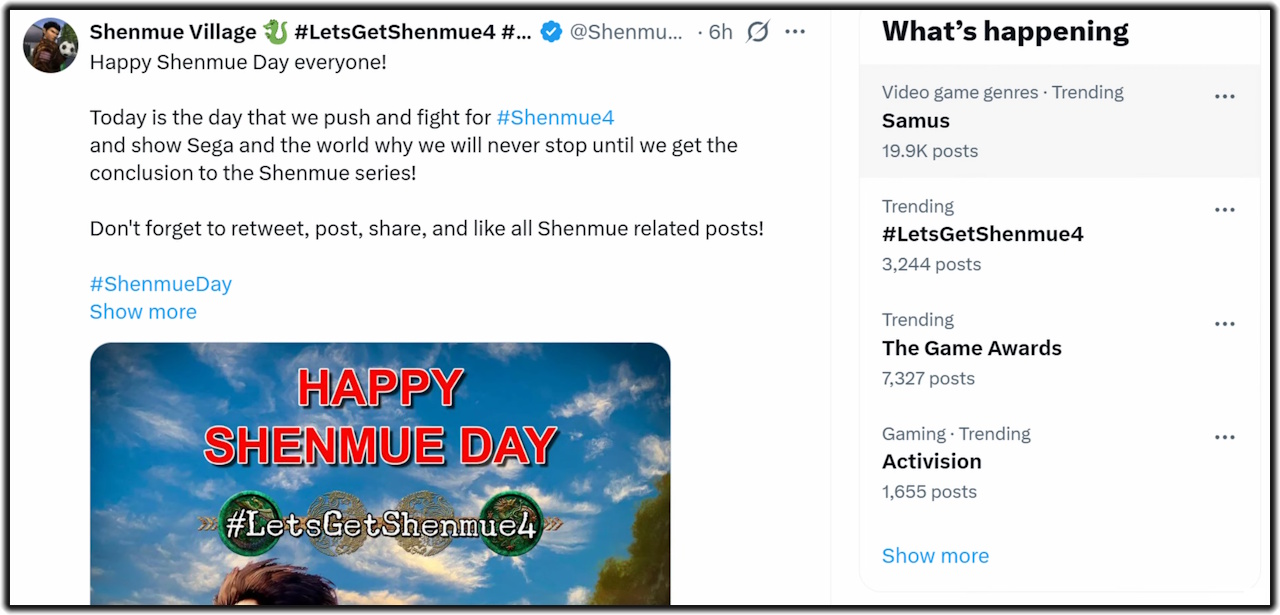
The way I see it, lacklustre sales for both the re-release of Shenmue I & II and Shenmue III demonstrate pretty clearly that this series has no mainstream appeal. Shenmue III was the last opportunity to change that – but again, the game failed to do so. So at this point, the remaining fans of the series are pretty much shouting into a void; tweet-a-thons that garner a few thousand posts at the very most feel like the last wriggles of a series in its death throes.

Shenmue’s anime adaptation also failed to bring renewed interest to the saga. I don’t have the numbers to hand, but Shenmue: The Animation ran for a single season back in 2022, and during that time, sales of the re-release and Shenmue III barely moved.

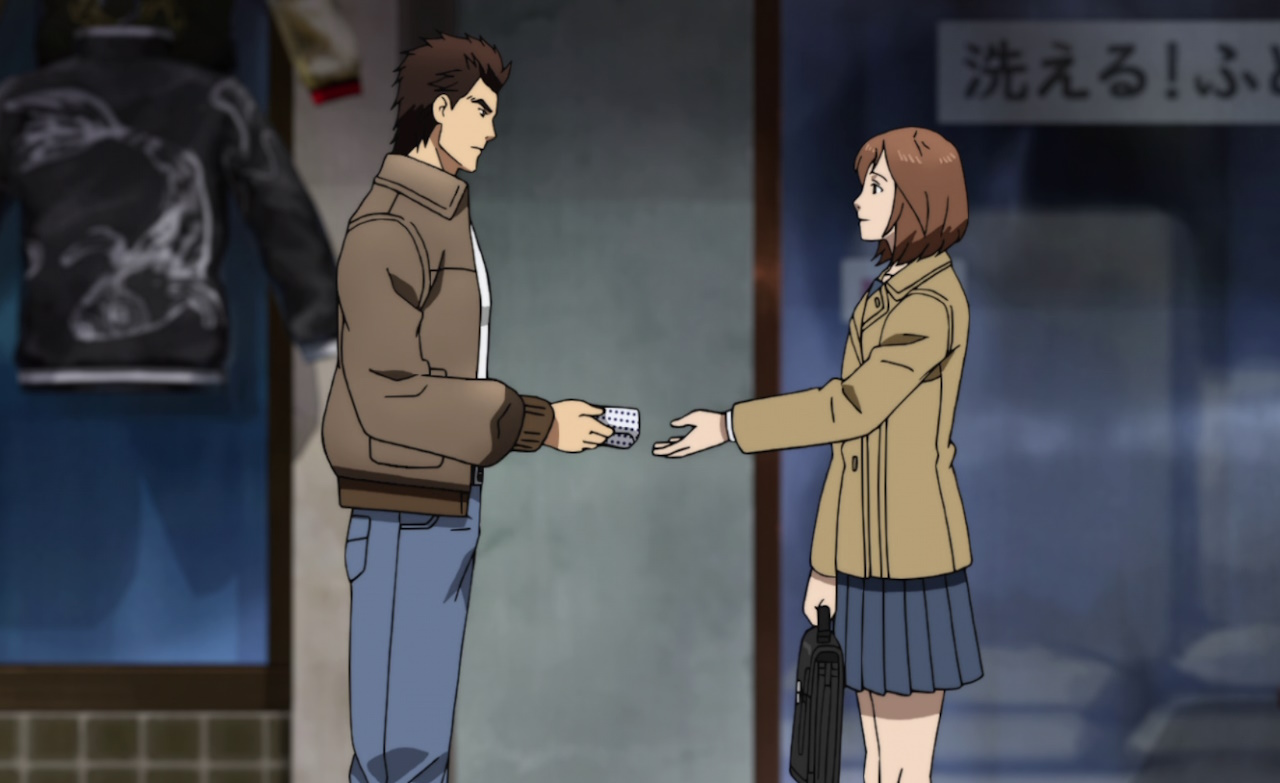
Still frame from Shenmue: The Animation showing Ryo and a female character.
There was an anime adaptation of Shenmue a couple of years ago.

Shenmue: The Animation was itself cancelled after just one season. Having adapted the story of the first two games, there was scope for a second season to dip into Shenmue III or perhaps even go beyond that… but the audience just wasn’t there either in Japan or in the west.

There was finally some Shenmue news just a few days ago, though. A new publisher – ININ Games, a company with a focus on older, retro titles – picked up the publishing rights to Shenmue III, and there’s been talk of potential ports to the Nintendo Switch and other platforms. This is by far the biggest news for Shenmue since Shenmue III’s launch back in 2019… and while I don’t expect it to really go anywhere, it’s at least noteworthy that someone, somewhere, thinks Shenmue is worth spending a little money on.

Promo image for Shenmue II showing Ryo in Hong Kong.
Ryo in Hong Kong.

At this point, twenty-five years on from the first game and five years after Shenmue III failed to light up the board, I really don’t see Shenmue IV ever getting off the ground. YSNet burned a lot of its bridges with members of the fan community with their first Kickstarter campaign, and with the decline of crowd-funding in general, raising millions of dollars that way seems like it’s off the table. With a clear and demonstrable lack of success with both the re-released titles and Shenmue III, getting significant outside investment also feels pretty unlikely.

However, the new publishing deal for Shenmue III and talk of a potential port of the game to a new platform has raised some hopes in the fan community. So let’s think about what Shenmue IV could and should look like.

Screenshot of Shenmue I showing Ryo and Santa Claus in Dobuita.
Meeting Santa Claus in Dobuita.

For me, the bottom line is this: Shenmue IV needs to be the end. I don’t care how many chapters Yu Suzuki originally planned in the ’90s. I don’t care how much of the story would need to be slimmed down or skipped in order to get to the end. At this point, if the stars align and through some absolutely miraculous good fortune Shenmue IV is able to get off the ground, it simply must bring the story to an end. That was what Shenmue III was supposed to do – and having failed again, there may not be another chance.

Shenmue IV won’t bring in new fans – not in any significant numbers, anyway. The re-release didn’t do that and neither did Shenmue III, so as much as I wish the games were held in higher esteem and celebrated more widely, it’s time to acknowledge that Shenmue is and always has been a niche product with a small audience. But that could be a positive thing! Without needing to worry about making a game with broader appeal, YSNet could tailor Shenmue IV to the built-in audience it already has, keeping things simpler for the team.

Promo image for Shenmue III showing Ryo driving a forklift.
A promo image for Shenmue III.

And there are ways to tell other chapters of the story if Yu Suzuki is still insistent on doing so. A book, graphic novel, or even a series of cheaply-animated YouTube shorts could cover whatever gaps may emerge from condensing two or three games’ worth of story into a single title. Shenmue IV wouldn’t need to cut out one massive chunk of narrative, either: it could pick up different pieces of the story with in-game cut-scenes covering the basics of the rest. In short, there are ways around this stumbling block – as there were in the 2010s when Shenmue III was being developed. Unlike last time, however, someone needs to come in and make cuts to the bloated story and gameplay – and if Yu Suzuki and his team can’t or won’t do it, then it needs to be an outsider.

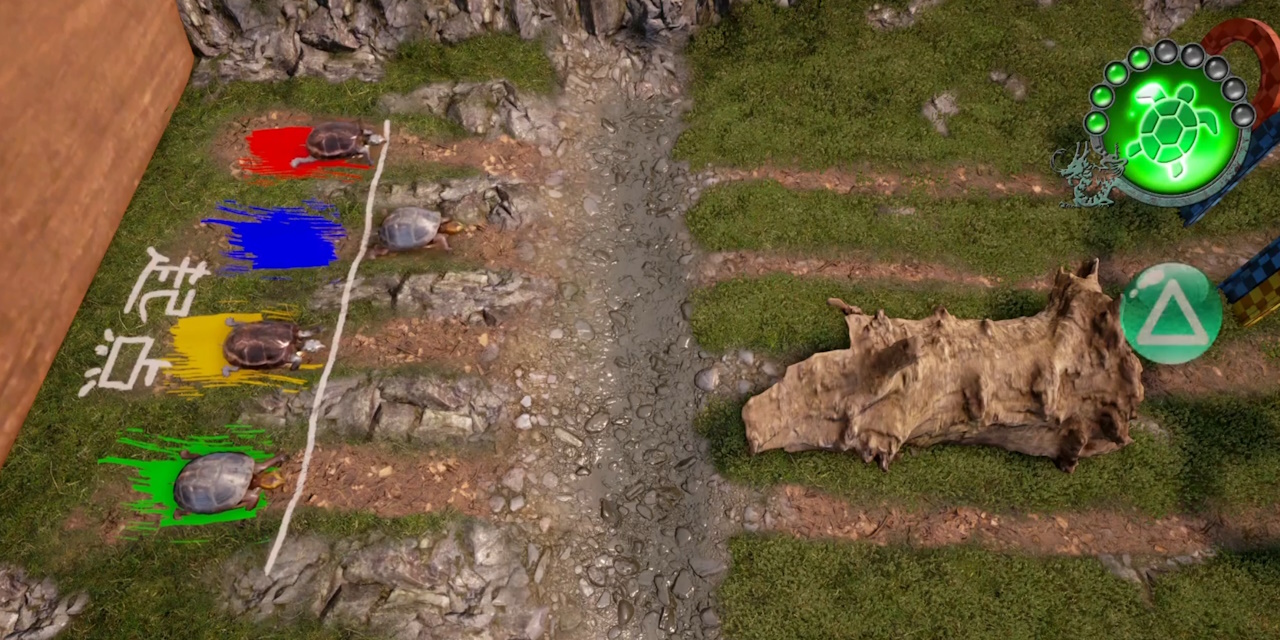
I haven’t played Shenmue III and I’ve managed to avoid major spoilers since it launched. But clips of the game that I’ve seen have included things like mini-games, a stamina system that limited how far Ryo could run, and other such bloat. Cutting some of this stuff out to focus on the core narrative – that of Ryo’s quest to track down the murderous Lan Di – would go a long way to helping a hypothetical next title move along at a much more reasonable pace.

Screenshot of Shenmue III showing a tortoise race.
Cutting back on things like mini-games could help a future Shenmue game stick to what matters: the story.

There’s an expression that I think is relevant here: “don’t let ‘perfect’ be the enemy of ‘good.'” In this case, I will happily concede that a cut-down Shenmue IV with some of its QTEs, mini-games, and open-world exploration elements removed wouldn’t be the ideal experience. It wouldn’t be completely true to the Shenmue series, either. But if it finished the story – a story I began almost a quarter of a century ago – it would be worth it. I’ll make that compromise to see the end of Ryo’s story… and that’s what I genuinely expected would happen with Shenmue III. In that sense, I’ve already committed myself to and steeled myself against those kinds of compromises.

Both Yu Suzuki himself and some die-hard Shenmue fans evidently hate this idea. But my question to them is a pretty basic one: if it’s this cut-down game or nothing, what would you rather have? I know that, speaking for myself, I’d rather see the story brought to an end, even if the journey to that end point is shorter and less free-roaming than the first chapters of the story. If you don’t agree… how long are you willing to hang on in the hopes that the “perfect” version of Shenmue IV and Shenmue V that you have in your head will ever make it to release?

Wouldn’t something be better than nothing at all?

Promo wallpaper for Shenmue/Shenmue III showing Ryo raising his fist.
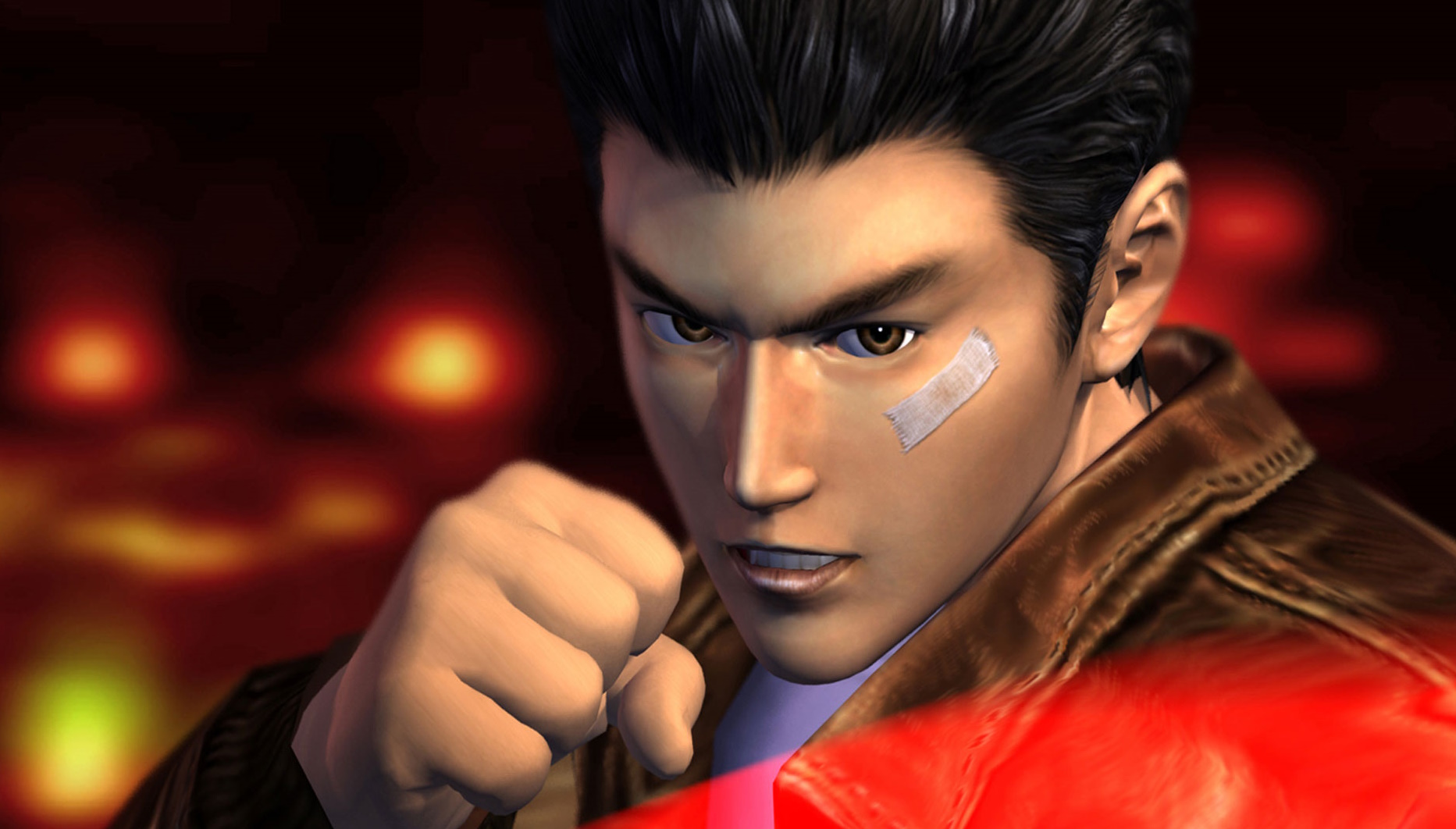
Them’s fightin’ words!

I’m not getting any younger. I’m the wrong side of forty and, as regular readers will know, I’m not in great shape health-wise. There’s a non-zero chance that I won’t be here in ten years’ time, and with arthritis already affecting my hands and fingers, my ability to play games is beginning to wane. In short… I don’t have the time to wait for a mythological Shenmue-loving corporation to step in and fund development. If I was Elon Musk I’d happily do it… but who has that kind of money just lying around?

Shenmue is one of my favourite games of all-time. More than that, it’s the game that showed me what interactive media could be in the new millennium, and at a time in my life where I might’ve begun to drift away from the hobby, it’s a title that kept me engaged and kept me playing. I love Shenmue and Shenmue II. And I would have given anything to see its story continue. But we’re at a point now where repeated failures and some poor decision-making have left the series’ future not so much uncertain as dead. Shenmue is, in my opinion at least, almost certainly not coming back.

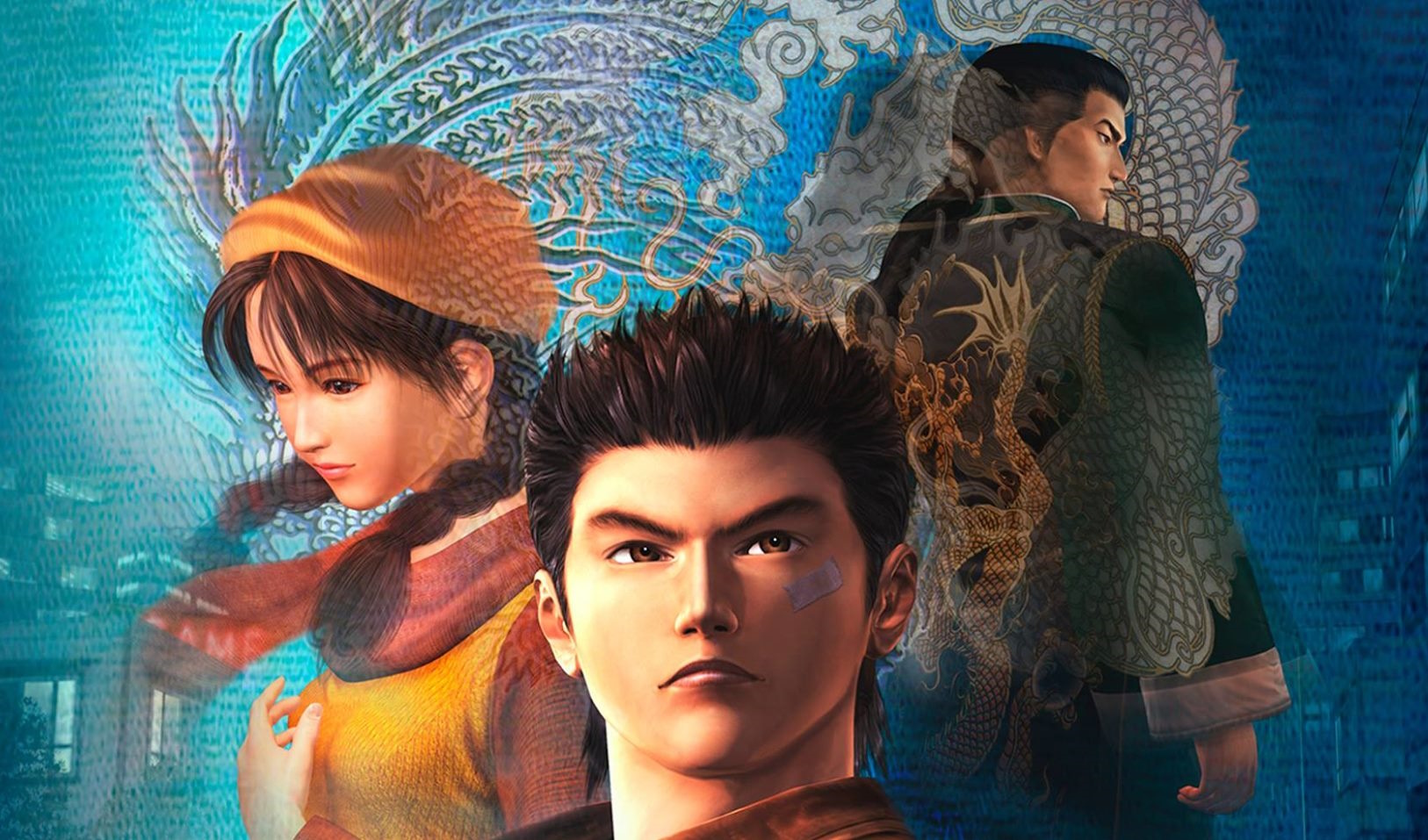
Box art/promo art for Shenmue I showing Ryo, Shen Hua, and Lan Di.
I’d love to be wrong, but I don’t see a future for Shenmue right now.

Maybe you’re of the opinion that, even if it takes another quarter of a century, we should let YSNet do its thing and tell the story they want to tell in the way they want to tell it. I’m telling you now: I don’t have that kind of time. If this new publisher is interested in another game – and despite my scepticism, I hope that they are – then my only request is this: make it the final game. Finish the story somehow, even if that means cutting back on the scope of the narrative and/or gameplay. If Ryo is going to get a miraculous third chance that, from a business standpoint, he categorically does not deserve, then have the decency to finish his story and bring the Shenmue saga to a belated conclusion.

But that’s the same red line I had back in the 2010s, and YSNet blew it. Yu Suzuki and his studio squandered the best (and probably the only) chance they had to conclude Ryo’s story, and as much as I’d like to think they’ll get a reprieve… I still struggle to see it. Five years on from Shenmue III and I feel more justified than ever in my stance back then. I said in 2019 that I was unwilling to pick up the threads of that story only to end up disappointed for the second time when it’s yet again left incomplete – and with nothing beyond vague suggestions about what YSNet might like the next game to look like, as well as sales so underwhelming that they’d make any company baulk at the notion of signing on, I get to take a very bitter victory lap… one I really don’t want to take.

Promo image for Shenmue III showing Shen Hua.
Shenmue III was the best chance to tell the rest of the story.

If you asked me now, in November 2024, whether we’ll ever see a fourth Shenmue game, my answer would be almost certainly not. I don’t see how the series has a future, despite a new publisher signing on and talk of a potential Shenmue III port to another console. A few thousand remaining fans tweeting into the void isn’t gonna change that, because as loud and vocal as Shenmue fans can be, we’re a tiny and ever-diminishing number.

There are multiple tragedies in the Shenmue saga. The first game was light-years ahead of its time, pioneering a dense, lived-in open world years before anyone else even tried it. The world of those first two games still outpaces many modern titles in terms of depth and complexity. The demise of the Dreamcast and a player base that preferred faster-paced action-packed titles doomed the series… but that isn’t where the tragedy ends.

Screenshot of Shenmue II showing Ryo in Hong Kong.
The harbour in Hong Kong.

YSNet’s failure to recognise that the crowd-funding campaign was lightning in a bottle; a once-in-a-lifetime chance to bring a dead series back to life… that’s the final tragedy of Shenmue. Fans gifted Yu Suzuki a golden opportunity to conclude the story he started more than fifteen years earlier… and he blew it. He allowed “perfect” to become the enemy of “good,” and stubbornly refused to deviate from a planned multi-game series even when it should’ve been clear that there would never be another opportunity to bring Ryo’s story to an end.

I could’ve lived with Shenmue and Shenmue II as a disappointingly incomplete story; a millennial masterpiece that, for reasons beyond anyone’s control, would remain unfinished. But I’ve really struggled to forgive Yu Suzuki and YSNet for taking the incredible opportunity presented to them by the fan community and pissing it away on a frivolous, bloated, still-unfinished third game.

And as to the future? Maybe the jury really is still out. Maybe this ININ Games genuinely sees the potential in Shenmue IV. But until the game’s officially in production and ready to go, I’ll be sceptical. I’m pretty sure that this is where the Shenmue saga ends.


Shenmue I & II and Shenmue III are available now for PC and PlayStation 4. The Shenmue series – including all titles and properties discussed above – may be the copyright of YSNet, ININ Games, Sega, and others. Some images courtesy of Shenmue Dojo and IGDB. This article contains the thoughts and opinions of one person only and is not intended to cause any offence.
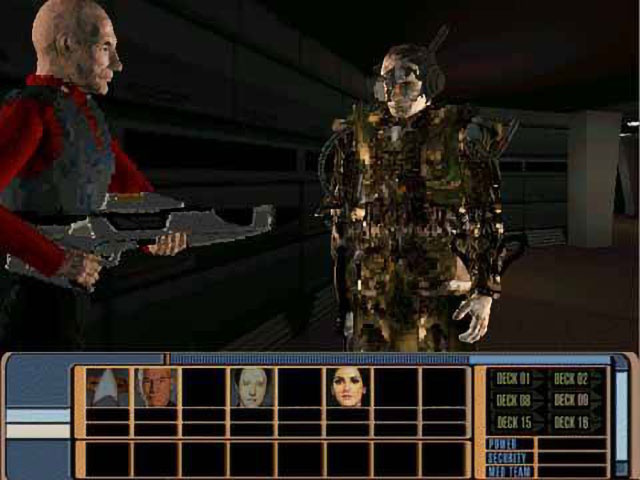
Ten Games To Play While You Wait For GTA 6

Spoiler Warning: Minor spoilers may be present for some of the games on this list.

The recent trailer for Grand Theft Auto 6 has got a lot of gamers salivating! We really ought to try and avoid boarding the hype train, but with Grand Theft Auto 6 being the long-overdue sequel to the most successful and profitable video game of all-time, a bit of excitement is understandable! However, the game won’t launch until sometime in 2025 – and probably even later for PC players like me, unfortunately – so until then we’re all facing a dilemma: what should we play?

I’ve picked out ten games that I think could be fun substitutes for Grand Theft Auto 6. I’ve tried to avoid the most obvious pick: Grand Theft Auto V! But I’ve selected games in the same open-world space, with comparable driving and third-person action gameplay, or with a focus on crime and criminality. There are bound to be hundreds of “what to play before GTA 6” lists floating around… so you may have seen some of these ideas already. But maybe – just maybe – there’ll be something a bit different in the mix this time!

A screenshot from the Grand Theft Auto 6 trailer showing the fictional Vice City from above after sunset.
Vice City after dark.

As always, this list is the entirely subjective opinion of one person only! If you hate all of my ideas, think they’re too obvious, or you’ve seen a far better selection of games elsewhere – that’s okay! There’s no need to take anything too personally or get into an argument.

I’ve already shared my thoughts on the recent trailer for Grand Theft Auto 6, and you can find that article by clicking or tapping here.

With all of that out of the way, let’s get started!

Game #1:
Saints Row 2 (2008)

Promotional screenshot of Saints Row 2 featuring a character firing a handgun.
Running and gunning!

For me, Saints Row 2 is where the series managed to strike the right balance between being a pure “GTA-clone” and the utter silliness and wackiness that would come to define its later entries. There was an attempt to reboot the Saints Row series earlier this year, but unfortunately it wasn’t well-received so I can’t recommend it. But if you don’t mind stepping back to the Xbox 360 era, Saints Row 2 could scratch that open-world crime itch!

Saints Row 2 is comparable to Grand Theft Auto 4 in terms of graphics and gameplay – but with a less-realistic physics engine that seemed (to me, anyway) to make driving a bit more arcadey and fun. It also has a bit more of a grounded story when contrasted with later Saints Row games – there’s no visiting Hell or battling aliens from outer space in this one. There’s an open-world city to cruise around, cars to jack, missions to get stuck into, and basically all of the Grand Theft Auto trappings with a less-illustrious name attached. It was great fun in 2008 – and although I haven’t played it in a while, it’s still a game I heartily recommend!

Game #2:
Sleeping Dogs: Definitive Edition (2012; 2014)

Promotional screenshot of Sleeping Dogs showing protagonist Wei Shen holding a shotgun.
Wei Shen in Hong Kong.

Sleeping Dogs takes the Grand Theft Auto formula but puts two very distinctive spins on it. Firstly, the player character is a cop, not a criminal – albeit an undercover cop who seems to have no qualms about breaking a few laws! And secondly, the game is set in Hong Kong, not the United States. Both of these elements help it stand out from other open-world crime games!

You’ll occasionally hear Sleeping Dogs discussed in conversations about underrated games – and rightly so! It’s a fantastic title that was criminally under-appreciated when it was released. The game’s underwhelming sales at launch led to the cancellation of a potential sequel – but Sleeping Dogs is still a fantastic standalone experience. If you play on PC, the game is frequently available at a steep discount during Steam sales, and with the winter sale coming up soon, you might be able to pick it up for less than the price of a coffee. Surely it’s worth a shot for a few pounds or dollars!

Game #3:
Expeditions: A Mudrunner Game (2024)

A promotional screenshot of Expeditions: A Mudrunner Game showing first-person driving.
Driving up-river!

You won’t have to wait too long for this sequel to Mudrunner and Snowrunner; it’s due for release in March. I’ve had a surprisingly fun time with Saber Interactive’s off-road vehicle simulation games, so if the driving side of Grand Theft Auto is what you liked the most, I’d happily recommend all three. If you’re sick of racing games and are looking for a different kind of vehicular challenge, Mudrunner, Snowrunner, and the upcoming Expeditions could be just what the doctor ordered!

Snowrunner has several large open maps and plenty of vehicles to choose from – and the off-road part of the driving simulation is really the focus of the game. I expect Expeditions will do something similar – but according to the developers, it’ll also be adding new features like a recon drone, metal detector, and of course, new vehicles!

Game #4:
Red Dead Redemption II (2018)

Promo screenshot of Red Dead Redemption II featuring protagonist Arthur Morgan and a horse.
Howdy, partner!

Alright, I suppose we couldn’t put together a list like this without talking about Rockstar’s most recent title! Red Dead Redemption II is, in my humble opinion, Rockstar’s magnum opus – and one of the most incredible video games ever made. If you haven’t played it… what are you waiting for? I’ve only played it once, and I’m seriously considering going around for a second playthrough sometime soon.

Red Dead Redemption II takes Rockstar’s open-world formula to the 19th Century, with an incredible map based on parts of the American midwest, the Rocky Mountains, the Deep South, and more. The single-player campaign features one of the best stories ever told in a video game, with incredible characters and an intense, deeply emotional narrative. I can understand being put off by the time period if you’re craving a game set in the modern day… but give it a shot, especially if you can find it at a discount. I really don’t think you’ll be disappointed!

Game #5:
Crime Boss: Rockay City (2023)

Promotional screenshot of Crime Boss: Rockay City featuring Chuck Norris' character.
Outer space exists because it’s afraid to be on the same planet as Chuck Norris.

I’d argue that Crime Boss: Rockay City was unfairly criticised upon release by folks who’d either over-hyped it or had set the wrong expectations. If you go into it expecting a first-person Grand Theft Auto experience with all of the bells and whistles of a Rockstar game… sure, I guess it’s fair to say it comes up short. But if you look at the game for what it is – a fairly straightforward and linear FPS that’s more comparable, in some respects, to the Payday series – there are more than enough charming features to make it worth playing.

Crime Boss: Rockay City has voice acting from the likes of Chuck Norris and Danny Trejo, and its ’90s setting is something a bit nostalgic. The game is also set in a fictional city based on Miami – just like a certain upcoming crime game that we’re all looking forward to! Crime Boss: Rockay City is reasonably priced, and didn’t try to overcharge. That being said, it could well be available at a discount when holiday sales get going this month – so keep an eye on it!

Game #6:
Cyberpunk 2077 + Phantom Liberty (2020; 2023)

A screenshot of Cyberpunk 2077, looking out over an apartment building.
The view from V’s apartment.

As I said recently, I never thought I’d be in a position where I could recommend Cyberpunk 2077 to anyone in good conscience! However, the addition of the game’s big 2.0 update and the Phantom Liberty DLC has been a game-changer – quite literally! Cyberpunk 2077 had been slowly but surely rebuilding its reputation after a disastrous launch three years ago, and by the time I got around to fully playing through it, the worst and most egregious of the bugs and glitches had been fixed. But the 2.0 update and Phantom Liberty have genuinely transformed the experience.

Many of the complaints that I had about Cyberpunk 2077′s gameplay – from the way clothing and armour worked to how police would randomly spawn in Night City – have been addressed and completely fixed, and the addition of a new story campaign has been fantastic, too. I can understand not wanting to play the game or to support a developer who behaved deceitfully – and we should never forget how CD Projekt Red acted in the run-up to the game’s release. But if you haven’t played Cyberpunk 2077 yet… you are honestly missing out on a great story and a fun experience.

Game #7:
Grand Theft Auto: Vice City (2002)

Loading screen art from the game Grand Theft Auto: Vice City featuring protagonist Tommy Vercetti.
Protagonist Tommy Vercetti.

Is this one too obvious? With a return to Vice City on the cards in 2025, it could be fun to step back in time to see its first appearance! I really enjoyed Vice City at the time – it felt like a step up from Grand Theft Auto III with a bigger map, more vehicles, and a fully-voiced protagonist. I’d go so far as to say that Vice City’s homage to the likes of Scarface and Miami Vice has me genuinely questioning how well Grand Theft Auto 6 will work when it takes the iconic Miami-inspired city out of the ’80s and into the modern day.

If you grew up on Grand Theft Auto V and other games of that generation, stepping back to Vice City could feel like a downgrade – and I fully appreciate that. But the game has a fun story, and if you can overlook the admittedly outdated graphics and the technological limitations that come with a two-decade-old game, it’s absolutely worth playing. I had a blast with it in 2002 – and knowing that that was more than twenty years ago makes me feel absolutely fucking ancient!

Game #8:
Shenmue I & II (1999; 2001)

Cropped poster of Shenmue I & II.
A promo poster showing some of the games’ characters.

Before Grand Theft Auto III came along, the original Shenmue on the Dreamcast was an early open-world pioneer. In some ways, its world is more detailed than even Grand Theft Auto V’s, with a day-night cycle that actually matters to characters’ schedules, dynamic weather, mini-games, and more. I absolutely adored Shenmue back when I owned a Dreamcast – and I never miss an opportunity to recommend the game to players who might’ve missed it when it was new.

Shenmue tells a compelling story of revenge. Protagonist Ryo Hazuki must track down the man who murdered his father, and his quest takes him from his home town in Japan across the sea to Hong Kong and beyond. It’s a relatively slow-paced game with a lot of dialogue and investigating, but these sections are broken up by intense hand-to-hand combat battles that use a variety of martial arts moves, as well as quick-time events… which Shenmue can claim to have invented. For better or worse! Both games are available in one package, and this could be another one to add to your wishlist and keep an eye on.

Game #9:
Mafia: Definitive Edition (2002; 2020)

A promotional screenshot of Mafia: Definitive Edition featuring a character holding a gun walking past two cars.
Promo screenshot of Mafia: Definitive Edition.

When I first played Mafia on the original Xbox, I thought it was basically going to be “Grand Theft Auto in the ’30s” – but that hardly does it justice. The game – and its two sequels – have been remade from the ground up in recent years, putting to shame Rockstar’s appalling Grand Theft Auto III Trilogy “remaster” from a couple of years ago. Of the three, the original Mafia is probably the title I’d recommend most highly – but the entire trilogy can be picked up as one set.

All of the elements of a Grand Theft Auto game are present, but the ’30s setting and heavy focus on the titular mob makes for a completely different kind of story. Many of the gameplay elements will be familiar, but different and distinct enough to make this open-world crime title stand out from the crowd. I enjoyed the story of Tommy Angelo, a “made man” in the mob, and Mafia: Definitive Edition is an easy game to recommend to any fan of the GTA series.

Game #10:
Baldur’s Gate 3 (2023)

A screenshot of Baldur's Gate 3 showing a dice roll.
Ready to roll some dice?

I know, I know: this one’s a bit “out there,” as Baldur’s Gate 3 seems to have very little in common with the Grand Theft Auto series. It’s a completely different style of game – but as players, we’re willing and able to try out new experiences, right? If you’re at all interested in games with incredibly strong and compelling narratives, give Baldur’s Gate 3 a chance to show you why it’s my “game of the year.”

A turn-based role-playing game with a branching storyline, incredibly fun characters, and one of the best character creators I’ve ever seen, Baldur’s Gate 3 seemed to come out of nowhere this year and completely blew me away. I had an absolute blast playing it this summer and autumn, and even after sinking more than eighty-five hours into a single playthrough, there are characters I haven’t met, whole areas of the map that I missed and didn’t explore, and so much more to try! I really need to start that second playthrough sometime soon!

So that’s it!

A screenshot from the Grand Theft Auto 6 trailer showing characters on a beach during the day time.
Characters on the beach as seen in the Grand Theft Auto 6 trailer.

We’ve taken a look at ten games to play while you wait for Grand Theft Auto 6. I hope I managed to pick one or two that you might not have been expecting! I’m sure I’m not the only one putting together lists or compilations like this one; there’s a lot of buzz around the next Grand Theft Auto title, and people are definitely going to be looking around for comparable experiences in the meantime. If I helped even one person find one game to try, then I’ve done my job and contributed something positive to the discussion!

Because I play on PC – and because Rockstar, despite its insane financial resources, is cheaping out on Grand Theft Auto 6′s PC release – it might be 2026 or even 2027 before I’ll be able to get my hands on it. I might not live that long… but if I do, I hope you’ll swing by Trekking with Dennis for a review! If there’s significant news about the game between now and then, I’ll do my best to cover it and discuss it here on the website. And if you missed it, you can find everything I had to say about the December 2023 trailer by clicking or tapping here.

Have fun out there – and happy gaming!

Grand Theft Auto 6 is currently in development and will be released on PlayStation 5 and Xbox Series S/X in 2025. No PC release date has been set. All titles discussed above are the copyright of their respective studio, developer, and/or publisher. Some promotional screenshots courtesy of IGDB. This article contains the thoughts and opinions of one person only and is not intended to cause any offence.

Ten games to play instead of Cyberpunk 2077

Highly-anticipated (and almost certainly over-hyped) role-playing game Cyberpunk 2077 releases today. If, like me, you don’t really have £50/$60 to spend on a single game this close to Christmas – or you don’t have a PC or console capable of playing it – I thought it could be fun to go through a few alternatives.

I don’t hate Cyberpunk 2077. It’ll most likely be a decent game, and I’m sure I will eventually give it a shot. But there are many fun titles out there that offer comparable experiences – and most don’t cost as much! Here’s ten options for those of us who aren’t indulging in Cyberpunk 2077 on day one.

Number 1: Star Wars: Knights of the Old Republic & Star Wars: Knights of the Old Republic II – The Sith Lords (2003; 2004)

Coming after The Phantom Menace and Attack of the Clones had left the franchise in a pretty disappointing place, Bioware’s Star Wars epic and its Obsidian-produced sequel were outstanding. At a time when I wasn’t enjoying Star Wars’ cinematic output, these games came along and did a lot to save its reputation. For around £15 (on Steam) you’ll be able to pick up both titles and enjoy two of the best stories in the entire franchise. The two games are significantly better than several of the Star Wars films, so if you’re even slightly interested in a galaxy far, far away but haven’t given either title a try yet, it could be a great time to do so.

Number 2: Deus Ex: Human Revolution & Deus Ex: Mankind Divided (2011; 2016)

When I think about many of the components of Cyberpunk 2077 that people are most excited about – such as the ability to augment your human character, first-person gunplay, and different ways to reach objectives and complete missions – I’m reminded a lot of the Deus Ex series, especially its most recent offerings. Though a far more linear experience, for a lot less money you could play through a couple of solid stealth/action games that offer at least some of the same features as Cyberpunk 2077. It’s even set in a dystopian future where corporations are in charge!

Number 3: The Witcher 3 (2015)

The Witcher 3 was CD Projekt Red’s last game before Cyberpunk 2077, and it’s widely hailed as a masterpiece. Though the two games are certainly different in terms of setting, point-of-view, and the like, if you’re like me and haven’t yet got around to playing one of the generation’s best role-playing games, this could be a great opportunity to do so. The Witcher 3′s huge success and positive reception is a big part of why Cyberpunk 2077 has seen such a massive hype bubble.

Number 4: Shenmue I & II (1999; 2001; re-released 2018)

Though its story disappointingly remains incomplete, if you’re looking for a game with a truly engrossing narrative Shenmue could be just what you need. These two ambitious titles were originally released for the Dreamcast, sadly sharing the fate of that console and being underappreciated. Both were re-released for PC in 2018 as a single bundle, and if you missed them when they were new it could be a great time to jump in. Shenmue pioneered the idea of an open world before anyone even knew what that meant, and was the first game I ever played that felt genuinely cinematic. I think I’ll be recommending these games to people for as long as I live!

Number 5: Doom & Doom Eternal (2016; 2020)

If Cyberpunk 2077′s big draw was its first-person shooting, Doom and Doom Eternal could be great substitutes. If you want to feel like a total badass, kicking butt and taking no prisoners (literally) then there’s no better choice. The rebooted Doom series ditched the horror vibe of Doom 3 and went back to its roots – shooting demons in the face by the absolute boatload. The two games both have fantastic soundtracks that perfectly suit the fast-paced, explosive gameplay. And Doom Eternal introduces a grappling hook. Need I say more?

Number 6: Grand Theft Auto V (2013)

Because of the ridiculous hype bubble that’s grown around Cyberpunk 2077, a lot of players are going to be disappointed when they realise it isn’t “Grand Theft Auto in the future.” So why not play the most recent entry in Rockstar’s crime saga instead? It’s a huge open world, there’s plenty to do, and if you want the experience of running amok causing havoc in a densely-packed city, this is about as close as you can get right now. There’s even a first-person mode (except on the Xbox 360/PlayStation 3.)

Number 7: Titanfall 2 (2018)

A fun, futuristic shooter with mechs. That’s what Titanfall 2 is, and this underappreciated gem was sadly released at a very competitive moment in the first-person shooter genre. That led to underwhelming sales, but if you’re willing to give it a shot you’ll find a truly exciting, action-packed experience. Part of the appeal of Cyberpunk 2077 is its first-person perspective, and while you won’t find as many customisation options or a branching story, what you’ll get with Titanfall 2 is some of the best gunplay ever put into a game with weapons that have a realistic kick.

Number 8: The Elder Scrolls III: Morrowind (2002)

One of the best role-playing games every made, and the high-water mark of the Elder Scrolls series in my opinion, Morrowind is packed full of fun and interesting quests, random NPC encounters, and a diverse set of locations and environments across its open world. Eighteen years after it was released there are quests I’ve never completed and whole storylines I haven’t seen; it’s just too big to fit everything into a single playthrough. Despite being released a decade earlier, Morrowind has much more going on than Skyrim – more weapon types, more factions to join, and even more NPCs to interact with. You just have to look past its text-based interface, which can admittedly feel dated in 2020.

Number 9: Pillars of Eternity & Pillars of Eternity II: Deadfire (2015; 2018)

Both Pillars of Eternity and its sequel have a decidedly old-school feel, thanks in part to their visual style and use of an isometric perspective. Each game takes 40+ hours to beat – longer if you play more side missions and take your time – so there’s a lot of role-playing to get stuck into. It’s hard to say much more without spoiling the experience, but if you’re looking for an in-depth role-playing experience with fun customisation and where your in-game choices truly impact the story, look no further.

Number 10: Halo: The Master Chief Collection (2014; 2019)

When I think about “futuristic first-person shooters,” one series springs to mind ahead of all the others: Halo. The Master Chief Collection brings together the first six titles in the series (or every game except Halo 5) for hours and hours of single-player or co-op gameplay. Cyberpunk 2077 doesn’t offer co-op! The exciting tale of humanity’s war against an alien alliance known as the Covenant is detailed in these games, and although the quality of the series has waned somewhat in recent years, even Halo at its worst is still light-years ahead of many other games.

So that’s it. Ten games you could play instead of Cyberpunk 2077 while you wait for the day-one bugs to be patched out and for the game to drop in price! Or because you aren’t interested in one of the biggest releases of the year.

If nothing else, this was an opportunity to talk about some fun games and highlight them in the run-up to Christmas. Remember that the Steam holiday sale is likely coming up in a matter of days; it could be worth waiting to see if any of your favourites will be on sale. I highly doubt Cyberpunk 2077 will see even a 5% discount so soon after its release, but you never know!

All titles listed above are the copyright of their respective studio, developer, and/or publisher. Some screenshots and promotional artwork courtesy of IGDB. This article contains the thoughts and opinions of one person only and is not intended to cause any offence.
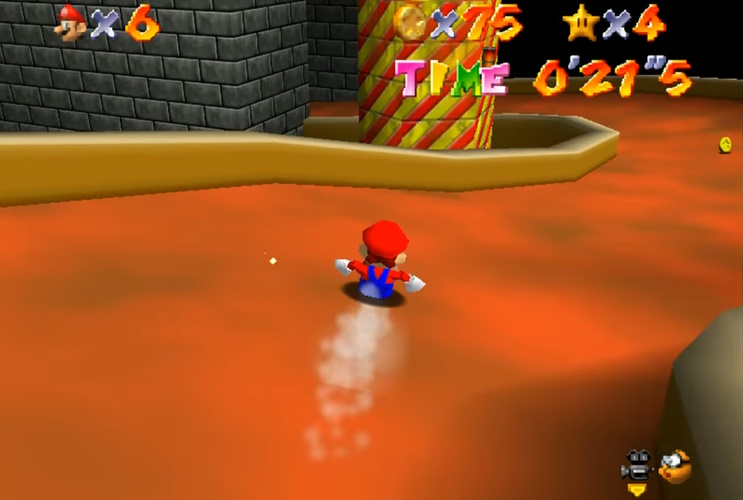
Ten more games I’d remaster (if I could)

A little while ago I looked at ten games from years past that I wish would be remastered and brought up-to-date. That list was fun to put together, but I ended up leaving off a number of titles that I had considered including. This new list will make up for that!

The same methodology applies as last time: more recent titles – which I’m defining as anything from this console generation or the one preceding it – are excluded by default. And the rest are games that I’ve personally played… albeit I haven’t touched most of them in years or even decades. Remember that this isn’t me saying that these games will be remastered. I’m just saying that, if I had unlimited resources, I’d like nothing more than to bring them up to date and give a new generation of players a chance to experience them.

Number 1: Super Mario Kart (SNES, 1992) and/or Mario Kart 64 (Nintendo 64, 1997)

I’d love to replay the classic tracks of the first two Mario Kart titles using the more modern engine used for Mario Kart 8. A few of the tracks from these two titles have reappeared in recent Mario Kart titles, but not all of them and the two games have never been remastered in their entirety complete with all of the tracks and the same roster of characters.

Super Mario Kart was one of the first games I bought for myself in the early ’90s; I think I’d played a demo of it in a shop and desperately wanted my own copy! Mario Kart 64 is probably my personal favourite entry in the series; it had such an amazing set of tracks. If you want to see some of the best racetracks from these titles and others that I think would be great for the next Mario Kart title, I have an article all about that. With 2022 being the 30th anniversary of the series – and with Nintendo’s love of anniversaries – they could certainly take that opportunity to bring one or both of these titles fully up-to-date!

Number 2: Space Harrier (Arcade, 1985)

On my first list I didn’t include any pre-1990 titles. Partly that’s because I haven’t played all that many games from that era, but partly because a lot of older games were rather basic. Space Harrier is undeniably in that category; it’s an on-rails shooter without any real story, the only objective is to shoot at aliens and creatures. But there aren’t many games like that in 2020, and perhaps with a major visual overhaul it could offer something different to players. The other option would be to take its main character, settings, and alien races and expand on them – turning Space Harrier from a run-and-gun shooter into something more like a story-driven action/adventure title in a unique sci-fi setting.

I never had the chance to play Space Harrier in a real arcade. The closest I got to that experience was playing it in Shenmue – that’s where I first encountered the title. But nostalgia is a big deal these days, and perhaps some people would be tempted to see a reworked version of this classic.

Number 3: Spirit of Speed 1937 (Dreamcast and PC, 1999)

Racing games are a lot of fun, and some modern titles do make an attempt to include older vehicles – classic cars from the golden age of motor racing. I could be wrong, but I don’t think there’s been another game like Spirit of Speed 1937, though, which was set in that era and exclusively featured pre-war vehicles.

I played the Dreamcast version of this game, and it was a lot of fun. It was also something wholly unique among racing games that were either fun but un-serious kart racers in the vein of the Mario Kart series, or modern-day racers and rally games featuring up-to-date cars. I believe that niche still exists today, and it would be a lot of fun to have a classic racer like this to fill it!

Number 4: Star Trek: Voyager – Elite Force

I’ve had an article in the pipeline for a while that I haven’t knocked into shape yet looking at the state of Star Trek video games. To make a long story short, while a number of them have been pretty good, practically none reached out beyond Star Trek’s preexisting fandom. Elite Force was different, and some fans of first-person shooters who didn’t give a hoot about Star Trek played and enjoyed the game when it released in 2000. Its multiplayer mode in particular was something gamers at the time appreciated.

Elite Force had a great single-player campaign too, which included down time in between missions where the player character – Ensign Munro – was able to explore parts of the ship. The story was perfectly Star Trek in its theme, and Voyager would even go on to use a vaguely similar premise for an episode called The Void which aired about six months after the game was released.

Number 5: The Elder Scrolls III: Morrowind (Xbox and PC, 2002)

It would have been hard to imagine in the 2000s, but there hasn’t been a game released in the Elder Scrolls series for almost a decade. Though Bethesda have promised us that The Elder Scrolls VI is in development, it seems years away. The company has remastered Skyrim several times and ported it to every platform under the sun, and while we continue to wait for The Elder Scrolls VI, why not bring Morrowind up to date?

Morrowind is undoubtedly my favourite game in the series. It massively expanded on previous entries, with a huge variety of quests and styles of play. It was possible to be a wizard, sneaky assassin, warrior, and all manner of other things. Beginning with its sequel, Oblivion, Bethesda actually began cutting content, and the most recent Elder Scrolls titles have far fewer NPCs, weapon types, factions, and so on. While we can argue about which game is “better” and get nowhere – such things are subjective, after all – for my money Morrowind offers players the biggest choice of things to do. It’s been eighteen years since I first played it, and I still haven’t completed every quest!

Number 6: Super Mario 64 (Nintendo 64, 1996)

I kept this title off my first list because there had been rumours floating around of a remaster being worked on. Sadly, as I noted when I looked at Nintendo’s lineup for Mario’s 35th anniversary, Super Mario 64 was only included in its original form as part of a bundle. But replaying this amazing game in the Super Mario Odyssey engine is something I really want to experience, and with the game’s 25th anniversary coming up next year, perhaps Nintendo will finally bring Super Mario 64 up-to-date.

I first played Super Mario 64 when it was released; it was the first Nintendo 64 game that I owned. I’m not sure if it was the first ever true 3D game I played, but it was certainly one of the earliest titles I got to enjoy that wasn’t 2D. It has a special place in my heart as “my” Mario game – I played the SNES versions of classic Mario titles, but even at the time they were “old” games, and Super Mario 64 was the first that I got to play when it was new.

Number 7: Medieval: Total War (PC, 2002)

Medieval: Total War is almost certainly my most-played game of the early 2000s. It followed on from the also brilliant Shogun: Total War, but took the setting from feudal Japan to the more-familiar western Europe. It was a game that was very easy to mod – I remember opening up the game’s files in Notepad and editing things like the year the game began, which factions controlled which province, and even the names of provinces! I loved the dual gameplay, which was unique among strategy games at the time – both a grand strategy game that required detailed faction management and real-time battles were present in the same title.

The Total War series is still going strong in 2020, and recent titles like Total War: Warhammer and Total War: Three Kingdoms are carrying the flag for the franchise on a massively improved engine. Medieval II: Total War did bring the series back to this setting in 2006, but even that game is rather outdated compared to the latest entries, and it would be amazing to see a remake of Medieval: Total War using the technology at the franchise’s disposal today.

Number 8: TimeSplitters 2 (GameCube, PlayStation 2, and Xbox, 2002)

Out of all the games I’ve ever played, TimeSplitters 2 may have the best ever multiplayer mode! It was certainly something that was a huge amount of fun to play on the original Xbox, with its goofy time-travel narrative taking players from Prohibition-era Chicago to futuristic Toyko and beyond. The TimeSplitters games were never going to be on par with other first-person shooter titles like Halo or the Call of Duty series, but the series had heart and did what it did incredibly well.

The recent remake of Destroy All Humans shows that there is a market for early/mid 2000s games with a sense of humour to be remastered, and I’d absolutely love to welcome back TimeSplitters 2 after all this time.

Number 9: The Simpsons: Hit and Run (Multiplatform, 2003)

Talk to anyone who was a gamer in the mid-2000s and I bet they’ll remember The Simpons: Hit and Run with a sense of nostalgia! I didn’t actually own this game for myself at the time (being a broke student) but a friend did and we played it regularly when I was at university. The game is basically a Simpsons-themed Grand Theft Auto-clone, playing on the popularity of that sub-genre in the wake of Grand Theft Auto III and Vice City, and while fans of Grand Theft Auto will find the more extreme violence of that series decidedly toned-down and cartoonish, it’s a solid game nevertheless.

Recent games have steered away from tie-ins with films and television shows, and the days of a big-budget game based on a popular series are all but gone. There was a time when many popular titles got video game adaptations, and while as a whole tie-in games picked up a (not undeserved) reputation for being pretty poor, there are some real gems too. The Simpsons: Hit and Run is absolutely one of them!

Number 10: Operation WinBack (Nintendo 64, 1999)

Despite languishing in relative obscurity in 2020, Operation WinBack – known as WinBack: Covert Operations in the United States – is an incredibly influential title. Doom was the father of the first-person shooter, and similarly Operation WinBack is the instigator of the cover-based third-person shooter genre. Titles like Gears of War and Mass Effect would not exist without Operation WinBack, and while its cover system – which was so unique at the time it debuted – is now a standard feature, there are still plenty of reasons to bring back this fun spy adventure.

Operation WinBack had a good story, one that would be at home in films like the Mission: Impossible or James Bond series. 2016’s Doom has proved that there’s an appetite among gamers for going back to the roots of established genres, so it could be time to return to the world of Operation WinBack.

So that’s it. Ten more titles that are – in my opinion – worthy of a remaster in 2020. Will any of them ever get one? Let’s just say if I were a gambler I wouldn’t put any money on it! Well… maybe one or two? Some of the biggest companies in the games industry have recently put lots of money into remakes and remasters, and some games that I’d never have expected – like Destroy All Humans and Command and Conquer – have been brought up-to-date. So there’s a chance. There’s always a chance!

Though several of these games are undoubtedly out of print, each one is worth playing in its original form if you’re able to track down a copy, and even though it’s been years or decades since I got to play some of them, I recommend every title on this list!

All titles listed above are the copyright of their respective developers, studios, and/or publishers. Some screenshots courtesy of IGDB. This article contains the thoughts and opinions of one person only and is not intended to cause any offence.
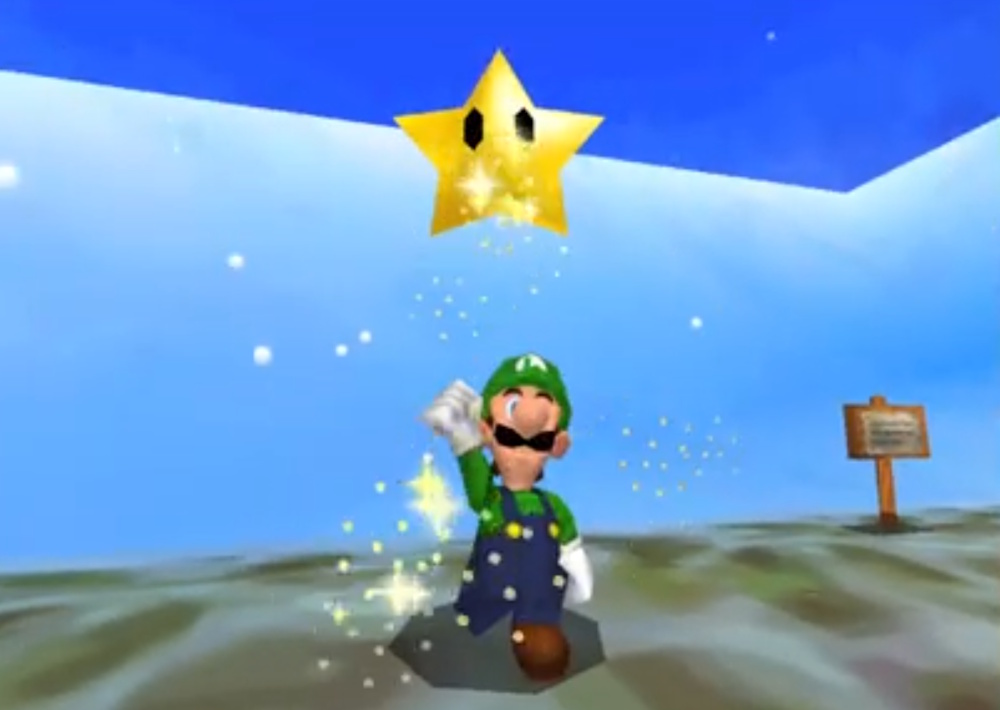
I didn’t buy Shenmue III

I was a huge Shenmue fan back in the Dreamcast days. I played both the first and second instalments many times over, and I loved the modern, real-world setting, and the cinematic storytelling. Before I played Shenmue, my experience with video games was limited mostly to 2D titles on the SNES and Sega Mega Drive, and while I had played 3D games before on the Nintendo 64, most of those were titles like Super Mario 64 or Donkey Kong 64, neither of which you’d describe as particularly story-driven, cinematic, or realistic. My favourite N64 games, by the way, outside of Super Mario 64, were probably Star Wars: Shadows of the Empire and Jet Force Gemini, both of which managed to have decent stories. But I digress.

Shenmue represented a colossal leap in gaming for me, showing me that video games were more than just digital toys and could tell stories that would be equally at home on the big or small screen. And Shenmue was a genuinely groundbreaking game in many ways. Its large world, with short transitions between areas, was as close as it was possible to get to an open world in 1999. Characters felt real, they had jobs, they had schedules, their place of work was open during some hours of the day and closed in others. Almost every shop and restaurant in the game was accessible, even if many of them played little or no role in the main story. It was possible to spend hours and hours just walking around town, soaking up the atmosphere, talking to people, and yes, playing mini-games. To call the mini-games “mini” is a bit of a stretch, because contained within Shenmue were two full games of the 1980s – Space Harrier and Hang On – as well as a darts game and two QTE games. This alone was enough to draw me in. I spent hours playing Space Harrier and Hang On, first at the in-game arcade, and later when I realised it was possible to win copies of the games to play at main character Ryo’s home (on an anachronistic Sega Saturn), I tried to do that too.

Promo image for Shenmue.
Key art for Shenmue.

While we’re talking about QTEs or quick-time events, Shenmue was the game that invented them. While QTEs get somewhat of a bad rap nowadays, thanks I’m sure to their misuse and overuse in other titles, in Shenmue they added a sense of tension and drama to what would’ve otherwise been a simple cut scene. Shenmue had even found a way to make its cut scenes interactive, and again that was a huge deal in 1999 and one I really came to enjoy. It kept the gameplay going during those moments. Sure, there were still cut scenes (a large number of them) but the QTE sequences were something new and exciting, and because you had mere seconds to respond, added a great deal of tension to the sequences in which they appeared.

Shenmue described its world in the manual as F.R.E.E – “Full Reactive Eyes Entertainment”. For some reason I still remember that two decades later! It was the term for describing an open world before anyone had invented the name “open world”. And though Shenmue‘s world may seem small in comparison to some titles today, it really did let you do a lot.

Concept art of Shenmue protagonist Ryo Hazuki.
Concept art of Ryo.

It’s easy to understate nowadays just how much the game fitted into its four Dreamcast GD-ROM discs: there was walking/exploration, fighting, QTEs, driving (both a forklift and motorcycle), examining both the environment and objects in first-person, mini-games and arcade games, fully-voiced characters, a day/night cycle, randomised weather patters (and day-accurate weather for that region of Japan based on real-world weather data) which included snow, rain, overcast, and sun, and other elements which I’m sure I’m forgetting.

For its day, Shenmue was incredibly ambitious, and while the finished product might not appeal to everyone (I’ve heard some describe its slow pace as “boring”) it blended together all of those elements successfully into a single experience that really felt like a real, lived-in world. No other game before had come anywhere close to this, and I was awed by what I was playing.

Screenshot of Shenmue showing a harbour security guard.
A guard at the harbour.

Some aspects of Shenmue and Shenmue II have not aged well, and it’s worth admitting that up front. The controls for the fighting sequences are essentially taken straight from the 2D beat-em-ups of the early- and mid-90s, complete with complicated multi-button combos, and don’t translate well to a fully 3D game. I would often find Ryo flailing around, swinging kicks and punches at mid-air because an opponent had moved to one side or the other. And the lack of a difficulty option is noticeable nowadays, especially speaking as someone with health issues who usually will play games on whatever the easiest setting is!

The controls, even on last year’s remaster, are clunky and awkward by today’s standards. I lost count of the number of times Ryo would get stuck halfway up a staircase because there was no fine control, or how he would find it difficult at times to successfully navigate a doorway. Much of the recorded audio in the first game is also of relatively poor quality, and on a decent set of speakers or a soundbar today sounds like listening to an amateur YouTuber who’s just upgraded to their first $15 microphone.

Promo image for Shenmue I/III showing Ryo with his fists raised.
Ryo Hazuki.


But despite these criticisms, when I replayed the games last year, for the first time in well over a decade, nostalgia hit and I was really enjoying myself again.

So why haven’t I bought Shenmue III now that it’s finally out?

It’s been eighteen years since I left Ryo in a cave in China, and as a huge fan of the first two games, I should’ve been first in line on day one to pick up the third title and resolve that cliffhanger. But I wasn’t. Shenmue III has been out for a few weeks now, and I still haven’t picked it up either on PC (my primary gaming platform) or PS4. As the third part of a game which was all about a single story, Shenmue III was unlikely to pull in a lot of new players, which means it really needed older fans of the games, or people who’d become fans by playing last year’s rereleases, to step up and buy in. And while early sales put Shenmue III somewhere in the top ten PS4 titles in its launch week, it doesn’t seem to have sold like hotcakes.

Still frame of Shenmue II showing Ryo and Shenhua in a cave at the end of the game.
This is where I left Ryo’s story all the way back in 2001.

That matters because if the game doesn’t sell enough copies for the likes of Sony and Epic Games (both of whom pumped money into the title well above its $7m that it earned from Kickstarter) how will it get a sequel? But wait, isn’t Shenmue III the sequel I’ve been waiting eighteen years for? Nope. Because it doesn’t conclude Ryo’s story.

I genuinely don’t understand how Yu Suzuki and company could have made such a monumentally bad decision. Shenmue as a series was as dead as dead could be. And it died because it was a failure. It managed to have a very vocal fanbase, but that fanbase was tiny. Only around 100,000 people bought Shenmue II in 2001, a drop-off of more than 90% from the 1.2 million players who bought the first game. And Shenmue lost an insane amount of money for its companies. The reason Sega was totally happy to part with the rights to the franchise in 2013/14 is because they knew then that it would never make them any money. So when Shenmue fans raised a whopping $7 million in 2014 to make a third instalment, Yu Suzuki and his team should’ve recognised what a miracle that was. Finally, after all these years, the story could be complete.

Kickstarter's 2019 logo.
Shenmue III was backed by thousands of fans on Kickstarter.

But Shenmue‘s story, which had been planned out in 1999, was supposed to take place over multiple games, five, six, perhaps even seven titles being necessary to complete all sixteen “chapters”. The first game, by the way, contained only the first chapter, with chapter two taking place between games in comic book form, and three, four, and five encompassing the second game. So on the one hand, Ys Net – Yu Suzuki’s studio responsible for making the third game – had raised $7m to make another game, while on the other hand still having perhaps ten or eleven chapters remaining.

The sensible thing to do would’ve been to make cuts. Whole sections of the story could’ve been cut out, or alternatively released as novels or comics. And Shenmue III, so eagerly awaited by fans, could’ve rounded out the story and given Ryo the conclusion we’ve all been waiting for. It didn’t have to be a perfect ending by any means, but it did have to be an ending, because the chances of getting lightning to strike twice and being able to make another Shenmue game after this one were always slim to nonexistent.

And that was before Ys Net managed to upset many of their core fans with delays and the now-infamous Epic Store exclusivity deal on PC.

Promo screenshot for Shenmue III showing Ryo on a forklift.
Ryo driving a forklift in a promotional screenshot.

When that news broke last year, that Shenmue III wouldn’t complete the story, I was gobsmacked. I’d never imagined that they’d make such a horrible decision, and while I’d avoided donating to the project when it was seeking crowdfunding (as I do on principle for every project – I just don’t have the money to waste) I was certainly planning to pick up a copy when it released. But upon learning that the story wouldn’t draw to a close, I became increasingly sceptical of Shenmue III. For me, the worst possible outcome would be getting drawn back into that world, only to be left on another cliffhanger like I was in 2001. With slim prospects of a sequel any time soon, that would be like reopening an old wound.

And under those circumstances, it might be better to wait and see whether a sequel can be developed before deciding. At the end of the day, I don’t want to waste my time on another incomplete game. And you can bet your boots if Shenmue III doesn’t get a sequel, in another fifteen years there won’t be anyone around willing to stump up crowdfunding cash to try. It’s now or never.

Screenshot of Shenmue showing Ryo in Dobuita in the snow.
Ryo with Santa Claus in Dobuita.

If Yu Suzuki couldn’t bring himself to make significant cuts and changes to the story to get it to fit into a single release, someone else needed to be brought in to make those changes for him. Realistically, this was probably Shenmue‘s only chance to conclude its story and Ys Net blew it.

As a fan from the Dreamcast era, I’d rather leave Shenmue there, an incomplete masterpiece, sadly unfinished, rather than drag it into the modern era where it would become a still-unfinished game and a colossal disappointment. I hate becoming jaded, bitter, and negative about a series I used to really love. But I just can’t understand the decision-making that led to this. And I’m so very disappointed that still, eighteen years on, Ryo’s story is unfinished. They had a golden opportunity – handed to them by the fans – and they didn’t take it. If Shenmue III is disappointing for any reason, it’s that. And I honestly don’t know whether I want to bother with it again, because right now Shenmue IV seems like a very unlikely prospect. It’s disappointing to have waited so long only to get another unfinished story.

Sorry Ryo, but I think you’re on your own.


Shenmue III is out now on PC and PlayStation 4. Shenmue I & II are available on PC, Xbox One, and PlayStation 4 as a single title. All copyrights are owned by Ys Net, Sega, Epic Games, DeepSilver, and Sony. This article contains the thoughts and opinions of one person only and is not intended to cause any offence.
Article edited in November 2024 for formatting and to add images. Some images courtesy of Shenmue Dojo and IGDB.