Spoiler Warning: Beware spoilers for Shenmue and Shenmue II.
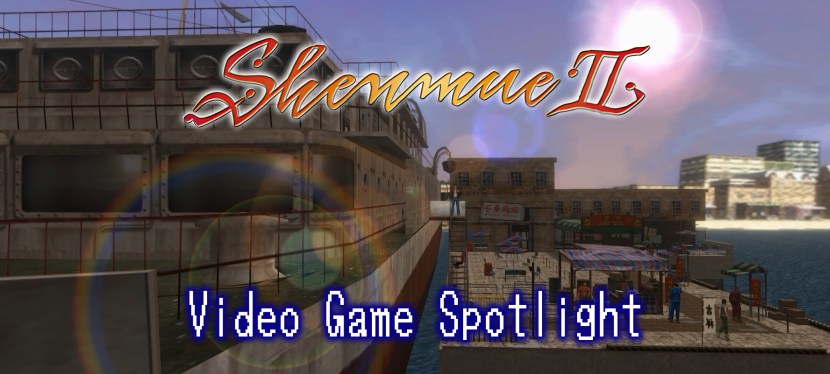
Happy twenty-fifth anniversary to Shenmue II!
The sequel to my favourite game of the Dreamcast era came along in September 2001, less than two years after Shenmue’s launch in Japan – and less than a year after the game launched here in the UK. By this point, though, it was already clear that the Dreamcast was on its last legs; Sega had announced earlier in the year that the Dreamcast would cease production.
Having been developed alongside the first game, Shenmue II was largely complete, and I guess there was a hope that launching the game would help Sega recoup at least a percentage of the money that had been spent on one of the most expensive titles of all-time. But you know the outcome by now: Shenmue II didn’t do anywhere near as well as its predecessor – selling, by some estimates, as little as 10-15% of the 1.3 million copies that the first game managed. An Xbox port, which launched just over a year later, did a little better, though… so at least there’s that!
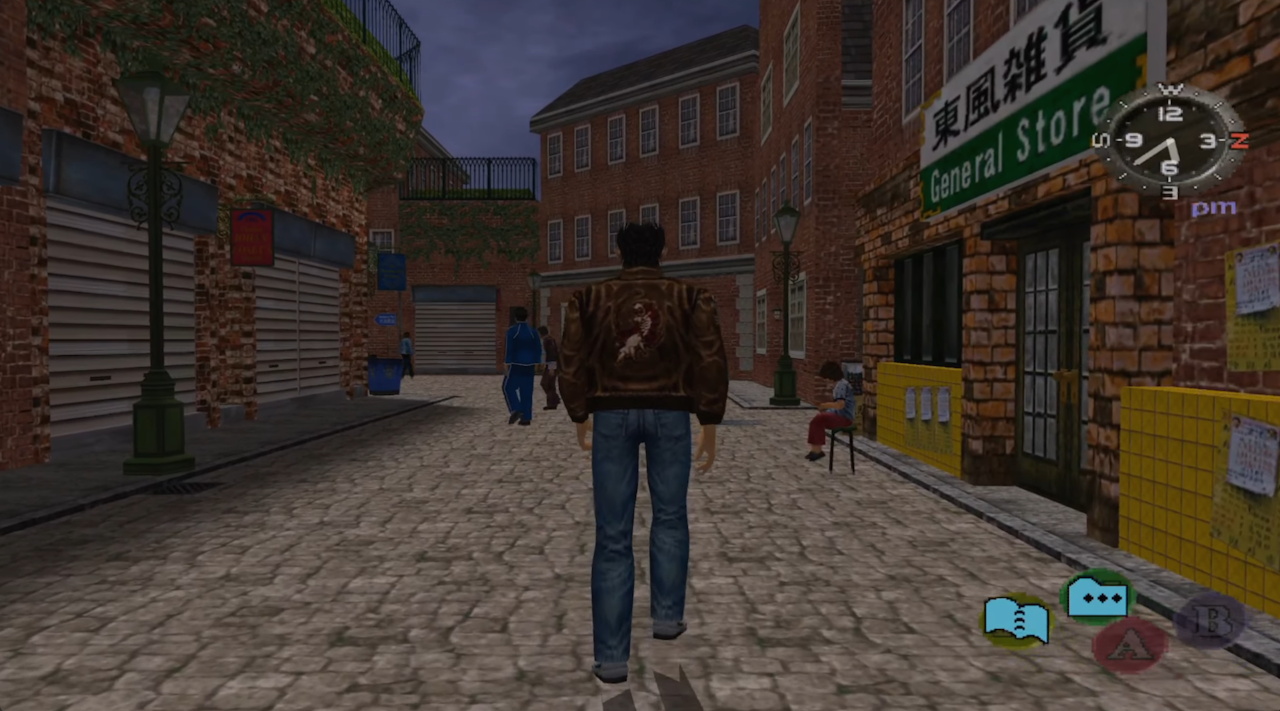
I picked up Shenmue II for the Dreamcast pretty much as soon as it launched. Even though I knew the Dreamcast was on the way out, I still really wanted to dive into the next chapter of what was, at that point, my favourite video game ever! And my first impressions of Shenmue II were very positive. Here was the next part of Ryo’s story, which took him far from home to the shores of Hong Kong.
By the time I played Shenmue II, I must’ve gone through the first Shenmue at least five or six times. It really was my absolute favourite game at that moment; a title that utterly transformed my relationship with gaming as a whole and showed me a glimpse at what the future of the medium could look like. I’d played Shenmue almost incessantly since picking it up in December 2000, so I was intimately familiar with Yamanose, Sakuragaoka, Dobuita, the Yokosuka harbour, and Ryo’s family dojo.
That meant, when I sat down to play Shenmue II nine or ten months later, that I really *felt* the sense of stepping away from the familiar and leaping into the unknown – just as Ryo was doing. Because I’d spent so long wandering the streets of Japan with Ryo, getting immersed in that world, buying toys, going to the arcade, and getting home in time for Ryo’s curfew… going to Hong Kong really felt like I was leaving “home” behind and striking out in a completely new place. I don’t think that feeling would’ve hit me in quite the same way had I only played Shenmue once; it really took that familiarity from repeat playthroughs to make stepping into Hong Kong feel quite so odd and… different.
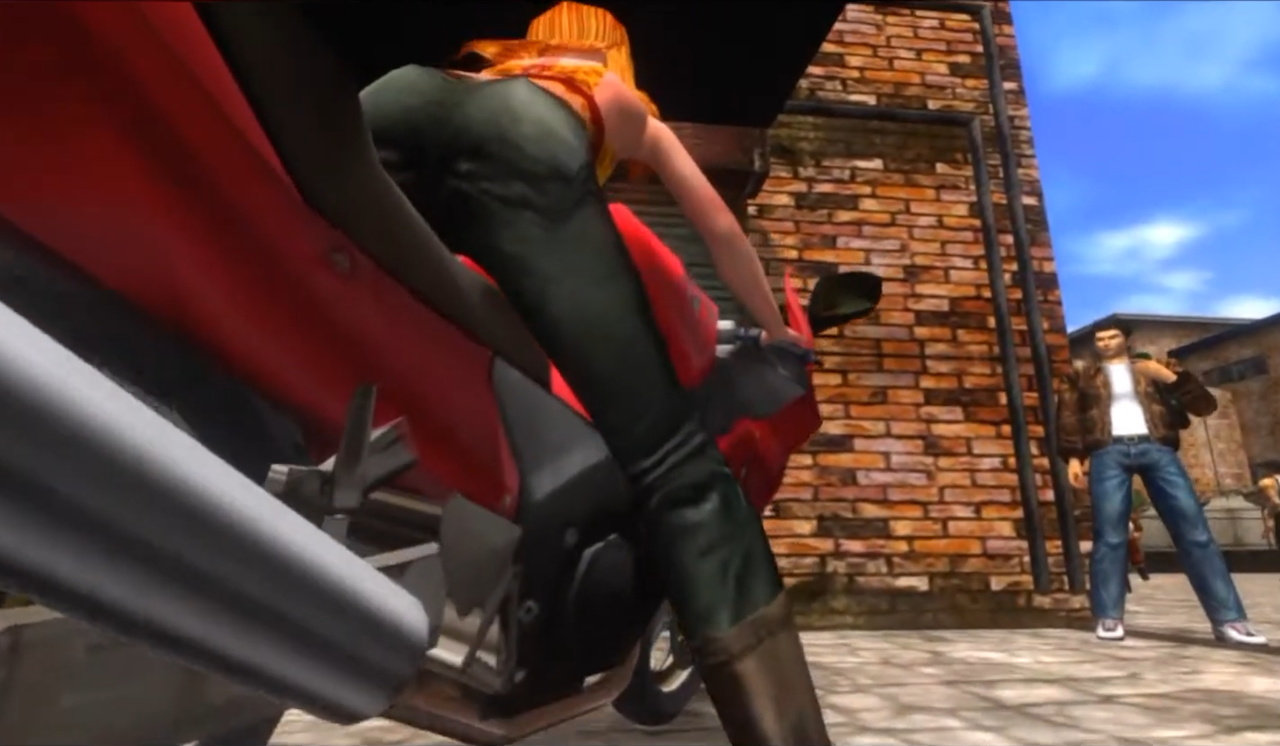
Although the gameplay is very familiar – thanks to being developed alongside the first game, by the same team, and for the same hardware – the setting of Shenmue II feels very different to the Yokosuka area that I’d become so at home in. Gone were the friendly neighbours and locals; people Ryo had known since childhood and regularly stopped to chat with. And in their place? Strangers, scammers, criminals… and a mysterious girl on a motorbike!
Those first moments of stepping into Hong Kong felt tense, but also adventurous. I can vividly recall the first steps Ryo took along the Aberdeen harbour, rucksack still on his back, making his way into this strange, new place. The bedroom I’d become so familiar with was gone, replaced by a cheap flophouse by the harbour, and then… just when I thought I was beginning to find my feet after visiting a few of the shops and bars, Ryo got his bag stolen!
The opening act of Shenmue II really was intense.
The first Shenmue had quite literally redefined my relationship with gaming as a hobby. At a time when I might’ve begun to drift away as my life got busier, Shenmue came along and showed me what games in the 2000s could be; these intense narrative experiences that would be right at home on the big screen. Shenmue II didn’t feel as revolutionary, in that sense, because I’d been sitting with the first game for months already, and I’d already fully absorbed that transformation. But it was really only the second game I’d ever played to fully embody that style – the “F.R.E.E.” proto-open world thing.
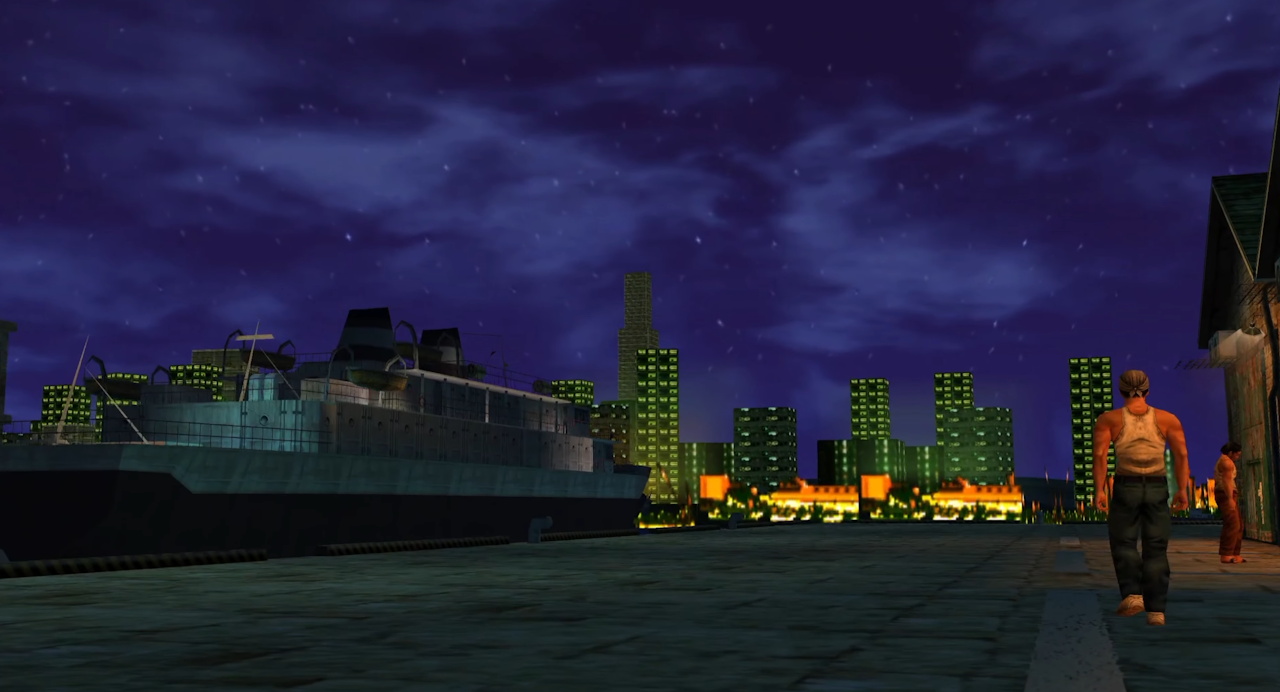
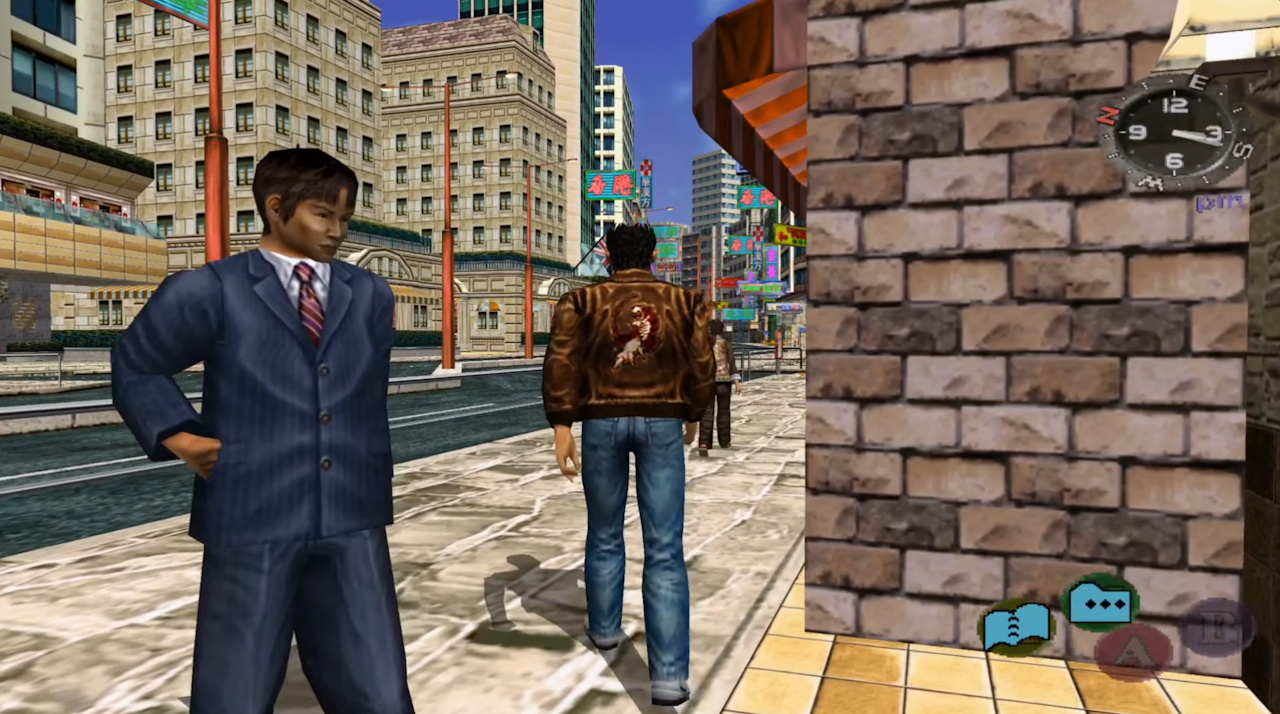
Shenmue II’s Hong Kong felt densely-populated, even compared to the first game’s slice of Japan. Once Ryo got out of the harbour area and into Wan Chai, there were people *everywhere*, and even if most of them only had one or two lines, what was cool was that you could approach and try to talk to all of them. As in Shenmue, shops and restaurants that you had no need to visit and didn’t serve any narrative function could be entered at will and explored, and there was so much going on in Hong Kong’s cramped streets that the world felt *alive* in a way that, even today, many game worlds just… don’t.
I felt like there was a bit more diversity of environments in Shenmue II compared to the first game, too. While you really only got the rural area right at the end, each of the areas of the city felt distinctive – some were more modern, others clearly older and more run-down. The harbour had beautiful views across the water; the city streets were so built-up and vertical that you couldn’t see very far. There were luxurious hotels and arcades in some areas, literal ruins or people living on boats in others.
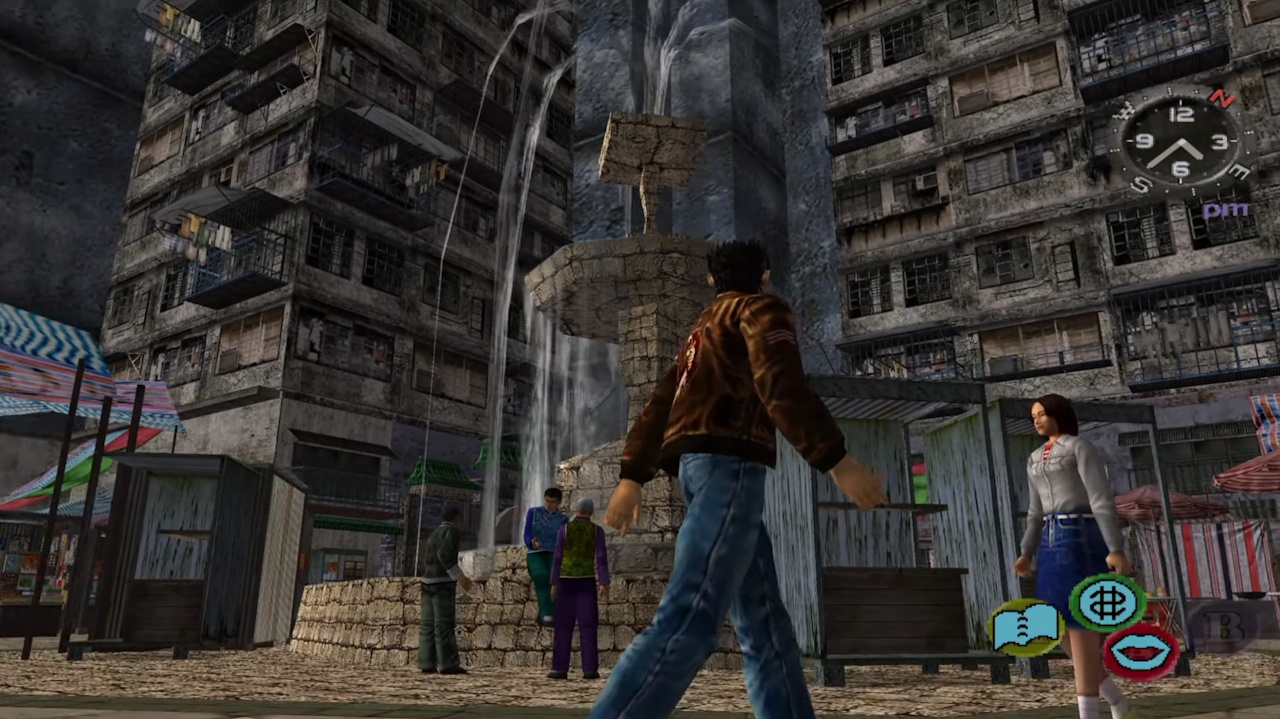
Shenmue II also captured a moment in time. The Hong Kong of 1987 is very different to how it was even when the game launched; the handover in 1997 changed a lot for the city and its people, as did the clearing of the Kowloon Walled City. By the time Shenmue II launched, the way of life that some of the game’s characters had was already gone… and that’s something that I didn’t feel from the first game in the same way.
When Shenmue launched, I was engrossed by its Japanese setting – but also, I genuinely enjoyed playing through a depiction of the real world in the (almost) modern day. I didn’t see Shenmue as this ’80s nostalgia-fest – which I think you’d definitely get a lot more of if the game had been made in the 2020s. But because Hong Kong changed so much in the years between the game’s setting and its launch, it feels like it captured a piece of history, really – a world that just didn’t exist any more. And that’s a bit of an odd feeling, too, even if I couldn’t quite put my finger on it all those years ago.
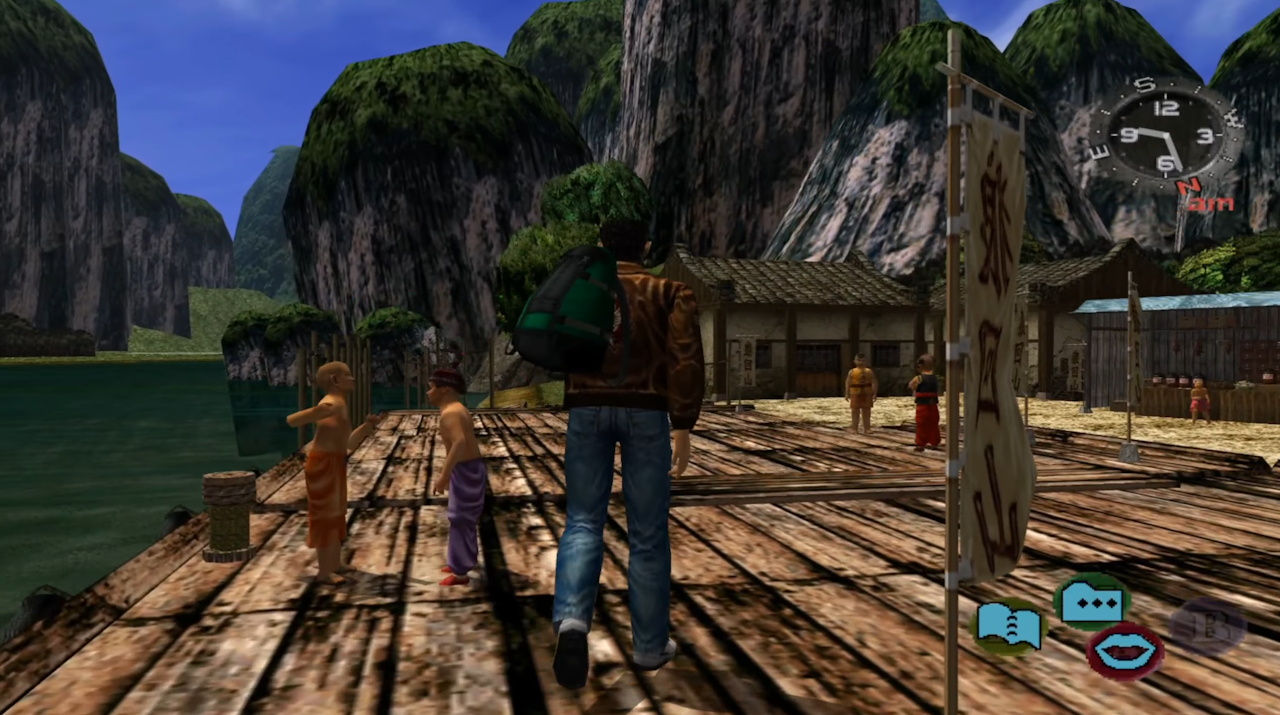
Gameplay-wise, Shenmue II does what any good sequel should: it keeps what worked and expands upon it. The game plays similarly to its predecessor, with collectables, QTEs, mini-games, martial arts moves, and combat – but some of these elements feel more refined, or at least different. You don’t get to drive a forklift, but you can work a part-time job. You can gamble, buy and sell capsule toys, and make money. Money is arguably *more* important this time around – not only does Ryo need, for parts of the game, to pay for his lodgings, but there’s no pocket money from Ine-san to top up his wallet, and there are a couple of points where Ryo needs a certain amount of money to progress the main story.
Quick-time events have developed a bit of a reputation with some players in the years since Shenmue launched, and as the first game to popularise the mechanic, I think these games get a bit of a bad reputation. You have to try to cast your mind back to 2001; quick-time events took what would’ve been cut-scenes and found a way to make them interactive. This was revolutionary at the time, and even if some games have overused or misused QTEs over the last quarter of a century, I’ll always give Shenmue and Shenmue II a pass when it comes to their inclusion.
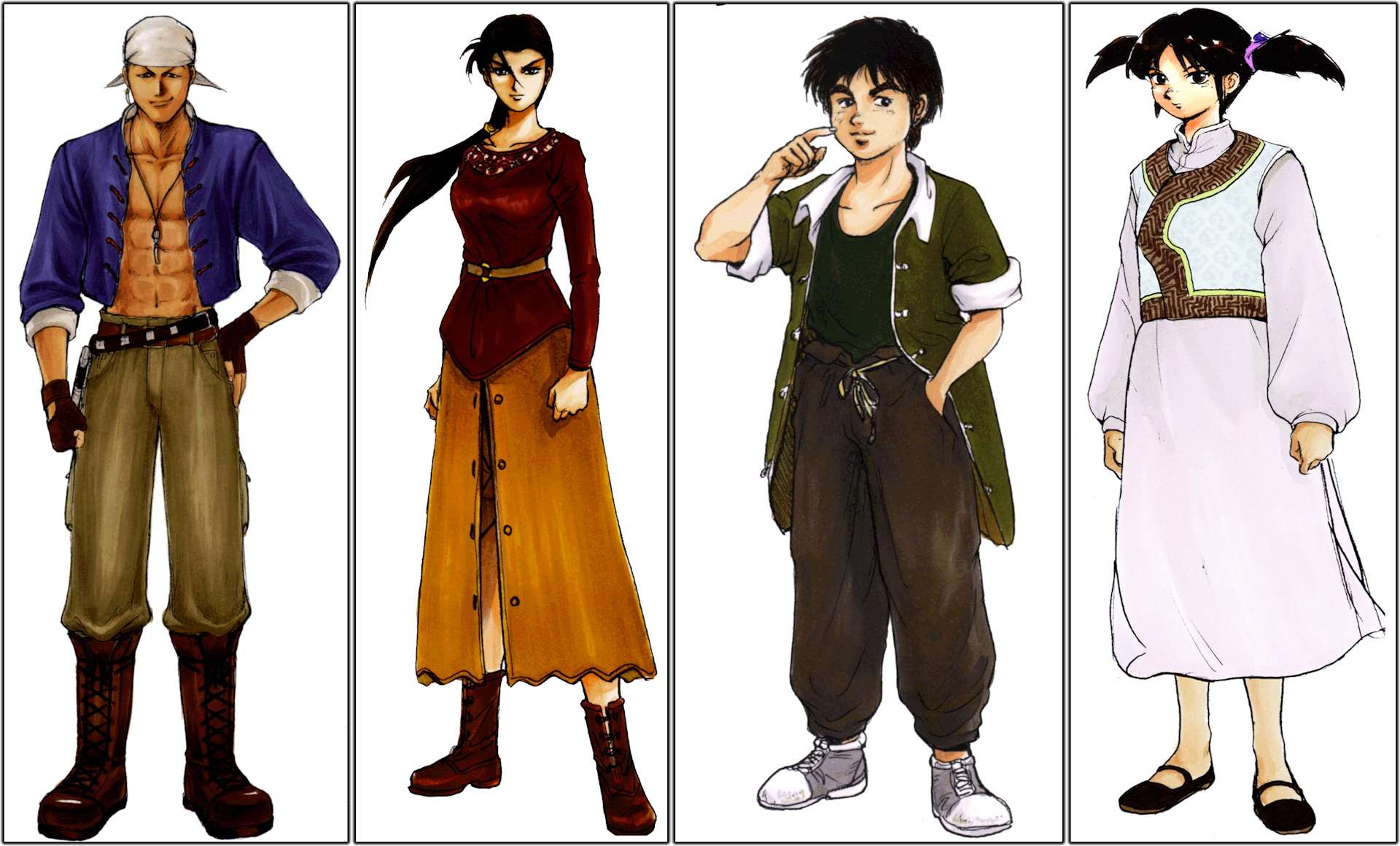
Shenmue II expands the series’ roster of characters. Ryo makes friends and allies in Hong Kong – Xiuying and Ren being, perhaps, the most noteworthy. The characters are diverse – Ryo can befriend younger characters, like Wong and Fangmei, as well as people his own age, like Ren and Joy, and even meet older folks like Guixiang and Jianmin. There are some incredibly memorable characters that Ryo will meet on his journey, and when it’s time to say goodbye to some of them… well, even all those years ago, I can remember how bittersweet that felt. Like, it was great to be progressing through the story – but sad that the likes of Xiuying couldn’t come along for the next chapter.
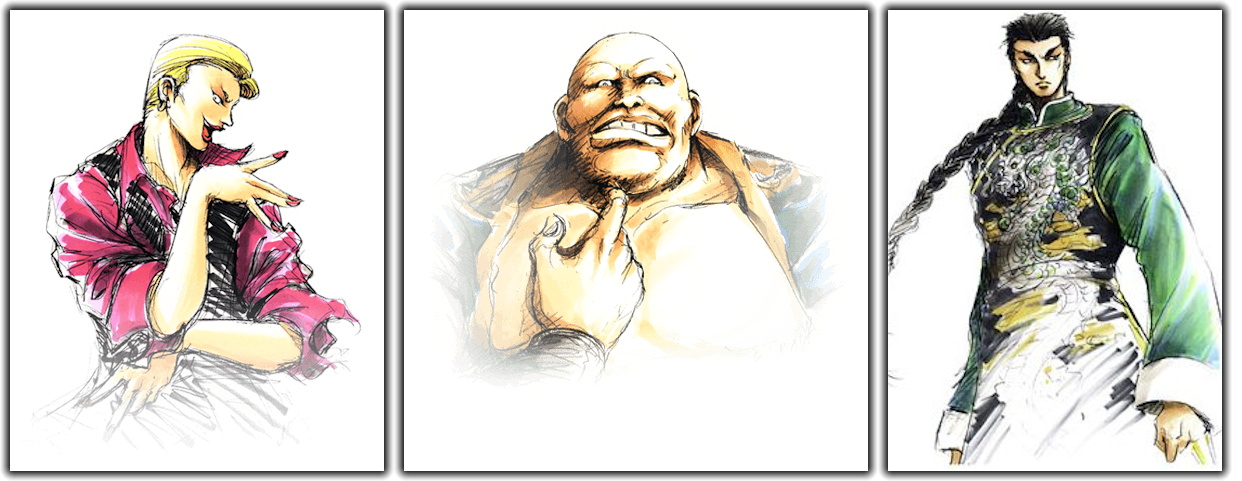
There are also some great villains and anti-heroes. I’ve already mentioned Ren and Wong; both characters get off on the wrong foot with Ryo, but become more friendly as the story unfolds. In terms of bosses and baddies, the one that sticks in my mind is the game’s biggest boss – figuratively and literally – Dou Niu. I remember that fight being incredibly difficult back on the Dreamcast, but the reward of beating him and advancing to the final part of the story was just… indescribably fantastic!
Shenmue is a game I’ve always associated with the winter time and festive season; the first game takes place in December, and at points, there’s even some explicitly Christmas theming that you can encounter. But Shenmue II has more of a springtime flavour, I guess, although I wouldn’t say it’s quite so intensely tied to one specific moment in the year in the way its predecessor is. As in the first Shenmue, it’s possible to run out of time – though you almost have to deliberately choose to trigger the game’s bad ending, because both Shenmue and Shenmue II are pretty lenient when it comes to timing and running out the clock.
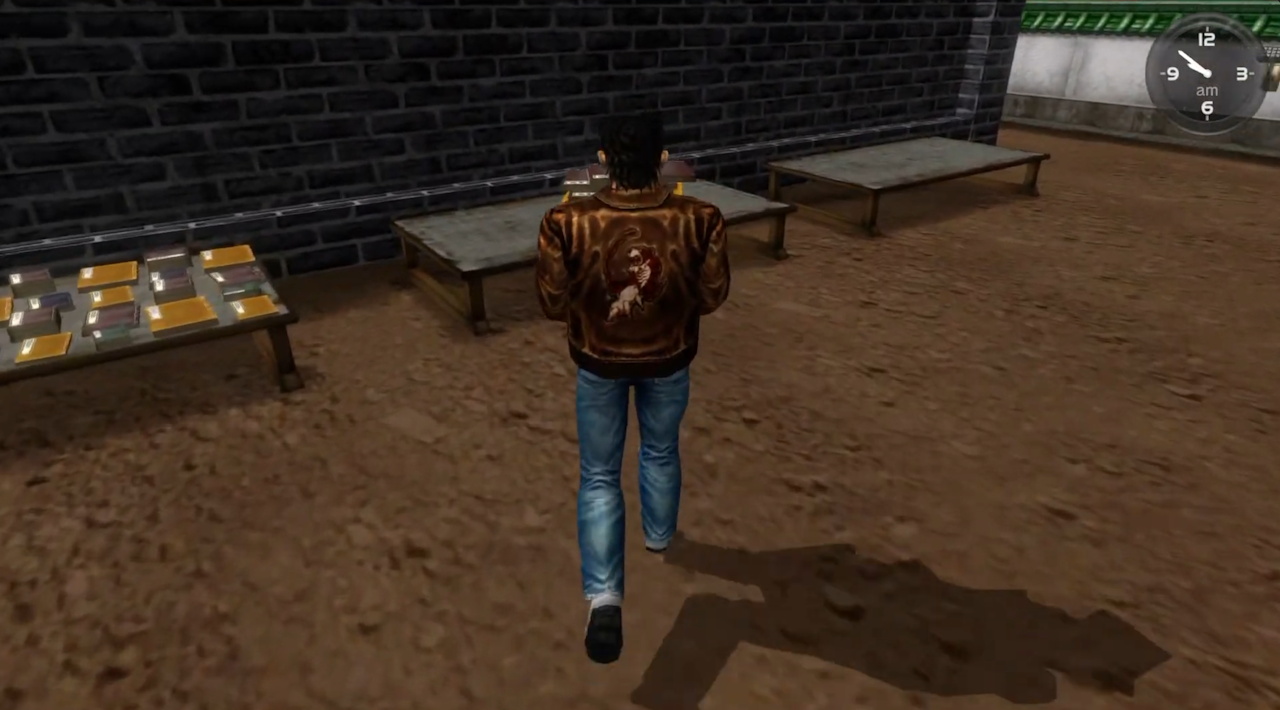
Ryo’s quest for revenge still feels just as relatable as it had in the first game, and it remains his driving force. But the story is incredibly well-written, and Ryo is challenged in his assumption that he can simply track down the murderous Lan Di and enact his revenge. Ryo has to learn patience – as exemplified by the book-carrying and leaf-catching mini-games that I just *know* some fans of faster-paced action games despise! But there’s more to Shenmue II than mindless action; the game’s story leans into the idea that Ryo isn’t ready for the challenge ahead, and that he needs to take time to slow down, hone his skills, and build up to that climactic confrontation.
It’s just such a shame that the Dreamcast’s demise meant that the story couldn’t be continued in the way it should’ve been. It’s also disappointing that, when a reprieve was belatedly granted and Shenmue III finally entered production… well, it wasn’t the ending that it should’ve been.
But this isn’t a forum to debate Shenmue III, is it?
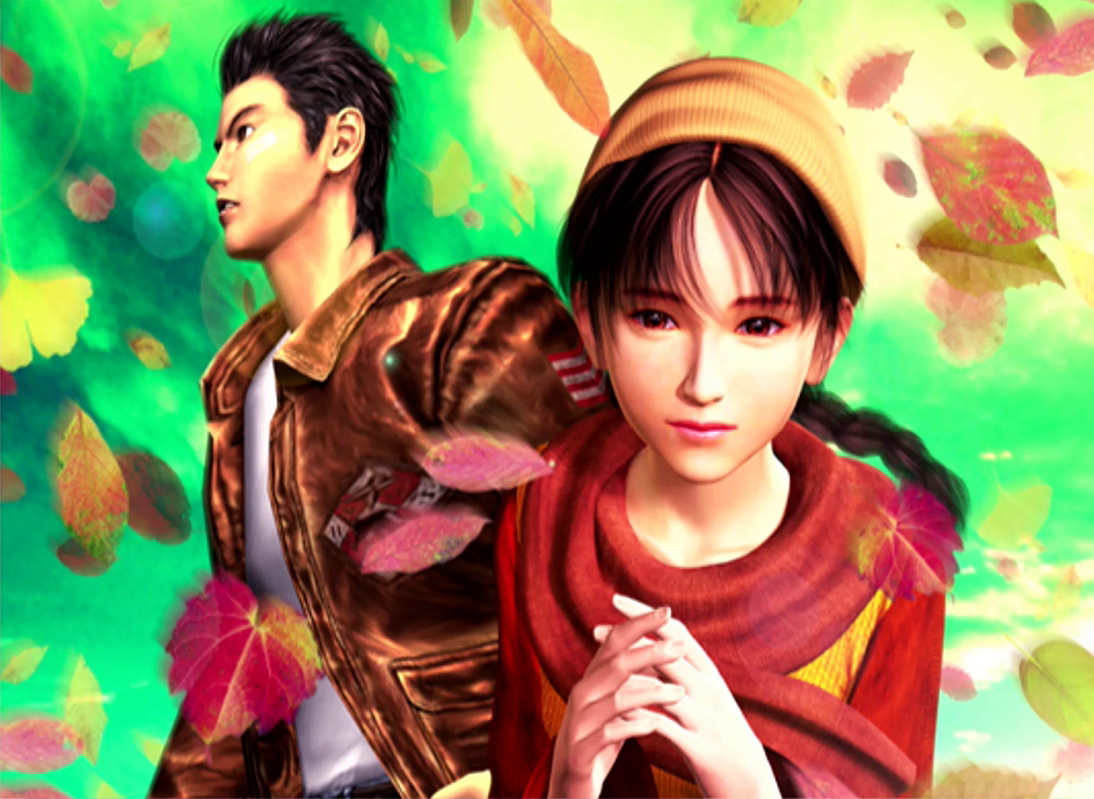
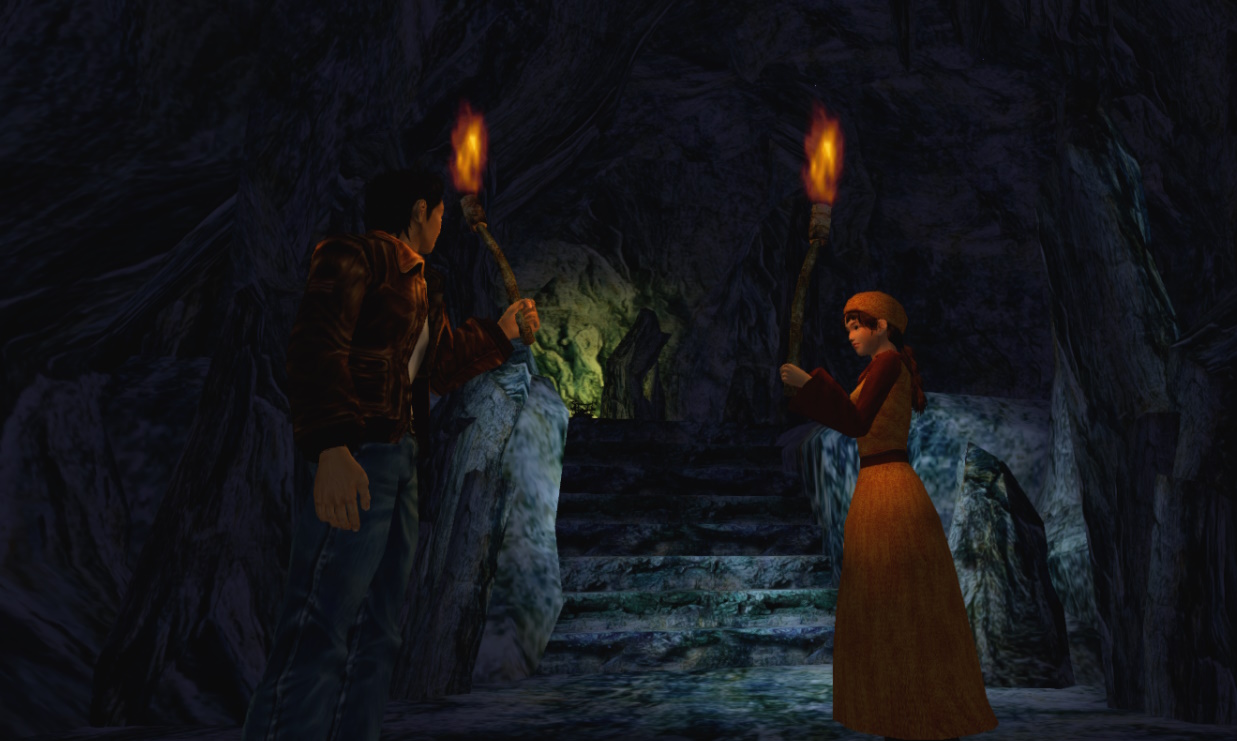
To get back on topic, Shenmue II did exactly what I hoped it would do in 2001: it expanded the story, took Ryo to new places, introduced him to new friends and new enemies alike, and began to unravel some of the mysteries that the first game had so expertly set up. Many questions weren’t resolved by the time the credits rolled – and, in many ways, leaving Ryo and Shenhua in a mysterious, otherworldly, and magical cave felt like a cruel cliffhanger! But the way these storylines advanced felt satisfying at the time.
Because I played Shenmue II on the Dreamcast, there was no English audio available. And I think I’m remembering correctly when I say that this was the first time I’d played any game in Japanese. I know absolutely nothing of the Japanese language, of course – though with subtitles, the game was perfectly fine to play! But I wonder if that experience of playing the game in Japanese changed how I think about Shenmue II. In some ways, it probably meant I had to concentrate a little more; relying on subtitles meant I couldn’t look away, even for a second, lest I risk missing something important! On the other hand, I think that language barrier was another reason why Shenmue II’s world felt just a bit more different and “alien” than the first game’s had.
I don’t object to non-English media, of course, and Shenmue II was almost certainly the first video game I played that didn’t have an English translation. I guess folks from other countries are laughing at that; if your first language is anything other than English or Japanese, chances are a lot of games you were playing in the ’90s and into the 2000s weren’t in your native tongue! But for me, as someone who grew up in the UK and speaks English, that was just another thing that made Shenmue II a little… different.
Looking back on it now, a quarter of a century later, I don’t think Shenmue II is quite as big or revolutionary a title as its predecessor. But it continued and expanded on that wonderful story – and I really do wonder why so many people who played the first game didn’t come back for the sequel. Was it just the Dreamcast having already been cancelled? Were people – especially in Japan – already moving on to new hardware? Or was the first game even more of a niche thing than I appreciated back then? I guess the answer is a combination of those things, as is often the case!
Perhaps it’s because I played the first Shenmue over and over, but I feel the first game has more memorable locations than its sequel. There are places in all of Shenmue’s main areas that just stick in my mind or that capture a very specific kind of atmosphere. The cafe at the harbour, the car park in Dobuita, the candy store in Sakuragaoka, the arcade, and so on. Shenmue II, in contrast, has some absolutely beautiful and well-crafted locations, but I don’t think as many of them are “iconic” in the same way.
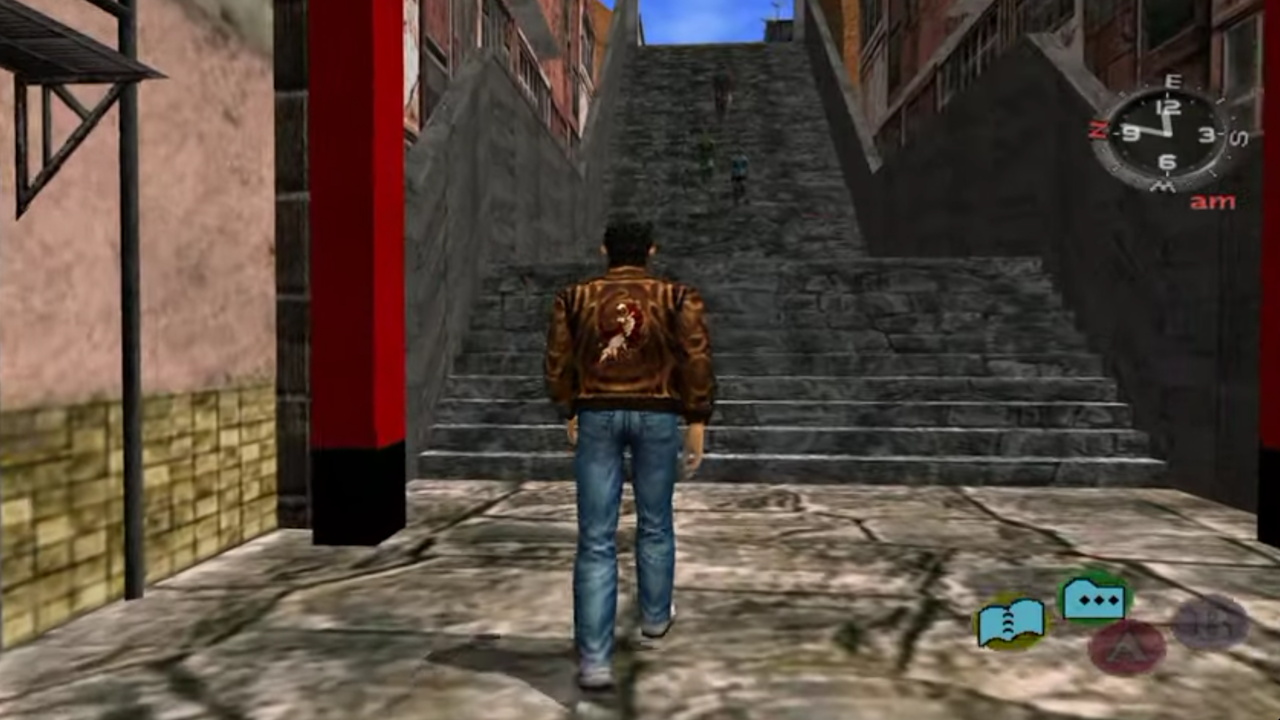
However, I’d also say that Shenmue II has by far the better character roster. Ren, Xiuying, Dou Niu, Wong, Fangmei, and more are all absolutely fantastic, deep characters, and compared to the first title… I just think Shenmue II takes the win on that front! That’s not to say that any of the first game’s characters are “bad,” but the way the story unfolds and these characters are introduced more naturally just gives the second game the edge.
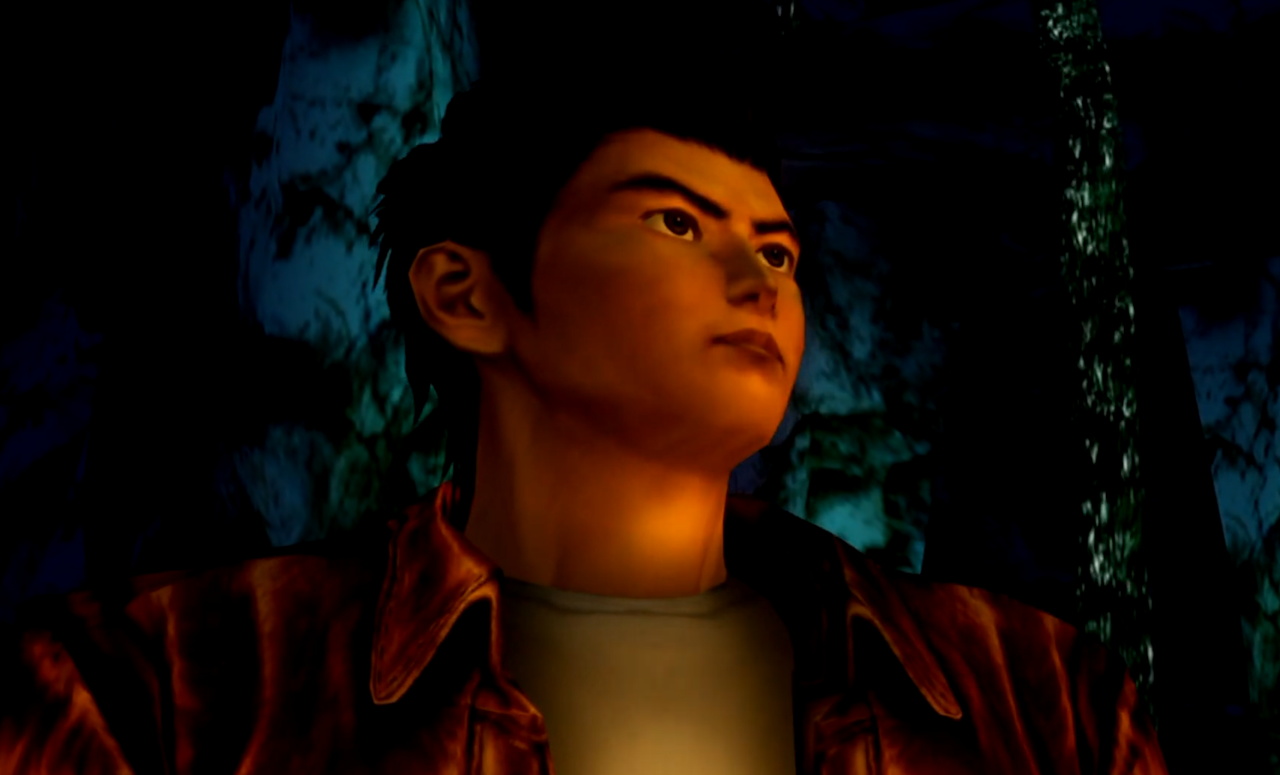
There are some very memorable moments in Shenmue II. Obviously, visiting the mysterious cave in Guilin has to be among them; this was, for more than eighteen years, as far as Ryo’s story got. Moreover, it was the moment when this grounded story of revenge set in a realistic, modern-day setting took a turn in more of a fantastical direction. And that was truly an interesting development!
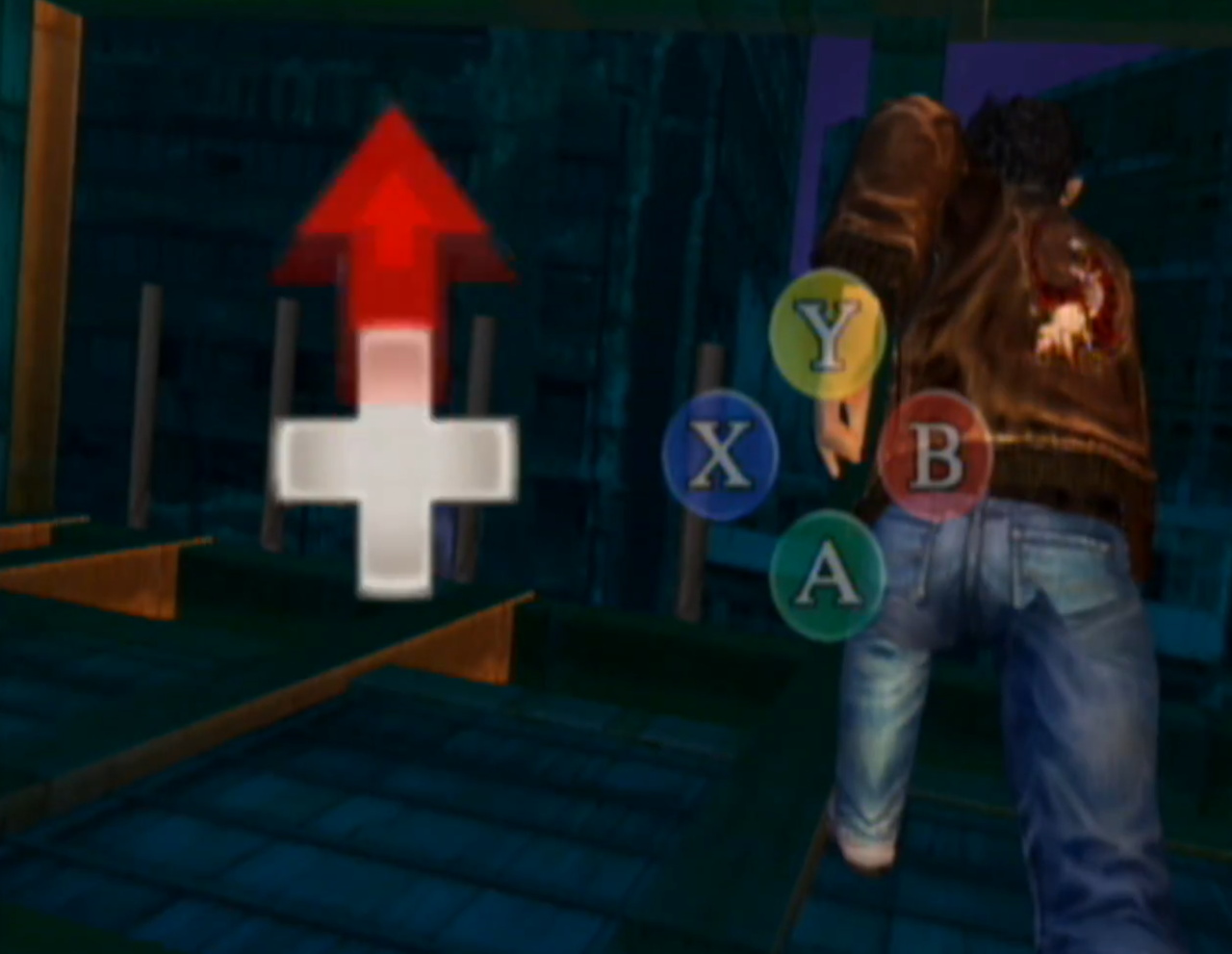
The long QTE section of ascending the Ghost Hall Building in Kowloon is also incredibly memorable – probably because of just how damn long it took me to perfectly progress through that particular challenge! Often if I encounter a similar section in a game – balancing on beams or boards, navigating narrow or dangerous elevated paths, and so on – it reminds me a lot of Shenmue II! I think I noted that in a review of a recent game – Indika.
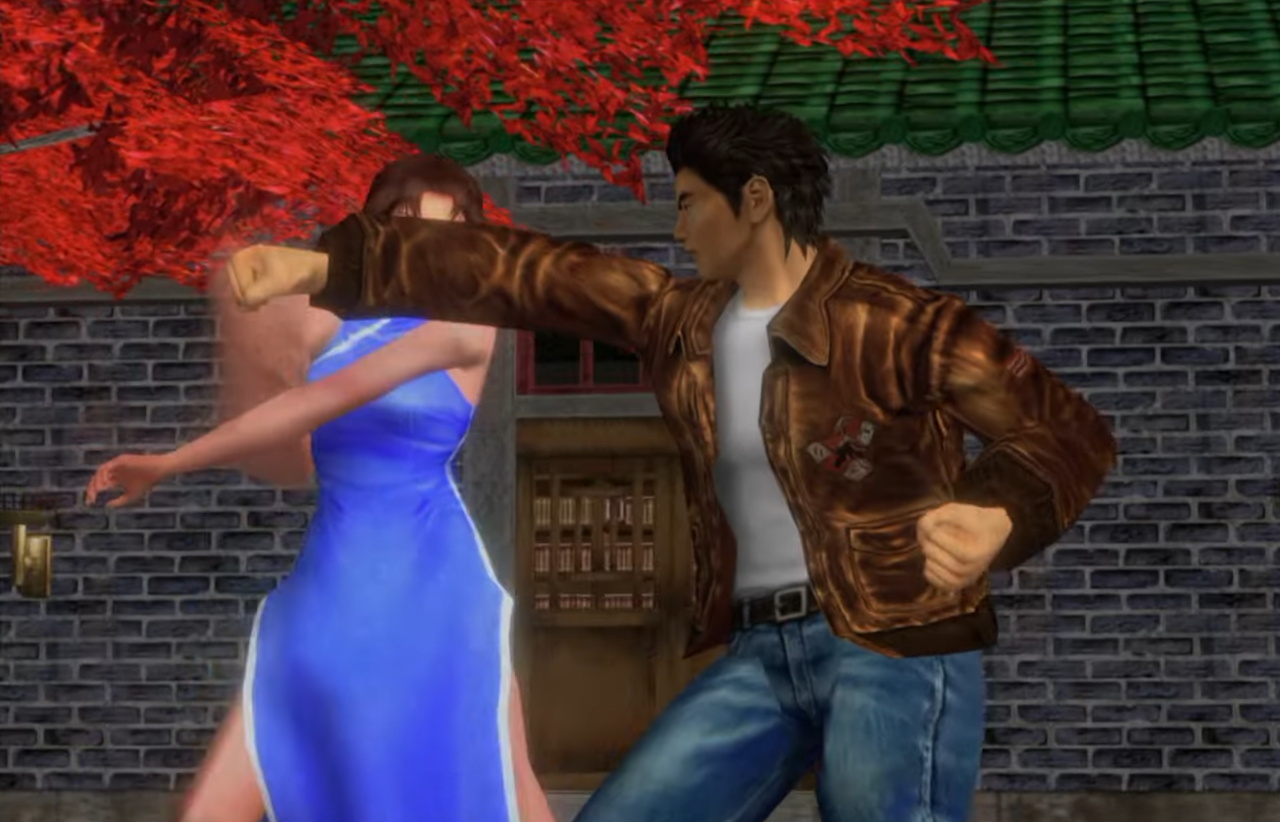
In terms of narrative or character moments, Ryo realising that the person he’d been sent to track down – this famous martial arts master who he hoped would help him – was… shock horror, a *woman* is still pretty funny. It says a lot about Ryo, his expectations, and his biases – and I love how the story takes him to task for making such assumptions, particularly when Xiuying easily kicks his butt! Then there’s Ryo catching up with Wong on his boat-home, giving Fangmei a birthday gift, and the burgeoning friendships Ryo develops with Joy and Ren. There’s some great stuff here, and it’s beautifully brought to life in the game, making the world and characters feel real.
I still haven’t watched Shenmue: The Animation, but it’s on my list, and I hope to get to it sooner or later! As I think I said last time, when we celebrated the first game’s anniversary, I’ll be curious to see how well the story translates to a completely new medium. And having just started to dip my toes into anime this year, I’m definitely interested in continuing that by revisiting Shenmue and Shenmue II.
So I hope this has been a fun look back!
Shenmue II is a great game – and, even more so than its predecessor, is sorely underrated and underappreciated. The mystery of the mirrors unfolds, Ryo’s quest for revenge continues, and along the way, he meets some fascinating characters in a dense, lived-in world. I adored Shenmue II back in 2001… and I still appreciate its successes today, a quarter of a century later.
Thanks for joining me on this retrospective. I really need to do more of these “video game spotlight” pieces; I have at least a dozen other games that I’d like to talk about in this format! If you missed it, I wrote up a similar 25th anniversary piece for the first Shenmue, which you can find by clicking or tapping here. Earlier this year, I also talked a little about the hoax trailer for a fourth game, and you can check out my thoughts on that by clicking or tapping here. And all of my other pieces about the Shenmue saga can be found by clicking or tapping here.
For me, Shenmue II is still where this story ended. Incomplete and on a cliff-hanger… a masterpiece of the Dreamcast generation that, for reasons beyond its control, wasn’t able to be continued. I have my doubts, but if – *if* – a fourth Shenmue game ever makes it to production… I’d still like to see how this story ends. Never say never, I suppose.
Shenmue I & II is available now for PC and PlayStation 4. Shenmue – The Animation may be available to stream on CrunchyRoll. Shenmue is the copyright of YSNet and/or Sega. Some images, screenshots, and artwork courtesy of Sega, YSNet, Shenmue Dojo, and Wandering Through Shenmue on YouTube. This article contains the thoughts and opinions of one person only and is not intended to cause any offence.