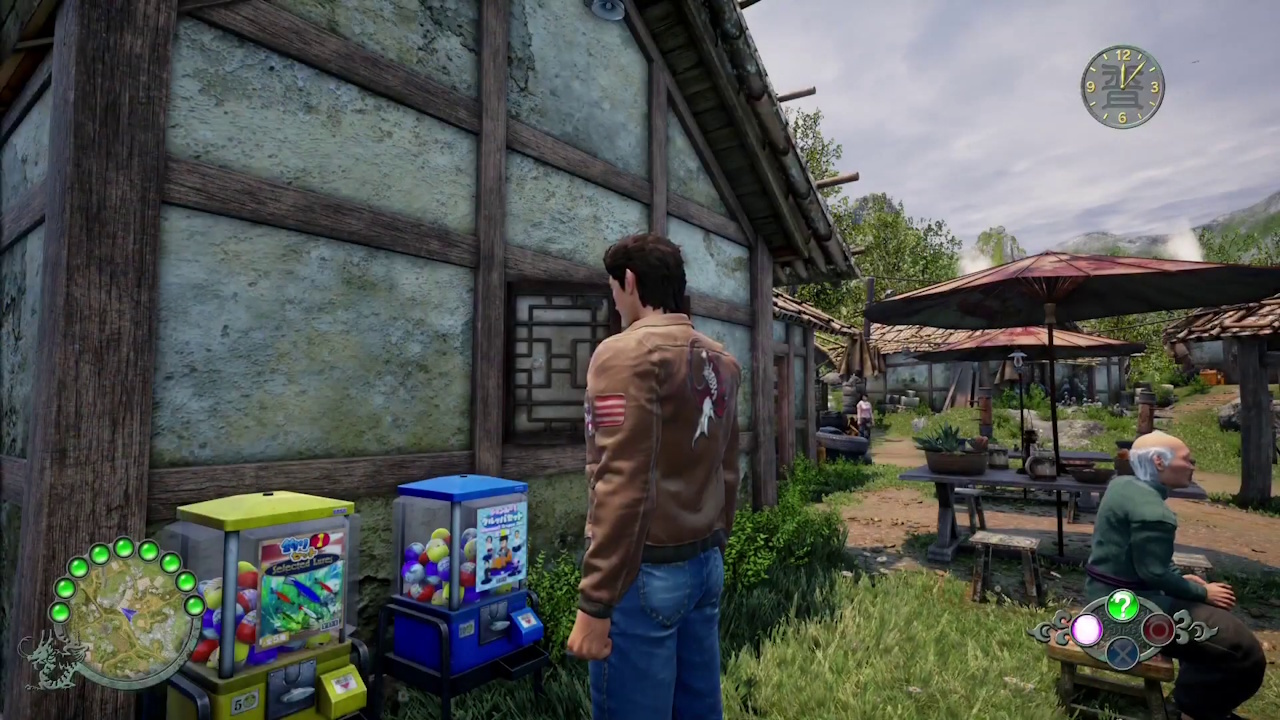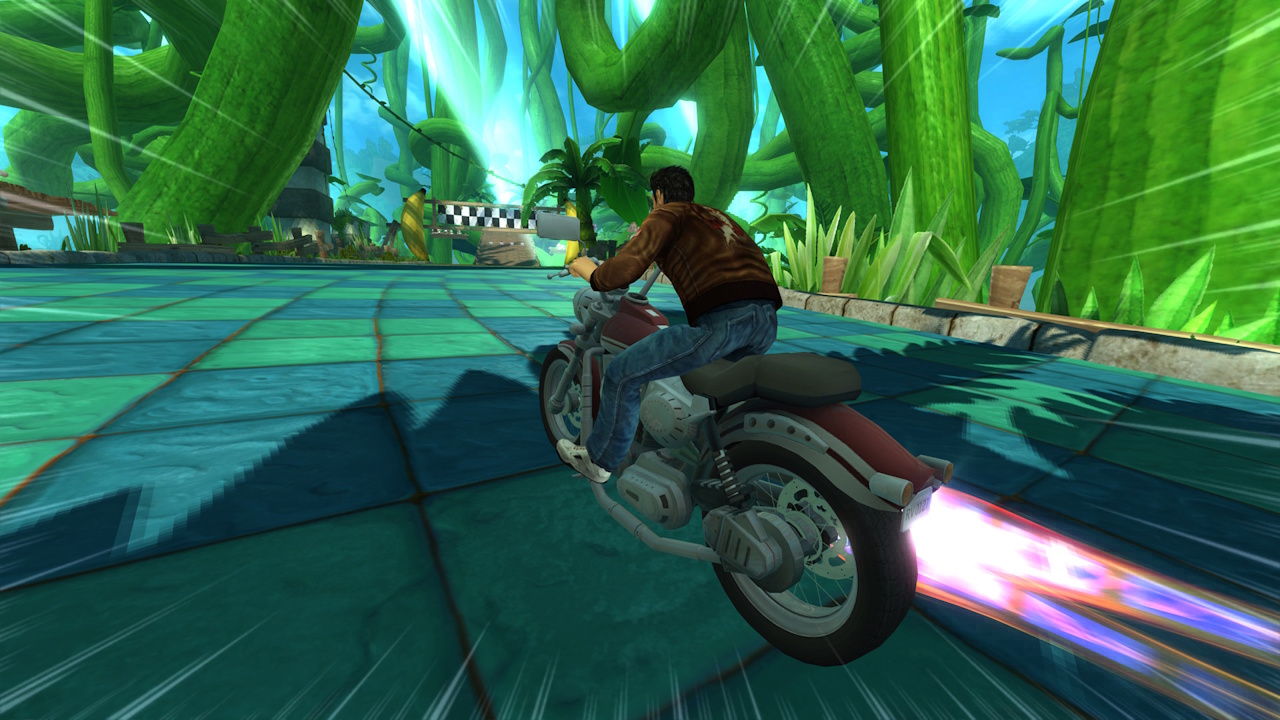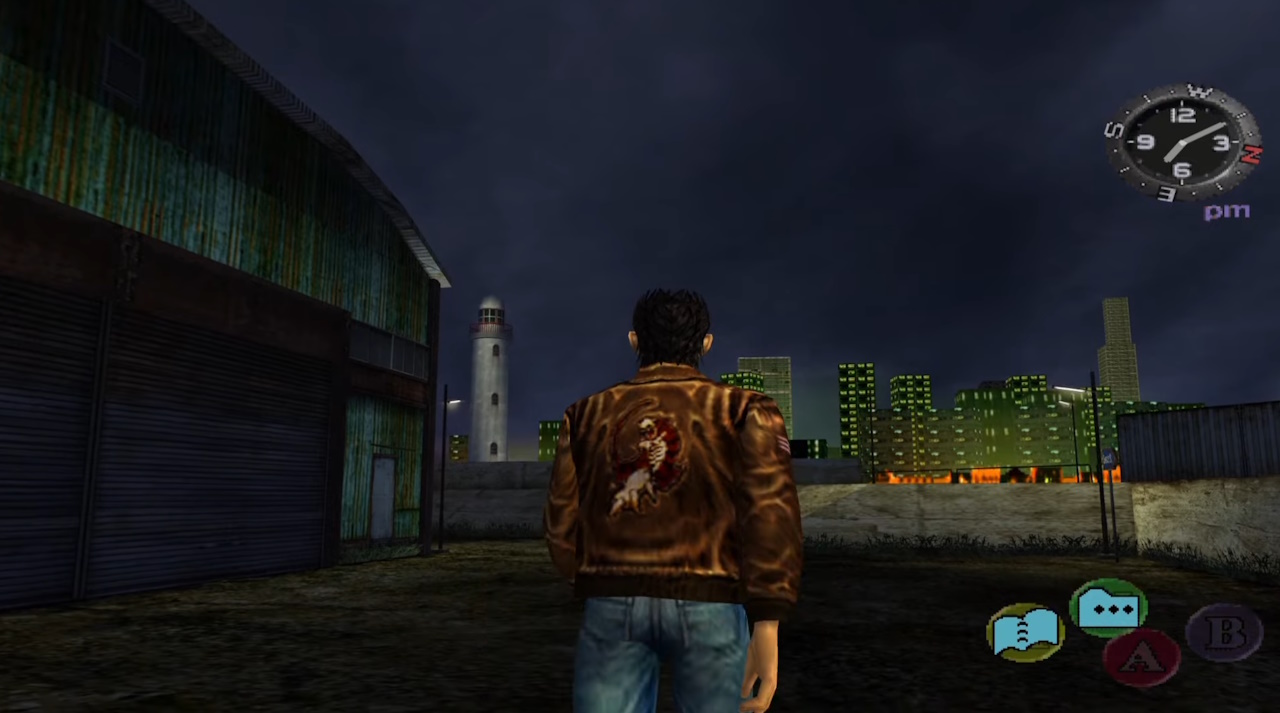
Cancelled Games I Wish We’d Got To Play

The recent cancellations and studio shutdowns in the games industry – and at Xbox in particular – got me thinking. There are a lot of games that just never made it to the launchpad for one reason or another, and some of them sounded genuinely fantastic. Given how poor a lot of corporate decisions are, I don’t buy the argument that “any cancelled game would’ve been bad; that’s why they cancelled it!!1!” – which is something some armchair critics like to say. That seems to be a bit of a “cope;” a way to brush off the cancellation of a title that could’ve been a ton of fun.

So today, we’re going to take a look at ten cancelled games that I really wish had seen the light of day.

You don’t have to tell me, I already know the argument: some of these games might’ve been crap, and maybe there were good reasons behind their cancellations. Noted. Got it. We don’t need to go over that again!

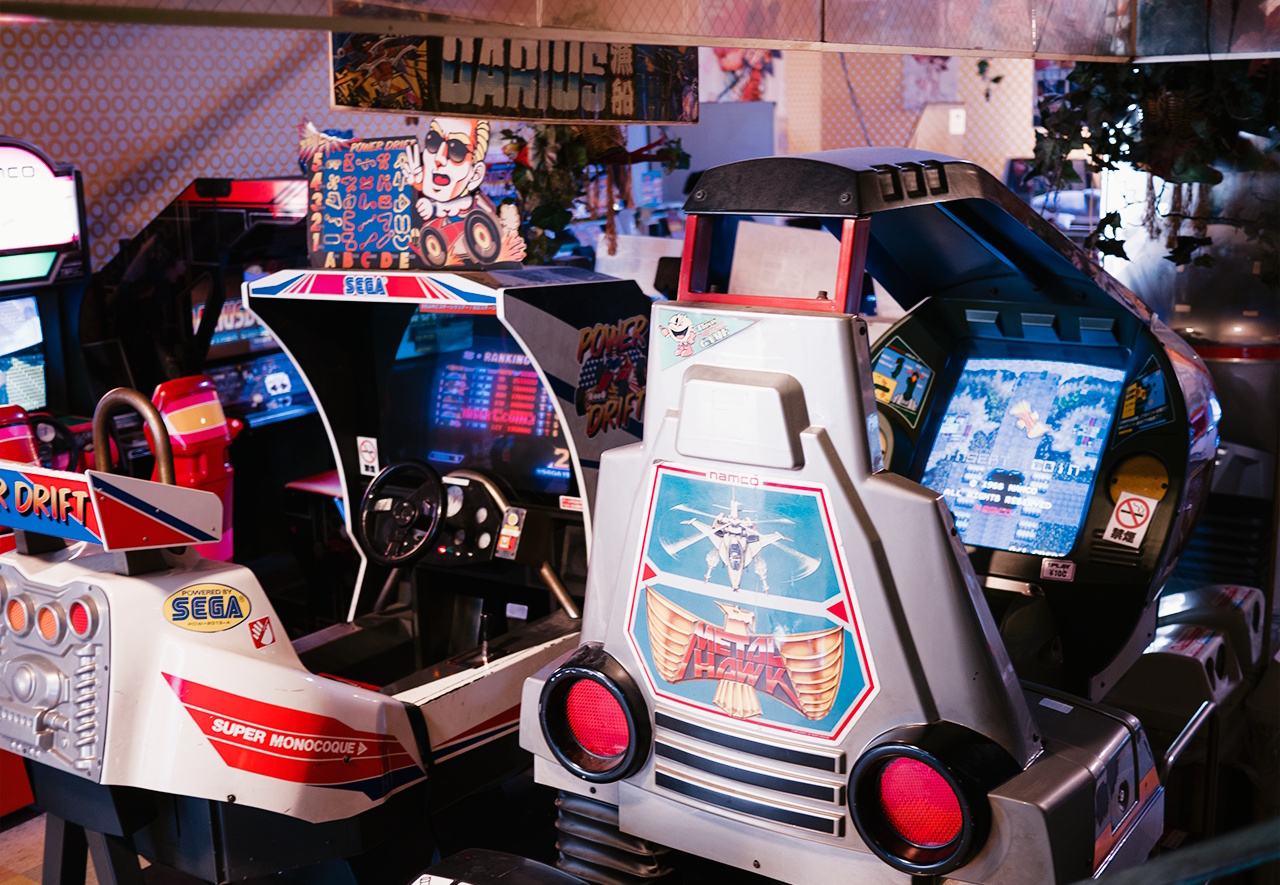
A selection of arcade machines.
Let’s talk about some cancelled games.

If I may suggest the obvious counter-point: some of these games might’ve been good! Some of the titles on this list seem to have been cancelled not for any reasons pertaining to quality, but for financial reasons, changes in priorities, or studios and intellectual property changing hands. Those things have next to nothing to do with the actual game, and while it’s true that not every decent-sounding cancelled game would’ve been great… I still wish we’d been able to see them and judge the finished products for ourselves.

As always, everything we’re gonna talk about is the entirely subjective, not objective opinion of just one person. If I highlight a game you think sounded awful, or ignore a title you think is obvious on a list like this… that’s okay. There ought to be enough room in the gaming community for differences of opinion. The games are listed in no particular order.

With that out of the way, let’s jump into the list.

Cancelled Game #1:
Agent (a.k.a. Rockstar’s Agent)
Early 2010s

Early logo of Rockstar's Agent.
The game’s logo.

Agent was first teased in 2007 by Sony, purportedly as a PlayStation 3 exclusive from Rockstar Games. Further details weren’t announced until 2009, when it emerged that the title would feature a secret agent in a 1970s Cold War setting. Obviously, the first point of comparison was James Bond, and that was more than enough to pique my curiosity! I didn’t own a PlayStation 3 until late in the console’s life, but Agent was perhaps the title I was most interested in after The Last Of Us.

Rockstar went radio-silent on Agent for years after the 2009 announcement. Occasional “leaks” would emerge, but there was nothing concrete. Rockstar’s parent company, Take-Two, renewed the “Agent” trademark twice, and seemed to imply to investors as late as 2013 that the game was still being worked on. However, another 2013 project, Grand Theft Auto V (and its online mode in particular), seems to have redirected Rockstar’s development resources.

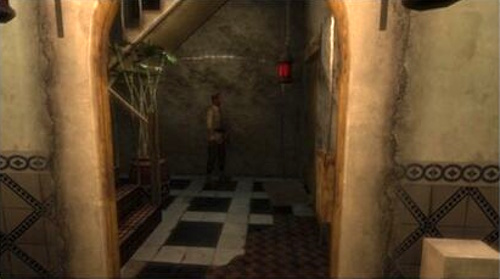
Leaked screenshot of Rockstar's Agent showing a character at the foot of a staircase.
One of the leaked screenshots.

By 2015, the project seems to have been abandoned, and I really do believe that Rockstar’s change of focus to Grand Theft Auto Online is the main culprit. Comments from at least one former Rockstar developer suggest that team members were reassigned from Agent to support Grand Theft Auto V after 2013, with the popular and financially successful online mode clearly being more of a priority for Rockstar and Take-Two.

It wouldn’t be the last project Rockstar would sacrifice at the altar of Grand Theft Auto Online. A single-player expansion was planned but never released, Red Dead Redemption II’s online mode was ignored when it failed to generate the same kind of revenue as GTA’s, and you better believe we’d have seen Grand Theft Auto VI, and perhaps other Rockstar titles – like a sequel to Bully – if the studio hadn’t gone all-in on GTA Online after 2013. Agent seemed like it had the potential to live up to stealth-action titles like GoldenEye and the Hitman series, and its ’70s setting sounded particularly fun.

Cancelled Game #2:
Star Trek: First Contact
1998-ish

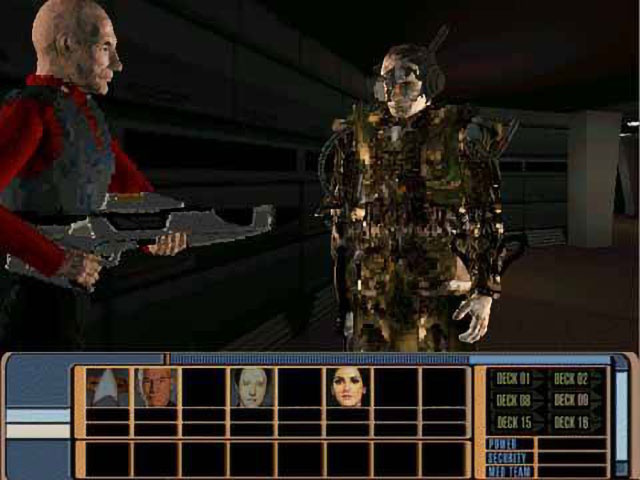
Pre-release screenshot of Star Trek: First Contact showing Picard and a Borg.
A game based on First Contact? Cool!

MicroProse created one of my favourite games ever: 1997’s Star Trek: Generations. Yes, the game is a pretty basic “Doom clone,” and yes it came out three years too late… but it was a ton of fun to play through an expanded version of the Generations story, with little connections to other episodes from The Next Generation. MicroProse had the Star Trek license in the mid-late 1990s, and after releasing Generations in 1997, the studio began work on an adaptation of First Contact.

For an action game or a first-person shooter, you could hardly pick a better Star Trek story than First Contact! Battling the Borg on the lower decks of the Enterprise-E, teaming up with Picard and the crew… it could have been a genuinely fun and exciting Star Trek experience. I doubt First Contact would’ve really crossed over to the mainstream and brought in a bunch of new fans… but you never know. A few years later, Elite Force managed to do just that.

Pre-release screenshot of Star Trek: First Contact showing Data, Worf, and two Borg.
A leaked screenshot of an early build of the game.

MicroProse’s financial problems seem to have impacted its ability to work on this game, though. The studio planned to use the then-new Unreal Engine, which would’ve allowed for better graphics and fully 3D models (Generations used a much older engine designed for DOS games that relied on 2D sprites for the most part). The jump in quality would’ve been noticeable, and First Contact could’ve been a good-looking game by 1998 standards!

A title based on First Contact is still one of my fantasy Star Trek games all these years later. Retaking the lower decks of the Enterprise-E, battling the Borg in close quarters, and perhaps having to rely on hand-to-hand combat and thrown-together weaponry… it just sounds so tense and exciting! It could also be a great horror-tinged game, with the Borg being a genuinely difficult and frightening antagonist. There was a ton of potential here, and it seems as if the game was cancelled through no fault of its own.

Cancelled Game #3:
Super Mario 128
1997-99

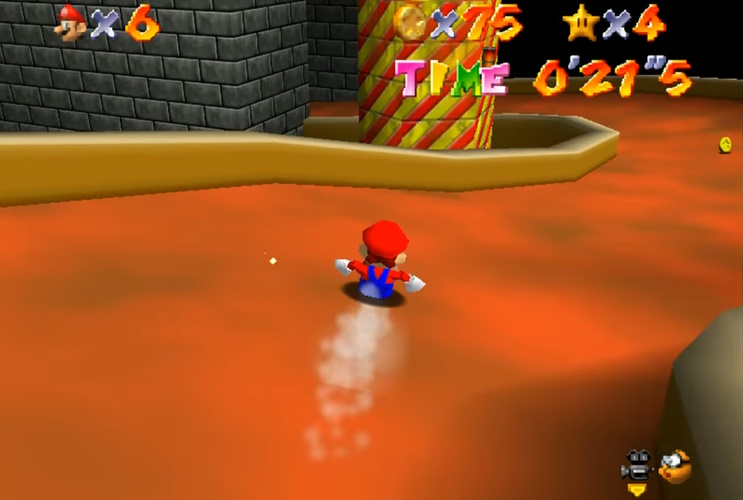
Screenshot of Super Mario 64 showing Mario on the castle's secret slide.
Whee!

A sequel to Super Mario 64 was planned for the Nintendo 64’s disc drive accessory – but the hardware failure led to the game’s cancellation. There’s a bit of confusion surrounding this title, because Super Mario 128 also refers to a completely different project that was in early development for the GameCube! But the 64DD version would have been much closer to Super Mario 64 than Mario Sunshine.

Originally, Super Mario 64 was supposed to include multiplayer, with the second player being able to control Luigi via split-screen gameplay. It sounds like Super Mario 128 was going to pick up this idea, using the 64DD’s more powerful capabilities to include a two-player mode. Luigi was confirmed by developer Shigeru Miyamoto to have been part of the project throughout its development, and rumours have suggested that Peach’s castle from Super Mario 64 would’ve returned as a location.

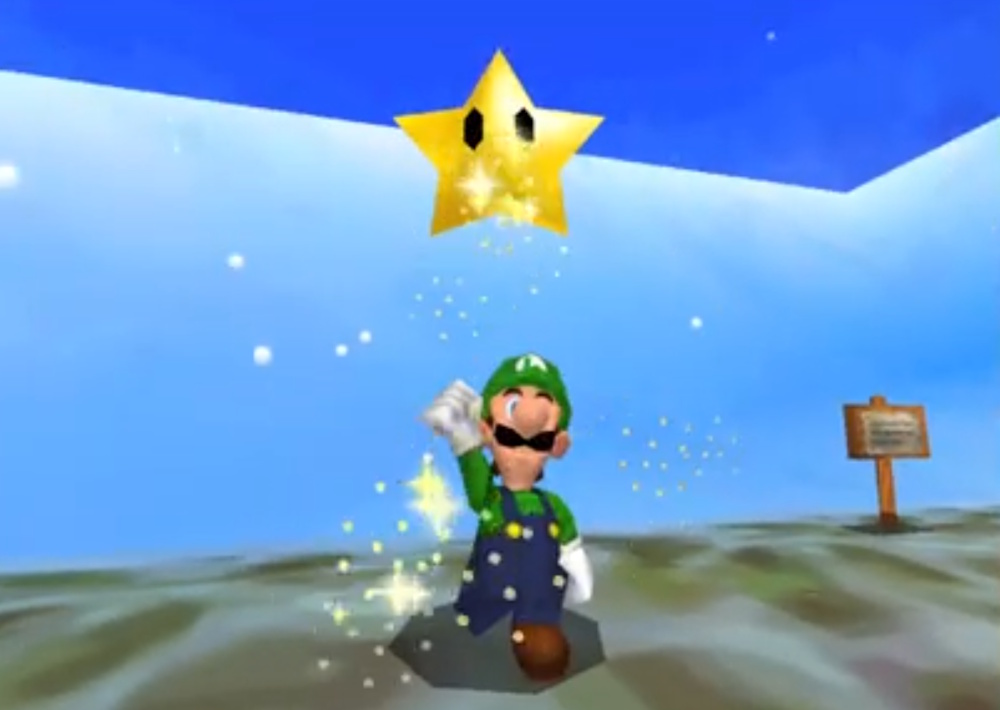
Screenshot of Super Mario 64 DS showing Luigi getting a star.
Luigi would eventually be playable in Super Mario 64 DS.

Another idea that Miyamoto supposedly had for Super Mario 128 was spherical levels or environments. We’d eventually see this idea in Super Mario Galaxy a decade later, but I’ve always wondered what it might’ve looked like if even one level had been like that back in the Nintendo 64 era! A direct sequel to the events of Super Mario 64, perhaps re-using and upgrading some of the same levels and environments just sounds like a lot of fun, and having a two-player couch co-op mode with Luigi and Mario together would have been fantastic.

Ultimately, the failure of the 64DD doomed this version of Super Mario 128. It seems that Nintendo kept the name, for a time, and the project was either switched to the GameCube or a new GameCube project was created with the same name shortly after the turn of the millennium. Elements of Super Mario 128 have appeared in several 3D Mario games over the years, including spherical levels in Galaxy and a return to Peach’s castle in Odyssey.

Cancelled Game #4:
Perfect Dark Reboot
Late 2020s

Logo for the Perfect Dark reboot.
The game’s logo.

After showing off Perfect Dark just a few months ago with an action-packed, exciting trailer… Microsoft and Xbox have now cancelled the project. Not only that, but the studio Xbox had created specifically to build Perfect Dark has been completely shut down and its staff have largely been laid off by Microsoft. This feels like a pretty shocking turn of events, and I think it’s a colossal disappointment that we aren’t going to get the promised Perfect Dark reboot.

Perfect Dark was Rare’s follow-up to the smash hit GoldenEye on the Nintendo 64, taking the same gameplay style but transposing it to a corporate-dystopia futuristic setting. Protagonist Joanna Dark was compelling, and the game was just a ton of fun both in single-player and multiplayer back in the Nintendo 64 days.

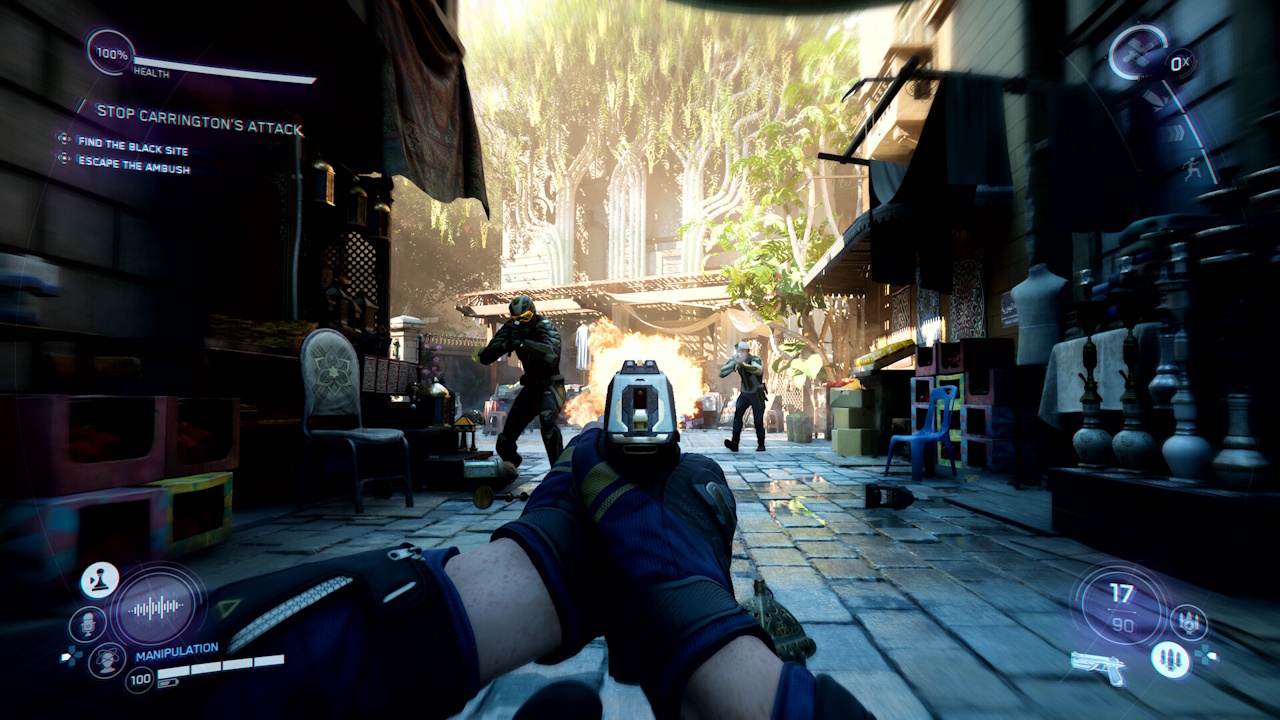
Screenshot of Perfect Dark showing the player character sliding in combat.
A glimpse at the game.

There aren’t that many single-player-focused first-person shooters any more. There’s id’s Doom series, and occasionally a title like Deathloop will come along, but for the most part, modern FPS titles focus almost exclusively on lucrative multiplayer modes that can be monetised to death. Perfect Dark represented something different – a bit “old school,” for want of a better term – in a modern gaming landscape dominated by those kinds of titles. And at a time when Microsoft’s biggest FPS franchise, Halo, has been flailing around, Perfect Dark could’ve been a much-needed boost. Heck, if it was good enough it could’ve even eclipsed Halo, taking Xbox in a different direction.

The gameplay that we saw a few months ago is real – though it was a “vertical slice” of a very incomplete game at the time it was produced. There really did seem to be a lot of potential in a return to this series and this style of first-person shooter. Maybe there were more problems behind-the-scenes than we’ve learned so far, and maybe Perfect Dark was just taking too long to be ready. But it’s a disappointment that we’ll never get to see it for ourselves.

Cancelled Game #5:
TimeSplitters 4
Late 2000s

Pre-release/placeholder logo of TimeSplitters 4.
An early version of the game’s logo.

TimeSplitters 2 is genuinely one of my favourite games of its era. Fun, fast-paced, with a unique story and art style… it was just a blast to play either alone or with friends. A third TimeSplitters game was also well-received – though I didn’t play that one for myself! Developers Free Radical Design announced that a fourth entry in the series was coming, but then they switched to develop the critically-panned Haze.

Haze’s failure seems to be what doomed TimeSplitters 4. Free Radical Design went into administration, and although it was initially announced that TimeSplitters 4 might be able to be saved, it didn’t happen. The studio was shut down, and the TimeSplitters license eventually ended up at Embracer Group after passing through several other hands.

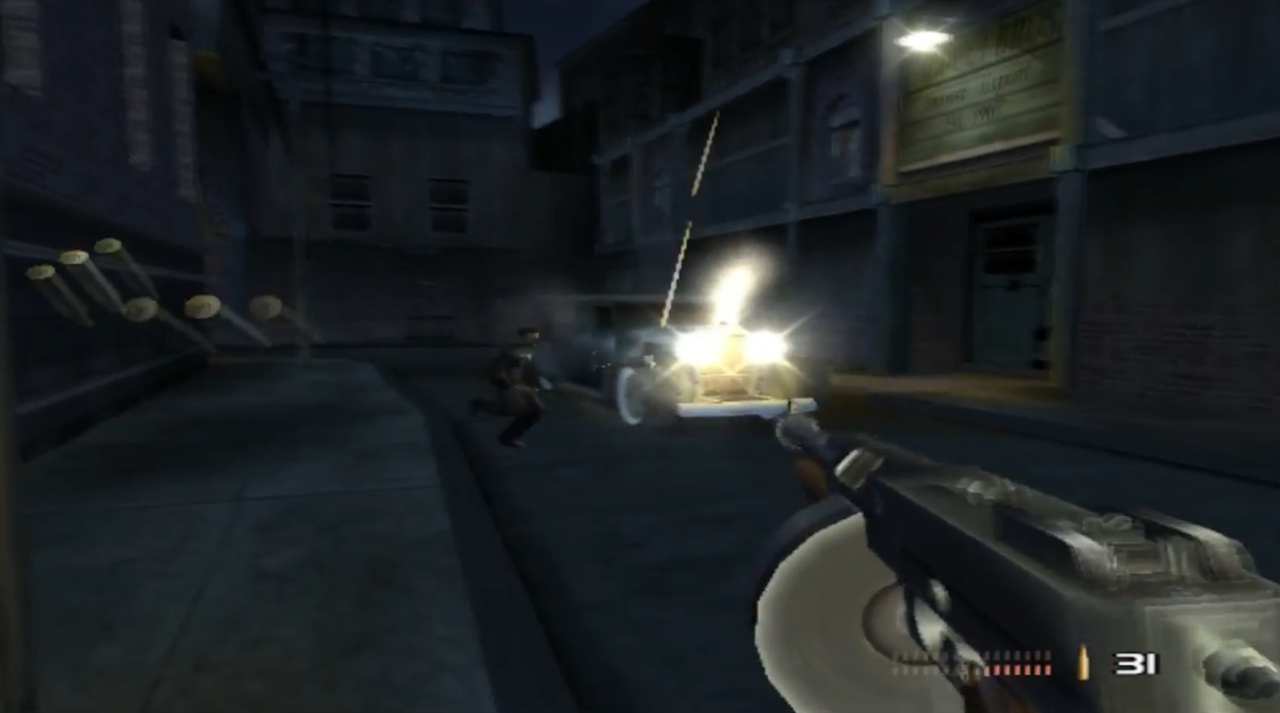
Screenshot of TimeSplitters 2 showing a tommy gun, a car, and the game's 1930s Chicago level.
The Chicago level from TimeSplitters 2.

TimeSplitters’ unique level design – jumping through different time periods and using weapons from those eras – made it something a bit different, and there was something about its fast-paced gameplay, especially in multiplayer, that was just plain fun. I have wonderful memories of playing TimeSplitters 2 on the original Xbox with friends, kicking back after work with a game that was different from anything else on the market and just really entertaining to play. The single-player campaign was great, too.

TimeSplitters 4 feels all the more disappointing because the game seemed, for a brief period in the early 2020s, to be getting a reprieve. However, a second cancellation was confirmed a couple of years ago, with the resurrected Free Radical being shut down for a second time. Again, this seems not to have been the fault of TimeSplitters 4, but rather due to issues within parent company Embracer Group.

Cancelled Game #6:
Shenmue III
2003-ish

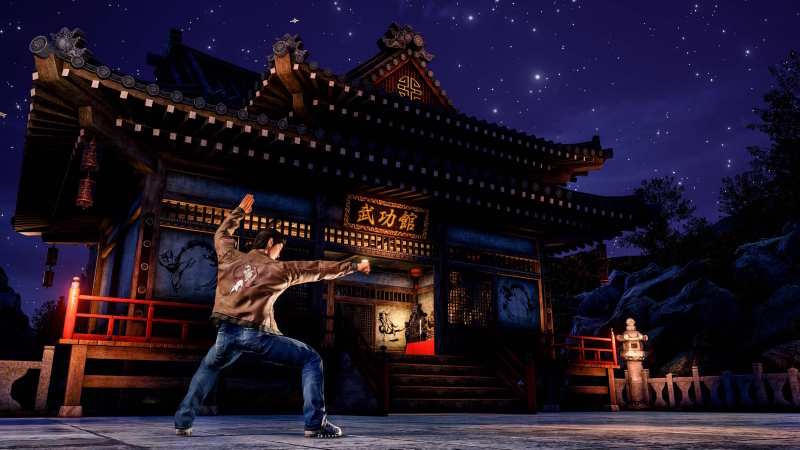
Screenshot of an unreleased Shenmue II/Shenmue III environment showing Ryo with a temple.
Is this what Shenmue III would’ve looked like circa 2002?

Before you get angry and start screaming at me that “Shenmue III came out in 2019!!1!” – I know. I’m not talking about that version of the game. What I’m lamenting is that the original Shenmue saga couldn’t be continued on the Dreamcast, and that fans had to wait almost twenty years for a sequel to Shenmue II that wasn’t what it was originally supposed to be. If the Dreamcast had been a success and Shenmue III had been created in the early 2000s, it would have certainly been a different game – and probably a longer one, too.

There were rumours back in the day that Shenmue and Shenmue II could’ve been ported to the PlayStation 2 after the Dreamcast’s demise… and that could’ve also been something that saved the series. I firmly believe that the Shenmue saga is one of the best stories ever told in the medium, and it’s positively criminal that it’s never been concluded. There were chances in the early 2000s to salvage the Shenmue project, but its reputation, high pricetag, and connection to the failed Dreamcast all counted against it… as did the second game’s low sales.

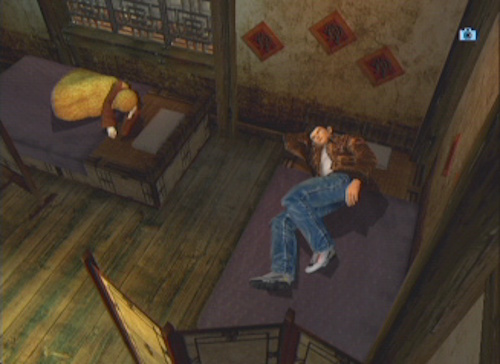
Screenshot of an unreleased Shenmue II scene showing Ryo and Shenhua in bed.
Shenhua and Ryo.

If Shenmue had continued, one way or another, in 2003 instead of 2019, I think we’d have gotten a much larger game for starters. And without the intervening couple of decades, this version of Shenmue III would undoubtedly have been closer to fans’ expectations – and possibly exceeded them. One of the reasons Shenmue III felt disappointing to some fans, in my opinion, is that the 2019 version wasn’t able to take advantage of years’ worth of changes and improvements in game design.

Shenmue III in the early 2000s would’ve also been a stepping-stone – one part of an unfolding story. I can’t speak for every Shenmue fan, but I genuinely expected the crowdfunded 2019 game would conclude the game’s main story. It didn’t – and that alone convinced me not to even buy it at first. But in 2003, that would’ve been a non-issue, so even if the story and settings of Shenmue III had been exactly the same, I believe the game would’ve been far better-received. Unfortunately, Shenmue was a masterpiece that was, in many ways, ahead of its time. Players in the early 2000s weren’t as interested in what the first two games had to offer, and the Dreamcast’s shaky position in a market that was about to be dominated by the PlayStation 2 sealed its fate.

Cancelled Game #7:
Life By You
2024-26

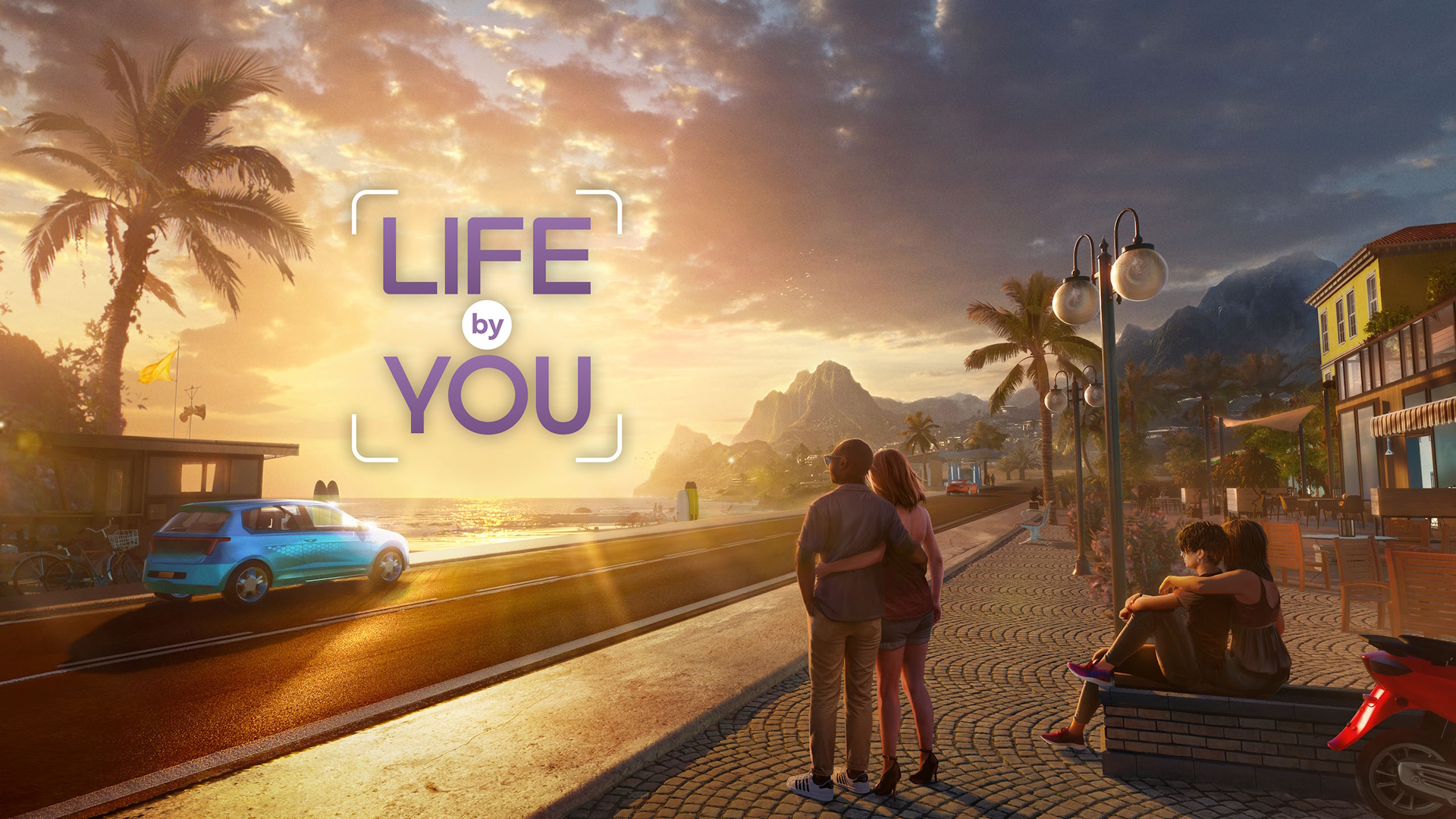
Promo art for Life By You showing the game's box art and logo.
One of the game’s promo images.

Life By You was one of a handful of Sims-inspired life simulator games that were all in development at the same time in the 2020s. And it was probably the one that appealed the most to me! Electronic Arts has monetised The Sims 4 to death – it costs, at time of writing, more than £1,300 to buy all of the available add-ons and expansions for that game. That’s a consequence of EA having the life-sim genre basically all to itself for years. Titles like Life By You threatened to change that.

I don’t know what Life By You’s monetisation might’ve looked like. Developer and publisher Paradox is not exactly known for being light on the DLC with its grand strategy games, many of which have DLC totals that can run to several hundred pounds. But I think competition in the life-sim genre is a good thing, and as someone who enjoyed The Sims in the early 2000s, I was definitely interested to see what another big studio could’ve done with the same basic gameplay idea.

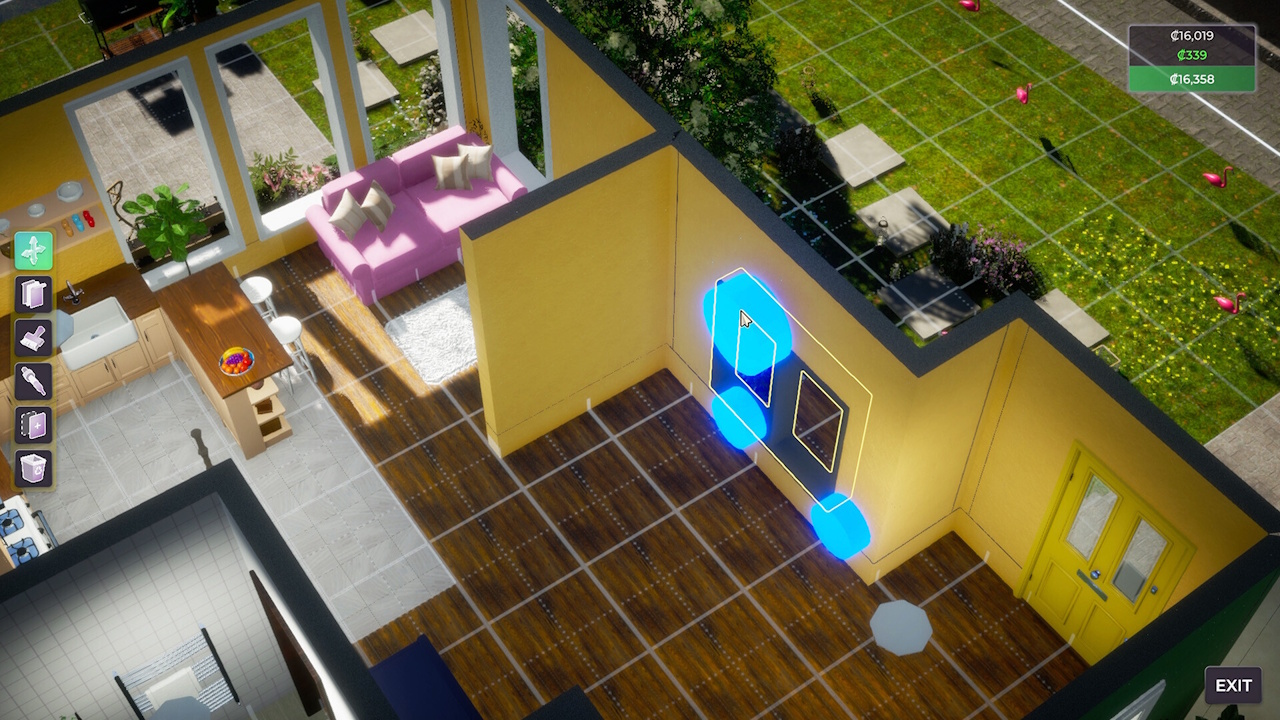
Promo screenshot for Life By You showing the game's build mode.
This looks like it would’ve been the game’s build mode.

inZOI and Paralives are two other new life simulators that are both coming out soon, though I would note that inZOI’s early access seems to have been a little *too* early! But both of those games are by smaller teams – and while there’s nothing wrong in the slightest with smaller studios, new studios, and indie developers, the bigger name behind Life By You was at least part of the draw, in my opinion. I’m still very interested in those other games, and I hope they both give The Sims 4 a run for its money! But if they don’t, or if they aren’t as good as people are hoping, I really think we’ll come to regret the cancellation of Life By You.

We don’t know what happened behind-the-scenes, but Paradox put out a statement saying that “a version we’d be happy with was too far away,” seeming to indicate that development was not progressing at a pace the publishing side of the company was happy with. It’s worth noting that Paradox was able to write off a significant portion of the game’s development costs against its annual income… which may have also been a factor in the game’s cancellation. Paradox also called the game “high risk,” and claimed in a meeting with investors that they’d be less likely to invest in similar titles in the future.

Cancelled Game #8:
Whore of the Orient
2013-16

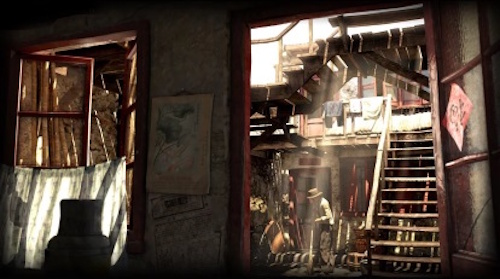
Leaked screenshot of Whore of the Orient showing a man, a staircase, and a window.
The only image of the game that ever leaked.

Let’s get the obvious out of the way: that’s a horrible title for a video game! But setting the title aside, Whore of the Orient sounded genuinely interesting. It was the brainchild of the people behind L.A. Noire, the police investigation game published by Rockstar in 2011. Team Bondi was eventually rolled into a new studio to develop Whore of the Orient, but most of the senior team stayed to work on the project.

Whore of the Orient would’ve made use of the same facial capture technology as L.A. Noire, but targeting a PlayStation 4/Xbox One release, I think we’d have seen some noticeable improvements on that front. The game was to be set in Shanghai in the 1930s, with political intrigue, the rise of communism, and criminal gangs. We don’t know much more about its story, but that premise sounds like something genuinely different, and potentially very engaging.

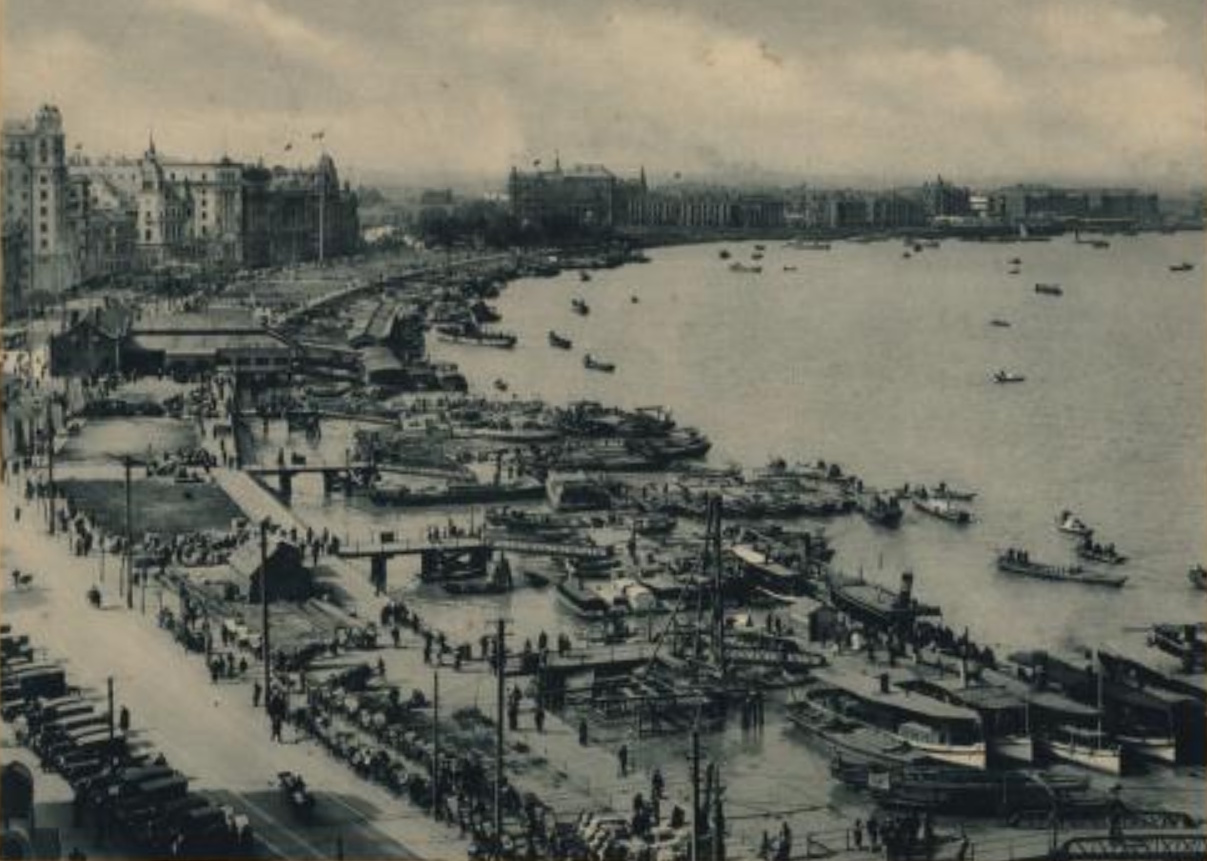
Photograph of Shanghai, circa 1927. Black-and-white image from an elevated position looking down on a waterfront packed with boats.
Whore of the Orient would’ve been set in Shanghai, circa 1930s.
Photo: Shanghai, 1927

We haven’t seen another game quite like L.A. Noire, and I’d have loved to see what the original developers could’ve done with the improved hardware of the PlayStation 4 generation. L.A. Noire hasn’t really aged well, with its facial capture stuff feeling just a bit too janky, but the same technology running on more advanced hardware could’ve really been something special.

As to the story, there aren’t any games I can recall that are set in 1930s China, so that alone would’ve made it stand out. We don’t know why the game was cancelled, only that parent company KMM Interactive pulled the plug sometime between the final update on the project, which was in 2013, and June 2016, when the news was belatedly announced to the public. Perhaps the story never came together, maybe the technology wasn’t working right, or maybe the game got too big and ambitious for its budget. In any case, it’s disappointing that the L.A. Noire folks didn’t get a second chance to tell a different story.

Cancelled Game #9:
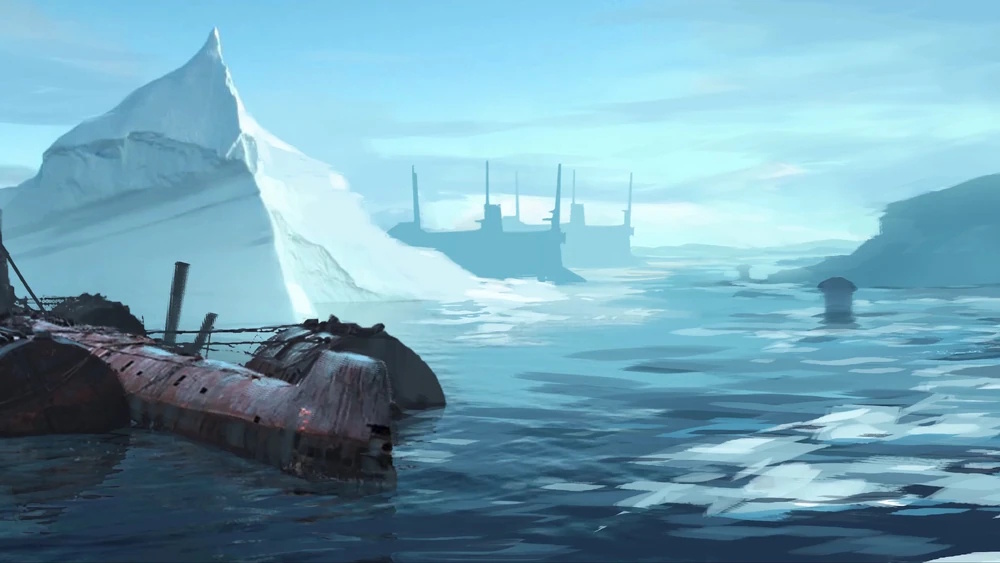
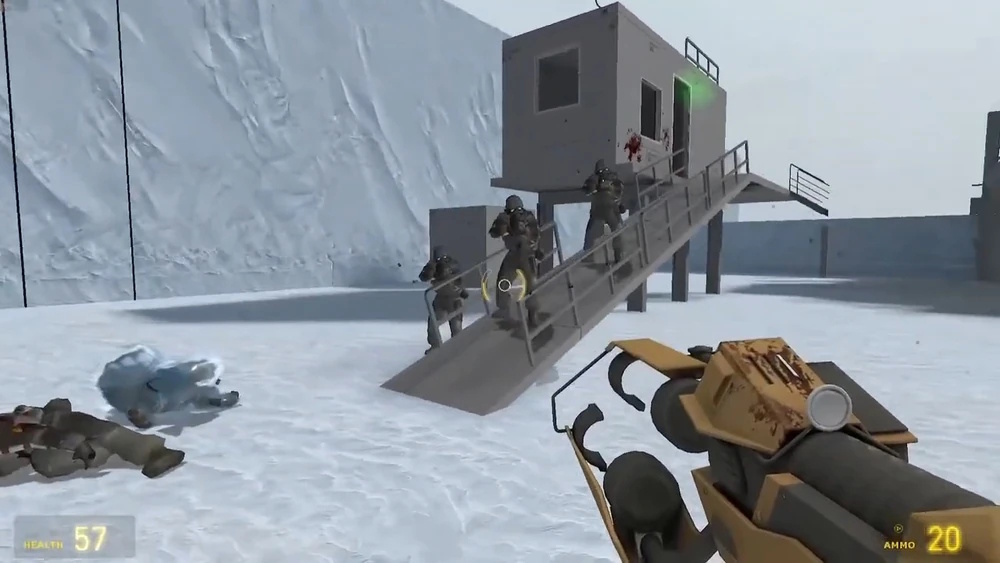
Half-Life 2, Episode Three and Half-Life 3
Late 2000s

Concept art for Half-Life 2, Episode 3 showing an icy environment and a shipwreck.
Promotional art for Episode Three.

Half-Life 3 has become a meme at this point; the ultimate example of a video game that we’re never gonna play! But there was a time when either Episode Three or a full Half-Life 3 were very much on the agenda. But that was before developers Valve decided to dedicate all of their time to Steam, Dota 2, and the Counter-Strike series. As above with Perfect Dark, there’s a gap in the market for single-player first-person games, and the Half-Life series should be well-positioned to fill it.

Half-Life’s story is incomplete. Worse, it just… ends. There’s no conclusion for any of the characters or storylines, just a big, almost twenty-year-long void. And at this stage, despite occasional rumours… I don’t think the Half-Life series would print money in the way the first two titles did. It’s been too long, a whole new generation of players have come along who don’t even know that Valve used to make games, and quite honestly, I’m sceptical about Valve having the talent to produce a top-tier single-player game after so much time has passed.

Pre-release screenshot for Half-Life 2, Episode 3 showing a first-person perspective, an icy environment, and several enemies.
A leaked screenshot of an early build of Episode Three.

There was that VR game a couple of years ago, and rumours occasionally fly about a potential new Half-Life title. Valve, unlike many of the other developers on this list, is still around – and still printing money hand over fist thanks to Steam. But the company’s focus has changed, and I don’t think most of the folks there are interested in another entry in the Half-Life series. It’s just sad that such an interesting setting and cast of characters can’t get any kind of conclusion, and it’s frustrating that there’s not really a good reason. If the studio had closed or if the previous entries in the series had flopped… fair enough. But Half-Life is held in high esteem and Valve clearly has the resources to invest. They just never did.

I also think we’re at a point now, for fans of the series, where any new game would struggle to meet expectations. It’s been so long, and Half-Life 3 has seen its status massively inflated, so any announcement would generate insane levels of hype. No game – no matter how good – could realistically reach the heights players would set for a new Half-Life… so maybe it’s better this way?

Cancelled Game #10:
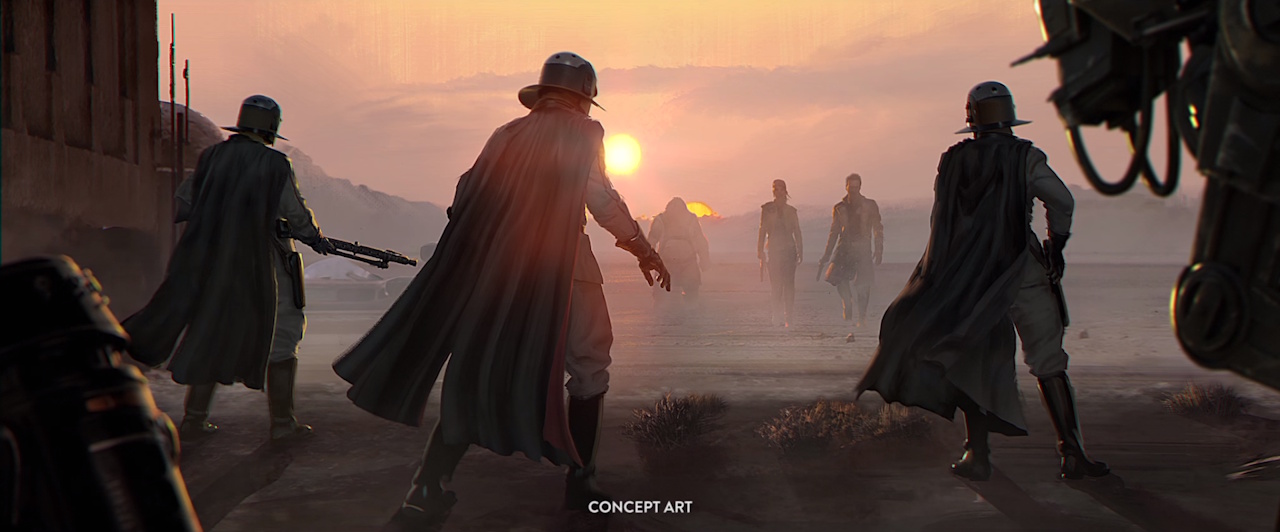
Star Wars: Project Ragtag
Mid-2010s

Concept art for Project Ragtag showing several characters.
Concept art for the game.

After the Walt Disney Company acquired LucasFilm in 2012, they also acquired the game studio LucasArts… and promptly shut it down. Disney handed the Star Wars license to Electronic Arts, who commissioned Dead Space developer Visceral Games to create a Star Wars third-person adventure game. Project Ragtag was being helmed by Amy Hennig, who had written and directed the Uncharted trilogy. Everything seemed to be coming together, and a genuinely great Star Wars game was in the offing.

But in 2017, EA didn’t just cancel the game, they closed down Visceral Games as well. According to Hennig, this decision was taken months before the team was made aware of it, and EA apparently planned to re-use some of the work Visceral had done for a rebooted open-world title. That project never saw the light of day, either.

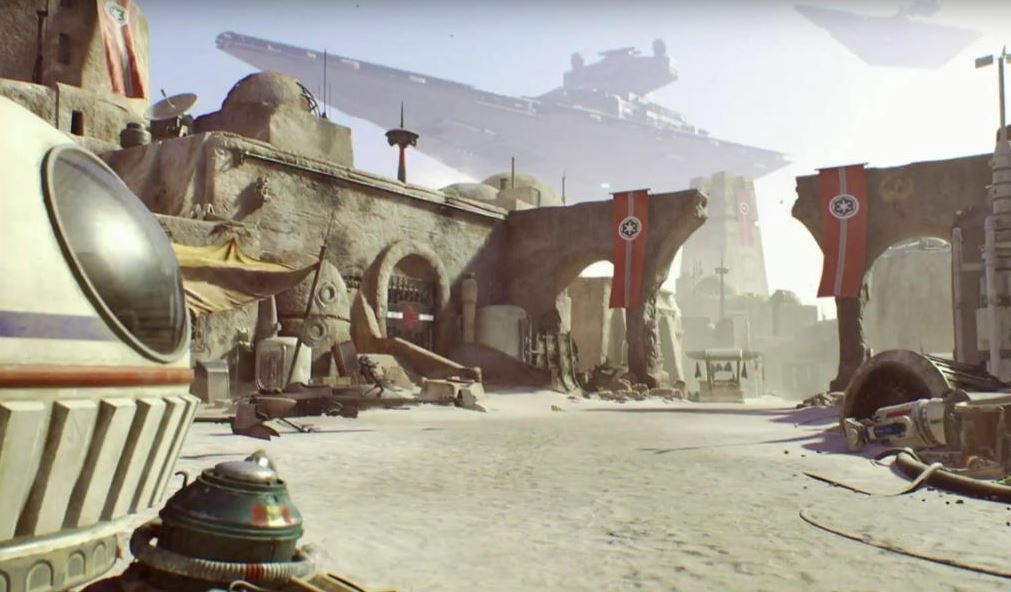
Pre-release screenshot of Project Ragtag showing an empty level.
An early build of an in-game environment.

Project Ragtag was supposedly a “heist game,” being set sometime during the events of the original Star Wars trilogy. Last year’s Star Wars Outlaws sounds kind of similar in theory, and I think that’s a good starting point, at least, when considering what Project Ragtag might’ve felt like to play. I’ve long argued for more stories set in the Star Wars universe that don’t just rely on the Jedi and Sith or on bringing back familiar faces, and I felt Project Ragtag had the potential to be a wonderfully engaging experience.

The director and studio both had pedigree, so there were plenty of reasons to be optimistic. Maybe the game wasn’t coming together… or maybe Electronic Arts was desperate for open-world, always-online multiplayer titles that seemed like better monetisation prospects in the second half of the 2010s. EA would go on to publish Jedi: Fallen Order a few years later, though, so maybe they learned their lesson!

So that’s it.

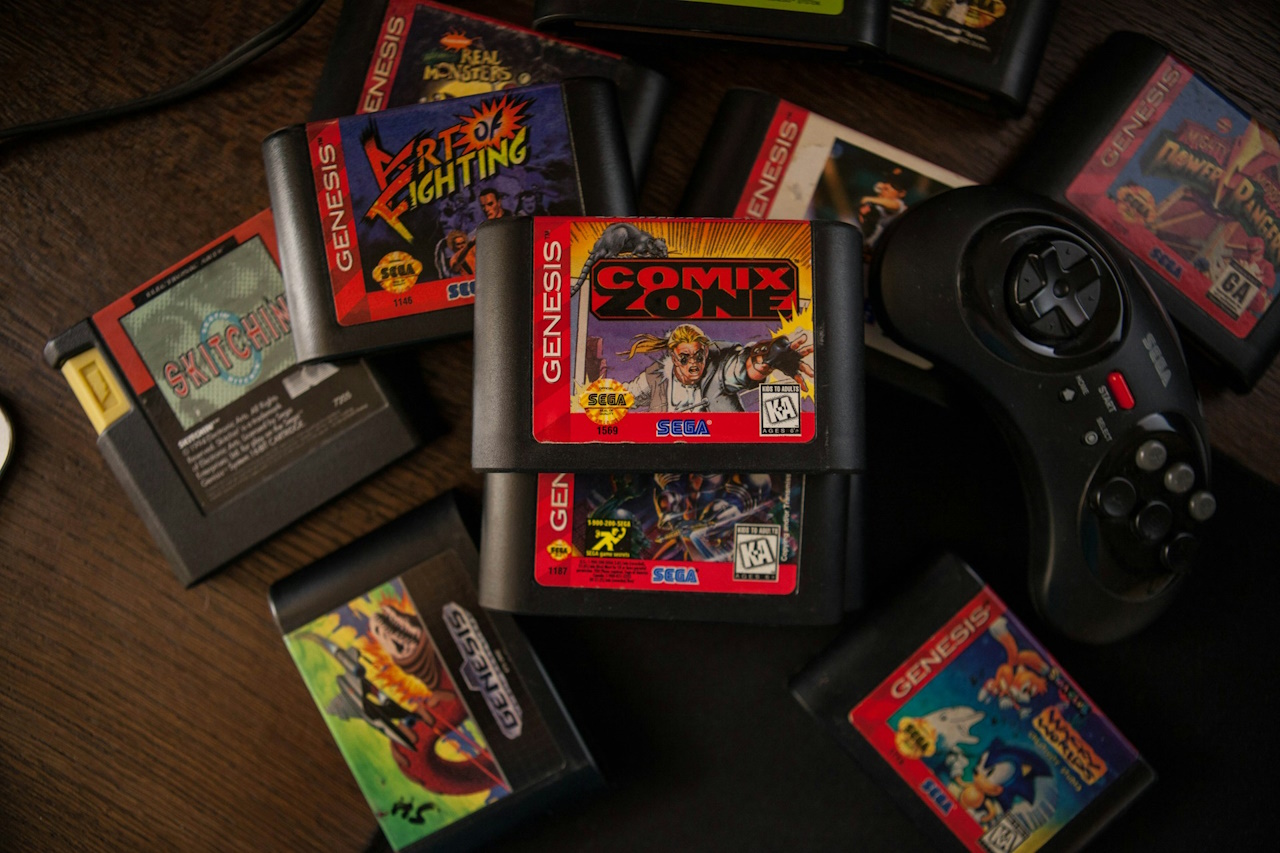
Stock photo of Sega Mega Drive games and a control pad.
A selection of Mega Drive/Genesis games.


We’ve talked about ten cancelled games that I really wish we’d been able to play!

Some of these have been sore spots for decades; others are new, but still sting. Sometimes a game being cancelled does ultimately lead to something better, either because the creative folks move on to different projects, or even because some of the work done on a title can be repurposed. But there’s no point in denying it: a game I’m looking forward to getting cancelled just hurts.

There are a few titles where cancellation feels reasonable under the circumstances or may have been expected. Some games sound too good to be true and may have proven too ambitious, or just didn’t come together in the way their developers hoped. These things happen, and as I’ve said before: game development is not a sure-fire thing. There can be all manner of reasons why a decent-sounding project struggles when the concept comes up against the real world.

Promo photo of a woman working on a computer with two monitors.
Game development is not a straightforward process!

But all of these games sounded good to me, and I regret that they were cancelled before I could try them! As someone who follows the games industry – and who spent a decade working on the inside – I keep up to date with upcoming games, and even allow myself to get excited, sometimes! That inevitably brings with it a degree of disappointment when a title either doesn’t live up to expectations, or doesn’t even make it to release.

I hope this hasn’t been too depressing. And who knows: maybe some of these games will get a reprieve one day. If Age of Empires IV can be developed sixteen years after Age of Empires III, or a new 3D Donkey Kong game can launch in 2025 – more than a quarter of a century after Donkey Kong 64 – then maybe there’s still hope!


All titles listed above may still be in copyright with their respective developer, publisher, and/or studio. Some screenshots and images courtesy of IGDB, DJ Cube, and Shenmue Dojo. This article contains the thoughts and opinions of one person only and is not intended to cause any offence.
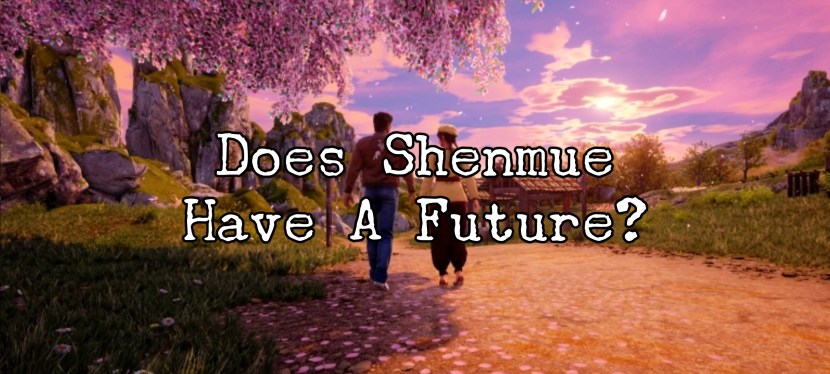
Does Shenmue Have A Future?

One of the first subjects I wrote about here on Trekking with Dennis almost five years ago was the Shenmue saga – Shenmue III specifically. With 2024 being the fifth anniversary of Shenmue III and the twenty-fifth anniversary of the first Shenmue… I thought it could be interesting to look at what – if anything – may lie ahead for the series.

For context, I played and loved both Shenmue and Shenmue II when I owned a Dreamcast just after the turn of the millennium. I was left disappointed by Sega and Yu Suzuki’s inability to conclude the story, as I found it incredibly fun and engaging. As I’ve said more than once here on the website, Shenmue was the first game I played that felt truly cinematic; as if its story would be right at home on the big screen. The combination of its open level design, realistic NPCs who seemed to have lives of their own, the modern-day setting, and engrossing narrative all came together to make it one of the best games I’ve ever played – and its sequel was just as good.

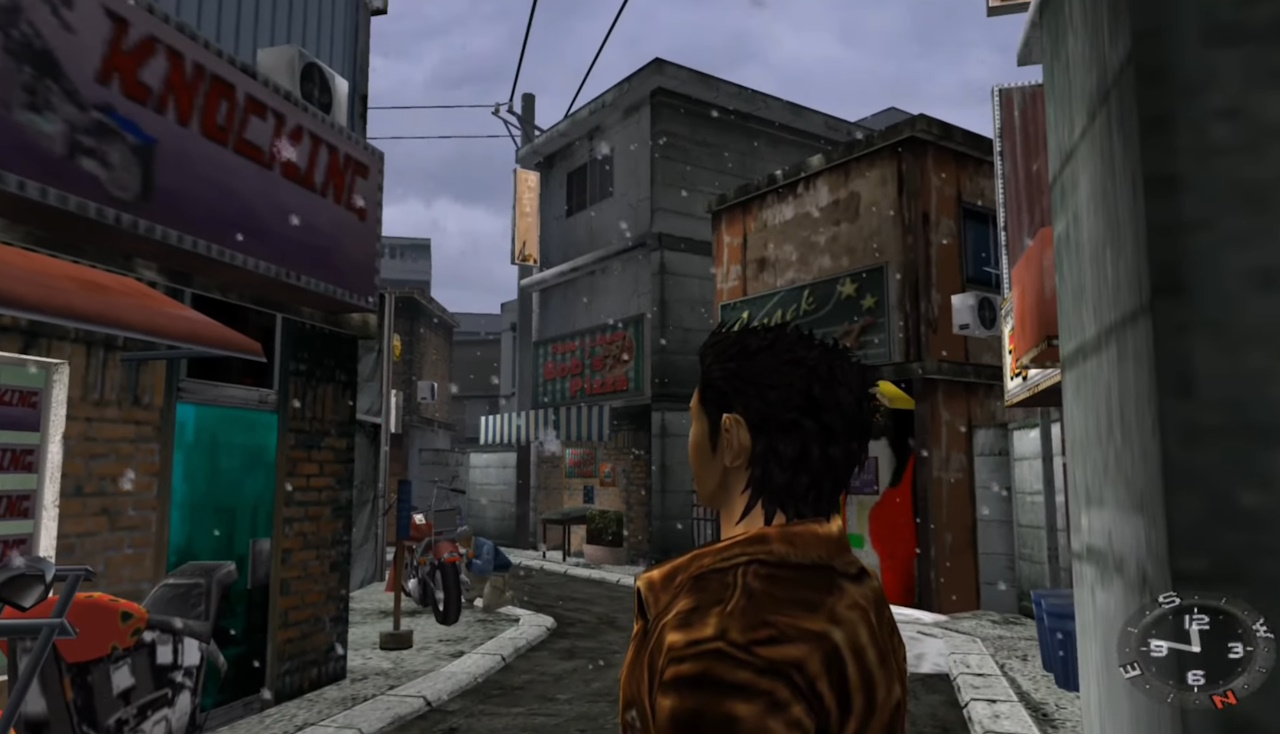
Screenshot of Shenmue I showing Ryo in Dobuita.
Shenmue’s world was unlike any I’d ever experienced in a video game before.

But here’s the thing: Shenmue was a failure. While critically acclaimed and spawning a vocal fan community that persists to this day, by every other metric the Shenmue saga completely failed. The incredibly expensive undertaking never came close to making its money back for Sega, and the failure of the Dreamcast meant that there was no way to recoup most of the two games’ development costs. Even a release of Shenmue II on Xbox didn’t help things. As bitterly upset as I may have been, I came to accept that this ahead-of-its-time masterpiece was underappreciated and would remain unfinished.

When Yu Suzuki and his independent development studio YSNet were able to buy the rights to Shenmue from Sega, it seemed as if things might be looking up. A Kickstarter campaign came along at just the right moment – when interest in crowd-funding was close to its peak – and the latent Shenmue fan community stumped up an astonishing $7 million with the hopes of concluding the saga. Backed up by additional investment from Sony, Epic Games, and others, it seemed as if the failed series was about to get one last chance.

Logo of YSNet.
Shenmue III was developed by YSNet.

A re-release of Shenmue I & II came to PC and PlayStation 4 consoles a couple of years ahead of Shenmue III’s launch. For the first time in well over a decade (since I put my Dreamcast and most of its games in a box in the attic) I re-played the games – and I had a blast all over again. But then came what I considered to be devastating news from YSNet.

The Shenmue saga was always planned as a multi-game story. Shenmue and Shenmue II told the first chapters, but there were several chapters still to tell. For reasons that, years later, I still find pig-headed and incomprehensibly stupid, YSNet was unwilling to adapt the planned story to make Shenmue III the saga’s finale. Instead, it would simply move the story along… presumably with the expectation of high sales or another crowd-funding campaign to keep Shenmue going. That always seemed completely impossible to me – and as much as I hate to say it, I was right about that. I didn’t even bother to buy Shenmue III in 2019, because what was the point? The game had, in my opinion, one job: to finish the Shenmue story. Yu Suzuki and his studio had been given a once-in-a-lifetime chance to do that by a dedicated group of fans… and they blew it.

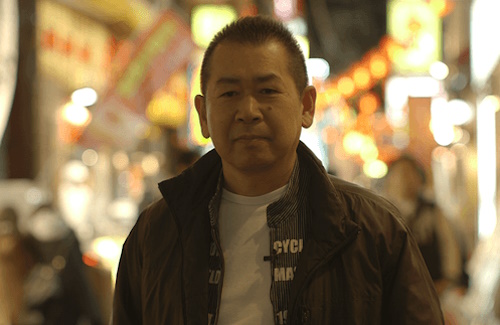
Photograph of Yu Suzuki.
Yu Suzuki, creator of the Shenmue series.
Photo Credit: YSNet; ysnet.games

The re-release of Shenmue I & II (and no, I don’t consider it a “remaster” or anything close; it’s a port) didn’t sell particularly well on PC and PlayStation – which was an ominous warning sign for Shenmue III. When Shenmue III finally launched amidst controversy over its Epic Games exclusivity on PC, it also didn’t sell very well. It seemed to me as if most of the people who might’ve conceivably been interested in buying it had already backed the Kickstarter project – one of the benefits of which was a copy of the game upon release. In its first week, Shenmue III grazed the lower reaches of the PlayStation sales charts in Japan… but didn’t even register anywhere else.

I did eventually buy Shenmue III when it was on sale on Steam. I haven’t played it yet, despite owning it for a while, and I have no real plans to. But when it was on sale for £15 or so, it seemed like a reasonable purchase. And if there’s ever news of a fourth game… maybe I’ll get around to checking it out.

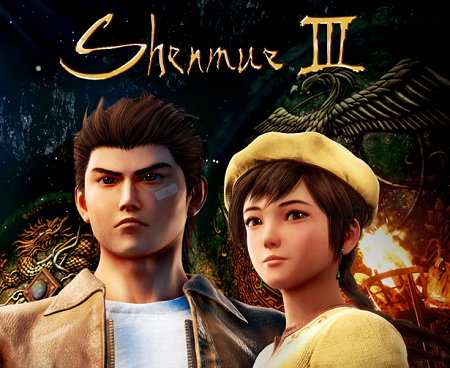
Promo image for Shenmue III with the game's logo attached.
I did belatedly purchase Shenmue III… but I have no plans to play it right now.

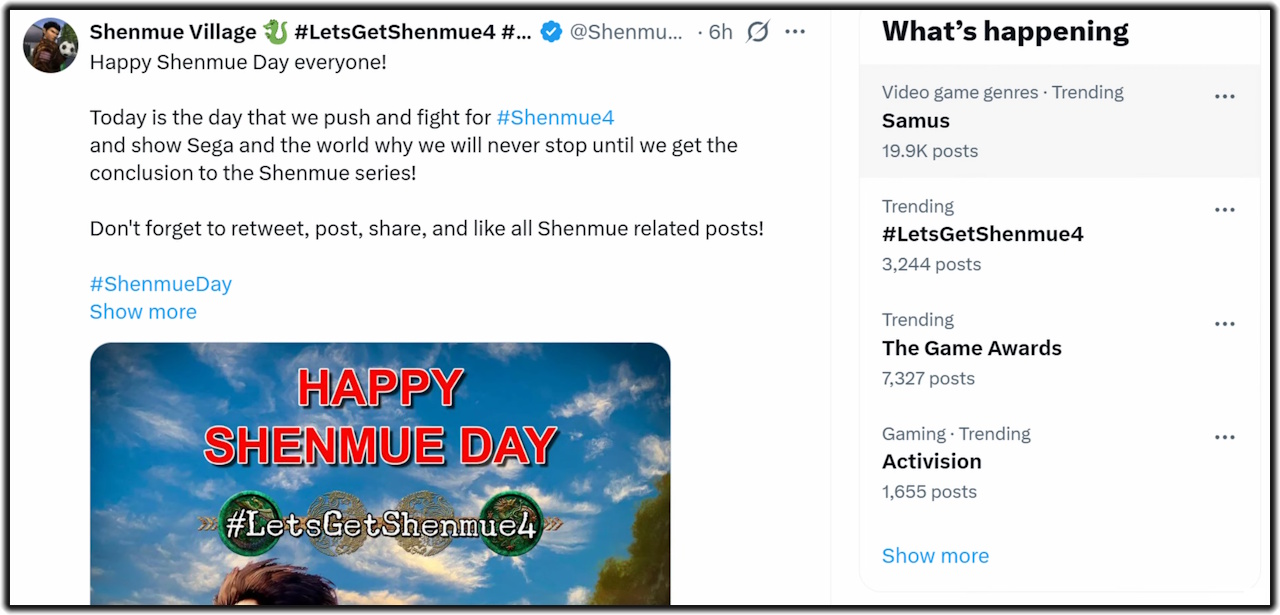
The way I see it, lacklustre sales for both the re-release of Shenmue I & II and Shenmue III demonstrate pretty clearly that this series has no mainstream appeal. Shenmue III was the last opportunity to change that – but again, the game failed to do so. So at this point, the remaining fans of the series are pretty much shouting into a void; tweet-a-thons that garner a few thousand posts at the very most feel like the last wriggles of a series in its death throes.

Shenmue’s anime adaptation also failed to bring renewed interest to the saga. I don’t have the numbers to hand, but Shenmue: The Animation ran for a single season back in 2022, and during that time, sales of the re-release and Shenmue III barely moved.

Still frame from Shenmue: The Animation showing Ryo and a female character.
There was an anime adaptation of Shenmue a couple of years ago.

Shenmue: The Animation was itself cancelled after just one season. Having adapted the story of the first two games, there was scope for a second season to dip into Shenmue III or perhaps even go beyond that… but the audience just wasn’t there either in Japan or in the west.

There was finally some Shenmue news just a few days ago, though. A new publisher – ININ Games, a company with a focus on older, retro titles – picked up the publishing rights to Shenmue III, and there’s been talk of potential ports to the Nintendo Switch and other platforms. This is by far the biggest news for Shenmue since Shenmue III’s launch back in 2019… and while I don’t expect it to really go anywhere, it’s at least noteworthy that someone, somewhere, thinks Shenmue is worth spending a little money on.

Promo image for Shenmue II showing Ryo in Hong Kong.
Ryo in Hong Kong.

At this point, twenty-five years on from the first game and five years after Shenmue III failed to light up the board, I really don’t see Shenmue IV ever getting off the ground. YSNet burned a lot of its bridges with members of the fan community with their first Kickstarter campaign, and with the decline of crowd-funding in general, raising millions of dollars that way seems like it’s off the table. With a clear and demonstrable lack of success with both the re-released titles and Shenmue III, getting significant outside investment also feels pretty unlikely.

However, the new publishing deal for Shenmue III and talk of a potential port of the game to a new platform has raised some hopes in the fan community. So let’s think about what Shenmue IV could and should look like.

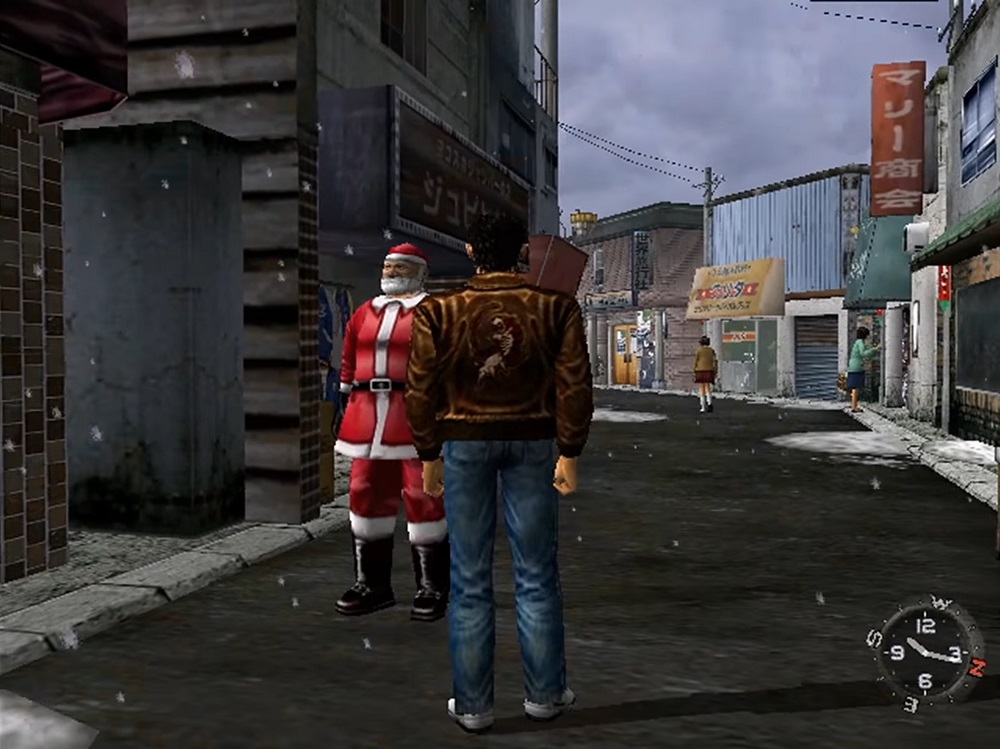
Screenshot of Shenmue I showing Ryo and Santa Claus in Dobuita.
Meeting Santa Claus in Dobuita.

For me, the bottom line is this: Shenmue IV needs to be the end. I don’t care how many chapters Yu Suzuki originally planned in the ’90s. I don’t care how much of the story would need to be slimmed down or skipped in order to get to the end. At this point, if the stars align and through some absolutely miraculous good fortune Shenmue IV is able to get off the ground, it simply must bring the story to an end. That was what Shenmue III was supposed to do – and having failed again, there may not be another chance.

Shenmue IV won’t bring in new fans – not in any significant numbers, anyway. The re-release didn’t do that and neither did Shenmue III, so as much as I wish the games were held in higher esteem and celebrated more widely, it’s time to acknowledge that Shenmue is and always has been a niche product with a small audience. But that could be a positive thing! Without needing to worry about making a game with broader appeal, YSNet could tailor Shenmue IV to the built-in audience it already has, keeping things simpler for the team.

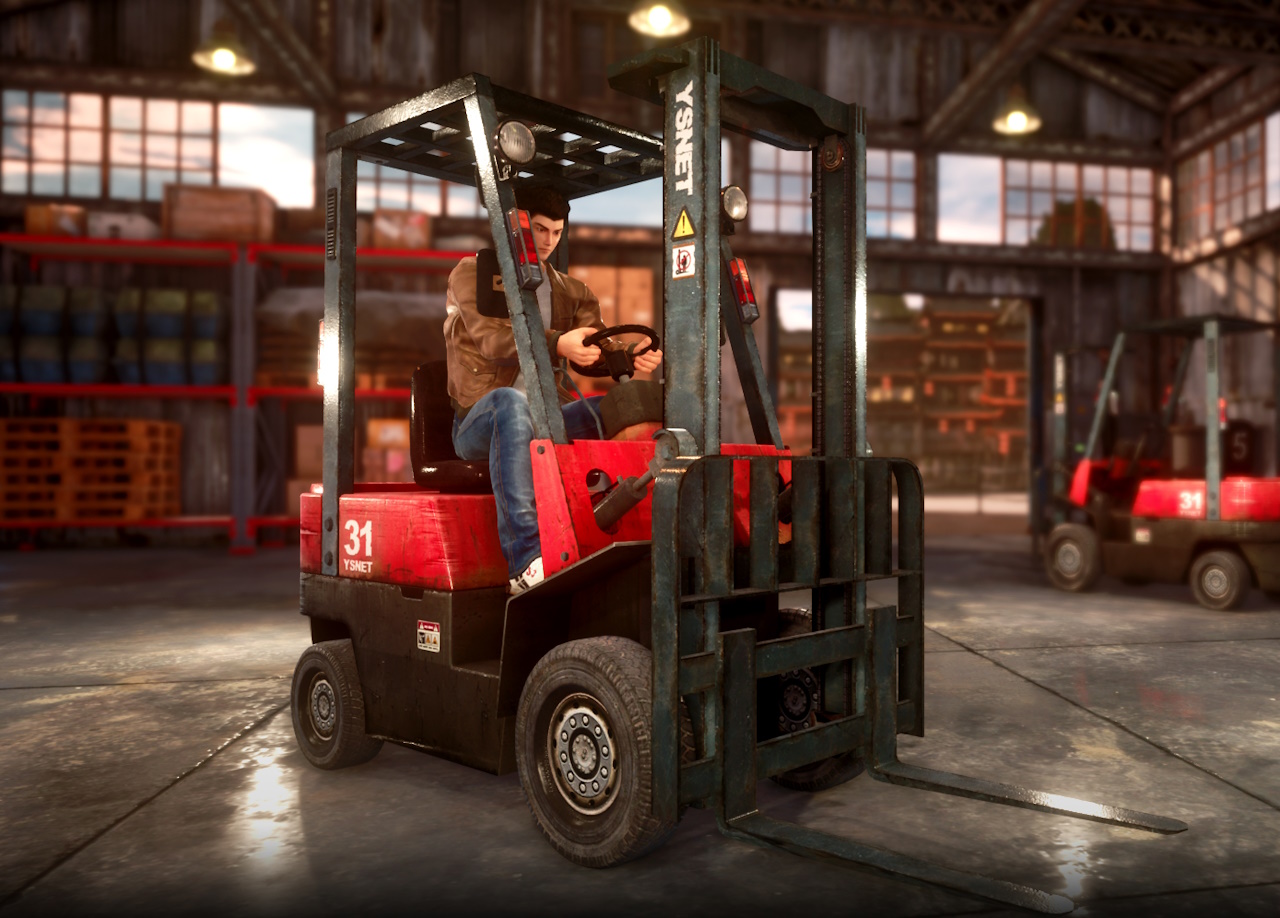
Promo image for Shenmue III showing Ryo driving a forklift.
A promo image for Shenmue III.

And there are ways to tell other chapters of the story if Yu Suzuki is still insistent on doing so. A book, graphic novel, or even a series of cheaply-animated YouTube shorts could cover whatever gaps may emerge from condensing two or three games’ worth of story into a single title. Shenmue IV wouldn’t need to cut out one massive chunk of narrative, either: it could pick up different pieces of the story with in-game cut-scenes covering the basics of the rest. In short, there are ways around this stumbling block – as there were in the 2010s when Shenmue III was being developed. Unlike last time, however, someone needs to come in and make cuts to the bloated story and gameplay – and if Yu Suzuki and his team can’t or won’t do it, then it needs to be an outsider.

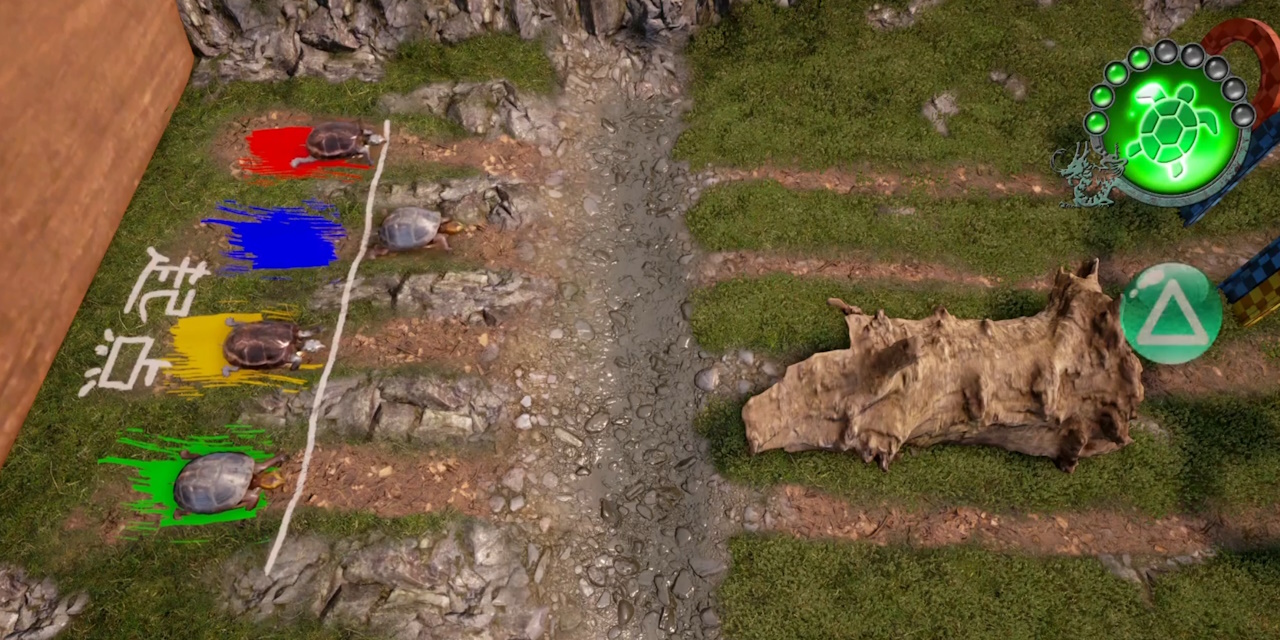
I haven’t played Shenmue III and I’ve managed to avoid major spoilers since it launched. But clips of the game that I’ve seen have included things like mini-games, a stamina system that limited how far Ryo could run, and other such bloat. Cutting some of this stuff out to focus on the core narrative – that of Ryo’s quest to track down the murderous Lan Di – would go a long way to helping a hypothetical next title move along at a much more reasonable pace.

Screenshot of Shenmue III showing a tortoise race.
Cutting back on things like mini-games could help a future Shenmue game stick to what matters: the story.

There’s an expression that I think is relevant here: “don’t let ‘perfect’ be the enemy of ‘good.'” In this case, I will happily concede that a cut-down Shenmue IV with some of its QTEs, mini-games, and open-world exploration elements removed wouldn’t be the ideal experience. It wouldn’t be completely true to the Shenmue series, either. But if it finished the story – a story I began almost a quarter of a century ago – it would be worth it. I’ll make that compromise to see the end of Ryo’s story… and that’s what I genuinely expected would happen with Shenmue III. In that sense, I’ve already committed myself to and steeled myself against those kinds of compromises.

Both Yu Suzuki himself and some die-hard Shenmue fans evidently hate this idea. But my question to them is a pretty basic one: if it’s this cut-down game or nothing, what would you rather have? I know that, speaking for myself, I’d rather see the story brought to an end, even if the journey to that end point is shorter and less free-roaming than the first chapters of the story. If you don’t agree… how long are you willing to hang on in the hopes that the “perfect” version of Shenmue IV and Shenmue V that you have in your head will ever make it to release?

Wouldn’t something be better than nothing at all?

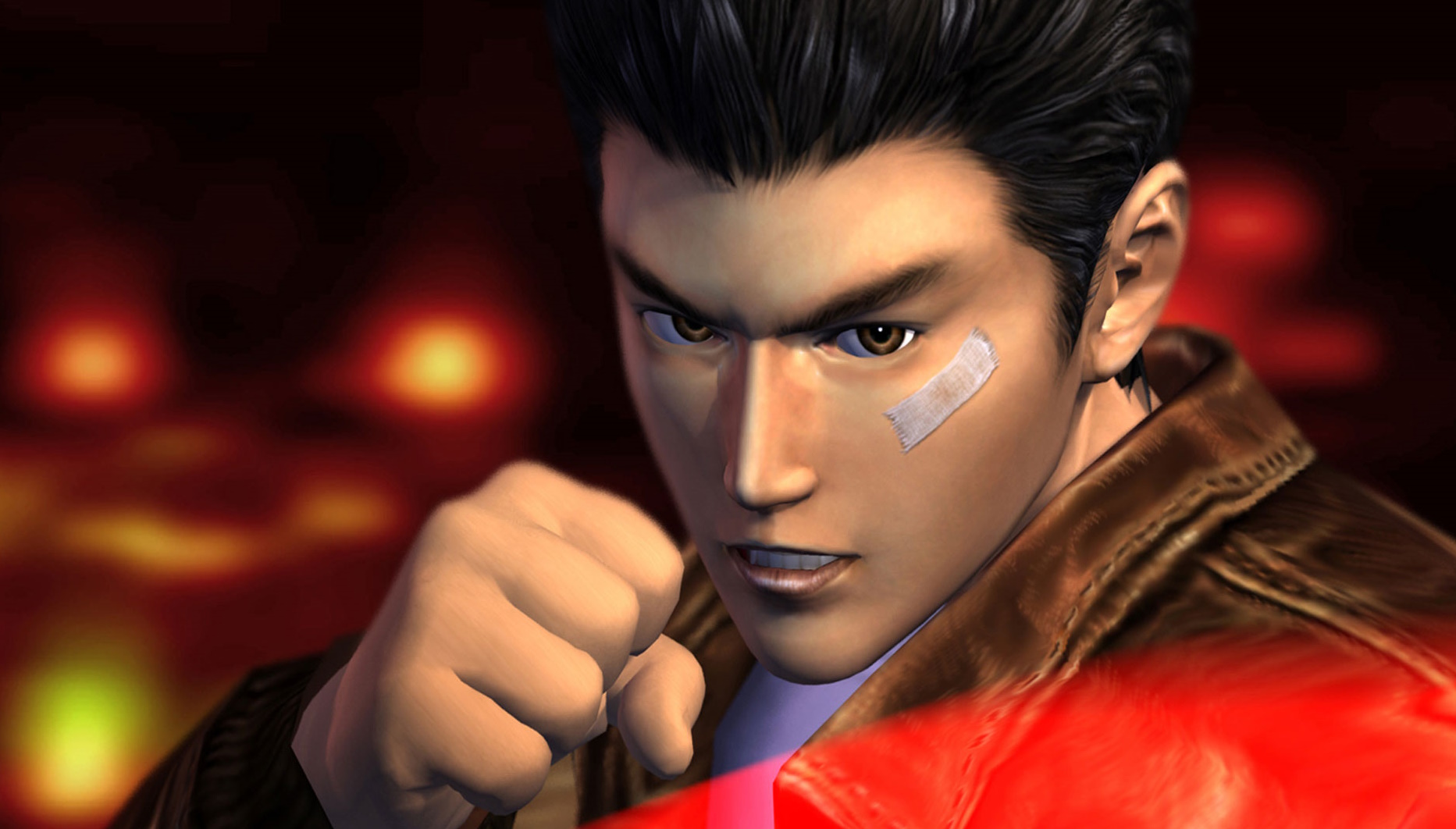
Promo wallpaper for Shenmue/Shenmue III showing Ryo raising his fist.
Them’s fightin’ words!

I’m not getting any younger. I’m the wrong side of forty and, as regular readers will know, I’m not in great shape health-wise. There’s a non-zero chance that I won’t be here in ten years’ time, and with arthritis already affecting my hands and fingers, my ability to play games is beginning to wane. In short… I don’t have the time to wait for a mythological Shenmue-loving corporation to step in and fund development. If I was Elon Musk I’d happily do it… but who has that kind of money just lying around?

Shenmue is one of my favourite games of all-time. More than that, it’s the game that showed me what interactive media could be in the new millennium, and at a time in my life where I might’ve begun to drift away from the hobby, it’s a title that kept me engaged and kept me playing. I love Shenmue and Shenmue II. And I would have given anything to see its story continue. But we’re at a point now where repeated failures and some poor decision-making have left the series’ future not so much uncertain as dead. Shenmue is, in my opinion at least, almost certainly not coming back.

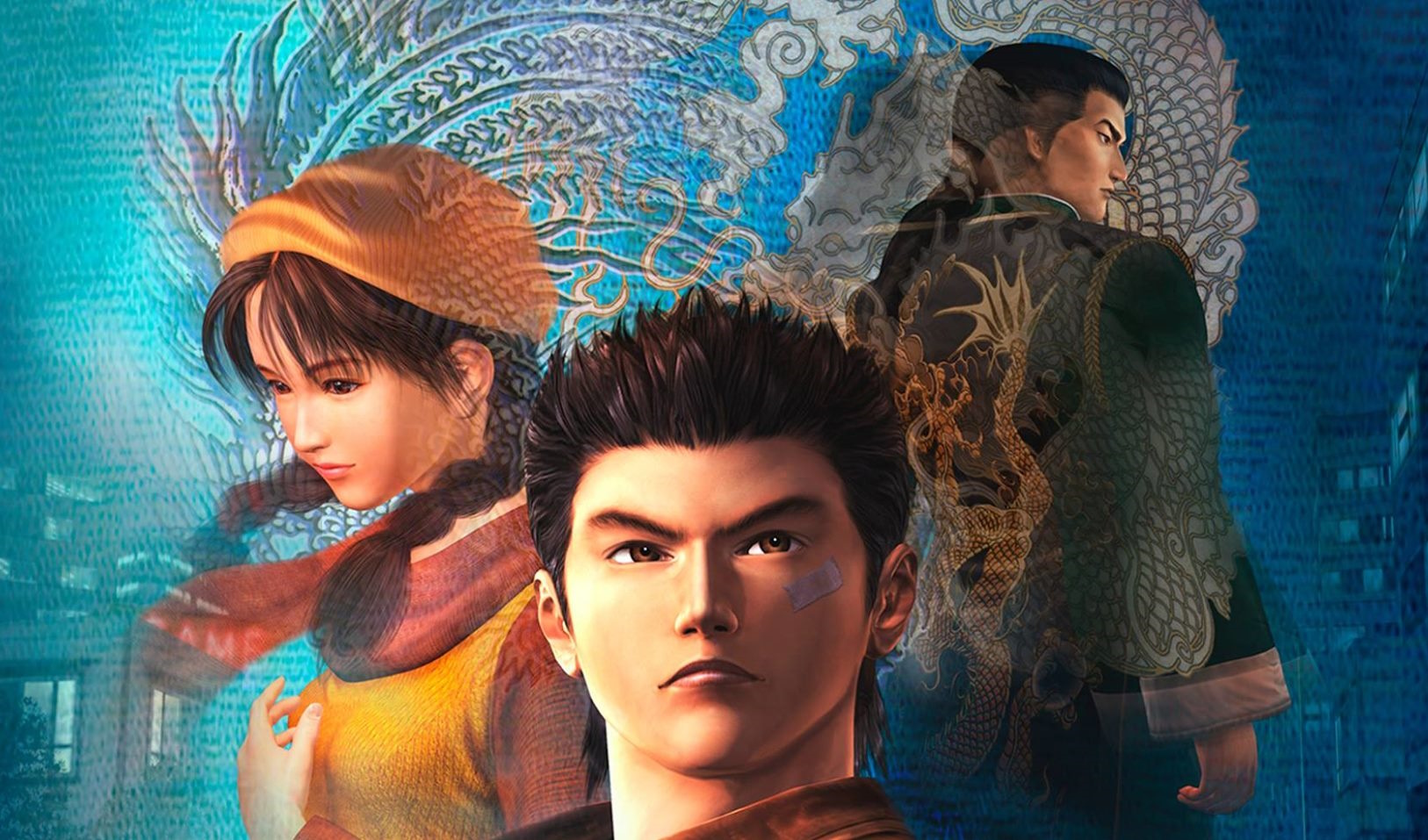
Box art/promo art for Shenmue I showing Ryo, Shen Hua, and Lan Di.
I’d love to be wrong, but I don’t see a future for Shenmue right now.

Maybe you’re of the opinion that, even if it takes another quarter of a century, we should let YSNet do its thing and tell the story they want to tell in the way they want to tell it. I’m telling you now: I don’t have that kind of time. If this new publisher is interested in another game – and despite my scepticism, I hope that they are – then my only request is this: make it the final game. Finish the story somehow, even if that means cutting back on the scope of the narrative and/or gameplay. If Ryo is going to get a miraculous third chance that, from a business standpoint, he categorically does not deserve, then have the decency to finish his story and bring the Shenmue saga to a belated conclusion.

But that’s the same red line I had back in the 2010s, and YSNet blew it. Yu Suzuki and his studio squandered the best (and probably the only) chance they had to conclude Ryo’s story, and as much as I’d like to think they’ll get a reprieve… I still struggle to see it. Five years on from Shenmue III and I feel more justified than ever in my stance back then. I said in 2019 that I was unwilling to pick up the threads of that story only to end up disappointed for the second time when it’s yet again left incomplete – and with nothing beyond vague suggestions about what YSNet might like the next game to look like, as well as sales so underwhelming that they’d make any company baulk at the notion of signing on, I get to take a very bitter victory lap… one I really don’t want to take.

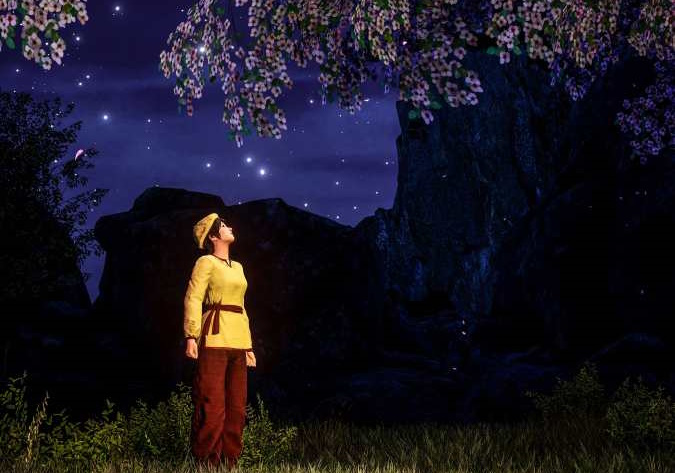
Promo image for Shenmue III showing Shen Hua.
Shenmue III was the best chance to tell the rest of the story.

If you asked me now, in November 2024, whether we’ll ever see a fourth Shenmue game, my answer would be almost certainly not. I don’t see how the series has a future, despite a new publisher signing on and talk of a potential Shenmue III port to another console. A few thousand remaining fans tweeting into the void isn’t gonna change that, because as loud and vocal as Shenmue fans can be, we’re a tiny and ever-diminishing number.

There are multiple tragedies in the Shenmue saga. The first game was light-years ahead of its time, pioneering a dense, lived-in open world years before anyone else even tried it. The world of those first two games still outpaces many modern titles in terms of depth and complexity. The demise of the Dreamcast and a player base that preferred faster-paced action-packed titles doomed the series… but that isn’t where the tragedy ends.

Screenshot of Shenmue II showing Ryo in Hong Kong.
The harbour in Hong Kong.

YSNet’s failure to recognise that the crowd-funding campaign was lightning in a bottle; a once-in-a-lifetime chance to bring a dead series back to life… that’s the final tragedy of Shenmue. Fans gifted Yu Suzuki a golden opportunity to conclude the story he started more than fifteen years earlier… and he blew it. He allowed “perfect” to become the enemy of “good,” and stubbornly refused to deviate from a planned multi-game series even when it should’ve been clear that there would never be another opportunity to bring Ryo’s story to an end.

I could’ve lived with Shenmue and Shenmue II as a disappointingly incomplete story; a millennial masterpiece that, for reasons beyond anyone’s control, would remain unfinished. But I’ve really struggled to forgive Yu Suzuki and YSNet for taking the incredible opportunity presented to them by the fan community and pissing it away on a frivolous, bloated, still-unfinished third game.

And as to the future? Maybe the jury really is still out. Maybe this ININ Games genuinely sees the potential in Shenmue IV. But until the game’s officially in production and ready to go, I’ll be sceptical. I’m pretty sure that this is where the Shenmue saga ends.


Shenmue I & II and Shenmue III are available now for PC and PlayStation 4. The Shenmue series – including all titles and properties discussed above – may be the copyright of YSNet, ININ Games, Sega, and others. Some images courtesy of Shenmue Dojo and IGDB. This article contains the thoughts and opinions of one person only and is not intended to cause any offence.

Crowdfunding and pre-ordering are completely different

One method of raising money that some game developers started using in the late 2000s and early 2010s is crowdfunding. Check out popular crowdfunding websites like Kickstarter and Indiegogo and you can find plenty of video game projects on offer, all of which are asking for your money.

In exchange for supporting a project or helping it get started, many crowdfunded games offer players their own copy – which can be a digital download or a physical boxed version depending on the title and the amount of money invested – to be delivered when the game is finally ready. This transactional approach to crowdfunding, combined with prices that are often comparable to the “standard” price of a brand-new game, has led many players to consider crowdfunding as an extended form of pre-ordering.

Logos for Kickstarter and Indiegogo – two of the web’s biggest crowdfunding platforms.

Unfortunately nothing could be further from the truth, and this fundamental misunderstanding has caused an awful lot of disappointment in recent years. It isn’t the fault of individual players, many of whom simply saw an exciting-sounding game and wanted to place their order as early as possible. Instead the fault really lies with the way these crowdfunding platforms and individual developers market their products.

When placing a pre-order for a video game, players are almost always committing their money to a project that is already fully-funded. Perhaps an indie developer has taken out a loan, or maybe we’re talking about a game produced by a larger publisher with the financial resources of their corporation. Regardless, by the time pre-orders go live for practically every title, the game’s development costs are covered and a release is assured. Some games receive delays even after accepting pre-orders, but even then a delay is usually a matter of weeks, months, or a year at the most – and the title is still being worked on.

A visualisation of buying things online…

Pre-orders are purchases – they’re a transaction between the player and the platform, shop, or publisher. As such they’re subject to a range of consumer protection laws, the most significant of which is the right to be refunded. If a pre-ordered game is cancelled, or even if a player changes their mind before release, they can simply contact the retailer or publisher and request a refund without too much hassle.

Crowdfunding, as many players have found to their cost, doesn’t work this way at all. At a fundamental level, crowdfunding is akin to a donation or an investment. As anyone who’s ever played the stock market or cryptocurrency can tell you, the value of investments can change over time, and as the developer or company you’ve donated to takes your money to use in the process of developing their game, there are no guarantees. Caveat emptor indeed.

Buyer beware!

Creating anything is an incredibly difficult and complicated process, and all manner of different unforeseeable situations can adversely impact a project. The current pandemic is an example – many films, television shows, and video games saw their production disrupted by events completely beyond their control. In short, a project may not always go as intended, and even if production goes as smoothly as possible, the end result may be radically different from its creator’s original vision.

For players who’ve donated to a crowdfunding project, this can be incredibly hard to take. They feel they were promised a particular kind of game within a given timeframe, but for any one of a thousand different reasons the game they got doesn’t align with those initial expectations or developer promises. Unfortunately there really isn’t much that can be done about this.

Many people end up angry or upset when a crowdfunded game fails to deliver.

Two examples come to mind of crowdfunding projects that didn’t go to plan. On a personal note I’ve got 2019’s Shenmue III. This title, which dedicated fans of a long-dead pair of games managed to raise an astonishing $7 million to help create, had one job as far as I was concerned: finish the story. Shenmue II had ended on a cliffhanger, and fans wanted to see protagonist Ryo Hazuki bring his quest for revenge to a conclusion. But for reasons I find utterly inexplicable, that didn’t happen. Shenmue III didn’t finish Ryo’s story.

The second example is one of the most egregious crowdfunding disasters of all time: Star Citizen. In development now for over eleven years, the game is nowhere near ready for release. While a small part of the game is available in an early alpha state, developers Cloud Imperium Games have mismanaged the project in truly epic style. With well over $300 million raised – almost all of which has been spent – Star Citizen is a complete disaster, with many of its original backers and fans now calling it a “scam” for the way it took their money.

Logo for the unreleased game Star Citizen.

Shenmue III had specific problems with its story as a result of its creator being unwilling to make cuts to the game’s bloated narrative. Star Citizen is an example of a developer getting completely out of their depth. With the amount of money Cloud Imperium Games raised growing, they felt the need to promise more features for the game. But more features meant more development time, which meant more money was needed to keep the lights on, and in order to raise more money they promised more features… leading to a catastrophic spiral from which the game will never escape. It’s a case of feature creep on an unprecedented scale.

There are plenty of other examples of disappointing crowdfunded games, including titles that ended up baring little resemblance to what had been originally promised and, of course, many games that simply never made it that far, being cancelled or simply vanishing without ever releasing so much as a teaser trailer.

Shenmue III is one of the biggest crowdfunding disappointments to me personally.

These things will always happen. In the games industry there are many examples of titles that entered development but never made it to release, including some whose details have subsequently leaked out – like Star Wars 1313, Rockstar’s Agent, and Prey 2. The key difference with those titles is that they were never being “sold” – players didn’t have to part with their money, meaning the only negative consequence of these cancellations is disappointment. On the rare occasion where a game has been cancelled after pre-orders were available that money is able to be refunded.

Because of the way crowdfunding works, players can be left out of pocket – some to the tune of thousands of pounds or dollars – if a project doesn’t go to plan. And because of the way many crowdfunded titles are marketed, players who believe that they essentially pre-ordered a game or engaged in a transaction are understandably upset. This is why we all need to educate ourselves and understand the fundamental difference between pre-ordering a game and participating in a crowdfunding campaign.

Some people invest vast sums of money in crowdfunding campaigns.

The best way I can explain it is like this:

Pre-ordering means you’re buying a game and engaging in a transaction with a company. They have already committed the financial resources to making the game, and while it can still turn out to be disappointing for all manner of reasons, your money is safe and in almost every case you’ll be able to get a refund.

Pre-ordering is a purchase; the proceeds go to the developer, publisher, and/or shop as proceeds for work already completed.

Crowdfunding is donating to a project. You aren’t purchasing anything – not even if a copy of the game is listed as a “reward” for investing your money. Your money is going to be taken by the developer to be used as part of the game’s creation, not to make a profit on a game they have already committed to making. Because a lot can go wrong or simply change during the creation of a video game, there’s a higher chance that when the game eventually releases it won’t be exactly what you expected – if it even releases at all. In any case your money is almost certainly gone, and unless you can afford to lawyer up or prove that a project was a deliberate scam or con, perpetrated by someone with no intention of creating a video game, you won’t be able to get it back.

Crowdfunding is a donation; the money is a gift which goes directly to the developer so they can fund the game’s creation.

Most projects are not scams – but that doesn’t mean things won’t go awry.

Speaking for myself, I’ve never donated to a crowdfunding campaign. Even when it came to titles like the aforementioned Shenmue III I simply concluded that I don’t have the money to lose. As someone on a low income my budget for video games – and any other entertainment product – is already low, so the idea of investing in the creation of something, no matter how “cool” it might sound, is something I’m unwilling to commit to.

Sadly, some of these failures and disappointments will lead to fewer players being willing to donate their money to crowdfunding campaigns in future. That will have an effect on some smaller independent developers for whom crowdfunding may be the only viable method of fundraising to bring their dream to life. In some cases we can lay the blame at the feet of large companies or wealthy individuals who essentially “abused” the crowdfunding model to create projects they could almost certainly have afforded to fund out of their own pockets. But some of the blame also lies at the feet of developers like Cloud Imperium Games, who have failed to deliver what they promised after more than a decade – while trying to convince players to buy in-game items that can cost upwards of $1,000. The whole thing gives crowdfunding a bad name.

Cloud Imperium Games is the company behind Star Citizen.

Your money is your own, and how you choose to spend it, donate it, or invest it is up to you. I would never tell anyone not to participate in a crowdfunding campaign, because at the end of the day it’s a personal decision. The gambler’s advice is always worth bearing in mind, though: “never invest more than you can afford to lose.” That’s true of poker games and it’s true of crowdfunding too.

I’ve been meaning to write this piece for a while; it was one of the articles I had in mind when I first created this website almost two years ago. Having spoken with several acquaintances who felt “scammed” by a crowdfunding project gone wrong, and seeing many comments and criticisms online of titles like Star Citizen from irate backers who feel – wrongly, I’m afraid – that they had something akin to a purchase guarantee or pre-order, I wanted to add my two cents to the conversation.

It’s my firm view that crowdfunding and pre-ordering are very different things, no matter how a project may be marketed. Some companies and individuals definitely cross a line, or come close to it, with how they talk about their projects and try to convince people to part with their money. But at the end of the day it’s up to us as individuals to make sure we understand what we’re getting into before we make any kind of financial commitment.

All titles mentioned above are the copyright of their respective developer, studio, publisher, etc. Some stock images courtesy of Pixabay. This article contains the thoughts and opinions of one person only and is not intended to cause any offence.
I didn’t buy Shenmue III

I was a huge Shenmue fan back in the Dreamcast days. I played both the first and second instalments many times over, and I loved the modern, real-world setting, and the cinematic storytelling. Before I played Shenmue, my experience with video games was limited mostly to 2D titles on the SNES and Sega Mega Drive, and while I had played 3D games before on the Nintendo 64, most of those were titles like Super Mario 64 or Donkey Kong 64, neither of which you’d describe as particularly story-driven, cinematic, or realistic. My favourite N64 games, by the way, outside of Super Mario 64, were probably Star Wars: Shadows of the Empire and Jet Force Gemini, both of which managed to have decent stories. But I digress.

Shenmue represented a colossal leap in gaming for me, showing me that video games were more than just digital toys and could tell stories that would be equally at home on the big or small screen. And Shenmue was a genuinely groundbreaking game in many ways. Its large world, with short transitions between areas, was as close as it was possible to get to an open world in 1999. Characters felt real, they had jobs, they had schedules, their place of work was open during some hours of the day and closed in others. Almost every shop and restaurant in the game was accessible, even if many of them played little or no role in the main story. It was possible to spend hours and hours just walking around town, soaking up the atmosphere, talking to people, and yes, playing mini-games. To call the mini-games “mini” is a bit of a stretch, because contained within Shenmue were two full games of the 1980s – Space Harrier and Hang On – as well as a darts game and two QTE games. This alone was enough to draw me in. I spent hours playing Space Harrier and Hang On, first at the in-game arcade, and later when I realised it was possible to win copies of the games to play at main character Ryo’s home (on an anachronistic Sega Saturn), I tried to do that too.

Promo image for Shenmue.
Key art for Shenmue.

While we’re talking about QTEs or quick-time events, Shenmue was the game that invented them. While QTEs get somewhat of a bad rap nowadays, thanks I’m sure to their misuse and overuse in other titles, in Shenmue they added a sense of tension and drama to what would’ve otherwise been a simple cut scene. Shenmue had even found a way to make its cut scenes interactive, and again that was a huge deal in 1999 and one I really came to enjoy. It kept the gameplay going during those moments. Sure, there were still cut scenes (a large number of them) but the QTE sequences were something new and exciting, and because you had mere seconds to respond, added a great deal of tension to the sequences in which they appeared.

Shenmue described its world in the manual as F.R.E.E – “Full Reactive Eyes Entertainment”. For some reason I still remember that two decades later! It was the term for describing an open world before anyone had invented the name “open world”. And though Shenmue‘s world may seem small in comparison to some titles today, it really did let you do a lot.

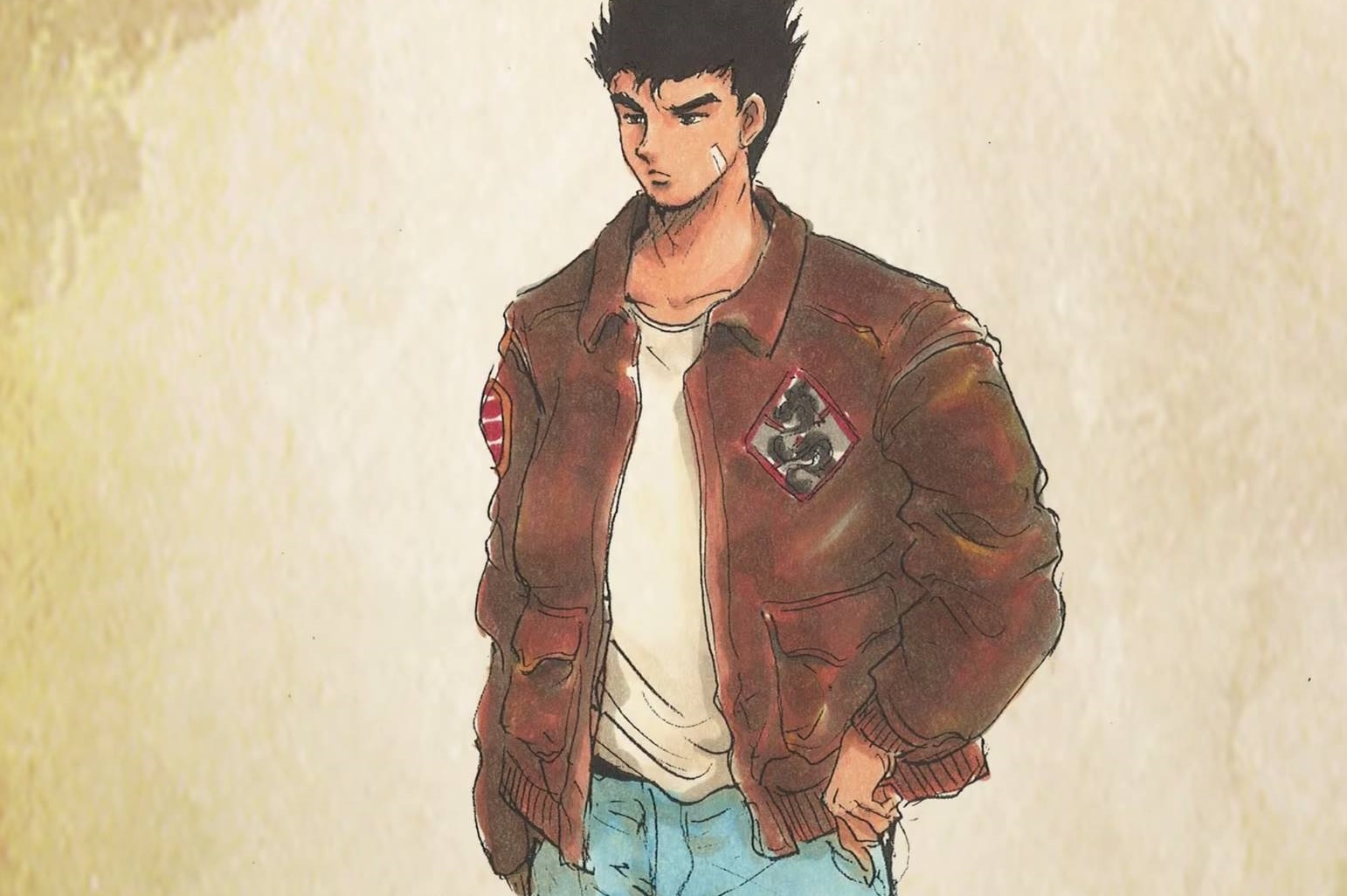
Concept art of Shenmue protagonist Ryo Hazuki.
Concept art of Ryo.

It’s easy to understate nowadays just how much the game fitted into its four Dreamcast GD-ROM discs: there was walking/exploration, fighting, QTEs, driving (both a forklift and motorcycle), examining both the environment and objects in first-person, mini-games and arcade games, fully-voiced characters, a day/night cycle, randomised weather patters (and day-accurate weather for that region of Japan based on real-world weather data) which included snow, rain, overcast, and sun, and other elements which I’m sure I’m forgetting.

For its day, Shenmue was incredibly ambitious, and while the finished product might not appeal to everyone (I’ve heard some describe its slow pace as “boring”) it blended together all of those elements successfully into a single experience that really felt like a real, lived-in world. No other game before had come anywhere close to this, and I was awed by what I was playing.

Screenshot of Shenmue showing a harbour security guard.
A guard at the harbour.

Some aspects of Shenmue and Shenmue II have not aged well, and it’s worth admitting that up front. The controls for the fighting sequences are essentially taken straight from the 2D beat-em-ups of the early- and mid-90s, complete with complicated multi-button combos, and don’t translate well to a fully 3D game. I would often find Ryo flailing around, swinging kicks and punches at mid-air because an opponent had moved to one side or the other. And the lack of a difficulty option is noticeable nowadays, especially speaking as someone with health issues who usually will play games on whatever the easiest setting is!

The controls, even on last year’s remaster, are clunky and awkward by today’s standards. I lost count of the number of times Ryo would get stuck halfway up a staircase because there was no fine control, or how he would find it difficult at times to successfully navigate a doorway. Much of the recorded audio in the first game is also of relatively poor quality, and on a decent set of speakers or a soundbar today sounds like listening to an amateur YouTuber who’s just upgraded to their first $15 microphone.

Promo image for Shenmue I/III showing Ryo with his fists raised.
Ryo Hazuki.


But despite these criticisms, when I replayed the games last year, for the first time in well over a decade, nostalgia hit and I was really enjoying myself again.

So why haven’t I bought Shenmue III now that it’s finally out?

It’s been eighteen years since I left Ryo in a cave in China, and as a huge fan of the first two games, I should’ve been first in line on day one to pick up the third title and resolve that cliffhanger. But I wasn’t. Shenmue III has been out for a few weeks now, and I still haven’t picked it up either on PC (my primary gaming platform) or PS4. As the third part of a game which was all about a single story, Shenmue III was unlikely to pull in a lot of new players, which means it really needed older fans of the games, or people who’d become fans by playing last year’s rereleases, to step up and buy in. And while early sales put Shenmue III somewhere in the top ten PS4 titles in its launch week, it doesn’t seem to have sold like hotcakes.

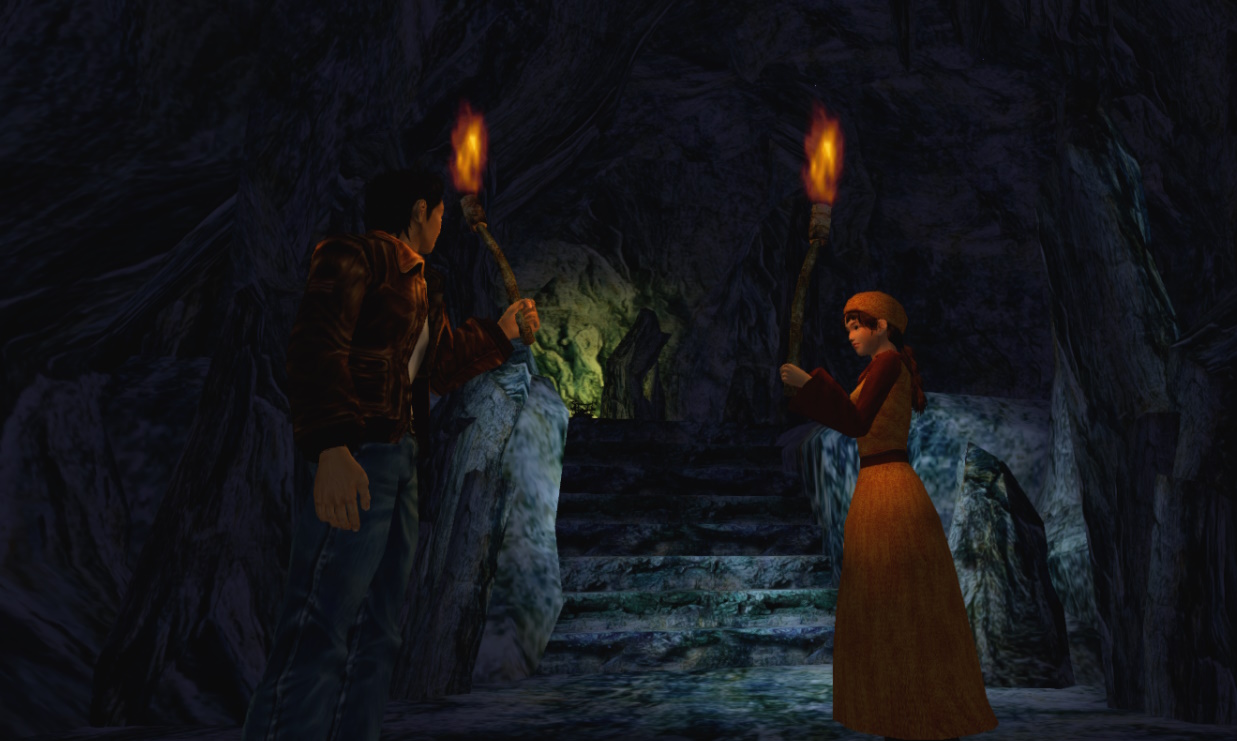
Still frame of Shenmue II showing Ryo and Shenhua in a cave at the end of the game.
This is where I left Ryo’s story all the way back in 2001.

That matters because if the game doesn’t sell enough copies for the likes of Sony and Epic Games (both of whom pumped money into the title well above its $7m that it earned from Kickstarter) how will it get a sequel? But wait, isn’t Shenmue III the sequel I’ve been waiting eighteen years for? Nope. Because it doesn’t conclude Ryo’s story.

I genuinely don’t understand how Yu Suzuki and company could have made such a monumentally bad decision. Shenmue as a series was as dead as dead could be. And it died because it was a failure. It managed to have a very vocal fanbase, but that fanbase was tiny. Only around 100,000 people bought Shenmue II in 2001, a drop-off of more than 90% from the 1.2 million players who bought the first game. And Shenmue lost an insane amount of money for its companies. The reason Sega was totally happy to part with the rights to the franchise in 2013/14 is because they knew then that it would never make them any money. So when Shenmue fans raised a whopping $7 million in 2014 to make a third instalment, Yu Suzuki and his team should’ve recognised what a miracle that was. Finally, after all these years, the story could be complete.

Kickstarter's 2019 logo.
Shenmue III was backed by thousands of fans on Kickstarter.

But Shenmue‘s story, which had been planned out in 1999, was supposed to take place over multiple games, five, six, perhaps even seven titles being necessary to complete all sixteen “chapters”. The first game, by the way, contained only the first chapter, with chapter two taking place between games in comic book form, and three, four, and five encompassing the second game. So on the one hand, Ys Net – Yu Suzuki’s studio responsible for making the third game – had raised $7m to make another game, while on the other hand still having perhaps ten or eleven chapters remaining.

The sensible thing to do would’ve been to make cuts. Whole sections of the story could’ve been cut out, or alternatively released as novels or comics. And Shenmue III, so eagerly awaited by fans, could’ve rounded out the story and given Ryo the conclusion we’ve all been waiting for. It didn’t have to be a perfect ending by any means, but it did have to be an ending, because the chances of getting lightning to strike twice and being able to make another Shenmue game after this one were always slim to nonexistent.

And that was before Ys Net managed to upset many of their core fans with delays and the now-infamous Epic Store exclusivity deal on PC.

Promo screenshot for Shenmue III showing Ryo on a forklift.
Ryo driving a forklift in a promotional screenshot.

When that news broke last year, that Shenmue III wouldn’t complete the story, I was gobsmacked. I’d never imagined that they’d make such a horrible decision, and while I’d avoided donating to the project when it was seeking crowdfunding (as I do on principle for every project – I just don’t have the money to waste) I was certainly planning to pick up a copy when it released. But upon learning that the story wouldn’t draw to a close, I became increasingly sceptical of Shenmue III. For me, the worst possible outcome would be getting drawn back into that world, only to be left on another cliffhanger like I was in 2001. With slim prospects of a sequel any time soon, that would be like reopening an old wound.

And under those circumstances, it might be better to wait and see whether a sequel can be developed before deciding. At the end of the day, I don’t want to waste my time on another incomplete game. And you can bet your boots if Shenmue III doesn’t get a sequel, in another fifteen years there won’t be anyone around willing to stump up crowdfunding cash to try. It’s now or never.

Screenshot of Shenmue showing Ryo in Dobuita in the snow.
Ryo with Santa Claus in Dobuita.

If Yu Suzuki couldn’t bring himself to make significant cuts and changes to the story to get it to fit into a single release, someone else needed to be brought in to make those changes for him. Realistically, this was probably Shenmue‘s only chance to conclude its story and Ys Net blew it.

As a fan from the Dreamcast era, I’d rather leave Shenmue there, an incomplete masterpiece, sadly unfinished, rather than drag it into the modern era where it would become a still-unfinished game and a colossal disappointment. I hate becoming jaded, bitter, and negative about a series I used to really love. But I just can’t understand the decision-making that led to this. And I’m so very disappointed that still, eighteen years on, Ryo’s story is unfinished. They had a golden opportunity – handed to them by the fans – and they didn’t take it. If Shenmue III is disappointing for any reason, it’s that. And I honestly don’t know whether I want to bother with it again, because right now Shenmue IV seems like a very unlikely prospect. It’s disappointing to have waited so long only to get another unfinished story.

Sorry Ryo, but I think you’re on your own.


Shenmue III is out now on PC and PlayStation 4. Shenmue I & II are available on PC, Xbox One, and PlayStation 4 as a single title. All copyrights are owned by Ys Net, Sega, Epic Games, DeepSilver, and Sony. This article contains the thoughts and opinions of one person only and is not intended to cause any offence.
Article edited in November 2024 for formatting and to add images. Some images courtesy of Shenmue Dojo and IGDB.