Star Wars – The Acolyte: TV Series Review

A spoiler warning graphic.

Spoiler Warning: There are spoilers ahead for Star Wars – The Acolyte. Minor spoilers are also present for other Star Wars productions.

I recently got around to watching The Acolyte – the latest made-for-streaming series in the Star Wars franchise – so it’s time for a review! Before The Acolyte premiered, I had the show on my radar as one of the more interesting-sounding Star Wars projects. For the first time on the big or small screen, here was a project that promised to step away from the familiar characters and time period that have anchored every other Star Wars project to date. With a focus on the Sith, too, I felt that The Acolyte had a lot of potential.

Because I came late to The Acolyte, I’m aware that the series has proven to be controversial in some quarters of the Star Wars fan community. I always like to review a film or show without having been exposed to other people’s thoughts and opinions, but the volume of criticism that has been flung in the direction of The Acolyte has proven to be inescapable over the last few weeks. To be honest, that’s part of why I decided to watch it and review it for myself; a sense of “surely it can’t be that bad” ended up combining with my earlier interest in the show’s setting and time period!
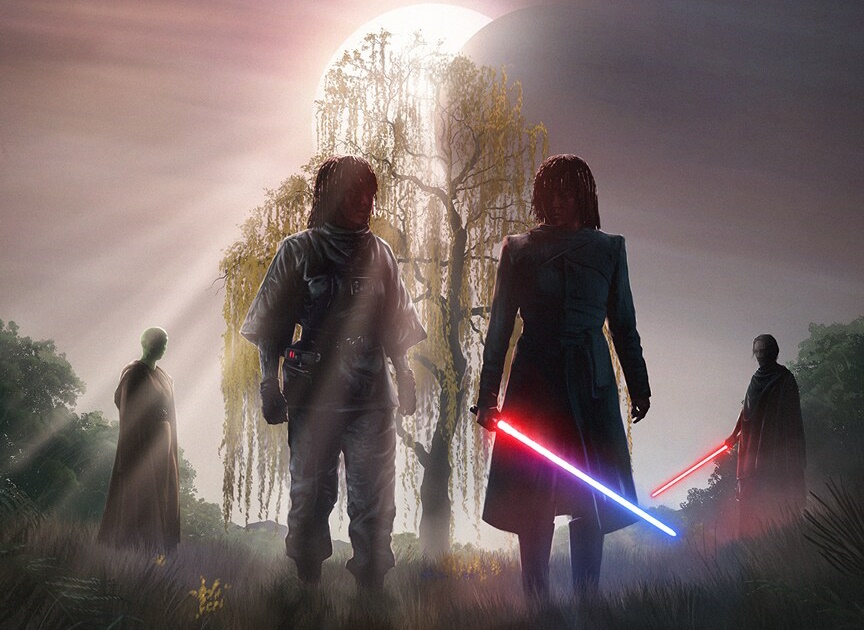
Cropped promo poster for episode 8 of Star Wars: The Acolyte.
Promo poster for The Acolyte.

As you might expect when the criticism and hatred reaches that kind of fever-pitch: no, The Acolyte was nowhere near as bad as some fans and “influencers” were trying to paint it as being. That’s not to say it was a perfect production by any stretch – there were a couple of pretty in-your-face narrative flaws, some underdeveloped secondary characters, and despite the show’s promise of accessibility to new viewers, a lot of the density of “lore” that can make a franchise like Star Wars offputting to folks who are unfamiliar with its galaxy, factions, and technologies.

I will let you know right off the bat that I am not a stickler for the minutiae of “canon,” nor someone who insists that stories within a franchise must be constrained by every little detail that came before. It’s fine if you feel that way, but this review isn’t going to pick on the very minor appearances of a couple of prequel-era characters and dive into their fictional backstories! Some of the nitpicking I’ve seen online about The Acolyte felt just plain silly to me, and I think the series did a good enough job of avoiding stepping on the toes of the mainline Star Wars films in a big way. The biggest secret to keep in that regard was the existence of the Sith in this time period – and when the series ended with every Jedi who’d seen the Sith assassin dead, and the only survivors believing him to be a “fallen Jedi,” I think we can say that that particular “plot hole” simply isn’t a thing. As the credits rolled on what I assume will be the only season that The Acolyte will get, its story’s loosest ends were tied up.
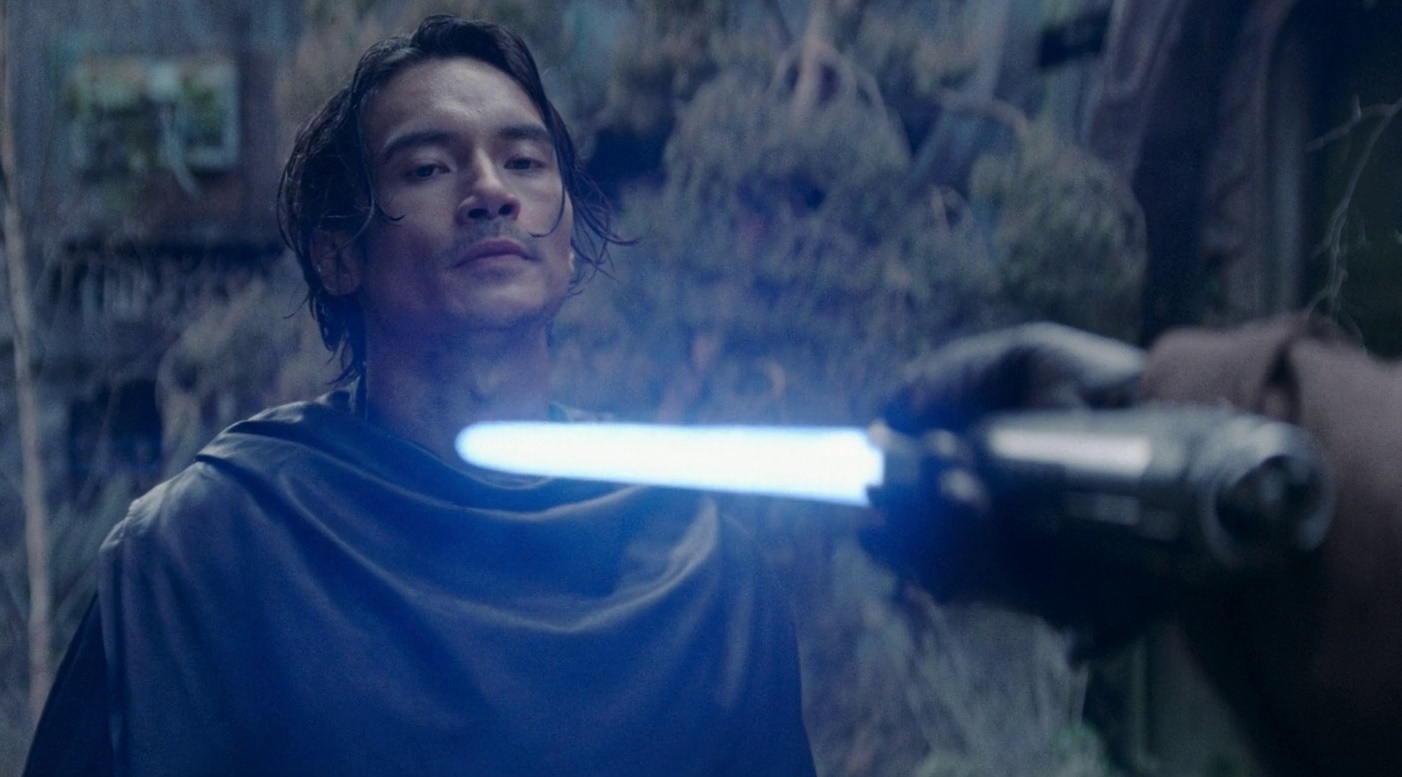
Still frame from Star Wars: The Acolyte showing a character wielding a lightsaber.
Master Sol confronts the Sith assassin.

At time of writing, Disney and Lucasfilm haven’t confirmed or denied that The Acolyte will be cancelled, but given the fan reaction and the show’s relatively low viewership – according to reports, The Acolyte was doing a lot worse than The Mandalorian, Obi-Wan Kenobi, and even the maligned Book of Boba Fett – it’s hard to see it being renewed as things stand. Although Disney is keen on this High Republic time period in some spin-off media, I’m not sure that alone will save The Acolyte. Disney’s biggest event of the year – the D23 expo – has just come and gone at time of writing, as has the year’s biggest Comic-Con event, and no announcement of a renewal was made. The first season’s story left things deliberately open, but also wrapped up the main events we’d been following – so it’s not like there’s a cliffhanger desperately waiting to be resolved. All things considered, I’d say cancellation feels likely.

So let’s talk about the series itself. On the whole, I had a pretty good time with The Acolyte – and even though that may be a minority position, I’ll do my best to explain what I enjoyed, as well as criticise what I didn’t.
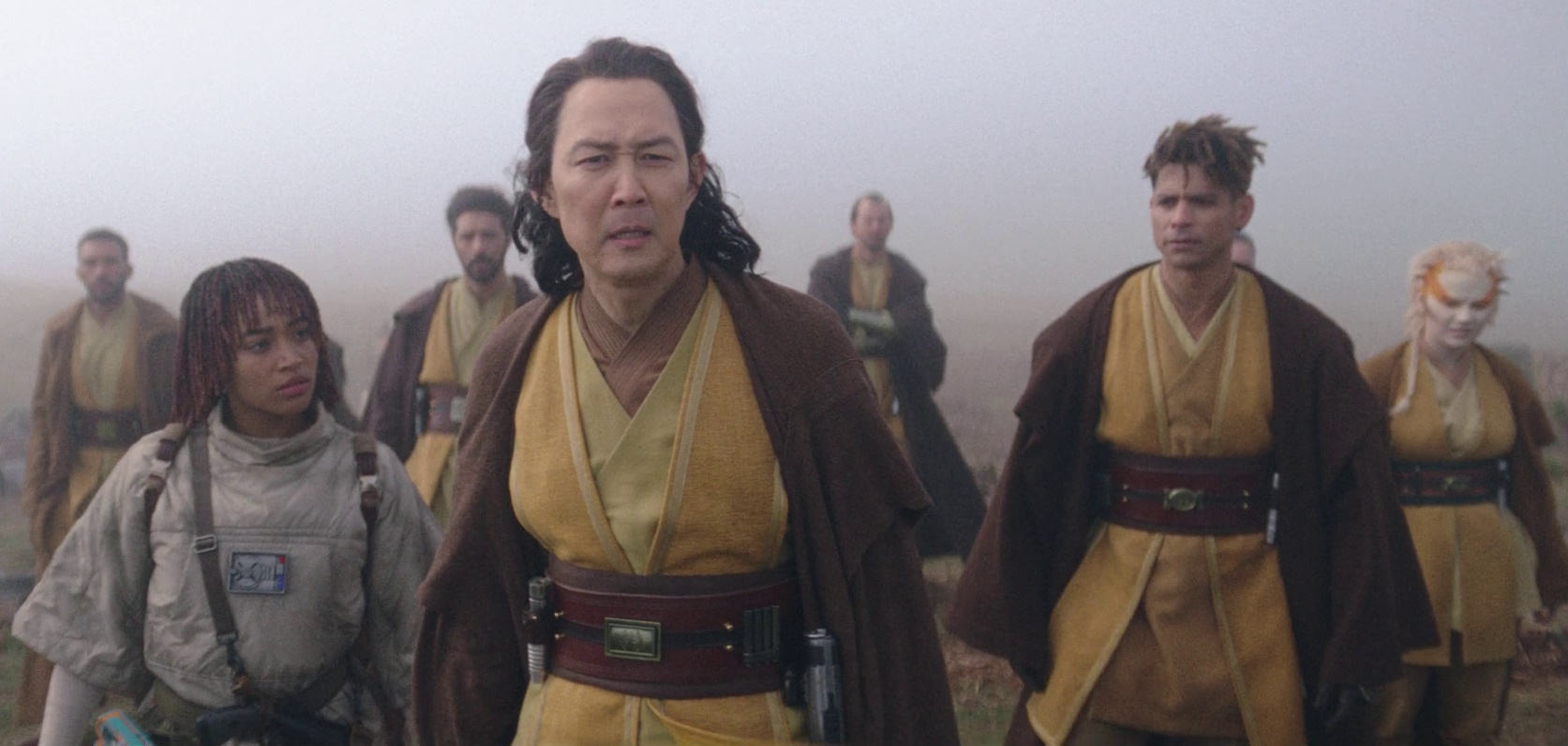
Still frame from Star Wars: The Acolyte showing a group of Jedi in yellow robes.
A couple of main characters and some Jedi redshirts. Should that be “Jedshirts?”

Stepping away from the “Skywalker Saga” is something I’ve argued that the Star Wars franchise has needed to do for a long time, and while some recent productions have taken steps in that direction, The Acolyte is the first time we’ve seen Star Wars move so far away from that story on the small screen. There were a couple of crossover characters – but their appearances were so minor as to barely even count as cameos. Speaking for myself, I was pleased that The Acolyte went down this road, and that after relying on the crutch of nostalgia and familiar characters for such a long time, Disney and Lucasfilm have finally been bold enough to try something a little different.

That being said, there’s still a lot of familiarity in The Acolyte. For brand-new viewers, a group that The Acolyte’s producers claimed to be targeting, I think there was still quite a lot of fairly dense lore and background to wade through in order to fully understand what was going on, which faction was which, and so on. There was an admirable attempt to open up Star Wars to new fans – which is something the franchise was going to have to do sooner or later – but for me, at least some of that seemed not to stick the landing. My impression is that this was a series that new fans could approach a bit more easily than, say, Obi-Wan Kenobi or The Book of Boba Fett, but still not the softest of landings for someone totally unfamiliar with Star Wars. The first couple of episodes in particular throw a lot at the audience with the Jedi Order, droids, hyperspace, and other elements that weren’t really explained.

Still frame from Star Wars: The Acolyte showing the Jedi Temple.
The Jedi Temple on Coruscant.

And this is actually a trend that continued across all eight episodes – and extended to other plot points, too. The Acolyte didn’t always take the time to fully lay out what was going on in an easy-to-follow way, leaving some scenes and sequences feeling cut short. More time was needed in some of these moments to either add context or an explanation of what was going on. Occasionally the series would revisit events through a flashback that added to something we’d seen earlier – but not always.

This is a problem I’ve had with many made-for-streaming shows over the last few years: they’re too short. The Acolyte, for instance, across its eight episodes runs to a scant five hours, and when several plot-crucial scenes and sequences felt curtailed or in need of additional framing and context, I can’t help but feel that Disney and Lucasfilm have repeated a mistake they’ve already made with other Star Wars shows. Streaming isn’t like broadcast television – there’s no need to stick to rigid schedules. Episode runtimes can be expanded, and even whole new episodes can be added to a season if necessary. Sure, there are budgetary constraints – but when we’re talking about moments that can make the difference between a scene being easily understood and just plain confusing… it’s gotta be worth it, right?

Still frame from Star Wars: The Acolyte showing Osha firing a blaster pistol.
Osha firing her blaster pistol.

To give one example from The Acolyte: at one moment in the second episode, Osha draws her blaster pistol to shoot at Mae – her twin – while she’s trying to make her escape. Osha misses, and the way the scene was framed left it totally unclear as to whether she missed on purpose or by accident. The difference that makes to the tone of the rest of the episode – and to how we are meant to perceive Osha as a character as she deals with Master Sol and other Jedi – is massive. Not knowing how to read that moment made subsequent scenes and sequences feel muddled and confused – and it’s all because The Acolyte’s director, editors, and producers failed to add the necessary context to make that moment easy to follow.

While we’re talking about confusing moments, I felt that it wasn’t always easy to tell which twin was Osha and which was Mae during some of the flashback scenes. Identical twins dressed in identical costumes made it difficult to keep track of who was who – something not helped by the editing and camera angles. Perhaps this was deliberate… but if that’s the case, I struggle to see why. Knowing that Mae was the one who wanted to stay with her coven and learn Force magic while Osha was the one who wanted to leave was essential to both of their character journeys.
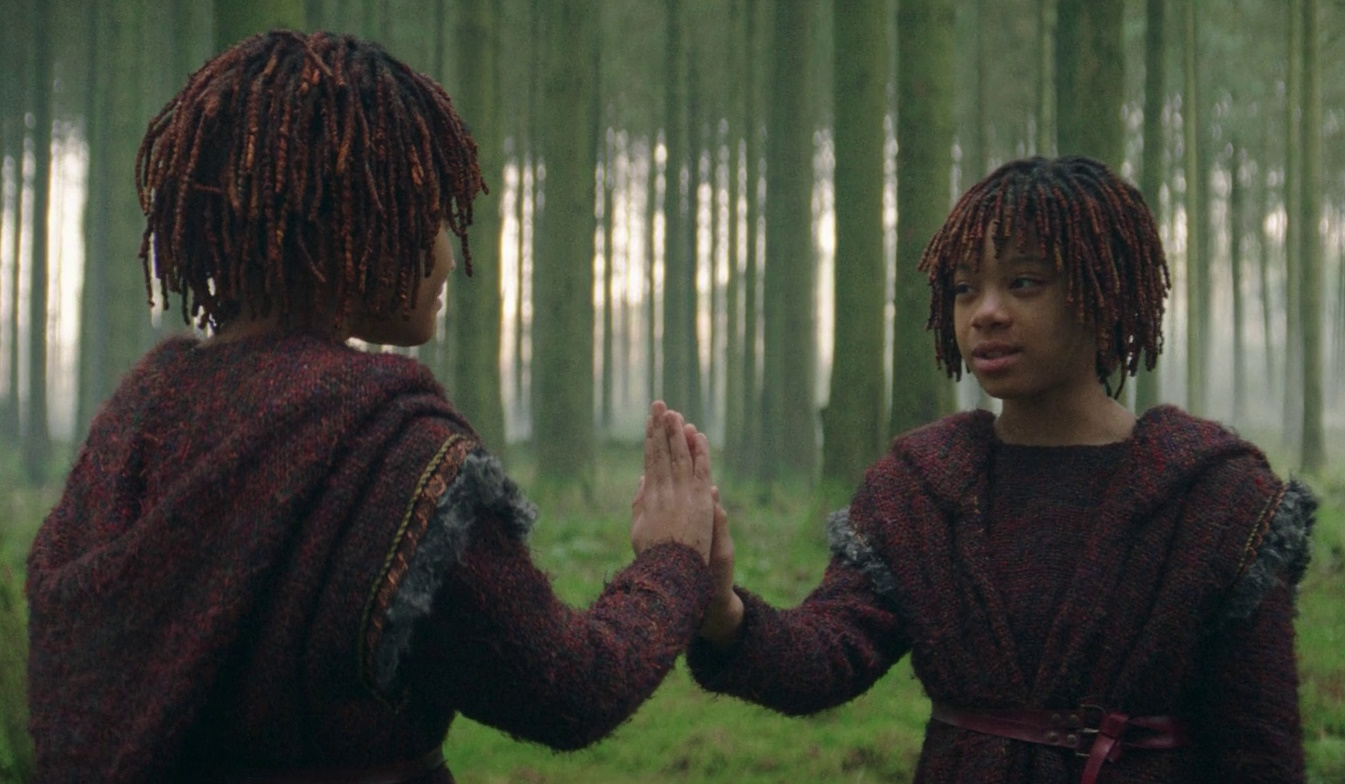
Still frame from Star Wars: The Acolyte showing young Osha and Mae.
Young Mae and Osha (or Osha and Mae).

Since we’re talking about the twins, I find it odd that The Acolyte’s production team didn’t cast a real set of identical twins in the lead role. The younger versions of Osha and Mae were played by twins, but the adult characters were both played by the same actress. This isn’t to criticise Amandla Stenberg’s performance, by the way, as I felt she did a solid job with both Osha and Mae. But rather that it’s worth pointing out that there are relatively few high-profile roles for twins, and just like how casting an able-bodied person to play someone with a disability (or worse, having someone made up to appear to be from a different race) is something most mainstream productions now try to avoid, it’s a bit of an oddity – and one I haven’t really seen mentioned in the conversations surrounding the show.

The Acolyte’s story portrayed the Jedi Order in arguably the most negative way we’ve ever seen on screen – showing how the organisation and its members easily fell prey to internal politicking, arrogance, and self-righteousness. This is a narrative thread that links up with the prequel trilogy – though the prequels were arguably less extreme and still painted the Jedi as the “good guys” in a relatively black-and-white story. It also connects with something Luke Skywalker said in The Last Jedi about the hubris of the Jedi Order.
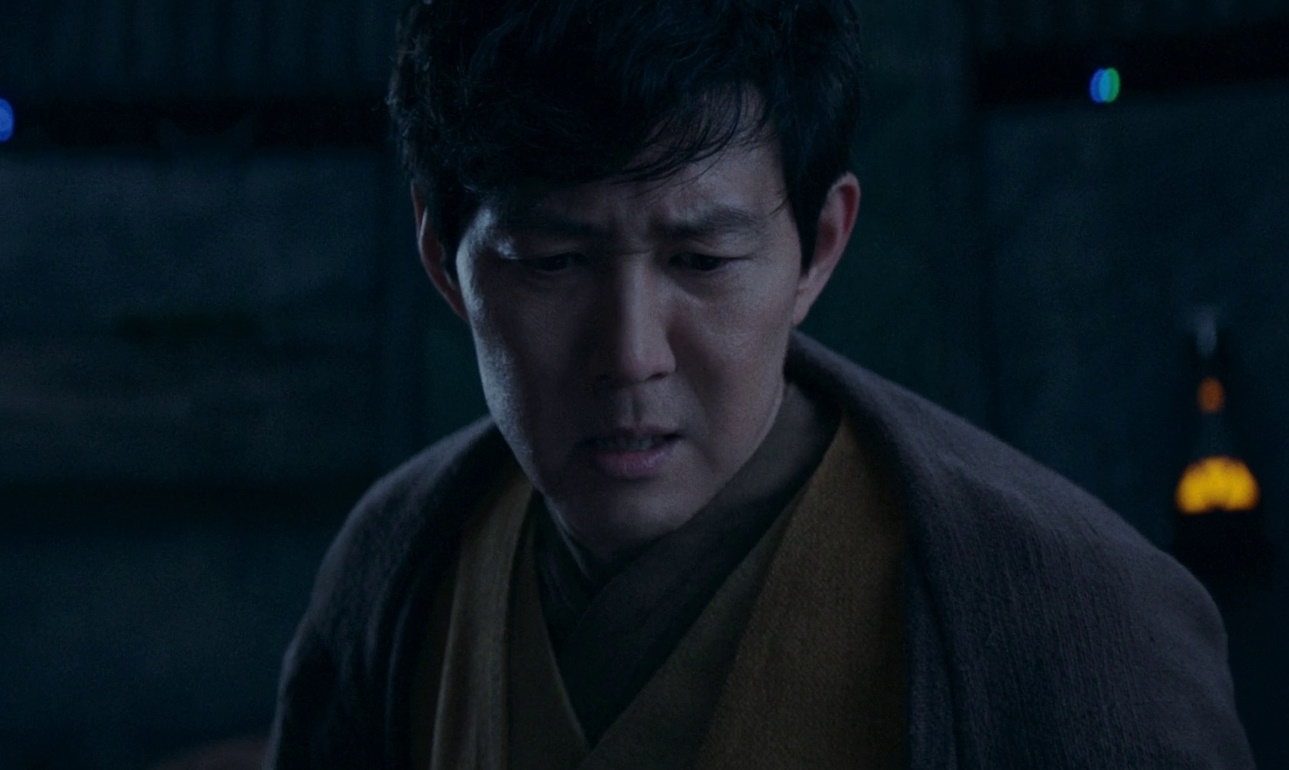
Still frame from Star Wars: The Acolyte showing Master Sol in a flashback.
Master Sol in a flashback sequence.

Moreover, there was a distinct creepiness to some of the Jedi – Master Sol in particular. Think about it: he spied on two eight-year-old girls from the bushes, followed them back to their home, formed an instant, one-sided “emotional connection” with one of them, and then insisted on taking her away from her family to be his apprentice. That has undertones that are genuinely uncomfortable, and contributes to the sense of the Jedi Order as being a strange, almost corrupt organisation. I mean, we’ve known for a long time that the Jedi would “recruit” children at a very young age – and we caught a glimpse of how this worked with Anakin Skywalker in The Phantom Menace – but there was something about seeing Sol so… interested in Osha that made the hairs on the back of my neck stand up.

That’s to say nothing of the Jedi’s attack on the Force-witches. Does that organisation/coven have a name in canon, by the way? Perhaps I missed it in The Acolyte, but either way, I felt it was really interesting to see how other Force-sensitive people and groups might behave and how they exist outside of the Jedi/Sith dynamic. These witches clearly used the Force, but they weren’t Jedi or Sith, and that gives us a look at a part of the Star Wars galaxy that we really hadn’t seen much of before. Other Force-sensitive groups have been glimpsed in spin-off media, of course, but this was a deeper dive into an unknown organisation and I appreciated the attempt to expand the Star Wars galaxy beyond what we’ve already seen on screen.
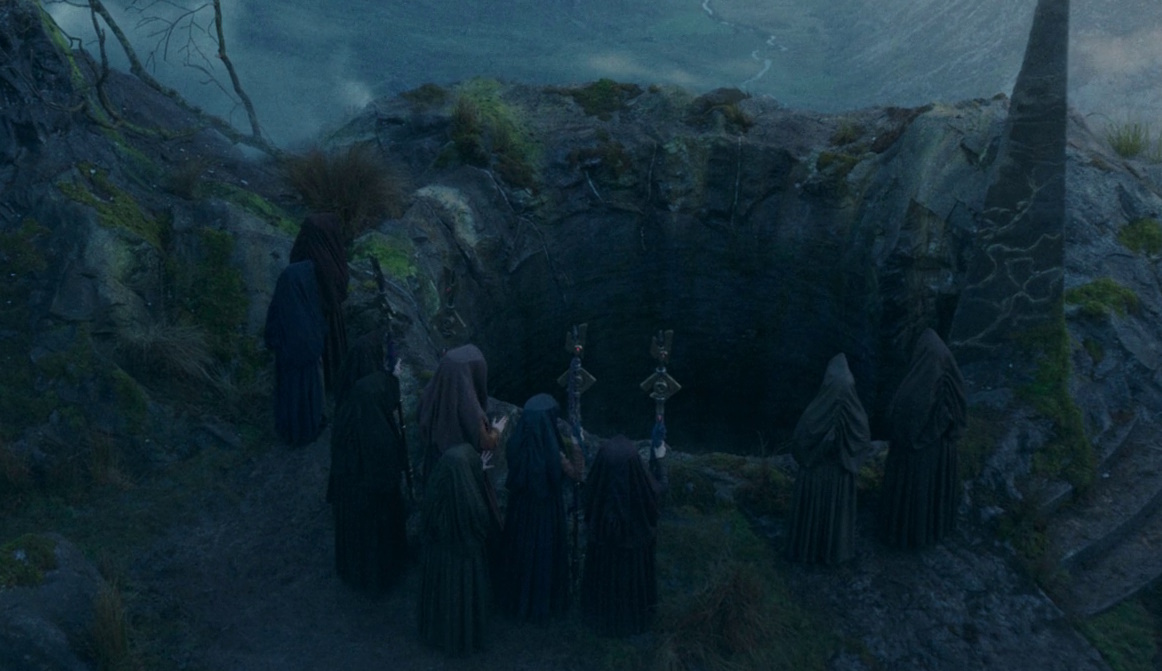
Still frame from Star Wars: The Acolyte showing the Force-witch coven.
The Force-witches are new to Star Wars (at least as far as I’m aware).

During the flashback depicting the Jedi’s attack on the Force-witches’ compound, The Acolyte gave us perhaps its weakest narrative moment. Torbin, the youngest Jedi padawan in the group, fell completely flat for me. His one-note “I hate it here and I wanna go home” was so unbelievable and childish that it seriously put a downer on the entire sequence, as this was such a pathetically weak way to set up his involvement. The concept of individual Jedi making bad decisions when confronted with the witches is a good one, and I think other elements worked as intended. But the series clearly didn’t have enough time to properly develop Torbin or give him a proper reason for his actions. When the actions he and Sol took are key to the entire rest of the plot… that’s an issue.

The idea of a “vergence” in the Force is something that Star Wars has delved into before. Most significantly, The Phantom Menace set up the idea of Anakin as being either a vergence himself or perhaps having been conceived by one. Mae and Osha seem to follow suit in The Acolyte, with the witches’ coven having somehow created them through the Force. While I’m not concerned about matters of “canon” all that much, and I don’t feel The Acolyte really overwrites or invalidates what we know of Anakin from the earlier films, I would’ve liked to see more explanation of both the vergence and the twins’ conception. Both were left pretty open-ended – which could be great if the show gets picked up for more episodes, but as already discussed, I doubt that’s gonna happen. It could be that this part of the story is never resolved, and that would be a bit of a shame because it seemed interesting.
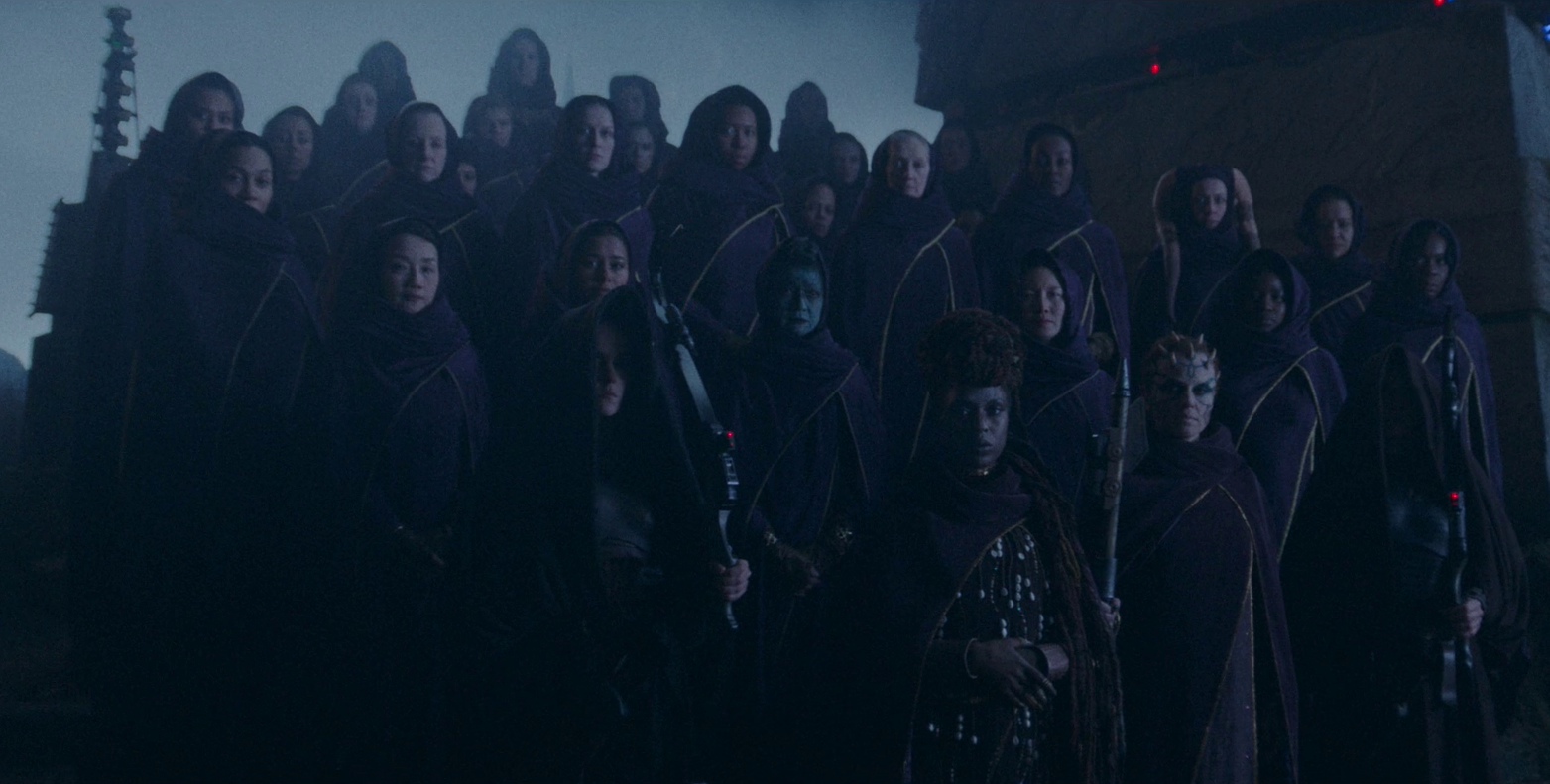
Still frame from Star Wars: The Acolyte showing the Force-witches.
Will we learn more about the vergence and the “creation” of Osha and Mae?

The decision to include cameos from the prequel trilogy has been a source of some controversy. Speaking for myself, I think these cameos were handled quite well – and there’s more than enough wiggle-room for both the minor character of Ki-Adi-Mundi and the more significant character of Yoda to have been present at the Jedi Temple without being too involved in the events we saw unfolding on screen. For me, it doesn’t tread on the toes of what we knew about either character, and what they have to say in the prequel films and beyond doesn’t seem to be contradicted by their very brief appearances in The Acolyte. The same is true of a character many are assuming to be Darth Plageius – glimpsed toward the end of the series at the Sith base.

As fans, I think all of us can fall prey to nitpicking and to prioritising minor things – throwaway lines of dialogue, secondary characters, or non-canon resources like books or comics – over and above everything else. And from what I’ve seen based on my admittedly limited engagement with the discourse around The Acolyte, I think that’s what’s been happening in some cases. Having heard of the drama before watching the series, I seriously expected Ki-Adi-Mundi in particular to have a massive role – but he was on screen in one episode for a matter of seconds, had no noticeable impact on the plot, and as far as I can tell wasn’t necessarily aware of what transpired. The controversy that some fans have tried to stir up (perhaps because their social media income has become increasingly dependent on the “anti-Star Wars” crowd) feels overblown at best. A storm in a teacup!
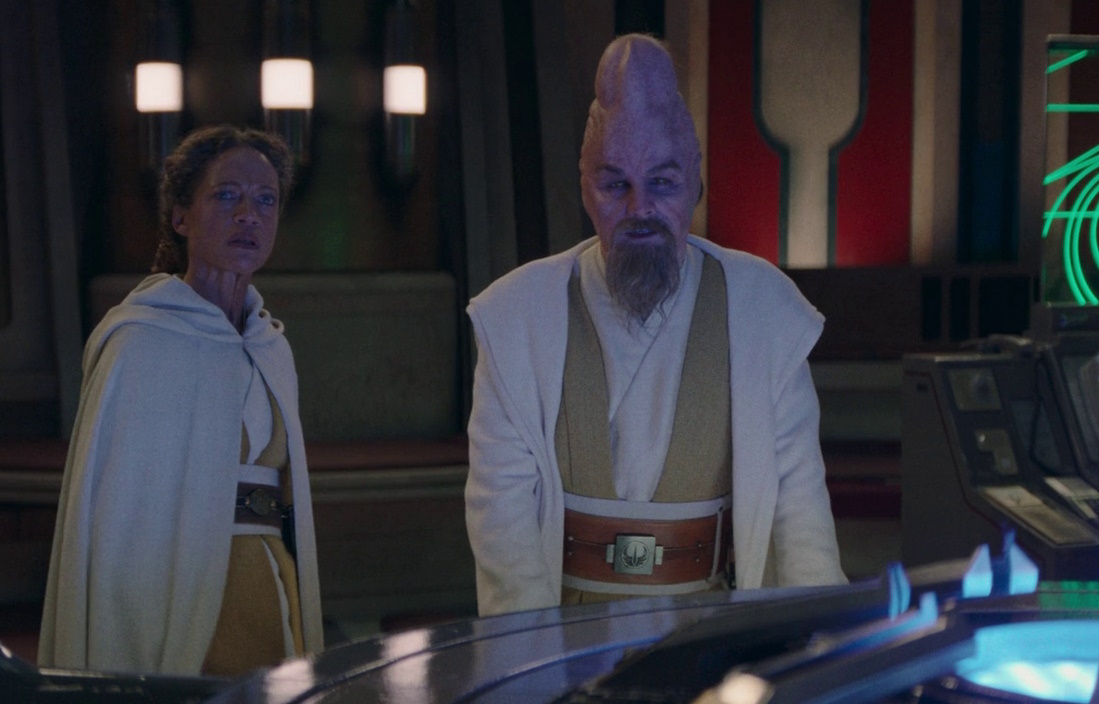
Still frame from Star Wars: The Acolyte showing Ki-Adi-Mundi and another Jedi character.
Ki-Adi-Mundi – a character first introduced in the prequel trilogy – made a small cameo appearance in The Acolyte.

In terms of production values, I thought that The Acolyte was decent – but there were a couple of missteps. On a couple of occasions the way real actors interacted with fully-CGI environments was sub-par and strayed into the dreaded uncanny valley. Musically, the series was fine – in line with other Star Wars projects, perhaps, but by no means exceptional. My rule of thumb for any film or TV show is that the music shouldn’t be a distraction, and in that sense The Acolyte did okay. But nothing from its soundtrack was particularly original or memorable, and if you played it for me right now, I’d struggle to remember what production it was from or even whether I’d heard it before.

Acting performances were generally pretty good. I particularly enjoyed Lee Jung-Jae’s take on the conflicted Master Sol, and Dafne Keen gave a solid performance as the young Jedi Padawan Jecki Lon. Amandla Stenberg had the challenge of playing two very different characters – but rose to the occasion. The only performance I felt didn’t reach the heights it should’ve was Harry Trevaldwyn’s – he played the role of Mog, a junior Jedi aide-de-camp to Master Vernestra. Playing Jedi roles can be tricky; they have deliberately stifled emotions, making it difficult for some performers to really know what to do. Mog was, thankfully, a minor character who wasn’t on screen all that much. Still, there are far better Jedi performances out there!
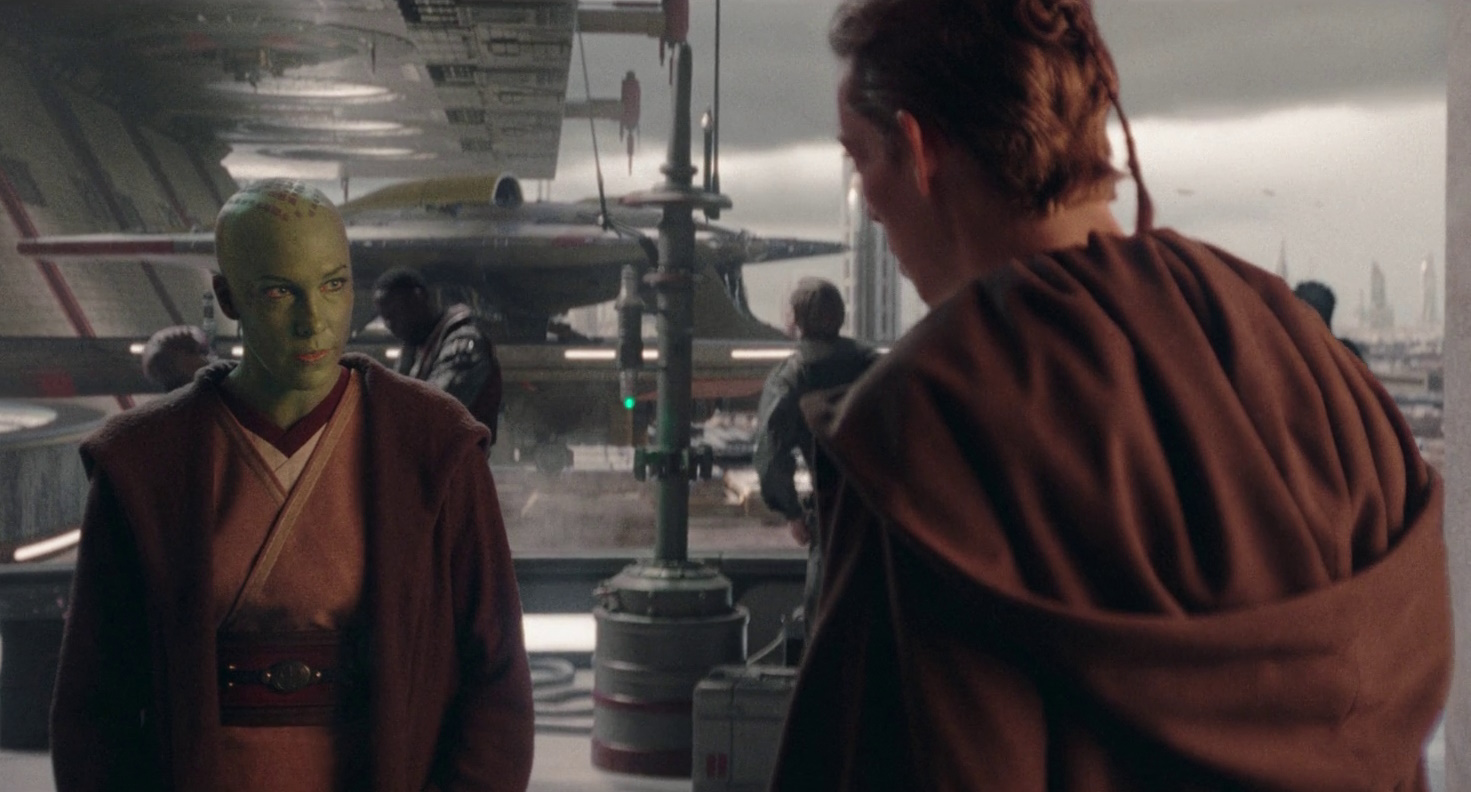
Still frame from Star Wars: The Acolyte showing Master Vernestra and Mog.
Master Vernestra and Mog.

Speaking of performers, I felt that Carrie-Ann Moss was almost wasted in the role of Master Indara. Moss’ role in the series played a big part in The Acolyte’s early marketing material, yet she was only present in a big way in a couple of episodes, with her character having been killed off right at the beginning of the story. I could’ve happily spent more time with Master Indara; compared with the broken Torbin, emotional Sol, and politicking Vernestra, she was the closest the series got to having a Jedi Master in the more heroic style we’ve come to expect.

Stepping away from the rise and fall of the Empire to look at a different era in the Star Wars galaxy is something that the franchise has needed to do for a long time. I’m happy that we finally got to see some of this High Republic era on screen, and I liked some of the subtle changes made to things like Jedi robes. Setting the scene in a different – but still familiar enough – way helped The Acolyte stand out, even if its basic Jedi-versus-Sith idea didn’t feel all that fresh.
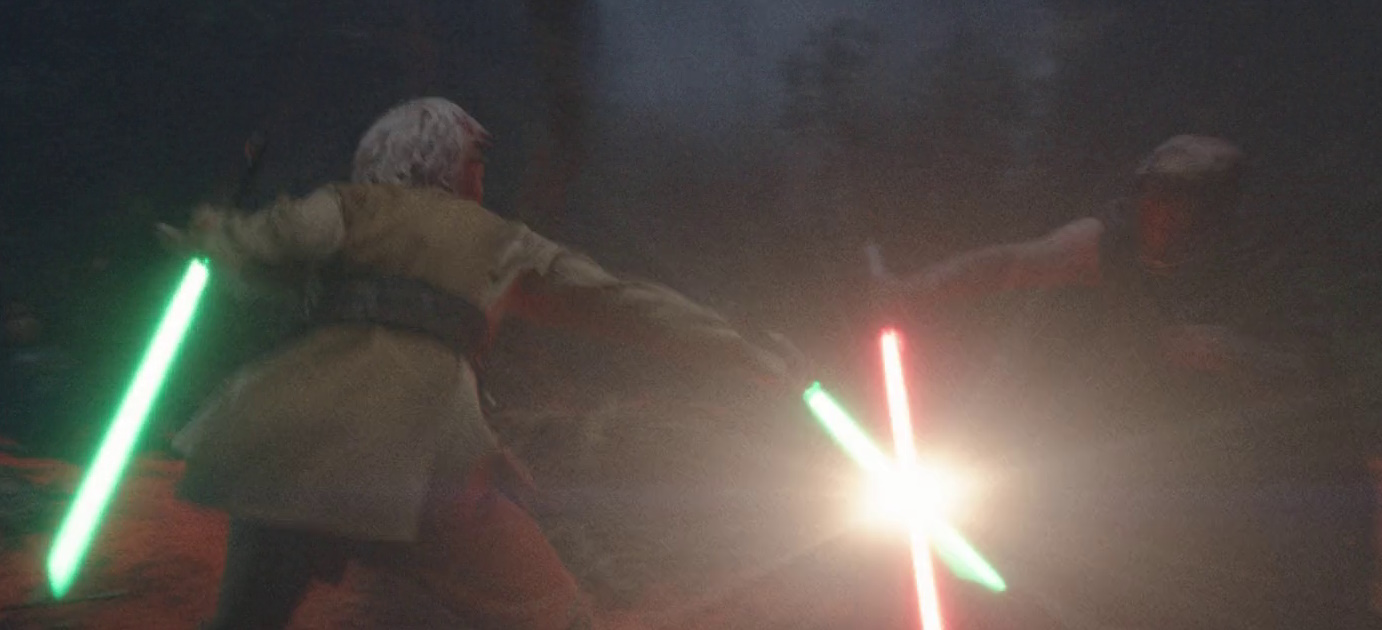
Still frame from Star Wars: The Acolyte showing two characters engaged in a lightsaber duel.
A lightsabre battle.

There were standout moments in the series, and I feel the criticism it’s received in some quarters has been unnecessarily harsh. Personally, I’d like to see Disney and Lucasfilm greenlight more projects set in different locales and different time periods, and I hope that the backlash to parts of The Acolyte won’t dissuade them from doing so. There’s only so many times I can see Luke Skywalker, Han Solo, or their descendants saving the day – and if Star Wars is to survive long-term, we’ll need to see more projects like this one. That’s not to say The Acolyte was perfect – it wasn’t. But it was a step in the right direction for a franchise that has felt increasingly stale.

Despite claims made in the run-up to its broadcast, I didn’t feel that The Acolyte would be the easiest and smoothest way into Star Wars for someone brand-new to the franchise. It has the advantage of not relying on familiar characters, but it’s still got some deep cuts to parts of the Star Wars franchise that, I would argue, weren’t particularly well-explained within the series itself. That’s nothing new for Star Wars, of course!
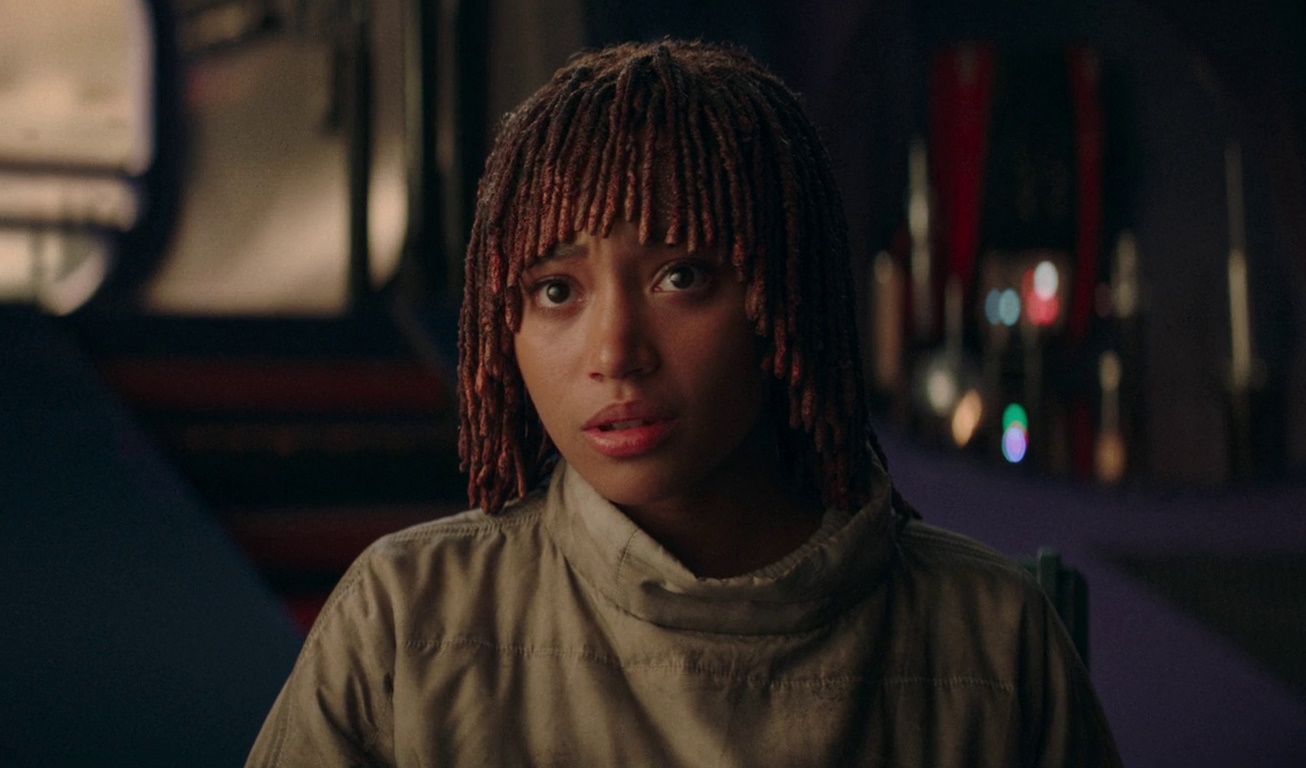
Still frame from Star Wars: The Acolyte showing Mae.
Mae at the end of the story.

The Acolyte held my attention and got me invested in its main characters and storyline. Some of the secondary characters and sub-plots felt under-developed, and I think the series as a whole might’ve benefitted from being ten episodes long instead of eight. This would’ve allowed for scenes and sequences to be extended, for some additional character development, and for some of the show’s B-plots to be expanded upon. This isn’t an issue unique to The Acolyte by any means – but some producers and directors are clearly better at making the most out of eight episodes than others!

At the end of the day, though, I can’t say I didn’t enjoy The Acolyte. Its focus on a Sith assassin was intriguing, its portrayal of the Jedi Order as out-of-touch and arrogant lined up with both the prequels and sequels, and its core story of human characters making decidedly human mistakes was one that was, in a way, relatable. The Acolyte may have done more than any other Star Wars project to date to really humanise the Jedi Order and make some of its members feel like real people. Whether that’s something every fan wanted to see from Star Wars, or whether they prefer to think of Jedi Knights as flawless paragons of virtue… well, I think the backlash in some parts of the fan community answers that particular question!

Of the Disney+ Star Wars shows I’ve seen so far, I’d put The Acolyte in second place – behind The Book of Boba Fett but ahead of The Mandalorian. And light-years away from the awful Obi-Wan Kenobi series!


Star Wars: The Acolyte is available to stream now on Disney+. The series will also be released on DVD/Blu-ray at a later date. The Star Wars franchise – including The Acolyte and all other properties discussed above – is the copyright of Lucasfilm and The Walt Disney Company. This article contains the thoughts and opinions of one person only and is not intended to cause any offence.

Oops, I forgot that Avatar 2 existed…

So, uh… yeah. Avatar 2. Or to give it its proper title Avatar: The Way of Water. It’s a film. It was released almost a year ago. I was planning to write a review of it. And I completely forgot that it existed until a couple of days ago.

The growing Avatar series – which will soon include a big-budget video game adaptation along with two films – has all of the elements of what should be a successful multimedia franchise. The original film was a Best Picture nominee at the Academy Awards, director James Cameron has incredible pedigree as a filmmaker, the world of Avatar is visually gorgeous, a lot of effort has gone into constructing things like a full-blown Na’vi language, and it’s backed up by the almost limitless budget of the Walt Disney Company. So… why is Avatar still so incredibly forgettable?

A promotional poster for Avatar: The Way of Water showing the film's main characters.
I forgot all about Avatar until now…

I didn’t hate or even dislike The Way of Water. For the three-plus hours that it lasted, I had a decent time with the film. It was a swashbuckling sci-fi adventure; a blockbuster worthy of the title that transported me to a faraway planet and a sci-fi future that was entertaining to see. But as the credits rolled I just… switched off. The Way of Water, like its predecessor before it, didn’t leave a lasting impression.

And for a series backed up by Disney’s money, turning a massive profit at the box office, with a new video game adaptation and an expensive theme park attraction… I just don’t get it. Why is Avatar – to use some Gen Z lingo – so “mid?” Why do I find myself caring so little about The Way of Water that I literally forgot it existed? And why isn’t the series making an impact on our collective cultural conversation?

A section of the themed Avatar land at Walt Disney World.
Image Credit: Avatar/Walt Disney World

Although I’m not the most active person online or on social media, I follow a bunch of websites, blogs, and channels that talk about the same kind of things I enjoy discussing here on my website: sci-fi, pop culture, cinema, and geeky entertainment topics. But since The Way of Water was in cinemas, none of them have so much as mentioned the series. If anyone had been talking about it, perhaps I wouldn’t have completely forgotten about Avatar this year.

For a film that made so much money – The Way of Water is currently the third-highest-grossing film of all time, behind only the first Avatar and Avengers Endgame – it’s so strange to be talking about it in this way. A huge audience clearly turned up for The Way of Water… but within weeks it was all but forgotten. I don’t expect to see it winning any of the big awards, which isn’t a slight against it; there’s a lot of competition. But for a film that aims to really kick-start a wider connected universe, I’m just not sure how successful The Way of Water can have been when it’s dropped off the face of the earth so readily.

Director James Cameron with the stars of Avatar: The Way of Water at the film's premiere.
Director James Cameron with the stars of Avatar: The Way of Water at the film’s premiere.

There is absolutely room for a new sci-fi franchise, especially under the Disney umbrella. Marvel and Star Wars are both seeming to stumble and falter, and the MCU is perhaps coming to the end of its life in its current iteration. There’s definitely space for another multimedia “shared universe” to come along. Avatar should be in prime position to occupy that kind of slot… but if it can’t offer something memorable, something for fans and audiences to retain and keep in mind after the credits have rolled, then it won’t even come close. Realistically, Avatar should be challenging Star Wars, Star Trek, DC Comics, and even Marvel in the upper tiers of sci-fi cinema. But right now, it doesn’t feel anywhere close.

Although we can lay part of the blame for this, in theory, on the long gap between the original Avatar and this new sequel – twelve years is a long time to wait, after all – I don’t think that’s a fair explanation. The original Avatar, as I’ve noted in the past, was not an especially memorable film either, and the universe that it attempted to create felt limited to the characters and story that unfolded on screen. I’ve never really gotten the sense from Avatar that there was more to the world of Pandora or to this futuristic depiction of Earth and humanity that I needed to see explored. In fact, I could’ve lived a happy life without ever seeing a single sequel to Avatar – let alone four.

A Na'vi and human character sharing a boat in a still frame from Avatar: The Way of Water.
Boating across Pandora…

So is The Way of Water “unnecessary,” then? That seems a bit harsh! The ending of the first film left the door open to a sequel or spin-off, and it’s worth acknowledging that. But the story was also one that we could’ve considered complete; I never felt that Avatar was crying out for either a direct sequel or for more stories set in this world. “Unnecessary” might be overstating it… but I’d certainly say that I wasn’t champing at the bit for The Way of Water.

All of that could’ve been irrelevant if The Way of Water had been more memorable. I may not have been desperate to see a sequel, but I’m always up for watching a good film, so the “necessity” or otherwise of The Way of Water wouldn’t have mattered if the film itself had something to say. For all of the money invested in it, though, and for all of the technical achievements that James Cameron and his team brought to the table in terms of the way it was created, The Way of Water just didn’t leave a lasting impression. In fact, I don’t feel that the Avatar series or franchise has really made much progress with this instalment – at least in terms of cultural relevance and its potential place in the upper echelons of sci-fi.

A futuristic "rotorwing" helicopter as seen in Avatar: The Way of Water.
A rotorwing aircraft.

And because of that, The Way of Water can feel… forced. If there was no organic groundswell of public opinion craving a sequel – no letter-writing campaign like there had been for Star Trek, no “expanded universe” of comics and novels like Star Wars created, and no real Avatar fan community in general – why was it even made? The very existence of the film – and the upcoming video game adaptation, too – feels very “corporate,” as if a group of executives have decreed that “Avatar is to be the next big thing,” without really understanding what makes a series popular and beloved to begin with – let alone failing to acknowledge that such things can never be manufactured.

For me, The Way of Water sits somewhere alongside films like the original Pirates of the Caribbean or the Indiana Jones trilogy. It was perfectly entertaining popcorn blockbuster fare… but nothing more than that. Unlike with Star Trek, Star Wars, or other top-tier franchises, I don’t have a desire to see more, to explore the universe that the film created, or to really spend much more time in its world. And if that was the ambition behind the Avatar series – to create a succession of one-and-done popcorn action flicks – then I’d say it was doing just fine. But when there’s clearly a corporate aim to push Avatar to something greater… I can’t help but feel that it isn’t meeting its goals, at least not in its current form.

Promotional artwork for Avatar: The Way of Water showing three Na'vi flying over the ocean.
Promo art for The Way of Water.
Image Credit: Avatar on Facebook

Part of the problem is originality. The world of Avatar doesn’t really have anything unique to help it stand out. The blue-skinned Na’vi are the closest it gets, but even then, the CGI-heavy aliens easily blend into a lineup of other humanoid races from other sci-fi properties. The rest of the aesthetic of Avatar is pretty generic, with spaceships, weapons, costumes, and technology that doesn’t really stand out when compared to more successful sci-fi properties.

A lot of Avatar just gets lost in the sci-fi milieu, leaving the franchise unable to differentiate itself from films, TV shows, and even video games in an expanding genre. The time should be right for a new sci-fi series to make a serious push to break into the upper echelons of the genre, thanks to a combination of a renewed interest from big corporations and the fact that some of the biggest names in sci-fi seem to be foundering – if not stalling outright. But the bland, forgettable Avatar isn’t able to make that leap.

A Na'vi character from Avatar: The Way of Water.
The blue-skinned Na’vi are the Avatar series’ most unique creation.

The original Avatar was criticised in 2009 for telling a story that was unoriginal at best, and the sequel falls into the same narrative traps. Themes of environmentalism and colonialism are presented – but these have been examined before, and examined better, in other pictures and other series that have had more to say. Unoriginality doesn’t have to mean “bad,” not by any means. But if the aesthetic, setting, and narrative premise are all things that audiences have seen before, there’s got to be something more to help it stand out or communicate a message. The Way of Water just doesn’t succeed on that front.

When I first sat down to watch The Way of Water, I expected the film to really make the case for Avatar as a series. I expected a strong narrative, compelling characters, and plenty of adventure… but more than that, I needed to see the film take the world-building from its predecessor and expand upon it, creating something that I’d want to lose myself in. With three more Avatar films and a big-budget video game in production, I needed The Way of Water to not only give me a reason to keep them on my list, but to want to get my hands on them. This film was an opportunity not only to remind me that Avatar exists, but to do what the original wasn’t able to and set the stage for something greater.

Kate Winslet and Sigourney Weaver in a pool during filming on Avatar: The Way of Water.
The Way of Water pioneered underwater motion capture.

Star Wars still has fans turning up for its films and streaming shows even though – let’s be realistic – it hasn’t done anything truly outstanding since 1980. But because Star Wars had that strong beginning, and created an alternate reality that fans wanted to experience more of, audiences still show up forty-five years later. They still go to conventions, dress up like Darth Vader, and pay their subs to Disney+ to watch the latest offerings. For all the money that’s being pumped into it, Avatar still doesn’t feel like a series or a franchise that can attract anything like that kind of support.

So that’s it, I guess. I didn’t dislike The Way of Water; it was a competent film with some clever behind-the-scenes technologies and filmmaking techniques that ended up being a perfectly watchable popcorn adventure flick. But I just can’t reconcile the fact that this franchise has now produced two of the three highest-grossing films of all-time… yet it’s still so utterly forgettable that I literally forgot it even existed for months. And even after returning to The Way of Water to take notes and grab some still frames… nothing about it jumps out at me, nothing about it sticks in my mind, and I genuinely don’t see how Avatar as a series will ever break into the top tier of sci-fi franchises if it keeps this up.

Avatar: The Way of Water is available to stream now on Disney+ and is also available on DVD/Blu-ray. The Avatar series is the copyright of 20th Century Studios and/or the Walt Disney Company. This article contains the thoughts and opinions of one person only and is not intended to cause any offence.

(When) Will Marvel reset the MCU?

Spoiler Warning: There are spoilers ahead for multiple films and television series in the Marvel Cinematic Universe, including Avengers Endgame and The Falcon and the Winter Soldier.

As I was watching The Falcon and the Winter Soldier recently, I got thinking. The Marvel Cinematic Universe (or “MCU” for short) has been running since Iron Man kicked things off in 2008, meaning it’s been in continuous production for more than thirteen years at time of writing. There have been 23 mainline Marvel films released in that time, as well as more than 380 episodes of television across 13 different shows, totalling several hundred hours of viewing. All of this is complicated, and as I’ve said previously, keeping up with Marvel can feel like a full-time job!

None of that means that a franchise needs to go through a reboot, though. Star Trek is going strong after more than half a century and 800+ episodes of television, and aside from the three films in the Kelvin timeline there hasn’t been a resetting of Star Trek; all of its shows and films coexist happily in one setting. But Marvel is arguably different.

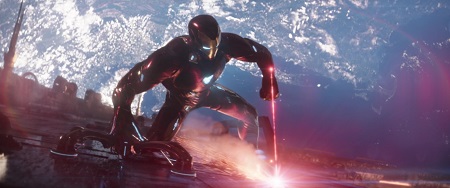
2008’s Iron Man kicked off the Marvel Cinematic Universe.

One of the key elements of the MCU’s setting is that the superheroes and supervillains we meet all inhabit the real world right alongside us. This version of Earth is very similar to our own, but it’s one in which superpowers exist. The early films in the MCU depicted the way in which ordinary people came to terms with this idea, and how government agencies and others sought initially to keep things under wraps.

But now that’s all changed, and Marvel’s superheroes are known figures – almost celebrities – in their world. That change may not seem like a big deal, but what it does is chip away at one of the world’s foundational ideas: that superheroes could be among us right now and we just don’t know it. As Marvel’s world has changed and undergone progressively more massive events – culminating, at least thus far, in Thanos’ snap and the resultant disappearance and reappearance of half the world’s population – its original premise of being “the real world plus superheroes” has disappeared.

Sam Wilson (The Falcon) was recognised by members of the public in The Falcon and the Winter Soldier.

Attempts to recreate that are going to be met with challenges that weren’t present in earlier iterations of the MCU. And to be fair to Marvel, thus far the franchise has set the bar when it comes to creating a persistent, connected world. But that world is as much a constraint at this point as it is a highlight, because every story going forward as the MCU enters “Phase Four” has to be able to fit in with the very different world that was created by the events of Infinity War and Endgame.

We saw this as the underlying premise for the main storyline in The Falcon and the Winter Soldier. And in that series it worked well, building on the idea that the changes that happened were popular with some people and unpopular with others, as well as showing us glimpses at a world trying to figure out how to get back to “normal” – or what “normal” even means after such life-changing events. That concept can be explored in more detail and will undoubtedly be interesting – but it isn’t what attracted so many fans to the franchise to begin with.

The Falcon and the Winter Soldier showed us the first real look at a post-Endgame world.

As the next part of the MCU’s story builds on the events of the last few years, I have two concerns. The first one is that storylines will become convoluted, with any new film or show almost drowning in backstory and lore to the point of being offputting or even incomprehensible for anyone other than a fully up-to-date Marvel superfan.

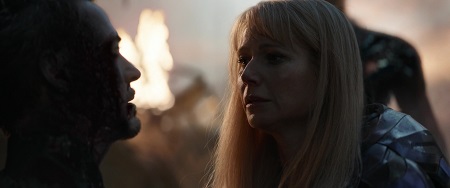
Secondly, the MCU has to contend with the fact that Avengers Endgame felt like the end of a story. Several principal characters were killed off, and after the events of Infinity War brought the Marvel world to a crushing defeat, Endgame came along and saw the heroes save the day. They made it to their “happily ever after” – and figuring out what comes next is always a major challenge. Following up a monumental story like Endgame risks feeling anticlimactic and small, or worse, repetitive.

Endgame felt like the end of a story.

Having cheered on the Avengers as they saved the universe from Thanos, will fans show up in such numbers for the next supervillain who threatens all life? Endgame was, briefly, the highest-grossing film of all time. Maybe Marvel peaked?

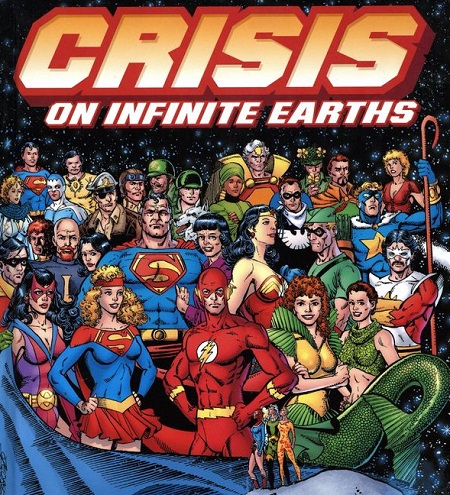
All of this leads me to the crux of this argument: comic books often reset their characters and storylines. After a while, when writers feel they’ve taken the characters and stories as far as they can, or when stories are played out or too convoluted to continue, comic book companies have historically had no problem at all stepping in and just resetting everything. In DC comics – Marvel’s main competitor – the Crisis on Infinite Earths storyline in the mid-1980s effectively erased the backstories and past adventures of many superheroes, streamlining the convoluted DC universe into a much simpler form that continues to this day.

Crisis on Infinite Earths was a DC crossover event that reset the storylines of many DC superheroes.

As the Marvel Cinematic Universe rumbles on, getting more complicated and further away from the real world with each iteration, it makes jumping on board for new fans difficult, and it makes keeping up with every project feel like a full-time job; miss the latest show or a couple of films, and suddenly it’s hard to figure out who’s who and what’s what. That’s combined with the fact that some stories are going to feel small or even anticlimactic when compared to the likes of Infinity War and Endgame.

Not long ago I took a look at a number of television shows that ran too long. Shows like Supernatural, Lost, and The Walking Dead were great at first, but after they peaked they stumbled through a period of decline, failing to live up to past successes. I don’t know if Infinity War and Endgame represent the peak of the Marvel Cinematic Universe – the best may still be to come. But sooner or later the franchise will hit that peak, and when it does, it seems inevitable to me that a comic book-style reset is on the cards.

The Walking Dead, like many other television shows, peaked. It then entered a period of decline.

The MCU wouldn’t necessarily go back to the drawing board and remake past films. The legacy of characters like Iron Man, Captain America, and the Hulk could pass to new iterations of those characters with new actors taking on lead roles in stories inspired by earlier films, but remaining distinct from them. New backstories could be created, perhaps based on different versions of the superheroes from other editions of their comic books. Marvel has decades of history to draw on, and many superheroes have very different origin stories and personalities than the versions we’ve seen on screen in the last few years.

We’re undoubtedly going to be seeing Marvel and some version of the MCU remain a powerhouse for parent company Disney and the Disney+ streaming service for many years to come – perhaps even decades. I’m not suggesting for a moment that Marvel is simply going to pack up and disappear; there’s too much money on the table for Disney to allow that to happen! But as the MCU continues to expand, taking different characters in different directions, sooner or later that sense of it being convoluted is going to begin to bite.

Marvel Studios will continue to churn out new films and television shows.

I find this to be the case with Star Trek, at least to some extent. When talking to a friend or colleague about Star Trek, if they’re unfamiliar with the franchise it can be hard to know where to start. 800+ episodes and more than five decades of history and lore is intimidating to the point of being offputting, and for some people, simply getting started with Star Trek feels impossible without a guide. New and different iterations of the franchise – like Lower Decks as an animated comedy, or the upcoming Prodigy as a kid-friendly show – can be helpful jumping-on points for newbies, but even then I know the sheer size and scale of Star Trek, as well as its reputation, can be enough to put people off.

Marvel isn’t at that point yet, but it’s getting close. When I was talking to my brother-in-law, who’s a huge Marvel fan, about Infinity War, he recommended that I watch several other films first so that I’d “understand what was going on” better. This sentiment, while well-intentioned by someone who genuinely cared about me getting the most out of a film he liked, can actually have the opposite effect. Marvel is already becoming complicated – too complicated for some casual viewers to drop in and out of comfortably.

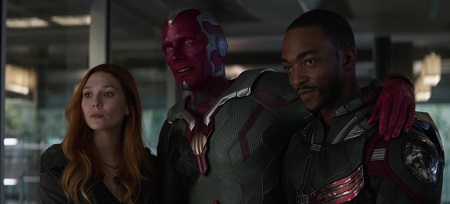
A trio of secondary characters in Avengers Infinity War.

Perhaps Disney and Marvel executives feel that, given the size of the MCU’s fandom, they can afford to put off casual viewers. If the fanbase is signing up for Disney+ and buying Marvel merchandise in droves right now, what’s the harm in continuing to make every series and film inextricably tied together? That attitude, if indeed it is prevalent over at Disney, is short-sighted in the extreme.

Any franchise taking such an approach will find its growth stunted, and when existing fans slowly but surely drop out, there won’t be many people lined up to replace them. That’s the danger in trading solely on nostalgia, too – eventually your existing fans either switch off or die off, and if there are fewer people jumping on than there are jumping off, the franchise will sputter and eventually fail. Marvel is undoubtedly a long, long way away from that right now, but every twist and turn in the MCU saga, and every would-be new fan dissuaded from getting started with a convoluted and complicated franchise is a problem for the comic powerhouse.

Does Endgame – briefly the highest-grossing film of all time – represent the peak of Marvel’s success?

Different franchises handle expansion in different ways. In Star Trek, for example, while there can be benefit to be gained from wider knowledge of other iterations of the franchise, for the most part, each television and film series is self-contained. It’s quite possible to be a fan of Deep Space Nine without ever seeing an episode of The Original Series, The Next Generation, or Voyager; a viewer in that position has lost practically nothing, understands basically everything going on, and while they’re missing some background about certain factions and some of early Star Trek history, all of that is explained within the show itself. The same applies to modern Star Trek productions – perhaps with the exception of Picard.

Marvel stands in contrast to that. Every film and show connects in a nakedly obvious way to every other film and show. Characters, factions, themes, and whole storylines cross over from one part of the franchise to another, and while it’s perfectly possible right now to sit down and watch just one or two films or one television show, a viewer who does so is clearly missing out. The Falcon and the Winter Soldier tried to mitigate this as best it could, but even so there’s no denying that a fan who’s seen every Marvel project will have got more out of it than someone who hasn’t.

In contrast to the way the MCU works, a Star Trek fan can watch just one series in the franchise without missing out on too much or getting lost with themes and stories that cross over.

The Marvel Cinematic Universe is one big, interconnected world. That is its strength, as we’ve seen Marvel films bring in audience numbers and a level of financial success that are quite literally unprecedented, as well as facilitating the transformation of comic book superheroes from nerdy niche to mainstream blockbusters. But that interconnectedness may yet prove to be a weakness, too, if more and more viewers find that new iterations of the MCU are too dense and require too much prior knowledge to properly enjoy.

Based on all of that, it seems inevitable to me that Disney and Marvel will eventually hit the reset button. Whether it happens in five years or fifteen, I think there will eventually be a resetting of the Marvel Cinematic Universe. How it will work, and whether it will revitalise the franchise and propel it to further success in future are all open questions, and we won’t know for sure until it happens. Watch this space!

All titles mentioned above are the copyright of their respective broadcaster, distributor, production company, etc. The Marvel brand – including the Marvel Cinematic Universe, Avengers Endgame, The Falcon and the Winter Soldier, and all other titles mentioned above – is the copyright of The Walt Disney Company. This article contains the thoughts and opinions of one person only and is not intended to cause any offence.