The Force Awakened… A Decade Ago

A Star Wars-themed spoiler warning.

Spoiler Warning: There are spoilers ahead for the Star Wars sequel trilogy.

Today (the 17th of December 2025) marks the tenth anniversary of the release of Star Wars Episode VII: The Force Awakens here in the UK. With it came a brand-new era for the franchise. I thought the occasion would be a great opportunity to talk about the film, its legacy, what it got right… and where it went wrong. So that’s what we’re gonna do today!

Three years earlier, the Walt Disney Company had purchased Lucasfilm, and with it, the rights to the Star Wars franchise. Ever since that moment in 2012, fans had been wondering what might lie in store – and when it was confirmed that 1983’s Return of the Jedi would be getting a sequel… I think it’s fair to say that the fan community was *beyond* excited! As Star Wars prepared to turn the page on its controversial prequels, and with a new creative team in charge, there was plenty of room for positivity in the months leading up to the release of The Force Awakens.

Still frame of Disney's Bob Iger and Lucasfilm's George Lucas at the offical sale of Lucasfilm in 2012.
Bob Iger and George Lucas signing the documents to confirm the sale of Lucasfilm in 2012.

I think I’ll start by talking briefly about my personal history with the Star Wars franchise, and how I found my way to the fan community – or, at least, to its periphery! In the early ’90s, at the insistence of a schoolfriend, I watched the original trilogy on VHS. By this point, I was already a huge Trekkie, and I remember being a bit underwhelmed on that first viewing. Perhaps I was comparing Star Wars to “my” fandom, and getting a bit tribal with it… I dunno! But I soon came to appreciate the original trilogy and the story it told, and quickly branched out to play the Super Star Wars games on the SNES, TIE Fighter on PC, and later, games like Shadows of the Empire and Rogue Squadron on the N64.

The prequel trilogy was another story, however, and I was left decidedly underwhelmed by both The Phantom Menace and Attack of the Clones. In this era, it was really only Knights of the Old Republic that kept me engaged with my Star Wars fandom. Revenge of the Sith was better, in some ways, but the prequel trilogy as a whole was a disappointment. If you’d asked me about Star Wars in 2012, that’s what I’d have told you. I was sceptical of a new film at first, but I was also encouraged when George Lucas stepped away and passed the torch to a new generation of filmmakers. When Disney promised to expunge the old Expanded Universe – much of which, from what I’ve seen, reads like low-quality fan fiction – I felt that was the right call. Disney was setting up a totally fresh setting for their new trilogy that wasn’t going to be constrained by decades’ worth of other stories, nor by being a prequel that had to tie in with what’s already been established. That was a hugely positive thing for me.

Three promo posters for The Force Awakens (2015)
A trio of posters.

By the time details of the film were being announced, I was cautiously optimistic! I remember feeling a little conflicted about J.J. Abrams’ involvement; he’d done such a great job rebooting the Star Trek franchise at the cinema that seeing him “jump ship” to Star Wars felt like a bit of a blow. Remember, this was before CBS had announced that Star Trek would be returning to the small screen, and with the franchise’s fiftieth anniversary approaching… I wasn’t thrilled to lose a filmmaker of Abrams’ calibre. But Star Trek’s loss seemed to be Star Wars’ gain, with Abrams being able to take the same approach and “reboot,” for want of a better word, the franchise for a new generation.

Above all, I hoped that The Force Awakens could put the disappointment of the prequel trilogy behind us, and tell a more interesting and engaging story than those films ever had.

So… did it do those things?

Still frame from Star Wars VII: The Force Awakens (2015) showing Rey having a vision.
What’s the legacy of The Force Awakens ten years later?

The Force Awakens is a film that we absolutely cannot judge fairly without placing it in context. As a result of that context – i.e. the last ten years’ worth of Star Wars projects since it premiered – The Force Awakens is probably the only film I can think of where my opinion has shifted so dramatically since that first viewing in December 2015.

Because I’ll be honest: I walked out of the cinema ten years ago with a great big smile on my face! After the disappointment of the prequel trilogy, a film that re-played Star Wars’ “greatest hits” felt like just what the doctor ordered, and I remember feeling that, while the film obviously *was* derivative and harkened back to 1977’s Star Wars in a huge way… that didn’t seem like a terrible idea. Re-establishing the core of what Star Wars is, and showing that to a new audience as well as to returning fans, is what a reboot is supposed to do. And The Force Awakens felt like a solid foundation for Disney to build a new era of Star Wars on.

Still frame from Star Wars VII: The Force Awakens (2015) showing Kylo's helmet.
Kylo Ren’s helmet.

There were stormtroopers. There was an “evil empire” ruled by an enigmatic, scarred leader. There was a helmet-wearing Dark Side user who was the scion of a powerful family. The Jedi were nowhere to be found. There was an orphan from a desert planet who got swept up in a rebellion. There was a “trench run” against a planet-killing superweapon. Han Solo and Chewie were back in the Millennium Falcon. And Princess Leia was still leading the rebellion. Everything that Star Wars had been in its original form was here, reimagined and repainted, ready for that new generation of fans to fall in love with.

What’s more, The Force Awakens’ director and producers seemed to be going out of their way to recapture the way Star Wars looked prior to the prequels and George Lucas’ awful “special editions.” Gone was the janky, not-ready-for-prime-time early 2000s CGI. And to replace it, Disney had commissioned physical props, puppets, and even robots. BB-8, the cute little spherical droid, *actually works!* That’s an actual, physical droid, not a video-gamey CGI monstrosity. As a child of the ’80s, who grew up on films like The Neverending Story and Flight of the Navigator, which had excellent puppets, props, and prosthetics… I absolutely *adored* the way The Force Awakens looked, and I still have a huge respect for J.J. Abrams, Kathleen Kennedy, and the rest of the folks at Disney and Lucasfilm for leaning much more heavily on physical creations over CGI.

Still frame from Star Wars VII: The Force Awakens (2015) showing BB-8.
BB-8 was a physical prop.

If The Force Awakens had been a one-and-done film, that’s where this essay would end. The film recaptured the magic of Star Wars in a way that the prequels had failed to do, the new owners of Star Wars had successfully killed off the fan-fiction-y Expanded Universe, and put to bed the idea that *everything* with the Star Wars name attached should be considered canonical, and the original look and feel of the franchise, from its ’70s and ’80s heyday, had been successfully recreated. Add into the mix some fun new characters – a rebelling Stormtrooper, whose humanity wouldn’t let him take part in atrocities, a young, clearly powerful Force-wielder, a phenomenal pilot, and the son of Han Solo and Leia, now fallen to the Dark Side – and you had all of the pieces in place for an entertaining story.

Unfortunately for The Force Awakens and its legacy, though, this isn’t where things end.

J.J. Abrams, who penned and directed the film, is a big believer in the “mystery box” style of storytelling: set up an intriguing mystery, then let it unfold. But while Abrams is great at *starting* these kinds of stories… he doesn’t usually seem to have an ending in mind. And because of the way Disney and Lucasfilm set about making the Star Wars sequel trilogy, Abrams and his “mystery box” were simply the wrong choice for the first part of the story. And even as I stepped out of the cinema wearing that silly grin ten years ago, the cracks in the foundation of this story were already beginning to grow – cracks that would eventually lead to the complete and utter ruination of Disney’s sequel trilogy. The Force Awakens was a fundamentally flawed story – but the damage those flaws would do wouldn’t become obvious for a few more years.

Photograph of filmmaker JJ Abrams at the premiere of Star Wars VII: The Force Awakens (2015).
J.J. Abrams at the film’s premiere.

J.J. Abrams had written questions into his script that he did not have answers for. In fact, not only had he not written a solution to his “mystery box,” but there really wasn’t a way for this story to unfold – when the baton was inevitably passed to Rian Johnson and Colin Trevorrow – that even made sense. Abrams screwed over Johnson and Trevorrow (who would later leave the project that became The Rise of Skywalker) by writing the beginning of a story that had no plan, no middle, no ending, and that was, in a word, inept. It is the “original sin” of the sequel trilogy, and while fans may dislike The Last Jedi or The Rise of Skywalker far more than The Force Awakens, it was here, in 2015, that the sequels’ undoing had already been set in stone.

“Luke Skywalker is missing!” announced the film’s opening crawl. But without establishing *why* Luke had disappeared – nor even really explaining the extent of his legend and legacy in the galaxy at large – The Force Awakens set up a mystery that had no explanation. And by leaving the choice for why Luke had squirrelled himself away on a hidden planet to the next film and the next writer/director, Abrams abdicated the tremendous responsibility that Disney, Lucasfilm, and generations of Star Wars fans had placed on his shoulders.

Concept art for Star Wars VII: The Force Awakens (2015) showing the Millennium Falcon.
Concept art of the Millennium Falcon.

I wrote several years ago that it boggles my mind how an accomplished group of filmmakers – people who created and worked on titles like the Indiana Jones trilogy, Lost, Jurassic Park, E.T., and many more – could have made such a genuinely bone-headed, idiotic, stupid decision when approaching the sequel trilogy. The Force Awakens was never envisioned as a standalone film, it was always meant to be the first instalment of a trilogy. And a trilogy that plans to tell a single story *needs* someone in overall creative control. J.J. Abrams, with his penchant for starting stories he has no intention of finishing and doesn’t know how to finish, was the wrong choice for that role. But Kathleen Kennedy, president of Lucasfilm, and Disney CEO Bob Iger should have known better – and should have taken a more structured, planned approach.

The decision to split up the writing and directing of the three sequel films was taken before work got underway on The Force Awakens – and even at that early stage, the damage was done. Splitting up the trilogy in this way was *always* going to be the wrong decision, and the predictable result is a trio of films that jump around in terms of tone, story, and even characterisation, as each of the subsequent instalments tries to undo something from its predecessor. And I do not exempt The Force Awakens from that criticism – it is the foundation upon which the trilogy should have been built, but because it was so weak and derivative, and because the decision was taken to split up the filmmaking process, it would be firmly tarred with the same brush even if it had been a perfect standalone title.

Which it wasn’t.

Trio of promotional posters for Star Wars VII: The Force Awakens (2015)
Poe, Leia, and Kylo on promo posters for the film.

What I felt had been the film’s biggest strength on that first viewing a decade ago now, in retrospect, feels like one of its most egregious faults and its most significant weakness. By choosing to replay, almost beat-for-beat, 1977’s Star Wars, the film fails to do what any sequel can and should aim to do. Questions that fans had all the way back in 1983 about what the galaxy would look like after the Empire’s defeat not only didn’t get answered, they were totally ignored; sidelined, as Abrams and co. tried to re-tell the same story as before, just with a different coat of paint.

Think about where Return of the Jedi had ended: the Emperor and Vader were dead, theoretically ending the Sith once and for all. The Death Star had been destroyed, and the Rebellion had won the Battle of Endor… but the Empire still existed in much of the rest of the galaxy, and there was no guarantee that the Emperor’s death would mean there could be a return to democracy. And with the deaths of Obi-Wan and Yoda, only Luke could carry on the legacy of the Jedi Order.

Still frame from Star Wars VII: The Force Awakens (2015) showing Kylo with Snoke.
Kylo Ren with Snoke.

The Force Awakens basically ignored all of that. In the aftermath of the Emperor’s death, the remaining Imperial factions basically gave up, and the New Republic took control of much of the galaxy. But then, in secret, some Imperial survivors founded the First Order – ruled over by Snoke, a mysterious Dark Sider. Snoke’s apprentice was the helmet-wearing Kylo Ren, the grandson of Vader. And Luke’s Jedi were nowhere to be seen, with his first attempt to train students ending in disaster. This set up a remarkably familiar story about a Dark Side power on the march, a rag-tag group of rebels (sorry, “the resistance”) trying to stop them, a planet-killing superweapon, and a youngster from a desert planet who gets swept up in all of it thanks to a droid carrying an important document.

Is that all Star Wars is? And… is that all Star Wars ever can be? J.J. Abrams and Kathleen Kennedy seemed to think so a decade ago.

And their attitude remains in the franchise to this day. The Book of Boba Fett, Obi-Wan Kenobi, Ahsoka, Rogue One, Solo, Andor and The Bad Batch, all of which have been created since 2015, rely on increasingly minor characters and smaller and smaller pieces of the *only* real story that the Star Wars franchise has ever told: the so-called “Skywalker Saga,” which should really be called the “Palpatine Saga,” since he’s the only character who seems to have acted of his own volition and who had any control over events. That’s the legacy of The Force Awakens ten years later: a franchise that has doubled- and tripled-down so hard on nostalgia plays and copying what came before that it’s become narratively exhausted and just plain *boring*.

Concept art for Star Wars VII: The Force Awakens (2015) showing TIE Fighters and a castle with a lava moat.
TIE Fighters and a castle in concept art created for The Force Awakens.

Thanks to the decision to have Kylo kill Han Solo at the climax of the story – a genuinely shocking moment at the cinema – The Force Awakens robbed Star Wars fans of the opportunity to get *any* on-screen interaction between the three heroes of the original trilogy: Luke, Han, and Leia. Han and Leia got some scenes together, and Luke and Leia had a moment in The Last Jedi. But we never got to see Han and Luke together, nor the trio reunited. And that’s really quite sad, if you think about it.

Obviously no one could’ve known, when The Force Awakens entered production, that Carrie Fisher would pass away before the sequel trilogy was complete. But it seems to me that Abrams, Kennedy, and the rest… didn’t really think about how the new trilogy could or should use its legacy characters. There was no Lando Calrissian until The Rise of Skywalker, nor any acknowledgement of his existence. And while The Force Awakens made it clear that Leia and the Resistance believed Luke Skywalker needed to be brought back into the fold… we never really got a good explanation as to *why*.

Still frame from Star Wars VII: The Force Awakens (2015) showing Leia.
General Leia of the Resistance.

So as we mark the film’s tenth anniversary… I don’t think there’s all that much to celebrate, to be blunt about it.

The story that The Force Awakens began was supposed to expunge what Star Wars had got wrong, and lay the foundations for a better future. But if you look at the state of the fan community today, the sequel trilogy is disliked, on the whole, *at least* as much as the prequels had been a decade ago, if not more. By playing it too safe, copying too much of what had come before, and failing to really answer any of the questions that a sequel should have been able to, The Force Awakens ended up being a poor film, a weak start, and a major contributing factor to Star Wars’ undeniable decline in the 2010s and 2020s.

We’re at a point now where practically no new Star Wars projects elicit the kind of excitement as The Force Awakens had done a decade ago. Oversaturation is part of that, sure – I haven’t even watched all of the various Disney+ Star Wars shows, because there’s just too many of them at this point. But a big part of it is also that this franchise feels rudderless. By doubling- and tripling-down on repetition, The Force Awakens set the tone for Star Wars’ current direction, and after the controversy of projects like The Last Jedi and The Acolyte, the temptation must be for Disney and Lucasfilm to do more of the same – which feels wrong for a franchise with such a well-constructed and interesting setting.

Still frame from Star Wars VII: The Force Awakens (2015) showing Finn aboard the Millennium Falcon.
Finn.

“Fundamentally flawed.” That’s my two-word summary of The Force Awakens a decade later. It was, I do not deny, a well-intentioned film, and there was merit in the idea of “resetting” some of Star Wars after the prequel trilogy. But by playing things *so* safe, and by basically copying many of the plot points from the original trilogy and A New Hope in particular, Star Wars was left with nowhere to go.

Most stories… end. And they should be allowed to end. In-universe, obviously there was work to do for Luke, Han, Lando, and Leia after the Battle of Endor. But given everything we’ve seen since – both the fan-fiction mess of the Expanded Universe, depicting a flawless, all-conquering hero in Luke Skywalker, and now the sequel trilogy with its repetition of the original story – I’m increasingly of the opinion that there shouldn’t have been a Star Wars sequel. Return of the Jedi wasn’t a perfect film, but it killed off Palpatine and Vader, gave the Rebellion a huge win, and saw Luke embrace the legacy of the Jedi. That’s where the story needed to end.

Concept Art for Star Wars VII: The Force Awakens showing Rey's arrival at Ahch-To.
Concept art of Rey arriving at Ahch-To at the end of the film.

In the 21st Century, though, it seems as if no story is allowed to come to a dignified end. And that kind of explains why The Force Awakens came to be in the first place. Rather than create something new, Disney wanted to buy something successful – something that, they believed, would print them endless amounts of cash. It worked with Marvel, so why not Star Wars, too? We’re seeing the limitations of that approach now, and The Force Awakens is really just the first chapter in a sad decline – not only for Star Wars, but for Marvel, Disney’s animated films, and more. Disney’s attitude at the moment is one of franchises, sequels, and remakes. Originality has left the building. And that isn’t *all* the fault of The Force Awakens by any stretch. But the film is symbolic of a moment in time, a moment where things began to change – and not for the better.

So, yeah: ten years ago, I had a great time with this film. Rey, Finn, and Poe were all fun characters that I felt we were just beginning to get to know, and I was curious to see where this story would go and how the First Order would be defeated. But the flaws in that story were already on display, and now that we know how badly off the rails the sequels went, and how poorly-planned the entire project was… it adds a lot of context to The Force Awakens. And it makes it pretty hard to go back and watch the film at all, in all honesty.

I continue to hope for better things from the Star Wars franchise. And there have been some projects over the last decade that worked: Rogue One, for example. But as we mark the tenth anniversary of this landmark film… I can’t help but feel there are way more negatives than positives. Star Wars will continue, of course – there are new projects on the horizon in 2026 and beyond. But are you as excited about *any* of them as you were ten years ago for The Force Awakens? I’m not. And that’s part of this film’s legacy.


Star Wars: Episode VII – The Force Awakens is available to stream now on Disney+. The film is also available on DVD and Blu-ray. The Star Wars franchise – including The Force Awakens and all other properties discussed above – is the copyright of Lucasfilm and The Walt Disney Company. This article contains the thoughts and opinions of one person only and is not intended to cause any offence.

Phineas and Ferb: Season 5 Review (Part Two!)

A Phineas and Ferb-themed spoiler warning.

Spoiler Warning: There are spoilers ahead for Phineas and Ferb, including Season 5.

Back in the summer, I shared my thoughts on what I mistakenly assumed was the entirety of Phineas and Ferb’s fifth season – the show’s first new episodes in a decade. But it turns out that Disney, for some reason, dumped only *half* of the episodes onto Disney+ back then, and a few more episodes have premiered over the summer and into the autumn. So I thought I’d better update my Phineas and Ferb Season 5 review, as some of what I said back then may no longer be accurate!

It’s also worth noting, before we go any further, that there are still a few more Season 5 episodes to come – but those won’t be landing until January. So I hope you’ll swing back in the new year for Part Three of this review, and to get my final thoughts on Season 5 as a whole! I just wanted to be clear about that, since I got a bit muddled up last time.

Still frame from Phineas and Ferb Season 5 showing the Doofenshmirtz Evil Incorporated building.
Doofenshmirtz Evil Incorporated!

As always, I’ll give my usual caveat. Everything I’m going to say is the entirely subjective, not objective, opinion of one person only. If you hate my take on Phineas and Ferb, think I’ve gotten it horribly wrong, or we just have different ideas for what makes a fun or successful episode… *that’s okay!* There ought to be enough room in the fan community for differences of opinion and polite discussion, and I share my thoughts with you in that spirit.

What I’d like to do first is talk about the recent batch of episodes in general, then I’ll address a couple of criticisms I made of Season 5 earlier in the year, which I’d now like to change or recind. And finally, after all of that, I’ll go through the newer episodes one by one and share my thoughts on each of them. For the purposes of this review, I’m calling each individual story an “episode,” even though they usually come paired up on TV and streaming. Last time, I covered all of the episodes in Season 5 up to The Ballad of Bubba Doof, meaning this time I’m starting with Attack of the Candace Suit and covering all the episodes up to Dungeons and Dating, which is the most recent story to air at time of writing.

With all of that out of the way, let’s get started!

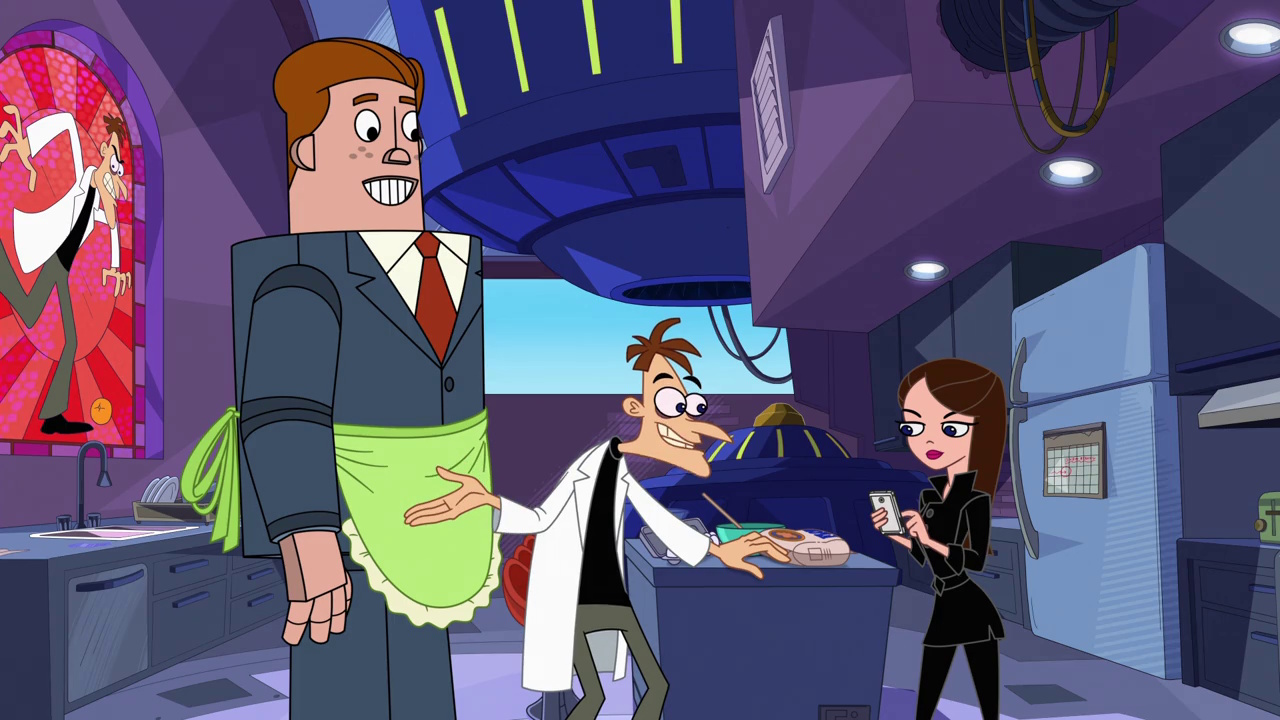
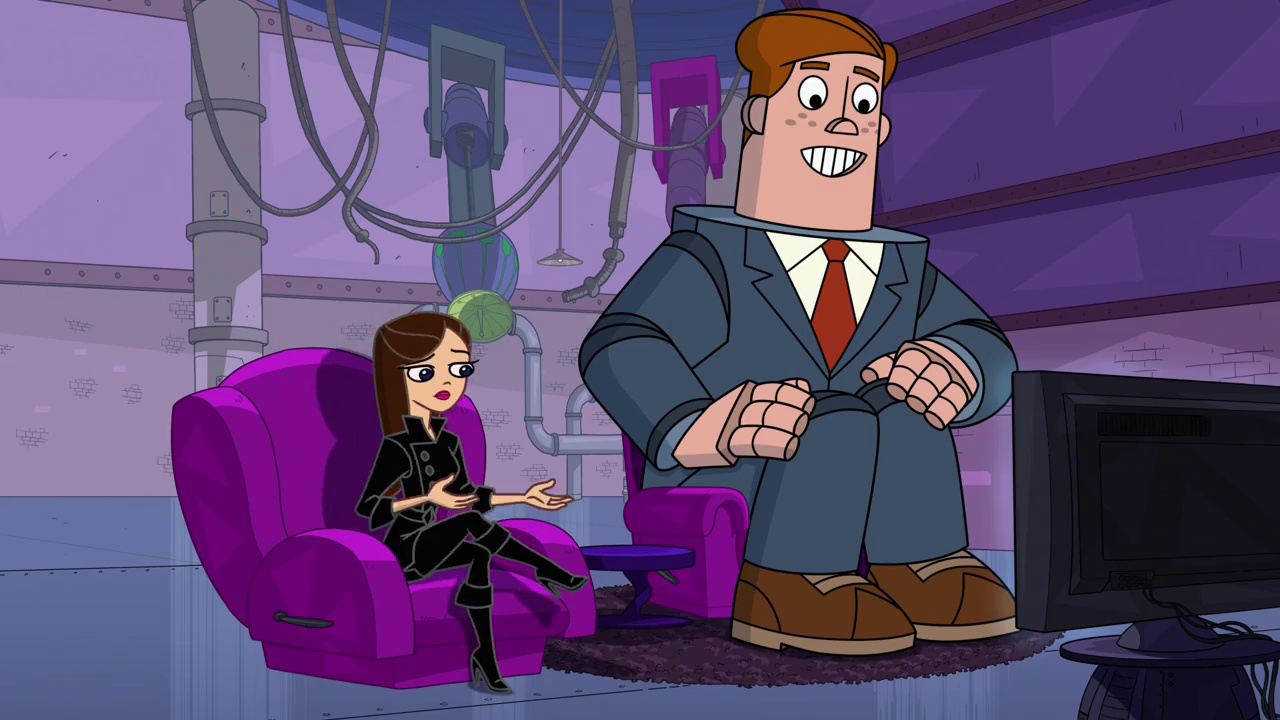
Still frame from Phineas and Ferb Season 5 showing Doof, Vanessa, and Norm.
Norm and Vanessa with Doof.

One thing I wanted to mention last time (it was in my notes, but somehow didn’t make it into the final review) has also cropped up in this second batch of episodes. Someone on the animation team *really* loves their new “low light” filter, don’t they? So many dark scenes now have a kind of “hazy” effect over characters and environments, which is something I don’t remember seeing in any of the first four seasons. It doesn’t look bad, exactly, but when it’s used so often in so many different episodes, it becomes noticeable… at least it did for me! And when there really aren’t a lot of other visual effects or filters being applied, the constant re-use of this one sticks out all the more.

I don’t hate the way this looks, just to be clear. It’s a bit of a change from what you might remember from earlier in the show’s run, but on its own, in one-off situations, I’d never say that it looks *bad*. But when there really aren’t any other comparable visual effects, changing the way the animation looks to represent, for instance, twilight, firelight, or other such things, this “low light” effect being recycled in multiple episodes became pretty noticeable for me.

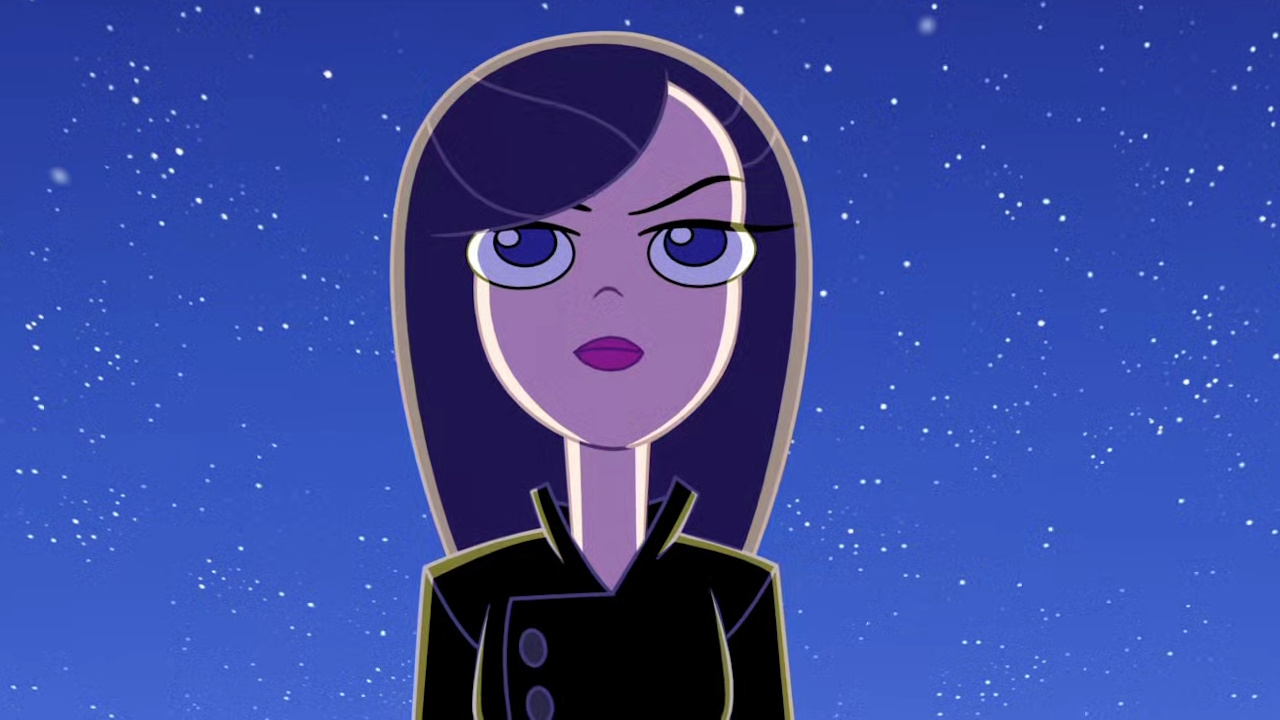
Still frame from Phineas and Ferb Season 5 showing Vanessa in low light.
The “low-light” filter.

Speaking of new obsessions that the writers seem to have, several episodes this time haven’t *really* ended, with an apparent old-school cliffhanger seeming to tease story continuations that are almost certainly never coming. If it was a one-off gag, I’d be fine with it. In some cases, those kinds of things work well, either as a genuine tease or as a pastiche of the kinds of films and TV shows which do that kind of thing a lot.

But when it’s overdone, and when it’s obvious that these stories are well and truly over, one-and-done things… it gets repetitive. As above with the “low light” effect, it was just something that I started to notice as we got further into the season, and even though it was by no means happening in every episode, I definitely felt it begin to overstay its welcome.

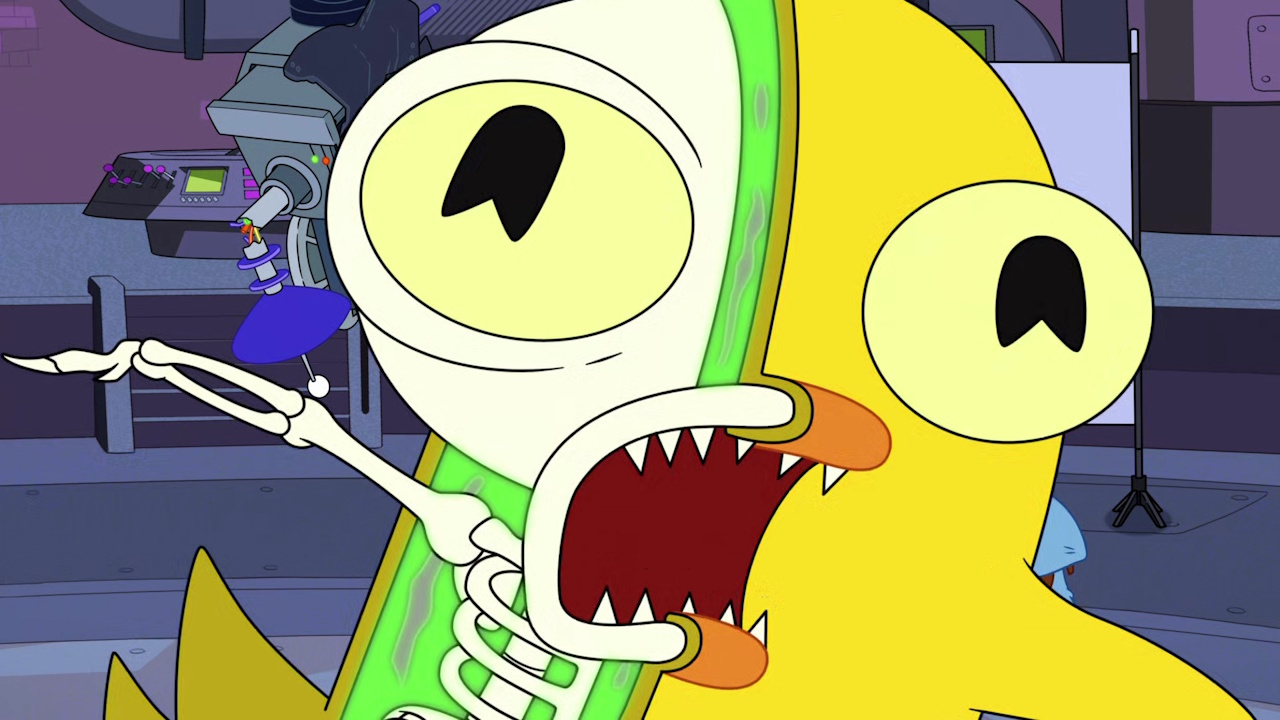
Still frame from Phineas and Ferb Season 5 showing a zombie Ducky Momo.
An example from the end of The Nightmare-Inator.

Dr Doofenshmirtz has (arguably) been Phineas and Ferb’s breakout character. But even keeping that in mind, Doof was *all over* this batch of episodes, being featured prominently. Heck, *four* of these episodes have Doof’s name in them, which must be some kind of record! There is still room for other characters, of course, but I think at this point it’s safe to say that Phineas and Ferb’s writing team are acutely aware of Doofenshmirtz’s popularity, meme-ability, and just the general place he’s carved out in pop culture.

I’m not saying it’s a bad thing necessarily, and *most* episodes still manage to feel balanced. But there’s a sense, perhaps, that Doof’s near-omnipresence is beginning to tip the scales just a little, and while the show is still managing to throw him into new situations or give him new experiences, I worry that if this continues, we might actually start to burn out on the character prematurely. There are still, at time of writing, forty-four new stories being produced, and if Doof is front-and-centre in as many of them as he has been in this batch of episodes… it might start to get a bit too much. He’s always been a main character, of course, but I just felt the balance tip a little this time.

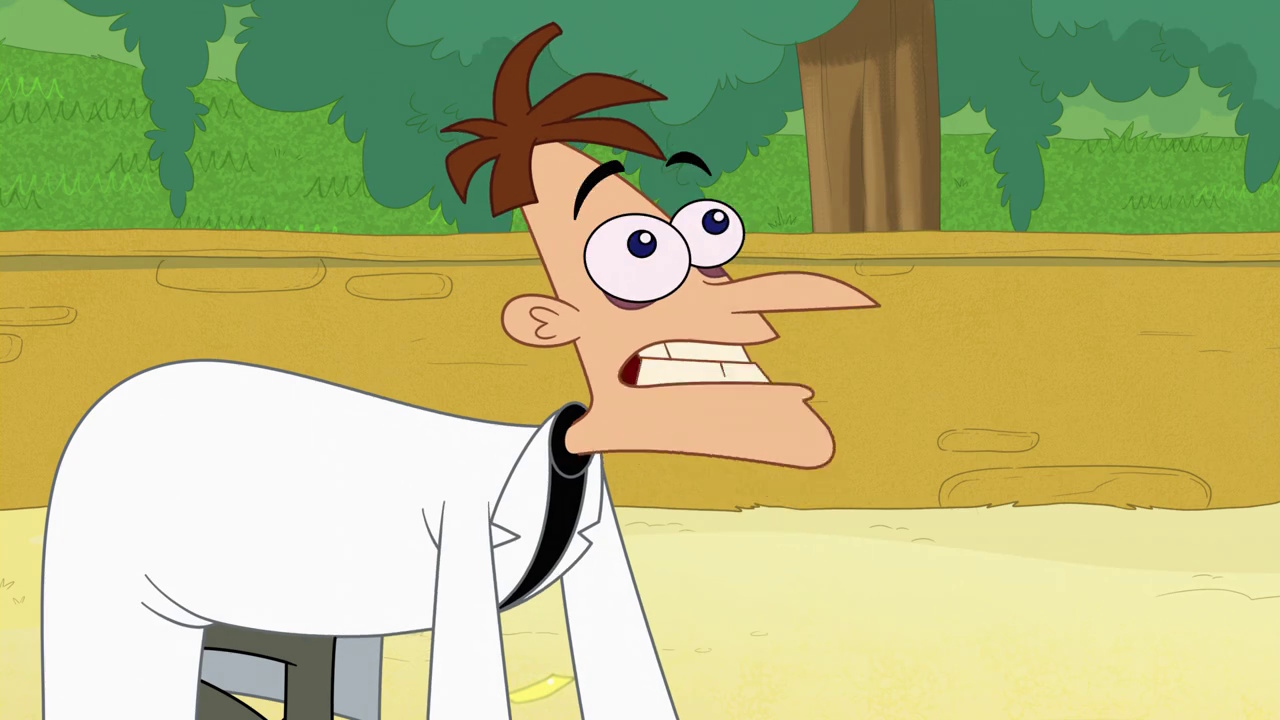
Still frame from Phineas and Ferb Season 5 showing Doof on his hands and knees.
Doof is all over Season 5.

Phineas and Ferb took a break in August and September, before coming back with new episodes in October. I was a little surprised, then, that we didn’t get any kind of Halloween special. Such things are not expected nor demanded, but the show’s previous special episodes have been some of the best, and getting another Halloween or Christmas episode was something I had on my wishlist! Given that we aren’t getting any new episodes now till January, I doubt we’ll see anything festive this year. But I’m still crossing my fingers for 2026 or 2027!

There also aren’t any double-length or two-part episodes in this batch, excluding the second part of the Candace Suit saga. Again, not necessarily a problem, but some of the special feature-length episodes have been among the show’s best. Perhaps we’ll get something like that for the season finale?

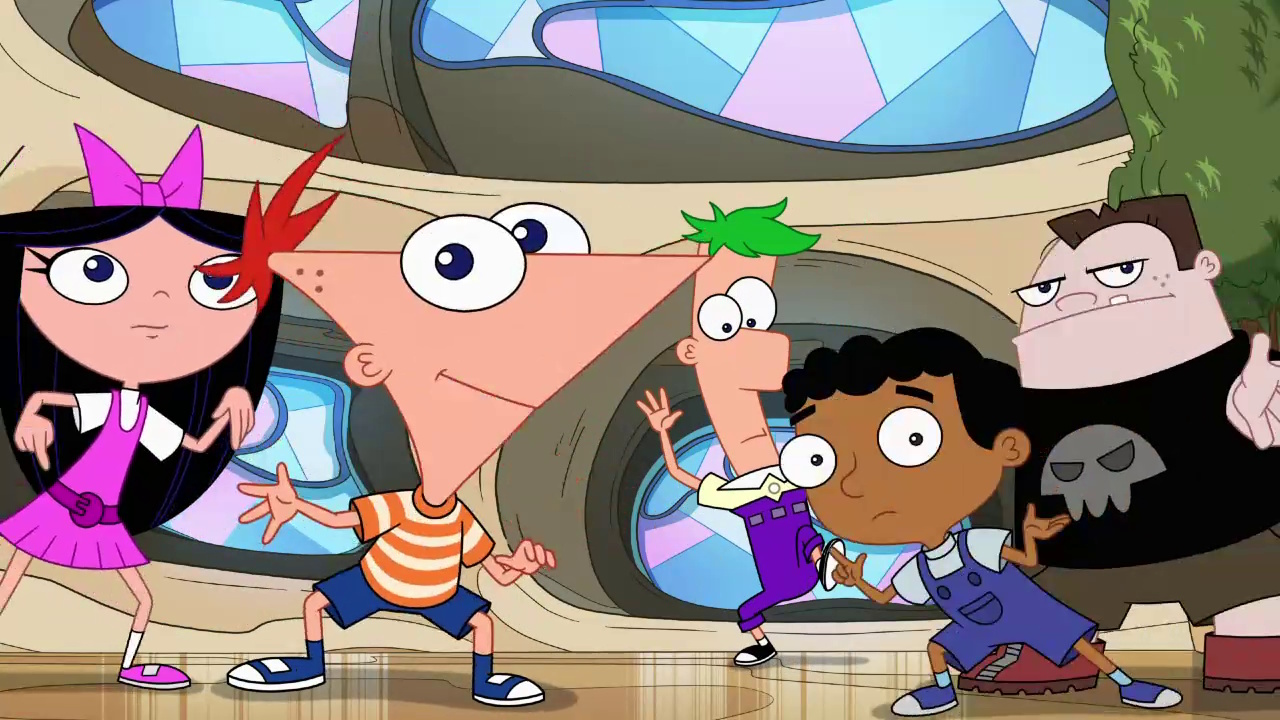
Still frame from Phineas and Ferb Season 5 showing Isabella, Phineas, Ferb, Baljeet, and Buford.
There was no Halloween or Christmas special this time.

On the whole, I think I’d say that this second batch of episodes wasn’t quite at the same level as some of the other episodes we’ve enjoyed in Season 5. There were some standout stories, plenty of callbacks to the show’s original run, and the return of some characters who I felt had gone missing in those first few episodes – all of which I enjoyed and appreciated. But there were also a few duds, a couple of storylines which don’t land as well in the revival as they did in the show’s original run, and the pay-off to a pretty weak joke (that had been running all season) which didn’t really live up to the hype.

So… a mixed bag, then!

In terms of quality, I stand by what I said last time: Season 5 is probably about on par with Season 4, which – prior to the revival – would’ve been what I’d have said was the weakest part of the show. Note that I didn’t say “bad,” because there are some solid and some excellent Season 4 stories – as indeed there are in Season 5, too. But there are perhaps fewer of them, and some of the stories in between are either not especially memorable… or just not as good.

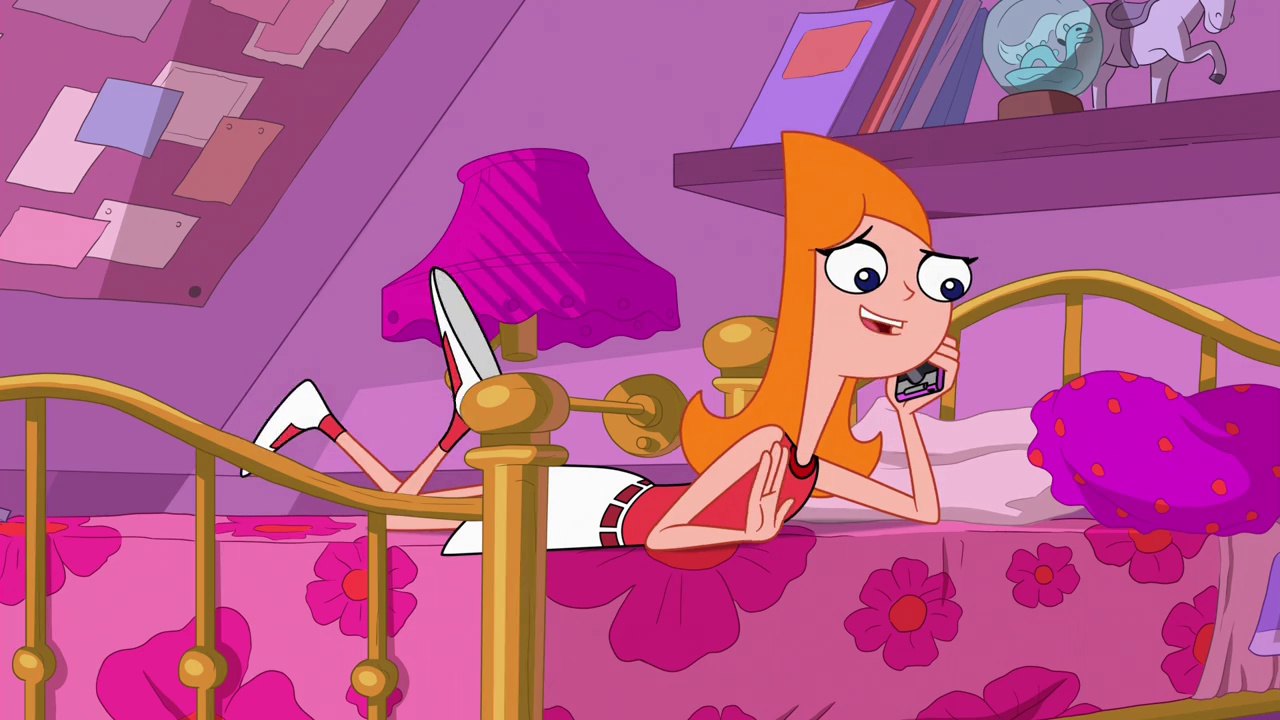
Still frame from Phineas and Ferb Season 5 showing Candace on her bed.
Candace on the phone with Stacy.

Last time, I said that I was disappointed to see Irving, Norm, Roger, and Jeremy basically go missing – and I’m pleased that each of them got at least *something* to do in the recent batch of episodes. Irving, by the time we reached the end of Season 4, seemed to have climbed out of the secondary character milieu to become an adjacent member of the friend group, so his absence was particularly noteworthy. Though we got a couple of solid roles for Irving further into Season 5, he’s still not as prominent as I might’ve expected, and doesn’t seem to be as close with the core friendship group as he was when the show’s original run was coming to an end. Episodes like Dungeons and Dating could’ve provided a “nerdy” character like Irving with loads to say and do, but he was relegated to a non-speaking cameo.

I’m glad that we got to see a bit more from Norm and Roger. Though neither has been especially prominent in Doof’s stories, they add a lot to his world and to that side of the series, and Norm in particular was great comic relief in some of the recent episodes. I’m glad that both of them had a bit more to say and do this time around.

Still frame from Phineas and Ferb Season 5 showing Vanessa and Norm.
Vanessa and Norm.

Jeremy is a bit of an odd case. If you didn’t know (and I don’t think I mentioned it last time), Jeremy’s original voice actor didn’t return for Season 5, and I suspect that’s why his role has been reduced this time around. Personally, I think that’s a real shame – after Jeremy and Candace became an official couple, his moments with her really opened up new narrative avenues which the show had begun to take advantage of. Although I think I’m right in saying that we saw more of Jeremy in the second part of Season 5 than we had in the first, he still doesn’t seem to be a particularly major character – not for Candace, nor for the series.

Jeremy works well when his easy-going, laid-back attitude can provide a contrast to Candace’s energetic and chaotic side. Throwing Jeremy into some of the boys’ plans has also worked well in the past, giving Candace either a reason to join in or at least to keep her busting in check for a while. Even in some of Jeremy’s more prominent moments this time, we didn’t get a lot of that. And he still doesn’t seem especially important or prominent on this side of the story. In any individual episode, it’s not something you really notice. But upon reaching the end of this batch of episodes, it’s odd to think that Jeremy – once such a prominent secondary character – has only made seven appearances in thirty-five stories, some of which only gave him a few seconds of screen time and one or two lines.

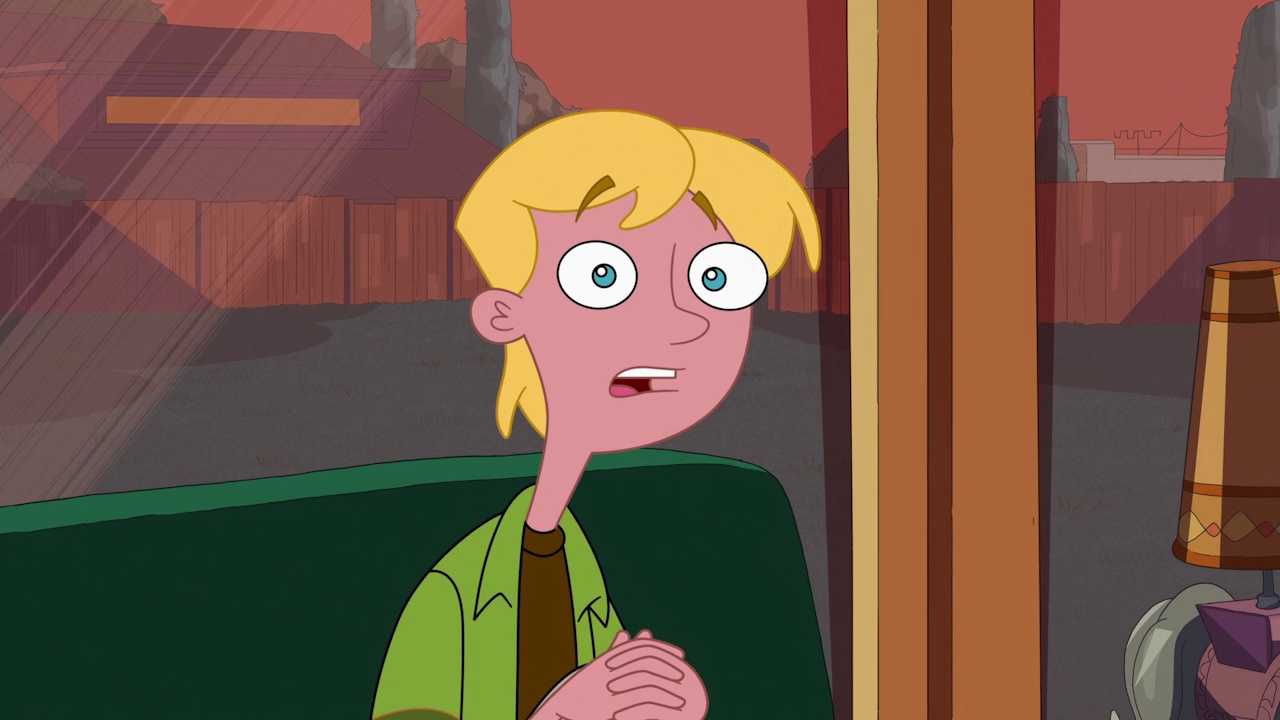
Still frame from Phineas and Ferb Season 5 showing Jeremy.
Jeremy’s role feels smaller in Season 5.

Last time, I said it was weird to see Candace achieving one of her biggest accomplishments – getting her driver’s license – only for it to not be mentioned again. We did finally get to see her drive, though, so we can check that one off the list! I still think the driving thing could be brought up a bit more often, even if it’s not directly related to the plot… because otherwise what was the point of License To Bust? But I’m glad that we got something in that vein this time around.

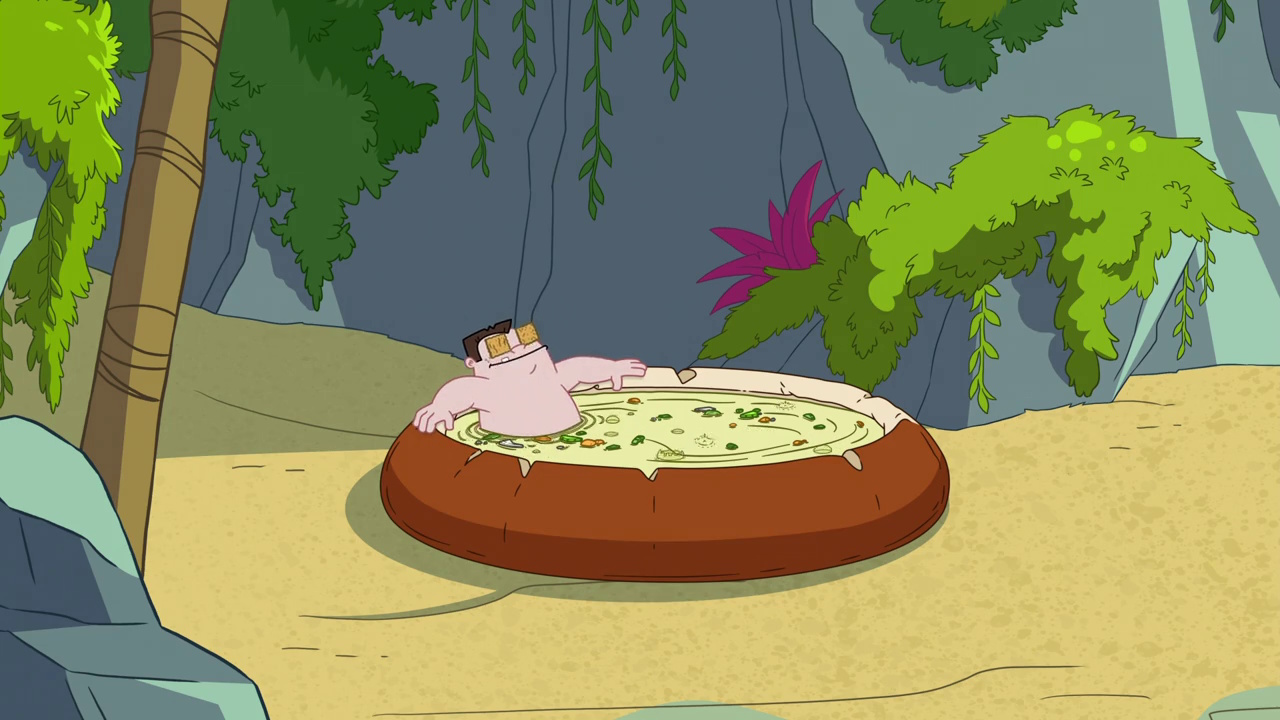
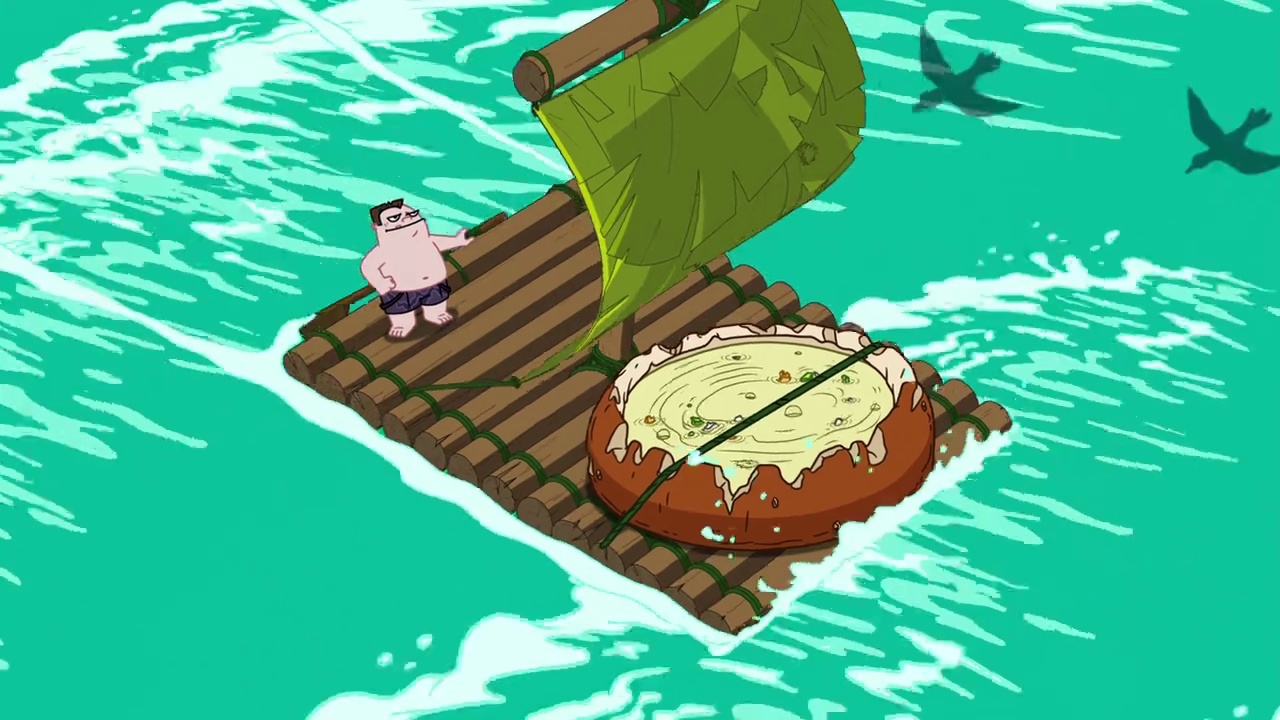
We’ll get into this a bit more when we cover the episode Bread Bowl Hot Tub, but this non-sequitur, which ran for basically all of Season 5, didn’t really get a strong enough payoff for me. I like how random it was, and it was cute to see Buford getting so excited as his request was belatedly granted. But after so much buildup across practically every preceding episode, this was one story which *really* needed to stick the landing. Unfortunately, despite a great guest star in Diane Morgan, it kinda didn’t.

Still frame from Phineas and Ferb Season 5 showing Buford's bread bowl hot tub.
Buford in his bread bowl hot tub.

Phineas and Ferb continues to be pretty meta and self-referential in Season 5, stretching some one-off gags and jokes into full storylines… even when there isn’t really enough material, or a strong enough foundation, to support something like that. I noted it last time with Buford’s life-size moulds – something which, inexplicably in my view, came up again in this crop of stories – but we can also add things like Perry’s lair entrances and the boys’ plans for croquet into that same category.

I’m all for the show reliving some of its glory days and replaying its greatest hits! That’s why a revival like this exists, at the end of the day – to play on the nostalgia viewers have for its original run. But at the same time, there are ways to tell new stories using these characters and familiar narrative frameworks that don’t *only* rely on things that had been set up years earlier. A nod and a wink to returning viewers can be a ton of fun, and I’m on board with in-jokes and meta humour. But when those things are the sole foundation for a story, or when the writers take a one-off gag or throwaway line and try to build it out into a complete story of its own… I think we’re getting far more misses than hits with that approach. So, for clarity: meta humour and being self-referential works well for jokes and small story beats, but hasn’t worked very well when an entire episode has been constructed around it.

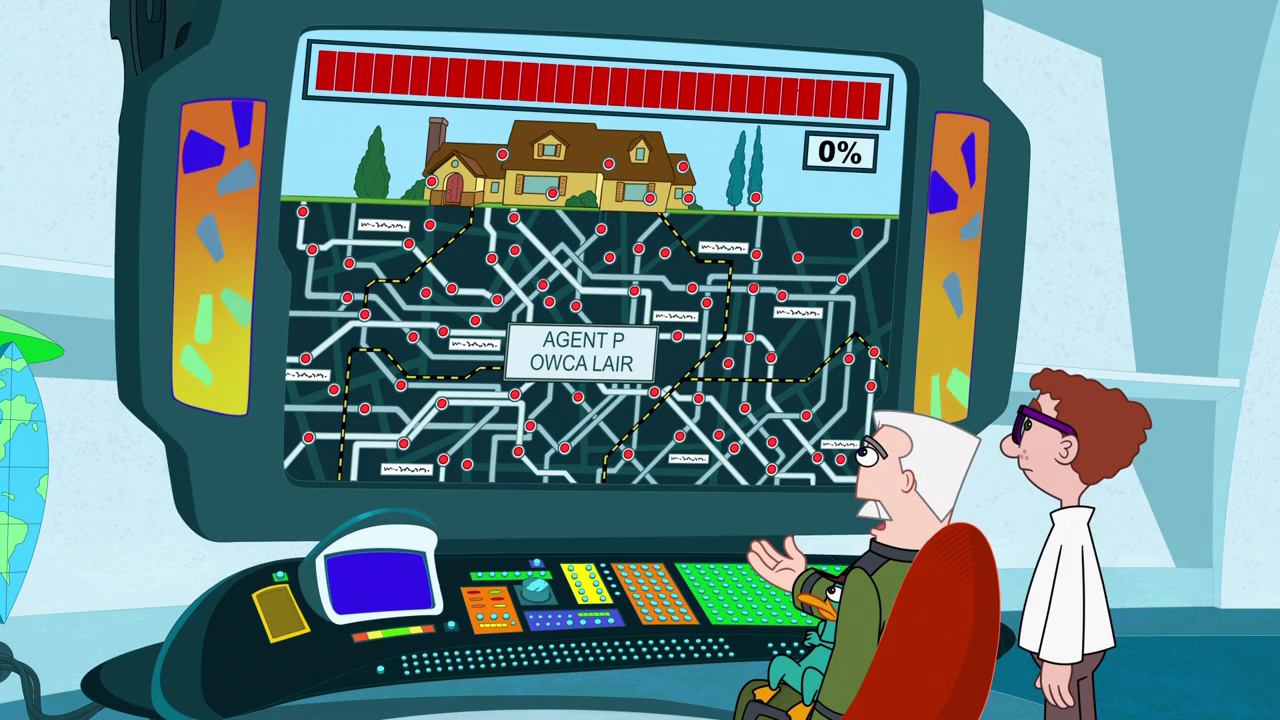
Still frame from Phineas and Ferb Season 5 showing Monogram, Carl, and Perry in Perry's lair.
All of the entrances to Perry’s secret lair.

Next, let’s look at each of the episodes in turn, and talk about some of the things I enjoyed, disliked, or just found noteworthy about each of them.

For the sake of clarity, I’ve only watched most of these episodes a couple of times, so I’m not going to be delving deeply and nitpicking every element of them! I’ll cover each episode in broadcast order, and I’m not going to be ranking them, nor rating them out of ten or anything like that. Although these episodes are paired up, I’ll be covering each story individually.

Attack of the Candace Suit:

Still frame from Phineas and Ferb Season 5 showing the titular Candace Suit.
The Candace Suit.

As I said last time, Buford’s “life-size moulds” was a funny one-off gag that worked well in Season 3. But it’s not the kind of thing to build an entire story around, let alone a two-parter. With that being said, I felt Attack of the Candace Suit was the stronger half of this weird little two-part story, being noticeably better and more enjoyable than The Candace Suit had been earlier in Season 5. The now-sentient suit elicited some genuine sympathy, in the same sort of way as Frankenstein’s monster might, as it came to terms with existing as a living creature in this world.

This was also a good episode for Candace and Jeremy – one of the only times in the season where they got to spend much time together. It was also fun to see Candace and the boys on the same team, something that’s not totally uncommon but is still nice to see. The episode also got a happy ending, with the sentient suit being paired up with Klimpaloon, who got a small cameo at the end. I hope this will be the final part of the Candace Suit saga, and that we aren’t gonna get some kind of third episode next time!

Book Flub:

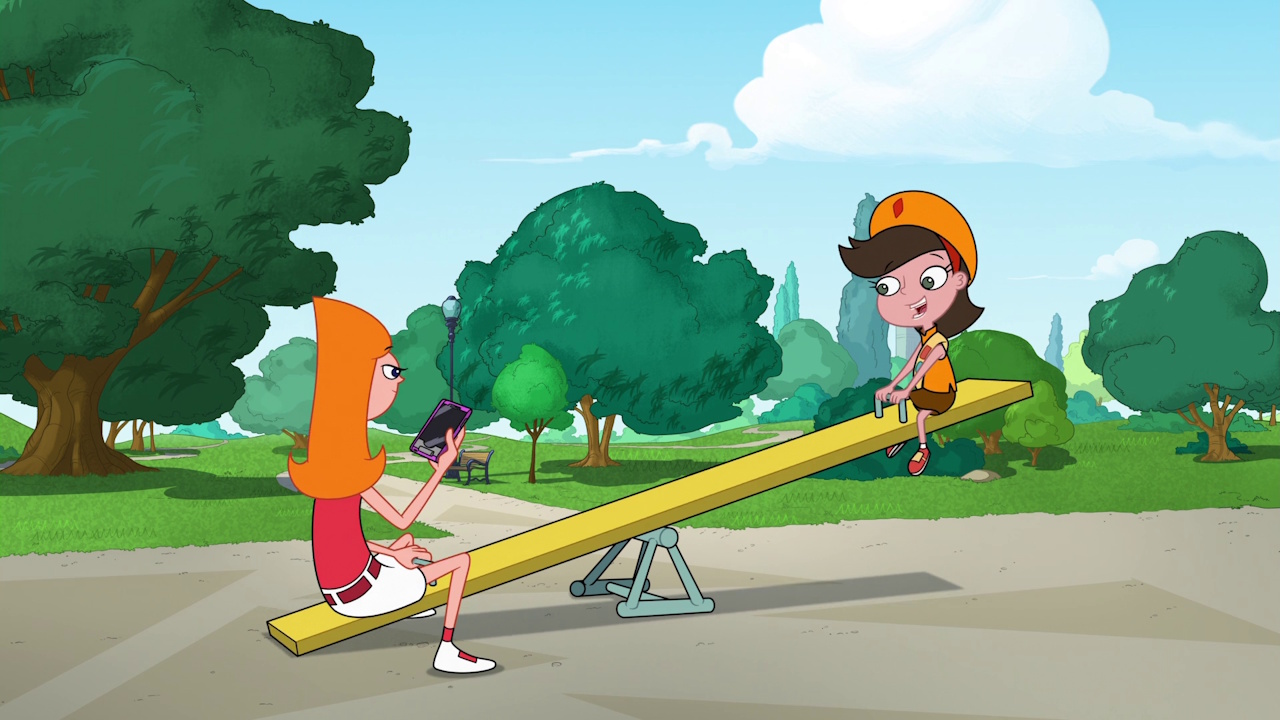
Still frame from Phineas and Ferb Season 5 showing Candace playing with Addyson.
Candace and Addyson on a see-saw.

This one I genuinely liked. We got a Candace-Linda team-up story, with one of Linda’s problems being in focus for a change. It made for a really interesting change of pace, as Linda had to rely on Candace’s unusual skills to resolve her book club issue. The return of Irving, as noted above, was also incredibly welcome, and seeing Irving and Linda working together was odd but cool! It’s nice, after all this time, that Phineas and Ferb can still find new character groupings, and put different spins on its storylines. This kind of originality, quite honestly, is something I wish we’d gotten a bit more of in Season 5.

This is a bit of a rarity insofar as it’s a story without much input from either Perry and Doof or Phineas and Ferb, but I think staying laser-focused on Linda, Candace, and Irving was the right choice. Perry and Doofenshmirtz’s fight on a burrito-plane was fun, and they added a bit of levity to the story as things progressed. All in all, though, this was a great change of pace.

The Bad Old Days:

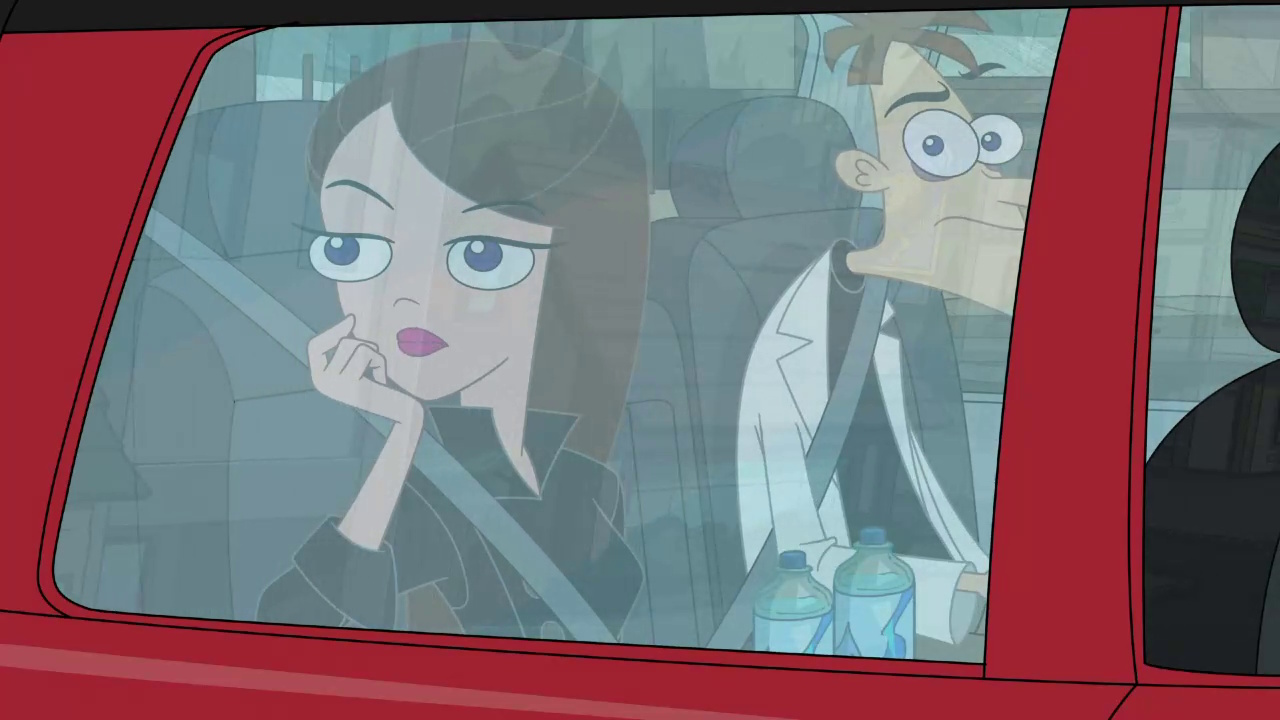
Still frame from Phineas and Ferb Season 5 showing Doof and Vanessa in the back of a car.
Doof and Vanessa in Drusselstein.

Any chance to visit Drusselstein with Doof is fun, but I especially liked this new take on the old country. Doofenshmirtz is left hurt and confused when he sees how his hometown has been completely redesigned and gentrified, and is no longer the primitive backwater of his tragic backstories! This side of the story also contained some rare moments with Doof and Vanessa, and his excitement at her potentially becoming a citizen showed off his best fatherly tendencies. I wish we got more with these two in Season 5.

The boys’ side of things felt a little… repetitive. The giant drill was similar to something we saw right at the beginning of Season 1, and searching for either a missing ring or one of their mom’s lost possessions was also kind of samey if you remember similar escapades in Seasons 3 and 4. Nothing about it was *bad*, though, and this was really the episode’s secondary story. A great episode for Doof and a fun visit to Drusselstein, even if goings-on back in Danville weren’t quite as strong.

Mantis Fact:

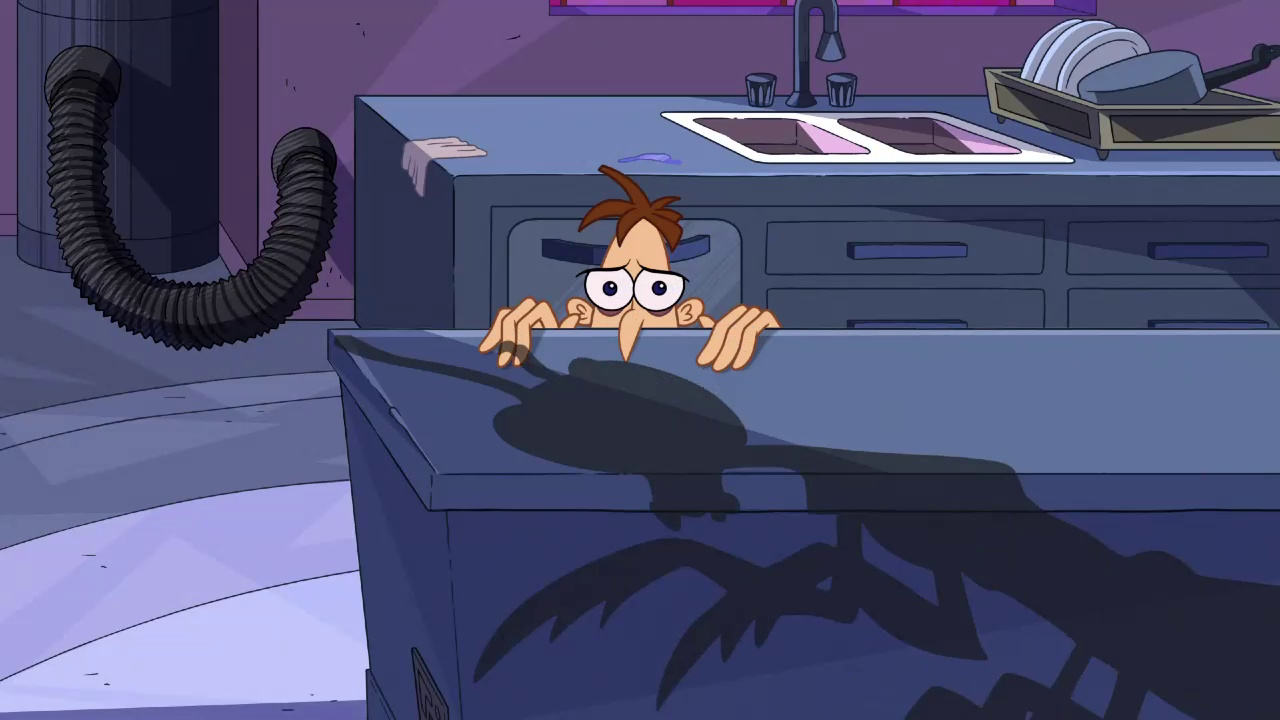
Still frame from Phineas and Ferb Season 5 showing Doof cowering from a giant praying mantis.
Jurassic Park vibes, anyone?

Mantis Fact felt like a classic Phineas and Ferb episode from the show’s original run. Candace wants to bust the boys for their over-the-top creation, while Perry has to investigate what’s going on with Doofenshmirtz’s latest inator. The twist was that Perry and Doof ended up having to work together to shut down his inator, which had created a group of giant, deadly praying mantises. I don’t think the core idea of constantly sharing “mantis facts” added much to the story, though, and the delivery felt a bit grating as the episode wore on.

The camouflaged bird sequence gave me a few good laughs near the end, and I felt Mantis Fact was a solid mid-season offering that harkened back to the show’s earlier seasons. I mean that as a compliment, and it’s an episode I’ll happily return to and re-watch in the future.

The Nightmare-Inator:

Still frame from Phineas and Ferb Season 5 showing Doof and Perry.
Doof and Perry do battle.

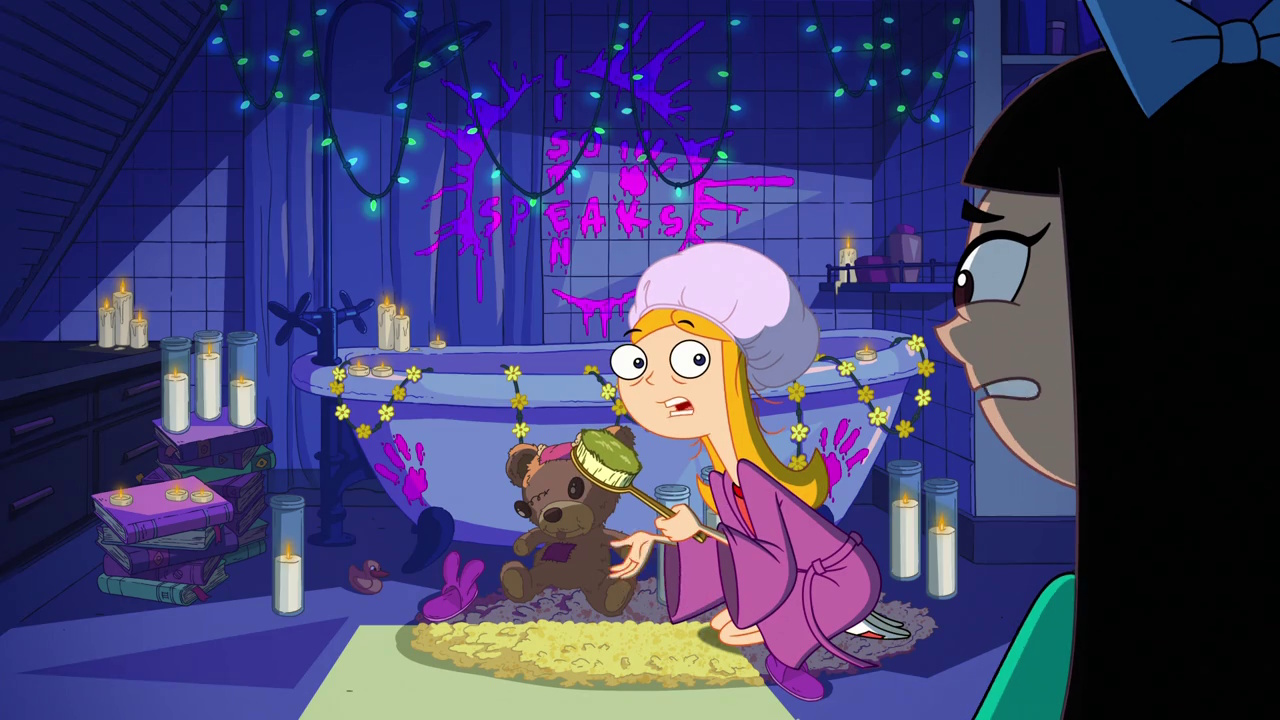
This episode felt like it was harkening back to Season 3 or 4, whichever one had that Halloween special! There were some fun sequences, as Doof’s inator seems to malfunction, causing nightmares to become real. Vanessa got a great up-tempo song in a sequence that drew on the likes of Evil Dead and other horror titles for inspiration. We also got a callback to the haunted/evil Ducky Momo, as well as Vanessa’s relationship with Candace’s favourite kids’ show.

This was another story with only one main storyline, and I think keeping Doof and Perry in focus worked pretty well. It allowed for a greater variety of dream and nightmare sequences, including some pretty random and surreal imagery, which is always fun. I like the running joke of Ferb’s mind being a total enigma, and Doof’s apparent phobia of a giant, out-of-control Perry. Not a totally unique idea, perhaps, but solidly executed overall, and with a great song.

Doof in Retrograde:

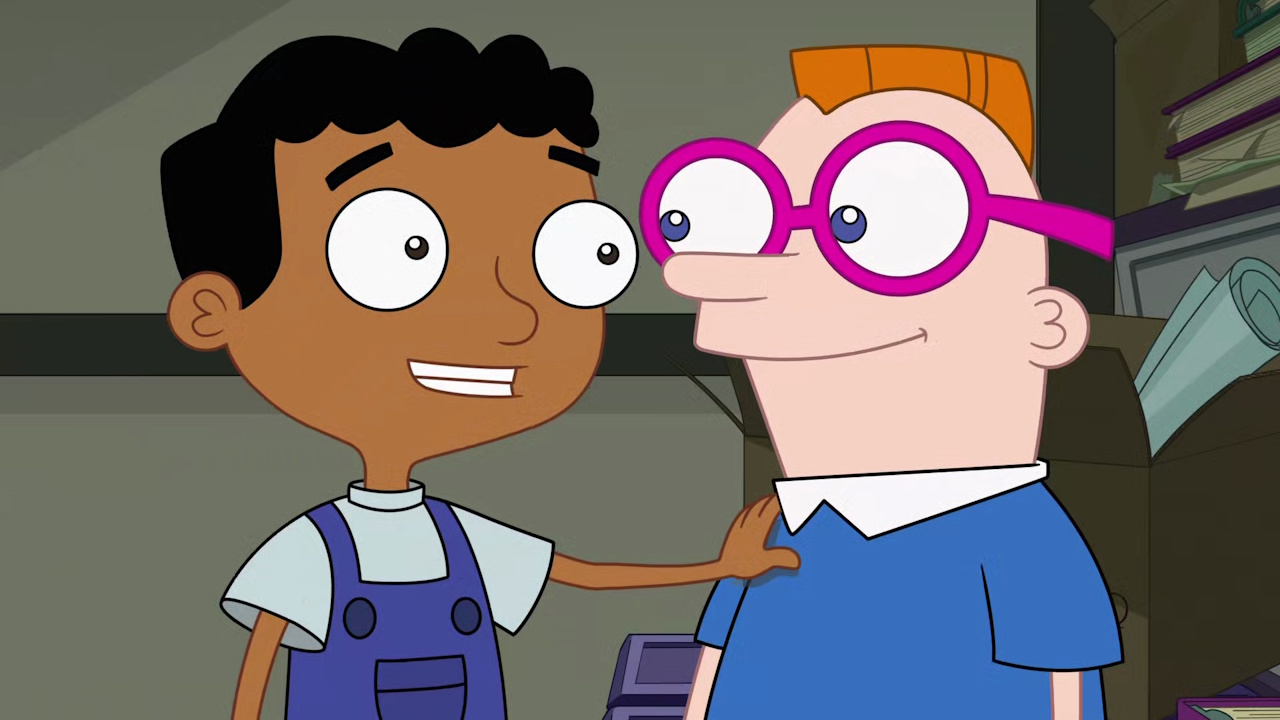
Still frame from Phineas and Ferb Season 5 showing Baljeet and Irving.
Baljeet and Irving: an unlikely duo!

I had to re-watch this one to remember what happened; nothing about the episode left much of an impression. The whole “solar system” thing felt way too samey after the boys made something comparable back in Season 4, and Doof’s motivation for wanting to be the centre of attention didn’t really ring true for me. There were a couple of fun moments, like Carl moving Perry’s chair when he tried to enter his lair, but a lacklustre song kind of capped off a really uninteresting Doof and Perry story for me.

On the flip side, it was fun to get some interaction between Baljeet and Irving, and I liked how this storyline gave Baljeet more of a main role. The two “nerdy” characters worked well together (surprise, surprise!), and it was just a fun change of pace for Baljeet. Irving got a chance to live out his “being like Phineas and Ferb” fantasy, and we got a pretty classic ending to the story with Doof’s inator destroying the kids’ inventions.

Bend It Like Doof:

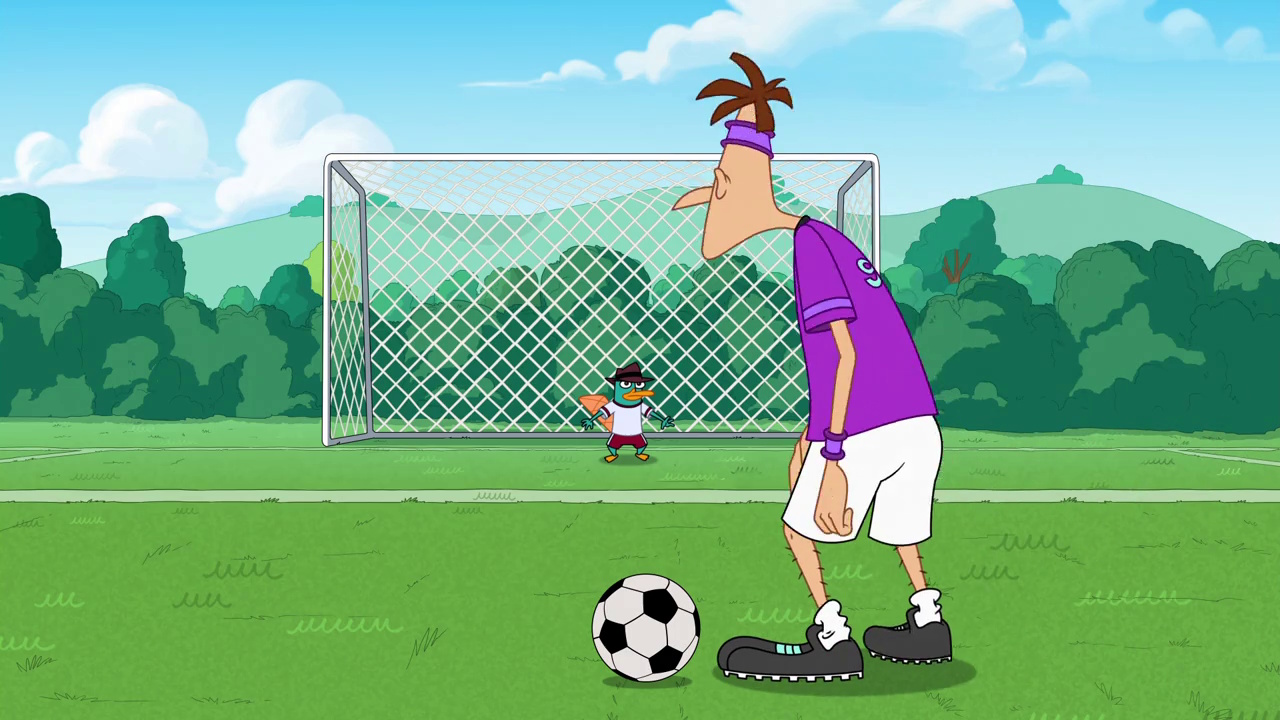
Still frame from Phineas and Ferb Season 5 showing Doofenshmirtz and Perry playing football (soccer).
The match of the century?

Bend It Like Doof had a pretty weak setup, and at first I thought it was just going to be a vehicle for a couple of famous guest-stars. In the end, neither Megan Rapinoe nor Cristo Fernández really got all that many lines, so I’m just not sure what the intention was here! I like football (or soccer, if you prefer) as much as the next person, but Phineas and Ferb already did a pretty solid episode themed around that sport back in Season 3’s My Fair Goalie. This episode wasn’t *bad* per se, but it lacked originality, and the central Doof-Monogram conflict has been done better – and more believably – elsewhere.

It was nice to see most of the members of L.O.V.E.M.U.F.F.I.N again, albeit that most of them didn’t have major roles, and to spend a bit more time than usual with Major Monogram. It was also weird (and kind of funny) to get some continuity with the episode Tropey McTropeface, through the news reporter-turned-prison escapee Dink Winkerson. Not a great episode, but there are some highlights and funny moments.

Dooflicated:

Still frame from Phineas and Ferb Season 5 showing a giant Phineas robot.
A giant Phineas robot.

This was a fun idea, and even though it leans a bit too heavily on the “doesn’t Doofenshmirtz have weird mannerisms” trope, I think it was well-executed, too. Seeing the boys take their inventions in an overtly evil direction – albeit in the name of fun – was a blast, and Candace being the protagonist for once, having to stop them when they got out of control, felt like something fun and different.

Dooflicated also gave us one of the rare moments in Season 5 where Doof and Vanessa have a meaningful conversation. I liked Vanessa’s totally blasé attitude to name-dropping a famous relative on her college application; it seems in-keeping for her character while also being a subtle comment on nepotism in the United States. I still miss the idea of Vanessa working for the O.W.C.A. in some capacity, and I think it’s a shame how that idea wasn’t picked up more this time. But a nod to her college applications was a fun way to go, too.

Space Adventure:

I’m a big Star Trek fan (if you couldn’t tell already), so Space Adventure was almost tailor-made for me! The show-within-a-show doesn’t just parody Star Trek, of course, and there were references or hints at other sci-fi properties, too. Although it was undeniably silly, I really liked the end result, and it’s no exaggeration to say that I think I laughed the most at Space Adventure’s parody than I did at any other episode in the season!

Space Adventure was, unsurprisingly, also a solid episode for Buford and Baljeet. I felt it harkened back to stories like Bully Bromance Breakup, while also reminding me a little of Excali-Ferb – at least in terms of its core premise. It was bold to frame this story around *only* Buford and Baljeet, with Phineas, Ferb, Candace, Doof, and Perry all absent. It was arguably even bolder to then have the bulk of the story just be this Star Trek-themed show-within-a-show! But for me at least, Space Adventure is one of the highlights of the season.

Droogenfest:

Still frame from Phineas and Ferb Season 5 showing the titular Droogenfest.
The Fireside Girls at the festival.

I like some of the ideas present in Droogenfest, but the core drama of Danville somehow being *desperate* for a trade deal with the Drusselstein delegation didn’t really work, even in light of Gimmelstump’s new-look presentation from earlier in the season! Setting that overblown nitpick aside, though, Droogenfest comes across like another classic story. The kids are participating in a big local event, Doof’s attempt to ruin his brother’s reputation gets in the way, and they end up having to work together to put things right.

The callback to Candace Against The Universe – where Doofenshmirtz and Isabella last interacted with each other – was a fun addition, and a way to keep the film somewhat relevant. Little touches like that – when not overwhelming a story – help the world of Phineas and Ferb feel connected, so I appreciated that. And it was neat to get another little addition to Drusselstinian culture and history. All in all, a pretty solid offering.

Doofercise:

Still frame from Phineas and Ferb Season 5 showing Doof's gym advertisement.
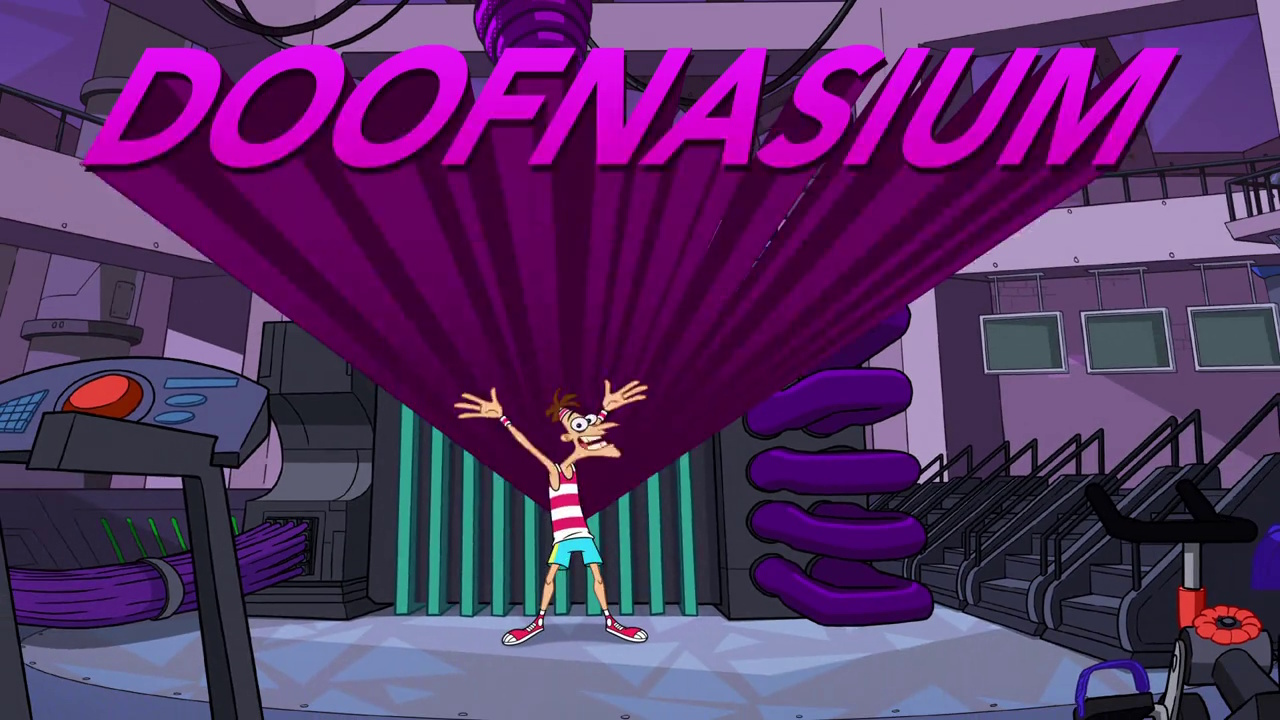
Join the Doofnasium!

Doofenshmirtz gets the idea to turn exercise into power for his inators and opens a free gym. I actually weirdly kinda like this premise, and Doof and Norm make for really fun exercise gurus. The episode starts off slow, but quickly builds up to Doof’s gymnasium idea, with even Vanessa getting roped in when he makes one of those dodgy low-budget local TV commercials! That was a particularly fun sequence. Perry’s idea to overload the inator was a bit obvious, perhaps, but it worked well to bring this side of the story to a conclusion.

Candace and Jeremy’s date gets interrupted by the boys’ land-boat. The visual of the boat was pretty neat, and I liked the way it looked. As I said above, we didn’t get a ton of Jeremy and Candace together, so this date – before its interruption – was nice to see. The chase through the city was also pretty exciting. Another episode that could’ve been from an earlier season, really – which I mean as a compliment.

Croquet Y-8:

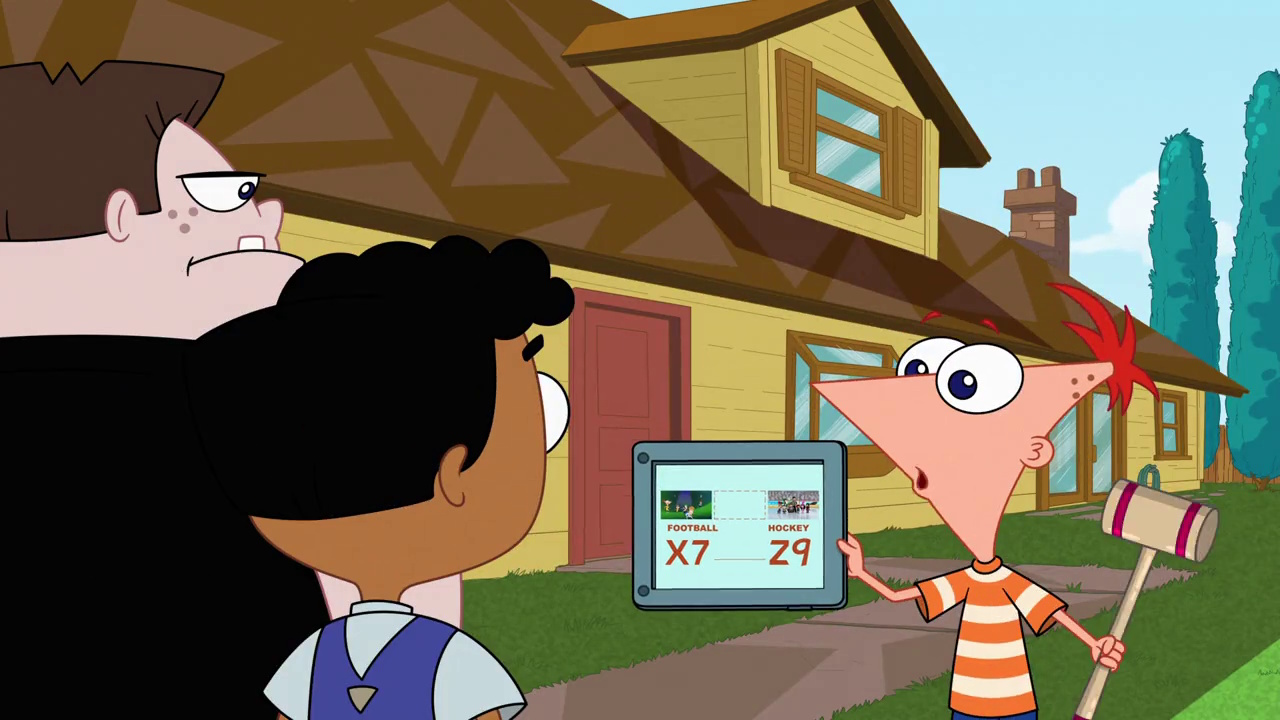
Still frame from Phineas and Ferb Season 5 showing Phineas explaining his new game.
Oh look, it’s that throwaway line from Season 4… as a full episode. Yay.

Remember in the New Year episode, when Baljeet asked why the boys were going straight from Football X-7 to Hockey Z-9? Yeah. This is another one-liner that, for some reason, has been stretched beyond breaking point to form the core of an entire story. And I’m sorry, but there was just no need. The “we’re saving that for croquet” comment in Season 4 was funny, but it was clearly nothing more than a joke – the humour coming from the fact that croquet is not the kind of sport you could really “soup up”, for want of a better term. The end result even borrowed from the boys’ bowling ball invention back in Season 1, and it just didn’t feel like a particularly strong premise *or* a good execution of the idea.

The dilemma Perry faced, though, added stakes to his and Candace’s side of the story, and it was cute to see Candace and Jeremy following the robotic Perry duplicate around, trying to make the documentary. I didn’t feel Doof’s sheep-related invention was one of his best or most interesting ideas, but the time limit Perry had kept that side of the story largely on the rails.

Dinner Reservations:

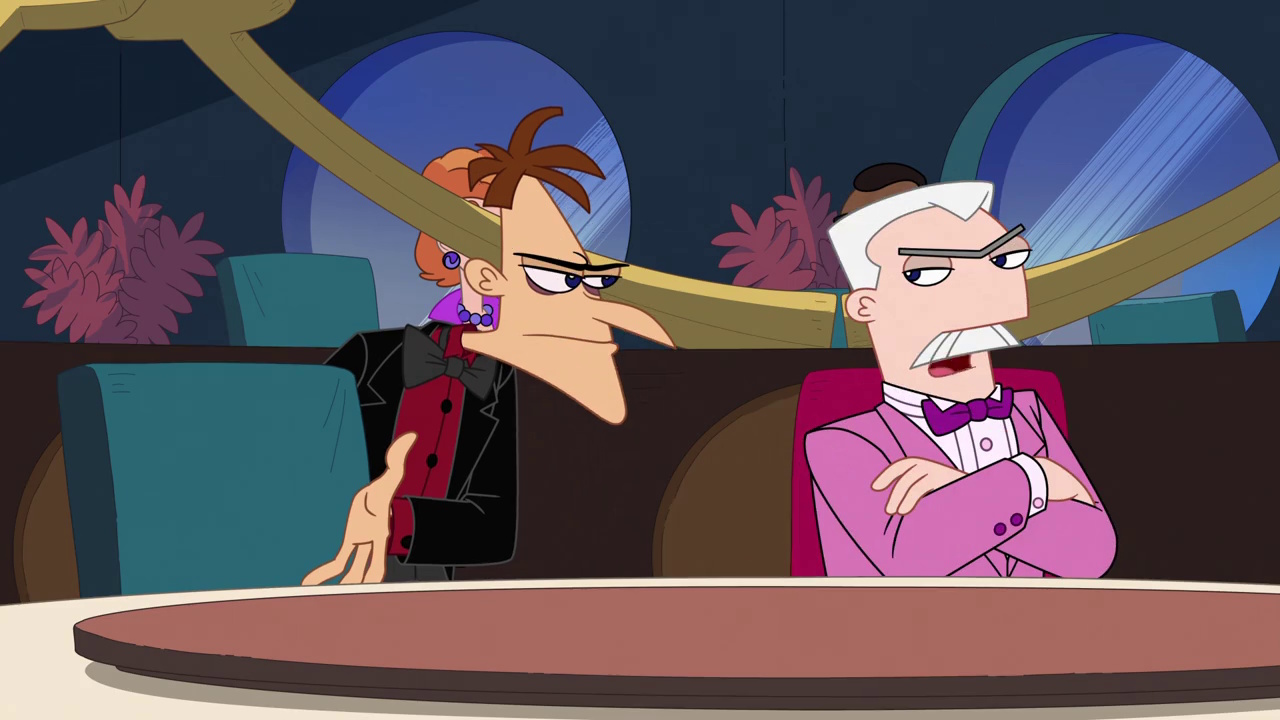
Still frame from Phineas and Ferb Season 5 showing Doof and Monogram at a restaurant.
Ah, the old sitcom cliché…

The boys’ drone light-show idea was fine, if a little underwhelming after their more impressive laser light-show in Season 4! But I liked the way it began, with Buford talking about how his family home was, apparently, just covered in Christmas lights. And the visuals at the end, with the drones making different images, worked pretty well.

However… the other side of the story was not my favourite. I can buy Monogram and Doof’s feud, though I think it fell into the fairly common kids’ show cliché of adults not knowing how to act like adults. But what I didn’t really think worked was Monty and Vanessa’s relationship. In Act Your Age, at the end of Season 4, we saw Ferb and Vanessa together as a couple in the future. And that’s a really great direction for both of them, paying off Ferb’s crush from earlier episodes while also giving Vanessa an unexpected new direction. But with that context, I just can’t get invested in Vanessa’s doomed relationship with Monty. It was great to see Monty again, and we got some pretty okay slapstick comedy out of the whole “enemies having dinner” premise. But… I think I’m over Vanessa and Monty now that the show has confirmed Vanessa’s future with Ferb. I don’t want to see her and Ferb together in the show’s present day… eww. But maybe Vanessa’s relationship with Monty should just quietly be sidelined?

Bread Bowl Hot Tub:

Still frame from Phineas and Ferb Season 5 showing Buford on a raft.
Rafting home.

As I said above, I didn’t feel this episode was good enough to be the payoff to a season-long gag. In fact, even if it hadn’t been running all season, I’d still say this was an especially weak story. I’d actually rather that Buford’s bread bowl hot tub had remained un-made; a non-sequitur type of joke that could be brought up sometimes… just another random idea of Buford’s that the kids are clearly never going to make. Because what we got was just… not very good.

Diane Morgan, who guest-starred as the voice of the titular hot tub, is great, and it’s such a shame she was wasted on such a weird and ultimately underwhelming story. There probably was a way to write a story like this, but maybe it needed to be a feature-length story or maybe it needed other characters involved? Something went wrong, anyway, and while it’s great to see Buford getting his wish, and to get a Buford spotlight episode which picked up on various aspects of his characterisation… this wasn’t the way to do it. And the end result was one of the worst episodes of the season for me.

Entrance Exam:

Still frame from Phineas and Ferb Season 5 showing Candace and Stacy trying to speak with the mysterious force.
Communing with the “mysterious force…”

I’m glad that, after Perry’s lair entrances gradually disappeared from Phineas and Ferb as the show’s original run wore on, Season 5 has brought them back. They’re a classic part of the show, and many of them – like couch gags in The Simpsons – have been a ton of fun. But sometimes, when you over-explain or dig too deeply into something like this, it loses much of what makes it fun or impactful. We get it: Perry has lots of ways to access his secret lair. Did we need an entire episode all about that, drawing attention to how much of the Flynn-Fletcher household is taken up by these access points?

Where I will give Entrance Exam its dues is in Candace’s story. Hearing Monogram’s voice from below, she mistakenly believes she’s speaking with the “mysterious force” responsible for making the boys’ inventions disappear – and that typical sitcom mistaken identity cliché actually made for some genuinely funny moments. Particularly when Stacy also got involved, this side of the story was a ton of fun.

Dungeons and Dating:

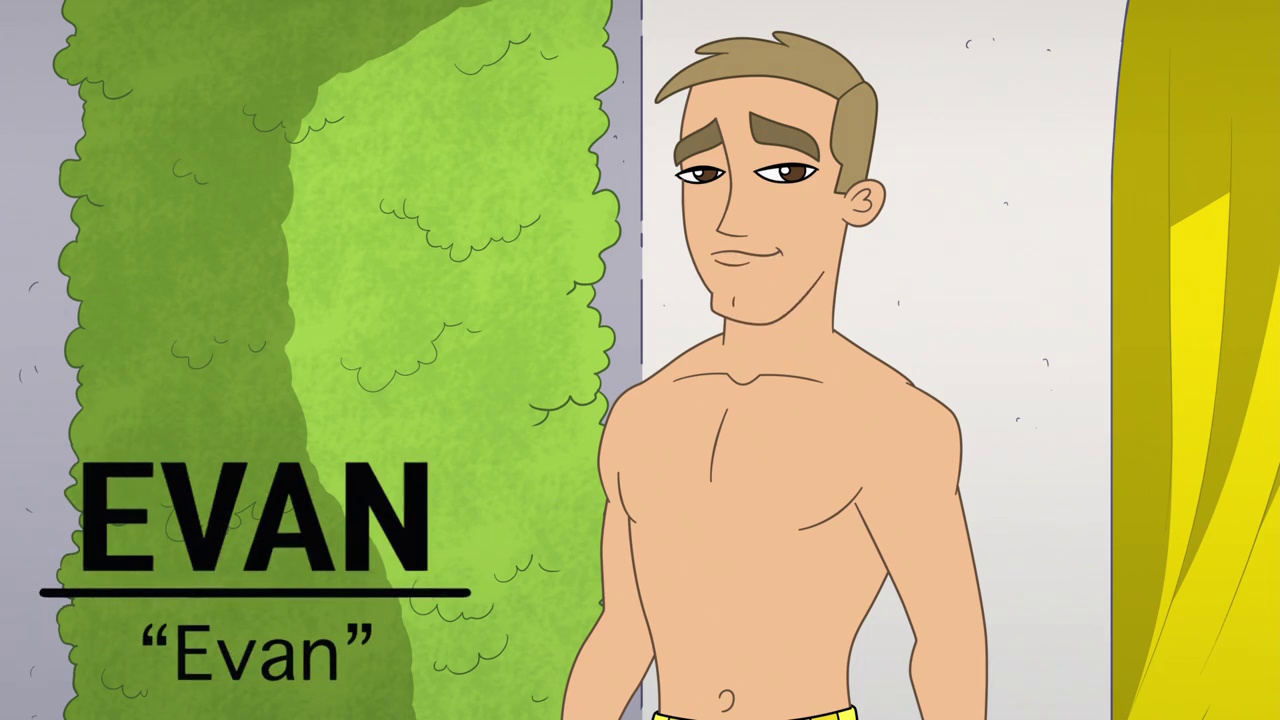
Still frame from Phineas and Ferb Season 5 showing Evan.
Evan.

The most recent episode at time of writing. Dungeons and Dating was all about live-action roleplaying, as the boys (and their friends) set out to tell their own version of the ending to their favourite franchise when it was prematurely cancelled. I like the premise, I like the references to D&D, and we got some neat backdrops for the kids as their adventure unfolded. I think this could’ve been a good story to include someone like Irving or Albert, but both were only present in the background, which was a bit of a shame. I liked the callback to Buford being a fan of fantasy, though, and the kids had a fun adventure on this side of the story.

Doof’s reality show dating thing was neat, too. It was clearly a reference to the likes of The Bachelor and Love Island, and the character called Evan, who could seemingly only say his own name, was a hilarious send-up of the kinds of pretty-but-empty-headed folks who all too often appear on programmes like that! Norm and Vanessa’s banter as they watched Doof on TV was also laugh-out-loud funny for me.

So those are all the episodes so far!

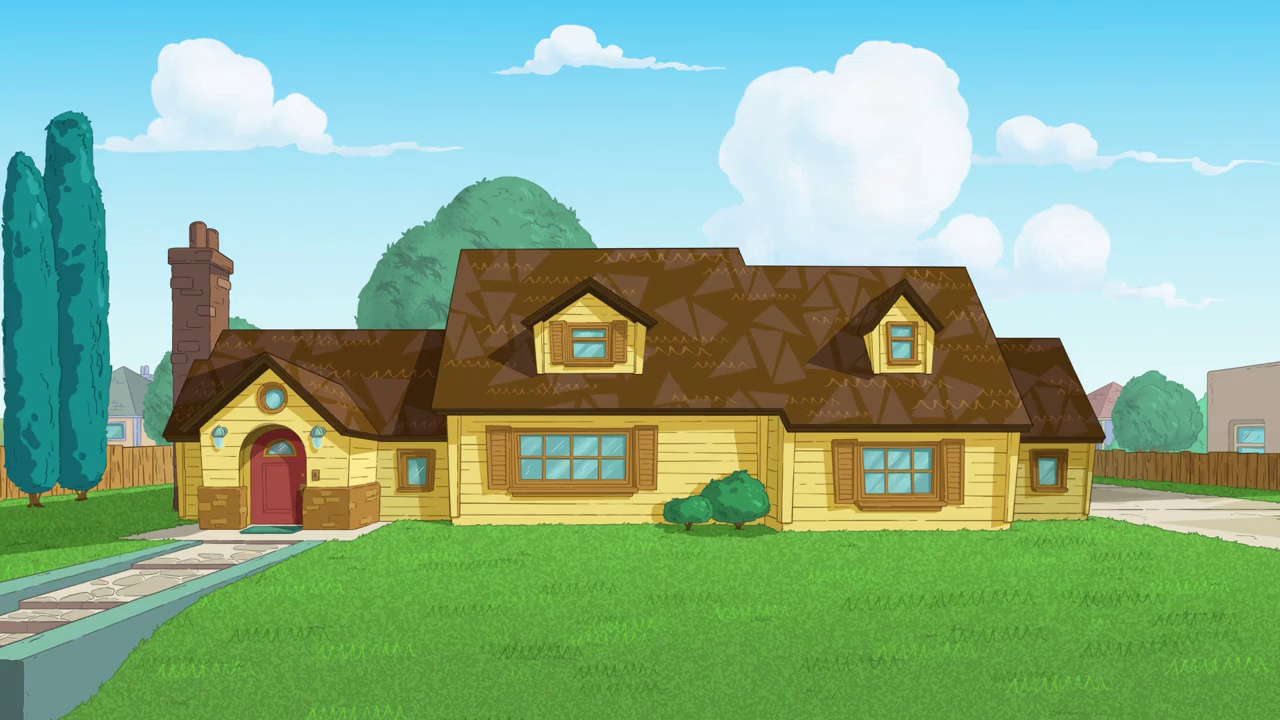
Still frame from Phineas and Ferb Season 5 showing the Flynn-Fletcher house.
The Flynn-Fletcher house.

Closer in quality to Seasons 4 than Seasons 1-3, and perhaps a bit of a dip compared to the first half of the season. But there are still some funny moments in practically every episode, and some novel and interesting story ideas which go a long way to justifying Phineas and Ferb’s resurrection after a decade-long break. I will gladly watch these episodes again (and again), and I’m sure I’ll enjoy them all the more when I’m not taking notes for my review or looking for things to pick on!

There are four episodes left in Season 5, and then we still have Season 6 to come. I’m hoping for some kind of special episode or feature-length outing in January to round out the season – but even if we don’t get that, I’m sure I’ll be satisfied with more adventures in Danville with Phineas, Ferb, Candace, Perry, Doof, and the rest of the gang.

I hope this has been interesting. Please remember that all of this is subjective! And be sure to join me in January or February when I’ll write up my thoughts on those final episodes, as well as perhaps talk a little bit more about the season as a whole. If you missed it earlier in the year, you can check out my review of the first part of Season 5 by clicking or tapping here. That’s all for now, so… Trekking with Dennis is out! Peace!


Phineas and Ferb Season 5 is currently airing on the Disney Channel, with some episodes also streaming on Disney+. Other episodes will join Disney+ in January 2026. Phineas and Ferb is the copyright of Disney Television Animation and The Walt Disney Company. This review contains the thoughts and opinions of one person only and is not intended to cause any offence.

Trying To Be Positive About The Rise of Skywalker

A Star Wars-themed spoiler warning graphic.

Spoiler Warning: There are spoilers ahead for the Star Wars sequel trilogy.

Y’know, the more I think about it, the more convinced I become that this particular article would’ve been a better fit for April Fool’s Day rather than Star Wars Day. But I’m committed now… so here we go!

Happy Star Wars Day, friends! May the Fourth be with you… and all that. This year, I thought it could be a bit of fun to mark the occasion by revisiting one of my least-favourite Star Wars films – and probably one of the worst films I’ve ever seen – 2019’s The Rise of Skywalker.

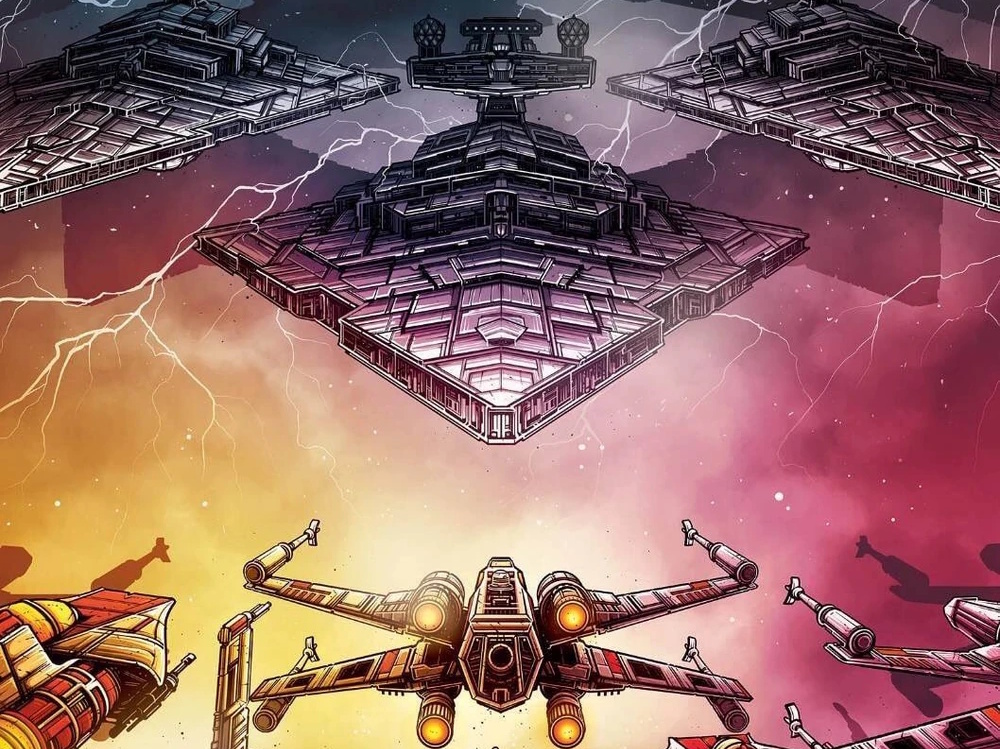
Cropped promo poster for the IMAX version of Star Wars: The Rise of Skywalker (2019) featuring rebel and imperial spaceships.
X-Wings and Star Destroyers on a promotional poster.

It was in late 2019 that I embarked on the project that eventually became this website, and for a sometime Star Wars fan, that was a bit of a strange period. The Last Jedi had proven to be massively controversial within the fan community, and the discourse around that film had become incredibly toxic. Solo: A Star Wars Story had flopped, I really wasn’t keen on the first season of The Mandalorian, and it seemed as if the only bright spark in the franchise was Jedi: Fallen Order. I desperately hoped that The Rise of Skywalker could do the impossible by bringing the fan community back together and ending the sequel trilogy on a high.

It did not do those things, and that’s putting it mildly.

Though I consider the Obi-Wan Kenobi miniseries to be the worst piece of Star Wars media that I’ve seen, The Rise of Skywalker isn’t far behind. It was an atrocious film, one that I’d seriously consider putting on a list of “the worst films I’ve ever seen.” But re-hashing what I didn’t enjoy about the film isn’t the purpose of today’s exercise!

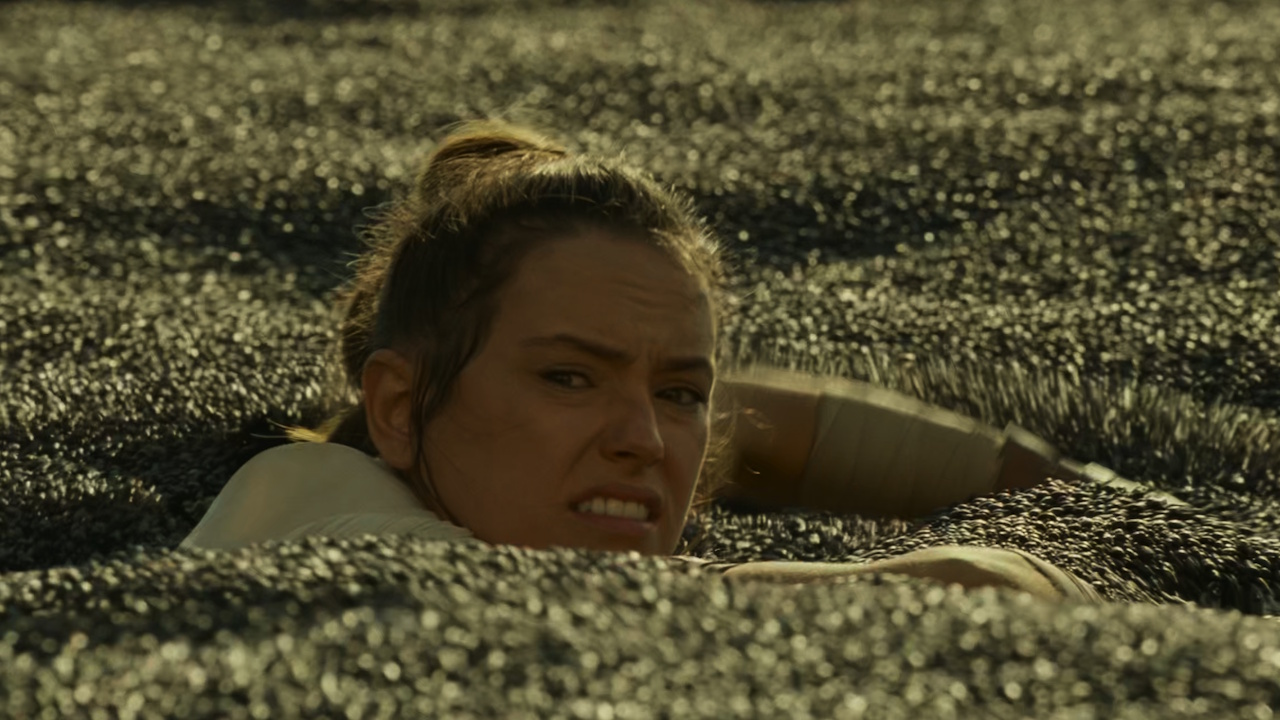
Still frame from Star Wars: The Rise of Skywalker (2019) showing Rey sinking in quicksand.
Surely this can’t be a visual metaphor…

Because it’s Star Wars Day, and in the spirit of positivity, I want to talk about some of the things The Rise of Skywalker got right – or at least got less wrong. Despite my overall feelings about the film, its story, the thought process that went into creating it, and more… there are some highlights worth mentioning. You might remember some of these if you read my two separate articles about the film in 2020 and 2021, but I’ve also added a couple of points that I didn’t mention in those earlier pieces.

In my essay titled In Defence of Luke Skywalker, I talked about how the depiction of Luke’s depression in The Last Jedi was generally well-written and conveyed an important message. It may not have been what fans wanted or expected from Luke Skywalker – particularly folks who’d bought into the old Expanded Universe stories, which depicted him as a flawless all-conquering superhero – but it was powerful and it resonated with me. The idea that anyone, even someone heroic, can fall victim to the “black dog” of depression is an important message, and it was well-told in The Last Jedi.

Still frame from Star Wars: The Last Jedi (2017) showing Luke's final moments.
Luke’s depiction and death were controversial aspects of The Last Jedi.

The Rise of Skywalker undid most of that, unfortunately. But it couldn’t entirely erase what had come before. If you take Luke’s story across the sequel trilogy, you can read it as recovering from depression – and that is a positive, hopeful, and uplifting message. The Force Awakens and The Last Jedi show Luke at his lowest: suffering a catastrophic defeat, almost giving in to a dark impulse, grieving the loss of his students, failing at his life’s mission to restore the Jedi Order, and succumbing to depression. He retreated to Ahch-To to die.

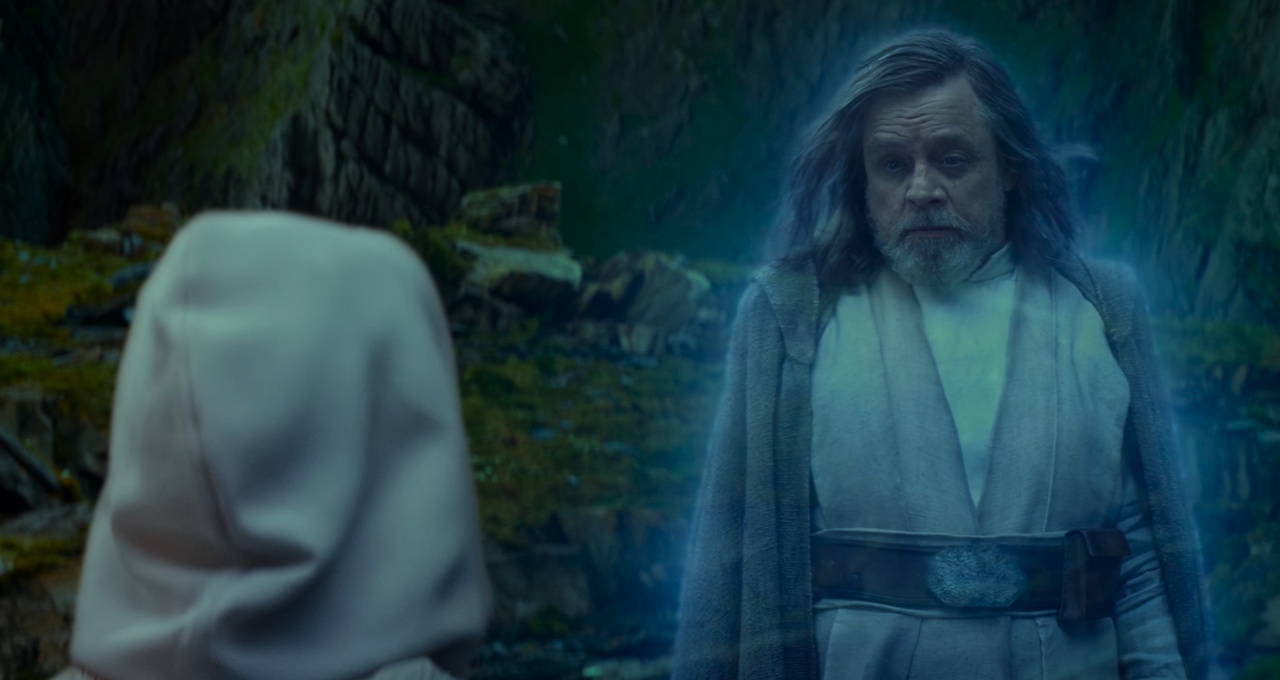
But after the events of The Last Jedi, Luke found a reason to believe again. And The Rise of Skywalker takes that concept and expands upon it, showing us Luke – in ghostly form – happier, more connected to the Force, and more willing to lend a hand when the galaxy needed him. To drag out the depression metaphor from The Last Jedi, this is the recovery phase. Not everyone who suffers with depression gets to that point, but seeing it depicted on screen like this can give hope and inspiration to people in that situation.

Still frame from Star Wars: The Rise of Skywalker (2019) showing Luke Skywalker's Force ghost.
Rey with Luke’s ghost.

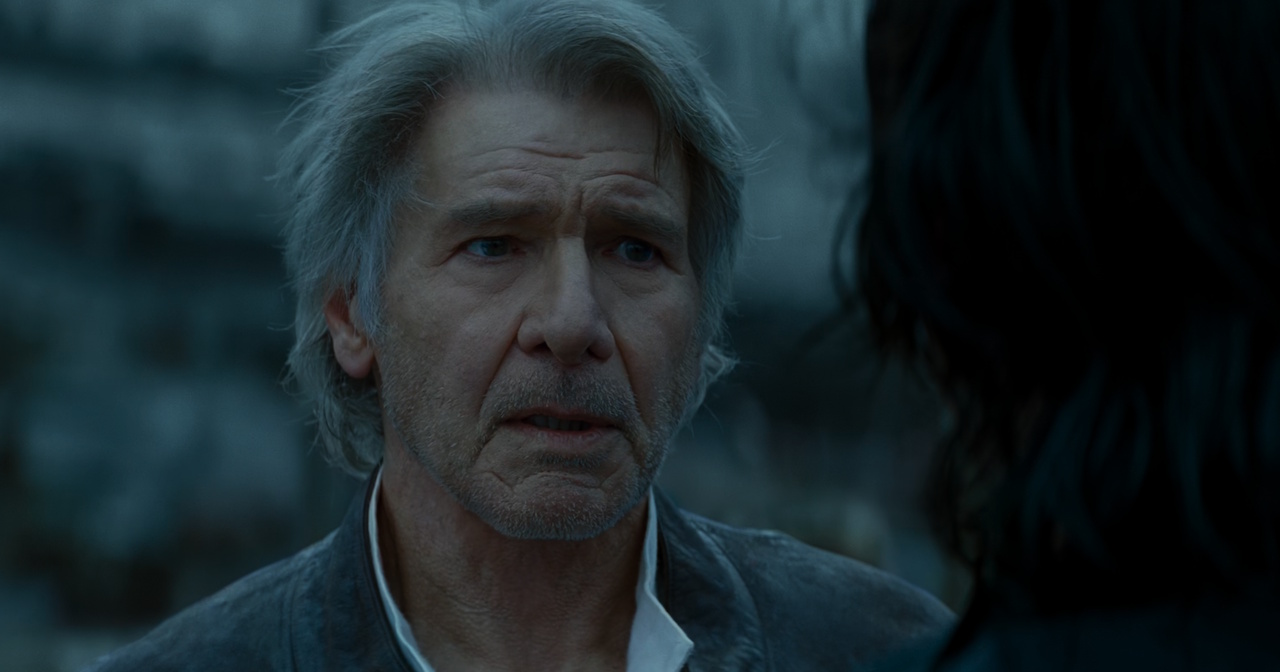
Sticking with deceased characters, Han Solo got more of a send-off in The Rise of Skywalker than he did in The Force Awakens. Han’s death was shocking in that film, but its suddenness was immediately followed up by action set-pieces and the “trench run” over Starkiller Base – meaning we didn’t get to sit with the impact of it for very long. Bringing Han back – albeit for a role that was clearly intended for Leia – was somewhat cathartic, and getting to spend a little more time with him was a net positive for the film.

Because this sequence was told from Kylo’s perspective, we got to experience some of the feelings of grief, loss, and regret that he felt at killing his father. We can debate whether such an action is ever forgivable or redeemable, but The Rise of Skywalker wanted to give Kylo a redemption arc akin to that of Darth Vader in Return of the Jedi. Seeing this vision of Han Solo helped with that, or at least didn’t detract from it. And Adam Driver put in a stellar performance in these sequences – as he did across the entire film, really.

Still frame from Star Wars: The Rise of Skywalker (2019) showing a close-up of Han Solo.
The Rise of Skywalker gave us a bit more closure on Han’s death.

I know we’re trying to be positive about The Rise of Skywalker and this next point is very much a backhanded compliment (at best), but it’s my article so I’m gonna include it! The line “somehow Palpatine returned” has become one of those “so bad it’s good” moments for me. It wasn’t when I first watched the film, but the more I’ve sat with that line the funnier I find it to be. I still think everyone involved with writing, approving, and directing this line should be blacklisted from the entertainment industry for life… but on days when I don’t want to take Star Wars too seriously, or where I’m so depressed I need a good laugh, “somehow Palpatine returned” is there for me.

The line has also become one of my go-to examples of poorly-written dialogue, as well as an example of Star Wars’ overreliance on other works of media to set up important narrative beats in mainline films. Not only that, I think there’s something encouraging and even inspirational about this line. “Somehow Palpatine returned” reminds me that I’d have to do an exceptionally poor job to write something worse, and that there’s apparently a very low bar for pitching scripts for big-budget films. So maybe my Hollywood dreams haven’t entirely evaporated, eh? Jokes aside, this line is awful, and it’s become emblematic of the failures of The Rise of Skywalker and the sequel trilogy as a whole. But it’s also unintentionally hilarious as the film’s writers and Disney’s executives tell on themselves; no one could be bothered to write an explanation for Palpatine’s stupid resurrection, and this storyline was set up as part of a merchandising tie-in deal with the video game Fortnite. For all those reasons and more, it’s an excellent example of what not to do in filmmaking.

Still frame from Star Wars: The Rise of Skywalker (2019) showing Poe at the rebel base.
“Somehow Palpatine returned.”

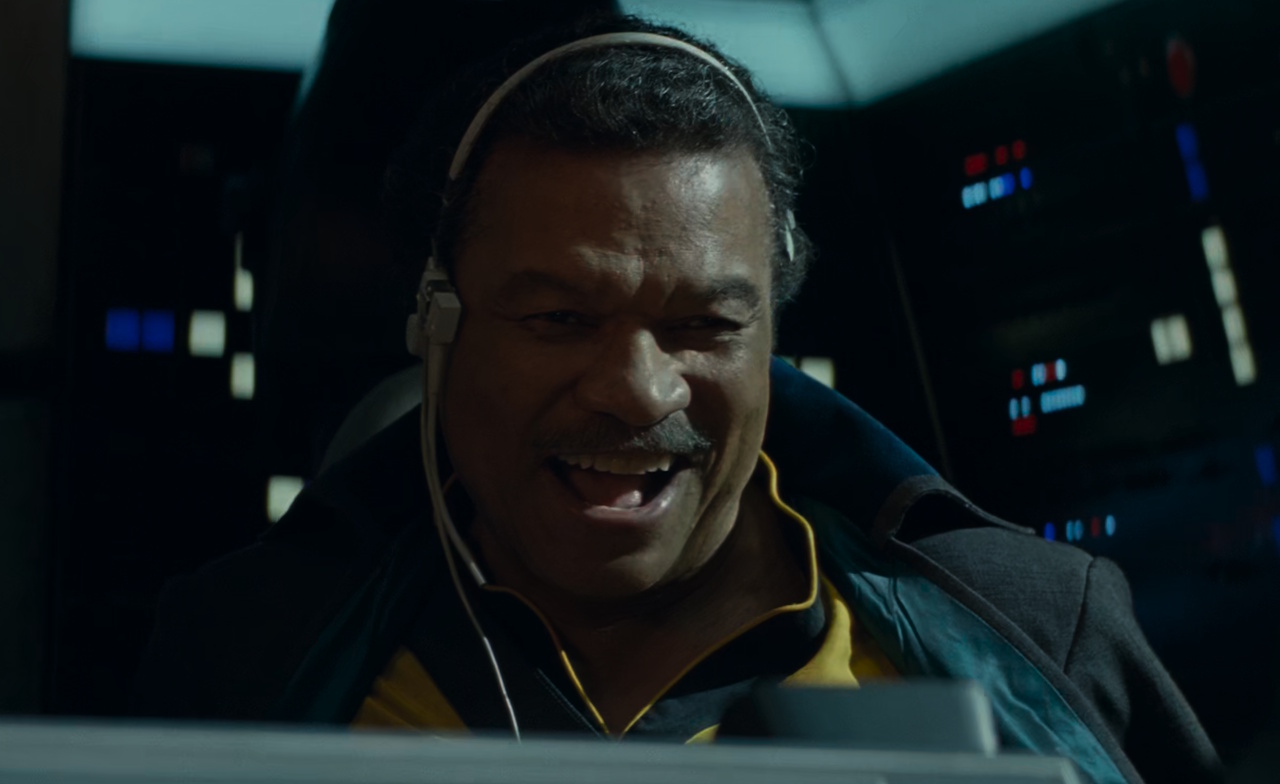
To get back to something a bit more genuinely positive and inspiring, I’d like to highlight Lando Calrissian’s role in The Rise of Skywalker. I don’t know why Lando was absent in The Force Awakens and The Last Jedi, but Billy Dee Williams made the most of his return to the role in the third instalment of the sequel trilogy! In fact, I could’ve happily spent a lot more time with Lando; watching him heading out across the galaxy, rallying the citizens to the cause would’ve been quite something to see.

Lando’s last-second arrival at the head of a massive fleet was pretty much the only moment in The Rise of Skywalker where I felt a twinge of emotion. I’m a sucker for a “desperate last stand” kind of story, and seeing the ordinary citizens of the galaxy rising up in unison against Palpatine and the Sith felt good in the moment. As Poe, Finn, and the rest of the Resistance seemed to be on the cusp of defeat, Lando raced in to save the day, leading the galaxy in a unified last stand against autocracy and fascism. The scene where he and his fleet dropped out of hyperspace was powerful, and was probably one of the best individual moments in The Rise of Skywalker.

Still frame from Star Wars: The Rise of Skywalker (2019) showing Lando grinning aboard the Millennium Falcon.
Lando arrives to save the day!

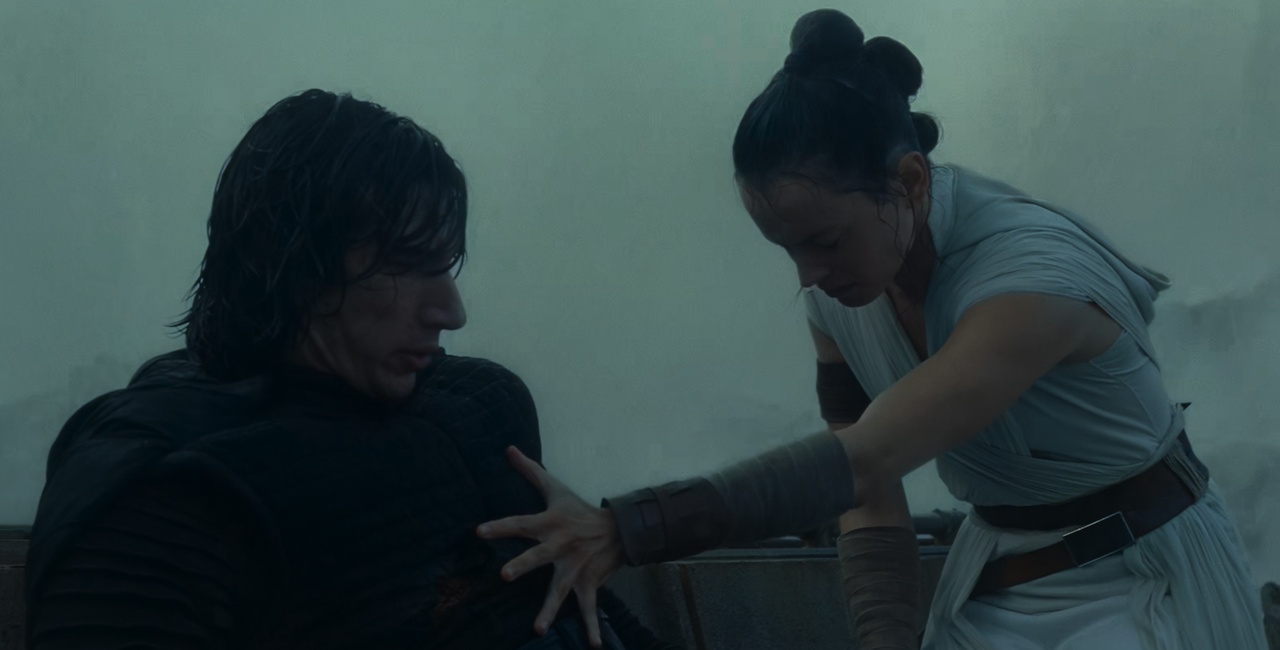
Although I wish the sequel trilogy as a whole had done more with the idea of a Force dyad, some of the moments between Rey and Kylo were at least interesting. There was also some creative cinematography employed as Rey and Kylo had visions of one another despite being far apart. The scene where Rey was in Kylo’s room was one such moment, and I think the way the film transitioned between two different locations was creative.

I would’ve liked to have gotten more of an explanation of the Force dyad; how it came to be and what else Rey and Kylo could’ve done with it would have been fun to see. The idea of two characters with totally opposing points of view and objectives having this unintended bond – one they couldn’t rid themselves of – was also an interesting concept in theory, and I think we saw at least some of that potential in The Rise of Skywalker.

Still frame from Star Wars: The Rise of Skywalker (2019) showing Rey attempting to heal Kylo.
Kylo and Rey formed a rare Force dyad.

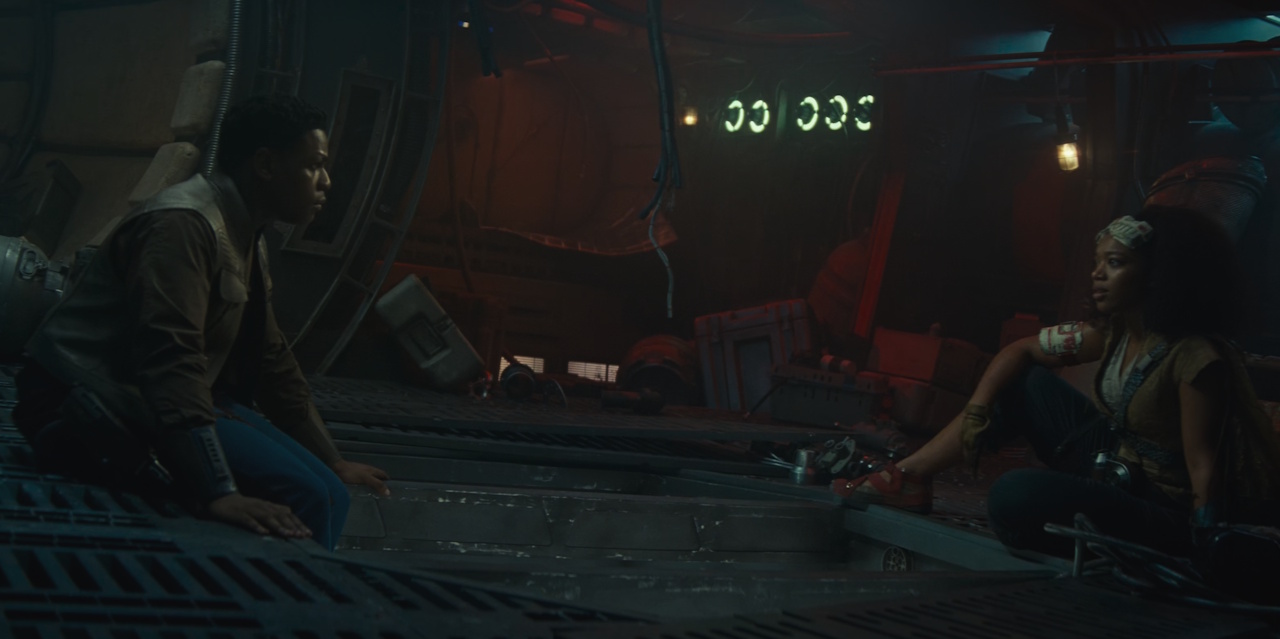
Finn’s story was not great in The Rise of Skywalker – or really across the sequel trilogy as a whole. But as a concept, the idea of a rogue stormtrooper breaking free of his indoctrination was interesting. And The Rise of Skywalker made at least a bit of an effort to expand upon that with the new character of Jannah – another defector that Finn encountered during the mission to Endor.

If Luke Skywalker’s story was an analogy for depression and mental health, Finn and Jannah’s can be seen as deprogramming from a cult or escaping an autocratic society. There are real-world parallels that are interesting – and open to interpretation. I don’t think The Rise of Skywalker was perfect in its execution of this idea, but I will give the film credit for trying, and for expanding our knowledge of ex-stormtroopers and the reasons why some might defect or abandon their posts.

Still frame from Star Wars: The Rise of Skywalker (2019) showing Finn and Jannah. Brightness adjusted.
Finn with fellow ex-stormtrooper Jannah.

Sticking with Finn, his “bromance” with Poe was certainly an enjoyable part of his story and characterisation, and one which was in focus in The Rise of Skywalker more than it had been in The Last Jedi. The two worked well together, and although I felt Oscar Isaac was rather phoning it in with his performance, the same can’t be said of John Boyega. Boyega did his best to carry this character relationship, and I could’ve happily spent longer with Finn and Poe.

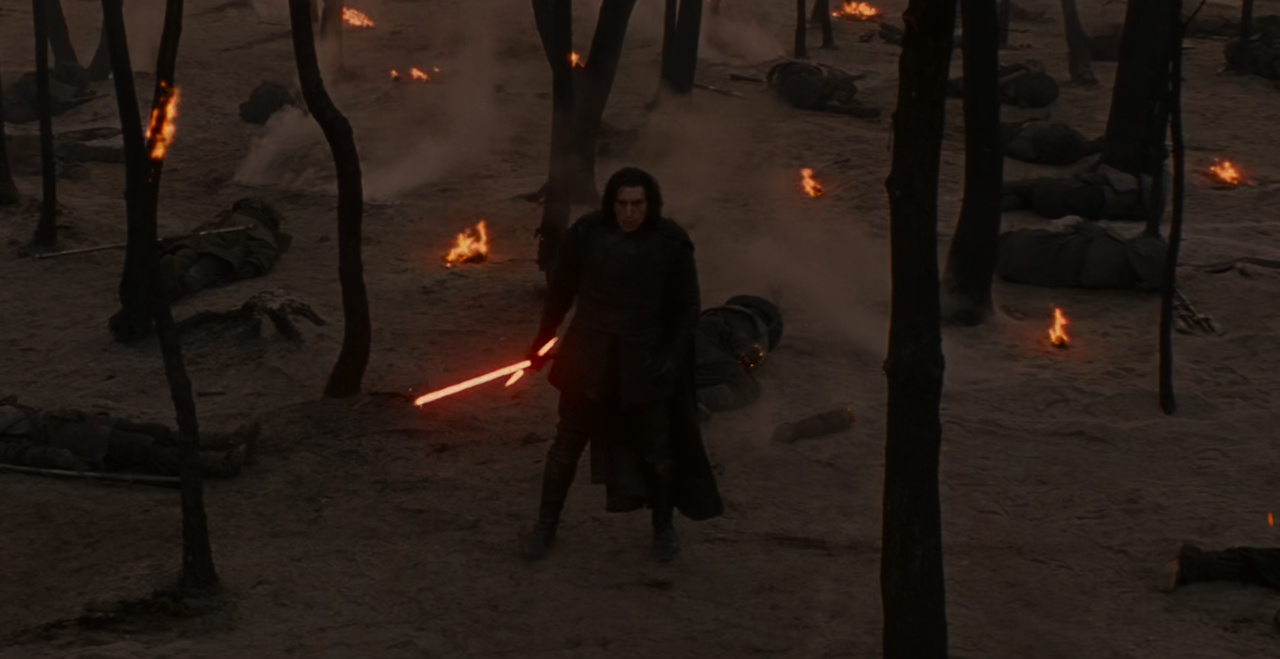
There are a few other acting performances that stand out to me. I think being able to separate one’s thoughts about a performance from how we might feel about the script or narrative decisions is important – so it’s worth crediting actors and actresses who give it their all, even when they’re part of a train wreck! I mentioned Adam Driver above, and he’s literally never been anything less than outstanding in any film I’ve seen him in. One day he’s going to win one of the big awards – mark my words.

Still frame from Star Wars: The Rise of Skywalker (2019) showing Kylo holding his lightsaber, surrounded by trees and corpses.
Kylo on the battlefield.

Though the sequel trilogy was never meant to be Palpatine’s story, Ian McDiarmid clearly relished reprising his role, and threw himself into it. Palpatine dripped with malice every time he appeared on screen. I may loathe what the film did with General Hux, but I’d be remiss not to include Domhnall Gleeson’s performance as being praise-worthy. Hux’s pure hatred for Kylo really came through thanks to Gleeson’s work, and even though the storyline was a tough sell, he clearly gave it his all. Kelly Marie Tran, though only on screen for a couple of minutes, did well with the material she had, and I think it’s a shame we didn’t get to spend more time with Rose.

So I think that’s about it.

I wish I could tell you that it was fun to revisit The Rise of Skywalker. But at the very least, I think we managed to find a few notes of optimism amidst the wreckage; small things here and there that achieved some measure of success, struck the right emotional or narrative chord, or just didn’t fail as comprehensively as the film around them. Maybe you enjoyed The Rise of Skywalker more than I did – and that’s great. The Star Wars franchise should be big and diverse, and there’s plenty of room for differences of opinion when it comes to the best and worst parts. Nothing about this is “objective,” at the end of the day!

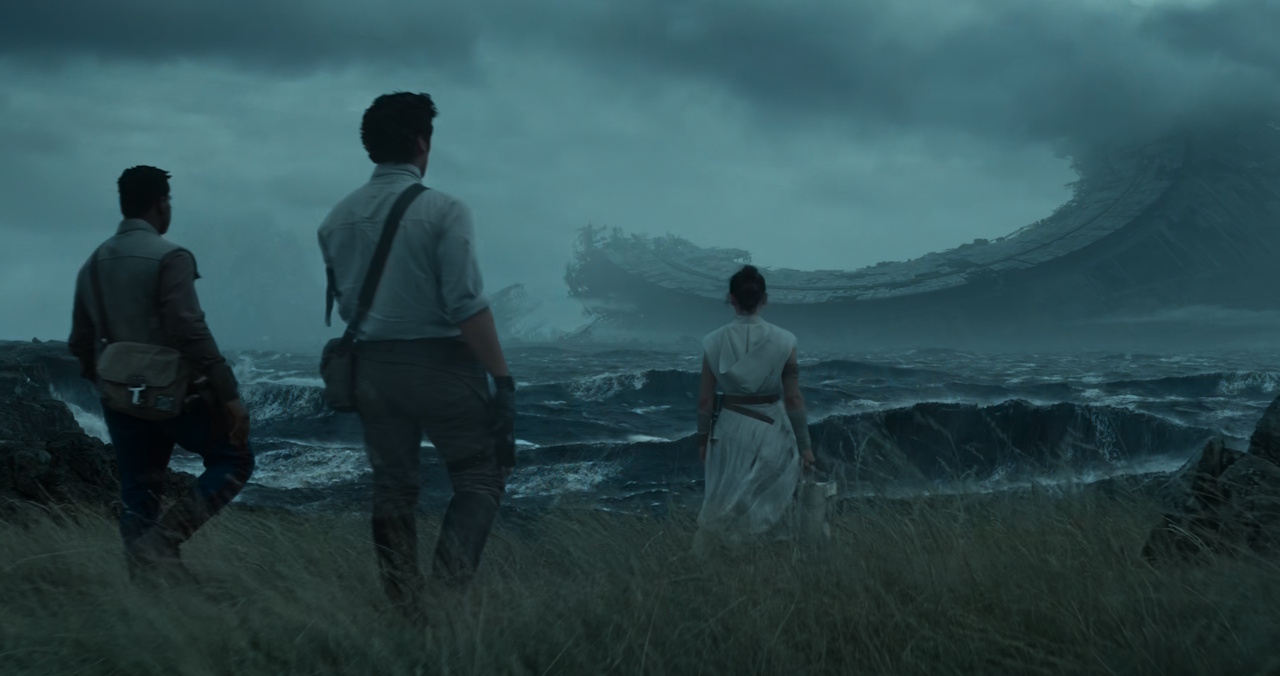
Still frame from Star Wars: The Rise of Skywalker (2019) showing Finn, Poe, and Rey with the wreck of the Death Star.
Looking at a wreck. Seems fitting, eh?

There’s more Star Wars to come – which is genuinely good news! Andor’s second season is currently airing, a second season of Ahsoka is planned, and there are several upcoming films on the schedule, too. Upcoming films include pictures based on Rey and Lando, a spin-off from The Mandalorian, a new trilogy, and the intriguing-sounding Star Wars: Starfighter. So despite the controversial reception the film got, The Rise of Skywalker didn’t doom Star Wars’ future prospects!

I hope this has been a bit of fun to mark Star Wars Day – or at least something a little different. I wanted to try to take one of the worst films in the franchise and talk about some of its better aspects, partly as a challenge to myself and partly because it’s Star Wars Day. Thanks for reading, and May The Force Be With You!


Star Wars Episode IX: The Rise of Skywalker is available to stream now on Disney+ and is also available on DVD and Blu-ray. The Star Wars franchise – including The Rise of Skywalker and all other films and properties discussed above – is the copyright of Lucasfilm and The Walt Disney Company. This article contains the thoughts and opinions of one person only and is not intended to cause any offence.
Do We Really Need A Buffy Reboot?

In the ’90s and early 2000s, I was a pretty big fan of Buffy the Vampire Slayer. The show felt fresh and different; taking horror villains and tropes but bringing them into a fun, modern setting. There was a great cast of characters, too, that changed and grew over time, and some well-executed longer arcs mixed in with plenty of episodic storytelling. There’s no doubt in my mind: Buffy was a great show.

I haven’t actually re-visited Buffy the Vampire Slayer since it was on terrestrial TV here in the UK. The final episode would’ve aired in late 2003, I guess, meaning I haven’t seen it in more than twenty years! Can I still call myself a fan of something two decades later? I don’t know… but I still consider myself a fan, at any rate.

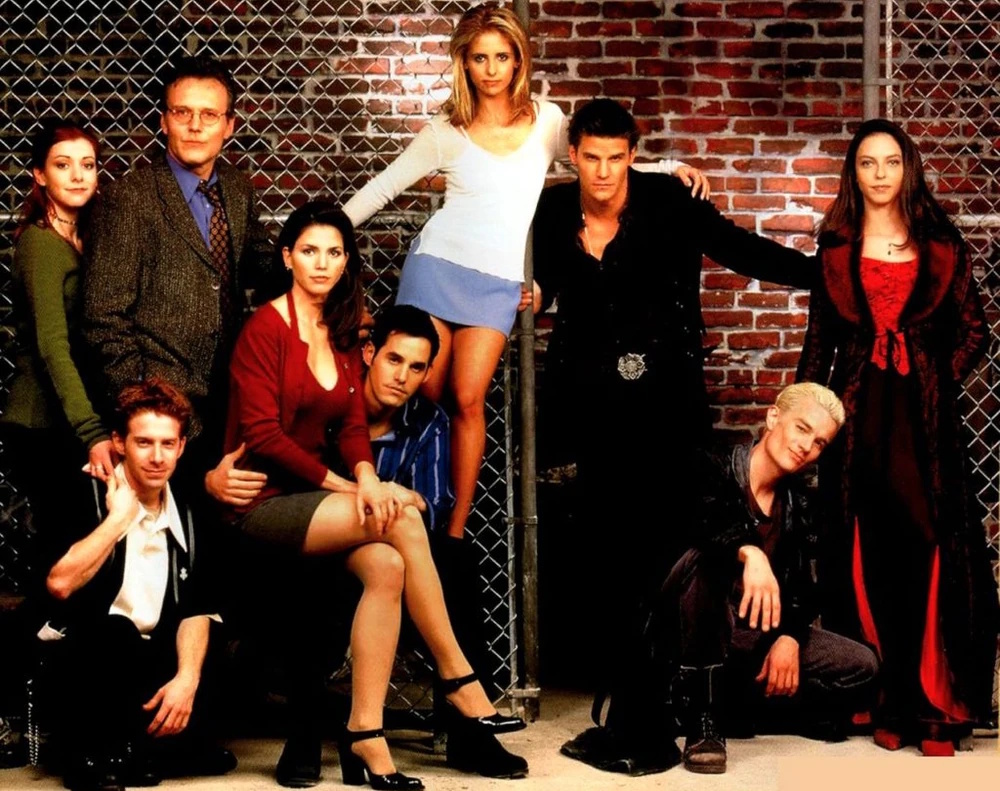
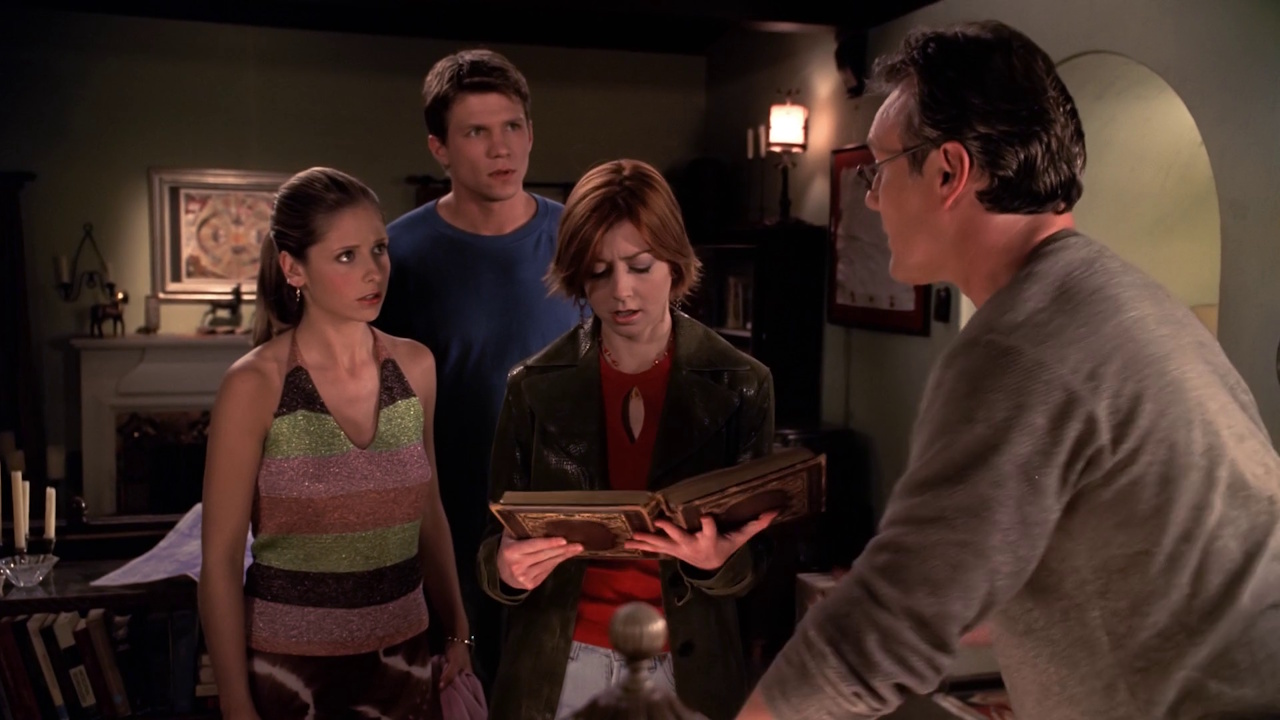
The main cast of Buffy the Vampire Slayer Season 2.

So why are we talking about Buffy today? The answer is simple, unfortunately: Buffy the Vampire Slayer is the latest series to be targeted for a resurrection by its corporate overlords. They’re hoping to add more content to Hulu – an unsuccessful streaming platform. A Buffy reboot is in the offing… and honestly, I think it sounds like a terrible idea.

When interviewed about the reboot – which is still at a very early stage – Sarah Michelle Gellar likened the show’s revival to the likes of Dexter and Sex and the City. Y’know… those notoriously successful reboots that everyone just adores. Given that several members of Buffy the Vampire Slayer’s old cast have retired from acting (or couldn’t be part of a reboot for other reasons), I think a more apt comparison would be something like Frasier. That show, which also had its heyday in the ’90s, was revived with only one of its main characters returning. And, as anyone could’ve predicted, it flopped.

Sarah Michelle Gellar (Buffy Summers) in 2024.
Photo Credit: IMDB/Getty

A reboot is not inherently bad in and of itself, but it has to be created for the right reasons. There have to be new stories to tell, something more to say, and a purpose beyond a corporate board and investors looking to make a quick profit. The streaming TV landscape is also oversaturated with attempted revivals of once-popular shows, as well as franchises trying to recapture their glory days. There’s much more limited room for manoeuvre for a Buffy reboot in 2025 than there might’ve been even a few short years ago.

If I recall correctly, Buffy’s seventh and final season came to an explosive end – but left the door ajar for potential future stories. But with many character arcs being complete, and with Buffy herself having literally been to hell and back, what kind of new adventures could she realistically get into? And with several characters dead and other performers no longer available, would fans be interested in half of a reunion? Would brand-new characters – who would need to be added to fill out the lineup – be as interesting or as welcomed by the returning fans that the reboot’s producers hope to entice?

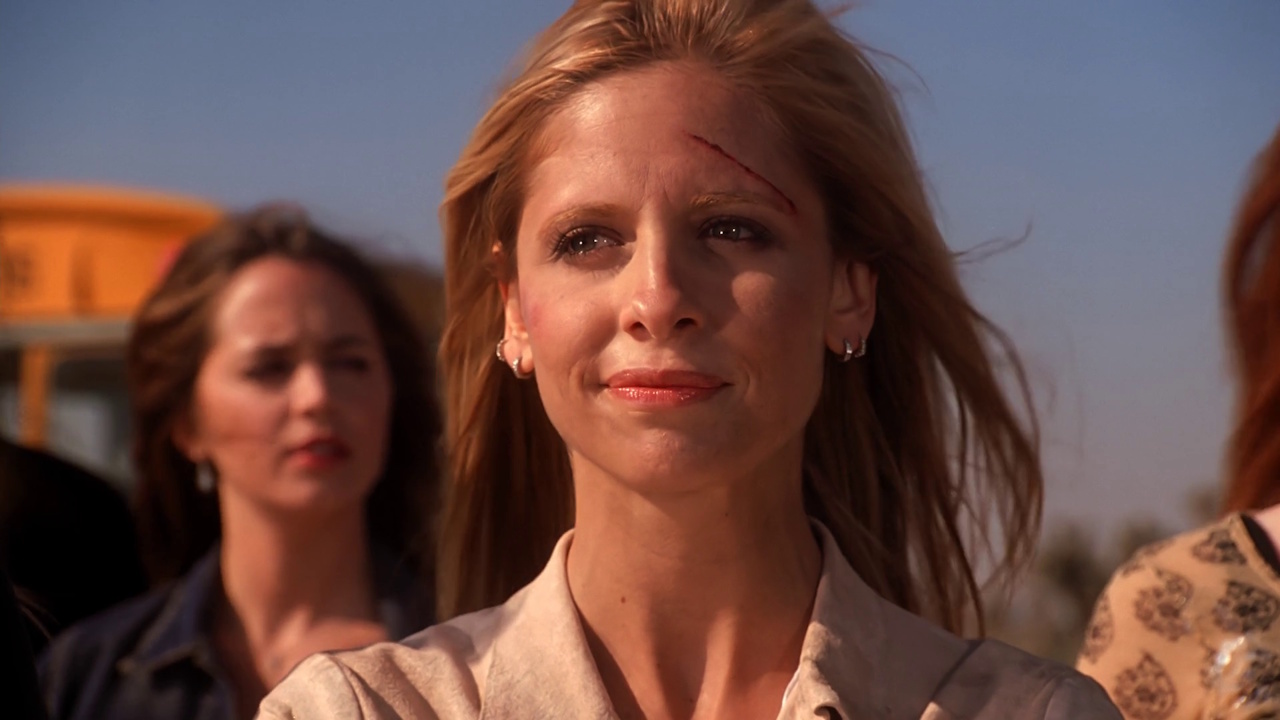
Buffy at the end of the series.

There was a charm to Buffy the Vampire Slayer in its original form. It was something different on TV; soft horror that had a lot of the monsters but without crossing over into anything outright terrifying. It could be light-hearted and funny, but it was also serious enough in the way its characters were handled that moments of drama and tension still worked. The mix of episodic storytelling – a literal “monster of the week” – with ongoing story arcs and character development was also something rare on television at the time.

I don’t know how you replicate that today. With so many other horror shows on the air – from Stranger Things to The Terror and beyond – there’s a risk that Buffy the Vampire Slayer would seem tame or campy in comparison to some of those other offerings. Or, conversely, if Buffy was “updated” to be more violent and terrifying, really leaning into the horror angle, that the show would lose itself. Everything that made it unique would be erased; lost in the slop of big-budget streaming TV.

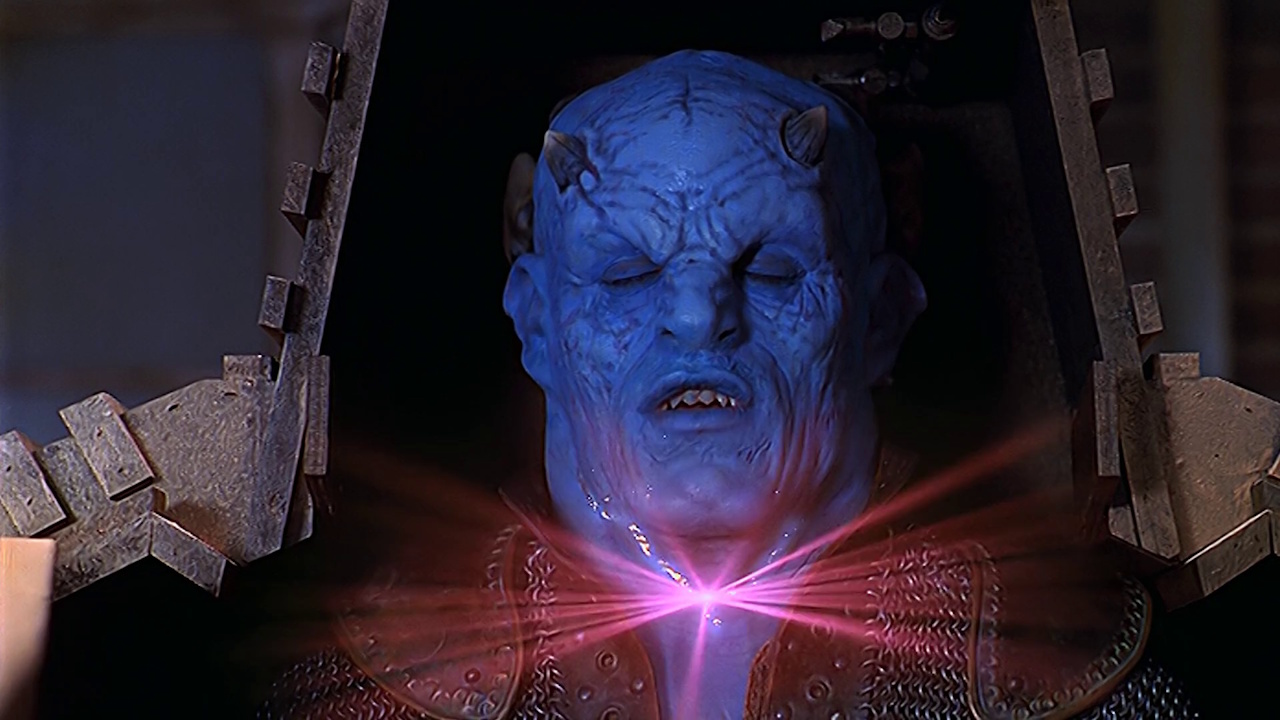
Buffy the Vampire Slayer didn’t need to rely on cheap jump-scares or gore to be entertaining.

Some films and TV shows work in context – but they’re very much anchored to the time and place of their creation. You couldn’t reboot Cheers in the 2020s – not successfully, anyway. It’s an ’80s show with an ’80s theme and tone, and it wouldn’t work if you tried to transpose it to a brand-new decade. I can think of plenty of others, too – from British classics like Fawlty Towers to big-budget American shows like Seinfeld. Some story premises are genuinely timeless… but others aren’t.

Is Buffy the Vampire Slayer in that category? Is it a show so inherently linked to the turn of the millennium that it couldn’t work in the 2020s? I fear it might be – and while I could entertain, perhaps, the idea of a complete reworking of the concept, with a brand-new cast of characters taking on a horror series with episodic elements, I’m not sure bringing back some of the original cast will work, either. Twenty-five years ago, Buffy and her friends were at high school and university. Now… what will they be doing? They’re all going to be in completely different places in life, and that would also take something important away from the series – part of its core identity.

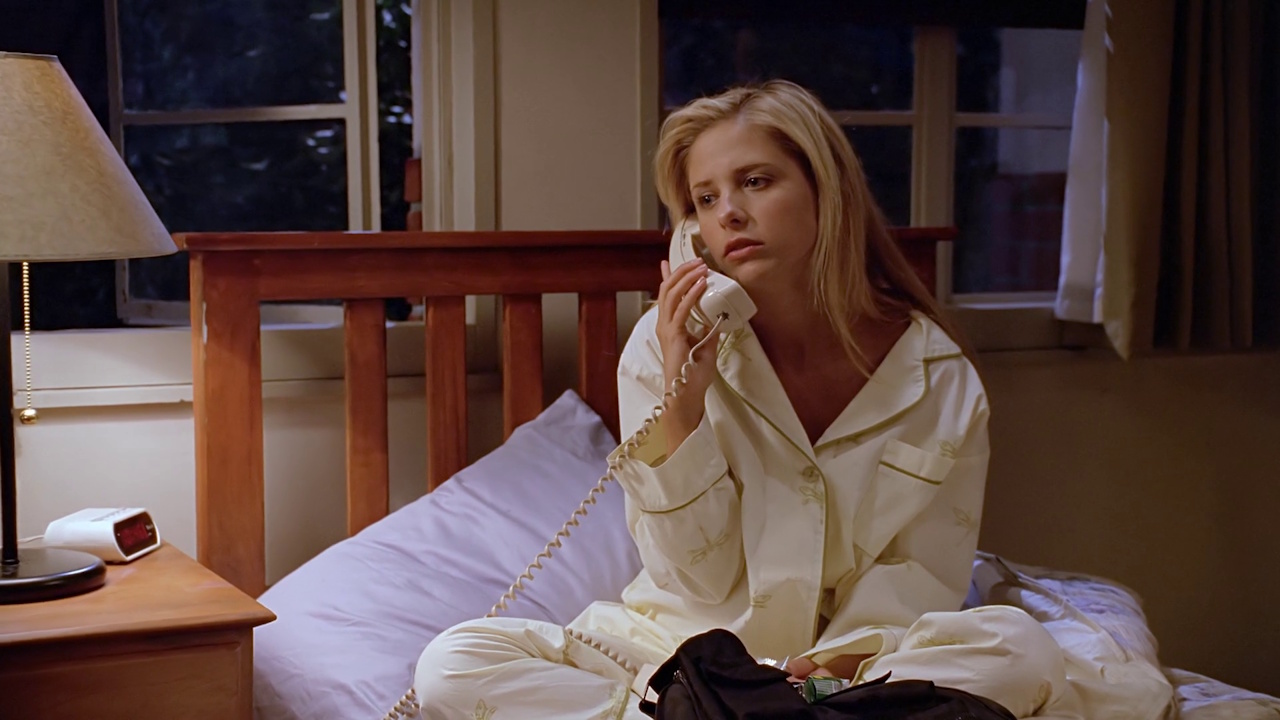
Is Buffy too much of a late ’90s/early 2000s show to work in the 2020s?

I’ve been wrong about these things before, and if this reboot does go ahead, then I’ll probably at least take a look at the trailers to see whether it seems like it has a chance of being any good. But to me, it feels like the kind of utterly soulless project born in a corporate boardroom, not a genuinely organic creation. To bring back a series that already ran to 144 episodes across seven seasons, you need to find a reason for doing so – and some way to tell new stories that weren’t possible last time. I don’t see what those stories could be, and without key characters who were essential to the original show, as well as the school setting which did so much to keep things grounded and relatable… what’s left?

I look at the failure of many recent reboots – Dexter, Frasier, Roseanne, and even, to some extent, the likes of Star Wars – and wonder what fans of Buffy will make of this idea. Returning to the core concept might have some merit to it, though even then I’d probably argue that a new series, with new characters, would be less restricting and a better way to go. But bringing back a handful of characters, now in their forties or older, to revive this high school drama? I mean… doesn’t it seem like a bit of a stretch?

A Buffy reboot without most of its cast will likely go about as well as the Frasier reboot did under similar circumstances.

Having said all of that, I was pretty excited in 2019 and 2020 for Star Trek: Picard – a series which brought back the fan-favourite character from The Next Generation for a new adventure. So perhaps the Buffy die-hards will be just as thrilled at the prospect of her return as I was for Jean-Luc Picard. And maybe, if the reboot is a success, it’ll be more a case of passing the torch from one generation of vampire slayers to another – and those new characters could go on to expand the franchise.

There is room, I would argue, for more episodic television in 2025, and that’s what Buffy used to be. The biggest horror and horror-adjacent streaming shows today are wholly serialised affairs: From, The Walking Dead, The Last Of Us, etc. And there’s room for a show inspired by the success of Buffy the Vampire Slayer to go back to the format’s episodic roots instead of telling one ongoing story. I don’t know whether this planned reboot even intends to do that… but I think there could be space for a series like that. If there’s a gap in the market anywhere, it’s on the episodic side of things.

Buffy the Vampire Slayer may be back on our screens in the years ahead.

So I guess that’s where I’m at when it comes to this idea. Part of me hopes that it won’t go ahead at all; Buffy was such a unique and singular show that tainting its legacy with an uninspired, corporate reboot – which will probably be squashed into eight-episode serialised seasons that don’t suit the format – would be a disappointment. If it does actually enter production, though, my only hope is that the creative team genuinely understand what made Buffy work in the first place and work on the reboot with that in mind.

Will I watch an all-new Buffy the Vampire Slayer if it gets made? I think, at the very least, morbid curiosity will push me to check out the trailers and see how it looks. But I’m not optimistic about a reboot in the current media environment, and it feels like a project that’s been sharted out by a corporate leader in a suit who’s desperate to find “content.” That doesn’t exactly inspire confidence in the potential quality of the revived series! If it looks good and reviews well, though… who knows? Never say never, I guess.

Honestly, though, I think I’d rather leave Buffy in the early 2000s where it belongs.


Buffy the Vampire Slayer (the HD remaster) is available to stream now on Disney+ in the UK, and Hulu in the United States. The series is also available on DVD. Buffy the Vampire Slayer may be the copyright of the Walt Disney Company, Mutant Enemy Productions, and/or 20th Century Fox Television. This article contains the thoughts and opinions of one person only and is not intended to cause any offence.
Star Wars – The Acolyte: TV Series Review

A spoiler warning graphic.

Spoiler Warning: There are spoilers ahead for Star Wars – The Acolyte. Minor spoilers are also present for other Star Wars productions.

I recently got around to watching The Acolyte – the latest made-for-streaming series in the Star Wars franchise – so it’s time for a review! Before The Acolyte premiered, I had the show on my radar as one of the more interesting-sounding Star Wars projects. For the first time on the big or small screen, here was a project that promised to step away from the familiar characters and time period that have anchored every other Star Wars project to date. With a focus on the Sith, too, I felt that The Acolyte had a lot of potential.

Because I came late to The Acolyte, I’m aware that the series has proven to be controversial in some quarters of the Star Wars fan community. I always like to review a film or show without having been exposed to other people’s thoughts and opinions, but the volume of criticism that has been flung in the direction of The Acolyte has proven to be inescapable over the last few weeks. To be honest, that’s part of why I decided to watch it and review it for myself; a sense of “surely it can’t be that bad” ended up combining with my earlier interest in the show’s setting and time period!

Cropped promo poster for episode 8 of Star Wars: The Acolyte.
Promo poster for The Acolyte.

As you might expect when the criticism and hatred reaches that kind of fever-pitch: no, The Acolyte was nowhere near as bad as some fans and “influencers” were trying to paint it as being. That’s not to say it was a perfect production by any stretch – there were a couple of pretty in-your-face narrative flaws, some underdeveloped secondary characters, and despite the show’s promise of accessibility to new viewers, a lot of the density of “lore” that can make a franchise like Star Wars offputting to folks who are unfamiliar with its galaxy, factions, and technologies.

I will let you know right off the bat that I am not a stickler for the minutiae of “canon,” nor someone who insists that stories within a franchise must be constrained by every little detail that came before. It’s fine if you feel that way, but this review isn’t going to pick on the very minor appearances of a couple of prequel-era characters and dive into their fictional backstories! Some of the nitpicking I’ve seen online about The Acolyte felt just plain silly to me, and I think the series did a good enough job of avoiding stepping on the toes of the mainline Star Wars films in a big way. The biggest secret to keep in that regard was the existence of the Sith in this time period – and when the series ended with every Jedi who’d seen the Sith assassin dead, and the only survivors believing him to be a “fallen Jedi,” I think we can say that that particular “plot hole” simply isn’t a thing. As the credits rolled on what I assume will be the only season that The Acolyte will get, its story’s loosest ends were tied up.

Still frame from Star Wars: The Acolyte showing a character wielding a lightsaber.
Master Sol confronts the Sith assassin.

At time of writing, Disney and Lucasfilm haven’t confirmed or denied that The Acolyte will be cancelled, but given the fan reaction and the show’s relatively low viewership – according to reports, The Acolyte was doing a lot worse than The Mandalorian, Obi-Wan Kenobi, and even the maligned Book of Boba Fett – it’s hard to see it being renewed as things stand. Although Disney is keen on this High Republic time period in some spin-off media, I’m not sure that alone will save The Acolyte. Disney’s biggest event of the year – the D23 expo – has just come and gone at time of writing, as has the year’s biggest Comic-Con event, and no announcement of a renewal was made. The first season’s story left things deliberately open, but also wrapped up the main events we’d been following – so it’s not like there’s a cliffhanger desperately waiting to be resolved. All things considered, I’d say cancellation feels likely.

So let’s talk about the series itself. On the whole, I had a pretty good time with The Acolyte – and even though that may be a minority position, I’ll do my best to explain what I enjoyed, as well as criticise what I didn’t.

Still frame from Star Wars: The Acolyte showing a group of Jedi in yellow robes.
A couple of main characters and some Jedi redshirts. Should that be “Jedshirts?”

Stepping away from the “Skywalker Saga” is something I’ve argued that the Star Wars franchise has needed to do for a long time, and while some recent productions have taken steps in that direction, The Acolyte is the first time we’ve seen Star Wars move so far away from that story on the small screen. There were a couple of crossover characters – but their appearances were so minor as to barely even count as cameos. Speaking for myself, I was pleased that The Acolyte went down this road, and that after relying on the crutch of nostalgia and familiar characters for such a long time, Disney and Lucasfilm have finally been bold enough to try something a little different.

That being said, there’s still a lot of familiarity in The Acolyte. For brand-new viewers, a group that The Acolyte’s producers claimed to be targeting, I think there was still quite a lot of fairly dense lore and background to wade through in order to fully understand what was going on, which faction was which, and so on. There was an admirable attempt to open up Star Wars to new fans – which is something the franchise was going to have to do sooner or later – but for me, at least some of that seemed not to stick the landing. My impression is that this was a series that new fans could approach a bit more easily than, say, Obi-Wan Kenobi or The Book of Boba Fett, but still not the softest of landings for someone totally unfamiliar with Star Wars. The first couple of episodes in particular throw a lot at the audience with the Jedi Order, droids, hyperspace, and other elements that weren’t really explained.

Still frame from Star Wars: The Acolyte showing the Jedi Temple.
The Jedi Temple on Coruscant.

And this is actually a trend that continued across all eight episodes – and extended to other plot points, too. The Acolyte didn’t always take the time to fully lay out what was going on in an easy-to-follow way, leaving some scenes and sequences feeling cut short. More time was needed in some of these moments to either add context or an explanation of what was going on. Occasionally the series would revisit events through a flashback that added to something we’d seen earlier – but not always.

This is a problem I’ve had with many made-for-streaming shows over the last few years: they’re too short. The Acolyte, for instance, across its eight episodes runs to a scant five hours, and when several plot-crucial scenes and sequences felt curtailed or in need of additional framing and context, I can’t help but feel that Disney and Lucasfilm have repeated a mistake they’ve already made with other Star Wars shows. Streaming isn’t like broadcast television – there’s no need to stick to rigid schedules. Episode runtimes can be expanded, and even whole new episodes can be added to a season if necessary. Sure, there are budgetary constraints – but when we’re talking about moments that can make the difference between a scene being easily understood and just plain confusing… it’s gotta be worth it, right?

Still frame from Star Wars: The Acolyte showing Osha firing a blaster pistol.
Osha firing her blaster pistol.

To give one example from The Acolyte: at one moment in the second episode, Osha draws her blaster pistol to shoot at Mae – her twin – while she’s trying to make her escape. Osha misses, and the way the scene was framed left it totally unclear as to whether she missed on purpose or by accident. The difference that makes to the tone of the rest of the episode – and to how we are meant to perceive Osha as a character as she deals with Master Sol and other Jedi – is massive. Not knowing how to read that moment made subsequent scenes and sequences feel muddled and confused – and it’s all because The Acolyte’s director, editors, and producers failed to add the necessary context to make that moment easy to follow.

While we’re talking about confusing moments, I felt that it wasn’t always easy to tell which twin was Osha and which was Mae during some of the flashback scenes. Identical twins dressed in identical costumes made it difficult to keep track of who was who – something not helped by the editing and camera angles. Perhaps this was deliberate… but if that’s the case, I struggle to see why. Knowing that Mae was the one who wanted to stay with her coven and learn Force magic while Osha was the one who wanted to leave was essential to both of their character journeys.

Still frame from Star Wars: The Acolyte showing young Osha and Mae.
Young Mae and Osha (or Osha and Mae).

Since we’re talking about the twins, I find it odd that The Acolyte’s production team didn’t cast a real set of identical twins in the lead role. The younger versions of Osha and Mae were played by twins, but the adult characters were both played by the same actress. This isn’t to criticise Amandla Stenberg’s performance, by the way, as I felt she did a solid job with both Osha and Mae. But rather that it’s worth pointing out that there are relatively few high-profile roles for twins, and just like how casting an able-bodied person to play someone with a disability (or worse, having someone made up to appear to be from a different race) is something most mainstream productions now try to avoid, it’s a bit of an oddity – and one I haven’t really seen mentioned in the conversations surrounding the show.

The Acolyte’s story portrayed the Jedi Order in arguably the most negative way we’ve ever seen on screen – showing how the organisation and its members easily fell prey to internal politicking, arrogance, and self-righteousness. This is a narrative thread that links up with the prequel trilogy – though the prequels were arguably less extreme and still painted the Jedi as the “good guys” in a relatively black-and-white story. It also connects with something Luke Skywalker said in The Last Jedi about the hubris of the Jedi Order.

Still frame from Star Wars: The Acolyte showing Master Sol in a flashback.
Master Sol in a flashback sequence.

Moreover, there was a distinct creepiness to some of the Jedi – Master Sol in particular. Think about it: he spied on two eight-year-old girls from the bushes, followed them back to their home, formed an instant, one-sided “emotional connection” with one of them, and then insisted on taking her away from her family to be his apprentice. That has undertones that are genuinely uncomfortable, and contributes to the sense of the Jedi Order as being a strange, almost corrupt organisation. I mean, we’ve known for a long time that the Jedi would “recruit” children at a very young age – and we caught a glimpse of how this worked with Anakin Skywalker in The Phantom Menace – but there was something about seeing Sol so… interested in Osha that made the hairs on the back of my neck stand up.

That’s to say nothing of the Jedi’s attack on the Force-witches. Does that organisation/coven have a name in canon, by the way? Perhaps I missed it in The Acolyte, but either way, I felt it was really interesting to see how other Force-sensitive people and groups might behave and how they exist outside of the Jedi/Sith dynamic. These witches clearly used the Force, but they weren’t Jedi or Sith, and that gives us a look at a part of the Star Wars galaxy that we really hadn’t seen much of before. Other Force-sensitive groups have been glimpsed in spin-off media, of course, but this was a deeper dive into an unknown organisation and I appreciated the attempt to expand the Star Wars galaxy beyond what we’ve already seen on screen.

Still frame from Star Wars: The Acolyte showing the Force-witch coven.
The Force-witches are new to Star Wars (at least as far as I’m aware).

During the flashback depicting the Jedi’s attack on the Force-witches’ compound, The Acolyte gave us perhaps its weakest narrative moment. Torbin, the youngest Jedi padawan in the group, fell completely flat for me. His one-note “I hate it here and I wanna go home” was so unbelievable and childish that it seriously put a downer on the entire sequence, as this was such a pathetically weak way to set up his involvement. The concept of individual Jedi making bad decisions when confronted with the witches is a good one, and I think other elements worked as intended. But the series clearly didn’t have enough time to properly develop Torbin or give him a proper reason for his actions. When the actions he and Sol took are key to the entire rest of the plot… that’s an issue.

The idea of a “vergence” in the Force is something that Star Wars has delved into before. Most significantly, The Phantom Menace set up the idea of Anakin as being either a vergence himself or perhaps having been conceived by one. Mae and Osha seem to follow suit in The Acolyte, with the witches’ coven having somehow created them through the Force. While I’m not concerned about matters of “canon” all that much, and I don’t feel The Acolyte really overwrites or invalidates what we know of Anakin from the earlier films, I would’ve liked to see more explanation of both the vergence and the twins’ conception. Both were left pretty open-ended – which could be great if the show gets picked up for more episodes, but as already discussed, I doubt that’s gonna happen. It could be that this part of the story is never resolved, and that would be a bit of a shame because it seemed interesting.

Still frame from Star Wars: The Acolyte showing the Force-witches.
Will we learn more about the vergence and the “creation” of Osha and Mae?

The decision to include cameos from the prequel trilogy has been a source of some controversy. Speaking for myself, I think these cameos were handled quite well – and there’s more than enough wiggle-room for both the minor character of Ki-Adi-Mundi and the more significant character of Yoda to have been present at the Jedi Temple without being too involved in the events we saw unfolding on screen. For me, it doesn’t tread on the toes of what we knew about either character, and what they have to say in the prequel films and beyond doesn’t seem to be contradicted by their very brief appearances in The Acolyte. The same is true of a character many are assuming to be Darth Plageius – glimpsed toward the end of the series at the Sith base.

As fans, I think all of us can fall prey to nitpicking and to prioritising minor things – throwaway lines of dialogue, secondary characters, or non-canon resources like books or comics – over and above everything else. And from what I’ve seen based on my admittedly limited engagement with the discourse around The Acolyte, I think that’s what’s been happening in some cases. Having heard of the drama before watching the series, I seriously expected Ki-Adi-Mundi in particular to have a massive role – but he was on screen in one episode for a matter of seconds, had no noticeable impact on the plot, and as far as I can tell wasn’t necessarily aware of what transpired. The controversy that some fans have tried to stir up (perhaps because their social media income has become increasingly dependent on the “anti-Star Wars” crowd) feels overblown at best. A storm in a teacup!

Still frame from Star Wars: The Acolyte showing Ki-Adi-Mundi and another Jedi character.
Ki-Adi-Mundi – a character first introduced in the prequel trilogy – made a small cameo appearance in The Acolyte.

In terms of production values, I thought that The Acolyte was decent – but there were a couple of missteps. On a couple of occasions the way real actors interacted with fully-CGI environments was sub-par and strayed into the dreaded uncanny valley. Musically, the series was fine – in line with other Star Wars projects, perhaps, but by no means exceptional. My rule of thumb for any film or TV show is that the music shouldn’t be a distraction, and in that sense The Acolyte did okay. But nothing from its soundtrack was particularly original or memorable, and if you played it for me right now, I’d struggle to remember what production it was from or even whether I’d heard it before.

Acting performances were generally pretty good. I particularly enjoyed Lee Jung-Jae’s take on the conflicted Master Sol, and Dafne Keen gave a solid performance as the young Jedi Padawan Jecki Lon. Amandla Stenberg had the challenge of playing two very different characters – but rose to the occasion. The only performance I felt didn’t reach the heights it should’ve was Harry Trevaldwyn’s – he played the role of Mog, a junior Jedi aide-de-camp to Master Vernestra. Playing Jedi roles can be tricky; they have deliberately stifled emotions, making it difficult for some performers to really know what to do. Mog was, thankfully, a minor character who wasn’t on screen all that much. Still, there are far better Jedi performances out there!

Still frame from Star Wars: The Acolyte showing Master Vernestra and Mog.
Master Vernestra and Mog.

Speaking of performers, I felt that Carrie-Ann Moss was almost wasted in the role of Master Indara. Moss’ role in the series played a big part in The Acolyte’s early marketing material, yet she was only present in a big way in a couple of episodes, with her character having been killed off right at the beginning of the story. I could’ve happily spent more time with Master Indara; compared with the broken Torbin, emotional Sol, and politicking Vernestra, she was the closest the series got to having a Jedi Master in the more heroic style we’ve come to expect.

Stepping away from the rise and fall of the Empire to look at a different era in the Star Wars galaxy is something that the franchise has needed to do for a long time. I’m happy that we finally got to see some of this High Republic era on screen, and I liked some of the subtle changes made to things like Jedi robes. Setting the scene in a different – but still familiar enough – way helped The Acolyte stand out, even if its basic Jedi-versus-Sith idea didn’t feel all that fresh.

Still frame from Star Wars: The Acolyte showing two characters engaged in a lightsaber duel.
A lightsabre battle.

There were standout moments in the series, and I feel the criticism it’s received in some quarters has been unnecessarily harsh. Personally, I’d like to see Disney and Lucasfilm greenlight more projects set in different locales and different time periods, and I hope that the backlash to parts of The Acolyte won’t dissuade them from doing so. There’s only so many times I can see Luke Skywalker, Han Solo, or their descendants saving the day – and if Star Wars is to survive long-term, we’ll need to see more projects like this one. That’s not to say The Acolyte was perfect – it wasn’t. But it was a step in the right direction for a franchise that has felt increasingly stale.

Despite claims made in the run-up to its broadcast, I didn’t feel that The Acolyte would be the easiest and smoothest way into Star Wars for someone brand-new to the franchise. It has the advantage of not relying on familiar characters, but it’s still got some deep cuts to parts of the Star Wars franchise that, I would argue, weren’t particularly well-explained within the series itself. That’s nothing new for Star Wars, of course!

Still frame from Star Wars: The Acolyte showing Mae.
Mae at the end of the story.

The Acolyte held my attention and got me invested in its main characters and storyline. Some of the secondary characters and sub-plots felt under-developed, and I think the series as a whole might’ve benefitted from being ten episodes long instead of eight. This would’ve allowed for scenes and sequences to be extended, for some additional character development, and for some of the show’s B-plots to be expanded upon. This isn’t an issue unique to The Acolyte by any means – but some producers and directors are clearly better at making the most out of eight episodes than others!

At the end of the day, though, I can’t say I didn’t enjoy The Acolyte. Its focus on a Sith assassin was intriguing, its portrayal of the Jedi Order as out-of-touch and arrogant lined up with both the prequels and sequels, and its core story of human characters making decidedly human mistakes was one that was, in a way, relatable. The Acolyte may have done more than any other Star Wars project to date to really humanise the Jedi Order and make some of its members feel like real people. Whether that’s something every fan wanted to see from Star Wars, or whether they prefer to think of Jedi Knights as flawless paragons of virtue… well, I think the backlash in some parts of the fan community answers that particular question!

Of the Disney+ Star Wars shows I’ve seen so far, I’d put The Acolyte in second place – behind The Book of Boba Fett but ahead of The Mandalorian. And light-years away from the awful Obi-Wan Kenobi series!


Star Wars: The Acolyte is available to stream now on Disney+. The series will also be released on DVD/Blu-ray at a later date. The Star Wars franchise – including The Acolyte and all other properties discussed above – is the copyright of Lucasfilm and The Walt Disney Company. This article contains the thoughts and opinions of one person only and is not intended to cause any offence.
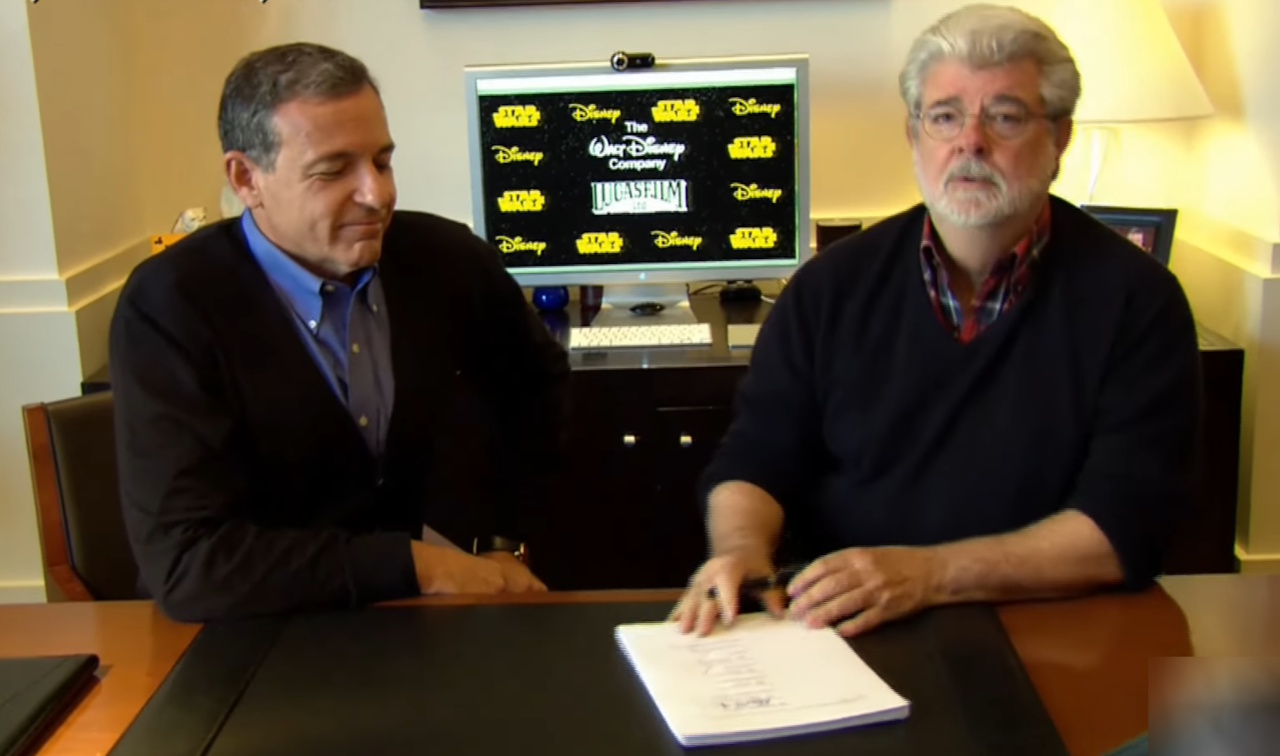
Disney Dreamlight Valley: Buyer Beware?

Although it’s been playable for well over a year, Disney Dreamlight Valley still hasn’t been officially “released.” We should talk more one day about big corporations and publishers abusing the early access model, but that will have to wait. I want to ask an unfortunate question today: has Disney Dreamlight Valley been ruined even before its release day?

For some context, I played and adored Disney Dreamlight Valley last year. The game was my surprise pick for “game of the year” when I dished out my annual awards, it was my most-played game of 2022, and I’ve continued to play it this year as well. So I’m not approaching this subject as any kind of dyed-in-the-wool “hater;” I genuinely wanted to see Disney Dreamlight Valley succeed.

Promotional screenshot of Disney Dreamlight Valley.

I can summarise the fundamental problem with Disney Dreamlight Valley in a single word: greed. Between developer/publisher Gameloft and the Walt Disney Corporation itself, greed has quickly crept into what seemed to be a fun game with a lot of potential. I praised Disney Dreamlight Valley last year for being “Animal Crossing without the downsides;” an adorable life-sim game with many of the Disney characters that long-time fans know and love. It felt as if Gameloft had taken the Animal Crossing formula and honed it to near perfection, adding much-needed features and quality-of-life improvements, and updating that style of gameplay for a new generation of players.

That was the game I sunk over 150 hours into in 2022 – and have continued to play on and off through 2023 as well – and that was the game that gave me some genuinely fun and sweet experiences. As an early adopter of the game, I knew that Disney Dreamlight Valley was going to change as development continued and its official launch approached – but I hoped that those changes would be more positive than negative.

A recent update to Disney Dreamlight Valley added Halloween-themed content.

The original plan for Disney Dreamlight Valley was that the game would be free-to-play when it officially launched. Knowing that that was the plan, the fact that the game sold microtransactions and a “season pass” didn’t seem too bad, although I felt it was questionable to sell Moonstones – Disney Dreamlight Valley’s in-game currency – during its paid early access period. But I could at least understand why it was happening, and I even gave credit to Gameloft early on for rebalancing the rate at which Moonstones were generated in-game to be more generous.

However, Gameloft recently announced that Disney Dreamlight Valley will not be free-to-play, as had been the original intention. The timing of this announcement feels a bit sketchy in and of itself; it seems that Gameloft and Disney came to this decision a long time ago and deliberately kept fans and players in the dark until the last possible moment. But that’s almost beside the point, because what’s far worse – and will be far more noticeable to players – is the free-to-play economy that remains in the game. An in-game currency, a “season pass” for cosmetic items, and microtransactions are all part of Disney Dreamlight Valley, even though the game will no longer be free-to-play.

Different versions of Disney Dreamlight Valley – and their associated price tags.

It seems as if Disney and Gameloft want to have all of the money-making tools that modern games employ. They want to sell the game up-front, they want to sell large DLC packs, and they want the in-game currency and “season pass” that are the hallmarks of free-to-play titles. Most games pick one of those, or two at the very most, but Disney Dreamlight Valley is going all-in on monetisation, taking the total cost of the game easily above £100 – and that’s just to get started.

I guess we shouldn’t be shocked. I mean, this is Disney we’re talking about – a corporation that charges guests to park their cars at its hotels and sells bags of popcorn at Walt Disney World for like $15. And I know that modern games are almost never intended to be complete experiences when they launch, but rather ongoing projects with updates being rolled out over the span of months or years – with a steady stream of income all the while. But even with those caveats and that knowledge… this still feels hugely disappointing, and Disney Dreamlight Valley feels like a particularly egregious example of a greedy corporation trying to wring as much money as possible out of players.

Promo art for the first DLC pack – featuring at least one character who was originally implied to be part of the base game.

If Disney Dreamlight Valley isn’t going to go free-to-play – which is an understandable decision in some ways – then the in-game currency and microtransactions have to be stripped out. It isn’t fair to charge players up-front, charge more for expensive DLC add-ons, and still expect to get away with including all of the microtransactions that come with a free-to-play experience. That just shouldn’t be acceptable to anyone. It’s one business model or the other – not both.

I have no doubt that the content Gameloft and Disney plan to roll out in the months ahead will be enjoyable. Practically every update to the game thus far has added new characters and content that I’ve enjoyed… but the updates so far have come at no additional charge. It already seems as if Gameloft plans to paywall new areas of the map and new characters, and that’s before we get into paywalled “season pass” content and cosmetics. When all’s said and done, the full cost of the Disney Dreamlight Valley experience – to get all of the characters, levels, missions, and cosmetic content – will be massive.

The cost of Moonstones (Disney Dreamlight Valley’s in-game currency) on Steam in November 2023.

When Disney Dreamlight Valley was an early access title with a free-to-play future, I thought I knew what I was getting into. The microtransactions were still irritating in the early access phase, but at least I felt like I understood why they existed and what the plan was. Although it was hard to get enough Moonstones through general play, it was at least possible to acquire a certain amount; enough to get some of the cosmetics on offer. But now? Knowing the game will charge up-front, charge more for DLC, keep its in-game currency, keep its “season pass,” and continue to sell other microtransactions and cosmetic content? It feels excessive.

Gone are the days when a corporation like Disney would develop and release a complete game. Disney Dreamlight Valley has that live service component; it’s intended to be an ongoing experience with content being developed post-launch. But there has got to be a way to balance the cost of that development with an enjoyable and reasonably-priced player experience, and right now, the pendulum has swung way too far in the monetisation direction.

Oh god, there’s even a “roadmap”…

If you’ve been awaiting the release of Disney Dreamlight Valley – and especially if you saw my review last year and are still considering picking it up – it’s worth being aware of this change to how the game will operate. Last year, shortly after launch, the level of in-game monetisation felt acceptable. But with the game’s official launch approaching, it no longer does. That definitely affects my ability to recommend the game – especially to parents considering picking it up for younger kids. At the very least you need to be aware of this in-game currency issue and make sure you have some kind of parental control on in-app purchases on whatever system you’re using.

I still enjoy what Disney Dreamlight Valley has to offer… but that enjoyment is now tainted. It feels as if Disney and Gameloft haven’t been up-front with the game’s biggest supporters about these changes. And the game now feels like it’s going to be overly-monetised when it launches. That’s a real shame, and it takes a lot of the shine off of what has been a fun experience.

My recommendation of Disney Dreamlight Valley now comes with a huge caveat: beware of in-game monetisation and Gameloft’s shifting priorities.

Disney Dreamlight Valley is out now – in early access – for PC, Mac, Xbox One, Xbox Series S/X, PlayStation 4, PlayStation 5, and Nintendo Switch, and will be officially released on the 5th of December 2023. Disney Dreamlight Valley is the copyright of Gameloft and the Walt Disney Company. Some screenshots used above are courtesy of Gameloft. This article contains the thoughts and opinions of one person only and is not intended to cause any offence.
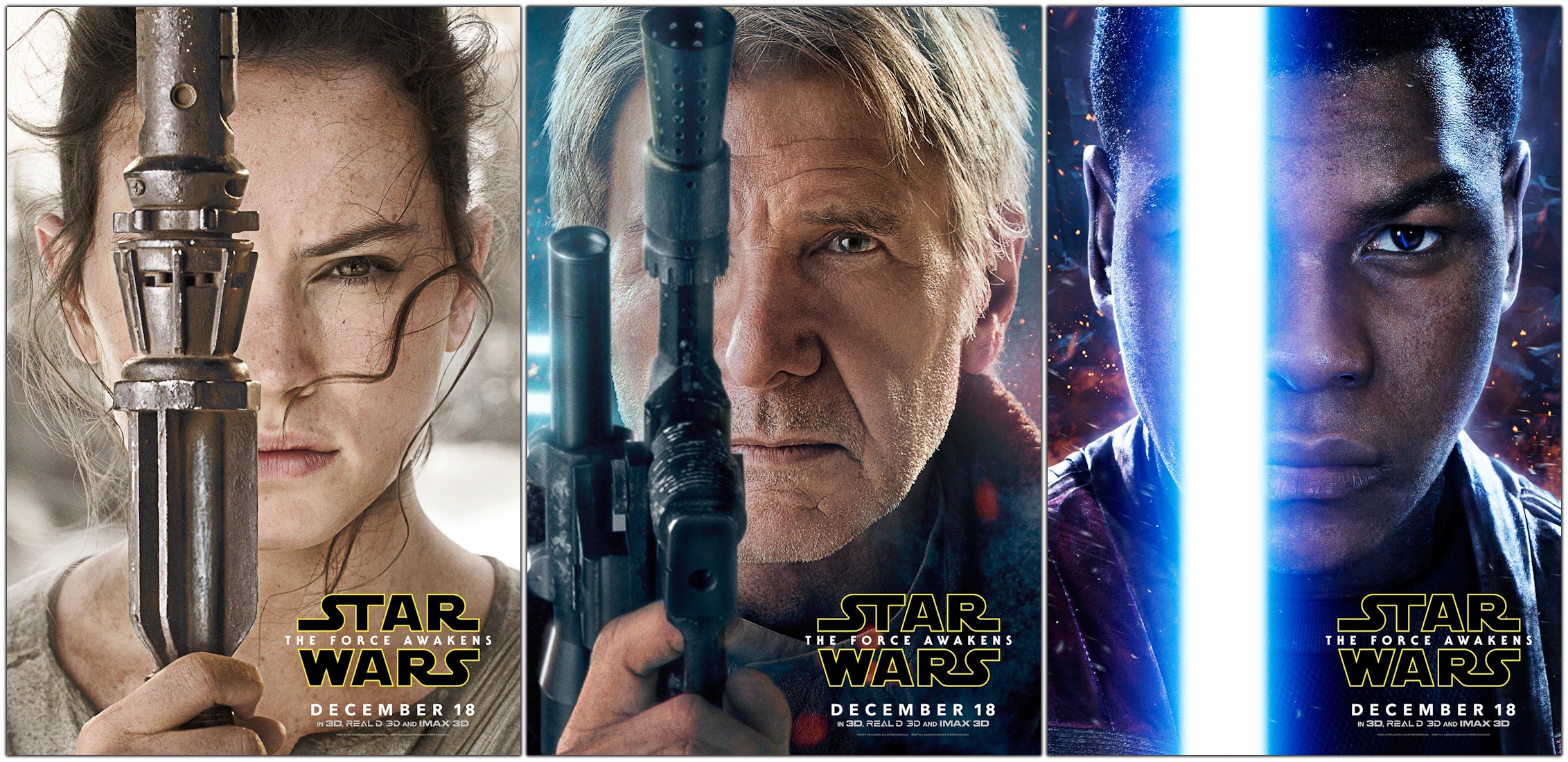
Disney Dreamlight Valley: early access review

Spoiler Warning: There are minor spoilers ahead for Disney Dreamlight Valley.

I don’t usually go for “early access” titles. Some developers and publishers really take advantage of early access, pushing out incomplete games and getting players to effectively pay full price to do the work of a quality assurance team, and just in general, I’d rather wait until a game is ready for prime-time before sinking my energy and money into it. A title has to be something truly exceptional to attract my attention while it’s still in early access. Enter Disney Dreamlight Valley.

At time of writing in November 2022, Disney Dreamlight Valley still has some of the issues that make early access titles so offputting – major missing features, an incomplete story, and some bugs, glitches, and areas where more development time is needed to give the game some polish. But despite that, I’ve sunk more than 100 hours into the game since it launched in early access back in August, and I’ve been having a whale of a time!

The title screen as of the most recent update.

Disney Dreamlight Valley blends the customisation and design gameplay of titles like The Sims with the casual life-sim gameplay of the likes of Animal Crossing, combines those with some simple but fun nonviolent puzzle-solving gameplay, and then also throws in character-focused storytelling that can absolutely compete with any narrative game on the market – at least if you’re a Disney fan! The game’s characters, all of whom are lifted directly from Disney’s extensive back catalogue of blockbuster films, feel real and feel fun to engage with, and the game has so much to offer to kids and adults alike as a result.

As expected, recent titles like Frozen and Moana feature in a big way, but Disney Dreamlight Valley also happily incorporates characters from titles that are almost certainly less well-known nowadays (especially among younger players) like The Sword in the Stone. In fact, the very first character that players will meet upon starting a new game is Merlin – a storytelling decision that I find incredibly bold.

Mickey Mouse, a player character, and Merlin.

Unlike in games like Animal Crossing, where villagers can feel flat and repetitive after a while, the characters in Disney Dreamlight Valley feel much more complete. Partly, it must be said, that’s because they’re all familiar characters from films that most players will be familiar with, but a big part of the way they come across in the game is down to some creative quest design and some pretty good writing. Characters will also interact with one another, stopping for a casual chat that players can overhear while wandering around the valley or participating in other quests, and this small detail goes a long way to making Dreamlight Valley feel like a real place and its inhabitants like real people.

As an early access title, there are of course areas with room for improvement. But I have confidence that developers Gameloft will take player feedback on board and implement changes and fixes as they have done already. Improvements have already been made, for example, to the in-game photo mode, to the impact weather can have on the game world, to certain character interactions that players generally weren’t happy with, and much more besides. One of the advantages of early access is that developers have an opportunity to get feedback from real players – and Gameloft has certainly shown a willingness to change, adapt, and tone down different elements of the game in response.

Promo screenshot featuring Ursula.

Disney Dreamlight Valley feels like it’s also taken on board feedback and criticism of other titles in the casual life-sim genre, particularly 2020’s Animal Crossing: New Horizons. Complaints and criticisms about that game and how difficult it was to play long-term when compared to other Animal Crossing titles abounded, and while Disney Dreamlight Valley is still very much incomplete – multiplayer and cross-platform play have yet to be added, for example – other criticisms that I and others levelled at New Horizons simply don’t apply here. Crafting, for example, is so much easier and smoother in Disney Dreamlight Valley, and the simple fact that tools don’t need to be replaced every five minutes is fantastic!

Characters feel dynamic and respond in real-time to events in the game, and each character has their own series of quests to play through in addition to the main storyline. While there’s a case to be made that exhausting all of the quests should bring the game to an end, there are still “daily duties” – mini-quests that can involve some or all of the game’s roster of Disney characters. Moreover, when the main quests and character quests have all been completed, Disney Dreamlight Valley remains fun to play as an Animal Crossing-esque casual life-sim game; there’s still fun to be had. Racing through certain questlines is not how the game is intended to be played, and several quests have natural timers – plants that take time to grow, or objectives that can only be performed at certain times of day, for instance.

Crafting in Disney Dreamlight Valley.

Although the in-game economy works relatively well at the moment, there are potentially things that could be reworked or rebalanced in future. The titular “dreamlight,” for example, that players accumulate as a reward for accomplishing tasks and finishing quests has a limited number of uses – and when all of the different areas of the map have been unlocked, I found myself simply accumulating dreamlight by the boatload with no way to use it or spend it.

Likewise, the in-game “coins”, while slow to acquire at first, soon build up, and I found that getting a moderately decent crop farm going soon racked me up over 2 million coins – and although there are things to spend those coins on, I’ve hardly made a dent in a money vault that even Scrooge McDuck would be envious of!

Scrooge McDuck in Disney Dreamlight Valley.

While we’re on the subject of currencies, it’s clear that when Disney Dreamlight Valley exits its early access phase and goes free-to-play that a significant focus for the game will be on recurring monetisation and in-game microtransactions. Gameloft and Disney have not promised that all characters and story content will take the form of free updates, either, so there’s a risk in the longer-term that Disney Dreamlight Valley will turn into one of those titles that can be quite a money-sink. For parents of younger kids, that can absolutely be an issue, and it’s worth being aware of at this stage. While Disney Dreamlight Valley is currently quite generous with its various in-game currencies, one in particular – “moonstones” – is clearly being readied to be sold.

Moonstones can be earned in-game at time of writing, and are used to purchase cosmetic items like furniture, clothing, and motifs that can be added to custom designs. Players are also required to spend a large cache of moonstones in order to unlock more items for purchase via a kind of “season pass” that, once again, feels like it will be the target for future monetisation. Free-to-play games and ongoing “live services” require a source of income, but again it’s worth being aware even at this early stage that this is the model Disney Dreamlight Valley plans to adopt.

In-game monetisation is planned in future.

Character customisation is fun in Disney Dreamlight Valley, and I feel that there are a decent range of options including different body types, hairstyles, and so on – with some extras that can be unlocked in-game that weren’t available right at the start. There’s also a huge range of different types of furniture – many pieces of which are lifted from or inspired by modern and classic Disney films. And while there are plenty of clothes to choose from, I think I’d like to see a few more outfits and costumes that allow players to dress up as their favourite Disney characters. Some of the clothes feel a little too “generic” to me, and some of the costumes and outfits are more “inspired by” the films rather than directly taken from them. So that’s an area that I’d like to see improved upon! To give one example that may be more relevant to some fans than others, while Disney Dreamlight Valley includes a decent approximation of Princess Anna’s dress from Frozen, there really isn’t a good facsimile of Elsa’s dress from the same film, despite it being one of the most iconic of modern Disney Princess costumes.

But for the creatives among you, Disney Dreamlight Valley offers a pretty extensive customiser, allowing budding designers to create their own Disney-inspired outfits. The game includes a range of blank clothes – tops, dresses, hoodies, and even Mickey Mouse ears – that can be customised with patterns, designs, and much more. These designs are unlockable through gameplay, so the more time players invest in Disney Dreamlight Valley, the more options there will be when it comes to making fun outfits. Although I have the imagination and creativity of a colour-blind slug, even I managed to create a few fun designs with an intuitive and easy-to-use customiser.

Customising a dress in Disney Dreamlight Valley.

So that’s all there is to say for now! I may take another look at Disney Dreamlight Valley in the months ahead, perhaps when it’s ready to leave early access and go free-to-play. If you have Game Pass either for PC or Xbox, Disney Dreamlight Valley is incredibly easy to recommend. At £35/$30, there’s more than enough content to justify the price in my view – and coming in at less than “full price” is fair for a game that is still in early access and has a few issues as a result. However, despite being in early access, I found my 100+ hours with Disney Dreamlight Valley to be remarkably smooth and free from major bugs; there have only been a couple of occasions on which the game crashed, and thanks to a frequent auto-save, I didn’t even lose any progress.

There are anecdotal reports from folks who play on Nintendo Switch having a worse time with more frequent crashes and finding the game to be a less stable experience, but as I’ve played it on PC I can’t speak to that – however, it’s worth being aware of that and checking out other reviews if you plan to play on Switch.

Remy from the film Ratatouille.

For my two cents, Disney Dreamlight Valley is probably the most fun gaming experience I’ve had in 2022. For anyone who’s a Disney fan there’s a lot to love – familiar and new friends to meet and hang out with in a game that blends both narrative storytelling and casual life-simulation. I haven’t seen some of the newer films from which some characters were taken (Remy from Ratatouille and the titular Wall-E were both new to me) but even with that limitation, I had a whale of a time.

Disney Dreamlight Valley is also one of the best early access games that I’ve played – speaking for the PC version, at least. Despite a persistent issue with cloud saving (which I’ve been repeatedly assured is being worked on) the game is largely bug-free on PC, runs smoothly and plays exceptionally well. Were it not for the incomplete story and some impassable doors, you’d hardly realise that the game was in fact still in early access!

So there we go. I’m happy to recommend Disney Dreamlight Valley at this time. Check back when the game leaves early access and I’ll try to share my updated thoughts!

Disney Dreamlight Valley is out now – in early access – for PC, Mac, Xbox One, Xbox Series S/X, PlayStation 4, PlayStation 5, and Nintendo Switch. Disney Dreamlight Valley is the copyright of Gameloft and the Walt Disney Company. Some screenshots used above are courtesy of Gameloft. This article contains the thoughts and opinions of one person only and is not intended to cause any offence.
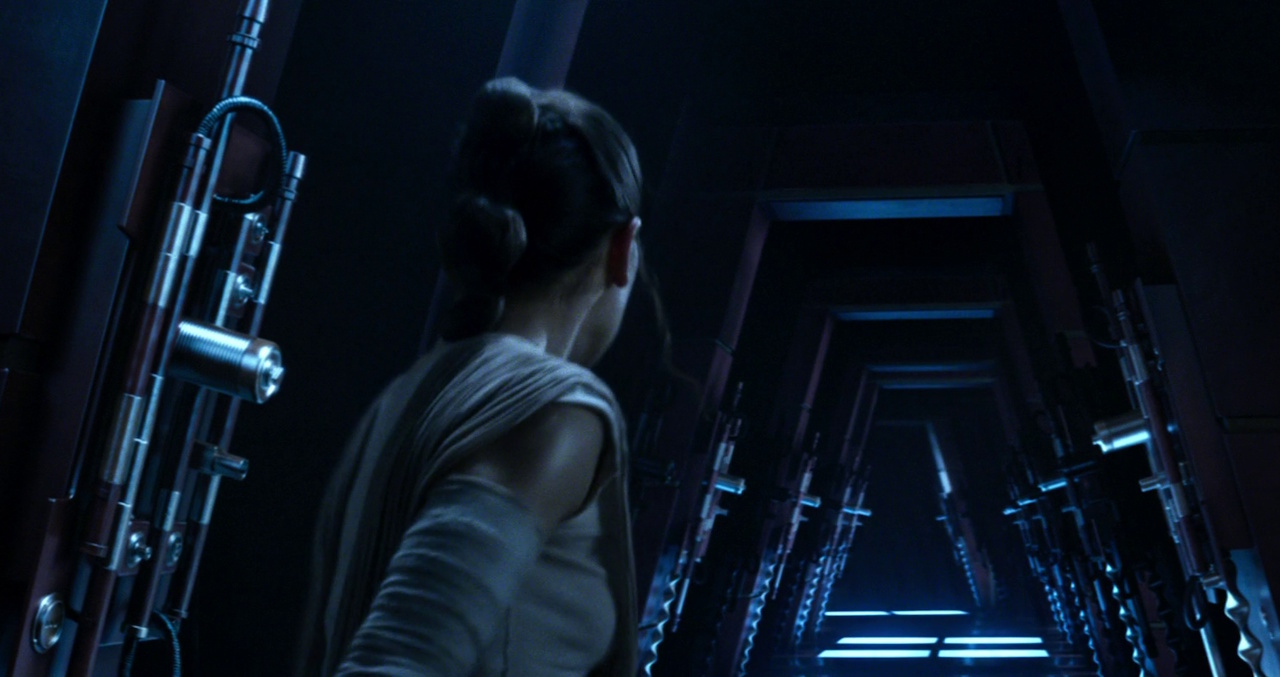
Can Star Wars survive on nostalgia alone?

Spoiler Warning: There are spoilers ahead for the Star Wars franchise, including The Book of Boba Fett and The Mandalorian Seasons 1-2.

At time of writing we’re halfway through Obi-Wan Kenobi – the Disney+ miniseries following the Jedi Master’s adventures in between the prequel films and the original trilogy. This article was partly inspired by that project, but I’ll try to avoid spoilers for those who haven’t seen it yet. And I’m trying to avoid jumping the gun and being overly critical of Obi-Wan Kenobi until I’ve seen the remaining episodes.

So the question I want to wrangle with today is a complicated one, and we can look at it in different ways and from different angles. Can the Star Wars franchise survive if all it does is look backwards? Can it coast indefinitely on past successes? Are these deep dives into minor chapters of its sole original story all we can ever expect to see? Or maybe, one day soon, will Star Wars have to try something genuinely new and different?

Can Star Wars continue to rely on bringing back characters like Obi-Wan Kenobi?

For all the talk of prequels, sequels, and spin-offs, Star Wars has really only ever told one single story since it premiered in 1977. Every project that we’ve seen since then padded out that story; the prequels provided background information about characters like Anakin and Obi-Wan, the sequels picked up the stories of Han, Luke, Leia, and of course Palpatine, spin-off projects like Rogue One fed directly into the events of the original films, and even The Mandalorian and The Book of Boba Fett brought back the Force and Luke Skywalker.

The Star Wars galaxy has tens of thousands of years of history; the Republic existed for millennia prior to the rise of the Empire. And it has an uncertain future in the wake of Palpatine’s schemes. Yet every single Star Wars project brought to screen so far across more than forty-five years of the franchise’s existence has taken place within the same sixty-year span of galactic history centred around the rise and fall of the Empire.

Every Star Wars project to date has been set within the same sixty-year period.

In addition, of the tens of thousands of inhabited planets that exist in the vast Star Wars galaxy, the franchise continues to revisit the same ones over and over again. Tatooine, for instance, has been a major setting despite its purported status as an “unimportant backwater.” Most recent Star Wars projects have, to their credit, visited a new planet or two… but the same handful of old ones keep cropping up over and over again.

Star Wars feels like it has an incredibly rich and deep setting, one with millennia of history and a vast landscape of different worlds inhabited both by humans and some very interesting non-human aliens… but on both the big screen and in the new streaming shows, we’re continually shown the same few years and the same few locales over and over again. It’s like going to an all-you-can-eat buffet and finding row upon row of dishes from all across the world, then constantly refilling your plate with chicken nuggets. I like chicken nuggets as much as the next person… but let’s try something different next time.

The Jedi Temple on Coruscant during the prequel era.

None of this is to say that I haven’t enjoyed at least some of what Star Wars has offered up over the last few years. I named Rogue One my favourite film of the 2010s, and with good reason – it really is an outstanding story. And despite the heavy nostalgia plays, I was surprised to find myself having a good time with The Book of Boba Fett earlier this year. So Star Wars can, at least for the moment, continue to find enjoyable ways to play in the tiny corner of the vast sandbox that it’s been restricted to. But can that continue for very much longer?

I suppose this gets at a more fundamental question: is Star Wars defined by the handful of characters that we’ve met so far? Are the likes of Darth Vader and Luke Skywalker all that Star Wars can ever be? Or is there room for fans to find brand-new characters to fall in love with; characters who are different from the hero and villain archetypes that the franchise has introduced so far?

Is Star Wars bigger than Luke Skywalker? And do fans even want a Star Wars project without these familiar characters?

Many Star Wars fans seem happy to continue to explore the lives of characters like Obi-Wan Kenobi, Boba Fett, and Luke Skywalker, seeming to prefer that the franchise take a path not dissimilar to the old Expanded Universe. In the EU, that same handful of characters was thrown haphazardly into multiple stories set before, during, and after the events of the films – and with modern Star Wars retaining a focus on those classic characters in that same time period, it feels like we could be going down a familiar path.

However, there are other options available if someone higher up at Disney or Lucasfilm is feeling bold. Set aside characters like Leia and Han Solo and step away from the rise of Palpatine. Tell a story set in a completely different era, perhaps one that doesn’t focus on the Jedi and the Force. Visit completely different worlds, introduce a new alien or two, and tell a story that isn’t simply a riff on what the franchise has already done.

Darth Vader’s castle on Mustafar.

The Star Wars galaxy could be a setting for all kinds of different projects. There’s no reason why we couldn’t see everything from an ER-inspired medical series to a hard-boiled film noir crime drama – all set in the Star Wars galaxy. Forget the story outlines that have been seen already and take the setting as a blank canvas. Instead of telling a repetitive tale about a young Jedi from a desert planet who fights a nasty but ultimately redeemable family member/villain, do something else. Literally anything else.

Would Star Wars fans want to see a show in this setting that steps away from the Jedi, the Force, and the Empire? Surely there has to be room for that in a setting as vast and untapped as the Star Wars galaxy. By diversifying the way it tells stories, Star Wars could build a solid foundation for the future.

Would anyone be interested in a medical drama set in the Star Wars galaxy, for instance?

It seems obvious that this nostalgia-heavy, backwards-looking Star Wars can’t last forever. Heck, it can’t last more than a few years at most, because sooner or later the franchise is going to exhaust all of the characters and settings that the original films and the prequel films had to offer. What will come next after The Book of Boba Fett and Obi-Wan Kenobi? Will it be Jar-Jar: A Star Wars Story? Even if Star Wars pulls out every single minor character and tries to expand their role into a fully-fledged Disney+ series, there’s a hard limit on how long that can last.

And there’s a real danger, too, that revisiting classic characters to give them additional stories could detract from powerful moments in the original Star Wars saga. The Book of Boba Fett may have gotten away with bringing its obviously-dead title character back to life, but one thing fans seem to universally agree on is that The Rise of Skywalker failed to successfully resurrect Palpatine, and that his ham-fisted inclusion in a story that was never meant to be his ended up being a weight around the neck of the sequel trilogy.

“Somehow Palpatine returned.”

This was my concern going into Obi-Wan Kenobi – and no, there aren’t going to be any major plot spoilers here, don’t worry. But in a general sense, I was worried that any story featuring Kenobi set in this time period would have to be incredibly careful not to overwrite or damage moments like his reunion with Darth Vader aboard the Death Star.

Even if it could avoid those pitfalls, there was still an open question about how ultimately necessary a series like Obi-Wan Kenobi would be. We’ve already seen the most interesting and most important parts of Kenobi’s story; what could this miniseries add to that that wouldn’t end up feeling incredibly tacked-on? How would it avoid the trap of sending Kenobi on a rip-roaring adventure that you’d think he might’ve mentioned?

Darth Vader and Obi-Wan Kenobi’s duel aboard the Death Star.

Several of Star Wars’ recent projects – including ones I personally enjoyed, like Rogue One – could have been reworked to be set at a different time, in a different location, and featuring different characters. The same fun stories could be present, but by stepping away from the familiar into something different and new, there’d be no danger of treading on the toes of any of the powerful and impactful moments from earlier Star Wars stories.

When I think about the idea of expanding Star Wars and telling new stories in its wonderful galaxy, my mind doesn’t immediately go to Luke Skywalker and a handful of other classic characters. We’ve seen their lives play out already, and adding new chapters partway through – or unnecessary epilogues – just doesn’t feel worthwhile. Moreover, what we’ve seen so far are the most interesting and most important chapters of their lives, dealing with the rise and fall of the Empire, the death and rebirth of the Jedi Order, the Galactic Civil War, and so on. At best, anything else feels tacked-on, and at worst it undermines parts of that original, powerful saga.

The twin suns of Tatooine.

Both for the sake of telling engaging and exciting stories and as a point of simple practicality, Star Wars can’t keep relying on the same few characters, the same few planets, and the same tiny sliver of its vast and expansive setting. Sooner or later the creative team will have exhausted the potential of every major and minor character from the originals, the prequels, the sequels, and spin-offs… and what then? The choice will be either to bring Star Wars to an end or to try something else.

There’s so much untapped potential in a setting as wide and deep as the Star Wars galaxy. There are tens of thousands of years of history to explore, an uncertain future to chart, and more planets, aliens, and factions to explore than we could reasonably list. We could see a story charting the very beginnings of the Republic and Jedi Order, or the franchise could step away from its familiar niche into completely different genres; mystery, crime, horror, adventure, even romance or comedy. All it would take is a degree of boldness on the part of the producers in charge – a willingness to try something experimental with the franchise they own.

So that’s my answer to the question posed above. Star Wars can’t keep doing this forever. Something’s going to have to change if the franchise is to survive long-term, and the sooner attempts are made to make the switch – to figure out what might work and what won’t – the smoother the transition will be. After forty-five years, it’s time for Star Wars to set aside the Skywalkers, Palpatines, and Kenobis.

The Star Wars franchise – including all films and television shows discussed above – is the copyright of Lucasfilm and The Walt Disney Company. This article contains the thoughts and opinions of one person only and is not intended to cause any offence.
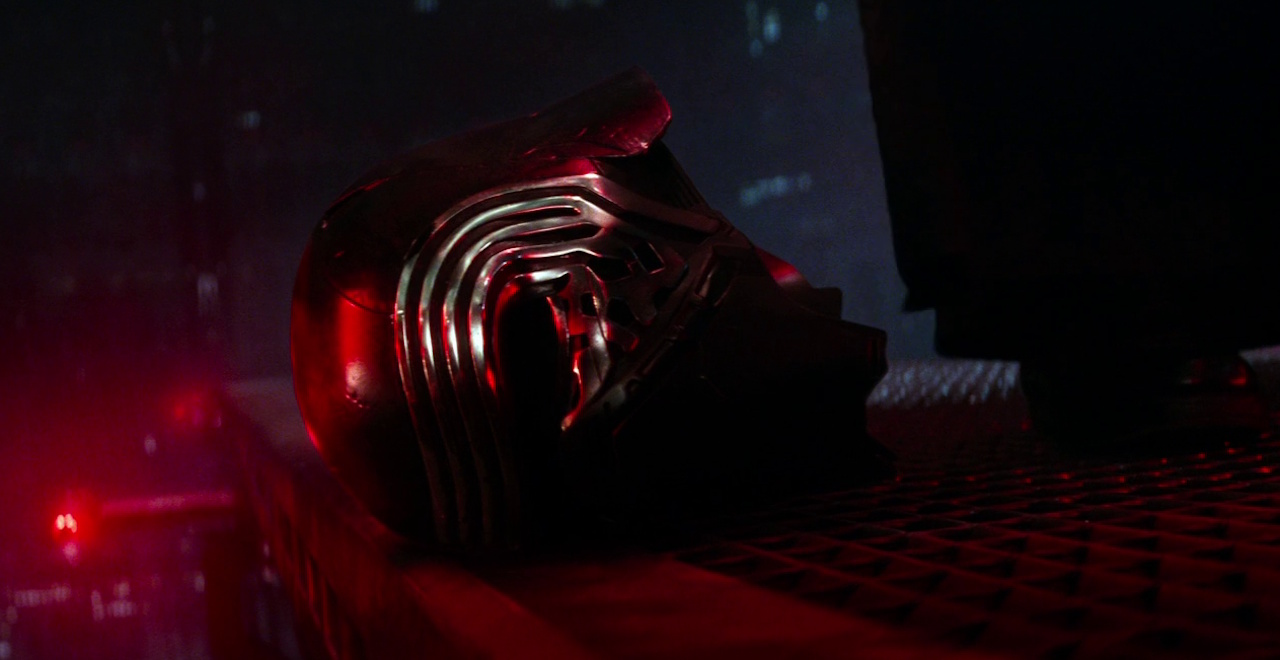
Pixar’s Lightyear looks great!

Spoiler Warning: There are minor spoilers ahead from the Lightyear trailer.

We’re firmly in an era of sequels, spin-offs, and franchises. One type of story that a lot of companies are creating to squeeze another title out of their most popular creations is the “origin story” – basically a prequel that goes into detail about the background of a particular character. The Star Wars prequels showed how overexplaining a classic character can be more of a negative than a positive, but franchises push on regardless. From Willy Wonka to Hannibal Lecter, backstories abound in fiction.

Buzz Lightyear is not a character I would have ever chosen to write an entire origin story for. For one thing, Buzz Lightyear is a toy – he doesn’t have an origin story; he was made in a factory and shipped out to a toy shop where Andy’s family bought him! But I guess Lightyear isn’t taking that approach!

Buzz Lightyear has come to life!

The film’s trailer, which was a surprise release a couple of days ago, seems to show a “real” Buzz Lightyear inhabiting a sci-fi world. All of the elements that we know of were present: his rocket-ship, his colourful spacesuit, Star Command, and even his unrealistically large Desperate Dan-esque chin. But instead of simply being a toy for kids to play with, Buzz seems to be a fully-real person in his own right.

This isn’t actually the first attempt at that concept. Though I haven’t seen it, there was a short-lived television series called Buzz Lightyear of Star Command which aired in 2000-2001 and even spawned a video game adaptation for the PlayStation, Dreamcast, PC, and Game Boy Colour. The series might be one you remember, but it doesn’t seem to have been as big as some of the other Disney projects of the era – I hadn’t even heard of it until researching the topic for this article!

2000-2001 television show Buzz Lightyear of Star Command had a similar underlying premise.

It’s possible that Buzz Lightyear of Star Command’s remaining superfans might be treated to an easter egg or two in the new film, so if you fall into that category keep your eyes peeled! Disney and Pixar have a longstanding habit of harkening back to older titles and past iterations of their popular franchises, so I wouldn’t be shocked at all if a couple of sneaky references or callbacks to Buzz Lightyear of Star Command make it into the final cut of the film!

The trailer itself was exciting and surprisingly had more of a dark tone than I might’ve expected. There were some moments that clearly set up dangerous moments for Buzz as he goes on his adventure, and the dark, engraved door opening to reveal a red glow was incredibly well-done and provided a lot of tension. It almost gave me a Doom vibe – odd as that might sound!

Who will emerge from this door?

Buzz Lightyear as a character has, since his inception, been a uniquely Disney take on mid-century sci-fi. The likes of Flash Gordon, Forbidden Planet, and even Star Trek: The Original Series are present in his characterisation and aesthetic, deliberately so. But of course the biggest influence over Buzz Lightyear’s charmingly retro design comes from Walt Disney’s Tomorrowland and Epcot concepts – which have since been brought to life at Disney’s theme parks.

Anyone who’s ever ridden Space Mountain can see clear evidence of its inspiration in the trailer for Lightyear – Buzz’s rocket-ship resembles the ride vehicles and even the launch platform looked an awful lot like the track of the ride. The rings Buzz seemed to be flying through at one point also bore a striking resemblance to Space Mountain.

I definitely got Space Mountain vibes from the trailer.

A big part of the trailer concerned Buzz Lightyear taking a trip in his rocket-ship. There were influences from a lot of astronaut films and television shows in the way he was preparing for the journey, and he seems to have a colleague or friend at Star Command who’s helping him with his mission; perhaps someone who will serve as a point of contact at mission control.

The animation in the trailer was outstanding. Seeing Buzz’s ship slingshotting around the star was truly striking, and reminded me that Pixar is renowned as one of the world’s best animation studios for a reason! As a Trekkie that moment reminded me a lot of slingshot effects in both Star Trek: The Original Series and more significantly in the 1986 film Star Trek IV: The Voyage Home, but there was also more than a little influence from more modern sci-fi titles like Interstellar in the way the star in particular was presented. Overall it was an astonishingly beautiful sequence.

The slingshot sequence was especially cool.

We have no idea at this stage what the story of Lightyear might be. Chris Evans – of Marvel fame – will star as the titular hero, but we don’t know who will play the film’s villain, Emperor Zurg. Zurg has been part of the mythos of Buzz Lightyear since his first appearance, but had a more fleshed-out role in Toy Story 2. Just like it’ll be interesting to see a “real-life” version of Buzz, so too will it be interesting to see how Emperor Zurg makes the jump from toy to real person.

If we continue the mid-century sci-fi analogy from earlier that we know Buzz Lightyear as a character draws from, I see Emperor Zurg as filling a role similar to the likes of Flash Gordon’s Ming the Merciless – but with an aesthetic inspired by early depictions of robots and even Darth Vader. I’ll watch for a casting announcement with trepidation – getting the right person who can play the character in suitably over-the-top style could be crucial to the film’s success!

Buzz’s classic spacesuit.

I’m not sure what to make of the toy cat in the trailer. Lightyear has been described by Disney and Pixar as “the definitive origin story” of the character, and while we’re assured that he is fully human (or at least not a toy) in the film, the presence of what seemed to be a toy cat – whose name is Sox – made me wonder! Is there something else going on here?

On the other hand, Pixar’s press release talked about the original inception of Buzz Lightyear during the creation of Toy Story. They specifically talked about how they envisioned the toy Buzz Lightyear as being merchandise for a blockbuster movie about an action hero – and how Lightyear is that movie! Kind of a film-within-a-film thing, except that Lightyear is a feature-length title in its own right!

What’s the deal with this cat?

The trailer was genuinely one of the best and most interesting that I’ve seen in months, and Lightyear is firmly on my list of titles for 2022! The film is currently scheduled for a June release window, and will presumably hit cinemas first before heading to Disney+ after a month or two – barring any pandemic-related delays or closures.

The retro sci-fi vibe that Lightyear seems to be wholeheartedly embracing appears to give the film a delightfully old-school charm, with clear influences from Disney’s Tomorrowland in particular. That alone would be enough to pique my curiosity, but the fact that there were some amazing visual effects and what seems to be a slightly mysterious and interesting story has seen Lightyear come from nowhere to rocket its way onto my list for next year. I’m genuinely looking forward to this one now!

Lightyear is scheduled to be released on the 17th of June 2022. Lightyear is the copyright of Pixar and The Walt Disney Company. This article contains the thoughts and opinions of one person only and is not intended to cause any offence.
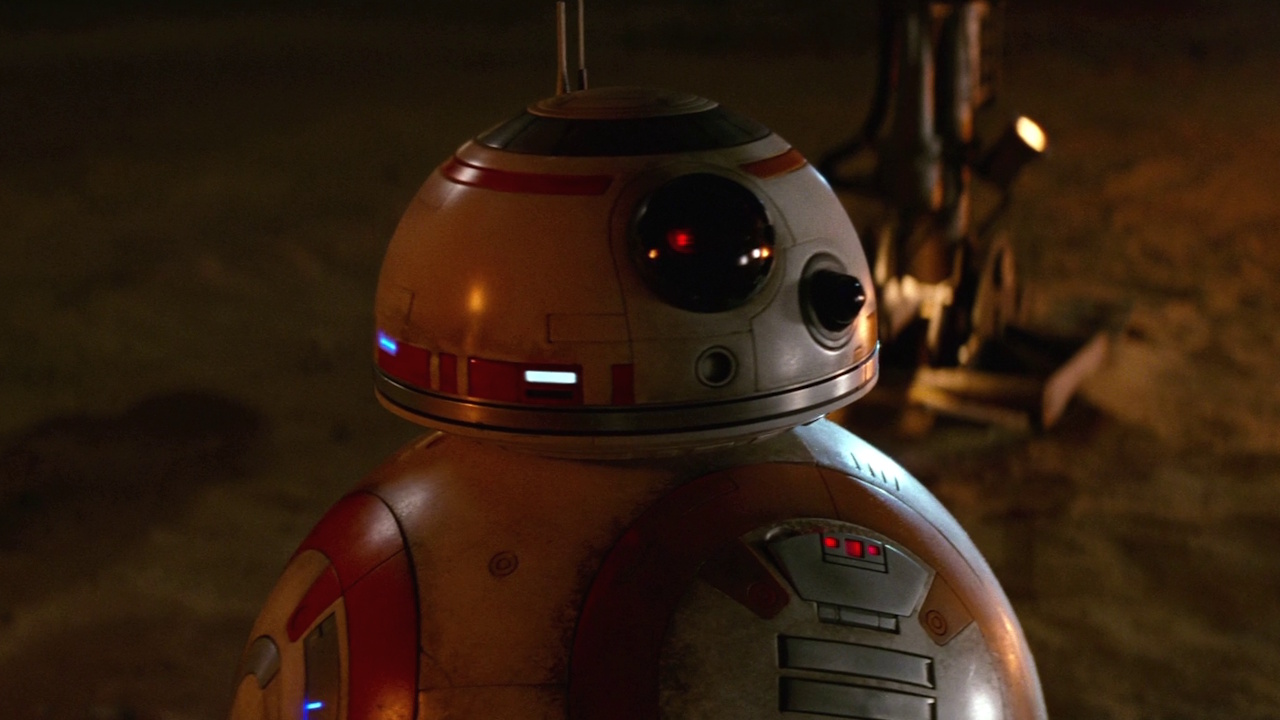
Walt Disney World at 50

In October 1971 Walt Disney World first opened its doors, making this month the park’s fiftieth anniversary. Though competitors have risen in the years since – Universal Studios most prominently, but there are others – Disney is still the world’s preeminent theme park brand in 2021, which is no small accomplishment!

2006 was the last time I managed to get to Walt Disney World in Florida, and it seems unlikely I’ll be able to make another trip – my health generally prevents me from travelling these days. But I’ve made some wonderful memories at Walt Disney World, from my first trip when I was very young with my parents through to an incredibly fun jaunt with friends while at university. Walt Disney World has always had a lot to offer – and not just for children.

Mickey and Minnie are celebrating 50 years of Walt Disney World!

Recently I put together a list of ten of my favourite Walt Disney World attractions – and you can find it by clicking or tapping here. Long story short, some of the best experiences at Disney – at least in my opinion – aren’t the most extreme roller coasters with the highest drops or fastest speeds. What Walt Disney World has always excelled at is its world-building, crafting lovingly-detailed experiences that don’t need to rely on speed or being an adrenaline rush to hook riders in.

Attractions like Spaceship Earth, the Tomorrowland Transit Authority PeopleMover, and even the Monorail are all incredibly fun to ride over and over again, and in many ways it’s these slower rides that made me fall in love with the Disney theme parks. It’s this combination of slow rides, dark rides, fast-paced rides, shows, and simulation experiences that has meant Walt Disney World has so much to offer to such a range of visitors. Many theme parks – especially here in the UK – tend to be built around one or two big attractions, and these are almost always ultra-fast adrenaline rush roller coasters. Once you’ve ridden one or two, you’ve ridden them all!

The Tomorrowland Transit Authority is one of my favourite rides!

Every aspect of Walt Disney World was planned in detail – with early plans coming from Walt Disney himself before his death in 1966. The idea of corridors running underground to allow employees – better known as “cast members” – to secretly move from one location to another out of sight of guests is a genius move. It means that guests never see a character “out of place;” no cowboys in Tomorrowland nor spacemen in Frontierland.

On a smaller scale, no shop in Walt Disney World sells chewing gum. Why? Because it’s one of the worst forms of litter and the hardest to clean. If every road and pavement were covered with discarded gum the entire park would feel ever so slightly less polished, and Walt Disney was very keen that visitors should feel as if they’d been transported to a magical land away from their everyday lives. He wanted everyone to have the perfect experience – at least within their budgets!

Walt Disney.

The food at Walt Disney World is also exquisite. The park has a huge variety of restaurants and fast-food joints both in the parks and attached to the numerous hotels spread across the property. Many of these are themed experiences in and of themselves, offering guests a chance to dine in the banquet hall of a castle or an orbiting space station – with themed menus to match. And of course, many restaurants bring Mickey Mouse and other characters right to the table.

Walt Disney World didn’t pioneer the concept of the theme park. It wasn’t even the first Disney theme park, with California’s Disneyland having been open for more than sixteen years before it came along. But Walt Disney World took the theme park concept and honed it to near-perfection, having learned the lessons not only of Disneyland but also of other theme parks as well. With years of experience under their collective belts, the team behind Walt Disney World came together to build what they hoped would be the best theme park in the world. Fifty years later the park is still right at the pinnacle of the theme park industry, so it’s hard to say that they didn’t succeed.

The original Walt Disney World logo. It was in use from the park’s opening in October 1971 until 1996.

There are controversies about the way Walt Disney World came to be, of course. Not least the Walt Disney Company’s policy of buying up the land that the parks would ultimately be built upon using dummy companies with fake names to avoid the price shooting up! And of course it’s sad that Walt Disney didn’t live to see his project to completion.

As we look back at Walt Disney World, it’s only natural to look forward, and I’m afraid it’s here that I see new controversies, as well as problems ahead.

In the early 2000s when I was planning a trip to the parks with friends, it was quite achievable for students to put a bit of money aside from part-time jobs to be able to afford not only to visit Walt Disney World, but to do so in style! After saving up, my friends and I were able to afford flights there and back from the UK, as well as a moderately-priced hotel, park tickets, food, and we still had money left over for souvenirs. I can’t remember the exact amount of money we spent apiece, but none of us were wealthy and we still managed to have a wonderful time.

Visiting Walt Disney World is an increasingly expensive proposition.

Nowadays, the inflated prices Walt Disney World charges – and the dozens of hidden extra charges – make it so much more difficult to consider a trip there a worthwhile investment for a lot of folks. Walt Disney World now charges for parking – even at hotels – which is something that never used to happen. And coming very soon is the “Disney Genie Plus” app and programme, which includes paying to skip some of the lines at popular attractions – including on a ride-by-ride basis in some cases, with prices rising dynamically depending on how busy the park gets.

Add into the mix the generally inflated prices of everything from tickets to food, and Walt Disney World is no longer a holiday within reach of everyone. It’s beginning to feel like an attraction targeting wealthier folks exclusively, and when a vacation for a small family is now easily running around the $6-8,000 mark (not including flights, which from the UK aren’t exactly cheap) it’s hard to argue with that assessment.

The new Disney Genie Plus paid-for service is going to make Walt Disney World more expensive – and a worse experience.

Just to give one example, a single portion of popcorn from one of the popcorn stands scattered throughout the parks now comes in at $5.25 (£3.90). That’s a heck of a lot for something as basic as popcorn, so you can imagine that other snacks and meals are priced similarly. Because Walt Disney World knows it has a captive audience, prices have shot up. It was never a cheap place, don’t get me wrong, but recent years have seen price hikes left, right, and centre.

In addition, Walt Disney World is losing many of the things that made it unique. One-of-a-kind attractions are being replaced with bland-looking roller coasters, and rides that used to have unique animatronic characters are being closed down or altered to include Disney-branded characters. One of my favourite rides at Epcot was called El Rio del Tiempo, and it was a slow boat ride that brought guests a small taste of Mexico and Mexican history. Since I last visited it’s been re-themed to include Donald Duck.

El Rio del Tiempo is one of many Walt Disney World attractions that you can’t find any more.

Rides and attractions like El Rio del Tiempo – and many more – were part of what gave Walt Disney World its unique charm. There were always Disney-themed rides like Peter Pan’s Flight or the Mad Hatter’s Tea Party (from Peter Pan and Alice in Wonderland respectively), but they were balanced out by these other rides that weren’t associated with a film or television series. With some rides like Pirates of the Caribbean and Jungle Cruise having been turned into films in recent years, there aren’t many attractions left that exist purely for their own sakes any more. Perhaps I’m showing my age by lamenting that change of focus!

To end on a much happier note, one of my favourite memories as a geeky, nerdy kid came at Walt Disney World in the early 1990s. Not long after having seen the Star Wars trilogy for the first time, I got to go on a Star Wars ride – Star Tours – at Walt Disney World. After queuing up excitedly, the moment the doors to the Starspeeder 3000 wooshed open for the first time was truly thrilling! Boarding an actual spaceship complete with a droid pilot and going on my own little Star Wars adventure felt like a dream come true.

I have incredible memories of Star Tours!

Walt Disney World has delivered an uncountable number of moments just like that one to children and to adults. My cousin visited a couple of years ago, and her daughter got a complete “princess makeover,” complete with makeup, a tiara, and a princess dress. Wherever she went all day long the cast members would bow and wave and treat her like a real Disney Princess. These kinds of once-in-a-lifetime experiences really don’t exist anywhere else, not in the same way. Just like I had my moment of wonder as I boarded a ship in the Star Wars galaxy, so too did my cousin’s daughter as she was transformed into a princess. Walt Disney World makes magical memories like that, and I hope it always will.

The only reason I criticise Walt Disney World for some of the recent changes – particularly the way things are being priced and the “stealth” costs like charging for hotel parking – is because I wish those kinds of experiences were available to as many people as possible. Walt Disney’s dream was that families could visit his theme parks together, and he even said: “Disneyland is a work of love. We didn’t go into Disneyland just with the idea of making money.” Try telling that to the executives of the company today, eh!

I doubt that I’ll ever get back to Walt Disney World. But the park holds happy memories for me from childhood – and from adulthood as well. I hope that the park succeeds and will endure for another fifty years, bringing those same happy memories to new generations.

All properties mentioned above are the copyright of The Walt Disney Company. Some images courtesy of The Walt Disney Company and the Disney Wiki. This article contains the thoughts and opinions of one person only and is not intended to cause any offence.
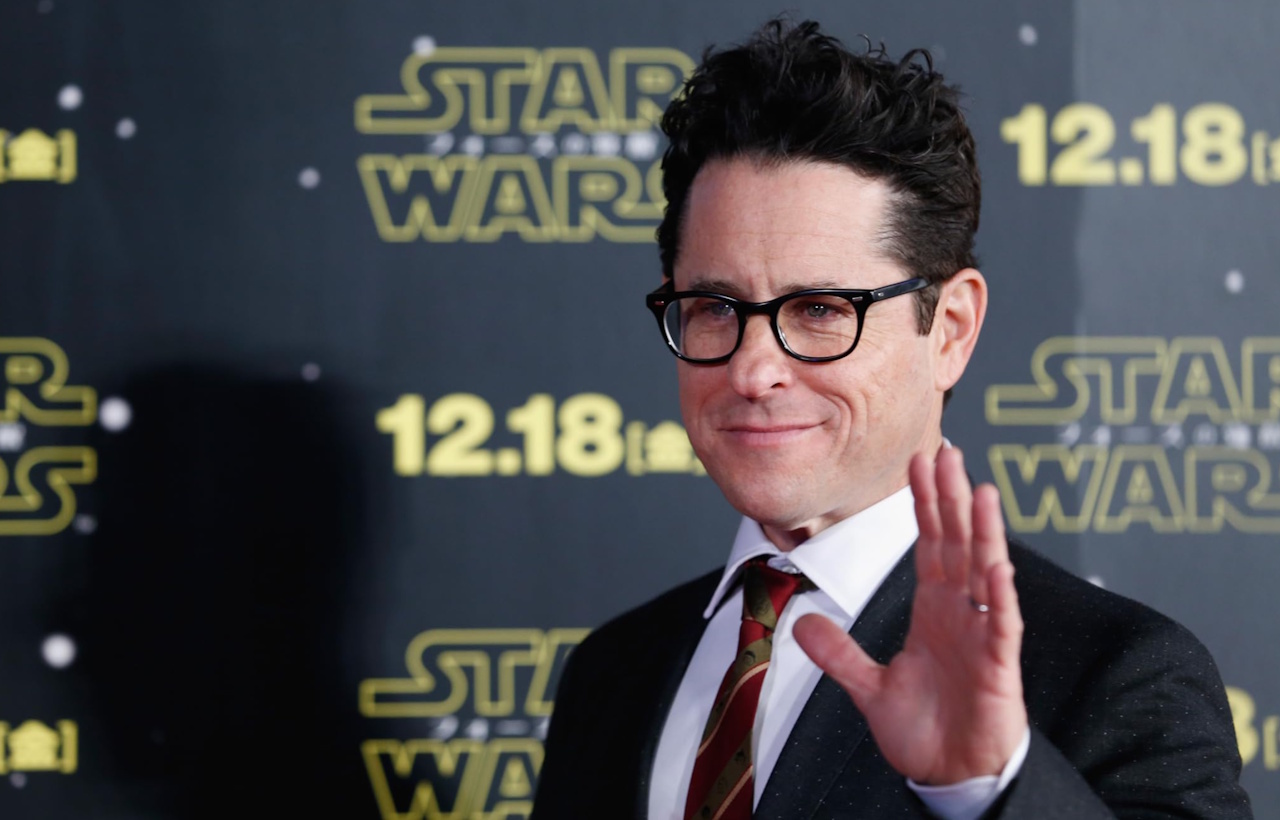
(When) Will Marvel reset the MCU?

Spoiler Warning: There are spoilers ahead for multiple films and television series in the Marvel Cinematic Universe, including Avengers Endgame and The Falcon and the Winter Soldier.

As I was watching The Falcon and the Winter Soldier recently, I got thinking. The Marvel Cinematic Universe (or “MCU” for short) has been running since Iron Man kicked things off in 2008, meaning it’s been in continuous production for more than thirteen years at time of writing. There have been 23 mainline Marvel films released in that time, as well as more than 380 episodes of television across 13 different shows, totalling several hundred hours of viewing. All of this is complicated, and as I’ve said previously, keeping up with Marvel can feel like a full-time job!

None of that means that a franchise needs to go through a reboot, though. Star Trek is going strong after more than half a century and 800+ episodes of television, and aside from the three films in the Kelvin timeline there hasn’t been a resetting of Star Trek; all of its shows and films coexist happily in one setting. But Marvel is arguably different.

2008’s Iron Man kicked off the Marvel Cinematic Universe.

One of the key elements of the MCU’s setting is that the superheroes and supervillains we meet all inhabit the real world right alongside us. This version of Earth is very similar to our own, but it’s one in which superpowers exist. The early films in the MCU depicted the way in which ordinary people came to terms with this idea, and how government agencies and others sought initially to keep things under wraps.

But now that’s all changed, and Marvel’s superheroes are known figures – almost celebrities – in their world. That change may not seem like a big deal, but what it does is chip away at one of the world’s foundational ideas: that superheroes could be among us right now and we just don’t know it. As Marvel’s world has changed and undergone progressively more massive events – culminating, at least thus far, in Thanos’ snap and the resultant disappearance and reappearance of half the world’s population – its original premise of being “the real world plus superheroes” has disappeared.

Sam Wilson (The Falcon) was recognised by members of the public in The Falcon and the Winter Soldier.

Attempts to recreate that are going to be met with challenges that weren’t present in earlier iterations of the MCU. And to be fair to Marvel, thus far the franchise has set the bar when it comes to creating a persistent, connected world. But that world is as much a constraint at this point as it is a highlight, because every story going forward as the MCU enters “Phase Four” has to be able to fit in with the very different world that was created by the events of Infinity War and Endgame.

We saw this as the underlying premise for the main storyline in The Falcon and the Winter Soldier. And in that series it worked well, building on the idea that the changes that happened were popular with some people and unpopular with others, as well as showing us glimpses at a world trying to figure out how to get back to “normal” – or what “normal” even means after such life-changing events. That concept can be explored in more detail and will undoubtedly be interesting – but it isn’t what attracted so many fans to the franchise to begin with.

The Falcon and the Winter Soldier showed us the first real look at a post-Endgame world.

As the next part of the MCU’s story builds on the events of the last few years, I have two concerns. The first one is that storylines will become convoluted, with any new film or show almost drowning in backstory and lore to the point of being offputting or even incomprehensible for anyone other than a fully up-to-date Marvel superfan.

Secondly, the MCU has to contend with the fact that Avengers Endgame felt like the end of a story. Several principal characters were killed off, and after the events of Infinity War brought the Marvel world to a crushing defeat, Endgame came along and saw the heroes save the day. They made it to their “happily ever after” – and figuring out what comes next is always a major challenge. Following up a monumental story like Endgame risks feeling anticlimactic and small, or worse, repetitive.

Endgame felt like the end of a story.

Having cheered on the Avengers as they saved the universe from Thanos, will fans show up in such numbers for the next supervillain who threatens all life? Endgame was, briefly, the highest-grossing film of all time. Maybe Marvel peaked?

All of this leads me to the crux of this argument: comic books often reset their characters and storylines. After a while, when writers feel they’ve taken the characters and stories as far as they can, or when stories are played out or too convoluted to continue, comic book companies have historically had no problem at all stepping in and just resetting everything. In DC comics – Marvel’s main competitor – the Crisis on Infinite Earths storyline in the mid-1980s effectively erased the backstories and past adventures of many superheroes, streamlining the convoluted DC universe into a much simpler form that continues to this day.

Crisis on Infinite Earths was a DC crossover event that reset the storylines of many DC superheroes.

As the Marvel Cinematic Universe rumbles on, getting more complicated and further away from the real world with each iteration, it makes jumping on board for new fans difficult, and it makes keeping up with every project feel like a full-time job; miss the latest show or a couple of films, and suddenly it’s hard to figure out who’s who and what’s what. That’s combined with the fact that some stories are going to feel small or even anticlimactic when compared to the likes of Infinity War and Endgame.

Not long ago I took a look at a number of television shows that ran too long. Shows like Supernatural, Lost, and The Walking Dead were great at first, but after they peaked they stumbled through a period of decline, failing to live up to past successes. I don’t know if Infinity War and Endgame represent the peak of the Marvel Cinematic Universe – the best may still be to come. But sooner or later the franchise will hit that peak, and when it does, it seems inevitable to me that a comic book-style reset is on the cards.

The Walking Dead, like many other television shows, peaked. It then entered a period of decline.

The MCU wouldn’t necessarily go back to the drawing board and remake past films. The legacy of characters like Iron Man, Captain America, and the Hulk could pass to new iterations of those characters with new actors taking on lead roles in stories inspired by earlier films, but remaining distinct from them. New backstories could be created, perhaps based on different versions of the superheroes from other editions of their comic books. Marvel has decades of history to draw on, and many superheroes have very different origin stories and personalities than the versions we’ve seen on screen in the last few years.

We’re undoubtedly going to be seeing Marvel and some version of the MCU remain a powerhouse for parent company Disney and the Disney+ streaming service for many years to come – perhaps even decades. I’m not suggesting for a moment that Marvel is simply going to pack up and disappear; there’s too much money on the table for Disney to allow that to happen! But as the MCU continues to expand, taking different characters in different directions, sooner or later that sense of it being convoluted is going to begin to bite.

Marvel Studios will continue to churn out new films and television shows.

I find this to be the case with Star Trek, at least to some extent. When talking to a friend or colleague about Star Trek, if they’re unfamiliar with the franchise it can be hard to know where to start. 800+ episodes and more than five decades of history and lore is intimidating to the point of being offputting, and for some people, simply getting started with Star Trek feels impossible without a guide. New and different iterations of the franchise – like Lower Decks as an animated comedy, or the upcoming Prodigy as a kid-friendly show – can be helpful jumping-on points for newbies, but even then I know the sheer size and scale of Star Trek, as well as its reputation, can be enough to put people off.

Marvel isn’t at that point yet, but it’s getting close. When I was talking to my brother-in-law, who’s a huge Marvel fan, about Infinity War, he recommended that I watch several other films first so that I’d “understand what was going on” better. This sentiment, while well-intentioned by someone who genuinely cared about me getting the most out of a film he liked, can actually have the opposite effect. Marvel is already becoming complicated – too complicated for some casual viewers to drop in and out of comfortably.

A trio of secondary characters in Avengers Infinity War.

Perhaps Disney and Marvel executives feel that, given the size of the MCU’s fandom, they can afford to put off casual viewers. If the fanbase is signing up for Disney+ and buying Marvel merchandise in droves right now, what’s the harm in continuing to make every series and film inextricably tied together? That attitude, if indeed it is prevalent over at Disney, is short-sighted in the extreme.

Any franchise taking such an approach will find its growth stunted, and when existing fans slowly but surely drop out, there won’t be many people lined up to replace them. That’s the danger in trading solely on nostalgia, too – eventually your existing fans either switch off or die off, and if there are fewer people jumping on than there are jumping off, the franchise will sputter and eventually fail. Marvel is undoubtedly a long, long way away from that right now, but every twist and turn in the MCU saga, and every would-be new fan dissuaded from getting started with a convoluted and complicated franchise is a problem for the comic powerhouse.

Does Endgame – briefly the highest-grossing film of all time – represent the peak of Marvel’s success?

Different franchises handle expansion in different ways. In Star Trek, for example, while there can be benefit to be gained from wider knowledge of other iterations of the franchise, for the most part, each television and film series is self-contained. It’s quite possible to be a fan of Deep Space Nine without ever seeing an episode of The Original Series, The Next Generation, or Voyager; a viewer in that position has lost practically nothing, understands basically everything going on, and while they’re missing some background about certain factions and some of early Star Trek history, all of that is explained within the show itself. The same applies to modern Star Trek productions – perhaps with the exception of Picard.

Marvel stands in contrast to that. Every film and show connects in a nakedly obvious way to every other film and show. Characters, factions, themes, and whole storylines cross over from one part of the franchise to another, and while it’s perfectly possible right now to sit down and watch just one or two films or one television show, a viewer who does so is clearly missing out. The Falcon and the Winter Soldier tried to mitigate this as best it could, but even so there’s no denying that a fan who’s seen every Marvel project will have got more out of it than someone who hasn’t.

In contrast to the way the MCU works, a Star Trek fan can watch just one series in the franchise without missing out on too much or getting lost with themes and stories that cross over.

The Marvel Cinematic Universe is one big, interconnected world. That is its strength, as we’ve seen Marvel films bring in audience numbers and a level of financial success that are quite literally unprecedented, as well as facilitating the transformation of comic book superheroes from nerdy niche to mainstream blockbusters. But that interconnectedness may yet prove to be a weakness, too, if more and more viewers find that new iterations of the MCU are too dense and require too much prior knowledge to properly enjoy.

Based on all of that, it seems inevitable to me that Disney and Marvel will eventually hit the reset button. Whether it happens in five years or fifteen, I think there will eventually be a resetting of the Marvel Cinematic Universe. How it will work, and whether it will revitalise the franchise and propel it to further success in future are all open questions, and we won’t know for sure until it happens. Watch this space!

All titles mentioned above are the copyright of their respective broadcaster, distributor, production company, etc. The Marvel brand – including the Marvel Cinematic Universe, Avengers Endgame, The Falcon and the Winter Soldier, and all other titles mentioned above – is the copyright of The Walt Disney Company. This article contains the thoughts and opinions of one person only and is not intended to cause any offence.
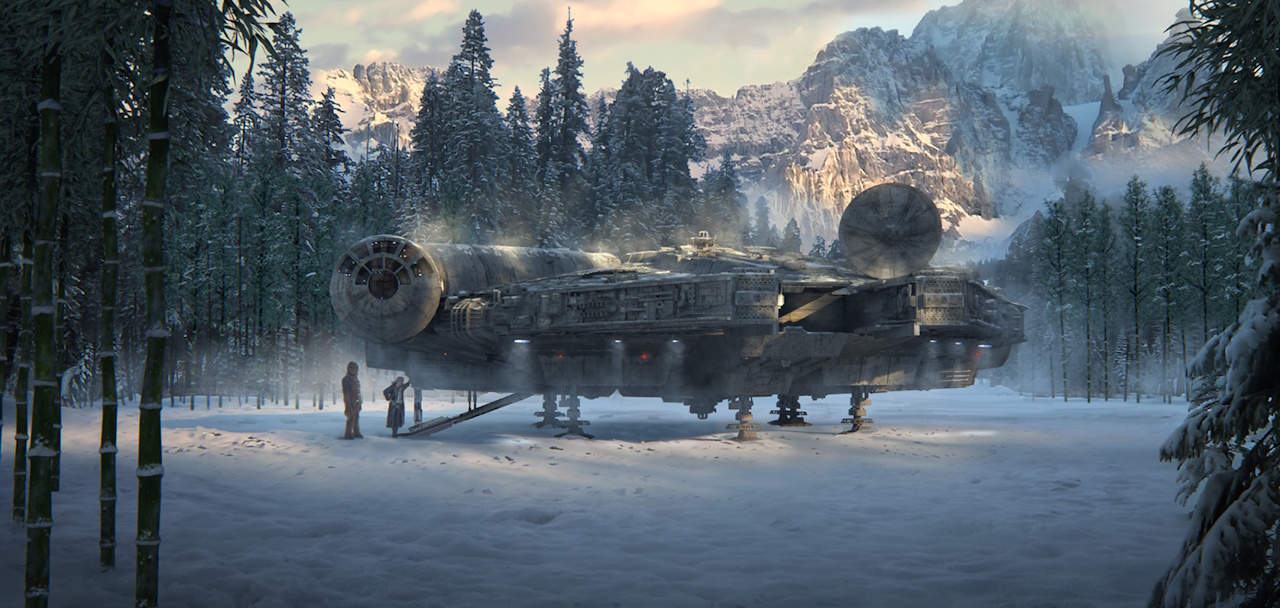
Electronic Arts seemingly loses its exclusive rights to Star Wars

For almost a decade following Disney’s acquisition of LucasFilm, only one company has been able to make Star Wars video games: Electronic Arts. A deal between Disney and EA gave them exclusive rights to the Star Wars license, and in the years since there have been four mainline Star Wars games, one Lego tie-in, one VR game, and a handful of mobile titles.

Both 2015’s Battlefront and of course 2017’s Battlefront II proved controversial and divisive; the former being disappointingly threadbare and the latter for its aggressive in-game monetisation. 2019 saw Jedi: Fallen Order, which I played through last year and was a fun title, and finally 2020 saw Star Wars: Squadrons, which I’ve also been enjoying. However, four games in nine years is perhaps less than many fans were expecting, especially with two of them having serious issues.

2015’s Battlefront was disappointing to many fans.

Calls for Electronic Arts to be “stripped” of the Star Wars license began after Battlefront’s release in 2015, but reached fever pitch in the weeks after Battlefront II’s launch. There was even a petition that hundreds of thousands of folks signed to ask Disney to revoke EA’s exclusive arrangement. That went nowhere, of course – fan petitions never achieve anything – but is indicative of the strong feelings over EA holding the rights.

The well-received Jedi: Fallen Order and Squadrons, combined with updates and patches which greatly improved Battlefront II, led to a cooling-off period, and as of early 2021 cries for the Disney-EA deal to be somehow undone had largely abated. It was a surprise, then, when LucasFilm announced a new Star Wars game… published not by EA but by Ubisoft!

“A surprise, to be sure, but a welcome one.”

Ubisoft has been honing its style of open-world games for years, with franchises like Assassin’s Creed, Far Cry, and Watch Dogs. It seems, from the teaser announcement made yesterday, that the new title will be an open-world game in a similar style, though no mention has yet been made whether it will be a single-player title like those in Ubisoft’s other open-world series, or a multiplayer “live service.” From my point of view I’m hoping for the former!

The game itself may be several years away, though Star Wars does have a recent track record of announcing games closer to release – that’s what happened with Squadrons last year, for example. No release window has been suggested as yet, and in fact we know precious little about the game itself beyond the publisher responsible.

Star Wars: Squadrons.

The upcoming game is just one part of this story, though. Most industry watchers agreed that Electronic Arts had a couple of years remaining on their deal with Disney, which raises the question of how and why this Ubisoft game has been able to enter development. It’s possible that the original contract was incorrectly reported, in which case it may simply have run its course. Or there may have been clauses regarding a number of titles, profit made, etc. that Electronic Arts didn’t live up to, allowing Disney to open up Star Wars to other companies. We don’t know the details – and unless someone senior breaks ranks to tell us, we likely never will!

Exclusivity arrangements can be difficult, and the Disney-EA deal over Star Wars is pretty much a textbook example of why. An exclusive contract like the one Disney offered EA effectively gives that company a monopoly over the license, and anyone who knows anything about basic economics can tell you why monopolies are a bad idea in practically every industry.

No, not that kind of Star Wars monopoly…

Having a monopoly meant there was no threat of competition, and this allowed EA to sit on the Star Wars license, cancelling titles that senior executives didn’t think would bring in “recurring user spending” and not feeling under any real pressure to develop or release anything. They could afford to be complacent because no one else was contractually allowed to even pitch a concept for a Star Wars title.

This attitude was changed when Electronic Arts saw the scale of the backlash to Battlefront II. The effects of that debacle are still being felt, and the game opened the eyes of parents, journalists, and even politicians to the shady practice of in-game gambling. But we’re off-topic. Too late, EA shifted focus away from cash-grabs, putting out the single-player Jedi: Fallen Order and following up with the space-sim Squadrons.

2017’s Battlefront II controversy may have triggered a change in thinking at EA – and at Disney.

Fans had been clamouring for a single-player story-driven Star Wars game for years, and while Battlefront II had a creditable single-player campaign, it wasn’t until Jedi: Fallen Order’s release in November 2019 that the single-player itch was truly scratched for most fans. By then the damage had been done for Electronic Arts, though, and their earlier complacency and attempts to swindle players with truly awful monetisation came back to bite them.

Though Electronic Arts will continue to work on Star Wars titles – most significantly the upcoming sequel to Jedi: Fallen Order – they will no longer be the only company Disney trusts with their incredibly expensive, incredibly lucrative license. The Ubisoft game may be the first of several upcoming Star Wars projects to be taken on by other companies, and hopefully what results will be a broader range of genres and styles of game.

Protagonist Cal Kestis in Jedi: Fallen Order.

In December 2020, LucasFilm announced half a dozen or so upcoming Star Wars films and television shows. There will be a lot of Star Wars content to come over the next few years at least, and while not all of the shows and films will be suitable for a video game adaptation, some may be. Disney and LucasFilm need to ensure they have access to the broadest possible range of talents in the video game industry if they hope to make the most of Star Wars.

I wasn’t especially excited by the film and television announcements made last month, to put it politely. Too many of them seem to be spin-offs, prequels, and deep dives into uninteresting side-characters rather than expanding Star Wars beyond its original incarnation. But even so, several of these projects seem ripe for video game tie-ins, and the end of the Skywalker Saga of films coupled with this expansion into new films and television projects may have been a contributing factor to Disney ending or not renewing its exclusive arrangement with EA.

Could a game based on the upcoming series Rangers of the New Republic be in the works?

For my two cents, I see the ending of this kind of exclusivity deal as a good thing. Monopolies are problematic for consumers for precisely the reasons the Disney-EA arrangement shows, and in future it could even be used as a case study for why these kinds of deals are a bad idea. Opening up Star Wars games to other companies allows for different points of view, competition, and hopefully what will result at the end of the day will be better games. Not necessarily more games. But better ones.

It is worth noting that Ubisoft is a company that hasn’t exactly escaped controversy recently. There have been serious problems within the company, including sexual harassment accusations against senior executives, and the accusation that the company itself tried to cover this up and cover for abusers. Company culture and institutional problems count against Ubisoft, and while Star Wars fans are rightly excited to learn that the franchise will be moving away from the EA exclusivity deal, it’s worth noting that Ubisoft has issues – and Disney should also be aware of this. The last thing the Star Wars brand needs right now is further controversy, yet a team-up with Ubisoft risks precisely that.

So that’s it. The end to Electronic Arts’ monopoly over the Star Wars license. Now if only someone would make a Star Trek video game…

The Star Wars franchise – including all titles mentioned above – is the copyright of Disney and LucasFilm. Star Wars: Battlefront, Star Wars: Battlefront II, Star Wars Jedi: Fallen Order, and Star Wars: Squadrons were published by Electronic Arts. Some screenshots and promo art courtesy of IGDB. This article contains the thoughts and opinions of one person only and is not intended to cause any offence.
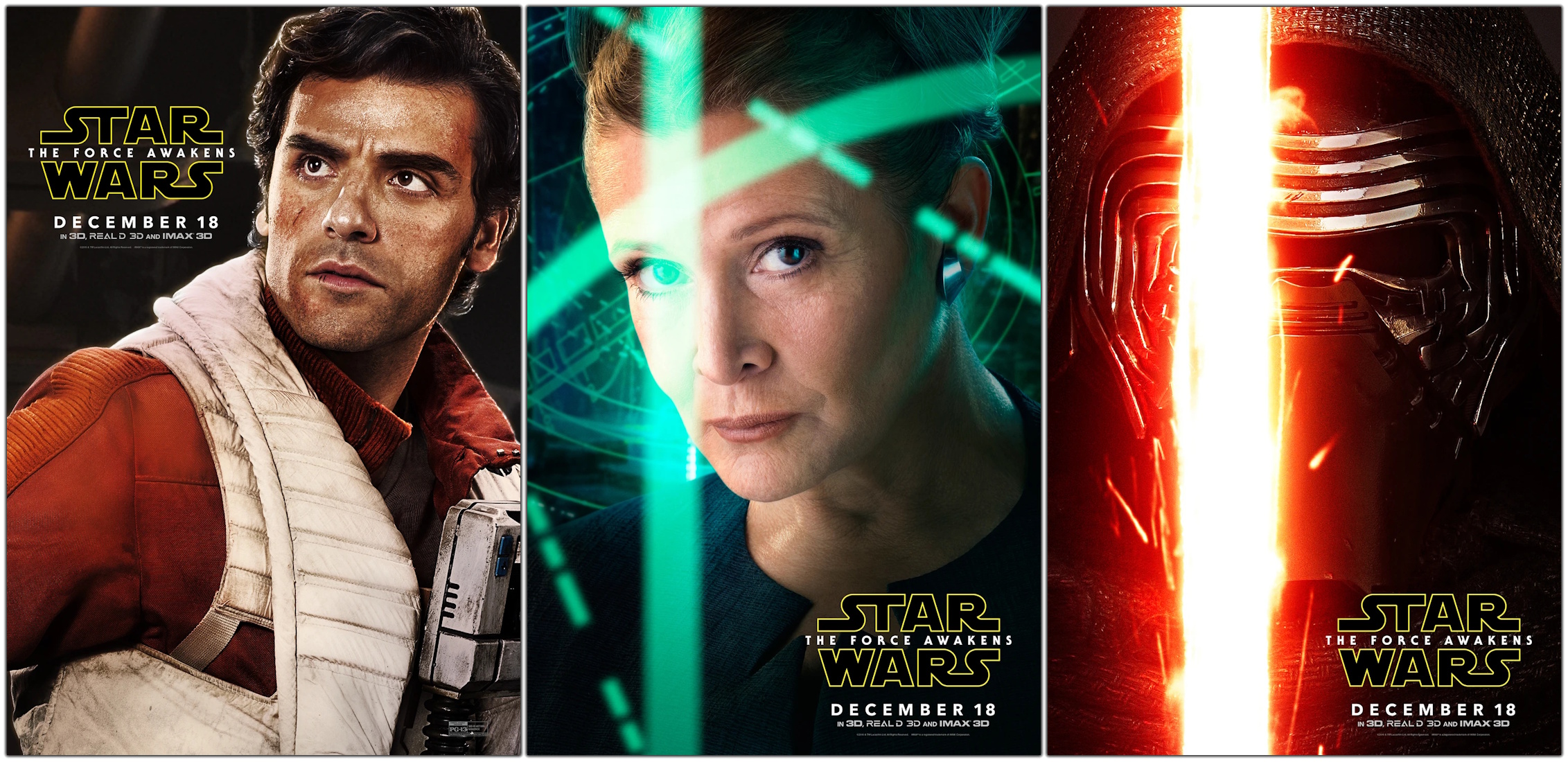
Will the Avatar sequels improve the franchise’s standing?

Spoiler Warning: There are spoilers ahead for Avatar.

James Cameron’s 2009 sci-fi film Avatar never really managed to break into pop culture in quite the way he hoped. It was a huge financial success – in part because folks were curious to see what this new project was all about – but it never really became a top-tier entertainment brand in the way Star Wars or Harry Potter did. In 1977, Star Wars became a phenomenon, and in the years afterwards the film was constantly on fans’ minds. The Empire Strikes Back cemented its place at the pinnacle of the sci-fi genre… even if Return of the Jedi perhaps tarnished its halo a little!

Avatar just isn’t on that level. There was a lot of hype leading up to its release, with a decent (if rather boastful) marketing campaign spearheading 20th Century Fox’s efforts to push Avatar as the “next big thing.” But for a lot of moviegoers, the film was just okay. It wasn’t bad; it was a solid, enjoyable summer blockbuster that went toe-to-toe with the best pictures of 2009 – including the rebooted Star Trek! But after leaving the cinema, I never really got the sense that fans were clamouring for more in the way Trekkies, Potter-heads, and Star Wars fans are for their respective franchises.

Avatar was a successful film – but can it become a successful franchise?

The creation of Pandora – The World of Avatar at Walt Disney World in Florida is a great demonstration of this. The new land attracted attention when it was built, and for months after it opened its rides were queuing out the door! But that happens for almost any new Disney attraction, and when compared to the opening of Star Wars: Galaxy’s Edge in 2019, it pales in comparison. There was huge excitement to be transported to a galaxy far, far away. There was curious interest in Pandora… but that was all.

None of this is to say Avatar was bad. It wasn’t at all, and I thoroughly enjoyed it when I first saw it. But I was never desperate to re-watch it, and my latest revisit to the 2009 film – which may be the third or fourth time I’ve seen it – was prompted by nothing more than boredom. But it also led to this article, so at least I got something out of it!

Pandora – The World of Avatar at Walt Disney World.

This is a much broader point that ties into another piece I’ve been writing, but the difference between a good one-off story and a good story that becomes a larger franchise is world-building. Any film, television show, book, or even video game that hopes to be “the next Star Wars” needs to put time and effort into creating a world that fans want to explore. Star Wars and Star Trek did so, and they did so by showing fans a relatively small piece of what felt like a huge picture. The galaxies depicted in Star Wars and Star Trek are so much bigger than the few characters we met in their original incarnations; it feels like there’s much more to see beyond what was depicted on screen.

Avatar – and a lot of other wannabe-franchises too – doesn’t have that, at least not yet. Partly that’s because the film doesn’t hint at anything more than what we see – Earth, Pandora… and that’s it. And on Pandora there’s one major human outpost. There are starships flying back and forth, and the glimpses we got of Earth had a futuristic vibe, but the world Avatar created doesn’t feel as though it extends beyond the places we see. There’s no other planets that we could imagine humans or Na’vi colonising one day. There’s no fleets of starships on missions of exploration or fighting battles; the few ships we see just fly between Earth and Pandora.

A starship seen in Avatar.

Pandora itself is absolutely beautiful; a location painstakingly created. And the Na’vi are more than just a simple analogue for Native Americans or other indigenous peoples; Cameron and his team went to great lengths to craft Na’vi culture, even going so far as to write a fully-formed Na’vi language. Those efforts may yet pay off, but they don’t seem to have thus far. Because as interesting as the Na’vi are – and they are undeniably interesting – they’re all there is. One tribe of Na’vi and one human settlement on Pandora, and… what? Nothing else, as far as the film showed us.

There’s a sense of scale missing from Avatar, and its world-building, while wonderfully done, is small. There’s nothing wrong with focusing on one aspect of a story and a few characters – in the first film in a series that kind of needs to happen! But if the aim is to create a series with franchise potential, something to hook fans in and get our imaginations running, that sense of scale and the idea of a greater world beyond what we see on screen is essential. It’s the single most important element in building a larger story – and Avatar didn’t get it right.

So on to the question I posed at in the title of this article: can the planned sequels – of which there are four – improve the franchise’s standing? Can they spin out what was a decent one-off sci-fi blockbuster into something more? Can Avatar make the jump and become “the next Star Wars?”

Two Na’vi seen in concept art for the Avatar sequel series.

The length of time between Avatar and its sequels may be an issue. By the time Avatar 2 hits cinemas in December 2022 – assuming it meets its planned release date – thirteen years will have passed since the first title. Given the general apathy and lack of interest in Avatar this long after its premiere, the first part of this sequel series will have to spend at least some of its runtime refreshing audiences on what happened in the first film and what the setting is. When I sat down to re-watch Avatar earlier, I had only a vague recollection of the film, and I daresay a lot of folks will be in the same position.

When The Empire Strikes Back came out, it had been only three years since Star Wars had been in cinemas. And while Star Trek: The Motion Picture was released a decade after The Original Series ended, the only reason the film was made was because there was a growing fanbase who had watched the show when it was rebroadcast and those fans were clamouring for more. Is anyone clamouring for Avatar 2?

A scene on Pandora from concept art.

Avatar was a welcome addition to the sci-fi genre. Especially as the last decade has been dominated by reboots, adaptations, remakes, and sequels, it was a welcome breath of fresh air, and despite what I’ve said about its world feeling small, there is potential for it to be expanded upon. To say that the Avatar series can never be more than it already is would be ridiculous – there’s only been one film so far, and it was decent. It didn’t blow up the genre or redefine what a film could be in the way its pre-release marketing seemed to suggest, but it was good. I don’t dislike Avatar.

The sequels do have a pretty big job to do, though. The storyline of Avatar was exciting, but it was hardly original. Comparisons have been made to Dances with Wolves and even Disney’s Pocahontas, and while I don’t think it’s fair to call it derivative, it wasn’t a unique narrative by any means. That point of criticism will have to be addressed, and the sequels will have to try harder to be different from a story perspective if they’re to achieve the heights the films are aiming for.

Na’vi fly atop their banshees in more concept art.

The beautiful world-building that worked so well for Pandora and the Na’vi needs to be expanded upon. Perhaps we could see different Na’vi tribes and civilisations on Pandora, or better yet, expand the scope of the setting out into space. Are there other moons or planets in the Pandora system, perhaps? Or is there another human settlement on some nearby world? These are just a couple of ideas for how the Avatar series can build on the successes of the first film to be bigger – to achieve that sense of scale which the best and most successful franchises have.

Avatar was also a film which had contemporary real-world analogies. I noted influences of at least two of America’s recent wars in the depiction of the Marines, scientists, and Na’vi – Vietnam and Iraq. The dense rainforests of Pandora, and the way Jake and others had trouble navigating them, were the film’s answer to the jungles of Vietnam. And references to winning “the hearts and minds” of the locals was a phrase we heard often in relation to the Iraq war during the 2000s – which is when Avatar was in development. The latter of those themes is arguably less relevant in 2021 than it was in 2009, and Avatar 2 will need to adapt to changing times.

Night time on Pandora in this final piece of concept art.

One improvement we’re sure to see is in CGI and digital animation. Avatar was released at a time when CGI was improving – and was far better than it had been even five or ten years earlier – but there are still some aspects of its visual style that haven’t aged especially well. Some textures have that “too shiny” look that plagued cinematic CGI in the 2000s, and while viewing the film on a cinema or IMAX projector screen dulled the impact of some of that, on a television set in 2021 it’s something you notice. I wouldn’t say Avatar looks dated – but it’s right on the cusp. A film that relies so heavily on computer animation – many of Avatar’s sequences are basically fully-animated – is always going to run that risk, and while it has aged more gracefully than, for example, the Star Wars prequel trilogy, there are still noticeable places where the animation isn’t up to code.

There have been improvements in computer animation since 2009, which should mean Avatar 2 and the rest of the sequel series will be far more visually interesting. Pandora was already beautiful, but if that beauty could be expanded upon I think the sequels could really be something special. Some fans tend to turn up their noses at visuals, but if you think about it, a distinct visual style is another absolutely crucial element to a franchise. Star Trek has combadges, ships with saucer sections, Klingons, and the transporter. Star Wars has white-armoured Stormtroopers, lightsabers, Jabba the Hutt, and X-wings. Avatar introduced us to the blue-skinned Na’vi, but none of its technology, characters, costumes, or locations have become iconic in the same way as the other franchises we’ve mentioned. Part of that is down to the quality of the CGI, but partly it’s the film’s own art style. Avatar 2 could introduce a new design for a starship, character, or even just a costume that will go on to be emblematic of the series – in the way that Boba Fett became a symbol of Star Wars after his debut in The Empire Strikes Back, for example.

So yes, there’s work to do to expand on Pandora and the world Avatar created in 2009. But I’m really interested to see where Avatar 2 will take the story after the conclusion of the first film, and what the other films in the planned sequel series have in store. James Cameron is an amazing director, and having put so much work and effort into the Avatar series, I really hope it will see the kind of success he’s looking for. There’s always room for more sci-fi franchises!

Avatar is out now on Blu-ray and DVD, and may be streamed on Disney+ in the United States, United Kingdom, and other countries and territories. Avatar is the copyright of 20th Century Fox and the Walt Disney Company. Avatar 2 is due for release in December 2022. Logo and official promotional artwork courtesy of avatar.com. Stock photos courtesy of Unsplash. This article contains the thoughts and opinions of one person only and is not intended to cause any offence.
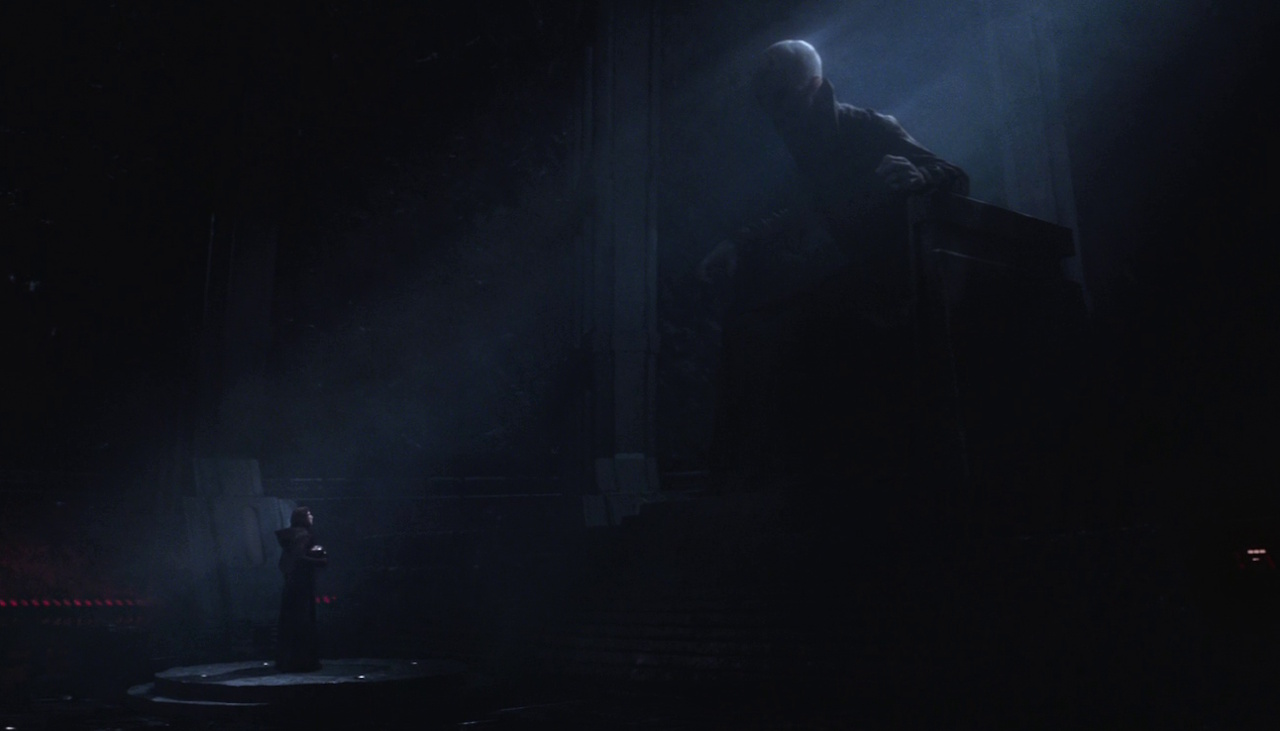
End-of-Year Awards 2020

Spoiler Warning: There are spoilers ahead for some of the films, games, and television shows listed below.

Welcome to my first annual End-of-Year Awards! These are the best (and worst) entertainment events of the year – in my subjective opinion! Rather than writing a top ten list (like I did last year to mark the end of the decade) I’m instead choosing a few categories and awarding my picks for the best entertainment experiences of the year.

I’m including a few titles from the tail end of 2019 on this list simply because many people will have only got around to watching or playing them this year. These decisions are always difficult and I often feel that – because people put these lists together weeks or months before the end of the year – titles released in December tend to miss out. As such you’ll find a few titles from the final few weeks of 2019 being given an award – and perhaps next year there may be a title or two from the end of 2020 featured!

Most categories will have a runner-up and a winner; a few only have one, and in those cases that title wins by default.

A note about exclusions: if I haven’t seen or played a title for myself, for reasons that I hope are obvious it can’t be included. I’m only one person, and I don’t have every moment of the day to dedicate to entertainment. As such, some titles others may consider to be “massive releases” for 2020 aren’t going to be given an award. In the gaming realm, this also applies to titles that I haven’t completed. The exclusion from these awards of titles like Ghost of Tsushima and Tenet isn’t to say they aren’t good; they may be – but I have no experience with them so I’m unable to comment at this time.

With all of that out of the way let’s jump into the awards! If you like, you can try to imagine a fancy stage and some celebrity presenter handing out statuettes. That may or may not be what I’m doing as I write!

Web Series:

Nowadays many of us get at least a portion of our entertainment away from big-budget productions on websites and apps like YouTube. There are a number of top-tier YouTube shows that may have started off as typical amateur productions, but have since become far more professional. As better cameras and microphones become readily available, even low-budget YouTube productions can offer impressive audio and visuals.

Personally I watch a video or two on YouTube most days, and there are a number of channels which have produced top-quality entertainment this year. When the pandemic hit, many YouTube shows were able to keep going despite the chaos engulfing the wider entertainment industry. They had the means and the technology to do so, and that’s fantastic.

🥈Runner-up🥈
Linus Tech Tips

Linus Tech Tips is one of the first YouTube channels I began watching regularly, having stumbled upon it when looking for PC building tips a few years ago. Though some of what they do is complete overkill (what YouTube channel needs $20,000 cameras?) they have a lot of fun while doing it. Linus Tech Tips explores the high-end and cutting-edge of computers, cameras, and other technologies, and the presenters manage to make it entertaining.

The channel has continued its steady growth and now boasts a number of regular presenters in addition to the titular Linus, most of whom specialise in particular topics. There are also several other channels produced by the same team, including TechQuickie, Short Circuit, and TechLinked. The combined output of the main channel plus its subsidiaries means there’s at least one new video per day, which is great. Even less-interesting topics can be made fun when presented well, and the team at Linus Tech Tips manage to be interesting and entertaining every time.

🏆Winner🏆
SORTEDfood

I love a good cooking show. Not only can they be entertaining but also very relaxing. SORTEDfood has a usual output of two videos per week, and while in recent years they’ve stepped away from purely doing recipes and into things like kitchen gadget reviews, everything is food-themed and the enthusiasm that the five presenters have is infectious. During the coronavirus pandemic, London (where the show is recorded) was in lockdown. Despite that, the team found creative ways to get around it, and even incorporated it into their videos. In addition to recipes there were helpful things like reviews of food delivery services, which at the height of lockdown here in the UK was actually really useful. I was able to use a couple of the services they recommended to send gifts to people I couldn’t see in person; gift ideas I would never have had were it not for SORTEDfood.

Their pandemic programming was good, but when lockdown was lifted it was nice for the team to come back together and get back to their regular output. I’m a huge fan of their “ultimate battles” in particular, which pit the presenters head-to-head to create the best dish. The “pass it on” series, where all five take turns to create a single dish, is also fantastic – and often very funny. SORTEDfood manages to be both informative and entertaining, and their output during lockdown was phenomenal and undoubtedly helped many viewers during a difficult time. For all of those reaons, I’m crowing SORTEDfood the best web series of the year.

Documentaries:

I’m setting aside a whole category for documentaries because I’m a big fan. There have been some great ones in 2020, both standalone films and series. Netflix has surprised me over the last few years by growing to become a huge player in the documentary genre, funding many productions – including some Academy Award nominees. Disney+ joined the streaming wars late last year – or in March this year if you’re in the UK – and has also brought some fascinating pieces of documentary content to the small screen. It’s a great time for documentaries at the moment!

🥈Runner-up🥈
We Need To Talk About A.I.

This documentary was fascinating, if perhaps somewhat alarmist. Looking at the possible creation of general artificial intelligence, and the potential for such an AI to surpass humanity, it was a truly interesting peek behind the curtain at what researchers are doing on the cutting-edge of AI research. The documentary was presented by Keir Dullea, famous for his role as Dave in 2001: A Space Odyssey. That film saw his character go up against an out-of-control AI, and Dullea brings a gravitas to the role of narrator as a result.

The film made reference to a number of sci-fi films which look at rogue AI, most significantly Terminator 2: Judgement Day, whose director James Cameron was interviewed. From my perspective as a Trekkie, having just seen Star Trek: Discovery Season 2 and Star Trek: Picard Season 1, which both look at the potential for out-of-control AIs, the documentary brought the world of fiction uncomfortably close to the world we inhabit today. While most of the interviewees offered a fairly bleak look at future AI, particularly in the military realm, others did paint a more positive picture. The biggest thing I took away from it, though, it how little consensus there is among researchers and scientists not only on whether AI is a good idea, but whether it’s even truly possible, or how long it will take.

The film is a fascinating, slightly unnerving watch.

🏆Winner🏆
The Imagineering Story

Though it isn’t a subject I’ve talked about often here on the website, I have a great fondness for Disney’s theme parks. It’s doubtful given my health that I’ll be able to go any time soon, but I have fond memories of visits to several parks with both family and groups of friends. Combine that love of Disney with my aforementioned love of documentaries and I got what was one of the most underrated yet fascinating entertainment experiences of the year!

Prior to the launch of Disney+ in the UK in March, there was already a Disney-branded streaming platform here. I wasn’t sure what kind of an upgrade to expect when the new service arrived – except for The Mandalorian there didn’t seem to be much new. The Imagineering Story was one of the few documentaries on Disney+ at launch, but it’s absolutely fascinating, detailing the behind-the-scenes work that went into building Disney’s various parks and themed lands.

The addition of some National Geographic documentaries to Disney+ over the last year or so has made the platform into a good home for the format, though I would like to see more films and series either added from Disney’s extensive back catalogue or better yet, commissioned exclusively for Disney+.

But we’re off-topic! The Imagineering Story was beautifully narrated by Angela Bassett, and as a series made by Disney itself was able to get the perspectives of many senior people who worked at the parks and on many of the projects it covered.

Video Games:

Despite the all the chaos and pandemonium in the world in 2020, many new games – and two new consoles – managed to make it to release. While it’s true that some titles have suffered delays, by far the majority of planned and scheduled releases made it, and that’s no small accomplishment!

As a new console generation gets ready for its centre-stage moment, it’s often been the case that we get a quieter-than-average year as companies shift their focus. Despite that, though, we’ve seen some pretty big titles in 2020, including a couple that will likely be heralded as “game of the generation” or even “game of the decade!” If I’m still alive and kicking in 2029, by the way, check back as I may have a thing or two to say about that!

Though it’s far too early to say which of the two newly-launched consoles will do best in the years to come, 2020 has given all of us some great gaming experiences… and some crap ones.

Worst Game:

Let’s start by getting the worst games out of the way. 2020 has seen some stinkers, including big-budget titles from successful developers and publishers. They really ought to know better.

🥈Runner-up🥈
Marvel’s Avengers

Marvel’s Avengers is the Anthem of 2020. Or the Fallout 76 of 2020. Or the Destiny 1 of 2020. Or the The Culling II of 2020. Pick any of those live service, broken-at-launch disasters, and that’s what Marvel’s Avengers is. The “release now, fix later” business model has condemned what could have been a popular and successful title to failure. But Marvel’s Avengers hasn’t even failed spectacularly enough to be forever etched in the annals of gaming history alongside titles like 1982’s E.T. Instead it’s slowly fading away, and in six months or a year’s time, nobody will even remember it existed.

Disney and Square Enix looked at a long list of crappy video game business ideas, including paid battle-passes, console-exclusive characters, corporate tie-ins with unrelated brands like phone providers and chewing gum makers, in-game currencies, and microtransactions for each of the six main characters individually. They then decided to put all of these into the game, robbing it of any soul or heart it could have had and turning it into a bland corporate cash-grab. As soon as I heard the company planned the game as a “multi-year experience,” the writing was on the wall. If, underneath all of the corporate nonsense, there had been a halfway decent game with fun gameplay, perhaps more players would have stuck it out. But, as usual with these types of games, there wasn’t. I’m not the world’s biggest Marvel fan. So I’m not horribly offended by this game in the way some folks undoubtedly are. But I can sympathise with them, because fans deserve better than this steaming pile of crap to which Disney and Square Enix have attempted to affix the Marvel logo.

🏆Winner🏆
The Last of Us Part II

The Last Of Us Part II’s cover-based stealth/action gameplay is fine. Though better than the first game, I didn’t feel there was a colossal improvement in terms of gameplay – but that could be said about countless sequels over the last couple of console generations. Where The Last Of Us Part II fell down was its story. This was a game I was sceptical of from the beginning; the first title felt like lightning in a bottle, something that neither wanted nor required a follow-up. In 2020, though, practically every successful title ends up being spun out into a franchise.

With a theme of breaking the cycle of violence, The Last Of Us Part II considers itself “artistic” and clever. Unfortunately that theme led to a horribly unsatisfying narrative, with players not only forced to take on the role of the person who murdered Joel – the protagonist/anti-hero from the first title – but ends with Ellie letting her escape and refusing to take revenge. Had the same concept been part of a new game with new characters, it could have worked better. But crammed into this title it fell flat. I stuck with it out of stubbornness as a fan of the first title, but it was a profoundly unenjoyable ride, and that’s why The Last Of Us Part II is the worst game of 2020.

Best Casual Game:

How do we define a “casual” game? It’s a difficult one, and it’s one of those contentious topics where fans of a title who may have spent hundreds of hours in the game world will get upset at hearing their favourite game referred to as “casual.” When it came to choosing titles for this category, I looked at games that could be easily picked up for a short burst, then put down. Games that can be played for a few minutes and that have gameplay suited to that was one of the main criteria. Games in this category also had to be pick-up-and-play. Some casual games can indeed be hard to truly master, but for my money, any game to which we assign the “casual” title has to be accessible and easy to get started with.

So that was how I came to my shortlist. Now let’s look at the runner-up and winner… though if you’ve been a reader all year I doubt you’ll be too surprised!

🥈Runner-up🥈
Fall Guys

Fall Guys seemingly came out of nowhere in August. It wasn’t a title I’d heard of, let alone one I was looking forward to, but it turned out to be a lot of fun. Taking a format inspired by television game-shows like Gladiators or Total Wipeout, the basic gameplay consists of running a series of obstacle courses, looking to be the last one standing at the end to win a crown.

I’m not usually interested in online multiplayer titles, but Fall Guys was something so genuinely different that I was prepared to give it a go. And what I found was a game that was shockingly fun. Each round lasts barely a couple of minutes, meaning even if you don’t qualify it’s not a big deal. Just jump into the next game. Though there are microtransactions, at time of writing they aren’t intrusive and the game is quite generous with the in-game currency given out simply for playing. There are fun cosmetic items to dress up your adorable little jelly bean character in, and the whole game is cute and lots of fun. Though it did have a cheating problem for a while, the addition of anti-cheat software appears to have fixed things. I’m probably about done with Fall Guys as I move on to find new things to watch and play, but I had a wonderful time with it this summer and autumn.

🏆Winner🏆
Animal Crossing: New Horizons

With over 120 hours played, I’ve spent more time this year with Animal Crossing: New Horizons than with the next two games on my list put together. That’s no small accomplishment – even if my 120 hours seems paltry compared to the amount of time some players have put into this title. Time alone doesn’t make a title worthy of winning an award, though. Why Animal Crossing: New Horizons deserves the title is because practically all of those hours were enjoyable.

It’s true that the base game at launch was missing features from past entries in the series, notably 2013’s Animal Crossing: New Leaf. And I find that disappointing, even if updates have since improved the game. But despite the missing content, what the game did have was fantastic, and there really isn’t anything like New Horizons on the market. It’s cute wholesome fun, and the kind of game that can be played for even just a few minutes at a time. It doesn’t demand a huge commitment in the way some titles do – but if you get stuck into it, you’ll find yourself wanting to spend more and more time on your island.

Best Racing Game:

There’s only one game in this category this year, simply because the other racing games I’ve played in 2020 were released in previous years. I had a lot of fun with Forza Horizon 4 in particular, but as a 2018 title it can’t be included here for obvious reasons.

🏆Winner🏆
Hotshot Racing

Congratulations to Hotshot Racing for winning by default! Jokes aside, this game is a lot of fun. An unashamed arcade racer that makes no attempt at realism, it’s fast-paced, exciting, and ridiculous in equal measure! What attracted me to the game when it was released in September was its deliberately mid-90s aesthetic; a beautifully simple art style inspired by racing games of the Sega Saturn and PlayStation 1 era.

At a time when many games feel overpriced, the £15 I paid for Hotshot Racing actually feels cheap! For how much fun the game is, even when simply playing against the AI, it could arguably ask for a lot more money! Speaking of playing against the AI, that’s something Hotshot Racing encourages, and considering how many titles that supposedly offer a single-player mode still try to force players to go online, I appreciated that. In the mid-90s, some games could do four-player split-screen, but many titles were limited to just two players at the most, so racing against the AI was something all gamers had to do; that was just how those games were meant to be played!

As a visual throwback to games past, Hotshot Racing caught my eye. But there’s more to it than just the way it looks, and what’s under that cute retro skin is a genuinely fun arcade racer.

Best Star Wars Game:

It’s unusual for two games in a single franchise to release within a year of each other, but that’s what happened! There was even supposed to be a third Star Wars title this year – Lego Star Wars: The Skywalker Saga – but it was delayed until 2021.

🥈 Runner-up 🥈
Star Wars: Squadrons

Though Squadrons is less arcadey than classic starfighter titles like Rogue Squadron, it’s a remarkably fun game. If you’ve ever dreamed of being a pilot in a galaxy far, far away, this is about as close as you can get! Though I don’t play in VR, the option to use a VR headset – as well as to set up a proper HOTAS or other flight controller on PC – surely makes this the most immersive Star Wars experience out there. Even just with a control pad, though, Squadrons truly transports you to the cockpit of an X-Wing, TIE Fighter, or one of the game’s other starfighters.

The single-player campaign was fun, giving players the opportunity to fight on both sides of the war as the New Republic seeks to defeat the rump Empire – the game is set in the aftermath of Return of the Jedi. I’m not much of a multiplayer gamer, so the fact that there is an AI mode, allowing me to continue to have fun just playing against the computer, is fantastic. I had a truly enjoyable time with Star Wars: Squadrons, and I keep going back for more.

🏆Winner🏆
Star Wars Jedi: Fallen Order

Jedi: Fallen Order was released in November 2019, so including it on this list is a bit of a stretch, I admit. But I got to play it this year, and it was the first game where I fully documented my playthrough. Jedi: Fallen Order managed to feel like a cross between Knights of the Old Republic and the Uncharted series, with protagonist Cal taking on a quest to visit several ancient worlds in search of a Jedi Holocron.

There were twists and turns along the way, but the whole time I felt like I was taking part in a Star Was adventure all my own. After the disappointment of The Rise of Skywalker, playing through Jedi: Fallen Order convinced me that the Star Wars franchise was going to be okay, and that there were still new and original stories worth telling in this universe.

The gameplay was great too, with lots of exciting action and lightsabre-swinging as Cal took on the forces of the Empire. I won’t spoil the ending if you haven’t played it for yourself, but Jedi: Fallen Order was a wild and incredible ride, and one I heartily recommend.

Best Action or Adventure Game:

This category ended up with two first-person shooters, but I’m keeping the name the same! There were many great action, adventure, and first-person shooter titles released this year, and I didn’t have time to play all of them. Here are the two I enjoyed most.

🥈 Runner-up 🥈
Doom Eternal

The sequel to the wonderful 2016 reboot of Doom is just fantastic. Gone is the horror vibe that Doom 3 mistakenly introduced, and instead what you get is action and excitement – with some interesting platforming sections thrown in for good measure. There is a story, of course, but unlike many games I’m not really all that interested in it. I come to games like Doom Eternal to feel like a demon-killing badass, and that’s precisely what the game offers.

There was a lot of fun to be had in the days leading up to Doom Eternal’s launch, as it coincided with the launch of Animal Crossing: New Horizons. I greatly enjoyed the memes and artwork created by folks on the internet, depicting Doom Guy and characters from the Animal Crossing series together! All in all, this is just a fast-paced, fun shooter that doesn’t try to be anything more. It isn’t a jack-of-all-trades; it does one thing and does it to perfection.

🏆Winner🏆
Halo: The Master Chief Collection

Throughout 2020, developers 343 Industries have brought the Halo series to PC. Halo: Reach arrived late last year, and in the months since we’ve gotten every other title in the series – except for Halo 5! It had been a long time since I played Halo: Combat Evolved on the original Xbox, and I had a lot of fun rediscovering the series and enjoying it all over again. The updated graphics improved the experience in a lot of ways, but it was also fun (and innovative) to be able to switch between visual styles on the fly.

I hadn’t played either Halo 3: ODST or Halo 4, so I not only got to recreate my Halo experience from years past, but expand on it too. The setting the series uses is as unique and interesting as any sci-fi video game I’ve played, and I’m very curious to see what Halo Infinite can bring to the series when it’s eventually ready.

Television Shows:

There have been some wonderful television shows this year. While the pandemic led to the shutdown of cinemas and a delay in many films being released, a lot of television shows were able to press ahead – at least, those that had completed filming before the worst effects were felt. I hoped to include more categories, such as best miniseries, but time got away from me and I have a number of shows still on my list of things to watch!

Worst Television Series:

Luckily there’s only one in this category! If I’m not enjoying a television series I tend to just stop watching – unless there seems to be a real prospect of improvement. Likewise, if I feel something won’t be to my taste I’ll just skip it; life is too short, after all, for bad entertainment. That said, there are exceptions, and I found one in 2020.

🏆Winner🏆
Supernatural

Supernatural is the king of running too long – a crown it inherited from The Big Bang Theory! Fifteen years ago, when it debuted, there was a great premise as brothers Sam and Dean Winchester set out to hunt ghosts and monsters, all the while keeping an eye out for the demon that killed their mother and Sam’s girlfriend.

But by the time the show reached its third season, many of its ongoing storylines had concluded. The writers began reaching for new and different demons and creatures for Sam and Dean to tackle, and the quality dipped. By the time the show crossed over into the self-congratulatory fan-servicey mess it has been in recent seasons it had just become ridiculous; a parody of itself.

As the seasons dragged on, writers began pumping more and more Biblical themes into Supernatural, transforming its protagonists into invincible prophets anointed by God. An episode a few seasons back saw Sam and Dean cross over into a world where their adventures are a television show in what has to be one of the worst examples of fan-service I’ve ever seen.

Thankfully Supernatural has now wrapped up its final season. I tuned back in – against my better judgement – to see if the impending end of the series would make a difference to its quality. But it didn’t, and I stand by something I’ve been saying for years: many television shows have a natural lifespan. Supernatural had maybe three decent seasons, and should certainly have ended a long time ago.

Best Animated Series:

🥈 Runner-up 🥈
Rick & Morty

We got five episodes of Rick & Morty in 2020; the back half of Season 4, which had premiered last year. The show’s entire premise is wacky, sometimes over-the-top humour, and that doesn’t always stick the landing, especially when the creative team have been working on it for seven years already. So with that in mind, I consider four episodes out of five being decent to be a pretty good run.

When the show stopped flying under the radar and really hit the mainstream in 2017, there was a fear perhaps that the newfound popularity would lead to changes. But I don’t really think that’s happened, and I wouldn’t say that this year’s episodes were substantially different to those in past seasons. They weren’t necessarily any better, but certainly no worse.

There were some great jokes, some hilarious moments, and some weird and wonderful aliens as Rick and Morty (along with Summer, Jerry, and Beth) took off on their interdimensional adventures.

🏆Winner🏆
Star Trek: Lower Decks

It could hardly be anything else, right? Building on the success of both the Star Trek franchise and animated comedies like Rick and Morty, Star Trek: Lower Decks represented the franchise’s biggest attempt to try something new – and arguably its biggest risk – in a very long time. Despite the controversy surrounding Lower Decks’ lack of an international broadcast, judging the series on merit it was a very enjoyable ride.

There were plenty of laugh-out-loud moments in Lower Decks, but more than that, the show paid homage to my personal favourite era of Star Trek – the 24th Century. There were so many callbacks and references to events in The Next Generation, Deep Space Nine, and Voyager and the series managed to feel like Star Trek while at the same time having an overtly comedic style.

While its sense of humour won’t be to everyone’s taste, there’s no denying that Lower Decks was made by fans for fans, and I’m really excited to see its second season whenever that may come – especially now that the show’s international broadcast has been settled meaning that fans everywhere can enjoy it together.

Best Live-Action Television Series:

🥈 Runner-up 🥈
Cobra

Right at the beginning of the year I watched Cobra, a British thriller about a government dealing with the aftermath of a disaster. Such an interesting fictional concept, I thought. How innocent we were back then, eh?

Cobra wasn’t what I expected. Having read the pre-release marketing I was expecting a disaster series, something dealing with an apocalyptic event. Instead it’s much more of a thriller with elements of political drama. Even though that was completely not what I expected, I had an enjoyable time with the series.

Robert Carlyle – who plays the role of a British Prime Minister clearly inspired by Tony Blair – is an actor I’ve always felt was underrated. I saw him a few years ago in a miniseries called Hitler: The Rise of Evil, and ever since I’ve found him to be a decent actor who can take on a variety of roles. He was the star of Cobra – but didn’t overwhelm the series. It was an entertaining ride with some truly tense moments.

🏆Winner🏆
Star Trek: Picard

This should come as no surprise to anyone who’s followed my articles and columns this year! Star Trek: Picard did something I’d been desperately wanting the franchise to do for basically twenty years: move forward. Since Enterprise premiered shortly after the turn of the millennium, Star Trek has looked backwards, with all of its attention focused on prequels and reboots. Many of those stories were great, don’t get me wrong, but I wanted to know what came next, and Picard scratched that itch.

But its premise alone would not make it the best television series of the year! Star Trek: Picard told an engaging, mysterious story as the retired Admiral Picard set out on a new adventure. The story touched on contemporary themes of artificial intelligence, isolationism, and mental health, and was an enthralling watch. Though it stumbled as the first season drew to a close, the first eight episodes were outstanding, and have hopefully laid the groundwork not only for future seasons and more adventures with Picard and his new crew, but also for further Star Trek stories set at the dawn of the 25th Century.

It’s difficult to pick out one individual episode and say it was the best the season had to offer, because Star Trek: Picard is designed to be watched from beginning to end as one continuous story. But that doesn’t mean I won’t try!

Star Trek Episodes:

2020 was the first year since 1998 with three Star Trek productions, so there’s a lot of episodes to choose from! As Trekkies we’re spoilt for choice at the moment – long may that continue! This year I reviewed every single Star Trek episode that was broadcast. The year began with Picard in late January, then Lower Decks came along in August, and finally Discovery premiered in mid-October.

Worst Episode:

There weren’t a lot of options here, because the quality of modern Star Trek has been high. That said, every Star Trek show has misfires and duds from time to time, and this year was no exception.

🥈 Runner-up 🥈
Et in Arcadia Ego, Part 1 (Star Trek: Picard)

After an incredibly strong start, Star Trek: Picard stumbled as its first season drew to a close. My primary complaint about Et in Arcadia Ego as a whole (aside from that godawful gold makeup they used for the synths) was that it introduced too many new characters and storylines, most of which didn’t get enough screen time to properly develop. The first part of a finale needs to bring together everything that’s already happened, not dump an awful lot of new things onto the audience, but that’s what Et in Arcadia Ego, Part 1 did.

The episode was also very poorly-paced, which is down to a combination of scripting and editing. The story jumped from point to point without sufficient time for the audience to digest what was going on. It also skipped over what should’ve been massive emotional moments, like Picard and Soji learning Hugh’s fate, or Elnor learning of Picard’s illness. Dr Soong and Sutra in particular needed more development and more screen time – though Isa Briones’ terrible, one-dimensional performance means that’s something I’m half-glad we didn’t get!

Overall, this was Picard’s worst episode by far. The aesthetic, editing, and pacing were all wrong, and if the story of Season 1 wanted to include all of these new characters, factions, and settings, we needed not only more episodes, but to have brought them in much earlier.

🏆 Winner 🏆
Envoys (Star Trek: Lower Decks)

Envoys’ opening sequence, in which Ensign Mariner kidnaps a sentient energy lifeform “for a laugh,” was the closest I came to switching off Star Trek’s second animated series and not going back. Where Lower Decks succeeded was in making the regular goings-on in Starfleet comical. Where it failed was in attempting to set up Ensign Mariner as Star Trek’s answer to Rick Sanchez (from Rick & Morty). This sequence encapsulated all of Mariner’s worst qualities, and was about as un-Star Trek as it’s possible to get.

It’s a shame, because the episode’s B-plot starred Ensign Rutherford in what was one of his better stories as he hopped from role to role aboard the ship, trying out different postings in different departments. The main story stuck with Mariner and Boimler, and derived much of its attempted humour from her mean-spirited selfishness. The ending of the episode did go some way to humanising Mariner, and arguably set the stage for her becoming a much more likeable character across the remainder of the season. But that opening sequence in particular is awful, and is the main reason why I’m crowing Envoys as the worst Star Trek episode of the year.

Best Episode:

This is a much more fun category than the one above! And there are plenty of candidates. All three shows managed to have some real gems, and picking just two was not an easy task.

🥈 Runner-up 🥈
Far From Home (Star Trek: Discovery)

After Michael Burnham arrived in the 32nd Century in the season premiere, Far From Home saw Discovery and the rest of the crew arrive too. We were treated to an excellent crash landing sequence that was reminiscent of Voyager’s fourth season episode Timeless, and we got an interesting storyline which saw Saru and the crew forced to adapt to a very different and difficult future.

Saru and Tilly both stepped up, and the dynamic between these two characters has been continued through the rest of the season. As two main characters who hadn’t spent a huge amount of time together before this episode, their relationship was somewhat new and very interesting. Saru stepped up to become the captain we all hoped he could be in Far From Home, and Tilly showed us that there’s more to her than mere comic relief.

As the second half of the series premiere, Far From Home does a lot of world-building, establishing the violent, chaotic nature of the 32nd Century. It was also rare in that it was a Star Trek: Discovery episode with practically no input from Burnham – something which allowed many other crew members to shine in unexpected ways.

🏆Winner🏆
Remembrance (Star Trek: Picard)

I don’t think I’ve ever been more excited for a Star Trek episode than I was for Remembrance. This was the moment Star Trek returned to the 24th Century for the first time since 2002’s Nemesis – and it was the first time the overall story of the Star Trek galaxy had moved forward since we heard about the destruction of Romulus in 2009’s Star Trek.

Children of Mars – the Short Treks episode that served as a prologue to Picard – had been somewhat of a let-down, so there was a lot riding on Remembrance as far as I was concerned! And I’m so happy to report that it delivered. It was mysterious and exciting, with moments of tension and action, and although the now-retired Admiral Picard was not exactly the same as he was the last time we saw him, flickers of the man we knew were still there.

Remembrance set the stage beautifully for Season 1 of Star Trek: Picard. It took things slow and didn’t overwhelm us with storylines and heavy plot all at once. By the end of the episode we’d only really met two of the season’s principal characters. Perhaps seen in the light of the rushed finale this could be argued to be a mistake, and that we needed to get a quicker start. But I don’t think I agree with that assessment; Remembrance is perfect the way it is, and probably the best single episode of television I saw all year.

Films:

Let’s be blunt for a moment: 2020 has been a catastrophic year for the film industry. So many titles that should have been released simply didn’t come out due to the pandemic, and as a result it’s been slim pickings. A few bigger titles managed to premiere in January or February before the worst effects hit, but since the end of February very few titles have come out. We’ve missed out on films like No Time To Die, Ghostbusters: Afterlife, and Dune, all of which have been delayed to 2021. And there will be ramifications for years to come, as titles planned for 2021 are being pushed to 2022, and so on.

There have been some titles that managed to come out this year, and from my selfish point-of-view, I’m happy that more have come straight to streaming! My health is poor, and one thing that I sadly can’t do any more is get to the cinema (I haven’t been able to for several years). So in that sense I don’t feel that I personally have missed out in quite the same way! However, the massively-curtailed release schedule has had an effect, and as a result I don’t really have a lot of titles to choose from for this section of the awards. In another year I might’ve split up the films into several genres, but instead we just have three categories.

Worst Film:

Luckily there’s only one film in this category this year. If you recall my review of it from the spring, it perhaps won’t be a surprise!

🏆Winner🏆
Star Wars Episode IX: The Rise of Skywalker

The Rise of Skywalker is saved from being the worst Star Wars film solely by the existence of The Phantom Menace – and it’s not always clear which is worse. The clumsy insertion of Palpatine into a story that was clearly not supposed to have anything to do with him is perhaps the worst example of corporate-mandated fan service I’ve ever seen. Not only does Palpatine ruin The Rise of Skywalker, but the revelation that he’s been manipulating the entire story of Star Wars from behind the scenes undermines every other story that the cinematic franchise has tried to tell. It was a monumentally bad decision; the worst kind of deus ex machina. And his presence wasn’t even explained.

But while Palpatine stank up the plot, he wasn’t the only problem in The Rise of Skywalker. The ridiculously choppy editing meant no scene lasted more than a few seconds, leaving the audience no time to digest what was happening. There was some truly awful dialogue. General Hux’s story makes no sense at all and was totally out of character. Rose Tico was sidelined, despite her character being a huge part of the previous film. Palpatine’s plan – and his decision to announce it to the galaxy before enacting it – makes no sense. The stupid limitation to his fleet also makes no sense. Rey’s character arc across the trilogy was ruined by the decision to listen to bad fan theories. Poe and Finn basically did nothing of consequence. And the scenes with Leia – I’m sorry to say given Carrie Fisher’s untimely demise – were so obviously lifted from another film that it was painful.

JJ Abrams ran around undoing so many storylines from The Last Jedi that The Rise of Skywalker felt like two films haphazardly smashed together, but cut down to the runtime of a single picture. There was an occasional moment where either something funny happened or perhaps the nostalgia hit hard, but otherwise it was a total failure, and by far the worst film I’ve seen all year.

Best Animated Film:

🥈Runner-up🥈
Frozen II

Disney does not have a good track record when it comes to sequels. Most of the time their big animated features are one-offs, with any sequels being relegated to direct-to-video offerings. But Frozen had been such a cultural landmark after its 2013 release that a sequel was, perhaps, inevitable. And far from being an afterthought, Frozen II was a film that equalled – and occasionally surpassed – its illustrious predecessor.

There was some fantastic animation work in Frozen II, such as the effects used for the fog. There was less snow than in the first film, and the snow in Frozen was beautiful, so that’s a shame in a way! The soundtrack was fantastic too, with several catchy songs that are well worth listening to.

Frozen II’s story was engrossing and genuinely interesting, and unlike some Disney sequels managed to avoid feeling tacked-on. The parents of the two sisters at the heart of the story had been killed early in the first film – and Frozen II saw them learn more about what happened to them, as well as discovering the source of Elsa’s powers.

🏆Winner🏆
Phineas and Ferb the Movie: Candace Against the Universe

Phineas and Ferb went off the air in 2015, and as Disney Channel shows are usually one-and-done affairs I didn’t expect to see it return. But Candace Against the Universe premiered in August on Disney+ and was absolutely amazing.

After a five-year break the film brought back practically everything that made Phineas and Ferb great. There was a wacky but fun plot that brought together the kids and Dr Doofenshmirtz, there were some great musical numbers, and above all a deep story that had heart. Candace – the sister of the titular Phineas and Ferb – took centre-stage in a story that made depression accessible to even the film’s young target audience. It ended by telling a story that showed kids that they don’t have to be the centre of the universe to matter, and I think that’s an incredibly powerful message.

I’m a big advocate of sensitive depictions of mental health in entertainment. Not every story has to touch on the subject, of course, but Candace Against the Universe did – and it did so in a way that was relatable and understandable. But beyond that, it was a fun return to a series I thought was over. It’s possible the film could be the springboard for more Phineas and Ferb, but even if it isn’t I’m still glad we got to see it.

Best Live-Action Film:

Ordinarily I’d try to split up films by genre, and at least have sections for comedy, sci-fi, and maybe one or two others. But so few films have staggered out the door this year that there’s not really a lot of choice. As I’ve seen so few new films I just picked my top two. It wasn’t even all that difficult.

🥈Runner-up🥈
Sonic the Hedgehog

In any other year, Sonic the Hedgehog wouldn’t have got a look-in as one of the best releases. But this is 2020, and as we’ve already discussed, there aren’t a lot of options. After receiving backlash for its visual effects when the first trailer was released in 2019, the creative team behind Sonic the Hedgehog went back to the drawing board and redesigned the titular Sega mascot, bringing him closer to his video game appearance. The willingness of the studio to delay the project in response to fan criticism is appreciated, especially when many other studios have chosen to double-down in the face of such backlash.

The film itself is surprisingly fun, though as with 1993’s Super Mario Bros., features a storyline quite far-removed from the video game franchise it’s inspired by. Jim Carrey hasn’t exactly disappeared in recent years, but has been nowhere near as ubiquitous as he was in his late-90s heyday, so his performance here feels like a return to form. And that’s all I have to say, really. It was a fun film, and an enjoyable way to kill a couple of hours. Is Sonic the Hedgehog going to be hailed as a classic of modern cinema alongside Lincoln and Bohemian Rhapsody? Of course not. But out of the available titles this year, it’s one of the best.

🏆Winner🏆
1917

Now for a complete change of tone! 1917 was released in December last year, and is a truly epic war film that missed out on winning any of the top Academy Awards. However, despite the snub by the Oscars, it’s an outstanding piece of historical cinema, and though its novel “one-take” style of editing was perhaps less impressive than I expected it to be, it was nevertheless interesting.

I fully expect 1917 to be considered a classic of the war genre in decades to come, such is its quality. At its core is an emotional story of two young men thrown into a gut-wrenching situation. The First World War was one of the worst and bloodiest in history, yet few films have depicted that horror with such brutal accuracy as 1917.

Though it isn’t the kind of popcorn flick you’ll want to watch a dozen times in a row, 1917 is artistic and inspired in all the ways that matter. From the performances to the costuming to the camera work, every tiny detail has been honed and perfected. Director Sam Mendes deserves a lot of credit for putting together this masterpiece.

Announcements:

In this final section I’ll briefly cover a handful of announcements for upcoming productions that got me excited in 2020. There are so many interesting projects in the works, and while some of these may not see the light of day until 2022 or even later, they’re still genuinely appealing and I’m keeping my ear to the ground listening for news!

Video Games:

🏆Winner🏆
Mass Effect: Legendary Edition

I’d been hoping for an announcement of the remastered Mass Effect trilogy ever since rumours of its existence began to swirl earlier in the year. Though EA and Bioware kept us waiting, the remaster was finally announced a short time ago and is due for release in 2021. Whether it will really tick all the boxes, and whether enough time has passed for a remaster to feel like a substantial improvement are both open questions… but I’m very interested to find out!

Television Shows:

🥈Runner-up🥈
Alien

There’s a television show based on the 1979 classic Alien in development! Practically everything is being turned into a streaming television series right now, so perhaps that shouldn’t come as a surprise, but I’m truly interested to see what the Alien franchise can do with more than a couple of hours. Television as a medium allows for longer and more complex stories than can fit in a two-hour film, so there’s a lot of potential here.

🏆Winner🏆
Star Trek: Strange New Worlds

Almost since the moment he beamed aboard Discovery at the beginning of the second season, fans had been clamouring for a Captain Pike series, and Alex Kurtzman and ViacomCBS listened! Strange New Worlds was announced in May, along with a short video from its three principal cast members. The show has already begun production, and while I doubt it’ll see the light of day before 2022, it’s one of the things keeping me going right now!

Films:

🥈Runner-up🥈
The Matrix 4

Though I have no idea where the story of The Matrix 4 could possibly take the series, I’m cautiously interested. Filming has already begun, but was disrupted by – what else – the pandemic. The two sequels to 1999’s The Matrix didn’t quite live up to the first part of the saga, but nevertheless were solid action-sci fi titles. I’m hoping that, after the series has taken a long break and with access to better CGI than was available in the early 2000s, The Matrix 4 will be just as good as the first. Could this be the beginning of a greatly expanded franchise?

🏆Winner🏆
Dune

The first part of this new Dune duology should have been released this month, but because most cinemas remain closed it’s been pushed all the way back to December next year. Dune has previously been difficult to adapt, with at least one attempted film version never making it to screen, but this adaptation has clearly been a labour of love. It seems to feature a great cast, and based on the trailer will have some stunning visual effects. Here’s hoping that it can get the cinematic release that the director and studio hope for.

So that’s it!

Those are my picks for the entertainment highlights of 2020. It’s been a very unusual year in terms of what all of us have been able to watch and listen to. A number of big titles weren’t able to make it to release, especially in the realm of cinema. We’re also going to be feeling the knock-on effects of this disruption well into 2021 and 2022, even if things get back to normal relatively quickly – which hopefully will be the case!

2020 brought Star Trek back to the small screen in a huge way. There literally has not been this much Star Trek to get stuck into for decades, and as a big fan of the franchise I think that’s just fantastic. It’s also been a year which has accelerated the move toward streaming as a main way of accessing content. I wouldn’t like to guess how many cable or satellite subscriptions have been cancelled in favour of Netflix, Disney+, CBS All Access, and the like!

I hope that you managed to find some fun things to watch and play this year – even as the outside world seemed to be falling apart. Entertainment is great escapism, and we all needed some of that in 2020. This may be my last post of the year, so all that remains to be said is this: see you in 2021!

All titles listed above are the copyright of their respective company, studio, broadcaster, publisher, distributor, etc. Some promotional images and artwork courtesy of IGDB. Stock photos courtesy of Unsplash. This article contains the thoughts and opinions of one person only and is not intended to cause any offence.
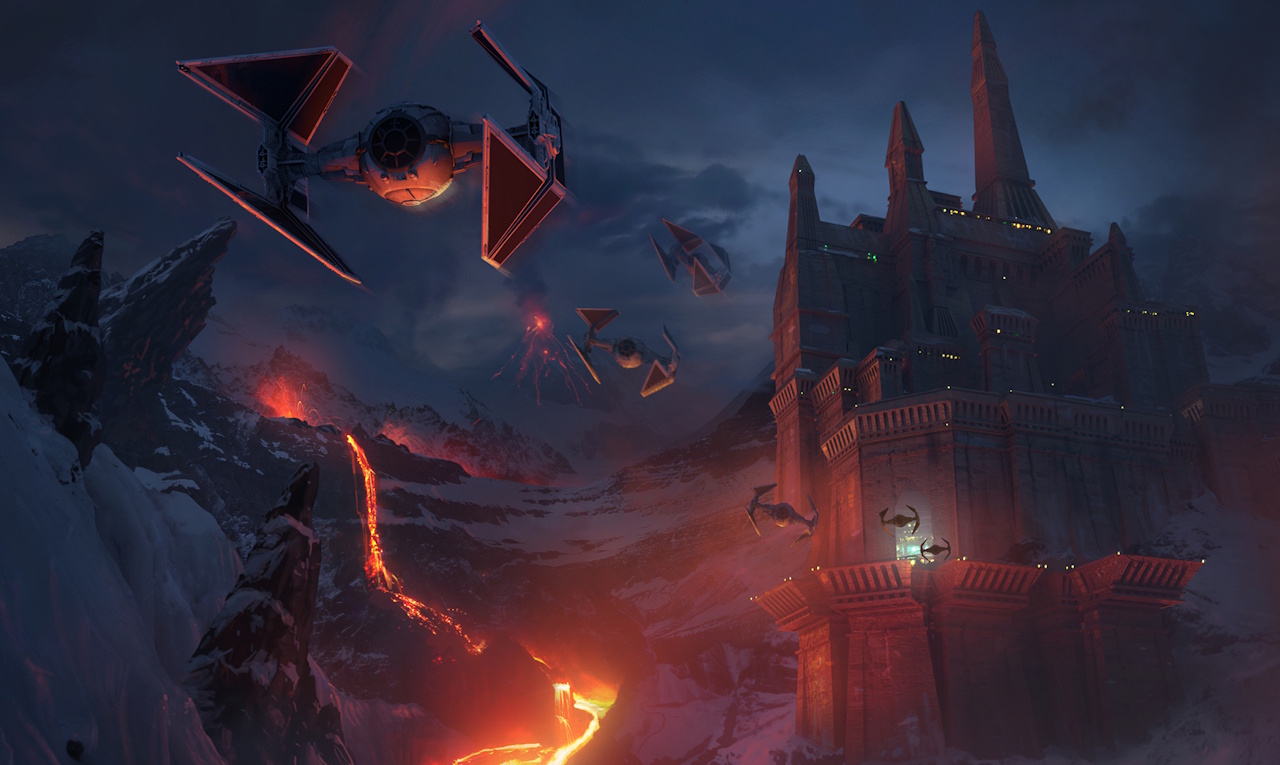
Star Wars doubles down HARD

Spoiler Warning: There are spoilers ahead for the Star Wars franchise, including The Rise of Skywalker, The Mandalorian, and announcements for upcoming productions.

A few months ago I wrote an article titled “Star Wars needs to move on.” In that piece I looked at how the Star Wars franchise has only ever told one real story since it debuted in 1977. Prequels, sequels, and spin-offs all played into or expanded the only real story the franchise has ever told – that of Palpatine and minor characters like Anakin, Luke, and Rey who apparently don’t get to act of their own volition. I argued that, just like Star Trek had done with The Next Generation in 1987, Star Wars needed to put the Skywalker Saga behind it and genuinely move on, telling new stories with new characters.

The Mandalorian should have done this, but hasn’t. The inclusion of Baby Yoda, the Force, Boba Fett, and so many elements copied from the Original Trilogy overwhelmed that series and left me disappointed. I was desperately hoping that, after the reaction to The Rise of Skywalker, the team at Disney and Lucasfilm would think hard about what to do next.

The inclusion of Palpatine ruined The Rise of Skywalker.

Instead they’ve once again retreated back to the Original Trilogy, its spin-offs, and familiar characters. I would have hoped that the failure of Palpatine’s ham-fisted insertion into The Rise of Skywalker would have served as a warning, and that with the only story the franchise has ever told now at a seemingly-final end, the franchise could genuinely move on.

The Star Wars galaxy is up there with Tolkien’s Middle-earth as one of the finest fantasy worlds ever brought to life, yet the creative team at Disney and Lucasfilm seem intent on never exploring the wonderful sandbox they paid $4 billion for. They’re instead going to show us the same tiny sliver over and over again, bringing to life ever more ridiculous spin-offs looking at characters of decreasing importance. What a disappointment.

Star Wars: Andor is a spin-off from a spin-off and a prequel to a prequel.

Let’s look at these disappointing announcements. A Droid Story will focus on R2-D2 and C-3PO. The Bad Batch is a spin-off to The Clone Wars, which was itself a spin-off to Attack of the Clones. Andor is the previously-announced series based around Rogue One’s Cassian Andor. Lando is bringing back Donald Glover, who took on the role of the smuggler in Solo: A Star Wars Story. Rangers of the New Republic is a spin-off from The Mandalorian. Ahsoka is another spin-off from The Mandalorian. And in the previously-announced Obi-Wan Kenobi series, we have the return of Darth Vader.

The only announcements which seem to have any potential to tell new stories are 2023’s Rogue Squadron, a project called Acolyte about which no information was revealed, and an as-yet-untitled film helmed by Taika Waititi. Everything else falls into the same trap that the franchise has fallen into repeatedly since the prequel era: overtreading the same ground, forcing fans to look back, and overplaying the nostalgia card. There’s nothing bold or innovative in any of these announcements. They represent a backwards-looking cowardly corporation, desperate to rekindle the magic of the Original Trilogy but without any clue of how to do so.

Do we really need a Star Wars film about these two droids?

Spin-offs to spin-offs and the increasingly minor characters given starring roles is indicative of a franchise out of ideas. There’s absolutely no creativity in any of these projects that I can see. At a fundamental level they’re all trying to do the same thing – use nostalgia as a hook to bring fans back. If the Star Wars galaxy looked bland and uninteresting, perhaps that would be a necessity. But it’s always been presented as such a vast, interesting setting that it’s positively criminal to only ever look at a tiny portion of it. There are tens of thousands of years of galactic history to dive into, as well as an uncertain future in the years after the war against the First Order. Could we see some of that, maybe?

And how about new characters? The idea of a show based on the two droids is patently ridiculous, as are those focusing on minor characters from spin-off projects. Donald Glover’s portrayal of Lando was certainly one of the better elements of Solo, but does that mean he needs an entire project of his own? What will Disney and Lucasfilm do when these projects run their course? Are we going to see Star Wars: Snowtrooper #7 and Star Wars: That Two-Headed Podrace Announcer? At this rate that’s what’ll happen.

Is this guy getting his own spin-off too?

The sequel trilogy got two things wrong when considering the fundamentals of its storytelling. Firstly was the inexplicable decision to split up the writing, leaving it with no direction and no overarching story. But secondly, and perhaps most importantly, was the decision to re-tell the Original Trilogy, drag Star Wars full-circle back to where it started, and spend too much time looking backwards. The sequel trilogy was an opportunity for Star Wars to lay the groundwork for future success, but instead it’s dragged the franchise backwards.

The Original Trilogy is a weight around Star Wars’ neck. The popularity of those three films compared to any others means that cowards in a corporate boardroom can’t see beyond it. Instead of looking at ways to take Star Wars forward to new adventures, all they know how to do is look backwards at the only successful films the entire franchise has ever produced.

Star Wars is being run by a corporate boardroom that clearly has no idea what to do with the franchise.

The end of the Skywalker Saga saw Luke, Han, and Leia killed off. It saw the final demise of Palpatine. And despite the story of Star Wars having been dragged through the mud, there was an opportunity that hasn’t really existed before – an opportunity to move on to greener pastures. With the only story Star Wars has ever told brought to a conclusion, it was hardly an unrealistic expectation to think we might get something new.

I’m disappointed, as you can tell. The lack of vision and the lack of boldness on the part of Disney and Lucasfilm means that we’re once again looking at the same miniscule fraction of the Star Wars galaxy that we’ve always been shown. There’s nothing interesting about that, and even though I have no doubt that, on an individual level, many of these projects will be at least decent and watchable, I just feel Star Wars could do better. These shows and films are a franchise aiming for a grade C. They’re middle-of-the-road attempts to scrape by, coasting on past success.

If the franchise ever wants to do more than get a basic pass, they’ll have to be bold and aim higher. Do something genuinely different. Step out of the ever-growing shadow of the Original Trilogy and do what Star Trek has been doing for thirty years – tell new stories.

The Star Wars franchise, including all films, series, and upcoming projects listed above, is the copyright of Disney and Lucasfilm. This article contains the thoughts and opinions of one person only and is not intended to cause any offence.
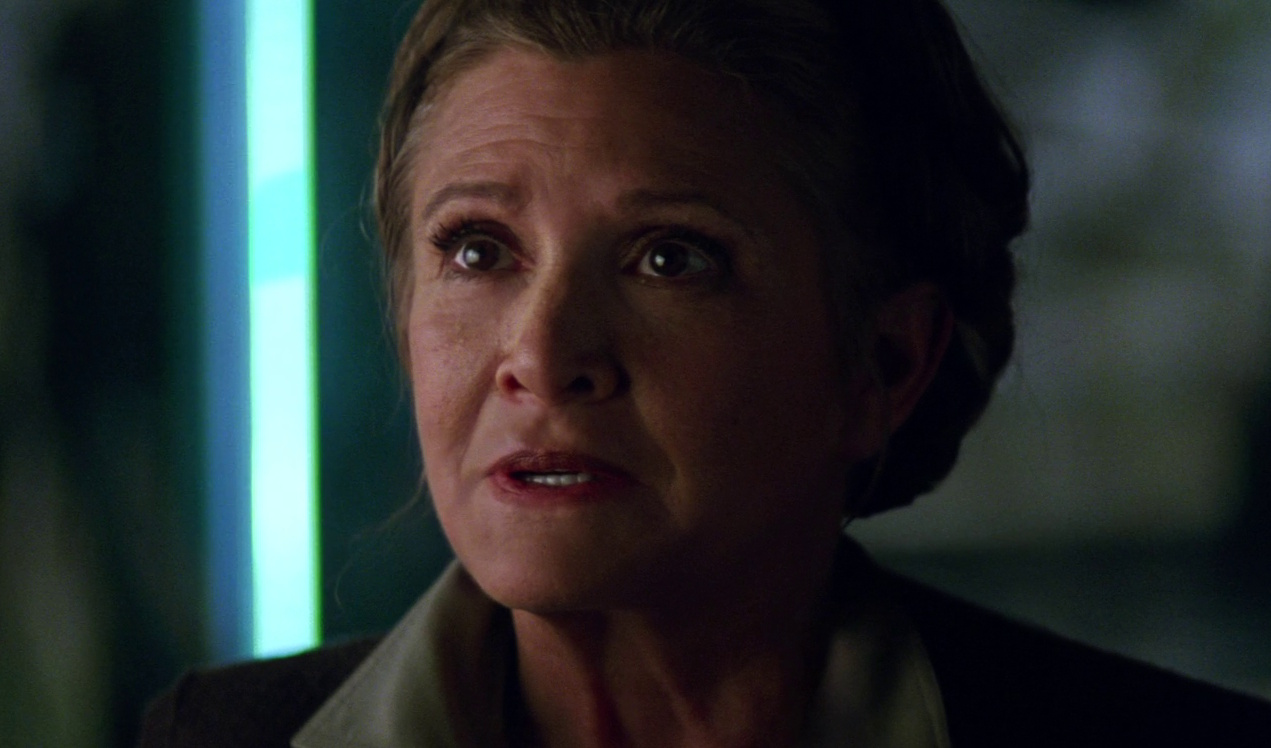
Marvel’s Avengers looks an awful lot like Battlefront II…

One of the things that seemed weird to me about Marvel’s Avengers – the new video game, not the film series – is that the game seems to be using a visual style very similar to the Marvel Cinematic Universe… but without any of the actors’ likenesses. I wondered why they hadn’t been able to negotiate with the various actors like Robert Downey Jr., Scarlet Johannson, etc to use their faces or even get them to provide their voices to the title. Given the popularity of the MCU, that struck me as odd. But perhaps now we know why – the game is going to be very controversial.

If I were an actor in the films or an agent/advocate for them, I’d take one look at Marvel’s Avengers and think to myself just how glad I am to be able to say I have nothing whatsoever to do with it. The controversy the game is drawing for its incredibly aggressive monetisation and microtransaction policies is going to be toxic – and any brand or individual associated with that should watch their backs.

Star Wars Battlefront II generated a lot of controversy in 2018 for its in-game monetisation, and while it’s up for debate whether Marvel’s Avengers will reach that level, it’s trending in a very similar direction. Every single aspect of the game seems designed to extract as much money from players as possible – in a game that charges £50/$60 to purchase in the first place – with a £66 deluxe edition, of course.

Battlefront II released to widespread controversy.

When the game was announced as one of these always-online, “multi-year experience” games, the writing was on the wall. In recent years we’ve seen such titles as Anthem and Fallout 76 try to go down that route, and practically no game which does so manages to avoid controversy. Even by the low standards of this type of game, though, Marvel’s Avengers is taking the piss.

One of the Marvel franchise’s most iconic characters – Spider-Man – is going to be a console exclusive on the PlayStation 4. There are tie-ins with all sorts of random companies, each providing in-game rewards for purchases or subscriptions. There’s an in-game currency which can be bought with real money. Each character – of which there are six at launch (or seven if you’re playing on PlayStation 4) will have their own paid “hero cards”, which seems like a necessary feature to get the most out of each character.

In short, if you can think of a crappy anti-consumer business model used by a recent video game, publisher Square Enix has thrown it into Marvel’s Avengers.

One of several in-game marketplaces ready to vacuum up players’ cash.

The £10 “hero cards” per character is perhaps the most egregious of all the monetisation tactics. It means that players who want to fully experience the game – a game that they have already paid full price for up-front – will need to continually shell out more and more money, perhaps even spending double the initial asking price. That’s not accounting for other cosmetic items, skins, costumes, etc. that are all going to be paid for. The only thing the game doesn’t seem to have is lootboxes – something they make a big fuss about as if expecting gamers to reward them for it.

I’m not a big fan of Marvel, or of comic books in general. But some games with a comic book setting can be decent, and if this were a single-player action title with a big budget behind it I might’ve been tempted to give it a try. Not like this, though. Not with the game being in such a state. People who had early access to play through the beta version have even been reporting back saying that underneath all the aggressive microtransactions, the game isn’t actually all that good.

Marvel’s Avengers may not be as exciting as this promo artwork suggests…

So a 6/10 title is going to cost easily upwards of £100 if you want to buy the deluxe edition and all of the battle passes and in-game currency and cosmetic extras… and you still can’t get iconic character Spider-Man unless you spend all that money on the PlayStation 4 version. I don’t know about you, but to me it’s beginning to sound like it might not be the best value proposition in the gaming world right now.

The Star Wars brand has been dragged through the mud in recent years – admittedly not just because of decisions in games. But the release of Battlefront II and the controversy and backlash it generated tarnished the overall brand to a degree, and I can’t help but feel Marvel is in serious danger of making a very similar mistake. The fact that both Star Wars and Marvel are owned by Disney is worth noting; clearly the company is fine with going all-in on these kind of aggressive money-making tactics.

If I were a Marvel fan, I would have been looking forward to the franchise’s biggest game in a long time. But I’d be looking at the underwhelming game drowning in microtransactions (if we can call £10 “micro”) and feeling sick to my stomach. This is barely even a game – it’s a shop, designed to rope players in and force them to spend more and more and more money. If the core game underneath was decent, perhaps players would be willing to do that. But if reports from those who played the beta are accurate, there isn’t even the kernel of a good game at the heart of this mess.

Ms. Marvel in a promo screenshot.

And perhaps that’s to be expected. The best games are passion projects – titles developed because the team behind them genuinely loved the idea and wanted to see it fully realised. Everything about Marvel’s Avengers feels corporate and soulless, like the game has been conceived in a boardroom full of men in suits who looked at the list of franchises they own then tasked some poor team of developers with making a money-printing machine. These are people who looked at the success of titles like Fortnite and Grand Theft Auto Online and – without understanding anything about them – said “make me one of those!”

The sad thing is that there are many comic book fans and fans of Marvel who would have loved the chance to work on a fun title and bring the superheroes to life for players. But it seems like none of them got a look-in, or if they did they saw this sad, corporate shell and walked away. The suits in charge don’t care, and what has been built is a game where the nicest thing anyone can say is that it looks pretty. Visually impressive, but mediocre and drowning in attempted monetisation.

Disney tried this a couple of years ago in partnership with Electronic Arts. The result? Star Wars Battlefront II, a game so controversial it literally got politicians involved and will probably end up getting in-game gambling banned in at least some areas of the world. It will be hard for Marvel’s Avengers to fail quite so spectacularly, but it seems like they’re willing to try.

Marvel’s Avengers is due for release at on the 4th of September on Xbox One, PlayStation 4, PC, and Stadia. Marvel’s Avengers was primarily developed by Crystal Dynamics and published by Square Enix. The Marvel franchise is the copyright of the Walt Disney Company. This article contains the thoughts and opinions of one person only and is not intended to cause any offence.
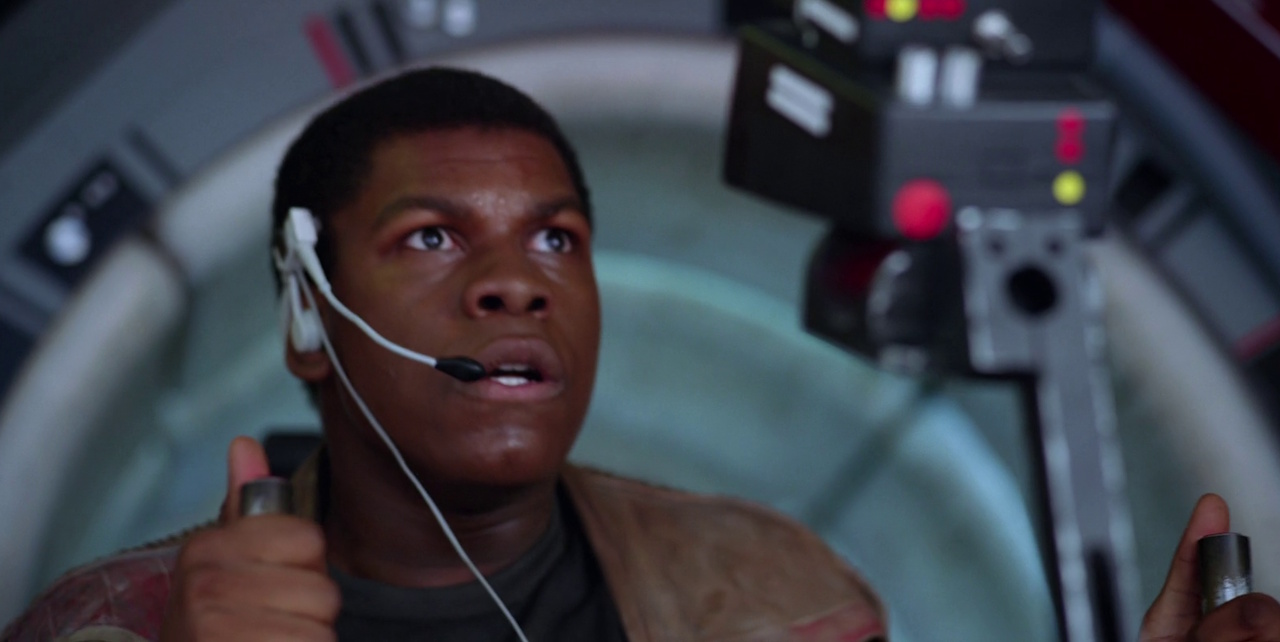
Is the decision to bring Mulan straight to Disney+ a good one?

I’ve made no secret here on the website that I consider Disney’s live-action remakes of some of its classics to be very much lesser versions of those films. That’s for a variety of reasons, and I’m sure is at least partially influenced by the nostalgic feelings I have for some titles. 1998’s Mulan is an interesting film in many ways, but it’s always felt like a second-tier member of the Disney Renaissance, not quite reaching the same heights as The Lion King, Aladdin, or even Pocahontas. So its remake, which had been scheduled to premiere earlier this year, is a project I’ve been anticipating with muted excitement at best.

That was before the coronavirus pandemic disrupted everything. After abortive attempts to release the film in cinemas in March, then July, then finally August, Disney decided to try something they haven’t done before: bring a major release directly to their streaming service, Disney+. But Mulan won’t arrive on Disney+ ready to watch like any other title, instead it’s going to be paywalled with customers being asked to stump up an extra $30 on top of their regular Disney+ subscription fee in order to access it when it releases next month.

Mulan (1998) is getting a live-action remake.

On a purely mathematical level, I can understand the charge. Films are expensive to make, and Disney wants to recoup as much of that money as possible. $30 is around the price you might pay for 3-4 cinema tickets, so if you think that it’s the same money as a family going to see the film at the cinema, Disney obviously feels that it’s a fair price. But of course watching a film on streaming isn’t the same as going to the cinema, and I have to confess I was taken aback by how steep the cost of seeing Mulan is. As a single person, $30 (or whatever its equivalent in GBP will be) is excessive for seeing one film! That’s the equivalent of more than four months’ subscription to the streaming platform, and I have no doubt many will be as put off as I was.

My big question is this: why can’t Disney just be patient? It isn’t just film releases that have been disrupted, film production has been massively affected too. Disney has already postponed the release dates of many other titles that are currently in production as a result of the pandemic, and surely Mulan could have taken any one of those release slots once the disruption finally ends. Sitting on the film costs Disney very little – releasing it too soon could backfire and cost them massively.

Liu Yifei in the 2020 remake of Mulan.

Ever since broadband internet made it possible to stream and download large files, piracy has been a problem for big entertainment companies. Streaming services like Disney+ are able to survive in part because most people like to follow the rules, but also at least in part because they make it easy and affordable to do so. Who would even notice £4.99 a month – that’s how much Disney+ costs in the UK. Hardly anyone would, of course, and that’s how the service survives. But a sudden turnaround to charge more than $30 for a single film and suddenly a lot of people will be looking for other options.

Piracy is incredibly easy. A simple online search leads to dozens of websites that allow users to stream up-to-date films, and within hours of a film or television series going live, it’s been recorded and reuploaded countless times. When Mulan releases behind a paywall, it will very quickly be uploaded to pirate websites where people will be able to watch it or download it for free.

No, not that kind of piracy…

While Mulan’s release on streaming will almost certainly be lacklustre, it could have the unintended side-effect of harming Disney+ as a brand. Disney+ already is worse than its competitors in that the most recent seasons of its television series aren’t uploaded until months or even years after they debut on television, but if the service gets a reputation for paywalling content, many people will wonder what the point of paying for it is and will unsubscribe. Partly that’s on principle, and partly it’s because the cost of accessing Mulan is incredibly high.

Disney has also harmed its relationship with cinemas and distributors. The cinema industry is suffering greatly from months of closure, and here in the UK, while cinemas have been allowed to reopen since early July, many haven’t. Regular readers will know that disability precludes me going to the cinema these days, but in the past when I was able to, I favoured an independently-owned cinema in a nearby town – one of the few left in the UK. Its fortunes hang in the balance right now, and one thing that could have helped is a big release like Mulan to tempt people back. By cutting cinemas out of the equation and going direct to streaming, Disney has upset the apple cart. Why should cinemas go out of their way to show other Disney films in future?

Cinema owners will protest this decision vehemently.

At least one cinema chain – Odeon, which is owned by AMC – has stated that they will no longer show any films by Universal Pictures as a result of that company making a similar decision. Universal chose to release Trolls World Tour digitally as a result of the pandemic, and AMC and Odeon reacted swiftly, banning Universal films in their cinemas, of which there are many in the UK; Odeon is a big chain. Disney could end up in a similar situation, and if several big chains were to band together, they could effectively prevent Disney films being released almost anywhere. Any company, even a giant like Disney, needs to tread very carefully.

Disney has chosen to prioritise making as much money as possible as soon as possible ahead of all other concerns. And with the company losing money – Disney lost $4.7 billion in just three months this year – perhaps the higher-ups decided they needed to do as much as possible to offset that. Indeed, the decision to reopen as many of the company’s theme parks as they’re allowed to is also part of that – the losses made by having the parks open are clearly less than the losses made by keeping them shut. Evidently Disney has made the calculation that the short-term harm of releasing Mulan digitally is less than the harm of sitting on it for an unknown length of time.

For those willing to pay, Mulan will be available next month on Disney+.

The coronavirus pandemic has been hard to predict, but many medical experts and analysts are anticipating a renewed increase in cases as we move into the autumn and winter here in the northern hemisphere. Disney may have interpreted such statements to mean that regional lockdowns may not be going away any time soon, and even if the rules are relaxed, the general nervousness of the public about the disease – and the looming recession it’s triggered – may put people off going to the cinema anyway. With the USA, which is Disney’s biggest market, being much more seriously affected than the rest of the world, even if everywhere else were to get back to some degree of normality, it may take a lot longer before American cinemas will all be able to reopen.

All of these issues and more have fed into the decision, and I can understand it on a corporate level. But I think one of the key problems is that many higher-ups don’t appreciate just how much they’re asking people to pay to see a single film in their living rooms – or even on a phone screen. $30 is a lot of money to a lot of people, and while it may not be to someone who’s making megabucks at the top of a huge company, out here in the real world it is. $30 could be the back-to-school supplies for a child, a big takeaway meal for a family, or as already mentioned, more than four months of Disney+. People could do a lot with that money, and while many are happy to pay extra for a treat like a visit to the cinema, far fewer will be willing to cough up cinema-ticket prices for a film they’re watching in their living room or on their phone. Disney+ has been inoffensively priced until now, and that has won it many supporters and subscribers. Mulan is not inoffensively priced. In fact it’s priced in such a way as to be downright offensive to many people.

Disney evidently sees this as the least-bad option right now.

Speaking purely anecdotally, I haven’t found anyone willing to pay for Mulan. One person I asked suggested that if it were a better film, they might be willing to consider it, but definitely not for a remake of a B-tier film like Mulan. That was the closest I got to a “yes” out of everyone I spoke to. While there will be a market for it, as some people will desperately want to see this reimagining and others will be pestered into it by their kids, it won’t be enough for the film to break even and I have no doubt Mulan will have a seriously disappointing launch.

But even a serious disappointment may be good enough for Disney as they look for ways to slow their financial haemorrhaging. Mulan will undeniably bring in more money for the company than the precisely $0 it would if it remained unreleased. As long as it covers the costs of streaming it worldwide – which, given Disney+ already exists, it almost certainly will – it may be seen as a success. At the very least it will be something Disney can show to investors and shareholders to demonstrate that they’re trying new and creative ways to get through what could be many more difficult months that lie ahead.

Mulan and Disney+ are the copyright of the Walt Disney Company. This article contains the thoughts and opinions of one person only and is not intended to cause any offence.
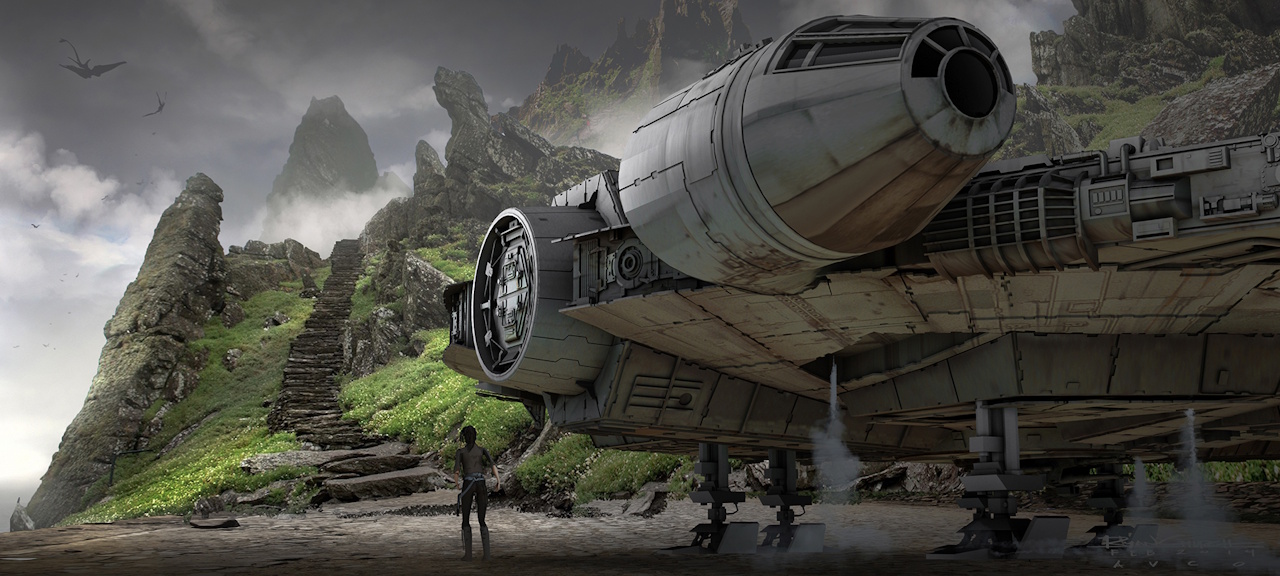
Let’s Play Disneyland Adventures – Part 1

Spoiler Warning: There are spoilers ahead for Disneyland Adventures.

I miss Disneyland. It’s actually been well over a decade since I was last able to take a trip to any of Disney’s theme parks, and I miss the rides, the food… even the queues! If you’re like me and you’re missing spending time at Disney – especially with the current pandemic messing up holiday plans – I’ve got just the game for you: Disneyland Adventures!

This is actually the second time I’ve bought a copy of this game. I first played it in 2011 or 2012 when it was on the Xbox 360 as Kinect Disneyland Adventures. The Kinect was Microsoft’s foray into the motion-control space, and it was a peripheral for the Xbox 360 (a second version was later bundled with the Xbox One). The Kinect device consisted of a camera and a sensor, and the idea was that it would allow for controller-less play; players would use their arms, legs, and whole bodies to control games.

The Kinect sensor for Xbox 360.

We could spend hours delving into the history of Kinect and its hits and misses; suffice to say the concept was good, but the execution – especially in this first version on the Xbox 360 – wasn’t perfect. Though the Kinect peripheral and its bundled game (simply titled Kinect Adventures) actually ended up being the Xbox 360’s best-selling title, it’s fair to say that it wasn’t the success Microsoft hoped for. The Kinect concept has since been discontinued for gaming, though it is still used in some specialist applications.

Disneyland Adventures is the 2017 re-release of the original 2011 title, and came out for Xbox One and PC. Most importantly it doesn’t require Kinect, nor any other motion controls, and can be played with a normal gamepad. This is the version we’ll be looking at today – and in future updates to this series of posts. If you followed my last “Let’s Play” – where I played through 2019’s Star Wars Jedi: Fallen Order – the format will be similar.

Let’s Play Disneyland Adventures.

So what is Disneyland Adventures? It’s a game for kids that features a digital recreation of Disneyland (the original in California) to explore. Fan-favourite characters can be found who’ll give the player little tasks and quests, and some of the park’s most famous rides are reimagined and stylised to form mini-games and levels away from the open space of the theme park.

Today we’ll take a look at the game’s introduction and check out one of those rides.

After a very brief opening cinematic, I had the opportunity to “customise” my character. I’m putting that in inverted commas because the customisation options for Disneyland Adventures are limited, even for a game from 2011. There is a choice of gender, and several of the characters I interacted with had gendered dialogue which I’m assuming does change depending on whether you choose to play as a boy or a girl. And yes, that’s what the game calls its gender choices – the player character is a kid, after all! Other than the gender option there were a handful of different preset faces and a few outfits, and that was all.

My newly-created character by Sleeping Beauty’s Castle.

I’d wager that if you’re even vaguely familiar with Disneyland or the Magic Kingdom, you’ll find that the digital recreation of the park in Disneyland Adventures will feel familiar; I certainly felt that way! The game opened with my (unnamed) character being given a task by Mickey Mouse – take an autograph book to Donald Duck and get his signature. However, after being set this task I was free to explore the park, though there was a quest marker constantly showing my route to Donald’s location.

The Disneyland Monorail makes a loop of the park.

After taking my time to make it to Donald, he signed the autograph book and sent me back to Mickey Mouse. The character voices are all exactly what you’d expect from classic Disney characters, and though the 3D anthropomorphic style used for the characters might take a little getting used to, especially if, like me, you’ve only seen these characters in older 2D animated features, they have a truly classic Disney feel. En route back to Mickey I ran into Captain Hook, and while I couldn’t get his autograph I could interact with him which was fun. Collecting autographs and high-fiving the various characters is going to be a big part of the game.

Dancing a jig with Captain Hook.

Mickey Mouse was still standing near the castle and I returned the autograph book to him. The next quest was to take the book to Goofy in another area of the park, but I took the opportunity to get Mickey’s autograph first. The autographs are one of the games collectables, and they’re divided up into groups of characters.

Getting Mickey’s autograph.

My next task, courtesy of the main mouse himself, was to head over to Goofy and deliver the book. But on the way I decided to have a little bit of a wander through the park – that’s really the main appeal of the game for me! In Tomorrowland, the sci-fi/futuristic area of the park, I met the aliens from Toy Story.

The little aliens.

After that encounter, I tried out one of the attractions – the classic Tomorrowland ride Space Mountain. I’m not wild about ultra-fast rollercoasters usually, but the ones at Disney are done very well and I’ve always enjoyed Space Mountain in particular. In fact, Tomorrowland as a whole is kind of a sci-fi geek’s paradise! The versions of the ride differ at the different theme parks, and I’m sure people who’ve visited all of them will have an opinion on which one is best! In Disneyland Adventures, the attraction stays true to the original theme of the ride – outer space – but kicks it up a gear or two!

Boarding Space Mountain.

I wasn’t sure what to expect from the ride; it’s been a while since I played this game, and because even in those days my health wasn’t great, I struggled with the motion controls and didn’t play Disneyland Adventures – or any other Kinect title – very much. But I was pleasantly surprised to find a delightfully old-school on-rails spaceflight game.

An asteroid to avoid in the centre-right, and coins to collect on the right.

In the style of classic arcade games, the player’s vehicle – styled after the ride cars used on the real Space Mountain – moves forward on its own; control is limited to moving side-to-side to avoid obstacles, collect power-ups, and some sections involved shooting a laser-gun.

Targeting reticle to the upper-left and a “hyperspace gate”.

I wasn’t great at the Space Mountain game, I have to be honest. I kept flying into the asteroids and I missed a bunch of power-ups and coins! Luckily the game is very forgiving and every time I crashed I respawned in the same place, not losing any progress. There are more levels within Space Mountain – at least two more – but I didn’t carry on after completing the first stage. There was a “story” of sorts within the mini-game, following my character through several different space environments, including a battle!

Flying past other spaceships in a battlefield.

After exiting Space Mountain I decided to call it a day. I’ll pick up Disneyland Adventures again soon – unlike my last playthrough I’m in no rush to race through everything that the game has to offer. There may be another few parts in this series to come over the next few weeks though, so stay tuned!

I hope you had fun, and if you’re missing Disneyland or find yourself unable to go because of the pandemic, for £15 on Steam this could be a fun distraction. If you aren’t interested in mini-games and collectables perhaps you won’t enjoy it, but for a relatively low price it’s worth a punt in my opinion. If not, keep checking back and follow my playthrough!

Disneyland Adventures is available for PC and Xbox One. Disneyland Adventures is the copyright of the Walt Disney Company and Xbox Game Studios. This article contains the thoughts and opinions of one person only and is not intended to cause any offence.
Thoughts on Disney Parks giving Splash Mountain a new theme

Though I haven’t been to any of Disney’s theme parks since a brief visit with a friend back in 2009, I consider myself a fan. Walt Disney World is the biggest, and therefore offers the most to do, but the other parks I’ve had the good fortune to visit are enjoyable too.

Splash Mountain isn’t my absolute favourite ride – that honour has to go to the Tommorowland Transit Authority/Peoplemover, which is brilliant and almost always has a short wait – but it’s up there among my favourites.

Splash Mountain at Walt Disney World.
Photo Credit: HarshLight on Flickr via Wikimedia Commons

Criticism of the ride’s theme, which uses characters and songs from the 1946 film Song of the South, has been building for a number of years already, and work to re-theme it has seemed an inevitability – it was just a question of when. Under the current circumstances, where there’s a renewed focus on race in the United States, Disney evidently felt they could wait no longer.

I’ve seen some criticism of the decision, with it being derided as another part of “cancel culture”, but I fully understand why it’s been done. Song of the South is an interesting work of cinema from an historical and academic perspective – but it’s by no means something kids should be watching, and having its characters on one of Disneyland and Walt Disney World’s most prominent and famous attractions is obviously unacceptable. It arguably has been unacceptable for some time.

Song of the South was the first film for which a black American received an Academy Award, and in addition its pioneering blend of live-action and animation arguably laid the groundwork for many of today’s visual effects and CGI. But we’re looking back on it in 2020 in the same way one might look back on The Birth of a Nation – it may have been pioneering in its techniques, but it is undeniably racist in its depiction of black Americans.

Disney parks need to be spaces where everyone can feel welcome, and while Splash Mountain may not have been quite as troublesome as the film it borrows from, the association is enough for many people to feel upset. Furthermore, Disney parks are in a constant state of evolution, with rides being updated and changed all the time. Another of my favourites – Epcot’s Spaceship Earth – is set for a major overhaul in the coming months. It’s no bad thing when a ride is updated, and the re-themed Splash Mountain will be the better for it.

The basic layout of the ride looks set to remain the same. All that will change is the theming – out with Song of the South, in with The Princess and the Frog. The first black Disney Princess had been lacking an attraction of her own at the theme parks, and I honestly couldn’t imagine a more appropriate or poetic way to include her. I don’t think we need to worry about the ride’s song either – The Princess and the Frog had a wonderful jazz soundtrack with some great options to choose from. Or a new song could be composed just for Splash Mountain. I’d be happy either way.

Concept art for the reimagined Splash Mountain.
Picture Credit: The Walt Disney Company

If you like Splash Mountain for the ride itself, nothing will change. And if you enjoyed the theming and lament its passing, I understand. But something that may seem innocuous to one person or group of people may be upsetting or offensive to another, and from Disney’s point of view, making sure everyone feels welcome and included is really important.

Because of my health I have no idea if or when I’ll get back to the Magic Kingdom to see the renovated ride for myself. But if I ever do I’ll be sure to go for a ride on the new Splash Mountain. I think it’ll be absolutely fantastic.

Splash Mountain and The Princess and the Frog are the copyright of the Walt Disney Company. This article contains the thoughts and opinions of one person only and is not intended to cause any offence.
Frozen II – Disney’s best sequel?

Spoiler Warning: There will be spoilers ahead for both Frozen and Frozen II.

Disney doesn’t have a good track record when producing sequels to its animated hits. There have been a number of attempts over the years to follow up a successful title with a sequel, but usually the main focus of the studio was elsewhere, with the best writers and animators working on the next big title. The result has been that almost every sequel attempt has ended up as a direct-to-video affair, with an expected drop in quality. There have been some gems hidden amongst these titles – The Return of Jafar, the 1994 sequel to Aladdin, being one example – but generally speaking, Disney prefers to direct its attention to projects other than direct sequels.

Frozen II is something altogether different. With the exception of Fantasia 2000, a sequel to 1940’s Fantasia, and a couple of films in the Winnie-the-Pooh series, Disney hasn’t attempted a big-screen sequel that required anywhere close to the effort put in to Frozen II. The first Frozen, which I picked as one of my top ten films of the 2010s, was a runaway hit even by Disney’s standards. In 2013-14 Frozen merchandise was inescapable, and the film had as big of an impact – or bigger – as 1989’s The Little Mermaid, which kicked off the era known as the “Disney Renaissance”. The value of Frozen as a brand was phenomenally high, and cashing in on that success – especially in an era of cinema so dominated by sequels and franchises – was too tempting for the studio to resist!

The relationship between Elsa and Anna is the core of Frozen II.

Because I was living overseas in 2013 I missed practically all of the pre-release marketing for Frozen. It was only when browsing local cinema listing for English-language titles that I first heard of it, and while I had high hopes as I’d always been a Disney fan, I was absolutely blown away by just how amazing that film was. In my opinion at least, the “Disney Renaissance” can be stretched to include 2002’s Lilo and Stitch, but after that the quality of the studio’s output seemed to dip, and while there were still some enjoyable titles in the decade after, Frozen was on a completely different level.

Idina Menzel, who voices the co-lead role of Elsa, is someone I was quite familiar with before Frozen. I’d been lucky enough to see her on stage in the London production of Wicked – a musical about the Wicked Witch of the West from the Oz series. She’d also released three albums by the mid-late 2000s, all of which I owned, and as a big fan of Wicked I was used to hearing her belt out the show’s big hits like The Wizard and I, Popular, and of course Defying Gravity from the show’s soundtrack album. Menzel also had a co-starring role in 2007’s Enchanted, which is a fun parody of some of Disney’s tropes – made by Disney itself. She seemed like a great fit for a starring role in a Disney film, and I wasn’t disappointed by her performance; I’d always felt she was quite an underrated performer.

I guess we can admit – as Frozen II hints at itself – that the song Let It Go may have been played a little too often in the aftermath of the first film’s success, but nevertheless the Frozen soundtrack has to be one of Disney’s best. Robert Lopez and Kristen Anderson-Lopez returned for Frozen II, and the sequel benefits greatly from their involvement. The songs and music have always been a huge part of any Disney title, so getting that right is incredibly important!

Elsa’s reaction to Let It Go was pretty funny.

Elsa’s ballad from early in the film, Into the Unknown, was Frozen II’s answer to Let It Go from the first film. Music is, of course, something very subjective, and comparing two powerful ballads by the same composer sung by the same singer really boils down to “which did I like better?” While I obviously have to concede that my opinion is influenced by having heard Let It Go many more times, I think I prefer it over Into the Unknown. But that’s really just a subjective opinion.

The other two standout songs for me were Lost in the Woods and Some Things Never Change, which was played close to the beginning of the film.

The song Some Things Never Change from Frozen II.

Frozen II picks up the story a few years after the events of the first film. My initial concern on hearing a second film was in development is how it would get around the usual Disney sequel problem, which I can summarise thus: how do you tell a dramatic, engaging, and interesting story after the “happily ever after” moment in the original title? This isn’t a question exclusive to Disney; many sequels can falter when it comes to answering, but because Disney films like Frozen have self-contained stories that are wrapped up by the end, it’s something ever-present and noticeable in practically every Disney sequel. Frozen’s ending answered the question of Elsa’s magic, fixed the relationships between Elsa and Anna, and Anna and Kristoff, and saw the newly-crowned Elsa open up the kingdom of Arendelle and her castle, no longer feeling the need to isolate herself. Any sequel would have to find a way to get around these finalities.

In the film’s early scenes, we’re reintroduced to Elsa and Anna’s parents, who tell the young girls a story of a battle between Arendelle and their northern neighbours near an enchanted forest in a flashback sequence. The Northuldra tribe are evidently based on the Sámi (or Laplander) people who inhabit northern Scandinavia, and I believe Disney consulted Sámi leaders and historians to enhance the tribe’s appearance and portrayal in the film. The cause of the battle between the Northuldra and Arendelle forces is unknown, but as a result the enchanted forest has sealed itself off, shrouded in an impenetrable fog bank.

Frozen dedicated a lot of time and effort to getting its animated snow to look and behave just right in 2013, and that has carried over to this film too. But I want to also acknowledge at this point the fog effect, which is something that can be difficult to get right in computer animation. Frozen II absolutely nailed the way this fog looks and behaves – and as something that does get a fair amount of screen time, it ended up looking amazing and fit right in with the aesthetic of Frozen II’s world.

The fog in Frozen II was beautifully created and animated.

To get back to the plot, the basic premise that the princesses’ grandfather and the rulers of Arendelle were the “bad guys” who instigated the fight with the Northuldra wasn’t well-disguised – but it gets a pass for that as a kids’ film. I’m sure all of the under-tens in the audience were shocked at that revelation! However, it does draw comparisons to the big twist in the first film: that Anna’s fiancé, Prince Hans, was evil and the film’s villain. That twist caught everyone off-guard, simply because Disney had never pulled a stunt quite like it. There may have been some pressure on Frozen II to follow suit and throw in a twist or curveball, and while it was a success as a story point, it wasn’t a shock in the way the Prince Hans twist had been.

The second point to make from this twist is that it leans very strongly into the “white people bad, natives good” storyline that we’ve seen a lot of in recent years. The portrayal of the Northuldra tribe overall definitely veered toward a common trope in fiction called the “noble savage”, which is where native/indigenous peoples are portrayed as being peaceful, in touch with nature, and so on. Neither of these points need to be taken as criticism; we could spend years arguing the history of European colonialism and its lasting impact on the world and get nowhere. The fact that we’re dealing with a couple of tropes that, by 2019, have been used so often that they’re becoming clichéd doesn’t actually detract from the plot of Frozen II, nor make the film worse. But it is worth noting their inclusion.

The Northuldra tribespeople meet with the King of Arendelle and his guards.

In that sense, the way King Runeard is presented, and the way relations between the Northuldra and people of Arendelle unfold is comparable to another Disney classic from a few years ago: Pocahontas. Swap out King Runeard for Governor Ratcliffe, King Agnarr and Queen Iduna for John Smith and Pocahontas, Arendelle and the Northuldra for the English and Powhatan/Algonquian tribe and you have a similar setup and a comparable situation. In recent years Pocahontas has come in for some criticism for its portrayal of Native Americans, and we’ve seen Disney use films like Moana to try to broaden the viewpoints of its heroines to include more non-white and indigenous peoples. While Frozen II doesn’t give us native protagonists it does continue this trend of using fictional settings to at least give some of these aspects of history a cursory glance. And yes, I am aware that Elsa and Anna are revealed partway through the film to be of half-Northuldra descent, but it doesn’t really become a major point for either of their characters until the film’s final moments.

Frozen was a film which broke some of Disney’s self-imposed boundaries, and in particular threw away the idea of princesses as damsels in distress or characters without agency, who do nothing besides waiting for their handsome prince. Not only through the reveal of Prince Hans as a villain, but by making the film’s one great act of true love an act of sisterly love, Frozen placed Elsa and Anna firmly at the centre of the story. Kristoff, Anna’s boyfriend, actually takes on a role in Frozen II not unlike some Disney Princesses of the past – pining for and chasing after Anna. Some films and television shows receive criticism for the way they handle female characters because those characters spend all of their time talking to or about men. Kristoff’s entire storyline in Frozen II is about his relationship with Anna and trying to figure out the best way to propose to her. His big song midway through the film, Lost in the Woods, is one that in years gone by we might’ve expected a film’s female lead to be singing! Turning this trope on its head was fantastic, and it kept Elsa and Anna as the two main protagonists while still including Kristoff in a way that made sense.

Kristoff’s storyline in Frozen II is all about Anna.

The first Frozen took on almost a Christmas vibe due to its wintry setting and heavy use of snow. Elsa’s ice magic is still prominent, but there was certainly less by way of snow and that wintertime, holiday theme than had been present in the first title. The woods – where a large part of the film takes place – have more of an autumnal vibe, and early in the film we see what seems to be a harvest festival taking place. The setting is clearly the late autumn, but we haven’t quite arrived at winter. That’s really neither here nor there, but I thought it worth mentioning.

There are two fake-out character deaths in Frozen II – Olaf and Elsa both appear to succumb to the limitations of magic. Where the first film had clearly established that a “frozen heart” was something terribly damaging, thus explaining why Anna appeared to freeze solid at the film’s climax, the in-universe rules governing how ice magic works in Frozen II seem a little more lax. There was a vague warning about not diving too deep, but nothing that would explicitly mean Elsa should have frozen in the way she did. Olaf’s disintegration makes more sense, given that his existence was tied to Elsa, though. Despite this pretty small nitpick, both Elsa becoming frozen and Olaf evaporating into snow were truly emotional moments, not spoilt in any way by thoughts of why or how. Perhaps it’s best in a Disney film not to question such things anyway!

Olaf’s “death” was an emotional moment in Frozen II.

The climax of the story sees a dam which the princesses’ grandfather had constructed being torn down. The dam, far from being a peace offering to the Northuldra, was in fact a nefarious plot to control their land and water supply, and Elsa realises that the only way to fix things with the spirits and the Northuldra is to destroy it. Elsa and Anna realise why the people of Arendelle were forced to leave town earlier in the film – breaching the dam will release a flood, destroying Arendelle. Despite this enormous sacrifice, they go ahead with the plan and destroy the dam. But Disney could never let a whole city – and the princesses’ castle – be destroyed! Elsa’s return from the ice magic/spirit world means she’s able to use her magic to turn some of the water to ice, saving the town and everyone’s homes.

The reunion between Elsa and Anna, as well as the resurrection of Olaf, was an incredibly emotional moment, and is the heart of the film. Frozen II really succeeded in getting me invested in these characters. As a sequel, part of that is because they’re familiar from the previous film. But as we’ve seen many times, a bad sequel can take once-important characters and rob their stories of any emotional weight. Frozen II is at least on par with the first title when it comes to the emotional stakes – Anna and Elsa’s reunion, and Olaf being restored, parallels the moment in the first film where the one great act of love restored Anna’s frozen heart.

Elsa and Anna are reunited in Frozen II’s final act.

Both Elsa and Anna have very satisfying arcs in Frozen II, despite my initial concerns that they’d already accomplished so much in the first title. Elsa learns the true nature and source of her powers, and their presence in her life is finally explained. Anna learns to step out of Elsa’s shadow and truly become her own person, which sets the stage for her coronation at the end of the film when Elsa chooses to remain with the Northuldra. Cue Frozen III, perhaps?

Far from being the typical Disney sequel I was fearing, with a convoluted and tacked-on plot, Frozen II delivered an experience on par with its predecessor, and managed to tell an interesting, tense, and emotional story where the princesses remained the stars. The introduction of the Northuldra expands our knowledge of Frozen’s setting without feeling out of place, and the Scandinavian theme from the first title continued to be treated respectfully.

While a couple of the story points were a little more obvious than the Prince Hans moment in the first film, I don’t feel that really detracted from the story. And for many of the film’s young viewers, those moments would have been just as surprising. It was great to see the characters from the first film make their returns, as well as meet a handful of newbies.

The relationship between Kristoff and Sven was a great source of fun.

Some of the smaller moments that I liked that I haven’t had a chance to mention yet were: Olaf’s line directly to the camera saying: “you all look a little bit older”. At my age that starts to feel like an attack(!) but for the film’s younger viewers who are returning from the first title, it was a cute acknowledgement that they’re growing up. I’m sure it was appreciated. I liked how one of the girls in the village asks Elsa to make her a sextant from ice in one scene. I liked the uniforms used for the Arendelle soldiers. I liked that there were some hints of newer technology in Arendelle – such as gas lamps and railways – showing that the world is not stagnant or medieval, and that modernity is creeping in. Finally, I liked how Olaf retained his status as the film’s comic relief; he’s great in that role and Josh Gad’s performance was pitch-perfect.

The story of Frozen II was clever, and it didn’t feel like a tacked-on sequel, nor one that disrupted the princesses’ “happily ever after” for no reason. There was a story worth telling at the film’s core, one that had heart and that was entertaining. Compared to Disney’s past attempts at sequels – as well as memorable flops in other franchises – Frozen II is outstanding, and I had a great time with it from beginning to end.

Frozen II is available to stream on Disney+ in the USA, and will be available on Disney+ in the UK from the 3rd of July 2020. The film is also available on DVD and Blu-Ray. Frozen II is the copyright of Disney. This article contains the thoughts and opinions of one person only and is not intended to cause any offence.
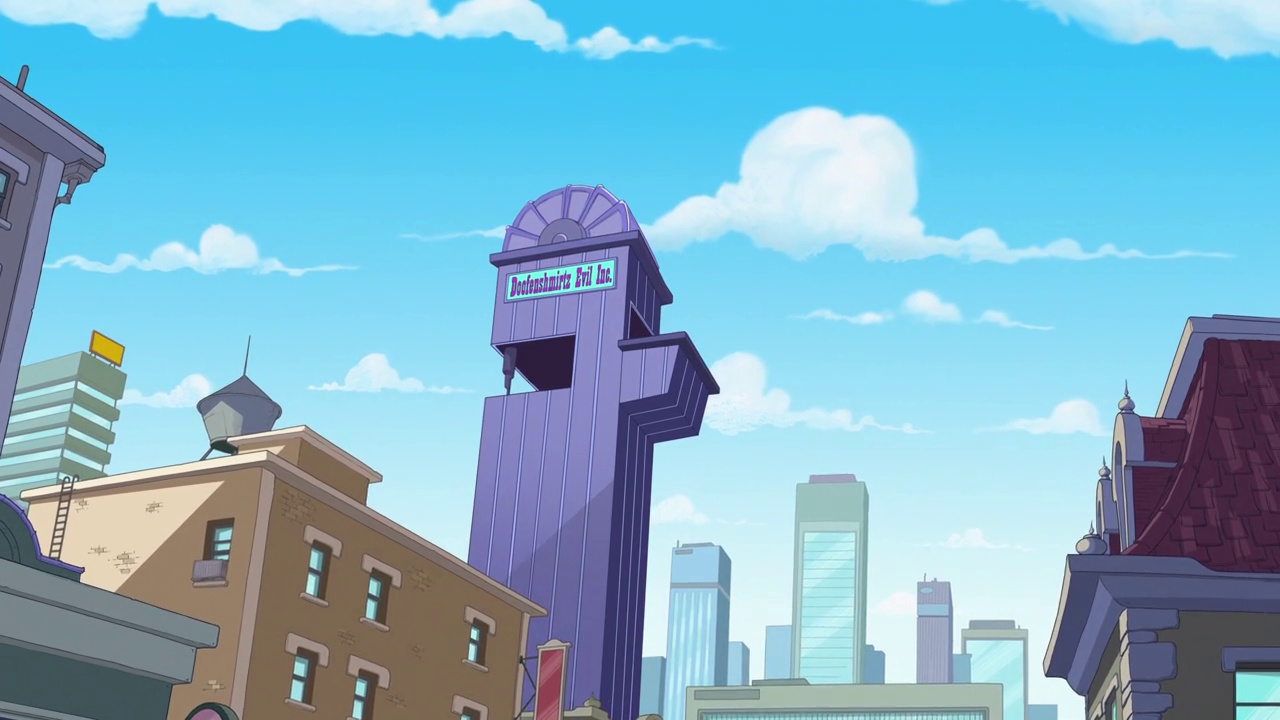
Ten of my favourite Disney films

Spoiler Warning: There will be spoilers for the Disney films on this list.

Disney+ finally reached the UK in March, several months after its US release. I was actually already a subscriber to a different Disney streaming service, Disney Life, and had been for a while, but Disney+ is better-organised, sharper, and does offer more content. Given that you may find yourself with some time on your hands at the moment, it could be a good moment to check out this streaming platform – and I believe it’s free to try for seven days.

I don’t intend for this to be a review of Disney+, but just to discuss it in a little more detail, the service delivers what it promises. Disney’s library of films – including from brands now under the Disney umbrella like Marvel and Star Wars – and Disney Channel original television shows. There’s also a limited amount of content from National Geographic, including some documentaries made specifically for Disney+. I hope to see them add more to this in future, as I love a good documentary. There are also a couple of original shows, including the first live-action Star Wars show, The Mandalorian. But save yourself time on that one because I’ve honestly not seen such a boring series in a long time.

As a childless adult fast approaching middle-age, I admit I still feel a certain embarrassment at admitting I’m a huge Disney fan. Perhaps that’s a product of the time and place I grew up, as nowadays it seems far more acceptable! Disney has created some of the best animated feature films of all time, and even today, almost a century on from when Walt and Roy founded the company, Disney sets the bar that other animation studios wish they could reach. In the last couple of decades, the company has greatly expanded both its content and the brands it owns, growing to become one of the biggest and most powerful entertainment companies in the world.

For this list, I’ll be picking ten of my favourite Disney animated films. This isn’t a “Top Ten” ranked list; instead these are just ten films I really enjoy and I’ll be listing them in order of release. All of them are available to watch on Disney+ if you’re lucky enough to live in a part of the world where the service is already live. If not, I daresay you can find copies on DVD, Blu-ray, or by, shall we say, other means… matey.

So without further ado, let’s jump into the list. Please be aware that spoilers may be present, and that a couple of the entries on this list may have scenes that are outdated and/or insensitive.

Number 1: Peter Pan (1953)

The titular Peter Pan.

There’s a ride at Disney World – and I believe at other Disney parks too – based on 1953’s Peter Pan called Peter Pan’s Flight. If you ever find yourself at the Magic Kingdom I highly recommend it; it’s one of my favourite rides there.

By 1953 Disney was already well-established as the best studio in town for animation. Peter Pan retells – faithfully, at least by Disney standards – the JM Barrie story, which had been a play in 1904 and a novel in 1911. You know the story, of course: Peter Pan lives in Neverland, a place where children never grow up, and has adventures with the Lost Boys while trying to stay one step ahead of his pirate nemesis, Captain Hook. It’s a story which has become a classic, in fact it already was a classic when it was given the Disney treatment. Disney films have been incredibly successful using this formula – taking a classic story and presenting it in a child-friendly manner. In 1953 that explanation described a good portion of Disney’s back catalogue, as indeed it still does today.

Peter Pan introduces a number of characters who would become Disney favourites, including Captain Hook, who is, in some respects, the archetypal film pirate even today (though the “pirate accent” is based on another film of the 1950s, Treasure Island). Tinker Bell, Peter’s fairy friend whose magical dust allows him and the children to fly, also debuts here. Tinker Bell has become a legend in her own right in the wider Disney universe, and is the subject of numerous spin-offs including her own film series.

One thing that always surprises me about older Disney films is how good the animation is – even rendered in full HD on a big-screen television. I was downright shocked to learn, in my youth, that Snow White and the Seven Dwarfs was as old as it was; it still holds up today. As does Peter Pan – the animation, which was all hand-drawn and hand-painted, looks amazing and hasn’t aged a day. Unlike some computer-animated titles, Peter Pan and other hand-drawn films are timeless.

The story is a pure-hearted swashbuckling adventure, as Peter and Wendy lead the Lost Boys to victory against the nefarious Captain Hook. Some of the scenes and references are undeniably dated by today’s standards – I’m thinking in particular of the way Wendy’s leadership is only seen as something maternal, and of course the now-infamous portrayal of Tiger Lily and the Native American tribe. I don’t believe, however, that either of those things are reason to hide Peter Pan or try to pretend it doesn’t exist.

Number 2: The Aristocats (1970)

Abraham de Lacey Giuseppe Casey Thomas O’Malley… O’Malley the Alley Cat!

Often overlooked, as it came out only three years after the incredibly-successful The Jungle Book, The Aristocats is nevertheless a brilliant and fun film with some great musical numbers. Production began shortly before Walt’s death in 1966, and thus The Aristocats is the last film he actively worked on and approved before passing away.

1961’s 101 Dalmations had proven a great success as an adventure story with animal protagonists and human villains, and that basic formula was reused for The Aristocats too. When a rich older lady decides to leave her fortune to her cats – instead of to her butler – he schemes to get rid of them to get his hands on her money. Taking the cats far away from their home, they meet a fun and eclectic cast of characters on their journey home.

As someone with several cats of my own, I do enjoy a good cat-themed story! And while The Aristocats doesn’t do anything radically different or new in terms of its animation style or story – both of which are comparable to Disney’s earlier output – it’s a sweet film that’s greatly enjoyable. Its music celebrates the jazz era of its 1910s-20s setting, and there’s a distinctly old-fashioned feel throughout – but not in a negative way.

There are some great musical numbers, all of which fit into that jazz/swing theme, as the cats make their way home. Marie, one of the kittens, has become a permanent fixture on Disney merchandise, though many of the younger people picking up those items haven’t seen The Aristocats in full! If that applies to you or your little ones, I definitely recommend sitting down to watch the film.

Number 3: Robin Hood (1973)

The Lion King! Oh wait, wrong film.

I mentioned at the beginning that this list doesn’t rank the films in order of how much I like them, but if it did, Robin Hood would be the undisputed number one. It’s my all-time favourite Disney film. Purely from a subjective point of view, of course!

Disney’s output between the “classic” era of the 1930s-50s and the “Renaissance” of the late 1980s-90s that we’ll look at in a moment is often ignored by fans today, and I think that’s a great shame. Perhaps it’s because I grew up on titles like Robin Hood, but I think that it has a lot to offer.

The hand-drawn animation retains much of the Disney charm of years gone by, and though it doesn’t necessarily bring anything new to the table compared to earlier titles, it still looks fantastic today – and don’t let anyone tell you otherwise! There was some recycling present in the film’s animation – most notably in the character of Little John, which is a copy of Baloo, the bear from 1967’s The Jungle Book. In fact, both characters are actually voiced by the same actor – Phil Harris, who also voiced Thomas O’Malley in The Aristocats – which further drives home the point. Even this recycling was actually Disney being cutting-edge; the process used to make exact copies of drawings was an early precursor to photocopying.

Robin Hood is a classic story, an old-world legend of a bandit who steals only to turn around and give away his money to the poor people in the community. In Disney’s adaptation, all of the characters are anthropomorphic animals, but otherwise the story doesn’t really stray too far from the confines of its source material. The inept Prince John – represented by a cowardly thumb-sucking lion, which as a kid I found to be absolutely hilarious – and his evil cohort are outsmarted by Robin and his brave Merry Men. Disney has always been great at using animals perfectly – portraying the Prince’s adviser as a sneaky snake, and the Sheriff’s men as wolves and vultures is definitely a great example of that!

The opening of Robin Hood introduces one of my favourite Disney songs, too – the beautiful Oo-De-Lally.

Number 4: Beauty and the Beast (1991)

The Beast!

After The Little Mermaid revived both the fortunes and reputation of Disney animation in 1989, a period known as the “Disney Renaissance” kicked off, in which the studio churned out a series of films which were both critical and commercial hits. Beauty and the Beast is the second of these films, and it’s amazing.

One of the first animated feature films to use CGI, Beauty and the Beast is groundbreaking in that regard, and the lessons Disney learned about computer animation would bear fruit later in the decade with releases like Toy Story. In that sense, Beauty and the Beast is a very important moment in the history not just of Disney, but of animated films and indeed all of cinema – as CGI has gone on to be massively important in all kinds of titles.

Beauty and the Beast managed to tell an engrossing story that was tense and dramatic, as a cursed prince learns to love for the first time. After a spell was put on him, a prince and his household staff (which seems a tad unfair to them!) were cursed to live as non-human objects, with the prince himself turned into a monster. Belle, a social outcast in her village, falls for him while in captivity.

By making Belle the protagonist, Disney has changed up its traditional princess formula. Belle is a “commoner”; a girl from the village as opposed to aristocratic or royal by birth. She’s disliked and gossiped about for enjoying reading and being intelligent, and with these points Beauty and the Beast says that it’s okay to be smart, and that any girl can be a princess – being a princess is less about where you come from than about being a good person, a theme which has carried through other Disney titles in some ways.

Number 5: Aladdin (1992)

Aladdin and Abu.

Aladdin marked Disney’s first real attempt to make a major film based on a non-European or American legend. It’s a title which marked a change in the way Disney operated, and a risk which could have backfired. It’s a title which is now famous for the Genie – voiced by Robin Williams close to the peak of his career – who has gone on to be a major character in Disney’s merchandise empire.

The story of Aladdin was perhaps uniquely suited to get the Disney treatment as a non-European legend, as it was quite well-known even in Europe and North America, and had been for many years. I remember, as a child, seeing a pantomime version of Aladdin before the film came out. It was probably one of the very few stories from “elsewhere” that Disney could have readily adapted, at least at the time. Nowadays, with the exception of those people who want to screech “cultural appropriation!” at everything, making stories from all across the world into Disney films is something we’ve come to expect and would be fine with; in 1992 it was something different and its success was less than certain. In that sense, Aladdin paved the way for future titles – like Mulan and Moana.

Following The Little Mermaid and Beauty and the Beast, Aladdin kept the “Renaissance” going, winning critical and commercial acclaim for its fun characters, great musical numbers, and exciting storyline. The Genie was, of course, the breakout star – though apparently Williams and Disney didn’t see eye-to-eye on a lot of things during the film’s production and marketing. It would also win two Oscars, and became the highest-earning film of 1992.

There would be two direct-to-video sequels to Aladdin – the first of which, The Return of Jafar, is a rare example of one of these Disney sequels being a success (at least in my opinion!) The film would be remade in 2019 in a live-action format, and while it lacks much of the character of the original, it remains probably the most watchable of the live-action remakes.

Number 6: The Lion King (1994)

Simba and Mufasa in The Lion King.

For many people, The Lion King’s 1994 release was the high-water mark of the Disney Renaissance, and while there will always be a debate on that front, what shouldn’t be contentious is that this film is fantastic. A star-studded cast, including James Earl Jones, bring the characters to life, and Elton John provided an incredible soundtrack, resulting in The Lion King being spun-off to create a long-running West End and Broadway musical.

There was, at the time, some degree of controversy regarding how similar The Lion King was to a Japanese series called Kimba the White Lion, with some fans of the manga/anime franchise going so far as to accuse Disney of ripping off a significant amount of material. Whether you believe this was intentional or not, it’s worth noting that there are similarities in terms of plot and certain characters – I’ll leave the final judgement on that up to you.

The Lion King billed itself as the first ever Disney film to be a wholly original story. Setting aside the Kimba controversy, this marked a change in the way Disney would approach writing stories for its major motion pictures, and while the studio would return many times to legends, history, and existing works of fiction, The Lion King laid the groundwork for future original stories.

The cast included Jeremy Irons, Rowan Atkinson, and Whoopi Goldberg among other stars, and while The Lion King is Simba’s story, the whole main cast gets a turn in the spotlight, including being able to sing. Many of the film’s songs have become well-known classics, often heard on playlists and CDs representing the best of Disney music.

Number 7: Pocahontas (1995)

Colors of the Wind is the best-remembered song from Pocahontas.

Pocahontas remains an outlier in the Disney canon. Other films are based on folklore, legends, and other published works, but the characters in Pocahontas were all real people – people whose lives are surprisingly well-documented. As you may know if you’re a regular, I’m somewhat of a history buff, and the early 1600s – the period in which Pocahontas is set – is really when record-keeping in England had begun to vastly improve in quality. Records of England’s first colony in mainland North America were meticulous, and while some information has been lost over time, for the most part we know a lot about John Smith, Pocahontas, and others who lived at the time.

The film takes a lot of liberties with the real-life story, which is always a contentious topic in historical fiction. But if we can set that argument aside, what Disney created is a film that tries very hard to celebrate Native American culture, recognising that they were the victims in Europe’s rush to colonise North America.

Compared to earlier depictions of Native Americans – like the one we talked about in Peter Pan a moment ago – Pocahontas represents them in a much fairer and less stereotypical manner. There is definitely a case of the “noble savage” – the presentation of Native Americans (and other indigenous peoples in other works) as being “better off” without contact, living peaceful, natural lives that were disrupted. Stereotypes like this aren’t always true, and while the song Savages in particular has sometimes been criticised for portraying the conflict between English settlers and Native Americans as if both were equally in the wrong, it’s worth recognising that Native American tribes, like all groups of people everywhere for all of history, could be violent. I feel like I have to justify some of these aspects of Pocahontas, as the film has recently come in for criticism, so I apologise for going off on a tangent.

Following up The Lion King was always going to be tough, and I think for that reason some of the things Pocahontas did very well, in terms of its animation and music to name but two examples, were overshadowed, especially at the time it was released.

Number 8: Lilo and Stitch (2002)

The titular characters.

After seeing Lilo and Stitch in 2002, it was one of the first films I ever bought on DVD. I was so keen to be able to rewatch it that I even bought a DVD-player kit for my Xbox (it was cheaper than buying an actual DVD player at the time) to be able to watch it! I would go on to collect many other DVDs – before the rise of HD and streaming made the whole collection redundant.

The widely-accepted definition of the Disney Renaissance I mentioned earlier puts 1999’s Tarzan as the final film, but I’d absolutely include Lilo and Stitch alongside titles of that era. Unlike the other films of the Renaissance, Lilo and Stitch tells a wholly original story and introduces new characters to the Disney canon. Release of the film was delayed due to the 11th of September attacks in the United States in 2001, with one section of the film’s climax being reworked to avoid comparisons to that atrocity.

Lilo and Stitch steers away from the often-sanitised world of prior Disney titles, showing Lilo and her sister Nani as a dysfunctional family, with Lilo on the cusp of being taken into care by the state. By Disney standards, this was something radical and different, taking a look at the “real” world in a way no prior film really had. This is complemented by the film’s present-day setting. Lilo herself is a misfit – but someone who refuses to change or conform to fit in. The message she sends is that it’s okay for kids to be themselves, and even that it’s okay to be weird – something I wholly embrace!

Stitch is adorable, but also naughty in a way that undoubtedly appeals to kids. As the film progresses, he has a chance to show his good nature and big heart, in a story that tells the audience that genetics and how you’re born doesn’t matter – what matters is being a good person and making the choice to do the right thing. Stitch overcomes his innate badness – the desire to misbehave instilled in him by his creator – thanks to the time he spends with Lilo and her family, choosing at the end to remain with her on Earth.

The film’s soundtrack definitely deserves a mention. While there are a couple of great original songs inspired by the music of Hawaii (where Lilo and Stitch is set), the soundtrack also features several of Elvis Presley’s greatest hits, including greats like Devil in Disguise and Burning Love. As an Elvis fan, I couldn’t be happier about this, and introducing more than one new generation of kids to the music of the King is definitely something great that Lilo and Stitch has done.

Number 9: Frozen (2013)

Anna and her friends meet Olaf for the first time.

When Frozen was released in 2013 I was living overseas for work. While browsing local cinema listings for English-language titles, I spotted Frozen, and it was the first I’d heard of it! Having missed all of the marketing I had no idea what to expect – and I was absolutely blown away.

I’m a big Christmas fan, and being released a few weeks before Christmas and with such a wintry setting, Frozen was absolutely perfect for that time of year. It was the first Disney film I’d seen in years that I felt was on par with some of the studio’s offerings in the 1990s – the height of the “Renaisannce” we’ve already mentioned.

Focusing on two sisters instead of the traditional prince and princess, Frozen shakes up the traditional Disney fairytale formula while keeping things royal for the sake of its Disney Princess brand. It was a change that absolutely worked, and the film’s “one true act of love” being sisterly love instead of romantic love was beautiful.

The big twist that Anna’s beloved Hans is in fact a villain and not the heroic prince charming she thought he was was shocking – and I can still remember the audible gasp from the audience at the cinema at that moment! By Disney standards, this was absolutely stunning, and tied in perfectly to the level-headed reasoning Elsa had shown earlier in the film when she forbade Anna to marry him. Indeed in many ways, Frozen is a film of its time, just as earlier titles were films of theirs. Acutely aware of the fact that its princesses are often seen as role models by young girls, the need to be socially responsible within the story definitely led to some of these decisions.

Frozen also has the best soundtrack of any modern Disney title – with several memorable songs like Do You Want to Build a Snowman, Love is an Open Door, Fixer Upper, and of course Let It Go, which remains an amazing song despite how frequently it was heard for at least a year afterwards… but perhaps parents of young girls would disagree on that point!

I picked Frozen for one of my top ten films of the 2010s when I made a list back in December – you can find the full list by clicking or tapping here.

Number 10: Moana (2016)

Moana aboard her canoe.

In 2016, when it was released, at least some of the hype surrounding Moana was lost due to the release six months earlier of Zootopia – which was retitled, for some stupid and inexplicable reason, Zootropolis in the UK. We’d been used to only seeing one Disney film a year, at most, so this meant that some of the pre-release marketing surrounding Moana didn’t get as much attention as it otherwise might’ve. Zootopia was a big hit, but of the two films released in 2016, Moana was by far the more enjoyable title.

Disney had begun to diversify away from Old-World European fairytales and folklore for its inspiration as far back as Aladdin and Mulan, and had brought in other non-European protagonists and princesses in films like The Princess and the Frog and even Pocahontas, but Moana was the first foray into a lesser-known culture – lesser-known, that is, from the point of view of Disney’s western audience.
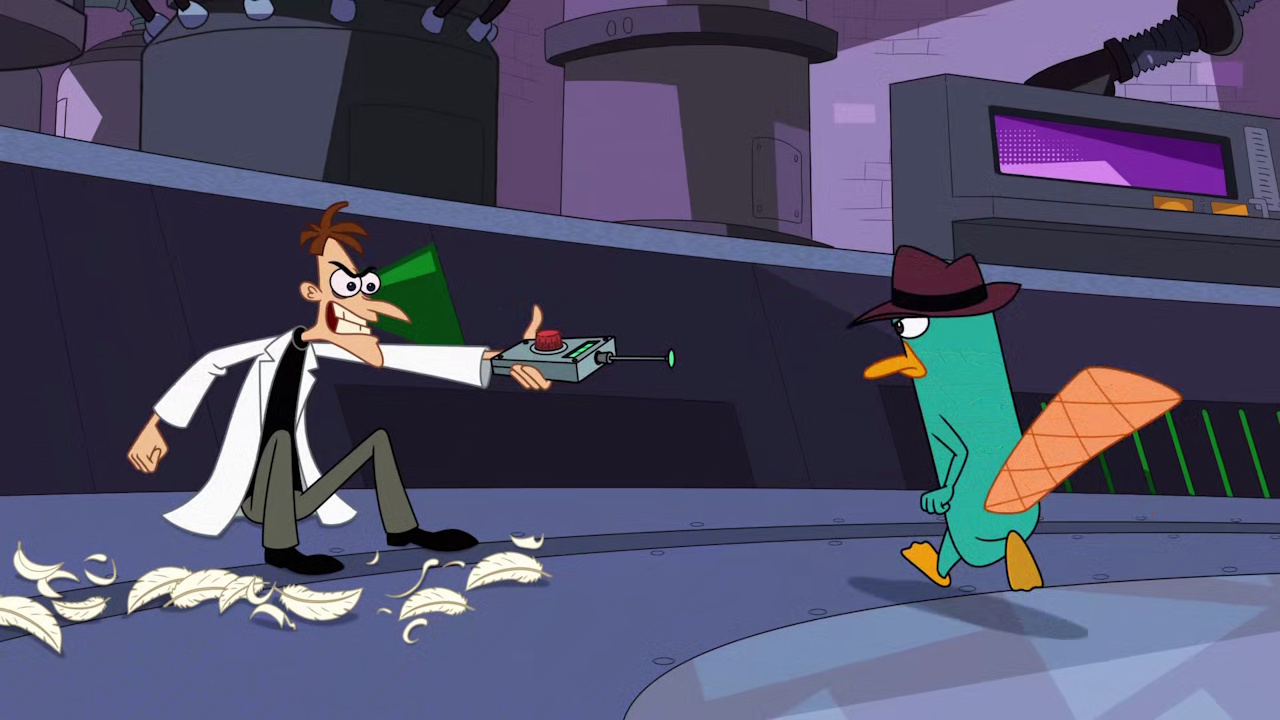
The history of Polynesian peoples is long, diverse, and fascinating, with a blurred line between history and legend due to stories being passed down orally. It’s also something most people in the west have never encountered; scattered across small and remote Pacific islands, most Polynesian legends stayed within their own communities or were recorded by academics and anthropologists and never made it into the cultural mainstream. Moana looks at one of these legends and spins it into a Disney tale for the modern age.
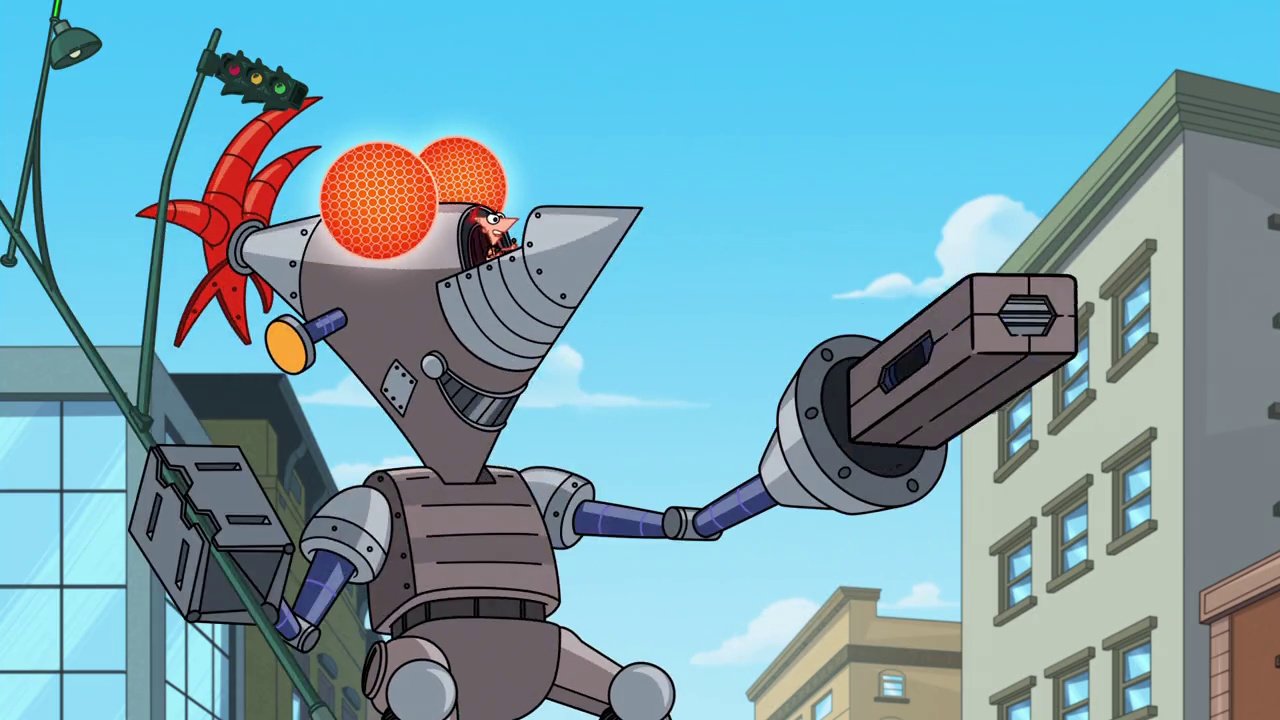
Moana is adamant that she isn’t a princess, even reacting angrily when Māui says she is. Where Frozen had finally told a Disney Princess story in which the princesses are the heroines and have genuine agency as characters, Moana amplifies that trend by having just a single protagonist. Her bravery and determination to overcome the obstacles in front of her drives the story forward, and eventually her courage leads her to stand up in the face of a terrifying foe. Moana had help, but ultimately she had to make those decisions and fight those battles – thus out of all the princesses in Disney’s canon, Moana is the bravest and most determined, which is a great message for the film to have.
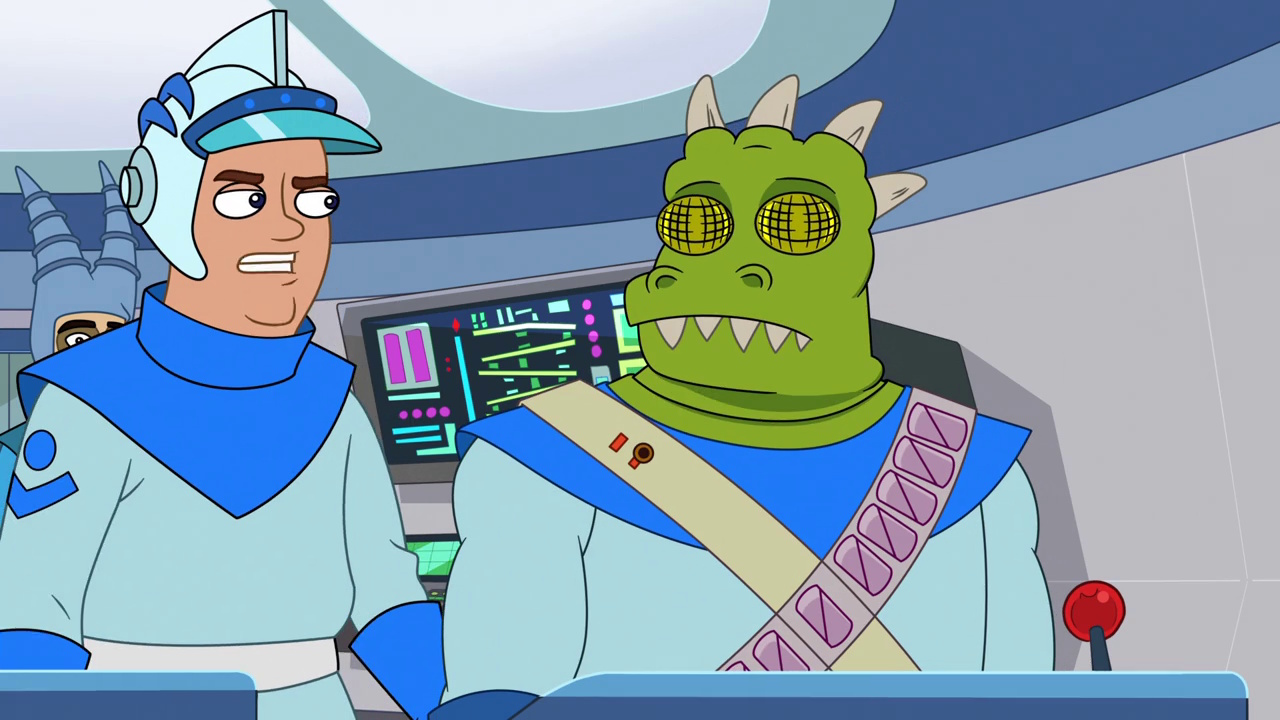
The film also has a great soundtrack, with several hit tunes such as You’re Welcome going on to be played time and again.

So that’s it. The list doesn’t include live-action Disney films like the Pirates of the Caribbean series, so perhaps we’ll have to come to live-action Disney films on another occasion. However, several of the titles on this list have had live-action remakes – and in my opinion at least, not one of them has managed to live up to the original work. A couple of them are well worth a watch – Aladdin, in particular, was at least a decent film – but none of them come close to recapturing the Disney animation magic, at least not for me.

There are more films on the horizon, with Raya and the Last Dragon being the only one with a title so far, scheduled for release in 2021. Disney+ has, in some respects, changed the way Disney approaches its films and back catalogue. Gone are the days of the “Disney vault”, with titles given only limited home video releases. Instead, the company plans to leave all of its films available all the time, and in some cases will even be experimenting with simultaneous releases in cinemas and on streaming. That has the potential to really shake up the way films are released. From a selfish point of view, as someone who can’t go to the cinema in person any more, I think it’s a positive change. But whether it will work as intended is anyone’s guess.

Several generations of people have now grown up with Disney films – even my parents’ generation, people born in the 1940s and who are now well into their 70s, remember with fondness the Disney films of their childhoods. Which titles someone may prefer is probably, at least in part, dependent on when they grew up and which ones they saw at that time. But each “era” of titles, whether we’re talking about those made before Walt Disney’s death, the “Renaissance” of the 1990s, or the modern films like Frozen all have merit, and while the way they’re made may have changed through the years, the effort and attention to detail has not. Disney remains the market leader in animation because each film is meticulously created. There may be some flops and failures, but broadly speaking, the studio’s output has been phenomenal. The fact that they’re still around and still making films after such a long time is testament to that.

It was great fun making this list, and if it helped you decide what to watch on Disney+, then as Māui said… you’re welcome!

What can I say except “you’re welcome!”