

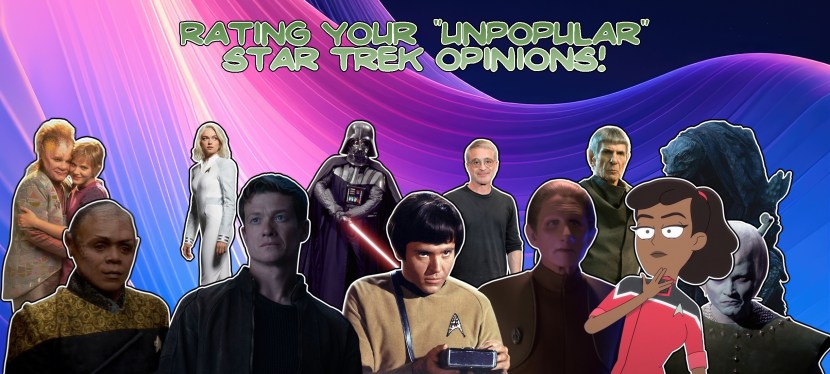

Spoiler Warning: There are spoilers ahead for practically the entire Star Trek franchise, including recent seasons of Discovery, Picard, Strange New Worlds, and Starfleet Academy.
Later this year, Star Trek will celebrate its sixtieth anniversary – that’s six decades of sci-fi adventures, space exploration, and a wonderful fan community that I absolutely adore! Today, I thought it could be a bit of fun to look at some of the Trekkie community’s so-called “unpopular opinions” about Star Trek. If you read my piece about fan theories a few weeks back, I’m going to do something similar this time around: I’ve compiled a bunch of “unpopular opinions” from across social media, and I’m going to dissect them!
I went to Tumblr, Facebook, Reddit, TikTok, and other social media pages, scanning posts and comments sections, and I pulled out twenty-five “unpopular opinions” for this piece. And rather than just state them and share my opinion, I thought it could be interesting to try to answer two questions! Firstly, I’ll share whether I agree or disagree. And secondly, I’ll try to gauge whether the opinion in question could fairly be described as “unpopular.”
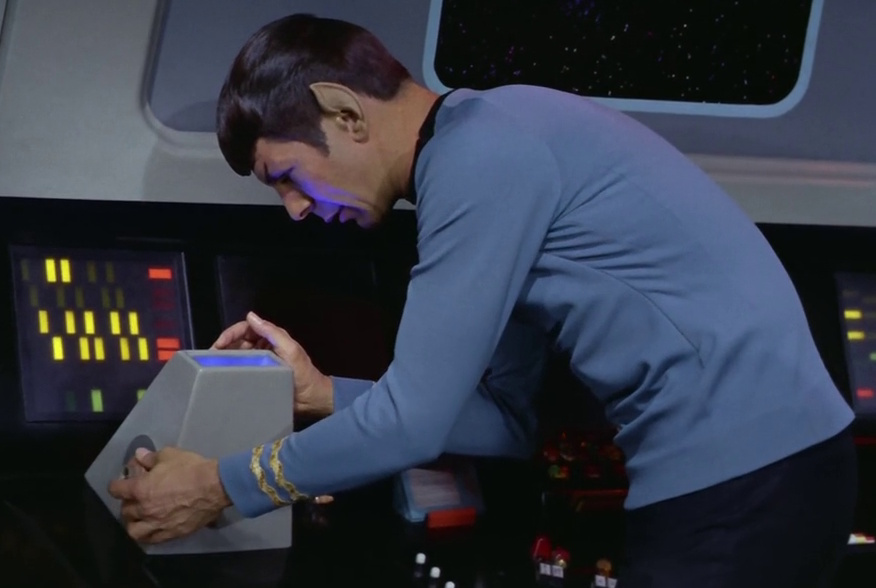
Here’s a couple of examples so we’re all on the same page!
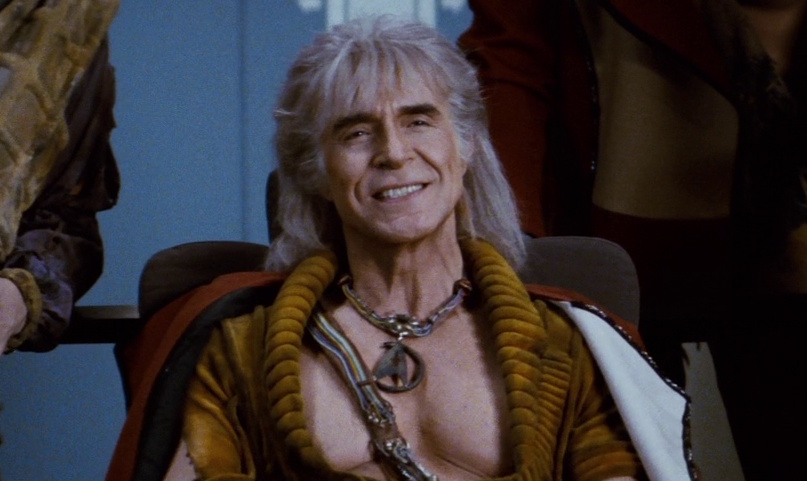
Example #1: “Khan sucks as a villain because he’s lame and boring, and his evil scheme makes no sense.”
I would say I disagree (vehemently) with this opinion! But I would concede that it is a genuinely *unpopular* opinion within the fan community and with a wider audience. In fact, it’s such an unpopular opinion that I’ve never seen anyone genuinely express it!
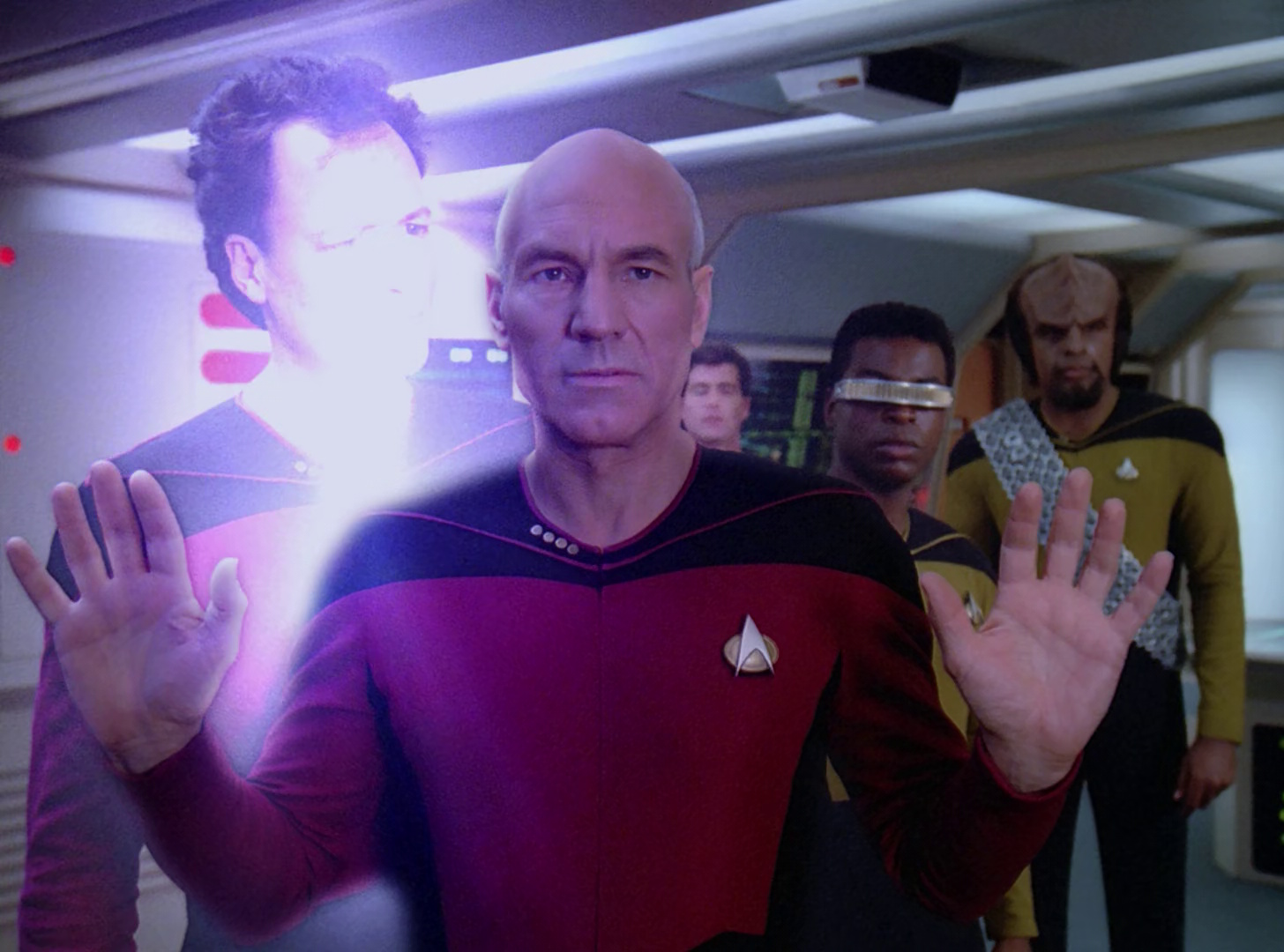
Example #2: “Captain Picard is the best Enterprise captain, better than Kirk or Archer or anyone else by miles.”
This one’s a toughie on the “agree/disagree” bit, because Kirk, Archer, and really every Star Trek captain across the franchise have plenty of their own strengths. But if I had to come down on one side or the other, I’d say I agree; Picard is a great captain. However, this is clearly not an “unpopular” opinion within the fandom – ask any group of Trekkies who their favourite captain is, and it won’t be long before you hear multiple people say “Picard!”
So… does that cover everything in terms of the format?
It should go without saying, but everything we’re going to talk about today is *entirely subjective, not objective* – and it’s just one old Trekkie’s take, at the end of the day. If you hate my opinions, think I’ve got it completely wrong, or if I criticise a show or character you adore, please try to keep that in mind! There are a variety of opinions out there about this wonderful franchise, and I share mine with the Trekkie community in the spirit of light-hearted celebration in this landmark anniversary year.
Some of these “unpopular opinions” have clearly been shared in a tongue-in-cheek way (at least, I hope they have!) and I’m not planning on taking any of this too seriously. This also shouldn’t be interpreted as an “attack” or “hate” for any folks in the fandom who genuinely hold any of these opinions. This is meant to be a bit of fun, partly at Star Trek’s expense, as we move closer to the 60th anniversary.
With all of that out of the way, this is your final chance to nope out if you don’t want to get into some potentially controversial Star Trek opinions!
“Unpopular” Opinion #1:
Threshold is a great body horror episode.
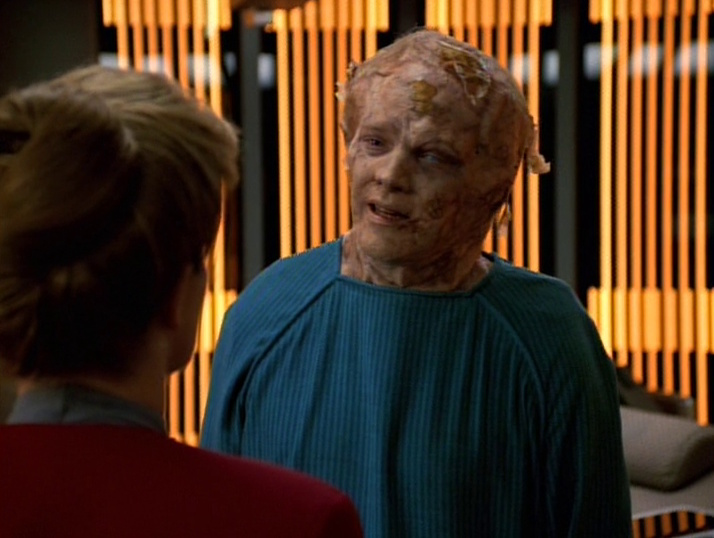
“Threshold” and “great” in the same sentence, eh? We’re starting off strong! I can see where this is coming from; Tom Paris’ gradual mutation into a salamander-like “hyper-evolved human” does have some genuinely disturbing moments, brought to life by some solid prosthetics during the sequences in sickbay. The idea of mutating in real-time, and not being able to do anything to stop it… that’s the same kind of idea behind classic body horror films like The Fly, only with a Star Trek flavour in this case.
I would say, though, that for whatever successes Threshold might have on the body horror front in the middle of the story, the ending really nullifies all of it. The CGI salamanders weren’t great to look at, nor were they frightening or disturbing in any way, and the typical episodic TV “reset” of Paris and Janeway back to their normal selves meant there were no lasting consequences for either of them. This comment is clearly a response to Threshold’s meme status, and I’m glad that Trekkies are willing to re-examine even the most disliked episodes! But for me, Threshold is still a weak story, and while there is some creative body horror-adjacent storytelling in the middle, it’s completely negated by the way the episode wraps up.
Unpopular? ✅Yes.✅
Agree? 🛑No!🛑
“Unpopular” Opinion #2:
Spock and Chapel’s romance is too big a part of Strange New Worlds – and it sucks.
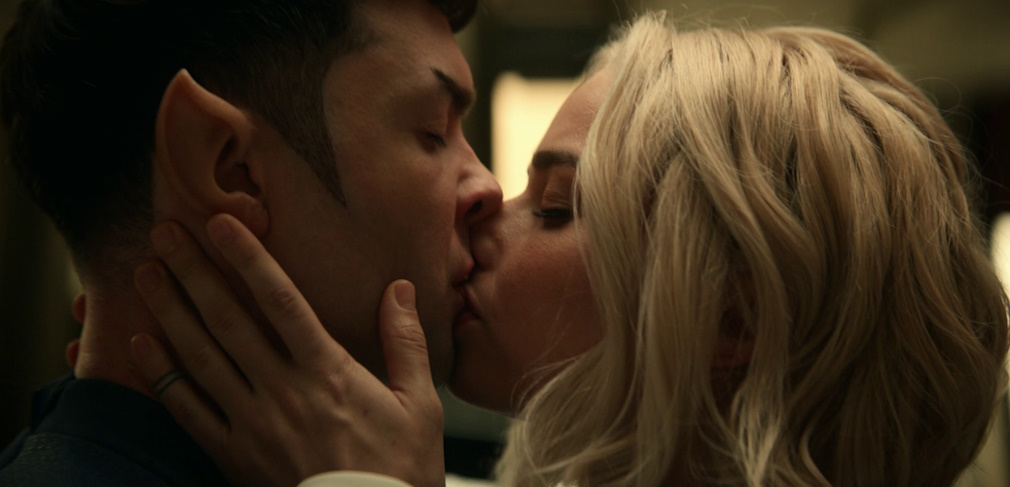
100% agree on this one – no notes! Chapel’s “crush” on Spock in The Original Series was cute. But it wasn’t a huge part of the show for either of them, and it didn’t need this kind of on-again, off-again storyline in Strange New Worlds to make sense. In my opinion, Strange New Worlds has been way too focused on Spock and putting him in situations which, frankly, are toe-curlingly cringeworthy. The Chapel-Spock romance is part of that. I had hoped that, with the addition of Chapel’s fiancé, we’d have seen the back of this storyline – but alas.
I think I could’ve stomached an episode or two in which this relationship existed and ran its course. But I agree with the original poster, here: it’s become way too big a part of the show. When combined with other “Spock comedy” storylines (which seem to be the only Spock storylines the producers are interested in or know how to write), it quickly became too much. Cringeworthy, unnecessary, and arguably treading on the toes of The Original Series, too. A bad combination all around! And, based on the number of likes and comments on posts like this, I think it’s a fairly common take among Trekkies, too.
Unpopular? 🛑No!🛑
Agree? ✅Yes.✅
“Unpopular” Opinion #3:
T’Rul should’ve become a recurring character on Deep Space Nine.
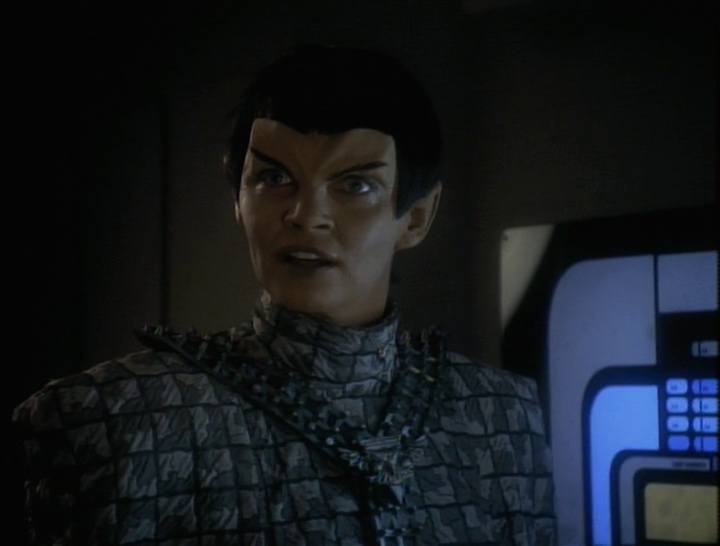
In The Search, which kicked off DS9′s third season, we’re introduced to the USS Defiant for the first time: the first Federation starship (officially) able to cloak. The cloaking device was loaned to Starfleet by the Romulans, and Sub-Commander T’Rul was the officer assigned to oversee it, and make sure it wasn’t being used in a way that violated Federation-Romulan treaties. However, after her first appearance, T’Rul disappeared from Deep Space Nine. Martha Hackett, who played the character, would go on to have a recurring role on Voyager as Seska.
I quite like this idea, to be honest. T’Rul would’ve added something different to DS9 during some of the episodes set aboard the Defiant, and it could’ve been fun to see a Romulan getting to know the crew and learning how to live with the Federation. There wasn’t a Romulan character like that through the entire TNG era, and it wouldn’t be until we met Elnor decades later that we’d get to spend more time with a Romulan. I can see plenty of stories where T’Rul could’ve played a role, and I especially like the idea of her trying to socialise with members of the crew, perhaps teaching us a bit about Romulan culture and customs along the way. Definitely a niche idea, though!
Unpopular? ✅Yes.✅
Agree? ✅Yes.✅
“Unpopular” Opinion #4:
The first few episodes of Lower Decks were too “horny,” and this turned off potential viewers.
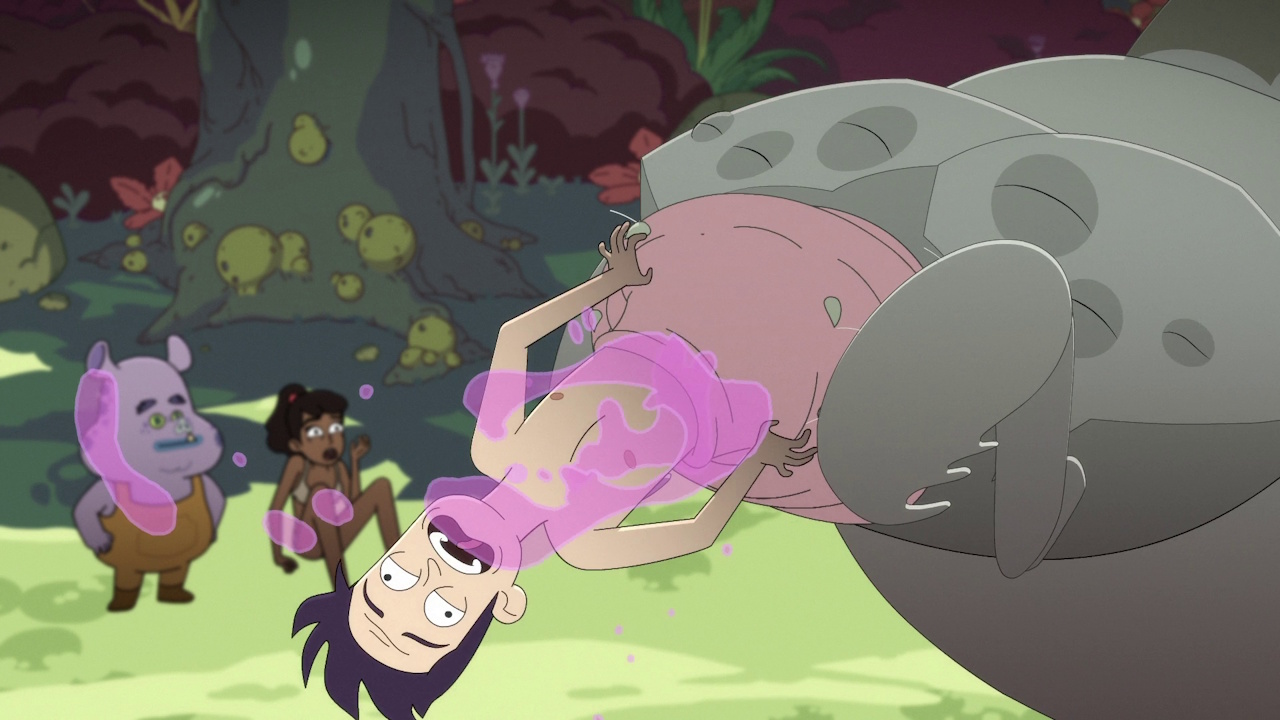
Assuming the original poster meant “horny” as in “overly sexualised,” I have to say I don’t agree. Not that the first episodes of Lower Decks had a lot more sexual imagery and language than TNG-era Star Trek – they absolutely did! But I disagree that the early episodes are unique in that regard! I’ve only seen up to the first part of Season 3; Lower Decks is still a show I need to catch up on and finish watching. But I didn’t feel the tone changed or softened very much across the first two-and-a-bit seasons – which is basically half of the show.
In the run-up to Lower Decks’ premiere, I was a firm advocate for the fact that Star Trek can be funny, that Star Trek has always been funny, and that being an animated comedy shouldn’t matter as long as the show is good. I think the general response from Trekkies has been that Lower Decks is a solid addition to the franchise, even recapturing that episodic, TNG style which Discovery and Picard had moved away from. But did some of its crude humour or over-the-top moments mean some Trekkies switched off? Probably. In fact, almost certainly. Not every Star Trek show is right for every viewer, so folks who want to take the franchise seriously, and who don’t want a Rick and Morty-inspired take on Star Trek were probably never going to enjoy what Lower Decks had to offer.
Unpopular? ✅Yes.✅
Agree? 🛑No!🛑
“Unpopular” Opinion #5:
Chekov was “useless” in The Original Series.
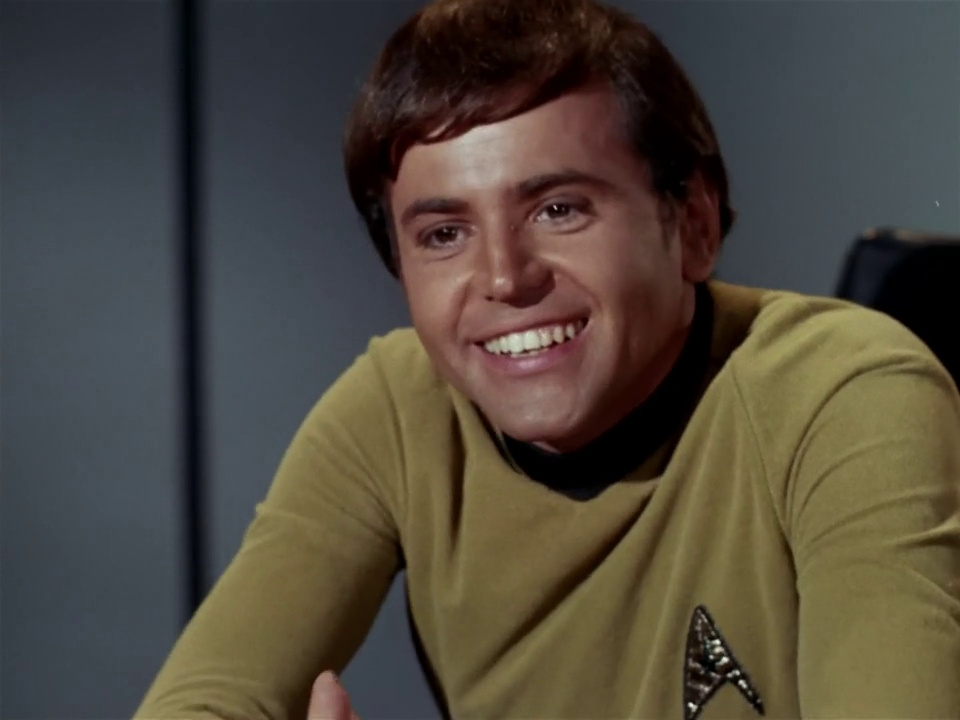
I think I can see where this one is coming from… but I really don’t agree. Chekov was a late addition to TOS, joining in from Season 2. He only appeared in 36 episodes in total – less than half of The Original Series. But… none of that makes him “useless.” In fact, I’d argue very passionately that Chekov’s presence on the bridge alongside Sulu, Kirk, Uhura, and the others was a very powerful and symbolic statement: at the height of the Cold War, a mere five years after the world almost blew itself up over the Cuban Missile Crisis, here was a vision of the future in which Russians, Americans, and humans from all over the world were living and working together in harmony.
Like most of the cast of The Original Series outside of “the big three” of Kirk, Spock, and Dr McCoy, Chekov got fewer moments in the spotlight and fewer lines, and because he joined the show later, I guess that shows up even more. He was also absent from The Animated Series, due to the show’s tight budget. But he does get storylines and interesting moments across practically all of his episodes, and he stands in for Sulu at points in Season 2, as well. Not useless at all!
Unpopular? ✅Yes.✅
Agree? 🛑No!🛑
“Unpopular” Opinion #6:
Discovery is overrated.
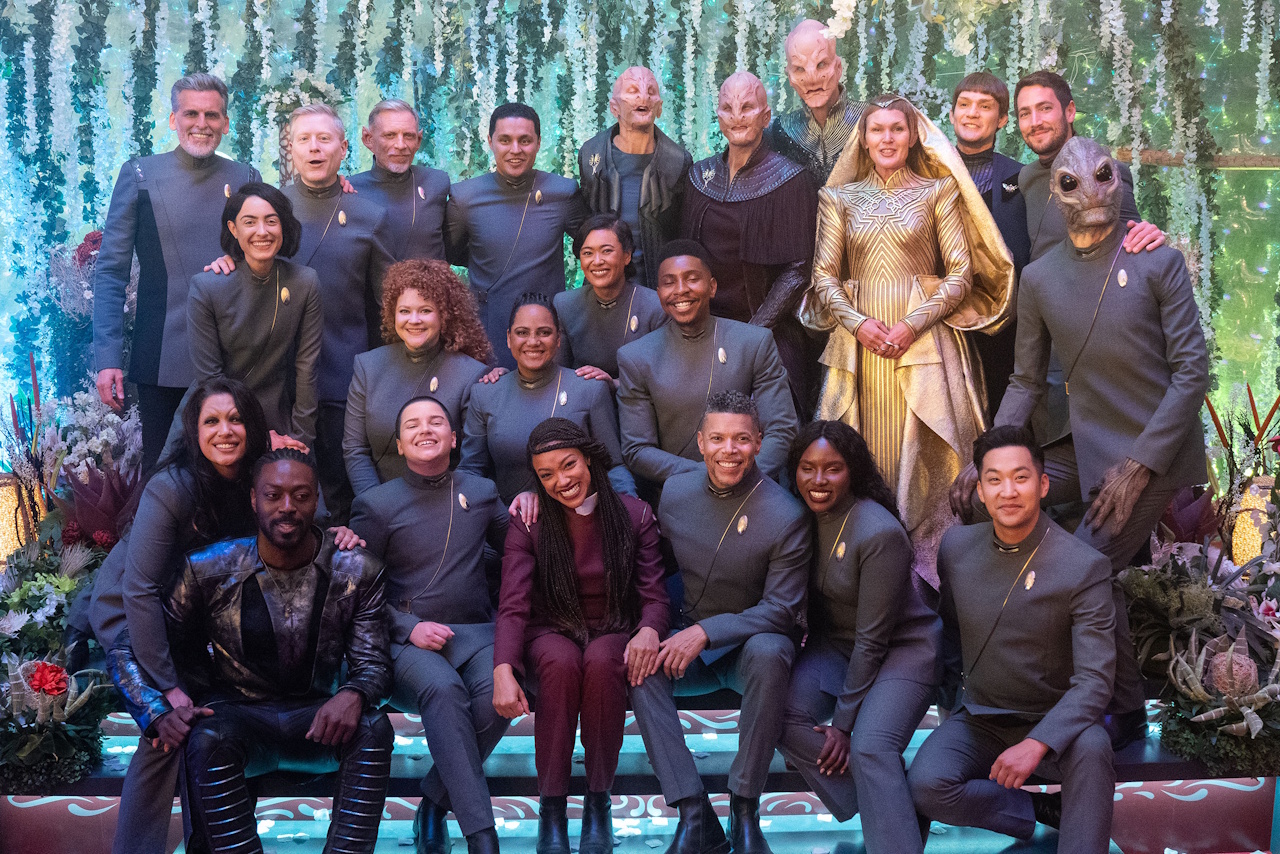
I had to do a double-take when I saw this. “Surely,” I thought, “the original poster must’ve meant underrated, or maybe over-*hated*?” But no, this is their unpopular opinion! To be blunt, I don’t think Discovery is rated particularly highly by a large swathe of the fan community. It has its fans, of course – myself included for the most part. But “overrated” suggests that the show is held in high esteem when it shouldn’t be, when really I’d be arguing the opposite: that too many Trekkies wrote off Discovery without giving it a fair shake, and that Season 2, and parts of Seasons 3 through 5 all had good episodes, interesting moments, and more.
For something to be “overrated,” it has to have that acclaim within the fan community, and I just don’t see Discovery having that kind of reputation for the most part. I think it’s absolutely fair to criticise Discovery, as I’ve done on many occasions here on the website. And if the original commenter dislikes some or all of the show, then that’s okay. But I couldn’t say Discovery is overrated… because I just don’t think the fan community at large rates it very highly to begin with!
Unpopular? 🛑No!🛑
Agree? 🛑No!🛑
“Unpopular” Opinion #7:
Captain Janeway did the right thing with Tuvix.
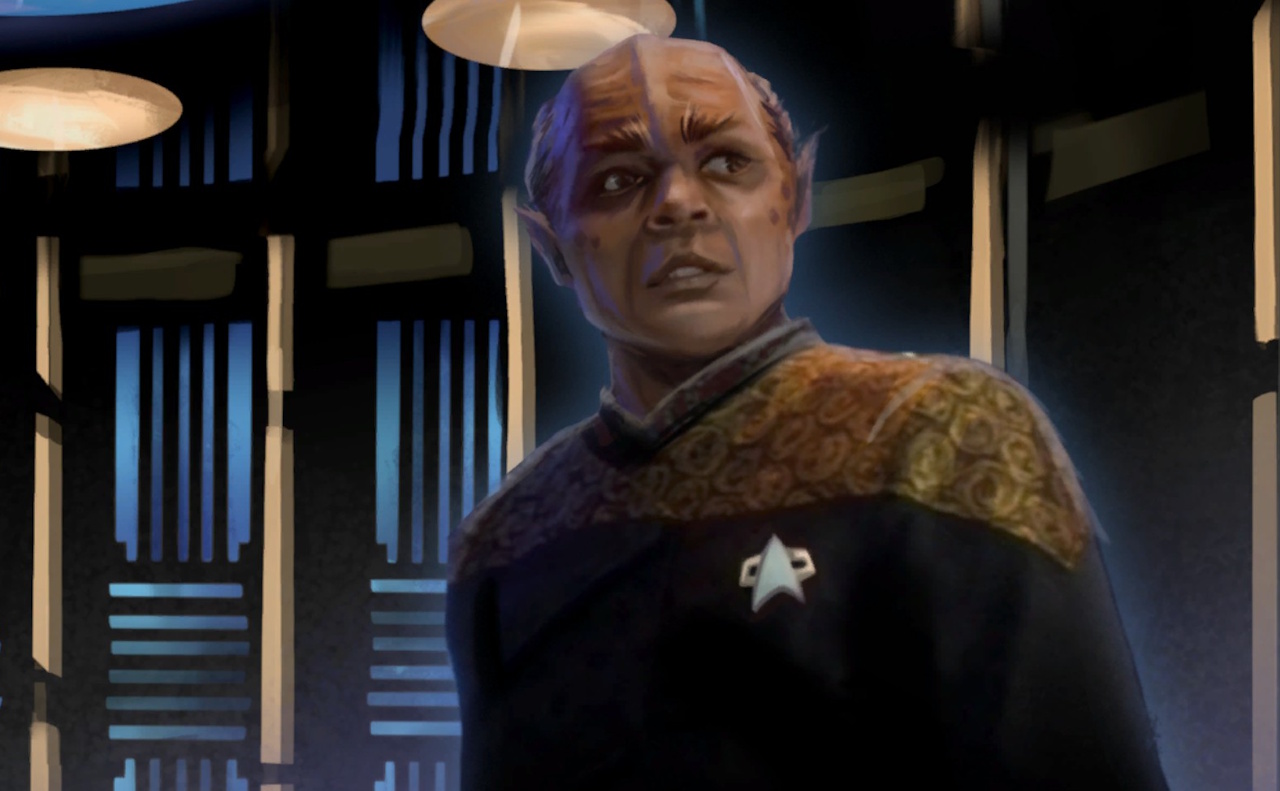
Tuvix’s controversial status lives on! One of the best things about Star Trek is that many episodes make you stop and think. They present complex issues with moral quandaries, and they don’t shy away from reckoning with them. And Tuvix is one such example. Do you kill a man you barely know while he’s pleading for his life in order to save two of your friends? Captain Janeway believed she had to, and even stepped in to do it herself when the Doctor refused.
I can understand her point of view. The mitigating circumstances are the unique perils of the Delta Quadrant, and Tuvok and Neelix’s skills in navigating it. But was it the “right” thing to do? The episode pulls no punches, and I’ve even heard some fans say it’s the worst thing Janeway ever did. I don’t agree on that front – wiping out an entire timeline and the lives of everyone in it has to take that prize! But yeah, it was a shitty thing to do. It was a tough situation, and Janeway made the call that she felt gave her ship and crew the best chance of making it home. And hey, if you disagree… play the new video game Across the Unknown and make a different choice!
Unpopular? ✅Yes.✅
Agree? 🛑No!🛑
“Unpopular” Opinion #8:
Wesley Crusher is fine/underappreciated/good.
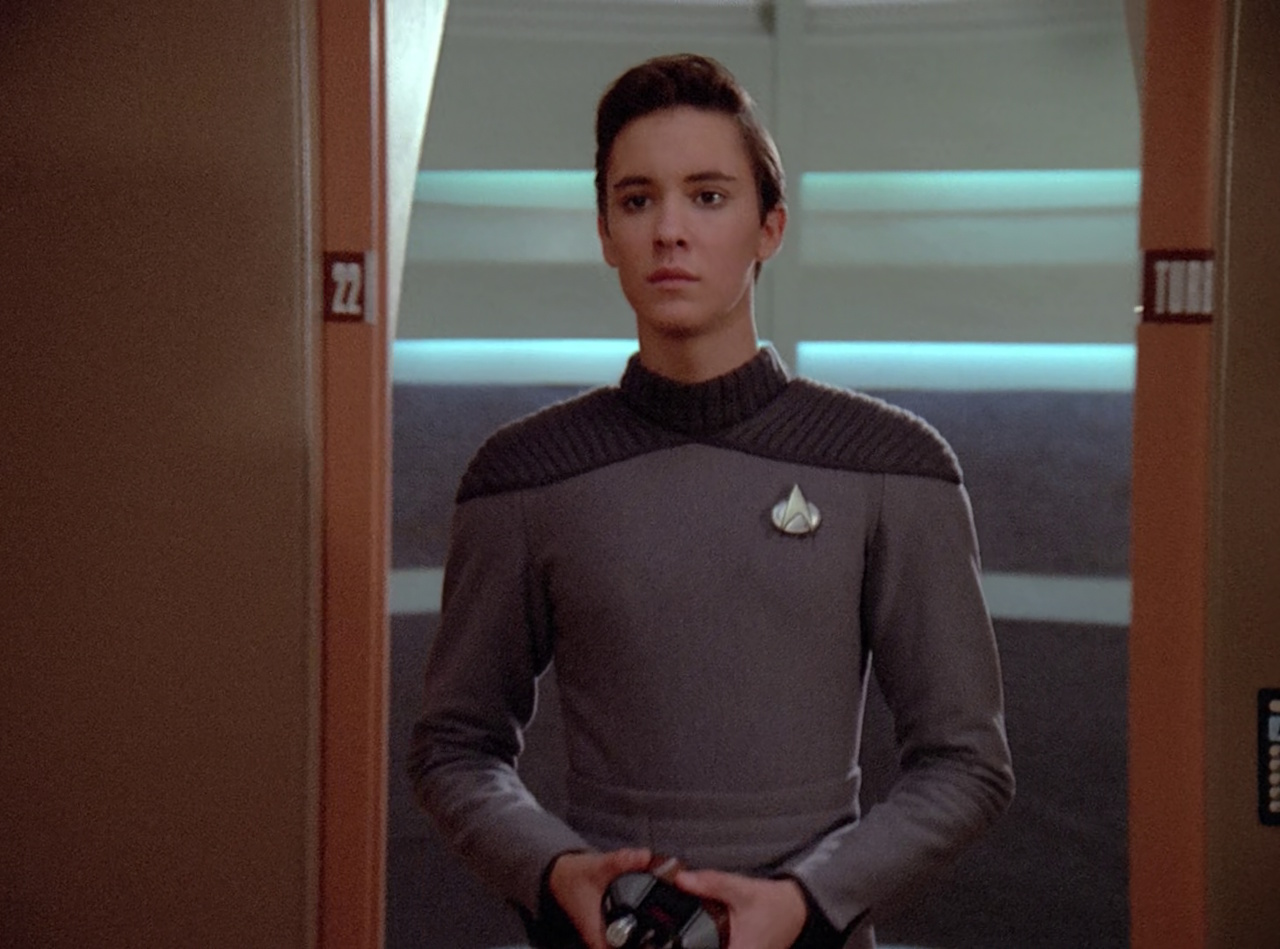
Things have changed a lot for Wesley over the years, I think in large part due to actor Wil Wheaton’s incredibly positive attitude and the great way he’s advocated for and represented the Trekkie community. But there was a time when Wesley was wildly unpopular; in the early days of Star Trek fansites, back when I was first getting started with the internet in the ’90s, hating on Wesley was one of the most common things you’d see. I never felt Wesley deserved all the hate he got; some of it crossed a line, really, into something a bit unpleasant or even sinister. We’re talking about a child, after all, or a teenager, and attacking a performer because you don’t like their character is just stupid.
However… I get where the original dislike stemmed from, especially in stories where Wesley could seemingly do no wrong, or was better and more competent than the trained officers around him. Partly, this came from Gene Roddenberry – Wesley was a bit of a self-insert character for Gene, even being named for Roddenberry’s own middle name. But Wesley did have weaknesses and flaws, even in The Next Generation’s first season. His inability to get accepted to the Academy being just one example. And when Wesley did make it to the Academy, the accident he was caught up in tested his loyalties and morality to the limit. Is he the best character in Star Trek? Arguably not. Is he better than folks give him credit for? I’ve gotta say yes.
Unpopular? ✅Yes.✅
Agree? ✅Yes.✅
“Unpopular” Opinion #9:
The reboot/Kelvin timeline Enterprise is a beautiful ship.
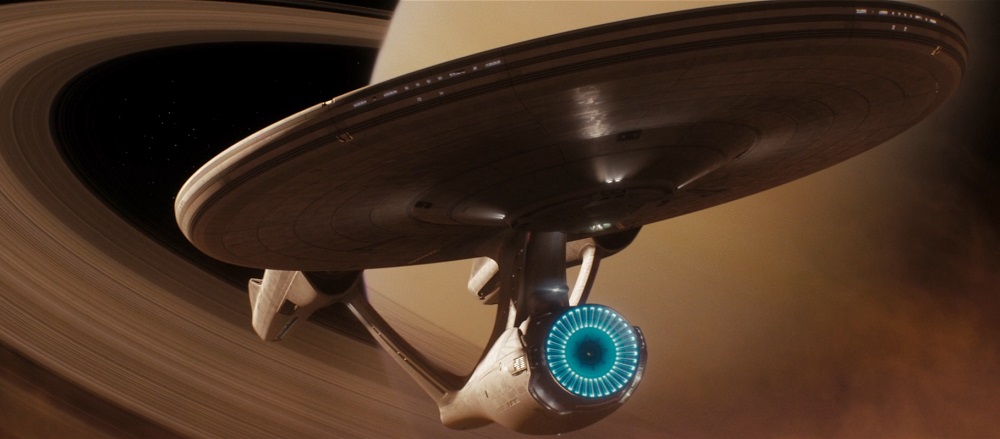
To this day, I know Trekkies who point-blank refuse to watch the Kelvin films. But… I think the out-and-out hate for the reboot has begun to fade, thanks to the passage of time. Practically everything about the 2009 reboot was controversial in some quarters of the fan community when the film was released, including the redesign of the USS Enterprise. The design took the original Constitution-class from TOS and changed a lot of things, with a different colour scheme, bulkier nacelles, a lit-up main deflector, and more. It’s certainly a different interpretation of the classic ship from four decades earlier.
I’m actually pleased to see opinions like this. There will always be holdouts – people who can’t get over the changes and who only want to stick to a certain design philosophy or a particular era of Star Trek. But as time passes and puts distance between us and the premiere of these designs, I think it’s nice to see more Trekkies revising their opinions, revisiting some of these elements of the reboot films, and coming away with a more positive impression. It gives me hope, quite honestly, for the future of the fan community in the years to come, and that some of today’s controversies may also be forgiven over time!
Unpopular? 🛑No!🛑
Agree? ✅Yes.✅
“Unpopular” Opinion #10:
“Faith of the Heart” was a good song for Enterprise’s title sequence.
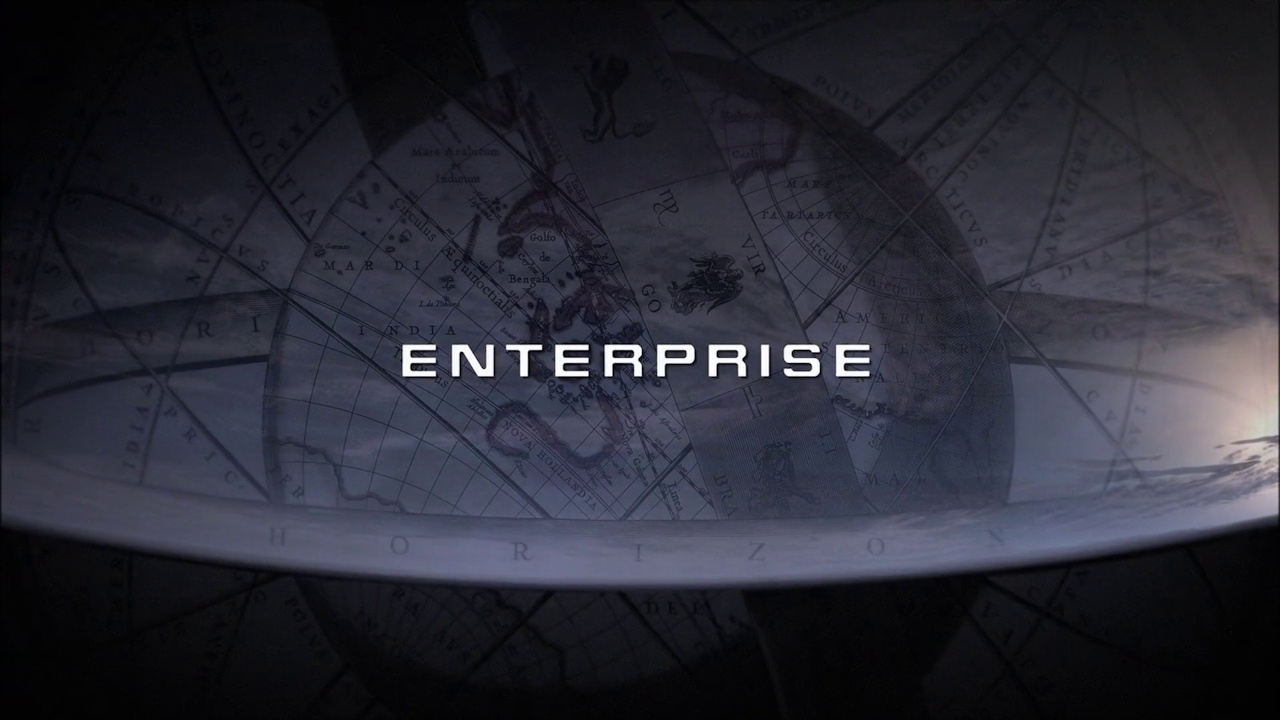
This is another example of the passage of time smoothing things out, I think! I remember hopping online, circa 2001, to try to download Faith of the Heart – and then burning it onto a CD and a MiniDisc (remember those?) so I could listen to it on the go! Sure, it was different – the whole sequence, really, is a very “2000s” way to open a show, and it feels a bit dated today. But I’ve always enjoyed the song, and I certainly never agreed with folks who said it “ruined Enterprise,” or turned them off so completely that they wouldn’t even watch the show!
“Archer’s Theme,” the music heard during Enterprise’s end credits, is the track some folks argue the show should’ve used instead. And I get wanting Star Trek to revert to type; to have the ship warping over a starry background while an orchestra plays a piece of music. But did “Faith of the Heart” really change much about the series? It’s still Star Trek. And if you hate it… well, it’s never been easier, thanks to DVDs and streaming, to skip it! That being said, I think this is still a minority position within the wider fan community, even if the song’s reputation has recovered somewhat over the years.
Unpopular? ✅Yes.✅
Agree? ✅Yes.✅
“Unpopular” Opinion #11:
Neelix and Kes were a good couple.
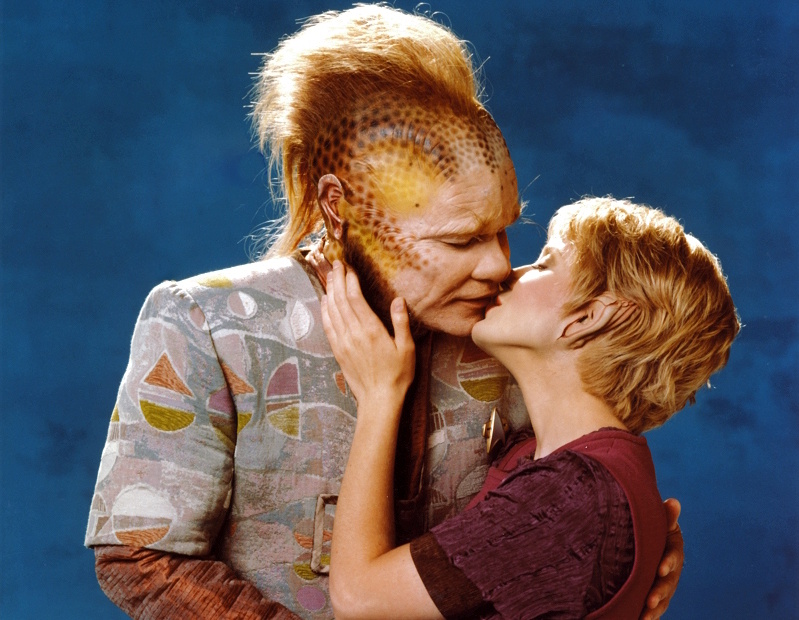
This one has to be trolling, right? I’d go so far as to say that, if Neelix’s relationship with Kes had been in focus in Voyager much more than it was, it could’ve been genuinely detrimental to both characters and even the entire series. As the setup for getting Neelix to help Janeway and ultimately join the crew, it tracks. But what it says about Neelix – a man in the Talaxian equivalent of middle age – falling in love with a girl who’s… one year old, and the Ocampan equivalent of, what? Seventeen or eighteen? It’s… really, truly icky.
Moreover, the relationship exaggerated some of Neelix’s worst qualities. In episodes like Parturition, we’d see him getting jealous and possessive over Kes in a way that, frankly, felt uncomfortable. A man who seems positive and happy-go-lucky on the outside seemed to have a dark, possessive, almost abusive streak, and if that had been brought up even once or twice more, it would make Neelix truly difficult to root for. Fortunately, this isn’t an opinion I’ve ever seen another Trekkie endorse, though!
Unpopular? ✅Yes.✅
Agree? 🛑No!🛑
“Unpopular” Opinion #12:
Sybok was a fun and deep villain in Star Trek V.
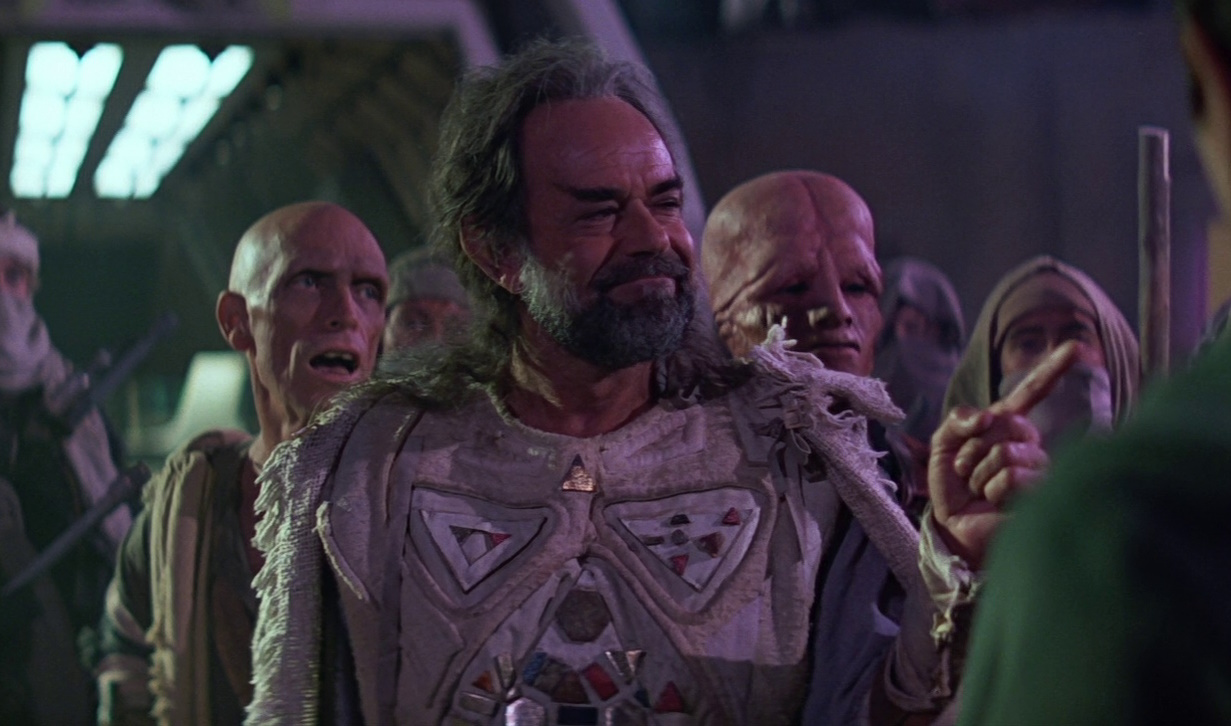
The Final Frontier has its issues. But is Sybok one of them? This commenter argues he isn’t, and that a religious zealot who belatedly realises that he’s wrong and he’s been lied to or manipulated gave Sybok a lot of depth. I’d add to that that the idea of exploring a Vulcan offshoot – someone who doesn’t care to suppress his emotions – was also something different. It was certainly unique at this point in the franchise, coming before the Vulcans got more development in episodes like TNG’s Sarek, and of course, through storylines in Enterprise.
The problem I have with this, really, is not so much in concept – I think the original poster is right about that – but in execution. Sybok’s best moment is arguably his final one, when he sacrificed himself to help his brother and the Enterprise escape. Prior to that… Sybok wasn’t *outstanding*, really. There is more to The Final Frontier than some fans give it credit for. And like most Star Trek characters, really, there are elements to Sybok, to the way he’s written, and to the portrayal on screen that worked or that hold some interest. And I will say, to the original comment’s credit, it’s not an argument I’ve seen before.
Unpopular? ✅Yes.✅
Agree? 🛑No!🛑
“Unpopular” Opinion #13:
All of “Kurtzman Trek” sucks and should be considered a failure.

In the time Alex Kurtzman has been in charge of Star Trek for CBS, then Paramount, and now Skydance, there have been more than 200 episodes (and a TV movie) produced and broadcast. Are you telling me, original commenter, that there’s absolutely no merit to *any* of it? Because I find that hard to believe! Even Trekkies who’ve hated most of modern Star Trek have enjoyed some projects – Picard’s third season, or perhaps Strange New Worlds. Alex Kurtzman was in charge of the franchise for that, and was executive producer on both shows.
I don’t think you can write off an entire era of the franchise, any more than you could say “Berman Trek” was bad, or “Roddenberry Trek” sucked. But even if someone is of the opinion that *all* of modern Star Trek is atrocious and without merit… we can agree to disagree without getting into personal attacks. I hope! Has Alex Kurtzman got everything right? No – and I think he’d admit that. But has there been some fantastic Star Trek on our screens since he’s been helming the franchise? I believe there has been.
Unpopular? 🛑No!🛑
Agree? 🛑No!🛑
“Unpopular” Opinion #14:
Voyager focused too much on Janeway, the Doctor, and Seven of Nine from Season 4 onwards.
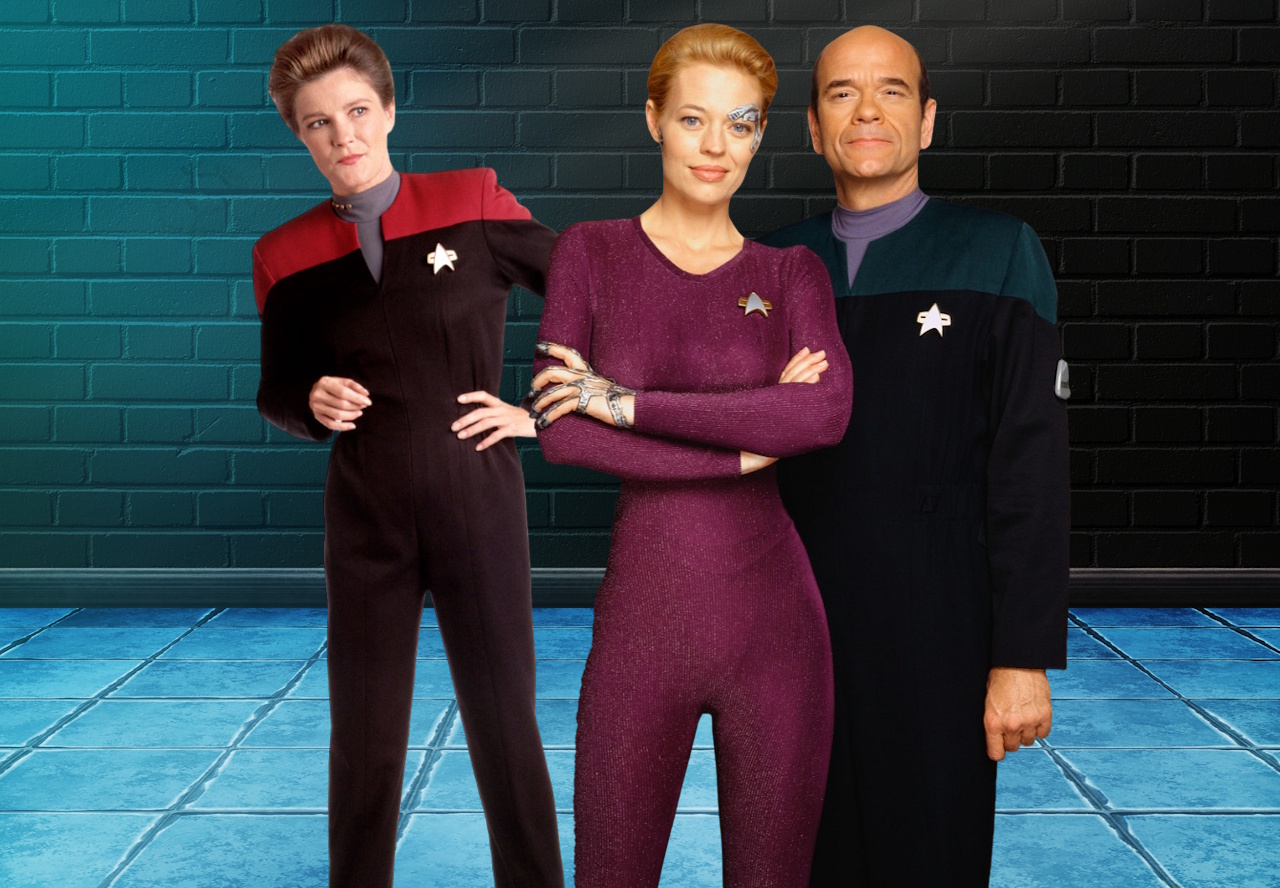
I was surprised to see this on one of the “unpopular opinion” posts – not because I disagree (I don’t), but because I’ve never seen anyone else share this opinion online before! For me, the back half of Voyager’s run felt swamped by one character: Seven of Nine. Seven would apparently “learn” some lesson in how to be human one week, only to seemingly forget it all in time for the next story. This led to several Seven/Janeway and Seven/Doctor episodes being so awfully repetitive that I sometimes mix them up. Voyager’s still a great show, don’t get me wrong, but taking some spotlight episodes away from Seven and redistributing them to neglected characters like Chakotay, Tuvok, or B’Elanna wouldn’t have gone amiss.
Picard rehabilitated Seven of Nine for me, though – I even went so far as to say that that series made Seven into an interesting character for the very first time! So this aspect of Voyager, while admittedly not great, doesn’t feel so bad in hindsight, I guess. And the issue isn’t really that most of these episodes are “bad,” but rather that they’re too narrow in their focus on one or two characters at the expense of other members of the cast. When I used to use Twitter and I shared a similar opinion about Seven of Nine being repetitive and boring, though, I got a fair bit of pushback! So I think this opinion can truly be said to be “unpopular” within the fan community.
Unpopular? ✅Yes.✅
Agree? ✅Yes.✅
“Unpopular” Opinion #15:
The Maquis were right to leave the Federation.
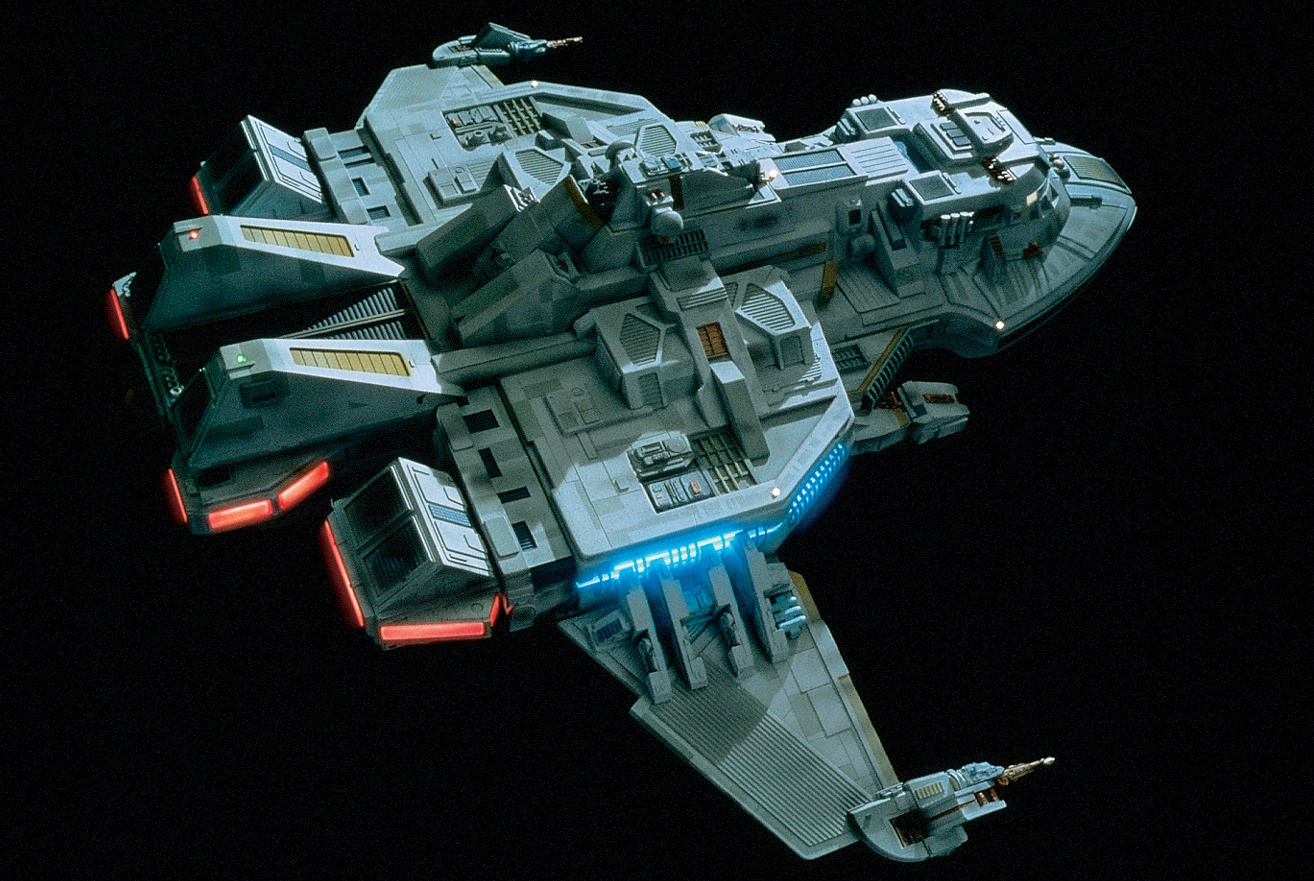
This comment went on to lay out that, in the writer’s opinion, the Maquis had every right to reject the Federation and want to leave, regardless of whether they wanted to fight the Cardassians or not. This seems to come from a place of “popular sovereignty;” the political philosophy which states that people should be free to choose how they are governed – and whether they want to remain as part of an institution like the Federation. The right to secession, by definition, exists if popular sovereignty exists within the Federation – something we’ve seen a lot more of in Discovery and Starfleet Academy, to be fair.
So should the Maquis have been allowed to leave? I would say yes… in principle. But it also isn’t quite so straightforward. The Federation had to balance the rights of its citizens along the Cardassian border with the need to avoid war with the Cardassians – something that would have impacted Maquis colonists *and* the rest of the Federation. Sometimes, as Spock would say, “the needs of the many outweigh the needs of the few.” If you’re one of the few, in that case… that kinda sucks, especially if it means you have to abandon your home. So it’s not quite as cut-and-dry as presented. But as a general rule, if Federation member worlds want to leave, even if they began life as colonies… they should surely be allowed to do so.
Unpopular? 🛑No!🛑
Agree? ✅Yes.✅
“Unpopular” Opinion #16:
The Tellarites and Andorians deserve more screen time.
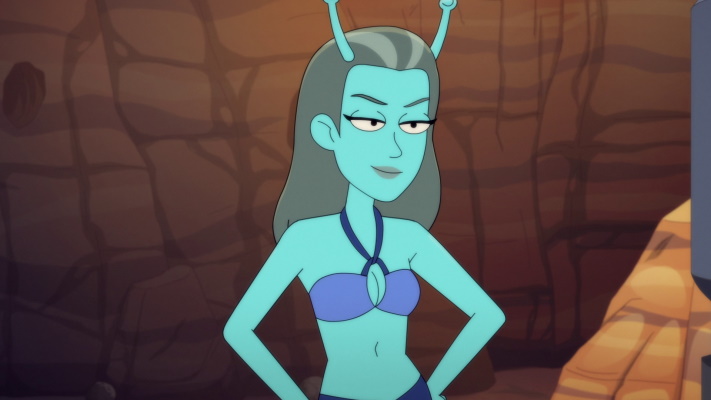
The four original founding members of the United Federation of Planets were humans, Vulcans, Tellarites, and Andorians – yet only Vulcans have really been explored across Star Trek’s nearly six decades of history. Enterprise told more stories with the Andorians, sure, and we’ve seen Tellarites (and half-Tellarites) in Prodigy and Starfleet Academy. But these two races still feel underrepresented across the franchise as a whole. Partly, it must be said, that’s because of their almost complete absence from all three shows of The Next Generation era.
Since the turn of the millennium, Star Trek has made moves to address this. But it would still be neat to get a major Andorian or Tellarite character in the next live-action film or series. These two races are important to the Federation within Star Trek’s fictional history, so it is kind of odd, when you think about it, that they haven’t been seen more often. I would suggest, perhaps, that the more complex prosthetic makeup – when compared to the likes of the Vulcans, Bajorans, and so on – may have made it a bit more difficult or expensive in years gone by. Less of an issue today, though! It’s not an argument I’ve seen very often, and I think that, especially prior to Enterprise, a lot of Trekkies had more or less forgotten about both of these races, and didn’t seem to care much about them.
Unpopular? ✅Yes.✅
Agree? ✅Yes.✅
“Unpopular” Opinion #17:
Jack Crusher was an especially bad character in Picard Season 3 because of what his existence says about Beverly.
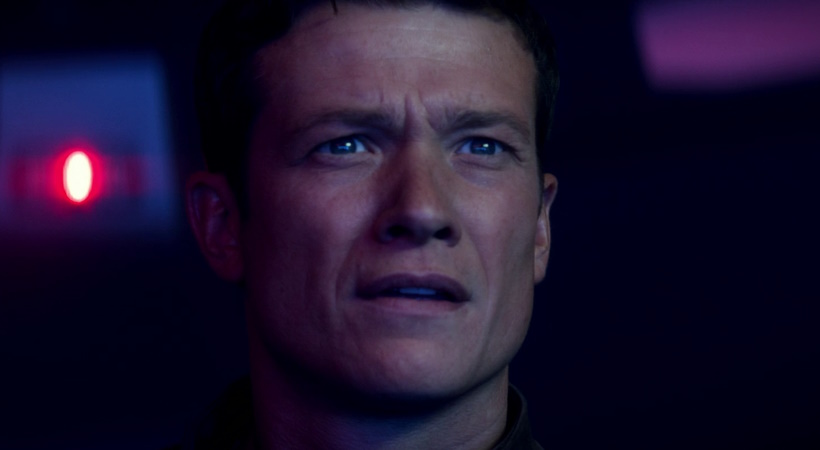
This post argued that Jack Crusher’s “secret birth” storyline actively harms his mother’s characterisation. By essentially hiding Picard’s son from him, concealing the birth, and disappearing for decades, Dr Crusher – in this person’s opinion – committed an unforgivable sin, and it was also something that she wouldn’t have done based on the way she was in TNG.
For my two cents, I didn’t think Jack was the best part of Season 3. The storyline he was wrapped up in, while not his fault on his own, wasn’t all that great, and I found it hard to buy into the idea that the character was only twenty-one years old (since the actor who played him was in his mid-thirties). Further, giving this version of Picard a storyline about discovering he had a long-lost son didn’t feel right, either – it felt like a story better-suited to someone younger, which seemed to go against other themes in the season. However, on the specific criticism of Jack “harming” Dr Crusher’s character… I don’t think I agree. It was explained in the show why she did it – to keep Jack safe from the shenanigans that constantly swirl around Picard – and I actually felt that this version of Dr Crusher had a bit more personality than she did in most of TNG. It wasn’t a random thing; Dr Crusher didn’t decide to leave for no reason. And her reasoning made sense in the context of the show.
Unpopular? ✅Yes.✅
Agree? 🛑No!🛑
“Unpopular” Opinion #18:
Strange New Worlds’ Gorn arc is good, and the Gorn make for entertaining villains.

I didn’t really realise that this one was quite so controversial until I saw some of the comments under posts expressing this opinion! Personally, I’ve really enjoyed Strange New Worlds’ take on the Gorn – transforming them into almost Xenomorph-inspired “monsters” has definitely shaken things up. At the same time, though, leaning too heavily on the monstrous angle does raise questions about the Gorn’s sentience and ability to be a spacefaring race, so there probably are moments where it went a little too far in one direction.
Strange New Worlds had a bit of a challenge, I suppose, when it came to villains. Most Star Trek villainous factions are off the table: Discovery had recently done the Klingon war, DS9 has already done a big Cardassian war, there can’t be the Romulans in a big way due to the timeline, and returning to the likes of the Xindi from Enterprise wouldn’t have worked very well, either. So to pick a race like the Gorn – who have run-ins with Starfleet in this era – wasn’t a bad idea. And giving them a new, more frightening presentation has – in my view – worked pretty well.
Unpopular? ✅Yes.✅
Agree? ✅Yes.✅
“Unpopular” Opinion #19:
It’s hard to get used to the way Avery Brooks delivers his lines.
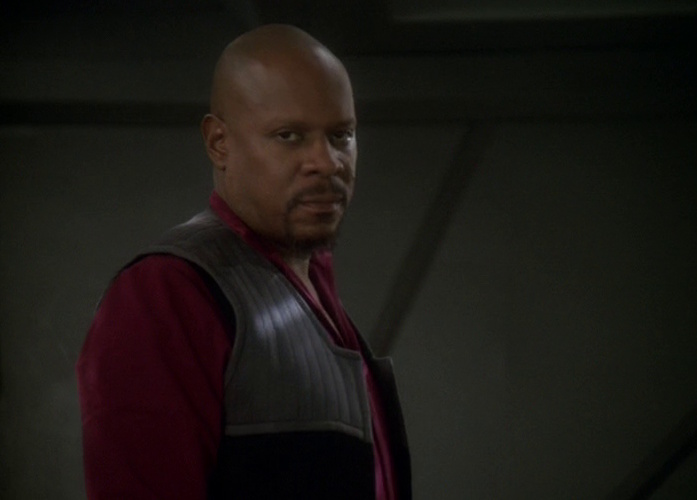
This one’s a toughie for me, because I first watched Deep Space Nine in the mid-1990s when I was a wee bairn. I can’t remember ever thinking that the way Sisko speaks is weird or offputting, as this commenter suggests. In fact, all of my DS9 memories are positive from that period, and Sisko quickly became one of my favourite parts of the entire Star Trek franchise. His vocal delivery, cadence, and manner of speaking weren’t things I’d considered at all until I read this post.
I suppose, to be fair to the commenter, Avery Brooks might come across as a bit of a thespian; the way he speaks and emotes is at least partially inspired by acting in the theatre for a live audience. But the same is definitely true of Sir Patrick Stewart, in that case – and other Star Trek regulars, too. Many actors get their start in stage productions, and that’s not a negative thing at all. Obviously, the way any of us feel about an actor and a performance is going to vary, and I would never say that everyone “must” like Captain Sisko or the way Avery Brooks portrayed the character. But for me… this just isn’t something I ever remember feeling when DS9 was new, and I haven’t heard this argument before.
Unpopular? ✅Yes.✅
Agree? 🛑No!🛑
“Unpopular” Opinion #20:
Bending the rules of “canon” is okay.

Every time a new Star Trek story touches on a character, alien, faction, or even an aesthetic or design we’ve seen before, some folks crawl out of the woodwork to moan about “violating the integrity of canon!” I’ve actually written about this subject before, and I tried to lay out that my position is a bit more nuanced than the black-or-white, “respect all canon” versus “I don’t care” debate that flares up, from time to time, within the Trekkie community! In short, I’d argue that the foundational building blocks of a fictional world and its key characters should be kept the same, but the minutiae can be changed.
As an example: warp drive works using dilithium, so future Star Trek stories need to keep that in mind. But if one episode says warp seven takes a week to reach Romulus and another episode says it takes three days… that kind of thing doesn’t matter. Nor does the fact that uniform designs look different from one show to another. So, yes, canon matters because basic internal consistency within Star Trek’s fictional setting is important if I’m to maintain my suspension of disbelief. But it isn’t the only thing that matters, and we needn’t sacrifice interesting narrative ideas at the altar of “canon purity” if there’s a fun story to be told.
Unpopular? ✅Yes.✅
Agree? ✅Yes.✅
“Unpopular” Opinion #21:
A crossover between Star Trek and Star Wars is a great idea.
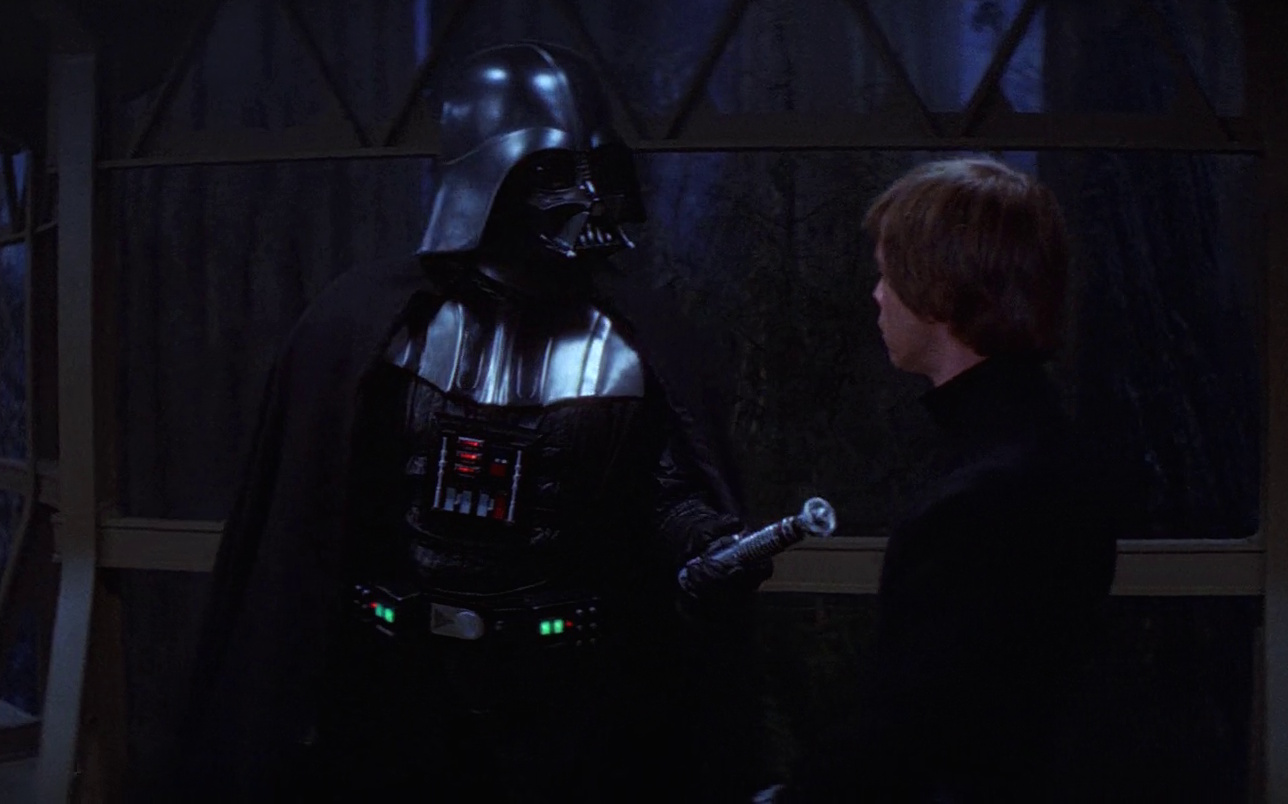
As a kid playing with action figures, I already achieved this goal thirty-five years ago! Jokes aside, fans of both Star Trek *and* Star Wars have speculated about what a crossover might look like for decades. And who knows… with Paramount buying up everything in Hollywood, maybe it’s no longer the impossible dream that it once appeared to be!
There are some pretty big hurdles, though, just from a practical point of view. Both franchises are owned by competing companies, and both have decades’ worth of complicated lore and history. Then there’s the question of time and place – Star Wars famously takes place “a long time ago in a galaxy far, far away,” whereas Star Trek takes place in a vision of our future. Which characters would be involved? And how would Star Trek’s technology co-exist with hyperdrives, lightsabres, and the Force? As tempting as it might sound on some level, I don’t think I’d go for it if I were in charge!
Unpopular? 🛑No!🛑
Agree? 🛑No!🛑
“Unpopular” Opinion #22:
The Prime Directive is unethical.
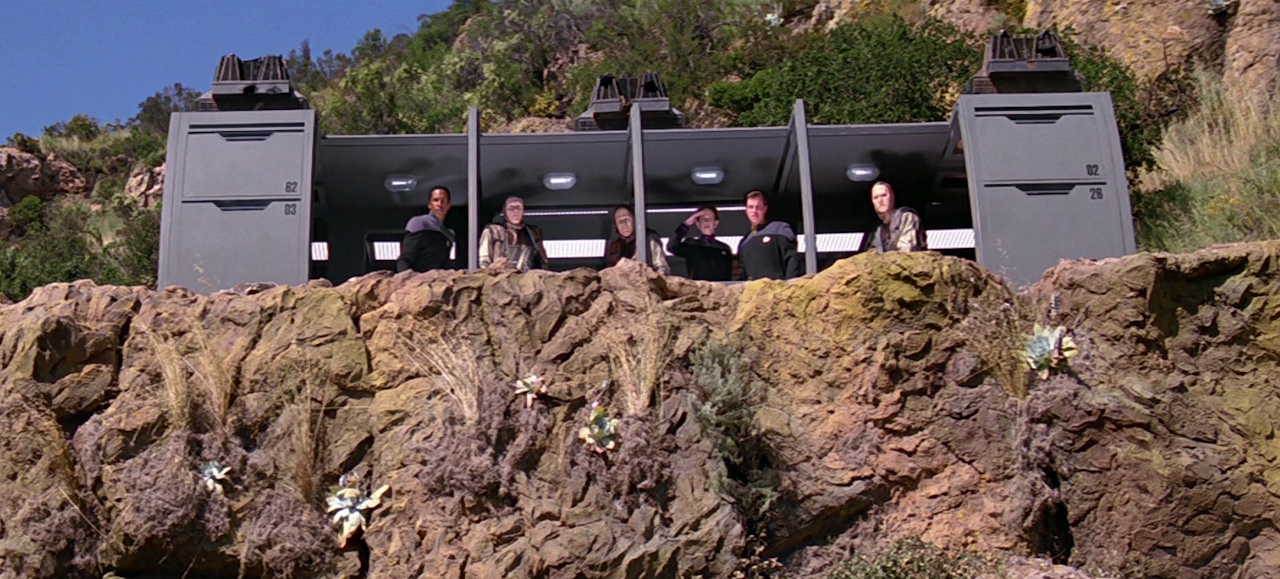
Several commenters argued that the Federation’s Prime Directive is a fundamentally unethical policy, because it condemns whole civilisations to extinction just because they haven’t developed one specific technology. And, on the surface, that seems to track – stories like Pen Pals, Dear Doctor, and the beginning of Into Darkness quite clearly show Starfleet has the ability to intervene, but chooses not to, even when there’s an existential risk to an entire race of sentient beings.
The Prime Directive, fundamentally, is about not interfering with or altering the trajectory of societies that haven’t yet discovered alien life. And it makes sense, right? Think of the chaos it would cause to our own society if aliens descended from the skies – even if they had the best of intentions. We aren’t ready for that, and maybe we won’t be for a long time. The rigidity of the Prime Directive throws up some strange situations, though – but we often see our heroes finding ways around it, and the fact that they never seem to get in trouble suggests that Starfleet is okay with rule-bending, sometimes!
Unpopular? 🛑No!🛑
Agree? 🛑No!🛑
“Unpopular” Opinion #23:
Too many people are related to Spock, best friends with Spock, falling in love with Spock, or revere Spock.
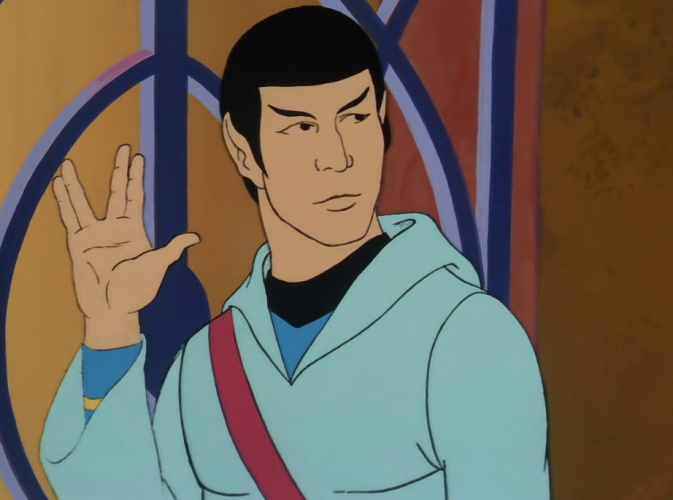
Spock has become a larger and larger part of Star Trek, over the years, even as we’ve moved further away from The Original Series. He and his father appeared in The Next Generation, Spock crossed over to the Kelvin timeline where he met his younger self, and Spock has had two long-lost siblings that he never mentioned: Sybok and Michael Burnham. Chapel falls in love with Spock, La’an falls in love with Spock, and all the while, Spock is betrothed to T’Pring. Characters like Boimler talk about Spock with reverence, too. Yeah… it’s kind of a lot, huh?
It can feel, sometimes, like Spock is too present and too big a part of the storylines he’s included in. I’d be totally fine with stepping back from Spock, for a while, and giving other characters a chance to be in the spotlight. The Burnham connection has been established at this point, and there won’t be any retconning or removal of that. But going forward… if we’re lucky enough to see more Star Trek entering production, setting Spock aside would probably be for the best – at least for a while.
Unpopular? 🛑No!🛑
Agree? ✅Yes.✅
“Unpopular” Opinion #24:
René Auberjonois should’ve played Odo with an exaggerated French accent.
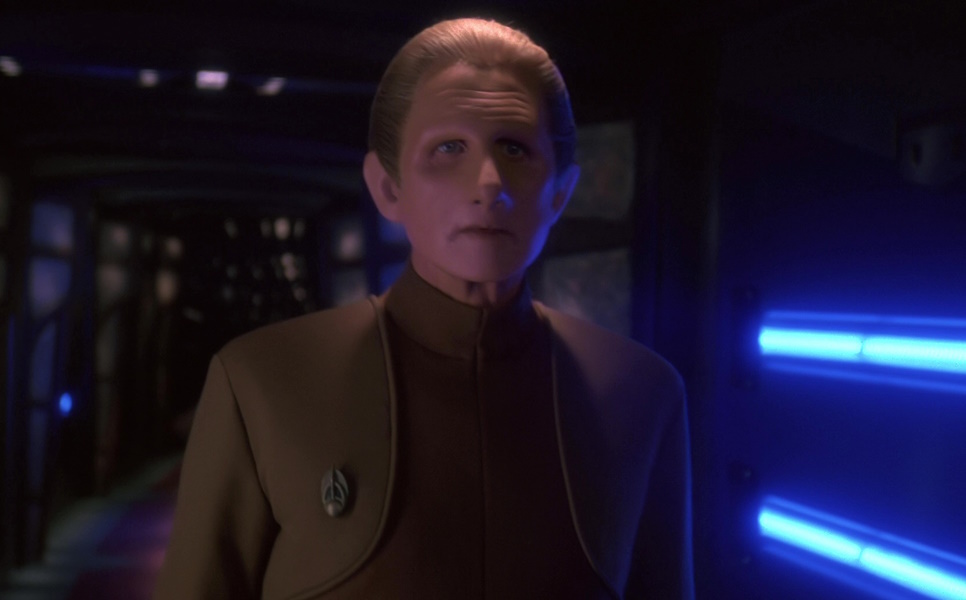
This one… I think it was entirely tongue-in-cheek! But I thought it was funny, and it’s my list so I’m including it. René Auberjonois played the French chef in The Little Mermaid, and his French accent is pretty iconic! It would’ve certainly shaken things up, with Odo becoming much more of a comic relief character, especially if Auberjonois really hammed it up. Would it have made DS9 *better*? Uh, probably not. Would some of his conflicts with Quark have been a lot funnier, though? Yes.
Look, this was just a bit of silly fun. I’m pretty sure no one’s out there seriously suggesting that giving *any* Star Trek character a comedy accent would’ve improved the show. But it’s fun, as fans, to think about these things sometimes. How different would episodes like The Die Is Cast have been if Odo were hamming it up, sounding like the French chef from The Little Mermaid? And, to the credit of the original commenter, it’s not an opinion I have *ever* heard expressed before!
Unpopular? ✅Yes.✅
Agree? 🛑No!🛑
“Unpopular” Opinion #25:
Star Trek *should* change over time, and not simply re-make TOS or TNG for every new series.
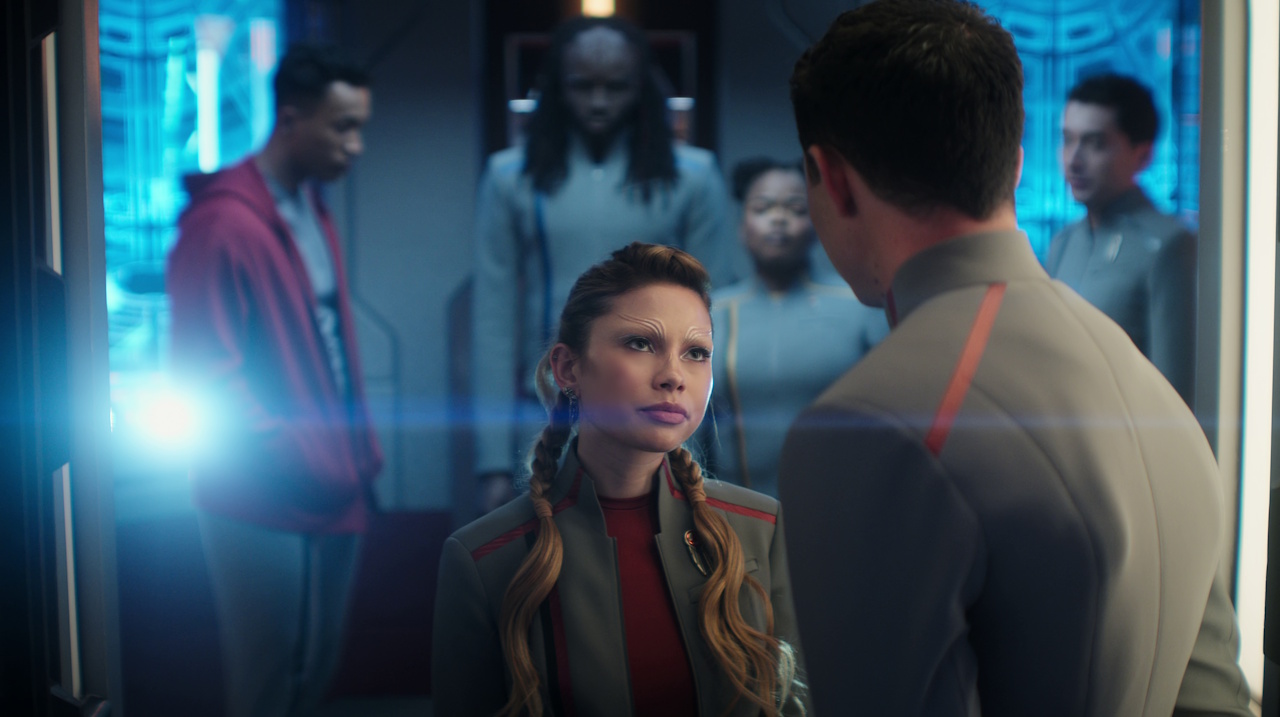
As early as the ’70s, when The Animated Series entered production, Star Trek was changing. When Phase II was reimagined as The Motion Picture, and Star Trek went to the cinema for the first time, the franchise changed. Star Trek, like any long-running franchise, moves with the times. That means the way shows look and feel changes, it means the way characters are cast and handled changes, and it means the nature of storytelling changes, too. The entertainment industry is not a static, stagnant thing, and if the higher-ups at Star Trek tried to recreate The Original Series every time… well, the franchise probably would have died out a long time ago.
That being said, some experiments and changes work better than others. I’m firmly of the opinion, having seen multiple seasons of modern Star Trek, that the franchise *needs* the freedom episodic television brings, and that serialised stories need to be a much smaller part of Star Trek in the future… assuming there will be a future. It seems that Skydance, Star Trek’s new corporate overlords, are more interested in films than streaming TV, so that could be another change coming down the pipeline. But the original poster is correct – Star Trek can’t afford to be left behind as the entertainment industry shifts around it. Figuring out what to change, how far to take those changes, and what fundamentals need to be left in place, though… that’s a tougher set of questions, and modern Star Trek hasn’t always stuck the landing, unfortunately.
Unpopular? ✅Yes.✅
Agree? ✅Yes.✅
So that’s it… for now!
Stay tuned, because I have *at least* another twenty-five of these “unpopular” opinions that I’d love to write up one day.
I hope this has been a bit of fun. If I tore a hole in an opinion you agree with… please try not to take it personally! This is meant to be a bit of light-hearted fun, joining in with the Star Trek fan community in my own way, and not something to get too upset about or offended by. I tried to pick a mix of different opinions from across social media, touching on different parts of the franchise, including things I agreed with and didn’t agree with.
If you missed it, I have a two-part review of Starfleet Academy’s first season, which is now live on the website. You can find part one by clicking or tapping here, and the follow-up by clicking or tapping here. And there’s more Star Trek content to come as the 60th anniversary nears! I’ve got plans for re-watches, theories, and more, so I hope you’ll check back from time to time. Thanks for joining me to dissect these “unpopular opinions,” and Live Long and Prosper!
Most Star Trek films and TV shows discussed above can be streamed now on Paramount+ in countries and territories where the service is available. The Star Trek franchise – including all films, TV programmes, and other properties discussed above – is the copyright of Skydance/Paramount. This article contains the thoughts and opinions of one person only and is not intended to cause any offence.




 Trekking with Dennis