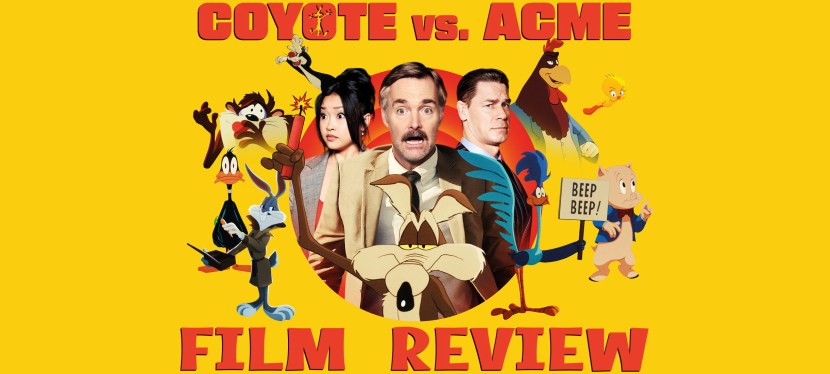
Coyote vs. Acme: Film Review

The first part of this review is free from narrative spoilers for Coyote vs. Acme. The end of the spoiler-free section is clearly marked.

When I was a kid, I loved Who Framed Roger Rabbit, and I also enjoyed Space Jam when that arrived a few years later. The whole “cartoons in the real world” thing is just a really fun and creative idea, and both of those films took that premise and told wacky and funny stories with it. So I was looking forward to Coyote vs. Acme based on little more than that fun and familiar concept.

I giggled, chuckled, and laughed pretty much the whole way through Coyote vs. Acme. It’s a truly funny film with plenty of that Looney Tunes wackiness that kids and adults alike have enjoyed for decades – but it’s also a film with heart. Its core story (which we’ll get into in more detail if you stick with me to the spoiler-ific part of the review) had a couple of simple but powerful and timely messages. While its characters could feel pretty basic and tropey, the messages – and crucially, the way in which Coyote vs. Acme delivered those messages – were incredibly well-done.
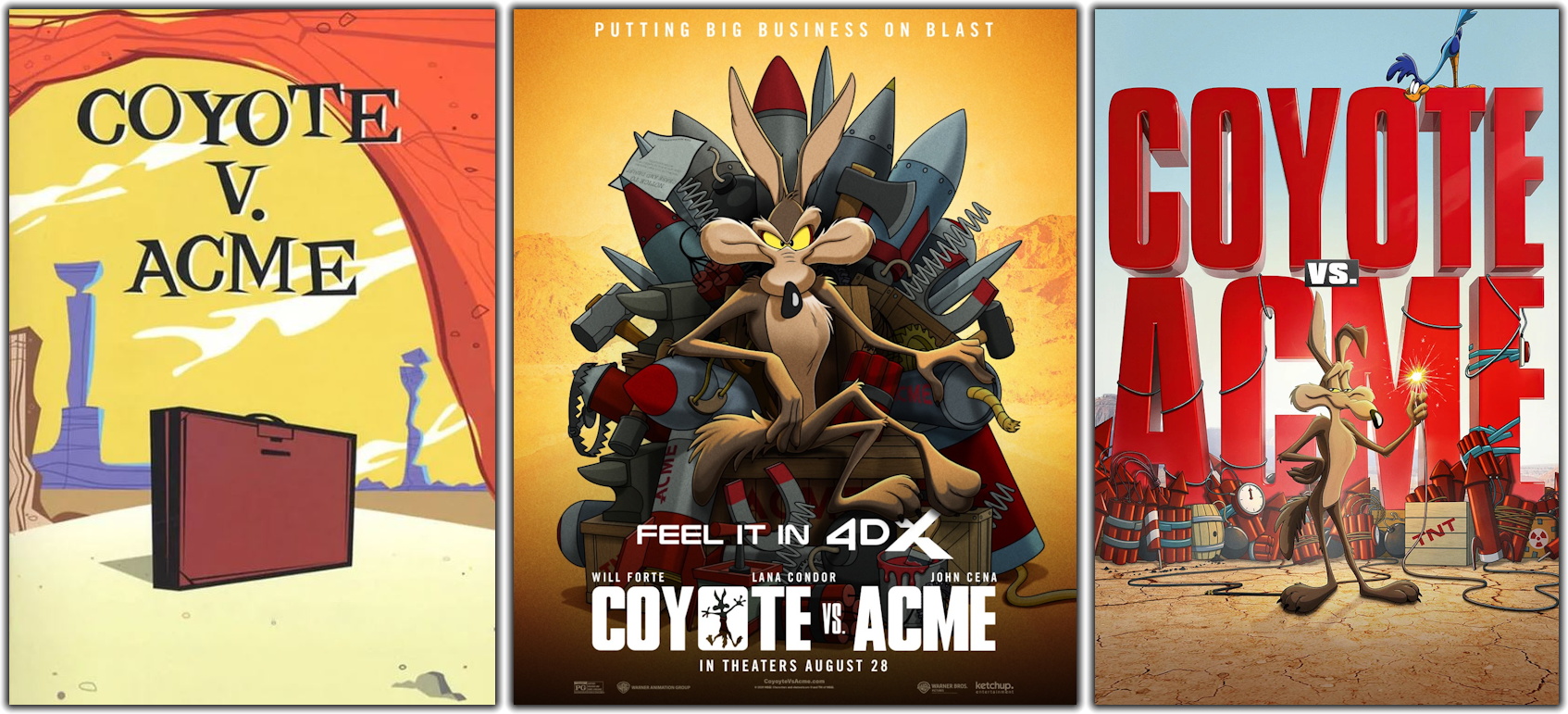
Three promo posters for Coyote vs Acme (2026)
A trio of promotional posters.

I think most folks would be familiar with Wile E. Coyote and the Road Runner from their numerous appearances in Looney Tunes and Merrie Melodies. The characters date back to 1949 – making them almost eighty years old. The core story of the Coyote trying to catch the Road Runner has barely changed, and their cartoon appearances all fall into that same mould.

Just in case you missed all of those cartoons and shorts, though, the only thing you really need to know is that Wile E. Coyote tries – and fails – to catch his nemesis, the Road Runner, using all kinds of wacky, cartoonish schemes and plots. There. That’s all the background you need headed into Coyote vs. Acme!
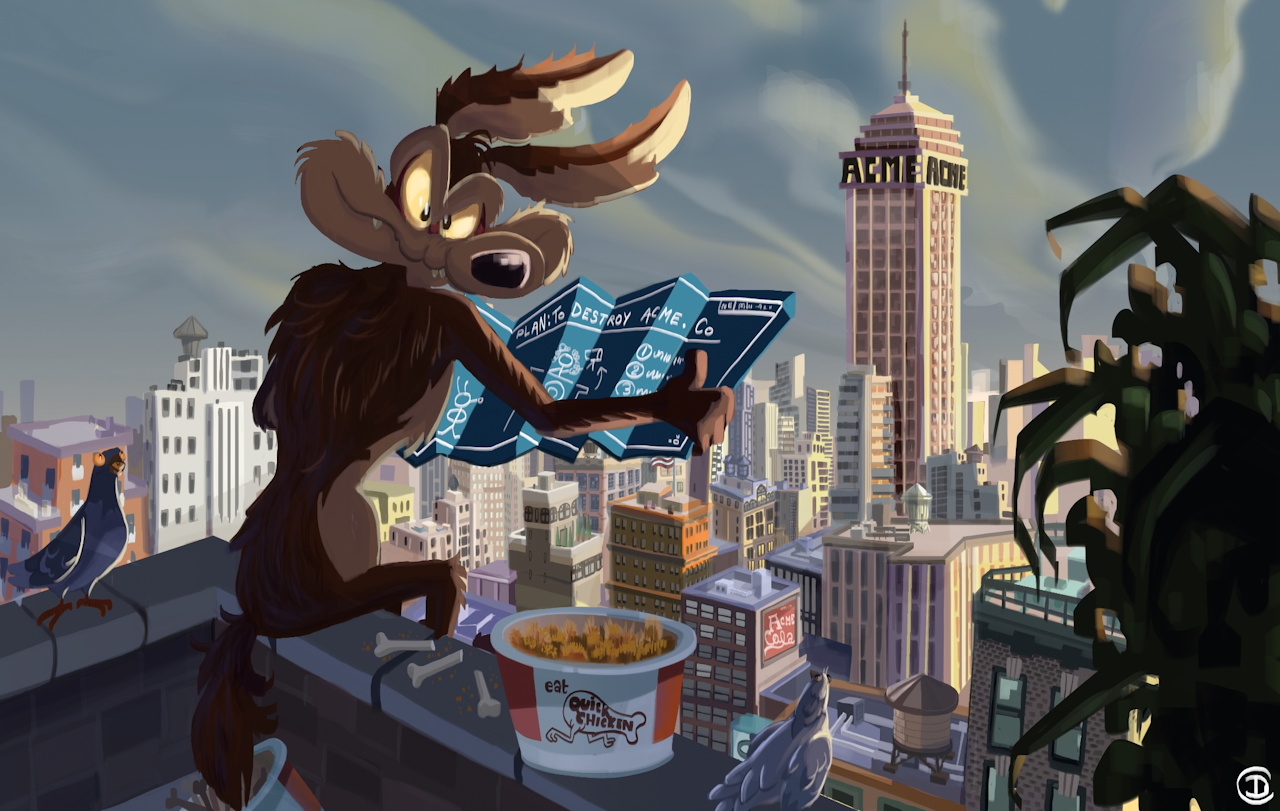
Concept art for Coyote vs Acme (2026)
Wile E. Coyote in concept art for the film.

Coyote vs. Acme almost didn’t make it to release. The film was complete, but was set to be cancelled by the (now defunct) Warner Bros.-Discovery in order to write off its production costs against the corporation’s tax bill. If that sounds like the kind of cartoonishly mean-spirited thing that only the fictional Acme Corporation would ever do… well, think again, because Warner Bros.-Discovery literally did the exact same thing to Batgirl a couple of years earlier.

Thankfully, however, director Dave Green didn’t give up on the film, and Warner Bros.-Discovery was eventually persuaded to find a distributor and release it. Ketchup Entertainment – which tends to distribute smaller, indie titles – picked up the rights, and Coyote vs. Acme made it to the cinema earlier this year. I picked up the film digitally, and for the money I paid, I can say I had a wonderful time with Coyote vs. Acme.
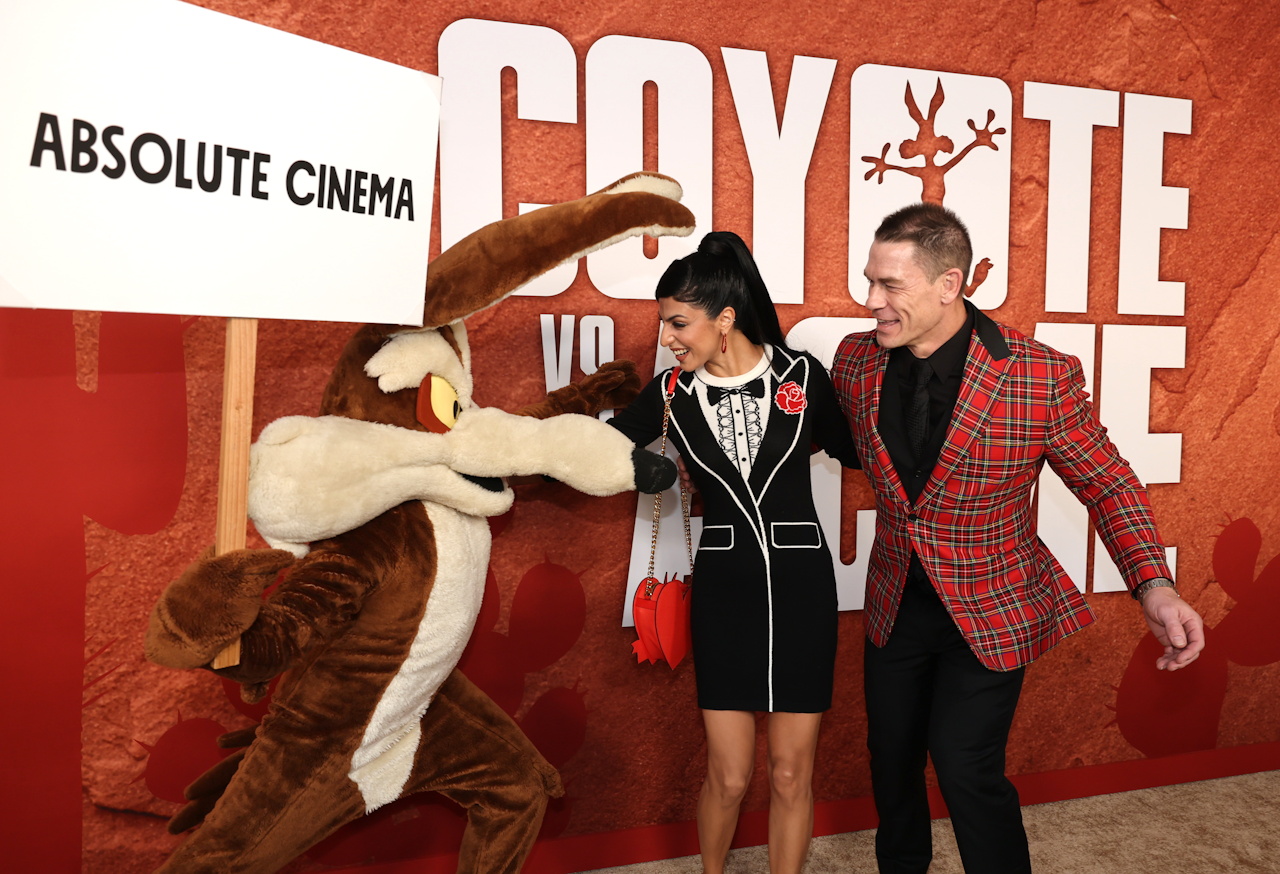
Photo of John Cena at the premiere of Coyote vs Acme (2026)
John Cena (right) at the premiere.

The film has a great mix of humour and heart, with plenty of cartoony silliness being balanced out by just enough relatable character moments to make it feel like it has purpose. And the core themes at the centre of Coyote vs. Acme – while they may admittedly feel a little muddled coming from a massive company – work really well as the premise for a “little guy taking on a massive corporation” kind of story. Wile E. Coyote – the main cartoon protagonist – stays true to his characterisation, too, and even undergoes an arc of his own.

So I’m happy to heartily recommend Coyote vs. Acme to… well, pretty much anyone. If you go into the film expecting arthouse cinema or Oscar-bait, I guess you’d be disappointed. But if you set appropriate expectations for a “Looney Tunes in the real world” story, akin to something like Who Framed Roger Rabbit or Space Jam, there really is a lot to love.

Up next, we’ll talk about some of the characters and plot points in a little more detail. If you want to completely avoid spoilers, I hope you’ll consider bookmarking this review and coming back after you’ve seen the film! If you’ve already watched it – or you don’t care about spoilers – then stick around, and let’s get into the story!

A Spider-Man-themed spoiler warning

Spoiler Warning: There are spoilers for Coyote vs. Acme from here on out.

Where Coyote vs. Acme had a message, it was about the virtues of a “little guy” taking on a big corporation because it’s the right thing to do… and because, left unchecked, corporations will misbehave. This message was interesting and generally well-presented, but as I’ve said before… when you know who created this story, it does kind of blunt the impact of the messaging just a tad. Warner Bros.-Discovery, prior to being absorbed into the ever-growing corporate blob that is Skydance, was hardly a small company, so this anti-corporate angle can just feel a little… fake.

Or it does if, like me, you like to think about things a little too much!

What I liked on this side of the story, though, was how the story reads like an anti-animal testing metaphor. What the Acme Corporation was doing to cartoons – in their view, to make better and safer products for humans – is exactly what many real-world companies and corporations do to animals. Now, I’m not against animal testing in *every* instance; it can be a nuanced subject and it’s way more complex than I have time for in a review of a Looney Tunes film! But the best films don’t just throw their characters into wacky situations – they make a point. And this message about animal testing is there in Coyote vs. Acme if you choose to view the film that way.
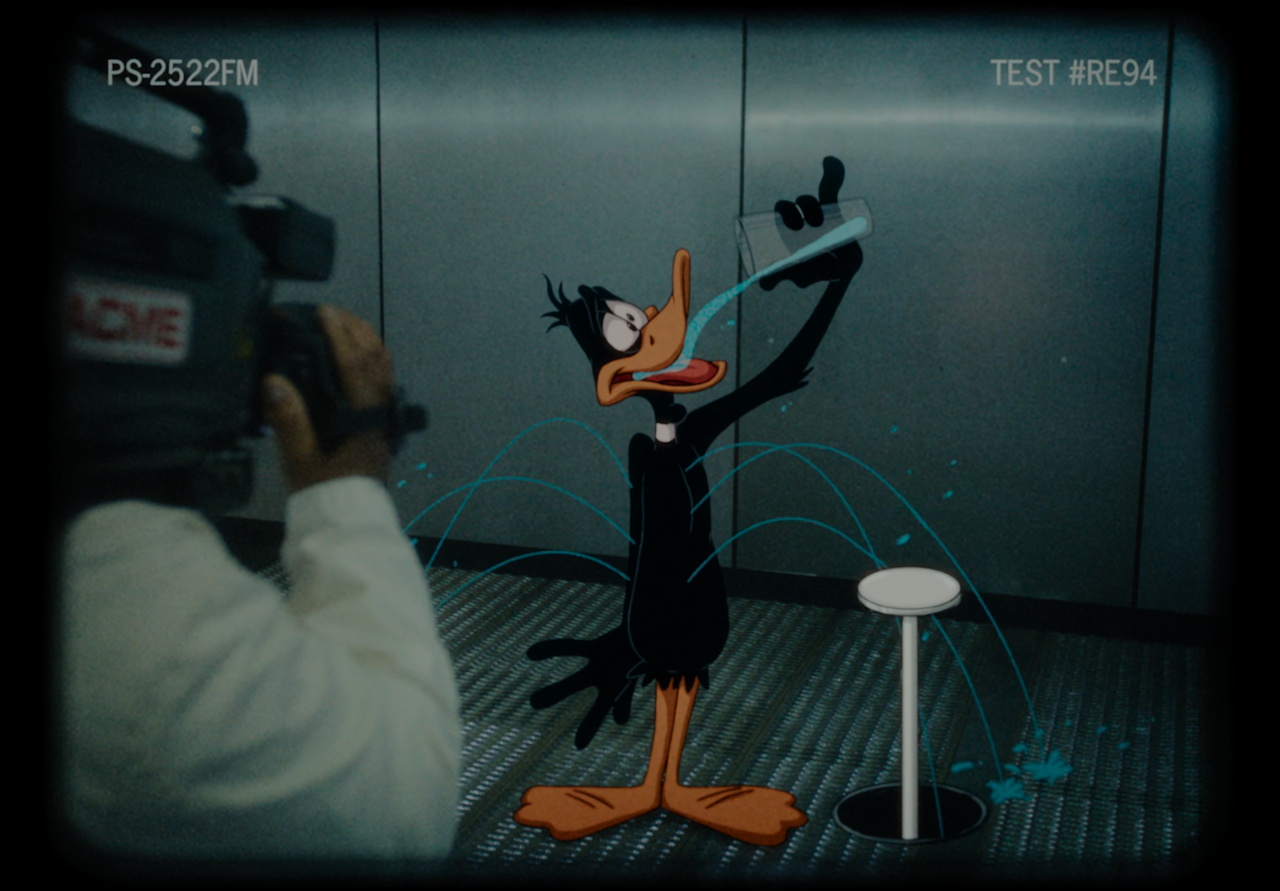
Still frame from Coyote vs Acme (2026) showing Daffy Duck
Acme testing its products on cartoons can be read as a metaphor for real-world animal testing.

The film also makes a point about political corruption, and how some of the biggest companies in the United States – represented by the fictitious Acme – are in bed with politicians. Perhaps I’m feeling this message all the more because of when I watched the film; America’s mid-term elections are literally taking place today, at time of writing. But the way Acme was presented, through its leadership and its legal representatives, definitely had something to say about corruption.

At the end of the film, Acme’s lawyer – played with wonderful villainy by John Cena – even cries out to the politicians that “that’s not what I pay you for!” or words to that effect, and while I guess you could say it’s a sad commentary on the state of things… doing anything to draw attention to how closely politicians and big businesses are aligned is a net positive, at least in my book. Was it the biggest part of the film? No. But was it worth using a film like this to highlight just how corrupt certain politicians can be? Absolutely.
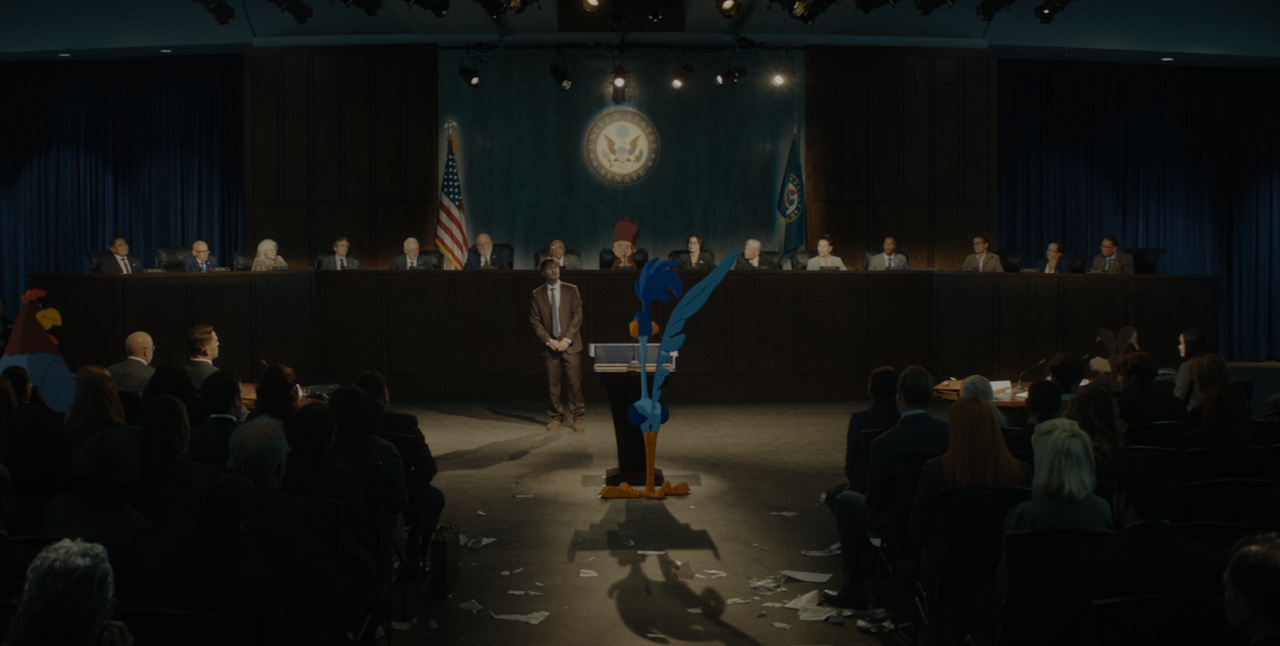
Still frame from Coyote vs Acme (2026) showing the Road Runner at the Senate
Mr Runner goes to Washington…

In terms of characters, there’s nothing really special about Coyote vs. Acme. Kevin – the main lawyer who Wile E. Coyote hires – undergoes an arc across the film as he crosses paths with a former classmate who became more successful, but it’s a pretty basic story that’s been seen before. Wide-eyed intern Paige doesn’t really change in any meaningful way; she starts out with fresh-faced enthusiasm and a desire to change the world… and that’s where she ends up, too.

The Coyote himself, though, does go on a bit of a journey.

I liked the way the film took a character who’s really an antagonist and presented him in a bit of a different way. Wile E. Coyote chooses to take Acme to court not really out of any desire to force the company to apologise nor even to win any compensation… but because it’s his latest scheme to catch the Road Runner. But later, as the film progresses, we see somewhat of an evolution in his character. Not only does he develop a genuine bond and friendship with Kevin, but he comes to respect the place that the Road Runner has in his life, too.
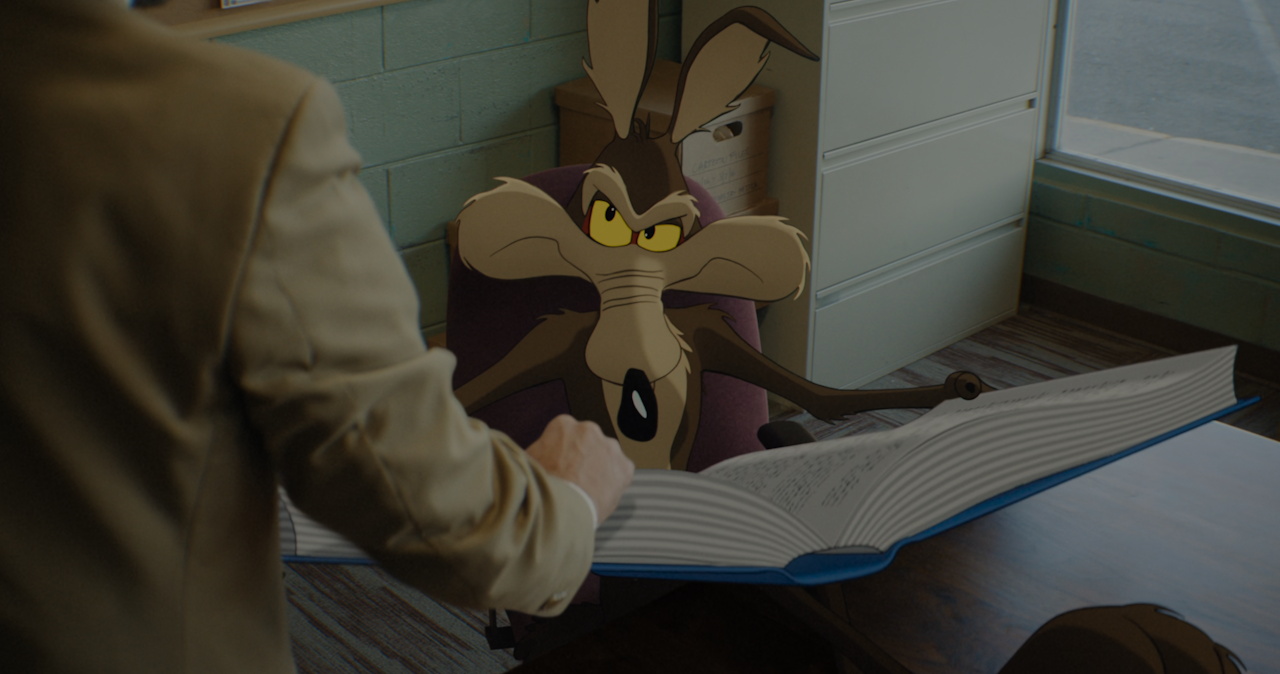
Still frame from Coyote vs Acme (2026) showing Wile E Coyote
Wile E. Coyote.

And all of this is communicated silently – with the occasional handheld sign!

If you’d told me going into Coyote vs. Acme that Wile E. Coyote would get a genuinely relatable and even emotional character arc… I don’t think I’d have believed it. But that really is what the film delivered. At first, he just seemed like the silly cartoon character from those Looney Tunes shorts… but by the time the film reached its emotional climax, I really did find myself invested in his journey. As Kevin shouted at him that he was never going to achieve his only ambition in life, and Wile E. looked up at him, crestfallen… yeah. I felt that! And the Road Runner’s last-second arrival to speak on his friend’s behalf was a genuinely emotional moment that the film built up to and felt like it had earned.

Coyote vs. Acme was creative in the way it used its central character, though. Rather than trying to present Wile E. Coyote as a pure victim, the story made sure to let us know that it was – at least in part – his own desire to catch and cook the Road Runner that was his driving force. I think it would’ve been easy to go all-in on one or the other; to try to depict Wile E. Coyote as either a total victim of Acme or as a ruthless villain and liar. But his story straddled that line well enough – and that meant his growth and emotional journey stuck the landing.
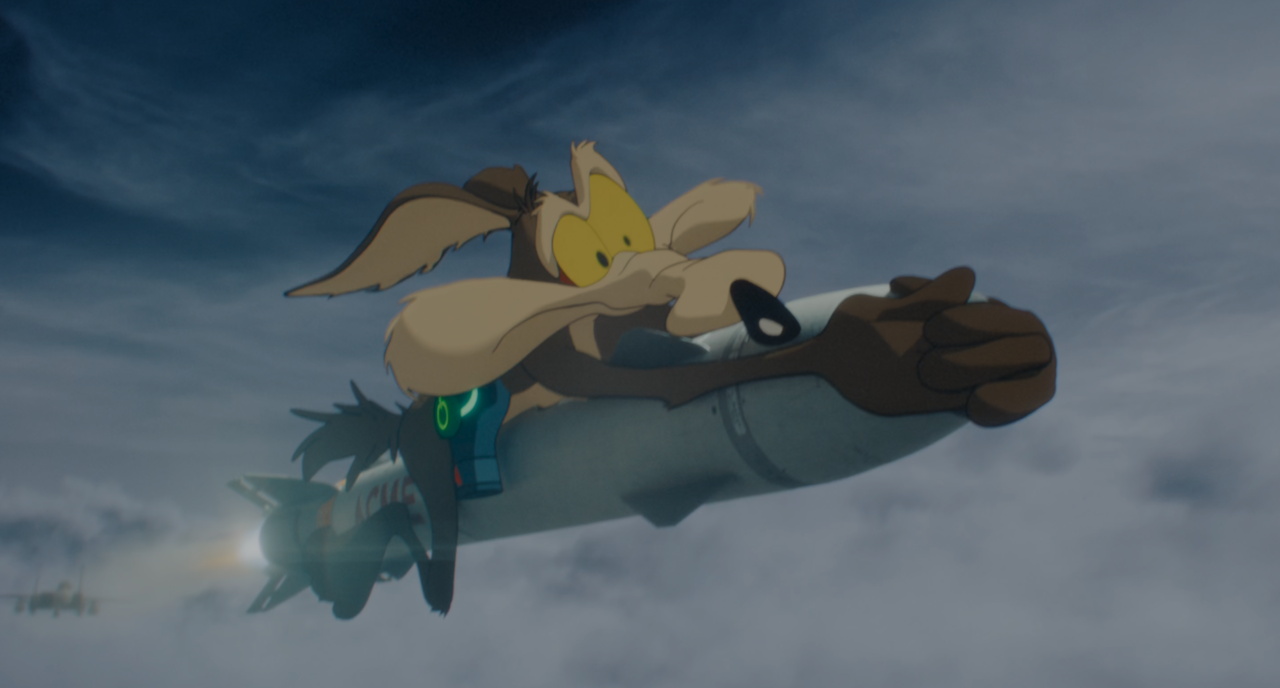
Still frame from Coyote vs Acme (2026) showing Wile E Coyote riding a missile
Riding on a missile!

The intrigue at the Acme Corporation, and the way Kevin, Paige, and Wile E. unravelled it, was in the mould of classic conspiracy-thrillers, and while it was nothing unique or original, I felt it worked well enough. It came across as a fun and light-hearted take on the idea, thanks to the presence of Looney Tunes characters like Bugs Bunny, and this was perhaps the side of the story where the blend of cartoon and live-action worked the best.

Coyote vs. Acme blends this investigation and the subsequent courtroom drama with cartoon wackiness in a truly clever way. A worse film would’ve felt tonally jarring or completely discordant with itself; it’s a testament to the strength of the story – and the film’s sense of humour – that we can suspend our disbelief and accept this mixture of silly and serious. Cars getting squashed with giant cartoon boulders, catapults full of anvils being flung at people, rocket-powered roller skates… I mean, it’s classic Looney Tunes wackiness right next to this courtroom drama about a corporation conducting dangerous experiments and a small law firm at risk of bankruptcy. Yet somehow… it works.
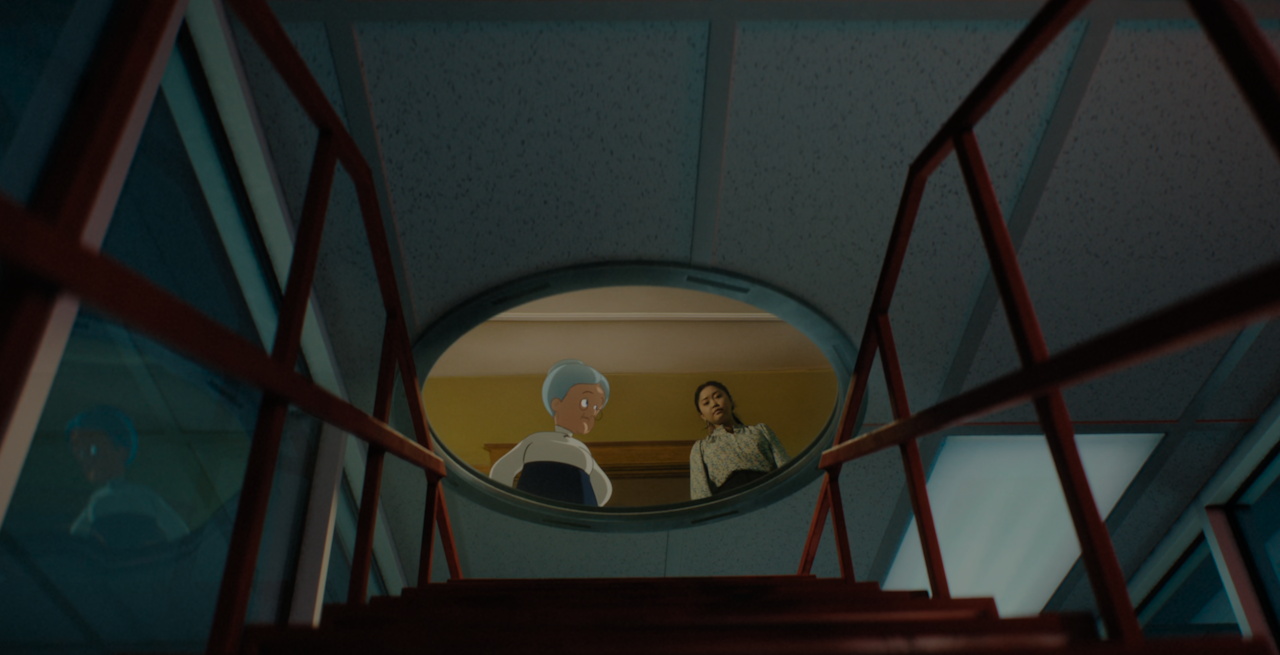
Still frame from Coyote vs Acme (2026) showing Paige and Granny
The investigation continues…

Although the focus remained on Wile E. Coyote, I felt that the film made good use of other Looney Tunes characters. Bugs Bunny got a turn as an informant – and given his scene-stealing abilities and overall popularity, using him sparingly was a good call. Tweety Bird and his owner got a really creative story about being threatened by Acme, with her husband being the scientist who created many of Acme’s products. And Foghorn Leghorn being parachuted in as Acme’s CEO was hilarious, too – the role genuinely seemed to suit him.

It’s also worth noting, sadly, that Coyote vs. Acme is one of the final film roles for the late Eric Bauza, who passed away just last month. Bauza voiced many of the Looney Tunes characters in the film.

John Cena’s villainous lawyer was pretty one-dimensional, but Cena breathed life into him through a delightfully over-the-top performance. There was just enough realism in the way the lawyer came across to get me to buy into his status, his role, and his one-sided feud with Kevin. I haven’t always been a huge John Cena fan when I’ve seen him in other productions, but here, I felt he was well-cast and his character stuck the landing.
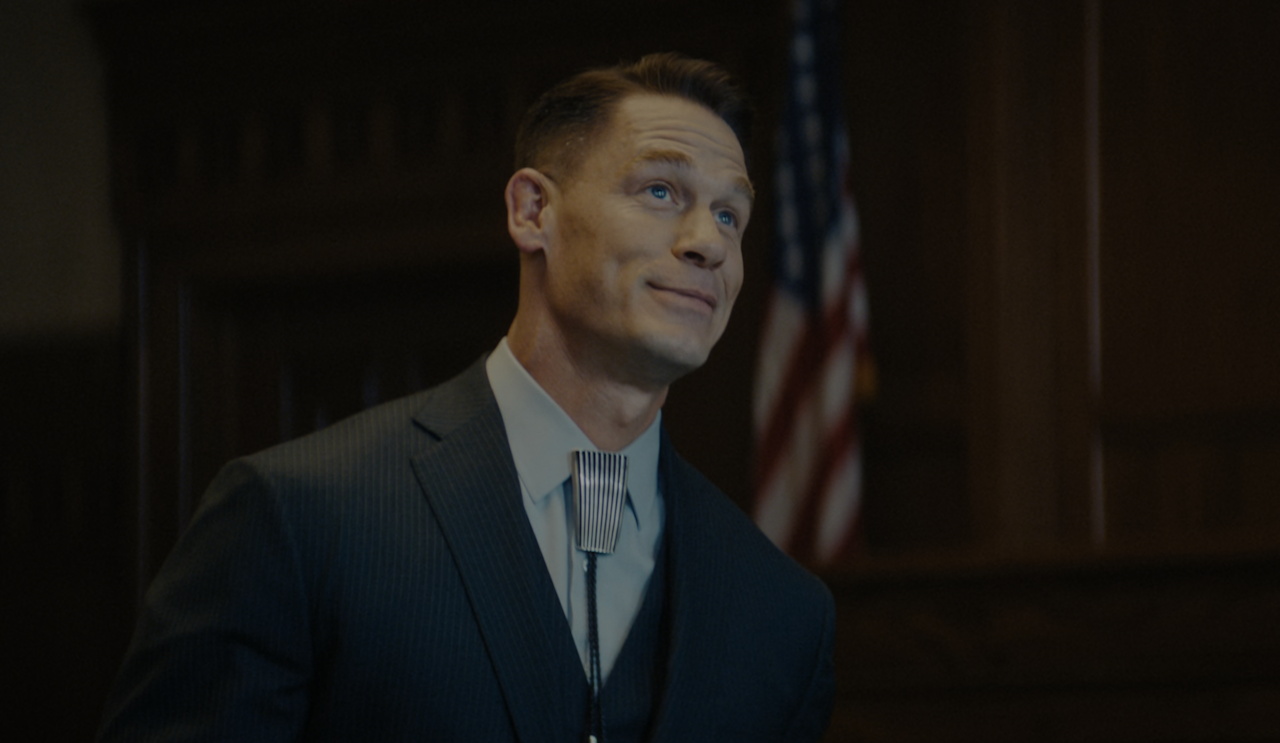
Still frame from Coyote vs Acme (2026) showing Acme's lawyer
John Cena felt well-cast as Acme’s lawyer.

In terms of the film’s visual effects and imagery, I really liked what I saw. Cartoon characters retained their original hand-drawn 2D style, but the 3D models could be filmed from all angles, and the cartoon characters genuinely felt like they could occupy three-dimensional space. There were no obvious visual glitches or issues with human performers interacting with cartoon characters or cartoon objects, and all of the cartoon artefacts created for the film felt like they had sufficient weight and presence to sell the illusion that they were real pieces of this world.

So… I had fun with Coyote vs. Acme, as you can tell!

You have to set appropriate expectations for… well, for any film, really. If you’ve just watched something like The Odyssey and you’re expecting a blockbuster with comparable stakes and storytelling that takes itself completely seriously… this ain’t that. But if you’re down for a fun cartoony romp that has a little more to say than a standard Looney Tunes short, then Coyote vs. Acme excels. It knows exactly what kind of film it wants to be, how it wants to use its core premise and its new and familiar characters, and it goes for it in a way that’s both earnest and just plain *fun*. I think I laughed more watching Coyote vs. Acme than I have with anything else I’ve seen in months – there were so many laugh-out-loud gags and little comedic moments from beginning to end.
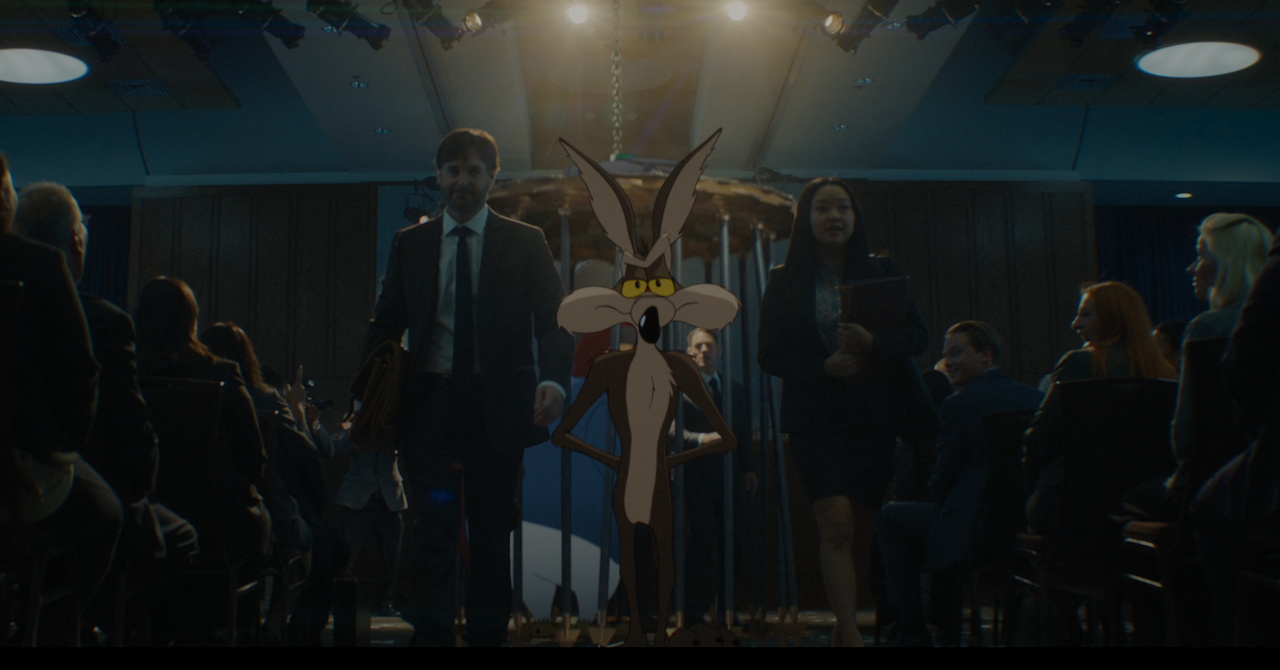
Still frame from Coyote vs Acme (2026) showing Kevin, Paige, and Wile E Coyote
Coyote vs. Acme was good fun.

I was happy to pay a little extra to watch the film digitally, but if you wait just a little longer, it’ll probably come to HBO Max/Max/whatever the streaming service will be called now that it’s owned by Skydance sometime soon. A DVD/Blu-ray release is also planned, so watch this space.

Thanks for joining me for this review. I hope it’s been interesting! I genuinely can’t remember the first time I watched Wile E. Coyote and the Road Runner; like a lot of folks, Looney Tunes, Merrie Melodies, and their characters have been part of my life as a viewer for as long as I’ve been watching films and TV, I guess. But this take on the characters was fun and something a bit different. I’m glad I was able to watch Coyote vs. Acme – and I’m glad that the former Warner Bros.-Discovery corporation was persuaded to let the film see the light of day.


Coyote vs. Acme is available to purchase or rent now via on-demand platforms like Apple TV, Amazon Video, and the Sky Store. Coyote vs. Acme is the copyright of the Skydance Corporation, Warner Bros. Pictures, Warner Bros. Animation, and/or Ketchup Films. This review contains the thoughts and opinions of one person only and is not intended to cause any offence.
Skydance and Star Trek: A New Era?

A Star Trek-themed spoiler warning

Spoiler Warning: There are spoilers ahead for the following Star Trek productions: Discovery, Picard, Lower Decks, and Starfleet Academy.

Well, folks, it’s official: Skydance – which already owns Star Trek’s parent company, Paramount – has completed its takeover of Warner Bros.-Discovery. The newly-merged company will trade under the name Skydance, though senior figures have promised that both the Paramount and Warner Bros. brands (as well as other brands, too) will be retained in some form, at least in the short-term. Today, I wanted to discuss the merger a little from the point of view of a Trekkie, and consider what – if anything – it might mean for the future of Star Trek on the big screen, the small screen, and beyond.

Before we go any further, I have a couple of caveats! Firstly, I’m not a businessperson, I’m not an entertainment industry insider, and I don’t have any information on the merger beyond what’s publicly available. I’m approaching the subject from the perspective of a fan of one of the (many) brands now under Skydance’s ownership, drawing on news reports and other info that’s in the public domain. Secondly, everything we’re going to get into is the *subjective, not objective* opinion of just one fan. If you disagree with me, if you hate my take on what the merger could mean for Star Trek, or you think I’ve completely misunderstood something important… *that’s okay!* There’s room in the fan community for differences of opinion, and I share mine with you in that spirit.

With that out of the way, let’s talk about the latest change on the corporate side of things for Star Trek.

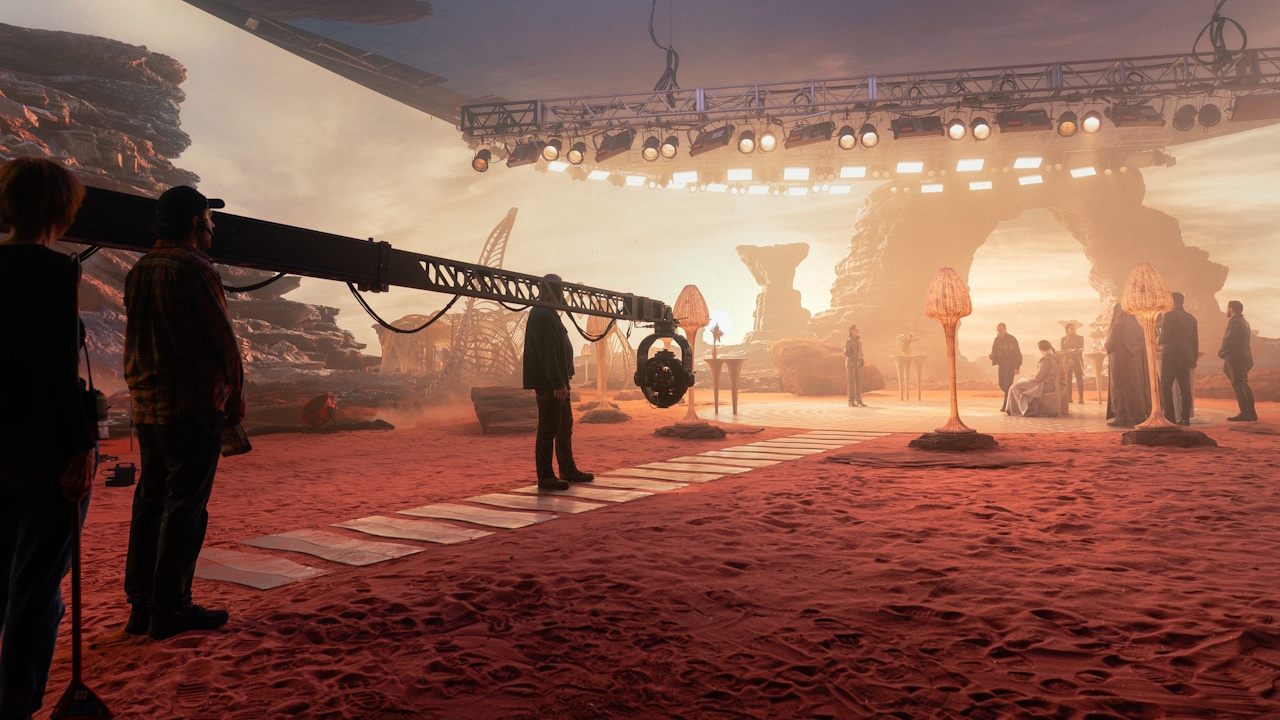
Behind-the-scenes photo from Star Trek SFA S1 showing a camera and the AR wall
On the set of Starfleet Academy.

On the one hand, very little has actually changed for Star Trek specifically as a result of this merger. Skydance already owned Paramount – Star Trek’s parent company – and had done since last year. Star Trek is not really “under new ownership” as a result of this latest acquisition; rather, Star Trek’s existing owner has expanded and is now even larger.

But I don’t think that technicality really covers how big of a deal this *could* be for Star Trek’s future prospects.

I don’t think it’s unfair to say that, for CBS, then ViacomCBS, and finally Paramount Global, Star Trek was one of the biggest and most well-known brands. There were others, of course: the CSI franchise, for example, or The Vampire Diaries. But there’s a reason why Star Trek was tapped to be the flagship series when CBS All Access launched, and why the former Paramount corporation leaned so heavily on Star Trek when pushing Paramount+. Simply put, Star Trek was a big fish in a relatively small pond.

The CBS All Access logo
Remember CBS All Access?

That has now changed… massively.

Star Trek had already fallen way behind the likes of Yellowstone and its spin-offs to lose the Paramount+ crown. But now, Star Trek finds itself under the same corporate umbrella as the likes of HBO, with shows like Game of Thrones and its spin-offs, Harry Potter (for better or worse), the cinematic Lord of the Rings trilogy, the entirety of DC Comics, which includes Superman, Batman, and other heroes, and so many more.

Star Trek is no longer a tentpole franchise for a corporate entity that can call on Harry Potter, Batman, the world of Westeros, and more. And that simple fact could set the stage for a fallow period – perhaps lasting just a few years, or perhaps lasting… a lot longer.

Still from Batman and Robin showing the titular heroes
Star Trek and Batman now share a corporate overlord.

In the short-to-medium term, we know that Skydance has a couple of Star Trek ideas in mind. There’s a new video game – one of the first to be published under the new Paramount Games brand – and a film that seems to still be in the “ideas” stage. But beyond that… there have been no announcements other than the cancellations of every show that had been in production at the time Skydance assumed control. I don’t see this merger making Skydance *more* likely to greenlight a new Star Trek show or film. If anything… it seems like it’ll make that less likely.

I’m increasingly iffy on the film that was announced last year, too. Maybe that’s a hangover from how poorly the previous incarnation of Paramount handled its film announcements for Star Trek… but at the same time, it’s been almost a full calendar year since we learned that Skydance wanted to commission a new film, which was to be spearheaded by the filmmaking duo Jonathan Goldstein and John Francis Daley. But since then, Goldstein and Daley have continued to work on Mayday, which released just last month, and there’s been very little by way of news about the project, which must still be at a very, very early stage. On past form, you have to acknowledge that it’s possible that this film just won’t make it off the drawing board… and I really don’t know what Skydance’s leaders would make of that. With so many other brands under their umbrella, would they care… or even notice?

Warner Bros. studios in Hollywood
The site of Warner Bros. studios in Hollywood.

Skydance clearly had no confidence in the Star Trek streaming shows that it inherited – cancelling all of them. I’m also of the opinion, by the way, that Starfleet Academy had been what I’ve called “de facto cancelled” before a single episode had even aired – such was Skydance’s dislike of streaming Trek.

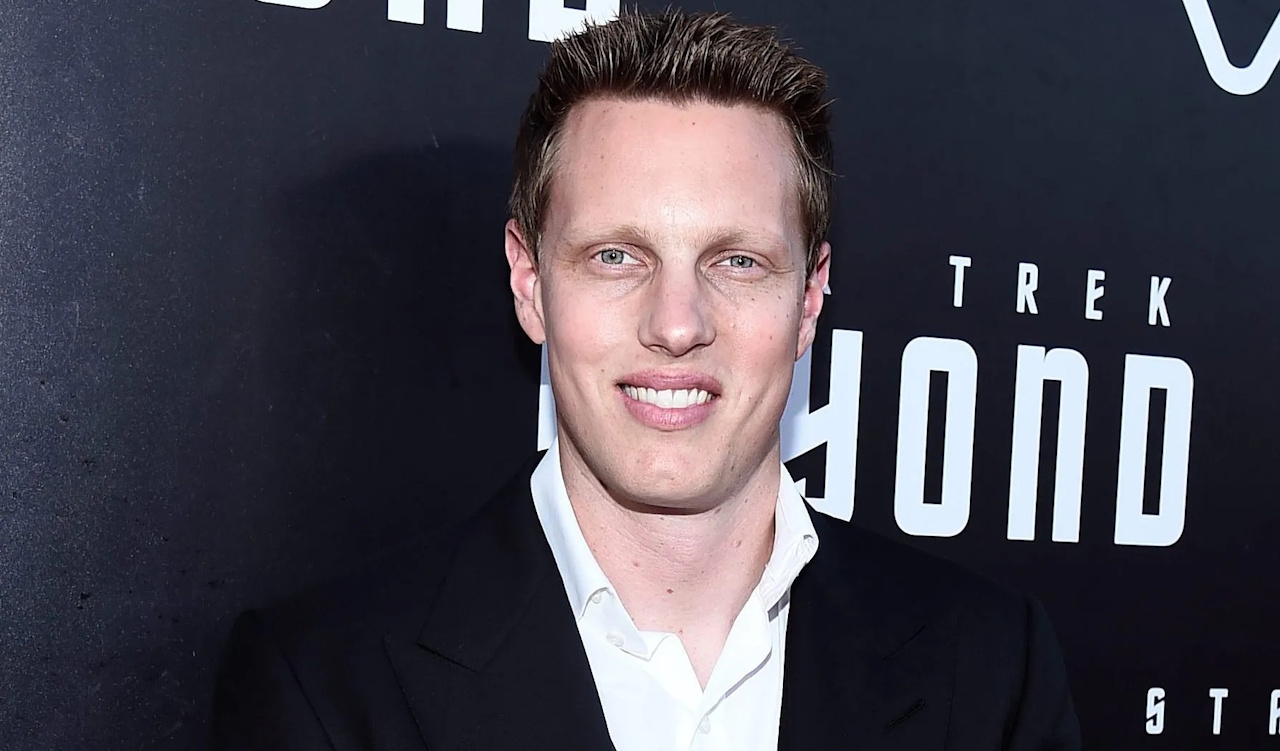
Skydance CEO David Ellison seems much more interested in feature films than TV shows, but he now sits atop a media empire that relies heavily on both broadcast television and streaming. New spin-offs to Game of Thrones and Yellowstone are airing or will soon air, and none of those has been cancelled as a result of this merger. So there’s clearly still gonna be a place for TV and streaming in this new corporation.

Skydance CEO David Ellison
Skydance CEO David Ellison.

And that matters to me because, as I’ve said countless times before, Star Trek has always felt more at home on the small screen – at least to me. Don’t get me wrong, there have been some great cinematic adventures, too! But I just feel that a franchise like Star Trek works best on television, where the Enterprise can warp away to a new planet, a new alien, and a new adventure pretty much every week. If the franchise goes back to the cinema, we could get some fun sci-fi or action/sci-fi stories, for sure. But we’d also be missing a key part of what makes Star Trek feel like Star Trek.

However… I’ve also stated before that Star Trek quickly became oversaturated in the first half of the 2020s. And partly that’s because the former Paramount corporation wanted the franchise to almost single-handedly carry a loss-making streaming platform over the finish line. That was never gonna happen, and some truly epic mismanagement on the corporate side also saw such stupidity as two brand-new episodes airing at the exact same time, down to the minute, as Star Trek shows tripped over one another on Paramount+.

Maybe a break… isn’t a bad thing.

When Enterprise went off the air in 2005, I was left stunned. I scoured the internet for any rumours of a new Star Trek show to replace it, but obviously found nothing. Enterprise’s cancellation was the first time since I became a Trekkie almost fifteen years earlier that there was no new Star Trek in production. And what happened next… well, it led me to double-down on Star Trek, to re-evaluate parts of the franchise I’d overlooked, and discover my passion for it all over again.

After some missteps in recent Star Trek productions, I’m firmly of the opinion that a clear-out at the top is not only a good idea, but *necessary*. Many of the same creatives have been working on Star Trek for ten-plus years already; some have even been with the franchise since the Kelvin timeline films. It’s absolutely worth introducing new folks with new ideas and letting new leaders take the reins – and that’s something that shouldn’t be rushed. If Skydance wants to appoint a new head of streaming, it’ll take a while for that person (or team) to get a handle on where things sit and decide what they want to do. And it’ll take new creative folks time to figure out where they might want to take Star Trek next, put together a pitch, and get it approved. Rushing that process won’t lead anywhere good, I’m certain of that!

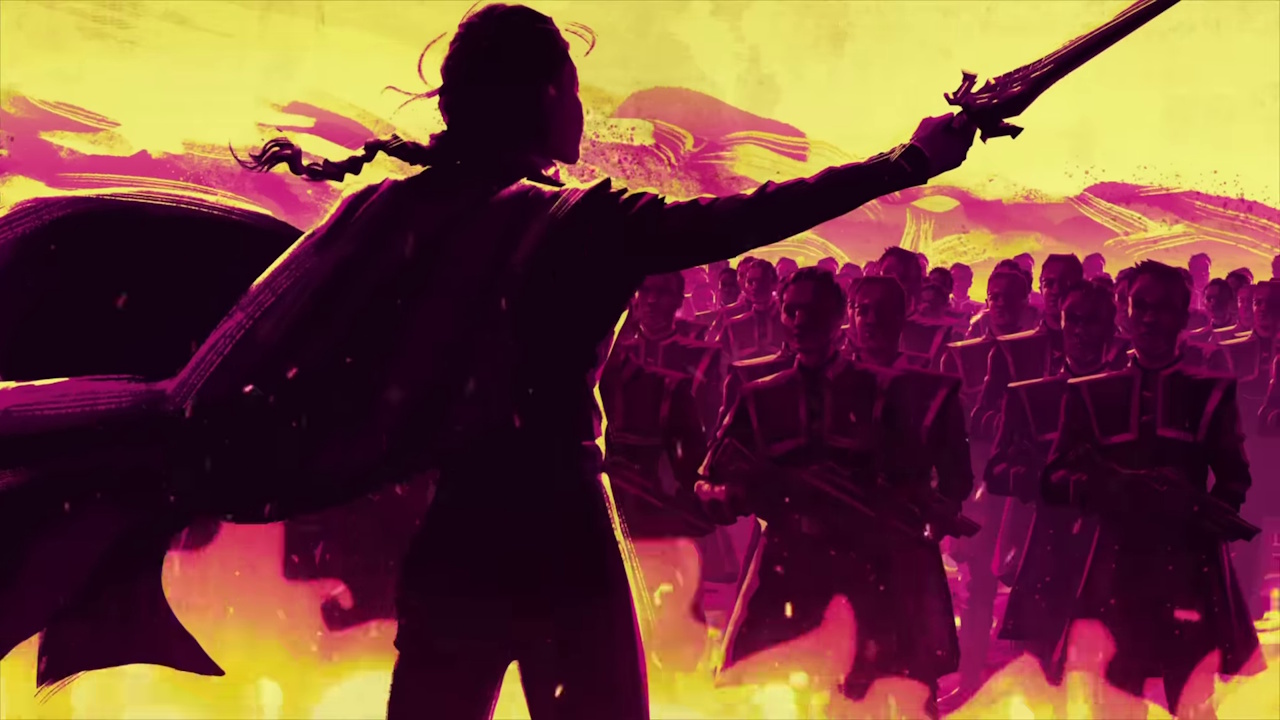
Promo graphic for Star Trek Section 31 showing Georgiou with a sword
Several recent Star Trek projects have flopped or underperformed.

It seems increasingly likely that, sooner or later, Paramount+ and HBO Max will unify as one singular streaming platform. That just makes sense; I can’t imagine Skydance keeping them separate for very long. And with streaming still dominant in the industry, that platform will be Star Trek’s new home. I can’t see Skydance being as shockingly incompetent as the former Paramount corporation, either, losing the rights to its own films and shows – so the days of the Star Trek films disappearing from Paramount+ for months should be over! So that’s a positive, I guess.

But when it comes to *new* creations, I still think we’ve got a while to wait.

The only thing I could see that might possibly change that is the amount of debt that Skydance is now in. Long story short, Skydance (which was already in debt from the Paramount acquisition) basically had to borrow *all* of the money it needed to fund the Warner Bros.-Discovery acquisition – and, on top of that, Skydance arguably paid over the odds for Warner Bros.-Discovery in order to muscle in on Netflix’s attempted takeover. So Skydance is in – what’s the technical term? – a metric fuckton of debt.

Stock photo of a briefcase full of US dollar bills.
Skydance is in *a lot* of debt.

How do media companies pay down debt? Well, selling tickets at the cinema for blockbusters is one way, sure. But in the 2020s, recruiting and retaining subscribers to a streaming platform is another. This is Netflix’s entire business model, and it’s phenomenally profitable when done right. A merged HBO Max-Paramount+ would have a lot of existing content from some of the brands and franchises discussed above, but it will also need new shows all the time to lock in subscribers and convince folks that it’s a must-have subscription.

If there’s a reprieve for Star Trek on streaming, I think that’s where it lies.

I could see this new Skydance corporation taking a bit of time to consider pitches and ideas, and to allow its new streaming folks a chance to get their feet under the table. And then, maybe in 2029 or 2030 – a scant three or four years from now – going ahead and commissioning a brand-new Star Trek series. Maybe, if their new film has been a hit, it’ll be a continuation or spin-off. Or maybe it’ll be its own distinct thing. But to be realistic, I think we’re looking at 2031-32 before any new Star Trek could hit the small screen.

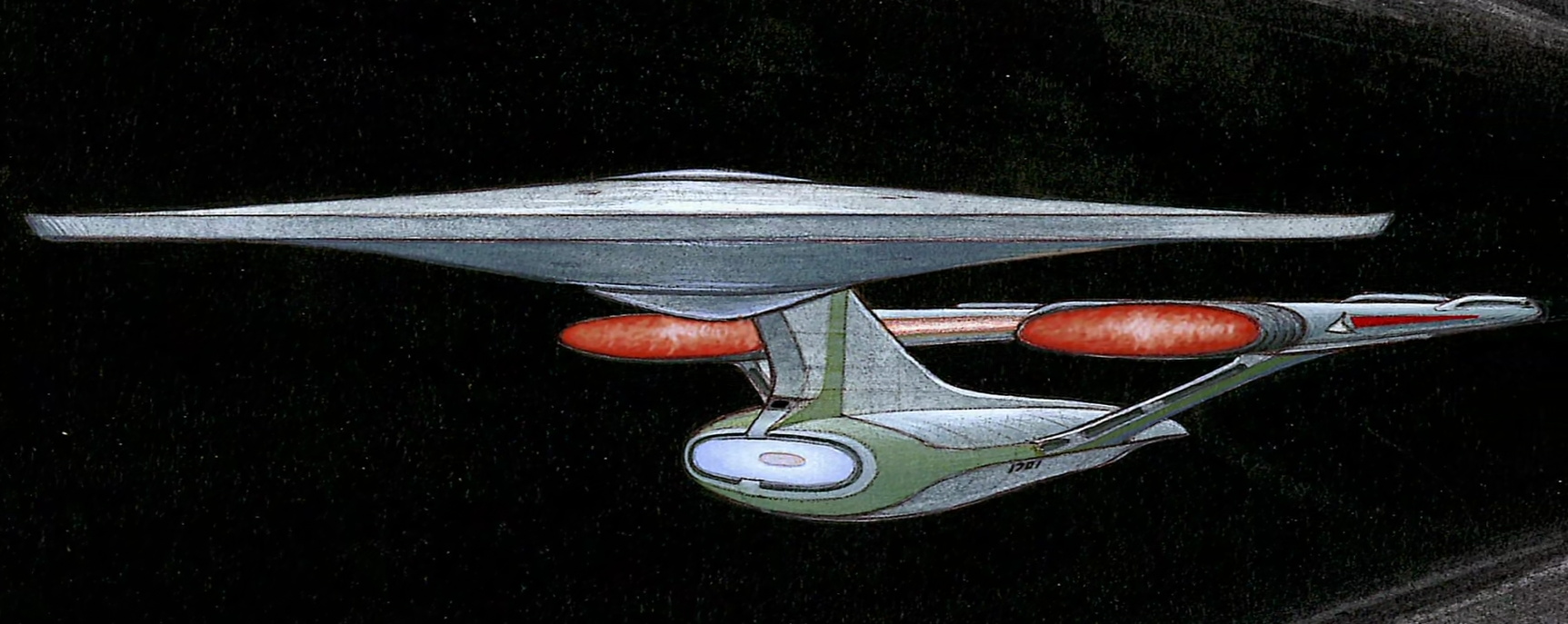
Concept art of the USS Enterprise created for Phase II/The Motion Picture
Concept art of the USS Enterprise.

If both Starfleet Academy Season 2 and Strange New Worlds Season 5 air next year, as we’re all assuming… that still means a break of five-ish years (at minimum) before there could be any new televised/streaming Trek. But that timeframe, to me, doesn’t feel unreasonable.

There are other possibilities, of course.

If Skydance struggles to manage this epic debt mountain, a “fire sale” of brands and IP could be on the cards in the years ahead. And where would a corporation want to start? With dormant brands that have good name recognition! Star Trek could, under those circumstances, potentially be sold to another media conglomerate. That’s much more of a hypothetical, but if Star Trek has been quiet for a few years and Skydance has struggled to make good on its debts… that’s the kind of thing that could happen. Though where Star Trek might end up, at that point, is anyone’s guess! I’ve heard some fans suggest that Apple TV, with its sci-fi programming, could be a good fit, and I don’t disagree. But whether Apple would really want to spend a lot of money on the rights to Star Trek is… questionable. Amazon founder Jeff Bezos is a known Star Trek fan, though, so maybe Star Trek would find its way over there. Amazon Prime Video did, once upon a time, pay for the international distribution rights to Star Trek: Picard, so it wouldn’t be totally unprecedented.

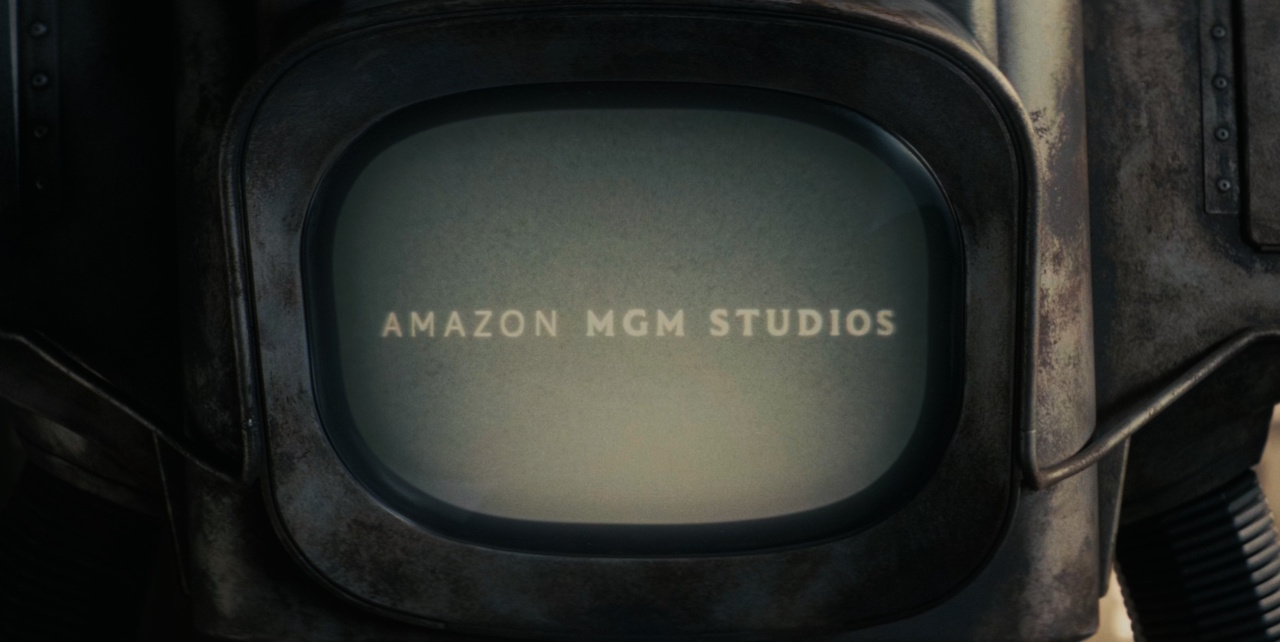
Still frame from Fallout S2 showing the Amazon MGM logo.
I could see someone like Amazon being interested in Star Trek if it were ever put up for sale.

But okay, those are much more speculative ideas on my part.

What I think seems more likely, at least in the short term, is Star Trek winding down. There will be books, comics, and the occasional video game if we’re lucky. And, if the stars align, either the previously-announced feature film or a different cinematic project could hit theatres in, say, 2029. The success or failure of that picture could determine whether there are sequels, spin-offs… or whether it’s back to the drawing-board again!

One thing that this merger has solidified for me is that Skydance doesn’t see Star Trek as either one of its biggest brands or a priority. Star Trek is now one property among dozens, some of which have much higher name recognition with casual audiences – and much greater profitability potential. If budgets are tight, Skydance won’t be able to commission every project that comes across the CEO’s desk. If it’s a choice between Batman and Star Trek, a Game of Thrones project and Star Trek, Harry Potter and Star Trek, or Yellowstone and Star Trek – to give a few examples – well, I don’t see Star Trek winning *any* of those quarrels as things stand.

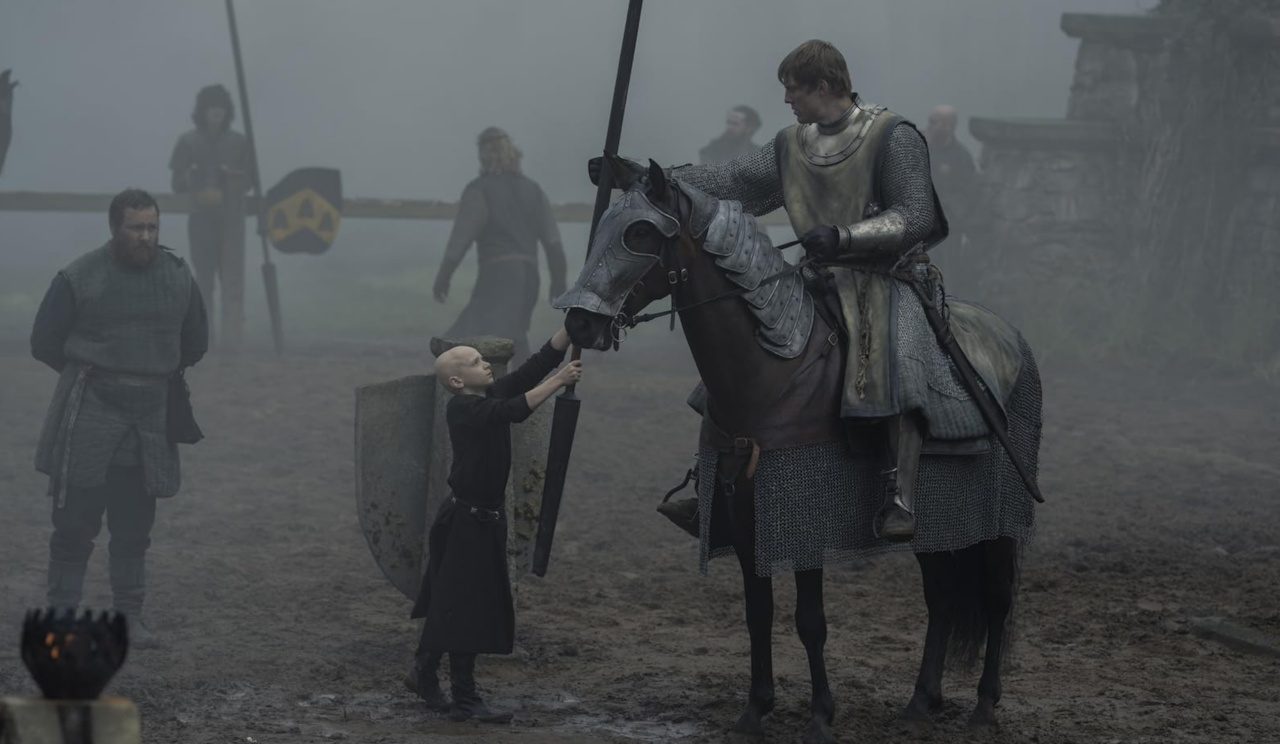
Promo still for A Knight of the Seven Kingdoms S1
I don’t see Skydance prioritising Star Trek over many of its other big brands.

For reasons that are unclear – and which, given the Ellison family’s ties, may be more political than anything else – production seems to be leaving Canada, which has been where most live-action Trek (except for Picard) has been produced for the last decade. A return to Hollywood could mean that Star Trek – and Skydance’s other big brands, too – are doubling-down on the cinema as opposed to the small screen, but I wouldn’t read too much into that, to be honest.

All of the sets that the previous CBS, ViacomCBS, and Paramount corporations had built have now been torn down in Canada, with many items being sold off at auction earlier this year. One thing I haven’t heard about, though, is the AR wall; the fancy screen that – to be honest with you – Paramount never seemed to properly figure out how to use! Maybe the AR wall will remain in use for other shows, and maybe we’ll even see something like it make a return in a future Star Trek production! But right now, a return to the United States, and to Hollywood, California in particular, seems to be where Skydance is going.

Behind-the-scenes photo from Star Trek SNW S3 showing the AR Wall
Filming Strange New Worlds on the AR Wall stage.

In terms of storylines and characters, I’m also of the opinion that most of the streaming Trek era won’t be revisited or returned to anytime soon. The only *possible* exception to that could be Lower Decks; for financial reasons, an animated series would be cheaper to produce than live-action, and most of the Lower Decks team have indicated that they’d be willing to return. Something like that could be a way for Skydance to test the waters and see how new Star Trek performs on its merged streaming platform without having to make the commitment to live-action.

However, that’s very much a hypothetical, and if I had to speculate, I’d say it won’t happen.

I really don’t see Skydance (or any future Star Trek owner/producer, come to that) wanting to revisit Discovery and Starfleet Academy’s 32nd Century. That timeline seems to have been completely shut down with Starfleet Academy’s cancellation, and of all the possible eras and settings to revisit, it’s rock bottom. I’d place it even below Enterprise’s 22nd Century – at least right now.

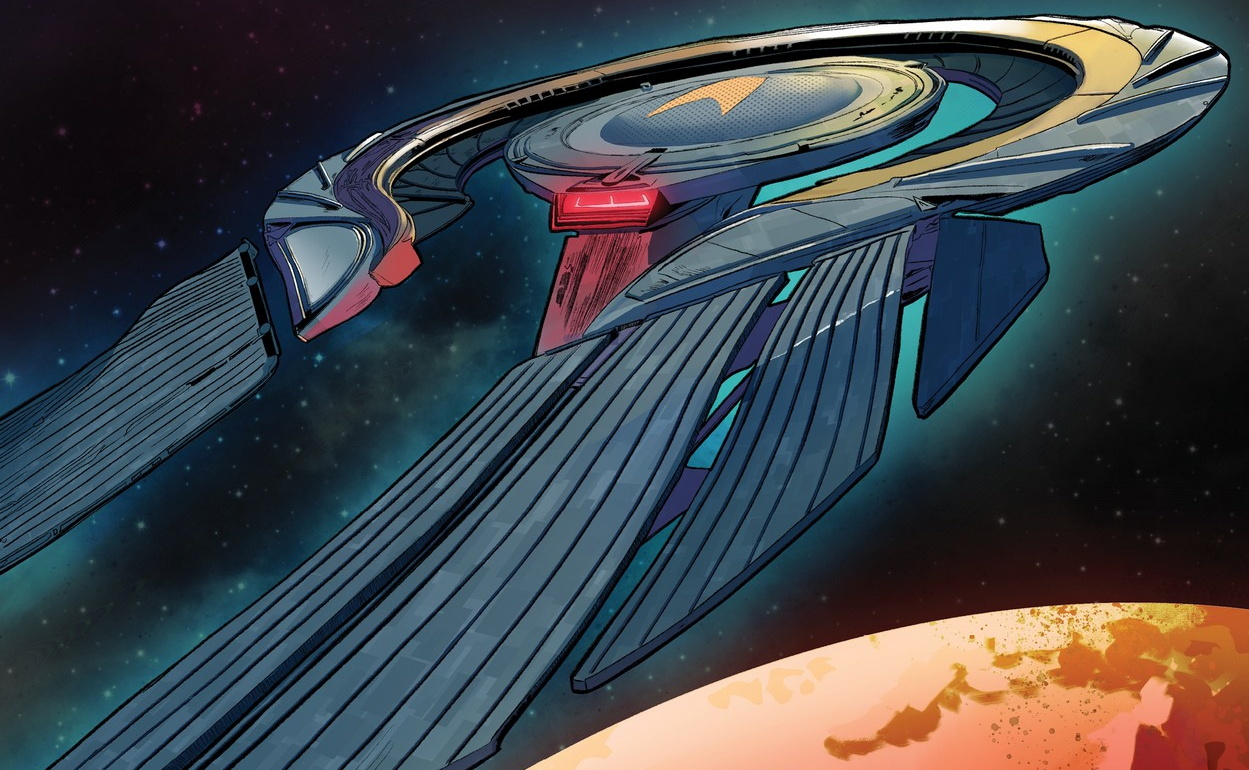
Crop from Star Trek Starfleet Academy (comic) Lost Contact showing the USS Athena
I don’t see the 32nd Century being revisited anytime soon.

While it’s *possible* we could see a Picard-type of series, picking up the story of a main character from The Next Generation era, I’m not sure that that’s especially likely right now, either. Firstly, you have the question of which character could even carry a series like that; Janeway is pretty much the only option, and she’s already had a major role in Prodigy. And secondly, even if you could find a character to follow, any such project naturally becomes a sequel – with the result being a more limited appeal primarily to existing Star Trek fans.

What seems more likely right now is a “reset.” Don’t call it a “reboot;” I don’t think we’re going to get another J.J.-verse alternate timeline thing! But some kind of attempt to reset the Star Trek franchise, to take this increasingly convoluted brand with a fractured timeline and simplify it, seems like it’s on the agenda. The best way to do that would be to set a new Star Trek series in the 25th Century, somewhere beyond the era glimpsed in Picard. Such a series could have a cameo or two from legacy characters, if handled well, but would basically be its own standalone thing.

Wire-frame schematic of the USS Enterprise from Star Trek SNW
Just don’t call it a “reboot!”

I just don’t see Skydance being interested in picking up any of the franchise’s dangling story threads right now – and given modern Star Trek’s failure to expand the fan community in a big way, that probably isn’t the wrong decision from a business point of view. A new series, functionally disconnected from anything that came before, would have the best chance of opening the door for new fans – fans who could then explore the rest of the Star Trek universe at their own pace. That’s what The Next Generation and the other shows of that era did, for the most part… and that’s what modern Star Trek has struggled with.

As the entertainment industry coalesces around a shrinking number of giant brands – Marvel, Star Wars, Westeros, and so on – I think there’s at least the *possibility* that Star Trek could join (or rejoin) that group. The brand name is still well-known, even amongst a casual audience; folks who’ve never seen a single episode have at least *heard* of Star Trek. But how Skydance turns that name recognition into interest, then excitement, then actual, ongoing viewership is an open question.

It’s the question that CBS, ViacomCBS, and Paramount all failed to answer convincingly.

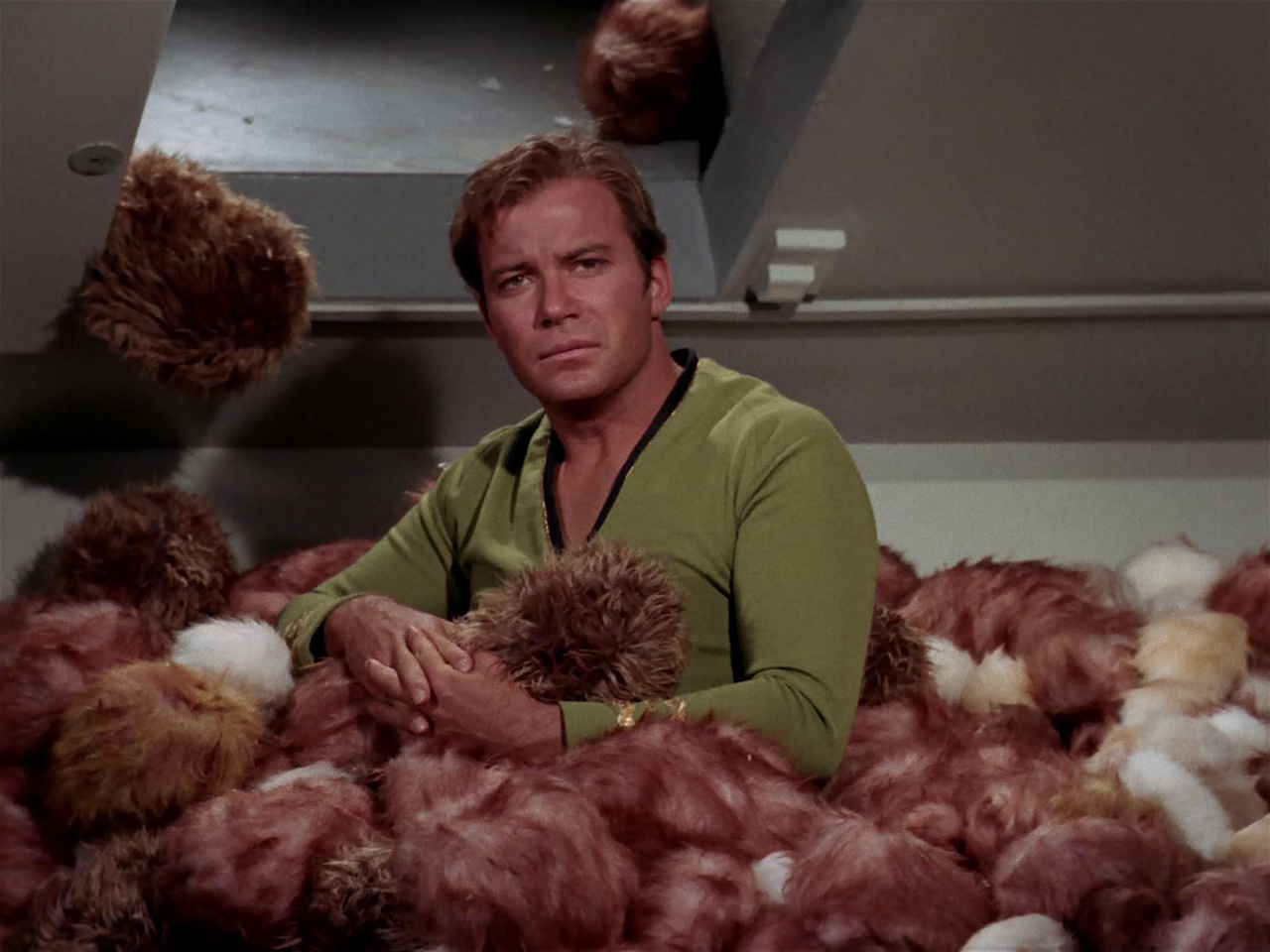
Still frame from Star Trek TOS The Trouble with Tribbles showing Kirk in a pile of tribbles
Star Trek is still a well-known and iconic sci-fi franchise.

One thing that I think is possible, though, as the 2020s roll on and streaming begins to settle into its routines, is that audiences will begin to ask for something different. Ten-episode, eight-episode, and even six-episode fully-serialised stories have become streaming’s bread-and-butter, but we’ve seen the limitations and dangers of telling stories like that. Game of Thrones – one of Skydance’s new properties – basically disappeared on account of how poorly its ending landed, and there are other examples of serialised stories that just didn’t work or failed to stick the landing. Long breaks of two-plus years in between short, serialised seasons hasn’t helped, either.

And a franchise like Star Trek is well-suited to challenge that model.

Rather than forcing Star Trek into a modern, serialised streaming mould that – I would argue – is not and never was a good fit, Skydance *could* take the franchise in a more episodic direction once more. If audiences are burning out on serialised shows and ever-shorter seasons, you couldn’t ask for a better franchise than Star Trek to lead a new trend – back towards longer seasons and episodic storytelling. A show set on a moving starship, warping away to a new planet, a new alien, and a new adventure every week? That’s what Star Trek was when it was at its best… and that’s what it could be again one day.

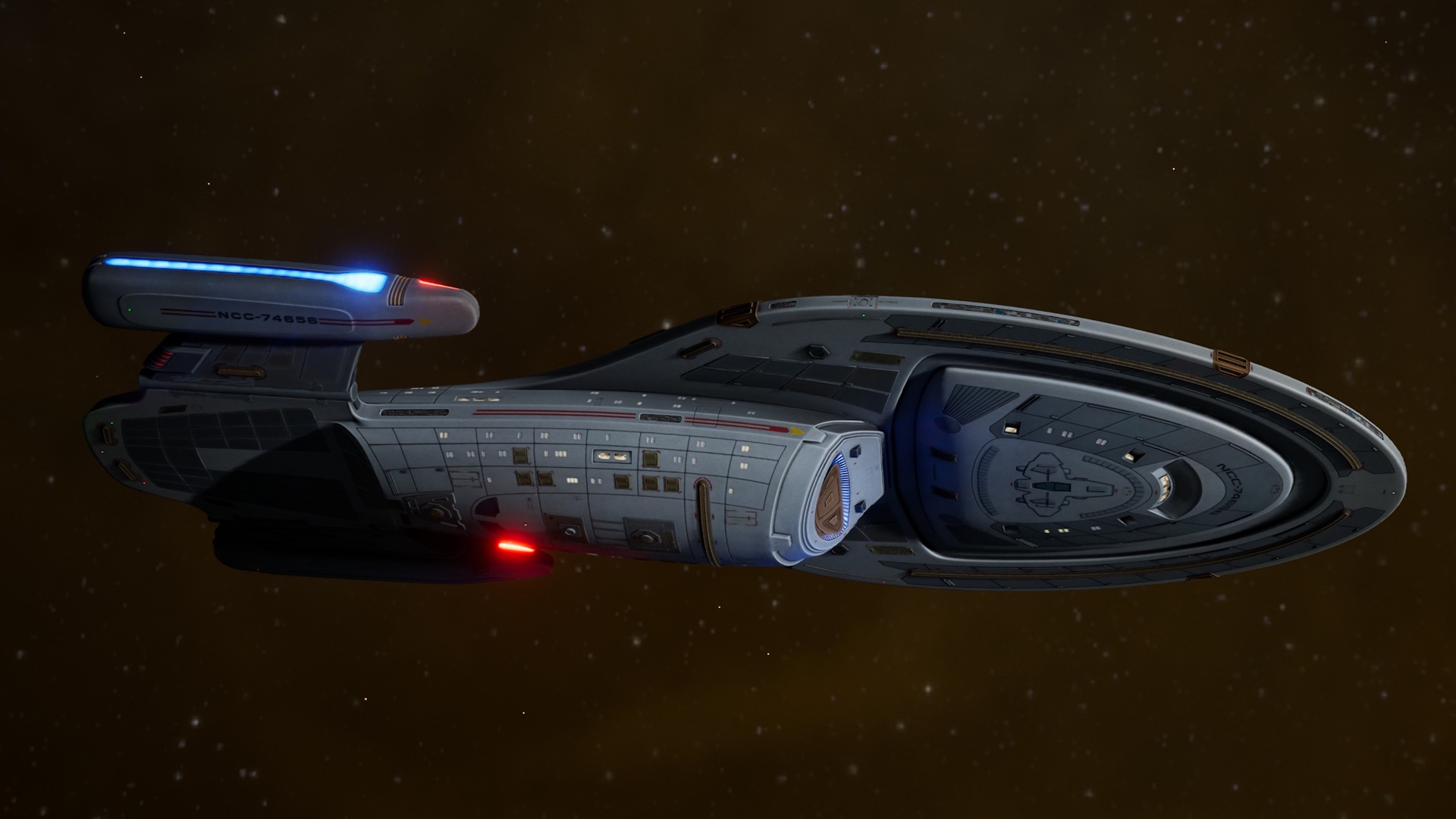
Screenshot of Across The Unknown showing Voyager
Could a new, exploration-focused, episodic Star Trek show be on the agenda one day?

If I was making a pitch to Skydance, it would be for that kind of show.

But all of that is for the future! Right now, today, in October 2026, I would say that the Skydance-Paramount-Warner Bros.-Discovery merger is, on the whole, a net negative for Star Trek’s short-term prospects. Star Trek has gone from being one of the previous corporation’s much-needed and biggest brands to merely one IP among many that could easily be overlooked. Skydance’s decision to cancel every extant Star Trek series shows that the new leaders had no faith in what they were seeing when they took over, and a CEO who clearly prefers film over TV and streaming indicates that Star Trek’s short-term future lies at the cinema. If that film should flop – like the last one did – well… then we could be in a very bad situation.

Longer-term, though, I still don’t believe we’ve seen the last of Star Trek. Skydance’s debts could lead to a new streaming series being commissioned to give a boost to Para-Max-Plus-HBO-Mount (or whatever the merged streamer will end up being called). Or, alternatively, the Star Trek franchise could be put up for sale, and there are several big players elsewhere in the entertainment space who might be interested in a brand with a built-in fanbase and near-universal name recognition. So it’s not *all* doom and gloom!

Promo poster for Star Trek '09 showing the cast
Star Trek will be back.

I hope this has been interesting. I wanted to consider the possible ramifications of the Skydance merger now that it’s official. Star Trek has survived corporate changes and shenanigans before, and I daresay that the brand isn’t going to completely disappear. But we are set to enter another fallow period – perhaps one that’ll feel closer to the 2010s than the 1970s, though, with at least one feature film (allegedly) in early pre-production. Whether Star Trek will remain an occasional cinematic franchise, though, or whether a return to the small screen could happen in the first part of the next decade… I think that’s still to be determined!

One thing I can promise is that I’ll do my best to be supportive of whatever moves Star Trek makes next. The upcoming video game, Shadow Frontier, genuinely has me interested, as it’s being developed by a studio with a solid track record. And despite my scepticism, I’m crossing my fingers and hoping that the film which was announced last year will actually make it to the big screen this time! None of that means Star Trek gets a free pass or should escape criticism – I can be very critical when it comes to missteps, mistakes, and poor decisions. But I don’t want Star Trek to just… disappear. So I think, as Trekkies, we have an opportunity to show Skydance how much this franchise means to us and how far we’re willing to go to support it. I’ll do my best – including writing about the franchise here on the website!

Thanks for joining me this time. I hope my read on the situation has been, if nothing else, interesting! Time will tell what Skydance plans to do with Star Trek, and I will be watching and waiting to see if any big announcements are coming. If something major does get announced, or if we get news about the new film or another upcoming project, I hope you’ll join me once again for my thoughts and analysis. Until next time… and Live Long and Prosper, friends!


The Star Trek franchise (except for Prodigy) is available to stream now on Paramount+ in countries and territories where the platform is available, and is also available on DVD/Blu-ray. The Star Trek franchise – including all properties discussed above – is the copyright of The Skydance Corporation. This article contains the thoughts and opinions of one person only and is not intended to cause any offence.