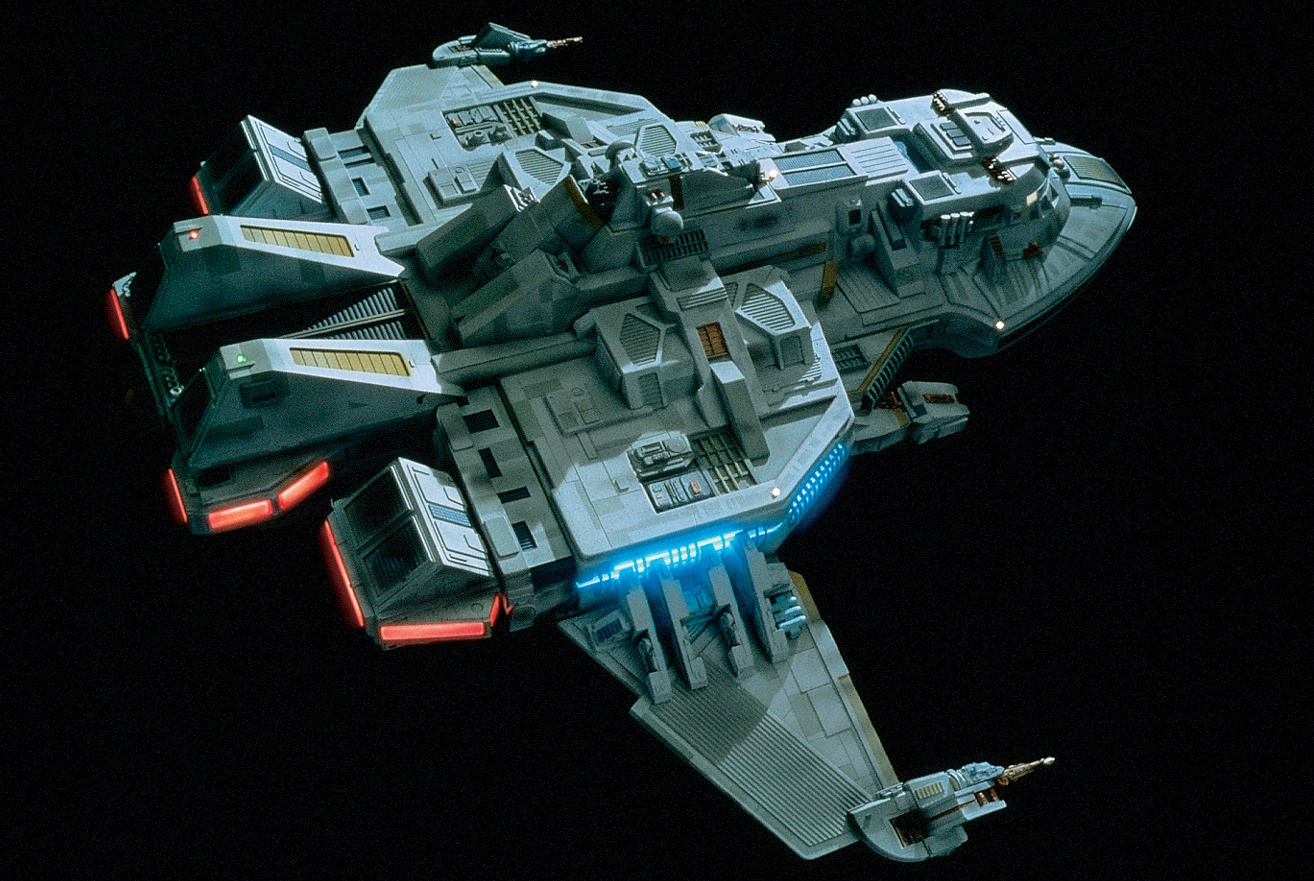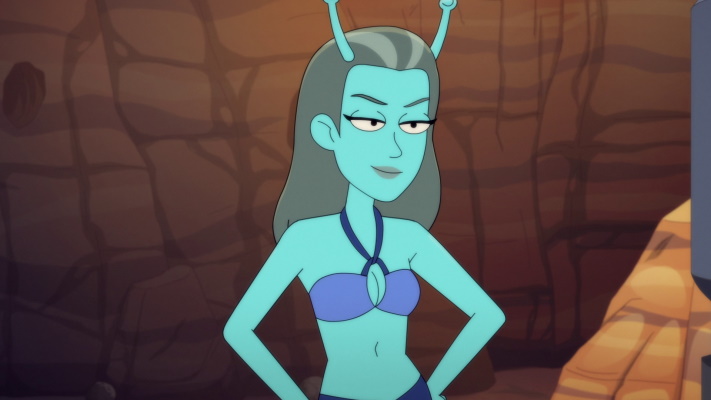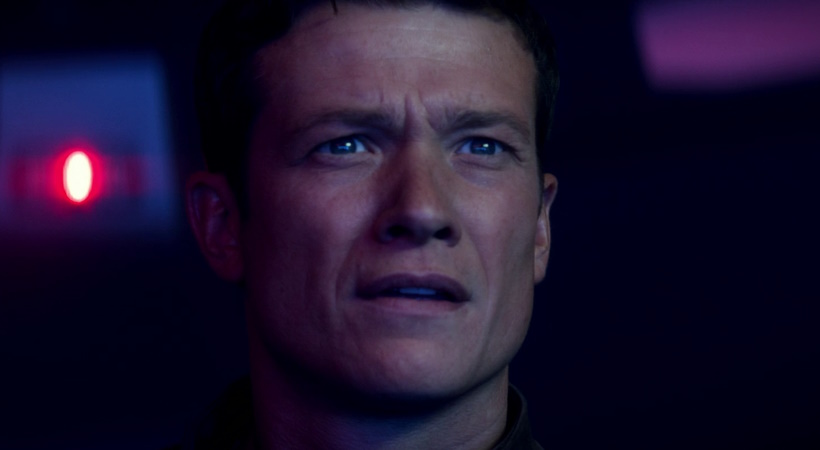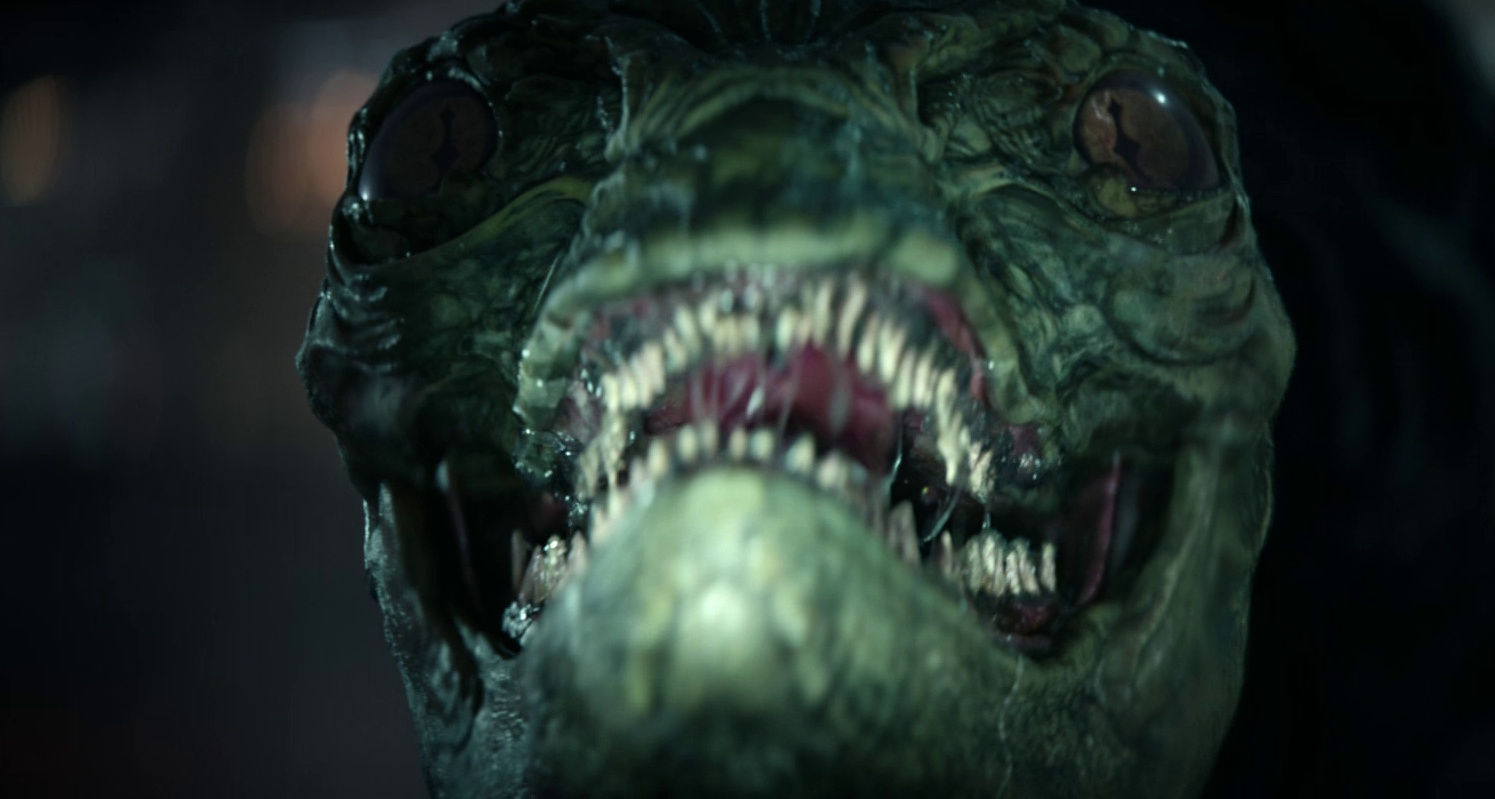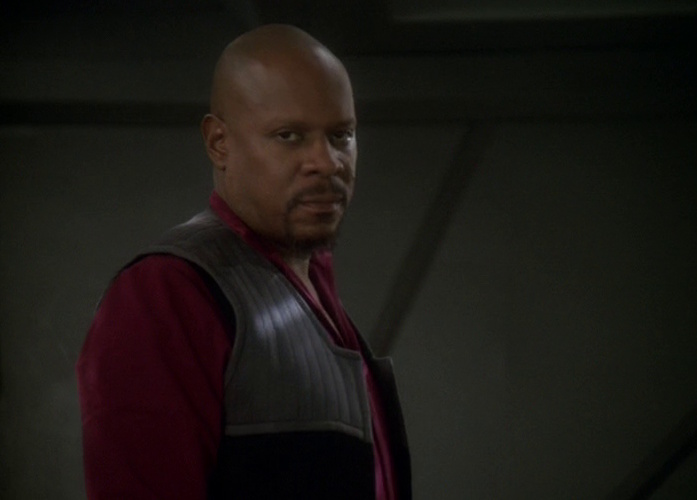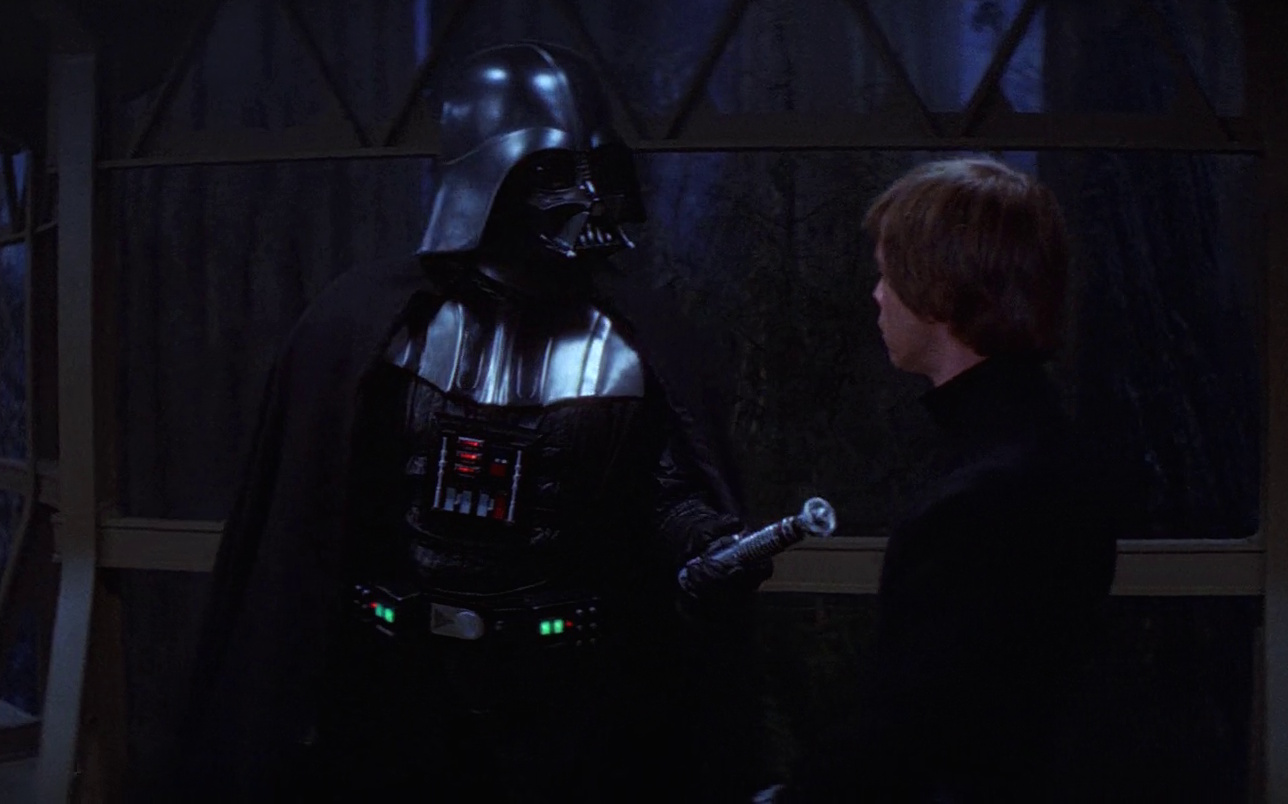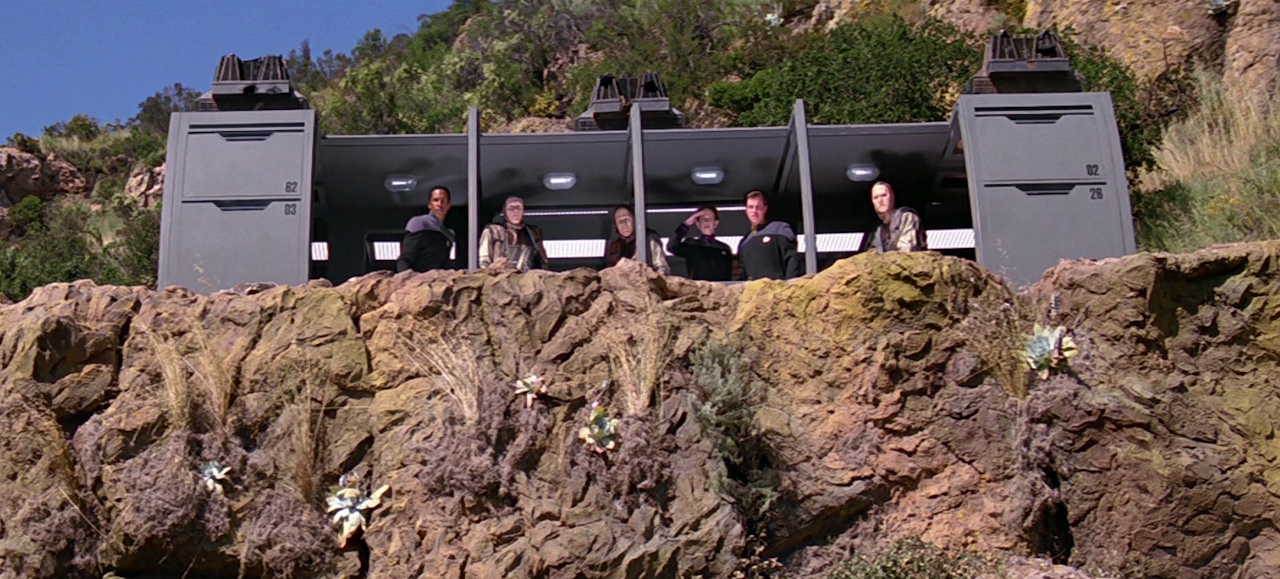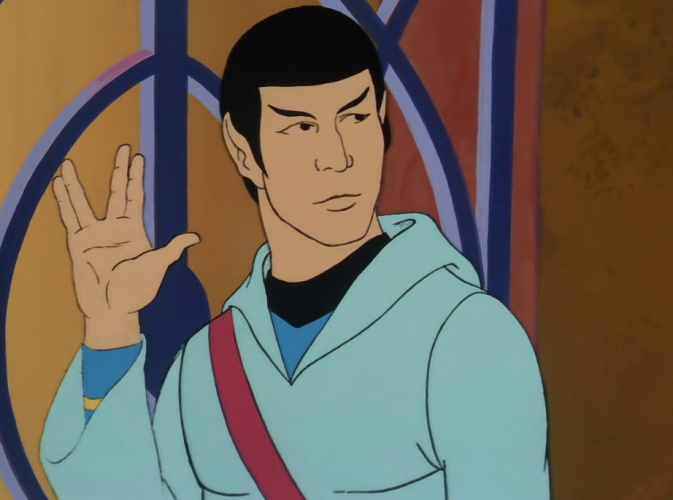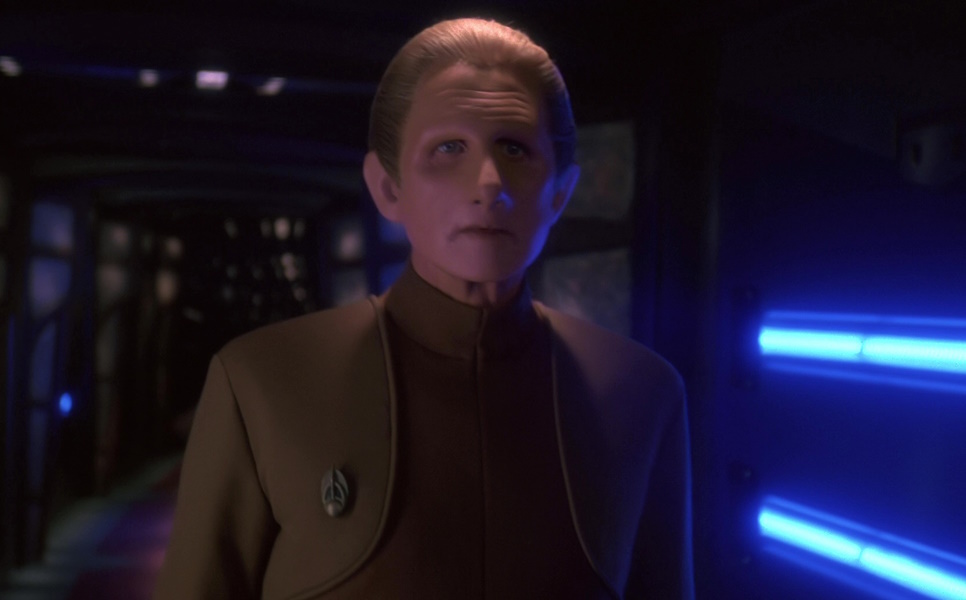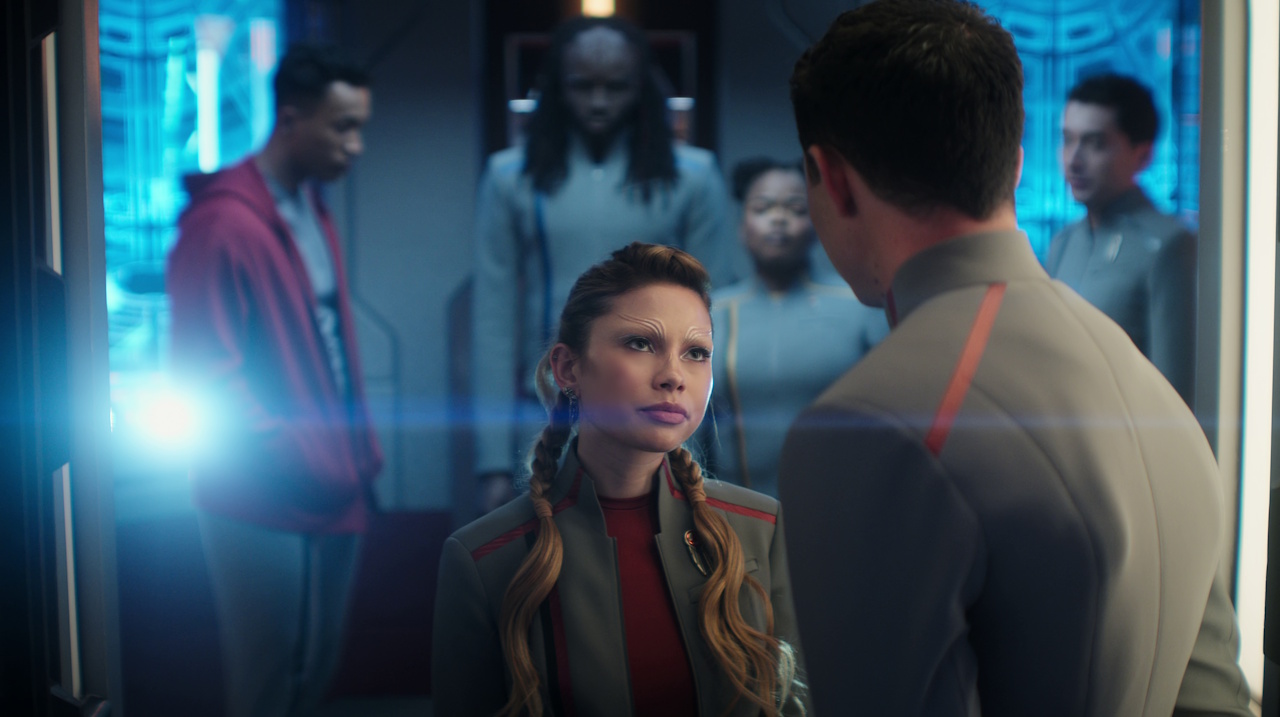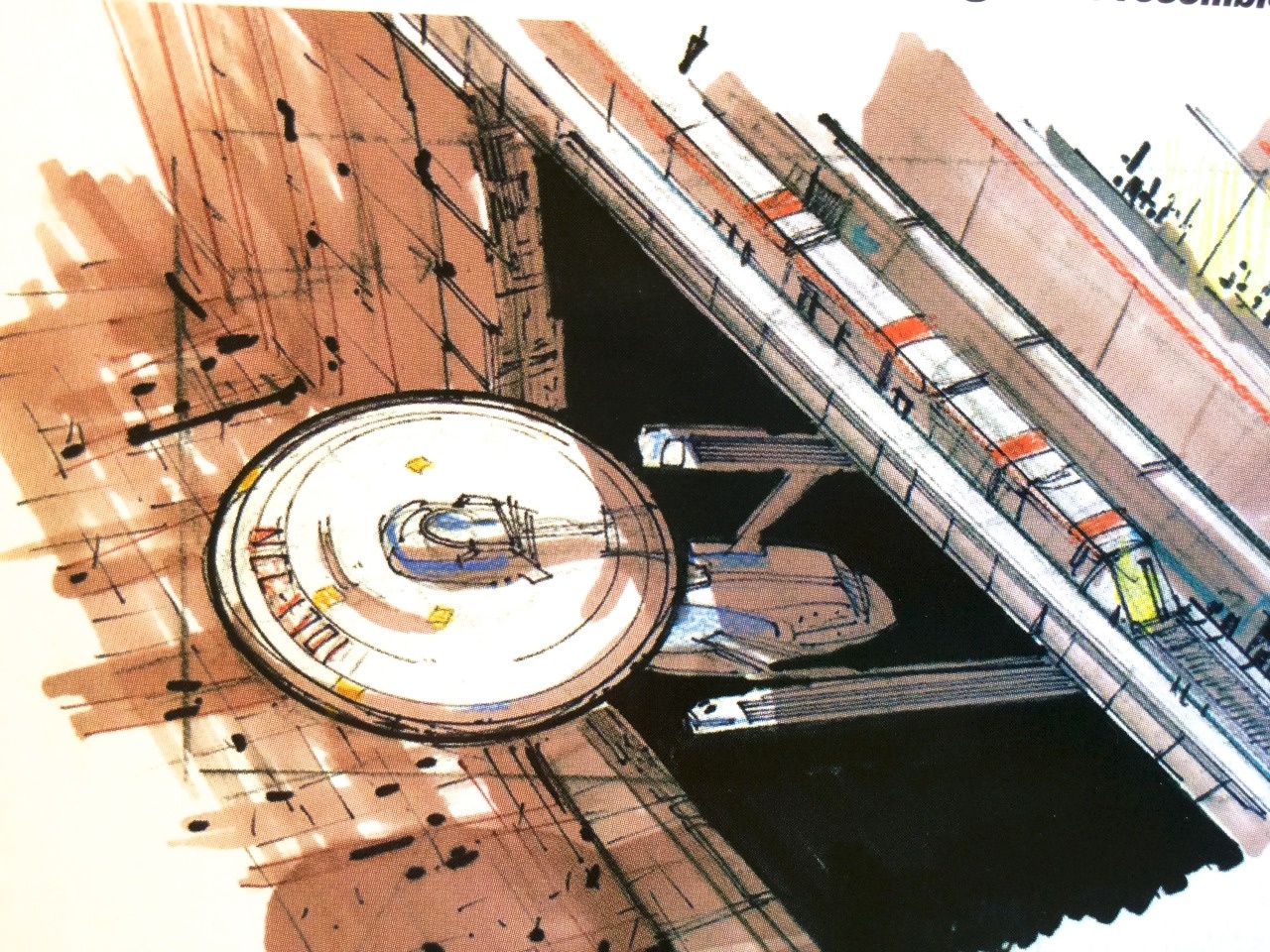
The Star Trek Fan Community’s Worst Theories

A Star Trek-themed spoiler warning.

Spoiler Warning: There are spoilers ahead for practically the entire Star Trek franchise, including recent seasons of Picard, Strange New Worlds, and Starfleet Academy.

I like to engage in a bit of theory-crafting here on the website! If you’re a regular reader, you might’ve followed along with my weekly Discovery and Picard theories while those shows were on the air. Or perhaps you clicked on one of my viral theories speculating about Unknown Species 10-C, Q, or Vadic. Or maybe you’re brand-new to Trekking with Dennis… in which case, welcome! But my point is that I like Star Trek fan theories, I write a lot of Star Trek fan theories, and I get a *lot* of things utterly wrong.

I give that caveat for one important reason: this piece, in which I’m going to demolish some fan theories that I’ve found doing the rounds in the online Trekkie community, is meant to be tongue-in-cheek! I’m trying to have a bit of fun with the Star Trek franchise in this landmark sixtieth anniversary year, and picking apart some fan theories I’ve come across on social media seemed like it could be a way to do that. But I’m not taking this too seriously, and you only need look at my own fan theories to see how bad some of them were.

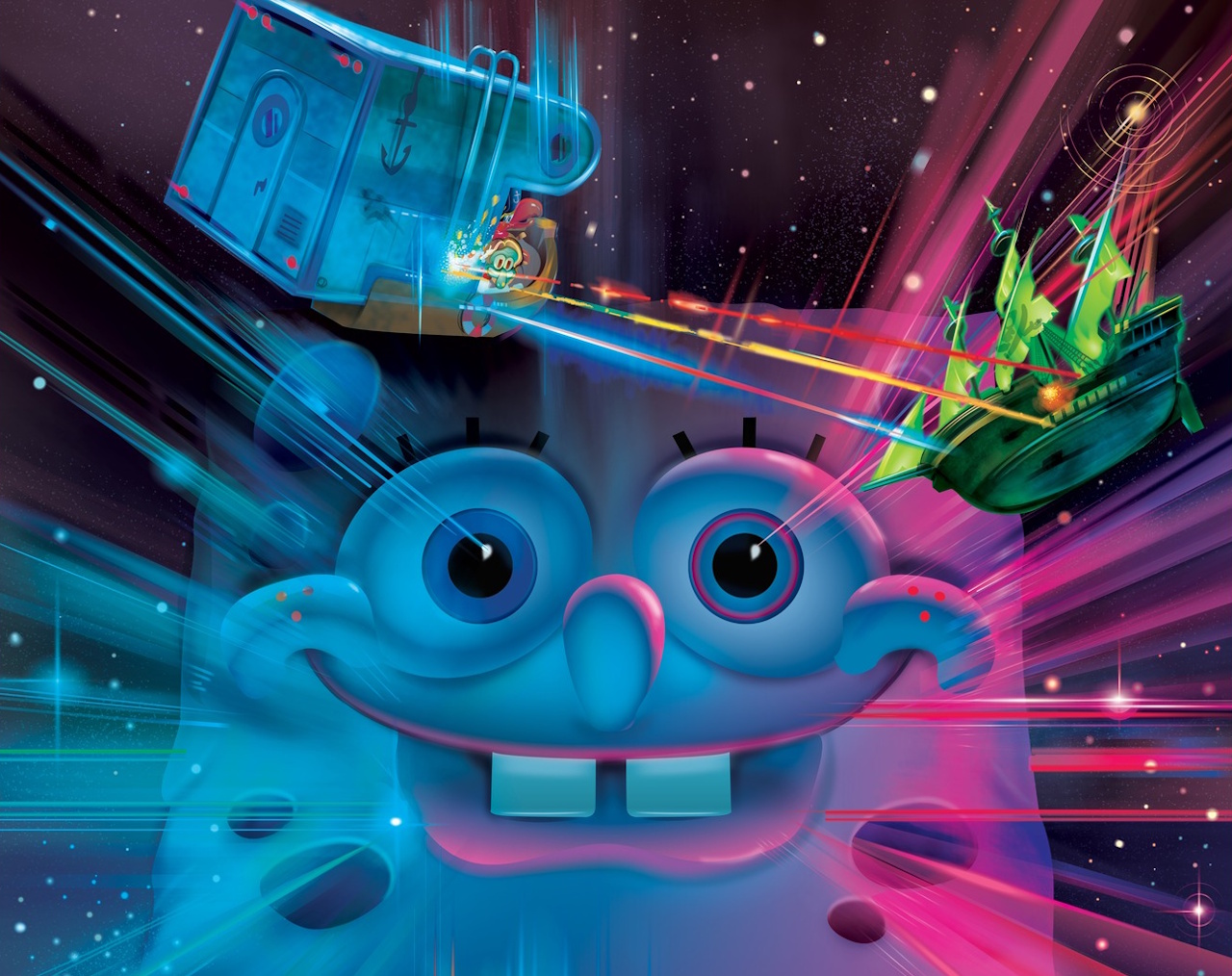
Cropped promo poster for The Search for SquarePants (in a Star Trek style).
Brace yourself. Things are about to get… silly.

More than ever, I encourage you to keep in mind that this is entirely *subjective, not objective*, and that we’re dealing with non-canonical fan theories which are likely never to be confirmed nor even referenced on screen. This is just for fun, it’s supposed to be a light-hearted exploration of some of the Trekkie community’s “wilder” and more “out there” ideas, and it’s just one person’s take on things, at the end of the day. So please try to keep all of that in mind as we go through these theories!

I visited a few different Star Trek social media pages and channels, collecting twenty-five theories that I thought sounded… well, to be blunt, I thought they sounded kinda silly. Some of these seem to have been written almost as parody, but others did seem to have elicited debate, and clearly have believers. But in any case, all of these made interesting (or weird) points, and I thought breaking them down could be a bit of fun as we continue our year-long celebration of the franchise’s sixtieth anniversary.

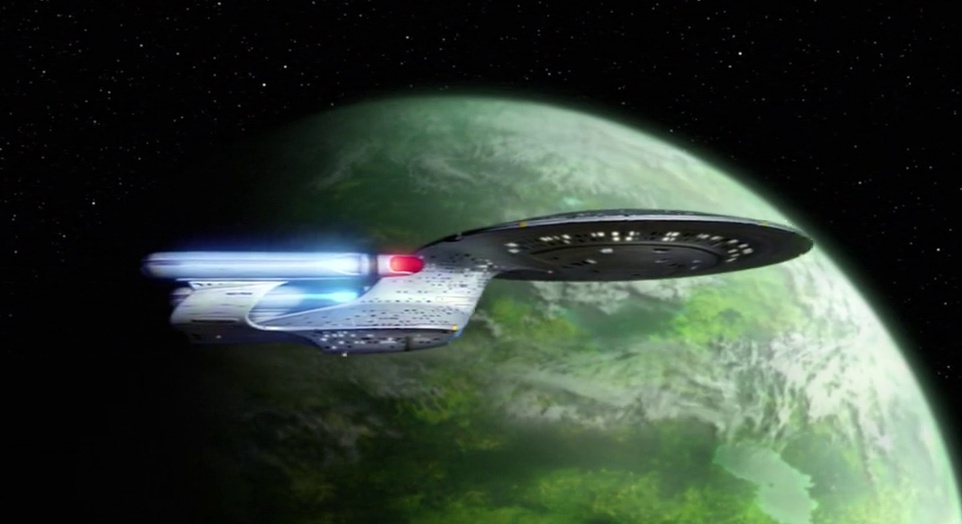
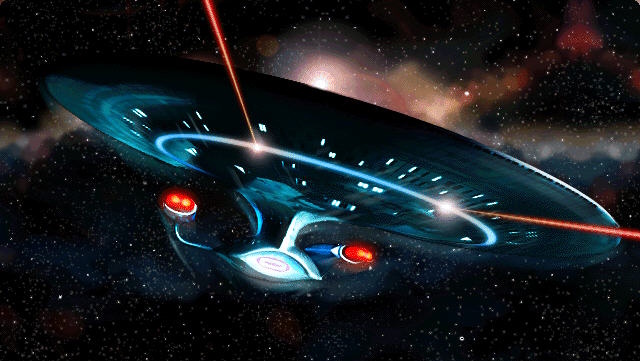
Screenshot from Star Trek: Generations (PC game) showing the Enterprise-D firing phasers.
The Enterprise-D. Bonus points if you know where this image comes from!

These theories cover all kinds of topics, and span the breadth of Star Trek’s history, from The Original Series all the way through to some of the most recent episodes of Starfleet Academy. Some fans have been, shall we say, especially *creative* with their ideas! Which is fantastic. I adore the Star Trek fan community and how passionate folks can be. As I’ve said many times here on the website: crafting a theory is a great excuse to spend a bit more time in Star Trek’s wonderful galaxy, and even though I may disagree vehemently with a theory, I love that Trekkies all over the world are so invested in this franchise.

We’re going to get into the theories now, so consider this your final content warning. This is your last chance to jump ship if you need to avoid spoilers or if you don’t want to come across some potentially controversial Star Trek opinions! The theories below are in no particular order.

Theory #1:
Dr McCoy knows that he’s a character in a TV show.

Still frame from Star Trek: The Original Series Journey to Babel showing Dr McCoy.
Leonard “Bones” McCoy.

In The Original Series, there were a handful of moments that seemed to break the fourth wall – i.e. where characters within Star Trek seemed to acknowledge the audience, or that what was unfolding on screen might not be real. Dr McCoy was a key part of one of the most (in)famous fourth wall breaks in The Original Series: the closing scene of the Season 2 episode Journey to Babel. In this scene, Dr McCoy remarks that he “finally got the last word,” after shushing Kirk and Spock – seemingly referencing other episode endings in which Kirk, Spock, or another character would say the closing line or remark on what had transpired. Furthermore, McCoy seems to say this while looking *almost* straight into the camera.

Without getting too nitpicky, I think we can debunk this one by explaining that McCoy was simply commenting on Kirk and Spock’s tendency to talk over him in-universe, rather than anything more meta! And the choice of camera angle, rather than hinting at McCoy somehow being self-aware, was merely a close-up. The Original Series did close-up shots like that all the time, and McCoy’s gaze is slightly off to one side, not straight down the lens. There’s nothing in canon to suggest that Dr McCoy is somehow self-aware of his status as a character, and anything that hints otherwise can be written off as a quirk of the show’s production or writing.

Theory #2:
The show T.J. Hooker depicts Kirk’s adventures on a holodeck.

Poster/box art for T.J. Hooker.
It’s Captain Kirk!

T.J. Hooker stars William Shatner in the lead role, and if you don’t know it, it’s a police procedural show from the ’80s. Besides Shatner’s role, Leonard Nimoy had a small role in one episode (and directed another), and James Darren (DS9′s Vic Fontaine) was a regular character. The series was in production alongside three Star Trek films – The Wrath of Khan, The Search for Spock, and The Voyage Home. But… that’s it. There are no overt references to Star Trek in T.J. Hooker, nor to T.J. Hooker anywhere in Star Trek – at least, not that I can recall.

If fans want to watch the show and make this inference… I mean, there’s nothing stopping you anymore. A few years ago, I might’ve said that the holodeck is a 24th Century creation, but Strange New Worlds has blown that theory out of the water. Holodecks clearly did exist at the time of The Wrath of Khan, and to be honest, I could see Kirk choosing to play make-believe as a cop in the ’80s. Obviously this isn’t and never will be canon… but don’t let that stop you!

Theory #3:
Borg “transwarp” is actually the mycelial network (from Discovery).

Still frame from Star Trek: Picard S1 showing the Artifact at transwarp.
A Borg Cube exiting a transwarp aperture into normal space.

I think we have enough context to fully debunk this one, right? Discovery’s mycelial network and Borg transwarp behave completely differently to one another, with the USS Discovery able to “jump” instantaneously to points across the galaxy, whereas Borg vessels enter a transwarp network and are accelerated to vast speeds. Borg transwarp is way quicker than warp speed and clearly allows for much faster transport than anything 24th or 25th Century Starfleet is capable of. But it lacks the instantaneous movement or the “jumping” effect of Discovery’s mycelial network. So I think that alone rules it out.

One thing that Star Trek’s writers usually do well is keep the intricacies of different technologies pretty vague. We know that dilithium crystals moderate the antimatter reaction in a warp core… but what that technobabble actually means, or how it all truly works, is a mystery. And you could argue that Borg transwarp is even more mysterious; just because no Borg character ever said the words “mycelial network” doesn’t mean they don’t have access to that technology. I will concede that it stands to reason that, if the mycelial network is a known phenomenon in the Star Trek galaxy, the Borg would be aware of it. But that doesn’t mean it’s how their transwarp network operates, and there are enough differences between how they appear on screen as to render this one null and void for me.

Theory #4:
Transporters beam out everyone’s bodily waste.

Star Trek art of a giant poo on a transporter pad.
Yuck.

Uh, sure… *that’s* what the Federation uses transporters for. Rather than going to the toilet, no one in the future is potty trained, and instead, transporters automatically empty everyone’s bladders and bowels every time they start to fill up. That’s why you never see a toilet aboard a starship, and why only the most oblique references are made to “waste extraction.”

But… this is just plain *silly*, isn’t it? “Waste extraction” was only ever mentioned in DS9, and only on a few occasions. There are few direct depictions of toilets in Star Trek, but there are references to them. Kirk sits on a toilet (clothed) in The Final Frontier, and Boimler says he dropped his tricorder in the toilet in Lower Decks. If we count non-canon sources, like starship blueprints, toilet facilities can be seen on a few different 23rd and 24th Century vessels, too. There are types of toilet today that don’t use water or a flushing system, and it’s conceivable that, in the future, refinements or brand-new designs could have been invented. Considering the energy cost, the number of transporters required, and the constant need to be in transporter range… I can’t see this being realistic. A fun, jokey idea? Sure. But something to take seriously? No!

Theory #5:
The USS Riker (from Starfleet Academy) is crewed entirely by Will Riker’s descendants.

(Cropped) still frame from Star Trek: Starfleet Academy S1 showing a Federation fleet.
One of these ships (probably the one on the far left) is the USS Riker.

The USS Riker has (at time of writing) appeared in one episode of Starfleet Academy – a blink-and-you’ll-miss-it cameo in Vox in Excelso. Someone online suggested that the Riker’s entire crew are the descendants of TNG’s Will Riker – famous, somewhat, for his womanising ways and romantic liaisons with a variety of different characters across the show’s seven-season run. Riker would later settle down with Deanna Troi, as we saw in Picard, and had two children – only one of whom survived to the dawn of the 25th Century.

But could Riker’s many flings and one-night stands across The Next Generation have led to more… offspring? This theory says so! And while I think it’s a cute joke within the fandom at the expense of how Riker was sometimes written, I don’t think it has an ounce of actual merit. Firstly, we don’t even know for sure that the USS Riker is named for *William* Riker and not some hypothetical other character. Riker’s father, Kyle, also worked for the Federation, the transporter clone known as Thomas may have survived the Dominion War, and Riker’s daughter may also have gone on to achieve something significant, just to give three examples of characters we know to exist. So… this cameo was cute, and appreciated by this old TNG fan. But the idea of a ship crewed entirely by the descendants of Riker’s various liaisons? Silly!

Theory #6:
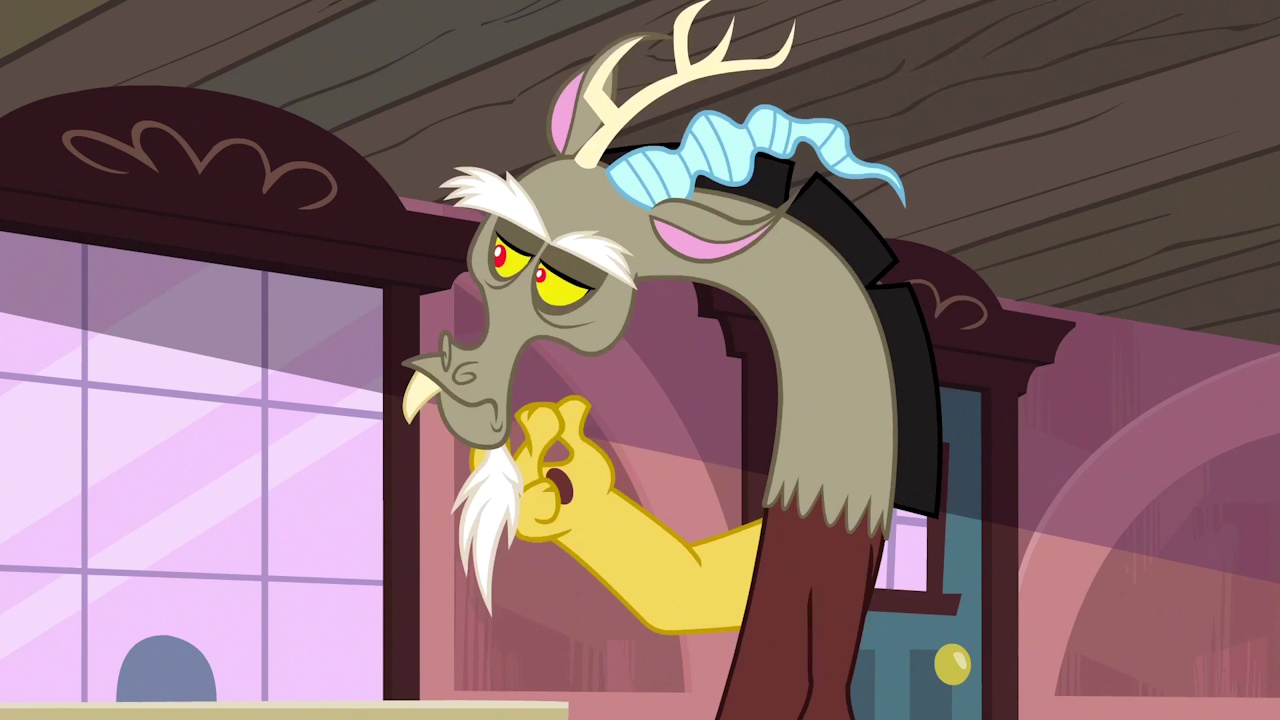
Discord (from My Little Pony: Friendship is Magic) is actually Q.

Still frame from My Little Pony: FiM S6 showing Discord.
Discord.

We could’ve done an entire article on *just* theories involving crossovers with other franchises, I guess! But this one really does make me smile, because it’s just so silly. I concede that Q and Discord have some pretty obvious similarities: their personalities, their penchant for trickery, and the fact that they’re both ancient beings who form a bond with a mortal protagonist. But c’mon, guys… these are two completely different franchises with very little in common, totally different target audiences, and which are owned by two competing corporations.

John de Lancie portrays both characters, which is where this idea seems to have originated, but that’s really as far as it can go. The same voice actor has found himself somewhat typecast into playing a role which may have been directly inspired by his earlier character. That’s it. Q can’t exist in a franchise where… Q doesn’t exist. It’s a fun head-canon, I guess, if you’re a fan of both universes. But there’s no way it can be anything more than that.

Theory #7:
Benny Russell is real, and Gene Roddenberry stole Star Trek from him.

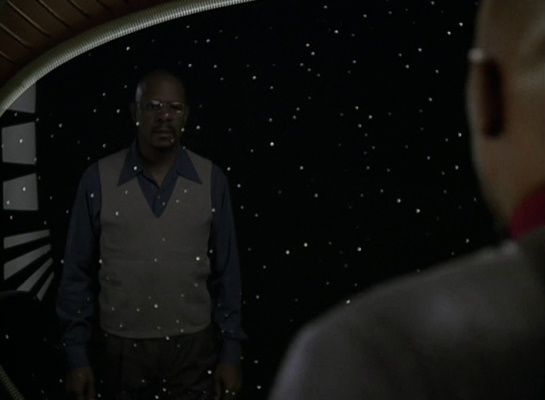
Still frame from Star Trek: DS9 showing Sisko seeing Benny Russell.
Sisko sees a reflection of Benny Russell.

There are a few variants of this theory. Some posit that, in-universe, the episode Far Beyond the Stars suggests that Star Trek as a whole exists as a fictional creation. I don’t agree with that at all (it’s always seemed logical, to me, that Benny Russell is a vision from the Prophets and nothing more), but I don’t, like, viscerally *object* to fans subscribing to that idea or exploring it. But I have seen fans propose – I *hope* entirely in jest – that there was a real Benny Russell once upon a time, and Gene Roddenberry either got the idea for Star Trek from him… or stole it.

If this is a total joke, which I believe it is, then… I mean, sure. Humour is subjective, and just because I don’t personally find it all that funny… I’m not the joke police. I can’t imagine any Star Trek fan taking this idea seriously, though, because it implies that not only did Gene Roddenberry steal these stories and this world-building, but then the DS9 writers – who must’ve known or been in on it – created a fictionalised version of Benny Russell as a character in their show… for… reasons? As a “confession?” A fun joke, maybe, but not something to take seriously.

Theory #8:
Saavik and/or Tuvok are transgender (because of Vulcan naming customs).

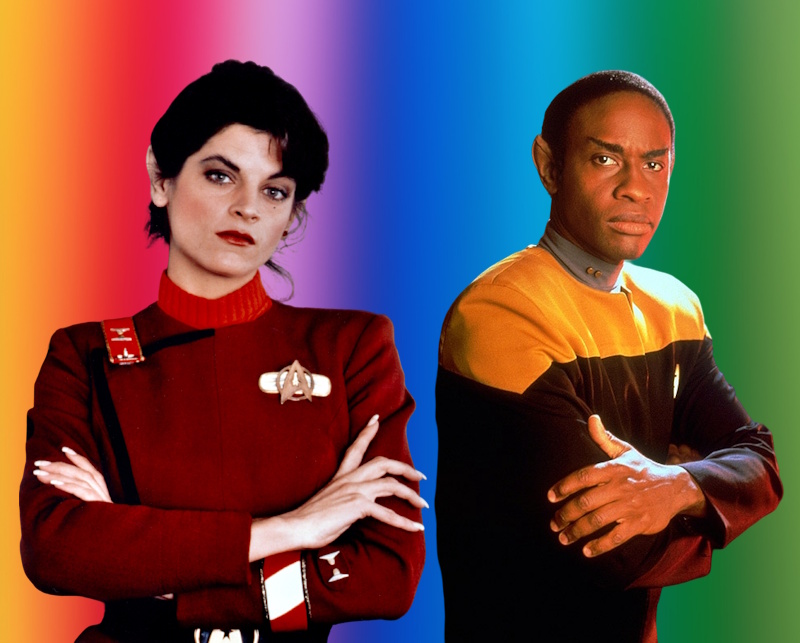
Saavik and Tuvok (from Star Trek) on a rainbow background.
Saavik and Tuvok.

In The Original Series, every named Vulcan we met had a name beginning with S if they were male or T if they were female. But then, in The Wrath of Khan, we met Saavik – the first female Vulcan whose name begins with an S. Cue the fan theories! In short, this theory posits that, because of Vulcan naming conventions that were established in TOS, Saavik and Tuvok “must” be transgender. Saavik would be a trans woman and Tuvok a trans man.

Setting aside the silly premise for a moment, let’s think about this. There are some transgender folks who keep their birth name after transitioning, but it’s more common in the trans community to choose a name more befitting of one’s true gender. For Saavik and Tuvok to keep their deadnames wouldn’t make a lot of sense. Then there’s the fact that there’s absolutely no trans storytelling for either character… at all. In a way, you might say that’s great – that the Federation just accepts everyone and doesn’t make a big deal of it. But for a writer to introduce a character who is intended to be trans and then make no effort to tell a single trans or trans-adjacent story with them? And for fans to have to infer, years after the stories were first told, that these characters are meant to be trans? We’re hitting “Harry Potter” levels of fake inclusivity. If you find something relatable in Tuvok or Saavik as a trans person, I don’t wanna take that away from you. But it’s not how I read either character, and there are other explanations for their names.

Theory #9:
Star Trek V: The Final Frontier didn’t happen; it’s all just Kirk’s bad dream.

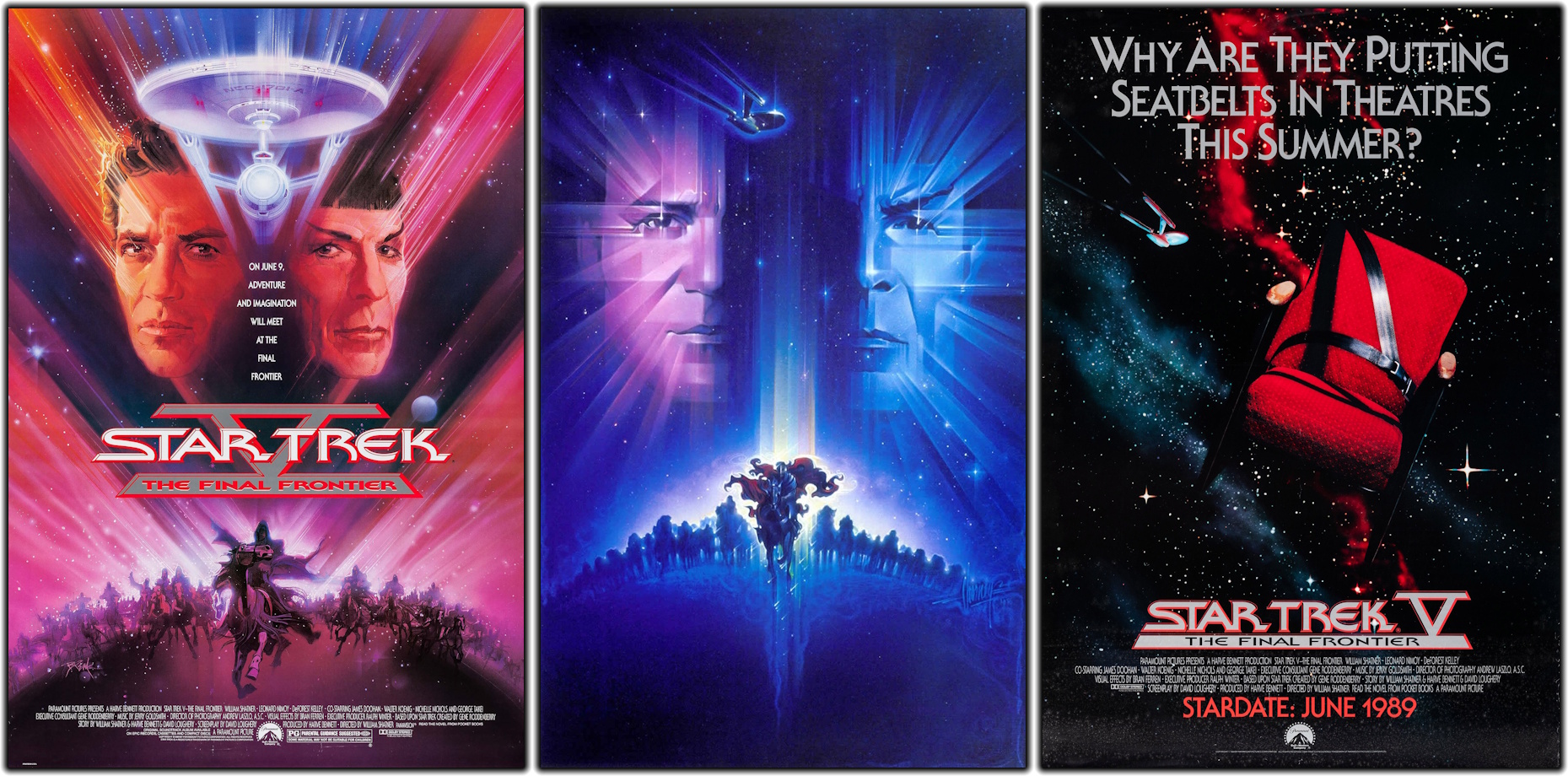
Three posters for Star Trek V: The Final Frontier.
Did it really happen?

Have you ever taken a creative writing class? One of the first things the teacher warns you about is the importance of avoiding tired narrative clichés… like “but it was all just a dream.” And to me, that’s how this fan theory comes across. I get that not everyone likes The Final Frontier; I personally rank it as one of the lesser Star Trek films, too. But just because it isn’t popular… that doesn’t mean its events can be scrubbed from canon altogether. Not to mention that the film does genuinely have redeeming features and moments of characterisation (like Kirk, Spock, and McCoy camping) that I wouldn’t want to lose.

This theory hinges on Kirk’s starring role, and the fact that some of his worst fears seem to come true. Sybok’s presence (and Spock never having mentioned him) seems to threaten their special bond. His ship is stolen from him. Members of his own crew turn against him. And there are discrepancies, like the number of decks the Enterprise-A seems to have, or the “Galaxy-class” feel to the ship (caused by recycling sets from The Next Generation). But to me, this one feels like wishful thinking at best… or clutching at the tiniest of straws at worst.

Theory #10:
Nick Locarno and Tom Paris are the same person.

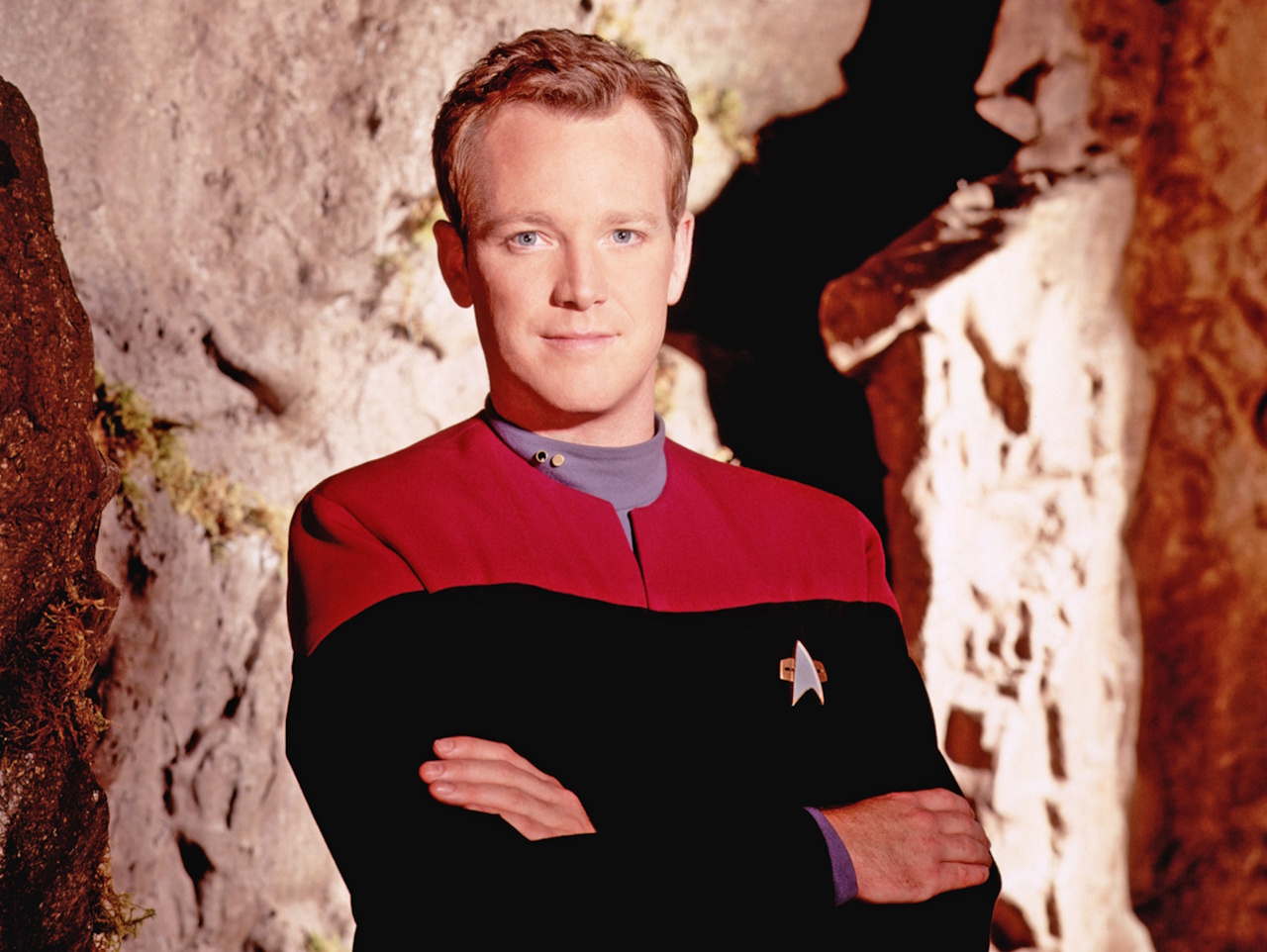
Promo photo for Star Trek: Voyager showing Tom Paris.
Tom Paris… or should that be Nick Locarno?

I think it’s safe to say that Lower Decks has debunked this one (though I still need to get caught up on that show!) But before Locarno made a return to Star Trek, fans speculated that “Nick Locarno” was actually a pseudonym adopted by Tom Paris prior to enrolling in Starfleet Academy. The theory went that Paris wanted to keep his connection to his father (who is a senior officer) a secret – either to be judged on his own merits, or for some other reason.

There are similarities between Locarno and Paris, besides the obvious point that both characters were played by Robert Duncan McNeill. They’re both able pilots, they both have a cocky or arrogant streak, and both have an ambivalent relationship with the Federation and its rules. On the production side of things, it’s long been rumoured that Voyager’s creators wanted to use Nick Locarno, but were concerned about having to pay royalties to the writer of The Next Generation episode in which he originated, so a new, very similar character was created. A photo of McNeill in his role as Locarno can be briefly seen in Voyager, representing a younger Tom Paris in his father’s office. So there’s merit to this in theory… but Lower Decks has completely debunked it by now. And if it were true, I’d have expected Paris to have said so, or for it to have been noted by Janeway early on in the series. The “Locarno” persona might’ve worked for a while, but the scandal would surely have blown his cover, and his identity would be common knowledge by the time of Voyager – at least among senior officers.

Theory #11:
Section 31 isn’t a real Federation organisation – it’s a criminal syndicate pretending to be one.

Still frame from Star Trek: Section 31 showing four main characters.
Section 31: Federation black-ops division or crime syndicate?

The way Section 31 has been depicted in Star Trek has fluctuated a lot. There’s been the clandestine, shadowy agency we encountered in DS9 and later in Enterprise. Then there’s the out-in-the-open branch of Starfleet Intelligence from Discovery. And finally, the “rag-tag gang of misfits” from the TV movie. But one thing that has remained consistent in Section 31 is that the people involved are all Federation die-hards doing things they believe to be in the Federation’s best interests… even as they answer to no one and wield almost unfathomable power.

I can see a world in which a criminal syndicate would side with Starfleet to help prevent, say, the Federation’s total conquest by the Dominion. Or in which Starfleet would make deals with shady crime lords to acquire some kind of biological weapon when faced with an existential crisis. And I can even see a world where a clever criminal would *claim* to be from a government agency or black-ops division as a tactic. But do any of those things apply to Section 31? I would argue no. The closest Section 31 has come to that kind of presentation came in the TV movie, but even then, it was clear that Starfleet was involved – albeit that the mission was still off-the-record. So this idea is simply debunked by what we’ve seen on screen – as fun as it might seem.

Theory #12:
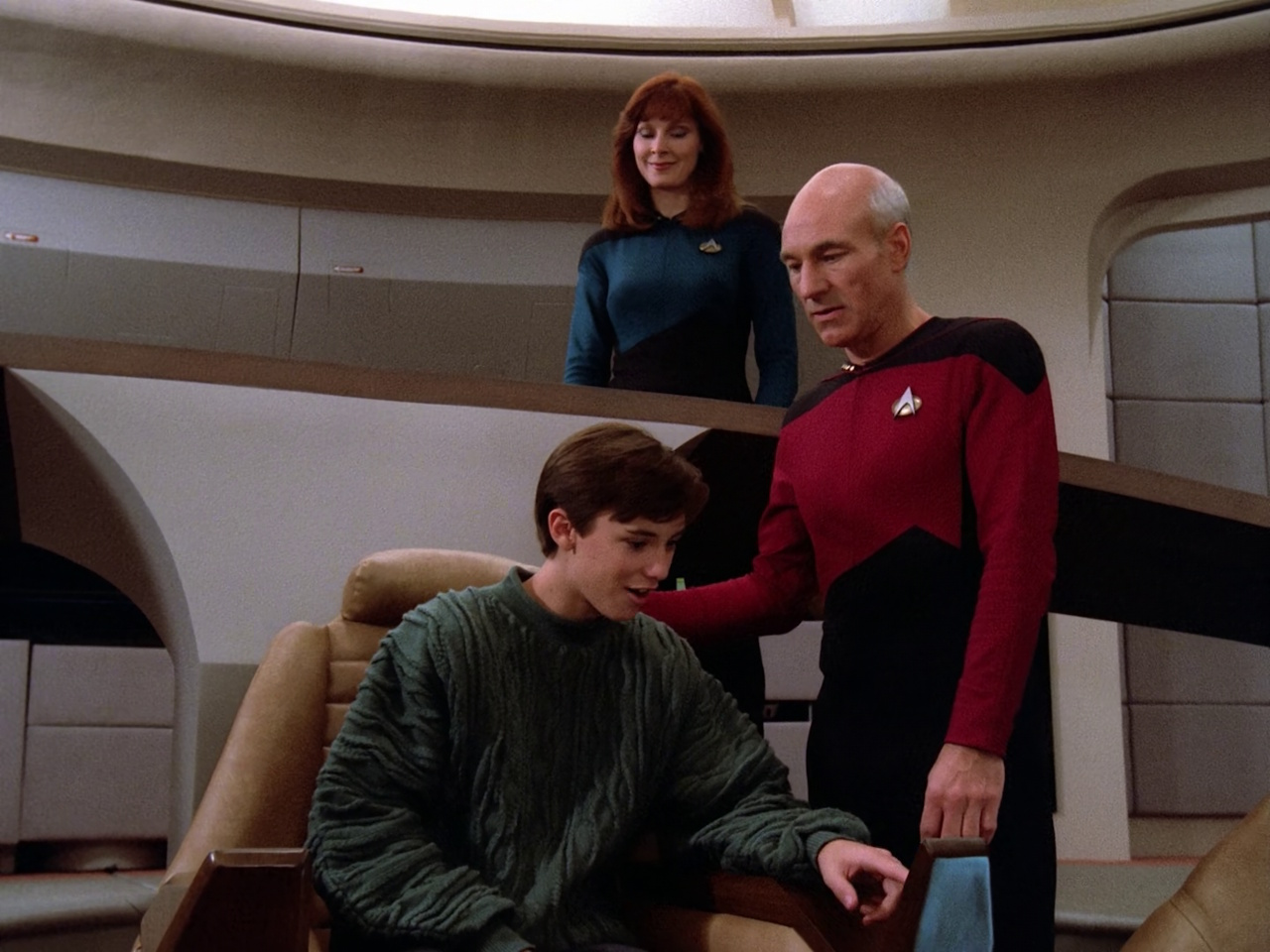
Jean-Luc Picard is Wesley Crusher’s biological father (and he treats him the way he does out of a sense of guilt or obligation).

Still frame from Star Trek: TNG S1, showing Picard, Dr Crusher, and Wesley.
Picard with Wesley on the bridge of the Enterprise-D.

Sometimes you come across a theory – even one that’s been doing the rounds for years – and you just feel… gobsmacked. I simply don’t read Picard and Wesley’s relationship in this way, and any paternal feelings Picard has for the younger Crusher is pretty clearly explained within the context of the show as stemming from his close friendships with Jack and Beverly. Picard does come to appreciate Wesley’s talents, even giving him a role on the bridge of his ship… but not out of any kind of obligation or guilt – it’s in recognition of Wesley’s skills.

I will admit that Picard’s third season complicated my rebuttal somewhat, as we learned that Picard and Dr Crusher did have a child together, and that Dr Crusher kept this a secret. If she did it once, could she have done it years earlier? It could have been an interesting plotline in The Next Generation or even in Picard, if it had been handled well, but despite having some merit in theory, nothing in the show itself leads us to that conclusion. And such a complex story would require a very sensitive and well-written episode or arc, and I’m not sure it would’ve been handled well or been well-received by a large portion of the fanbase. So this one… it can be your head-canon, if you like, but it goes no further in my opinion!

Theory #13:
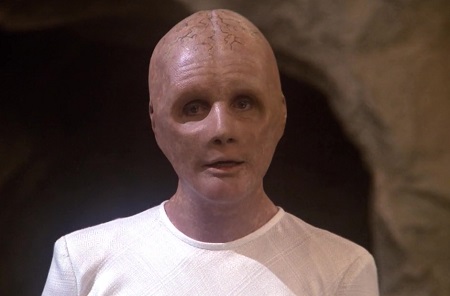
The Progenitors evolved into the Founders.

Still frame from Star Trek TNG showing an ancient alien/Progenitor.
A Progenitor in The Next Generation.

I don’t know if this theory came about because the same actress (Salome Jens) played both the ancient alien hologram in The Chase and the Female Changeling on DS9, but I suspect that has something to do with it! In any case, this theory posits that the “Progenitors,” as Discovery would later dub them, didn’t go extinct or disappear from the galaxy, but instead evolved to become the Founders of the Dominion. And on the surface, it doesn’t seem totally impossible. The Founders claim to have once been fully solid. And the Founders are capable of genetically engineering entire races. But if the Founders *were* descendants of the ancient aliens who seeded the entire galaxy with life… you’d think they might’ve mentioned it.

For me, that’s where this theory falls down. Something so monumental to who the Founders are – and most Founders seem to be almost ageless – would surely be preserved knowledge, handed down through the millions of years of their existence. Yet the Founders not only don’t bring this up, but they’re distrustful of any non-shapeshifters to the point of paranoia – not something you’d expect to see in the grandparents of the galaxy’s races. I don’t really like the way the Progenitors’ storyline went or what it says about the Star Trek galaxy, and perhaps that’s my own bias showing through when I rule out this theory. But I do believe that something so important would be known to the Founders, and it would be something they’d have at least tried to communicate in their various dealings with “solids.” Not to mention that, for a race that would need to be billions of years old… it’s weird that their technology got to a 24th Century level and apparently stayed there.

Theory #14:
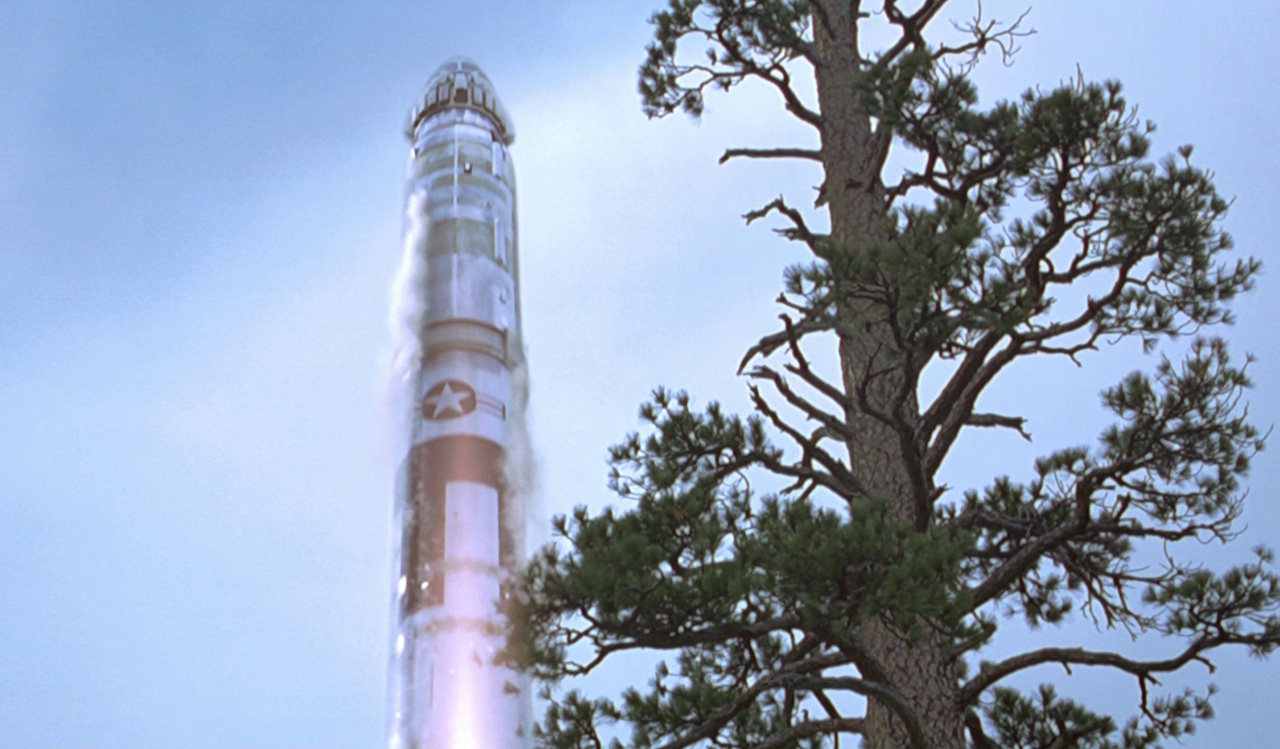
Every film and episode that premiered after First Contact takes place in an alternate reality, due to the changes made to the timeline.

Still frame from Star Trek: First Contact showing the launch of the Phoenix.
The launch of the Phoenix.

Time travel is a pain in the arse, isn’t it? Time-loops, paradoxes… all of that. It’s very difficult to write a compelling time travel story and pull it off flawlessly – even more so in a long-running franchise with a timeline that has to be basically consistent from one episode to the next. This theory posits that the changes Picard and co. made in the 21st Century were so serious that the Star Trek franchise can essentially be divided into two alternate realities: pre- and post-First Contact stories.

I don’t know how to word this without using terms like “destiny” or “fate,” but I think the way we’re meant to read the events of First Contact is that the interventions by the Borg and Enterprise-E were always “meant” to happen; i.e. they happen in every timeline. That’s why there was no Department of Temporal Investigations inquiry, and no ramifications for Picard for meddling in the timeline. We could also ask why First Contact should be the divide – why not other time travel stories, like The City on the Edge of Forever, Assignment: Earth, Past Tense, or even Endgame. All of these made major changes to the timeline that, by the same logic this theory uses, could create an alternate reality.

Theory #15:
Discovery Seasons 3-5 didn’t happen – and what we saw are Pike’s imaginings during his convalescence on Talos IV.

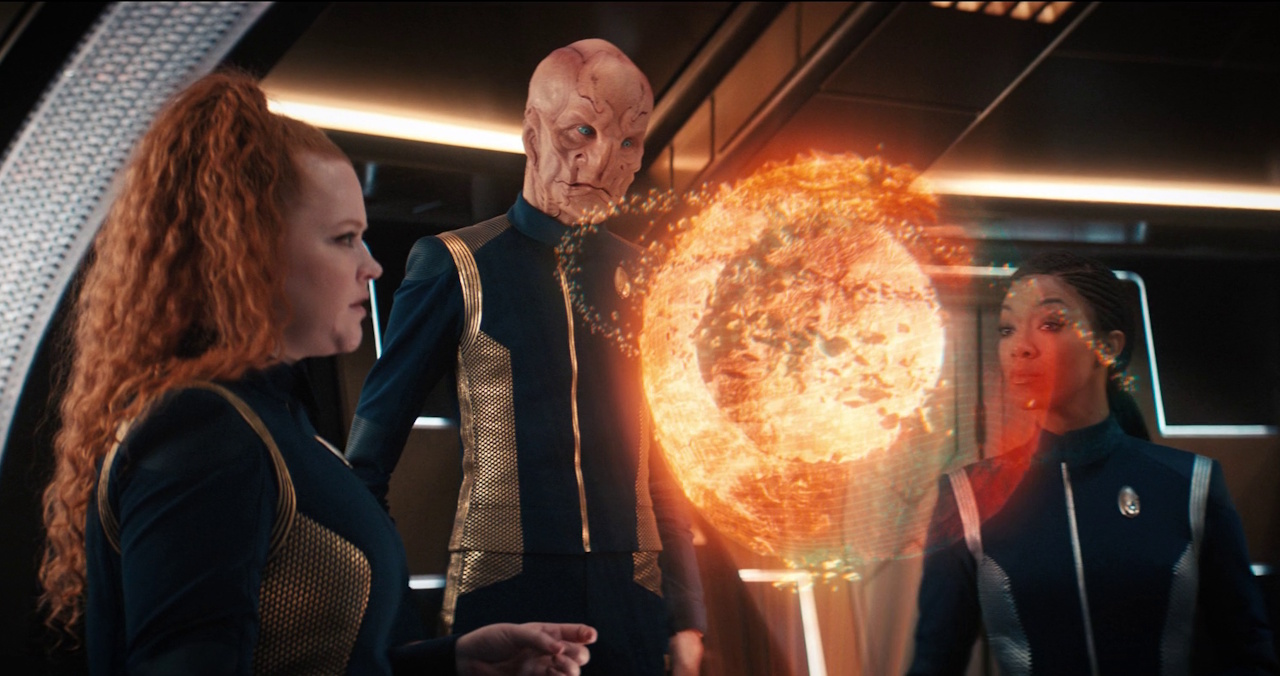
Still frame from Star Trek: Discovery showing Saru, Tilly, and Burnham.
Tilly, Saru, and Burnham in the 32nd Century.

I don’t see how you could subscribe to this theory without also writing off Starfleet Academy, Section 31, and probably Strange New Worlds, too, as they’re all connected. But setting that aside… this theory reminds me more than a little of the Star Wars so-called “theory” that one or more of the sequel trilogy films is “about to be removed from canon!!1!” In short, it feels like a bit of a cope from folks who don’t like Discovery, the 32nd Century setting, and in particular, the Burn.

My personal view, by the way, is that – somehow – a future Star Trek production should find a way to gently push Discovery’s 32nd Century out of the prime timeline, partially because of how depressing the Burn is as a future destination, but also because of how it turns any potential future film or TV show into a de facto prequel to Discovery. But that isn’t the issue here: this theory posits that nothing we saw on screen in Discovery’s 32nd Century actually happened to begin with. That simply isn’t true; Discovery, Strange New Worlds, Section 31, and Starfleet Academy all coexist in the prime timeline. You can choose to disregard different parts of Star Trek from your personal head-canon; fans have been doing that for decades. Or you can choose not to tune in to any new shows set in that era. That’s totally okay. But this theory can be nothing more than head-canon, and a heavy hit of copium for folks who hate where Discovery went.

Theory #16:
Dr Zimmerman used the Professor Moriarty hologram when creating the EMH.

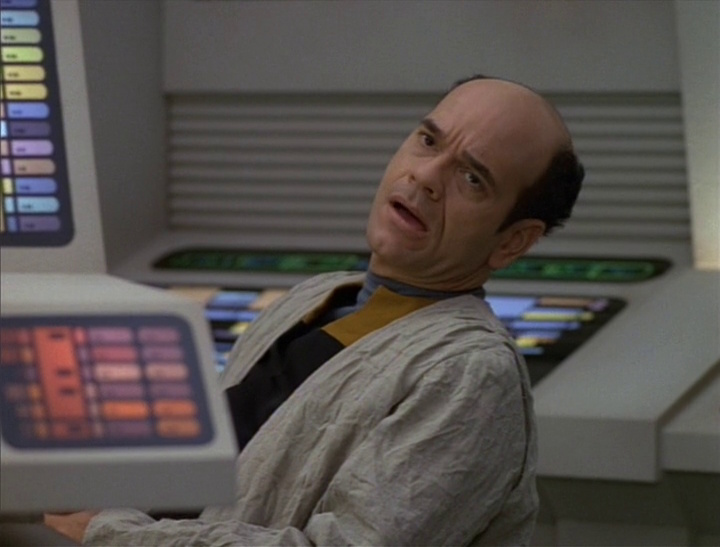
Still frame from Star Trek: Voyager showing Dr Zimmerman.
Dr Lewis Zimmerman.

In the episode Elementary, Dear Data, we saw the creation of a sentient, self-aware hologram: Professor Moriarty, Sherlock Holmes’ nemesis. Moriarty would later be re-activated and trapped in a holographic world, before apparently being transferred to Section 31’s Daystrom Station by the early 25th Century. As one of the first truly sentient holograms, it’s not impossible to think Starfleet would’ve wanted to study Moriarty, figuring out how a simple miscommunication with the Enterprise-D’s computer could lead to such an entity coming to exist.

This theory goes a lot further, though, suggesting that Dr Zimmerman – the creator of the EMH programme – used Moriarty in some way, either as a “template” or just to further his own research. And while nothing on-screen explicitly contradicts this idea, it’s just not something I think makes a ton of sense. Zimmerman is presented as egotistical and selfish, so the idea that he’d rely on someone else’s work instead of developing his own holograms doesn’t make a lot of sense. And it’s strongly implied in DS9 and Voyager that the EMH Mark I (i.e. the Doctor) had a long and difficult creation process, with some of Zimmerman’s more basic holograms coming first. So while the idea of Starfleet researching Moriarty makes sense, I don’t think Zimmerman being involved really does.

Theory #17:
Enterprise’s mysterious “Humanoid Figure” is Archer from the future, and he’s trying to sabotage his own earlier missions. For some reason.

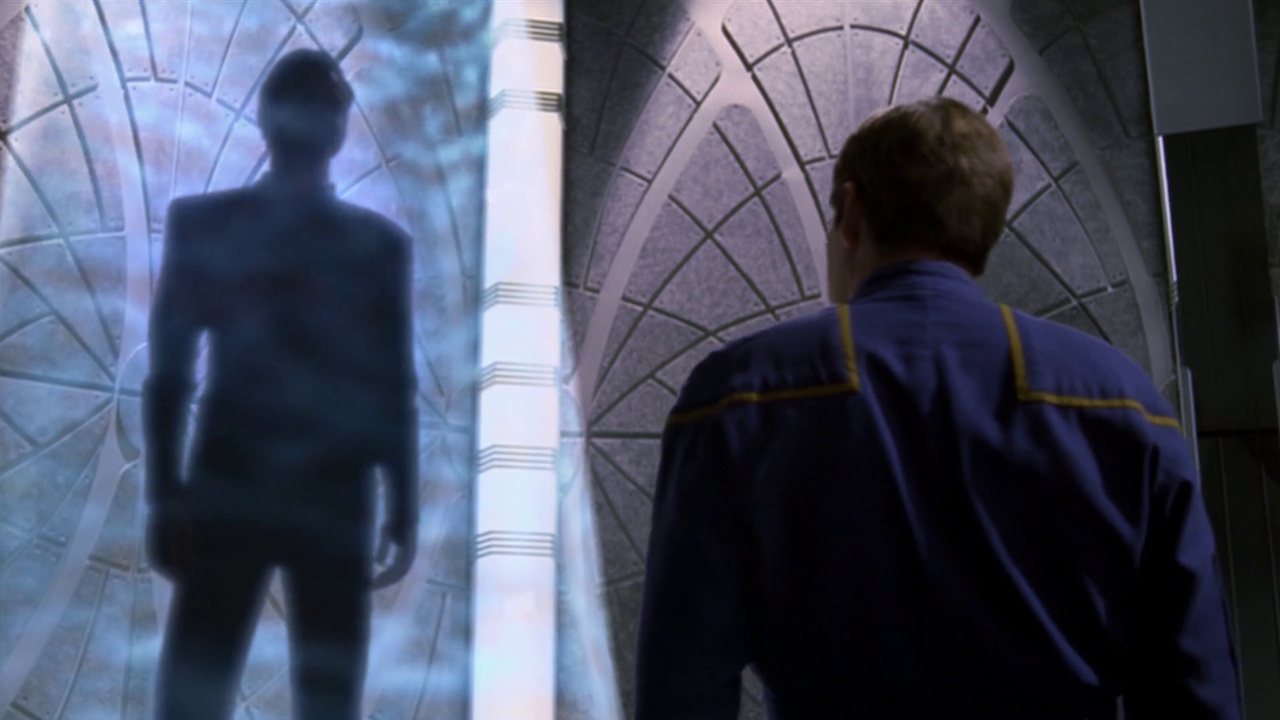
Still frame from Star Trek: Enterprise showing Archer and the Humanoid Figure.
Archer meeting… himself?

This theory has the benefit of having been discussed by some of the original writers of Enterprise – with a suggestion that this was even a seriously-considered plot point for what would’ve been Season 5. But as we said above: time travel, time-loops, and paradoxes are really difficult to get right, and the idea of an older, jaded Archer somehow deciding that he wants to sabotage his own earlier mission and his own life… such a story would be difficult to write in a way that made sense, and it would be a challenge to pull it off successfully.

I’ve always interpreted the “Humanoid Figure” as simply being one of the leaders of a faction from the Temporal Cold War/Temporal Wars, though to be honest, I try not to think too hard about this element of Enterprise. Time travel stories just aren’t my favourites in Star Trek, and a significant portion of Enterprise was taken up by these kinds of plotlines. If the “Humanoid Figure” was meant to be Archer – which he wasn’t, at least not originally, as no identity was built into the character at first – it raises too many questions, and would realistically have needed a multi-episode arc. Given what we know of Archer’s future – his captaincy of the NX-01 and his later role in the founding and leadership of the Federation – this villainous turn (and his apparent acquiring of time travel tech) doesn’t make sense, and I struggle to see how a story could be written to take Archer from the textbook definition of a Starfleet captain to a man who tries (and fails) to sabotage… himself.

Theory #18:
We (the audience) are living in the timeline that ultimately becomes the Mirror Universe.

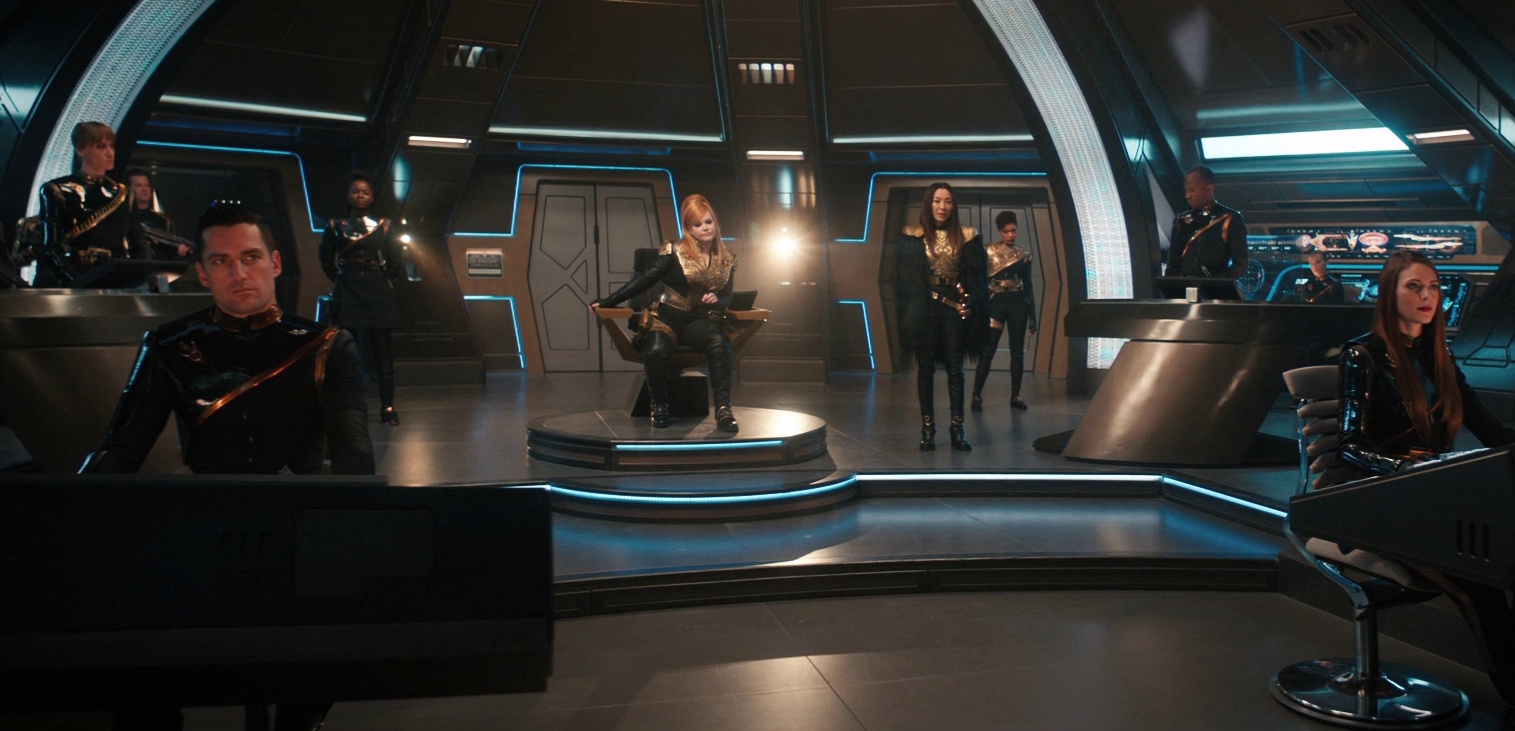
Still frame from Star Trek: Discovery S3 showing Terrans on the bridge.
Soldiers of the Terran Empire.

Do you ever read something and just think to yourself, “god, you were *so close* to understanding the point… but then you blew it?” The Mirror Universe is *intended* to be uncomfortably close to reality – any sci-fi dystopia is! That’s the point of the genre, and Star Trek’s Mirror Universe is meant to be a mirror (get it?) of our current society’s darkest impulses, moral failings, and inclination towards autocracy. That’s the entire point! It’s Star Trek showing us a dark reflection of ourselves to make us pause and think.

If you see elements of the Mirror Universe in today’s world, that isn’t because we’re in some dark timeline that Star Trek predicted… it’s because the stories were deliberately written that way to show us some of our own failings and societal problems. The point isn’t to fall into depression and pessimism, to say that we’re on a dark path and there’s nothing we can do but wait for the Terran Empire to emerge. We’re meant to look at these stories and say, “let’s do something about that. Let’s make changes for the better.” The Mirror Universe, with its pantomime-level overacting and one-dimensional baddies, has never been my cup of tea, and as a metaphor I think it’s almost too basic and too unserious. But in a way, that’s part of how it works: it’s storytelling by fable. The point was never that we’re locked into a dark path to the “bad outcome,” the point is that we have these dark impulses, but we can overcome them. Bad things can happen, and bad leaders can rise to power – but we can stop them.

Theory #19:
The Genesis Device and replicators are the same technology.

Still from Star Trek III showing the Genesis Planet.
The Genesis Planet.

This one made me smile. In a way, I like the idea of Starfleet looking at the Genesis Project and saying, “yeah, let’s not use it to terraform planets, let’s use it to make bowls of tomato soup.” It’s just kind of small-scale and silly. And it’s true that, out here in the real world, technological innovation often comes from unexpected places. An attempt to create a high-strength adhesive famously led to the weak glue used for post-it notes, for instance!

Star Trek works best when its technologies are deliberately kept vague. That allows for maximum wiggle-room when telling a story, and it also allows for head-canon like this to exist. I guess you could say that, based on what we know of both the Genesis Device and replicators, they both use subatomic particles to change one form of matter into another. But does that mean that one was developed from the other, or that Starfleet shut down Project Genesis only to use the same technology in a totally different way? I don’t see it.

Theory #20:
The entire Soong family are clones – which is why they all look the same.

Composite image of various Soong characters from Star Trek.
A family portrait…

This theory exists for one reason and one reason alone: every member of the Soong family that we’ve met is played by the same actor! Brent Spiner took on the role of Data’s creator in The Next Generation, and this was later expanded in Enterprise and Picard to include new ancestors and descendants of the Soong family. They all look the same because they’re all Brent Spiner. But could there be more to it than that?

Adam Soong, the earliest-known Soong ancestor, was interested in genetic engineering, so could he have cloned himself in the mid-21st Century, sometime after the events of Picard’s second season? I mean, it’s not *impossible*, I suppose. But we know in the prime timeline that genetic engineering has been outlawed, so the practice can’t have continued through the generations all the way to Altan Soong in the late 24th Century, surely.

Theory #21:
Worf has an incorrect (or incomplete) idea of what it means to be a Klingon, because he only learned about his culture from Federation books.

Promo photo for Star Yrek: Picard S3 showing Worf.
Worf.

Worf is a Klingon… but he was raised from a young age by humans. That’s a core part of his character background, and having lived away from his homeworld and his people, Worf can feel torn between his loyalties to Starfleet and to the Klingons. But does Worf truly know what being a Klingon means, having only learned about his culture from books? Some fans seem to think he doesn’t, arguing that it explains why Worf seems to lack the famous Klingon sense of humour, being very dour and serious almost all of the time. Others have even suggested that Worf might have a form of “Klingon autism.”

There is the kernel of an interesting idea here, and I think it could’ve been fun to put Worf into a Klingon story as a “fish out of water,” or better, as someone who *thinks* they know everything… until they’re confronted by people who’ve been immersed in that culture from day one. But Star Trek never went down that route, and there are other examples of stoic Klingons who share some of Worf’s traits. It’s an interesting theory, in some ways, but we’ve spent so much time with Worf over the years, and he’s had so many encounters with a huge number of Klingons, that if this theory were even close to true… we’d have seen something more concrete.

Theory #22:
Romulans are the “true” Vulcans, and Vulcans are the ones who left.

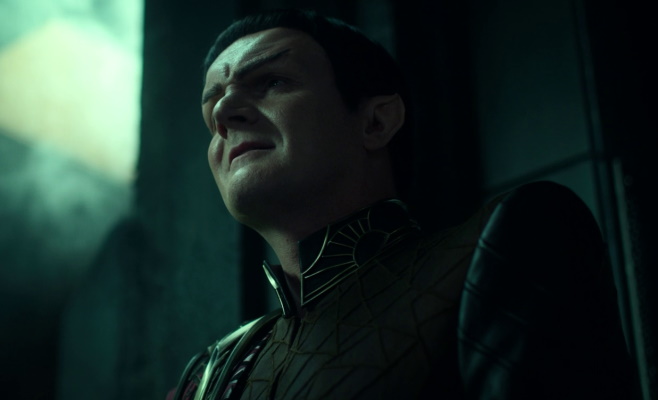
Still frame from Star Trek: Strange New Worlds showing a Romulan commander.
A 23rd Century Romulan.

This just flat-out isn’t true. It’s established multiple times in Star Trek that the Romulans were the ones who left their homeworld behind after rejecting the Vulcans’ moves to embrace logic and purge their emotions. Now, if this theory had said that Romulan culture is the original Vulcan culture, I guess we could have more of a conversation, because there’s a way to read the Romulan-Vulcan split that would say the Romulans preserved a pre-Surak, pre-logic culture that the Vulcans may have possessed. But that’s never been confirmed on screen.

What I think would be a way more interesting theory is this: the Vulcans have *always* known the Romulans’ true identity, but chose not to share that with Earth and humanity, perhaps out of a sense of shame or fear. I think there’s a great case to be made that the Vulcans either kept track of the Romulans or else were able to scan their bio-signs, analyse their language, or something after re-encountering them. It’s always seemed likely to me that Vulcan leadership, at least, was aware of their shared history – even if individuals like Spock may not have been. But this idea that the Vulcans are the offshoot… it just doesn’t line up with what we’ve seen on screen in many different stories.

Theory #23:
There is no “Q Continuum;” there’s only one Q, and after billions of years of isolation and loneliness, he’s developed some kind of multiple personality disorder.

Still frame from Star Trek Picard S2 showing Q.
Q in Star Trek: Picard.

Again, we have a theory that directly contradicts things we’ve seen on screen. As far back as The Next Generation, Q was confirmed to be just one member of a species, and we even met other Q in the show. I guess this theory would also propose that all of those individuals were the same Q, but that doesn’t make a lot of sense, does it? Nor does the idea of a Q civil war, as seen in Voyager, or one member of the Continuum committing suicide. If we’d only met Q a few times, and never seen other members of his race, I’d at least have to concede that this one was plausible. But having met dozens of other Q and literally visited the Continuum itself… I think there’s more than enough evidence to dump this one in the “debunked” pile.

There are mysteries associated with Q, though – not least what became of the familiar John de Lancie character after his apparent “death” in Picard’s second season. I just don’t see this as being a plausible theory, or even something mysterious at all. The Q Continuum exists, other Q exist, and trying to overwrite that would mean dozens of stories would be adversely affected. It’s an interesting thought, for sure, but one that just feels thoroughly debunked by what we see on screen.

Theory #24:
The species that abandoned Armus were the Founders.

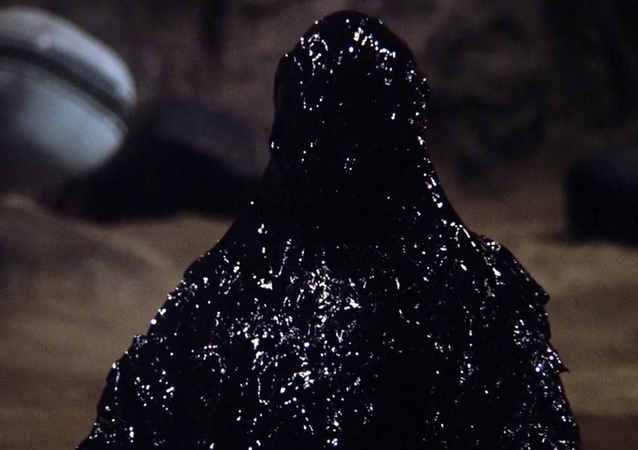
Still frame from Star Trek: TNG S1 showing Armus.
Armus.

This theory obviously comes from Armus and the Founders both existing in a liquid state, and I can see why it might seem plausible on the surface. But there are two pretty big issues which, in my view, render it null and void. Firstly, Armus lives in the Alpha (or Beta) Quadrant, whereas the Founders and Dominion are native to the Gamma Quadrant. Without access to the Wormhole (which the Founders canonically did not know about until they met the Federation), that’s a decades- or centuries-long journey.

Secondly, and perhaps most importantly, if the point of creating and abandoning Armus was for the Founders to shed their “skin of evil,” and to leave all of their negative traits and qualities behind… it didn’t exactly work, did it? The Founders are paranoid, hateful, and view themselves as superior to most other forms of life. So… how is Armus alone the sum total of all of their negative qualities? Between that and the distances involved, I have to say that I don’t find this one to be plausible. The fact that both the Founders and Armus are liquid doesn’t do enough to outweigh that.

Theory #25:
Apparent discrepancies between The Original Series and the rest of Star Trek are because TOS is a holonovel being viewed from the 24th Century.

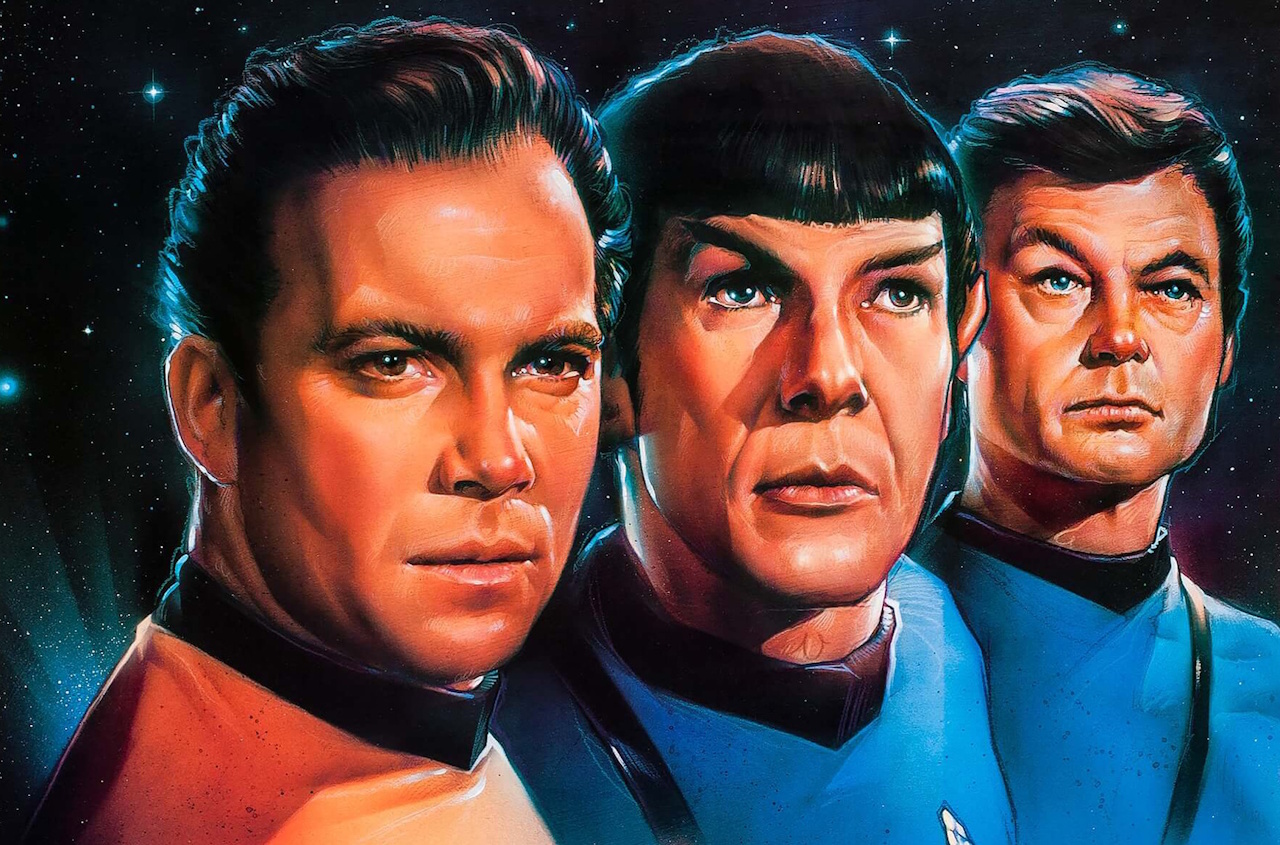
Promo image of Kirk, Spock, and McCoy from Star Trek.
Kirk, Spock, and Dr McCoy.

I admire the lengths some fans are willing to go to in order to smooth out inconsistencies in Star Trek’s canon. A similar theory states that These Are The Voyages didn’t happen as shown, because it was an exaggerated or misremembered holo-programme. But in this case… I mean, firstly there’s just no evidence at all that a single part of TOS is a holo-programme. Then there are episodes like Trials and Tribble-ations, which very clearly show that TOS and the 24th Century share a setting. And while there can be inconsistencies within Star Trek’s canon, I’m not even convinced at this point that the line should be drawn between TOS and the rest of the franchise. Why not between, say, Voyager’s finale and everything that came after?

This will sound unsatisfying, especially for folks who love to theorise – and I get that, believe me. But the plain and simple fact is that these discrepancies and inconsistencies exist because Star Trek is a long-running franchise, and these are stories. Sometimes, a new story seems to overwrite or retcon something, or makes a change that’s inconsistent with what came before. While I have argued in the past that internal consistency is important, I’m also not a stickler for the tiniest minutiae of canon, and I believe there’s enough wiggle-room in Star Trek for all of the various parts of its universe to coexist in a single setting.

So that’s it… for now!

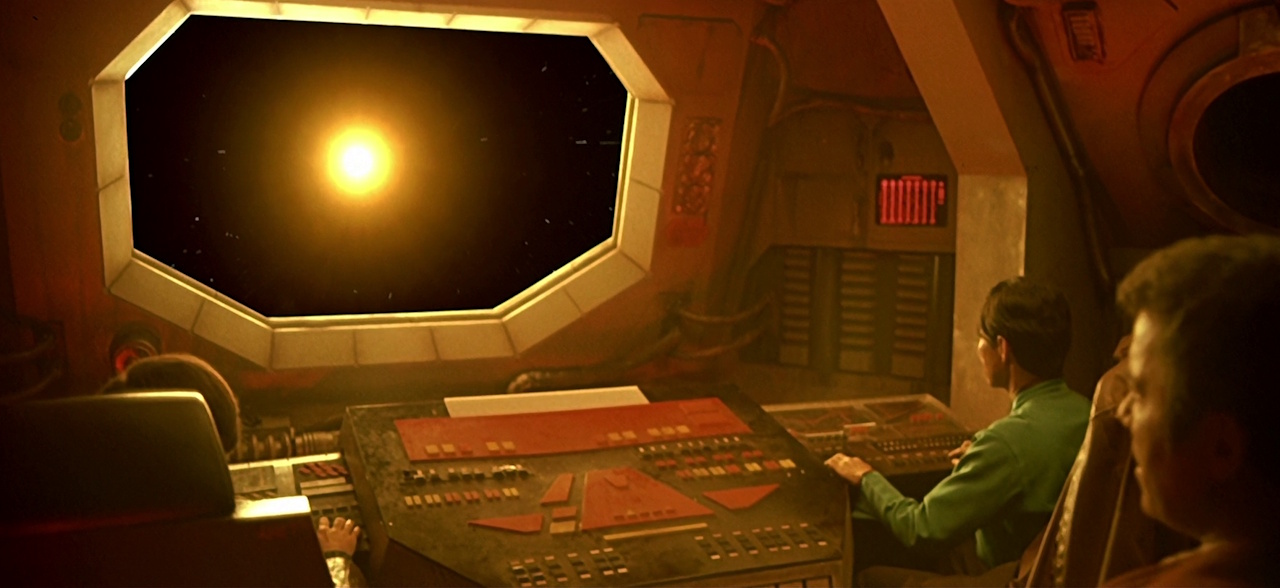
Still frame from Star Trek IV showing the sun on the Bounty viewscreen.
We’re flying too close to the sun…

I hope this has been fun. Twenty-five theories was a lot, but at the same time… I feel there’s more to this idea. So if your favourite bad theory didn’t make the cut, stay tuned. I may revisit this concept in the future, if I can find more fan theories to pick on.

As I said at the beginning, this was meant to be a bit of fun, and not something to get too wound up or upset over. While I don’t personally subscribe to any of these theories – for reasons I’ve tried to explain – I found all of them to be interesting, and I don’t want to dent anyone’s passion for Star Trek. I’m a theory-crafter myself, so I respect and appreciate other folks putting their theories out there to be discussed.

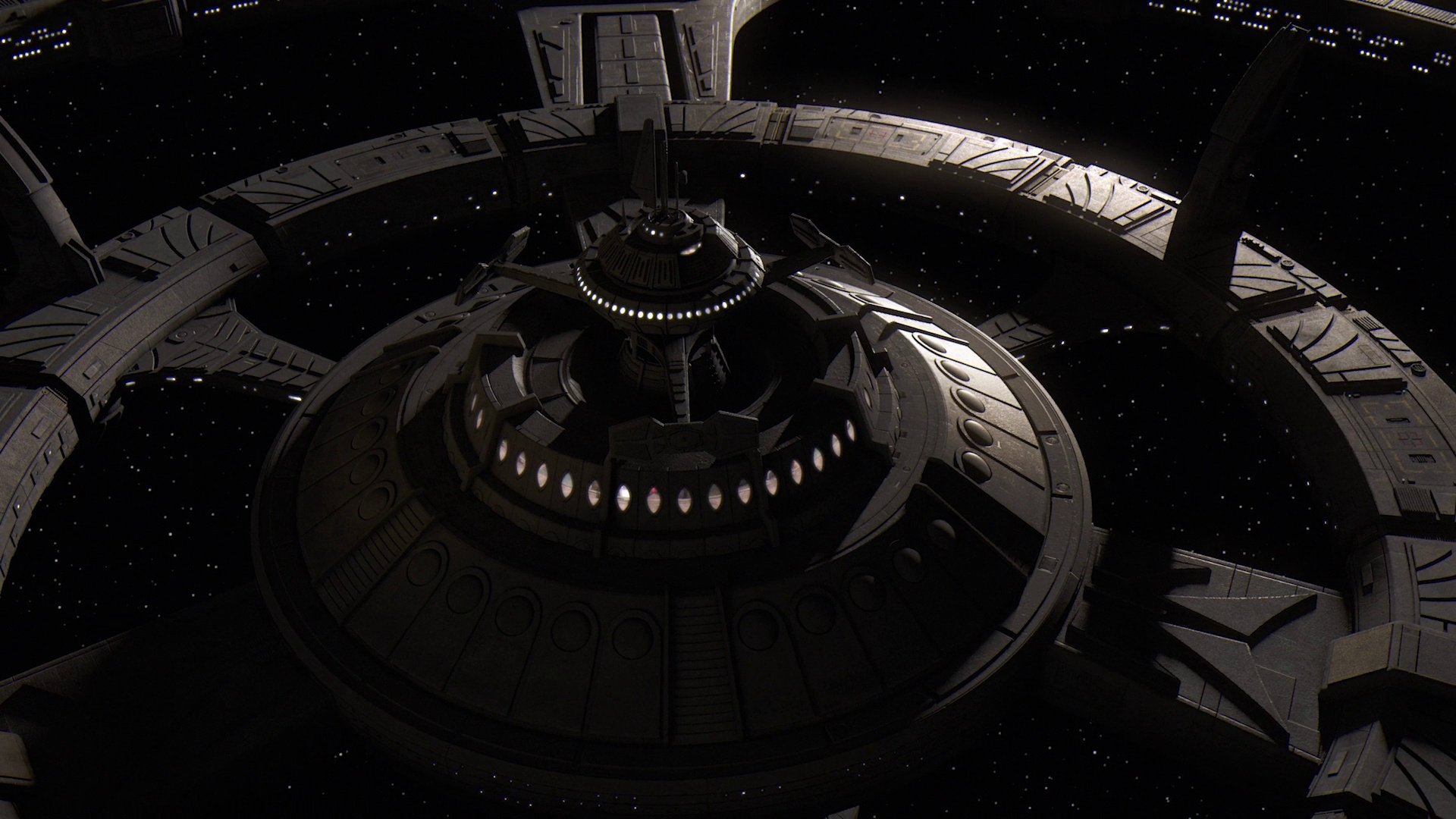
HD still frame from the documentary What We Left Behind showing a close-up of DS9.
It’s DS9!

I’ve got a few more ideas for articles and columns as Star Trek’s huge sixtieth anniversary year rolls on. How many TV shows and franchises can say they’ve made it this far, eh? Not many, that’s for sure! It’s a testament to how amazing this franchise is that so many years later, people like us are still discussing and debating every aspect of Star Trek, and still enjoy getting lost in this fantastic setting.

So please stick around throughout 2026 for more pieces celebrating all things Star Trek! Next month, I daresay I’ll be writing a review of Starfleet Academy’s first season. And I’m still hopeful we’ll see Strange New Worlds before the year is out. And there are other theories, discussions, and episode re-watches to get into, too.

Thanks for tuning in this time… and Live Long and Prosper, friends!


The Star Trek franchise – including most films and TV series discussed above – can be streamed now on Paramount+ in countries and territories where the platform is available. Many are also available on DVD and/or Blu-ray. The Star Trek franchise is the copyright of Skydance-Paramount. This article contains the thoughts and opinions of one person only and is not intended to cause any offence.
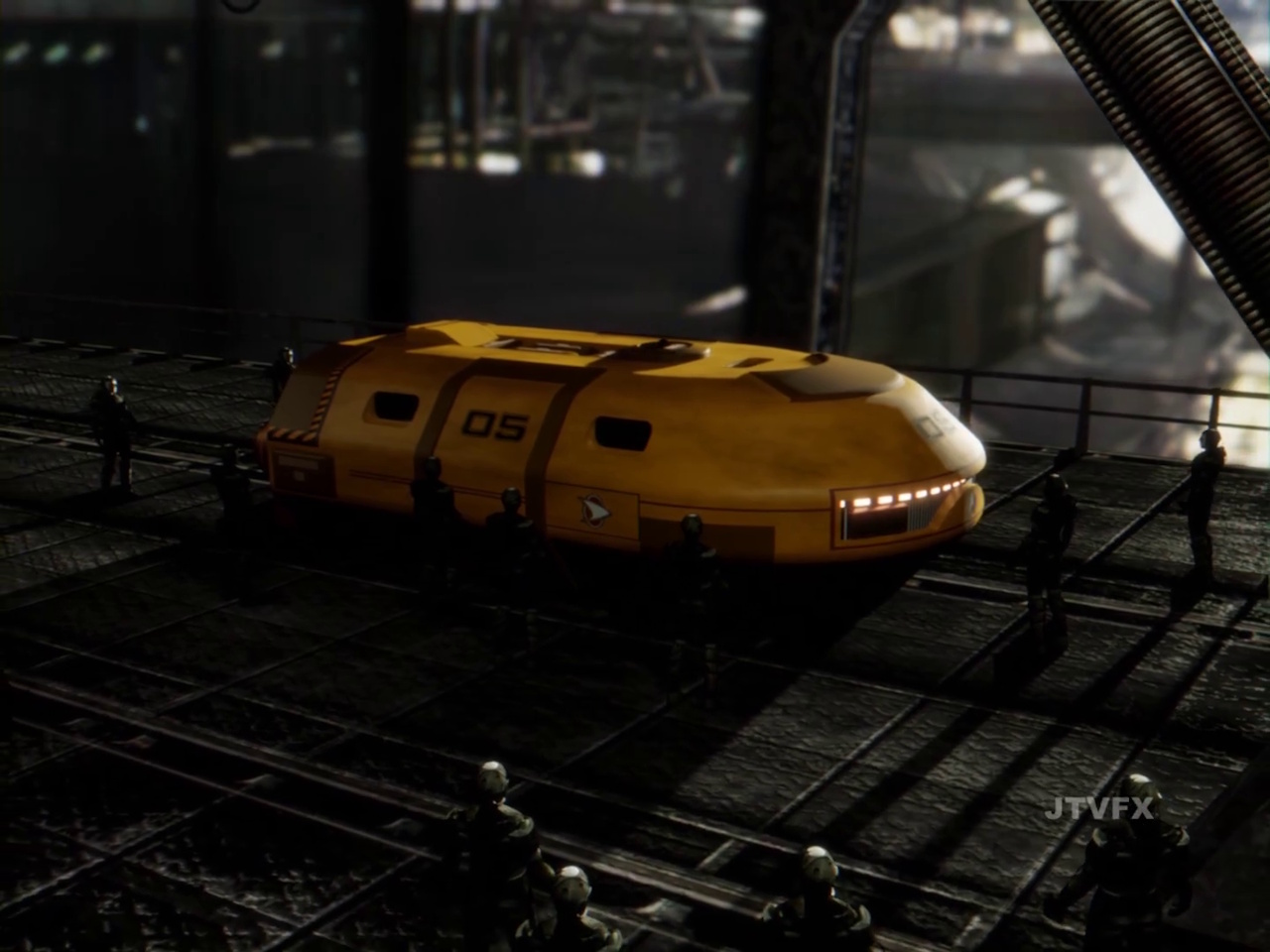
Don’t Miss: JTVFX’s Wolf 359 Fan Film

A Star Trek-themed spoiler warning.

Spoiler Warning: There are spoilers ahead for The Next Generation Seasons 3-4, Deep Space Nine Season 1, and Picard Season 3.

I don’t cover fan films very often here on the website. Trekkies have created some great productions over the years, don’t get me wrong, but it’s just never been a priority for me – especially when there are still some recent official episodes I need to catch up on! But I wanted to take a moment to highlight one such fan-made production today, as it’s something I greatly enjoyed.

Over on YouTube, a channel called JTVFX has put together a four-part series all about the Battle of Wolf 359: the famous battle between Starfleet and the Borg that was depicted in The Best of Both Worlds. The creator took what we saw of the battle in The Next Generation and Deep Space Nine’s premiere and massively expanded upon it, crafting what is genuinely one of the best space battles set in the Star Trek universe that I’ve ever seen. In fact, I’d go so far as to say that this fan film easily eclipses many of the space battles seen in official Star Trek films and TV shows.

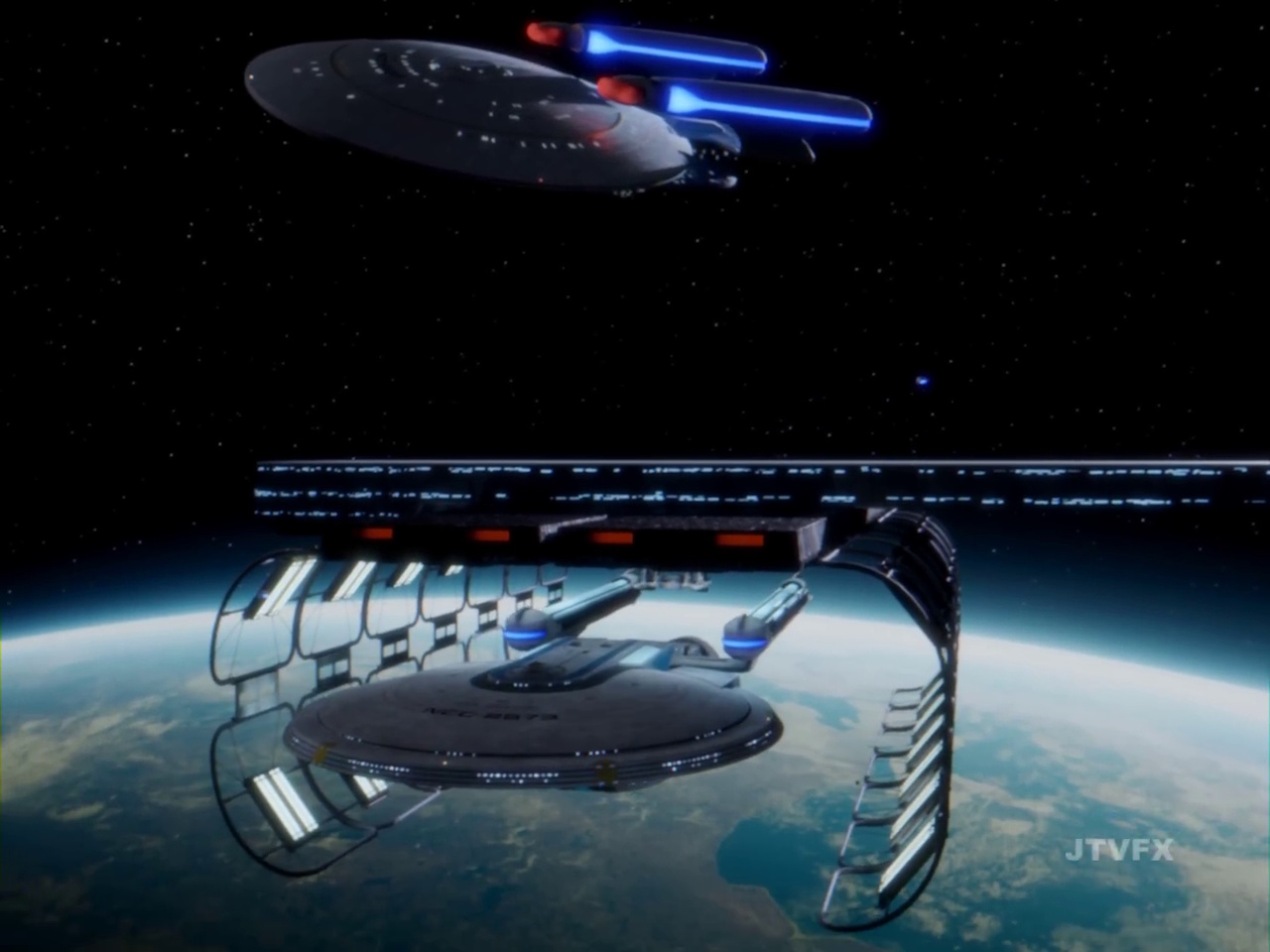
Still frame from JTVFX's Wolf 359 fan film showing two Starfleet vessels preparing to leave Earth.
Federation ships in orbit above Earth.

I wanted to highlight this because, at time of writing, The Massacre: Part II has just been published on YouTube – so it’s the perfect time to check it out if you haven’t already. The first part garnered a whopping 1.5 million views, and with Part II being bigger, longer, and even more intense, I think it’s something that no fan of The Next Generation era and The Best of Both Worlds should miss out on. I took time away from working on my review of Alien: Earth to step back into the Star Trek galaxy, and I’m so glad that I did!

We are gonna get into spoiler-y territory, so if you want to watch the whole fan film without any spoilers, this is your last chance to duck out. But I hope you’ll come back after you’ve seen all four parts!

What I really loved about this fan film was how it incorporated everything we know about the Battle of Wolf 359 from canon. We had Picard/Locutus aboard the Borg Cube, being influenced by the Borg Queen. Admiral Hanson leading the Federation fleet. Sisko aboard the doomed Saratoga. And even a young Liam Shaw – future captain of the Titan-A – was glimpsed as he escaped his ship. It felt like JTVFX had gone out of their way to tie together The Next Generation, Deep Space Nine, and Picard in a way that felt natural.

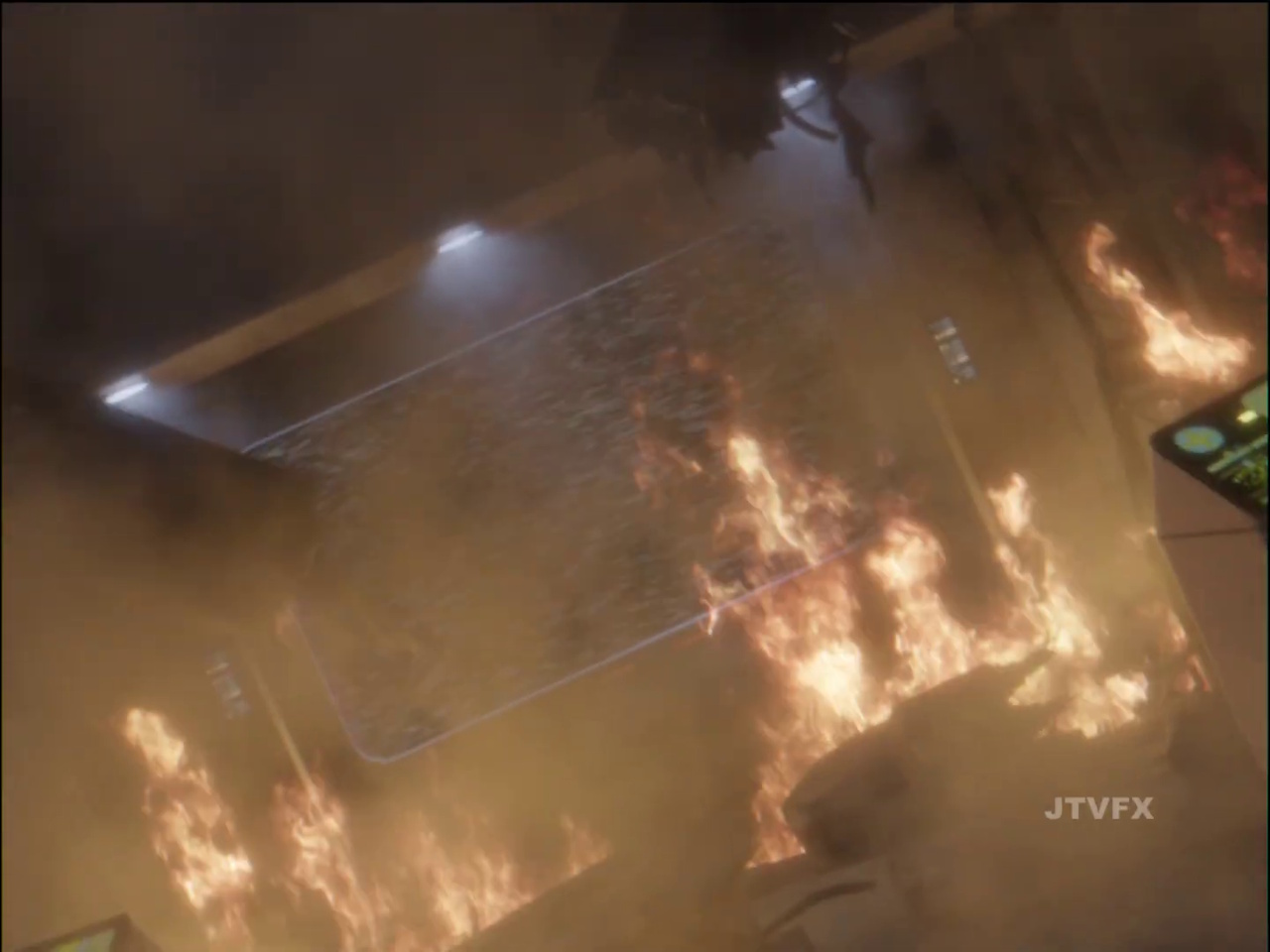
Still frame from JTVFX's Wolf 359 fan film showing a starship bridge on fire.
A burning starship bridge.

Then we come to the Klingons’ involvement. At this point in the 24th Century, the Klingons and the Federation are allies, so it makes sense that they’d be willing to come to Starfleet’s aid. While a request for help from the Klingons was mentioned in The Best of Both Worlds, we never saw any Klingon ships on screen in the episode. I really liked seeing the Klingons here; their fleet racing to join the battle at the last minute was reminiscent of the Enterprise-E’s arrival in First Contact, and hit all of the same emotional notes for me.

Obviously, this is, first and foremost, an animation and VFX project. And there were so many beautiful starship models on display. I’ve said this before in other contexts, but I love seeing a big, beautiful, and diverse fleet of starships. It’s so much more visually interesting to see different classes and styles of ships working together than just copies of the exact same ship, and when most of the designs were from The Next Generation era, that just made it even better!

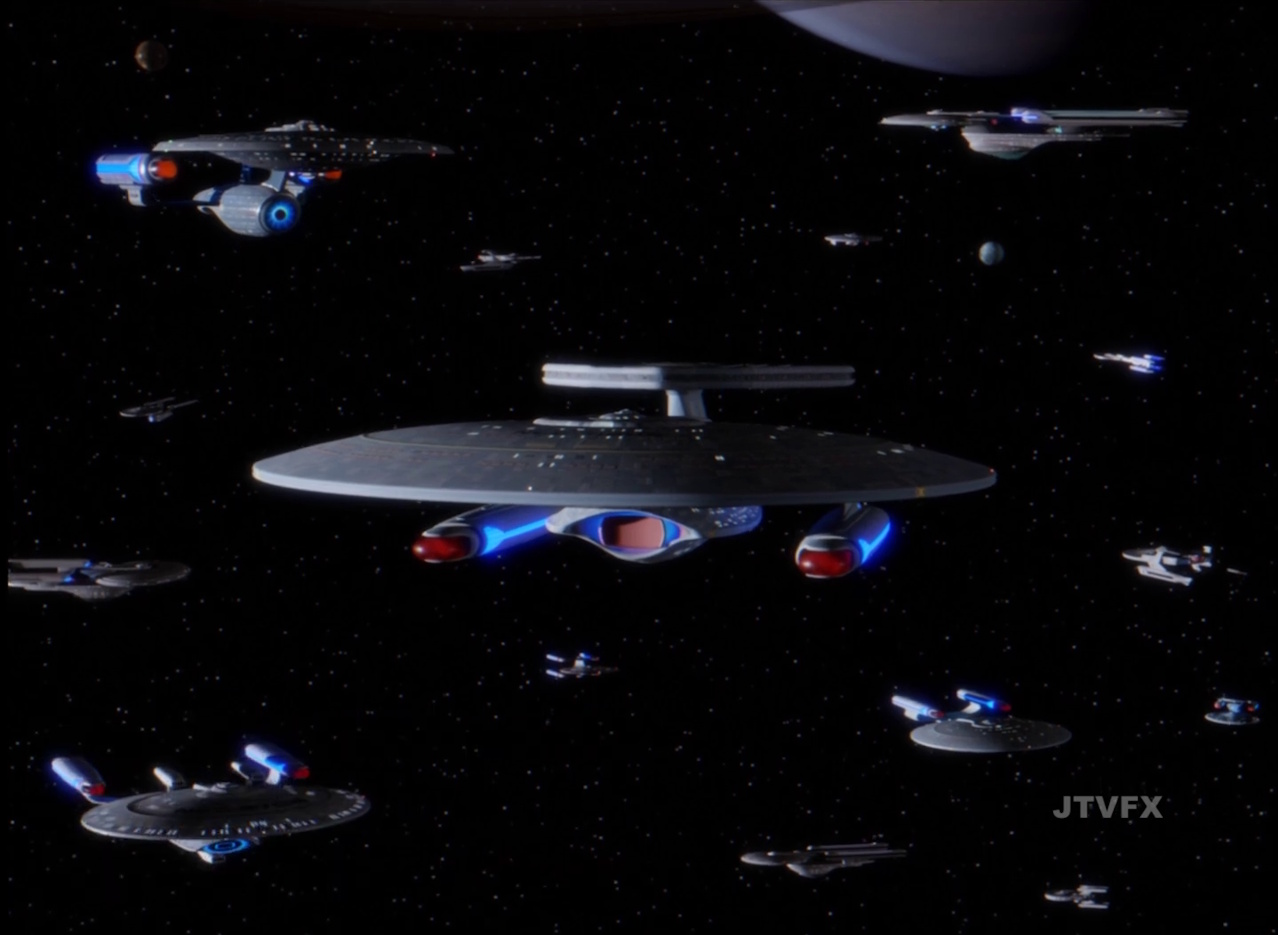
Still frame from JTVFX's Wolf 359 fan film showing the Federation task force.
Part of the Federation fleet.

In The Best of Both Worlds, Admiral Hanson’s fleet always seemed to me like the kind of thing Starfleet had tried to throw together at the last moment. The Federation just doesn’t expect this kind of deep incursion into its territory, and with no major wars in this era, it makes sense that Starfleet wouldn’t just have a massive defence force armed and ready to go. I’ve always assumed that Starfleet was basically forcing ships out of mothballs, staffing them up with whoever was available, and throwing them into Hanson’s fleet – the time constraints surely meant that recalling ships from long-range exploration voyages was impossible.

And that feeling of a hastily thrown-together collection of random ships was absolutely present in JTVFX’s film. We got a collection of ships from the 23rd and mid-24th Centuries: Excelsior-class, Ambassador-class, Constellation-class, Miranda-class, Oberth-class, Nebula-class, Constitution-class refits, and a few others that I’m sure I’m forgetting. The Klingon fleet, too, contained D7-class ships, Birds-of-Prey, and just one more recent Vor’cha-class as its flagship. I just adored the way these fleets felt, especially the Federation ships. You could feel how Admiral Hanson had been scrounging around, trying to find any spaceworthy vessel to throw at the Borg. In that context… does it make the losses more understandable? I’d argue that maybe it does!

Still frame from JTVFX's Wolf 359 fan film showing a Constellation-class ship.
A Constellation-class ship.

One thing we never really got to see in canon was whether the fleet at Wolf 359 made much of a dent in the Borg Cube, and even though the outcome of the battle was known, the moments where the Federation and Klingon ships seemed to find an advantage or a weakness in the Borg’s defences still felt incredible. The whole battle was exceptionally tense, with some of the named characters genuinely feeling like real people. Given that the focus was on the starships, not their crews, that’s a hard thing to achieve.

So let’s talk about the animation work.

I’m not an expert in CGI or any of that, not at all. But as a Trekkie, I know what a good space battle looks and feels like when I see it! And for me, JTVFX absolutely nailed it. The Battle of Wolf 359 felt… well, like how I’ve always imagined the Battle of Wolf 359: a desperate last stand against an impossibly powerful adversary, with Starfleet throwing everything it had at the Borg Cube to absolutely no avail.

Still frame from JTVFX's Wolf 359 fan film showing the Borg Cube under attack.
The Borg Cube is hit with phaser fire.

The Borg Cube looked fantastic, its tractor beams, weapons, shields, and repairs all felt like updated versions of what we saw in The Next Generation, and I loved seeing Locutus aboard the ship, coordinating the battle. The Federation and Klingon ships all manoeuvred and flew through space exactly like they did in The Next Generation era, and many of the sweeping action shots reminded me of Deep Space Nine’s Dominion War battles, which I think JTVFX must’ve drawn inspiration from.

It’s one thing to make a CGI model of a starship – but it’s altogether more complicated to make that ship fly and move around in the way we, as Trekkies, are used to seeing. But whether it was the smallest shuttles and escape pods or the largest Klingon and Borg ships, all of the vessels on screen – and there could be many on screen at once – felt absolutely perfect… and like they’d flown out of a Star Trek production from that era. I loved it… if you couldn’t tell already!

Still frame from JTVFX's Wolf 359 fan film showing Locutus and the Klingon ships.
The Klingon fleet – as seen on the Borg viewscreen.

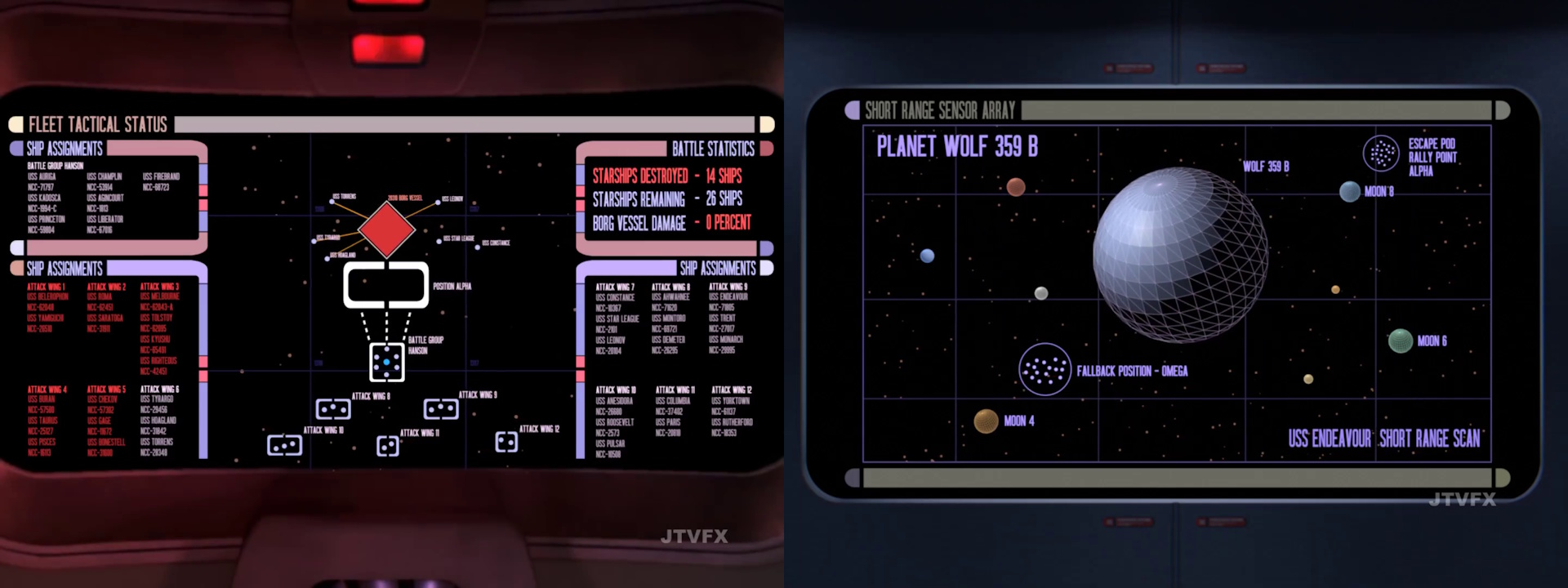
I also adored seeing the recreations of Next Gen-era LCARS displays and computer graphics. I think that added a lot, and seeing a few moments in the battle from behind a computer screen or a tactical display were really fun inclusions. It also adds to the feeling that the Battle of Wolf 359 was playing out exactly as it had in The Best of Both Worlds, complete with the limitations of computer graphics at the time the episode was made.

I’m not always a fan of this. Sometimes, it’s nice to see franchises modernise and move with the times, and trying to use deliberately anachronistic things like CRT monitors, cassette tapes, or ’80s graphics can rip me out of it if I’m watching a modern production. But here? It worked seamlessly, and the displays and monitors felt like they came right out of starships of the 24th Century! The Klingon displays and graphics looked great, too.

Still frames from JTVFX's Wolf 359 fan film showing a pair of tactical displays.
A pair of tactical displays.

This was an incredibly creative project, one that blended The Next Generation with other shows, films, novels, and even video games to create an intricate and detailed recreation of one of the Star Trek franchise’s most epic off-screen space battles! The only thing I wasn’t expecting, or didn’t imagine back in the day, was the arrival of the Klingons – but as I said, I think it worked exceptionally well, fits in with canon, and felt great in the moment as the Klingon fleet arrived. The rest of it, though, with the Starfleet vessels, the absolute shellacking they got, and the assimilation and deaths of many of their crews? It felt exactly the way I imagined this battle would when I first saw The Best of Both Worlds in 1992 – which is when it first aired here in the UK.

So if you’ve missed JTVFX’s channel or the earlier parts of this Wolf 359 adaptation… what are you waiting for?! Head over to YouTube and check it out!

Still frame from JTVFX's Wolf 359 fan film showing an escape pod being assimilated.
Spoiler alert: it doesn’t end well for Starfleet.

Given Paramount’s occasionally antagonistic stance toward fan films, I think the sooner you watch it, the better. These things can, sometimes, be subject to copyright claims and other issues, so there’s no guarantee it’ll be around and available to watch indefinitely. I hope the new Skydance/Paramount corporation will do better on that front… but you can never be sure, unfortunately.

I had a great time with JTVFX’s masterpiece, and this absolutely wonderful recreation of the Battle of Wolf 359. If you enjoyed The Best of Both Worlds and you’ve always wondered what the battle looked like… here’s your chance to see it for real! And if you just like epic space battles in Star Trek, I genuinely believe this is one of the absolute best – eclipsing even some recent big-budget official productions.

Don’t miss out… and as always, Live Long and Prosper, friends!


Wolf 359: The Prelude Parts I & II and Wolf 359: The Massacre Parts I & II are available to watch now on YouTube through JTVFX’s channel, which is linked below. Still frames above courtesy of JTVFX on YouTube. The Star Trek franchise – including The Best of Both Worlds and all other episodes, films, characters, and properties discussed above – is the copyright of Skydance/Paramount. This article contains the thoughts and opinions of one person only and is not intended to cause any offence.


Click or tap here to go to JTVFX’s YouTube channel, where you can find the Wolf 359 fan film. (Warning: External Website)

I Went To A Star Trek Convention…

It’s been a long road… gettin’ from there to here. By which I mean: it took me almost four hours on three separate trains and one tram to travel from my home to Destination Star Trek in Blackpool on Saturday. That’s right: Trekking with Dennis made it to a Star Trek convention – my first since 2011. This is, somewhat embarrassingly, a pretty big deal for me – my health has been poor for a long time, and I haven’t felt up to an outing like this in years. Aside from medical appointments and a couple of visits earlier this year to meet my newborn niece, this became my first excursion in over a decade.

I’d looked into last year’s Destination, but I didn’t feel well enough in 2024 so I opted not to go. But this year, bouyed a little by those visits to my sister, brother-in-law, and newborn niece, I was feeling a little stronger, and perhaps a little braver… so I bit the bullet and bought a one-day ticket for Saturday. It was a long day – hours of travel each way, leaving the house at 5:30am and not making it back until after 10pm. But despite being exhausted and in a lot more pain than usual by the time I got home… I had a good time.

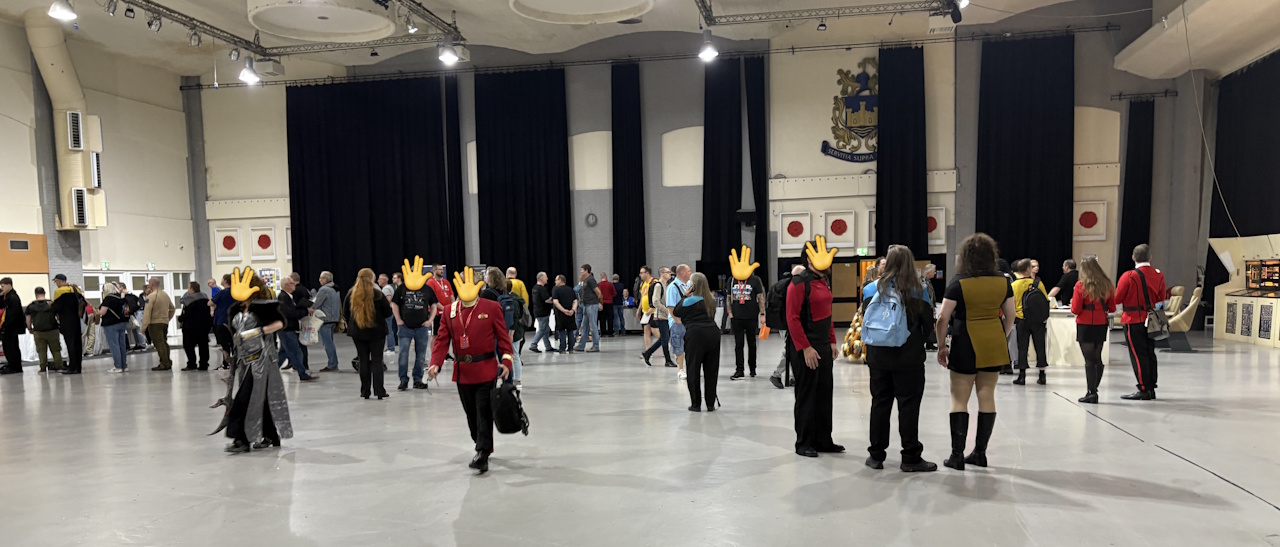
Photograph from Destination Star Trek 2025 showing attendees on the convention floor with their faces censored.
The main convention floor around 10am.
(Faces in all photos have been censored for privacy.)

The Star Trek fan community is just… wonderful. There are so many kind people in the community; Trekkies are patient, respectful, encouraging, enthusiastic, and just a joy to be around. I might be sitting on a seat, catching my breath in between events, walking to the bathroom, or waiting in a queue, and someone would strike up a conversation about something they enjoyed about the event last year, share their experiences of having met the guest speaker, or just compliment me on my Star Trek t-shirt. The atmosphere was incredibly friendly and welcoming… I felt, for the first time in years, like I was among my people!

And I must give special thanks to the staff and organisers. Due to my poor health, I’d filled out a form on Destination’s website to request some extra help. I didn’t really know what this would include, I just hoped there might be somewhere to sit down in between events or while queuing. Upon arriving at the event, I spoke with one of the members of staff who issued me a wristband – and I got to join a special queue for several of the photographs (more on those in a moment) which meant less time spent standing. Members of staff helped me find a seat at several of the talks, and they were all very friendly, chatty, and passionate about Star Trek. I simply wouldn’t have been able to attend Destination without this extra support, and I am beyond grateful to the organisers, the staff, and everyone at the convention who accommodated me, in spite of my limitations.

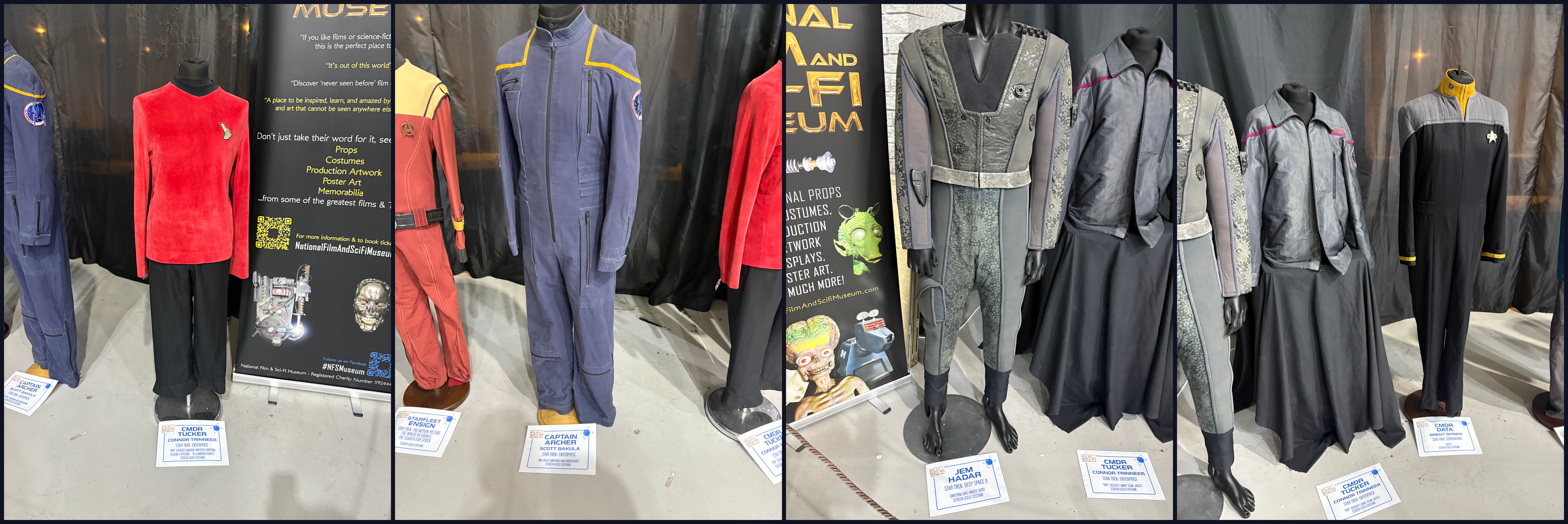
Photograph from Destination Star Trek 2025 showing a selection of screen-worn uniforms.
A selection of uniforms used in various Star Trek productions which were on display.

Let’s talk about why I decided to go to Destination this year. Because… well, let’s just say it didn’t quite go the way I first intended!

I’d been keeping an eye on Destination 2025 for a few months, weighing up whether to buy a ticket or not. But it was only when Anson Mount – Captain Pike himself from Strange New Worlds – was confirmed as a guest that I decided it was something I had to do. As you might’ve heard, though, Mount unfortunately had to pull out of the event at the last minute after contracting covid. I wish him well as he recovers. Again, credit to the organisers and staff, here: refunds were issued automatically for the panel I’d paid for when Anson Mount had to pull out.

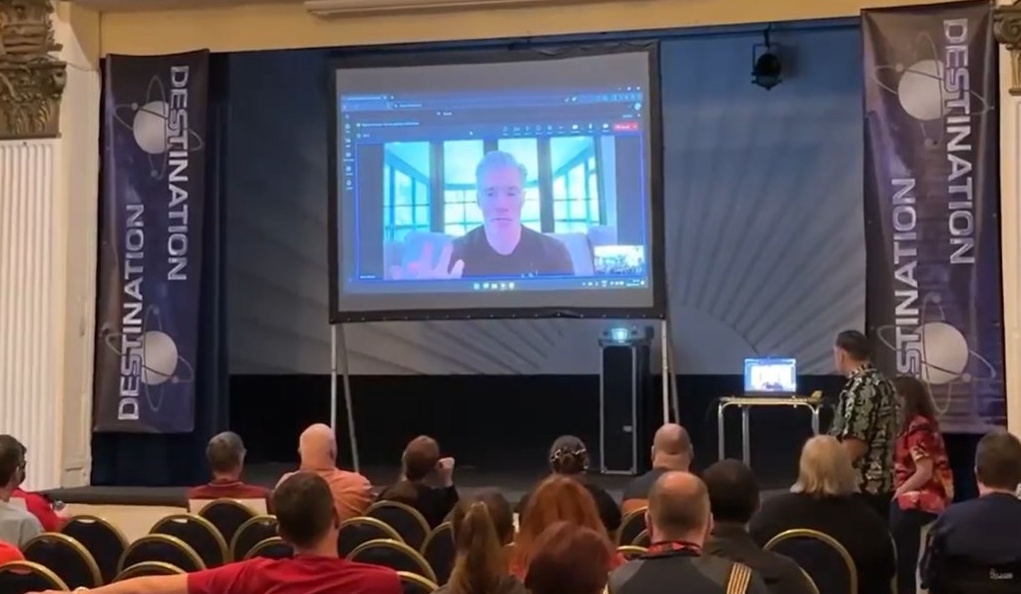
Such things are unavoidable. Anson Mount’s last-minute withdrawal from Destination led to a few changes to the schedule… which, in the end, ultimately worked out in my favour. Connor Trinneer – Trip Tucker from Enterprise – was taking part in a talk on Saturday afternoon, and when I was no longer scheduled to meet Anson Mount for a photograph, I that time was freed up to attend the talk. As we’ll discuss, Trinneer’s panel was a lot of fun, and I’m glad I didn’t miss out on it. Oh, and Anson Mount did ultimately call into Destination by video-link, though I didn’t attend that event.

Photograph from Destination Star Trek 2025 showing Anson Mount's video-call.
Anson Mount’s panel had to be done remotely.
Photo: Destination Fan Events via Facebook

I’ve mentioned photos a couple of times now, so let’s talk about that.

Some people love to collect autographs. My mother had Elvis Presley’s autograph, for instance, which was something she loved to tell people about! But I’ve never really been big on autographs, even personalised ones. If I have the opportunity to meet someone famous, or someone important to me… I’d rather take that time to shake their hand. That memory, that moment… it’s always seemed more worthwhile than an autograph, at least to me. No shade to the autograph collectors – this is purely a subjective thing.

So I booked several photographs with Destination’s attendees. I met two guest stars from the first and second seasons of The Original Series, including an actor who appeared in The Man Trap, which was the very first episode of Star Trek to be broadcast. I met Chase Masterson – Leeta from DS9. I met the aforementioned Connor Trinneer, and Martin Quinn – who has taken over the role of Scotty on Strange New Worlds. I made a bit of a tit of myself, blurting out “I love Strange New Worlds it’s great!” as I waddled over to him. Poor man must’ve been traumatised. But I shook their hands, smiled awkwardly for the camera, and I have those photographs as mementoes of the day.

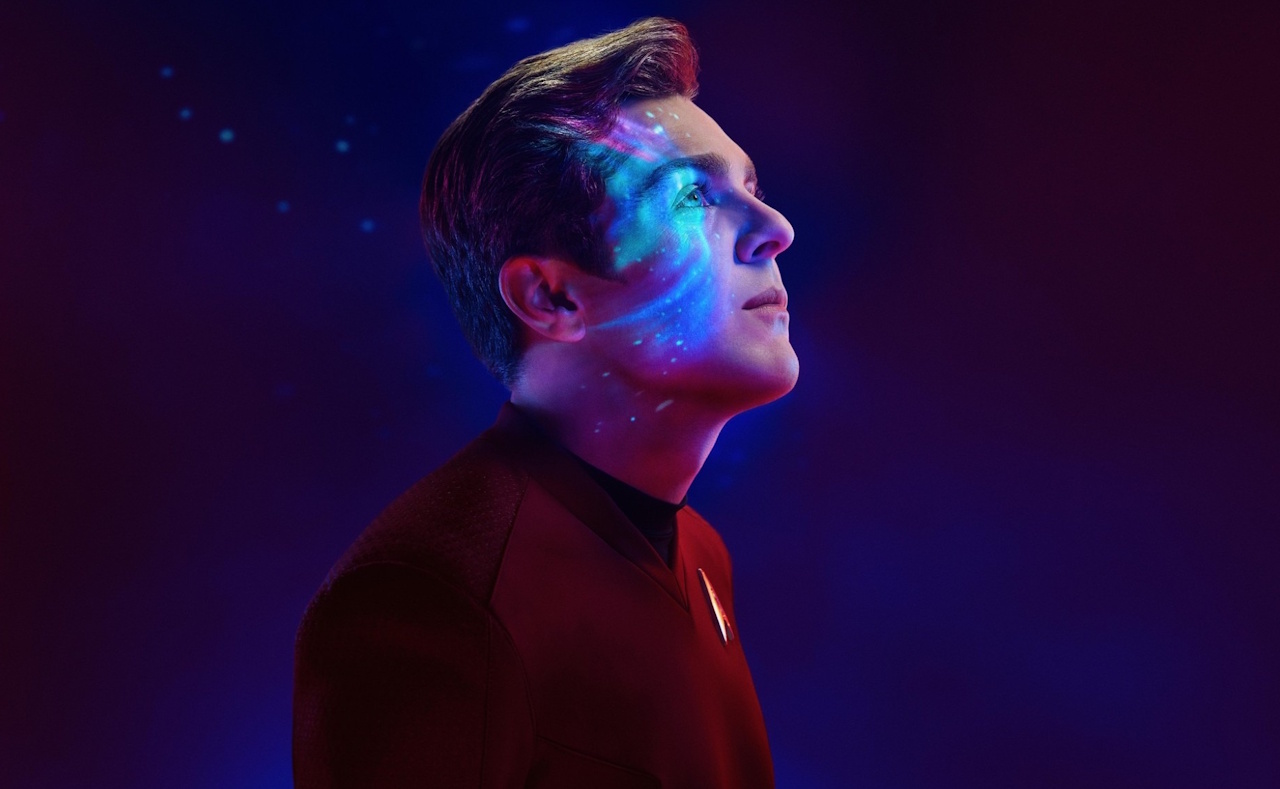
Promo photo for Star Trek: Strange New Worlds showing Scotty.
Martin Quinn as Scotty in a promo image for Strange New Worlds Season 3.

It’s been a while since I went to Blackpool. The seaside resort is a peculiarly British place, though it’s definitely in need of some TLC these days. But I have fond memories of being taken there as a kid, going to the Pleasure Beach funfair, seeing the Illuminations, and eating chips on the pier. This time, I got to take one of Blackpool’s new, modern, ultra-sleek trams – and use an app to buy my ticket! I’m still adjusting to life in the smartphone age, but on the short walk from the railway station to the tram stop, I managed to download the app, buy my ticket, and activate it.

As soon as I disembarked, I started seeing signs of the convention! The tram stop is right outside the Norbreck Castle Hotel, and there were already dozens of people milling about in costume, in Star Trek tops and t-shirts, and wielding phasers and other props. I made it inside, freshened up, and I was on the convention floor in time for the first event I’d been planning to see: a talk all about artificial intelligence.

Photograph from Destination Star Trek 2025 showing the Blackpool seafront.
I snapped this photo while en route!

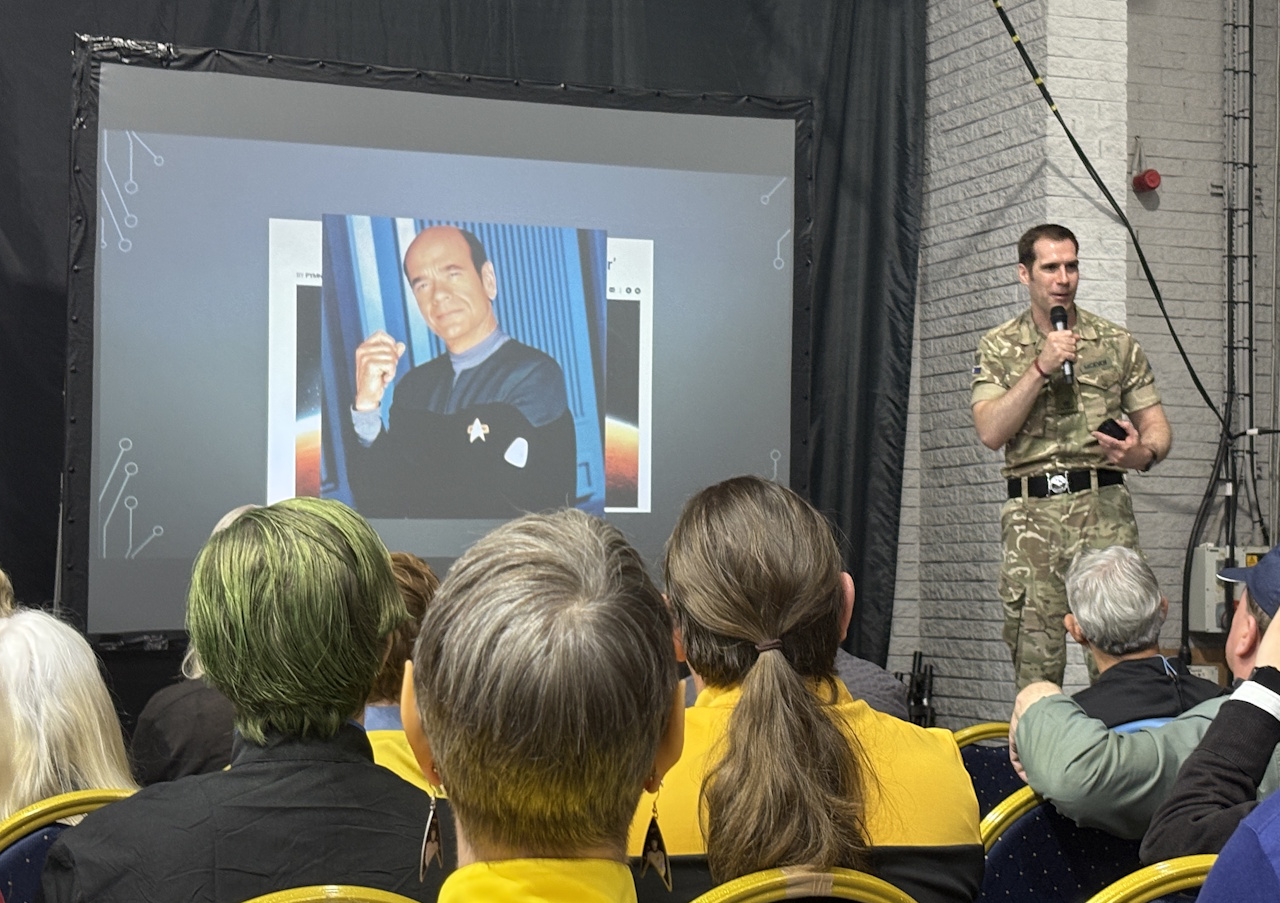
This presentation, by a member of the UK military and Space Command, was genuinely fascinating. I’m not a “doomer” when it comes to A.I., though I certainly believe its practical applications are more limited than some optimistic utopian predictions would suggest! But discourse surrounding A.I. online can often feel overly negative. While the speaker was clear that there can be drawbacks and disadvantages to A.I., and some areas where it may not be useful, he was broadly positive and passionate about its current and future applications.

It was also very interesting to catch the tiniest glimpse of military applications of A.I. from someone directly involved with that side of things. Again, there’s a lot of “doomerism” surrounding killer drones and A.I.-engineered bio-weapons… so to get some perspective and learn a tiny bit about how A.I. systems are currently being used by real-world militaries was absolutely fascinating. Obviously this wasn’t directly related to Star Trek, though the speaker was a Trekkie, but Star Trek has long been a pioneer in predicting A.I. – from The Ultimate Computer to Data, Voyager’s Doctor, Control, and beyond.

Photograph from Destination Star Trek 2025 showing the A.I. talk.
Major Sam McEvoy during the A.I. talk.

I was able to attend two talks (or panels, if you prefer), one in the morning and one later in the day. Chase Masterson’s talk was first, and she was a really engaging speaker. I enjoyed a story she told about being invited to rehearse with her DS9 co-stars at the home of Armin Shimerman (Quark), which sounded like it must’ve been a lot of fun. And she spoke a little about the late Aron Eisenberg, as well as working with Max Grodénchik (Nog and Rom respectively).

Masterson also spoke about some of her other roles, her charity work, and what the audition process was like as she made the move to Hollywood in the 1990s. It must’ve been a big deal for her as Leeta went from having a few lines in a single episode to slowly building up to become a recurring character with some big moments in the show’s later seasons. It also sounds like there was a complicated working environment for anyone not a series regular; Masterson explained how, on DS9, the recurring cast never had a contract, and could theoretically have been let go at any time.

Photograph from Destination Star Trek 2025 showing Chase Masterson and the host during her talk.
Chase Masterson during her panel.

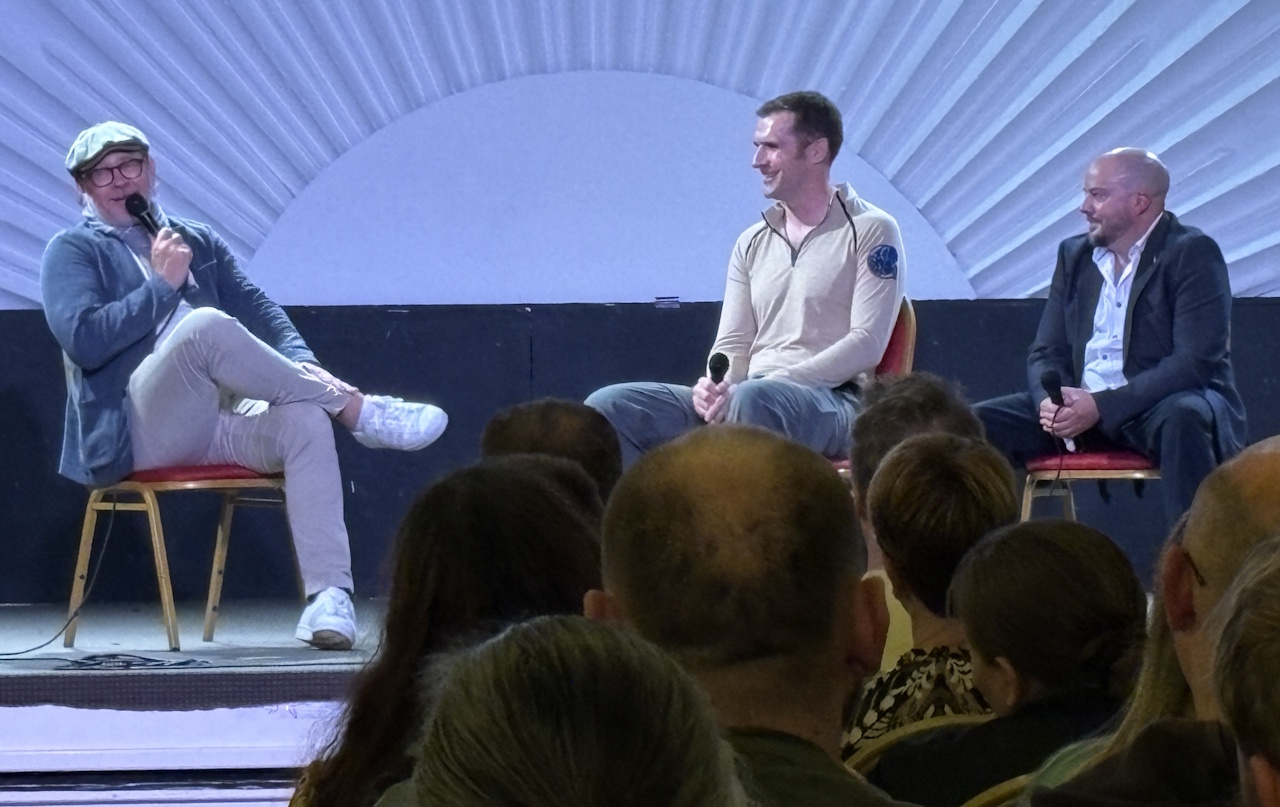
Connor Trinneer also had some fun stories to share at his panel. He talked about the audition process, how he thought he’d completely blown his first audition for Enterprise, and how, after not being called back when he hoped he would be, he thought the role had gone to someone else. I also learned – and maybe you already knew this, but I certainly didn’t – that Trip Tucker almost got a different name. That’s right: he was originally to be called “Spike.” It was only because of Buffy the Vampire Slayer (which was on the air at the same time, and also had a character named Spike) that the name was changed – and that was after production had begun on the pilot.

Trinneer is another wonderfully engaging speaker, recounting his time on the show effortlessly. I think there’s still a twinge of sadness or regret that Enterprise was cancelled when it was; he mentioned the show’s premature ending several times, as well as talked about the possibility of exploring more of Trip and T’Pol’s relationship had a fifth season been greenlit. In a joking reply to a fan asking if he’d be willing to reprise his role, he said “he’s dead!” to much laughter. But he then elaborated: no one is ever really dead in sci-fi, and he’d be fascinated to learn how Trip might’ve survived the events of Enterprise’s finale.

Two really entertaining and interesting talks.

Photograph from Destination Star Trek 2025 showing Connor Trinneer with two convention hosts.
Connor Trinneer (left) at his talk.

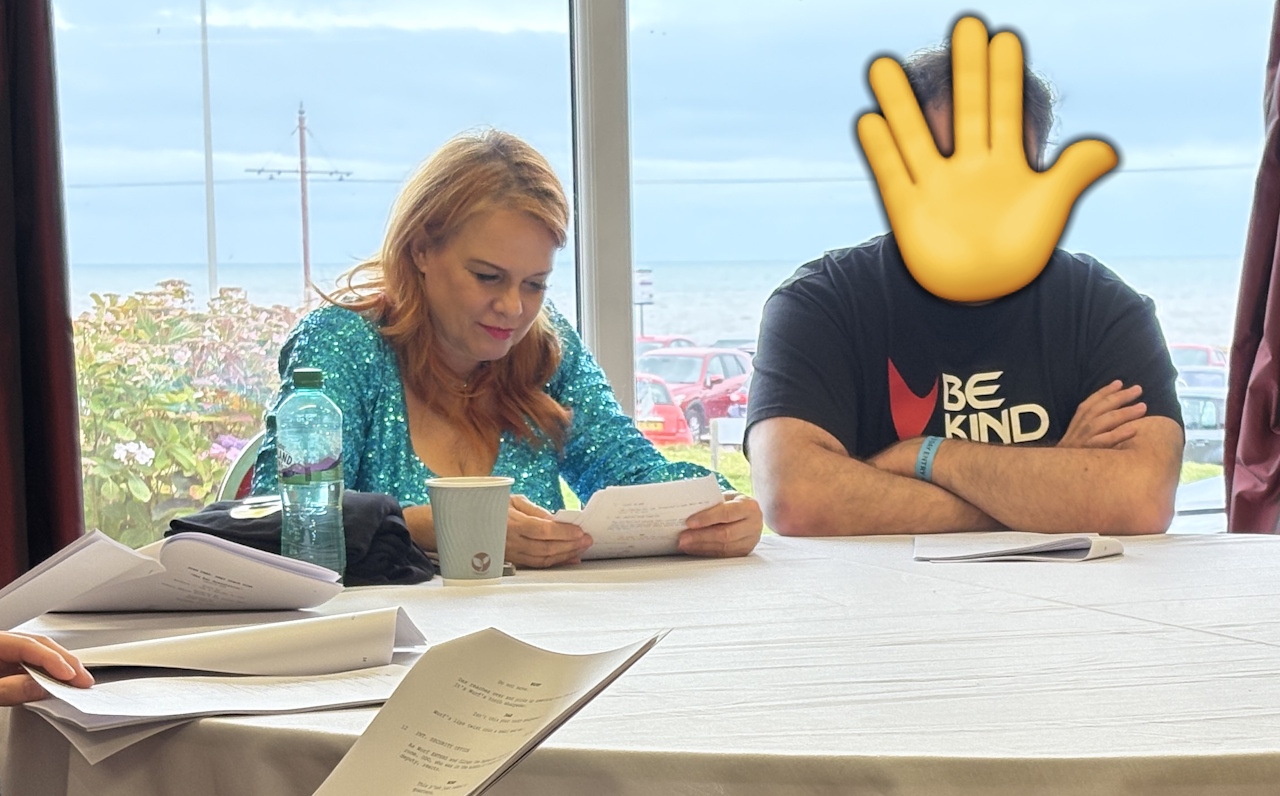
Before we come to the photo sessions, I also got to take part in something really special. Chase Masterson did a script reading from the episode Bar Association – which is a huge episode for her character, Leeta. This was a separate event, in a smaller room away from the main stage. There were only about… I wanna say maybe ten of us, or so, as well as Masterson and a couple of the event’s organisers. It was small-scale, intimate, and just a ton of fun to have been present for. We all remember Bar Association, right – it’s the episode from Season 4 where Rom leads the staff at Quark’s to form a union.

This smaller script-reading session was so much fun, and definitely one of the highlights of the day for me. Chase Masterson is really funny, she hasn’t lost a step when it comes to embodying Leeta, and even though it’s been almost thirty years since Bar Association aired… I felt I was right back there, watching it all over again, just in a completely different way. These are the kinds of experiences you really can’t get anywhere else… and I’m so glad I chose to pay for a ticket to something like this instead of buying another action figure or model ship!

Photograph from Destination Star Trek 2025 showing Chase Masterson reading her script.
Chase Masterson at the Bar Association script reading.

The first photo I took – and therefore the first actor I got to meet – was with Martin Quinn. Quinn has taken over the role of Scotty in Strange New Worlds, showing us a younger and less-experienced take on the character that has just been really well-created and interesting. I noted in my recent reviews of The Sehlat Who Ate Its Tail and Four-and-a-Half Vulcans that Quinn has great on-screen chemistry with Paul Wesley (SNW’s Kirk), and it’s just been a lot of fun to see this younger version of the character and Quinn’s take on Scotty’s younger days. And yes, from now on, you can expect me to say “Martin Quinn (whom I have met)” in every future episode review where Scotty’s featured!

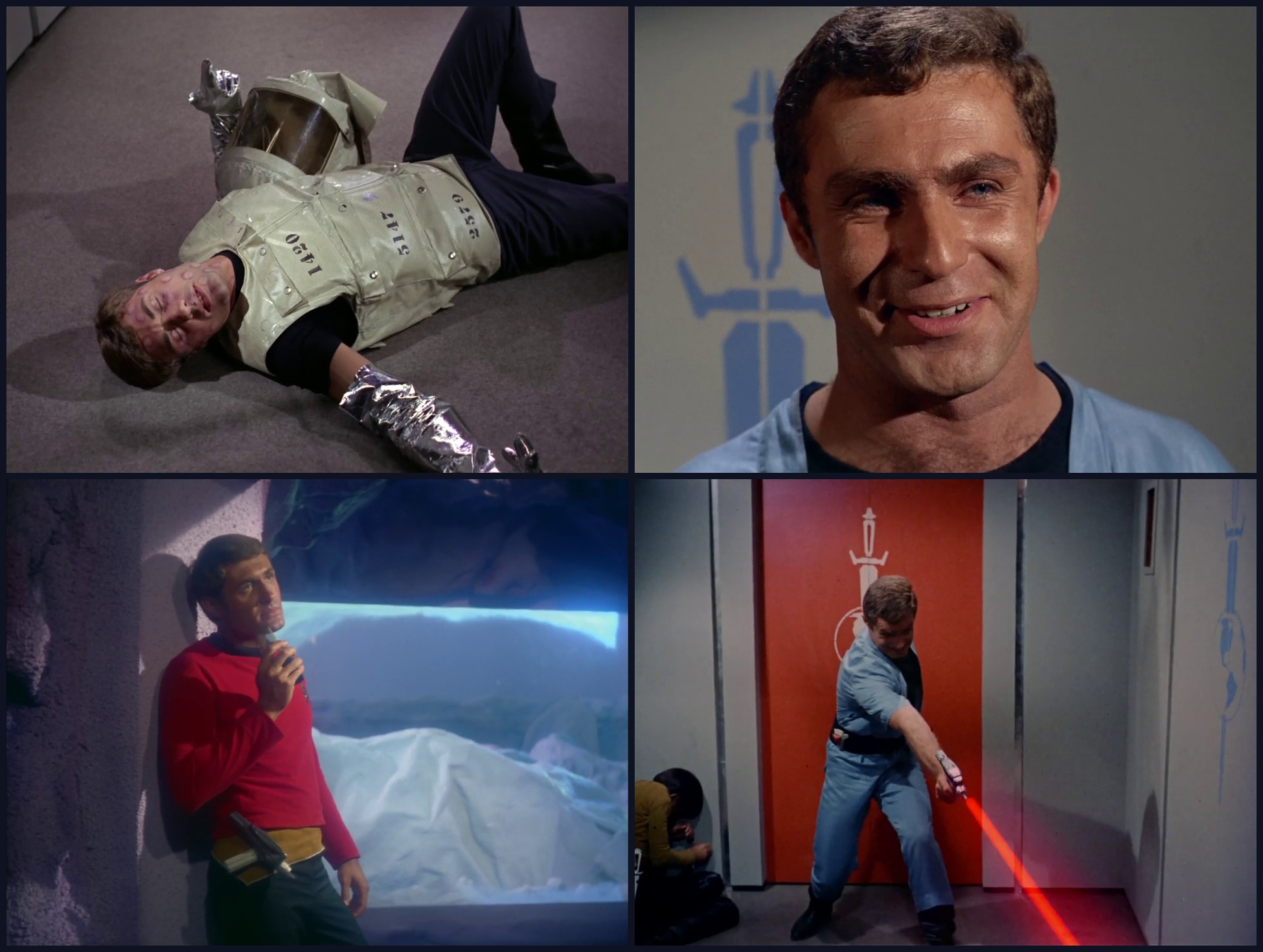
How often, nowadays, can one claim to have met a guest star from The Original Series? Garth Pillsbury appeared in the iconic episode Mirror, Mirror as Wilson – a crewman aboard the ISS Enterprise in the Mirror Universe. He reappeared in Season 3 as a prisoner in the episode The Cloud Minders. Budd Albright appeared in The Man Trap – the very first episode of TOS to be broadcast. His character (Barnhart) was killed by the M-113 Creature, making him one of the first “redshirts” to die in the show! He reappeared in What Are Little Girls Made Of as a different character, Rayburn, who met a similar fate!

Four still frames from Star Trek: The Original Series showing Budd Albright and Garth Pillsbury's characters.
Budd Albright (left) and Garth Pillsbury (right) in their TOS roles.

I then got to meet Chase Masterson (again, after the script-reading session) and pose for a photo with her. And I capped off my photo sessions later in the day with Connor Trinneer. There were pretty long lines for some of these, and I didn’t schedule photos with all of the guests who were there that day. But with the exception of Anson Mount, I got to meet everyone I set out to meet.

Meeting these folks, shaking their hands, and just… being with them for those few seconds… it’s an almost surreal feeling, in a way. Maybe if you’re a regular convention-goer this is all old hat to you, but for me, as someone who hasn’t done anything like it in so long… it was a wonderful experience. Being able to say I’ve met these folks, shaken their hands, told them (awkwardly) how much I enjoyed their shows and their characters… it’s just a really great feeling. It’s a connection between myself and the people who are actually *in* Star Trek that I didn’t have before.

And no, by the way, I’m not gonna publish those photos!

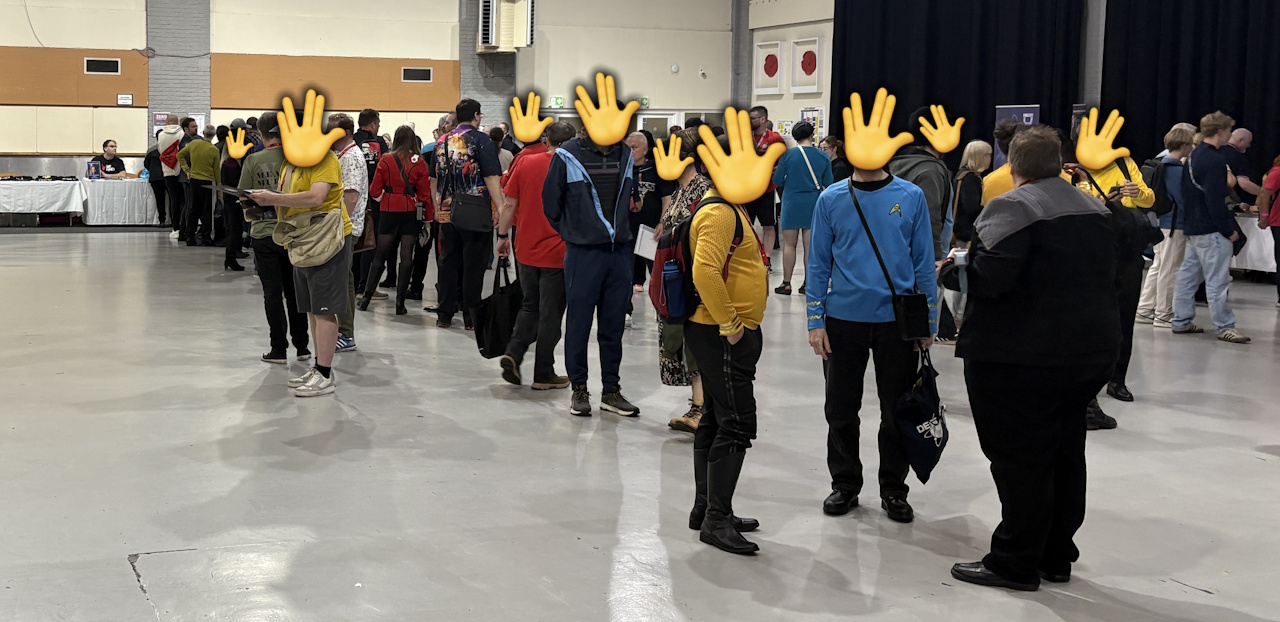
Photograph from Destination Star Trek 2025 showing a queue on the convention floor.
One of the autograph queues.

This might sound silly, but I was surprised to see so many people had gone all-out with their costumes. I felt underdressed in just a Star Trek-themed t-shirt, surrounded by people dressed up in full costumes from every series and every era of the show. It was great to see so many people wearing Picard, Discovery, Lower Decks, and Strange New Worlds uniforms, too – despite what some small groups of fans might want to think, the Trekkie community as a whole embraces, rather than rejects, those newer shows. There will always be some who complain, of course; I overheard one such conversation about “Alex Kurztman should be fired” at the convention. But it was great to see so many people who celebrated modern Star Trek just as much as the older shows.

The counterpoint to that is… well, a bit of an awkward one, to be honest. I’m no spring chicken – I’m in my forties – so this is not an attack on anyone, nor at attempt to be “ageist.” But… to be blunt, there’s not a lot of young blood in the Trekkie community at the moment. It’s rare for me to go somewhere and feel like one of the younger folks! But at Destination? I guess I’d say most people were in their mid-thirties or above. That gels, of course, with Star Trek’s 1990s heyday, and there are other factors such as younger people having less disposable income and perhaps more constraints on their time at this time of year. But it was noticeable, at least, that most of the folks there were in a similar age bracket to myself, despite Paramount’s attempts in recent years to broaden the Star Trek franchise’s appeal.

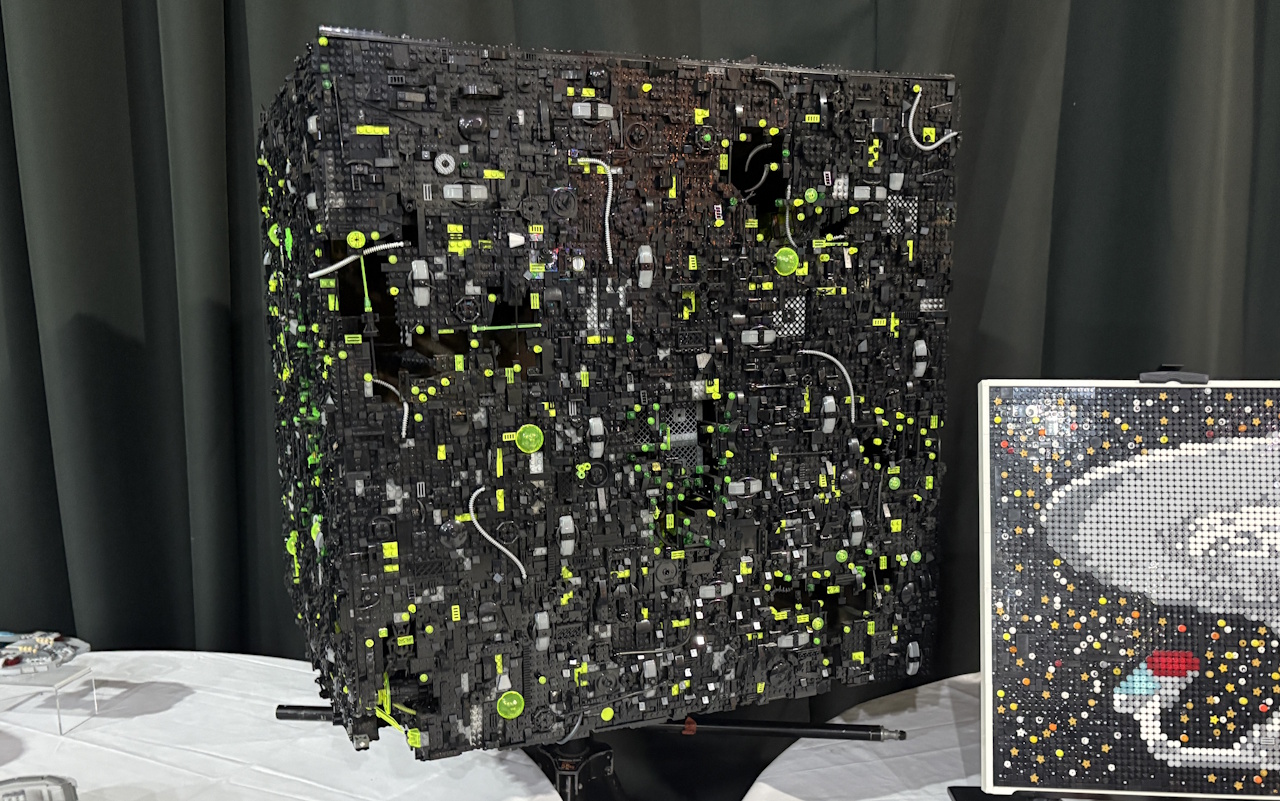
Photograph from Destination Star Trek 2025 showing a Lego Borg cube.
A Lego Borg Cube!

Destination was a lot of fun. It was a long, painful, and tiring day, but it was worth it in the end. The experiences I got to have – reading a script with Chase Masterson, meeting Budd Albright, who appeared in the very first Star Trek episode, and listening to Connor Trinneer talk about his time on Enterprise – just wouldn’t have been possible anywhere else, and I really value the time I spent and the memories I made far more than any of the merchandise I’ve bought over the years!

It also took a lot of effort, and I cannot stress enough how much I appreciate the assistance and help given to me by the folks at Destination. I paid for my tickets, so this is not some kind of sponsorship or ad, but the reality is that, given my health, I would not have been able to attend and do these wonderful things were it not for the extra help the staff and organisers were able to provide to folks with disabilities such as myself. I was exhausted after I got home – and yes, that’s why this week’s Strange New Worlds episode review was late – but I had a fantastic time.

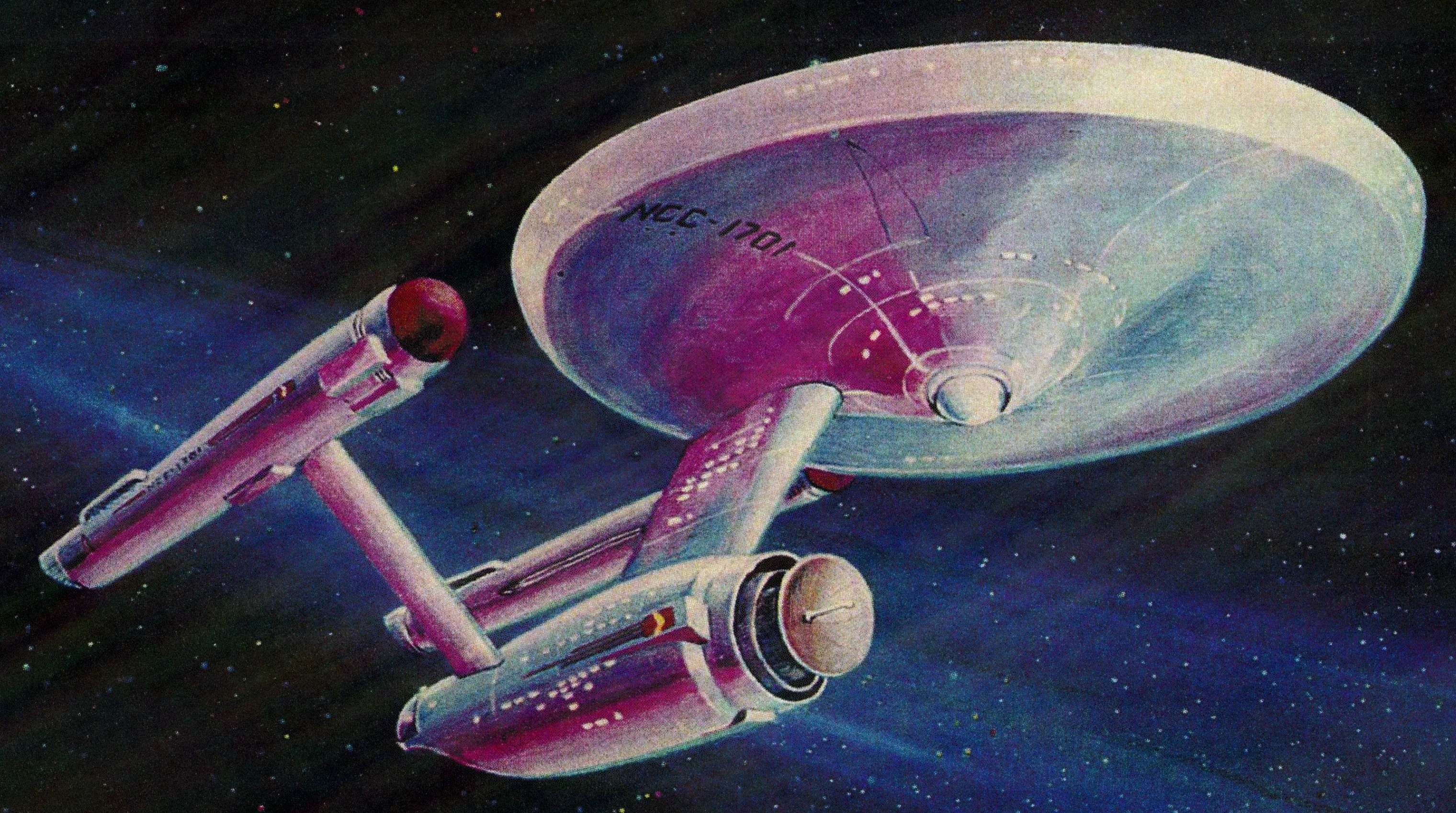
Painting of the USS Enterprise produced while Star Trek: The Original Series was in early production.
2026 will mark Star Trek’s 6oth anniversary.

So… what’s next? I was talking to my sister (who, coincidentally, doesn’t live too far from Blackpool) about the event, and she said words to the effect of “now that you’ve done it, you wouldn’t do something like that again… would you?” And… I had to hesitate. Because yeah, it was a hard day. And yeah, next year’s event will probably be kinda samey, with talks, panels, merchandise booths, autographs, and photo-ops. There may well be some of the same actors and guest stars present.

I also don’t know, given my state of health, whether I’ll be able to do something like this again. It was a major undertaking for me, and it took a lot of planning, a lot of effort, and quite a few painkillers just to get through the day as well as I did! But I’m not going to lie to you: part of me is eyeing that weekend in August 2026, back at the Norbreck Castle Hotel, and thinking… “why not?”

So hey, if you’re going to Destination next year… who knows. Keep an eye out for a fat fella with a walking stick perched awkwardly on a chair or excitedly standing in line to shake the hand of… whoever they manage to book! In the 60th anniversary year, it could be a lot of fun.


Destination is an unofficial Star Trek fan convention held at the Norbreck Castle Hotel in Blackpool, UK. The Star Trek franchise – including all series, films, characters, and other properties discussed above – is the copyright of Skydance/Paramount. All photos taken by Trekking with Dennis unless otherwise stated. You may use them under the “share-alike” principle, providing you include a link back to this article. This article contains the thoughts and opinions of one person only and is not intended to cause any offence.
Section 31: What To Watch Next

If you’re reading this, I hope it’s because you enjoyed Star Trek: Section 31! My name is Dennis, and I’ve been a Star Trek fan (or a “Trekkie,” if you will) for close to thirty-five years. Star Trek consists of over 900 episodes and 14 films, spans multiple parallel universes and five distinct time periods… so I don’t blame you if you don’t know where to start! Just getting a foot in the door with this franchise can feel daunting, and I get that. What I’d like to do today is offer a few recommendations for someone brand new to Star Trek; a short selection of episodes and films to watch next for a brand-new Trekkie such as yourself!

At time of writing, Star Trek is comprised of eight live-action television shows, three animated television shows, fourteen films, and a series of television shorts to boot. I’m not going to look at or recommend all of them! But what I am going to do is pick out a handful of episodes and films that I think could make for a good starting point for anyone who enjoyed Section 31 and wants to explore the world of Star Trek.

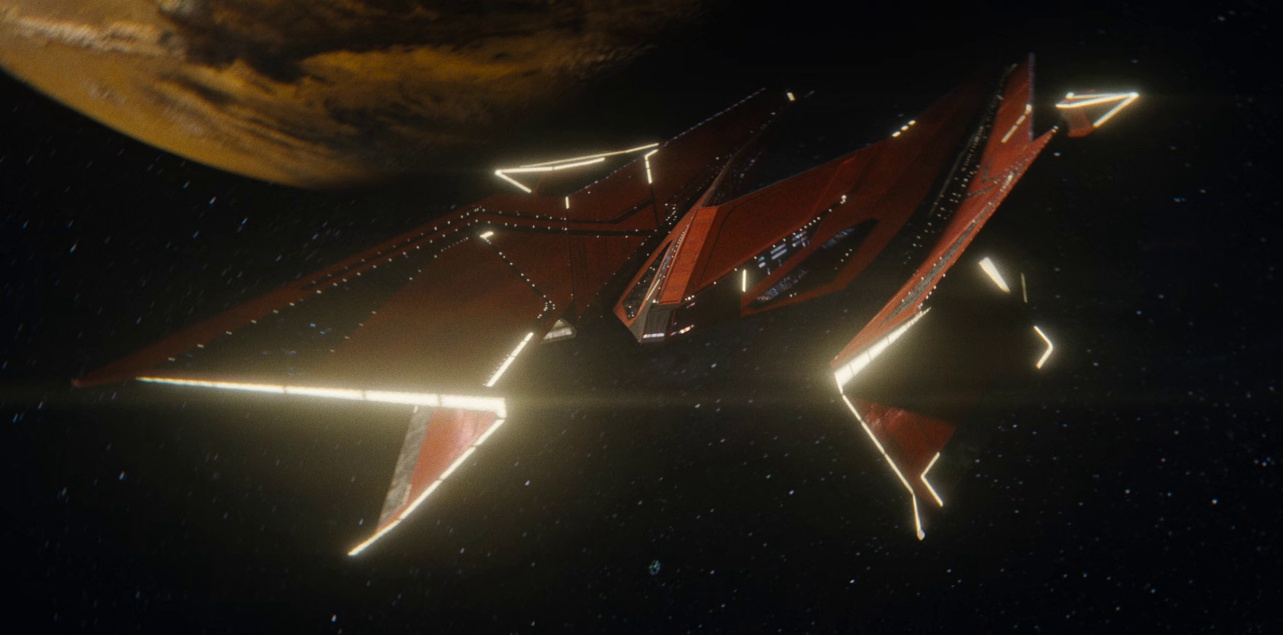
Still frame from Star Trek: Section 31 showing San's ship in space.
A starship in Section 31.

What I love most about Star Trek is this: it’s an incredibly optimistic franchise. In an entertainment landscape dominated by post-apocalyptic settings, sci-fi dystopias, and depictions of the future that reflect the worst of humanity, Star Trek has always stood out. It shows a vision of the future where many diseases have been cured, where humanity has largely come together and leads a United Federation of Planets, and where greed and exploitation have largely been consigned to history. Star Trek is not, as some may claim, a “communist utopia!” Private property still exists in this world – but the development of new technologies, particularly spaceflight, power generation, and replicators, has freed most of the population from a dependence on employment in exchange for money. Exactly how it all works is deliberately kept vague, though, which I tend to think is for the best!

As always, a couple of caveats. I’m not saying that these are “objectively” the best Star Trek stories, or that they’re the only ones worth checking out. Other fans will almost certainly have made completely different suggestions, so definitely explore the fan community and see which episodes and films other people recommend. I’ve tried to pick a mix of different stories from across the franchise, with a focus on episodes and films that connect in some way to Section 31, or that I think are great starting points for their respective shows or for Star Trek as a whole. Finally, this isn’t a ranked list – the order is completely random.

Phew! With all of that out of the way, let’s get started!

Recommendation #1:
All Those Who Wander
Strange New Worlds Season 1

Still frame from Star Trek: Strange New Worlds showing two shuttlecraft approaching a wrecked starship.

In my humble opinion, Strange New Worlds is the best Star Trek show currently on the air – and perhaps the best thing the franchise has done in a very long time! I’ve picked out the first season episode All Those Who Wander, partly because I wanted to highlight Strange New Worlds, but also because it’s an episode that I believe will challenge your perceptions of Star Trek.

Star Trek has a reputation as being a nerdy franchise – but this episode has an action-horror vibe inspired by films like Alien. I think it’s one of the best horror stories that Star Trek has ever attempted, with a claustrophobic setting, a frightening adversary, and some excellent character moments to bind it all together. It’s also a standalone story that you can jump into without having seen Strange New Worlds before.

Recommendation #2:
Yesterday’s Enterprise
The Next Generation Season 3

Still frame from Star Trek: The Next Generation showing Picard looking at an anomaly on the main viewscreen.

You may already know this, but the character of Rachel Garrett wasn’t created for Section 31. She first appeared in The Next Generation more than thirty years ago, with Section 31 exploring more of her history and background. It serves as a prequel of sorts to Yesterday’s Enterprise. If you want to see Garrett further along in her career, this could be an interesting way to go!

I’m not the biggest fan of time travel stories in Star Trek, but I’ve always admired what Yesterday’s Enterprise did with that premise. The episode brings together two different versions of the famous starship from two different points in time – and shows us a glimpse at an alternate timeline where things look very different for Starfleet and the Federation!

Recommendation #3:
The Doomsday Machine
The Original Series Season 2

Still frame from Star Trek: The Original Series showing an away team beaming aboard a ship.

If you want to go right back to the beginning and check out The Original Series, which aired in the 1960s, there aren’t many better places to start than The Doomsday Machine. I think this episode is a fantastic starting point for what can feel like a dated series by today’s standards – it has a pretty straightforward sci-fi story, a great guest star, and it’ll introduce you to Kirk, Spock, Scotty, and the rest of the crew.

The Doomsday Machine is also a great example of something Star Trek has always done: using its sci-fi setting to highlight real-world issues. In this case, the episode takes a look at the proliferation of weapons of mass destruction – a pressing issue at the time it was produced, coming just a few short years after the Cuban Missile Crisis brought the world as close as it’s ever come to nuclear war. Storytelling through allegory and metaphor was the name of the game – and it’s something Star Trek continues to do to this day!

Recommendation #4:
Inquisition
Deep Space Nine Season 6

Still frame from Star Trek: Deep Space Nine showing a close-up of Sloan.

Want to see Section 31’s first-ever appearance in Star Trek? Inquisition introduced the faction as a clandestine organisation buried deep within Starfleet. This version of Section 31 is top secret, seemingly unknown to even high-ranking captains and commanders – and accountable to no one but itself. It’s different from how the organisation is depicted in the recent film as well as in Discovery, but I think it could be worth returning to if you’re interested to learn more.

At the time of its broadcast, I remember Inquisition being incredibly controversial. Some Trekkies adamantly asserted that an organisation like Section 31 couldn’t or shouldn’t exist in Star Trek’s optimistic version of the future. It was certainly a departure from the way the Federation had usually been depicted up until that point. Inquisition felt like a dark episode at the time – and you may struggle to square this depiction of Section 31 with the one from the film!

Recommendation #5:
Star Trek: Discovery
Season 1

Still frame from Star Trek: Discovery showing Georgiou on the bridge of her ship.

If you want to find out where Georgiou came from, Discovery’s first season is the place to start. The version of Georgiou you’re familiar with from Section 31 doesn’t appear straight away – and the season spins its wheels in places, dragging out the story. But when I thought about Georgiou’s pre-Section 31 appearances, it was difficult to pull out just a single episode as Discovery has always been a serialised show.

I’m not going to tell you that Discovery’s first season is the best that Star Trek has to offer – on the contrary, I think it’s a season of television with some noteworthy weaknesses and flaws. But if you want to experience Georgiou’s complete arc from the beginning, Season 1 of Discovery is the place to start.

Recommendation #6:
Star Trek II: The Wrath of Khan

Still frame from Star Trek II: The Wrath of Khan showing Spock with his hands folded.

Don’t let this film’s numbering put you off: you don’t need to have watched The Motion Picture before starting The Wrath of Khan! Widely hailed as the best film in the franchise, The Wrath of Khan is a powerful story with a strong and compelling villain, some excellent moments of characterisation, and one of the best ship-to-ship battles anywhere in science-fiction. It’s a must-watch for any burgeoning Trekkie – something that was pointed out to me more than thirty years ago at my first-ever fan event!

The Wrath of Khan stars the cast of The Original Series, and came along before any of the spin-offs. It also marks one of the franchise’s first real forays into the action/sci-fi space. It’s a film that holds up remarkably well; even more than forty years later everything from the acting performances to visual effects feel great.

Recommendation #7:
The Best of Both Worlds, Parts I & II
The Next Generation Seasons 3-4

Still frame from Star Trek: The Next Generation showing Riker, Picard, and Worf on the bridge.

You might’ve heard of the Borg – they’re one of the Star Trek franchise’s most iconic villainous factions. The Best of Both Worlds is the story that really cemented that status for the Borg, and it’s also one of the absolute best episodes of The Next Generation, too. Taken together, the two parts of this story form a mini-movie, and are also a great introduction to the wonderful characters of The Next Generation.

In the early ’90s, The Next Generation was the first Star Trek show I watched. It’s the series that made me into a Trekkie, and one I don’t think I’ll ever stop recommending to new fans! There are plenty of other great episodes, but The Best of Both Worlds will be a fantastic place to start, with a dangerous enemy to defeat and some outstanding moments from all of the Enterprise-D’s crew.

Recommendation #8:
Year of Hell, Parts I & II
Voyager Season 4

Still frame from Star Trek: Voyager showing Janeway and Chakotay on the bridge.

Year of Hell puts the crew of the USS Voyager through a lot! But it’s also a story that gives almost the entire crew something to do, so it could be a fun introduction to all of them – and to Captain Janeway in particular. Voyager has just celebrated its thirtieth anniversary – its premiere episode aired in January 1995 – and the crew’s journey home from a faraway corner of the galaxy is well worth checking out.

I wanted to put at least one Voyager episode on this list, but there are so many good ones that I wasn’t really sure where to start! Year of Hell doesn’t really connect with anything in Section 31, but it’s a similarly action-packed story that I think fans of the new film could appreciate. With Voyager being a primarily episodic show, it’s relatively easy to dip in and out of – so feel free to get started anywhere!

Recommendation #9:
Star Trek
(2009 Reboot)

Still frame from Star Trek (2009) showing Kirk watching the USS Enterprise being built.

Despite what some die-hard Trekkies might think, 2009’s Star Trek is an example of a fairly successful reboot. It goes back to the drawing board with the franchise – but still retains a thread of continuity thanks to a parallel universe storyline and a main character crossing over. The film re-establishes Star Trek’s identity, stripping away a lot of the density of the franchise’s lore to tell a fairly straightforward action-packed story.

If that sounds familiar… well, it’s because that’s more or less what Section 31 has just done, too! Both films are attempts to modernise Star Trek and bring new, younger viewers to the franchise for the first time. They do so by stepping away from much of what came before, and in 2009, that worked. The jury’s still out on how well Section 31 may have done in that regard – but 2009’s Star Trek is a great next step if you’re someone who enjoyed it.

Recommendation #10:
In A Mirror, Darkly, Parts I & II
Enterprise Season 4

Still frame from Star Trek: Enterprise showing the emblem of the Terran Empire (a dagger through a bronze globe).

If Star Trek’s Mirror Universe fascinates you, look no further than Enterprise’s crossover to this twisted reality! Most Mirror Universe episodes in the franchise involved one or more characters stepping through the looking-glass; In A Mirror, Darkly is rare insofar as it’s set entirely in that reality. All of the familiar Mirror Universe tropes are present – and the episode is a surprising amount of fun.

I wanted to pick at least one Mirror Universe episode for obvious reasons – and I think In A Mirror, Darkly might be among the best of the bunch. It also ties in with The Original Series in a fun way, using sets, props, and even uniforms from that show. Personally, the Mirror Universe isn’t my favourite part of Star Trek, but I’ve always felt it was fine to visit for one-off stories like this one.

Recommendation #11:
Where Pleasant Fountains Lie
Lower Decks Season 2

Still frame from Star Trek: Lower Decks showing Chief Engineer Billups.

Lower Decks feels like a “love letter to Star Trek” created by people who are big fans! As a result, some of its jokes and storylines work better if you’ve already seen a lot of Star Trek. So why am I recommending it at all? Well, first of all it is genuinely funny – and many of the jokes work in context, even if you aren’t a Trekkie already! And secondly, Where Pleasant Fountains Lie is a great example of a self-contained Star Trek story… something the franchise used to do a lot more of in years gone by.

Star Trek has often told stories with a message: modern-day fables about things like nuclear weapons or the stigma surrounding diseases. Where Pleasant Fountains Lie does this too, wrapping the message up in a story about a group of humans who’ve based their whole society around the idea of medieval chivalry. There are some laugh-out-loud moments, but it’s also a story with heart.

Recommendation #12:
The Way of the Warrior, Parts I & II
Deep Space Nine Season 4

Still frame from Star Trek: Deep Space Nine showing two Klingon characters on a viewscreen.

We talked above about the Borg, one of Star Trek’s most iconic alien races, but are you ready for another? The Klingons have been part of Star Trek since The Original Series, and there are plenty of episodes and films in which they’re the focus. This two-parter, from the beginning of Deep Space Nine’s excellent fourth season, has a lot of Klingon action!

The Klingons are a race of warriors, emphasising honour and strength above all else. They’re also incredibly iconic for Trekkies – some fans even go so far as to learn the Klingon language! The Way of the Warrior brings the fan-favourite character of Worf to DS9, and he makes for a great point-of-view character as he meets the rest of the crew. A Klingon plot is centre-stage, and Worf has to deal with his status as Klingon and a Starfleet officer.

So that’s it for now!

Black-and-white photo of Gene Roddenberry sat at his desk, with a model of the original USS Enterprise. Circa 1970-75.
Star Trek’s creator, Gene Roddenberry, with a model of the USS Enterprise.

I only intended to put ten episodes and films on this list, but once I got started I couldn’t help myself and added two more! There are plenty of others I could’ve chosen, but I didn’t want this list to feel too overwhelming for someone approaching Star Trek for the very first time. If that’s you, I hope I’ve given you a few ideas for where to go next and how to get started with this wonderful franchise.

When I was a kid, I remember the kindness shown to me at a Star Trek fan meetup. I was the youngest person there by at least a couple of decades, but everyone was incredibly welcoming, and folks were more than happy to share their favourite episodes and stories with me, giving me plenty of ideas for what to watch next and where to continue my interest in Star Trek. I wanted to carry on that spirit today.

Still frame from Trekkies 2 showing Denise Crosby (the host) with a group of Star Trek fans.
The Next Generation star Denise Crosby with a group of Star Trek fans.

It’s my hope that Section 31 will have attracted plenty of new viewers to Star Trek! I love the franchise and I want to see it continue well into the future – which is something that can only happen if new fans come on board. You may encounter some Trekkies who get defensive or try to gatekeep the fandom, but most people that I’ve encountered in the fan community are kind and welcoming.

If Section 31 was your “first contact” with the Star Trek franchise, then let me be the first to welcome you on board! We’re thrilled to have you here. If you’re already signed up to Paramount+, almost all the Star Trek shows and films should be available to you. I hope I’ve given you an idea or two for how to get started and where to jump in.

Still frame from Star Trek: The Next Generation showing the Enterprise-D in orbit of a green planet.
The USS Enterprise-D.

My own “first contact,” all the way back in 1991, was The Next Generation Season 2 episode The Royale! I can’t recommend it as being one of the best starting-points, but it was the first episode I can remember watching all the way through, and it’s the episode that convinced me that Star Trek: The Next Generation was a show worth tuning in to watch every week. If Section 31 has done the same for you, that’s fantastic! Star Trek is a bit more complicated nowadays than it was in the early ’90s, though, so I don’t blame you if you haven’t been sure where to start!

If you’re new to my website, I have write-ups of quite a few Star Trek episodes, series, films, and the like. I hope you’ll stay tuned for more coverage of the Star Trek franchise in future, including new and upcoming shows, revisits to older episodes, theories, discussion, and so much more.

Welcome to the Star Trek fan community!


Star Trek: Section 31 is available to stream now on Paramount+ in countries and territories where the platform is available. The Star Trek franchise – including Section 31 and all other properties discussed above – is the copyright of Paramount Global. This article contains the thoughts and opinions of one person only and is not intended to cause any offence.
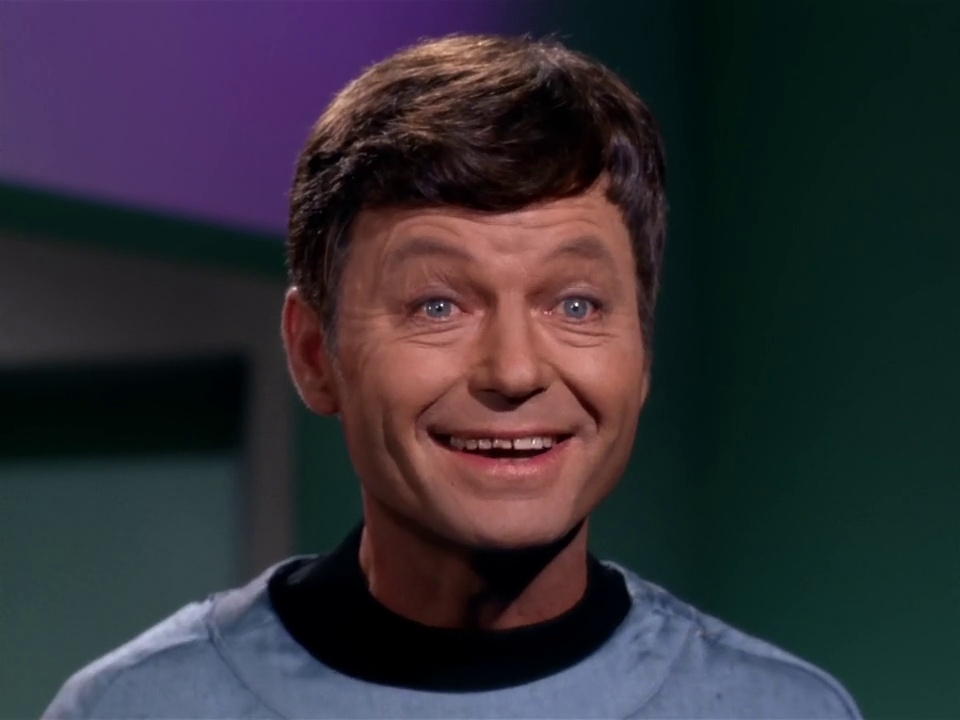
I quit Twitter

They say that social media isn’t an airport: you don’t need to announce your departure. But having recently jumped out of the “hellsite” that is Twitter, I wanted to explain why I decided to put an end to an almost two-year experiment with the micro-blogging platform – and my reasons for leaving may not be what you expect.

In 2022, tech entrepreneur (and richest human on Earth) Elon Musk announced that he planned to purchase Twitter. Some of the changes he made when the deal eventually went through haven’t gone down all too well – but my decision to quit is entirely unrelated to the Musk situation, even though I now find myself as one voice among many who have chosen to leave Twitter at the same time. In fact, the situation with Elon Musk’s takeover is partly why I wanted to share my thoughts; it would be easy for folks to assume that I left Twitter because of Musk, when really the timing is little more than coincidence.

New Twitter CEO Elon Musk.

First of all, I don’t think I was ever a good fit for Twitter, nor was Twitter the right place for me, because of my writing style. If you’re a regular reader, you may know that I have a somewhat longwinded or exhaustive style (I have reviews of individual Star Trek episodes that break the 10,000-word mark, for instance) and that just doesn’t gel with Twitter’s 280-character limit. I find it nigh-on impossible to condense an article or argument into such a short-form post, and while Twitter does allow for writing threads of posts that are joined together, that sort of defeats the purpose – and I found that many people on Twitter would only read one post out of an entire thread anyway.

As a result of posts being so curtailed, the conversation on Twitter, such as it is, lacks nuance. When we’re talking about the world of entertainment, which is my primary focus here on the website, I found that a Twitter post had barely enough space for me to say that I either liked something or I didn’t; there’s very little room for shades of grey or a more detailed explanation of how some elements of a production worked while others didn’t. And the audience on Twitter seems to largely expect that kind of black-and-white judgement.

No, not that kind of Shades of Gray

In practically all of my reviews here on the website, you’ll find me saying both positive and negative things about a film, television show, or video game – because in almost every case, no production is either absolutely perfect nor irredeemably awful. Even in cases where I’ve been scathing about films I didn’t enjoy – such as The Rise of Skywalker or Zack Snyder’s Justice League – I found positive things to say about some aspects of the projects, and likewise in productions that I loved and had plenty of positive things to say – like Star Trek: Discovery’s fourth season finale, Coming Home, or the video game Forza Horizon 5 – I wasn’t shy about picking on elements that I felt were less successful. Twitter, at least in my experience, didn’t really allow me to do that – and most people I interacted with there didn’t seem to want that nuanced discussion in any case.

Most things in life are not black-and-white, with either wholly positive or entirely negative opinions, and speaking for myself, it can be those nuances that I find the most interesting. Twitter, by its very nature, forces users into one camp or another, and when there’s already so much division in the world – and in fan communities – that kind of discussion goes nowhere positive. Taking Star Trek as an example, I feel that there have been some incredible Star Trek episodes since the franchise returned to the small screen five years ago… but there have also been some pretty serious missteps by Paramount Global, as well as some disappointing storytelling decisions to boot. But on Twitter, fans are pretty firmly divided into two camps: those who support new Star Trek and those who hate it. I found it difficult to fit in with either; I was to pro-“new Trek” for those who hate it, and too critical of it for those who never wanted to see a negative opinion expressed and who were quick to label anyone saying anything remotely critical of Paramount as a “hater.”

I’ve been critical of Paramount Global over the past couple of years.

On both sides of an increasingly black-or-white argument, I saw people who openly said that they didn’t want fans from “the other side” to even follow them, let alone interact with them, and these divisions seem to go very deep. One fan had in their Twitter bio words to the effect of “I never want to say anything negative about Star Trek ever” – and I just feel that such extremes of positivity or negativity don’t make for a healthy fan community, nor for a supportive one that can discuss in a civil and polite way the franchises they love. And this was by no means exclusive to the Star Trek fan community – similar divisions and arguments seem to plague practically every community on Twitter, and that’s before we even get to the world of politics!

On a similar note, Twitter reminded me a lot of the kind of stupid “he said, she said” arguments that were common on the playground at school. In the roughly two years I spent on Twitter I lost count of the number of times that “drama” erupted in the Star Trek fan community, with everything from financial scams to racist rants to ill-considered compliments triggering huge waves of backlash targeting certain individuals and their friends. Many times I was told that a person I had followed was “toxic,” and that if I wanted to remain part of whatever clique I had inadvertently stumbled upon then I’d better un-follow a whole host of people extra-quick.

It’s a visual metaphor.

If someone made a mistake – not being racist or anything truly nasty, but just saying something ill-advised or even something that was taken the wrong way – they would often find themselves the subject of hate and abuse, leading to exile. Twitter’s community of medieval peasants placed the targets of the day’s ire in the stocks, tarring and feathering them until the humiliation or attacks got too much, forcing them to leave the platform. I saw perfectly decent people who had friends and fans make a single mistake, write one single poorly-worded post, and get run off the site by sanctimonious self-appointed moderators.

I’d heard people call Twitter “toxic” long before I joined, and I’d even seen some folks refer to it as a “hellsite,” but I confess that I was entirely unprepared for the levels of childishness, of toxicity, and of poor behaviour that I encountered. Fortunately, for the duration of my two years on Twitter, none of that hate was ever directed at me personally, but simply being there and seeing these “Twitter dramas” unfold was enough to put me off.

An average Twitter user getting ready for a day of arguing with strangers about meaningless nonsense.

I joined Twitter with the rather shameless intention of promoting some of the articles here on the website, in the hopes that I’d get a few more clicks from Trekkies and people interested in some of the other things I talk about here. But looking at my stats, the posts I shared on Twitter only ever got a few hundred clicks at the very most, meaning that the experiment was a failure and sticking around didn’t feel worthwhile. I was conscious not to come across like a spam-bot, only ever posting links to the website, so I tried to expand what I did to include memes and jokes, often but not always about Star Trek. But even so, I never managed to attract much of a following.

This isn’t intended to sound bitter, and I appreciated that some folks on Twitter did follow my account and share and like some of the posts I made. I’m grateful for that and for their support. But speaking purely practically, being on Twitter didn’t accomplish what I hoped it would, and the few hundred extra hits that the website got wasn’t worth falling down that rabbit hole and getting sucked in to the politics and the drama that swirls around that infernal website.

Social media just isn’t my strong suit!

Twitter became a time-sink for me, and I found myself scrolling through memes, politics, and even some of those damned arguments and toxic conversations that I talked about earlier. I found I could spend hours just endlessly doomscrolling, and honestly it wasn’t good for my mental health – nor for my productivity. While there were some genuinely interesting accounts sharing fun posts, they were drowned out in an ocean of negativity, toxicity, and argument – and perhaps that’s partly why my own account got lost and never managed to find much of an audience, even in the niches I hoped to break into.

The political side of this was, for me, perhaps the worst part – I found myself unable to resist the temptation to fall down these political rabbit holes, and would waste time in a way that wasn’t positive for my mental health. Politics can be fascinating, don’t get me wrong, and Twitter is, in some respects anyway, an interesting platform in which politicians at all levels can interact directly with their constituents. But for many of the same reasons that we’ve just been discussing, those conversations are black-and-white, and Twitter is firmly divided into camps. Toxicity and hate reign supreme, with the most extreme posts getting the most attention and the most feedback. It really is a nightmare.

I found myself spending way too much time reading and thinking about politics.

I’m glad that a platform like Twitter exists, where people from different backgrounds and with different opinions can interact. I think there were good intentions there – at least in the beginning. And despite his personal controversies, I hope that Elon Musk can find a way to make the platform a success going forward; the world needs a place to communicate, and for all the talk of toxicity and people falling into echo chambers, the one positive thing to say about Twitter – and social media in general – is that it can, under the right circumstances, expose people to points of view that they may not have considered, and with proper content moderation it should be able to direct people away from conspiracy theories in the direction of scientific fact. Twitter has failed on that latter point lately – but no more so than any other big social media platform.

But for me, Twitter was never a good fit. I need to have the freedom to write longer posts, to take positions on the subjects I discuss that don’t fall solidly into “love it” or “hate it,” and just in general my communication skills, even online, are lacking. I didn’t know how to use the site to talk to people or make friends, nor how to really take advantage of its algorithms to drive traffic to my own website.

So that’s it. If you used to follow me on Twitter and wondered what happened to my account, now you know. I have no plans to join any other social media platforms at this time, and while I’m happy to have experimented with Twitter and given it as much of a fair shake as I reasonably could, it was definitely time for me to get out.

No statement in the article above should be interpreted as targeting any individual, fan group, social media page, etc. This article contains the thoughts and opinions of one person only and is not intended to cause any offence.
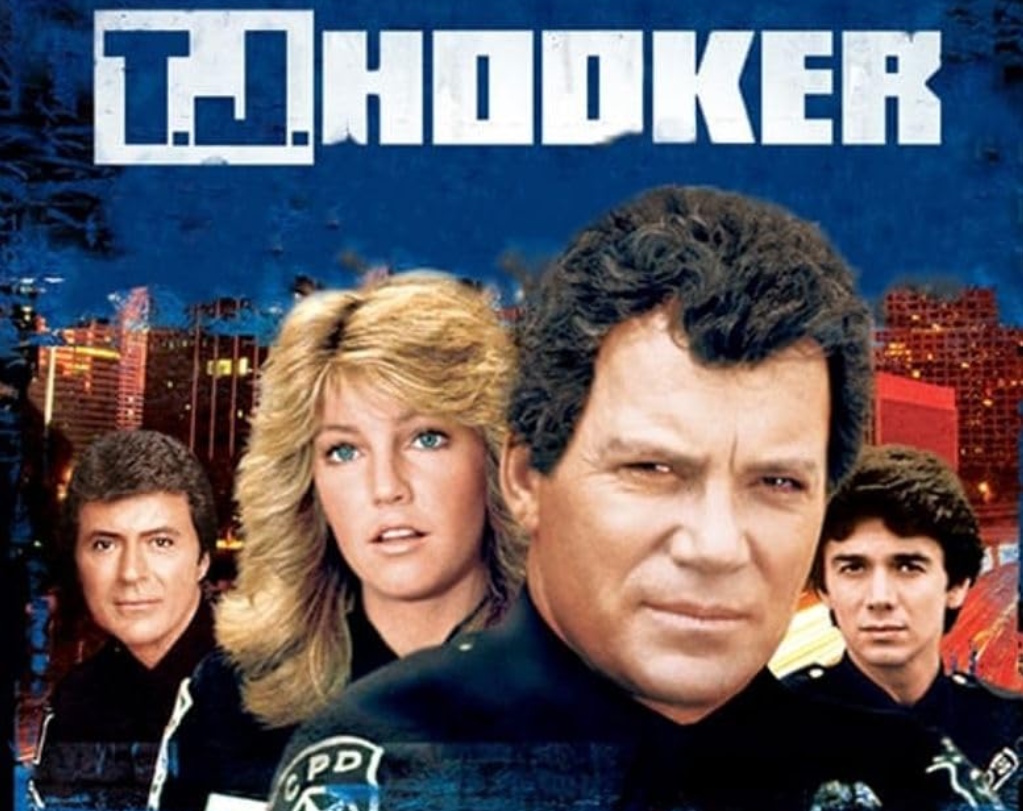
Keeping the Star Trek fan community a welcoming place

I didn’t realise it until a few weeks ago, but I’ve officially been a Trekkie for more than thirty years. The earliest episode of The Next Generation that I can solidly remember watching was Season 2’s The Royale, which aired here in the UK in June 1991. Although I’m fairly sure that The Royale isn’t the first ever Star Trek episode that I saw, it’s the earliest one that I can remember and thus I can officially date my entry into the fandom to more than three decades ago.

I quickly became enamoured with The Next Generation, tuning in to watch every new episode as they aired, and even renting copies of some of the episodes on video as and when I could find them. In the rural part of the UK where I grew up, there weren’t many other fans of science fiction and fantasy, so being a Trekkie could be lonely. This was years before I got access to the internet, too, so finding fellow Trekkies wasn’t easy.

The Royale is the first episode of Star Trek that I can definitely remember watching.

That being said, there was a sci-fi magazine that I subscribed to for a time, and I think it must’ve been in one of the issues that I found out about a Star Trek fan group that was organising a meet-up. This would’ve been in late 1994 or early 1995, around the time Generations was in cinemas. Because my mother thought I was too young to travel more than two hours by train on my own, she accompanied me – much to my horror – but promised me she’d find other things to do in the city where the meet-up was taking place.

I was nervous as I got ready to attend the meet-up. I’d seen as much of The Next Generation as had been broadcast on terrestrial TV in the UK, and a few other episodes on video, but I’d only seen a handful of episodes of The Original Series and just one of the films (The Search for Spock, weirdly, was my first Star Trek film) so I wasn’t really sure how older fans would react. I felt like a bit of an imposter at first; a newbie barging into an established group.

It took two hours to travel by rail from where I lived to where the meet-up was being held.

But all of the Trekkies I met were incredibly welcoming. At the meet-up I was the youngest person there by a considerable margin, but everyone was very nice to me and made me feel part of the group. Nobody tried to tell me that I wasn’t a “true fan” of Star Trek because of my limited knowledge of The Original Series, and I had a great time talking to other fans for the first time, seeing different collections of merchandise – some imported from America – and hearing a few people share their experiences of meeting William Shatner or other members of the cast. I left the event having had a great time and feeling excited to continue and expand my fandom. Someone had recommended that I watch The Wrath of Khan, so shortly after I was able to rent the film and see it for myself.

I went back to several meet-ups with this group in the mid/late-1990s, but as I got ready to go to university and started getting online, I sort of drifted away. It was never an official fan club or anything as far as I recall, just a group of Trekkies who’d get together to trade merch and chat once in a while.

Kirk in The Wrath of Khan.

Those early fan meet-ups meant a lot to me as I began my journey as a Star Trek fan. The people I talked to were all very welcoming, and they seemed pleased that a younger person was interested enough in Star Trek to associate with their group. I think they recognised, even back then, that a franchise like Star Trek needs new fans – because new fans are the lifeblood of any fan community. Making sure that community is a welcoming place, however people come by it, is incredibly important.

I was quite sensitive as a kid, and if I’d been met with a wall of negativity at that first meet-up, I don’t think I’d have ever gone back. It would almost certainly have put me off Star Trek entirely, as I’d have associated the franchise with unkind, unwelcoming people. I might have never gone back to watch The Original Series, and perhaps I’d have switched off and skipped Deep Space Nine and Voyager when they came along, too. The words people use matter, and how we treat new fans or people on the cusp of joining the fan community is incredibly important.

It’s so important to be kind to everyone in the fan community – especially newbies.

Meet-ups like the ones I remember still happen within the fan community, but nowadays most people’s first contact with other Trekkies is via the internet and social media. In a way, I’m jealous of that! As a kid I would have loved nothing more than to have found a ready-made Trekkie community that I could share my love of the franchise with any time I wanted to, but I first became a Trekkie years before I got online! I grew up in a rural area, and there just weren’t any other Trekkies in my immediate circle of friends or neighbours – at least none that I knew of at the time.

But social media and the internet have brought with them trolls and unkind people who seem to delight in crapping all over anything that someone else likes. That’s unfortunately true within the Star Trek fan community as well, and there are enough people who are unkind and unpleasant to others online that I fear for anyone just getting started with Star Trek. The community that they encounter on social media is, unfortunately, plagued by a vocal minority of people like that.

The online Trekkie community can be an unkind, even hateful place.

I’m not the most active person on social media. But even I’ve seen the way that some people behave, and how the relative anonymity of the internet and social media seems to amplify some people’s absolute worst qualities and tendencies. Even conversations that start off politely, or questions asked in good faith and with no bad intentions at all, can become toxic incredibly quickly.

I believe that it’s up to all of us to be considerate and thoughtful in our interactions within the fan community. New shows like Discovery and Prodigy are hopefully going to continue to bring on board hordes of brand-new Trekkies, and all of us have a responsibility to ensure that the fan community these folks discover is a kind, welcoming place. Trying to act like gatekeepers by telling new Trekkies that their opinions are invalid because they haven’t seen a particular film or episode, or that the show they like isn’t “real Star Trek,” is going to upset people and make the Star Trek fan community look like an unkind, selfish, closed-off place.

Prodigy is hopefully going to bring lots of new fans into the Star Trek fan community for the first time.

New fans are, as I said earlier, the lifeblood of any fandom. If Star Trek were to remain the sole preserve of fans from the ’60s or the ’90s it wouldn’t last very long at all – and it wouldn’t deserve to. The fan community needs new Trekkies joining in and sharing their excitement for the franchise in order to grow and remain relevant. If we try to shut those people out or tell them they’re only “allowed” to join in once they’ve met a particular threshold then the fan community will stagnate, online fan groups will become unpleasant places, and the resultant decline in online chatter will harm Star Trek and could easily lead to a decline in viewership in general.

There are many fans for whom Star Trek has always been a complete product. There were a lot of arguments in the ’80s and ’90s about how The Next Generation was taking over from The Original Series, whether Deep Space Nine was too dark in tone, and whether the Star Trek franchise needed a prequel – to name just three examples. Star Trek has always been developing and evolving, episode by episode and season by season. But for fans who missed those conversations and didn’t see the slow progress that the franchise made over the span of decades, Star Trek has always existed as a complete product: a DVD box set or a full series on a streaming platform. It seems to me that it’s those folks who are more likely to act as gatekeepers and try to keep new fans who don’t share their opinions out of the fan community.

Star Trek hasn’t always been a complete DVD box set. It took decades to get to that point.

Star Trek has always meant different things to different people. And consequently, fans have always had preferences within the Star Trek franchise about which episodes, films, series, and even characters that they prefer. If someone doesn’t like one part of Star Trek, that’s okay. It doesn’t make them “less” of a Trekkie. And if someone’s new to the franchise and isn’t up to speed on every film or episode, that doesn’t make them “less” of a fan either.

The people who are trying to play gatekeeper need to stop. It doesn’t do anyone any good to try to exclude people – especially new fans – from the Star Trek fan community. Although I’m a fan of Star Trek in its older and newer incarnations, I understand that there are people who don’t like some or all of what Star Trek is currently doing. I was even in a similar position myself once upon a time, as I wasn’t particularly keen on Enterprise when it was announced and only tuned in sporadically during its original broadcast run. But in the early 2000s I would have never dreamed of telling anyone that they weren’t a “real fan” of Star Trek because they liked Enterprise, or because Enterprise was the first Star Trek show they’d ever seen.

I freely admit that Enterprise didn’t seem like my thing when it first premiered. But I was wrong about that.

The message I have is a simple one, at the end of the day: we all have a responsibility to keep the Star Trek fan community a kind, friendly, and welcoming place.

Fans can be passionate, and the desire to talk about the things we like – and dislike – is a powerful one. Making sure that the Star Trek fan community feels welcoming to newcomers doesn’t mean whitewashing Star Trek and never sharing a critical opinion, but it does mean that criticism needs to be carefully considered and offered in as constructive a manner as possible. ViacomCBS has definitely made mistakes with the Star Trek franchise in recent years, for example, but my criticisms of the corporation or my negative reviews of individual episodes here on the website have never strayed into attacking fellow fans. If you like an episode that I don’t, that’s okay! And I think that’s the attitude that we all need to try to adopt going forward.

A series like Prodigy has the potential to open up the Star Trek fan community, and I wouldn’t be surprised to see an influx of new, younger fans in the months and years ahead. Those of us who’ve been Trekkies for a long time should try, for their sake, to keep conversations and debates civil in tone and to ensure that the fan community is a kind, friendly, and welcoming place. Shutting down or tuning out as much of the toxicity as possible is a big part of that.

Let’s try to make sure fans of Prodigy feel welcome as they get started in the Star Trek fan community.

I’ve lost count of the number of negative, toxic, and even bigoted and hateful messages and posts that I’ve seen in recent years. Practically all of them appeared not because they were sent directly to me, nor because I sought out those groups or follow individuals who hold those views, but because they were amplified on social media by other folks – often with good intentions – who chose to interact or engage. There’s an expression from the early days of the internet that I think is relevant in a lot of cases: “don’t feed the trolls.”

A lot of the anti-Trek content spewed onto social media by people like that is done for attention, and by engaging with it in a big way it gets amplified, giving the attention-seeking trolls exactly what they want. There are some instances where calling someone out or shutting down someone espousing hurtful, bigoted views is going to be important – but in many cases there’s no need to engage with people who are throwing out hate and toxicity just for the sake of it. Because of the way social media works, with algorithms promoting content that gets the most engagements, doing so often ends up drawing more and more attention to something that really should just be ignored. Most social media platforms offer users the ability to block individuals, groups, or even whole words and phrases – so we should use those tools when necessary.

Don’t feed the trolls…

So I think that’s about all I have to say. I was prompted to write this piece after seeing a lot of chatter on social media about the state of the Star Trek fan community, and with Prodigy now airing and potentially bringing younger fans on board in large numbers, I wanted to give my two cents on why it’s important to make sure the fan community is as welcoming and friendly as possible.

Ever since I attended that first meet-up in 1994 or 1995, I’ve remembered the kindness that I was shown and how I was made to feel welcome as a new fan. I try to keep that spirit going in all of my engagements with the Star Trek fan community, and though there are episodes I dislike and things on the corporate side that I will continue to criticise, in my very limited way I try to make sure that I’m contributing positively to the overall discourse surrounding Star Trek. There’s room for constructive criticism and there’s room for differences of opinion – but there’s no room for toxicity, hate, and bigotry. It’s the responsibility of all of us to do what we can to keep the Star Trek fan community a welcoming place.

The Star Trek franchise – including all series and films mentioned above – is the copyright of ViacomCBS. This article contains the thoughts and opinions of one person only and is not intended to cause any offence.
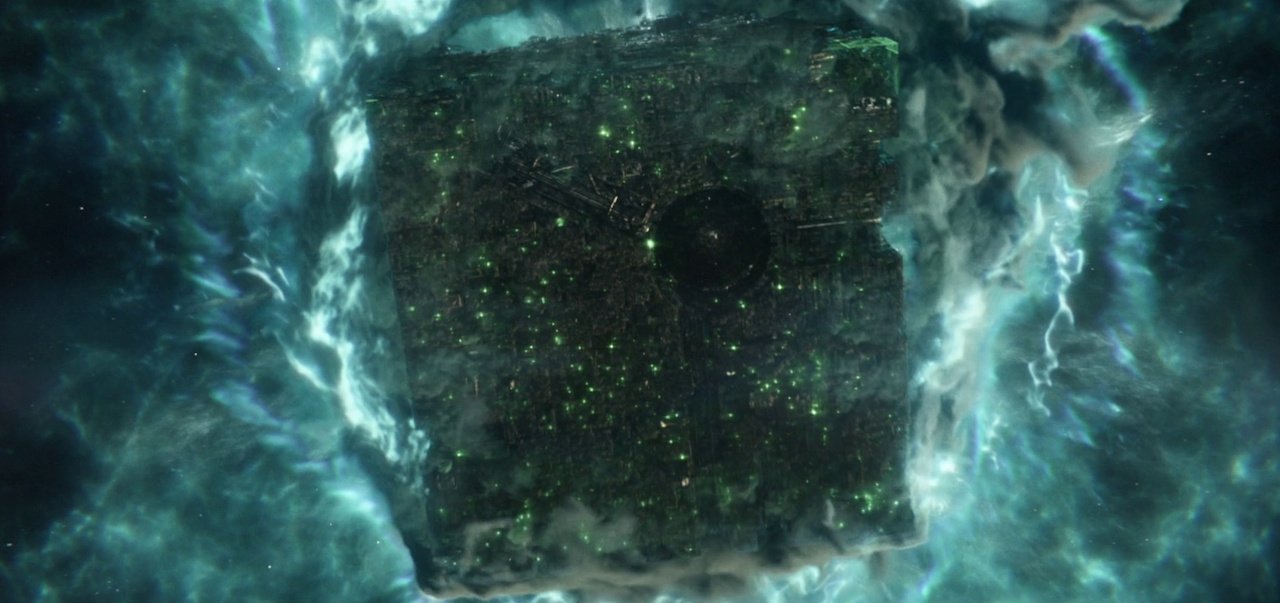
Paramount+ needs a major attitude adjustment

In the course of researching Star Trek: Prodigy for my review of the first part of Season 1, I learned something very odd. The first half of the season was itself cleaved in two, with a few episodes being broadcast, followed by a month-long break, before a second batch were broadcast leading up to the mid-season finale. This appalling scheduling – and on a streaming platform, no less – already made no sense and arguably damaged Prodigy, making it harder for the series to gain traction and retain viewers, and that’s something I addressed in my review. But one thing that’s even worse is that for Paramount+ subscribers outside of the United States – such as in Australia – the second batch of episodes weren’t broadcast at all.

When ViacomCBS announced its intention to take Discovery Season 4 away from fans, the same thing happened. Although Paramount+ existed in Latin America, Australia, and Scandinavia, those regions weren’t going to get Discovery Season 4 at the same time as the American version of Paramount+, effectively meaning that Trekkies in those regions had paid for nothing.

A rather barebones, unapologetic Twitter post from Paramount+ Australia.

We’ve talked on several occasions about ViacomCBS prioritising American Trekkies and viewers over those of us in the rest of the world, but I had hoped that the rollout of Paramount+ internationally would finally bring an end to this disgusting, outdated attitude. Although the pace of the streaming service’s rollout would make a snail covered in molasses riding a sloth up a glacier look fast by comparison, I’m still halfway hopeful that it’ll arrive here in the UK before the end of 2022 – and if I dare to dream, I’d hope that Paramount+ will be available worldwide… one day.

But even if ViacomCBS magically finds competent leadership in the months ahead, meaning Paramount+ will indeed be available here in the UK in time for, say, the debut of Strange New Worlds, it now seems as though the corporation can’t offer fans a guarantee that subscribing to Paramount+ will actually mean we’ll be able to watch any new Star Trek. So… what’s the point of Paramount+, then, and why should I bother subscribing at all?

Hey Paramount+, I fixed your slogan.

A couple of weeks ago, I wrote that there are some big questions that ViacomCBS and the team behind Paramount+ need to answer as soon as possible regarding the availability of upcoming Star Trek productions. But we can add into the mix the very real and very serious question of whether any non-American Paramount+ subscribers will be able to watch any new or upcoming Star Trek shows at the same time as viewers in the United States. And then we’ll have to decide for ourselves whether we can trust the answer given the corporation’s poor track record going back several years at least.

Last year, when Paramount+ debuted in the United States and began its painfully slow international rollout, I was optimistic and even dare I say looking forward to the streaming platform’s arrival here in the UK. Being able to subscribe to Star Trek’s home, its native platform, felt like a good opportunity, and as I’ve said on several occasions: I want to offer ViacomCBS and the Star Trek franchise my support and financial backing in whatever way I can.

ViacomCBS is the corporation in charge of Paramount+.

But now, having seen just how poorly ViacomCBS has been treating Paramount+ subscribers outside of the United States, the idea of signing up for Paramount+ when it eventually arrives in the UK is getting harder and harder to justify. That’s before we get into the technical issues that plague the platform: in just the last couple of weeks there was an episode of Prodigy that wasn’t available, error messages about servers being “too busy” that seem to be trying to force subscribers to pay for even more expensive packages, and myriad other glitches and screw-ups that leave Paramount+ in the United States feeling like a poor quality product.

Given that viewers in the United States are ViacomCBS’ priority – which they clearly and demonstrably have been thus far – that hardly leaves me feeling optimistic about the kind of service I can expect if and when Paramount+ makes its way across the Atlantic. If Paramount+ were to repeat the Prodigy mistake or their initial Discovery Season 4 plans with Strange New Worlds, for example, then why should I – or any other Trekkie, come to that – bother to sign up? It brings us right back to the arguments about piracy: if ViacomCBS offers fans no lawful way to access their new shows, then piracy becomes the default option.

Will Trekkies in the rest of the world get to enjoy Strange New Worlds along with our American friends… or at all?

Paramount+ does not exist in a vacuum. The choice fans are presented with is not “pay for Paramount+ or don’t watch anything.” Piracy exists, and with a minimal amount of effort it’s possible for anyone with a phone, tablet, or computer to watch or download every new episode of Star Trek. To compete against that successfully, Paramount+ has to do what Netflix, Disney+, and others have done: the platform has to be a compelling, inexpensive alternative.

That means it needs to work, first and foremost. If fans log in and try to watch the latest episode but find that it won’t play or, as happened with Prodigy Season 1, Episode 9, it just isn’t there at all, then the entire argument behind paying to subscribe falls down. And if fans in the rest of the world can’t access something that fans in America can, how on earth does ViacomCBS expect to convince anyone that a Paramount+ subscription is a worthwhile investment?

Actual photo of the Paramount+ server.

We’re facing inflation and a significant rise in the cost of living. Speaking for myself, as someone on a fixed income, I’m already considering that it may not be possible to keep all of my current subscriptions, let alone add a new one into the mix. In order to overcome that, or to make sure folks are willing to consider Paramount+ a must-have subscription that they can’t live without, ViacomCBS has to demonstrate that the service is a solid investment. That means basic competence to begin with – fixing technical issues, ensuring that the service works properly, and that it has an intuitive, easy-to-use interface. But from the point of view of someone outside of the United States, it means ViacomCBS and Paramount+ need a major attitude adjustment. The corporation and its streaming platform need to demonstrate to Trekkies – and to viewers of all of their other programmes – that they aren’t just fixated on America; that those of us in the rest of the world matter to them too. If they can’t, I see no reason whatsoever why we should offer them our money.

This is an own goal; a self-inflicted wound from Paramount+ that the streaming service absolutely does not need to make. Take a look at the competition: Disney+ doesn’t gate off shows like The Mandalorian or films like Encanto – once they’re on Disney+ they’re on Disney+ for everyone, and while Disney+ has had its own international rollout issues, the service is streets ahead of Paramount+. Paramount+ has existed in its current form for almost a year – and going back to CBS All Access, for almost five years. There has been time for ViacomCBS to learn how to act and how to get this right – but they have consistently failed to do so.

Disney+ doesn’t gatekeep like this – and neither should Paramount+ if it wants to compete.

There’s no question in my mind that ViacomCBS is mismanaging Paramount+ in a serious, potentially fatal way. For a second-tier platform like this to survive the “streaming wars” it has to make an offer that viewers simply can’t refuse. It has to compete not only against the likes of Netflix and Amazon Prime, but also against the option of piracy, and it has to convince folks like me that I’ll actually get a decent service if I part with my money. So far, I don’t see Paramount+ as a compelling investment as someone living outside of the United States. And even if I were in America, given the other issues and faults with Paramount+ the best I can say is that it might be a service I pay for one month out of twelve to binge-watch a few shows before cancelling.

In short, bringing Paramount+ to the UK – and to countries and territories around the world – will only matter if the service brings with it all of the new and upcoming shows that American viewers can look forward to. If it doesn’t, or if those shows are going to be delayed by many months, then fans are pretty quickly going to see Paramount+ as a bad offer. If the corporation allows that mindset to take hold, it will be very difficult to change the narrative later on, so they need to get this right from day one. Paramount+ needs to bolt out of the gate with a strong, good value offer that can compete with Netflix, Amazon Prime, and Disney+. That means the current “America First” attitude of the ViacomCBS board has got to go.

Paramount+ is owned and operated by ViacomCBS and is available in the United States, Scandinavia, Latin America, and Australia. This article contains the thoughts and opinions of one person only and is not intended to cause any offence.
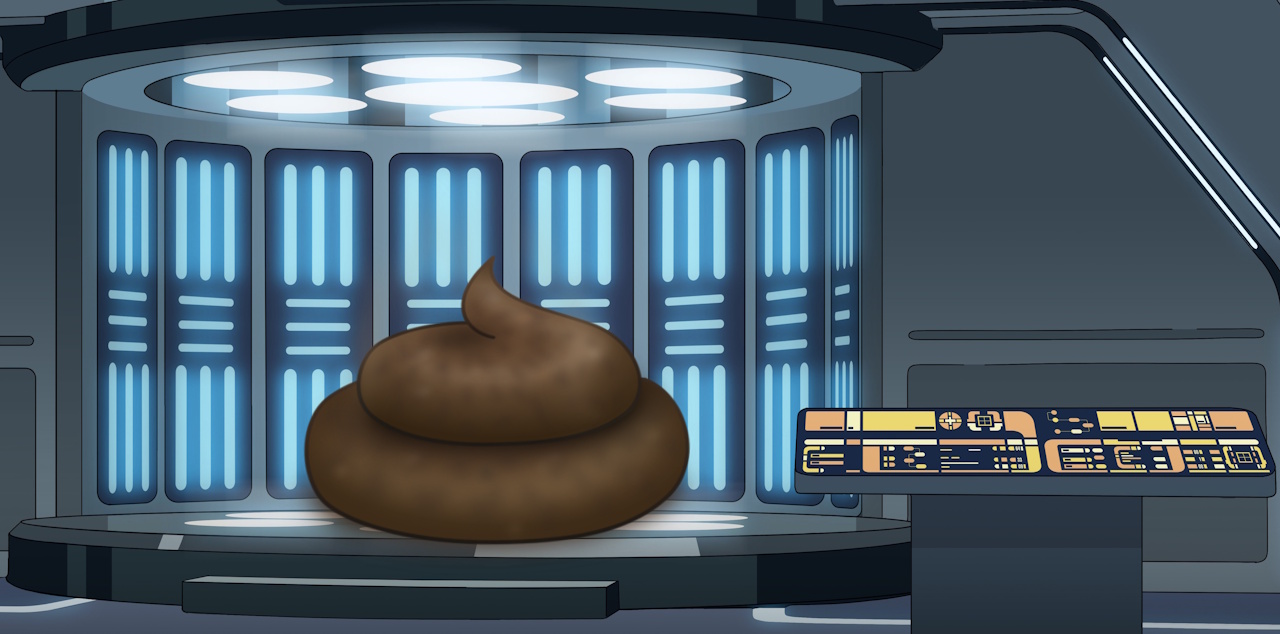
Do you have to love everything Star Trek does to be a “true fan?”

This essay was inspired in part by a couple of conversations I had over the holidays with fellow Trekkies, as well as a number of social media posts and groups that I’ve seen over the last few years. Though I’ll be addressing the question of “do you have to love everything the franchise does” from the perspective of a Star Trek fan, much of what I have to say can easily be applied to other fandoms and franchises as well. This essay isn’t an attack on any individual nor on anyone else’s position; it’s a defence of my own and my way of doing things here on the website. Let’s get started!

As I state in my methodology, and as I’ve said on a number of occasions in essays, reviews, and other pieces that I’ve published, I reserve the right as an independent critic/commentator to speak honestly and share my genuine thoughts and feelings on any of the subjects I write about here on the website. That includes the Star Trek franchise, and although I’m happy to say that I love Star Trek, that doesn’t mean that I necessarily love everything that the franchise puts out. Nor can I offer ViacomCBS – the corporation which owns and manages Star Trek – my support for many of the decisions that they’ve taken in recent years.

What does it mean to be a fan of Star Trek?

I think we can break this subject down into two main parts: firstly we have criticism of individual episodes, films, seasons, and entire series for things like narrative choice, visual effects, acting performances, pacing and editing, and so on. This is a basic outline of media criticism in a general sense, and any review or impression of an episode of television, a film, or an entire season or TV show should be expected to talk about at least some of these topics.

Secondly we have the corporate side of things. Business decisions, the leadership of the corporation, the timing of releases, the effectiveness of marketing campaigns, the overall direction of travel for the franchise that’s being set by the corporation in charge, and many other related matters. These are all things that fans of any franchise need to be aware of – and I would argue that critics should be able to discuss corporate affairs because of how they can impact the quality of content produced. Corporate matters can also spill over into the fan community.

Logo of ViacomCBS, the corporation which owns and manages Star Trek.

On the first point, I’m proud of the fact that I have a space on the internet where I can share my genuine and honest impressions of the latest Star Trek episodes (as well as other films, games, and television shows). I don’t want to restrict what I can say in any way, let alone confine myself to only sharing positive impressions and glossing over the negatives. This isn’t a space for whitewashing, and as I’ve said multiple times: I’m not aiming to be a cheerleader for any franchise, even one that I love as much as Star Trek.

That being said, out of more than eight hundred episodes and thirteen films (at time of writing), there really aren’t many that I consider to be irredeemably awful. Even Star Trek at its worst usually has redeeming features, and if you’ve read my reviews or write-ups of the handful of episodes that I dislike, you’ll see that I still find positive things to say about certain elements of them.

Spock’s Brain is widely considered to be one of the worst episodes from The Original Series.

I also try to offer as much of my criticism as possible in a constructive way. Rather than simply saying “this episode is crap” and leaving it at that, I try to lay out in as clear terms as possible what it was that I didn’t like, why specific elements of the narrative failed to resonate, and offer anyone reading my reviews an explanation for my conclusions. One of the problems with social media – especially with platforms like Twitter that encourage very short posts – is that any kind of explanation or nuance is lost. One of the main reasons why I created this website in the first place was so that I could expand properly on my thoughts and not find myself curtailed by word or character limits.

It’s that nuance that I think too often gets lost in the fast-paced world of online media discourse. People see a tweet, a headline, or an out-of-context excerpt and then move on to the next one, not stopping to read a longer review or listen to a longer podcast or video essay. It isn’t possible to summarise a review in just a couple of lines – and as you’re probably already aware, I have a somewhat longwinded writing style that is especially unsuited to short-form reviews and posts!

On a related note, follow me on Twitter!

Nuance is key to any decent review – and to any piece of media criticism in general. It’s incredibly rare to come across a film, video game, or episode of television that is completely perfect or utterly awful, and even in a positive review it can be worth drawing attention, however briefly, to negative aspects or things that didn’t work quite as well as others. This is something you’ll often see in my own work, and while I freely admit it can come across as “nitpicking,” for the same reasons of being constructive with criticism I stand by it.

It’s on the corporate side of things where I think it’s fair to say I’ve been far more critical than I have in any analysis or review! ViacomCBS has, in my view, mismanaged the Star Trek brand in significant and damaging ways in recent years, and the corporation’s failures have led to serious problems for the franchise as well as exacerbated divisions within the Star Trek fan community. I haven’t held back when it comes to criticising ViacomCBS and its board, and I will continue to do so as I see fit.

I’ve been critical of ViacomCBS – as illustrated by this edited poster I created for an article a few weeks ago.

The way I see it, there’s always going to be a spectrum of opinion on any franchise or work of media. At one end are people who totally hate it and find it awful, and at the other you have those who find it perfect (or who are paid to say nothing but positive things in public). As is happening in all walks of life, though, the middle ground is being increasingly pushed out. The shades of grey are less popular than ever before, with folks being encouraged to go all-in with either the haters or the lovers. For too many people, there’s no longer any room for a nuanced, moderate take on any film, video game, or television series.

I see this through my limited interactions with the Star Trek fan community first and foremost, but it’s also just as prevalent in practically every other fandom and many other walks of life – not least politics! There are a growing number of people who are quick to write off any new Star Trek as being automatically bad – in many cases without even bothering to watch it. And on the other side of what increasingly feels like a two-sided, black-or-white argument are those for whom Star Trek can do no wrong, with every single episode being flawless. I find that I can’t fit in with either group.

It can sometimes feel like my position doesn’t fit with either side of the fan community.

I’m too in love with “Nu-Trek” for those that consider anything post-2005 to have no redeeming features. And for some on the pro-Trek side, my very direct criticisms of ViacomCBS in particular, as well as some of my critiques of the handful of episodes that I didn’t like, make me too much of “a hater.”

Sometimes it’s fair to invoke the old adage that if I’m being criticised by both sides – on the pro side for being too anti and on the anti side for being too pro – I must be doing something right. But it doesn’t feel that way, and it seems that, no matter what I say about Star Trek, I’m going to attract criticism from one side or, in some cases, both. Taking a position where I try to offer constructive criticism while also expressing my passion for a franchise I truly care about is difficult, and for some folks who seem only to want to have their pre-existing biases about Star Trek reflected back at them, my independent position and willingness to consider both positives and negatives isn’t what they want.

The Star Trek Universe is a big place, but sometimes it feels as though it’s divided into just two camps.

All of this leads me to the question I asked at the beginning: do you have to love everything Star Trek does to be considered a “true fan?” For some people, it seems that the answer to that question is a resounding “yes.” I’ve spoken with some Trekkies who say that, if they ever did find something within Star Trek that they didn’t like, they’d prefer to keep it to themselves rather than say anything at all that could be considered critical of the franchise.

But to me, that isn’t how fans should react. Blind, unquestioning love or devotion is what some religions and cults seek from their adherents, but when it comes to something like a science-fiction franchise, surely we should feel free to speak as we find? And more importantly, if there aren’t people willing to offer constructive criticism, how will the creative teams and corporate leaders know what’s going wrong? Failing to offer valid criticism where valid criticism is due can only lead to the franchise repeating mistakes or doubling-down on them, and that will lead to Star Trek coming to harm in the medium-to-long term.

This sequence in the Lower Decks Season 1 episode Envoys is one that I criticised in my review.

Star Trek, like all major franchises, has its own team of paid cheerleaders. ViacomCBS has a marketing department, social media channels, a website, and a number of people on its books either as full-time employees or freelancers. The corporation doesn’t need blind, unwavering support from fans that glosses over or ignores criticism. It needs honesty from its biggest fans.

At the same time, there are too many so-called “fans” who have come to deal in nothing but hate. Ironically, these people often undermine their own cause by being too spiteful and vitriolic – and that’s before we get into the blatant bigotry, homophobia, transphobia, racism, and other unsavoury characteristics that seem to be prevalent in some anti-Trek social media groups online. By offering one-dimensional hate – often for shows or episodes that they will admit to never having even watched – these people make it easy for ViacomCBS and the creative teams in charge of Star Trek to write off any kernels of legitimate criticism that they may have had to offer.

It must be some kind of visual metaphor…

Since Star Trek returned to the small screen in 2017, there have been a handful of episodes that I disliked. I haven’t reviewed all of them here on the website (because I’ve only been here since late 2019) but for those that did get the full review or write-up treatment, I’ve tried to be both fair and constructive in my criticisms.

We often hear about toxic negativity within fan communities, and you can find many examples of so-called “fans” who take their dislike of certain narratives or characters to ludicrous and often hateful extremes. But I’d posit that there can be such a thing as toxic positivity as well, where fans are unwilling to so much as entertain the possibility that some aspect of their favourite franchise is wrong, or that the company running that franchise has made a mistake. Both forms can be damaging, both can lead to arguments and disagreements within fan communities, and I would argue very strongly that neither serves the franchise in question well.

Discovery has attracted criticism – and a lot of support, too – since it debuted in 2017.

I can empathise, to an extent anyway, with people who haven’t enjoyed Star Trek’s return to the small screen. Around the turn of the millennium, I was listening to the radio when the news of a new Star Trek show was breaking. I was dismayed to learn that the planned series was going to be a prequel, as I felt that Star Trek was a franchise that should aim to look to the future rather than look backwards at its own past. I also felt that prequels in general were problematic – this coming in the wake of the disappointment of The Phantom Menace over in the Star Wars franchise, which had been released around the same time.

Though I ultimately tuned in to see Enterprise’s premiere in late 2001, for much of the show’s four-season run I only tuned in sporadically, and was far from being a fan – or even regular viewer – at that point in my life. I can relate to at least some of the folks who haven’t been wild about everything Star Trek has done in recent years because I was once in a similar position. I actually find it somewhat ironic, considering the divisions in the fandom that were prevalent around the time of Enterprise’s premiere, how so many of these anti-Trek folks seem to lump Enterprise in with all of the previous Star Trek shows as being the franchise’s “heyday” and a time at which there was no division. Just because they missed those arguments doesn’t mean that they didn’t happen!

I nearly missed out on Enterprise, but have since used it as a great example of a show that exceeded my expectations and had more to offer than I initially thought.

I did eventually get around to watching all of Enterprise when I got the series on DVD a few years after it went off the air. And I was pleasantly surprised by what I found. It was a true Star Trek series, one that embodied the spirit of exploration of the franchise’s early days – something that had been, to an extent, lost in the Dominion War arc of Deep Space Nine’s later seasons and that played second fiddle in Voyager’s journey home. I came to respect and even admire what Enterprise had to offer – even though I didn’t see it at first. In time, I wonder how many people on the anti-Trek side of things will come to similar conclusions about the current crop of Star Trek shows.

That’s just part of my personal history as a Trekkie, and I hope it provides context to some of the things we’ve talked about today. I very firmly believe that fans don’t need to adore everything that Star Trek does. Disliking an episode or two here and there or feeling that the franchise’s corporate leadership is making mistakes doesn’t make anyone less of a fan, and calling these things out is actually important. The franchise, and those who lead it and are responsible for taking it forward, need that kind of honesty from Star Trek’s biggest fans.

Et in Arcadia Ego, Part 1 was an episode I criticised heavily.

However, it’s important that criticism is presented in a constructive way. There are many forms of constructive criticism, and trying to dismiss any or all of them as unwarranted hate isn’t the right approach. As Trekkies, I feel we should be bold – fearless, even – in calling out mistakes or problems as we find them. That’s what I try to do here on the website, offering a balanced and I hope fair approach with all of my reviews and commentary.

There have been mistakes made by ViacomCBS. We won’t get into all of them again here, but suffice to say that I also feel that it’s important for us as Trekkies to hold the corporation to account when it screws up. We saw an example of this recently with the Discovery Season 4 debacle, and that represented a rare moment of unity within the fandom – fans from all sides of the debate, and even some Star Trek creatives, all joined in to call on the corporation to do something to address the self-inflicted problem. The end result was a victory (of sorts) for fans.

ViacomCBS shares took a big hit in the wake of the Discovery Season 4 debacle last November.

We’re lucky that, right now, there’s more Star Trek on our screens than ever before. I noted with happiness in 2020 that it was the first year since 1998 where three different Star Trek productions were broadcast – but 2022 is going to eclipse that by a country mile! We’re on course to see five different Star Trek productions hit our screens between now and Christmas, and the varied mix of different shows with different focuses should mean that there’s something that the franchise can offer to every Trekkie. As someone who has generally enjoyed what modern Star Trek has had to offer, I’m incredibly pleased with that!

But that doesn’t mean I’m going to ignore missteps or problems. Several of these upcoming shows won’t be available for every Trekkie because the rollout of Paramount+ is painfully slow and plagued by problems. That’s by far the biggest issue, and it’s one I’ve been calling on ViacomCBS to address since Lower Decks Season 1 only aired in the United States back in 2020.

Much of the world – including my native UK – is still waiting for Paramount+.

My approach to Star Trek will continue to be nuanced. I’ll continue to say that I’m thrilled that ViacomCBS is producing so much Star Trek, while simultaneously criticising the corporation for failing to bring these new shows to fans around the world. I’ll continue to say that, as long as ViacomCBS and Paramount+ deny shows like Prodigy to international fans, piracy is absolutely morally justifiable. And I will, of course, continue to criticise everything from bad acting and crappy editing to poor narrative decisions. Does that make me less of a “true fan?” I don’t think so.

But if you disagree, that’s up to you. I’m not in the business of telling anybody what to think, and I offer my reviews and commentary as-is. Take it or leave it, and if folks don’t like what I have to say or the way I approach my discussions of Star Trek, they’re free to click off my website and seek out other critics and reviewers whose content they prefer. There are always going to be a plethora of opinions and a wide spectrum of views about Star Trek – such is the nature of media criticism in general. I offer my take to folks who are interested, and although I find myself speaking negatively about Star Trek and the corporation that owns it, I like to think I do so from a place of love.

There is a lot to love about Star Trek in both its older and modern forms. There are also elements that deserve criticism, and I don’t believe that anyone should be considered less of a “true fan” for pointing those out.

The Star Trek franchise, including all properties mentioned above, is the copyright of ViacomCBS. This article contains the thoughts and opinions of one person only and is not intended to cause any offence.
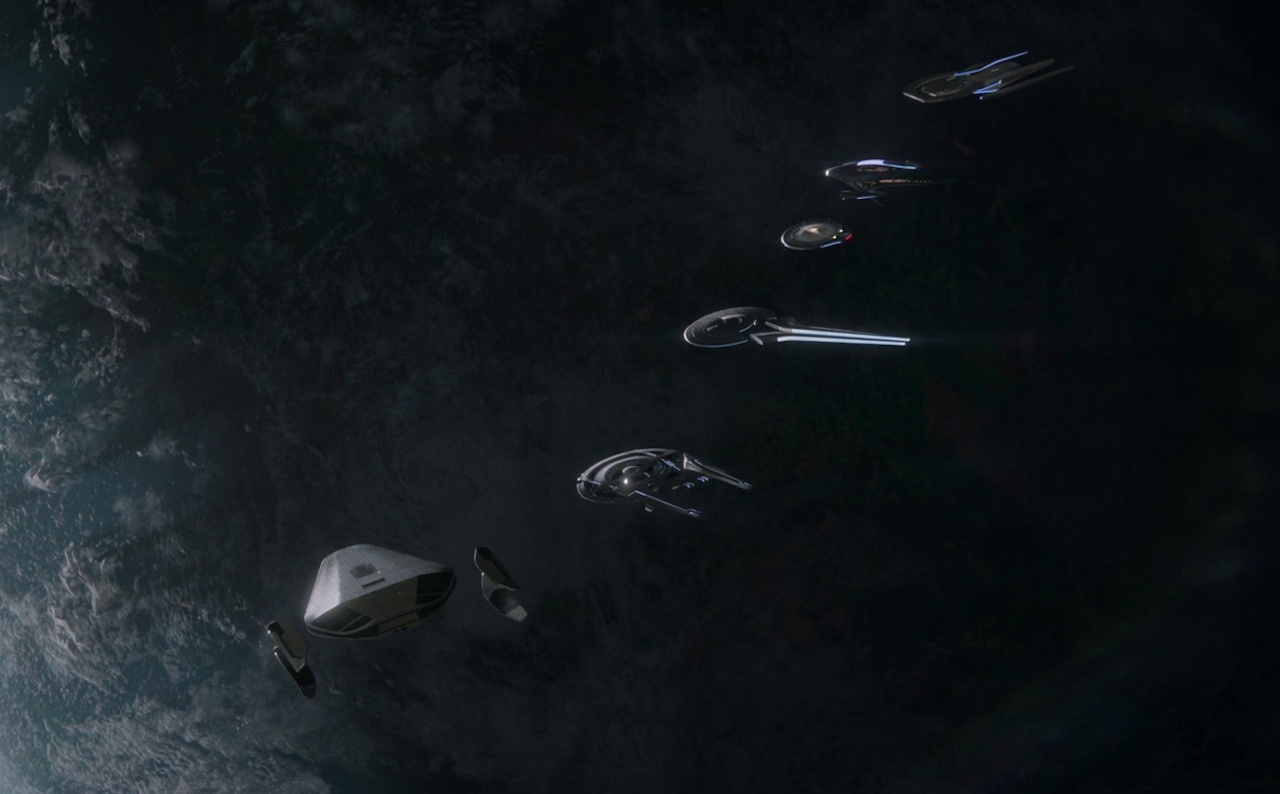
Worf and the spiral of clickbait

One potential news story that I opted not to cover here on the website was a recent social media post by Worf actor Michael Dorn. In a single Twitter post, Dorn wrote the following: “Just got the news, being summoned back into action. Starfleet calls. #ad”

Well, no sooner had that post hit Twitter than the Star Trek fan community began scrambling to “break” the news of Worf’s return to Star Trek. Websites, blogs, and YouTube shows all jumped on Dorn’s post, using headlines like: “Michael Dorn CONFIRMS Worf’s Return!” As the battle for clicks escalated, Trekkies online began speculating about what form Worf’s return could take, and this too began to grow and spiral out of control.

The Tweet that launched a thousand clickbait articles…

The Captain Worf series that he’s been trying to get off the ground for the better part of a decade seemed to be 100% confirmed, if you believed certain websites and channels. Others were convinced the Twitter post meant Worf would appear in Picard Season 2 or Discovery Season 4. And of course, many outlets reported their wild speculation with minimal caveats as though it were fact.

All of this hype came crashing down within 48 hours, however, when it became clear that Dorn’s Twitter post was nothing more than an advertisement for mobile game Star Trek Legends, an Apple Arcade exclusive title. Legends looks like so many other mobile games released in the last few years, and I have no desire to sign up to Apple Arcade at £5 per month just to play one mediocre-looking title. Even if it does have Worf!

Logo for Star Trek Legends.

Uninspired mobile games aside, I think this whole Michael Dorn saga is yet another example in a very long line of how we have to be incredibly careful how we use social media and how difficult it is to trust even supposedly “reputable” outlets. In this piece I’ll look at the issue as it relates to the Star Trek fan community in particular, but obviously these same broad points can apply to news, politics, and so on.

Michael Dorn’s post was designed to get attention. He may have written it himself, but it’s equally likely – in my opinion as someone who used to work in video games marketing – that it was written by the marketing team behind Star Trek Legends. But whoever wrote the actual words, the post was deliberately ambiguous and designed to get Trekkies talking, playing on fan hopes of the return of a major character who hasn’t been seen on screen since 2002.

Worf made his last canonical appearance in 2002’s Star Trek: Nemesis.

Marketers do this kind of thing all the time; it’s a nostalgia play. It isn’t the first time we’ve seen it in the Star Trek community, either. But because we’re in an age of 24/7 social media use, some of the biggest names in the online Star Trek fandom jumped on Dorn’s comment, seeing an easy way to get clicks – and thus money – for themselves.

Reading the Twitter post, and especially seeing the #ad hashtag, it should’ve been screamingly obvious that this was not connected to a new television show or film. And I have no doubt whatsoever that the social media managers, webmasters, and fan group leaders who began to write clickbaity articles and produce clickbait videos knew that for a fact. But they did so anyway. It was a topic of conversation – and an easy win. Who wouldn’t click on a video or article that screamed “Worf is coming back!” in big bold capital letters? For fans unaware of the original Twitter post, they jumped on such articles and videos hoping to learn that Worf was getting his own show or that he would appear in Picard – the natural implication of such a headline.

Worf having a role in Picard Season 2 was something some fans speculated about at length.

I’m lucky to have my own website, and that means I can cover the topics I want to at my own pace. I did see the Michael Dorn controversy unfold, but two things became apparent very quickly. First was that no one commenting online, no matter how large their website and following, actually knew anything substantial. And second, Dorn’s post had the #ad hashtag, which meant it was clearly connected to a product of some kind. Star Trek Legends turned out to be that product.
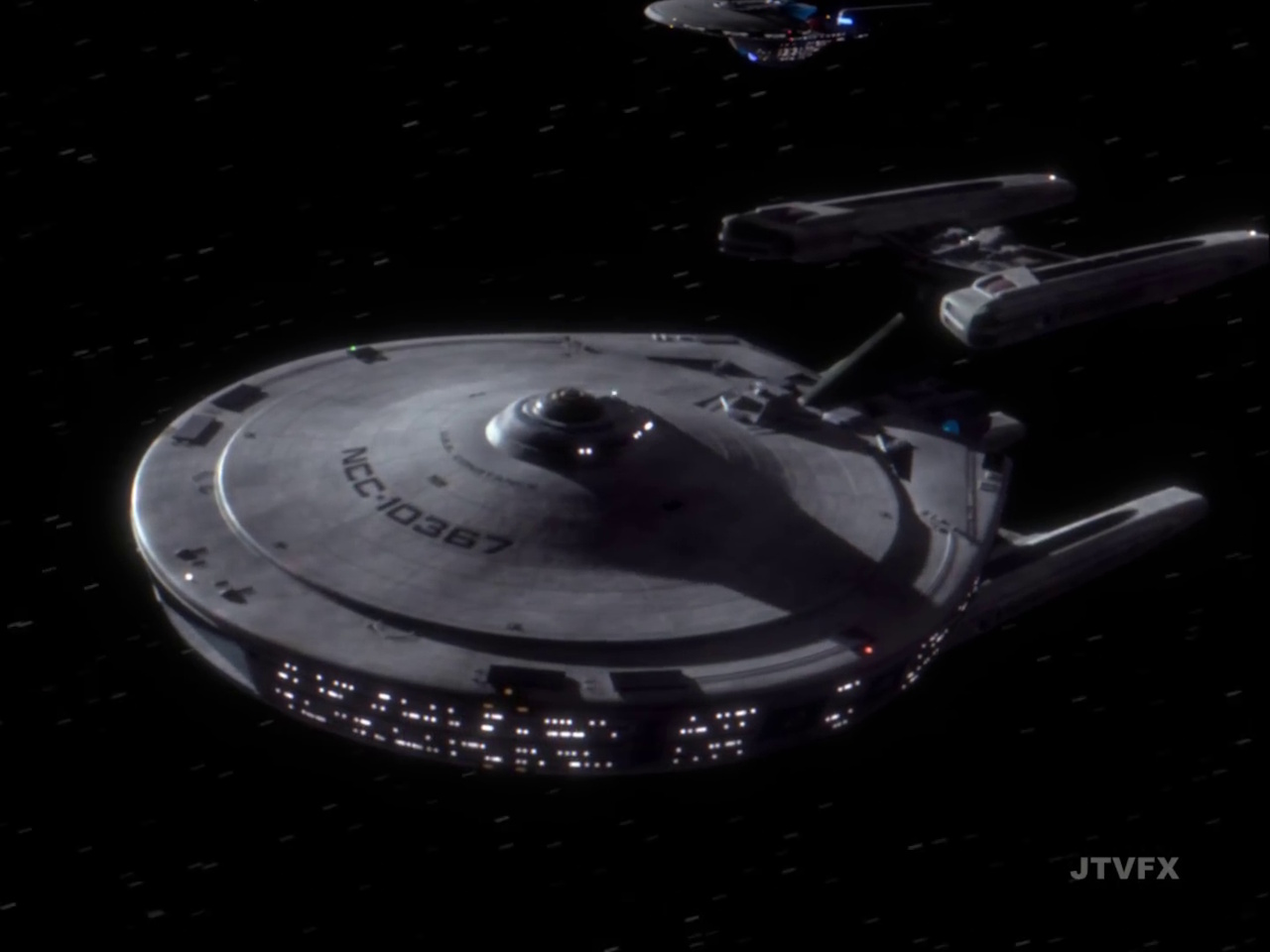
As a result, I chose not to cover a “story” that was a bag of nothing. I could easily have penned a short article about the prospects of a Captain Worf series and the potential for Worf to appear in Picard Season 2, Discovery Season 4, or Lower Decks Season 2. Maybe doing so would have driven traffic to the website. But it would’ve felt more than a little dishonest.
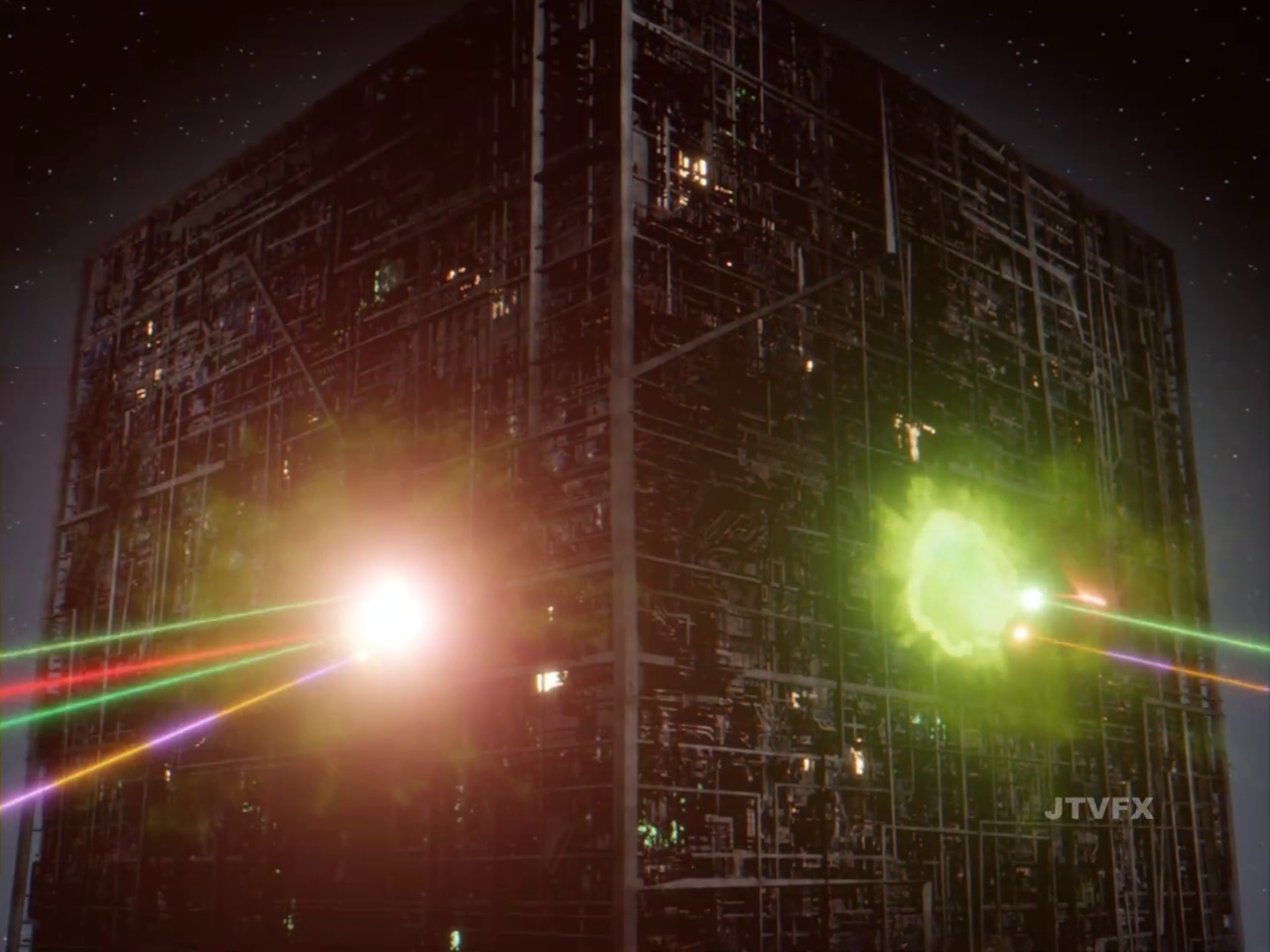
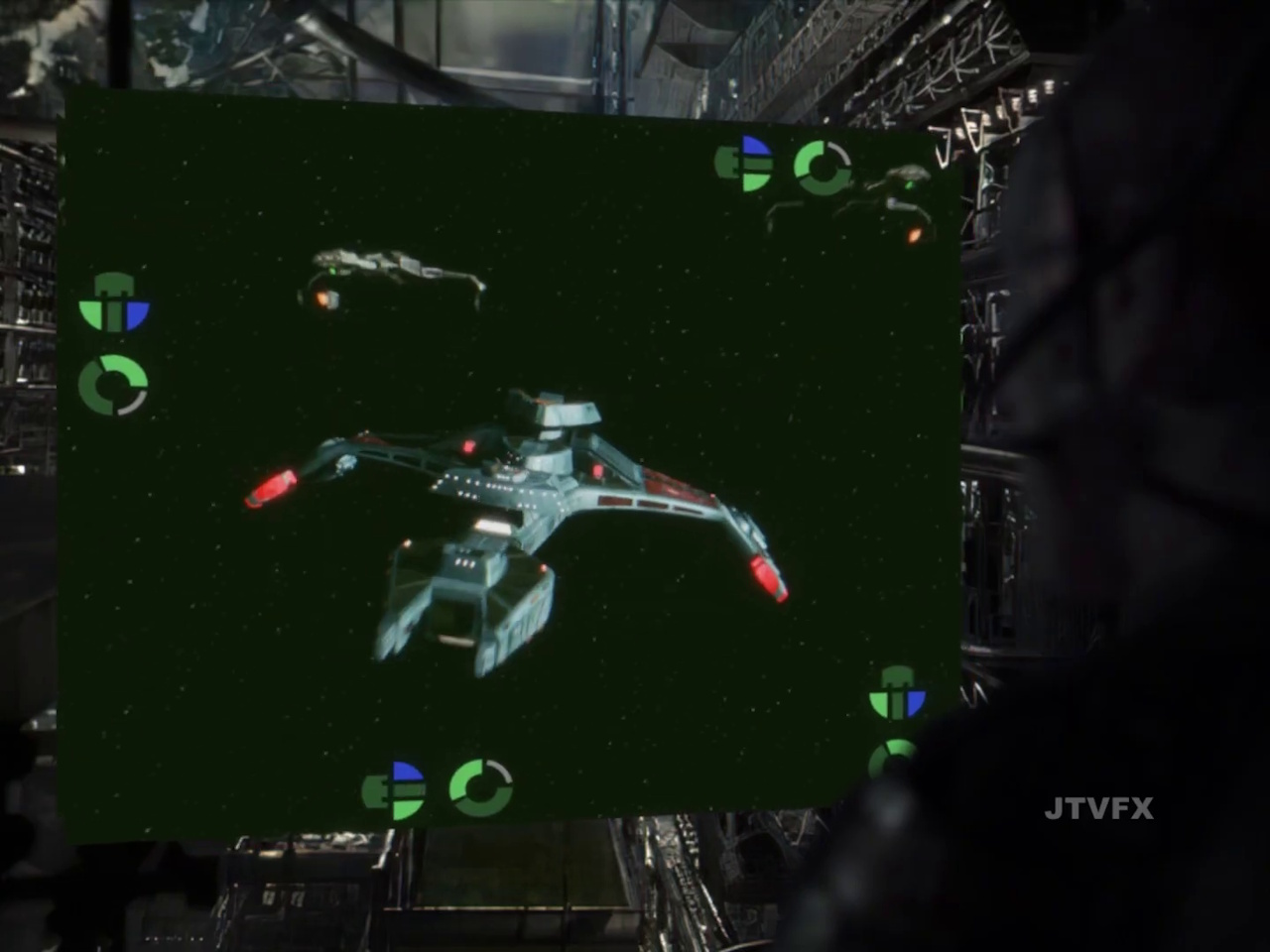
Worf in The Next Generation Season 7 episode Lower Decks.

Rumours swirl in the Star Trek fan community all the time – as indeed they do in every online community. But most of these “rumours” are clearly nonsense, based on unverified and often unspecified sources. The truth is that ViacomCBS and the creative team in charge of Star Trek generally do a good job at keeping a lid on leaks. Occasionally a story will leak ahead of an official announcement, but as we’ve seen with some big projects recently, including the new film scheduled for 2023, most of the time that is simply not the case. Yet many social media channels, fan groups, and websites insist on reporting rumour as if it were fact.
When I write speculatively here on the website, you’ll note that I always caveat what I’m saying by explaining that I have no “insider information” nor any “sources.” This is specifically to damp down any theory or speculation that I’m writing about and to clarify that it’s just guesswork on my part. Sometimes it’s educated guesswork, putting together things that seem obvious even if there’s yet to be official confirmation, but even then such a caveat is incredibly important.

Worf is a character in mobile game Star Trek Legends.

It’s easy for a website or social media group to fall into the trap of writing clickbait based on things like Michael Dorn’s Twitter post, but it doesn’t do anything for the Star Trek fan community. In some cases it can be actively harmful – building up hype and expectations that are obviously only going to lead to disappointment. Marketing folks need to be aware of this, as well. As much as Dorn’s post got people talking about Star Trek Legends, they deliberately set up Trekkies for disappointment by allowing Dorn to imply – albeit in a way that should’ve been easy for fans to see through – that Worf was coming back to Star Trek.

But the blame in this case doesn’t lie only with the marketing team at Star Trek Legends, who are, after all, doing their best to market a product. It lies with fan groups, websites, and social media channels who took that obvious piece of marketing and put their own spin on it, building up the hype of Worf’s possible return to Star Trek in order to drive clicks, views, and website traffic.

Worf in a teaser video for Star Trek Legends posted on Twitter.

This is what I mean by the “spiral” of clickbait: a slightly dishonest marketing post on social media appears. Fan websites and social media channels jump on it and take it out of context, in some cases completely disregarding or ignoring the possibility of it being marketing. As the hype bubble starts to build, more outlets and fans jump on the story, talking about it and driving more and more clicks and traffic. What began as a single post advertising a mobile game thus exploded to become a big story online, and it didn’t need to be. From the marketers’ point of view, it’s a rousing success! But for fans, at best it’s a mild disappointment.

It’s becoming increasingly difficult to find reliable, objective sources of information online, and it’s getting to a point where, unless something is confirmed unambiguously by an official outlet, I don’t trust it.

We all need to be careful what we read and watch, and try our best not to give in to clickbait!

Star Trek Legends is out now for iOS devices via Apple Arcade. The Star Trek franchise – including all titles mentioned above – is the copyright of ViacomCBS. This article contains the thoughts and opinions of one person only and is not intended to cause any offence.