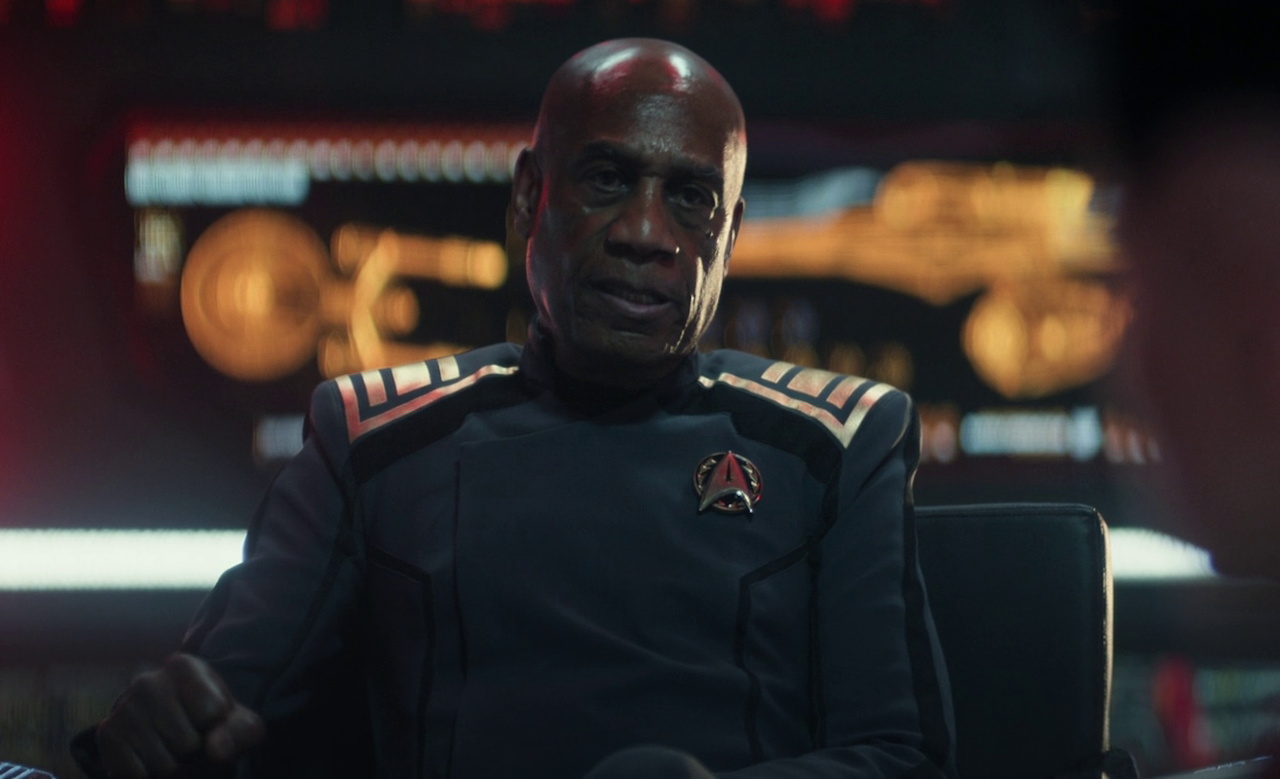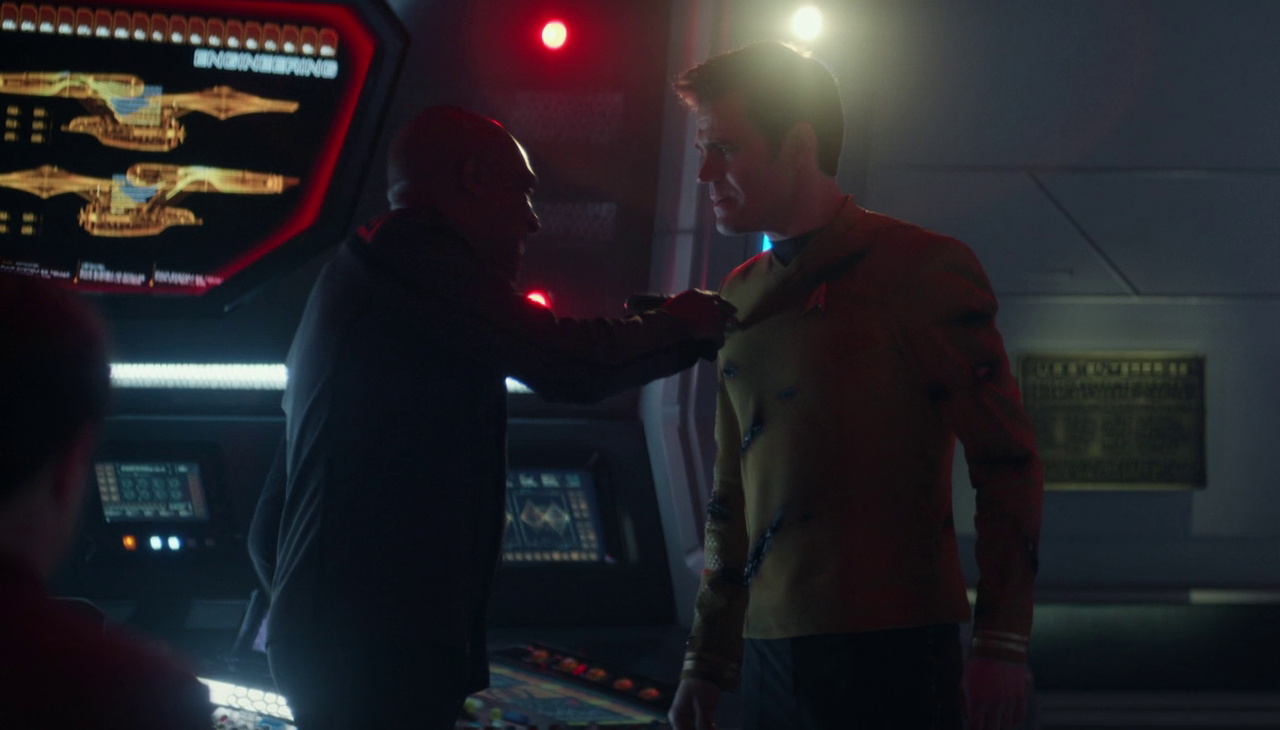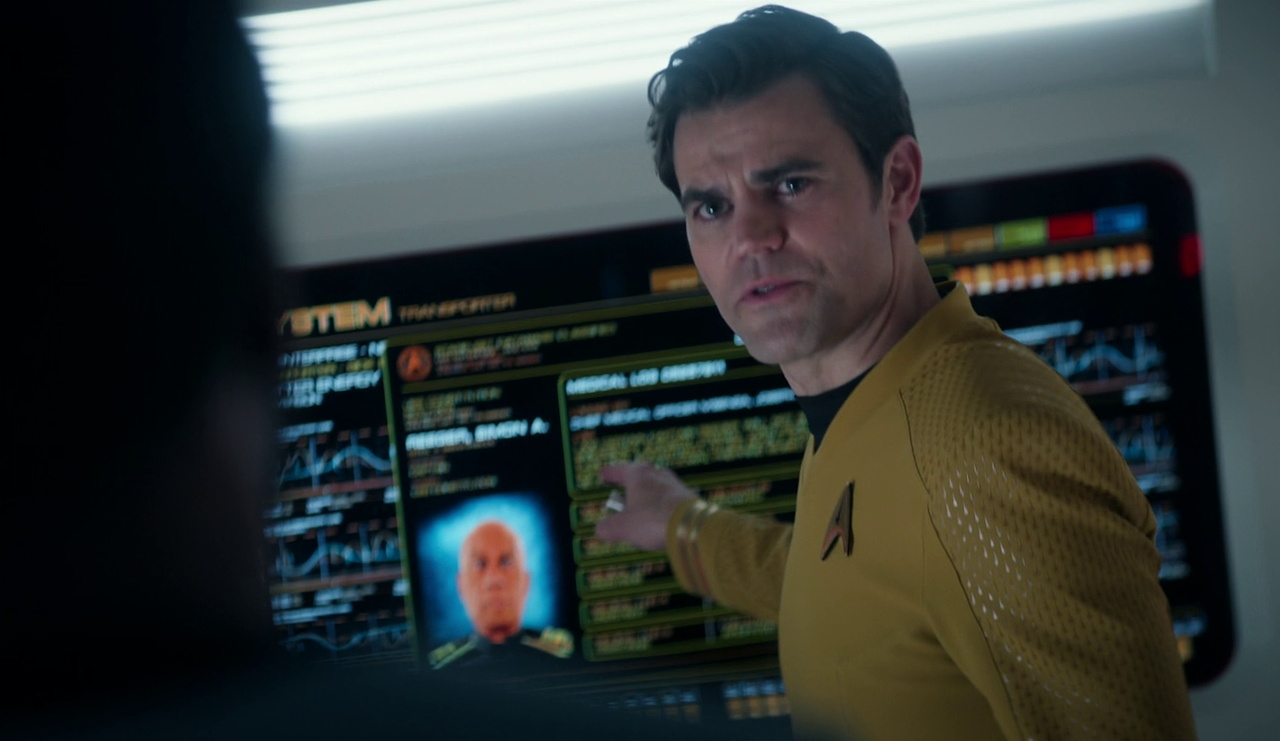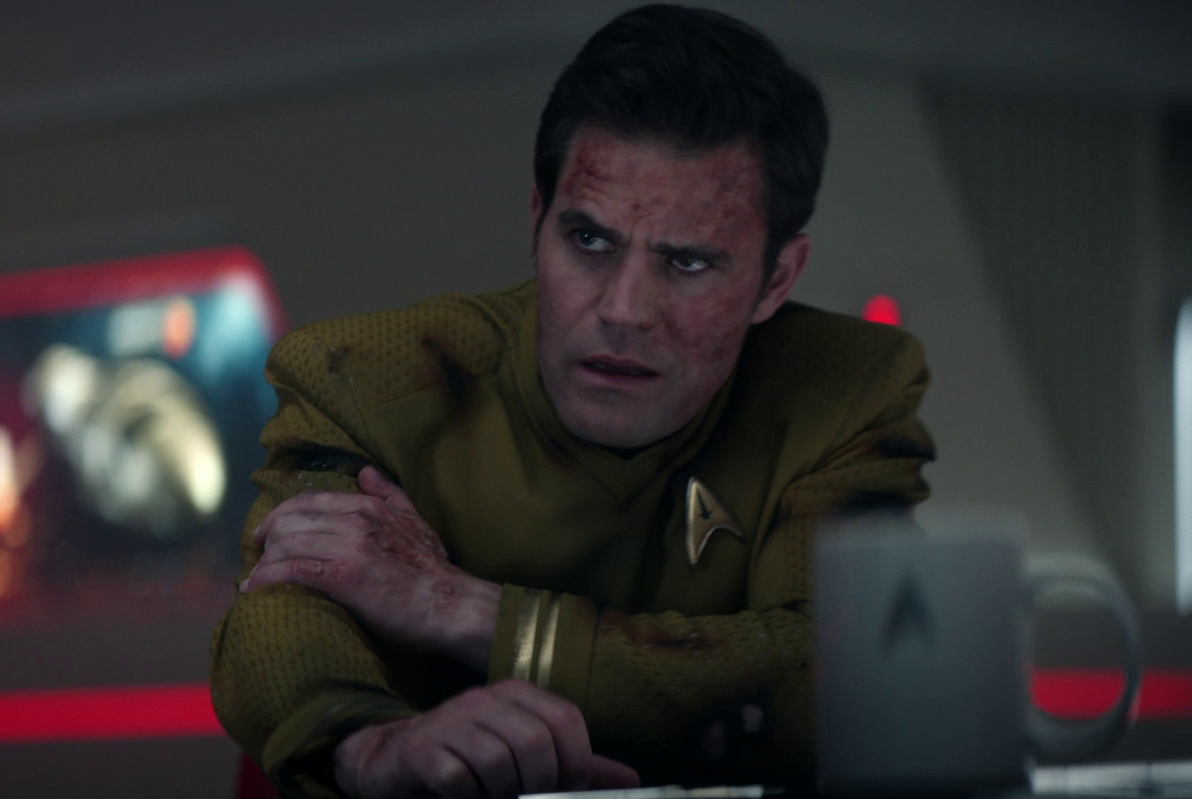
Star Trek: Strange New Worlds Episode Review – Season 4, Episode 8: Orders of Magnitude

A Star Trek-themed spoiler warning.

Spoiler Warning: There are spoilers ahead for Star Trek: Strange New Worlds Seasons 1-4. Spoilers are also present for the following Star Trek productions: The Original Series, The Search for Spock, The Undiscovered Country, and Star Trek ’09.

Happy sixtieth anniversary to the Star Trek franchise! On the 8th of September, 1966 (or the 6th of September in Canada), The Original Series premiered with the episode The Man Trap. And I just wanted to take a moment before jumping into the review of Star Trek’s latest episode, some six decades later, to acknowledge that milestone. I also have a short piece that I wrote to commemorate the anniversary; click or tap here to check it out if you’re interested!

Okay, on to Orders of Magnitude – a completely different episode, in so many ways, to The Man Trap… but at the same time, the DNA of what makes Star Trek “feel like Star Trek” was present, I felt.

I’ve tried to go into every Strange New Worlds episode this season with an open mind, even when the latest “big swing” or genre spoof didn’t really hold much appeal. But Orders of Magnitude was the first episode since really the premiere where I felt a sense of real optimism before I even pressed “play.” Having seen a very brief trailer on social media (in vertical format, unfortunately), it seemed like the teased episode would be action-packed and explosive. And so it proved to be.

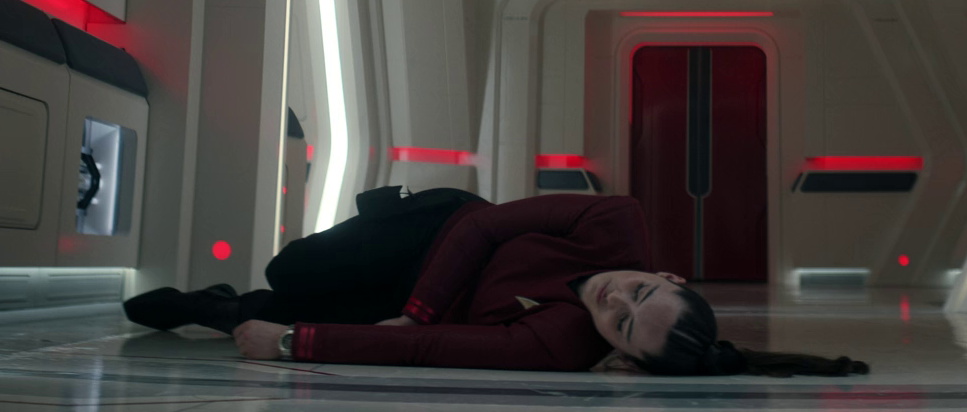
Still frame from Star Trek SNW 4x08 showing La'an stunned
Uh, La’an? You okay there?

When a franchise has existed for as long as Star Trek has – telling close to 1,000 stories across six decades – there are bound to be stories that just… rhyme. And for me, I felt echoes of several familiar episodes, films, and character archetypes in Orders of Magnitude. On one side of the story was a fairly nondescript gang of mercenaries, holding members of the away team captive and forcing them to perform some feat of technobabble. And on the other? The latest in Star Trek’s long and storied history of “badmirals!”

Orders of Magnitude ran to basically an hour, including the opening titles, and the episode *needed* all of that time to make its two storylines work. When it became clear that Pike’s away mission to the crystal caves was going to be more than just a convenient excuse to give Admiral Reeger command of the Enterprise, I was a little worried that we were going to run out of time for both sides of the episode to really shine. And there were a couple of places back on the Enterprise where I would, in hindsight, have liked to have spent just a tiny bit more time. But overall, I think Orders of Magnitude worked well at balancing two powerful storylines for Kirk and Uhura.

Still frame from Star Trek SNW 4x08 showing a map on Ortegas' helm console
This was a good episode.

Orders of Magnitude had a fantastic score. My number one rule for music in any episode (or film, TV show, game, etc.) is “do no harm;” i.e. the music shouldn’t be overbearing, tonally clash with what’s going on, or otherwise take me out of a scene. And most of the time, modern Star Trek does its music so well that I barely even register it while I’m watching! But this time, I felt the episode’s score was fantastic; there were tense pieces, mysterious pieces, dramatic ones, and exciting ones all at the right moments. When Kirk scrolled Admiral Reeger’s padd, taking those first steps to uncovering a mystery… the music absolutely elevated that moment in just about the best way possible.

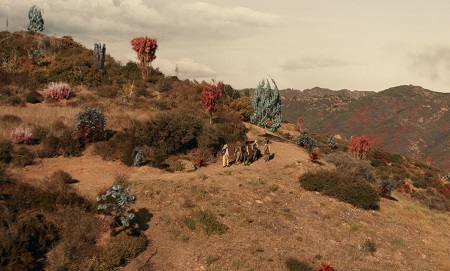
Visually… I think it was a bit of a mixed bag, though. I loved the dark tone aboard the Enterprise, as set by the dimmed lights of the ship’s red alert status. Kirk’s radiation burns were suitably gruesome, and so was A’Sha’s injury on the planet. And the set constructed for the inside of the crystal cave was solid enough, although not particularly original. However, the exterior of the crystal cave was less impressive; a recycled location that we’ve seen before with a few giant crystals superimposed. Thankfully, we weren’t in that space for too long, but it was enough to be noticeable. Also on the visual side – or rather, the *lack* of a visual side – we saw nothing at all of the attack on Vaardan; the storyline’s inciting incident. And although the point of the story was that the ship was cloaked, we also saw nothing of the ship, its wake, or even the planet it landed on. Even the attack on the cargo ship near Argus II was fuzzy and only appeared briefly. I just felt we could’ve gotten a little more on the visuals/CGI side to add a bit more depth to this side of the story.

Still frame from Star Trek SNW 4x08 showing Pike, Chapel, Uhura, and A'Sha on the away mission
The away team.

Let’s tackle the away mission first, and then move on to Kirk and the badmiral.

Call me a cynic, but the second I saw Cadet A’Sha on the away mission, my first thought was “redshirt!” As Strange New Worlds had done with Ensign Gamble last year (and as Discovery did several times across its run), I suspected that our new Vulcan cadet might not be long for this world. That feeling only intensified when Uhura made her comment about how she insisted that A’Sha be invited to join the away team.

And it seemed, for a time, that I was about to be proven right – only for the episode to take a couple of last-minute twists with A’Sha’s story. After being injured and suffering some kind of crystal-induced ailment, Uhura worked overtime to save A’Sha – only for the cadet to decide, in the episode’s final moments, that life in Starfleet wasn’t right for her, after all. A logical reaction, perhaps, to nearly dying from crystal wounds on a random moon!

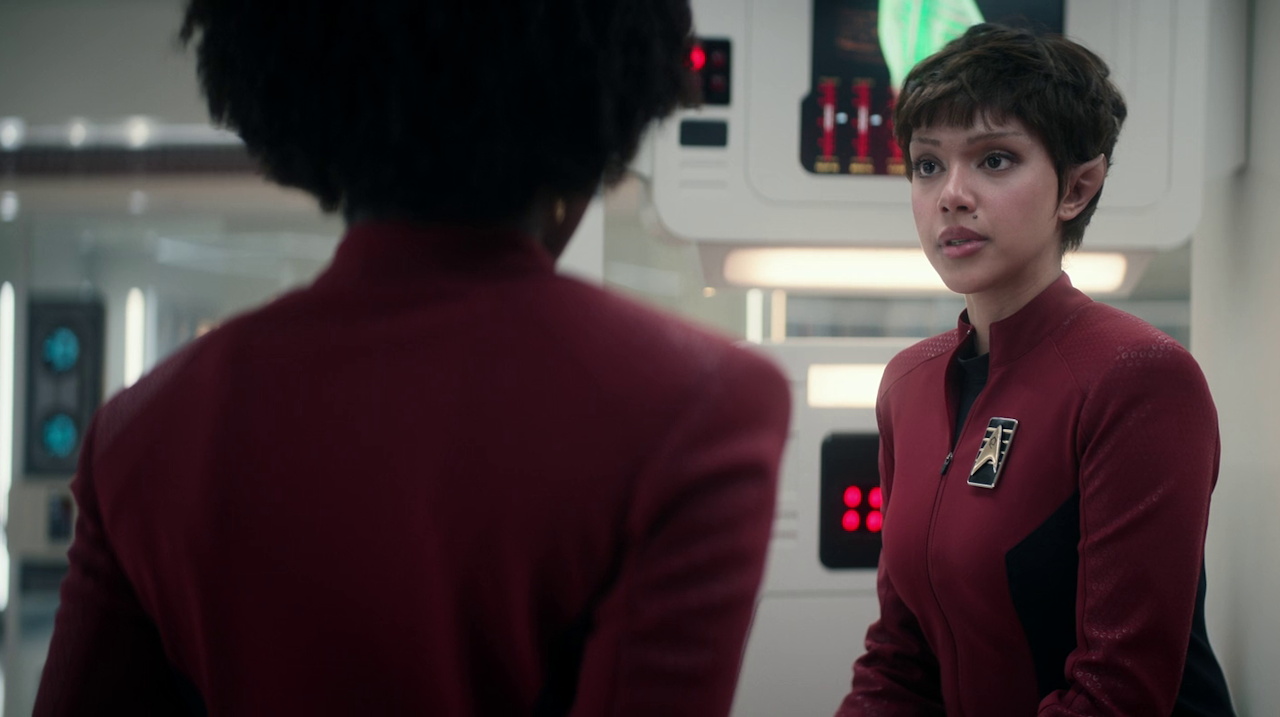
Still frame from Star Trek SNW 4x08 showing Uhura with A'Sha in Sickbay
A’Sha has decided (perhaps understandably) that Starfleet isn’t right for her, after all.

Joking aside, I quite liked the direction this storyline took, and that it wasn’t as predictable as I feared it would be. Redshirts in Star Trek are a trope, of course – The Man Trap, sixty years ago, contained the very first such example – but it can be nice when an expected storyline has a twist or a surprise; something to keep us on our toes and make things feel a bit… different. A’Sha’s survival was the first twist, but her decision to leave Starfleet shortly thereafter was the second.

Obviously, A’Sha is not a particularly well-developed character. Her biggest outing, aside from this week, came in Off-Hour, where she worked with Scotty in the turbolift and transporter room. But she’s arguably the only Vulcan character in Strange New Worlds to have been played straight; the likes of T’Pring have usually been thrown into slapstick, comedic, or romantic storylines that (in my opinion) are not especially well-suited to the Vulcans, and rely on a joke or a bit that’s just been stretched way too far. So A’Sha has been a breath of fresh air, in that sense, and I’m sad to see her go.

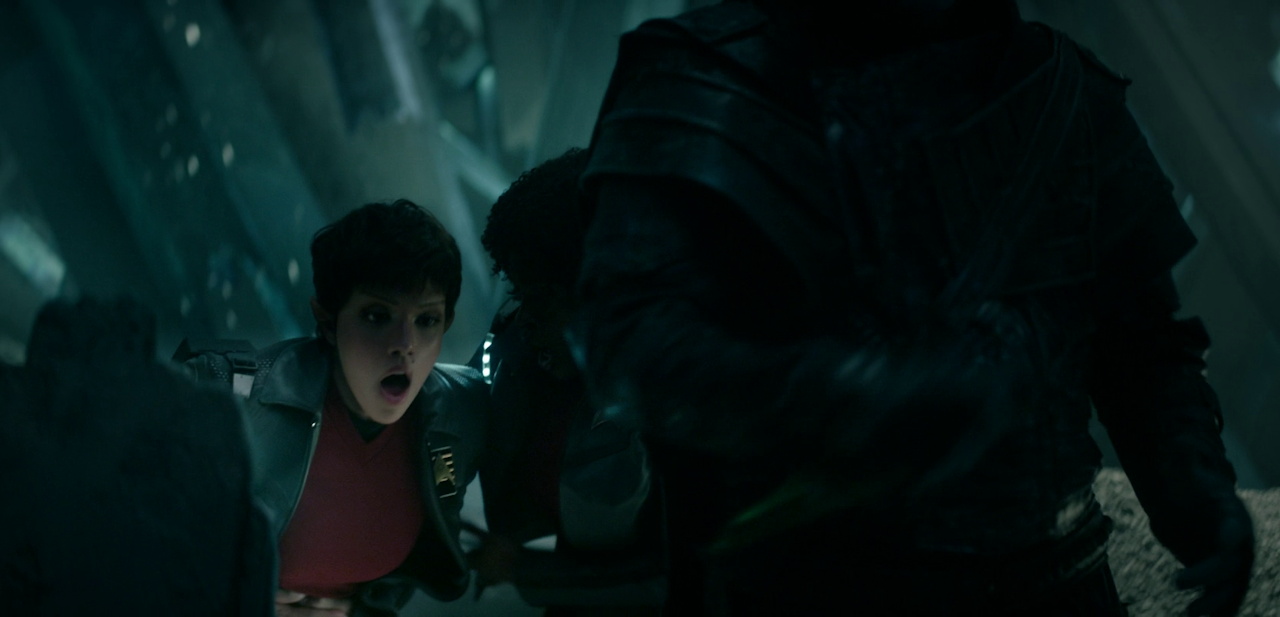
Still frame from Star Trek SNW 4x08 showing A'Sha after being stabbed
A’Sha after being stabbed.

A’Sha also turned out to be an important character for Uhura, following up on an (admittedly too short) scene from the season premiere. Uhura, having been assigned to the role of mentor, has demonstrated arguably the most growth of any of the show’s regular characters (so far, anyway), going from a fresh-faced and unsure cadet back in Season 1 to a more confident and settled mentor of cadets by Season 4. If we keep in mind that part of the objective of this season in particular has been, to quote the show’s tagline, to “boldly go one step closer to where it all began,” then we can see Uhura’s arc as bringing her closer to her TOS role ahead of the show’s finale.

And, I would argue, Uhura’s arc is now pretty much complete – as capped off by her promotion at the end of the episode.

I want to spend more time with this incarnation of Uhura, of course! In fact, I’m not ready to say goodbye to any of these characters, yet, and I just know next season’s finale is going to be an emotional sucker-punch. But… if this is the final Uhura spotlight that Strange New Worlds has time for, then I think we can consider her arc well and truly complete. Strange New Worlds hasn’t always made good on its prequel status, but in Uhura’s case, it really did succeed. The show has shown us the character’s younger days in a way that made sense, taking her from a cadet with doubts about her abilities and her role in Starfleet through to a newly-promoted lieutenant. If there’s no time for anything else, and even if Strange New Worlds fumbles the ball with all of the other TOS characters, we’ll always be able to point to Uhura’s arc as a success; a way in which the show expanded the world of Star Trek in a way that made sense and felt good for her character.

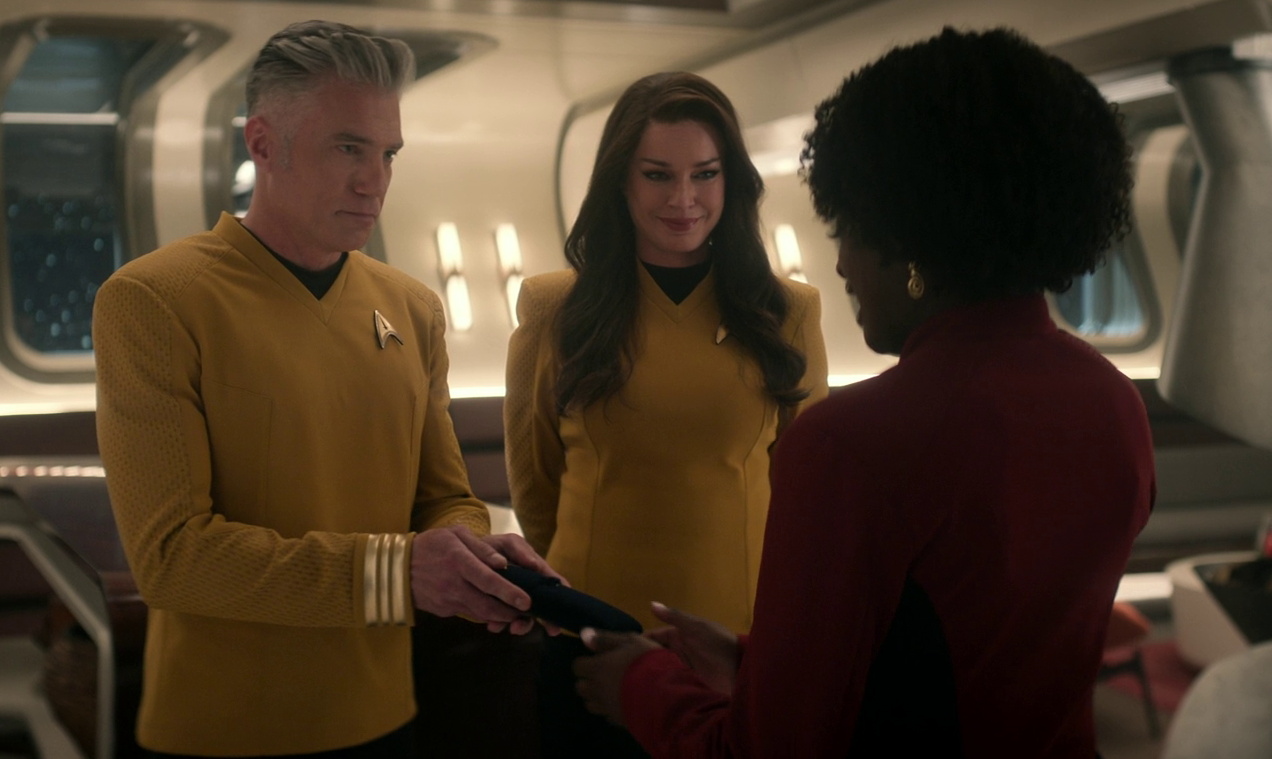
Still frame from Star Trek SNW 4x08 showing Pike and Una promoting Uhura
Uhura’s promotion caps off an impressive character journey across all four seasons of the show.

This week, Uhura’s story excelled in two key ways.

Firstly, we see her taking a stand – even if that meant clashing with Captain Pike. You would never have seen Season 1 Uhura talking to Captain Pike the way she did in Orders of Magnitude, which just emphasises what we were saying about how far she’s come in her character journey. That confidence – partly inspired by Hemmer, early on – led to her taking on a very risky rescue attempt, butting heads with her own captain in the process.

Secondly, the way Uhura’s story subtly leaned into both her role as a communications officer and her knowledge of the Andorians and their sensitivities was fantastic. I don’t think someone like Captain Pike could’ve as easily gotten away with jury-rigging the mercenaries’ machine to emit a debilitating sonic pulse; it took someone like Uhura, who has those linguistic skills and that connection with Hemmer, to be able to pull off something like that in a way that felt natural and not like a complete deus ex machina!

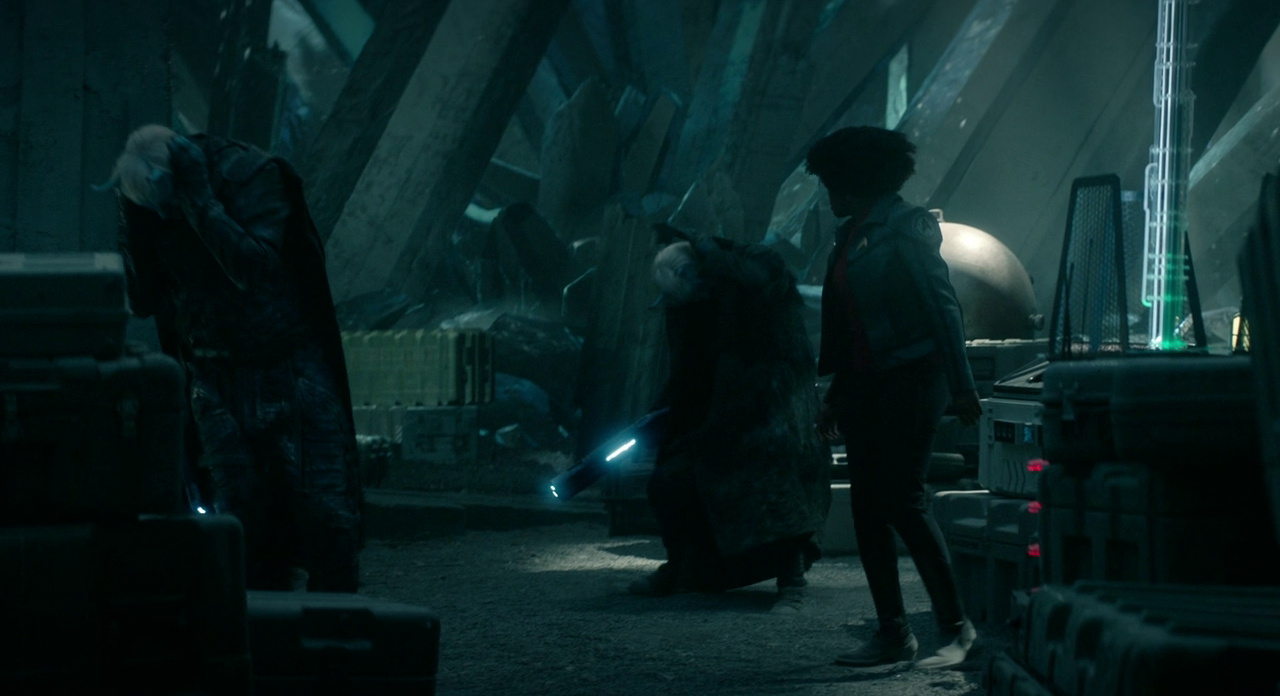
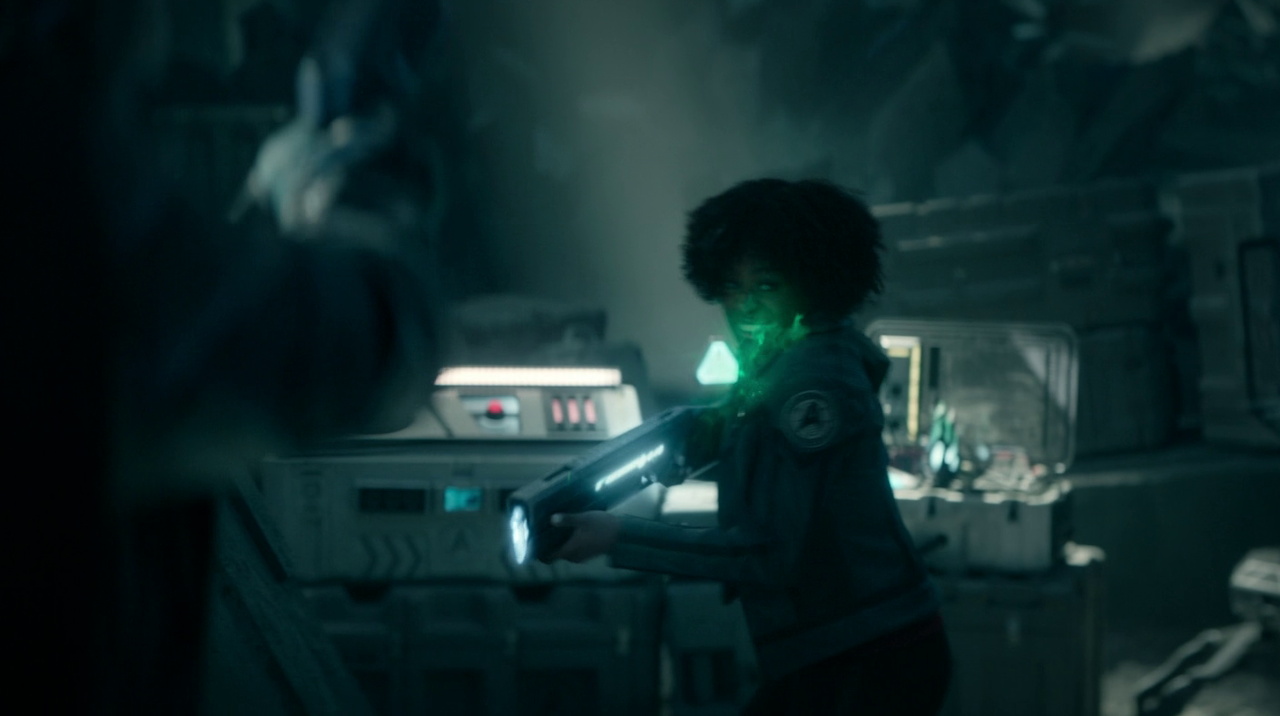
Still frame from Star Trek SNW 4x08 showing Uhura's attack on the Andorians
The way Uhura took on the Andorians felt clever – and in keeping with her character and her role on the ship.

This led to a firefight with the mercenaries, and perhaps this was where I felt the episode dragged its feet just a little. Don’t get me wrong: it was cool to see badass Uhura kicking Andorian butt! But having gone to the trouble of setting up a more complex solution – the sonic attack – to then descend into a bog-standard firefight kind of took away from Uhura’s unique accomplishment and what we were just saying about how she was the only one able to pull off something like that. Any idiot could get in a firefight; Uhura’s skills were better-displayed when she used her technical and comms know-how to reconfigure the mercenaries’ machine – and I just think *that* would’ve been a better way to defeat the mercs.

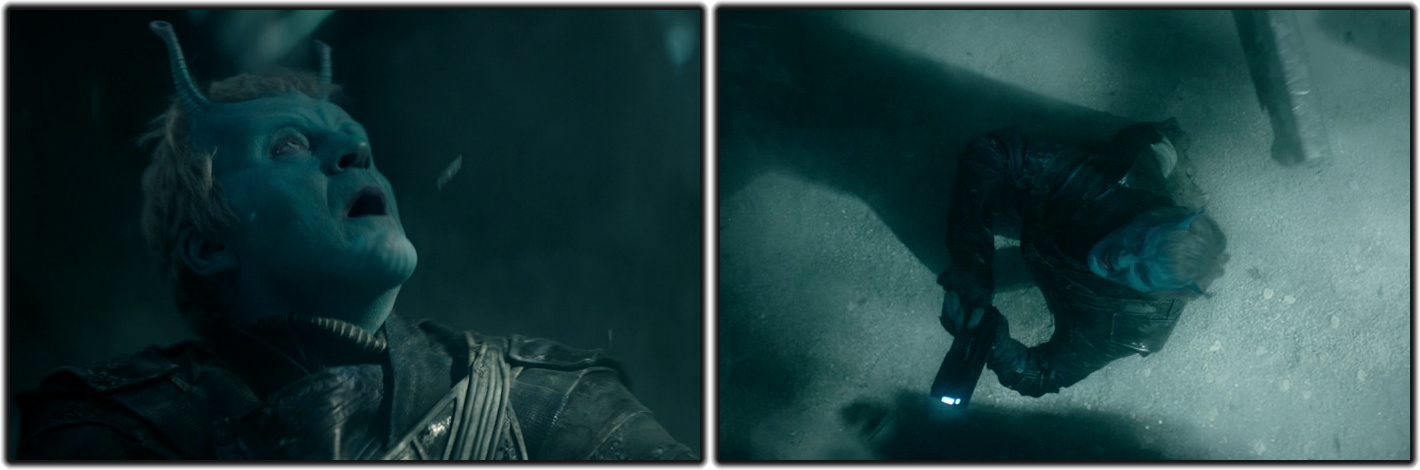
That being said, there were some neat moments during the firefight, as well as plenty of tension, too. The only other thing that I didn’t like as much was the death of the mercenary leader; the whole “noooo!” thing while staring up at the camera (and not even *trying* to get out of the way or move at all) just… felt like a bit of a tropey way to end what had been an otherwise pretty good storyline for Uhura.

Pair of still frames from Star Trek SNW 4x08 showing the Andorian's death
Just move out of the way, you daft bastard.

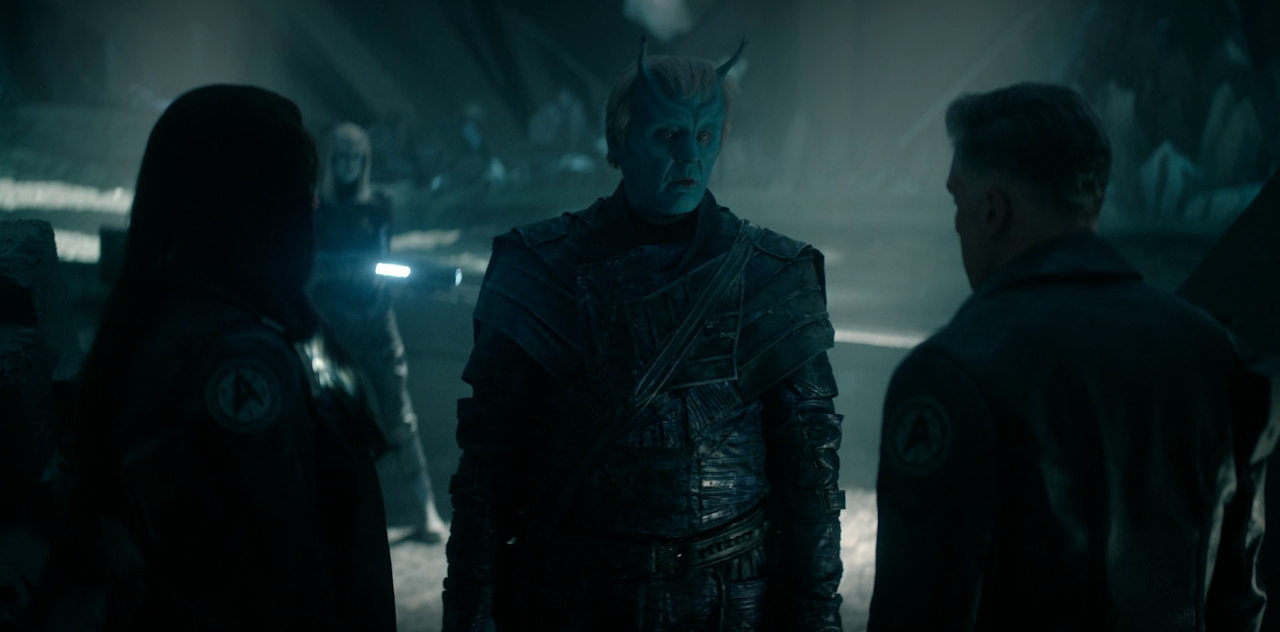
Speaking of the mercenaries… well, what is there to say? Bog-standard, bland, and really only noteworthy for being Andorians. I don’t think we learned any of their names, nor really what their scheme was beyond “general piracy and/or smuggling,” and while the gang served a narrative function as antagonists for Pike, Uhura, and the rest of the away team… I mean, I don’t think anyone’s going to come out of Orders of Magnitude desperate to learn more about this group.

And that can be okay. The episode already had a memorable antagonist on the other side of the story in Admiral Reeger, and as I said, the Andorians had a role to play in the narrative and played it just fine. All I’m saying is that there are better pirates, better mercenaries, better criminals, and better Andorians in Star Trek – and you don’t have to look far for examples!

Still frame from Star Trek SNW 4x08 showing Una and Pike with the Andorian leader
The Andorian pirates/mercenaries weren’t the greatest or most-developed antagonists that the franchise has to offer…

Uhura’s promotion, which closed out the episode, was just wonderful. Everything about it, with Pike and Una setting it up, felt pitch-perfect, and I think it was great for Uhura to get that moment with the captain after their earlier clash. Pike clearly respected Uhura taking the initiative, and wanted to reward her not only for that one moment on the away mission, but really for her entire service aboard the Enterprise to date.

And as Strange New Worlds adjusts and repositions its characters ahead of the end of the show – and, in-universe, the start of TOS and Kirk’s famous five-year mission – that makes sense. Uhura is now basically where she needs to be, and as I said above: if we get no more spotlight storylines for this character, Strange New Worlds has more than done its duty as a prequel, taking her character from the fresh-faced cadet we met in Season 1 to the more confident, established bridge officer Kirk could rely on in TOS. A successful arc indeed.

Still frame from Star Trek SNW 4x08 showing Uhura getting shot
Uhura gets shot.

Before we hit up Kirk and the badmiral, a brief diversion to two other characters: Dr M’Benga and Nurse Chapel.

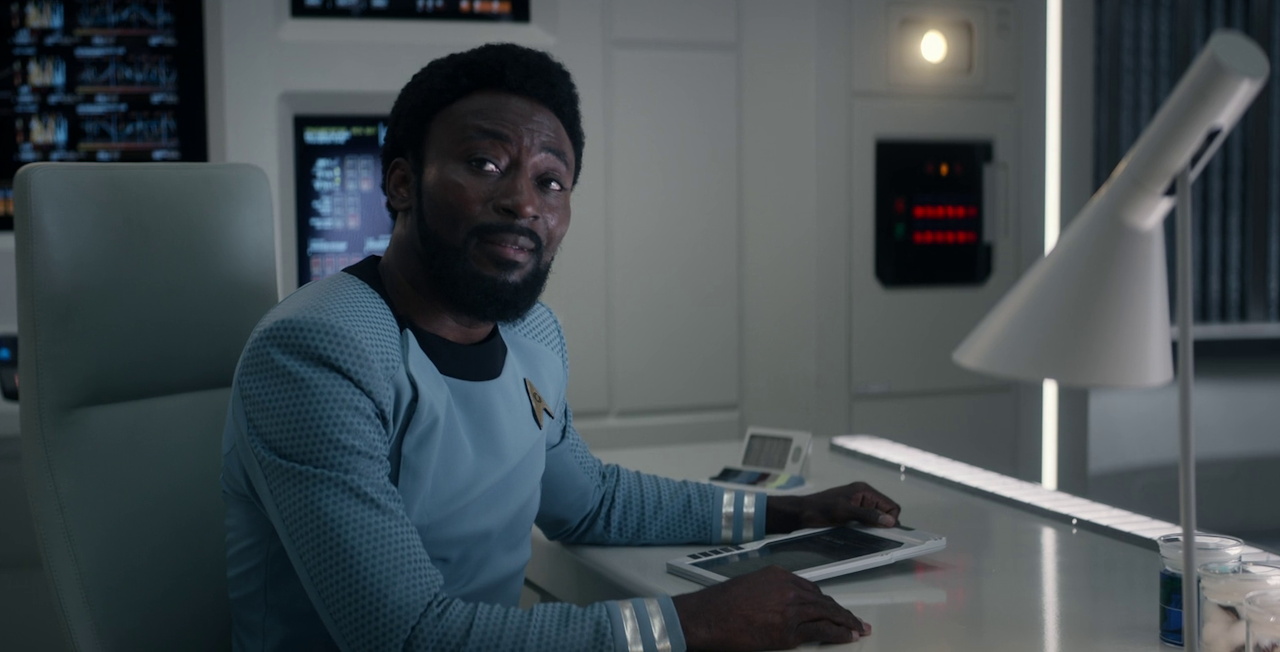
This whole “Dr M’Benga wants to leave” storyline seems to have come out of nowhere, doesn’t it? I mean, I’m not making that up, am I? We knew, of course, that Dr M’Benga couldn’t remain as the Enterprise’s *chief* medical officer heading into TOS, and we also know that Dr McCoy will make at least one appearance in Season 5, thanks to a casting announcement from Paramount. But I’m just not convinced that his potential departure/demotion/disappearance needed this… soap opera quality, with Chapel getting all offended and sulky and Dr M’Benga himself seeming to connive and engineer his route off the ship or to a lower duty station.

Then there’s the question of how much sense it makes *in-universe* for this storyline to play out as it was set up by the end of Orders of Magnitude. One: Dr M’Benga “admitted” (though his confession was a lie) to abusing his position as a doctor to illegally drug a senior flag officer, compromising a mission in the process. And two: Admiral Reeger’s reputation is now in ruins, surely, so his ability to enact revenge is going to be stymied, at best, by the events of this episode. So we’re either looking at Dr M’Benga being struck off and having his medical license revoked for what he confessed to doing, or we’re looking at… nothing at all, because Admiral Reeger is going to suffer the fallout of his lies being exposed. It just feels like a bit of a contrivance and a complication, and one that – I would argue – doesn’t even serve a major narrative function. Dr M’Benga will continue to serve aboard the Enterprise in some capacity after Pike departs the ship, and I just don’t think there needs to be a massive in-universe explanation for why he ceded the role of CMO to Dr McCoy… especially not one so convoluted.

Still frame from Star Trek SNW 4x08 showing Dr M'Benga
Dr M’Benga.

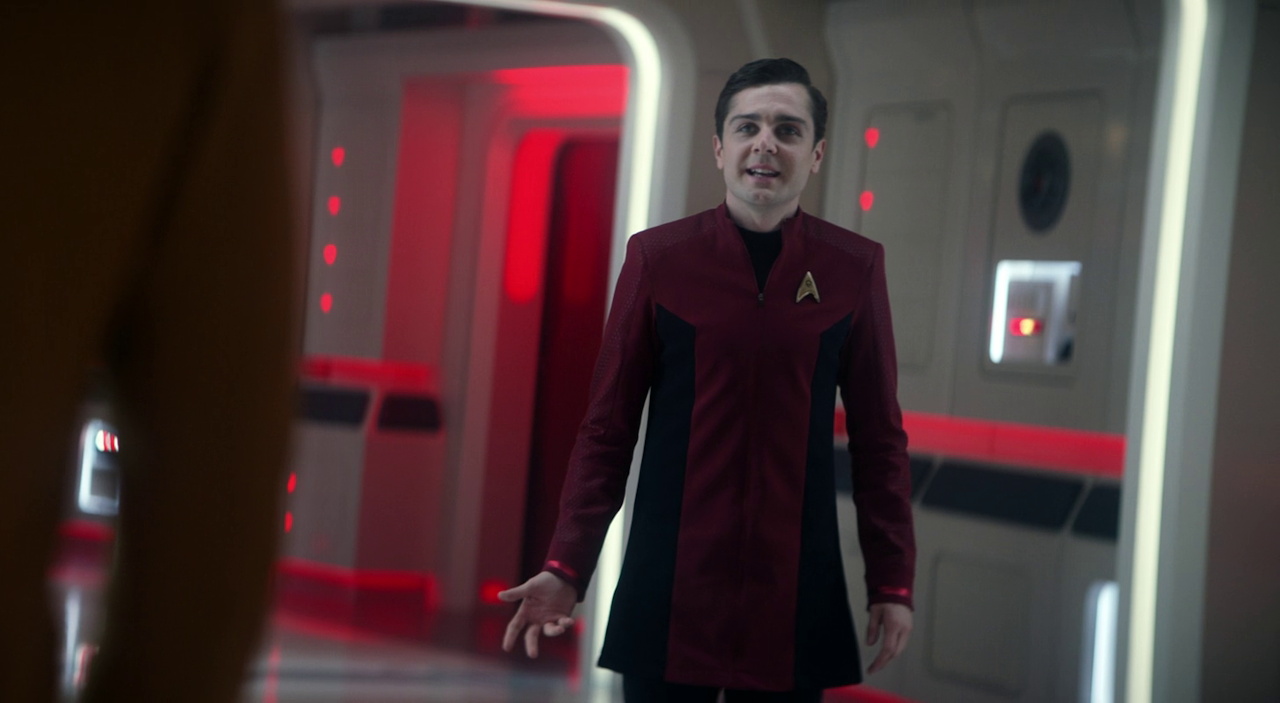
Admiral Reeger is the latest “badmiral” in a long, long line! In fact, I’m pretty sure that Starfleet has more evil, nasty admirals than it does genuine good guys, at this point! But that’s okay… Reeger made for a fun and occasionally complex antagonist for Kirk – though, as we’ll discuss, he wasn’t perhaps as nuanced as he could’ve been, and trying to give him not one but *two* backstories to explain his villainous turn and conflict with Kirk was, perhaps, a step too far given the amount of time we spent with him.

So let’s start with Admiral Reeger being a brand-new character. This is common in Star Trek for “badmirals” and other antagonists, of course – but because he’s a new creation for Orders of Magnitude, it means we’re introduced to him, spend time with him, and see his downfall all in the span of a single episode – or rather, two-thirds of an episode. And that limits how much of an impact a character like this can have. In this case, I think Admiral Reeger worked about as well as he could’ve, but part of me wishes that some part of his character or backstory had been established in an earlier episode.

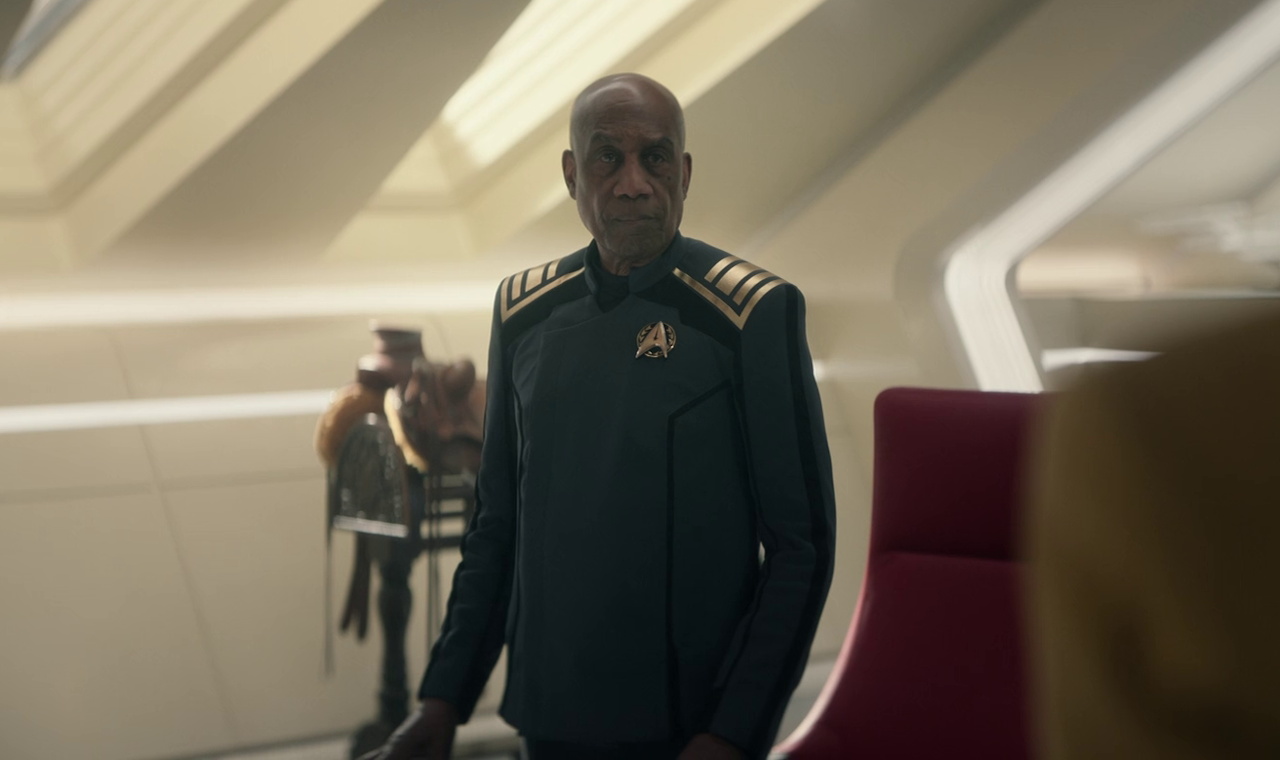
Still frame from Star Trek SNW 4x08 showing Reeger
Admiral Reeger: Star Trek’s latest “badmiral.”

We see both Ortegas and La’an seemingly reverent toward the admiral’s wartime service, and the Battle of Zeta Reticuli in particular. But because, again, this event is brand-new – and neither character spent much time in the spotlight this week – it doesn’t hit as hard as it could’ve. Past iterations of Star Trek got away with this because they were entirely episodic, but with the franchise having more ongoing arcs and storylines in its modern incarnation… I can’t help but feel an opportunity was missed, earlier in the season, to name-drop the admiral, the battle, or some other part of his story in a way that would’ve added something to this setup.

Is that an unfair criticism? Maybe. But given how Season 4 has taken diversions into a variety of different genre parodies and spoofs… I mean, I don’t think we would’ve really missed the soap opera fluff or the puppet silliness if one of those stories had taken a couple of minutes to set up something that would’ve been important this time. In fact… dumping one of those episodes entirely to allow both halves of Orders of Magnitude to be their own full story? That wouldn’t have been a terrible idea.

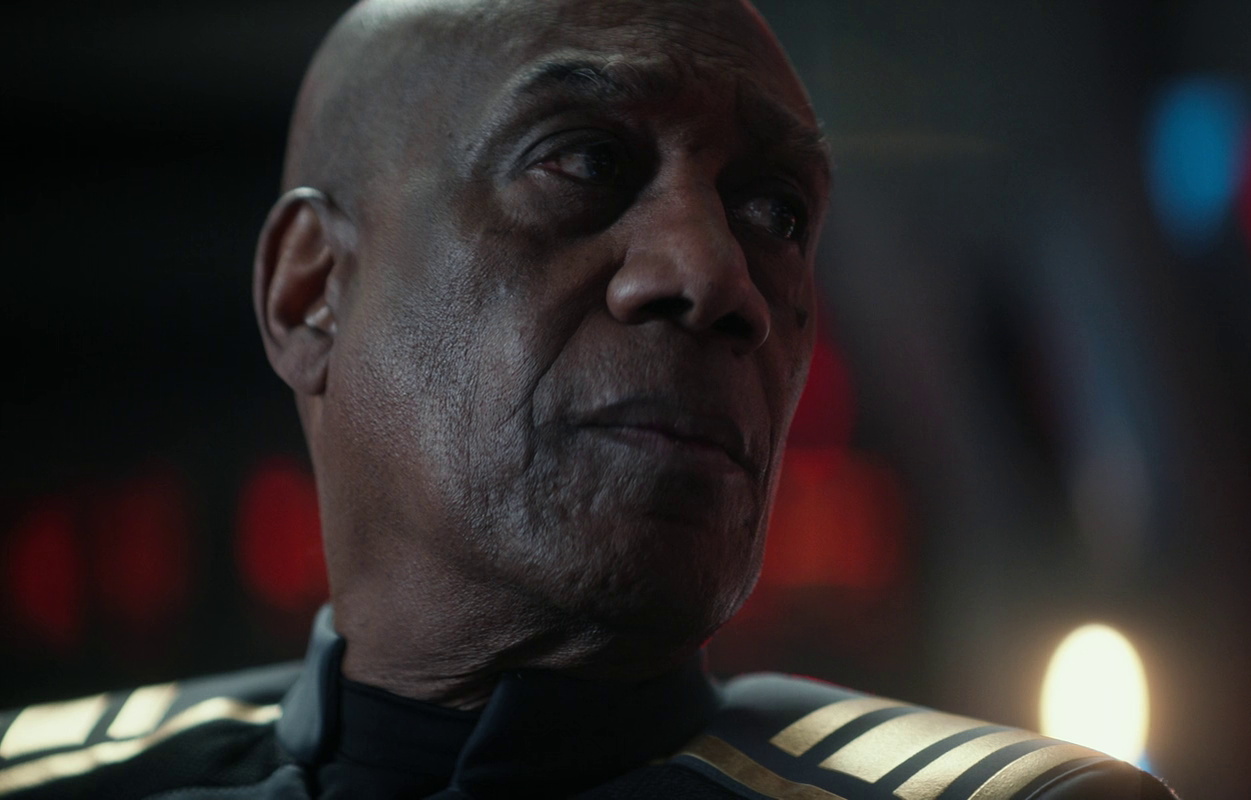
Still frame from Star Trek SNW 4x08 showing a close-up of Reeger
Doing more to set up Admiral Reeger wouldn’t have gone amiss.

But okay, let’s review the storyline we got rather than the one we might’ve preferred to get!

Admiral Reeger was a compelling character. But in the time allotted to his story, I think one backstory or the other – either the deaths of his family spurring him on to get revenge *or* the stolen valour/George Kirk angle – would’ve been a better call. Trying to cram in both left absolutely no margin for error, and given Reeger’s role as a foil for Kirk, I just don’t think the “family revenge” angle was sufficiently deep or well-explored. It felt more like a narrative excuse for Reeger to go off the rails – and a better-written story could’ve seen Kirk pushing his buttons in just the right way to make the lies and the cover-up a more compelling and exciting revelation.

That isn’t to say that what we got was “bad,” and I found Joe Morton’s performance in the role to be absolutely one of the best parts of the episode. But rather, given that this episode, in spite of its long runtime, had a lot to do… two separate backstories for Reeger (neither of which we actually got to see any part of on screen) might’ve been a bit much, and given where the story wanted to take Reeger and Kirk, the George Kirk/stolen valour angle would’ve been more than sufficient to explain his clash with Kirk – and Kirk’s insubordination.

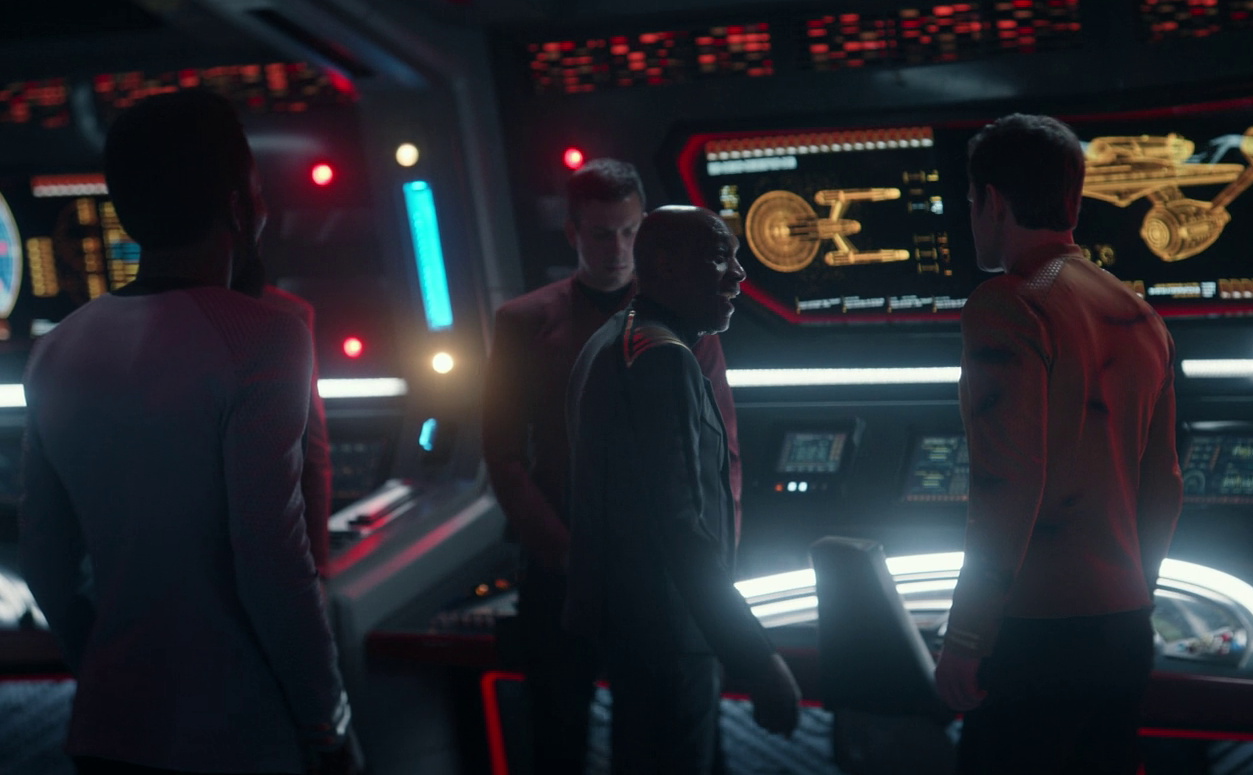
Still frame from Star Trek SNW 4x08 showing Kirk, Reeger, and M'Benga
The climactic clash.

Remember at the beginning of Star Trek: Discovery when Michael Burnham led what I’ve since termed “the moron’s mutiny” against Captain Georgiou? That was pretty awful… but *this* is how you write an insubordination-to-mutiny storyline in a way that makes actual narrative sense and doesn’t harm or ruin anyone’s characterisation! Kirk began to unfold a mystery involving Admiral Reeger, Dr M’Benga, his father, the USS Constitution, and the Battle of Zeta Reticuli… and it was utterly compelling stuff.

There was a sense, as Kirk’s story unfolded, that it was *he* as much as (or perhaps even more so than) Reeger who was personally compromised by what was happening; that Kirk’s determination to prove Reeger had stolen credit for his father’s actions was what drove him – not any sense of compassion, empathy, or concern for the lives of the people of Argus II. And that angle added some much-needed moral ambiguity to what was unfolding. Kirk had a personal vendetta here, almost as much as Reeger did – and the story was structured in such a way as to make you feel like neither man was wholly in the right.

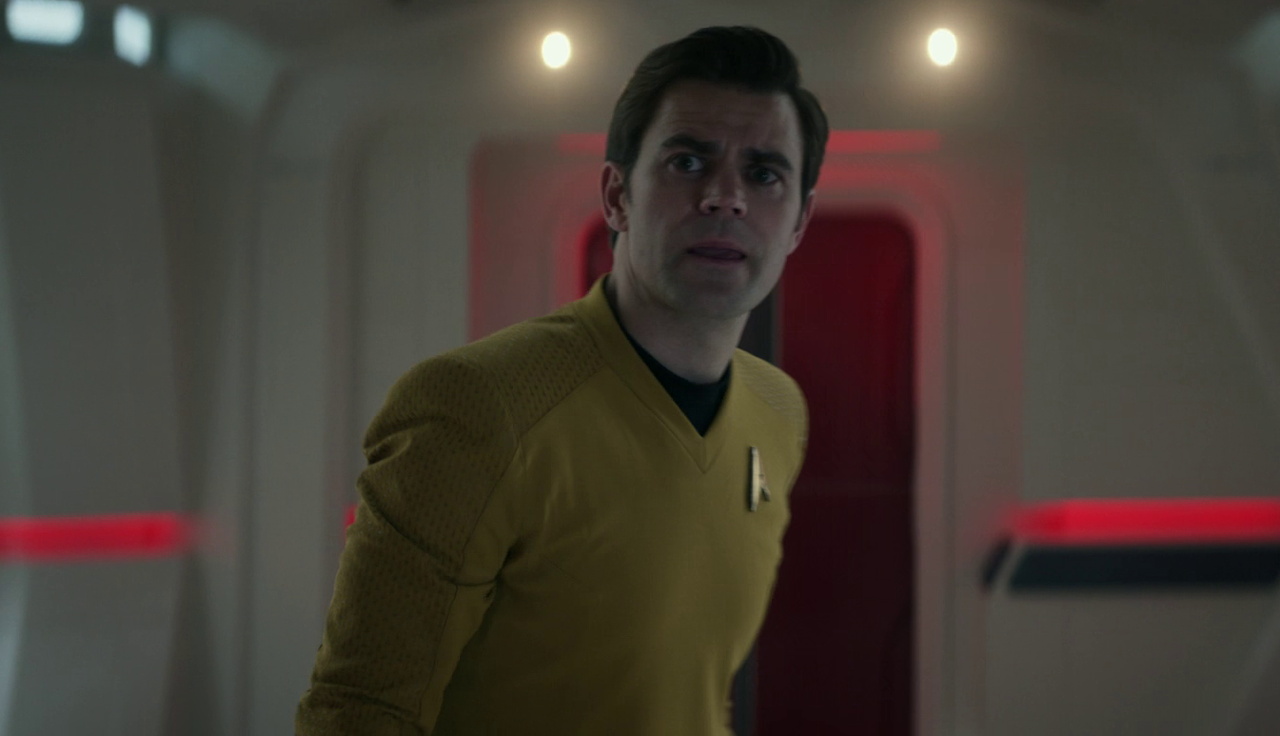
Still frame from Star Trek SNW 4x08 showing Kirk
Kirk and Reeger’s stories complemented and paralleled each other, in places.

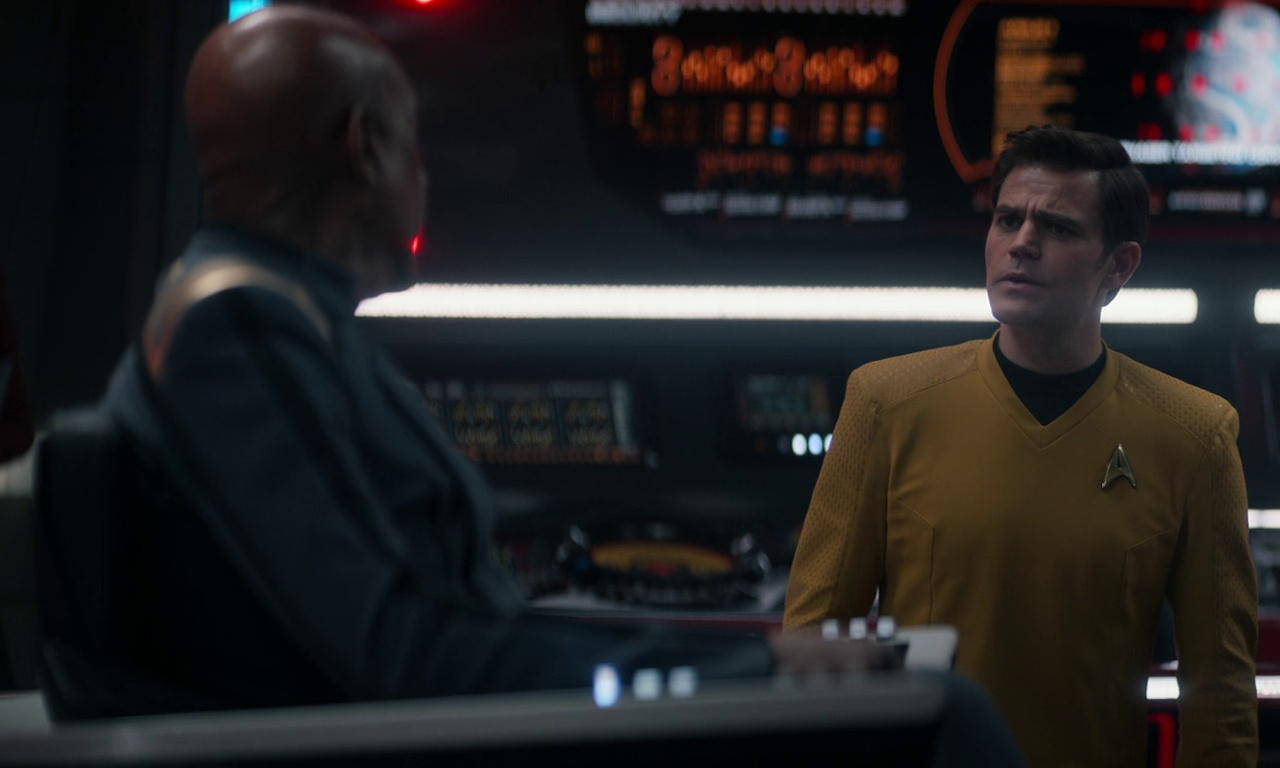
I liked that Reeger wasn’t a completely typical “badmiral,” either. He wasn’t “evil for the sake of it,” he wasn’t a traitor, nor horribly corrupt; he felt more like someone out of his depth – a man promoted above and beyond his capabilities, and who didn’t really have any business commanding a starship. That gels with Dr M’Benga’s line to Kirk about Reeger’s promotion having more to do with getting him off the bridge and behind a desk rather than anything else. And I really felt that in Reeger’s characterisation.

I also liked the idea of Star Trek tackling this “stolen valour” idea in a way that I don’t think we’ve ever really seen before. Reeger had, for years, been taking credit for another man’s accomplishments – and both George Kirk and Starfleet at large had let him get away with it in the interests of overall morale. Reeger developed a personal legend – a legend that characters like Ortegas and La’an fully bought into – on the basis of a lie, and his determination to keep that covered up could have been a bigger motivating factor for him as the story unfolded. I liked what we got to see of it, and I liked how it made Reeger a different kind of “badmiral” than the likes of, say, The Undiscovered Country’s Cartwright or DS9′s Layton.

Still frame from Star Trek SNW 4x08 showing Reeger in the captain's chair
Reeger was a slightly different take on the “badmiral” idea.

However, I felt that Reeger’s arc seemed to take him from “war hero” to “war criminal” almost instantly; his decision to enact General Order 24 and order the total destruction of an inhabited planet seemed to come *very* quickly, when realistically, I think it was such a major turn that we needed to see more of Reeger’s slide into “madness” or obsession for ourselves. If you look at comparable characters on revenge quests or obsessions – like Moby-Dick’s Captain Ahab, basically the archetype for this kind of character – their descent is always slower-paced. Other characters might even go along for (some of) the ride, sticking with a character on an obsessive quest for a time. But Reeger – partly because of the confines of the story – had to make that switch in an instant when ordering the destruction of the planet.

And this same issue recurred later, when Reeger – as we’d subsequently learn, under the influence of a drug – began ranting and raving on the bridge.

I felt echoes of Star Trek ’09 in the climactic confrontation between Kirk and Reeger – the physical altercation, the emotional outburst, and finally, Reeger being relieved of command all mirrored Spock’s role in that film, which saw Kirk ascend to command the alt-timeline Enterprise. As I said above, after six decades and a thousand stories, some are bound to rhyme!

Still frame from Star Trek SNW 4x08 showing Reeger pointing a phaser at Kirk
This moment reminded me a lot of Star Trek ’09.

If Reeger had an obsession with the cloaked ship, so too did Kirk develop an obsession with exposing Reeger and proving his father was more of an upstanding officer – and there were parallels in the two mens’ arcs that bounced off each other really well. As I said above, this gave Kirk and Reeger enough complexity and ambiguity – at least, for most of the story – to keep things genuinely interesting. As Trekkies, of course we’re inclined to support Kirk over some random “badmiral-of-the-week,” but that didn’t mean that the way Kirk handled himself and his conflict with Reeger was perfect!

In fact, Kirk’s arc this time arguably sets up some of his other conflicts and run-ins with authority figures further along the timeline. There are several occasions in TOS and beyond where we’d see Kirk seemingly disobeying orders or striking out on his own – most notably, perhaps, in The Search for Spock, where he’d steal the refitted Enterprise.

Still frame from Star Trek SNW 4x08 showing Kirk accessing medical records
Kirk accessed Admiral Reeger’s medical file without authorisation.

And that makes an interesting point of comparison between Kirk’s story and Uhura’s.

If Uhura’s story was about bringing her over the line; getting her from her younger, less-confident prequel version closer to the person we remember, Kirk’s was more to do with setting up a specific kind of self-reliance, an anti-authority streak, and – arguably – a single-mindedness that could veer into obsession, as we’d see not only in films like The Search for Spock, but in episodes like The Conscience of the King, too.

What I was a little surprised about – especially given that it was explicitly referenced in the “previously on…” compilation right at the start of the episode – was that Kirk’s brief tenure in the captain’s chair of the USS Farragut, and the destruction of a comparable pirate-raider ship, didn’t so much as get an oblique reference. I felt *certain* that Kirk would’ve drawn on his own experience in The Sehlat Who Ate Its Tail from just last season when trying to make his case to Admiral Reeger… but if that was ever an idea, it either didn’t make it to the script or else ended up on the cutting-room floor. Which makes it all the more of an oddity, in some ways, to see a clip from that episode right at the beginning. Why bring it up if it ultimately wasn’t going to matter for Kirk’s arc this week?

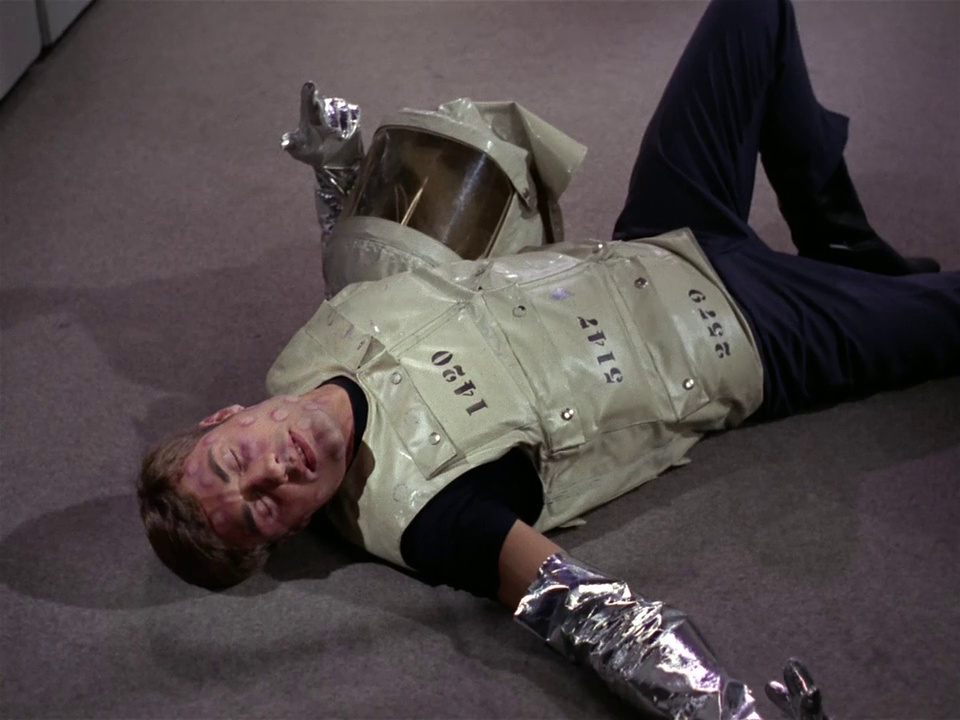
Still frame from Star Trek SNW 4x08 showing Kirk burnt
Was it too difficult to connect Kirk’s experience on the Farragut to this week’s story?

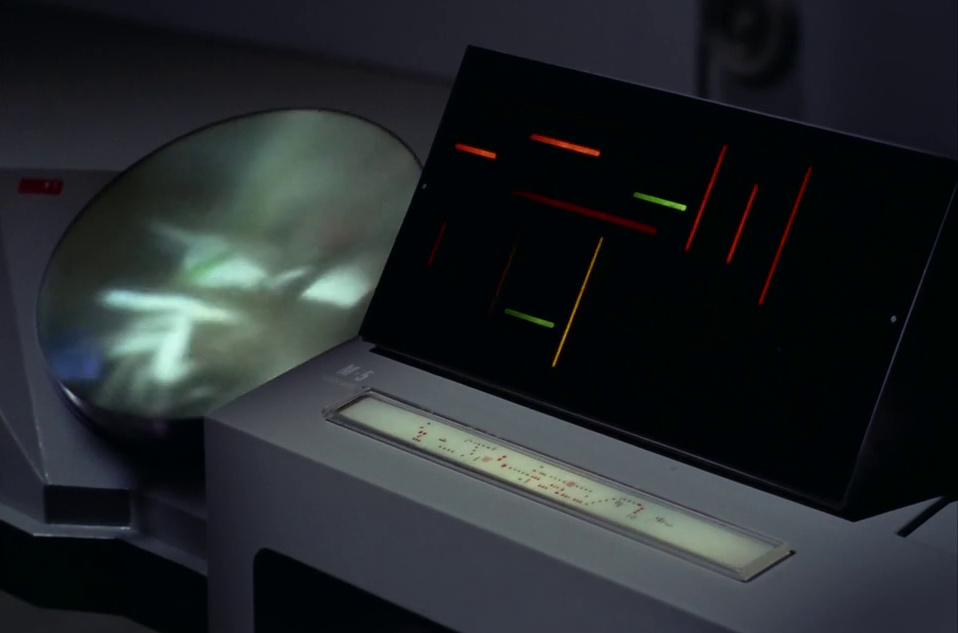
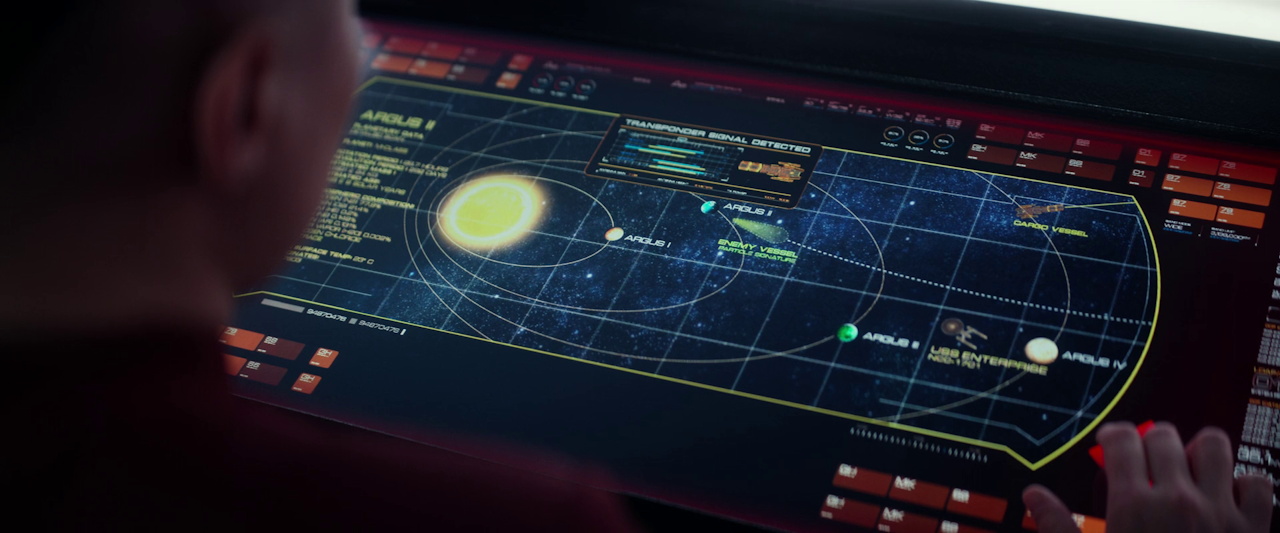
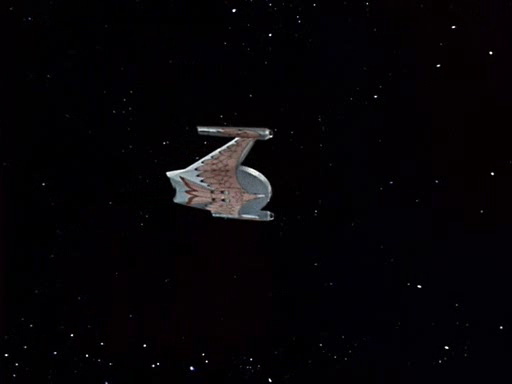
One thing I noticed, albeit very briefly and only on a single star map, was that the cloaked ship that Admiral Reeger was tracking seemed to be flying rather close to the Romulan Neutral Zone. The Neutral Zone was prominently featured on that star map, and given that we know the Romulans use cloaked ships – and that, just a few years from now, Kirk will face off against a similar cloaked intruder – well… put the pieces together! Could this be yet another reference to the events of Balance of Terror, and to the burgeoning conflict with the Romulan Empire? Orders of Magnitude left things ambiguous on that front, and after A Quality of Mercy already delved deeply into that idea in Season 1, I’m sure that was the right call. But it’s interesting in any case.

If it isn’t the Romulans, who else could it be? The Klingons use cloaked ships, of course, but after a recent war with the Federation, would they risk being so aggressive again so soon? Otherwise, we have the Suliban, I guess, from Enterprise, but that’s about it. I suppose a pirate ship or something like that is a possibility – but then, why would pirates massacre an entire planet? Perhaps this is setting up something we’re yet to discover; I note that the Season 4 finale is titled “Tomorrow’s Enterprise,” and makes reference to “the future Kirk will one day inherit” in its blurb. So could that be another hint at the Romulans, Balance of Terror, or some other cloaked ship? It’s definitely a head-scratcher, eh?

Still frame from Star Trek TOS 1x09 showing the Bird of Prey
Was the cloaked ship meant to be Balance of Terror’s bird-of-prey?

I’d be surprised if, after A Quality of Mercy already did so – and did it quite spectacularly – Strange New Worlds would return to Balance of Terror for a *second* time… especially if it’s another time-travel plot. However, after “but it was all just a dream” and other nonsense this season, I suppose anything’s possible, eh?

But we’re speculating about future storylines, and that’s not really a good use of our time!

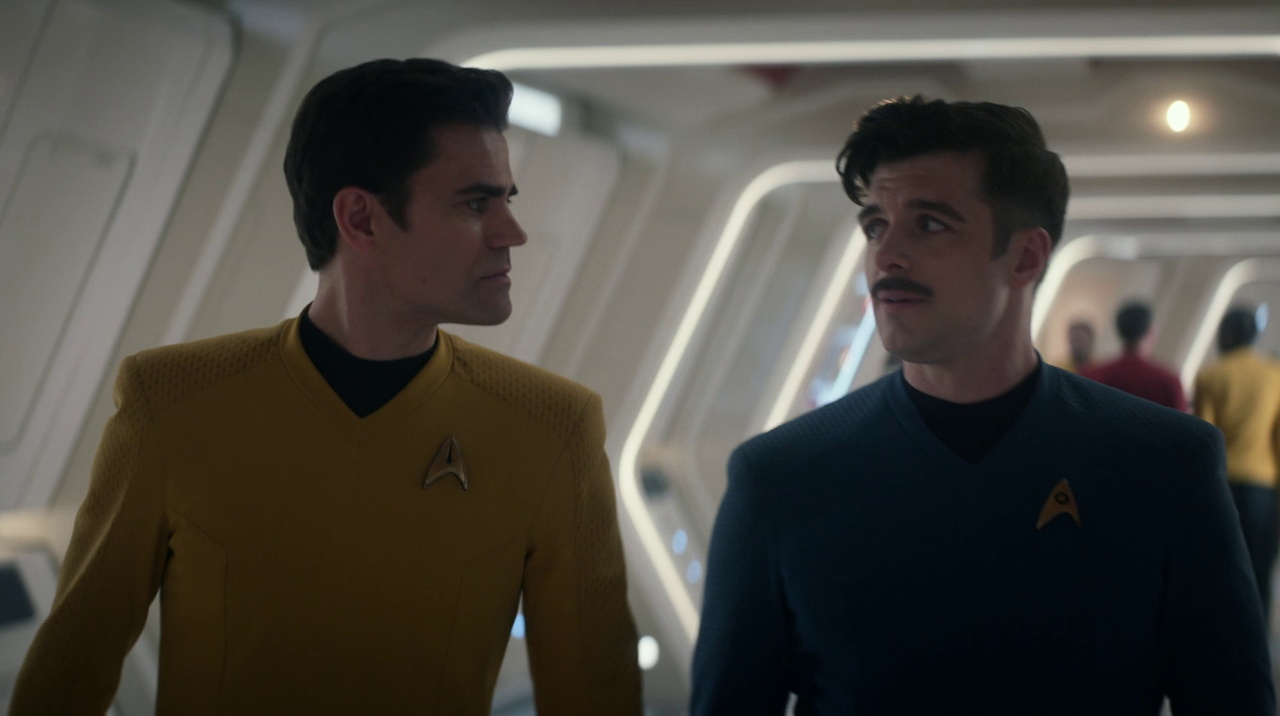
Orders of Magnitude brought James and Sam Kirk together for the first (real) time this season, and I really enjoyed the way the brothers played off each other. Dan Jeannotte kind of drew the short straw in Strange New Worlds, especially when the show started bringing James Kirk into stories more frequently, but he was well-used here, as Sam added a lot of context to James’ quest to uncover the truth about what happened between their father, George, and Admiral Reeger.

Still frame from Star Trek SNW 4x08 showing Jim and Sam Kirk
The Super Kirk-io Brothers.

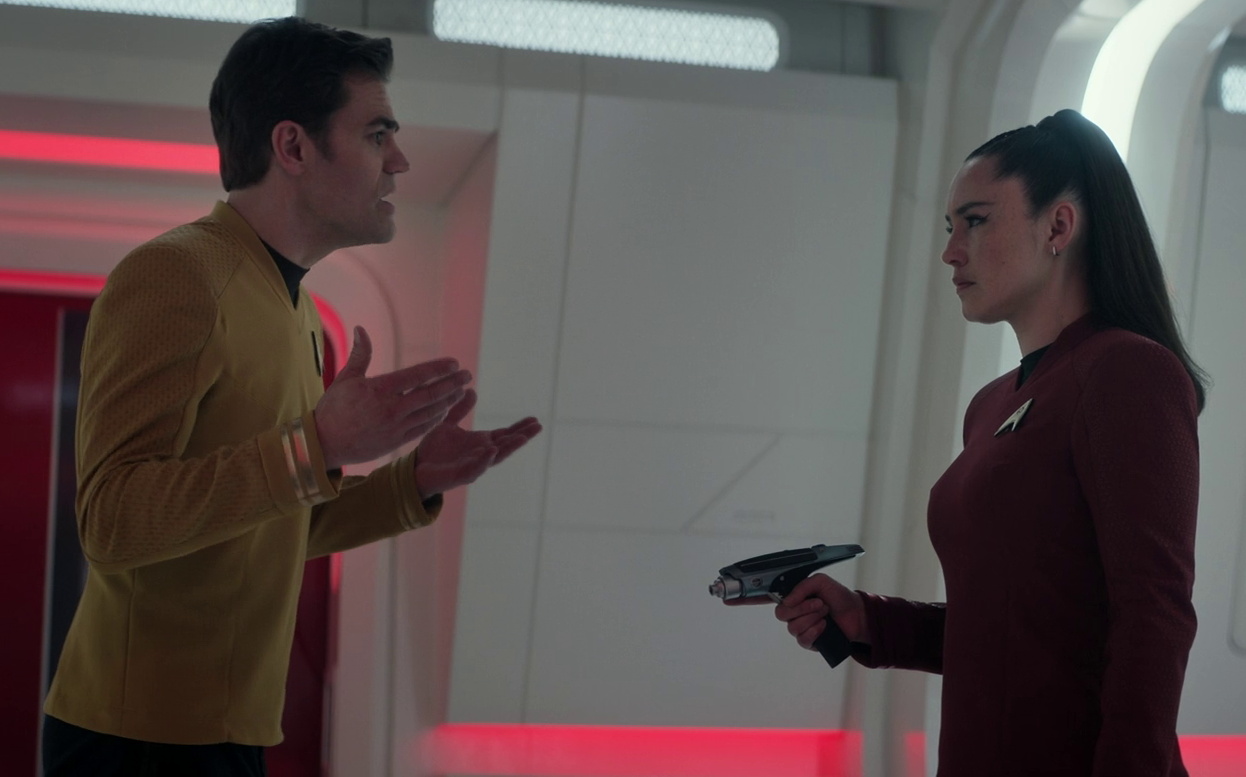
Kirk also got a bit of closure with La’an after the events of The Griffin Incident earlier in the season. I didn’t really like the way this storyline kicked off; Ortegas’ remarks to La’an felt completely wrong and tone-deaf given what happened between La’an and Kirk, and I was just a bit taken aback by the flippant way Ortegas brought up Kirk’s arrival on the ship.

However, Kirk’s line to La’an about how she “did stab [him]” felt suitably in-character for the Kirk we know and love, and I liked that line and the way Kirk kind of got his own back by stunning La’an with her own phaser. Again, if we’re talking about parallels between Kirk and Reeger, there’s another one on the “revenge” side, I guess! La’an having a lucky charm wristwatch, though, seemed to come out of nowhere, and it didn’t really serve any purpose – other than allowing Kirk to come up with a distraction to snatch her phaser. A bit of an oddity. Overall, though, I guess I’d say Kirk and La’an somewhat ended the awkwardness of their time on the USS Griffin, though they might’ve just set up *another* conflict or reason to avoid each other in the process. Not sure I like the implication of La’an – fresh off her breakup with Spock – being allegedly interested romantically in Kirk again, though; we finally dealt with that back in Season 2.

Still frame from Star Trek SNW 4x08 showing La'an pointing a phaser at Kirk
So, uh, are Kirk and La’an good now?

Most of the other characters got relatively minor roles this time, which is okay. I wasn’t clear whether Pike and/or Una knew what Uhura was planning to do when she began her feint to take on the Andorians; I read the scene as Pike *not* knowing, otherwise he might’ve volunteered to do something himself. And for Uhura’s arc, I think it works better if we say that Pike and Una didn’t know what she was planning.

Pelia was absent, which was a bit of a shame – I always like seeing her, and I think she could’ve been an interesting character for Kirk to consult or for Reeger to boss around. However, I liked the moment we got with Scotty this time – and his appearance in the skant variant of the uniform. He looked cute like that, and I think it kind of fits with his dress uniform kilt that we saw in Season 2 (or 3?)

Still frame from Star Trek SNW 4x08 showing Scotty in a skant
Scotty in the skant uniform variant.

So let’s wrap things up.

Orders of Magnitude was an action-packed, exciting episode featuring a great “badmiral” as an antagonist. It had enough narrative similarities to Star Trek’s past to feel a lot more celebratory, at this milestone anniversary moment, than last week’s soap opera mess, and its Uhura storyline in particular did a lot to justify the show’s place in the timeline and prequel status. Even if we never get to spend another second with Uhura (and I certainly hope and expect that we will, by the way!) we can now consider her character growth and prequel arc to be complete.

And for Kirk, while I don’t think he grew or changed as much over the course of his adventure as Uhura did, Orders of Magnitude established and/or cemented important character traits that will go on to be important further along his character journey in The Original Series and beyond, adding to that sense that Strange New Worlds is finally starting to justify bringing Kirk in for a prequel arc. His clash with Admiral Reeger furthers a “challenge to authority” character trait that we know Kirk has, and his willingness to bend and break the rules is something we’ve seen countless times in The Original Series, The Animated Series, the movies, and more.

Still frame from Star Trek SNW 4x08 showing Kirk with Reeger on the bridge
Reeger and Kirk on the bridge.

I have not been Strange New Worlds’ biggest fan or cheerleader this season. In fact, I’m pretty disappointed with more than half of the episodes we’ve gotten so far, for a variety of reasons. I don’t think some of the “big swings” and genre spoofs have worked as well as they could’ve, and I don’t think the writing has been top-quality, either, unfortunately. So it’s great to be able to put my hand on my heart and say that Orders of Magnitude joins Off-Hour and Human Best Friend as one of “the good ones;” episodes from this season that I’ll happily return to for a re-watch in the months and years ahead!

Next week, Strange New Worlds promises “a genuine fantasy world” and “fairy tale” in Once La’an A Time. Could this be the moment where La’an gears up for an exit from the Enterprise, as I’ve repeatedly speculated? I guess we’ll have to tune in to find out! Though I confess, I feel echoes of Season 1’s The Elysian Kingdom already, and after such a solid, upstanding, and “Star Trekky” episode this week, I’m not thrilled about a return to the “big swings” and genre spoofs next time. But I’ll try to approach it with an open mind – and hope to have my doubts proven wrong!

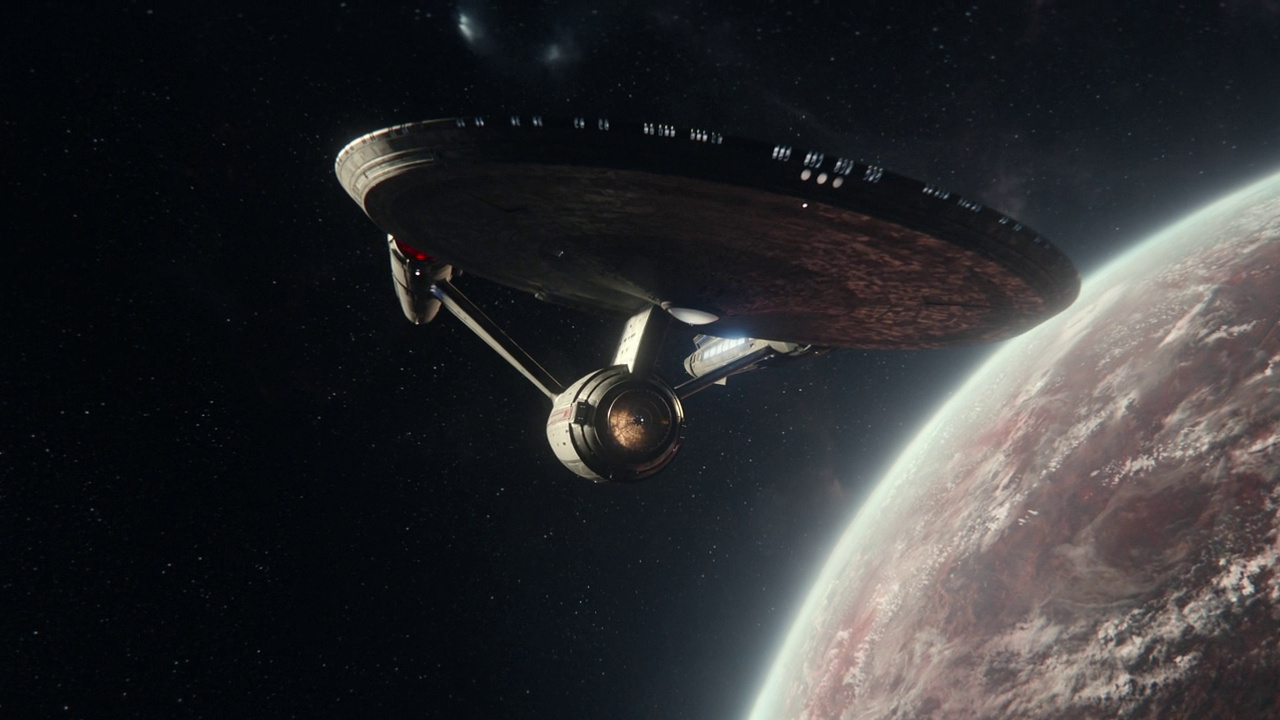
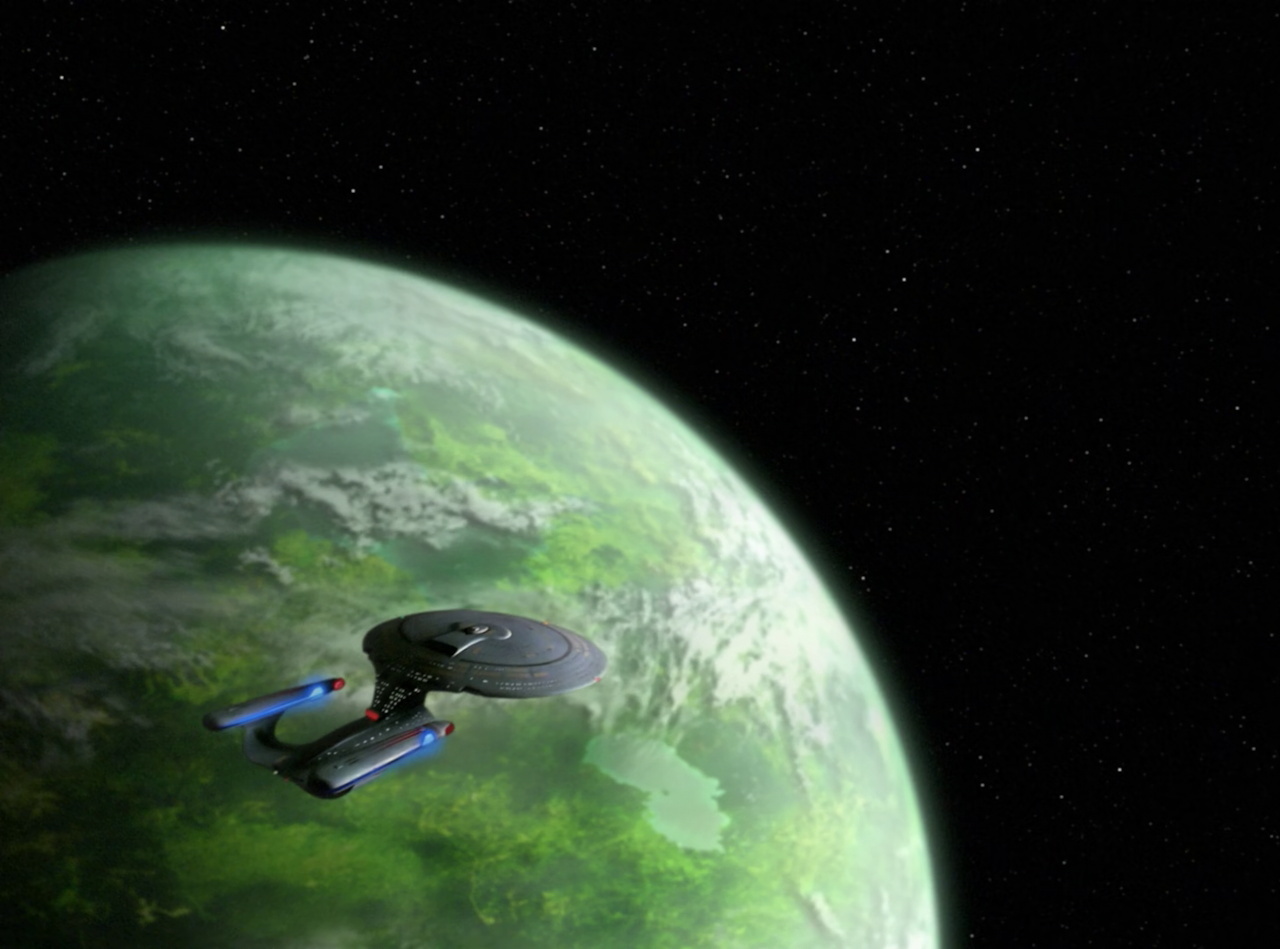
Still frame from Star Trek SNW 4x08 showing the USS Enterprise in orbit
The Enterprise in orbit of the crystal moon.

Thanks for joining me this time. I hope this review has been interesting. I’m aware of the fact that, over the season as a whole, most of the episodes I’ve favoured have been the action-packed ones, which I wouldn’t have necessarily expected a couple of months ago. But some of these other genre spoofs and pastiches haven’t worked as intended, at least for me… so here we are, I guess!

I’m glad that, after three of the last four Strange New Worlds episodes have been flawed, tropey, or otherwise just plain unenjoyable, the series has once again demonstrated that it can find its feet. Sure, it’s a bit late in the season, and Orders of Magnitude can’t wipe away some of the disappointments of prior episodes. But as a Trekkie, I sit down to watch Star Trek because I want to have a good time – not because I want to write a 3,000-word teardown of the latest ill-conceived or poorly-executed genre spoof. Orders of Magnitude has been, in that sense, a pleasant and refreshing change of pace!

See you next week for Once La’an A Time… and until then: Live Long and Prosper, friends!


Star Trek: Strange New Worlds Seasons 1-4 are available to stream now on Paramount+ in countries and territories where the platform is available. The first three seasons are also available on DVD and/or Blu-ray. The Star Trek franchise – including Strange New Worlds and all other properties discussed above – is the copyright of the Skydance-Paramount corporation. This review contains the thoughts and opinions of one person only and is not intended to cause any offence.

Star Trek Turns Sixty!

Happy Star Trek Day, everybody! And a very happy *sixtieth* anniversary to the Star Trek franchise, which first aired on this very day in 1966.

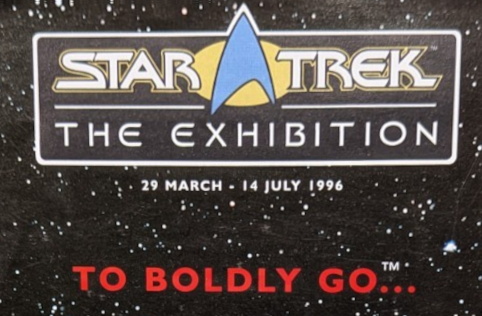
I wanna start today’s celebrations by talking not about the sixtieth anniversary, but rather the thirtieth! In 1996, a young Dennis made the long trek by rail to Manchester. Why? Because Manchester’s Museum of Science and Industry was playing host to Star Trek: The Exhibition, which was a travelling collection of screen-used props, model ships, a replica of the Enterprise bridge, and more. The Exhibition had stays around the UK, Ireland, and Germany from 1995 through to 1998, and some of its props and exhibits later re-appeared in Blackpool, in time for the 50th anniversary in 2016.

But that visit to Manchester… I remember it being magical! It was one of my first major outings on my own, taking two separate trains, and I remember being amazed at the full-size replicas, the props that had actually been seen on screen, and everything else that was on display. It was a truly wonderful way to celebrate the franchise’s thirtieth anniversary, and I remember it being just an incredible experience.

I visited this exhibition in 1996 to celebrate the 30th anniversary!

But the thirtieth anniversary was far from over! I bought a special edition of the Star Trek Magazine, which celebrated the milestone, and then there was the BBC’s Star Trek Night! That broadcast had quizzes, interviews with famous fans, and concluded with the UK premiere of CaretakerVoyager’s first episode. If you’re an American, that might seem a little late, but remember that in the ’90s, the UK (and much of the rest of the world) was running at least a full season – if not two – behind the United States in terms of broadcasts.

There were two special episodes produced for Star Trek’s thirtieth: Deep Space Nine’s Trials and Tribble-ations and Voyager’s Flashback. Both are great episodes that are a ton of fun to revisit, even though I didn’t get to see them until a bit later! And lest we forget, 1996 was also the year of First Contact! Widely hailed as the best TNG film (though I might be tempted to disagree!) First Contact hit cinemas in November that year.

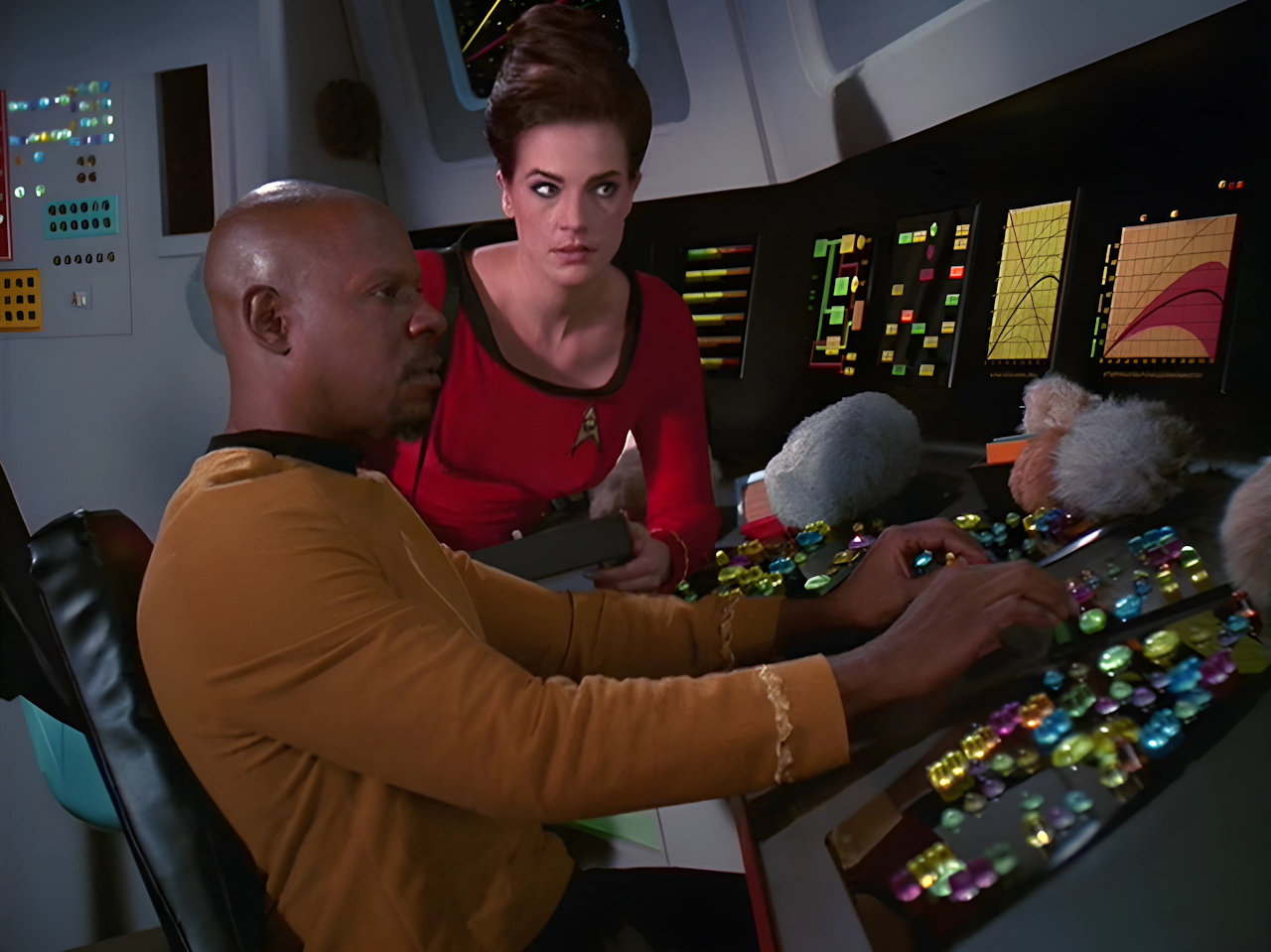
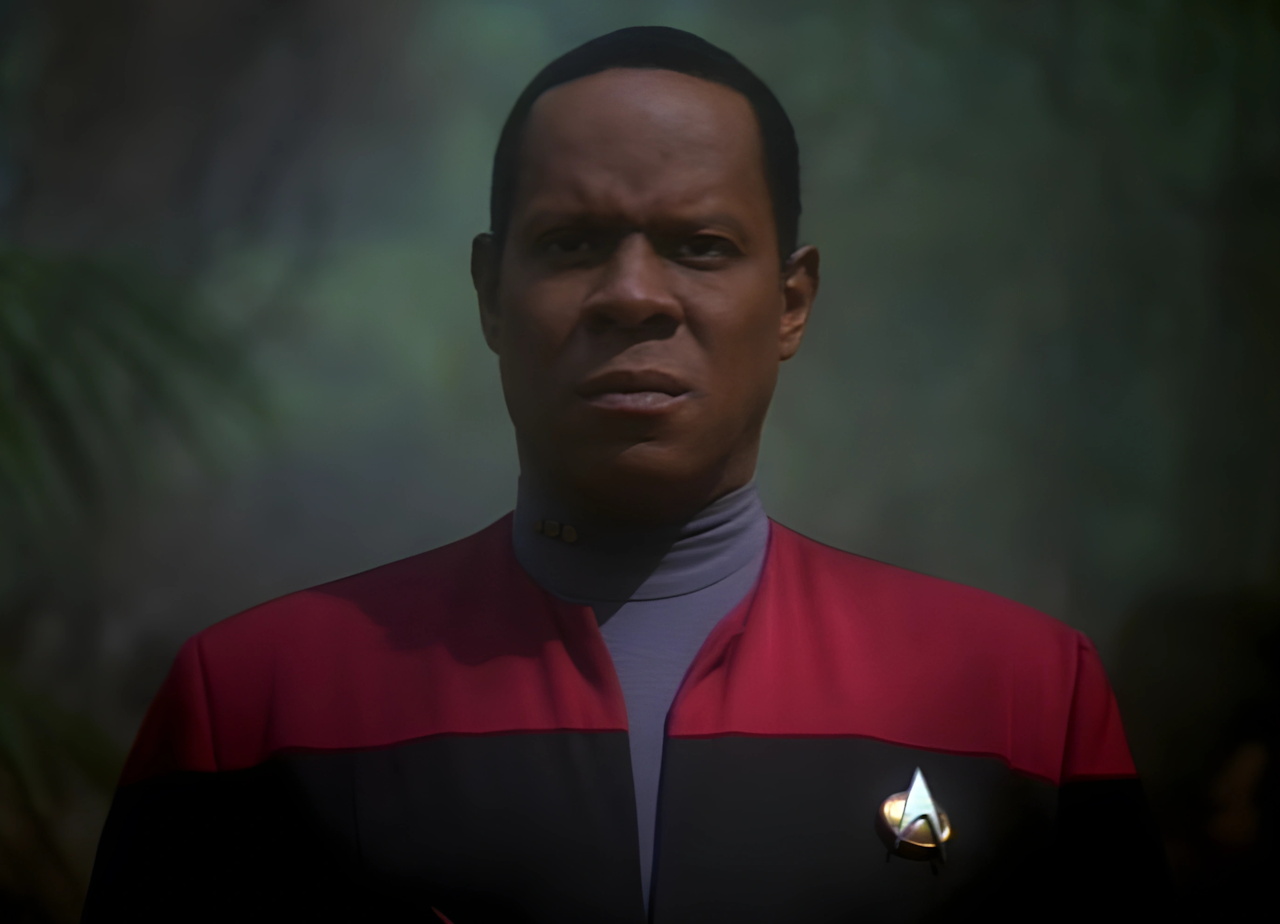
(AI upscaled) still frame from Star Trek DS9 5x06 showing Sisko and Dax on the Enterprise bridge
We got two wonderful crossover episodes for the 30th anniversary.

The thirtieth is, for me, Star Trek’s best and biggest anniversary; it was a real blow-out. By the time of the fortieth in 2006, we were kinda down in the dumps as Trekkies, sadly. Enterprise’s cancellation meant that no new Star Trek was being broadcast or even in official production, so there was no chance to repeat crossover specials or anything of that nature. And by the fiftieth in 2016, Discovery was still in early production, and we just got the one Kelvin timeline film – Beyond – in cinemas. Beyond’s premiere was rather bittersweet, coming after the deaths of Leonard Nimoy and the young Anton Yelchin. So the fiftieth – a half-decade of Star Trek – came at a time of optimism in some ways, but with only the one film premiering.

So where does Star Trek stand today, as the sixtieth anniversary lands?

Well, Strange New Worlds is currently on the air, with Season 4 more than halfway over. We’ve also had Starfleet Academy’s first season, a pretty solid video game called Across The Unknown, and the announcement of another interesting-looking game called Shadow Frontier. Not bad, for sure… but perhaps not as big or spectacular as I might’ve hoped for three or four years ago!

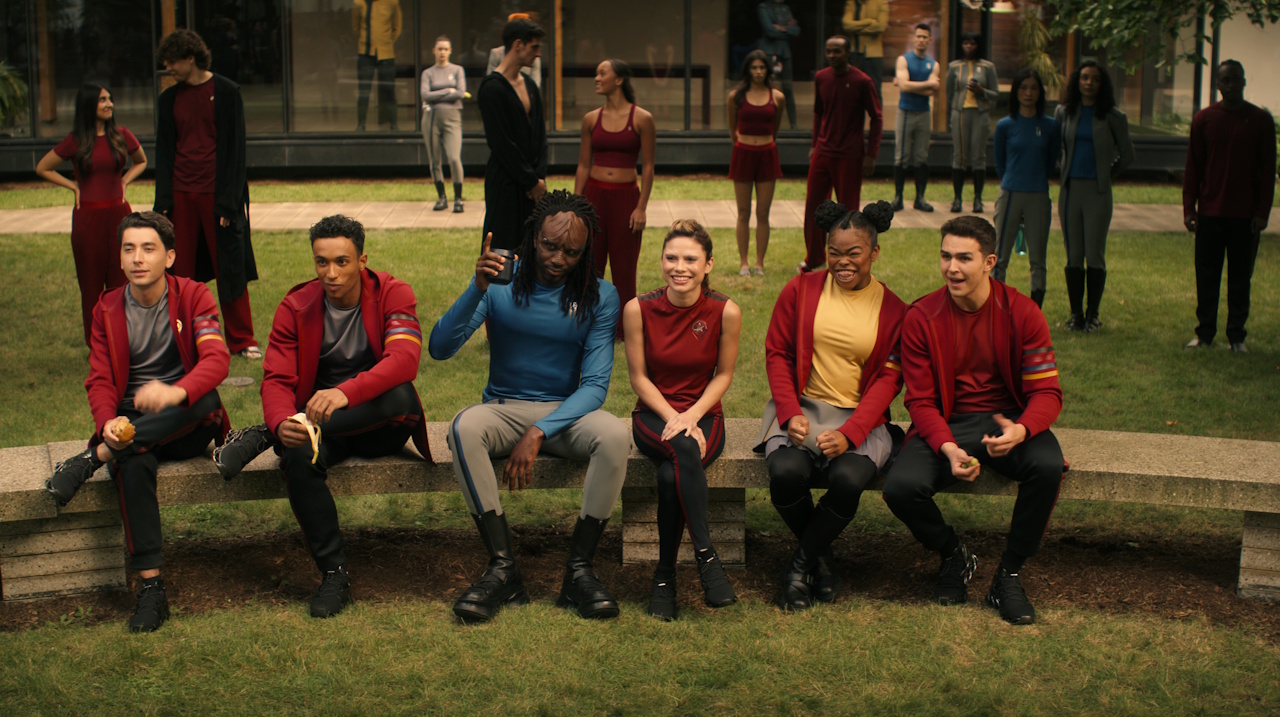
Still frame from Star Trek SFA S1 showing the cadets
Star Trek: Starfleet Academy premiered earlier this year.

I would’ve liked to see more of an effort made to get some kind of crossover going – like we got for the thirtieth. Perhaps Pike’s crew could’ve linked up (somehow) with characters from The Next Generation era, or the Starfleet Academy kids might’ve been able to revisit the events of a fan-favourite story. There was potential to do something a bit bigger than we ultimately got from this new Skydance-Paramount corporation, and given Star Trek’s short-to-medium-term future… I’m a bit disappointed, to tell you the truth.

Every Star Trek show which had been in production at the time of the Skydance merger has since been cancelled, and I think we have to accept the disappointing reality that this modern incarnation of Star Trek did not do as well as the TNG era in terms of bringing in a wider audience. Streaming numbers aren’t always easy to come by, but neither Starfleet Academy’s first nor Strange New Worlds’ fourth seasons have cracked the top-ten most-streamed shows in the United States this year. And that’s a bit of a shame.

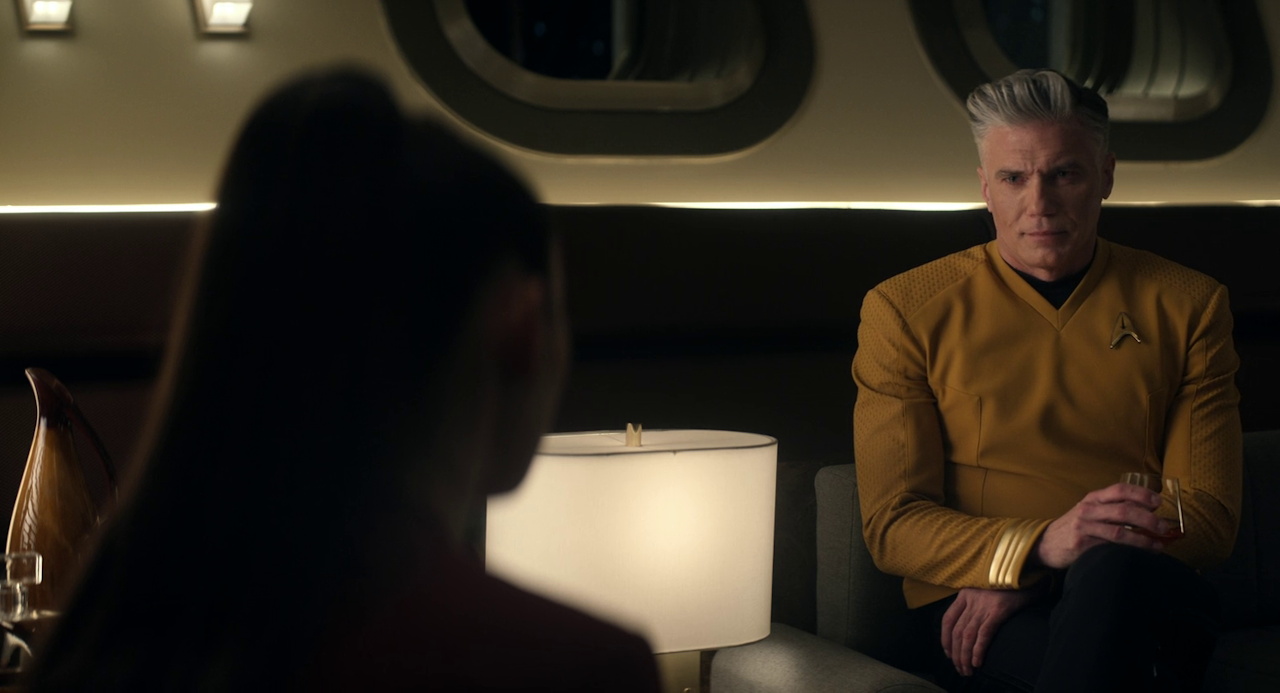
Still frame from Star Trek SNW 4x02 showing La'an drinking with Pike
Strange New Worlds Season 4 is currently airing.

At the same time, though, I see reasons for optimism in Star Trek’s longer-term future. As I said, there’s at least one new, interesting-looking video game from a known developer in the works, and that has the potential to be bigger and more successful than any Trek game since 2000’s Elite Force. And there’s at least one new film idea being worked on; whether it’ll make it to full production is another matter, of course!

But after the previous Paramount corporation arguably mishandled Star Trek, I think there’s value in giving a new team time and space to go through a bit of a reset. I’d have preferred if at least one show could’ve kept the flag flying, of course, but given where we are right now… maybe a break is needed. If Star Trek can come back stronger – perhaps in time for the seventieth anniversary! – we might not consider the impending hiatus to be a bad thing at all.

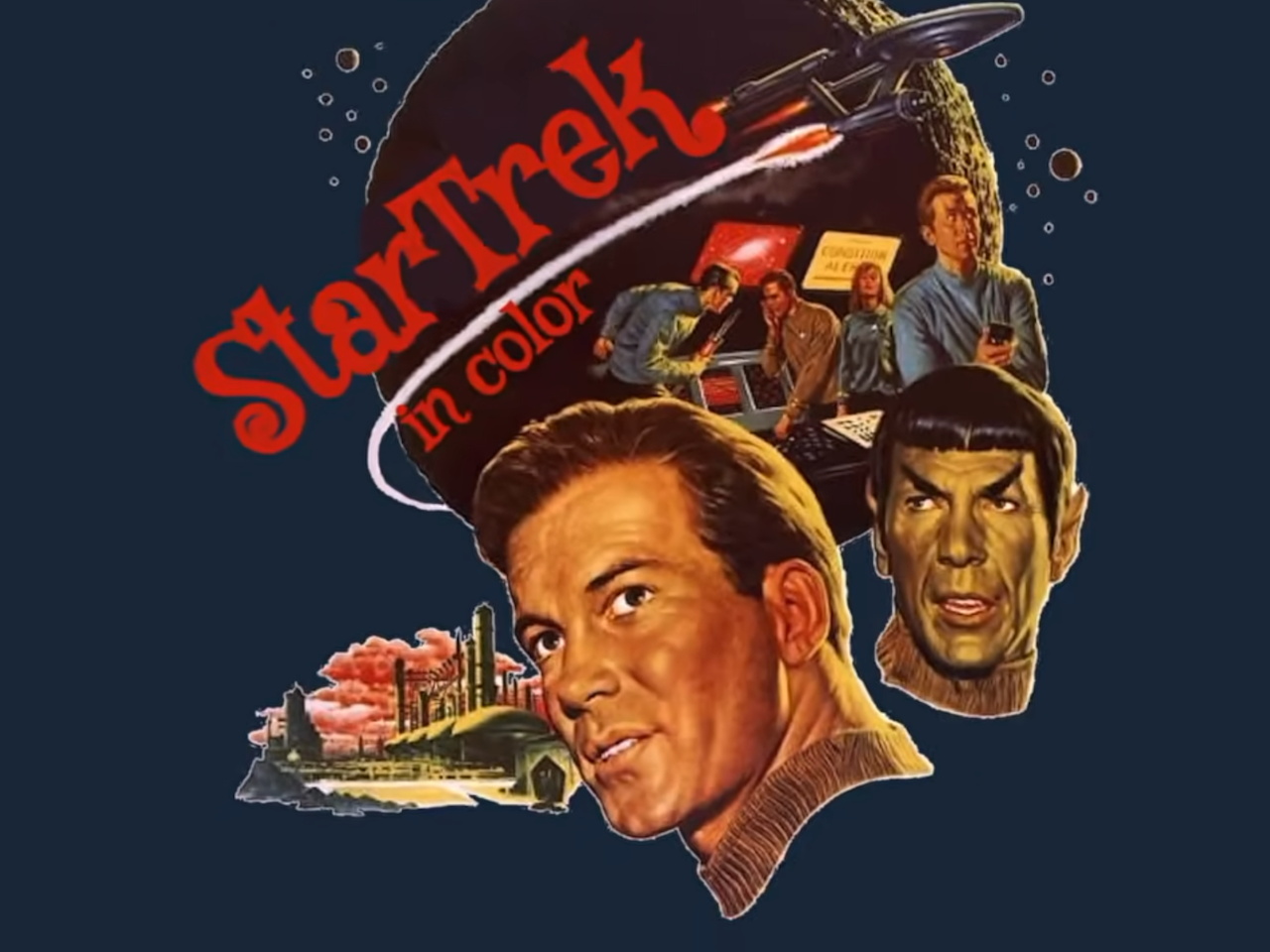
(Enhanced) still frame from a 1960s Star Trek TOS commercial showing the logo
An enhanced/upresed still from a 1960s TV advert promoting The Original Series.

Star Trek is still a unique offering in the sci-fi realm. Much of the genre in the modern day focuses on dystopias – civilisations where technology has gone awry, or where corporations and autocrats are in control. Star Trek’s vision of an enlightened future, where humanity has overcome many of its worst impulses and flaws, and where technology solves more problems than it causes, still makes the franchise stand out – even though some recent offerings have challenged that idea.

And there’s still a place for a franchise that looks ahead with hope and optimism. Not only is that something I’d argue many of us want and *need* to see in the entertainment space, but it’s also something that makes Star Trek different. In a growing, crowded genre, Star Trek still has something that helps it stand out from the pack. It’s going to fall on the shoulders of new producers, writers, and directors to take advantage of that properly – and in a way that, arguably, those of the recent streaming era failed to do – but I still believe that it’s not only possible, but desirable, too.

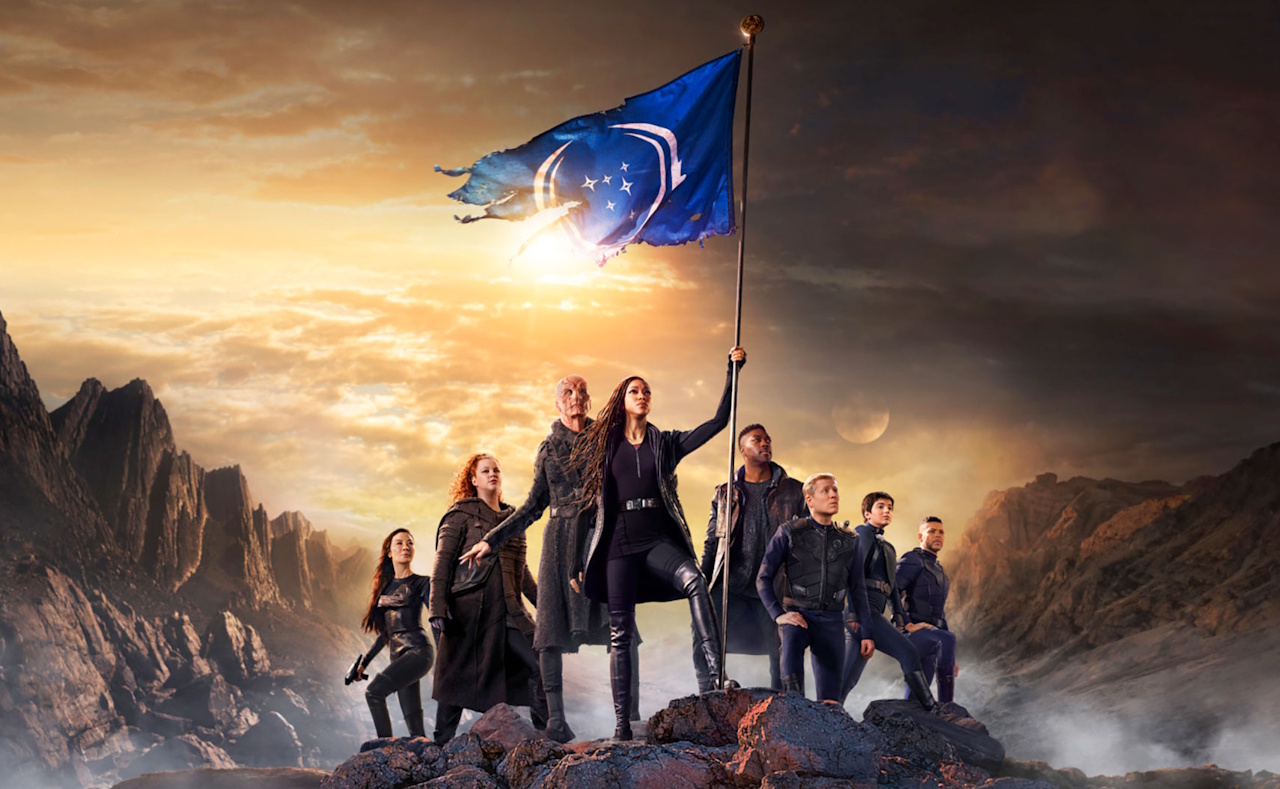
Cropped promo poster for Discovery S3
The world still needs entertainment with an optimistic tone and a hopeful approach to the future.

I first became a Trekkie in 1991. I wrote up a re-watch of the very first episode I can ever remember watchingThe Next Generation’s second season episode The Royale – earlier this year. And I’ve spoken before about how Star Trek was a source of help, comfort, escape, and companionship to an awkward, nerdy, and lonely kid through the ’90s and beyond. Star Trek helped me navigate school, social life, adolescence, and more – and the franchise has been a near-constant companion to me for more than thirty-five years at this point.

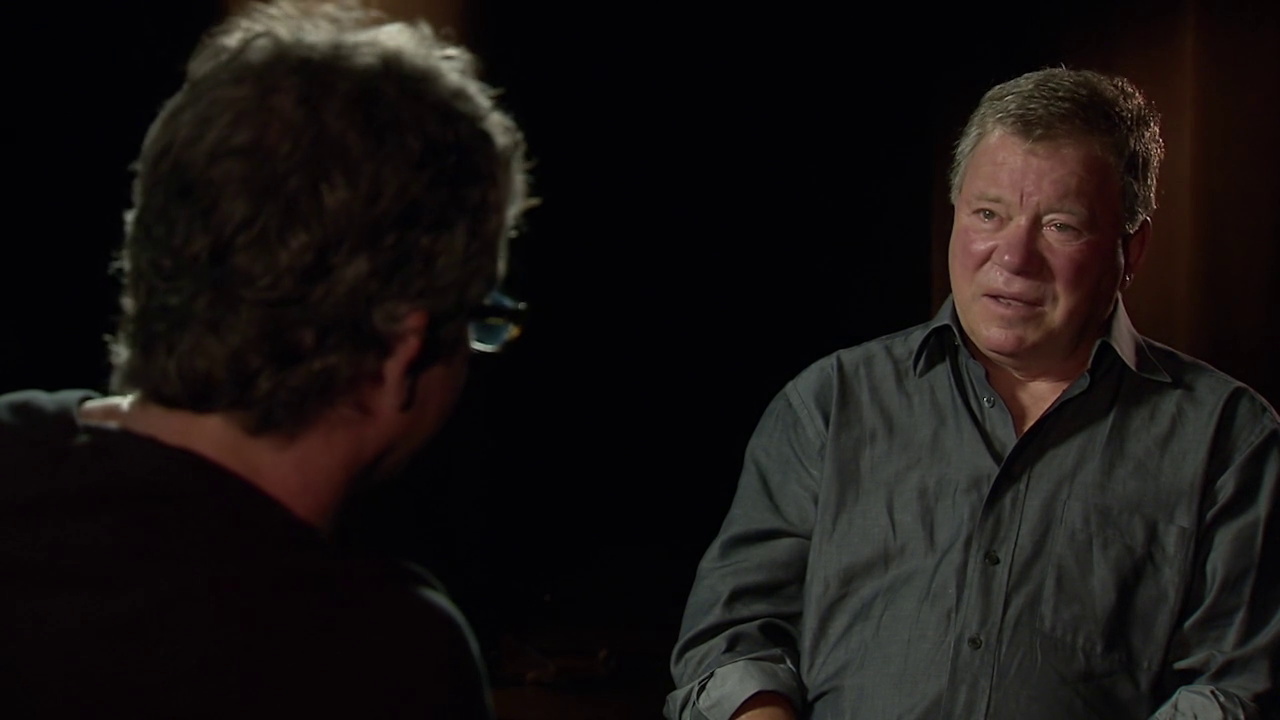
I went back to watch The Original Series and its films as I began my journey as a Trekkie – culminating in meeting William Shatner at a fan event just this year. And, as The Next Generation’s spin-offs and films made their way to the UK from the mid-90s on, I religiously watched every episode and film that I could! I even began collecting The Next Generation on VHS, before making the move to DVD box sets in the new millennium. I’ve owned action figures, model ships, prop replicas, posters, kitchenware, clothing… the works. I’m a Star Trek fan through-and-through, and I always will be.

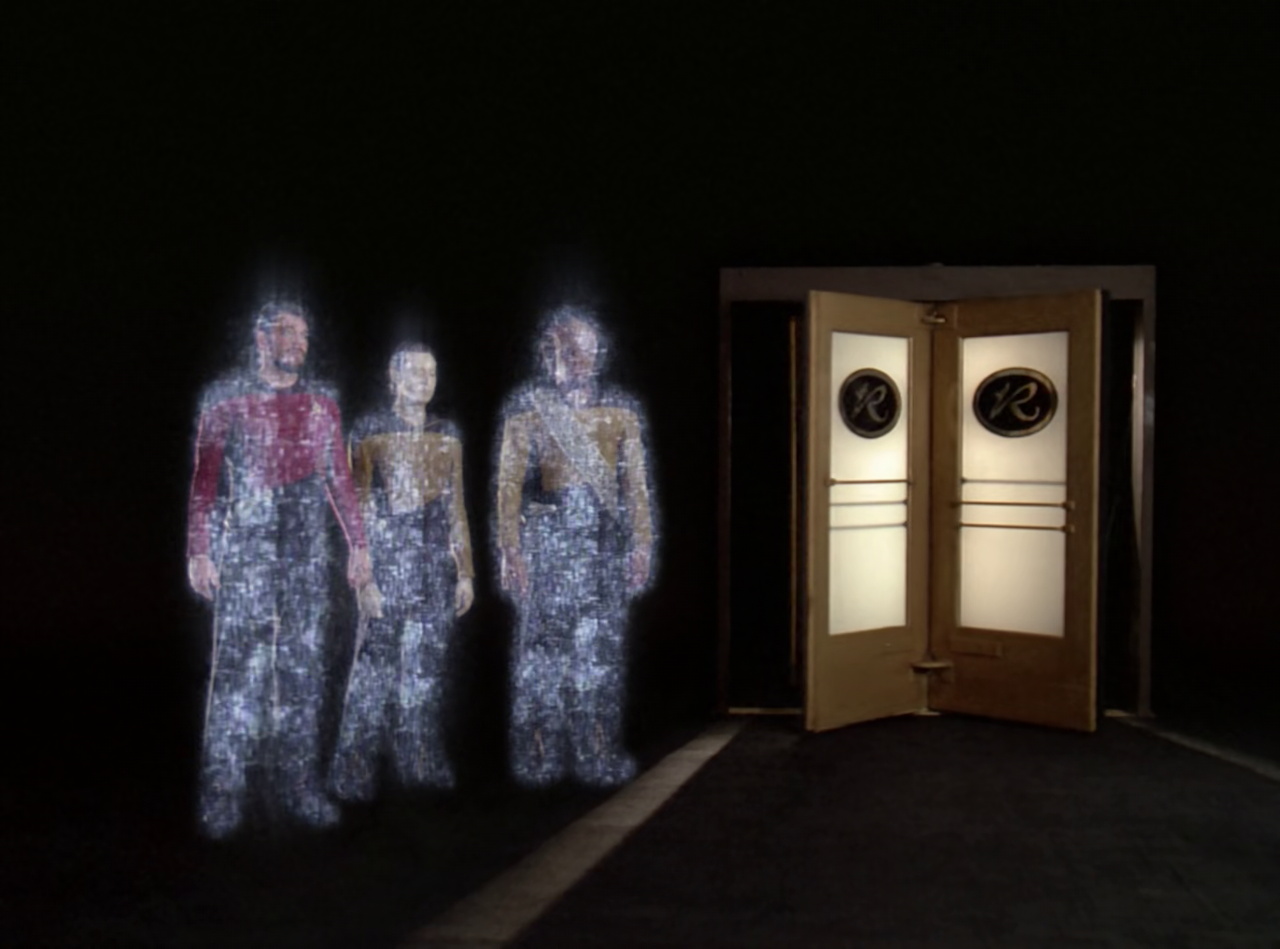
Still frame from Star Trek TNG The Royale showing the away team beaming out
The Royale, from TNG’s second season, is the first Star Trek episode I can remember watching.

This franchise means a lot to me. I’ve supported Star Trek for most of my life, since before I turned ten years old, and for more than thirty-five of its sixty years of existence to boot. I’d love nothing more than to learn a new series is in early production, and that the new Skydance-led team has a concrete plan for where to take the franchise next. Films can be great and all… but for me, at least, Star Trek has always felt much more at home on the small screen.

Which is why, a decade ago, I was so excited for Star Trek: Discovery’s announcement and impending premiere!

Since Beyond was in cinemas ten years ago, we’ve had more than 200 episodes of new Star Trek across six-and-a-bit different shows, as well as a TV movie. Star Trek has tried some very different things in this era – new genres, new styles of storytelling, and attempts to reach out to different audiences and demographic groups. Not all of those experiments have been successful, thanks in no small part to poor decision-making on the corporate side, but if nothing else, I can say that I respect the efforts that were made, and the attempts to take Star Trek to new places while retaining what’s made the franchise so special to me for all these years.

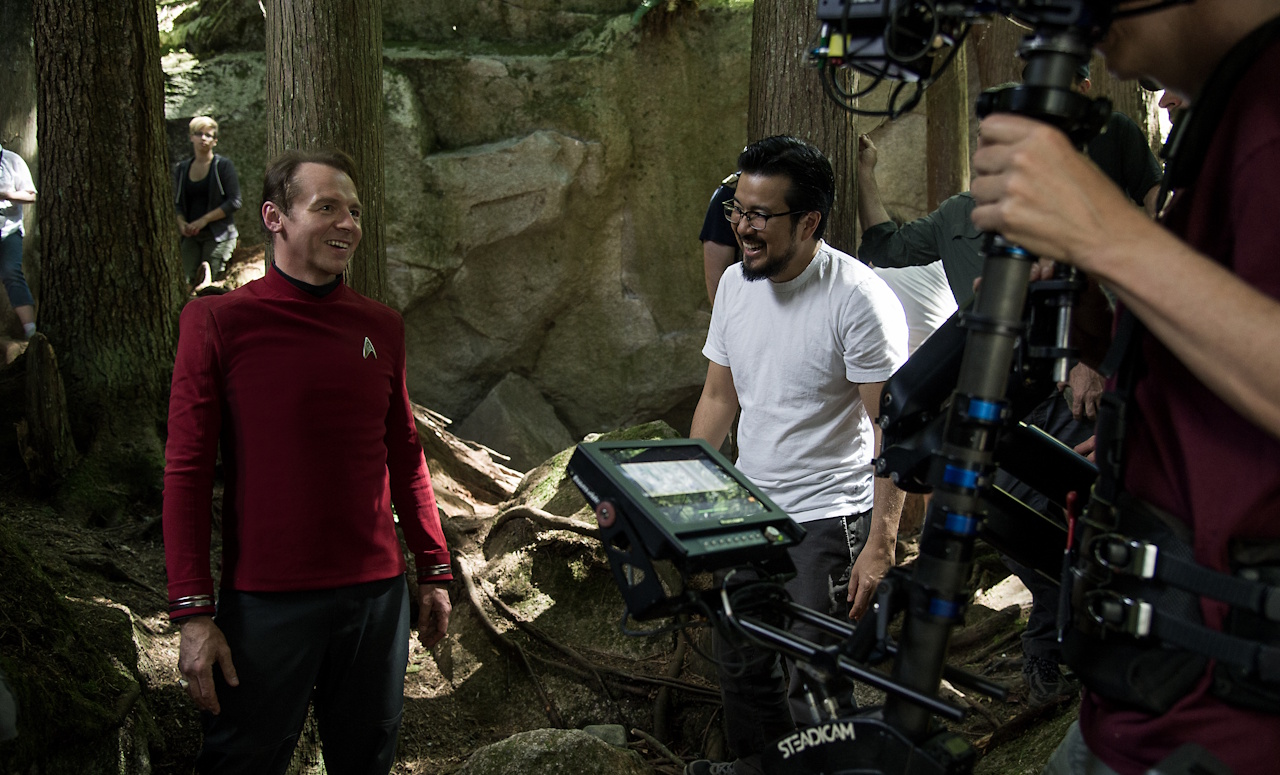
Behind-the-scenes photo from Star Trek Beyond
Behind-the-scenes photo from the set of Star Trek Beyond.

Over six decades, Star Trek has introduced us to some wonderful characters, wacky aliens, and incredibly cool technologies. The franchise arguably “predicted” the likes of cell phones, tablets, wireless tech, digital record-keeping, real-time translation, and many more things years or even decades before the real world caught up! That’s pretty cool, if you think about it. And many designs for things like starships, communicators, weapons, and uniforms have become iconic; instantly-recognisable pieces of our shared pop culture.

Star Trek memes still circulate on social media, even if the shows that spawned them have been off the air for decades! The “Picard facepalming” and “it’s a faaake!” memes have gone on to have lives of their own, far beyond the Trekkie community, and I daresay most people would recognise at least one or two things from the Star Trek franchise wherever you go in the world, from Okinawa to Harare and Port Stanley to Tromsø. Star Trek is just… that big.

(AI upscaled) still frame from Star Trek DS9 6x19 showing the Vreenak meme
“It’s a faaaaake!”

As we look to the future, I think it’s understandable, for us as fans, to feel a little anxious, a little concerned, and even a little disappointed. Some shows seem to have ended too soon, without being given a proper chance to connect with their intended audiences, and with only one feature film allegedly in early pre-production, Star Trek could be about to enter a bit of a fallow period. But the franchise has taken breaks before, only to come back stronger, and with a new corporate team now in charge… I think it’s at least possible that conversations are going on about what to do with this iconic brand and where to take it next. A bit of a break might give everyone time to let those discussions play out – and to get some new faces into the room for the first time in a decade.

I will always do my best to support Star Trek – and that means hyping it up where I can, but also calling out and criticising failures or disappointments where I see them. When I used to do Twitter a few years ago, I remember one fan had words in their bio to the effect of “I never want to say anything negative about Star Trek ever!”, and for me… that’s just silly. If we give a brand unflinching, unquestioning loyalty, that isn’t actually helpful. Sometimes it takes a franchise’s biggest fans to hold producers and corporate leaders to account – to let them know that some decisions, whatever they may be, have gone too far in the wrong direction. And that philosophy is a core tenet of my website.

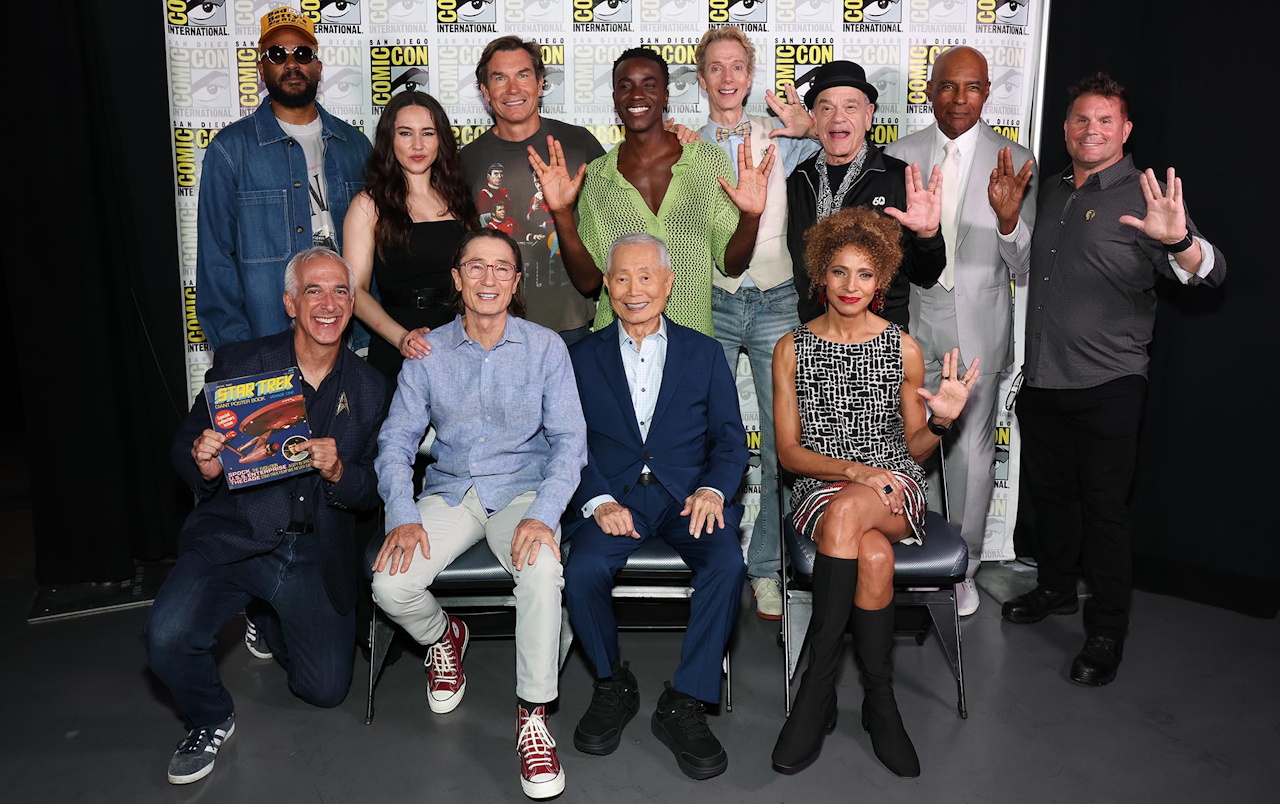
Photo from a Star Trek Comic-Con event showing actors from the franchise
Representatives from across the Star Trek franchise at a recent Comic-Con panel.

So yeah, I’ll continue to support Star Trek! But I won’t hold back from criticising it, either, if and when mistakes are made. It’s easier, in some ways, to criticise an episode or two of a series when you know there are more episodes – and different shows – still in the pipeline. But if we’re back to only getting one film every few years, as happened with the Kelvin era and Star Trek’s last fallow period… it’ll suck ten times more if the *only* Star Trek content we get isn’t very enjoyable! But we all have to make decisions, as fans, about how best to support the franchise.

Six decades ago, The Man Trap graced American television screens, and introduced audiences to Captain Kirk, Spock, Dr McCoy, Sulu, Uhura, and Scotty. And all these years later, here we are, gathered together to celebrate a franchise that now extends to almost 1,000 stories across eleven mainline shows, a cinematic franchise, and more. Spin-offs have taken Star Trek to books, comics, board games, and video games – which didn’t even exist back in 1966! The fan community is still just as vibrant, passionate, and wonderful as ever – something I can attest after visiting two Star Trek conventions in the past couple of years! And even if cancellation is looming, and Star Trek might be less of a feature on our screens for a while, we still have that extensive back catalogue to revisit.

Still frame from Star Trek TOS 1x01 showing the Enterprise
The very first shot of the USS Enterprise from The Man Trap, which aired sixty years ago today.

Thanks for joining me for this celebration of Star Trek’s sixtieth anniversary.

If you missed them, across 2026 I’ve been writing articles here on the website to mark this milestone anniversary. I talked about my run-in with William Shatner back in May, I shared more of my infamous “hot takes” on the franchise, another batch of my “what-if” scenarios, and I checked out some of the “worst” theories from across the fandom. Then I rated some “unpopular” Star Trek opinions, pulled out some “hidden gems” from across the franchise, and previewed an upcoming base-building game *and* an upcoming survival horror game. I’ve reviewed Starfleet Academy’s first season, and talked in depth about two of its storylines: one involving a surprise callback to DS9 and one involving the Doctor. I’ve also reviewed the new Voyager game Across The Unknown – then updated my review, and finally reviewed the first part of its planned DLC. I’ve written up episode re-watches of: Where No Man Has Gone Before, Arena, The First Duty, The Royale, Skin of Evil, and The Andorian Incident. And, of course, I’ve been reviewing Strange New Worlds’ fourth season episode by episode.

Click or tap any of those links to check out those pieces.

All that’s left to say is this: Happy Sixtieth Anniversary, Star Trek! Here’s to many, many more milestones and celebrations. And, as always, Live Long and Prosper, friends!


Most episodes and films discussed above can be streamed on Paramount+ in countries and territories where the platform is available, and are also available on DVD and/or Blu-ray. The Star Trek franchise – including all series, films, and properties discussed above – is the copyright of the Skydance-Paramount Corporation. Still frames from Star Trek: Deep Space Nine, Star Trek: Voyager, and an old TV commercial were upscaled using A.I. tools. This article contains the thoughts and opinions of one person only and is not intended to cause any offence.
Star Trek: Hidden Gems

A Star Trek-themed spoiler warning

Spoiler Warning: Beware of minor spoilers for some of the episodes on this list.

In celebration of Star Trek’s imminent sixtieth anniversary, I want to make a list of some great episodes! And I know what you’re thinking: “Dennis, you’ve done this before.” True. But this list is slightly different – I’m going to exclusively focus on episodes that I think are “hidden gems;” episodes you might overlook, episodes you might skip if you’re going back for your sixtieth re-watch of a box set, and episodes that basically no Trekkie is recommending as a starting point for new viewers of the franchise!

So that raises an obvious question, right? How do we determine what is and is not a “hidden gem?” I’m glad you asked!

Last year, I used IMDB’s episode review scores to put together two lists: the “top five” and “bottom five” episodes from each of the pre-Discovery shows. And I’m taking IMDB’s rankings as a starting point again. In short: if an episode is either in the top ten most highly-rated episodes, or the bottom ten most-disliked episodes from a series, I’m excluding it. That also applies if one half of a two-part story is in either the top- or bottom-ten. But the rules don’t end there!

I’m also going to exclude stories that are – in my *subjective opinion*, of course – well-remembered, “iconic,” or that have otherwise crossed over to become part of pop culture. In brief: episodes everyone remembers, stories with clips or scenes that have been meme-ified, and really any episode that I think an average non-Trekkie might look at and say “oh, I remember that.” I think that definition *has* to include series premieres and finales, which introduce characters and wrap up key storylines. And finally, I’m going to exclude crossover episodes, which I think are pretty memorable by default.

So that’s how we’re reaching our conclusion for what is and is not a hidden gem! Partly based on review scores from IMDB, and partly based on how subjectively “iconic,” easily-recognised, or memed on an episode might be.

Does that sound fair? I hope so, because that’s what we’re going with!

Behind-the-scenes photo from Star Trek TNG
Behind-the-scenes on the set of Star Trek: The Next Generation.

What’s the point of this? Well, I want to celebrate the franchise’s sixtieth anniversary, but I think there are gonna be a ton of “bEzT sTaR tReK ePiSoDeZ eVaRrR!!1!” list-icles all over the internet this week, and many of them are gonna just pick the same fan-favourites: City on the Edge of Forever, The Best of Both Worlds, and so on. And likewise, some folks are gonna ironically recommend the likes of Spock’s Brain or Shades of Gray.

I just thought it could be fun to pick out a few episodes that might fly under the radar; genuinely good, enjoyable stories that might’ve been eclipsed by stronger episodes, or that just didn’t catch fire in the way some others did.

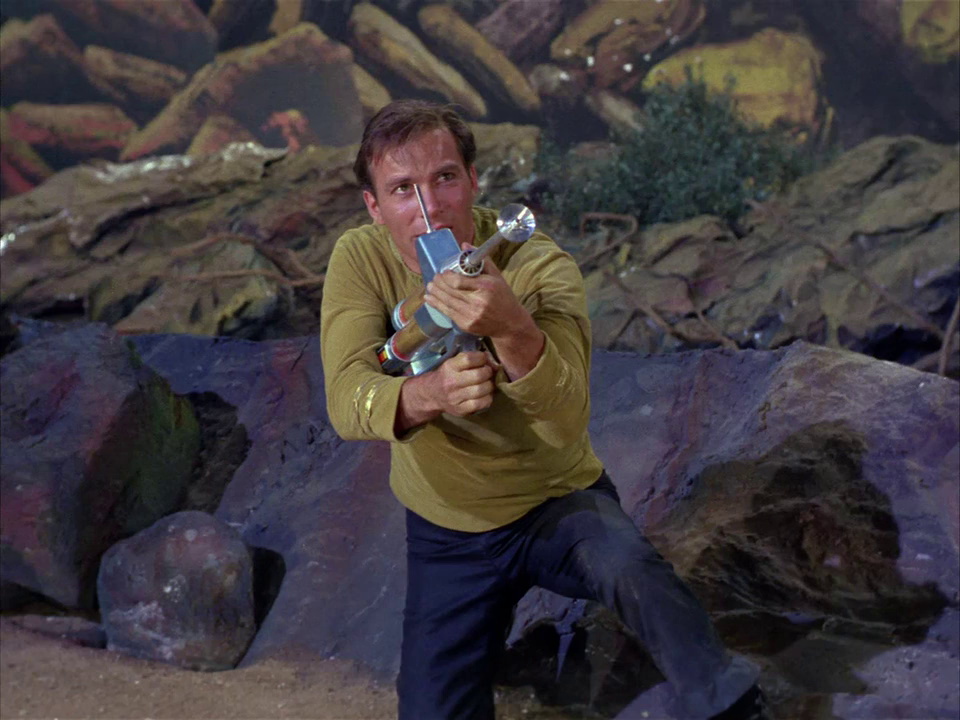
Still frame from Star Trek TOS showing Kirk and his phaser rifle
Captain Kirk.

I’m not putting any other limitations on my selections. Episodes will come from right across the franchise, and as long as they aren’t in the top- or bottom-ten from their respective shows, and don’t have iconic moments, famous memes, or other such things… they’ll be entered into consideration! I hope this’ll be a bit of fun, and maybe you’ll be inspired to return to a story you haven’t seen in a while, or even try out something brand-new.

I’ve picked fifteen episodes for this list… and hey, if you’re looking for a playlist for your sixtieth anniversary Star Trek marathon? Here ya go!

With all of that out of the way, let’s get into the episodes!

Episode #1:
The Star Gazer
Picard Season 2, Episode 1

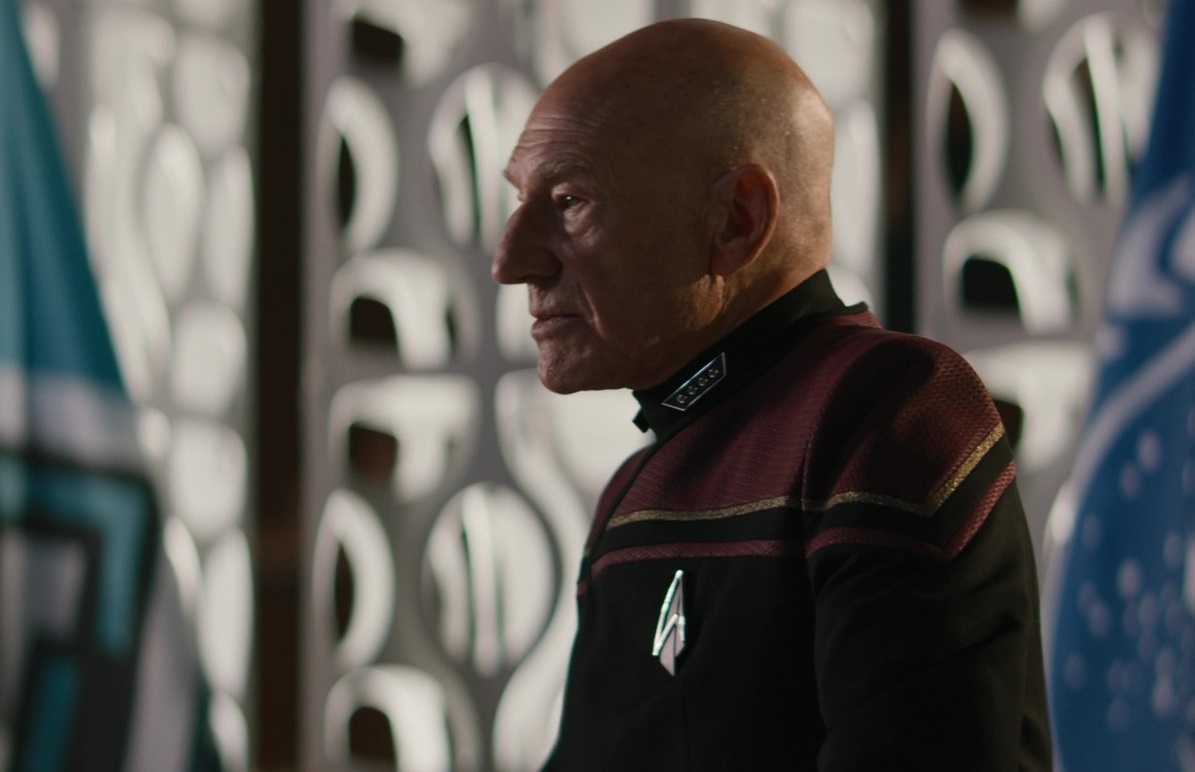
Still frame from Star Trek PIC 2x01 showing Picard
Picard gives a speech.

Star Trek: Picard is awkward for this list, because at only thirty episodes in total, two-thirds of the entire series is excluded by default! But of the ten episodes in the middle, The Star Gazer leapt out at me. In my review of the episode from back in 2022, I described it as “one of the best episodes of live-action Star Trek that I’ve seen in a long time,” and I stand by that… with a caveat or two! After a disappointing end to Season 1, The Star Gazer took Picard and his new friends back to Starfleet in a big way, and not only that, but it reintroduced a villainous faction by giving them a truly terrifying new look.

After that, though… well, Season 2 kinda went off the rails! And as the first chapter of a ten-episode story, The Star Gazer isn’t gonna be the easiest thing to watch in isolation. The subsequent nine episodes put a pretty big downer on it, and that’s just unavoidable. If you can enjoy it on its own merits, though, I think there’s a lot to love here. A new version of an iconic starship, Picard seemingly back to his old self, and an updated take on one of the franchise’s biggest baddies that, at the time, I found to be genuinely shocking and quite frightening.

Episode #2:
The Maquis, Parts I-II
Deep Space Nine Season 2, Episodes 20-21

(AI upscaled) still frame from Star Trek DS9 2x21 showing Sisko
Commander Sisko.

DS9 has a ton of classic episodes, particularly involving Sisko, Garak, the Dominion War, and more. But if we’re looking for the real hidden gems, I want to pick out The Maquis. I think it’s an important episode – but one that’s easily overlooked both within DS9 itself and within the broader category of stories featuring the titular faction.

This was the episode that first introduced us to the Maquis – a faction that would reappear in DS9 as well as in The Next Generation and, of course, in Voyager. But being the first to establish an important faction is meaningless if the story isn’t good – and for me, at least, The Maquis has a solid, enjoyable story that really calls into question some of the Federation’s lofty ideals, and puts Sisko to the test. Star Trek has always done stories with big moral questions, and The Maquis absolutely fits in with the best of them.

Episode #3:
Off-Hour
Strange New Worlds Season 4, Episode 6

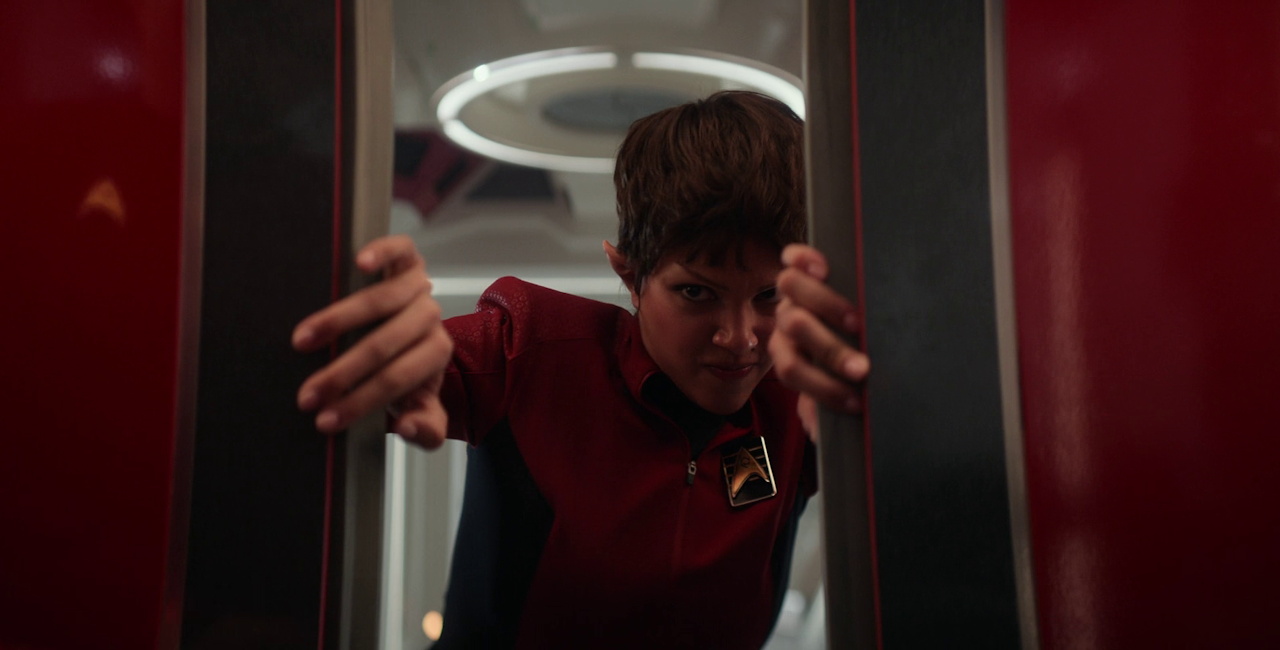
Still frame from Star Trek SNW 4x06 showing A'Sha opening the turbolift doors
Here’s A’Sha!

Call this “recency bias” all you want, but Off-Hour is a solid and very “Star Trekky” episode in a season that, to be honest, has had more misses than hits. So I’m glad to be able to recommend at least one episode from Strange New Worlds’ fourth season, which, at time of writing, hasn’t yet concluded! Off-Hour is kind of an updated take on The Next Generation’s Disaster, putting the ship and crew into a dangerous situation and forcing several characters to work miracles to keep everyone alive.

The episode gave most of the show’s main characters something to do, meaning it feels more of an ensemble piece than a lot of modern Star Trek stories. Its core premise was suitably tense – even if that tension, for me, could’ve been dialled back a notch or two! And after quite a few Strange New Worlds episodes have notoriously taken “big swings” into a variety of different genre parodies and spoofs… it was just nice to get an episode that felt very much like Star Trek. If you dipped out of Strange New Worlds after the musical or the puppet episode… come back for one more try! I don’t think you’ll regret it.

Episode #4:
The Ultimate Computer
The Original Series Season 2, Episode 24

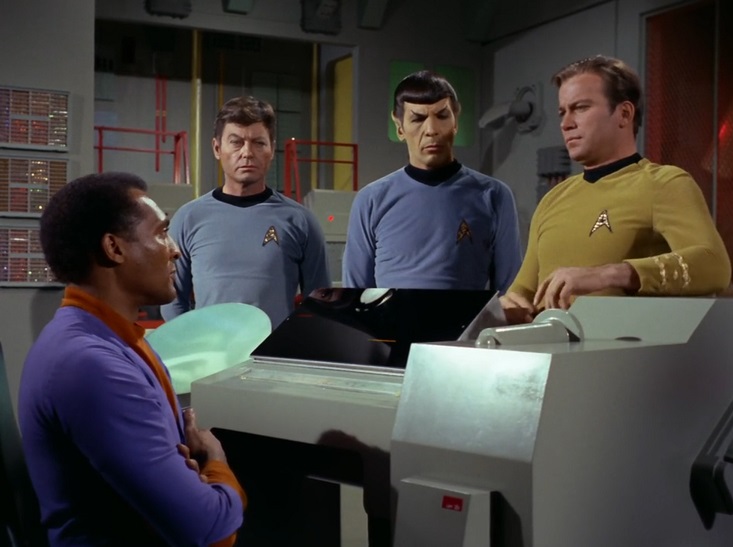
Still frame from Star Trek TOS 2x24 showing Kirk, Spock, McCoy, and Daystrom
Dr Daystrom with Dr McCoy, Spock, and Kirk.

I had a hard time with TOS! So many episodes are either flat-out iconic in their own rights, or else they have incredibly memorable scenes or clips that I think would disqualify them from this list! But of all the episodes outside of the top-ten, The Ultimate Computer really stands out to me. What’s more, I think its core message and theming is *incredibly* relevant in 2026, some fifty-eight years after its original broadcast, as the world struggles with the rise of advanced A.I. systems and large-language models.

The Ultimate Computer is a “man versus machine” story, and a tale of how overreliance on technology can go horribly wrong. TOS made many “predictions” that have since come to pass: technologies like mobile phones, video calling, computer libraries storing all of human knowledge, wireless technology, iPads, real-time translation… the list goes on! But this depiction of a rogue A.I. feels like a timeless warning from the past, and given where we are today… it’s uncanny.

Episode #5:
Face the Strange
Discovery Season 5, Episode 4

Still frame from Star Trek DIS 5x04 showing Burnham and Rayner
Burnham and Rayner.

I did not care for Discovery’s fifth and final season, on the whole. But one real hidden gem amidst a generally disappointing story is Face the Strange, which sees Burnham and her new XO – Commander Rayner – forced to work together in the face of a weird time travel plot. Time travel is *also* not one of my favourite parts of Star Trek, usually, but I’m making an exception for the creative way it was utilised in Face the Strange.

Face the Strange feels like a bit of a diversion from the season’s bland and uninspired main storyline, which perhaps helps it stand out just a little bit more. I also enjoy the way Rayner comes across in this episode – as a relatively late addition to Discovery’s cast, Rayner needed the extra screen time that an episode like Face the Strange granted him. Again, an episode to try out if you had already checked out of Discovery before the fifth season.

Episode #6:
The Royale
The Next Generation Season 2, Episode 12

Still frame from Star Trek TNG The Royale showing the Enterprise-D and Theta VIII
The Enterprise-D.

This is, admittedly, pure bias on my part: The Royale is the first episode of Star Trek that I can remember watching, all the way back in 1991! But hey, if this is the episode that turned me into a Trekkie, it can’t be that bad, right? I like the episode’s away mission plot, I like that this kind of sci-fi mystery is something silly and weird that only a Star Trek show would dare attempt, and I like the way the episode handles the characters on the planet and back on the ship. Is it purely a nostalgic pick for me? Maybe. But that doesn’t make it bad!

The Royale uses its setting well, and although the characters on the planet feel like cardboard cut-outs for the most part, the episode explains why this is – and even has time to consider the idea of a very different kind of alien life trying to make sense of humanity through our literature and art. There are some genuinely fun moments for the away team, as they explore a weird, almost surreal 20th Century setting that they weren’t expecting to find, and back on the ship, Picard and the crew work hard to help them. A solid, enjoyable, and easily-overlooked episode.

Episode #7:
Macrocosm
Voyager Season 3, Episode 12

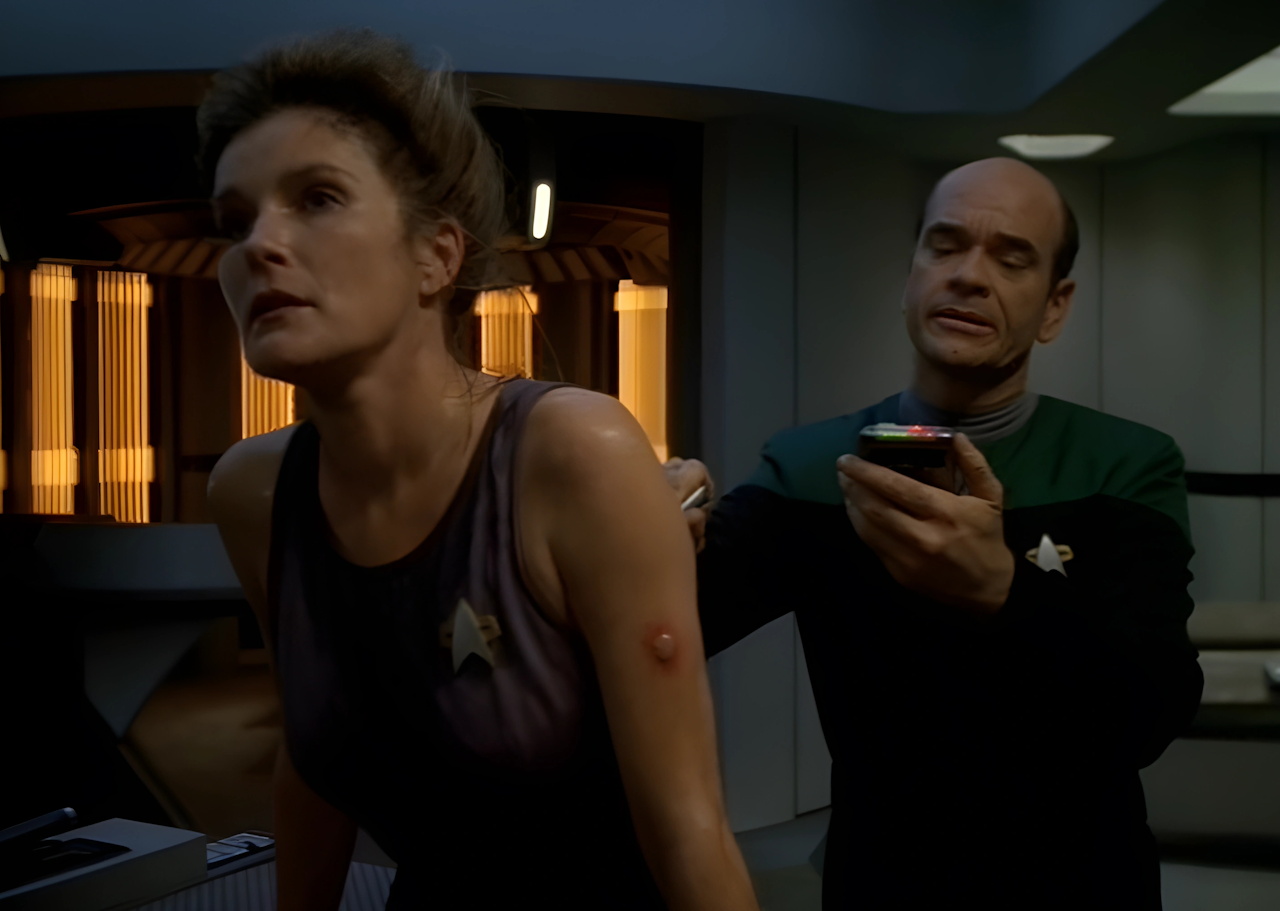
Still frame from Star Trek VOY showing Janeway and the Doctor in sickbat
The Doctor treating Captain Janeway.

Macrocosm sees Janeway and the Doctor fighting giant single-celled viruses that have taken over the ship! Cool, right? After an away mission goes awry and the ship is infected, it’s up to Janeway to save the day in what is genuinely one of the best action-packed storylines she gets across the show’s entire run. It’s a nice, self-contained story featuring a one-off alien race, a one-off antagonist, and a silly premise that has just enough of a basis in real science to make the technobabble seem believable!

There’s enough of a threat to Voyager that everyone feels in real danger, and while I will admit that the CGI macro-viruses probably haven’t aged especially well, there can be a charm to this kind of thing! I like when Star Trek depicts alien races that aren’t just part of the “nose and forehead brigade,” and these flying mega-viruses definitely fit the bill. A great episode if you want to see Janeway running around with a phaser, and the Doctor gets a moment to shine, too.

Episode #8:
Where Pleasant Fountains Lie
Lower Decks Season 2, Episode 7

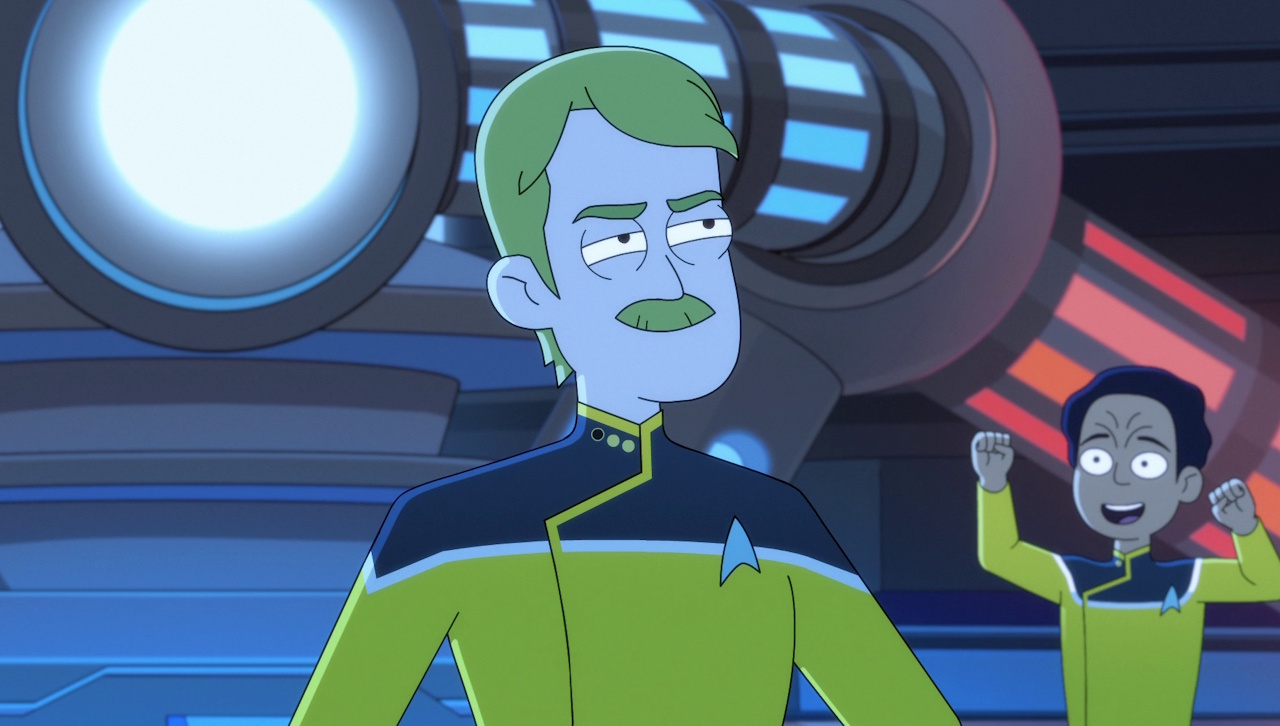
Still frame from Star Trek LDS 2x07 showing Billups
Andy Billups.

I really need to get caught up on Lower Decks. Maybe you think this ruins my standing as a Trekkie, but I’ve only seen up to partway through Season 3 at time of writing! But of the episodes I’ve seen (that meet the criteria for this list), Where Pleasant Fountains Lie was the one I wanted to highlight the most.

I read part of the episode’s story – involving the USS Cerritos’ chief engineer, Andy Billups – as a metaphor for asexuality. Doing what Star Trek has always done, Lower Decks uses a sci-fi lens to shine a light on a real-world situation, and puts Billups in a difficult situation as he struggles with “fitting in” with his people. There’s plenty of comedy, and I think it’s also an interesting take on how some human societies exist outside of the Federation, which adds a bit of depth to the world of Star Trek. But it’s really that core message that I find the most interesting and relatable.

Episode #9:
The Catwalk
Enterprise Season 2, Episode 12

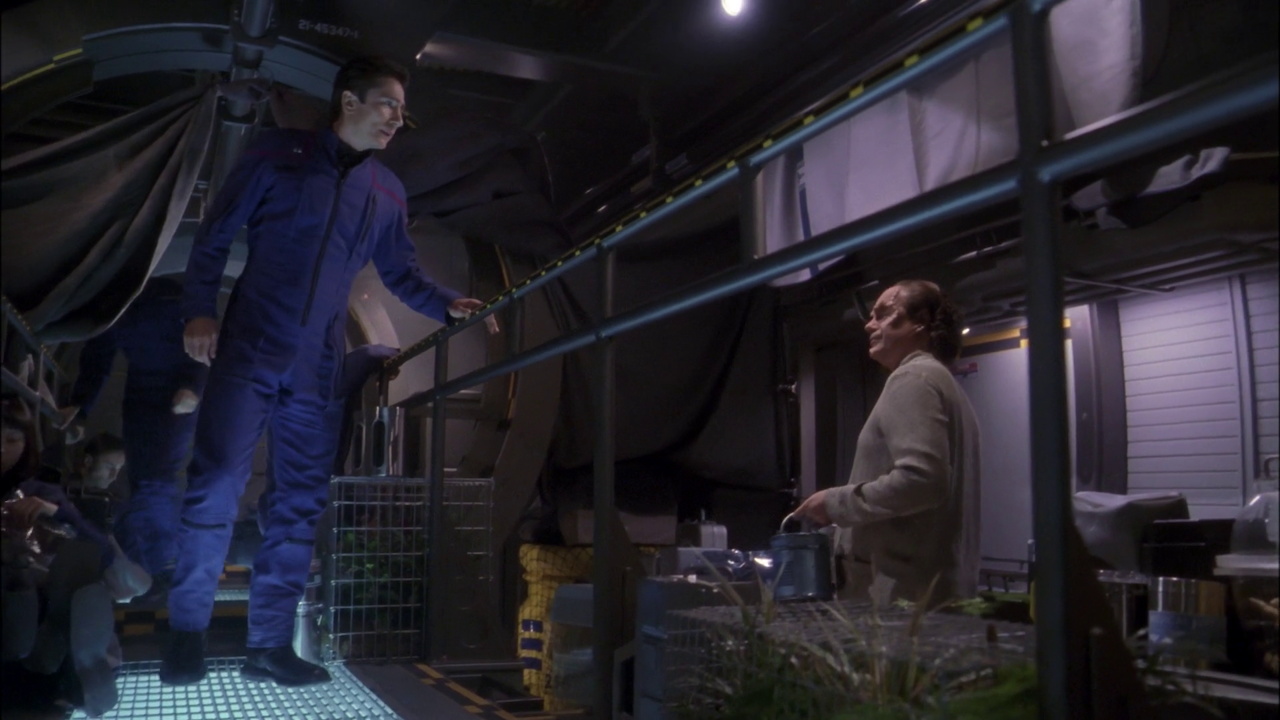
Still frame from Star Trek ENT showing Reed and Phlox in the catwalk
Reed and Dr Phlox in the titular catwalk.

Few episodes really manage to convey the dangers of pushing the frontiers of space travel in this 22nd Century era quite as well as The Catwalk. Because the NX-01 is a less-powerful ship than her namesakes further along the timeline, she’s less well-shielded and armoured, and that means that, when a dangerous interstellar phenomenon approaches, the crew has to take refuge in the only part of the ship that can keep them safe from the radiation: the nacelles.

There’s something weirdly almost “cozy” about that setup that I’ve always really appreciated. A community coming together, riding out a storm in a safe space… it just gives me the warm fuzzies, I guess! Of course, there’s more to the episode than that – and, naturally, things don’t go to plan. This is another episode with a one-off alien adversary who we haven’t seen return, and despite the uniqueness of its core premise, I think it’s one a lot of folks will have just scrolled past, especially on repeat viewings.

Episode #10:
How Sharper Than A Serpent’s Tooth
The Animated Series Season 2, Episode 5

Still frame from Star Trek TAS showing Arex, Walking Bear, and Kirk on the bridge
On the bridge of the Enterprise.

I’m cheating a tiny bit with this one; at a mere twenty-two episodes in total, it was too difficult to exclude both the top-ten and bottom-ten from The Animated Series! But ranked roughly in the middle – and, I would argue, easily overlooked – is How Sharper Than A Serpent’s Tooth, which is a fun story that sees Kirk and co. facing off against an ancient alien who once visited Earth.

The Animated Series was “officially non-canon” for a while, and it was only when I bought the DVD box set that I watched it in full. The animation work is definitely a product of its time (and something modern Star Trek has even parodied, with a miniseries called Very Short Treks) but for me, there are some great episodes in this oft-neglected series. How Sharper Than A Serpent’s Tooth was also the episode selected when The Animated Series won a Daytime Emmy Award in 1975 – so it has pedigree. And I think its core story is very “Star Trekky,” if you can look past the deficiencies in its animation.

Episode #11:
The Wounded
The Next Generation Season 4, Episode 12

Still frame from Star Trek TNG 4x12 showing Macet and Picard in the ready-room
Gul Macet with Captain Picard.

When you think of classic Cardassian episodes, I bet you don’t go to The Wounded first and foremost! Even in TNG, episodes like Chain of Command are much more likely to be memorable or draw your attention. But The Wounded marks the Cardassians’ first-ever appearance, and as such, it started the process of setting the stage for The Next Generation’s first spin-off: Deep Space Nine. We also see that through this episode’s massive expansion of Chief O’Brien’s role – O’Brien would go on to play a major role on DS9, of course.

The episode is also noteworthy for its introduction of Gul Macet – played by Marc Alaimo. Alaimo is best known for another Cardassian character: DS9′s Dukat. And you can kind of consider Macet a “proto-Gul Dukat,” I think! The Wounded is a kind of “Apocalypse Now” story, following O’Brien and Picard as they have to work *with* the Cardassians to stop a rogue Starfleet captain. It’s a great episode in its own right, and well worth a watch.

Episode #12:
Terrarium
Strange New Worlds Season 3, Episode 9

Still frame from Star Trek SNW 3x09 showing Ortegas
Lieutenant Ortegas.

I’ll be honest: I was surprised to see Terrarium ranked so low amongst Strange New Worlds episodes! For me, this is probably the best individual episode of Season 3, with a strong focus on Lieutenant Erica Ortegas and the lingering after-effects of the Federation’s conflict with the Gorn. In my review of the episode last year, I said that it was “intense, dramatic, emotional, and just fantastic,” and that really encapsulates how I feel. After having not spent that much time with Ortegas across the show’s first three seasons, her first real spotlight was genuinely exceptional.

However, I guess I can see why some fans might overlook it or choose to scroll past. When compared to the likes of Memento Mori or the two parts of Hegemony – episodes which also feature the Gorn – it’s not as action-packed or explosive. It’s also a character piece and a bit of a slow burn, in places. But as viewers and as Trekkies, I think we should be able to appreciate stories that aren’t just mindless action and fighting all the time, and slower, more introspective pieces about bridging a cultural divide and working together in the name of survival can be just as compelling and engaging.

Episode #13:
The Magnificent Ferengi
Deep Space Nine Season 6, Episode 10

The Ferengi and their captive.

Of all the episodes from DS9′s fantastic Dominion War arc, be honest: how many of you would’ve picked The Magnificent Ferengi for a re-watch? The episode is genuinely very funny, playing on DS9′s sillier and more light-hearted take on the Ferengi. It’s a great episode for recurring characters Rom, Brunt, and Nog in particular, as they join a mission of Quark’s to rescue Ishka (Quark and Rom’s mother) from Dominion captivity.

Naturally, nothing goes to plan for the Ferengi; the episode is almost a comedy of errors! But that’s what makes it so fun, and a guest-starring role for musician Iggy Pop was also a blast. The Magnificent Ferengi makes great use of DS9′s expansive secondary cast, ties into the sixth season’s Dominion War storyline in a new and unexpected way, and is a great example of how Star Trek can be hilarious when it embraces comedy and even slapstick. The Ferengi are indeed magnificent!

Episode #14:
Night
Voyager Season 5, Episode 1

Chakotay and Captain Janeway greet a guest in the transporter room.

Night is an episode of two halves. One side of the story explores something that few other Voyager episodes – or Star Trek episodes in general, come to think of it – really ever did: what does the crew do when there’s nothing to do and no planets to explore? We catch a glimpse of what life is like for the crew as they navigate a starless expanse with no interesting phenomena, alien spacecraft, or planets to crash-land on. And it really is fascinating!

But then the episode introduces one of Voyager’s lesser-remembered recurring aliens: the Malon. The Malon are another example of Star Trek shining a light on real-world issues through the lens of sci-fi: in this case, the financial incentives companies have to keep polluting, or to keep burning fossil fuels, despite knowing the harm it causes. It’s a great idea for a story: Starfleet shows up, offers an alien society a better, safer, cleaner technology… only to be turned down because of what it would mean for corporate profits. If only there was a modern-day industry that could benefit from this kind of metaphor, eh?

Episode #15:
Assignment: Earth
The Original Series Season 2, Episode 26

Gary Seven’s shape-shifting companion.

TOS has a lot of iconic moments, doesn’t it? But would you say Assignment: Earth or Gary Seven are among them? For me, this is an episode I will openly admit to regularly scrolling past when I re-watch The Original Series; I’m just not wild about time travel stories, as I think I’ve already mentioned. But that’s part of why it deserves a place on this list: Assignment: Earth is the definition of a hidden gem; an overlooked episode that has a lot of great qualities.

Firstly, it’s fun to see Gary Seven and catch a glimpse of a new faction that subsequent Star Trek stories did nothing with for half a century! But it’s also neat to see Kirk and co. in the 1960s, dealing with NASA. Remember that this episode aired shortly *before* the first moon landing, at a time when interest in NASA and space exploration was at its height. It’s another great example of Star Trek telling a “morality play;” in this case, an explicit warning against the use of nuclear weapons at a moment when the Cold War was raging.

Bonus Film:
The Motion Picture

Still frame from Star Trek The Motion Picture showing Kirk in a hallway
Admiral Kirk

I wanted to put one feature film on this list, and for me, no film quite embodies the “hidden gem” idea better than The Motion Picture. Fans tend to overlook Star Trek’s first film in favour of The Wrath of Khan, as well as other action-packed entries like The Undiscovered Country and First Contact. But for me, no film quite matches the tone of The Motion Picture, which has an ethereal sci-fi story that plays out like an extended episode of The Original Series.

This film is also where much of the aesthetic of Star Trek was created. Klingons with armour and forehead ridges, angled starship hallways, the warp core as a glowing upright tube, even metal Starfleet insignia on uniforms… so many things created for The Motion Picture have gone on to become inseperable from Star Trek, defining its visual language and identity. The film’s story is one of seeking out new life – even if that form of life is almost incomprehensibly different from anything Starfleet or humanity had previously encountered. Moreover, The Motion Picture brought Star Trek back and re-established it for a new decade – a decade which would eventually lead to more films and a return to the small screen.

So that’s it!

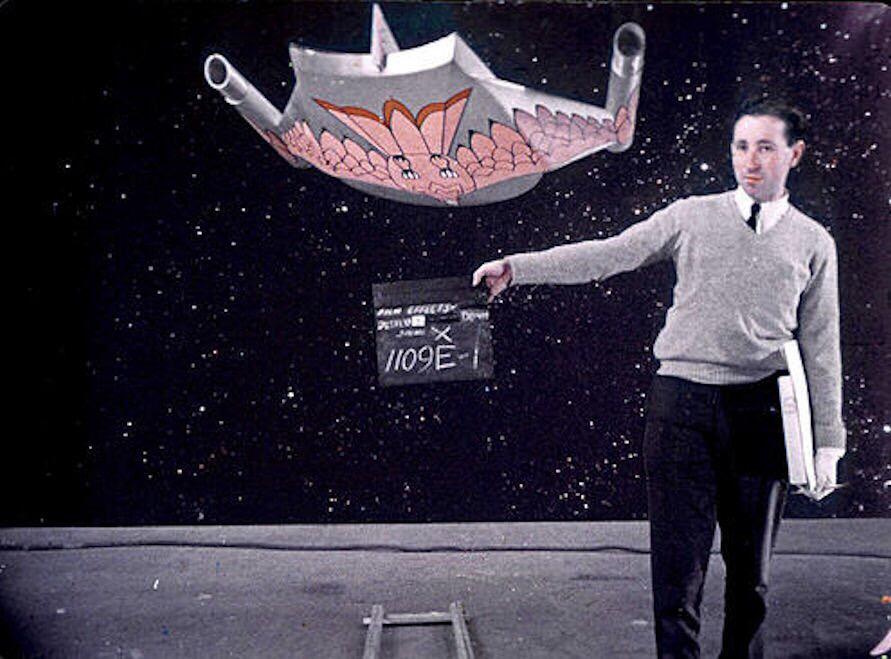
Behind-the-scenes photo from Star Trek TNG showing Gates McFadden and Bob Justman
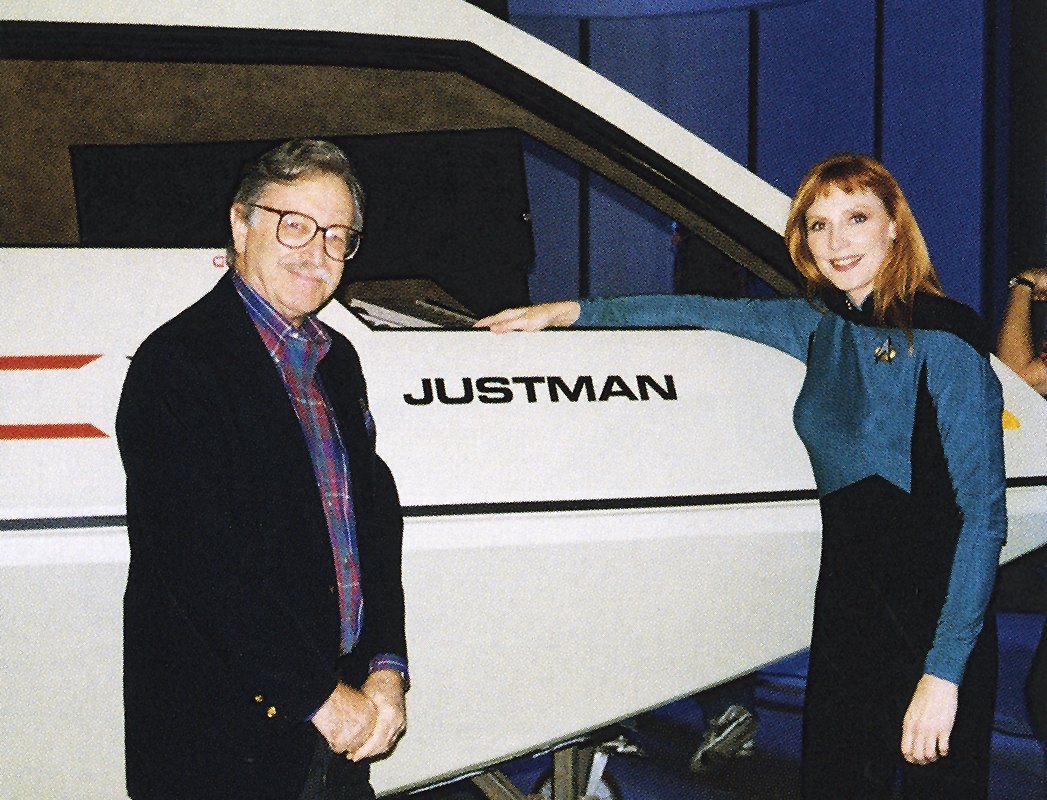
Producer Bob Justman with his namesake shuttlecraft and Gates McFadden.

Happy sixtieth anniversary, Star Trek! I hope this selection of “hidden gems” has given you an idea or two if you’re planning a Star Trek marathon to mark the franchise’s birthday. I know that’s what I’ll be doing on Tuesday!

As I said above, I really wanted to put together a selection of episodes that I don’t think will be featured on a lot of similar list-icles. Star Trek has almost 1,000 episodes and films to choose from, but fans tend to gravitate to certain ones more than others. Some episodes aren’t great or are just padding, sure, but there are some really fun stories that tend to get overlooked or overshadowed by more popular or better-remembered contemporaries. And I wanted to highlight a few of them this time.

I hope you’ll join me on the 8th for an article all about Star Trek and its sixtieth anniversary! And if you missed them earlier in the year, I have a few other celebratory pieces I’d like to recommend to you.

Behind-the-scenes photo from Star Trek showing Deforest Kelley with Patrick Stewart
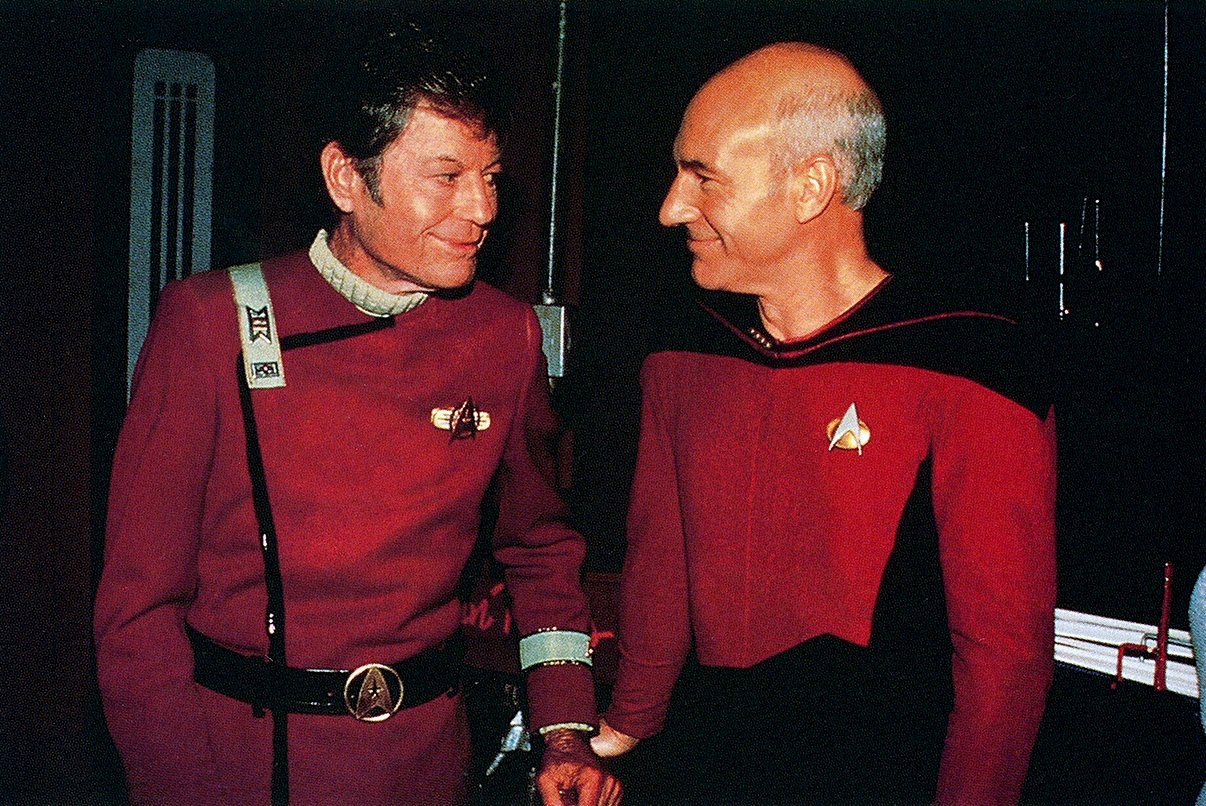
DeForest Kelley and Patrick Stewart in a behind-the-scenes photograph.

In May, I got to meet William Shatner – Captain Kirk himself – at an event here in the UK. I reviewed Starfleet Academy’s first season, the video game Across The Unknown, and I’ve been writing up individual episode reviews for Strange New Worlds’ fourth season, too. I wrote up another batch of my “what-if” scenarios, I took at look at some wild and wacky fan theories, I talked about some truly terrible things that Star Trek characters have done, I shared more of my “hot takes” on the franchise, and I even considered the potential benefits for the franchise if a hiatus is on the cards.

I’ve also been writing up episode re-watches over the past year, including Where No Man Has Gone Before, which was TOS’ second pilot, the iconic Arena from TOS’ first season, The Andorian Incident from Enterprise, and Skin of Evil, The First Duty, and The Royale – all from The Next Generation.

Click or tap any of those links to check out those pieces.

Still frame from a 1960s Star Trek TOS commercial showing key art
An original 1960s advert for TOS.

So I hope you enjoyed this list! It was fun to go back to these episodes, and it was also interesting to see just how many stories, characters, aliens, and more than I consider to be “too iconic” for a list like this one! I excluded quite a few episodes that would’ve been fun to discuss simply because I felt their status was a little too high, or else they had moments that crossed over into pop culture for one reason or another.

Thanks again for joining me on this exploration of a few “hidden gems” from the Star Trek franchise. There’s more Star Trek content to come here on the website; more Strange New Worlds reviews, more episode re-watches, more commentary, and who knows what else. But until then… Live Long and Prosper, friends!


Most episodes and films discussed above are available to stream now on Paramount+ in countries and territories where the platform is available, and may also be available on DVD and/or Blu-ray. The Star Trek franchise – including all films, TV shows, and properties discussed above – is the copyright of the Skydance-Paramount Corporation. Still frames from Deep Space Nine and Voyager were upscaled using A.I. tools. This article contains the thoughts and opinions of one person only and is not intended to cause any offence.
Ten changes I’d like Star Trek to make on the production side

Here on the website I often talk about potential Star Trek projects, storytelling and narrative choices, and some of the things that I’d like the franchise to do in upcoming series and films. This time I thought it could be interesting to do things a little differently – today we’re going to look at some technical and production-side changes that I think would benefit Star Trek going forward.

The renewed Star Trek franchise hasn’t been shy when it comes to trying new and different things since its return to the small screen in 2017, and while there are some ongoing issues – particularly relating to the way parent company Paramount is handling things – there are still a number of successes that deserve to be commended. This piece isn’t meant to detract from the accomplishments that Star Trek has made in recent years.

There’s a lot to celebrate in modern Star Trek!

But there’s always room for improvement and new ideas! Sometimes that might mean pushing the boat out further and trying genuinely different things – a lesson that another sci-fi franchise could learn from Star Trek, in my opinion! Other times, returning to something that has previously been demonstrated to work well or be popular could be the way to go. There are different ways to approach such a big subject – and naturally, everyone is going to have different perspectives based on their own ideas and preferences.

I’m not an entertainment industry professional. The closest I came to that was working in the video games industry some years ago, and even then I was working in marketing rather than in a creative or technical capacity. So I’m categorically not an expert at how television shows are created and brought to screen! But I know what works for me, what I personally think looks and feels good, and I have some ideas for what I’d like to see from Star Trek in future. That’s what we’re going to talk about today.
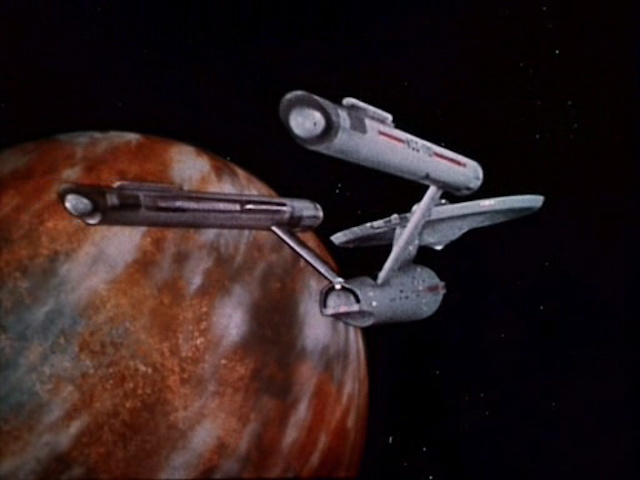
I’m no Alex Kurtzman!
Photo Credit: Gage Skidmore, CC BY-SA 2.0 https://creativecommons.org/licenses/by-sa/2.0, via Wikimedia Commons

My usual caveats apply: I have no “insider information,” nor am I in a position to set policy at Paramount! So it’s quite likely that much of what we talk about today will never make it to screen. This is a wishlist from a long-time fan, and nothing more. It’s also entirely subjective – so if you hate all of my ideas or I don’t include things that seem like common sense to you, that’s okay! We all have different perspectives and points of view; these are mine, and I share them in the spirit of civil and polite discussion about the future of Star Trek.

With all of that out of the way, let’s take a look at ten technical and/or production-side changes that I’d like to see the Star Trek franchise make.

Number 1:
4K and HDR.

4K UHD logo.

If you’re unfamiliar with these terms, “4K” is a screen resolution also known as “ultra-HD.” Whereas a standard HD video image might be 1920 pixels wide by 1080 pixels high, 4K video footage is typically 3840 pixels wide by 2160 pixels high. The increased number of pixels means that image clarity is massively improved, and more detail can be shown with each frame.

“HDR” is an acronym that stands for “high dynamic range,” and in basic terms it makes bright colours brighter and darker colours darker, making for a more true-to-life image on screen. When viewed on an HDR-compatible television or screen, HDR footage looks significantly more real than non-HDR video.

Exaggerated visualisation of the difference between HDR (left) and SDR (right).
Image Credit: LG Electronics.

Both 4K and HDR are increasingly common in home entertainment, and streaming platforms like Netflix and Disney+ are offering an increasing amount of their new content in 4K with HDR support. So far, no new Star Trek shows have been created in 4K HDR, despite the technology being available, and Paramount+ doesn’t support it right now. This has got to change – and soon – in order for Paramount+ to offer a comparable service to its competitors, and the Star Trek franchise is a great place to start.

There have been a limited number of 4K re-releases, such as the Director’s Edition of The Motion Picture, but realistically it’s now time for Star Trek to transition to producing its newest content in 4K HDR.

Number 2:
Go big for the sixtieth anniversary.

The 60th anniversary is approaching…

At time of writing it’s just over four years to go before the Star Trek franchise will celebrate its sixtieth anniversary. At the time of the fiftieth in 2016, Discovery hadn’t yet premiered and while there was a whole lot of celebrating, it wasn’t possible to do a lot on screen. Star Trek Beyond was the only project to release that year.

But the sixtieth should be different! There are currently five Star Trek projects in production, with at least two others supposedly being worked on behind the scenes. By the time we get to 2026 the franchise should still be going strong, and that raises the possibility of some truly spectacular events to mark the milestone.

Let’s make it a party to remember!

The 30th anniversary of Star Trek in 1996 saw projects like Trials and Tribble-ations and Flashback from Deep Space Nine and Voyager respectively that paid homage to the franchise’s history. Bringing back classic characters, telling fun fan-servicey stories, and more could all be part of a big sixtieth anniversary celebration – but I’d like to see some kind of major crossover event!

Imagine how much fun it could be if a crossover special were created that featured characters from every iteration of Star Trek. Star Trek’s version of The Avengers, where characters from every show and film found themselves – somehow – in the same timeline and era, needing to battle some nefarious villain. It might be terrible, it might be criticised for being too heavy on the fan-service, but as a one-off project there’s nothing I’d like to see more!

Number 3:
Make better use of indoor sound stages and the AR wall.

The AR wall during filming for Discovery Season 4.

To be fair, I think the investment that Paramount has made in the AR wall is already beginning to see some results (though I can’t be the only one playing a game of “spot the AR wall,” can I?) But since Star Trek returned to the small screen, it hasn’t been smooth sailing in terms of getting diversity in filming locations.

I felt this most acutely during Season 1 of Star Trek: Picard, and if you’ve been a regular reader since 2020 you may recall that I commented on it in my reviews as the season wore on. In short, every planet that Picard and the crew visited was a barely-disguised southern California, and in a ten-episode season that took them to a new locale almost every week, that became painfully obvious to the point that it detracted from the story in places.

The faraway planet of… southern California.

This has also been something I’ve started to notice with Discovery, too. Certain filming locations (like a disused quarry) crop up multiple times, supposedly representing entirely different planets, and there’s just no need for it. Some of the outdoor shoots that I’ve felt were problematic barely lasted five minutes, so for the sake of a short sequence or a handful of scenes, making use of an indoor sound stage is preferable.

Partly this is because we’ve been spoilt by the likes of Game of Thrones with its multi-national filming locations all across Europe! But partly, it must be said, it’s because Star Trek’s producers have lacked either the budget or the creativity to do something different. The AR wall will be a big help going forward, I have no doubt, but getting diversity in the franchise’s filming locations is a big request of mine. Once you start to notice these things, you can’t un-see them!

Number 4:
Make better use of social media.

Some of the most popular social media platforms.

Star Trek’s social media has been atrocious over the past couple of years, and in 2022 there’s no excuse for that. Social media can be a massive asset to any franchise, particularly in the run-up to big releases. But the way Star Trek has handled it has been poor.

Star Trek’s official social media channels – and the rest of Paramount’s, too – need to coordinate better. If a trailer is broadcast for a new or upcoming project, it needs to be available on every platform within minutes. Official Star Trek and Paramount+ YouTube channels don’t do this for some incredibly stupid reason, and it can be hard to find a good-quality copy of the latest trailers sometimes – something that I notice because of trying to get screenshots and still frames to use here on the website.

A regular sight for non-American fans.

Moreover, Star Trek needs to be more conversational and interactive. Social media isn’t just a billboard; an empty advertising space to display posters and teasers and talk about what’s coming up. It’s a place to interact with fans. That means that when fans have questions, someone needs to be there to provide answers. If fans make art or jokes or memes, someone needs to react and respond to those.

In 2022, social media can literally make or break a television series. Projects as diverse as Game of Thrones and Squid Game blew up thanks to social media, and Paramount has continually failed to recognise what an asset social media could be if they used it right. This is one example, in my opinion, of how Paramount’s leadership remains stuck in the past. 20th Century thinking won’t cut it anymore, and wasting money on things like billboards in Times Square or posters on the London Underground won’t bring in viewers. Social media is where it’s at – so a complete overhaul of the way it’s handled is a must.

Number 5:
Ditch the cinematic “letterbox.”

The “letterbox” in Short Treks.

I admit that this one is very much a matter of personal taste, but I find that the “cinematic” format used for modern Star Trek episodes is just a bit… gimmicky. Most television shows use a 16:9 or maybe a 16:10 aspect ratio; modern live-action Star Trek episodes have insisted on using a 2.4:1 aspect ratio that’s more commonly seen in films.

If you’re watching a film at the cinema, that’s basically become the industry standard. But most televisions – and even many fancy home theatre setups – still use 16:9 or 16:10 screens, meaning that Star Trek episodes have awkward and ugly black bars above and below the picture. I just feel that this is an unnecessary gimmick, and that I’d prefer to see episodes in a standard widescreen format.

The “letterbox” in Strange New Worlds.

To be fair, this isn’t an issue that’s exclusive to the Star Trek franchise, as it’s been seen in shows like The Mandalorian and Obi-Wan Kenobi over in the Star Wars franchise as well, and seems to be increasingly in vogue for modern television series. But to me it still feels like a gimmick at best, and something that may end up making TV shows of this era feel dated in years to come.

Any time I watch a video with ugly black bars around it, it makes me feel like I’m not seeing the full picture; as if something has been cut off. This applies when watching older shows in 4:3 as well. So if everyone could stick to a standard widescreen format that would be great!

Number 6:
A return to more episodic storytelling.

Discovery set the stage for serialised storytelling in modern Star Trek.

To be fair, this has already happened with the likes of Lower Decks and, of course, Strange New Worlds. But it would be great to see more of a focus on episodic, “monster-of-the-week” storytelling from Star Trek going forward. That was where the franchise began, and there are many benefits to this approach.

In the wake of projects like Lost and Game of Thrones we saw a lot of television shows try to take a more serialised approach – with varying results. Some series and franchises can pull it off more successfully than others, but the fundamental weakness in this approach – as Lost, Game of Thrones, and some recent seasons of Star Trek have shown – is that you have to absolutely nail the full story, and particularly have a well-written, thoroughly planned ending.

There’s a reason why no one talks about Game of Thrones anymore.

In short, the weakness in serialised storytelling is that one or two bad episodes, particularly if they come at the end, can sour an entire season or even an entire series. Look at how the two-part finale of Picard Season 1 put a downer on the whole season, or for a more extreme example how Game of Thrones’ eighth season effectively killed off the entire series.

Episodic storytelling is less risky in that regard! One bad episode doesn’t ruin an entire story, and that’s a big point in its favour. But moreover, the Star Trek galaxy is well-suited to these kinds of one-and-done stories. It allows for a lot more freedom and creativity, and would allow us as the audience to take a look and many more aliens, many more planets, and to get a much broader perspective. There’s a place for serialised storytelling within Star Trek – but not in every project.

Number 7:
Properly address international distribution issues.

There’s a world beyond America’s borders…

One of the main weights around the neck of the Star Trek franchise right now is the appalling international distribution situation. It really feels like Paramount doesn’t care in the slightest about any non-American fans – and in the globalised, connected marketplace we’re in in 2022, that’s not acceptable.

Star Trek is one of the big selling points for Paramount+… but if the streaming platform isn’t available and there are no concrete plans to make it available in the short-term, Paramount needs to do something else to ensure non-American fans can watch the latest episodes of Star Trek. As I’ve already pointed out, Paramount Global owns or co-owns a massive number of television channels all across the world, and they have the ability to do deals with the likes of Netflix, Google, Amazon, and others.

Paramount’s approach feels very Trumpian.

The lack of international distribution for Lower Decks Season 1, Prodigy, Strange New Worlds, and most egregiously Discovery Season 4 was entirely Paramount’s fault. They chose to broadcast these shows in the United States without getting international broadcasts set up, and they could have either worked harder to get that set up or delayed those shows if they couldn’t.

There are many Trekkies outside of the United States who feel hurt by this – and as I continue to point out, this harms the reputations of Paramount and Star Trek all across the world. Paramount needs to do more – and quickly – to address this situation and ensure that fans all over the world can watch and share in every new episode of Star Trek. If they won’t do that, the Star Trek franchise and Paramount+ will be in serious jeopardy. It’s that simple.

Number 8:
More official merchandise.

Playmates is one of the brands that Star Trek has worked with in the past.

As I said last year when Prodigy premiered, it was incredibly poor from Paramount to broadcast a television show aimed at kids while offering no kid-friendly tie-in products like toys, playsets, and dress-up costumes. Merchandise is a money-maker in itself, of course, but it’s also a great way to signal that the Star Trek franchise is back and here to stay.

One of my earliest Star Trek memories isn’t an episode or film, but a product. My uncle showed my a toy phaser that he had when I was very young, and that memory has stuck with me. For kids, toys and games can push them to check out a television show or franchise for the first time, and just by seeing Star Trek-branded products on shelves, more people will be aware of the fact that new shows and films are being made.

A modern action figure of Q.

Star Wars has an excellent approach to merchandise – and that’s always been the case. In the 1990s Star Trek was a close competitor, and I have a number of figures in my collection from that era. Even relatively minor characters like Morn found themselves turned into action figures – and Star Trek needs to get back to doing that. There’s a place for expensive collectables too, but more than anything Star Trek needs the playsets and toys that it used to be so good at creating.

We’re seeing moves in the right direction here, with the likes of Mego and Playmates coming online and starting to produce more toys and products, but Paramount still needs to do more. At this rate, Prodigy’s entire first year will have come and gone without a single toy or tie-in product being created, and to me that just screams “amateurish.”

Number 9:
Restart the Short Treks series and create more one-off stories, mini-episodes, and TV movies.

There’s a lot of untapped potential in Short Treks.

There are many Star Trek concepts and ideas that don’t have a place in the wider franchise. Some pitches from well-known actors and writers may not make for a great film or series, but could be adapted to be a one-off, a mini-episode, or even a TV movie. With the investments that have been made in sets, the AR wall, and so on, it’s easier than ever to do this.

These one-shot projects would also be commercially useful for Paramount+, convincing subscribers to remain engaged with the platform in between seasons of Star Trek’s main shows. That was the original purpose behind Short Treks (even if it was never stated up-front!) and it makes a lot of sense.

One Short Treks episode told us more about Saru.

Short Treks as a format could be the gateway to some incredibly diverse and varied stories, potentially revisiting classic characters and episodes in a way that the franchise’s main shows wouldn’t be able to. And aside from the fan-service, one-shot episodes and TV movies could be excellent gateways into the Star Trek franchise for newbies or for viewers who’ve just begun to dip their toes into Star Trek.

By making use of existing sets and props as much as possible, at least some of these projects could be relatively inexpensive to create – another big point in their favour.

Number 10:
Use less CGI in favour of more practical effects and props.

A combination of practical and digital effects in Star Trek: Picard.

Some episodes of modern Star Trek are overladen with CGI, including in places where no CGI should really be necessary. CGI is great in some instances, don’t get me wrong, but it doesn’t have to be used in every case for every shot!

Star Wars has found success by returning to physical props and puppets and making use of more practical effects, and those moves have won praise from many fans. Star Trek could absolutely go down the same road, creating more models, physical props, and prosthetics for alien races instead of relying entirely on CGI.

The USS Discovery at warp.

Some older episodes of Star Trek haven’t aged well because of some of their sets and props, but I think that can also apply to CGI. CGI-heavy projects from 10-15 years ago can look pretty amateurish by today’s standards, so we shouldn’t worry too much about how “dated” something may or may not look in the years ahead.

There are some wonderful sets, some amazing prosthetics, and some fantastic props that have been created for modern Star Trek. And as I pointed out above, relying too much on one set or one outdoor location can be detrimental, too! But for my money, Star Trek could absolutely make use of more physical props, puppets, and visual effects.

So that’s it!

The Star Trek Universe logo.

“If I ruled the world…” or in this case, if I were in charge of the Star Trek franchise, those are some of the changes I’d like to make. Some are more important than others, naturally, and none of this is to say that what Star Trek has been doing so far is bad. Just that there are changes that could be made to improve things. In my subjective opinion, of course!

I hope that this was a bit of fun, and you can find longer articles that go into more detail about some of the subjects discussed above right here on the website. If you’re new around here, I write about Star Trek a lot! So stay tuned for more Star Trek content to come.

The Star Trek franchise – including all films and series mentioned above – is the copyright of Paramount Global. This article contains the thoughts and opinions of one person only and is not intended to cause any offence.