Spoiler Warning: Beware of minor spoilers for Star Trek: Starfleet Academy Season 1.
Mere days after the finale of Season 1, and with Season 2 still in post-production, news has leaked that Star Trek: Starfleet Academy has been cancelled. I won’t lie: this was something I expected we’d hear either this year or next year at the very latest, but there’s something about the timing that feels… well, pretty brutal.
The newly-formed Skydance/Paramount corporation seems to be making it clear that a line is being drawn under Star Trek’s current streaming era. That was pretty obvious, I argued, when Discovery and Strange New Worlds were cancelled – the latter coming before the show had even aired a single episode of its *third* season, with two more still to come after that. Star Trek’s new corporate overlords clearly intend to take the franchise in a very different direction, and Starfleet Academy was the last vestige of the old regime. That final pillar of “streaming Trek” has now fallen.
Variety broke the news. Image: Variety.com
I’m still assuming, at this stage, that Season 2 will actually be completed and broadcast. Filming wrapped last month, and while there’s still a lot of work to do in the editing suite, it would be foolish to scrap the entire project. So Starfleet Academy fans can, at least, take solace in the fact that we’re only halfway through the show; ten more episodes should air sometime next year or in 2028.
I don’t really wanna keep repeating the phrase “end of an era;” it was something I said last year when Strange New Worlds got the axe, and when Discovery and Lower Decks wrapped up, too. But with Starfleet Academy being treated so brutally by Paramount, it’s hard to know what else to say. This is definitely calling to mind Enterprise’s 2005 cancellation – with the only difference, really, being that a new feature film is allegedly in the works, a consolation prize we didn’t have back then.
Does anyone else feel echoes of 2005?
If you’re a regular reader, you may recall that Starfleet Academy’s cancellation was something I predicted for 2026 back in January. I’m not taking a victory lap – the show may not have been “my thing,” but I went into it with an open mind, and I truly hoped it would find a way to connect with its intended target audience. Low streaming numbers throughout Season 1, however, seem to confirm that that simply didn’t happen. I said back in January that it would take a real miracle to convince this new incarnation of Paramount to stick with the show beyond Season 2 – going viral and becoming a must-watch sensation, like Stranger Things or Wednesday, perhaps, might’ve been enough to guarantee a renewal. But even doing reasonably well probably wouldn’t have been enough. I just got that impression from Paramount’s new ownership.
But, regrettably, Starfleet Academy didn’t even manage “good but not great” streaming numbers. It never cracked the top ten in the United States or here in the UK, even in a relatively easy TV window where there wasn’t a ton of big-budget competition. Shows like Fallout, The Pitt, and even preschool cartoon Bluey were performing well ahead of Starfleet Academy during its first season. Cancellation seemed inevitable, I’m sorry to say.
A pair of cadets in happier times.
But the timing… it feels brutal, as I said, but also a little insulting to the cast and crew. Paramount will still expect Holly Hunter and her co-stars to go out on the interview circuit, promoting Season 2 next year or the year after. And we’re barely ten days out from the end of Season 1. I get why the decision was made – if a show isn’t performing very well, and a new corporate team wants to reorganise the studio’s big brands and franchises, it makes sense. But even so, you’d think a bit of a grace period could’ve been given, timing-wise. There’s now practically no chance of the show picking up any extra attention from fans who missed it over the past couple of months. What would be the point, after all, in getting invested in a series which has already been cancelled?
With Starfleet Academy’s cancellation, there’s now officially no new Star Trek in production on the small screen. Strange New Worlds and Starfleet Academy’s second season remain in post-production, so there’ll be new Star Trek on our screens later in 2026 and into 2027. But then, after that? All we have to focus on, barring any shocking announcements, is Skydance’s new feature film. Although this was expected, and despite Starfleet Academy not really being “my thing,” I gotta be honest: this news still stings.
Showrunner and director Alex Kurtzman on set.
However, as I said a couple of weeks ago, there are some potential benefits for a long-running franchise like Star Trek taking a break or going on hiatus for a while. The previous incarnation of ViacomCBS and Paramount threw *a lot* of Star Trek at us over the past few years… in a pretty incoherent and poorly-managed way a lot of the time. There’s something to be said for a new team coming in, wiping the slate clean, and taking a moment so we can all catch our breath. And if the current creative/production team has taken Star Trek as far as it reasonably could, there’s also a lot to be said for new folks taking the reins. Most of the Star Trek shows since Discovery have shared writers, directors, producers, and more behind-the-scenes folks, so giving new people an opportunity to work on the franchise should – in my opinion, naturally – be a positive thing.
No serious Trekkie sat down to watch Starfleet Academy hoping they’d hate it or wanting it to fail. But I think a lot of us recognised that the show was probably coming along a little too late, after the previous Paramount corporation hadn’t handled Star Trek especially well. It would’ve taken something exceptionally special for Starfleet Academy to rise above all of that, and to do something that no project in the franchise’s streaming era *truly* managed to do to any great extent: connect with a new audience. It was a tall order, for sure, but making a show intentionally aimed at teens and young adults was far from the worst idea in the world. It’s just a shame, really, that Starfleet Academy launched when it did, and didn’t really get a chance to connect with potential new viewers.
Surely it’s not some kind of visual metaphor…
Many folks argue that Star Trek shows don’t really “get good” until their second seasons or beyond, so cancelling Starfleet Academy after just one season might seem like a poor decision in that sense. And I kind of see that point, at least to an extent. But if Season 1 just wasn’t finding much of an audience in the first place, not with older Star Trek fans nor with its intended new audience of younger folks, would sticking with it for a third or fourth season have really changed that? I guess we’ll never know, eh?
It’s a shame, and despite the fact that Starfleet Academy wasn’t really for me, I don’t celebrate its cancellation by any stretch. In fact, I lament it. I think it’s a real shame, barely nine years on from Star Trek’s triumphal return to the small screen, to be back here all over again. And despite the way things look right now, it’s my hope that, behind the scenes, there are folks at the new Skydance/Paramount corporation who are seriously considering where to take the franchise in the future. Films are great, and some of Star Trek’s most highly-regarded stories came at the cinema. But for this old Trekkie, Star Trek has always been a television show; a franchise best-suited for the small screen, where crews of explorers can warp away to a new planet, a new alien race, and a new adventure every week. Maybe one day… that kind of Star Trek will be back.
Four main cast members in a behind-the-scenes snap.
If you’re a huge Starfleet Academy fan, you have my sympathies today. This news may have seemed inevitable for a while, but it’s not something any of us wanted to see. And as for what it means for the future? I really don’t know, to be honest. I want to say I feel optimistic that, one day soon, Star Trek will be back! But today… doesn’t really feel like that kind of day, to tell the truth.
Thanks for reading. And, as always: Live Long and Prosper, friends.
Star Trek: Starfleet Academy is available to stream now on Paramount+ in countries and territories where the service is available. The Star Trek franchise – including Starfleet Academy and everything else discussed above – remains the copyright of Paramount/Skydance. This review contains the thoughts and opinions of one person only and is not intended to cause any offence.
Spoiler Warning: There are spoilers ahead for Star Trek: Starfleet Academy. Spoilers are also present for the following Star Trek productions: Voyager, Discovery, Picard, Prodigy, and Strange New Worlds.
There was a time when the premiere of a brand-new Star Trek series would have been the most exciting thing I could’ve imagined. You don’t have to go back very far to see it, either: Strange New Worlds, which debuted in 2022, was somewhat soiled by the lack of an official broadcast here in the UK, but it was still an exciting moment. The same for Lower Decks in 2020. Picard, which premiered a few months before that, was probably my most-anticipated TV programme in years. Starfleet Academy, though… it wasn’t doing it for me.
The truth is that I arrived at the Starfleet Academy premiere with pretty low expectations. The show’s marketing campaign has been, in a word, lacklustre. A “teen drama” isn’t really my thing, with my teen years being so far behind me now that I can barely even see them over the horizon. And, after season upon season of modern Star Trek doing the whole serialised storytelling thing, I just feel pretty burned out on that. Some of that isn’t Starfleet Academy’s fault on its own… but it’s part of the conversation as we welcome the debut of the franchise’s eleventh show overall and ninth live-action series.
The main cast at the show’s premiere in January 2026.
I don’t sit down to watch *any* television show hoping to have a bad time. I genuinely want to give Starfleet Academy a chance to blow those low expectations out of the water, hook me in, and convince me that this has a shot at eclipsing Strange New Worlds to be the best thing the franchise has done in a long time. And I tried to go into the two-part premiere with an open mind – or as open a mind as possible, under the circumstances.
The long and short of it is that there are things Starfleet Academy did well, some areas where it was less competent, and a whole bunch of “teen drama” that I already knew I wouldn’t enjoy. I will go through the key points, but I don’t want to dwell for too long on the negatives, because I think there are moments that Trekkies will be able to enjoy – even if those moments are wrapped up in a narrative framework that isn’t necessarily going to be to everyone’s taste. I’m still hopeful that Starfleet Academy will be able to reach a younger audience; folks who might be more interested in the angst, crushes, petty rivalries, and schoolkid drama than you or I. The only way for Star Trek to survive is if the franchise can grow beyond its existing niche, and I really do want to see more Star Trek on our screens in the years to come. Starfleet Academy is intended to be a stepping-stone – an easy gateway for new, younger viewers to get started with what can be a dense, convoluted, and offputting franchise. There are tentative signs that Starfleet Academy may be able to achieve that objective, and I will certainly be crossing my fingers and hoping for its success.
Behind-the-scenes shot of Bella Shepard as Genesis.
One thing I will compliment the writers, directors, and producers for is the length of the opening pair of episodes. I don’t know if this will be compensated for later in the season with shorter ones – and I hope not – but there’s no denying that Starfleet Academy got a meaty premiere. The two episodes together clocked in at almost two hours and ten minutes (sans credits), with the first part well over an hour long. That’s a decent length for a premiere, especially amongst today’s streaming TV shows with cut-down seasons and shortened episodes. There was enough time for the series to set up its main characters, introduce us to the cadets, instructors, and the season’s overarching antagonist, as well as set up two pretty different adventures for Caleb, Captain Ake, and the rest.
One thing I criticised Discovery for, after the show jumped forwards to this 32nd Century time period, was how it never really spent a lot of time considering the Burn – the massive, galaxy-changing event that led to the Federation’s ruin and the overall “post-apocalyptic” state of the galaxy. In just two episodes, I felt Starfleet Academy did at least as much as Discovery had done in three seasons with that premise, and the theme of rebuilding after a traumatic event was front-and-centre in a way it never was in that earlier show. Given the impact of the pandemic, wars, and other major events out here in the real world, there’s the potential for Starfleet Academy to do what Star Trek has always sought to do: examine real-world issues through the lens of science-fiction. The premiere made a start on that; time will tell if the rest of the season will continue those themes.
The re-opening of Starfleet Academy after the Burn.
The first two episodes of the season weren’t *as* heavily-serialised as I expected them to be, which is also a trend I’d very much like to see continue. We jumped from a story about Caleb, Captain Ake, and the villainous Nus Braka to one which focused on the Betazoids and their possible re-entry into the Federation. That change took us from an action-packed story to one that was much more focused on the subtleties of diplomacy. Both episodes kept plenty of “teen drama,” but they had different kinds of storylines at their core for those dramatic character moments to play out in front of. In that sense, I was quite pleased to see at least some effort to give the series a chance to explore different kinds of stories, different alien factions, and different characters.
That’s not to say that the show is as episodic as I’d have wanted it to be. Starfleet Academy has a pair of co-protagonists, really, in Captain Ake and Caleb, and the second episode of the season, in part, advanced their stories and the search for Caleb’s missing mother. In that sense, it’s not a “one-and-done” story that you could just pick up and watch without the context of the preceding episode – and I can only assume this trend will continue across much of the season.
Caleb and Captain Ake.
Star Trek, as a franchise with a focus on exploration, works better – in my opinion – when it has the freedom to explore new aliens, new locales, and new themes basically every week, and when a rotating cast of main characters each get turns in the spotlight. But I fully accept that that format *also* worked best when TV shows had the freedom to run to twenty-plus episodes per season instead of eight or ten. However, Strange New Worlds has managed to strike a pretty good balance, even if the show’s writers have a preference for certain characters over others, sometimes. A mix of episodic storytelling with ongoing themes and character arcs works so well in that show, and I’d have ideally liked Starfleet Academy to adopt a similar approach.
A show like Starfleet Academy would’ve been perfect for this episodic-plus-character-arcs style, too. Think about what the Academy is: it’s a school. The cadets are going to be attending a variety of classes with totally different focuses, and there can be field trips, missions, and more. And, in addition, to make the show accessible to newbies, an episodic style is the perfect introduction to Star Trek: an episodic show could give new viewers and younger folks an overview of Starfleet and Star Trek without delving too deeply into any one faction, alien race, or character. And from the 32nd Century, it would even be possible to look backwards at basically everything Star Trek has ever done – the perfect thing for this big anniversary year, too.
2026 is Star Trek’s 60th anniversary year.
Speaking of Star Trek’s 60th anniversary, I liked the new introduction/logo that we got to see at the start of both episodes. Seeing the various hero ships from elsewhere in the franchise was cute, and it was a nice, subtle way to acknowledge this milestone year. It didn’t add a lot to Starfleet Academy in and of itself, but it didn’t go unnoticed or unappreciated by this old Trekkie.
The title sequence and theme music reminded me a lot of Picard, and perhaps Discovery to a lesser extent. I never thought I’d hear myself say this, but if *any* Star Trek show might’ve been able to get away with an Enterprise-style modern pop song for its opening credits… it would probably be Starfleet Academy! I’m not familiar enough with a lot of big-budget shows aimed at this demographic, but I wonder how the opening titles compare to something like Wednesday or Stranger Things. For my money, as a Trekkie, the opening theme felt fine. Perhaps a bit understated, but I didn’t dislike it. I’m also not sure if the title sequence is going to change every time, or whether the two different sequences we saw are just a result of one episode being the show’s overall premiere. In any case, I didn’t mind the change.
The opening title card from Kids These Days.
Alright, let’s get into the weeds with both of the opening episodes.
A story about someone making a mistake, or being caught up in an institution that makes a mistake, and later seeking to atone for it can work pretty well. So as the setup for Captain Ake and Caleb’s stories, the whole “crime and punishment” thing that we got in the beginning had potential. But the way it was executed left a lot to be desired. First of all: “show, don’t tell.” Let us, as the audience, see Nus Braka and Caleb’s mother doing *something* together, even if it was just scavenging supplies from the crashed Federation ship. It would’ve been so much more impactful if we’d seen what these characters did first-hand instead of having it read out to us, dryly, in a pretty poor courtroom scene.
Then we have the length of this sequence. Putting Nus Braka and Caleb’s mother “on trial” together, when one is the instigator and one an unwilling accomplice, felt… rushed. As if the episode didn’t have time to give us two separate moments with these characters facing their punishments. I like the idea of this decrepit rump Federation resorting to excessively harsh punishments; it feels like a good way to indicate how far it had fallen and how tough the post-Burn era was. But the way we arrived at that moment wasn’t great, and it was utterly *dominated* by Paul Giamatti’s incredibly hammy over-the-top performance.
Nus Braka at his trial.
Paul Giamatti’s casting was one of the main reasons why I felt there was even a scintilla of a chance for Starfleet Academy to be a decent series. I adored his performance in the John Adams miniseries a few years ago, and he’s been in a ton of wonderful films, including Saving Private Ryan and 12 Years A Slave, as well as TV shows like Billions. He’s an incredible actor, which is reflected in his many awards and nominations.
So it takes a perverse kind of “skill” on the part of writers, producers, and directors to get someone so great to turn in such a shockingly poor performance.
Nus Braka is everything I feared he’d be when I saw him in pre-release promos and marketing material. He’s a one-dimensional villain stereotype; a direct-to-video kids’ movie antagonist who wants to bulldoze the neighbourhood playground to build a car park. He’s so comically over-the-top that it ceases to be entertaining in its own right and just becomes ridiculous. And I absolutely despise that the modern Star Trek franchise can attract a performer of such genuine talent and calibre and reduce them to this… puddle of cold vomit.
Co-showrunners and executive producers Alex Kurtzman and Noga Landau at the show’s premiere. Kurtzman also directed the opening two episodes.
While we’re on the subject of Nus Braka, Starfleet Academy broke a cardinal rule of storytelling that I fear will come back to haunt the series: don’t let your young, untrained heroes – before even *starting* their character arcs – defeat the villain in the first act. Sure, Nus Braka lives to fight another day… but only because Captain Ake inexplicably didn’t immediately recover (or just destroy) his escape pod. But when he inevitably returns to taunt Caleb and his friends again… we’ve already seen how easily he goes down. Caleb went toe-to-toe with him in a fight, and the cadets – who hadn’t even attended a single class, got to know each other’s strengths and weaknesses, or anything – were able to outsmart and outmanoeuvre his entire band of pirates.
Where are the stakes meant to come from when this season-long overarching antagonist comes back?
A couple of minor changes in the premiere episode could’ve seen Nus Braka departing the Athena, having dealt a blow to Caleb’s pride and the cadets’ morale – setting him up as a much more significant foe when he makes a return. Instead of having Caleb go toe-to-toe with him in a fight, we’d see Nus Braka get the upper hand, only to be forced into a retreat when Starfleet security is on the way. Instead of having the cadets work together to outsmart him, defeat his technology, and destroy his ship, keep the cadets working on smaller, but no less impactful problems, like the injury to Lura Thok. Have Braka and Captain Ake effectively come to a stalemate, with only the arrival of Starfleet reinforcements causing Braka and his pirates to withdraw. Starfleet reinforcements were discussed in the episode – why not make better use of them? It was far more important in this story, at this moment, to establish Nus Braka as a competent villain than to show Starfleet as weak.
“Nooooo!”
That kind of setup still gives Braka a pathway to feeling aggrieved by Caleb and the others, but it leaves him intact as a potentially intelligent, powerful, and dangerous foe. We’ve already seen his neck – how easy he is to beat, how he runs away when cornered, how he can be duped by something as basic as a fake alarm, and how he can be outsmarted by a group of untrained kids. How are we to take him seriously next time? A point made worse by the hammy, scenery-chewing performance.
I get that Starfleet Academy wanted to throw the kids into a difficult situation, but still give them a win – showing how they can come together and put their skills to good use when it matters. But again… this is our *first* introduction to these characters. They haven’t gone through anything, they barely know each other’s names… a victory like this needs to feel earned, and this one didn’t. Not to mention that all of the cadets were supposed to be in lockdown in their cabins, and that the Athena is a starship with its own crew. Where was the Doctor when Lura was injured? Where were… any crew members at all, come to that?
Lura’s injury gave the cadets an opportunity to work together on a smaller-scale problem.
The kind of story we got in the premiere shouldn’t have come until at least halfway into the season. And if the producers and writers wanted an explosive beginning to the season, which tied into Caleb and Captain Ake’s stories, there were ways to set that up without giving the kids a win that felt… scripted. If everyone comes across as being too perfect on day one, able to solve the most complex of problems and defeat who we assume is still going to be the season’s main villain… where does the show go from there? How do you give characters an arc when they start from such a high point? It’s a challenge that the rest of the season will now have to overcome – and it didn’t need to be.
This highlights a trend that a lot of media made for kids can fall victim to: in order for the young’ins to be able to save the day, the adults around them – who are, in this case, in loco parentis – have to be shockingly incompetent. The bridge crew did basically nothing, save for triggering a pre-made training programme. It fell to Caleb and the other cadets to stop Braka and save the ship. And, in the next episode, it fell to Caleb again to provide all of the answers to solving the diplomatic crisis between Betazed and the Federation. The adults at Starfleet Academy just… aren’t up to the task, apparently.
Captain Ake arrives on the bridge.
There are a plethora of ways to show that a younger character is competent and able without having them save the day over and over again. We’re only two episodes in, and thanks to Captain Ake telling us over and over again how special and wonderful and magical Caleb is, and the demonstrable proof of that through Caleb’s technical skills, his engineering skills, his combat skills, and even his diplomatic skills… well, I’m getting “Wesley Crusher” vibes. Which, unfortunately, I can’t say I intend to be a compliment.
I would’ve liked to see a more nuanced take on Caleb. Instead of being able to hack computers with ease, fight off the season’s main villain, and save the day at the drop of a hat, I’d like to see the *potential* for him to one day be able to do those things – but to see that raw talent as rough and unguided. This would give the likes of Captain Ake a way in – a way to assume the role of mentor or teacher. Why does Caleb need a teacher? What can the Academy teach him that he doesn’t already know how to do? He’s willing to stay – for now – because Starfleet seems useful to him, and he can hack their computers from the comfort of his dorm room. But when a character starts the story at the level of an expert, it doesn’t leave a lot of room for growth.
There’s a risk in making a protagonist too perfect from the very start.
One area where we could potentially see more from Caleb – to give him more of a genuine arc beyond “find my mother” – is in making friends. Realising that he can work as part of a team, and then later, that he can work *better* as part of a team, is basically the only growth potential a character like Caleb can have, at this point. And I hope that the remainder of the season can show him working with the other cadets, as well as Tarima, Captain Ake, and others at the Academy, to undergo some kind of arc beyond the main narrative.
To return to Captain Ake, I have to repeat something I said a moment ago: “show, don’t tell.” Captain Ake repeatedly tells Caleb that she hasn’t stopped looking for him for fifteen years, but we saw absolutely none of that on screen. In fact, when we saw Captain Ake for ourselves, she seemed pretty settled on Bajor, playing with kids and enjoying an ice cream. Not exactly the desperate search that she swore up and down she’d never stopped nor given up on. It wasn’t the worst scene in the world, and I did like how it harkened back to Archer recruiting Hoshi in Enterprise, Janeway seeking Tom Paris’ help in Voyager, and other, similar moments.
Captain Ake.
But at the same time, we’re following *this* story – the search for Caleb, Caleb’s mother, and Nus Braka. And Captain Ake tells Caleb – and by extension, us as the audience – repeatedly that she’s been searching for him ever since he ran away. But… the only scene we get of her in between Caleb’s escape and her accepting the role of Chancellor shows her with a bunch of children licking an ice cream cone. It’s just tonally jarring in a way that it didn’t need to be.
Let’s reimagine this moment.
One of the key themes that Starfleet Academy seems to be going for is that we’re all “better off together;” that one of the biggest strengths Starfleet and the Federation can offer is teamwork. So, instead of Admiral Vance finding Captain Ake chilling out with an ice cream, how about he finds her in some seedy bar on a dangerous Orion Syndicate planet, desperately chasing a long-dead lead. Vance could tell her that *Starfleet* found and rescued Caleb, demonstrating the show’s point about working as part of a diverse team, and a well-managed organisation having strengths and abilities that a “lone wolf” doesn’t. We get to the same place, but without the weird jump in tone and the kind-of-a-lie Captain Ake would later tell.
Does this look like a woman consumed by her search for a missing kid?
See how we get to basically the same destination, but via a route more in keeping with the story?
Let’s stick with Captain Ake for now. I like the idea of using her run-in with Caleb and his mother to highlight the state of the galaxy after the Burn – and how the Federation in that era could do the wrong thing. There were pretty obvious parallels to the issue of family separation in the United States, where migrant parents and children have been separated, and where parents have been deported, leaving children who were citizens behind.
As I said above, using a sci-fi lens to examine this complex issue is a great idea, and that’s something Star Trek has always done – from the anti-nuclear message of The Doomsday Machine to the criticism of the way homelessness and mental health issues are handled in Past Tense. Captain Ake was put into an impossible position by Starfleet – though I wish we’d gotten to see a little more of that. She stated that she was the senior officer in charge of prosecuting Nus Braka, yet when she spoke to Caleb’s mother, she implied that her hands were tied when it came to enforcing the law and dishing out punishments. But… who tied her hands? Did she get orders from someone else in Starfleet? Seeing that moment for ourselves, and perhaps seeing her at least trying to argue back, recognising how wrong that decision felt to her, would have done a lot to inform her characterisation at this crucial moment.
Why did Captain Ake feel she had no choice but to separate Caleb from his mother?
So far, I don’t think the show has made much of Captain Ake’s age or the fact that she’s a Lanthanite. We’ve met one other Lanthanite in Star Trek recently: Pelia, from Strange New Worlds. There’s plenty of time for the rest of the season to do more with the idea of Captain Ake being several hundred years old, and I hope it’ll come into play a bit more and have more of an impact on both the story and her characterisation. So far, I don’t really feel a lot of “ancient and wise” from her – though I would note that there are more than a few similarities with Pelia, which I did appreciate.
Whether Starfleet Academy does or doesn’t make more of Captain Ake’s age, though, it does call one thing into question for me: why have both an ancient Lanthanite captain *and* an ancient holographic Doctor in the same show? Don’t these two characters kind of occupy similar narrative spaces? Do we need two “Yoda” type characters in Starfleet Academy for the kids to turn to? I guess I’m just a little worried about one overwhelming the other, or how they’ll really distinguish themselves if they’re both gunning for that “wise mentor” space.
These two characters are both ancient and long-lived.
In my preview of Starfleet Academy, which I wrote based on the teaser trailers and clips that had been shown off last year, I said that Gina Yashere’s performance was of particular concern; I just wasn’t at all convinced by her acting from what I’d seen. Yashere had her moments as Lura Thok – the half-Jem’Hadar, half-Klingon XO and cadet master – in the two-part premiere, but she was far from perfect much of the time. Ironically, I felt her best performances came in what was probably one of the tougher acting challenges she had: when Thok was injured and being attended by the cadets, I felt the character was far more believable than at basically any other moment in the double-header.
I hope that Lura Thok will grow on me, and that my familiarity with the performer (and perhaps the accent, too) are part of what’s been throwing me off. I find the idea of a half-Jem’Hadar interesting, and there’s potential, perhaps, to catch up with the Dominion and see what came of Odo’s peace initiative. At the very least, I hope that Lura Thok isn’t just going to be a sidelined character, whose history and traits are played up for dramatic effect. Starfleet can have this kind of “drill sergeant” without them needing to be from such a background – and really, as Trekkies, don’t we want to know more about how a half-Klingon, half-Jem’Hadar came to be? Jem’Hadar were all artificially created in Deep Space Nine; I’d love to know more about them and what kind of culture they may have developed independently from their Founders. And how did someone who’s half-Jem’Hadar make their way to Starfleet? I have more questions than answers… and despite a shaky and inconsistent performance, I’m still keen to learn more about this character. As a DS9 fan, I really want to like Lura Thok!
Lura Thok.
From one Klingon to another! Jay-Den Kraag is a genuinely interesting character, and I really enjoyed what he brought to the first episode in particular. There’s always going to be something interesting about a character who is – for want of a better term – “rebelling” against social expectations, so a Klingon doctor (or med student, technically) is a really fun idea. He reminds me a little of Dr Reyga – the Ferengi scientist from The Next Generation Season 6 episode Suspicions; a character who was defined by his desire to show that his people could be more than money-obsessed merchants.
As above with Lura Thok, I’m hopeful that Jay-Den can be a gateway to us learning more about his people in this era – something Discovery failed to show us. Some have speculated that the Klingons may have joined the Federation by this time; Jay-Den’s interactions with his fellow cadets and Lura Thok seem to suggest that there’s still a strong warrior culture amongst many Klingons. Those two things aren’t necessarily mutually-exclusive, of course, but if the Klingons aren’t Federation members, it raises the question of why (and how) Jay-Den is attending Starfleet Academy. I hope that’s something we’ll get to learn more about. His introduction was surprisingly cute; I liked his reluctant admission that he enjoys birdwatching, and again, the idea of a “softer” Klingon character has a ton of potential.
Jay-Den, the Klingon med student.
Darem is a potentially interesting character, as he introduces us to a brand-new alien race. But his introduction as an antagonist… it left a lot to be desired, quite honestly, and the whole “stuck-up rich kid who’s also a bully” character is a pretty tired cliché, even for a show set at a school. The upside to Darem’s poor introduction is that it does leave him with genuine space to grow – something I talked a lot about earlier. And we perhaps saw a few baby steps in that direction, with Darem risking his life for his shipmates.
There’s also potential in the “two kids who hate each other have to be roommates” trope, though we didn’t get much of that in the first couple of episodes. I’d like to think we’ll get some more one-on-one time with Darem and Caleb, though the introduction of a third roommate for them could complicate that a bit. Darem was the character I was least sure about going into the premiere; he seemed like he could be totally superfluous, seeming to share some aspects of his character bio with other cadets. But he emerged as a unique character in the series – even if his “rich kid bully” archetype is pretty tired when considering other “teen drama” type shows. I like the idea of a shape-shifting alien, and I wonder if we’ll learn more about these abilities in the future.
Squaring up for a fight.
We’ll pick up with the remaining cadets and crew in a moment, but I want to take a diversion to talk about CGI and animation.
In modern Star Trek, CGI has generally been pretty solid. There have been a few notable misfires, like the copy-and-paste fleets in Picard’s first season finale, and a digital sword in the third season of Discovery that looked weightless and fake, but I couldn’t call to mind many other examples of genuinely poor-looking CGI.
Until now.
Yikes.
The whale in the aquarium in Beta Test looked just *atrocious*. It looked like it was from a 2005-era video game, totally unrealistic, and genuinely detracted from that entire sequence. Other CGI in Starfleet Academy’s opening two episodes looked fine – establishing shots of the Academy, the USS Athena, the battle with Nus Braka’s ship, holograms and programmable matter interfaces… they all looked good enough. But that whale… Jesus Christ. I thought Paramount’s artists had begun to get better at using the AR wall, but I don’t think the wall itself was the issue. The model used for the whale was just too low resolution or low-poly to be at all realistic.
And I genuinely don’t understand how that could’ve happened. Not only was this a callback to The Voyage Home, but it was a pivotal moment in the episode, with Caleb showing Tarima something meaningful, reaching out to her, and showing us as the audience how the pair are potentially developing feelings for one another. The whale was a vital part of the scene, so for it to look so cheap, so outdated, so far behind the times, so low-res… it was utterly awful, and by far the worst-looking moment in the entire pair of episodes – and one of the worst-looking moments in Star Trek as a whole since Enterprise.
Are those pixellated blobs meant to be… *bubbles*?
While other CGI in Starfleet Academy was pretty good, the 32nd Century’s overabundance of holographic displays can be a tad offputting, sometimes. And it probably isn’t easy for a performer to have to act on a blank stage, only for all of the holographic stuff to be added in post-production. Sometimes, parts of the Academy could just feel a little… cluttered, thanks to there being so many holographic signs and floating displays.
The design of the USS Athena… it’s something that I hope will grow on me as the show continues its run. It’s interesting that the ship’s basic layout is reflected in the kids’ combadges, and that feels like a cute little addition. And in principle, the idea of a ship that can be both a ground-based campus *and* take off and go to space is really neat. The opening two episodes showed us one space mission and one on Earth, and I hope we continue to get a good mix of both kinds of stories going forward.
The USS Athena.
The Athena continues a trend from Discovery of starships having a lot more diversity in their designs when compared to earlier iterations of Star Trek. I don’t hate that in principle, but we have to remember that one of the tasks Starfleet Academy has is to bring new, younger eyes to Star Trek for the first time. Establishing a firm visual identity for the franchise – ensuring that viewers can *immediately* tell that they’re watching Star Trek – is important, so I think I’d have picked a design for the Athena that was a little more… traditional.
The Athena’s introduction was – unlike the aforementioned whale – a very competently-constructed CGI sequence. But I’m afraid it was spoiled, at least for me, by being too cluttered. The Athena was shown off while surrounded by other starships and space stations, and it wasn’t easy to tell at a glance – or if you’re new to the franchise, perhaps – which parts were the Athena and which were something else. Compare the introduction of the Athena, or the Athena preparing to go to warp, with similar moments in The Motion Picture, The Next Generation, or Voyager to see what I mean. Those sequences did a much better job of highlighting the “hero” ship, and while modern CGI might’ve allowed artists to construct spacedocks that they felt looked larger and more believable… that realism actually detracted from the entire point of the sequence. Scenes like these need to highlight and show off the main starship, and all of the background clutter made that harder, not easier. It was a bit of an unnecessary own goal.
The Athena’s introduction was somewhat drowned out by background clutter.
Tarima could make for an interesting character, and I’ll be curious to see how she progresses. The idea of a Betazoid with some kind of medical condition that means their empathic abilities have to be dampened is potentially interesting, as long as the resolution to that mini-mystery is solid. Though I suspect it’ll turn out that she has some kind of “superpower” that the cadets will be able to use further along in the story to defeat a baddie or solve a problem. I’m also interested to learn more about this War College, and its seeming rivalry with the Academy – Tarima, as a War College enrollee, could be our point-of-view character for some of that.
The Betazoids made for a welcome addition to Starfleet Academy, though, and I did enjoy the presentation of the Betazoid leader, who communicated through sign language and telepathy, converted to speech via a translator. I think this is something we’ve seen hinted at before – that Betazoids, among themselves, prefer communicating telepathically. It makes sense to me at least that, after a century-plus of isolation, some Betazoids may have almost never spoken aloud, and may not possess the ability to do so. Plus, it’s always nice to see a bit of disability representation in Star Trek, with the franchise again showing it through a sci-fi lens. The same is true of the Betazoids and their “wall;” the theme of bringing down the wall and opening up to integration was another way Starfleet Academy passed comment on real-world events.
The President of Betazed.
So far, I’m not feeling a ton of personality from Genesis. She seemed to have moments of politeness and friendliness – like her interactions with Sam and Jay-Den in the premiere – and moments where she might be either a bit more calculated or perhaps a bit jovial – as we saw when she caught Caleb sending his message. The daughter of an Admiral, who’s been training her whole life for the moment she could join Starfleet, could give her a bit more to say, and I hope we’ll get an episode where she’s more in focus. As it is, the opening pair of episodes have left her quite open, and there are many possible directions for her character across the season.
The same is true of Sam (or SAM? I’m going to write it in lowercase for now). The one thing I’d really like to learn from Sam is why her photonic civilisation felt the need to create a child and send her to school. And if they wanted to create a holographic child, why not start from a newborn age, or a toddler? Why create a 17-year-old and send her to school? Sam also opens up a pathway for us as the audience to connect with the Doctor in a new way, something we kind of glimpsed in the premiere, and she brings a bit of light-heartedness to various conversations and character groups with her wide-eyed “everything is so new and I’m fascinated by it” energy.
Sam.
I’m glad that the Doctor didn’t overwhelm Starfleet Academy, as I’ve come to feel that an overreliance on legacy characters hasn’t been great for the franchise overall. Fans like you and I might be approaching this show as a sequel – the eleventh show in a line stretching back six decades. But for newcomers – the younger audience Starfleet Academy is meant to be reaching out to – a focus on returning characters and a massive dump of lore just… would be too much, I suspect. For me, the Doctor’s role in the show so far stuck more or less the right balance – more than a cameo, but not so much as to be overwhelming.
I was interested by the Doctor’s reaction to Sam, and particularly how he seemed reluctant to discuss the crews of Voyager and the Protostar (the latter being from Prodigy, which I still need to finish watching!) Perhaps the Doctor just didn’t want to talk about something like that with someone he’s just met, though I suspect there’s more to it. Could we learn that living such a long life, and seeing so many generations of organic friends live and die, takes a toll on an artificial life-form? That could be an interesting angle, and a way for the Doctor to get a more personal storyline.
The Doctor.
This review is already running long, so let’s start to wrap things up.
Starfleet Academy is a show that I almost certainly wouldn’t have sat down to watch were it not for the “Star Trek” label. This style of show just isn’t my thing, and I knew that before a single frame had aired. But, for Trekkies, I think there are some green shoots and some reasons to be optimistic. I like how the series has taken Discovery’s post-Burn setting and done a lot more with it, I like at least some of the main characters, or at least I can see their potential. And I’m still hopeful that a show deliberately targeting a younger audience will help the fan community grow.
I will continue to watch the series, but I won’t be doing weekly episode reviews this year. Instead, I’ll write up my thoughts on the season as a whole when it’s over – which will be in mid-March. I may talk about the show in between now and then, for example if I have a theory to craft or if I have something to say about a character or plotline that just can’t wait! Such things have been known to happen around here!
Caleb at the end of the two-parter.
I stand by what I’ve been saying over the past year or so: Starfleet Academy feels like it’s going to be the final Star Trek show to premiere for the foreseeable future. And unless it really does blow up and do exceptional numbers for Paramount+, I doubt it’ll continue beyond its already-produced second season. I really want the show to be enjoyable on a personal level, of course, but I think what’s even more important is that it reaches its intended audience – younger folks in the under-20 bracket, people who’ve enjoyed the likes of Wednesday and Stranger Things on Netflix, and fans of these kinds of high school/university dramas in general.
So that was Starfleet Academy’s premiere. I haven’t read any other reviews yet, so I don’t know if my thoughts on the show are the same as other fans and critics. But I hope that Trekkies and new viewers alike are finding their way to Starfleet Academy and giving it a fair shake.
Be sure to check back after the season finale in March to get my review of Season 1 as a whole. And in this big 60th anniversary year, I’m sure I’ll have more to say about this wonderful franchise! Live Long and Prosper, friends.
Star Trek: Starfleet Academy is available to stream now on Paramount+ in countries and territories where the service is available. The Star Trek franchise – including Starfleet Academy and everything else discussed above – remains the copyright of Paramount/Skydance. This review contains the thoughts and opinions of one person only and is not intended to cause any offence.
Spoiler Warning: There are spoilers ahead for Star Trek: Starfleet Academy. Spoilers are also present for the following Star Trek productions: Discovery, Picard, and Prodigy.
At time of writing, we’re just over five weeks away from the premiere of Star Trek: Starfleet Academy! Paramount/Skydance has begun ramping up the show’s marketing, with interviews, a new poster, and most recently, a new clip from the show. I thought we could take a look at those today, as well as look back at earlier trailers and teasers, and just talk a little about my thoughts, fears, and hopes for the Star Trek franchise’s newest series.
First of all… I still feel, based on what we’ve seen and heard since the Skydance takeover, that Starfleet Academy will be the final Star Trek series, at least for the foreseeable future. And unless it were to truly explode in popularity, storming the streaming charts to genuinely compete with the likes of Wednesday, Squid Game, and Stranger Things, I also feel increasingly confident that the two already-announced seasons will be all the show will get. This is not one of Skydance’s pet projects, and I get the impression that – as with Strange New Worlds – Star Trek’s new corporate overlords will fulfil their contractual obligations, but won’t pursue any kind of continuation for the series beyond what had already been lined up. I could be wrong – and I hope Starfleet Academy will prove such an overwhelming hit that it prompts a rethink in the Paramount-Skydance boardroom! But that’s where I feel the show, and the wider franchise, are at right now.
The USS Athena.
And from that negativity to… some more negativity. Sorry.
I… did not think very much of the new clip, to be blunt. Don’t get me wrong: there are some interesting things and some great acting performances, and it was wonderful to see the Doctor back in live-action for the first time. But there are also some pretty disappointing things to see, one of which ties into something I’ve been saying about Starfleet Academy since before the show was even officially announced: this didn’t need to be a serialised story with another galaxy-threatening, over-the-top villain.
Paul Giamatti is *fantastic.* I loved him in the miniseries John Adams a few years ago, and this is a man who’s won three Golden Globes, an Emmy, and been nominated for two Academy Awards. Giamatti was talking about Starfleet Academy at a recent promotional event, and he seems genuinely enthusiastic about Star Trek, recalling watching the show as a kid, and even talked positively about Deep Space Nine. Which makes it such a shame that, from everything I’ve seen of his performance in the previous trailer and now in the new clip, he seems flat, one-note, over-the-top to a totally unnecessary degree, and just… boring.
Do you see what I mean?
Star Trek *can* do great things with bad guys who get under your skin and really chew the scenery. Khan was like that, if you think about it, and yet fans adore both Space Seed and The Wrath of Khan to this day. But in this modern era, after we’ve had Discovery’s Klingons, the Control AI, the Zhat Vash, Osyraa and the Emerald Chain, various Borg Queens, the Diviner Vadic, Moll, and… whoever else I can’t call to mind right now, do we need *yet another* villain in that mould? After we’ve had so many “villain with a mysterious connection to a main character,” and “villain seeking revenge against Starfleet/a main character” storylines across the past decade… do we need to go down that road again?
To me, Starfleet Academy seemed like the perfect vehicle to do something different. The show would benefit, in my opinion, from following the Strange New Worlds style – leaning much more heavily on episodic storytelling, and leaving things like a main villain and galaxy-ending threats behind. Star Trek, in its prime, was the best kind of episodic television, and while there’s always been room for sequels, character growth, and ongoing story and character arcs… a show like Starfleet Academy, with its focus on a new generation of up-and-coming officers, just seems like it should be perfectly placed to bring back that style of storytelling.
Paul Giamatti in the makeup chair.
Maybe, if Nus Braka didn’t seem so cartoonishly over-the-top, I’d be a bit less critical. And despite what I’ve said, I really will try to give the character – and Starfleet Academy – a fair shake in January. I’m not going to turn up for the show wanting to have a bad time, just so I can say “I knew it” later on. But when one of the things that had excited me the most about Starfleet Academy, before we knew anything else about the show, had been the casting of Paul Giamatti… I’m decidedly unimpressed with what I’ve seen from him so far.
If there’s more subtlety and nuance to the character of Nus Braka in Starfleet Academy, I will happily take back everything I’ve had to say about the character and the performance. And I’ve been wrong before – going into projects with low or no expectations only to be left genuinely impressed. Heck, I was not on board with the idea of re-casting Pike, Spock, and Number One for Discovery’s second season… and look how that turned out! So if I’m wrong, I’ll gladly hold up my hands and admit it. But… if I *am* wrong, and this character isn’t the one-note, scenery-chewing villain stereotype that he seems to be, it’ll leave me wondering why the clips and trailers were cut in such a way as to leave me with that impression!
Nus Braka.
The second performance from the recent clip that’s giving me pause is Gina Yashere’s. Yashere plays the role of Lura Throk – an interesting character on paper, as she’s half-Jem’Hadar, half-Klingon. But the way she delivered the couple of lines she had in the clip really just felt amateurish to me. I’m only familiar with Yashere’s work as a comedian; several of her stand-up specials were televised here in the UK, and she also appeared a few times on a comedy panel show called Mock the Week.
Lura Thok *looks* great – there’s some fantastic prosthetic makeup that’s really brought the character to life. And I’m genuinely intrigued at the possibility of learning more about the Jem’Hadar – and by extension the Dominion, perhaps – in this new 32nd Century era. But the way she delivered her lines left me incredibly wary and unconvinced; it felt like I was watching a fan film, when Lura Thok was in focus. Again, these are short moments, and the performance may come across way better in the finished product. But… this is Starfleet Academy’s big push, and the show should be putting its best foot forward to attract as wide of an audience as possible. Performances like that are not the way to do it.
Lura Thok with Captain Ake.
After criticising those two performances, I find myself wrangling with Starfleet Academy’s status and its place in the franchise. When I’ve spoken about two other Star Trek projects in the past – Prodigy a few years ago and Scouts earlier in 2025 – I went out of my way to note that they’re productions aimed at a younger audience. That, by definition, changes how we approach them and where we might choose to be critical. In short, Prodigy and especially Scouts aren’t really being made for the likes of you and I – adult fans who’ve been Trekkies for a long time. They’re aimed at children, with a view to expanding the Star Trek franchise beyond its usual niche.
Is Starfleet Academy in the same camp? Or, to put it another way, am I being too harsh on the show already under the mistaken impression that, because it’s in live-action not animation, it should be held to the same standards as the likes of Strange New Worlds?
Nahla Ake in the captain’s chair.
This gets to a deeper question, I guess. What’s the purpose of Starfleet Academy? Is it to give Trekkies and sometime fans of the Star Trek franchise another show to enjoy? Or is it aiming to attract a younger audience – tweens, teens, and young adults, the kinds of folks who’ve shown up in droves for the aforementioned Wednesday and Stranger Things? And if it’s the latter… should we be a bit more forgiving about some of the things we don’t like?
Some entertainment products which are supposedly made for kids or aimed at a younger audience end up going way beyond their target demographics. I have a neighbour who’s in his 80s, and in a random conversation with him he brought up that he’d watched and enjoyed Wednesday, having been a fan of The Addams Family decades earlier. And speaking for myself, I greatly enjoy some films and TV shows aimed at a younger audience: just this year I’ve watched and enjoyed Phineas and Ferb, for instance, and the film KPop Demon Hunters. So I don’t necessarily think that the argument “it’s for kids, dumbass” can or should be used to cover any and all flaws; there’s good and bad kids’ entertainment, just as there’s good and bad entertainment made for adults. But, at the same time, Starfleet Academy’s marketing material has shown me pretty clearly that, as someone in their 40s, I’m not really the target audience for a show about young adults at their equivalent of university. And I’m okay with that!
Star Trek: Scouts is a new web series aimed at a preschool audience.
I want to judge Starfleet Academy as fairly as possible, and meet it where it is, on its own terms. This is something I’ve said before on multiple occasions – earlier this year, for instance, I wrote that Star Trek: Section 31 felt, to me, like a perfectly adequate B-movie; not great, not terrible, the kind of mindless action flick that’s the television equivalent of “easy listening” and that doesn’t demand much thought or attention. When I realised that I was watching a B-movie, I kind of went with it. While I get that there was a lot of disappointment in the fan community around Section 31, on its own terms, it was okay. Not the best thing I’ve ever seen the franchise put out… but in context, it was fine.
So… shouldn’t I try to be consistent and hold Starfleet Academy to that same standard?
Rather than judging Starfleet Academy by the standards of Picard and Strange New Worlds, I think – based on what I’ve seen so far – we need to compare it to something like… Dawson’s Creek or The O.C. It’s clearly being pitched to younger folks as a “teen drama” set in the Star Trek universe, not a Star Trek show which just happens to have young adult characters. And maybe that means we’ll get storylines about first loves, skipping class, overly-strict teachers, and all of the tropes that come with that kind of television. That isn’t usually my cup of tea… but I will try to keep that in mind when I talk about Starfleet Academy and the stories it aims to tell.
The main cadet characters, as seen in the first trailer.
The recently-released poster also leaves that impression. I’ve seen some Trekkies online complaining about or criticising the poster – which depicts the cadets in a casual pose, lying on the grass, presumably in between classes! It evokes a kind of carefree schooldays feel, as if the characters are taking a break from their lessons and whatever personal conflicts or drama may be brewing.
Again, trying to keep in mind who Paramount-Skydance is trying to appeal to… I think that’s probably a good way to go. If the objective is for Starfleet Academy to be a teen drama first and a Star Trek show second, this kind of promo is *exactly* what I’d have suggested. It doesn’t mean we’ll get to see the poster recreated in the show itself, but rather the sensation or feeling that the designers and marketers wanted to create is one of carefree youth. Hopefully it’ll reach the right eyes and convince some new folks to tune in.
The new promotional poster.
To get back to the latest clip, I’m glad we got to see the Doctor in action. Robert Picardo seems to have slid effortlessly back into the role, and I’m really keen to see what this new take on the character will look like. We’re catching up with the Doctor centuries after we last saw him, though I got the impression from a recent interview that *maybe* the Doctor’s holo-programme hasn’t been running continuously for all of that time. Don’t quote me on that, it’s as much a guess as a “theory,” at this stage!
Although the Doctor will clearly have some kind of role as an educator, the clip showed him back in action, tending to and potentially treating wounded cadets and Starfleet personnel after the attack on the USS Athena. Even if that’s the only time the Doctor plays that kind of role… I’m still glad to see it! As an artificial life-form, the Doctor should retain all of his knowledge and skills, even after all this time. I hope the Doctor’s role won’t just be a succession of short cameos, though. There are only ten episodes in the new season, and we’ve got a whole new cast of characters to meet and new storylines to follow. But if Star Trek is gonna do this – bring back another legacy character – they have to be handled with care, and given enough time in the spotlight to feel like they’re there for a purpose. Otherwise… it’s just a nostalgia play to get grumpy old gits to tune in for this new kids’ show!
The Doctor… and the patient.
We didn’t see very much of the cadets in the recent clip. A scene on the bridge with Captain Ake was interesting – and we’ve learned fairly recently that she’s a Lanthanite. The Lanthanites are a long-lived humanoid species, of which Pelia, from Strange New Worlds, is the only member we’ve met so far. I wonder if there’ll be a connection between them, or some kind of reference to Pelia in the new series.
Holly Hunter, the Academy Award-winner who plays Captain Ake, was far and away the standout performer in the recent clip. She seems to have perfectly brought to life this character who’s both a captain and a teacher, ancient and wise yet constantly surrounded by children. There wasn’t much of Pelia’s light-heartedness in Captain Ake’s characterisation, but that’s fine. I don’t think that, just because one member of a species acts a certain way, every subsequent character must do the same! I’m not sure how I feel about her choosing to wear glasses, though – but perhaps it’ll be explained that that’s a quirk she’s retained after centuries of life? I dunno.
Captain Nahla Ake.
I’m not *wild* about the design of the USS Athena. To be fair, I don’t think what I’ve seen of the exterior of the ship is atrocious, and it’s probably in line with other 32nd Century Starfleet designs that we saw in Discovery… but I wasn’t especially keen on those, either. Inside, the bridge still feels to me like a redress of the USS Discovery bridge set, rather than a totally original creation. Combined with an exterior that doesn’t feel all that special, the USS Athena just doesn’t strike me as being particularly memorable. When I think about some of the best starship designs, my mind goes to iconic vessels like the Excelsior-class, Galaxy-class, or Intrepid-class. All I can say is that I hope the Athena will grow on me over the course of the show.
One thing I did like, though, was the design of Braka’s ship. Three separate pieces seem able to break apart and come together. It reminded me of a cross between Booker’s ship, which we saw in Discovery, and the USS Prometheus from Voyager, which also had a three-part separation sequence. Perhaps there was also a dash of the Shrike – Vadic’s ship from Picard – thrown in there, too. Certainly a more memorable design than the Athena!
Nus Braka’s three-part ship.
The callback to Discovery’s programmable matter was interesting – but I hope this will be developed a bit more in the new series. In Discovery, programmable matter was basically a glorified macguffin, used to fill holes in a few storylines but without ever really being explained. Star Trek’s technobabble has always been like that, but if programmable matter is as important to Starfleet in this era as it appeared in Discovery, and is going to be used by the villain of this story, I hope we get to look at it in a little more detail this time.
One thing I noted in the clip was that Caleb – the cadet we saw being rescued by Captain Ake, and who seems to have a mysterious connection to Nus Braka – didn’t know what this programmable matter attack was. Does that tell us something, perhaps, about his life prior to enlisting in Starfleet? I thought it was potentially interesting that, of all the cadets who could’ve filled that role, it was Caleb who was the one to get the “what is that?!” line. It could be nothing of consequence, though, if Starfleet Academy ends up following Caleb’s story more closely than those of the other cadets.
Does this moment mean… anything?
I think that’s everything I had in my notes for today.
This time last year, I said that I was sceptical about the Section 31 TV movie. I felt that it was targeting a younger audience, raised on action and superhero flicks, and that that kind of film might not be to my taste. But I tried to set appropriate expectations and gave the film as fair a shake as I could. I will endeavour to do the same for Starfleet Academy, which likewise feels like a project that may not be “my thing.”
I hope this has been interesting, and I hope I didn’t come across as too harsh, unfair, or overly negative. I really will try to be fair to Starfleet Academy when it premieres next month, and to go into the show with an open mind. Even if it is the kind of teen drama that I’m assuming, based on its marketing material, that doesn’t, by default, mean it will be unenjoyable! The clip may not have impressed me, and I do have some concerns about the show’s villain and a potential return to serialised storytelling. But I’m also crossing my fingers and hoping that – finally, belatedly – *this* will be the project to bring a new generation of fans to the Star Trek franchise.
The programmable matter attack…
In January, I plan to review Starfleet Academy’s premiere, which I think I’m right in saying will be two episodes. After that, I will make a decision about whether or not to review individual episodes or the season as a whole – that’s not something I want to commit to until I’ve got more of a feel for the show. But regardless, I will review Starfleet Academy in some form in the new year, so I really hope you’ll join me again for that.
And until then, I’ve still got a couple of other reviews from 2025 that I’m working on, and later in the month there’ll be my annual End-of-Year Awards, in which I’ll hand out some imaginary trophies and made-up statuettes to some of my favourite entertainment experiences of the year. Hope to see you for some of those!
Live Long and Propser, friends!
Star Trek: Starfleet Academy will premiere on the 15th of January 2026 on Paramount+ in countries and territories where the platform is available. Star Trek: Starfleet Academy is the copyright of the Skydance-Paramount corporation. This preview contains the thoughts and opinions of one person only and is not intended to cause any offence.
Spoiler Warning: Beware of spoilers for Season 1 of Star Trek: Starfleet Academy. We will be discussing casting, photos, posters, the trailer, and comments from the team behind the series. Spoilers are also present for the following Star Trek productions: Section 31, Picard, Discovery, and Voyager.
It’s Comic-Con season, which means Paramount has rented some very expensive auditoriums to preview some of its upcoming projects! Among those are several new seasons of Star Trek. This time, we’re going to take a look at some of the photos, news, and of course, the first trailer released for Starfleet Academy.
Star Trek needs to demonstrate that it can grow; it needs to be more than just the preserve of people my age, reminiscing about the shows we enjoyed in the 1990s. If there’s going to be a future for Star Trek beyond the second half of the 2020s – which, with all of these cancellations, and a corporate merger to boot, is categorically not guaranteed – new fans and especially younger fans need to get on board. Star Trek needs these people to show up in droves, and ideally stick around and watch other shows, too. We can’t afford to be gatekeepers or try to push people out – it’s up to us to ensure that the Star Trek fan community is a welcoming place for newcomers.
Here’s hoping Starfleet Academy will bring in new viewers and new fans!
Paramount has made attempts to do this already. We saw it with Prodigy and we saw it with Section 31. Prodigy didn’t succeed because of corporate decisions on the Paramount side – absolutely moronic decisions, to be blunt about it. And Section 31 was a perfectly adequate action-heavy B-movie, but probably not the kind of film that could bring in legions of new fans. Again, corporate idiocy is partially to blame; forcing the Section 31 folks to condense a story written for a full TV series into the runtime of a single film instead of commissioning an all-new script being the most obvious example.
After these failures to grow the Star Trek brand and fan community, Paramount’s hopes now lie with Starfleet Academy. And while the Skydance merger could present a new opportunity for Star Trek on the cinematic side of things, on television/streaming… this feels like the last chance saloon for the franchise, I’ll be honest with you. If Starfleet Academy doesn’t prove that Star Trek still has room to grow and can appeal to a younger generation of television viewers, I don’t see how Skymount or Paradance (or whatever the new corporate entity will be called) could reasonably justify spending more money on the franchise. As we’ve discussed before, the next few years could bring the final seasons and episodes – certainly the last ones I’ll get to see.
Sorry if that’s a bit of a depressing note to start on, but I wanted to be up-front about the challenges Star Trek is facing right now – and the hopes riding on Starfleet Academy to potentially turn things around.
Captain Nahla Ake.
With all of that out of the way… what did I think of the trailer? And of the other announcements and comments? Well… it’s early days, but I’d say it looks reasonably good at this stage. The visual language of Star Trek is present – even though, in this 32nd Century setting, some of that is diminished or just a bit different. But Starfleet Academy feels closer to past iterations of the franchise than the Section 31 movie did earlier this year. I noted with some disappointment that Section 31 basically erased all of the aesthetic features and common design elements of Star Trek in what was apparently a mad rush to tell a generic, comic book-style action flick. Starfleet Academy isn’t doing that – which is something I can appreciate.
There need to be these threads of commonality in a long-running franchise – particularly if your objective is to convert sometime viewers of a single series into fully-fledged fans. It’s difficult to go from Section 31 to even some of the episodes in DS9 or Discovery which prominently featured the organisation, simply because of how little those stories have in common visually – never mind in terms of narrative or tone. Visual language sets the scene; it’s the first thing a viewer encounters. And there’s enough in what I saw of Starfleet Academy to firmly place the series in the Star Trek universe. That’s a positive thing in my book.
Jay-Den Kraag, one of the new cadets.
We can also see this in the new choice of font. The new typeface was shown off on the promotional posters released for the series as well as at the end of the trailer. I don’t know if this is going to be the show’s new logo, but it’s basically using the same font as the one used in The Motion Picture, several subsequent films, and two of the shows from Star Trek’s ’90s heyday. This is an interesting choice – not least because Starfleet Academy already had a logo that used a kind of rounded version of the typeface used on starship hulls! I happened to like that one, but I was impressed to see this older font brought back.
Starfleet Academy’s uniforms are, naturally, based on those seen in Discovery. We get a mix of colourful uniforms on some of the senior officers, which seem pretty close to those seen in Discovery’s fourth and fifth seasons, with a toned-down grey look for the cadets, which is similar to what we saw in Discovery’s third season. While I think I might’ve liked to see a bit more colour on the cadets, there’s also gotta be a way to distinguish, at a glance, between the cadets and other Starfleet personnel – so this feels like a pretty good compromise.
The cadets in the cafeteria.
Then we have combadges! The oval design from Discovery seems to have been changed – at least for the cadets and Academy personnel. The familiar Starfleet delta is still present, of course, but it’s surrounded by a circle with two extended “wings” at the bottom. I’d like to see the badges up close – I assume they’ll be similar in function to Discovery’s tri-com badges, which incorporated transporters, tricorders, padds, and communicators all in one.
The design is creative, though, and I assume at this stage that the new combadges are primarily going to be used by Academy cadets and instructors. The cadet badges seem to look a little different to those on other Starfleet officers, too, which is interesting – and another way to help tell people apart! I think I saw Admiral Vance – who’s returning from Discovery – wearing the more familiar oval tri-com badge, which is why I think these ones could be exclusive to the Academy. Still, the “wings” give the badges a unique design, and I’m glad the familiar Starfleet delta is still prominently featured.
Close-ups of several combadges.
Though it may not be the main focus – and we only caught a couple of glimpses in the trailer – the USS Athena is described by Paramount’s official blurb as “an integral part of the Starfleet Academy campus.” If we assume that the ship we saw in the trailer is the Athena, then the design deviates a little from the usual saucer-neck-body-nacelles of past hero ships. The ship we glimpsed in the trailer seemed to have a movable C-shaped section, with a circular saucer above it. I’d like to get a better look at the ship from all angles before rendering judgement – and this might not even be the USS Athena.
First impressions, though, are positive. I think I’d have preferred something with a bit more of that visual language we were talking about – a ship with a saucer and two nacelles. But this is the 32nd Century, and Starfleet is doing things differently! We’ve already seen several very different Starfleet vessels of this era in Discovery, and the ship from the trailer is at least closer to previous Federation craft than some of those! It’s also possible that this ship, in fact, doesn’t belong to Starfleet at all, but to the season’s villain.
The spaceship from the trailer.
Inside, I felt that the bridge of the USS Athena looked awfully similar to Discovery’s bridge – so much so that I’d call it a redress of the same set rather than an all-new creation. If you think about it from the in-universe side, this doesn’t make a ton of sense. The USS Discovery is a retrofitted 900-year-old ship by this point in the timeline, and we shouldn’t really be seeing much of its design, lighting, and overall aesthetic being repeated. I don’t think it looks “bad,” but rather that some aspects of the design just feel a little too familiar. And while we’ve admittedly only seen the bridge while apparently at red alert, it’s awfully dimly lit. This was a criticism some folks had of Discovery’s sets, too.
On the more positive side, I liked that the bridge was wide and expansive, and seemingly has room for multiple different cadets – and possibly teachers, too – at every post. The chairs having Starfleet delta-shaped bases was cute, too. The design also incorporates a large ramp, and several different levels radiating out from the elevated captain’s chair in the middle. Those are all fun features, too, and I daresay I’ll get used to this design in time – just as I did with the USS Discovery and Strange New Worlds’ redesigned Enterprise.
The new bridge.
We saw small teases of the Academy itself, and the sets which have been constructed to depict it. There’s some kind of assembly area, a cafeteria that reminded me of one I used to have lunch at when I was at university, an observation deck or a room with a view over San Francisco, and a bench in an outdoor space. I don’t know how much time we’ll spend at any of these locations, but they all looked solid.
The CGI used to depict the Academy was on form. I liked seeing the opening shot of the Golden Gate Bridge, the wider shot of a futuristic San Francisco, and obviously the Academy buildings themselves. Paramount’s VFX has improved a lot in recent years, and Starfleet Academy is reaping the rewards. There’s enough continuity with previous iterations of Star Trek for long-time viewers to feel that the Academy is in the same place – and especially if you compare some of the shots in the trailer with the Academy’s most recent appearance in Star Trek: Picard, I think you can see the similarities.
The USS Athena approaching Starfleet Academy.
Alright, let’s talk about the characters!
The trailer seems to have shown clips of most of the main and secondary cast, and in addition we got photos for each of them – which you can see below. There are five main cadets, who will presumably be the show’s protagonists across Season 1, three returning characters – two from Discovery and one from Voyager – the Chancellor of Starfleet Academy, and the season’s main villain. If you’ve followed my coverage of Starfleet Academy since the series was announced back in 2023, you might remember me saying that I’m a tad sceptical about a serialised story with a villain; Star Trek has done the whole “existential threat to the galaxy” thing over and over again in recent years, and not always successfully!
The main cadets (and the poster).
I’m still hopeful, though, that Starfleet Academy will be closer in structure, tone, and style to Strange New Worlds than to the likes of Picard and Discovery – more episodic in nature, retaining character arcs and some serialised trappings, but throwing the cadets into a variety of different situations. Such a story could work with a main villain; the villain’s plan could run parallel to the cadets’ adventures, or he could only appear to bookend the story, for instance.
I’m still not convinced that a series like this needs to have one overarching villain, especially not one with a connection to a main character and who apparently poses a threat to the entire galaxy, as has been previously teased. That basic story outline has, for me, worn out its welcome after being recycled in every season of Discovery and Picard.
Nus Braka: the season’s main villain.
One thing you can’t criticise Starfleet Academy for is its casting. Paul Giamatti will play the aforementioned villain – described as a half-Tellarite, half-Klingon who has a connection to one of the cadets. Given that we have a Klingon cadet… that seems like a possible point of connection! Holly Hunter, who won the Academy Award for Best Actress for her role in 1993’s The Piano, is playing the Academy Chancellor/Captain of the USS Athena. So we have an Oscar winner and an Oscar-nominated star occupying those two roles!
Additionally, I’d suggest that Starfleet Academy was clever in its choices of who to include from past iterations of Star Trek. Oded Fehr has been brilliant as Admiral Vance; one of the highlights of Discovery’s later seasons for sure. Tig Notaro has been a blast as Reno, too. And Robert Picardo… coming back as the Doctor in live-action after his role in Prodigy! That’s fantastic, absolutely fantastic! I half-theorised, half-hoped that we might’ve seen the Doctor in Discovery after the series shot forwards in time, so having him here is going to be wonderful.
Captain Ake flanked by the Doctor and Admiral Vance.
My only teeny tiny concern at this stage with the returning characters is this: will the series strike the right balance between the young cadets, the new Academy personnel, the villain and his crew, and the returning characters? The Doctor has been billed as a recurring character, so I’m expecting we won’t just get a series premiere cameo, like we did with Dr McCoy in Encounter at Farpoint. But if it was me in the writers’ room, I’d be sorely tempted to spend a lot of time catching up with the Doctor, and I think there has to be a balance there!
Firstly, we should establish whether this is the original Doctor or his Living Witness backup copy! But then, will the Doctor just be a kind of advisor or even just an instructor for some of the cadets, or will he play a larger role in their mission? I know the Doctor has been featured in Prodigy, but this is going to be his first live-action appearance since Voyager, and catching up with even a tiny fraction of the things he’s been up to in the hundreds of years since we last saw him would be a priority for me. But… this is a new series, and with presumably ten episodes in Season 1 and an unknown number in Season 2, we really have to give the new characters a chance to shine on their own.
The Doctor.
One other interesting-looking character is the half-Jem’Hadar, half-Klingon first officer of the USS Athena. I hope we get to learn a bit more about the Dominion in this era through her eyes, and that she isn’t just present as an “easter egg” for fans. Discovery dropped the barest of mentions of the Dominion War in either Season 3 or 4 (I forgot which; oops) but we didn’t really get an exploration of what the road to peace looked like. Given the actions of the renegade changeling faction in Picard’s third season, there were clearly complications after the war. But how was peace ultimately achieved, and did it last? Those are still open questions.
Also… aren’t Jem’Hadar artificially created? I always imaged that the Dominion churned them out fully-formed as adults, so how does one get a Jem’Hadar hybrid of any kind? Do… do Jem’Hadar have genitals? I never thought about that before, but now… this character’s inclusion seems to raise some questions. Joking aside, I hope this character won’t just be present in a background role, and that we’ll get to spend a bit of time with them, considering the implications of a half-Jem’Hadar Starfleet officer, and what that could mean for diplomatic relations between the Federation and Dominion in this era. For all we know, a renegade band of Jem’Hadar defected centuries ago, and she’s one of their descendants. But in any case, I’ll be very interested to find out.
Lura Thok: the half-Klingon, half-Jem’Hadar first officer.
Four of the five cadets have a speciality, and one was listed as “undeclared.” Within those specialities, we have two commanders, one science – who Paramount later clarified wants to be a medical officer – and one operations. If you think of the typical Starfleet crew from past shows, we’e missing a couple of key positions! Most notably an engineer, though that could cross over with operations, I guess. And the two command cadets could both be competing for the same spot, or one could be aiming for a role like helm officer, where personnel typically wear the command colours.
As for our “undeclared” cadet… that’s an interesting word choice, isn’t it? This character was described as an “orphan with a troubled past,” potentially teeing up a connection with the season’s villain, and also as an “unlikely” Starfleet cadet. But that word – “undeclared” – keeps coming back for me. It’s not a synonym for “don’t know” or “hasn’t chosen yet;” instead it’s a word that could mean “I know but I haven’t told you.” So… could this be some kind of Starfleet Intelligence career path, or maybe even something connected with Section 31? The other cadets have red, gold, or blue trim on their uniforms; this character’s is dark grey or black. That could suggest some kind of Section 31 connection… couldn’t it?
Is this cadet possibly in Section 31?
There were several interesting name-drops, references, and “easter eggs” in the trailer, with a “James T. Kirk Pavilion” and a wall of names which included not only several familiar characters but a handful of producers and writers, too! But the one I want to focus in on the most is something the trailer lingered on for only a couple of seconds: Benjamin Sisko, Emissary of the Prophets. Was this just another callback, like Kirk’s pavilion? Or… might we finally get to learn what became of Sisko after he disappeared in the Fire Caves?
To be clear: I’m pretty confident that Avery Brooks won’t be reprising his role. As much as I’d love nothing more than to see Sisko return, I just don’t think it’s gonna happen. Brooks has been quoted as saying he didn’t want to return to the character, and as fans we have to respect and accept that. But with this moment in the trailer… I can’t help but wonder. Is it just a reference? Or are we going to get a storyline which might finally answer the question of what happened to Sisko? Sisko did promise to return one day, and it makes sense that he’d have done so while his friends and family were still alive, right? So maybe – maybe – we’ll get some kind of confirmation that Sisko did return from the realm of the Prophets sometime in the late 24th or early 25th Centuries.
Captain Sisko’s appearance…
So I think that’s all of the specific points I wanted to delve into. The trailer overall was solid. I liked the soundtrack, I liked Captain Ake’s inspirational speech, and I think we got a glimpse of the series without really spoiling any key story points – which is important! I am getting a teenagery/young adult vibe from some of the clips featuring the cadets; there could be at least one blossoming romance, they seem to visit a club of some kind, and the way they interact together just feels like a secondary school or university group of friends – which is what they are, at the end of the day.
Does that mean that Starfleet Academy won’t be “my thing,” though? I suppose it could, if the show really leans into teenage storylines about fitting in, first loves, and rebelliously sneaking off-campus to visit a bar! But I’m okay with that – even if it means I don’t personally vibe with everything the series has to offer. In my opinion, its most important objective is to win over younger viewers, appealing to a new audience and turning some of those folks into Trekkies for the first time. I hope that Starfleet Academy can be the “first contact” for a legion of new fans, in the same way as The Next Generation was for me in 1991. Realistically… this could be Star Trek’s last chance to do that.
I hope a new generation of fans will fall in love with Starfleet Academy – and Star Trek.
That’s all for now. I think there are some really interesting ideas, characters, and designs in the Starfleet Academy trailer and photos, and I’m glad to see Paramount making a start with the show’s advertising push. We won’t be seeing Starfleet Academy until 2026 – as I think most of us were expecting. So there’s plenty of time over the next six-plus months for Paramount to tease us with a few more clips, trailers, and details! If that happens, be sure to check back here on Trekking with Dennis – because I’ll be doing my best to cover all of it.
Comic-Con also included a tease of a very unusual Strange New Worlds episode from Season 4, as well as our first look (or should that be “first listen?”) at Star Trek: Khan – the scripted podcast/radio play set on Ceti Alpha V. I’ll be taking a look at that in the days ahead, if you’re interested. And later this week we’ve got A Space Adventure Hour – the next instalment of Strange New Worlds’ third season.
Until then… Live Long and Prosper!
Star Trek: Starfleet Academy will premiere on Paramount+ in countries and territories where the platform is available in 2026. The Star Trek franchise – including Starfleet Academy and all other properties discussed above – is the copyright of Paramount Global. This article contains the thoughts and opinions of one person only and is not intended to cause any offence.
Spoiler warning: There are spoilers ahead for Star Trek: Discovery Seasons 1-5. Spoilers are also present for the following Star Trek productions: Strange New Worlds Seasons 1-2, Picard Season 3, Prodigy Season 2, and pre-release info for Starfleet Academy.
Did Discovery’s “post-apocalyptic” take on Star Trek work as intended from Season 3 onward? If not… what went wrong? Why might a far future setting with a galaxy in ruins have been the wrong choice for this franchise? If another group of writers had tackled the same concept in a radically different way, could it have worked better? What does it all mean for Starfleet Academy? Those questions and more are what we’re going to ponder today!
Although Discovery has now concluded its five-season run, there are still topics to consider and debate. And it’s only now – after the series has concluded and we’ve seen three full seasons of its far future setting – that we can truly begin to wrangle with the “post-apocalyptic Star Trek” idea that began in Season 3. I held out hope for a while – particularly when Season 5’s marketing material and trailers seemed to be teasing a different kind of story – that Discovery might be able to do something creative, interesting, and engaging with this new idea. But, for me at least, post-apocalyptic Star Trek didn’t really work.
Discovery’s “post-apocalyptic” setting began in Season 3.
I think it’s worth discussing this subject for a couple of reasons. Firstly, Discovery was the franchise’s flagship series during its run. It brought Star Trek back to its small screen home after more than a decade in the wilderness, teed up the excellent spin-off Strange New Worlds, and for our purposes today, it also created this far future setting. Shooting forward in time centuries beyond The Next Generation, Picard, and even anything we’d seen in time travel episodes elsewhere in the franchise, Discovery had a completely virgin, unspoiled setting and time period for the writers and producers to craft.
Secondly, while Discovery may be over, there’s more Star Trek to come – at least for the next couple of years. A second spin-off – Starfleet Academy – intends to keep this far future timeline going, and it’s not impossible to think that Paramount might want to set new films or shows in this era, too. Given the issues Discovery had, it’s important to understand what worked about the setting and what didn’t – so future creatives can double-down on the positives while avoiding a repeat of the mistakes.
The cast and crew at a table read for the Season 3 finale.
As always, a couple of important caveats before we go any further. This may be a controversial topic; Discovery has always elicited strong reactions from the Star Trek fan community (to put it mildly!) It’s worth keeping in mind that all of this is the entirely subjective opinion of one old Trekkie. I’m not claiming that I’m right and that’s that – different folks will have different opinions about some of these storylines and narrative concepts, and that’s okay.
If you followed along with my Discovery reviews, you’ll know that I’m a fan of the series on the whole – not any kind of hater. Some storylines worked better than others, and I pulled no punches in criticising episodes and narrative choices that I didn’t like. But I’m glad Discovery exists and remains a part of Star Trek’s official canon! The fact that we’re talking about whether the post-apocalyptic tone worked from Season 3 onwards – and what I personally didn’t like about it – shouldn’t be taken as me “hating” Discovery or any of its writers and producers. I share my opinion with the Star Trek fan community in the spirit of polite discussion.
With all that being said, if you aren’t in the right headspace to tackle a potentially controversial subject, that’s totally okay. This is your opportunity to jump ship if you’d rather not get into the weeds with Discovery and its “post-apocalyptic” tone.
Concept art of Season 2’s time-wormhole.
To begin with, I think we need to consider why Discovery’s post-apocalyptic vision of the future exists at all. I tackled part of this question in a different article – which you can find by clicking or tapping here – but here’s the short version: Discovery wouldn’t have left the 23rd Century if the writers, producers, and executives were happy with the show. The decision to shoot forwards in time is, in my opinion, a tacit admission from the folks at CBS that setting Discovery a decade before Captain Kirk’s five-year mission was a mistake. It was an attempt to rectify that “original sin” which, some may say, came two seasons too late.
But leaving the 23rd Century behind didn’t mean Discovery had to arrive in a galaxy devastated by the Burn. That was a creative choice on the part of the show’s writers and producers; an attempt to transplant Star Trek’s core themes of hope for the future, optimism, peaceful exploration, and a post-scarcity society into a completely different environment. And to be clear: I don’t think Discovery’s writers lost sight of what those concepts were or what Star Trek had been, as some have suggested. But they misunderstood how important those things were to the foundation of Star Trek’s setting, and why it was so important to see a vision of the future where many of the problems of today have been solved. In attempting to be clever and subversive – or perhaps thinking they knew better – they robbed Star Trek of not only its most important defining feature, but also one of the key differences between Star Trek and most other popular sci-fi and fantasy worlds.
Discovery’s co-showrunners for Seasons 3-5: Alex Kurtzman and Michelle Paradise.
A post-apocalyptic setting clearly appealed to executives at CBS because of how popular it had proven to be elsewhere. From the late 2000s and through the entire 2010s, shows like The Walking Dead, Falling Skies, The 100, Jericho, The Strain, and 12 Monkeys had found critical and/or commercial success, as had films like Children of Men and Snowpiercer, and games like The Last Of Us and the Metro series. Star Trek has occasionally set trends in entertainment – but it’s also never been shy about following them. After two seasons of Discovery that had proven controversial – and crucially, hadn’t been a resounding success commercially – piggybacking on an apparently popular trend wasn’t an awful idea in principle.
Discovery’s creatives wanted to take Star Trek’s foundational sense of optimism and hope and completely reframe it; using the same core ideas but in a radically different way. By taking away Starfleet and the Federation, and leaving much of the galaxy devastated, in ruins, or struggling for resources, there was potential – they believed – to tell stories about bringing people back together, finding hope in a bleak setting, and even considering the impact of this level of devastation on the crew’s mental health.
Early concept art of the USS Discovery circa 2016. Image Credit: Frogland Archive
At the peak of the Cold War, with America and the Soviet Union staring each other down atop piles of nuclear weapons that could destroy the planet, The Original Series presented a peaceful future in which humanity had overcome those struggles. Later, in the 1990s, Deep Space Nine’s Dominion War didn’t show a devastated Federation on the brink of defeat, it showed good people struggling to save the “paradise” that had been built. These shows were different from one another in many ways – but at the core, one of the foundational pillars of Star Trek is that the future is bright and it’s going to be worth fighting for.
This is something fundamental to Star Trek; it’s a huge part of what makes the franchise what it is. And there’s a massive difference between a show that says “humanity has overcome all of these obstacles, so let’s explore the galaxy” and one that says “everything is ruined but we can rebuild.” These two narrative ideas both have the themes of optimism and hope – but they’re very different kinds of optimism and hope, and they’re presented in totally different ways. It’s not so much that one works and the other doesn’t; see the list of post-apocalyptic media above, all of which use those themes and ideas in some form. But in this case, the post-apocalyptic setting took away something foundational from Star Trek’s setting, utterly transforming Discovery into a completely different kind of series.
The Burn.
Here’s the bottom line: Discovery didn’t do anything exceptional with its post-apocalyptic setting. I still think such a massive change to the core of Star Trek would’ve attracted criticism even if the show’s writing had been exceptional from Season 3 onwards, but the simple fact is that it wasn’t. There were some decent episodes and creative ideas in the mix, don’t get me wrong… but Discovery’s biggest problem both before and after this switch to a post-apocalyptic setting was that its storytelling was small, repetitive, and overly reliant on levels of interpersonal conflict and relationship drama that we seldom get outside of soap operas. In short, Discovery’s post-apocalyptic setting turned out to be nothing more than background noise; set dressing for less-interesting stories to play out in front of.
Such a huge change to Star Trek’s galaxy and the damage done to the Federation needed more time in the spotlight and it needed to serve a purpose. In Season 3, part of the story focused on the Burn and figuring out what happened. This story was an ultimately frustrating one, with dead ends and red herrings before arriving at an ending that no one could have predicted. Season 3 teased viewers with a mystery, stringing us along and seeming to reveal clue after clue in different episodes, only to then pull a bait-and-switch to something out of left-field that didn’t feel properly set up. It was pretty annoying – and I know I wasn’t the only one who felt that way at the time.
A 32nd Century market.
Worse, though, was that Season 3 spent such a long time on what felt like unimportant fluff in comparison to the Burn. The first episodes of the season showed us how far the Federation had fallen; humans on Earth couldn’t even travel as far as Titan, within their own solar system – such was the shortage of fuel and supplies. Earth and Vulcan had both withdrawn from the Federation, and Starfleet wasn’t able to contact many of the Federation’s outlying member worlds and colonies. But instead of exploring what this could mean and telling a story about figuring out what went wrong and how to fix it… Discovery’s writers told half-baked stories about depression, Burnham’s on again-off again relationship with Starfleet, Book and Burnham’s love affair, and more.
To be clear: I don’t think the post-apocalyptic setting would’ve been the right choice regardless, for the reasons outlined above. But Discovery’s writers didn’t even give that premise or the far future setting a chance to win me over. Instead, they tried to jump right back in with stories about Michael Burnham: Chosen One™ – and it just fell so incredibly flat.
Michael Burnham in the comic book Adventures in the 32nd Century. Image Credit: IDW Publishing/Paramount
There was a metaphor buried in the far future setting that could’ve been timely. But the end of Season 3 ruined it. By taking one of Star Trek’s core technologies – warp drive – and saying that the galaxy as a whole was running out of fuel, there was a chance for Discovery to do what Star Trek has always done: use a sci-fi lens to examine a real-world issue. We rely too heavily on limited supplies of fossil fuels here in the real world, and Season 3 could’ve made a point about the need to innovate, invent new methods of travel and power generation, and tie those issues into the theme of rebuilding and coming back stronger. That could’ve been a powerful story if done well, and it also could’ve finally found a proper use for Discovery’s most controversial addition to Star Trek: the spore drive.
But the discovery of a near-unlimited cache of dilithium toward the end of the season totally undermined all of that. It would be like writing a story about Earth running out of oil and humanity coming together to build new vehicles and methods of power that don’t rely on fossil fuels… only for the story to end with a massive untapped oilfield being discovered. This mixed messaging, and unwillingness to commit to telling stories that could’ve taken advantage of this kind of setting, really tripped up Discovery. The most powerful – and potentially interesting – ideas that could’ve been explored in this kind of setting were just left feeling flaccid and half-hearted.
The Verubin Nebula contained a massive cache of dilithium – and the answer to the mystery of the Burn.
Many post-apocalyptic shows and films tell character-focused stories, and these settings can lend themselves to high-stakes drama. But most of the time, the environment that the characters are confronted with – whether that’s a zombie apocalypse, an ecological disaster, a pandemic, or something else – is at least part of the cause of the tension and interpersonal conflicts. A character like The Walking Dead’s Governor is who he is because of the world he inhabits. Many of the arguments between characters in shows like The Strain or films like City of Ember happen because of the environment they’re in. Even relationships can begin – or be ended – by the stresses of a post-apocalyptic life, as we see in films like Shaun of the Dead or shows like 2008’s Survivors. But Discovery couldn’t even get this right most of the time.
Most of Discovery’s storylines in the far future could’ve worked just as well – better, even, in some cases – without the post-apocalyptic backdrop. Seasons 4 and 5 in particular are both in this camp. The Dark Matter Anomaly that devastated parts of the galaxy would’ve arguably been more impactful if it had been attacking a fully-intact Federation. And the threat of the Breen attack and the Progenitors’ device in Season 5 is the same. They would’ve worked in the same way Deep Space Nine’s Dominion War did: as threats to Star Trek’s post-scarcity technological “paradise.”
The flag of the Federation in the 31st Century.
Smaller storylines are also in this camp. Detmer’s half-arsed mental health story in Season 3, Culber’s equally weak depression in Season 4, Adira and their quest to help Gray be seen again, Burnham and Book’s mostly awful on/off relationship, the Ni’Var stories involving Romulans and Vulcans working together… would any of these have worked less well, or even been noticeably different, without the Burn and the devastation it had caused? Or would they have been able to play out almost exactly the same, beat for beat?
Taking the idea of societal collapse as a starting point, Discovery’s writers could have tied in themes of mental health. The character-focused storytelling that they wanted, with high levels of drama and plenty of “therapy-speak,” was potentially well-suited to the post-apocalyptic environment they’d created. But there was almost no attempt to link these two ideas; instead, characters would suffer or sulk for reasons completely unconnected to the world they found themselves a part of. This feels like a horrible missed opportunity considering the kind of show Discovery’s writers and producers wanted it to be.
Concept art of Burnham (and her costume) produced for Season 3.
For some reason, since Star Trek returned to the small screen, there’s been an insistence on serialised storytelling – but only for one season at a time. Self-contained narrative arcs have been the order of the day, which meant that the Burn, its origin, and crucially, its aftermath were only really in focus in Season 3. A couple of clips at the beginning of Season 4 – as well as a handful of throwaway lines of dialogue here and there – referenced the Burn, but for the most part, it disappeared after Season 3 was over.
There is a partial justification for this: Discovery’s production team were never sure whether cancellation was coming. If there might’ve been one thing worse than a devastated galaxy and an apocalyptic event, it would be leaving the reason for all the destruction unexplained with the show abruptly going off the air! So in that sense, I get why those decisions were taken. Star Trek was still finding its feet in a new entertainment landscape, CBS and later Paramount were on shaky ground amidst the “streaming wars,” and there was no guarantee of a renewal. Setting up the Burn and explaining it in a single season makes sense in that context.
But dumping the Burn after Season 4, and not doing more to explore the consequences of this massive event… that makes less sense to me.
Su’Kal at the source of the Burn.
Star Trek in its heyday was a primarily episodic franchise. There were season-long arcs in Deep Space Nine and Enterprise, as well as Voyager’s seven-year journey back to the Alpha Quadrant. But even in those frameworks, episodic storytelling was still the order of the day for Star Trek. I think it’s no coincidence that the best episodes Discovery told were the ones that were somewhat standalone. Episodes like Season 2’s An Obol for Charon, Season 3’s Terra Firma, Season 4’s Choose to Live, and Season 5’s Face the Strange are all at least partly self-contained affairs. Strange New Worlds has also taken on a much more episodic tone – something that has made that series an absolute joy to watch.
At the start of Season 4, I hoped that Discovery would go down a more episodic route. The Burn could be a starting point, and Discovery could’ve hopped to different planets across the Federation as the galaxy began to rebuild from its aftermath. A story of bringing hope to people who’ve been struggling to get by could have been exceptional if handled well, and the Burn – despite the issues it caused for Star Trek as a whole – was the perfect entry point for telling stories like that. Switching up Discovery to become a more episodic show could’ve given more of the cast a chance to be in the spotlight, with episodes focusing on different planets and different people every week.
Burnham’s brief encounter with these “butterfly aliens” was about as close as Discovery came to the idea of rebuilding the Federation.
To me, this feels like an open goal; a golden opportunity for Discovery to prove the haters wrong. It was a chance to do something meaningful with the Burn and the post-apocalyptic setting that Season 3 – with its unfolding mystery and close focus on Burnham – didn’t really have much time for. Moreover, it would’ve been a great way to explore other aspects of this 32nd Century setting, catching up with factions and races from past iterations of Star Trek.
Despite spending three seasons in the far future, we didn’t so much as glimpse a Klingon. Races like the Ferengi were seen in the background and there were throwaway lines that mentioned the Borg and the Gorn, but none of them ever showed up on screen. Given that the devastation of the Burn was supposedly a galaxy-wide thing, Discovery did absolutely nothing to show us what some of the most iconic and beloved factions in Star Trek were doing in this era or how they were coping. And then there’s the elephant in the room: the Burn was, in a roundabout way, caused by a Federation ship operating under orders from Starfleet HQ. What would the likes of the Klingon Empire or the Cardassian Union do if and when they learned that truth?
How would the Cardassians have reacted to the Burn – and its Federation origin?
Let’s draw the bare outline of a potential story that would take the Burn as a starting point, tie in one of Star Trek’s well-known factions, and use it as a springboard for some character-focused storytelling. This is just a thought experiment, but I think it’ll illustrate the point I’m trying to make!
After discovering the truth behind the Burn and ensuring it won’t happen again, Captain Burnham and the crew are tasked with jumping to the Klingon homeworld, where a Federation ship has gone missing. Upon arriving at Qo’noS, Discovery is confronted by angry Klingons telling them to leave, and they learn the missing ship has been impounded and its crew are being held. The Klingons, whose empire has fractured and who have been suffering the effects of the Burn for a century, blame the Federation for what happened – and in addition to holding one ship captive, they’re massing for war.
This would be hugely triggering for the crew of Discovery – they’re veterans of the 23rd Century Klingon war, a war Burnham still blames herself for causing. It brings back horrible memories for her and another member of the crew, and they have to wrangle with those feelings while trying to avert a war. The Klingon fleet is low on dilithium, but they’re willing to expend the last of their dwindling resources on a quest for vengeance. It falls to Burnham, Admiral Vance, and perhaps President Rillak to talk them down – offering to re-instate the Khitomer Accords and share the cache of dilithium with the Klingons.
An episode re-introducing the Klingons could’ve really leaned into the idea of a galaxy devastated by the Burn and its aftermath.
An episode like this would take Discovery’s post-apocalyptic setting and actually do something with it – using it as the driving force for all of the tension, drama, and personal conflict in the story. The Burn devastated the Klingon Empire and they blame the Federation. Burnham has to come face-to-face with the Klingons for the first time since the war, trying to prevent another conflict while also wrangling with the trauma of the last one. Crucially, we’d get to explore one of Star Trek’s most iconic alien races and catch up with them centuries after we last saw them.
If Discovery had told stories like this one, which took the post-apocalyptic tone as a foundation, I think it could’ve been more successful. At the very least, such stories would’ve made the Burn and its aftermath more meaningful, and we’d have gotten a broader exploration of the consequences. Life in a post-apocalyptic setting was never really in focus in Discovery, and aside from the first two episodes of Season 3 and a handful of other scenes here and there, it never stuck the landing. I’m not saying my story outline as proposed above is perfect, but it would at least have leaned into this post-apocalyptic idea and done something more with it.
Behind-the-scenes during production on Season 3.
Instead, much of the rebuilding and diplomacy seems to have taken place off-screen – if we’re to imagine it happened at all. After defeating the Emerald Chain and securing the Verubin Nebula and its dilithium, Starfleet and the Federation seem to have instantly rebuilt, with very little mention of the Burn and its century-long aftermath in Seasons 4 and 5. Considering how massive and transformative this event was for the galaxy, that’s just not good enough. If there was ever a place where the old Creative Writing 101 adage “show, don’t tell” was important, it was here!
Discovery would still have faced an uphill battle, I fear. Ruining the galaxy, devastating the Federation, and forcing survivors to scrounge for resources for decades feels antithetical to Star Trek in so many ways. But if there had been a conscious effort to lean into this idea and use it as a springboard for storytelling that was well-suited to a post-apocalyptic environment, it could at least have worked better or been less bad. The combination of a post-apocalyptic setting with stories that just didn’t fit made things noticeably worse.
The cast during production on Season 3.
That’s before we come to “the prequel problem,” though.
In brief, Discovery is set in Star Trek’s prime timeline – no matter what some fans might say or what head canon explanations we have, at time of writing Discovery remains in the prime timeline. Everything we’ve seen on screen from Enterprise in the 22nd Century to Picard at the dawn of the 25th takes place in this same setting – which means that the prime timeline is destined to be devastated by the Burn. Going back to watch older episodes of Star Trek doesn’t feel much different, at least not to me, but the Burn and all the chaos and ruination it caused is sure as heck going to taint future stories.
Take Picard’s third season as an example. Admiral Picard and his crew had to come together to defeat a conspiracy targeting Starfleet – and after a hard-fought struggle, they won and saved the day. But because Picard Season 3 premiered after we learned about the Burn in Discovery… at least some of its impact was blunted. Now, don’t get me wrong: Picard Season 3 wasn’t spectacular in its own right. But it was the best and certainly the most complete and coherent story that series had to offer – and yet because we know the Burn is coming in the future, it almost doesn’t matter what Picard and his friends did.
Other Star Trek productions – like Picard’s high-stakes third season – are also affected by Discovery’s post-apocalyptic setting.
You can look at this problem in two ways.
Firstly, we know in the back of our minds that the Federation will survive – no matter how high the stakes may be in a future project. When Admiral Picard was staring down Vadic and the Borg-Changelings, we knew that, somehow, they’d prevail and Starfleet would win the day. This is the basic problem many prequels have; it was present in multiple episodes of Enterprise, for example, even when that show was at its best.
Secondly, anything our heroes do is rendered somewhat impotent – or at least it’s tainted because we know that, no matter how hard they may work to save the day, the Burn’s gonna happen anyway. Earth and Vulcan will leave the Federation, dilithium will be in short supply, the galaxy will be in ruins, and it will be decades before rebuilding can begin in earnest. Any future story set in the prime timeline – whether it’s Strange New Worlds with its Gorn conflict, Picard’s battle against the Borg, or whatever happened at the end of Prodigy that I still haven’t seen – is a direct prequel to the Burn and the events of Discovery’s third season. Knowing that, even on a subconscious level, is a constraint on any story that aims to raise the stakes.
A Starfleet officer and a Gorn in Strange New Worlds Season 2.
Star Trek exists in – to use a modern term – a persistent shared universe. With the exception of the Kelvin films, which are off to one side, every other show and film exists in the same timeline, and no other series until Discovery has done so much to change the trajectory of that timeline for all of the others. By leaping forward by centuries, and then enacting this massive, galaxy-altering event, Discovery’s writers definitely left their mark on Star Trek. But like a crudely-graffitied penis on the wall of a bus shelter, it’s not exactly a mark that the rest of us wanted to see.
If Discovery existed in a vacuum – as it arguably did at the start of its first season – then perhaps I could understand this change a bit more. It would still be a massive change, and it would still be a constraint on future episodes in a way no other storyline arguably has been. But at least if Discovery were the only Star Trek show in town, racing into the future and depicting an event on this scale would’ve been more understandable and less… selfish.
Concept art of the USS Shenzhou from Discovery’s first season. Image Credit: Frogland Archive
Discovery’s third season was in production alongside Picard, Lower Decks, Prodigy, Section 31, and also while pre-production work was happening on the pitch for what would eventually become Strange New Worlds. The show’s producers and writers went out of their way to assure fans that Discovery remained in the prime timeline – and that, by extension, the world they were building in Season 3 is the ultimate destination for the prime timeline. And then, either ignorant of the impact it would have or not caring about it, they went ahead and wrote a story that not only altered the entire galaxy for their own show and any potential spin-offs, but for every other Star Trek show, too. Everything from Strange New Worlds to Prodigy became, by default, a prequel to Discovery. And because Discovery’s writers don’t do half measures, they went all-in on the Burn – devastating the entire galaxy, basically ending the Federation as a faction for decades, and utterly transforming Star Trek in the process.
In order for there to be a post-apocalyptic setting (which Discovery largely ignored after the first couple of episodes of Season 3) there had to first be an apocalyptic event. Because Discovery has never turned down the tempo or lowered the stakes, this event naturally had to impact not just the ship and crew, nor even the Federation, but the entire galaxy. And the consequence of this choice is that every subsequent Star Trek production, no matter how hard they try to ignore it, will take place in a pre-Burn galaxy. The Burn is locked in; it’s the direction of travel for the Federation and Starfleet. Not only is that a massive constraint on future stories… it’s also incredibly depressing for a franchise that has always been about a hopeful and optimistic depiction of humanity’s future.
Slaves at an Emerald Chain scrapyard in the 32nd Century.
When we talked about “head canon” a few weeks ago, I argued that it might be better for Star Trek as a whole to quietly push Discovery’s far future into an alternate timeline. That doesn’t mean abolishing it altogether, but if a future episode – say in the upcoming Starfleet Academy series – were to incorporate that… I think it would be for the best. Star Trek, in my view, ought to do more with the 25th Century setting established by Picard, but the Burn and Discovery’s post-apocalyptic future hangs over any potential new shows or films right now.
Speaking of Starfleet Academy, what does this all mean for the upcoming spin-off?
A series set at Starfleet Academy has been talked about for decades. Gene Roddenberry had the idea originally; his version of the show, as conceptualised in the late ’60s, would’ve seen Kirk and Spock meeting for the first time. Picard’s second season also teased us with a glimpse of the Academy around the turn of the 25th Century – and Prodigy also included similar themes in its second season. But this version of Starfleet Academy has been conceived as a spin-off from Discovery, not only set in the same time period but also bringing in several regular and recurring characters. The likes of Reno, Admiral Vance, and Tilly will be joining the show from Discovery.
The Tillman Water Reclamation Plant and Japanese Garden was the filming location for Starfleet Academy during The Next Generation era. Photo Credit: City of Los Angeles/L.A. Times
I could spend the next few paragraphs lamenting Starfleet Academy’s place in the timeline and explaining why I think it’d work better in the late 24th or early 25th Century. But let’s not do that, eh? Instead, let’s talk briefly about how Starfleet Academy could be more successful with this post-apocalyptic setting than Discovery was.
First of all, let’s try to move back toward episodic storytelling. Look at what Strange New Worlds is doing – it’s possible to mix standalone stories with season-long arcs, and that blend works so much better than anything Discovery or Picard did. That doesn’t mean you can’t have a villain or a big, explosive storyline, as Strange New Worlds has repeatedly proven. It would be so much closer to what Star Trek has been in the past – and, I would argue, much closer to what fans want to see from this franchise.
The cast and crew of Starfleet Academy – the series is already in production.
Next, if Starfleet Academy is going to be set in this post-Burn era, the show really needs to lean into that in a way that Discovery didn’t. The show’s blurb talks about how the Academy is re-opening for the first time in decades… so that needs to be a big storyline. As the galaxy begins the slow process of recovery and getting “back to normal” after decades of decline, devastation, and depression, what does that mean for the new cadets, their families, their instructors, and their homeworlds? How has the environment these kids grew up in impacted their lives? Star Trek often does storytelling by analogy – so this could be a way to examine the real-world impact of the covid pandemic on education, just as an example.
Finally, I’d like to see an examination of the consequences of this galaxy-wide event on at least one other faction. Perhaps Starfleet Academy’s villain – who will be played by veteran actor Paul Giamatti – could be a member of a familiar race or faction seeking revenge for the Burn’s impact on his homeworld. At the very least, the Burn and the devastation it caused should be a significant factor in explaining who this character is and what motivates them. Having to survive in a broken, shattered world takes a toll – and that could explain why this villain is as bad as he is.
Paul Giamatti (Billions, John Adams, etc) will play a villainous character in Starfleet Academy.
Discovery did very little of that. Most of the show’s villains in Seasons 3, 4, and 5 weren’t bothered about the Burn or the post-apocalyptic landscape. The only exception, really, was Zareh; I at least felt that – over-the-top though he was in some respects – he was shaped by the world he inhabited. The rest? Generic, scenery-chewing bad guys who could’ve easily been part of a totally different story set in another era – or another franchise, come to that.
I don’t think Starfleet Academy can really “save” Discovery. By that I mean I don’t think we’re going to look back at the Burn and Discovery’s take on this post-apocalyptic setting after a couple of seasons of Starfleet Academy and re-frame it or change how we think about it. But there is potential, if I’m being as optimistic as I can be, for the new series to make more of this setting than Discovery did, and to perhaps use the post-apocalyptic tone in a different and more successful way, a way better-suited to the environment that the Burn and its aftermath created.
Captain Burnham and Academy cadets.
At this point, you can probably tell that I’d never have given the green light to a storyline like the Burn if I’d been in charge of the Star Trek franchise in the late 2010s! A post-apocalyptic tone clashes in a fundamental and irreconcilable way with Star Trek, taking away one of the franchise’s core beliefs and the main way it differentiates itself from other sci-fi properties. Even if the storytelling in Seasons 3, 4, and 5 had been stronger, this transformational change to what Star Trek is would have still been a hurdle; even the best narrative concepts and ideas that I can think of would’ve struggled.
But the truth is that, while Discovery did manage some solid episodes after arriving in the far future, the main story arcs weren’t all that spectacular. The Burn itself was a frustrating mystery that had too many dead ends and red herrings, and storytelling after Season 3 completely sidelined not only the Burn but the post-apocalyptic environment that it left in its wake. Discovery’s writers, in a rush to do other things and tell different stories that mostly focused on one character, didn’t do anywhere near enough to justify the Burn and the massive impact it had on the world of Star Trek.
Burnham and the crew on a promotional poster for Season 3.
In one of the first pieces I ever wrote here on the website, back in January of 2020, I warned that a post-apocalyptic setting might not be the right choice for Star Trek. But I gave Discovery a chance to impress me and to do something with that idea that I might not have been expecting. Unfortunately, I don’t think the show really did that. Most of its storylines – both big and small – didn’t need a post-apocalyptic setting to work, and the setting itself fundamentally altered Star Trek – not only for Discovery, but in a way, for every other show, too. One of the core tenets of Star Trek since its inception had been that humanity could overcome the struggles of today and build a better future. Discovery took that better future and upended it – really without a good reason or a narrative that justified something of that magnitude – and in doing so, changed the entire franchise. Sadly, I feel this was a change for the worse.
“Post-apocalyptic Star Trek” was wrong in principle and wrong in practice. It misunderstood why themes of hope and optimism worked in the franchise in the first place, it took away one of the foundations upon which successful Star Trek stories had been built for more than half a century, and it seems to have come about from an unfortunate mix of corporate leaders wanting to jump on a successful trend and writers who thought they were smarter and more creative than those who came before them. While Discovery didn’t abandon or lose sight of the themes of optimism and hope that had been so important to the franchise, it bastardised them and used them in completely different – and too often ineffective – ways.
Discovery’s writers and producers chose a post-apocalyptic tone beginning in Season 3 – and it didn’t work.
Moreover, “post-apocalyptic Star Trek” was executed poorly. The Burn – the event that caused all this devastation – unfolded in a frustrating way in Season 3, and I got the sense that for more than a hundred years, everyone in Starfleet had just been sitting on their hands as the world crumbled, waiting for Michael Burnham: Chosen One™ to swoop in, provide all the answers, and save the day. The Burn and its aftermath was then largely ignored in Seasons 4 and 5, despite offering the series – and the franchise – a chance to tell some genuinely interesting stories that could’ve expanded our understanding of this far future setting. By refusing to lean into the post-apocalyptic idea, Discovery’s writers failed to take advantage of the storytelling potential they had created.
Next, “post-apocalyptic Star Trek” impacts the rest of the franchise – from The Original Series to Picard. All of these shows now take place in a pre-Burn world, changing the way we understand them and perceive them on repeat viewings. For new Star Trek stories produced in the years ahead, this is going to be a lot worse because they’re basically all prequels to Discovery and its post-apocalyptic vision of the future. That knowledge challenges future stories and puts a brake on them in a way we haven’t really seen before.
All of Star Trek (except for the Kelvin films) now takes place in a setting we know is bound for an apocalyptic disaster.
Finally, “post-apocalyptic Star Trek” is likely going to be a constraint on Starfleet Academy. I want to be hopeful and optimistic about that series – and I have no doubt that, just like Discovery, there will be at least some fun and creative episodes in the mix. But the backdrop to the show is still a galaxy devastated by the Burn, and I don’t really have confidence in the current production and writing team at Paramount when it comes to doing something meaningful with that. If Starfleet Academy only pays lip service to Discovery’s post-apocalyptic world before racing off to do another “the entire galaxy is in danger!” story, it’ll feel like a waste. If that’s the kind of story the show’s writers want to tell, why not set it in a different time period that might be better-suited to that kind of story?
At the end of the day, a post-apocalyptic setting works for some stories and doesn’t for others. For the stories Discovery’s production team wanted to tell, it just wasn’t necessary for the most part – especially not after Season 3. Unlike other one-off ideas in Star Trek that the franchise has been content to brush aside, this one was so transformative and so utterly changed what Star Trek’s galaxy looks like that walking away from it isn’t possible. There just doesn’t seem to have been any kind of plan for where to take the series after Season 3 or how to use the post-apocalyptic setting to tell stories that wouldn’t have been possible in other iterations of the franchise.
Michael Burnham and the USS Discovery.
So let’s answer the question I posed at the beginning: what went wrong? Fundamentally, “post-apocalyptic Star Trek” wasn’t a good idea as it deviated too far from the franchise’s foundations and roots. It was executed poorly, with most stories either ignoring the post-apocalyptic setting outright or not using it to inform characters or narrative beats. And it relegates any future production set after The Next Generation era but before Discovery’s third season to the status of a prequel, with all of the problems that can bring.
I don’t hate Discovery. There are some genuinely great episodes in the mix, including after the show shot forwards in time. Coming Home, for example, really hits a lot of the emotional notes that it aimed for, especially in the scenes and sequences set at Federation HQ and around Earth. Face the Strange was creative and fun, and a story like Choose to Live felt like classic Star Trek in the best way possible. But given how the show didn’t lean into this post-apocalyptic setting in a big way, devastating the Federation, Starfleet, Earth, and the entire galaxy just doesn’t sit right. It didn’t come close to finding a narrative justification, and given the scale of the change and the resonating impact it will continue to have… that’s not good enough.
Star Trek: Discovery Seasons 1-5 are available to stream now on Paramount+ in countries and territories where the platform is available. The series is also available on DVD and Blu-ray. Star Trek: Starfleet Academy is in production and will premiere on Paramount+ in the future. A broadcast date has not yet been announced. The Star Trek franchise – including Discovery and all other properties discussed above – is the copyright of Paramount Global. This article contains the thoughts and opinions of one person only and is not intended to cause any offence.
Spoiler Warning: Beware of potential spoilers for Star Trek: Starfleet Academy as well as spoilers for Star Trek: Discovery.
As hard as it may be to believe, it’s been a whole year since Paramount announced Star Trek: Starfleet Academy. Though it had long been rumoured to be in production, and seemed to get a “backdoor pilot” during Discovery’s fourth season, it was only at the end of March last year that the show was officially added to the Star Trek lineup.
Today, I want to talk about Starfleet Academy and look at how pre-production may have been progressing.
This might not need to be a particularly long article, because there’s been a surprising dearth of news about Starfleet Academy over the past twelve months. Given Paramount’s financial dire straits, the shaky position Paramount+ is clinging to as the “streaming wars” rage, and talk of a corporate merger or takeover, you’d be forgiven for wondering whether the series was still going ahead. I know there have been moments over the past year where I’ve had my doubts about it!
The titular Starfleet Academy – as it appeared in Star Trek: The Next Generation.
I’m still surprised by how poorly-timed and threadbare the official announcement of Starfleet Academy was. In early 2023, we learned that Discovery had been cancelled, and it seemed to me that rolling that bit of bad news in with the Starfleet Academy announcement would have made a lot of sense. As it happened, Paramount seemed to be blowing hot and cold on its commitment to Star Trek, when that really could’ve been avoided.
By the time Discovery’s cancellation was being made official, Paramount was already committed to Starfleet Academy – and it would’ve looked a heck of a lot better if the news read something like: “The Discovery era will continue in the brand-new spin-off Starfleet Academy.” Instead, fans were left hanging on for weeks with the distinct possibility of Star Trek as a whole coming to an end. As has become typical for Paramount, they can’t even get the basics right. No wonder the corporation is losing money hand over fist, eh?
Will Paramount ever get its act together?
Starfleet Academy’s official announcement in 2023 was pretty barebones. The only thing we can reasonably infer from the way the statement was worded is that it’s a Discovery spin-off and will presumably be set in the same 32nd Century time period as that series. That could lead to crossovers, connections, and more… which could be fun and interesting elements to include. But we don’t know at this stage whether characters like Tilly and Kovich – who have connections with the Academy and Federation HQ as of Discovery Season 4 – will be part of the series or not. That may have been the original intention during production on Discovery’s fourth season, but we don’t know whether either of those characters – or the cadets we met in Discovery – are still part of the equation.
In a recent interview with Collider, Alex Kurtzman – who’s in charge of the Star Trek franchise at Paramount – gave us a few little tidbits of information. Firstly, the series is being pitched at a younger audience. That’s something that, again, I think most of us were able to infer from the announcement and setting. Putting younger characters front-and-centre – similar to what Prodigy tried to do – could lead to a series that appeals to a tween/teen audience, and bringing fans in those age groups on board is going to be key to the future of Star Trek. So as a general point, that’s positive.
Alex Kurtzman recently spoke about Starfleet Academy in an interview.
We also know that Tawny Newsome, who plays Beckett Mariner in Lower Decks and is a well-respected writer and comedian in her own right, has contributed in some way to Starfleet Academy on the writing side of things. Whether she’s single-handedly crafted whole episodes and storylines or whether she’s been involved as part of a broader writing team wasn’t entirely clear… but her inclusion could speak to Starfleet Academy having somewhat of a light-hearted edge, at least at points. Comedy and humour have been a part of Star Trek going all the way back to The Original Series, so again I think that should be a net positive if it’s done right.
The final confirmed piece of news is this: Starfleet Academy is targeting a 2026 release date. This was also something that, as time has worn on, seemed to be looking more and more likely. Strange New Worlds Season 3 is currently filming, and the Section 31 TV movie has recently wrapped up, and both of those projects are on the schedule for 2025. With a potential further season of Lower Decks also being broadcast next year, 2025 was beginning to fill up – so a 2026 release date for Starfleet Academy seems reasonable. As I’ve said in the past, spreading out the various Star Trek projects instead of bunching them all up is a good thing!
President Rillak with a class of new Academy cadets in Discovery’s fourth season.
Knowing that the show’s broadcast isn’t imminent means that the production team can take their time with things like casting and writing, as there’s less urgency and less of a need to rush. Hopefully that will mean a higher-quality product at the end of the day! I’m all for the producers and showrunners taking their time, and even considering re-writes or changes if necessary – and while I would still expect the series to enter full production this year, the months of pre-production since the official announcement have hopefully been put to good use.
There is one thing we’ve learned from Starfleet Academy’s pre-release material that gives me pause, and makes me feel a twinge of anxiety about the show’s narrative. When the series was announced, one line in the blurb stated that the class of cadets will have to tackle “a new enemy that threatens both the Academy and the Federation itself.” To me, that sounds like the set-up for yet another serialised story that puts the whole galaxy in danger.
Putting the whole Federation in danger – again – would not be my first choice for the new show’s storyline.
After four seasons of Discovery and three of Picard that used this exact setup… I’m pretty fucking sick of it, to be honest. Lowering the stakes is something that I’ve argued Star Trek needs to do, and a return to stories that are smaller in scale – but still impactful for the characters involved – would be my preference. A series with a teen or young adult focus doesn’t need to have a “massive galactic threat” as a foundational part of its narrative in order to be exciting, entertaining, or emotional. And in too many ways, modern Star Trek’s over-reliance on this kind of storyline has been to its detriment.
One of the things that worked so well in both Strange New Worlds and Lower Decks has been storytelling that didn’t feature these kinds of existential threats and catastrophes. Both shows stand as testament to how Star Trek can still tell fun, adventurous, and engaging stories without relying on an enemy or entity that threatens the entire Federation or the whole galaxy. I just hope that Starfleet Academy isn’t overwhelmed by this one narrative concept, and that there’s room for episodic storytelling, exploration of new characters, and other narrative beats.
Hopefully there will be room for standalone episodes – as in Lower Decks and Strange New Worlds.
I liked what Alex Kurtzman had to say about not wanting to alienate different groups of Star Trek fans, and I think there has been an effort on Paramount’s part over the last few years to at least try to keep the fan community together. Not every show is going to be to everyone’s taste – and that’s been true since The Next Generation, or even since The Wrath of Khan took Starfleet in a more militarised direction forty-two years ago! But modern Star Trek has really leaned into the idea of diversifying its output, with a kids’ show, an animated comedy, and serialised dramas in the mould of other modern made-for-streaming productions. Not every Trekkie will be interested in a show with a younger cast that’s pitched at a tween or teen audience – but I feel a sense of hope, from what Alex Kurtzman has had to say, that Starfleet Academy won’t just ignore the rest of us in the fan community!
One point I made last year, when the show was first announced, is that a series set at the Academy is actually a Gene Roddenberry idea. As far back as the late ’60s, when The Original Series was still on the air, Roddenberry was working on pitches and concepts for Star Trek spin-offs or successor shows, and a series set at the Academy – which would have featured a young Kirk and Spock meeting for the first time – was one such idea that was under consideration. So don’t let anyone tell you that “Gene Roddenberry would never have approved,” because in this case that accusation is demonstrably false!
Starfleet Academy as it appeared in Picard Season 2.
So that’s where we’re at – at least as of early April 2024. Starfleet Academy looks set to begin filming later this year, and while there hasn’t been a glut of news about the series yet, there are reasons to feel positive. I’ll be keeping an eye out for any cast announcements, especially if there are any familiar actors joining the Star Trek family or characters crossing over from Discovery. If we get any big news about Starfleet Academy or a teaser trailer, I’ll do my best to take a look at it here on the website.
So stay tuned! I hope this has been an interesting look ahead. Discovery’s fifth and final season has just begun, and while I’m not sure exactly what I’ll be doing by way of reviews yet, I’m sure I’ll have something to say about the season when I get around to watching it. Likewise for Starfleet Academy: I’m not sure yet whether I’ll do individual episode reviews or a full season review. But with the series perhaps more than two years away, I have plenty of time to decide! Thanks for joining me on this brief look ahead – and Live Long and Prosper!
Star Trek: Starfleet Academy is in pre-production and will be broadcast on Paramount+ in countries and territories where the platform is available in 2026 (or later). The Star Trek franchise – including Starfleet Academy, Discovery, and all other properties discussed above – is the copyright of Paramount Global. This article contains the thoughts and opinions of one person only and is not intended to cause any offence.
Spoiler Warning: There are spoilers ahead for Star Trek: Discovery and Star Trek: Picard.
Well, this is an interesting development! The long-rumoured Starfleet Academy series has just been officially announced by Paramount, with production due to begin next year. As I said the last time we talked about the series, I think it’s an idea that has a lot of potential.
In typical Paramount style, this announcement was low on detail and badly-timed, arriving a couple of weeks after news broke that Discovery has been cancelled. Rolling these two announcements into one would have made a lot of sense, shoring up Star Trek and reaffirming Paramount’s commitment to it instead of seeming to blow hot and cold on the franchise’s future and prospects. The announcement of Starfleet Academy seemed to suggest that it may be set in Discovery’s 32nd Century – perhaps existing as a spin-off from that series. While I don’t think that would be my personal preference in terms of setting, it’s definitely another good reason for combining these two announcements.
The series’ official announcement graphic. Image Credit: StarTrek.com
I’m not 100% sure if this new series is live-action or animated, as the official announcement didn’t actually state that outright, being surprisingly threadbare. I guess Paramount would have explicitly said if it was an animated production, though, and I’ve seen a few other outlets make the assumption that this will be a live-action series. If so, that’s good! With Picard and Discovery both ending within the next twelve months, Starfleet Academy can join Strange New Worlds and keep the flag flying in live-action.
The line in the official announcement about the Academy re-opening “for the first time in over a century” is where the 32nd Century setting seems to be referenced, as it was noted in Discovery’s third and fourth seasons that the Academy had been shut down sometime after the Burn. And I’m in two minds about this, if I’m being honest.
Starfleet cadets in the 32nd Century.
On the one hand, Discovery’s 32nd Century has been an interesting experiment, and an opportunity to do what Star Trek has always done: move the timeline forward. But on the other, it’s disconnected from the rest of the franchise by a span of centuries – making it much harder for characters, factions, or even themes to cross over from one part of the Star Trek franchise to another. With other projects set in the more familiar 23rd and 24th Centuries still ongoing, it’s also a decision that keeps Star Trek as a complicated, convoluted franchise that can be difficult to get started with for newcomers or for folks who haven’t watched for a long time.
A reorganisation of Star Trek is sorely needed – and the announcement of Starfleet Academy was an opportunity to do so. Bringing all of the current and upcoming shows into a single time period makes so much sense, and I fear we may look back on this decision as a missed opportunity. As much as I enjoy what Discovery has done with its far-future setting, and as much potential as that setting has, it would not have been my first choice for a new series at this juncture.
Starfleet Academy as it appeared in the early 25th Century.
If Starfleet Academy is to be set in the 32nd Century, it’s odd that Paramount isn’t explicitly touting the series as a Discovery spin-off. The fourth season episode All Is Possible felt like a backdoor pilot for Starfleet Academy – and I wasn’t alone in saying so at the time of its broadcast. This announcement didn’t mention All Is Possible, nor did it mention Lieutenant Tilly or any of the cadets from that episode. I wonder if the reception to All Is Possible shook up pre-production on Starfleet Academy – and with Tilly seemingly involved in some capacity in Discovery’s fifth and final season, perhaps she won’t be included in this spin-off series.
If that’s the case, it would throw the setting of the series into question even more – and I come back to what I said a moment ago about the 32nd Century not being the best choice. But I suppose we’re getting ahead of ourselves! Paramount’s lack of clarity on some of these points is leading to unhelpful guesswork!
The second announcement graphic. Image Credit: StarTrek.com
One of the big advantages to Starfleet Academy should be the show’s youthful focus – and with that, an ability to reach out to a new generation of viewers. Kids who’ve cut their teeth on the likes of Prodigy could view Starfleet Academy as the next step in their burgeoning fandom, and the series could also appeal to teen viewers who are looking for something a bit different. The announcement made it sound as if youthful cadets will be a big part of the show’s focus – and that can and should lead to the series appealing to precisely the kinds of viewers that Paramount needs more of.
If the series stands somewhat apart, without being tied too closely to past iterations of Star Trek, it could be a soft landing for new viewers – and the 32nd Century might actually prove advantageous here. There’d be scope to perhaps harken back to the events of classic episodes and films through the lectures and classes that the cadets attend – and that could allow Starfleet Academy to drop exposition and re-tell classic stories in a way that feels natural.
25th Century Academy cadets.
One thing in the announcement has caused a little concern, though, and I fear that Paramount hasn’t learned the right lessons from some of Star Trek’s recent successes and failures. The announcement promised “a new enemy that threatens both the Academy and the Federation itself” – and doesn’t that sound just like the setup for another fully-serialised story?
Since returning to the small screen in 2017, serialised storytelling has been – at best – a double-edged sword for Star Trek. On the one hand, the franchise has tried to move in a more modern direction, adopting a model used by successful titles like Lost and Game of Thrones. But on the other… well, it isn’t exactly controversial to say that not all of Star Trek’s serialised stories have been successful. Don’t get me wrong, they’ve all had their moments, but taken as a whole, Star Trek and serialised storytelling hasn’t always been a good combination.
The USS Discovery at warp.
In 2022, there’s no debate that the best-received and most successful Star Trek series was Strange New Worlds. The franchise took a step back toward episodic storytelling while retaining many of the trappings of more modern shows. Strange New Worlds was the perfect blend of “monsters-of-the-week” with season-long character arcs – and it was beautiful, riveting television that quickly became the high-water mark of modern Star Trek.
In contrast, Discovery’s fourth season and Picard’s second didn’t do so well. Discovery Season 4 pulled out a creditable ending – but I’m not alone in feeling that it spent a lot of time treading water before it reached that point. And well… the less said about Picard Season 2 the better, quite frankly. It was awful.
Yup.
When Discovery’s cancellation was announced, I said that it might prove to be a net positive for the franchise – if Paramount could use it as an opportunity to refine and refocus Star Trek. Look at what’s worked and what hasn’t since Discovery’s premiere, and pick the best and most successful elements from five different productions. There’s a place for serialised storytelling in Star Trek, sure… and there has been going way back to Deep Space Nine’s Dominion War arc. But just because other made-for-streaming shows are going down the serialised road… that doesn’t mean that every Star Trek show has to as well.
A kid-friendly series – as Starfleet Academy should aim to be – is particularly well-suited to a more episodic kind of storytelling. There can be ongoing character arcs and storylines within that framework, as Strange New Worlds has demonstrated. But if the main thrust of the series is episodic it would feel accessible to a more youthful, casual audience – and it could open up a much wider range of potential storylines.
Starfleet Academy could bring in a younger audience.
If there’s time between now and Starfleet Academy entering production next year to make this case, I hope someone at Paramount will listen! Look at what Strange New Worlds achieved in its first season and try to emulate that model instead of making another fully-serialised show in the mould of Picard or Discovery. That would be my single biggest wish – and my single biggest piece of advice to Paramount and the producers of Starfleet Academy.
The announcement of any new Star Trek show should be a time of great excitement – and I do feel excited! After Discovery’s cancellation, the catastrophic failure of a proposed new Kelvin timeline film last year, and poor financial news from Paramount, there was no guarantee that Starfleet Academy – or any other new project, for that matter – would get off the ground at all. So I’m relieved that Paramount remains committed to making new Star Trek shows. With Picard and Discovery both coming to an end, there will certainly be room in the lineup!
This is good news for Star Trek.
There are concerns, though. Does the announcement of Starfleet Academy mean that a Picard spin-off is now off the table for the foreseeable future? What of the Section 31 series, which has been languishing in development hell for more than four years? Is the 32nd Century the right time period for a brand-new series? Is another serialised show in the Discovery mould really the right move in light of how well Strange New Worlds worked? Is this Alex Kurtzman’s last hurrah? I have a thousand questions like this right now!
A series that could appeal to a younger audience has a ton of potential, and I will watch Starfleet Academy’s progress with enthusiasm and as much hope as I can muster! When the show is ready I’ll do my best to review each and every episode – and between now and then, I’ll cover any big developments such as casting announcements, teaser trailers, and more. So I hope you’ll stay tuned here on Trekking with Dennis!
This was a surprising announcement in some ways, but one that has been a long time coming in others. I’m glad that Star Trek has a future beyond Discovery and Picard’s final seasons, and I’m genuinely excited to see what Starfleet Academy has to offer.
Live long and prosper!
Star Trek: Starfleet Academy has just been announced and won’t enter production until at least 2024. The series will premiere on Paramount+ in countries and territories where the service is available sometime in 2025, 2026, or beyond. Further international distribution has not been announced. The Star Trek franchise – including Starfleet Academy and all other properties discussed above – is the copyright of CBS Studios and Paramount Global. This article contains the thoughts and opinions of one person only and is not intended to cause any offence.
Spoiler Warning: There are spoilers ahead for the Star Trek franchise, including Picard Season 2, Strange New Worlds Season 1, and Discovery Season 4.
It’s been known for a while that there are unannounced Star Trek projects that are being worked on behind-the-scenes, and from time to time someone senior at Paramount will re-confirm this fact in public! Just last month at Comic-Con, we got yet another statement about these secretive projects, this time from Alex Kurtzman himself – the man who’s in charge of the overall direction of the Star Trek franchise. Kurtzman stated that there are two unannounced series that are in active development, so today I thought it could be a bit of fun to speculate about what exactly those projects could involve!
In the past I’ve put out lists of prospective Star Trek shows, but this time I want to be more focused. Rather than wild speculation or pure fantasy, I want to stick as close as possible to what we know based on statements that have been made in public, filings by Paramount, and plausible rumours from around the Star Trek franchise. Rather than saying “here’s a list of my fantasy Star Trek projects,” I want to try to stay realistic and consider some projects that feel genuinely plausible. So that’s what we’re going to do today – no “hospital ship” or “colony world” concepts here! As nice as those would be from my perspective, they don’t seem like ideas that are being actively considered by Paramount at the moment.
Despite wanting to stick to the real world as much as possible, my usual caveat applies: I have no “sources” close to the production of Star Trek nor any “insider information.” I’m not trying to say that any of these projects are definitely going to be made, let alone that an announcement may be imminent! I’ve tried to base the entries on this list on statements from people involved with Star Trek, official notices and filings from Paramount, and plausible, persistent rumours – but all of it could be easily wrong or otherwise untrue. So please take all of this with more than a few grains of salt!
The reason why I’m putting together this list now is twofold. Firstly, Star Trek Day is coming up in just under three weeks from now, and there’s the possibility of a big announcement as part of that event. Secondly, Season 3 of Picard will be that show’s last, so in my view Paramount will already have something lined up to replace it – and an announcement of that project may be forthcoming sooner rather than later. Announcing Picard’s replacement too close to its third season risks overshadowing the show as it comes to an end; getting the announcement out of the way ahead of time will give fans time to properly digest it.
So with all of that out of the way, let’s jump into the list!
Series #1: Section 31
Sloan, director of Section 31 during the Dominion War era.
Although a series based around Section 31 has technically been “announced,” the lack of any official news for almost four years at this point clearly means that the series has hit some bumps in the road. While I wouldn’t be surprised at all to learn that it’s been cancelled altogether, it’s still possible that the Section 31 series will be reworked and perhaps even re-announced along with a premiere date.
As I’ve said more than once, the Section 31 series was announced far too early. Not only was it completely overshadowed by the hugely positive response from fans to Captain Pike and Spock in Discovery’s second season – something that seemed to catch Paramount completely off-guard – but its main character desperately needed the development she would receive in Discovery’s third season in particular before she could begin to feel like someone who could carry her own spin-off.
At the time the Section 31 series was first announced, many fans viewed Georgiou as a kind of sociopathic monster.
When the Section 31 series was first discussed, Michelle Yeoh’s Empress Georgiou was about as flat and one-dimensional as Star Trek characters get. Moreover, she wasn’t just a villain, she was a psychopathic, genocidal monster who kept slaves, ate sentient beings, and seemed to revel in torture, violence, and death. Even for an organisation as roguish and off-the-books as Section 31, Empress Georgiou seemed extreme – and asking fans to support a series centred around a character like that was, for many, too much.
It wasn’t until the two-part Season 3 episode Terra Firma that we really saw a change in Georgiou. After spending time away from the Mirror Universe she began to view aliens as equals rather than sub-human, and had even adopted some Federation-inspired ways of thinking. By the time she stepped into the Guardian of Forever’s portal she had changed just enough that she could be an anti-hero rather than an out-and-out villain, and both she and the Section 31 series needed that development.
Georgiou enters the Guardian of Forever’s portal in Terra Firma, Part 2.
My gut still says that the Section 31 series isn’t going to happen, and we should brace for a quiet cancellation sometime in the future rather than a big announcement. I haven’t heard anything about the series since its premature announcement back in January 2019 that sounded even slightly positive, and with Star Trek branching out in different directions, it’s possible that Section 31 simply missed the boat.
However, at time of writing the Section 31 series still exists, Paramount has retained the trademarked name, and it isn’t impossible to think that it will be revived. Perhaps a new team of writers and producers will take over the project and rework it in some way – potentially even without Empress Georgiou.
Series #2: Seven of Nine and Raffi
Seven of Nine and Raffi at the end of Picard Season 2.
With Picard concluding its run before any of the other current Star Trek projects, a spin-off from that series feels like a distinct possibility when considering its replacement. The time period that Picard established – the dawn of the 25th Century – is not represented by any other current Star Trek project, so if Paramount wants to keep that era alive – and potentially bring in more legacy characters from Deep Space Nine and Voyager – then a series occupying the same timeframe could be a possibility.
A lot of work went into Picard Season 2 in terms of sets being constructed for the brand-new USS Stargazer – but those sets were only used in the premiere and the second half of the season finale. That seems like a lot of work for relatively little screen time, so part of me has been wondering ever since whether those sets may be destined for use in a spin-off project!
Could a Seven and Raffi series be set aboard the new USS Stargazer?
With Seven of Nine being awarded a role in Starfleet at the end of Picard Season 2, she could be being groomed for command. Depending on how she and Raffi get on in Season 3 – which we’ll see in the first half of next year – a spin-off could see those two characters headline a new show, perhaps one set aboard the USS Stargazer.
Seven of Nine was, at one time, my least-favourite Voyager character. But Picard has given her some much-needed development that led into a wonderful arc across both seasons of the show so far, culminating in her taking the Stargazer’s captain’s chair in the Season 2 finale. I would never have expected to write these words in 2000-2001, but I think I’m ready for a Seven of Nine series!
Seven of Nine takes the captain’s chair.
Both Seven and Raffi have tactical backgrounds, so we could potentially see a series set aboard a kind of rapid-response vessel. The Stargazer’s mission could be less about exploration and more tactical in nature, potentially serving as Starfleet’s “muscle” in dangerous situations. That concept isn’t one that Star Trek has done before (not as a whole series, at least) so it would be something different for the franchise.
There are other 25th Century concepts that could replace Picard, but a direct spin-off featuring at least one new character that was introduced in that series could be just what the Star Trek franchise needs. Keeping some consistency and some ties between different projects isn’t a bad idea, and I’m sure that a Seven and Raffi series could find a way to stand on its own two feet without the presence of Admiral Picard.
Series #3: Project Khan and/or Ceti Alpha V
Iconic Star Trek villain Khan could make a return.
Earlier this year it was reported that Paramount had trademarked the name Project Khan. This follows on from a pitch by The Wrath of Khan writer/director Nicholas Meyer, whose project would focus on Khan’s life in between the events of Space Seed and The Wrath of Khan. Although these two ideas could be totally separate, there does seem to be an appetite from someone at Paramount to see this iconic villain make a comeback.
If we take the two ideas as separate for now, Project Khan could be connected to the Eugenics Wars, and could even be a spin-off from Picard. Season 2 antagonist Adam Soong very prominently picked up a folder titled “Project Khan” at the end of his storyline, with the series seeming to imply that he plans to resume working on some kind of genetic engineering.
How might this moment from Picard Season 2 connect to Project Khan?
This is a complete hypothetical, but if we were to get a series starting from that point, Khan himself may not appear. This could be a Brent Spiner project with Adam Soong attempting to recreate Khan’s work in the 21st Century, and could potentially see things like the outbreak of World War III, which purportedly happened in that era. Such a series could see the return of Chris Rios and Dr Teresa Ramirez – they could be trying to stop Dr Soong’s work.
Alternatively, Project Khan could step back to before the events of Picard and focus on Khan’s rise to power in the 20th Century. This would be an interesting concept, but it would have to be handled delicately. In short, the Star Trek timeline has, until now, been pretty vague about events in the modern day and how they relate to real-world history. If it were set in the 1990s, Project Khan could completely transform our knowledge of that era – but it could also tread on the toes of a number of other Star Trek stories.
Khan in Space Seed.
Then we come to the Ceti Alpha V pitch. As much as I admire Nicholas Meyer’s work on Star Trek, I have to be honest: this isn’t a series I would give the green light to if I were in charge. We’re talking about the least-interesting chapter of a story where the ending is already known, and I just don’t see what Ceti Alpha V could tell us about Khan or his ambitious plans that we don’t already know from Space Seed and The Wrath of Khan.
There is the tantalising possibility that a Khan-focused project could connect with Strange New Worlds, though, as the character of La’an Noonien-Singh is a descendant of Khan. That could certainly be a point in favour of doing a new Khan story. Last year I took a longer look at the Ceti Alpha V concept, and you can find that article by clicking or tapping here.
Series #4: Starfleet Academy
The logo of Starfleet Academy in the 24th Century.
Last year (at Star Trek Day) Alex Kurtzman came pretty close to confirming that a Starfleet Academy series may be in the works. It’s certainly the nearest we’ve gotten to any kind of outright confirmation – and as above, Starfleet Academy is a title that Paramount has trademarked, this time all the way back in 2018.
Combine that with what felt like a bit of a backdoor pilot during Discovery’s fourth season, and I think we have a solid case to make that a Starfleet Academy series could be in the works! The Discovery Season 4 episode All Is Possible featured Lieutenant Tilly heading off on an away mission with a trio of new Starfleet cadets at the recently-reopened Starfleet Academy. It ended with her deciding to take up a permanent teaching post at Starfleet Academy and departing the USS Discovery – although she would reappear in the season finale.
Tilly’s departure.
All Is Possible definitely feels like a backdoor pilot, although the attention wasn’t on Tilly and the cadets all of the time. Tilly’s presence would connect the series to Discovery in a major way, and there’d be the possibility of crossover episodes with both shows set in the same 32nd Century time period. A Starfleet Academy show could also feature David Cronenberg’s character of Dr Kovich – a somewhat mysterious character who I still can’t figure out!
Alternatively, a Starfleet Academy series could ignore the 32nd Century and instead be set in the 25th. This version of the series could feature characters like Raffi and Elnor – the latter of whom is a cadet, and who was resurrected at the last minute in a sequence in the Season 2 finale that feels seriously underwhelming right now. Perhaps Elnor’s survival could be given new meaning and purpose if he were to be a major character in a Starfleet Academy series.
Cadet Elnor.
As a series concept, Starfleet Academy has been around the longest! While The Original Series was still in production in the 1960s, Gene Roddenberry came up with the idea of a show that would have focused on young Kirk and Spock during their Academy days – something we eventually saw (albeit in an alternate timeline) in 2009’s Star Trek reboot film.
I feel like a Starfleet Academy series could be a strong addition to the franchise. Not only would it be something different, but it could also be a great first contact for younger viewers – and perhaps even a second port of call for those who’ve recently become fans of Prodigy, too – as they find their way into the Star Trek fandom. Having several cadets as major characters would mean younger viewers could find this iteration of Star Trek easier to relate to and get started with, and that can only be a positive thing. I took a longer look at the Starfleet Academy concept last year, and you can find that article by clicking or tapping here.
Series #5: Enterprise Season 5/The Earth-Romulan War
The NX-01 Enterprise and two Romulan vessels.
This one is a bit more speculative, but I’m not the only one to wonder if there may be an attempt to bring back the 22nd Century in the near future. Calling this one “Enterprise Season 5″ might be a bit of a stretch, but any 22nd Century project could bring back at least some of the characters from that series for another adventure.
Prior to its cancellation in 2005, there were plans being drawn up for a fifth season of Enterprise. According to one of the show’s producers, if it had gone ahead Season 5 would’ve shown more of the origins of the Federation, and particularly the Earth-Romulan War that was first referenced in The Original Series. That could be the starting point for a revived Enterprise or a new 22nd Century series.
The Earth-Romulan War was established in The Original Series Season 1 episode Balance of Terror.
The Earth-Romulan War is a major event in Federation history, one that pushed the founding members of the Federation closer together. It was also a devastating conflict in its own right, and a series focusing on the war could have echoes of Deep Space Nine’s Dominion War arc. Star Trek can do war stories incredibly well – as we’ve seen in episodes of Discovery and Strange New Worlds just in the last couple of years – so this could be a great fit for an expanding franchise.
Any franchise has to be careful about coming across as too backwards-looking and introspective if it dives deeply into chapters of its own lore and backstory, but I think there’s space as Star Trek continues its renaissance to potentially step back to the time of the Earth-Romulan War. I know a lot of fans would happily welcome back Captain Archer or any other members of the Enterprise crew, so this project could be a real “love letter to the fans.”
The NX-01 Enterprise.
There were a number of factors that led to Enterprise’s cancellation in 2005, and although it was sad at the time, in many ways the Star Trek franchise needed a break and a reset. But maybe the time is right to bring back some of the characters and stories that had been conceived for unproduced seasons of Enterprise now that the franchise is back on solid ground.
There are definitely arguments to be made against establishing yet another different time period for Star Trek, as the franchise can already feel overcomplicated, especially for newcomers. But there are points in favour of returning to the 22nd Century, too, particularly if a series had a relatively tight focus on something like the Earth-Romulan War.
Series #6: Captain Worf
Worf on a promo poster for Picard Season 3.
Along with most of the rest of the main crew members from The Next Generation, Worf will be returning in Season 3 of Picard next year. It’s no secret that actor Michael Dorn has been talking up his own “Captain Worf” idea for the better part of a decade, and with the casting announcements for Picard, part of me has been wondering if that show’s final season might lead into a Worf spin-off.
As the character with the most Star Trek appearances to date – 274, in case you were wondering – we’ve spent a lot of time with Worf already! We’ve seen our favourite Klingon wrangle with his heritage and his duty to Starfleet, gain promotions, establish friendships with two different casts of characters, become a father, get married, become a widower, and much more besides. Is there room for another chapter in Worf’s life after the events of Deep Space Nine? I still think that’s an open question!
Is there room for new Worf-focused stories?
This one really depends on how Picard Season 3 goes down. Executive producer Terry Matalas has described Picard Season 3 as being a “send-off” for the crew of The Next Generation, presumably including Worf, and that sounds pretty definitive and final. We may see some characters killed off as the season goes on, especially if Picard and the crew are facing off against some kind of galaxy-ending threat. Even if Worf survives, it’s possible that all of the characters’ stories will come to a conclusive end, and if that’s the case there may be no room – and no need – for a Captain Worf series.
But it’s also possible that Picard Season 3 will be testing the waters to see whether certain spin-off ideas are viable. We’ve already considered the possibility of a Seven of Nine and Raffi series, and that’s one possibility. But maybe there’s a chance that, if fans respond incredibly positively to Worf in his new role, he could finally take the lead in his own series.
Worf as he appeared in Season 1 of The Next Generation.
For me, I feel that Worf in a leading role is an untested idea, and one that may not work. Although there are nuances in Worf’s characterisation, many episodes of The Next Generation and Deep Space Nine played up his Klingon traits, and while I’d never call him something like “flat” or “one-dimensional,” there’s definitely a case to be made that a character like Worf works best in a supporting role rather than a leading one.
But we can reserve judgement on that until we see what role has been created for Worf in Season 3 of Picard. Maybe he’ll get a fantastic ending to his decades-long story, one that feels conclusive and satisfying, rounding out his arc and tying up loose ends from both The Next Generation and Deep Space Nine. But maybe, just maybe, he’ll establish himself as the next character deserving of a spin-off project.
So that’s it!
Where will Star Trek go next?
Paramount (and subsidiary CBS Studios) has trademarked other names associated with the Star Trek brand that may be connected with shows or films that are currently in development, but it’s very difficult to know what to make of some of them! Vague titles like Star Trek: Destiny, Star Trek: Revolution, or Star Trek: Reliant have all been trademarked over the past few years – though several of these have now lapsed and haven’t been renewed. It isn’t clear whether any or all of these names were even intended to be used for films and television shows, or whether they were meant for merchandise and other projects. The interesting-sounding Star Trek Continuum trademark, for example, isn’t connected with a film or TV show at all, but is instead an official line of awful-looking NFTs.
For now at least, these are the Star Trek projects that seem to be the most likely based on what we’ve heard through official and unofficial channels. It’s definitely possible that work is ongoing in secret to develop some completely different Star Trek projects that we can’t predict at the moment, but in terms of what may be announced in the weeks or months ahead, the projects we’ve talked about today feel the most likely.
Next month’s Star Trek Day could be the venue for a big announcement…
Although trademarks exist for Ceti Alpha V and Starfleet Academy, if it were up to me I’d pick a 25th Century series to fill the hole that will be left when Picard finishes its run. Lower Decks and Prodigy will still be representing the late 24th Century, but I think it’ll feel like something’s not right if the 25th Century that Picard has only just begun to explore is abandoned with that show’s conclusion. Not only because we won’t get to carry on the journey, but because that era feels like the natural next step for a franchise that found so much success in the 1990s with shows set in the 24th Century.
But we’ll have to wait and see what the creative team at Paramount has in store! I think it’s possible – but by no means guaranteed – that an announcement could come as soon as next month. The Star Trek Day live broadcast has promised “announcements, reveals, and surprises” in its official press release, and the inclusion of certain actors – such as Jeri Ryan and Michelle Hurd – could hint at something big to come.
I hope this has been a bit of fun! I tried to steer clear of baseless rumours and fan-fantasies to focus instead on concepts and pitches that are known to exist and that seem plausible. But we’ll have to wait and see whether any of them are really going to happen!
The Star Trek franchise – including all properties (and potential properties) discussed above – is the copyright of Paramount Global. This article contains the thoughts and opinions of one person only and is not intended to cause any offence.
Spoiler Warning: There are spoilers ahead for the entire Star Trek franchise, including Picard Season 2, Discovery Season 4, Prodigy Season 1, Strange New Worlds Season 1, and more.
With Season 3 of Star Trek: Picard purportedly being the series’ last, I’m not ready to give up the 25th Century! Ever since Nemesis in 2002, I’d been desperately keen to see Star Trek show us what happened next; to move its timeline along. After the briefest of glimpses in 2009’s Star Trek, it was Picard that finally scratched that itch! Although Discovery is still in production with a fifth season being worked on, that show’s 32nd Century is far removed from the characters, factions, and themes of The Next Generation era. That’s why today I wanted to consider ten possibilities or concepts for shows that could pick up the baton from Picard.
For me, The Next Generation era – i.e. the late 24th Century setting that also includes Deep Space Nine and Voyager – is the franchise’s “golden age.” These shows – and the four films made during that time, too – represent the bulk of Star Trek’s 800+ episodes, and while there are definitely points of interest in the 22nd Century and 23rd Century that the franchise could revisit, for me it’s this time period that I’d like to see picked up for more adventures.
Captain Picard.
With Star Trek: Picard having established the dawn of the 25th Century as its setting, I really do feel that there’s scope to build on what’s been created so far. Season 3 may spend more time with Starfleet, but as of the end of Season 2 at least, there’s a lot we haven’t seen of this era. Picking up some of the characters, factions, storylines, and themes from past iterations of Star Trek is a big part of why spending more time in this era is worthwhile, but that doesn’t mean that every potential 25th Century project has to be a straight-up sequel to something that’s come before. I’d be thrilled to see a Strange New Worlds-style semi-episodic exploration-focused series with a brand-new cast, for example, set in this time period.
Although Picard Season 3 is still being worked on and likely won’t hit our screens until next year, I sincerely hope that the creative teams over at Paramount have already considered their next move. Alex Kurtzman (who is in charge of the Star Trek franchise for Paramount) has stated that there are other concepts in early development, and that as the current shows come to the end of their runs, these new shows would begin to be worked on. Whether any of the series concepts that he was referring to are going to be set in the 25th Century is unknown – but there are significant advantages to doing so.
Alex Kurtzman was interviewed by Wil Wheaton for Star Trek Day back in September and commented on the potential Starfleet Academy series.
I would wager that a significant portion of the Star Trek fan community would rank at least one of The Next Generation, Deep Space Nine, or Voyager in their top two favourite shows. And fans under the age of forty literally won’t be able to remember a time before The Next Generation! Most fans of my age will have either come to Star Trek during The Next Generation era or will have encountered it soon after becoming a fan; The Next Generation era was dominant from 1987 to 2002.
Fans who were invested in storylines like the Dominion War, the Maquis, Voyager’s journey home, and many, many more are interested to know what came next for their favourite characters. Picard has shown us a little of this – with a focus on Admiral Picard himself, naturally – and there have also been teases and glimpses in Lower Decks, Prodigy, and potentially in Discovery’s 32nd Century, too. But there’s a heck of a lot of room to do more.
The new USS Stargazer.
With Strange New Worlds flying the flag for the 23rd Century, and Discovery off doing its own thing in the far future, there’s a gap in live-action Star Trek that at least one 25th Century project needs to fill. Having established a few interesting details about what we must now call the Picard era, it would be positively criminal for Paramount to just abandon it. There are so many characters who we could catch up with, so many incomplete storylines to resume, and so many codas and epilogues still to be written.
Time is marching on, too – a sad reality for all of us. It won’t always be possible to bring back original actors and the characters that they portrayed, so it’s really a case of “if not now, when?” Wait too long to greenlight projects set in this time period and it may be too late to bring back certain characters.
So with all of that in mind I’ve put together a list of a few Star Trek projects that I personally think could be interesting and could pick up the baton from Picard. Although I feel confident that conversations are happening about future projects set in this era behind closed doors, my usual caveat applies: I have no “insider information.” I’m not trying to claim that any of these ideas will be picked up and make it to screen. This is a wishlist from a fan, and nothing more! It’s also entirely subjective, so if you hate all of my ideas or I don’t include something that you think should obviously be included, then that’s okay! There’s plenty of room within the Star Trek fan community for respectful disagreement and civil conversations!
Concept #1: Starfleet Academy
The emblem of Starfleet Academy.
When Lieutenant Tilly departed the USS Discovery early in Season 4, she became an instructor at Starfleet Academy in the 32nd Century. With her departure episode feeling like somewhat of a backdoor pilot thanks to introducing us to a handful of cadets, I’m sure I’m not alone in assuming that the heavily rumoured Starfleet Academy series will be set in the 32nd Century with Tilly as a major character. So that’s a big caveat to this potential project!
But a 25th Century Starfleet Academy series has a lot of potential, too. As a direct spin-off from Picard it could bring back characters like Raffi and Elnor, the latter of whom has already been established as a Starfleet cadet. That could even give meaning to Elnor’s unexpected survival at the end of Season 2.
Cadet Elnor in Picard Season 2.
A 25th Century Starfleet Academy series would be perfect for bringing back all sorts of characters from Star Trek’s past. We could learn, for instance, that Miles O’Brien is still at the Academy teaching engineering – as was established at the end of Deep Space Nine. Even if Chief O’Brien wasn’t a major character he could still make occasional appearances in that role.
One of the big advantages to a Starfleet Academy series right now is how it could serve as a kind of soft landing for new, younger fans who’ve been enjoying Prodigy. A series starring young adult cadets (or featuring cadets in major roles even if they aren’t the exclusive focus) would be a natural next step in so many ways, and could be a gateway into the Star Trek fandom for legions of newcomers. Just as holo-Janeway has been a guide in Prodigy, a returning character could fill a similar role here.
Concept #2: The Seven and Raffi show
Seven of Nine and Raffi in the Picard Season 2 finale.
When Season 2 of Picard premiered, I really thought that a USS Stargazer spin-off with Captain Rios in command would be a fantastic new series. That can’t happen now (and after Rios’ disappointing regression in Season 2, I don’t think I’d want it anymore anyway), but there is still the possibility to see a direct spin-off. This version would feature Seven of Nine and Raffi.
Although Seven of Nine’s captaincy of the USS Stargazer in Farewell felt very much like a brevet or a temporary thing, I feel there’s potential to see her given a commission in Starfleet. Raffi certainly felt that she would make an excellent captain! So maybe the next Star Trek series could be Star Trek: Stargazer with Captain Seven and XO Raffi taking the USS Stargazer on all kinds of adventures.
Captain Seven.
Seven of Nine is particularly well-suited to feature in stories that focus on the Borg, but there’s more to her character than that. I’m not sure whether a traditional exploration-focused series would be the best fit; maybe Seven and Raffi’s ship would be a rapid-response vessel designed for combat and tactical missions. An overtly action-oriented series would be new to Star Trek, so this could be a fun experiment to see how well it could work.
I’ve thoroughly enjoyed Seven of Nine’s arc across the first two seasons of Picard. It’s been cathartic to see a character I once disliked for her dull and repetitive storylines undergo genuine and lasting growth, and we might just be reaching a point where Seven of Nine is a strong enough character to take on the challenge of headlining a brand-new series of her own… supported by Raffi, of course!
Concept #3: Captain Sisko’s return
Captain Sisko.
Perhaps better-suited to being a miniseries or limited series, I really love the idea of Captain Sisko finally returning to the galaxy after spending time with the Prophets. At the end of Deep Space Nine, Sisko promised us that he wasn’t really gone and that he would return “one day.” After more than twenty years, could “one day” finally be just around the corner?
It’s worth acknowledging that Avery Brooks has seemed less willing than some other former Star Trek actors to reprise his role, and although there has been speculation as to why that may be, there’s never been any definitive statement from the man himself. I wouldn’t want to see Sisko recast at this moment in time (nor recreated through some kind of CGI process), so if Avery Brooks isn’t interested, the project won’t get off the ground.
In The Pale Moonlight is one of my all-time favourite Star Trek episodes.
One massive advantage to bringing back Captain Sisko is that he’d make a wonderful point-of-view character for us as the audience. As someone who’s spent decades away from the galaxy, Sisko would be just as interested as we are to learn what happened to his friends, to Deep Space Nine, to the Cardassians and Dominion, and so on. A Sisko-focused series could get away with dropping a lot of exposition in a way that feels natural, bringing us up to speed on the events of the past couple of decades without it feeling out-of-place.
More than that, though, I want to spend more time with Captain Sisko. Although picking favourites is hard, Sisko has always been one of the best and most interesting characters of The Next Generation era, and one of the best captains in the Star Trek franchise. Bringing him back would be just as impactful as bringing back Picard has been, and providing an epilogue and closure to Sisko’s story would be absolutely worth doing.
Concept #4: Section 31
A black Section 31 combadge in the mid-23rd Century.
The untitled Section 31 series was announced in 2019, shortly before Season 2 of Discovery aired. But since then, the supposedly ready-to-go project has been sidelined. Lack of interest from fans was part of the equation, perhaps, but Strange New Worlds certainly stole its thunder too!
The proposed series was to follow ex-Terran Empress Georgiou as she worked with the shadowy organisation that was first introduced in Deep Space Nine, and after Georgiou went through some significant character growth in Discovery’s third season, she finally seemed to get to a place where she could potentially take on the role of a morally ambiguous Section 31 leader without feeling like someone who resorts to violence and literal genocide at the drop of a hat.
Empress Georgiou’s departure.
To briefly recap, Georgiou had to leave the 32nd Century due to suffering from a technobabble illness that appeared to be fatal, and she was permitted to do so by the Guardian of Forever. If a suitable explanation could be found, Georgiou could potentially emerge in the 25th Century, setting the stage for her to play a role in Section 31 in this time period.
Alternatively, a Section 31 show set in this era could drop Georgiou altogether and focus on new characters instead. With Borg, Romulans, super-synths, strange anomalies, and other potential threats to the Federation that we’ve glimpsed in Picard, Section 31 could have a lot of work to do in this era!
Concept #5: A new exploration-focused series
The original USS Enterprise.
Strange New Worlds is currently flying the flag for semi-episodic “old school Star Trek” with a big focus on exploration. But this is the foundation of Star Trek; the franchise’s roots. Returning to this format in the 25th Century could be absolutely fantastic – and it could be a fun way to include a mix of new and legacy characters.
One of the limitations faced by Strange New Worlds is that it’s set a decade before The Original Series. There’s still a lot of wiggle room in that time period, and we could see Captain Pike make first contact with new and familiar alien races alike. But there are still constraints on which alien races can be included and how, and what stories Captain Pike and the crew could reasonably take part in.
Captain Pike.
In contrast, a new exploration series set in the 25th Century would basically have free rein to hop all across the galaxy, meet brand-new aliens, and bring back classic factions without treading on anyone’s toes. As long as such a series avoided Unknown Species 10-C (basically the only major new faction introduced in Discovery’s far future that Captain Burnham made first contact with), a show like this one could do what The Original Series, The Next Generation, and to an extent Voyager all did: set out on a mission of exploration with a blank canvas.
Seeking out strange, new worlds is where Star Trek began; it’s the core mission of Starfleet and the main goal of the Federation. Strange New Worlds is already proving that fans enjoy a series with that kind of focus, so picking up that concept and reworking it to be set in the Picard era absolutely could work.
Concept #6: Hospital ship
The USS Pasteur – a Federation medical ship.
In the ’90s, when I was watching and enjoying the shows of The Next Generation era, this was a concept that I thought could be a ton of fun! I imagined “ER in space,” with a hospital ship like the USS Pasteur being the show’s main setting and a chief medical officer as the main protagonist. My original version of this concept would’ve seen characters like Dr Pulaski and Dr Bashir return; a team-up of some of my favourite medical characters from other Star Trek shows.
Although Dr Pulaski is unlikely to be part of such a series now, there’s definitely scope to bring back the likes of Dr Bashir or Voyager’s EMH, as well as secondary medical staff like Nurse Ogawa, as part of a series that also introduces new characters.
Nurse Alyssa Ogawa.
The hospital ship would travel around the Federation and beyond, lending its services to planets, bases, and starships in need. There’d be illnesses and diseases to cure, natural disasters to bring aid to, and the ship could even be part of major military engagements and battles, tending to wounded soldiers and crewmen. Star Trek has shown us all of these basic concepts before, but this time they’d have an overtly medical focus.
There’s a huge audience for shows like House, ER, and Grey’s Anatomy, and a medical Star Trek series could have an appeal that extends far beyond the franchise’s typical sci-fi niche. Without the constraints of the real world, and with numerous aliens as both staff and patients, there’s almost unlimited potential in terms of creativity as well. We could see new deadly diseases created that could be timely reflections of our pandemic-afflicted world, and we could even take a deeper dive into diseases and medical conditions that have been referenced in past iterations of Star Trek.
Concept #7: Captain Kim
Ensign Harry Kim.
It’s become a bit of a joke in the Star Trek fan community: Harry Kim spent seven years as an ensign without being promoted. Perhaps he could finally get the command he’s always wanted and headline a new Star Trek show in the process!
Harry Kim would be the second major character from Voyager to play a role in this era of Star Trek, and that could lead to crossovers. It could be a lot of fun to see an older and more mature Harry Kim reunite with Seven of Nine – perhaps for the first time in many years. The series could even feature a Voyager reunion of the kind seen in Endgame. And of course, any time we’re talking about Voyager these days there’s the potential to tie in with themes and ideas present in Prodigy.
An older Harry Kim (from an alternate future) in the episode Timeless.
Captain Kim could show us a different side of Starfleet. Perhaps he’s in command of a hospital ship as we were discussing above, or perhaps his vessel is much more scientific in its mission; charting anomalies and stellar phenomena rather than making lots of first contact missions. A series like that would be more personality-driven and serialised rather than episodic with a “monster-of-the-week” to engage with, and I think someone like Harry Kim would excel in that kind of role.
Out of everyone on Voyager, I’d suggest that Harry Kim has perhaps the most potential for growth if he were to return. Considering that we met him on his first mission after graduating – and that he stuck with that “young and eager” characterisation for a long time during Voyager’s run – there’d be something rather cathartic about being reintroduced to an older, more mature Captain Kim.
Concept #8: A Klingon series
General Martok, a 24th Century Klingon leader.
This one would be quite a radical departure from anything that Star Trek has tried before. Leaving the Federation and Starfleet behind, this show would be set aboard a Klingon vessel. A Starfleet officer could be present as a point-of-view character and a way to help us as the audience find both a way in and a frame of reference, but the rest of the characters would be Klingons.
With Worf returning for Picard Season 3, he could become a recurring character on a Klingon-focused series. A character like Worf bridges the gap between the Klingon Empire and Starfleet, and along with a Starfleet officer aboard the ship he could also help ground the series.
Kol, a 23rd Century Klingon who recently appeared in Discovery.
What I like about this idea is that it would be something genuinely bold and different. We’ve spent a lot of time with the Klingons across various iterations of Star Trek – they’re probably the faction we know the most about after the Federation itself. But there’s still plenty of room to expand our understanding of the Klingons, and to show us the next chapter for their Empire in the aftermath of the Dominion War and their alliance with the Federation.
What kind of mission would a Klingon vessel have? If it’s exploration, how different would their approach be to what we’d expect from Starfleet? A Klingon series could also show off different roles for Klingons beyond that of “warrior.” How does a Klingon crew treat its engineers, scientists, and medical personnel, for example? Far from being one-dimensional “baddies,” there’s plenty of room for nuance and to show us a different side to the Klingons, and different Klingon personalities.
Concept #9: Captain Worf
Could Michael Dorn finally get his Captain Worf series?
Sticking with the Klingons, Michael Dorn has been talking about his pitch for a Captain Worf series for the better part of a decade at this point! Although I confess that I remain sceptical of the proposal for a number of reasons, with Worf’s imminent return in Picard Season 3, it has to be considered at least a possibility that there’ll be some kind of backdoor pilot or an attempt to test the waters to see if a Captain Worf series could be viable.
As the character who’s made the most Star Trek appearances (280+, not counting upcoming appearances in Picard Season 3), I feel that we’ve seen more than enough of Worf! We’ve seen his inner conflict between his Klingon and Starfleet identities, his struggles with fatherhood, his marriage and the grief he felt at losing Jadzia… and I’m just not sure where else there is to go.
Worf as he appeared in Season 1 of The Next Generation.
But despite my personal reservations, a Captain Worf series could prove me wrong and be the right move for Star Trek once Picard ends. Like Picard itself, a Captain Worf series would be anchored by its familiar face but perhaps rounded out with a fun group of new characters. There would be potential, perhaps, depending on how things go in Season 3, to bring in someone like Raffi as Worf’s first officer, tying the show to Picard in an even greater way.
As with Seven of Nine and Raffi above, a Captain Worf series could go all-in on action, with Worf commanding a tactical vessel and rushing into dangerous situations and combat missions. Or, in an attempt to put a completely different spin on the character, maybe Captain Worf would be in command of a lightly-armed science vessel on a mission of exploration! That could be a fun way to go and a twist on the expected premise of the series.
Concept #10: Super-synth invasion
The mechanical noodles of the super-synths.
Spoiler alert for a future theory article, but one of my guesses about Picard Season 3 is that the Admiral and his friends will have to face off against the super-synths from Season 1 – and that they’re responsible for the anomaly in Season 2. That would be a neat way to tie all three seasons of the show together!
But assuming that doesn’t happen, I’d love to revisit the super-synths that we only caught a glimpse of in the Season 1 finale. Assuming that their intentions were hostile, and that they planned to attack organic life in the Alpha Quadrant, could a new spin-off revisit that concept and perhaps show the super-synths making their invasion attempt?
Did Soji paint a target on the Alpha Quadrant thanks to her beacon?
This is a reworking of another concept that I’ve had kicking around for some time: a Borg invasion series. But with the Borg having already played a big role in Season 2, perhaps the super-synths could be subbed in to become the antagonists of a series (or miniseries) that sees the Federation involved in a war for its very survival.
This kind of existential threat has been used and re-used in Discovery, and I could understand if some fans wouldn’t want to see it brought back so soon! As I’ve said recently, it’s my hope that Discovery will try something different in Season 5! But it would be fun to bring back the super-synths and to revisit the Federation at war for the first time since Enterprise’s conflict with the Xindi – and it could be a great way to bring in a mix of new and legacy characters.
So that’s it!
Admiral Picard.
Those are ten concepts for Star Trek shows that I think could pick up the baton from Star Trek: Picard in the years ahead, sticking with the early 25th Century and potentially expanding on what Picard has already done.
My “first contact” with Star Trek back in the early 1990s was The Next Generation, and I was a big fan of Deep Space Nine and Voyager during their original broadcast runs as well. With live-action Star Trek series set in the 23rd and 32nd Centuries, it seems to me that Picard’s eventual finale is going to leave a pretty significant hole in the franchise. Even if every major character from The Next Generation returns and gets an amazing goodbye, there are still characters, themes, storylines, and more from Deep Space Nine and Voyager that I’ve been longing to see picked up for more than two decades!
Deep Space Nine.
If it were up to me, the early 25th Century would probably be the main setting that I’d want to use for the majority of new Star Trek projects. There was even scope a couple of years ago to bring Captain Burnham and Discovery into this time period, and I think that could’ve worked exceptionally well too. I don’t think that Picard necessarily needs a direct spin-off, bringing back main characters in a huge way, but I’d dearly love to see the setting and time period re-used in future.
I’m hopeful that Season 3 will be a fun adventure with the crew of The Next Generation, and that it can serve as a launchpad for one or more new Star Trek projects set in this era. Whether any of my own ideas will make it… well, I doubt it. But who knows! More than ever it feels like Paramount is listening to Star Trek fans; without a massive fan campaign we would never have seen Strange New Worlds. So there’s a possibility, perhaps, if Picard Season 3 is well-received that a spin-off or follow-up could indeed make it. Time will tell!
Star Trek: Picard Season 3 will be broadcast on Paramount+ in the United States and on Amazon Prime Video around the world sometime in the next year or so. The Star Trek franchise – including Picard and all other properties discussed above – is the copyright of Paramount Global. This article contains the thoughts and opinions of one person only and is not intended to cause any offence.
Spoiler Warning: There are spoilers ahead for Star Trek: Discovery Seasons 1-4.
Last week we saw Captain Burnham and the crew largely leave the gravitational anomaly behind as Discovery told three distinct stories. The main thrust of the season still involves the DMA – as the anomaly is now being called – so it was interesting to see that All Is Possible once again shelved that story to take us on another pair of side-missions.
Unfortunately Discovery’s fourth season is still unavailable to large numbers of Trekkies. Fans from Puerto Rico to Tokyo still have no (official) way to enjoy the series, and this self-defeating corporate nonsense is something I’m going to continue to call out at every opportunity. The rollout of Paramount+ internationally next year means nothing to millions of fans in Asia, Africa, and other regions when ViacomCBS believes they don’t exist.
The USS Discovery at the beginning of the episode.
Though there were secondary and tertiary plotlines in All Is Possible, there’s one massive thing that we have to talk about first and foremost: the departure of Lieutenant Tilly. I have to be honest: I did not see this coming – at least, not this early in the season. We’re four episodes into a thirteen-episode season, and Tilly’s arc has already seemingly concluded. Though I had begun to make predictions last week about Tilly’s fate after she’d been seeming so out of sorts, I figured her departure – if indeed that’s what her arc was building towards – wouldn’t have happened until nearer the end of the season.
When All Is Possible kicked off and it became apparent that we were getting a Tilly-focused story, particularly another “Tilly tries something new” story, I was worried that the episode was going to feel a bit samey after she’d played such a big role last week. And although it now makes sense in light of her departure, I’m still left wondering if it was the right decision to schedule these two stories one after the other. We had some stirrings and indications from Tilly in episodes 1 and 2 that she was feeling this way, but because that story has now effectively run its course it feels if not rushed then at least unnecessarily condensed and perhaps poorly scheduled.
This was a huge episode for Tilly – and for Discovery.
The big question, of course, is whether Tilly’s exit will be permanent. It certainly felt permanent in All Is Possible; she even got the send-off from the crew that I argued Saru had missed at the end of Season 3. I don’t usually comment on cast interviews or The Ready Room (Discovery’s social media after-show) in these reviews, but when Mary Wiseman was interviewed this week after All Is Possible had aired she said that we’d see Tilly again before the end of the season. Good news on that front, at least!
That doesn’t mean that Tilly will remain a series regular, though, and her new role at Starfleet Academy has removed her from the ship and thus presumably the bulk of the season’s remaining episodes and storylines. And if the show is renewed for a fifth season – something which is surprisingly still unconfirmed – presumably Tilly won’t be back in a starring role. I think that’s a shame in a way; she was a fun character and after three seasons was beginning to grow in confidence and settle into her role. Or so it felt.
Mary Wiseman spoke with Wil Wheaton on The Ready Room after All Is Possible aired.
On the production side of things, it’s my suspicion that the show’s writers and producers didn’t really know what to do with Tilly or where to take the character. The addition of Adira to the regular cast was a double-edged sword for Tilly because they occupy a very similar role. In Seasons 1 and 2 in particular, we’d see Tilly working in the engineering bay with Stamets. Now Adira fills that role – and because of their deeper connection with Stamets, arguably fills it better. In Seasons 1 and 2, Tilly was the “baby” of the crew; young, fresh-faced, eager to please, worried about making mistakes, and keen to do her part. Adira once again has taken over that character space.
Tilly’s growth across Seasons 1, 2, and 3 was wonderful to see, and when we compare her to characters like Harry Kim – who essentially remained in a similar space for all of Voyager’s seven-year run – we can see the advantages of serialised storytelling. But Tilly’s growth as a character appears to have come at the expense of her roles on the ship, and the addition of Adira may well be the proverbial last straw. We can kind of see the snowglobe scene through this lens – Tilly was passing the metaphorical torch to Adira in that moment.
Tilly gave her snowglobe to Adira.
We can’t ignore the rumours of a Starfleet Academy series when discussing Tilly’s fate and future. Alex Kurtzman, who’s in charge of the overall Star Trek franchise for ViacomCBS, hinted that such a series is in the early stages of being worked on, and in more ways than one the Tilly side of All Is Possible feels like a backdoor pilot for such a show. We got to see Tilly both as a teacher and a leader across these sequences, laying the groundwork not simply for her departure from Discovery, but setting up her new role as well. Could all of that mean that the potential Starfleet Academy series would feature Tilly in some capacity?
I thought Mary Wiseman’s comment in The Ready Room that Tilly’s confidence had been knocked by the events of Season 3 was particularly interesting, too. Tilly had seen herself as being on a pathway that led her from the Academy to the captain’s chair, but when she got a taste of what being in command was like, she found herself out of her depth as she lost the ship to the Emerald Chain. I think a lot of us can relate to feeling overwhelmed by a difficult situation, or feeling the weight of responsibility and struggling with it. Perhaps, as Wiseman suggests, Tilly came to believe that command was not right for her.
Tilly came to believe that she was on the wrong path.
If that’s true, whose fault is it? There was a lot of talk during Season 3 that Saru’s decision to appoint Tilly as acting first officer was the wrong one, and while I defended that story point at the time, when seen through this new lens perhaps we could argue that Saru pushed Tilly to take on that role too quickly. He’s been a good friend to her, and has advocated for her when others might overlook her – as we saw last week, for instance – but might his friendship with Tilly have blinded him, at least somewhat, to her inexperience and limitations? Perhaps.
Tilly held her own when the Emerald Chain captured the ship, and ultimately played a huge role in retaking Discovery and defeating the villainous faction once and for all. But of course it makes sense that those events would completely bowl her over. She was in command of Discovery for a few hours at most, then lost the ship to the Emerald Chain with relative ease. As someone who’d hoped to one day have her own command, those events are going to take a toll, and it’s natural that she’d question her career path in light of what happened. We can empathise with Tilly, putting ourselves in a comparable situation.
Tilly had hoped to one day command her own ship.
It was sweet to see Tilly reunite with Captain Burnham, albeit briefly, before confirming her decision and departing the ship, and the choice of Tilly’s cabin for this conversation harkened back to the early part of Season 1 where we saw them together in that room on multiple occasions. Tilly had already made her decision, it seemed, before Burnham even sat down. Yet it was still nice to see her talking it out with her captain – and friend – before finally confirming that this is what she was going to do. The moments between Mary Wiseman and Sonequa Martin-Green added a lot to this story.
One person who was missing from Tilly’s story, though, was Stamets. Not only had Tilly and Stamets worked together since the beginning of the series, but earlier in the episode Tilly had expressed concern about “abandoning” him to go on the Academy mission – yet by the end of the episode she was content to leave him all alone with the problem of the DMA while she took on a new role. I think we could still have arrived at this point; I’m not saying Tilly needed to stay behind for Stamets’ sake or anything. But just as it was sweet to see her with Burnham talking things out, I think we could have also enjoyed a quiet scene between Tilly and Stamets in which she at least said her goodbyes. As it is, we saw Stamets incredibly briefly as Tilly left the ship, but that was it.
Stamets was noticeably absent from Tilly’s story.
This is the second story in a row from which Stamets has been absent after he missed Gray’s incorporation last week. I confess I’m not exactly sure what’s going on there – whether it’s simply a case of writing/editing (Stamets actor Anthony Rapp confirmed on social media that at least one of his scenes this week had been cut) or whether there’s some other reason for the lack of Stamets in some of these stories. He has a deep connection with Adira, which made his absence from that story last week feel very odd, but he also has a friendship with Tilly – so again, his absence from her story aside from one mention right at the beginning makes it feel like there was something missing; someone else she needed to talk to before departing.
One thing that wasn’t made clear is this: what exactly is Tilly going to teach? I presume it must be something scientific; she can’t be lecturing on subjects like command, surely? Starfleet Academy has usually been presented as something akin to both a military officers’ training college and a civilian university – with different teachers for different subjects. Tilly has a scientific background, so presumably she’d teach something in that department. Or maybe Federation history… since she’s 1,000 years older than all of the cadets! Perhaps this is something we’ll see more of either later in the season or in that potential Starfleet Academy show.
Will we soon see Tilly back on our screens in another Star Trek series?
We haven’t even talked about Tilly’s mission! She and Adira led a small group of cadets on what was supposed to be a training mission – but in true Star Trek style, things didn’t go to plan. I confess at first that I felt sure the whole thing was either a setup or a simulation, especially because of the involvement of the mysterious Kovich. However, it doesn’t seem like that was the case; Tilly’s shuttle really did crash-land on an icy moon, and the monsters she and the cadets had to escape from were real.
It wasn’t clear how much time had passed since the season premiere, when we were first told that there would be a new intake of cadets, so we don’t really know how long these cadets have been together. However, I felt that some of the tension between them was a little forced. The whole point of Starfleet Academy, especially in a post-Burn galaxy, is to work together and pull in the same direction, yet we had exaggerated moments of drama and tension between the cadets that just didn’t feel natural even in that context.
Adira and Tilly with the trio of cadets.
Even if many people in the galaxy harbour prejudices or preconceptions about other races and people from beyond their homeworlds, why would anyone who felt that way apply to join Starfleet? Surely we should be seeing if not “the best of the best” then at least folks who are superficially willing to work together; it kind of felt like the cadets were from some semi-scripted reality TV show, the kind that deliberately chooses the most belligerent contestants with clashing personalities. In that sense, I didn’t really like any of the cadets.
They had to start from a place that would allow them to come together, and in particular that would allow Tilly to be the catalyst for their coming together, and I get that. But it just felt like Discovery, not for the first time, had taken things to an unnecessary extreme in order to accomodate this storyline, putting up one-dimensional characters who behave unnaturally solely for the sake of presenting Tilly with an obstacle and a point of contrast. The young actors who played the cadets did very well with the material they had, but their characters were written rather poorly, in my view, and none came across as feeling either like a natural character nor someone we’d expect to find at Starfleet Academy.
Cadets Harral (left) and Gorev didn’t get along at first.
The puzzle that lay before Tilly and her crew felt like it came right out of The Next Generation’s era, and I’m absolutely there for that kind of story! After the shuttle crash the group was unable to stay aboard, instead needing to climb out of the crash site to use their communicators – but were unable to use their technology. This angle definitely added a lot to the story, forcing Tilly and everyone else to think outside the box rather than being able to fall back on phasers, tricorders, and the like. Again, this feels like a story that could’ve come from any of the 24th Century Star Trek shows and was a great throwback to the franchise’s past.
On a personal note, I have to confess that I’m sad to see Tilly go. If the move is permanent, as it seems to be at this stage, her absence from Discovery will be noticeable going forward, even if Adira steps up to fill the void she leaves behind. I liked Tilly as a character so much that one of my cats is named Tilly (if you want to see a couple of photos of her, follow me on Twitter!). Tilly didn’t just fill that “young and eager” role that characters like Harry Kim, Nog, Hoshi Sato, and Wesley Crusher had in past iterations of the franchise. She was always more than just a character archetype. Tilly was strong in her own way, brilliant in her own way, and funny to boot.
Tilly’s departure is a bittersweet moment.
Across the show’s first three seasons we saw Tilly as a scientist and engineer, working with Stamets on the Spore Drive. We saw her as a friend to Michael Burnham and Saru in particular. We saw her passionate about helping the jahSepp in the mycelial network, and how she came to the aid of Po in the Short Treks episode Runaway. She grew and developed from an anxious cadet into a true Starfleet officer – and while she will undoubtedly make an excellent teacher to a new generation of cadets, her departure is a sad one. She may yet have a role to play either this season or in Star Trek’s future, and I look forward to that. But for now, it seems as though Discovery is moving on without her. And I’m sure I’m not the only one who feels a stab of sadness as a result.
Just like Discovery plans to do we’ll leave Tilly behind and move on to take a look at the rest of the episode. There was a secondary storyline that involved Captain Burnham, Saru, President Rillak, and Ni’Var’s leader T’Rina. We talked last week about contrivances and forced drama, and in this story I’m afraid we did get some of that for the second week in a row. At what was supposed to be the final moment of negotiations to bring Ni’Var back into the Federation, the Ni’Var delegation dropped a diplomatic bombshell that appeared to sabotage the entire thing.
The negotiations on Ni’Var.
Both the timing of this and the way it was pretty easily resolved feel rather contrived – and it begins to stretch credulity to think that neither the Federation nor Ni’Var negotiators could’ve come up with Captain Burnham’s “independent committee” solution on their own. It seems like the perfect compromise, allowing Ni’Var the backdoor they needed without compromising the Federation’s unity. Captain Burnham wasn’t the only person capable of proposing such a solution, and while her status as a citizen of Ni’Var and the Federation makes her well-qualified to serve, I have to ask if she’s the only citizen of Ni’Var who’s also in Starfleet at this point. It seems quite plausible that there are others, and thus her claim to be “uniquely” capable of coming up with this solution might be stretching the truth somewhat.
All that being said, these negotiations reminded me very much of the negotiations that my country, the UK, has been taking part in for much of the past five years. I don’t know whether this story was intentionally written as an allegory for Brexit, but it certainly felt like it had elements of that, and to my surprise it was handled in what felt like a mature way. Brexit, much like certain American political issues, divides opinion sharply, and it would be very easy for a story like this one to come down firmly on one side of the fence, presenting one side as morally right and the other as morally wrong. All Is Possible didn’t do that, and instead tried to find a way to cut through the political machinations of both sides before ultimately settling on a compromise.
Captain Burnham’s compromise can be read as a metaphor for our current divided political climate.
If we ever needed Star Trek to shine a light on contemporary issues through its sci-fi lens, we need it at the moment! There are so many divisive political topics, including Brexit, all across the world. What we’ve seen over the past decade or more are moves away from the political centre ground toward the extremes of left-wing and right-wing politics. The art of the political compromise has been lost in too many cases, and that’s a driving force for further division. Finding ways to compromise and to maturely understand that it isn’t always possible to have everything your own way is something politicians of all ideologies – and their supporters – need to understand, and Discovery delivered this message in a simple yet meaningful way.
It wasn’t the perfect story, as I’ve tried to explain. It had its contrivances that definitely felt forced. But at the same time, any British or European person can tell you that, having watched years of Brexit negotiations, such things aren’t as unrealistic as they might seem. Diplomats for both sides have, at times, seemed to be negotiating in bad faith, waiting to spring the next trap or throw in a new uncompromising proposal at the last minute. It’s a wonder that the Brexit negotiations got as far as they did, all things considered!
President T’Rina was happy with the proposed compromise.
So perhaps calling this story “contrived” was too harsh in light of what we’ve seen in the real world! Though I maintain it’s a story with some imperfections, it was an interesting one nevertheless. Star Trek has tackled many political issues in its long history, from nuclear proliferation to the teaching of religion in schools, but this is one of the first stories to really feature politicians and diplomacy as a key part of the narrative, with nakedly political considerations having to be taken into account by our heroes. That alone makes it a very interesting story.
It was wonderful to welcome Ni’Var back into the Federation after seeing how many worlds had quit the organisation last season. It definitely feels as though the Federation is now making significant strides in reforming; Ni’Var is the first of the “original” member worlds to rejoin as far as we know. Perhaps we’ll see Earth do the same one day soon? It would be a shame if Discovery left that particular storyline unresolved, especially after we saw how isolationist Earth had become in Season 3.
Ni’Var has rejoined the Federation!
President Rillak once again showed her almost Machiavellian political style; her willingness to lie and use truly underhanded tactics to get her way without revealing the extent of her meddling. By sidelining Admiral Vance and bringing in Captain Burnham and Saru, she was able to execute a hidden plan to bring Ni’Var back into the fold and negate their last-second demand. It was, all things considered, a brilliant tactical move on her part – and re-emphasises her uncompromising nature and willingness to bend or even break the rules to advance the Federation’s best interests.
Despite what appeared to be a détente between Captain Burnham and President Rillak toward the end of the episode, I hope Discovery’s captain keeps her wits about her. If we’ve learned anything about President Rillak over these four episodes, it’s that she sees everything and everyone around her as means to an end. Working with Captain Burnham was, in this instance, advantageous to her – but Rillak will throw Burnham into the fire, and Discovery along with her, if she believes it will help her cause or advance what she considers to be the best interests of the Federation.
Captain Burnham would be well-advised to beware of President Rillak… no matter how superficially friendly she’s currently being.
We haven’t seen President Rillak do anything completely immoral or “evil” just yet. And Discovery may choose to keep this nuanced presentation going all season long. I kind of hope that’s the case, because right now I’m loving President Rillak’s “ends justify the means” approach to governing. Chelah Horsdal plays the character expertly. But Rillak is the kind of character with whom a major confrontation feels increasingly inevitable – her moral ambiguity and Captain Burnham’s moral certainty feel like they’re on a collision course.
There was a third storyline this week that involved Book and Dr Culber. As with Stamets, Book found a new but fun pairing with Culber and I hope they revisit this character pairing in future; it would be great to see them socialising or doing something else outside of a therapy setting. There seemed to be a hint that Dr Culber might need help processing his own trauma – perhaps from his time trapped in the mycelial network – in future, and if so maybe Book could have a role to play there.
Dr Culber may need some help of his own one day.
The programmable matter that Dr Culber and Book turned into sand reminded me a lot of the sequence from Lower Decks Season 1 where a character is in the process of “ascending.” Maybe that was unintentional, and tonally these sequences could not be further apart! But it was interesting to see nevertheless – or perhaps I’m grasping at straws as I desperately hope for the producers of Star Trek to do more to bind the franchise together!
Grief and loss have been themes that Discovery hasn’t shied away from, but they’ve come to the fore this season. Book and Tilly’s stories both connect to this theme as they’re both experiencing different kinds of loss. In a sense, everyone aboard Discovery is in Book’s shoes – they’ve all lost everyone they ever knew apart from each other, albeit in very different ways. And we’ve seen different ways of coping with that loss. Book seems to have made a small breakthrough this week, and I hope we see that process continue.
Book spent this week’s episode in counselling.
Captain Burnham, in Season 3, seemed to rebel against the confines of Starfleet for a time. At first I called this a character regression, as I felt it risked dragging her back to her early Season 1 portrayal. But thinking about it again, through this lens of loss and grief, I think we can see that Burnham is processing the loss of her friends, her family, and the world she had to leave behind. She did so at first by seeking freedom, then later by reconnecting with her mother and reaffirming her relationship with Starfleet. In Tilly’s case, she couldn’t make that renewed commitment and has chosen to walk a new path. Book’s destination is still unknown as he’s still processing his own loss and grief – and I’m glad. What Book has gone through is almost unfathomable, and it wouldn’t feel right if this element of his story and characterisation were resolved too soon.
So that was All Is Possible. Tilly’s departure is by far the biggest thing to come out of the episode, and while there were some minor gripes with the way both Tilly and Burnham’s stories unfolded, ultimately they end up feeling like little more than nitpicks in what was a solid, thoroughly enjoyable episode. I’m glad to see Discovery sidestepping the main serialised story and being bold enough to give us these semi-standalone episodes. I have no doubt that some elements will come back into play later in the season, but for the most part what we got is a self-contained story – albeit one with huge implications for the series going forward.
Onward to new adventures.
Unlike when Nhan and Georgiou left last season, I’m not scrambling around wondering who will replace Tilly. That question has already been answered: Adira. However, her departure does potentially open up another space for a new crew member – and with noteworthy absences in departments like security and tactical, perhaps we could be set for someone new to be promoted. Gray is perhaps the most readily apparent choice, but there are great cases to be made for Detmer or Owosekun to get bigger roles on the bridge, as well as for the return of Nhan, or even for a new character to be introduced.
A few scattered final thoughts: is Kovich the head of Starfleet Academy now? Has he always been in that position? I don’t recall him being referred to as “doctor” last season, but he could be some kind of professor holding a PhD. That’s an interesting take on the character! At first I wondered if he was responsible for the shuttle going off-course… it seems like something he might do! Beginning the episode with a traditional captain’s log was awesome, and another great callback to past iterations of the franchise. I believe this was the first time we heard a 32nd Century stardate, too.
Kovich made his first appearance of the season.
It was neat to see the Season 3-style uniforms being used for some secondary characters. Season 3 of The Next Generation and the film Generations both showed that there’s a kind of transition period when uniforms are being changed over where not everyone has the new variants, and that seems to still be true in the 32nd Century. I was a little worried when Admiral Vance seemed to have been shuffled out of the story in favour of President Rillak – but it makes perfect sense. Vance isn’t a politician and wouldn’t be capable of doing the kind of things we saw Rillak doing this week. Nor would I want to see Vance go down that road. Finally, is there a blossoming romance between T’Rina and Saru? I certainly felt the show was hinting at something to come!
Although it was bittersweet to say goodbye to Tilly, All Is Possible was a good episode all around. It didn’t feel overcrowded, which episodes with multiple competing storylines sometimes can, it had some well-made visual effects particularly on Tilly’s away mission, and though the politicking was somewhat contrived in one respect it was still genuinely interesting to see Star Trek trying something different. I think for me, All Is Possible is the high point of Season 4 so far.
Star Trek: Discovery Season 4 is available to stream now on Paramount+ in the United States, Scandinavia, Latin America, and Australia. The show is on Pluto TV in the UK, France, Germany, Italy, and other parts of Western Europe at 9pm on Fridays and Saturdays. Individual episodes or the full season can be purchased on iTunes, Amazon Video, Google Play, and possibly other platforms in the UK, parts of Europe, and select other countries. The Star Trek franchise – including Discovery and all other properties mentioned above – is the copyright of ViacomCBS. This article contains the thoughts and opinions of one person only and is not intended to cause any offence.
Spoiler Warning: There are minor spoilers ahead for the following Star Trek productions: Discovery Season 3, Picard Season 1, 2009’s Star Trek, Deep Space Nine, and Voyager.
We’ve known for a while that there are more Star Trek projects in development in addition to the shows and films currently in production. As early as the announcement of Star Trek: Picard in 2018 rumours were flying around, and not long after the official announcement of the Section 31 series – a show whose fate I fear hangs in the balance right now – came confirmation that further Star Trek television shows were actively being worked on. One of those shows we now know to be Strange New Worlds – but there are other projects both for film and television that remain officially unannounced.
September’s Star Trek Day broadcast featured an interview with Alex Kurtzman, the man in charge of the Star Trek franchise for ViacomCBS. In the interview, Kurtzman hinted – though stopped short of confirming outright – that one of the shows in early development will be focused on Starfleet Academy. Today I thought it could be fun to consider what a Starfleet Academy series could look like, and answer the crucial question: “is it a good idea?!”
Alex Kurtzman teased a Starfleet Academy series at Star Trek Day.
As the Section 31 series has unfortunately demonstrated now that it appears to be on the verge of outright cancellation, developing an entirely new television series is not a straightforward process. However, the fact that Alex Kurtzman was willing to discuss the prospect of a Starfleet Academy series at all – and in a pre-recorded interview that ViacomCBS allowed to be broadcast, no less – means that we have to take the idea seriously. It’s still possible that the proposed series won’t make it to our screens in its presently-envisioned form, but ViacomCBS is clearly laying the groundwork for a future announcement.
Sometimes companies like to tease or even leak information like this to gauge the reaction and see what fans think. Any new Star Trek television series has to have appeal beyond the existing fanbase, of course, but if Trekkies aren’t at least interested if not enthused at the prospect of a new show, that could mean the corporation chooses not to press ahead. If I were to speculate – and as always, I’ll tell you up front that I have no “insider information” – I would say that might well be the fate that befell the Section 31 series.
We’re still waiting to hear news about the poor Section 31 show…
We’ve recently talked about some of the poor business decisions that ViacomCBS has made in regards to the Star Trek franchise, so it wouldn’t shock me to learn that none of it is planned and the corporation is just winging it! But I like to think that there is some direction and control to the way the Starfleet Academy series has been teased, and that there are folks over at the company analysing the response from the fanbase to see how Trekkies feel about the idea.
So… how do Trekkies feel about the idea? I’m not the most active person on social media, but even so I would’ve expected to see some chatter. Prior to the announcement of Strange New Worlds, for example, I quickly lost count of the number of posts and messages I saw from fans who were clamouring for a “Captain Pike show.” So far, from my limited perspective at least, I’m not seeing any of that for a Starfleet Academy series. Maybe people who study social media in more depth than I do, or who are members of fan clubs and the like, have heard more from the fan community about this – but I think it’s worth noting that the prospect of the show has, thus far at least, failed to get large numbers of folks excited.
I haven’t seen much talk in the fan community on social media about a potential Starfleet Academy series just yet.
To be fair, though, the only mention of a Starfleet Academy series from anyone close to the production of Star Trek came in that one Star Trek Day interview. The Alex Kurtzman interview lasted only a few minutes and was by no means the main event in a broadcast that lasted for three hours and also debuted trailers and teases for shows that have already been announced. So perhaps the reason for the muted response is that a lot of folks are still unaware of the concept – or if they are aware they’re still waiting for something more official.
For my part, I think the series has a lot of potential. I’d place it far higher on my list than any of the other rumoured or quasi-official pitches and concepts that have been floating around out there! Whether it’s Captain Worf, Captain Proton, or the Ceti Alpha V miniseries that we talked about a while ago, a Starfleet Academy show has – in my subjective opinion at least – far more potential to be interesting and exciting.
I’d definitely prefer a Starfleet Academy show to a Captain Proton show!
Starfleet Academy is not a new concept for a series. As early as the 1960s, while The Original Series was still on the air, Gene Roddenberry was actively considering a prequel which would have focused on Kirk, Spock, and Dr McCoy meeting for the first time at Starfleet Academy. The concept was revisited by Gene Roddenberry at least twice: in the early 1970s, prior to work commencing on the project that ultimately became The Motion Picture, and again in the mid-1980s before work began on The Next Generation. Seeing Kirk, Spock, and Dr McCoy at Starfleet Academy would eventually be realised in 2009’s Star Trek film.
Gene Roddenberry would have approved, then! Which is great news for all longstanding Trekkies! I don’t think we need to worry too much that previous attempts to get a Starfleet Academy project off the ground didn’t succeed. The truth is that there were other competing ideas at the time, and even though Gene Roddenberry and others did seriously consider the idea, there were always other competing projects. I think we can all agree that the feature films of the 1980s and The Next Generation were great ideas too!
Gene Roddenberry worked on several Starfleet Academy series and film concepts during his life.
Had Enterprise not been cancelled, I think it’s possible that the Starfleet Academy concept could’ve been revived 15 years ago as well, as part of a renewed expansion of Star Trek that never happened. There were plans afoot in the Enterprise era to expand the franchise yet further, but the show’s declining ratings and the poor critical reception to Nemesis in 2002 ultimately led to the Star Trek franchise taking a short break.
A Starfleet Academy series has three big things going for it, in my view. Firstly, the series could be created to tie in with any current or past Star Trek series. Connecting it to an ongoing show such as Discovery or Picard would make the most sense, and the show could be set in the same time period as either, and connect with characters, factions, and themes. There could even be crossover episodes.
A Starfleet Academy series could potentially run alongside – and cross over with – any of the current crop of Star Trek shows.
This kind of closer connection between ongoing series is something that the Star Trek franchise needs. The closest we’ve got so far has been the appearance of the Qowat Milat in Season 3 of Discovery, connecting the show in a loose way with Picard. But the franchise as a whole needs to do a lot more to tie together the shows currently in production, so having a Starfleet Academy series share a time period and setting with another show would be a boost to the Star Trek franchise overall.
Secondly, if the show were set at Starfleet Academy itself, that would make it the first Star Trek series to take place on Earth. That concept is itself interesting, and there’s potential to learn more about Earth and what life is like for its inhabitants in the future. That’s in addition to taking a deep dive into life at the Academy itself. Such a series could – perhaps – be a little cheaper to produce; filming could take place in and around San Fransisco, and there would be arguably less of a need for expensive new sets to be built from scratch to represent spacecraft and alien worlds.
A tree in the grounds of Starfleet Academy as seen in Discovery Season 3.
Every Star Trek series so far has visited Earth in some capacity, but there’s still an awful lot we don’t know about the Federation’s capital planet. I like the idea of some of the cadets or teachers taking time away from the Academy to get out and explore – showing us as the audience more than a glimpse of life on Earth in Star Trek’s future.
Finally, a Starfleet Academy series has the potential to appeal to a younger audience – just like Prodigy is intended to. In fact, a Starfleet Academy show could easily become the next port of call for Prodigy fans as they immerse themselves further in Star Trek; there’s huge potential to appeal to a tween or teen audience, particularly if younger cadets were the show’s primary focus.
Fans of Prodigy could easily make the jump to a Starfleet Academy show if it had a similar youthful focus.
At the very least, setting a series at the Academy would naturally include a number of younger characters – and its characters like these that have the potential to appeal to a younger audience. Star Trek can’t just be the preserve of an ageing fanbase who remember shows from the ’60s and ’90s with rose-tinted nostalgia! It has to expand and appeal to new fans too – and bringing younger people into the Star Trek fan community is the best way of ensuring the franchise will survive and remain in production in the longer term.
In my view, that’s one of the most important things that a Starfleet Academy series could do – and should be its primary objective as a series. As Lower Decks and Prodigy are demonstrating, branching out and trying to appeal to different audiences doesn’t mean that Star Trek has to ignore its existing fanbase. There’s plenty in Prodigy and Lower Decks to appeal to existing fans, and I would expect no less from a Starfleet Academy show as well.
Lower Decks was intended to bring in new fans as well as appeal to Trekkies – and a Starfleet Academy show could walk that same line.
When a Starfleet Academy concept has been debated in the past, some fans have raised the objection that it would be “too static” – that being stuck on Earth would make the show feel stale in comparison to other Star Trek shows set aboard starships. I understand where such a concern is coming from, but as Deep Space Nine definitively proved, a stationary setting doesn’t have to be boring. And as Deep Space Nine also showed right from its very first episode, it’s possible to have shuttles, runabouts, or even a whole starship seconded to a base.
Starfleet Academy has its own ships – this is something we’ve seen in several past episodes. Deep Space Nine’s sixth season episode Valiant even showed a crew of cadets aboard a very advanced ship, and Prodigy is also showing a younger crew aboard their own vessel. In short, a Starfleet Academy series could easily have episodes set aboard a ship or visiting other worlds – as well as stories that make use of technologies like the holodeck to give the cadets experience.
Kirk as a cadet in 2009’s Star Trek.
I’d say that a Starfleet Academy series is absolutely worth pursuing. It might not be my first choice – I have a few ideas of my own, which you can find by clicking or tapping here! – but it absolutely has merit, and sounds far better than any of the other pitches or proposals I’ve heard in recent years. Its biggest selling point to me is its potential to bring in new audiences, as well as to give young fans of Prodigy a series to graduate to that would keep them in the fandom.
So watch this space! I don’t believe an announcement is imminent, despite the recent talk of the show at Star Trek Day. Picard still has at least two seasons left to run, Lower Decks and Prodigy have at least one more apiece, and while there have been no official announcements I’m expecting to hear that Discovery will get a fifth season and Strange New Worlds will get a second at some point in the near future. Between those shows and the various feature film projects, Star Trek is quite busy going into 2022, 2023, and even 2024! So we might not hear anything official just yet… but keep your eyes and ears open!
The Star Trek franchise – including all series and films mentioned above – is the copyright of ViacomCBS. This article contains the thoughts and opinions of one person only and is not intended to cause any offence.


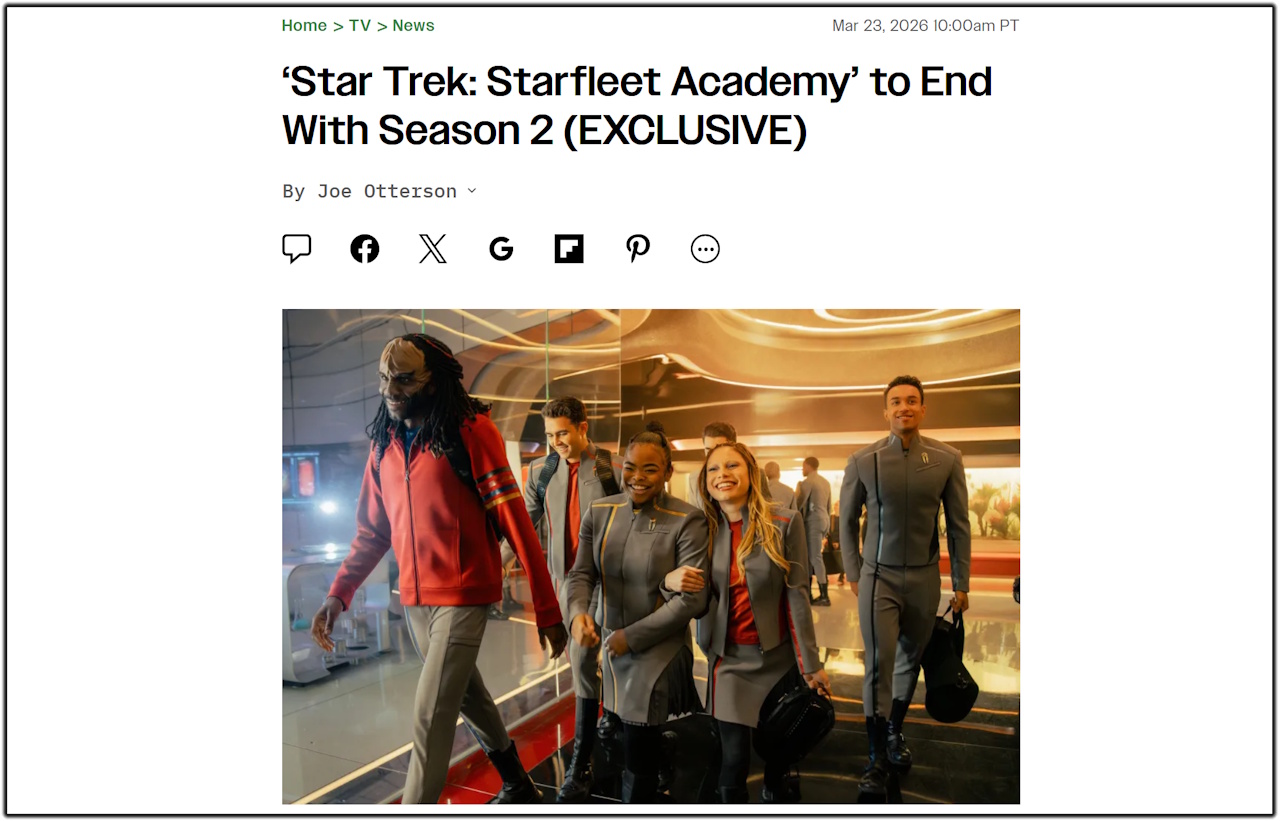
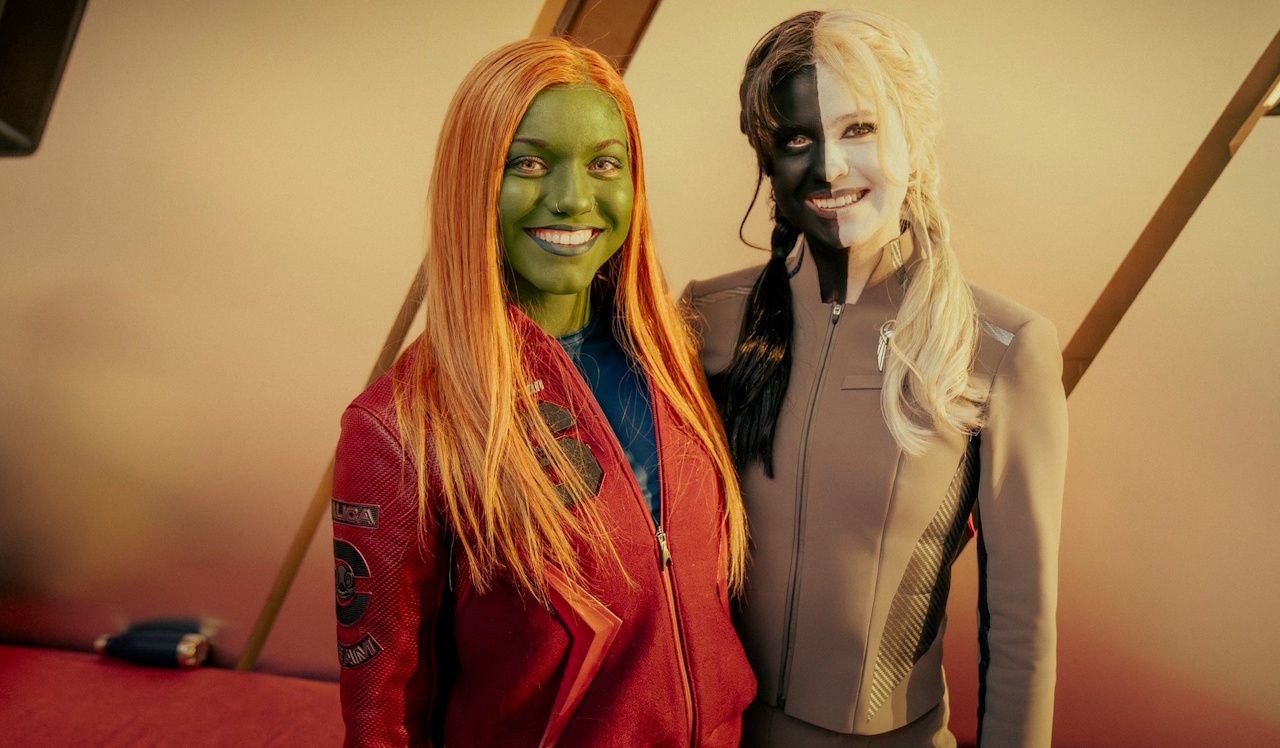

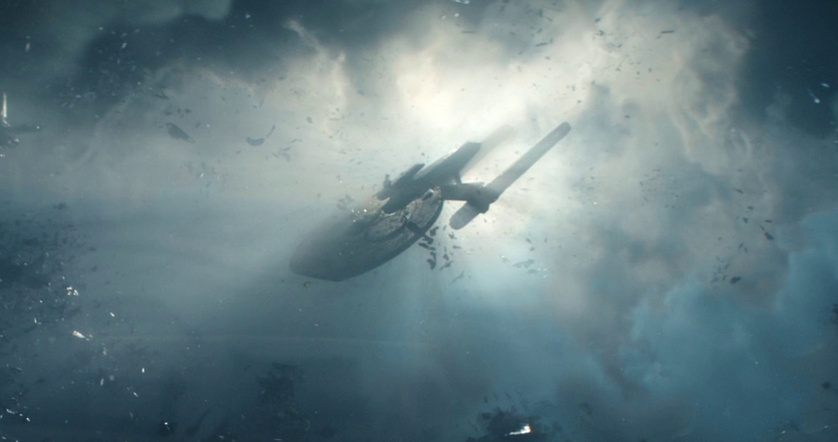
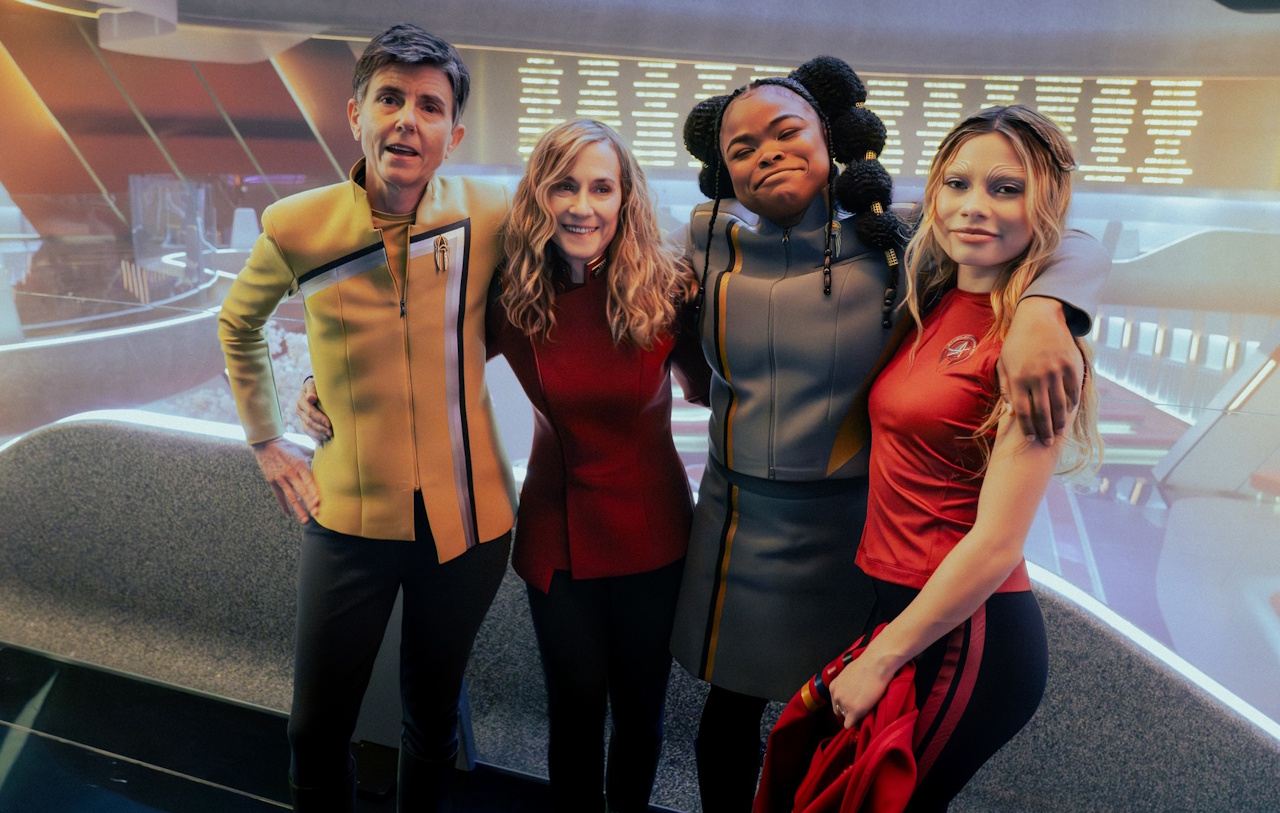
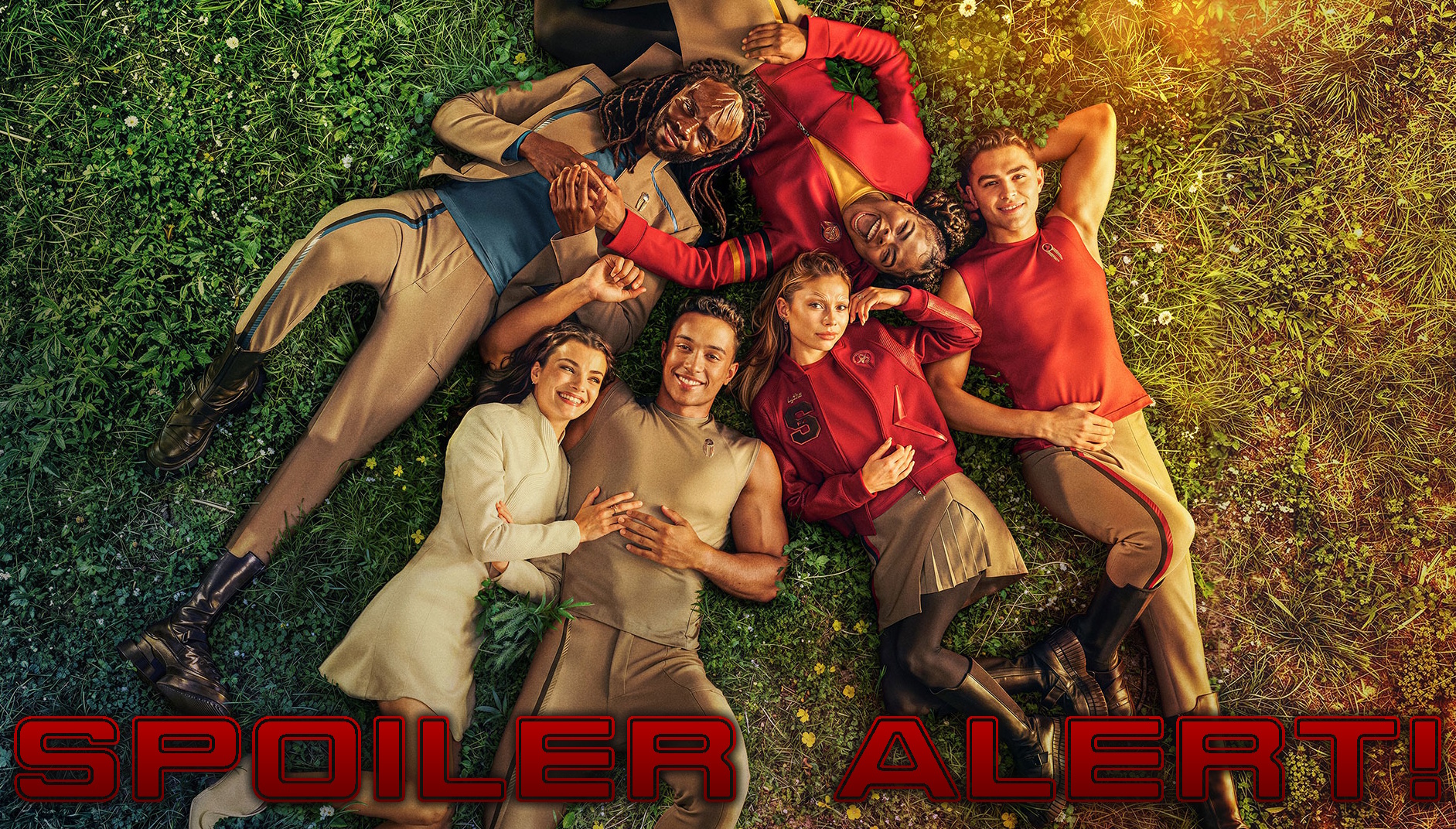

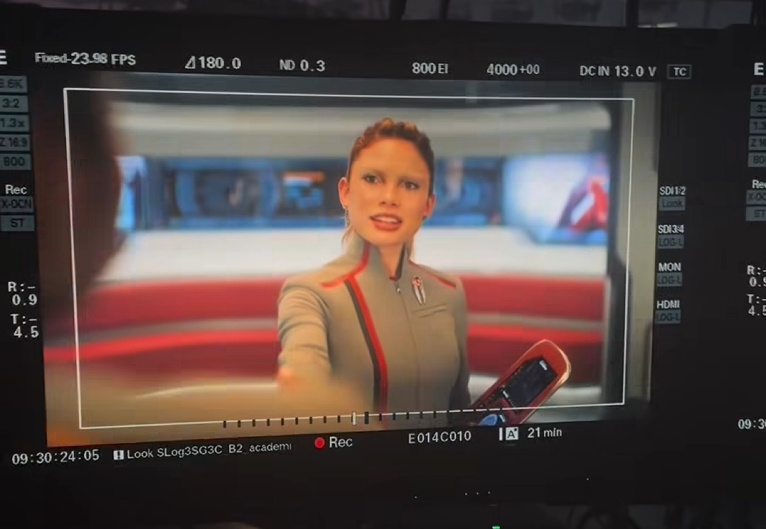
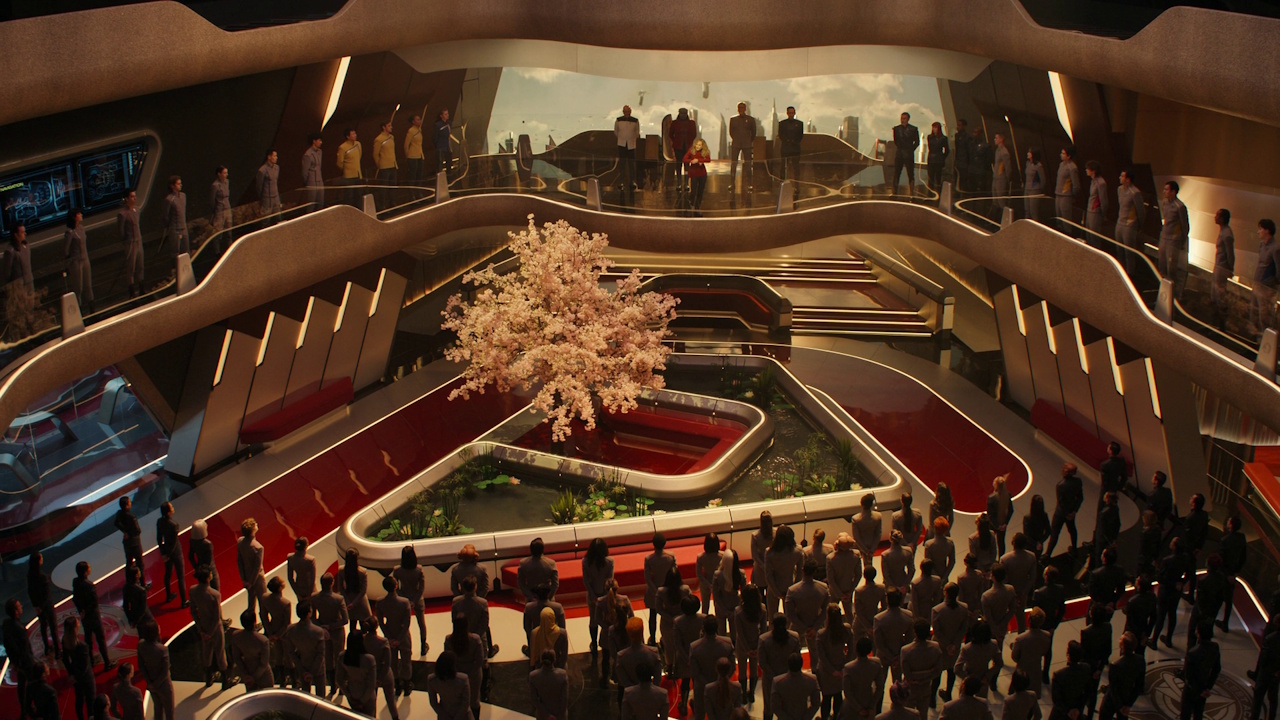
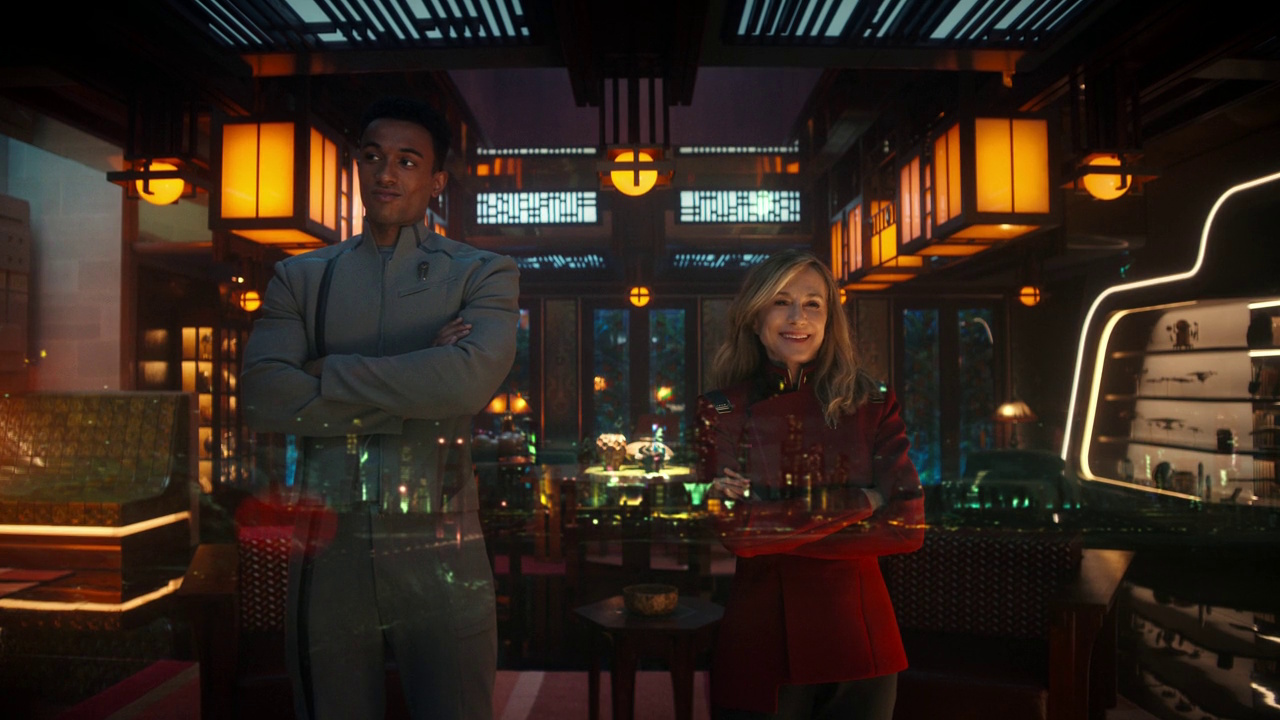
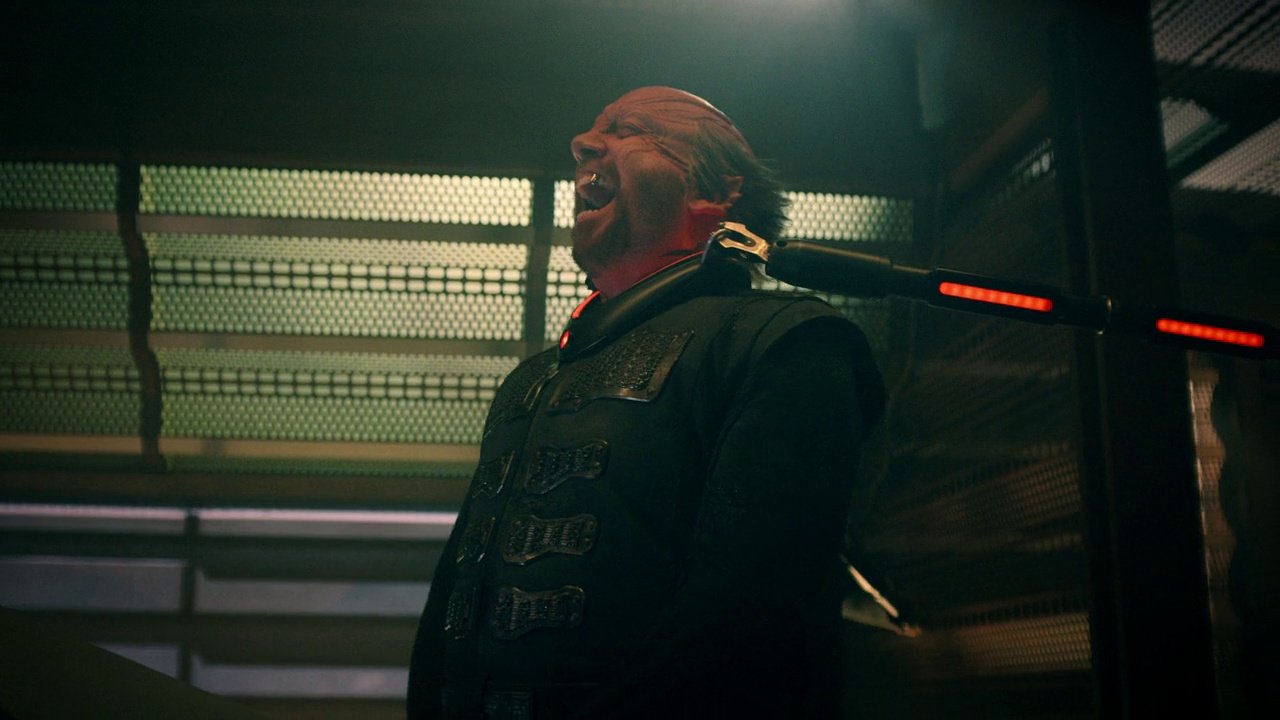
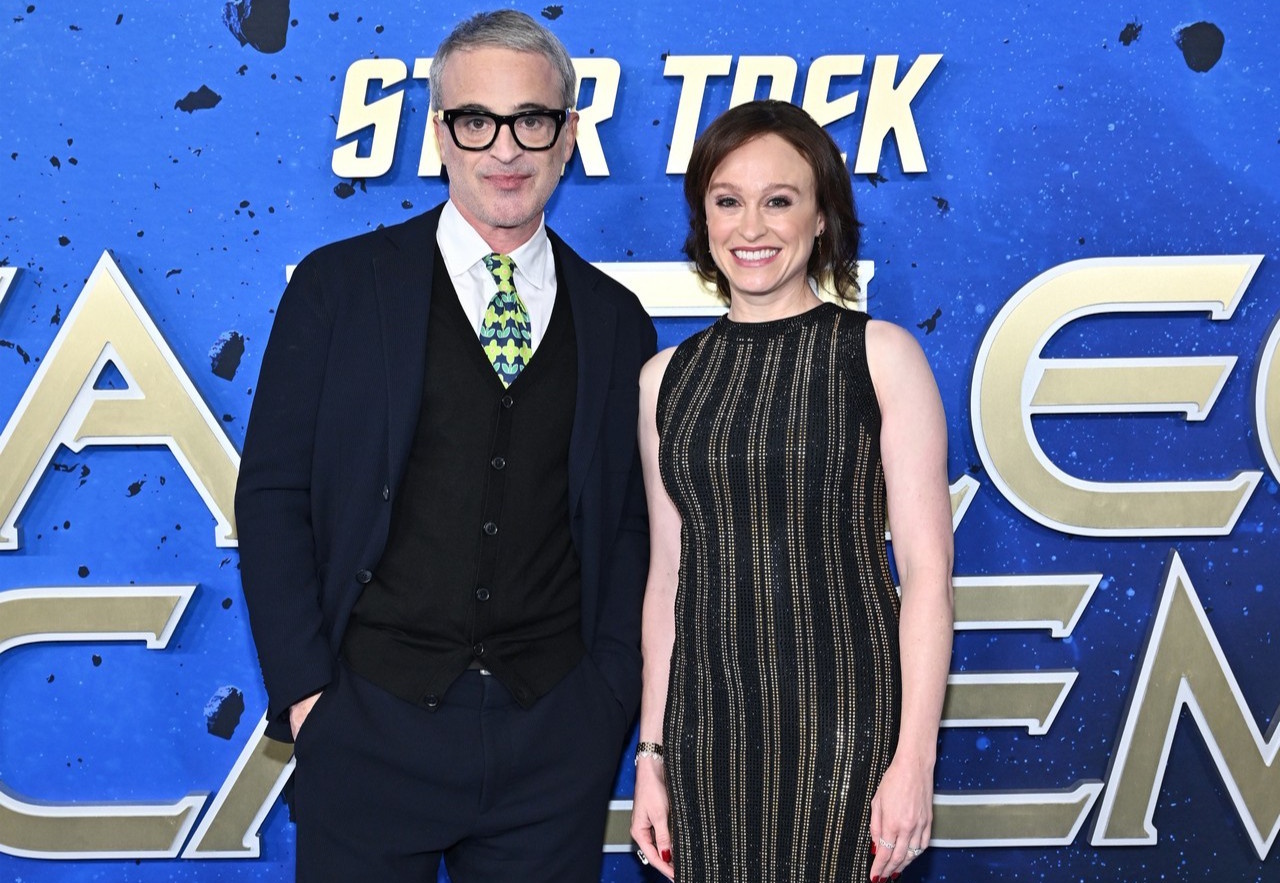
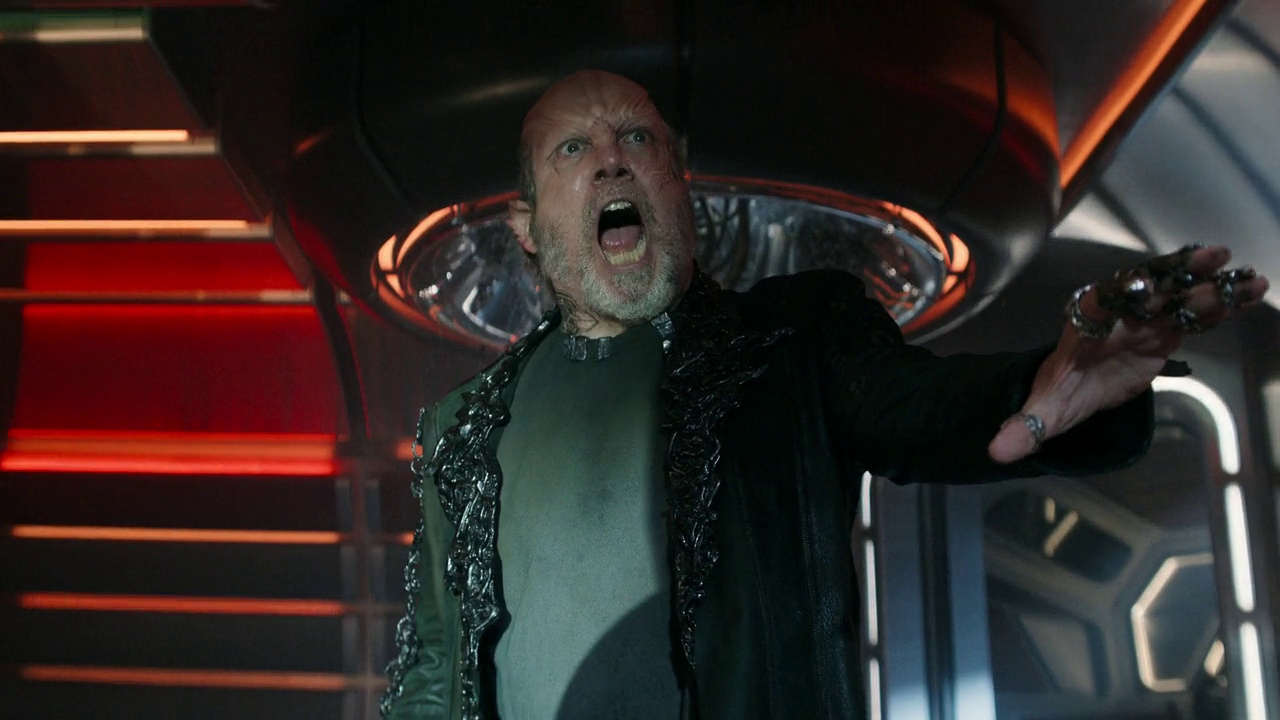
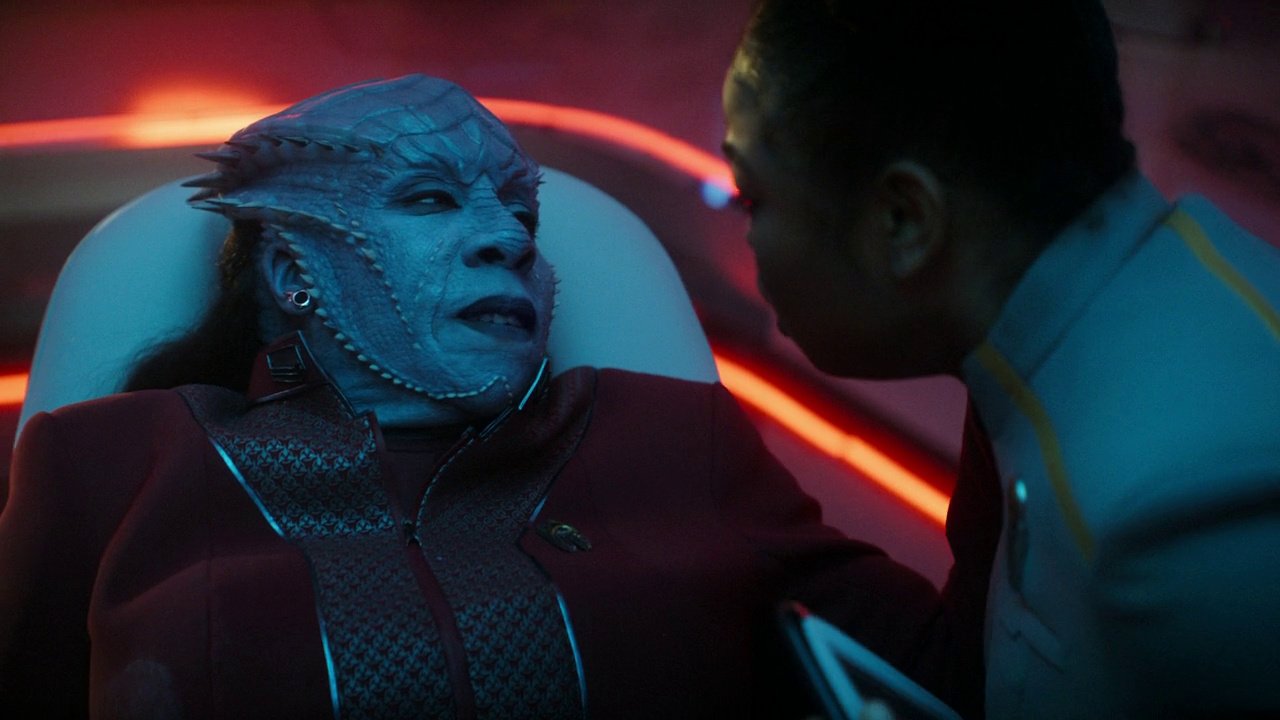

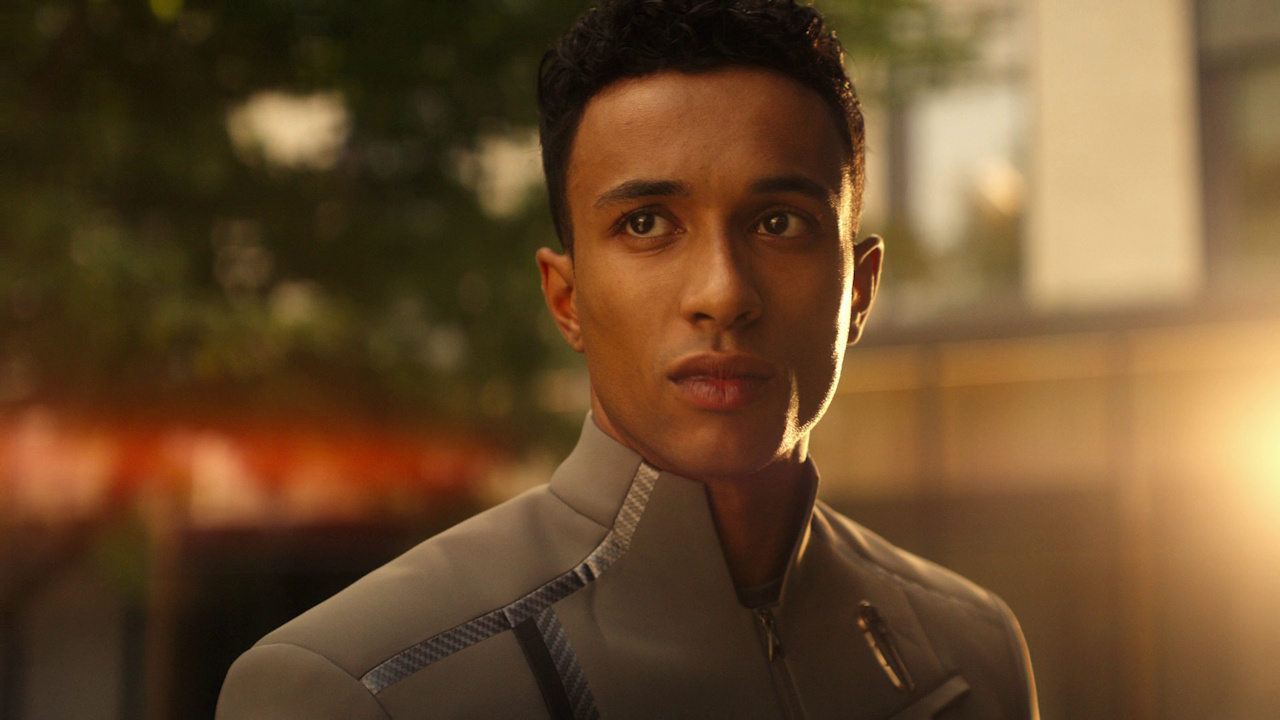
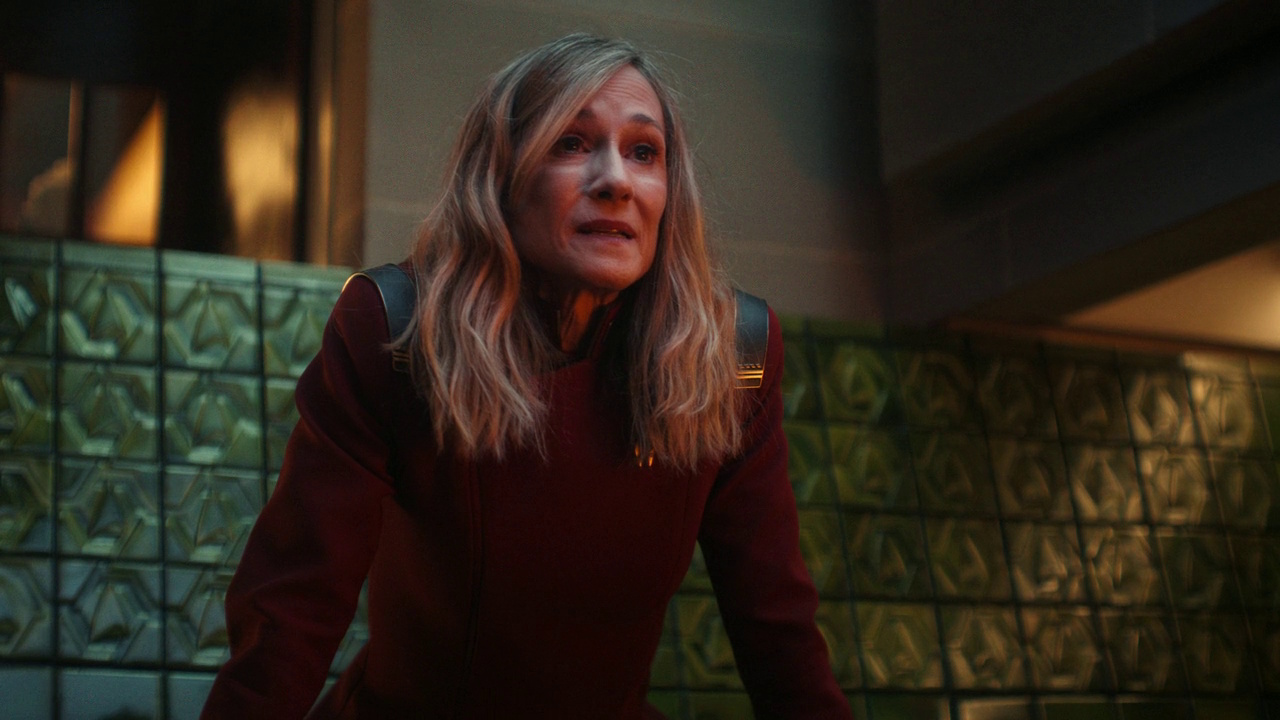
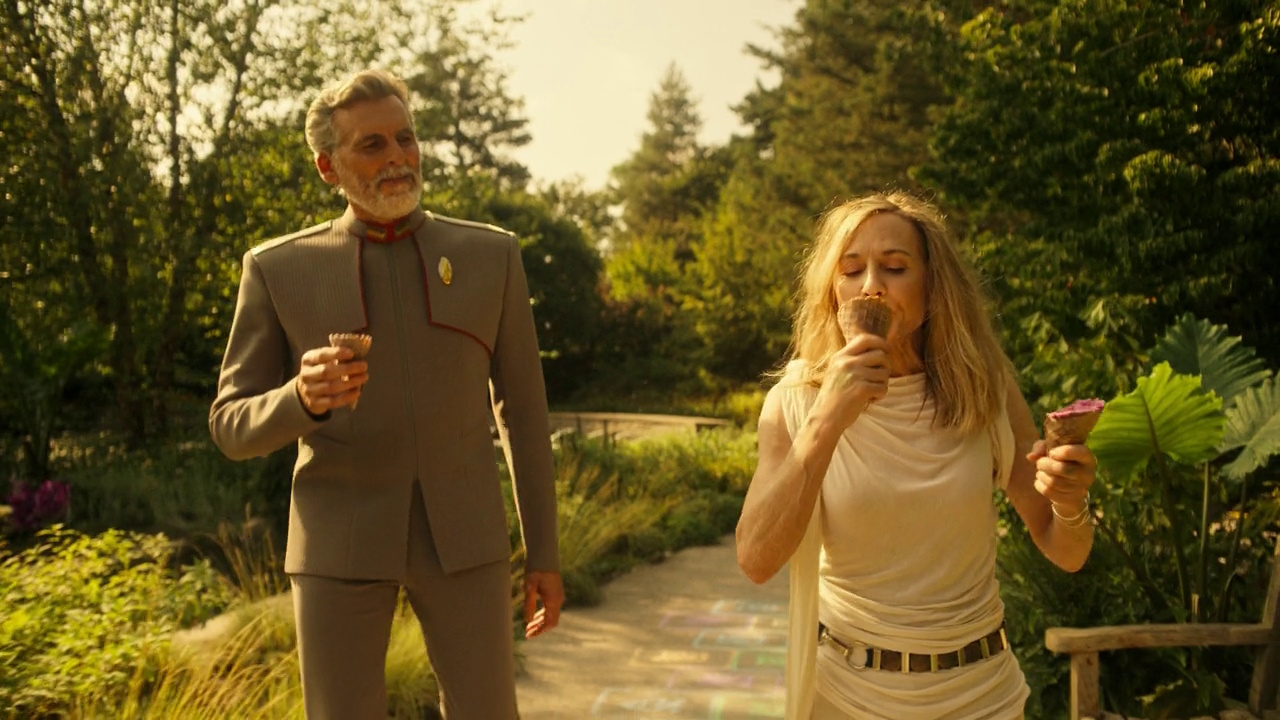
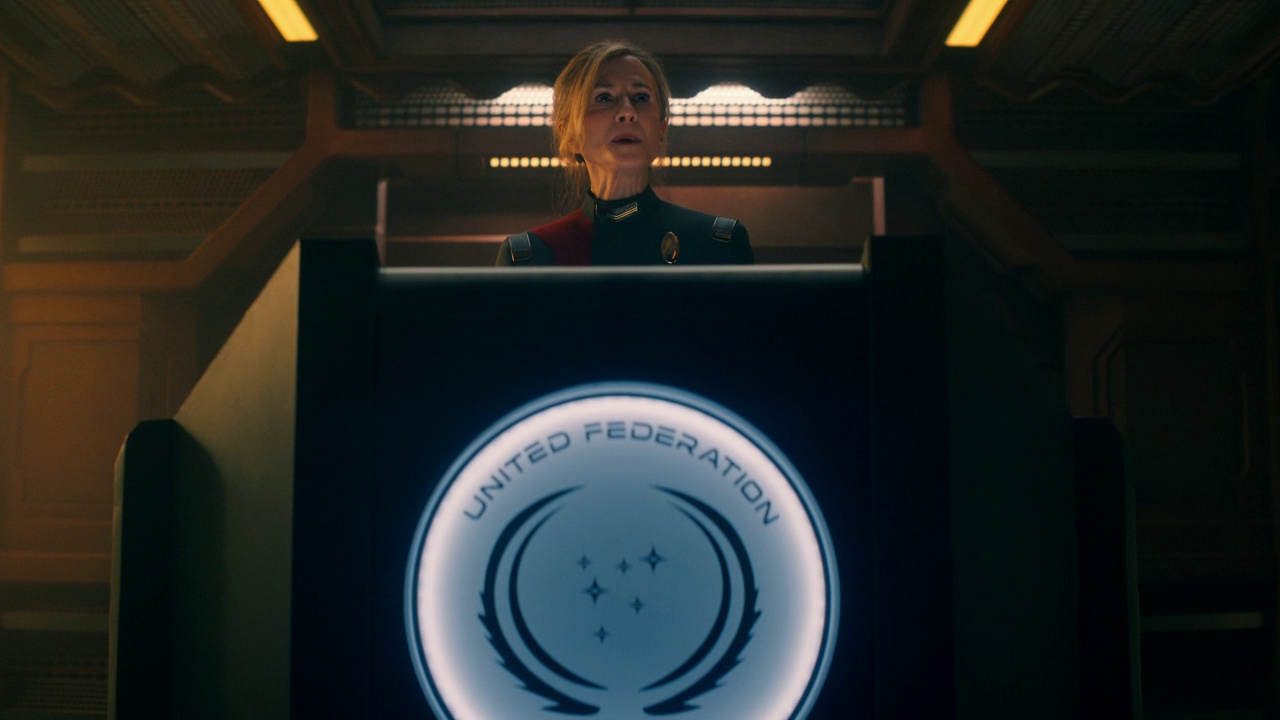

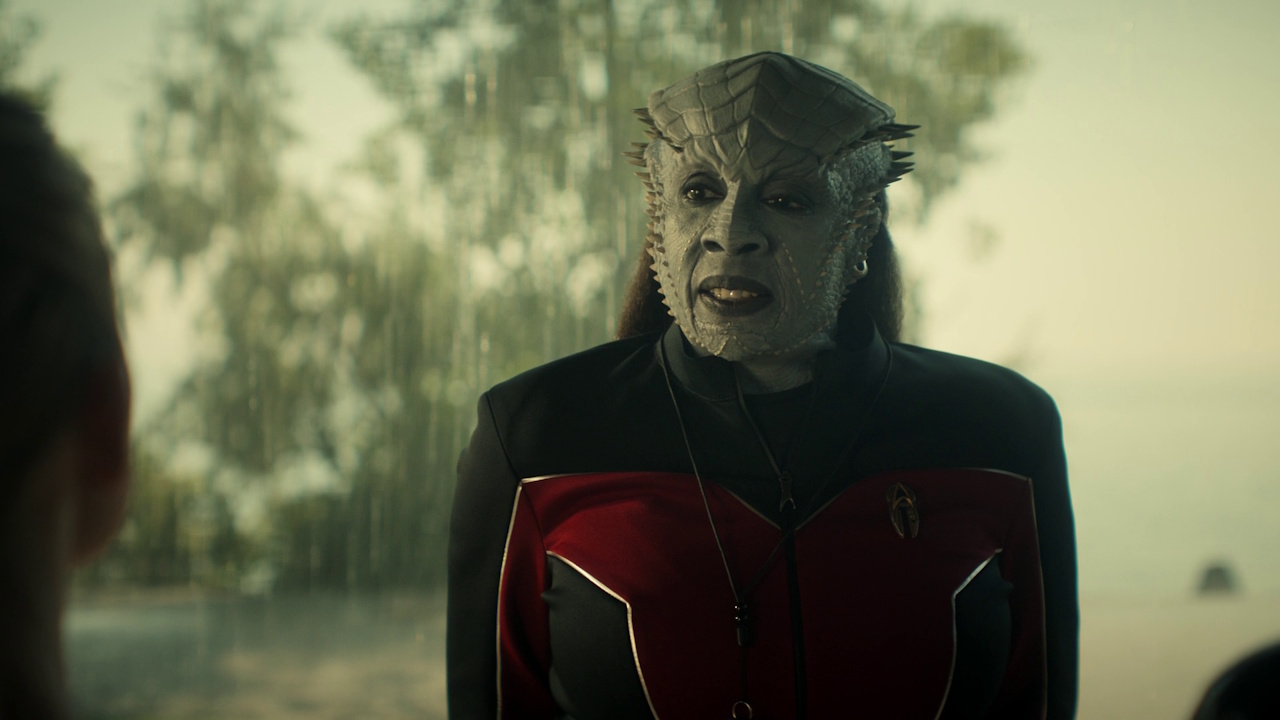


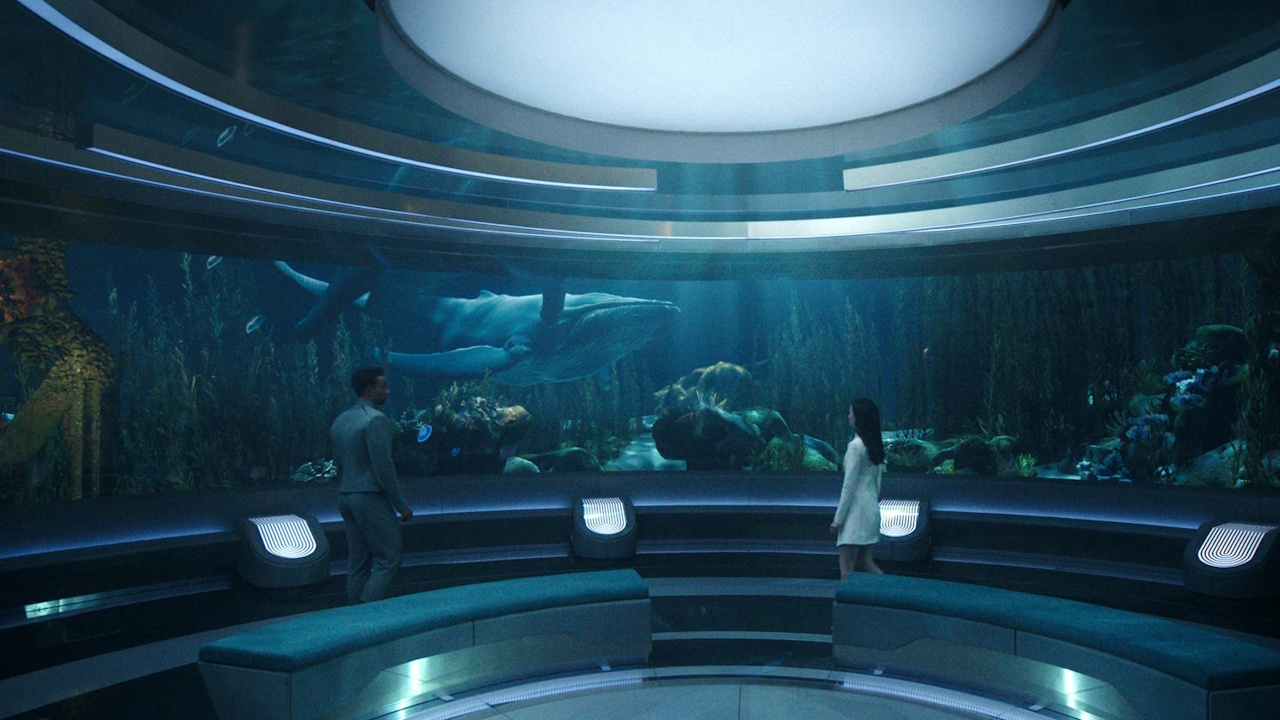

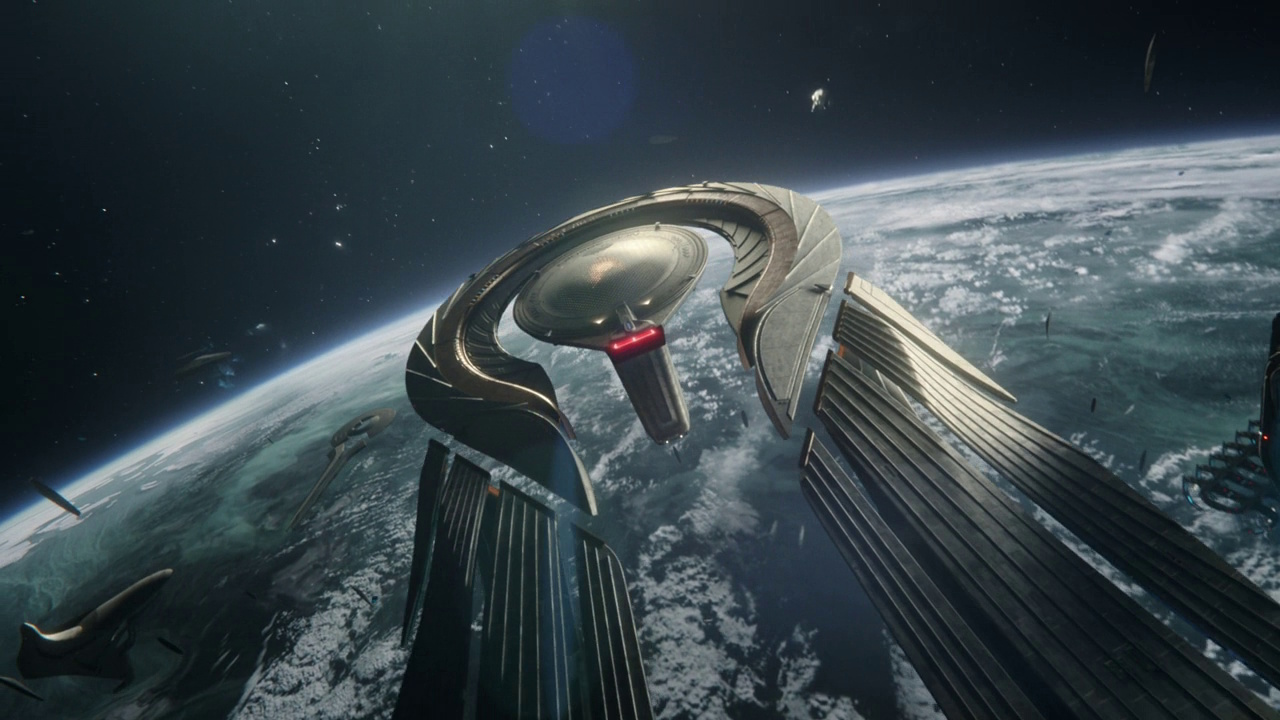
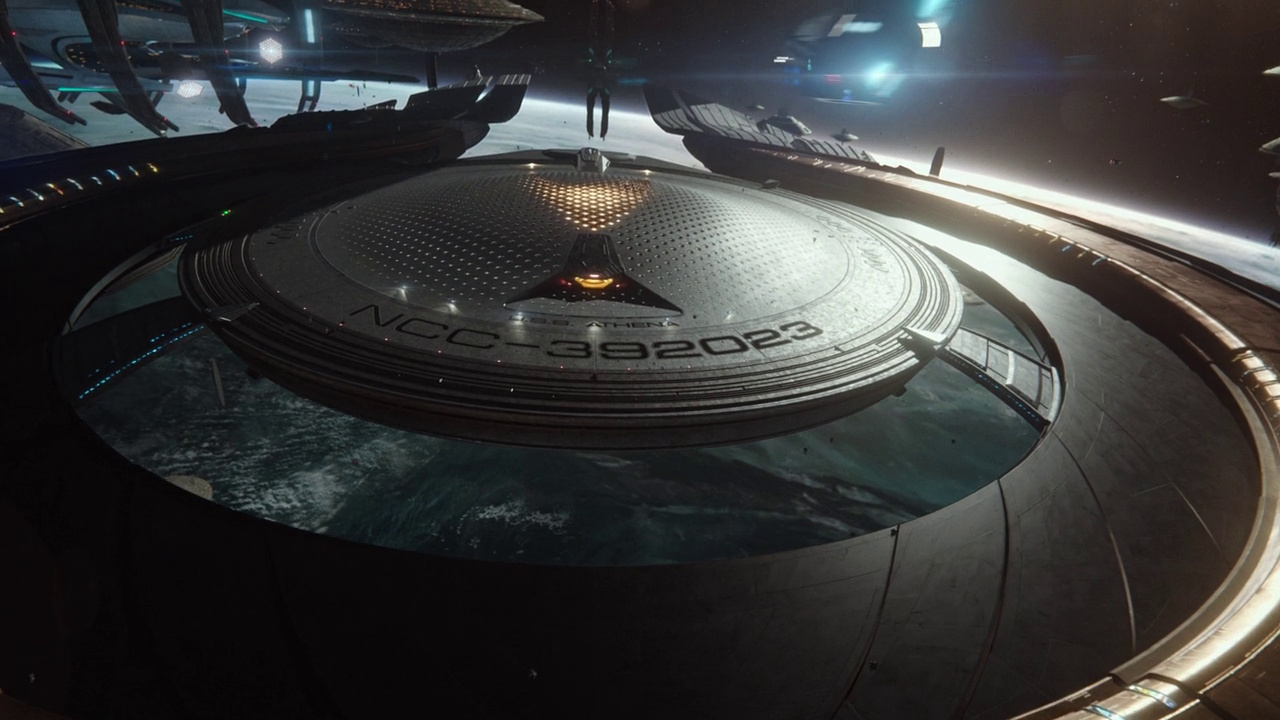
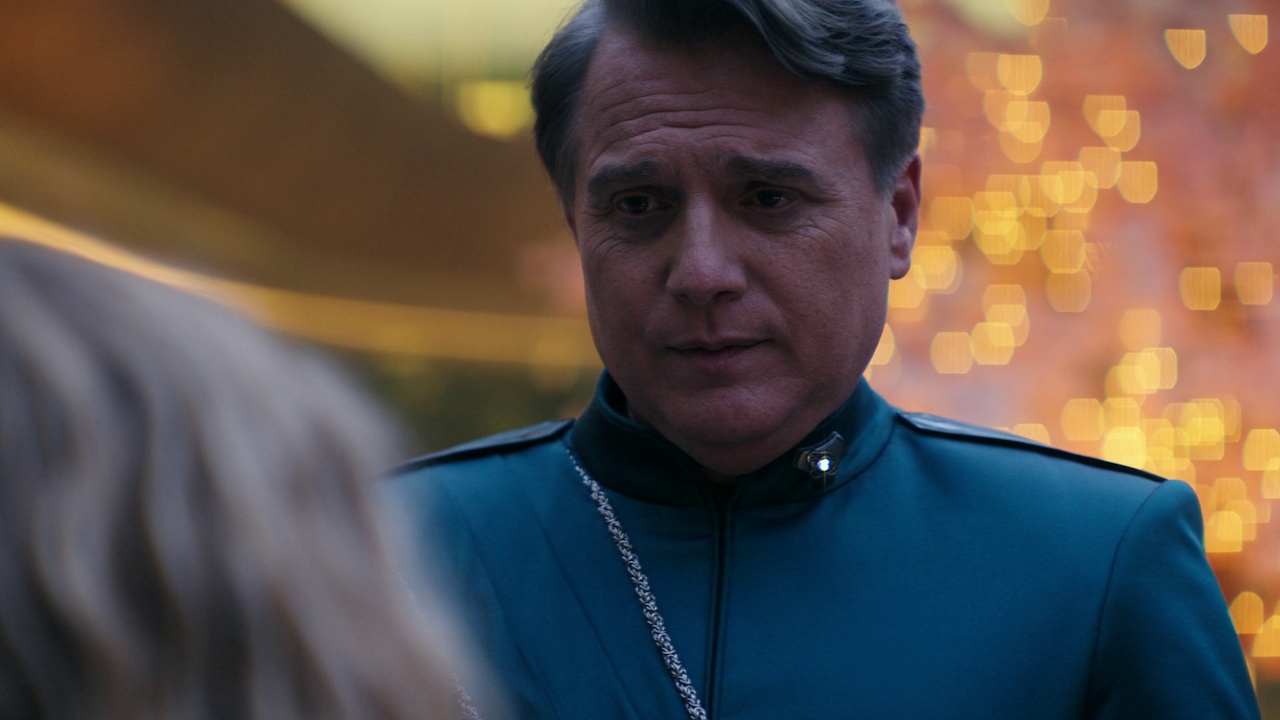
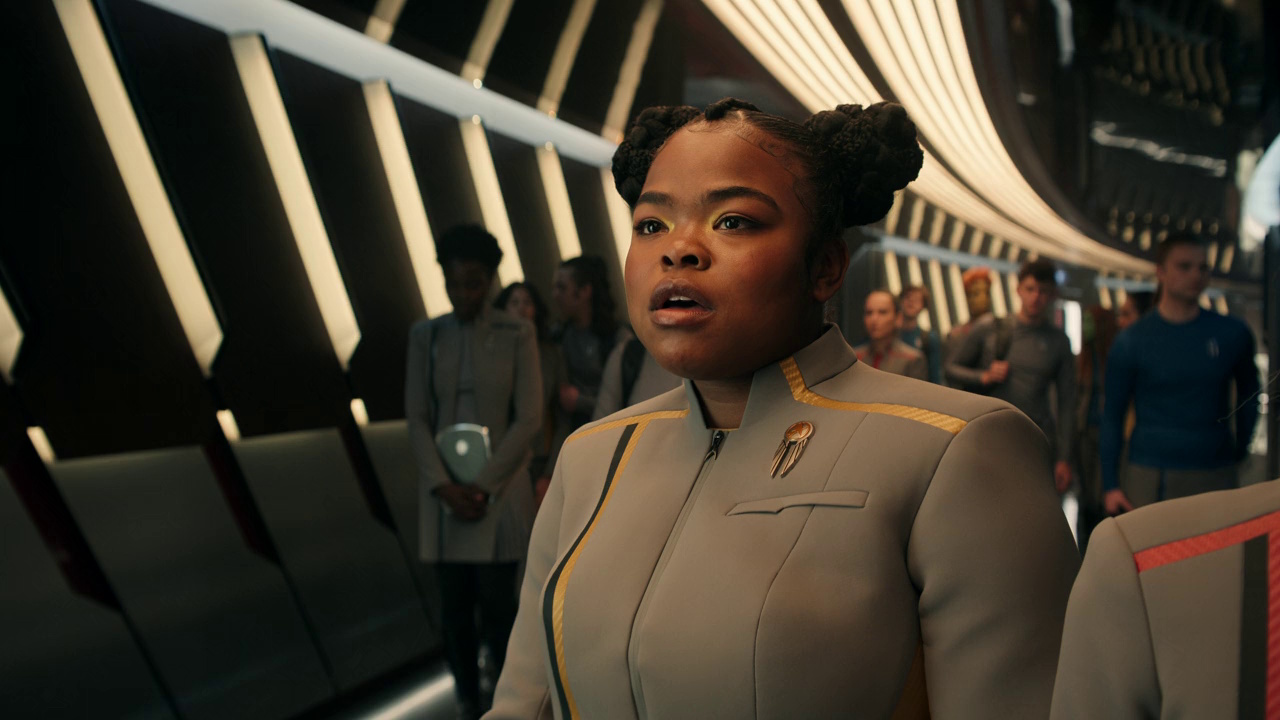
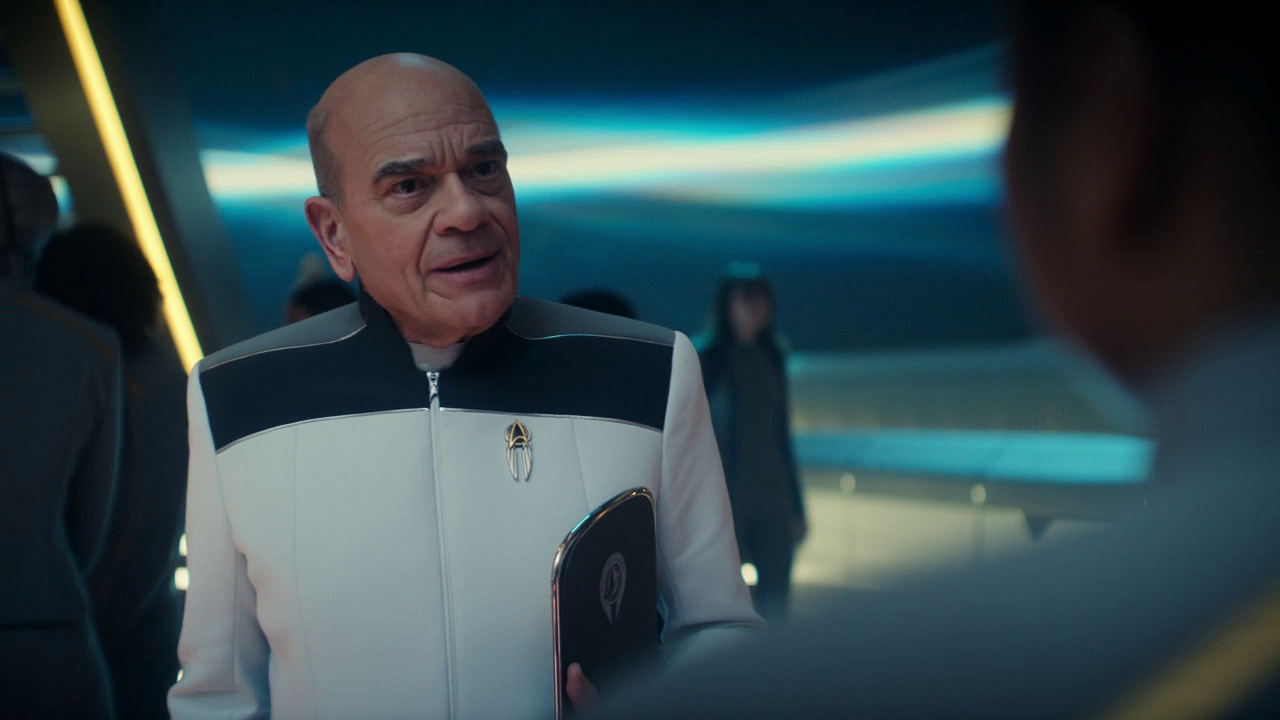
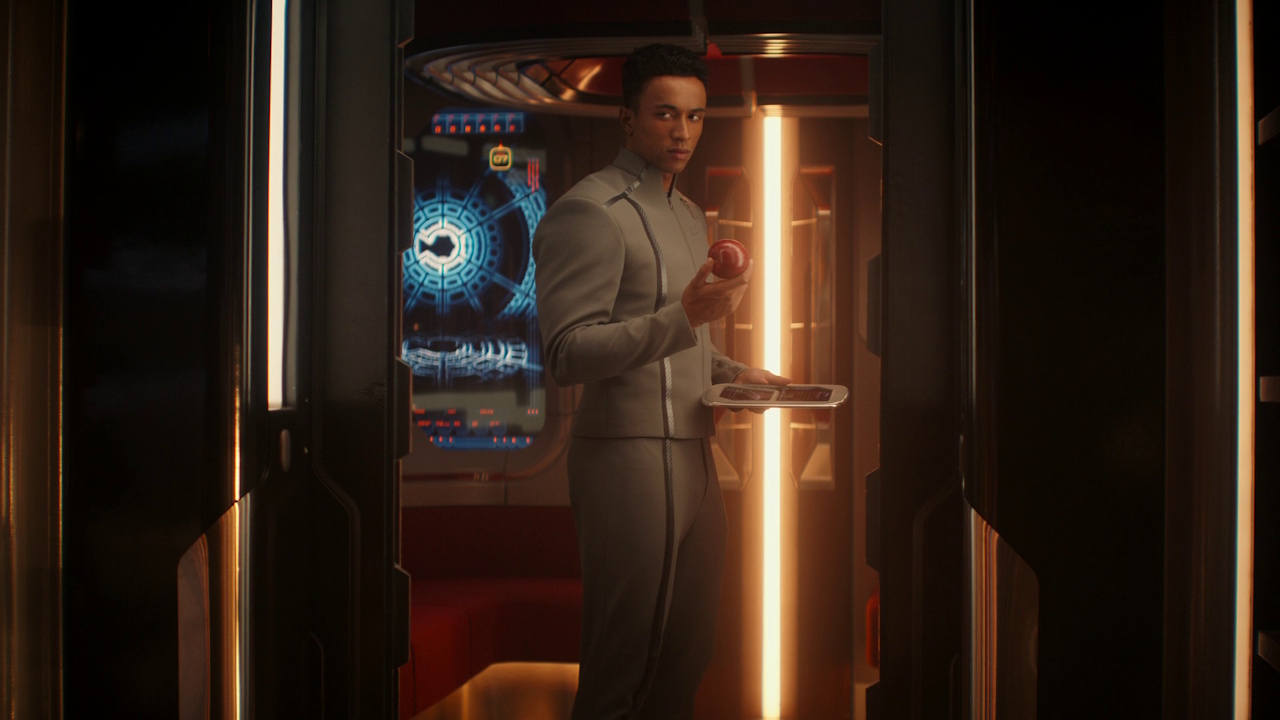
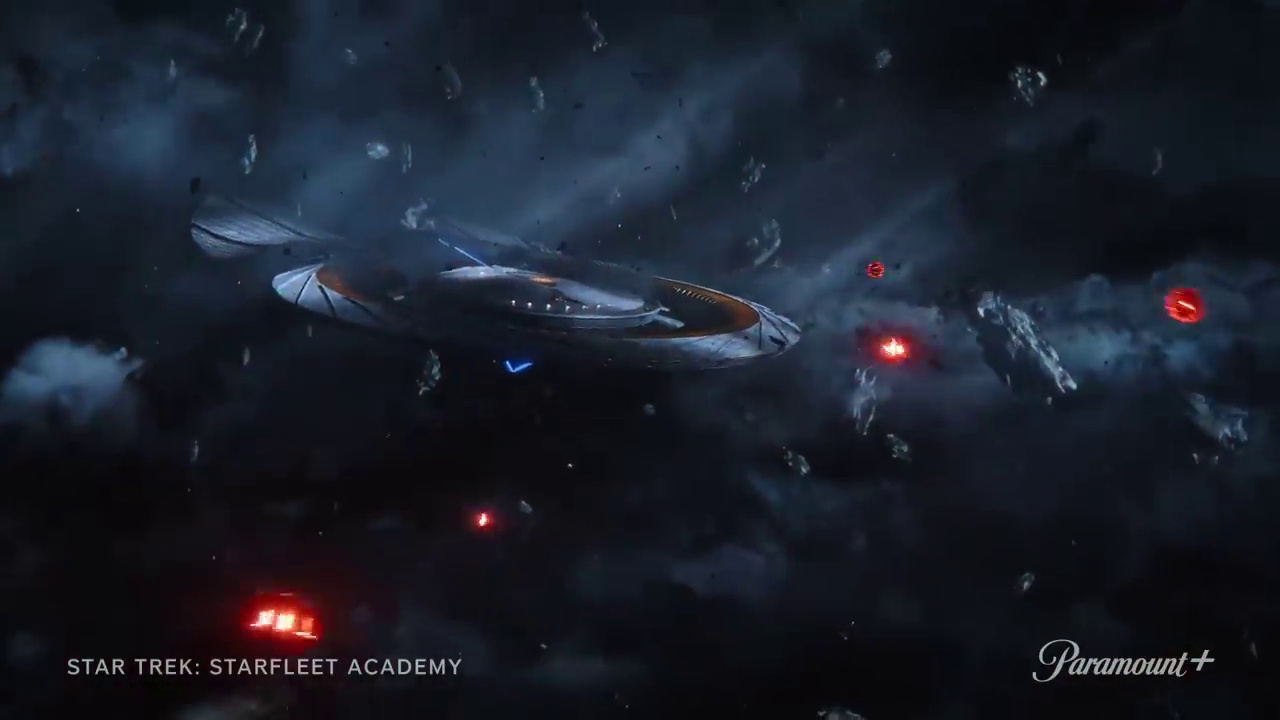
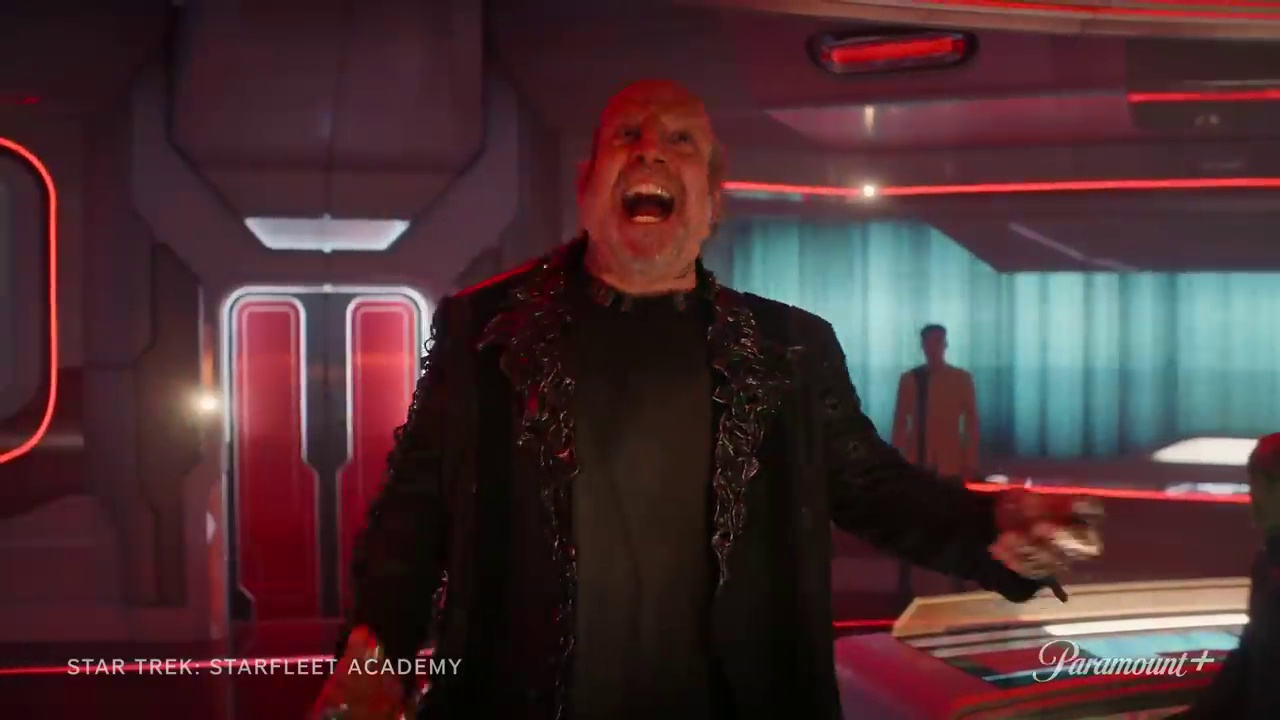
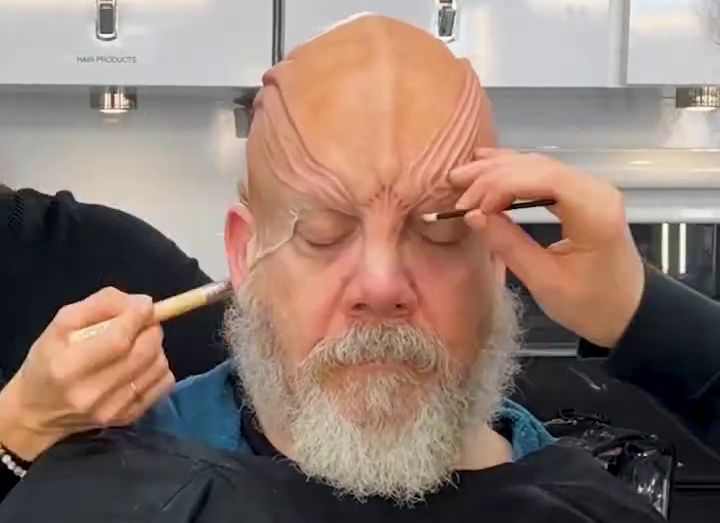
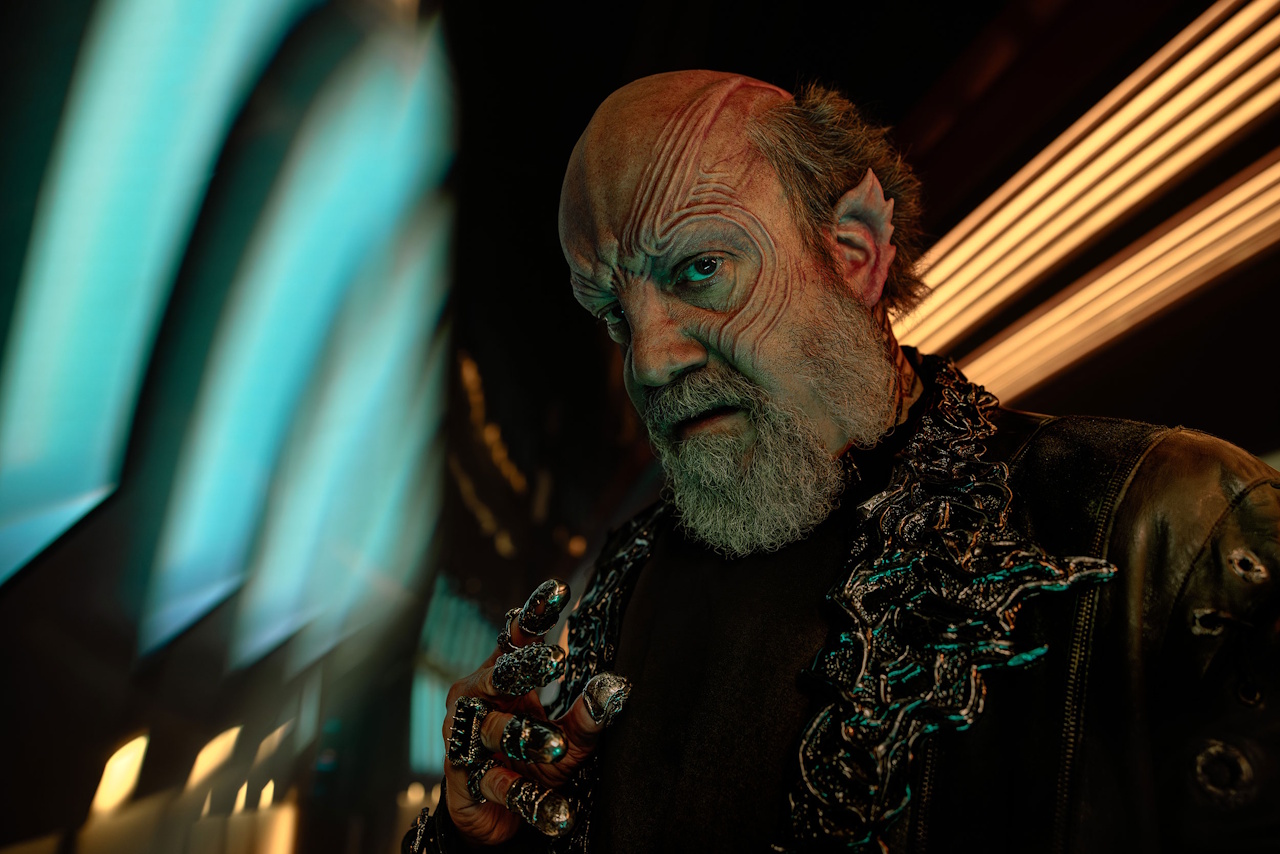
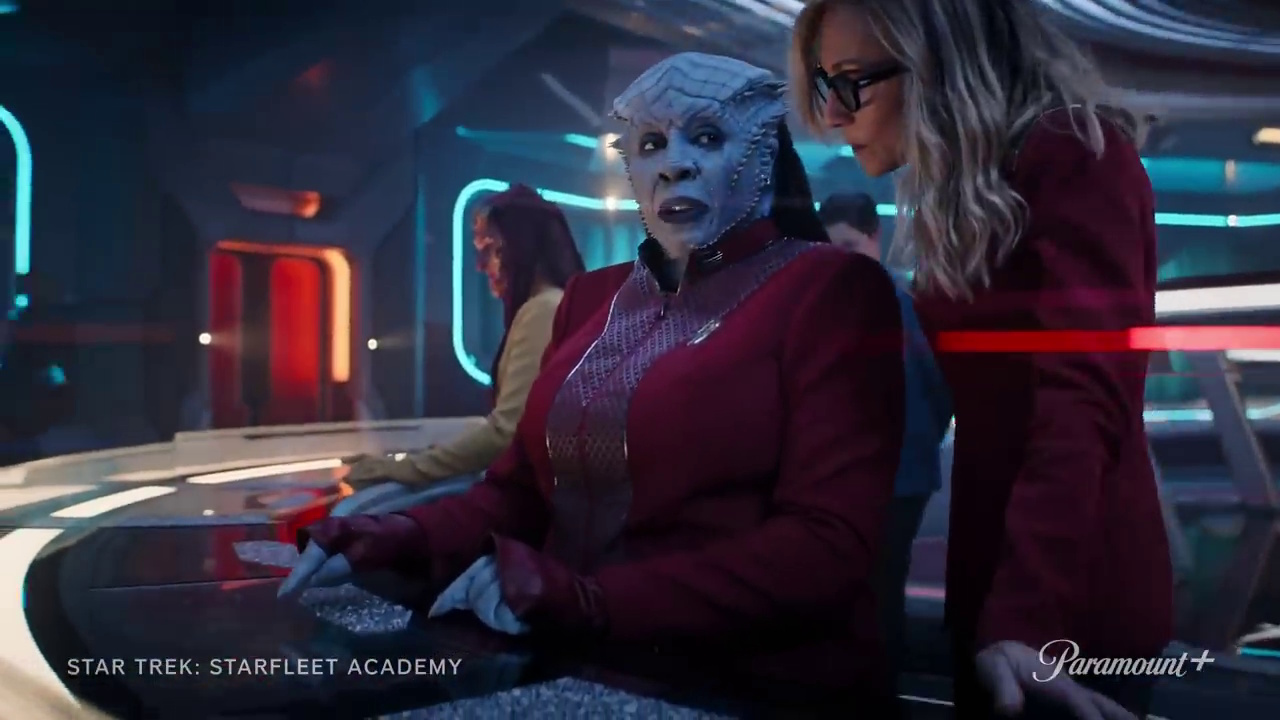
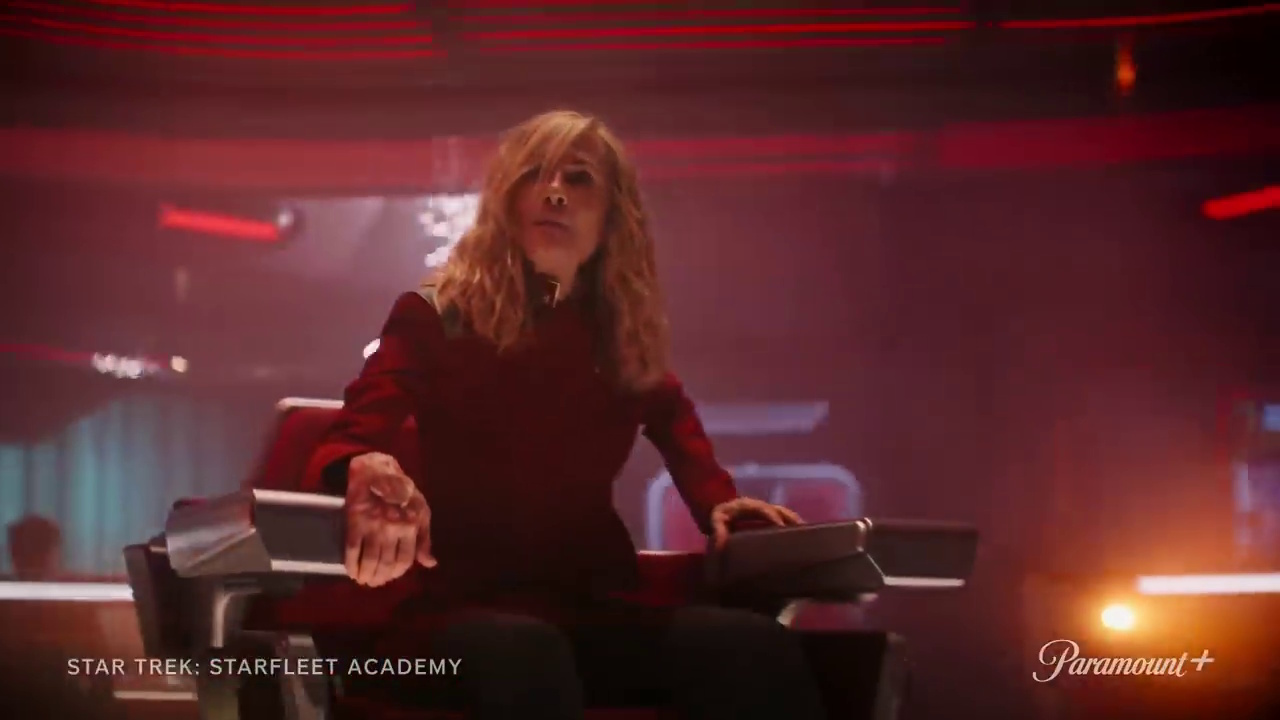
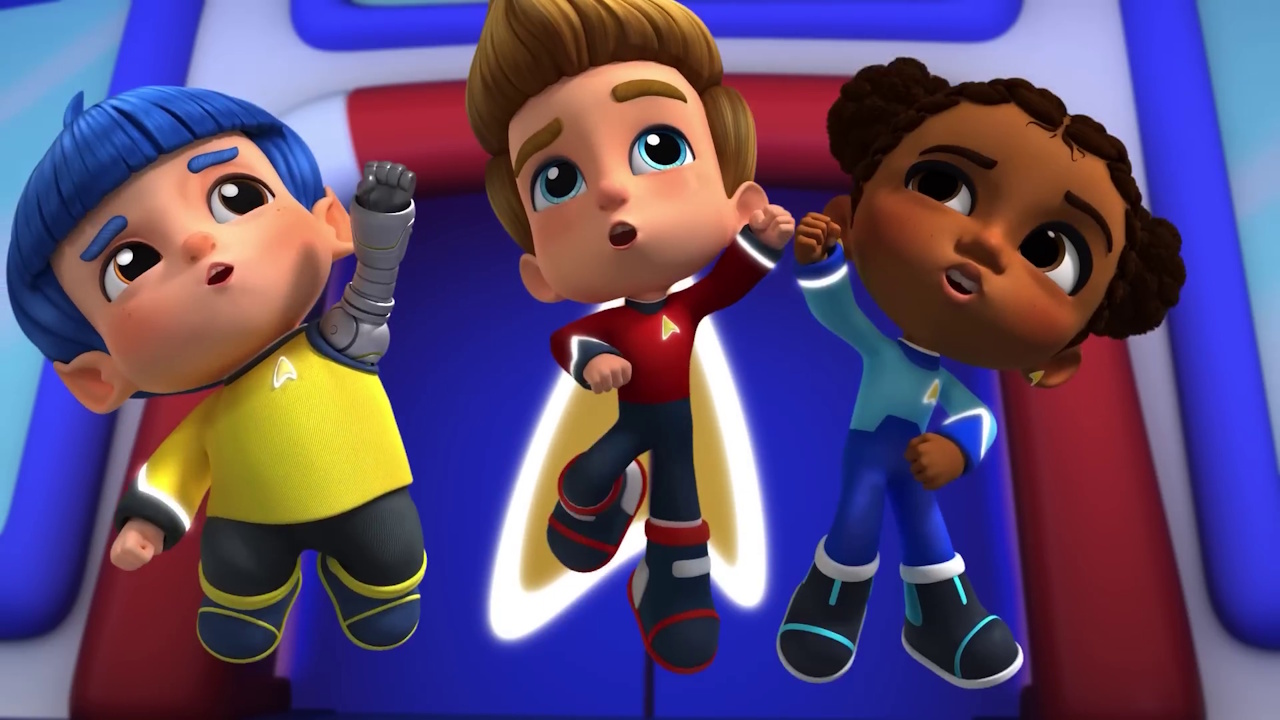


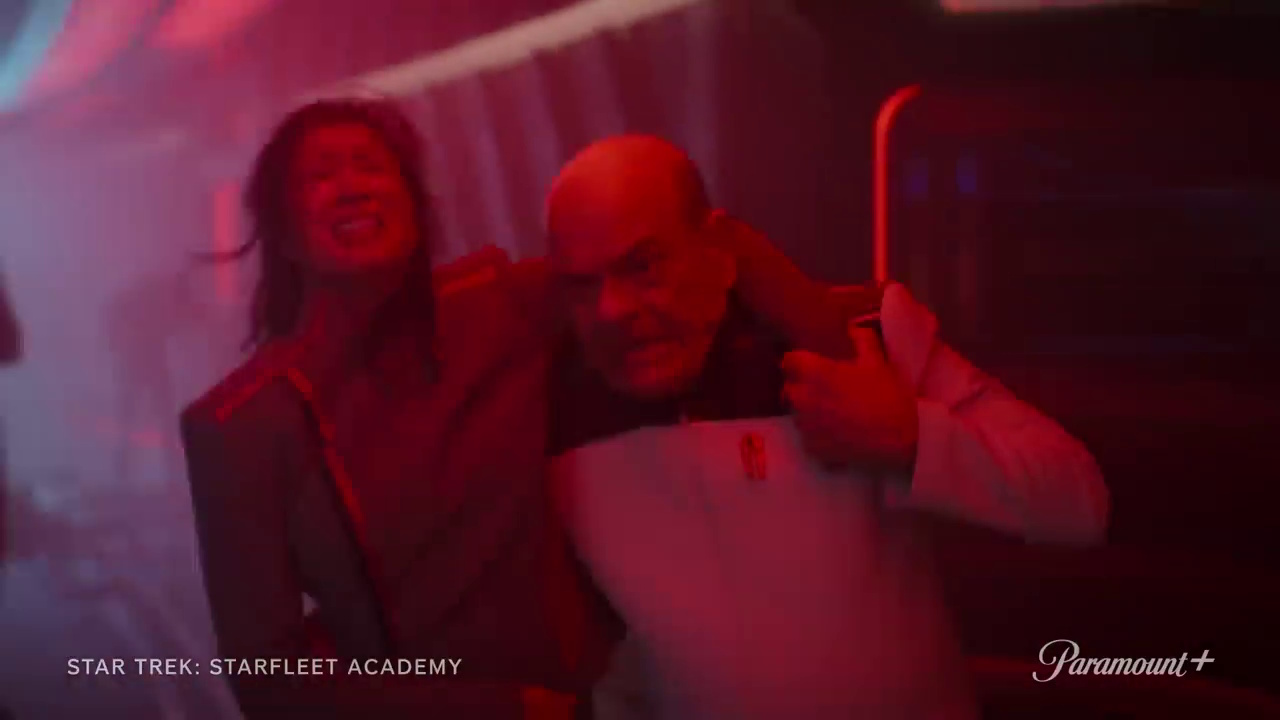

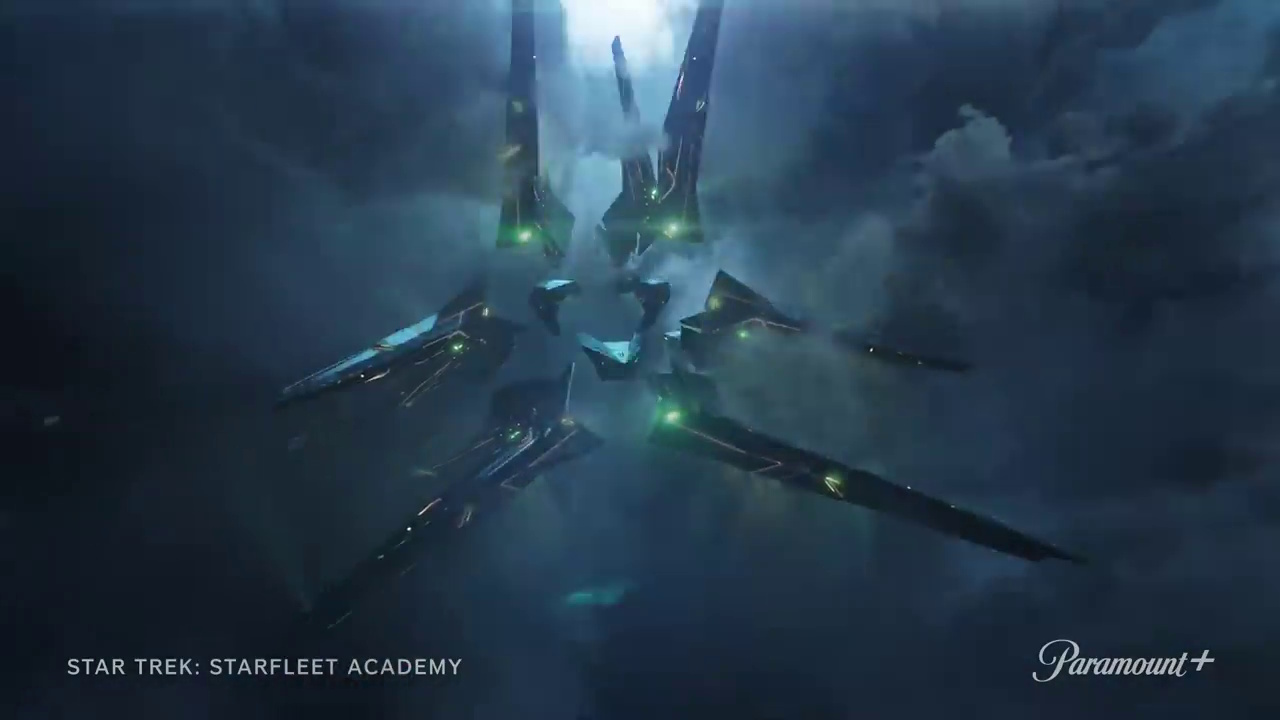

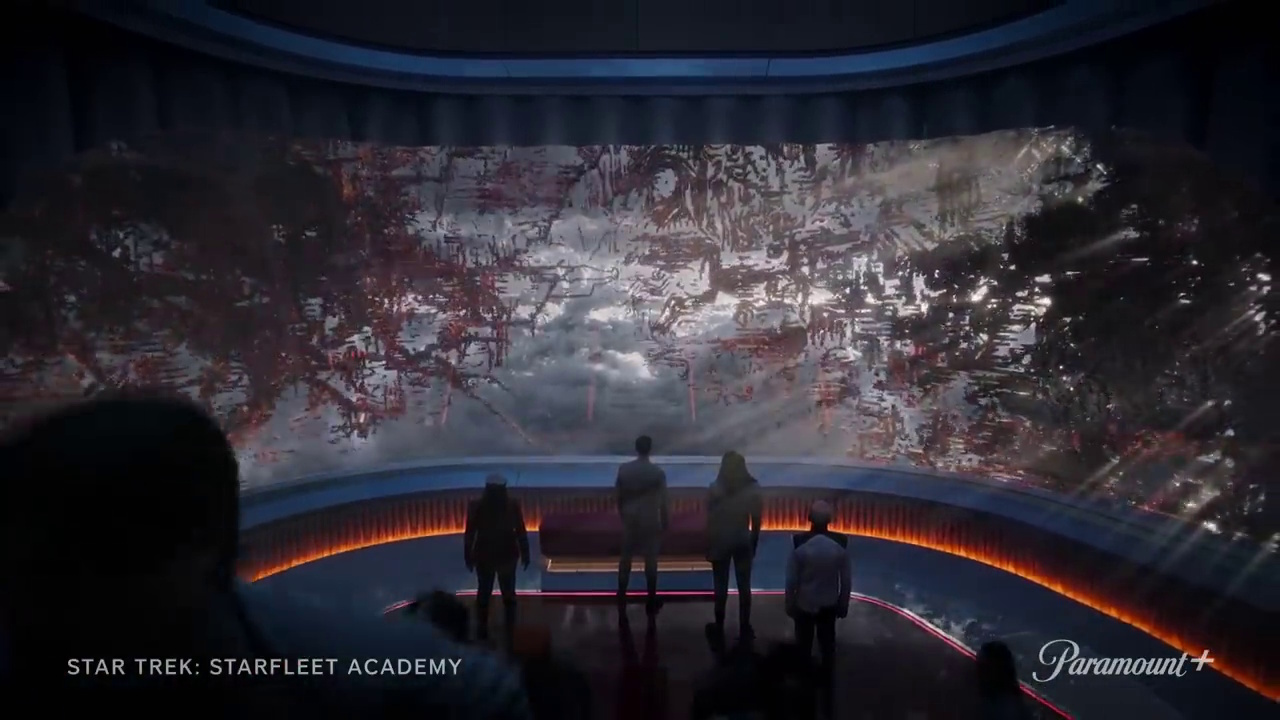

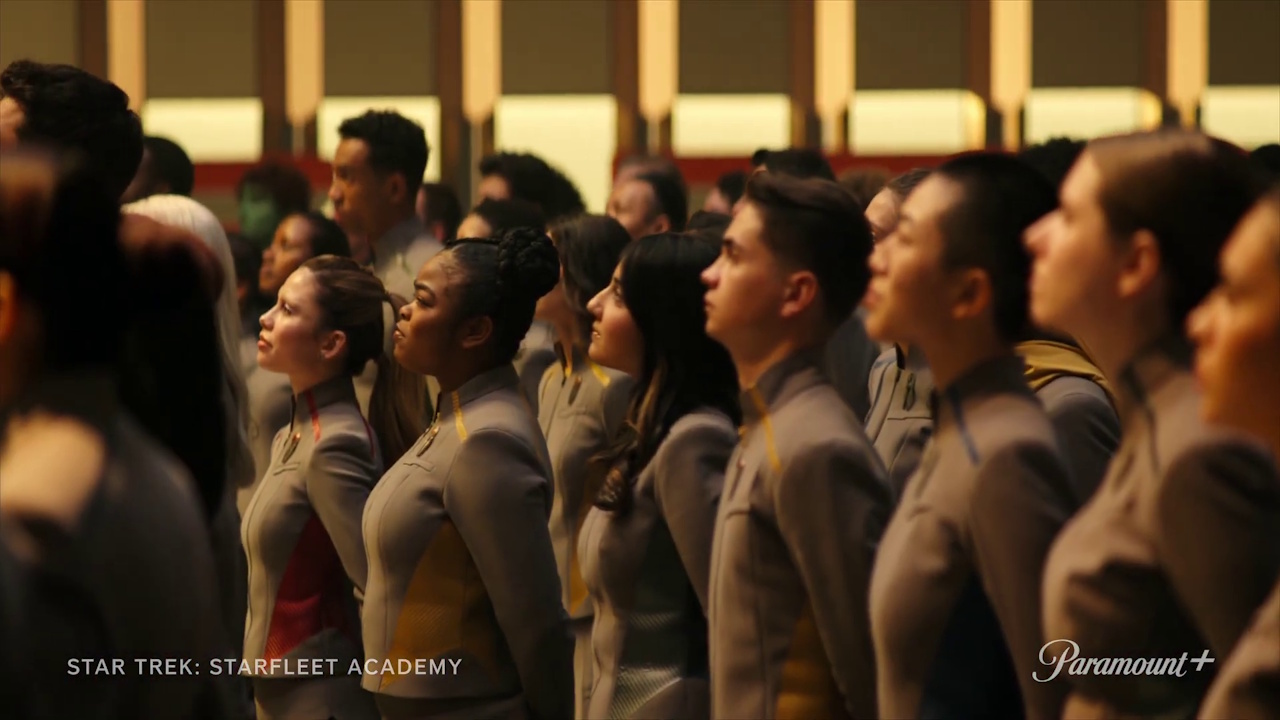
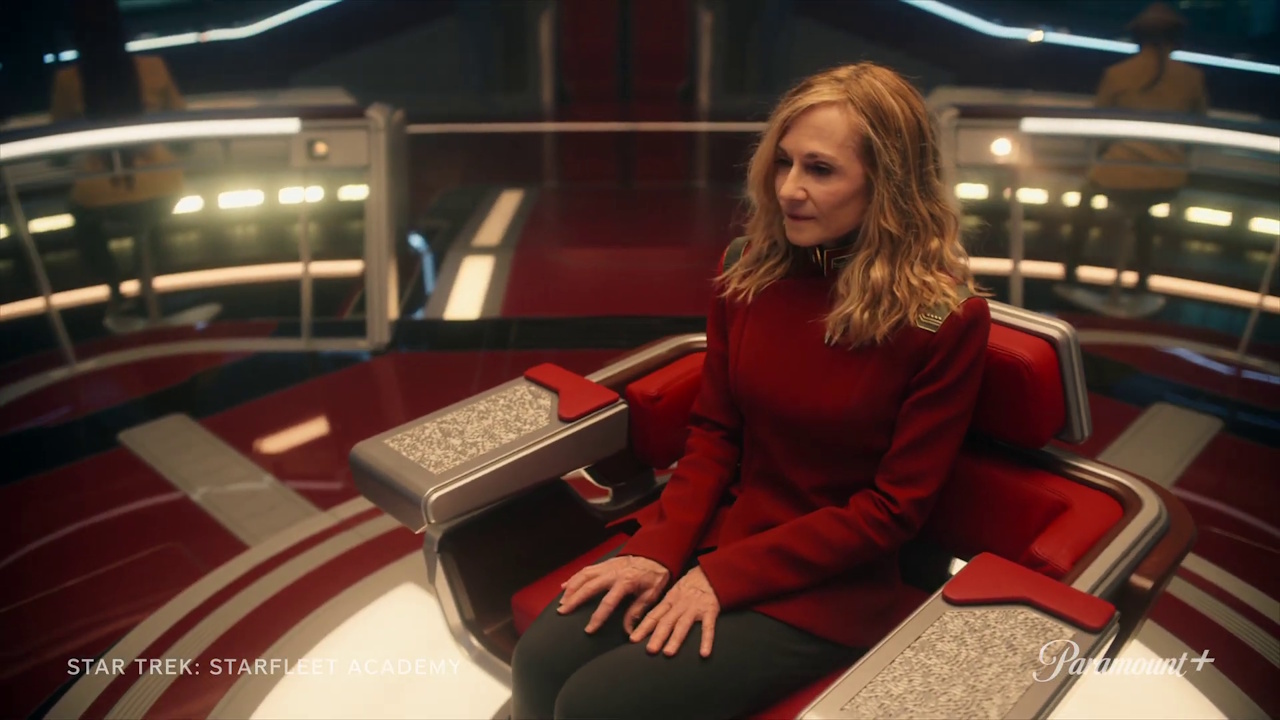
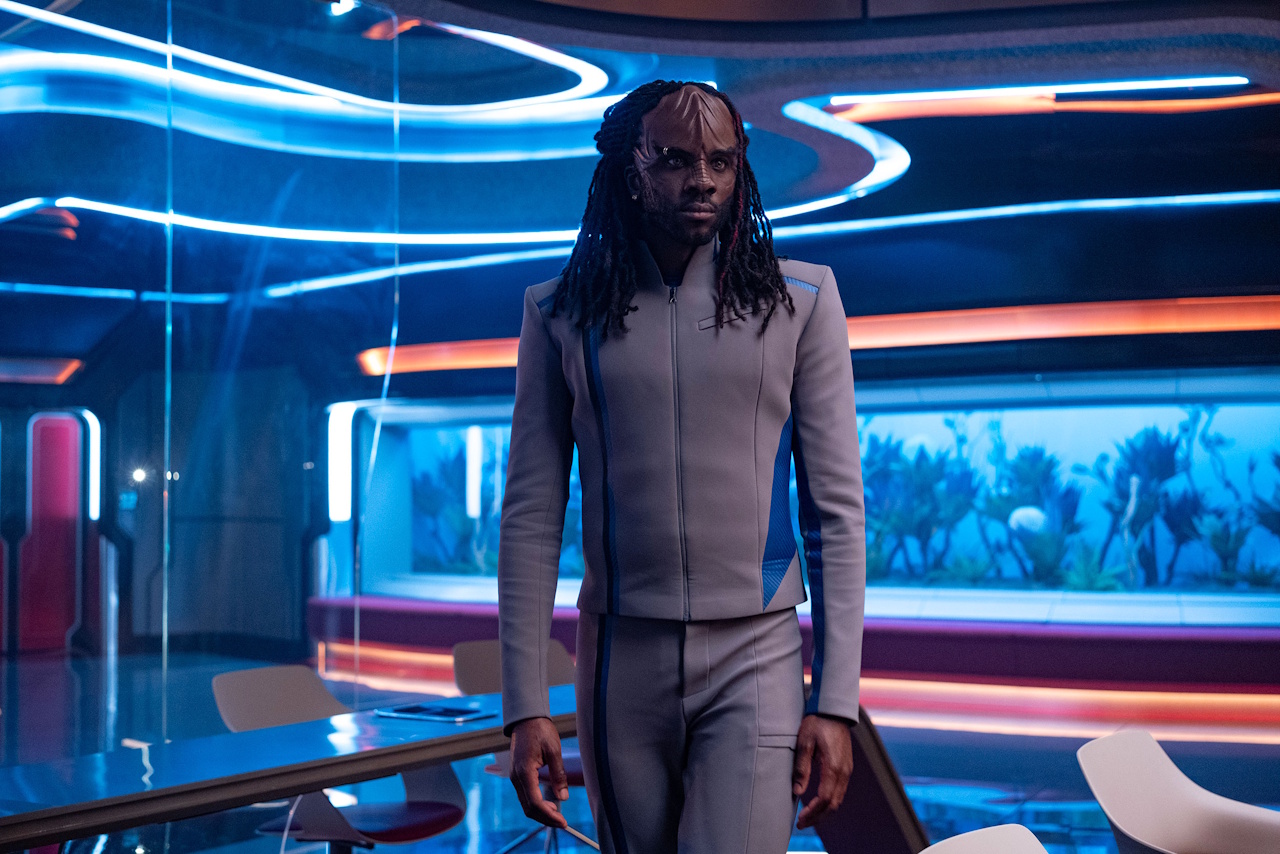
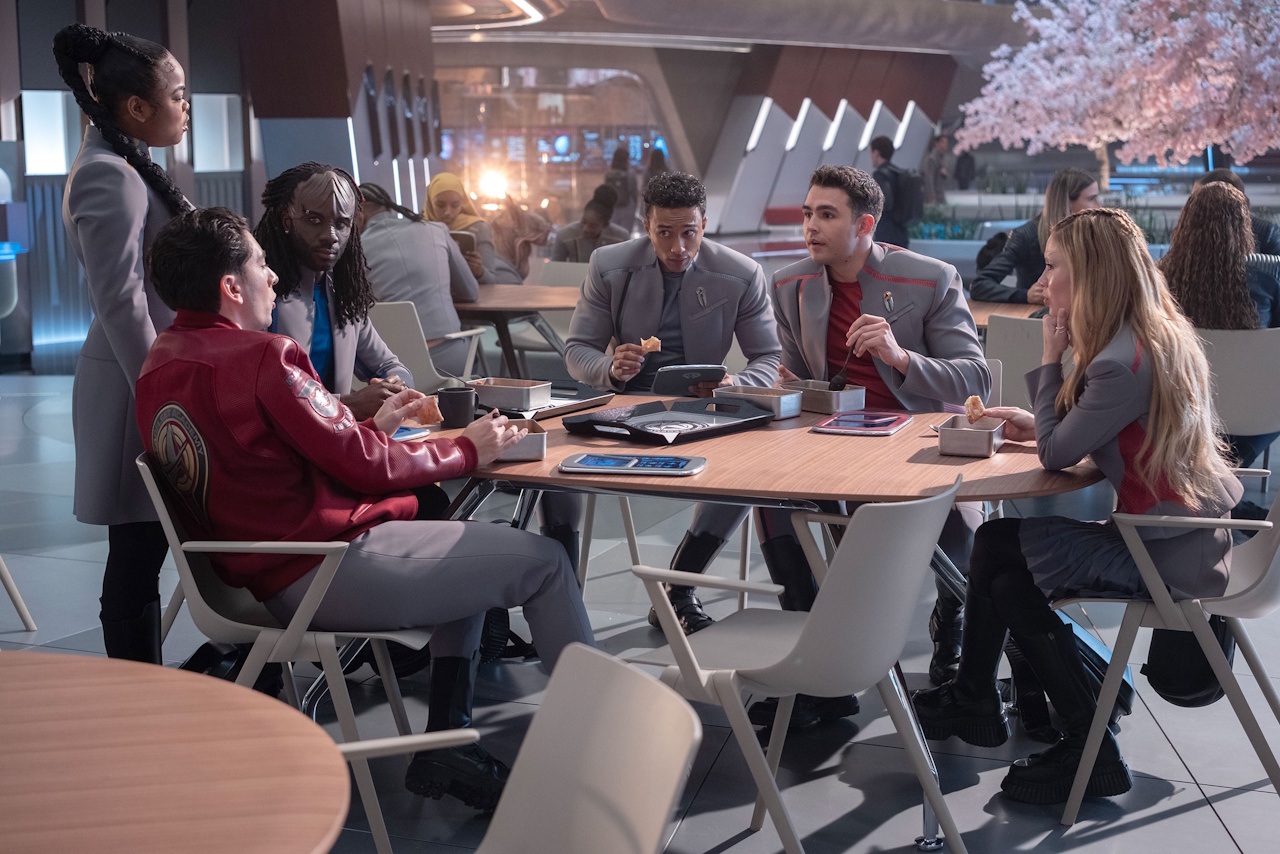

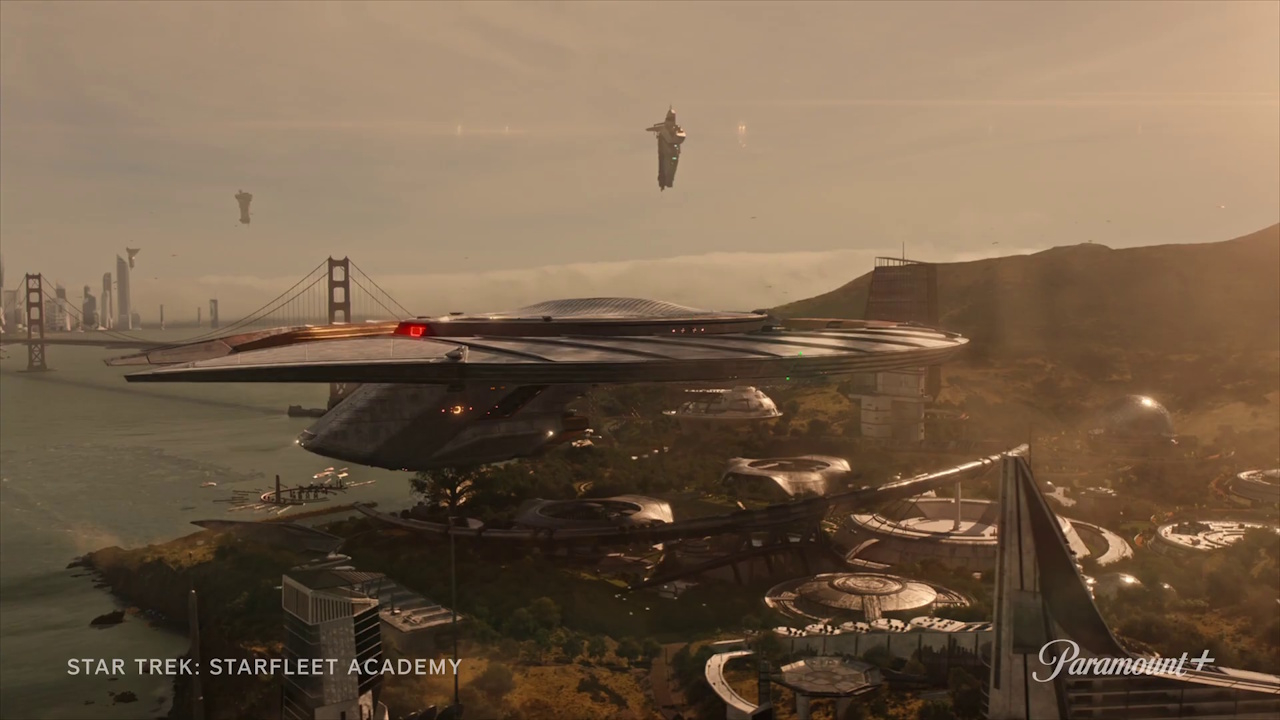
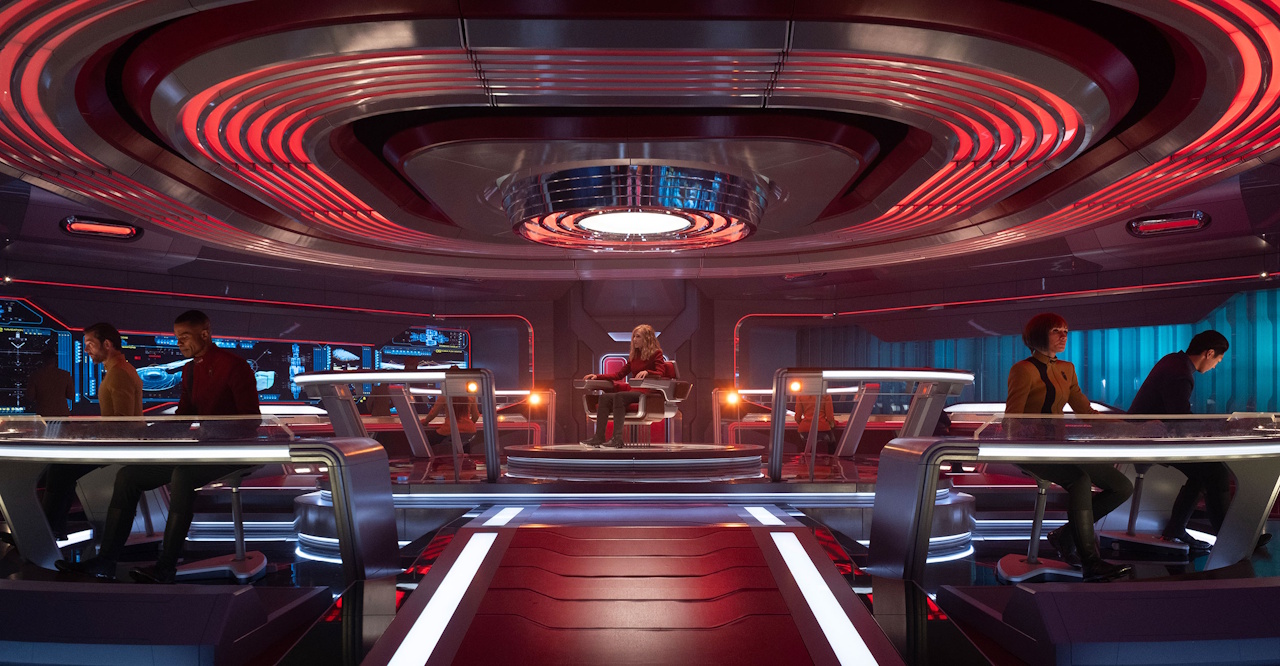
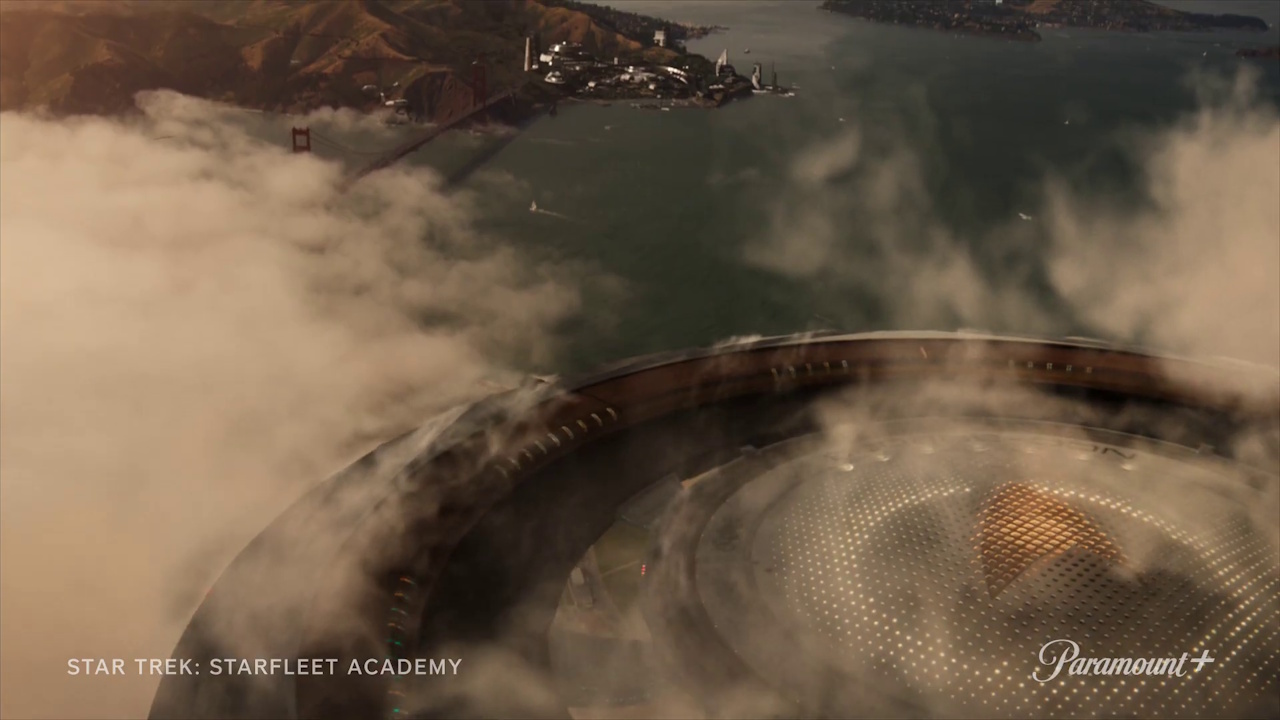
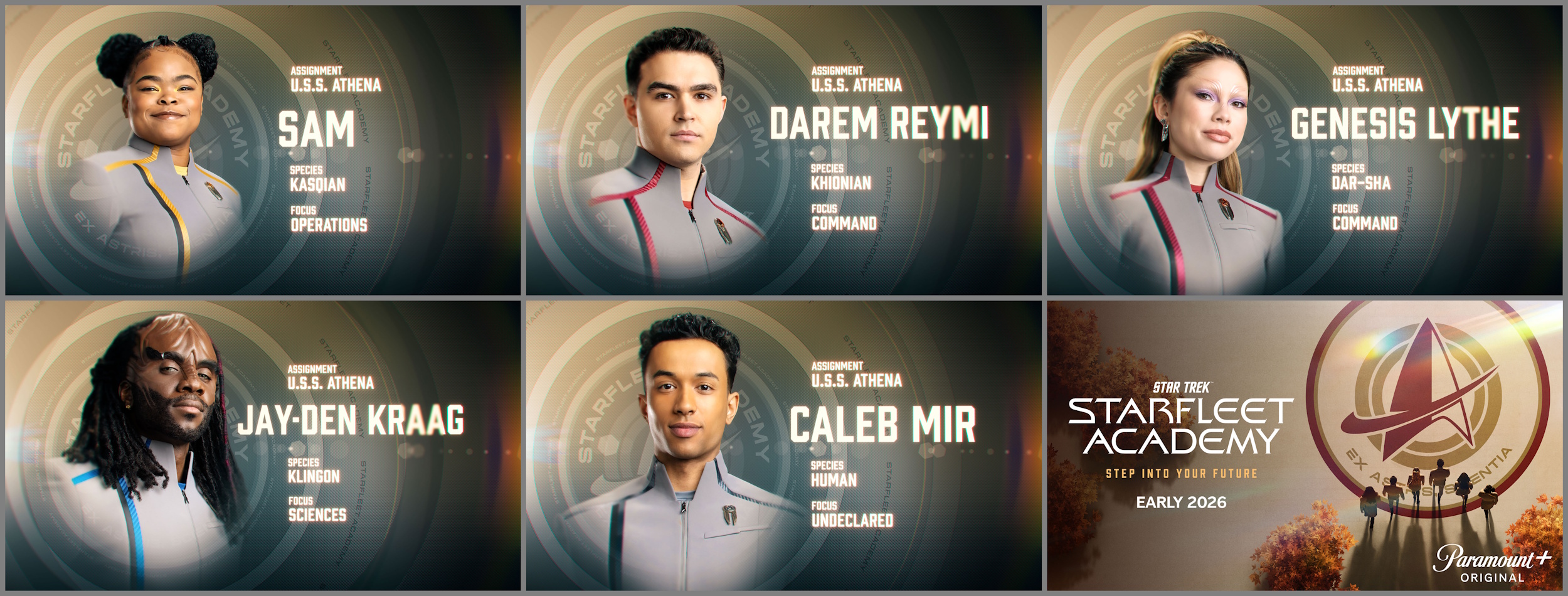
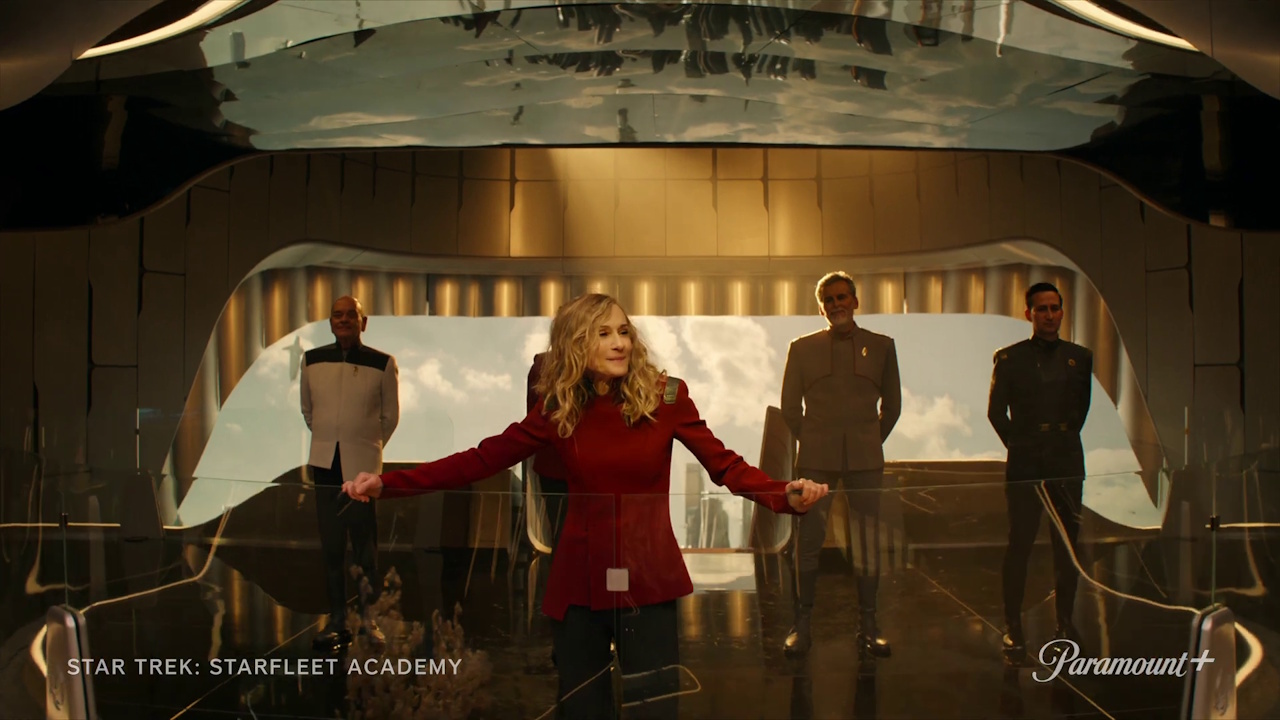
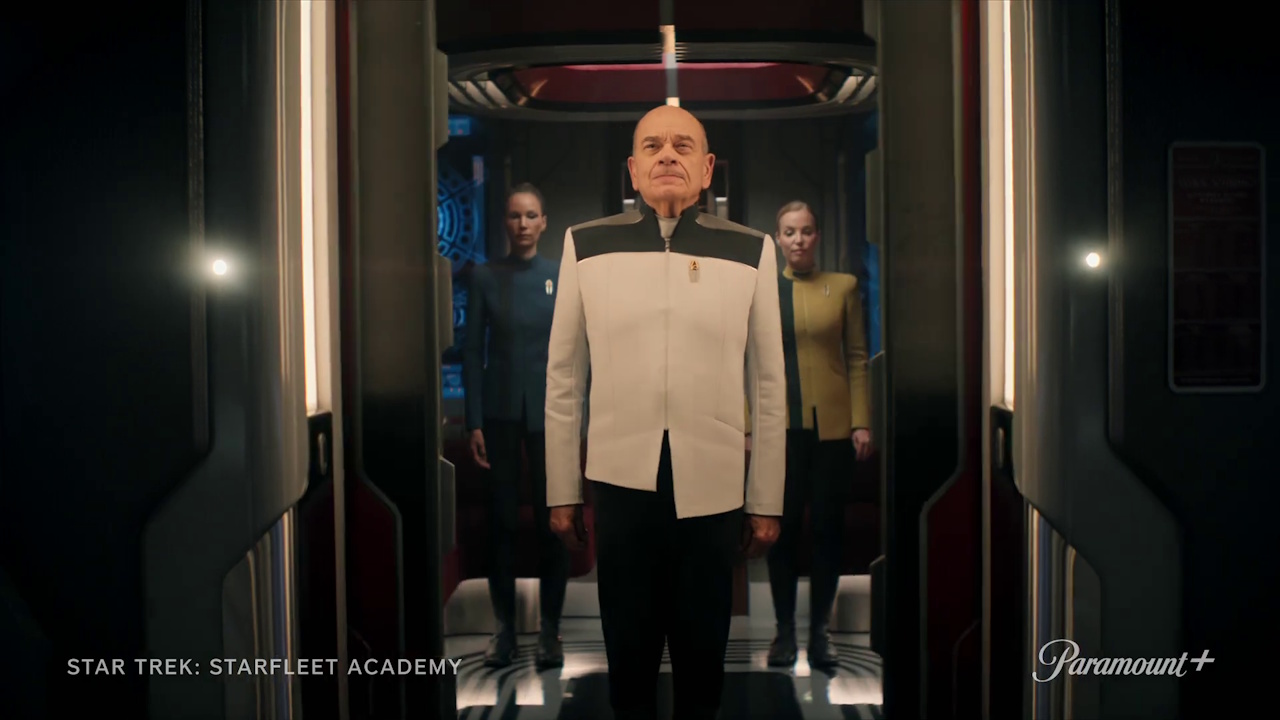
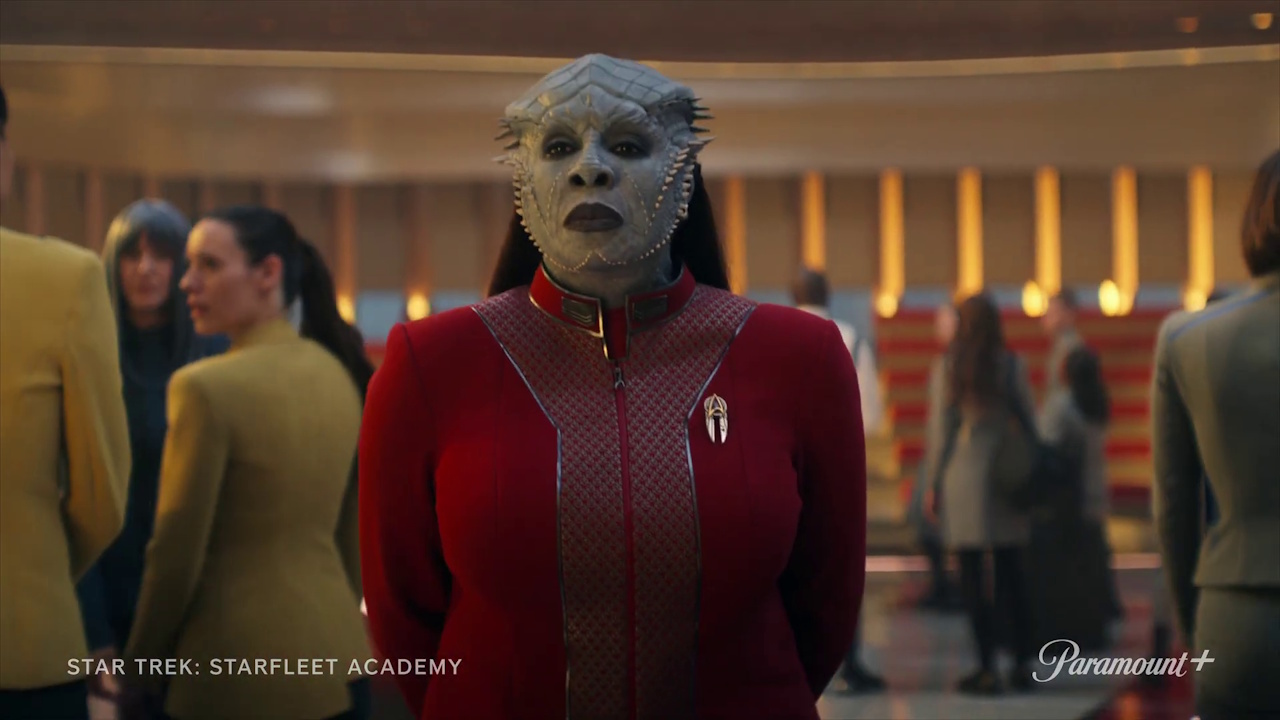
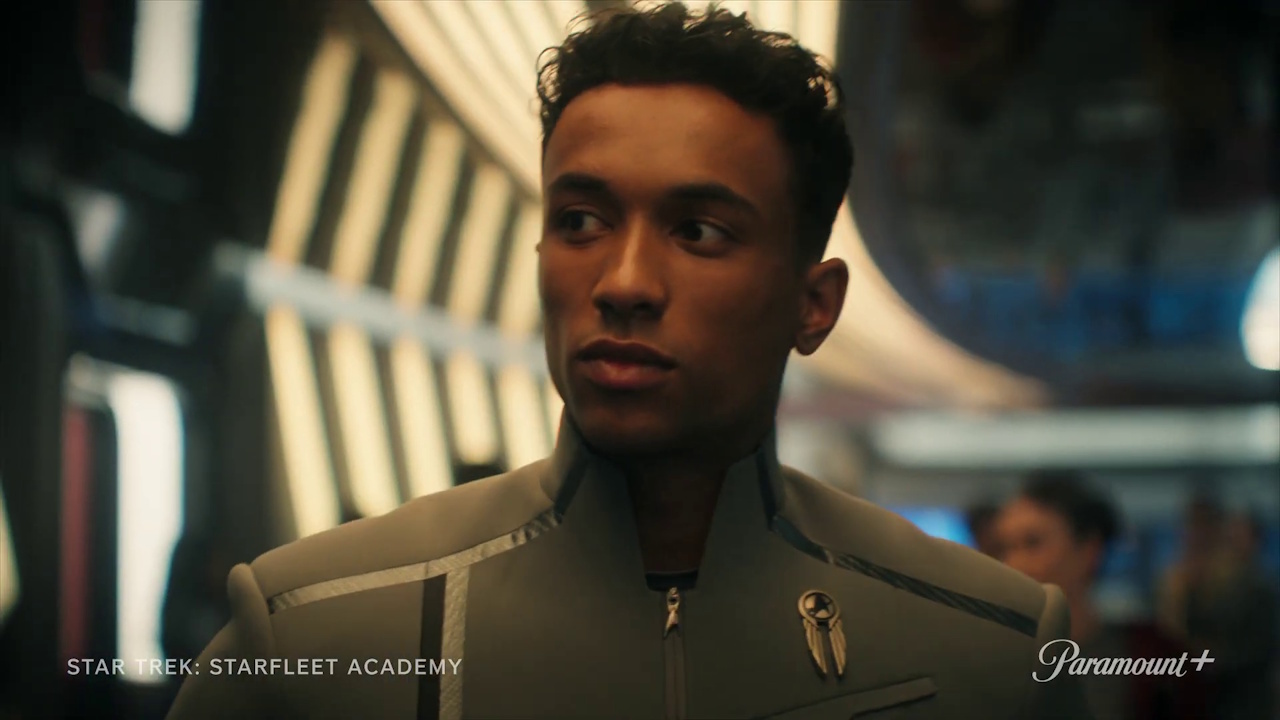
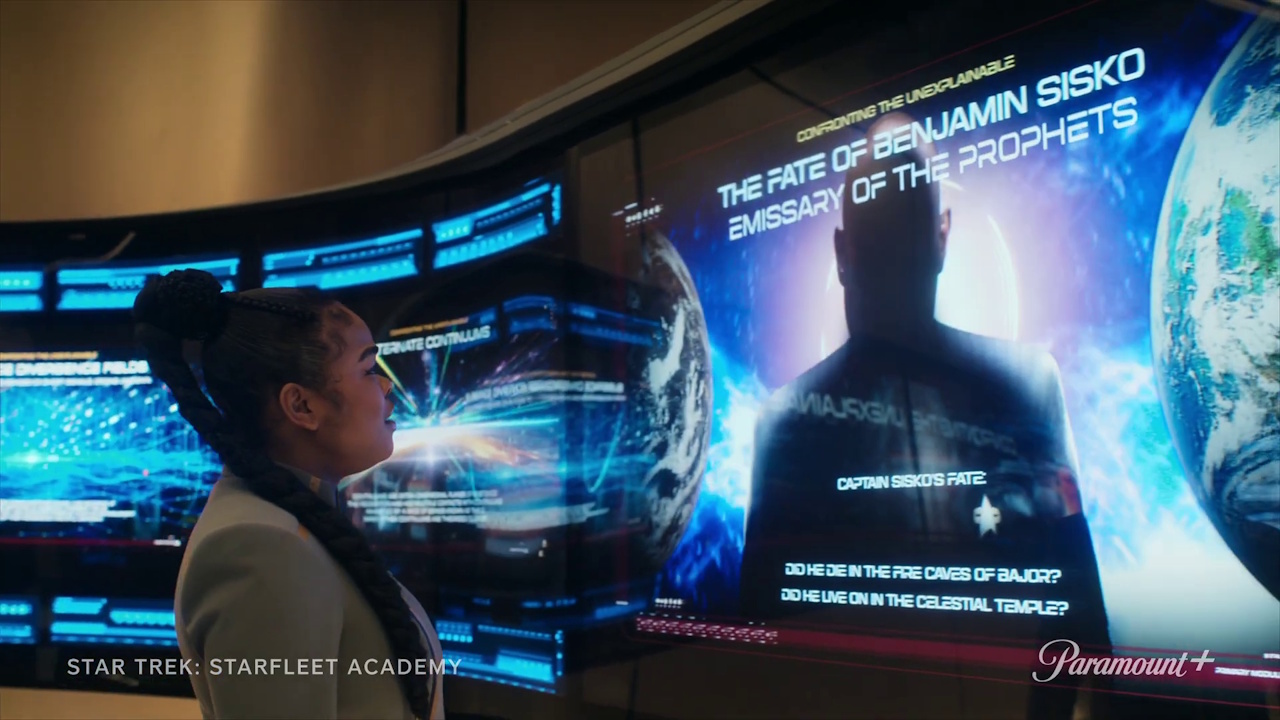
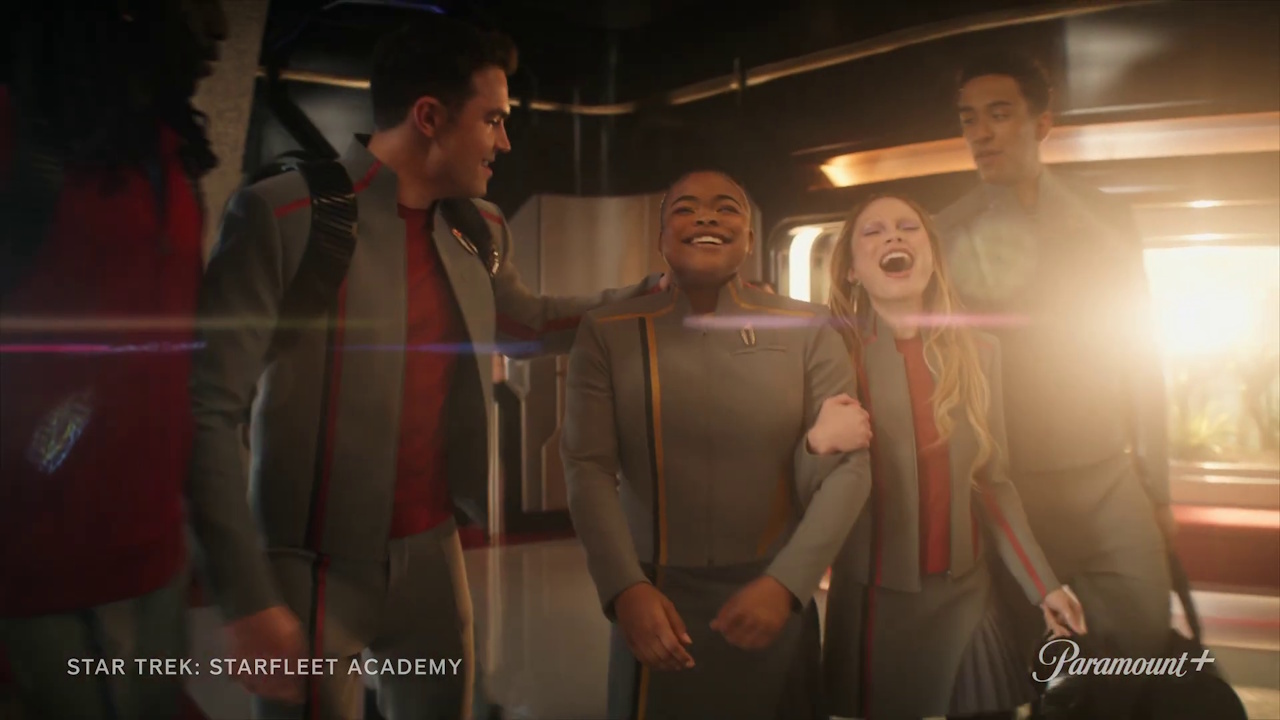

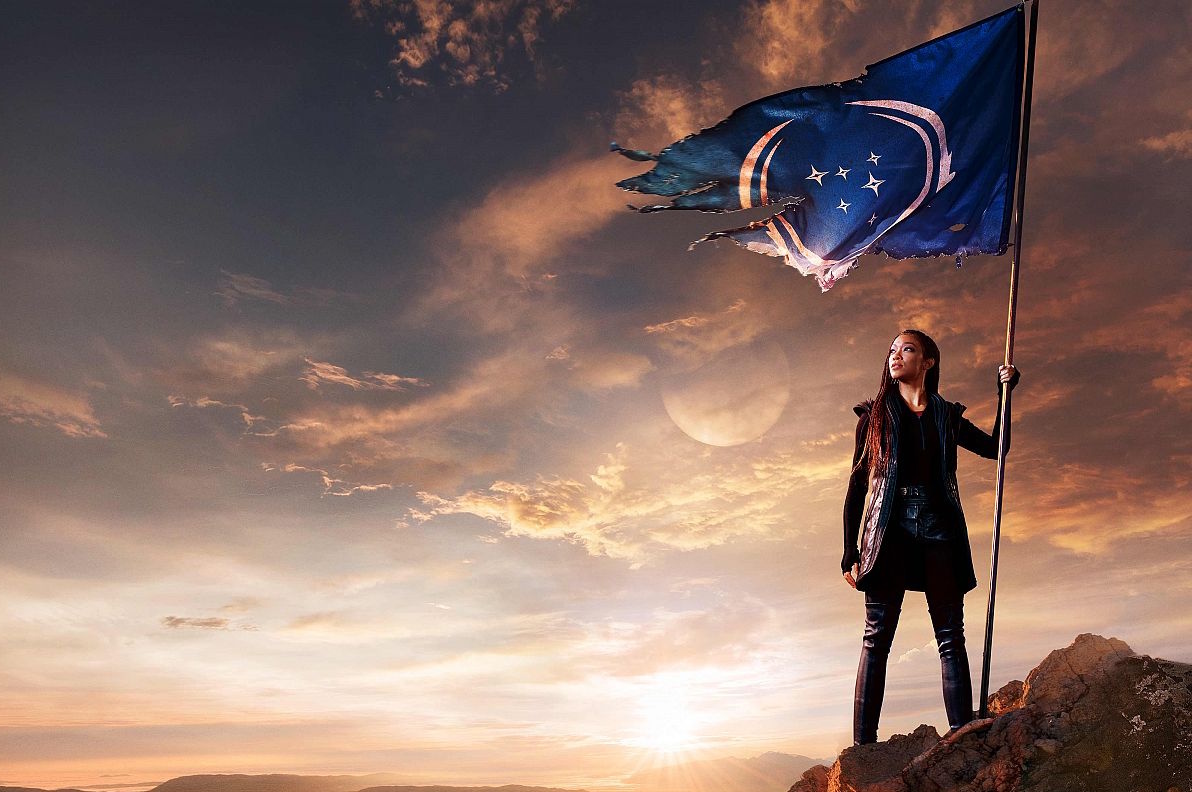
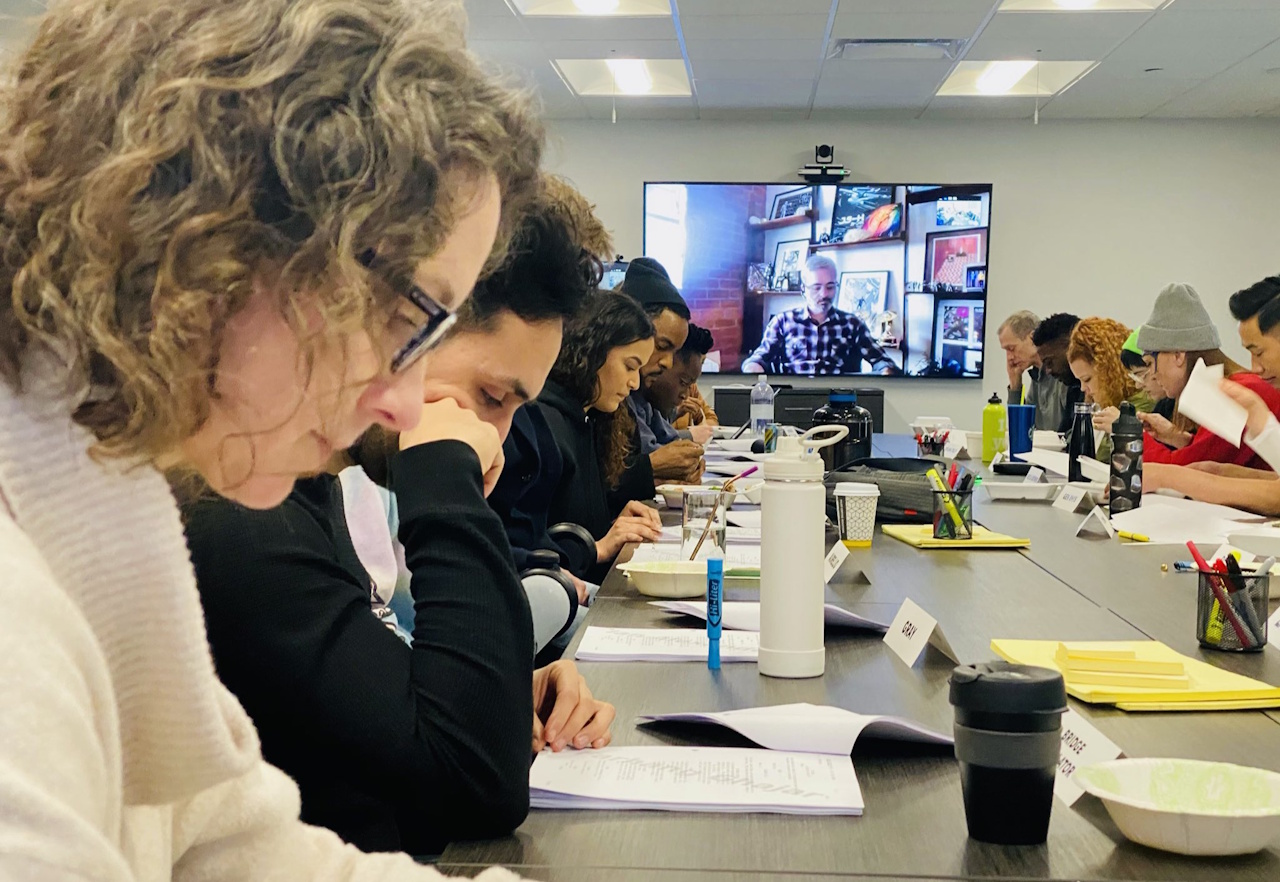
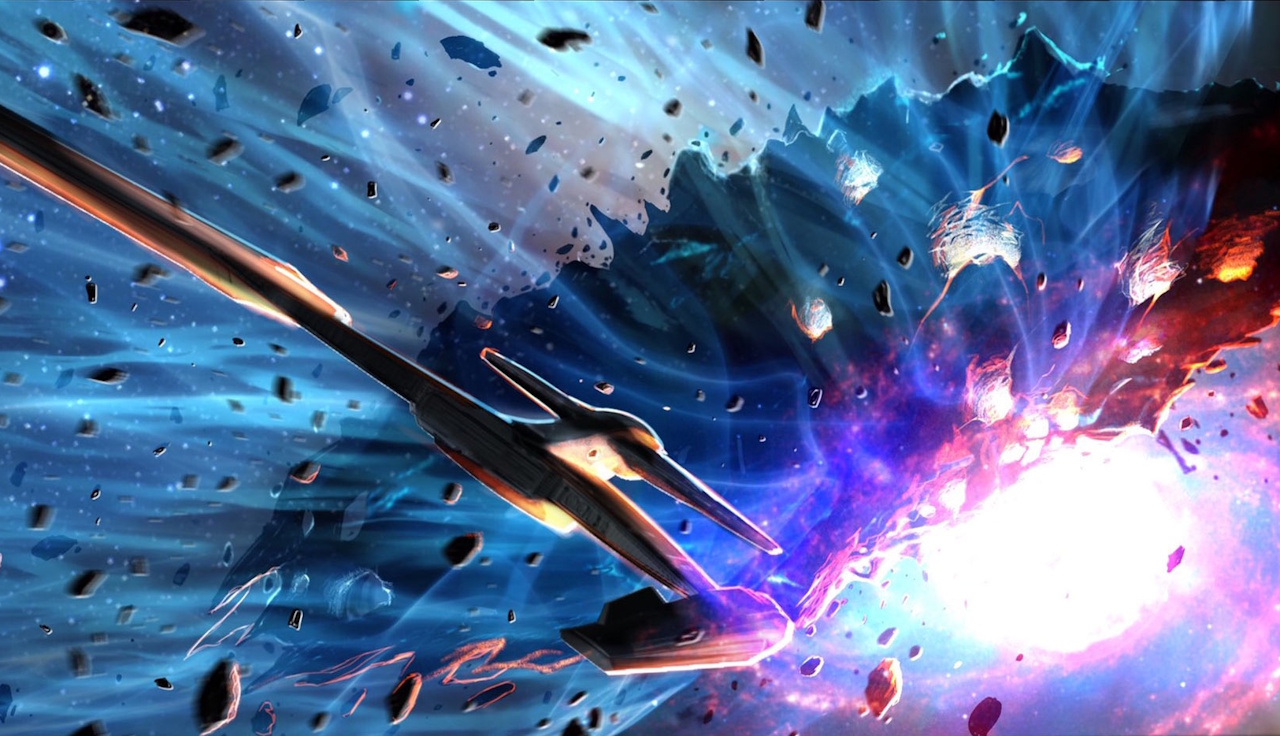
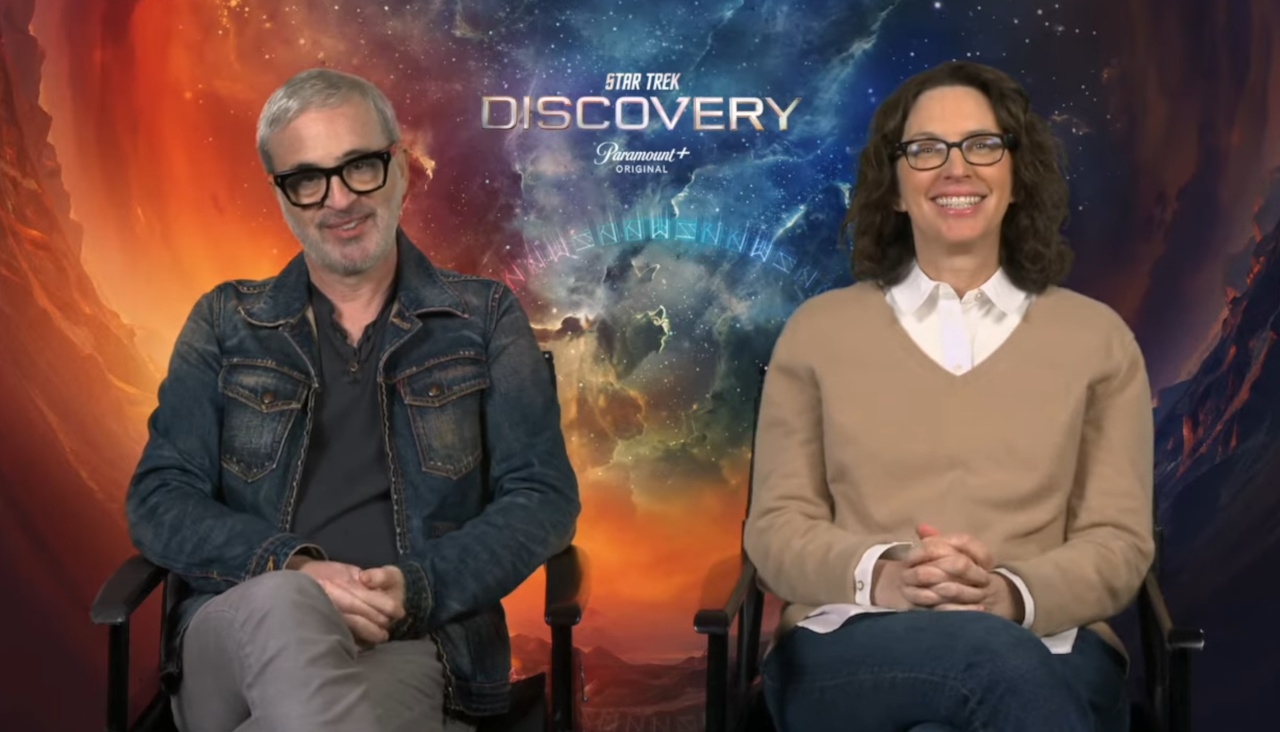
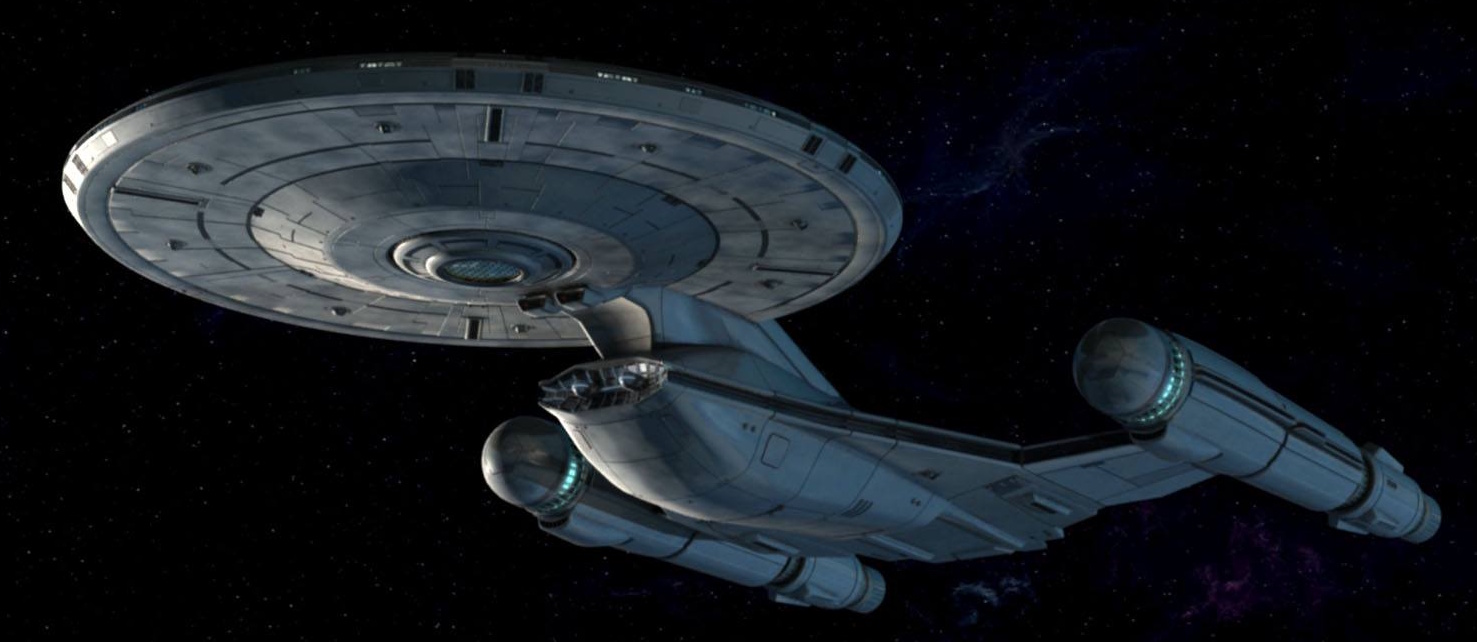
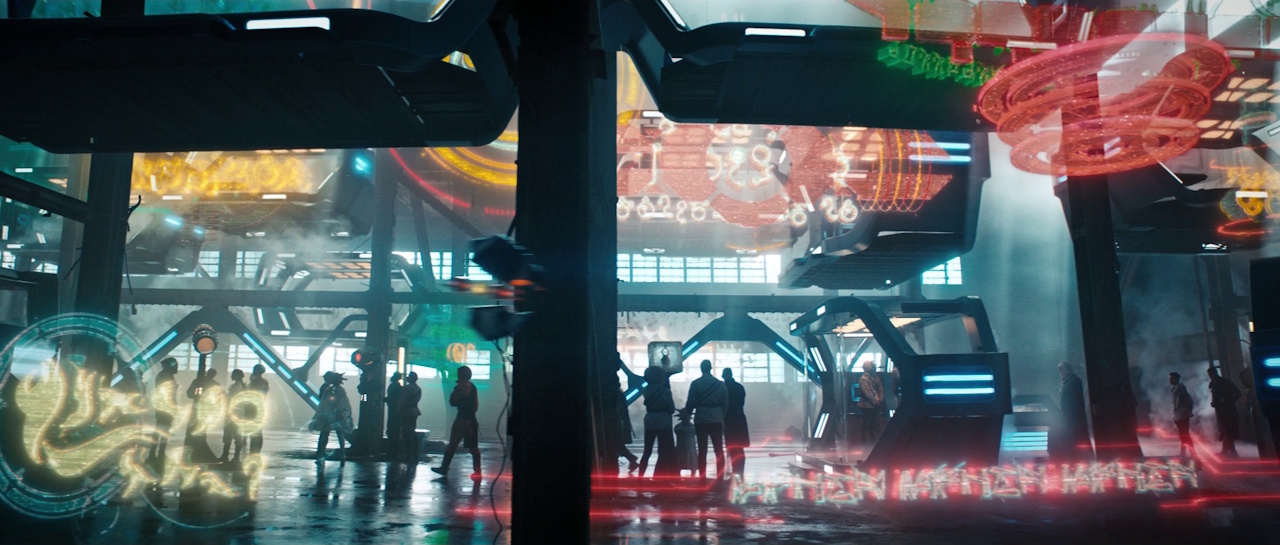
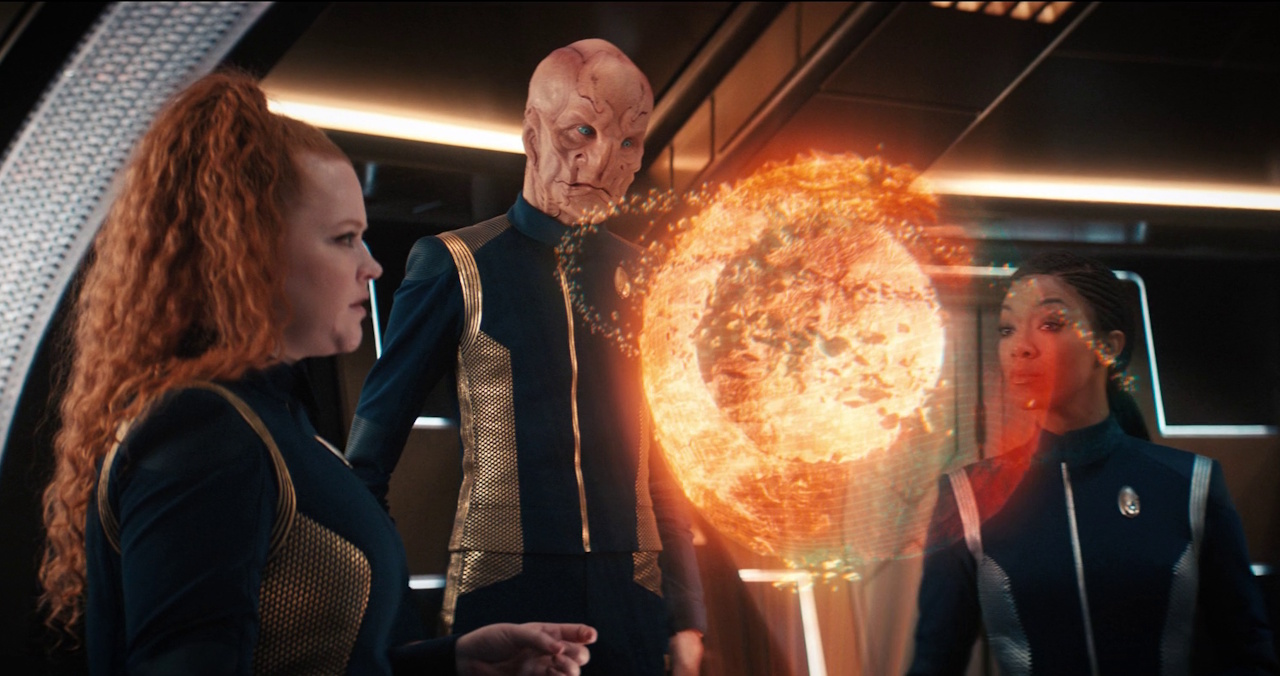
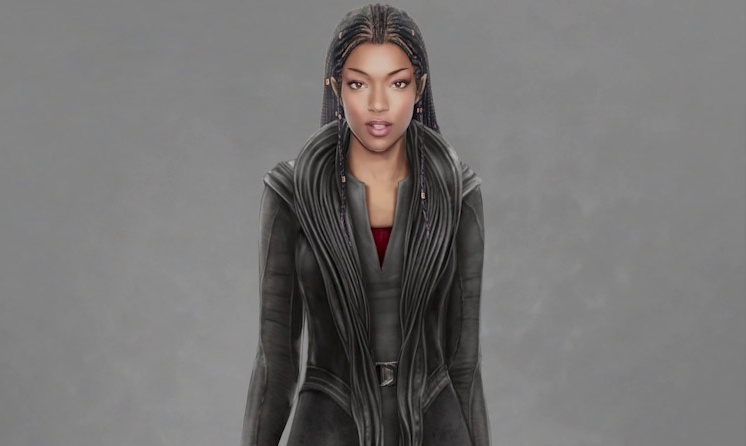
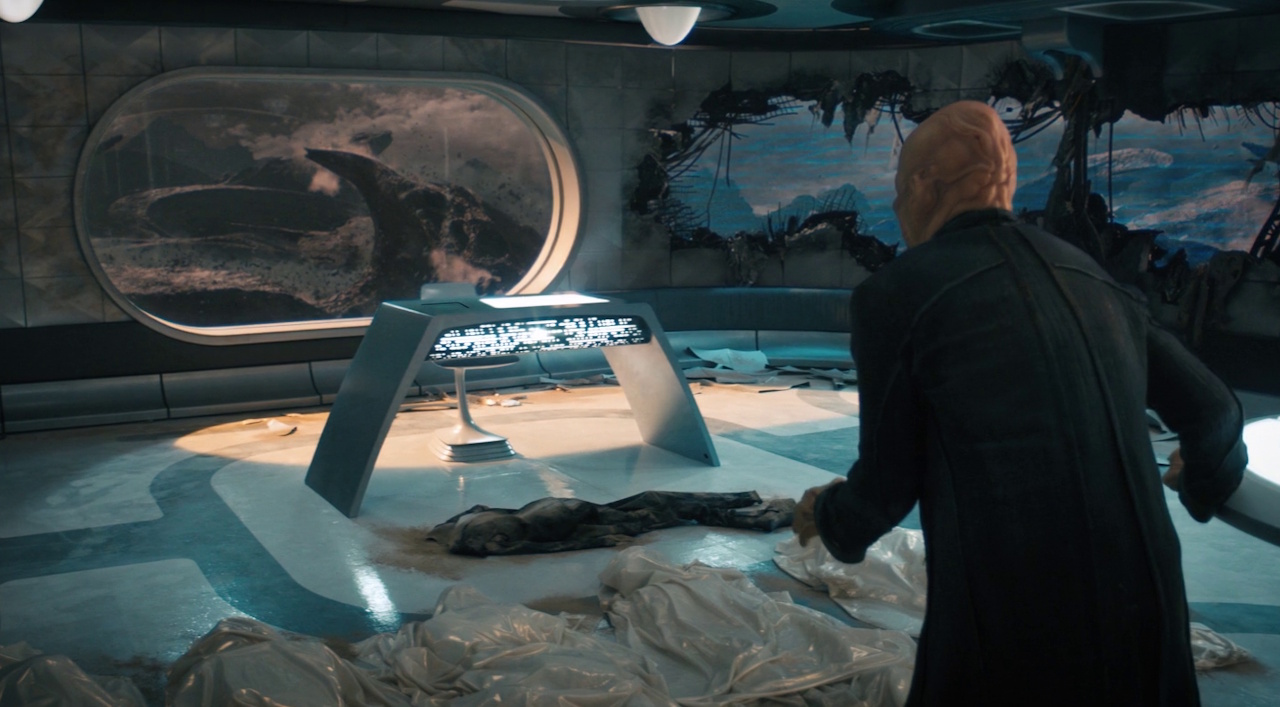
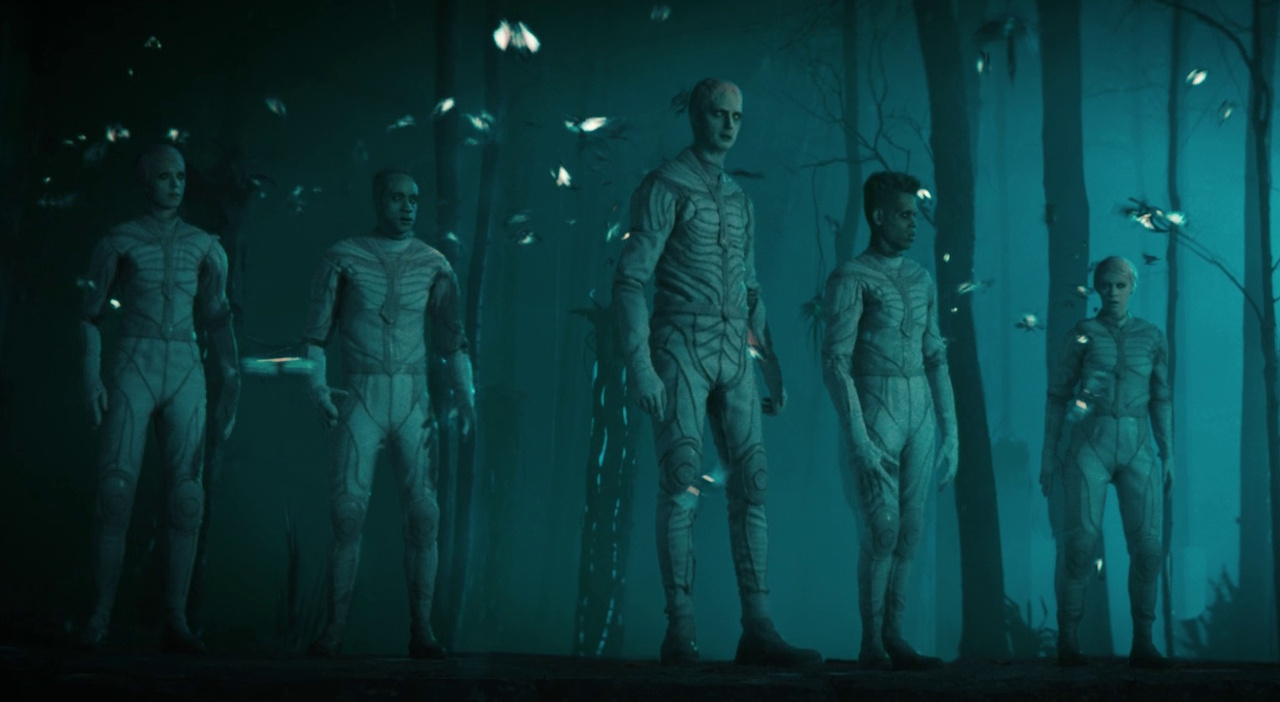
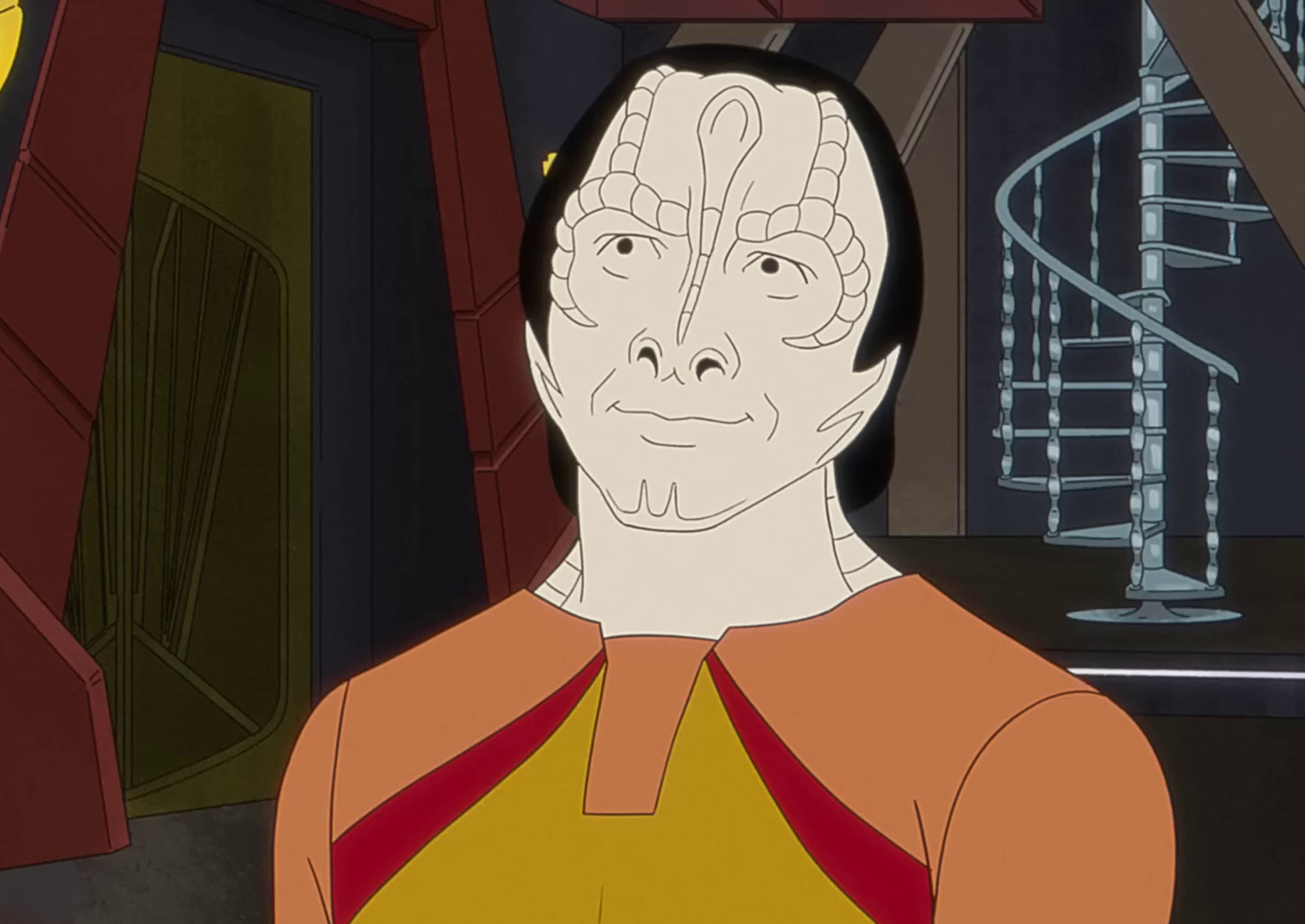
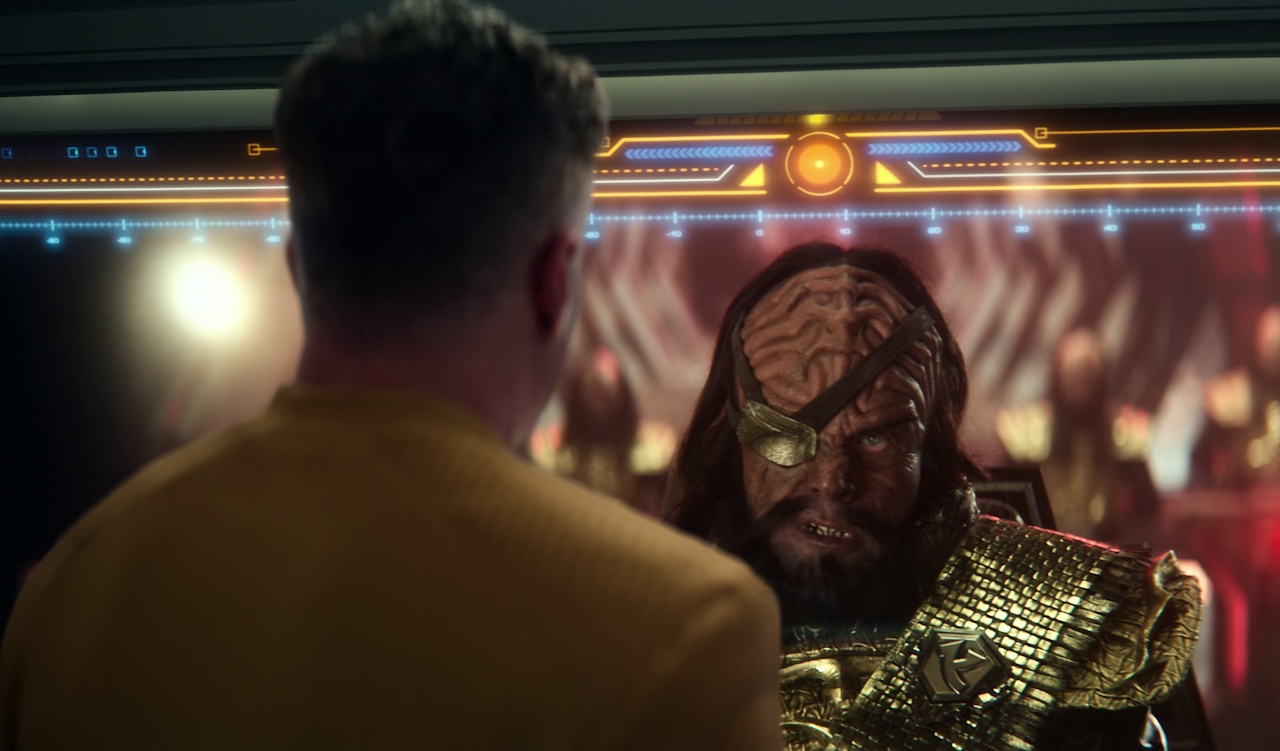
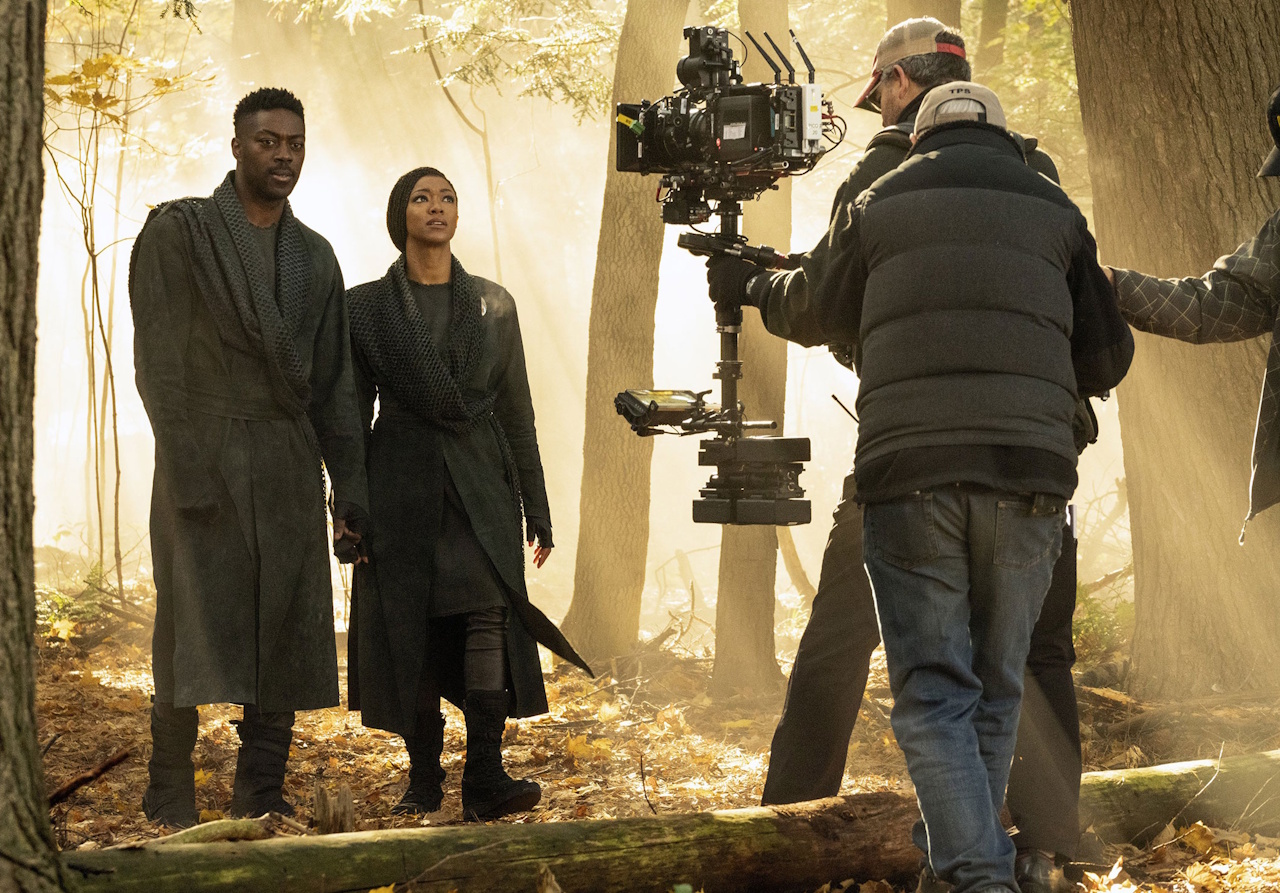
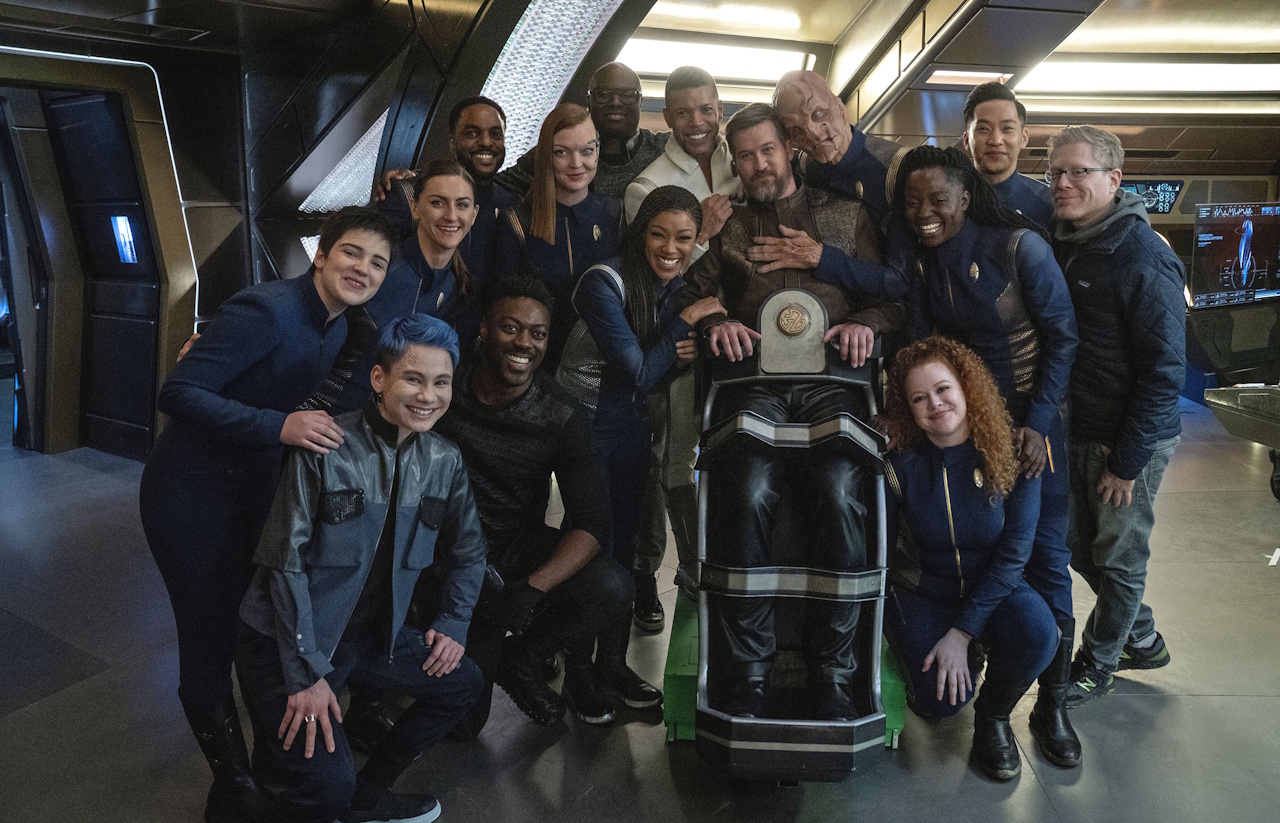
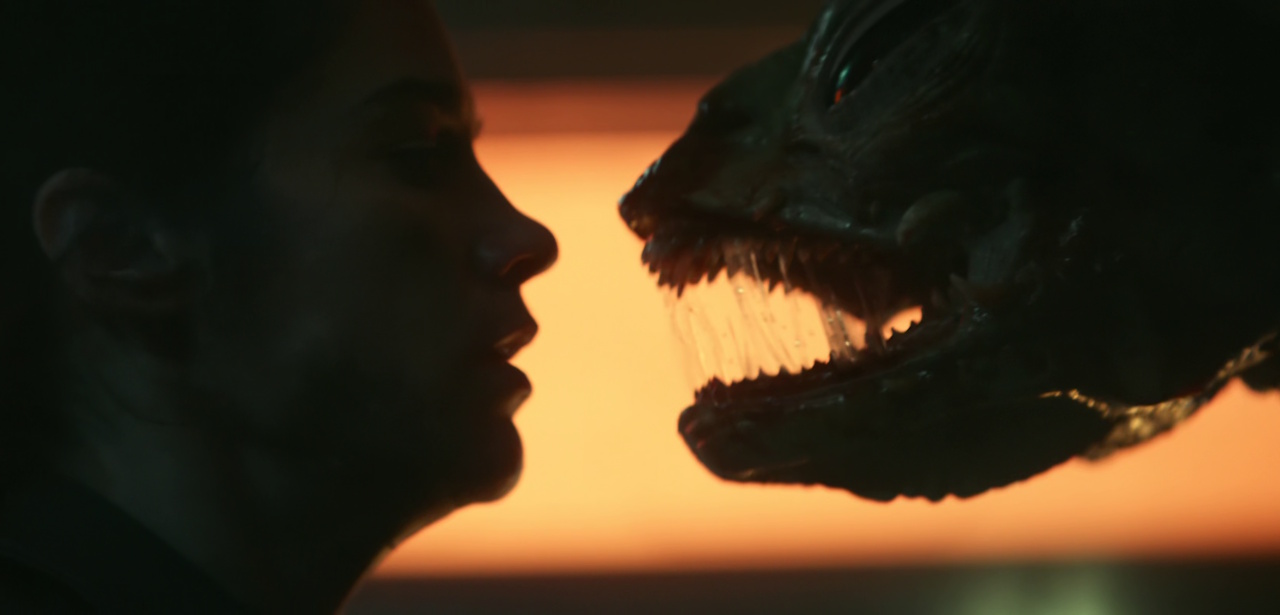
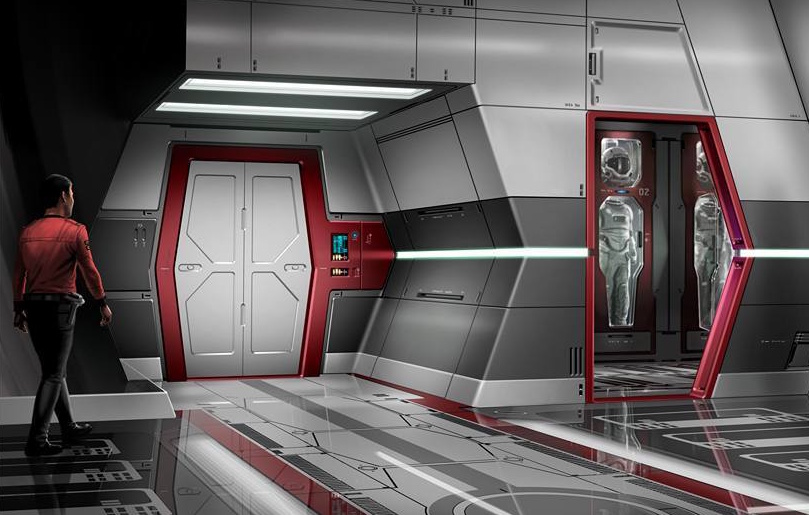
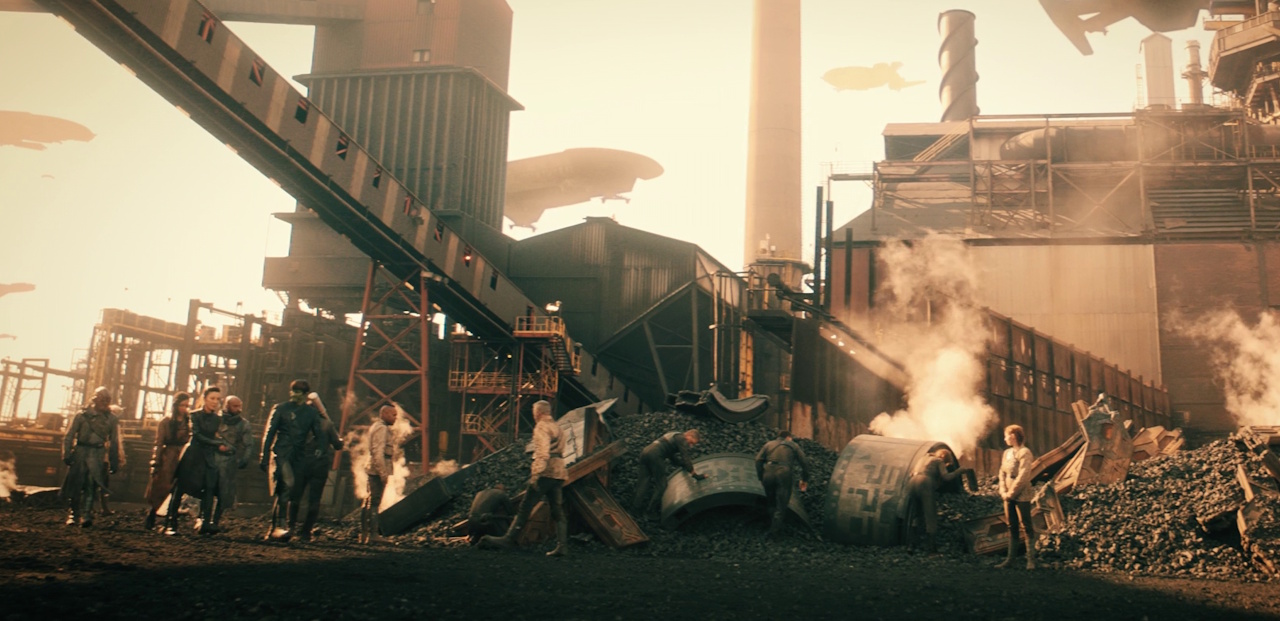
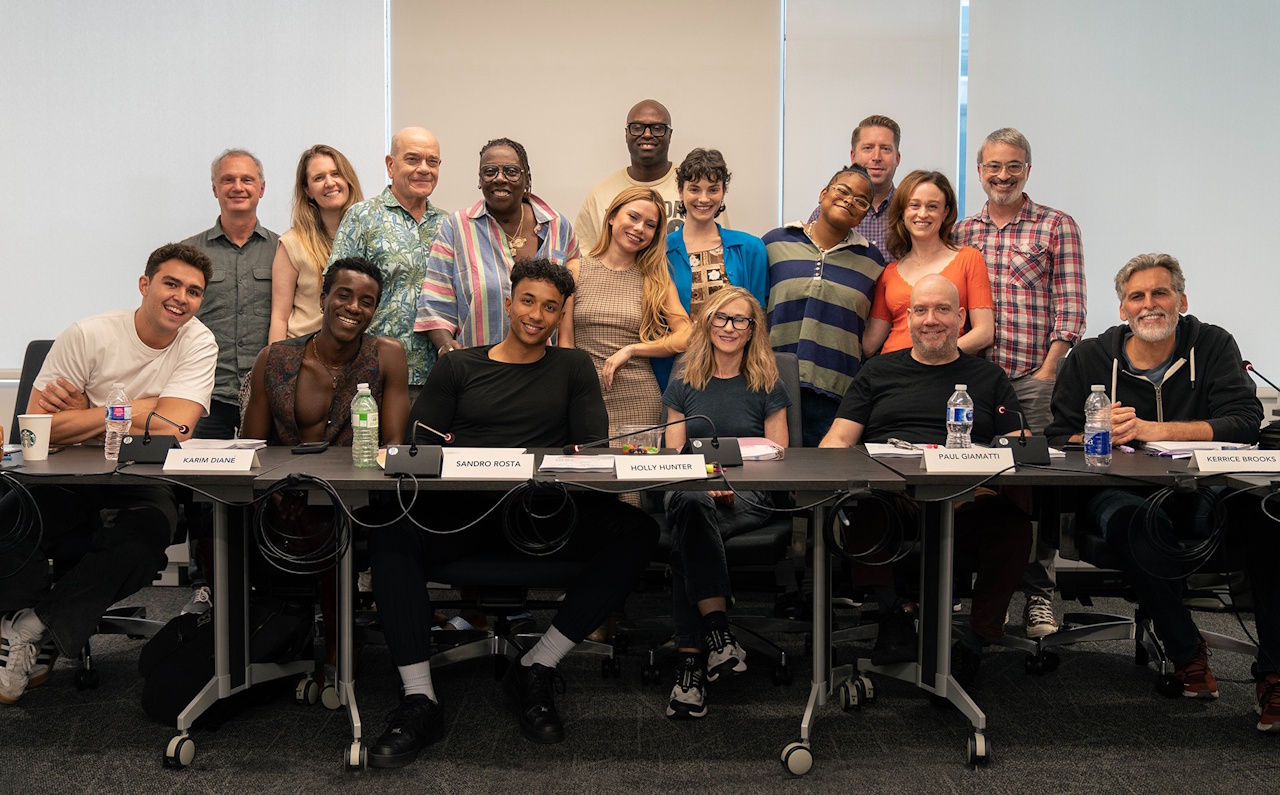
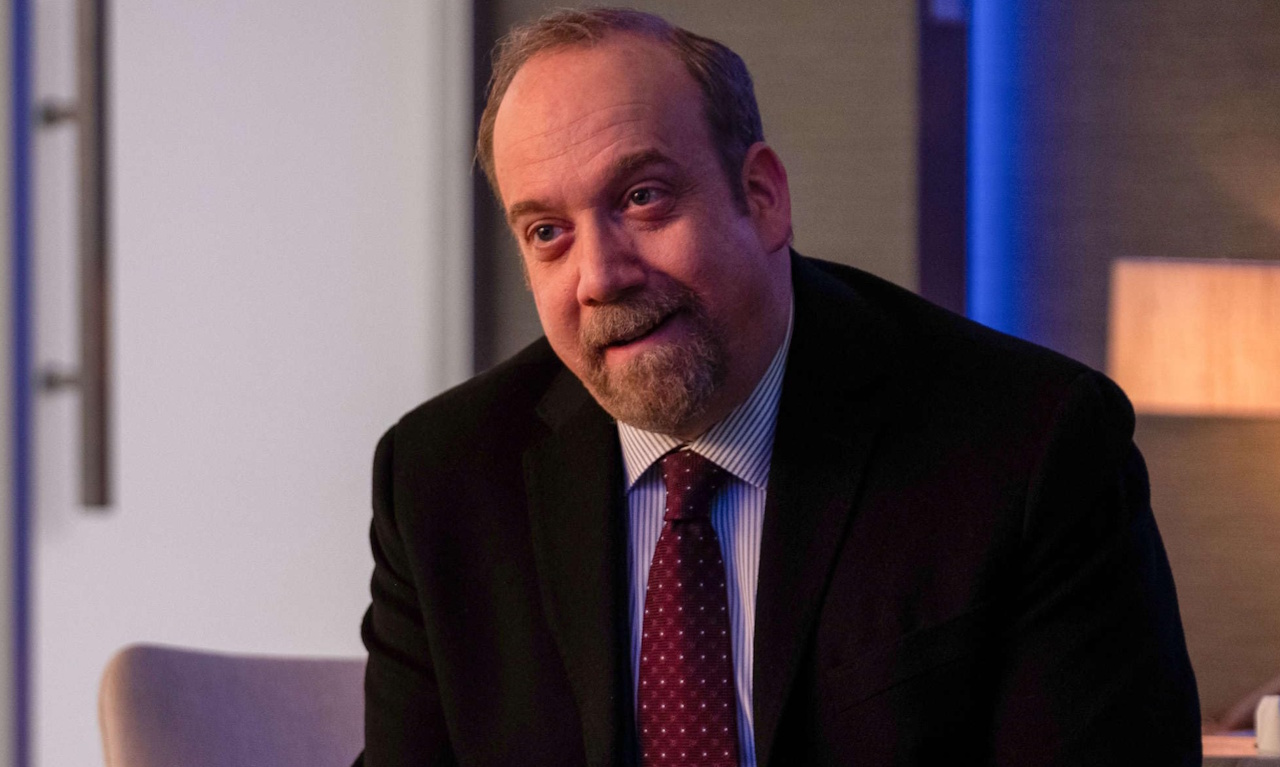
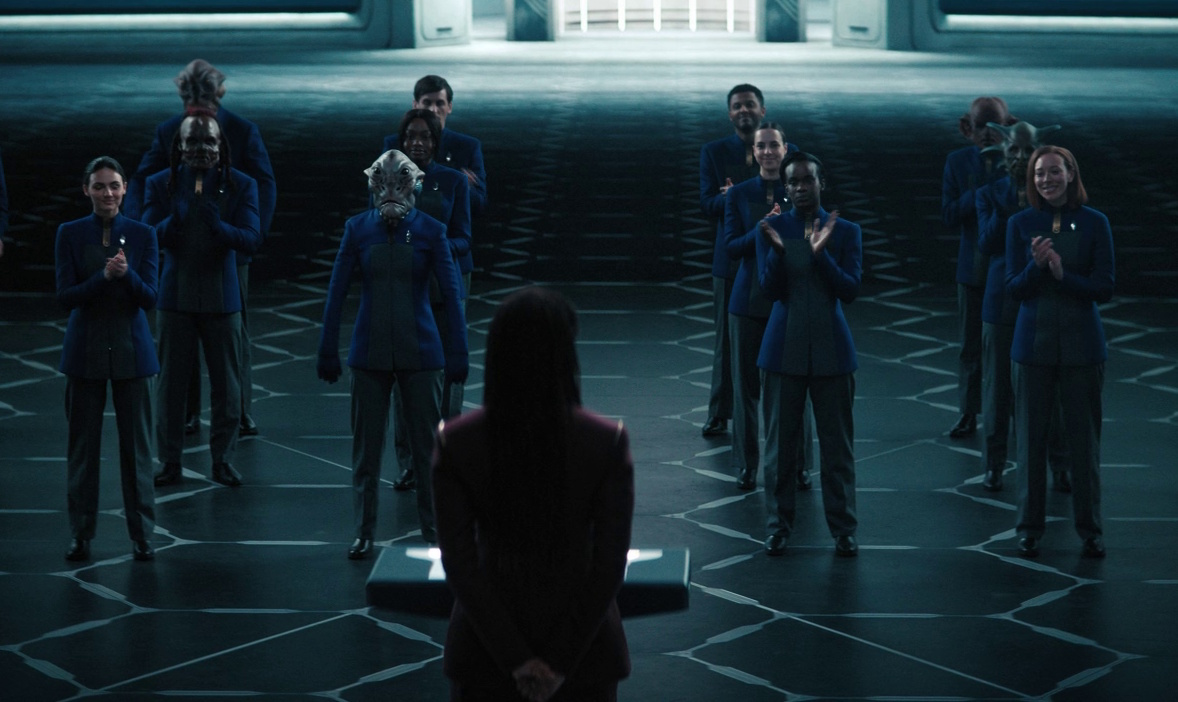
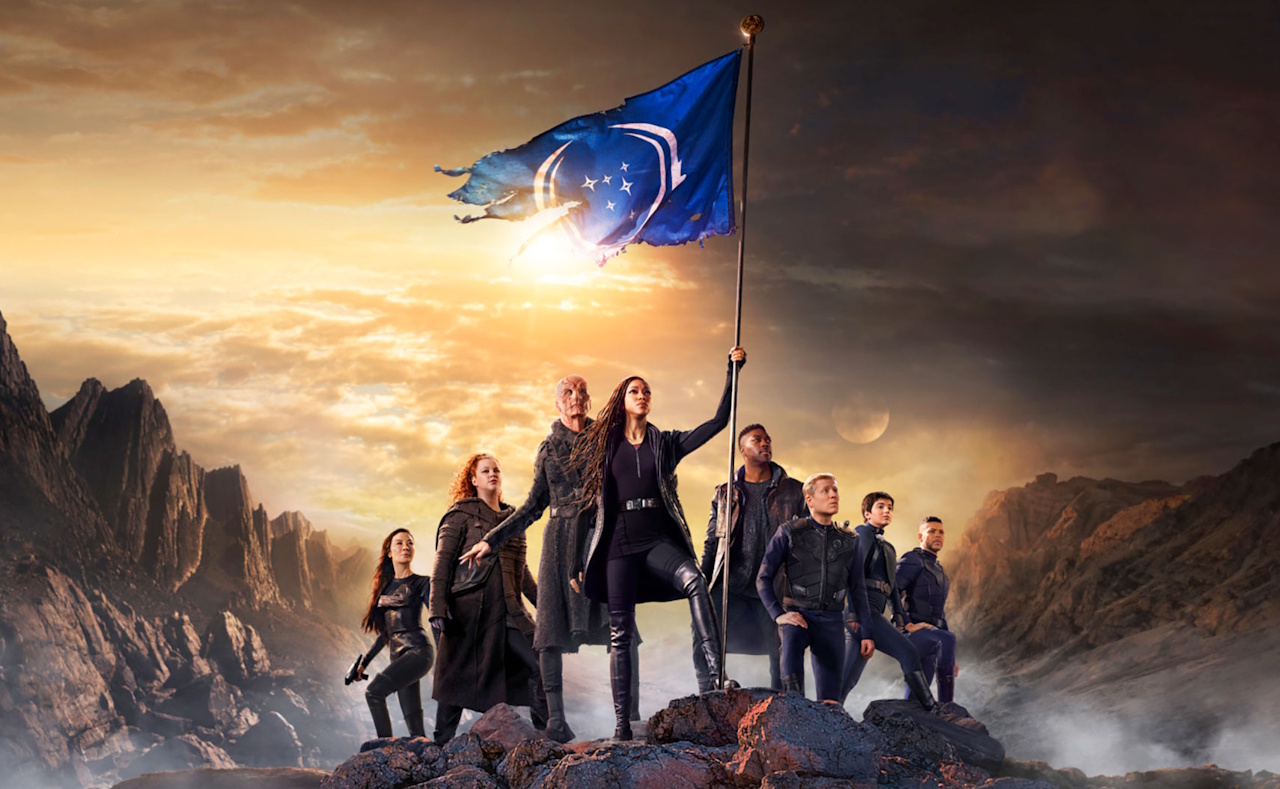

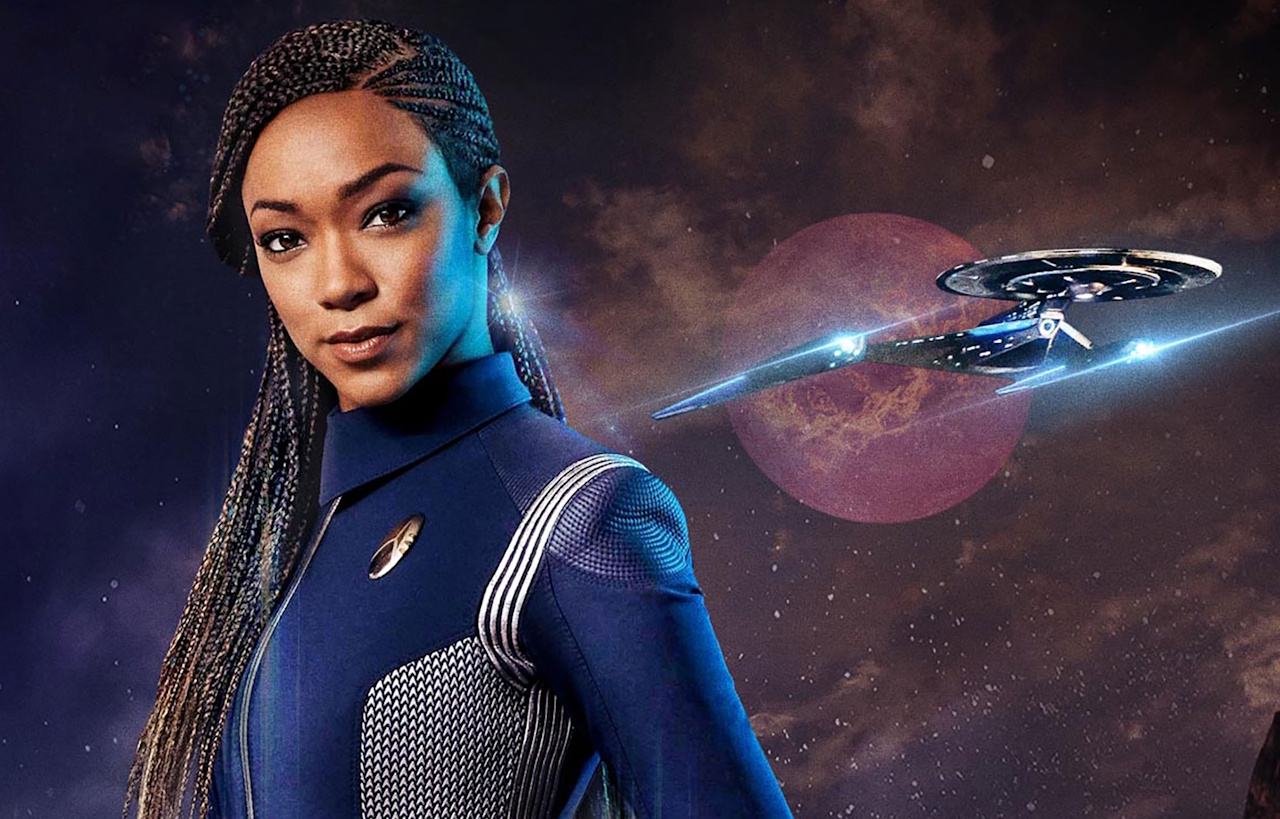
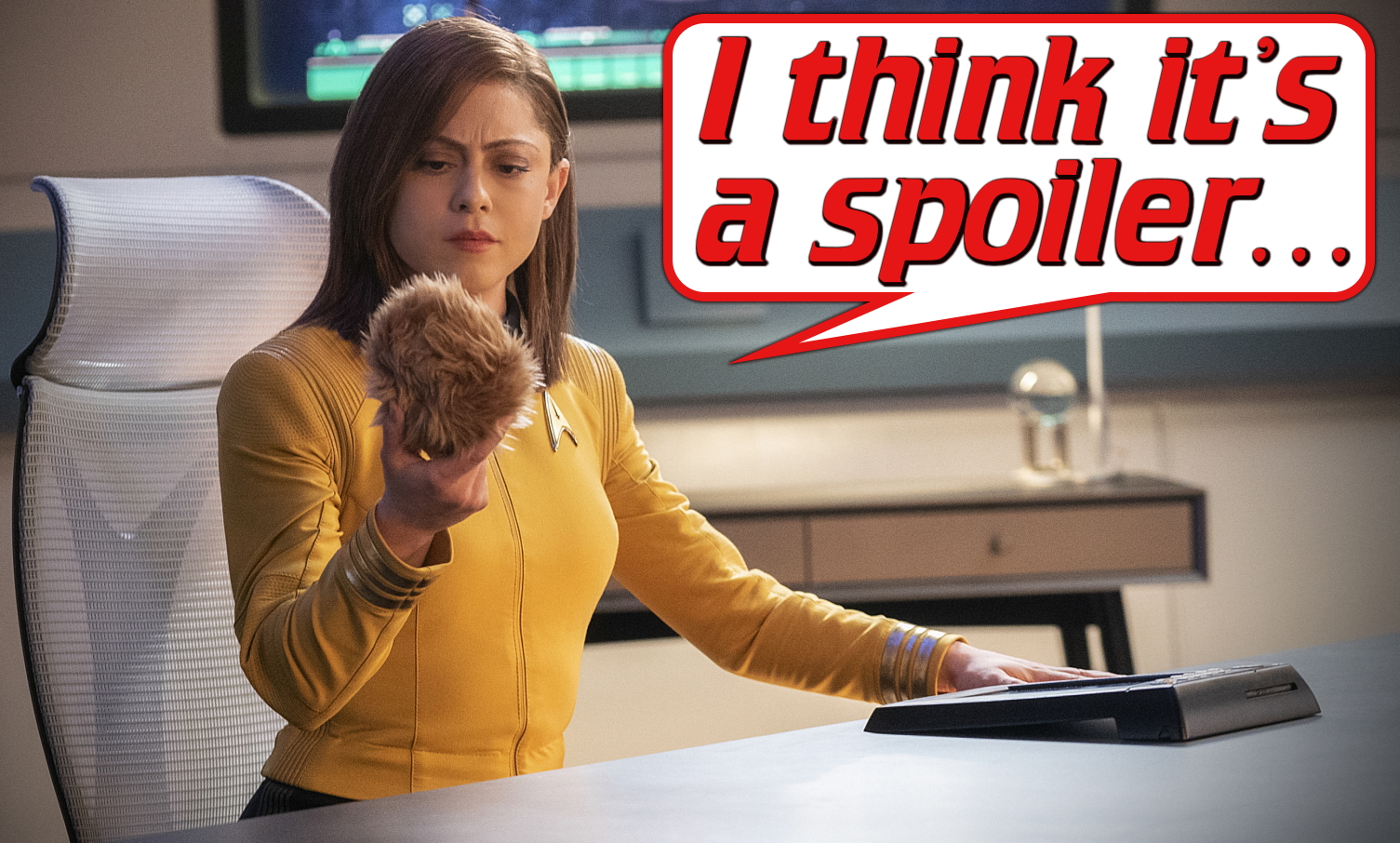
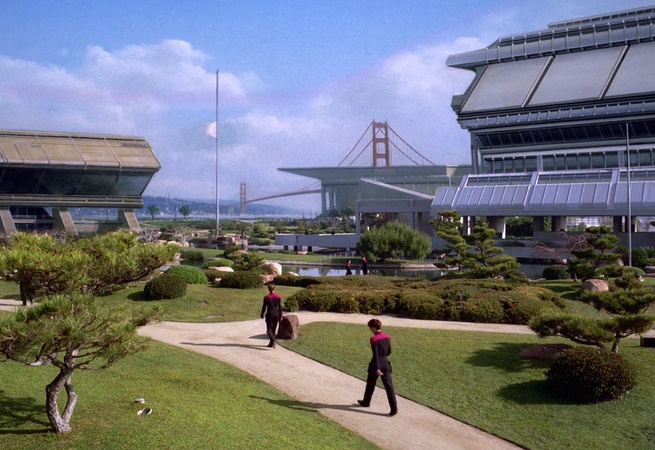

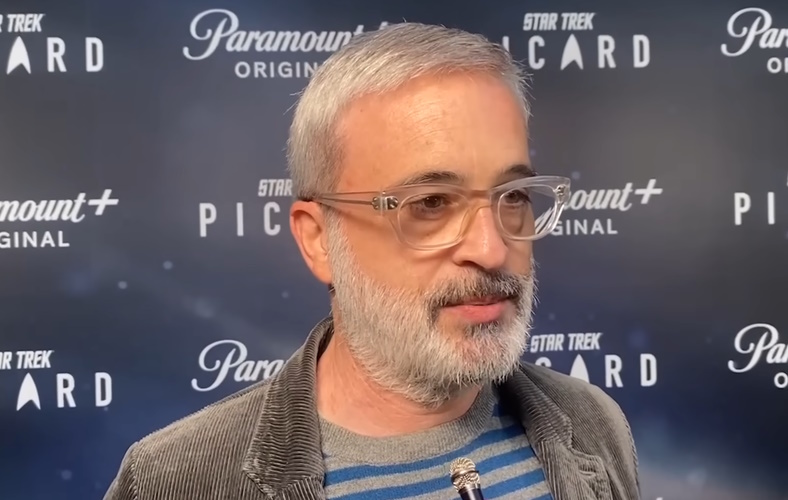
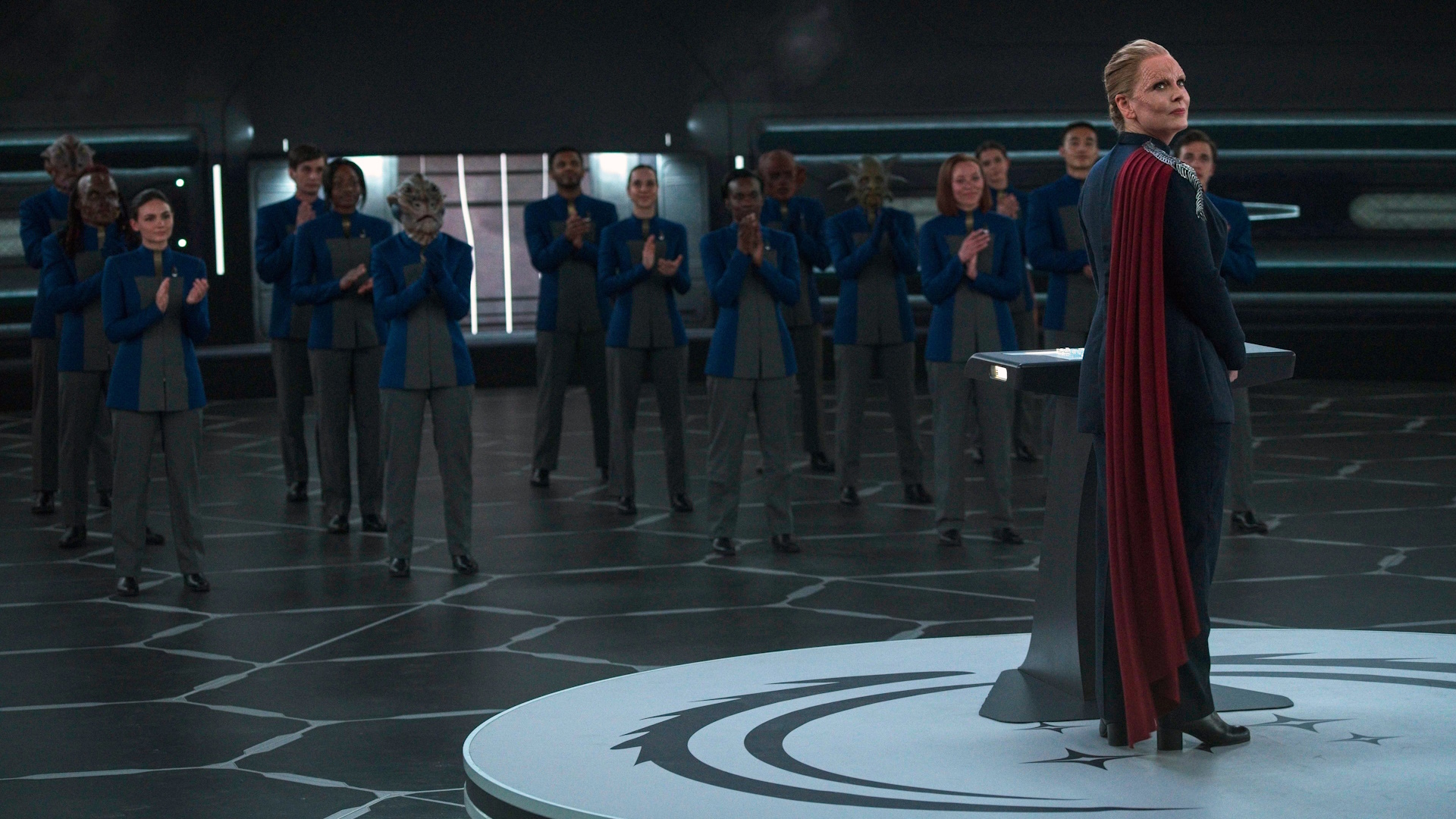
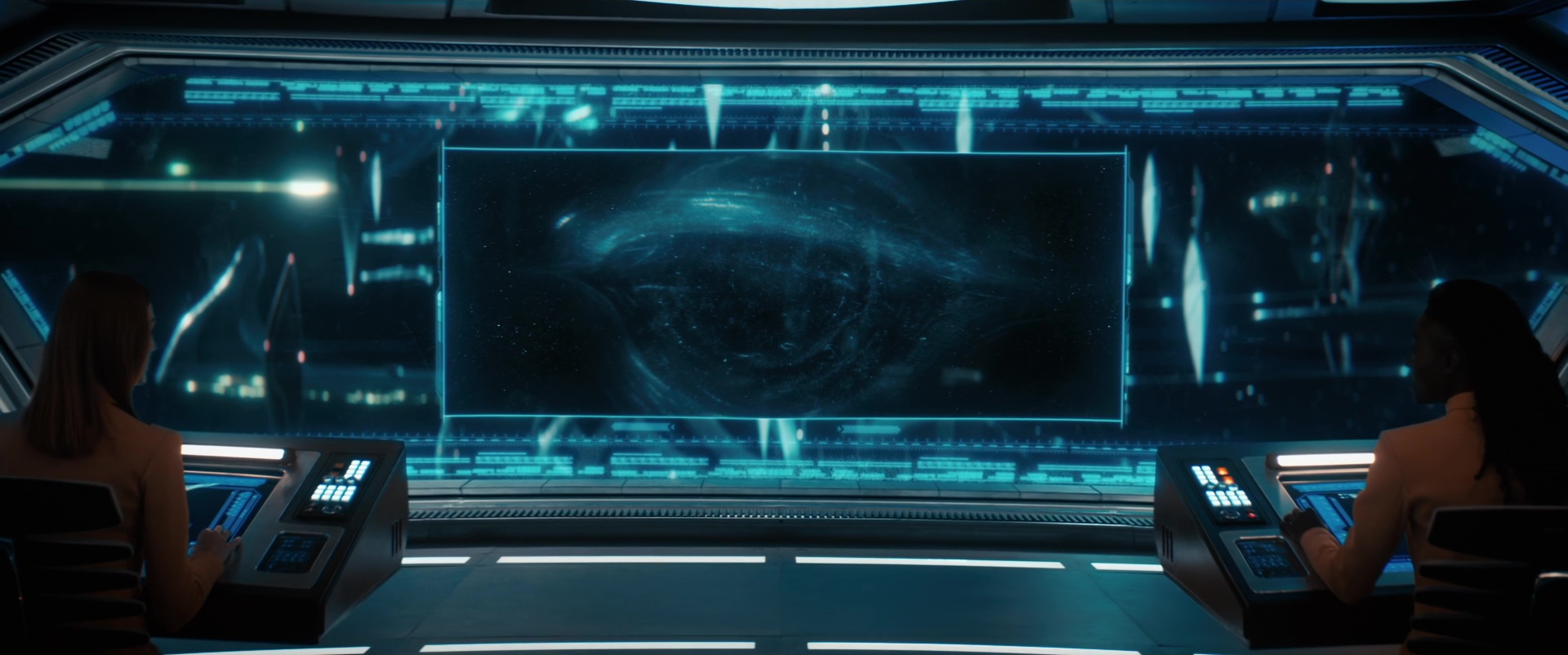



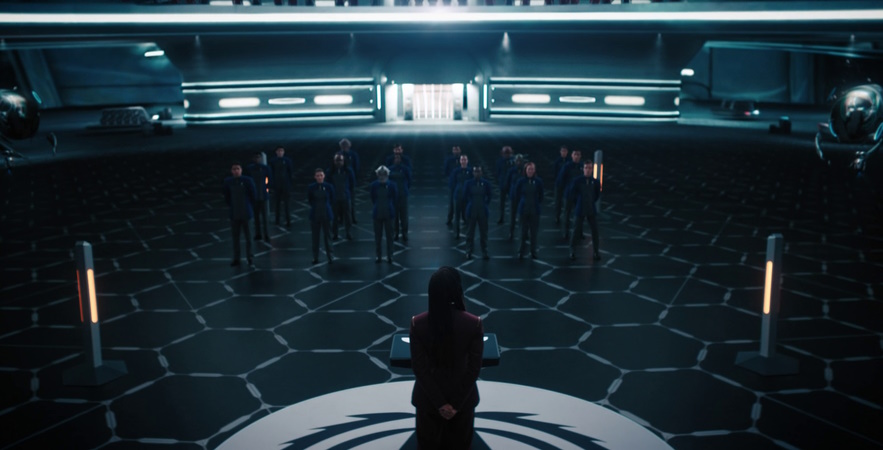
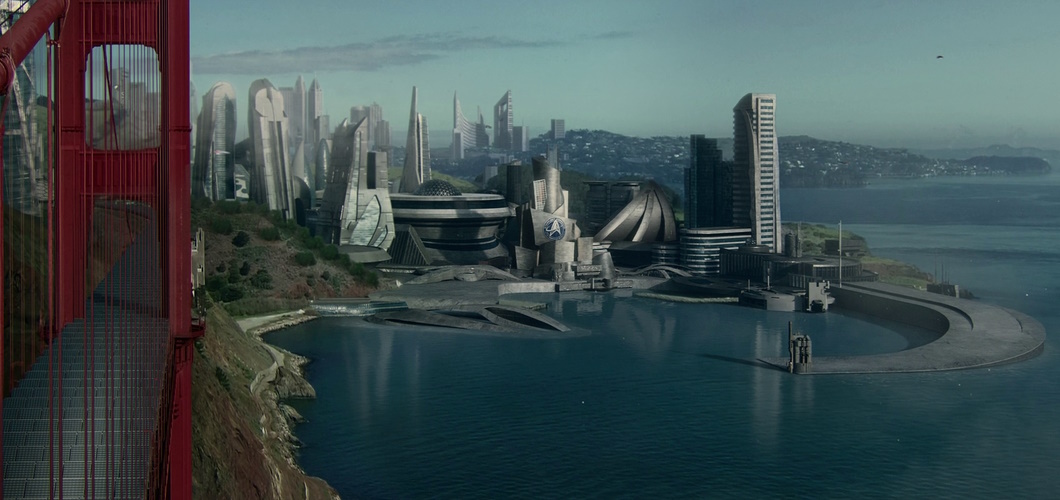
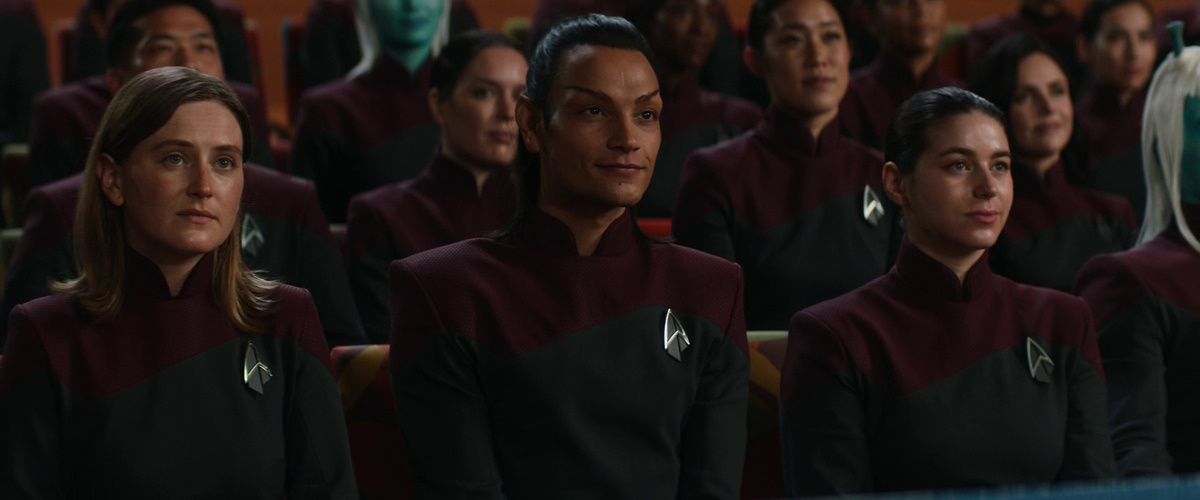

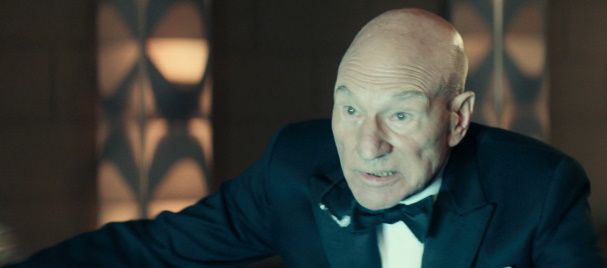
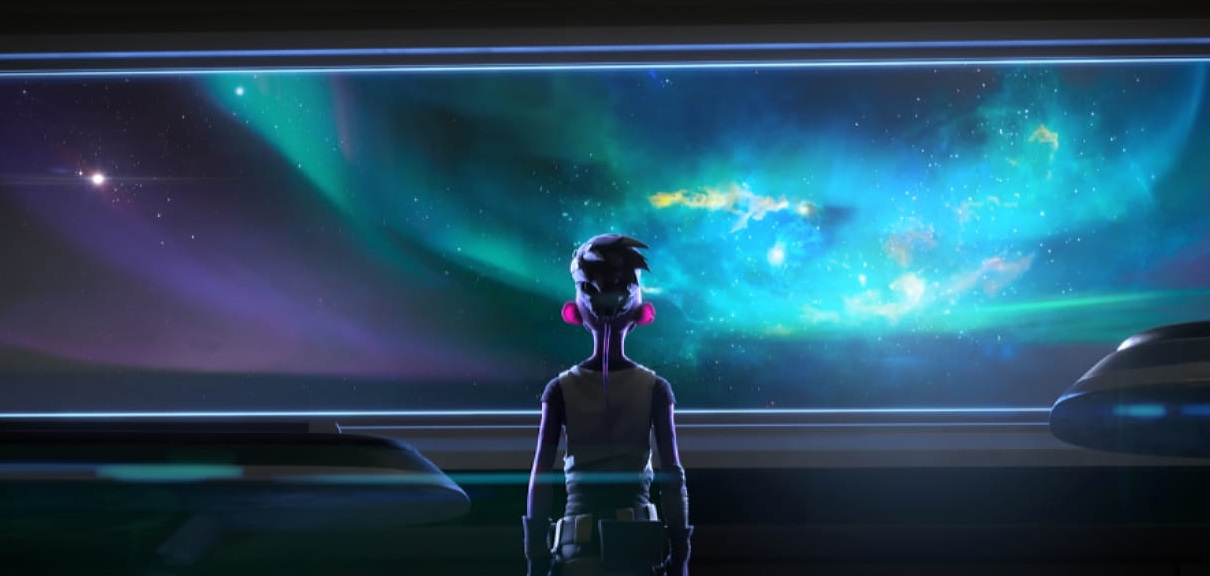


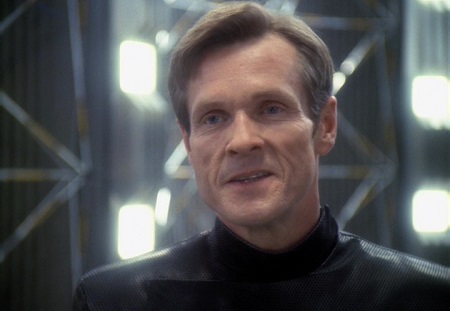


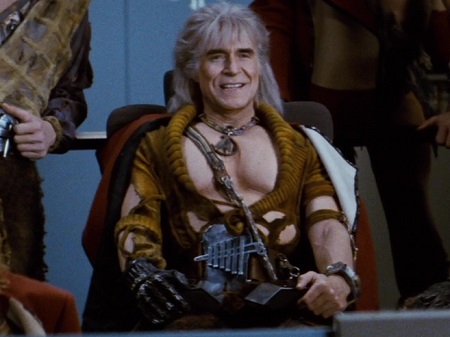




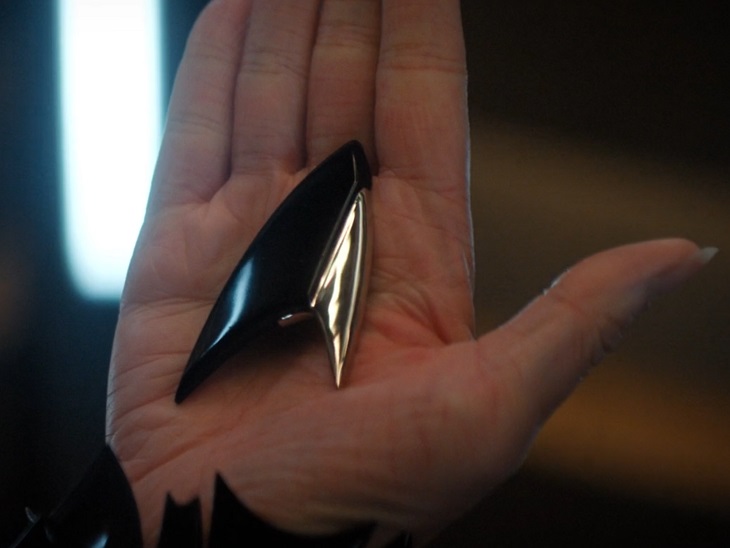


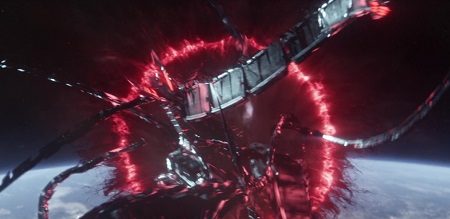


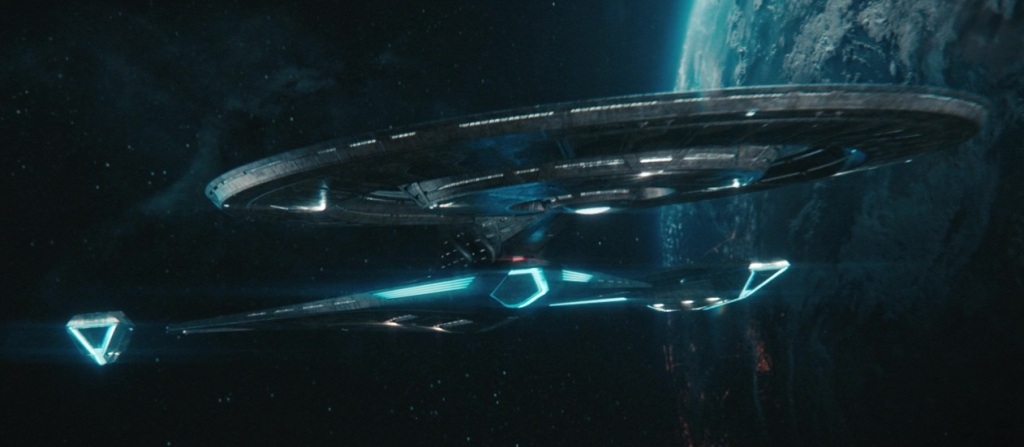

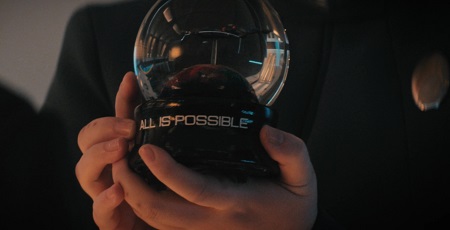


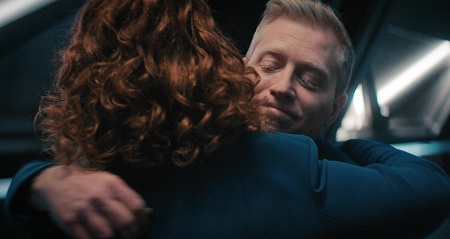


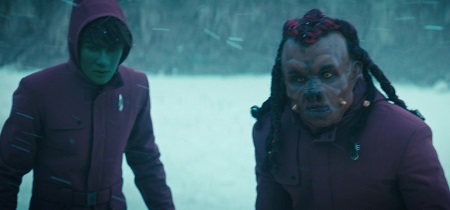
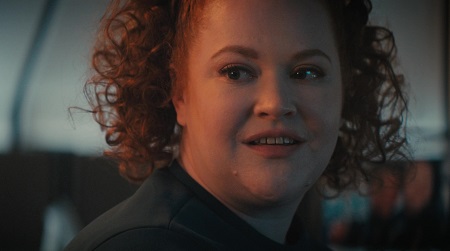
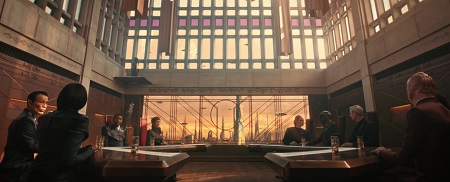
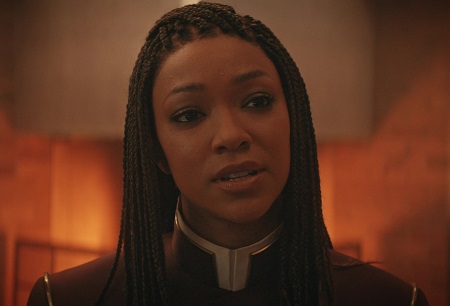


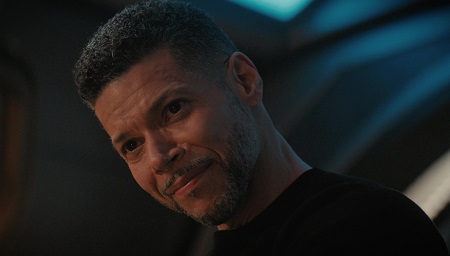



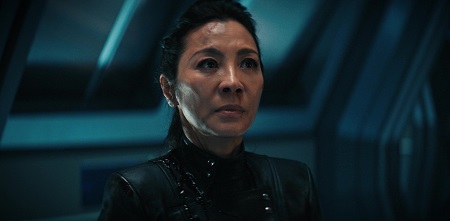


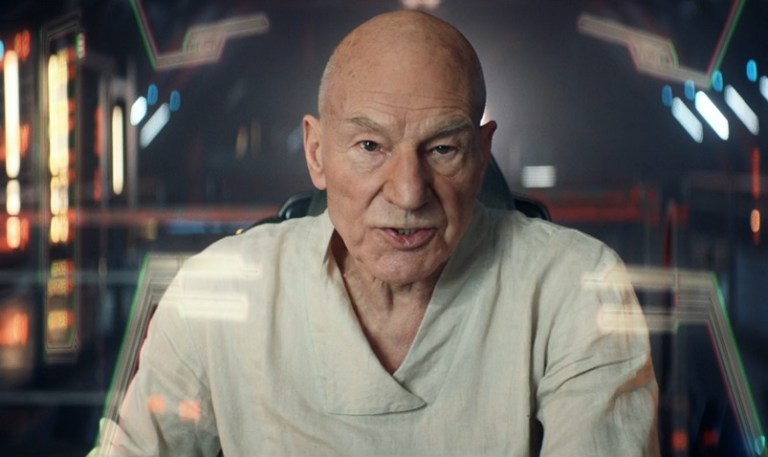
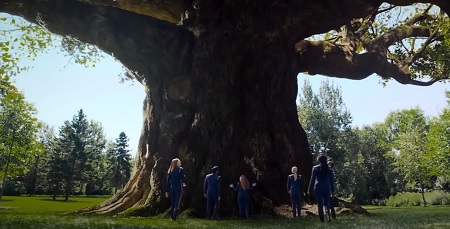


 Trekking with Dennis