Spoiler Warning: There are spoilers ahead for the first three episodes of Star Trek: Lower Decks. Spoilers may also be present for other iterations of the Star Trek franchise.
Speak to almost any Trekkie and they’ll tell you that Star Trek shows typically take at least a few episodes – if not a full season – to really hit their stride. With modern Star Trek’s shorter seasons, there’s arguably less time for the producers and writers to get it right. Lower Decks has had a decent start, if an unspectacular one, and aside from the lack of any news regarding an international broadcast, its biggest problem has been one of its main characters: Ensign Mariner.
Since I always comment on the international broadcast as I’m from the UK, I’ll forgive you if you skip over this paragraph. But I want to continue to make this point: the lack of any news regarding an international broadcast, and the fact that no one at ViacomCBS has even acknowledged the problem, is hurting Lower Decks immeasurably. The show needs all the help it can get to win over sceptical Trekkies and make a name for itself in an animated comedy market that isn’t exactly lacking in sci-fi themed shows. But by broadcasting the series only in North America, ViacomCBS has upset Star Trek’s biggest overseas fans, killed much of the hype for the series, reduced the value of the show from the point of view of broadcast agreements and licensing, and actively invited piracy.
Of course I’d never partake in such an under-the-table endeavour. As you know, the only way to watch Lower Decks is to be in North America, so I had no choice but to relocate to my second home. The icy, windswept tundra of the state of New Mexico may seem a rather chilly place to be, but in summer the sun never sets and it’s a balmy 50 degrees Fahrenheit. I’m a stone’s throw from the city of Boston – the Big Apple. It really is an amazing place to be.
This is definitely my house. And it’s in the USA. That’s where I absolutely am.
Of the three episodes so far, Temporal Edict has to be my favourite. Far less of the humour was focused on Mariner being selfish and unpleasant, and as a result not only was the episode much more enjoyable, it was funnier too. In terms of laugh-out-loud moments, there were almost certainly more in Temporal Edict than there had been in the first two episodes put together. If I were speaking to someone who’d seen the first two episodes and decided it wasn’t their thing, I’d absolutely encourage them to at least give Lower Decks one more chance.
The episode began with Boimler giving a violin performance to an unimpressed crowd in the ship’s bar. The show is really ramping up Boimler as a “mummy’s boy”, as he dedicated both pieces of music to his mother. Mariner and Tendi interrupt and play a kind of instrumental punk rock piece, which is so loud that it disrupts a conversation Captain Freeman is having with a Klingon ship. After Mariner and Tendi finish their song, Boimler returns to the stage with his violin – and in the episode’s first good moment of humour, Lieutenant Shaxs arrives and stops the performance, mistakenly believing Boimler to be the source of the disruptive noise.
Tendi and Mariner interrupt Boimler’s performance.
What do you think we can read into the Klingons seeming to be more aggressive here? The Klingon captain certainly wasn’t behaving like a firm friend and ally of the Federation! Of course this could simply be something that was played up for laughs, but it does make me wonder. The previous episode featured a Klingon ambassador, so diplomatic relations clearly still exist. I guess Lower Decks may be taking a looser approach to canon, which under the circumstances was to be expected. But it’s fun to speculate nevertheless.
The show is set in or around 2380, which places it only five years after the Dominion War. That’s certainly more than enough time for wartime allies to drift apart – as we know from our own history! Add into the mix that other iterations of Star Trek seem to have depicted future settings where the Klingon Empire and Federation were once again adversaries and nothing here seems to violate canon.
The aggressive Klingon commander.
The title music continues to impress me. As I said last time, Lower Decks easily has the best theme of any post-1990s Star Trek series. It’s a piece of music I’d be happy to listen to time and again. After the title sequence, Commander Ransom – the ship’s first officer – is recording his log. The ship is en route to Cardassia Prime to broker a peace agreement between… unnamed factions, as Ransom was interrupted before he could finish. A change of plans sees the Cerritos downgraded from the peace ceremony to a much less important role – delivering diplomatic gifts.
As above with the Klingons, this is Star Trek so let’s speculate a little about what could’ve been happening on Cardassia Prime! The Dominion War ended in a peace agreement, and subsequent comments from Captain Freeman and a Starfleet admiral at least imply that neither of the two races is the Cardassians themselves, so let’s rule them out. Perhaps, given Bajor’s proximity, it could be them. Or it could be the Dominion, though they should have retreated behind the wormhole. It’s interesting that a Federation ship was going to take part in what seems to be a major peace initiative on Cardassia Prime. Perhaps we can infer that Federation-Cardassian relations are greatly improved post-Dominion War. Again, there are parallels in our own history to make such an outcome at least plausible.
The USS Cerritos at warp.
One thing I was uncomfortable with in this scene is the anti-Cardassian sentiment expressed by both Captain Freeman and the unnamed Starfleet admiral. I’d even go so far as to call it racism. It reminded me of the often-repeated story that Gene Roddenberry hated The Undiscovered Country when it was screened for him, largely because he felt Kirk’s anti-Klingon attitude had no place in the 23rd Century as he imagined it. I wonder what he would have made of this scene.
The captain is obviously very put out by the decision to move the peace conference and cut her out of it. She takes it as a personal attack against the ship, and pledges to take action to prove their worth to Starfleet – after throwing her padd at the viewscreen! We hadn’t really seen the captain or first officer have much to do in the series so far; this was their first significant interaction on the bridge since the premiere. It was nice to see Ransom at least try to cheer up Freeman – he’s clearly much happier with his role on a less-important vessel than she is.
Commander Ransom and Captain Freeman on the bridge.
Meanwhile, the “slackers” – i.e. the main four ensigns – are working on a task in the brig. After completing their task they take a break and enjoy a drink – apparently they all overestimate the time to complete a task; it’s Starfleet tradition! If you remember Relics, from the sixth season of The Next Generation, Scotty told Geordi La Forge something very similar, and I greatly appreciate that reference. Now referred to as “buffer time”, all of the ensigns – and everyone else on the crew – build it into their schedules.
One of the jokes here – Mariner’s phaser not being set to stun – was included in the show’s trailer, and an image of the four drinking margaritas was similarly part of the pre-release marketing for the series. Tendi is the only ensign who seems to have any objection to buffer time, even Boimler is on board with it as it’s tradition. Tendi soon comes around to the idea too, and lies to Dr T’Ana about completing a task. I like Dr T’Ana, and she has a very funny moment that we’ll come to later in the episode. Perhaps it’s because I like cats – I have several of my own – but I’d been excited to see another Catian in Star Trek for ages!
Mariner realises her phaser wasn’t on the stun setting.
Captain Freeman is in a mood, stalking the corridors of the ship growling at officers who seem to be slacking. She runs into Boimler in a turbolift as he’s humming The Next Generation’s theme – which was very cute – and he accidentally spills the beans about buffer time!
The result, of course, is that buffer time gets cancelled for everyone aboard the ship – though surprisingly, Boimler is never outed as the culprit for blabbing about it! The first couple of episodes of Lower Decks haven’t really had serious messages underneath the comedy, but Temporal Edict does. The story uses its science-fiction setting to look at the real-world issues of time management and overworking. Star Trek has often done this in the past, as I’ve talked about before, and it isn’t something I was really expecting from Lower Decks.
Boimler spills the beans on buffer time to the captain.
For a lot of people, time management can be a problem. The internet and always-connected devices like smartphones mean we’re always able to be contacted by work, even during what’s supposed to be time off. I can attest from personal experience how easy it is to get burnt out if you’re constantly replying to emails and basically working in your free time as well as when you’re at work. And of course, we can all remember a time when a manager or boss was constantly on our backs about every little thing – precisely how Captain Freeman begins to behave!
The captain institutes a shipwide policy of setting timers for every task, resulting in the crew losing their buffer time and becoming stressed and overworked. Another side effect is, of course, that many tasks aren’t completed or are completed very poorly in order to meet a deadline! The crew rush from task to task with no time in between; the captain has pushed them from one extreme to another.
The overworked crew after the captain’s titular “temporal edict.”
Only one crew member seems unaffected – Boimler. He’s loving the new routine, and has somehow managed to complete all of his tasks on time. When a new one becomes available he claims it – not that anyone else would have wanted it, or been able to take it of course – and seems oblivious to the chaos the new rules have caused. Even Rutherford, who seemed so level-headed when working in engineering last week, is suffering.
Mariner has been selected for an away mission led by the first officer, and makes her way to the Cerritos’ shuttlebay. She’s not impressed with going on the mission – nor is Commander Ransom impressed at having to bring her. Although she’s wearing the red uniform of the command division, Ransom tells her she wouldn’t be accompanying him if she weren’t so good with a phaser – suggesting she’s there as security or backup rather than for any other reason.
The away mission crew.
The shuttlecraft Yosemite – which I think is the same one Mariner and Boimler almost lost last week – lands on the surface. The Gelrakians are a crystal-worshipping society, so Ransom and the crew bring along a special “honour crystal” as a symbol of peace. Ransom is a laid-back version of Riker or Kirk in many ways – incredibly confident in his abilities. I kept expecting that to backfire – for him to be all talk with no skills to back it up – but he was surprisingly competent!
The scene after landing has to be one of the funniest. Due to the demanding schedule the crew has been punished with, they accidentally brought a wooden totem instead of the honour crystal, upsetting the Gelrakians who attack them. There were several really funny moments here, but the standout one that had me laughing hard was when one of the Gelrakians shouted “he’s got wood!” Low-brow comedy, perhaps, but it was hilarious in the moment.
“He’s got wood!”
After a brief fight the away team was captured by the Gelrakians. I liked how Mariner seemed to genuinely step up and contribute to helping her team when they were in danger, including bandaging Ensign Vendome’s spear wound. As mentioned, Temporal Edict really brought out the best in her in a way that we hadn’t seen in the series so far.
Back aboard the Cerritos, the chaos of the new schedules is continuing. Everyone (except Boimler and the captain) is struggling to keep up, overworked and stressed. The Gelrakians have launched their crystal-ships, but the pandemonium aboard the Cerritos has crippled the ship – it has no shields! The Gelrakians are able to attack and even board the ship with ease.
A Gelrakian boarding party.
The captain gives the order to repel the boarders – but at the same time commands the crew to continue their work and not use it as an excuse for slacking off. This is one of those moments where we have to step back and remember to treat Lower Decks as an animated comedy first, and a Star Trek show second! The captain should surely recognise that the decline in performance on the ship is the result of the strict time limits imposed on the crew, but for the sake of the story she doesn’t, and in any other Star Trek show I’d have to call that an unbelievable story beat. However, in Lower Decks it works, and as a story point in this kind of animated comedy show we can’t really take it too seriously.
Rutherford and Tendi are among the crewmen and officers caught up in the Gelrakian attack, and many of the Cerritos’ crew are too busy working to notice the boarding parties. The crew are leaderless and uncoordinated, and unable to repel the attack – which is silly because the Gelrakians are only armed with spears! Again, though, we have to remember to treat Lower Decks differently from other Star Trek shows. And it’s of course worth mentioning that it wouldn’t be the first time in Star Trek that we’ve had hand-to-hand combat or this kind of weaponry; both the Klingons and Jem’Hadar were known to use melee weapons in the 24th Century.
Rutherford and Tendi hide from a Gelrakian boarding party.
On the surface of the planet, Mariner and Ransom are sharing a prison cell. Mariner tries talking to the guard to no avail while Ransom works on a speech that he hopes will convince the Gelrakians to let them go. The two argue about what to do, and to be perfectly honest, hearing Ransom call out Mariner on her bad attitude and selfishness was pretty good. As you know I’d been thinking much the same way about her over the last couple of episodes – with the exception of a few moments – and Ransom pretty much nailed it as far as I was concerned in that moment. Perhaps the dressing-down got to her, because from this point on I really noted a change in Mariner.
Obviously Ransom’s speech doesn’t go anywhere, and the two then bicker over who gets to take on the Gelrakian’s challenge of a trial by combat against their biggest, strongest warrior. Defeat will mean the entire away team will be executed – by a giant crystal, of course. Ransom won’t allow Mariner to put herself in harm’s way, and deliberately wounds her in the foot so he can be the one to face down the warrior.
Ransom, Mariner, and the battle blade.
Aboard the Cerritos, Boimler is happily going about his duties, seemingly oblivious to all the chaos. He easily defeats three Gelrakians with his phaser, and wonders aloud why things are so out of control. Again, same caveat – it’s an animated comedy, and in that context Boimler’s obliviousness to the ship being under siege gets a pass.
On the bridge he talks to the captain. No one else is able to man their stations, so Captain Freeman is doing all the work. Boimler realises that the problem is the new scheduling – everyone on the bridge, including the captain, is working under strict time limits too. Before he can do anything the bridge is attacked by some Gelrakians.
Boimler realises the problem.
The action cuts back to the planet’s surface, and Ransom takes on the Gelrakian warrior. I loved this scene, it was pretty funny. I was expecting Ransom’s over-the-top cockiness to get him hurt or killed, but he was incredibly strong and – in a twist to what I was expecting – emerged from the fight triumphant. Even Mariner was impressed – perhaps a little too impressed! I liked Mariner’s line about wanting to help “our team” – compared to what she said earlier it definitely feels as though she’s stepping up. She may be a slacker aboard the ship, but she won’t let her crewmates down when she thinks they need her.
The defeated champion’s line about pretending to be strong and dumb when he really loves to read was pretty funny too – something I think will resonate with a lot of people. Intelligence can feel undervalued sometimes, especially compared to strength or looks. Again, this was Lower Decks using its science fiction setting to make a point.
Ransom during the fight.
Boimler finally gets to make his case to the captain. The standout line was this: “not everyone is a Boimler.” He recognises that other members of the crew don’t share his love of rulebooks and tight schedules, and that the problems the ship is facing are caused by that. He talks sense into the captain, who relaxes the rules and unleashes the crew.
The temporal edict is withdrawn, and unburdened by the strict rules, the crew of the Cerritos is easily able to retake the ship and drive away the intruders. It took Boimler realising his mistake to help the captain realise hers, and it worked well as a conclusion to this side of the story. Rutherford and Tendi are among those seen fighting off the intruders, and Dr T’Ana gave a truly funny cat-like hiss as she also jumped into combat.
The bridge crew – and Boimler – celebrate victory.
After winning the fight on the planet’s surface, Ransom has won the freedom of the away team. Mariner definitely has a newfound respect for him after seeing him defeat the Gelrakian warrior, and the away team makes it home in one piece. He even carries her back to the ship – her foot being wounded and all.
With the boarding party safe and the Gelrakians defeated, the two sides get a second chance as Ransom returns to the surface, this time with the honour crystal. War was averted, and peace breaks out between the two sides. In sickbay, Ransom prepares himself for a court-martial for stabbing Mariner, but she says she won’t report him for it. Just as it seems he’s developing a newfound respect for breaking the rules to go along with her newfound appreciation for them, he orders her reprimanded for wearing her uniform incorrectly! The story set up Ransom and Mariner as being attracted to one another, but I don’t expect this to be something that develops in any major way – at least not this season. It may be played on for laughs at points, as it was here, but I don’t think we’re going to see them in a relationship any time soon!
Ransom and Mariner in sickbay.
All that was left to do was fully repeal the scheduling and reinstate buffer time, which the captain did. The new rule was named in honour of Boimler, which was very funny. He doesn’t like it, of course, as he’s all about following the rules, but his friends reassure him that no one will remember his contribution to the Boimler Effect.
In a scene set in the far future, Boimler is hailed as “the laziest, most corner-cutting officer in Starfleet history!” That was a funny addendum to the episode, and the reference to Gene Roddenberry (the “Great Bird of the Galaxy”) did not go unrecognised. The episode ends with this far future schoolteacher continuing her lesson on great Starfleet officers by looking at Chief O’Brien!
Boimler’s place in history.
So that was Temporal Edict. Not a story about time travel at all – as I had feared it might’ve been when I saw the word “temporal!” I’m not the biggest fan of time travel stories in Star Trek, but this was a complete twist on what I was expecting in so many ways.
Captain Freeman’s speech when she commanded the crew to retake the ship, and its accompanying music, was genuinely inspirational – the kind we could have heard from Captains Janeway, Picard, or Kirk in a past iteration of the franchise. It was pitch-perfect, despite the semi-ridiculous buildup.
Captain Freeman withdraws the temporal edict.
As mentioned, Lower Decks works best when looking at it as an animated comedy first and a Star Trek show second. By doing so, some of the sillier aspects of its premise melt away, and what’s left behind is truly enjoyable entertainment. In this episode, Mariner snapped out of her selfishness and stepped up to the task when her crewmates were in danger, and I liked seeing that side to her. It’s something I hope we see a lot more of in future.
It was great to spend a little more time with Captain Freeman and Commander Ransom. Ransom’s story worked better than Freeman’s in my opinion – in the captain’s case, you really have to overlook or excuse her not realising the extent of the problems on the ship until way too late in order for the rest of the story to work. Ransom had been set up as someone who was all bark and no bite, but Temporal Edict turned that on its head by showing that he’s a truly capable first officer under the cocky facade.
I had to include this shot because Dr T’Ana hissing like a cat was hilarious.
I had a great time with Temporal Edict, which is easily my favourite of the three episodes we’ve had so far. I’m definitely looking forward to spending more time with Mariner, Boimler, and the rest of the crew. Next week’s episode, Moist Vessel, will hopefully be just as good! I can hardly wait!
Star Trek: Lower Decks is available to stream now on CBS All Access if you’re fortunate enough to live in North America. The Star Trek franchise – including Star Trek: Lower Decks – is the copyright of ViacomCBS. This article contains the thoughts and opinions of one person only and is not intended to cause any offence.
By sheer coincidence, I replaced both my keyboard and game controller in August. And also by coincidence – or at least, not by design – both of my replacements came from the Microsoft Store. This short review will detail my experience with each of them; rolling two items into one article is certainly a rare example of efficiency from me!
First let’s look at the controller. This one, I have to admit, is a bit of a luxury. I’d had an Xbox One controller for years – it may have been the one I got when I bought an Xbox One at launch in 2013. Now that was a bad decision if there ever was one – the console may have improved somewhat in the years since, but at launch it was bad value and offered precious little to play! But we’re off-topic already; you can read more about my Xbox One experience by clicking or tapping here. I decided that it was time to replace the controller – one of the thumbsticks was loose, making it harder to make very precise movements in some games, and in addition its vibration/rumble function didn’t seem to be working right. It still vibrates, but it does so in a much more clunky way than it used to.
I considered a few different controller options, including the Hyperkin Duke, which is a reimagining of the classic Xbox controller from 2001. That controller was one I greatly enjoyed using during the original Xbox era, but unfortunately the new version is difficult to get hold of here in the UK. I found one on Amazon, but at quite a mark-up. So I decided to check out Xbox’s Design Labs website, where Microsoft sell customised controllers. I went with an all-blue design, with a metallic D-pad, black Start and Select buttons, and black A, B, X, and Y buttons with the proper colours for the letters. I’m sure some people feel that removing the coloured letters and replacing them with a grey or black design looks more sleek, but the colours can be a great visual reference when it comes to things like quick-time events or any other occasion where split-second button presses are required.
My new controller.
Microsoft stated when I bought the controller that it could take up to a month to arrive, so I wasn’t expecting it much before the beginning of September. To my pleasant surprise, though, it arrived much sooner – on the same day as my keyboard, no less! The design was just what I’d chosen – which it should have been, of course – and so far I’m satisfied with it. Was it worth the extra money to get a different colour compared to buying a standard controller? I don’t play that many games any more, so I guess you could argue that it wasn’t. The control pad is fundamentally no different from a standard Xbox One controller; unlike the Xbox One elite controller it doesn’t have swappable parts or extra buttons, and its construction is wholly plastic instead of the “rubberised” feel of the elite. But the elite controllers are twice the price! For around £20 more than a standard controller, Xbox Design Labs offer a huge range of colours, and different areas of the controller can be different colours. They brag about millions of colour combinations – most of which you’d never want, of course – but all of the main colours are there, and they have a couple of “fades” and “camo” options too.
Controllers can also be engraved – though to be honest, that’s a pretty impressive-sounding term for what seems to be just laser printing. But for someone who wants their gamertag on their controller – or to make a fun gag gift, perhaps – it’s nice that the option exists.
The Xbox One controller was very similar to the Xbox 360 controller, which was itself not massively different from the second iteration of the original Xbox controller. So I’m not really reviewing the controller from that perspective. I already know I like it as I’ve been using something similar for years! The Design Labs experience was solid. There were a number of options, the website worked smoothly and was well laid-out, and the colours on screen match perfectly with the product I received. Add to that the quicker than expected delivery and it’s hard to find fault.
The Xbox S controller from 2002 or 2003. The “S” may have originally meant “small”.
As someone who has never really been a “PlayStation guy”, I think I’ll always prefer Xbox’s controllers than those made for the rival console. They feel chunkier and more substantial in my (admittedly oversized) hands, but at the end of the day once you get used to a particular design you want to stick with it. That’s presumably why the Xbox Series X’s controller won’t be a significant departure from the current design.
Up next we have the keyboard.
I write almost every day, not just for this website but for other projects that I have on the go, as well as typing messages to friends and the like. For the last three years or so, I’ve been using a Corsair Strafe mechanical keyboard. The variant I have has a red backlight and Cherry MX blue mechanical switches – the “clicky” kind. I bought this keyboard on the recommendation of several tech reviewers who said that the blue switches were great for typing.
The Corsair Strafe.
This keyboard has been fine. It was interesting at first to go back to a keyboard that, for all its modern aesthetic, had a very retro feel and sound. It reminded me of the kind of keyboards I first learned to type on when I was very young. I actually remember the first time I ever used a computer, being concerned that the keyboard only had capital letters when I wanted to type something in lowercase! That was when I was at school, and the “computer” in those days was little more than a word processor. And of course there was no internet. How things have changed, eh?
Although the typing experience has been good overall with the Corsair, after very long typing sessions it can get a little tiring on my old fingertips. The space bar in particular has a strange, almost rough texture to it, and I often find that my thumb – which I use to hit the spacebar almost all of the time – can start to not exactly sting, but rather notice this texture in an unpleasant way after longer typing sessions. The mechanical keyboard has also proved a nightmare to keep clean, with deep chasms in between the keys that seem to attract dust and cat hair like magnets! Finally, several of the keys have started to wear down, and the backlight shows through on the edges of several of them now. Perhaps that’s simply the result of heavy use, but for something I haven’t owned that long it seems like it shouldn’t have happened so quickly. Regardless, the keyboard doesn’t look as nice as it once did, and while it does still work I thought I’d try out a replacement.
I don’t need backlighting on a keyboard, as I can type from muscle memory – something that will happen as you spend more time hunched over your computer! And my computer setup is in a well-lit room, so on the occasions where I need to look down to see what I’m doing I don’t need the keyboard to be its own light source. The keyboard I ultimately bought as a replacement is not backlit, and I don’t consider that to be a problem at all.
After looking at several options, both mechanical and non-mechanical, I opted for the Microsoft Surface bluetooth keyboard. I’ve used a Microsoft mouse in the past (though my current daily driver is a white Logitech G305 wireless mouse) and I’ve always considered Microsoft’s hardware products to be solid and of decent quality. After ruling out a few other options for a variety of reasons, I chose the Microsoft Surface.
The Microsoft Surface bluetooth keyboard.
Initial impressions were good. The packaging was premium – as the Xbox controller’s had been too – and I was very impressed with the look and feel of the keyboard. It has almost no give to it when pressure is applied; it’s very solid. The keys, despite being low profile, have a satisfying press, and unlike the loud “click” of the Corsair, are relatively quiet.
The keyboard also has a full number pad, which is important to me as I often use the right Enter key when writing. It takes AAA batteries instead of being rechargeable via USB, which for some people may be offputting, but it’s a feature I really wanted to have. AA or AAA batteries last ages in devices like mice and keyboards. I used to use a Logitech MX Master mouse, and that thing needed to be charged every few days, which was incredibly annoying. In comparison, a mouse I have in my bedroom which takes AAs has been using the same pair of batteries for at least a year – probably longer. And since I replaced the MX Master with the G305 I’ve gone through precisely one battery. Why anyone would favour rechargeable devices that have such a short battery life over devices that take AA or AAA batteries that last months or years is beyond me. But we’re off-topic again! The battery cover is magnetic, which was a very neat feature. The magnet seems strong enough to keep the battery compartment closed, which is important for obvious reasons, and I like the modern touch it offers over an older-style plastic latch.
I did have an issue with the keyboard – but it’s one that seems almost unique to me that anyone with a modern setup should be able to avoid. The keyboard connects via bluetooth. Duh, right? It’s in the name. But my PC doesn’t have bluetooth connectivity built in, as several years ago I didn’t see any need to spend extra money on that additional feature. Most wireless keyboards come with a dongle so you can plug them into your PC, but presumably Microsoft’s expectation is that the Surface keyboard will be paired with a Surface PC – which must all come with bluetooth as standard. Like I said, this is a minor gripe that probably won’t affect anyone else who buys this product, but if your PC lacks bluetooth connectivity like mine, you’ll need to buy a separate dongle to be able to use the keyboard.
As with many things I’ve accumulated over the years, I could have sworn I owned a USB bluetooth dongle – but I haven’t the faintest idea where it is. I had to get a replacement on Amazon – not a big deal as they aren’t expensive, but it meant waiting an extra couple of days after the keyboard arrived before I could use it! It reminded me of the Christmas where I got a Nintendo 64 – I was all set to play with my new console when there was a power cut! The N64 sat in its box for what seemed like an eternity, unable to be played because the electric was out. Decades later and I’m back in that position. Life is funny like that sometimes.
Ah, memories.
When the dongle finally arrived, pairing the keyboard was easy. From the settings menu in Windows 10 – for which the keyboard has a designated button – it’s possible to see the device’s battery status. The keyboard is also in the standard UK layout – which means that a few symbols are in different places than on a US layout keyboard – which is obviously important to me as that’s how I’m used to typing. I’m on Windows 10, but the keyboard should be compatible with Windows 8.1 – or indeed any device capable of using bluetooth.
The typing experience is pleasant. As mentioned, the keys have a satisfying press, and they also have a slightly soft feel that’s definitely nicer than the hard plastic keycaps of the Corsair that I’d been using. It feels closer to typing on a laptop – a premium, high-end laptop – than any desktop keyboard I’ve ever used. Microsoft promises a whopping five million presses per key over the lifespan of the keyboard – so let’s put that to the test over the next few months and years! Unlike in the picture above, the Return/Enter key is full-size, which is something else I greatly appreciate. A single press of the Function button switches between the F-keys (F1 for help, F5 for refreshing web pages, etc) and a variety of other functions. The aforementioned settings button is one, and there are also keys to control the volume, media player keys to play, pause, etc. and even screen brightness controls. I don’t use such keys that often, but the additional functionality is nice, and not having to hold down a second key to use them is also a neat feature.
Of all the “premium” keyboards I looked at, the Microsoft Surface seemed like the best option for me at this point. I was ready for a change from the clicky mechanical switches I’d been using for the past few years, and as someone who does a lot of typing I wanted something I’d be comfortable with. So far, the Surface has accomplished that and I’m happy with my purchase.
It’s hard to make product recommendations, because I don’t know your circumstances. If you have a spare £20 burning a hole in your pocket and you like customised things, get the Design Labs controller and show off your unique style. But if you’re on a budget, skip that and just get a standard controller. Or better yet, find a pre-owned one or a 360 controller and save even more money.
Likewise for the keyboard. If you write as much as I do on a daily basis and want something solid and premium, the Surface could be a good option if you don’t want a mechanical keyboard. But it’s impossible to deny that you can get a perfectly functional keyboard with a number pad – wired or wireless – for a fraction of the price. I just looked on Amazon, and one of the top results was a Microsoft wired keyboard for £10 – a full £80 less than I paid for the Surface. So the question is – what do you want from a keyboard? If you don’t type a lot – or even if you do but are on a tight budget – save your money. Nothing the Surface does is essential and you could get identical functionality far cheaper.
Speaking for myself, though, I’m happy with what I got. Sometimes it’s worth spending the extra money on a higher-end product, and sometimes it’s worth splurging a little on a cool-looking or custom product just for the fun of it. At the end of the day, it’s up to you to decide what best suits your setup and where you want to invest your money.
The Xbox and Surface brands are the copyright of Microsoft. No sponsorship was involved; these are products I purchased for myself with my own money and the article comprises my genuine impressions regarding them. This article contains the thoughts and opinions of one person only and is not intended to cause any offence.
Spoiler Warning: There are spoilers ahead for the three Kelvin timeline films and for other iterations of the Star Trek franchise.
A couple of weeks ago it was reported that a fourth Kelvin timeline film, which has supposedly been worked on since at least 2019, was “paused”. That’s usually Hollywood-speak for “cancelled” and “never going to happen”, but there are other potential Star Trek film projects in the works, so the Kelvin timeline may yet be granted a reprieve. While rumours can be all over the place when looking at the production side of Star Trek, two things came up often in discussions around the potential film: the return of Chris Hemsworth’s character of George Kirk being a story point, and the salaries of some of the main cast – including Kirk actor Chris Pine – being a stumbling block. I have no idea whether there’s even a grain of truth to any of these rumours, but the potential for a fourth Kelvin timeline film got me thinking.
What would be the pros and cons of a new film in the alternate reality – especially now that we have prime timeline Star Trek back on the small screen? It’s a big question, and I’ve broken it down into a short list of points for and against making a new film in this series. Let’s look at them in turn.
Pro: Star Trek Beyond clearly teased a sequel.
The Enterprise-A was seen at the end of Star Trek Beyond.
The Kelvin timeline story hasn’t ended. The crew are back together, and despite the loss of the original USS Enterprise, at the end of Beyond we saw the christening of a new Enterprise-A – the clear implication being that Kirk would assume command and bring his crew with him.
Something similar happened in the prime timeline at the end of Star Trek IV: The Voyage Home. In 1986, when that film premiered, Star Trek: The Next Generation was in early production, and some may have argued that Star Trek was moving on and didn’t need another Kirk-led film. While the next film in the series, The Final Frontier, was hardly a great success, The Undiscovered Country was – and it was a far better send-off for the original crew. If the Star Trek films had ended with The Voyage Home we’d have missed out on a great story and a more fitting end to Kirk and the crew’s adventures.
If the film series were to end now, it would arguably feel incomplete. The tease at the end of Beyond would still be there, taunting fans with a never-realised continuation to the story.
Con: And which fans are those?
Look, it’s all of the Kelvin timeline’s hardcore fans.
Despite their popularity with a wider audience – something which we’ll look at in a moment – I’ve never really found that the Kelvin timeline films had much of a following of their own. They’re summer blockbusters in the vein of something like the Transformers series; popcorn flicks that people will happily watch – and then immediately forget about.
Within the Star Trek fan community, the Kelvin timeline films haven’t picked up a following of their own. I’m not even counting the many Trekkies who didn’t see the films because they didn’t like the premise; the Kelvin timeline just doesn’t have its own fandom. People have other iterations of the franchise that they prefer – the Kelvin timeline films are, at best, someone’s second choice.
There are sub-groups of Trekkies – some may like The Original Series, others favour The Next Generation or Deep Space Nine, etc. And the new Star Trek shows since 2017 have fans of their own too. But the Kelvin timeline films don’t seem to have that kind of following; there’s no group of dedicated Trekkies who favour them above everything else in the franchise. People I’ve spoken with are in two camps: they either detest the Kelvin timeline films or they think they’re just okay.
With all that in mind – who would a fourth film even be made for?
Pro: The films brought in huge numbers of non-Trekkies.
The Kelvin timeline films appealed to a wider audience than any prior Star Trek production.
Though they may lack a hardcore following, the Kelvin timeline films succeeded beyond any other Star Trek project at bringing in huge audiences. 2009’s Star Trek was an overwhelming box office success, bringing in more than double the money of any other film in the series – and Into Darkness did even better, becoming the high-water mark of the entire Star Trek film franchise’s financial success. Beyond was considered a “disappointment” – but it still raked in over $340 million on a $180 million budget, making it hugely profitable for Paramount Pictures. 2009’s Star Trek also won an Academy Award – the only Star Trek film to ever achieve that feat.
So there’s clearly an audience for another film set in the Kelvin timeline, and any such project should be a guaranteed money-maker for Paramount and ViacomCBS. Bringing the crew back together and putting a seasoned director in charge – as they did in 2009 – would generate plenty of buzz, and the aforementioned wider audience that saw and enjoyed the first three films will surely show up for the next entry.
Star Trek isn’t made for Trekkies. That may sound odd, but it’s true. Hardcore fans will only ever be a small portion of any franchise’s audience, and I’ve said countless times that the Star Trek franchise needs to reach out far beyond this small pond if it’s to survive long-term. The new animated series Star Trek: Lower Decks has potential to help in that regard, but so does a new Kelvin timeline film.
Con: The unique premise of the films no longer exists.
Cadet Kirk.
In 2008-09, during the buildup to the release of Star Trek, one angle that was really interesting was the idea that the films would show “young” Kirk and Spock in their Starfleet Academy years. We’d get to see how all of the characters came to meet one another, and although the films would be recasting the classic characters, we’d see them in their younger days, before Kirk assumed command of the Enterprise and set out on his five-year mission.
That premise no longer exists. The end of Star Trek saw the characters graduate from the Academy, and Beyond explained that Kirk and his crew were engaged in their five-year mission of exploration. That premise is exactly the same as The Original Series, and the unique aspect of the films is gone, replaced by a copy of what came before.
With Strange New Worlds looking to pick up the exploration angle of Star Trek, do we really need a Kelvin timeline film to do the same thing? It’s certainly arguable that we don’t.
Pro: There’s the possibility for crossovers.
A Pike-Pike story? Heck yes, sign me up!
I mentioned this as one concept that could be fun to see in Strange New Worlds – but how about a crossover? Pike and Spock from the Kelvin timeline and Pike and Spock from the prime timeline working together to achieve some goal or defeat a nefarious villain could be a fascinating story and a great piece of cinema or television.
This concept doesn’t just have to be limited to Pike and Spock either; we could see crossovers with literally any group of characters. The idea of a ship and crew from one side of the divide between parallel realities having to work with others to make it home again is something that could be really fun to watch.
Con: The Kelvin timeline will be retreading too much ground.
Spock, Kirk, and McCoy during their five-year mission.
Pike and Spock are the leads in their own upcoming series – Strange New Worlds. Do we really need two “young Spocks” in Star Trek? There’s a risk that the two productions will trip over one another, and that the Kelvin timeline film will do nothing for Spock’s character in particular that hasn’t been done in Discovery or Strange New Worlds.
That’s in addition to the point mentioned above – that we’ll be seeing Kirk, Spock, McCoy, and the rest of the crew undertaking the same five-year mission that was depicted in The Original Series. Some fans have argued for a return to Star Trek’s spirit of exploration, but with at least one television show focusing on precisely that, where would a Kelvin timeline film fit in?
Fundamentally this comes down to a couple of characters – most notably Spock. Ethan Peck’s version of the character has gone down very well with fans of Discovery, and I’m just not convinced the franchise has room for two identical characters. If I had to choose only one… I’m sorry to Zachary Quinto but I’d rather keep Ethan Peck’s take on the character.
Pro: Quentin Tarantino may be working on a script.
Renowned director Quentin Tarantino has supposedly pitched a Star Trek film. Photo credit: Georges Biard via Wikimedia Commons
Quentin Tarantino has written and directed some of cinema’s recent classics. Titles like Reservoir Dogs, Pulp Fiction, the Kill Bill duology, Inglorious Basterds, and Once Upon A Time In Hollywood are all hailed as phenomenal works of cinema. His violent style can be controversial – and some may argue a bad fit for Star Trek – but he’s an incredibly talented filmmaker, one that any franchise would love to bring on board.
It’s worth pointing out that there’s no guarantee his pitch – if it even exists and is still being considered – would involve the Kelvin timeline crew. But the timing of the rumour coincided with the Kelvin timeline’s production, so it’s at least a possibility.
I know some people dislike Tarantino’s style. But even they would have to admit that he does what he does very well, and any film that has his name attached draws a lot of attention – which translates into big numbers at the box office.
An R-rated Star Trek film just for the sake of it wouldn’t be my first choice. But if the story works well, I’m not opposed to it either. Recent Star Trek projects have not been shy about trying new things, so Tarantino could be a good fit for an expanded franchise.
Con: Anton Yelchin’s tragic death means that a major character will be absent.
Anton Yelchin died tragically in 2016, shortly before the premiere of Star Trek Beyond. This is a sensitive topic, and I thought long and hard about including it here, but I think it’s important because it’s hard to imagine another film without him.
Yelchin had taken over the role of Pavel Chekov in 2009’s Star Trek, and while Chekov is arguably less of a “main” character than Kirk, Spock, or McCoy, he was still a big part of all three of the Kelvin timeline films. In 2016, the producers of Star Trek Beyond stated that the role would not be recast for any future films, and it would be very difficult for a new creative team to go back on that promise without the support of Yelchin’s family, the other cast members, and the wider fan community.
Chekov’s absence would be hugely significant and very noticeable; a hole at the heart of the crew. While it’s possible to work around that, as other films have done under similar circumstances, I’m not sure how well it would succeed. Chekov filled a unique role in the crew as its youngest member, and without his occasionally comedic presence, there will be a key element missing from any future story.
Pro: The alternate reality setting allows for a huge amount of creative license.
Could we see Kirk face off against the Borg? Maybe… but only in the Kelvin timeline.
Now we come to perhaps the biggest point in favour of the alternate reality: nothing after Enterprise happened. Canon is nonexistent – aside from that established by the first three films – so writers and producers have a blank slate to tell any kind of story they want without worrying about treading on the toes of established canon.
Have you always wanted to know how Kirk would fare against the Borg? The Kelvin timeline could do that, as bringing the Borg into a story doesn’t affect prime canon. How about the Dominion War breaking out more than a century earlier? The Kelvin timeline could do that too. Or what if William Shater finally got his wish to reprise the role of Kirk? He mentioned it as recently as a few weeks ago, and the best way to bring back Shatner’s Kirk – who of course died in the prime timeline – could be in the alternate reality.
When considering 2009’s Star Trek as a reboot, one of the best things it did was use an alternate reality setting, because that has opened up endless possibilities for the film franchise going forward. The examples above are just a few options off the top of my head, but there are so many more, including stories that could never work in the prime timeline.
Con: The Star Trek franchise will be more convoluted than it already is.
The official Star Trek website posted this guide to the franchise’s timeline(s) a few months ago.
It’s only fair to follow the biggest pro with the biggest con, and in my opinion the biggest drawback to continuing the Kelvin timeline films now is that the Star Trek universe is already incredibly complicated. It’s difficult for casual viewers to get the hang of which show is taking place in which time period, but if you throw an alternate reality into the mix as well, the whole thing just becomes convoluted.
Bringing in and retaining new fans is the key challenge for the Star Trek franchise going forward, and one thing that has to be avoided is putting people off. Star Trek has been running for so long and has so many different iterations that it can already feel overwhelming for newcomers; the Kelvin timeline films may draw large crowds, but if those crowds don’t stick around and jump over to other parts of the franchise because it’s too complicated, it’s almost not worth the trouble.
So that’s it.
Some of the pros and cons of making a fourth Kelvin timeline film. As always, the caveat applies that this is just my opinion; I don’t know whether a film will be made or is even under consideration.
Kirk and Spock (with John Harrison in the background) in Star Trek Into Darkness.
If it were left up to me, I think what I’d say is that the Kelvin timeline films have run their course. They achieved what they set out to: rebooting a Star Trek franchise which had become stale after decades in production, and set the stage for a resurgence in the franchise’s wider popularity, which culminated in Discovery, Picard, and Star Trek’s return to the small screen.
While there is certainly scope to use the alternate reality setting to tell more stories, I don’t feel that it’s necessary right now. There are so many other Star Trek projects in various stages of production that the franchise is hardly going to be lacking in content at least through the first half of the 2020s. A Kelvin timeline film would be a complete outlier when compared to the rest of the franchise, simply because of its setting. That’s not to say that there’s no place for a new film and never will be, just that it would be superfluous at the moment.
The Enterprise goes to warp.
Hopefully the Star Trek franchise, having found a new home on CBS All Access, will remain in production for a long time to come. Branching out into different genres, and telling stories in a more modern way has certainly helped build a foundation for future success. I’ll always be grateful for what the Kelvin timeline films did. They took Star Trek from a run-down franchise that was losing fans and viewership and turned it around. Not only that, they modernised the franchise and proved that it still had a huge potential audience. Star Trek’s current success is built on the shoulders of what these three films did. But despite that, I don’t think there’s a need to return to the same setting and the same cast to make another film.
One thing we’ve seen Star Trek attempt to do with Short Treks is tell one-off stories. Take a one-off story and make it last two-and-a-half hours and you’ve got a feature film – and there are so many possibilities within the franchise to tell such stories. With CBS All Access being Star Trek’s new home, the franchise could even experiment with direct-to-streaming films (something that may have to happen if this pandemic drags on), and there are countless possibilities for what kind of films could be made and what kind of stories could be told. There’s no reason why a Kelvin timeline film can’t be part of that… but there’s also no compelling reason that I can see why it needs to be either.
The Star Trek film franchise – including all titles mentioned above – is the copyright of Paramount Pictures and ViacomCBS. Photos and stock images courtesy of Unsplash and Wikimedia Commons. This article contains the thoughts and opinions of one person only and is not intended to cause any offence.
Spoiler Warning: There are spoilers ahead for the Mass Effect series.
It’s been eight-and-a-half years since Mass Effect 3 was released, rounding out the original trilogy of Mass Effect games. Since then, the franchise has put out a single new title – Mass Effect: Andromeda – which was underwhelming to say the least. For the last six months or more, rumours have been floating around of an impending Mass Effect remaster, and while I was disappointed not to hear any official mention of it at June’s EA Play event, the rumours haven’t subsided. Is something going on with the Mass Effect series?
I have absolutely no idea. But that doesn’t make it any less fun to speculate and fantasise!
Promo artwork for Mass Effect 2.
After Andromeda’s weak launch led to mediocre reviews, memes, and poor sales, EA put the franchise “on hiatus” and Bioware moved on, focusing on the ultimately unsuccessful Anthem. To many of us that sounded ominous – especially given EA’s history of shutting down game studios and killing brands – but if it’s true that a remaster really is in the works, I have a wishlist of things I’d like to see included.
For the record, because I know people like to get excited: I have no idea if a Mass Effect remaster is even being worked on, let alone if any of these ideas or concepts will be included. This is a wishlist from a fan, not “insider information”. If anyone tells you they know something for sure about an unannounced or unreleased project, take it with a grain of salt. With that caveat out of the way, let’s look at my wishlist, which is in no particular order.
Number 1: Delay the project if necessary.
“My face is tired…”
This may seem like an odd one – why talk about a delay to a game that hasn’t even been announced? Well there are two reasons: Anthem and Mass Effect: Andromeda. Bioware’s two most recent titles launched before they were properly finished and polished, resulting in lacklustre sales, mediocre review scores, and online mockery. I’ve said it before, but the memes hurt Mass Effect: Andromeda’s sales far more than review scores. It’s a shame, because the most egregious visual bugs and glitches were fixed in a patch within days, but by then it was too late – the damage had been done.
Andomeda’s development was difficult, and the final build of the game was – at least according to reports – put together in mere months, despite the game having been in development for five years. The reason why I’m saying to EA and Bioware that one of the things I want from any potential Mass Effect remaster is a delay, if necessary, is because I want them to learn from that mistake. The “release now, fix later” concept doesn’t work, and if the game launches to mockery, memes, and mediocrity as Andromeda did, there’ll be no salvaging it – or the franchise, quite frankly.
Number 2: 4K resolution and 60 frames-per-second.
The whole point of remastering a game is to improve its graphics and the way it looks using newer and better technology than was available to the original development team. But the second and third Mass Effect titles in particular still look decent today, and as I keep saying, graphical improvements get smaller and smaller with each new generation.
One thing that has improved in the last few years, however, is the frame rate games can run at. 30fps was commonplace in the Xbox 360 era, when Mass Effect debuted, but now we have 60fps as standard, and on higher-end machines we can push frame rates way further. The bare minimum for a big-budget game in 2020 is 4K resolution at 60fps. If the Mass Effect remaster can’t manage that, a lot of people will wonder what the point of it is.
Number 3: Rework Mass Effect 1 to use Mass Effect 2 and 3′s gameplay.
Mass Effect 2 offered massive gameplay improvements over its predecessor. Gunplay was faster and more fluid, the complicated inventory system was streamlined, and many more quality-of-life improvements made the second game way better than the first. If a Mass Effect remaster is going back to the drawing board to rebuild the games from the ground up, it would be a great opportunity to update the first game to be in line with the second and third.
Aside from making the first game more enjoyable to play, this would also standardise the remastered trilogy, making it an easier experience to go from one game to the next, especially for new players. Mass Effect 2 and 3 don’t really need much improving from a gameplay point of view, but the first title could do with an update.
Number 4: Include all three games – plus all of their DLC – in one package.
No special editions. No deluxe editions. No console exclusive characters or missions. No paid DLC for a thirteen-year-old game. All of the content for all three games should be available in one package. While I’d prefer to see the full trilogy released all at once, one possible option is to follow the trail blazed by Halo: The Master Chief Collection on PC and release the first game, then the second, then the third. But regardless, one price should get players all three games plus all of the DLC.
The Mass Effect series has been poor in this regard. Both Mass Effect 2 and Mass Effect 3 had day-one DLC – which is industry slang for cut content that they could sell separately for more money. Some of the expansions were great, but others added what felt like content that should have been part of the main game, or felt like small additions for the asking price – like adding a single character. Javik, the series’ first Prothean character, was only available as DLC – despite the fact that he played a pivotal role in Mass Effect 3. It’s a good opportunity for the series to put all of that behind it and release the entire story in one package.
Number 5: If the game needs microtransactions, save them for multiplayer.
Mass Effect 3 and Mass Effect: Andromeda had multiplayer modes. I only knew about Mass Effect 3′s multiplayer because failure to participate had an impact on your “war score” or “galactic readiness” during the single-player campaign, which was incredibly annoying. But both games enjoyed moderate success with their multiplayer modes, so I wouldn’t be surprised if EA crams multiplayer in to a Mass Effect remaster too.
If there is a multiplayer mode, this is the place to dump DLC and microtransactions, not in the already-complete single-player story. As someone who doesn’t play a lot of multiplayer, having DLC and microtransactions here will have no impact on my enjoyment of the campaign. If EA has to include in-game monetisation, the least they could do is keep it away from the story.
Number 6: Tweak Mass Effect 3 to at least pay lip service to more player choices.
This was a huge moment in Mass Effect 3 that seemed to go unrecognised afterwards.
I’m not asking for Mass Effect 3′s ending to be fundamentally rewritten; that will never happen. What I think could be done to massively improve the final third of that game is to add in some more cut-scenes, animations, and lines of dialogue recognising the choices players made across all three titles. One of the most disappointing things about Mass Effect 3 for me was that during the climactic final act, many accomplishments from earlier in the game and in the series went completely unacknowledged.
To give an example I’ve used before: if players followed a specific path across all three titles, it’s possible to save both the Geth and Quarian species when it looks like it would only be possible to save one or the other. Having both powerful fleets instead of just one feels like it should have a huge impact on the war against the Reapers… but it didn’t. A few extra “war score points” and two words of dialogue confirming that both fleets had arrived for the final battle was literally all you got for all that effort, and it just felt so hollow and disappointing. That was almost worse than the actual pick-a-colour ending.
Bringing back a few of the voice actors to record a few extra lines, creating some new animations to represent different combinations of fleets, soldiers, and survivors, and overall just tweaking and adjusting the final portion of Mass Effect 3 would go a long way to negating this issue, and if the game is being massively overhauled anyway, why not put in the extra effort? Fans may still be disappointed in the ultimate finale, but if the journey there were improved, it would be a better experience as a whole.
Number 7: Set the stage for a potential Mass Effect 4?
One of the possible endings to the trilogy.
I don’t know if this is really something I want – hence the question mark. But I can only assume that a Mass Effect remaster would be seen by EA and Bioware as a stepping stone to a potential new entry in the franchise, and after the disappointment of Andromeda, surely the only way that could happen would be a fourth mainline entry in the series.
Andromeda’s fundamental problem, beyond the animations and glitches and bland characters, was that it felt like an overblown side-quest. The entire game felt like the B-plot of a better story, and I think that feeling would have persisted regardless of how well-built it might have been. So how could a fourth Mass Effect game work? That’s a huge question, because the ending of Mass Effect 3 was simultaneously so final yet so transformative.
An idea I’ve been kicking around for a while is this: in the aftermath of the Reapers being defeated, a past race that had survived a Reaper harvest re-emerges or returns to the galaxy, looking to reclaim what they see as “theirs”. Shepard comes out of retirement, perhaps fifteen or twenty years after the end of Mass Effect 3 (which would allow time for the galaxy to have rebuilt). The new enemy would be tough and would be just as much an existential threat as the Reapers had been – keeping the stakes high and avoiding the sense of the new fight being anticlimactic.
The Leviathans featured in DLC for Mass Effect 3 and are exactly the kind of faction I’m thinking about with this concept.
But that’s just one fan concept, and there are myriad ideas for how a fourth mainline game could work. However it may happen, the Mass Effect remaster will have to set the stage for a potential fourth game – perhaps by adding an epilogue.
As we’ve recently seen with The Last of Us Part II, some stories don’t need sequels, and when a decision is made to make one anyway, what results can be disappointing to fans. There’s definitely an argument to be made that the Mass Effect trilogy was so special and unique that a sequel is unnecessary – or even unwanted.
Number 8: More customisation options and a better character creator.
The character creation screen in Mass Effect 1.
For a game that released in 2007, Mass Effect’s character creator was okay. But even by the time Mass Effect 2 and 3 were released, the limitations of the original game’s character creator were apparent. Games today can offer so much more in terms of building a unique face for a player character – from hairstyles to tattoos to beards and so much more. The Mass Effect trilogy is jam-packed with cut-scenes which show off Shepard, so making him or her look good is important! The default faces are fine, but a roleplaying game needs some degree of customisation, and the outdated character creator definitely needs an overhaul.
And while we’re at it, let’s have more cosmetic options for armour and weapons. The first game was noticeably lacking in this department, but the second and third titles did have pretty solid armour and weapon customisation. I’d like to see this expanded with a variety of cosmetic options for customising Shepard’s appearance and outfits, including his uniform when not in armour as well as individual weapons. While it may be tempting to turn this feature into a microtransaction marketplace, as mentioned above let’s try to keep that just for multiplayer!
So that’s it. A few things I’d like to see from a potential – but still unconfirmed – Mass Effect remaster.
Fans of Star Trek: Picard who haven’t played through this fun sci-fi game series will note some similarities in the broad strokes of the plot: an ancient race left behind a beacon, warning of the dangers of a race of synthetics who will come to wipe out all sentient life in the galaxy. Sounds familiar, right? While Star Trek: Picard took a very different approach to this story outline, the similarity in premise is something I thought at the time was noteworthy – I even referred to the unnamed faction of super-synths in that show as the “Mass Effect Reapers”.
Remember this faction from Star Trek: Picard?
Is it the right time for a Mass Effect remaster? That’s a good question. The stink of Andromeda is still pretty fresh for a lot of gamers, and the trilogy only ended in 2012. I could absolutely entertain the argument that it’s something best saved for five or ten years’ time rather than something the gaming world needs in 2020 – but I’m not the one making those decisions! If there is a remaster this year or next, I have no doubt I’ll take a look to see what it has to offer. I’ll be curious to stack up a remastered version of Mass Effect 2 or Mass Effect 3 against the original to see how much better it could really look. As I’ve said before, in a lot of ways I’d be happy with a game that has Mass Effect 2′s visual effects even if it were released today, so any remaster will have to go above and beyond to wow me with the way it looks.
Still, I’ll take any excuse to revisit a beloved series. In December I put Mass Effect 3′s ending on my list of entertainment disappointments of the decade, and I stand by that. It was a let-down then. But time is a great healer! Although I’ve replayed the trilogy several times I haven’t touched it in five or six years, so it will definitely be nice to jump back in – assuming the rumours are true and there really is a remaster in the works!
I hope you’ll check back soon for more sci-fi and gaming articles!
The Mass Effect series – including all titles discussed above, as well as potential new titles – is the copyright of Electronic Arts and Bioware. Some screenshots and promotional artwork courtesy of press kits on IGDB. This article contains the thoughts and opinions of one person only and is not intended to cause any offence.
Spoiler Warning: There are spoilers ahead for the entirety of Star Wars Jedi: Fallen Order, including its ending. There may also be spoilers for other iterations of the Star Wars franchise.
At the end of July I completed Star Wars Jedi: Fallen Order. If you missed it, I documented my playthrough of the game, and you can find the entire series by following this link. However, that won’t be required reading for this piece, which will serve as a review/summary of what I thought of the game as a whole. So let’s get started!
My recent history with the Star Wars universe has been complicated. Due to disability, I haven’t been able to go to the cinema in person for several years, meaning that the most recent Star Wars films had been spoiled for me, and I was aware of their basic storylines before I could sit down to watch them. The last film I got to see unspoiled was 2016’s Rogue One. I enjoyed that film a lot, and at the time I enjoyed the first and second parts of the sequel trilogy – The Force Awakens and The Last Jedi, despite its controversial nature. Solo was okay, I guess I’d call it average. But I didn’t enjoy The Rise of Skywalker at all, and I found The Mandalorian to be bland and uninteresting, as well as a show that struggled to break away from the franchise’s past.
The Rise of Skywalker was a visually impressive film let down by a truly awful story.
Enter Jedi: Fallen Order. I’d been very much looking forward to the game since Electronic Arts announced it at E3 2018. It had actually been a long time since I played a Star Wars game when I first heard of Jedi: Fallen Order – though I would subsequently play the Star Wars Battlefront II campaign in late 2018 or early 2019. The only thing I was concerned about with the game before I played it was its difficulty; any time something is described as “Souls-like” (a reference to the Dark Souls series) I tend to think it probably isn’t something I’ll enjoy. However, the subsequent revelation that the game features an easier mode made me feel better. I bought Jedi: Fallen Order when it was on sale on Steam in the spring of 2020, a few months after it was released. Unfortunately around that time my PC was having issues, which meant I couldn’t play it immediately. I ended up replacing my graphics card – though the whole machine needs an overhaul at some point soon – and I was finally able to sit down and play.
I had a pretty good idea of what to expect from a game described as a “linear, story-driven, action-adventure” title, and from a gameplay perspective Jedi: Fallen Order was more or less what I was expecting. Cal had a lightsaber that he used as his only weapon, and a handful of Force powers that could be used both in combat and for puzzle-solving. As strange as it sounds when discussing a video game, I wasn’t particularly interested in the gameplay side of things. I wanted it to function correctly with no major bugs, and of course I wanted it to be an enjoyable and not-frustrating experience, but my real reason for playing the game was its story. As long as the gameplay didn’t get in the way of that I expected to be at the very least satisfied with the way Jedi: Fallen Order played.
Protagonist Cal Kestis.
My playthrough lasted 19.8 hours according to Steam – though a few minutes of that was taken up with the first-time setup, connecting to Origin, and a couple of updates that needed to be downloaded before I could play the game. Having looked it up online, the average seems to be around 20 hours, so I think my 19.8 hours is pretty much bang on what you could expect. I only died a handful of times (thanks in part to playing on the aforementioned easiest difficulty setting), so players who go for the hardest difficulty and end up having to respawn a lot more frequently than I did may find the game takes a little longer.
In my 19.8 hours I feel I accomplished as much as I could. I completed the game’s story, and there weren’t really side-quests of the type that many modern titles have, so the only things I could have done that I didn’t were collecting more cosmetic items and finding a few more “secrets” on each of the levels. These secrets mostly seem to be Force echoes – Cal can use the Force on certain objects or at certain locations to sense the past, and this would usually play out in an audio clip and perhaps an entry in the game’s databank. In short, as someone who isn’t a completionist who has to visit every last cave and open every single chest, I got as much out of the game as I reasonably could have. Backtracking simply for the sake of a few short audio clips and perhaps an extra outfit or lightsaber hilt colour doesn’t hold much appeal to me – so I didn’t.
Lightsaber customisation was a small part of the game – but a fun one.
Let’s talk about backtracking, because this is one of the few complaints I’d have about Jedi: Fallen Order. The game consists of seven planets – each planet forms one “level” for the purposes of our discussion. The first planet, Bracca, is a tutorial level, it’s very scripted, and within the first hour or so, Cal has left and there’s no option to return. Two of the other levels, Ilum and Nur, are relatively linear and compact, and may only be visited once. That leaves four levels: Bogano, Dathomir, Kashyyyk, and Zeffo. These are where the bulk of the game takes place, and they’re larger levels with some degree of exploration required to progress. However, the game’s story takes Cal from one planet to the next… then back to the previous one. This formula plays out for each of these four worlds, and frankly it got repetitive. I’m not averse to the idea of Cal revisiting the same planet – in the context of the story it made sense. But what I think would have worked better is if the levels had been broken down into two smaller chunks, with Cal visiting one location each time. This would have avoided the feeling of repetitiveness while still allowing the game to make use of many of the same assets for terrain and the environment.
The downside of bigger levels is that they can be confusing to navigate. Jedi: Fallen Order does provide an in-game map, but I found it difficult to get the hang of, especially on those bigger levels where a map would’ve really come in handy. The map is 3D, it’s entirely in shades of blue which made identifying any features difficult, there was no way to see the entire level all at once without completely losing my bearings, and generally the map was unhelpful most of the time. It was useful for seeing things like blocked doors and unnavigable passages, as these were usually highlighted, but for finding my way around a level and getting from point to point I have to give the holo-map a failing grade.
The holo-map.
Because Jedi: Fallen Order didn’t offer many shortcuts or ways back to the beginning of the level (i.e. where Cal’s ship was) after completing the level’s objectives, having a good map would have been very helpful when it came to backtracking through each of the levels. This was definitely something I found to be frustrating – with the mission over, I was keen to get on with the story and having to spend twenty minutes or more finding my way back through a level I’d already completed wasn’t a lot of fun. I can’t think of many games that do this – at least, not ones I’ve played – and it feels like padding. With the objective complete and the mission over, having to waste time going back through an already-completed level can hardly be described as anything else.
At a couple of points, Jedi: Fallen Order felt as though it was trying to present itself as a game that offered me a choice of things to do when really no such choice existed. In the worst example, after completing the tutorial level and visiting Bogano for the first time, Cal had a choice of two planets to visit. I chose to go to Dathomir, as I thought it may contain a side-mission and I didn’t want to miss out on it if the story moved on too quickly. The game didn’t make clear that there was absolutely no point in going there – Cal would be unable to progress in any meaningful way on that planet until far later into the game. This fact wasn’t even acknowledged while at the section of the level where Cal was blocked from progressing. In short, Cal needed to jump across a gap in a damaged bridge, but the gap was too wide. After trying and failing once, he says to himself something like “it’s too wide to jump.” After saying that once, that was it. It took me looking up a walkthough online to realise that there was no way at all to progress further on that level, and that’s just something which shouldn’t happen.
The impossible jump.
This ties into a much bigger theme that was present throughout the game – there were many points where an extra line or two of dialogue would have gone a long way to improving the story. In the case of Cal failing the jump on Dathomir, we needed more explanation than a single ambiguous line, something to make it clear the way was shut. But at numerous other points the same issue was present. While I wouldn’t say the story was confused as a result, there were a number of places where it wasn’t as clear as it could’ve been. I pointed these out as I found them, and it’s something I seemed to say often in my playthrough posts!
While Jedi: Fallen Order had one main story – Cal’s quest to find a Jedi holocron – it made an attempt to introduce a B-plot involving the Stinger Mantis’ pilot Greez and a faction of bounty hunters. But this storyline was not properly developed and seemed to be abandoned toward the end of the game with no conclusion. A sequel to Jedi: Fallen Order is in the works, and it’s possible it may come back at that point. But the storyline didn’t feel like it ended on a cliffhanger. One minute Cal was captured by bounty hunters, a few minutes later he’d escaped. For the rest of the game bounty hunters would periodically show up – even in places where it seemed illogical to find them – but they never said anything or did anything of consequence. They were just slightly annoying enemies to fight. The storyline just fizzled out, and as of the game’s finale felt like it had been abandoned; it wasn’t even mentioned once during the final couple of hours of the game.
Cal speaks with the leader of the bounty hunters. The character was seen only once in the game.
There were a handful of moments which I felt were immersion-breaking, where Jedi: Fallen Order stopped feeling like an unfolding Star Wars adventure and started feeling like just another video game. I looked at these moments as they happened, but the worst one was the escape from Ilum. After Cal retrieved his lightsaber crystal from the old Jedi temple, it was a race back to the Stinger Mantis with Imperial reinforcements on the way. Cere jumped on the radio to tell Cal to hurry – Star Destroyers were inbound! But when Cal made it back to the ship, Cere and Greez just stood there. And I had to walk Cal over to the galaxy map to choose the crew’s next destination. What should have been a daring last-second escape turned into a horrible anticlimax and completely robbed what had been a great part of the story of much of its dramatic effect.
As a whole, however, I liked Jedi: Fallen Order’s story. The idea of chasing a hidden holocron in what was a kind of archaeological/historical puzzle felt like something Jean-Luc Picard would have done in Star Trek: The Next Generation! As a history buff myself, I felt that the galactic history angle was fascinating and added a lot to the story. As far as I know, the Zeffo are new to Star Wars; they were certainly new to me. And in that sense, the story really did feel mysterious much of the time – I was never quite sure, especially early in the game, just was I was going to discover.
One of the Zeffo tombs.
The characters all felt real and added to the story, too. Cal himself is perhaps the least-interesting of the main characters, but as someone who has to be the “everyman” protagonist that’s fair enough. And he did have a backstory – a padawan who survived Order 66. Cere and Greez were interesting too, though as mentioned part of Greez’s story – his gambling debt and the trouble with the bounty hunters – feels incomplete. But perhaps my favourite character was Trilla, the Second Sister.
When she was first introduced near the beginning of the game, Trilla felt rather flat. Slightly over-the-top and leaning into being evil meant that there didn’t seem to be much depth to her character; she felt like she could’ve ended up being one-dimensional. But the subsequent revelation that she had been Cere’s padawan, and had turned to the dark side after being tortured by the Empire, was not only a fascinating story twist that rivalled some of Star Wars’ best (and far exceeded some of its worst), but one which transformed her into a character who was complicated and even sympathetic. Her death at the end of the game – when she seemed on the cusp of forgiveness and perhaps even redemption – was heartbreaking.
Trilla was a great character.
Though it worked well for me, I can understand why some players may have felt that the ending of the game wasn’t its strongest point. We can set aside the accusation of Darth Vader being a “deus ex machina”, because in the context of the Star Wars universe I feel it worked. But Cal and Cere’s mission, for the entirety of the story, had been to retrieve the holocron for the express purpose of using it to track down and train the Force-sensitive kids. The setup of the story strongly implies that this has been Cere’s quest for a long time – perhaps even years. Cal’s decision to renege on that, and to destroy the holocron instead, didn’t exactly come from nowhere, but it was a story point that was less developed that it could’ve been. His motivation for doing so comes from Merrin, but they only had two very brief conversations on the subject before the pivotal moment – one of which was an optional conversation that would have been easy to miss. So I can understand why some fans will have felt that the ending was unsatisfying.
However, I’d like to explain why it worked for me. Firstly, Cal changed a lot over the course of the game. He came to realise that putting Force-sensitive kids through Jedi training would lead to them being hunted by the Empire. He lived much of his life since Order 66 in hiding, and having experience the Empire’s Jedi-hunters firsthand was not content to see other kids go through what he went through. Secondly, the vision on Bogano showed him how training the kids could go wrong and lead to them being captured or killed. And finally, the conversations with Merrin were what pushed him over the edge and convinced him to destroy the holocron rather than keep it. For me, he has more than enough motivation from his background and his recent experiences to feel that destroying the holocron makes sense – and from out perspective as the audience, keeping the kids safe from the Empire is still a huge victory.
Cal destroyed the holocron at the end of the game.
Finally, let’s look at a couple of minor things that I didn’t like in terms of gameplay. Firstly, Jedi: Fallen Order was not as polished as I would have expected from a major release. There were a number of bugs and glitches, which mostly consisted of the environment or characters behaving incorrectly – characters would float in mid-air, stand on an invisible ledge, fall through the scenery, etc. The worst two glitches involved Cal getting stuck in the environment. At one point he was unable to cross a narrow beam because the game didn’t register where he was stepping correctly, and on another occasion he got stuck in the scenery after climbing an invisible wall. If I found these issues in a standard playthrough, QA testers must have spotted them during development. Between the game’s release and when I played it there were eight months in which a patch could have been rolled out; it’s a shame that these things were there in the first place but there’s been more than enough time to fix them.
Climbing an invisible wall.
There were a couple of gameplay features that I wasn’t wild about either. Both of these were creative decisions and not glitches or bugs, so I respect the decision to include them. But from my point of view, they didn’t work very well. The first is the checkpoint system. I haven’t played a game since the ’90s that had fixed checkpoints instead of allowing players to save freely, and even though it wasn’t something I had to make use of all that often, it’s not my favourite way to play. In the past it was a limitation of computing power that games had to get around because there was no alternative; in 2020 that isn’t the case. It’s a creative decision, one which aimed to bring Jedi: Fallen Order in line with titles like the Dark Souls series, and I respect that. I just don’t like it.
The second point wasn’t something I disliked per se, it’s just a feature that got old pretty fast: sliding. In the first level, the brief sliding section was wild and very fun. But the feature was repeated multiple times throughout the game and honestly it lost its appeal. Where it felt unique and fun the first time, after several mandatory sliding sessions the novelty wore off. Not to mention that several of these sections required milisecond-perfect button presses which could be very difficult.
Jedi: Fallen Order.
On the plus side, Jedi: Fallen Order gave me what might just be my favourite ever experience in a Star Wars game: piloting an AT-AT. Unlike the sliding feature, which was reused multiple times, the game only gave me one shot at this, but it was so much fun. Cal and BD-1 stayed in the vehicle’s cockpit, and over a fifteen-minute section blasted their way through other AT-ATs, ground forces, and even Imperial ships on the surface of Kashyyyk. It was undoubtedly the most fun section in the game purely from a gameplay perspective!
Speaking of Kashyyyk, it was fun to revisit a planet I’d played through years ago in Knights of the Old Republic. Though on my first visit the level looked quite different to the Kashyyyk I remembered from the older game, the second mission to the Wookie homeworld definitely brought back memories, and at points felt like playing an upgraded version of that classic from the original Xbox era.
Wookie chieftain Tarfful on Kashyyyk.
There were some great scripted moments in Jedi: Fallen Order. When Cal is dreaming while on the train on Bracca, there was a moment where the train was suddenly replaced with an Imperial ship. It was seamless and perfectly shocking. I liked the voice acting performances that the characters gave – at no point did I feel they misspoke, over- or under-acted a scene, or were anything other than competent throughout. BD-1, Cal’s droid, is absolutely adorable and I love him. There were some genuinely emotional moments in the story, such as where BD-1 encouraged Cal not to give up in the crystal cave. But above all, Jedi: Fallen Order was fun to play. I enjoyed myself most of the time, and came out of it with a renewed appreciation for the Star Wars franchise after the disappointment of the most recent film.
I’m not going to give Jedi: Fallen Order a score out of ten. Metacritic and others have plenty of numbered reviews if you need to put a score on it. What I’ll say instead is that I enjoyed the game, and it’s one I would recommend to anyone who either likes Star Wars or who likes Tomb Raider-esque action/adventure titles. Even non-Star Wars fans who like that style of game would find something to enjoy here, but obviously for a fan of the franchise the game offers a lot more.
Cal and Merrin.
Having completed the story, I’m in no rush to play Jedi: Fallen Order again. It isn’t a game which offers branching storylines or even a light/dark system to increase its replayability. However, I enjoyed my time with the game and definitely recommend it to anyone who’s on the fence about trying it. If you’re playing on PC and you’re on a budget, the game was recently discounted during the Steam summer sale, so I think there’s a better than average chance that in December, during Steam’s holiday sale, you might find it at a steep discount. I don’t think there’s any real advantage to be gained from buying the deluxe edition – it seemed to offer a couple of customisation options and nothing more, and given how many customisation options are picked up just from playing the game, unless you desperately want an orange lightsaber or yellow skin for BD-1, I’d say skip it and save the few pounds/dollars.
It was fun to document a playthrough in this way. I’ve already started a much more casual playthough of a second game – Disneyland Adventures. That series is ongoing and I’ll be updating it occasionally as we go through August and into the autumn. I haven’t decided what game in the style of Jedi: Fallen Order I might play next. I was initially considering Control, but after my recent bust-up with the Epic Games Store that’s not an option right now. I do have several other titles I’m considering, though, both modern and retro.
I hope you’ll check back regularly for more game reviews, gaming discussion, and articles about Star Wars, Star Trek, and the wide world of geekdom. Until next time… May The Force Be With You!
Star Wars Jedi: Fallen Order is out now on PC, Xbox One, and PlayStation 4. Star Wars Jedi: Fallen Order is the copyright of Respawn Entertainment and Electronic Arts. The Star Wars franchise is the copyright of Lucasfilm and Disney. This article contains the thoughts and opinions of one person only and is not intended to cause any offence.
About a week ago, I gave you my first impressions of Fall Guys, which has been a game that completely took me by surprise. I’d even go so far as to call it the sleeper hit of the summer; it’s been very popular and has received widespread praise. When I wrote down my first impressions I’d spent a couple of hours with the game, which was enough time to know I liked it but not enough time for a really detailed breakdown. This time, I’m going to put all 25 of Fall Guys’ rounds in a ranked list from worst to best. Now that I’ve played all of them multiple times I’m in a good position to know which work well and which need some tweaking!
It’s worth pointing out that Fall Guys has a roadmap for more content, and that will include new rounds at some point. So eventually this list will be out-of-date! I’m also assuming, for the purposes of the list, that you have some degree of familiarity with the game. With those caveats out of the way, let’s rank these rounds!
Number 25: Door Dash
The basic problem with Door Dash is that it’s purely a game of luck. You have no control over which doors are fake and which are real, nor over whether you start near the front or back of the pack. Because the course is so short, hitting a wrong door even once can be enough to relegate you to last place, and if you’re at or near the back of the pack when jumping through the final door you may as well not bother because there’s only a very short distance at the bottom to the finish line. This round universally ends up with every player (and there can be up to 60 if it’s the first round) jumping through the final door within seconds of each other. It’s just not a lot of fun.
Number 24: Tip Toe
Because Tip Toe usually appears as a later round when there are fewer players – and thus, fewer qualification spots – it’s one that most people seem to take very cautiously. If you step on a wrong tile there’s no chance to jump back before it disappears and you fall, meaning it’s possible to do very well and make it almost to the end only to fail, and if you fall one or two tiles from the finish line, there’s usually not enough time to get back in with even a chance at qualification.
Number 23: Jump Showdown
The worst of the final rounds. Because the platforms fall away at random, it’s all too easy to simply be in the wrong place because that’s where the game placed you when the round began. Take away the falling platforms and you have Jump Club, which is one of the better minigames. Unfortunately the addition of the falling platforms means it doesn’t work nearly as well, and there’s often no skill involved whatsoever; it’s pure luck. For a finale, I think that’s poor.
Number 22: Fruit Chute
The entire race takes place on a treadmill moving away from you, with obstacles shaped like fruit being constantly fired down the track. There’s nothing wrong with the setup, but it’s another round where a single – often unavoidable – collision can mean failure to qualify. It’s more random chance than skill-based, and spawning at or near the front of the pack can give players an advantage.
Number 21: Roll Out
Several large rotating platforms with obstacles to jump between make for a tricky setup. However, at least in the rounds I’ve played, most people seem to have mastered it very quickly, and these rounds can drag on and on if not enough people get eliminated. If it would speed up or change direction or do something to make it harder as time went on, it would be more fun.
Number 20: Rock N Roll
I like the premise of this game, which involves three teams pushing a large ball to the finish line. It requires teamwork, which some of the other “team” games really don’t, and it can be just as much fun to stop another team making it to the end as it is to help your team! I think the obstacle course part of the track needs tweaking a little to make it harder or longer, as what often happens is all three teams basically make the same progress, at which point the ones who qualify are the ones who do best at holding up their opponents.
Number 19: Fall Ball
This is basically a Rocket League clone, but with two balls instead of one. Oftentimes it’s fine – though I’m undeniably bad at it – but what can be an issue is lopsided teams. I’ve seen games where it was six against eight and seven against nine, and when considering such a small number of players per team, a two-person advantage is huge! This isn’t something that can always be avoided, but it can be very frustrating to lose 10-0 through no fault of your own.
Number 18: Hex-a-Gone
Another of the finales, and perhaps the one I’ve done best at, Hex-a-Gone features hexagon-shaped platforms that behave like the donuts in Super Mario games – step on them for a second or so and they fall. This game is fun, but on a couple of occasions I’ve fallen from near the top to near the bottom, missing the platforms in between. Not sure if this is a bug or just the way the level is designed. For a finale, a “last one standing” is good, and the fact that you’re in control of where you walk and jump makes it far better than Jump Showdown.
Number 17: Gate Crash
A less-extreme version of the problem with Door Dash afflicts Gate Crash, and it’s another round where a solitary mistake – especially one near the end – can mean failure to qualify. I like its premise and design, and I especially like the slippery ramp leading to the finish line, but the fact that it’s very unforgiving stops it being ranked higher on this list.
Number 16: Hoarders
These next two games are very similar. Basically Hoarders is a team game where the team who has the fewest balls in their segment of the map is eliminated. It’s fun, raucous, and fast-paced, but as with every team game if you’re teamed up with someone crap, or a couple of players on your team disconnect, you can lose through no fault of your own.
Number 15: Egg Scramble
Egg Scramble is basically Hoarders but with several dozen eggs instead of a handful of balls. Once the pile of eggs in the middle of the map have all been claimed, players begin raiding other team’s “nests” to get theirs! It’s pretty good fun – but with the usual team caveat of sometimes losing because of other players being useless.
Number 14: Royal Fumble
Another of the final rounds, and a pretty solid one. There’s only one tail, and whoever is in possession of it when the timer runs out wins. It’s less important who has the tail earlier in the round, but keeping track of it so you can grab it at the last moment is challenging! It’s a competitive round in a game where sometimes it’s possible to win just by concentrating on yourself, and that makes it somewhat unique among the finales.
Number 13: Jinxed
By running away and avoiding anyone on the opposing team, it’s possible to do well at Jinxed. Rounds can be equal or very lopsided depending on who you’re teamed up with, but compared to something like Fall Ball your success or failure is at least partially in your own hands. It’s also a round that doesn’t seem to appear as often; I think I’ve only played it three times.
Number 12: Hoopsie Daisy
A rather unique offering, Hoopsie Daisy has a fun level design with spinning discs, conveyor belts, ramps, and open areas. The hoops appear randomly but in set locations, and they’re easy enough to jump through while at the same time not being too easy – it’s possible to mess up and miss the hoop if you mistime your jump.
Number 11: The Whirlygig
Spinning fans that resemble aircraft propellers and spinning bars to jump over are the two obstacles here, and the course is fun and can be challenging. It’s quite a forgiving round, and it’s possible to recover from even three or four falls to still qualify. The final jump, with the very slow rotating blades opposite, seems to cause a lot of problems for newbies!
Number 10: Team Tail Tag
Team Tail Tag has one of my favourite levels in terms of layout. It looks like a battle course from the Mario Kart series, and its upper and lower levels, with a few obstacles and a ring of conveyor belts near the centre, is a ton of fun. I’d even suggest it could be re-used for other mini-games if the developers wanted to! Team Tail Tag gives each team a set number of tails to start with, and whichever team ends with the fewest is eliminated.
Number 9: Tail Tag
The version of Tail Tag without teams is every so slightly nicer, in my opinion, than its team variant for the simple reason that victory or defeat is in your own hands instead of being tied to a bunch of random players.
Number 8: Jump Club
Jump Showdown, mentioned above, is the worst of the finales. But the game it’s based on, Jump Club, is actually very fun. The spinning bar is easy enough to jump over on its own, but the beams above it provide an extra challenge. It’s so frustrating to survive to almost the end only to be the final player eliminated… speaking from experience here!
Number 7: Dizzy Heights
A series of spinning discs are the main obstacles here, and the round is plenty of fun. There’s no “best” path from the start line to the finish, which shows how well-designed the level truly is, and the final section, with three platforms moving in opposite directions and occasional balls rolling down is deceptively tricky! I’m getting pretty good at Dizzy Heights, and it’s a round I can expect to qualify from more often than not.
Number 6: Perfect Match
Perfect Match is utterly unique and thus hard to place on this list, but I like it so I’m ranking it in the top six. It’s not particularly difficult, and doesn’t always result in a lot of players being eliminated, but in a game that can be very fast-paced, it’s a slower game that’s about more than just who’s faster at pressing buttons. A good memory is very important – but you can sometimes get away with following other players if you’re quick!
Number 5: See Saw
I love See Saw. It’s a ton of fun, and deceptively tricky. It looks like it should be simple to get across the platforms, but a mistimed jump or an awkward landing can lead to a fall. However, it’s a very forgiving round and falling several times isn’t enough to put you out of contention. The only criticism I’d have is that players who spawn at the front of the pack have an advantage, and it’s possible to see the first four or five players qualify long before everyone else simply because they had a clear path to the finish line.
Number 4: Slime Climb
I’m atrocious at Slime Climb. In fact, I’ve qualified from this round precisely once – and that was by sheer luck! But in terms of what Fall Guys aims to be – a game about running fun obstacle courses – Slime Climb has it all. There are moving platforms, slippery sections, balance beams, a conveyor belt, moving obstacles, and bouncing balls to avoid on the way to the finish line at the top. And all the while, the slime is slowly rising! I love it, even though I suck at it.
Number 3: Fall Mountain
Fall Mountain is my favourite finale – even though I’ve never won at it! It’s a proper obstacle course, with different things in your path as you race to get to the summit and claim the crown. As balls roll down the mountain providing randomised obstacles, there are things to dodge and push and jump over, and it feels like a proper finale where your fate is in your hands!
Number 2: Block Party
Although it doesn’t always succeed at eliminating a lot of players, I like what Block Party is about. A fairly narrow platform is all the space you have, and there’s not a lot of time to get out of the way of the obstacles that come flying at you! The final seconds of the round are incredibly tense as players rush from side to side to side to get out of the way of speeding blocks! It can be tricky and tense, but it’s fantastic.
Number 1: Hit Parade
For me, Hit Parade epitomises the “obstacle course” concept better than any other round in the game. The round begins with beams to balance on and a slippery slope underneath. Then the next section has spinning gates to push and a moving barrier with a small gap. Up next are the swinging balls to avoid, and finally a slippery slimy slope to climb to reach the finish line. Of all the rounds, Hit Parade offers the most diversity in terms of obstacles, it’s perfectly designed to be just the right length, it’s forgiving enough if you make a mistake without being too forgiving, and above all, it’s just good fun.
So that’s it. All the rounds in Fall Guys ranked… according to me, anyway. I’m having lots of fun with this game, even though there can be a couple of frustrating rounds! Even the “worst” ones can still provide a good time, though. For pure pick-up-and-play fun, there isn’t anything quite like Fall Guys on the market, and I’d encourage anyone with a PC or PlayStation 4 to give it a go.
If your favourite round wasn’t one of my favourites, please don’t get upset. This list is the subjective opinion of one person, and even within a single game there will be a range of opinions on which course or level is “best”. If you like a round that I don’t, or vice versa, that’s okay. It’s great that we don’t all like the same things!
I’d love to see Fall Guys ported to the Switch – I think it could be a phenomenal game on that platform. And of course bringing it to Xbox would complete the lineup and make it a true multiplatform experience. I’m curious to see what the roadmap brings – will the new rounds be just as good as those already in the game? What else could they bring to the table? I’d like to see another logic or thinking-based round to go along with Perfect Match, which feels like an outlier at the moment. And more obstacle courses with diverse challenges instead of rounds where all the obstacles are the same type. Those would be my requests!
I mentioned in my first impressions that the game has microtransactions. I wanted to clarify that point before I go, because having played the game for longer, I can now say that there’s plenty of content available without spending a penny on the microtransactions. Each round provides players a certain amount of “kudos” – the in-game currency – and this can be exchanged for cosmetic items. In short, unless you desperately want a limited-time item and there’s no way to play enough rounds to afford it, you can play the whole game without touching the microtransactions and still rack up a huge variety of cosmetic items. The best cosmetics – or rather, the rarest – are only available with “crowns”, the second in-game currency. Crowns are awarded for winning – i.e. being the last player standing after the finale. While microtransactions can be an issue in games, they aren’t in Fall Guys in my opinion.
Maybe I’ll see you out there in the wild, pushing you out of the way to make it to the finish line!
Fall Guys is out now on PC and PlayStation 4. Fall Guys is the copyright of Mediatonic and Devolver Digitial. This article contains the thoughts and opinions of one person only and is not intended to cause any offence.
Spoiler Warning: There are spoilers ahead for Star Trek: Picard Season 1, Star Trek: Discovery Season 2, Star Trek: Voyager, and other iterations of the franchise.
Star Trek: Discovery’s premiere brought back Sarek, Spock’s father who had been first introduced in The Original Series. Season 2 saw Spock himself as well as Captain Pike and Number One make appearances, so Discovery is a series that has no qualms about reintroducing legacy characters. But its 23rd Century, pre-The Original Series setting precluded the use of most of Star Trek’s characters, as the bulk of the franchise’s 780+ episodes and films take place later in the timeline.
Discovery’s move forward in time should also mean that no legacy characters could have significant roles. After all, who could possibly still be alive more than eight centuries after the events of Star Trek: Picard? I can think of one character, but not in the way you might expect!
Voyager’s Doctor – or at least a version of him – could be alive in the 32nd Century.
As a hologram who doesn’t age, we could definitely argue that The Doctor – played by Robert Picardo for all seven seasons of Star Trek: Voyager – might have survived this long. But that isn’t the angle I’m taking.
The 23rd episode of Season 4 of Star Trek: Voyager, Living Witness, takes place in the 31st Century. After the USS Voyager had an encounter with a species called the Kyrians in the 24th Century, some pieces of technology were left behind, including a backup copy of The Doctor. Reawakened in the 31st Century, he stayed with the Kyrians for a number of years, righting the wrongs in their historical records about Voyager and its crew.
The episode is interesting in itself, and well worth a watch, but from our point of view today what I want to consider is the episode’s ending. After living with the Kyrians for years – perhaps decades – The Doctor took one of their ships and left the planet, hoping to retrace Voyager’s path and return to the Alpha Quadrant.
A photo of The Doctor in a museum at the end of Living Witness.
We know from later seasons of Voyager that it only took them another three years or so after leaving Kyrian space to make it home – though that did involve the use of the Borg transwarp network, among other helping hands – so the journey is definitely achievable. The Doctor, unlike us mere humans, doesn’t need food or any other supplies personally, so as long as his ship was functional, even if it took him decades he would have been able to make it back to Federation space – and if it took him several decades, the timeline starts to line up for a crossover with Discovery.
One thing that I’m cautiously interested in when it comes to Discovery’s third season is the potential to learn more about what happened to some of the characters we knew in other Star Trek shows. Perhaps we won’t learn the specifics of what happened to individuals, but we may learn broad strokes about what happened to their planets and cultures, and we could infer from that what may have happened to them. The series looks – if we take its trailer at face value – as if part of the story will be about restoring a declining or defeated Federation. Characters who originated in an era where the Federation was strong and just would be well-suited to that task, and they may find an unlikely ally in this version of The Doctor.
Restoring the Federation may be part of Discovery’s third season storyline.
On the production side of things, Star Trek has recently had great success bringing back Brent Spiner as Data and Sir Patrick Stewart as Jean-Luc Picard. Spiner’s role as Data is a great comparison, because both Data and The Doctor are artificial, and thus not susceptible to ageing. Brent Spiner had said as early as the mid-2000s that he felt he’d “aged out” of the role of Data, yet the makeup and visual effects used in Star Trek: Picard worked very well. Obviously if you try to compare the way he looked earlier this year to the way he looked in 1987’s Encounter at Farpoint there’s a difference, but it’s not immersion-breaking. All this is to say that there’s no reason why Robert Picardo couldn’t reprise his role too.
Digital de-ageing effects have been used more and more often in recent years, even on television, and while the technology isn’t cheap, it shouldn’t be prohibitively expensive either. So that option would be viable for the team behind Star Trek as well.
But the big question is what kind of role The Doctor could play in a 32nd Century Discovery story.
Robert Picardo in a 2017 episode of Lucifer.
If I were writing it, the way I’d see him involved would be working alongside Burnham, Saru, and the crew of Discovery to restore the Federation. They’re looking at things from a 23rd Century viewpoint, but The Doctor could fill in more than a century’s worth of gaps in their knowledge. The Federation in the 24th Century is very similar to how it was in the 23rd in terms of morals and outlook, so I could absolutely see them working in common cause.
Rebuilding or reinvigorating the Federation is a noble task, and while I’ve documented my misgivings about Star Trek taking on a kind of post-apocalyptic setting previously, one way I think it could be made to work is if at the end of the season the Federation was back up and running. The Doctor could be invaluable to Discovery’s crew in accomplishing such a task, and with Data now permanently gone from the Star Trek universe, there aren’t many others who could still be around in this era.
The Doctor could help the crew of Discovery in the 32nd Century.
Perhaps after Season 2, which brought back several legacy characters for major roles, Discovery wants to stand on its own two feet again. Indeed, part of the reason for shifting the show’s timeline so far into the future is specifically because the producers and showrunners wanted to get away from the constraints of the 23rd Century – and the fan criticisms that came as a result of using that setting. So perhaps bringing back a legacy character in Season 3 isn’t on the agenda.
But The Doctor could still appear in Season 4 – and reports suggest that pre-production is underway on Discovery’s next adventure. While I think that The Doctor could be a good fit for a “rebuilding” type of storyline for the reasons already mentioned, if Season 4 takes the show in a different direction, perhaps that would be something more suited to his medical expertise, such as curing a disease. For all we know at this stage, a disease could be involved in damaging the Federation in this time period!
If not The Doctor, there are a few other characters who could – in theory – still be active in the 32nd Century. Let’s look at them briefly:
Number 1: Soji
Spoiler warning for Star Trek: Picard Season 1, but Soji is synthetic; an android. At the end of the season, Picard was told that his new synthetic body wouldn’t keep him alive for centuries, but there’s no reason Soji should have the same limitation. In many ways, Soji would make for a better crossover character than almost anyone else, as she’s a main character in an ongoing series. The crossover would thus be between two Star Trek shows that are currently in production, providing a link between them.
We could also add into the mix the other synths from Coppelius, including Sutra (aka Evil Soji) and even Dr Soong, if he was successful in creating himself a new synthetic body (and there’s no reason why he wouldn’t have been).
Number 2: Lore
Lore was said to have been disassembled after his final appearance in The Next Generation, but we learned nothing of his fate after that. I speculated during Star Trek: Picard’s first season that Dr Maddox may have had access to Lore’s components while working on Soji and the other synths, but this was never confirmed on screen. It’s at least possible that Lore survived in disassembled form until the 32nd Century.
However, with Star Trek having gone out of its way to write Data out of the franchise, and to give Brent Spiner a new character in Dr Soong, I think any re-emergence of Lore is highly unlikely.
Number 3: Benjamin Sisko
I’ve mentioned Captain Sisko so often in relation to characters who could re-appear that you may think he’s become an obsession of mine! However, his story as of the end of Deep Space Nine was deliberately written in such a way that he could come back at literally any point in the Star Trek timeline. After being saved by the Bajoran Prophets, Sisko went to stay with them for a while – and they exist outside of linear time, meaning he could essentially travel to any point in time, including the 32nd Century.
Avery Brooks, who played Sisko, hasn’t always seemed willing to reprise the role, and recently declined to appear in the documentary What We Left Behind. However, there’s no reason why the character couldn’t be recast for future appearances.
Number 4: The Dax symbiont
While still arguably unlikely, this seems perhaps the least-unlikely of all the characters we’ve looked at so far. The trailer for Discovery’s third season showed Trill characters as well as what looked like a scene set on the Trill homeworld. We know, thanks to Deep Space Nine, that Trill symbionts can live for centuries; how many centuries exactly has never been stated as far as I’m aware. That leaves an opening for Discovery to bring back Dax – as well as an excuse to recast the character.
With centuries of knowledge, Dax could be a huge help to the crew of Discovery for the same reasons we’ve already talked about. Rebuilding the Federation will be a huge task, and it will take people who knew how it worked to help out.
So that’s it. A handful of other characters to go along with The Doctor who could – but probably won’t – appear in Star Trek: Discovery’s 32nd Century setting. As the show gets nearer to being broadcast (mid-October, in case you missed that announcement) my optimism is growing. Season 2 was decent, and despite my misgivings about taking the series away from its setting and into the far future, I think it has potential to tell interesting stories. I’m cautiously optimistic!
It seems unlikely that The Doctor, or any of the other characters mentioned, will make an appearance, but from an in-universe perspective it’s not entirely impossible. We’ve seen with Star Trek: Picard that bringing back legacy characters and referencing events that took place in a past episode or story are both things that the people in charge of Star Trek are willing to consider, so it’s at least possible to think we could see someone from the past reappear in Discovery.
Most of all, this was a bit of fun. We got to look back at Living Witness, which was a unique entry in Star Trek: Voyager, as well as speculate on the fates of The Doctor and some other well-known characters from past and present iterations of Star Trek. I’ll take any excuse to spend more time in the Star Trek galaxy!
Star Trek: Voyager is available to watch now on CBS All Access in the United States, and on Netflix in the United Kingdom and elsewhere. Star Trek: Discovery Season 3 will be available to stream beginning on the 15th of October 2020. The Star Trek franchise – including all properties mentioned above – is the copyright of ViacomCBS.
Spoiler Warning: There are spoilers ahead for the first two episodes of Star Trek: Lower Decks. There may also be spoilers for other iterations of the Star Trek franchise.
If you stopped by last week, you might’ve felt that I was a little hard on Lower Decks’ premiere. I certainly thought so on re-reading what I wrote last time, so just for the sake of clarity, although not all of the jokes landed and despite my misgivings about Ensign Mariner, I did enjoy Second Contact. This new series is all at once very different from past iterations of Star Trek, yet also familiar. That familiarity comes from the show’s creators, writers, and producers being big Trekkies who put a lot of love into what they’ve made. Discovery could feel, on occasion, that it was made by a team of people who weren’t necessarily all that familiar with Star Trek, but there’s no way the same accusation could be made against Lower Decks.
If I had been in charge of making the series and broadcasting it, one change I’d have made would’ve been to put Envoys first. The opening scene from Second Contact definitely made a good introduction, so perhaps I’d have rejigged the first two episodes so that scene was still the first scene of the series, but the episode that followed had the plot of Envoys, which is a stronger story and one which gave all four main characters more to do.
Three of the four main characters in Envoys.
I’m sure you’re getting tired of me saying this by now, but Lower Decks still has no international release planned. This continues to be a source of profound disappointment, and it’s something which will unfortunately harm the series going forward. While I think it’s fair to say that Lower Decks has hardly taken the world by storm, the moderate level of hype and buzz that it did manage to generate has been tarnished by the fact that a huge portion of its potential audience is missing out and unable to participate. Because Lower Decks is such a unique offering in the Star Trek lineup, and with the general popularity of animated comedy backing it up, it’s a show which should have the potential to bring in legions of new fans. The decision to broadcast it in North America only, with no plans for an international release, damages this. It means potential new fans miss out on the show when it’s new, killing a large portion of the hype, and it means that anyone who is very interested to watch will simply pirate the show, as doing so is incredibly easy.
Not me, though. Heavens no. As you’ll recall from last week, I’ve temporarily moved to my second home in the USA so I can watch the show. I really am enjoying my time in the beautiful state of Maine. The desert, the cacti, the dry heat… it’s perfect! And I’m only a half hour’s drive from the neighbouring state of Alabama, where I can sit on the beach and gaze out over the Pacific ocean. Bliss.
This is definitely my house. And it’s totally in the USA. Which is where I absolutely am.
So let’s jump into Envoys, shall we? By the way: how do you pronounce it? Is it “ON-voys”? Or “EN-voys”? I’ve heard it said both ways, and I don’t think either is strictly right or wrong, it’s just a matter of dialect. But we’re off topic already. The opening scene before the title sequence was the weakest in Envoys, and reinforced everything I’d been thinking about Ensign Mariner from last time. In fact, this scene was her at her arrogant and most un-Starfleet worst as she tries to kidnap a sentient energy-lifeform and forces it to grant her a wish.
There’s so much wrong here that I felt like switching off the episode and saying, “well I guess Lower Decks just isn’t my thing.” But let’s break it down – Starfleet is all about seeking out new life, learning about them, and coexisting in a peaceful, friendly manner. Mariner kidnapped a sentient lifeform for… what? Because it would be funny? And she let it go only when it could provide her a minor material benefit at great cost to itself. As I said last week, it feels like Lower Decks wants to have its own Rick Sanchez (from Rick & Morty) – an “I-don’t-give-a-fuck-about-anything-except-myself” mega-genius – but that kind of character doesn’t work in a Starfleet setting, and definitely not as an ensign.
Ensign Mariner captures the energy lifeform.
After re-reading my criticisms from last time I wondered if I’d been unfair on Mariner, but this scene riled me up and convinced me that I hadn’t been. When I wrote earlier that if I’d been in charge I’d have reworked the first two episodes, I’d also have cut this scene entirely. For me, Mariner is not a good source of humour when she behaves selfishly and in an un-Starfleet manner. If the show was not set on a Federation starship, with Mariner taking on a Chris Rios-type role (the captain of La Sirena in Star Trek: Picard) maybe it would work better. While she did improve significantly as we got further into the story, she remains the show’s weak link for me, and this scene at the beginning of the story was Mariner at her absolute worst.
The title sequence was up next, and I’m really enjoying the music. Lower Decks’ theme is easily one of my favourite Star Trek themes now, and certainly the best one since the 1990s. I didn’t mention this last week, but at one point in the title sequence, the USS Ceritos stumbles on a battle between Romulan vessels and Borg cubes – given that we know the Romulans captured the Artifact (a derelict Borg cube) prior to the events of Star Trek: Picard, I wonder if this is meant to depict that event. Even if not, it was a cute little wink to fans of Picard simply by putting Borg and Romulans together.
The USS Cerritos arrives at the Borg-Romulan battle.
After the titles, Boimler is boasting to Tendi and Mariner about his new assignment – he’s to pilot a shuttle and escort a high-ranking Klingon general to peace negotiations. This scene went a long way to making up for Mariner’s earlier conduct, as we see her more relaxed while presumably off-duty. She doesn’t really do anything too offensive here, which by her standards is a win. I liked Boimler practising his Klingon pronunciation; it was suitably silly and funny!
Ensign Rutherford – who we didn’t get to spend much time with last week – crawls out of a jeffries tube where he’s been working to realign the EPS conduits. He and Tendi share a cute moment as she asks him if they can get together to watch a pulsar. The show is clearly setting the two of them up as a pair alongside Boimler and Mariner, though whether they’ll ever end up as anything more than platonic is unclear. In order to get enough time off work to watch the pulsar with Tendi, Rutherford decides to transfer out of engineering, which is the second plot of the episode along with the shuttle mission.
Ensigns Tendi and Rutherford as the latter exits the jeffries tube.
Rutherford provides an even stronger contrast to Mariner than Boimler does. Where Boimler is neurotic, anxious, and horribly concerned with making a good impression, Rutherford just gets on with his job and seems to revel in the menial tasks he undertakes as an engineer. Boimler doesn’t seem to enjoy being a Starfleet officer, despite being well-read, but Rutherford has taken to his role naturally and with a positive attitude. Of the four main characters, only Rutherford truly feels like someone who could’ve been a Starfleet officer in a past Star Trek series.
In the shuttlebay, Boimler has arrived to get ready for his mission escorting the Klingon general. And wouldn’t you know it, Mariner has managed to “pull a few strings” and get herself assigned to the mission with him. At first it seemed as though she’d used her connection to the captain (if you missed it last time, Captain Freeman is her mother), but later it’s revealed that she knew the Klingon general, so that may have been how she was able to land the role.
Boimler is angry to see Mariner messing up his shuttle.
In typical Mariner fashion, she’s messed up the shuttle. Boots on the control panel, she’s eating her lunch and has spilled it. Once again I’m getting a distinct Rick & Morty vibe – Mariner seems to treat the shuttle the way Rick Sanchez treats his flying car/spacecraft, and the comparable visuals of empty food containers and general mess wasn’t lost on me.
For once, though, we got to see a genuine moment of excitement from Mariner, who is fascinated by the shuttle’s blast shield. She even sang a little song (which was very catchy and got stuck in my head) about it, which was sweet. Perhaps there may be an appreciation for some of what Starfleet has to offer underneath the uncaring exterior after all? This moment had been briefly seen in the trailer, and I liked it there as well.
The blast shield song.
I didn’t really like that Mariner had managed to not only elbow her way onto Boimler’s mission, but that she’d been placed in charge with him relegated to the role of co-pilot. While Mariner herself may act in an un-Starfleet manner, the rest of the crew shouldn’t, and this change of role for Boimler – who didn’t even know until he reached the shuttle – seems very unprofessional.
I know that I need to try to distance myself from what I already know about Starfleet when watching Lower Decks and not take it so seriously. And I am making a genuine attempt to do so, but as I wrote last time, the franchise has fifty years of history and lore that has been built up, and speaking personally, I have over a quarter of a century as a Trekkie under my belt. Discarding parts of that is hard, and trying to see Lower Decks as an animated comedy first and a Star Trek project second isn’t always easy.
Boimler learns he’s been assigned the co-pilot’s role.
Up next, Rutherford is in main engineering and is working up the courage to follow through with what he promised Tendi and ask for reassignment. I liked this scene, as Rutherford clearly has the respect of the chief engineer and his crewmates. Though it seemed as if the chief engineer may have been angry, everyone was thrilled for Rutherford as he moved on.
It was great to see the Cerritos’ engineering deck in more detail too. The warp core strikes me as some combination of those seen in The Motion Picture, The Next Generation and Voyager, and the whole of main engineering has a distinct Star Trek aesthetic that couldn’t possibly be from any other franchise. I liked the Enterprise-D-style main engineering table; we’d often see Geordi La Forge, Data, and others standing there in The Next Generation. There’s no question that, when it comes to the design of the ship, Lower Decks is doing a great job of staying consistent with what’s come before.
Rutherford with the engineering crew in main engineering.
Up next came the shuttle mission. Mariner is reunited with her Klingon friend, someone she met on a past assignment. Boimler confirms for the audience that he and Mariner are roughly the same age, something that I wasn’t sure of given her past history of promotions, demotions, and reassignments. While Boimler pilots the shuttle, Mariner and the Klingon get drunk on bloodwine.
Compared to the Klingons seen in Discovery, whose aesthetic had been very different to what we’d seen before, the Klingon general here was a return to form. Sporting an eyepatch similar to General Chang’s from The Undiscovered Country, he looked exactly like I’d have expected an animated Klingon from The Next Generation era to. The typical Klingon forehead, the long flowing hair, the beard with the distinctive moustache-gap, and of course the armour and batleth were all present, and I liked the way this character looked.
The Klingon general.
Despite being ordered to transport the general to a Federation outpost on what seems to be a non-aligned planet, the Klingon – backed up by a drunk Mariner – insists on being taken to a Klingon district so he can get gagh. Gagh is a Klingon food well-known to Trekkies, as it’s appeared numerous times in the Star Trek franchise. Unable to resist their demands, Boimler lands the shuttle in the Klingon district.
We’ve already spent too long focusing on Mariner and her un-Starfleet conduct, so I’ll skip over that to avoid this review being too repetitive. After landing the shuttle, Mariner and Boimler disembark, and it’s promptly commandeered by the drunk Klingon, who shakily flies it away, stranding Mariner and Boimler who now need to recover the shuttle and the wayward Klingon.
The shuttle is stolen.
This sets up what would be the main focus of the episode’s story – Mariner and Boimler working together on the planet. While I like this story and I felt it finally gave Mariner a few brief moments of actually seeming like a nice character for a change, it was very similar to what we got last week. When I mentioned at the beginning that Envoys would have made a better premiere, this is what I mean. The whole concept of a by-the-book officer and a rebellious officer working together, using their differences to complete an assignment that’s gone wrong works remarkably well, and this could have been a great way to set up the series. Its thunder feels at least a little stolen by being very similar to the Mariner and Boimler story from last week, though.
The two can have a fun dynamic when they’re alone and when Mariner isn’t being too unkind. If we use our Rick & Morty comparison, Boimler is definitely the Morty to Mariner’s Rick, and the way she treats him will clearly be very funny to people who like that kind of humour. Those moments in Rick & Morty are seldom my favourite, though, and as mentioned I don’t think it translates well to Star Trek.
Rick and Morty… oops, I mean Boimler and Mariner.
While they’re left to explore the settlement, which features a variety of Klingons and other aliens, back aboard the Cerritos Rutherford has transferred to the command division. He’s been taken under the wing of the ship’s first officer, Commander Ransom, and on the holodeck Rutherford is put through his paces. This sequence left me in stitches and was perhaps the best in the episode in terms of pure comedy, as poor Rutherford simply can’t get the hang of starship command!
In the first training simulation, Rutherford gets the ship destroyed. Ransom then gives him a simpler assignment – the ship is directly in the path of a small asteroid. This should be super easy to avoid, but Rutherford again messes up and gets the ship’s school and kindergarten destroyed. If you haven’t seen it you’ll just have to watch it, because the way the scene unfolds is absolutely hilarious, and everything from the way the holo-characters deliver their lines to Rutherford and Ransom’s reactions to his mistakes were just pitch-perfect.
Rutherford gets a turn in the (simulated) captain’s chair.
On the planet’s surface, Mariner and Boimler are still on the tail of the Klingon general. While Mariner stops to go to the bathroom, Boimler gets hit on by an attractive woman. Of course it turns out to be a creepy alien who wanted to use Boimler to incubate her eggs, and Mariner is able to save the day. Were she not such an insufferable character by this point, I’d have been more impressed with her knowledge of different kinds of alien races and her “street smarts” – for want of a better term.
Rutherford’s next assignment is in sickbay, where he gets to work alongside Tendi for a brief moment. The ship’s Catian doctor, Dr T’Ana, is impressed with his anatomical work – he compares it to working on a starship. She then gives him a relatively simple task, to keep a wounded officer calm. But of course he manages to mess this up, causing the man to panic and make things worse! This was another very funny scene, and Rutherford has provided much of the episode’s comedy so far.
Dr T’Ana, Rutherford, and Tendi with a patient in sickbay.
After being kicked out of sickbay by the grouchy Dr T’Ana, Rutherford tries his hand at security. He’s thrown into a simulated battle against a number of Borg drones, and is able to defeat them all thanks to his cybernetic implant. This greatly impresses the security chief, the Bajoran Lieutenant Shaxs. This scene wasn’t as funny as the others, but Rutherford’s genial nature contrasted with Shaxs’ description of him as a natural born killer did win a chuckle.
Boimler and Mariner have reached an Andorian settlement or district back on the planet’s surface, and are getting closer to locating the Klingon and shuttle. During their time here, we get to see a slightly different side to Mariner, which I think has started to show her in a better light. It’s not that she doesn’t care about anything, just that she’s very selfish, arrogant, and puts herself first. Which is an improvement. I guess.
Boimler and Mariner in the Andorian settlement.
Tendi is the character who got the short straw this week, I think. Rutherford got his very funny B-story about trying out the various departments, and Mariner and Boimler got their mission to the planet, but Tendi really hasn’t had much to do at all, besides being excited to see the pulsar. Though after she spent last week basically just saying “wow” to everything, even that was an improvement. However, I’d like to see her have a proper story of her own – and I’m sure she will in an upcoming episode.
In the Andorian settlement, Boimler starts a bar fight by being too quick to step in with his phaser when he sees a group of Andorians hassling someone. It turns out that they were trying to stop a changeling – presumably not a Founder, as other shapeshifters exist – and upsets them. Mariner steps in and saves the day, leaving Boimler dejected at how bad his mission is going.
Boimler with his phaser.
This moment was perhaps the first time in the series that the “book smart vs. street smarts” dynamic between Boimler and Mariner genuinely seemed to work. Boilmer thought he was doing the right thing, upholding Starfleet values. But he learned a valuable lesson – that he can’t learn everything there is to know about being a good officer from textbooks. Mariner’s experience proved invaluable to completing this part of his assignment (even though her lack of care put him in the position to begin with).
We also get to see Mariner properly take on the role of mentor that she promised at the end of Second Contact, trying to provide some degree of comfort and reassurance to Boimler when he’s at his lowest ebb. And I liked that – I wish we’d seen this side of her character earlier, as she’s far nicer and more enjoyable to watch when she’s not being rude or unkind for the sake of it. Boilmer had thrown down his combadge in a threat to quit Starfleet, but Mariner definitely stepped up to help him here.
Boimler and Mariner after the bar fight.
Lieutenant Shaxs was thrilled with Rutherford’s performance as a security trainee and inaugurates him into the “bears” – the nickname for the Cerritos’ security team. However, in a cute and funny moment, Rutherford sees his beloved jeffries tube and declines the offer. The security chief, who seemed like he would’ve been angry, instead compliments Rutherford on his decision to be true to himself, and Rutherford returns to engineering.
I enjoyed Rutherford’s story this time. He’s a fun character who loves his job, but was also willing to go above and beyond for his friend just so they could spend more time hanging out. Where Tendi seems to perhaps have some kind of feelings for him, I got the sense that Rutherford’s interest in her is – at least at this stage – platonic. But I could be wrong; the show could easily make them a couple at some stage.
Rutherford’s beloved jeffries tube.
Boimler and Mariner finally have a lead on the Klingon general and the missing shuttle, and are on their way. There should be just enough time to sort everything out before the Klingon is missed at his scheduled peace conference. They’re stopped by a Ferengi en route, and he seems to be trying to mug them.
In what was a clear setup, Mariner pretends to naïvely go along with his demands, allowing Boimler to step in and “save” her from the devious Ferengi. I think – and I could be wrong – that this is the first Ferengi we’ve seen in Star Trek since their sole appearance in Enterprise in the early 2000s. There was a Ferengi emblem glimpsed briefly in Star Trek: Picard, but I think this is the first Ferengi character to make a proper appearance since then. Given that we got to know a lot about them from their appearances in Deep Space Nine in particular, it was nice to see a Ferengi back.
The Ferengi.
After “escaping” from the Ferengi, Boimler and Mariner find the Klingon general passed out in the shuttle – which had accrued several parking tickets in what felt like an homage to The Simpsons episode where Homer’s car gets lots of tickets in New York! I liked that silly little visual gag; it was very funny even if it wasn’t a reference to The Simpsons.
Boimler got a much-needed win from their encounter with the Ferengi – though he’s a very sore winner, which is not an attractive character trait – and there was just enough time to deliver the general to his peace conference and get the shuttle back to the ship. Despite the mission going off the rails, the pair managed to salvage things right at the end!
The shuttle has been ticketed!
Back aboard the Cerritos, Boimler brags about his “win” against the Ferengi at Mariner’s expense, which I didn’t really like. It was clear, of course, that she was just going along with it to boost his confidence; moments later, after leaving the bar, she speaks to the Ferengi confirming that the two of them are friends and the whole thing was a setup. What I liked about it was that it was a very “Mariner” way to help out. She stayed true to her character, but was able to use her skills to help Boimler for a change.
The episode ends with Tendi and Rutherford in the jeffries tube. Tendi got her wish of watching the pulsar with Rutherford – albeit on a padd screen – and Rutherford got his wish of being back in the engineering department, crawling through the tubes. All in all, a happy ending.
Tendi and Rutherford in the jeffries tube.
So that was Envoys. An episode which started very weakly ended up being better than last week’s offering. We got to see some heart underneath Mariner’s carefree exterior, which will be important if she’s to become a protagonist worth rooting for. I felt that her conduct in the opening scene was perhaps the low point out of her two appearances so far, but the way she helped out Boimler when they were together on the planet went a long way to making up for it.
The breakout star of Envoys for me, though, was Rutherford. He has such a positive attitude to his work and to his friends, and he just seems like an all-round nice guy. Not to mention that his story provided much of the humour in the episode – or at least, much of the humour that worked best for me. Lower Decks still has a very distinct style and sense of humour that won’t be to everyone’s taste, but I’d encourage anyone disappointed or put off by last week’s offering to give it a second chance.
Mariner and her Klingon friend annoy Boimler.
I don’t think there’s much more to say. Lower Decks remains a very interesting project in the Star Trek franchise, and I’m curious to see how well it’s performing with viewers. So far I haven’t heard anything about that. I always want Star Trek projects to be successful, and of all of the projects in recent years, Lower Decks has the most potential to bring in a new and different kind of fan. Hopefully that’s starting to happen, because the greater success the franchise enjoys, the more Star Trek we’ll get to see in future.
After feeling a little trepidation in the run-up to this week’s episode after having mixed feelings last time, I can now say with confidence that I’m genuinely looking forward to next week. Roll on episode 3: Temporal Edict!
Star Trek: Lower Decks is available to stream now on CBS All Access if you’re fortunate enough to live in the United States. The Star Trek franchise – including Star Trek: Lower Decks – is the copyright of ViacomCBS. This article contains the thoughts and opinions of one person only and is not intended to cause any offence.
Spoiler Warning: There are spoilers ahead for the entirety of Star Trek: Picard Season 1, including its ending. There may also be spoilers for other iterations of the Star Trek franchise.
Star Trek: Picard’s first season wrapped up at the end of March – and it feels like forever ago, what with everything that’s happened in the world since! While the season was running, in addition to reviewing each of the episodes in turn I also concocted a number of different theories for what was going on in the show. Star Trek: Picard very carefully set up a number of mysteries, and even heading into the second half of the finale, it wasn’t clear exactly how they would be resolved.
I’d argue that the first season’s two-part finale wasn’t the show at its best, and it felt as though a season which started incredibly strongly ended up stumbling a little as it crossed the finish line. There were a number of reasons for this – which I covered at the time – but it boils down to some of the show’s mysteries not being fully explained, and some storylines being dropped or left unresolved. That and the truly awful gold makeup used for the synths on Coppelius!
Yikes.
If you’d like to read all of my theories from Star Trek: Picard Season 1, you can find them on my dedicated Star Trek: Picard page. Click or tap here to be taken there!
This time, what I’d like to do is take a look back at some of the theories I postulated while the season was running. I’ll explain why I thought they seemed viable – and why they ended up being total misses! In a way, part of the fun of theory-crafting and speculating is knowing that you won’t always get it right… and boy oh boy did I have some seriously wrong theories!
Number 1: Dahj and Soji aren’t synthetics, they’re genetically-engineered humans.
Soji in the episode Nepenthe.
This is a theory I first came up with right at the beginning of the series, almost from the very moment Picard begins to suspect that Dahj is synthetic. It seemed like it could’ve been a clever idea for a double-bluff – establishing Dahj and Soji as synths, only to rip that away and challenge both Picard’s and the audience’s expectations. However, it didn’t pan out that way, and looking back, this theory was kind of ridiculous!
Genetic enhancements, similar to those made on characters like Dr Bashir and Khan, could have given Dahj the incredible speed and strength that she possessed in Remembrance, so from that point of view it wasn’t wholly unthinkable. But looking back, while Star Trek: Picard did aim to be a show that kept us guessing and didn’t telegraph every aspect of its storyline, this kind of subversion of expectations would have been a step too far. We didn’t know anything about Dahj or Soji at the beginning of the series, and to take the one established fact about them and make it a lie or a misunderstanding would have been a storytelling mistake.
Dahj during her fight against Zhat Vash operatives in Remembrance.
There was also plenty of evidence that Dahj and Soji were synthetic: Picard’s meeting with Dr Jurati, Narek’s interest in Soji, and the strong connection Picard felt to Dahj (and later to Soji) because of his friendship with Data. All of that would have made no sense in the story if we’d ended up dealing with genetically-enhanced humans!
I brought this theory back after episode 3, The End is the Beginning, based on a line spoken by one of the Romulans who attempted to assassinate Picard: “she’s not what you think she is!” This of course referred to Soji, and it struck me that, as Picard and his comrades believed Soji to be a synth, perhaps the Romulan knew that she was not. However, as the story progressed it became abundantly clear that Soji and Dahj were the synthetics that the story established them to be, and that I was barking up the wrong tree with this one!
Number 2: Section 31 will make an appearance in the show.
A black Section 31 combadge from Star Trek: Discovery.
This theory was crafted not so much because of anything that directly happened in the plot of the show, but rather for production reasons. In short, the Star Trek timeline is seriously fractured, with shows being produced simultaneously occupying very different timeframes. When Discovery’s third season kicks off in a few weeks time, there will be four shows occupying four time periods. This complicates the franchise, and what that means is that some threads of continuity would be very helpful, especially for casual viewers.
Section 31 featured heavily in Discovery’s second season, and in addition, a spin-off based on the organisation is currently being worked on. It seemed logical that Star Trek: Picard might want to find some way of incorporating Section 31 if for no other reason than having one of those threads of continuity running through the franchise, tying things loosely together and being a frame of reference for casual viewers.
My first thought for a potential Section 31 appearance was that they could’ve been responsible for the attack on Mars and the destruction of Picard’s armada. I theorised they might have taken such aggressive action to prevent the Federation giving aid to the Romulans. This was extended to include Section 31 hacking the Mars synths as part of this plan.
F8’s eyes during a flashback sequence that depicted the hack.
I next had two potential Section 31 operatives pegged – Chris Rios and Seven of Nine. Rios because he worked aboard a Starfleet ship that was “erased” from the records, and Seven of Nine because it wasn’t clear who she worked for or why she was following Picard.
Finally, as these other theories fell by the wayside, I speculated that Section 31 may have arrived to take control of the Artifact after it was abandoned by the Romulans and later crashed on Coppelius. While I suppose you could argue that might yet happen, it didn’t happen in Season 1, and thus any real benefit of the organisation crossing over from a behind-the-scenes perspective was lost.
I maintain that this theory makes a lot of sense from a production perspective, and my final idea in particular – Section 31 taking control of the Artifact to study it – could have been accomplished without making any changes whatsoever to the season’s storyline. However, it didn’t happen!
Number 3: Soji’s Trill friend will end up getting assimilated or killed.
Soji with Dr Kunamadéstifee in Maps and Legends.
Episode 2, Maps and Legends, introduced a Trill doctor working aboard the Artifact along with Soji. She ultimately only appeared in one sequence, but that sequence seemed to contain a lot of horror film-style foreshadowing, and for weeks I was insistent that we’d see this character meet an unpleasant end! Aboard a Borg cube – even a disabled one – the most likely way that would manifest would’ve been her assimiliation.
After Soji helped Dr Kunamadéstifee with her uniform, the two stood together while they listened to a speech from one of the Artifact’s Romulan guards. He stated that the area they were about to enter was incredibly dangerous, and a nearby sign seemed to reinforce the possibility of assimilation by counting the days since it had last happened. This seemed as thought it could tie in with Soji working on de-assimilating Borg drones; was she about to see her friend end up on her operating table?
Dr Kunamadéstifee again.
It turned out, of course, that I was reading too much into one side character and one short sequence, because not only didn’t Dr Kunamadéstifee end up assimilated, she was never seen again after Maps and Legends, which was a shame because she seemed like a potentially interesting character. Soji spent much of her time from episodes 2-6 with Narek, and giving her someone else to interact with was a good idea. My theory was that their friendship may have built up a little more, leading to shock and sadness for Soji upon learning of Dr Kunamadéstifee’s fate.
I suppose in theory we could say that it’s unlikely that she survived the various disasters which befell the Artifact, from Narissa executing huge numbers of ex-Borg to the ship crashing on Coppelius, but nothing was ever seen on screen to even hint at her fate.
Number 4: Commodore Oh is a synthetic.
Commodore Oh in the episode Broken Pieces.
As with Soji and Dahj being human, this was kind of an “out there” theory! But the whole point of theory crafting is to make wild guesses sometimes, and there were a couple of reasons why I considered this a possibility. First of all, it would have been thoroughly unexpected and shocking. Many recent films, games, and television series have tried to pull off genuinely unexpected twists, and had this been true, it would have been one heck of a shock!
Secondly, the premise of Star Trek: Picard’s first season had been the cloak-and-dagger factions vying to thwart or create synthetic life. The Zhat Vash and the Tal Shiar were on one side, Maddox and his team on the other. There were rogue traders, Romulans, ex-Borg, and all sorts of shadowy figures involved – any one of whom could have not been what they seemed. The show crafted mysteries for us to examine. As we learned more about the Zhat Vash and their mission, I began to wonder if they could have been infiltrated by someone who wanted to stop them harming synths. This later evolved into wondering if they’d been infiltrated by someone who wanted to bring about the very disaster they sought to prevent.
Commodore Oh on the bridge of her ship.
Dahj and Soji were both unaware of their true synthetic natures, which built on past iterations of Star Trek that showed synths can be programmed to not realise they’re synths. Commodore Oh could have genuinely believed in the Zhat Vash cause – but been programmed to “activate” at the opportune moment. We later learned that the Zhat Vash feared the arrival of a faction of super-synths that I dubbed the “Mass Effect Reapers” (because they were very similar to that video game faction) and I incorporated that into this theory, suggesting that Commodore Oh may be working for the “Mass Effect Reapers” to try and bring about their arrival.
Of course it was a complete bust! Commodore Oh was a Zhat Vash operative to the core, and as far as we know, wholly organic in nature! I still think she’s a fascinating character, and I wrote an article a few months back looking at her place in the Star Trek timeline. You can find it by clicking or tapping here.
Number 5: Picard telling everyone that their enemies are the Tal Shiar – and not the Zhat Vash – will have consequences.
A Zhat Vash operative.
One thing that Star Trek: Picard didn’t do particularly well, in my opinion, was staying consistent in how it referred to its antagonists. In Remembrance, the faction who attacked Picard and Dahj weren’t named, but in Maps and Legends we learned of the existence of the Zhat Vash – an ancient, shadowy organisation which operated within, yet were distinct from, the Tal Shiar.
Yet for several episodes, Picard and others kept referring to their adversaries as the Tal Shiar. In-universe, there’s a certain kind of logic to this. Picard may not have believed fully in the Zhat Vash’s existence, having only heard about them from one source, or he may have felt trying to explain the difference would have been too time consuming and/or made him seem too conspiratorial. However, with practically everything else in the show being done deliberately to achieve certain story payoffs, I wondered whether Picard’s decision not to be up front with his crew might have had repercussions.
Colonel Lovok (or rather, a changeling impersonating him) was a Tal Shiar operative seen in Star Trek: Deep Space Nine.
Elnor was the one character who I felt seemed most likely to be affected by the revelation that it was the Zhat Vash, not the Tal Shiar, that he was up against. As a member of the Qowat Milat, Elnor was opposed to the Tal Shiar. But the Qowat Milat’s relationship with the Zhat Vash was unclear; even if they were enemies, the Qowat Milat may have had particular techniques for dealing with them. And at the very least, Elnor and his faction seemed likely to know of their existence.
However, Elnor learned in Nepenthe that he was facing off against the Zhat Vash, not the Tal Shiar, and the revelation seemed to have no impact on him whatsoever. The rest of La Sirena’s crew were equally nonplussed, and there were no consequences at all for the confused terminology – at least, not from an in-universe point of view. I think that, unfortunately, the decision to complicate the terminology around the show’s antagonists may have made it harder to follow for casual viewers. When dealing with made-up names like “Tal Shiar” and “Zhat Vash”, remaining consistent is important for the audience to be able to follow what’s going on.
Number 6: There’s a Starfleet-Zhat Vash conspiracy.
Admiral Clancy, the commander-in-chief of Starfleet.
In Maps and Legends, we were introduced to Commodore Oh for the first time. It was a great shock to see a high-ranking Starfleet officer involved in Dahj’s murder, and at the time it wasn’t at all clear whether Commodore Oh was a Romulan infiltrator or a Vulcan co-conspirator. If she was a Starfleet officer working with the Zhat Vash, it stood to reason that others in Starfleet were as well – perhaps even senior admirals.
Furthermore, when we learned how Commodore Oh recruited Dr Jurati into the conspiracy – all it took was a brief mind-meld – it seemed plausible that she may have used the same technique on others. Commodore Oh had been embedded in Starfleet for more than sixty years, and in that time there’s no telling how many people she may have interacted with.
Lieutenant Rizzo arrives to meet Commodore Oh.
However, it turned out not to be the case. Admiral Clancy, the head of Starfleet Command, wasn’t compromised, nor were any of the other Starfleet officers and leaders seen or referenced in Season 1. As far as we know – and this could change if future Star Trek projects decide to look at this aspect more deeply – only Commodore Oh and Rizzo were involved within Starfleet, and they were both Zhat Vash operatives.
This is one theory that I’m definitely pleased didn’t pan out. Making Starfleet itself the “bad guys”, even if there were a reason for it, wouldn’t have felt great in a Star Trek series, and would have been a far darker path for the show to have taken. Seeing Riker show up in Et in Arcadia Ego, Part 2 at the head of a Starfleet armada was a beautiful moment (though sadly one that had been telegraphed ahead of time) in large part because it proved that Starfleet and the Federation were still on the right side. The plot to kill the synths and attack Mars was purely a Zhat Vash creation.
Number 7: The Control AI, from Star Trek: Discovery Season 2, is involved.
A re-used image from Star Trek: Discovery.
Although I initially considered it to be a bit out of left field, the episode Nepenthe really kicked this theory into high gear! My first thought had been that perhaps the reason why the Zhat Vash were so frightened of synthetic life was because they had some involvement with Control, the rogue artificial intelligence from Star Trek: Discovery’s second season. I was convinced – wrongly – that the producers behind the overall Star Trek franchise would have wanted to build a major connection between Discovery and Picard for some of the reasons already discussed, and bringing Control in seemed like a viable option for accomplishing this.
In the episode Nepenthe, we finally got to see how Dr Jurati came to be recruited into the conspiracy – she was shown a vision by Commodore Oh, one that seemed to warn of something apocalyptic. Contained within this vision were a couple of visuals that were made for Star Trek: Discovery – more specifically, they were used to show a vision Michael Burnham and Spock had of the Control AI.
The Control AI commandeered Captain Leland’s body in Star Trek: Discovery.
At the time, I noted that there could be production-side reasons to re-use visual effects, as it was less time-consuming and cheaper than making wholly new CGI. However, for a couple of weeks I really did think that we were going to find some connection between Control and the Zhat Vash; perhaps the Romulans and Federation had been competing in some kind of mid-23rd Century AI arms race, or perhaps while Control was on the loose it had attacked Romulan ships or planets.
In a thematic sense, Star Trek: Picard’s first season and Discovery’s second season share some significant points. Both consider the potential for rogue or out-of-control artificial life, and both look at the consequences of continuing to develop AI – something that we arguably should be concerned about today! But there was no deeper crossover beyond basic themes, and the shows remain almost entirely separate from one another. The re-used visuals are what completely threw me for this one!
Number 8: The synths on Coppelius are already dead.
A crowd of clearly not dead synths in Et in Arcadia Ego, Part 2.
Star Trek: Picard’s first season had, unfortunately, one rather large plot hole. The driving force for much of the first half of the season was locating and rescuing Bruce Maddox, the Federation cyberneticist who built Soji, Dahj, and many of the other synths. Maddox was on a planet called Freecloud, a place he travelled to when he seemed to have nowhere else to turn. He ended up returning to the dangerous Bjayzl, someone he owed a lot of money to, and was captured. The reason he put himself in such grave danger was because his lab had been destroyed by the Tal Shiar, or so he claimed.
But in the two-part finale, Picard and the crew travelled to Coppelius and saw for themselves that Maddox’s lab hadn’t been destroyed, and the Tal Shiar or the Zhat Vash had never been there. This feels like a pretty major issue, because the question of why Maddox was on Freecloud now has no satisfactory answer. The reason seems to be “because plot”, and that’s never a good thing.
Bruce Maddox only went to Bjayzl because his lab had been destroyed.
However, before the finale I was still trying to square that particular circle. One of the possibilities I came up with was that Maddox was right – his lab had already been destroyed, which could mean that the synths he’d built were already dead. It would have made Narek’s mission kind of a waste of time, as his colleagues had already killed off the synths, not to mention being a rather bleak way to end the season, but it would have fit together with what had already been established.
I don’t think I’d have enjoyed this storyline, which would have left Soji as perhaps the sole survivor of her race. It would have been very dark, and would have felt like a victory for the show’s antagonists. But at the time, I was scrambling around looking for ways to make the story of the first half of the season – culminating in Maddox’s statement to Bjayzl about his lab being destroyed – fit with the second half of the season and the revelation of the existence of more synths.
Number 9: The captain of the USS Ibn Majid is a character from a past Star Trek show.
Harry Kim could’ve been a starship captain in this time period.
This was a pretty simple theory by my standards. When we learned that Rios had served aboard a ship called the USS Ibn Majid, which was destroyed and covered up, I began to wonder who might’ve been in command of the vessel. Rios was clearly very attached to his former captain, and I wasn’t sure if we might’ve seen – in flashback form – this character make an appearance.
From Rios’ initial comments about the character – that they were dead, male, and “heroic” – I put together a shortlist based on possible characters from past Star Trek shows who could conceivably have been starship captains in that era. I ruled out those who seemed to have no desire to sit in the captain’s chair, like Dr Bashir or Tom Paris, and obviously ruled out those who wouldn’t be eligible like Chief O’Brien. Finally, Zhaban had mentioned that La Forge and Worf were still alive, so they were out too. That left a handful of characters, including Chakotay and Harry Kim, both from Voyager. I also suggested Edward Jellico from The Next Generation two-parter Chain of Command, Solok from the Deep Space Nine episode Take Me Out to the Holosuite, and Captain Bateson from The Next Generation Season 5 episode Cause and Effect.
Solok, the Vulcan captain of the USS T’Kumbra.
There were other possibilities – most of which were minor characters who made only one or two appearances in Star Trek – and there were many male officers who could, in theory, have made the cut. I liked this idea simply for the sake of continuity, as having the Ibn Majid’s captain be someone we already knew seemed like an interesting concept.
With Bruce Maddox, Hugh, and Icheb all killed off in Star Trek: Picard’s first season, it was clear that the producers has no qualms about getting rid of legacy characters! That fact also contributed to making this theory plausible. Past iterations of Star Trek has been reluctant to kill off main characters, but Star Trek: Picard did so several times. However, none of this came to pass, and instead a new character – Captain Alonso Vandermeer – was created for the show, and was only seen briefly in a photograph.
Number 10: Narek will go rogue.
Narek in Broken Pieces after trying to kill Soji.
Narek was a unique character, not only in Star Trek: Picard but in the whole franchise. Never before had an out-and-out villain been a main character, with their name in the opening titles. Narek was also an interesting and nuanced character in a season where – most of the time – the villains could feel flat and one-dimensional. I’m still disappointed that his storyline was unceremoniously dumped midway through the season finale; we didn’t even learn what became of him after Picard’s “death”.
But that’s somewhat beside the point. From as early as the third episode, I began speculating that somehow, Narek would be convinced to abandon his mission and join with Soji and Picard. His clear feelings for Soji seemed to offer a route for him to make this happen, but even if the show didn’t go for the “spy falls in love with his target” trope, there were other ways it could’ve happened. Narek seemed like a reasonable man; if it were demonstrated to him that the synths were not a threat, it seemed at least plausible that he might’ve switched sides.
Narek’s final appearance.
However, as of the last time we saw him – before he just dropped of the face of the series with no conclusion to his story – he was still 100% committed to the Zhat Vash cause. In fact, he never wavered. His attempt to kill Soji may have caused him great distress, but that didn’t stop him going ahead with his mission; he didn’t even hesitate.
I actually like that Narek was unpredictable, and as a whole I like that the show set up what looked to be a familiar trope – the spy with a heart of gold who switches sides for the girl he loves – only to say that actually, Narek was still committed to his cause and his mission. However, it’s a shame that this never really got a proper payoff, as Narek disappeared. His character arc feels incomplete, and as I’m fairly confident he won’t be returning for the show’s second season, we may never learn what happened to him after the events on Coppelius.
So that’s it!
A handful of my theories for Star Trek: Picard Season 1 that never came to pass! I did manage to successfully predict a handful of (more obvious) plot points across the first season, so my theories didn’t all fail as hard as those listed above. The important thing, though, was that I had fun doing this. Thinking about the series and writing up the theories was really enjoyable at the time, and it’s something I hope to do with Discovery later in the year – at least, provided it has suitable theory-crafting material to work with!
Jean-Luc Picard will return for Season 2!
The important thing when considering fan theories is to remember that they’re just guesses and speculation. The showrunners, writers, and producers are the ones who craft the story, and they’re the ones who get the final say on how it’s going to pan out. Getting overly attached to any one theory – no matter how much we like it or how plausible it seems – really just means we’re setting ourselves up for disappointment. I could point to many projects in recent years which have suffered as a result of this, but all I really want to say is that, for those of you who followed my theories during Star Trek: Picard Season 1, I hope that I didn’t cause you any disappointment or frustration when I was wrong. At the end of the day, this is supposed to be fun and an excuse to spend more time in the Star Trek galaxy. Let’s all try to take fan theories with an extra-large pinch of salt!
Star Trek: Lower Decks is currently airing its first season – the second of three Star Trek projects in 2020. For all the problems that this year has thrown at us, having three different Star Trek shows to enjoy has been a blessing. If you missed it, I’ve reviewed the first episode of Lower Decks and I’ll soon be taking a look at episode 2, which will be available to watch (at least for viewers in the US and Canada) later today. And as mentioned I’ll be looking at Discovery when that airs in October. There’s no word on when exactly we can expect to see Season 2 of Star Trek: Picard. It has an optimistic release date of 2021, but given that California is still largely locked down and filming has yet to begin, I wouldn’t be surprised if that slips back. Regardless, whenever we get it I’ll be taking a look at the episodes and probably crafting a bunch more theories!
Star Trek: Picard Season 1 is available to stream now on CBS All Access in the United States, and on Amazon Prime Video in the United Kingdom and elsewhere. The Star Trek franchise – including Star Trek: Picard – is the copyright of ViacomCBS. This article contains the thoughts and opinions of one person only and is not intended to cause any offence.
The blogosphere and the gaming world have been aflame today, following the announcement that Halo Infinite has been delayed. 343 Industries – the studio which acquired the Halo brand when original developer Bungie left the series a decade ago – made the announcement earlier, and it’s significant because the new game will no longer launch alongside the Xbox Series X. Well, unless that gets delayed too!
The general consensus is that this announcement is the worst possible news for the Xbox Series X and could ruin its launch. But will it?
I don’t think the Halo Infinite delay will prove to be all that significant for one major reason: the Xbox Series X was going to have an underwhelming launch anyway. The hardest of the hardcore Xbox fanatics will buy a console, and perhaps a few well-meaning aunties and grandpas will buy one for their relatives for Christmas, but the console most gamers are interested in and excited for is the PlayStation 5. And I’m not saying that as a PlayStation fanboy – for the longest time I was an Xbox guy. It’s just the reality of where most console gamers are right now.
A scene from the recent Halo Infinite trailer.
Microsoft – as I’ve noted several times already – has made the incomprehensible decision to launch the Xbox Series X with literally no exclusive games. Not even one. Halo Infinite is also scheduled for a release on Xbox One and PC, as are a number of other first- and third-party titles that Microsoft has shown off. The arguments in favour of buying an Xbox Series X this year were already nonexistent, so removing one non-exclusive game from its launch lineup will have no material impact on sales. I can practically guarantee that.
With all of the issues that are stacking up right now – including those of Microsoft’s own making – I’d argue there’s a pretty solid case for delaying the console’s launch until next year. In the current economic climate, I’m already expecting that fewer people than usual will be interested in a brand-new console for the inevitable £400+ price tag, and many fans – even those who are genuinely interested to play some next-gen games – may have no choice but to wait it out.
If the Xbox Series X launches alongside the PlayStation 5, all it will do is draw unfavourable comparisons. The lack of exclusive titles is a large part of that, and it’s not inconceivable to think that there could be hundreds of thousands of unsold units sitting on shelves or in warehouses come January. It feels like it’s going to be an expensive flop, and while it may eventually build up a solid user base a few years down the line, the Xbox Series X is already lining up to be the upcoming generation’s second- or even third-tier machine.
The upcoming Xbox Series X.
The Halo Infinite delay will upset some Halo diehards who were excited to see their favourite franchise get a new release for the first time in over five years. But in terms of the launch of the new console – where it wasn’t a system exclusive – it’s genuinely hard to see how it will have any impact whatsoever.
When considering the more general issue of game delays – and, incidentally, delays in other entertainment media as well – I’m all in favour of them. How many titles have been released just in the last few years that would have benefited massively from some additional development time? I can think of many, such as: Anthem, Fallout 76, Mass Effect: Andromeda, No Man’s Sky, 2013’s Star Trek, and WWE 2K20. All of these games released to negative reviews and underwhelming sales, so from that point of view, I fully support the delay to Halo Infinite – and to any other upcoming title that needs it.
I think Mass Effect: Andromeda is a good example of how to screw up a launch, and a great comparison to Halo Infinite. The Mass Effect series was already tarnished by the ending of Mass Effect 3, and was relying on Andromeda to be a semi-reboot of the series. Similarly, the Halo series has been experiencing gradually declining reviews, and while there isn’t one moment fans can point to on a par with Mass Effect 3′s ending that really upset the fanbase, there’s a sense that the series isn’t as good as it once was. Halo Infinite has billed itself as a soft reboot, aiming to return Halo to its roots and put some recent disappointments behind it.
Mass Effect: Andromeda launched in a broken, glitch-riddled state.
When Mass Effect: Andromeda launched, it was a bug-riddled mess. It was mocked online, and the mockery and memes hurt its sales far more than the mediocre reviews the game received. Halo Infinite has already seen its trailer come under heavy criticism for its visuals, which many felt look decidedly current-gen – an odd criticism for a game that literally is a current-gen game as it will be released on Xbox One, but that’s beside the point. If Halo Infinite were to release later this year in its current form, it would have undoubtedly drawn criticism on a scale similar to Mass Effect: Andromeda. And that game killed the Mass Effect series, which was “put on hiatus” in the aftermath of its disappointing launch and underwhelming sales.
It’s clear that 343 Industries and Microsoft feel that Halo Infinite needs more development time to work on the issues it currently faces. And to them I say: take all the time you need. I’d rather wait a little longer for a better, more polished game than play a rushed, broken mess.
Another moment from the Halo Infinite trailer.
But I don’t agree that it will damage the reputation or sales performance of the Xbox Series X. That’s not because the game doesn’t matter to that console – the Halo series is one of Xbox’s few strong selling points, after all – but because behind-the-scenes business decisions have already condemned the Xbox Series X to second place behind the PlayStation 5. In fact if I were advising Microsoft, I’d ask them if they wanted to take this opportunity to delay the console as well.
Flip the issue on its head, and let’s think about it this way around: would Halo Infinite have been a massive help to the Xbox Series X at launch? Because that’s the fundamental assumption people are making when they say its delay will hurt the console, and from where I’m sitting that doesn’t feel true. If I don’t own an Xbox or a PC and – for some reason – have a desperate need to play Halo Infinite, my best bet is to pick up a cheap Xbox One S or a preowned Xbox One from 2013 and play it there. I don’t need to buy an expensive Xbox Series X to play a game that I could play on a console that costs less than half the price. And if I’m already an Xbox One owner, I’m in no rush to upgrade because every Xbox Series X game is coming my way, including Halo Infinite.
So at the end of the day, Halo Infinite’s delay should be good for the quality of the finished title. I’m all in favour of that. And it won’t have any material impact on the launch of the Xbox Series X – because that console is destined for a seriously disappointing launch anyway.
Halo Infinite is the copyright of 343 Industries and Xbox Game Studios. The Xbox Series X and Xbox One consoles are the property of Microsoft. Header image and Mass Effect: Andromeda promo screenshot courtesy of press kits on IGDB. This article contains the thoughts and opinions of one person only and is not intended to cause any offence.
After Star Trek, gaming and the games industry is probably the subject I write about most here on the website. I used to work in the games industry as regular readers will recall, and I’ve enjoyed the hobby for decades – though I spend less time playing these days for a number of reasons. However, with decades of gaming under my belt, and time spent on the inside, I like to think I can write about the subject from a unique perspective and perhaps even with some degree of authority. So let’s completely ruin that by looking at some of the biggest games and game franchises that I’ve never even played!
The entries on this list are games (and franchises) that I’ve heard almost universal praise for; these titles are undeniably good. However, for a variety of reasons I simply haven’t got around to playing them, or they seemed like “not my thing” so I never gave them a try. I’ll make an attempt to justify myself… but I’m sure you’ll agree that this seriously harms my “gamer” pedigree! There shouldn’t be any major spoilers because these are games I haven’t played, but we will be discussing some details. If there’s a title you want to avoid even the slightest chance of spoilers for, it may be safer to skip that entry and move on to the next.
Here comes the disclaimer: just because I’m not interested in these titles or haven’t played them doesn’t mean I’m saying that they’re bad. Look at the title of this list! These games are generally held in very high regard, so if one of your favourites is here and I’m being negative about it, please try not to take it personally. Our experiences are all subjective; we all enjoy different things. And that’s great!
So without further ado, let’s look at the list!
Number 1: The Pokémon series (1996-present)
When I was still at school in the late ’90s, Pokémon cards became a short-lived craze among some of the younger kids. I considered myself “too grown-up” for a silly card game like that, which was a pretty typical attitude among my teenage friends at the time! I did, however, receive a pack of the cards as a gift at one point – and promptly gave them away to someone I knew who was collecting them.
I also didn’t own a Game Boy at the time – though in those days they were available to rent! Do you remember going to a rental shop and literally checking out a whole console? But because I didn’t own a Game Boy – and could afford to rent one so infrequently – I never got around to trying out the first entry in the series. Since then, there have been eighteen mainline Pokémon games across eight “generations” that have come out on six systems, and a number of spin-off titles too, including Pokémon Go, which seemed to take the world by storm in 2016.
And I’ve managed to avoid playing any of them! Japanese-style RPGs aren’t my favourite kind of games usually – particularly due to their style of combat – and combined with Pokémon’s youthful style and seemingly ever-growing list of critters, it’s something that’s never seemed like “my thing”. The increasing number of creatures in particular feels a little daunting at this point, and the series has developed a lore over the course of almost a quarter of a century that spans not only the games but a long-running animated series as well. At this point, even if I were interested in the series, I wouldn’t know where to start!
Number 2: Practically every arcade game!
I grew up in a rural community, and none of the small towns in this part of the world had arcades, not even during the height of their popularity in the ’80s. The closest I got was a small “penny arcade” in a seaside town which had a couple of video games alongside claw machines, slot machines, and pool tables. On the odd occasion that I’d get to go to bigger cities in my youth, visiting a video arcade was never a high priority.
As such, I’ve only ever played a handful of arcade games, and even then not many times and not for very long. The one I can remember playing most is 1994’s Sega Rally Championship, which I was fortunate enough to play a few times when I lived overseas. But I missed out on the arcade experience that many gamers of my generation had, and I’ve never played the arcade version of titles like Pac-Man, Space Invaders, Donkey Kong, Out Run, the Star Wars arcade titles, or Space Harrier. The closest I got to playing Space Harrier in an arcade was in Shenmue on the Dreamcast! Though this entry might seem like kind of a cheat for this list since I have technically played many of these games when they were ported to consoles or via emulators, the experience isn’t the same.
Because of my health, I’m no longer in a position where I can travel very far, nor would I be able to really use an arcade machine for any length of time (unless I could do so from a seated position). So unfortunately it looks like I’ll never really be able to have that arcade experience.
Number 3: Red Dead Redemption 2 (2018)
So far we’ve looked at games I wasn’t interested in and games that were generally unavailable to me. Red Dead Redemption 2 is in neither of these categories. I could have played it upon its 2018 release on PlayStation 4, or after its 2019 PC release on my computer, yet despite being interested in its historical setting, I simply haven’t got around to doing so – at least, not yet.
As a history buff, a game like Red Dead Redemption 2 should be exactly the kind of thing I’m looking for. It ticks almost all of the boxes for things I’d enjoy – a single-player game with a detailed story, an open world with lots to do, and a fun historical setting. American history is one of my favourite fields of study (despite not being American), so there’s really no excuse for not playing this game, right? The only real drawback is that it’s a sequel (technically a prequel, despite the somewhat confusing numbering) and I’m not usually someone who likes to jump into a series that’s already in progress.
I’ve been interested in Red Dead Redemption 2 since it was released, for all of the reasons listed above, yet I just haven’t got around to picking up a copy yet. I think if I’d seen it discounted I might’ve, but on Steam during the recent summer sale event it was only 20% off, which still left it priced at over £40. I don’t have a huge budget for games, so that’s definitely one reason why I haven’t picked it up yet. Unlike some of the other entries on this list, Red Dead Redemption 2 is a game I absolutely plan to get around to playing… one of these days!
Number 4: The Dark Souls series (2011-2016)
This entry could really be expanded to encompass a number of other titles besides the three main Dark Souls games which fall into that new pseudo-genre inspired by the series. “Souls-like” games are notorious for their high difficulty, and the three Dark Souls games pioneered and epitomise that. I respect people who play games for the challenge, and I’m sure it must be very rewarding to finally overcome a difficult level or boss after numerous attempts. However, I’m not that kind of gamer!
If you read my playthrough of Star Wars Jedi: Fallen Order, you’ll recall I played on the easiest difficulty setting. I usually do this where possible, because in single-player titles I’m more interested in an engaging story than a challenge. The Dark Souls series deliberately doesn’t offer lower difficulty options, which is an artistic decision that I respect; I’m not going to argue that the game should go out of its way to accommodate players like myself. However, it means that it’s a series I have no interest in playing.
I’m not the world’s best gamer. Completing Jedi: Fallen Order and The Last of Us Part II on their lowest difficulty settings have been two of my big gaming accomplishments of 2020, and perhaps the most challenging games I’ve played have been rounds of Fall Guys! But I’m not really someone who seeks out a challenge. I don’t have the skill to be a top-tier gamer, nor the patience to play one game over and over and over again to “git gud”. If Dark Souls seemed like it had a genuinely interesting story underneath the difficulty, perhaps I’d be willing to try. But everything I’ve seen from the series looks like an incredibly generic fantasy world with hack-and-slash gameplay, so I don’t think I’ll be convinced to give it a try any time soon.
Number 5: PlayerUnknown’s Battlegrounds (2016) and Fortnite Battle Royale (2017)
I’m not really into competitive online gaming, at least not unless a title offers something genuinely different. Fall Guys, which I mentioned above, does fall into that category, but PlayerUnknown’s Battlegrounds and Fortnite really don’t. Both titles are in the action/shooter genre, and if I wanted to play a game like that I could choose from myriad single-player offline titles.
However, in both cases I have a great respect for what the games bring to the table. PlayerUnknown’s Battlegrounds didn’t exactly create the battle royale genre, but it certainly elevated and refined it, and Fortnite is a phenomenon that the gaming world hadn’t seen since Minecraft. Both titles brought millions of new people into gaming as a hobby and helped the medium grow to the point where it’s wholly mainstream. I’ve touched on this topic before, but when I was younger, gaming wasn’t exactly a niche but it was certainly a nerdy, geeky hobby to be associated with, shunned by adults and self-proclaimed cool kids. The rise of titles like PlayerUnknown’s Battlegrounds and Fortnite – and their ubiquity on practically every platform from consoles to phones – has meant the video gaming hobby has expanded far more than I would have ever thought possible a few years ago.
That doesn’t mean, however, that I’ll be tempted to try either of these games any time soon.
Number 6: World of Warcraft (2004)
Earlier, I criticised the Dark Souls series for feeling very generic and uninteresting in its fantasy setting. The same simply cannot be said of World of Warcraft, the title which arguably defined the massively multiplayer online roleplaying game (MMORPG) genre. It has a rich lore and a deeply detailed, painstakingly crafted world, all of which has been built up over more than fifteen years with updates, patches, and expansions massively improving the game in that time.
From my perspective, World of Warcraft falls down simply because of its online nature. I just don’t enjoy playing with other people in this kind of always-online environment, and I find that interacting with other people is immersion-breaking. In a fantasy world, I need that sense of immersion to enjoy myself and have a good time, and as I said in the previous entry on this list, there are many single-player titles which offer something similar.
The longest I’ve ever stuck with an MMORPG was Star Trek Online, which attracted me for obvious reasons! However, even being set in my favourite fictional galaxy and having some enjoyable story missions couldn’t overcome the issues I have with this kind of game, and after struggling on with it for a while, I eventually stopped playing.
Number 7: The Final Fantasy series (1987-present)
As I mentioned when talking about Pokémon, I’ve never been the biggest fan of Japanese-style roleplaying games. The combat in particular is something I find offputting, not because it’s bad but there’s something about its slower, turn-based nature that I tend to feel doesn’t gel with an action-oriented title. The Final Fantasy games have always had this style of gameplay, which is one reason I’ve never been all that interested.
The second major reason why I’ve never jumped in is that the Final Fantasy series is complicated. There are sixteen “main” games (counting Final Fantasy XIV twice as it has an online and offline version), as well as dozens of other titles (perhaps as many as fifty if you consider mobile games and spin-offs). There are also films and other associated media, making the series quite daunting to get started with. While I gather many of the games are semi-standalone titles, there is a lot of background and lore that connects them and keeps the series intact. Maybe that’s a bad reason not to jump in, but coupled with the style of gameplay being something I generally don’t enjoy, it’s enough to be offputting.
Though I have owned several of the consoles that Final Fantasy titles released on – like the SNES – many of the most well-received entries in the series are or were PlayStation exclusives. As someone who didn’t own a PlayStation until the dying days of the PlayStation 3 (which I bought so I could play The Last of Us) I didn’t have access to most of the games released between the mid-90s and the mid-2000s.
Number 8: The Legend of Zelda: Breath of the Wild (2017)
The SNES was the first home console that I owned, but for many of the same reasons given above regarding my general dislike for Japanese-style RPGs, I didn’t play the only Zelda title released on that system: A Link to the Past. Nor did I play the Zelda titles on the Nintendo 64, Wii, DS, 3DS, or any other Nintendo console I’ve owned in the years since. I wouldn’t say I’ve deliberately shunned the Zelda series; it’s more a case of having other priorities and putting my money elsewhere.
I must be practically the only Nintendo Switch owner to have not played Breath of the Wild, as the game has been one of the system’s best-selling titles since it launched in 2017. Though I have been tempted to pick up a copy, especially if I could find it pre-owned or at a discount, I simply haven’t got around to it yet, as I’ve had other games I’m more interested in playing.
Number 9: Super Mario Galaxy (2007) and Super Mario Galaxy 2 (2010)
Ever since I received Super Mario 64 for Christmas in 1997, I’ve been a huge fan of Mario’s 3D adventures. I was even lucky enough to play through Super Mario Sunshine on a friend’s GameCube as I didn’t own the console for myself. Yet I skipped the two 3D Mario titles that were released on the Wii.
The Wii had one of the best Mario titles ever in New Super Mario Bros. Wii, and I had great fun playing that game. But the two Mario Galaxy titles didn’t hold much appeal, mostly due to the level design, which consists of a number of spherical planets and asteroids to navigate. I found those environments looked incredibly confusing, and the Wii’s motion controls seemed like they would make that worse. With so many other titles to play on the Wii, which was a fantastic console that had a great library of games, I kept putting off playing Super Mario Galaxy. When a sequel came out I put that to the back of the queue as well, and I’ve just not got around to picking up either game.
I think I still have my Wii in the attic, so perhaps one day I need to get it out, dust it off, and finally pick up one or both of these games. In 2018 I had a great time with Super Mario Odyssey, so it’s clear that my enjoyment of 3D Mario titles hasn’t waned at all!
Number 10: The Witcher 3: Wild Hunt (2015)
A couple of years ago I set out to play the famed Witcher series. Not wanting to begin with the third entry, I started with the first game – but I had a hard time getting into it and haven’t picked it up since. It wasn’t the world, the lore, or the story that I found offputting, but rather the mouse-and-keyboard controls. I’m so used to playing most action/adventure titles with a control pad these days that it was a bit of a jolt, and I’m surprised that a game from as recently as 2007 didn’t have any controller support on PC!
As a result, I didn’t get into the series and haven’t got to its incredibly popular and critically-acclaimed third entry yet. The Witcher 3 is many people’s pick for game of the decade or game of the generation, and I’m very interested to try it for myself. I own the game and both its expansions, so I will one day get around to playing it – once I’ve completed the first two titles!
The Witcher and The Witcher 2: Assassins of Kings are supposed to take around 40 hours each to complete, so it may be a while before I finally get to this acclaimed game, but unlike some of the other entries on this list, it’s one I hope to play one day.
So that’s it. Ten great games and franchises that, for a variety of reasons, I’ve never played. Sorry if your favourite made the list, but remember that this is all one person’s opinion, and I’m in no way trying to argue that these games are bad. Some of them just aren’t my thing. If you love them or are passionate about them, great! Diversity takes many forms, including the titles we enjoy in the entertainment space. It would be a very dull world indeed if we all enjoyed the same things!
Hopefully this list has been a little bit of fun. If you’re new to the website, I write lists and articles on gaming and related topics often, so I hope you’ll check back for more in future. Until next time!
All titles listed above are the copyright of their respective studio, developer, and/or publisher. Screenshots and promo artwork courtesy of press kits on IGDB. Arcade machine photo courtesy of Unsplash. This article contains the thoughts and opinions of one person only and is not intended to cause any offence.
Spoiler Warning: There are spoilers ahead for Second Contact, the first episode of Star Trek: Lower Decks. There may also be spoilers for other iterations of the Star Trek franchise.
Star Trek: Lower Decks was a surprise addition to this summer’s television lineup. Though it had been announced that the show was coming this year, it seemed logical to think that Discovery’s third season – now scheduled to premiere the week after the Season 1 finale of Lower Decks – would have come first. Partly the change is due to the ongoing pandemic, and with Lower Decks being ready first, it got to go first.
It isn’t the fault of creator Mike McMahan, nor of the cast and behind-the-scenes crew, but Lower Decks has not been made available internationally. I’ve discussed this on the site several times, and if you want to see what I had to say you can find the articles dealing with the subject on the Star Trek: Lower Decks page. I won’t go into detail on that issue here, but suffice to say it’s a moronic decision to broadcast the show in the United States and Canada without also making it available to fans elsewhere.
“But Dennis, aren’t you from the UK? How can you watch Lower Decks?” I’m glad you asked. In order to circumvent ViacomCBS’ selfish and stupid decision to only release one of their biggest shows in a limited market, I had no choice but to physically move to that market. My second home, high in the Sierra Nevada mountains of North Dakota, overlooks the crystal clear waters of the Gulf of St. Lawrence. This sleepy all-American town, an hour’s drive from the nearest big city (Honolulu, for those of you who don’t know your geography) and close to the snowy bayou of the neighbouring state of Kentucky, seems like the perfect place to chill and watch Lower Decks, don’t you think? I’d invite you all to come too, but I think that would be a violation of social distancing.
For legal reasons this is my house. And it’s definitely in the USA. Where I definitely am.
Now that we’ve cleared that up, let’s talk about Second Contact. The episode begins with a scene that was a big part of the show’s marketing, appearing in two of the pre-release trailers. This was the scene with Ensign Boimler recording his pretend “captain’s log” in a closet. While this wasn’t new for me and was less interesting as a result, it was a good way to set up the premise of the show for new viewers and for those who skipped the trailers, and the scene as a whole was funny – even though some of the impact of the humour was blunted by having already seen it a couple of times.
Ensign Mariner interrupts Boimler’s log, having got drunk on “Romulan whiskey”, which looks a lot like Romulan ale. She teases him for wasting time with a pretend log, and while showing him a Batleth that she found, accidently cuts his leg.
Mariner and Boimler in the closet.
After this scene came the title sequence. I enjoyed the music; it’s much more up-tempo and adventurous than either the Discovery or Picard themes have been, which is nice. It’s a piece of music that could have been played over the opening titles for The Next Generation and would have fit right in. Interestingly – and I was not expecting this – the title sequence uses The Next Generation’s font for the names of characters and actors, and that was a fun little bit of nostalgia for returning fans.
Before we go any further with Second Contact, let’s talk about returning fans, Trekkies, and people like myself who are longstanding fans of the Star Trek franchise. In some ways, Lower Decks is trying to target that demographic. But there are certainly going to be Trekkies who are turned off by the style of humour. While I’d argue that there is a good degree of crossover between fans of Star Trek and fans of comedy series like Rick & Morty, the two groups aren’t one and the same and there will be fans who, having seen Second Contact, will decide that Lower Decks isn’t a show for them.
The USS Ceritos during the title sequence.
I’ve spoken before about divisions within the fanbase, but generally speaking, Star Trek projects until now have all been within the science fiction or action/sci-fi genres. Fans had preferences within that genre as to which show or film they preferred, but Star Trek was, by and large, a franchise firmly in that space. Lower Decks is something different – an overtly comedic series. Thus I think it’s quite likely that some fans, even those who’ve enjoyed Discovery, Picard, and the Kelvin-timeline films, may feel Lower Decks isn’t something they’re into and will choose to skip it. As long as they come back for Strange New Worlds, Discovery, Picard, and other live-action series, from ViacomCBS’ perspective that’s probably okay. But in that sense, at least among longstanding Star Trek fans, I expect there to be some degree of controversy.
There is a flip side, however. There are going to be fans of animated comedy series like Disenchantment, Solar Opposites, Rick & Morty, or even shows like Family Guy, for whom Lower Decks will be their first adventure in the Star Trek universe. It’s a show which I believe has the potential to reach out way beyond Star Trek’s usual viewer base and attract a whole new crowd of fans. Some of them may go on to become Trekkies, inspired by Lower Decks, though of course many won’t. Making a series like this will certainly expand the franchise into a new market – figuring out how best to capitalise on that and retain some of these new viewers will be a challenge, but Lower Decks could perhaps be the first of several comedy series produced under the Star Trek brand if ViacomCBS deems this experiment a success. Only time will tell – and unfortunately the lack of an international broadcast will hurt that in the short term.
The title sequence concludes.
Let’s get back to Second Contact, because the episode was generally quite fun. After the title sequence we’re introduced to Ensign Tendi as she arrives aboard the USS Cerritos for the first time. Ensign Boimler is assigned to be her orientation officer, and Ensign Mariner butts in, making fun of Boimler and taking Tendi on a tour of the ship where they also meet the other main character, Ensign Rutherford. I’d speculated, by the way, as to whether Rutherford was an ex-Borg or had been cybernetically augmented (like Lieutenant Detmer in Discovery) and it turns out to be the latter.
Boimler, Tendi, and Mariner visit the holodeck – which looks just like the one on the Enterprise-D – and each of them take turns choosing somewhere to visit. Boimler chose the warp core, before being summoned to the bridge.
Boimler, Tendi, and Mariner on the holodeck.
The senior officers have just returned from a successful second contact mission with a race called the Galardonians – who I believe are new to Star Trek – and have returned to the ship. Captain Freeman speaks to Ensign Boimler in her ready room and gives him an assignment: keep an eye on Ensign Mariner and report any breaches of regulations. In principle I like this setup. Boimler is by-the-book, and giving him an assignment to keep tabs on Mariner gives him a reason to follow her and spend time with her, developing the relationship between the two. However, it seems from the previous scenes as though Boimler and Mariner were already friends, in which case Boimler may not be a good choice for this kind of assignment. Some of this connects to how I feel about Mariner as a character, but we’ll come to that later.
I also liked the Galardonians – animation as a format allows for more “alien-looking” aliens, and it was nice that they weren’t just another random group of humanoids with slightly different features.
The Galardonians.
The first officer of the Ceritos – Commander Ransom – was bitten by an insect on the planet’s surface and brought a pathogen or parasite back to the ship. While Rutherford is having a date in the ship’s bar, Ransom basically turns into a black bile-spewing zombie, and the infection rapidly spreads through the ship.
On the planet’s surface, Boimler follows Mariner to where she’s making a secret deal with some Galardonians. He accuses her of selling them weapons – but it turns out to just be farm equipment. They’re attacked by a giant spider-creature, and Mariner has the idea to make decoys using their uniforms. Boimler ends up getting chewed on by the creature, which the Galardonians keep as some kind of farm animal. The two return to the landing site with Boimler covered in slime. I will come to Mariner’s conduct and the way she comes across in a moment, but for now let’s wrap up the story.
Boimler being chewed on by the alien creature.
Aboard the ship the zombie infection is out of control. Rutherford and his date escaped to one of the transporter rooms by going out an airlock – which was a pretty neat sequence. Mariner and Boimler beam up, and it turns out that the slime he’s covered in is the antidote to the zombie infection. The crew fight their way through to sickbay and synthesise a cure – this was one of the scenes that featured heavily in pre-release marketing.
With the infection over, Captain Freeman and the senior officers take credit for saving the day despite Mariner and Boimler’s help, and Boimler decides not to tell the captain what happened on the planet’s surface. It later turns out that Captain Freeman is Mariner’s mother. I’m sure this revelation will be important later in the season.
Captain Freeman.
This setup, with Boimler tasked to spy on Mariner but choosing not to, feels like it didn’t work as well as it should. They were introduced as already being friendly, which undermined the whole setup, and the payoff at the end where she tells him she’ll mentor him felt unearned. It seemed like he would absolutely rat her out for not following orders – and I’m not really sure why he didn’t given that she got him chewed on by a giant spider.
So it’s time to talk about Mariner. She gets top billing for the series, was the most significant character in pre-release marketing, and takes the central role in the show as its star. But so far I don’t like her. She’s rude to Boimler, despite supposedly being his friend, and we’ll later learn that she’s been demoted and kicked off several past ships that she served on. In fact, it seems as though her family connections – her parents are the captain and an admiral – might be the only reason she’s able to stay in Starfleet.
Ensign Boimler and Ensign Mariner.
Lower Decks, as a comedy series, was always going to have to find ways to make the typical goings-on in Star Trek funny, but I don’t necessarily feel that making a character who’s rude, insubordinate, and inherently un-Starfleet is the right way to generate that comedy and those funny moments. Mariner seems to be a rebel, someone who likes breaking the rules and who doesn’t have much respect for Starfleet, for her uniform, her ship, or her crewmates. Yet in any other Star Trek project, someone like that wouldn’t have even made it to the rank of Ensign.
And I know, this isn’t “any other” Star Trek project. But if we’re asked to take Ensign Mariner as our protagonist for this show, she needs to be less offensive and just nicer. I know we’re only one episode in, and a lot can change over the course of a season. I’m willing to give her a chance to grow on me. But Star Trek isn’t a franchise like Rick & Morty – a Rick-like character, which is what it feels like Mariner is meant to be, who doesn’t play by the rules and is unpleasant and selfish doesn’t feel like a good fit. Mariner put Boimler in danger, insisting she knows best despite only having a gut feeling, and has generally been unkind, rude, and insubordinate, not only to Boimler but to the rest of the crew as well.
I’m on the fence about Mariner at the moment.
Right now I’m having a hard time getting behind her as a fun protagonist, and that’s a problem because the other three characters aren’t exactly protagonist material either. Tendi and Rutherford feel underdeveloped; Tendi’s entire character consists of saying “wow” to everything because she’s new to Starfleet, and Rutherford has the cybernetic augmentation but we really didn’t learn anything else about him, making him feel like a secondary character in the premiere episode. And then we come to Boimler. A character perhaps inspired by The Big Bang Theory’s Sheldon Cooper, Boimler is neurotic and seems to suffer from some kind of anxiety disorder. While I like the contrast between “by-the-book” Boimler and “rebel” Mariner, the contrast is perhaps a little too extreme for my taste, and scaling both of them back a few notches would make their dynamic – and the series – more interesting.
Comedy is subjective, and one person’s sense of humour isn’t the same as another’s. Lower Decks will definitely succeed in appealing to fans of the kind of shows I mentioned earlier – Rick & Morty and the like. And there is some degree of crossover with Star Trek and sci-fi for fans of animated comedy, meaning Lower Decks could be a springboard for some people to watch Star Trek for the first time. But for many existing Trekkies, the style of humour on display here will be a turn-off.
This kind of humour won’t be to everyone’s taste.
I don’t want to say that Second Contact was jarring, because that isn’t exactly true. But a couple of days earlier I re-watched Lower Decks, the episode from The Next Generation’s final season; suffice to say there is a major contrast between what this show is and what other Star Trek shows have been. Star Trek has always had a sense of humour – something I said countless times in defence of Lower Decks in the the run-up to the premiere. But the franchise’s past sense of humour is certainly different from what we saw in Second Contact, and when compared to an episode from a past iteration of Star Trek that played it straight, the difference is vast.
What’s so odd, I think, is that Star Trek usually requires its crew members to work together. Even in Discovery and Picard, which both featured single protagonists supported by secondary characters, there were many times where the crews would come together and work in common cause. Lower Decks has set up Ensign Mariner as its protagonist, and she isn’t someone who seems to work well with… anyone. At least not at this stage. Yes it’s early days, and she has the chance to improve and work better as a team player, but it feels like Lower Decks is setting her up to be Star Trek’s answer to Rick Sanchez, and as a Star Trek fan, I don’t think that kind of character works, at least not within the confines of Starfleet.
The four main characters at the end of the episode.
Comedy and animation require a different kind of suspension of disbelief than a live-action, non-comedy show. And Lower Decks is very much in that category, where it needs to be seen as an animated comedy first and a Star Trek project second. There is a lot to like, but I’m also thinking that perhaps its sense of humour isn’t always going to be “my thing”. Some of the jokes in Second Contact relied on Mariner being unkind to Boimler in particular, showing no care whatsoever for her friends or her crewmates. For me, most of that side of the show’s humour failed to land, and while for many fans of other animated comedy series it might, I’m having a hard time detaching Lower Decks from the rest of the Star Trek franchise to see it in that way.
Second Contact’s zombie story was okay. I liked that Rutherford, on his date, kept his cool and the fact that he and his date kept talking romantically while chaos erupted around them was funny. This story wasn’t the main focus of the episode, though, and took up comparatively little screen time.
I’d have liked to have spent more time with Ensign Rutherford, who really only got the date/zombie fight on screen. And perhaps, as mentioned, the setup for Boimler and Mariner’s friendship could have been better established prior to Boimler being tasked with spying on her. However, overall the episode was solid, and it seems that Lower Decks has started as it means to continue.
After more the fifty years, the question is whether Star Trek can successfully transition to a new genre. I enjoyed Second Contact, but on that – the biggest question the show faces – the jury is still out.
Star Trek: Lower Decks is available to stream now on CBS All Access for anyone lucky enough to be in the United States. The Star Trek franchise – including Star Trek: Lower Decks – is the copyright of ViacomCBS. This article contains the thoughts and opinions of one person only and is not intended to cause any offence.
I’m not usually an online multiplayer guy, and Fall Guys – also known as Fall Guys: Ultimate Knockout – is the kind of massively-multiplayer game that I’d ordinarily overlook. The last online games that I played with strangers were Mario Kart 8 and Rocket League, and it’s been a while since I played those. But after hearing great things about its fun, silly gameplay I decided to take a look for myself, and for £16 on Steam it wasn’t a huge risk despite Fall Guys being a new title.
To be up front, Fall Guys currently has some issues with its server capacity; this is something that’s being worked on. High demand for the game seems to have caught developer Mediatonic and publisher Devolver Digital a little wrong-footed, but I’m confident that, with the game reviewing well and being popular, those problems will be fixed before too long. It is, however, understandably frustrating to get disconnected or to have to wait a long time to join a game. But part of the fun of Fall Guys is that its levels are very short – a couple of minutes or so at a time – so it’s easy enough to jump back in, and losing or getting disconnected doesn’t end up causing a huge amount of lost progress. If you’re on the fence about buying the game, though, it’s worth being aware of this server problem. It may be prudent to wait a couple of weeks to see how quickly it can be fixed if you’re really worried about it.
A couple of server error messages.
The first time I tried to play Fall Guys after installing it, I was hit with this server problem. Despite waiting almost half an hour I wasn’t able to join a game. It was only when I came back to try again several hours later that I was actually able to successfully play. Although the server problems made for a poor first impression, Fall Guys is a ton of fun!
The game is a cross between a competitive “battle royale” and television game shows like It’s A Knockout and Total Wipeout. For some reason, it also reminds me of late-90s kids’ show 50/50. Fall Guys’ levels are designed to look like they’re taken from such shows, deliberately using the aesthetic of soft foam rubber obstacles. In fact, many of the levels are designed like obstacle courses! An indoor children’s play area would be another good comparison when considering the look of the levels.
One of the levels, showing off the “soft foam rubber” look.
The other side of Fall Guys’ aesthetic is the incredibly cute character design. It’s hard to say exactly what these little guys look like – personally I feel like they’re somewhere between Oompa-Loompas and marshmallows – but they’re absolutely adorable. There are customisation options, some of which can be unlocked simply by playing enough rounds of the game. Other character customisation options are, however, paid for with in-game microtransactions. Because Fall Guys has a very child-friendly atmosphere, it’s worth making sure your parental controls are up-to-date if you plan to get the game for your little ones to play. Obviously I’d prefer a game that had no microtransactions at all, but this is the realm of online multiplayer – and these days, in-game monetisation comes with the territory. If Fall Guys were charging more than its £16 asking price I’d be annoyed at their inclusion, but considering that there are some cosmetic items that can be acquired in-game, and taking into account the relatively low up front cost, I think the microtransactions are okay. They’re easily avoided for those who don’t want to participate.
Microtransactions.
So Fall Guys is a battle royale/game show? How the heck does that work? Glad you asked! 60 players compete in a variety of events, including races, challenges, and some team events, to be the last one standing. Though it’s possible to play the game in such a way as to sabotage someone else’s chances of progressing, for the most part – at least in the early rounds – it’s easier to focus on one’s own character or team. Navigating the obstacles – like see-saws, spinning platforms, and windmills – to win a race or to make it to the next stage is great fun. And the team challenges borrow from the likes of Rocket League – there’s even a football-themed one!
I’m not great at games in general, let alone competitive multiplayer titles. Yet despite my limitations, I had a lot fun. I was able to progress to the latter rounds on several occasions, and the times where I lost in round one or two it usually only took a few seconds to load up a new game and try again. Fall Guys isn’t something you can be great at on your first attempt, even if you’re a regular online gamer. However, with each round lasting only a couple of minutes or so, losing doesn’t feel so bad.
Losing at Fall Guys is no big deal. Just try again!
Each round whittles down the number of players until only a few remain. The first round is supposed to begin with 60 players (though I’ve seen anywhere from 49-60 in practice), and of those, perhaps 40 will qualify for the second round. The game continues in this way until it reaches a final round, with the survivor crowned champion. Though I haven’t won (yet?) I’d reckon playing a full session from the preliminary round to the finale is only going to take maybe quarter of an hour at most. And as I keep saying, any time you’re eliminated, getting into a new game doesn’t take all that long.
There’s a “roadmap” of updates planned for Fall Guys, promising more content, more cosmetic items, and new levels. Though I’m generally sceptical of this kind of business model, the current version of the game has a lot to offer and doesn’t feel like it’s missing anything major. If you play for a while you do start to see the same levels repeat – there are 24 levels at time of writing, including three “final rounds” – but again, each one only takes a couple of minutes, and they’re chosen at random. If you discover a burning hatred for a specific one, I guess it might be annoying to keep encountering it, but Fall Guys is the type of game where even something like that doesn’t have to be a big deal.
An example of a character in the game.
It’s been a while since I played through a game that’s as apologetically fun as Fall Guys. There’s no story, there’s no background or explanation given for why these weird little characters are taking part in a game show, and there doesn’t need to be. It’s just simple, casual, pick-up-and-play fun. I had a smile on my face practically the whole time, and making it to the end of a challenging level when it looked like I wasn’t going to manage in time has been legitimately thrilling.
A lot of care and effort has gone into crafting what could be one of the sleeper hits of 2020. Though the server issue is definitely frustrating, it’s something that will hopefully be resolved in the coming days, and aside from that I encountered no bugs or glitches during my time playing. I’m looking forward to jumping back in!
A race begins!
So this has been my initial first impression of the game after spending a couple of hours with it today. I may write another piece in the coming weeks if I find that I have more to say after spending longer with Fall Guys. But for now, what I’d say to anyone on the fence is that Fall Guys is great fun, and the kind of game that practically anyone could pick up easily. The server issues are a problem, but when I got into the game on my second attempt I didn’t experience too many disconnections and was able to load up a new game every time without having to wait too long. However, it may be worth checking back in a few days or a couple of weeks to see if that’s still an issue if you’re concerned. For £16, though, I can’t really fault the game for the way it plays. If you’re a subscriber to PlayStation Plus, you’ll get Fall Guys for free this month – and if you’re in that category you have no excuse for not trying it out immediately!
Fall Guys is available now for PC and PlayStation 4. Fall Guys is the copyright of Mediatonic and Devolver Digital. This article contains the thoughts and opinions of one person only and is not intended to cause any offence.
Yesterday, Star Trek: Lower Decks had its digital “red carpet” event, officially kicking off the show’s first season. The first episode, Second Contact, will debut tomorrow – but only if you’re lucky enough to live in the United States or Canada.
Having written about this topic previously, and with my excitement for the show building, I wasn’t going to revisit the issue of the show’s international release. However, something I read this morning really pushed my buttons, and it has to do with one single word: “priority”.
I do not in any way blame anyone who worked behind-the-scenes or in the voice cast of Lower Decks for what’s happened. In many ways, the stupid decision to only broadcast the show in North America hurts them too, tainting their work with a moronic business decision. But unfortunately this article was prompted by a comment from Lower Decks’ creator Mike McMahan, who said that it’s “a priority” that fans outside the US and Canada will get to see the series. The full conversation, for context, can be found on TrekCore by following this link (warning: leads to an external website).
So let’s talk priorities.
Lower Decks will be the first Star Trek project since the 1990s to not get a near-simultaneous release in the UK. Even Enterprise managed to do that in 2001, and as I’ve said repeatedly, in 2020 with the internet and online fan communities being such a big deal, companies can no longer get away with splitting up their biggest releases by geography. If ViacomCBS couldn’t get the paperwork for Lower Decks signed in time to guarantee its international broadcast, then the only way the company could demonstrate to its international fans that we’re just as much of a priority would have been to delay the series until everyone could share it and watch it together.
That would have sent a very clear message: Star Trek is for everyone, and ViacomCBS wants everyone to be able to watch it at the same time. It would have been a sensible business decision, generating double the excitement and hype for the show online – the buzz around Lower Decks has been muted at best, and at worst tainted by questions surrounding its international release. Every tweet, every post, every article that they publish online receives dozens of such comments and queries, detracting from the message ViacomCBS wants to put out.
It’s incredibly galling to hear that ViacomCBS considers its international fans to be “a priority” when everything they’ve done regarding Lower Decks’ broadcast categorically demonstrates that it’s not true. Saying they consider us “a priority” is a lie. If they did, Lower Decks would either be coming out for everyone tomorrow, or would have been delayed until it could.
There are clearly very difficult negotiations and discussions going on at high levels of the company trying to secure some kind of overseas broadcast. And I understand that these things are complicated. It’s arguable that, depending on circumstances, the failure to secure international broadcast rights isn’t wholly ViacomCBS’ fault. They can make the case that it’s out of their control; something in the hands of these intransigent international broadcasters. But you know what categorically is within ViacomCBS’ control? The decision to go ahead and broadcast the show in the United States and Canada. Doing so is their decision, and thus choosing to split up the show and not allow its international fans to see it is entirely ViacomCBS’ decision.
And it’s a bad decision. Not just because of the message it sends to Star Trek’s millions of fans who live in the rest of the world, but because the international broadcast will lead to widespread piracy of the new show, undermining ViacomCBS’ own position in the aforementioned negotiations. Not only is the show and its brand now damaged in the eyes of many viewers by not being broadcast at the same time in the rest of the world, but it’s also going to be heavily pirated. Many of Star Trek’s biggest fans won’t wait because they don’t want to miss out. In fact, if there’s no legal and lawful way to access the show, piracy is literally the only option. ViacomCBS, by failing to provide access to the show internationally, is essentially condoning piracy of its own series and undermining any efforts which may be underway to see the show receive an international broadcast.
Even if it were announced now, today, that Lower Decks will receive an international release imminently, the hype and buildup that the show should have received has already been damaged; its brand soiled by the unnecessary delay of any such news coming out. Many fans outside of the US and Canada will have stopped paying attention on the expectation that the series isn’t something they’ll be able to enjoy and wouldn’t even hear any hypothetical announcement.
It’s also not, as some may suggest, wholly the fault of coronavirus. While production and release schedules have doubtless been affected – Lower Decks was originally planned to premiere after Discovery’s third season, for example – I again restate what I said a moment ago: it is still wholly within ViacomCBS’ control when to broadcast the show in the United States. The pandemic may have forced changes, but if the international rights for Lower Decks had not been secured, it is still entirely ViacomCBS’ decision to go ahead and broadcast it to half its fanbase – or less – regardless. Coronavirus and its associated issues is a factor, but that is not the whole story, and to lay the blame there is little more than a distraction from the real heart of the matter – Star Trek fans outside of the United States are not any kind of “priority” to ViacomCBS.
Lower Decks is the most unique Star Trek project in a generation. It’s a crossover with the kind of animated comedy shows that are popular with a far wider audience than Star Trek’s typical niche, and thus it’s a show which had the potential to bring in legions of new fans – including new fans in other parts of the world. But how can that happen with the show segregated by geography? How are those potential new fans supposed to get on board and be excited about a series that they can’t even watch?
At the very least, ViacomCBS owes its international fans transparency. It doesn’t just upset me that Lower Decks isn’t going to be broadcast here, it upsets me that there’s been no word at all from the company. They leave it to Mike McMahan, and it’s not his job. There’s been nothing official at all from anyone higher up involved in the production of Star Trek, just a gaping void and an absence of any news. The briefest of statements would have been adequate – something like “we understand fans are anxious and we want to reassure you that negotiations are ongoing.” They could even provide a tentative estimate, such as Lower Decks receiving an international broadcast “before the end of 2020.” It wouldn’t be good enough, but it would at least be an acknowledgement that fans outside the US and Canada exist.
Far from being “a priority”, ViacomCBS has completely ignored its overseas fans. Not only have they done so by not securing the broadcast rights for the show before premiering it in the United States, but by failing to tell us anything. Star Trek’s official website and social media channels are all gearing up for Lower Decks’ premiere, yet there hasn’t been any acknowledgement of this problem. The social media managers ignore comments and messages asking about the international release date, and we’re left with the inescapable realisation that ViacomCBS simply does not care. Calling that “a priority” when it’s patently nothing of the sort is really just insulting.
I feel sorry for Mike McMahan and the rest of the cast and crew of Lower Decks. This isn’t their fault, yet they’re left picking up the pieces. To McMahan’s credit, he has at least acknowledged that there’s a problem, which ViacomCBS has wholly failed to do. And I appreciate that he at least gives lip service to Star Trek’s international fanbase. This article was prompted by his comment, as I find the use of the word “priority” to be a complete joke, but it isn’t his fault at all; ViacomCBS have put him in an awkward position through their own ineptitude and lack of care.
The launch of Lower Decks should be a moment where Star Trek fans from all over the world could come together and celebrate a new addition to the franchise we all love. Instead, it’s ruined by ViacomCBS choosing to prioritise one group of fans over another. They have deliberately chosen to release the show without securing its international broadcast rights, clearly demonstrating that Star Trek’s overseas fans do not matter to them in the slightest. It’s clear where their real “priorities” lie.
The Star Trek franchise – including Star Trek: Lower Decks – is the copyright of ViacomCBS. This article contains the thoughts and opinions of one person only and is not intended to cause any offence.
Spoiler Warning: Spoilers will be present for The Next Generation and for other iterations of the Star Trek franchise.
It’s only a couple of days now until the premiere of Star Trek: Lower Decks – at least for viewers in the United States. The franchise’s first full animated series in over forty years looks like it’s going to be hilarious… but did you know that it isn’t Star Trek’s first “Lower Decks”?
On the 7th of February 1994, Star Trek: The Next Generation aired the fifteenth episode of its seventh and final season. The episode was titled Lower Decks, and much like the new show, it took the action away from the main cast and the bridge crew. The episode wouldn’t be broadcast in the UK until April 1996 (that’s when I will have first watched it, as I was an avid Trekkie even in those days!) Let’s hope that ViacomCBS doesn’t plan on making us wait anywhere near as long as two years to get the new Lower Decks.
With the new show coming out, I thought it could be fun to step back in time twenty-six years and revisit the first Lower Decks.
No, not that one…
By this point in the history of the franchise, Star Trek shows had expanded well beyond a small cast of regular characters. Where the “redshirts” of The Original Series had been, to put it politely, one-time use characters by and large, The Next Generation had a handful of secondary characters who would augment the main cast. Ensign Ro, Guinan, Chief O’Brien, Lt. Barclay, Nurse Ogawa, and several others all had roles to play, and as the show went on some of them came to be increasingly prominent. This was a concept that Deep Space Nine would expand greatly, and that series had a far larger secondary cast, some of whom – particularly in later seasons – would be incredibly important across whole story arcs.
Lower Decks looks at four junior members of the Enterprise-D’s crew (and one civilian). Only two – Nurse Ogawa and Sito Jaxa – were familiar to us before the episode aired. Ogawa had been a regular character in scenes set in sickbay since the fourth season, and Sito had appeared in the fourth season episode The First Duty. The other three were new for this episode, but all would have significant, interconnected roles in the story. The episode can be overlooked when it comes to thinking about The Next Generation’s best offerings, in part perhaps because its premise means it spends so much time away from the main cast. I confess that I overlooked it myself when I put together a list of ten great episodes from The Next Generation a couple of months ago; I didn’t even consider it a contender! However, it’s a fantastic story and a great piece of television. While it isn’t unique in the Star Trek canon – Deep Space Nine would have many episodes where secondary characters were the focus, and the episode Good Shepherd, from Voyager’s final season, similarly features junior crewmen – it was unusual for The Next Generation, and features some genuinely emotional moments. Stellar performances from all of the guest-stars elevate the episode, and make what was an interesting story into something truly great to watch.
Nurse Ogawa would go on to have roles in two films – Generations and First Contact.
At this point, almost a quarter of a century from when I first saw it (gosh does that make me feel old) I’ve seen Lower Decks a number of times. I wouldn’t like to guess how many, but The Next Generation is probably my most re-watched Star Trek series so it’s been a fair number, I can tell you that! I’m always happy to go back, though, and this will be my first time writing about it and taking a deeper look at some of the moments within.
Lower Decks opens with Commander Riker and Counsellor Troi sitting in Ten-Forward. They’re engaged in something we almost never saw them do in The Next Generation – managing the ship’s crew! On a ship with a complement of over 1,000 people, this must be a huge task, yet with all the other adventures and hijinks that befall the crew, we never really get to see these quieter moments or the more “boring” tasks involved in running a starship of this size. This is actually something I hope we’ll see some of in the new Lower Decks, as I feel it’s an under-explored side of Star Trek and life aboard a Federation starship.
Troi and Riker are the Enterprise-D’s human resources department.
While they discuss officer assignments and promotions, a group of younger officers are seated a few tables away. This is where we meet the episode’s real stars – in addition to Ogawa and Sito there’s Ensigns Lavelle and Taurik, as well as Ben, the waiter in Ten-Forward. While the others are enjoying their evening away from their duties, Lavelle is obsessed with the prospect of promotion. This character setup was great, painting Lavelle as the career-obsessed type and showing that the others find it easier to relax. Setting up Lavelle’s fixation on his promotion will pay off a bittersweet moment for him at the end of the story.
This kind of story can be difficult – in the space of a couple of minutes the show has to set up several new characters and their relationships in a way that feels natural and not like there’s a huge dump of exposition on the audience. It’s really only Nurse Ogawa who’s familiar to the audience; Sito hasn’t been seen in three years at this point, and the others are brand new. So it was a clever scene, and I think it achieved its goal of introducing us to the episode’s main characters.
The group in Ten-Forward.
Riker and Troi’s conversation turns to promotion, specifically for the night-duty Ops officer. This is a role that both Lavelle and Sito are contenders for. Ben, the waiter, overhears, and after the tiniest amount of persuasion from the junior officers spills the beans; I get the impression this is something he takes a lot of satisfaction in doing! Setting up a conflict between the friends is an interesting way for the episode to go, and of course there’s only one job so one of them will be disappointed.
Sito and Lavelle are left stunned and concerned, and then the title sequence rolls. I will always love The Next Generation’s theme – even though it was, of course, “borrowed” from The Motion Picture!
After the credits roll, Riker is in the Captain’s chair on the Bridge, ordering a phaser lock. Sito is at tactical, with Worf standing over her shoulder, and Lavelle is manning the helmsman’s position next to Data. They’re conducting a battle drill – though that may not have been immediately obvious – and Riker seems a little disappointed with their response time.
Riker in command during the battle drill.
Riker seems to be harsh on Lavelle, reprimanding him for saying “aye aye” instead of “aye”, while in main engineering, Taurik is tasked by La Forge with writing up the battle drill report. Sito seems to be the one who really messed up – after the ship changed course she had to re-lock the phasers which delayed firing on the target. However, Riker seemed to take it easy on her, offering her advice instead of cracking down, and compared to how he treats Lavelle it’s clear who he favours.
Captain Picard emerges from his ready-room and orders an immediate course change, postponing a scheduled rendezvous, as the ship has received new orders. Picard summons the main crew – Data, Riker, and Worf – to the observation lounge, and Riker assigns Sito to the ops station next to Lavelle, who seems put out by her being given the role ahead of him. The system they’re travelling to is close to Cardassian space, and there’s some discussion about why they may be going there, and the two share a cute moment when Sito uses the expression “spider under the table” to mean a “fly on the wall” – eavesdropping on the senior officers’ chat.
Lavelle and Sito on the bridge.
Lavelle is worried that Riker favours Sito for promotion over him, but it doesn’t seem to hurt their friendship at all – despite knowing they’re effectively in competition their friendship remains solid. I liked this characterisation; if Lavelle became too cold, distant, and unkind toward Sito he’d be much harder to root for as a character.
In engineering, Taurik tries to show La Forge a theory he learned at Starfleet Academy to increase the ship’s engine efficiency. La Forge initially seems interested, but Taurik may have jumped the gun by suggesting it be rolled out to the Enterprise’s engines without completing a simulation first. Taurik has other ideas to help too, but La Forge – seemingly annoyed – basically tells a confused Taurik to get back to him later.
La Forge listens – briefly – to Taurik’s proposal.
Two things come out of this for me: the first is that Lavelle and Taurik have comparable issues with their commanding officers. And secondly, we see how a junior officer can feel that they’re being treated not necessarily unfairly, but perhaps that they feel they’re taken less seriously. The Next Generation in its first few seasons would sometimes put the character of Wesley Crusher in a vital position where his ideas and plans were listened to by the whole crew; this episode feels, at parts, like a total reversal of that. The way Taurik is treated by La Forge here is just one example.
The next scene features Nurse Ogawa in sickbay. In contrast to how Taurik and Lavelle have, at best, complicated relationships with their superiors, she and Dr Crusher are on much more friendly terms. To the audience this undoubtedly makes sense – Ogawa is a character we’re much more familiar with as by this point in The Next Generation’s run she’s already made thirteen appearances going back over three years; she’s a character we’ve seen in sickbay often, and her relationship with Dr Crusher has been touched on previously. Ogawa is being recommended for a promotion to lieutenant – if only it were that easy for Sito and Lavelle!
Dr Crusher uses Ogawa’s first name – Alyssa – and they talk about her personal life and who she’s dating. Ogawa treats her as a friend, and I loved this dynamic.
Ogawa learns of her impending promotion to lieutenant.
The ship drops out of warp, and back in Ten-Forward, Sito is talking to Worf about her brief stint manning the ops console. Worf is the one who recommended Sito for the position – and on the other side of the room, Taurik, Lavelle, and Ben the waiter are looking on. Ben is on first-name terms with Commander Riker, much to the shock of Lavelle. Taurik and Ben convince him to strike up a conversation with his commander, as getting to know him on a personal level might improve their relationship.
What follows has to be one of the best scenes in the episode. Lavelle makes a truly cringeworthy attempt to talk to Riker, mistakenly believing him to be from Canada when he’s in fact from Alaska, and generally making a fool of himself in a moment that I certainly could relate to – and I’m sure lots of people who’ve made conversational missteps can too! As mentioned, Lavelle could have come across as a kind of selfish and egotistical glory hunter, chasing his own promotion and ignoring his friends if the character had been less-well written. But this moment, and the other with Sito on the bridge, go a long way to humanising him and making him relatable.
Though Lavelle doesn’t see it, as he excuses himself and slinks away, there seemed to be a moment of hope for his cause at the very end; despite everything, Riker was at least amused by the conversation and smiled to himself.
Lavelle realises his chat with Riker is not going well.
The Enterprise-D is holding position 5,000km from the Cardassian border – which is practically a stone’s throw when dealing with the vastness of space. Captain Picard is concerned, seemingly waiting for a ship to arrive, when Worf detects a small object that could be an escape pod. The pod is 50,000km inside Cardassian territory, and the captain wonders aloud how it will be possible to retrieve it. The only one of the ensigns present on the bridge in this moment is Lavelle, and from this point on the episode begins to split the characters up for important events.
I love this setup – each of the characters, as the episode progresses, will learn part of what’s going on, but it won’t be until the very end that they can put all the pieces together and establish the whole story. This is what really gives the episode its unique feel; following the junior officers who don’t know everything that’s happening but must carry out their orders regardless.
In engineering, Taurik and La Forge work to increase the effectiveness of the transporter to be able to beam the individual from the life support pod onto the ship. I have to confess at this point that I feel that 50,000km seems like a very limited range for the transporter. I wouldn’t like to say with certainty, because Star Trek in general can be vague with things like distances in the few instances where we get specifics, but I’m reasonably sure we’ve seen the transporter used over greater distances before with no issues.
La Forge and Taurik work on beaming the occupant of the life support pod to the ship.
Interestingly, and continuing the theme of the junior officers not knowing the full story, La Forge orders Taurik not to scan the life pod’s occupant to determine his or her species. Again – this seems like something that might be helpful or even necessary for using the transporter, but Star Trek’s technology is vague enough that it can be made to fit circumstances like this!
In sickbay, Ogawa helps Dr Crusher prepare for the arrival of the mysterious figure, but when they’re ready Crusher orders her to leave the room. In the hallway she meets Sito, who has been posted at the entrance to sickbay in her capacity as a security officer. They wonder aloud what’s going on; Sito isn’t letting anyone but the senior officers inside. As Ogawa departs, Captain Picard arrives and seems to briefly hesitate when greeting Sito.
Ensign Sito and Nurse Ogawa wonder what’s happening in sickbay.
Lavelle asks Riker on the bridge if he can work another shift; he says he needs the extra training, but Riker tells him it’s a bad time. Captain Picard leaves sickbay and orders Sito to accompany him. En route, he asks her if she’s a qualified pilot, and in his ready-room queries her past record from the Academy – the events of the Season 4 episode The First Duty. In that episode, Sito, Wesley Crusher and a couple of other cadets were involved in a plot to cover up the death of a fellow cadet who died during an illegal flying manoeuvre. Sito defends herself to the captain, and defends her record and her character.
We see Picard being far more harsh than usual, and something definitely seems “off”. Picard has always believed in telling the truth, as indeed we saw in the episode in question. But he’s also a believer in second chances; Sito would never have been allowed aboard the Enterprise-D without his permission, so his words seem overly critical and perhaps even unfair.
Ensign Sito and Captain Picard in the turbolift.
In one of the shuttlebays, Taurik is using some kind of beam on a shuttlecraft. It wasn’t obvious at first, at least not to me, but it’s revealed in short order that he is in fact firing a phaser rifle at it, “intentionally damaging” it as he puts it. La Forge tells him it’s a requirement to test shuttles in this manner from time to time, but like Taurik, the audience is just as surprised at such an odd regulation!
Taurik cottons on pretty quickly – La Forge is making it seem as though the shuttle was escaping an attack. He tells the junior officer it’s a coincidence – but both of them know that the other knows the truth. The way Taurik is presented is very much in line with other Vulcans – he’s very clever, but also not at all subtle about concealing the fact. Instead of keeping to himself what he knows about the work he’s doing on the shuttle, he shows off to La Forge that he’s figured it out – in spite of the fact that it could potentially cause problems for him.
Taurik fires his phaser rifle.
In sickbay, Dr Crusher swears Ogawa to secrecy before revealing their patient – a comatose Cardassian! It couldn’t be anyone else this close to Cardassian space, right? The seventh season of The Next Generation was running concurrently with Deep Space Nine’s second season – in fact, the day before Lower Decks premiered, the 14th episode of Season 2 had aired. So by this point in the history of Star Trek, the Cardassians have taken shape as a significant antagonist faction.
The junior officers – and Ben – are playing poker while off-duty in the next scene, and of course conversation turns to why they are where they are and what might be happening. Sito is of course upset because of her conversation with Picard. Playing poker has been a hobby of the Enterprise-D’s crew for the whole run of the series, and giving the junior officers the same hobby ties the two groups together neatly (if somewhat transparently).
The poker game.
The scene is juxtaposed with the senior officers’ poker game – where the topics of conversation are the junior officers! Riker disagrees with Worf recommending Sito for the role at ops, and Dr Crusher has spotted Ogawa’s boyfriend talking to someone else in Ten-Forward. The scenes jump between the two poker games in what is a pretty clever sequence.
I once again liked Lavelle’s conversation with Sito – despite wanting the promotion for himself, he reassures her when she’s feeling low after her dressing-down from Picard, strongly emphasising their friendship is what matters most to him. The poker games draw a comparison between Lavelle and Riker, something which Troi also picks up on, to Riker’s annoyance. Riker wins his hand, but Lavelle loses; he was bluffing. Perhaps that says something about the positions the two men are in?
As several people depart each poker game, La Forge arrives at Taurik and Lavelle’s quarters to summon Taurik to engineering.
La Forge and Taurik in the latter’s quarters.
Ben is the only character who’s able to flit between the two groups – and as Lavelle retires to bed, he joins the senior officers’ poker game. The next day, Worf springs a surprise test on Sito in her martial arts class – he claims it’s a Klingon ritual that the test must be unannounced. He blindfolds her and proceeds to beat her several times in a row.
Sito eventually protests; removing the blindfold she declares is isn’t a fair test. Worf tells her that she has passed – the test was not about defeating him while blindfolded, but about standing up for herself. Combined with what she’s just been through with Picard, the sense that the senior officers are all testing her is starting to build!
Worf blindfolds Sito for his “test”.
Inspired by the lesson from Worf, Sito heads straight to Captain Picard’s ready-room to respond to what he had told her earlier. Standing up for herself, she insists that if he won’t judge her fairly, she wants to be transferred to another ship.
Captain Picard wasn’t being unfair or unduly hard on Sito for no reason. As we suspected, he had an ulterior motive. The ops position will have to wait; Sito is being assessed to see if she’s capable of being given a very dangerous assignment – she’ll learn the details at a briefing with the senior officers. I’m glad that Captain Picard had a proper reason for treating her the way he had earlier; it seemed to run very much against his character and it needed an explanation!
Captain Picard listens to Ensign Sito defend herself.
A brief scene in sickbay sees Ogawa telling Dr Crusher that her boyfriend had proposed – Dr Crusher had been seconds away from telling her about seeing him with another woman! The action then cuts to Sito’s briefing. Captain Picard, Riker, and Worf are joined in the briefing room by the Cardassian from the escape pod. His name is Joret Dal, and he’s a Federation spy who brought them information about Cardassian military operations, and he now has to get home.
The mission sounds very dangerous – Sito is a bargaining chip to help Joret Dal cross the border, and when he makes it he’ll launch her home in an escape pod. The border is heavily militarised, and crossing it will almost certainly mean they’ll be intercepted by the Cardassian military. However, he believes that if he has a “prisoner”, it will make the crossing easier.
Joret Dal, the Cardassian spy.
It isn’t clear how or why Joret Dal came to work with the Federation, but Sito readily agrees to the mission. Earlier, Captain Picard had told her he asked for her to be assigned to the Enterprise-D to she could have a chance to “redeem” herself after the incident at the Academy; I can’t help but feel she sees this mission as her shot at redemption.
Sito is ordered to report to sickbay, and to keep the mission secret from everyone – which of course includes her junior officer friends. Out of everyone present, it’s Worf who seems to be most concerned for her safety. Captain Picard didn’t order her to undertake the mission, but in a way, being in the room with the captain, first officer, and the Cardassian spy put her in a very uncomfortable position if she had wanted to refuse. Combined with what Captain Picard said earlier about redemption, there’s an element of psychological persuasion going on that isn’t acknowledged, but is definitely present. Despite the way it’s presented as being Sito’s choice, I confess I find the circumstances a little concerning. She wasn’t coerced, not exactly. But she was certainly placed very deliberately into a position where refusing the mission would have been very difficult.
Ensign Sito accepts the mission.
As Sito departs, Worf looks very concerned. Joret Dal says “I didn’t realise she would be so young”, clearly foreshadowing what’s to come. At the damaged shuttle, Worf and La Forge are with Joret Dal. Sito arrives, having been made-up by Dr Crusher to look as though she had been hurt. Worf is even more alarmed at seeing her; he clearly cares deeply for her – in a platonic way, of course.
Sito expresses her thanks to Worf before departing aboard the shuttle – again, more foreshadowing and setting up what’s about to happen. After telling him she’ll see him soon, Worf is left to stand watching as the shuttle door closes, leaving her alone with Joret Dal and about to undertake the mission. Seeing a sensitive side to Worf may not be something I would’ve thought I’d have wanted to see, but it absolutely was. He was almost behaving like a father or older brother to Sito, building up her confidence and looking out for her. It’s a side of him that we don’t see often, despite him having a son of his own.
Worf watches wistfully as Sito boards the shuttle.
Aboard the shuttle, Joret Dal tells Sito he doesn’t consider himself a traitor for working with the Federation. He feels that the Cardassian military engages in too many pointless battles with the Federation, and no longer serves Cardassia properly. His motivation isn’t that of a spy, but of a patriot. His character, which doesn’t get much screen time and thus could have come across as wholly one-dimensional, ends up feeling very real and well-rounded in just this short scene.
Sito and Joret Dal share a moment – they both realise that they have at least over-generalised each other’s people. She never thought she’d see a Cardassian who was tired of war, and he never thought he’d meet a Bajoran who would help him. There are two strong moral lessons in these moments for us as the audience: war and international relations are far more complicated than it may ever seem, and it’s possible to misjudge someone on the basis of their background or even their race.
The shuttlecraft.
The scene ends when a computer alarm signals a patrol ship is moving in. Sito moves to the back of the shuttle where Joret Dal handcuffs her. She looks anxious as the mission approaches its most crucial phase.
In Ten-Forward, Lavelle, Taurik, Ogawa, and Ben are wondering where Sito has gone. Lavelle is convinced that she left aboard the shuttle, and he knows it was heading across the border. All four are concerned. Taurik has the most telling line: “we have to accept that we’re not told everything that happens aboard the ship.” Lavelle wants the three to share what they know, and is upset that Ogawa and Taurik can’t share what they know.
The group at the bar in Ten-Forward.
Thirty hours later, Sito hasn’t returned to the rendezvous point in her escape pod. On the bridge, Lavelle, Data, and Riker are attempting to locate the pod. Worf recommends launching a probe, and despite launching a cross-border probe being a violation of the treaty with the Cardassians, Captain Picard okays it.
The probe almost immediately detects debris – Data confirms it’s the right consistency to potentially be the escape pod. Later, the Enterprise-D intercepts a Cardassian message confirming they destroyed the pod, and that Sito was inside.
Lavelle realises Sito has died.
Captain Picard makes a statement to the crew via the intercom, letting them know that Sito has died. Taurik hears it at his post in engineering, Ogawa at hers in sickbay, and Lavelle at his station on the bridge. Ben was, sadly, omitted from this sequence. However, even now, even after seeing this episode so many times over the years, this moment packs an emotional punch. Captain Picard speaks about Sito in glowing terms, in sharp contrast to his first conversation with her, and her death clearly has a huge impact on her closest friends.
Nurse Ogawa learns of Sito’s death.
In Ten-Forward, Worf sits alone and doesn’t even acknowledge Ben, who has brought him a drink. Lavelle joins Taurik and Ogawa and reveals he’s been promoted to lieutenant, though he feels absolutely no joy in getting what he wanted at the beginning of the story. He’d trade it in a heartbeat to have Sito back.
Taurik, Ogawa, and Ben comfort him, telling him Sito would have been happy for him, and to honour her by performing his new role to the best of his ability. Ben talks to Worf, inviting him to join the others in mourning and remembering Sito, telling him that she considered him a friend, not just a superior officer. He joins Lavelle, Ogawa, Taurik, and Ben silently, and the episode ends as they prepare to remember their friend.
Worf joins the junior officers.
So that was it. The first Lower Decks. What started out as a story with an interesting premise turned into one of the emotional high points of the whole season. It’s a story which still has me tearing up a quarter of a century on, and despite the fact that we didn’t know Sito or her friends terribly well, the episode did a phenomenal job getting across their relationships, which were at the core of what made the story so emotional.
The new series may have its emotional moments too – we don’t know for sure yet, but many comedy shows have a balance between funny and emotional moments. I’m looking forward to seeing what Star Trek’s latest show, and first animated series in four decades, will have to offer, and it provided a great excuse to step back in time and re-watch the first Lower Decks.
If I were thinking of characters to bring back for a future iteration of Star Trek, the junior officers we met in Lower Decks would absolutely be contenders. I wonder if the new series will make any reference to them, or to the events of this episode. If it did, it would be a neat little tie-in between The Next Generation and the new Lower Decks.
It’s only a couple of days now, so I hope you’re ready! Check back here regularly while Lower Decks is on the air for episode reviews, theories, speculation, deep dives, and more.
Star Trek: Lower Decks begins on the 6th of August for viewers in the US and Canada. The Star Trek brand – including Lower Decks and The Next Generation – is the copyright of ViacomCBS. This article contains the thoughts and opinions of one person only and is not intended to cause any offence.
Spoiler Warning: There are spoilers ahead for Disneyland Adventures.
I miss Disneyland. It’s actually been well over a decade since I was last able to take a trip to any of Disney’s theme parks, and I miss the rides, the food… even the queues! If you’re like me and you’re missing spending time at Disney – especially with the current pandemic messing up holiday plans – I’ve got just the game for you: Disneyland Adventures!
This is actually the second time I’ve bought a copy of this game. I first played it in 2011 or 2012 when it was on the Xbox 360 as Kinect Disneyland Adventures. The Kinect was Microsoft’s foray into the motion-control space, and it was a peripheral for the Xbox 360 (a second version was later bundled with the Xbox One). The Kinect device consisted of a camera and a sensor, and the idea was that it would allow for controller-less play; players would use their arms, legs, and whole bodies to control games.
The Kinect sensor for Xbox 360.
We could spend hours delving into the history of Kinect and its hits and misses; suffice to say the concept was good, but the execution – especially in this first version on the Xbox 360 – wasn’t perfect. Though the Kinect peripheral and its bundled game (simply titled Kinect Adventures) actually ended up being the Xbox 360’s best-selling title, it’s fair to say that it wasn’t the success Microsoft hoped for. The Kinect concept has since been discontinued for gaming, though it is still used in some specialist applications.
Disneyland Adventures is the 2017 re-release of the original 2011 title, and came out for Xbox One and PC. Most importantly it doesn’t require Kinect, nor any other motion controls, and can be played with a normal gamepad. This is the version we’ll be looking at today – and in future updates to this series of posts. If you followed my last “Let’s Play” – where I played through 2019’s Star Wars Jedi: Fallen Order – the format will be similar.
Let’s Play Disneyland Adventures.
So what is Disneyland Adventures? It’s a game for kids that features a digital recreation of Disneyland (the original in California) to explore. Fan-favourite characters can be found who’ll give the player little tasks and quests, and some of the park’s most famous rides are reimagined and stylised to form mini-games and levels away from the open space of the theme park.
Today we’ll take a look at the game’s introduction and check out one of those rides.
After a very brief opening cinematic, I had the opportunity to “customise” my character. I’m putting that in inverted commas because the customisation options for Disneyland Adventures are limited, even for a game from 2011. There is a choice of gender, and several of the characters I interacted with had gendered dialogue which I’m assuming does change depending on whether you choose to play as a boy or a girl. And yes, that’s what the game calls its gender choices – the player character is a kid, after all! Other than the gender option there were a handful of different preset faces and a few outfits, and that was all.
My newly-created character by Sleeping Beauty’s Castle.
I’d wager that if you’re even vaguely familiar with Disneyland or the Magic Kingdom, you’ll find that the digital recreation of the park in Disneyland Adventures will feel familiar; I certainly felt that way! The game opened with my (unnamed) character being given a task by Mickey Mouse – take an autograph book to Donald Duck and get his signature. However, after being set this task I was free to explore the park, though there was a quest marker constantly showing my route to Donald’s location.
The Disneyland Monorail makes a loop of the park.
After taking my time to make it to Donald, he signed the autograph book and sent me back to Mickey Mouse. The character voices are all exactly what you’d expect from classic Disney characters, and though the 3D anthropomorphic style used for the characters might take a little getting used to, especially if, like me, you’ve only seen these characters in older 2D animated features, they have a truly classic Disney feel. En route back to Mickey I ran into Captain Hook, and while I couldn’t get his autograph I could interact with him which was fun. Collecting autographs and high-fiving the various characters is going to be a big part of the game.
Dancing a jig with Captain Hook.
Mickey Mouse was still standing near the castle and I returned the autograph book to him. The next quest was to take the book to Goofy in another area of the park, but I took the opportunity to get Mickey’s autograph first. The autographs are one of the games collectables, and they’re divided up into groups of characters.
Getting Mickey’s autograph.
My next task, courtesy of the main mouse himself, was to head over to Goofy and deliver the book. But on the way I decided to have a little bit of a wander through the park – that’s really the main appeal of the game for me! In Tomorrowland, the sci-fi/futuristic area of the park, I met the aliens from Toy Story.
The little aliens.
After that encounter, I tried out one of the attractions – the classic Tomorrowland ride Space Mountain. I’m not wild about ultra-fast rollercoasters usually, but the ones at Disney are done very well and I’ve always enjoyed Space Mountain in particular. In fact, Tomorrowland as a whole is kind of a sci-fi geek’s paradise! The versions of the ride differ at the different theme parks, and I’m sure people who’ve visited all of them will have an opinion on which one is best! In Disneyland Adventures, the attraction stays true to the original theme of the ride – outer space – but kicks it up a gear or two!
Boarding Space Mountain.
I wasn’t sure what to expect from the ride; it’s been a while since I played this game, and because even in those days my health wasn’t great, I struggled with the motion controls and didn’t play Disneyland Adventures – or any other Kinect title – very much. But I was pleasantly surprised to find a delightfully old-school on-rails spaceflight game.
An asteroid to avoid in the centre-right, and coins to collect on the right.
In the style of classic arcade games, the player’s vehicle – styled after the ride cars used on the real Space Mountain – moves forward on its own; control is limited to moving side-to-side to avoid obstacles, collect power-ups, and some sections involved shooting a laser-gun.
Targeting reticle to the upper-left and a “hyperspace gate”.
I wasn’t great at the Space Mountain game, I have to be honest. I kept flying into the asteroids and I missed a bunch of power-ups and coins! Luckily the game is very forgiving and every time I crashed I respawned in the same place, not losing any progress. There are more levels within Space Mountain – at least two more – but I didn’t carry on after completing the first stage. There was a “story” of sorts within the mini-game, following my character through several different space environments, including a battle!
Flying past other spaceships in a battlefield.
After exiting Space Mountain I decided to call it a day. I’ll pick up Disneyland Adventures again soon – unlike my last playthrough I’m in no rush to race through everything that the game has to offer. There may be another few parts in this series to come over the next few weeks though, so stay tuned!
I hope you had fun, and if you’re missing Disneyland or find yourself unable to go because of the pandemic, for £15 on Steam this could be a fun distraction. If you aren’t interested in mini-games and collectables perhaps you won’t enjoy it, but for a relatively low price it’s worth a punt in my opinion. If not, keep checking back and follow my playthrough!
Disneyland Adventures is available for PC and Xbox One. Disneyland Adventures is the copyright of the Walt Disney Company and Xbox Game Studios. This article contains the thoughts and opinions of one person only and is not intended to cause any offence.
I’m not a big social media person. In fact, I don’t have any social media (Twitter, Facebook, etc) linked to this site. I like the pieces I write here to speak for themselves. But I follow some social media accounts of franchises I support, such as Star Trek and Star Wars. It seems with almost every update and every announcement posted, people will complain – even about shows that haven’t been broadcast yet!
Here on this website you’ll find criticism of entertainment companies and their films, shows, and games. That’s what I do here; I’m a critic, not a cheerleader for any franchise or company. But my criticism is reserved for things that I’ve seen and played for myself, and is directed at titles that I enjoyed or hoped to enjoy. I don’t seek out things to dislike on purpose, and when it comes to my favourite franchises I always start out hopeful and wanting to have a positive experience. Yet on social media I see so many negative and hateful comments directed at shows like Star Trek: Lower Decks – which hasn’t even aired a single episode yet.
Star Trek: Lower Decks has been criticised by people who haven’t even watched it yet.
There are reasons to criticise ViacomCBS. When thinking about Lower Decks, the fact that the show doesn’t seem like it’s coming overseas any time soon is an issue I’ve been vocal about. But the reason for that is that I want to see Lower Decks – I’m excited for it and not thrilled at the prospect of missing out. I guess I just don’t understand why someone who clearly hates Star Trek would bother to follow Star Trek’s official social media pages only to comment about how much they hate it. It just seems like such a waste of time, and why would anyone choose to live their life in such a negative way?
This extends to the so-called “fans” who set up groups and YouTube channels that deal wholly in negativity. You know the ones I mean – where The Last Jedi is an “objectively bad” film and where any Star Trek production post-Enterprise is automatically hated without even being watched. Passion in a fanbase is all well and good, but why channel it in such a negative way?
The Last Jedi prompted some “fans” to start a campaign of hate against everything to do with Star Wars.
I didn’t enjoy The Rise of Skywalker, the most recent film in the Star Wars franchise. And I was up front about the reasons why when I reviewed it. But that dislike of one film doesn’t mean I’m now a Star Wars hater who’s going to spend a lot of time talking about all the things I didn’t like about the whole franchise, and I’m certainly not going to be jumping on any new announcement to tell you why I think it’s going to be crap. There are films, shows, and games within Star Wars that I like and a few that I dislike. I’ve just finished playing Jedi: Fallen Order, for example, and had a great time with it. In the case of The Rise of Skywalker or The Mandalorian, unless I have something worth saying I’m not just going to keep harping on about how much I didn’t like them. There are so many other things to watch that I don’t have time to waste.
Many of the comments that I see when a show like Lower Decks is being shown off are just one-line things saying something like “this is gonna be shit”. What was the point of saying that? It added absolutely nothing to the discussion, and if someone really believed a new show was going to be that bad, the simple answer is: “don’t watch it then”. As Dr Tolian Soran said in Star Trek: Generations:
“Haven’t you got anything better to do?”
As with the Star Wars “fans” who have decided they hate anything other than the old expanded universe and the first few films, some Star Trek fans aren’t interested in the franchise’s more recent offerings. And that’s fine. Nobody is being forced to watch any show or film that they aren’t interested in or don’t think they’re going to enjoy. I just don’t understand all of the negativity and aggression that seems to plague fan communities.
If it were coming from a place of love, if it was constructive criticism or designed to make a positive change then that would be okay. I write about things I’m passionate about here, and sometimes that means speaking critically about a film or series that I wanted to enjoy but found disappointing. But these people seem to have already decided to hate something without watching it or knowing anything about it, and then take that negativity and toxicity and smear it all over social media. I truly don’t understand that side of “fandom”, nor how someone who behaves that way can consider themselves a “fan” of Star Trek, Star Wars, or anything else.
Representation of a “fan” screeching about a show or film that they’ve decided to hate.
Star Trek in particular has always tried to be a franchise with a positive outlook. Even its darkest stories all took place against the backdrop of an evolved, enlightened humanity, and the battles our heroes fought were against opponents who sought to tear down the bright future humanity had built for itself. That’s the foundation of Star Trek, and while there are definitely points to criticise in Discovery, Picard, and perhaps in Lower Decks too – though we won’t know for sure until we get to see it – blindly hating on something doesn’t seem like something the crew of the Enterprise would do.
As I’ve discussed before, many of these people aren’t interested in even having a conversation about Star Trek or whatever franchise they’ve decided to hate. Their whole identity is tied up in hating a franchise, and nothing will ever convince them to change. Though I find that sad and will always prefer to judge a series or film on its own merits, as I’ve made the mistake in the past of rushing to judgement, I’m fine with someone disliking something I enjoy or not being excited for something I’m looking forward to. We are all different and we all enjoy different things in life. What I don’t understand is the negativity, choosing to spend hours and hours on social media following a franchise just for the sake of being negative about it.
A short selection of negative comments taken from two recent Facebook posts from Star Trek about Lower Decks. Names redacted.
When I write critically about a work of entertainment, I take the time to watch it and I’ll often do other research looking into things like its production history, other works by the actors and director, etc. When I come to the conclusion that a story was unenjoyable for me, I put that into words and try my best to explain what I didn’t like specifically and why I didn’t like it. I didn’t just say “The Rise of Skywalker was crap” and leave it at that. I broke down the specific moments in the film and its story and tried to properly detail why I thought it was crap. These social media comments are often one or two sentences at most, and don’t even bother to explain what the person is taking issue with.
Everyone is entitled to an opinion. But social media has made it not only easier for everyone to express those opinions about every tiny little thing, but also to form communities in which only one opinion is acceptable. That side of things in particular has not been positive, and we’re seeing the consequences now when new announcements in practically every franchise are met with hundreds of negative comments that are often rude or even toxic in nature. I’m disappointed that so many people choose to engage in such toxic and negative behaviour, but it’s unlikely to change any time soon.
This post was, somewhat ironically, a way to vent my own frustrations at some of the comments I see plastered across social media. Just like the “fans” who need to spend less time following franchises they hate, I clearly need to spend less time reading the comments – it seems like that’s the way to avoid getting so worked up about it.
All shows, films, and games mentioned above are the copyright of their respective company and/or owner. Header image and other stock photos courtesy of Unsplash. This article contains the thoughts and opinions of one person only and is not intended to cause any offence.
The rise of the internet, and the fact that more and more people around the world have a reliable connection to it, has changed the way video games are being made and released. Many games are no longer finished – or even close to finished – when they launch. “Release now, fix later” has become the standard model across the games industry, but I feel it does gamers a disservice – as well as being potentially costly for games companies.
This column was prompted by – of all titles – Animal Crossing: New Horizons. In a video a couple of days ago, Nintendo announced the latest update for the game, bringing the ability to have a cloud save backup (for those players who paid for Switch Online), as well as a few other additions to gameplay. This is the third major update to the game, and a fourth was teased right at the end of the video. While New Horizons’ updates have brought new features to the game – most of which have been longstanding features of the Animal Crossing franchise that were missing at launch – shouldn’t it beg the question why they weren’t included in the first place?
Animal Crossing: New Horizons is getting an update.
Before you say “coronavirus”, Animal Crossing: New Horizons was released on the 20th of March, before the worst effects of the pandemic and its associated effects on working were strongly felt. And this business model has been used for years; expansion packs used to be additions to already-complete games, like Age of Empires adding its Rise of Rome expansion, for example. But sometime in the mid/late 2000s, companies began changing the way expansions worked. Increasing internet connectivity and faster download speeds meant it was possible to release all kinds of post-launch patches and DLC, even on consoles, which had previously lacked internet connectivity.
Many gamers remember Oblivion’s infamous “horse armour” DLC, which was one of the first examples of a small piece of cosmetic paid-for DLC that came to prominence. At the time I remember thinking that no one would pay money for something that silly, but enough people bought it – and similar items – that companies like Bethesda realised they had a huge opportunity on their hands.
The Elder Scrolls IV: Oblivion’s infamous Horse Armour DLC.
There are really two issues here – paid DLC that could and should have been part of the base game, and unfinished games that are subsequently updated either through paid DLC or for free. These issues can be related, and both are pretty crappy from a consumer standpoint. Even when updates are free, it really does leave me wondering why a games company would risk releasing an incomplete title.
Reviews for Bioware’s Anthem, released last year, were mediocre. The game was criticised for a number of issues, including repetitive gameplay, a lack of fun items, and a bland story. Bioware and EA planned Anthem as one of these “ten-year experiences”, but within a single year the game’s updates had been dropped from the schedule and as of right now it seems pretty dead. This is the danger of launching an incomplete title – it receives negative or mixed reviews, putting people off. Why should I, as a consumer, invest £55 into a game that’s average at best with vague promises of getting better later? That’s no way to market a product.
Anthem was incomplete at launch and received mediocre reviews as a result.
My review of Animal Crossing: New Horizons made note of some of the missing features that have subsequently been added to the game. I don’t want to give myself too much credit here, but if a potential buyer had read my review, in which I said that I enjoyed the experience overall but that it felt a little threadbare compared to the previous entry in the Animal Crossing series, they may have chosen not to pick up a copy. While New Horizons generally received glowing reviews, there were others like mine which took a more nuanced approach to the game, pointing out some of its big missing features.
Including these missing features now is a good thing, and I’m glad it was done for free instead of as paid DLC. But waiting an extra couple of months to release the title with everything already included would have been better – and it would have meant, from my point of view, that some of those points of criticism and negativity could have been omitted from my review. I don’t want to give a company much credit for adding a missing feature after launch that should have been present from the start.
This feature, soon to be added to New Horizons, should have been available at launch.
I’m not disappointed by Animal Crossing: New Horizons adding a free update that brings in more features, but I am confused as to why those features weren’t part of the original experience. I had fun playing New Horizons overall – I played it almost every day for two months, and sunk over 120 hours into the game in that time. I’m tempted to jump back in to see what the update has to offer, but I’m also disappointed to have missed out on playing the complete game the first time around.
Microsoft showed off a first look at Halo Infinite a few days ago, and as I noted at the time the response was lacklustre. I felt the game looked okay – if clearly current-gen – but upon hearing that it’s planned to be another “ten-year experience”, alarm bells started to ring. That kind of live service business model almost always results in games that are released incomplete. “Release now, fix later” is the mantra. And I can think of only a few such titles that came anywhere close to lasting ten years.
Who genuinely believes Halo: Infinite will last ten years? If you put your hand up, I’ve got a bridge to sell you.
The 2014 game Destiny – released, somewhat ironically, by the Halo series’ former development studio Bungie – was one of the most high-profile underperfomers. Its promised decade of updates and improvements lasted barely two years, and a full sequel was released only three years after the first game launched.
With the exception of a minority of gamers who dedicate most of their time to a single title, people like having a variety of things to play. After completing a game, they’re ready to move on to the next. This surely means that the entire concept of live services and ongoing updates is flawed – most players won’t stick around no matter what the update brings as they’re already planning their next title.
I’ve just completed Jedi: Fallen Order and I’m ready to find something else to play. Even if it was promising updates and DLC I wouldn’t be sticking around for years playing the same game.
These business decisions are taken by executives and managers; they see the success of a title like Grand Theft Auto V and think they can replicate its accomplishment with their own “ten-year plan”. Some poor team of developers is then tasked with bringing that experience to life, but without the same resources as a studio like Rockstar, which puts years and years of development time into its biggest titles. The result is a half-baked game that players abandon – if anyone even played it in the first place.
In short, the internet has made it very easy for companies to try their luck by releasing an unfinished game. Many titles in 2020 have day-one patches that fix bugs and improve gameplay, and while those things aren’t bad in and of themselves, it’s something that titles in the past couldn’t get away with. Because on the developer side it’s relatively easy to roll out a patch, there’s a temptation for games to be “good enough” at release with a view to fixing them later.
These decisions are taken by CEOs and managers who are trying to imitate the financial success of better titles.
The problem is that they usually aren’t “good enough”, and by the time updates, patches, and DLC plug the holes of an incomplete title, players have moved on. If a game has a bad enough launch these planned updates and DLC may never even see the light of day. The biggest example of this in recent years has to be Mass Effect: Andromeda, a game that massively underperformed at launch due to bugs and glitches that should have been fixed in pre-alpha. Andromeda’s DLC was scrapped and its story abandoned in the aftermath of bad reviews and online mockery, meaning that the players who stuck it out got screwed over twice: first by the crappy launch of a broken game, and second by the game’s abandonment.
The “release now, fix later” business model doesn’t look like it’s going away any time soon, which is unfortunate. It really can harm games and make them less enjoyable at the moment where they have the most potential. If all the hype and excitement for a new title ends with a letdown, it can be impossible to recover from that. It can doom not only a single title but, as we saw in the case of Mass Effect: Andromeda, a whole franchise.
There is a frequently-overused quote from Super Mario creator Shigeru Miyamoto: “a delayed game is eventually good, a bad game is bad forever.” Some games companies think that rule no longer applies. Unfortunately for them, in practically every case it still does.
All titles mentioned above are the copyright of their respective developer, studio, and/or publisher. This article contains the thoughts and opinions of one person only and is not intended to cause any offence.
Spoiler Warning: There will be spoilers ahead for Star Wars Jedi: Fallen Order as well as for other iterations of the Star Wars franchise.
Welcome to the final part of my playthrough of Jedi: Fallen Order. Yes, that’s right – this session was the last one as I made it to the end of the game! This won’t be the final piece I write about Jedi: Fallen Order, though – I plan to write up a conclusion/review of the game as a whole at some point soon, so I hope you’ll stay tuned for that. Last time Cal had finally acquired the Zeffo Astrium in the tomb on Dathomir. He defeated Taron Malicos and brought a new ally – Night Sister Merrin – aboard the Stinger Mantis.
Merrin and Cal aboard the Mantis.
After loading into the game, I chose Bogano from the galaxy map on the Mantis and the ship took off. I wasn’t sure what to expect; it didn’t seem as though Bogano would be the immediate end of the game – though the story was approaching its climax – so I was wondering if something might happen en route or upon arrival (this is why I’ve usually been saving before setting course for Cal’s next destination!) Choosing to go to Bogano triggered a cut-scene between the Mantis crew. Cal set the Zeffo Astrium on the table, and Merrin, Cere, and Greez all had something to say.
The Zeffo Astrium.
The moment with Greez was very sweet – Cal and Cere both expressed their appreciation for getting them safely from place to place, and Greez seemed genuinely overwhelmed for a moment. Merrin piped up and offered her opinion on the holocron – is it fair to the children to force them to become Jedi when that will mean the Empire will hunt them the way they’re hunting Cere and Cal? Definitely something to ponder, but at the very least Cal says he needs to keep the holocron out of the Empire’s hands.
Merrin, Cere, and Cal discuss the holocron.
The flight was uneventful, as was landing on Bogano. After disembarking, Cere, Greez, and Merrin were all standing outside the ship, and optional conversations with each of them had a definite finality to them. “We’re in this together” was a phrase that came up a couple of times with Greez, and Cere warned Cal that there may be unexpected dangers in the vault. Merrin’s conversation was the most interesting, and in light of what happened later I think should have been a mandatory cut-scene instead of a chat which players could easily have missed or skipped. She asked Cal a very pointed question – whether the children whose names are in the holocron would have even been in danger had he and Cere not intervened. Merrin sowed doubt in Cal’s mind about what to do with the holocron and the children, and also suggests to Cal that taking them away from their families to fight as Jedi may not be their choice.
The crew of the Mantis socially distancing on Bogano.
I liked these optional conversations, but they definitely had an air of finality to them, which led me to believe that the game might end soon after Cal arrived at the vault. Crossing Bogano to reach the vault was no issue, as practically all of the hostile creatures were once again absent, as they had been when we revisited Bogano in search of supplies. The only monster was the large three-eyed mini-boss near the entrance to the vault, but I chose not to fight it this time (that fight was annoying, and I felt Cal was already as levelled-up as I wanted him to be). It only took a couple of minutes, using the unlocked shortcuts and with abilities like wall-running and double jumping, to arrive at the vault.
Cal scrambles up the hill that leads to the vault.
One thing that surprised me (though it really shouldn’t have, since Cal is the only one who’s been here) is that no one bothered to re-seal the vault after Cal first opened it. Though it’s a tight squeeze to crawl inside, given that Trilla and the Empire are trying to get the holocron too, it might’ve been prudent to lock it down after Cal’s first visit. Inside the vault I was aware of how this large circular room would make for a perfect boss battle arena! I’d been half-expecting Trilla or a squad of Purge troopers to have been there, but to my surprise it was empty. I did take a moment to look around, just in case there was anything I hadn’t seen or any loot to grab, but aside from a spot in the centre of the room to interact with, there was nothing. Pressing the button led to a cut-scene in which Cal seemed to put the Astrium in a spot on the floor. This in turn caused the vault to move – Cal described the vault itself as being akin to a large holocron. Now this is something I don’t understand – for the first time while in the vault, Cal looked up, and there’s no roof! Cere made a huge fuss about accessing the vault, which appears to be just inside the door/crawlspace on the hilltop. Yet once inside, apparently it has no roof!
The roofless vault.
At first I thought the lack of roof may have been connected to the vault moving when Cal used the Astrium, but looking back that isn’t the case – it had always been open. Given that, I wonder why Cere needed Cal to access it in the first place. The entryway to the vault didn’t seem to be transporting Cal to anywhere other than a couple of metres along inside the hill, so presumably near to the vault entrance it should be possible for anyone to just jump into it from above. I guess I just found this to be confusing, and aside from Cere at the beginning of the game saying it needed the Force to open, there’s no real explanation of how the vault works. Is it cloaked somehow? Or hidden to anyone other than a Force user? Considering the Zeffo placed a record of their civilisation inside that they wanted someone to find, why would they hide it instead of putting it out in the open? Not for the first time I’m left thinking we needed a little more explanation of part of the game’s story. The vault’s movement opened up a mirror on the far wall, and Cal walked over to it.
The mirror in the vault.
Touching the mirror caused Cal to have a vision. Initially he was spoken to by a member of the Zeffo race, who briefly explained that they created the vault to serve as a record of their people, who for some reason were going extinct. I actually interpreted what this Zeffo leader had to say as being cult-like: he said his people had become decadent and strayed from “balance”, and that he would lead them “into the great unknown”, which sounds an awful lot like a metaphor for mass suicide to me. Did the Zeffo drink the proverbial Kool-aid? It wasn’t explained any further. I stand by what I said about the Zeffo looking at least somewhat similar to the Protheans from the Mass Effect games, though.
The Zeffo leader who created the vault.
This vision was similar to the one Cal had of Master Tapal – it was very dark and cloudy, with characters and the environment being blurry and out of focus. This gave it an incredibly creepy feel throughout, and I was constantly expecting to be ambushed and attacked by someone – or something – hiding in the shadows.
The vision. Note the blurriness, shadows, and how Cal can’t see more than a few feet in front of him.
Though the Zeffo leader only spoke for a moment, Cal’s vision wasn’t over. Progressing through this level led to Cal seeing the children he hoped to train. Initially he saw their progress as they called him “Master”, but the next section saw their home under attack by Stormtroopers. If this was a premonition of the future, it was bleak. But Cere had warned Cal that he would be tested, and perhaps this was part of the test. None of the characters could be interacted with, and none of the enemies could be battled; these scripted sequences played out as Cal walked through each area, but even if he wanted to he couldn’t do anything.
Cal sees a vision of the children he hopes to train.
The vision grew bleaker as Cal progressed. I liked one section which saw him climbing up a wall – the scenery was designed to make it look as though, rather than climbing, Cal was crawling through a trench. It was very well done. Eventually he was confronted by a vision of Trilla, who drew her lightsaber. If Cal surrendered she promised to spare the children’s lives, so he knelt before her. Surrendering saw Cal fall into an Imperial facility of some kind, where the vision showed him the children imprisoned and a very dangerous-looking machine.
One of Cal’s padawans in the vision.
Walking further through the Imperial facility saw visions of Stormtroopers and other Imperials, and in this section Cal would walk toward an open doorway only for the door to slam shut. It happened several times, yet still managed to make me jump each time! Ultimately Cal ended up in a small hallway where the lights went out, leaving the screen black for a moment. Cal ignited a red double-bladed lightsaber, and had a vision of himself as an inquisitor, dressed in the same black uniform as Trilla.
Cal the inquisitor.
After seeing himself in the inquisitor’s uniform, Cal was in a long hallway. At the end of the hallway seemed to be the mirror in the vault on Bogano. I approached it cautiously; there had been no enemies to fight in the vision yet, and I was expecting something at any moment. However, Cal made it back to the mirror, and seemed to stare at his reflection in a cut-scene. One thing that Jedi: Fallen Order has done that I really liked has been to always show Cal in whatever outfit I chose for him, even during cut-scenes. Yet at this moment, for some reason Cal was in his original outfit from Bogano, with no poncho. It kind of detracted from this moment a little, as it was supposed to show Cal – our Cal in the real world – confronting the dark vision of himself. Yet without those customisation elements it didn’t quite feel like our Cal, and the fact that the original outfit was a dark navy colour didn’t provide a great contrast with the black inquisitor uniform either. I would have liked to have seen Cal in the outfit I’d chosen for him in this moment, and because Jedi: Fallen Order has done that in every other cut-scene, I don’t know why it didn’t happen here.
Cal vs. Cal.
Despite anticipating a boss battle of some kind during the vision, as Cal confronted his dark self the vision came to an end. Cal had apparently cracked the mirror, perhaps from hitting it or pressing on it while he experienced the vision. Behind him in the centre of the room, above the spot where he’d placed the Astrium, was the holocron. Cal approached it to pick it up… but this seemed too easy!
Cal approaches the holocron.
It was, of course, because the moment Cal collected the holocron, Trilla revealed herself. How long had she been here? Had she just been standing there watching Cal as he completed his vision? Seems a little voyeuristic… Regardless, she ignited her weapon and, in true villain style, thanked Cal for doing the hard work for her. She believed the holocron would “win her the Emperor’s favour”, presumably elevating her position among the inquisitors. A duel was inevitable, and compared to the earlier fight against her on Zeffo, I felt it wasn’t especially difficult.
Trilla and Cal duelling.
Trilla had a few moves at her disposal, and as with the fight against Taron Malicos, the hardest part was getting her guard down long enough to land a blow. Cal’s Force powers were mostly useless – Trilla was immune to pushes and pulls, though some of the fancier moves, like the lightsaber throw, did work against her. I wouldn’t rank it as one of the game’s toughest boss battles, though – which certainly should’ve been an indication that this wasn’t the end!
Crossing lightsabers during the duel.
Eventually I was able to grind Trilla’s health bar all the way down. I rather naïvely thought that the fight was over and that Cal could leave with the holocron! A cut-scene triggered which showed Cal knock Trilla’s weapon from her hands. He picked it up – at which point it was clear the fight was over. But Cal has the ability to sense Force echoes from places and objects, and touching Trilla’s weapon caused him to have a vision of what she experienced – all the pain and rage that her weapon had been through had left a powerful impression in the Force. Cal couldn’t control it, and while he was temporarily incapacitated, Trilla stole the holocron.
Cal holds Trilla’s lightsaber and experiences a Force echo.
The Force echo – which we got to see in full this time, not just hear – was interesting. Cal witnessed Cere attempting to draw the Empire’s forces away from Trilla and another young Jedi, as well as Trilla’s capture and torture by the Empire. This culminated in her becoming an inquisitor, putting on her mask for the first time in front of Cere. The vision also showed the beginning of Cere’s escape from Imperial captivity. One thing that was interesting was Trilla’s helmet – it doesn’t allow a very wide field of view (as we might’ve guessed from looking at it). While aesthetically that might look “cool” (if the Sith care about coolness/intimidating looks) it’s hardly very practical to purposefully limit the vision of some of their top soldiers. In addition, the mask seems to give everything she looks at a red hue, which may be useful in dark environments but again can’t be practical most of the time.
This is what Trilla could see with her mask on.
When the Force echo was over, Trilla was nowhere to be seen, having fled the vault. After Cal regained his composure he headed back outside, as there was nowhere else to go from here. I took advantage of the meditation spot in case another big fight was looming, and while there was a squad of Stormtroopers outside, they were very easily avoided as Cal retraced his steps to get back to the Mantis. The Stormtroopers were busy anyway; the large monster had also spawned and as Cal snuck past the troopers were engaged in a fight against it.
The Stormtroopers battled this monster while Cal escaped.
Once again this had a very “video gamey” feel to it, and the story didn’t seem to have a natural flow. The Mantis was sitting a few hundred yards away, out in the open, yet no Stormtroopers were bothering the ship and crew. In fact, the small squad immediately outside the vault were all the troops that the Empire had bothered to send to Bogano. Trilla had successfully got the holocron, but if the Empire still wanted to capture and/or kill Cal and Cere, they missed a golden opportunity. As it is, Cal was able to gently stroll back to the Mantis, and talk to those on board before taking off.
Cal returns to the Mantis. An unobservant Stormtrooper can just be seen in the upper-right.
Despite the fact that Cal had fought Trilla again, and that she had stolen the holocron, the Force echo seemed to be another hint at her possible redemption – a theory I’d been tossing around since she was given a name and backstory when Cal faced her on Zeffo. Upon returning to the Mantis Cal apologised to Cere, not only for losing the holocron but for not understanding what she’d been through.
Cal explains what happened in the vault to Cere, while holding Trilla’s weapon.
Cere told Cal that Trilla is her responsibility – she still felt responsible for allowing her to be captured and turned into an inquisitor. She knew where Trilla would take the holocron – the inquisitor’s home base: Fortress Inquisitorius. To me that name sounds like it comes right out of the Warhammer 40K universe, but that’s okay! The fortress was where Cere escaped from, and is where the inquisitors take Jedi and other Force-sensitives to turn into more inquisitors. She was very anxious about going back, but seemed to snap out of it pretty quickly. She used the Force to pull Trilla’s lightsaber to her, and in a scene reminiscent of the knighting of Brienne in the final season of Game of Thrones, knighted Cal, making him officially a Jedi.
The knighting ceremony.
This was a real emotional moment in the story for me – Cal had come a long way from hiding out amongst the scrap and dead ships on Bracca. Even though the Jedi Order was all but gone, he had managed to become a Jedi Knight. Cal had been a great protagonist thus far, definitely channelling some of the same energy as Luke Skywalker in the original film. Cal’s journey in some ways parallels Luke’s – a young man from an out-of-the-way planet, thrust into a galactic adventure by events outside of his control. Yet at the same time, Cal’s background as a padawan, his deliberate decision to stay in hiding, and his willingness to confront his own guilt and past make him very different from Luke – and taking steps away from the original films is something Star Wars as a brand needs to do if it’s going to survive and be successful. But we’ve strayed off-topic! After the knighting ceremony, to my surprise I had control of Cal again. At the holotable on the Mantis, all the previous planets – Dathomir, Zeffo, Ilum, and Kashyyyk – were available to travel to. There was also a new destination: Nur.
The galaxy map.
Nur had two Star Destroyers in orbit on the galaxy map, which looked pretty intimidating! But there was no point going anywhere else. The story had reached its climax; Nur was surely the game’s final level. The galaxy map shows as a percentage how much of each planet has been explored, and how many secrets and hidden chests have been discovered. For every planet I was between 85-90% explored, which I think is pretty good, and I’d found over half of the secrets and about two-thirds of the hidden chests (which contain cosmetics like lightsaber parts, Mantis and BD-1 paint schemes, and ponchos for Cal). As someone who isn’t a 100% completionist, I consider all of that to be pretty decent, especially for the first run through a game. With all that in mind, I selected Nur and the Mantis headed out.
The crew of the Mantis assess the situation on Nur.
Upon arriving in the system, two Star Destroyers were present in orbit of the moon. Greez told the crew that their usual methods of avoiding detection would not be good enough, and worried about how they’d be able to get to the surface safely. Merrin had a solution – using a spell to cloak the ship. Despite Greez’s initial unease, this worked perfectly, and the ship disappeared from view.
Merrin performs the ritual…
…and the Mantis vanishes.
With the ship safely cloaked, approaching the moon wasn’t an issue. Cere and Cal would both be going; Cere planned to disable the fortress’ scanners and defences while Cal retrieved the holocron. This reminded me of Luke and Obi-Wan splitting up during their mission aboard the Death Star, and I didn’t expect Cal to see Cere again. However, it also felt like Cere had finally overcome her fear of using the Force and had embraced her Jedi nature once again, which has been a very satisfying character arc to see play out.
Cere and Cal part ways.
After using the Mantis’ escape pods to land on the moon – which is covered by an ocean, at least in the vicinity of the fortress – Cal was on his own, though Cere would check in by radio. After Cal’s pod splashed down, the area immediately outside the pod was not well-laid out and was confusing to swim through. There was no obvious path through the water, and no landmarks to allow me to get my bearings. Cal also couldn’t swim to the surface, despite the surface being visible only a few metres above his head. And finally, during swimming sections the holo-map can’t be used, all of which contributed to a very confusing few minutes of blindly swimming around.
Swimming near the fortress.
The fortress itself is apparently constructed largely underwater – the idea being that sections or even the whole thing could be flooded if necessary to prevent Jedi prisoners from escaping. In the aftermath of Order 66, this is the facility the Empire used to hold Jedi, torture them, and turn the survivors into inquisitors. As a concept I quite liked it; it definitely seems like a tactic the Empire might have used. Though it raised the question of how Cere was able to escape a facility with such a permanent and deadly failsafe!
Fortress Inquisitorius on Nur. Most of the facility, including its prison, is underwater.
After eventually figuring out where to swim to, Cal made it into the fortress via one of its underwater airlocks. This section contained a few Stormtroopers and little else. In fact the base as a whole – except for the latter areas that we’ll come to in a moment – was mostly uninteresting. There were a few hallways, some of which had windows to the outside underwater environment, but aside from a single puzzle (one of those connect-the-power-cable ones we’ve seen quite a few times) there wasn’t much of note.
Cal uses Force pull to drag a Scout trooper to him.
Over the radio, Cere made contact to tell Cal she’d succeeded in disabling the fortress’ shields. Cal flooded this section of the base and then swam to the next – fortunately this swimming section was less of an issue than the first. After entering the next dry section of the base, Cal found himself at a training dojo where a couple of Purge troopers were practicing. This room would soon become a battle arena, with several waves of all kinds of Stormtroopers and Purge troopers to defeat – by far the largest fight in terms of numbers in the whole game.
One of the many waves of Stormtroopers to fight in the training dojo.
One part of the floor of the dojo opened up to reveal a pit, and though the troopers weren’t hard to fight one-on-one, as with the zombie Night Sisters back on Dathomir, in numbers they were a challenge. The pit in the middle of the room created an additional danger, but was also useful for Force pushing troopers into – a favoured tactic of mine throughout the game! Eventually Cal prevailed, and a meditation spot emerged as a reward. I checkpointed my progress here before heading further into the fortress.
Sending a Stormtrooper to his demise in the dojo.
The next room was the prison – though it was lacking any prisoners, as presumably there are fewer and fewer Jedi for the Empire to hunt down these days! Cal also had his first run-in with Cere since arriving at the base, opening a blast door for her and seeing a pretty cool scripted sequence as she defeated several Purge troopers using Trilla’s lightsaber.
Cal watches from behind glass as Cere takes out a squad of Purge troopers.
Cere was able to unlock a route for Cal to leave the prison and get to the holocron, which was being kept in the heart of the fortress – the interrogation chamber. For some reason – it wasn’t clear why – the fortress was built atop a lake of molten lava. Makes you wonder why the Empire is always doing things like that! It gave this part of the level a weird aesthetic: a mixture of Star Wars’ Empire with a Bowser’s Castle level from Super Mario! One thing I thought as we arrived on Nur was that the fortress (or the part of it above the water, anyway) vaguely resembled Darth Vader’s castle in Rogue One – his castle is similarly built above molten lava on Mustafar, the planet where he lost the fight against Obi-Wan.
The fortress is built above a lake of lava.
The route to the interrogation room was eerily deserted. Cal noticed a turbolift and suggested to BD-1 it could be an escape route. Otherwise he was walking across a long, open-sided bridge that led from the prison room to the interrogation chamber, but there were no troopers or enemies of any kind. Two large, intimidating gun-turrets were silent too; I wondered if Cal would have to battle them on the way out!
One of the gun-turrets near the entrance to the interrogation room.
After entering the interrogation room, Cal was confronted by Trilla. He made an admirable attempt to get through to her, offering her a chance at redemption and a return to the light, but she attacked him and a duel began. This was the hardest battle in the game, no question. Trilla was 10x stronger than she had been in the earlier fight on Bogano, and landing even a single hit on her required jumping, dodging, parrying, and split-second timing.
The duel in the interrogation room.
Trilla was a difficult opponent, and Cal needed to use most of his stim-packs to survive the fight. The duel also included a couple of quick-time events, which involved mashing the X or B buttons to survive as Cal and Trilla locked blades.
Trilla during the duel.
Eventually, however, Cal was able to grind down her health bar, defeating Trilla and ending the duel. As the fight ended, Cere arrived. She spoke to Trilla, telling her that the fight was over and to try to let go of her pain and anger. For a moment, it seemed as though she’d got through to her former apprentice, and Trilla listened, expressing her regret for holding onto her hate for Cere for so long. Before the two could fully reconcile, however, Trilla was paralysed. Out of the smoke behind her, a familiar mechanical breathing could be heard…
Cere reaches out to the defeated Trilla.
I couldn’t believe it at first! Surely we weren’t going to see Darth Vader himself! In a way, it makes a lot of sense that he’d make an appearance. Not only for the story, but because it’s a Star Wars game and players love to face off against one of the biggest villains in the franchise. But I wasn’t expecting it at all, so it was a genuine surprise. The mechanical breathing grew louder, and then Darth Vader himself emerged from the smoke. “This can’t be good,” remarked Cal.
Darth Vader emerges.
Unlike Palpatine’s return in The Rise of Skywalker, Darth Vader’s appearance here worked very well. It was a genuine surprise – a shock, really – and in the context of the story facing off against a bigger, badder foe makes sense. I can understand why some people may feel that Vader’s arrival at this point in the story seems like a deus ex machina, and perhaps if the game was detached from the Star Wars brand, the sudden arrival of a new supervillain at the last moment could be seen that way. However, this is Star Wars, and given the game is taking place during the years before the original film, when Darth Vader was the Empire’s second-in-command, it doesn’t feel that way to me. Darth Vader, and original trilogy characters in general, can definitely be overused in Star Wars; I would suggest that Vader’s scenes in Rogue One didn’t really add anything to that film’s story, for example. But here it really did succeed, and not just because of a sense of nostalgia. Vader is a terrifying opponent, especially for someone like Cal who barely scraped through the fight against Trilla!
Darth Vader’s helmet.
One point I want to mention just before we go on: there was something ever so slightly “off” about Vader’s appearance. The best way I can explain it is that he looked to have the wrong proportions, being slightly broader and – for want of a better word – chunkier, than how he appears in the films. His helmet, too, seemed slightly different, perhaps squashed or just a fraction different in its scale. None of these factors really bothered me in the moment, nor dragged me out of the story, but I thought it worthwhile to mention. I daresay any such minor issues were a result of the game being, well, a game.
Darth Vader in the interrogation room.
The first thing Vader did upon arriving in the interrogation chamber was kill Trilla, whose last words to Cal and Cere were “avenge us!” I’d like to think that, had she survived, Trilla was on the cusp of redemption and a return to the light. Her conversation with Cere seemed to be moving in that direction, and it will be a tragedy for both Cal and Cere that they never got to find out, nor to save Trilla from Vader’s blade. Cere shouted at Cal to run, before making a leaping attack on Vader. Using the Force, he casually threw her aside and she toppled over the edge of one of the platforms – seemingly to her death.
Cere makes a desperate attempt to attack Darth Vader.
The next part of the game was initially confusing to me, as Vader grabbed Cal with the Force. Though I was in control of Cal, I couldn’t see any way to attack Vader (Cal couldn’t ignite his weapon, nor move) and after being held in the Sith Lord’s grip for a few seconds, Cal was dead. I was initially worried that I’d respawn before the duel with Trilla and have to do the whole thing all over again; luckily this wasn’t the case. On the second go around I figured it out – Cal used the Force to throw a large barrel or tank at Vader, and in the momentary lapse in the Sith Lord’s concentration, made a run for it.
Darth Vader chokes Cal. Trilla’s body can be seen behind them.
Darth Vader was an unstoppable killing machine – Cal had nothing in his arsenal that could even come close to matching the Sith Lord’s power and abilities. All he could do was run – sprinting back along the bridge toward the turbolift as Vader literally tore the bridge itself apart with the Force. This sequence was the most tense in the whole game, as Cal had mere seconds to run and jump across each gap and over each obstacle, lest Vader would catch him and it would all be over.
Cal attempts to flee while Darth Vader gives chase.
Vader gave chase – but at a slow pace, and Cal was able to leap across the wrecked bridge, making it to the turbolift. After bashing the controls to make the lift move, it seemed as though Vader had caught up to him, but despite the Sith’s lightsaber cutting through the doors, the turbolift moved and Cal made it to an upper level of the facility. With the holocron safely in his possession he signalled the Mantis – informing Greez of Cere’s death and requesting extraction. Running down a hallway led to a locked door, which Vader came crashing through!
Surprise! It’s Darth Vader again!
I loved this next part. As Vader and Cal briefly crossed blades, little BD-1 hopped up onto the Sith Lord’s shoulder. Using the skill he’d acquired earlier in the game he tried to slice (hack) into Darth Vader’s mechanical suit! For a second it seemed as if this might’ve worked, but then Vader grabbed the droid. It seemed like the end of BD-1…
Vader grabs BD-1.
Cal, who had been knocked off his feet, tried to use the Force to retrieve his lightsaber. Vader demanded that Cal give him the holocron; Cal of course refused. Using the Force, Vader held Cal’s lightsaber out of reach, but then activated it and stabbed Cal through the abdomen. The wound didn’t go all the way through, and while wounded, Cal wasn’t dead yet. Things looked grim, however. BD-1 beeped at Cal to get up, but it seemed like Vader had the pair thoroughly beaten.
Cal is stabbed with his own lightsaber.
But that just goes to show that in Star Wars – and in these kinds of stories in general – you shouldn’t trust that a character is dead unless you see their corpse! Cere came roaring back out of nowhere, attacking Vader! Though still outmatched by the Sith Lord, her intervention saved Cal and BD-1. Vader told Cere that her strength with the dark side would have made her an excellent inquisitor. The pair duelled for a moment, before Vader disarmed Cere.
Cere uses the Force to slow and block Darth Vader’s attacks after being disarmed.
Cere was able to use the Force to paralyse Vader, using a move that looked like he was being crushed. Cal intervened before she could go too far, and by breaking a window in the underwater facility, the trio were able to escape. Vader, whose mechanical suit is – I assume – vulnerable to water, was left holding the torrent back with the Force, unable to pursue.
Leaving Darth Vader to hold back a flood of water, Cal drags Cere to safety.
Cal gave Cere his breather (the small device that allows for breathing underwater) and attempted to swim to the surface. A combination of his wound and exhaustion meant he was struggling, however. At the last moment, Merrin intervened, diving into the water. The screen went dark…
Merrin arrives in the nick of time.
Cal awoke aboard the Mantis to see Greez looking over him. Cere was fine, he was told, and so was BD-1 (thank goodness!) After struggling to his feet, Cal joined the others in the Mantis’ main cabin. Cal and Merrin shared a hug and a touching moment – a budding romance, perhaps? Then he sat down with Cere to look at the holocron.
Merrin and Cal share a moment.
Cere told Greez that her contract with him was up; Greez said he was planning on sticking around. This was another sweet moment, as the curmudgeon had fully softened after all of his adventures with Cere and Cal. The crew gathered around the holocron, and Cal opened it to access the list inside. Cere reiterated her mission statement from the beginning of the game: they should use this to rebuild the Jedi. She did note, however, that doing so would forever change the lives of the children as the Empire would hunt for them.
The holocron opens…
Cal had other plans. Evidently swayed by what Merrin had said about the children having no choice, and that Cal may have been the one putting them in danger, as well as the visions he had on Bogano of their capture and torture, he suggested that the fates of the children “be trusted to the Force”. Implied in that is that if their destiny is to be Jedi, they would be found and be able to train. If not, they should be left alone. With a silent Cere seeming to give her blessing with a look, Cal destroyed the holocron, preventing the Empire from ever finding the children.
Greez, Cere, and Cal stand over the broken pieces of the holocron.
This was the end of the game. Cal asked the crew where they should go next, and then the credits rolled. I have to say that I liked this ending, and the idea of trusting the will of the Force and not forcing the children into a life on the run. However, I think it will be controversial with some fans. The objective Cal and especially Cere had was to use the list to find Force-sensitive children and raise them to be a new generation of Jedi. Even at the last moment, this was Cere’s hope. Cal had one mandatory conversation with Merrin in which she sowed a seed of doubt, and one further optional conversation. He also had the vision in the vault. Those two things changed his mind, and while it was more than enough motivation from my point of view, and I regard keeping the list out of the Empire’s hands as a solid victory, it wasn’t the original mission which had been at the heart of the game for most of its runtime, and for that reason I expect some fans may not have enjoyed the ending.
The final scene before the credits started to roll.
So that was it. Jedi: Fallen Order. As with many games, it took me a little while to get around to playing it – it was released in November last year – but I’m glad that I finally did. After a very disappointing experience with The Rise of Skywalker, it was nice to genuinely enjoy a journey in the Star Wars universe again. And this is also the first Star Wars project since Rogue One that I went into unspoiled. I got to enjoy the story as it unfolded, allowing the surprising moments to be genuine surprises, and that was a good feeling too.
Cal’s journey has been amazing, and it seems as though the ending of the game has been careful to leave the door open for a potential sequel. Rumours abound that it may even be scheduled for a 2022 release – but we’ll wait and see on that! All in all, Jedi: Fallen Order took me just shy of 20 hours to complete – and having looked online that seems about average. I enjoyed myself for most of that time – though there were a couple of frustrating sections and some unnecessary fluff. As I mentioned at the beginning, I’ll be doing a retrospective/review of the game at some point soon, before my memories fade too much, so I hope you’ll come back to see that. For now, all that’s left to say for those of you who’ve been following this playthrough is thank you! I hope you enjoyed this format of a written playthrough illustrated with screenshots; I certainly feel like I learned a lot since I made my first entry in this series, and I’m keen to try again with another game. I already have several possibilities in mind!
So until next time… May The Force Be With You!
Star Wars Jedi: Fallen Order is out now on PC, Xbox One, and PlayStation 4. Star Wars Jedi: Fallen Order is the copyright of Respawn Entertainment and Electronic Arts. The Star Wars franchise is the copyright of Lucasfilm and Disney. This article contains the thoughts and opinions of one person only and is not intended to cause any offence.
A couple of days ago, Microsoft showed off another collection of games coming to the Xbox Series X. The console will launch later this year – barring any last-minute delays – and will be facing very stiff competition from Sony’s PlayStation 5. In fact, Xbox seems like it’s repeating some of the same crucial mistakes which left it lagging far behind PlayStation’s sales numbers this generation – and the only way to salvage that, at least in the short term, may be to massively undercut Sony’s new console and sell the Xbox Series X at a very low price.
It wasn’t all doom and gloom from Microsoft’s second attempt at showing off gameplay – I like the look of Avowed, the upcoming game from Obsidian, for example – but generally the reaction to what they showed was muted and underwhelmed. The most stinging criticism was reserved for Halo Infinite, particularly in the graphics department. As I’ve said on a number of occasions, games already look pretty good on current-gen consoles in 2020. And if “better graphics” is basically all a new console has to offer, then those graphics need to be outstanding in order to win people over. Microsoft has shot itself in the foot in that regard by making every Xbox Series X title – including Halo Infinite – also available on Xbox One, at least for the first year or so of the new console’s life. What this means in practice is that any new title is constrained by the system requirements of the original Xbox One – hardware which is now seven years out of date.
Halo Infinite has been criticised for the way it looks.
Many commentators have said that Halo Infinite looks like a current-gen title. But it is a current-gen title – it’s literally going to be released on the Xbox One, which is a current-gen machine. Everything in Halo Infinite from the ground up has had to be built with that limitation in mind. Even being “enhanced” for the Xbox Series X, Halo Infinite could only go so far. And as I said, when graphics already look decent on current-gen consoles, it’s already a difficult task to show off how much better a game could look on a newer device. That’s without deliberately limiting that game by making it compatible with machines that are now seven years old.
The Halo series has been Xbox’s “killer app” since the first days of the original machine in 2001, but its star quality has been in decline since Bungie left the series a decade ago. The generally average-looking graphics that the newest entry in the series offers, combined with its simultaneous release not only on Xbox One but also on PC, will leave many gamers scratching their heads. Why exactly should I buy an Xbox Series X this winter?
The Xbox Series X.
I literally cannot see a reason. Games are what sell consoles – good, pretty, exclusive games. Many of the titles that will be available will be good; Avowed, as mentioned, looks like it has great potential, and I’m also looking forward to Grounded. While some of these games will be designed to take advantage of the Series X’s features to look shinier and prettier, line them up side-by-side with the Xbox One versions – which will look good, as games on that system already do – and if folks struggle to tell the difference, how does Microsoft intend to convince them to spend several hundred pounds (or dollars) on a new system? When none of the games are exclusive and can be played on the older system, if I’m a gamer who already has an Xbox One, what’s the point in upgrading?
In that sense, Microsoft is now having to compete not only with Sony, but the Xbox Series X is competing against the Xbox One – and there’s a clear winner in that regard. Exclusive games can shift millions of systems – I’ve known many people over the years who’ve picked up a console because one game in particular enticed them, and I’ve even been in that position myself. Launching a console with zero exclusive games, and with all of its games also available on the previous generation console seems absolutely bonkers – and I have no doubt Microsoft will see a lacklustre launch for its new system.
The current-gen Xbox One may prove to be the Xbox Series X’s main competitor.
The only possible saving grace at this stage is to massively undercut the PlayStation 5 – if the Xbox Series X can be £100-150 cheaper, suddenly it seems a little more enticing. £100 could score two new launch titles, or almost a year of GamePass, the subscription service which is one of Xbox’s few genuinely appealing offerings. Price can play a role in console launches, and it’s no coincidence that the consoles which had the strongest launches in the last two console generations – the Xbox 360 and the PlayStation 4 – were both the less expensive option compared with their competitors.
I primarily play on PC. In fact one of my projects over the next few months is to make some upgrades to my gaming setup so I can enjoy things like ray-tracing and perhaps even higher frame rates. So I wasn’t going to be a day-one console buyer this generation regardless of how the new lineup looks. But if I were, I can’t see any reason to buy an Xbox Series X at launch. The only thing that might be able to sway me is price, because if I could make such a significant saving that I could get a year’s subscription to GamePass, and thus access a large library of titles from day one, that’s not a bad offering.
Another scene from the Halo Infinite trailer.
Maybe Xbox will surprise me, and it will turn out that this policy of having no exclusive titles will be a masterstroke, bringing more people into the Xbox brand. I’m just having a hard time seeing how it’s supposed to appeal to a gamer looking for a new console – and as someone who owned all three Xbox consoles in the past I want to see them do well. In fact it’s arguably a necessity – if Xbox fails, there’ll be far less competition in the home console market. Monopolies rarely end well for consumers, so it’s in everyone’s best interest to see at least two companies making a go of it.
At the end of the day, I’m simply not convinced that Xbox has the best approach. PlayStation’s offering for the imminent console generation just seems far more appealing, and unless Xbox can find a way to offer their new machine at a much lower price, I’d expect a clear majority of people who plan to get a next-generation console this year will opt for a PlayStation 5. I know I would. And I’ve always been an Xbox guy.
The Xbox Series X and PlayStation 5 are scheduled to launch in time for Christmas 2020. All properties mentioned above are the copyright of their parent companies, studios, developers, publishers, etc. This article contains the thoughts and opinions of one person only and is not intended to cause any offence.
Spoiler Warning: There will be spoilers ahead for Star Wars Jedi: Fallen Order as well as for other iterations of the Star Wars franchise.
Welcome to the next part of my playthrough of Jedi: Fallen Order. I had a couple of other things I wanted to write about over the last couple of days, including Star Trek’s Comic-Con @Home event, so I apologise to those of you who were waiting for this! After the last play session had some interesting story elements, but was let down by frustrating gameplay and a long section that felt like it was simply there to pad the game’s runtime, I was hoping for something different and exciting – and I definitely found it! After Cal broke his lightsaber in the tomb on Dathomir following a confrontation with a dark vision of his old Master, Cere took him to a strange snowbound planet – the first truly new location since our first visit to Kashyyyk way back in Part 6 of this playthrough. Cere handed Cal her own lightsaber, and he was ready to set off into the snow in search of something to repair or replace his broken weapon…
Cal prepares to head out into the blizzard.
Speaking with Cere aboard the Mantis revealed that this planet was called Ilum – a name I vaguely recognised from the Star Wars galaxy. After looking into it, it turns out that Ilum was the planet that the First Order would ultimately convert into Starkiller Base in The Force Awakens, though in this era (remember that Jedi: Fallen Order is taking place about fifteen years before the original trilogy) there was no sign of the famous laser! Ilum was a wintry environment, similar in some respects to Zeffo but with much more snow and ice. After being initially excited at the prospect of visiting a wholly new planet for the first time in ages, the terrain was actually quite samey. If you’ve ever been in a strong blizzard you’ll know it can sometimes make the environment seem like it’s monochrome – and Ilum definitely had that feel to it as Cal set out from the Mantis.
The monochrome environment of Ilum.
Ilum has a Jedi Temple, and getting there through the blizzard was Cal’s objective. It felt like the task he was to complete was a little vague at first – yes he had to fix his lightsaber, but how? And what did he expect to find on Ilum to help him with that task? A few extra lines of dialogue would have fixed this – and it’s not the first time I’ve said that during my playthrough. With the new climbing ability that he’d acquired on Dathomir, Cal was able to scale ice walls, and climbed to the top of a large frozen area. In this section was a Force echo of a former Jedi Master. It turned out that the Jedi came to Ilum as part of some kind of trial or ritual, as well as to gather kyber crystals – the mysterious objects that power lightsabers, and which would later be co-opted to power the Death Star’s weaponry.
Near the entrance to the Jedi Temple.
Inside the entrance to the Jedi Temple – which was little more than an icy cavern, really – was a puzzle to complete. The archway leading further inside had iced over, and there were three doors that had to be opened letting in “magnified light” which had to be refracted through a large crystal in order to melt the ice and gain access. This puzzle wasn’t too hard, but it took me a moment to realise that the doors – which had to be opened by pulling a chain – didn’t need to be permanently opened; Cal simply needed to hold the chain long enough to melt the ice.
Using the giant crystal to melt the ice.
I don’t think the giant crystal in this area was supposed to be a kyber crystal (which I always want to spell Khyber, with an H, like the mountain pass and region of Pakistan) if it was, Cal could’ve just broken a piece off and been on his merry way! Cere made a big deal of giving Cal her lightsaber, so I expected to be traversing this region armed. However, Cere’s lightsaber doesn’t work – another thing that a line or two of dialogue should have explained – so Cal remained unarmed despite carrying two weapons. The in-game databank said that Cere sold parts of the weapon to pay for Greez’s gambling debts, and I guess that could also explain how she’s been able to keep him on the payroll for what seems to be a long time, which was a question raised earlier in the game for me.
Cere gave Cal her lightsaber last time… but could’ve mentioned that it doesn’t work! (Or maybe it’s Cal’s turn to sing during karaoke night on the Mantis)
Melting the ice wall let Cal explore further into the Temple, and as I said this was really just a cave with a few statues in it. It seems like the Jedi offered up some pretty tough challenges – this cave was meant to be traversed by apprentices and children, but it seems like a difficult task for them! There were a lot of sheer drops, and several places where it took a moment to figure out what was the right path. Just inside the entrance to the Temple was a meditation spot, and I’d been saving up Cal’s skill points – spending three meant that BD-1’s stim-packs now totally refill Cal’s health no matter how low it gets, which seems like it will be a very useful upgrade! The ice cave on Zeffo – which is actually fairly similar to this section in appearance – contained a number of monsters to fight, and with no lightsaber I was wondering what this cavern would throw at Cal and how to avoid it. So far, though, there had been no enemies at all – just silence. Cal came upon a section of water to swim through to access the next part of the cavern.
Swimming in the icy water on Ilum.
This was quite cleverly done – there were several hydrothermal vents which obviously explained how there could be areas of liquid water in an otherwise-frozen environment. But Cal must’ve got very cold swimming through this water! The next area of the cavern contained a shocking and ominous revelation – probe droids were present on Ilum! Luckily BD-1 had acquired the skill to hack into them some time ago, and Cal was also able to use Force pull and Force push on them to defeat them – but how had the Empire found him here? A radio call to Cere and Greez led to the two of them worrying that the Mantis was being tracked.
A probe droid in the cavern on Ilum.
There were a number of statues in the cavern, and these were kind of creepy – hooded and faceless figures in Jedi robes. They reminded me of the statues seen on Jedha in Rogue One, which similarly had a ghostly vibe. Perhaps this is because – as Cal says at one point – knowing that the Jedi are gone makes it feel like being surrounded by ghosts. Any hooded figure with a shrouded face plays on deep-rooted cultural and historical fears of figures like the Grim Reaper, or even the Ghost of Christmas Yet to Come from Dickens’ A Christmas Carol, and I think that’s part of why they felt so haunting and eerie in this section of the game. Credit to the developers for achieving that sensation – it made progressing through the caverns very tense indeed, something that married well with Cal being essentially unarmed and defenceless.
Ghostly statues in the cavern.
After heading deeper into the cavern and defeating another couple of probe droids, Cal spotted a glittering object. While making his way through a narrow crevice, the ice below him gave out and he fell into another pool of water. Clearly freezing cold (and suffering from hypothermia) he had a vision of his younger self leading him out of the water in what was a very strange, ethereal moment in the game.
Cal has a vision of his younger self.
Inspired by the vision, Cal forced himself to climb out of the icy water and collapsed – but the kyber crystal was close. He stumbled his way toward a large crystal formation and plucked the tip from one of the pointy shards – this was the glimmer that he’d seen that led him to this part of the cave. As he held the small piece of crystal in his hand it broke in two. Cal broke down, believing he’d failed and that his quest was over. And at this point perhaps someone knew more about Star Wars’ wider lore or expanded universe (the stuff not included in the films) might’ve known what was happening or why Cal became so dejected… but I didn’t.
Cal approaches the kyber crystal.
There was a line earlier in the level about how the “crystal chooses the Jedi” and not vice versa (kind of like wands in the Harry Potter series, I guess). So perhaps Cal was upset that the crystal that chose him was broken. But he’s sat in a cavern literally surrounded by giant crystals, and with a small amount of effort could have broken off another piece using the Force or even just with his bare hands. So I don’t really understand this moment, and just taking what we know from the game without interjecting with lore from other Star Wars properties, it didn’t make sense and didn’t feel sufficiently explained.
Cal looks at the crystal seconds before it shatters.
Are the other crystals in the cavern not also kyber crystals? What happens if a Jedi chooses his own crystal instead of using one which chose him? Cal has been using Master Tapal’s lightsaber (containing Tapal’s crystal, presumably) very effectively for the entire game up till now, so it doesn’t seem like it’s the case that crystals are somehow bound to one Jedi. If a Jedi is chosen by a crystal but then loses or breaks that crystal, can they come back and get another one? And since Cal is literally still in the cavern surrounded by other crystals, can’t he just take another one – or wait for another one to choose him? I feel like this moment, which was the most emotional in the story so far, needed more explaining. Luckily, what came next washed a lot of that disappointment away and cranked up the emotion.
The broken kyber crystal.
As Cal sat feeling sorry for himself at the foot of the crystal formation, Master Cordova’s voice could be heard. BD-1 had made it to the cavern and Cal was very pleased to be reunited with him – having told BD-1 not to follow him as he fell into the icy water a moment ago. BD-1 played a recording from Master Cordova in which he discusses failure. Master Cordova sensed “the doom of the Jedi Order” – perhaps this was the moment of Order 66. He locked BD-1’s memories with an encryption that could only be broken if the droid made a trusted connection with someone new; BD-1 has chosen Cal, and told him (in beeps and trills, of course) that he believes in him.
BD-1 plays Master Cordova’s final recording.
Inspired by this, Cal gets up. It isn’t over yet! Somehow – and again I’m not sure how – he pressed and squished the two shards of the crystal back together, forming a single, working crystal. This next part was fun – I had eight different colour options for the fixed crystal. I chose pink (or magenta as the game calls it) and after a short cut-scene, Cal had his weapon back.
Choosing the kyber crystal’s colour.
This can be customised later at a workbench, but I see no reason to change from pink. Orange had been fun up till now, though! Cal used parts from Cere’s lightsaber and Master Tapal’s to form the new weapon. In addition to being double-bladed, it can now also be pulled apart and duel-wielded, giving Cal a new kind of attack – one that looks pretty darn cool too. I took this opportunity to further customise the weapon before leaving the cavern, including giving it a shiny red colour for the hilt.
The red hilt.
In addition to blue and green, which are available in the base game, and orange, which I had from buying the deluxe edition, the colours now available for Cal’s weapon are: purple, pink/magenta, yellow, a pale blue or teal, and a darker cobalt colour. The weapon can be symmetrical, looking the same at both ends, or each end can be different. I haven’t unlocked anywhere near all of the options yet, and there must be hundreds of possibilities for how the finished saber can look.
The colour options for the blade.
After tinkering with the saber for a while, I was satisfied and ready to get back to the ship. But of course it wasn’t going to be a simple case of backtracking! The probe droids we’d seen earlier weren’t the only Imperials on Ilum – the Empire had a whole base here with legions of troopers. When the probe droids spotted Cal they presumably scrambled their forces, and on the way out, Cal ran head-first into an Imperial mining facility! There were a number of troopers to defeat here, and more kept dropping in by ship. Cal put his new weapon through its paces, and eventually prevailed!
Cal battles Stormtroopers near an Imperial mining facility.
In this area, the Empire seemed to be digging a long, deep trench. Given that Ilum would later become Starkiller Base, I wonder if this trench is meant to be the beginnings of that. In The Force Awakens, Starkiller Base had a huge trench that cleaved the planet in two, and this was where the super-laser was mounted. I think these two things are connected, and if so it was a great little reference to the sequel trilogy. Beyond the landing pad was a doorway that BD-1 was able to hack. Inside was a whole squad K2SO-type security droids – the ones I’ve had trouble with on other levels.
The room full of droids.
Thankfully they didn’t all attack at once, and after a long fight Cal was able to take them out. Off to one side, in some yellow storage containers, BD-1 and Cal found huge numbers of kyber crystals – the Empire is mining them. He reported his findings to Cere back on the Mantis, and she and Greez got the ship ready for takeoff. The only accessible door in this room led back into the cavern, and from here Cal was mostly backtracking to get back to the ship – though the cavern was now packed with troopers.
A group of Scout troopers in the cavern.
Cal had to battle his way through the cavern, which contained probe droids, K2SO droids, Purge troopers, and a variety of regular troopers too. It was a hard fight, not so much because of any one individual opponent – this wasn’t a boss battle, after all – but because of the numbers Cal was up against. On the radio, Cere checked in to tell Cal that the Empire was bringing in reinforcements, including by Star Destroyer from neighbouring systems. Though this part of the level wasn’t timed (at least it didn’t seem to be) it was still a very tense sequence as Cal raced back to the ship!
Defeating a trooper while racing back to the Mantis.
After surviving the cavern, Cal was back at the archway where we’d melted the ice earlier. There was a meditation spot here which I used before progressing – though Cal had no more skill points to use. Unless more options open up on the skill tree, by the way, I think I’ve chosen all of the ones that seem useful to me. Perhaps that’s just because we’re entering the latter part of the game. Before exiting the temple and getting back to the surface of Ilum, there was a Snowtrooper! These guys were seen in The Empire Strikes Back and it makes perfect sense that they’d be here on another snowbound planet. It was a great little bit of nostalgia.
A Snowtrooper.
Back on the surface, the blizzard had almost fully cleared. It looked like a straight shot back to the Mantis, but from behind a rocky outcrop came not one but two AT-STs. They attacked Cal in tandem, and it was difficult to separate them long enough to attack one without getting blown up or blasted by the second! Eventually I brought the first one down, and from there the second one was less of a challenge.
One down, one to go!
Cal sprinted back to the Mantis – Imperial reinforcements were inbound and if he didn’t get back before the Star Destroyers arrived it might’ve been impossible to leave the planet! All that tension and buildup… was kind of spoilt by Greez and Cere just standing there on the Mantis when Cal arrived. I even had to walk over to the holotable (Cal can’t run on the Mantis) and manually choose a destination. After Cere had been so jumpy, rushing Cal to race back to the ship before they’re all blown to smithereens by the Empire, this was just anticlimactic and completely snapped me out of what had been one of the most exciting parts of the story so far.
Cal sprints back to the ship.
The gang even had time for a chat as Cal boarded the ship. He told them about BD-1’s memory wipe, and expressed his thanks for believing in him. It was a sweet moment – or it would have been had the timing been different. I expected a cut-scene like the escape from Dathomir, with the Mantis pulling away as Stormtroopers chased Cal, escaping the system in the nick of time to avoid the Star Destroyers… but none of that transpired. If Cere hadn’t been on the radio telling Cal to run because of how imminently doomed they all were it would’ve been fine – but the rapid switch in tone from “run, Cal, run!” to “we’ve got loads of time to stand and chat” was incredibly jarring.
There doesn’t exactly seem to be a great deal of urgency to take off and flee the system…
The obvious destination was Dathomir. I saw no point in any more backtracking, and I wanted to resolve the situation there to continue the story. With the course laid in the Mantis took off and arrived at Dathomir moments later. After a short bit of banter with the crew, which included the revelation that they’re on the bounty hunter guild’s most wanted list, Cal headed out. With the climbing gloves, he could climb up the ramp I noticed last time and use that as a shortcut to get back to the bridge leading to the dark tomb. There were a few zombified Night Sisters to battle en route, but nothing Cal and his new weapon couldn’t handle.
Oh look, it’s that meditation spot again.
At the entrance to the temple was another bounty hunter ambush. A hunter and a droid were both present and again this was an annoying fight. Eventually, however, Cal was able to get the better of both of them (apparently Force pushing over a cliff still works if you use it on a guy with a jetpack…) and enter the tomb. There were no enemies to fight inside, and Cal used the meditation spot before re-entering the dark vision he had of Master Tapal.
The dark vision.
Master Tapal began by taunting Cal again, and then the duel was on. Once again I was expecting a difficult boss battle, yet once again I was wrong. Though I had control of Cal during this sequence, he had no health bar and nor did Master Tapal. After a brief duel it became obvious that the only way out of the vision was to take it peacefully – not fighting back or trying to strike at Tapal.
Cal and Master Tapal during their brief duel.
By choosing the peaceful path – which is, of course, the Jedi way – the vision of Tapal relented and ended the fight. Cal told his former Master that he would honour his teachings and remember his sacrifice, letting go of his guilt. The vision of Tapal then disappeared, and the pathway to the next part of the tomb finally opened.
Cal brings the duel to an end.
Having completed the vision-quest, Cal was able to access the rest of the tomb. He had beaten the darkness in the tomb – and within himself. I’m never sure with things like this whether what transpired was taking place in Cal’s head, whether it was something more real, something based in the Force, etc. At the end of the day it doesn’t really matter, it’s just something to ponder. I tend to assume for a vision like this that it’s in his head, perhaps amplified by the Force, but not something tangible.
Master Tapal walks away, ending the vision.
Beyond the doorway were several Night Brothers. They weren’t particularly difficult to dispatch, and it was nice to try the duel-wielding move on them. Seeing Cal pull his double-bladed weapon apart and use both pieces independently is very cool. It’s certainly not something I’ve seen in Star Wars before. The Night Brothers in this area had a marking painted on their chests – the same one we saw as a scar on Taron Malicos. Interestingly, when I went back to look at screenshots of the previous visits to Dathomir, the Night Brothers all had that same symbol – though many were faded. The paint on those in the tomb was much fresher.
A Night Brother with the painted symbol.
After entering this area, the Night Sister appeared. Her name is Merrin. Instead of just attacking this time, she spoke to Cal, which gave him a chance to reason with her. Malicos lied to her, he said, and the Jedi weren’t conquerors who would have wanted to wipe out her people.
Cal and Merrin talk.
The two realise they have something in common – Cal may be the last Jedi, and Merrin may be the last Night Sister. Malicos had promised her revenge in exchange for sharing the secrets of the tomb, but instead he became corrupted by the dark side. The two formed an alliance (albeit one of convenience) to take down Malicos. Cal didn’t have far to go for this confrontation. Down a wide hallway, Malicos was waiting. He stood on a circular platform which had a sheer drop into red mist on all sides – it reminded me so much of the Bowser fights in Super Mario 64… and that’s the third thing in Jedi: Fallen Order which seems to draw on that game, after the slides and the underwater chests! I never expected to get even one thing in a game like this to remind me of Super Mario 64, let alone three.
Can you say “obvious boss fight arena”?
After crossing over to the arena, Malicos seemed happy to see Cal return. He tried once again to convince Cal to join him, and talked at length about how reviving the Jedi Order would be a waste of time – the Order failed, he said, stifled by tradition and its own past successes. As with Luke in The Last Jedi who said similarly critical things of the Jedi Order in its last days before the rise of the Empire, Malicos isn’t exactly wrong. The whole story of the rise of the Sith in the prequels is on the back of Jedi hubris, believing themselves to be better than they were. Regardless of how I may feel about the Jedi, Cal rejected everything Malicos has to say. And it’s clear, of course, that Malicos’ idea of a replacement for the Jedi would put him firmly in control. He had been wholly corrupted by the dark side after years on Dathomir. A duel began.
Malicos with his weapons drawn.
I said way back in Part 4 of this series, when Cal first met “the wanderer” – aka Malicos – that I was sure they’d end up fighting. It’s nice to be right sometimes! This was a difficult fight – up there with the duel against Trilla on Zeffo. Malicos had a number of Force powers at his disposal, but more than that it was very hard to land a blow on him. He kept his guard up, and hitting him required split-second timing. He was also immune to things like Force push – which of course makes sense.
Malicos attacks Cal with the Force.
Merrin showed up during the duel, and at a couple of scripted moments used her magic to attack Malicos. When Cal had finally ground his health down, Merrin stepped in and used her magic one final time, entombing Malicos in the ground in a cut-scene that reminded me of a horror film called Drag Me To Hell.
Merrin sends Malicos to his grave.
With the battle over, Merrin and Cal had another chance to talk. Interestingly, Merrin is unaware of the Empire – or any galactic affairs beyond what was happening on Dathomir. Cal explained that he’s searching for the Zeffo Astrium, an object which will help him access a list of Force-sensitive children. He told Merrin he wants to save them from the Empire, a cause she can get behind. The Astrium wasn’t far away, and after jumping over a couple more platforms, Cal finally found it.
Cal holds the Zeffo Astrium.
Merrin returned as Cal found what he was looking for. She was very happy for him, as the Astrium may be able to save the children and revive the Jedi Order. But she is still alone; nothing can revive her people the way the Astrium and the holocron might for the Jedi. Cal and Merrin connected over their shared experiences as the last of their kind. Cal also referenced what Prauf said to him at the beginning of the game – in the aftermath of the Master Tapal vision he’s also taking on board what Prauf told him too. To my surprise, Merrin said she would join Cal on his mission. I don’t think she will be a constant companion as Cal goes on quests – Jedi: Fallen Order isn’t that kind of game – but she will perhaps hang out on the Mantis, be available to talk to, and participate in cut-scenes.
Cal shows Merrin the Zeffo Astrium.
Merrin told Cal she’ll meet him back at the ship, leaving Cal once again to backtrack through the level. Fortunately this tomb was small compared to the two on Zeffo, but there were no shortcuts to get back outside. A couple of large monsters had spawned in the tomb, and Merrin sat to one side as Cal took them on alone. In these moments, Jedi: Fallen Order feels like a typical game and not an interactive Star Wars experience, and it can make suspending my disbelief more difficult. However, taking on the monsters wasn’t a huge challenge this time.
Merrin in the tomb.
I like that we can see Merrin’s face now that she’s taken down her hood. It humanises her – despite the ash-grey skin – and we can see her more emotive and expressive. I still think she reminds me of Visas Marr from Knights of the Old Republic II, though! Merrin apparently didn’t tell her zombified Night Sisters that she and Cal are allies now, as several attacked him on his way back to the ship. However, these fights weren’t particularly challenging. Back aboard the Mantis, Cal introduced Merrin to the crew. They were standoffish at first, and they don’t trust her – but they do trust Cal, so Merrin was welcomed aboard. The next destination is Bogano – back to the vault. But I chose to save my game at this point and save Bogano for next time. Exploring two planets is enough for one session!
Merrin sits at the table on board the Mantis with the rest of the crew looking on.
So this was another long one! Repairing the lightsaber was great, and despite Ilum being kind of bland, it was nice to finally get to see a different planet after hopping between the same three worlds for a long while. The emotional moment with BD-1 in the cavern was incredibly sweet, and I’m even more in love with the cute little droid than I already was. In fact the story of this entire section was great – the only part I didn’t like was the kyber crystal breaking and the lack of explanation for why that was an issue.
I feel certain the trip to Bogano won’t go smoothly – but join me next time to find out!
Star Wars Jedi: Fallen Order is out now on PC, Xbox One, and PlayStation 4. Star Wars Jedi: Fallen Order is the copyright of Respawn Entertainment and Electronic Arts. The Star Wars franchise is the copyright of Lucasfilm and Disney. This article contains the thoughts and opinions of one person only and is not intended to cause any offence.
You can watch the full panel by clicking or tapping this video.
The coronavirus pandemic cancelled a number of events, but one of the biggest from the point of view of ViacomCBS and the team behind Star Trek has been Comic-Con. In the past the company has used events like this – as well as Star Trek: Las Vegas, which has been postponed to the winter – to make big announcements. Star Trek participated in Comic-Con @Home – the online socially-distanced version of the event which is taking place this week.
Obviously a glorified Zoom call isn’t going to be the same as an in-person event. But overall, I think most of the participants from actors to behind-the-scenes crew did the best they could, and I don’t have any major criticisms on that front. I’m not someone who would be able to attend Comic-Con or any other similar convention due to disability, so in that sense I don’t feel I personally lost out in any way from Comic-Con going digital this year – I’d have watched recordings of the panels anyway.
Sir Patrick Stewart speaking during the Star Trek: Picard panel.
In terms of news, the biggest has to be the official announcement of the animated series Star Trek: Prodigy, which looks set for a 2021 release. This kid-friendly show is being produced in collaboration with Nickelodeon, and though we knew it was in the works the title hadn’t been officially revealed. So it’s nice to know it has a name and that we can expect it on our screens within the next eighteen months or so. Many shows aimed at kids can still have a lot to offer for adults – I enjoy Phineas and Ferb, for example – so I’m not at all concerned that it’s the first Star Trek show to take this approach. I would note that Star Wars has been successful with this format with two shows – Clone Wars and Rebels – both of which had appeal outside of their target audience of kids and young people.
Star Trek: Prodigy had its official announcement – complete with logo.
The second bit of news is that Star Trek: Strange New Worlds seems to be getting along well in production. They have ten “stories” that they’re working on – note that they said “stories”, not “episodes”, which may mean some are multi-episode arcs. This would fit in with the show following Discovery’s model of having anywhere between 10-15 episodes in its first season. While I still don’t think we’ll see Strange New Worlds before 2022, due to a combination of the pandemic and Star Trek’s already-crowded production and release schedules, it’s nice to know that the show is being worked on and that pre-production is continuing despite the massive disruption across the industry.
On the more technical side, I felt that the moderator of the discussion, Dominic Patten, did a good job. It won’t have been an easy task to manage a series of discussions with such a large number of participants who are all dialling in remotely, but there were no major problems that resulted and he asked interesting questions and was pleasant to listen to. There was a major technical screw-up on the part of ViacomCBS/YouTube, however, as the video was blocked at least here in the UK for quite a while when it premiered. This seems to have been done automatically by YouTube’s copyright protection algorithm, but it shouldn’t have happened – between ViacomCBS, Comic-Con, and YouTube that problem should really have been anticipated and prevented.
The Star Trek: Discovery panel.
So now we come to no-shows. There was no international release date for Star Trek: Lower Decks, nor any discussion of any international broadcast at all. I’m incredibly disappointed by this, and at this stage now that we’re less than two weeks away from its US/Canada premiere I have to assume that it won’t be getting a simultaneous release internationally. We could speculate about why that is – perhaps ViacomCBS were charging too much for the broadcast rights, perhaps other Star Trek series haven’t performed as well on Netflix, Amazon Prime Video, and other channels meaning those companies weren’t interested, etc. But we don’t know the real reason why yet. I’m sure Lower Decks will eventually get an international release, but as I wrote when I looked at this issue recently, in 2020 I don’t think companies can really get away with splitting up the releases of their biggest shows. Lower Decks will end up not being talked about by millions of potential viewers, and will undoubtedly end up being pirated. ViacomCBS needs to do better – there are millions of Trekkies outside of the United States who are excited to see this show, and not giving it to us is a self-inflicted wound. If Star Trek is to survive in the long term it will require a collaborative effort on the part of fans in the US and elsewhere to support it and keep it going; decisions like this one – and the lack of any news or discussion at all from the company – show a huge part of Star Trek’s audience that ViacomCBS thinks we don’t matter.
The sad thing is that Lower Decks looks like so much fun. Mike McMahan, who created the show, participated in the panel; he’s clearly a huge Star Trek fan and someone who’s very passionate about the franchise and what it represents. Lower Decks feels like it’s a show that will celebrate my favourite era of Star Trek – the mid/late 24th Century seen in the three shows and four films set in those years. I greatly enjoyed listening to McMahan speak, as well as others involved with Lower Decks. The event even showed an extended scene from the trailer which was absolutely hilarious. The show is lining up to be amazing, as I said when I looked at the trailer a few days ago – but how are people like me meant to watch it?
Lower Decks may not be coming to the UK and other countries next month.
Also missing was any discussion of a release window for Star Trek: Discovery’s third season. I’d been expecting an announcement for this, I have to be honest. With Lower Decks running weekly from August through to early October, the earliest we could expect to see Discovery Season 3 would be the middle of October – leaving it any later would probably mean the season being split in two with a break around Christmas and New Year, which I suppose they could do as that happened during the first season. With post-production work having been ongoing since filming wrapped in February, it’s very odd to me that ViacomCBS considers the show so unfinished as to not even set a tentative release window – they couldn’t even say “coming in the autumn” or “coming in the winter”. Partly this is a result of the pandemic, which we know has been very disruptive. But partly it’s just bad planning and bad time management on ViacomCBS’ part – Discovery’s third season was nowhere near ready when the pandemic hit, which seems to suggest it was always the plan to make fans wait.
There had been rumours in the online Trekkie community that there would be an announcement of Star Trek: Discovery’s fourth season imminently. When nothing significant was discussed for Season 3 I was sure this wouldn’t happen, and I was right – no Season 4 announcement. I don’t think that the absence of an announcement is indicative of there being no fourth season at all, as I feel sure that it will be announced either alongside the release date for Season 3 or during the run-up to Season 3’s premiere; this is what ViacomCBS did for both Discovery’s third season and Picard’s second season, so it would fit the pattern. Some folks have been digging into production job listings, industry journals, and the like and found evidence that Season 4 could well be happening – it’s just a question of making an official announcement.
This image was released after the finale of Star Trek: Picard in March – there’s been nothing since for Discovery’s third season.
The still-untitled Section 31 series was nowhere to be seen during the panel. In many ways, Strange New Worlds stole the Section 31 series’ thunder from almost the first episode of Discovery’s second season. Where Section 31 had been met with a very muted response, even from many of Discovery’s biggest fans, Trekkies were clamouring for a Pike-led show. The announcement of Strange New Worlds a few weeks ago was a big deal, and Section 31 seems to have dropped down the priority list as a result. It was said to have officially entered production late last year, presumably targeting a 2021 release, but we’ve had precious little information since. I wasn’t expecting to hear much about it at this event, but that in itself says a lot!
Finally, there was no mention of a fourth Kelvin-timeline film, despite rumours swirling in the last few weeks that there are several feature film projects in consideration. Again, this wasn’t something I was necessarily expecting from this panel, but it’s worth noting the absence. Personally, I feel that the Kelvin-timeline films have probably run their course. We’re now over a decade out from the release of Star Trek in 2009, so the idea of seeing “young” Kirk and Spock in their cadet days or fresh out of the Academy has come and gone. While the alternate reality setting gives producers a lot of leeway compared to productions in the prime timeline, since Discovery’s premiere Star Trek’s producers have been more than willing to shake things up. I would still be interested to watch a fourth film in that series, but I’m not expecting one to be made at this point.
The cast of Star Trek Beyond – the third Kelvin-timeline film released in 2016.
To get back to the panel discussions themselves, I felt that Discovery’s “table read” of the second-season finale was pretty dull and really seemed to be there purely to pad out the event. Most of the actors did a good job delivering their lines, but watching it on a conference call wasn’t very exciting, and the constant switching between screens and zooming in and out created a rather nauseating effect. The Picard panel was more of a friendly chat, but nothing major really came from it regarding the show’s second season – which is of course on hold at the moment due to the pandemic.
So I think that’s really all I have to say. Star Trek: Prodigy is probably the biggest announcement, but aside from a few smaller tidbits of news there wasn’t really a great deal going on. The event seems noteworthy more for what wasn’t present than what was, and while some of that is due to the pandemic situation, other important aspects – like the release of Star Trek: Lower Decks outside of the United States – are decisions taken by ViacomCBS. As enjoyable as it was to spend time with some of the cast and crew of Star Trek, my general impression of the panel is that it was underwhelming.
The Star Trek franchise – including all films and series discussed above – is the copyright of ViacomCBS. This article contains the thoughts and opinions of one person only and is not intended to cause any offence.
The blogosphere and YouTube have been ablaze the last 24 hours or so, following news from review website Metacritic that some titles will have user reviews blocked for a short period of time (about a day-and-a-half) after they’re released. At present this seems to apply only to video games, but I suppose it’s possible it will be rolled out elsewhere on the site. The decision has attracted a lot of criticism and some support, and I wanted to take a moment to think about the pros and cons, as well as consider some of the wider issues involved.
Metacritic describes itself as a “review aggregator”. It provides each each title with two scores – one is an average of reviews from professional critics writing for a variety of publications, and the other is from Metacritic’s own users who can write and publish reviews directly on the website. The Metascore – i.e. reviews written by professionals – is unaffected by this change. It is only the user score which has this 36-hour delay.
We should begin by considering why Metacritic has decided to make this change. In short, it seems to be designed to prevent review-bombing: the practice where users will deliberately leave overwhelmingly negative reviews as a form of protest. A number of titles across different kinds of media have been subject to this, not only on Metacritic but on sites like Rotten Tomatoes as well. The official explanation is that Metacritic wants players to have actually played a game before leaving a review, which on the surface doesn’t seem like an unfair request. But is it?
Metacritic has stopped users writing reviews immediately after a game is released.
To answer that question we need to step back and think about some pretty big issues. The first one I want to tackle is the concept of censorship. Specifically, does this change mean Metacritic is trying to “censor” reviews? And if it does mean that, does Metacritic have the right to do so? These questions seem easy enough – no it isn’t censorship, and Metacritic is a private website so they can publish or not publish whatever they want within the bounds of the law. Concepts like “freedom of speech” don’t exist in this context. As someone who runs a (much smaller) website myself, I can say to you – as my reader – that you have no right to write anything here, and if you submit something to me and ask me to publish it I have the right to refuse. Am I censoring your opinion if I do so? Of course not. Finally, Metacritic has not prohibited users from writing reviews at all – this is a delay between a game’s release and the opening of the review-writing section. Reviews can still be written and published as normal after the 36 hours have elapsed.
So that seems simple – it’s not censorship. But the truth is less black-and-white. We’re in a grey area when it comes to publicly-accessible web forums, and Metacritic has made a name for itself in part because it allows users to write reviews and provide their own feedback on the latest releases. The fact that sometimes those reviews have been used in a way the site’s designers may not have originally intended isn’t a problem – it’s part of what got the site to where it is. While on a technical level this isn’t censorship and it certainly doesn’t violate any laws, many people will be looking at it as a petty, small-minded, and unfair reaction, and it has the potential to damage Metacritic’s standing in the long term.
What makes Metacritic so valuable to many people is that it collates and averages out review scores. It’s like the RealClearPolitics average of opinion polls in the political sphere; one poll may be an outlier, but aggregate dozens together and you get a closer picture of what’s happening. Metacritic does the same with reviews. Reading a single review from one publication or one user may not provide a fully-rounded look at a title. Reviews vary, with different reviewers holding differing opinions on a title’s merits and faults. Metacritic presents itself as a wholly neutral space where its readers can see that rounded picture they’re often looking for. Anything that detracts from that sense of objectivity damages the site, and any opening for people to accuse it of bias and censorship undermines its entire existence, which is built on being a neutral space.
Metacritic is valued in the entertainment world for the same reason as RealClearPolitics is valued in the political realm.
Populism is a concept in politics that has gained traction in recent years. It pits the “people” against the “elite”, and generally speaking, anyone – be they an individual or an organisation – that can successfully claim to speak for the people against the elite can be quite successful. In contrast, being accused of being elitist can be catastrophic if the accusation sticks. By seeming to prioritise the opinions of professional critics over those of amateur reviewers, Metacritic opens itself not only to accusations of bias and censorship, but also of elitism. At a politically-charged moment, where people-power is manifest in myriad forms, the one thing nobody wants to be seen as is elitist. By preventing users from writing reviews during the most crucial hours of a game’s life, Metacritic is as the very least being a gatekeeper.
Reviews from professionals, many will argue, are no less problematic than those from amateurs and Metacritic’s own users. Accusations of paid reviews abound, and while I don’t think it’s ever been successfully proven that a professional critic was flat-out bribed to write a positive review, there are certainly perks for writing positively – and there can be drawbacks for writing negatively. Several critics have spoken out about how they were pressured into writing positive reviews by threats of revoked access to future titles. Being denied a pre-release review copy of a game can be a huge problem for professionals – without access they can’t write or publish their reviews until after a game has released, at which point interest rapidly falls away. A title like, for example, Assassin’s Creed Odyssey can easily take over fifty hours to complete, meaning a post-release review could be published at the very earliest three days after the game launched – assuming the reviewer did nothing else but play and write. Even in those three days, interest drops, clicks on a website drop, and of course advertising revenue drops as a result. In short, being denied access to pre-release review copies can be very costly – and games companies know this, and are known to use it to their advantage.
There are other perks games companies can use too, such as paying for critics to attend big “events” promoting a game, where they’ll be wined and dined as well as shown off a working copy of part of the game in its best possible light. I wrote recently about such an event that I attended while working for a large games company. I’ve seen for myself the lengths some were willing to go to to market their latest titles. These events don’t come cheap, and often the objective is to provide critics with a positive impression of the company – so that when a review copy of the latest game comes around, opinions will soften. Thus we can see a “carrot-and-stick” approach: all-expenses-paid trips, freebies, and other expensive experiences offer a positive incentive to keep a company happy, while on the other hand the looming threat of revoked access (and no more freebies) actively threatens a critic’s livelihood and the profits of whatever organisation or publication they may represent. Some organisations become big enough that they may feel the latter doesn’t apply to them – but most aren’t in that category.
YouTuber Boogie2988 spoke about how some games companies use access in a video on this very topic.
So when it comes to gatekeeping and elitism, Metacritic has certainly opened itself up to a whirlwind of criticism – some of which may be easier to justify than the rest. But now let’s consider a different side of the argument.
What is review-bombing? Is it justified? If so, is it justified in all cases, and is it justified even from people who haven’t played the game?
At its simplest, a review bomb is a large number of usually negative reviews (though there can be positive review bombs too) targeting a specific title. Many review bombs are started for a specific reason, and those reasons may not always be related to what’s happening in the game. Some titles are review-bombed for reasons to do with their publisher or parent company, for example. In the case of Star Wars Battlefront II, it was the game’s lootboxes and microtransactions. Review bombs are a way for people to express their dissatisfaction with a title, and as we’ve recently discussed, people’s experiences are subjective. But review bombs can draw attention to an issue with a title, and it’s up to everyone to decide for themselves whether or not that issue is a problem.
Review bombs can be used to target titles which have all sorts of perceived issues – and sometimes those issues can be story-based or even related to the politics or tone of a title. Some of the criticism of The Last of Us Part II, for example, was anti-LGBT, as that game has several LGBT characters. Other games have been criticised for political themes, and of course many titles are criticised for story failures. The film Star Wars Episode VIII: The Last Jedi was review-bombed for its storytelling decisions, for example.
This leads to the next point – what is “valid” criticism? And who gets to be the arbiter of what does and does not constitute valid criticism?
Metacritic’s homepage.
If a user’s only criticism when they write a review is that a game was “too political” or that it “forced an LGBT agenda” on players, is that okay? We’re back to questions of freedom of speech – which doesn’t apply in a legal sense, of course – as well as what Metacritic is and how it’s perceived. If Metacritic wants to remain a neutral space where everyone can express their opinions on entertainment titles – no matter what those opinions may be – then it has to accept not only review bombing, but also single-issue reviews, irrelevant/off-topic reviews, and everything else shy of legally-defined hate speech. Failing to do so will result in accusations of bias and censorship, which is exactly what we’re seeing in light of this decision. On a personal level I don’t agree with criticising a title for having an LGBT character, nor with many other reasons people have chosen to criticise titles over the years. But I’m just one person with one opinion, and in a way the whole point of the internet in general – and Metacritic specifically – has been to provide people with all kinds of opinions a space to express themselves.
Some critics have suggested that in some cases, users participating in review bombs haven’t even played the game in question, and are simply piling on. They say that this undermines the site’s user score and makes it problematic. To that my answer is: “so?” Metacritic invited users to review the latest titles. There have never been qualifications or criteria imposed on those reviews – and that means sometimes people will review something they don’t know a lot about. That’s people for ya… this is the internet, after all. The problem is that there’s no real way to prevent that – either people are free to write a review or they aren’t. And when Metacritic has for years shown itself off as a public space where anyone can submit a review, revoking that right, even for a short time, undermines the entire concept.
On a much bigger scale, Facebook and Twitter have taken a lot of flak over the last few years for their stances on “fake news”. Both sites claim to be spaces where people can gather together to discuss anything and everything, and both have become important for politicians too, many of whom now campaign using social media (especially during the coronavirus pandemic). But both sites have had issues as a result, with politicians of all stripes calling them out for “fake news” and “censorship” depending on whether a decision went in their favour or against them. And it comes down to a deceptively simple question – with huge websites like this that have a lot of power to shape opinion, who gets to be the judge of what opinions are allowed and prohibited? Metacritic, and the entertainment-based issues we’re dealing with along with it, may not be as life-changing as some of the political decisions taken by Twitter and Facebook, but it’s all in the same wheelhouse. Perhaps we’ve just traded one group of censors for another.
Who gets to be the judge of who can and cannot write a review or share an opinion?
Metacritic has to decide what it wants to be. Is it a public forum where anyone can review the latest titles? Is it an aggregator of critical opinion – and if so, is that exclusively professionals’ opinions? Or is Metacritic itself going to step into the discussion and decide who can review a title, and perhaps even what their review can and cannot say? This isn’t the site’s first rodeo. In the past they’ve been accused of deleting negative reviews during review-bombing campaigns, and that alone means that they’re not wholly neutral. By opting to further restrict user reviews, particularly in a game’s most important hours on sale and during which many purchase decisions are made, Metacritic is inflating the value of professional opinions and removing what has been for many people an important factor in researching a game and deciding whether or not to make a purchase. Time will tell if the decision is met with a sigh and a shrug, or whether it will have lasting consequences for the website.
I don’t think it’s fair to accuse Metacritic of “censoring” opinion. Because this decision applies to positive as well as negative reviews, that case is impossible to make. But what it will do is make professionals’ voices louder, as in the absence of amateur opinions theirs will be the only ones available. To me, that seems anti-consumer. While it’s true that some reviews can be off-topic, with players taking out their frustrations on a game for reasons I may not agree with, review bombs are a legitimate form of protest, and one of the few ways people can band together to express their opinions. Occasionally they may even prompt a response from game publishers and developers, as we saw in the case of Battlefront II in 2018. Review-bombing wasn’t the only tactic used by irate gamers, but it was a factor. If we’d only been left with critic reviews at that time, we wouldn’t have known the extent of the game’s microtransaction and lootbox issues – in that sense, the torrent of negative reviews saved many people from buying a game they would not have enjoyed, and contributed to a wider backlash that ultimately forced Electronic Arts to scale back the in-game monetisation. The scale of that backlash may even lead to legislative reform to tackle in-game gambling – an issue I covered recently.
Metacritic has built a reputation as a neutral space that collates opinion rather than steps in to provide its own. Many people find that valuable – far more so than the opinions of a lone reviewer or one publication. It isn’t wholly unique, as there are other websites which aim to do something similar, but as one of the largest such sites on the web, many people rely on Metacritic for an unvarnished opinion of the latest titles. Taking steps away from that may seem justified, but in the long run will only undermine the site’s unique selling point. If too many people become dissatisfied and decamp to another site that offers what Metacritic used to, the site will disappear like MySpace did as Facebook rose to prominence. In fact, Metacritic would do well to learn from failed websites like MySpace – the lesson is that in the digital world, things can happen quickly. A fall can be just as fast as a rise, and when you’re dependent on crowds, you better keep the crowd satisfied, because there’s a whole web full of up-and-comers and smaller sites who will poach your users if you don’t treat them properly.
An example of a game whose Metascore and user score are slightly different.
From the moment Metacritic opened itself to amateur reviews, review bombs and other practices its owners may disapprove of were inevitable. They lost the opportunity to be an active participant and an arbiter of content when they positioned themselves as a neutral space offering as close to objectivity as it’s possible to get. It’s too late to change now; Metacritic can no longer insert itself into the discussion without losing the very thing that draws people to it in the first place. Sacrificing its unique selling point may solve the problem of review bombs – but it risks everything the site has tried to build in the process.
People have the right to an opinion, and to express that opinion somewhere for others to see. Metacritic doesn’t have to be that space; it’s a private company and it can do what it wants with its own slice of the worldwide web. But having appeared for a long time to be that public forum, and having made a name for itself and attracted millions of users on that basis, it will be impossible for the site to step away from that role without drowning in criticism. It’s absolutely true that not all reviews are equal or equally relevant, but it has to be up to readers to decide for themselves what they think. If a game has glowing critic reviews and negative user reviews, instead of just looking at the number out of ten, taking a few minutes to read some of those reviews on both sides of the debate will be at the very least informative. And that’s where we stand – reading reviews is just as important as writing them. By taking one group of reviews away – even for a short time – Metacritic is saying to its readers that it doesn’t trust them to form their own opinions. It feels they’re too stupid or too lazy to properly understand what’s being said. It ranks professionals’ opinions higher than everyone else’s, and will push them on its readers as much as possible. I don’t think either of those things are wise.
While the move to delay reviews may seem minor, in some ways it really isn’t. Not only does it block amateur reviewers who want to make their voices heard, it does a disservice to Metacritic’s audience – the readers who rely on the site being independent and neutral. It’s also elitist at a time when the public’s tolerance for elitism is at an all-time low. And finally, it undermines what Metacritic says it wants to be and how it positions itself as a somewhat unique offering on the web.
Is it censorship to limit reviews? No. Does that mean it’s a good idea? Definitely not.
All titles mentioned above are the copyright of their respective companies, developers, publishers, etc. This article contains the thoughts and opinions of one person only and is not intended to cause any offence.
Spoiler Warning: There will be spoilers ahead for Star Wars Jedi: Fallen Order and for other iterations of the Star Wars franchise.
This section was a long one, even by my standards, so I hope you’ve got a drink at the ready as we could be here for a little while! Last time we left Cal and the gang on Kashyyyk, having determined that the next destination was Dathomir. Cal had defeated the Ninth Sister, befriended a shyyyo bird I named Buckbeak, and after listening to another recording of Master Cordova, had made it back to the Mantis. Upon loading into the game, Cal was standing outside the ship and got a couple of lines of dialogue from Cere and Greez, mostly just discussing the situation on Kashyyyk. At the galaxy map I was all ready to set course for Dathomir when Greez suggested we backtrack to Zeffo – he thought there might be some loot worth getting in the wreckage of the crashed ship. Despite wanting to get on with the story, the return to Bogano last time proved very fruitful so I decided to go along with it.
The view from the cockpit of the Mantis as Cal leaves Kashyyyk behind.
The flight to Zeffo was uneventful, and after landing at the usual spot, Cal spoke to Cere and Greez again. It turned out that Cere had once been a Jedi seeker – using her skills to locate Force-sensitives for the Jedi Order. Teaching Trilla what she knew led to the latter becoming a particularly successful Jedi-hunter. Cal headed in what I hoped was the direction of the Venator’s wreckage. At one point I got turned around in the ice caves, and it took a little while to find my way out. Another duo of bounty hunters beset Cal near the entrance to the first tomb, and this was another tough fight.
Taking on a bounty droid on Zeffo.
I didn’t go back into the tomb; I’m not even sure if the tombs were still accessible, but even if they were there’s no point. Eventually Cal made it to the wreckage of the Venator-class ship, and to be fair there was a lot we hadn’t explored here. Last time Cal basically looked over about 10% of the ship en route to the Imperial excavation site, and after escaping Trilla and the tomb was captured by the bounty hunters, precluding a return to the crashed ship. This time, I ignored the route that led to the dig site and proceeded deeper into the wrecked ship. The ship is sitting in a large body of water, and now able to dive below the surface, Cal found a hidden chest. An ice slide then led further into the ship, seemingly through one of its engines. The ship still had some power – during the slide Cal had to avoid some dangerous-looking electrical columns and vents.
Sliding into the Venator wreck.
Inside the wreck, Cal spoke briefly to BD-1 about his earlier life. As a Jedi padawan he lived aboard a Venator-class ship with Master Tapal; demolishing them as a scrapyard worker on Bracca was hard for him. There were several Force echoes amongst the wreckage, telling the story of a Jedi Master and her apprentice who were attacked and killed during Order 66. Cal eventually found their remains.
Exploring the wreckage.
Also in the wreck were a number of troopers, including a Purge trooper. Once again, I have no idea how the troopers got to be in the parts of the level where they were. For Cal to get there took a lot of climbing, swimming, swinging, and using Force powers, so it kind of makes no sense that Stormtroopers would be able to be in these hidden areas in my opinion. There was another bounty hunter to fight in the wreck too, and I’m increasingly convinced that the bounty hunter attacks are not scripted and their locations are random. As usual I found the bounty hunter fight difficult, but was eventually able to prevail.
Cal defeats the bounty hunter.
The reward for half an hour’s worth of exploration was meagre – a few customisation options, which were mostly lightsaber parts, and a single new stim for BD-1. Additional stim-packs are useful, there’s no denying that. But Zeffo is a large level and the Venator wreck took time to navigate; I was hoping for something more, I suppose. After collecting the stim-pack upgrade there was also the matter of making a safe return to the Mantis which was all the way on the other side of the level.
BD-1 receives another stim-pack. He can now carry six.
While exiting the Venator wreck I spotted a smaller area off to the side of the main crash site that I also explored. Inside was a holo-recording of a Clone Trooper commander, and another bounty hunter to fight. These guys definitely have it out for Cal! This section was thankfully smaller and took less time to explore, but also contained nothing of value. A couple of Force echoes added to the story of the Jedi Master and padawan, but that was it. I headed back to the Mantis via the ice caves as I remembered that there was a cable-car in there.
The recording of the Clone Trooper.
Aside from one annoying puzzle which involved moving a box, wall-running, and jumping to cross a gap, the Venator wreck was an easy enough level. And it was a nice change of scenery from Jedi: Fallen Order’s previous levels, as well as being somewhat reminiscent of Rey’s exploration of the wrecked Star Destroyer on Jakku in The Force Awakens. After backtracking through the ice caves and fending off a few more Stormtroopers, Cal made it back to the Mantis. Cere piped up, suggesting another diversion back to Bogano, but as I’m fairly confident I got everything worth having last time I decided to ignore her and go to Dathomir this time. I was itching to continue the story – even if I wasn’t excited at the prospect of battling those Night Brothers again!
The Mantis lands on Dathomir.
After landing, Cal spoke to Greez and Cere. Greez was frightened of Dathomir and insisted on staying aboard the ship, but Cere was standing just outside. Greez told Cal to go easy on Cere following the revelation about Trilla, and in this conversation dropped a nice little easter egg about a “castle on Takodana” that makes great cocktails – a reference to Maz Kanata from the sequel trilogy. Outside the ship I spotted a rock formation that I hadn’t seen last time – it looked like it could be a shortcut into the level but there was no way to climb it. Before heading off to get back to the crumbling bridge that thwarted Cal’s first attempt to explore Dathomir, Cere wanted to chat. She basically warned Cal to be careful, and in an optional conversation they spoke about Cal healing his connection to the Force. Despite their differences, Cere appears in this moment to care for Cal and act as his mentor.
Cere and Cal speak outside the Mantis.
The path through Dathomir to the bridge was familiar to me after having spent time here earlier in the game. After that debacle, I was half-hoping that the double-bladed lightsaber upgrade Cal acquired on that trip would prove itself useful at some point. Unfortunately it didn’t; aside from a single special move that Cal could learn (throwing the double-bladed weapon around him in a wide circle) it seems to make no difference, and Cal could have stuck with using the single-bladed variant. That first visit to Dathomir was thus a complete waste of time, and detracts from what has otherwise been a decent story. The wanderer Cal met last time is still standing on the bridge in the same spot, and it’s as if no time has passed at all. As I said previously, I’m happy with a linear game that requires me to take a specific path. Jedi: Fallen Order is clearly this kind of game. But with that being the case, the game should not have presented itself as one with optional routes – pretending to offer player choice where none exists is clearly an attempt to mimic more open titles (like the older Knights of the Old Republic games as well as modern open-world ones) but without the substance to back it up. Instead of Dathomir feeling like an intimidating place to visit at this point in the game, it ended up feeling like yet another backtrack, and the first part of the level’s layout was very familiar as I’d spent a lot of time scouting it out looking for a way across the bridge.
Remember this meditation spot?
I had unlocked a couple of shortcuts on my first visit to Dathomir, and it only took a few minutes to get back to the bridge. The wanderer was still there, but as we’d exhausted the conversation options last time, he had nothing left to say to Cal. Double-jumping across the gap that halted his progress last time led to Cal being confronted by three Night Brother archers, and after taking them out a cut-scene triggered which saw another Night Brother attack a wooden platform on the bridge, sending it and Cal crashing down. This next sliding section has to be the worst in the game so far, and seems to have a major glitch or bug. A short slide after the cut-scene ends with Cal needing to double-jump across a gap to continue sliding, but for some reason this jump proved impossible. No matter how many times I tried, aiming Cal was impossible. He’d end up leaping off to one side, and the rare time he didn’t the double-jump wasn’t enough to clear the gap. At one point Cal even got stuck on a branch above the slide, unable to move or progress further.
Unable to clear the gap despite double-jumping.
Stuck in the scenery above the slide.
This slide was way harder than it needed to be. And the double-jump feature is to blame – for some reason, what was happening was that Cal would jump up from the slide and immediately double-jump, despite the fact that I was only pressing the button once. This meant he lacked the momentum to clear the gap in the slide, and pressing the button a second time did nothing as the game believed he had already double-jumped. I tried switching over to the keyboard and mouse input, but the same issue occurred. I quit the game and re-loaded my save file, but the issue persisted. I was eventually able to clear the gap and continue down the slide, but it took over thirty attempts. Luckily, as I’d seen while stuck in the scenery, there was a meditation spot near the bottom of the slide. After checkpointing, I was tempted to take a break after all the fuss with that stupid slide, but I decided to press on as I was curious to see more of the story and we hadn’t actually done anything of consequence on Dathomir yet. Around the next corner and through a gap in the wall, the Night Sister who confronted Cal last time was back.
The Night Sister.
The Night Sister reminds me of Visas Marr from Knights of the Old Republic II, something about the hooded robes and mysterious Force abilities, I think. But that’s incidental. She is furious at Cal, as she believes it was the Jedi who attacked her people (as I think we covered last time, I think this was something included in the Clone Wars television series, but I haven’t seen it). She said she wants to exact revenge for the attack, and used her Force-magic to raise a number of zombified Night Sisters to attack Cal.
A Night Sister zombie.
These Night Sister zombies weren’t hard to defeat one-on-one, but as is often the case with zombies in video games – and in the wider genre of zombie fiction – en masse they were much harder opponents. The Night Sister is able to raise several at a time, and over the next section of the level Cal would be beset by multiple groups of these non-sentient enemies. Despite the fact that the game’s databank describes them as “mummified”, they absolutely behave like typical fast-moving zombies, so that’s what I’m calling them.
A closer look at a zombie.
This section of the game, as Cal tackled the lower levels of Dathomir, felt once again like the game was being padded out. Nothing in this area contributed to the story; there were no major puzzles and only one boss fight. Cal’s journey across the game has had several of these moments – detours which neither added to his personal story nor the overall story of the game. The entire objective of this section – which probably took a good hour to complete – was to get back to the section of the bridge where Cal fell and thus access the tomb. While it was at least a new, unexplored area and one that didn’t involve a lot of backtracking, it wasn’t particularly interesting, and the enemy types thrown at Cal were the same two Night Brothers – the melee and archer variants – and the zombified Night Sisters.
The lower levels of Dathomir.
I mentioned a boss fight, and this was a big one. Earlier, Cal had spotted a large creature flying around, and after progressing as far as possible through the lower levels, eventually ended up facing a room that was very clearly a “boss fight arena”. It even had a meditation spot directly preceding it! On the far wall was a dead Night Brother and what looked like a section Cal would be able to climb. While investigating, the winged monster Cal had spotted earlier arrived – this must be its nest. The fight was difficult as the monster had a number of moves at its disposal, including unblockable attacks and a screech that could temporarily stop Cal from moving. It could also fly quickly from one side of the arena to the other, and its size meant its attacks had a broad range, making them hard to dodge.
The large monster during the boss battle.
The creature – which I thought resembled a giant owl – was hard to take down. Eventually, when its health bar was around three-quarters depleted, it fled the area and Cal thought he’d won. He’s clearly not a gamer, because if he was he’d know that the monster was sure to be back! The Night Brother that Cal had begun to examine before being interrupted turned out to have special gloves that made it easier to climb walls – but only walls with a certain pattern, of course. Cal was thus able to climb out of the arena and on to the next part of the level. I found these gloves worked very well, but at several points there were glitches where Cal was able to use them to climb invisible walls. One time this led to getting stuck in the scenery and I had to again quit the game and re-load my save.
Climbing on thin air.
The monster did eventually come back, and in a scripted sequence grabbed Cal and took off flying through the air. This section saw Cal and the monster fight in the air, with Cal having to jump onto its back several times – these moments required split-second timing and perfect accuracy, neither of which are my speciality, so this section took multiple tries! Eventually the monster and Cal crashed back to the ground, and the monster was finally dead. As an aside, I often find myself feeling sorry for creatures like this in games – it was just minding its own business when Cal showed up, after all. It’s for this reason that I was never interested in games like Monster Hunter World – I just don’t want to harass and kill monsters for no reason!
Cal diving toward the winged monster.
With the boss defeated, this section didn’t have much more to offer. Cal had to make his way back up to the surface, and some Night Brothers stood in the way, as did a long, winding, and complicated route. There were a couple of Force echoes which seemed to imply that the wanderer had crash-landed here in a ship and was taken prisoner by the Night Brothers. There were also a couple of customisation options in chests.
A Night Brother.
At one point Cal entered what was described as the Night Brothers’ village. This section contained another slide – thankfully an easier one than the one that led here from the surface – and a number of enemies to battle. Presumably being a Night Brother is more fun than it first appears if the way around their village is by slide. Cal was finally making his way up, back toward the surface, when he had a very ominous conversation with Cere on the radio. Apparently Greez, who has locked himself aboard the Mantis, insisted he’s seen something or someone snooping around the ship. This wasn’t an optional conversation; it triggered automatically as Cal made his way through the level. I was sure that this would lead to consequences later! In a chest in this area I unlocked another paint job for the Mantis. Despite enjoying its yellow design, I chose to apply this mostly-black variant just for a change of pace.
The Mantis in its new colour scheme.
The climb up from the Night Brother village overlooked the Mantis, as you can see from the screenshot above. But this was still a long way from where Cal needed to be, and I was beginning to get frustrated with this incredibly long detour. Fortunately, however, Cal did eventually make it back around the level, unlocking a shortcut back down to the lower level (as if I’m going back there on purpose) in the process.
Cal during the climb back to the bridge.
Back at the bridge, the wanderer was gone and the three Night Brother archers had respawned. Defeating them was not particularly difficult, but one of them fired an unblockable shot that, because of where I was standing in that moment, knocked Cal off the bridge and back onto the glitchy slide. Well there was no way I was going through all that again, and after failing to jump back up to the bridge, I re-loaded the game for the third time in this session. Luckily there was a checkpoint in the area just before the bridge – but I’d loaded in here three times now, and the same three Night Brothers appeared each time as the game always loads the same enemies in the same areas. I wondered to myself how many darn times I’d have to complete this one fight! This time I made it across the bridge without falling and to my surprise there were no enemies in the area. It was a straight shot from here to the entrance to the tomb.
Finally made it to the tomb entrance.
There were two paths available, one which led directly to the tomb and one off to the side. Off to the side was only a chest, and after picking up another customisation piece I headed into the tomb. To my surprise, there was nothing in here. In a large room, Cal walked to the back where there was a wall or door that contained carvings – these looked like the Zeffo script we’d seen elsewhere. But as Cal “interacted” with the wall, nothing seemed to happen.
Cal and BD-1 examine the Zeffo tomb.
An audio log from Master Cordova provided a little more information – the Night Sisters allowed him to access the tomb, which he described as hidden and secluded, but he felt it was a dark place. Checking the holomap confirmed that this door was blocked, and with nothing else to see inside the room I turned to leave. There was a meditation spot right by the blocked doorway – strangely I hadn’t seen it on the way in. I decided to make use of it before heading outside to see what I’d missed, though Cal didn’t have any points to use. However, exiting the meditation spot didn’t bring me back to the tomb – it was another flashback of Cal in his youth!
This is what I saw immediately after exiting the meditation menu.
I absolutely love the way this was done. Jedi: Fallen Order has used one of its most basic features – the checkpoint-save – to pull a complete surprise on players. As Cal knelt down to meditate I had no inkling of what was about to transpire! When I got over the initial shock, however, it seemed obvious that in a place of darkness, Cal was going to see a very dark vision – could this be the day of Order 66? Unlike previous flashbacks, where Cal was in a bland grey training room, he first appeared in a cabin aboard a ship, and curiously I could see what looked like a Jedi holocron (just like the one we’re chasing) on one of the beds.
Is this object in Cal’s cabin a holocron?
Where previous flashbacks had been fairly short, designed to show Cal a new skill (or rather, to re-learn an old one), this section was long. It also contained the first difficult puzzle since arriving on Dathomir – in the training room Cal had to use all of his skills from wall-running to double-jumping to get from the ground to Master Tapal’s location in a room high above. And my goodness was this just the dumbest puzzle! It wasn’t bad per se, it was just not at all obvious where to go at one point. Cal had to jump from a floating platform and hang onto part of the wall of the room, but the wall was grey and the hand-hold was also grey, meaning it wasn’t obvious where to jump or what to aim for when Cal reached that point. The jumps between platforms and especially at the wall-running section were also right on the limit of Cal’s abilities, meaning each jump had to be timed perfectly to avoid Cal falling to the floor and having to repeat the whole obstacle course. On the plus side, I got a taste of what it must be like to be a Jedi padawan… suffice to say I would’ve failed padawan school.
The training room.
After eventually completing this obstacle course, Cal arrived in the upper room where Master Tapal was waiting. Here it was revealed that they’ve been on or in orbit of Bracca for some time – presumably why Cal went there during or after Order 66. Bracca had been secured – presumably from forces loyal to General Grievous and the separatists – and the ship was getting ready to move to another destination. However, the Clone Trooper in the room received new orders, and we heard the familiar line from Revenge of the Sith: “Execute Order 66”.
The Clone Trooper and Master Tapal.
Despite being momentarily overwhelmed by sensing the deaths of many Jedi through the Force, Master Tapal was able to defeat the lone trooper. He encouraged a frightened Cal to make his way to the escape pods, promising to rendezvous there after taking care of business. The next section of the game saw Cal make that journey, and he had to fight Clones who had been his friend moments earlier.
Cal with Master Tapal.
The Clones were no harder to defeat than Stormtroopers; despite being young in this sequence, Cal was armed with a lightsaber (blue this time) and just as capable of standing up against the troopers as he has been in the rest of the game. Making it through the ship was thus not an issue from a gameplay point of view – in fact I expected Cal’s youth, and the lack of BD-1 to carry stims – to make it harder than it was.
A Clone Trooper firing at Cal.
A particularly cool sequence saw Master Tapal take out a whole squadron of Clones in a corridor below Cal, who was using the ship’s Jefferies tubes to avoid detection en route to the escape pods. Escaping the ship, while it posed no real challenge from a gameplay perspective, was one of the most tense and exciting in the game so far. It really felt as though Cal had mere moments to get away from the ship and the violent Clones, and his own shock at was happening came through in the animation and voice performance perfectly. At one point Cal had to climb through a turbolift shaft and lost his lightsaber – this explains why he uses Master Tapal’s saber instead of his own.
Cal loses his lightsaber.
Upon reaching the escape pods, we saw Cal witness his Master’s death. A squadron of troopers blasted away at Master Tapal, and though Cal was able to open the escape pod and help him inside, it was too late and he died in Cal’s arms. His last words to Cal were to wait for a signal from the Jedi Council – despite everything that transpired, Master Tapal still had hope that some Jedi would survive and be able to help Cal. The escape pod launched, and Master Tapal had his revenge as the ship exploded – this is perhaps why we see an exploding Venator-class ship on the game’s title screen.
Master Tapal’s final moments.
The escape pod was presumably bound for Bracca, or else ended up there shortly after, as we know the ship was in that system. How Cal came to hide out, where he landed, and other questions are unanswered, but perhaps we’ll learn more later in the game. However, none of that really matters – this moment is the heart of Cal’s backstory. Order 66 led to the death of his Master, and he feels a great sense of guilt. Not only survivor’s guilt, but that he couldn’t do anything to save him, that he wasn’t quick enough or skilled enough. As the flashback ended, a new vision began. In a dark, shadowy arena, Master Tapal confronted a fully-grown Cal, saying that it was his fault he died, and that he was weak and a traitor. Cal duelled the vision of Tapal, and unfortunately this serious moment was somewhat spoilt by a silly visual glitch – Master Tapal’s head seemed to twist unnaturally.
The glitch affecting Master Tapal.
The duel between them was short; I expected a boss battle but it was really just a couple of blows. As Cal struck his Master with his lightsaber a cut-scene triggered. Cal plunged his blade into Tapal, who says that his blood is on Cal’s hands, as it always had been. This is a representation of Cal’s feelings of guilt, amplified by the dark side of the Force – or at least that’s how I interpreted this vision.
Killing Master Tapal in a dark vision.
Snapping out of the vision, Cal realised in the real world that he’d been holding his lightsaber tightly – and crushed the crystal inside in his hands. The weapon was now broken; regular button-pressing wouldn’t activate it. With no way into the tomb, and now unarmed and unable to defend himself, a dejected Cal left the tomb. The wanderer was waiting outside, and revealed himself to be a former Jedi. Just as I was wondering how I’d be able to fight him with no weapon, the Night Sister appeared.
The wanderer revealed.
The wanderer – whose real name is Taron Malicos – seemed to be armed with two lightsabers. Either that or he has a very ornate belt buckle! I wondered if Cal would be able to steal one or might even be given one, but it turns out that years on Dathomir have turned Malicos to the dark side. He even controls at least one faction of Night Brothers. He attempted to recruit Cal into whatever cult he has going on, which angered the Night Sister as she believed all Jedi need to die as punishment for the attack on her coven. After a brief conversation, the Night Sister raised another group of undead, and the race was on for Cal to make it back to the Mantis!
The Night Sister uses her magic.
I didn’t see what happened to Malicos in all the confusion. He may have escaped – and it seems like, from a story point of view at least, Cal will still have to deal with him somehow. My immediate concern, however, was that Cal was unarmed and now being pursued by the largest group of zombies seen so far. These zombies can jump, meaning crossing the bridge provided no safety. More zombies appeared as Cal raced back through the level, barking at Greez and Cere to prepare the Mantis for takeoff. The ramp I spotted before was a shortcut – and I was able to utilise it to return to the Mantis with the zombies in hot pursuit!
The escape from Dathomir.
Cal made it back to the ship in one piece, and though a number of zombies tried to climb aboard, Greez was able to take off and flee the planet. Cere and Cal sat down for a heartfelt conversation, as Cal revealed his broken lightsaber to her. Cal was sure he could have saved Master Tapal – all the guilt he’s felt for years came spilling out. Cere responded by telling Cal that she cut herself off from the Force because in order to escape the Empire she gave in to the dark side. The pull of the dark side is something every Jedi will have to deal with, she says. Learning about the holocron snapped her out of her rage and anger at the Empire and at herself – providing her with hope that there could be a brighter future.
A dejected and defeated Cal aboard the Mantis.
What will happen next is unclear. The Mantis flew to a snowy location that I initially thought may be Zeffo, but now I’m sure is not, and after landing Cere told Cal it was time to build himself a new lightsaber. She offered him her own, and he took it. This planet may be some kind of Jedi training ground – Cere was a former Jedi seeker, after all. After landing on the snowbound planet, I checkpointed my progress and stepped away from the game.
The Mantis lands on the snowy world.
So this was a very long session, with some quite frustrating points but a great story. Jedi: Fallen Order has taken Cal – and me along with him – on a rollercoaster ride so far. Conquering his fears and guilt seem to be the key to entering the tomb – but first Cal will need to rebuild his broken weapon. Hopefully the Zeffo Astrium will be worthwhile when he finally gets it. I’m assuming that won’t be our final visit to Dathomir. Not only does Cal need to access the tomb, but both the Night Sister and Malicos need to be confronted to conclude that section of the story satisfactorily.
Join me next time and we’ll see what happens next – and where we are!
Star Wars Jedi: Fallen Order is out now on PC, Xbox One, and PlayStation 4. Star Wars Jedi: Fallen Order is the copyright of Respawn Entertainment and Electronic Arts. The Star Wars franchise is the copyright of Lucasfilm and Disney. This article contains the thoughts and opinions of one person only and is not intended to cause any offence.
Spoiler Warning: There will be spoilers ahead for Star Wars Jedi: Fallen Order and for other iterations of the Star Wars franchise. There is also a spoiler for Game of Thrones Season 8.
Welcome back to Jedi: Fallen Order. After avoiding the Second Sister’s forces on Zeffo, and escaping imprisonment by a gang of gambling-obsessed bounty hunters, Cal and the gang got a lead on the location of Wookie chieftain Tarfful. I was all set to head back to Kashyyyk when Cere suggested a return to Bogano in search of hidden caches of supplies. At the end of the last part of this playthrough, we had just landed on Bogano, so that’s where we’ll pick up now.
Cal and the Stinger Mantis at the landing zone. The spire in the background is the vault we’re trying to access.
I haven’t exactly been wild about Jedi: Fallen Order’s style of sending me back-and-forth between the same levels. Returning to a previously-visited level is fine for completionists who have to unlock every last item, but generally speaking I’m here for the story. However, the chance to acquire some new loot was enticing enough to convince me to backtrack, and I’m very glad I did. After landing, Cal spoke with both Greez and Cere – these were basically continuations of the chats he had with them last time. Cere expressed her regret at not telling Cal about Trilla and her past with the Empire sooner. Greez had a line that I found interesting: Cere is the one “paying the bills” for their expedition; he’s literally just a hired pilot, though they have become friends. This raised a question for me that may be wholly irrelevant, but I can’t help wonder where Cere got the funds for all this star-hopping. Though the economy of the Star Wars galaxy has always been suitably ambiguous, Cere must be reasonably wealthy to be able to afford to keep hiring Greez and the Mantis. Yet as an ex-Jedi and fugitive from the Empire, where did she get her money?
Cal and Greez chat near the Mantis.
At the landing site there was a ramp that led down into a small chamber. Inside was a little fox-like creature; Cal rescued it and it will now have a home aboard the Mantis. Also in this area was another sphere-and-socket puzzle, which upon completion opened up an area containing a chest. We’d found one of these chests during our first visit to Zeffo, and inside was an upgrade for BD-1, allowing him to carry one more stim (health pack). This alone made the trip worthwhile, and after thinking I wasn’t going to spend much time here in my rush to get to Kashyyyk, I was suitably buoyed by gaining an extra stim to revisit more of Bogano in the hopes of finding more loot!
BD-1 acquires an extra stim-pack.
Outside of this area were a few more of the fox-creatures, but the hostile enemies that we encountered on Bogano the first time all seemed to have vanished. I used the holomap to try to scout out unexplored areas and places where previously-blocked paths were now accessible. In what had presumably been Master Cordova’s camp – where Cal met BD-1 for the first time – was a surprise, though! A large droid was waiting for Cal, and seemed to speak with a human voice as if being controlled remotely. After defeating it, it turned out to be affiliated with the bounty hunter collective that Cal escaped last time. This felt like a bad sign: was Cal being hunted by two groups now?
The bounty droid.
After collecting a couple of lightsaber components, Cal faced off against another large monster. We fought one of these after exiting the vault on Bogano the first time, and more recently in the bounty hunter’s arena. It was a tough fight, but Cal received a great reward – another new poncho. This one is my favourite: it’s pink! Unless he later finds one covered in sequins or rhinestones I doubt I’ll be changing outfits for the rest of the game. Cal looks like a pretty princess.
Cal’s pretty new outfit.
There were a couple of other things to see on Bogano; at one point Cal and Cere spoke on the radio about her time as Master Cordova’s apprentice. They enjoyed playing holo-chess together, which was a cute little story adding to Cere’s background. There was one final unexplored area left, and to my great surprise when I got there I found another chest with a stim upgrade. This means BD-1 can now carry five stims as opposed to the two he was equipped with at the start of the game. This obviously helps a lot, as a couple of times Cal has run out of stims during particularly difficult sections. After retrieving this second stim I was content that I’d picked up as many of the supplies as I was going to find, so back at the Mantis I set course for Kashyyyk.
Cal and the gang on the bridge of the Stinger Mantis.
I wasn’t sure what to expect on Kashyyyk. Mari – the resistance fighter Cal befriended last time – had said the Empire’s counter-attack led to them taking back control of the facility we attacked last time. It always felt like the resistance was fighting that kind of engagement; expecting them to keep control of an Imperial facility didn’t seem feasible. However, their situation appears grim. With Saw Gerrera having retreated away from Kashyyyk, it wasn’t clear who would still be there, or even where the Mantis would be able to land. As it turned out, the Mantis was able to land at the same Imperial landing pad as last time – though given the Empire is now in full control of this area, I’m not exactly sure how or why that was possible other than “because it’s a game”. As I said before about Zeffo, given that we’re going to be taking a different route this time and exploring a different area away from the Imperial base, I’d have preferred to see the Mantis pick a new landing zone. Splitting Kashyyyk and Zeffo into two wholly separate levels for the two visits Cal had to make to each would have gone some way to making these sections feel less repetitive and less like backtracking.
The fox-creature Cal found on Bogano now lives aboard the Mantis!
There were no enemies to fight at the landing pad, and though both Cere and Greez were stood outside the ship, neither had anything to say. Presumably we’d used up their dialogue on the jaunt to Bogano. There was evidence of a battle on the landing pad, as Cal sensed a Force echo from a discarded resistance fighter’s helmet. Trilla had been here in search of Cal, and had killed the resistance fighter while looking for him. Cal felt very guilty at unleashing the Jedi-hunters on these resistance fighters; while they would have had a hard time holding out against the Empire, they were no match for Trilla and her Purge troopers.
The dead resistance soldier’s helmet.
Also at the landing pad were Mirienna and Choyyssyk – Mirienna was the woman from Zeffo who Cal met; her husband had been killed by the Empire. Choyyssk was a Wookie who Cal freed from the prison; he was the one who set up the meeting with Tarfful, the chieftain we’re here to meet. Tarfful wasn’t here, though, he was at a rendezvous point in Kashyyyk’s Shadowlands. After a brief chat in which Mirienna revealed she too is leaving the planet, Cal wished them well and headed out. I was excited at the prospect of heading into the Shadowlands. I mentioned this area on our last visit to Kashyyyk as I’d played through it in Knights of the Old Republic. Compared to that game, the presentation of Kashyyyk in Jedi: Fallen Order was quite different; less like a massive forest with kilometres-tall trees and more like a dense jungle. However, all that was about to change!
Cal with Mirienna and Choyyssyk at the landing zone.
A cable-car took Cal to the Imperial facility’s rooftop, where last time we’d defeated the AT-ST and listened to Saw Gerrera’s speech. From here, the only way forward was to take an elevator into the facility and find a way out into the forest from there. I had a bad feeling about the elevator – last time Cal rode one the doors opened to reveal Trilla! And this time was almost as bad: Cal arrived in the Imperial facility only be confronted by two bounty hunters. This was one of the hardest fights so far in Jedi: Fallen Order for me. Both bounty hunters had a variety of weapons and stun-gadgets at their disposal, including flashbang grenades which turned the screen white, blinding Cal temporarily. However, after focusing on one opponent at a time (and using a couple of stim-packs) Cal was able to defeat one of them, before a well-timed use of Force push sent the second falling to his death. Thank goodness for enemies who choose to fight on ledges and platforms!
The two bounty hunters.
I can’t tell if the bounty hunters are always in this location, or whether their appearances are somewhat random. However, one thing is clear – having encountered the droid on Bogano and now these two, the bounty hunter guild is hunting Cal. Surprisingly this wasn’t mentioned at all; I wondered whether Cal might’ve told Greez what had happened, but he never did. After this fight there were several Stormtroopers and a Purge trooper to defeat, before BD-1 was able to take down a forcefield allowing Cal to exit the base and head into the forest.
The way out of the Imperial base.
After exiting the base, Kashyyyk finally started to take on a similar feel to how I remembered it from Knights of the Old Republic in the early 2000s. At points, Jedi: Fallen Order’s Kashyyyk Shadowlands felt like a visually-improved version of the level from the older game, and I absolutely adored the nostalgia trip of exploring this dangerous forest floor. Gone were most of the jungle elements that Cal saw on the route to the Imperial base last time, replaced with a dense forest. I have no doubt Kashyyyk’s wroshyr trees are based on California’s giant redwoods, and while I’ve never seen those for myself I’ve seen photos and at least one documentary! A short distance from the base were several Stormtroopers armed with rocket launchers in a treehouse-platform, and credit to the game’s designers here because the platform looked just like the ones seen in Revenge of the Sith. Yoda was in such a treehouse when Order 66 occurred.
The treehouse.
From here a zipline led deeper into the forest, and there were a variety of animal and plant(!) enemies to battle. Tarfful sure picked an out-of-the-way location for a meeting! But that makes sense as he wouldn’t have wanted to get any closer to the Imperial base than necessary. There was a Force echo in this area which showed Saw and Mari arguing – believing Kashyyyk lost, Saw has withdrawn as we already knew. But Mari insisted on staying behind to help the Wookies in their resistance to the Empire. I’m still hopeful Saw will reappear in the game, as Cal’s story with him doesn’t feel complete. This section contained several giant venus fly trap-like plants, which are more than big enough to eat Cal! Luckily there’s a couple of seconds between stepping on one and it snapping shut, which is enough time in most cases to jump off before having a problem.
A jaw plant.
After battling a few more troopers, Cal was able to advance deeper into the forest. Another Force echo saw Cal learn about the resistance’s retreat from the Imperial base; at one point they were overrun and a number of soldiers were killed. After climbing through a cave, Cal dropped down into a body of water called Origin Lake, and was getting closer to Tarfful – whose rendezvous location was marked on the holomap.
Cal learns the fate of many of the resistance soldiers.
There was another Purge trooper to battle in this area as well as the standard troopers and monsters, and Cal had some swimming to do to get out of the lake. Climbing up eventually led to a couple of vines, and after swinging across like a fabulously pink Tarzan, Cal made it to the meeting with Tarfful. For some reason Choyyssyk was there too, having apparently raced there from the landing pad. Having a companion during this section of the game could have been interesting, and it could have been fun for Choyyssyk and Cal to journey through Kashyyyk together. The meeting itself was a complete let-down, as Tarfful basically says that he once told Master Cordova to climb a large tree – the Origin Tree. And that was it. No big reveal or useful information, and the conversation with Tarfful and Mari was over in a couple of minutes. At least there was a reason for Cal to head to his next objective, though; you’ll recall my complaining several times at the game dumping objectives and map markers on Cal with no explanation given!
Tarfful and Mari at the rendezvous.
I was really expecting something more substantial from Tarfful, especially after all the buildup to meeting him. Even if he’d still given Cal the same basic information and quest, the conversation at the meeting could have been so much more than it was. It wasn’t even a cut-scene, as Cal stood there stoically while Mari translated Tarfful’s Wookie growls. Mari gave Cal a breather – the device used by Qui-Gon and Obi-Wan in The Phantom Menace – to allow him to breathe underwater, as the way in to the Origin Tree will require a lot of swimming. As an aside, Electronic Arts, who published Jedi: Fallen Order, have an online store/game launcher called Origin. Is it just a coincidence that the Origin Tree and Origin Lake share its name? Probably. An optional extra chat with Mari revealed that before taking up arms against the Empire she was a cartographer, making maps of backwater planets. Little moments like this go a long way to humanising characters and making them feel like real people. While I expect we’ve seen the last of Mari, this moment was sweet and it showed how the rise of the Empire affected people across the galaxy.
Getting the breather from Mari.
After the anticlimactic rendezvous, Cal set off in search of the tree. Equipped with the breather, he can now dive underwater and seemingly spend as long under the surface as he likes. Swimming is something many games struggle to get right, and unfortunately some of the same issues that have plagued other titles are present in Jedi: Fallen Order. I’ve already spoken several times about the game’s relatively clunky controls, and in a three-dimensional underwater environment, Cal controls like a drunk hippopotamus. It was very difficult to get him to navigate even the widest of caves and openings, and the fact that Kashyyyk’s murky water doesn’t allow for great visibility when swimming made these sections of the game frustrating to play at points. However, there were several chests underwater which contained various lightsaber parts, which was nice. And for the second time while playing Jedi: Fallen Order I got a Super Mario 64 flashback – opening the chests while underwater felt so much like it does in that game to me!
An underwater chest. Note the limited visibility.
Surprisingly – and thankfully, given how tricky it was – the swimming sections contained no underwater monsters or aggressive piranha-like fish to fight off or escape from, and after uncovering a couple of chests, Cal made his way to the next area of the level, which was presumably the base of the Origin Tree (though nothing appeared in-game to confirm this). There were Stormtroopers in the area as well as plenty of monsters; the large spiders being perhaps the most difficult to fight as they could immobilise Cal with their webs (think what happened to Frodo in Lord of the Rings!)
Caught in a spider’s web.
The ascent was slow-going in places, and I debated taking a break. But there were no meditation spots in the vicinity, and I wasn’t keen to have to start all over again from the bottom. By the way, how many games in recent years have this kind of old-school “checkpoint” system instead of letting players save their progress on the fly? Though I’ve never played the Dark Souls series, I think this is something those games brought back as a way to increase the difficulty, and it’s something Jedi: Fallen Order mimics. It definitely has the desired effect, and while the ability to freely save would be nice, I can’t criticise the game for sticking to this model. Cal did eventually make it to the point the holomap was sending him to.
Approaching the objective marker.
This turned into an ambush, however, as the Ninth Sister – another Inquisitor who we briefly saw on Bracca – appeared in her ship! I thought she was going to jump down and duel with Cal, but she remained aboard and started blasting at him, triggering a long sliding sequence as he escaped. This was particularly annoying, as the sliding sections have difficult controls and require perfectly-timed button presses and perfect aiming to complete jumps and avoid Cal falling to his death. This was even worse than the ice slide on Zeffo and took many attempts to get right. At one point Cal was propelled through the air by several well-placed bouncy plant-things (I know that’s a horrible description, sorry) in a sequence that reminded me of the barrel-cannons from the Donkey Kong Country games. The Ninth Sister’s ship was eventually taken down by one of Kashyyyk’s huge animals, though it seemed clear that wouldn’t be the end of her.
Sliding to escape the Ninth Sister.
Luckily there was a meditation spot shortly after the sliding section, which I took advantage of. I opted to improve Cal’s Force push ability; it will now affect groups of enemies, provided they’re standing close enough to one another. This has the potential to be very useful, as I’ve found Force push to be one of my most frequently-used powers during combat. As Cal had slid back down to the forest floor, it seemed as though he’d have to climb back up the Origin Tree to find whatever he was looking for up there, but it wasn’t long after he began the climb that he had a flashback to his time training under Master Tapal. This time Cal was able to learn the “Jedi flip” that he needed to get across that bridge on Dathomir, and after the flashback was over, Cal states that he’s finally re-learned the skills Master Tapal had taught him; he’s “back to where he was” before Order 66 and the rise of the Empire brought his Jedi training – and the whole Jedi Order – to an abrupt end. As previously mentioned, the Jedi flip is basically a double jump, allowing Cal to cross wider gaps and stay in the air longer.
Learning to double jump in a flashback.
Re-learning these skills means that Cal unlocks more upgrades when meditating, but of course having just used the only two skill points he had on the Force push upgrade, the next meditation spot was only used to checkpoint my progress climbing up the Origin Tree. A Force echo showed Cal that Master Cordova had been this way – so at least we were on the right track! There was also a Clone Wars/prequel era ship that had crashed partway up the tree, prompting Cal to talk about how the war on Kashyyyk never truly ended, and how the last few years have been rough for the planet and its people.
Cal on his way up the Origin Tree.
The creature that had taken out the Ninth Sister’s ship was back. I hadn’t really seen it clearly earlier, but it turned out to be a large bird with strangely translucent wings – a shyyyo bird. The fight against the ship had injured it, and Cal found it laying down partway up the tree feeling sorry for itself. Like something from an old fable, Cal was able to remove a piece of debris from its wing and heal it with a stim-pack, becoming fast friends with the creature in the process.
Healing the shyyyo bird.
The bird was grateful for Cal’s help, and flew away from the area where it had been resting. There was another chest in this area that unlocked a different colour scheme for the Mantis, but I like its yellow “space banana” hue so I didn’t apply the new one this time. The shyyyo bird was waiting for Cal, and in the most wholesome and adorable cut-scene it let him climb on its back and flew him higher up the Origin Tree. This scene was reminiscent of the final sequence in the film version of Harry Potter and the Prisoner of Azkaban, where Harry soars through the sky on Buckbeak the hippogriff!
Flying high on the shyyyo bird.
I was in love with the shyyyo bird – and very worried that it was going to be shot out of the sky like Rhaegal the dragon had been near the end of Game of Thrones’ final season! As you may remember I’m easily swayed by cute animals in films and games, and despite its gigantic size, the shyyyo bird definitely qualifies. After the cut-scene Cal dismounted, and the shyyyo bird left. This area was fairly small and contained the remains of Master Cordova’s camp, as well as a workbench. I took this opportunity to customise Cal’s lightsaber once again – you know I like to play with the various customisation options, and we’d unlocked half a dozen or more lightsaber options since the last time I was at a workbench.
The shyyyo bird coming in for landing.
Thanks to the shyyyo bird, Cal was exactly where he needed to be. Just beyond the area with the workbench, BD-1 played the next recording from Master Cordova. When he passed this way he was able to acquire a Zeffo Astrium – the macguffin Cal is chasing that he hopes is the key to accessing the vault on Bogano.
Master Cordova found a Zeffo Astrium here.
Unfortunately the Zeffo Astrium that was here is long gone – Master Cordova will have taken it with him, but who knows where it ended up. However, he gives Cal his next destination – Dathomir contains another Astrium, but this one is trapped in a tomb that Master Cordova described as being “dark”. Surely this means the dark side of the Force, though what exactly Cal will find when he heads back is unclear. Master Cordova had tried to find the Astrium on Dathomir without success; Cal must now accomplish what a seasoned Jedi Master could not. A tough task indeed.
Cal learns where he must go next.
Immediately beyond the area where the recording played was a meditation spot. Then the shyyyo bird returned to fly Cal back down the tree. However, after landing the Ninth Sister’s ship was back and shot the poor bird! It looked like the end for the shyyyo – which was pretty devastating – and then the Ninth Sister herself jumped down for a duel with Cal. And she’s a big lass.
The Ninth Sister. She’s chunky.
Apparently the Second Sister (Trilla) considers Cal to be “important”, though the Ninth Sister can’t figure out why. She’s content to just cut Cal down, and after a brief conversation in which Cal tells her she will no longer be able to terrorise Kashyyyk, the combatants draw their lightsabers – the Ninth Sister’s has a handguard like Trilla’s – and engage in a difficult duel. While the fight against the Ninth Sister was hard, I actually found the battle against the bounty hunters earlier to be trickier. The Ninth Sister has a few tricks up her sleeve, but nothing as bad as paralysing weapons or flashbangs.
Preparing to duel.
The fight went on for a little while, as Cal had to frequently dodge and parry the Ninth Sister’s powerful attacks. At several points the game would jump into a quick-time event, where mashing the X or B button was required to stop one of the Ninth Sister’s strikes. However, after persevering and striking at her whenever possible, Cal gained the upper hand and ground down her health bar.
One of the quick-time events.
Eventually Cal was able to damage the Ninth Sister’s helmet and – in true Star Wars style – eventually cut off the hand she used to hold her weapon. Despite this she tried to continue the fight, but a final strike from Cal sent her over the edge of the platform. Did she fall to her death? Unclear. Cal definitely believes that this was the end of her, but without seeing a dead body I’m not 100% convinced! Star Wars villains have a tendency to pop back up, and I wouldn’t be shocked if the Ninth Sister makes a return.
The Ninth Sister loses her hand.
Regardless, the Ninth Sister’s demise ended the duel, and Cal stood for a moment in shocked silence at having beaten a full-fledged Inquisitor. While wounded, the Ninth Sister told him something interesting – she used to be a Jedi! Like Cere, she was captured and tortured by the Empire, and while Cal still hasn’t fully forgiven Cere for not telling him everything about Trilla and the mission, he now has a better understanding of what she must’ve been through. Despite the way it was presented, I must admit I find this a little ominous; if the Ninth Sister and Trilla were both converted, and we know that Cere used the dark side too in that moment, is she really someone Cal can trust? The shyyyo bird – Buckbeak, as I’m calling it – survived the Ninth Sister’s attack and returned to fly Cal back down the tree.
Buckbeak is alive!
After disembarking and bidding farewell to Buckbeak, Cal headed back to the Imperial base, which wasn’t too far from where he’d been dropped off. The troopers had all respawned, but it wasn’t too hard to cut through them and make my way back into the base.
Force push sent this rocket trooper falling to his death.
I was worried that the bounty hunters would have respawned too, but aside from a lone Purge trooper, there were only regular Stormtroopers to worry about as Cal made his way back to the Mantis. En route Cal found the body of a Wookie near an empty tank, and a Force echo over his or her corpse led Cal to realise that the tanks of brown liquid were a toxic byproduct of the Empire’s refinery on Kashyyyk – this would have been great to know on our first visit to Kashyyyk as it would have explained why Cal instantly died if he touched the liquid. But never mind, at least now we know! It wasn’t too difficult to get back to the cable-car, and from there it was a short ride back to the Mantis.
Cal boards the Mantis.
Despite the fact that the Empire is in full control of this area, neither Greez nor Cere seem particularly bothered or on alert. The Mantis is sat on an Imperial landing pad – presumably illegally – and after what happened on Zeffo I have to assume that the Empire knows Cal is using the vessel. Could they be ignoring it on purpose to track it? That’s one possibility. Greez and Cere were sitting down to eat lunch, and Cal joined them to explain what had happened. Neither seemed especially impressed at his defeating the Ninth Sister, but he informed them of their new destination – Dathomir.
Lunchtime aboard the Mantis… despite being in hostile territory!
Cere apologised again for the business with Trilla, but Cal tells her – in a rather standoffish manner – that it’s okay. After his duel with the Ninth Sister he has a better understanding of what it must’ve been like, and was impressed that she didn’t end up joining the Inquisitors even if she sacrificed Trilla. Though there’s still tension between the two of them, they have at least arrived at an understanding, or at least that’s the way it seems for now. When the lunchtime conversation was over, I used the Mantis’ meditation spot to checkpoint my progress before taking a break.
Cal has a well-deserved drink back aboard the Mantis.
So this part of the game was pretty good. The Tarfful scene, which had a lot of buildup, was kind of a miss for me, but I absolutely adored soaring high above Kashyyyk on Buckbeak the shyyyo bird, and returning to a massively-upgraded version of the Shadowlands that I remembered from Knights of the Old Republic was a nostalgic treat. Cal accomplished his mission and seems to have possibly defeated the Ninth Sister to boot, which if true is great news. The Mantis has a new destination – albeit a planet we’ve already visited – so it’s next stop Dathomir! Come back next time when we’ll confront the darkness in search of a Zeffo Astrium.
Star Wars Jedi: Fallen Order is out now on PC, Xbox One, and PlayStation 4. Star Wars Jedi: Fallen Order is the copyright of Respawn Entertainment and Electronic Arts. The Star Wars franchise is the copyright of Lucasfilm and Disney. This article contains the thoughts and opinions of one person only and is not intended to cause any offence.
ViacomCBS surprised me at the beginning of the month by announcing that Star Trek: Lower Decks will premiere on the 6th of August. Since then we’ve also had a trailer for the new series, and if you read the piece I wrote looking at the the trailer, you’ll know I think it looks like a show with great potential. In fact it isn’t unfair to say that Lower Decks is the series I’m most looking forward to at the moment.
In the 1990s, during Star Trek’s “golden age” when The Next Generation, Deep Space Nine, and Voyager were carrying the flag for the franchise, it didn’t really matter that here in the UK and in other countries, episodes and seasons of the various Star Trek shows would be broadcast months or even years after they debuted on American television. The web was in its infancy, and with most people not online, spoilers were hard to come by. Online fan communities, social media groups, YouTube channels, and even websites like this one didn’t exist. There were fan clubs, of course, as there always had been, but we weren’t as connected as we are today. Because of all that, Star Trek could get away with splitting up its releases.
In 2020 that just isn’t acceptable any more to huge numbers of fans. It was absolutely awful for Disney to release The Mandalorian in the USA months ahead of the international rollout of Disney+. And what was the consequence of that decision? The show became the most heavily-pirated of 2019 across most of the world, in the areas where Disney+ wasn’t available. Refusing to delay the series – one of the new platform’s flagships – cost the company money and reputational damage in the long run.
The Mandalorian was heavily pirated in regions where Disney+ wasn’t available.
It felt as though Disney didn’t care about Star Wars’ international fans – a fanbase that numbers in at least the tens of millions – by denying them access to the first ever live-action Star Wars television series. And it feels as though ViacomCBS similarly places no value on Star Trek’s international fans too, as Lower Decks currently has no international premiere scheduled.
This is completely stupid.
As I’ve said before, Star Trek’s international fanbase must be at least equal in size, if not larger, than the number of American fans. Yet ViacomCBS consistently shows us how little we matter. The official Star Trek online shop offers a large number of items, but most of them will only ship to addresses in North America. In the run-up to Star Trek: Picard’s launch late last year I wanted to get a t-shirt of the show’s poster. Did Star Trek offer one to international fans? Of course not. I did eventually track one down – from an unlicensed printer here in the UK – as you may recall if you read my review of Picard’s premiere. But that’s beside the point – why is ViacomCBS gating off its merchandise? It’s free advertising; in fact it isn’t even free, fans like me are literally willing to pay money to wear a shirt or buy a poster advertising Star Trek. Why wouldn’t any company want to take advantage of that?
ViacomCBS has even gone so far as to block YouTube videos and parts of its website to international fans. Not shipping merchandise overseas may seem like an oversight – though that’s still a piss-poor excuse – but actively blocking the Picard trailer outside the US when it first premiered was a conscious choice. Why would ViacomCBS shoot itself in the foot so many times when it comes to marketing its shows internationally? Do they want international fans to give up on Star Trek? It’s bad enough that in order to watch both Discovery and Picard we need to subscribe to two different platforms, but some of these decisions are just blatantly disrespectful.
This screen greeted many Star Trek fans who wanted to watch the Picard trailer on the official CBS and Amazon Prime YouTube channels.
Then there’s Short Treks. Though the episodes are now finally available internationally as a blu-ray set, why were they never broadcast or made available to stream? The whole point of Short Treks was to keep the Star Trek brand alive in the minds of fans and the wider audience in between seasons of the main shows. In that sense, it’s half-story, half-advertising. Yet the episodes didn’t make their way here. That’s despite the fact that two episodes of Short Treks in particular were very important: Runaway introduced a character who would have a big role toward the end of Discovery’s second season, but most egregiously Children of Mars was a prologue leading into the events of Picard. For some inexplicable reason it wasn’t shown outside of the US before Picard premiered. If you read my review of it you’ll know I was underwhelmed, but this was our first look at the Star Trek universe in the 24th Century in eighteen years. Many fans, myself included, were incredibly excited to see Star Trek move beyond Nemesis, yet ViacomCBS didn’t care enough to make the story available here.
In the weeks leading up to Children of Mars, I was continually checking in with Star Trek and various unofficial sources to find out where and how I’d be able to watch. But ViacomCBS didn’t even bother to say that the episode wouldn’t be available internationally. Even on the day Remembrance (Picard’s premiere) was made available to stream, I was still half-hoping that Children of Mars would be too. But it wasn’t.
Children of Mars was supposed to be a prologue to Picard… yet it was never shown to international fans.
ViacomCBS are going out of their way to create another division in the Star Trek fan community: between fans in North America who can watch everything, buy all the merchandise, etc. and fans in the rest of the world who can’t. At least until now the main episodes of the shows were available, but it seems like Lower Decks may not be. Just looking at this from a business perspective, how is that any way to make a successful and profitable entertainment product? And as fans, being made to feel like we’re unimportant and that Star Trek isn’t interested in us is not going to end well – it risks building up resentment and upsetting people.
Lower Decks premieres in seventeen days’ time, but fans outside North America still don’t know how, when, or where we’ll be able to see it. The series should have never been announced without its international broadcast rights secured, and if it’s the case the negotiations are still going on behind the scenes with companies like Netflix, this needs to be concluded ASAP! Some fans may need to reactivate lapsed subscriptions – or pick up a wholly new subscription, as I did in 2017 for Discovery. For people on lower incomes in particular, knowing which platform to subscribe to to see the show is very important. And I don’t give any credence to the idea that ViacomCBS is somehow saving the international broadcast details to reveal at a later date – like this week’s upcoming panel at Comic-Con@Home. Leaving it to the last minute on purpose would be idiotic.
Star Trek’s logo for Comic-Con@Home.
If it’s the case that, for whatever reason, the series isn’t going to be broadcast internationally in August, fans have a right to know. As it is, many of us are holding our breath waiting for news, and the very least ViacomCBS could do is disappoint us now and get it out of the way instead of stringing us along providing no news.
The trailer for Lower Decks looked like so much fun, and I really believe that the show could be a success, both in North America and internationally. But in order to be a success it needs to be available for fans and a wider audience to watch, and so far that doesn’t seem to be happening. I think it would be a huge mistake to delay the international release too, as all of the momentum and excitement behind it will dissipate before people in the rest of the world get a chance to tune in.
ViacomCBS: please sort this out. Whether it’s going to be Netflix, Amazon, another streaming service, or a regular broadcast television channel, pick someone to be the international broadcaster, sign the papers, and get the word out before you lose the opportunity to show off Lower Decks to legions of potential new Star Trek fans. Your international fanbase is here waiting too, but we’re beginning to run out of patience.
The Star Trek franchise – including Star Trek: Lower Decks – is the copyright of ViacomCBS. This article contains the thoughts and opinions of one person only and is not intended to cause any offence.
Spoiler Warning: There are spoilers ahead for Star Wars Jedi: Fallen Order as well as for other iterations of the Star Wars franchise.
Welcome back to the next part of Jedi: Fallen Order. The previous section of the game was absolutely wild as Cal returned to Zeffo. Exploring an Imperial base, a crashed Republic ship from the Clone Wars/prequel era, and an excavation site culminated in a duel against the Second Sister – and a shocking revelation about her past with Cere! That moment might be my favourite in the story so far, providing a great twist and raising the stakes dramatically. When we left Cal he’d escaped the Second Sister – who had seemed to be on the cusp of defeating him – and made it to the second Zeffo tomb.
The entrance to the tomb.
Before we go inside, I just wanted to update you on one point from last time. I mentioned the game’s title screen depicts a damaged starship – having looked at it a little more closely I’m wondering whether it’s a Venator-class ship, like the crashed one on Zeffo. If so, it may be a representation of that very ship! Perhaps there’s more to the crashed ship than we know so far. On his approach to the tomb – which looks to be a whole building constructed inside a large cavern – Cal gets another “bad feeling”. His last one was building up to the fight against Trilla, so this can’t be anything good! At this point it felt like Cal’s real objective was to escape; exploring the tomb was incidental as he tried to make his way back to the Stinger Mantis. After all, if Trilla knew he was on Zeffo, she might know about Greez, Cere, and the ship too.
The tomb.
Cal made an attempt to radio the Mantis, but instead of Greez or Cere it was Trilla who replied! She explained that Cere is an expert at hacking comms, and she learned the skill from her. I liked this exchange, as not only did it set up Trilla taunting Cal during his exploration of the tomb, but it had a believable explanation as to why she could do so, as well as giving some background as to why Cere was able to hack Imperial communications so easily earlier in the game. This section of the game, similarly to the first tomb, will involve a lot of platforming and puzzles, and the way in was no exception, as Cal had to jump, run on walls, and swing on vines to make his way inside.
Swinging on a vine near the way in.
Squeezing through a narrow gap led Cal to a room where a couple of Stormtroopers had triggered a Tomb Guardian – the laser-wielding mechanical golems left behind by the Zeffo. The troopers were easy prey for the automaton, but here’s where I began to have an issue with the level’s layout and how it related to the story. Jedi: Fallen Order has a great story – one of the better Star Wars offerings in recent years – yet it’s too often undermined by sacrificing logic and consistency for the sake of giving the player more enemies to fight. This tomb, for example, has multiple areas that are blocked off behind walls that Cal needs to break with the Force, or small platforms that need to be accessed via complicated jumps and climbs, yet the whole place is crawling with Stormtroopers. How did they get there? In some areas, perhaps it makes sense that they came in via a dropship, as indeed we’ll see. But other areas are wholly inaccessible. This room could only be accessed by the narrow passage, yet it had two Stormtroopers inside, for example. Of course Jedi: Fallen Order is a game, and games need enemies to battle a lot of the time. But I’d rather see that done in a way that made a bit more sense.
Cal approaches the Tomb Guardian.
Beyond the Tomb Guardian was a large room. Similar to the previous tomb, this one had a divot in the floor – one of those huge metal spheres lay broken a few metres away. Great… another one of these puzzles! The previous tomb had been at least slightly annoying with its “put the sphere in the hole” puzzles, and I wasn’t exactly thrilled at the prospect of repeating that all over again. However, there was no intact sphere at ground level to interact with, so I kept exploring. At this point I encountered another visual bug, as Cal climbed on a pile of debris in the middle of the room and seemed to levitate in mid-air, his feet nowhere near what he should have been walking on.
Cal appears to levitate.
A room off to one side of this large circular chamber prompted an audio recording from Master Cordova – apparently the tomb has some areas that can be magnetised, which he says may be part of an ancient ritual. This was interesting, and of course will be important for puzzle-solving later. However, this room also contained something which had no explanation at all – an ongoing theme in Jedi: Fallen Order. A staircase is blocked by some vines or tree roots, and Cal’s lightsaber and Force powers have no effect on them. As a concept that’s fine – it means Cal will need to figure out a way to destroy or get around them. But… why was there no explanation at all of what these vines were? Even if something had popped up in the databank to read that would have been enough, yet there was nothing. An arbitrary video game barrier/puzzle piece dumped in Cal’s path with no explanation. There have been too many points where the game has not offered any explanation for what’s going on, these roots or vines are just the latest example. Cal is a Jedi armed with a lightsaber – weapons which can cut through almost anything. I feel these vines needed some kind of explanation – even a single line of dialogue – to explain why they’re lightsaber-proof.
Cal after defeating the vines.
The vines (as I’ll stick to calling them) can only be destroyed by fire, as it turns out. And luckily this tomb has a neverending supply of what are described as candles but which I’d probably say were closer in appearance to old-fashioned oil lamps. Activating a switch in this room caused three of these to shoot across the room – propelled by the magnets in the wall – and set the vines ablaze. The unlocked pathway led up a staircase to the upper level, and there was a meditation spot (but Cal didn’t have any skill points to use). A doorway led into a hallway that contained an inactive Tomb Guardian – I’m used to these things waking up when they spot Cal, so I’m not sure why this one didn’t; it just stood there silently. Another doorway led to the upper level of the main circular chamber, where a number of Stormtroopers were present. These were easily taken care of.
A Scout trooper commander falls to his death after Cal used Force push.
Trilla came back on the radio, telling Cal that her men found an “artefact” of interest in the tomb. They recovered it for her to study, but Cal tells her he doesn’t need it in a conversation that got uncomfortably close to Cal telling her the nature of his mission with BD-1! Trilla knows how to push his buttons, that’s for sure. A few moments later she was back on the radio, threatening Cal with sending more soldiers into the tomb. At this point it began to feel as though Cal was trapped – or walking into a trap. However, with the way behind him shut (and presumably under heavy guard) the only way to escape was to continue to go forward. After climbing up and defeating a couple of larger monsters, there seemed to be two routes – one across a bridge where a squad of troopers stood, and one that seemed to go into a smaller room. As someone who likes to explore as much of a level as possible (as well as grab more customisation items) I chose to explore the small room – but this led to a series of pathways that took me deeper into the level; I saw the bridge in the distance when I’d gone a fair way beyond it!
The bridge I accidentally bypassed.
The next area of the level was a large chamber. Switches activated another of the magnets that Master Cordova talked about; these platforms would have to be moved forward and back a few times to allow Cal to cross over to the next part of the level. Several troopers – including a Purge trooper – were present in this area. Shortly after Cal arrived, an Imperial dropship appeared. At first I thought it was going to be a boss to fight, like the AT-STs had been, but it only dropped off some troopers before departing.
The dropship in the large cavern.
One part of the magnet-platform puzzle was very annoying, as it required pressing a switch then immediately sprinting to grab hold of the platform before it moved. Split-second button presses aren’t exactly my area of expertise, but to make matters worse, both buttons that needed to be pressed on the controller were the thumbsticks! The right thumbstick is used as an “interact” button for things like switches, and the left thumbstick needs to be clicked before Cal will sprint. Needless to say, this puzzle took several attempts. The level’s lone flame trooper was present in this area, but easily defeated. Cal pressed on into the tomb, when Trilla came back on the radio. She said Cal was too late – she’d taken the important artefact to her ship and was leaving. At this point I was worried that the level had been secretly timed and I’d have to do it all over again! Luckily that wasn’t the case, and I have to assume that no matter how fast Cal might’ve raced through the tomb, this conversation would always play out the same way.
Climbing around this section of the tomb.
After a lot more platforming and a few more enemies, Cal made it to the room indicated on the holomap. A meditation spot was here, which I took advantage of as Cal had lost some health. There were a couple of options to choose from for levelling up, and I put Cal’s lone skill point into an upgrade to his Force regeneration – granting him faster recovery of Force points while in combat. Like a bad smell, Trilla was back again – this time claiming to have lured Cal to the central burial chamber to “dispose” of him. There were a number of troopers on a platform up ahead, but it didn’t seem like an impossibly hard fight. However, partway through the battle the dropship from earlier showed up and started blasting!
The dropship gave Imperial ground troops reinforcements before activating its weapons.
The battle transitioned from gameplay to a cut-scene perfectly smoothly once again. The dropship’s firing had caused the chains holding up this platform to break, sending Cal and the troopers falling into the pit below! Cal dropped his lightsaber and seemed to be reaching out with the Force to grab hold of it when he heard Master Jaro Tapal’s voice. In the flashback that followed, we saw a young Cal learning to use the Force to pull his training lightsaber toward him, with Master Tapal’s encouragement. Drawing on this memory, Cal re-learned Force pull, and was able to retrieve his lightsaber.
Master Tapal teaching Cal in a flashback.
Cal found himself hanging from the platform in the tomb, and using Force pull on one of the candles was able to destroy some of those indestructible vines to clear a path out of the burial chamber. Trilla immediately learned of Cal’s survival, and said she had a backup plan in case the trap failed to kill him. But as we’ll see on the way out, the backup plan basically consisted of sending a few more troopers into the tomb. The only way out was back the way I’d come, as was the case in the first tomb. Jedi: Fallen Order has a lot of backtracking and repeating areas, and while some of these sections bring in different opponents or new puzzles, sometimes it can feel repetitive, and as I mentioned last time, as if the game’s runtime is being artificially padded out.
The only way to damage these vines is with fire… for some reason.
Upon escaping the burial chamber and returning to the large main part of the cavern, Cal was confronted with a fairly large group of enemies. In typical video game fashion they stood in a line down a wide corridor, and while I don’t hate that as a concept – though it’s hardly original or particularly immersive – what was annoying is that at the back, behind a cadre of Stormtroopers and probe droids, was a Tomb Guardian just standing there. Elsewhere in the tomb, the Tomb Guardians had fought Stormtroopers, yet this one seemed to be allied with them waiting for Cal. It would have made way more sense to make the mini-boss at the head of this group a Purge trooper instead of a Tomb Guardian. The whole effect kind of ruined my suspension of disbelief for a moment, and made the whole thing feel very much like any old video game instead of the immersive Star Wars story I wanted to enjoy.
The Imperial force with a Tomb Guardian at the rear makes no sense… they should be fighting each other.
From a gameplay point of view this section was fine; the wide hallway had a couple of bottomless pits that Cal could send troopers tumbling into with his new Force pull ability, which was kind of fun. After defeating the various enemies, Cal was back in the main circular room, and in another random objective given to him with no explanation, was tasked with “raising the spire” of the tomb. Once again I’m left asking how Cal knew he needed to do that, where he got the information from, and all of the questions we’ve already covered when one of these seemingly-important parts of the story is unceremoniously plopped on Cal with no explanation. A line or two of dialogue – or even just an entry in the game’s databank – would have made this so much better. This puzzle was particularly annoying. Cal needed to move a chain – using Force pull – into a socket. That part should be simple, but for some reason when Cal was holding the chain, the camera became locked at a weird low angle, making it impossible to see where to go. I thought this was a bug unique to this area, but this chain-to-socket puzzle would be repeated later and the camera was locked then too.
This camera angle made the puzzle frustrating, and there was no need for it.
It took a little while to figure out what to do next. The objective was to move one of the candles in the wall over to a chain which has vines wrapped around it – this will cause the chain to break and the sphere in the ceiling to fall. The sphere can then be moved into the socket on the ground floor. But the tomb is wet and there are torrents of water gushing from the ceiling – the candles are extinguished if they touch it. I spent ages messing about in a side room getting a candle through a small gap only to find that route was a dead end that only led to a Force echo! Eventually I figured out the solution – there was a magnet switch on one side of the room, and the casings of the candles are metal, meaning they’re attracted to it. It was a simple case of activate magnet, Force push a candle into the magnetised area, retrieve it, and then send it into the vines with Force push. Once again, Jedi: Fallen Order’s clunky controls let me down, and it took several attempts to launch the candle into the right place on the chain, but eventually I managed and the sphere fell to the floor. After Force pulling it into the socket, a room opened up.
Using the magnet-wall to move the candle during the puzzle section.
Entering the room which had risen up from the floor led to BD-1 to display a recording from Master Cordova. He talks about something called a “Zeffo Astrium” which Cal describes a a key. This object will allow a Force user to “perceive the mysteries of the vault”… whatever that may mean! Whatever it does exactly, this Astrium seems like the key to gaining the holocron stored in the vault on Bogano – perhaps it will allow Cal to see something else in that large empty room. This small room was also the way out of the tomb – the spire that needed to be raised.
Master Cordova’s latest recording.
Once back outside, Trilla told Cal that she wanted him to raise the spire, claiming it was all part of her plan. I thought her plan had been to trap Cal in the tomb and kill him, but there we go. Unable to contact Cere and Greez on the radio, Cal urgently said he needed to head back to the Stinger Mantis. Presumably the artefact Trilla pilfered from the tomb is this Astrium, but that wasn’t confirmed at any point. This section led back into the Imperial base, and on the way BD-1 received another upgrade, this time allowing him to hack into probe droids. Not sure how useful this will be in combat, unless there’s a particularly large group of enemies, but it may have other uses. I also took this opportunity at the workbench to change Cal’s lightsaber from its orange colour to green for no other reason than I fancied a change.
BD-1 receiving the upgrade.
Aside from the Scomp Link and the ability to climb zip-lines, BD-1’s upgrades appear to be optional. This workbench was along the main route back to the Mantis, but I think it would be possible to walk past it without getting the upgrade at this point. Perhaps that means it won’t be essential to the story. Back inside the Imperial base, and most of the troopers had respawned. Cal was able to defeat them, though, and backtracking through this area was uneventful.
Cal stands over a defeated Stormtrooper showing off his green lightsaber.
I’m not sure if you remember from our last excursion to Zeffo, or from earlier this time as I kind of blitzed through it to get to the story, but the way to access this part of the level from the Stinger Mantis involved one of those Super Mario 64 ice slides. Climbing back up that was a no-go, but there was an alternate path by jumping on rocky outcrops that overlooked the ice slide. It was a hop, skip, and a jump back to one of the shortcuts that led to the village.
Climbing the platforms next to the ice slide.
After jumping across the final gap near the top of the ice slide, I spotted the doorway leading to the shortcut. There might be a few more troopers en route, but other than that it seemed as though Cal was home free… until he was beset by a new enemy, someone named Atticus Rex. This vaguely Boba Fett-like character had a jetpack and a variety of weapons at his disposal. Regardless, Cal was doing well hacking away at him and using Force powers to wear his health down.
Atticus Rex firing at Cal.
I liked this moment, as the appearance of a new enemy from nowhere was a surprise. Jedi: Fallen Order has handled surprises very well, and as this is my first playthrough, I was expecting an uneventful backtrack through the level to see what was happening on the Mantis. This fight came out of nowhere and I like that! Despite Cal seeming to have the upper hand, the fight ended in a scripted moment where Atticus Rex used a gadget to render Cal unconscious…
The “reawaken” screen displayed after the fight.
Having only died a handful of times so far in Jedi: Fallen Order (not to brag, I’m playing on easy mode after all) I couldn’t remember if the screen displayed on Cal’s death said “reawaken” or something similar. However, after seeing it for a moment, it was clear that a cut-scene was playing. Cal woke up in a prison cell, unarmed, and missing BD-1.
Cal awakens in the bounty hunter prison.
It turns out Atticus Rex was a bounty hunter, and because of Greez’s gambling, the bounty hunter guild came to know about Cal. Earlier in the game during one of the flights between worlds, Cere reprimanded Greez for his gambling, and this moment is a consequence of what Greez did. I like this as a story point, and as we’ll see later, it has the potential to bring Cal and Greez closer together. But as a gameplay section, this prison was a complete dud. Rescuing BD-1 was easy, he was in another nearby cell. After that, Cal ascended to an upper level on an elevator, where he found himself in an arena. The chief bounty hunter or head of the guild pitted Cal against a variety of the game’s monsters while a crowd of spectators looked on and – presumably – bet whether Cal would win or lose. Almost all of the monsters encountered so far were present in the arena, and after defeating several waves, Atticus Rex returned for round 2. Rex was relatively easy to defeat, but before Cal could do anything else – like break out of the arena and take on the other bounty hunters, the Stinger Mantis arrived and rescued him. The whole section took about five minutes to complete from waking up in the cell to defeating the final boss, and as a result it just felt like something completely tacked-on.
The chief bounty hunter addresses Cal and the spectators.
I know I’ve complained about Jedi: Fallen Order reusing levels and sending Cal back through areas multiple times. And I stand by those criticisms, as they often feel like unnecessary padding. However, this new section managed to feel like unnecessary padding too – unless Cal’s escape and killing of Rex leads to some as yet unknown consequence, this sub-plot with the bounty hunters just didn’t do much of anything. It was a minor interruption to the story – and actually if anything it got in the way of Cal learning what happened to the Mantis on Zeffo and how Greez and Cere were able to escape the Empire. Overall, I feel it was kind of a waste of time, and particularly a waste of development resources put into such a short and unnecessary section of the game. I’m also not sure why Atticus Rex was given a name – he never spoke, and aside from his presence in two short fights appears to be dead and no longer a part of the story. It’s possible he might make a comeback later, but it doesn’t seem like it right now.
Cal escapes aboard the Mantis.
The one good thing to come out of this is that Cal and Greez got some genuine development in their relationship. We saw last time Cal thank Greez for his safe piloting, and this time it’s Greez who speaks up, expressing his regret that his gambling addiction put Cal in danger. Seeing the characters develop is a key part of any story, and this section – while bland and uninspired – did at least have a positive effect on Cal and Greez’s relationship.
Cal and Greez’s heartfelt conversation.
Speaking of interpersonal relationships, once safely aboard the Mantis, Cal jumped on Cere, telling her what happened with Trilla and asking her if Trilla’s accusations are true. Before they could really get stuck into what happened between Trilla and Cere, they were interrupted by the resistance fighters from Kashyyyk. Tarfful, the chief Cal needed to meet, has been located, but Saw Gerrera left the planet following an Imperial counter-attack. I’d hoped to get more time with Saw, but it may be that the first time on Kashyyyk was his only appearance; we’ll have to wait and see. With Tarfful found and no further information to go on, Cal plans to head to Kashyyyk.
The call from Kashyyyk.
When opening the galaxy map, however, Cere piped up and suggested that Master Cordova may have hidden supplies on Bogano, and says it could be worth a trip back there to take a look. This was presented as an option rather than something mandatory; Cal could have chosen to go straight to Kashyyyk. However, the thought of more loot – and perhaps more customisation options – was enough to entice me and I opted to to to Bogano. The Mantis dropped out of hyperspace and landed back in the same place as last time. Before ending this section of the playthrough, I used the Mantis’ meditation spot to use the skill points Cal had acquired – this time spending two skill points to further increase his maximum health.
Back on Bogano to search for hidden supplies.
So that’s all for this time. The tomb was partly interesting, partly frustrating. I liked that Trilla was able to hack Cal’s radio and be present throughout the exploration of the tomb, as it elevated the tension during that section of the game. From a story perspective, we’ve learned that we need to acquire a certain artefact – the Astrium – which may or may not be in the hands of Trilla. Perhaps the excursion to Kashyyyk will reveal a path to finding another one. Either way, it seems as though this artefact may be essential to gaining the holocron in the vault.
Next time we’ll take a second look at Bogano to see if we can find anything of use, and probably head to Kashyyyk too. So swing by then for the next part of the adventure!
Star Wars Jedi: Fallen Order is out now on PC, Xbox One, and PlayStation 4. Star Wars Jedi: Fallen Order is the copyright of Respawn Entertainment and Electronic Arts. The Star Wars franchise is the copyright of Lucasfilm and Disney. This article contains the thoughts and opinions of one person only and is not intended to cause any offence.
Spoiler Warning: There are spoilers ahead for Star Wars Jedi: Fallen Order and for other iterations of the Star Wars franchise.
Oh my goodness! This section of Jedi: Fallen Order was tense, dramatic, and incredibly exciting. I’m having a great time with the game so far, and aside from getting to drive an AT-AT last time – which is now one of my all-time favourite experiences in any Star Wars video game – this might be the best section of the game so far. From a story perspective it was a wild ride! Last time we defeated an Imperial force – including another AT-ST – on Kashyyyk and freed a number of Wookies from slavery. However, the tribal leader Cal and Cere wanted to meet was nowhere to be found – though one of his friends promised to get in touch when they located him – and after Cere picked up an Imperial transmission regarding Project Auger, Cal and the gang were about to return to Zeffo.
Cal and Saw Gererra’s resistance fighters were victorious last time.
I haven’t talked about this before (because I hadn’t really noticed) but the game’s title screen depicts a ship that seems to be destroyed or severely damaged. I can’t tell exactly, but this looks to be some kind of Star Destroyer or similar Imperial craft. It clearly isn’t the Stinger Mantis, but I’m not 100% sure what it is. While I doubt it’s some kind of massive spoiler, I’m sure the title screen is depicting an image related to the game’s story.
The title screen shows a damaged or destroyed ship.
Before setting off I took a moment to look around the Stinger Mantis. There are a couple of doors which don’t open, as well as a ladder that looks like it leads to a second deck below the main one, and I’m curious if we’ll ever get to explore those other rooms and areas. I know I bring up Knights of the Old Republic a lot in these playthrough posts, but in that game the player’s ship – the Ebon Hawk – was able to be fully explored.
Two sealed doors aboard the Mantis.
The galaxy map offered Dathomir and Bogano as destinations, but I can’t see any point going to either of those at the moment. While the option still technically exists, Jedi: Fallen Order feels like it’s corralling me down a specific path. I don’t mind games with a linear story, but it seems as though Jedi: Fallen Order is trying to give itself the appearance of allowing more freedom of choice than it really has – in addition to the travel options we’ve seen a couple of optional conversations and a couple of conversations where dialogue choices pop up, yet none of these things really feel like they make a difference. The journey from Kashyyyk back to Zeffo was smooth; with the Empire on Cal’s tail I keep expecting the Stinger Mantis to come under attack, yet nothing transpired. The ship landed in the same spot as before, though this time Greez and Cere were standing around outside on the landing pad.
In its yellow colour scheme, the Stinger Mantis kind of looks like a giant space banana.
The defeated AT-ST was still on the landing pad – though not in the same place as before, but that’s probably just how the game works – so I assumed no one else had been here since the Mantis’ last visit. It isn’t very clear how much time has passed in-game – Cal was rescued from Bracca, and aside from getting some rest on the Mantis while en route to Bogano that first time, he hasn’t taken a break. That would seem to suggest the action has mostly taken place over one day, unless Cal spends hours at a time meditating at the meditation spots. It doesn’t really matter, I suppose. During a conversation with Cere on the landing pad, another dialogue option popped up. As mentioned, these don’t really do much as there’s no in-game reputation system nor relationships with characters to build up.
The dialogue options.
Last time I said that the return to Zeffo could be disappointing if there was a lot of backtracking and retreading old ground, and when I saw the Mantis approach the same landing zone I thought that seemed like a bad sign. Unfortunately I was right – in order to get to the new Imperial excavation site, Cal has to follow the same paths as on his first visit. Having previously opened up a couple of shortcuts some of this wasn’t so bad, but with most of the enemies (troopers and monsters) appearing in identical spots to last time, it feels like this back-and-forth planet-hopping that Jedi: Fallen Order has us engaged in is, at least in part, a way to pad the game’s runtime. I don’t think it would have been too difficult to break up Zeffo into two or more smaller levels – most of the same assets could be reused, but in such a way as each visit would feel unique and different, with the Mantis landing at different locations each time.
Taking a previously-unlocked shortcut.
While battling troopers en route to Cal’s destination, I encountered two more glitches. The first one was fairly minor – as a trooper climbed up onto a ledge he seemed for a few seconds to be standing on thin air on the wrong side of the ledge:
The floating trooper.
The second one was worse, however. Cal was engaged in a fight when all of a sudden the trooper disappeared through the floor, before shooting up a couple of seconds later way above Cal’s head in a weird kind of “rubber-band” effect. As I mentioned previously, Jedi: Fallen Order is less polished than I expected; even if these issues couldn’t be fixed before release, there have been months in which to release a patch.
The flying trooper.
Being back in the abandoned village, Cal was able to use Force push on that drawbridge we saw last time – the one with the red “aura” that I thought could be interacted with. Deploying the bridge provided an alternate (and slightly less time-consuming) route through the level. After retreading more old ground, including an ice slide, Cal had arrived at the spot on the map that he’d been pointed towards – a large Zeffo monument. This was an area we passed by last time, but armed with his new Force push, Cal was able to get inside.
The way in to the monument.
At several points in Jedi: Fallen Order so far, I’ve felt that an extra line or two of dialogue explaining what was happening would have gone a long way to filling in some gaps. The story is great – but at several points now, Cal seems to be doing things for no reason other than “game says so”. Inside the monument, the objective was declared complete and the holomap updated with a new location to reach – yet none of this was even mentioned. Was there supposed to be some dialogue here that didn’t trigger because of another bug? Why is Cal suddenly supposed to make his way to a crash site? The crash site wasn’t on the map until now – did Cal even know it existed five minutes ago? It wouldn’t have even needed a cut-scene, literally a couple of lines of dialogue could have played during gameplay explaining what was going on. As it is, Cal found a workbench to upgrade BD-1 further – this had slightly more explanation, as Cal at least acknowledged he’d found a part he could install in BD-1. Obviously BD-1’s new upgrade will come in handy momentarily, which is why Cal was pushed to go to this location – yet with no acknowledgement or explanation it feels so arbitrary and not like a natural moment in the story.
BD-1’s repaired scomp link was almost immediately put to use.
I had expected that entering this area would have marked the beginning of taking a wholly new path through Zeffo, yet after climbing a short way up and defeating a handful of troopers, Cal was back outside. A zip-line took him back to the same area as before, but at least there was a meditation spot; Cal had a skill point to spend, and I chose to allocate it to increasing his maximum Force points – allowing for more uses of Force powers while in combat. With BD-1’s Scomp Link repaired, the way in to the Imperial base that was sealed on our last visit to Zeffo was accessible. It wasn’t too far from the meditation spot, so Cal and BD-1 hot-footed it there and were able to enter the base with ease.
Cal deflects a blaster bolt inside the Imperial base.
After taking out a small group of troopers in the area immediately inside, I stopped to look around. There was an elevator that didn’t work – presumably another shortcut to unlock for later – a room that BD-1 could open with his new skill, and a staircase leading outside to an area that looked like it could be climbed. The room contained a Force echo – something about a lost artefact from the Imperial excavation – and another meditation spot, which I took advantage of to checkpoint my progress. Jedi: Fallen Order has really captured the aesthetic of Star Wars’ original trilogy perfectly, and though it’s a minor detail, I loved the look of the computer screens in this part of the Imperial base. They just seem so “Star Wars”, with their clunky ’70s design and retro-future graphics.
The screens inside the Imperial base.
After leaving this area, the only way to go was to climb up on a series of ledges. Cal worked his way up to the landing pad where we saw the Project Auger ship take off the last time we were on Zeffo, and after making it to the top, one of the large ice monsters we defeated in the caves was on the platform battling a group of troopers. Rather than jump in the middle and battle two kinds of enemy I left them to it and climbed around the outside. At one point there was another visual glitch, as Cal’s body clipped through a hanging hose or cable. After climbing onto the landing platform, there was only one way to go and that was back into the base. Immediately inside the door was another group of troopers, including a couple of the more difficult variants, but they were soon taken care of.
Ice Monster vs. Scout trooper – with Cal as a spectator!
This part of the base contained a few other troopers, and there were a couple of platforming sections and sections where Cal needed to use both of his Force powers (push and slow) in order to make it through. None of it was particularly challenging or noteworthy, until we encountered another Purge trooper! These are the specialist anti-Jedi troopers that are new to me and haven’t appeared in any other Star Wars games or films, but they didn’t debut in Jedi: Fallen Order; apparently they made their first appearance in a comic book series. The Purge trooper was a difficult mini-boss, but a well-timed use of Force push sent him falling to his demise from the bridge where he fought Cal.
The Purge trooper is defeated.
The area beyond the Purge trooper was uneventful and a door led Cal back outside. A short ice slide (these keep bringing up happy memories of Super Mario 64!) led to another meditation spot, and then we arrived at the crashed ship that had been unceremoniously dumped onto the holomap earlier. It was a Venator-class ship – the kind used by the Republic in the prequel films. The sight of the crashed ship, and seeing how massive in scale it is, was comparable to seeing Rey in the Star Destroyer on Jakku in The Force Awakens, and whether intentional or not, I liked that little tie between two different parts of the franchise. These ships are massive, and exploring it will take some time. A couple of monsters near the ship were easily dispatched, and then there was a sweet moment between Cal and Greez as Cal spotted a smaller crashed vessel. He told Greez he appreciated his piloting and how he always got him safely to the surface, and it was a very wholesome conversation between the two of them. Greez has been a little standoffish at times, and seeing the characters get closer together over the course of the story is great. Hopefully this doesn’t mean something horrible is about to happen to Greez!
Cal speaks to Greez on the radio.
Other than the monsters, the main enemies Cal encountered at the crashed starship were probe droids. These floating robots debuted in The Empire Strikes Back, where one was used to find the Rebel base on Hoth, and we also saw one briefly at the beginning of the game. They made the same noise that they did in the films, and I appreciated that! I speculated early on that the probe droid may have been how the Imperial Jedi-hunters were able to find Cal so quickly after his one brief moment of Force use, and I think that seeing them here and having Cal comment about being “watched” may not 100% confirm that theory – but it certainly lends it more credibility.
A probe droid near the crashed starship.
The probe droids are particularly annoying enemies. They fire standard blaster bolts at Cal, which can be reflected back, but when they become damaged they go into a kind of self-destruct mode and chase after Cal in a kamikaze attack. These proved difficult to outrun and dodge, and several exploding probe droids wounded Cal in this section.
Fighting probe droids in the wreckage.
Inside the wreckage, Cal found a Force echo. This one felt very ominous, as it seemed to show a Clone trooper who was aboard the ship being killed by someone with a lightsaber. This could, of course, be something that happened during Order 66 or even earlier, particularly as a Clone trooper was mentioned, but it could also mean there’s a Sith or other Force-using opponent somewhere. Whether they’re still in the wreckage – which has presumably been here for years – is unknown. Cal made his way down a couple of zip-lines, and at the bottom BD-1 received another upgrade – this time allowing him to climb up zip-lines, opening up different areas and allowing for backtracking. This area contained two of the K2SO-type droids, which I find to be among Jedi: Fallen Order’s most difficult enemies. Taking on two at once was a challenge; Cal ended up needing to use a stim-pack.
The defeated droids.
Another Purge trooper was at the excavation site, and this fight was another tough one. These troopers are great at blocking and dodging, and often have unblockable attacks. These mean an instant button-press is required to dodge, and that can be difficult for me to get right! Occasionally, Jedi: Fallen Order shows what I guess I’d call a “finishing move” when Cal defeats an opponent. These stylised death-blows often involve acrobatic jumps or throws, killing an opponent in style – like something you might see in an old-school fighting game! I was finally able to capture one of these using the game’s photo mode, and I think it looks pretty darn cool!
Cal defeats the Purge trooper.
This next section involved a fair amount of platforming as Cal had to jump, climb, swim, and run along the cavern walls to get further and further into the dig site. There were no troopers along the way, which was very eerie! On the way here in the cable-car, Cal said to BD-1 that he had a bad feeling about what he was going to find here, and the music in this area was perfect. It was incredibly tense and ramped up the apprehension. After arriving at a meditation spot, I wasn’t sure where to go next. There was a zip-line, but Cal couldn’t reach it, and there was a locked door. Eventually I found an elevator, and after stepping inside it began to descend. When it reached its destination the doors hissed open only to reveal… the Second Sister!
The Second Sister on Zeffo.
I knew Cal had a bad feeling about this second leg of his journey on Zeffo, but the fact that it was the Second Sister herself – the game’s biggest villain – was a surprise! I was expecting some kind of tomb-related enemy or perhaps to learn who wielded the lightsaber aboard the crashed ship. The Second Sister knew Cal’s full name, but more importantly she knew about Master Cordova. Cal ignited his lightsaber.
Cal and the Second Sister about to duel.
The Second Sister had been unbeatable – by design – in Cal’s first encounter with her back on Bracca, and the reason I was so surprised to see her on Zeffo at this point in the story is that she’s the game’s main villain, or at least the most significant villain so far. Defeating and/or killing her only partway into the story didn’t feel right; this had to be setting up something else! This was the toughest boss fight in Jedi: Fallen Order so far, way worse than the Tomb Guardians, Purge troopers, or even the AT-STs. The Second Sister is a powerful Force user – I assume some kind of Sith apprentice too – and wields a red lightsaber. She can perform many unblockable attacks as well as use Force powers – including the ability to leap great distances and sprint at Cal.
No, that isn’t a bug. She can jump that high!
The duel was long, and every time Cal seemed to get the upper hand or reduce the Second Sister’s health, she’d come at him with a new attack or dodge the next one, making it hard to land more than a couple of blows on her at a time. Her health meter at the top of the screen was slowly ticking down with each strike, but by the time it was hovering around the halfway point, Cal had already used two of his three available stim-packs! I was getting nervous – this was difficult! When the Second Sister had lost a little over half of her health, she grabbed Cal using the Force in what looked like a Vader-style Force choke, before throwing him across the arena.
The Second Sister uses the Force against Cal.
The transition from the duel to this scripted moment was seamless; a perfect blend of gameplay and an inevitable moment, and it seemed for a second as though she was simply using a new Force power that would make the fight more difficult! However, as Cal crashed through the side of the arena, a cut-scene triggered. The Second Sister approached, lightsaber in hand, and it seemed as though Cal was doomed! But in an instant, BD-1 saved the day by activating a forcefield between the two combatants. This undoubtedly saved Cal’s life!
BD-1 puts up the forcefield.
With Cal safe behind the forcefield, the Second Sister opted to try to sway him and break his resolve through talking. And she had a lot to say. She’s looking for the list of names of Force-sensitive children that Master Cordova hid on Bogano. It didn’t seem possible she could know about it, until she revealed something truly shocking – she used to be Cere’s padawan! When Cere was captured by the Empire, she betrayed her padawan so she could escape, choosing to save herself instead of Trilla – the Second Sister’s real name. She removed her helmet revealing a young woman who couldn’t be much older than Cal.
Trilla – the Second Sister.
Star Wars has had some great unmasking moments over the years! Seeing Darth Vader as a scarred, broken man in Return of the Jedi was an amazing moment, and the reveal of Kylo Ren as a young man in The Force Awakens was pretty good too. I liked this moment with Trilla, as it fits a pattern that goes through other Star Wars titles. As I’ve said before, these moments make Jedi: Fallen Order really feel like I’m taking part in an actual Star Wars adventure.
Trilla talks to Cal through the forcefield.
Unable to get past the forcefield, Trilla had a warning for Cal – beware of Cere. Not only did she choose to save herself, betraying Trilla, but she used the dark side of the Force. Though Cal seemed dismissive at first, I’m sure these accusations will stick in his mind and we’ll eventually see him confront Cere with what he knows. I’m positive she knows who the Second Sister really is – but if she doesn’t that could be a shocking revelation for her. This scene, where Trilla accused Cere of being a dark side user, reminded me of the revelation in Knights of the Old Republic II that Kreia is similarly a dark sider. Both characters have taken on similar roles – mentor figures to the protagonist – and both seem to have a dark secret. Though Trilla may not be the most reliable bearer of information, the game wouldn’t bring up something this significant only for it to turn out to be a lie. Right?
Trilla and Cal end their conversation.
After escaping the situation, Cal was clearly very shaken. I was surprised that he didn’t immediately radio Cere and Greez – but perhaps he needs time to process what Trilla told him. Is it true about Cere? Was Trilla really her apprentice? She can’t be telling the whole unvarnished truth – there are two sides to every story, and I think we deserve to here Cere’s side. After all, if nothing else she did save Cal’s life on Bracca. Cal paused to thank BD-1 for saving his life with the forcefield, and this was a touching moment.
The path toward the tomb.
Escaping Trilla has led Cal to the entry to a new tomb, and there was a meditation spot nearby which I used to restore Cal to full health and replenish BD-1’s supply of stims. Though the forcefield stopped her temporarily, Trilla is still on Zeffo, and if her mission is to kill Cal I feel like we haven’t seen the last of her. There must be another way into the tomb, after all. After checkpointing my progress, I decided to step away and save the exploration of the tomb for next time.
The way in to the tomb.
Wow. What a wild ride it was this time! At first I was disappointed to be covering so much ground from earlier in the game – and I still feel this aspect of the game could have been handled better. But when the second mission to Zeffo got going it really got going! The crashed starship was a sight to behold, we’ve uncovered several mysterious story threads, upgraded BD-1, and then of course, the climax of this part of the story was the duel with the Second Sister.
Learning her identity was an amazing reveal, up there with Star Wars’ best. And if what she said is true, that Cere is a dark side user, then that sets up a potentially very interesting and exciting conflict later in the game. At the very least, Cere has some explaining to do! Something about the way Trilla presented herself, particularly the twinge of sympathy at learning what she’d been through – being betrayed by her Master and captured by the Empire – leads me to wonder if she has a path to redemption and a return to the light side. Whether it happens or not, the fact that the possibility seems to exist is enticing. And I absolutely love that the Second Sister wasn’t another standard evil-for-the-sake-of-it enemy. She has a story – a betrayal, a kidnapping, and a fall to darkness. All of this makes her infinitely more interesting than a lot of villains, and I hope we get to explore more of this fascinating character before the game is over.
Sorry that this part took a couple of days to write up! I hope you’ll stop by next time to see Cal investigate the second Zeffo tomb.
Star Wars Jedi: Fallen Order is out now on PC, Xbox One, and PlayStation 4. Star Wars Jedi: Fallen Order is the copyright of Respawn Entertainment and Electronic Arts. The Star Wars franchise is the copyright of Lucasfilm and Disney. This article contains the thoughts and opinions of one person only and is not intended to cause any offence.
Spoiler Warning: There will be spoilers ahead for Star Wars Jedi: Fallen Order and for other iterations of the Star Wars franchise.
We’re making good progress in Jedi: Fallen Order after a couple of longer gaming sessions this week. Last time, we left Cal and the gang on Zeffo, about to depart and head to the Wookie homeworld Kashyyyk in search of a chieftain who was friends with Jedi Master Eno Cordova.
Cal in the cockpit of the Stinger Mantis before takeoff.
Before we battled the AT-ST last time, Cere had informed Cal on the radio that the Empire had identified him as the Jedi who escaped them on Bracca. I was half-expecting the departure from Zeffo to trigger some kind of attack on Cal, perhaps involving the Second Sister (the Imperial Jedi-hunter who attacked Cal and who seemed to get to Bracca impossibly fast at the beginning of the game). That’s why I ended the last part of the playthrough before leaving the planet! However, no such attack transpired, and the Stinger Mantis was able to depart Zeffo with no issues.
Kashyyyk had been added to the map.
The crew chatted a little en route to Kashyyyk, but nothing particularly important came up. It was nice to see the surface of Zeffo receding from the Mantis’ cockpit, as well as seeing the jump to hyperspace. Being free to move around during takeoff is one of my favourite things about these sequences. The hyperspace flight was very short – and I’m not sure if that’s just because it’s a game and people don’t want to sit through long flight sequences, or if hyperspace flights in general are short. However, in other Star Wars media – including most of the films – hyperspace wasn’t presented as allowing for near-instantaneous travel, so I assume it’s the former. The Mantis emerged from hyperspace and was immediately surrounded by Imperial Star Destroyers!
The Stinger Mantis with three Star Destroyers over Kashyyyk.
Cere calmly explained that the Mantis is “transmitting Imperial codes”, and they were able to enter Kashyyyk’s atmosphere with no trouble – though at least one Stormtrooper seemed to look at the ship as it flew in. As I guessed last time, the Empire is on Kashyyyk at least in part to capture and enslave Wookies – we saw this in Solo: A Star Wars Story and also in Knights of the Old Republic. However, there is resistance to this attack, and while the Mantis looked for a landing spot, a group of resistance fighters came under attack by AT-AT walkers. Cal believed he could sabotage one, as he worked with AT-ATs on Bracca, so with Greez bringing the ship in low, Cal jumped out to take on the AT-ATs.
Cal arrives on Kashyyyk.
After confirming both he and BD-1 survived the fall intact, Cal set out swimming after the AT-ATs which weren’t too far ahead. They were moving fairly slowly, so catching up to them wasn’t too difficult. One of the AT-ATs was covered in vines, meaning Cal was able to climb up the legs. For the first time, I really got a sense of the scale of an AT-AT. For the most part, we’ve seen these giant machines included in large-scale battle sequences, even in their debut in The Empire Strikes Back. This was the first time I can remember getting up close to an AT-AT on foot, and it really did feel massive and intimidating for Cal to take on by himself with no support. Credit to the way the AT-ATs were designed and included in Jedi: Fallen Order; this section really gave them a sense of scale that I hadn’t experienced before.
The AT-ATs are huge.
Climbing the vines was fun, and after making his way around the outside of the AT-AT, Cal got to the roof. A scripted sequence saw a ship swoop down and kill a Stormtrooper (it may have been the Mantis but it was so fast I didn’t see) and from there, Cal was able to make it inside via a hatch. After dispatching a handful of Stormtroopers, Cal and BD-1 made it to the AT-AT’s cabin (the “head” at the front) and in a moment of slapstick comedy, took out the two pilots by bashing their heads together!
Cal and BD-1 sneak up on the AT-AT pilots.
This next section is one of my favourites – not just in Jedi: Fallen Order but in any Star Wars game I’ve ever played. Cal took control of the AT-AT and got to pilot it, using it to attack Imperial forces. The first target was the other AT-AT targeting the resistance fighters, and after that came crashing down in a fireball, Cal turned his attention to ground troops and Imperial turrets. This was so much fun! I’m not sure if this is the first ever Star Wars game to let players pilot an AT-AT, but it’s the first time I can remember having the opportunity to do so. Not only that, but the camera stayed in the cockpit and didn’t switch to a less-personal view outside the vehicle. The AT-AT’s cockpit felt small and cramped, and despite being elevated high above the battlefield, it felt like a vulnerable position when the blaster bolts started firing!
AT-AT vs. AT-AT: Cal and BD-1 score a direct hit!
Marching the AT-AT from the lake through the wilds of Kashyyyk was amazing, and despite taking a number of hits, the vehicle held up. Group after group of Imperial troopers fell, and before long we saw a familiar face: Rogue One’s Saw Gerrera, the leader of a group of resistance fighters. I’m using the term “resistance fighters” as opposed to “Rebels”, by the way, because in-universe the Rebel Alliance was formed much closer to the events of A New Hope. While there was resistance to the Empire at this time, it was mostly smaller-scale, like Saw’s band of fighters that we’re about to meet.
Meeting Rogue One star Saw Gerrera.
Actor Forest Whitaker reprised his role from the film, which must have been a strain on Jedi: Fallen Order’s budget! His presence and performance were amazing, though. Regular readers will know I’m a big fan of Rogue One, and having this tie-in to one of the best Star Wars films was absolutely amazing to see. Saw’s band of rebels were attacking an Imperial facility and landing pad, and he asked Cal to lend a hand. This meant more blasting away at ground troops, and I even took the opportunity to destroy a couple of docked TIE Fighters – I was worried if I didn’t they’d take off and attack the AT-AT!
Blowing up a ship on the Imperial landing pad.
Eventually a large ship took off from the landing pad, and a boss fight commenced. The AT-AT had both regular blasters and some kind of heavier explosive-based cannon at its disposal, and after pounding away at the ship for a while, Cal was victorious. However, the ship crashed into the AT-AT, bringing it crashing down in front of the landing pad. After a cut-scene Cal was fine, and he and BD-1 escaped the wrecked vehicle. Cal said to BD-1 he was “never doing that again” – but I hope he’s wrong because that section of the game was outstanding!
Cal and BD-1 survived the crash.
After a dressing-down from Saw for wrecking the AT-AT – the resistance group could have found a use for such a vehicle – the Mantis landed at the Imperial facility with it now being under resistance control. Saw and Cere had a short chat, explaining who Cal was and what their objective was on Kashyyyk. Bad news – Tarfful, the Wookie chief Cal is looking for, is in hiding as the leader of another resistance band. But someone may know where he is – there are a group of imprisoned Wookies who Saw plans to rescue, and one of them knows Tarfful. With the Mantis here, I took this opportunity to go back aboard and use the meditation spot. Cal had several options this time while levelling-up, and I chose to make stims (the health packs BD-1 can dish out) more potent, meaning each stim will recover more health. I also had Cal change back into his blue-and-white outfit from earlier, as well as giving BD-1 a similar blue-and-white paint job that made him look like a cute R2-D2 wannabe. I do love customisation options!
One of the resistance fighters by the Stinger Mantis.
At the landing pad, Cal stopped to briefly talk to a woman who mentioned leaving Zeffo. This was the villager whose partner had been killed during the Imperial attack on the village – Cal sensed echoes of his life and death through the Force while exploring that world. He was able to give her the news of his death, which only stiffened her resolve to fight harder against the Empire. In an area beyond the landing pad, BD-1 received an upgrade at a workbench. Unlike on Dathomir, where Cal found a workbench and silently upgraded his lightsaber, a line of dialogue preceded this, giving it a little more explanation. BD-1 can now “overload” certain types of circuits, which can do things like turn machinery off and on as well as open doors and activate lifts. It will come in handy, as we’ll soon see!
BD-1 on the workbench.
After upgrading BD-1, Cal was immediately attacked by a giant spider-creature in Jedi: Fallen Order’s first jump-scare. And I have to confess, it did make me jump! The creature came out of nowhere, and it had an unblockable attack that required some serious button-mashing to escape from in a quick-time event. Cal was able to defeat it, however, and I then took advantage of the presence of a workbench to make some changes to Cal’s lightsaber. We’d picked up a few different lightsaber pieces on Dathomir and particularly on Zeffo, meaning many more customisation options were now available. I don’t think these have any impact on gameplay; they aren’t upgrades, just changes to modify the appearance of the weapon.
The modified lightsaber.
I kept the orange blade colour, because I think it looks fantastic, but I changed almost everything about the hilt, including giving it a new copper colour that I think looks pretty neat in close-up shots. During normal gameplay it’s pretty hard to see the hilt – Cal’s holding it and it takes up only a small part of the screen. Leaving this area and making my way along a clearly-defined path led Cal back to Saw, who is planning his attack on the Imperial facility. Saw is aware of Cal’s status as a Jedi, and the two split up, with Cal being entrusted his own mission to rescue the Wookies while Saw leads the main assault. A little bit of platforming and jumping through the wilds of Kashyyyk led Cal to the Imperial prison.
Saw and Cal discuss their plan.
Kaskyyyk, by the way, looks very different to how I expected. In Knights of the Old Republic the planet was densely forested and very dark – the wroshyr trees were several kilometres tall, with the Wookies living in treehouses in the upper branches. The forest floor was almost devoid of sunlight and was very dangerous. Here, the planet is presented more like a dense jungle – something akin to Vietnam or the Amazon rainforest rather than the tall-treed planet I remembered. While this isn’t a bad thing, I thought it worth mentioning.
The landscape of Kashyyyk.
Knights of the Old Republic was released in 2003, before Revenge of the Sith brought the mainline films to the Wookie homeworld for the first time – perhaps this explains the difference, as the version of Kashyyyk seen here is much closer to that seen in the final prequel film. After killing a few Stormtroopers, Cal made it inside the Imperial base. A black R2-D2-type droid was the first to spot him, but ran away as soon as he entered. A few more troopers were easy prey for the double-bladed lightsaber, and there was a meditation spot inside at which I was able to further upgrade Cal’s maximum health.
This droid looks like someone slapped black paint all over R2-D2!
In the next hallway was a new type of enemy never seen before: a Purge trooper. Presumably related to the Jedi purge, this trooper was a mini-boss and was quite hard to take down. He was armed with a melee weapon, and was very skilled at parrying and dodging Cal’s attacks. He seemed to know who to expect, and I think these Purge troopers may be related to the Inquisitors we know to be pursuing Cal. However, after defeating him no entry was added about Purge troopers to the game’s databank.
The defeated Purge trooper.
There was another new type of enemy here, too. Flame troopers – Stormtroopers armed with flamethrowers, whose weapons can’t be blocked or parried, were a pain to defeat, especially in groups!
A closer look at a Flame trooper.
This Imperial base was large, and there were several indoor and outdoor sections – packed with different troopers – to navigate en route to the prison. Most of these sections were fairly straightforward, but one was rather annoying, and as I’ve said at a couple of other points in Jedi: Fallen Order now, an extra line or two of dialogue would have gone a long way to fixing it. Close to the part of the base where the Wookies are held, Cal comes across a large pit filled with what looks like dirty water or sewage. There’s no indication that stepping in this liquid will be a problem, yet it’s instant death for Cal. A single line saying something like “better watch out for that toxic waste” would have solved this problem, and I don’t really know why no mention was made of this. To make matters worse, I encountered a glitch in this area. Cal has narrow pipes to walk across to get over the toxic liquid, but on one of these pipes, Cal couldn’t find his feet. And no, this isn’t a feature of the game – other pipes and narrow walkways saw Cal find his balance, but this one behaved like it was normal ground, meaning any movement in any direction led him to fall straight into the liquid. I was eventually able to jump across this section, but it was a pain and bugs like that should really have been patched by now – we’re well over six months past the game’s launch.
The glitched pipe. Note how Cal’s feel are clipping through the pipe, and how he isn’t facing the right direction.
Cal finally made it to the prison, but before he could free the trapped Wookies, a K2SO-type droid attacked him. This boss fight may have been the hardest so far, as the droid grabbed Cal and would bash him on the ground as well as attacking with its long arms. However, this was another great little reference to Rogue One, so it’s hard to be mad! I was able to prevail against the security droid – though it took at least one stim to survive the fight – and then Cal headed back to the prison console to release the captives.
Battling the security droid in the prison.
So far, Jedi: Fallen Order has looked absolutely fantastic. I’m running it on its highest settings on my PC – albeit on a mid-range graphics card in an older machine. But here on Kashyyyk, we got a pretty major fail as far as the game’s aesthetic is concerned – the Wookies. They look horrible! Hair has long been a challenge for game designers (Cal’s hair isn’t the best part of his appearance, for example) and Wookies are covered head-to-toe in hair, so perhaps that was always going to be difficult to get right. But the chosen effect simply doesn’t work on them; the Wookies end up looking like they’re covered in brown string or rope, and while I admire the effort to try to animate some kind of hair, it would have been better to use a flat texture because they ended up looking truly awful. It’s a shame, too, because we’re on the Wookie homeworld and they’re such an iconic race in Star Wars. But when I think back to how older games handled it – Knights of the Old Republic, for example – I really feel that Jedi: Fallen Order didn’t make the right call here. Maybe after trying to get it right but seeing the end result, someone should have stepped in and made the decision to try something else.
A closer look at the raggedy string-like texture used for the Wookies.
While sneaking around the prison, Cal came upon another Purge trooper chatting to a Stormtrooper. The Purge trooper was itching for a fight with Cal, but as the two of them were standing by a ledge, it was too tempting to use Force push to send them tumbling over – so that’s exactly what I did! The base has a couple of unexplored areas that are blocked off behind locked doors, but otherwise, we did what we came to do and Cal then had to make it to the roof to reunite with Saw. On the roof, however, a huge battle was raging. After taking down some troopers, an AT-ST was dropped in by ship, resulting in Cal’s second one-on-one with these smaller walkers! Unlike the last fight on Zeffo, this one was much harder. There was nowhere to pin the AT-ST this time (on Zeffo I pinned it against the Mantis and hacked at it until it died) so it took a lot of jumping and dodging and a couple of stims to survive the fight and bring it crashing down!
The AT-ST arrives… cue a boss fight!
Defeating the AT-ST led to a cut-scene in which Saw gave a rallying speech to the resistance fighters and freed Wookies. He offered Cal the opportunity to join his resistance group, saying they could use a Jedi to help in their fight against the Empire. However, Cal declined as he has the mission with Cere to complete – but I don’t think this will be the last we see of Saw! One of the freed Wookies does, as promised, know who Tarfful is, but doesn’t know where he is. I loved that Cal said he didn’t understand the Wookie language here – Han Solo was fluent, of course, but it always seemed like a tricky language for outsiders to learn! I thought we’d be heading off elsewhere on Kashyyyk to find him, but Cere has been on the radio to inform Cal that the Empire is doing something with Project Auger back on Zeffo – so our next destination is backwards to the planet we just left.
Cal and Saw part ways on the rooftop of the Imperial base.
There was a shortcut back to the Mantis from the Imperial base, so Cal headed back to see what Cere had to say. For the first time, Jedi: Fallen Order gave me two dialogue options when speaking with Cere – though there’s no reputation or karma system, and I don’t think it made any substantial difference on the story. Cal informs Cere and Greez that they rescued a Wookie who’s now with the resistance. This Wookie and his resistance friends will hopefully be able to track down Tarfful, but for now the gang is heading back to Zeffo.
Back at the Mantis.
While Kashyyyk definitely wasn’t a waste of time, I’m not sure how I feel about hopping back-and-forth between levels! We’ll clearly have to come back to Kashyyyk sooner or later – whether that’s immediately after Zeffo or later in the game. And we’ve already seen the Dathomir mission be a total bust, meaning we’ll have to go there for a second time at some point too. As long as the story remains engrossing and fun, perhaps it won’t matter. But backtracking in a game doesn’t always feel great, and a lot will depend on where we go on Zeffo. If we land at the same point and take the same route through the abandoned village and the caves, that might feel like Jedi: Fallen Order is trying to pad itself out. If we go somewhere new and different, or if we find a transformed area with more enemies to fight, perhaps it won’t seem so bad.
I ended the playthrough here, before departing Kashyyyk, and we’ll save the return to Zeffo for next time – I wonder what will happen with Project Auger?
Star Wars Jedi: Fallen Order is out now on PC, Xbox One, and PlayStation 4. Star Wars Jedi: Fallen Order is the copyright of Respawn Entertainment and Electronic Arts. The Star Wars franchise is the copyright of Lucasfilm and Disney. This article contains the thoughts and opinions of one person only and is not intended to cause any offence.
Spoiler Warning: There are spoilers ahead for Star Wars Jedi: Fallen Order, and for other iterations of the Star Wars franchise.
Welcome back to the adventures of Cal Kestis in Star Wars Jedi: Fallen Order. Last time, after being unable to progress on the planet of Dathomir having been thwarted by a metre-wide gap in a bridge, Cal and the gang flew away and ended up on the Zeffo homeworld. After exploring the landing zone and a village the Empire forcibly evicted, we left Cal at a meditation spot near a dark and mysterious cave.
Cal at the entrance to the cave.
Before I started playing properly, I decided to have a bit of a look at Jedi: Fallen Order’s photo mode. By opening this mode the game pauses, and I have free movement of the camera to set up and take screenshots. This has potential advantages over just taking screenshots during regular gameplay, as many different aspects can be controlled – extra lighting, changing angles, changing what’s in or out of focus, etc. I’ve played games that had photo modes before – albeit not many – but this was my first real time messing around with the options and settings. While it may be useful at certain points in Cal’s adventure, I don’t see myself using it for every screenshot, as it’s rather fiddly to use. That’s no criticism of Jedi: Fallen Order, I think that’s just the nature of this kind of free-camera photo mode.
Testing out photo mode on this unfortunate Stormtrooper.
After my photo mode experiment, Cal headed into the cave to see what was inside. The darkness meant he had to once again use his lightsaber as a torch, and after finding a crate with another customisation option or lightsaber part (I forget which, we picked up several of each this time) Cal eventually managed to jump, climb, and tiptoe around the cave to find a switch that illuminated it. Exiting the cave – which was fairly small – led to a path overlooking the village we passed through last time. Here I felt there was some influence of the Himalayas on the design of Zeffo. The long flags, the mountaintops, and the ancient village seemed to give it a Tibetan or Bhutanese feel.
Overlooking the village.
A lone Scout trooper on the path – who ignored Cal while I spent ages lining up the perfect screenshot – was no match for the double-bladed lightsaber. After defeating the trooper, I encountered a glitch. A mountain goat-creature charged at Cal, but fell partway through the path before it could reach him. At first I thought this was something scripted – perhaps a patch of quicksand to be avoided – but it was actually not intentional. The mountain goat remained stuck, and Cal was easily able to kill it as it had a hard time fighting back.
The mountain goat-creature stuck in the terrain.
There have been a few bugs in Jedi: Fallen Order so far, and I’ve documented them as they’ve cropped up. The only really significant one was the camera getting stuck in that narrow hallway on Dathomir, the others – like this one – have really been quite minor. But minor issues can stack up in a game, and Jedi: Fallen Order is certainly not as polished as I might’ve expected it to be. Further along this mountain pathway, and after jumping across a couple of obstacles, Cal stumbled upon a group of oblivious Stormtroopers.
Cal was able to get very close to these troopers.
I suspect that if I cranked up the difficulty to one of the higher settings, Cal might’ve been spotted by the troopers sooner – it seems like that’s how the game should work anyway! The troopers put up a fight, but Cal got the better of them in the end and was able to progress further along the path. This section featured several rotating platforms that Cal had to use the Force on in order to jump on them, making this section of the game – and indeed Zeffo in general, as we’ll see later – much more akin to a 3D platformer than a standard action game. I mentioned in one of the earlier parts that the game is clearly inspired by titles like Tomb Raider, and I think this hits that point home.
One of many rotating platforms.
Beyond the platforms were more mountain pathways (without the Force, how can the Stormtroopers get from place to place? Hmm…) and after a short walk, Cal stopped to look at a statue carved into a nearby mountain. This is supposedly a representation of a Zeffo – though I would’ve said it looked at least somewhat similar to the Prothean character from Mass Effect 3, particularly in terms of the shape of the head. Cal noted that the statue must indicate that he’s going the right way – and in a game which has occasionally been unclear about which way to go, confirmation I was on the right track was nice.
The Zeffo statue.
After a little more jumping and climbing, Cal battled a handful of Stormtroopers and a couple of monsters before sliding down an icy path to the next part of the level. The sliding feature seemed really fun and innovative when we first saw it on Bracca, but it’ll be used several more times on Zeffo (as well as at least once on Bogano) and as fun as it was that first time, it isn’t my favourite element of the game. Variety is good, but as we’ll see more acutely later, some aspects of Jedi: Fallen Order’s controls can feel very clunky and ham-fisted – pushing a stick a fraction of a centimetre should send Cal a short distance or make a minor adjustment, but both Cal and the camera swing around wildly, making aiming during some of these sliding sections difficult. Several of the sliding sections end with a sheer drop, requiring a perfectly-angled jump to hit the next path or to grab a vine, and with the clunky, inaccurate controls it’s too easy to mess up and see Cal fall to his death multiple times in the same place.
One of the icy slides.
Beyond the ice slide, and past a few more hapless Stormtroopers, Cal witnesses an Imperial ship departing a facility. I liked the design here, it was reminiscent of the base used by Galen Erso in Rogue One. The Star Wars franchise has always been good at keeping a similar aesthetic across its titles, and this base could easily have been lifted from that film. Cal also passed a wall that had the same glowing red aura as the bridge we had to bypass in the last part of the playthrough – I was certain by this point that Cal was en route to a place where he could learn a new Force power!
An Imperial ship departs the base on Zeffo.
Over the radio, Cere tells Cal that the ship is carrying “artefacts” bound for the Imperial capital of Coruscant. There’s a very ominous line in this conversation about the Emperor potentially being involved, though whether we’ll actually see old Palpatine appear in person isn’t clear! The level so far has been a fairly linear path, sending Cal more or less in one direction – culminating in the scene where the ship departs. On this ledge is a doorway that presumably leads into the Imperial base, but it’s sealed and there’s no way in. After backtracking and getting a little lost, I ended up pulling up the in-game holomap to find where to go.
There’s no way in!
However, I have to confess that I don’t find the holomap particularly easy to use. It’s necessary, given Jedi: Fallen Order’s large levels, to find some way to represent areas at different elevations, but the holomap is clunky and awkward to use, and its all-blue appearance doesn’t make finding things any easier. I also found out later on that opening the holomap doesn’t pause the game, meaning Cal can be attacked while checking the map.
The in-game holomap.
Map issues aside, the next section of the level was quite fun. There was some more platforming to do, including balancing on a narrow ledge, and a variety of different Stormtroopers have now popped up. In addition to the standard blaster-wielding troopers, there are rocket troopers, who are unsurprisingly armed with bazookas, and heavy troopers, who carry a minigun with a small shield. The minigun blasts come at Cal very fast, but luckily only in short bursts. I found it was possible to deflect or block most of them most of the time. The rocket troopers were harder to avoid, however, as not only can their shots not be blocked or deflected, but they explode on impact, and even if they don’t hit Cal directly if they’re close enough they can still hurt him.
The two new trooper types.
After the platforming came another short ice slide, and beyond that was a dark hallway. Inside, Cal found a computer console and played a recorded message from a Stormtrooper. Something called “Project Auger” was mentioned – I’m sure this won’t be the last time we hear about this secret Imperial mission! The story of Jedi: Fallen Order has been great so far, and Project Auger fits in perfectly with what Star Wars fans expect from the Empire. Moments like this make it feel like I’m taking part in a real mission in that galaxy far, far away.
Listening to the Stormtrooper.
Whatever Project Auger is – for now we still have no idea – it’s bigger than just this one site on Zeffo. If I were to speculate I’d say it’s something connected with tracking down Force-sensitive people, since that’s Cere and Cal’s overarching quest right now. But the trooper mentioned looking for data and artefacts – not people – so perhaps what they’re looking for are ancient relics connected to the Force? Something like a holocron, perhaps? I’m sure we’ll come to know more later, but I like to guess! Theorising is all part of the fun! After listening to the trooper, Cal headed back outside to an area where large platforms were rapidly moving in and out of the moutainside. Cal needed to use the Force to slow the platforms down one by one in order to make it across, but this was a relatively straightforward puzzle.
Use the Force, Cal!
A meditation spot beyond the platforms made for a nice spot to rest and checkpoint my progress, but I wasn’t ready to stop playing. Cere jumps on the radio again to inform Cal his presence has been noticed by the Imperials – and to be fair he has cut down at least a couple of dozen by this point, so that’s to be expected. A dropship appeared in the area beyond the meditation spot, and a number of troopers jumped out. This fight was tricky, as there were a variety of troopers including two of the stronger Scout trooper commanders, but Cal was eventually able to prevail – and I’m kind of proud of taking on such a big fight without dying once!
The vanquished Scout trooper commanders.
Another icy slide after defeating the group of troopers led Cal to an underground area with a few monsters to defeat. Beyond that, we finally found what we came to Zeffo for: an ancient tomb. A storm swirling around the tomb hindered the Empire’s communications, but there were no troopers in sight, just a handful of monsters and a meditation spot. In fact, we wouldn’t see any more Imperials for a long time! The storm raged, swirling in circles around a single point. Cal was able to use his Force power to slow the storm and cross safely into its eye – an area containing a giant metallic ball.
Approaching the eye of the storm.
BD-1 scanned some more ancient Zeffo symbols, then Cal stepped on a switch – revealing that the whole platform, ball and all, was a large elevator. The descent into the tomb was slow, but there was plenty to see on the way down, as well as another recording from Master Cordova to listen to. I stand by what I said earlier, though. Despite what Cere said about BD-1 being an “encrypted” droid, I bet a black market hacker could get Cordova’s logs out without needing to visit all of these places to see the recordings! The large ball/sphere in the centre of the elevator platform had the same red aura that we’ve seen several times on Zeffo, indicating it may be possible to interact with it in future.
Ancient Zeffo symbols on the elevator.
The tomb was huge! I think it’s fair to treat the tomb and the surface of Zeffo as two different levels, despite them being connected. There was a whole new aesthetic for the tomb, different obstacles, and fewer enemies. Where the surface of Zeffo had some platforming elements and a lot of monsters and troopers to fight, the tomb is a maze of passageways with several puzzles and only a couple of mini-bosses. We could take a break here and split this into two parts, but as I played it all in one sitting I think I’m going to stick with writing up one play session at a time. So refill your drink if you need to, and let’s crack on!
Entering the tomb.
After the elevator touched down, there were two paths. One was a dead-end, but the other had a weird exploding plant thing, which Cal and BD-1 agreed looked disgusting, and a narrow passageway to squeeze through. This led into the first hallway of the tomb. The lighting in this section deserves a lot of credit. We’ve seen pitch-black areas several times in Jedi: Fallen Order, and for short sections that can work well and provide mystery and a sense of danger. But as mentioned, the tomb we’ve entered is so large that despite it seeming logical to make it fully dark, I feel that would have made it far too difficult – some of the puzzles were tricky enough as it is! Instead of total darkness, Jedi: Fallen Order has turned the brightness down a little, giving everything a slightly washed-out blue-grey hue that I think did a good job conveying that this is a dark area but without being too dark to be enjoyable to play through. Things like this can seem minor – who cares about lighting in a game compared to the story, right? But they go a long way to making a level fun to play, and for me, Jedi: Fallen Order did this perfectly.
Shortly after entering the tomb, with another of the weird plant-things.
After a short section of jumping between platforms, Cal ended up going down another icy slide into a large room. There was one of those large metallic spheres that we saw on the elevator, and several switches on the sides of the room. Activating a switch caused a jet of air to shoot out of the wall. If the ball was in the way of the jet, it would roll around the outside of the circular room. The objective was to get the sphere into a clearly-marked cavity in the centre of the room (think like a ball-and-socket and you’re on the right track). The only way to do this was to activate the right air jets in the right order, but there weren’t many and this wasn’t particularly difficult. Cal acquired the second of three “Force Essences” for his trouble – getting the third would give him more Force points, which would mean he’d be able to use more Force powers in combat.
Puzzle complete!
Leaving the circular room behind, Cal headed to a hallway which opened out into a large chamber. Opening another switch caused a jet of air to roll another sphere into a divot, which in turn caused platforms to rise from the floor. Climbing these led Cal into another hallway, and by this point I was getting excited! The holomap seemed to indicate that Cal was perhaps one or two rooms away from the objective, so I thought it would be a hop, skip, and a jump to the end of the level. But that didn’t quite turn out to be the case! Below the raised platforms I could see a statue that resembled the Zeffo carving we saw on the surface, only smaller. It felt like a trap, and I was right! As Cal got closer the golem sprung to life, shooting a laser from its chest and trying to stomp him! After dodging and wildly swinging the double-bladed lightsaber (which still looks awesome in its orange hue, by the way) Cal was victorious.
Cal vs. the tomb guardian.
We’ve been seeing objects with a red glow or aura since last time, and I was sure Cal would eventually be able to interact with them somehow. Finally, in this next area, Cal re-learned the necessary skill: the trusty old Force push that every Jedi should know! After coming upon a wall blocking his path, Cal drew upon an old memory to re-learn the skill.
About to learn the Force push ability.
This took the form of what appeared at first to be a Force echo, but after appearing to get hit by a rock while using his ability to sense what had happened, Cal ended up having a full-on flashback to his time training under Jedi Master Jaro Tapal. We’ve seen one prior glimpse of this training – and I still think more effort could have gone into the training room used for these flashbacks, as it’s awfully bland. The training session consists of Cal using the Force to push a ball into a target, under Master Tapal’s watchful eye.
Master Tapal training Cal in a flashback.
The flashback jogged Cal’s memory, and he’s now able to use the Force to push objects – even breaking weak walls or damaged doors in some places. And of course he can now push those spheres around too! Force pushing the wall caused it to break, finally opening up the chamber that the map has been pointing us toward this whole time. The chamber beyond contained a single tomb guardian (the golem things I mentioned earlier) who was difficult to defeat, but not impossible.
A closer look at a tomb guardian, courtesy of the game’s databank.
This chamber is the heart of the tomb, and it’s what Master Cordova wanted whoever came after him to find. BD-1 displays a recording of Cordova talking a little about the Zeffo and the tomb. However, from our point of view the key thing we needed to know was where to go next in this scavenger hunt/wild goose chase that Master Cordova has set up. He looked at the detail in one of the stone carvings and surmised it to be representing a wroshyr tree from the planet Kashyyyk – that’s right, Cal is headed to Chewbacca’s homeworld!
Master Cordova with the tree carving.
One thing that’s fantastic in any game is when optional cosmetic customisation options are reflected in cut-scenes. While a lot of games get this right – even going back to the early 2000s, where Knights of the Old Republic would show off the player character – some games to this day still have pre-recorded cut-scenes that show the player character sans any customisation. Jedi: Fallen Order shows Cal and BD-1 in whatever outfit and paint job is chosen for them, and the Stinger Mantis is equally represented in its takeoffs and landings, and I really appreciate the little extra effort it takes to make that happen.
Cal – in his appropriate attire – listens to Master Cordova’s recording.
You know those games where upon completing the mission or the level you’re taken to the next one straight away, maybe with a cut-scene in between? Or those other games where completing a long and complicated dungeon or level unlocks a shortcut back to the entrance to make it easy to get on with the story? Yeah… Jedi: Fallen Order is neither of those games. After listening to the recording in the tomb (and making sure the giant Zeffo sarcophagus wasn’t, in fact, another golem waiting to attack) Cal must make his way back to the Stinger Mantis from here.
I really thought this was going to wake up and be a boss to fight!
Puzzles in games can be great fun. And in a tomb like this, ancient puzzles that are well-designed can make getting to the objective a challenge to enjoy and take pride in overcoming. But the driving force in a game like Jedi: Fallen Order is its story, and having acquired a new destination for Cal and the gang, I was keen to get on with it and get back to the ship. I didn’t want to spend more time in a tomb that I’d already completed, and if I’d been designing this level I’d have moved all of the next puzzles to before the Cordova recording, and provided an immediate pathway out – I think that would have made it more enjoyable.
Moving these balls was hard work.
Perhaps this is just sour grapes on my part, though! After using a meditation spot outside of the room with the sarcophagus, it took me about twenty minutes to figure out how to get two more of the large metal spheres and move them into the right spots on the ground to open a pathway out – if you recall, the way in was down an icy slide, and Cal can’t climb up those.
One of the balls in flight.
This puzzle was annoying in part because, as mentioned, the story on Zeffo (for now, at least) has concluded, meaning the only objective was to get back to the ship and continue the plot. It was also frustrating, though, because of how Cal’s new Force push ability works. In order to get the spheres into the right place (after locating them) Cal had to use Force push as the spheres are too large to do anything else with. However, while Force push is great on things like walls or for pushing enemies, when it comes to fine control and aiming, Jedi: Fallen Order’s clunky controls became a problem for me. The spheres were very difficult to aim and manoeuvre, and while the game allows a little leeway in getting them into place there isn’t a lot of room for error. This whole section felt like trying to play a bad game of mini-golf or something, and I found the puzzle to be more annoying than fun overall. While searching for spheres I found the third Force Essence and increased Cal’s Force points, which was a bonus.
The sphere on the elevator.
After I did eventually get the balls placed correctly, it was a fairly smooth route backtracking through the upper levels of the tomb to get back to the elevator. After resetting the elevator and riding it back up, Cere jumps on the radio. She and Cal agree to go to Kashyyyk to speak to a Wookie chief who was a friend of Master Cordova. The elevator emerges back at the entry to the tomb, which is now crawling with Stormtroopers – has Cal led them there? And if he has, will they learn the secrets of the Zeffo too? It’s hard to see how the Empire can learn very much without BD-1 and the recordings from Master Cordova, but it’s possible that they’re looking for something else in the ruins, something connected to this Project Auger. It’s also possible that they’re hunting Cal!
The exit to the tomb with a squad of Stormtroopers!
After defeating the troopers, I was expecting to go back through the level and perhaps take advantage of one or two points where Cal could use his Force push ability to create shortcuts. There were also the shortcuts from the village to the hangar that we found last time. However, I’m not entirely sure whether I took a wrong turn or if this is the way the game sent me, because Cal ended up riding an Imperial cable-car thing into an ice cave where an excavation is taking place. There was another meditation spot here, and at one of these (I forget which) Cal was able to level up and learn a new skill.
The ice cave.
This ice cave featured a very annoying ice slide. Most of the others have been fairly straightforward, even the one where Stormtroopers were shooting at Cal! But this one had a jump, a U-turn, and then a second jump that required perfect aiming to hit an updraft and a perfectly-timed button press to avoid Cal falling to his death and having to replay the whole slide over again. It took several attempts to complete, and all the while I was reminded of the snowy mountain level in Super Mario 64. Only the ice slide there was more fun.
Welcome to Jedi: Fallen Order… apparently.
In addition to a couple of Stormtroopers, the ice cave had a large monster to fight; another mini-boss. Though each of its attacks did a fair amount of damage, Cal was able to defeat it, and even severed one of its limbs with his lightsaber in the process. I’d seen Cal’s lightsaber bisect monsters before but this was the first time I’d seen it specifically take off a limb. Though it may be fairly gruesome, I felt overall it added to the immersion, as we know lightsabers should be able to do that, and we’ve seen it in the Star Wars films. I understand why they chose not to let this happen to human opponents, though!
Don’t worry, he’s ‘armless!
While riding the next cable-car out of the ice cave, Cere tells Cal over the radio that the Empire has identified him as being the Jedi they encountered on Bracca. I felt sure this would mean the Second Sister – the Imperial Inquisitor who tried to kill Cal at the start of the game – would make an appearance, so I hot-footed it back to the Mantis. A shortcut opened up, finally allowing Cal to emerge from the caves near to the landing zone. However, there was a pretty big obstacle between Cal an the ship: an AT-ST walker!
The AT-ST.
The walker was attacking the Mantis, and I was reminded of the episode in The Mandalorian where the protagonist and his mercenary ally must similarly take on an AT-ST to defend a group of villagers. With the usual caveat that I’m playing the game on its easiest difficulty, I found the fight wasn’t as tricky as I expected. The AT-ST could shoot and also drop explosive charges, all of which had to be dodged as they cause major injuries to Cal. But I was able to basically pin the AT-ST against the Mantis, and after dodging the explosives, hammer away at it with the various attacks Cal has learned. Repeating this a few times brought the walker crashing down. I thought that was it, but its pilot then got up and started blasting at Cal! Luckily he was easier to defeat than his machine had been.
The vanquished AT-ST and pilot.
With the AT-ST being the final boss of the level, it didn’t seem as if we’d get to face off against the Inquisitor. Cal boarded the Mantis and a cut-scene triggered as he talked to Cere and Greez about what he’d discovered in the tomb. Going to Kashyyyk was what both Cal and Cere wanted, but Greez was nervous, telling them the area is crawling with Imperials who have been trying to suppress the Wookies. Though I think the film is set a little later in the timeline than this, we saw in Solo: A Star Wars Story that Wookies would be taken by the Empire for slave labour – I wonder if we’ll see some aspect of that when we get to Kashyyyk.
Explaining to the others what happened, and where to go next.
After the cut-scene, there was nothing left but to head to Kashyyyk. Cal’s Force push ability still won’t help him jump that small gap on Dathomir that he can’t get over, so Kashyyyk is the only destination we have right now. I retired to the Mantis’ rear cabin to use the meditation spot, and that’s where this section of the playthrough finally ended.
Cal hanging out on the Mantis.
This was a long session, so thanks for sticking with me all the way to the end. We basically completed two levels here – the surface of Zeffo and the tomb. However, I think we’ll be coming back this way in future, even if only to access that Imperial base and see what’s going on inside. The Zeffo are beginning to remind me somewhat of Knights of the Old Republic’s Rakatan Empire – both are ancient, supposedly-vanished races that were powerful millennia ago. Are we going to encounter some surviving Zeffo? I wonder.
I had a great time in this section of the playthrough, despite the frustrating puzzle section in the tomb. Jedi: Fallen Order has an engrossing story, and that goes a long way to covering up any minor imperfections in its gameplay, at least in my opinion. It’s always going to be more enjoyable for me to play a game with occasionally frustrating gameplay and a great story than vice-versa!
So that’s it, join Cal and I next time for our excursion to Kashyyyk. This is a world I visited in Knights of the Old Republic, so I have some idea of what to expect! I wonder if it’ll match my expectations?
Star Wars Jedi: Fallen Order is out now on PC, Xbox One, and PlayStation 4. Star Wars Jedi: Fallen Order is the copyright of Respawn Entertainment and Electronic Arts. The Star Wars franchise is the copyright of Lucasfilm and Disney. This article contains the thoughts and opinions of one person only and is not intended to cause any offence.
Spoiler Warning: There will be spoilers ahead for Star Wars Jedi: Fallen Order, as well as for other iterations of the Star Wars franchise.
Welcome back to Jedi: Fallen Order! Last time, I came up against my first difficult fight in the game, and it took a couple of attempts to get past some of Dathomir’s Night Brothers. This session didn’t start particularly smoothly, as there was apparently a connection problem with Steam that took a while to resolve. Jedi: Fallen Order is a single-player title of course, but I’m never sure whether playing while Steam is in “offline mode” means things like screenshots are disabled. I waited until whatever problem Steam was having was fixed before playing.
The Steam error message. What a great way to start!
When Steam worked and we’d made it through the various loading screens and updates for Steam and Origin, Cal was back at the meditation spot where we left him on Dathomir. The Night Brothers in the area immediately beyond had respawned too, but were easily dispatched – I might finally be getting the hang of the game’s combat!
The Night Brothers by the save point respawned.
Past the locked door were a series of corridors and rooms – including the corridor where the camera got stuck last time. This go around Cal made it through alright, and having only used one stim-pack to regenerate his health too! In a rather out-of-place space-age crate amidst the rocks and ruins, BD-1 found a customisation option for the Stinger Mantis, giving it a shiny new metallic silver paint job. Though I liked its previous yellow colour, I decided to mix things up and try out the new one for now.
The Mantis’ new look.
Jedi: Fallen Order’s third-person camera has been okay, despite the issue last time. I generally like third-person cameras in games, and especially in an action/adventure title like this it works well. It would make exploring and some of the more complicated jumps more difficult if it were a first-person title – not to mention the combat. The camera can also be used to peek around doorways; spotting enemies before they have a chance to see Cal gives him an advantage. And there were plenty of enemies in these ruins!
Spotting an enemy in the room beyond using the camera.
The hallways eventually led to an open area, where a stone bridge is crumbling. The back side of the locked door from earlier was here, and unlocking it created a shortcut back to the meditation spot where this section of the playthrough began. Cal was able to jump across a gap in the bridge, where a mysterious “wanderer” greeted him. Dressed in old, dark robes, this character gave off a distinctly creepy vibe – I’m about 98% sure Cal will have to fight him sooner or later! He reminded me somewhat of Kreia, the mysterious Force-sensitive old lady who mentors the Jedi Exile in Knights of the Old Republic II. The wanderer talked in very vague terms about visiting Dathomir to study extinct cultures, but not much of what he said was helpful in the short term.
Cal listening to the wanderer.
However, one thing the wander explained was very interesting. He told Cal that others have tried to discover the secrets of the ruin – the one beyond the bridge that Cal is trying to reach – but that something inside it corrupted them. Could this be a hint at something connected with the dark side of the Force? It sounds intriguing… and dangerous! It’s also implied that there may only be one Night Sister, as the wanderer speaks of her in the singular. He then ends the conversation by telling Cal in no uncertain terms to “avoid the ruin”. Cal says he can’t do that… but actually he can, and has no choice in the matter for now.
Cal and the wanderer.
At this point Cal hit the wall… literally. The bridge on which the wanderer is standing is broken, and Cal cannot jump from one section to the next; every time he tried he fell. There was a path below the bridge heading back the way we’d come. After several failed jumps I headed in that direction to see if there was something there to help Cal progress, and found something incredibly exciting! At a random workbench tucked away to the side of the passage, Cal was able to upgrade his lightsaber to be double-bladed – like Darth Maul’s famous lightsaber from The Phantom Menace! Obviously I liked this; the upgrade may very well come in handy! But I didn’t like that Cal worked on the blade in silence, and I especially disliked that no explanation was given as to why he was able to perform the upgrade here.
Upgrading Cal’s lightsaber near the bridge.
A couple of lines of dialogue would have massively improved this moment – having Cal say something like “look BD-1, a new lightsaber macguffin, I bet I could upgrade mine to be double-bladed” would have been all that was necessary to explain what was happening. The databank did lodge an entry about the upgrade, but nothing to explain why it was able to be done, how it could be done here, or what Cal found to be able to make the upgrade. It felt like one of those situations where we were very close to having a great moment in the game, but one element was missing and the result was that it just kind of fizzled out.
The double-bladed lightsaber.
The lightsaber can be switched back to its single-bladed form at any time with a single button press, and I like having both options as it feels like it adds more variety to the game. Whether the lightsaber options are purely aesthetic or whether, as the game suggests, the different blades will be useful in different situations is unclear right now. After going through the tunnel beyond the lightsaber workbench and dispatching a handful of the poisonous spider-creatures, Cal ended up back at the meditation point where we began this playthrough. I debated saving, but doing so would allow all of the Night Brothers to respawn and I wasn’t keen to fight them all over again. However, there was nothing here that would help Cal across the gap in the bridge. Exploring the ruins further yielded nothing either, and I must’ve spent fifteen or twenty minutes trying various methods of crossing the gap or finding a way around, at which point I did choose to rest, though Cal had no skill points to use.
Back at the meditation spot.
Climbing on the wall by the wanderer didn’t work. There was a tiny hole at the bottom of the gap that I thought Cal could have squeezed through, but that did nothing. There were no vines on the wall to climb, and nothing else to hold on to. I mentioned last time that some elements of Jedi: Fallen Order feel less cinematic and very “video-gamey”, and this moment is absolutely one of them. The rough rock that’s supporting the next section of the bridge could be easily climbed – there are a number of potential footholds and handholds, and from its base the rock face can only be four or five metres high. A Jedi – even a trainee Jedi – should be easily able to climb this short, cragged rock face, yet Jedi: Fallen Order makes no such allowance. I eventually relented and headed to the internet in search of a strategy guide. I was careful to avoid spoilers for the rest of Dathomir, but it turns out that this is as far as Cal can go until he unlocks a “Jedi flip” ability much later in the game!
There’s simply no way across this gap until Cal learns a skill much later in the game.
This Jedi flip sounds like it’s basically a double-jump, and will allow Cal to cross the gap with ease. As cool as it was to come to Dathomir and get the double-bladed lightsaber, I’m disappointed with this outcome. Why would Jedi: Fallen Order give me a choice of destinations if one is basically blocked to Cal until he levels up? Despite the amount of time we’ve spent on Dathomir so far, we haven’t actually done anything of consequence yet; if I had to guess based on the size of the previous planet (Bogano) I would say Cal has maybe explored a third of what Dathomir has available, and aside from the monsters and the Night Brothers, all Cal has done is speak very briefly to one Night Sister and this wanderer.
Screenshot of the IGN wiki guide for Dathomir.
I’m playing Jedi: Fallen Order for the first time, and until this moment I hadn’t picked up a guide or searched online for any walkthrough as I wanted to experience what the game had to offer for myself. After completing Cal’s quest on Bogano, it felt as though I had a free choice of destination – two planets were available, one of which said it was the main quest and one – Dathomir – that felt like a side-quest. I’m just a little confused why the game would do this, and why it wasn’t made more obvious that we’d gone as far as possible into Dathomir. Cal makes an offhand remark that he “can’t jump that far” when failing the jump for the first time. But that’s it. There was nothing to say that I should go back to the ship or that this was all I could do on Dathomir for now – but it is, and after reading online that I’d done all I could I doubled back and returned to the Stinger Mantis. The enemies had all respawned, but sprinting and bashing the dodge button repeatedly meant the return journey was fast and Cal took no damage.
Back at the Mantis.
Back aboard the ship I went straight to the galaxy map and selected the Zeffo homeworld – confusingly also named Zeffo. The ship took off from Dathomir as smoothly as before, and within moments we were landing on a stormy planet.
Landing on Zeffo.
It wasn’t a perfect landing – despite what Greez tried to claim – and the storm appears to be interfering with communications aboard the Mantis. I always like this kind of setup, as having no way to communicate with the ship ramps up the tension. The storm on Zeffo provides a good excuse for why communication may be difficult. Cere promises to stay aboard and work on getting them working, leaving Cal to explore the landing zone.
Greez Dritus piloting the Stinger Mantis en route to Zeffo.
There were several things to explore in the immediate area. Near the ship was a large open hangar – it had one crate inside that contained a lightsaber part. Further away from the ship there were two routes, one that led up a hill and one into a larger hangar. Inside the hangar was a locked door and another crate – this one contained a new poncho for Cal, which I promptly equipped. He seemed to approve!
Cal’s new poncho.
With the door in the hangar locked, and nowhere else to explore in the immediate area around the Mantis, Cal headed up the hill and across a damaged bridge, where two animals were chewing on the dead body of a Stormtrooper. That’s right – the Empire made it to Zeffo first! If only we hadn’t wasted all that time going to Dathomir… just kidding, I know that isn’t how it works. After killing the creatures (they were no challenge, like the other monsters seen so far) Cere had managed to restore communications. Cal informed her of his discovery and the Empire’s presence.
Cal standing over the dead Stormtrooper.
Beyond the trooper’s body were two paths – I took one that went off to the right, into a pitch-black cave. Holding the block button means Cal uses his lightsaber as a flashlight, illuminating a small area around him. Aside from a Force echo, the only thing of note in the cave was a crate that contained a stim-pack upgrade: BD-1 can now carry three stims instead of two, giving Cal one more chance to heal in between meditation spots. I knew sooner or later we’d be able to upgrade this, and I’m so glad I came this way or I might’ve missed out! BD-1 did the most adorable little dance when being given the upgrade, and honestly he’s my favourite Star Wars droid right now. Sorry BB-8. You’re cute too, but you’re not as cute as BD-1. If anything happens to BD-1 I’m giving Jedi: Fallen Order 0/10 for traumatising me.
BD-1 receiving his first upgrade in the dark cave.
Exiting the cave meant doubling back to the fork in the road, and after a couple of jumps and ramps up, Cal was on top of the hangars near the Mantis. Going down placed him behind the locked door in the hangar bay; unlocking it provides a shortcut which may come in handy later. There were a couple of monsters along the way, but no Stormtroopers yet… I was sure they couldn’t be far away, though!
The hangar door – a shortcut to and from the Stinger Mantis.
Immediately beyond the door and we got our first group of Stormtroopers. All of them were using blasters, which meant it was relatively easy to hang back and deflect their shots back at them. The Stormtroopers talk during combat, both shouting aggressively at Cal and bantering with each other – but Jedi: Fallen Order doesn’t seem to have recorded many lines of combat dialogue for the Stormtroopers, and they very quickly begin to repeat themselves. Perhaps we should excuse that since they’re clones(!) but as with the lightsaber upgrade that had no explanation, a few extra lines would have been nice and would have avoided the sense of repetitiveness, especially as we got further into Zeffo and encountered more troopers.
Putting the double-bladed lightsaber to good use!
The path leads away from the hangar towards a village crawling with Stormtroopers. In addition to the regular troopers carrying blasters, there are also Scout troopers armed with melee weapons – we’d fought a couple on the train on Bracca back in Part 1 of the playthrough. In small numbers neither type of trooper is particularly bothersome, but a larger group, consisting of both ranged and melee opponents is harder to overcome. Regardless, Cal made it through several scraps in the village unscathed.
Battling Scout troopers in the village.
We got our first mini-boss on the far side of the village – a Scout trooper commander, designated by his orange shoulder pad. This guy uses a melee weapon like the regular Scout troopers, but is more skilled and harder to take down. Eventually Cal was able to prevail, however! There were several Force echoes in the village, which combined with the one we found in the dark cave to tell a story of a family forced from their homes by the Empire. An eviction notice was seen pinned to a doorway in the village, too. Are these people the Empire expelled Zeffo? Or are they another race that has settled the ruins of the Zeffo homeworld? I understood from what Master Eno Cordova said that the Zeffo are extinct, so I assume these people were settlers – but that remains unconfirmed right now! Hopefully we will learn what became of these people.
The Imperial eviction notice.
The Scout trooper commander was guarding a drawbridge. The bridge seemed to have a red glow or aura to it, similar to how some objects have a blue glow indicating Cal can use his Force powers to slow them down. However, this is presumably linked to another skill Cal doesn’t yet have, as there was no way to move the bridge. At several points during Cal’s time in the village I heard the distinctive whine of TIE Fighter engines, but unfortunately I didn’t look up in time to see them (and when I waited none flew overhead).
The bridge wouldn’t budge!
There was another route near the bridge which took Cal into what looked like one of the huts in the village. However, this building was cut into the rock behind, and contained a passageway that was another shortcut back to the abandoned hangar near the Mantis – perhaps this shortcut will come in handy as well! More importantly, though, the passageway contained a meditation spot, and I was able to get two new powers/lightsaber moves for Cal, as well as rest and make sure the game had checkpointed. I was tempted to call it a day, but we’d only just got to Zeffo and I wanted to see what was beyond the bridge, so after using the meditation spot and unlocking the shortcut I headed back outside.
Cal prepares to meditate on Zeffo.
The outfit Cal wears under his poncho has been the same since we left Bracca, and I didn’t think it was something that could be customised. But in a storage box here, BD-1 found Cal a different colour for his outfit – there are only five options, but it’s another nice little element of customisation. This one is a brown/khaki tone, and I equipped it to replace the blue/grey outfit he’s worn since the beginning of the game.
Cal’s new threads. Lookin’ good!
The troopers had all respawned due to using the meditation spot (a feature I can’t decide if I like or not) and despite taking Cal on a different path I still had to fight several of them. There was another way across the gap that the bridge should have allowed Cal to cross, by climbing and jumping across a couple of roofs, and on the other side a couple of troopers were no match for Cal’s lightsaber.
About to surprise two Stormtroopers!
This area was fairly small, and aside from a locked storage crate that BD-1 can’t access yet – he still needs repairing, apparently – there wasn’t much to see. I was able to get all the way around to see the bridge from the other side, though. If we have to come back this way later, hopefully Cal will be able to move the bridge somehow and use it to get back to the Stinger Mantis, as I don’t think jumping back the way he came is possible.
The other side of the drawbridge. I wonder what damaged it?
After heading up a ramp, Cal came upon another dark cave and another meditation spot. I decided to take this opportunity to have a break, and save exploring the cave for next time.
Cal uses his lightsaber to see into the mysterious cave.
So Dathomir was a bust! What a waste of time. As cool as it is to get the double-bladed lightsaber, it’s patently obvious that the upgraded weapon can’t be necessary to complete Zeffo, or the game would have made acquiring it mandatory instead of hiding it. I don’t really like that Dathomir was made available to visit but not possible to complete – that’s poor game design, in my opinion. At no point while playing should I need to pause the game and open a guide because the game hasn’t made clear where to go or what to do, yet on Dathomir when Cal couldn’t make that jump I was stumped. It wasn’t in any way clear that this was an absolute barrier to progress, and I wasted time on that world that I could have spent advancing the story on Zeffo further. Not to mention that when Cal finally makes it back to Dathomir later, we’ll have all the same monsters and enemies to fight.
That aside, I think I’m getting better at Jedi: Fallen Order. The battles this time went much more smoothly, and fights I might’ve lost when I first started playing were easily won. Story-wise, aside from the Dathomir dead end not even being acknowledged by any of the characters, I think Jedi: Fallen Order is doing a solid job. I’m curious to see what we’ll uncover on Zeffo and what the Imperials are doing here. It seems unlikely they’re here for the same reason as Cal – unless they saw Master Cordova’s message somehow.
Swing by next time and maybe we’ll find out!
Star Wars Jedi: Fallen Order is out now on PC, Xbox One, and PlayStation 4. Star Wars Jedi: Fallen Order is the copyright of Respawn Entertainment and Electronic Arts. The Star Wars franchise is the copyright of Lucasfilm and Disney. This article contains the thoughts and opinions of one person only and is not intended to cause any offence.
Spoiler Warning: Spoilers will be present for the Star Trek: Lower Decks trailer, as well as for other iterations of the Star Trek franchise, including the most recent seasons of Picard and Discovery.
It was announced only a few days ago that Star Trek will be having a big presence at this summer’s big Comic-Con@Home event – the event will not only replace Comic-Con in the USA this year, but from ViacomCBS’ perspective, also fill a role usually served by Star Trek Las Vegas, the big Star Trek convention at which Star Trek: Picard was announced and other big announcements have been made. It was a huge surprise, then, when the trailer for Lower Decks was published on YouTube, as I felt certain they’d be saving that for Comic-Con@Home, which is taking place in only a few days’ time.
In case you haven’t seen it, I’ve embedded the trailer below. When you’ve seen it, I’ll take you through my thoughts on what’s included – or you can skip the full trailer and just read what I have to say!
Have you watched it yet? This is your last chance to avoid spoilers if you want to see it first! Okay, let’s go through what we just saw!
My first reaction was side-splitting laughter for pretty much the entire trailer! Lower Decks looks like so much fun, a perfect blend of Star Trek with comedy series like The Simpsons or co-creator Mike McMahan’s last project Rick & Morty. Both of those animated shows have clearly influenced Lower Decks, and if the series as a whole can succeed as well as the trailer did then I think we’re in for a fun time.
The aesthetic of Star Trek’s 24th Century was present throughout. I talked about this before, but the design of the USS Cerritos is clearly influenced by the Enterprise-D from The Next Generation. It manages to look like a less-important version of that ship, and although there’s been some criticism of its split-level design (which I think gives it a USS Reliant or Nebula-class vibe personally) it really does succeed for me as being a well-designed vessel.
A different angle of the USS Cerritos.
The shuttlecraft Yosemite was also seen in the trailer, and sported a design similar to shuttles from The Next Generation’s era. We’d seen a Discovery-era shuttle in the Short Treks episode Children of Mars, which was a prologue to Picard released in January. That design is fine, but I said at the time that it would have made more sense to use a familiar design from The Next Generation than reuse one from Discovery. Aesthetic and design choices are very subjective, and while I like both designs, it’s nice to see something closer to that seen in the 24th Century here. I also liked its “blast shield” – I’m sure that’ll come in handy for something!
We got our first look at most of the crew in action for the first time. It seems that at least two of them – I think Ensigns Mariner and Tendi – are new to Starfleet, probably having just graduated from the Academy. This may be their first posting aboard a starship. The disappointment they experience – seen plastered across their faces – when being assigned dirty, minor roles aboard the ship is clearly going to be a big part Lower Decks’ comedy and where much of the humour is going to come from.
Ensign Tendi arrives aboard the USS Cerritos.
Ensign Boimler seems to be the Starfleet “fanboy” we heard mentioned during the initial pitch for the series. He’s caught by Ensign Mariner recording a pretend “captain’s log” in what looked like a closet aboard the Cerritos. These two characters seem to have an incredibly fun dynamic, playing off each other’s strengths and weaknesses to make a fun duo. There also looks to be a personality clash – Boimler seems anxious and by-the-book, whereas Mariner seems much more laid-back and outgoing. As the two human main characters, putting them together and making them the focus was perhaps inevitable, but I hope we’ll see more of the other two ensigns as well; they didn’t feature as prominently in the trailer.
Despite Lower Decks’ premise of featuring unimportant crew members on an unimportant ship – “rarely going where no one has gone before”, as the show’s tagline hilariously puts it – they do seem to have some adventures. At one point, Ensign Rutherford was seen fighting Borg in what I assume was the holodeck or a training room. Rutherford may be an ex-Borg himself, or he could be a human who’s been augmented in similar fashion to Discovery’s Lieutenant Detmer (the helm officer).
Lieutenant Shaxs and Ensign Rutherford.
We saw several glimpses of the Klingons in the trailer, including one who seemed to be serving in Starfleet.Taking a look at Federation-Klingon relations after the end of the Dominion War is potentially interesting, though I’m unsure how much detail we’re going to get. It did seem as though the USS Cerritos may be headed to Qo’nos or a Klingon colony though, as there was another scene set at an outdoor area emblazoned with Klingon insignia. It was suggested in Voyager’s finale that the Klingons may have moved away from their alliance with the Federation by the early 25th Century; they’ve also been major antagonists in Discovery, so I wonder if Lower Decks plans to go down that route.
There were a race of purple-skinned aliens with ridged heads that I didn’t recognise. It’s possible they’ve been seen in another iteration of the franchise and I’m just not remembering them, but they may very well be brand new in Lower Decks. A planet or moon seemed to be breaking up near their homeworld – this could be one of the USS Cerritos’ second contact missions.
What’s happening to this planet or moon?
At least one story is going to feature some kind of battle or combat situation, as we saw the USS Cerritos’ bridge crew and the ensigns teamed up together, fighting an unseen opponent. Action is great and all, but it’s definitely going to be nice to see some of the slower, less exciting side of serving in Starfleet. It looks like we’ll get a mix of both!
The USS Cerritos is described at one point as “falling apart”, which I think adds to the sense that this is an unimportant vessel in the fleet. It also opens up possibilities for both drama and comedy as parts of the ship break down and/or need to be repaired. In the aftermath of the Dominion War – Lower Decks is taking place approximately five years after the conflict ended – it makes sense that Starfleet may not be back at full capacity, and some ships may have been in service longer than they otherwise should be.
Ensigns Mariner and Boimler look like a fun duo.
The animation style seems to borrow at least some elements from Rick & Morty – which makes sense, as some of the team behind Lower Decks worked on that show. I’m thinking of the characters’ mouths and the way they speak in particular, as well as the design of one of the large aliens or alien-plants seen trying to eat Ensign Boimler in one sequence. This doesn’t have to be a bad thing; Rick & Morty is popular with many people, and it’s not unfair to suggest that Lower Decks is aiming itself squarely at Rick & Morty’s audience, at least in part. Any new show has the potential to bring in new fans to the wider Star Trek franchise – something it will need in order to survive into the future.
I’m a little surprised by the choice of uniforms. They’re neither the kind seen beginning in First Contact and used for the back half of Deep Space Nine, nor are they the style that debuted in Picard earlier this year, used in the show’s flashback sequences. The combadges are different too – they’re a simple silver Starfleet emblem similar to those used in Discovery. Of course Star Trek is no stranger to changing things up – The Next Generation and Deep Space Nine both went through two styles of uniform, and Deep Space Nine went through two styles of combadge too. I like the uniforms overall, and they fit well with the bright colour palette that the show is using. The choice of combadge is perhaps not one I’d have opted for – but it may have been designed to stand out better against the uniforms.
A closer look at the uniform and combadge designs.
I’m very worried that there’s still no international release date! ViacomCBS is cutting this very close – with the show set to air in three-and-a-half weeks, fans outside the United States need to know how and where we’re going to be able to watch it. This should have been taken care of ages ago and announced along with the show’s US premiere date. In the 1980s and 1990s it was commonplace for release dates to vary wildly from country to country, but you can’t get away with that in 2020. If Lower Decks premieres in the USA and there’s no international release, people will just pirate the show. It often seems as though ViacomCBS places very little value on Star Trek’s international fans, despite the fact that the number of Trekkies outside of the US has to be at least equal in size, if not larger, than its American fanbase. This continues to be disappointing, and it’s a mistake that a major corporation should not be making if they want to remain successful.
Other than that, my biggest concern right now is that Lower Decks will fall victim to something I’ve termed “The Simpsons Movie phenomenon”. At least here in the UK, 2007’s The Simpsons Movie put literally every single one of its good jokes, one-liners, and even visual gags in its trailers and television ads. The film was heavily marketed, meaning I’d seen the trailers a dozen times or more by the time I got to watch it, and because I’d already seen practically all of the funny moments from the entire film I came away seriously underwhelmed. If, however, Lower Decks can keep me entertained even half as much as it did with this trailer, it’ll be a great show.
Star Trek: Lower Decks will debut on CBS All Access on the 6th of August in the United States. There are no details yet of its international release. The Star Trek franchise – including Lower Decks – is the copyright of ViacomCBS. This article contains the thoughts and opinions of one person only and is not intended to cause any offence.
Spoiler Warning: There will be spoilers ahead for Star Wars Jedi: Fallen Order and for other iterations of the Star Wars franchise.
Welcome back to Jedi: Fallen Order! If you missed the previous instalment of this playthrough, you can find it by clicking or tapping here. Last time, Cal and the gang left the planet of Bogano bound for the mysterious, dark world of Dathomir. I was hoping I’d made a good choice opting to head to that planet, but I ended up losing my first fight in Jedi: Fallen Order so far! Let’s go through how we got to that point.
Cal, with the Stinger Mantis in the background, shortly after landing on Dathomir.
After arriving on Dathomir, Cal was ready to disembark the Stinger Mantis and set out in search of the Zeffo – the race that Jedi Master Eno Cordova tasked him with learning more about. The route from the Mantis’ landing spot into the first area of the level was well-indicated, and I like the deserted, alien feel of Dathomir with its red-tinged stone and rock. Red often makes a good choice for an otherworldly terrain colour. After moving along the path a short way, a section of it collapsed and Cal had to jump and climb along some conveniently-placed vines to access the first area, which contained a patrolling monster. I really thought this was going to be a young Rancor monster (a larger one tried to kill Luke Skywalker during his mission to Jabba the Hutt’s palace in Return of the Jedi) as it looked very similar to the young Rancors seen in the Knights of the Old Republic games. As Cal is still quite low-level, I decided to sneak around at first, seeing what else the area had to offer.
Sneaking past the monster near the Dathomir landing point.
The patrolling monster was easy to avoid, and Cal climbed up to a higher elevation, where several smaller monsters were easily dispatched – though these spider-creatures dissolve in a pool of acid when killed, injuring Cal unless he leaps out of the way in time. Taking on one or two at a time is no real challenge, but here I began to see why a number of reviewers said Jedi: Fallen Order isn’t a walk in the park! One or two of these monsters pose no threat, but on Dathomir there’s a long way to go from the Stinger Mantis to the first save point – save points/meditation spots are where Cal can rest and heal – and each fight against one or two of them adds up, knocking a few points from Cal’s heath, then a few more, then a few more – leading to consequences we’ll see in a moment! BD-1 can heal Cal if asked, but this can only be done twice in between save points (though I suspect that can be upgraded down the line).
If Dathomir is deserted, who lit this fire?
After taking out several groups of these monsters, I came to a somewhat confusing point. A narrow gap in a doorway, window, or crack in the ruins of Dathomir clearly opened out into a room just beyond, and by moving the camera I could see something in that room to interact with. Yet despite Cal previously being able to climb through tight spots, there was no way in to this obvious room. I even tried smashing my way in with Cal’s lightsaber! There was nothing to interact with to allow Cal access to the room; he just ignored it and acted as thought nothing was there. Perhaps it’s possible to gain access via another route, or to come back here later when Cal has learned some new skill or other, but it was very odd.
The inaccessible room.
Beyond the inaccessible room was a bridge; BD-1 scanned an artefact which led to an ominous reference to the Night Brothers – remember last time I asked if there were Night Brothers to go with the Night Sisters? There are! An entry in the databank says that the Night Brothers were second-class citizens in a female-dominated society that once flourished on Dathomir. Count Dooku apparently was responsible for the destruction of the Night Sisters after they tried to assassinate him – something which might have been included in The Clone Wars animated series as I know Dooku was a character there. I haven’t watched The Clone Wars so I can’t be sure, though. After cutting a rope which provides a shortcut to and from the lower part of the level, Cal proceeded across the bridge.
Cal and BD-1 rushing across the bridge.
A cut-scene triggered after crossing the bridge, with cute little BD-1 scanning some markings on the rocks that Cal identified as being evidence of the Zeffo. However, before they’re able to do anything with the markings, a hooded figure materialises out of thin air. Waving her arms and using green “magic”, she summons two shirtless men. Cal tries to talk her down – though telling her he “can’t leave” Dathomir is not what I’d have said in that situation – but the woman disappears and her minions attack. This was Cal’s first encounter with a Night Sister – not so extinct after all!
A Night Sister emerges.
Weakened from battling a number of those spider-creatures en route, Cal didn’t do very well against these two assailants, the Night Brothers. Taking one down felt like a good accomplishment, but the second was able to kill Cal fairly quickly thereafter. I’m still getting used to Jedi: Fallen Order’s combat; evidently I need to work on blocking and parrying, as well as dodging attacks! Getting better at those key skills will help as we progress through the game. Cal respawned at the Stinger Mantis. Being already back at the ship, and with no other meditation spots on Dathomir that I’d seen so far, I took Cal aboard and used the one in the rear cabin. I had two unused skill points; one had been awarded for defeating the first Night Brother, though I’m not sure how long I’d been sitting on the second! I chose to increase Cal’s maximum Force points, which will allow him to use his Force abilities more often and/or for longer. The second point was invested in Cal’s blocking ability, which should reduce the damage he takes from attacks while blocking. A solid use of two points, if I do say so myself.
A Night Brother, as seen in the game’s databank.
Now I had to progress back through the level to get back to the fight, and using the meditation spot meant that Dathomir’s monsters and enemies had all respawned. Luckily Cal had unlocked that shortcut earlier, allowing several of the smaller spider-creatures to be bypassed. I also stopped to take on the monster I misidentified as a Rancor; it is in fact a different kind of creature unique to Dathomir according to its entry in Jedi: Fallen Order’s databank. It also wasn’t nearly as difficult to fight as it looked!
Defeating the monster near the beginning of Dathomir.
I wasn’t sure if I’d need to sit through the cut-scene again after crossing the bridge, but fortunately Jedi: Fallen Order is better-designed than games of the past had been! The two Night Brothers were both back to full health, but after jumping and dodging and a fair amount of hopeful lightsaber swinging they both went down, leaving Cal – to my surprise – still with a fairly full health meter. After swinging, Tarzan-style, across a couple of vines, we finally found Dathomir’s first meditation spot/save point. Cal had been awarded another skill point during the second fight against the Night Brothers, but there was only one option on the skill tree this time, some kind of dash-attack.
The meditation spot.
Immediately after the meditation spot Cal came under attack from another group of Night Brothers, including one who was using a ranged weapon – some kind of blaster in the form of a longbow. Having practiced on Stormtroopers during the escape from Bracca at the beginning of the game, it was relatively easy to bounce the shots back to the archer – though this was made more complicated by a second Night Brother attacking from close range. A second archer was similarly defeated, as was another Night Brother in the next hallway. Cal then came upon a locked door. As with the inaccessible room from earlier, there must be a way in; whether this is something we’ll find as we explore or whether it’s an area we’ll have to come back to later isn’t clear.
The locked door.
I’ve encountered a couple of graphical glitches since arriving on Dathomir. The first one came right at the beginning of the level, while Cal was climbing the vines near the Stinger Mantis. His hands, arms, and part of his head appeared to clip through the ledge he was supposed to be holding on to:
A minor graphical issue.
This wasn’t a big deal, and though I spotted it I wasn’t particularly put out by it. Evidently what’s happened is the game has designated the “edge” of the ledge incorrectly, slightly too far inside the actual texture of the rock. No biggie, and I might not have brought it up but for something that happened later. After defeating the Night Brothers and archers, Cal entered another narrow hallway and was attacked by another single Night Brother. But the camera swung wildly as Cal dodged an attack, and it was impossible to see what was going on:
The camera at this point made it hard to see where Cal and his opponent were.
I couldn’t get the camera unstuck and back into a normal position during the fight, nor could I find a way out of the hallway. I’m not blaming the camera movement for Cal’s defeat in this fight; I was already low on health and hadn’t used BD-1’s stim-pack to replenish it. But it definitely didn’t help, and while it’s the first time there’s been a problem like this I did want to bring it up because this is all part of the gameplay experience for me.
Even though we haven’t got very far into Dathomir or actually done very much, I had to get on with something else so I took a break – we’ll pick up from the save point next time and press on further into the ruins of Dathomir. Hopefully those last two points don’t feel too much like nitpicks; I just want to be as comprehensive as possible in a playthrough like this. I’m not an especially competent gamer these days, and it often takes me several tries to beat a difficult level or hard boss. As mentioned in Part 1 of this series, I am playing Jedi: Fallen Order on its easiest difficulty setting. I do this as my health is poor, meaning things like button-mashing and millisecond-perfect hits are things I’m just not capable of for the most part. The first fight against the two Night Brothers definitely caught me off-guard – the fact I was able to easily beat them on my second try is, I think, evidence of that! Hopefully the next phase of exploring Dathomir will go smoothly!
Star Wars Jedi: Fallen Order is out now on PC, Xbox One, and PlayStation 4. Star Wars Jedi: Fallen Order is the copyright of Respawn Entertainment and Electronic Arts. The Star Wars franchise is the copyright of Lucasfilm and Disney. This article contains the thoughts and opinions of one person only and is not intended to cause any offence.
Spoiler Warning: There will be spoilers ahead for Jedi: Fallen Order and for other iterations of the Star Wars franchise.
Welcome back to my playthrough of Jedi: Fallen Order! If you missed the first part of this series you can find it by clicking or tapping here. Last time, we left Cal on the planet of Bogano. He’d just met the droid BD-1 and was making his way toward a mysterious vault.
Cal on Bogano.
I’m sure it’s just me, as I’m less used to modern video games with their broader, more open levels, but at points during Cal’s adventure on Bogano I found it hard to know where to go. The scenery is very pretty – but it’s also all rather samey, with white chalk or limestone cliffs and green vegetation. Although there are some identifying features on Bogano – such as an elevator platform – it wasn’t always clear where Cal had been and where Jedi: Fallen Order wanted me to take him next. The level consists of a number of similar pathways and open spaces at different heights; it was very easy (for me, at least) to overlook a pathway that was lower down that Cal had to jump down to.
The scenery of Bogano.
One thing is undeniable, though, and that is that Bogano is a beautiful setting. A lot of care and attention has gone into both locations Cal has visited so far, and even on my PC – which is no longer a cutting-edge machine (if it ever was!) – the environments look spectacular. Though I may have said something similar a decade ago, in 2020 we’re getting very close to photorealism in many aspects of games. I recently took a look at a tech demo that exemplified this. There were moments in earlier cut-scenes, particularly when looking at starships, characters in helmets, or aliens, that could have been scenes from a television show or film. And while my PC doesn’t have that fanciest of new, next-gen technologies – ray-tracing – the lighting on Bogano looked fantastic, as I think this next screenshot demonstrates.
The sun’s rays.
Last time, we left Cal before he’d made his way to the mysterious vault. I wasn’t sure if this quest would take a long time, and after loading my save file (a suitably quick process) there were still some things for Cal to do first. After exploring a cavern and killing a few monsters, we arrived at a dead end. With no obvious way out or any way to go back, the only thing at the end of the cavern was a glowing spot to interact with. Tapping on this led Cal to draw on a memory from his past, during his time as a Jedi padawan under Master Jaro Tapal – someone we learned last time died during Order 66.
Cal by the emblem of the Jedi Order during a flashback.
This flashback sequence shows Master Tapal teaching Cal how to use the Force to run along walls – something Cal remembers how to do and is able to use to escape the dead-end cavern. The wall-running ability opened up new pathways on Bogano, and Cal is able to further explore the cavern, using his ability to sense the past to note that a Jedi had once passed this way. I liked the use of the flashback as a concept, but the Jedi training room that Master Tapal and young Cal were in was incredibly generic; I’d have liked to see more decoration to make it appear even vaguely Jedi-esque. As it is, the grey tones didn’t really seem to fit with anything we’d really seen in the prequel era (when this scene was set). It was a very bland video game tutorial room that could have been from almost any other action-adventure title. It was nice to see Master Tapal again though, and I’m sure we’ll get more flashbacks to this character as the game progresses, not least because his death had a huge impact on Cal. He may have even died saving him – but we’ll have to wait and see if I’m right about that!
Cal’s Jedi Master is seen during the flashback.
Returning to the main section of Bogano, Cal is able to use his remembered wall-running technique to cross to a previously-inaccessible area and approach the mysterious vault that Cere had tasked him with exploring. BD-1 and Cal race each other to the vault, and to reemphasise what I said last time, the little droid is absolutely adorable. The entry to the vault had a couple of optional things for BD-1 to scan, adding entries to read from one of the in-game menus. Other than that, all that was here was the sealed door to the vault, which Cal is able to open with ease thanks to the Force.
While a curious BD-1 looks on, Cal opens the vault door.
The mysterious vault seemed like it would take longer and/or be more difficult to reach; I was expecting Cal not to be able to enter and to have to backtrack or go elsewhere to find a way in. But the door opened at the first opportunity, and Cal was able to squeeze through a narrow passageway into the vault. The vault is a large open room with a wet floor. There isn’t much to say about it, really, other than it looked sufficiently ancient as to be believable! In the middle of the room is a single circular object, and after Cal looks around for a moment, BD-1 rushes over and beeps at it excitedly. Walking over to BD-1 triggers a cut-scene. Jedi: Fallen Order has perhaps the smoothest transitions between gameplay and cut-scenes that I’ve seen, and it makes the whole experience much more cinematic; it feels like playing – and taking part in – a Star Wars film. BD-1 projects a hologram…
The cut-scene in the vault.
BD-1, incidentally, has been given a paint job thanks to having the game’s deluxe edition. I don’t recall why I paid extra for this version, it may have been because it was on sale. Normally I wouldn’t reward a company for cutting content from a game and selling it back, and while Jedi: Fallen Order has hardly gone overboard with its cosmetic extras, they should really be accessible in the base game or unlockable via gameplay as everything else is.
The deluxe edition of Jedi: Fallen Order allows BD-1 to get an optional coat of paint.
The hologram is stored withing BD-1 – not in the vault itself – and is a recording of another Jedi Master. Master Eno Cordova had explored Bogano years prior, and earlier Cere had explained that the planet isn’t present on any star charts; it’s a hidden world. Master Cordova had what he described as a “vision of doom” – presumably foreshadowing Order 66 and the rise of the Empire – and has chosen to hide something of value within the vault. While I like this setup, the fact that the holo-recordings are stored within BD-1 and not the vault itself raises a question immediately, one which admittedly may be explained further into the game. But if all the information Master Cordova has is stored in BD-1, who displays holo-recordings when Cal takes him to specific locations, would it not be possible to simply hack the droid and get the information out? Rather than darting about from planet to planet to get to the right spot for BD-1 to display all of the recordings, if I were Cal the first thing I’d do is shut down BD-1 and take him to a black market droid hacker!
Jedi Master Eno Cordova, whose plan seems like it could be undone with a visit to the Star Wars equivalent of PC World.
Master Cordova has acquired a list of force-sensitive children and squirreled it away in the vault. His plan, now taken up by Cere, is to use train these children as Jedi and use them to stand up to the Empire. Jedi: Fallen Order is set fourteen years before A New Hope, five years after Revenge of the Sith and Order 66. If Master Cordova put this phase of his plan into effect not too long before that, or if he updated the list, it stands to reason these children would still be out there and might be anywhere from ages 5-15 by now. While traditional Jedi teachings – according the prequel films – meant that a child of 9 was considered “too old” to train, Luke Skywalker and Rey both began their Jedi training as young adults and thus Cordova’s plan seems to have mertit.
Cal listens to Master Cordova.
The next part, however, is very “video-gamey”. Cordova insists that in order to gain access to the list of names – which may or may not be stored in BD-1, that wasn’t clear – is to “follow his path”. He tells Cal to go to the homeworld of a race called the Zeffo, who built the vault on Bogano. He’s to learn something there that will allow him to gain access to the vault. Nothing in games can ever be straightforward, eh? After Master Cordova sends Cal on his merry way, Cal chats to BD-1, saying that they have something in common as they’re both alone. It was a sweet moment. The only way forward from here is back out of the vault, and after sliding down the hill he climbed up to get in, Cal faces off against some kind of larger monster. This creature was able to perform unblockable attacks, meaning the fight took a lot of jumping and dodging. I couldn’t tell whether this monster was one of the ones recently seen in The Mandalorian or just vaguely similar.
Battling a large monster outside of the vault.
En route back to the ship – a route which, as mentioned, was easily-overlooked due to the level’s layout – BD-1 stops by a wall painting and another holo-recording from Master Cordova plays. He thinks the Zeffo may have visited the planet of Dathomir – a name that sounded vaguely familiar to me, not sure why – and suggests to Cal that he visit there, despite it being a “dark” place. I’m thrilled that Jedi: Fallen Order – like Knights of the Old Republic before it – gave me a choice of destinations. In a game that’s otherwise fairly linear, some elements of choice are great – as are the customisation options and the game’s skill tree for levelling-up Cal. Incidentally, I invested my first upgrade for Cal into extra health, as it’s something I feel almost always comes in handy in these kind of games!
The skill tree used for levelling-up.
After stopping to inspect the holo-recording, Cal must backtrack through earlier parts of the level to return to the ship – which I forgot to tell you last time is called the Stinger Mantis, or just the Mantis for short. I’m not sure where I’ve heard the name Dathomir, or whether it’s just because the -mir suffix has a Lord of the Rings sound to it, but it really does feel familiar. I wonder what Cal will find there?
The holo-recording which tells Cal about the planet Dathomir.
Upon returning to the Mantis, Cal tells Cere and Greez what he discovered in the vault and what BD-1 showed him on their return journey. He correctly susses out that BD-1 was the “someone” Cere wanted him to meet on Bogano (something which I had kind of already guessed!) They briefly discuss the situation – Cere knew Master Cordova, as she had once been his apprentice. She is also vaguely familiar with the planet of Dathomir, and says it was once home to a group referred to as the Night Sisters. The Imperial Jedi-hunter pursuing Cal is called the Second Sister, so I’m wondering if those two things are related. Were there Night Brothers, too? The information Master Cordova has stored in the vault is assumed to be in the form of a Jedi holocron – we just saw a Sith holocron in The Rise of Skywalker a few months ago, and apparently the Jedi use them too. Cere has one aboard the Mantis, and she shows it to Cal – it plays a short recording of Obi-Wan Kenobi, which was a nice little tie to the mainline films.
Cal inspects Cere’s Jedi holocron.
After spending a little time looking around the Mantis – its interior is fairly small – I headed to the map near the bridge. There were two planets available to visit, and as mentioned, it was a free choice as to which one to pick. The Zeffo homeworld was displaying an icon telling me that was Cal’s main objective, whereas Dathomir had no indicators of any kind. I chose to go to Dathomir; whether this was a good call or not isn’t clear yet! There were a couple of reasons why I made this decision, though.
BD-1 displays the map.
Firstly, I’m still not sure why but the name Dathomir is familiar. I’m curious to see if I find out why when Cal gets there! Secondly, if the game is pointing me to the Zeffo homeworld, that’s the main quest line, and if there are side-missions to explore I’d like to see those too. Jedi: Fallen Order is too much fun to skip missions! Finally, sometimes in games, quests or missions become unavailable after a certain point in the main story, and I would hate to miss out on Dathomir because I went to the Zeffo homeworld first. If the Zeffo homeworld is where Cal needs to go to advance the main story, it seems certain that area will still be available after the mission to Dathomir, but it may not be the case the other way around. I could look it up, but I don’t want to inadvertently spoil anything major for myself, as I’m playing Jedi: Fallen Order for the first time. After choosing to go to Dathomir, the Mantis takes off, and this whole sequence, transitioning from being on the surface of Bogano to being aboard the Mantis to heading into space was seamless!
Jumping to hyperspace en route to Dathomir.
I’m used to loading screens and cut-scenes breaking up a story, yet while the Mantis was taking off and headed to orbit, Cal was free to walk around the cabin and even head to the bridge to see the planet’s atmosphere give way to space. I think that might be the closest any Star Wars fan can get right now to being a passenger on board a vessel in a galaxy far, far away – except, perhaps, for the new ride at Walt Disney World’s Galaxy’s Edge, aka Star Wars land. The visual effect of the jump to hyperspace could have been lifted from any of the Star Wars films, and it was a really fun, slightly nostalgic moment to play through. Before the Mantis landed on Dathomir, Cal was still able to freely move around the ship. I took this opportunity to visit the rear cabin and upgrade his lightsaber again; I had acquired a couple of lightsaber components on Bogano.
Customising Cal’s lightsaber aboard the Mantis.
The journey to Dathomir was very short, taking only as much time as for a few lines of dialogue, and after taking a seat for landing on the Mantis’ bridge, a short cut-scene plays showing the ship approaching a red, Mars-looking planet. Immediately upon landing the area outside the ship is ready to be explored – there’s no transition between the Mantis and the two planets it’s visited so far, which makes the whole experience a touch more immersive. It was here I decided to leave Cal, and save the exploration of Dathomir for next time.
Cal, about to depart the Stinger Mantis for the mysterious – yet oddly familar – world of Dathomir.
I’m still having a great time with Jedi: Fallen Order. I’m about two hours in now according to Steam – though a few minutes of that was taken up with patching the game and connecting to Origin when I first installed it. Dathomir sounds dangerous and potentially interesting, and I’m also excited to learn more about Cere, Jedi Masters Jaro Tapal and Eno Cordova, and Cal himself. The Zeffo sound interesting too, and perhaps we’ll find out something about them here on Dathomir. But you’ll have to come back next time for that!
I’m experimenting with adding more screenshots this time, as this is supposed to be a playthrough. Hopefully this format is working; it may evolve further as I spend more time on these write-ups!
Star Wars Jedi: Fallen Order is out now on PC, Xbox One, and PlayStation 4. Star Wars Jedi: Fallen Order is the copyright of Respawn Entertainment and Electronic Arts. The Star Wars franchise is the copyright of Lucasfilm and Disney. This article contains the thoughts and opinions of one person only and is not intended to cause any offence.
Quite possibly my biggest pet peeve when reading or listening to reviews and critical opinion is when a critic asserts that a film, video game, or television series that they personally dislike is “objectively bad”. This is something I’ve seen both amateurs and professionals do, and it absolutely needs to stop. It’s the single fastest way a commentator can invalidate their own argument and credentials, and it’s got to a point where it’s been proclaimed so often that any time I see or hear the phrase “objectively bad”, I stop reading or listening. Any critic making such a statement has lost my respect and lost the argument.
To briefly define the terms, “objective” refers to something definite and factual, whereas “subjective” refers to an opinion or personal taste. Specifically, the word “objective” – and its adverb “objectively” – should be used to describe only those things which are not influenced by one’s own opinion or personal taste.
The creative arts – including cinema, television, and gaming – are by their very nature subjective. Storytelling and narrative decision-making in particular are incredibly subjective, perhaps being second only to individual musical taste. Every single aspect of a film, television series, or game – from its narrative to its aesthetic to its editing – is 100% subjective, and anyone who tries to claim otherwise doesn’t understand the meaning of these terms. There are certainly established ways of doing things, but refusing to follow these routes is not only not “objectively bad”, it’s the only way there can ever be innovation. Even in a title which is universally panned, there is still a huge amount of subjectivity – this is why some poorly-received films go on to be cult classics, and why there’s a market for re-releases of B-movies like Return of the Killer Tomatoes.
George Clooney starred in this film early in his career. I’m not making that up.
Even on the more technical side of filmmaking, an aspect one person may find annoying – like incredibly fast-paced editing – is someone else’s idea of a stroke of brilliance. Setting aside those few video games that are released with so many glitches that they’re unplayable, the same is true there too. I remember reading a novel a few years ago called Cold Mountain – since made into a film – which had a really annoying writing style. There were no speech marks used to indicate dialogue, and the author appeared to be aware of precisely zero synonyms for the word “said”, using it over and over again for almost every line where a character spoke. I found these things to be incredibly dumb and gimmicky, yet when I spoke to a friend who’d recommended me the book, she thought it was masterful; a postmodern way to write.
While I’m sure people have been misusing “objectively” for years, where it came to prominence for me was in the discourse surrounding the 2017 film Star Wars Episode VIII: The Last Jedi. Many Star Wars fans disliked the film for a number of reasons, and while I personally enjoyed it, by and large I can understand the criticisms many folks had. Some decisions taken by Rian Johnson and others at Lucasfilm seem to have been almost designed to be controversial – and anything like that will always result in split opinions. But nothing in The Last Jedi was “objectively bad”, as many critics claimed. Whether someone liked or hated things like Luke Skywalker’s characterisation, the Admiral Holdo and Poe confrontation, the side-mission to Canto Bight, Snoke’s fate, or the hyperspace ramming manoeuvre, none of them can be said to be “objectively bad” storytelling decisions. Even if a significant part of the film’s audience felt some or all of those points failed, that’s still a subjective opinion on the part of those individuals. Picking on a single narrative element in a story – such as the way Luke’s character was handled – and deeming it “objectively bad” not only is incorrect, but it undermines one’s own argument and makes having a rational conversation on the topic impossible.
Even the most controversial parts of The Last Jedi were not “objectively bad”.
I don’t want to turn this essay into a critique or defence of The Last Jedi, because it’s hardly the only title in recent years that has seen “objective” bandied about and used incorrectly by critics. While I liked The Last Jedi overall, that isn’t the reason for my saying it can’t be called “objectively bad”. There are titles I personally didn’t like, even projects I felt completely failed, that I would make the same case for. Game of Thrones’ eighth season was not “objectively bad”. Nor was The Last of Us Part II, despite my saying recently that 3/10 seemed like a fair score for that game. Not even The Rise of Skywalker, which had myriad problems with its story as well as its pacing, could be described as being “objectively bad”. I greatly dislike or had serious issue with all three of these titles, but I could never say that about them because there simply is no such thing as an “objectively bad” narrative. They all have major issues and failings in my opinion – an opinion shared by many other people in some cases, but a subjective opinion nevertheless.
What a critic is trying to do by clumsily using the word “objective” is to shut down dissenting opinions. By asserting that their belief is “objective” and thus purely factual, they’re saying that no other opinions on the topic can exist, and that anyone who tries to make a counter-argument is automatically wrong with any points they make being invalid. This isn’t how criticism and discourse are meant to work. Setting aside the fact that the word is being used incorrectly, the implication is that the person making such an assertion is closed-minded. It’s a consequence in part of social media bubbles and YouTube channels feeding the same opinions to people repeatedly.
YouTube critics aren’t the only ones who make this mistake, but it’s something I hear frequently on that platform.
In the aftermath of The Last Jedi, this was taken to extremes by some of the film’s detractors. While some of these people would begin a discussion by saying something generic like “I respect your opinion”, often what would come next is plenty of evidence to the contrary. It wasn’t good enough for them that most folks they spoke to didn’t like the film, they wanted everyone to hate it just as passionately as they did, and any contrary opinion was taken as a personal attack. The reality is that there will always be a range of opinions on practically any film, game, or television series, and trying to convince oneself that everyone needs to share the same opinion will not lead anywhere positive.
The conversation around The Last Jedi became so aggressive, unpleasant, and toxic that I stopped engaging with the film’s critics. It was clear to me that most of them weren’t interested in a conversation nor in hearing any other opinion besides a differently-worded version of their own. Some of these folks seemed to be tying their whole identity to being anti-Disney or anti-Star Wars, and any difference of opinion was perceived as a challenge to their newfound sense of self. That appears to be at least part of the reason why we started to see the phrase “objectively bad” crop up more and more often in relation to that film.
Luke Skywalker’s characterisation in The Last Jedi may have been controversial and disappointing to some fans, but nothing about it was “objectively bad” – or “objectively” anything at all.
Calling something “objectively bad” – or indeed “objectively” anything else – has a finality to it. It seeks to shut down the debate and block off any chance of someone offering a different opinion. But it simply isn’t correct, and by taking even small steps to broaden one’s understanding of a work of fiction, it’s easily possible to see that there are a range of opinions. Some critical works may even cause a rethink, reframing the discussion or bringing up a point others have failed to mention. Even if these don’t cause anyone to change their mind, they are at the very least evidence that a title is not “objectively bad”.
In most of the titles mentioned above, there were choices made by the creators and storytellers that I wouldn’t have made. These choices made the stories less enjoyable – or completely unenjoyable – for many people. Whether we’re talking about cinema, television, or video games, stories can be poorly-written, and indeed the whole point of media criticism is to point that out. But even the most well-read academic or the most prolific storyteller is simply expressing their own opinion when they make such a point. If you’ve ever taken a creative writing class or subjected your fan-fiction to internet critique, you’ll know that. Criticism is an expression of one’s own thoughts and opinions on a subject. By the very nature of the medium, criticism is subjective, not objective.
I did not enjoy The Last of Us Part II, and criticised some of its storytelling choices. But I would never be so arrogant as to say my opinion is a fact and that the game is “objectively bad”.
Some people may be misusing a term that they don’t understand, in which case further education is needed. But unfortunately, many critics who are fully aware of the difference between subjective and objective use the wrong word on purpose. Occasionally it may be little more than hyperbole, but even then this kind of exaggeration does nothing to elevate the discussion around entertainment and media. Often it’s a cynical attempt to shut down debate; to attempt to discredit dissenting opinions by stating one’s own as cold, hard fact. I find this incredibly offputting, and the inclusion of the phrase “objectively bad” – unless clearly sarcastic or meant as a joke – is enough for me to click off and read or listen to something else.
There are some aspects of life which can be black-and-white, and where it makes sense to describe something in such clear-cut terms. But entertainment isn’t one of them, and never can be. Its very nature means that there will invariably be a range of opinions, and if we haven’t found any differing points of view, that in itself is a great argument to get out of whatever social media bubble we find ourselves in and seek them out. At the very least, let’s endeavour to stop calling films, games, and television shows we don’t like “objectively bad”. They aren’t – we just didn’t like them.
All properties mentioned above are the copyright of their respective studio, publisher, distributor, broadcaster, etc. This article contains the thoughts and opinions of one person only and is not intended to cause any offence.
Spoiler Warning: There will be spoilers ahead for Star Wars Jedi: Fallen Order and for other Star Wars titles, including the films.
Star Wars Jedi: Fallen Order was released in November last year, the first single-player, story-focused Star Wars game on a major platform since 2010’s The Force Unleashed II. While 2018’s much-criticised Battlefront II actually had a creditable single-player campaign, that game was primarily a multiplayer title, so Jedi: Fallen Order is a rare gem in the current Star Wars lineup. Many Star Wars fans had been asking for a title like this for years, and criticism of Electronic Arts’ handling of the brand they’re licensing from Disney had been building in part due to the lack of single-player titles.
This article is going to be the first in a series charting my playthrough of Jedi: Fallen Order in close to real-time – by which I mean that I’ll write up each section of the game or each play session as I go, rather than offer a review of the whole game at the end. From my point of view, writing this way is a bit of an experiment; a blend between my usual reviews and YouTube-inspired gameplay videos. If it doesn’t work, I guess I won’t keep it up! But if this style proves popular with my readers – and enjoyable to write – perhaps I’ll look at writing up other games in a similar format. At this point I don’t know how many articles will be in this series, nor how long it will take me to complete Jedi: Fallen Order.
Jedi: Fallen Order protagonist Cal Kestis.
I had to postpone playing this game as my computer hadn’t been working right. PC, if you recall, is my main gaming platform these days. I picked up Jedi: Fallen Order on sale a few weeks ago, snapping up a 30% discount. But of course this year’s Steam Summer Sale offered a bigger 50% discount! Sigh.
The Steam version of Jedi: Fallen Order requires a connection to EA’s Origin system, which is a bit of a pain. The initial start-up of the game takes some time: connecting to Steam, updating Steam, updating Jedi: Fallen Order, connecting to Origin, updating Origin, patching Jedi: Fallen Order within Origin… does anyone else miss the days of jamming a cartridge into a SNES and the game just starting? I know I do! But me showing my age aside, when Jedi: Fallen Order booted up, I encountered a simple, easy-to-navigate menu with a few different video and audio settings. Interestingly, Jedi: Fallen Order strongly recommends the use of a control pad, not keyboard and mouse, even when playing on PC. That’s fine for me as a gamepad is my preferred way to play action-adventure titles, but I thought it worth noting. I also adjusted a few of the settings – making sure in-game subtitles were on, as well as increasing the size of in-game text and subtitles. I wasn’t sure at first if doing so would result in comically huge text, but I’m glad I chose to make the text bigger as it would have been harder to read otherwise.
Unlike many games which commence with a long opening cut-scene, Jedi: Fallen Order dropped me right into the story mere seconds after it began. A very short scene introduces protagonist Cal Kestis, who is living on the planet of Bracca. Bracca is a strangely atmospheric place, and Cal lives and works in a ship-breaking yard. Whether the entire planet is just used for this purpose (Star Wars loves its monothematic planets, after all) is unclear. Nevertheless, the rain-soaked planet covered in decaying, broken starships feels like the perfect place for someone to disappear to if they wanted to remain anonymous!
The ship-breaking yard on Bracca.
The first level of the game took Cal and I through the junkyard, learning the basics of the game’s running, jumping, and climbing mechanics, as well as showing off the setting. There were a few neat lines of dialogue between non-player characters as Cal darted about the junkyard, but mostly this part of the game’s opening act was combat-free and straightforward.
I don’t guarantee it’ll be combat-free at all difficulty levels though (but that’s probably something I should Google). I usually opt to play games on their easiest difficulty setting. As many of you know if you’re regular readers, my health is complicated. Some of my issues can make gaming at a high difficulty too hard for me, especially in games which need fast reflexes and quick reactions. I’m happy to play a turn-based game like Civilization VI at a higher difficulty level for the strategic challenge, but generally speaking I come to a story-focused game like Jedi: Fallen Order to – surprisingly enough – enjoy the story. Cranking up the difficulty would have made for a more frustrating and less enjoyable experience, and that’s the last thing I want. Some reviewers made note of the game’s difficulty upon release, with it even being compared to the Dark Souls series. I haven’t played those games – on purpose, because again that sounds like an impossibly frustrating experience for me! But I was a little put off by the perceived high difficulty – until learning that a “Story Mode” exists, which turns everything down and makes the game easier to play. That’s the mode I chose to play on, and everything in this write-up will be based on that.
Jedi: Fallen Order drew comparisons to the Dark Souls series upon release.
As Cal and his friend Prauf reach their destination, they encounter a rusted Jedi starfighter – it looked to be the design Obi-Wan or Anakin used during the prequel films. Prauf says very pointedly that he doesn’t believe all Jedi could be traitors, referring to Order 66 which saw the Jedi rounded up and killed. I liked the way the game took this short sequence to establish Prauf as someone at least slightly sympathetic to the Jedi before everything else happened – it made his later actions more understandable and sympathetic.
After an accident which sees Cal and Prauf fall – in a fairly neat sliding section which required Cal to slide from side-to-side and dodge obstacles – Prauf is left hanging on the edge of the broken ship. It seemed obvious that Cal would have to use the Force to save him, and I was right – Prauf falls and Cal uses the Force to slow him down, saving his life. Prauf immediately realises what’s happened, and after a short cut-scene in which Cal flies a small craft to safety – which could have made for a fun sequence to play through instead – the two are safely on the ground and headed home.
After a short conversation on the train, Cal falls asleep. When he wakes up, Prauf is missing. And I’m sure some people will say this was obvious as a dream sequence, but I sure as heck didn’t realise it! Cal walks along the train looking for Prauf, when he comes across a locked door. After a few attempts to enter, I turned Cal around to go back the way he’d come, only for the train to vanish – replaced with a Death Star-esque corridor! I was stunned; the transition from one environment to the next was absolutely seamless, and the whole effect was very surreal. I’m sure this worked better because they’re both small, narrow corridors. But even so it was fantastic to play through and a genuine surprise.
This moment was a perfectly-executed shock that made me jump!
After briefly exploring the corridor, and following an R2D2-type droid, Cal sees his former Jedi Master in the dream, and is alerted to the fact that all is not well. As he awakens, the train jolts to a halt. I loved this sequence, it was by far my favourite part of this introductory section of the game. The fact that it wasn’t obviously a dream made the Imperial/Death Star corridor appearing from nowhere a real shock, and seeing Cal’s Jedi Master was great – he’s a character I hope we get to know more about as the game goes on.
The editing and pacing of some recent Star Wars projects has been poor. And this next part of Jedi: Fallen Order unfortunately didn’t do a great job of conveying the passage of time. We saw Cal and Prauf escape the broken ship in the junkyard mere moments ago, and the scene on the train seems to be taking place immediately afterwards. At most, an hour or so has passed. Yet in that time the Empire has been alerted to Cal’s Force use (somehow) and not only dispatched Stormtroopers to intercept his train, but top-of-the-line Jedi hunters as well.
A Stormtrooper on Cal’s train.
In Star Wars, travel between planets hasn’t always been consistent. But in most cases it isn’t instantaneous, as the scenes on the Millennium Falcon in A New Hope conveyed perfectly. Is it the case that the Inquisitors/Sisters happened to be on Bracca already? Maybe – if that’s what happened perhaps it’ll be confirmed later and seal this minor plot hole. But as it is, taking the sequence on its own it seemed as though the Imperials got to Cal almost impossibly fast.
A group of junkyard workers from the train are lined up by the Sisters and Stormtroopers, and the Second Sister promises to execute them all if the Jedi they’re hunting doesn’t step forward. Prauf steps forward and beings to speak about the injustices the Empire has forced on the people of Bracca – only to be cut down in short order by the Second Sister. Prauf fills a role that vaguely reminded me of a character from Knights of the Old Republic called Trask Ulgo – a character who is similarly killed saving the protagonist during that game’s opening mission. While I’m sure this wasn’t intentional, having consistent threads running through the franchise is always a neat thing!
RIP Prauf.
Speculation time! I wonder if we’ll learn that the Empire is using some kind of scanner or sensor that’s able to detect Force powers. While the junkyard wasn’t deserted, it wasn’t exactly crowded either, and it seemed as though Prauf was the only one who knew about Cal’s one very brief moment of Force use. There certainly weren’t any obvious witnesses, so for me this definitely raises the question of how the Empire came to know about Cal – and how they were able to know so soon after what he did. At the very beginning of the game, an Imperial Probe Droid (the kind seen in The Empire Strikes Back) flitted across the screen. Could these droids be scanning for Force-users?
After Cal attempts to engage the Second Sister in a lightsaber duel, he ends up falling onto a moving train, and this marks Jedi: Fallen Order’s first proper gameplay sequence. Cal is armed with a lightsaber, and makes short work of the various Stormtroopers in his path. The game did a great job introducing me to the various combat moves at Cal’s disposal. There’s the standard attack, there’s blocking and parrying, and of course Cal can use his lightsaber to bounce blaster shots back at the Stormtroopers. All of these are intuitive and fun to perform, and within moments I was chopping and blasting my way through the train full of Stormtroopers.
Uncharted 2, anyone?
Some kind of ship attacks the train, but before Cal can be killed or injured another ship takes it down – the woman aboard offers to help, but Cal can’t jump to her ship from the moving train. Eventually, after an exciting and occasionally tense sequence, Cal is face-to-face with the Second Sister in another duel. This time I got to fight, and while the Second Sister is clearly invincible in this duel – as I assume she’s a key part of the plot later on – it was so much fun to block and dodge and swing Cal’s lightsaber at her!
The ship from earlier returns, and Cal is rescued by the woman and her pilot: the two are named Cere Junda and Greez Dritus. The Second Sister attempts to bring down their ship, but the two of them manage to shake her off and escape Bracca, jumping to hyperspace. Cal is suspicious of his rescuers, initially thinking they may be trying to cash in on an outstanding Imperial bounty for ex-Jedi.
The Second Sister on Bracca.
The journey from Bracca to Cal’s next destination takes some time – re-emphasising my point about pacing earlier – and he’s able to rest a little aboard the ship. I enjoyed the introduction to Cere, who describes herself as an ex-Jedi attempting to put the Jedi Order back together. How exactly one becomes an ex-Jedi, and whether she will be able to use the Force (it doesn’t seem so) or train Cal is unclear, but I like her character.
Cal is revealed to have a special Force sensitivity which means he can touch an item and sometimes is able to sense part of its history – in the example from the cut-scene, he touches an instrument and is able to play a tune on it. I’m sure this power will come in handy later in the game for uncovering some mystery or other, and establishing its existence at this early stage was great – it’ll avoid feeling like a deus ex machina later. And as a Force power that we haven’t seen before, I liked it. It’s suitably magical and mysterious in a way that fits with what we’d expect the Force to be able to do. It’s not overpowered, it’s not even something that could be weaponised, and is thus a neat feature of the game that – so far at least – seems to work well.
Cal and Cere talk after escaping Bracca.
The ship travels to the planet of Bogano, where Cere has been working on rebuilding the Jedi Order. There’s a mysterious vault which requires the Force to access, which is why she’s brought Cal along.
Cere leaves Cal to it when they reach Bogano, telling him to make his way to the vault. Apparently there’s someone else on Bogano who Cal needs to talk to; who this mysterious character is, as well as what’s in the vault isn’t clear at this stage. In a sequence reminiscent of a Tomb Raider game, Cal begins to explore the area surrounding the vault on Bogano.
This area is a fairly typical early-game stage, with some aggressive but easily-defeated monster opponents. This series of articles will probably reference Knights of the Old Republic more than once or twice, because those two games on the original Xbox were among my favourites! But here on Bogano, I got a distinct Dantooine vibe. That planet was playable in both Knights of the Old Republic games and was a similar sunlight, grassy world with monsters to fight.
Cal after arriving on Bogano.
During the exploration of the ruins/abandoned residence on Bogano, Cal encounters a droid. This cute little animal-esque droid is called BD-1, and will join Cal for the rest of the game. If you’re a regular, you’ll know I’m a sucker for cute critters, and BD-1 definitely falls into that category! His (or her) introduction, where Cal patches up a damaged foot, was absolutely adorable, and I’m already in love with BD-1.
Exploring Bogano will lead to several interesting discoveries, including a workbench where Cal can modify his lightsaber. Judging from the number of greyed-out options, there are plenty of customisation elements to uncover! Having got the special or deluxe version of Jedi: Fallen Order I had a couple of different options already, including a really cool orange tone for Cal’s lightsaber. In Knights of the Old Republic II, the orange coloured blade was really hard to get, so having it right off the bat here feels great, and I like that there are a range of aesthetic options. BD-1 also found Cal a different-coloured poncho to wear – and I love that the game refers to Cal’s outfit as a poncho in all the various menus and in-game text!
BD-1 and Cal meet.
After Tomb-Raidering my way across the first part of Bogano, killing a few monsters, changing up Cal’s lightsaber, and dressing him in a shiny new poncho, I was ready to take a break.
Jedi: Fallen Order has started incredibly strongly. The story that’s been set up is interesting and gripping, and I really want to find out what’s in the vault, as well as who the Second Sister is. Cere tantalisingly mentioned she knew Cal’s former Jedi Master, and I hope we’ll see some exploration of that relationship too.
Both Bracca and Bogano are interesting planets to have visited, and as far as I can tell, both are unique to Jedi: Fallen Order. In a franchise that can overplay the nostalgia card, changing things up and doing something different is always appreciated. While both settings felt unmistakably “Star Wars”, they are also different to anything seen in the main films, and I think that’s great.
Come back next time and we’ll explore some more of Bogano – maybe we’ll even get into that mysterious vault!
Star Wars Jedi: Fallen Order is out now on PC, Xbox One, and PlayStation 4. Star Wars Jedi: Fallen Order is the copyright of Respawn Entertainment and Electronic Arts. The Star Wars franchise is the copyright of Lucasfilm and Disney. This article contains the thoughts and opinions of one person only and is not intended to cause any offence.
With the Xbox Series X and PlayStation 5 set to launch in just a few months, I thought it would be interesting to look back on the current offerings from Microsoft and Sony and see which was better – subjectively speaking, of course. This has been the second console generation with what I called a “two-plus-one” set of home consoles: Xbox and PlayStation fishing in the same pond, and Nintendo doing its own thing off to one side. This began last generation, when Nintendo stopped competing directly with Xbox and PlayStation and began to reposition itself as a family-friendly, casual-gamer brand. As Nintendo’s consoles have been different, gimmicky, and have a focus on unusual and unique ways to play, I’m setting them aside and just looking a Xbox and PlayStation in this article.
Sorry, Wii U. We’re just looking at Xbox and Playstation this time!
Although exact sales numbers have been hard to come by, PlayStation has been by far the biggest seller this generation. The various PlayStation 4 versions – including the PlayStation 4 Pro – have easily outsold the Xbox One by two-to-one or more, and it isn’t unfair to say they’ve been absolutely dominant. The previous cycle – where the Xbox 360 faced down the PlayStation 3 – couldn’t have been more different. Xbox was dominant then, and it just goes to show how quickly things can change in a fast-moving industry, not to mention how a poor launch can scupper a console’s chances.
The Xbox One’s launch in 2013 could hardly have gone worse for Microsoft. The biggest problem was the always-online nature of the console, which was incredibly controversial and offputting for many gamers. It wasn’t simply a case of always needing to be connected to the internet – which for many people even today is difficult in many regions – but that basic things like lending a game to a friend was incredibly complicated. The initial suggestion was that the Xbox One would need to register every game a player used, and it was unclear at first if two people who each had a separate Xbox account on a single shared console would need two separate copies of the game in order to play. Microsoft talked about a system where players could nominate someone from their friend list to share the disc with, but this raised the spectre of Xbox gamers being unable to trade in old games. The whole thing was a horrible mess, and Sony made a funny video in response, pretending to show in detail how game-sharing would work on PlayStation 4: one person hands the disc to another, and that was the end of the video.
Sony was easily able to capitalise on the Xbox One’s poor decisions prior to launch.
As an aside, most of the big games companies have been looking for ways undermine game trade-ins for a long time. When a shop like Game in the UK or Gamestop in the US buys and then re-sells a title, none of that money goes back to games companies, and they have long felt that the practice cuts into their sales and profits. With physical game shops almost certainly on the way out as gaming moves to an all-digital future, they won’t have that problem any more. For people on low incomes, including younger people, being able to buy games more cheaply second-hand can be a lifeline, and even if most of us are okay with the switch to digital games, a lot of people are going to lose out. But we’ve drifted off-topic!
The Xbox One was initially bundled with the now-abandoned Kinect device, and those first Xbox One consoles required Kinect to be connected at all times. Not only did this have the effect of raising the price of the Xbox One – $499 in the US or £429 in the UK – but there were also pretty serious privacy concerns, especially from some parents’ groups. The Kinect had a front-facing camera, and some people were uncomfortable at the idea of an always-connected, always-online camera in their living room 24/7.
The price issue was huge, though. By tying itself to Kinect – and refusing to release a no-Kinect option – the Xbox One’s price was inflated. The PlayStation 4 was able to come in a hundred dollars cheaper and massively undercut Microsoft – in a similar way to what the Xbox 360 did to the PlayStation 3 in the previous generation. The PlayStation 4 was initially priced at $399 in the US and £349 in the UK; a pretty substantial saving.
Xbox One launched with a mandatory Kinect accessory (above) which made it much more expensive.
Microsoft did later backtrack on some of the internet requirements, but even at launch the Xbox One still required a one-time internet connection in order to complete its setup procedure. It was a climbdown from the always-online requirement, but Microsoft still managed to force internet connectivity in there somehow!
I’ve been lucky this generation to have played on both the Xbox One and the PlayStation 4. I even bought an Xbox One at launch – despite the issues mentioned above. However, I didn’t have a particularly good time with the machine. While I did have a few games- including at least one exclusive, Ryse: Son of Rome – the console ended up getting used more for watching DVDs and streaming. And I guess that sums up Xbox this generation in a way, as Microsoft aimed to make the console less of a gaming powerhouse and more of an all-in-one multimedia centre.
The lack of decent exclusives has harmed Xbox immeasurably this generation. A number of PlayStation 4 exclusives are regarded among the best games of the last few years: titles like God of War, Uncharted 4, Marvel’s Spider-Man, Horizon Zero Dawn, The Last Guardian, Bloodborne, and even remasters like The Last of Us, Shadow of the Colossus, and Uncharted 1-3. Xbox simply has very little in response to these outstanding games. The few Xbox exclusives that there have been this generation – and there haven’t been many memorable ones – were average at best. Titles like Sea of Thieves and even the venerable Halo series didn’t come close to accomplishing for the system what Sony’s lineup did for the PlayStation 4.
PlayStation 4 has outsold Xbox One massively.
Before this console generation kicked off in 2013, I’d only played a handful of games on any PlayStation system. Throughout the life of PlayStation as a brand, I’d always had a different console. When the first PlayStation debuted I had a Nintendo 64. When the PlayStation 2 was out in the early 2000s I had a Sega Dreamcast and then an original Xbox. And in the PlayStation 3 days I was an Xbox 360 and Wii owner. It was only when I really wanted to play The Last of Us in 2013 that I treated myself to a PlayStation 3 – the first console in the PlayStation family that I ever owned. I only played a handful of PlayStation 3 games, though, because the current generation of consoles launched a few months later.
Nowadays my primary gaming platform is PC, and that’s been the case for a while actually. Digital distribution via platforms like Steam and the Epic Games Store is just so convenient, and while it’s possible to buy console games as a download too, I like having a powerful, customisable machine that isn’t just useful for gaming. But a couple of years ago I picked up a PlayStation 4, hoping to play some of its tantalising lineup of exclusives. While in terms of the way the consoles work and the graphics put out the PlayStation 4 and Xbox One are almost inseparable, in terms of gaming experiences I enjoyed what PlayStation had to offer way more. I no longer own my Xbox One, having given it away several years ago.
Though I’m not a VR gamer, it’s worth adding that PlayStation tried very hard to make virtual reality mainstream this generation. The PlayStation 4’s VR kit is by far the most successful VR platform at the moment, and has helped take what was a niche idea much further than anyone thought possible.
Both in terms of my personal experience with these two consoles, as well as in terms of objective sales data, the PlayStation 4 has been by far the better and more successful offering this generation. And as I mentioned a few days ago, with Xbox looking set to repeat some key mistakes this time around, especially in terms of exclusive games, I don’t see that changing when the next generation of consoles launch either.
The Xbox brand is the copyright of Microsoft, and the PlayStation brand is the copyright of Sony. This article contains the thoughts and opinions of one person only and is not intended to cause any offence.
Spoiler Warning: There will be spoilers ahead for the Star Trek franchise, including the most recent seasons of Discovery and Picard.
Excitement for a series led by Anson Mount as Captain Christopher Pike had been sky-high since the second season of Discovery was on the air early last year. The series was finally announced a few weeks ago, and if you somehow didn’t know, it’s going to be called Star Trek: Strange New Worlds. I took a look at a few ideas for the upcoming series shortly after it was announced, but today I wanted to get specific. We’re going to be looking at some characters from past iterations of Star Trek that it could be fun to see return in some way.
Probably not the title card for Strange New Worlds!
Some of the characters on this list could join the main cast – though with three of its main roles taken up with re-cast characters, I feel sure that the creators of the show will want to put in some brand new ones of their own too. Others would make great secondary or recurring characters – if Strange New Worlds is to have a large secondary cast like Deep Space Nine had. And of course, some characters would be interesting to see just as one-offs.
This article shouldn’t be interpreted as me having some kind of “insider information”; I don’t, and quite frankly I doubt anyone else in the blogosphere or on social media does, so you should always take any such claim with a grain of salt! This is pure speculation, as well as a bit of fun.
Number 1: Alternate reality Pike and Spock
In 2013’s Star Trek Into Darkness, the alternate reality version of Captain Pike (played by Bruce Greenwood) was killed. However, by setting any potential crossover before this event, such as shortly after the events of 2009’s Star Trek, for example, it would be possible for the prime timeline and alternate reality versions of the characters to cross over… somehow.
We know from 2009’s Star Trek that travel to the alternate reality was possible by traversing a black hole, so perhaps something like that could happen. It would definitely be expensive to bring in Bruce Greenwood and Zachary Quinto – as film stars they command a higher salary – but if contracts could be negotiated, and a suitably engaging story written, I think it could be fun to see the two versions of the characters team up.
The kind of story I’m thinking of would follow a similar theme to the classic Mirror, Mirror or Discovery’s first season – the Enterprise, or just Pike and Spock, accidentally cross over to the alternate reality and have to work out how to get back – enlisting their alternate reality counterparts for help.
Number 2: James T. Kirk
In the alternate timeline mentioned above, we saw how Kirk and Spock met at Starfleet Academy. However, in the prime timeline we’ve never seen their first meeting. It could be interesting to see a young Ensign or Lieutenant Kirk meet Spock for the first time, and there are many ways this could be included.
However, the way I think it would work best would be in the series finale. And I know, thinking about the finale of a series that hasn’t even premiered yet is very premature! But hear me out because I like this concept. After what will hopefully be a number of successful seasons of Strange New Worlds, Captain Pike gets promoted and will be leaving the ship. The final moments of the finale could see Captain Kirk coming aboard the Enterprise for the first time – and this could be a great moment to use the CGI seen in films like Rogue One to have the character look like a young William Shatner. Shatner himself could even do Kirk’s voice.
That’s one concept that I really think could be cool. But we could also see a young Kirk as a guest star, perhaps as someone who is a junior officer aboard another ship that the Enterprise works with. We know that Kirk served on a ship called the USS Farragut before becoming captain of the Enterprise, and that name-drop could be a great reference to The Original Series.
Number 3: T’Pol
Aside from one brief reference in Discovery, there hasn’t been much acknowledgement of Enterprise in modern Star Trek, despite the fact that the events of that show are canon in both the alternate reality and Discovery. With Strange New Worlds taking place over a century after Enterprise, most of the human characters will probably no longer be around – though there was a hint in the alternate reality of an “Admiral Archer”. However, Vulcans are very long-lived, and it’s quite possible that T’Pol would still be alive and active in this era.
As the first Vulcan to work extensively with humans and Starfleet, T’Pol could offer invaluable advice to Spock as he joins the crew of the Enterprise. Or she could be a senior figure within the Federation – perhaps at Starfleet, working on research, or even taking on a role similar to Spock’s in The Next Generation era, working as a diplomat.
If T’Pol were a senior diplomat or ambassador, she could join the crew of the Enterprise on a mission of first contact – and this could be a great story to show off first contact between the Federation and one of Star Trek’s established races, like the Cardassians. A story like this would tie all three of Star Trek’s main eras together: the 22nd Century, represented by T’Pol, the 23rd Century, represented by Pike, Spock, Number One, and the Enterprise crew, and the 24th Century, represented by a race like the Cardassians that we got to know in that era.
Number 4: Commodore Decker
William Windom played the role of Commodore Matt Decker in one of the best episodes of The Original Series: The Doomsday Machine. Decker is a broken man in that story, having witnessed the loss of his entire crew. He becomes consumed by revenge and tries to take down the planet-killer himself. But in Strange New Worlds, we could see Decker before that catastrophe, as the level-headed senior officer we know he was.
He could retain the rank of Commodore, perhaps serving as the senior officer for the region of space that the Enterprise is assigned to – making him, in effect, Pike’s boss! Or, as Strange New Worlds is taking place a decade or so earlier, we could see Decker as a captain or even a first officer, making a one-off appearance or even becoming a recurring character.
It would be great to put Decker in a story that pays homage to – and foreshadows – his later role in The Doomsday Machine, but it can’t be something too obvious and overt. So no return of the planet-killer please!
Number 5: Sarek
James Frain put in a creditable performance as Sarek across Discovery’s first two seasons. With that show now leaving the 23rd Century behind, it would be possible to keep Sarek as a recurring character in Strange New Worlds.
We know from Spock’s comments in The Original Series and The Next Generation that he and his father don’t get along particularly well. Yet in Discovery they seemed to be doing okay together – perhaps Strange New Worlds could explore how the relationship between father and son soured and why, as of The Original Series, Sarek and Spock were maintaining a cool, logical distance from one another.
It would also be a way to keep Discovery in the minds of the audience. Strange New Worlds is but one part of an expanding Star Trek franchise, and convincing fans of one show to hop over and try others is arguably the key challenge for the team behind Star Trek. With the franchise split up into different eras and timelines, finding ways to get some consistency is important and recurring characters have the potential to be an important link between shows.
Number 6: Benjamin Sisko
Wait. Stop. Don’t skip ahead! I know this one seems a little “out there”, but bear with me because it could be amazing. I wrote a few weeks ago that Strange New Worlds could potentially encounter the Bajorans, making first contact with them decades before the Cardassian occupation of their world. That alone could be a fascinating story, especially because we know Bajor in that era was very different: a strict, caste-based society.
In What You Leave Behind, the finale of Deep Space Nine, Benjamin Sisko is saved by the Prophets – the noncorporeal aliens who live in the Bajoran wormhole – and disappears from normal spacetime, going to stay with them. He promises to return, and because of the Prophets’ non-linear view of time, he could return anywhere, at any time.
That means he could return from the domain of the Prophets years before he left – such as during the era when Captain Pike commanded the Enterprise! I know this is a bit out of left-field, but Star Trek has shown with Discovery’s second season that bringing characters back and telling stories that tie into much older iterations of the franchise isn’t something it’s frightened of trying. Heck, that’s how we came to have Captain Pike and Strange New Worlds in the first place! With a brief recap of Deep Space Nine, like the recap we saw in the Discovery Season 2 episode If Memory Serves, Sisko could be introduced to the audience and his presence explained.
I’ve long felt that seeing Sisko’s return could make for a fascinating story, and while it would make more sense in many ways to bring him back in Star Trek: Picard or another 24th or 25th Century series, it’s a story that could be made to fit in Strange New Worlds too.
Number 7: Shran
As I mentioned when talking about T’Pol, Enterprise has very few ties to the rest of the Star Trek franchise at the moment. We don’t know exactly how long Andorians live, but Shran was alive at the end of Enterprise, and as a father to a young child, can’t have been especially old by Andorian standards. It’s at least possible that he’s still alive as of the era of Strange New Worlds, though he would be well over 100 by this point.
Similar to T’Pol, we could see Shran taking on an elder statesman kind of role, and we’d perhaps learn that he had been instrumental in convincing the Andorians to ally with humanity and the Vulcans, making him an important founding father of the Federation.
I could see Shran in this kind of role, and perhaps a story that included him could see him bringing a wayward group of secessionist or renegade Andorians to heel. He could even be teamed up with T’Pol in some kind of big diplomatic mission which the crew of the Enterprise are roped into.
Number 8: A character played by a cast member from The Original Series
George Takei appeared in Season 2 of The Terror in 2019.
A few weeks ago I wrote an article looking at comments by William Shatner that he’d love to reprise his most famous role and play Captain Kirk again. I doubt that will happen – not least because Kirk died in Star Trek Generations – but it got me thinking about the potential for Shatner, or another main cast member from The Original Series, to play a new role in Star Trek.
At time of writing, Walter Koenig, Nichelle Nichols, William Shatner, and George Takei are still alive and thus could potentially return to the franchise in some way. Takei played a role in a horror series called The Terror in 2019, so he’s still active as an actor. And Walter Koenig has recently produced a Star Trek fan film called Star Trek Renegades. Koenig and Takei also played roles in the Star Trek fan series Star Trek New Voyages in the mid-2000s.
All four are in their eighties – Shatner will be 90 next birthday. Sir Patrick Stewart, who is himself almost 80, has shown that older actors can still put in exceptional performances, so it isn’t impossible to think that any of these actors could make a return to the franchise that made them household names. With time marching ever onward, there won’t be many more opportunities. It would require a story that was really crafted to make such a role prominent and wholesome, but I think it could be done – and based on what Shatner had to say only a few weeks ago, at least one of them would be willing to do it.
Number 9: Dr Boyce
This character only appeared in The Cage (and in reused footage in The Menagerie) and was the Enterprise’s doctor during Pike’s tenure in command. While it could be possible to bring in a different ship’s doctor (such as Dr Nambue, who was the USS Shenzhou’s doctor in Discovery’s premiere) I think Dr Boyce is a prime candidate for re-casting.
Strange New Worlds has promised to be a series in the mould of classic Star Trek shows of the past, and if that’s the case a chief medical officer will be essential. Dr Boyce seemed to have a good relationship with Captain Pike in The Cage; the relationship between Dr McCoy and Captain Kirk was foreshadowed here. This could be a great way to give Pike a McCoy-esque older figure to lean on for advice and to serve as the show’s moral compass.
Dr Boyce – and indeed most of the characters from The Cage – are practically blank slates, so while his surname and approximate age would be constraints, the rest of the character could be up to the new show’s creators to explore and expand.
Number 10: José Tyler
Speaking of The Cage, one character it introduced who hasn’t been since since is the young Lieutenant Tyler. Given the first name José in the novelisation of the episode, Tyler is similar to Dr Boyce in being an almost-blank slate for the new show.
However, one thing that is interesting with this character is that he shares a surname with Ash Tyler – the character introduced in Discovery. While Discovery’s version of Tyler is actually a Klingon named Voq, there’s the potential for Strange New Worlds to explore that relationship. Are they brothers? Cousins? What would José make of the revelation that Ash is a Klingon? How would he react to that? There’s a lot of potential for interesting stories, and it would be a way to include Ash Tyler and potentially the Section 31 organisation that he now leads.
If the currently-untitled Section 31 series retains a 23rd Century setting – and isn’t following Discovery into the far future – then Ash Tyler looks almost certain to be a part of that show. Tying it to Strange New Worlds would keep the two 23rd Century shows together, and there’d be great potential for crossovers.
Number 11: Ash Tyler
At the end of Discovery Season 2, Ash Tyler was appointed head of Section 31. The diminished, arguably decimated organisation – in the wake of what happened with the Control AI – will have to be carefully managed, and in addition we really need to see it disappearing and going underground – so that by the time of Deep Space Nine it’s truly in the shadows. But that seems like something to see happen in the upcoming Section 31 series!
If Tyler is included in the Section 31 show, having him appear in Strange New Worlds would be a crossover, tying the two shows together as already mentioned. Something like that makes a lot of sense, and as a character we know Captain Pike knows quite well from his time in the captain’s chair of the USS Discovery, there could be a continuation of that somewhat frosty relationship.
Characters from Discovery seem far more likely than any others to crop up in Strange New Worlds, and though the main crew have left this time period, Tyler and others who remain could be interesting to see return.
Number 12: The prime timeline version of Captain Lorca
I mentioned this when I looked at some story ideas for Strange New Worlds a few weeks ago, but just to recap: the version of Captain Gabriel Lorca that we got to know in Discovery’s first season was in fact from the Mirror Universe. He was killed there while attempting to seize power, so he obviously won’t be coming back. But the prime timeline version of the character still exists – most likely trapped in the Mirror Universe.
While it was suggested in Discovery that Lorca would have been killed shortly after the accident which sent him to the Mirror Universe, that was purely speculation, and as he was known to be a fairly rough character, it’s at least possible he would have survived – even if he ended up incarcerated.
If it were demonstrated to Captain Pike that Lorca is alive, surely he’d want to launch a mission to rescue him! This would make for a great two-part story, and after Lorca has been retrieved he could even go on to be a recurring character in later episodes and seasons of Strange New Worlds.
Number 13: Dr Richard Daystrom
In The Original Series Season 2 episode The Ultimate Computer, Dr Daystrom is the computer scientist who has developed an AI capable of running an entire starship. We’ve seen the Daystrom Institute – which was named in his honour – appear prominently in Star Trek: Picard, so bringing the man himself into Strange New Worlds would be a neat little connection – one of those threads running through the franchise.
While I don’t expect Strange New Worlds to spend much time dealing with the fallout from Discovery’s second season storyline, we could find out that Dr Daystrom was one of the scientists who had worked on the Control AI. His new work on shipboard computers – which will culminate in the M-5 computer seen in The Original Series – could even be a result of seeing how Control went wrong.
Dr Daystrom was a great character in The Original Series. In the 1960s, seeing a black man as a senior scientist was something genuinely different and pioneering, and actor William Marshall played the role expertly. I would love to see a role for him in some way in Strange New Worlds.
Number 14: Arex
This one is a complete long-shot, but we’ve never seen Arex – or indeed any Edosian characters – outside of The Animated Series. The Edosians were a race which had three legs and three arms, and Arex was an Edosian officer who served on the USS Enterprise when it was under Kirk’s command. James Doohan – better known as Scotty – provided the character’s voice. While animating a “tripedal” character was easy, it was prohibitively expensive to try to recreate Arex when Star Trek returned to live-action in the late 1970s, and his character was never mentioned.
Interestingly, Nepenthe – the seventh episode of Star Trek: Picard – mentioned the Kzinti, who were a race only ever seen in The Animated Series. As I wrote when I picked out a couple of episodes from The Animated Series as part of my Ten Great Episodes articles, the show is considered a full part of the Star Trek canon, which means Arex is too.
Today’s special effects – both physical and digital – are much better than they were in the 1970s, and having a character like Arex in a live-action show no longer faces the obstacles it once did.
Number 15: Samuel T. Cogley
First encountered by Captain Kirk in The Original Series first season episode Court Martial, the old-fashioned lawyer – based on famous American lawyer Clarence Darrow – is a fascinating character, and one who has seen homage paid to him in the show Futurama. Cogley was based at Starbase 11, where he successfully defended Kirk against an accusation of murder in his court-martial.
Court Martial was the first of a number of Star Trek episodes across multiple series which showed that the franchise can do courtroom drama incredibly well. While I hope Captain Pike won’t need Cogley’s services, someone might – and the result could be another great piece of drama.
Number 16: Colonel Worf
As we saw with returning characters in Deep Space Nine, Klingons are almost as long-lived as Vulcans. Colonel Worf – played by Michael Dorn – was intended to be the grandfather of the Worf we’re most familiar with from The Next Generation and Deep Space Nine. The character played a role in Star Trek VI: The Undiscovered Country, where he served as the defence attorney for Captain Kirk and Dr McCoy during their rigged trial on Qo’nos.
Discovery’s first season brought back the concept of Klingon Great Houses – and the House of Mogh, to which the more familiar Worf belonged, was certainly among them as of the mid-24th Century. Colonel Worf could have played a role in the Klingon-Federation war, and even if he isn’t the head of his house in this era, he could still have a role in a Klingon-focused episode.
While Michael Dorn wouldn’t be suitable for the role of a much younger Colonel Worf, he could perhaps play his father – our Worf’s great-grandfather. Are you confused yet?
Number 17: Montgomery “Scotty” Scott
There’s a case to be made for practically all of The Original Series main cast having roles in Strange New Worlds. But one character who could be included in some capacity is Scotty. He could be an assistant engineer under Pike’s command – such a long record of service aboard the Enterprise could explain why he was so knowledgeable about the ship and its systems by the time Kirk took over.
The Enterprise needs a chief engineer if Strange New Worlds is to have a similar setup to Star Trek shows of the past. While I wouldn’t necessarily place Scotty in that role, he could certainly be working in engineering in some capacity while Pike was in command. Even if he wasn’t a main character, Scotty could be there in a recurring role; a nice little nod to returning fans, but without doing anything quite as dramatic as has been done with Spock.
Number 18: John Gill
The Original Series had a number of episodes with premises that modern Star Trek almost certainly wouldn’t touch. One of these was Patterns of Force, an episode in which John Gill – a Federation historian and anthropologist – introduces Nazism to a developing planet. At the time Patterns of Force premiered, the prevailing theory that John Gill was said to have been inspired by was that Nazi Germany was a very efficient state – a claim challenged by more recent historical analysis.
While I don’t want to see Gill arguing in favour of Nazism in Strange New Worlds, we could see him engaged in other historical or anthropological research – he was, at the time, one of the Federation’s leading experts in those fields. Pike and the Enterprise could even convey him to Ekos – the planet he’d become führer of.
Number 19: Cadet Sidhu
Cadet Sidhu appeared in the Short Treks episode Ask Not, where she was subjected to an intense test by Captain Pike. After passing the test, she was assigned to a role in engineering aboard the Enterprise.
Ask Not was partly a vehicle for Anson Mount to reprise his popular role as Pike. But almost any story could have been written for that purpose – bringing in a new cadet and assigning her to the Enterprise feels like a deliberate character introduction, and we could certainly see Sidhu return.
Number 20: Admiral Anderson
If you read my write-up of Discovery’s premiere, you’ll know I felt Admiral Anderson’s main scene – in which he makes a charged racial comment to Michael Burnham – was one of the story’s weakest points. However, I’d like to give the character a second chance – not because I like him, but because I think there’s great potential to have an Admiral who’s kind of a jerk.
That character archetype – the self-centred, egotistical power-abuser – is one which practically all of can relate to having had a boss, manager, or teacher like that at some point in our lives. If Anderson had been handled better – and Discovery’s premiere as a whole had been a better story – we could have got that from him then. As it is, maybe we could have another chance.
While Anderson’s ship was destroyed, many escape pods evacuated beforehand so I’d say there’s a better than average chance Anderson was among the survivors. Every Star Trek show has used admirals to great effect in a select number of episodes, and Strange New Worlds will need a senior flag officer at some point in its run. Why not Anderson?
So that’s it. A few characters from past iterations of Star Trek who could – but most likely won’t – appear in Strange New Worlds. There are others, of course, including some I would probably never expect! Star Trek: Picard caught me off-guard by bringing back Seven of Nine and Hugh, two characters I would never have thought the producers of the show would seek to include. Some of the team who worked on Picard are also taking senior roles behind the scenes of Strange New Worlds, which I honestly just think is great. Picard did a great job of walking the line between being something new and bringing back characters and story elements from Star Trek’s past – something I hope Strange New Worlds will do too.
On the whole, I’d say some of Discovery’s characters – like Ash Tyler – are probably more likely than some of the others mentioned on the list to make a return in the new series. But as with Seven of Nine and Hugh in Picard, the producers sometimes like to be unpredictable, and we could see any one of a hundred or more characters make some kind of return – or have no returning characters at all!
Star Trek: Strange New Worlds is currently in early production and will premiere on CBS All Access in the United States in the future. Plans for international distribution have not yet been announced. The Star Trek franchise – including Strange New Worlds and all other properties mentioned above – is the copyright of ViacomCBS. This article contains the thoughts and opinions of one person only and is not intended to cause any offence.
There are plenty of projects in recent years that I took issue with. When passions run high, it’s natural to want to find an outlet for whatever anger or frustration we might have about a film, game, or television series. Just in the last few weeks I’ve looked at three big titles that I felt didn’t work for one reason or another – Game of Thrones Season 8, The Rise of Skywalker, and The Last of Us Part II.
All of these titles, and many more besides, have something in common: fans have set up online petitions to erase, edit, or rewrite them to fit what they think should have happened. Some of these petitions can get tens or even hundreds of thousands of signatures on websites like change.org – but what’s the point? Even if a petition got a million signatures, does anyone seriously think that Disney and Lucasfilm are going to say “oh okay then, I guess we’d better remake The Rise of Skywalker”?
The Last of Us Part II is the latest in a long line of titles to receive a petition demanding changes or cancellation.
Fan petitions can be a legitimate way to protest a decision in an entertainment product that you don’t like, and in that sense they arguably serve a purpose. I can understand the desire to make one’s voice heard – my website, after all, serves a similar purpose for me. Did anyone at Lucasfilm or Disney read my tear-down of The Rise of Skywalker? Doubtful. Even if they did, would it make one iota of difference? Absolutely not. But that doesn’t stop me writing. I’ve always loved to write, and I run this website just for fun.
As long as we remember to treat fan petitions in the same way as we might treat a YouTube comment or scathing Twitter post – i.e. by not expecting anything to come of it – perhaps it’s a harmless phenomenon. I think it’s comparable in that respect to review-bombing (the practice of leaving large numbers of negative reviews on sites like Metacritic and Rotten Tomatoes). As fans and members of the audience, we want to make our voices heard, especially when we feel a title has been disappointing. And similarly to review-bombing, seeing that hundreds or thousands of people share your opinion can be a good feeling. The desire to complain is as old as humanity itself; one of the oldest extant examples of writing is a complaint about poor-quality copper from ancient Sumeria! So it shouldn’t be a surprise that people in 2020 are using the internet to make their voices heard and to take complaints directly to those behind the shows, games, or films that they feel didn’t succeed.
The issue can be that some people take petitions very seriously. They consider their opinion to be the only one that’s acceptable and valid, and will attack anyone who disagrees, often viciously and offensively. In the aftermath of 2017’s The Last Jedi this happened a lot – many of the film’s detractors insisted it was “objectively bad”, as if that were the only opinion and the end of the discussion. The Last Jedi was not objectively bad – they just didn’t like it. In their subjective opinion. Nor can The Rise of Skywalker or The Last of Us Part II be said to be “objectively” bad. Storytelling is always going to be subjective, and there will be a range of opinions from the overwhelmingly positive to the horribly negative depending on the individual.
Lucasfilm and Disney aren’t remaking The Last Jedi.
Some of this comes with age – as you get older, you meet more people and get to see firsthand a variety of opinions on every topic. Getting out of a bubble is important – if you only ever talk to like-minded people and never try to get an opposing viewpoint or broaden your understanding of a topic, you’ll never have a chance to grow. This doesn’t just apply to entertainment, but to everything else in life too. Social media platforms like Facebook, YouTube, Twitter, and the like can amplify these bubbles – creating groups and networks where only one side of an argument is discussed and where only one opinion is acceptable. Often, at least in the context of entertainment, this is a negative, critical opinion, but not always.
Companies care about their bottom line. In practically every franchise, hardcore fans are a tiny fraction of the overall audience, and as such, companies can flat-out say that they don’t care what you think. At the end of the day, if their product is making money and has been successful, the opinion of a tiny number of people who disliked it or who felt its narrative choices were wrong does not matter to them in the slightest. And often, what you’ll find is that controversy can be turned into a selling point. A fan petition gets more people to hear about the title in question, and some of them will go on to pick it up to see what all the fuss is about – resulting in more sales, not fewer.
William Shatner once told Star Trek fans to “get a life!” Luckily this was a joke, but it illustrates how entertainment companies can view their franchises’ biggest fans.
I don’t sign petitions on entertainment topics as a rule. I have, very occasionally, lent my name to petitions on other issues when I felt strongly about something, but never on an entertainment subject. Before I founded the website I would usually just keep my opinions to myself or perhaps discuss things with friends, but of course nowadays I have this outlet! However, I don’t want to say you shouldn’t sign a petition if you feel you want to and that it warrants your time and attention. Just don’t expect a response, and especially don’t expect your petition to accomplish its goal of having that episode or film you hate struck from canon.
There are some very specific cases where fan feedback in a more general sense has led to changes. The one that springs to mind is Mass Effect 3 in 2012. After releasing to huge controversy for its pick-a-colour ending, EA and Bioware released a free piece of downloadable content – the Extended Cut – which provided some more dialogue, expanded some cut-scenes, gave more explanation to some story points, and generally padded the ending a little. This wasn’t in response to a single petition – though there was a popular one at the time – but rather it was a response to broader feedback from reviewers and fans that was practically universal. The changes they made through the Extended Cut didn’t fundamentally change the game – or even really address the basic issues people were complaining about – but at least fans felt that their feedback had accomplished something.
The Extended Cut of Mass Effect 3 was initially offered as free DLC and is an example of feedback resulting in a response.
Overall, though, one success story does not count as proof of concept. Fan petitions are ignored by big companies, and often mocked online as people ask: “do those whiny fans really think their petition is going to make a difference?”
Partly the reason why is that a petition is just a collection of names – in online petitions, often patently fake names like “Deez Nuts” or “Anony Mouse”. It takes almost no effort to lend one’s name – fake or real – to such a petition; most participants must merely write two words and then click or tap off the petition. When I see critical comments on social media, while many of them can suffer from poor spelling and grammar and be silly, nitpicky, or even rude, at least the individual writing the comment has made a basic attempt to string more than two words together to make their point or express their dislike. In that sense, fan petitions rank even lower than social media comments or short posts on Twitter. If they take so little effort, it makes sense why they’re so easily dismissed, and why it takes an exceptional case of negative feedback – which may or may not include petitions – to convince any big company to make even minor concessions, such as in the case of Mass Effect 3.
I’m not in the business of telling people what to do. And if you want to create a petition or sign a petition calling on a company to change or cancel a film, series, game, or episode, that’s your call. Nor am I saying that petitions in general are a bad idea – in the sphere of politics and when dealing with other issues out there in the real world, a well-constructed petition on a specific issue can be effective. They just tend not to be when it comes to entertainment companies. At the end of the day, most people don’t take things like Star Wars or Star Trek as seriously as we do.
A photo I took at Star Trek: The Experience in the UK. Most viewers aren’t super-fans and don’t attend events or attractions like this. Photo Credit: Trekking with Dennis
The desire to express how one feels about something is natural and a fundamental part of the human condition. But there are better ways to go about it than signing a fan petition that will invariably fail to accomplish anything. Letter-writing may be a lost art, but I think many people will find that actually writing out their thoughts and opinions will not only be cathartic but can also be an enjoyable experience. Whether they choose to write directly to the company in question or do what I do and publish reviews and criticism in a publicly-accessible forum is a personal choice – some folks on the more introverted side of the spectrum may find the former is preferable, for example. I’d recommend giving it a try, in any case. Not least because I love stumbling across new blogs and critics to read!
In the days of the internet and social media, it’s easier than ever for fans to critique their favourite franchises, and storytelling decisions in particular. It’s also easier than ever to get sucked into social media bubbles where everyone is expressing differently-worded forms of the same opinion, and to make the mistake of thinking that opinion is objective truth or the only valid position to take. From the point of view of companies, while some feedback can be valuable, and while they undoubtedly take notice of the rare cases of overwhelming backlash online, if at the end of the day their film, game, or series is popular and profitable, they don’t really care. And they care even less about fan petitions. Sorry.
All films, games, and television series mentioned above are the copyright of their respective studio, distributor, network, developer, publisher, broadcaster, and/or corporation. This article contains the thoughts and opinions of one person only and is not intended to cause any offence.
As I hinted at last time, video game prices may be going up when the next generation of home consoles launch later this year. Currently, brand-new video games cost $59.99 in the USA and £49.99-£54.99 in the UK, but this could rise significantly – potentially hitting $69.99 in the US, with a comparable rise in the UK to £59.99-£64.99. If prices go up in one market, it seems a sure thing they’ll rise elsewhere as well, so we mustn’t be fooled into thinking this is a US-only issue.
It’s felt for a while as though games companies were playing a long game of “chicken” when it comes to being the first to announce a price hike. No company wanted the criticism that would inevitably come with going first, but 2K Games could wait no longer and announced that the price for the Xbox Series X and PlayStation 5 versions of their basketball game NBA 2K21 would be $69.99 in the United States. Now that the proverbial dam has a crack, I expect the whole thing to come crashing down as other major publishers follow suit. While at time of writing only NBA 2K21 is priced this way, it really feels like an inevitability that many other next-gen titles will join it.
NBA 2K21 is the first game to announce a significant price hike for next-generation consoles. More will surely follow.
Video game prices have been static for years. Prices rose when the PlayStation 3 and Xbox 360 were launched, but since then there hasn’t been any change – at least not to the price of the basic version of games. In 2005-06, downloadable content and in-game microtransactions were rare – DLC primarily consisted of large-scale expansion packs, and microtransactions, where they existed at all, were mostly just in massively-multiplayer online games. The gaming landscape has changed significantly since, and many games today – even those that retail for the full-price of $59.99 or £54.99 – still have in-game marketplaces, in-game currencies, microtransactions, single-use items for purchase, lootboxes, and myriad other ways to vacuum up cash from players. Many of these systems debuted in mobile games and free-to-play titles, but they have become commonplace in full-priced games too. So while it’s true that the surface price for video games hasn’t changed in almost 15 years, in order to get a complete game it often costs far more than that initial offering.
Some games take this to extremes. I’ve written before about Civilization VI, a turn-based strategy game for PC that I greatly enjoy. The base game costs £49.99 when not on sale, but in order to buy the complete game including all of its DLC packs – some of which consist of only a single new faction and a small number of missions – costs a whopping £144.91 if you were to buy it on PC without any discounts. And that’s not even the worst example: Europa Universalis IV, another strategy title, would cost over £300 to purchase the full game plus all of its DLC. This issue isn’t unique to strategy games either: Assassin’s Creed Odyssey costs over £95 to buy its “Ultimate” edition, Shadow of the Tomb Raider costs over £80 for its “Definitive” edition, and the “Ultimate” edition of FIFA 21 can currently be pre-ordered for the limited-time special offer price of £89.99. So it’s definitely the case that the “basic” price of video games may have been static, but buying a complete game has cost well over $59.99 or £54.99 for years.
Strategy game Europa Universalis IV costs over £300 including all of its DLC packs.
If you looked at my article about this year’s Steam Summer Sale you’ll recall that I said sales like that make PC gaming much more affordable. And that is true – aside from Animal Crossing: New Horizons and The Last of Us Part II, I haven’t paid full-price for a video game in a long time. It’s only on rare occasions, where a title is an immediate must-buy for me, that I’m willing to consider paying full price. But on consoles in particular, where sales like those on PC are less frequent and less generous, many people are stuck paying full price or close to it for most games they purchase. A £10 increase on a £54.99 title represents a price hike of 18%; a $10 rise on a $59.99 title is similar at over 16%.
If it were a black-and-white choice between paying a higher price for a complete experience versus having to buy DLC and navigate various editions, I think many gamers would be okay with the price rise. It would streamline the buying process, it would mean any game purchased would be complete without needing to buy expensive add-ons down the line, and it would be generally seen as an improvement. But no one is seriously entertaining the possibility of that being the case. The basic price of games will rise, and if we’re incredibly lucky, the prices of DLC packs and special editions will just stay the same. Those things won’t disappear because prices go up. In fact, what seems more likely to happen is that some games will hike up the prices of DLC and in-game content as well.
Gaming looks set to become a more expensive hobby going into 2021.
I’m not unsympathetic to companies who put up their prices after keeping them the same for well over a decade. But video gaming as a hobby has been growing steadily for years, and with it, the profits of games companies have grown too. While the new console generation may seem like good cover for a price hike and even a good excuse, there’s no actual reason for it. Developing a game for the Xbox Series X and PlayStation 5 doesn’t cost substantially more than developing a game for the Xbox One and PlayStation 4, and when games already bring in money by the bucketload it’s hard to justify a price hike.
After the financial crash of 2007-08, it took a long time for the economy to recover. In the UK, it’s only in the last couple of years or so that austerity policies had begun to be relaxed. The coronavirus pandemic has had a massive impact on the economy all over the world, and some economists are suggesting the longer-term effects will make 2008 look like a walk in the park. Even if that’s an exaggeration, many people are not in a good financial situation at the moment, which makes it an even worse time for an arbitrary and unnecessary price rise.
However, all that being said, if the big companies of the games industry go ahead with plans to raise prices on next-generation titles, there really isn’t much we can do about it. Some have suggested boycotting games using that price, but very few online-organised gamer boycotts have ever accomplished anything. If 2K Games uses this pricing model for its other titles and other big companies follow suit, practically all new games released for the Xbox Series X and PlayStation 5 will be in that $69.99 and £64.99 price bracket. People who bought new consoles will have no choice but to buy games at that price if they want to have anything to play, and with sports games like NBA 2K21 in particular being exclusive licensed titles, it isn’t possible to shop around or go elsewhere. If you want a licensed basketball game with your favourite team and players on your new console, it’s NBA 2K21 or nothing. We need only take a cursory glance at history to see how any company that has a monopoly can get away with charging whatever it wants for that product.
The PlayStation 5 will see higher prices for games than the current-gen PlayStation 4.
As the games industry marches ever closer to an all-digital future, that extra £10 or $10 per title will all go straight back to the company. Physical game shops – like Game here in the UK or Gamestop in North America – have been on incredibly shaky ground for years; if the coronavirus pandemic and months of closure hasn’t killed them off they won’t last much longer. With no need to share the extra money their games bring in with shops – as well as needing to produce an ever-decreasing number of physical copies of games anyway – companies look set to enjoy a significant increase in profits on a per-unit basis. If games were profitable at $59.99 or £54.99, they’re now raking in potentially 16-18% more revenue – and that’s all pure profit.
It’s true that a significant amount of money earned by big games companies is re-invested in making new games, and we shouldn’t ignore that as it potentially means bigger budgets for some titles – hopefully leading to better and more polished experiences. But a lot of that money goes to shareholders and investors, as well as to highly-paid CEOs and managers. Raising prices for consumers at a time of international crisis to reward a tiny number of shareholders, investors, and corporate leaders is pretty unfair.
At the end of the day, across-the-board price hikes are going to happen. 2K may have gone first, but sooner or later others will follow. Maybe the backlash – though it seems fairly muted right now – will be offputting in 2020 given all the issues in the global economy, meaning some companies hold off. But even if they wait until 2021 or 2022, the days where games cost $59.99 or £54.99 are numbered.
All titles mentioned above are the copyright of their respective studio and/or publisher. This article contains the thoughts and opinions of one person only and is not intended to cause any offence.
This column touches on the sensitive topic of gambling addiction and may be uncomfortable for some readers.
A few days ago, the British House of Lords (the upper chamber of the UK Parliament; roughly equivalent to the US Senate) asked the British government to urgently intervene and regulate lootboxes. The House of Lords Gambling Committee, which is responsible for advising on gambling legislation in the UK, has recommended that lootboxes – in-game mechanics which dish out random rewards in exchange for money – be regulated under the Gambling Act.
I touched on this topic while writing a column on video game addiction a few weeks ago. Not every case where an individual has developed gaming disorder is related to lootboxes and randomised rewards, but the two are more closely tied together than many people realise. For example, I’ve heard anecdotally from some gamers who had been treated for gambling addiction in the past, for whom games had become an escape. The introduction of lootboxes made some games inaccessible to those people, as the lootboxes were triggering the same feelings that they used to get from gambling.
The UK House of Lords.
Some journalists and critics have long argued against lootboxes for this very reason. For several years, the issue didn’t receive much attention. But in the aftermath of the controversy surrounding Star Wars Battlefront II in 2018, lootboxes hit the mainstream media in a big way. Efforts to bring in regulation kicked off in jurisdictions from Hawaii to Belgium and beyond, and it’s around this time that the UK government began to investigate the practice, culminating in the House of Lords Gambling Committee making this recommendation.
I mentioned Belgium, and the small European nation is one of only a handful where lootboxes are strictly regulated. Several EA Sports titles – most prominently the FIFA series of football games – were impacted by this, and had to make changes in order to remain on sale in Belgium, cutting out their paid-for lootboxes. With no disrespect meant to Belgium, a small country with a small population doesn’t really effect a big company’s bottom line in a major way. While EA and others protested the decision, they were able to absorb and essentially ignore its impact, and continue to sell lootboxes in other juriscictions. What is needed is an international approach.
A bigger country like the UK will be far more noticeable, if indeed strict regulation of the practice is brought in. But even so, if it’s profitable to sell these in-game items elsewhere and games can be easily adapted to strip them out for the UK market, companies will almost certainly continue to sell lootboxes in other countries for as long as they can.
Belgium was one of the first countries in the world to take a hard line on lootboxes. Photo Credit: fdecomite on Flickr via Wikimedia Commons
Much of the controversy and argument surrounding lootboxes is whether they should technically qualify as “gambling”. What is the definition of the word? Is the fact that we’re dealing with digital items relevant? If the items can’t be re-sold, do they have any “real-world value”? All of these questions and more are part of the discussion, and there are arguments on both sides. However, in a lot of cases, in-game items obtained via lootboxes can indeed be re-sold, either through a game’s own in-game marketplace or through third-party websites often termed the “grey market”. This does vary depending on the game, but it’s not right to say that the practice of re-selling in-game items doesn’t exist anywhere.
The basic way lootboxes operate is like this: players either purchase a lootbox directly, with their local currency via a credit or debit card, or they must first purchase some form of in-game currency which is pegged to their local currency at a set rate. The lootbox then randomly decides what item is contained within by a complicated algorithm. Some of the rarest and most valuable in-game items can have incredibly small chances to be obtained – in some cases far below 1%. Many items come in sets, with players who aim to complete a set having to purchase tens or even hundreds of lootboxes to unlock everything. Furthermore, many items are only available for a limited period of time, with the clear intention of driving lootbox sales before the time is up.
The legal loophole here, as mentioned above, is that because the items are deemed to have no “real-world value” – because they’re simply in-game items – the process of spending money to gain a random item isn’t “technically gambling”. What the House of Lords Gambling Committee is saying is that this loophole can be closed – today, in theory – without making any major changes to the law. They have essentially said that lootboxes can be regulated in the same manner as other “games of chance”, and because they look and feel like gambling, and trigger the same feelings in players, they should be treated as such.
Lootboxes should be categorised alongside other “games of chance”, according to the House of Lords Gambling Committee.
It’s worth pointing out that the work of the House of Lords Gambling Committee wasn’t focused solely on lootboxes and was in fact a broader report looking at the state of gambling in the UK as a whole. Another issue related to video games that was touched on was the issue of gambling in e-sports. This really does seem like a case where big games companies want to have their cake and eat it too. On the one hand they’ll argue to players and governments that nothing they do is even close to gambling. On the other hand they’ll get in bed with gambling websites and betting shops, bragging to them about how much money e-sports gambling can bring in. Surely they can’t have it both ways!
Because video gaming always has been a child-friendly hobby, with many games deliberately aimed at under-18s and/or being rated by the industry’s own ratings body as being suitable for children, this report focuses in part on children. Children having access to games with in-game lootboxes has been a problem in some way or other for years – every few weeks another case will hit the news where a child spent an insane sum of money on something like FIFA Ultimate Team or even Overwatch. Many of these games are designed to present lootboxes in a visually appealing way, often with any mention of money in small print or hidden behind the wall of in-game currencies, further detaching players from how much they’re spending. In a world where more and more transactions take place digitally, and where money is little more than numbers on a screen, it can be very easy to overspend, even for adults.
Some of the games industry’s defenders will say that it’s the responsibility of parents and caregivers to supervise children and ensure they don’t overspend or have issues with lootboxes. But this in itself is a tacit admission that such games and such in-game marketplaces are unsuitable for children. How can a game possibly be rated for ages 3+ or 7+ if a significant part of it is not suitable for children? Think about it like this – if a film received a U rating (suitable for all audiences) but contained a ten-minute graphic sex scene, I think most people would agree that even if the other hour-and-a-half of the film was 100% child-friendly, the fact that one significant part of it is not should mean the film as a whole is considered unsuitable and should receive an appropriate rating. In short, if your game requires constant parental supervision due to the potential for children to gamble with their parents’ credit cards, the game as a whole is not suitable for children.
Are games with lootboxes really suitable for ages 3+?
The games industry and their self-regulatory body PEGI disagrees. While they have recently relented and agreed to put warning labels on general microtransactions, the fundamental point that in-game gambling is not suitable for kids is something they haven’t been able to address. And this is part of a broader point – self-regulation in the games industry doesn’t work, as indeed it doesn’t work in any other industry. The reason laws exist regulating, for example, tobacco sales is because the tobacco industry proved unwilling and unable to self-regulate and work to keep cigarettes away from children. Video games are in a similar position, and when an industry is unregulated – as games essentially are – sooner or later governments have to step in.
After much debate, PEGI did eventually agree to warn gamers of microtransactions – not even lootboxes specifically – by affixing a warning label to titles that contain them. However, this was still too much for some games companies, who began to evade even this tiny step toward regulation. By releasing a game without lootboxes, then implementing them later via a patch or update, not only could games bypass the PEGI rules during their crucial first days and weeks on sale, but reviews – which typically mention in-game lootboxes and other microtransactions – would completely omit them. It was sneaky and duplicitous, and proof that some games companies are willing to go to comical lengths to avoid even the smallest amount of regulation and criticism.
PEGI’s “in-game purchases” warning label.
As more and more games are purchased digitally, warning labels on boxes are far less important anyway. Fewer people than ever even see the warnings, and while technically PEGI age ratings are legally enforceable – though they only have been in the UK since 2012 – in practice it’s very uncommon for anyone to be prosecuted for selling a game to someone under the PEGI-recommended age, at least here in the UK. And again, to reemphasise the point, as gaming as a whole moves ever-closer to an all-digital future, where games are bought from home via the internet, there’s no one to prosecute for selling a game to someone underage anyway.
Because of the failure of self-regulation, and the insistence of big games companies on pushing further and further toward in-game economies based on gambling, regulation has seemed an inevitability for some time. Star Wars Battlefront II may have been the proverbial straw that broke the camel’s back, but if that game hadn’t come along, sooner or later another title would’ve and we’d be in the same situation. Those of us who follow video gaming more closely have known for a long time that lootboxes are gambling. They behave like gambling, even the games they’re in treat them like gambling, and it was only a matter of time before governments did too.
While I for one welcome this tentative step to regulating lootboxes – if indeed the UK government goes ahead and implements the recommendation – what is really needed is comprehensive regulation of video games in general. An independent body – not PEGI, which is merely an arm of big games companies – needs to have the authority to regulate games properly. And if games companies attempt to get around restrictions – such as by cutting out lootboxes and implementing them post-release via an update – they need to be punished. This needs to be the first step toward proper regulation of games companies and the games industry, to ensure that when lootboxes are regulated out of existence they can’t simply start up an equally harmful practice.
2018’s Star Wars Battlefront II brought the issue of lootboxes to a head.
Lootboxes are more than a mere annoyance. People have seen their lives ruined, with debts incurred to the tune of thousands or even tens of thousands of pounds. Video game companies like to brag to investors about so-called “whales” – an industry term for the small percentage of players who spend a lot of money on in-game purchases. This derogatory, dehumanising term exposes what they really think of their players: not even human beings any more, we’re animals to be exploited. They won’t stop trying to wring every last penny out of their players until they are forced to – which is why I hope that this recommendation is implemented swiftly and in full, putting a stop to companies preying on vulnerable people.
To paraphrase something I said when discussing video game addiction, it isn’t enough to say “well I don’t have a problem with gambling, so it must be fine”. That is a blinkered and selfish way to look at the topic. For many people, including many children and parents, lootboxes are a real menace, and often the consequences are seen far too late when money has already been lost. If you personally don’t buy lootboxes – as I don’t myself – then that’s great. Good for you. But the practice is harmful to many gamers, and there can be no denying that the implementation of lootboxes makes many games worse. In order to make lootboxes appealing, in-game content which could be acquired through normal gameplay – as games of the past offered – has to be cut and hidden behind a paywall and randomised rewards. These are designed to look exciting and to give players a feeling comparable to playing a slot machine or a game in a casino. Winning may feel good – but it often costs a lot of money to buy enough lootboxes in order to “win”. The only real winners are the games companies themselves.
Lootboxes make games less enjoyable.
Because in many cases in-game items can be resold – if not within the game itself then almost certainly via the online “grey market” – the last technical defence of lootboxes falls away. There is something of “real-world value” contained within each lootbox; if there wasn’t, no one would be buying them. The practice is gambling, it’s just taken time for governments to catch up to the reality of the situation. That’s understandable in a way – technology moves fast, after all – but it’s a great argument for setting up proper, independent regulation of video games to ensure that this is the last time they’re able to get away with something like this.
With video games being more profitable than ever – and with prices for games set to rise next generation (check back for my thoughts on that in the coming days) – there’s no excuse for lootboxes. They aren’t necessary to help make games more cost-efficient. Gaming as a hobby continues to grow, and with that growth companies can sell more and more copies of games and bring in ever-increasing amounts of cash. Lootboxes are nothing more than exploitative in-game gambling, and it’s high time we got rid of them permanently.
It took a long time to get here. It’s a story of failed self-regulation, corporate greed, and attempts to suppress valid criticism. I truly hope that now a major investigation has taken place, regulation will follow.
The House of Lords Gambling Committee report referenced in this article may be found by following this link (warning: leads to an external site): House of Lords Gambling Committee. Header image courtesy of the user Tristan Surtel on Wikimedia Commons. This article contains the thoughts and opinions of one person only and is not intended to cause any offence.
The Star Trek franchise seems to have drawn the short straw when it comes to successful video game adaptations, especially when compared to Star Wars. I can think of several good Star Trek games – my personal favourite is the Doom-esque Star Trek: Generations adaptation, which even today is one of my all-time favourite games – but I think I’m almost the only person who bought a copy. Even websites specialising in so-called abandonware don’t seem to know about that one! Other decent Star Trek games – such as Deep Space Nine: The Fallen, the Elite Force titles, and the Armada games – all performed adequately, but none really made a huge impression or hooked in new fans.
The 2010s offered very little by way of new Star Trek games. There was, of course, Star Trek Online – but as someone who generally dislikes massively-multiplayer titles I didn’t have a particularly good time with it. I’m glad it was a success and I hope it brought in some new fans, but that style of game simply isn’t my cup of tea. The only other game I’d played in the last few years was the bug-riddled mess that was 2013’s Star Trek. I persevered as long as I could with that title, but a few hours in I got to a point where a glitch prevented me from advancing any further.
Star Trek: Voyager – Elite Force is one of the better Star Trek games.
The only other significant title released in the last few years was Star Trek: Bridge Crew – not to be confused with an earlier title, Star Trek: Bridge Commander. Released in 2017, Bridge Crew was a VR-only title, and as I don’t game in VR I never bothered to check in with it again. But apparently I should’ve, because a few months after it was released Bridge Crew got an update allowing for non-VR gameplay, something I only noticed when the title cropped up among my recommended titles during the ongoing Steam Summer Sale. Well I was dumbfounded! How could I have missed this? It was an immediate buy, as Bridge Crew must be one of only a handful of Star Trek games post-1990 that I haven’t played for myself!
I’m sure I’ve talked about this before, but aren’t modern games a chore to get running? After opening Steam and then selecting Bridge Crew, the game wanted to install a patch. Then it had to connect to Ubisoft’s Uplay service, which also required a separate patch, and just getting the game to open took several minutes. Not a problem unique to Bridge Crew by any means, but always bothersome!
Recognise this planet?
I think that the game’s opening sequence is different because I also bought The Next Generation DLC, but it was really quite cool to sit through a fairly accurate recreation of The Next Generation’s title sequence. The graphics, while not exactly cutting-edge elsewhere in Bridge Crew, did a great job bringing to life some of the planets and other space phenomena that should be familiar to any fan of The Next Generation, and I appreciated the effort that must’ve gone into it.
My first thought upon seeing that Bridge Crew had a non-VR mode – aside from “I must buy this game immediately” – was wondering how well it would port from VR to non-VR. As I’ve said on a number of occasions, my ability and desire to sit down and play games has waned a lot over the last decade or so, and I’ve heard bad things about some VR titles not playing at all well without a VR headset and controller.
The basic gameplay screen – as seen in the tutorial mission.
Bridge Crew is, as far I can tell, the first game I’ve played that started life in VR. I wasn’t sure what to expect, and the controls certainly take a little bit of getting used to. I played with an Xbox One control pad, as I do for most games, but I believe mouse and keyboard is an option on PC as well.
In order to better explain the control scheme, we need to talk about what Bridge Crew is and what it isn’t. Your character can occupy one of four bridge stations: the engineering station, the helm, the tactical station, and the captain’s chair. Regardless of which you choose, your character is static; they sit (or stand) at their console and don’t move from their position. This isn’t a criticism at all, it’s part of how the game was designed. Each of the control pad’s two analogue sticks move one of your character’s hands, and the triggers are used to select an option on the console or to perform an action. For example, at the engineering station it’s possible to allocate the ship’s power to different systems, at the helm to plot a course and engage engines, and at tactical to pick a target and fire weapons.
This control scheme obviously works better in VR, where a player might be holding two motion-sensitive controllers and could look and move more quickly to select the various options. There’s probably also a greater degree of fine control over certain options – like acceleration and deceleration when in the helmsman position. However, after a bit of practice and more than a few cock-ups I think I’m getting the hang of it.
Customising your character also serves as a basic introduction to the game’s controls.
The game is also designed to be played with friends. Each of the four roles can be occupied by another player, which should – in theory, at least – speed things up when engaging in the game’s various missions. It is possible to play without anyone else – as Billy-no-mates here can attest – but as with VR, the game has really been designed to work best when four players are working together in co-op.
There’s something undeniably cool for a Trekkie to sit in the captain’s chair of a starship – even it it’s just virtually. And I was surprised at the level of detail involved in using some of the game’s systems, all of which are lifted from Star Trek films and television shows. Courses must be plotted and laid in, then the ship manoeuvred by the helmsman to align with the course. Power must be distributed between systems like shields and engines by the engineer, and in battle, the tactical officer must choose targets and fire weapons. Performing each of these tasks – while fairly simplistic in line with the game’s control scheme – actually feels like working on a starship.
The helm aboard the USS Enterprise from The Original Series.
Perhaps it’s because many of the actions are mundane – like moving a dial or slider to adjust power or change the ship’s trajectory – that the feeling of “realism” exists in Bridge Crew. There are three starships that the game recreates: one based on the Kelvin-timeline films (which is the game’s main setting), as well as the USS Enterprise from The Original Series, and The Next Generation’s Enterprise-D. Gameplay is similar on each vessel, but the different aesthetics are great, and both Enterprises are faithfully recreated. The gameplay itself may get repetitive over time, but at the moment I’m still having lots of fun with it.
I have encountered one glitch – a visual bug where, for some reason, much of the bridge disappeared. This happened when the ship sustained heavy damage; I haven’t played far enough into the game and its various missions to know whether this will be a reoccurring problem or not, but I thought it worth mentioning here.
A graphical glitch I encountered while playing Star Trek: Bridge Crew.
I’m going to spend some more time with Bridge Crew over the upcoming days and weeks. I absolutely adore its faithful recreation of the bridge of the Enterprise-D from the DLC, and sitting in the captain’s chair on that bridge is a longstanding fantasy of mine! I’ve been lucky to sit in a recreation of The Original Series’ bridge twice – the first time in 1996, when Star Trek: The Exhibition came to the UK, and for a second time two decades later in 2016 at another event with the same title in Blackpool, also in the UK. Despite the same name, these two events were completely different. I’ve never been able to take Captain Picard’s seat on the bridge of the Enterprise-D, though, and with The Next Generation being my introduction to the franchise, and the series that first hooked me in, I’ve always wanted to have that experience. Bridge Crew got me as close to that as I’m likely to get any time soon, so for that alone I really appreciate what it has to offer.
Commanding the Enterprise-D from the captain’s chair has long been a fantasy of mine!
It’s a shame I missed Bridge Crew first time around. But it’s nice to have a new Star Trek game to get stuck into. I’m always hopeful that the franchise will produce a fun game, and while Bridge Crew has its limitations, and is really designed to be played in a specific way, it still seems like a lot of fun right now.
When I’ve spent some more time with the game I’ll check back in, but I wanted to say something about it while it’s still on sale – 50% off on the Steam version on PC – in case anyone else who missed out wanted a chance to pick it up.
Star Trek: Bridge Crew is available now on PC and PlayStation 4. Star Trek: Bridge Crew is the copyright of Red Storm Entertainment and Ubisoft. The Star Trek franchise is the copyright of ViacomCBS. This article contains the thoughts and opinions of one person only and is not intended to cause any offence.
I was very fortunate in mid-2013 to attend a press event for the Wii U game Mario Kart 8. Well before the full game would launch in 2014 I got a brief opportunity to get my hands on the latest edition of Nintendo’s genre-defining kart racer, which scored me pretty significant bragging rights at the company I was working with at the time! The game blew me away with its improved visuals while retaining the exact same feel of playing a Mario Kart game that had been present in every iteration since Super Mario Kart on the SNES. Super Mario Kart, by the way, is one of two racing games I owned back in the SNES days – the other being Nigel Mansell’s World Championship Racing. I wonder if anyone besides me (and presumably Nigel Mansell) remembers that one!
So I’ve been a Mario Kart fan since the series debuted, and in that time I think I’ve played every iteration of the series. I didn’t own a GameCube in the early 2000s, but I played Mario Kart: Double Dash with friends when I was at university. I think that’s the only title in the series that I didn’t own at one point.
Box art for Mario Kart Wii.
Nintendo usually releases one Mario Kart game per console, and with Mario Kart 8 Deluxe on the Switch at the moment – where it’s been one of the console’s best-sellers since it launched – perhaps there won’t be a Mario Kart 9 any time soon. But Mario Kart 8 Deluxe is really just a port of the Wii U game; it isn’t a title unique to the Switch. That provides us a tentative glimmer of hope that Mario Kart 9 may still be coming sometime soon!
Recent Mario Kart games have recreated tracks from older entries, changing and upscaling them to fit the new game’s theme. With that in mind, here are some of my favourite racetracks from past games that would be amazing to see return whenever Mario Kart 9 comes around.
Number 1: Kalimari Desert (Mario Kart 64)
Mario Kart 64 might just be my favourite game in the series. It had an amazing set of tracks, including the definitive version of Rainbow Road. But we’ll come to that in a moment! Kalimari Desert is a western-themed track, and while its skewed oval shape is pretty basic, it features a train constantly going around on its own railroad – which can be used as a shortcut if you’re willing to take a chance!
I like the aesthetic of the American west. The desert, the mesas, the cacti; it’s all here in Kalimari Desert. The track has been recreated twice already: in Mario Kart 7 on the Nintendo 3DS, and again in Mario Kart Tour.
Number 2: Vanilla Lake 2 (Super Mario Kart)
The Mario Kart series has some great snow or ice themed tracks. The first tracks to have this kind of wintry theme were the two Vanilla Lake tracks in Super Mario Kart. Vanilla Lake 2 isn’t an easy track in its original incarnation, with lots of obstacles and no clear racing line. It’s easy to fall into the large central lake with its jagged and uneven edge, and because of its basic square shape, Vanilla Lake 2 can be deceptively simple to new players.
The track was recreated once, but hasn’t been used since Mario Kart: Super Circuit on the Game Boy Advance.
Number 3: Wuhu Island Loop/Wuhu Loop (Mario Kart 7)
Beginning in Mario Kart 7, a handful of tracks were longer than others, and instead of racing three laps, players race from a start line to a finish line. For the purposes of the game, tracks like Wuhu Island Loop are still split into three sections – the sections replacing laps. Mario Kart 7 is a game I had a ton of fun with, and Wuhu Island Loop is one of its better offerings.
When I worked in a large office in the early 2010s, several colleagues and I would sometimes get together and use the 3DS’ wireless networking function to play Mario Kart 7 during breaks and downtime. It really was a blast!
Number 4: DK’s Snowboard Cross/DK Summit (Mario Kart Wii)
Another snow-themed track here, but this one is based on a winter sports resort. Toward the end of the track is a really fun section based on a snowboard half-pipe, complete with snowboarding characters and patches of deep snow to avoid! It’s brilliantly done, and while it isn’t the easiest track it’s a ton of fun.
DK’s Snowboard Cross (a.k.a. DK Summit in North America; Nintendo seem to love arbitrarily changing names!) has only been seen in Mario Kart Wii, which I think makes it overdue for a return!
Number 5: Rainbow Road (Mario Kart 64)
As I mentioned above, Mario Kart 64 truly has the definitive version of Rainbow Road. Everything about the track is perfect: its complicated layout, the clever placement of obstacles, and the starry, atmospheric background featuring characters from the Mario series lit up as neon signs. The music that accompanies the track is phenomenal too, making the whole experience strangely nostalgic.
Rainbow Road has been recently recreated for Mario Kart 8, but for some reason Nintendo cut it short and players only get to enjoy one lap instead of three. The original Nintendo 64 version remains the best, and I’d love to see it return in its true form!
Number 6: Animal Crossing (Mario Kart 8 DLC/Mario Kart 8 Deluxe)
With Animal Crossing: New Horizons performing so well and becoming one of the Switch’s top-selling titles, I have no doubt that Nintendo will reference it in some way if there is to be a Mario Kart 9 this generation. However, the Animal Crossing track featured on Mario Kart 8 (originally as DLC on the Wii U) was based on Animal Crossing: New Leaf. It’s a very sweet track that really captures the essence of the sleepy Animal Crossing village perfectly.
Like the Animal Crossing village it’s based on, the track has four seasonal variations and looks different in each. It’s random which one will be chosen every time a player selects the course, which adds another small element of fun!
Number 7: Mushroom Bridge (Mario Kart: Double Dash)
Having not been a GameCube owner (I had an Xbox instead in those days) I’m less familiar with Mario Kart: Double Dash than other entries in the series. However, one track I loved to play with friends was Mushroom Bridge. Toad’s Turnpike on the Nintendo 64 introduced traffic as moving obstacles to race around, and Mushroom Bridge is in a similar vein.
Because the other vehicles on the track are moving, it can be difficult to predict where they’re going, adding an element of complexity to the race. And it’s great fun to sabotage an opponent, sending them careening into traffic!
Number 8: Toad Harbour (Mario Kart 8)
At the press event I mentioned at the beginning of the article, Toad Harbour was the track I got to play for myself. I believe there was one other track available, as well as one battle course – but I can’t remember what those were! Toad Harbour was a great choice to show off the Wii U’s greatly-improved graphics – the course is bright and sunlit, and there’s plenty of detail in its San Francisco-esque scenery.
If Mario Kart 9 opts to drop the anti-gravity racing that premiered in Mario Kart 8, Toad Harbour could be a great choice to adapt as its one anti-gravity section is optional.
Number 9: Bowser Castle 3 (Super Mario Kart)
Super Mario Kart had some very fun and interesting tracks, despite the limitations of the SNES. Bowser Castle 3 (which I always thought was called Bowser‘s Castle 3, with an -s) snakes around like a normal racetrack for the most part, but then there comes a point with the track splitting in two. The jumps lead to a number of smaller islands in the lava, and there are several possible routes across, adding an extra element to what was already a fun track.
The music for Super Mario Kart’s Bowser Castle tracks was also great! The track hasn’t been seen since Mario Kart: Super Circuit, so it’s a great candidate to bring back.
Number 10: Lakeside Park (Mario Kart: Super Circuit)
Lakeside Park is a pretty clever track. The first lap is normal, set in a jungle beside a lake. The intimidating-looking volcanoes seem like just a part of the background… until lap 2, when the sky goes dark and the volcanoes erupt! Chunks of lava then rain down the track, peppering it with additional obstacles.
Considering this was a Game Boy Advance title, there are some pretty clever things going on in Lakeside Park. The track would make a wonderful addition to Mario Kart 9.
Number 11: Peach Beach (Mario Kart: Double Dash)
When my friends and I used to play Peach Beach, we rather immaturely called it the “cock-and-balls” track… because c’mon, what else could that giant rock formation possibly look like? It’s even vaguely flesh-coloured. I’ve known many animators and developers having once worked in the games industry, and I guarantee that was done on purpose.
But we’re off-topic! Peach Beach is a fun track with some interesting obstacles and different terrains to get stuck into, and although it reappeared on the Wii I’d love to see it back again.
Number 12: Shroom Ridge (Mario Kart DS)
Another track featuring traffic, similar to Mushroom Bridge above, Shroom Ridge was one of my favourites from Mario Kart DS. Weaving in and out of oncoming traffic is difficult to master, so I think this track would be perfect for a more challenging grand prix.
It’s also one of the few Mario Kart DS tracks that hasn’t been seen since that game debuted in 2005, making it due for a comeback!
Number 13: Maple Treeway (Mario Kart Wii)
Maple Treeway is a beautifully atmospheric track with an autumnal setting. It has a fantastic musical accompaniment too, and a couple of more challenging parts. There’s nothing too tricky, however, and I just adore the setting, the music, and the whole layout of the track. It’s easily one of my favourites from Mario Kart Wii.
Mario Kart 7 brought back Maple Treeway on the 3DS, but I’d still like to see it return one more time – upscaled in full HD!
Number 14: DK’s Jungle Parkway (Mario Kart 64)
DK’s Jungle Parkway was a clever track when it debuted on the Nintendo 64 – straying off its fairly narrow track onto the grass verge would result in being hit with objects from the jungle background, further slowing you down! This feature meant it was a challenge to avoid oversteering and understeering to stay on the track – and meant it could be a lot of fun to push an opponent off!
DK’s Jungle Parkway reappeared on the Wii, but that version made a couple of changes (the objects no longer hit you when not on the track, and the big jump across the river forces you to go straight instead of taking a chance and cutting the corner) which I feel took away its uniqueness. I’d love to see it back with those features included!
Number 15: Daisy Circuit (Mario Kart Wii)
A nice, straightforward track that takes players through a town at sunrise (or sunset), Daisy Circuit is a sweet little track set to another great piece of music. There are no major obstacles to speak of, though there are two sections in the middle where a fountain and statue must be circumnavigated. It’s a nice, easy track that someone brand-new to Mario Kart could pick up and have fun with.
Daisy Circuit hasn’t been reused since it was first seen in Mario Kart Wii, which is a great reason to bring it back for Mario Kart 9!
Number 16: Shy Guy Bazaar (Mario Kart 7)
The Mario Kart series has a few recurring settings for its tracks, so it’s great when we get something genuinely different. Shy Guy Bazaar has a definite Arabian theme – almost like something from Aladdin – which is a great spin on the typical desert-themed tracks of other Mario Kart titles.
There are some unique obstacles, and the track has some narrow and wide sections, allowing for varied race strategies. It was one of my favourites from Mario Kart 7 – but I always felt it was underappreciated!
Number 17: Wild Woods (Mario Kart 8 DLC/Mario Kart 8 Deluxe)
Another track that was initially available as DLC on the Wii U, Wild Woods is a ton of fun. As I mentioned above, many Mario Kart tracks follow one of a limited number of themes; Wild Woods is something altogether different with its “deep, dark woods” setting – which is reminiscent of some old levels from the Donkey Kong Country series.
Tracks from Mario Kart 8 seem like they’d be well-suited to be brought into Mario Kart 9, and I’d love to see Wild Woods back.
Number 18: Mushroom Gorge (Mario Kart Wii)
Mushroom Gorge is a gorge-ous track. See what I did there? With both an outside section and a section in a cave, there was already a lot of fun to be had, but Mushroom Gorge also introduces giant mushrooms to bounce on – getting the speed and angle right for your bounce is incredibly important, lest you fall into a bottomless pit and have to be rescued!
The track did make a reappearance on the 3DS, but its fun and unique bouncy gameplay would be great to bring back for Mario Kart 9 too.
Number 19: Choco Mountain (Mario Kart 64)
Choco Mountain in Mario Kart 64, as well as the earlier Choco Island tracks in Super Mario Kart, always seemed to be ignored by players in favour of other tracks. I’m not sure if it’s because of the fairly bland all-brown colour scheme, but that’s one possibility. It’s a shame, because Choco Mountain in particular is a clever track with some difficult sections and unpredictable obstacles.
Choco Mountain was seen in Mario Kart DS as well, but I think it’s a candidate to get an HD makeover for Mario Kart 9!
Number 20: Sunshine Airport (Mario Kart 8)
One of the tracks used to market Mario Kart 8, Sunshine Airport has a lot to offer. Mario Kart 7 had introduced gliding, allowing players to soar through the air, and Sunshine Airport takes that theme and runs with it. The airport setting has some unique obstacles, and as somewhere completely different to race around, it’s lots of fun.
I particularly like the aircraft that sometimes pass you while racing, even though I’m always worried that they’re going to crash into me!
So that’s it. A handful of Mario Kart tracks from past entries in the series that I feel would be great to see given an overhaul and an update for Mario Kart 9. This article shouldn’t be interpreted as me having any “insider information” from Nintendo that a new game is in the works! Just to be clear: I have no idea if Mario Kart 9 is in development, or if it will be released on the Switch. It’s possible that Nintendo may not release another entry in this fantastic series until they launch their next console – whenever that could be! However, I think there is reason to be hopeful of a new Mario Kart title. As I mentioned, Mario Kart 8 Deluxe is just a port of the Wii U game, and aside from collating the main game and its two DLC packs, doesn’t really offer anything substantially new. Secondly, Nintendo has seemed more open to changing things up this generation, particularly where sequels to its most successful titles are concerned: The Legend of Zelda: Breath of the Wild is getting a direct sequel, for example.
As long as Dry Bones – the best character in the whole Mario Kart series – is playable in Mario Kart 9, I’ll be satisfied with whichever tracks Nintendo decides to bring back!
The Mario Kart series – including all games mentioned above, as well as all individual racetracks, characters, and other properties – is the copyright of Nintendo. Screenshots courtesy of the Super Mario Wiki. They are used under the principle of Fair Dealing. For further information, see my copyright policy. This article contains the thoughts and opinions of one person only and is not intended to cause any offence.
Spoiler Warning: There are spoilers present for Star Trek: Discovery Season 2.
I’ve been eagerly awaiting what I believed was an imminent announcement of the release date for Star Trek: Discovery’s third season. Season 2 concluded well over a year ago, in mid-April 2019, and while Star Trek: Picard took up what had been Discovery’s early-year broadcast window in 2020, I still thought we’d have seen the show in late spring or early summer. Even with the disruption caused by the coronavirus pandemic, I thought that Discovery should have been well on the way to finishing its post-production work by the time Picard Season 1 was drawing to a close. I was surprised to see no mention of Discovery aside from a very brief “coming soon” placeholder image when Picard concluded, but I still thought we’d see the show around the midpoint of the year.
It took me by surprise, then, when it was announced that Star Trek: Lower Decks is going to premiere on the 6th of August – in just five weeks’ time. Don’t get me wrong, I’m excited for Lower Decks and I was still hoping to see it this year, but I always thought that the plan for 2020 had been to release Picard in the early part of the year, then follow that up with Discovery Season 3, before dropping Lower Decks in the autumn. So it’s a little bit of a surprise that Lower Decks is going first!
The main characters of Star Trek: Lower Decks. L-R: Ensigns Tendi, Rutherford, Mariner, and Boimler.
Evidently what must’ve happened is that Lower Decks is ready to be broadcast while work is still continuing in some areas on Discovery Season 3. If you follow Star Trek and Trekkies on social media, you may have heard over the last few weeks that some of Discovery’s post-production crew have said they’ve finished their work, but it seems there’s still more to do! Partly this is due to coronavirus impacting schedules and forcing many folks to work from home. But partly it seems that Discovery’s third season wasn’t as ready-to-go as I’d expected. I didn’t think we’d go from Picard’s first-season finale straight into Discovery Season 3, but I did think we’d see a release date announced.
As excited as I am for Lower Decks, I’m at least slightly disappointed with what feels like a delay to Discovery’s third season. With the ship and crew having left the 23rd Century behind in the finale of Season 2, I’ve been eagerly – and somewhat anxiously, I admit – waiting to see what kind of future they arrive in. I recently took an in-depth look at the Season 3 trailer – and you can see what I thought by clicking or tapping here.
We got a little more information about Lower Decks in the announcement, including a first look at the ship the show is set on: the California-class USS Cerritos. Named for a city in the Los Angeles area, the Cerritos is a pretty cool design in my opinion. With obvious visual elements of The Next Generation’s Galaxy-class, the ship has a familiar “Star Trek-y” design that’s instantly recognisable as part of the franchise.
The USS Cerritos.
It definitely feels as though care has been taken with this design, and that it was designed by someone with an appreciation for the Star Trek franchise as a whole. By being a smaller starship than, for example, a Galaxy-class ship, I think it also does a good job of conveying that this is a minor ship; not a flagship by any means, the Cerritos is of lower importance among the fleet. The saucer-plus-nacelles design is reminiscent of ships like the Miranda-class and Nebula-class; the former being best-known as the design used for the USS Reliant in Star Trek II: The Wrath of Khan.
I guess for now we’ll have to put Discovery on the back burner and start getting excited for Lower Decks!Star Trek can do animation very well, but this will be the franchise’s first fully-animated series in 45 years, as well as the first attempt to make a comedy series. The team behind the show – including Mike McMahan – have a good track record at producing successful shows just like Lower Decks, so there’s reason to be hopeful.
Unfortunately, as of right now ViacomCBS hasn’t announced who has the international broadcast rights to Lower Decks. Netflix has Star Trek: Discovery and Amazon Prime Video has Star Trek: Picard, so it could be the case that either of those companies snaps up Lower Decks as well. Hopefully an announcement will come soon, so we can get the show within 24 hours of its US premiere, as has been the case for the other two series since Star Trek returned to television.
So all that’s really left to say is this: roll on the 6th of August and the premiere of Star Trek: Lower Decks! Let’s hope for a successful first season.
Star Trek: Lower Decks will premiere on CBS All Access in the United States on the 6th of August 2020. International broadcasts have not yet been confirmed. The Star Trek franchise – including Lower Decks and all other properties mentioned above – is the copyright of ViacomCBS. This article contains the thoughts and opinions of one person only and is not intended to cause any offence.
Spoiler Warning: Though there are no major spoilers, minor spoilers may be present for some of the entries listed.
The end of June is the halfway point of the year, and it’s a nice opportunity to take stock for a few minutes. This isn’t going to be a major recap of what’s come before (I’ll save that for my “end-of-year” article in December) but I thought it could be fun to talk about some of the things I’m looking forward to in the next six months.
I don’t really enjoy the summer season. The weather is too hot (yes, even in the UK it gets hot sometimes), there are annoying insects buzzing around all the time, and the sun rises at an obscene hour. Seriously, it gets light here by 4 o’clock! The summer months are also when television schedules tend to be lighter, as more folks concentrate on their summer holidays. The standard “television season” runs from September to April or May, and while of course there are still lots of things to watch at this time of year, there tends to be less of interest to me. The decline of traditional broadcast television as we enter an age of on-demand streaming has lessened the impact of this, however, which is fantastic!
Summer – wonderfully represented by this stock photo – can honestly just piss off. It’s the worst season of the year.
The biggest story of 2020 is of course the coronavirus pandemic. This has massively disrupted production and release schedules across the entertainment industry, and what should have been a big summer season for films is practically nonexistent right now. Even the Olympic Games, which were to take place in Tokyo, and the Euro 2020 football tournament have been postponed until next year, both of which would have been big events to enjoy this summer.
So under the circumstances, what am I most looking forward to? It has to be Star Trek, of course! You probably already knew that. Star Trek: Discovery’s third season is due out any time now, and I’m still hopeful that we’ll see Lower Decks debut before the end of the year as well, per the original plan. I’m really interested – and a little nervous – to see what kind of story Discovery will tell having left its 23rd Century setting behind. I’ve already taken a look at the trailer for the upcoming season, and you can find my thoughts on it by clicking or tapping here. I really expected that we’d have seen a tentative release date – or even just a release window – when Star Trek: Picard was on the air, as using that show to plug Discovery would’ve made sense. The latest news seems to be that post-production work is practically finished; I’m anticipating a release date any day now.
Star Trek: Discovery will be back any time now… I hope!
We should also be seeing the fifth season of The Expanse before the end of the year, and perhaps a second season of Netflix’s The Witcher series. The Expanse is an absolutely fantastic near-future sci-fi show, and if you haven’t seen it yet I honestly cannot recommend it enough. After an extensive fan campaign to save the show from cancellation, Amazon bought the rights and it’s currently available on Amazon Prime Video – which is where you can also watch the first season of Star Trek: Picard if you haven’t already.
The fourth season of Rick & Morty wrapped up only a few weeks ago, having been split into two blocks of five episodes. It had debuted back in November last year, and while I’d be surprised to see the fifth season show up so soon after the fourth – especially given the series is notorious for its long waits between seasons – I can’t help but be a little hopeful that Season 5 could follow Season 4’s model and kick off in the run-up to Christmas.
The Terror – a horror anthology series – had a great first season and an okay second season, and while there hasn’t been any official confirmation yet, it would be great to see Season 3 some time this year too. The Terror made great use of two historical settings; another mini-series coming out in August with an historical basis is The Good Lord Bird. This will follow a fictionalised portrayal of real-life abolitionist John Brown in the years immediately prior to the American Civil War. As a history buff, I’m hyped for that!
Ethan Hawke will star in The Good Lord Bird.
The 1932 novel Brave New World is being adapted as a series, and will star Alden Ehrenreich (of Solo: A Star Wars Story fame). Not to be confused with Strange New Worlds, the upcoming Star Trek series, this is one that I’m tentatively adding to my watchlist when it debuts in July. Also coming in July is Intelligence, a sitcom set at GCHQ – the UK’s cyber-security headquarters and starring David Schwimmer.
July is a big month, as it could additionally see the Disney+ original Phineas and Ferb the Movie: Candace Against the Universe. The exact release date hasn’t been revealed yet, which leads me to think it may have been delayed. Regardless, I’m a huge fan of Phineas and Ferb so I’m looking forward to it! Although several characters from the animated show have popped up in Milo Murphy’s Law, this will be the first proper reunion since 2015. Could a fifth season be on the cards if this one-off special is successful?
Phineas and Ferb the Movie: Candace Against the Universe will debut on Disney+ sometime soon.
Changing genres – and tones – entirely, American Crime Story: Impeachment has nothing to do with the current occupant of the White House, but will instead focus on the impeachment of Bill Clinton. The first season of this anthology series back in 2016 looked at the trial of OJ Simpson, and I’m curious to see its dramatic take on the Clinton scandal. On CBS All Access – the new digital home of Star Trek in the USA – a new adaptation of Stephen King’s The Stand is scheduled to premiere. I put the first adaptation (from the 1990s) on my tongue-in-cheek list of things to watch while self-isolating, as it’s set in the aftermath of a plague. I’m curious to see how this new adaptation will unfold.
Speaking of plagues, The Walking Dead is getting a second spin-off. While I no longer follow the main series, as I feel it became repetitive and uninteresting somewhere around its fourth or fifth season, the new spin-off titled The Walking Dead: World Beyond promises to take a different look at the apocalypse. Fear the Walking Dead told a story set during the first days of the zombie apocalypse – something arguably missing from the original show – and World Beyond plans to look at the world more than a decade later, focusing on a new cast of younger characters. I’m curious, at least, to see what the producers have in store.
The Walking Dead: World Beyond will pick up the story more than a decade into the zombie apocalypse.
In film, there’s slim pickings at the moment. With cinemas tentatively set to reopen over the summer, at least here in the UK, things could pick up – but I think we need to be prepared for further delays and disruption if the pandemic situation changes. That being said, there are some films due out in the next few months as things begin to get back to normal. The King’s Man is the third entry in the Kingsman series of action-comedies, and has the potential to be a fun romp when it’s released in September. I enjoyed the first entry in the series as a send-up of Bond-esque films.
That leads us neatly to No Time To Die, which is set to wrap up the Daniel Craig era of James Bond films. Postponed from its original April slot, the film won’t release until November (which means I won’t get to see it until 2021). I’m expecting it to be an explosive finale – leading to a soft reboot of the 007 franchise in the coming years.
No Time To Die will be Daniel Craig’s last film in the role of the famous spy.
Bill and Ted Face the Music is the third entry in the series that helped make Keanu Reeves a household name. This one strikes me as an odd choice; the previous Bill and Ted films were very much of their time – the late ’80s/early ’90s. Returning to the franchise almost thirty years later is a bold move – will it pay off?
Starring Russell Crowe, Unhinged is billed as a thriller about a woman being stalked after a road rage incident. It has the potential to be interesting when it’s released in August. An adaptation of Agatha Christie’s Death on the Nile, a follow-up to the successful 2017 adaptation of Murder on the Orient Express, is set for release in October. Though I’m not a big fan of horror in general, Antebellum looks potentially interesting, at least in its premise – a modern-day black woman is sent back in time to be a slave in the American south.
Disney is releasing another live-action remake of one of their classics: this time it’s Mulan, which is scheduled to arrive in late July; the film will feature Rosalind Chao of Star Trek fame in a co-starring role. The original Mulan was great, but I haven’t really felt any of the live-action remakes that I’ve seen so far have lived up to their source material. Hopefully Mulan can buck the trend!
Mulan will star Liu Yifei in the title role.
Another remake of Dune will be released in cinemas in December, and this time there will be an all-star cast including Oscar Isaac, Javier Bardem, Jason Momoa, Josh Brolin, and Stellan Skarsgård. I’m half-curious, half-nervous about this one. The novel Dune has been notoriously difficult to adapt, and the 2020 version aims to be the first part of a duology – the second part of which, I fear, may never see the light of day if the first part isn’t well-received.
The video game industry is already gearing up for the release of the next generation of home consoles. The Xbox Series X and the PlayStation 5 are set to launch in time for the holidays – probably in mid/late November. Along with the new consoles will be a slew of launch titles and exclusives – PlayStation seems to have the upper hand in that department.
The Xbox Series X (pictured) and PlayStation 5 are coming later this year.
Cyberpunk 2077 will be a huge title when it releases in November. From famed developer CD Projekt Red, this game has been on a lot of folks’ radars since it was announced way back in 2013. After being delayed twice already, and with the new console generation looming, the pressure is on to meet this latest release date.
Rocket Arena, which was announced during June’s EA Play presentation, looks like a fun multiplayer title in the vein of Overwatch. EA Play also showed off the trailer for Star Wars: Squadrons, which is set to release in October. A Star Wars game all about piloting X-Wings and TIE Fighters has been something people have been asking for for ages – older titles like Rogue Squadron were great, and this looks to be a modern incarnation of titles like that. Also coming in the Star Wars franchise is Lego Star Wars: The Skywalker Saga.
Promotional artwork for Star Wars: Squadrons.
As a history buff, and a fan of strategy games, I’m interested to see what A Total War Saga: Troy brings to the table. The Total War series has been running for a long time, and I remember fondly its earlier iterations like Shogun: Total War and Medieval: Total War – the latter of which must’ve been one of my most-played games of the early-2000s!
Ghost of Tsushima could well fill the role for the PlayStation 4 that The Last of Us did for the PlayStation 3: being the console’s swansong and ending the generation on a high. A third-person action-adventure following a samurai as he battles the Mongols, this game has been looking amazing in pre-release marketing.
There’s still the possibility that Watch Dogs Legion and the remake of Star Wars Episode I Racer will be out before the end of the year. And there will be new entries in EA Sports’ annual franchise games, such as FIFA 21. I will be curious to see how, if at all, the sports games address the massive disruption to this most recent season in their career modes and commentaries. Having not picked up a FIFA title since FIFA 18, I had been considering FIFA 21 – it’s hard to justify buying new iterations annually, but after a three-year gap I should hope to find improved gameplay!
Placeholder image for FIFA 21.
There will be a weird Marvel’s Avengers game – weird because the developers didn’t get the rights or licenses to make their characters look like the actors from the Marvel Cinematic Universe, despite the game seeming to make use of an otherwise similar aesthetic. Hopefully that won’t be too jarring! Twin Mirror and Tell Me Why are also scheduled for release this year, and are from the team behind Life is Strange and Vampyr. And finally, a second remake of Tony Hawk’s Pro Skater 1 & 2 is due out in October. Unlike the version currently available, which took the older titles of the Dreamcast era and upscaled them, the new game bills itself as a full-on remake.
So that’s it. Well, that isn’t necessarily it, but that’s all I could think of that I’m looking forward to between now and Christmas based on what’s been announced (and what we can guess or assume is coming). Hopefully there will be a few surprises in there too.
If I had to pick a number one right now, it would be Star Trek: Discovery’s third season. But there are plenty of other things to look forward to!
All titles and properties listed above are the copyright of their respective studio, distributor, broadcaster, developer, publisher, or company. This article contains the thoughts and opinions of one person only and is not intended to cause any offence.
Spoiler Warning: In addition to spoilers for the episodes listed below, there may be spoilers for other iterations of the Star Trek franchise, including the most recent seasons of Discovery and Picard.
It’s been a while since I last picked out ten great Star Trek episodes. Having run through all five of the shows prior to the Kelvin timeline and Discovery, I seem to have got sidetracked! It’s been over a month since I last visited this topic, so if you’d like to revisit the episodes I pulled from the other Star Trek shows, you can find them all archived on a single page by clicking or tapping here.
My first five articles looked at one Star Trek show apiece. Those shows each had at least three seasons’ worth of episodes to choose from, so it was relatively easy to pick ten great ones! The shows we’ll be looking at today have fewer episodes, and I felt it was too difficult to pick ten from each one. The Star Trek shows we’ll be looking at are: The Animated Series, the Kelvin-timeline films, Discovery, Short Treks, and Picard.
Here’s a recap on how this format works: this isn’t a “top ten” ranked list. Instead, this is merely ten episodes (okay, nine episodes and one film) that I consider to be well worth your time, and they’re listed in order of release.
Number 1: The Magicks of Megas-Tu (The Animated Series Season 1)
Kirk, Spock, and McCoy in a parallel universe.
After Star Trek’s cancellation in 1969, it was rebroadcast and gained many new fans. As early as 1971 or 1972, parent network NBC was considering options for bringing the show back. The re-runs were more popular than the original broadcasts had been, and there was an ongoing letter-writing campaign by fans to bring Star Trek back. Ultimately, in order to keep production costs low, it was decided Star Trek should continue in an animated format. With the exception of Walter Koenig, the entire main cast returned. James Doohan would provide many additional voices for the new show, and its animated format allowed for characters like Arex – the three-legged, three-armed character – and other far more “alien” feeling characters and creatures than The Original Series’ budget and production-side technology allowed for.
The Animated Series was officially removed from the overall Star Trek canon by Gene Roddenberry and new parent company Paramount Pictures in the late 1980s, when The Next Generation was in production. However, when the series was re-released on DVD in the mid-2000s this was rescinded, and the series is – as of 2020 – a full and official part of the Star Trek canon once again.
I wanted to choose at least one episode that I feel really epitomises the different direction that The Animated Series took. Not all of these stories worked, but The Magicks of Megas-Tu has a certain charm as a very weird piece of science-fiction that I think makes it worth watching. To summarise its plot in one sentence: the Enterprise crosses over into a parallel universe where magic is real and science is not.
That premise sounds absolutely bonkers, and none of today’s science-fiction shows – including the renewed Star Trek projects – would touch a story like that with a barge pole! But this was The Animated Series trying new things, pushing the boat out, and exploring different aspects of sci-fi and fantasy in a way that The Original Series’ technical limitations would have never allowed for.
Despite its wackiness, I like The Magicks of Megas-Tu, and perhaps it’ll be a candidate for a full write-up one day. At the very least it’s an interesting glimpse at mid-century sci-fi, and an imaginative story.
Number 2: Albatross (The Animated Series Season 2)
Dr McCoy is placed under arrest.
Leaving behind the completely weird, Albatross is a story that we could see told in a Star Trek or sci-fi show in 2020. The Animated Series has this kind of strange dichotomy: some episodes, like The Magicks of Megas-Tu listed above, have totally wacky premises that could only ever work in animation. And others, like Albatross, are – for want of a better word – “normal” sci-fi.
When the Enterprise visits a planet Dr McCoy had been stationed on years previously, he’s arrested and charged with mass murder – they believe he caused a plague which ravaged their society. Star Trek has, on several other occasions, put main crew members in situations like this; accused by an alien society of something we as the audience know they could never have done. As a story, it’s exciting and tense.
McCoy is at the heart of the story, and it ultimately becomes his quest to cure the disease. Things take a turn for the worse when the crew of the Enterprise become infected as well, and McCoy must race to cure the pathogen before it’s too late. Albatross is a fairly straightforward space adventure – at least by the standards of The Animated Series!
Number 3: Star Trek Into Darkness (Kelvin-timeline film)
Kirk speaks to Scotty in Star Trek Into Darkness.
I consider Into Darkness to be the high-water mark of the Kelvin-timeline films. The Kelvin-timeline films have been criticised by some fans for taking a much more action-heavy approach when compared to the often peaceful exploration seen in past iterations of Star Trek. But Into Darkness based itself on The Wrath of Khan, and in that context the crossover into the action genre works much better than it had in 2009’s Star Trek.
Into Darkness stays on the right side of that invisible line which divides respectful homage from blatant rip-off, referencing The Wrath of Khan at a number of points but telling its own story in its own world at the same time. New fans of the franchise didn’t miss anything crucial in the plot for never seen The Wrath of Khan – one of the key tests of being on the right side of that line!
There are some genuinely emotional moments which absolutely work in the film, and while it’s debatable whether Kirk and Spock’s scene in the engine room carries the same emotional weight as the comparable sequence in The Wrath of Khan, it was beautifully staged and the acting performances from Into Darkness’ two leads were pitch-perfect.
It’s sad to think that this would be Leonard Nimoy’s final role. His character of Spock makes a small cameo appearance (a far smaller role than he had in 2009’s Star Trek). It was great to see him back one final time.
Number 4: Context is for Kings (Star Trek: Discovery Season 1)
We finally get to see the USS Discovery in the third episode of Season 1.
If you read my write-up of my recent re-watch of Discovery’s two-part premiere, you’ll know I didn’t like it. I wasn’t impressed with how the show started, either at the time or on a second viewing. Context is for Kings had the difficult task of beginning to salvage the season, and if it had failed we could be talking about Discovery as a whole as being one big catastrophe instead of a series I called the best of the last decade!
Fortunately, Context is for Kings is where Discovery began to turn around. In a serialised show, it can be difficult to pull out individual episodes to recommend – an issue which applies to all of Discovery’s entries on this list. However, Context is for Kings is, in some respects, almost like a second premiere. It introduces the USS Discovery for the first time, as well as most of the regular cast.
I’ve written on a number of occasions that Jason Isaacs’ performance as Captain Lorca was one of the high points of Discovery’s first season, and this fascinating, nuanced character is introduced here – in suitably mysterious fashion.
Number 5: Si Vis Pacem, Para Bellum (Star Trek: Discovery Season 1)
Saru in Si Vis Pacem, Para Bellum.
As mentioned, Discovery can be hard to pull individual episodes out of due to its serialised nature. There are ongoing storylines in Si Vis Pacem, Para Bellum that greatly impact the episode, but the main plot – that of an away mission to the planet Pahvo – does serve as somewhat of a standalone narrative.
This was the first episode where Saru was given a lot to do. Past Star Trek shows had always shared out the storylines between various characters; Discovery was primarily about Burnham and, to a lesser degree, Captain Lorca. However, during the course of the away mission Saru becomes incredibly important to the story.
I loved the visuals of Pahvo – both the planet itself and its non-corporeal inhabitants were beautifully designed and brought to life. Discovery’s visual effects overall have been outstanding, and Si Vis Pacem, Para Bellum is another great example.
The storyline also puts Burnham and Ash Tyler together. Their romantic relationship would be a sub-plot going forward across the remainder of Season 1 and much of Season 2.
Number 6: New Eden (Star Trek: Discovery Season 2)
Captain Pike in New Eden.
New Eden gave me a distinct feeling of watching an updated episode of The Original Series, in parts. Perhaps it’s the elements of religion that are incorporated into the storyline, or perhaps it’s because the crew of the USS Discovery – led by Captain Pike – encounter an unknown settlement of humans. Either way, parts of this story feel perfectly “Star Trek-y”, and would certainly be at home elsewhere in the franchise.
Anson Mount was brought in to replace the departing Jason Isaacs, and we should really talk about how much of a masterstroke that ended up being. I was initially concerned about the decision to recast Captain Pike – for the second time, as the character was also in the Kelvin-timeline films – as well as to bring in Spock and Number One. But I shouldn’t have been; Mount’s version of the character was everything fans could have wanted from a Starfleet captain, and spawned a fan campaign to bring back Pike for his own series – something which was finally confirmed to be happening a few weeks ago.
After his introduction at the beginning of the season, when the USS Enterprise malfunctions, New Eden took the new captain and gave him a starring role with plenty to do. We see the USS Discovery use its spore drive, which was great. The spore drive has felt like an underused piece of tech since its introduction; it was treated as little more than a macguffin to allow for transport to and from the Mirror Universe. I would have liked to have seen more creative uses for it, and jumping across the galaxy to New Eden was certainly nice to see.
There are storylines in New Eden which tie into later episodes in the season, but as with Si Vis Pacem, Para Bellum above, the main plot of the episode is an away mission, and that side of the story is self-contained.
Number 7: If Memory Serves (Star Trek: Discovery Season 2)
The Talosians are back!
Finding and helping Spock – who had been accused of murder – was a big part of the first half of Discovery’s second season. Section 31 are also intent on tracking him down, but luckily for Spock, Burnham got to him first.
If Memory Serves reintroduces the Talosians – the big-brained telepathic race from The Cage and The Menagerie. The approach to Talos IV, which the Talosians now shield using an illusion of a black hole, was fantastic, and the visual effect of the illusory black hole itself was stunning – and a shock when Burnham and Spock first saw it!
The Talosians help Spock, who had been psychologically damaged by the Red Angel vision, recover his composure and logic. We see Burnham and Spock behave in a way closer to siblings than they do at almost any other point in the season, which I think is nice to see given their background. And there are ongoing storylines involving Stamets and Dr Culber – the latter having recently been rescued from the Mycelial Network – and Ash Tyler. Tyler and Culber have a tense confrontation in Discovery’s mess hall – Tyler had, after all, “killed” Culber during Season 1. I liked the way this scene unfolded, it was gripping, edge-of-your-seat stuff.
I also loved that this episode began with a recap of The Cage. They didn’t need to put that in there, but it was a nostalgic treat to see it.
Number 8: The Trouble With Edward (Short Treks Season 2)
The titular Edward.
It’s still disappointing to me that, for reasons best known to the higher-ups at ViacomCBS, Short Treks hasn’t been made available to international viewers. There is a plan to rectify that with a blu-ray release, but it’s too little too late as far as I’m concerned. As I said when I reviewed the Short Treks episode Children of Mars in January, the whole point of this series was to keep Star Trek alive in the minds of viewers in between main seasons of the shows. Especially with Children of Mars, which was supposed to be a prequel or prologue to Star Trek: Picard and thus a key part of its pre-release buildup, it should have been made available internationally. But we’re off-topic.
The Trouble With Edward is really funny. Partly that’s thanks to two great performances from Rosa Salazar and H Jon Benjamin, who have great comedic chemistry together, and partly it’s due to a great premise and funny script.
Nothing in The Trouble With Edward changes or “ruins” canon, which is something it was inexplicably criticised for upon release by some of the anti-Star Trek social media groups. Instead it’s a well-told story that takes one small aspect of the tribbles – the small, furry creatures who are almost synonymous with Star Trek – and expands on it.
It’s a fun ride, and stick around after the credits for what is probably the weirdest sequence released under the Star Trek banner since The Animated Series. I missed that on first viewing, and I’m not saying anything else in case you did too!
Number 9: Ephraim and Dot (Short Treks Season 2)
The adorable animated episode Ephraim and Dot is unlike practically anything else in the franchise.
I’ve already talked about Ephraim and Dot twice! First when I reviewed it along with its sister episode in December, and more recently when I looked at introducing a newbie to Star Trek.
Star Trek’s first animated episodes in 45 years were amazing – and very different to The Animated Series. Ephraim and Dot tells a cute story that would be at home on the Disney Channel – and I mean that as a compliment. Both Ephraim the space-dwelling tardigrade and Dot the robot are adorable, and for an episode largely free of dialogue it does an amazing job raising the emotional stakes.
I’m a sucker for cute animals in fiction, and any time they seem to be hurt or upset it gets to me in a way few other stories really manage to! Ephraim and Dot does this so well, despite its short runtime.
The story also looks at some of The Original Series’ greatest hits in a sequence where Ephraim races to follow the ship. Captain Kirk and other members of the original crew return – in animated form – in this part of the story, which was a nostalgic treat.
Number 10: Remembrance (Star Trek: Picard Season 1)
Jean-Luc Picard may not be exactly the same way we remember him.
Remembrance is a stunning piece of television, and it’s up there with Emissary as one of the best Star Trek premiere episodes. I reviewed this episode when it was first broadcast, and I recommend having a read of that article for a more detailed breakdown. I also think, looking at the series three months after its first-season finale, that it’s probably either the best or second-best episode. It’s definitely the only place I could recommend you start if you want to watch Picard – it’s a wholly serialised show, as is Discovery.
Remembrance picks up Picard’s story twenty years after Star Trek: Nemesis. It connects to the Kelvin-timeline’s destruction of Romulus storyline, as Picard tried – and failed – to help the Romulans evacuate their homeworld. But this isn’t The Next Generation Season 8 – far from it. Picard’s retirement at his family vineyard is disrupted by the arrival of Dahj, the survivor of an attack by mysterious assailants.
For anyone who had qualms or reservations about Discovery, I’d really encourage them to give Picard a chance. There are so many callbacks and nods to past iterations of Star Trek, and while it’s true that the show’s serialised nature is different to The Next Generation’s largely episodic approach to television storytelling, that opens up new possibilities and opportunities – like season-long arcs and detailed character development.
Remembrance has some beautiful sequences featuring Sir Patrick Stewart as Picard and Brent Spiner as a dream version of Data. It has a faithful HD depiction of the Enterprise-D, which is just stunning. And in one sequence where Picard visits his Starfleet archive, there are many props on display from his captaincy. The episode was peppered with these nostalgic elements, but none of them overwhelmed the story.
What I’m really trying to say by putting Remembrance on this list is that you should watch Star Trek: Picard Season 1 in its entirety if you haven’t already. I really think it’s worth giving the show a chance to impress you. If you do, take a look at my reviews and theories as you go along!
So that’s it. Ten great Star Trek episodes from elsewhere in the franchise. I will definitely be revisiting this subject in future, so stay tuned for “ten more great episodes” at some point!
This series of articles has been a lot of fun to put together. I’m keeping my fingers crossed that Discovery’s third season will be released imminently, but until then I hope these articles have given you some inspiration for what to watch inside the Star Trek universe!
All episodes and films listed above are available to stream on CBS All Access in the United States, and on Netflix and/or Amazon Prime Video in the United Kingdom and elsewhere. The Star Trek franchise – including all titles mentioned above – is the copyright of ViacomCBS and/or Paramount Pictures. This article contains the thoughts and opinions of one person only and is not intended to cause any offence.
Though I haven’t been to any of Disney’s theme parks since a brief visit with a friend back in 2009, I consider myself a fan. Walt Disney World is the biggest, and therefore offers the most to do, but the other parks I’ve had the good fortune to visit are enjoyable too.
Splash Mountain isn’t my absolute favourite ride – that honour has to go to the Tommorowland Transit Authority/Peoplemover, which is brilliant and almost always has a short wait – but it’s up there among my favourites.
Splash Mountain at Walt Disney World. Photo Credit: HarshLight on Flickr via Wikimedia Commons
Criticism of the ride’s theme, which uses characters and songs from the 1946 film Song of the South, has been building for a number of years already, and work to re-theme it has seemed an inevitability – it was just a question of when. Under the current circumstances, where there’s a renewed focus on race in the United States, Disney evidently felt they could wait no longer.
I’ve seen some criticism of the decision, with it being derided as another part of “cancel culture”, but I fully understand why it’s been done. Song of the South is an interesting work of cinema from an historical and academic perspective – but it’s by no means something kids should be watching, and having its characters on one of Disneyland and Walt Disney World’s most prominent and famous attractions is obviously unacceptable. It arguably has been unacceptable for some time.
Song of the South was the first film for which a black American received an Academy Award, and in addition its pioneering blend of live-action and animation arguably laid the groundwork for many of today’s visual effects and CGI. But we’re looking back on it in 2020 in the same way one might look back on The Birth of a Nation – it may have been pioneering in its techniques, but it is undeniably racist in its depiction of black Americans.
Disney parks need to be spaces where everyone can feel welcome, and while Splash Mountain may not have been quite as troublesome as the film it borrows from, the association is enough for many people to feel upset. Furthermore, Disney parks are in a constant state of evolution, with rides being updated and changed all the time. Another of my favourites – Epcot’s Spaceship Earth – is set for a major overhaul in the coming months. It’s no bad thing when a ride is updated, and the re-themed Splash Mountain will be the better for it.
The basic layout of the ride looks set to remain the same. All that will change is the theming – out with Song of the South, in with The Princess and the Frog. The first black Disney Princess had been lacking an attraction of her own at the theme parks, and I honestly couldn’t imagine a more appropriate or poetic way to include her. I don’t think we need to worry about the ride’s song either – The Princess and the Frog had a wonderful jazz soundtrack with some great options to choose from. Or a new song could be composed just for Splash Mountain. I’d be happy either way.
Concept art for the reimagined Splash Mountain. Picture Credit: The Walt Disney Company
If you like Splash Mountain for the ride itself, nothing will change. And if you enjoyed the theming and lament its passing, I understand. But something that may seem innocuous to one person or group of people may be upsetting or offensive to another, and from Disney’s point of view, making sure everyone feels welcome and included is really important.
Because of my health I have no idea if or when I’ll get back to the Magic Kingdom to see the renovated ride for myself. But if I ever do I’ll be sure to go for a ride on the new Splash Mountain. I think it’ll be absolutely fantastic.
Splash Mountain and The Princess and the Frog are the copyright of the Walt Disney Company. This article contains the thoughts and opinions of one person only and is not intended to cause any offence.
Update: The Steam Summer Sale has now ended. All prices listed below will no longer be accurate. Check back in December for a rundown of some of the best Holiday Sale deals.
Spoiler Warning: I’ve tried not to include major spoilers for any of these games, but minor spoilers may still be present.
It’s that wonderful time of year again! No, not Christmas – though we are halfway there, as yesterday marked half-Christmas – it’s Steam Summer Sale time, which means there are going to be some spectacular deals for PC gamers. Sales like these make PC as a platform much more competitive compared to consoles. It’s true that there are sales on console games too, and of course console games on disc are much more easily traded in and resold, but no sale on other platforms can match the sheer number of deals available on PC.
Some titles can be reduced by as much as 90% – and from time to time there are full games available for free too. Even though getting started with a gaming PC – especially a higher-end one – can be more expensive than a console, these sales go a long way to making up for it.
Let’s do some quick maths! If a games console costs £400, and on average each game costs £40 (newer games will cost £55, older ones might be reduced so let’s average it out at £40) then by the time you’ve bought ten games you’ve spent £800 in total. But you could buy a decent gaming PC for £700, and with the deals available in sales you could easily pick up ten games – or more – with your leftover cash. And your investment will only get better over time. A console player with a library of 50 games will have spent £2,000 on games alone at an average cost of £40 each. A Steam library with 50 titles almost certainly won’t cost you anywhere close to that!
Okay, enough maths. Let’s get into the list!
These are titles I personally like and would recommend; this is not a comprehensive list of everything on sale. Some titles may have been mentioned on my previous PC gaming sale list in December (but don’t read that one, it’s out of date now and the prices will be wrong). The list is in no particular order.
All prices are correct in the UK at time of publication. Prices and discounts may vary by location and are subject to change. The Steam Summer Sale ends on the 9th of July at 6pm UK time.
Number 1: Max Payne (65% off, £2.09)
Max Payne, which was a game I first played on the original Xbox circa 2001-02, is a phenomenal game. Bringing The Matrix’s “bullet time” to video gaming for the first time, its third-person shooter gameplay was unique and innovative. Even though the features which I was blown away by at the time have been reused many times since, at its core Max Payne is still an engrossing crime/noir story that’s absolutely worth experiencing.
The blend of gameplay with graphic novel-style cutscenes adds to the dark, true-crime feel of Max Payne’s world.
Number 2: Vampyr (70% off, £13.49)
A game set in the midst of a pandemic seems particularly timely at the moment! Vampyr uses the 1918-19 Spanish flu as its backdrop, focusing on a doctor in a great rendition of early-20th Century London. Praise was heaped on Vampyr for its soundtrack and the main thrust of its gameplay.
The team behind the amazing Life is Strange put the title together, and Vampyr gives players a lot of choice about how to proceed through the game.
The Assassin’s Creed franchise, which kicked off in 2007, almost burnt itself out by the mid-2010s. Publisher Ubisoft pushed for more and more titles to be released – more than one a year at one point, and the result was that the quality dropped and the franchise almost died. Origins rebooted Assassin’s Creed and introduced a number of customisation options and roleplaying game elements, something Odyssey refined a couple of years later. The result was two of the best games in the whole series.
Both games have a free “Discovery Tour” DLC, which is a non-violent walk through some of the real-world history of the games’ ancient Egypt and ancient Greece settings.
Considering Doom Eternal only released three months ago, and is arguably a contender for game of the year, its 50% discount is huge! In 2016, Doom rebooted the long-running franchise, returning the series to its action roots and away from the horror vibe of Doom 3. This worked phenomenally well, and Doom Eternal honed that formula still further.
Both games also have great soundtracks that perfectly fit the tone and setting. Above all, Doom and Doom Eternal are just good solid fun.
Number 5: Terraria (50% off, £3.49)
Terraria is 2D Minecraft. That’s basically its selling point, yet the game is so much more than that. Earlier this year, Terraria received what was billed as its final update, as the team behind it are moving onto other projects. In the nine years since it was released it’s been updated a number of times, bringing new elements to the game. There are some great boss battles which are difficult and require a lot of strategy and skill. And it’s a great game to play with a friend.
I had a lot of fun playing Terraria in co-op, and though it’s designed to play great as a single-player title, that was where I had the most fun.
Number 6: Sid Meier’s Civilization VI (75% off, £12.49)
I’ve sunk countless hours into Civilization VI since its 2016 launch, and this digital board game has never been dull. While I’m not wild about its business model, as there are now a large number of DLC packs, the base game is still really enjoyable for fans of turn-based strategy.
I picked Civilization VI as one of my top ten games of the last decade, and for good reason!
Number 7: Shenmue I & II (75% off, £6.24)
I’ll probably be recommending the first two Shenmue games to everyone I meet for as long as I live! The first entry in the series was the first game I played that really showed me what gaming as a medium was truly capable of. Telling a slow-burning story of revenge that would be at home as a big-budget series or film, Shenmue created a genuinely realistic world, pioneering the “open-world” concept before anyone else. It was unlike anything I’d ever played before, and its story holds up today.
Some aspects of these games haven’t aged well, particularly the controls used for fighting. But if you get lost in the story, as I did, you won’t care.
Number 8: Plague Inc: Evolved (60% off, £4.79)
I first played Plague Inc. on iOS, and it’s rare that a mobile game like this can be successfully ported to PC. There are a few examples, of course, but it’s an uncommon success story. Plague Inc: Evolved is very similar in terms of gameplay to the original mobile title: you play as a disease trying to wipe out humanity. Timely, I know. The graphics got a boost and there are a wider variety of options in the current PC version.
Plague Inc. was on my tongue-in-cheek list of inappropriate things to watch and play while self-isolating a few weeks ago.
Number 9: No Man’s Sky (50% off, £19.99)
No Man’s Sky is an interesting title. Widely criticised on its 2016 release for failing to deliver on a number of promised gameplay elements, in the years since Hello Games have put in a lot of hard graft to rehabilitate its image. In 2020, after a number of free updates and patches, No Man’s Sky finally delivers on those initial promises, and I had a lot of fun with its sci-fi setting and exploration gameplay.
Some people have been put off ever buying No Man’s Sky because of the controversy. If you feel strongly about it that’s absolutely fair enough – but you will be missing out on a fun experience.
Number 10: Ori and the Blind Forest (75% off, £3.74) & Ori and the Will of the Wisps (20% off, £19.99)
I’ve been partway through an article on these two amazing games for a while, but I keep getting sidetracked. Hopefully I’ll finish it before too long! Both Ori and the Blind Forest and Ori and the Will of the Wisps are beautiful games – both visually and in terms of their stories. The games both 2D platformers in that niche genre often referred to as “metroidvania”.
Both titles are considered masterpieces, and I honestly can’t recommend them highly enough.
Number 11: Jade Empire: Special Edition (75% off, £3.74)
Bioware is better-known today for games like Mass Effect and Anthem, but in 2005 they released Jade Empire, a role-playing game set in a fictional world based on ancient China. Hot off the heels of their success with Knights of the Old Republic, the game uses a very similar format as players build up a party of characters and go off on an adventure. I had a great time with Jade Empire back on the original Xbox – where it was a console exclusive – and recently replayed it on PC.
I’ve long considered Jade Empire an underrated gem, and if you like Bioware’s older titles from the 2000s, you’ll definitely have a great time here.
Number 12: Grand Theft Auto V (50% off, £12.49)
Grand Theft Auto V is a juggernaut – having premiered on the Xbox 360 and PlayStation 3, it’s set to be ported once again to the Xbox Series X and PlayStation 5. Not many games have such longevity, and the amazing thing is that in the seven years since its release, it’s hardly ever dropped out of sales charts across all platforms. The reason for this success is of course its multiplayer mode, but there’s a great single-player campaign too. If you’ve somehow avoided it until now, it could be a great time to pick it up!
The familiar open-world Grand Theft Auto gameplay is still present, but the open world of Los Santos feels like a genuinely lived-in city. There are also some great voice acting performances from the trio of main characters.
Number 13: The Elder Scrolls III: Morrowind (70% off, £3.89) & The Elder Scrolls IV: Oblivion (70% off, £3.89)
I remember reading about Morrowind in a gaming magazine (remember those?) in 2002. I thought it sounded absolutely fantastic, and when I picked it up for the original Xbox I wasn’t disappointed. Morrowind is such a full game – even now, almost two decades on, there are quests I’ve never completed and factions I’ve never joined. Oblivion is a half-step between Morrowind and Skyrim, and while it’s been a while since I played it – and I’ve only played it once – it was definitely a fun experience at the time.
Oblivion also features Sir Patrick Stewart in a voice role, and though his character isn’t present through the whole game, having his voice definitely adds to the experience!
Number 14: The Deus Ex Collection (88% off, £7.79)
2003’s Deus Ex Invisible War was my first foray into the series. I went back and played the first game in this first-person action/adventure series afterwards, as I fell in love with its dystopian future setting. Human Revolution came in 2011 and dragged me right back into that world, and Mankind Divided – which is a direct sequel to Human Revolution – rounds out this bundle of four games.
Even if you skip the older titles, definitely give the two most recent ones a try. They’re great first-person stealth/action games, and there’s a surprising amount of customisation.
Number 15: Murdered: Soul Suspect (90% off, £1.59)
I like games with a novel or interesting premise, and Murdered: Soul Suspect definitely has that to offer! A police detective is murdered – don’t worry, that isn’t a spoiler, it’s practically the first thing that happens in the game! The twist is that this is the playable character, who returns as a ghost to solve his own murder! As a mystery game, once you’ve solved the case there isn’t much replayability, but for this price it’s definitely worth one go around.
Murdered: Soul Suspect is underrated, at least in my opinion. It isn’t particularly long, which is one reason why it may have underperformed when it was released in 2014.
Number 16: Planet Coaster (75% off, £7.49)
I loved games like Rollercoaster Tycoon and Theme Park back in the day. After a number of years where the theme park management sim didn’t really receive any new titles to speak of, Planet Coaster reinvigorated the genre. There are a wealth of options for your theme park – which can be almost overwhelming at first – resulting in a game with limitless customisation potential.
Even without any of the game’s DLC packs, there’s still a heck of a lot to have fun with here.
Number 17: Mirror’s Edge (90% off, £1.79)
Mirror’s Edge is one of those titles that has been heavily discounted for several years now. I don’t really understand why – it’s a great-looking game that plays really well, and its parkour-based running and jumping gameplay is uncommon if not wholly unique. From that point of view, I bet it’s something you won’t have experienced before – reason enough to pick it up for less than the price of a pint!
EA’s recent deal with Valve to bring their games back to Steam means the sequel, Mirror’s Edge Catalyst, is also available.
Number 18: Titanfall 2 (67% off, £8.24)
Big caveat here: I haven’t played Titanfall 2 yet. However, it’s widely regarded as a phenomenal game, but was released in a very competitive window for first-person shooters, with EA pitting it against two big annual releases from Battlefield and Call of Duty. As a result it underperformed in the sales department. Titanfall 2 is another game which benefits from EA’s recent move to bring their back catalogue to Steam.
This is a game I’ve had on my wishlist for a while, and I was pleased to be able to pick it up at the discounted price!
Number 19: Sonic Mania (66% off, £5.09)
Originally a fan project, Sonic Mania is a beautiful old-school 2D Sonic game that you would think had been lifted straight from the Sega Mega Drive! The story behind the game’s development is sweet – a group of dedicated fans put together a rough cut which they showed off to Sega, who snapped it up and commissioned them to expand and polish it for the mass market.
Sonic Mania is a labour of love by genuine fans of the series. Too few games nowadays can say that.
Number 20: Garfield Kart: Furious Racing (60% off, £5.19)
I love funny, silly racing games like Garfield Kart or Meow Motors. If you don’t have a Nintendo Switch but are missing being able to play Mario Kart, this could be a fun alternative! It’s a comparable experience to Nintendo’s kart-racer: a fun, arcade racing game that’s easy to get started with.
Additionally, if you’re a fan of the Garfield comic strop (I was only dimly aware of it) you’ll find many familiar faces.
Number 21: Total War: Medieval II (75% off, £4.99)
The first game in the Total War series I played was its first entry, Shogun: Total War. The follow-up to that game was Medieval: Total War, and I wouldn’t like to guess how many hours I lost playing that game in the early/mid-2000s! Medieval II updates the game using a more modern engine, and brings a lot to the table. A title that mixes grand strategy with real-time battles is, for many strategy fans, the best of both worlds.
While a lot of people will recommend the Total War: Warhammer games, I think the franchise works best with real history, and the medieval period is just perfect for this kind of game.
Number 22: Banished (66% off, £5.09)
I’ve talked about this great city-builder a few times here on the website. It’s absolutely fantastic, and the fact that this complicated game was developed by just one individual is still shocking to me! Banished is in that sweet spot when it comes to open-ended games: easy to pick up but hard to master.
The game starts with a small number of settlers, and players must build up a town, gathering and storing enough resources for everyone. Getting the right balance is what the game is all about!
Number 23: Red Faction (75% off, £1.24)
2001’s Red Faction pioneered destructible environments in games. Using rockets and other explosives, it was possible to blow holes in walls or floors, create foxholes and craters, and generally use the levels themselves to gain the upper hand. I didn’t own the game at the time, but a friend did and we spent hours in multiplayer trying to outsmart each other with traps and hidey-holes! If you can think of any modern game that allows for such environmental mayhem, chances are it owes a lot to the trail blazed by Red Faction.
For me, this one’s on the list as a nostalgia trip and a bit of a guilty pleasure. But Red Faction does have a fun campaign, and if you can look past the outdated visuals I think you’ll have a fun time.
Number 24: Fallout 4: Game of the Year Edition (70% off, £11.99)
My first experience with the Fallout franchise was 2008’s Fallout 3. Fallout 4 is more of the same, as Bethesda brought development back in-house after outsourcing Fallout: New Vegas. There are a range of ways to play and plenty of customisation options, and the base-building element which was new to Fallout 4 is a ton of fun and could be a whole game by itself. It’s kind of a post-apocalyptic version of the house-building seen in The Sims!
The Game of the Year edition includes both main DLC packs, each of which expand the story and provide new areas to explore.
Number 25: Portal 2 (80% off, £1.43)
There really isn’t anything quite like the Portal series on the market. A mix of puzzle game, 3D platformer, and first-person action game, Portal 2 builds on its predecessor and gives players a truly unique experience that can be difficult to put into words. There’s a horror element to the game too – nothing scary, but definitely unsettling, especially if you pay attention to the dialogue!
Setting aside the “can’t count to three” jokes, it would be great if Valve could revisit this series one day. It’s been almost ten years since Portal 2 was released, and while it still holds up today, I’d love to see a new game using this formula.
So that’s it. Some great deals in the Steam Summer Sale.
If you were to buy every single entry on this list, it would cost you £228.20 – for 33 games (including the Deus Ex bundle). That averages out at £6.92 per game or thereabouts. Considering some of the titles were only released in the last few months, I think that represents outstanding value. To reiterate what I said at the beginning, these sales give PC an edge over consoles, despite consoles being cheaper initially. Something to consider as we await the PlayStation 5 and Xbox Series X, eh?
I hope this was interesting and informative, and may have given you some inspiration for titles to take a look at as we enter the summer season. At a time where some form of lockdown or quarantine is still in place in a lot of areas around the world, having something to do to kill time is more important than ever. Gaming can be great for that.
All of the games on this list are available for purchase on Steam at time of writing (26th June 2020). Prices were correct at time of writing. The Steam Summer Sale ends on the 9th of July 2020. Prices may vary by region and are subject to change at any time. All of the games on this list are the copyright of their respective studio, developer, and/or publisher. All screenshots and artwork courtesy of press kits on IGDB. This article contains the thoughts and opinions of one person only and is not intended to cause any offence.
Spoiler Warning: There are spoilers ahead for Star Trek: Discovery Season 1, as well as for other iterations of the Star Trek franchise, including Star Trek: Picard.
There aren’t many episodes of Star Trek that I’ve only seen once. As a big fan of the franchise, I love going back and watching my favourite stories over and over again. Even though there are many episodes and films I haven’t seen in years, I’ve almost certainly seen them all twice – or much more than twice, in many cases. But Star Trek: Discovery’s opening two-parter was poor, and as a result I haven’t been interested in revisiting it in the three years since it was first broadcast. Until now, that is!
Star Trek series have typically not started particularly strongly, or at least their premieres would go on to be surpassed by later stories. Deep Space Nine’s Emissary and Star Trek: Picard’s Remembrance buck that particular trend – as I noted when I reviewed the latter episode in January. While other premieres for Star Trek series – Where No Man Has Gone Before, Encounter at Farpoint, Caretaker, and Broken Bow – were all episodes I’d personally consider average compared to the rest of their respective shows, and are all stories that I’m content to revisit, Discovery’s premiere was out-and-out bad. I’d been absolutely thrilled to hear of Star Trek’s return to the small screen after a twelve-year hiatus, and while I wouldn’t say I was distraught by The Vulcan Hello and Battle at the Binary Stars, I was certainly underwhelmed.
Star Trek: Picard’s premiere, Remembrance, was a much better opening episode.
We’ll get into specifics later, but my main feeling after my first viewing was that Michael Burnham was just an incredibly unlikeable protagonist, and someone whose motivations I couldn’t understand. After finishing the first part and before hitting “play” on the second (the episodes were released simultaneously, at least here in the UK) I honestly thought that the producers might have been trying to pull off a genuinely unexpected twist by making Burnham – who had been the main focus of the show’s marketing in 2017 – an antagonist. It wasn’t the case, of course, and over the remainder of a somewhat rocky first season, she did grow on me.
Aside from wanting to spend some more time in the Star Trek universe, and revisit Discovery before its third season debuts later this year, I wanted to re-watch these two episodes to see if my opinion has changed now that we’ve had two full seasons to get to know Burnham and the crew. Will revisiting the story having seen Burnham’s character development across Seasons 1 and 2 make the experience better – or even any different?
The opening sequences of The Vulcan Hello look at the Klingons, who are rallying around a leadership figure, and Captain Georgiou and Burnham on the surface of a desert planet. It’s worth talking about the Klingon redesign, because a lot of fans weren’t happy with the aesthetic chosen for the Discovery-era Klingons. Out of all of the races in Star Trek, none have been so thoroughly explored over the franchise’s history as the Klingons. Worf was a main character for all of The Next Generation, four films, and the back half of Deep Space Nine, and B’Elanna Torres was a main character for all of Voyager’s run. These two characters in particular taught us a lot about Klingon culture in the 24th Century. Deep Space Nine brought the Klingons into the show in a huge way, exploring various aspects of their culture. Aside from Worf and B’Elanna, there was General Martok, who was a recurring character in Deep Space Nine, as well as General Chang, Chancellor Gowron, the Duras family, and many other secondary characters who all added to our understanding of the Klingons. Enterprise even told a three-part story to explain the reason why Klingons look different in different eras. While that story in particular was not my favourite, it’s fair to say that we’ve spent a lot of time with the Klingons before Discovery’s debut, and for many fans the changes were extreme to say the least.
The redesigned aesthetic of the Klingons did not go over well with everyone.
The redesign is mostly an aesthetic thing, swapping the long hair and familiar prosthetics of 1990s Star Trek for an appearance closer to the Klingons of the Kelvin-timeline films. There was also a lot of what I considered to be an ancient Egyptian influence in the Klingons – particularly their costumes and architecture. Combined with speaking in the Klingon language as opposed to English, the Klingons of Discovery’s premiere have a much more “alien” feel than their earlier counterparts.
It’s an issue I’m split on, personally. While I liked the ancient Egyptian influence, and I can even excuse the baldness as hair styles and fashion varies wildly from era to era in our own history, the prosthetic makeup used for the Klingons’ heads and faces felt a long way removed from what had been established not only in the 24th Century but, thanks to Enterprise, the 22nd Century too. It is of course true that this isn’t the first Klingon redesign – that came in The Motion Picture when Klingons were changed from basically looking like dark-skinned humans to the familiar ridged-forehead appearance, but that was a change to overcome the limitations of The Original Series’ 1960s makeup – and lower budget. Messing too much with the established canon of any fictional world can be a problem, and while many elements of the new design were great, the faces were definitely a weak spot.
Burnham and Georgiou’s mission to the desert planet was jam-packed with exposition, and several of these lines felt rather clumsy. It can be difficult to establish to the audience who characters are and what their relationships are quickly, but Discovery took a sequence that lasted almost five full minutes, and there was scope in that time to set up the relationship between these two characters (one of whom isn’t going to survive the premiere anyway) in a way that felt more natural. Skipping the away mission – which was really only in the episode for the visual effect of the Starfleet emblem drawn in the sand – and having Burnham and co. on the bridge would have been my first choice for setting this up. However, I did like seeing the USS Shenzhou descending through the sandstorm – and the classic Star Trek music sting that accompanied it. Moments like that go a long way to making a story “feel like Star Trek”. I always put that expression in quotation marks because it’s a feeling that can be very hard to pin down and explain in words.
The USS Shenzhou descends to rescue Burnham and Georgiou.
I don’t want to talk too much about Star Trek: Picard, but the character introductions in that series were conducted in a much better and more natural way. Each character who joins the mission to Freecloud and the Artifact feels like they’re there for a valid reason, and for us as the audience, meeting them felt like it happened at the right moment. There was little by way of ham-fisted exposition in Picard, and that’s partly thanks to the slower and more methodical approach it took to introducing its characters.
I liked Burnahm’s log, and the visual effect of the Shenzhou at warp. Log entries have been how Star Trek has always handled the framing of stories, and the setup for the episode is contained here.
Saru is the next character to be properly introduced, and he and Burnham apparently share a rivalry that I’d forgotten all about. Their bickering straddled a line between mildly humorous and mildly annoying, as they push each other out of the way of Saru’s bridge station trying to determine what, if anything, damaged a communications relay – which is the reason the Shenzhou had been called to that region of space. Establishing early on, as Burnham does, that there is a protocol in place which requires sending a ship to investigate a damaged relay felt similar to Kirk’s revelation in Star Trek Into Darkness that the attack on the Starfleet archive would lead to a meeting of senior officers. I like this kind of storyline, and in both cases it was done well, clearly setting up tension and the expectation that this seemingly-innocuous event – which in Discovery’s case the characters treat almost with whimsy – is actually the precursor to something far more serious.
As Burnham steps onto the hull, the star system she’s looking at is stunningly beautiful. Just as she is awed by it, so are we as the audience. Previous Star Trek shows often depicted planets and space sequences that were flat, or where only one object was in focus. The star system here is on full display, and it really is majestic. Perhaps I’m wrong, but I felt there may have been some influence from the film Interstellar – released about three years before Discovery premiered – in the depiction of this binary star system.
This shot of the binary system was just stunning.
Burnham takes a thruster pack (a nice little callback to The Motion Picture) and travels to an object in the debris field that is implied to be responsible for damaging the subspace relay. The voyage through the asteroids was tense, but Burnham is able to steer around all the obstacles to arrive at the object. I liked that the story cut her off from communicating with the ship, as this ramped up the tension.
After a brief survey, she lands on the hull of the object – described as a sculpture but which must evidently be a spacecraft of some kind. A Klingon emerges onto the hull, armed with a batleth. I would have liked to see more of this fight, as well as the sequence as a whole pushing Burnham herself closer to her 19-minute time limit. As it is, the last time we see Burnham she’s got a clear ten minutes – more than half of her time remaining – and then after the brief fight the action cuts back to the bridge of the Shenzhou, where Burnham now has mere seconds to get back aboard.
The fight could have been so much more than it was. With Burnham and the Klingon making exactly one move each it’s hardly fair to even call it a fight. I did appreciate the use of the thruster pack on Burnham’s part; it makes more sense for her to use her technology to defeat the Klingon than for the story to have tried to match them in terms of physical strength. But the Klingon’s spacesuit was unnecessarily ornate. I mentioned earlier that some of the ancient Egyptian influence in the way the Klingons appear was something I liked. And generally that is true, but this particular costume overwhelmed the Klingon warrior, and as it was seen so briefly there wasn’t really time to appreciate it or take it in. Given that the episode had already established that the Klingons are in play, and given that Burnham’s computer easily identified the assailant as a Klingon, skipping the overly-ornate suit and having the Klingon in something simpler would have been my preference. There was no reason to cover him up, after all. I did like, however, that the Klingon’s blood was purple – a callback to The Undiscovered Country.
Burnham and the Klingon warrior before their brief fight.
The next Klingon scene – in which the killed spacesuit warrior is laid to rest – was kind of a miss for me. And the Klingons’ motivation conflicts with what we already know about them. Klingons have always been presented as aggressive and expansionist. They’re warriors who fight and conquer because it’s in their nature – they don’t need to feel that Starfleet’s expansion is a threat in order to seek war. The two sequences we’ve had in the episode so far establish that this is the reason the Klingons have unified behind this new leader, but I just don’t feel that they needed this reason in order to be antagonists. While “evil for the sake of it” can be an unsatisfactory explanation, in the case of the Klingons it makes sense, and it could easily have been framed as a continuation of the Klingon Empire’s expansion instead of something altogether new.
This plotline wanted to say something like this: “you might think you’re just engaging in peaceful exploration, but other people don’t see it that way. They don’t want your culture exported to their world, they want to remain pure.” It’s a heavy-handed metaphorical critique of isolationism and nationalism as concepts – and that isn’t just me saying so; around the time Discovery premiered, co-producer and showrunner Aaron Harberts went on record saying that the Klingons were supposed to critique Donald Trump and his supporters, with their rallying cry to “Remain Klingon” mimicking Trump’s “Make America Great Again”.
Star Trek has never shied away from wading into politics, and I think if it had been left alone as a depiction that people could interpret however they chose, perhaps that would have been that. But in such a polarised political climate, the comments from Harberts and others were deeply unpopular with some fans – and at the end of the day, when Donald Trump won basically half of the vote in the previous year’s election, it’s not hard to see why such rhetoric would be divisive. Star Trek shows of the past tackled contentious social issues too, and although some of those episodes – like In the Hands of the Prophets from Deep Space Nine’s first season – hit very sensitive and polarising topics, I don’t think any Star Trek show before Discovery had been so open in their decision to attack a contemporary political figure, political party, and political movement. The key difference between what had come before and what Harberts was saying is this: previous Star Trek shows looked at and criticised issues: racism, nuclear proliferation, the spread of communism, terrorism as a political tool, the HIV/AIDS epidemic, and many more besides; Discovery was singling out an individual politician – and by extension his supporters. However one may feel about Donald Trump, that is definitely a change and I can understand why, after hearing such comments, some fans who had supported or voted for Trump would have felt upset. As an aside, I’m not an American so I’m not interested in taking sides in an American political argument, but I don’t believe anyone should be a gatekeeper when it comes to Star Trek – the franchise has room for fans of different political leanings.
Burnham, having been saved by the crew of the Shenzhou off-screen, is recovering in a medical bay. She has a flashback to her time on Vulcan, and it’s here we’re reintroduced to Sarek. I was vaguely familiar with James Frain from his role in Gotham, but his character’s introduction seemed to mark an unrelated decline in that show’s quality and I honestly can’t remember what became of his character. He played a villain very well, though, and for that reason may not have been my first choice to play Sarek. However, I have to admit he put in creditable performances across Discovery’s first and second seasons, including in the flashback depicted here. Perhaps we will see him back for Strange New Worlds, as Spock is set to be a main character.
James Frain as Sarek.
The flashback hints at the attack on Doctori Alpha – which of course we’ve now seen in full in Season 2. It also establishes that the Klingons were responsible. I liked Sarek’s line that it’s Burnham’s “human heart” that was a problem – this does set up early on in Discovery that she’s conflicted between her emotional human side and her logical Vulcan upbringing. Establishing this conflict is a key part of her character, but across both parts of the premiere this setup was rushed and badly done. I’ve never felt that the two aspects of Burnham’s background helped me understand her or sympathise with her as a character anyway, especially not in the premiere where she makes incomprehensible decisions.
Burnham flees the medical bay, despite the objections of the Dr Nambue (played by Maulik Pancholy, who starred in Phineas and Ferb, a favourite cartoon series of mine) and rushes to the bridge. Captain Georgiou and the others are seemingly unaware of any Klingons in the area, presumably having not recovered the data from Burnham’s suit. The editing of these two sequences was not great – the Klingons appear to have had enough time to recover their soldier, learn what happened to him, embalm him, write a speech around his death, and send him into space in the three hours Burnham was unconscious. Three hours should have been plenty of time for the Shenzhou’s crew to pull something from Burnham’s sensor data. Her suit wasn’t particularly badly damaged, yet they all seem to just be sitting around waiting for her to wake up – and I put this down to poor editing.
Having deliberately sent Burnham on a recon mission to the unidentified object – which is jamming their scans – there is no reason for Saru and especially Georgiou to disbelieve Burnham when she reports that she encountered a Klingon, yet the scene on the bridge shows them doing exactly that. She was sent out to gather information and came back wounded – yet for some reason they initially dismiss what she has to tell them. It felt like this was done purely to create an artificially-inflated sense of tension, particularly between Saru and Burnham, but also driving Burnham apart from Georgiou in anticipation of her mutiny later on. Those crucial moments of hesitation and doubt are meant to establish that Burnham feels she can’t fully trust her commanding officer – but this doesn’t work and is unearned. If Burnham, in her wounded state, had been blabbering incoherently, perhaps muttering the word “Klingon” in amongst calling Sarek’s name and other nonsense, perhaps the idea that Saru and Georgiou would treat her as delusional and concussed would have worked better. As it is, she arrives on the bridge wounded but determined to make her point, speaking clearly and explaining what she saw – albeit in a bit of a rush. It just didn’t work for me as a story point.
I loved the different visuals of the Shenzhou jumping to red alert; the panels switching immediately from blue to red, the Wrath of Khan-era “Alert” displayed on one character’s helmet, and the bridge being illuminated in red mood lighting all felt perfectly Star Trek-y. The crew jumping to battle stations had a very military feel; no more joking or slouching, everyone in an instant is fully focused on their jobs.
The USS Shenzhou and crew jump to red alert.
Saru improves a lot over Discovery’s first two seasons, and especially after the incredibly dramatic change to his character in Season 2 he becomes much bolder. But in the premiere his cowardice – it’s hard to find another word for it – feels out of place on the bridge of a starship. He isn’t urging caution when he wants to withdraw; his terror and fear seem to legitimately hamper his ability to think straight and do his job. While I did not like the way his transformation was handled in Season 2 – I felt it was clumsily done and purely a reaction to criticism – in The Vulcan Hello he’s way too cowardly to reasonably be a Starfleet bridge officer of such high rank.
The visual effect of the Sarcophagus ship decloaking was spectacular; one of the premiere’s single best CGI moments. Some fans have criticised Discovery for giving the Klingons a cloaking device more than a decade before Kirk’s first encounter with the technology in the episode Balance of Terror. However, I think this can be explained and I’ll briefly detail my thoughts on the subject. Technology evolves over time, and particularly in military technology, encryptions change rapidly. When one type of encryption is broken it becomes useless and obsolete, and I figure the same must be true of cloaking devices. When Starfleet learns how to penetrate one type of cloak, the Romulans and Klingons invent something new in an ever-evolving technological battle. We need only look at real-world history for parallels – in the Second World War, the Allies and Axis powers were constantly trying to stay one step ahead of each other with encrypting and cracking communications. The Romulans were seen to use cloaking devices in Enterprise, set a century earlier, so the technology has existed in some form for a long time. A cloaking device, despite how it’s usually shown on screen, doesn’t merely render a ship invisible. It also hides it from scans and actively presents the illusion that there’s empty space. To make a long story short, my personal head-canon explanation for Discovery-era cloaks compared to those seen later and regarded as “new” is simply that there are different kinds.
In the aftermath of the Klingons decloaking, I liked how the Shenzhou and the Klingon ship were not perfectly aligned on a flat plane. Something Star Trek hasn’t always represented well is the third dimension of space; ships had almost always been shown perfectly flat and parallel to each other, with tilted or sideways craft usually only shown when damaged or in distress. But there’s no real reason for this, and in that sense I would call this depiction more realistic of the way we might expect two different space vessels to encounter one another. I also liked Georgiou’s use of the phrase “we have engaged the Klingons”, as this definitely harkened back to past uses of “engaged” by Starfleet commanders to describe confrontations.
Voq’s introduction aboard the Klingon ship was interesting. His character is presented here as a zealot, someone who had been radicalised, for want of a better term, by the Klingon leader’s teachings. The Klingons treating Voq as a lower caste because of his lack of noble birth is one thing that’s definitely consistent with past iterations of the franchise; we saw General Martok talk about this in particular in Deep Space Nine.
The interaction between Burnham and Admiral Anderson was one of the premiere’s weakest moments. Clearly set up as a one-dimensional foil for Burnham, Anderson behaves with irrational hostility toward her, and his barbed comment about race was stupid and beneath what Star Trek should aim to be. While the defence of that line is that, in-universe, Anderson was referring to Burnham’s background with both the Klingons and Vulcans as well as her upbringing, to us as the audience it was a white man making a charged racial comment to a black woman. It’s hard to see this as anything other than a “white man bad” moment – that’s how it was written and clearly intended to come across.
Admiral Anderson was a badly-written character.
We’ve all experienced, at some point in our lives, someone like Anderson – a manager, boss, teacher, etc. who would use their position of authority to be unkind or rude for the sake of it. If the scene had been written better, we could have empathised much more with Burnham. But Anderson’s characterisation here was just stupid and hollow, and the meaning behind his exchange with Burnham was incredibly transparent.
All three participants are right. Georgiou has to hold the line – the Shenzhou, as she says herself, is the only line of defence for other Federation outposts in the area. Burnham knows that the Klingons will attack, as Saru confirms. But Anderson is right too: Starfleet doesn’t go looking for a fight, and the Shenzhou’s job is to sit tight and wait for backup. Anderson believes he can defuse the situation, but even if he can’t he still needs to be there – an admiral has far more authority in these matters than the captain of an insignificant ship, and bringing backup is the only way the Shenzhou stands a chance of surviving a fight if one should break out. I don’t like defending him, because he is undeniably the kind of pushy, rude person that, in a better-written story, would have been an interesting, annoying antagonist and a character we could have recognised.
Withdrawing when threatened is not an option, especially in front of the Klingons. This shows weakness and would leave open this section of space to Klingon attacks or raids. But attacking is clearly the wrong move too – all the Shenzhou needs to do is await backup.
The visual effect of the Klingon beacon was interesting – even if all it really involved was turning the studio lights all the way up! But as something we hadn’t really seen before in Star Trek, I liked it. Klingons have often been shown as ritualistic, and the idea of lighting a beacon is something I find at least plausible. In-universe, I question whether a light-and-sound-based weapon should really effect the Shenzhou in the way it does – they should be able to close the shutters or something so that the entire bridge crew aren’t crippled by the light as if it were a flashbang grenade! And with shipboard computers, this should really happen automatically. Heck, we have comparable technology now for those purposes, let alone in the 23rd Century.
Apparently turning up the lights can cripple a starship.
Burnham rushes off to talk to Sarek – and this seems like a great moment to talk about Discovery’s holo-communicators. Generally speaking, I’m okay with Star Trek (and other franchises) introducing new and different technologies and aesthetics with new iterations. But because of Discovery’s place in the timeline, holo-technology isn’t a good choice, and it makes tying the series to the wider canon more difficult than it already was. In the Deep Space Nine Season 5 episode For the Uniform, holo-communicators are presented as something brand-new, which they were in Star Trek at the time. With this episode taking place 120+ years after Discovery, the decision to have holo-communicators instead of, for example, expanding our understanding of how viewscreens work, added fuel to the arguments made by those who didn’t like the show. There was no real reason for it; none of the moments where characters use the holo-communicators would be substantially different if viewscreens had been used instead.
This prequel problem of having technology look better and more advanced than what supposedly comes later in the timeline inst’t unique to Discovery. Enterprise received similar criticism when it debuted, with many people noting that its technology and overall aesthetic looked way more advanced than anything seen in The Original Series.
To get back on track, the Sarek call was the second scene in the episode that I felt was especially weak. Heavy-handed exposition that felt unnatural, and especially the line that was clearly inserted to provide material for pre-release trailers (“what have you done out there on the edge of Federation space?”) contributed to a scene that didn’t work. Sarek essentially tells Burnham that killing the Klingon seems like fair revenge for the Klingons killing her parents, despite that being an absolutely stupid thing to say. No one, let alone a logical Vulcan and a diplomat like Sarek, should even suggest that an entire race be held responsible for the actions of certain individuals. “The Klingons” didn’t kill Burnham’s parents – specific individuals did. Even if the Klingon government as a whole can be deemed responsible for that act, how does killing one random Klingon who is almost certainly unrelated to that incident seem “only fair” to Sarek? I absolutely hated this characterisation when I first saw it – and I still dislike it today.
Sarek, in suitably vague terms, suggests to Burnham that the reason for the Klingons’ activity in this region of space could be indicative of the fact that they have a new, unifying leader. The Klingon Empire, despite being united when we last saw it in Enterprise and being united by the time of The Original Series, is depicted as being divided among bickering Great Houses in Discovery’s era. It did tie in well with the previous Klingon scenes, but given it is such a change in direction from where we might’ve expected the Klingons to be, I think this setup needed more explanation and to be seen overtly on screen. As it is, we had the Klingon leader (later revealed as T’Kuvma) telling us that the Great Houses are divided. And we have Sarek telling us that they’re divided too – I’d have preferred to have seen some examples of that division before we got to this moment.
This scene is where the episode turned from mediocre to bad. Sarek makes assumptions about the Klingons – a race he admits he has limited knowledge of – based on practically no information except the appearance of one ship and one dead warrior. Encountering the Klingons has been rare in the years before Discovery, yet Sarek pretends to know their motivations and makes the highly illogical leap – in light of the lack of information – that the Klingons must be preparing for war.
One short conversation convinces Burnham to mutiny.
Burnham takes this talk with Sarek as gospel and runs with it, setting up what will come later in the premiere. But for a scene like this to have worked, we needed much more information. I mentioned we needed to see the Klingons bickering amongst themselves. We also needed far more from Sarek about how he was able to make these assumptions, how he claimed to know the Klingons’ motivations, what insider information he might’ve had, etc. And we needed this scene to be much longer, as it’s pivotal in the story of the premiere. There wasn’t enough time to communicate everything we needed to see, and as a result Burnham’s character turn from competent officer to mutineer does not work.
I’ve written on a number of occasions that I found Burnham’s motivations in the premiere impossible to understand, and this scene underpins why. This one conversation with Sarek is her entire motivation for the mutiny, yet it’s threadbare. Sarek talks in vague and caged terms for the most part, and while he is a father figure of sorts, and definitely fills the role of “mentor”, he’s cold, emotionless, and hard to relate to. As the audience, we’re looking in trying to understand what’s happening, and it just doesn’t make sense. What we’ve seen of Burnham so far tells us that, despite the trauma she went through in her childhood, she’s a capable officer. Even if she believed Sarek’s vague threat of war wholeheartedly, Starfleet has backup en route. Even if she’s upset that Captain Georgiou won’t take her stupid advice to fire the first shot, Admiral Anderson will be arriving in a matter of hours and she can try to give the advice to him.
Choosing to give Georgiou this advice based solely on her conversation with Sarek also makes no sense. The Vulcans’ method of firing first (the titular “Vulcan hello”) was used before Klingon-Vulcan contact had ever been established. Starfleet has already made first contact – and on several occasions have even worked with the Klingons, as depicted in Enterprise.
As things sit, the Shenzhou and Sarcophagus ship are in a stand-off. Firing the first shot is the worst possible thing to do. She should never have made the decision based on the conversation with Sarek. Sarek, knowing Burnham’s personality and limitations, should have been more careful what he said. And hanging the whole story off this one moment simply does not work.
Burnham tells Captain Georgiou to fire on the Klingon ship.
Captain Georgiou is the voice of reason here, telling Burnham that firing first on a ship that plans to attack won’t dissuade them from attacking – all it will do is start the fight at that moment, instead of at an undetermined future moment, such as after the Shenzhou’s backup has arrived.
Burnham’s decision to mutiny, far from creating what the series’ producers hoped would be a satisfying season-long character arc, came very close to ruining her character and making her completely unlikeable and impossible to root for. Because, in a roundabout way, Burnham is right in that the Klingons did plan to go to war after unifying behind T’Kuvma, the story expects us to feel that she’s in the right and everyone else is being intransigent and failing to recognise her unique and individual brilliance. But because she has no basis for the course of action she wants to take other than a gut feeling, it does not work. The earlier Klingon scenes are meant to inform this decision, as is the Sarek conversation, but even taking the whole rest of the episode together, there is not enough background to what’s happening, nor enough information about the state of the Klingon Empire, Sarek’s knowledge of the topic, or anything else to make Burnham’s mutiny any more palatable.
We know that it isn’t fair to lay the blame for the war at her feet. The Klingons wanted war anyway. But she was still wrong to do what she did – and on top of that, firing first would have accomplished nothing anyway as the Klingons had already decided on war. If Burnham, along with the rest of the crew, had simply waited and the Klingons had instigated the war, the rest of Discovery’s first season could play out almost unaffected but with a much more likeable protagonist. There wouldn’t be the hurdle of the incomprehensible mutiny to overcome for Burnham in every subsequent episode because her character wouldn’t have been dragged down by this one stupid moment.
For the first time in Discovery, I liked Saru in the scene immediately after Burnham incapacitates Captain Georgiou. He sees through her ruse immediately, and despite his earlier cowardice when confronting an enemy, has no qualms whatsoever about confronting a friend when she’s about to make a colossal mistake.
Saru figures out what’s happening.
As the first part of the finale ends, the Klingon fleet emerges from warp. And I know I said I wouldn’t reference Star Trek: Picard too often, but here’s a rare example of Discovery doing something better! The Klingon fleet is composed of a number of different starship designs, making for a fleet that’s both impressive and interesting to look at. Contrast that to the Romulan and Federation fleets seen in Picard’s finale, where both fleets were comprised exclusively of one style of ship each (that had clearly been copied-and-pasted by the CGI animators). There’s no question that Discovery achieved a more impactful and dramatic visual effect.
This marked the end of The Vulcan Hello, and honestly, by the halfway point the story of the premiere had already gone off the rails.
Battle at the Binary Stars begins with a flashback to Burnham’s first meeting with Captain Georgiou. We get to see Burnham being much more stilted, playing a wannabe-Vulcan role alongside Sarek. Georgiou drops some exposition about Burnham’s background; she’d been the first human to ever attend the Vulcan Learning Center – presumably the school we saw her at in The Vulcan Hello. Just as an interesting note, the hallways of the Shenzhou in this sequence have the familiar angled design that we’re familiar with from practically all main Starfleet ships post-The Original Series. I like it when Discovery goes out of its way to tie itself into the franchise, and the corridors aboard the Shenzhou may be subtle, but the design was great nevertheless.
Burnham and Captain Georgiou meet for the first time in a scene that should have been right at the beginning.
This flashback scene could – and perhaps should – have been the first scene in the previous episode. Seeing Burnham in her Vulcan mode poses a nice contrast to how she is in the present day, and it would have shown us how far she’d come, as well as showing – rather than telling through exposition – her Vulcan background. By this point, after everything we saw with Sarek and her attempted mutiny, Burnham is already completely impossible to root for. This scene, had it been the first one we saw, would have at least informed her background with Sarek, and gone some way to humanising her as it explains a lot about where she came from. It was a missed opportunity, and while moving one scene would not fix the premiere’s fundamental story problems, it would have been a step in the right direction.
Back in the present, Burnham tries to use the arrival of 24 Klingon vessels – one for each of the Great Houses – as a reason to keep arguing for shooting first. This just does not make sense. To explain why, we need to look at the situation from an in-universe perspective. The arrival of 24 ships could indicate that someone plans to unify the Klingons. Why would that be a bad thing? As Sarek suggested, a unified Empire may want to wage war. But even if that’s the case, and Burnham’s earlier assertion is correct, how does firing first accomplish anything? The Vulcans fired first before they’d made first contact as a warning not to attack – over 200 years ago. The Federation and Klingons have long ago made first contact, and all firing first in this situation will do is lead to the Shenzhou being obliterated in a hail of disruptor fire from 25 ships. It wouldn’t stop the battle or the war – it would just change who fired the first shot.
This is what I mean when I say I found Burnham impossible to root for as a protagonist. And I don’t understand why, given that the show wants us to support her, the writers and producers sent her down this route. She comes across as arrogant, closed-minded, insubordinate, and basically illogical to the point of being a moron. She fundamentally misunderstood what Sarek said, and at every opportunity the show has failed to go into sufficient detail in the scenes relevant to the story. More background, explanation, and screen time could have made her decision work, but in the moment it fell completely flat.
Burnham’s decision to mutiny was poorly-written and did not make sense in the finished episode.
As a narrative choice, telling a story with a clear protagonist is fine. Making that character flawed and needing to make mistakes, learn from them, and grow is fantastic – it provides a satisfying character arc. But this isn’t what happened with Burnham in Discovery’s premiere. She was such a selfish, bad person that I honestly thought she was going to be a villain, and for any narrative to so deliberately ruin its main character minutes after she’s been introduced is just bad storytelling, plain and simple. It’s very difficult to recover from something like this, and while Discovery tries over the course of Season 1, Burnham remained one of the show’s weakest elements well into the second half of the season. It should have been possible to construct the mutiny storyline in a way that was sympathetic, and in a way that got us as the audience to empathise with Burnham; to see her as unequivocally right, and Geogriou, Saru, and Anderson as unequivocally wrong. This is what The Vulcan Hello and Battle at the Binary Stars absolutely needed to do. Burnham needed to be right, and how she got to that moment needed to be understandable. The story failed at both of these points and couldn’t recover.
Perhaps, in retrospect, we needed more time with Burnham – an episode or two, at least – before we got to this moment. Seeing more of her, spending more time with her, getting to know her and know her heart and motivations would have helped inform the key moment in this story. The premiere tried to give us this, but with the need to include Klingon scenes as well as everything else, there wasn’t time before her mutiny for Burnham to have been established as a protagonist. As it is, in the premiere (and for the next few episodes too) Burnham is the “protagonist” of Discovery not because she feels like it, but because the series beats us over the head with her and tells us she is. Remember what I said before about “show don’t tell”? We needed to be shown why Burnham should be our protagonist, not merely told that she is.
After Burnham is (quite rightly) dragged off to the brig, we get another scene with the Klingons. They have holo-communicators too. T’Kuvma, the Klingon aboard the Sarcophagus ship, is refusing to speak to the leaders of the Great Houses, who are getting annoyed. This scene went on too long and didn’t really do much of anything; we already knew that T’Kuvma plans to unite the Klingons, that he wants to fight the Federation, and that he feels the Federation encroaching on Klingon territory is a bad thing. A five-minute sequence was just unnecessary fluff.
The Federation fleet dropping out of warp looked great, and again having a mix of different starship designs will always look better than a large fleet consisting of ships that look identical. T’Kuvma uses Captain Georgiou’s line “we come in peace” as a rallying cry for his followers to “remain Klingon”, and attacks the Federation fleet.
The Federation fleet begins to assemble.
The battle itself was actually one of the best moments in the episode. It was edge-of-your-seat excitement, and with the Klingons having the upper hand, suitably tense. The damage to the Shenzhou’s bridge was impressive, and I really liked the Shenzhou coming in to assist the USS T’Plana-Hath during the battle. Moments like that feel great when done well, and the titular Battle at the Binary Stars is up there with other great battle sequences in Star Trek, such as the fight against the Borg in First Contact, and several of the Dominion War battles in Deep Space Nine. Credit to the show’s animators, because the ships looked amazing, they moved beautifully, and the battle was truly exciting in the way I always want action sequences to be.
One of the bridge officers – Connor – stumbles into the brig where Burnham had been taken. Clearly concussed, he’s supposed to be on his way to sickbay. The scene where he’s killed and ejected into space was shocking, so in that sense it accomplished what it meant to and gave a little more depth to the battle. It would have been more meaningful if he’d had more than one line before dying, but as a basic premise I can’t really fault the idea of killing off a named character in a battle like this.
The visual effect of Burnham isolated in the damaged brig – which had been reduced to a little box that was mostly forcefields – was incredibly dramatic and again, shows just how exceptional the CGI animation was in Discovery’s first season.
Burnham is saved by emergency forcefields.
In the context of a massive battle, and having seen the ship suffer major damage, I don’t think Captain Georgiou and Saru would have been as worried about Burnham in the brig as they seemed to be when they learned how badly damaged the ship was. Along with Connor, many others must surely have died; there isn’t time now to worry about that, they have to focus on their jobs on the bridge.
Burnham and Sarek evidently have the power to mind-meld over long distances. As a concept I don’t feel that this has to be a problem; we know Vulcans are telepathic and just because it’s something we hadn’t seen before doesn’t mean it can’t be possible. It could also be interpreted, if you really hate the idea of Skype-mind melding, as Burnham drawing on a memory or something within her own head. But the content of the scene between them was, once again, fluff. Sarek just straight-up announces that Burnham is gifted, smart, brave, and that Starfleet needs her so she can’t just give up and die. For the fourth or fifth time – we need to see those things, not just be told them by another character. Seeing Burnham be told that she’s brave and gifted and desperately needed means absolutely nothing if we don’t have anything to back it up. Sarek’s words were hollow, and the scene accomplished nothing.
Sarek and Burnham are able to communicate telepathically.
The Shenzhou suffers further damage, including a visually-impressive hull breach on the bridge, but before the Klingons can destroy the disabled ship it ends up drifting closer and closer to the system’s stars. I liked that this story beat gave the Klingons a sensible reason for breaking off their attack, while still keeping the tension up. In a better episode, this would have made for a fascinating story in and of itself!
Anderson’s arrival grants the Shenzhou temporary reprieve, before his ship is rammed by a cloaked Klingon vessel and self-destructs. By taking the action away from Burnham, Battle at the Binary Stars told a creditable battle story that had been exciting and engaging. If Anderson had been better-written we could have perhaps even felt his ship being destroyed was his comeuppance; as it is it just fet like another moment in the battle and Anderson remains a fairly one-dimensional character.
T’Kuvma declares to the Great Houses that the battle is won, and proposes they fight under his banner and leadership as a united force. And I come back to what I said earlier: the Klingons didn’t need this motivation. We could have seen them already united, and the battle break out in any one of a number of different ways and nothing would change from a story perspective for the rest of the season. As it is, the Klingon scenes in general ended up mostly being irrelevant.
When the battle is over, the story returns to Burnham who must escape the damaged brig. I liked this sequence overall, though arguing with the computer was a bit silly and did detract from it. Firing herself through the damaged and depressurised wreck was a similar visual effect to one seen in Star Trek Into Darkness, and as a whole, Discovery’s premiere borrows a few different points from the Kelvin-timeline films.
The battle sequence was probably the high point of the premiere.
Captain Georgiou and Saru make a plan to attack the Sarcophagus ship with torpedoes when Burnham interrupts. Georgiou gives her a dressing-down for her earlier actions, even telling her that she thought she had undone some of Burnham’s Vulcan upbringing; her humanity failed her in that moment. If the story wanted us on Burnham’s side in this conversation, it failed. Everything Georgiou says is spot on, and actually underlines how I was already feeling about Burnham.
Georgiou’s plan – beaming a torpedo warhead onto a Klingon corpse which will then be taken in by the Sarcophagus ship – is genius. This is the kind of cunning plan we could’ve expected someone like Data to dream up in past iterations of Star Trek, and I loved how well it worked.
However, the next phase of the plan was poorly-executed; designed in such a way as to be artificially limited. Why send only two officers – Burnham and Georgiou? Are there no soldiers, tactical, or security personnel? Why send Burnham, the mutineer? Does Georgiou trust her again now? And why only send two of them? This whole sequence was rushed, and with a little more time taken to explain what was happening perhaps it could have worked better. As it was, it was designed to get the story to a specific climax – the deaths of Georgiou and T’Kuvma – but it just did not feel like these events unfolded naturally. Burnham’s anguish at Georgiou’s death was beautifully performed – but felt unearned and cheap as a story point. Georgiou has been a good captain, and we should be mourning her, but the whole story across both parts of the premiere hadn’t done enough to give this moment the emotional weight it was aiming for.
Captain Georgiou is killed.
T’Kuvma’s death scene was also a bag of nothing, and we see the Shenzhou evacuated and Burnham plead guilty at a court-martial to mutiny and myriad other charges. At her court-martial, when speaking in her defence, Burnham says how she always wanted to serve and hoped to have her own command. How is that relevant here? How could that possibly help us as the audience feel better about her or think more kindly of her? She’s been an awful person across both parts of the premiere, and when she has a chance to justify herself and mourn her captain, she first speaks about herself and her ambitions. She seems equally sad that she won’t get to have her own ship as she does for Georgiou’s death. She’s sad just as much that the “only home” she had, the Shenzhou, is lost as she is for the crewmates who died. And at every point in this statement, she talks from her own selfish point of view – “my ship”, “my captain”, “my friend”, etc. That’s the icing on the cake of a poorly-written protagonist who comes across as arrogant and self-centred. This scene was also poorly-lit. Putting Burnham in a spotlight and the judges in darkness was clearly supposed to look dramatic, but it just came across as looking fake.
The attempt at dramatic lighting for Burnham’s court-martial failed.
So. A re-watch of Discovery’s premiere clearly hasn’t altered my thoughts too much. The story was poor. The only times it picked up were during the battle, after Burnham had been taken out of the picture. No story should begin with the character we’re supposed to be following set up in such a wholly negative way. The first chapter of Discovery left us with a protagonist whose motivations made no sense, who was arrogant, selfish, and who seems to have relished being told she was special and gifted. Someone like that is not a nice person. There’s no “heart of gold” hiding beneath Burnham’s exterior in these episodes. She thinks she knows better than everyone else, refuses to accept her position as first officer when contradicted by her captain, and the way it was supposed to be explained to us as the audience that Burnham was right – the Sarek scene in particular, and the Klingon scenes too – did not work and did not succeed in communicating that message.
Burnham did grow on me over the rest of the season and over the course of a much better Season 2. But this moment, when Star Trek returned to television for the first time in over a decade, was poor. It has to be the worst premiere of all of the Star Trek shows to date, and it took a lot of hard work for the season to recover from an incomprehensible start and a truly bad protagonist.
With some changes, the mutiny storyline could have worked. Seeing Burnham earlier in her life at the beginning of the story, to give us a frame of reference, would have helped. As would more time spent on the conversation with Sarek. The Klingon scenes added very little; their motivation was silly in the context of an aggressive warrior culture, and could have been cut. But even assuming they had the same motivation – unifying to confront the Federation who they see as a threat to Klingon culture and unity – we knew that after one scene, and the others were just fluff. If the story was to be all about Burnham, we needed more time with her to make her turnaround from competent officer to arrogant mutineer work properly. Discovery had some leeway with how many episodes were going to be made, and I would absolutely make the case for making some changes and adding a third part to this premiere to allow Burnham some more screen time prior to the mutiny, and a better-constructed setup to that moment to have played out.
Michael Burnham, you are guilty… of being a badly-written character.
When I set out to re-watch these episodes, I wondered if having spent more time with Burnham and the crew, I’d have a more enjoyable experience. I did not. The Vulcan Hello and Battle at the Binary Stars do some things very well – the visual effect of the two fleets, for example, and the battle scenes themselves – but the main story, that of protagonist Michael Burnham, does not work.
I cannot imagine that making Burnham so unlikeable was a deliberate choice on the part of the producers and writers. If that was the case, however, it was a stupid idea. Giving her an arc is one thing, but starting her off as someone we don’t like and can’t relate to damages the overall story they were trying to tell. Storytelling simply doesn’t work that way, so for that reason I have to assume it was not their intention to set up Burnham as someone the audience should hate going into episode 3.
So that’s it. The show did improve over the next few episodes, and despite a weak start I do enjoy Discovery and consider it a worthy part of the Star Trek franchise.
Discovery is coming back with Season 3 literally any day now – I’m crossing my fingers waiting for a release date. If you missed it, you can check out my thoughts on the Season 3 trailer by clicking or tapping here. When the show is on the air, I plan to review each episode as they’re released, so please check back for that. This won’t be the only Star Trek re-watch that I write up, either. If you missed it, I have a similar article for The Next Generation Season 2 episode The Measure of a Man already live – you can find it by clicking or tapping here. I have no idea which episode will get a write-up next, though!
Star Trek: Discovery is available to stream now on CBS All Access in the United States, and on Netflix in the United Kingdom and other countries and territories. The Star Trek franchise – including Star Trek: Discovery – is the copyright of ViacomCBS. This article contains the thoughts and opinions of one person only and is not intended to cause any offence.
Spoiler Warning: There will be spoilers ahead for The Last of Us and The Last of Us Part II.
The Last of Us was one of my favourite games of the 2010s. I’m not a fan of horror in general, but its fungus-apocalypse setting was something unique in a zombie genre that was overrun by samey titles. Most importantly, The Last of Us was an engrossing story set in a world populated by characters who felt real. The story was what made The Last of Us worth playing; its third-person cover-based shooting/stealth gameplay was nothing new or innovative, and although its graphics were good even on the PlayStation 3, very few titles are interesting for visuals alone.
The story is where The Last of Us Part II fell down. There is currently a huge disconnect – as there often is nowadays – between the game’s audience and professional critics. Critic reviews have been overwhelmingly positive, giving the game 8/10, 9/10, or even 10/10 perfect scores. While it’s harder to aggregate non-critic viewpoints, Metacritic currently has the game at around a 3/10 – which is in line with reviews I’ve read on blogs and seen from non-professionals.
We could talk all day about how critic reviews are often unrepresentative of “normal” people’s experiences in entertainment – there are countless examples across film, games, and television to back that up. I also don’t want to accuse anyone of writing paid reviews; the practice does exist even in professional criticism just as it does in amateur criticism – an issue I’ve tackled previously. But in the case of The Last of Us Part II, there is simply no evidence that any individual publication accepted money for positive remarks so I will not be touching that with a barge pole.
Ellie, as seen in an early trailer for The Last of Us Part II.
The way I see it, critics and the game’s wider audience are looking at The Last of Us Part II from different angles: critics are looking at every aspect of the game, where fans are focusing on the story. The technical aspects of the game are fine. Its third-person cover-based stealth/action gameplay is an improvement on its predecessor, which it really ought to be coming seven years and a whole generation later. The game’s visuals have received much praise, and there can be no denying that environments and character models are graphically impressive – again, though, this is something we should be expecting in 2020. “Good graphics” or “nice scenery” can hardly be called features pioneered by or unique to The Last of Us Part II.
There’s an interesting comparison that comes to mind: The Rise of Skywalker. I reviewed this film a few weeks ago, and there are some similarities that are worth taking note of. The Rise of Skywalker – much like The Last of Us Part II – is visually impressive. Its special effects, CGI, costumes, etc. were all fantastic. And in both cases, no one can really fault the quality of acting performances, nor of much of the behind-the-scenes work. The editing in The Rise of Skywalker was certainly a problem, but beyond that, both projects are technically sound – but with stories that their audiences felt were crap.
At the end of the day, most people don’t pick up a game or watch a blockbuster film for the technical expertise of those behind it. If a studio is pumping huge sums of money into a project, those things are expected to be present. The Last of Us Part II should be a game that plays well, looks good, and has no major bugs or glitches. That’s the bare minimum for a game in 2020 to be considered adequate. Audiences come to The Last of Us Part II or a film like The Rise of Skywalker purely to be entertained and enthralled by a story, and if the story is deemed to be a failure, then no amount of technical perfection can salvage the project.
In The Rise of Skywalker’s case, the poor editing and pacing meant that even technical “perfection” wasn’t present, but even if The Last of Us Part II can be said to have hit every standard for being a great game from a gameplay point of view, a poor story can still make it a thoroughly unenjoyable experience. Anecdotally, I’ve heard from players who literally put the controller down and stopped playing, turned off by the game’s narrative decisions. If a game’s story is so poor the game itself is unfinishable, it’s definitely a bad game.
The Rise of Skywalker was a visually impressive film let down by a truly crap story.
I don’t like to say “I told you so”, but as soon as it was announced that The Last of Us was going to receive a sequel I felt it wasn’t a good idea. The first game was so good and the story so wonderfully engaging that almost anything that came next would struggle to live up to the expectations fans would have. And narratively speaking, Joel and Ellie’s road trip across a hauntingly beautiful post-apocalyptic United States was a complete story. The two characters even reached their “happily ever after” moment at the end of the game; any sequel using the same characters would have to get around that somehow. This isn’t a problem unique to The Last of Us, and it’s something that many sequels struggle with.
I would have argued, if I had been in the room, that if there was a need to make a second game at all it should have left Joel and Ellie behind and looked at some other aspect of the interesting fungus apocalypse setting. Perhaps a prequel focusing on the immediate aftermath as civilisation is in the throes of collapse – that premise worked well for Fear the Walking Dead. Joel and Ellie could have cameos, but from my point of view I regarded their story as complete.
There’s an expectation in 2020 that every successful project shouldn’t just be a standalone work – it needs to be expanded into a franchise. Partly this is a corporate decision, as companies see already-successful brands as easy money when compared to the risk of investing in a wholly new setting. And partly there is an artistic or creative element – there were those at studio Naughty Dog who felt there was a second story worth telling.
In a way, storytelling is subjective. Different people enjoy different kinds of stories, and what one person considers a clever narrative or an interesting plot twist may be considered an appalling betrayal by someone else. I often point to Luke Skywalker’s character in the film The Last Jedi when discussing this. Many fans felt that Luke considering an attack on young Ben Solo, and the subsequent depression he fell into after his Jedi temple was destroyed was out of character and the worst part of the film. I personally felt it worked well and showed, among other things, how anyone can find themselves battling depression.
However, there are fundamental narrative structures which have existed, in some form, for practically as long as there have been stories. Messing with these too much can lead to the whole narrative unravelling, and in my opinion, The Last of Us Part II suffers from this exact problem.
A promotional screenshot for The Last of Us Part II.
The first narrative point that The Last of Us Part II misunderstands and thus gets wrong is that stories need heroes and villains. Joel, the protagonist of the first game, is an antihero, not just for the violent life he led but for the decision he makes to save Ellie instead of potentially allowing the Fireflies to explore a cure based on her natural immunity to the fungal disease that triggered the collapse of civilisation. But even antiheroes are heroes – Joel may be deeply flawed, but as the character we played as and followed for the entire first game, it’s his story we relate to and sympathise with, not some new character.
When Joel was killed in The Last of Us Part II, in some ways it felt like an inevitability. He’d led a violent life since the apocalypse and had made many enemies, so his chances of living to a ripe old age were definitely lower than most people’s! But instead of the game turning into purely a tale of revenge, with Ellie setting out to bring Joel’s murderers to justice, The Last of Us Part II forces players to take on the role of Joel’s killer, and to experience much of the game from her perspective.
This narrative decision undermines the basic structure of fiction – that there needs to be a clear protagonist and antagonist. The Last of Us Part II ends up with a convoluted and terribly confused story as a result of failing to follow this most basic of storytelling rules. As the audience, we’ve been invested in Joel and his story. We’re on his side, despite everything he’s done. Joel was our hero – and yet we’re asked to take on the role of his murderer. This character is our villain, or at least should be. Of course it’s true in the real world that every story and every fight has two sides, and in many cases, both participants are equally in the wrong. But this is fiction – we have a protagonist we root for and an antagonist we don’t. If this had been Abby’s story from the beginning, killing Joel would feel fantastically satisfying. But it wasn’t her story.
The Last of Us Part II at key points looks like it’s going to be a story about bringing Joel’s murderer to justice; this is Ellie’s quest in the sections of the game where she’s the playable character. Yet when that storyline should have reached its climax and Joel’s death should have been avenged, Ellie lets Abby flee. This moment, for many players who made it as far as the end, completely ruined whatever remained of the story.
A story that aims to be about justice – which, in a post-apocalyptic world, has been reduced to the old adage of “an eye for an eye” – needs to conclude with justice being done, somehow, in order to feel satisfying and conclusive. Even if Ellie had been killed at the end of her quest, if Abby had died it would have at least felt like a concluded story. The Last of Us Part II set itself up as this kind of narrative, so when it fails in the final act to deliver on that narrative, everything else in the story up to that point feels like a waste of time. And when the story was weak and so fundamentally flawed to begin with, that’s something many fans found to be unforgivable.
Ellie was the focus of The Last of Us Part II’s marketing campaign, not the new character of Abby.
As we’ve recently noted with Game of Thrones, sometimes trying to be clever and subversive leads to a story falling apart. There is a reason why stories have always had clear protagonists and antagonists; heroes and villains. There is also a reason why a story about bringing a murderer to justice needs to conclude with that justice being dispensed. The Last of Us Part II pulled at these fundamentals of storytelling, thinking itself clever and innovative. Instead, the story came apart at the seams. Nothing could compensate for that in a game that was all about story – not visual effects, not acting, not gameplay.
Does The Last of Us Part II deserve to be scored 3/10? That was the question I asked at the beginning of this piece. And the answer will depend on what you think is important in a game like this: is it the narrative? Or is it good enough for a game to look good and play well?
There is no denying that The Last of Us Part II is technically good. A lot of skill went into every aspect of its creation. But for me personally, I come to a game like this for its storyline. If the story fails, the game fails; they are inextricably tied together. So yes, 3/10 seems like a fair score for a title like that. It accounts for the fact that the gameplay is technically sound, preventing it from being awarded 0/10, while acknowledging that the game’s raison d’être – its story – is a complete failure.
The Last of Us Part II is available now for PlayStation 4 only. The game is the copyright of Naughty Dog and Sony. All images courtesy of The Last of Us Part II press kit on IGDB. This article contains the thoughts and opinions of one person only and is not intended to cause any offence.
The coronavirus pandemic has caused many events to be delayed or cancelled. One of the biggest casualties in the gaming world was E3 – the Electronic Entertainment Expo – which is held annually in California. E3 has been where big companies would make their biggest announcements: consoles from the Sega Saturn to the Xbox One, and so many games, from GoldenEye to the still-unreleased Elder Scrolls VI, all debuted at the event. It has been the biggest and most significant event on the calendar for games companies for years. But is it on the way out? If it does return next year as promised, what will the impact of its absence be in the longer-term?
There have been rumours for a few months now that a remaster of the Mass Effect trilogy is in the works – and I was at least a little disappointed that last night’s EA Play didn’t include it. But setting that aside, the presentation was a huge success – and crucially, for the vast majority of its audience watching at home, was no worse for not being part of a massively expensive event like E3.
Nintendo pioneered the “direct-to-consumer” digital marketing years ago with its Nintendo Direct presentations, and no longer attends the main E3 event. Sony has followed suit, and didn’t attend last year’s E3 either. Both companies have been successful with the kind of presentations we saw from EA last night.
Nintendo Direct broadcasts have been very successful.
If you’re a regular reader you may recall that I used to work for a large games company. I wrote marketing material and website content for them for several years, and in that capacity I attended two iterations of Gamescom – Europe’s answer to E3, held annually in Cologne, Germany. These events are big, hot, overcrowded, and something the vast majority of a company’s audience will never be able to attend in person. The two Gamescom fairs I attended were interesting, but overall I found them to be uncomfortable experiences. While working took up most of my time, I was able to slip away a few times to visit other companies’ stalls and see a few speeches and bigger events, and that was vaguely interesting. When I look back on those experiences I guess I can say I’m glad that I had the opportunity to attend, but on the whole it’s a far more comfortable experience to watch the events on a live stream from home.
And this is what companies like EA are, I suspect, beginning to realise. Why go to all the expense of building a big stage, renting a building, flying out hundreds of people to Los Angeles or Cologne – which must cost tens or hundreds of thousands of dollars on top of producing the marketing material to be shown off – when a smaller-scale presentation like this can be taken care of in-house? What benefit does E3 or Gamescom offer any more that an event like EA Play doesn’t? It’s working just great for Nintendo, doing it this way, so why not for other companies too?
Gamescom is Europe’s biggest gaming event – but is it necessary for companies like EA any more? Photo Credit: Sergey Galyonkin
Presentations like EA Play feel like a natural progression in the way big games publishers interact with their audiences. E3 made sense when it debuted in 1994, as it brought together different games companies and journalists – and there was no way to directly market their products in the way that social media and live-streaming allows. But an event like that feels kind of dated in 2020, and the benefits of attending the event are only seen by a tiny fraction of the company’s audience who are able to be there in person. It might make those people feel great – as well as showing off to journalists (who are themselves increasingly seeming like dinosaurs in a digital/social media age) – but doesn’t actually do anything for the majority of people who will watch from home.
In fact, the dangers of a live presentation before a large audience are great, especially when compared to the safety of a pre-recorded presentation. There are many instances at such events where things went horribly awry: the notorious “Mr Caffeine” at Ubisoft’s E3 2011 conference, for example, or the moment at Blizzard’s 2018 convention where an underwhelmed audience member asked – in front of the whole world – if crappy mobile game Diablo Immortal was “an out of season April Fools’ joke”. Yep, live events can go very wrong indeed – another great reason to avoid them.
Blizzard’s Diablo Immortal event in 2018 went so badly that it became an internet meme. Photo Credit: imgflip.com
At the end of the day, most people want to get some information about the latest games from their favourite developers and maybe see a few trailers showing off those games actually being played. They aren’t interested in hours of fluff, and as they can’t attend the event in person, they don’t get to wander around checking out different booths or conferences, nor picking up the freebies handed out by interns and volunteers. The audience wants to see gameplay and get key facts like release dates, system requirements, and the like. This information is able to be much more easily and concisely communicated in a pre-recorded presentation like EA Play.
I enjoyed last night’s EA Play far more than I’ve enjoyed any recent E3 or Gamescom event. It ran through a number of games, some of which I had never heard of but are now on my watchlist, and it dropped a great new trailer for Star Wars: Squadrons, which is a game I’m looking forward to. By trimming the fat that would usually be part of a live event, like transitions between trailers and live moments, changing presenters, inevitable glitches, and so on, EA Play was great to watch. I really feel that these kind of presentations are going to be much more important in future, and events like E3 and Gamescom will decline. I don’t expect either of them to disappear entirely, at least not imminently, but as companies realise that not only does switching to this kind of broadcast have less risk and is probably more enjoyable for most viewers, but will also save them a lot of money, it’s a no-brainer to skip the big conferences and communicate directly with fans.
CEO of Electronic Arts Andrew Wilson speaks at the beginning of last night’s EA Play presentation.
Aside from the lack of news about Mass Effect – which I’m still holding out hope is in the works – EA Play was a great success. And if their marketing team has been able to get the word out so thoroughly that even someone like me knew in advance that the event was coming up, that should confirm the power of social media as a marketing tool. One of E3 and Gamescom’s big selling points has always been that they’re huge events that pull in audiences – but if a company like EA can manage to drum up support to get hundreds of thousands of people watching their presentation live, with over half a million more (at time of writing) watching the event after its initial broadcast, that argument is no longer valid.
Presentations like EA Play are going to become the norm across the industry sooner or later. Whether that will be to everyone’s advantage – or whether it will consolidate the power of the existing big publishers and companies, further pushing out smaller ones and making it harder for anyone new to get started – is unclear, and those are valid concerns. But EA will find that this summer has been a success despite the lack of E3. Will they return next year, or simply opt for another presentation like this one?
All games mentioned above are the copyright of their respective developers and/or publishers. This article contains the thoughts and opinions of one person only and is not intended to cause any offence.
Spoiler Warning: There will be spoilers ahead for both Frozen and Frozen II.
Disney doesn’t have a good track record when producing sequels to its animated hits. There have been a number of attempts over the years to follow up a successful title with a sequel, but usually the main focus of the studio was elsewhere, with the best writers and animators working on the next big title. The result has been that almost every sequel attempt has ended up as a direct-to-video affair, with an expected drop in quality. There have been some gems hidden amongst these titles – The Return of Jafar, the 1994 sequel to Aladdin, being one example – but generally speaking, Disney prefers to direct its attention to projects other than direct sequels.
Frozen II is something altogether different. With the exception of Fantasia 2000, a sequel to 1940’s Fantasia, and a couple of films in the Winnie-the-Pooh series, Disney hasn’t attempted a big-screen sequel that required anywhere close to the effort put in to Frozen II. The first Frozen, which I picked as one of my top ten films of the 2010s, was a runaway hit even by Disney’s standards. In 2013-14 Frozen merchandise was inescapable, and the film had as big of an impact – or bigger – as 1989’s The Little Mermaid, which kicked off the era known as the “Disney Renaissance”. The value of Frozen as a brand was phenomenally high, and cashing in on that success – especially in an era of cinema so dominated by sequels and franchises – was too tempting for the studio to resist!
The relationship between Elsa and Anna is the core of Frozen II.
Because I was living overseas in 2013 I missed practically all of the pre-release marketing for Frozen. It was only when browsing local cinema listing for English-language titles that I first heard of it, and while I had high hopes as I’d always been a Disney fan, I was absolutely blown away by just how amazing that film was. In my opinion at least, the “Disney Renaissance” can be stretched to include 2002’s Lilo and Stitch, but after that the quality of the studio’s output seemed to dip, and while there were still some enjoyable titles in the decade after, Frozen was on a completely different level.
Idina Menzel, who voices the co-lead role of Elsa, is someone I was quite familiar with before Frozen. I’d been lucky enough to see her on stage in the London production of Wicked – a musical about the Wicked Witch of the West from the Oz series. She’d also released three albums by the mid-late 2000s, all of which I owned, and as a big fan of Wicked I was used to hearing her belt out the show’s big hits like The Wizard and I, Popular, and of course Defying Gravity from the show’s soundtrack album. Menzel also had a co-starring role in 2007’s Enchanted, which is a fun parody of some of Disney’s tropes – made by Disney itself. She seemed like a great fit for a starring role in a Disney film, and I wasn’t disappointed by her performance; I’d always felt she was quite an underrated performer.
I guess we can admit – as Frozen II hints at itself – that the song Let It Go may have been played a little too often in the aftermath of the first film’s success, but nevertheless the Frozen soundtrack has to be one of Disney’s best. Robert Lopez and Kristen Anderson-Lopez returned for Frozen II, and the sequel benefits greatly from their involvement. The songs and music have always been a huge part of any Disney title, so getting that right is incredibly important!
Elsa’s reaction to Let It Go was pretty funny.
Elsa’s ballad from early in the film, Into the Unknown, was Frozen II’s answer to Let It Go from the first film. Music is, of course, something very subjective, and comparing two powerful ballads by the same composer sung by the same singer really boils down to “which did I like better?” While I obviously have to concede that my opinion is influenced by having heard Let It Go many more times, I think I prefer it over Into the Unknown. But that’s really just a subjective opinion.
The other two standout songs for me were Lost in the Woods and Some Things Never Change, which was played close to the beginning of the film.
The song Some Things Never Change from Frozen II.
Frozen II picks up the story a few years after the events of the first film. My initial concern on hearing a second film was in development is how it would get around the usual Disney sequel problem, which I can summarise thus: how do you tell a dramatic, engaging, and interesting story after the “happily ever after” moment in the original title? This isn’t a question exclusive to Disney; many sequels can falter when it comes to answering, but because Disney films like Frozen have self-contained stories that are wrapped up by the end, it’s something ever-present and noticeable in practically every Disney sequel. Frozen’s ending answered the question of Elsa’s magic, fixed the relationships between Elsa and Anna, and Anna and Kristoff, and saw the newly-crowned Elsa open up the kingdom of Arendelle and her castle, no longer feeling the need to isolate herself. Any sequel would have to find a way to get around these finalities.
In the film’s early scenes, we’re reintroduced to Elsa and Anna’s parents, who tell the young girls a story of a battle between Arendelle and their northern neighbours near an enchanted forest in a flashback sequence. The Northuldra tribe are evidently based on the Sámi (or Laplander) people who inhabit northern Scandinavia, and I believe Disney consulted Sámi leaders and historians to enhance the tribe’s appearance and portrayal in the film. The cause of the battle between the Northuldra and Arendelle forces is unknown, but as a result the enchanted forest has sealed itself off, shrouded in an impenetrable fog bank.
Frozen dedicated a lot of time and effort to getting its animated snow to look and behave just right in 2013, and that has carried over to this film too. But I want to also acknowledge at this point the fog effect, which is something that can be difficult to get right in computer animation. Frozen II absolutely nailed the way this fog looks and behaves – and as something that does get a fair amount of screen time, it ended up looking amazing and fit right in with the aesthetic of Frozen II’s world.
The fog in Frozen II was beautifully created and animated.
To get back to the plot, the basic premise that the princesses’ grandfather and the rulers of Arendelle were the “bad guys” who instigated the fight with the Northuldra wasn’t well-disguised – but it gets a pass for that as a kids’ film. I’m sure all of the under-tens in the audience were shocked at that revelation! However, it does draw comparisons to the big twist in the first film: that Anna’s fiancé, Prince Hans, was evil and the film’s villain. That twist caught everyone off-guard, simply because Disney had never pulled a stunt quite like it. There may have been some pressure on Frozen II to follow suit and throw in a twist or curveball, and while it was a success as a story point, it wasn’t a shock in the way the Prince Hans twist had been.
The second point to make from this twist is that it leans very strongly into the “white people bad, natives good” storyline that we’ve seen a lot of in recent years. The portrayal of the Northuldra tribe overall definitely veered toward a common trope in fiction called the “noble savage”, which is where native/indigenous peoples are portrayed as being peaceful, in touch with nature, and so on. Neither of these points need to be taken as criticism; we could spend years arguing the history of European colonialism and its lasting impact on the world and get nowhere. The fact that we’re dealing with a couple of tropes that, by 2019, have been used so often that they’re becoming clichéd doesn’t actually detract from the plot of Frozen II, nor make the film worse. But it is worth noting their inclusion.
The Northuldra tribespeople meet with the King of Arendelle and his guards.
In that sense, the way King Runeard is presented, and the way relations between the Northuldra and people of Arendelle unfold is comparable to another Disney classic from a few years ago: Pocahontas. Swap out King Runeard for Governor Ratcliffe, King Agnarr and Queen Iduna for John Smith and Pocahontas, Arendelle and the Northuldra for the English and Powhatan/Algonquian tribe and you have a similar setup and a comparable situation. In recent years Pocahontas has come in for some criticism for its portrayal of Native Americans, and we’ve seen Disney use films like Moana to try to broaden the viewpoints of its heroines to include more non-white and indigenous peoples. While Frozen II doesn’t give us native protagonists it does continue this trend of using fictional settings to at least give some of these aspects of history a cursory glance. And yes, I am aware that Elsa and Anna are revealed partway through the film to be of half-Northuldra descent, but it doesn’t really become a major point for either of their characters until the film’s final moments.
Frozen was a film which broke some of Disney’s self-imposed boundaries, and in particular threw away the idea of princesses as damsels in distress or characters without agency, who do nothing besides waiting for their handsome prince. Not only through the reveal of Prince Hans as a villain, but by making the film’s one great act of true love an act of sisterly love, Frozen placed Elsa and Anna firmly at the centre of the story. Kristoff, Anna’s boyfriend, actually takes on a role in Frozen II not unlike some Disney Princesses of the past – pining for and chasing after Anna. Some films and television shows receive criticism for the way they handle female characters because those characters spend all of their time talking to or about men. Kristoff’s entire storyline in Frozen II is about his relationship with Anna and trying to figure out the best way to propose to her. His big song midway through the film, Lost in the Woods, is one that in years gone by we might’ve expected a film’s female lead to be singing! Turning this trope on its head was fantastic, and it kept Elsa and Anna as the two main protagonists while still including Kristoff in a way that made sense.
Kristoff’s storyline in Frozen II is all about Anna.
The first Frozen took on almost a Christmas vibe due to its wintry setting and heavy use of snow. Elsa’s ice magic is still prominent, but there was certainly less by way of snow and that wintertime, holiday theme than had been present in the first title. The woods – where a large part of the film takes place – have more of an autumnal vibe, and early in the film we see what seems to be a harvest festival taking place. The setting is clearly the late autumn, but we haven’t quite arrived at winter. That’s really neither here nor there, but I thought it worth mentioning.
There are two fake-out character deaths in Frozen II – Olaf and Elsa both appear to succumb to the limitations of magic. Where the first film had clearly established that a “frozen heart” was something terribly damaging, thus explaining why Anna appeared to freeze solid at the film’s climax, the in-universe rules governing how ice magic works in Frozen II seem a little more lax. There was a vague warning about not diving too deep, but nothing that would explicitly mean Elsa should have frozen in the way she did. Olaf’s disintegration makes more sense, given that his existence was tied to Elsa, though. Despite this pretty small nitpick, both Elsa becoming frozen and Olaf evaporating into snow were truly emotional moments, not spoilt in any way by thoughts of why or how. Perhaps it’s best in a Disney film not to question such things anyway!
Olaf’s “death” was an emotional moment in Frozen II.
The climax of the story sees a dam which the princesses’ grandfather had constructed being torn down. The dam, far from being a peace offering to the Northuldra, was in fact a nefarious plot to control their land and water supply, and Elsa realises that the only way to fix things with the spirits and the Northuldra is to destroy it. Elsa and Anna realise why the people of Arendelle were forced to leave town earlier in the film – breaching the dam will release a flood, destroying Arendelle. Despite this enormous sacrifice, they go ahead with the plan and destroy the dam. But Disney could never let a whole city – and the princesses’ castle – be destroyed! Elsa’s return from the ice magic/spirit world means she’s able to use her magic to turn some of the water to ice, saving the town and everyone’s homes.
The reunion between Elsa and Anna, as well as the resurrection of Olaf, was an incredibly emotional moment, and is the heart of the film. Frozen II really succeeded in getting me invested in these characters. As a sequel, part of that is because they’re familiar from the previous film. But as we’ve seen many times, a bad sequel can take once-important characters and rob their stories of any emotional weight. Frozen II is at least on par with the first title when it comes to the emotional stakes – Anna and Elsa’s reunion, and Olaf being restored, parallels the moment in the first film where the one great act of love restored Anna’s frozen heart.
Elsa and Anna are reunited in Frozen II’s final act.
Both Elsa and Anna have very satisfying arcs in Frozen II, despite my initial concerns that they’d already accomplished so much in the first title. Elsa learns the true nature and source of her powers, and their presence in her life is finally explained. Anna learns to step out of Elsa’s shadow and truly become her own person, which sets the stage for her coronation at the end of the film when Elsa chooses to remain with the Northuldra. Cue Frozen III, perhaps?
Far from being the typical Disney sequel I was fearing, with a convoluted and tacked-on plot, Frozen II delivered an experience on par with its predecessor, and managed to tell an interesting, tense, and emotional story where the princesses remained the stars. The introduction of the Northuldra expands our knowledge of Frozen’s setting without feeling out of place, and the Scandinavian theme from the first title continued to be treated respectfully.
While a couple of the story points were a little more obvious than the Prince Hans moment in the first film, I don’t feel that really detracted from the story. And for many of the film’s young viewers, those moments would have been just as surprising. It was great to see the characters from the first film make their returns, as well as meet a handful of newbies.
The relationship between Kristoff and Sven was a great source of fun.
Some of the smaller moments that I liked that I haven’t had a chance to mention yet were: Olaf’s line directly to the camera saying: “you all look a little bit older”. At my age that starts to feel like an attack(!) but for the film’s younger viewers who are returning from the first title, it was a cute acknowledgement that they’re growing up. I’m sure it was appreciated. I liked how one of the girls in the village asks Elsa to make her a sextant from ice in one scene. I liked the uniforms used for the Arendelle soldiers. I liked that there were some hints of newer technology in Arendelle – such as gas lamps and railways – showing that the world is not stagnant or medieval, and that modernity is creeping in. Finally, I liked how Olaf retained his status as the film’s comic relief; he’s great in that role and Josh Gad’s performance was pitch-perfect.
The story of Frozen II was clever, and it didn’t feel like a tacked-on sequel, nor one that disrupted the princesses’ “happily ever after” for no reason. There was a story worth telling at the film’s core, one that had heart and that was entertaining. Compared to Disney’s past attempts at sequels – as well as memorable flops in other franchises – Frozen II is outstanding, and I had a great time with it from beginning to end.
Frozen II is available to stream on Disney+ in the USA, and will be available on Disney+ in the UK from the 3rd of July 2020. The film is also available on DVD and Blu-Ray. Frozen II is the copyright of Disney. This article contains the thoughts and opinions of one person only and is not intended to cause any offence.
Spoiler Warning: There may be minor spoilers ahead for the episodes and films on this list.
Most people will have at least heard of Star Trek, even if they’ve never seen a single episode or film. It’s one of those franchises that is firmly embedded in popular culture. But it also has a reputation as a nerdy franchise, and despite recent attempts to shake that, it persists and can be offputting for some people. On a number of occasions I’ve been with a friend, relative, or girlfriend who was brand new to the franchise, and the question of how best to introduce them to this wonderful universe came up.
There are two huge choices: which series should be their first contact, and then which episode. A one-size-fits-all approach doesn’t exist, because everyone has different preferences and different things they enjoy. For someone who’s already a sci-fi fan it might be great to start with a more ethereal story, but for an action fan you might need to pick a more action-oriented episode or film, just to give two examples. And there are different eras to consider: should you go for The Original Series, the classic from the 1960s? One of the shows of The Next Generation’s era, perhaps? Or come right up-to-date with Discovery? It will depend on what you enjoy and what they enjoy.
Looking to get started with Star Trek? Check out the list below!
Maybe I’m overthinking this, but I don’t like to start too strong. If you show someone an episode or film that’s so good it’s almost too good, you might set an expectation that future stories will fail to live up to, putting them off. Now that doesn’t mean put your worst foot forward and start with Spock’s Brain or Shades of Gray, but maybe you’ll want to build up to The Wrath of Khan or First Contact instead of using that as someone’s introduction. At the end of the day, you want them to come away from whatever episode or film they saw with a positive impression of the franchise. If they have preconceptions about Star Trek – that it’s full of technobabble or excessively nerdy, perhaps – finding a story that challenges those notions and shows them that there’s more to Star Trek than they realised is also a key part of the challenge.
In this list I’ve tried to collate a few stories (episodes and films) that I feel would make for potentially good ways to introduce someone to the franchise. If you’re struggling with what to choose, hopefully I can at least narrow down some possibilities for you. But hey, if you like all of them, put together a playlist and binge the lot! The list is in no particular order.
Number 1: Ephraim and Dot (Short Treks, 2019)
Ephraim the tardigrade.
If you have young kids (or immature adults, I won’t judge) Ephraim and Dot is a great introduction to the world of Star Trek – as I wrote when I looked at it along with its sister episode, The Girl Who Made the Stars, last December. The story is absolutely adorable and surprisingly emotional at points, as it tells the story of a space-dwelling tardigrade’s encounter with the USS Enterprise – and a robot who almost messes things up for her!
Along with its sister episode, Ephraim and Dot is quite unlike anything else in the Star Trek canon. While I said above that could set unrealised expectations, as a point of first contact for very young kids I think it could work – and could lead them on to other adventures in the Star Trek universe.
Number 2: In the Cards (Star Trek: Deep Space Nine, 1997)
Jake Sisko in In The Cards.
The fifth season of Deep Space Nine doesn’t seem like it would be a good fit for an introduction, as there’s a lot of background information from the previous season’s Klingon war as well as the buildup to the Dominion War and the temporary abandonment of the station. But In the Cards spends a lot of time following Jake Sisko and Nog as they make trade after trade after trade in order to get Captain Sisko a rare baseball card. It’s hardly an original premise, but it’s one that In the Cards pulls off with a cheeky smile.
Because Jake and Nog have to trade many different items with different characters, it’s an episode which shows off a number of Star Trek’s races as well as different areas of DS9, the Defiant, and even other ships. There is a secondary plot that’s connected to the Dominion, but with a few words of explanation to a brand-new viewer I think this could be easily explained.
Number 3: The Cage (The Original Series first pilot, 1965/1988)
The very first scene of The Cage.
Some people like to start at the beginning, and there’s no episode that was produced earlier that The Cage – even though the episode wasn’t shown in full on its own until after the premiere of The Next Generation! The episode was rejected, but Star Trek was reworked into the show we know today. Most of the footage from The Cage was incorporated into The Menagerie, a two-part episode of The Original Series.
For someone who likes the 1960s aesthetic this could be a good choice, but The Cage is very different from today’s television offerings. Dated across the board from its props and special effects to the quality of most of the acting performances, it’s a piece of history and well worth watching for any Star Trek fan. I’m not convinced it would make the best starting place, but I’m sure many people will insist on starting right at the beginning.
Number 4: Breaking the Ice (Star Trek: Enterprise, 2001)
Reed and Mayweather set foot on Archer’s Comet in Breaking the Ice.
Speaking of starting at the beginning, in terms of Star Trek’s in-universe timeline the adventures of Captain Archer aboard the NX-01 Enterprise took place before everything else. Breaking the Ice depicts one of those early missions, as Archer and the crew investigate a comet.
What I like about Breaking the Ice is that it shows, in a way many later Star Trek shows really don’t, how dangerous interstellar travel and exploration can be. Starfleet’s technology is a long way behind their Vulcan allies’ – so the episode could be a great frame of reference to show how much progress had really been made by the 23rd and 24th Centuries. Enterprise as a whole definitely has the spirit of exploration that has always been at the heart of Star Trek, and this episode is one of the better examples of how well that premise worked.
Number 5: Star Trek (reboot film, 2009)
The USS Enterprise.
2009’s Star Trek is not my favourite film in the series, and I think its sequel – Star Trek Into Darkness – was better. But as a reboot it gets a lot of things right. JJ Abrams recast the crew of The Original Series, and this film had the difficult task of introducing those characters to a new generation of fans for the first time, while also reintroducing the rebooted versions of the characters to older fans like me. I know some people who felt it didn’t work, but that’s really just a subjective opinion. Star Trek was the highest-grossing film in the franchise by miles at the time it was released, and it brought in many new fans.
This was its goal: the franchise had been in non-stop production for almost 20 years when Enterprise was cancelled, and it needed shaking up in order to bring in new fans and remain profitable. In my opinion the film succeeded in that objective, and for someone who is a fan of high-octane action, it could be a great first contact.
Number 6: The Best of Both Worlds, Parts I & II (Star Trek: The Next Generation, 1990)
The Best of Both Worlds pits the crew of the Enterprise-D against the Borg.
The Best of Both Worlds drops viewers into the action immediately, as Riker leads an away team to the surface of a planet – only to find the entire colony gone. It may be an adjustment for total newbies – I think you can expect a few “who’s that?” questions in the first few minutes! But it’s one of The Next Generation’s finest offerings; a story which sees an existential threat to Earth.
While there’s an argument to be made that newcomers might lack the connection to Picard that makes his capture and assimilation by the Borg so impactful at the end of Part I, the visual effect is still incredibly shocking and the reactions of Riker and others on the bridge is a huge part of the emotional weight of that moment. If you’re a big fan of The Next Generation, this could be a great episode to introduce someone to your favourite part of Star Trek.
Number 7: An Obol for Charon (Star Trek: Discovery, 2019)
The crew of the USS Discovery encounter a brand-new lifeform in this episode.
I start to feel very old indeed when I hear someone describing something from the ’80s, ’90s, or even the 2000s as “old-fashioned”. But for plenty of people, television and films produced before the turn of the millennium are dated and less enjoyable to watch as a result. For someone who falls into that category, Star Trek: Discovery could be a way to get them started in the franchise with a show that’s familiar in terms of the way it’s produced and the way it tells stories.
Because Discovery is a wholly serialised affair, pulling a single episode out is hard. Unfortunately the series premiere, The Vulcan Hello, was pretty poor in my opinion, so I couldn’t recommend it for someone’s first contact! An Obol for Charon does have ongoing story threads from Discovery’s second season, but the main plot of the episode – which features Pike and the crew dealing with a planetoid-sized lifeform – is a fairly self-contained story, albeit one that would have a big impact on the remainder of the season. For that reason I think it’s one of the best opportunities to use Discovery to introduce someone to the franchise.
Number 8: Equinox, Parts I & II (Star Trek: Voyager, 1999)
The USS Equinox alongside the USS Voyager.
Star Trek has many great episodes which look at morality in the 24th Century, but one of my personal favourites is this two-parter from Voyager. Using its science-fiction setting to parallel real world issues is something Star Trek has always done, and while there are many great episodes which do this, for me Equinox has to be among the best. What I love about it is that there’s nothing black-and-white. Captain Ranson – the story’s antagonist – is presented in a very sympathetic way despite what he did, and the episode challenges viewers, asking “what would you have done in his place?”
The whole main cast of Voyager have roles to play in Equinox, which I think shows off Star Trek – which has predominantly been a franchise based around ensemble casts – at its best. The story is intense at points, and while it may need a little bit of explanation to bring newbies up to speed on where the USS Voyager is and how far away from home the crew are, for the most part it’s self-explanatory.
Number 9: Trials and Tribble-ations (Star Trek: Deep Space Nine, 1996)
The USS Enterprise on the viewscreen of the USS Defiant in Trials and Tribble-ations.
Produced to mark the Star Trek franchise’s 30th anniversary, Trials and Tribble-ations took the same technology pioneered in the film Forrest Gump – which was released only a couple of years earlier – and brought it to television. The episode blends the crews of Deep Space Nine and The Original Series, and is truly an episode made for fans. Why does that make it a good starting point instead of a confusing mess? Well, Deep Space Nine didn’t assume that everyone watching the episode would know everything about The Original Series, so Trials and Tribble-ations is careful to explain much of what’s happening through the use of a frame narrative.
For someone wholly new to the franchise, Trials and Tribble-ations brings together the two “main” Star Trek eras, seamlessly blending the 23rd and 24th Centuries. I’d wager that most people, even ardent Trek-avoiders, are at least vaguely aware of Captain Kirk and the iconic scene from The Trouble With Tribbles, which is another point in this episode’s favour. Most of all, though, Trials and Tribble-ations is a story with a great sense of humour, and that’s something people don’t seem to realise is present in Star Trek.
Number 10: The Doomsday Machine (Star Trek: The Original Series, 1967)
Spock and Kirk discuss nuclear weapons at the end of The Doomsday Machine.
The Doomsday Machine is simultaneously a fascinating piece of history – looking at the huge issue of nuclear proliferation during the Cold War – and a truly dramatic story that channels Moby-Dick and other classic tales of revenge. It’s one contender for my favourite episode of The Original Series, and for all of these reasons and more it could be a great way to introduce someone to Captain Kirk and the crew.
The Original Series started it all in the 1960s, but many of its episodes have aged poorly in comparison to the Star Trek shows of the ’80s and ’90s. The Doomsday Machine bucks that trend with a great acting performance from guest star William Windom, reused sets to represent the USS Constellation, and a relatively uncomplicated story that doesn’t stray too far from the mainstream of action/sci-fi.
Number 11: Doctor’s Orders (Star Trek: Enterprise, 2004)
Is Dr Phlox alone in Doctor’s Orders?
Because the Star Trek franchise has been going so long, it’s tried dipping its toes in the waters of many different genres. Horror isn’t something I’m necessarily a big fan of, but if you have someone who loves it, Doctor’s Orders from Enterprise’s third season could be a potentially interesting first contact for them.
Space exploration is full of potential dangers, and this was one thing that Enterprise absolutely nailed in its depiction of Starfleet’s first mission. In this episode, which focuses mostly on the character of Dr Phlox, the crew have to be placed in stasis while traversing a dangerous energy cloud. With Phlox alone on the deserted ship, he begins to suspect someone – or something – is in there with him. It’s an eerie, creepy episode with at least one good jump-scare for horror aficionados!
Number 12: Empok Nor (Star Trek: Deep Space Nine, 1997)
Chief O’Brien and Garak in Empok Nor. (Brightness adjusted)
Sticking with the horror theme, Empok Nor is another great example of how Star Trek can do dark and scary stories well. Doctor’s Orders, discussed above, and Empok Nor both have elements of psychological horror, but Empok Nor features a wider cast of characters – several of whom are killed off in unpleasant ways. That’s not to say it’s excessively gory – this is still Star Trek, after all!
Recurring character Garak is the focus of the episode, along with Chief O’Brien, and their animosity – mostly conducted by communicator – is comparable to the dynamic between Bruce Willis’ John McClane and Alan Rickman’s Hans Gruber in Die Hard in the way it’s presented on screen.
Number 13: The Drumhead (Star Trek: The Next Generation, 1991)
The Drumhead puts a crewman on trial.
There are a number of episodes that show that Star Trek can do great courtroom drama and conspiracy stories, but The Drumhead is outstanding. It’s also an episode in which we get to see Captain Picard at his level-headed best. Widely regarded as one of The Next Generation’s best episodes, it could be a great way to bring in a newbie.
When the USS Enterprise appears to have been sabotaged, a retired judge comes aboard to find out what happened. Her investigation quickly spirals out of control, however, and she begins to see a vast conspiracy where none exists.
Number 14: Message in a Bottle (Star Trek: Voyager, 1998)
Message in a Bottle uses the dynamic between the two EMHs to great effect.
Star Trek has always had a great sense of humour, and many episodes feature some moments of comedy. But it’s hard to think of another episode that’s as funny as Message in a Bottle. Andy Dick guest-stars as another version of the Emergency Medical Hologram when Voyager’s Doctor is sent to the Alpha Quadrant.
Robert Picardo’s character always had comedic potential, but Message in a Bottle really lets it loose. Watching the two holograms working together was laugh-out-loud hilarious at points, and I think the episode would be enough to change anyone’s mind about Star Trek.
Number 15: Star Trek VI: The Undiscovered Country (film, 1991)
Chekov, Kirk, Dr McCoy, and Valeris on the bridge of the Enterprise-A in The Undiscovered Country.
As the swansong for Captain Kirk and The Original Series’ crew, this may seem like an odd choice for someone’s first contact. But it’s a great story with elements of mystery, conspiracy, and tension, as well as some of the best ship-to-ship combat in the franchise. Gene Roddenberry, who saw the film shortly before he passed away, hated it for its militarised Starfleet and anti-Klingon racism espoused by Kirk early in the film. But those flaws in Kirk’s character give him a genuine arc.
The Undiscovered Country also shows off the complicated relationship between three of Star Trek’s major factions: the Federation, Klingons, and Romulans. It has a sense of humour at points – I’m especially thinking of the scene with the boots! And it features one of those edge-of-your-seat storylines where the focus is on whether the crew can make it in time to save the day.
So that’s it.
Those are some episodes and films which I feel could be a great way to introduce someone to the Star Trek franchise for the first time. This isn’t an exhaustive list, and it’s a topic I may well revisit in the future.
It’s worth noting a few things – and explaining a few absences – before we conclude. Firstly, I deliberately left off The Wrath of Khan, First Contact, The Trouble with Tribbles, City on the Edge of Forever, and a handful of others because I felt they were too obvious. I also excluded Far Beyond the Stars, Yesterday’s Enterprise, The Visitor, The Inner Light, and a handful of others that I feel are too unrepresentative of the franchise, seeing that they’re stories which take place well outside of the main timeline or universe. I also didn’t include a number of personal favourites, like Call to Arms, Disaster, In the Pale Moonlight, Relics, and a handful of others because I felt they needed a bit too much background knowledge to be good starting points. Finally, I excluded Star Trek: Picard. This is a fantastic show, but it’s wholly serialised and of the two episodes that can be somewhat taken as standalones – Absolute Candor and Nepenthe – both rely a little too heavily on past iterations of Star Trek, which I feel could be offputting for newcomers.
Star Trek: Picard is a serialised show that works best when watched in full.
All that being said, this list is purely subjective. I understand the desire to show off how great Star Trek can be to non-Trekkies, and I tried to pick a few examples of stories that hopefully show off not only the franchise at its best, but that it can be different to the preconceived notions many people have. Star Trek is sci-fi, and sometimes – particularly in The Original Series – it leaned into the weirder side of the genre. But it can also tell some very different and unexpected stories, from tense mysteries and family drama to comedy, horror, and beyond. There’s a lot to get stuck into, and if you’re thinking about how best to introduce someone to Star Trek, there are a lot of options – 778 episodes and films at time of writing.
It’s worth pointing out (again) that Deep Space Nine and Voyager are currently only available in DVD quality, having never been remastered. This could be offputting for some newcomers, so it’s worth being aware of this silly limitation. I have written a piece calling on ViacomCBS to rectify that situation and finally bring these two awesome shows into the 2020s. You can find it by clicking or tapping here.
Elsewhere on the website, you can find lists of ten great episodes from the various Star Trek series if you’re looking for more inspiration. Those lists weren’t composed with newbies in mind, but they feature a different set of episodes in case you want to check out my thoughts on what I consider to be some of Star Trek’s best stories. I’ll link the lists below:
The Star Trek franchise – including all films, series, and episodes mentioned above – is the copyright of ViacomCBS. All are available on DVD, most are available on Blu-Ray (with the exception of Deep Space Nine and Voyager) and can be streamed on CBS All Access in the United States, and on Netflix or Amazon Prime Video in the United Kingdom and elsewhere. This article contains the thoughts and opinions of one person only and is not intended to cause any offence.
I’ve sunk over 120 hours into Animal Crossing: New Horizons at time of writing, making it my most-played game of 2020 so far, even eclipsing Age of Empires II: Definitive Edition on PC. For a game to have well over 100 hours of playtime and enjoyment is no mean feat, especially for someone like myself – as I’ve written about a number of times here on the website, I find my ability and desire to sit down and play games has waned a lot over the last decade or so. And even with such a large amount of time spent on the game, I haven’t unlocked or accomplished everything; not even close. I am, however, at a point where I feel like I’ve achieved as much as I reasonably can with my current Animal Crossing: New Horizons save file, and as such I feel able to finally put pen to paper and review the game.
First thing’s first: there’s a debate among fans of the Animal Crossing series surrounding whether or not to “time travel” – that is, to deliberately change the in-game time and date to skip over waiting for things to happen, allowing multiple in-game days to be played without those days being tied to real time. I understand both sides of the argument, and as it’s a single-player title, I don’t really think it matters at the end of the day. My personal preference is for not time-travelling, so my island was built up in real time. For the purposes of a review, I think that’s probably a good thing as it means that I’ve played the game “as intended”. It’s taken me two months of regularly playing the game to get my island to this point.
New Horizons gives players a deserted island to tame.
I very rarely buy games when they’re first released. Waiting even six months can often mean a sale or price reduction, and it’s unusual for me to be so keen on a game that I’m willing to shell out £50-55 within days of its release. Yet that’s what I did for Animal Crossing: New Horizons. The previous entry in the Animal Crossing series was released for the Nintendo 3DS in 2013, and that game – Animal Crossing: New Leaf – is up there with Mario Kart 7 as one of my favourite 3DS titles. Even earlier this year, seven years on from its release, I was still playing New Leaf. There aren’t many other games from seven years ago that I’m still playing!
New Leaf had been my introduction to the Animal Crossing series, and as it was a game I enjoyed so much, there will inevitably be comparisons to New Horizons – not all of them favourable.
For practically any other game, 100+ hours of enjoyment would be a great accomplishment. Just in the last few months we’ve seen brand new full-priced titles which only offer campaigns that last five or six hours, so for my money there’s no question that New Horizons offers good value. As I’ve written previously, the length of time I can expect to enjoy a title can be a factor in deciding whether to buy it or not, especially when we’re talking about a commitment of £50-55. In addition, those hours have been spread out over more than two months, with something to do in the game practically every day. That is not a small accomplishment, and there’s simply no way I could possibly argue that I haven’t got my money’s worth from New Horizons!
But the Animal Crossing series has always been somewhat of an outlier in this regard. It’s a series which is deliberately slow-paced and that encourages players to take their time. 100+ hours as a fan of the series and as someone who generally enjoys this kind of gameplay should be a given, and while I don’t have the numbers to back this up, I must’ve spent at least a thousand hours playing New Leaf – if not more.
What I question with New Horizons – at least at time of writing – is whether there’s any real longevity beyond that first 100+ hours in the same way there was for New Leaf. One of the biggest draws for New Leaf, and the primary reason I was still going back to it even seven years on from its 2013 release, is that there were great options for multiplayer. The Nintendo 3DS did not charge for multiplayer, either locally or online, and as a result anyone with a copy of New Leaf could participate. The Switch does charge for this feature – Nintendo introduced Switch Online a year or so after the console launched, even going so far as gating off titles like Mario Kart, which had previously offered free online multiplayer, behind a paywall. That automatically segregates players into those who can play online and those who can’t, and not all of my friends have shelled out for Switch Online.
Promo artwork for New Horizons.
This ties into a much broader point, but for those players who have paid for online multiplayer, there is far less to do than there was in New Leaf. One of New Leaf’s biggest features for multiplayer was the “Tropical Island”: a separate area of the game which offered timed cooperative and competitive mini-games. Some of these mini-games were based on New Leaf’s normal gameplay, like fishing or popping balloons, but others weren’t. There were fun games like matching fossils or playing hide-and-seek with some of the game’s anthropomorphic animals, and as silly as these mini-games may sound, they provided hours of entertainment. All of these mini-games are absent in New Horizons, and they aren’t the only feature from New Leaf to have disappeared with no replacement.
Without structured mini-games to play, there isn’t actually much on offer in terms of a multiplayer experience. Players can, of course, exchange furniture and different types of fruit, as well as talk to the animal residents of their friends’ islands and see what the islands look like, but beyond that there isn’t anything to do together. Players can of course try to make their own fun, and in a way that’s part of the Animal Crossing experience. But I can see no reason to remove what was a much-enjoyed feature of New Leaf. Speaking purely anecdotally, everyone I played New Leaf with over the last seven years enjoyed these mini-games, and visiting the Tropical Island together was basically all we did when playing multiplayer. With the mini-games gone, and with nothing substantial to replace them, it’s hard to justify buying a Switch Online subscription purely for New Horizons; the novelty will wear off fast, even for someone with dozens of friends who all play the game too.
I question the longevity of New Horizons as a fun multiplayer experience.
I mentioned that missing features was a bigger point than just multiplayer, and the Tropical Island with its mini-games isn’t the only feature missing that had been present in New Leaf. There are fewer kinds of fruit trees in New Horizons – six (including the coconut palm tree) as opposed to twelve in New Leaf. This is something I genuinely don’t understand. All fruit behaves in the same way – three of them grow on a tree, they can be planted to grow new trees, eaten, given away, or sold. All it would take to add the missing six fruit types (or to add brand-new ones) would be an image and a single word of text. This would have practically no impact on the game’s file size, nor complicate matters in any way. Yet there’s less fruit types available than in the previous game.
That should make collecting all six types of fruit easier, but it doesn’t. A player’s island has one type of “native” fruit when they arrive, and it’s possible to acquire the coconut palm and one other type of non-native fruit through normal gameplay. But that’s it. If you want the other three types, the only option is to shell out for Switch Online and get them from someone else. These not-so-subtle pushes from Nintendo to get players to pick up the bad value paid online service are not appreciated; there should be a way to get everything the game has to offer through regular single-player gameplay. While it doesn’t actually matter in terms of the way the game plays (all non-native fruit is worth the same amount of Bells to sell and otherwise behaves identically) for completionists or for players who want a particular aesthetic to their island, it should be something they can accomplish in-game.
Another big missing feature is diving. In New Leaf, players could acquire a wetsuit which would allow them to swim in the sea off the beach of their town (or on the Tropical Island). When swimming in the sea, players would be able to dive underwater, and there were a number of underwater critters that could be caught in addition to the standard fish. All of this is missing from New Horizons.
To compensate, New Horizons does introduce some new features. The first is crafting – something which seems like a natural fit for both the Animal Crossing series and this title’s “deserted island” theme. The second is terraforming, allowing players to shape the island’s cliffs and waterways. Let’s look at these in turn.
The crafting mechanic is fun, but it isn’t without its problems. This will vary from player to player, but I only found myself crafting a handful of furniture items: chairs, tables, and the like. Most of the furniture I used in my house and around the island were bought from the shop, and the reason is that these items were – in my subjective opinion – better-looking and more interesting. A handful of interesting items could be crafted, like a brick pizza oven for example, but most of what was available didn’t look as good as what could be acquired by other means. This kind of rendered a large portion of the crafting mechanic invalid for me, as not much would have changed if I had picked up those few items from the shop.
Crafting has pros and cons in New Horizons for me.
Crafting also requires crafting ingredients such as wood, clay, and iron. These can be found on a player’s island – but are not exactly in abundance. This was far more noticeable early in my playthrough, where finding a single iron nugget or piece of clay was important for crafting projects. And I have to say… that was kind of annoying and frustrating. For example, iron nuggets and clay can be acquired only by hitting rocks. Every island has six rocks, five of which dish out crafting ingredients and one of which dishes out money. When you’ve tapped your five available rocks, if you’re still missing a vital ingredient you only have two options: spend 2,000 Nook Miles (a form of in-game currency) on a ticket to a random island which you hope has more rocks to hit, or wait till the next day. There were many occasions, especially early in the game, where getting 2,000 Nook Miles was out of reach, and the only choice was to wait.
While we’re on the subject of things that are frustrating, New Horizons introduces that dreaded feature: item durability. After a few uses, tools break and have to be replaced. They can be replaced by crafting new ones or by buying new ones, but the way this is implemented is just plain annoying. Aside from Minecraft, I can’t recall a single game where items that regularly broke was fun or anything more than padding to make the game seem like it has more going on. Item durability in New Horizons simply is not fun and makes the game frustrating to play. Even the supposedly more durable tools that can be acquired later in a playthrough don’t last all that long, and if you’re faced with a big task – like chopping down dozens of trees or digging up a lot of flowers – be prepared to run back-and-forth to your crafting table. Tools also don’t provide any indication of how close they are to breaking – something which would at least allow for some forward planning.
The way tools are crafted is annoying, too, and demonstrates one of the disappointments of New Horizons’ crafting mechanic. There are two categories of tool: “flimsy” tools and just regular ones. In order to craft a normal tool – an axe, fishing rod, or shovel, for example – players must first craft the “flimsy” version. And there’s no way to skip the silly little animation that plays during the crafting process, meaning it’s a chore to craft practically anything, and a double-chore to craft regular tools. Fishing bait is another example of why this is annoying: this one-time-use item, which you may need to use a lot of if you’re trying to catch a specific fish or lots of fish, can only be crafted one at a time, with the dumb animation playing every single time. At the very least it should be possible – assuming the player has the required ingredients – to craft the standard version of tools without having to sit through two identical crafting animations every time. If tools were more durable this would be less noticeable, but because of the aforementioned irritating item durability, you’ll be crafting tools almost every day if you play for more than a few minutes. And that’s not to mention how annoying it is to be part-way through a task only to have to stop and build a new tool.
I ended up setting up a dozen or so crafting tables around my island so that there was always one nearby, but even then I found this aspect of the game to be annoying, verging on insufferable. I welcome the idea of crafting for decorative items and the like, but tied to these tools which don’t last very long and are annoying to craft it’s downright irksome. New Horizons is just the latest in a long line of titles that have tried and failed to imitate this feature from Minecraft, and I wish they hadn’t bothered. No other title has got it right, and it just isn’t fun.
The second major new feature New Horizons introduces is the ability to make changes to the physical landscape of a player’s island – terraforming. Both cliffs and rivers can be built and destroyed, and this does offer a significant amount of customisation. Cliffs are new in themselves to the Animal Crossing series, and they do add a new level – pun intended – to the landscape of the player’s island. I’ve seen online players who rearranged their entire island to look completely different, sinking hundreds of hours into the terraforming feature alone. My own experience of it was that it was interesting, but after I’d spent a little time getting my island into the form I wanted, the feature wasn’t revisited. There are also limitations to what it can do – for example, it can’t be used to change the island’s beaches in any way, nor where the river mouths are.
A beach in New Horizons.
Players are also able to lay down paths – officially, this time, and not just by dropping custom designs on the ground! – and move the island’s buildings. The latter feature is something that’s genuinely great, as it means the player can have control over where every island resident builds their house, as well as the locations of the museum and shops. The island’s town hall – renamed Resident Services for New Horizons – can’t be moved, though, and I don’t really see why not. As with terraforming, this particular feature was something I didn’t get a lot of use out of – after putting most buildings where I wanted them in the first place, there wasn’t a great deal of need to move everything around. However, in both cases, players who are more imaginative than I am may find themselves using those mechanics more often!
The ability to place most items outdoors also opens up a huge amount of customisation potential for the island. Players can create all kinds of themed areas, and there really are a huge number of furniture items to collect. One area I created was a kind of outdoor diner, placing a number of food-themed items as well as tables and chairs in one part of the island. With such a huge number of items, players could create almost anything from a sci-fi themed area to a Japanese zen garden. The only downside is that most items can’t be interacted with, and those that can only have a single short animation. If you’re happy to just decorate and enjoy the aesthetic that’s no problem, and it’s part of the Animal Crossing experience. But it can be disappointing to spend a lot of your hard-earned Bells on an item, or a long time scavenging for crafting ingredients, to find that it doesn’t do anything at all. For example, there’s a playground ride than can’t be sat on or ridden, a football that can’t be kicked around, a pool table that doesn’t do anything at all when interacted with, and many more besides. Some items do something, though: musical instruments all play a tune, seats can be sat on, and the aforementioned food items mostly have some kind of animation attached so that when interacted with they change their appearance at least.
Most in-game items are bought and sold with Bells – the currency of the world of Animal Crossing that has been present since the first entry in the series. A handful of others are only available for New Horizons’ second in-game currency, Nook Miles. I have a love-hate relationship with this second currency. Firstly, I do appreciate that the way Nook Miles are earned. Performing mundane in-game tasks, like plucking weeds, watering flowers, talking to islanders, etc. all yield Nook Miles, and this gives players an incentive to do these things even after the novelty of doing them for their own sake has worn off. But when it comes to spending earned Nook Miles, after a certain point there really wasn’t much I wanted to get. The roster of items and crafting recipes available for purchase with Nook Miles never changes, and there are only a handful of each. Otherwise, Nook Miles can be exchanged for terraforming options – including the ability to move water and cliffs, as mentioned above – and for Nook Miles Tickets.
The terraforming options, while individually expensive, are one-off purchases, and as I’ve already covered, after I’d used them a few times I was kind of done with that aspect of the game. The Nook Miles Tickets allow players to travel to a “mystery island”, where they will have the chance to gather crafting ingredients, pick up fruit and flowers, and occasionally meet potential new island residents, among other things. I know a lot of people have been having fun with the Nook Miles Tickets, but I honestly found that this aspect of the game gets old fast. 2,000 Nook Miles are required per ticket, and each ticket is only valid for one trip. But the so-called unique mystery islands, which in-game dialogue makes a big deal about how the pilot destroys the route map after each trip, are actually very samey. There are about ten islands – with several being very common and a few being incredibly rare, with a less than 1% chance to visit them on any given trip. After you’ve been to one of the “common” island types a couple of times you quickly realise it’s laid out identically to the last time you visited, with every tree and rock and pond in the same spot. In a pinch, to gather missing crafting ingredients for example, the mystery islands can be useful. But they aren’t particularly fun, and it can be frustrating to save up 2,000 Nook Miles for a ticket only to land on an island you’ve already been to or to not land on a specific island that you were hoping to – especially after arriving at the same mystery island three times in a row! On several occasions I set out in search of something specific – like extra wood, extra clay, extra iron, etc. – only to be annoyed to land on an island that had none of what I was looking for.
Chopping trees in New Horizons.
One feature of the Animal Crossing series is the placeholder icons used to represent different items – tools all look like a red toolbox, fossils all look like an ammonite, furniture items look like a leaf, etc. This made sense in past games, as I’m sure the older systems were much more limited in what they could display. But New Horizons is a Switch title, and some of those limitations should no longer be present. At the very least I’d have liked to see individual icons for each tool or category of tool, as well as seeing each individual item of furniture in my inventory. Having to sort through a dozen or more identical leaves to find one specific item gets old fast. This is one quality-of-life improvement that the upgrade to the Switch allowed, but for some reason Nintendo didn’t take advantage of it.
From the point of view of aesthetic and graphics, while we’re on the subject, New Horizons looks great. Even on a large 4K television it looks really good, and while I have seen a few minor graphical issues – fish often appear to have stray pixels when being caught, for example – none really spoilt my enjoyment of the game. New Horizons retains the Animal Crossing aesthetic, but upgrades and upscales it for the new console. In that sense it’s hardly innovative – trees, buildings, animals, players, icons, etc. all look the same as they have in previous games. But there’s nothing wrong with that necessarily.
In-game dialogue… this is a tricky one. The anthropomorphic animals which populate a player’s island have personality types, and each personality type has a set of dialogue. However, there don’t seem to be very many personality types: my island had three animals who all liked to talk about working out and hitting the gym (I called them the “gym bros”). Because the dialogue for each personality type is identical, if you’re unfortunate as I was to get three or more of the same type, conversations with the island animals gets pretty repetitive. And that’s not to mention that a number of in-game events, including pretty common ones, don’t have any variety at all in terms of dialogue. For example, if a player walks into an islander’s home while they’re crafting an item, the same line of dialogue always appears. At first it’s not noticeable, but after a few days of playing I started to see more and more lines of dialogue that I’d already seen. It was compounded by having multiple islanders of the same personality type in one case, but even with the others I quickly found what they had to say repetitive.
Isabelle, who along with Tom Nook is one of the series’ main characters, is also incredibly repetitive in her “morning announcements”. Every time a new day begins, Isabelle will pop up and is supposed to let players know what, if anything, is happening that day. But there are two problems: the first is that she doesn’t actually inform players of what’s happening. Most days there will be something going on or a special character visiting, but Isabelle doesn’t inform players of that. And on days when there’s “no news”, she has only a handful of different things to say – and again, these get old fast. It would be better to just have her say in one line “there is no news” and skip the silly repetition.
Isabelle’s morning announcements are a wasted opportunity to keep players informed of goings-on.
While we’re talking about announcements, I was convinced for a long time that my island’s in-game noticeboard was glitched. After a couple of notices appeared there on my first day of playing, nothing else happened for the longest time afterwards – literally several weeks – despite many significant events going on. In New Leaf, the noticeboard would inform players of things like a bridge being built or a fishing competition, as well as a new resident moving in or someone moving out. My noticeboard, at time of writing, still has those two day-one posts, one post about an islander’s birthday, and one post about the shop being closed for renovation. And that’s all it has after two months. Between this and Isabelle’s morning announcements, I feel like something isn’t working right. I have no doubt I’ve missed goings-on as a result of the game not keeping me informed.
I have written about this previously, but it’s worth reiterating that the “one island per console” limitation is just an all-around shitty business practice. It’s anti-consumer, designed to use pester power to force families to purchase more than one Switch or buy the inevitable “second island DLC” whenever that may come. There is no technical limitation for New Horizons that means there can only be one primary save file, so it is purely a business decision. In households where more than one person wants to play the game, one player will get to be the “main” player, able to make all the decisions about the island and play the game to the fullest, and the others will be secondary players, unable to properly enjoy the game or take advantage of its features. That is unfair, it is anti-consumer, and Nintendo should fix it now and fix it for free.
Winter time in New Horizons.
After two months and over 120 hours, I’ve kind of hit the wall with Animal Crossing: New Horizons. I’ve collected as many items as I can be bothered to, I’ve reshaped the island as much as I wanted to, I’ve talked to the islanders as many times as I could, and now I’m ready to take a break. I might delete my data and start a new file, either now or in a few weeks. There is definitely more to New Horizons than I’ve seen, but almost all of that is just fluff. It’s different clothing or different items of furniture. I’ve played and “completed” the bulk of the game. After 120+ hours, that’s fair enough, right? Ordinarily I’d say heck yes, because I can hardly think of any other single-player games that I’d spend so much time with. But when I compare New Horizons to New Leaf, a game that I played way more and for way longer, I feel at least a little disappointed. New Leaf seemed to offer more to do when the shine of playing a new game wore off, and it certainly offered significantly more in terms of playing with friends.
Do I recommend Animal Crossing: New Horizons? It’s hard not to, really. The game is a lot of fun, despite some frustrating elements, and as a slow-paced game that can be played very casually for just a few minutes a day, there’s almost nothing else like it on the market. It’s cute and unique, and if you already own a Switch and have been considering it, I’d say go for it. Despite my criticisms, I wouldn’t have sunk so many hours into this game if I wasn’t enjoying myself at least most of the time! I do feel, however, that many early reviews glossed over some of the game’s limitations and issues. In a way that’s understandable, as some of them only manifest dozens of hours into a playthrough.
New Horizons makes a few changes to the successful Animal Crossing formula. Some of these changes worked perfectly, but others didn’t quite stick the landing. I miss New Leaf’s mini-games, without which I feel New Horizons’ longevity as a title to enjoy with friends is severely curtailed. I was still playing New Leaf earlier this year, seven years on from its release. Will I still be playing New Horizons after such a long time? If I’m still alive and kicking in 2027, remind me to come back and tell you.
Animal Crossing: New Horizons is available now for Nintendo Switch. The Animal Crossing series is the copyright of Nintendo. All artwork courtesy of the Animal Crossing: New Horizons press kit on IGDB. This article contains the thoughts and opinions of one person only and is not intended to cause any offence.
Xbox undoubtedly lost the current console generation. Sales estimates put the PlayStation 4 at more than double the sales of the Xbox One, which is a bit of a surprise coming on the back of the Xbox 360’s dominance in the previous cycle. Aside from an incredibly rocky launch, where the Xbox One’s online-only model, inability to share or trade-in games, and forcing the console to be bundled with the Kinect were all criticised, Xbox One’s biggest problem through the whole generation has been a lack of exclusive games.
Just off the top of my head I can name a number of PlayStation 4 exclusives, many of which were well-received are considered among the best titles of the generation: there’s God of War, Uncharted 4, Spider-Man, and Horizon Zero Dawn, as well as remasters of titles like The Last of Us and Uncharted 1-3. What does Xbox have in response? The Halo series, but with the recent release of those titles on PC, only Halo 5 remains a true exclusive. Other Xbox One titles, like the Forza series, Sunset Overdrive, and Sea of Thieves were also released for PC. That doesn’t have to be a problem, but not having any exclusive titles robs a console of one of its major selling points. The fact that Xbox’s lineup of titles have been generally thought of as average rather than great definitely didn’t help, and Xbox One has been an underwhelming console ever since it launched in 2013.
The PlayStation 5 family of devices, which were shown off yesterday.
I didn’t see anything in yesterday’s PlayStation 5 reveal presentation that blew me away. As I wrote previously when looking at Microsoft’s Xbox Series X gameplay trailer, the biggest selling-point for new consoles since at least the era of the Xbox 360 and PlayStation 3 has been graphics. And none of the titles on show either for Xbox Series X or PlayStation 5 look significantly better than what’s currently on offer. As a result, in order to stand out in a difficult market, the consoles are going to really have to push their exclusive titles, and this is where PlayStation 5 has the upper hand.
The issues Xbox has had this generation are not going away. In fact, they’re compounded by the strange decision to make all Xbox Series X titles also available on the Xbox One for at least the next couple of years. This means that any new Xbox title is constrained by the system specifications of 2013’s Xbox One and will need to remain compatible with that device. So far it seems like PlayStation has avoided this pitfall, but even so I wasn’t exactly on the edge of my seat thinking how amazing PlayStation 5’s graphics were.
Games in 2020 look great. PC games can run in 4K resolution with high frame rates, and even the oldest versions of the current crop of consoles manage to output decent-looking titles. The Nintendo Switch, despite its small form factor, can run games like The Witcher 3, and even titles like Animal Crossing: New Horizons look great on that system. PlayStation and Xbox have long billed themselves as the “hardcore gamer” brands, and they’ve both put a big focus on graphics and how games look. While it seems that the reaction to the PlayStation 5 announcement is generally positive, I’m disappointed that neither brand is really doing anything different.
The new PlayStation 5 controller – the DualSense.
The PlayStation 5 and Xbox Series X – which has a truly awful name – feel like minor iterations of what we already have. There will be some quality-of-life improvements for sure: better battery life in the control pad, faster loading times as a result of using SSDs instead of hard drives, a better rumble/vibration feature in the control pad, etc. But beyond these small things, there are no new genres being pioneered as there had been in the past. There are no new ways to play – both systems have control pads scarcely any different to current generation controllers. The graphics on display look great, but graphics already looked great and I didn’t see anything in the PlayStation 5 or Xbox presentations that wouldn’t feel right at home in the current generation. In short, is there really much point to a new generation of consoles in 2020?
If the new consoles can’t do anything fundamentally different or transform players’ experiences in new ways, there’s definitely an argument to be made that it would be better to continue with the current consoles, even though they’re into their seventh year of life. Nintendo at least offers innovation – the Wii introduced motion controls, and the Switch is a hybrid between a handheld system and a home console. Xbox and PlayStation are really just offering more of the same.
In this environment, what will matter is exclusive titles. Whichever brand is perceived as having the best exclusives and the most exclusives will benefit, because when the graphics look samey, when the consoles look samey, and when it’s hard to really upsell a small difference in loading times or longer batter life, exclusive titles are what players will be focusing on. While PlayStation 4 won the argument this time around, any time a new console generation kicks off it’s a case of the slate being wiped clean. It should be up for grabs, and both companies should be going for it. But they aren’t.
Horizon Forbidden West will be a sequel to 2017’s Horizon Zero Dawn.
PlayStation 4 will pass the baton of varied and great exclusive titles to PlayStation 5, as they demonstrated last night. Spider-Man: Miles Morales, Project Athia, Returnal, Sackboy: A Big Adventure, Destruction All-Stars, and Horizon Forbidden West, as well as a remaster of Demon’s Souls makes for an impressive-looking lineup. None of the titles blew me away in terms of their graphics, but they all look like they have the potential to be great games. And this matters! Exclusive titles are going to be a huge selling point this generation, and if Xbox Series X doesn’t offer many, and only has multiplatform titles like Assassin’s Creed or FIFA, it’s hard to justify picking up that console instead of a PlayStation 5, which offers those same titles plus a bunch of exciting exclusives.
PlayStation is playing essentially the same hand that it has since 2013. Why mix it up too much if it works, right? Xbox looks set to stumble into the same trap it did this generation too.
All that’s left now is for both companies to sort out their price structures – and to make sure that the coronavirus pandemic won’t disrupt their launches. If I were advising Microsoft, I’d suggest the best chance they have right now is to try and undercut the PlayStation 5 in a big way. If Xbox Series X could manage to be £100 or more cheaper, it suddenly seems like a better option, even if its exclusive lineup is lacklustre. But we’ll have to wait and see.
All brands and properties mentioned above belong to their respective owners. The Xbox Series X and PlayStation 5 are scheduled to release by the end of this year (2020). This article contains the thoughts and opinions of one person only and is not intended to cause any offence.




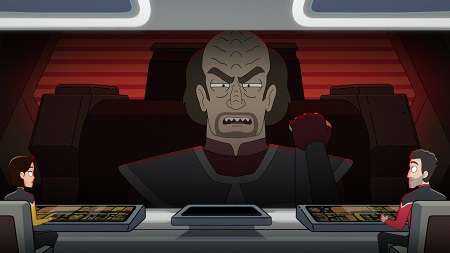
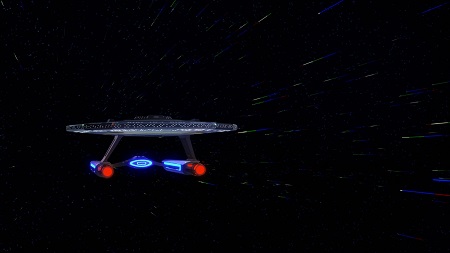


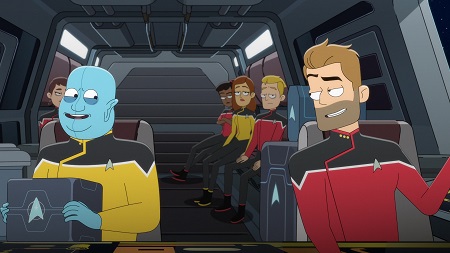


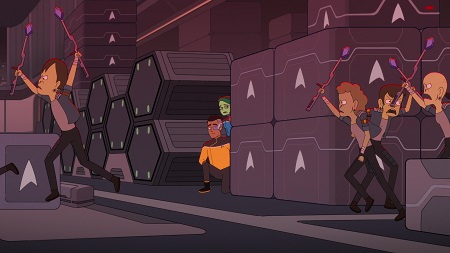


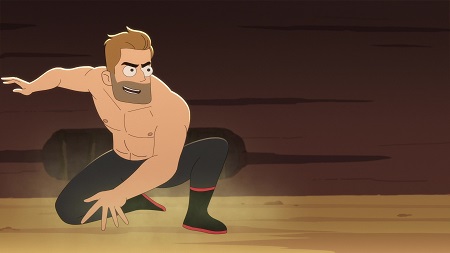

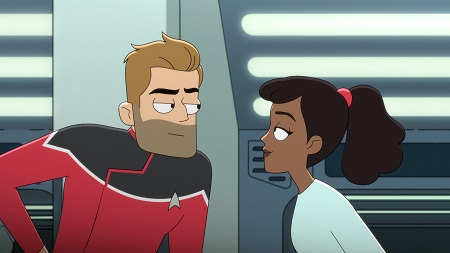
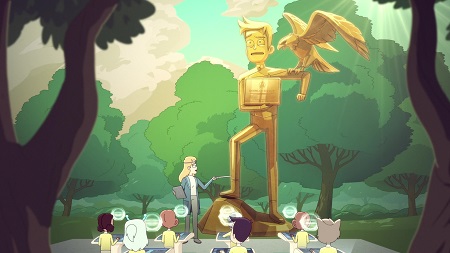
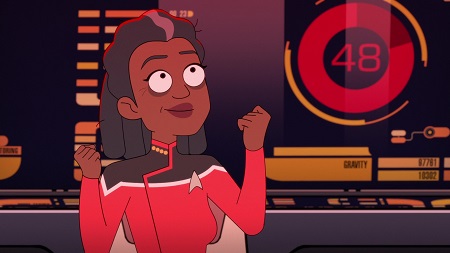
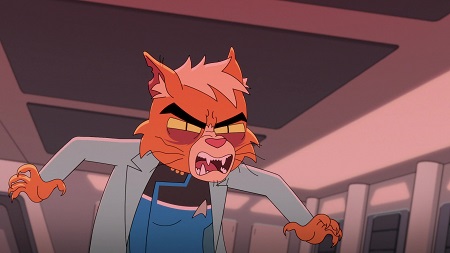
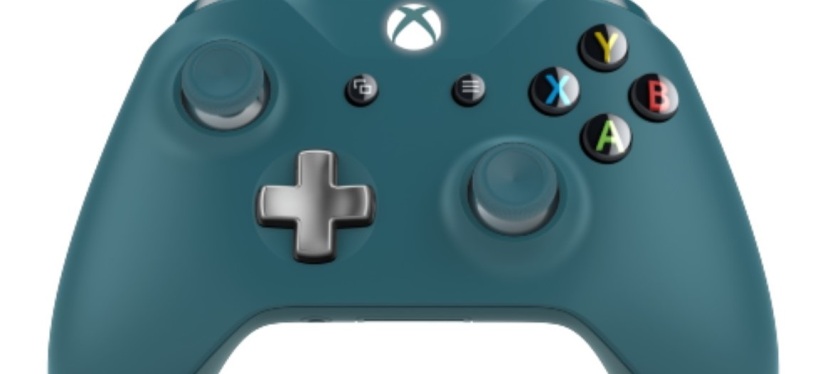
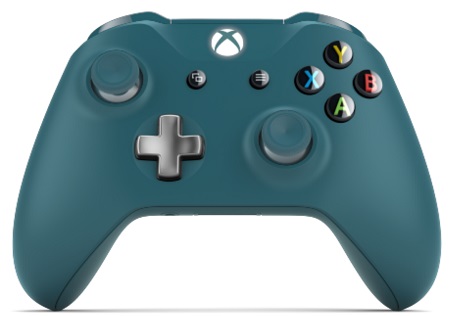

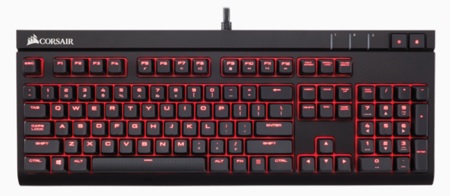

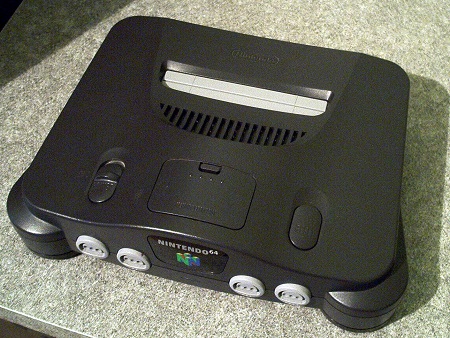


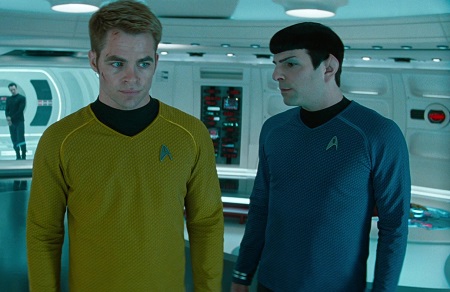


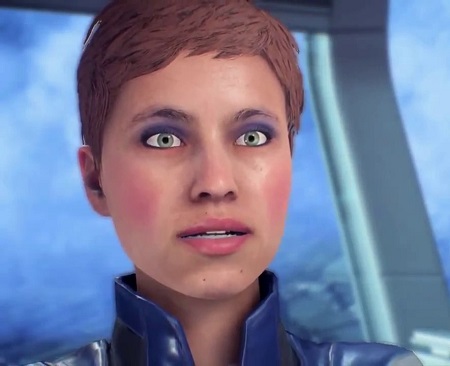
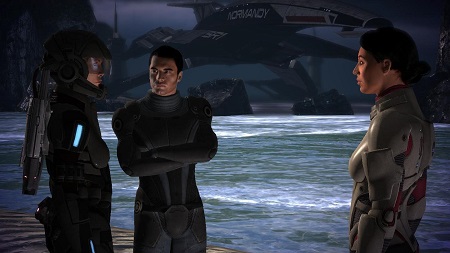
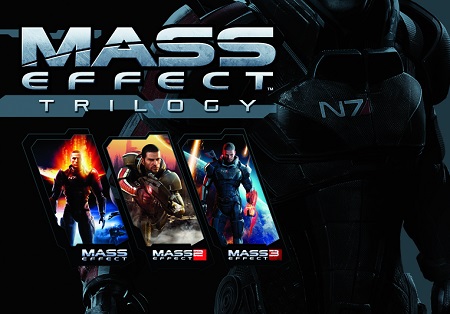

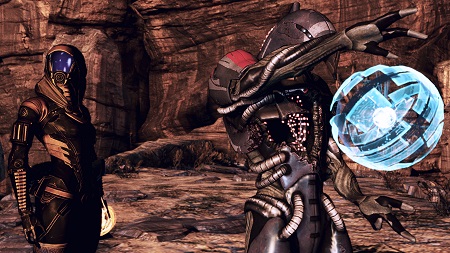
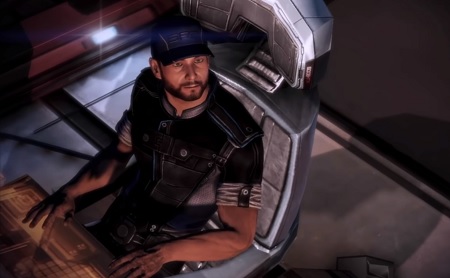
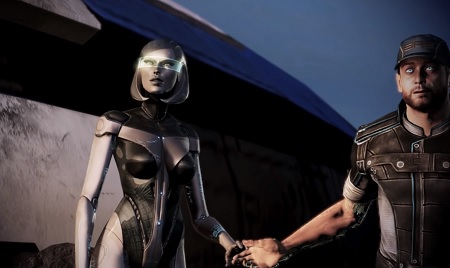
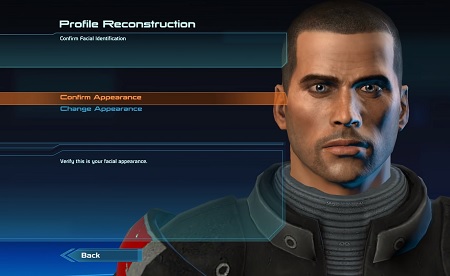


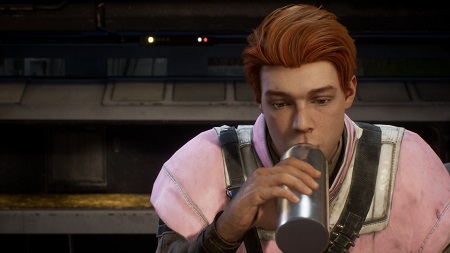

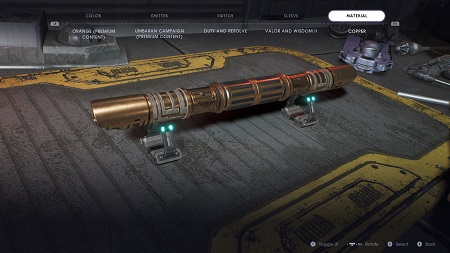
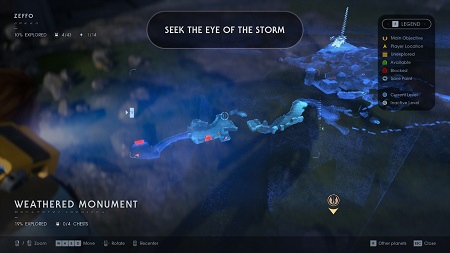
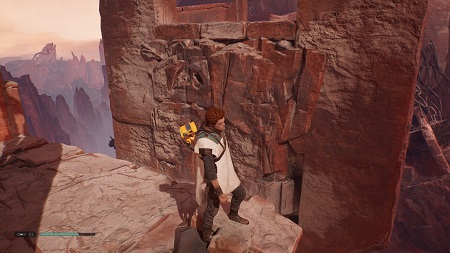
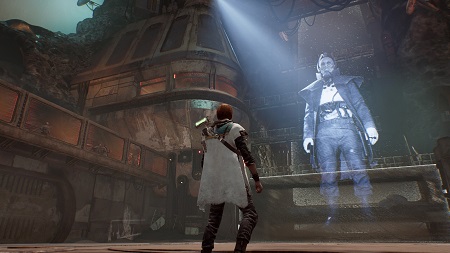
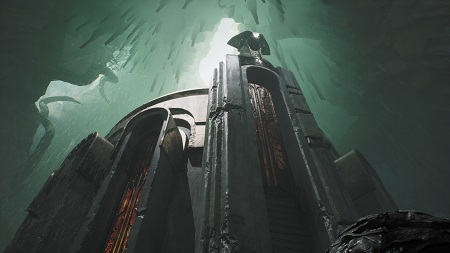
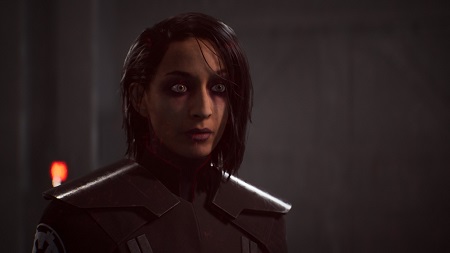
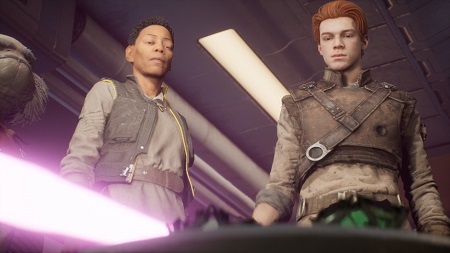
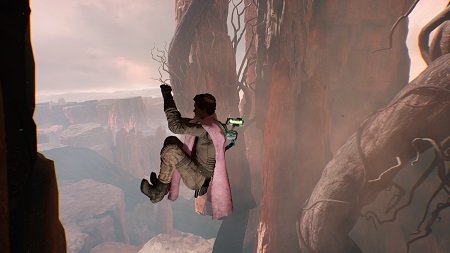

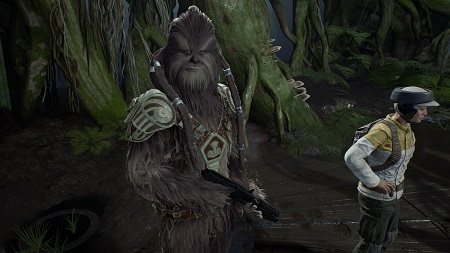
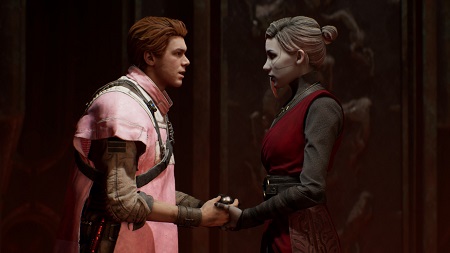







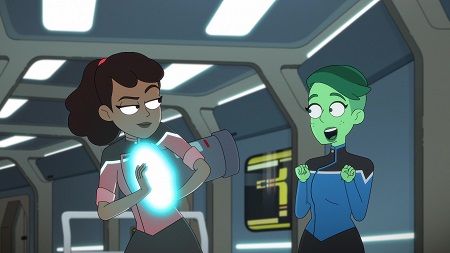
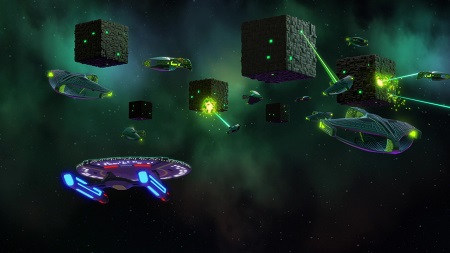

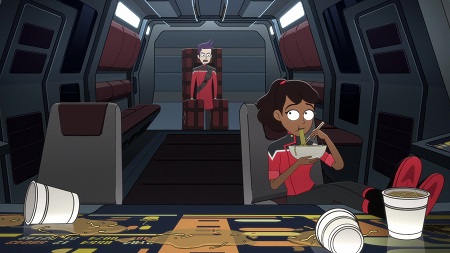
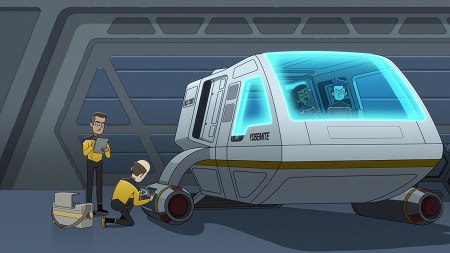
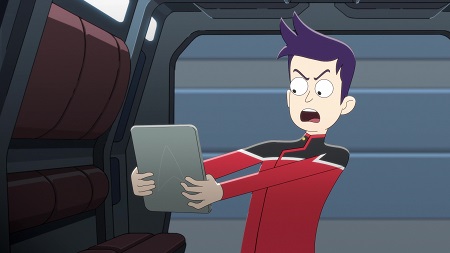
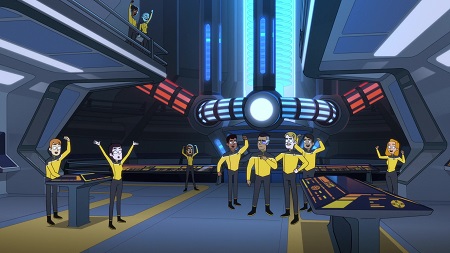


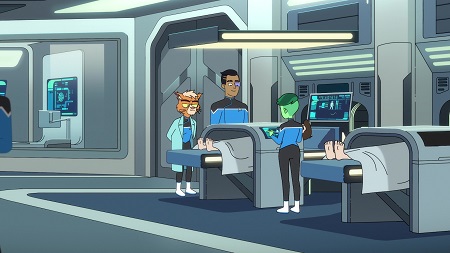


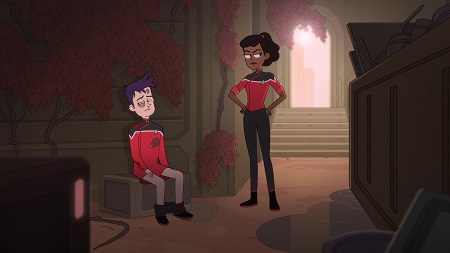

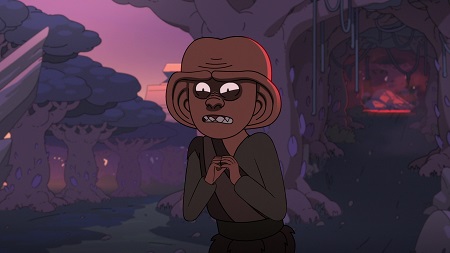
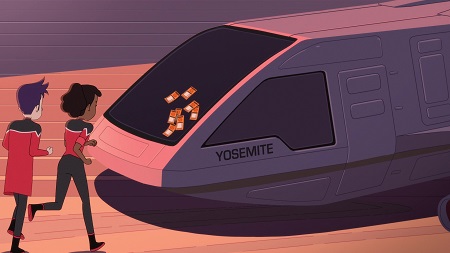
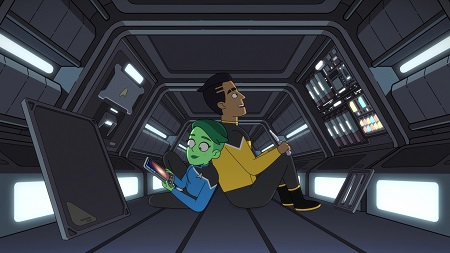






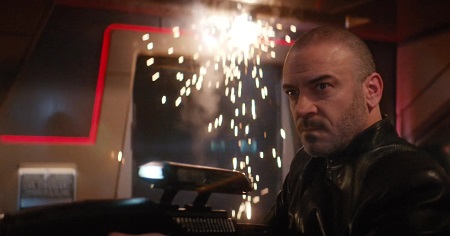
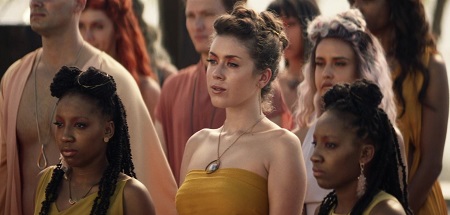


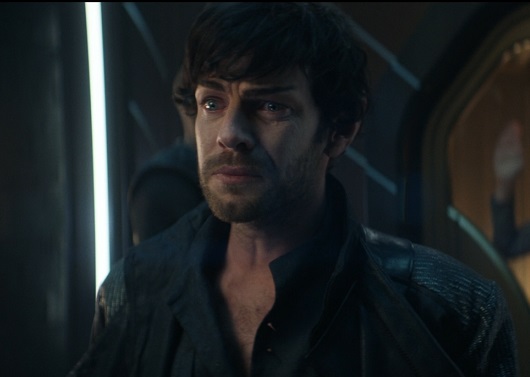


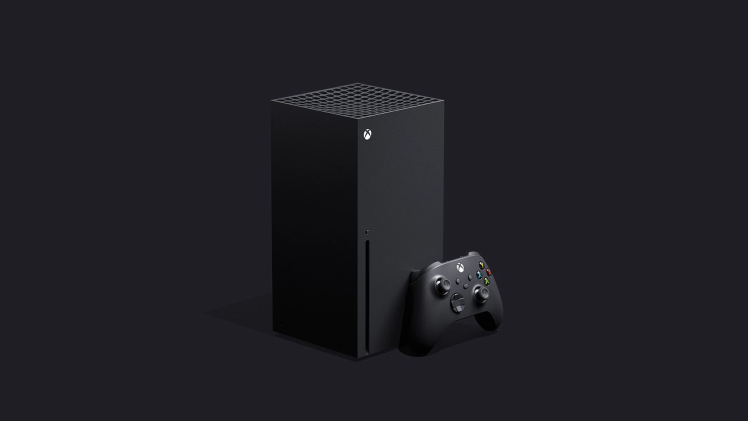



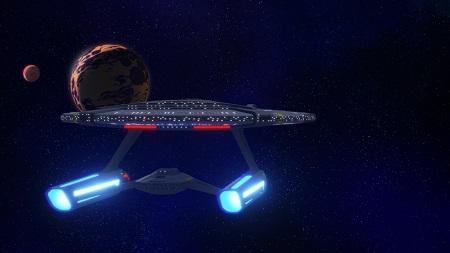

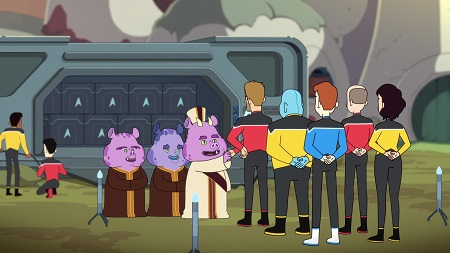

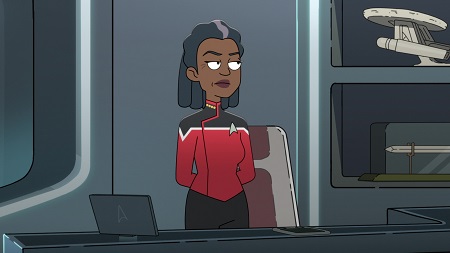
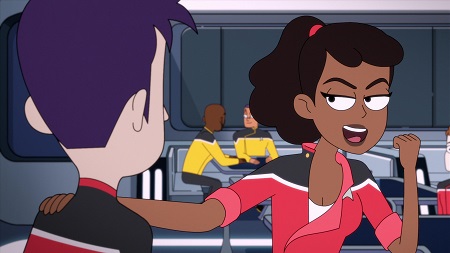


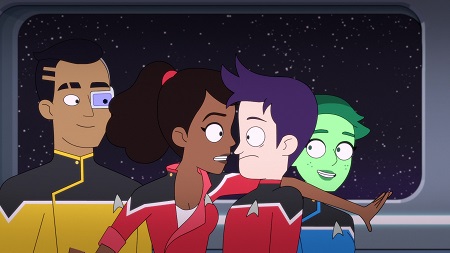





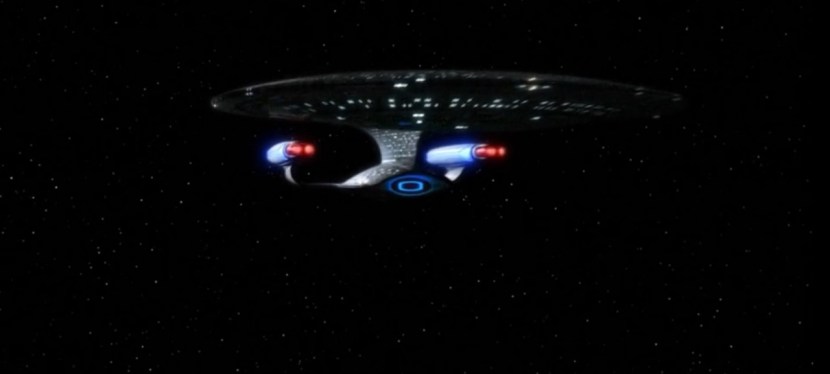

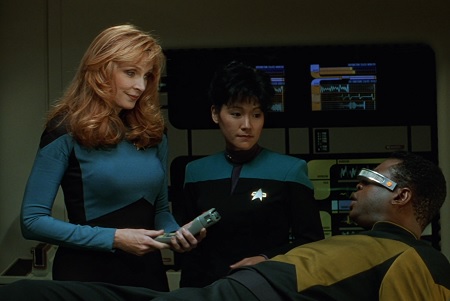
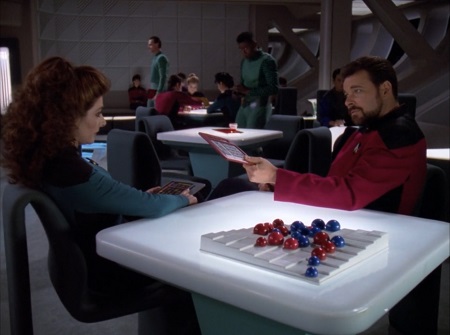
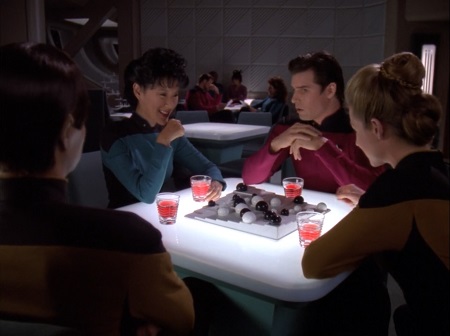
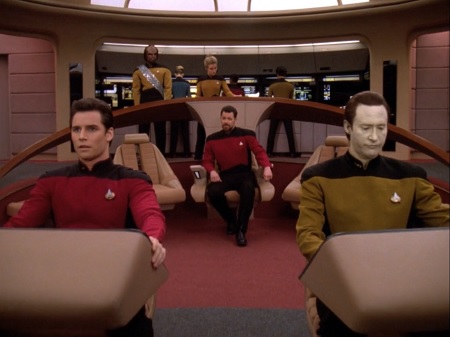


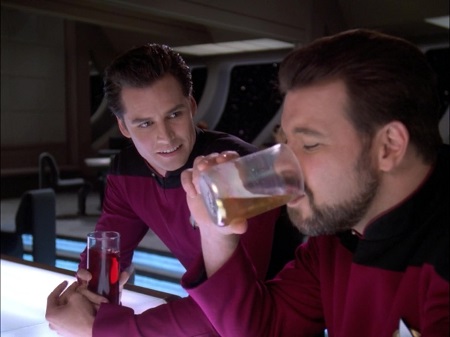
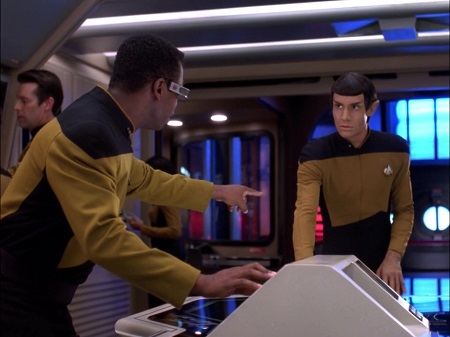
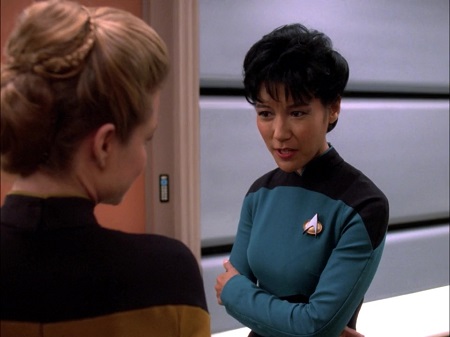

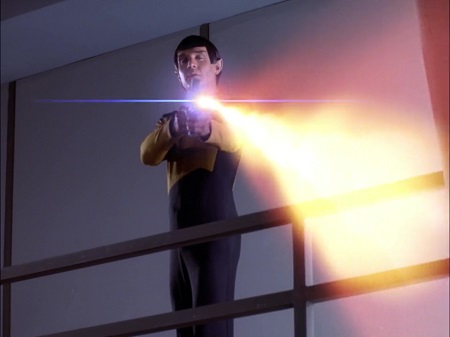

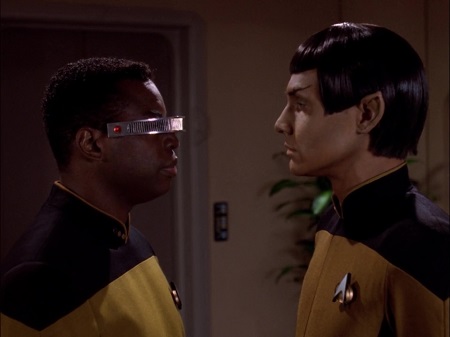
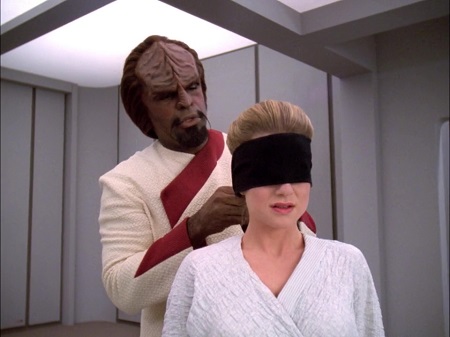

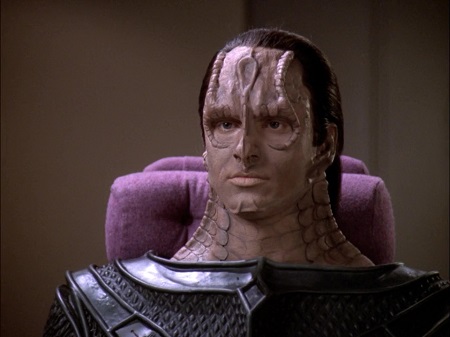
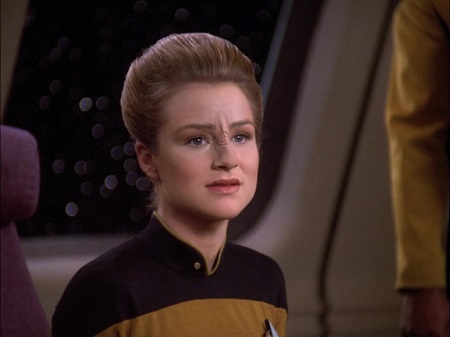
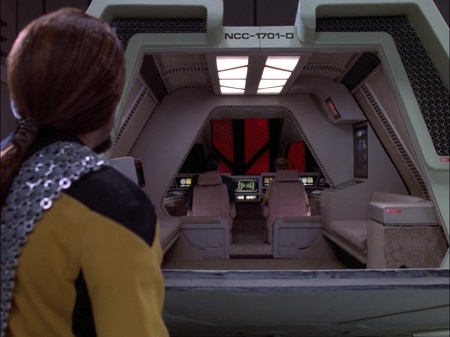
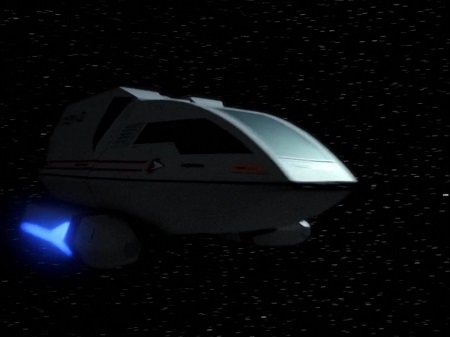
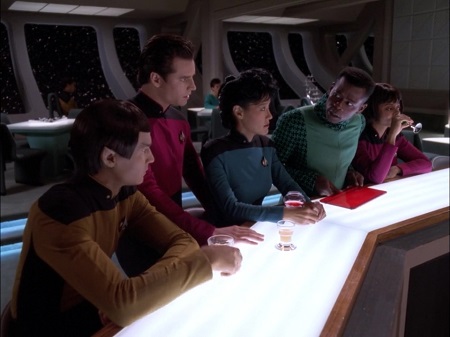
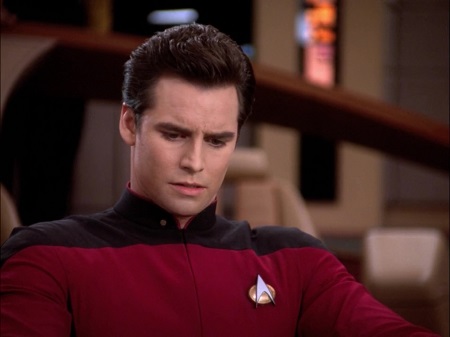
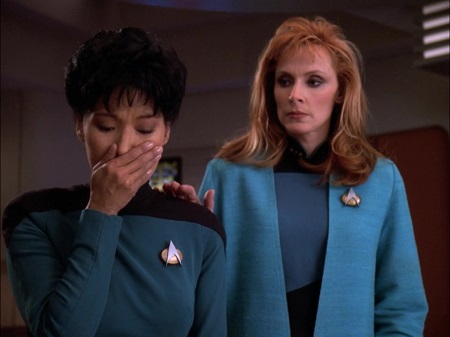
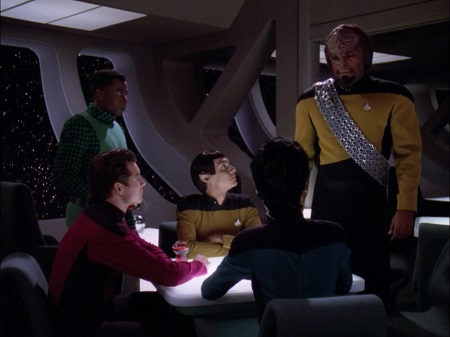





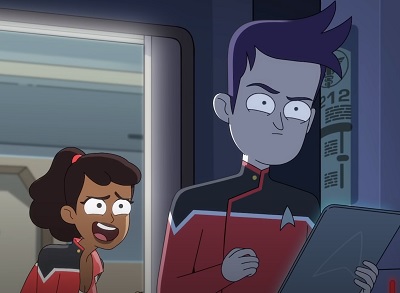
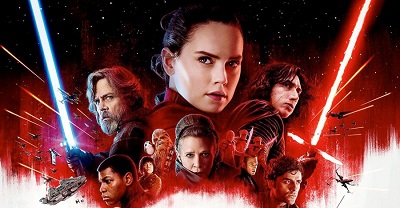

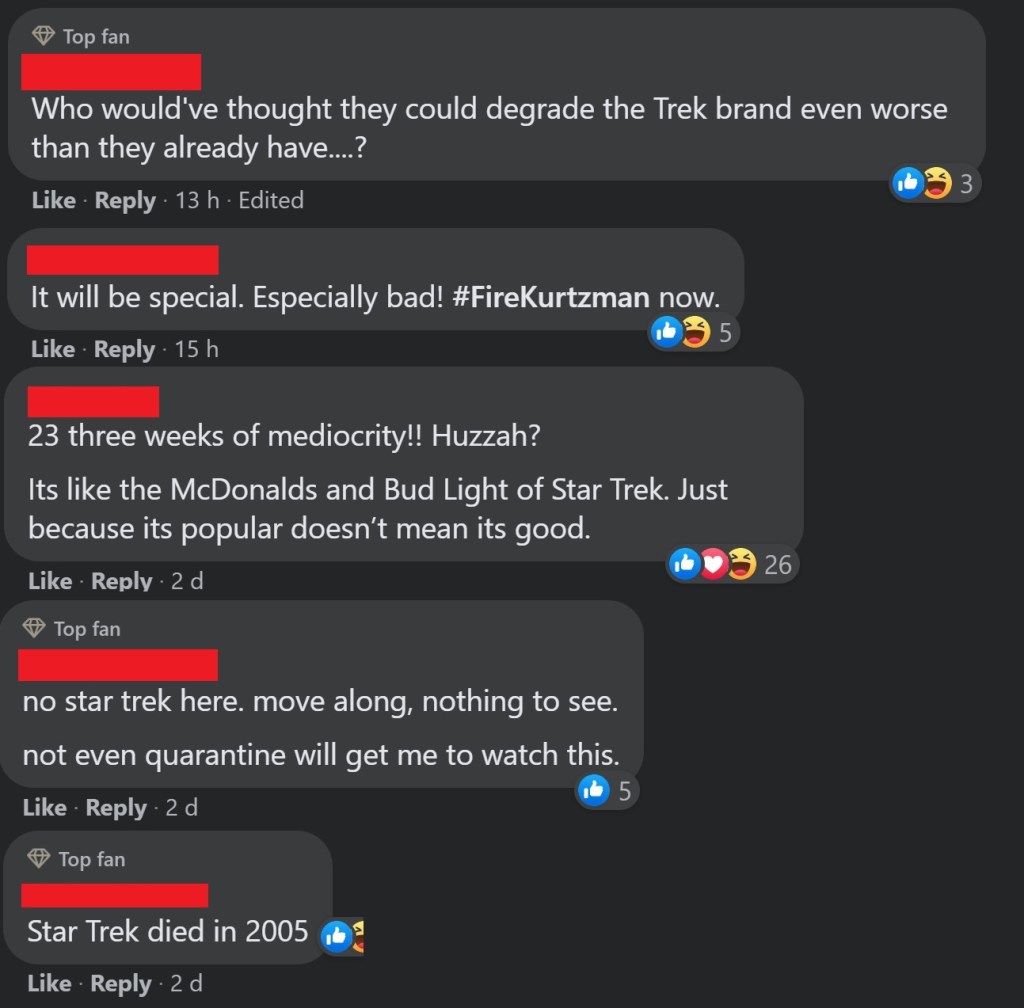
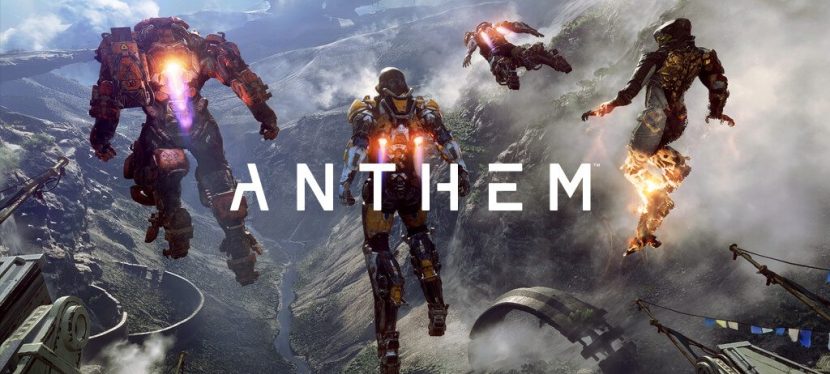



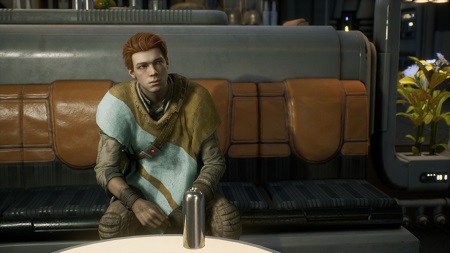

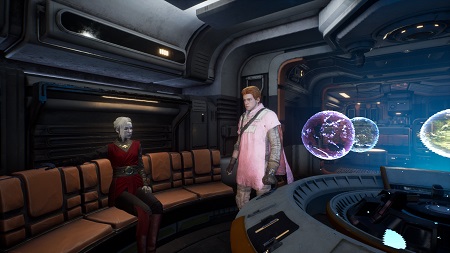
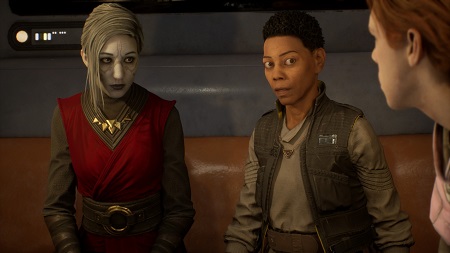
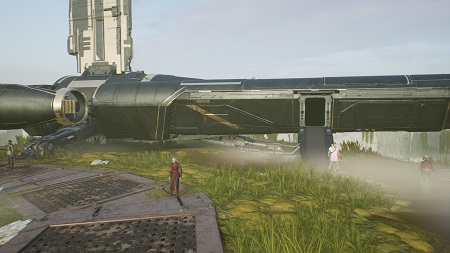
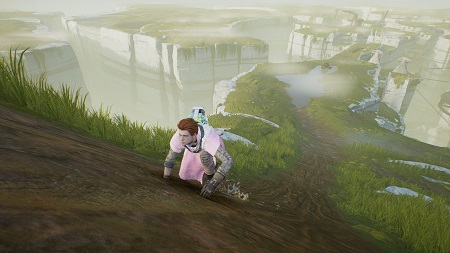
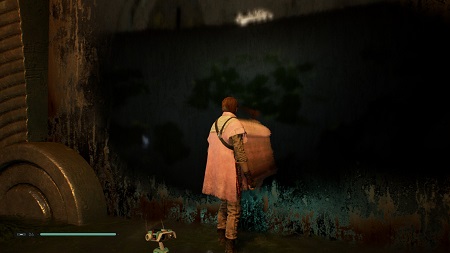
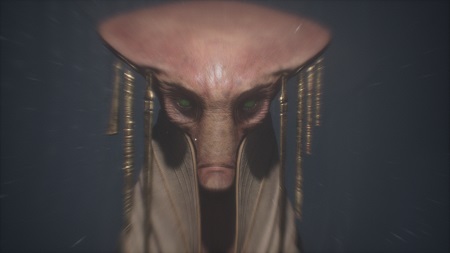
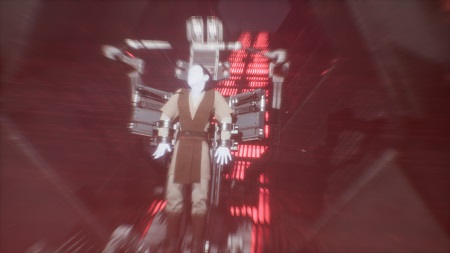
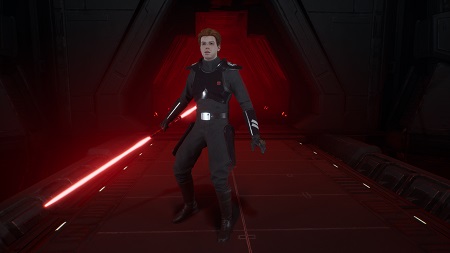
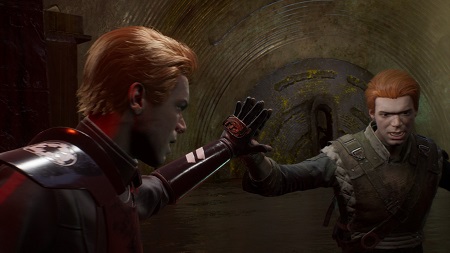
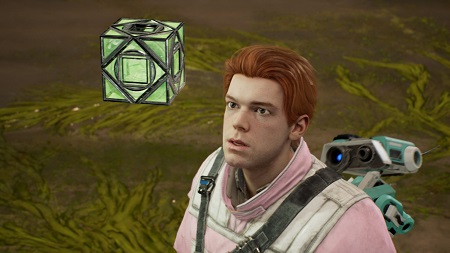
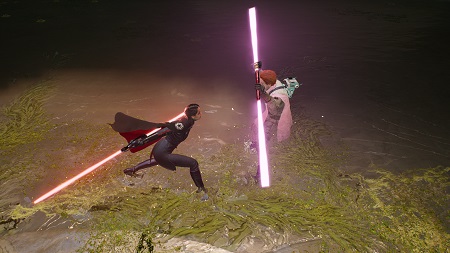

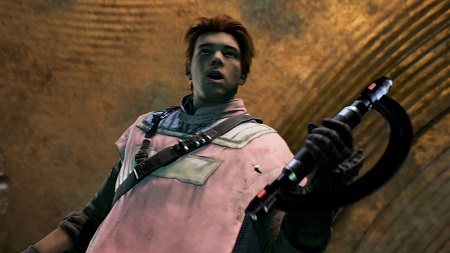
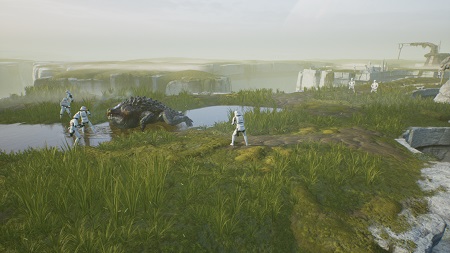
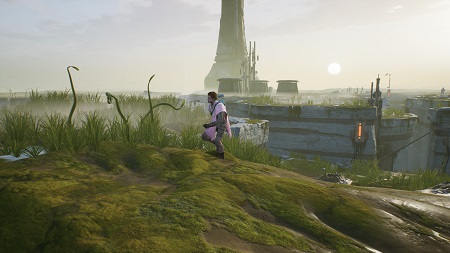
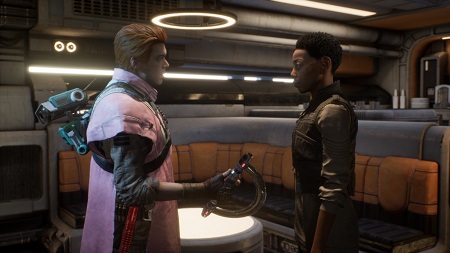
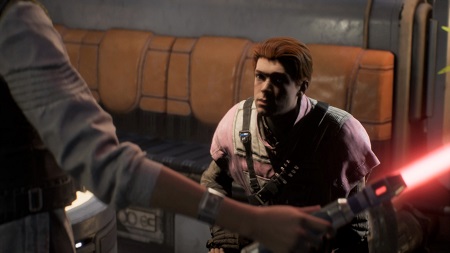
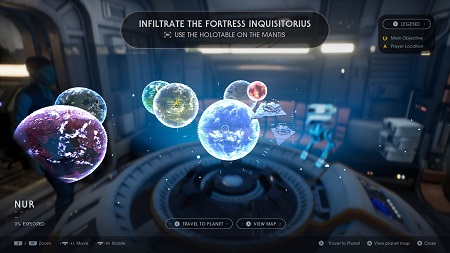
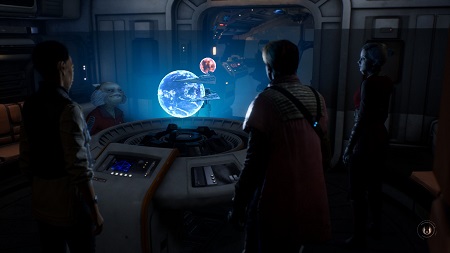
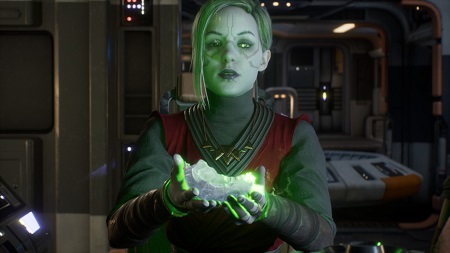
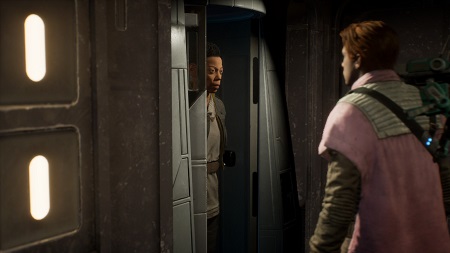
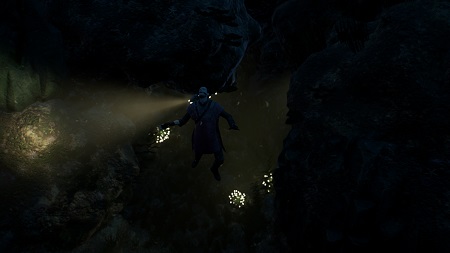
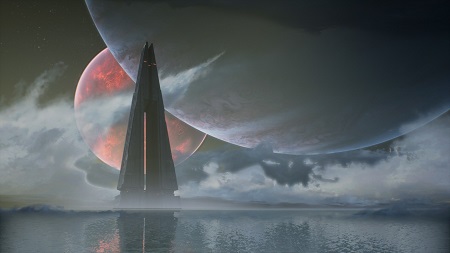

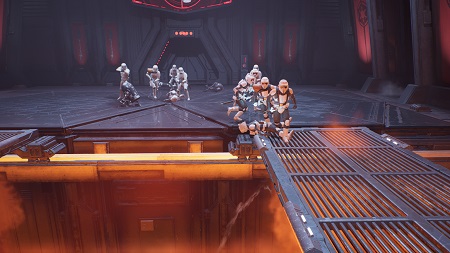
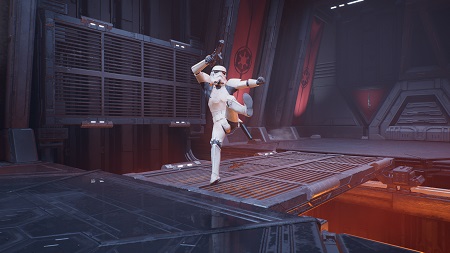
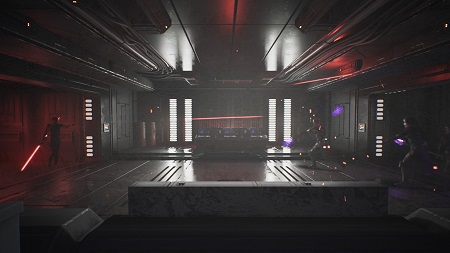
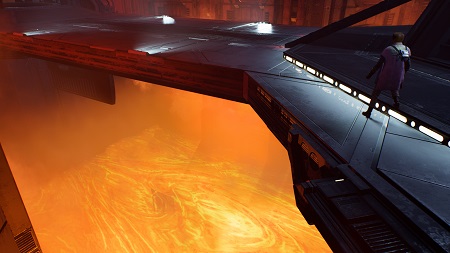
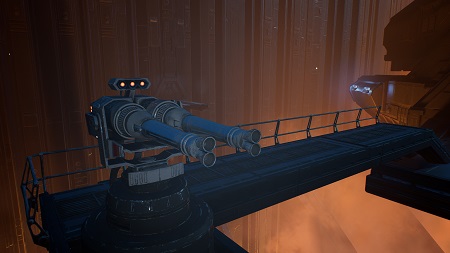
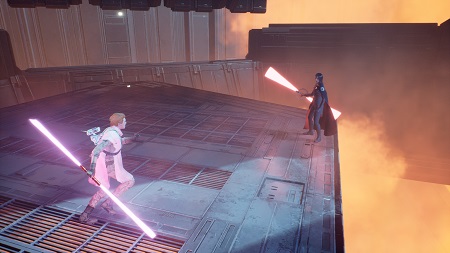
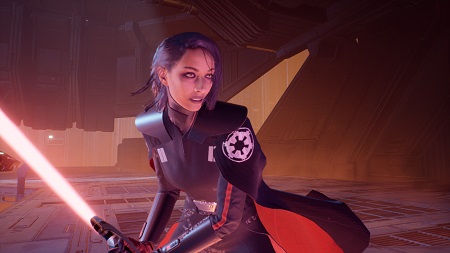
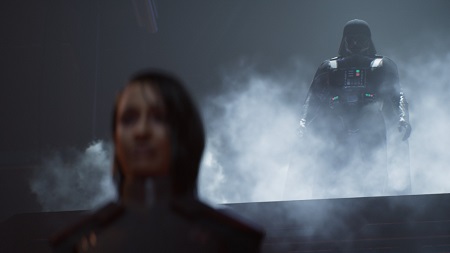
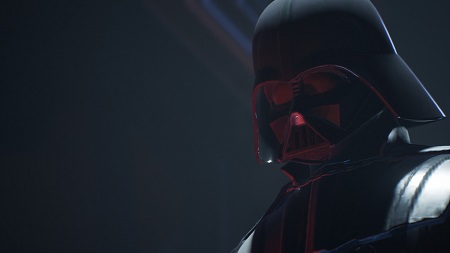
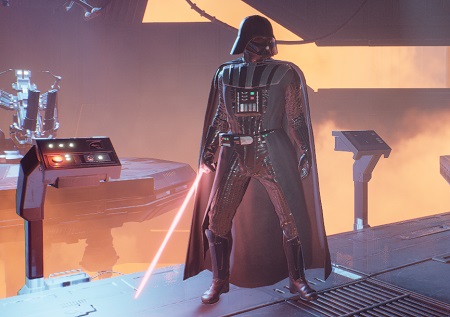

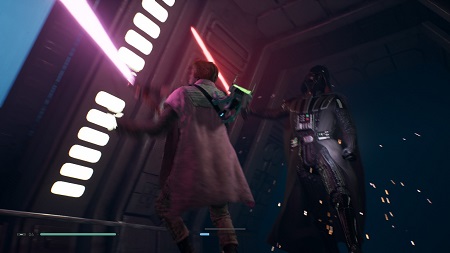
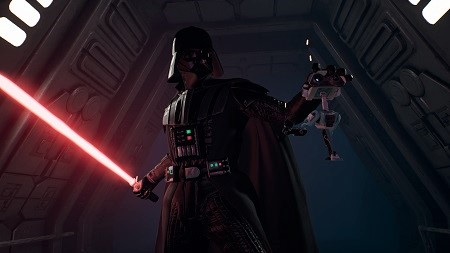
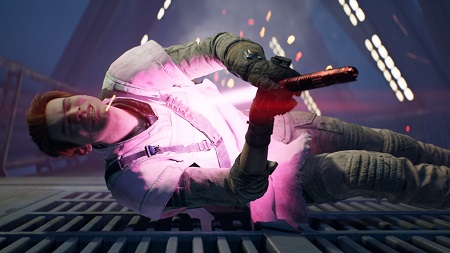
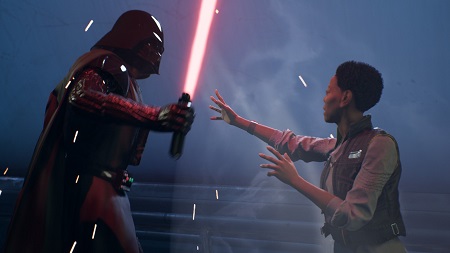
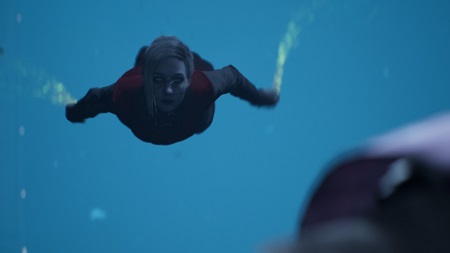
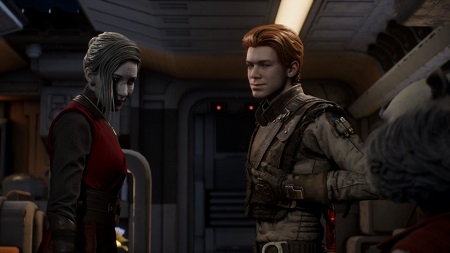
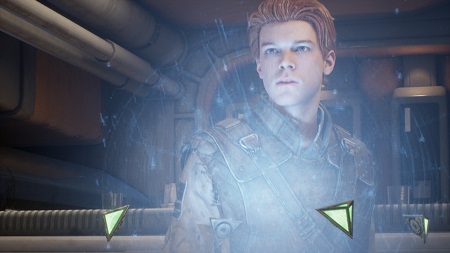
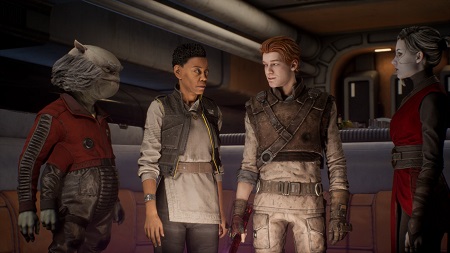

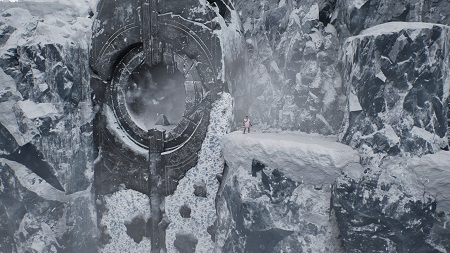
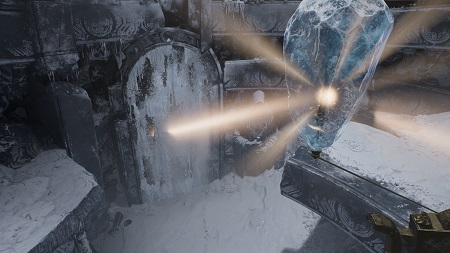
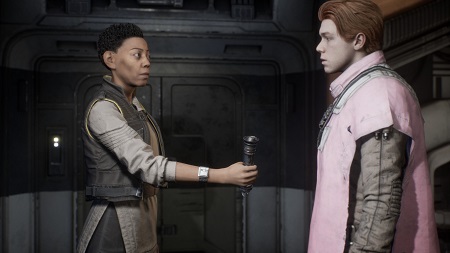
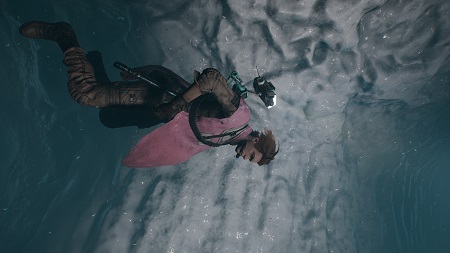
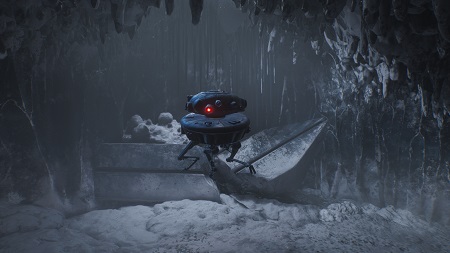
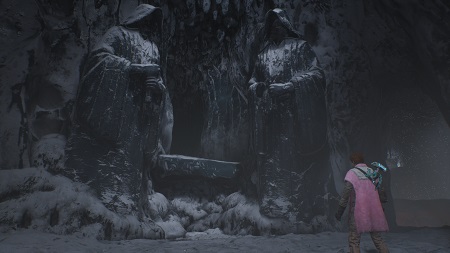
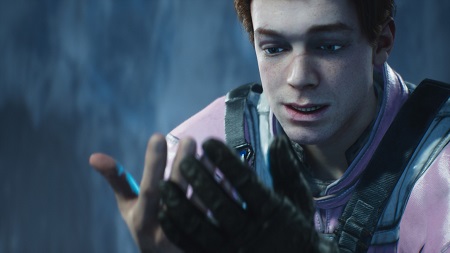
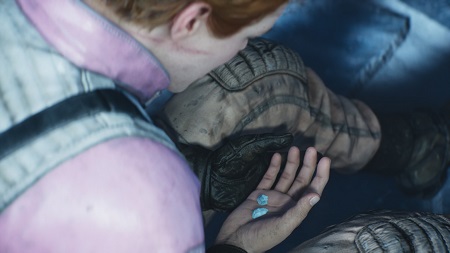
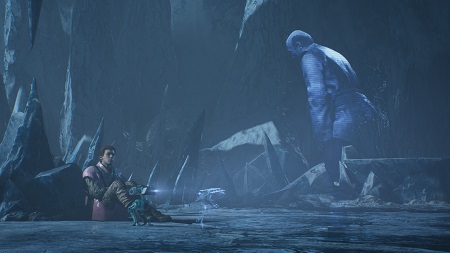
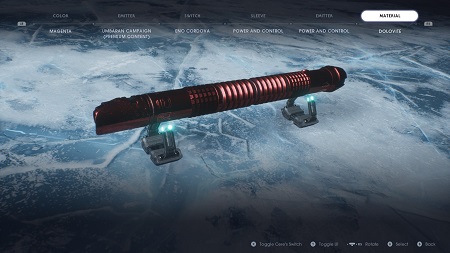
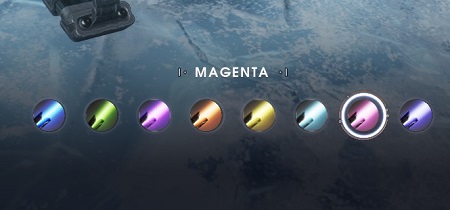
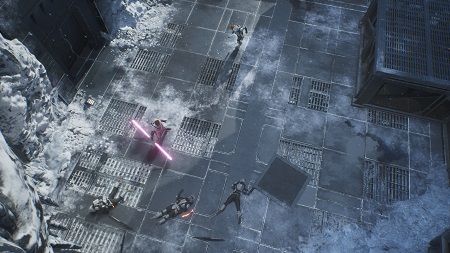
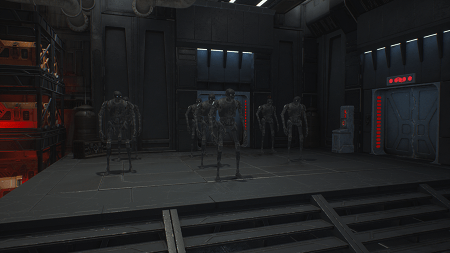
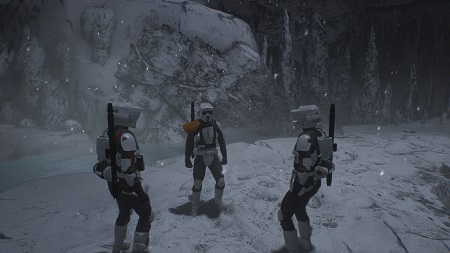
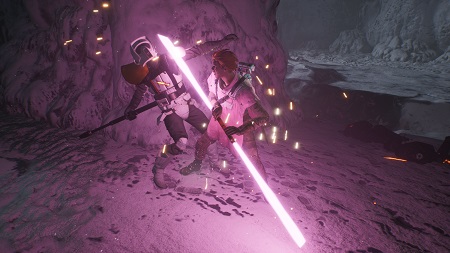
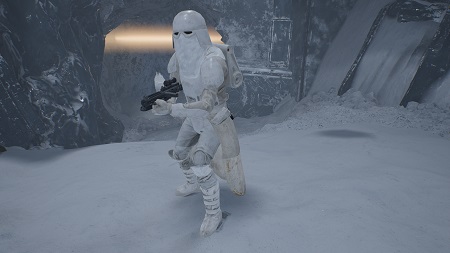
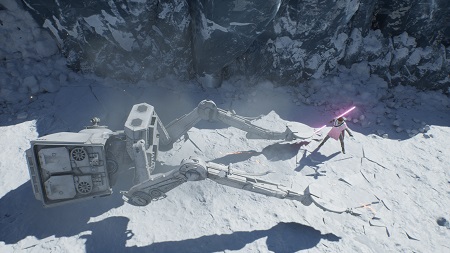
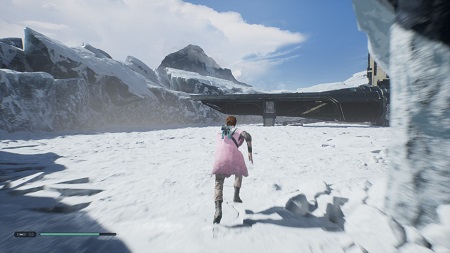
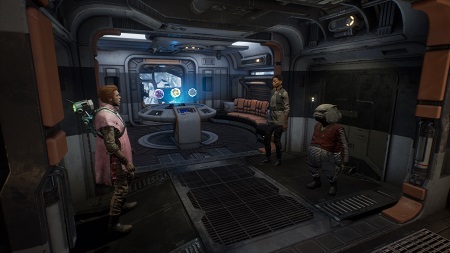
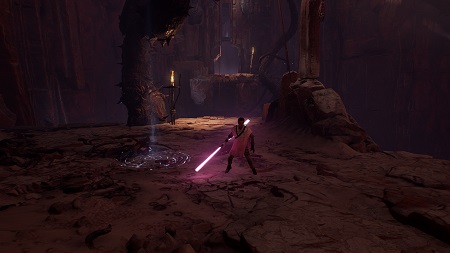
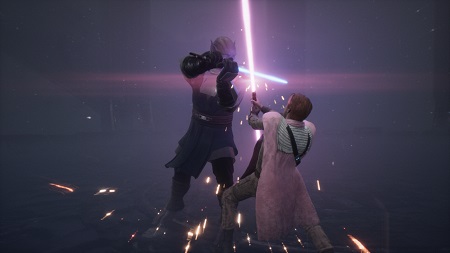
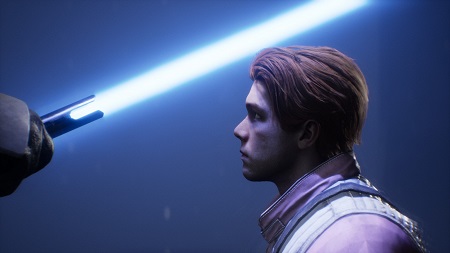
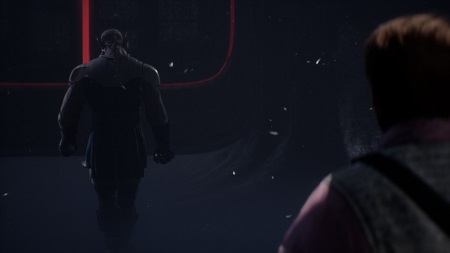
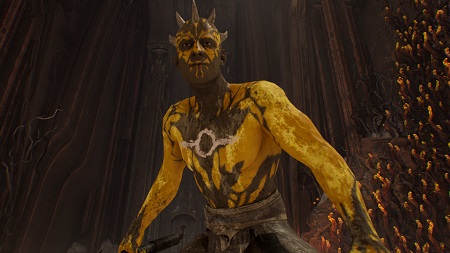
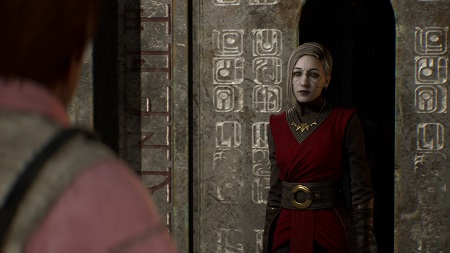
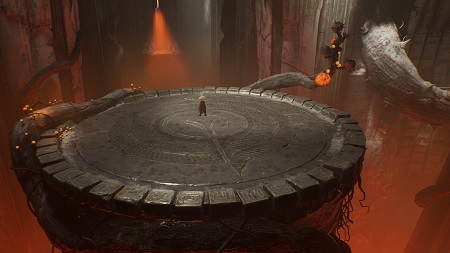
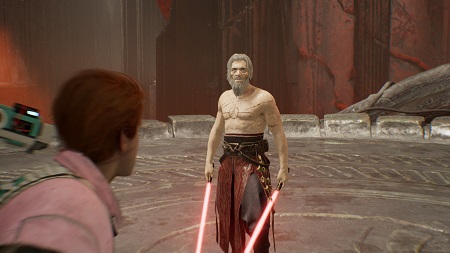
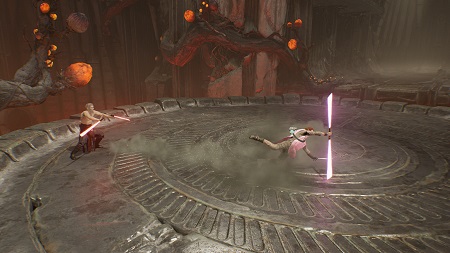
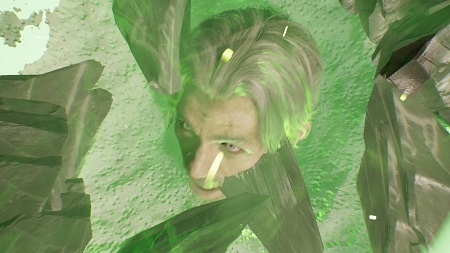
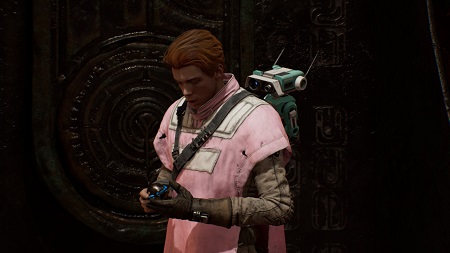
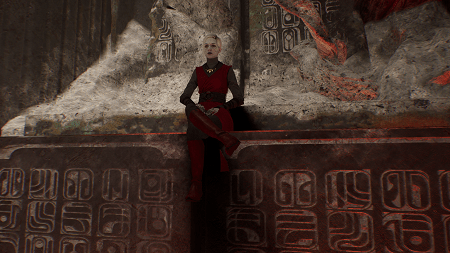
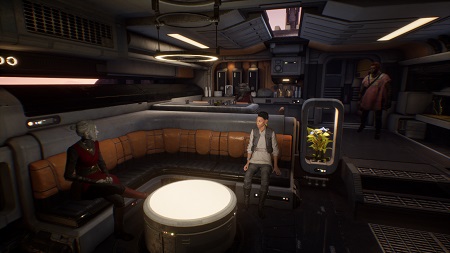






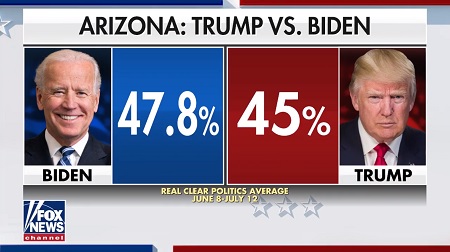


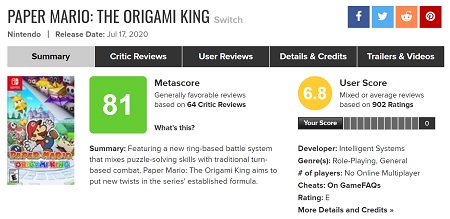
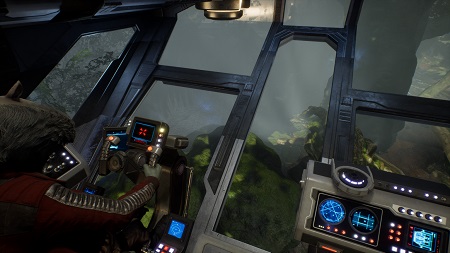
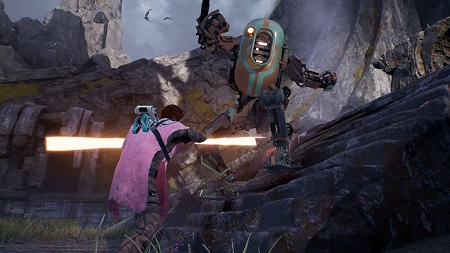
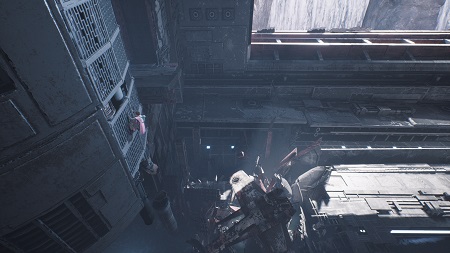
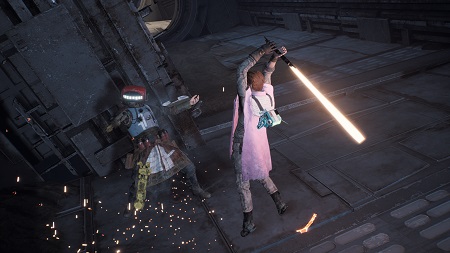
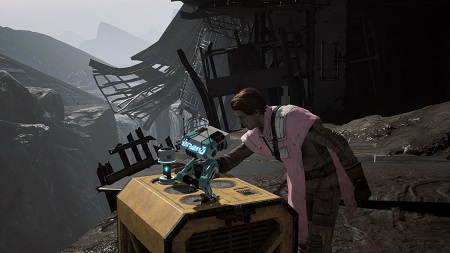
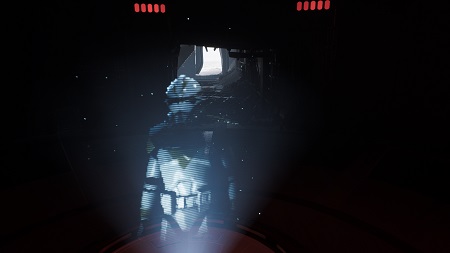
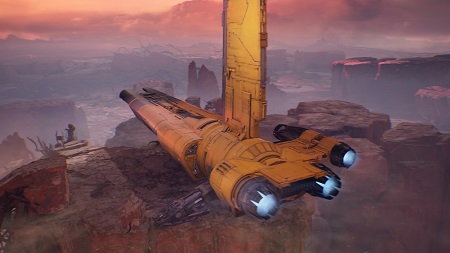
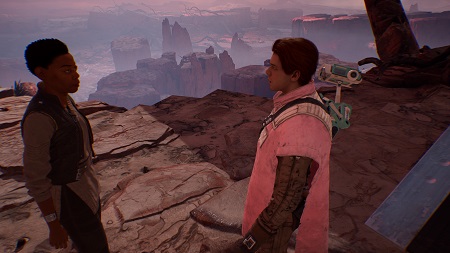

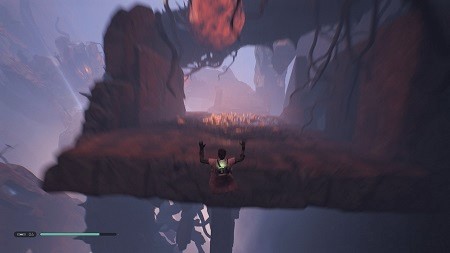
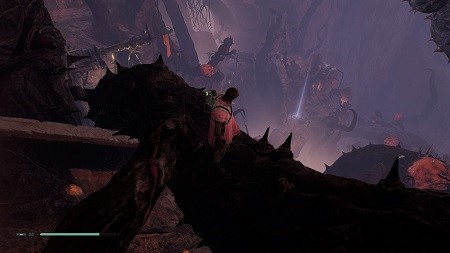
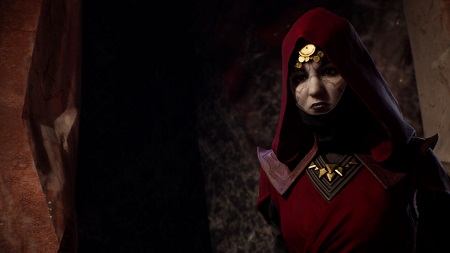
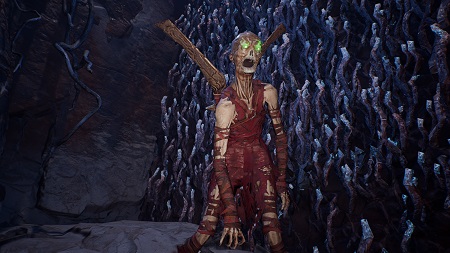
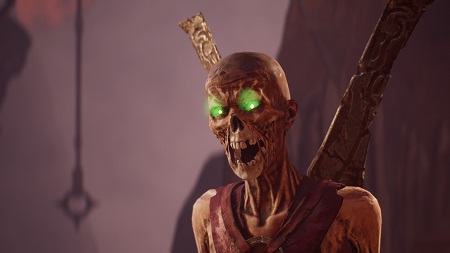
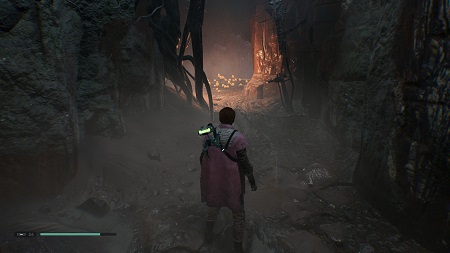
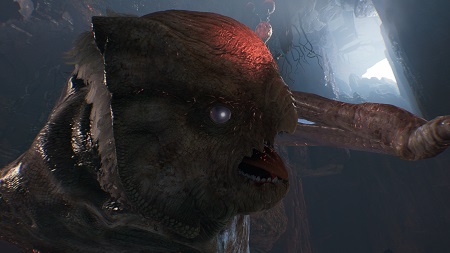
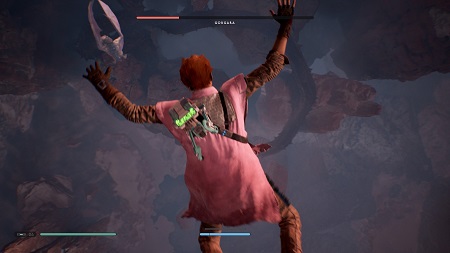
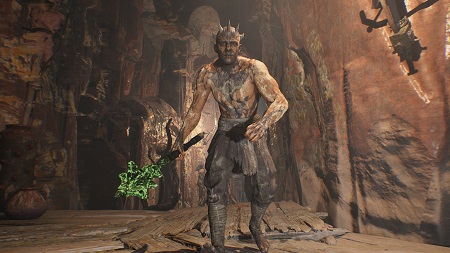
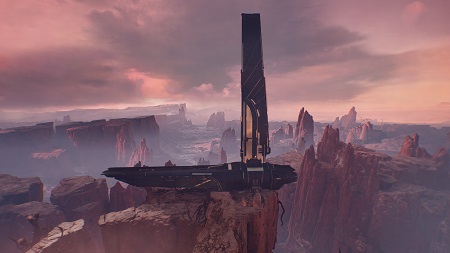
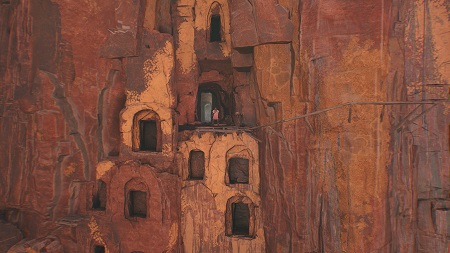
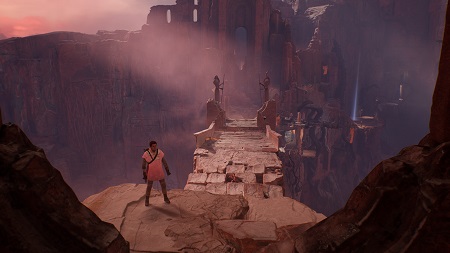
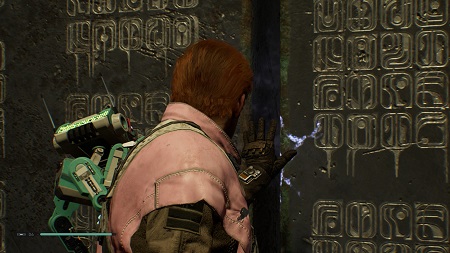
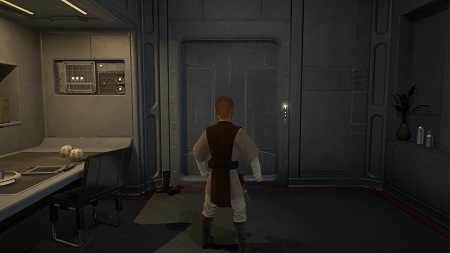
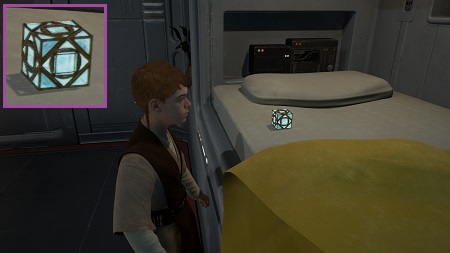
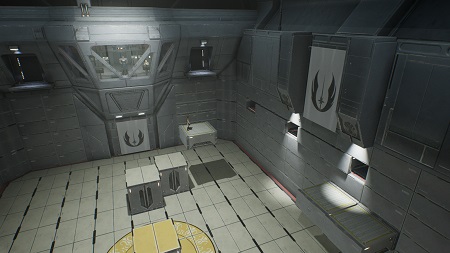
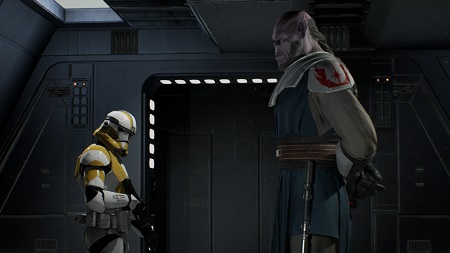
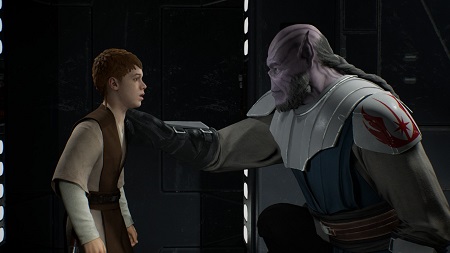
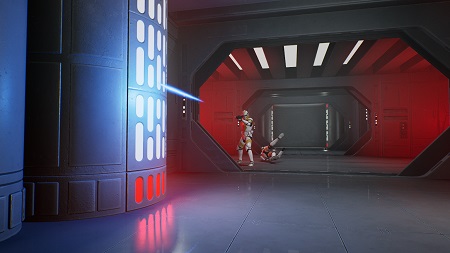
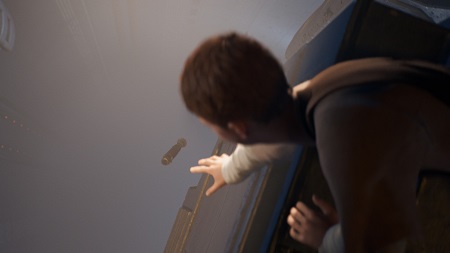
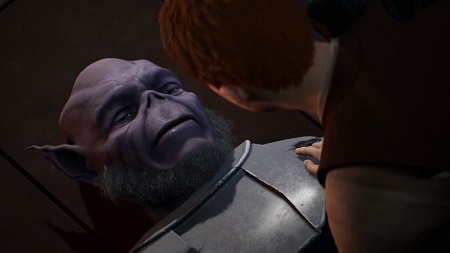
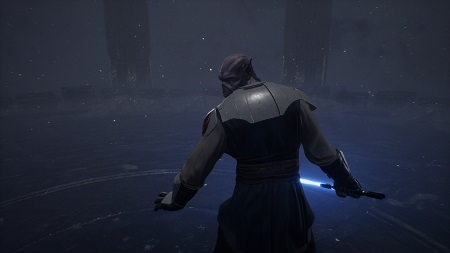
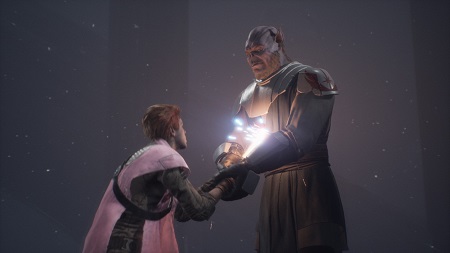
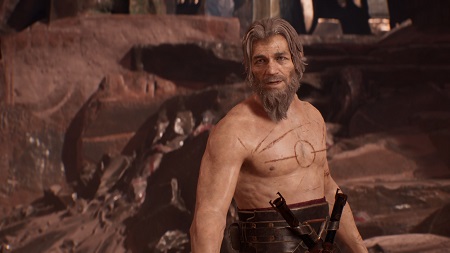
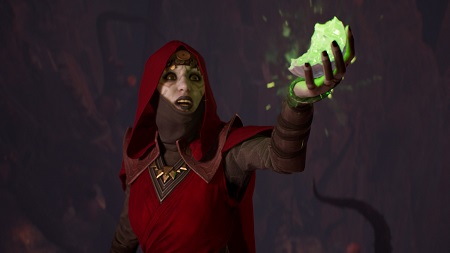
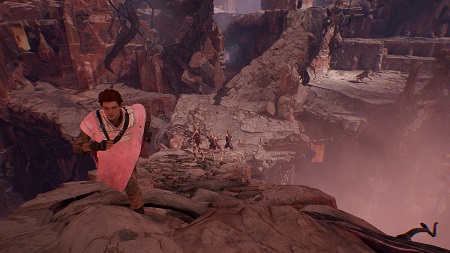
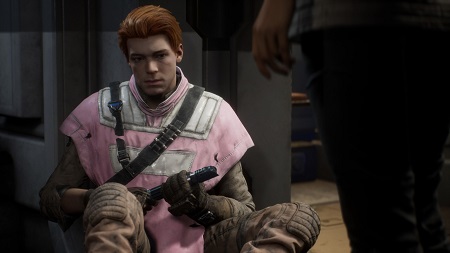
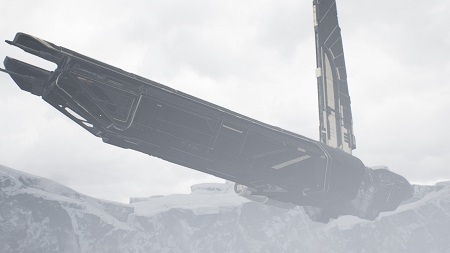
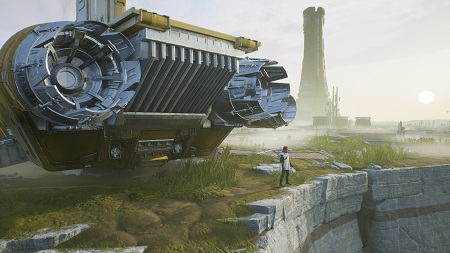
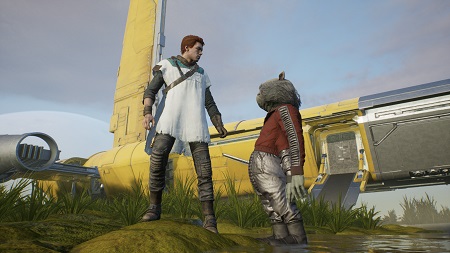
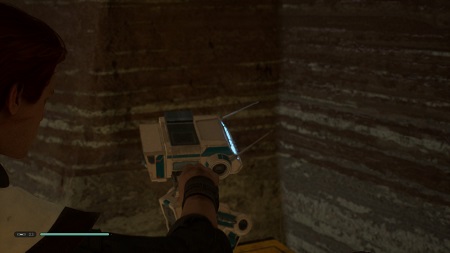
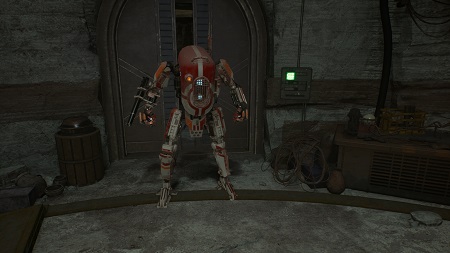
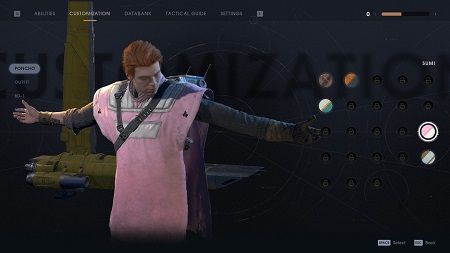
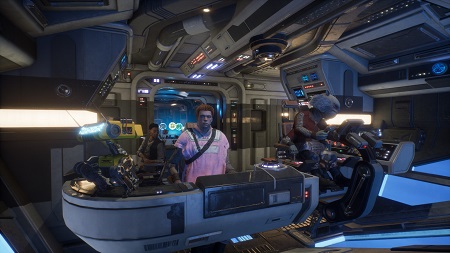
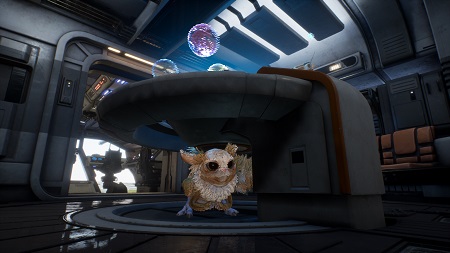
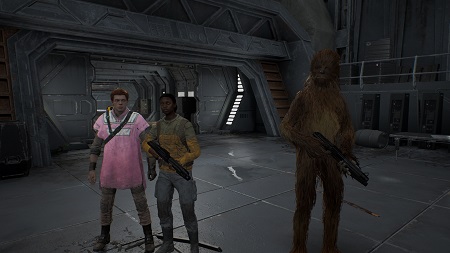
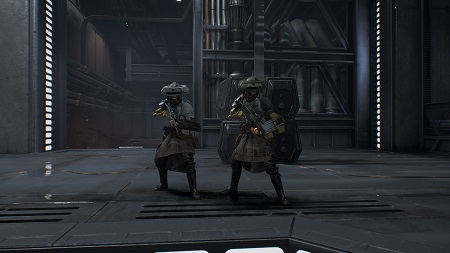
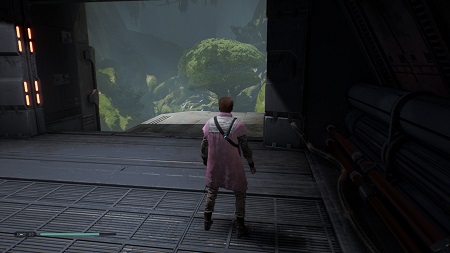
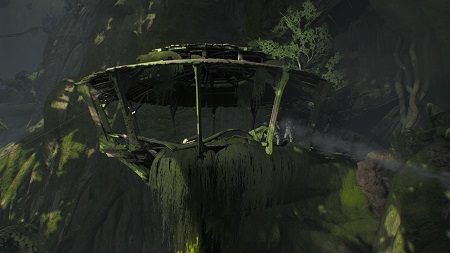
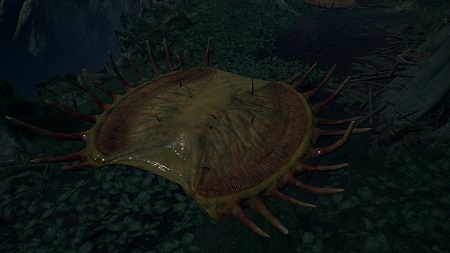
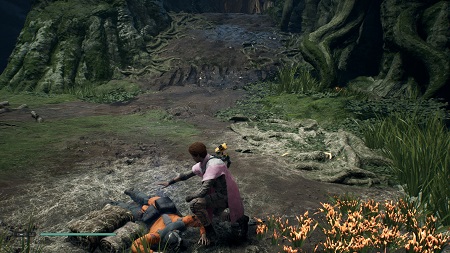
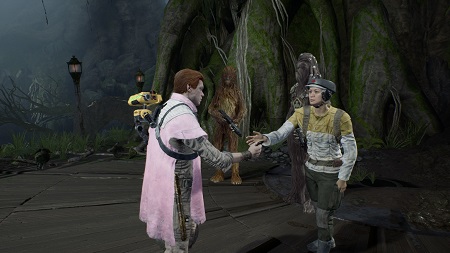
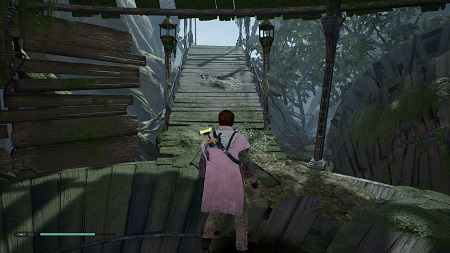
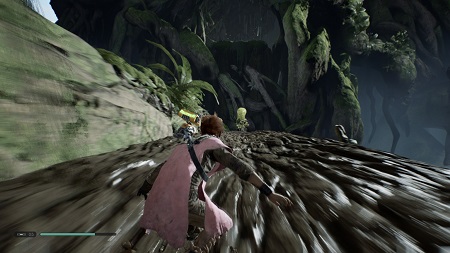
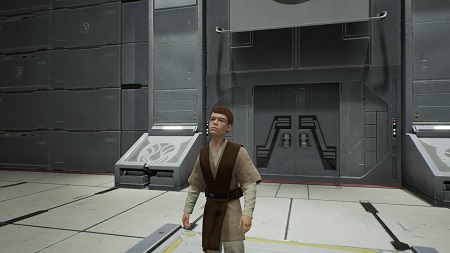
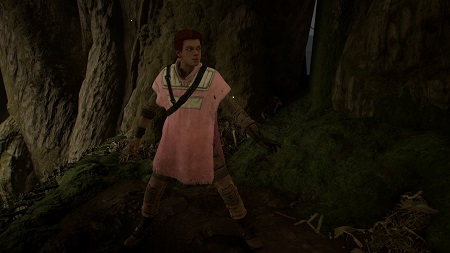
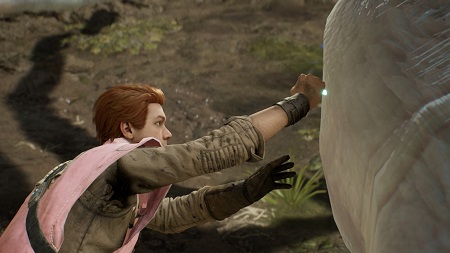
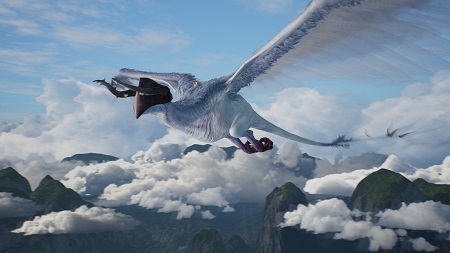
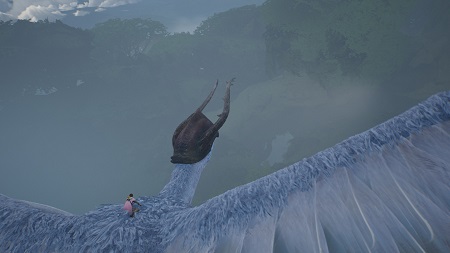
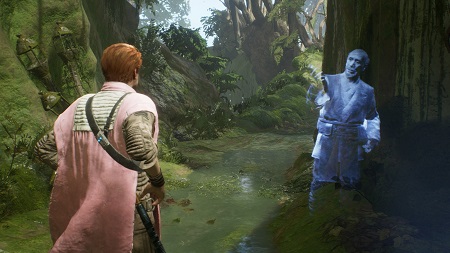
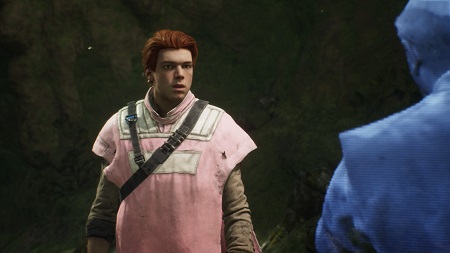
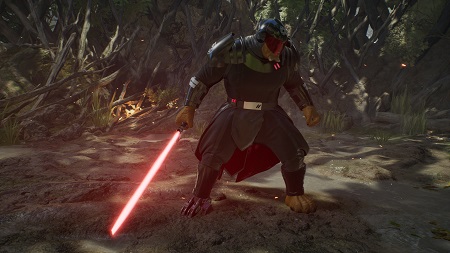
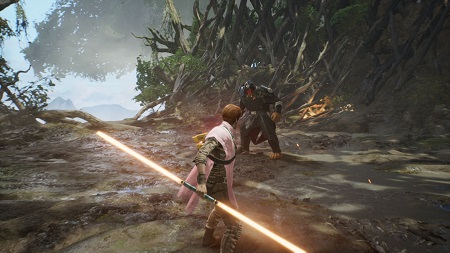
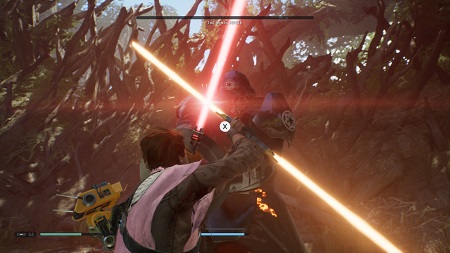
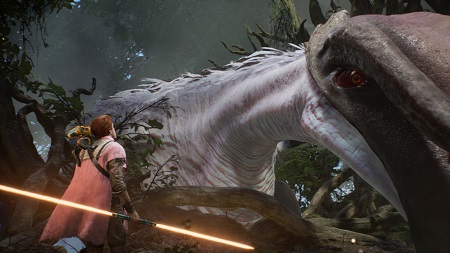
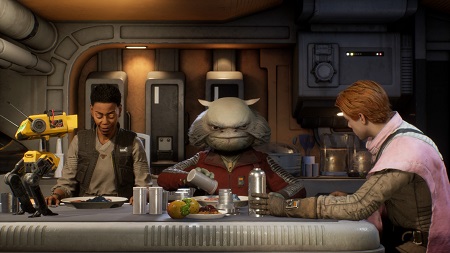


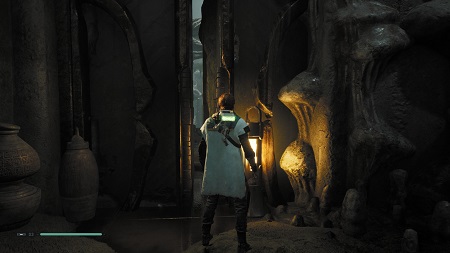
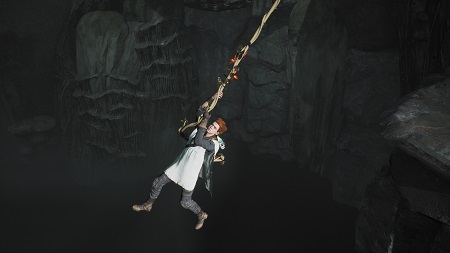
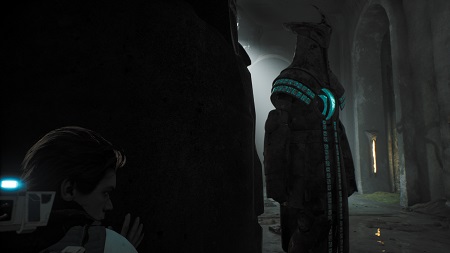
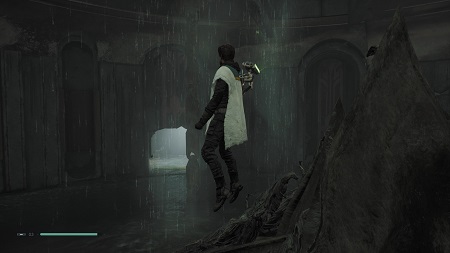
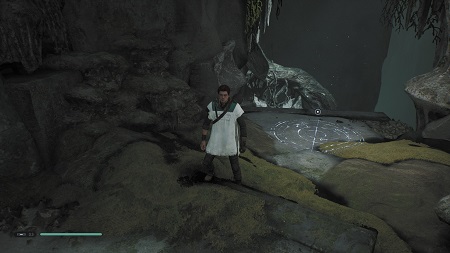
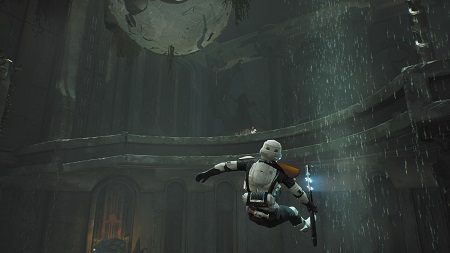
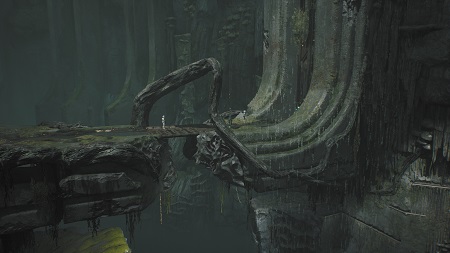
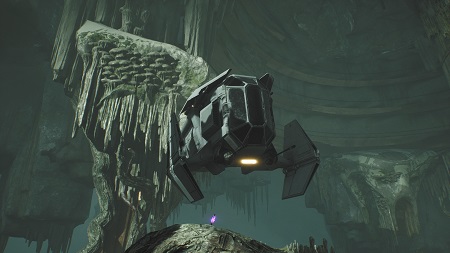
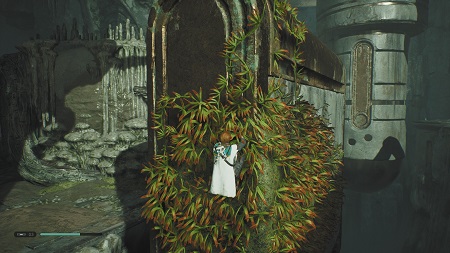
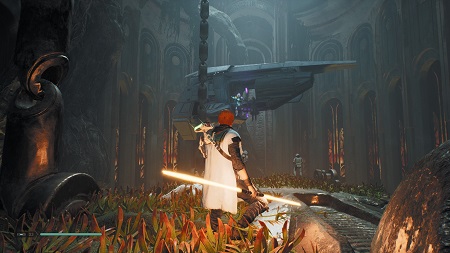
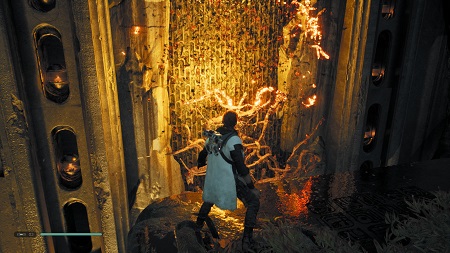
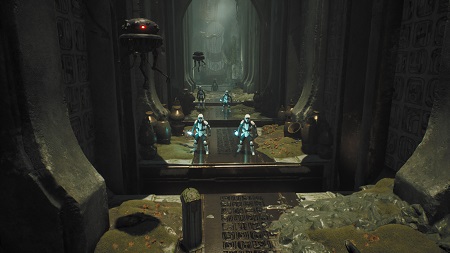
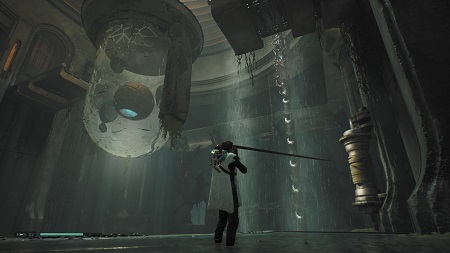
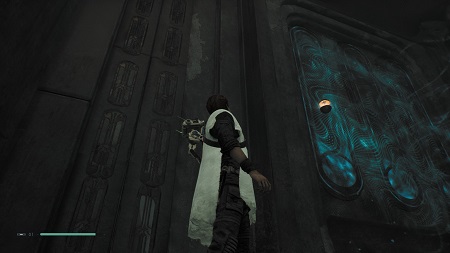
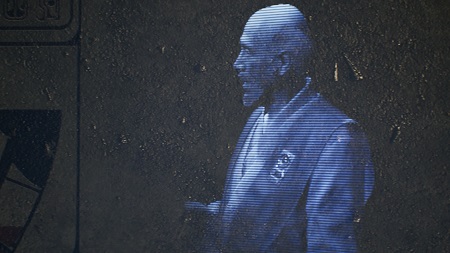
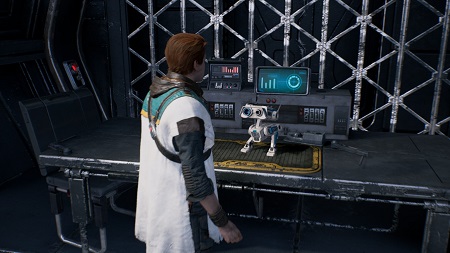
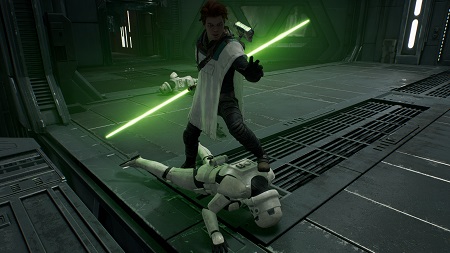

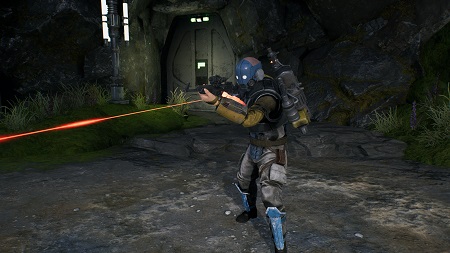
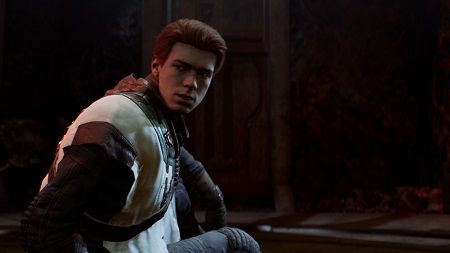
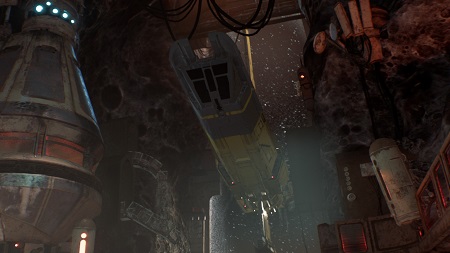
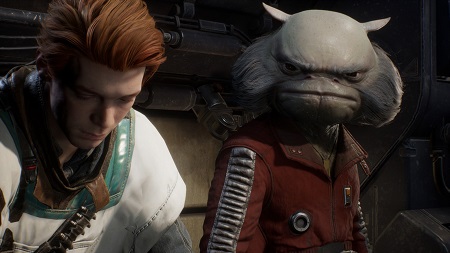
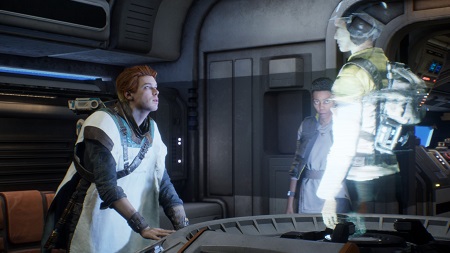
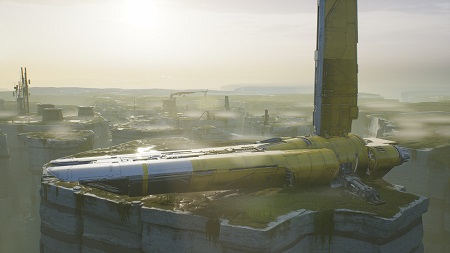
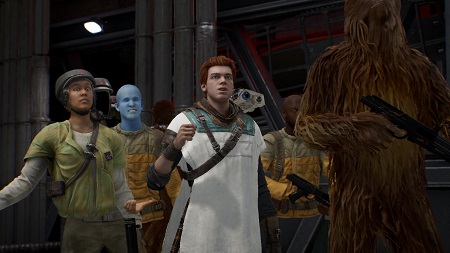
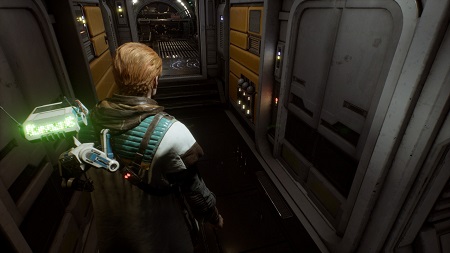
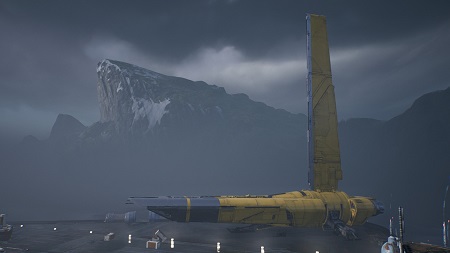
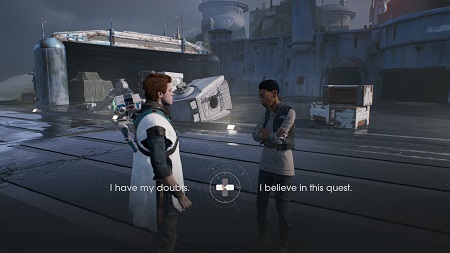
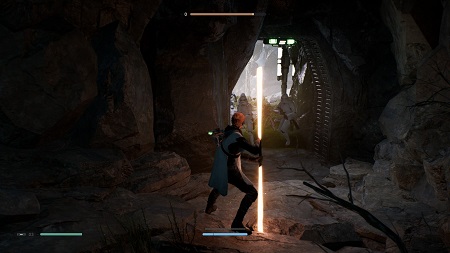
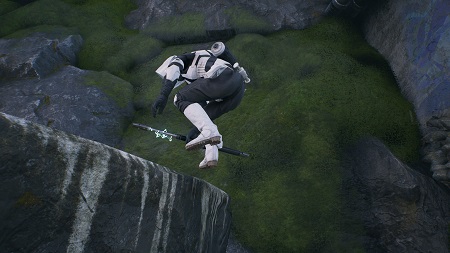
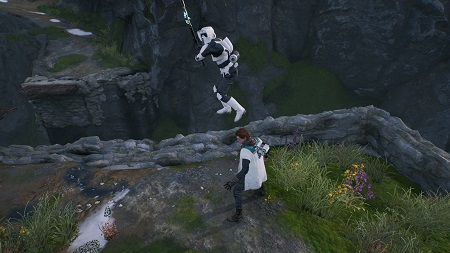
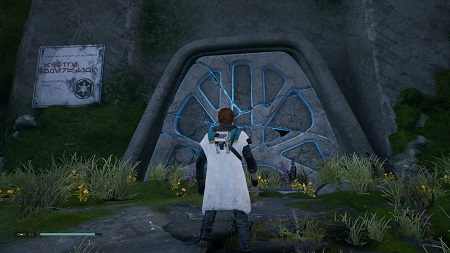
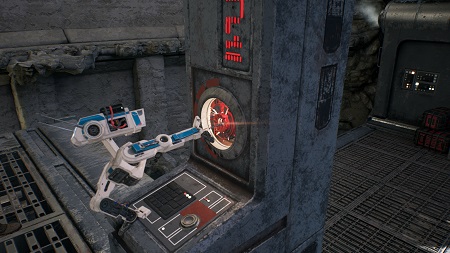
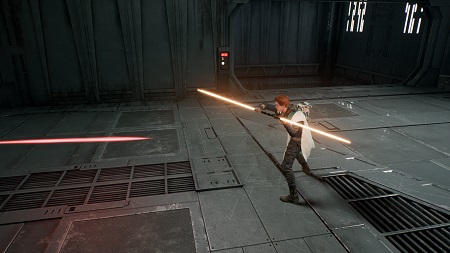
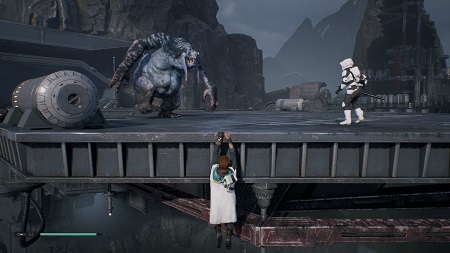
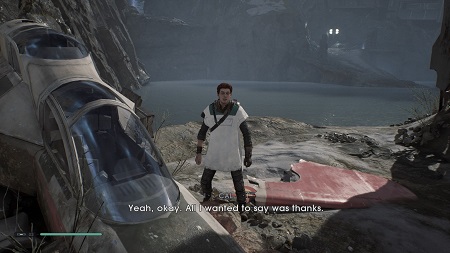
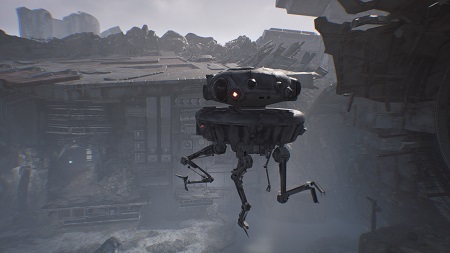
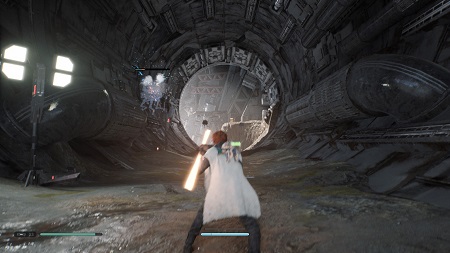
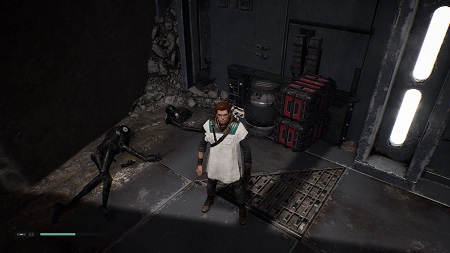
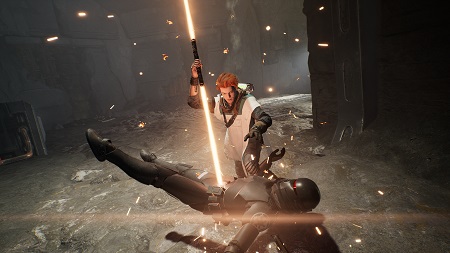
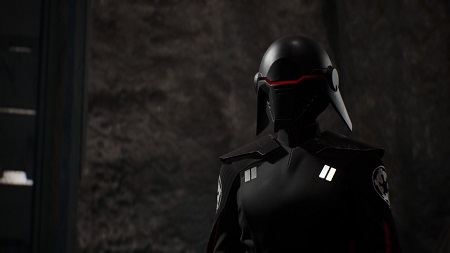

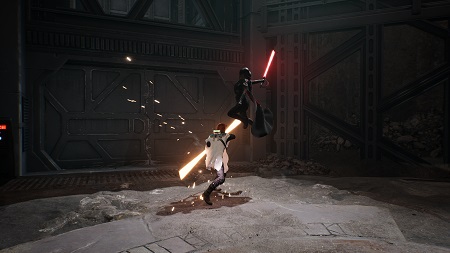
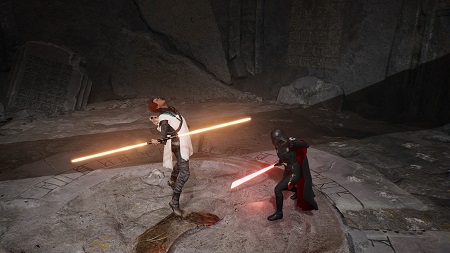
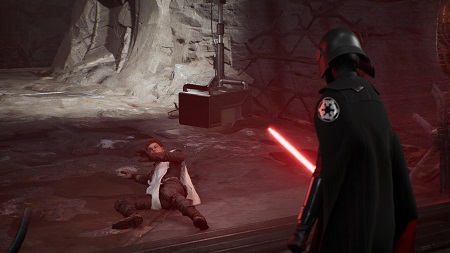
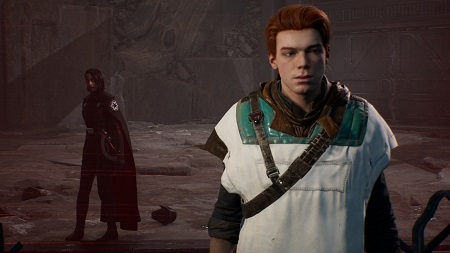
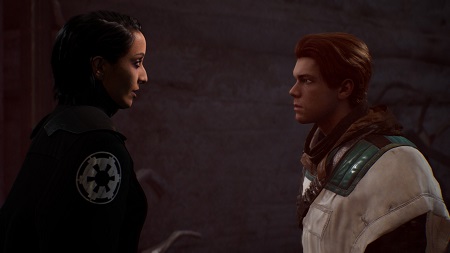
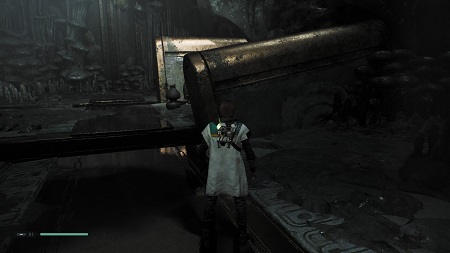
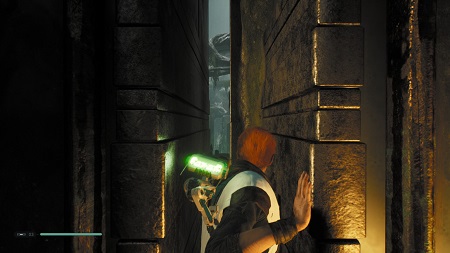
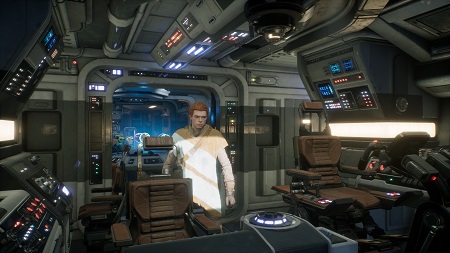
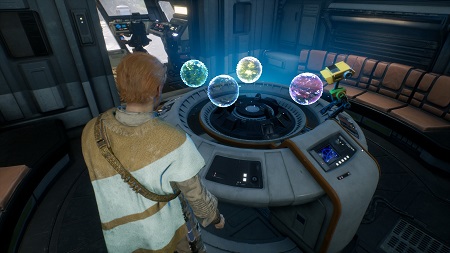
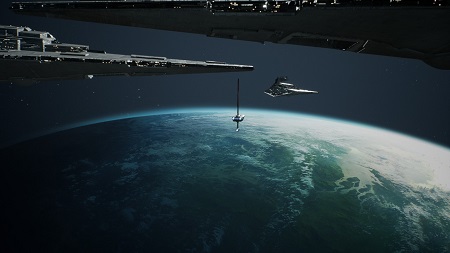
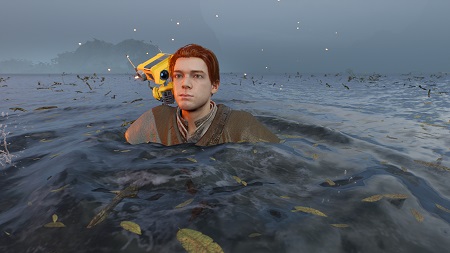
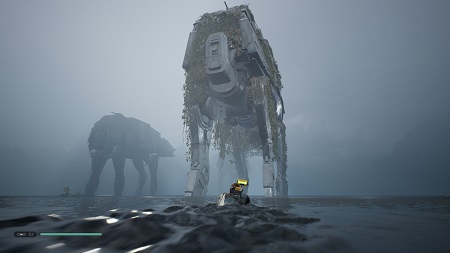
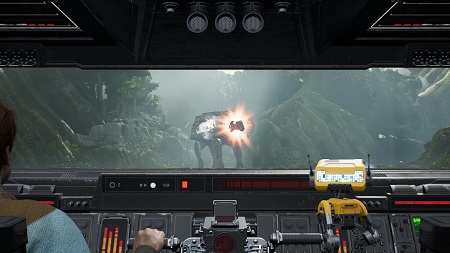
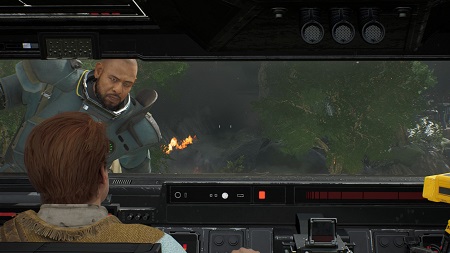
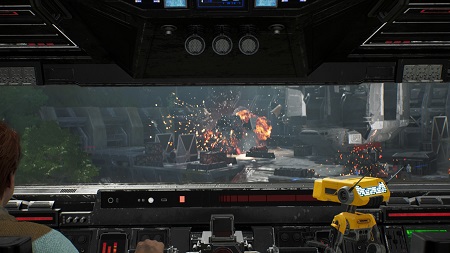
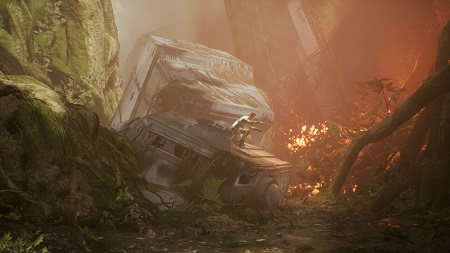
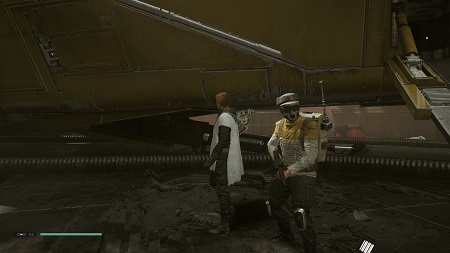
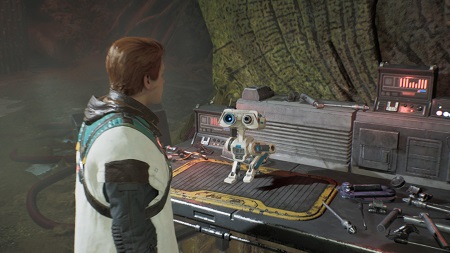
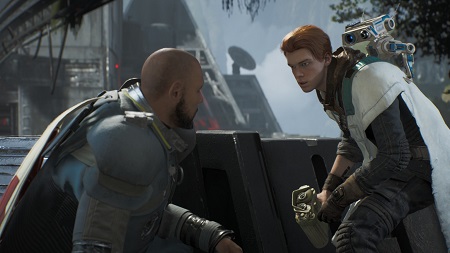
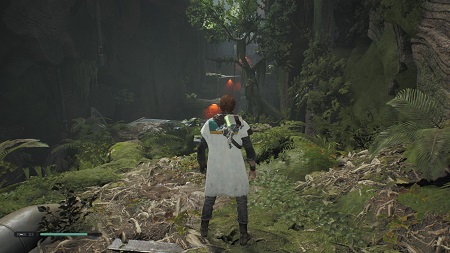
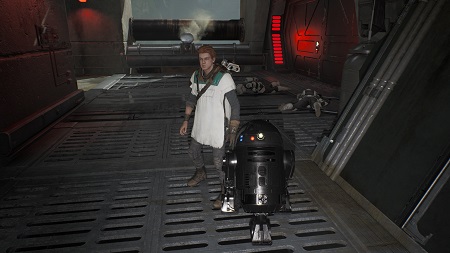
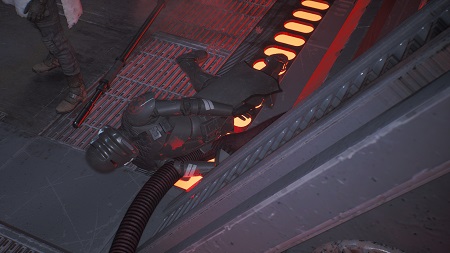
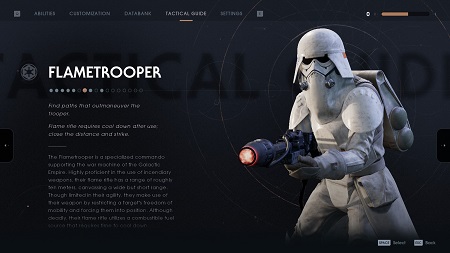
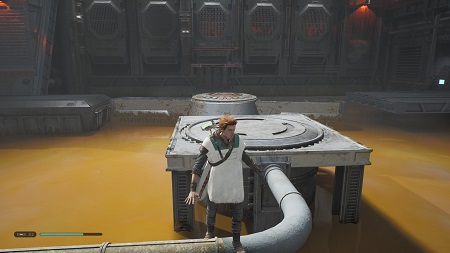
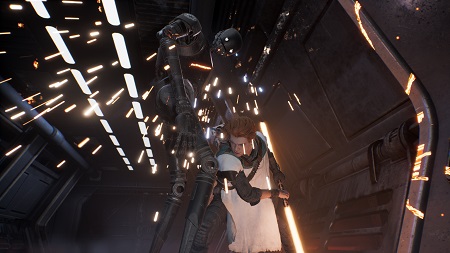
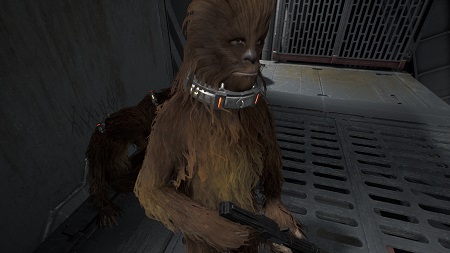
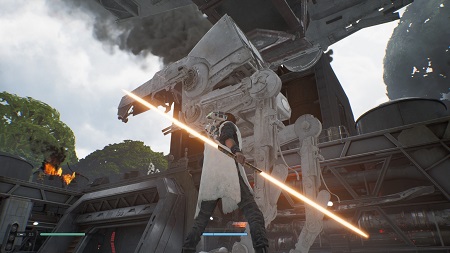
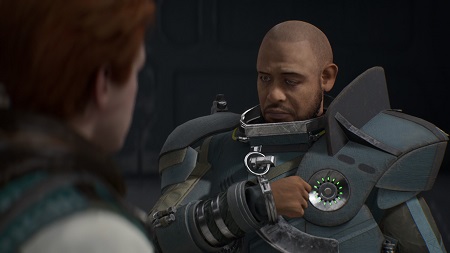
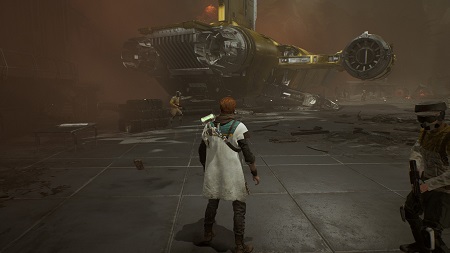
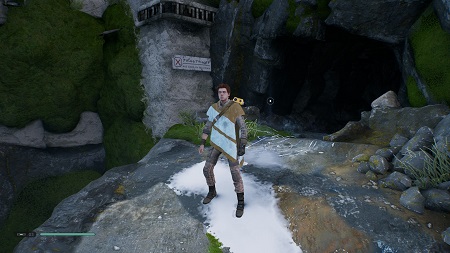
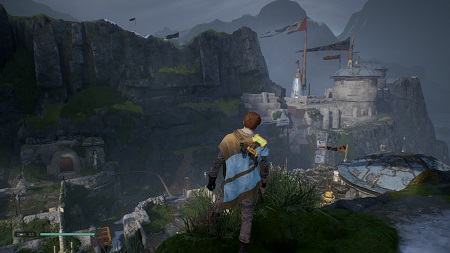
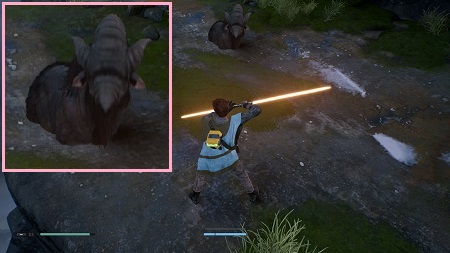
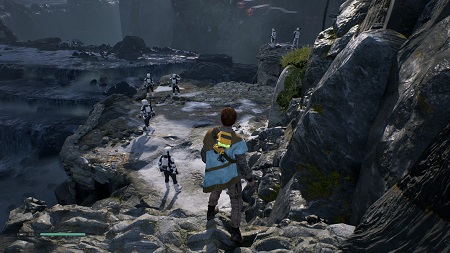
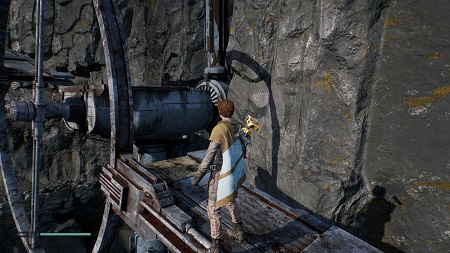
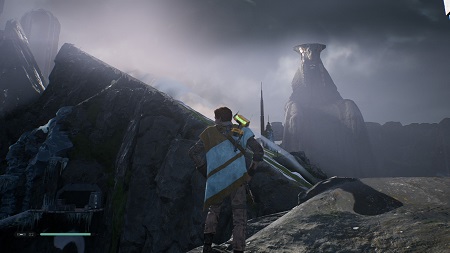

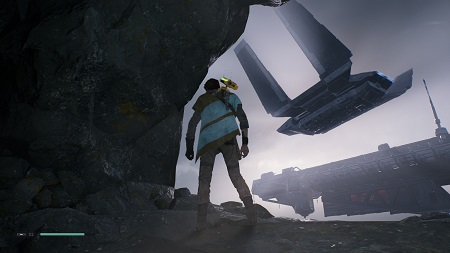
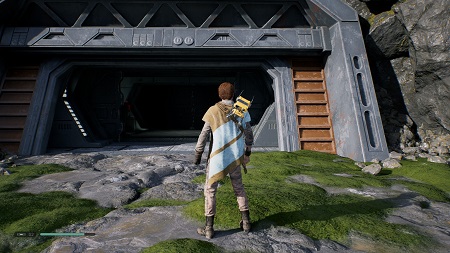
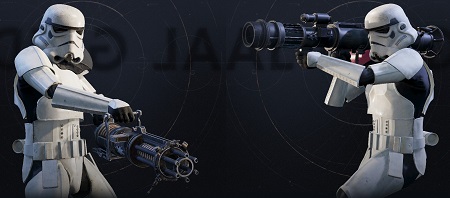
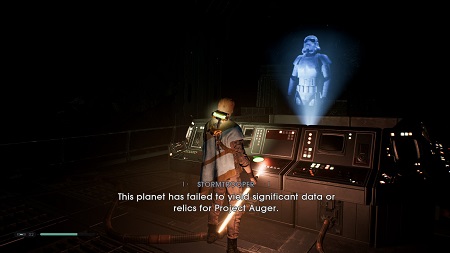
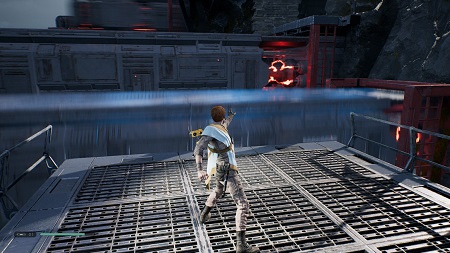
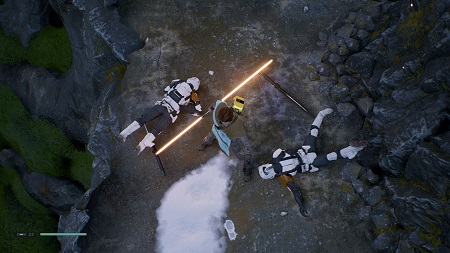
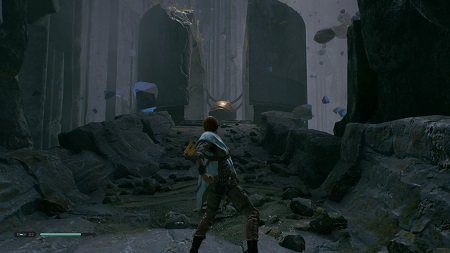
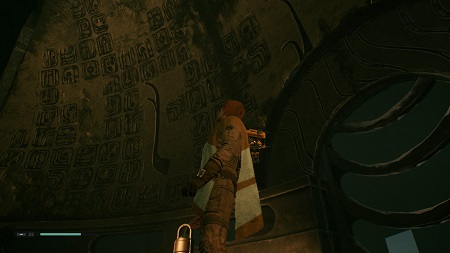
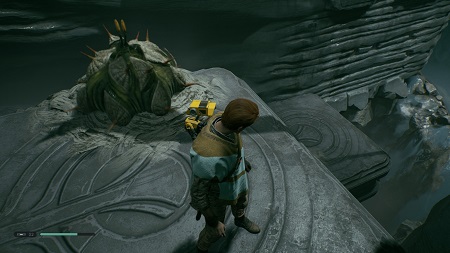
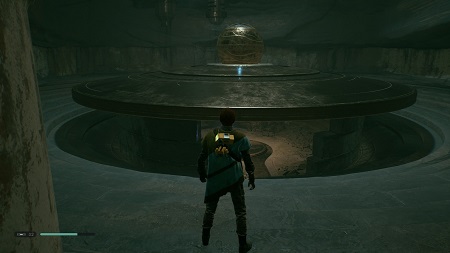
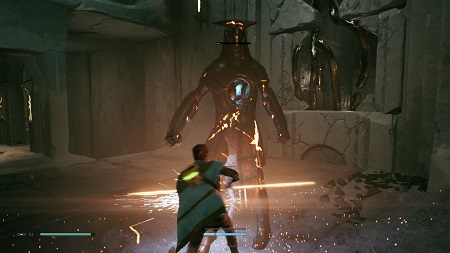
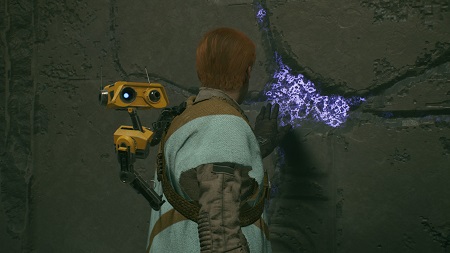
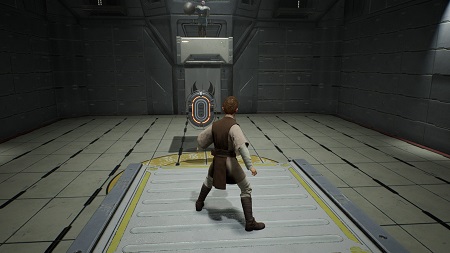
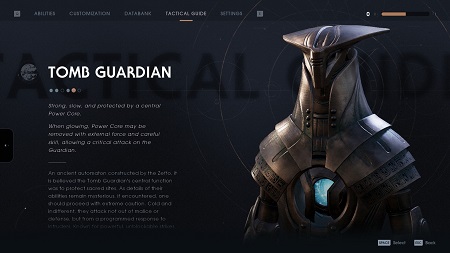
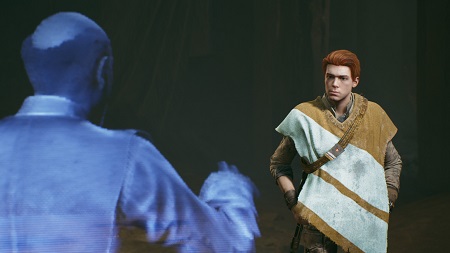
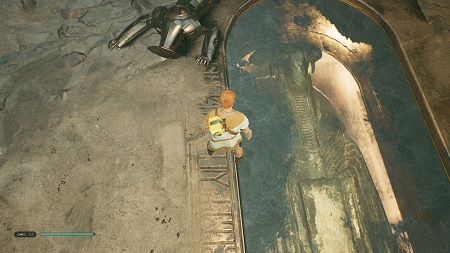
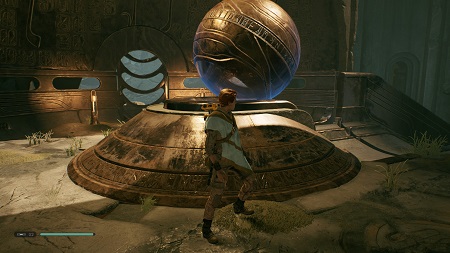
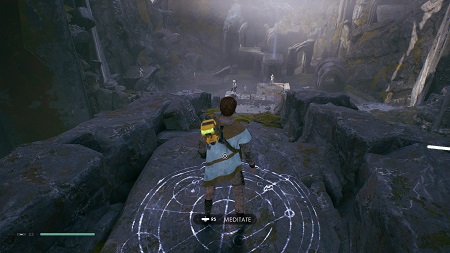
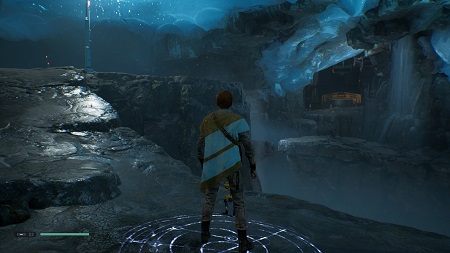
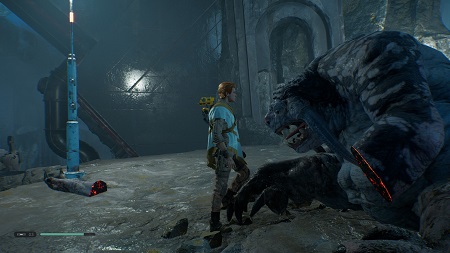
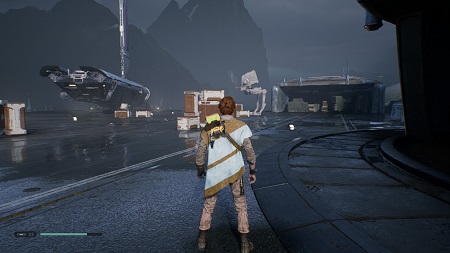
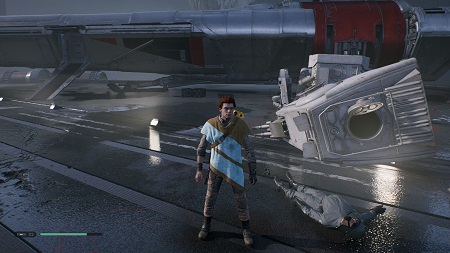
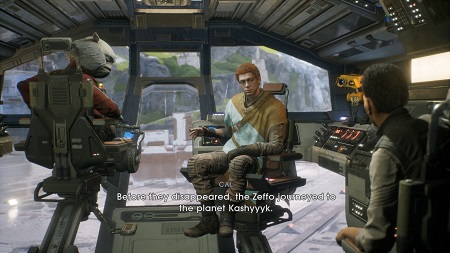
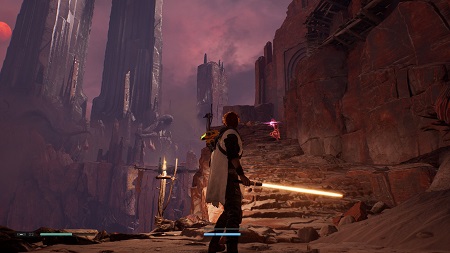
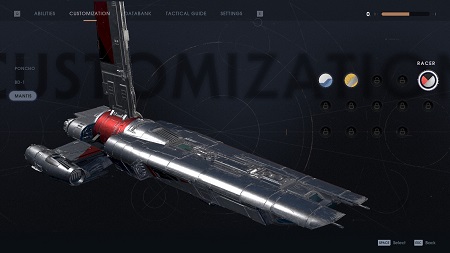
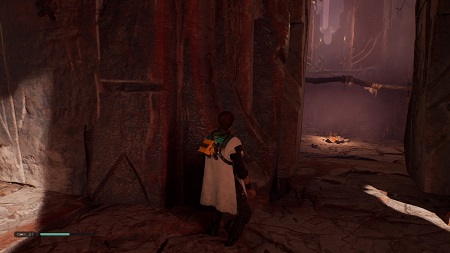
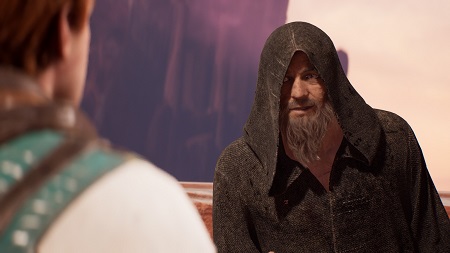
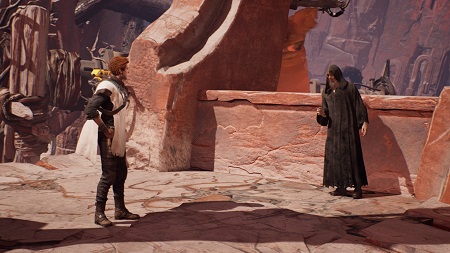
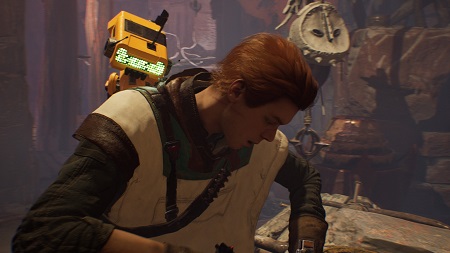
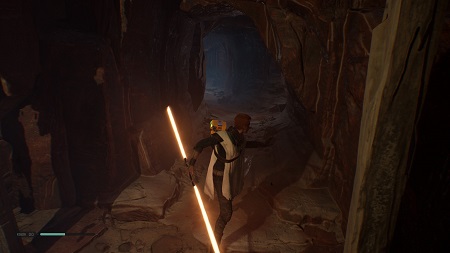
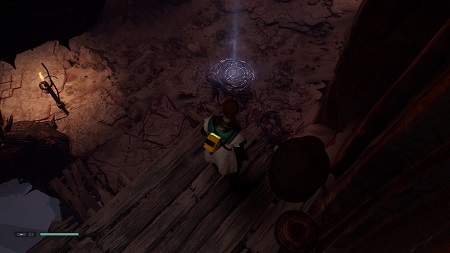
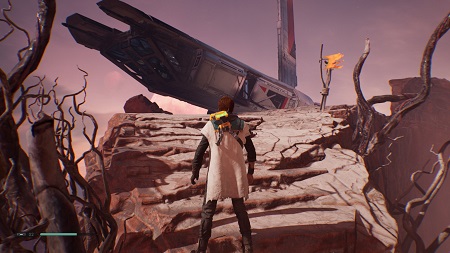
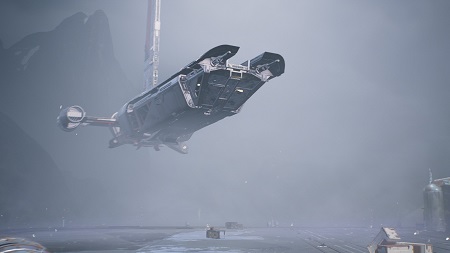
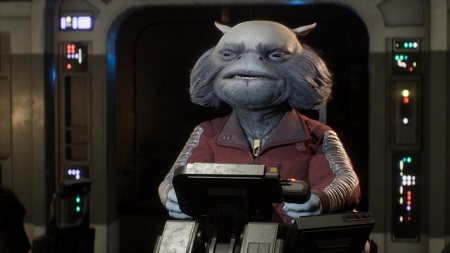
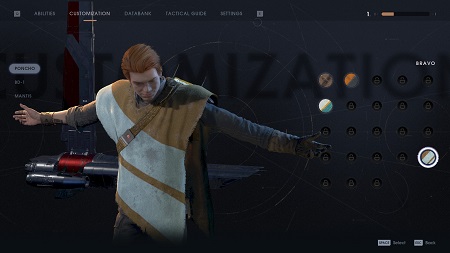
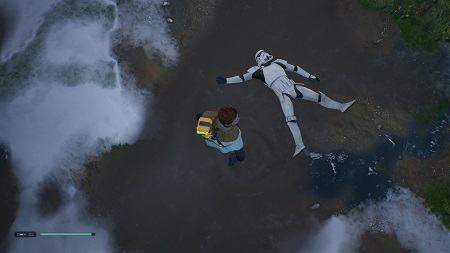
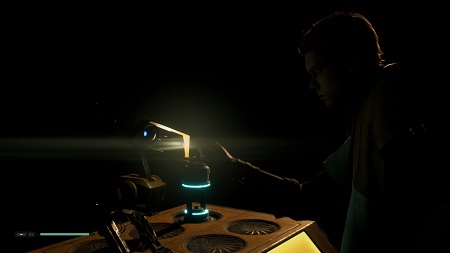
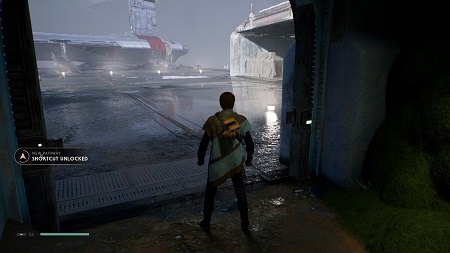
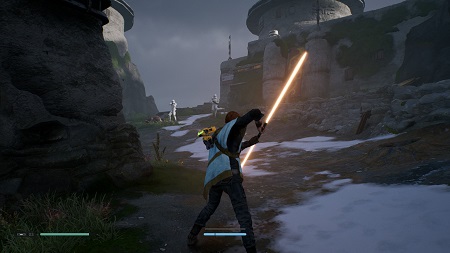
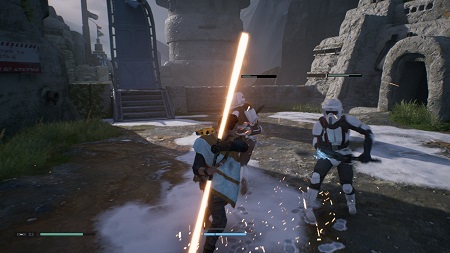
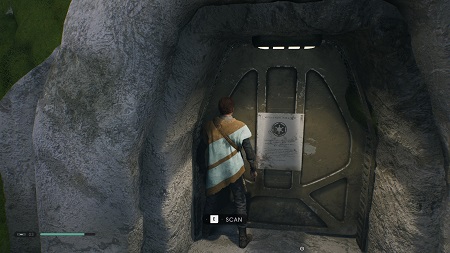
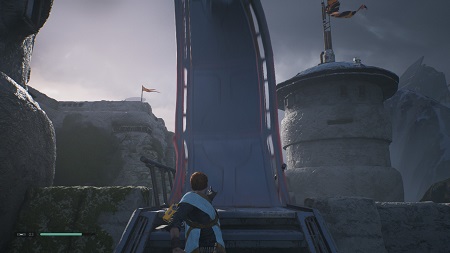

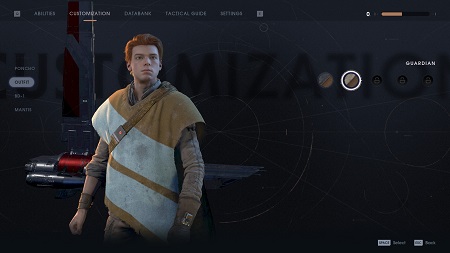
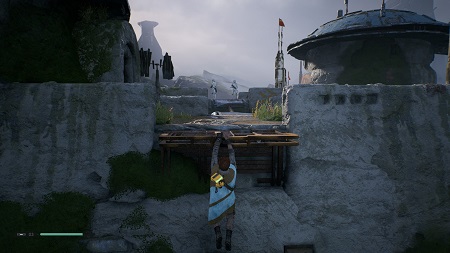
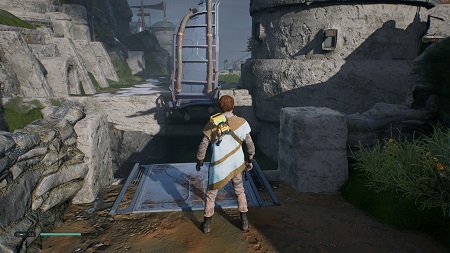
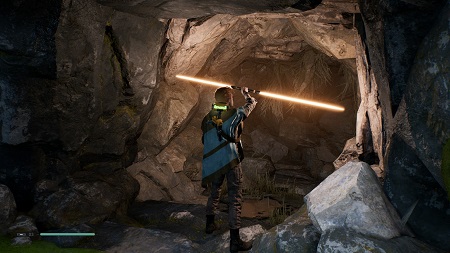
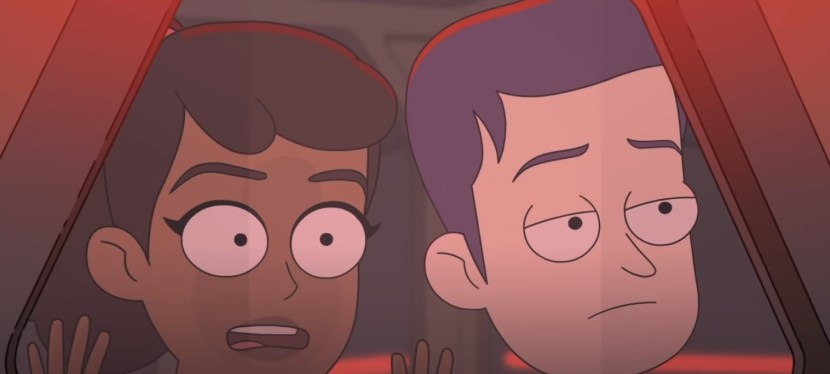
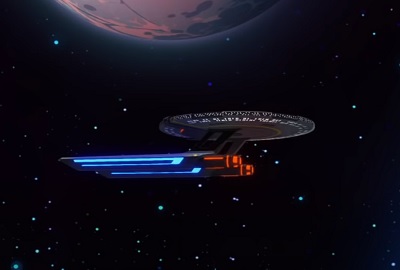

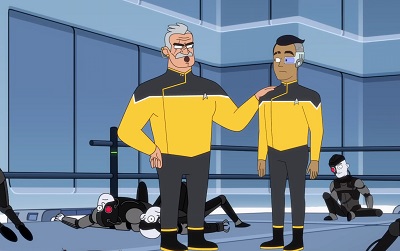
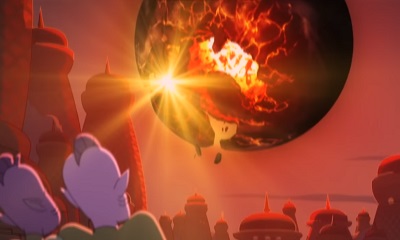
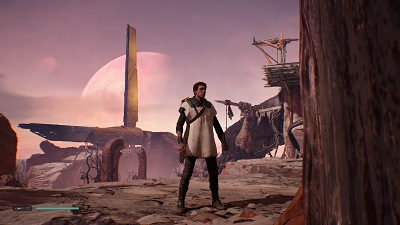
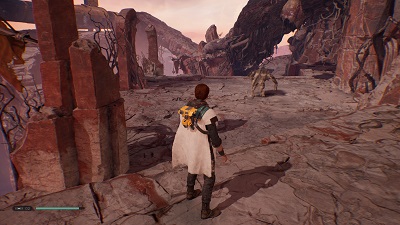
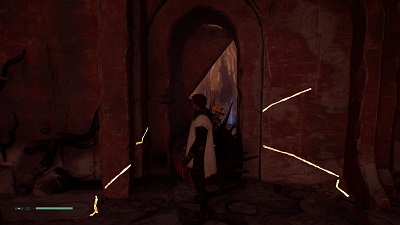
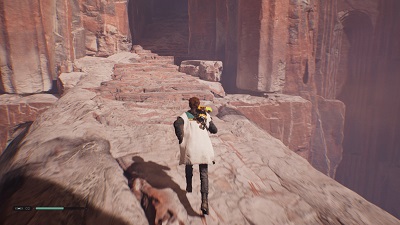
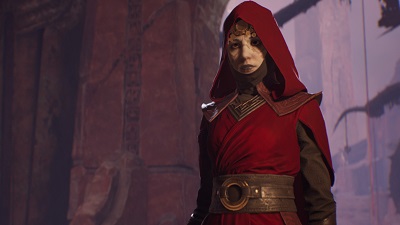
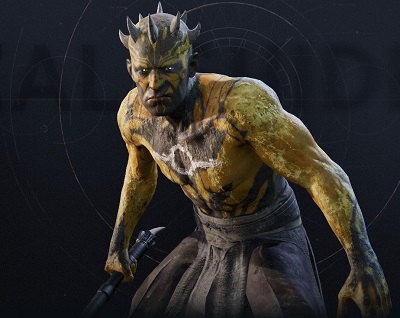
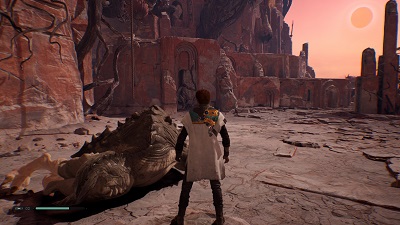
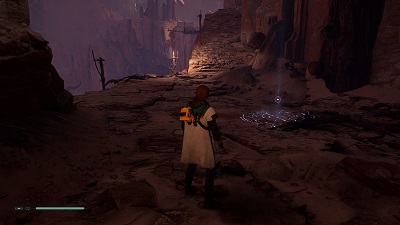
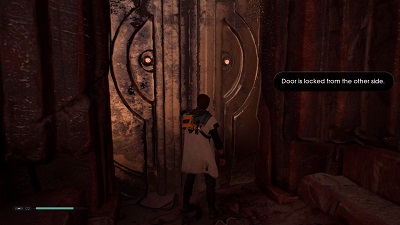
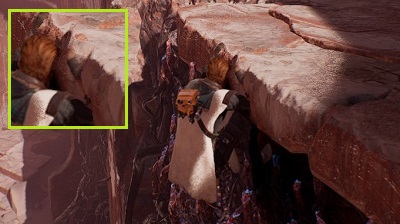

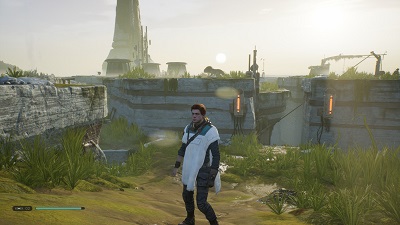
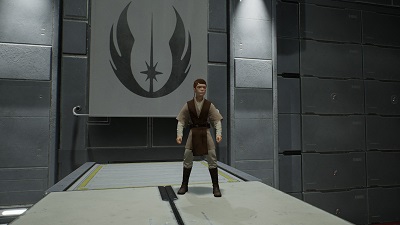
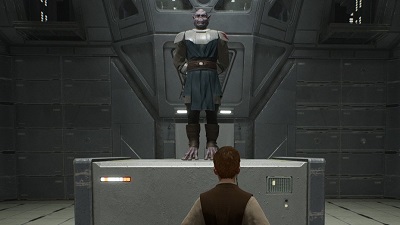
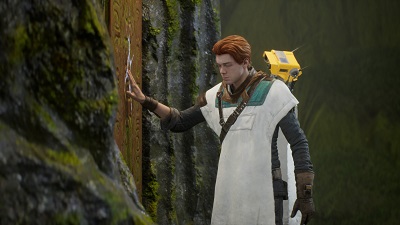
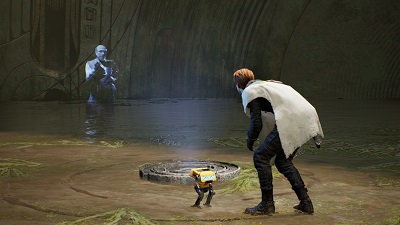
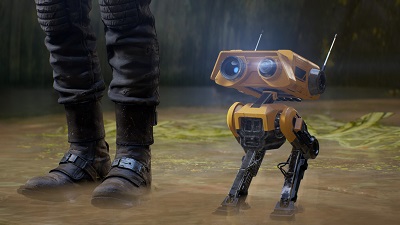
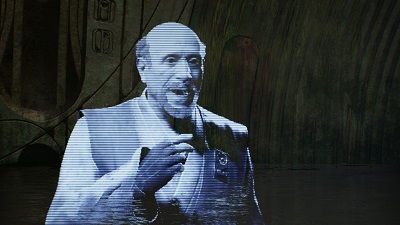
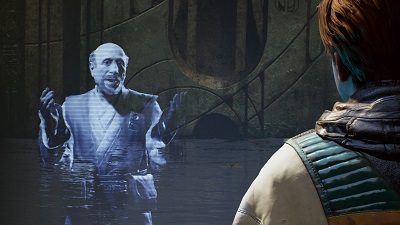
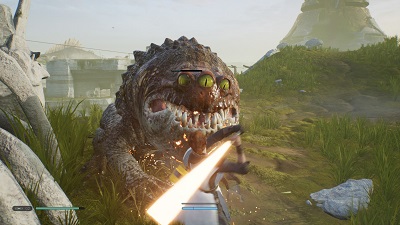
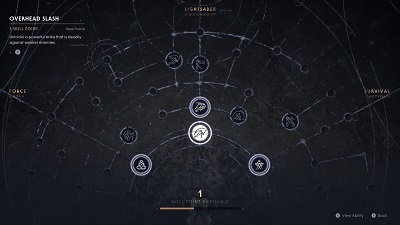
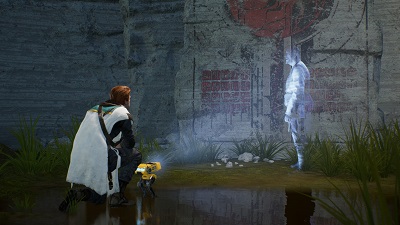
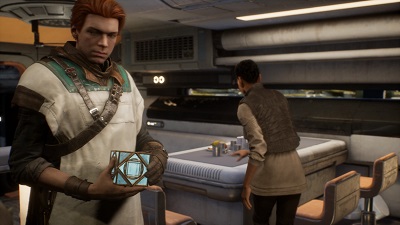
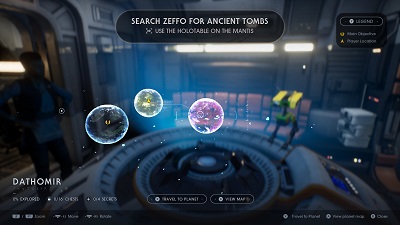
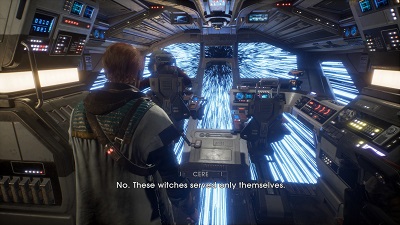
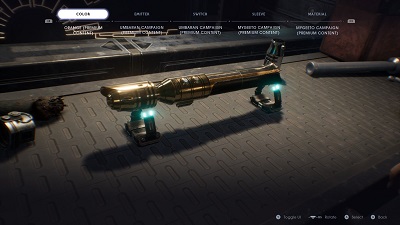
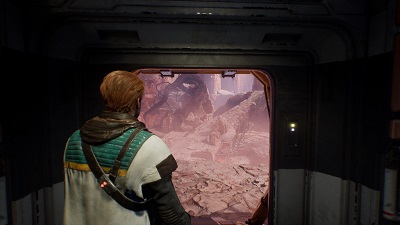


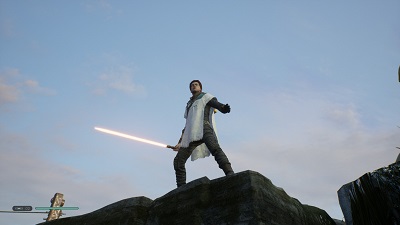

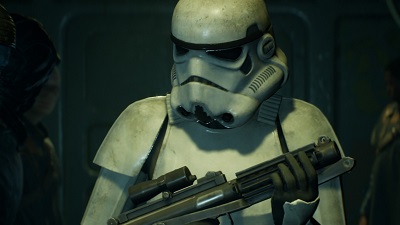
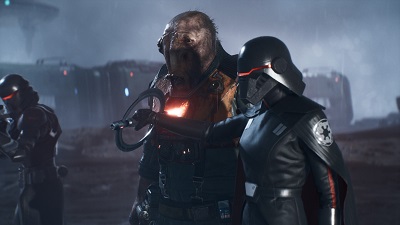
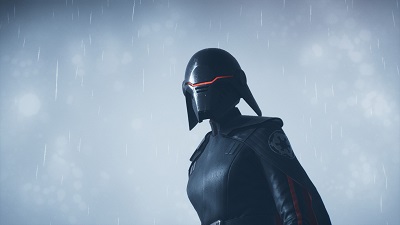
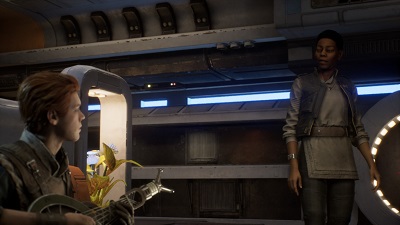
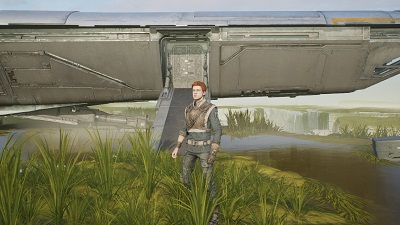
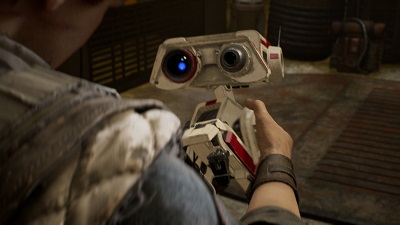
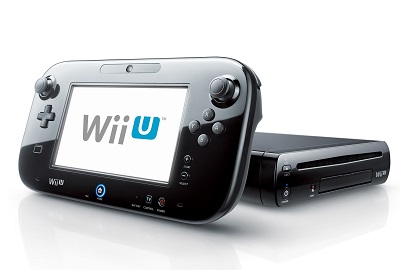

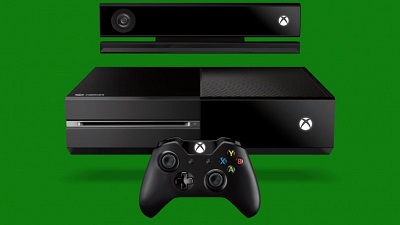


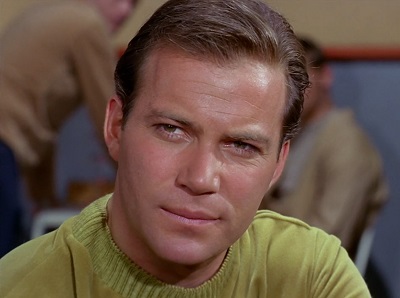




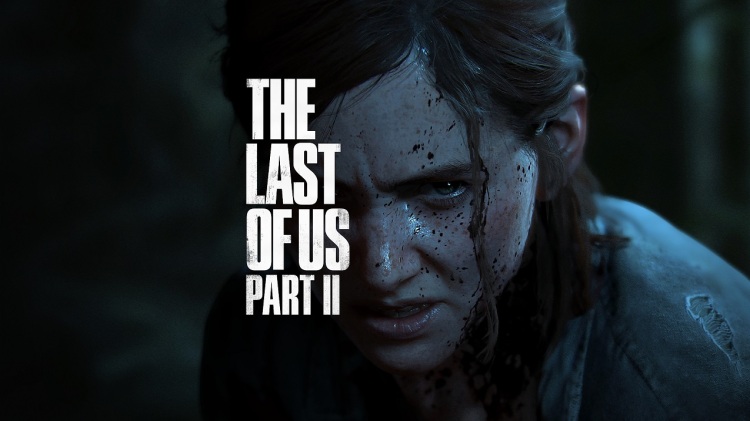
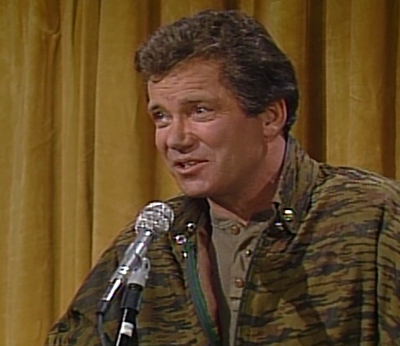
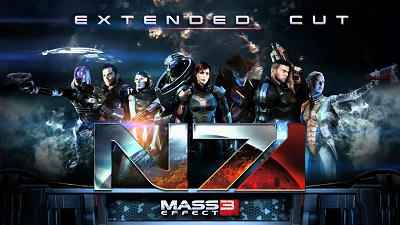



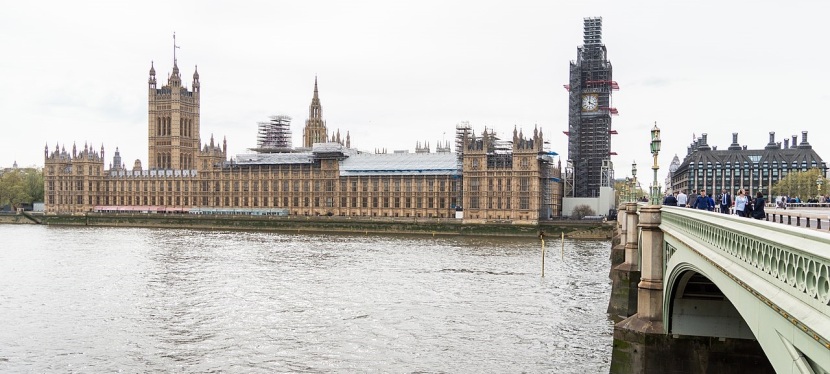





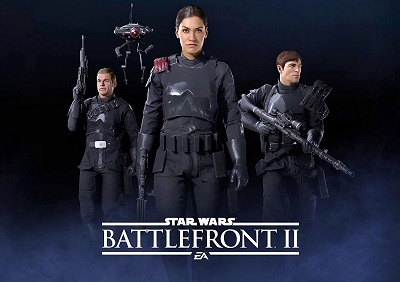
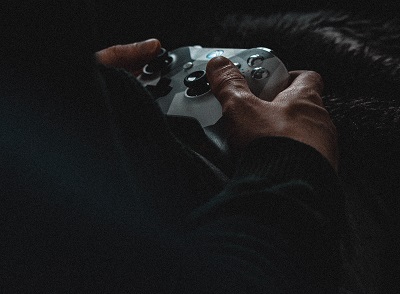
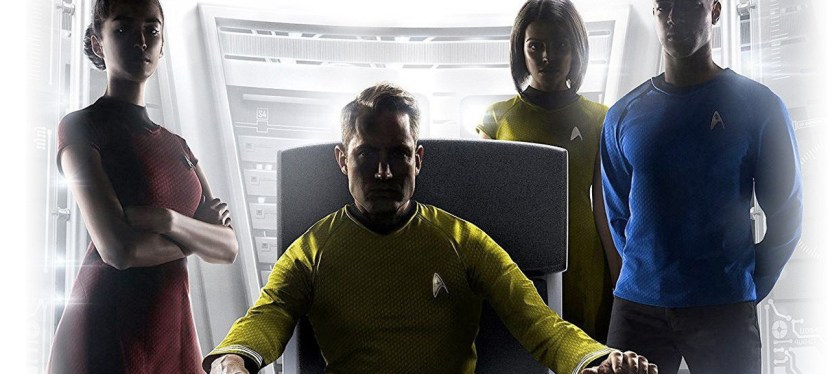




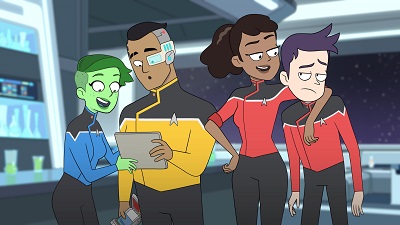
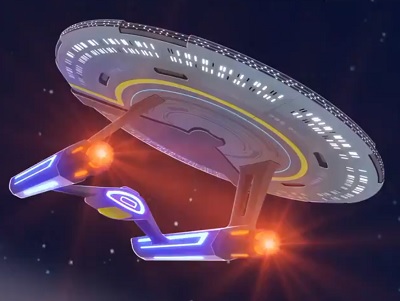





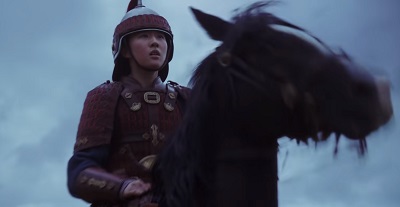

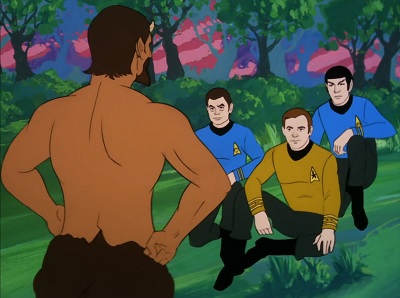
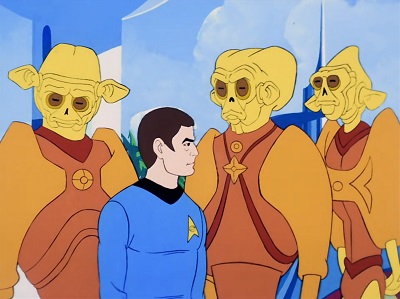
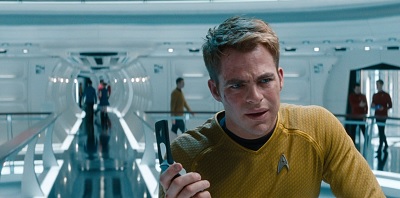
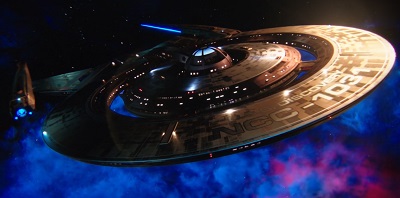
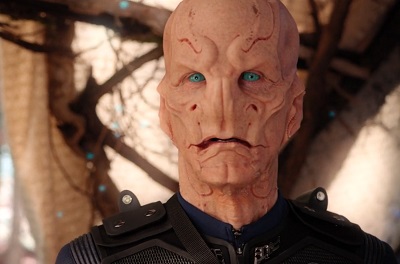
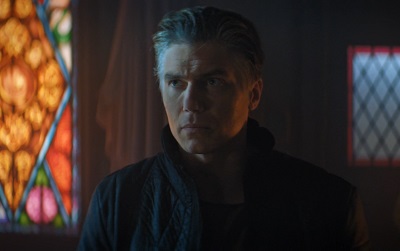

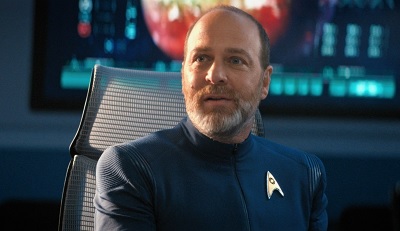

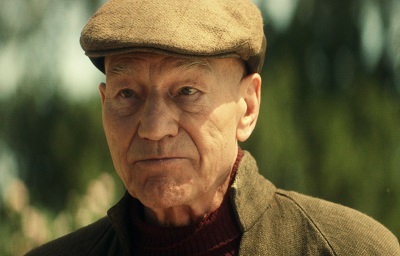





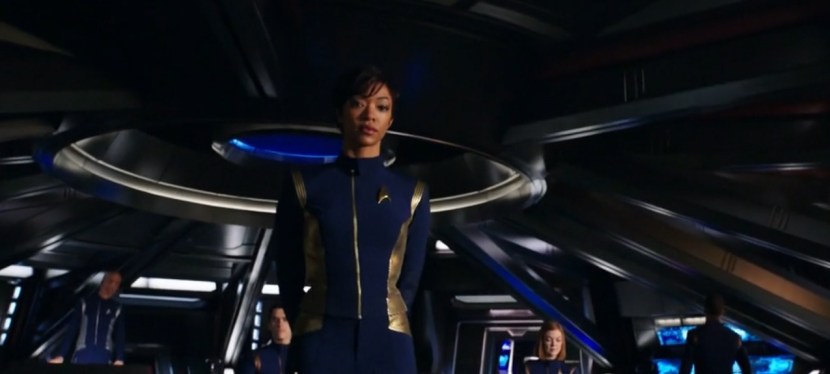
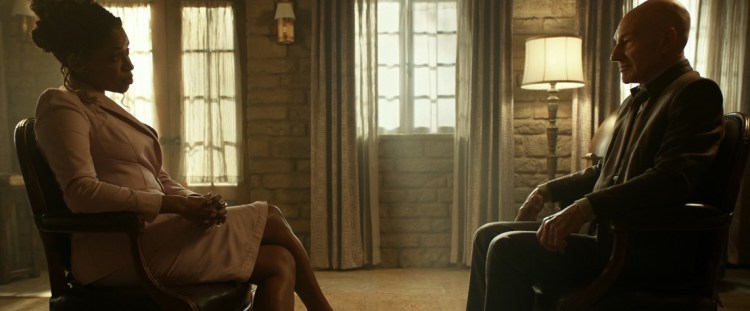

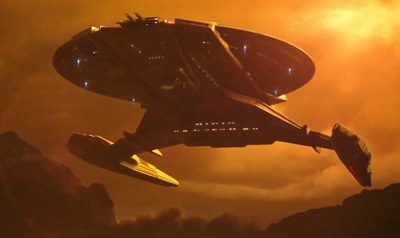
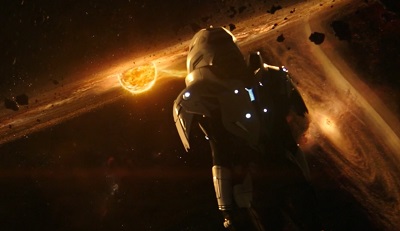
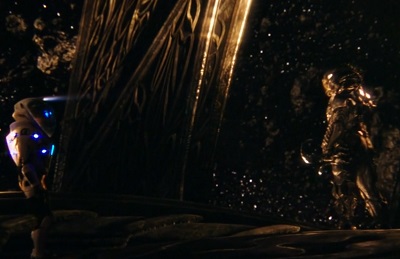
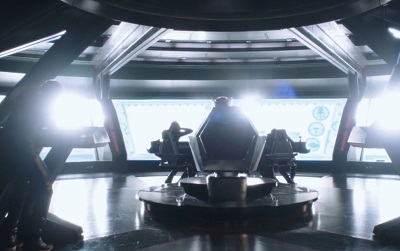
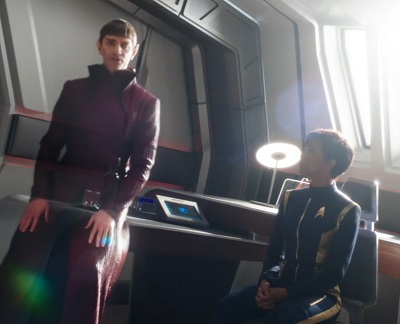
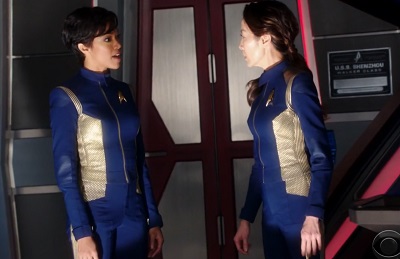
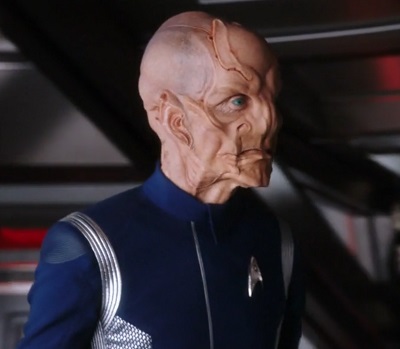
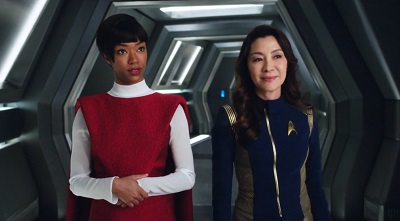

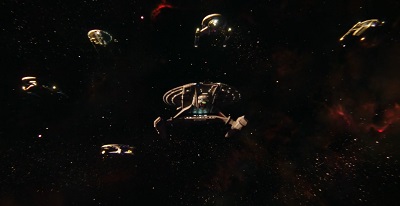
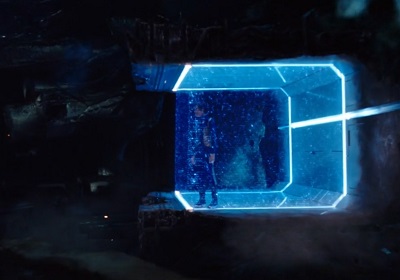
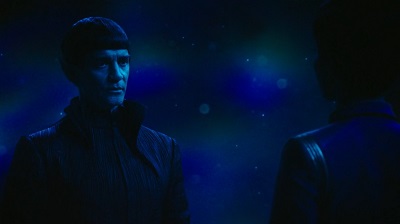
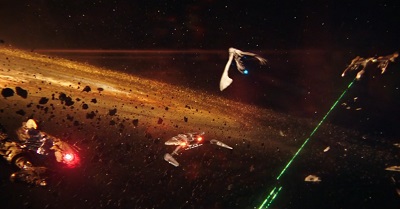

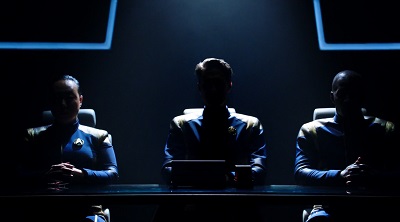
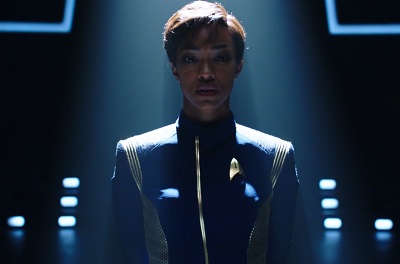

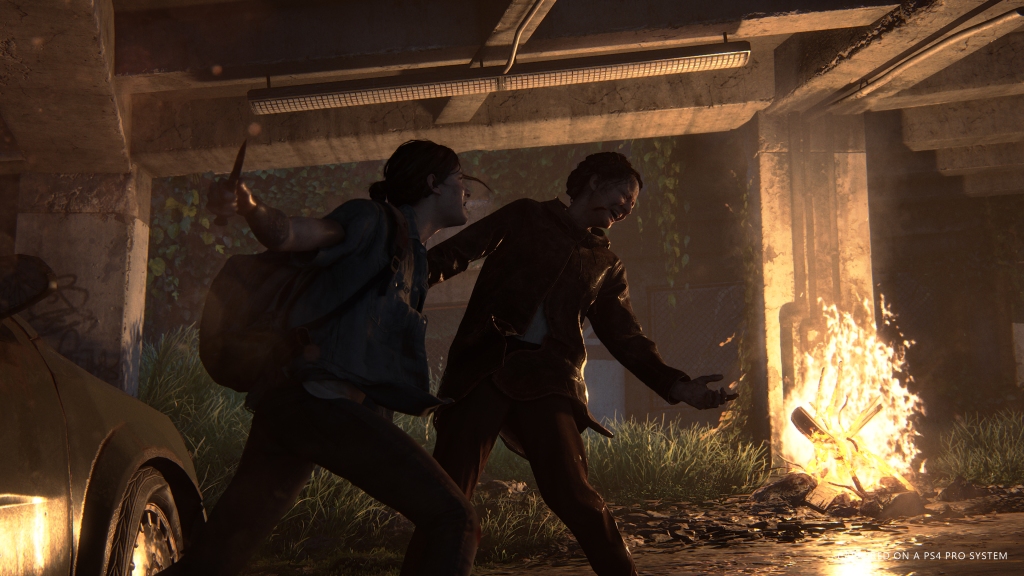






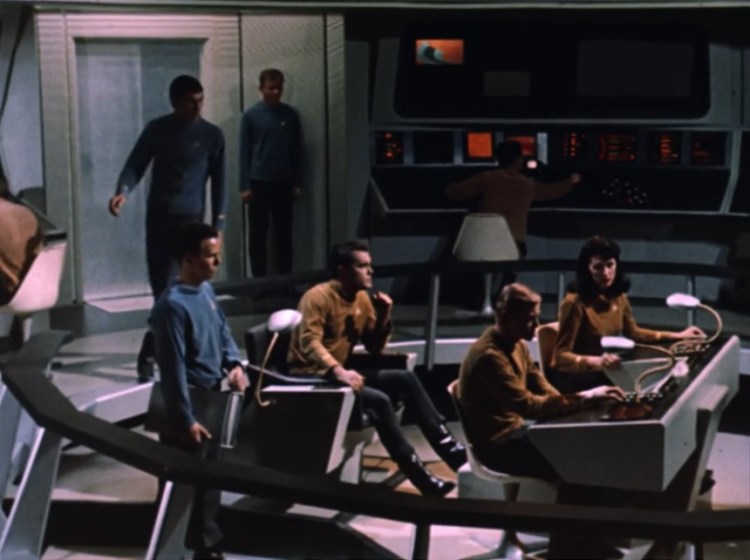

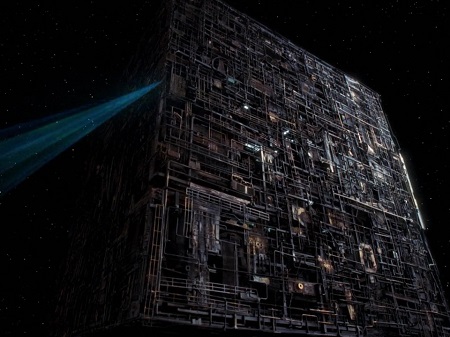
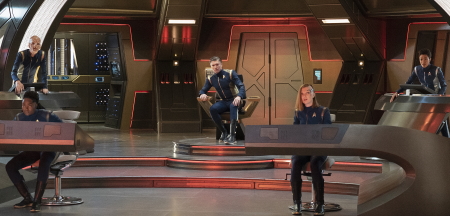
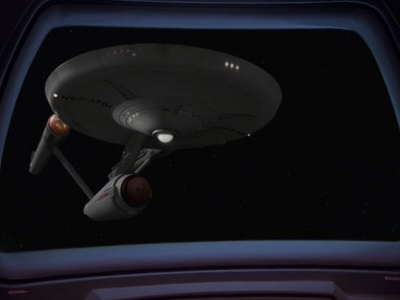

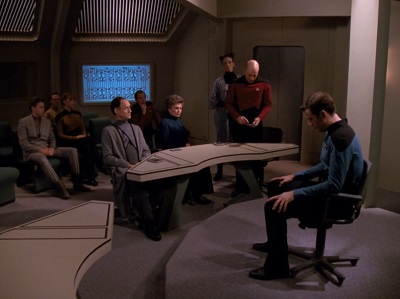
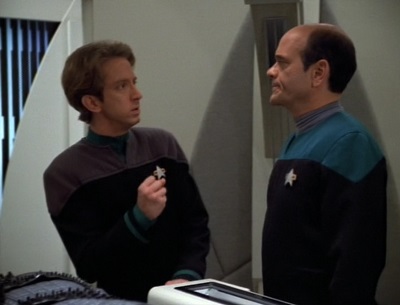
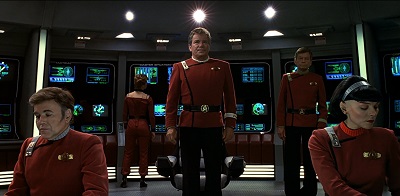




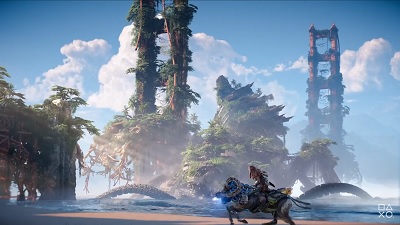
 Trekking with Dennis