I’ve been a pretty big supporter of Xbox Game Pass (and PC Game Pass) since the service launched a few years ago, and I’ve been a subscriber to the PC version from almost the first moment it became available. I love the idea: a huge library of games, all available for one monthly price. As someone on a low income (and as someone who remembers what it was like to be a kid with only a few pennies to spend on gaming), Game Pass has been genuinely great value; an easy route into current-gen gaming for players on a budget.
What’s more, I’ve discovered games that I’d never have thought to buy or try for myself, thanks entirely to Game Pass. Some of those games – like Little Kitty, Big City last year and South of Midnight just a couple of months ago – are genuinely among the best titles I’ve played in the 2020s, and it’s only because of Game Pass that I was able to try them and enjoy them.
But unless Microsoft changes course, it’s time to cancel Game Pass.
It’s time to cancel Game Pass, unfortunately.
I play on PC, not console. The PC version of Game Pass, just over a year ago, went up in price from £7.99 here in the UK to £9.99 – a hike of 25%. That already felt a bit steep, but since I don’t have many other subscriptions, I begrudgingly accepted it. £10 a month still felt like reasonably good value for what I was getting from Game Pass; play two full-priced games a year, or four £30, double-A games, and it’s paid for itself. Right?
If you weren’t already aware, Microsoft has come back, not twelve months after the last price hike, and they’re doing it again. The PC version of Game Pass is rising from £9.99 to £13.49: a 35% increase on top of last year’s 25% increase. And that isn’t even the worst or most egregious price rise: the “Ultimate” Game Pass plan is rising by more than 50%, from £14.99 to a whopping £22.99 a month. At these prices… Game Pass no longer feels like a good value offer, unfortunately.
Game Pass prices are rising… by a lot.
And I really do say this with regret. Not only has Game Pass felt like a good value prospect until now, but it’s introduced me to some genuinely wonderful gaming experiences that I wouldn’t have had otherwise. Being able to log into the app, scroll through a huge list of titles, and see what leaps out at me has felt fantastic, and as I’ve said more than once: Game Pass has opened up a huge library of titles; more games than I’d ever be able to afford. When it was £7.99 – and even after last year’s significant rise to £9.99 – it felt like a good deal.
But I can’t accept the price of a single subscription rising by almost 70% in just thirteen months. And at £13.49 a month – or £162 a year – it’s become impossible to justify. There just aren’t that many games on the service that I’d want to play – and some, like RoadCraft, aren’t available on the PC version of Game Pass, for some reason. So… I think I’m done with Game Pass for now, unless Microsoft apologises and reverses this price hike.
How Microsoft imagines its customers…
I’ve believed for a long time that the subscription model would be the future of gaming. Just like Netflix did for films and TV programmes, and Spotify and others have done for music, something like Game Pass should be able to do for video games. Gaming is basically all-digital these days anyway, and the audience skews younger and more tech-savvy. A reasonably-priced subscription service – like Game Pass used to be – represents a genuinely good value proposition, an easy route into gaming, and should be the wave of the future. Compared to buying individual titles outright, either physically or digitally, a subscription which opens up a library of hundreds of titles should seem like good value.
But Microsoft is fucking it up.
Not only are the prices going up, but on the lower “tiers,” Microsoft is making Game Pass worse. No longer will all Xbox-published games join the service on day one. If you’re on an Xbox console, the only way you’ll get that particular perk is if you pay for Game Pass Ultimate, and if you’re on PC, the only way to get it is through the PC-only tier, for £13.49 a month. If you pay less, you don’t get those brand-new titles on day one, but “within a year.” That’s already a massive downgrade. Oh, and the venerable Call of Duty series? Those games aren’t included on day one any more.
That little asterisk could be important if you’re a lover of first-person shooters…
So… the price is going up. Unless you pay for the top-tier plan, you won’t get new games on day one. And the most popular series that Microsoft currently owns may not be part of Game Pass on day one even if you do pay the premium price. So… what’s the point of Game Pass, then?
Microsoft, like all big corporations, has to disclose its financial records. And in the twelve months leading up to June 2025 (the most recent data at time of writing), Microsoft made US$193 billion in profit. That represented a 14% increase over the previous twelve months. Compared with quite a few other big companies in the gaming space, whose profits have been relatively static since the end of lockdown, Microsoft has been doing phenomenally well. And the Xbox brand is a big part of that.
Microsoft has literally never been more profitable. Slides: Microsoft’s July 2025 Earnings Call.
Microsoft made more money last year than it has ever made before in its entire corporate existence. For the corporation to then turn around and announce price hikes of 50% – or, really, what is effectively 70% on PC – is just sickening. It’s beyond greedy, and even if a thousand new games were being added to the Game Pass library… it still wouldn’t be right. But Game Pass, as far as I can tell, is not actually getting a major expansion or much additional content that could even come close to justifying a price hike of this nature.
So… I’m gonna cancel. And I would encourage other folks in the same boat as me to do the same.
If Microsoft is willing to walk this back – and apologise – then maybe I’ll reconsider, because I have genuinely enjoyed having Game Pass over the last few years. But at this new price, it’s not worth it for me, and I could use my £162 a year in other ways – like buying games when they go on sale on Steam or Epic Games, for instance. I really did think that subscriptions are the direction of travel for gaming… but not like this.
A selection of Game Pass titles.
This is a catastrophic own goal from Microsoft that the corporation simply did not need to make. Game Pass has been profitable for a while, and even as the Xbox brand has struggled over the last couple of console generations, the growth in PC gaming, coupled with Game Pass, has seen Microsoft’s gaming division land on its feet. But increasing the price of a subscription by 70% in thirteen months is not something any consumer can or should accept – not when the corporation behind the price hike is making hundreds of billions of dollars a year – and still laying off boatloads of workers and closing game studios.
Maybe Microsoft wants to get out of the gaming market, and these moves are designed to push people away. Or maybe they really think they can just get away with it and that folks will brush off these inexplicably large price hikes. Maybe some people will – but if it’s true, as has been reported, that so many people are rushing to cancel their subscriptions that the Game Pass website crashed… I suspect a re-think of this price structure may be in order.
In any case, I’m cancelling this month, and unless Microsoft apologises and changes course, I won’t be rejoining Game Pass any time soon. I’m genuinely disappointed about that, because the subscription has been great until now (even though the Xbox app on PC isn’t spectacular). But this price hike is too much, so I’m going to do the only thing I can do as a consumer in this marketplace: vote with my wallet.
The Game Pass subscription service is available now for players on PC and Xbox game consoles. All titles discussed above are the copyright of their respective developer, publisher, and/or studio. This article contains the thoughts and opinions of one person only and is not intended to cause any offence.
As part of Xbox’s Summer Showcase event last month, we got some big news about Bethesda’s failing space game Starfield… and it isn’t good. In fact, I’m beyond disappointed in the latest updates about the game, and I now feel incredibly sceptical about Bethesda’s longer-term future and its upcoming titles in the Elder Scrolls and Fallout franchises. Today, I’d like to talk about what it is that I don’t like – and why it should matter to fans of Starfield, haters of Starfield, and even folks who’ve never played a single Bethesda Game Studios title.
Last year, I had pretty high hopes for Starfield. But as you may already know if you’ve read my first impressions of the game – and my other post-launch articles – I didn’t enjoy what was on offer. The world-building and setting just didn’t grab me in any way, and I progressed through some pretty boring missions and bland environments not really giving a shit about the galaxy that Bethesda had created or the characters who inhabited it. After spending as much time with the game as I reasonably could, I put Starfield down and haven’t returned to it – save for taking a few screenshots here and there to use on the website.
Screenshots like this one!
But what we’re going to talk about today doesn’t come from a place of “hate.” I’m not blindly attacking these decisions from Bethesda and Xbox because Starfield left me disappointed and I want to twist the knife even more. On the contrary: it’s precisely because I’ve enjoyed other Bethesda titles and because I had hoped to enjoy new ones in the future that I feel compelled to share my criticisms.
In short, Starfield is being catastrophically over-monetised. Bethesda and Microsoft seem desperate to wring every last penny out of the game, no matter what. Not content with making a lot of money from sales and subscriptions to Game Pass, Xbox and Bethesda are greedily grabbing every penny they can using every dirty trick from the games industry playbook. Having already charged £35 extra to players who wanted to play the game on its real release date, Bethesda and Xbox have now set up an in-game marketplace that wouldn’t look out of place in a crappy free-to-play mobile game, one that charges players for basic items and even fan-made mods.
What the fuck is this shit?
Shattered Space is going to be one of several larger pieces of DLC, and I’ve always given big expansion packs a lot of leeway when it comes to criticisms like this. But the fact that Shattered Space was planned during development of the base game – and appears to contain a faction that I would argue should have been part of the main game given its prominence and relevance to the plot and to major characters – even that starts to feel shady. The fact that Bethesda and Xbox were selling pre-orders for Shattered Space before Starfield even launched last year is just more proof of that. This is basically cut content: storylines and missions developed alongside the game’s main content that were carved out to be sold separately later on.
Whether you love or loathe Starfield, you have to admit that this is a poor way to run a single-player game. Look around at some of Starfield’s biggest competitors in the single-player action-RPG space. Baldur’s Gate 3 was complete at launch, with no major DLC and only one small content pack being sold separately. Cyberpunk 2077 comes with a single piece of DLC – and it’s a massive, game-changing one. Elden Ring likewise only has the one piece of DLC, too. None of these games paywall their fan-made mods, either.
Comparable games – like Elden Ring – aren’t subject to this ridiculous level of monetisation.
If this is the route Bethesda wants to go down – and it clearly is, as we’ve already seen with Fallout 76′s microtransactions and expensive add-ons – then I don’t think I want them to make The Elder Scrolls VI any more. Or Fallout 5. The Elder Scrolls III: Morrowind is one of my favourite games of all-time, and even though it’s been a while since I last played Skyrim or Oblivion, I still felt a sense of excitement knowing that a return to the world of Tamriel was on the cards. But now? Fuck it, I’m out.
Gamers have become desensitised to this kind of over-monetisation, but for a single-player title Starfield’s in-game marketplace is one of the worst and most egregious I’ve ever seen. We’re looking at a single mission that costs $10, item packs containing a scant handful of items for £10 or more, and much more besides. Players also need to buy an in-game currency – at the usual awkward exchange rate – before they can buy any of these microtransactions. More games industry bullshit from Bethesda there.
The in-game currency packs at time of writing.
I get that developers need to be paid for their time and work. But this isn’t the way to do it. If Larian Studios and FromSoftware can release profitable games that don’t need to rely on this kind of shocking in-game marketplace, surely Bethesda can too. And if CD Projekt Red can recover from Cyberpunk 2077′s shockingly poor launch (and even the game’s removal from an entire platform for months) to turn a huge profit from a game that only has a single piece of DLC, why can’t Bethesda? I don’t buy the excuse that Starfield wouldn’t be profitable without this microtransaction storefront – especially given that many of the offerings are fan-made mods that didn’t cost Bethesda a penny to create.
Maybe I’m too old and times have changed, but I’ve always believed that fan-made mods should be free. They’re a passion project, something players do for a bit of fun or to tweak a game they enjoy to be more to their liking. The idea of paying for mods has never sat right with me, and while I love the idea of up-and-coming or budding developers viewing modding as a way into the industry… they shouldn’t be expecting to make modding someone else’s game their full-time job. So paid mods are already a no-no for me, but knowing that Bethesda and Xbox are taking a cut of the proceeds for something they didn’t even make? It’s sickening.
Another expensive cosmetic add-on.
I said months ago that, with Shattered Space just being the first of several pieces of planned DLC, the total cost of Starfield could soar well past the £200 mark – but I didn’t expect that warning to come true so quickly. At time of writing, just to pick up the microtransactions in the “featured” category you’ll need to spend over £50 – on top of buying the base game for £60 and Shattered Space for £35. With more microtransactions being added all the time, it won’t be long before Starfield will be asking for north of £500 or even £1,000 for the complete package. That’s completely unacceptable to me for a single-player title.
It’s not wrong to want good, high-quality, complete games from studios. Other developers are capable of turning a profit by making and releasing games, so there’s no justification for this cash-grab from Bethesda and Xbox. And if this is how the company plans to make and monetise its games, then quite frankly I hope Bethesda Game Studios goes the way of Tango Gameworks and Arkane Austin. Given the abject failure of Starfield already, and the controversy that these microtransactions are bound to cause, maybe Microsoft ought to consider taking The Elder Scrolls VI and the Fallout license away from Bethesda. The corporation has enough other studios under its umbrella at this point that it would be quite feasible to pass these titles to someone else.
Maybe someone else should make The Elder Scrolls VI.
I’ve lost all interest in The Elder Scrolls VI now, anyway. And unless Microsoft were to announce a massive change in that game’s development, I doubt I’ll pick it up. It’s clear to me now how Bethesda sees its games – less as complete experiences than as platforms for monetisation, microtransactions, and expensive in-game purchases. Rather than creating games to be published and sold, Bethesda is going all-in on live services and “recurring revenue,” hoping to monetise its titles for years after release. If the company was making multiplayer games, where this business model has worked, I’d leave them to it. But in the single-player space I find it objectionable… actually no, I find it disgusting.
This time last year, coming out of Bethesda’s big Starfield presentation, I could hardly have been more excited about the game and its prospects. A friend of mine said to me that they genuinely felt Starfield “could be the best game either of us will ever play” – such was the level of hype and excitement that Bethesda and Xbox had successfully built up. But it wasn’t meant to be.
Pre-release concept art for Starfield.
Instead, Starfield was a game that was mediocre at best; a title comprised entirely of systems and mechanics that other titles have been doing better for years. As I wrote once, Bethesda should have been less focused on turning Starfield into a “ten-year experience” and instead ought to have been spending time catching up on a decade’s worth of improvements in game design and development. The company’s executives were entirely focused on the wrong ten years!
At the end of the day, I could have overlooked bland gameplay, uninspired mission design, and even a lack of decorative and cosmetic options if the world-building and narratives present in Starfield had been up to scratch. But they weren’t – and all of this lacklustre gameplay was taking place in a boring, small-scale world that I couldn’t find a way to get invested in or care about.
Starfield’s world-building was disappointing.
All of this leads to one question: why on earth is Starfield – with its bland, uninteresting, small world and outdated, mediocre, often-buggy gameplay – worth spending more money on? The kinds of things that these microtransactions are adding should be free – and given the crap state that the game remains in almost a year after its underwhelming launch, Bethesda should be continually adding new features, new missions, new cosmetic items and the like. And if there are going to be paid-for expansion packs like Shattered Space, then realistically they need to be as big and as transformative for Starfieldas Phantom Liberty was for Cyberpunk 2077.
Without that kind of large-scale change to the game, I don’t see Starfield surviving. Many of the players who picked it up on launch day or in the latter part of 2023 have already drifted away and are finding new gaming experiences to get stuck into. It’s already a tough sell to win back disappointed ex-players, and adding microtransactions – including a single mission for $10 – is categorically not the way to do it. It would be bad enough if Starfield was a popular title with a large playerbase… but it isn’t. And this kind of egregious in-game shop isn’t going to do anything to bring players back.
Starfield’s first $10 mission. Expect to see more like it.
So I guess I really am done with Starfield. I held out hope for a while that there might be an update or DLC pack that would genuinely transform the game, bringing it closer to the original promises that Bethesda made and making it a title I might actually enjoy playing. But with the company seemingly wedded to this microtransaction and paid mods approach that wouldn’t feel out of place in a free-to-play mobile game… I’m out. This game isn’t worth it, and even if it had been a title with a fun story and great world-building, I think I’d still be so turned off by the over-monetisation that I’d walk away.
On the one hand I get it: I’m a dinosaur in a gaming marketplace that’s changed. Morrowind, with its two expansion packs, was more than twenty years ago, and many developers nowadays go down the route of microtransactions, “gold editions,” paid early access, and so on. But there are still games that don’t, especially in the single-player space, and I don’t think it’s unreasonable to ask for a game that I play alone and offline to be basically feature-complete and not try to grab every penny out of my wallet every time I want to change my character’s outfit or decorate their living space.
I’ll finish this piece with a warning for Xbox and Bethesda: players will remember what you tried to pull with Starfield when the next Fallout game or The Elder Scrolls VI are being readied for launch.
Starfield is out now for PC and Xbox Series S/X consoles. The Shattered Space DLC pack will be released in autumn 2024. Starfield is the copyright of Bethesda Game Studios, Xbox Game Studios, and Microsoft. This article contains the thoughts and opinions of one person only and is not intended to cause any offence.
In 1997 or 1998, I had a lot of fun playing Actua Golf 2 on my PC. I didn’t have a lot of PC games at the time – my platform of choice in the second half of the ’90s was a Nintendo 64 – but Actua Golf 2 was a game that ran well on a fairly limited computer that was supposed to be used primarily for school work! It’s strange that I would’ve been interested in a game like that, but having played a demo version and with the game not being particularly expensive, I didn’t mind splashing out.
I found Actua Golf 2 to be a fun and surprisingly challenging title. It was more strategic than most sports games and less about hitting fast button combos, and I found that lining up my shots, choosing which club to use, and so on was a blast – certainly way more entertaining than I would’ve expected. There was a thrill to hitting the ball just right after making all of the right choices, and landing it within touching distance of the hole.
Actua Golf 2 was released for PC and PlayStation in 1997.
When the Nintendo Wii came along in 2006, I was on a long waiting list for a console. Even in those days, manufacturers couldn’t keep up with demand! The Wii launched with Wii Sports bundled alongside, and one of the events included was golf. Tennis and bowling were fun too, don’t get me wrong – and maybe one day we’ll have to take a longer look at Wii Sports! But for now, suffice to say that I had a blast playing golf with my little Wiimote, and of the games included in the package, it was by far the most fun to play on my own. Tennis, bowling, and boxing were definitely games that benefited from having a second player!
Wii Sports was obviously a very different kind of experience from Actua Golf 2, with a much more arcadey, casual feel. Using the Wii’s motion controls felt gimmicky at first, I must admit, but even though due to my declining health I could only play while seated, I still had fun with it. Nintendo really nailed the whole “casual game” concept with the Wii, and the nature of golf makes it a great sport to use for a gentler, less intense experience. It still took full advantage of the Wii’s motion control system, but in a completely different way from the tennis or boxing games.
Wii Sports was a ton of fun!
I’ve never been a particularly sporty person in real life. Even as a kid, when I wasn’t bedevilled by health issues and disability, playing sports wasn’t something that held a great deal of appeal. I played rugby at school – but only when forced to in PE lessons – and as a kid, football was regularly played at one of the clubs I attended. But the rest of the time, I’d have my nose in a book or I’d be doing other things. One kid I knew at school had a dad who played golf regularly, but I never went to the course with them. The closest I’ve ever gotten to playing a real round was when I went to the mini-golf course!
All of this is to say that I have a weird history with golf and golf games! It’s not a sport I care about in the slightest, and if you asked me to explain what the difference is between a wedge and an iron, or who the current champions are on the world tour, I wouldn’t have the faintest idea. But as a casual gamer, and as someone who enjoys slower-paced, “cosy” gaming experiences, I find golf games fit the bill. And that’s how I came to spend much of the first half of 2024 playing EA Sports PGA Tour on my PC.
It’s true… I’m a golfer.
I’ve been a subscriber to Microsoft’s PC Game Pass service for a couple of years now, and having that subscription has felt like a pretty good deal most of the time. I got to play games I never would’ve purchased for myself – especially at full-price – thanks to Game Pass, and I’ve even tried out titles that wouldn’t have even been on my radar. Not all of them have been “my thing,” and there have been some disappointments with Game Pass along the way, too. But by and large, I’m someone who’ll speak positively about Game Pass. In my opinion, it’s a great way for players on a budget to get into current-gen gaming.
But I think we’re slightly off-topic!
Microsoft has a deal with Electronic Arts that has brought more than eighty EA games to Game Pass. I don’t think Game Pass gets the most up-to-date versions of all of EA’s sports games – the likes of EA Sports FC and the Madden American football titles don’t seem to join the service on release day. Don’t quote me on that, but I think that’s how it works. Anyway, one of the EA sports games that has recently joined the Game Pass lineup has been the aforementioned EA Sports PGA Tour. And although it had been a while since I last played much simulated golf, I thought I’d give it a whirl.
Microsoft and Electronic Arts have a deal that’s brought a number of EA Sports titles (and other EA games) to Game Pass.
I don’t play a lot of sports games or even really games published by Electronic Arts. And it’s definitely worth taking a detour to talk about just how over-monetised EA’s sports franchises have become. FIFA – or EA Sports FC as it’s now known – has become notorious for its random in-game gambling, and for selling expensive items and in-game “points,” but I confess that I was surprised to see how corrupt PGA Tour is in that regard, too. I’m not an online gamer, but even in PGA Tour’s offline mode, spending in-game currency is required to get all but the most basic golf clubs and outfits for the player character, and there are plenty of “XP boosters” and other single-use items to briefly improve your stats.
An article or essay on the shocking state of microtransactions is long overdue here on the website. But for now, suffice to say that I find these things offensive. A simple piece of clothing like a hat or a pair of shoes, or basic cosmetic equipment like different ball colours or club designs – none of which have any impact on gameplay – are not things that should be locked behind a paywall. In-game currency is “earned” at an impossibly slow rate when playing in single-player mode, and PGA Tour also employs a storefront that only carries a handful of items at a time – presumably to heighten the need for players to pay extra for in-game currency for fear of missing out. These psychological tricks are manipulative and obscene, yet they’ve become so common in modern titles that I doubt any player would even bat an eye at the state of a game like PGA Tour any more.
Part of the in-game microtransaction shop.
I enjoy a game with good customisation options, and a title like PGA Tour – where you see your character all the time from a third-person perspective – should be one where changing outfits and trying on different shirts, hats, and golf club designs simply adds to the fun. EA has chosen to monetise this as much as possible, providing a meagre selection of basic cosmetics at the start of the game and effectively locking the rest behind an expensive paywall. I get it: this isn’t The Sims or a role-playing game where outfits and costumes are a huge part of gameplay. But the fact that these basic items are unavailable except to players who are either willing to grind through a bunch of deliberately awkward challenges or pay up… it makes me angry, to be honest. And as we’re going to talk about, that’s not what I come to a golf game for!
When the Star Wars Battlefront II debacle exploded a few years ago, I really thought that the industry might be about to turn the page on microtransactions and randomised lootboxes. The backlash to that game was so intense that even governments started getting involved, and it seemed for a brief moment as if genuine change was a possibility. Slowly, though, the greedy corporations at the top of the industry have kept pushing, and microtransactions in games today are at least as bad – and in some cases, are much worse – than they ever were in Battlefront II. For me, PGA Tour is a disappointing example of this – but I’m sure you can think of a great many others.
A golf ball in flight.
However, when I step away from the microtransaction marketplace… I gotta admit that I’m having a lot of fun playing EA Sports PGA Tour. There are some things about the game that I don’t like, sure, but by and large it’s recapturing that feeling that I used to get from Actua Golf 2 almost thirty years ago. It’s gentle, more often than not relaxing, but still a game that poses a challenge and that requires some thinking. Button-mashing won’t get you very far – and that’s something I appreciate!
I’ve mentioned this before here on the website, but I suffer from arthritis that affects my hands and fingers. My dominant hand has been made worse this past year after I suffered several broken bones in a fall, and I find that my ability to make frame-perfect button presses or complicated multi-button combos is greatly diminished. I was never the world’s best gamer by any stretch, but my abilities continue to decline thanks to health-related issues. Faster-paced titles like fighting games or first-person shooters are increasingly difficult!
Swinging the golf club.
One thing I’ve enjoyed about playing PGA Tour is how few buttons I need to press and how I don’t have to continuously grip the control pad. The default control scheme when using a control pad involves pulling back and flicking one of the analogue sticks to swing the club and strike the ball, and I actually really like this method. It feels interactive; like a half-step (or a quarter-step, I guess) between the simple button presses or mouse clicks of older golf games and the full motion controls of the Wii. And most importantly from a selfish point of view: it’s something I can do without pain!
That’s not to say I’m especially good at it; my timing can still absolutely suck! But controlling a golf game this way feels surprisingly intuitive. I know I’m probably a decade late (or more) with this compliment, but I really enjoy what this control scheme has done for what was already a fun experience. After lining up my shot, I like that I can set the controller down and really focus on getting my “swing” just right!
Putting the ball.
There are a good number of golf courses in PGA Tour, and these range in terms of difficulty. I think there’s perhaps an overabundance of courses in the United States, and this comes at the expense of other parts of the world. There are no courses at all from Asia, Africa, or South/Central America, for instance, and only one each from France, Italy, New Zealand, Canada, and the Dominican Republic. If PGA Tour is still being supported and updated, adding a handful of new courses from different parts of the world would be a nice touch.
There is diversity of environments in the courses on offer, though, with courses built in desert locales, mountains, and on coastlines all being present. And all of them are rendered beautifully.
St. Andrews: the home of golf!
PGA Tour is nothing special when it comes to the way human characters look, and facial expressions in particular can be pretty lacklustre. Nothing about the way people look feels current-gen, and some of the crowds can actually feel quite outdated in terms of both appearance and their simplified, copy-and-pasted animations. Player characters look a bit better, but still unspectacular. Compared with what we know is possible on current-gen hardware, there’s a lot of work to do for the next iteration of this series!
But the courses themselves are something else. They look outstanding, with grass, trees, plants, and even water being beautifully recreated. Running on my PC, with an RTX 3070 Ti graphics card, these courses have all looked absolutely fantastic, and sometimes it’s been fun to just watch the flyover of each hole and take in the setting. I’m never gonna get invited to any of these fancy places, so seeing them digitally recreated is the closest I can hope to get! Thankfully, PGA Tour does a good job.
There are some beautiful courses in PGA Tour.
I think the beautiful and realistic courses are another reason why playing PGA Tour has been so relaxing for me over these recent months. Getting lost in a digital setting isn’t always an easy feeling for any game to conjure up, so when a title can bring its environments to life like this… it really is a thing to see. I don’t think we’re at quite the same level of graphical beauty as a title like Kena: Bridge of Spirits or Red Dead Redemption II managed… but it’s not a million miles away.
As with many other sports games, PGA Tour features commentary from real commentators. I confess that I had no idea who any of them were before playing the game, but I daresay folks who regularly watch golf events on television will, and the inclusion of familiar voices in the commentary box will be another fun addition. One thing I’ve enjoyed about the commentary in PGA Tour is how the commentators will share their knowledge of not only each course, but most of the individual holes as well; rather than just commenting on events as they unfold, that little bit of extra information at the beginning is neat.
It can be worth listening to what the commentators have to say at the beginning of each hole.
There are places where the commentary is limited, of course – as you’d expect from any sports game, really! I find that I hear a few lines repeated quite often, and in some situations the game only has a single line from the commentators, so there isn’t always a lot of variety. If, like me, you regularly miss your longer putts and end up having to take an extra shot, well… be prepared to hear the commentators take note of that. Over and over again!
Jokes aside, I’ve been having a fun time with PGA Tour. It reminds me of playing Actua Golf 2 way back when, and it’s been both an entertaining challenge and a surprisingly relaxing experience. I would never have chosen to go out and buy a golf game, but when I was browsing Game Pass it leapt out at me, and I’m glad I gave it a whirl. It’s not gonna be anyone’s “game of the year” or anything like that – not unless you’re a hardened golf fanatic! But I’ve sunk quite a few hours into the game by this point, and in spite of some limitations and a downright aggressive in-game storefront, I’ve had fun.
All titles discussed above are the copyright of their respective studio, developer, and/or publisher. Actua Golf 2 and Wii Sports are currently out of print, but second-hand copies are often available for purchase. EA Sports PGA Tour is out now for PC, PlayStation 5, and Xbox Series consoles. This article contains the thoughts and opinions of one person only and is not intended to cause any offence.
I’m genuinely flummoxed by recent decision-making over at Xbox. I’ve said before that, while I’m a Game Pass subscriber on PC, I don’t own either of the current-gen home consoles – so I’m not coming at this from some kind of console war/fanboy perspective. But it’s pretty concerning to see Xbox flopping around like a dying fish, seemingly unable to turn its massive and ever-expanding gaming empire into anything remotely profitable.
If you haven’t heard the news, Xbox recently announced the closures of four subsidiary studios. One of those is the beleaguered Arkane Austin,developers of Redfall – which was one of the biggest flops of 2023. I’m never in favour of a studio being shut down after one failed project – especially when that studio has a previous track record of success. But I could at least understand why something like that might happen; we’ve seen it often enough with publishers like Electronic Arts, for example. Blame for a failed title gets pushed onto the developer – often unfairly, as studios are increasingly pushed to work on titles outside of their areas of expertise by publishers – and then they end up being closed down. It sucks, but it’s happened before.
Arkane Austin, the developer of the ill-fated Redfall, has been shut down.
But what I honestly cannot understand is Microsoft’s decision to close Tango Gameworks – developers of Ghostwire Tokyo and Hi-Fi Rush, both of which have been successful titles for Xbox and Game Pass, with the latter even being launched on PlayStation to great fanfare. Closing down a studio after a high-profile failure is one thing, but after releasing critically-acclaimed titles that achieved more than anyone could have expected? It makes absolutely no sense – and seems to be indicative of a company in disarray.
Microsoft and Xbox may have bitten off more than they could chew with the recent Activision-Blizzard acquisition. Although that side of the company is one of the only profitable spots for Xbox at the moment, the massive outlay to purchase the company in the first place has clearly burned a hole in the once-infinite pockets of Microsoft, and that appears to have led to some very short-term thinking on the part of some executives. They’re scrambling, looking for any and all money-saving options.
VP of Xbox Marketing Aaron Greenberg hailed the success of Hi-Fi Rush… shortly before the developer that made it was shut down.
Xbox has been running way behind PlayStation since the end of the Xbox 360 era, and that shows no signs of changing any time soon. PlayStation 5 consoles are outselling Xbox Series S and X consoles by a huge margin, and Microsoft has been struggling with that for a while. But Xbox’s ace in the hole should be Game Pass – as I’ve said more than once, subscriptions seem to be the direction of travel not only in the gaming marketplace, but in media in general, and Xbox has been first out of the gate with the biggest gaming subscription around. There have even been calls in some quarters for Xbox Game Pass to launch on PlayStation, such is the demand for the service.
But Game Pass is, as we’ve also discussed, somewhat of a double-edged sword. More people signing up naturally means fewer direct sales of games – because any player who’s joined Game Pass is incredibly unlikely to shell out extra money for a copy of a game they can already play. When some critics of Game Pass tried to spin this as a major “problem,” I pushed back on that, saying it was a silly argument. Microsoft and Xbox know what they’re doing, I argued, and a short-term hit to individual sales will have simply been an expected part of the equation as Game Pass establishes itself. But apparently I’ve over-estimated the intelligence of some of Microsoft’s executives…
Does Microsoft not know how to handle Game Pass?
Senior folks at Xbox have been seen in public expressing concern over “flat” sales, and the company doesn’t seem to know how to handle its own Game Pass subscription service – you know, the platform it set up with the explicit intention of changing the way in which Xbox and PC players pay for and engage with games. How on earth that managed to happen is just beyond me, and some of this ridiculous short-term thinking on the part of senior management at Xbox seems to run completely counter to the company’s stated longer-term goals.
Maybe Game Pass isn’t doing as well as Microsoft hoped. It seems, from publicly available data, that the service hasn’t seen a huge influx of new subscribers over the past twelve months, even with the release of major titles like Starfield. But as any film/TV streamer could tell them, building up a user base takes time, and there are bound to be bumps in the road along the way. Hitting the panic button after a few rough months and closing down studios that should be making exactly the kinds of games that Xbox claims to want to prioritise is so stupidly short-sighted that it’s almost incomprehensible.
Starfield doesn’t appear to have led to a massive influx of new Game Pass subscribers.
Not for the first time, I feel echoes of Sega’s rather unceremonious exit from the console war some twenty-plus years ago. Perhaps that’s the next step for Microsoft, with its gaggle of newly-acquired studios. Rather than becoming a gaming powerhouse like Nintendo or Sony, producing a glut of high-quality exclusive content, Microsoft is instead going to end up as another Electronic Arts – a publisher owning a number of different studios, ready to close all of them at the drop of a hat if there’s so much as a whiff of underwhelming sales numbers.
That would not be good for gaming. Whatever you may think of Xbox consoles or Game Pass, the games industry needs competition in order to innovate, grow, and provide some semblance of consumer-friendliness. With Nintendo not directly competing with PlayStation for the same audience – being off to one side carving out its own niche – it’s up to Xbox to be the competitor that the gaming landscape needs. If Xbox is indeed failing, in danger of crashing out of the market… that’s not going to be good for anyone in the longer-term.
An Xbox Series X box.
I don’t believe for a second that this will be the end of the line for Game Pass, nor for subscriptions in gaming in general. Those things are here to stay – even if Microsoft and Xbox can’t figure out how to make them work properly right now. The direction of travel in media is still toward subscriptions and away from box sets and physical discs, and I don’t see that changing in the short-to-medium term. Game Pass, while it may be struggling to attract new users right now, is still an exceptionally good deal and a great way into current-gen gaming for players on a budget… but it’s on Microsoft and Xbox to find a better way to take advantage of that. Top tip: shutting down studios that could produce brand-new titles to add to the service that would attract new subscribers is categorically not the way to do it!
On a personal level, it’s hard not to feel for the folks at Arkane Austin, Tango Gameworks, and the other studios that Microsoft has killed off this month. And for the dozens of other studios that other big publishers have shut down. The games industry in general feels quite unstable right now, with high-profile flops, studio closures, and large numbers of people being laid off left, right, and centre. Corporate greed accounts for a huge chunk of that, by the way, and don’t let anyone tell you otherwise. Many of these decisions are being taken to boost already record-breaking profits and to provide even more money for shareholders and investors.
There was no need to shut down Tango Gameworks.
All of this self-inflicted bad news for Xbox comes just a few weeks before the company’s big Summer Showcase event, at which several new titles are supposed to be revealed. Indiana Jones and the Great Circle, Avowed, Flight Simulator 2024, and Starfield’s Shattered Space DLC are all likely to be shown off in detail at the event, and there’s even going to be a special Call of Duty-themed presentation following Microsoft’s acquisition of Activision. But it’s hard not to see that event being totally overshadowed by recent closures and lay-offs, and the general sense that Xbox as a brand is struggling to find a direction and an identity right now.
For players who might tune into the Showcase, or who might be subscribed to gaming news publications that will cover the event… what are they to make of Xbox, when the company seems to be all over the map with its exclusives, lack of exclusives, new studios, and studios that have just been shut down? With some of Xbox’s precious few exclusive titles already making their way to competing platforms, and studios that developed popular and successful titles being unceremoniously killed off, how can any player have faith in Xbox and the upcoming titles it wants to highlight?
The Xbox Games Showcase is just a few weeks away.
Suppose Shattered Space doesn’t cut it for Starfield, and player numbers remain low. Will Xbox insist that future development on Bethesda’s attempted space epic is halted? What if Avowed does incredibly well and wins some big awards… but executives decide to shut down Obsidian Entertainment anyway? If I’m looking on as a potential player… why shouldn’t I just wait six months until some or all of these games come to PlayStation or to Nintendo’s next console? What’s the point in buying an Xbox any more?
All of these are questions that Microsoft has opened up by some truly bizarre and desperately short-term moves over the past few weeks and months. If you’d asked me even a year ago what Xbox’s strategy was, I’d have said clearly that there’s a focus on building up Game Pass as a subscription service with a guaranteed income, backed up by some expensive studio and publisher acquisitions to make new titles to add to the platform. But now? What is Xbox trying to do? Where’s the longer-term planning, and where does Microsoft see the Xbox brand in ten years’ time, five years’ time… or even just this time next year? I genuinely don’t know any more.
Where will Xbox be five years from now?
It’s a strange time to be following the games industry – and I suppose that’s been true for a while now, really. Despite the predictions of some doomsters, I doubt very much that we’re heading for a 1983-style “market crash.” Gaming has grown so much since those days, and I just can’t imagine a collapse of that nature happening… at least not in the immediate term. But bigger changes may be afoot, and if Xbox is losing money and unable to keep up with PlayStation, well… sooner or later, something’s gotta change.
As I said a few months ago when talking about Xbox and its exclusivity problem, I don’t believe that the company ceasing to produce consoles would be a good move for the market overall. But, as Sega found just after the turn of the millennium, focusing on software instead of fighting a losing battle on the hardware front might be what’s needed to save the brand.
Strange times indeed.
All titles discussed above are the copyright of their respective developer, studio, and/or publisher. This article contains the thoughts and opinions of one person only and is not intended to cause any offence.
Little Kitty, Big City caught me off-guard. I’d added the game to my wishlist a long time ago, and I knew it was on the cards for 2024 – I even included it on my annual “look ahead” list just after New Year. But I’d missed developer/publisher Double Dagger Studio announcing an actual release date – so you can imagine my pleasant surprise to receive an email saying that the game had been released and was available to pick up!
A couple of years ago, another indie title called Stray took the “playing as a cat” idea in somewhat of a serious direction. That game was one of my favourites of 2022, and as a big cat person, I was champing at the bit for another cat game! Little Kitty, Big City isn’t going to be very complex or taxing – even on my ageing, arthritic fingers and thumbs. It’s a sweet, gentle game with lots of heart, plenty of sunshine and bright colours, and a charming art style that harkens back to the “glory days” of ’90s and early ’00s 3D platformers.
Little Kitty, Big City is an indie title developed and published by Double Dagger Studio.
I’ll make a bold prediction right now, with less than half of 2024 in the bag and some big, exciting releases still on the calendar: Little Kitty, Big City is absolutely going to be in contention for my “game of the year” award. At the very least it’s likely to go down as the best 3D platformer I’ll play this year, but its incredibly cute main character, heartstring-tugging premise, and gameplay that’s just good fun should absolutely put it in contention for the top prize.
Check back in late December to see if the little kitty manages to snatch the award – or rather, knock it off the shelf!
I felt echoes of the likes of Banjo Kazooie in Little Kitty, Big City. Gameplay-wise, the combination of 3D platforming with hidden collectables definitely reminds me of that style of game – but also the way in-game dialogue is presented through text boxes with animal noises also felt reminiscent of games of that era. For a game clearly pitched at a younger audience, it’s refreshing to see some decidedly old-school trappings!
Chatting with a crow.
I adore cats. My oldest is just shy of her tenth birthday, and most cats I’ve rescued over the years are black cats. There are some silly superstitions about black cats and bad luck that often sees them abandoned or never being adopted, with some even having to be put down as a result. As a black cat lover, then, it’s so incredibly sweet to see the protagonist of Little Kitty, Big City as a black cat – at least by default. I’m sure mods will be created for the PC version (if they haven’t been already) to transform the kitty with all manner of fur coats and patterns! Watch this space.
This game feels perfect for cat fanatics like me, and I’m sure that there will be plenty of cat owners and cat-obsessed kids who will fall in love with it as a result. With the exception of Nintendogs + Cats and the aforementioned Stray, there really aren’t many experiences like this; animal protagonists in general are a relative rarity. The concept could, in a worse game, come across as gimmicky… but in a title built from the ground up with its furry protagonist in mind, it doesn’t feel that way at all. In fact, the game’s levels are perfectly-designed for feline exploration, with collectables tucked away out of human reach!
There are some cute hats to try on!
With Little Kitty, Big City being set in Japan, the titular city has a lot of Japanese theming. It doesn’t feel “generic” by any stretch, and if you’ve played games as diverse as Ghostwire Tokyo or Shenmue – or, of course, if you’re lucky enough to have been to Japan – there’ll be a lot of things that feel familiar. When I first booted up the game and got started with exploring the city, it was the depiction of Japanese homes in Shenmue that first leapt to my mind. I’ve never been to Japan, but having that frame of reference gave some familiarity to Little Kitty, Big City and its streets.
In terms of gameplay mechanics, I love the addition of what we might call “cat-specific” moves to the standard 3D platformer lineup! Being able to swipe at objects to knock them off shelves or walls is incredibly cute, picking up objects and carrying them by mouth is also ridiculously adorable, and changing the name of “sprint” to “zoomies” was just pitch-perfect. The titular kitty can crawl, run, pick up objects, knock things out of their way, and – of course – jump.
Lining up the perfect pounce.
The way the jump mechanic is handled here is actually really great. I can’t remember playing another 3D platformer with a “jump preview,” showing both the intended arc and landing site, but being able to see exactly where the kitty cat will jump and land simply by holding down the jump button is a great inclusion. It means less time wasted trying to line up impossible jumps, as well as making sure you’re going to land in the right place before hitting the button. This kind of thing could – and arguably should – be an accessibility feature in other titles, and I think some other developers could take notes from the way “jump previews” are implemented here. Obviously it’s not something that every game needs – but it works incredibly well in Little Kitty, Big City.
With everything from roads and buildings to traffic cones and empty soda cans sized up, the scale of the city really does hit you in those first few minutes. The sense of being genuinely lost is something that many folks don’t experience very often – even less in the days of Google Maps and smartphones. But there’s something about the combination of being small in this very large world and being lost and alone that I felt drew on shared memories of childhood. How many times can you remember, as a kid, getting lost in a supermarket or on the high street, and feeling very small in a world that was too big for you? For me, at least, Little Kitty, Big City really nailed that very specific feeling in a way that I wasn’t really expecting.
Everything feels huge when you’re a small kitty cat!
At the core of the game, of course, is the idea of being lost and alone – and while this is masked, to an extent, by fun gameplay and a vibrant colour scheme, there’s still something dark and worrying hiding inside. The protagonist of Little Kitty, Big City – through whose eyes we experience this beautifully-crafted game world – is desperate to get home, to escape this strange world in which they find themselves. There’s a primal fear, perhaps, as a kid of being separated from one’s caregiver, and being unable to get back to safety. Little Kitty, Big City draws on this – and while there’s still plenty of light-hearted fun with talking crows, jars of jam to knock down, pedestrians’ phones to steal, and so on… I found myself empathising with the protagonist all the more because of those distant memories.
But maybe I’m turning into my old English teacher and over-analysing something that should just be treated as good, solid fun! That’s what Little Kitty, Big City is, at the end of the day. It’s an incredibly fun platformer with an adorable feline protagonist. Jumping on cars, nuzzling pedestrians, and causing more than a little chaos as a black cat is genuinely one of the most enjoyable gaming experiences that I’ve had in a long time – and certainly one of the best of 2024 so far.
Stealing someone’s smartphone has never been more fun… or cuter!
If you have Game Pass, Little Kitty, Big City is available there and it’s really a no-brainer. It’s a small file to download at 1.4GB, meaning you can be playing it in a matter of minutes! I also think the game will be fantastic on Nintendo Switch; being able to play it on the go, during a lunch break, or while commuting is going to be amazing. Little Kitty, Big City is also a title that I feel is priced appropriately: there’s no £60/$70 “base version” here; the game’s developers understood that it’s not the kind of game that needs that price point. It’s not an especially long game – but the different hats to collect and the fun, gentle gameplay give it a lot of replayability in my opinion. At time of writing, Little Kitty, Big City is slightly discounted on Steam, but even at its RRP it’s an easy title to recommend.
I’ve been having a whale of a time with Little Kitty, Big City – and as soon as I’m done writing up this review I’m going to jump back in! It’s easily my favourite game of 2024 so far.
Little Kitty, Big City is available now on Nintendo Switch, PC, Xbox Series S/X, and Xbox One consoles. Little Kitty, Big City is the copyright of Double Dagger Studio. This review contains the thoughts and opinions of one person only and is not intended to cause any offence.
Spoiler Warning: There are spoilers ahead for Starfield’s main quest – including its ending.
I know, I know: I keep telling you that I’m “done” talking about Starfield… only to pop up again a few weeks later with another new article or something else to add! So perhaps I’d better stop saying that this will be my last-ever piece about Starfield and just take it as it comes!
Over the past couple of weeks, Starfield has come back into focus for me. The recent Fallout television series has seen a surge of interest in Bethesda’s other sci-fi property, with both Fallout 76 and Fallout 4 seeing massive player numbers in April 2024. Both games were already running ahead of Starfield – which seems to have dropped out of the charts altogether by this point – but with talk of Bethesda potentially greenlighting some new Fallout project to tie in with the second season of the show, it really puts into perspective how far Starfield has fallen.
Don’t forget to check out my review of the Fallout TV series, by the way. You can find it by clicking or tapping here.
The Fallout TV series has given a big boost to the games.
So here’s the deal: if you’ve read my first impressions of the game, or any of my other post-launch articles, you’ll know that I was underwhelmed by Starfield. There were elements of the game that had potential – but none that truly lived up to the hype. I didn’t hate Starfield by any means, and when I looked back at the worst or most disappointing gaming experiences of 2023, it didn’t seem fair to include it there, either. But the game was clearly not all it could’ve been.
Today, what I’d like to do is throw out a few of my (totally unsolicited) ideas for how Starfield could be improved. None of these are “magic bullets” capable of turning the game into a 10/10 perfect experience. I think that ship has sailed! But even within the confines of Starfield’s limitations, there are ways in which the game could be improved to make it worth returning to. I’m not proposing a total overhaul or re-making of the game, nor am I asking for something totally unrealistic like a brand-new main quest or recreating the game in a new engine. Instead, I’m trying to propose reasonable changes to certain systems or additions that wouldn’t undermine or fundamentally break the game as it currently exists.
My character on the surface of an icy moon.
If that sounds like something you’re interested in, let me begin with my usual caveats! First of all, I have no “insider information.” I’m not trying to claim that anything discussed below can, will, or must be included in a future update or expansion for Starfield. This is a wishlist from an ex-player, and nothing more.
Secondly, all of this is my entirely subjective opinion. If you loved Starfield in its original form, think the game is utterly irredeemable, or just hate all of my suggestions, that’s totally okay! There’s plenty of room in the Starfield and Bethesda fan communities for polite discussion and disagreement – and we don’t need to get into an argument about hypothetical ideas for the game that Bethesda may never include.
With all of that out of the way, let’s get started!
Number One: Empty Planets.
A man-made structure on a random planet.
Considering that one of the biggest complaints I repeatedly hear about Starfield is that “too many of the planets are empty and boring,” this might seem counter-intuitive. But bear with me, because I genuinely believe that making a portion of the game’s planets completely empty would be a significant improvement.
One of the things I wanted most of all from a game like Starfield was the sense of going “where no man has gone before,” and being the first person to set foot in an alien landscape. Like a Starfleet officer, I wanted to explore the galaxy – after all, isn’t that supposed to be the mission of Constellation, the main faction that players are forced to join in Starfield?
Landing on a planet where people have already been – and are still actively living – isn’t really “exploration,” is it?
But instead, the way Bethesda chose to create planets has meant that there are none – literally zero – that are empty. Humans have set foot on all of Starfield’s 1,000 planets, and it’s completely impossible to pick a landing zone that doesn’t already have pre-made structures, points of interest, shipwrecks, spaceship landing sites, and more. Any chance to feel like a bona fide explorer was lost… and for me, one of the single most crucial elements of a “space game” melted away as I came to realise that.
Empty planets in Starfield could serve a variety of purposes. Building outposts and habitats is one – because honestly, who wants to build their dream home or pirate base a few metres away from a spacer hideout, a commonly-used landing site, and an abandoned research tower? Such worlds could also contain more resources – and with a potential overhaul to the way resources are collected and used in-game, becoming a miner or space-trucker could become viable in-game career options.
Scanning a planetary body from orbit.
I loved the idea of finding a desolate planet, far away from civilisation, and building my luxury space penthouse there. I loved the idea of hopping from world to world, collecting rare resources that could be sold or traded, and upgrading my ship so that I could carry more and more cargo. Starfield offers the illusion of this through “mission boards,” but these are so barebones and non-interactive that they hardly even count.
I’d take the core of the Settled Systems – worlds around Sol, Alpha Centauri, and Cheyenne – and leave them more or less as they are. But the further out players get from those core worlds with their bigger settlements, the greater the number of genuinely empty planets there should be. I think this change could work wonders for Starfield, especially if it were to be combined with some of the other suggestions and proposals on this list.
Number Two: New and Modified “Points of Interest,” Including Different Variants.
Arriving at a “deserted biotics lab.”
Within my first few hours of playing Starfield, I’d been to the same “abandoned research tower” and the same “abandoned mine” four or five times each. I hoped that I was just unlucky – that there were many more of these copy-and-paste structures out there and I’d just run into the same couple of them a few times. But there really are only a few of these – some of which don’t have much going on. Considering how big the game is and how Bethesda expected players to want to spend hundreds of hours playing Starfield over the span of a decade, that’s pretty poor, and has been a huge weight around Starfield’s neck.
What the game desperately needs is many, many more of these so-called “points of interest.” Just to start, I’d say there ought to be four times as many as there currently are, and every free update should be adding new ones on top of that. But even if that were to happen, the fact that all of these structures – and everything within – are literally identical from one appearance to the next means that further changes are needed.
Discovering another copy-and-paste location.
So here’s my next proposal: each point of interest should come with multiple variants. I wouldn’t mind encountering the same structure half as much if the NPCs and loot contained within were in different configurations every time! It would make approaching one of these structures feel a bit more tense, too – you wouldn’t know whether you were about to encounter friendly NPCs, hostile enemies, alien monsters, or something else.
Taking the “abandoned research tower” as an example (because I played through several of those!) Here are some variant ideas: one variant could be the same as it is now, with hostile pirate NPCs having made the tower into their base. A second variant could contain scientists and researchers, perhaps even with a quest-giver to provide radiant quests or missions on the planet. A third could also have scientists, but be guarded by soldiers belonging to one faction or another, with players who haven’t gained enough ranks in that faction being turned away… or having to sneak in! A fourth variant could be totally empty, but with audio logs and notes suggesting something bad happened. A fifth could be filled with terrormorphs or other hostile monsters. And so on. How much more interesting would it be to approach an “abandoned research tower” if you didn’t know which variant you were going to get?
A non-hostile NPC at a random location.
There could also be unique once-per-playthrough points of interest that still appear at random but are never repeated. These could be variants of common structures or complete one-offs – ideally a mix of both. Some might spawn randomly on a certain planet or only in a certain biome, and others could be 100% random, with exclusive loot or quests to participate in. Clues could be left behind in the world to guide players to their locations.
In any case, one of the biggest things holding Starfield back is the incredibly repetitive dungeons/points of interest. I don’t think they can be entirely scrubbed from the game due to the way it’s made, but even just adding new and different variants of the current points of interest would be a start. Creating brand-new ones to add to the game ought to be a priority, too.
Number Three: Changes to the Ship-Builder. (Part One)
Starfield’s ship-building system.
Starfield’s ship-builder is one of the game’s best features… but it’s imperfect, finicky, and in serious need of some quality-of-life improvements. Firstly, it’s a pain in the arse to have to trek from one vendor to another to be able to design my ship exactly how I’d like it! Enabling players to access all ship parts at all vendors – or to unlock different constructors’ parts and use them from that point on – would massively improve the ship-building experience.
Being able to unlock different parts or groups of parts and then use them at all ship-building stations would be a massive improvement, one that this otherwise decent system desperately needs. The easiest way, I think, would be for each manufacturer to grant players a “license” (or other in-game jargon) for their pieces, permanently unlocking them. This would mean that players would still have to work to unlock all the different parts; they wouldn’t just be there by default. But it would also mean that there’d be no need to keep travelling between star stations and planets to add one component that’s only available in one location.
It’s a pain to have to continually travel between locations to access all of the different spaceship components.
Secondly, I’d want to see Starfield combine its interior decorating – which is currently only present in the outpost builder – with ship-building. This could be optional, meaning that players who aren’t interested wouldn’t have to participate. But one area of the ship-builder that I felt really let down the whole system was the lack of interior customisation.
It’s possible for players to drop items aboard their ship and have them remain where they fall – something that was epitomised by “sandwich lady” in the Starfield Direct marketing broadcast. But this is a Bethesda game hallmark that’s been present since Morrowind… and it hasn’t been improved in any way for almost a quarter of a century. Not only that, but any modification to a ship – even if those modifications don’t change the interior or layout in any way – would lead to all items being removed and dumped in the ship’s inventory. So even that very, very basic amount of interior customisation comes with a massive downside!
It’s possible to drop and clumsily reposition items on your ship – like this wooden duck.
At the very least, I’d like to be able to choose colours for the walls, floors, and doors, as well as choose where doors and hatches in between modules will appear. At present, there are only pre-set colours and doors appear at random; this should be easily added with a modicum of effort!
If I dared to dream, I’d like to see furniture options for each module, posters and wall art to decorate the ship, and everything from rugs to kitchen appliances, all with different designs and colour variants to choose from. One of the disappointing things for me was that, despite making my ship look the way I wanted from the outside, it never really felt like “mine” when I was exploring the inside. There was a half-eaten sandwich on a table that my character didn’t bite. There were math equations on a whiteboard in my captain’s cabin that I didn’t write. And I would have never chosen such a ghastly colour scheme!
Number Four: Changes to the Ship-Builder. (Part Two)
The ship services technician on Akila.
Sticking with Starfield’s ship-builder, there are a few more places where I think improvements could be made. Firstly, having to manually “assign” weapons is finicky and annoying, and there has got to be a better way to do this. Ideally, weapons would be automatically assigned as soon as they’re added to a ship, with the same slot always being used for the same weapon type. Heck, there are only four types of shipboard weapons in the game – so ensuring that each one is always assigned the same button shouldn’t be that difficult!
Secondly, adding the option to rotate ship pieces would be nice. Maybe not every single piece would need to be rotatable – engines, for instance, as well as cockpits might be tricky. But some layouts might work better a different way around, and being able to have some hab modules running “sideways” could open up a lot more combinations. There are also visual and aesthetic reasons for wanting to be able to rotate certain ship pieces – and this must surely be achievable without ruining the ship-builder!
Having to manually “assign” weapons is a pain in the arse.
It would also be great if there was some way to preview how different ship pieces look on the inside without having to buy them. The in-game descriptions of the likes of the brig and armoury are pretty barebones, and it’s only after purchasing an expensive hab and installing it that players actually get to see what it looks like. If the look isn’t right, if it doesn’t match the rest of the ship, or if it doesn’t do what players had been expecting… it can end up being a waste of time and credits.
This could be combined with the interior decorating and doorway positioning additions that I suggested above. The preview window could show different colour variants, for instance, and also allow players to choose where to place hatches, doorways, and even ladders.
Adding a new module in the ship-builder.
Finally, if players have a particular ship component on another vessel in their fleet, it should be possible – somehow – to swap parts between ships. Even if removing a part from one ship to add it to another made the first ship un-spaceworthy, if that wasn’t the player’s currently-assigned ship, then it should be okay. It seems silly to allow players to amass a fleet of ships that could have perfectly usable components, but be unable to swap them between different vessels in the fleet. Having to buy the same part more than once – especially if other ships are unused and just sitting there – feels like something that could be avoided.
The ship-builder is definitely one of the better game modes that Starfield introduced, building on the likes of Fallout 4′s settlement system. But there are ways in which it could be improved, allowing players to really make their ship into the flying home of their dreams!
Number Five: Alternate Starting Points for Different Character Backgrounds.
Every character starts here – regardless of how they’re set up.
It never made a lot of sense to me that a xenobiologist, a professor, or a diplomat would have ended up working in a mine. Sure, an ex-soldier or a criminal on the run might’ve taken a gig like that… but some of Starfield’s backgrounds just don’t gel with the game’s opening act. Rather than changing the entire opening (starting from a prison cell would’ve worked better, IMHO) perhaps Bethesda could add just a couple of alternate starts to account for some of these different backgrounds.
Look at what Cyberpunk 2077 did with its life paths as an example. There are three different starts in that game, each of which sees V living a different life in a different place. They all come together to kick-start the main storyline, but the journey to that point is pretty different. Even though the life paths don’t matter once the game gets going (there’s one mission apiece midway through, but they were pretty basic and uninteresting), the way the game begins offers players a different role-playing experience.
Starfield could offer alternate starts that work similarly to Cyberpunk 2077′s life paths.
Each Starfield starting point could still see players grabbing an artefact on the mining planet of Vectera if that’s important to Bethesda, but how players get to that point could change depending on which start was chosen. For example, players who wanted to imagine their character as a spacefarer could begin in space, landing on the planet to transport the unearthed artefact to New Atlantis. Or players could begin working in the mine’s laboratory, studying the artefact.
I’d also like to see at least one starting point that didn’t force players down the Constellation/main quest route immediately. Players could choose not to engage with the artefact, for instance, or could choose not to accept Barrett’s offer. After the pirate attack on Vectera, players could commandeer the pirate ship instead of being given the Frontier. These are just a few ideas off the top of my head!
Many of the available backgrounds don’t line up with working in a mine at the beginning of the game.
I don’t think Bethesda would need to go overboard here. There could be two or three mining-adjacent roles that could see players on Vectera in just the right place at just the right time to pick up the artefact. But these could be different enough from one another to take into account the different player backgrounds on offer in Starfield, which is something that I think would make a lot more sense.
If nothing else, adding a couple of alternate starting points would add to the game’s replayability, as it has for Cyberpunk 2077. There are ways to implement something like this without radically changing the game’s main story or even its opening act, and when it comes to the role-playing side of things – the side that makes me want to lose myself in a character and their fictional world – it would be a huge improvement.
Number Six: Make In-Game Careers Viable.
I was unimpressed with Starfield’s mission boards.
One of the things I love to do in a big open-world game is to step away from the main story and get lost in the world. In order to do that, my character needs to be more than just a generic adventurer… so in-game career options need to exist. And no, I don’t mean getting a job with one of the factions that quickly sees the player character climb the ladder to become its leader! I mean jobs that are off to one side, not really connected to any of the main questlines.
For example, it could be possible to be an explorer: charting unexplored and unvisited planets. Players could send probes to the surface, like in Mass Effect 2, to scout landing sites, then disembark and either map the area or collect different resources. These planetary surveys – which would actually require work to complete – could then be returned to Constellation for a profit… or sold to one of the game’s other factions. As players acquire a reputation for exploration, new quests could even arise, with factions offering players bigger rewards to survey planets further and further afield.
The mission board in New Atlantis.
Being a long hauler – one of the actual in-game backgrounds – could also be a career option. Using the mission boards, players could collect cargo from one planet and take it to another, either under contract or just to buy and sell. Different planets or settlements could have different resources or items that they’re asking for, and this could change week-to-week.
These missions would need to be much more interactive than they are currently, with players having to manually load and unload cargo, perhaps, or travelling to meet up with different NPCs inside settlements instead of just having a mission marked as “complete” as soon as the ship touches down! But there’s potential in this system to expand it and make it into a bona fide “space trucking simulator.”
Mining a resource.
Finally, for a game that kicked off deep inside a mine… there’s basically no reason to do any actual mining in Starfield. Resources are so worthless and sparsely spread out that I found there was absolutely no point in mining them when exploring a planet. If I desperately wanted to complete a research project or something, it was easier and quicker to loot a spacer base, sell the items for credits, and buy whatever resource I was missing.
But all of that could change! Making resources more abundant and accessible on different planets could make mining a viable in-game career. Tweaking the value of these resources could also make it much more worthwhile, and it could be strangely relaxing to spend an hour or two mining mercury or lithium to haul back to New Atlantis and sell it. I’m not alone in enjoying those kinds of slower-paced, “cosy” experiences… and it’s actually something I was hoping to get out of Starfield. As things stand, it’s way too unbalanced and grindy, but I can see the potential for a fun time hiding just under the surface!
Number Seven: An Alternate Ending/Reframe the Starborn.
One of the Starborn early in the game.
I hesitate to call this an “alternate” ending… because one of Starfield’s big narrative problems is that many of the fundamental questions present in its main story didn’t get any kind of conclusion in the first place. But that’s beside the point! What I’d like to see, as players reach the final act of the main quest, is the option to reject the Unity and to really push back against the whole concept of becoming Starborn. Not simply choosing not to go through the Unity, but actively stating how evil it is and the Starborn are and rejecting the whole thing.
The game puts Starborn adversaries in the player’s way, but most of these are unexplained, nameless non-entities that don’t really feel like actual people. The only two Starborn characters that players can engage with, the Hunter and the Emissary, have both been “reborn” hundreds or thousands of times over in many different universes – and the game actively pushes players to do the same thing. In fact, it’s the only way to fully complete the main quest.
Completing the main quest requires players to travel to a new universe.
But there are huge implications to abandoning one’s entire universe and everyone in it, and Starfield doesn’t do much more than pay lip service to this. It’s possible, for instance, for players to have a romantic partner or even get married – but their spouse doesn’t travel to a new universe with them. It’s implied that, based on choices the player has made, their universe of origin will be permanently changed in some way by their becoming Starborn… but this raises some massive ethical questions. Again, Starfield does nothing with these ideas.
So here’s my proposal: introduce new dialogue during the final act of the main quest that makes clear that the player rejects the entire concept of the Unity and becoming Starborn – and not only that, but they want to kill the Hunter and the Emissary to make sure that no one else can ever become Starborn either. However many universes these two might’ve fucked up… it ends here.
I’d like to see a “rejection” option added to the end of the main quest.
This is what I’d want to do if I found myself in that situation, confronted with a weird mirror image of myself telling me that “the Creators created everything,” and that becoming a Starborn is my destiny. No – fuck that. I’m from this universe, I want to stay in this universe, and I want to make damn sure that these Starborn clowns won’t be able to harm or kill anyone in the next universe, either. This universe-hopping quest ends here – not just for my character, but for all of the Starborn.
The Starborn and the Unity are the game’s real villains – at least until we get a proper explanation for the artefacts, their purpose, and where they came from. And I would want to see that reality reflected in the game’s final act, with players able to choose to reject the very idea of the Unity and the Starborn and ensuring they can’t go on harming people across countless parallel realities.
Number Eight: Quests with Multiple Pathways to Completion.
Battling a Spacer Captain at the climax of a quest.
One very disappointing thing about Starfield is how damn linear so many of its quests are. Most quests only have one route from beginning to end, and playing the game can feel like you’re riding a bike with training wheels half of the time. It ought to be possible to complete at least some quests in different ways, utilising different combinations of combat, tech, stealth, and even piloting skills depending on how players have set up their characters and which skills they’ve chosen to invest in.
Perhaps Starfield was harmed by comparisons with Baldur’s Gate 3, which was released just a month earlier. Actually, scratch that. Starfield was undeniably harmed by those comparisons! Baldur’s Gate 3 opens up practically all of its quests and characters, giving players a huge amount of freedom to decide how they want to tackle the game – leading to some incredibly fun gameplay moments. It’s possible for practically everyone in the game to die – something Starfield doesn’t allow with its “unkillable” NPCs – and for many quests to be tackled in radically different ways.
Baldur’s Gate 3 is overflowing with player choice and different ways to complete quests.
Where I got frustrated with Starfield was when the game presented the illusion of choice. At one now-infamous mission on Neon, players are teamed up with Walter to acquire another artefact. Walter states multiple times that there will be different ways to approach this interaction – but that turns out to be a lie. The game forces players down one path, and one path only.
Just taking this one mission as an example, it should be possible to abandon Walter and acquire the artefact alone, either by stealthily stealing it, killing the person carrying it, or causing panic at the nightclub and seizing it in the chaos. Then, after the player’s ship is impounded, there should be multiple options for escaping Neon. Players could sneak to the landing pad, knock out the guards, and disable the lockdown, or even rush over to another landing bay and steal a different ship. Just within this one mission there are so many ways things could go – but Bethesda has insisted that players must be locked onto one very specific route.
There should’ve been multiple approaches to this mission on Neon.
And there are many missions like this – both in main questlines and just out in the world. One side-story that I encountered involved a group of families on different planets and moons who found themselves in conflict with a gang of spacers. But there was only one way to complete every step of this mission – getting their communications back up and running, solving a conflict within the group, and then boarding the spacers’ station and killing them all. There should be so many different options in a mission like this – such as siding with the spacers for a reward, picking one family over the other when they argue, sneaking aboard the spacers’ station and opening all of the airlocks, or building a missile launcher on one of the moons and blowing it up from 10,000km away. Those are just a handful of ideas off the top of my head.
It’s obviously true that not every mission can have 100 different outcomes and routes to completion. But there should be some degree of choice in a role-playing game, for goodness’ sake! Even if all Bethesda can do at this point is make it so that some unkillable NPCs can now die and add one new alternate path for a handful of main story missions… that would still be a noticeable improvement.
Number Nine: More Cosmetic Items and Apparel.
It doesn’t take long to find NPCs wearing the same outfit as you!
I was quite disappointed with Starfield’s lack of cosmetic items – clothing in particular. For some reason, clothing only comes by way of whole outfits, with no option to mix and match different tops, trousers, or shoes – and there are almost no skirts, shorts, or different kinds of headgear beyond basic baseball caps and the occasional cowboy hat. Even Starfield’s omnipresent spacesuits are cosmetically limited, with the few available options having no colour variants.
It seems a given that Bethesda and Microsoft plan to add skins as paid-for microtransactions at a future point. You can even see in the game just where these skins will appear when they’re ready to be rolled out. But in my opinion, cosmetic microtransactions have no place in a wholly single-player game, and Bethesda should’ve added a lot more cosmetic variety to Starfield for free from day one.
Clothes shopping in Starfield isn’t much fun.
As far back as Morrowind it was possible to play dress-up by choosing different trousers, tops, shoes, and even individual pieces of armour. This would already make Starfield’s whole-body costumes feel like a backwards step even if there weren’t so few of them… but a combination of a lack of different costumes combined with the inability to select individual pieces of clothing comes together to make for an apparel system that’s underwhelming in the extreme.
For me, one part of the role-playing experience is getting my character to look exactly the way I want them to, and when Starfield offers such a limited range of costumes, that’s impossible. Most outfits in Starfield fall into one of two categories: generic “futuristic” sci-fi or western/cowboy. There’s very little diversity, no way to reflect different cultures and backgrounds… and for a game that makes a selling-point of its photo mode, there’s very little worth photographing from the available outfits.
Wearing a cowboy hat in Akila City.
Things like fashion sense and personal style are, of course, incredibly subjective – so you might enjoy the outfits and spacesuits that Starfield has to offer. That’s great – but even if you like some or all of the costumes available, adding new ones into the mix, as well as expanding the existing lineup with new colour variants and designs, can only be a good thing! I’d love to see Starfield add a lot more costumes and outfits, as well as skins and colour variants – all for free. There shouldn’t be paid skins in a game of this type.
And while we’re at it, let’s create some wholly unique cosmetic items that can only be found once per playthrough. One of the fun things about past Bethesda games used to be exploring dungeons and following questlines and being rewarded with something shiny and new! The only outfit in Starfield that comes close to falling into that category is the Starborn spacesuit… and I wasn’t especially wild about the way it looks.
Number Ten: Actual Spaceflight/Piloting.
There’s not much of an opportunity to be a pilot…
Starfield is a game set in space. It encourages players to build and customise their own spacecraft. Ship-to-ship combat takes place in real-time in space. But there’s absolutely no spaceflight in this game. Let me explain what I mean by that: players can’t get in their ship and manually fly it from one location to another. The only option is a modified form of fast-travel that generates a small bubble of space around the player’s ship. As some folks have demonstrated, there are no “real” planets or objects within that bubble; they’re just jpegs floating in the background.
Of all the points I’ve raised today, this could be the hardest to fix. Starfield is built from the ground up around fast-travelling between locations, and the way in which pockets of space are generated in orbit of planets or near starstations would need to be expanded and changed in a significant way in order to make real spaceflight work. Ships, too, would need to change – with better and faster engines being options for players who long for that space-sim experience.
Starfield appears to be built around fast-travelling from the galaxy map.
So there are real logistical issues in the way of adding bona fide spaceflight to Starfield. But I think it’s worth trying, at least – because if the only option is to fast-travel between locations, much of what appeals about taking to the stars is lost. Locations don’t feel far away from one another if players can teleport there in a few seconds, meaning much of the scale of Starfield’s galaxy – something that already feels diminished in light of its tiny cities, repetitive NPCs, and copy-and-pasted points of interest – is lost.
In past Bethesda titles, the journey from place to place was a significant part of the gameplay in and of itself. Walking from Seyda Neen to Balmora in Morrowind could lead to random combat encounters, side-quests, and interactions with NPCs. In Fallout 3, travelling from Megaton to the radio tower likewise saw the player presented with new opportunities to get lost in the game’s world and have fun. Heck, the recent Fallout TV series even referenced how exploring the wasteland often leads to getting side-tracked!
Part of the fun of past Bethesda games was journeying from place to place and stumbling upon new adventures along the way.
In short, the lack of spaceflight means there are fewer opportunities for players to take their time and explore Starfield’s galaxy in their own way at their own pace. When not on the surface of a planet – or approached by a random ship in orbit – there’s basically no way for players to get side-tracked by being offered a totally different quest or mission in a way that feels natural.
Starfield having functionally no spaceflight doesn’t just harm the game from a space-sim or space game perspective, it also denies players one of the fundamental building blocks of a Bethesda open-world game, too. I don’t know how it could realistically be implemented at this stage – and flying in between star systems would probably have to remain as fast-travel only. But making an effort to get proper spaceflight up and running would be worth it as it would be a huge improvement to Starfield’s immersion and gameplay.
So that’s it!
Does Starfield need to be rushed to the medical bay?
We’ve considered ten ways that Starfield could be improved – in my humble opinion, of course.
Although I spent close to a decade working in the games industry, I’m not a developer. I don’t know whether some or all of these ideas might’ve once been considered for Starfield, but were ultimately cut because they proved to be unpopular, impractical, or unworkable. The game’s very existence is, in some respects, a technological achievement; that Bethesda managed to build something this complex using the zombified remains of a game engine that’s more than twenty-five years old should count for something, right?
But I’m not alone in finding Starfield to be an underwhelming experience to play, and the fact that it didn’t win any big awards and seems to have dropped out of our collective cultural conversation after just a few months is testament to that. Starfield was being regularly beaten by Skyrim and Fallout 4 in terms of active players even before the Fallout TV show brought renewed attention to that franchise… and unless Microsoft and Bethesda take bold action in the months and years ahead, Starfield may very well end up being forgotten.
A custom spaceship on the landing pad at New Atlantis.
I’ve said before that I believe the only way to save Starfield is if its first major expansion is at least as big and impressive as Cyberpunk 2077′s Phantom Liberty DLC was last year. Tinkering around the edges won’t cut it, and if Bethesda can’t find a way to build a significant improvement to Starfield – not just a narrative addition or the inclusion of a new questline – then I think the game’s longer-term prospects will remain bleak.
I’ve had my say, and I’ve made my suggestions! Maybe not all of them would work, and maybe some of them are impossible due to the technical limitations of Bethesda’s game engine or the less-powerful Xbox Series S console. But Starfield would be a damn sight better if they were included… and really, some of these things should have been present at launch.
Could Starfield get its redemption arc one day? Never say never…
Starfield is out now for PC and Xbox Series S & X consoles. Starfield is the copyright of Bethesda Game Studios, Bethesda Softworks, Xbox Game Studios, and/or Microsoft. Some promo images and screenshots used above courtesy of Bethesda. This article contains the thoughts and opinions of one person only and is not intended to cause any offence.
Earlier this year, a quotation from Ubisoft director of subscriptions Philippe Tremblay was doing the rounds. Many news outlets seized upon it, as did bloggers and commentators – and the reaction, at least from what I’ve seen, was pretty negative. Tremblay suggested that players will get comfortable with “not owning [their] games,” and that four-word phrase sent usually sensible critics and analysts into a state of meltdown.
As I state in the title of this piece, the way in which practically all of us engage with and consume media has changed dramatically in the last few years – and that change is continuing. I’ve been through multiple stages of this transition myself with different forms of media for at least twenty years, if not more. It began with music, with digital downloads replacing cassette tapes and CDs. It happened again with DVDs and Blu-ray discs losing out to video-on-demand. It’s happened already in gaming with the move from cartridges to discs and then the decline of optical discs in favour of digital downloads.
And all of that is before we get into subscription services and streaming.
Xbox Game Pass is the first major gaming subscription service… but it won’t be the last.
Twenty years ago, I couldn’t have predicted the rise in streaming and subscription platforms – but now they’re everywhere. Many people, especially younger people, have never purchased so much as a single song or film – they’ve grown up streaming their music and videos. Forget about physical discs or tapes, there’s a whole generation of younger people who’ve never even bought a song on iTunes or paid to watch a film or TV series on demand. Subscriptions have become the way many people want to engage with different forms of media – and it’s easy to see why.
Subscriptions offer a “best of both worlds” approach. Like a cable or satellite TV package, they offer a good deal of choice. And like video-on-demand or a DVD box set, they let viewers choose when they want to watch. Music streaming, too, has these same advantages: an abundance of choice and the freedom to choose what to listen to and when. Audiences no longer have to put up with the rigid schedules of broadcasters and TV channels, while also having access to far more viewing or listening options than they would with CDs or DVDs. For a relatively low price per month, massive libraries of content become available – opening up far more titles than any of us would ever be able to reasonably expect to purchase. This was the original appeal of streaming, and while in the film and TV space there are problems resulting from the “streaming wars,” it remains the major appeal of the format.
Paramount+ is one of a growing number of film/TV subscription services.
I don’t have a crystal ball, so I can’t predict what the media landscape might look like another twenty years down the line. It’s quite possible that further changes and disruptions will have come along, and streaming may no longer be the flavour of the month. But right now, as things stand, it’s the direction of travel for music, television, film… and even gaming. Anyone who doesn’t acknowledge that is simply wrong, and unfortunately for folks who want to push back against it… I think that’s a losing battle right now. Is it worth being aware of the shortcomings of streaming and subscriptions? Absolutely! Is there a reasonable chance of reversing this trend in the next few years, and can we expect people to go back to buying cassette tapes and DVDs? Absolutely not.
It’s no shock to me that gaming is also moving toward a subscription model. The only real surprise, if I’m being honest, is that it’s taken until now for subscriptions to begin to take off. An all-digital product like a video game is well-suited to being bundled into a subscription package, and gamers – who tend to be a younger demographic on the whole – are exactly the kind of tech-savvy people who are already engaging with other forms of media in this way. It makes perfect sense that subscriptions would be the “next big thing” in the gaming market.
A subscription model for video games actually feels overdue!
Here’s the fundamental question at the heart of this controversy: do I, as a player or viewer, need to own outright the media that I’m engaging with? Because answering this question should go some way to explaining why some people are so angry at Ubisoft for this comment, and why others seem to be just fine with it.
I’m happy to watch a movie or TV show once and never come back to it again. I can think of many, many films and TV shows in that category. I watched them, I enjoyed them, but I have absolutely no need or desire to go back to them. Buying the DVD box set of a show like Battlestar Galactica just to watch it once seems wasteful, and while I could re-sell it afterwards, I wouldn’t get most of my money back. I could rent it – as we used to do in the days when Blockbuster and other video rental stores were in every small town… and that’s basically what streaming subscriptions are. Yes, you don’t own the media you consume when you subscribe to a platform. You pay to access it – i.e. you rent it.
No offence, Battlestar Galactica…
For a lot of TV shows and films, that’s totally fine. Last year, for instance, I watched Ladybug and Cat Noir: The Movie. It was a decent enough film; a perfectly enjoyable superhero adventure for kids. But I don’t need to own a copy of Ladybug and Cat Noir: The Movie… because I’m almost certainly never going to watch it again. Paying £15-20 for a DVD, Blu-ray, or digital copy just seems wasteful.
And that mindset also applies to games. There are many, many games that I’ve played over the last thirty-plus years that were one-and-done affairs. These are titles I enjoyed but just see no need to revisit… such that owning them outright, either digitally or on a disc/cartridge, is unnecessary. So if a streaming service is going to come along and let me essentially rent the games that I want to play – while also giving me access to a library so colossal that I could never afford to purchase even one-tenth of the titles on offer – then heck yes. Sign me up!
A selection of “trending” titles on PC Game Pass in February 2024.
When I first started talking about Microsoft’s Game Pass service in 2020, that was how I felt. And I will admit that subscriptions in the gaming space have some bugs and kinks to be worked out – in particular how DLC and expansion packs should be handled. But those are surmountable hurdles, and the benefits of the subscription model, particularly to low-income folks like myself, outweigh the disadvantages. If you asked me right now, in early 2024, what would be the most cost-effective route into current-gen gaming, I would say without hesitation that an Xbox Series S console and a Game Pass subscription is by far the best option for folks on a budget.
At present, there are no titles (of which I’m aware, at any rate) that are only available to people who sign up for an expensive subscription package. That means that players can still choose to purchase – and own outright – any game or games that they choose to. Some developers and studios, such as Baldur’s Gate 3 creators Larian, have indicated that they won’t put their games on any subscription service in the near future – and that’s okay, too. An independent publisher or studio will always have the freedom to choose whether to engage with subscription platforms – and which to sign on with, if any.
Developers Larian Studios have pledged not to put titles like Baldur’s Gate 3 on subscription platforms for the foreseeable future.
Permanently owning media is, if you think about it, a relatively new concept. When films came along in the first years of the 20th Century, they’d be shown in cinemas – but there was no way for the average person to own a copy of a film until really the late 1970s. The same applied to television shows: audiences would be entirely dependent on broadcasters to watch their favourite shows, with no way to purchase their own copy. This was even true of shows that eventually spawned long-running series and franchises: Star Trek, for instance, and Doctor Who, both started off in the 1960s, when viewers could only ever hope to re-watch their favourite episodes when television networks would do re-runs.
Even within my own lifetime, owning a copy of a film or television series was a relative rarity. When I was very young we didn’t have a video recorder at home, and it was only in the late ’80s that my parents purchased a Betamax system, and then later still a VHS recorder. I could count on my fingers the number of video cassettes I owned as an adolescent, and most of those were blank tapes used for recording programmes directly from the TV; even in the ’80s and into the ’90s, the idea of purchasing and owning a vast media library was far from the norm.
Nobody that I knew in the ’80s or ’90s had a collection like this one!
In gaming, too, this idea of permanent ownership hasn’t always been around. Games started in arcades, where players would have to pay to play a game that they didn’t own. And in the ’80s and ’90s, renting individual games and even entire consoles from rental shops was commonplace. I still remember the mad rush of trying to complete a game the night before it was due to go back to the shop!
With streaming and subscriptions growing in the music, film, and television spaces, their arrival in gaming was inevitable. And perhaps in the future we’ll look back on the period of media ownership from the 1980s through to the early 2020s as a bit of a blip; an outlier in a media landscape that has tended to favour a less permanent relationship with audiences. I don’t have a great track record at predicting the future… but that seems at least plausible to me, at any rate!
I don’t claim to predict the future…
I could probably count on my fingers the number of films, television shows, and video games that I’d want hard copies of, because there really aren’t that many that I consider to be the kinds of masterpieces that I need to return to over and over again. There are a great many games that I’m happy to only play once, and that I don’t need to own outright because I’ll never play again. Paying the inflated asking price of £60/$70 for a game in that category feels wasteful… even more so to think that a physical copy of the game would just end up gathering dust on a shelf.
All that being said, I don’t expect to see “physical” copies of games disappear entirely. As we’ve surprisingly seen with the resurgence of the vinyl and cassette markets in music, there’s a hard core of collectors (and hipsters) who long for those slightly archaic formats – and the same will almost certainly be true of video games, too. Many games that began as digital-only products end up releasing a physical copy on a disc or cartridge – Hades, one of my favourite games of 2021, is one such example. And “collector’s editions” of games aren’t going anywhere, either. So for collectors and fans of games in boxes, I don’t think they’re going to entirely disappear. Whether they’ll remain affordable is another matter, of course!
Many modern artists release their albums on vinyl.
Returning to the quotation that prompted all of this, though, here’s what I have to say: I’m totally fine with renting most of the games I play. I can think of several titles from just the past couple of years that I paid full price or close to full price for that 100% did not deserve it, and if I could’ve tried those games as part of a subscription package, I could’ve saved myself some money and bother! For the way I personally play games, subscriptions and renting are perfectly fine. And for those occasional once-in-a-generation masterpieces like Baldur’s Gate 3? I’m happy to splurge!
The way all of us engage with media has changed a lot over the past decade – and it changed in the decade preceding it, too. There will undoubtedly be more changes to come in the years ahead, and it’s entirely plausible that a return to one-off purchases and full ownership will be on the cards. But right now, subscriptions and renting are the way things are going. The transformation has already happened in music, it’s ongoing if a little unsettled in film and television, and gaming is just beginning to catch up. There are drawbacks, of course, and we mustn’t kid ourselves: corporations are doing this for their benefit, not ours. But as someone on a low income, and who remembers growing up as a gamer with literally a few pennies in my pocket, having access to a massive library of titles for one monthly price still feels like a great deal. And if I don’t own any of those titles and can’t replay them if they get taken off the service… well, that’s a trade-off I’m okay with.
All titles discussed above are the copyright of their respective studio, publisher, and/or developer. This article contains the thoughts and opinions of one person only and is not intended to cause any offence.
I don’t usually like to cover rumours here on the website, but the growing controversy swirling around Microsoft and Xbox is proving difficult to ignore. If you haven’t heard, a number of reputable outlets have been reporting that Microsoft is planning to make some of its biggest current and upcoming console-exclusive titles available on PlayStation 5 consoles – including the likes of Indiana Jones, Starfield, and the Gears of War series.
This feels like a potentially massive shift in the gaming landscape, perhaps on a scale we haven’t seen for a long time. And I have to admit that it leaves me with pretty big questions about Microsoft’s strategy. What does the company hope to achieve in the longer-term with a move like this… especially after having spent so much money buying up companies like ZeniMax and Activision-Blizzard?
Microsoft spent a lot of money to purchase Activision-Blizzard recently.
Console exclusives suck. Let’s make that clear right off the bat. It would be better for players if every game could be available on every current-gen system with no limits… but that isn’t the world we live in. Nintendo games are exclusive to the Switch, and that’s gone a long way to helping the company shift well over 100 million consoles. PlayStation exclusives have likewise helped Sony dominate two console generations in a row. And Microsoft has been lagging behind since the end of the Xbox 360 era in that department.
But the company has seemed determined to course-correct. Microsoft has spent lavishly over the last few years, buying up the likes of Obsidian, Bethesda, and of course Activision, and using those long-established companies to create new exclusive titles. After launching Game Pass and bringing in tens of millions of subscribers in a few short years, Xbox’s plans seemed pretty clear: develop more and more exclusive games for consoles and PC, and turn the brand back into the powerhouse it was in the 2000s.
Xbox dominated the console market in the mid/late 2000s with the Xbox 360. Image Credit: Mario A.P. via Flickr, CC BY-SA 2.0
If these rumours of exclusive games going to PlayStation are even close to being true, that corporate strategy is no longer one that Microsoft is pursuing. And to me, it feels short-sighted almost to the point of desperation. Putting a game like Starfield on PlayStation might bring in some cash in the short-term as players who had previously been locked out will be able to pick it up. But in the longer-term… why would anyone buy an Xbox or even consider subscribing to Game Pass?
If Microsoft is willing to put games that it owns on a competing platform, but that competitor isn’t reciprocating, that’s tantamount to admitting defeat and throwing in the towel. Players will quickly realise that PlayStation is the place to be, because it allows them to play almost every title going – whereas Xbox doesn’t. PlayStation exclusives like God of War, Horizon: Zero Dawn, and The Last Of Us have been hugely influential in Sony’s success over the past decade or so, and if games that had previously been only available on Xbox also join the PlayStation lineup… that’s a great deal for PlayStation gamers.
Will we soon see Game Pass available on PlayStation consoles?
So what’s Microsoft’s move here? Are Xbox consoles to be discontinued, going the way of the Atari Jaguar and Sega Dreamcast? Have sales of the Xbox Series S and X been so poor over the past three years that Microsoft is considering getting out of the hardware market? If so… where would that leave the gaming landscape? If PlayStation and Nintendo are the only ones left, that might not be good for gaming and competition in the marketplace.
Sony learned a lot of harsh lessons during the PlayStation 3 era when the Xbox 360 sold more than 80 million units and gave the PS3 a real run for its money. That competition spurred Sony on and led to better things a few years later. With Nintendo effectively off to one side doing its own thing, Xbox has been PlayStation’s main competitor for the past twenty years – and having competition is necessary for a healthy marketplace. I don’t want to jump the gun and write Xbox’s eulogy, but if previously exclusive games start appearing on PlayStation… it feels like a harbinger of worse news to come.
PlayStation had to play catch-up during the PS3 era.
If Microsoft is finding that their current-gen machines aren’t selling as well as they’d hoped, there are other options besides a total surrender or abandoning hardware production. Nintendo ditched the Wii U well ahead of schedule, launching a brand-new machine less than five years later. That could be one route for Xbox to follow. If the Xbox Series S is proving troublesome from a development perspective, retiring that console in favour of the Series X could also be possible. Even just waiting, treading water in anticipation of bigger exclusives in the next few years might be better than abandoning exclusivity altogether for the sake of some short-term cash.
Microsoft has some upcoming games that have the potential to be console-movers. Indiana Jones is one – albeit one that I personally wasn’t taken with when it was shown off a few weeks ago! The sequel to Skyrim is also bound to be a big deal when it’s ready in a few years’ time, and that’s before we’ve looked at some of the franchises and games that Microsoft owns the rights to after its recent acquisition of Activision.
The Elder Scrolls VI could be a console-seller if it’s an Xbox exclusive.
With so many studios coming “in-house,” Microsoft’s future in the gaming marketplace looked to be getting brighter. Game Pass continues to add subscribers, and with subscriptions being the current direction of travel across various forms of media, Microsoft is actually ahead of the curve in the gaming realm; Game Pass is streets ahead of any comparable offering from any other company. Game Pass’ current success could pave the way for a subscription-based future for the Xbox brand. But Game Pass – and Xbox consoles in general – need exclusive titles to make it work.
I don’t really have a dog in this fight; the only current-gen console I own is a Nintendo Switch. But even as PC player, what happens on console has an impact. Microsoft’s seemingly abrupt change in strategy could have implications down the line for Game Pass, for ongoing and upcoming titles, and more.
What will this mean for Xbox?
I’m all in favour of shaking things up in the games industry, but Xbox seemingly surrendering its already mediocre lineup of exclusive games isn’t how I’d have expected – or wanted – things to go in the first part of 2024! And as I said at the beginning, I really don’t understand what it’s supposed to achieve beyond a short-term injection of cash. If Microsoft’s gaming division is so short of money that it needs a few hundred thousand sales of Starfield on PlayStation 5… then something’s gone very wrong indeed.
This is great news for PlayStation owners – assuming that these rumours turn out to be correct, that is. For people who’ve invested into the Xbox brand, though, I can understand why there will be some degree of upset. There’s tribalism, of course, with some Xbox die-hards determined to cheer for “their” console, but that isn’t really what I mean. Stepping back and trying to look at things as reasonably and objectively as possible… PlayStation is looking like a way better deal. If Microsoft’s biggest exclusives join its already impressive lineup, I can absolutely understand why players who shelled out for an Xbox Series X would feel hard done by.
The Xbox Series S and X consoles are still relatively new.
It’s that sense of regret, of having made the wrong decision. By sending their games to PlayStation, Microsoft will be giving that platform a boost and making it the better deal for players – leaving current Xbox gamers and supporters feeling understandably upset. If they’d known this was going to happen when purchasing a new console, PlayStation 5 would have been the logical choice.
We’ve all experienced that kind of regret or envy, even if just on a small scale. How many times have you chosen the wrong line at the supermarket, only to see the other lines moving faster? Or ordered a dish at a restaurant only to see your friend or partner’s plate look way better? It’s those kinds of feelings that I think we can all relate to; this is something that goes beyond merely “Team Green versus Team Blue.”
It could be a good time to consider buying a PlayStation 5…
So we’ll have to watch and wait for official news from Microsoft – as well as an explanation, if this does end up going ahead. I wanted to share my two cents on the subject, at any rate. Console exclusivity isn’t great, but what’s worse is seemingly promising players exclusive titles, using exclusivity as a major selling-point, and then U-turning on it midway through a console generation. Some players will feel that they’ve been left high and dry by Microsoft and Xbox… and the damage that could do to the brand, with some of its biggest fans and supporters potentially souring and turning away, should not be underestimated.
Is a bigger shake-up of the gaming landscape imminent? Will Xbox drop out of the hardware market altogether? Will a reciprocal deal be struck to bring titles like Spider-Man 2 and God of War Ragnarök to Xbox and PC? Is this the end of console exclusivity?
There are some big questions floating around… and all we can do is watch this space. Be sure to check back in the days and weeks ahead, though, because if there really is massive news from Xbox, I’m sure I’ll have more to say.
Xbox Series S/X and PlayStation 5 consoles are available for purchase now. All titles discussed above are the copyright of their respective developer, publisher, and/or studio. This article contains the thoughts and opinions of one person only and is not intended to cause any offence.
On the 22nd of November 2013 – a decade ago today – Ryse: Son of Rome was released. And on that very day, I bought a copy! Ryse: Son of Rome was one of the launch titles for the Xbox One, a console I also picked up on release day. With it being the game’s tenth anniversary, I thought it could be a bit of fun to shine a spotlight on this underappreciated title.
Ryse: Son of Rome was a good game to get started with as a new console generation was landing. For all of its flaws (especially with the original version of the machine), the Xbox One was a beefy system by 2013 standards; a powerhouse built for high-definition screens and great-looking games. Ryse: Son of Rome took full advantage of the Xbox One’s hardware to create characters and environments that still hold up ten years later.
Box art for Ryse: Son of Rome.
I still remember the excitement I felt as I headed into the city on the day the Xbox One launched. I didn’t know what game or games I might be able to afford, but the launch of a new console generation felt like a really exciting moment. At that time I was still working in the games industry so I’d been following the new consoles as their launches approached. The Xbox One had already stumbled, with controversies surrounding its always-online nature, sharing games between accounts, and the mandatory Kinect accessory that bumped the price up to $100 more than a PlayStation 4. But I’d been an Xbox player for more than a decade at that point and had played on both earlier consoles – and I’d even tried out the original Kinect – so I thought I’d stick with what I knew!
The only Xbox One bundles that were available to me included FIFA 14, so I ended up with that game and enough spare cash for one other. After checking out little more than the box art, I settled on Ryse: Son of Rome. It was one of only a handful of Xbox One-exclusive titles in November 2013, along with the likes of Forza Motorsport 5 and a rail-shooter called Crimson Dragon. There were a few other multiplatform titles, but one of the drawbacks to the Xbox One across really its entire lifespan was a lack of solid exclusive titles. Looking back, Ryse: Son of Rome was one of the better offerings.
Ryse: Son of Rome was an Xbox One launch title.
I’m a history buff, having studied the subject at university, and I have a soft spot for historical settings as a result. Even now, a full decade on from Ryse: Son of Rome’s release, there aren’t that many games that visit Ancient Rome. In fact, aside from strategy titles like Civilization VI or Age of Empires, I can’t think of many other games that even mention the Romans – let alone action/adventure titles that take place in that time period. In that sense, Ryse: Son of Rome still represents something a little bit different.
What I remember most about Ryse: Son of Rome was how darn good it looked! There was so much more detail in the faces of characters, in the weapons they wielded, and in the environments they battled through when compared to games I’d been playing on the Xbox 360 and PlayStation 3, and it felt like a new chapter for gaming as a hobby. Though titles like Mass Effect 2 or Grand Theft Auto V had looked decent on those machines, I could definitely feel the Xbox One and Ryse: Son of Rome kicking things into a higher gear.
Ryse: Son of Rome is a good-looking game!
The story of Ryse: Son of Rome was fairly formulaic and nothing exceptional, but it was still entertaining and well worth following to its conclusion. It’s a swashbuckling tale of revenge told through a frame narrative – with echoes of the likes of Gladiator, perhaps. I won’t say too much lest I spoil it for you, but while I’d never rank Ryse: Son of Rome as one of the all-time great gaming narratives, it was solid and enjoyable for what it was.
I was surprised, when I revisited the game earlier this month, at just how well it performs and how new it still manages to feel. If I picked up Ryse: Son of Rome today, on its tenth anniversary, I think I could be led to believe that it was a brand-new game. That says a lot about its art style and graphical fidelity – but also, perhaps, a little about how technology hasn’t advanced as much in the past decade as it had in the previous ten years.
Concept art for Ryse: Son of Rome.
I was a little surprised to see that Ryse: Son of Rome isn’t available on PC Game Pass – though it seems to be available on the console version of Microsoft’s subscription service. If you have an Xbox One or Xbox Series S/X and a Game Pass subscription, it’s an incredibly easy title to recommend to any fan of action/adventure games and single-player narrative experiences. Without the subscription, Ryse: Son of Rome is often on sale, and I think it was one of the titles in a recent Steam sale on PC that was less than £5. For that money, it’s once again an incredibly easy recommendation!
For full-price on launch day in 2013, I was satisfied – and if Trekking with Dennis had existed back then, you’d have seen a positive review. I would’ve mentioned the game’s relatively short length as a caveat (Ryse: Son of Rome clocks in around the six-hour mark), but with relatively few other exclusive titles, it was worth it at the time.
Ryse: Son of Rome was my gateway into the Xbox One generation!
So that was my experience with Ryse: Son of Rome! I think it’s an underappreciated title from the early days of the Xbox One; a hidden gem that a lot of folks aren’t aware of. With holiday sales coming up next month, it’s worth putting it on your wishlist or keeping an eye on it, because it really is a fun, somewhat different, and visually impressive adventure.
I promised I’d do more of these “spotlight” pieces, taking a retrospective look at some older titles that I enjoyed. So far, the only other game to have gotten the spotlight treatment is Banished, a PC town-building game that, again, I thoroughly recommend! You can check out my thoughts on that title by clicking or tapping here, and I hope you’ll stay tuned for more spotlights like this one in the future.
All that remains is to say this: happy tenth anniversary, Ryse: Son of Rome!
Ryse: Son of Rome is out now for Xbox One and PC and is also playable on Xbox Series S/X. Ryse: Son of Rome is the copyright of Crytek and/or Xbox Game Studios. Some screenshots and promotional artwork used above courtesy of IGDB. This article contains the thoughts and opinions of one person only and is not intended to cause any offence.
This piece was going to be my first impressions of Forza Motorsport – the latest big racing simulation game developed by Turn 10 Studios for Xbox. But the longer I’ve sat with Forza Motorsport, the more the game feels overshadowed by one single problem, and this is getting in the way of what should be an exciting racing experience.
Forza Motorsport is a good game with a single glaring flaw. It has a great selection of cars, it’s visually stunning, it runs well on my PC, and it landed on Game Pass on launch day. Even though I’m not any kind of motoring enthusiast and I don’t know the first thing about how or what to tune to get two extra brake horsepower or more torque (what even is torque, by the way?) Forza’s cars feel like a ton of fun to drive. I’ll leave most of the tinkering to folks who know what they’re doing – but the fact that there’s such a huge array of tuning options is fantastic.
Forza has a problem…
But Forza Motorsport is lacking in one key department – and it’s one that feels like it should be an incredibly obvious thing for any racing game to get right. Forza Motorsport just doesn’t have enough racetracks.
At time of writing in October 2023, shortly after the game’s launch, there are a mere twenty racetracks. That’s compared with 32 racetracks in its (confusingly-named) predecessor, Forza Motorsport 7 from 2017. I can’t think of another recent racing game that launched with so few racetracks – not a serious racer, at any rate. Gran Turismo 7, which is Xbox and Forza’s big PlayStation 5 competitor, launched with almost twice as many tracks for players to race on.
There are plenty of cars, but not enough tracks to race them around.
When I owned a SNES console in the early 1990s, I had a game called Nigel Mansell’s World Championship. That game, which is now more than thirty years old, had sixteen racetracks – only four fewer than Forza Motorsport. Is that okay? Are players in 2023 willing to accept that the latest edition of one of the racing genre’s big beasts has only four more racetracks than a thirty-one-year-old SNES/Amiga game that hardly anyone remembers?
Let’s get the obvious out of the way: Turn 10 and Xbox Game Studios clearly plan to add more racetracks as paid-for DLC. The fact that the game launched on day one with purchasable car packs as add-ons says a lot about the state of monetisation in Forza Motorsport. But at least the base game came with a solid lineup of cars to choose from. The amount of racetracks, in comparison, feels incredibly lacklustre and downright stingy.
Nigel Mansell’s World Championship offered players a choice of sixteen racetracks in 1992.
For me, this lack of diversity in racing environments has crippled Forza Motorsport, cutting the game off at the knees and utterly annihilating any potential longevity it might’ve had. And I’m sure I won’t be the only one in that position. The game, in its current form, feels almost akin to a demo or beta version; an incomplete experience with promises of additional development to come at some nebulous future date. In a game that’s priced at £65/$70 – for the base version – I don’t consider that to be acceptable.
If Turn 10 wanted to add more racetracks but didn’t have time, why not delay the launch of Forza Motorsport? From Xbox’s point of view, the game isn’t essential at the present moment – sure, it’s great to get it out in time for Christmas, but with titles like Starfield doing big numbers and a relatively successful 2023 already under its belt, it’s not like the success or failure of Game Pass or the Series X was somehow riding on an early launch of Forza Motorsport. There was time to push things back if some racetracks weren’t ready.
Couldn’t Forza Motorsport have been delayed?
But I really don’t believe that’s the issue. It seems obvious to me that Turn 10 and Xbox are planning to release racetracks either as standalone pieces or in bundles – and charge players extra for them. That’s a pretty big disappointment considering how few tracks there are in the “standard edition” of the game. There are promises of free updates… but watch this space. I’d bet on at least some of these racetracks only being available to people willing to fork over some extra cash.
More and more games are going down this “live-service” route, and it’s disappointing. While Forza Motorsport runs well and seems to be free of major bugs and performance issues, it still feels like a game that doesn’t have enough content to justify its price tag… or, frankly, its early release. There’s a lot here that could be great… but when there aren’t many racetracks to sink your teeth into, the game feels like it gets old pretty fast.
A lack of racetracks is disappointing in a racing game!
I’d rather have seen 300 cars and 30 tracks instead of 500 cars and 20 tracks. Maybe that’s just me, but that would’ve been my preference if there were limited development resources. Or, alternatively, I’d have delayed Forza Motorsport until more racetracks were fully-developed and ready to be included as part of the base game.
I will caveat all of this by saying that I’m not a “car guy” or really any kind of racing sim expert. And if the general consensus from players is that they’d rather have more cars to toy with and that the number of racetracks and the diversity of racing environments don’t matter so much… then fair enough! This is all just one player’s subjective take, after all.
But I confess that I feel disappointed in Forza Motorsport as things stand. The game just doesn’t have as much to offer as I feel it should – and that seriously cuts into the enjoyment for me. I’ve put down the control pad for now… and I’m honestly not sure if I’ll bother to pick it back up.
Forza Motorsport is out now for PC and Xbox Series S/X. The game is also available as part of a Game Pass subscription. Forza Motorsport is the copyright of Turn 10 Studios, Xbox Game Studios, and Microsoft. Some promotional images courtesy of IGDB. This article contains the thoughts and opinions of one person only and is not intended to cause any offence.
Spoiler Warning: There are spoilers ahead for Starfield’s main quest, including its ending.
I have to confess that I haven’t played a lot more of Starfield since I last shared my thoughts on the game, its flaws, and how Bethesda might want to respond to some of the biggest points of criticism. But as I’ve sat with the game in the month since it released, I’ve found a few more things to say that I didn’t get to mention in either of my two big post-launch pieces about Starfield. It’s these points that we’re going to talk about today – and if you ignored the spoiler warning above, please know that we’re going to discuss the ending of the main quest and Starfield’s New Game Plus mode.
I feel that Skyrim’s unprecedented success changed something at Bethesda. The company ceased viewing its games as individual stories to be created, completed, and published, and instead began seeing all of its projects as ongoing, long-running experiences. Because Skyrim remained popular for years after its release, Bethesda seems to have internalised that and expected it to become the “new normal,” deliberately taking steps to build all future games with that goal in mind. We saw that most obviously with Fallout 76, but I’d argue very strongly that it happened with Starfield as well.
Starfield has landed…
In a recent interview with Insomniac Games (creators of Marvel’s Spider-Man, among other successful projects), Bethesda executive producer Todd Howard said that Starfield was “a good base of a game to build upon,” referencing the company’s plans for future DLC and additional development for years to come. This isn’t the first time we’ve heard of talk of years-long plans for Starfield. In fact, it seems that building a kind of single-player live-service title was one of Bethesda’s main objectives when developing the game.
My question is this: was Starfield screwed over by this idea?
Find me a recent game that billed itself as having a “ten-year plan” or a “five-year roadmap” that actually went the distance. Whether we’re talking about the likes of Anthem, Marvel’s Avengers, or Halo Infinite, many titles have come along promising something like this – only to fail to deliver. Games that genuinely last a decade or more are seldom planned that way; titles like Fortnite, Grand Theft Auto V, or Skyrim are lightning in a bottle. These one-off games succeed for almost unquantifiable reasons – and a massive amount of luck. Corporate planning to replicate that kind of once-in-a-generation level of success has almost never worked. Massive developers like Rockstar have faltered, and even some of the biggest brands and properties on the planet, like Marvel, have been unable to make a “five-year experience” work.
Anthem’s “roadmap” of content that was supposed to be added to the game.
And I can’t help but feel echoes of the likes of Anthem in Starfield. Parts of the game feel barebones and incomplete, as if waiting for future “content drops” and updates to round things out. There are plenty of missions and quests to get stuck into in Starfield, for example, but where are the cosmetics and skins? Why are there so few weapon styles, outfits, skins, and the like? I said when I wrote up my first impressions of Starfield that I was pleased to see the game wasn’t being excessively monetised… but looking at the lack of cosmetic variety and skins, it seems pretty clear that Bethesda plans to add these as paid-for DLC.
The corporation is no stranger to this. In fact, I’d argue that Bethesda is actually one of the guiltiest parties in the entire games industry when it comes to microtransactions – especially in the single-player space. Oblivion’s infamous horse armour DLC in 2006 was one of the most notorious examples of bad value cosmetic DLC in a single-player game, and one of the first to attract mainstream attention. Other companies saw Bethesda essentially getting away with it, and a truly unfortunate trend accelerated.
Oblivion’s horse armour DLC was released in 2006.
At time of writing in October 2023, the only skins available in the game come from expensive pre-order or premium editions of Starfield. That’s already a red flag, in my opinion, and it seems all but certain that future skins will also only be available as paid add-ons.
Starfield could look very different in six months or a year from now, with in-game purchases that could easily push the cost of the complete game closer to £200. Remember that in order to get the currently available skins, and pre-order Shattered Space, players are already having to fork over £100 to Bethesda for Starfield’s premium edition, so £200 when additional skins and cosmetics have been released doesn’t even seem like a stretch. By the time Bethesda finally stops working on Starfield altogether in the years ahead, the full price of the game plus all of its DLC and additional content could run to far more than that.
Skins are currently available as pre-order and special edition bonuses only.
So I’m rescinding my “doesn’t feel excessively monetised” statement from my earlier piece. Starfield feels like a game that’s being primed for additional monetisation – and rumours of paid mods have not escaped my notice, either. Paid mods will have to be the subject of a longer piece one day – but suffice to say for now that I’m not a supporter of them in any way, shape, or form.
Bethesda took a risk by turning Starfield into a single-player live-service title, and while I will say that the “base” version of the game still has a lot on offer – for people who are still interested in Bethesda games and the way they design their quests – I’m not sure it was the right decision. Building a good game with fun gameplay and an engaging story should have been priority number one – but it feels like both of these things took a back seat. Planning for a decade’s worth of add-ons and extra content became Bethesda’s main ambition. I’m not convinced all of these planned pieces of DLC will see the light of day.
This is where skins will appear – when Bethesda is ready to begin selling them.
When I really dig down, Starfield’s biggest issue for me personally isn’t actually that its gameplay feels outdated and uninspired. It’s that the game’s story just didn’t grab me and the worldbuilding was so bland and uninteresting that I didn’t care to spend any more time in it. The world of Starfield feels small, flat, and boring – and when the gameplay backing it up was lacklustre too, I couldn’t find a way to make progress. I’m someone who’ll happily play through some absolutely bog-standard gameplay if I’m enjoying a story or getting lost in a fictional world, but with Starfield offering neither an entertaining story nor an engaging world… sticking with the game lost its appeal.
I looked up spoilers online to see what happens further along Starfield’s main quest. I was bored to tears playing it, but if it picked up later on I thought I might be able to push through to get to the promised moment where the game would finally “get good.” But what I read actually surprised me – and I ended up feeling glad that I didn’t waste any more hours of my life playing through the story.
One of the artefacts at the heart of the game’s story.
What is one of the most basic pillars of storytelling? Any narrative needs a beginning, a middle, and an end. If a story revolves around a big mystery, solving that mystery is absolutely key to making it feel complete. Starfield’s writers chose to ignore this absolutely fundamental rule of narrative construction, and the result is that the game’s main story seems like it comes to a deeply unsatisfying “end.”
Starfield began by setting up a mystery: what is this artefact? What does it do? And who made it? Then the game introduces us to a team of people dedicated to figuring it all out. There are major structural weaknesses on this side of the story – like what anyone involved in Constellation actually does or has been doing for the past thirty years prior to the player character showing up – but that’s somewhat beside the point. After a series of glorified fetch quests that see us chasing different artefacts across the galaxy, Starfield introduces two antagonists and magical powers that we can learn… but then the story ends without explaining anything about what the artefacts were or who created them.
Starfield’s main story has a deeply unsatisfying ending – and the journey to get there isn’t much fun either.
Failing to solve the key mystery at the heart of the narrative, and refusing to even answer the most basic of questions about that mystery, ignores one of the fundamental tenets of storytelling. It makes the whole story – which then begins again in a weird kind of cyclical manner – feel incomplete and frustrating.
It seems to me that this aspect of the game – starting over by “travelling to an alternate reality” – is nothing more than a narrative gimmick to allow Bethesda to put a New Game Plus mode into Starfield.
And why would Bethesda want to add such a feature? None of the company’s previous titles included New Game Plus, after all. Oh, that’s right: because Starfield was built to be a “ten-year experience” rather than a complete game, and New Game Plus feels like an easy way to keep players engaged for longer.
I couldn’t even get through the game once…
So we come full-circle, and I think we can reasonably make the case that Starfield has been harmed in more ways than one by Bethesda’s insistence on planning for the long-term at the expense of the short-term. Maybe Shattered Space, or some additional piece of DLC in the future, will resolve Starfield’s big mystery. And maybe, if that happens, the main story of the game will feel complete and worth experiencing. But if the best possible spin I can put on Starfield is that it’s an incomplete experience that needs additional content to actually feel like its story has a proper ending… that’s not great. It makes it feel no different from dozens of other incomplete live-service games.
I usually avoid live-service titles, and I do so for one basic reason: I don’t like to play an incomplete game. If a film or season of TV ends on a cliffhanger, with promises of a resolution to come next time, that’s one thing. But Starfield isn’t a film or a TV show, it’s a single-player game that shouldn’t depend on future DLC or updates to actually complete its main story.
Ready for boarding?
The longer I’ve sat with Starfield, the further the game has slipped down in my estimation. There are unfavourable comparisons with other recent releases that can’t be avoided, but at its core we’re stuck with a game that feels fundamentally incomplete. As Todd Howard himself admitted, Bethesda made a “base experience” that they intend to build on over the next few years – and that they also expect modders to help with. That might’ve been okay were it not for the outdated and buggy gameplay combined with an uninteresting and bland setting.
So like with other live-service titles, maybe Starfield will be worth revisiting after those promised updates, content drops, and DLC packs have been created. Maybe the “ultra deluxe anniversary edition” will be worth playing in 2030 – so if I live that long, maybe I’ll check it out. But I’ve been wasting my time on a game that, for all of its lofty promises, just isn’t what I’d been expecting. As I said last time: part of that is on me for internalising too much of the hype and excitement that built up in the months before Starfield’s launch. But a lot of the blame lies with Bethesda for creating an uninspiring setting, a bland, incomplete story, and for building a game that feels a decade out of date.
You cannot go that way.
Forget about Starfield becoming a “ten-year experience.” Bethesda needed to catch up on at least ten years worth of improvements and changes in game design and development. Those are the ten years that Bethesda should have been focused on. The company should have been looking at what comparable games in the open-world, action-adventure, and role-playing spaces have been doing since Skyrim launched and worked to incorporate some of those elements into Starfield. Instead, Bethesda took the Skyrim formula, cut out content to introduce later by way of paid DLC and add-ons, and planned for a decade’s worth of content for a game that already feels at least ten years out of date.
I wanted to love Starfield. The game’s overall aesthetic and many of its creative choices looked to create exactly the kind of sci-fi setting that appeals most to me. Blending real-world design elements with some of the sci-fi properties that I remember fondly from years past should have been exactly what I was looking for. I was worried that I was too harsh on Starfield and that I’d been treating the game unfairly or unkindly… but the longer I’ve sat with it the more I’ve seen its “ten-year plan” laid bare. I don’t care for live-services, for incomplete experiences, or for badly-written stories with cheap endings. I think I’m done with Starfield for now – though I will give the caveat that the game could be worth picking up again once its planned add-ons have been released.
Starfield is out now for PC and Xbox Series S & X consoles. Starfield is the copyright of Bethesda Game Studios, Bethesda Softworks, Xbox Game Studios, and/or Microsoft. Some promo images and screenshots used above courtesy of Bethesda. This article contains the thoughts and opinions of one person only and is not intended to cause any offence.
If you’re a regular reader, you might know that I’m an Xbox Game Pass subscriber. I play on PC, not on an Xbox console, but Microsoft’s “Netflix of games” has felt like a good value proposition to me over the past couple of years. I’ve been able to play several big games without having to buy them outright, and in addition Game Pass has introduced me to several titles that I’d never have thought to try for myself. Even though I’m not someone who plays video games every day, I still feel that I get good value for money from Game Pass.
You know there’s a “but” coming, though.
But Game Pass has a problem, and it’s one that might prove tricky to unstick. Although the service includes a good range of titles across different genres, and many brand-new ones join the Game Pass lineup on release day, a lot of these games are incomplete. To use a games industry euphemism: these versions are the “base game” – without any DLC being included.
Game Pass includes a lot of games – but many are incomplete.
There are exceptions to this, such as “game of the year” bundles of titles like Skyrim and Fallout 3 that come packaged with their DLC – but these games, when they exist, tend to be older titles, not brand-new ones. And in the case of Skyrim, while the Game Pass version does include DLC, it’s not the most recent “anniversary edition” that comes with additional content and visual improvements. Figuring out which version of a game is which and what add-ons and DLC come with which one can feel like navigating a maze at times!
This recently came up for me with two games: Starfield and Age of Empires II. I was a huge Age of Empires II fan around the turn of the millennium, and I’ve been thrilled with the Definitive Edition remake that was released a couple of years ago. When developers Forgotten Empires and Xbox Game Studios announced that there was going to be a new piece of DLC for Age of Empires II – one that would bring the original civilisations from the first Age of Empires into the new game – I thought it was something worth checking out.
Promo banner for the Return of Rome DLC.
But on Game Pass, the Return of Rome DLC isn’t included along with Age of Empires II. The only way to play it is to buy it – for the not-so-low price of £10. Even with a Game Pass subscription, it would cost a whopping £80 to buy the Age of Empires Collection – a bundle that includes all four games plus their various DLC packs. If I’m paying a subscription fee every month to access this service and these first-party games, that seems ridiculous and excessive.
Starfield, too, has irked me when it comes to DLC on Game Pass. Bethesda’s space-RPG launched on Game Pass not on “day one,” as was promised, but five days later – with those first five days gated off behind a paywall. Five days of so-called “early” access was only available to players who forked over an additional £35 – and I don’t think that should be acceptable. Too many companies have started charging extra to play their games as soon as they become available, using shady manipulative tricks to convince folks to cough up even more money. But paid “early” access will have to be the subject of a longer article in future.
The only way to get access to Starfield’s “story expansion” on Game Pass is to pay extra.
Also included in Starfield’s expensive £35 add-on on Game Pass was the first piece of planned DLC: Shattered Space. This DLC pack isn’t out yet and most likely won’t arrive until sometime next year, but even for Game Pass subscribers, the only way to get it will be to pay up. Shattered Space is described as a “story expansion” for Starfield; a piece of DLC that will add to the story present in the “base” version of the game. I’m beginning to get tired of this – being charged extra on top of a subscription.
The basic problem is this: we all know that most games in 2023 aren’t complete experiences. With a few exceptions, like Baldur’s Gate 3, most games nowadays are deliberately constructed to be incomplete, and to require DLC and “content packs” to make up for these inbuilt, deliberate deficiencies. When Game Pass only allows players access to the “base game,” what that really means is that it’s a service made up entirely of incomplete experiences.
Baldur’s Gate 3 feels like a rare gem in 2023: a game that’s actually complete without expensive add-ons.
Baldur’s Gate 3 is a great game, and I firmly believe it would still be lauded and held in high esteem even if the games industry wasn’t plagued with these problems. But one factor among many in its success, and one of the reasons why it’s being celebrated by players, is that it’s so rare nowadays to see a fully-complete game that doesn’t require expensive DLC or that doesn’t come bundled with an in-game shop and microtransactions. In a broken, greedy, money-grubbing marketplace, games like that stand out.
Incomplete games have become normalised, and that’s been the case for at least a decade. In 2012, Mass Effect 3 was released – and the “base game” had a whole chunk carved out that was sold as day-one DLC: From Ashes. This content, which was developed alongside the “base game” and perfectly integrated into it, was sold separately by EA for an additional fee. Although it remains a particularly egregious example of this phenomenon, it’s far from the only one. Day-one DLC and cut content are everywhere nowadays.
Mass Effect 3 was a pioneer of cutting out content to sell as DLC.
So if it’s increasingly rare that a “base game” can be considered anywhere close to a complete, well-rounded experience, what does that say about a service like Game Pass? To me, Game Pass feels increasingly like those demo discs that used to come stuck to the front of magazines or in cereal boxes in the ’90s. There’s some great stuff there – but if you want to play more than just the “base” version, you’d better be prepared to fork over some additional cash. Maybe £10 for Age of Empires II DLC seems reasonable to you, but £35 for Starfield DLC that might not be released for another twelve months feels like highway robbery.
Microsoft wants Game Pass to be “the Netflix of games,” and to transform the way players engage with playing games on its platforms. So let’s take the Netflix analogy as a starting point and consider this question: does Netflix charge extra for additional content?
Microsoft wants to make Game Pass the “Netflix of video games.”
Can you imagine logging into Netflix, excited to watch the second season of your favourite show, only to be told that you need to pay an additional fee? For many games, DLC is the equivalent of “Season 2,” continuing the story, rounding out the experience, and even patching out issues with the game in some cases. No video streaming service could get away with only making Season 1 of a TV series or the first film in a trilogy available to watch, with the rest only accessible for an extra fee. That would be ridiculous.
But you see my point, right? It wouldn’t be possible for a video streaming service to only include some films and episodes in its “base version” and expect to get away with charging extra fees to watch the rest. Customers wouldn’t stand for that – so why does Microsoft think it can get away with doing that on Game Pass?
Imagine if Netflix tried to get away with charging extra to watch the second or third season of a series.
I suppose we should make a distinction between different kinds of DLC, in the interest of fairness. Single-use items in online games, in-game currencies, and maybe even some cosmetic items are the kind of things that could still be charged for separately. I’m not suggesting that Game Pass players should get infinite amounts of these things, especially in competitive online multiplayer games.
But for titles like Starfield with its single-player DLC, and even for Age of Empires II with its new story campaign and factions, I really do believe that these should be included in the cost of Game Pass. What are we paying Microsoft for if all we’re getting are incomplete experiences; games that will become less and less complete over time? The price of Game Pass should go toward the cost of developing DLC for these titles, especially since it’s taken as a monthly charge. There’s no better definition of a “recurring revenue stream” than that.
This is all about money, at the end of the day.
So this was a bit of a rant, but it’s something I’ve been meaning to bring up for some time now. While I don’t think it’s fair to ask for every single title to include all purchasable items as part of Game Pass, I absolutely believe that single-player titles and big expansion packs should be covered. The “base game” hasn’t felt like a full or complete experience for a long time, so when Game Pass only offers that, it feels less like a subscription service and more like an expensive demo disc.
At the very least, I’d like to see Microsoft’s first-party releases bring their major expansion packs and DLC to Game Pass. If I were to fantasize, I’d say that cosmetic items in single-player games, small content packs like cars in racing games or new guns in shooters should also be included as well.
This is something Microsoft will have to deal with sooner or later, because players aren’t going to be pleased if they have to keep forking over additional fees on top of their Game Pass subscription. If I have to pay £35 to get Starfield’s unreleased DLC, why even bother subscribing at that point? I might as well buy the “base game” right now and wait for the DLC to go on sale.
The Game Pass subscription service is available now for players on PC and Xbox game consoles. All titles discussed above are the copyright of their respective developer, publisher, and/or studio. This article contains the thoughts and opinions of one person only and is not intended to cause any offence.
Spoiler Warning: Minor spoilers are present for some early missions in Starfield.
A strange feeling hit me yesterday. I’d taken a break from Starfield for a few days after writing up my first impressions of the game, but I booted it up again to give it another shot at getting me immersed in its sci-fi world. This was, after all, a game I’d been excited to play and had been looking forward to. But while I was playing Starfield and feeling underwhelmed by some of its basic quests and unimpressive exploration… I realised that I’d rather be playing Baldur’s Gate 3. I was planning out character ideas in my head, thinking about how to approach some early-game quests and encounters that I was unprepared for the first time around, and I even found myself more interested in writing about that game than I was in actually playing Starfield.
This got me thinking about Bethesda, and in particular the way in which the company’s game design and creation feels… well, stagnant. Starfield, while an impressive technical achievement in many ways, also feels like a game whose core mechanics and systems haven’t really improved or moved on in more than two decades – and while that’s clearly sitting right with a lot of Bethesda fans and giving them a ton of enjoyment, it feels disappointing to me.
An empty captain’s chair.
Starfield is a Bethesda game. It’s “Skyrim in space.” And those two expressions simultaneously encompass everything Starfield fans love about the game… and everything that critics dislike about it. For the first time since I played Morrowind more than twenty years ago, I find myself wrangling with a difficult question: do I actually like Bethesda games? Or to be more accurate: are Bethesda games still enjoyable twenty years later when the formula, designs, and core gameplay mechanics haven’t really changed?
See, Starfield isn’t just “Skyrim in space.” It’s also “Oblivion in space,” “Fallout 3 in space,” and even “Morrowind in space.” Although more than twenty years have passed since we were first sitting down to play Morrowind, not a lot has changed in terms of the way a Bethesda game feels. And that’s a double-edged sword, because that familiarity is clearly something that fans adore. That style of gameplay has its audience – and it’s a big one. How else do we explain Skyrim still being popular almost twelve years later?
Morrowind was released on PC and Xbox in 2002.
But that familiarity is, at least for me, the beginning of Starfield’s undoing. The structure of a Bethesda game – with an optional main quest and plenty of side-missions to get stuck into – felt incredibly innovative in 2002, but doesn’t any more. And when many of those quests are incredibly basic, offering little if any choice of how to approach them, again it feels like Bethesda’s game design has become stagnant. Quests in Starfield operate in functionally the same way as quests did in Morrowind – and every other mainline Bethesda game since. You have two basic variants: go to place, press button to collect/interact with item, the end. Or: go to place full of enemies, kill enemies, the end.
During an early-game mission in Starfield, I found myself at a facility teeming with nameless “spacers.” This base felt no different from the dozen or so other bases I’d cleared out earlier in my playthrough, and even though it was a named quest location, it felt incredibly samey in terms of its design and its loot. Stealth was an option – but not an especially good one, as taking down one enemy would alert all the others in the vicinity. There were no real puzzles to solve, aside from picking a couple of locks, and after exploring the entire place, listening to a couple of audio logs, and talking to one NPC, I’d claimed my prize and was blasting off to the next place.
Fighting pirates in Starfield.
As I explored the facility that I was infiltrating (alright, attacking) I kept encountering interesting-looking items that I just couldn’t interact with at all. Computers that couldn’t be powered on. Gauges and switches that couldn’t be spun or flicked. Buttons that couldn’t be pressed. There was no environmental storytelling nor any way to use the environment to my advantage. I couldn’t, for example, hack into the base’s computers and set turrets to target the spacers. I couldn’t vent toxic gas into a room to knock them out. There wasn’t an alternate route to the clearly-marked destination that I could have used to sneak past the guards. In short: it was a Bethesda quest from a Bethesda game.
And I remember this exact criticism from the Morrowind days. “You’ll come across a fishing rod that you can’t use to fish,” said one reviewer at the time, using that example as a way to call out the superficial world that Morrowind offered. Because I got so hooked in by the story, the characters, the lore, and the world-building… I always felt such criticisms were silly. The world was rich and deep in story terms, even if mechanically and in terms of gameplay it wasn’t. That was good enough for me in 2002 – but it doesn’t feel good enough any more in 2023.
This computer setup (which is duplicated in many bases and locations across Starfield’s galaxy) is set dressing. It can’t be touched or interacted with in any way.
A lot of folks are playing and loving Starfield. A friend of mine, who was even more hyped for the game than I was, seems to be having a whale of a time – and I’m genuinely thrilled for them and for everyone else who’s enjoying it. But I feel like I’m watching a New Year’s Eve party through the window while standing on the cold street outside; everyone else is having fun, but I’m not.
I keep waiting for Starfield to “click.” I keep waiting for that moment where I’ll think “oh, I get it now,” and the fun can actually begin. But almost twenty-five hours in, it hasn’t. There are whole games that are shorter than that, games that get going from the very first moment and tell a wonderful story in a relatively short span of time. My pick for 2021’s game of the year was Kena: Bridge of Spirits, an indie title that was visually beautiful, emotional, and a ton of fun to play. But my playthrough of that game lasted barely twelve hours, and in that time I explored the game world, fell in love with its characters, and dragged it out as much as possible because I just didn’t want the experience to end.
Kena: Bridge of Spirits was 2021’s game of the year.
I’ve heard other critics and commentators say that Starfield doesn’t “get good” until around the six-hour mark, the twelve-hour mark, or even beyond that. But… if it takes that long for the game to get going, I don’t really consider that to be a selling-point. It’s often true that a game gets more interesting to play as the campaign goes on; your character levels up and gains more skills and abilities, giving you more options in some cases. But the basic gameplay still has to be balanced and enjoyable during those first few hours! That’s crucial to player retention. If the reason I’m not enjoying Starfield after twenty-five hours and bringing my character up to level 18 is because the game “doesn’t get good” until later… well, how much longer am I going to have to wait to have a good time?
I don’t really think that’s the issue, though. Levelling up my character and doing those basic looting and fetching activities just don’t hold the appeal they once did. The real reason for that, I fear, is that game design has moved beyond what Bethesda and its Creation Engine are capable of.
Standing on a random planet with a spaceship landing to my left and an enemy base to my right.
The world of Starfield feels regressive and, to me, more akin to Morrowind than Fallout 4 or Skyrim. Shops never close, even when it’s the middle of the night, and their NPC proprietors stand or sit behind their counters 24/7. When I aim the first-person camera down to the ground, I can’t see my character’s feet or body; I’m just a floating camera orb. Enemies and NPCs don’t feel reactive – you can run away from them and they’ll just forget you existed two minutes later, even if you’ve murdered all their companions and shot them in the face.
And the bugs. Oh god, the bugs. Starfield probably is Bethesda’s “least-buggy release ever,” as has been repeatedly claimed. But “least-buggy” doesn’t mean “there are zero bugs,” and claiming to be the least-buggy Bethesda game is like claiming to be the sewer with the fewest turds. I’ve seen dozens of bugs across my playthrough, including enemies able to shoot through doors and walls, NPCs clipping through solid objects, characters levitating, and items disappearing through the environment or floating away. There’s one particularly annoying bug where I’ll be piloting my spaceship but every crew member on board will repeatedly spout the same handful of lines of dialogue – as if the game thinks I just walked up to them.
Just one of many bugs I’ve encountered. Not game-breaking, but certainly immersion-breaking.
Every time Starfield has a chance at getting me to feel a crumb of immersion in its sci-fi future, something comes along that rips it away again. Maybe it’s walking into a cabin on my ship to see one of my crew members clipping through a box. Maybe it’s realising that a shopkeeper doesn’t have a life outside of the few seconds I spend in his always-open shop. Maybe it’s landing on a supposedly “unexplored” planet or moon only to find two spacer bases, a mining outpost, and another spaceship landing right next to me. But I can’t go more than a few minutes without something in Starfield reminding me that I’m playing a video game – and a video game that feels years out of date.
After taking part in yet another quest that didn’t seem to be any different from any of the others I’ve tried, I kind of felt myself hit the wall. Should I keep pressing on, following one uninspiring story after another in an empty world that I couldn’t give a shit about? Should I keep trying to pretend that these last-gen, waxy-skinned Madame Tussauds rejects are “people,” even as their dead eyes and ridiculous faces break what little immersion I can find? Should I keep waiting for Starfield to “get good?”
A pair of NPCs.
Setting my own feelings aside, I wonder what lessons can be learned from Starfield from Bethesda’s point of view. As the company begins to develop new entries in The Elder Scrolls and Fallout series, as well as potential DLC for Starfield, what should the key takeaways be? As I asked at the beginning: where does Bethesda go from here?
Despite how I feel – and how you may feel, too, if you happen to agree with me – Starfield has been well-received by Bethesda fans. The game had six million players shortly after launch, making it the biggest Bethesda release ever. And it’s racked up decent reviews on platforms like Steam and Metacritic, with the positive reviews outweighing the negative ones from both professional critics and players alike. There’s a market for this kind of game, then… so Bethesda doesn’t need to change anything. Right?
Starfield’s ratings on Metacritic as of mid-September 2023.
I look at Starfield – and by extension, Bethesda games in general – the same way I’ve looked at Nintendo games since the mid-2000s. Nintendo threw in the towel and gave up on trying to compete with PlayStation and Xbox on power and graphics, focusing instead on carving out its own niche. Nintendo games rarely if ever compete with other studios in terms of things like visuals or scale, and yet it’s found success with 2D games, retro games, kids’ games, smaller and more simplistic games, and so on. The company has gone from strength to strength with the Wii and the Switch – with a bit of a blip during the short-lived Wii U era!
Bethesda may just be going down a similar path. Instead of trying to keep up with open-world developers like Rockstar or role-playing studios like Larian, Bethesda is sticking to what’s worked in the past. Instead of developing new technologies and innovating, the company is doubling- and tripling-down on its existing technology, knowing that its fanbase will forgive a degree of bugginess and jankiness. Instead of learning from what other companies have done with tech like procedural generation, Bethesda is content to muddle through and do things its own way.
Shops in Starfield never close, and shopkeepers never leave their posts.
And who am I to say that’s a bad thing? I don’t like every Nintendo game that comes out, but their heavy-hitters are still worth turning up for. Whether it’s Animal Crossing: New Horizons, Super Mario Odyssey, or Mario Kart 8 Deluxe, Nintendo knows what its fans want and serves them just enough of it to keep them coming back. Are those games innovative masterpieces that push boundaries and drive gaming forward? No… but do they need to be?
Did Starfield need to be?
I bought into too much of the excitement for Starfield and internalised too much of the hype. That one’s on me, and after playing games for more than thirty years I should’ve known better than to place any new release on such a pedestal. But there’s also a lesson here for Bethesda – one that the company should have learned already from similar experiences in the past! Over-hyping a game and being frightened of telling players “no” can lead to excessively high expectations and ultimately disappointment. That’s part of the Starfield problem. The Starfield showcase earlier this year was great, but what came after it should have shut down speculation, explained clearly the boundaries that would be present, and done more to lower sky-high expectations. Over-selling a game might lead to a temporary boost in sales, but it’s almost never worth it in the long-run.
Bethesda executive producer Todd Howard.
Beyond just marketing, though, there are questions for Bethesda in terms of the fundamentals of development and game design. Does the company have both the ability and the desire to keep up with its competitors? If so… why didn’t we see that in Starfield?
Procedural generation has been able to create massive, expansive worlds for a long time. So why are Starfield’s planets restricted to tiny, non-contiguous landing zones? Minecraft generated massive worlds with varied biomes more than a decade ago, and No Man’s Sky took procedural generation to space all the way back in 2016. The same for spaceflight: why can’t I fly my ship from one planet to the next in the same solar system?
My customised spaceship.
Look at open-world games like Grand Theft Auto V – which is now a decade old. That game’s linear missions at least offered some variety in terms of the way they played. Why does every quest in Starfield feel functionally the same? Where’s the diversity of items to at least make the looting side of the game feel worthwhile?
When I explore a city in Starfield that’s supposedly the capital of humanity’s extrasolar colonies, why does it feel so lifeless and empty? For all its problems – and my god were there problems – Cyberpunk 2077 at least managed to create the feel of a bustling city, replete with skyscrapers, traffic, and countless individual NPCs.
New Atlantis – the biggest city ever made for a Bethesda game – feels small and empty.
These are just some of the areas where Starfield feels deficient. And my question isn’t “how will Bethesda fix them?” but rather… does Bethesda even consider these things problems that need to be fixed? Or is the company content to take this formula and repeat it yet again in its next title? If so, will that be good enough for Bethesda fans when The Elder Scrolls VI rolls around in 2028? Or when Fallout 5 graces our screens in the 2030s?
The answer is a solid “maybe.”
So where does Bethesda go from here? The way I see it, there are two paths open to the company. One sees it continuing to double-down on its existing technology and design philosophy, becoming “the Nintendo of role-playing games,” where graphical fidelity, quest design, characters, and more are all a couple of generations behind. Abandoning innovation in this way will probably lead to The Elder Scrolls VI being referred to as “Starfield in a fantasy setting,” whenever that game is ready!
Another bug that I encountered during my playthrough.
Alternatively, Bethesda could recognise the deficiencies in its technologies and processes, look around at what other games in the action/adventure, open-world, and role-playing spaces have been doing over the past few years, and try to catch up. Realistically this almost certainly means dumping the Creation Engine in order to create or license something more powerful that can really stand up to the rigours of modern game development.
After trying to give Starfield a fair shot but finding it came up short, I know what I’d rather see. But given Starfield’s critical and commercial success, perhaps I’m in the minority here. It seems that millions of players are absolutely fine with playing “just another Bethesda game” in a different setting, and if that’s the case in 2023, who’s to say it will change by the time the next Bethesda title is ready? Like Nintendo, the company clearly has a dedicated fanbase who are willing to overlook and even embrace its flaws. I thought I was one of those fans… but Starfield has shown me that I’m not.
Starfield is out now for PC and Xbox Series S & X consoles. Starfield is the copyright of Bethesda Game Studios, Bethesda Softworks, Xbox Game Studios, and/or Microsoft. Some promo images and screenshots used above courtesy of Bethesda. This article contains the thoughts and opinions of one person only and is not intended to cause any offence.
Spoiler Warning: While there are no major story spoilers for Starfield, minor spoilers for the main quest and a handful of side-quests are present.
I promised that I’d share my first impressions of Starfield as soon as possible, and with the game finally launching for us plebs who didn’t fork over £100 to get “early” access, I’ve belatedly had the chance to jump in and try it for myself. I’m basing my impressions of the game on approximately twenty hours of playtime, in which I’ve started but not completed the main quest, created a character, worked on my spaceship, undertaken a handful of side-missions and fetch quests, and landed on about twenty different planets. There’s no way I can reasonably “review” a game as large and long as Starfield without beating a single questline, so I’m calling this piece my “first impressions” of the game.
Starfield’s showcase earlier this summer was fantastic, and the game rocketed up the list to become my most-anticipated launch of the year. The idea of playing an open-galaxy adventure with all of the fantastic writing and quest design of a Bethesda game combined with spaceflight, spaceship building, and exploration, and set in a new fictional universe with designs that drew inspiration from NASA… it all seemed too good to be true. A friend of mine suggested to me a couple of months ago that Starfield “might be the best game that either of us will ever play.” Try as I might to avoid the hype, there’s no denying how excited I was for Starfield.
Promo poster for Starfield.
Hype can be detrimental to any game if not properly handled, something I commented on shortly before the release of 2020’s Cyberpunk 2077. I said then that games publishers and their marketing teams need to do a better job at reining in speculation, and that there are ways to let players down gently, redirecting the conversation, if necessary, away from features that won’t be part of a game. The hype train for Starfield definitely got unwieldy, and I fear that Bethesda ended up over-promising.
Let’s get the headline out of the way right now: Starfield is undeniably a good game… but it doesn’t always make good on some of its loftier promises and ambitions. It brings a lot to the table, but several of its key features and systems feel barebones and underdone, especially when compared to other titles in a similar space, meaning that there’s not a lot to offer in terms of longer-term play or replayability. Thus far, the game’s main story has failed to grab me following what I felt was a pretty rushed beginning, and customisation options for both the player character and their spaceship aren’t at the level I was hoping for. There are also some notable bugs that slipped through, in spite of promises that Starfield would be Bethesda’s “least-buggy release ever,” and graphics that feel outdated in some areas.
The city of New Atlantis.
That being said, Starfield gets a lot right. The game’s art style and overall aesthetic is exactly what I was looking for, drawing on real-world space agencies like NASA and retro sci-fi properties from the ’70s and ’80s that I grew up with. There’s some genuinely enjoyable gunplay – a first for a Bethesda title. Voice acting is solid across the board. And while I don’t feel that the game has really managed to suck me in – at least, not yet – it still manages to evoke at least some of those feelings of being a space captain in a sci-fi world that it was aiming for.
I think the best thing to do at this point is to break this article into segments. Each segment will tackle one aspect of Starfield’s gameplay, and then we’ll bring it all together at the end for a conclusion. I’ll try to avoid major plot spoilers – though I’m yet to complete the main quest or any faction questline, so there shouldn’t be anything massive in the mix.
Exploration:
Landing on a planet’s surface.
Exploring in Starfield is not what I expected it would be. After landing on the surface of a planet, you’re restricted to a “landing zone” that takes about ten to twelve minutes to reach the boundary of while traversing on foot. No, despite what you may have heard, a landing zone is not “the same size as Skyrim!” For the most part, I don’t think the size of a landing zone is a particular problem, and I’d wager that most players – though by no means all – won’t bother to trek as far as the invisible wall. But that in itself is saying something – because there’s not a lot to do in a lot of these places, and much of what is on offer gets repetitive very quickly.
As an aside about invisible walls: this could have been handled better. An in-game explanation could have been found, allowing Starfield to technobabble its way to an excuse for why it isn’t possible to roam too far from where your ship landed. Something about “needing to stay in communications range,” or words to that effect, for example. Instead, the first time you hit an invisible wall it’s pretty jarring – you’re simply told that “you cannot go that way,” much like you were as far back as Oblivion.
This looks familiar.
In the roughly twenty hours I’ve spent with Starfield, I’ve encountered absolutely identical locations and buildings on different planets on multiple occasions. Within each “abandoned mine,” enemies spawn in the same place, much of the loot is identical, and the layout of the structure is the same. These so-called “points of interest” on the surface of planets are copied-and-pasted from one to the next, and I’m already bored of that after just a few hours.
Imagine if you visited three identical dungeons in Skyrim, and knew that the fourth one would also have the same enemies in the same places and the same basic loot to grab. You’d start to lose interest pretty quickly, right? Maybe I’ve been particularly unlucky, and maybe there are many more of these randomised locations that I’m yet to encounter. I hope so, but even if that’s the case, the fact that these structures – and everything within – can be repeated at all isn’t exactly a good look.
This was one of my big fears about Starfield from the moment Bethesda began talking of planets being made up of “tiles,” and I’m disappointed to see it come to pass.
Discovering another “deserted biotics lab” soon feels repetitive.
One of the early main quest missions is even set at one of these copy-and-paste locations. That actually shocked me when I realised it, because I’d already explored not one but two identical “abandoned mines” on other planets prior to playing this main quest mission. I would have expected at the very least to see locations connected to main quests and faction quests being wholly unique, and again this feels like a disappointment.
One of the things that appealed to me about Starfield was the idea of being able to go “where no man has gone before,” and setting foot on an uncharted world for the first time. But I can’t do that – at least not from what I’ve seen so far. Every single landing zone I’ve touched down at has at least two of these copy-and-paste structures, and no matter how many times I take off again and pick a different spot… they’re always there. Also, every single time I land on a planet, another ship lands a few metres away from mine moments later. There’s no opportunity to feel like a bona fide explorer – the first person to set foot in this strange alien landscape. No matter where you go, someone else has beaten you to it.
A structure on a random planet.
Feeling like I’m at the forefront of this mission of exploration like a Starfleet officer was one of the things I was most keen to experience in Starfield, and the way that the game has handled this hasn’t been great. I literally tried landing at more than fifteen different sites on a single planet, just trying to find one that didn’t have any pre-built structures or spaceship landing sites. But alas.
That’s not to say that there’d be much point in landing at such a site. Starfield is incredibly stingy with its planetary resources, with only a handful of minerals to collect that are scattered across a wide area. With most resources not being worth many credits, any kind of mining or resource-gathering is pretty much out of the question as an in-game career. It’s easier and more efficient to kill random enemies and loot their bases rather than trying to mine or collect minerals and resources.
Mining iron doesn’t yield much profit.
Much was made at the showcase about gravity, and how different planets will have different levels of gravity. As far as I can see, gravity in Starfield affects one thing: how high you can jump. How fast you can walk or run seems entirely unaffected by gravity, as are shooting and carrying capacity. I haven’t encountered any zero-G sections of gameplay yet, though, so those could spice things up a bit.
Different planets can have different environmental hazards: radiation, heat, and even things like scalding rain or toxic gases. For the most part, the spacesuit and helmet that I’ve had equipped for the bulk of my playthrough thus far seem to be adequate, though my character picked up a couple of environmental injuries early on. I’m not sure if there’s more to this, but I’ve landed on frozen icy planets and even the surface of Venus using the same equipment and I’ve really not noticed a difference.
The map.
Having a usable map has become an essential feature in any game with large levels – but Starfield bucks this trend. The available map is good enough on the surface of random planets, but utterly useless for navigating cities and settlements.
The map highlights points of interest, and it’s possible to fast travel to any that have been discovered. But god forbid you try to find a particular shop or building in New Atlantis! The map doesn’t have that level of detail for some inexplicable reason.
Spaceflight:
A custom spaceship takes to the skies!
This ought to be nice and short: there isn’t any. There’s functionally no spaceflight in this game whatsoever. Remember being told “if you can see it, you can go there?” Well, you don’t get to actually fly your ship to your destination. You can’t take off from wherever you landed and manually fly to the moon or to the next planet over. No. The only way to travel from one location to the next is to fast-travel from either the map or mission menu.
I fully expected that travelling from one solar system to another would work this way. Who wants to sit around for ages flying through interstellar space, right? But within a single system – and especially to fly from a planet to its moon or from a space station to the planet it’s orbiting – I genuinely expected that I’d be able to take my customised spaceship and actually, y’know… fly it.
Flying near a planet doesn’t mean you can fly to a planet.
Instead, Starfield drops you and your ship in a little pocket of space, a little bubble. You can fly around within that bubble, talk to any nearby ships, dock with space stations, and the like. But you can’t do anything else, and you’re trapped within that bubble until you open the map menu and select another destination. There’s no option to fly from one planet or moon to a neighbouring one, which is just a disappointment.
What’s the point of building a custom spaceship if you can’t actually get to pilot it for any significant length of time? Sure, there are some combat encounters in space that are tense, and it’s a bit of fun the first few times you get scanned for contraband, hail a friendly ship, or dock with someone. But there’s not a lot of longevity in most of those activities, and the decision to basically offer no actual spaceflight in a space game… it’s an odd one to say the least!
The view from the cockpit.
Some missions operate the same way. After choosing an assignment from a “mission board” located near a spaceport, you’ll be tasked with some relatively mundane job in exchange for credits. One that I chose involved delivering a shipment of jewellery from one planet to another. But to call these “missions” is massively overstating it!
After selecting the task I wanted from the mission board, the quest was available in the menu. But I didn’t have to go anywhere to collect the cargo; it magically appeared on my ship instantaneously. All I had to do was board my ship, select the destination planet from the map screen, and away I went. I mistakenly assumed that I’d have to talk to someone or at the very least interact with a screen in order to transfer the cargo and complete the assignment – but no! The mission was automatically marked as complete the very second my ship touched down. I didn’t even need to get out of my seat, and the entire thing took less than a minute from choosing the task to marking it as complete and receiving my reward. Hardly an interactive experience – and while such tasks may be useful for making a bunch of credits in short order, it wasn’t fun and it wasn’t immersive.
The view from the cockpit.
Maybe this is more of a personal taste thing, but I really dislike the way Starfield presents its heads-up display while piloting a spaceship. I found the HUD to be incredibly cumbersome, especially in first-person mode, and it got in the way of the immersion of being a space captain or space pilot. Displaying these little transparent boxes on top of in-game computer screens and monitors really detracts from the piloting experience.
Even in third-person mode, the HUD is still obtrusive and takes up a lot of real estate on the screen. I’d have loved to see Starfield make actual use of those screens and displays in the cockpit, as that would make for a much more engaging and interactive experience. Offering players a choice, at least, with a simplified HUD or smaller HUD as options would have been nice, too.
Graphics:
Parts of Starfield can look decent.
If Starfield had been released on the PlayStation 4 and Xbox One, I’d have said it looked great. And some of its backdrops and vistas look pretty. Seeing a planet from space or seeing a landscape stretching off into the distance are genuinely great moments, and they’re rendered well. But when you start looking at things up close, a lot of Starfield’s next-gen trappings fall away.
The main area of complaint here is the characters’ faces. Eyes are dead and faces flip-flop from being totally blank and expressionless to having almost comically exaggerated movements, then back again. Every character, regardless of race or age, looks to be about twenty-five years old, with smooth skin and perfect teeth. Practically all characters are the same height, and most are the same build, too.
Starfield vs. Baldur’s Gate 3.
The image above is one I believe offers a fair comparison. On the left we have the character of Sam Coe from Starfield, and on the right, Gale from Baldur’s Gate 3 – wearing a similar hat to make comparing them easier and fairer! I picked these two characters because they have a similar look, and are both major NPCs and companion characters in their respective games. You can tell at a glance which looks better and more lifelike, and that’s without even seeing them moving or being animated. In short, Bethesda has fallen a long way behind when it comes to faces – and this comparison proves it.
“But graphics don’t matter!” goes the frequently-heard retort. And I agree to an extent – many games deliberately employ art direction that isn’t intended to be realistic, going down a “retro” route of pixels and polygons or choosing a cartoony aesthetic, just to give two examples. But Starfield is trying to be realistic – and at least in terms of faces and character models, it misses the mark by a country mile. Games in the same role-playing space by other developers look so much better than Starfield, which is, at best, a polished and shinier version of Fallout 4.
Story:
Sarah Morgan, head of the Constellation organisation.
Thus far, I don’t feel particularly engaged with either Starfield’s main story or the world that the game is trying to build. In true Bethesda style, the player character is some kind of “chosen one,” able to see visions when interacting with mysterious artefacts. But the game’s opening act felt pretty rushed, with my nameless miner picking up an artefact and then being whisked away by Constellation mere minutes later. I get that Bethesda needs to make this section of the game as curtailed as possible so it doesn’t drag too much on repeat playthroughs, but I couldn’t shake the feeling that there wasn’t much explanation provided for why my character was essentially given a free spaceship and shoved off into the cosmos.
The artefacts themselves are pretty bland to look at, and the visions, while certainly mysterious, don’t really offer much else. I don’t feel compelled to keep pushing to figure out what the artefacts are or where they’ve come from, and while a decent ending or a good explanation could certainly reframe this aspect of the game’s story and make it more interesting, that hasn’t happened for me yet.
One of the artefacts that are at the core of the main story.
In terms of storytelling, the side-missions I’ve played so far didn’t feel especially interactive or player-led. On one occasion I stumbled upon a farmstead that was under attack by spacers, and as the mission unfolded I had to recruit other local families to join in the defence of their system from these raiders. But at every stage, the mission felt like it was being organised and led by the very people I was supposedly helping. They discovered the locations I needed to attack, they planned the mission, and it was at their direction that I did, well, everything. I didn’t even have the basic choice to try to do the mission through stealth; a full-frontal attack was literally the only option.
What this meant, when the dust settled and the questline was complete, is that I didn’t really feel like I’d done anything different. Attacking this group of spacers, killing them, and looting their base scarcely felt any different from attacking, killing, and looting random bases on other worlds, and I felt that my character really didn’t engage much with the quest-giver beyond listening to his plan and following orders. As the questline wrapped up and the quest-giver showered my character with praise for defeating the spacers… the whole thing just felt rather hollow.
Scale:
New Atlantis, the bustling metropolis at the heart of the United Colonies.
Before Starfield launched, I wrote a piece here on the website about my concerns surrounding the sense of scale that a game like this needs to have. I zeroed in on two factors: the amount of content relative to the size of the map, and the way other games manage to convey the feeling that players are taking part in a story that only scratches the surface of a much larger world, one that exists beyond the confines of the playable area.
Parts of Starfield feel… small. Exploring New Atlantis – supposedly the biggest city that Bethesda has ever created – feels akin to walking around a small town, not the capital city of a futuristic humanity. There’s no sense of scale, no ambience, and the city doesn’t feel believable. Parts of it are literally deserted, and the handful of people who are milling around are more often than not nameless “citizens” with nothing to say.
A citizen. He’s busy at the moment.
The aforementioned lack of spaceflight also cuts into this sense of scale. Because Starfield allows you to hop from one planet to the next by opening a menu, there’s no feeling that you’ve actually travelled, or that the destination you’ve reached is far away from the spaceport that you departed from. What should be a vast, open galaxy feels small as a result.
Doubling-down on this feeling are the copy-and-paste locations present on planet surfaces outside of the main settlements. I truly can’t believe how many repeat locations I’ve encountered in such a short span of time, and this is again something that really drags Starfield down.
Customisation Part 1: Character Creation:
The character creation screen.
The character creator in Starfield has left me with mixed feelings. Firstly, there seems to be a pretty big difference between the way your character looks when initially creating them and how they actually appear during gameplay. Maybe this is due to lighting or other effects, but I felt my character looked noticeably worse after exiting the character creator. And having spent ages working on them… that didn’t feel great.
There are some great options within the character creator to represent different body types – but this isn’t as extensive as it could be. You can choose whether to be thin, muscular, or fat, for example, or any combination of those three things, but not your character’s height. There are plenty of options for various skin types, including things like vitiligo, freckles, and wrinkles, but very few hair and facial hair options. When it comes to reflecting diverse hair types… that’s poor.
There aren’t a lot of hairstyles, facial hair styles, or eye colours.
Eye colour is likewise very limited. Baldur’s Gate 3, which was released last month, and even 2020’s Cyberpunk 2077 offer far richer and more detailed character creators, and I think it’s a shame that Bethesda hasn’t really made much progress here since Fallout 4. And speaking of Fallout 4: several of the hairstyles seem to be lifted directly from that game, retaining their ’50s-inspired look that doesn’t particularly suit Starfield’s retro-sci-fi future.
As a quick comparison, Cyberpunk 2077 has 35 hair colours and more than 50 hairstyles to Starfield’s 23 hair colours and 40 hairstyles – an absolutely massive difference considering it’s almost three years old and was released on last-generation hardware. And Baldur’s Gate 3 has well over 100 colours and more than 85 styles to choose from, showing what a modern game is really capable of in that department.
Baldur’s Gate 3 has far more hairstyle, hair colour, and eye colour options.
What’s the point in Starfield offering 100 ways to reshape your nose or cheekbones – things that are barely perceptible in-game – while only offering a handful of eye colours and hairstyles? These things go a long way to making a character feel personalised and unique, and when there are so few options, within a matter of minutes you’re likely to be running into NPCs who share some part of your character’s appearance or who look alike. Given the aforementioned issues with the way the game renders faces, the fact that many NPCs look similar to one another is verging on immersion-breaking.
The Starfield showcase really played up the various backgrounds and traits that are available during character creation. And to the game’s credit, these traits and backgrounds are varied and interesting. However, I would say that in my twenty hours with the game, the only place where my character’s background has even been mentioned so far was in the intro/tutorial sequence right at the beginning. Now, there are likely to be more opportunities for random lines of dialogue to appear, but so far I haven’t seen very many.
Backgrounds don’t seem to have much of an impact on gameplay.
I picked the “Raised Enlightened” trait, one of three potential religious affiliations. Partly I did so because in-game text promised access to a chest in New Atlantis, of which there seems to be one for each religion, and I figured that the chest may contain items that could prove useful in the early game. This chest was a complete nothing-burger, offering a handful of health packs and four “books” – which are a couple of pages long at most.
Another trait I chose was “UC Native,” meaning that my character was born in the United Colonies, one of two major factions in the game. While this has some bonuses when completing missions, it doesn’t really come with a lot of perks. For instance, I was told early on that I’m not actually a “citizen” of the United Colonies – presumably so I can have access to the same questline to become a citizen as players who didn’t choose this option. But then… what was the point of choosing this trait? It doesn’t seem to have affected my character in a meaningful way.
Customisation Part 2: Spaceships:
An example of a customised spaceship.
Spaceship building was one of the parts of Starfield that I was most excited about. I’ve loved the idea of creating my very own spaceship ever since I played the likes of Star Trek: Starship Creator in the late ’90s, and being able to not only build my own ship, but pilot it, take it into combat, and get out of my chair and freely walk around the interior are all aspects that held huge appeal.
The ship creator is fun – but it requires a significant investment of credits to get started with, and is a bit more finicky than I’d hoped to see. Some components are incompatible with one another, there are limitations on where some parts can be placed and what they can connect to, and the way weapons have to be manually “assigned” is cumbersome and annoying.
Assigning weapons to a spaceship.
That being said, building my own ship is about as much fun as I realistically expected to have. It isn’t perfect, and in an ideal world there’s a lot I’d add (and a few things I’d remove) to make the experience even more enjoyable. But there are plenty of colour options, and the fact that ships can be assembled in a range of configurations is great. I’d like to see more components and modules – but I don’t think I’ve seen or unlocked all that the game has to offer, so it’s conceivable that I’ll come across more options as I progress.
As I said a few times before Starfield launched, if spaceship interiors could be customised, Bethesda would have said so. While I was still crossing my fingers, this didn’t feel like a realistic prospect as the game edged closer to launch. Even though I’d resigned myself to this reality… it’s still disappointing, especially considering that Starfield does allow for interior designing and decorating in outposts and houses. Would it have really been much more complicated to add this already-present feature to spaceships, too?
Spaceship interiors can’t be repainted or customised.
My spaceship doesn’t feel like “mine.” There’s a half-eaten sandwich on a table that my character didn’t bite. There are notes on the whiteboard in my “captain’s cabin” that I didn’t write (and have no idea what they mean). Although my spaceship is a fetching shade of pink on the outside, the walls inside are a generic white colour. I can’t even repaint hatches and doors, nor choose the colour of the furniture.
While it is possible to drop items aboard the ship and have them remain where they fall, this particular mechanic has literally not been improved since Morrowind. It’s not possible to precisely position items, meaning I can’t even set the table for dinner with a knife and fork. For me, these things are all part of the immersion – and when they aren’t present, my ship just feels bland and generic, and not personal at all.
I hope you weren’t planning on giving your ship a long name!
A spaceship can be renamed at will, which is great, but names are limited to a scant fourteen characters. “Enterprise-D” fits, but “Millennium Falcon” doesn’t. I’ve no idea why Bethesda has been so stingy with the character limit here, as it cuts off a good deal of ship naming possibilities.
And while we’re on the subject of names: remember Todd Howard telling you that Vasco, the robot companion, could say your name and the name of your ship? Well, that hasn’t happened for me yet, despite taking Vasco all over the galaxy and having him accompany me on a number of missions. Not sure if there’s some hidden requirement to unlock this, but if there is, I haven’t found it yet. I didn’t give my character some kind of horribly obscure name, and I was looking forward to hearing this robotic voice say it; it’s another addition to the immersion. Considering what’s possible with text-to-speech nowadays, there’s no reason why Vasco should be limited to a handful of pre-recorded names.
Customisation Part 3: Outfits and Loot:
Six spacesuits available to purchase from a vendor.
I miss the days when you could mix and match outfits. Clothing in Starfield comes by way of whole costumes, with no option to change shoes, pants, shirts, and the like. There are hats that can be equipped individually, but that’s it. I find this to not only be disappointing, as it seriously cuts into the customisation and role-playing aspect of the game, but also a pretty big regressive step.
As far back as Morrowind, Bethesda games let you choose individual pieces of clothing. Shoes, trousers, tops, and even individual pieces of armour were all separate and could be mixed and matched at will. Even though that game is more than twenty years old, it seems like it had more customisation options when it comes to apparel.
Some defeated enemies don’t drop much loot.
In addition, Starfield doesn’t appear to have a huge array of clothing options to choose from. I think I’ve seen a couple of dozen different outfits, maybe, across my playthrough so far – including from several different vendors. And while looting outposts and enemies, I keep picking up the same ones over and over again. At one point I literally had 20 of the same spacesuit.
And this is true of other items, too. Even if you’re lucky enough to come across a building or base that you haven’t seen before – i.e. one that may not be a total copy-and-paste job – the items in it are remarkably samey. You’ll soon be able to identify which items are valuable and which to leave behind… because there really aren’t that many different ones.
A helmet, a couple of lootable items, and a few items that can’t be picked up.
Looting a base can be a frustrating experience at points. Some items that look like they should be collectable aren’t, they’re just part of the scenery and can’t be picked up or interacted with in any way. And the items that can be collected soon feel repetitive. Sure, these items are, to some extent, a means to an end. You’re looting the base or scavenging in order to sell the items for credits to spend on things like ship upgrades or building a base.
But it begins to harm the sense of immersion to constantly be picking up the same handful of items over and over again at different places across the galaxy.
Combat:
Firing a laser rifle.
Combat in Starfield is solid. First-person combat with both guns and melee weapons is probably on par with similar titles in the action-RPG space like Cyberpunk 2077 – though with admittedly fewer options and less variety. But for Bethesda, this is a massive improvement! We’re not reaching the levels of a dedicated FPS like Doom Eternal, and enemies can feel a bit over-armoured and bullet-spongey. But considering how mediocre gunplay was in Fallout 76 (or Bethesda’s other Fallout games when you take VATS out of the equation) I must say I’m impressed.
I had some genuinely fun and tense moments fighting pirates and spacers, and gunplay felt fast-paced and exciting. Different weapon types behave differently and can apply different effects to a target, and there are some “rare” or “legendary” weapons that I’ve come across that have additional bonuses. I think crafting and modifying weapons is also an option here. The only drawback, at least in the first few hours of the game, is that there isn’t all that much variety. I might’ve come across a dozen different guns in total – but when you break that down into lasers, rifles, pistols, and shotguns… well, that’s literally three of each. I hope there’s more that I haven’t discovered yet.
Battling a spacer.
Space combat is likewise fun, though perhaps I’d call it the lesser of Starfield’s two ways to fight. Where gunplay on the ground felt a bit more strategic, with a need to take cover, aim, and generally plan how to win a fight, space battles seem to mostly consist of mashing the buttons over and over again. There is targetted aiming, which is how you can try to disable an enemy ship for boarding, but this is inexplicably locked behind a skill point and can’t be accessed right off the bat.
That being said, I’ve had some exciting space combat encounters in my time with Starfield so far. On one occasion I was overwhelmed by a force of spacers and had to grav-jump to safety, and waiting for my grav-drive to power up with my shields down and enemy ships raining a hail of missiles down on me was a genuinely tense and thrilling moment.
Polish and Bugs:
An enemy clipping (and firing their weapon) through a locked door.
Before the game was released, there was a particularly audacious claim by Matt Booty, head of Xbox Game Studios, that Starfield would have “the fewest bugs of any Bethesda game ever shipped,” and I said at the time that he would absolutely be held to account for that! I haven’t encountered any game-breaking bugs, unfinishable missions, or hard crashes while playing Starfield, and unlike many PC games over the last couple of years, the game seems to run well out of the gate. The frame-rate feels decent, there hasn’t been any stuttering, screen-tearing, or frame-drops, and overall the performance feels solid.
I have noticed that my GPU – an Nvidia RTX 3070 Ti – seems to run hotter than usual and with its fans spinning faster than usual while playing Starfield, but I wouldn’t call that a cause for concern at this stage – and it’s something that could be patched or perhaps modded somewhere down the line to improve things.
Pretty sure you’re supposed to sit on a chair…
However, some bugs have slipped through the cracks, despite Starfield’s long and exhaustive QA process. And many of these bugs feel like your typical Bethesda/Creation Engine fare: characters clipping through walls or doors, being able to shoot through doors, levitating, or making random movements. At one point a character I was in conversation with was facing the wrong way. Characters and items will occasionally “slide” as if on a polished or icy surface.
None of the bugs I encountered stopped me from completing a quest – though a handful of times an item or piece of loot would float away, leaving me unable to retrieve it. The bugs feel akin to those found in other Bethesda titles at launch, which some people claim to find endearing. I don’t – and given the promises attached to Starfield on the bug front, it’s disappointing to have seen so many bugs and glitches within just a few hours of playtime.
Conclusion:
Starfield has landed…
Starfield isn’t as much fun as I’d hoped it would be. It’s a game that brings together systems and mechanics that have been done before – and done better – in other titles, some of which are several years old. What it does offer is all of those things in one package, in the framework of a Bethesda RPG. If Bethesda and Xbox had done a better job of setting expectations, and had been more willing to say “no” and shut down wild speculation when it started to get out of hand, perhaps some of that disappointment could have been avoided.
That being said, Starfield isn’t a bad game by any means. I fully intend to spend more time with it, and it’s not inconceivable that my opinion will shift if the story picks up and I begin to find more items to loot and things to do. I just don’t feel especially engaged with Starfield right now, and the story hasn’t grabbed me in the way I’d have hoped. If it had, perhaps things like limited landing zones or spaceflight consisting more of fast travel menus than anything else wouldn’t feel like such a let-down.
Notes and drawings aboard a custom spaceship.
If there’s one takeaway I have from Starfield it’s this: the Creation Engine has got to go. It’s clearly no longer up to scratch, and practically every element of Starfield that I’ve singled out for criticism today is being held back by outdated software. Let Starfield be the final game to use this piece of kit, and when Bethesda shifts its focus to The Elder Scrolls VI, let’s hope that they finally retire this engine in favour of creating or licensing something more modern, and something that can really stand up to the rigours of modern game development.
Look at what other games in the RPG and action/adventure spaces are doing, and in so many ways, Starfield is being let down by its reliance on the Creation Engine. From character creation and procedural generation to graphics and bugs, the Creation Engine is showing its age and its flaws – and it’s got to go. Obviously Starfield has been made and released now, and we’ll have to deal with it as it is. But in future, Bethesda would be well-served by ending its reliance on this outdated technology.
You cannot go that way.
But that’s really a question for another time! Starfield is good but not great, a game with ambitious scope that brings together a lot of different gameplay ideas – but doesn’t always make them work as well as they do elsewhere. Want more exciting space combat? Pick up Star Wars Squadrons or Elite Dangerous. Want a better, more in-depth RPG? Try Baldur’s Gate 3. Outpost building in a sci-fi setting? Something like Frostpunk or Subnautica might be up your alley. Looking for a first-person adventure? Cyberpunk 2077 or even The Outer Worlds are no less enjoyable.
This is both Starfield’s selling-point and its biggest flaw: it brings together so many different concepts that it can’t possibly deliver a suitably in-depth experience with any of them. The role-playing side of the game is let down by incredibly basic quest design that’s akin to making a few clicks on a menu. Spaceflight is let down by… not actually being able to fly anywhere in space. Shipbuilding is let down by a lack of customisation options. Exploration is let down by incredibly repetitive environments and loot as well as the feeling that you’re never the first person to go somewhere. And so on. If you find something you like in Starfield, chances are it won’t last all that long before you see how shallow it is, and how little longevity or replayability it has to offer.
Touching down on the surface of a planet.
I will give Starfield credit, at least in its launch version at time of writing, for not being excessively-monetised. I feel that the “premium edition” was over-sold, and that paying £35 for five days of early access was poor, but within the game itself there aren’t any microtransactions, lootboxes, premium currencies, paid mods, or any of the other AAA trappings that too many titles include these days. Maybe that’s a low bar, but it’s one Starfield happily clears. I sincerely hope that such nonsense won’t be added later on.
Starfield is a game I’d recommend, at least to some folks. If you have Game Pass it’s a no-brainer – you might as well give it a shot to see how you get on with it. And if you’ve played and enjoyed any Bethesda game in the past, chances are you’ll find something to like in Starfield, too, as the game feels very similar; the DNA of titles like Morrowind is clearly noticeable. I don’t think the “premium edition” is worth £100, though!
On the surface of a planet, ready for exploration.
Bethesda certainly over-promised with Starfield, and lessons need to be learned on the marketing side of things to ensure the company does a better job at reining in out-of-control hype. But part of the problem lies with me – I internalised too much of the hype and excitement, and feel let down because Starfield is “just” another Bethesda open-world role-playing adventure and not the once-in-a-lifetime genre-buster that I’d hoped for. Part of that is on me, and while I have some critical thoughts about Starfield and the way it implements some of its systems and mechanics, at its core I think it’s still a decent game.
I will continue playing in the days and weeks ahead – though perhaps not every day nor with unshakable enthusiasm! If I find that I have more to say after beating the main quest or unlocking more of the game, I’ll be sure to write up my thoughts and impressions later in the year. For now, I hope this has been informative if you’re considering picking up Starfield for yourself, or at least an interesting perspective to consider. For the record, I don’t hate Starfield. I just feel a bit let down that it wasn’t all it was cracked up to be.
Starfield is out now for PC and Xbox Series S & X consoles. Starfield is the copyright of Bethesda Game Studios, Bethesda Softworks, Xbox Game Studios, and/or Microsoft. Some promo images and screenshots used above courtesy of Bethesda. This article contains the thoughts and opinions of one person only and is not intended to cause any offence.
Spoiler Warning: Minor spoilers may be present for Starfield.
Today we’re continuing our look ahead to Starfield! Bethesda’s upcoming open-galaxy sci-fi role-playing game is my most-anticipated game right now… but that doesn’t mean I don’t have questions and concerns. We’ve taken a look at several already, but today I want to zero in on one very specific question that I have about Starfield: will the game truly be able to create the sense of scale that it’s clearly aiming for?
We can break down this question into a couple of big pieces. Firstly, we have the size of the game’s open galaxy – or rather, the amount of actual content relative to the size of the map. Will there be enough characters to interact with, enough settlements to visit, and enough of a world to get stuck into in a map that contains 1,000 explorable planets?
Is there a danger that Starfield might feel too… empty?
Secondly, we have the open nature of the game world itself. Although not strictly a true “open world” in the sense that Starfield’s “open galaxy” will be split up into star systems and planets, a hallmark of Bethesda titles going all the way back to the 1990s is that every square inch of the map is accessible and can be explored. In a game that takes place in a single province of a larger world, there’s still a sense of scale – that the world of Morrowind, Skyrim or Fallout exists beyond the confines of the game map. Starfield won’t have that – it can’t have it by design. That could be an issue, and it’s where my concern begins.
Take, for example, a game like Mass Effect 2 or Jedi: Fallen Order. Or in the open-world sphere, take a game like Red Dead Redemption II or The Witcher 3. All of these games manage to convey a sense of scale – of deep, persistent worlds that continue to exist beyond the confines of their playable maps, populated by, in some cases, literally trillions of individual people. One of the reasons that these games feel so much fun to play, and their stories so engaging, is precisely because as players, we know we’re only scratching the surface.
The story of Red Dead Redemption II feels like it takes place in one small corner of a vast world.
Even older Bethesda games managed to nail this feeling. Playing Morrowind, we knew that there was a whole continent beyond the confines of Vvardenfell, and in Fallout 4 it was clear that the Commonwealth was only one small patch of a much larger wasteland. These areas still felt lived-in, but part of the reason for that is because we knew that there were people and settlements beyond our reach, making the game world feel real.
By design, Starfield can’t have that. Opening up the entirety of the Settled Systems to players, including the capital cities of both major colonial factions, means that the idea of an expansive, populated world beyond the borders of the game’s map can’t exist. And that absolutely could be okay, but if Starfield’s open galaxy has a population comparable to that of a small town… I fear that an important part of the immersion will be lost before the game can even get going.
New Atlantis – the capital city of the United Colonies.
Every game has a limited number of non-player characters – it’s unavoidable. Even massive online games or expansive open-world titles have, at the very most, a few hundred or perhaps a thousand NPCs to engage with. But in most cases – and especially in games that succeed at creating that sense of expansiveness and immersion – there’s always the sensation that, despite the limited number of people available in the game, there are untold numbers of others just beyond the invisible wall dividing the game’s map from the rest of its world.
In Mass Effect 3, for example, it’s possible to walk across parts of the Citadel and really feel the scale of the massive space station. Sure, there are only a few dozen people to engage with, some of whom only have a single line of dialogue, but a combination of the game’s lore, art design, sound effects, narrative, and more all come together to make you feel that there’s so much more just out of sight.
The Silversun Strip on the Citadel in Mass Effect 3.
For me, the experience of playing a game that takes place in a small part of a much larger world is something I hadn’t really considered before Starfield. It was only when I began to truly consider the implications of an open-galaxy map with 1,000 planets to explore that I really zeroed in on one of the absolutely essential ways that so many games create that sense of immersion and scale.
And it’s not something exclusive to gaming by any means. Watch an episode or two of Star Trek, and you’ll soon get the sense that there’s far, far more going on in the galaxy beyond the adventures of a few officers aboard a single starship! Star Wars, too, has a densely-populated galaxy filled with alien races, criminal gangs, and so much more. As I’ve argued more than once, it seems positively criminal that Disney and Lucasfilm have insisted on revisiting the same handful of characters time and again when the setting is so vast and potentially interesting!
Cal Kestis in Jedi: Survivor.
As Starfield opens up its entire map to players, will there be enough content – and especially enough content relative to the size of the map – to really nail that sense of scale? If we can interact with everyone in the entirety of the Settled Systems… how long will it take before we realise that there isn’t anything more to this world? Enough to sustain a playthrough of the game, I hope… but is that enough?
Bethesda has recorded more dialogue for Starfield than it did for Skyrim and Fallout 4 combined. There could easily be well over 2,000 NPCs in the game, some of whom will have in-depth conversations with the player character. On the one hand, that’s a lot of chatter! But on the other, in a fully open map that supposedly depicts humanity’s expansion to colonies beyond the stars… 2,000 people seems like a minuscule number. It’s barely the population of a small town. When you add into the mix that these characters are going to be spread across four major settlements, space stations, spaceships, and perhaps small settlements and other locations too… I’m just worried that the sense of scale that a game like Starfield relies on will be lost.
Akila City in the Freestar Collective.
Despite its difficult launch and gameplay issues, Cyberpunk 2077 is a game that manages to really succeed at conveying a sense of scale. From almost the first moment, players are aware that they’re only one person in a vast world; a dense cityscape populated by thousands of people. Although it isn’t possible to travel far beyond the confines of the city, there’s still that sense that the world beyond Night City is vast – and that within the city itself, there are people going about their lives blissfully unaware of the protagonist’s story.
Sometimes, being “the chosen one” can also get in the way of this sense of scale. If the fate of the entire galaxy hinges on the player character and the actions they take, it’s much harder in a role-playing game to see oneself as just one character among many in a vast world. Bethesda does love its “chosen one” archetypes, though, so I wouldn’t be shocked to see it appear in Starfield in some form. If so, I hope it’s handled carefully – and perhaps buried deeply in the main quest, so players who don’t want to go down that road will have the opportunity to avoid it altogether!
Making the player character “the chosen one” (as in games like Morrowind) could add to the sense of Starfield being small in scale.
What makes a fictional world feel lived-in and real? I would argue very strongly that one very important factor is the notion that there’s more to that world than I as a player (or a reader, viewer, etc.) can see. No matter how large Starfield may be, no matter how expansive its map is, no matter how much of it I could take in in a single playthrough, and no matter whether the game has 2,000 or 10,000 NPCs to interact with, there’s a very real danger that it will feel limited, and dare I say even small. The idea that the story we’re taking part in is only one small part of the world of Starfield won’t exist, it can’t exist by design. The notion that there’s more, that Starfield is bigger than the available map and characters, cannot exist.
I hope that there will be so much to get stuck into that that sense won’t be overwhelming, and that Bethesda’s world-building will be better than ever to such an extent that I don’t notice. But part of the appeal of a game like Starfield is that I as a player am going to be whisked away to another world, a world in which I can get lost in the role-playing experience. Part of that, though I could never put it into words nor even really conceptualise it before thinking about Starfield, is because the worlds I’ve sought out feel bigger than the stories told in them. I’m not sure how Starfield can recreate that feeling based on what we know of the game – and there’s a genuine danger, I fear, that trying to pretend half the known galaxy is populated by a few thousand people is going to feel catastrophically unbalanced.
We’re pondering a big question about Starfield…
I said a couple of weeks ago that, if the “United Colonies” turns out to be a mere two cities, and if the Freestar Collective is likewise a “collective” consisting of just a couple of settlements, something will feel amiss. And this is what I meant by that. The concept of an expansive world that exists beyond the confines of a single story or the playable area of a game’s map is something that, based on everything we know at this stage, Bethesda has deliberately chosen not to create. It almost feels like we’re heading into uncharted territory – the game will be large, sure, but can it possibly be large enough to overcome that deficit? Will the number of settlements, the number of characters, the number of factions, and the overall amount of content relative to the size of the game world feel so unbalanced and out of whack that it will detract from the experience? If so… will those things prove fatal to the Starfield experience?
Thus far, my biggest concerns about Starfield have been on the practical side. Will the game be released in a polished state? Will it be overburdened with microtransactions? Will Xbox and Bethesda consider a last-second delay if further bug fixes and tweaks are needed? But this question of scale… it’s probably my single biggest gameplay concern right now. And this isn’t just a fear of a repeat of Fallout 76′s “big empty world,” a game map that had no NPCs to interact with and precious little to do. It’s deeper than that – it cuts to the very sense of immersion and believability that should be present in Starfield’s galaxy.
The crew of the Frontier.
Games like Red Dead Redemption II, Cyberpunk 2077, or the Mass Effect trilogy succeed, in part, because they get me to believe that a bigger world exists beyond the confines of the game map. And in a more general sense, whether we’re talking about novels, films, television shows, or video games, getting an audience not only to believe that a world exists but to care about it and feel a sense of investment in it is a key part of the pathway to suspension of disbelief and to enjoyment. Starfield may well succeed at creating an interesting, engaging world that I care about and want to see more of – but if that world feels like it’s limited to only the characters and locales present in the game, part of the immersion could be lost.
Conversely, this is set to be the biggest world that Bethesda has ever created, populated by more NPCs than in any single-player game that the studio has ever built. So perhaps the idea here is that players will be so overwhelmed with content – be that quests, factions, points of interest, or characters to chat with – that the game world will feel full to the point of being overstuffed. That could go some way to negating the fact that, well, we’ll be able to explore the entirety of the settled systems, visit every colony, land on every settled planet, and meet every single human who exists at that moment in Starfield’s future.
I really hope it won’t be an issue. I hope I’ll look back on this article in a month’s time and think how silly it was to be worried! But as the buildup to Starfield’s launch continues, it’s definitely something that’s weighing on my mind.
Starfield will be released on the 6th of September 2023 for PC and Xbox Series S/X consoles. Starfield is the copyright of Bethesda Game Studios, Bethesda Softworks, Xbox Game Studios, and/or Microsoft. Some promo images and screenshots used above courtesy of Bethesda. This article contains the thoughts and opinions of one person only and is not intended to cause any offence.
Spoiler Warning: Minor spoilers may be present for Baldur’s Gate 3 and Starfield.
I’ll get into this in more detail in my review of Baldur’s Gate 3 – which is currently a work in progress – but I came to Larian’s Dungeons and Dragons CRPG with basically no expectations at all. The game wasn’t one that had been on my radar, I don’t know the first thing about Dungeons and Dragons, and the primary reason I picked it up is because it happened to be well-timed, releasing just as the hype train for Starfield has been building. I was looking for a new game to play, and Baldur’s Gate 3 reared its head, backed up by plenty of positive reviews. It felt like the right game at the right time – but little more than a way to kill some time while waiting for the real prize: Starfield.
Suffice to say, I undervalued Baldur’s Gate 3 in a pretty big way! The game is fantastic, as you’ve no doubt heard from other reviewers, and although I can’t call it “perfect,” it’s certainly the best game I’ve played in 2023 so far. It will absolutely rival Starfield for the coveted “Trekking with Dennis Award” come December, and if Starfield should falter… well, maybe it’ll even pip it to the post and scoop the prize. I wouldn’t have expected that even just a couple of weeks ago.
A promo screenshot of Baldur’s Gate 3.
There are two things that Baldur’s Gate 3 has done well that Bethesda needs to consider when it comes to Starfield. The first is microtransactions. There aren’t any in Baldur’s Gate 3, and that’s in spite of comparable titles like Diablo IV positively drowning in them. As I’ve noted more than once, we haven’t yet had confirmation from Bethesda that Starfield will be free from microtransactions, season passes, lootboxes, premium currencies, and other shit-smeared trappings of the modern video games industry.
Secondly, while I have encountered a few glitches and bugs in my thirty-plus hours with Baldur’s Gate 3, the game is complete and pretty polished. The main quest is complete, side missions and character quests are all unique and interesting, and the state of the game overall is pretty darn good. The main mechanics and systems it employs, from magic and spellcasting to combat and exploration, all work well, and there are plenty of choices that genuinely have an impact on the game world.
A relatively minor visual bug that I encountered in Baldur’s Gate 3.
Bethesda has acquired a reputation over the years, and it’s well-deserved. Major Bethesda releases, from Oblivion to Fallout 76, have all arrived with bugs and glitches to varying degrees. Bethesda’s publishing arm is also responsible for the likes of Redfall, a title ridiculed for its broken state earlier this year. While Baldur’s Gate 3 isn’t entirely bug-free, it’s on a completely different scale from any of Bethesda’s launches.
The microtransaction issue is already one that I’ve been sceptical about when it comes to Starfield. Well before the game has even launched, Bethesda has already been touting the first piece of story DLC, an expensive £25 add-on. Expansion packs are no bad thing, don’t get me wrong, but it’s disappointing to see Bethesda leaning into add-ons and DLC so early in Starfield’s life. In contrast, Baldur’s Gate 3 may not have any DLC at all, with Larian potentially moving on to their next project instead, regarding the game and its story as complete.
Diablo IV has an awful and aggressive in-game monetisation scheme. Let’s hope Starfield follows the Baldur’s Gate 3 model…
The games are very different from one another. Baldur’s Gate 3 is a CRPG – a throwback, in many ways, to a style of game that has fallen out of fashion over the past twenty years or so. It employs turn-based combat, a third-person or isometric camera, and a game world broken up into several large regions (or levels) to accompany its three-act narrative.
Starfield, in contrast, is very much an action-RPG or even an RPG/shooter, with real-time combat inspired by the likes of id Software’s recent Doom and Doom Eternal titles. Although a third-person view is available, Bethesda has stated that the game is intended to primarily be played from a first-person perspective, and the game’s “open galaxy” map, while broken up into star systems and planets, isn’t split into sections or levels in the way that the map is in Baldur’s Gate 3. Starfield is also a sci-fi title to Baldur’s Gate 3′s fantasy setting.
Starfield will be a different kind of game – but with comparable features.
But there are plenty of similarities, too. Both games are role-playing experiences, both have skills to unlock, character progression, and both aim to tell expansive single-player stories complete with engaging characters, main and secondary quests to follow, and more. Though the comparison is not a direct one between two games with identical styles… it’s close enough that many Baldur’s Gate 3 players may be intending to play Starfield. In fact, Larian Studios deliberately moved up the release date of Baldur’s Gate 3 by more than a month to avoid a clash with Starfield.
So when I say that Baldur’s Gate 3 has set a high bar, I mean it. Coming just a few weeks apart, comparisons between the two games will be inevitable – and if Starfield should suffer a bumpy launch for any reason, those comparisons may not be favourable. Baldur’s Gate 3 will also be launching on PlayStation 5 the same week as Starfield arrives on PC and Xbox, so there’ll be a flood of new players joining the party. PlayStation fans may feel less bad at missing out on Starfield if Baldur’s Gate 3 is being heralded as the “better” title.
Baldur’s Gate 3 promo screenshot featuring a dragonborn warrior.
But we mustn’t get too far ahead of ourselves! It’s perfectly reasonable to suggest that players can enjoy one or both games on their own merit, without needing to “pick a side” or say which one is somehow “objectively better.” I want Starfield to be a fun experience – at least as much fun as Baldur’s Gate 3 has been for me over the past couple of weeks. But I recognise that, with the games releasing so close to one another, my impressions of Starfield – particularly insofar as how complete and polished it feels – will be coloured by my experience of Baldur’s Gate 3.
So… here’s the difficult part. In 2022, I praised Xbox and Bethesda for delaying Starfield. If the game needed more attention, more work, and more time to squash bugs and polish the experience, then a delay was unquestionably the right call. With a scant two weeks to go before Starfield’s pre-order exclusive early release, and with reviewers and publications eagerly awaiting their review copies… well, this is basically the last possible opportunity to delay the game. If Starfield should release with a level of bugs and glitches comparable in any way to the likes of Redfall or Fallout 76, not only will we lament this missed opportunity, but we’ll have those comparisons with Baldur’s Gate 3 to chew on.
Starfield was originally targeting a November 2022 release.
Whether you’ve played and enjoyed Baldur’s Gate 3 or not, and regardless of whether it’s “your thing” or not, it’s undeniable that the game has raised the stakes for Starfield, and has set a high bar indeed for other single-player role-playing games to strive for. I hope Starfield can hit it. Heck, I hope Starfield smashes through it and sets a new, even higher bar! It’s rare to get a title as fun and as consumer-friendly as Baldur’s Gate 3, so to get two in a row would be beyond fantastic. You know what they say: you wait ages for something and then two come along at once!
Where I see the biggest potential comparison is with one of my biggest concerns about Starfield: monetisation. We’re so close to Starfield’s launch, and yet Bethesda and Xbox have still failed to clarify what kind of monetisation we can expect to see in the game. Unless the answer is “none at all,” as Larian repeatedly assured players in the run-up to the launch of Baldur’s Gate 3, that will already be a disappointment. Should that monetisation extend beyond large-scale expansion packs to include things like premium currencies or lootboxes… that could spell disaster.
Bethesda and Xbox have yet to comment on microtransactions in Starfield.
What Larian has done with Baldur’s Gate 3 is something that other AAA studios should strive for. Of course it’s true that not every game can be as expansive and feature-rich as Baldur’s Gate 3… but every game should be able to take inspiration from it in different areas. Single-player games shouldn’t need in-game monetisation to turn a profit. AAA studios should be launching complete games, not broken, “release now, fix later” messes, nor games with incomplete stories and promises of “roadmaps” to more content. Larian has also shown a willingness to listen to feedback from players through an extensive early access period, and while I’m generally sceptical about big studios using early access, and of long early access periods in general, in this case it seems to have worked as intended for once.
The fact is that Baldur’s Gate 3 isn’t anything new, nor even particularly innovative. In many ways it’s actually a throwback to an older style of game that was prominent in the 1990s and early 2000s. As that kind of gameplay has fallen by the wayside in the push to open worlds, always-online experiences, and microtransactions… it feels different in 2023.
But that’s just a really sad commentary on the sorry state of the video games industry. A consumer-friendly game, one that doesn’t chase every trend going nor try to extort its players for extra cash, finds itself becoming headline news.
The titular city of Baldur’s Gate.
When I looked ahead to the games I was most interested to play in 2023, titles like Star Wars Jedi: Survivor, Lord of the Rings: Gollum, Redfall, Forspoken, and of course Starfield were all contenders. After several of those proved to be disappointing or underwhelming, it’s been a genuinely cathartic experience to pick up a new game and just… really enjoy playing it. That Baldur’s Gate 3 wasn’t on my radar and was thus an unexpected surprise just adds to that.
There has been chatter online and on social media about Baldur’s Gate 3 being a unique project that shouldn’t become the “industry standard” that players expect to see going forward. And there’s an element of truth to that: most games won’t be old-school CRPGs with hundreds of hours of content. But in terms of adopting consumer-friendly practices, abandoning trends when they don’t fit with the story a game is telling, and focusing on delivering a quality product… those are things that players can and should expect. Some of us never stopped asking the video games industry and its biggest corporations to deliver those things. Maybe the success of Baldur’s Gate 3 – coupled with some spectacular failures over the past few years – will finally be the catalyst that makes these corporations sit up and listen.
And as for Starfield… the bar has been well and truly raised. I can only hope that Xbox and Bethesda have done enough to reach it.
Baldur’s Gate 3 is out now for PC, will be released on PlayStation 5 on the 6th of September, and will be released on Xbox Series consoles in 2024. Starfield will be released on PC and Xbox Series consoles on the 6th of September. Baldur’s Gate 3 is the copyright of Larian Studios, and is based on Dungeons and Dragons which is owned by Wizards of the Coast and Hasbro. Starfield is the copyright of Bethesda Softworks, Xbox Game Studios, and/or Microsoft. This article contains the thoughts and opinions of one person only and is not intended to cause any offence.
Spoiler Warning: Although there are no major story spoilers for Starfield, minor spoilers may be present. This article also uses screenshots and promotional artwork of the game.
A few days ago I shared my thoughts on the recent Starfield showcase, which was a standalone presentation that followed Xbox’s summer event. I’m beyond excited for the game’s release, as this kind of open-galaxy, retro-sci-fi adventure almost feels like it was tailor-made for me! Today, as a follow-up to that article, I want to go into a bit more detail about a few of the things that I’m most excited about in Starfield.
This article also serves as the counterpoint to a piece that I wrote a couple of days ago in which I went into detail about some of my worries and concerns about Starfield. These points of concern haven’t wiped away the excitement – but the excitement and hype that I feel for this game is, to an extent anyway, balanced out by some fears that I have. If you want to read about my points of concern, you can find that article by clicking or tapping here.
The player character looks on as a ship blasts off.
First of all, let’s talk about Starfield’s aesthetic, its visual style, and some of the design choices that we’ve seen so far. This retro-futuristic style has been described by Bethesda as “NASA-punk;” a blend of classic NASA-inspired designs with elements of the dystopian cyberpunk genre. I absolutely adore this choice, and some of the NASA-inspired spacesuits, spaceship interiors, and other pieces of technology look fantastic. Visual styles are very much subject to personal taste – but for someone who was inspired by NASA’s space shuttle missions as a young kid in the ’80s, and who read as many books about spaceships and astronauts as I could find, these designs couldn’t be more perfect.
The “NASA-punk” designs feel like a natural evolution of some of NASA’s recent and contemporary designs. The robotic companion Vasco, for example, is clearly inspired by the likes of the Curiosity and Perseverance Mars rovers. The interior of the Frontier spaceship, particularly its cockpit and airlock, feels very close in design to the space shuttle, the International Space Station, and contemporary rockets like SpaceX’s Dragon II.
A first-person view of a spaceship’s cockpit.
Starfield’s designs also incorporate elements from other sci-fi settings. There are elements of “NASA-punk” that remind me of the likes of Firefly, Farscape, and even the Star Trek and Star Wars franchises. There’s also a Disney feel to some of these designs – and if you’ve been to Disney World and ridden rides like Spaceship Earth or Space Mountain, perhaps you’ll pick up on some of that, as I did. Although Starfield is brand-new, some of these visual and aesthetic choices feel quite nostalgic in that sense!
Starfield is standing on its own two feet with this “NASA-punk” style, though. There are influences and inspirations from both the real world and other sci-fi properties, but Bethesda has blended them together and put its own distinctive stamp on them.
Walking on the surface of a planet or moon.
But there’s more to Starfield than one visual style. Beyond the Constellation organisation and the United Colonies we saw the Freestar Collective and the city of Neon, both of which appear to have their own distinct styles of dress and architecture. For me, this harkens back to the likes of Morrowind, where different parts of the game’s world were populated by a diverse array of factions and races, each of which had their own styles. This was still present to a degree in Oblivion, but was much less obvious in the likes of Skyrim and Bethesda’s Fallout duology.
The Freestar Collective looks to have a distinct western inspiration, with cowboy hats and even an old-fashioned pistol duel being shown during the Starfield showcase. This could lead to some incredibly fun moments on the “frontier” of space, and I’m just in love with the “rough and ready cowboy” look of some of these characters and locales. Again, this is something that reminds me of my childhood, of playing “cowboys” with a toy six-shooter and dressing up in Davy Crockett’s coonskin cap! Yes, I really did own a replica coonskin cap as a kid.
The Freestar Collective is giving me wild west vibes!
The city of Neon feels like a ton of fun, too. A kind of “space Vegas,” where anything goes and all forms of pleasure are available – for a price, of course! Neon reminded me of places like Mass Effect’s Omega, Star Trek: Picard’s Freecloud, and other such “outside the rule of law” settlements that are a common enough trope in sci-fi stories. Its unique origin as a former fishing platform-turned-drug haven helps it to stand out, though.
Beyond the major settlements that we’ve seen there are bound to be smaller places to visit, either colonies on planets or spaceships and stations out in space. We caught a brief glimpse of a couple of these in the showcase, and I’m absolutely eager to see more! Bethesda’s past games have often had multiple settlements to visit, so I’m sure there will be several hitherto-unseen places to go.
Vasco the robot.
One feature I cannot wait to get stuck into is spaceship customisation. The idea of being able to create and customise my very own spaceship already sounded like something special – but knowing that I can also recruit a crew and then head out into a Bethesda-created open galaxy… it’s beyond exciting, and again this feels like a feature that was created from the ground up with me and my tastes in mind!
There are multiple methods for… shall we say, “acquiring” a spaceship, too. It sounds like the player character will get access to their own spaceship fairly early on in the game – and this ship can then be modified at will. But there are other options: purchasing a spaceship is possible, but so is stealing one! I don’t know whether it will be possible to land on a random planet or go to a spaceport and simply fly away in someone else’s ship – but after defeating an opponent in ship-to-ship combat, it’s possible to board their vessel, kill the crew, and claim it.
Dogfighting in space.
I’m absolutely in love with the idea of becoming a space pirate! And even if piracy isn’t going to be the focus of a playthrough, I can definitely see how hijacking and then selling a spaceship (or at least parts of a spaceship) could be an incredibly lucrative way of making a ton of money in-game. High-risk, sure… but with a potentially massive payday at the end!
In the showcase, Bethesda employees had designed some wonderfully creative spaceships of their own. And this was an easily-missed feature that Bethesda didn’t draw attention to, but it seems almost certain that it’s possible to re-name spaceships, too. I’m already thinking of names for my own vessel! I wonder if “Enterprise-D” is taken…
A customised ship that looks like it could carry a lot of cargo!
Within days of Starfield’s release we’re sure to see the community’s most creative players sharing their designs. Some will opt to recreate the likes of Firefly’s Serenity, the Millennium Falcon from Star Wars, or any of the hero ships from the Star Trek franchise. There are bound to be some incredibly wacky designs in the mix, too. I love the way that Bethesda described this; spaceship design will err on the side of fun, not of realism. What that means in practise should be that players can get really creative without having to worry about the likes of aerodynamics or mass.
There will be limitations to this spaceship creator, and I’m trying not to go overboard with my hype! We haven’t seen, for example, the extent to which interiors of ships can be customised, and whether things like colours can be changed, furniture can be repositioned, and so on. I hope there will be at least some of that, so that we can truly make our spaceships feel like ours instead of like a collection of pre-made pieces.
One possible cockpit style.
But what I love about the spaceship creator is that the interior is fully-explorable. If you place a cargo hold next to a crew cabin, you can visit them – and the design of the ship will be reflected in-game. If you chose to make a really large ship, for example, with a long corridor connecting different rooms, you can actually walk down that corridor and see each of those rooms in the places you put them. In first-person or third-person!
When I was playing Star Trek: Starship Creator in the late 1990s, I’d have loved nothing more than to explore my weird Federation ship in first-person! This spaceship customisation feature is absolutely something that could be a fun game all by itself – and if it lives up to the hype and meets the expectations that Bethesda has set, I can see myself spending hours and hours customising every last detail of my spaceship before I actually get any questing done!
You can give your ship a paint job, too.
But maybe we should say “spaceships,” plural! Because in the showcase, Bethesda confirmed that it’s possible for players to have their very own fleet. We saw that at least nine ships can be owned at any one time, and all of them can be fully-customised. Only one ship can be the “home” ship, but I imagine which ship is the primary one is something that can be changed at will.
The showcase appeared to show a range of different spaceship parts, with different manufacturers having different styles and designs to choose from. We didn’t get a particularly long or in-depth look at all of these options, but we saw enough to at least know that there’s a decent range of potential pieces. The number of possible combinations of parts must be positively astronomical! It will almost certainly be possible to create spaceships with a huge range of believable and fantastical designs, and to fit very different aesthetic styles.
Another custom spaceship.
And we haven’t even talked about functionality yet! Some spaceships that were shown off at the showcase were small, designed perhaps for combat. Others were far larger, with massive cargo holds that can presumably carry a lot of resources – or smuggled goods. It’s possible to add or upgrade every component – such as engines, shields, and weapons. And these things are sure to have a noticeable impact on gameplay, with larger, heavier ships controlling differently from smaller, lighter craft.
I will be tinkering with all of these – adding different kinds of weapons in different combinations is something I’m particularly keen to experiment with. There were three types of spaceship weapon highlighted during the showcase: ballistic, laser, and missile. Again, what the limitations may be on how many weapons a single spaceship can have weren’t mentioned, but it looks like there will be appropriate options for different sizes of vessels.
Customising a spaceship’s weapons.
Sticking with weapons, one area of gameplay that looked great in the Starfield showcase was first-person shooting. Past Bethesda titles – the Fallout games most notably – haven’t always excelled in this area. In Fallout, the VATS system (which paused gameplay to allow for targeting) covered up at least some of those games’ sub-par gunplay, but that won’t be the case in Starfield. Some rumours and reports had suggested that Doom developer (and fellow ZeniMax studio) id Software had been brought on board to help out.
Todd Howard, in a post-showcase interview, confirmed that Bethesda had worked with id Software, but seemed to suggest that they’d been helping more on the technical side with things like lighting and graphical fidelity. Either way, the influence of recent titles like Doom and Doom Eternal looked to be present in Starfield – at least looking in from the outside. It isn’t always possible to get a fair impression of something like gunplay from compressed video footage on YouTube, but from what we could see, gunplay in Starfield looks to be a vast improvement over past Bethesda titles.
An example of a pistol/handgun.
That’s good news, because shooting and blasting your way across space is going to be a big part of the game! Whether you’re wrangling with pirates, getting into a shootout with western-inspired outlaws, or being pursued by aggressive fauna on an unexplored planet, guns are sure to come in handy! What we’ve seen of Starfield’s gunplay looked good – solid, I’d say. It’s probably never going to rise to the level of something you’d see in the likes of a Halo or Call of Duty game, because it’s only one part of a much broader experience. But solid, enjoyable gunplay is a must – and the signs are positive in that regard.
I was also pleased to see that Bethesda hasn’t abandoned the idea of melee weapons in Starfield. Bethesda’s melee combat has usually been pretty solid, at least by role-playing game standards, and it’s a hallmark of their games going all the way back to the first Elder Scrolls titles in the 1990s. Even though melee combat is sure to play a smaller role in Starfield – as the game promises lasers, electro-magnetic weapons, and a range of different guns – it’s not something I’d want to miss out on as it feels like it’s a core part of the Bethesda role-playing experience.
Swordfighting on Pluto? Yes please!
One criticism that I made of 2020’s Cyberpunk 2077 was that the player character’s backstory ultimately mattered very little in-game. Developer CD Projekt Red made a big deal in pre-release marketing material of the three different “life paths” available to players, but these amounted to little more than a short prologue and a single event midway through the game that we might generously call a “mission.” That was a disappointment and hampered Cyberpunk’s replayability.
In Starfield, there appear to be multiple character backgrounds, from action game staples like “bounty hunter” to less common ones like “chef!” The extent to which these will have an impact on gameplay, and the amount of content that may have been created for each possible background isn’t clear, but even if there are just a couple of missions and a few places where different dialogue options are available, it’ll still be fun – and better than Cyberpunk 2077.
One of the character traits will make you an introvert… just like me!
Then there are “traits” – of which players can choose up to three. These are additional pieces of character creation that can be mixed and matched, with each giving an advantage and prospective disadvantage, too. Some look certain to unlock dialogue options and will have an impact on the way the player will engage with different factions and groups, and some even unlock entire characters. Again, this feels like something that has a tangible impact on gameplay, and could be a lot of fun to experiment with.
Past Bethesda titles offered players the opportunity to create a custom character class – rather than just being able to pick from staples like mage or warrior. Starfield’s complex system of backgrounds, traits, and skills looks like it could be something very similar, allowing players to either customise their character in detail or to go with a standard build suited to the likes of combat or stealth. I’m very much someone who likes to tinker and customise, and in my first playthrough in particular I expect I’ll spend ages agonising over which background to pick, then which traits to select, and so on!
There are a lot of things to tinker with!
Starfield also looks like it will offer a fair amount of diversity in its character creator. There were different skin tones, naturally, but also different hair types and hair styles, as well as tattoos, and Bethesda noted in the Starfield showcase that they worked with people from a range of different ethnic groups to ensure that there are a range of characters both as NPCs and as options for the character creator. That’s fantastic! Being able to represent oneself in a game like this is important – and I know a lot of folks like to spend a long time in the character creator recreating their own appearance.
There were also options for body type – including larger bodies that can sometimes be excluded in games like this. That’s also great! Most of the options in the character creator looked like they could be applied to any character – a male-bodied character could use a feminine walk style, for example. I didn’t see makeup options, but there were things like piercings, jewellery, scars, and the like. The player character isn’t fully-voiced, as far as I’m aware, so again I think there are options here for making a male, a female, a trans character, or even someone non-binary. I’m non-binary myself, so I appreciate feeling included!
Body type and walk style options in the character creator.
Starfield has officially been delayed twice: from an initial November 2022 release to a nebulous “the first half of 2023,” and then again to September. Given Bethesda’s reputation for buggy games, and the difficult launch of Fallout 76 in particular, I absolutely see that as a positive thing. There’s a lot riding on Starfield for both Bethesda and Xbox, with the game being Bethesda’s first exclusive title since the Microsoft takeover. Getting it right – and ensuring the game is truly ready for launch – is incredibly important, and in an industry that seems all too happy to adopt a “release now, fix later” approach, I think it’s worth complimenting the approach that Microsoft and Bethesda claim to be taking.
In a recent interview, Xbox Game Studios head Matt Booty suggested that the reports he’d been receiving about Starfield were looking great – even making the audacious claim that the game would “already have the fewest bugs of any Bethesda game ever shipped” if it was released today. All of this is marketing speak, of course, but given the serious risk to the reputation of both Xbox and Bethesda if it turns out to be untrue… I think it’s positive, at least. Microsoft clearly recognises the issues that have been present, and on the surface at least it seems that they’ve given Bethesda more time to get Starfield ready. We’ll have to judge that for ourselves when the game arrives – and Starfield is, for me anyway, still in the “wait for the reviews” column – but these are positive noises nevertheless.
Xbox Game Studios head Matt Booty (centre) was interviewed about Starfield shortly after the showcase.
Characters are the heart of any good story, and Bethesda has created some fantastic and memorable characters for their games over the years. Off the top of my head I could pick out Fallout 3′s Three Dog, Yagrum Bagarn from Morrowind, and Alduin the dragon from Skyrim – and there are many, many more. After the disappointment of Fallout 76 with its empty world devoid of characters, it was wonderful to see so many different NPCs in the Starfield showcase.
The three major cities that we know of in Starfield look set to be large, dense, and full of people to engage with. And the diverse environments and factions should make many of these people feel unique. We’ve barely scratched the surface here, and there are bound to be hundreds or perhaps even thousands of individual characters to meet in Starfield.
Who’s this fella, and what might his story be?
One thing we know for certain is that Starfield is Bethesda’s biggest-ever game. And that includes recorded lines of dialogue: Starfield will have more than double the amount of dialogue that was recorded for Fallout 4. That game had approximately 700 NPCs, but also had a fully-voiced protagonist, something Starfield appears not to have. With so much dialogue having been recorded for the game, there’s bound to be a huge number of people to meet and engage with.
Some of these people can be recruited, joining the crew of your spaceship, being assigned to another spaceship, or being assigned to an outpost. Bethesda didn’t confirm how many recruitable NPCs there are in Starfield, but one thing I absolutely love is the idea of encountering some of these people at spaceports or just out in the wild. Bringing them on board, figuring out what skills and talents they have… it all adds to the immersion and the sense of truly being the captain of a spaceship in this open galaxy.
A potential companion and the skills they offer.
More than two decades ago, Morrowind was the game that I was looking forward to. I was incredibly hyped up for what was my first real open-world role-playing game. I’ve said a couple of times already that I don’t think any game since then has grabbed my attention in quite the same way, nor generated such a high level of interest and excitement – not until Starfield, that is. Ever since I first played Morrowind, I’ve ranked that game as one of my absolute favourite titles of all-time, and if Starfield is as good as Bethesda and Microsoft are promising, I can see it potentially joining Morrowind on that list.
Are there worries and points of concern? Absolutely. As I said, I wrote up all of my biggest fears for Starfieldin an article here on the website just the other day. But at the same time, I still feel that sense of hope. This game, if it lives up to the hype, has the potential to be incredible. A friend of mine recently suggested to me that Starfield might end up being “the best video game that either of us will ever play,” and that assessment is hard to challenge. This game feels tailor-made for me.
So we’ve talked about some of the things I’m most excited about when it comes to Starfield! Stay tuned, because if we get any big updates about the game – or if I find that I have more to say – I’ll be sure to write about it here on the website. And when the game launches in September, I’ll do my best to share my first impressions and more!
Starfield will be released on the 6th of September 2023 for PC and Xbox Series S/X consoles. Starfield is the copyright of Bethesda Game Studios, Bethesda Softworks, Xbox Game Studios, and/or Microsoft. Some promo images and screenshots used above courtesy of Bethesda and IGDB. This article contains the thoughts and opinions of one person only and is not intended to cause any offence.
Spoiler Warning: Although there are no major story spoilers for Starfield, minor spoilers may be present. This article also uses screenshots and promotional artwork of the game.
I touched on this subject when I gave my thoughts on the recent Starfield showcase, but I wanted to expand on some of my concerns about Bethesda’s upcoming sci-fi role-playing game. For context, Starfield is absolutely my most-anticipated game right now, and it’s one I’m very excited about! The hype train has definitely left the station, and I’m going to be riding it until September!
But that doesn’t mean that there aren’t concerns to be addressed. Some of these are things we can’t know or won’t get to see until Starfield is released, but others are things that Bethesda can – and really ought to – begin to address right away, before things get out of hand. We saw with Cyberpunk 2077 how dangerous an ever-growing hype bubble can be, and it doesn’t serve any game if players are allowed free rein to speculate and build up an inaccurate and even impossible picture of what it could be.
An unknown character seen in the recent Starfield showcase.
That’s perhaps my single greatest concern: that Bethesda and Microsoft aren’t doing enough to step in when speculation gets wild. I’ve seen commentators and critics propose entirely unannounced features that are almost certainly not going to be included in Starfield, dedicating entire forum threads or YouTube videos to discussing them. Theorising can be fun, but there’s a line somewhere that falls in between speculating about what might be present and convincing oneself (and others) that an exciting-sounding feature is certain to be included.
This is where a good marketing department is essential! There are ways to let players down gently, or to redirect the conversation to other areas of the game, without deflating the hype bubble or crushing players’ expectations. It’s infinitely better to do so at this stage, months before the game is launched, rather than attempting to clean up ambiguous statements and explain the lack of features fans felt certain they’d get to see after a rocky release.
Todd Howard, executive producer at Bethesda and director of Starfield.
In different ways, this is basically what tripped up Cyberpunk 2077 and No Man’s Sky. Both games were subject to intense criticism and even hate upon release, and while Cyberpunk 2077 in particular suffered from being in an incomplete state, both games had been over-sold. In both cases, marketing departments seemed incapable of saying “no,” promising players a genre-busting, once-in-a-lifetime experience that no game could ever hope to live up to. When it turned out that No Man’s Sky was pretty barebones and barren, and that Cyberpunk 2077 was so unfinished that many folks found it to be unplayable, the dejection that players felt as they fell back to Earth was unparalleled. They’d been promised something special, but all they found when the dust had settled was a sense of crushing disappointment.
Starfield is absolutely in danger of doing this. There are going to be limitations within the game: limited NPC numbers, limited character traits and skills to choose from, limits to customisation for spaceships and the player character, limits on exploration, and limits to the role-playing experience. It’s essential that Bethesda and Microsoft use the next few months wisely, setting appropriate expectations and not allowing players to build up an image of Starfield in their heads that the game could never live up to.
Spaceship customisation is sure to have its limits.
Let’s talk about the size of Starfield itself. With 1,000 explorable planets being promised, I can’t be the only one who thinks that Bethesda might’ve made the game too big… can I? Don’t get me wrong, it’s essential that Starfield’s galaxy feels expansive, and if exploration, mining, and resource collection are going to be key parts of gameplay, it’s important to ensure there’s enough space to do all of those things. But 1,000 planets seems like a lot – arguably too many for any one player to even visit, let alone explore thoroughly in a single playthrough.
With the way Starfield’s procedural generation has been described, there’s a risk that players will miss things, too. If some characters, locations, and even missions are randomly assigned to planets, there’s only a one-in-one-thousand chance of finding a particular mission on a particular world. That potentially means that Starfield will be awkward to replay, or that it will be difficult for players to try out a mission that they’ve seen or to share something exciting with their friends.
A close-up scan of a planet.
In Fallout 4 or Skyrim, every single player could go to the same point on the map and encounter the same NPC or start the same quest. But that won’t be possible in Starfield – which is fun in some ways, but could become frustrating. If players find a fun quest or a useful item on one playthrough, locating it again on another save file could be like trying to find a needle in a haystack. That can be fun in some cases… but it will definitely be frustrating in others.
Some of the planets shown off in the Starfield showcase also looked pretty flat and barren. One of the key marketing lines is “if you can see it you can go there,” with words to that effect being used in reference to a moon in orbit of a planet. But here’s the thing: if that moon or planet has nothing of note except, perhaps, for some crafting resources to collect… going there won’t actually be a lot of fun.
Some of these planets look lifeless and barren.
For all the talk of Starfield having 1,000 planets, only a handful of those – perhaps a dozen at most – are going to have a significant amount of content. Whether we’re talking about small settlements, villains’ lairs, shipwrecks to scavenge, random character encounters, ruins, or other hallmarks of exploration in a Bethesda game… there’s only going to be so many of those. My fear here is that 1,000 planets might spread this content too thin, leaving swathes of the galaxy feeling empty.
There was also talk of planets consisting of “puzzle pieces” – i.e. hand-made pieces of content stitched together at random. That seems to solve one problem, but might it create another? Unless Bethesda has created enough of these puzzle pieces to make each planet totally unique, at some point is there not a danger that they’ll have to be recycled? It would be immersion-breaking to land on a planet and see the exact same mountain or ruin as we’d just been exploring somewhere else.
The map, focusing on a single solar system.
I don’t think that Bethesda has done enough to allay some of these concerns about the scale of the map and the amount of content it may contain. One of the criticisms of No Man’s Sky when that game launched was that its planets felt empty – and outside of some of the main settlements and story locations, I’m just not sure how Bethesda will get around this.
Starfield will be Bethesda’s biggest game to date, with some reports suggesting it may have twice as much recorded dialogue as Fallout 4. Fallout 4 had close to 700 non-player characters, but even if we generously assume that Starfield might have as many as 2,000, that still spreads them out very thinly. Even more so if we assume that the three major settlements we know of will congregate a lot of NPCs in one place.
Sarah Morgan, one of the game’s important non-player characters.
Complaining that a space game is “too big” seems silly – and I freely admit that. But my concern is less to do with the size of the map itself and more with the amount of content relative to the size of the map. One of my main complaints about Fallout 76 was that its open world felt utterly lifeless due to the complete lack of non-player characters to engage with… and outside of settlements and space stations, I just fear that parts of Starfield’s galaxy could fall into the same trap.
The game is going to clock in at a whopping 125GB – at least on PC. That sounds huge, but when you compare it to other modern games, it actually isn’t. Star Wars Jedi: Survivor is comparable in size, for example, as is Red Dead Redemption II. Now don’t get me wrong, I adore Red Dead Redemption II’s open world – but is its patch of the wild west in the 19th Century a fair comparison with Starfield’s 1,000 planets? Again, my concern is really the amount of enjoyable content relative to the size of the map.
Starfield’s system requirements. Image Credit: Steam/ZeniMax
Let’s hop over to the character creator now. This might seem like a nitpick, and as facial hair is something I seldom use on custom characters, it isn’t something that will affect my own playthrough. But the facial hair in Starfield’s character creator… well, it just looks a bit shit, doesn’t it? I’m not the only one who thinks so, surely. In fact, I’d go so far as to call facial hair the worst-looking part of Starfield that we’ve been shown so far, and on some character models it seriously detracted from the way they looked, dropping the realism down several notches.
Hair and hairstyles looked pretty good, with a variety of hair types and styles that should allow players to create a diverse array of characters. That’s fabulous – but it raises the question of why facial hair is struggling to hit that same level of quality. This is something past Bethesda games have struggled with, too – Oblivion most notably, but also Skyrim and the Fallouts to a lesser extent.
Facial hair does not look great in Starfield.
I fear that facial hair may be the first outward sign of another of my big worries: Starfield’s game engine. Bethesda has insisted on using their proprietary Creation Engine 2 for Starfield – but the underlying technology here is more than twenty years old. The core technology of Creation Engine 2 is Morrowind’s Gamebryo, a piece of kit that Bethesda has literally been using since the late ’90s when that game first entered development. Changes and additions have been made, but this technology has its limits. The facial hair problem, which is a hallmark of prior Bethesda titles, could be the canary in the coal mine here.
There are advantages to working with a familiar toolkit. If Starfield had been built on, say, Unreal Engine 4 or 5, it would have required a completely different development cycle, with a different team who were familiar with how that technology worked. I’m not saying that would have been better, and I’m not arguing in favour of any one of the well-known game engines that other modern titles use. There are drawbacks and disadvantages to working with practically all of them.
Starfield’s game engine uses the same core technology that Bethesda has relied on since Morrowind.
But what I am saying is that Bethesda’s technology is at best untested on a title this massive. Some of the in-game features and mechanics promised for Starfield, such as spaceflight and ship-to-ship combat, have never been done before in any form of Gamebryo or the Creation Engine. That’s one concern.
Then there are things that have been done before – but haven’t always been done particularly well. I noted in my piece on the Starfield showcase how impressed I was with the gunplay. Partly that’s because gunplay in Bethesda’s Fallout duology was pretty poor without those games’ signature VATS system covering for it. An update to the engine should allow for significant improvements in that area, but again this is something that’s untested, and something like shooting can be difficult to judge from compressed YouTube video footage – especially carefully-edited marketing bumf. Any developer worth their salt can make even the most lacklustre game look fast-paced, fluid, and exciting in their own marketing material.
Gunplay looked great in the showcase.
Bethesda has earned itself a reputation among players for releasing games bedevilled by glitches and bugs. The company wouldn’t be the first to release a broken, buggy game in 2023 – but that’s no excuse! I’ve already said that Starfield is a game that I’ll be waiting to see reviews and tech breakdowns of before I commit myself, and that’s because Bethesda has done so much to warrant such a cautious approach.
Look back to trailers and marketing material shown off for Cyberpunk 2077 in 2020. Or Redfall earlier this year. It’s easy for a clever publisher to compile footage – even in-game footage – that looks great, and to show off a “vision” for how the game could look under the right circumstances. Trailers, teasers, and gameplay reveals often turn out to be inaccurate, and the version of a game that arrives on launch day – or during a pre-order exclusive access window – can be a million miles away from how it was promised or presented. Bethesda has done this too, with Fallout 4 and especially Fallout 76 receiving well-deserved criticism for bugs and glitches when they were released.
Fallout 76 at launch had, uh, a few issues…
There’s a specific story concern that I have – one that hadn’t even entered my mind until someone commented on it somewhere online. I can’t remember where I first saw this idea or theory posited, so I apologise to its original creator for that! But several people have suggested that Starfield could be some kind of sequel to the Fallout series – noting in particular that Earth looks barren, devastated, and uninhabitable in teases we’ve been shown… not unlike Fallout’s nuclear wasteland.
To be clear, there’s no indication whatsoever that this will be the case. Bethesda hasn’t denied it outright, but they haven’t actually commented on it at all as far as I can tell.
For my money, this would be an atrocious idea. Even if this was a secret that was kept, with the player character not finding out until well into the main story… it just wouldn’t work. It would make Starfield feel diminished, living in the shadow of another game – and it just isn’t necessary. Starfield can and should stand on its own two feet, doing its own thing, and not needing to be constrained by other games in a different fictional universe.
This is one rumour I hope proves to be false.
After Starfield is launched, a lot of attention will be paid to how well the game sells. But as I’ve said before, in an era where Game Pass has tens of millions of paid subscribers, sales numbers no longer tell the full story. I fully expect the PlayStation fanboys to jump all over Starfield – as they are already for any point of criticism they can find – and if the game seems to be selling fewer copies than other Bethesda games or than comparable PlayStation 5 games, you can bet they’ll take that and run with it. There’s sure to be content proclaiming Starfield a “failure” no matter what happens!
But it isn’t fair to judge Starfield – nor any Microsoft or Xbox game – purely on sales numbers any more. Game Pass is a game changer; it’s quite literally changing the way many of us play games. The way players on Xbox and PC engage with Bethesda titles and other Microsoft-owned games and studios is changing rapidly, with more and more subscribers joining Game Pass every day. Starfield’s release is sure to see a spike in Game Pass numbers, too – because it makes a lot of sense from a player’s perspective! I’ll be playing Starfield on Game Pass, and several people I know will be doing the same thing. Each Game Pass player represents a sale not made – so look to Microsoft and Bethesda for player numbers rather than raw sales data.
Starfield is a big deal for Game Pass.
Speaking of sales and money, another area of concern is that Starfield seems to be quite aggressively chasing some recent cash-grabbing trends that have blighted the modern games industry. It was a given that Starfield would have a collector’s edition and a special edition at launch – such things are so commonplace nowadays that they don’t even raise an eyebrow. But I admit that I was a little surprised at how steep the price was and what kind of content was on offer.
Firstly, for an additional £25 – on top of Starfield’s £60 (US$70) price tag – players get a couple of skins, a digital soundtrack, an “art book,” which will be a collection of JPEG images of the game’s concept art, and access to the first piece of planned DLC. We’ll get to DLC in a moment, but there’s one more thing that pre-ordering this expensive special edition gets players: five days of early access to the game.
Starfield has a special edition – because of course it does.
Let’s look at this another way: Starfield’s release date isn’t the 6th of September, it’s the 1st of September – but only for players who splurge some extra cash. The rest of us plebs will have to wait five days, close to a week, in order to play the game. I find these kinds of paid access periods to be a particularly revolting way of monetising a game, and I’m disappointed that Microsoft and Bethesda would stoop so low in order to manipulate players into pre-ordering Starfield.
Then we have these character costumes. I hope I’m wrong about this, but I fear these paid outfits are a harbinger of some aggressive in-game monetisation. This might be something that’s already present in Starfield, or it might be something Bethesda plans to implement after the game’s release – but either way, it doesn’t bode well. A fully-priced game shouldn’t be selling costumes like it’s some free-to-play MMO, but the games industry has been getting away with more and more of this kind of aggressive in-game thievery. And Bethesda is one of the pioneers of this nonsense, with Oblivion’s infamous “horse armour” DLC.
Yup.
If I’m paying £60 – or £85 – for a game, I should expect to be able to equip my character with all of the costumes that the game has to offer. This isn’t Roblox or Fortnite; free-to-play titles that use in-game purchases and subscriptions to turn a profit. For the money Bethesda and Microsoft are demanding, it’s positively disgusting to think that some character outfits – and possibly other pieces of content too – have been cut out to be sold separately.
I mentioned the first expansion pack there, too, and this is another thing that’s ringing alarm bells. Starfield is still almost three months away from release – this is not the time to be talking publicly about expansion packs and DLC. It worries me that attention and development resources may be diverted away from what should be Bethesda’s top priority: getting the game ready for launch. DLC is great – and if Starfield is as amazing an experience as we’re all hoping for, I’ll definitely be picking up every major expansion pack that gets released! But now is not the moment to be advertising it.
Let’s get the game launched before we talk about DLC.
I do have one final point of concern before we wrap things up. Since the Starfield showcase was broadcast, hype for the game has gone way up. Players like myself who had been on the fence about Starfield or who were tentatively looking forward to it have now well and truly boarded the hype train – and that brings with it a degree of expectation. Microsoft and Bethesda have promised a release date of the 6th of September (or the 1st for people who pay up). There’s now more pressure than ever to meet that deadline.
That means two things. First of all, crunch. Having once worked in the games industry, I’ve seen crunch first-hand, and I know the toll it can take on developers and everyone working at a games company. Crunch is something that should be avoided at all costs – but rigid deadlines make it far more likely.
It’s on Bethesda (and Microsoft) to avoid a difficult crunch period.
Secondly, Microsoft and Bethesda are now far less likely to delay Starfield. The game has already been delayed twice officially – or four times unofficially, if you believe certain reports. If Starfield isn’t ready in time for September, there’s going to be a lot of pressure for the game to be pushed out anyway – and that could be disastrous. Look at Cyberpunk 2077, a game which, despite pulling off an admirable recovery, will be forever tainted in the minds of players by an atrocious launch. Likewise No Man’s Sky. And for every game like those that manage to recover, there are dozens of titles like Anthem, Babylon’s Fall, or 2013’s Star Trek that never do. Bethesda has some experience in this field, both with Fallout 76 and as the publisher responsible for this year’s Redfall.
I praised Starfield last year for being delayed. I stand by what I said then: it’s never fun when a game I’m excited for gets delayed, but more and more players have the maturity to understand that it can be necessary. Practically everyone would rather play a good game a few months later than a bad, broken, or unfinished game a few months earlier. But with so much hype building up and a release date seemingly set in stone, a further delay at this stage might be something that Microsoft and Bethesda are unwilling to consider. I hope that, if Starfield needs a few more weeks or even a few more months, that they will ultimately be willing to take that tough decision.
A spaceship!
So I think that’s all I have to say for now. I know it’s a lot – and if you feel like I just took a big stinking dump all over your excitement for Starfield, well… sorry!
Despite everything we’ve discussed today, I’m still incredibly excited for Starfield. I’m trying to restrain myself and not get overly hyped up – and that’s partly why I decided to put metaphorical pen to paper and write out all of my concerns and issues with the game. But the truth is that in spite of some worries and fears, I’m still really looking forward to this game. In fact, I can’t think of any other title since Bethesda’s own Morrowindmore than two decades ago that I’ve been this excited to play for myself.
I’m keeping my fingers crossed, and I truly hope that all of the points I’ve raised today will turn out to be misplaced fears. In three months’ time, feel free to come back and have a good laugh at my expense if Starfield really does live up to our expectations! I know that’s what I’ll do… if I’m not too busy playing Starfield, of course.
Starfield will be released on the 6th of September 2023 for PC and Xbox Series S/X consoles. Starfield is the copyright of Bethesda Game Studios, Bethesda Softworks, Xbox Game Studios, and/or Microsoft. Some promo images and screenshots used above courtesy of Bethesda and IGDB. This article contains the thoughts and opinions of one person only and is not intended to cause any offence.
Spoiler Warning: Although there are no major spoilers for Starfield’s main story, minor spoilers may be present – and this article includes screenshots and images of the game.
As part of Xbox’s big summer event – or rather, as a standalone addendum to it – Bethesda recently showed off the first proper deep dive into its upcoming role-playing shooter Starfield. The game is due for release in September, barring any further delays, and today I wanted to share my thoughts on how Starfield looks to be shaping up!
It’s been a while since we last took a look at Starfield here on the website. In fact, it’s been over a year since I last commented on the game at length – a piece that was prompted by news that it had been delayed. A single teaser trailer had been released since that announcement, but this showcase offers a much deeper and more expansive look at the game.
The game’s director and Bethesda executive producer Todd Howard spoke at the Starfield showcase.
I would be lying if I said I wasn’t excited for Starfield – even more so knowing that it will come to Game Pass on day one. The game that Bethesda showed off and talked about looks fantastic, with a multitude of complex systems and mechanics to get stuck into, and an engaging retro-sci-fi story that I can’t wait to follow.
But at the same time, hype isn’t always a positive thing – and I’ve already seen players and commentators starting to speculate about unannounced features in the game, potentially setting themselves up for disappointment. I’m trying to restrain myself from doing the exact same thing; building up an image in my head of the “perfect” role-playing game that Starfield – and indeed no game – could ever possibly live up to.
Concept art for Starfield.
Bethesda’s games are fantastic. Morrowind in particular will be a permanent fixture on my “favourite games of all-time” list, and I’ve also enjoyed Bethesda’s other modern titles like Skyrim and their Fallout duology. But the company has a reputation, and mistakes have been made over the past few years that are absolutely worth bearing in mind before the Starfield hype train accelerates too much.
Fallout 76 was, for me at least, utterly unplayable. Forget the bugs, the glitches, and the crappy marketing – it was a role-playing game with no characters in it. To Bethesda’s credit they’ve been continuing to work on Fallout 76, but it was a mistake to launch the game in such an unfinished state. Fallout 4 also had its issues – particularly with bland and repetitive side-quests and open-world busywork. And we’d be remiss not to mention the fact that Bethesda’s publishing arm is responsible for such recent abominations as Redfall.
Fallout 76 was a big, empty game that had a very difficult launch.
Even Bethesda’s better titles have a reputation for being buggy at launch – and with Starfield being the company’s biggest release to date, the potential for bugs and glitches to sneak through quality control is off the charts! The game has been delayed from an initial November 2022 release, first to “the first half of 2023,” and then again to September. Delays are almost always good news – but there can be pressure to meet a deadline, especially one that’s been pushed back more than once.
I’d absolutely encourage Bethesda, Microsoft, and anyone who’ll listen to consider delaying Starfield again if the game needs it. The gameplay we got to see in the showcase looked smooth, fun, and bug-free – but any developer worth their salt can create a “vertical slice” of gameplay for a presentation like this. Until the game is actually in the hands of independent reviewers, analysts, and of course players, we won’t be able to say with certainty that it’s in a good enough state.
A mining laser as seen in the Starfield showcase.
There are other concerns I have, too. Bethesda has insisted on re-using their creaking, ageing game engine for Starfield. Creation Engine 2 is a modified, updated version of Bethesda’s old Creation Engine, itself a modified version of Gamebryo. In some form, Bethesda has been using this same technology since the Morrowind days, and I fear that we’ve already seen some of the limitations of Creation Engine 2 in the showcase itself. Look, for example, at the low-quality facial hair and beards present on some characters – this is a hallmark of Gamebryo/Creation Engine, as we’ve seen similar shortcomings in other Bethesda titles.
The Creation Engine was originally designed for role-playing games – not space combat or colony-building, two elements of Starfield that have been teased. Fallout 4′s settlement-building was good – but it had its limitations and could be clunky to work with, especially for new players. Spaceflight and ship-to-ship combat are entirely new for Bethesda in this context, and again there’s a concern about how well Starfield’s underlying technology can deal with that.
It’s an open question as to how well the Creation Engine can handle all of these new gameplay mechanics.
Then there’s the idea of procedurally-generated planets. Procedural generation will allow Starfield to be far larger than any hand-crafted game could ever be… but it has its limits. No Man’s Sky is the title many folks will call to mind when thinking of procedural generation in a space-adventure title, and while that game has pulled off an amazing recovery following a rocky launch… it’s not exactly a comparison that Bethesda would be thrilled to see.
There were a few moments in the showcase where I felt that player characters were gazing out over pretty barren, uninteresting landscapes and vistas. For all the proclamations of “if you can see it, you can go there,” if “there” is an empty wasteland, a barren patch of dirt, or a procedurally-generated mountain with nothing at all to see or do… then I’m sure I won’t be alone in saying I don’t think I’ll bother!
A beautifully-rendered but barren-looking planet.
This is perhaps another case of expectations being raised that can’t be met. Starfield may indeed have 1,000 planets to visit – but only a handful are going to be worth visiting, with solid missions, story content, non-player characters, and hand-crafted locales to explore. Maybe I’m wrong, and maybe Bethesda has found a way to take procedural generation to another level. I hope so! But I’m not convinced of that yet.
I was also not thrilled to see two things as the showcase drew to a close: a timed early-access release for players who pay an extra £25/$30, and talk of a “story expansion” already. Bethesda has created some wonderful expansions and pieces of DLC in the past for all of its games… but it’s premature to be talking about that at this juncture. Let’s worry about getting the game released first!
Starfield has a “digital premium edition” with extra content and early access.
There were also some pre-order exclusive costumes and outfits, and I sincerely hope that won’t be a trend that Starfield aggressively pursues. We’ve seen too many single-player, fully-priced games trying to sell microtransactions and cosmetic items via an in-game marketplace, and to me that kind of thing crosses a line. In a free-to-play title, sure. Go for it. But let’s not have that nonsense in Starfield.
So those are my negative takeaways from the showcase, and I wanted to get them out of the way up front! There are concerns about Starfield, and as excited as I am for the game, it’s another one that has firmly earned its place in the “wait for the reviews” column!
But there’s a lot more to say about Starfield, and I have some very positive impressions and takeaways from the showcase that I’d like to share now.
Concept art of a neon marketplace.
First of all, this game is giving me a “Star Trek-meets-Disney World-meets-old-school sci-fi” vibe! The positivity of Star Trek’s exploration-focused future seemed to be present, and as a massive Trekkie I’m all there for that! Bethesda once had the license to make Star Trek games, and I can’t help but feel that in another world we might be looking at Starfield Trek… or should that be Star Trekfield? Maybe one day Paramount will license a game like that! A fan can dream, eh?
If you’ve ever been to Disney World and ridden the likes of Spaceship Earth or visited Tomorrowland, maybe you’ll also pick up on the same feeling that I did. Perhaps it’s because of the aesthetic, perhaps it was the talk of humanity expanding into the stars, but something in the showcase absolutely harkened back to those Disney experiences for me – and I absolutely mean that as a positive thing.
Paging Mr Morrow…
Finally we have Starfield’s deliberately retro look and feel. Described by Bethesda as “NASA-punk,” this visual style takes NASA’s technology as a starting point and looks to a future inspired by those machines and devices – and their aesthetic – in much the same way as the Fallout games take the early ’50s as inspiration. I adore this look, and while there’s more to Starfield’s galaxy than just one visual style, it seems to fit perfectly with the game’s theme of exploration.
Each faction, locale, and/or area of the galaxy looks to have its own distinct aesthetic, too, which is fantastic. In Morrowind, and to an extent in Oblivion as well, different regions of the map and factions were distinct from one another with radically different styles of dress and architecture. This was far less visible in Skyrim, and while there were distinctive looks in Bethesda’s Fallout games too, by and large those titles had their own post-apocalyptic thing going on that tamped down at least some of the potential for creativity and diversity in terms of style. Starfield doesn’t have that – and it was fantastic to see different cities, different factions, and different characters with pretty diverse styles that complimented or clashed with the “NASA-punk” look of the main character and spaceship.
Starfield has a visual style that Bethesda calls “NASA-punk.”
Let’s talk a bit more about spaceships – because this is one area where I’m beyond excited. With the caveat above about the game’s engine being relatively untested in this area, the idea of building, customising, living aboard, and finding a crew for my very own starship is something I literally cannot wait to get stuck into. Starfield is making my knickers moist with anticipation; this is something I’ve been looking for in a game of this type for a long time.
I adore customisation options in practically any game, and there have been some fun games with base-building elements. Going way back, there are even games like Star Trek: Starship Creator, which, while limited by the technology of the time, were an absolute blast to get stuck into. But being able to build and customise a ship, recruit a crew, and then take that ship on untold adventures in a Bethesda sandbox… I can hardly think of anything more appealing in any video game that has ever been announced in the history of ever!
Spaceship!
At first it seemed as if this feature might be akin to Fallout 4′s settlement-building in the sense that it would feel tacked-on, and like a part of gameplay that could be sidelined or even ignored. And I suppose some players will choose to do the bare minimum when it comes to spaceship customisation, putting their focus into the story or into side-missions. But from what we saw in the showcase – and again, with the caveat that all of this is heavily-edited marketing bumf – it looks like the player’s ship is going to be an integral part of the game. Maintaining it, upgrading it, and finding a good crew will all have tangible effects on gameplay – making space battles easier to win and potentially even unlocking new areas of the galaxy and new planets to explore.
It seems as though there will be a choice of crewmates; this isn’t a Mass Effect situation where there are only handful of characters who could join the squad. Bethesda games have had companions in the past, but I usually found them to be quite limited in what they could do. If each member of the crew brings skills with them when they join up, that completely reframes the entire concept of companions – and makes it way more interesting. That at least some of these people can be found randomly out in the wild is even more enticing!
Ship customisation looks amazing.
My excitement about building my own starship extends to the colony/base-building feature, too. Again, this looks like a ton of fun, and provided that there are enough customisation options – and that things like colours can be changed inside as well as out – it will be an absolute blast to get stuck into. Being able to set up a base on a random planet or moon… again, I feel like this is as close as I’m ever going to get to living out my Star Trek/Disney/retro-sci-fi fantasy!
The game’s character customiser looked good – but as I said above, facial hair seems not to be as well-done in Starfield as we’ve seen it in other modern titles. That’s unlikely to affect my own custom character, but it’s worth noting regardless. I don’t think the character creator will quite match the likes of Cyberpunk 2077, which probably has the best on the market right now, but it should be a solid next-gen improvement over even Fallout 4, which had been Bethesda’s best to date. As long as I have a decent range of options to pick from, I daresay I’ll be satisfied!
The character creator. Note the low-quality facial hair.
Starfield will have two different kinds of combat: ship-to-ship in space and first/third-person on the ground. It can be difficult to tell from compressed video how well these will work, but the signs from the showcase were positive – at least as far as I can tell. Some of Starfield’s combat looked positively Doom-like – thanks, no doubt, to support from Doom developer (and fellow ZeniMax studio) id Software. Gunplay looked fast-paced and fluid, and I even caught a glimpse of some melee weapons in the mix, too.
Combat – and especially firearm combat – had been a bit of a concern. In the Fallout series, the VATS system, which essentially paused gameplay to allow for targeting, went a long way to covering up some decidedly average or even sub-par gunplay. This came to the fore with Fallout 76, which as an online multiplayer title couldn’t implement VATS in the same way. Gunplay in Starfield looks a million miles away from the lacklustre shooting seen in Fallout 76, which is fantastic.
Melee weapons are present in Starfield.
Ship-to-ship space combat reminded me of Everspace 2 and even No Man’s Sky in the way it appeared at the showcase. That’s a compliment – as both games are easy to get to grips with! For players who want to focus less on spaceship battles and more on piloting and exploration, or who see going to space as merely a way to travel to the next destination, ensuring that these combat sequences don’t feel awkward and annoying is a must. I can think of a fair few titles where these kinds of sequences could feel like they got in the way – and I hope Starfield won’t be one of them!
Having gone to all of the trouble of customising and stocking up my ship, it’ll be a treat to see it zooming around in space! If the ship-to-ship combat is as fun and fluid as the first-person shooting looks set to be, then I think this aspect of the game will be fantastic, too. Again, diversity and player choice are on full display here: piracy is an option, raiding other ships. Trading and even smuggling are available, too. And of course, exploration! It sounds like there will be a ton of different ways to use these ships – and yes, that’s ships plural, as it was confirmed that players can acquire more than one vessel.
A spaceship in orbit of a planet.
After the disappointment of Fallout 76′s big, empty world, it was phenomenal to see so many non-player characters milling around. Several of the locales shown off in the showcase look like big, bustling cities, filled to the brim with people. Smaller settlements also seemed to be populated, and as mentioned above, some of these characters can be recruited to join the crew. I don’t know how many potential crewmates there are, but it was implied to be a decent number.
Characters are at the heart of any story, and Bethesda has created some incredibly fun and memorable characters over the years. I’m genuinely looking forward to seeing what they’ve done in the sci-fi space, and all the different kinds of people we might meet. We’ve already seen some of the members of the Constellation organisation – but in a galaxy filled with corporations, pirates, colonists, independent worlds, and so on… there should be a lot of people to meet!
Sarah Morgan is one of the members of the Constellation organisation.
Starfield’s main storyline is still under wraps, but we got a few tidbits of information at the showcase. The Constellation organisation appears to be in decline, and the player character had a unique connection with an artefact of unknown origin – possibly created by ancient aliens. This idea seems like something that has the potential to be fun and engaging! But as with other Bethesda games, the main quest is sure to be only a small part of what Starfield has to offer.
I first played Morrowindmore than twenty years ago, shortly after it was released here in the UK. In that time I’ve returned to the game on multiple occasions – but I still to this day haven’t seen everything or beaten every side-quest. That’s the kind of scope we’re talking about here, and with Starfield promising to be Bethesda’s biggest game ever, there are bound to be factions to join, side-missions to complete, and entire quest lines that are of comparable length to the game’s main story. For many folks – myself included – this is the appeal of Bethesda titles, and thus is the true appeal of Starfield.
Who’s this and what’s his story?
All of the usual Bethesda skills and perks looked to be present in Starfield – along with plenty of new ones, too. Character customisation goes way beyond appearance, and from what we saw in the showcase, players are going to be able to really decide what kind of person they want to be in this sci-fi world – and what kind of gameplay they want to have! I noted options that build up stealth, physical attributes, weapons, engineering, piloting, charisma, and more. And as in any RPG, choosing one set of skills or perks will mean others aren’t available – making Starfield a game with huge replayability potential.
I like tinkering with stats in a good role-playing game, and I hope that Starfield’s skills and perks will be both fun to use and will have a meaningful impact on the game. Some games rightly attract criticism for skills and stats having little functional effect on gameplay – though Bethesda has usually managed to get this right. There were some interesting and unique-sounding skills and perks in the mix, too, including some that seemed to unlock potential characters, dialogue options, and story elements.
Part of the skills menu.
So we’ll have to wrap things up, because this is already running long!
I’m trying hard to suppress as much of my hype and excitement for Starfield as possible. Not only are there concerns about the game engine, Bethesda’s reputation for bugs and glitches, pre-order and monetisation shenanigans, and other things on the technical side, but there’s a very real danger that Bethesda is overplaying its hand. Starfield is being pitched as a kind of genre-busting, once-in-a-lifetime experience… and many players may find themselves falling back to Earth with a thud if the game can’t live up to those impossible expectations.
There are going to be limits to customisation, procedurally-generated locations that may be barren, bland, and less exciting than we’d hoped for, and constraints on what’s possible in terms of both gameplay and story. Both Bethesda and Xbox have track records of poor launches, with Fallout 76 being an unparalleled disaster in 2018, and Redfall being a total mess earlier this year. So there are solid reasons to place Starfield in the “wait for the reviews” category!
Concept art of an outpost or spaceship.
But at the same time, I can’t help myself. A friend of mine recently suggested that Starfield might just be “the best video game that either of us will ever play,” and I can’t argue with their assessment. If Starfield lives up to the hype and the expectations that Microsoft and Bethesda are setting, then it almost certainly will be one of my favourite gaming experiences of the last few years – if not of all-time. I’ve been waiting for a game like this; one that promises to be multiple games with multiple gameplay mechanics all rolled into one.
The showcase did its job, in my view. It succeeded at getting me incredibly excited for Starfield, a title that was already close to the top of my most-anticipated games list. Part of me is saying “please delay it if it needs it!” But another huge part of me wants nothing more than to get my hands on Starfield right now! I don’t think I’ve been this excited about an upcoming game since Morrowind.
Starfield will be released on the 6th of September 2023 for PC and Xbox Series S/X consoles. Starfield is the copyright of Bethesda Game Studios, Bethesda Softworks, Xbox Game Studios, and/or Microsoft. Some promo images and screenshots used above courtesy of Bethesda and IGDB. This article contains the thoughts and opinions of one person only and is not intended to cause any offence.
Microsoft recently talked about the success of its Xbox Game Pass and PC Game Pass subscription services – which between them have somewhere in the region of 30 million subscribers. However, this was accompanied by news from Microsoft that sales on its Xbox platform are down, with some big games not selling as many copies as they might’ve been expected to in years past.
Some outlets and commentators have seized upon this news in a pretty bizarre way, trying to present Game Pass as some kind of “problem” for Xbox and Microsoft, even going so far as to say that Game Pass is “harming” the company. But… Game Pass was designed to lead to fewer sales. It’s something that’s baked into the subscription model. To use a bit of game dev lingo: it’s a feature, not a bug.
An example of the kind of reactions we’re talking about. Image: DreamcastGuy via YouTube
Saying that Game Pass is “harming” sales of games on PC and Xbox is like saying Netflix is harmful to sales of films on VHS, or that Spotify has led to fewer cassettes being sold. The entire point of creating a subscription is to sign people up for the long-term. There are legitimate questions about the viability of the subscription model in the video gaming space, because it’s new and relatively untested. But to say that it’s “harmful” to game sales is, in my view anyway, entirely missing the point.
Consider what Microsoft’s objective is with Game Pass. They hope to create a “Netflix of video games,” where players sign up and remain subscribed for the long haul, playing the games they want as they become available. It’s intended to work in a similar way to the way subscription services work with other forms of media. By definition, that means fewer physical and digital sales. Microsoft will have known this going in, and fully expected it.
Game Pass is shaking up the industry.
Microsoft sees an opportunity to make the Game Pass model the future of gaming. Rather than buying individual titles, players will pay one monthly fee and have access to a range of titles on either PC, Xbox, or both. With a linked Xbox account also tracking achievements, adding friends, and playing online, the corporation hopes that this will keep players “loyal” to their brand for console generation upon console generation.
There’s a subset of self-professed “hardcore gamers” who vocally lament the decline of physical media in gaming, and it seems to me that it’s predominantly these folks who are upset by Game Pass as a concept – and they always have been. If I may be so bold: they’re dinosaurs, and the way they like to purchase and own games is on the way out. We’ve talked about this before, but there will come a time – perhaps within just a few years – when there will no longer be anywhere to buy physical copies of games. Certainly in the area where I live, most dedicated gaming shops have already closed their doors.
There are fewer and fewer retailers like this these days.
The industry is moving on because players are moving on. The convenience of digital downloads is, for a clear majority of players, something to be celebrated. It began on PC with the likes of Steam, but now it also includes Game Pass as well as other digital shops. The way most players choose to engage with games companies is changing – and that trend shows no signs of slowing down, let alone reversing.
Maybe Game Pass won’t end up being the subscription service that takes the gaming world by storm. Perhaps some other platform will come along to dethrone it, a service that offers more games at a lower price, or one that can – somehow – be available on multiple platforms. But Game Pass is, at the very least, the canary in the coal mine: a harbinger of what’s to come.
An example of some of the titles available on Game Pass for PC.
When I see folks criticising Game Pass or trying to manufacture stories about how difficult and problematic it is for Microsoft, I feel they’re rather like the old guard of the music industry railing against people taping their favourite songs off the radio, or a DVD retailer trying to fend off the likes of Netflix and Disney+. The way people consume media – all forms of media, gaming included – is changing, and subscriptions are the current direction of travel. That’s not to say it won’t change in the future, but right now, subscriptions are where the entertainment industry is headed.
With the convenience of digital distribution, it’s hard to see a way back. Having tried Game Pass for myself, it already feels like a big ask to go back to paying £50-60 – or more, in some cases – for a single title when there are dozens available on subscription. Even just playing a couple of new games a year is still cheaper on Game Pass than buying them outright. And the more people who sign up, the more that feeling will grow. Rather than whining about Game Pass, other companies need to be taking note.
Game Pass feels like good value right now.
In the television and film space, we’re firmly in the grip of the “streaming wars,” and that has been a double-edged sword for sure. On the one hand, there’s been a glut of amazing, big-budget content as streaming platforms and the corporations backing them up continue to slog it out, competing for every subscriber. But on the other, the industry feels quite anti-consumer, with too many services charging too much money. Not all of the current streaming services will survive the decade, I am as certain of that as I can be!
But gaming has the potential to be different. Unless Microsoft gives its explicit consent, no other streaming service could set up shop on Xbox consoles, nor could anyone but Sony run a subscription for PlayStation titles. The titans of the gaming industry will continue to compete with one another, but the issue of oversaturation of the kind we’re seeing in the film and television space should be avoidable.
Sony is (belatedly) getting started with the subscription model too.
Games companies will have to adapt. Raw sales numbers are already less relevant now that Game Pass is up and running, and they’re going to be of decreasing relevance as time goes on. The way in which developers and publishers measure the success of their titles will have to change as the industry continues this shift – and the companies that get this right will reap the rewards. Those who don’t – or who try to bury their heads in the sand and pretend it’s not happening – will fall by the wayside.
The way I see it, Game Pass is just getting started. 30 million subscribers may seem like a huge number – but it’s a minuscule percentage of the total number of gamers worldwide, so there’s huge potential for growth. There will be competitors that will rise to meet it – but all that will mean is that more players, not fewer, will get roped into long-term subscriptions. We’ve already seen the beginnings of this with Nintendo Switch Online, PlayStation Plus, and even the likes of Apple Arcade on mobile.
Subscriptions like Game Pass could reach huge numbers of people.
It’s mobile phones, more than anything, that I’d argue kicked off this trend. The biggest, fastest-growing gaming platform of the last decade is entirely digital and has been since day one. Players have always accepted digital distribution on their smartphones – because it’s always been the only option. Subscription services are the natural next step – and the only surprising thing, really, is that it’s taken as long as it has for a gaming subscription to become as successful as Game Pass.
The success of Game Pass is not without pitfalls, and as I said the last time we talked about the decline of dedicated gaming shops, it will impact some people more than others. Younger people, people on low incomes (as I am myself), and others will all find that their relationships with gaming as a hobby will change as a result. Not all of these changes will be for the better for everyone, and people who aren’t able to commit to a monthly expense, or who don’t have the means to do so, risk being left behind. But many of those folks are already priced out of the gaming market, especially as companies jack up their prices to unjustifiable levels.
A closed-down games retailer in the UK.
Some of the “hot takes” on Game Pass over the past week or so have taken me by surprise – but in some cases at least, we can look to the “usual suspects” of Sony supporters and die-hard believers in the supremacy of physical media. Stirring up trouble for Game Pass and Microsoft is a hobby for some outlets!
I’m not a defender of Microsoft by any means, and the corporation has made a lot of mistakes. But Game Pass, at least at time of writing in early 2023, feels like a good deal. It has a mix of new games, older titles, and some big releases – like Halo Infinite and Starfield – come to the platform on release day. I’ve discovered games I’d never have thought to try and been able to play games I’d never have purchased entirely because of Game Pass. That undoubtedly means I’m buying fewer brand-new games… but from Microsoft’s perspective, that’s entirely the point.
Microsoft operates the Game Pass subscription service.
We should all be vigilant and not simply accept what these big corporations want to do. They’re trying to corner the market and rope players into long-term subscriptions, and they’re doing so not because they think it’s particularly beneficial to players – that’s merely a coincidence. They’re doing it to maximise profits. Not having to split the proceeds with shops or storefronts is a big part of it, and Microsoft would rather take £7.99 a month, every month, than take a cut of the profits on a single sale that it has to share with other companies.
But if this corporate skullduggery is beneficial to players, why shouldn’t we participate? An Xbox Series S or a pre-owned Xbox One combined with a Game Pass subscription is an easy and relatively affordable way into the gaming hobby – offering players a huge library of titles that would be impossibly expensive for practically all of us if we had to buy each game individually. The disadvantages are the ongoing nature of the subscription and the inevitability of titles disappearing from the service either temporarily or permanently. But them’s the breaks – that’s the nature of subscriptions across the board. And with Microsoft doing all it can to buy up companies, more and more titles will be locked into Game Pass for the long-term.
There are reasons for scepticism, sure. But trying to spin this particular issue as a negative one for Xbox and Microsoft is disingenuous. Game Pass was always going to lead to fewer game sales in the long-run. Far from worrying about this, Microsoft’s executives will be rubbing their hands together gleefully… because right now, their plan is working.
Game Pass is available now for PC, Xbox One, and Xbox Series S/X. Xbox, Game Pass, and other titles discussed above are the copyright of Microsoft; other games and titles may be the copyright of their respective studio, developer, and/or publisher. This article contains the thoughts and opinions of one person only and is not intended to cause any offence.
Spoiler Warning: There are minor spoilers ahead for Disney Dreamlight Valley.
I don’t usually go for “early access” titles. Some developers and publishers really take advantage of early access, pushing out incomplete games and getting players to effectively pay full price to do the work of a quality assurance team, and just in general, I’d rather wait until a game is ready for prime-time before sinking my energy and money into it. A title has to be something truly exceptional to attract my attention while it’s still in early access. Enter Disney Dreamlight Valley.
At time of writing in November 2022, Disney Dreamlight Valley still has some of the issues that make early access titles so offputting – major missing features, an incomplete story, and some bugs, glitches, and areas where more development time is needed to give the game some polish. But despite that, I’ve sunk more than 100 hours into the game since it launched in early access back in August, and I’ve been having a whale of a time!
The title screen as of the most recent update.
Disney Dreamlight Valley blends the customisation and design gameplay of titles like The Sims with the casual life-sim gameplay of the likes of Animal Crossing, combines those with some simple but fun nonviolent puzzle-solving gameplay, and then also throws in character-focused storytelling that can absolutely compete with any narrative game on the market – at least if you’re a Disney fan! The game’s characters, all of whom are lifted directly from Disney’s extensive back catalogue of blockbuster films, feel real and feel fun to engage with, and the game has so much to offer to kids and adults alike as a result.
As expected, recent titles like Frozen and Moana feature in a big way, but Disney Dreamlight Valley also happily incorporates characters from titles that are almost certainly less well-known nowadays (especially among younger players) like The Sword in the Stone. In fact, the very first character that players will meet upon starting a new game is Merlin – a storytelling decision that I find incredibly bold.
Mickey Mouse, a player character, and Merlin.
Unlike in games like Animal Crossing, where villagers can feel flat and repetitive after a while, the characters in Disney Dreamlight Valley feel much more complete. Partly, it must be said, that’s because they’re all familiar characters from films that most players will be familiar with, but a big part of the way they come across in the game is down to some creative quest design and some pretty good writing. Characters will also interact with one another, stopping for a casual chat that players can overhear while wandering around the valley or participating in other quests, and this small detail goes a long way to making Dreamlight Valley feel like a real place and its inhabitants like real people.
As an early access title, there are of course areas with room for improvement. But I have confidence that developers Gameloft will take player feedback on board and implement changes and fixes as they have done already. Improvements have already been made, for example, to the in-game photo mode, to the impact weather can have on the game world, to certain character interactions that players generally weren’t happy with, and much more besides. One of the advantages of early access is that developers have an opportunity to get feedback from real players – and Gameloft has certainly shown a willingness to change, adapt, and tone down different elements of the game in response.
Promo screenshot featuring Ursula.
Disney Dreamlight Valley feels like it’s also taken on board feedback and criticism of other titles in the casual life-sim genre, particularly 2020’s Animal Crossing: New Horizons. Complaints and criticisms about that game and how difficult it was to play long-term when compared to other Animal Crossing titles abounded, and while Disney Dreamlight Valley is still very much incomplete – multiplayer and cross-platform play have yet to be added, for example – other criticisms that I and others levelled at New Horizons simply don’t apply here. Crafting, for example, is so much easier and smoother in Disney Dreamlight Valley, and the simple fact that tools don’t need to be replaced every five minutes is fantastic!
Characters feel dynamic and respond in real-time to events in the game, and each character has their own series of quests to play through in addition to the main storyline. While there’s a case to be made that exhausting all of the quests should bring the game to an end, there are still “daily duties” – mini-quests that can involve some or all of the game’s roster of Disney characters. Moreover, when the main quests and character quests have all been completed, Disney Dreamlight Valley remains fun to play as an Animal Crossing-esque casual life-sim game; there’s still fun to be had. Racing through certain questlines is not how the game is intended to be played, and several quests have natural timers – plants that take time to grow, or objectives that can only be performed at certain times of day, for instance.
Crafting in Disney Dreamlight Valley.
Although the in-game economy works relatively well at the moment, there are potentially things that could be reworked or rebalanced in future. The titular “dreamlight,” for example, that players accumulate as a reward for accomplishing tasks and finishing quests has a limited number of uses – and when all of the different areas of the map have been unlocked, I found myself simply accumulating dreamlight by the boatload with no way to use it or spend it.
Likewise, the in-game “coins”, while slow to acquire at first, soon build up, and I found that getting a moderately decent crop farm going soon racked me up over 2 million coins – and although there are things to spend those coins on, I’ve hardly made a dent in a money vault that even Scrooge McDuck would be envious of!
Scrooge McDuck in Disney Dreamlight Valley.
While we’re on the subject of currencies, it’s clear that when Disney Dreamlight Valley exits its early access phase and goes free-to-play that a significant focus for the game will be on recurring monetisation and in-game microtransactions. Gameloft and Disney have not promised that all characters and story content will take the form of free updates, either, so there’s a risk in the longer-term that Disney Dreamlight Valley will turn into one of those titles that can be quite a money-sink. For parents of younger kids, that can absolutely be an issue, and it’s worth being aware of at this stage. While Disney Dreamlight Valley is currently quite generous with its various in-game currencies, one in particular – “moonstones” – is clearly being readied to be sold.
Moonstones can be earned in-game at time of writing, and are used to purchase cosmetic items like furniture, clothing, and motifs that can be added to custom designs. Players are also required to spend a large cache of moonstones in order to unlock more items for purchase via a kind of “season pass” that, once again, feels like it will be the target for future monetisation. Free-to-play games and ongoing “live services” require a source of income, but again it’s worth being aware even at this early stage that this is the model Disney Dreamlight Valley plans to adopt.
In-game monetisation is planned in future.
Character customisation is fun in Disney Dreamlight Valley, and I feel that there are a decent range of options including different body types, hairstyles, and so on – with some extras that can be unlocked in-game that weren’t available right at the start. There’s also a huge range of different types of furniture – many pieces of which are lifted from or inspired by modern and classic Disney films. And while there are plenty of clothes to choose from, I think I’d like to see a few more outfits and costumes that allow players to dress up as their favourite Disney characters. Some of the clothes feel a little too “generic” to me, and some of the costumes and outfits are more “inspired by” the films rather than directly taken from them. So that’s an area that I’d like to see improved upon! To give one example that may be more relevant to some fans than others, while Disney Dreamlight Valley includes a decent approximation of Princess Anna’s dress from Frozen, there really isn’t a good facsimile of Elsa’s dress from the same film, despite it being one of the most iconic of modern Disney Princess costumes.
But for the creatives among you, Disney Dreamlight Valley offers a pretty extensive customiser, allowing budding designers to create their own Disney-inspired outfits. The game includes a range of blank clothes – tops, dresses, hoodies, and even Mickey Mouse ears – that can be customised with patterns, designs, and much more. These designs are unlockable through gameplay, so the more time players invest in Disney Dreamlight Valley, the more options there will be when it comes to making fun outfits. Although I have the imagination and creativity of a colour-blind slug, even I managed to create a few fun designs with an intuitive and easy-to-use customiser.
Customising a dress in Disney Dreamlight Valley.
So that’s all there is to say for now! I may take another look at Disney Dreamlight Valley in the months ahead, perhaps when it’s ready to leave early access and go free-to-play. If you have Game Pass either for PC or Xbox, Disney Dreamlight Valley is incredibly easy to recommend. At £35/$30, there’s more than enough content to justify the price in my view – and coming in at less than “full price” is fair for a game that is still in early access and has a few issues as a result. However, despite being in early access, I found my 100+ hours with Disney Dreamlight Valley to be remarkably smooth and free from major bugs; there have only been a couple of occasions on which the game crashed, and thanks to a frequent auto-save, I didn’t even lose any progress.
There are anecdotal reports from folks who play on Nintendo Switch having a worse time with more frequent crashes and finding the game to be a less stable experience, but as I’ve played it on PC I can’t speak to that – however, it’s worth being aware of that and checking out other reviews if you plan to play on Switch.
Remy from the film Ratatouille.
For my two cents, Disney Dreamlight Valley is probably the most fun gaming experience I’ve had in 2022. For anyone who’s a Disney fan there’s a lot to love – familiar and new friends to meet and hang out with in a game that blends both narrative storytelling and casual life-simulation. I haven’t seen some of the newer films from which some characters were taken (Remy from Ratatouille and the titular Wall-E were both new to me) but even with that limitation, I had a whale of a time.
Disney Dreamlight Valley is also one of the best early access games that I’ve played – speaking for the PC version, at least. Despite a persistent issue with cloud saving (which I’ve been repeatedly assured is being worked on) the game is largely bug-free on PC, runs smoothly and plays exceptionally well. Were it not for the incomplete story and some impassable doors, you’d hardly realise that the game was in fact still in early access!
So there we go. I’m happy to recommend Disney Dreamlight Valley at this time. Check back when the game leaves early access and I’ll try to share my updated thoughts!
Disney Dreamlight Valley is out now – in early access – for PC, Mac, Xbox One, Xbox Series S/X, PlayStation 4, PlayStation 5, and Nintendo Switch. Disney Dreamlight Valley is the copyright of Gameloft and the Walt Disney Company. Some screenshots used above are courtesy of Gameloft. This article contains the thoughts and opinions of one person only and is not intended to cause any offence.
Depending on where you are in the world, today or tomorrow will mark the 20th anniversary of The Elder Scrolls III: Morrowind. The open-world role-playing game was one of a few titles in the early 2000s that genuinely changed my relationship with gaming as a hobby – and kept me engaged when I might’ve otherwise began to drift away. To me, even twenty years later it still represents the high-water mark of the entire Elder Scrolls series, and I’d probably even go so far as to call it one of my favourite games ever.
It can be difficult to fully explain how revolutionary some games felt at the time, especially to younger folks who grew up playing games with many of the modern features and visual styles that still dominate the medium today. But in 2002, a game like Morrowind was genuinely groundbreaking; quite literally defining for the very first time what the term “open-world” could truly mean.
For players like myself who cut our teeth on the pretty basic, almost story-less 2D games of the 1980s on consoles like the Commodore 64 or NES, the technological leap to bring a world like Morrowind’s to life is staggering. Considering the iterative improvements that the last few console generations have offered, it’s something that we may never see again, at least not in such a radical form. Comparing a game like Morrowind to some of the earliest games I can remember playing must be akin to what people of my parents’ generation describe when going from black-and-white to colour TV!
One thing that felt incredibly revolutionary about Morrowind was how many completely different and unrelated stories were present. There was a main quest, and it was an interesting one, but instead of just random side-missions that involved collecting something or solving a single puzzle, there were entire questlines for different factions that were just as long and in-depth as anything the main quest had to offer. It was possible to entirely ignore the main quest in favour of pursuing other stories, and that made Morrowind feel like a true role-playing experience.
For the first time (at least the first time that I’d encountered), here was a game that gave me genuine freedom of choice to be whoever I wanted to be – within the confines of its fantasy setting. There were the usual classes – I could choose whether to be a sword-wielding warrior, a sneaky archer, a mage, and so on – but more than that, I could choose which stories I wanted to participate in… and choosing one faction over another would, at least in some cases, permanently close off the other faction to that character. That mechanic alone gave Morrowind a huge amount of replayability.
To this day there are quests in Morrowind that I haven’t completed – or even started! That stands as testament to just how overstuffed this game was, and as I’ve mentioned in the past, the amount of content in Morrowind eclipses both of its sequels: Oblivion and Skyrim. Morrowind offers more quests, more factions to join, more NPCs to interact with, more types of weapons to use, more styles of magic to use, and while its open world may be geographically smaller, it feels large and certainly more varied – at least in some respects – than either of its sequels.
I first played Morrowind on the original Xbox – the console I’d bought to replace the Dreamcast after that machine’s unceremonious exit from the early 2000s console war! But the PC version gave the game a whole new lease of life thanks to modding – and mods are still being created for the game 20 years later. There are mods that completely overhaul Morrowind’s graphics, meaning that it can look phenomenal on a modern-day PC, and there are so many different player-made quests, items, weapons, characters, and even wholly new locations that the game can feel like an entirely new experience even though it’s marking a milestone anniversary.
Although modding and mod communities had been around before Morrowind came along, it was one of the first games that I can recall to genuinely lean into and encourage the practice. The PC version of Morrowind shipped with a piece of software called The Elder Scrolls Construction Set as a free extra, and it contained everything players needed to get started with modding. I even had a play with the Construction Set when I got the PC version of Morrowind a few years after its release, and while I lack the technical skills to create anything substantial, I remember it being an interesting experience.
I followed a guide I found online and managed to create a companion for the main character, as well as added doors to a specific house so it could be accessed from any of the towns on the map! I also added a few items to the game, like an overpowered sword with a silly name. By this point, Morrowind and its mods were just good fun, and as I didn’t have a PC capable of running Oblivion when that was released a few years later, Morrowind mods were an acceptable stand-in!
Before Morrowind became overladen with mods, though, there were two incredible expansion packs released for the game. This was before the era of cut-content DLC or mini DLC packs that added nothing of substance, so both Tribunal and Bloodmoon were massive expansions that were almost like new games in their own ways. Both added new areas to explore, new factions, new characters, new items, and new questlines. While Tribunal was fantastic with its air of mystery, I personally enjoyed Bloodmoon even more. I like wintery environments, and the frozen island of Solstheim, far to the north of the main map, was exactly the kind of exciting environment that I’d been looking for.
So that’s it for today, really. I just wanted to take a moment to acknowledge the anniversary of one of my favourite role-playing games, to celebrate some of the things that made it great – and continue to make it a game that I’m happy to return to and to recommend to fans of the genre. Regular readers might’ve seen Morrowind on some of my “PC gaming deals” lists around Christmas or in the summertime, and when Morrowind goes on sale on Steam, for example, the game-of-the-year edition with both expansion packs can be less than the price of a coffee. It’s also on Game Pass following Microsoft’s acquisition of Bethesda – so there’s no excuse not to give it a try, at least!
In the twenty years since Morrowind was released, many other games have imitated its open-world layout, its factions, its branching questlines, and its diversity. Some newer games have bigger worlds, more characters, and so on… but Morrowind will always be a pioneer. It may not have got everything right, but it’s a landmark in the history of video games that showed us just how immersive and real a fantasy world could feel.
As one of the first games of its kind that I ever played, I have very fond memories of Morrowind. Often when I pick up a new open-world, fantasy, or role-playing title, I’ll find myself unconsciously comparing it to Morrowind, or noting that Morrowind was the first game where I encountered some gameplay mechanic or element for the first time. It really is an incredibly important game. So happy birthday, Morrowind! Here’s to twenty years!
The Elder Scrolls III: Morrowind is out now and can be purchased for PC or via Xbox Game Pass. The Elder Scrolls III: Morrowind is the copyright of Bethesda Game Studios and Microsoft. Some images above courtesy of UESP.net. This article contains the thoughts and opinions of one person only and is not intended to cause any offence.
Well that certainly came out of nowhere! Microsoft has opened its wallet once again, this time buying up massive video games publisher Activision Blizzard for a whopping $69 billion. Nice.
After receiving criticism during the previous console generation for the lack of exclusive games on its Xbox One system, Microsoft has stepped up in a big way in the last few years. Early moves brought on board companies like Obsidian and Rare, and then last year came another shock announcement: the acquisition of ZeniMax – the parent company of Bethesda. All of those laid the groundwork for something big, and Microsoft has now added Activision Blizzard to its lineup, bringing on board hugely popular games and franchises like Call of Duty, Overwatch, World of Warcraft, and even popular mobile game Candy Crush.
Microsoft will soon own Candy Crush!
At almost ten times the price of its Bethesda purchase, Microsoft clearly has big plans for Activision Blizzard and its games. Even by the standards of other corporate takeovers, $69 billion is a lot of money – an almost unfathomable amount. As Microsoft looks to expand its Xbox and PC gaming platforms, though, it makes a lot of sense to bring on board a company like Activision Blizzard.
Keep in mind that Microsoft is currently pushing hard to take gaming as a whole in a new direction, pioneering a subscription model based on the likes of Netflix – indeed, Game Pass was originally pitched as the video game equivalent of Netflix. Though on the surface the company seems to be taking a two-pronged approach, with its Xbox home console family and PC gaming being separate, in many ways that isn’t really the case any more. Microsoft’s goal is to bring these two platforms as close together as possible, offering most games to players regardless of their chosen platform. One need only look to two of the biggest releases of the past year as an example: both Halo Infinite and Forza Horizon 5 came to both Xbox and PC, despite originally being franchises that were exclusive to consoles.
Forza Horizon 5 was a massive title for both Xbox and PC – and came to Game Pass on release day.
Let’s step back for a moment. My initial reaction to this news was disbelief! But after double-checking my sources and confirming that this was, in fact, not some kind of elaborate prank, my next thoughts were of the Activision Blizzard scandal, and how from Microsoft’s point of view this may not have been the best time to announce this acquisition.
There’s no denying that Activision Blizzard is a tainted brand in the eyes of many players, with the severity of the sexual abuse scandal cutting through to make the news in mainstream outlets when it broke last year. Perhaps somewhat counter-intuitively, the scandal is part of the reason why Microsoft may have felt that the timing was right – Activision Blizzard shares had lost basically a third of their value over the last few months (down from almost $100 per share to below $65 prior to the acquisition announcement). Microsoft arguably made a savvy deal in some respects.
Activision Blizzard is a company embroiled in scandal right now.
There also seems to be a sense from at least some quarters of the gaming press and gaming community that Microsoft is “swooping in” to save Activision Blizzard from the scandal, perhaps even preserving the jobs of some employees or protecting games and franchises from cancellation. I didn’t really expect this reaction, and while it’s safe to say there’s been plenty of criticism to balance out some of the positivity, overall the mood of players seems to be more in favour of this acquisition than opposed to it.
We should talk about exclusivity before we go any further. Despite the hopeful – almost desperate – claims being made in some quarters, Microsoft isn’t going to publish Activision Blizzard titles on PlayStation forever. Once the deal has gone through and existing contracts have been fulfilled, expect to see all of Activision Blizzard’s new titles and big franchises become Xbox, PC, and Game Pass exclusives.
Starfield is a highly-anticipated Bethesda title – and it will be an Xbox and PC exclusive following Microsoft’s acquisition of Bethesda.
This is exactly what happened with Bethesda. Some players clung to the argument that Microsoft somehow wouldn’t want to limit the sales of some of these games to Xbox and PC players only, with some even going so far as to claim that we were witnessing the “death of console exclusives.” That hasn’t happened (to put it mildly) and we’re now expecting massive games like Starfield to become Xbox, PC, and Game Pass exclusives.
When Microsoft first jumped into the home console market in 2001 with the original Xbox, a lot of games industry critics and commentators argued that the company would open its wallet and spend, spend, spend in order to compete with the likes of Sega, Nintendo, and Sony. Microsoft certainly made some sound investments in games early on, but it’s really taken almost twenty years for some of those concerns to be borne out – and by now, the gaming landscape has so thoroughly shifted that it doesn’t feel like a bad thing any more.
It’s been more than two decades since Microsoft jumped into the home console market.
When Microsoft announced the acquisitions of the likes of Oblivion, Rare, and even Bethesda, there was still a sense that the games industry was pursuing its longstanding business model: develop games, release them, sell them, turn a profit, repeat. But now I believe we’re actually in the midst of a major realignment in the way the entire games industry operates – a realignment that’s shaping up to be as disruptive as Netflix’s emergence as a streaming powerhouse in the early 2010s.
Microsoft isn’t making all of these big purchases just to make games and sell them individually. That approach will remain for the foreseeable future, of course, but it isn’t the company’s primary objective. In my view, this is all about Game Pass – Microsoft’s subscription service. Microsoft has seen how successful the subscription model has been for the likes of Netflix – but more importantly for the likes of Disney with Disney+.
Disney+ is both an inspiration and a warning for Microsoft and Game Pass.
As streaming has become bigger and bigger in the film and television sphere, more companies have tried to set up their own competing platforms. In doing so, they pulled their titles from Netflix – something we saw very recently with Star Trek: Discovery, for example, which will now be exclusively available on Paramount+. Microsoft is not content to simply license titles from other companies – like Activision Blizzard – because they fear that a day is coming soon when other companies try to become direct competitors with their own platforms – muscling in on what Microsoft sees as its turf. If Sony gets its act together and finally manages to launch a Game Pass competitor on its PlayStation consoles, Microsoft will be in an out-and-out scrap, and pre-empting that fight is what acquisitions like this one are all about.
If Netflix had had the foresight to use a portion of the money it had been making in the early 2010s to buy up film studios or television production companies, it would have lost far fewer titles over the last few years, and wouldn’t have needed to pivot so heavily into creating its own content from scratch. I think that the Activision Blizzard deal is one way for Microsoft to shore up its own subscription service ahead of a potential repeat of the “streaming wars” in the video game realm.
The official announcement image.
So it isn’t just about “more games for Game Pass” – this deal is about Microsoft’s vision for the future of gaming as a medium, and also their concerns about other companies trying to elbow their way in and become serious competitors. Spending $69 billion may be a huge financial hit up front, but if it pays off it will mean that Game Pass will remain competitive and profitable for years – or even decades – to come. That’s the attitude that I see through this move.
And I don’t believe for a moment that Microsoft is done. Activision Blizzard may be the company’s biggest acquisition to date, but it won’t be the last. When the deal is done and has officially gone through – something that most likely won’t happen for at least twelve months – expect to see Microsoft lining up its next big purchase, and it could be yet another games industry heavyweight. There have been rumours in the past that Microsoft had considered making a move for Electronic Arts, for example… so watch this space!
Could another big purchase be on the cards in the next couple of years?
As a player, these are exciting times – but also turbulent times. I increasingly feel that it’s hardly worth purchasing brand-new games, because several massive titles that I’ve spent money on have ended up coming to Game Pass. In the last few days the Hitman trilogy has arrived on the platform, Doom Eternal landed on Game Pass last year, and even Mass Effect: Legendary Edition is now on the platform less than a year after its release. What’s the point in buying any new games any more? Let’s just wait and it seems Microsoft will eventually bring them to Game Pass!
This is, of course, an attitude Microsoft wants to foster. If Game Pass is an appealing prospect, players will stop buying games. Once they’re “locked in” to the Game Pass ecosystem, Microsoft thinks it’s got them for the long haul. This is how Netflix, Disney+, and other streaming platforms view their audiences, too: once someone has been hooked in, they tend to stay hooked in. That’s why they put the majority of their time and energy into recruiting new subscribers rather than ensuring current subscribers stay signed up.
This is all about Game Pass.
So it’s an interesting moment in gaming, and one that has the potential to herald an entirely new chapter in the medium’s history. People who decry the death of buying individual titles increasingly feel like they’re on the losing side; relics of an era that’s rapidly drawing to a close. Subscriptions have basically become the norm in film and television, with sales of DVDs, Blu-rays, and the like in what seems to be terminal decline. Television viewership, along with cable and satellite subscriptions, are likewise declining.
And who really feels that the death of broadcast television is something to mourn? Subscription platforms offered viewers a better deal – so they snapped it up. If Game Pass can do the same for gaming, more and more players will jump on board.
The Call of Duty series will soon join Game Pass.
Speaking for myself, I’ve been a subscriber to the PC version of Game Pass for almost a year-and-a-half. In that time, my subscription has cost me £8 per month ($10 in the US, I think). Call it eighteen months, and that’s £144 – or roughly the same amount of money as three brand-new full-price video games. In that time I’ve played more than three games, meaning Game Pass feels like a pretty good deal. If Microsoft continues to splash its cash on the likes of Activision Blizzard, bringing even more titles to the platform without asking me to pay substantially more for my subscription, then as a consumer I gotta say it’s worth it.
One corporate acquisition on its own does not irreversibly shift the gaming landscape. But we’re on a trajectory now that I believe will see gaming move away from the old way of doing business into a new era where subscriptions will be a dominant force. There will be advantages and disadvantages to this, but I don’t see it slowing down. As the likes of Sony and even Nintendo try to compete with Game Pass, if anything we’re likely to see this trend speed up.
Watch this space – because this certainly won’t be Microsoft’s last big move.
All titles mentioned above are the copyright of their respective studio, developer, and/or publisher. Some promotional screenshots courtesy of IGDB. This article contains the thoughts and opinions of one person only and is not intended to cause any offence.
Spoiler Warning: There are minor spoilers ahead for Halo Infinite, Halo: The Master Chief Collection, and other iterations of the Halo franchise.
After the longest gap in between games since the franchise began, Halo Infinite was finally released last week. I haven’t yet completed the campaign, but I’ve spent a couple of hours with the game so far – enough time to give you my first impressions and initial thoughts about Halo Infinite.
First up, make sure you choose the right version when you go to download it! I have Game Pass for PC, and on the homepage of the Xbox app there was a big Halo Infinite icon, so I clicked it and it began to download – taking hours on my painfully slow internet connection. When it was done I booted up the game… only to find I couldn’t play the campaign, just the multiplayer! The campaign is a separate download, so I had to wait another few hours for that. Not the best start – and this should really be made clearer on the Xbox app.
Promo art for Halo Infinite.
When I was able to load the campaign, I immediately encountered an issue with the audio. I usually play games with headphones on, but although my headphones were plugged in there was no audio. After some investigating, the only way I could find to fix it came from someone else who’d had a similar problem and shared their solution on a forum – I had to go into my PC’s sound settings and change my headphone settings. Something uncomplicated but stupidly obscure; how this person figured it out I’ve no idea! It worked fine after that – but again, Halo Infinite made a poor first impression as a result.
The game opens with a cut-scene showing the Master Chief being thrown into space by an alien monster – the leader of a villainous faction called the Banished. This villain, and a couple of other Banished leaders who we’re also introduced to in cut-scenes across the game’s opening act, all feel quite generic. The vocal performances were hammy and over-the-top, and I don’t really get the impression that the leaders of the Banished are anything other than “evil for the sake of it” kind of villains. By default this makes the game less compelling and less interesting!
The game opens with Master Chief getting beaten up by this guy.
I haven’t played Halo 5; it wasn’t included as part of The Master Chief Collection when that was released on PC a couple of years ago, and it hasn’t been released as a standalone title. But the pre-release marketing and chatter about Halo Infinite seemed to indicate that the game was some kind of soft renewal of the franchise and would be a good jumping-on point for players unfamiliar with the world and lore of the Halo series – a series which, lest we forget, has recently passed its twentieth anniversary. Based on my first couple of hours with the game, I have to disagree with that.
Halo Infinite feels like an unapologetic sequel. We don’t find out why the Master Chief happened to be aboard that starship, and pretty quickly as he retrieves not-Cortana from a nearby Halo ring the game seems to reference events that took place in Halo 5 – something about Cortana going rogue and needing to be deleted. At this point I feel pretty lost with the story, with Master Chief blindly shooting his way through waves of enemies without any readily apparent goal or purpose.
I didn’t play Halo 5 so I feel a bit lost with the story.
I took a decade off from the Halo games after Reach, and it was only when I got The Master Chief Collection on PC that I played the fourth game in the series and the ODST spin-off. So I’m not the world’s biggest Halo fan by any stretch, and maybe big fans of the franchise are having a whale of a time – if so, that’s fantastic. I don’t want to detract from anyone’s enjoyment by being an old sourpuss! But Halo Infinite’s story appears to rely heavily on what came before, so for new fans or for folks who’ve been out of the loop, maybe The Master Chief Collection would be a better way to get started.
I found a couple of very odd graphical bugs during my relatively short time with the game, too. During the second mission, when Master Chief has arrived at the Halo installation, doorways appeared to glitch out: they’d appear to be solid even after “opening” and it was possible to just clip through what looked like a solid, graphically buggy door. Then shortly after, every alien of a particular kind (I think the Elites) were also completely bugged, and they ended up looking all stretched out and just broken. It’s hard to put into words, so see the screenshots below (click or tap the images for a larger version):
The glitchy doorway.Those diagonal things in the background are supposed to be Banished Elites.A closer look at the glitchy Elite.
All of this kind of added up to mean that the game left a weaker-than-expected first impression. I’d been excited for Halo Infinite; the prospect of a franchise I remember with fondness from the days of the original Xbox getting a soft renewal and a new coat of paint was something I found genuinely appealing. I want to like Halo Infinite – but the somewhat dense backstory, a villain who feels silly at best, and a handful of bugs and glitches that should really have been fixed before launch have definitely got in the way of that.
So that’s the bad stuff out of the way. But my experience with Halo Infinite so far hasn’t been entirely negative by any stretch. There is definitely a good game at its core, one with some truly exciting and fun sci-fi shooting. The guns that I’ve used so far have been varied, ranging from standard rifles and pistols to Halo staples like the Needler. Halo Infinite’s gunplay is fluid, the environments so far have been well-designed, and were it not for those few bugs and issues that I’ve encountered I’d be giving it a ten out of ten for its gameplay.
Halo Infinite has great gunplay.
As a multiplayer player-versus-player online shooter, which is what many folks come to Halo for, I think that bodes well. I can absolutely see it being a game that keeps players hooked well into 2022 and perhaps even beyond that, as there seem to be teases of a lot more multiplayer content to come. And that’s great… for people who like that kind of game. As someone who came to Halo Infinite for its campaign, I feel underwhelmed more than anything else. Halo Infinite’s campaign isn’t exactly bad, it just isn’t as good or well-written as I’d hoped it would be.
So far, in addition to the Master Chief I’ve met two major characters: a pilot and not-Cortana – an AI named “the Weapon.” Both characters seem interesting, and I’m definitely curious to see how their stories progress as the game goes on. The voice and motion-capture performances for both characters have been great so far, with some of the Weapon’s facial expressions in particular being extraordinarily well-animated. The Halo games have come a long way from their 2001 origins in that respect. Were it not for those graphical bugs I encountered, I’d say Halo Infinite makes the franchise look better than ever.
Not-Cortana… a.k.a. the Weapon.
So I guess I need to read a synopsis of Halo 5 or something… get myself caught up with all of the story that I missed (and all the other story that I’ve forgotten about!) Maybe then I’ll have a better time as I progress through the campaign. Halo Infinite has potential, but I guess what I’d say is that I’m glad I picked it up as part of Game Pass; I’d feel far less charitable about its flaws and shortcomings had I paid £55 for it.
If you’re only interested in multiplayer, I think Halo Infinite will be a fine shooter going through 2022. Of this year’s big first-person shooter releases, there’s surely no question that Halo Infinite is the best choice by far. Battlefield 2042 and Call of Duty: Vanguard can’t compete, not by a long-shot. If you’re interested in the campaign, though, I think Halo Infinite isn’t as much of a soft reboot or fresh start as I was expecting – so make sure you’re caught up on what happened in previous games before you jump in.
Promo screenshot.
The bugs are disappointing, but so far they haven’t been so overwhelming that I felt the need to quit the game. Hopefully these issues can be patched out in the days ahead. There don’t seem to be as many reports of similar issues affecting the Xbox One or Xbox Series S/X version of the game, which is positive news for those of you using those platforms.
So that’s it, I guess. An unspectacular start, but not a terrible one. Halo Infinite could certainly do a lot worse, and in a first-person shooter market that increasingly only caters to the multiplayer crowd, it’s nice to see that Microsoft and Xbox are sticking with single-player campaigns. It’s also great that Halo Infinite got a simultaneous release on PC, and a day-one launch on Game Pass. Microsoft has become quite a player-friendly company in that regard, and I have to respect that.
If you already have Game Pass, it’s hard not to recommend Halo Infinite – you might as well give it a shot, at least. And its multiplayer mode is currently free-to-play for everyone, Game Pass subscriber or not. For £55/$60 though, the campaign alone might not be worth it. You’re probably better off signing up for Game Pass just for a month, beating the campaign, and then cancelling your subscription!
Halo Infinite is out now for PC, Xbox One, and Xbox Series S/X. Halo Infinite is also available via Xbox Game Pass and Xbox Game Pass for PC. The Halo series – including Halo Infinite – is the copyright of 343 Industries, Xbox Game Studios, and Microsoft. This article contains the thoughts and opinions of one person only and is not intended to cause any offence.
Spoiler Warning: There are spoilers ahead for Starfield.
The in-engine teaser trailer for upcoming space-themed role-playing game Starfield was a bit of a let-down at E3 back in June. There’d been a lot of hype and rumours before the event that something big was coming from Bethesda and that we’d get our first major look at the game, so to only see a highly stylised teaser that might as well have been totally “fake” wasn’t the best. But the company has recently put out three new mini-trailers showing off three of the locations in Starfield, as well as dropping some more tidbits of information about the game, so I thought we could take a look at what’s been revealed and start to get excited!
Remember, though, that too much hype can be a bad thing! Just look at the disastrous Cyberpunk 2077 as a case in point. As fun as some of these bits of Starfield news may seem, it’s worth keeping in mind that we haven’t yet had a real look at the game itself. And as much as I hate to be too negative, Bethesda doesn’t exactly have a good track record in recent years when it comes to big releases. Their overreliance on a massively out-of-date game engine is also a concern. But Starfield is still over a year away, so hopefully there’s enough time to iron out all of the issues!
With that caveat out of the way, let’s take a look at what we’ve learned about Starfield since E3 – with a healthy pinch of speculation and guesswork thrown in for good measure!
Promotional artwork for Starfield.
The United Colonies is described as “the most powerful established military and political faction in the game.” Their capital city – or capital planet, not sure how best to describe it! – looks like a futuristic Dubai or New York City; a wealthy, clean megacity. This is the city of New Atlantis, and it’s described as being a “melting pot” of different peoples.
The “melting pot” reference is clearly meant to give the city and the faction an American vibe; the United States often likes to see itself as a mixture of cultures. But it could also mean that the United Colonies is akin to something like Star Trek’s United Federation of Planets – semi-independent cultures and worlds co-existing, perhaps under some looser federal form of government.
Concept art of New Atlantis (with a starship in the foreground).
I could be way off base with this, but it seems like the United Colonies isn’t going to be an evil or villainous faction. I didn’t get the sense that this was something like Star Wars’ Empire or First Order, but the fact that it’s described as being powerful – and with a strong military to boot – could mean that the player character is operating outside of the law, or that large parts of the game take place in areas beyond the United Colonies’ jurisdiction.
There were trees on New Atlantis, so the United Colonies clearly have some respect for greenery and the environment – even if just for aesthetic reasons. This is also something I think we can assume to be positive, as at least New Atlantis doesn’t have that overly industrialised, dystopian feel of some sci-fi megacities.
Concept art of New Atlantis showing a couple of trees!
If I were to hazard a guess I’d say that only parts of New Atlantis will be able to be explored and visited. The teaser image depicted a huge building complex with more buildings and lights in the distance, but it seems like making all of that part of the map might be too difficult to pull off; the last thing any of us want is a bland, mostly empty map that’s superficially large but has nothing going on or no one to interact with (looking at you, Fallout 76). New Atlantis was specifically mentioned in the context of a spaceport, so perhaps the spaceport and surrounding area will be able to be visited.
Going all the way back to 1994’s Arena, Bethesda has created contiguous open worlds – that is, game worlds that are one large, single space. There have been examples where smaller areas branched off from the larger game world – such as Morrowind’s expansion pack Tribunal, for example. But by and large we’re talking about single open worlds. Starfield, with different planets to visit and a spaceship being used to travel between them, seems like it will be a game where the game world is broken into smaller chunks. Some of these planets may be quite large, but the concept represents a change from the way Bethesda has worked in the past.
Large open worlds have been a Bethesda hallmark since 1994’s Arena.
Moving away from the United Colonies brings us to Neon, a watery planet with a facility run by the Xenofresh Corporation. This floating city resembles a large oil rig, and although the upper levels look well-lit and probably quite wealthy, I wonder if the lower levels of the platform might be home to the kind of sci-fi dystopia that didn’t seem to be present on New Atlantis!
The backstory of Neon was interesting – and perhaps the closest we’ve got so far to any “lore” of Starfield. The Xenofresh Corporation established Neon as a fishing platform, but soon stumbled upon a drug called “aurora” that they used to turn Neon into a pleasure city. Neon clearly operates outside of the jurisdiction of the United Colonies, and is the only place where this drug is legal.
Concept art of the floating city of Neon.
Previous Bethesda games allowed players to take drugs and drink alcohol, complete with screen-wobbling consequences! I can’t imagine that the developers would mention this aurora drug at this stage if players weren’t going to be able to try it for themselves in-game, so I think we can be pretty confident that aurora will play some role in the game’s story. Perhaps smuggling it from Neon to planets where it’s illegal will be an option for players to make some extra cash! Neon also gave me vibes of Star Trek: Picard’s Freecloud – a similarly independent, pleasure-centric world.
The final location shown off was Akila. The Freestar Collective, of which Akila is the capital, is described as “a loose confederation of three distinct star systems.” Perhaps I’m reading too much into this, but singling out the word “confederation” could indicate that this faction is villainous or adversarial. The Confederacy or Confederate States was the official name for the pro-slavery southern states that seceded in 1860-61, instigating the American Civil War. We’ve also seen the name “Confederacy” used in Star Wars, where the Confederacy of Independent Systems was the antagonist faction in Attack of the Clones and Revenge of the Sith.
Concept art of Akila, a city in the mountains.
Perhaps I have recent news reports on the brain, but something about the concept art for Akila reminded me of Kabul, the capital city of Afghanistan. The mountainous terrain, smaller buildings, and hooded or cloaked figures all gave me the impression of that kind of settlement. Perhaps a better analogy, though, would be a Wild West frontier town, and this is reinforced by the narrator saying that all of the people in the Freestar Collective place a strong emphasis on personal freedom and liberty. The whole faction seems very libertarian, then!
Akila was definitely the most Star Wars-seeming settlement, and there are several locales from the Star Wars franchise that Bethesda may have used for inspiration here. It was on this planet that we learned about the first confirmed alien enemy – the ashta, described as being a mix between “a wolf and a velociraptor.” Yikes! As above, there’s no way this critter would be mentioned at this stage if it wasn’t going to be something players could interact with, and like other iconic Bethesda open-world monsters like Fallout’s deathclaw or The Elder Scrolls’ slaughterfish, I think this is something we’re going to do battle with!
A closer look at some of the people and buildings in Akila.
So we know of three locations, each of which is controlled by a different faction. Presumably the Freestar Collective has at least two other planets under its control, as the narration specifically mentioned that the faction controls three star systems. Whether all three will be able to be visited or not is not clear, so I guess watch this space!
The Xenofresh Corporation could easily be in control of more worlds or settlements; I got the impression that it was the kind of mega-corporation that we often see in sci-fi, and thus it seems plausible that it controls holdings on other planets as well as its settlement of Neon.
The United Colonies would seem to be the most widespread and populous faction, but if players are potentially operating outside of its jurisdiction we may not get to visit all of the worlds that make up the United Colonies.
Is the United Colonies going to be similar to Star Trek’s Federation?
Then there’s the player’s faction or group – the organisation called Constellation, described as “the last group of space explorers.” The ship shown in the E3 teaser appears to belong to this group, so it’s assumed that the player will have some kind of relationship with them as well. If this faction is interested in exploration, they may not have a large settlement or permanent colony – but that’s pure speculation!
So that’s it for now. Starfield is still on course for a November ’22 release, but it goes without saying that that’s subject to change at any point between now and then. I’m tentatively looking forward to it, and nothing we’ve seen or heard so far has been offputting. If anything, these little teases are intriguing and make me want to learn more about the game, its backstory, and its factions and locales. I’m a little surprised that Bethesda didn’t include some of these details at E3; it would’ve been more impressive to give players a bit more information about the game rather than just sharing that stylised teaser trailer, and none of what’s recently been revealed seems like it couldn’t have been included a couple of months ago. This is all just backstory and concept art – things Bethesda certainly had at the time. But regardless, we’ve got another little tease of Starfield to pore over!
Starfield will be released on the 11th of November 2022 for PC and Xbox Series S/X. Starfield is the copyright of Bethesda Game Studios and Microsoft. Concept art featured above courtesy of Bethesda Game Studios and Microsoft. This article contains the thoughts and opinions of one person only and is not intended to cause any offence.
Spoiler Alert: There are minor spoilers ahead for several of the games shown off at this year’s E3.
E3 2021 is over, and it was an interesting long weekend of games and gaming! I’m sure some people will come away disappointed – a lot of the games that were shown off aren’t being released imminently, with many of the bigger, most-anticipated titles not being launched until 2022. But overall, I had a good time. Because E3 was all-digital this year, the presentations were slicker and smoother, and while there were a couple of cringeworthy moments as presenters and CEOs were clearly talking to an empty room instead of a crowded auditorium, on the whole I think E3 benefits when the public stays away!
I mentioned this last year when Electronic Arts had their big annual presentation, but digital events really feel like the future. Live events have the potential to go wrong – very wrong, in some cases – and also drag on a lot longer. E3 this year was more concise, and several of the big presentations packed a lot of games into their hour or two. Though this is still a pandemic-riddled world, and that’s why E3 has gone digital this time around, I won’t be shocked to learn that future years will keep this kind of format.
With Sony skipping E3, Microsoft dominated proceedings. A number of big Xbox exclusives were shown off, and with the eyes of the world on the games industry in a way that seldom happens, I wonder if Sony will come to see the decision to stand alone as a mistake. There will be a Sony event later in the year – perhaps even this summer – but having missed the party at E3, Microsoft will come away dominating the gaming headlines in the days and weeks ahead.
Pandemic-related delays continue to afflict the industry, and some of the bigger titles shown off won’t hit shelves until next year at the earliest. Despite that, however, there are still big games coming out in the next few months – hopefully enough to tide us over until 2022! Though I didn’t subject myself to every minute of the presentations and chatter, I had fun with this year’s E3. It was generally well done, with plenty of exciting upcoming games to talk about – which is the point, after all.
Let’s take a look at my E3 roundup. I’ve picked out twenty games that I considered to be the most interesting (or the biggest) from this year’s E3. Here they are – in no particular order!
Number 1: Forza Horizon 5
Forza Horizon 4 was the game that tempted me to sign up for Xbox Game Pass last year, so I’m definitely going to take a look at the next game in this fun racing series when it’s ready. Forza Horizon 5 will see the action jump to Mexico, using a similar semi-open world to the previous game, with different types of races, a multitude of cars to choose from, and a focus on a more arcade style of racing over the simulation of the mainline Forza Motorsport titles.
Forza has grown from humble beginnings to become Microsoft’s answer to Gran Turismo, and a fine addition to the Xbox and PC lineup. Mexico is an interesting idea for a setting, and it seems like there will be plenty of dusty deserts and paradise-like tropical beaches to race around. Racing games always manage to look fantastic, and Forza Horizon 5 was definitely one of the prettiest games on show at this year’s E3.
Number 2: Avatar – Frontiers of Pandora
This one was a surprise; I don’t think anyone had it on their radar! Avatar – Frontiers of Pandora was shown off during Ubisoft’s presentation, and was really the highlight of what was otherwise a dull hour populated by updates, expansions, and sequels. The game is due for release next year, which is also when the first of four sequels to 2009’s Avatar is scheduled to hit cinemas. It doesn’t seem like the first-person action game will be a direct adaptation of the film – at least, that’s the impression I got – but the timing can’t be coincidental!
Despite Avatar becoming the highest-grossing film of all time when it was released, more than a decade later it’s not unfair to say that it hasn’t made a huge impact in the cultural landscape, even within the sci-fi genre. Indeed, I’d go so far as to say Avatar has been largely eclipsed by titles released in the decade since, and is almost forgotten at this point. Commissioning what looks to be a big-budget video game of this kind is a bit of a risk under those circumstances, but it seems like it has potential – and the Avatar sequels may succeed at establishing the basis for an ongoing franchise of which this game could be a big part. We’ll have to wait and see! So we can add this one to the pile of games I’m tentatively excited about.
Number 3: Starfield
I was rather surprised to see so little of Starfield – even though its “in engine” trailer was well put-together, and it was certainly our biggest look so far at a game Bethesda chief executive Todd Howard described as both “a new universe” and something set in the future, I had expected to see more actual gameplay. Considering Starfield is still a year and a half away, perhaps the game just wasn’t ready for a more in-depth look.
What we saw was interesting, though. Starfield seems to be doing something superficially similar to television series like The Expanse in the way it handles its spacecraft – a combination of modern military, industrial, and astronaut aesthetics seemed present in the design and layout of the ship we saw in the trailer. I quite like that style, it arguably gives stories a semi-realistic feel when compared to the likes of Star Trek or Star Wars, which both rely on technobabble and fictional technologies. Spaceships in Starfield are said to be fuelled by helium-3 – a real-world substance that can be used for spacecraft fuel.
But, of course, this is the studio that brought us The Elder Scrolls and the modern Fallout games, so it won’t just be a realistic spaceflight simulator! It seems as though there will be exploration involved, as well as encountering alien races!
As I predicted, Starfield will be exclusive to Xbox and PC following Bethesda’s acquisition by Microsoft. This seemed patently obvious to me, but doubtless some PlayStation fans will still be disappointed.
Number 4: Elden Ring
Upcoming hack-and-slash title Elden Ring was one of the first games shown off this year, debuting on Thursday as part of the “Summer Games Fest” presentation. I stated in my preview of E3 that Elden Ring might not be the kind of game I’m interested in, personally speaking… and having seen more of it I can now say that with certainty!
If you’re looking forward to Elden Ring, that’s fantastic. I have no doubt that for fans of certain genres it will be a fun time – but as someone who doesn’t much care for the “extreme difficulty” hack-and-slash gameplay of other FromSoftware titles, this is one I’m going to skip. Nothing in the trailer – from its dark, bland colour palette to its monsters that looked like they’ve been copied and pasted straight from one of the Dark Souls games – appealed to me, and you could’ve told me this was Dark Souls 4 and I’d have believed it.
The involvement of author George R. R. Martin did admittedly pique my curiosity when the game was first announced, and I have no doubt his input will help craft a fantasy setting that is, at the very least, interesting. But that’s about the nicest thing I can say about Elden Ring. It might have an interesting setting with enjoyable lore. Everything else about it makes it look like a game I’ll happily skip.
Number 5: Sea of Thieves crossover with Pirates of the Caribbean
What?! What on Earth did I just see? This crossover between Rare’s multiplayer pirate game Sea of Thieves and Captain Jack Sparrow from Disney’s Pirates of the Caribbean looks utterly bonkers, and was a total surprise. Multiplayer generally isn’t my thing, as you may know, so I haven’t played much of Sea of Thieves. But this crossover looks like a blast, and I’m sure fans of the game will have a lot of fun.
Sea of Thieves underwhelmed when it launched in 2018, with criticism for feeling rather barebones. But in the three years since launch, developers Rare have added a lot of new content, and the general consensus seems to be that the game is in a good place in 2021. This crossover with Pirates of the Caribbean will surely bring in a lot of new players, and it looks set to give Sea of Thieves a significant boost.
Number 6: The Outer Worlds 2
The Outer Worlds 2 wins the award for “funniest trailer!” Other than a very early tease at the fact that the game exists, we don’t know much at all about the sequel to Oblivion’s 2019 role-playing game. The Outer Worlds drew positive comparisons to the Fallout franchise; Oblivion having made Fallout: New Vegas a few years earlier. With Fallout 76 floundering, The Outer Worlds was talked up as a kind of spiritual successor. I think that description sells it short – The Outer Worlds is its own thing. And now a sequel is on the way which will hopefully be just as much fun and expand the world that the first game created.
As with a number of big, hyped-up titles this year, The Outer Worlds 2 isn’t coming any time soon. However, knowledge of its existence might be enough to tide fans over until its eventual release.
Number 7: Battlefield 2042
So many games nowadays are ditching their single-player campaigns to focus entirely on multiplayer, and Battlefield 2042 is the latest to do so. Sometimes it feels as though games companies are deliberately making shorter and less interesting campaigns, so that when fewer people play them they can say “see, no one wants a single-player mode! That’s why we didn’t make one!”
Battlefield 2042 was shown off with a very slick cinematic trailer, before showing off proper gameplay during Microsoft’s presentation a couple of days later. The gameplay looks… fine. If you like the Battlefield series, I daresay you’ll find this game familiar and enjoyable when it releases later in the year. Following on from 2006’s Battlefield 2142, as well as the likes of Call of Duty: Infinite Warfare and even Arma III, Battlefield 2042 is taking a near-future setting that will likely allow for a degree of creativity on the part of developers Dice.
In that regard I have to say I like the diversity of settings on offer from modern shooters. Long gone are the days when everything was either sci-fi or World War II, and after the most recent entries in the series looked at World War I and World War II it makes sense to change things up and give fans a different experience. This won’t be one I dive into, but it looks like a solid shooter for folks into that kind of thing.
Number 8: Age of Empires IV
We’ve known for a while that Age of Empires IV has been in the works, but E3 finally gave us a release date: the 28th of October. I’ve had a great time with the remastered Age of Empires games over the last few years, but the initial teaser for Age of Empires IV a few months ago left me distinctly underwhelmed. The game just looked incredibly outdated, and I was genuinely worried for its prospects.
The E3 trailer, however, looked a heck of a lot better. Though Age of Empires IV will be taking a different approach to past games, and will feature fewer factions at launch, it has potential, and I shall certainly give it a try when it arrives on Game Pass this autumn. The original Age of Empires and its Rise of Rome expansion were two of my most-played games of the late 1990s/early 2000s and cemented my love of the real-time strategy genre. After successful remakes of those classic games, it’ll be great to welcome the Age of Empires series to the modern day!
Number 9: Mario Party Superstars
The Nintendo Direct broadcast began with a far-too-long look at a single new Super Smash Bros. Ultimate character that really dragged. After that weak start, however, there were a couple of interesting announcements. Mario Party Superstars is probably the one that seemed most exciting to me, as it will be bringing back boards and mini-games from the Mario Party games of the Nintendo 64 era. I have fond memories of playing the original Mario Party with friends on the N64, so this new game seems like it has the potential to be a wonderful blast of nostalgia.
There is already a Mario Party game on the Nintendo Switch, of course, and at first it seemed as though Superstars was simply going to be an expansion for that title. However, it’s a standalone game instead, and is going to be retailing for full price (£50 in the UK). That seems a bit steep to me, and it might end up putting people off. But the idea is interesting, and I’ll be curious to see how Mario Party Superstars does.
Number 10: Chivalry II
Chivalry II is already out – it launched last week. But E3 provided developers Torn Banner Studios another opportunity to plug the game, and they seized it! The game is a medieval combat multiplayer title, with players jumping into large-scale battles with dozens of others. There are a variety of different game modes, including sieges, pitched battles, and others, and despite the fact that I’m not much of a multiplayer gamer, I have to say that the fast-paced hacking and slashing looks like fun!
In a multiplayer scene dominated by first-person shooters, Chivalry II is something different. Stepping back in time to the medieval era, and arming players with swords, shields, bows, and battle-axes instead of guns and rocket launchers really does feel like a breath of fresh air. It’s likely going to remain a fairly niche game by multiplayer standards, but that’s okay. It looks like fun, and maybe I’ll be convinced to check it out some time soon.
Number 11: Shredders
I like winter time and winter-themed titles – especially when it’s summer and there’s a heatwave going on! Shredders will be an Xbox/PC exclusive snowboarding game, and it’s due for release in time for Christmas. The game looked stunning, with great visuals and a snow effect that looked incredibly realistic. The trailer was very cinematic, though, so I’ll wait to see how good the finished product looks in comparison!
There have been some great snowboarding and winter sports games over the years, and I remember games like 1080° Snowboarding on the Nintendo 64 and SSX Tricky in the Xbox days with fondness. Shredders looks to be cut from the same cloth as those older titles, so perhaps it’ll be just as much fun when it’s released this winter.
Number 12: The Legend of Zelda: Breath of the Wild II
Regular readers may recall that I haven’t played Breath of the Wild – nor indeed any Zelda game. But fans have been clamouring for a sequel to the 2017 Switch launch title ever since it was released, and Nintendo has been hard at work on Breath of the Wild II (real title unknown!) for some time now. We finally got a look at the game at E3.
It looks like… Breath of the Wild. If you liked the first game, what we saw at E3 should be encouraging because it looks very much like more of the same. Link may have new abilities or new weapons, and of course there’ll be new monsters to fight and a new story. But in terms of visuals and the way the game seems to be played, there’s nothing earth-shattering or radically different from the last game.
Number 13: Redfall
I like Redfall’s visual style. The cartoon-inspired art style takes what could’ve been a horror title, featuring a vampire apocalypse, and turns it into something more fun and casual. Billing itself as a team or co-op shooter, Redfall stars a unique cast of characters tasked with fighting off vampires. It’s a game made by Arkane, the studio best-known for the Dishonored duology, as well as a personal favourite of mine from the Xbox era, Arx Fatalis.
Redfall looks to build on the studio’s work with the Dishonored games, but at the same time will take a different approach. It’s definitely one to watch, and I like the idea of using vampires in this way. Vampires in entertainment often follow the Dracula model: one or two very powerful enemies to outsmart and defeat. Television series The Strain stepped away from that and gave us a vampire apocalypse – and it looks like Redfall will try to do something similar in its own unique way.
Number 14: Super Monkey Ball: Banana Mania
Super Monkey Ball has always been a niche product, even by Nintendo’s cartoony standards! But there’s no denying that the original game was a lot of fun, and with the series hitting its 20th anniversary this year, Nintendo evidently felt that the time was right for a remaster. That’s what Banana Mania is, in case the trailer wasn’t clear – a remaster of the first three Super Monkey Ball games.
I don’t really have a lot more to say about this one. If you like Monkey Ball games, you’ll probably like Banana Mania when it launches on Switch.
Number 15: Bear & Breakfast
One of the few indie games to really shine at E3 this year was Bear & Breakfast. In short, you run a bed and breakfast (i.e. a small-scale hotel) in a forest. But you’re a bear. That’s the gimmick. The art style looks cute, the premise sounds like fun, and I liked the trailer that new developer Gummy Cat put together. I got kind of a Stardew Valley vibe from Bear & Breakfast, which is certainly no bad thing.
All I can really say is that I like this kind of management/tycoon game, and the uniqueness of the premise, combined with the neat visual style, makes Bear & Breakfast appealing to me. There’s currently no release date, but the developer hopes to have the game ready before the end of this year.
Number 16: Grounded
Grounded is currently out in early access (or a “game preview” as Microsoft calls it). For that reason I haven’t checked it out; early access games are hit-and-miss, with far more misses than hits in my experience. But developers Obsidian have been working hard on this Honey, I Shrunk The Kids-inspired title, and a new update to the game looks to add a lot more content.
Though I’m probably still going to wait until Grounded is ready for prime-time, I love the premise of being shrunk down and playing in the grass. There used to be a Disney World attraction based on the 1989 film in which you could walk through an area of the park where grass and everyday items were scaled-up to huge sizes. Grounded reminds me of that!
Number 17: Halo Infinite
We already knew Halo Infinite was in development, but after a disappointing trailer left fans upset last year, the game didn’t launch alongside the Xbox Series X in November. We got to see a little more of the game at E3, and Microsoft dropped the big news that the game’s multiplayer mode will be free-to-play. This is definitely an interesting development, but the only thing I could think was that most Xbox Series X players will already be interested in the Halo series… so I’m not sure that making the multiplayer free will see Halo Infinite pick up a lot more players! But free things are always nice.
The game has definitely been polished since last year’s controversy, and the graphics look decent. The Master Chief’s return after a long absence will definitely be attractive to fans of the series, and with a Halo television show also in production, it seems like the Halo brand is about to undergo a renaissance after a decade in which it arguably underperformed.
Though the Halo series has been a flagship for Xbox, the sheer number of other games on offer as Microsoft snaps up studios and pushes Game Pass hard makes it feel a little less relevant in 2021. Halo Infinite is shaping up to be a good game – but Xbox’s success is no longer as closely-tied to the series as it once was.
Number 18: Dying Light 2: Stay Human
Zombies have been overdone in the last few years, with so many open-world zombie horror games that the industry is more or less burned out on the concept. Dying Light 2, which fans of the original game have been anticipating since 2015, has a mountain to climb, then – but there are positive signs.
There will be no guns in Dying Light 2, with players having to make use of crafted melee weapons in the post-apocalyptic city they find themselves in. There will likewise be no vehicles – the in-universe explanation being that there is no fuel any more, since the zombie virus devastated the world. Both of those semi-realistic concepts feel like they add value to a genre that’s otherwise played out, and Dying Light 2, with its interesting parkour-based movement system carried over from the first game, may have found a niche that will bring players back.
Number 19: Rainbow Six Extraction
I enjoyed Rainbow Six in the early 2000s, and I had the first couple of games in the series on Dreamcast. Rainbow Six Siege was never my thing; a multiplayer live service just held no appeal. And though Extraction brings back characters from Siege, it does so in a very different way. With a focus on cooperative play as opposed to competitive, and with an interesting-sounding premise involving an alien parasite, Extraction has all the elements in place for a fun experience.
Some have criticised the decision to take the previously straight-laced action series in a different direction, but I think there’s a lot of potential in a series like Rainbow Six trying something new. Siege was something new itself when it launched in 2015; the series had previously been a story-centric game with a main campaign, not a multiplayer one. So let’s see what Extraction brings to the table when it launches in September.
Number 20: Slime Rancher 2
One of the most colourful and vibrant games shown off at E3, Slime Rancher 2 is the sequel to 2016’s Slime Rancher, a first-person farming/life simulator. Though we didn’t see much in the way of gameplay – nor even get any significant details – I assume at this stage that the game will take the same premise as the original title and build on it.
Expect to see more of the same, but with new varieties of slimes and perhaps some new crafting or character abilities as well. It looks like fun, and will be released in 2022.
Notable absences:
Before we wrap things up I wanted to mention a few games that were notable by their absence at E3. Though there were plenty of titles we did get to see – the list above is nowhere near comprehensive – there were some titles I was hoping or expecting to hear news of that didn’t appear for one reason or another.
Anything from the Star Wars franchise:
There had been rumours earlier in the year of a Knights of the Old Republic sequel. There’s also Jedi: Fallen Order II (though that’s an EA game, and EA didn’t have a presentation at E3 this year) and Lego Star Wars: The Skywalker Saga, which has been delayed multiple times. With so much new content to come from Star Wars, and with the brand ditching its exclusive arrangement with EA, I’m sure there must be more video games in the works. I genuinely expected to hear something about at least one of them!
Grand Theft Auto 6:
Still radio-silence on this from Rockstar, despite Grand Theft Auto publisher Take-Two Interactive having a slot at this year’s E3. We don’t even know for certain that Grand Theft Auto 6 will be Rockstar’s next big game, and with the recent announcement of a port of Grand Theft Auto V to new consoles, it seems like they’re planning to continue to milk that 2013 title for as long as possible. Disappointing.
Mario Kart 9:
As soon as Nintendo said, in the first minute of their broadcast, that they would be focusing on games releasing this year I was sure we wouldn’t see Mario Kart 9! The series’ 30th anniversary is next year, and in my opinion 2022 remains the most likely release date for the next entry in the Mario Kart series. Despite that, however, before E3 I felt there was the potential for the game to be announced in order to begin to get fans hyped up.
So that’s it.
With Sony and PlayStation being absent, Microsoft and Xbox dominated proceedings. Nintendo showed off a collection of smaller games that will be of note to their existing fans, but their biggest releases – like Breath of the Wild II and the next Metroid Prime title – are still a long way off. There were plenty of interesting games, though – far more than I’ll ever be able to play!
E3 worked well in this stripped-down, audience-free format. I hope they decide to stick with it going forward, even when the pandemic settles and in-person events are okay again. I just found the whole thing much simpler and more enjoyable, with less of a focus on presenters and staging and more of a focus on the thing we all care about: games.
The games I found most interesting are listed above, but there were many more shown off as well. Practically all of the trailers are now online on YouTube and similar websites, so take a look. I’m sure there’s something for everyone!
All titles listed above are the copyright of their respective studio, developer, and/or publisher. Some screenshots and promotional art courtesy of Xbox, IGDB and/or E3. This article contains the thoughts and opinions of one person only and is not intended to cause any offence.
Spoiler Warning: There are minor spoilers present for the following games: Star Wars Jedi: Fallen Order, Knights of the Old Republic I & II, Mass Effect 3, and Mass Effect: Legendary Edition.
After taking a year off in 2020, the Electronic Entertainment Expo – better known as E3 – is returning later this month. In fact, many large games companies have events or announcements scheduled for June, meaning we could be in for practically an entire month of previews, trailers, teasers, and demos for a number of great upcoming titles. This time I thought it could be fun to look ahead to E3 – and other June events – and maybe make a few predictions about what we might see! There might also be a few wishes or fantasies thrown in as well!
From Microsoft and Electronic Arts to Nintendo and Ubisoft, practically all of the big names in the games industry will have something to say over the next few weeks. Much of the attention will be focused on this year’s digital E3 event, which officially takes place from the 12th to the 15th of June, but I think we can expect other big announcements outside of those dates as well.
My usual caveat applies: I have no “insider information.” Today’s list is nothing more than guesswork and speculation, with a fair amount of hoping and fantasising thrown in for good measure! With that out of the way, let’s take a look at some of my predictions (and wishes) for what we might see at this year’s E3!
Number 1: Starfield
Teaser logo for Starfield.
Bethesda’s next game has been common knowledge for years, and even while they’ve been working on Fallout 76 and porting Skyrim to smart fridges, development on this sci-fi role-playing game has continued. Rumour has it that Starfield is now edging closer to being complete, and it’s possible we could even see a release date announced at E3 – maybe even for later this year or the first half of next year.
Other than a sci-fi setting that may include some degree of space travel, actual information about Starfield has been hard to come by. The disappointment of Fallout 76, and Bethesda’s refusal to consider developing or licensing a new game engine to replace the outdated Gamebryo/Creation Engine that they’ve used for more than two decades, leaves me at least a little anxious about Starfield’s prospects, with any hype or excitement I might’ve felt at the latest big Bethesda release replaced by cautious interest. However, there’s potential in Starfield, and I hope that we’ll get a fantastic game.
Microsoft now owns Bethesda and all its current and upcoming games.
If Bethesda hadn’t learned their lesson following the calamitous launch of Fallout 76, December’s Cyberpunk 2077 catastrophe should serve as another reminder that players simply will not tolerate a broken, unfinished, “release now, fix later” mess. So as interested as I am to see Starfield, I’d very much rather that it was delayed if needs be. It would be great to see it at E3 and begin to get excited for its release, but only if it’s ready!
Bethesda has recently been acquired by Microsoft in a multi-billion dollar deal, so Starfield will almost certainly be announced as an Xbox and PC exclusive. Sorry PlayStation fans!
Number 2: Mario Kart 9
Is a new Mario Kart game coming soon?
I’ve talked about the possibility of a new Mario Kart game several times over the past few months here on the website, and the reason is simple: next year will be the Mario Kart series’ 30th anniversary. Nintendo loves to make a big deal of anniversaries, as we saw just a few months ago with the 35th anniversary of Super Mario. Although nothing is confirmed and I should point out that we don’t even know for sure that Mario Kart 9 is in development, putting the pieces together makes this one seem at least plausible!
Mario Kart 8 Deluxe has been the best-selling game on Nintendo Switch since it arrived on the platform, but it’s only a port of a Wii U game from 2014. After more than seven years, this is the longest dry spell the Mario Kart series has ever endured, and it seems like the perfect time to give the Switch its own original Mario Kart title.
2022 will be the series’ 30th anniversary.
As a celebration of all things Mario Kart, it would be great to see racetracks from past iterations return, as well as drivers from across Nintendo titles and even from other games altogether. If Mario Kart 9 is to be released in time for the anniversary next year, announcing it at E3 makes a lot of sense – building up the hype and giving fans plenty of time to get excited!
I’m not sure whether to classify this one as a wish or a prediction, because I feel certain that Nintendo will be doing something to mark the Mario Kart series’ anniversary – but will they announce it this month? We’ll have to see!
Number 3: Anything Star Trek
Could a new Star Trek game be on the horizon?
The Star Trek franchise has not done well in the gaming realm. In recent years, Star Trek Online has been the only game in town – literally – and as someone who isn’t big on massively multiplayer online games, it just isn’t “my thing.” I’d love to see ViacomCBS take advantage of Star Trek’s return to the small screen and commission a video game adaptation. Whether that would be something connected to a classic show or something based on modern Star Trek wouldn’t matter to me – though I could see the advantages of a game based on Discovery or Picard from the company’s perspective.
This is definitely a pure wish, because I’ve heard no rumours nor seen any indication that ViacomCBS has any plans to license out Star Trek in a big way. There are mobile games, the online game, and there was even a browser game earlier this year, but when it comes to putting together the kind of single-player title that I’d really love to see, the Star Trek franchise hasn’t shown any interest since the disastrous 2013 Kelvin timeline game.
2013’s Star Trek was not a good game, unfortunately.
It’s possible that that buggy, poorly-received title has harmed Star Trek’s brand from a gaming point of view, which is such a shame. There should be a pretty big overlap between Trekkies and gamers, but the franchise has consistently failed to capitalise on that, with Star Trek games going all the way back to the ’80s being of little interest to most folks.
If ViacomCBS could contract a big studio to put out the equivalent of a Jedi: Fallen Order or Mass Effect I’d be beyond thrilled. Will it happen at E3 – or ever? I have no idea. Probably not, but there’s always hope!
Number 4: Fall Guys coming to Switch and Xbox
Fall Guys is coming to Switch… eventually.
Though Fall Guys promised earlier in the year that a release on both Switch and Xbox is on the cards, there’s currently no release date on the schedule. Announcing one at E3 would be a big boost for the fun little obstacle course-battle royale game, and as I’ve said on a few occasions now, Nintendo Switch in particular feels like a perfect fit for Fall Guys.
There have been some improvements made to Fall Guys recently, like the addition of cross-platform play, the introduction of new rounds and round variants, and additional challenges that make logging in and playing more frequently feel rewarding. But there’s still a ways to go for Fall Guys if new owners Epic Games hope to break into the upper echelons of multiplayer gaming.
Hopefully Fall Guys will continue to improve – as well as finally be released on other platforms.
Fall Guys had “a moment” in August last year, in the days immediately following its release. But issues with cheating soured a lot of players on the game, and there’s work to do to rebuild both its reputation and playerbase. The announcement of Switch and Xbox versions of the game would bring renewed attention to Fall Guys, perhaps convincing lapsed players to pick it up again.
Though developers Mediatonic have stated that there are no current plans to make Fall Guys free-to-play, the delay in getting the Switch and Xbox versions ready makes me wonder if a bigger overhaul is on the cards. Announcing it at E3, with the eyes of players around the world on the games industry, would make a lot of sense and drum up plenty of hype.
Number 5: Knights of the Old Republic III/Knights of the High Republic
A new Knights of the Old Republic would make a lot of fans very happy indeed!
Rumours swirled earlier in the year of a new entry in the Knights of the Old Republic series of Star Wars role-playing games. Originally developed by BioWare, with a sequel created by Oblivion, the Knights of the Old Republic games are among my favourite games of all-time, and a sequel just sounds fantastic!
The Star Wars franchise is seemingly stepping away from its exclusive deal with Electronic Arts, so perhaps a studio like Oblivion could come back to pick up the mantle. Or we could learn that BioWare is coming back to the series that laid the groundwork for titles like Mass Effect and Dragon Age.
These two games were just fantastic.
It’s been 17 years since Knights of the Old Republic II was released, so that could mean a new entry in the series won’t be a direct sequel and will instead focus on new characters. The so-called “High Republic” era is currently a big deal in Star Wars spin-off media, focusing on a time period about 300 years prior to the film series – and several millennia after Knights of the Old Republic. I can’t help but wonder if a new game could be Knights of the High Republic instead!
However, Knights of the Old Republic II definitely teased a sequel, and the stories of both Revan and the Jedi Exile are arguably incomplete (despite some mentions or appearances in the online multiplayer game The Old Republic). The Star Wars franchise has recently been in the habit of announcing games shortly before their launch – like last year’s Squadrons. If that happens again, maybe we’ll get a new Star Wars game later this year!
Number 6: Jedi: Fallen Order II
Jedi: Fallen Order was amazing.
Sticking with Star Wars, we know that Respawn Entertainment is currently working on a sequel to 2019’s Jedi: Fallen Order. Though development may have only begun in earnest when the success of the first game became apparent, it’s not inconceivable that there’ll be something concrete to show off at this year’s E3, even if the game isn’t coming any time soon.
Cal Kestis’ story could take a different direction in the sequel, as the end of the first game left things open-ended and with no clear destination. Jedi: Fallen Order introduced us to some amazing characters, and it’s going to be wonderful to find out what comes next for all of them. I doubt Jedi: Fallen Order II will be released this year – it may not even be released next year – but a little tease to keep fans interested is no bad thing at an event like this!
It would be great to see Cal and the gang return.
Jedi: Fallen Order definitively proved to companies that have been moving away from single-player titles that there’s still a lot of room for success and profit in the medium. That’s an incredibly positive legacy for any game, and after fans had been vocal about wanting a single-player, story-focused Star Wars game, the fact that it succeeded and sold millions of copies showed Electronic Arts and other big companies that it’s worth investing in this kind of title.
I’m happy to wait for Jedi: Fallen Order II. The original game was released without major bugs or glitches, something which should be expected but which won it a lot of praise in an industry where “release now, fix later” has almost become the norm. Rather than rush the sequel, I hope Respawn and EA take their time to give it the polish it deserves.
Number 7: Mass Effect 4
Promo art for Mass Effect 2.
It would make a lot of sense for BioWare and Electronic Arts to capitalise on the successful release of Mass Effect: Legendary Edition to at least tease or hint at what’s coming next for the franchise. We know, thanks to an earlier announcement, that Mass Effect 4 is in early development, but aside from a cinematic teaser we know nothing about the next entry in the series.
One of the reasons Mass Effect: Andromeda didn’t succeed (aside from its bugs and launch issues) was that it ignored the ending of the third game and tried to do its own thing off to one side. The end of the Reaper War was a significant moment for the Mass Effect galaxy and its races, and piecing together what happens next is something many fans are interested in, despite the disappointment many felt at the three ending options for Mass Effect 3.
With the Reaper War over, where will the drama and action come from in Mass Effect 4?
Mass Effect 4 has a difficult task. It has to follow on from an epic “war to end all wars” type of story in a way that doesn’t feel anticlimactic and small. That’s not going to be easy, and I can understand why BioWare instead chose to tell a side-story in Andromeda instead of trying to confront this challenge head-on. With the game in development, though, I assume they’ve figured something out!
Mass Effect: Legendary Edition can be seen as a test or a dry run for a new game, and judging by the success it’s seen over the last couple of weeks, I have no doubt that a new entry in the series will be highly anticipated by fans.
Number 8: Grand Theft Auto 6
After almost a decade, surely a new Grand Theft Auto game can’t be too far away?
For too long Rockstar have been milking Grand Theft Auto V’s online mode, and it’s time for a change. After the longest gap between games in the history of the franchise, a new title in the open-world crime saga is long overdue, and it would be great to get some kind of news – even just the tiniest tease – at E3.
Rockstar has already committed to porting Grand Theft Auto V to PlayStation 5 and Xbox Series S/X, diverting time, money, and development resources away from making a new game. I’ve said before that Grand Theft Auto V has run its course by now, and the disappointed reaction from fans to news of a port to new consoles backs that up. It’s high time for a new title.
Grand Theft Auto V’s port to new hardware left many players upset.
Will it happen, though? I mean it will eventually happen, of course; there’s too much money in the brand to let it end with Grand Theft Auto V. But despite the fact that some players have been vocal about wanting a new title, Rockstar has thus far shown no signs of working on a sequel. In some ways, perhaps the success of Grand Theft Auto V has become a problem for the franchise; the more time passes, the harder it will be for any sequel to live up to its illustrious predecessor.
Finding a way for Grand Theft Auto 6 to differentiate itself from the current iteration of the series is also a challenge. Another sunlit coastal city in the present day probably won’t cut it – so where should Rockstar take the series? Maybe we’ll see the first indications soon!
Number 9: Civilization VII
Promo screenshot of Civilization VI.
It’s been almost five years since the release of Civilization VI, so it wouldn’t surprise me to learn that a new entry in the series is in development. The most recent expansion pack for Civilization VI – titled the New Frontier pass – may be the game’s last, with no further announcements of DLC coming since last year. Perhaps Firaxis has already begun to shift development to a new game?
I was pleasantly surprised by Civilization VI when I picked it up in 2016. Having not been a big fan of previous turn-based strategy games I was initially sceptical, but I’m glad I took the plunge! I ended up sinking hundreds of hours into Civilization VI as the last decade drew to a close, and there’s a lot to be said for the series.
The Civilization series has come a long way since its inception in the early 1990s!
A new game would shake up the formula without reinventing the wheel, introducing different ways to play or bringing back successful features from past entries in the series. There would also be the potential to introduce brand-new factions and leaders – a subject I took a look at a few weeks ago.
Series like Civilization, which don’t see annual releases, can sometimes cause controversy if a new entry is regarded as being released “too soon” after the previous one. But the Civilization franchise has usually put out a new game roughly every four to five years on average, so the time could be coming for a new entry.
Number 10: Xbox Game Pass
Xbox Game Pass is a great and inexpensive way to get access to a large library of titles.
Game Pass has taken off over the last few months, and is one of the most compelling arguments in favour of buying an Xbox right now, as well as offering a relatively inexpensive way into gaming in general. Microsoft will be making a big appearance at E3, and I can’t help but wonder what news they’ll have regarding Game Pass.
Some have suggested that a deal might be on the table to bring Xbox Game Pass to Nintendo Switch or even PlayStation; I’m not sure that’s practical considering the divide between Microsoft and Sony in particular, but you never know! After Bethesda and EA Play have both brought significant libraries of games to the service in recent months, I’m beginning to wonder what’s left for Microsoft to possibly add!
EA, Bethesda, and more… Game Pass continues to grow!
Regardless, I’m sure that any titles Microsoft show off, including big Bethesda titles like Starfield or even The Elder Scrolls VI, will be coming to Game Pass, so that’s a good start. But using the opportunity of E3 to really push the service and show how it’s continuing to expand would be great from Microsoft’s perspective.
PlayStation 5 and Xbox Series X consoles are still sold out everywhere, but there seem to be more Xbox Series S consoles available at the moment. Game Pass also makes picking up a pre-owned Xbox One a pretty good proposition in the short term, so Microsoft has a lot of scope this month to hook in and convert players to their platform – and Game Pass is the way to do it.
Number 11: Halo Infinite
Halo Infinite was delayed, but it’s still being worked on.
Speaking of Microsoft and Xbox, following a disappointing reveal last year, Halo Infinite was postponed. Originally the game was supposed to be the Xbox Series S/X’s flagship launch title, but as I predicted at the time, its absence ultimately didn’t prove a huge hurdle for the new console’s launch.
Since original developer Bungie abandoned the Halo series to pursue Destiny in 2010, the series has struggled to hit the highs of earlier titles. Halo 4 and Halo 5 were both well-received by some fans but disliked by others, and there’s a sense that the Halo series really needs a win with its next iteration. I fully support developers 343 Industries delaying the project and taking the necessary time to bash it into shape. Maybe we’ll see what they’ve been working on at E3!
Promo art for the Halo series.
With a Halo television series also in the works, it should be a good time to be a fan of the sci-fi shooter series. Hopefully the issues with Infinite have been ironed out, and even if there’s still no definite word on when it’ll be released, there will be something to show off to tide fans over and restore hope in the series’ future.
I enjoyed playing Halo and Halo 2 back on the original Xbox, and I’ve recently had fun with The Master Chief Collection on PC, which included a couple of titles I hadn’t played. I’m interested to see what Infinite will bring to the table.
Number 12: Elden Ring
A figure from the Elden Ring teaser trailer.
I have to be honest: I’m not sure if Elden Ring is going to be “my kind of thing.” Don’t get me wrong, I like George R R Martin – who’s working with developer FromSoftware on the project – but the teaser trailer gave off a kind of horror vibe that just rubbed me the wrong way, I guess.
I’m also not a fan of FromSoftware’s “extreme difficulty for the sake of it” style of gameplay. There’s no indication that Elden Ring will be as horribly difficult as the likes of Dark Souls, but the developer’s reputation precedes them, and their unwillingness to add difficulty options in their games is not something I appreciate. For those reasons and more it may end up being a game I skip!
A rather creepy moment from the teaser trailer.
Despite that, I like the idea of a new dark fantasy role-playing game. The involvement of George R R Martin has a lot of fans understandably excited, as he’s one of the best authors working in the genre today. Other than that, and a short cinematic teaser, we don’t know very much at all about Elden Ring – so this could be the moment for Bandai Namco to finally show off some gameplay!
If I were being hopeful, I guess I’d say that I’d like to see a darker, more polished looking version of The Elder Scrolls, with plenty of side-missions, lots of factions to join or fight against, and a main story that can be played through right away or sidelined in favour of doing other things. Whether Elden Ring will be anything like that, or whether it’ll be closer to Dark Souls is anyone’s guess at the moment!
Number 13: Super Mario 64 remake
Battling Bowser in HD? Yes please!
This is a game that I truly felt was a possibility last year, when Nintendo was marking the 35th anniversary of the Super Mario series. Ultimately the company opted to include a pretty crappy version of Super Mario 64 – with a weird screen resolution that left black bars on all four sides of the screen – as part of the underwhelming Super Mario 3D All-Stars collection.
But maybe the rumours of a reimagining of this classic 3D platformer from 1996 weren’t just made up! Maybe Super Mario 64 is being remade using the engine from Super Mario Odyssey, and maybe it’ll be announced this month! Maybe.
Super Mario 3D All-Stars did not do justice to this game. A full remake would be amazing, though!
There are relatively few games that I’d be really excited to see remade, because in a lot of cases – especially when dealing with relatively recent games – the original versions still hold up pretty well. But after 25 years, there’s definitely scope to remake Super Mario 64, bringing it up-to-date for a new generation of players.
With the game’s 25th anniversary happening this year, perhaps Nintendo’s love of anniversary events will have convinced them it’s worth putting together a remake! Either way, if you can find a copy the original game is well worth playing if you missed it first time around.
Number 14: Lego Star Wars: The Skywalker Saga
Teaser art for Lego Star Wars: The Skywalker Saga.
The third Star Wars title on this list is a fun one! Lego Star Wars: The Skywalker Saga was originally due for release last year, before being delayed. The game will be a follow-up to the very successful 2007 game Lego Star Wars: The Complete Saga, which if you haven’t played I can’t recommend highly enough!
The chance to revisit the Star Wars world with a fun Lego twist – in high definition, this time – has been appealing since The Skywalker Saga was announced a couple of years ago, and this is one game I’m definitely looking forward to. When it was delayed there was mention of a 2021 release, but no date or even release window has yet been elaborated on. Maybe E3 could be the right moment!
Rey and Kylo Ren clash in another promo screenshot for the game.
Though they arguably overdid it and burned out somewhere in the late 2000s or early 2010s, Lego adaptations of popular franchises have been a lot of fun. Lego Star Wars was one of the first to really go mainstream and see big success, but other titles which adapted properties like Indiana Jones and Pirates of the Caribbean were good fun as well.
It would be great to get a solid release date and see a little more of the game. Adapting all nine films in the Star Wars series into a single game is no mean feat, but it’s a challenge that developer Traveller’s Tales has never shied away from. I’m sure that The Skywalker Saga will prove to be a worthy successor to previous Lego Star Wars titles.
So that’s it! A few of my predictions – and wishes – for this month’s E3.
The official E3 2021 logo.
Could you tell which were predictions and which were wishes? I’m not sure I could tell you which were which in every case, so don’t worry! After a rough year, which hasn’t been helped by myriad delays and shortages, it’ll be nice to see players getting genuinely excited about upcoming titles once again. Whatever is ultimately announced or revealed, I’m sure there’ll be something of interest to me, something I can put on my wishlist for later in the year!
Though I’ve never been to E3, I did attend two iterations of GamesCom – Europe’s biggest games fair – in the past when I used to work for a large games company. As I said last year, these digital events are arguably the future of games marketing. Not only are they substantially cheaper than paying to rent a convention centre in California, but it gives the companies greater control over their own messaging. Though the headline this year is “E3 is back!” I would argue that it isn’t – not really. E3 was an in-person event, an overblown trade fair that started allowing members of the public to attend. What we’re going to see this month will be all-digital and quite different.
I hope this was a bit of fun as we look ahead to E3. There are plenty of upcoming games to get excited about, and I shall be watching the various presentations with interest!
All titles mentioned above are the trademark or copyright of their respective studio, developer, and/or publisher. Some screenshots and promotional artwork courtesy of press kits on IGDB. E3 2021 takes place digitally from the 12th to the 15th of June, with additional events taking place throughout the month of June. This article contains the thoughts and opinions of one person only and is not intended to cause any offence.
EA Play is bringing a huge library of new games to Microsoft’s Xbox Game Pass service! Because it’s been overshadowed by Microsoft’s recent acquisition of Bethesda, and the arrival of those games to Game Pass in recent weeks, this news seems to have flown under the radar. I almost missed this altogether, and it was only when I saw it on Twitter (of all places) that I realised what a monumental win this is for Microsoft, Game Pass, and quite frankly for subscribers as well.
I initially signed up for Game Pass for PC last year in order to play Forza Horizon 4, and it was well worth it! I’ve since played a few other games on there, and it’s easily value for money at £7.99 ($9.99 in the US) per month, in my opinion. One thing is clear, though, and that’s the fact that Microsoft has continued to invest heavily in the service. The addition of Bethesda’s lineup of titles brought the likes of Fallout 4, Skyrim, and Doom Eternal to Game Pass. And now EA Play has brought games like FIFA 21, Titanfall 2, The Sims 4, Star Wars Jedi: Fallen Order, and many others to the service, too. It seems all but certain that the upcoming Mass Effect: Legendary Edition will be available there as well – so maybe I’ll play it after all!
EA Play and Game Pass have struck a deal.
Game Pass has expanded rapidly, and continues to go from strength to strength. Right now, there’s no question that it’s the best way to get into current-gen gaming, and picking up a preowned Xbox One or – when availability improves – an Xbox Series S will mean that a huge library of games is available to even players on a limited budget. For less than the price of a Netflix subscription there are more games than I could play in an entire year, including some absolutely fabulous ones!
The only pang of regret I feel is because I’d bought a few of these games over on Steam! Of course if you’re worried about permanence it’s better to buy than subscribe, because it’s possible that EA Play and/or any of its games will be removed from the service in future. But just like we’ve seen happen with television and films thanks to the rise of streaming, many people are quite okay with that concept. Sure, losing access to a title is disappointing, and when Netflix removes a big name there’s often a minor backlash. But people have generally come to accept the impermanence of films and television shows on streaming platforms – so I daresay that will happen with games as well.
A few of the titles now available.
In the worst case, if a game you adore is removed from Game Pass, you can always buy it elsewhere. It doesn’t have to be the huge drawback that some folks insist it is. We increasingly live in a society of renting: we rent our homes, vehicles, and sometimes even our furnishings. We rent our films, television shows, and music via services like Netflix, Disney+, Amazon Prime, and Spotify. And now, Microsoft is pushing hard to convince people to rent their game libraries too.
Having built up a Steam library over the better part of a decade I’m not willing to part with it, and I still don’t see Game Pass as a full-time substitute for buying games in a general sense. But you know what? I could be in the minority on that very soon. As mentioned, Game Pass now offers a colossal library of titles, and not only Xbox-exclusive games like Halo: The Master Chief Collection and Sea of Thieves. The FIFA series of football (soccer) games are literally the most popular titles around the world, and now the most recent entries are on Game Pass, with this year’s entry almost certain to follow. And huge multiplayer titles like Apex Legends are as well. Heck, you can even play Anthem… though goodness only knows why you’d want to.
Very specific there, EA.
For a player on a limited budget, Game Pass is now my number one recommendation. Whether it’s on PC or console, I honestly can’t recommend anything else. There’s simply no alternative that offers such a variety of major titles for the cost, and even speaking as someone who doesn’t use it as often as I could, it’s 100% worth it. This new addition of EA titles has taken what was already an enticing offer and made it even better.
There are still some issues with the Xbox app on Windows 10, and it doesn’t always work perfectly. But the games it launches do, and whether you’re interested in a strategy title like Age of Empires II: Definitive Edition or a racer like Forza Horizon 4, there are so many games now that it’s worth a try for almost anyone interested in gaming.
The Xbox Series S with a Game Pass subscription is the most affordable route into this generation – or at least it will be when availability improves!
Microsoft took a risk with Game Pass, banking on players turning away from the model of buying and owning individual titles to rent them via a Netflix-style subscription. As the service continues to grow and expand, both in terms of its library and its playerbase, I think it’s fair to say that the risk is paying off.
So what am I going to play first? That’s a good question! I was tempted by the Mass Effect trilogy, which I otherwise only own on Xbox 360. But with Legendary Edition coming soon I think I’ll wait to see if it comes to Game Pass, which hopefully it will. Titanfall 2 is calling out to me, and despite being a big fan of fantasy I’ve never played the Dragon Age games, so maybe I’ll finally give those a shot. Or maybe I’ll go back and replay Sim City 2000 – there’s nothing like a hit of nostalgia, after all. I feel spoilt for choice!
I might sit down to play some Titanfall 2.
This move makes a lot of sense for both companies. EA’s Origin platform and EA Play have both struggled to bring in huge numbers of players since they launched, and with EA diversifying and bringing many of its titles to Steam, joining in with Game Pass feels like a no-brainer. And from Microsoft’s point of view, anything they can do to increase the appeal of Game Pass shores up the service, and that can only have the effect of bringing in new subscribers as well as convincing existing ones to stick around.
When taken alongside the recent Bethesda acquisition and the launch of the weaker but cheaper Xbox Series S, I have to say that Microsoft is off to a very strong start in this new console generation – far better than I had expected even six months ago.
Xbox Game Pass is available now for PC, Xbox One, and Xbox Series S/X. Prices were correct at time of writing (March 2021). This article contains the thoughts and opinions of one person only and is not intended to cause any offence.
Earlier in the year I wrote an article looking at Age of Empires II: Definitive Edition and my experience getting back into it after it was remastered. I had a lot of fun with that game, and I’ve even gone back and played a few matches here and there over the summer. I played the first two Age of Empires titles to death in the late 1990s/early 2000s, but when Age of Empires III was released in 2005 I was less than impressed. While the core gameplay was similar, the addition of features like “home cities” and “cards” complicated things and, in my opinion at the time, detracted from the real-time strategy experience that I hoped to have. This also coincided with a period where I was particularly busy with my professional and personal life, and as such there were a number of factors involved in me putting down the game and not picking it up again.
Until now, that is! Age of Empires III: Definitive Edition was released a few days ago and follows on from last year’s Age of Empires II: Definitive Edition and 2018’s Age of Empires: Definitive Edition, completing the trilogy. The remastering process has brought all three titles in line with one another, at least from a visual standpoint, and were it not for differences in building and unit styles, it would be hard to tell them apart. Age of Empires III, being a more recent title, was visually better than the first two titles to begin with, and in that sense perhaps the upgrade doesn’t feel quite so dramatic. However, the game looks great and a lot of work has been put into that side of things.
A promotional screenshot depicting a naval battle.
I wouldn’t have necessarily rushed out to buy Age of Empires III: Definitive Edition, especially not this close to its release. But as you may recall, I recently became a subscriber to Microsoft’s Game Pass for PC service, and in line with the company’s policy of bringing every new first-party release straight to Game Pass, it was available to me. So I downloaded it! Game Pass for PC is still not a seamless experience, and frustratingly logs me out every time I so much as minimise the Xbox app. Also, for some reason the download progress bar wasn’t working right; although the title did download, it told me it was stuck at having downloaded 14 megabytes the whole time. These are pretty basic things that Microsoft will need to work on if they want Game Pass for PC to be taken seriously, and now that the service is about to exit its “beta” phase, I hope to see such problems fixed. However, this isn’t meant to be another review of Game Pass!
The first thing players see upon booting up Age of Empires III: Definitive Edition is a note from the developers explaining that some changes have been made to the game compared to its 2005 iteration. While there are gameplay changes (quite a lot of them, though many are minor) this message focuses on the way Age of Empires III treated indigenous peoples. The names of the game’s two Native American tribes have been changed – in the 2005 version of the game they were called the Sioux and the Iroquois; in 2020 they use the more accurate native names of Lakota and Haudenosaunee respectively. There have also been some changes to the way Native Americans are portrayed within the game, and Microsoft worked with Native American advisors in order to help shape the remaster.
The developers’ note in full.
This speaks to a much broader point, one which a single article can’t sufficiently cover. How can developers make history-based games that accurately depict the vast range of cultures and civilisations that existed? And how can a game like Age of Empires III possibly be made “fair” to all players when there are major differences between cultures and their levels of technology? This is an issue present in a lot of strategy games in particular, and the way developers have tended to handle it has been to “westernise” non-western civilisations, giving them technologies and resources they didn’t historically have in order to keep them competitive from a gameplay perspective. Age of Empires III: Definitive Edition does this too, and we see it prominently in other games, such as Civilization VI.
I don’t have a good answer when it comes to depicting history in media. On the one hand there will be people who say “it’s just a game,” as if to shut down the argument and just focus on whether or not the gameplay itself is good. And there will be others who practically want a boycott of titles that even try to deal with colonialism and the like. In a title like Age of Empires III, the entire aim of the game is to build and maintain a colony. Colonialism is the absolute core of the game, and that can’t be removed without fundamentally changing it into an altogether different experience. However, I like to think that we’re getting better with the way we treat history and different cultures in 2020, and the way that Native Americans are depicted in the game is not particularly historically accurate, despite attempts to make it better.
History, and the legacy of colonialism, can be a complicated subject for entertainment media of all types.
Age of Empires III: Definitive Edition brings in several changes to the original experience in order to make the game more accessible to new players. One change that I particularly appreciated was to the user interface; there are now options to either retain the original 2005 UI, to use a new UI developed for the remaster, or to use a UI that’s almost identical to the one seen in the first two games. This definitely helps move much more smoothly from one game to the next, and when remastering a title there’s no excuse for things like radically different UI or controls. One thing that I found extremely annoying in the 2018 re-release of Shenmue I & II was that on PC, the main action button (used to interact with the environment) changed from one game to the next. That’s the kind of annoyance that should be fixed in any remaster, and Age of Empires III: Definitive Edition has certainly made changes with players in mind.
As someone who isn’t all that familiar with the original version of Age of Empires III I’m not well-qualified to speak on gameplay changes between the two editions. That said, there are some that seem quite major, such as a big expansion of the “revolution” system, the changing of resource gathering rates, changes to resources on certain map types, and many more besides. For players used to the original version of the game who may have well-established ways to play, it’s worth reading through the entire list of changes on the Age of Empires III: Definitive Edition website. Even having done so, however, it will no doubt take time to get used to the new way everything works!
The beginning of a deathmatch game, showing the revamped user interface.
There are two new civilisations in the game – the Inca and Sweden – bringing the total number of civilisations to 16. Compared to the 35 playable civilisations in Age of Empires II: Definitive Edition this may seem paltry, but unlike in the other two games, each civilisation has more unique features. For example, in Age of Empires II each civilisation would use one of a handful of architectural styles, meaning no civilisation looked unique. In Age of Empires III, each civilisation has its own distinct look.
The addition of home cities (which also look unique for each civilisation) which I disliked back in 2005 also adds further distinctiveness to each civilisation, as do the cards which are used to set up each game. In a way I stand by what I would have said about the game fifteen years ago – these factors complicate gameplay. But at the same time that doesn’t have to be a bad thing, and after getting used to the way the game works and figuring out each of the systems, their value to gameplay cannot be understated.
Promotional screenshot showing the Swedish civilisation.
Overall, Age of Empires III: Definitive Edition lives up to its name, at least based on the short amount of time I’ve spent with it so far. It is undeniably the definitive version of the game, having not only been given a visual overhaul, but with the development team having worked hard to rebalance the game to address player feedback. After fifteen years of a dedicated playerbase enjoying the original version, the developers had plenty of information to go on! It has been pointed out by those who know more about the game than I do that many of the changes made for Definitive Edition reflect changes and rebalances in some of the original version’s most popular fan-made mods. That says a lot – the developers have listened and tried to make the game as fair and fun as possible while still retaining some of its original quirks.
For me, as a Game Pass subscriber, getting Age of Empires III: Definitive Edition was a no-brainer. On Steam it sells for £15/$20, and for that price I think you’re getting a good strategy game with visuals comparable to any of today’s better games, and gameplay that has been improved based on fifteen years’ worth of player data and feedback. That seems like a pretty good deal, and for that matter all three of the remastered Age of Empires titles have been good value. Though I have heard from others that there are bugs and even crashes, I didn’t experience any of that during my time with the game. I would also add that if there are issues of that nature, they will almost certainly be patched out soon as the team behind Age of Empires are continuously working on updates. Age of Empires II: Definitive Edition has received regular updates since it was released last year, and I see no reason why the same won’t happen here. That said, I found nothing game-breaking in my time playing.
Some of the changes made will be controversial with fans of the original version of the game, but that’s to be expected with any major overhaul. In the case of the first two titles in the Age of Empires series, the remastered versions are widely acclaimed and even considered superior in many ways to the original versions by fans. Whether that will be the case here is uncertain, and some of the more contentious issues – like those surrounding the nature of colonialism itself – will take time to settle down. However, for my two cents I think Age of Empires III: Definitive Edition is fun, and gives me a second chance with a game I mostly overlooked first time around.
Age of Empires III: Definitive Edition is out now for PC. The game is the copyright of Microsoft, Xbox Game Studios, Tantalus Media, and Forgotten Empires. This article contains the thoughts and opinions of one person only and is not intended to cause any offence.
I’m a couple of days late on this one, but if you didn’t know already, Microsoft surprised and upended the games industry by announcing a deal to buy ZeniMax Media. ZeniMax is the owner of Bethesda – the company behind such titles as The Elder Scrolls V: Skyrim and Fallout 76. The deal also includes id Software, developers of Doom and Doom Eternal, as well as several other associated companies, including the developers of The Evil Within, The Elder Scrolls Online, and the Wolfenstein series. Wow.
I’ve seen a lot of… interesting commentary to have come out of this acquisition, including people who seem to think this means there can be no more console-exclusive titles ever, and some overly-optimistic PlayStation fans still expecting their favourite Bethesda/ZeniMax titles to come out on that platform. A lot of the details of the deal and its fallout (pun intended) are still under wraps, but I think we can make some reasonable assumptions – and cut through some of the nonsense.
Buying ZeniMax Media gives Microsoft control over all of these game series – and many more.
First off, let’s clear something up. Microsoft wouldn’t spend $7.5 billion on this company and its subsidiaries for no reason. There are unquestionably going to be changes as a result of this deal. There are several ways it could manifest, but if we look to recent history we can pick out a couple of examples. The Outer Worlds was late into its development when Microsoft purchased developer Obsidian. With the game already scheduled for release on PlayStation, Microsoft honoured that commitment and didn’t make any changes. Likewise when they bought Mojang, Minecraft didn’t become an Xbox/PC exclusive. Those games were either already released or releasing imminently, likely with deals and agreements already signed, so Microsoft kept to those agreements.
The titles people seem most concerned about are The Elder Scrolls VI, which was announced a couple of years ago but is still several years away, and the next game in the Fallout series. No announcement has been made of a new Fallout title, but the assumption is that there may be one in pre-production. As someone who worked in the games industry for a time, I really feel that no company in Microsoft’s position spends this much money not to have exclusive titles. Unless this is part of some longer-term strategy to force Sony to bring their exclusive titles to Microsoft’s Xbox and PC platforms – which it almost certainly isn’t – we can say goodbye to the idea of any upcoming games being multiplatform. Despite Microsoft’s statements that they don’t care what platform someone plays on, they obviously do or they wouldn’t be investing so heavily in the Xbox brand and in PC gaming.
When The Elder Scrolls VI is finally ready, it may not come to PlayStation 5.
The Elder Scrolls VI is far enough in the future that I’d argue it won’t affect the purchasing decisions of 99% of gamers in 2020/21. Even hardcore Elder Scrolls fans should feel confident buying a PlayStation 5 if they want to this Christmas, because the next game in the series is years away and there will be time to get a cheaper Xbox Series S later if necessary. But thinking strategically and thinking long-term, the reality is that if players want to guarantee access to upcoming titles in any of these franchises, they’ll need to look at Xbox. That could be in the form of a console or it could mean getting a PC capable of running newer games. Either way, right now there’s no guarantee any of these titles will come to PlayStation – and if I were advising Microsoft, I’d say they’re in a rock solid position to demand compromises from Sony if Sony want to make any of those games and franchises available on their new system.
As we gear up for the launch of the two new systems, it’s hard to see that many people who had been planning to get a PlayStation will be swayed by this move – at least not in the short-term. All titles which have already been released – including the likes of Doom Eternal, Fallout 4, etc. – will still be available on Sony’s systems. On PlayStation 5 specifically, upgraded and/or re-released versions of some games are coming, and backwards compatibility with PlayStation 4 will mean all current-gen titles will run on the new system. Also the upcoming Ghostwire: Tokyo and Deathloop, which have already been announced for PlayStation 5, seem certain to keep their console releases. So anyone looking ahead to the next year or two need not be too concerned. It’s the longer-term prospects that may worry some PlayStation gamers.
Future ZeniMax/Bethesda titles may not come to PlayStation 5.
With this acquisition, Microsoft will be bringing all of Bethesda’s titles – including upcoming releases – to their Game Pass service. I wrote recently that Game Pass is already a pretty great deal, not to mention the cheapest way to get into current- and next-gen gaming. Add Bethesda’s titles into the mix and the value of the service goes up even more.
This is the real genius of the move. Exclusivity will certainly pull in some players, as those unwilling to miss out will have no choice but to buy into the Xbox ecosystem in some form. But Game Pass is Microsoft’s killer app right now; a subscription service offering players hundreds of games for a monthly fee instead of shelling out $70/£65 per title is not only in line with the way people consume other forms of entertainment (like music and television) but also feels like a good value proposition as we enter what could be a long-term spell of economic uncertainty as a result of the coronavirus pandemic.
I’m a subscriber to Game Pass for PC – and it just became a much better deal!
Game Pass is already available on Xbox and PC, and has been steadily growing its subscriber base. It doesn’t have the library that a service like Steam has, but I can absolutely foresee a time in the future – the near future – where Game Pass will be the platform of choice for many players, perhaps with Steam as a backup to buy occasional titles that aren’t available elsewhere. And once someone has signed up for Game Pass, Xbox Live, and started racking up achievements and making friends, they’re hooked into the ecosystem. It isn’t impossible to switch or leave, of course, but Microsoft will make staying as appealing as possible.
As far back as 2000/01 when Microsoft decided to jump head-first into the home console market, commentators were wondering when they’d start throwing their wallet around. A company with the resources of Microsoft is in a unique position to spend, and we’ve seen them do so several times. On the whole, for players mostly interested in single-player titles I can understand why this feels huge. It is. But at the same time, the deal to buy Mojang a few years back was probably more significant!
In summary, this is good news for PC and Xbox players, and anyone who’s a Game Pass subscriber or on the fence about the service. PlayStation players shouldn’t notice any major short-term ramifications, but if you desperately want to play an upcoming game like the sequel to Doom Eternal, Starfield, or The Elder Scrolls VI, I think you’re going to need a PC or an Xbox.
All titles mentioned above are the copyright of their respective studio, developer, and/or publisher. The Xbox brand is the copyright of Microsoft. This article contains the thoughts and opinions of one person only and is not intended to cause any offence.
Xbox Game Pass for PC has been out for a little while now, and after weighing up the options I decided to finally take the plunge and sign up. In this article I’ll cover my reasoning behind becoming a subscriber as well as my initial impressions of the service and its Windows 10 app. This won’t be a fully in-depth review, it’s really just my first impressions of the service.
First up, I’ll explain why I became a subscriber – and why you might want to as well. In short: I wanted to play Forza Horizon 4 and Game Pass was the cheapest option. I no longer own an Xbox One – I gave mine away years ago – so the only way to get that game is on PC, which is my primary gaming platform these days. But the “standard” edition is £50, and with the game not available on Steam (where sales happen more often) I hadn’t felt committed enough to trying it out to spend that much money. It’s rare that I’ll pay full-price for a game these days, and as someone on a limited budget £50 is just too much.
I subscribed to Game Pass as an inexpensive way to play Forza Horizon 4.
Enter Game Pass. At time of writing, the PC version of Game Pass is still in its “beta” phase, and costs £4 per month with the first month for just £1. That seems like a pretty good deal – even if the price is set to double when the service fully launches at some point in the future. At £4 per month I could play Forza Horizon 4 for a full year, cancel the service, and still have a few pounds left over compared to buying the game outright – and also have access to dozens of other titles to play in that time. It seems like a solid deal, and that’s why I signed up.
In recent months I’ve been critical of Xbox, mostly because of some of their odd decisions in the run-up to the launch of the Xbox Series X. But I have to admit that for Xbox gamers, Game Pass is a great deal. It’s by far the cheapest way to jump head-first into current-gen gaming, and when the Xbox Series X releases in a couple of months, it’ll be the most economical way to get into next-gen gaming too. Even if the Xbox Series X is priced similarly to the PlayStation 5, Game Pass provides an incentive for players to at least consider Microsoft’s platform simply because of the number of titles on offer. We’re primarily looking at Game Pass for PC today, but the console version currently offers more titles than the PC version and is thus an even better deal.
Microsoft currently plans to launch all of their major first-party games onto the service, and besides Forza Horizon 4 you’ll find such titles as Ori and the Will of the Wisps, The Outer Worlds, Halo: The Master Chief Collection, and even the brand-new Microsoft Flight Simulator. Upcoming titles I’m looking forward to include Age of Empires III: Definitive Edition, and I’m sure that there will be others. Although Xbox’s lineup of exclusives hasn’t been stellar this generation, Microsoft have made moves in that direction in recent years, snapping up studios like Obsidian and Ninja Theory who will now create titles exclusively for their platforms. Obsidian announced a new title a few months ago called Avowed, which looks to be their take on the fantasy/roleplaying genre and seems to have great potential. Avowed is just one title I’m following with interest from Microsoft, and guess what? When it’s released it’ll come to Game Pass.
Avowed, the upcoming title from Microsoft-owned Obsidian, is one game I’m anticipating.
So those are the key points in favour of Game Pass as I see it. It feels like a cost-effective way to play some of the newest titles, and even if there’s only one or two games on the list that you’re interested in, Game Pass can still be the cheaper option compared to buying them outright.
Now let’s look at the Windows 10 app.
This has been the least enjoyable part of the Game Pass experience so far. The app is very much a “beta” app, with a weird glitch that signs me out often and a small window that seems to constantly try to pop up only to immediately vanish. This happens every few minutes, and if I have the Xbox app minimised it flashes orange on the taskbar. It’s a minor annoyance, and one I’m sure will be fixed in future, but if you like perfect, seamlessly smooth experiences, the Xbox app for Windows 10 isn’t quite there yet!
However, signing in is a simple procedure – which is good considering how often it signs me out – and most importantly, downloads are at least as fast as those offered by other PC game launchers. The area where I live doesn’t have great internet; I don’t have fibre broadband or 5G or anything like that, so my downloads are never especially fast. But those from Game Pass are as fast as I get elsewhere, so from my perspective that’s about as much as I could have expected!
Game Pass for PC titles download at least as fast as those on Steam and other platforms.
One other issue that I have is that the same notification keeps popping up every time I sign in. It tells me something like: “your Xbox Live Account is not the same as your Microsoft account!” even though they are both the same account, linked together. Not sure if this is an issue which just affects me or if it’s something everyone has to put up with at the moment!
This is an incredibly minor point, but in the past Xbox allowed players to upload custom pictures to represent themselves and their gamertag – as other platforms like Steam do. But the current version of the Xbox app for PC only allows you to choose from a set list of pictures. As someone who has no friends (on Xbox Live, not in real life!) it doesn’t matter all that much to me, but it’s worth pointing it out.
One thing I did like about the app is that is has a “Surprise Me” button – when clicked this recommends a random game from the Game Pass collection. It’s a bit of fun, and for someone unsure what to play next could even be useful! I don’t see myself using it all that often, but it’s a neat little inclusion.
This is a neat feature – albeit one I doubt I’ll use often!
I’m sure that Microsoft is working on the app behind the scenes to fix its issues and get it ready for prime-time. In a way, it makes sense for them to focus on the console market at the moment, with the launch of the Xbox Series X being imminent. Minor gripes with the PC version can wait while they focus on having as good a console launch as possible under the circumstances.
With enough time and attention, though, Game Pass for PC has the potential to go from strength to strength. At this stage I don’t see it as a Steam competitor – there simply isn’t a big enough library to say that. But it is something that PC gamers could use to augment their Steam libraries, as well as a way to save money on some impressive new titles.
The caveat with any service like this is that you don’t own any of the games, and they can in theory be removed from Game Pass at any time. Game Pass itself could also cease to exist at some point in the future, making replaying games more difficult. In that sense it’s less permanent even than a Steam library, which while wholly digital does at least have a degree of permanence in that you “own” the games you bought. As someone who grew up when renting games – and even consoles – was a big deal, however, that doesn’t bother me all that much.
Game Pass aims to position itself as “the Netflix of games”, and just like Netflix adds and removes content, so too will Game Pass. Most Netflix subscribers are happy with the deal – the subscription provides a huge amount of things to watch, and not owning them doesn’t feel like a particularly big drawback. The same applies to Game Pass – it’s a different, but not altogether unfamiliar – way of gaming.
If you’re someone with an unlimited budget for gaming and a full Steam library, perhaps you don’t need Game Pass. But for budget-conscious gamers looking to get value for money, it really feels like a decent offering. At its supposed full price of £8/$10 a month you’ll be paying £96/$120 per year, which is the cost of around two full-price games. But when you consider you get far more than two games included in Game Pass, from my perspective as someone on a low income that definitely seems like a good deal – provided there are two or more games currently included with the service that you actually want to play! For me it was Forza Horizon 4, but I’ll also surely check out The Outer Worlds and several others, and when my first month only cost £1 and I can now play Forza Horizon 4 immediately, it feels like I saved a packet compared to buying the game outright.
Game Pass isn’t going to totally revolutionise the way we play games – at least, not on current form. But for gamers on a budget it offers an inexpensive way into the hobby, as well as a way to complement an existing library of games for everyone else. Despite the issues with the Windows 10 app, I recommend taking a look.
This post was not sponsored; I purchased a Game Pass for PC subscription for myself and these are my genuine opinions based on my experience. The Xbox and Game Pass brands, as well as others mentioned above, are the copyright of Microsoft. This article contains the thoughts and opinions of one person only and is not intended to cause any offence.


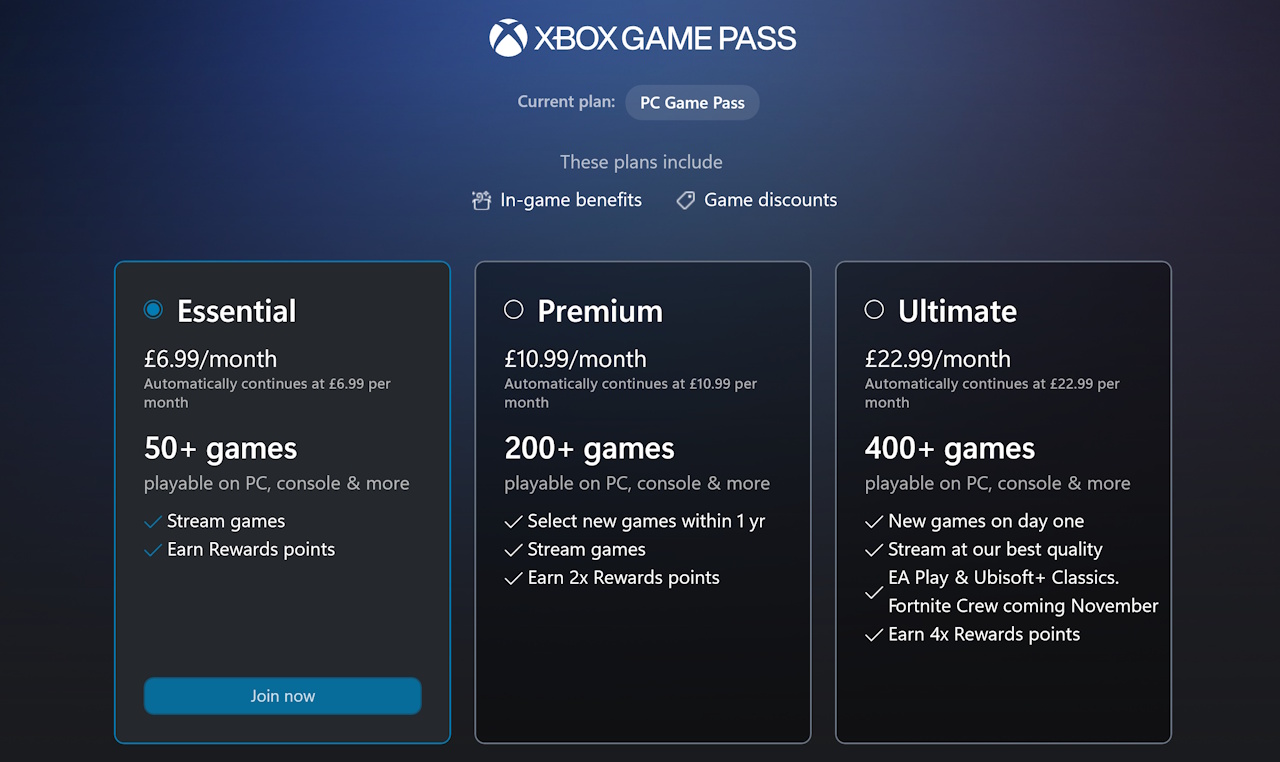

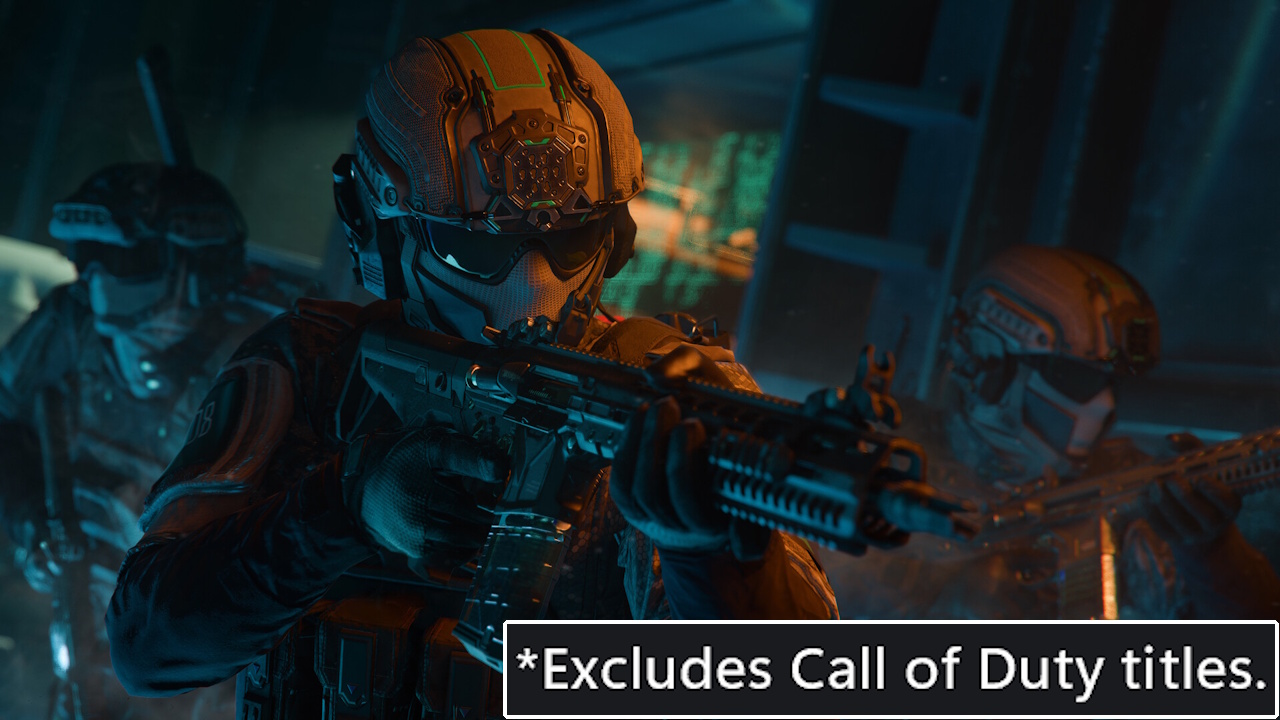
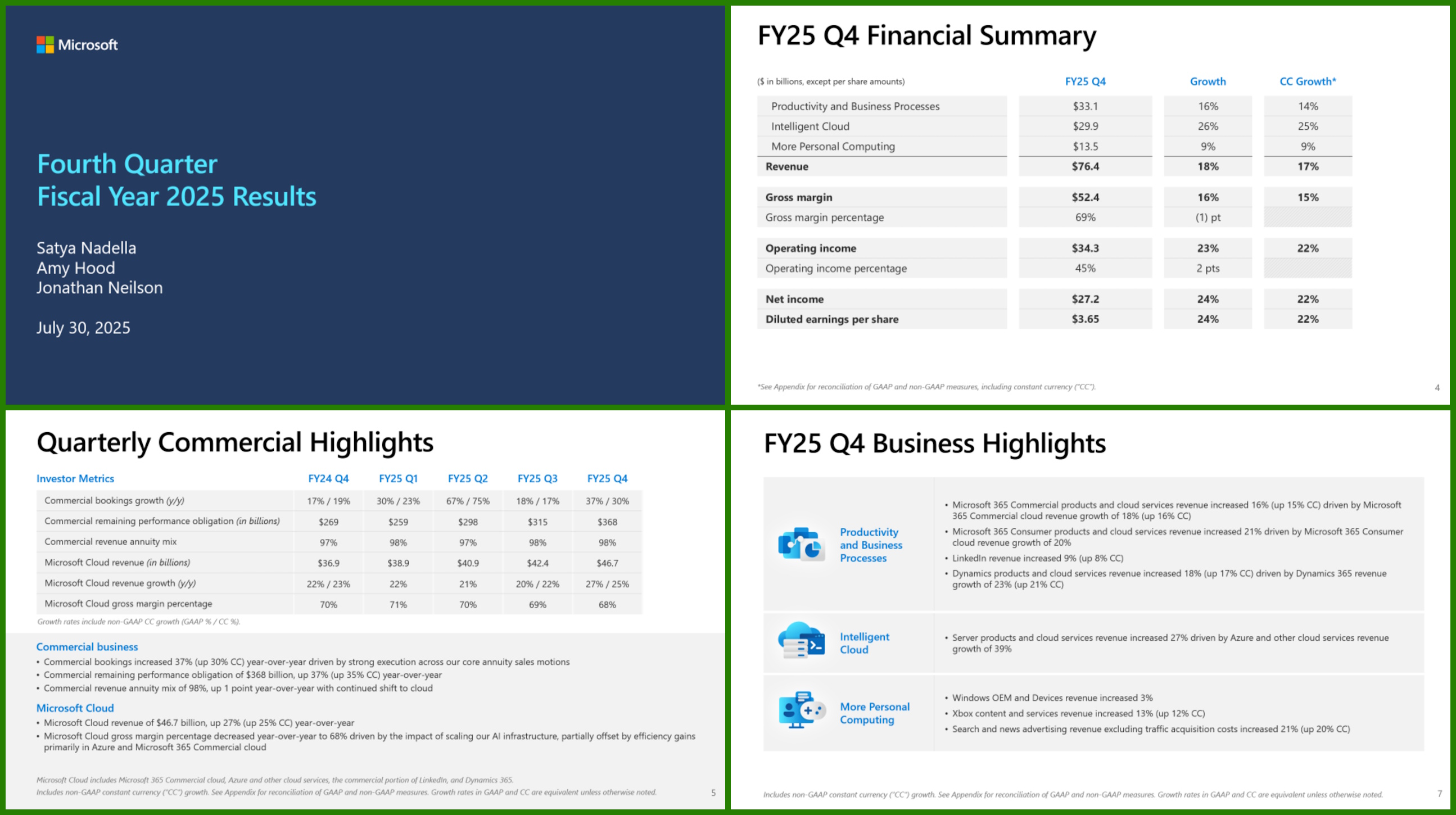

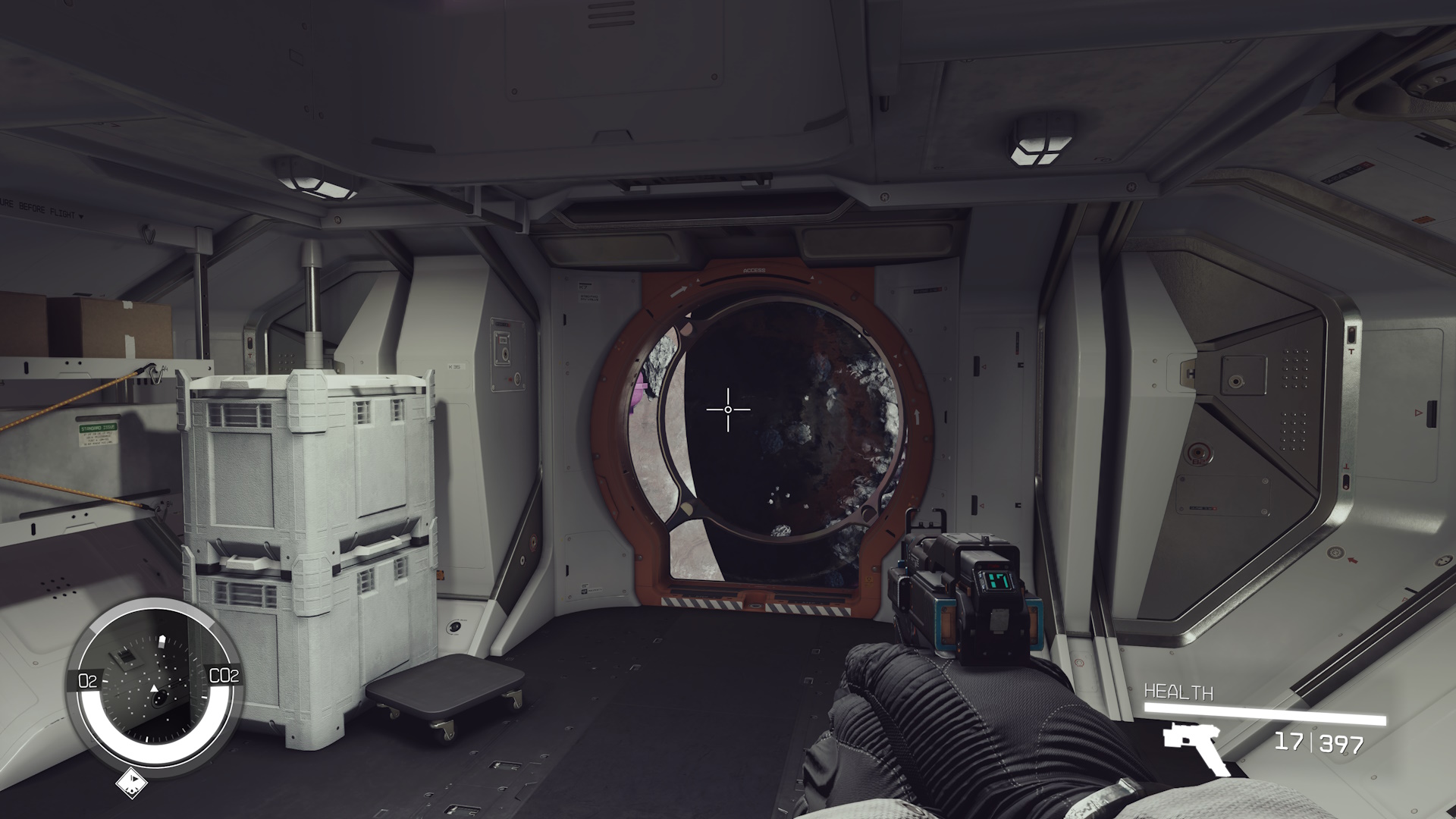
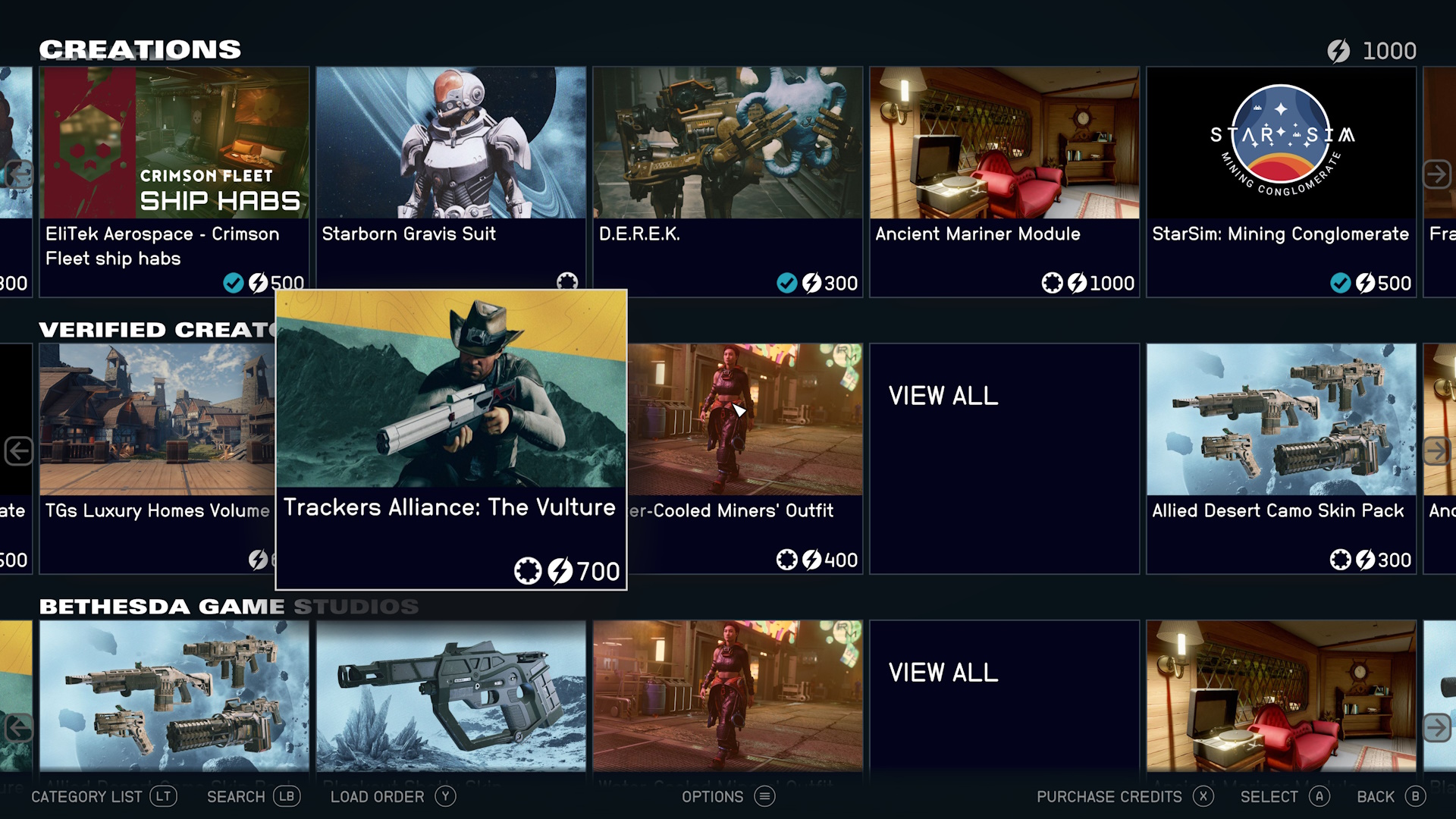
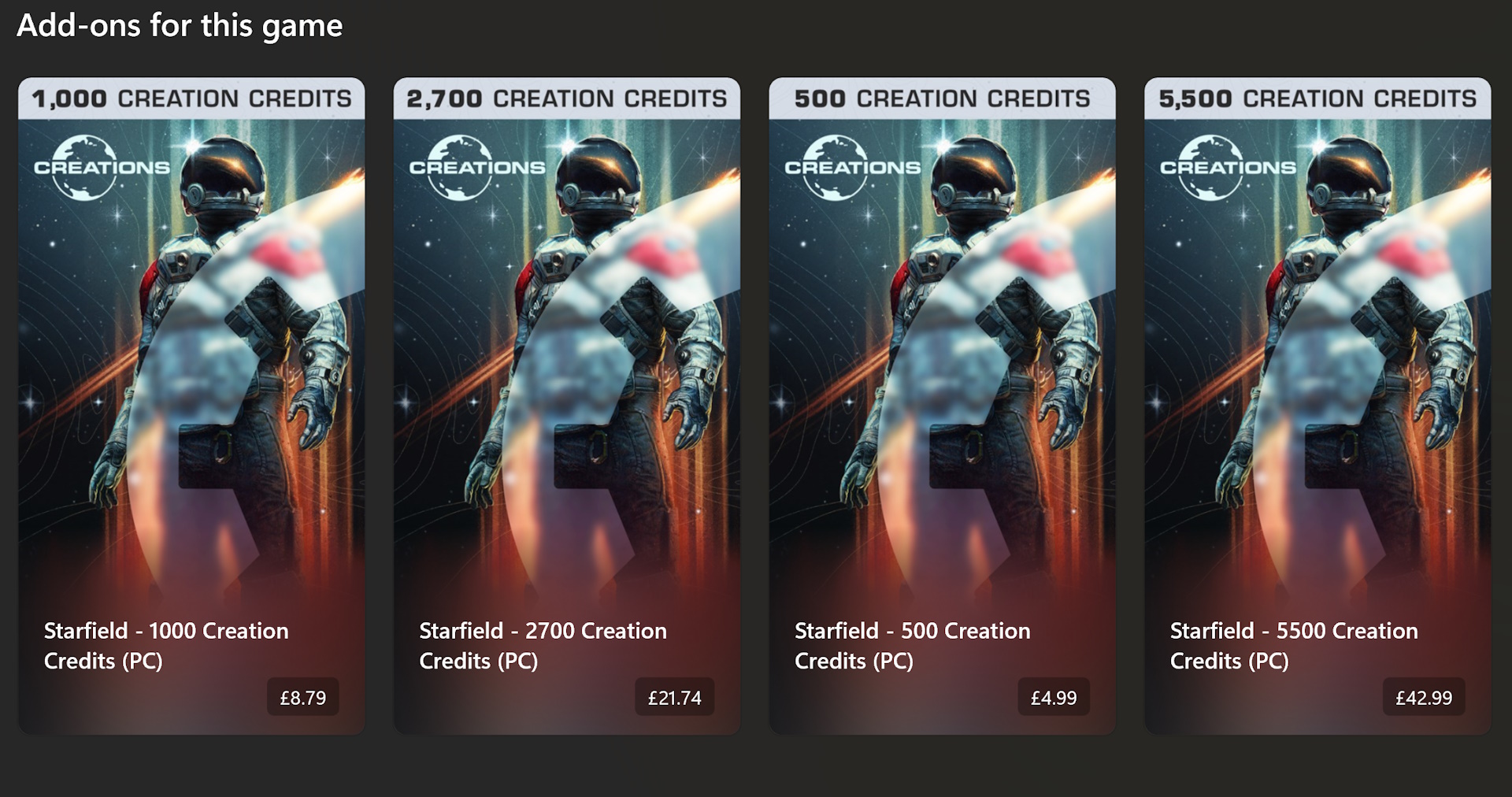
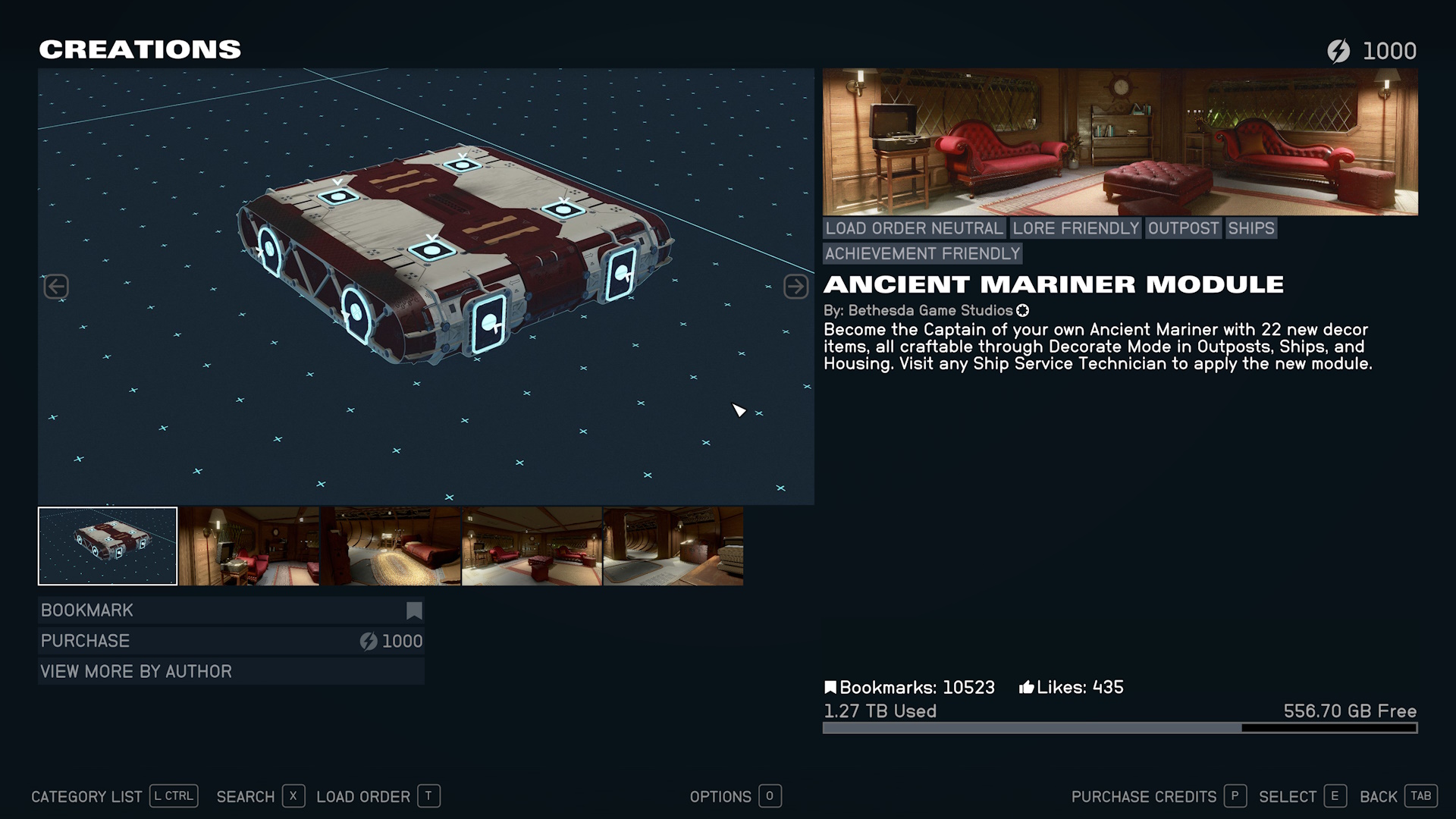
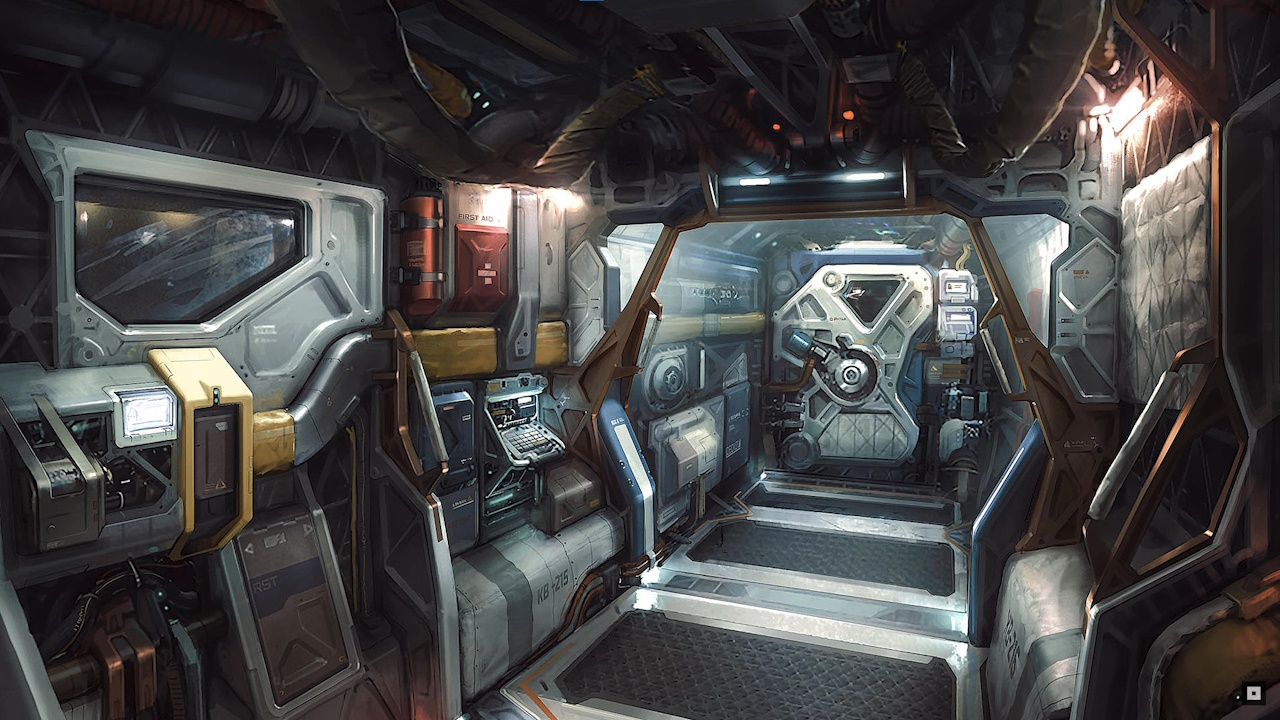
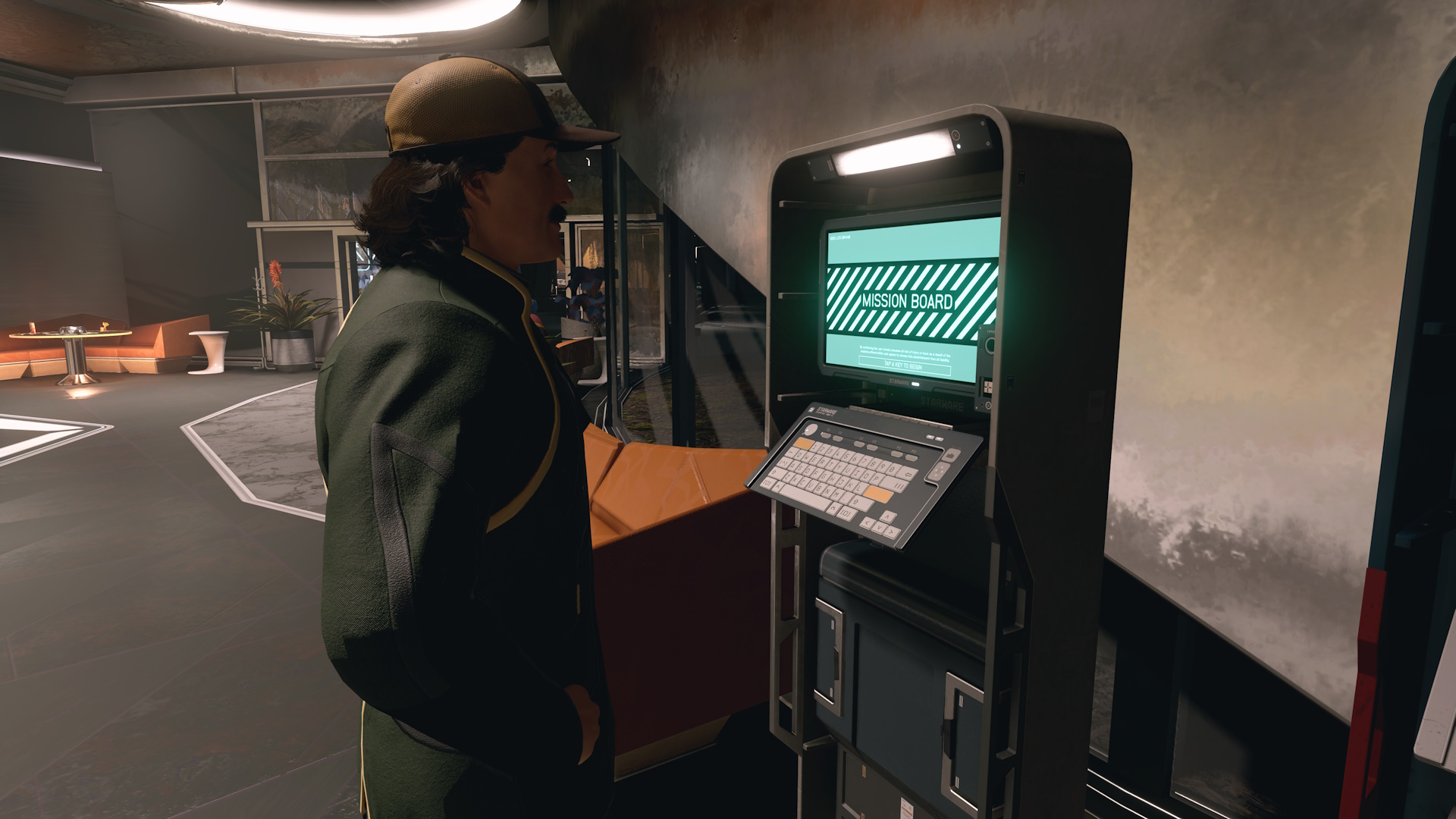
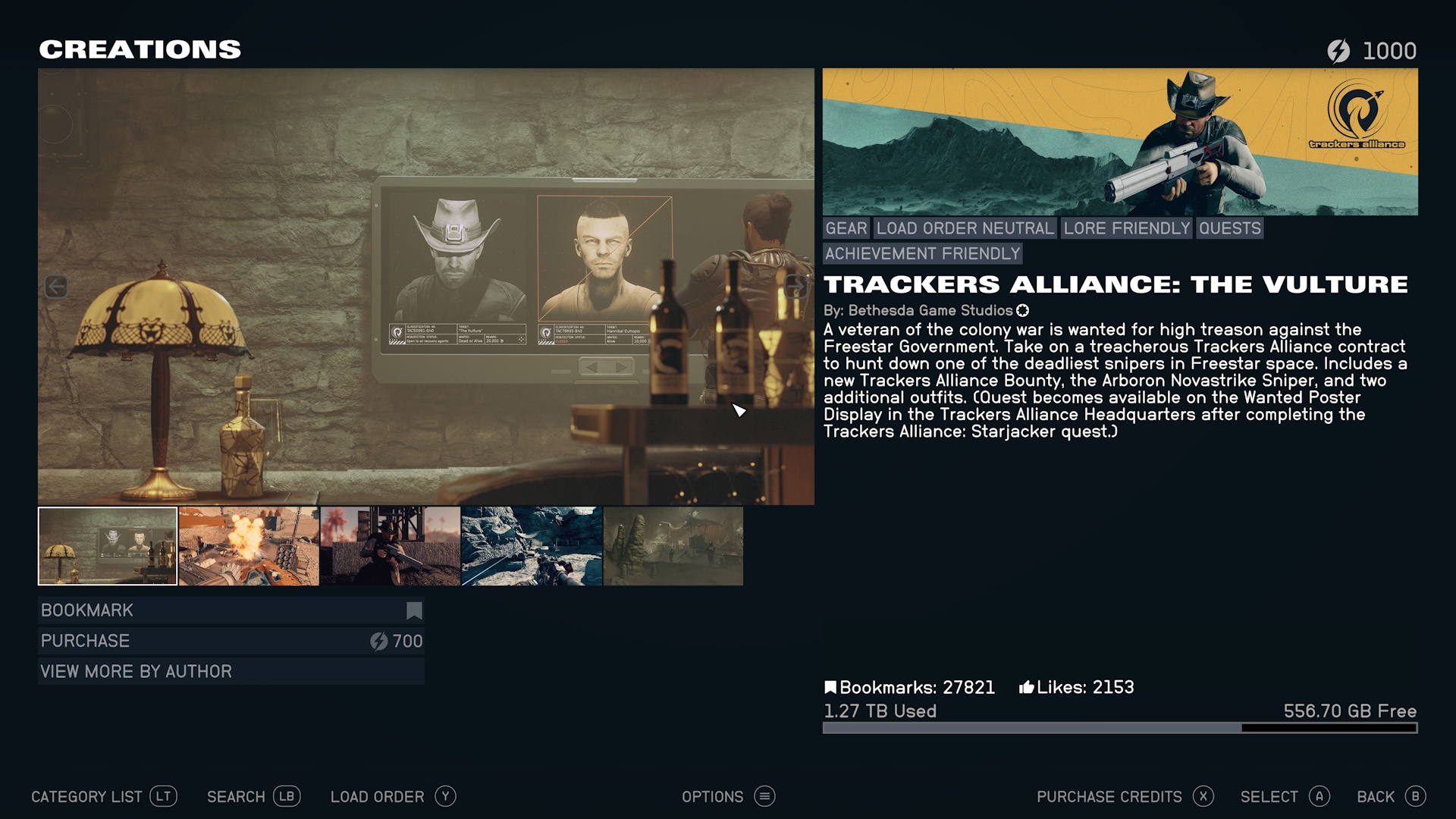

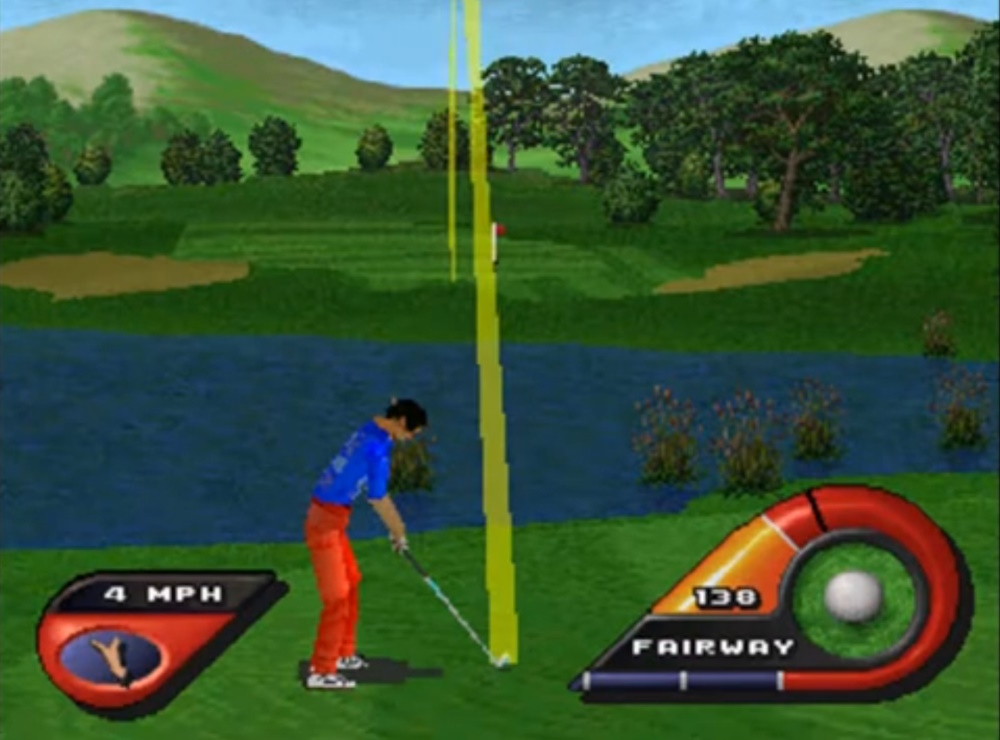
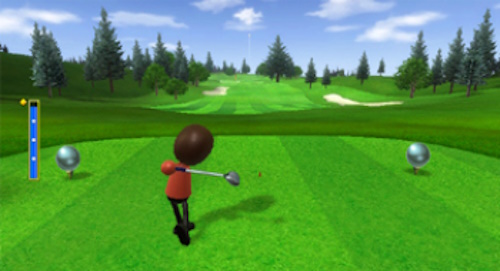

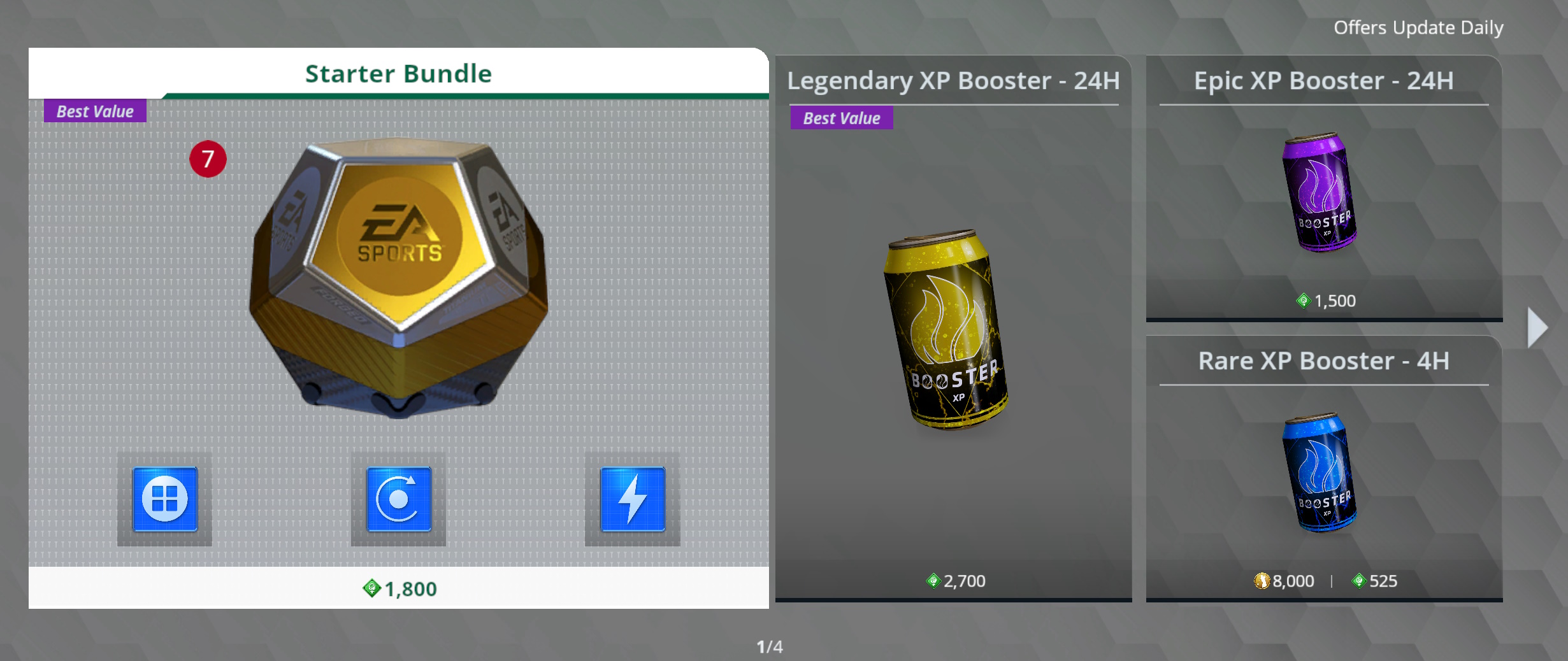
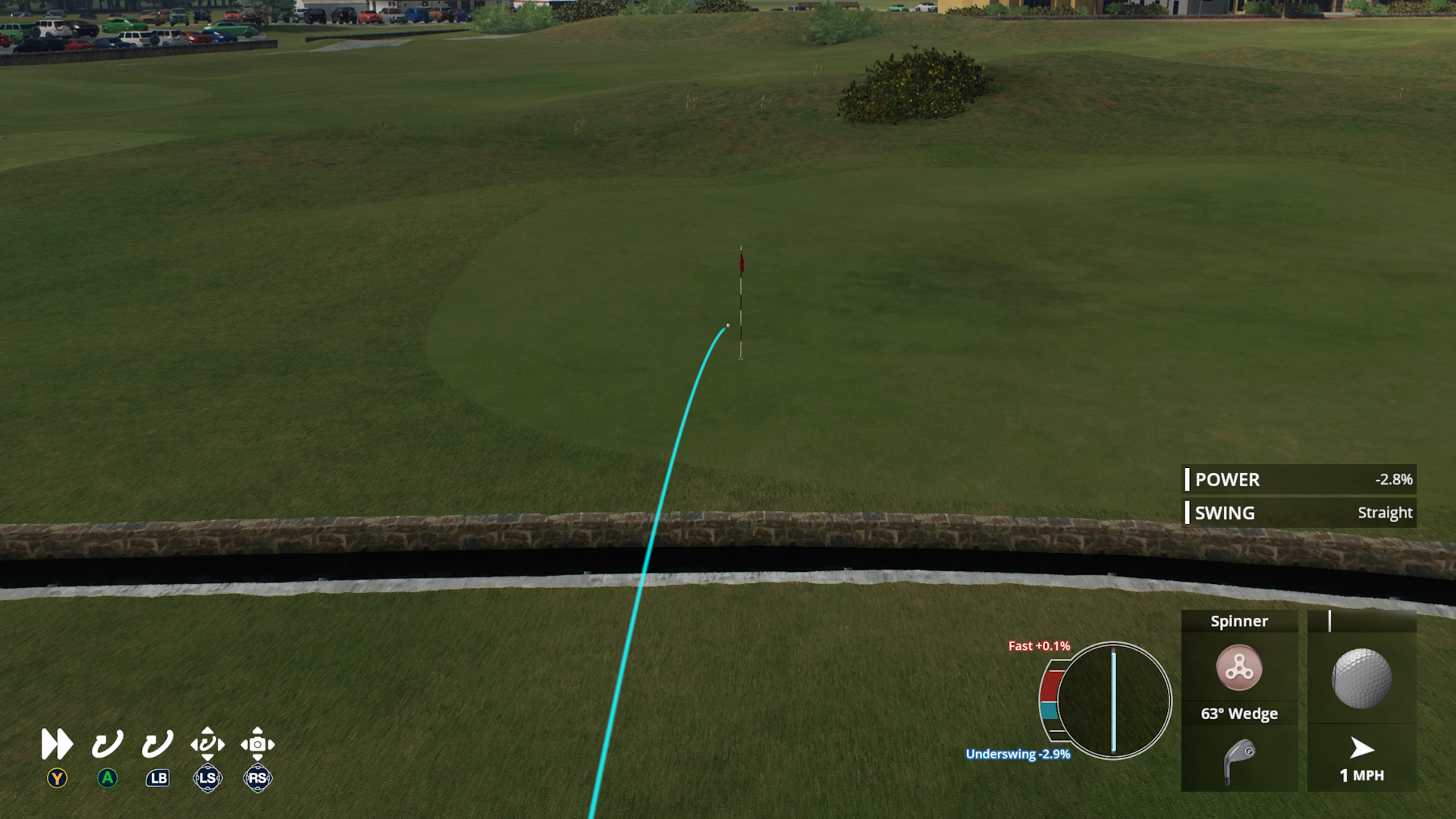
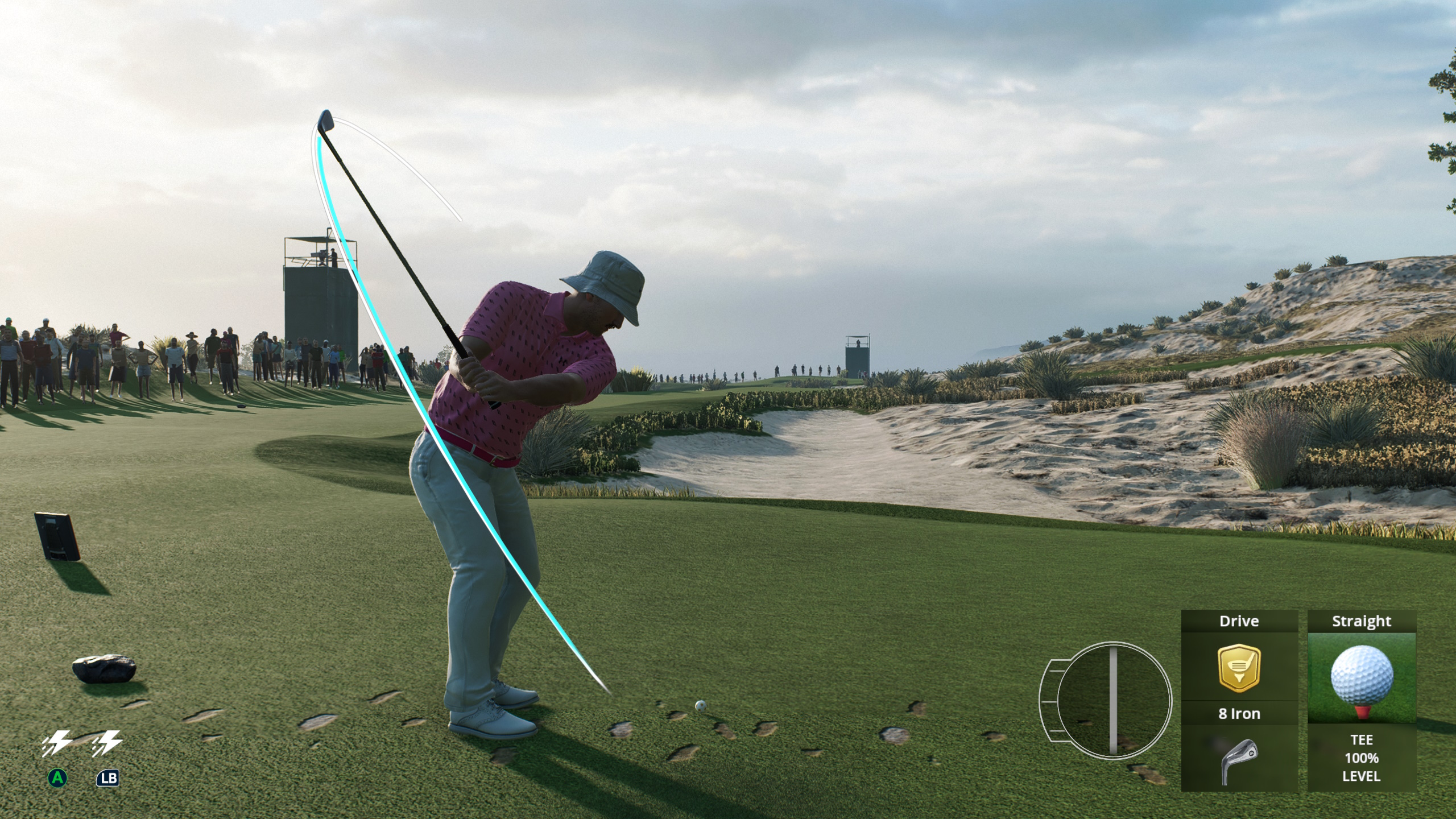
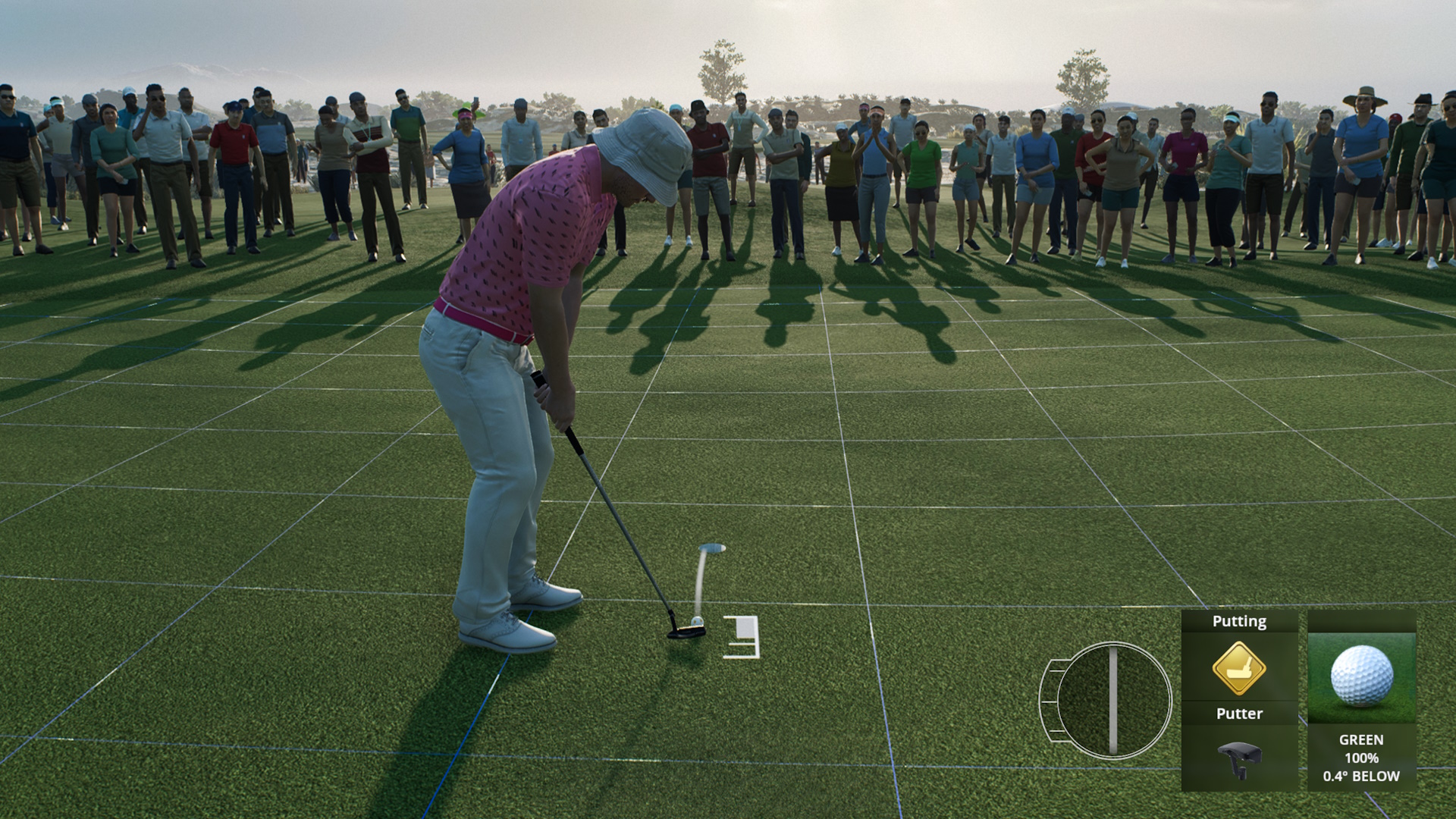
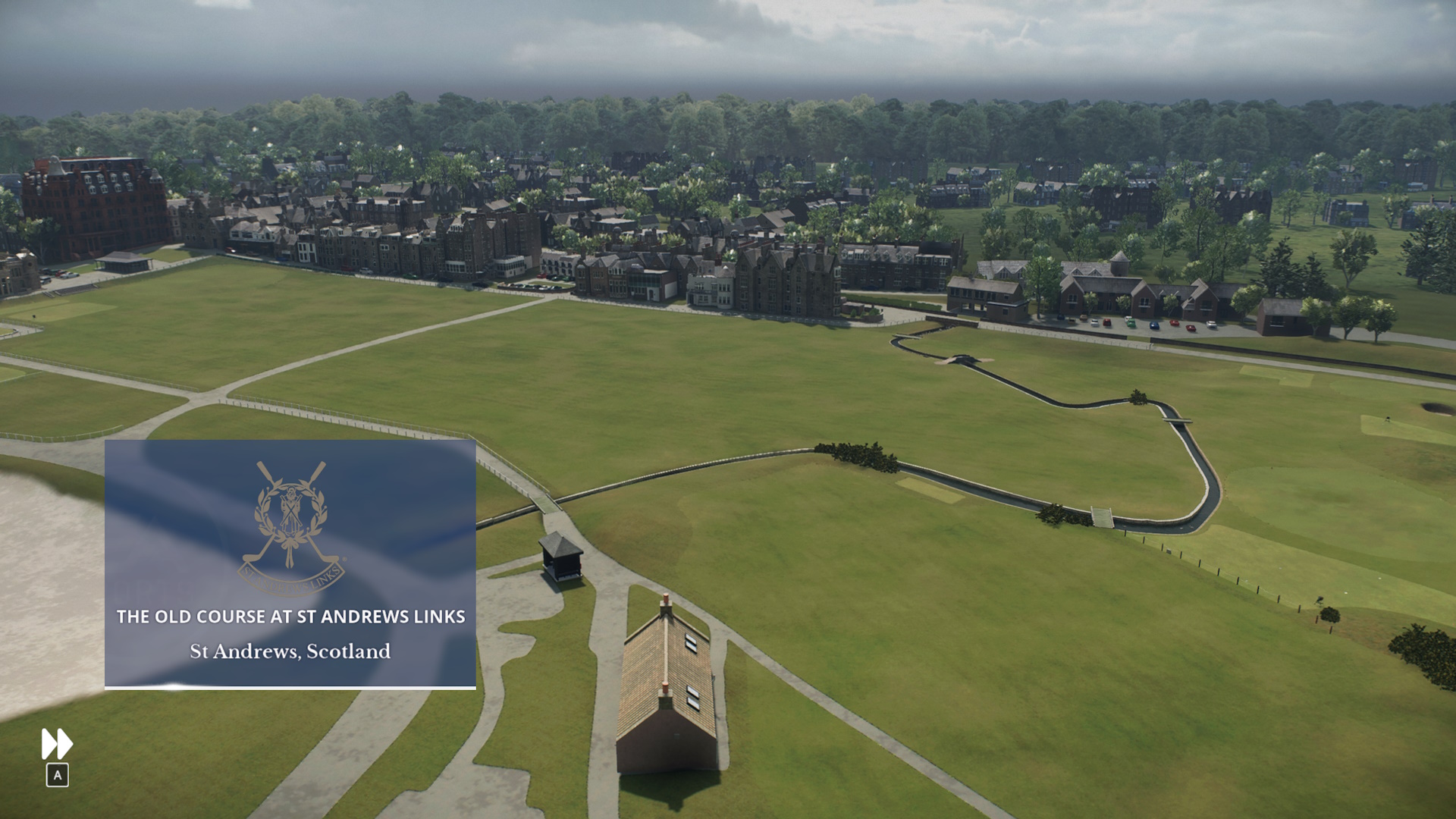

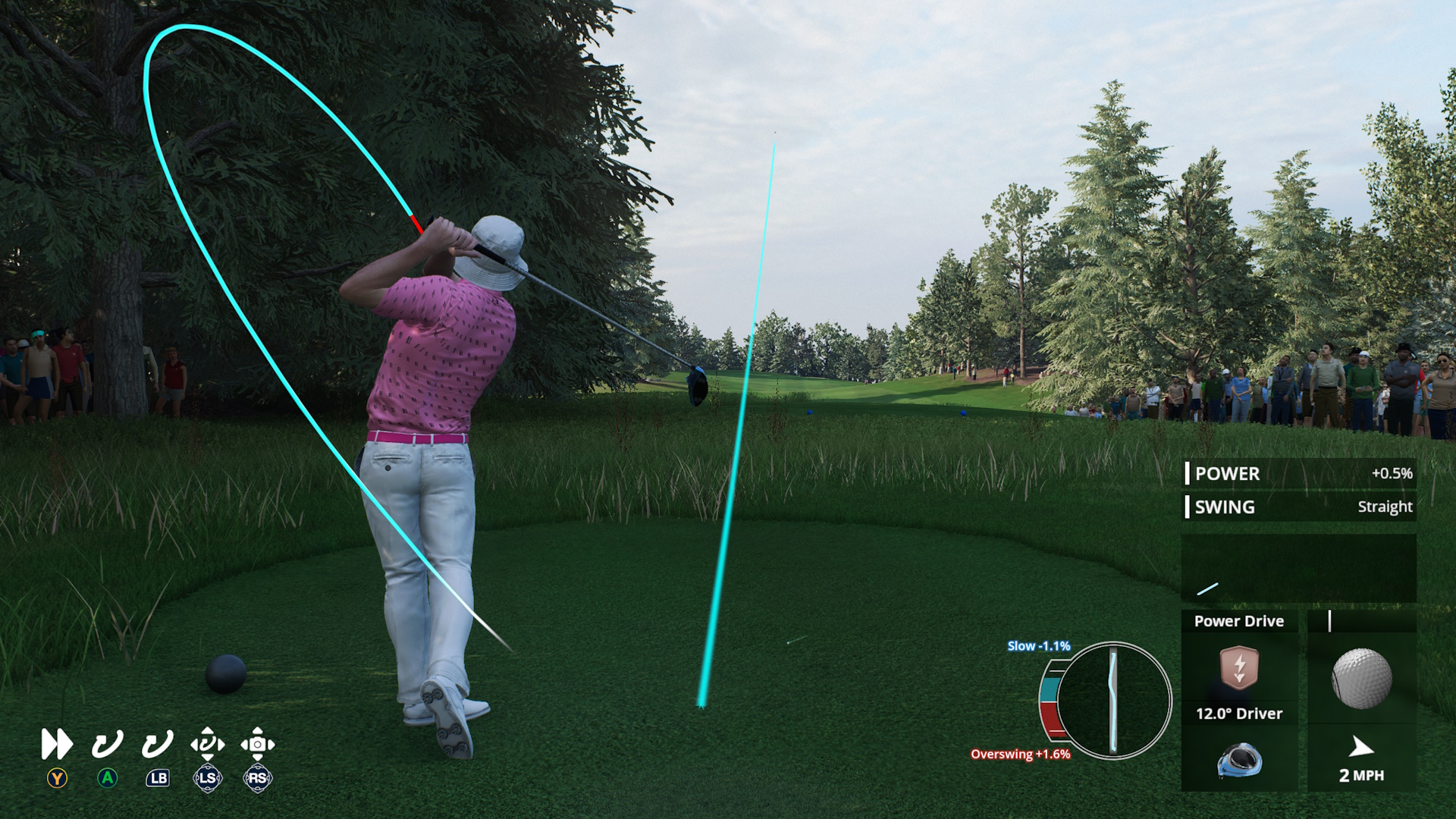
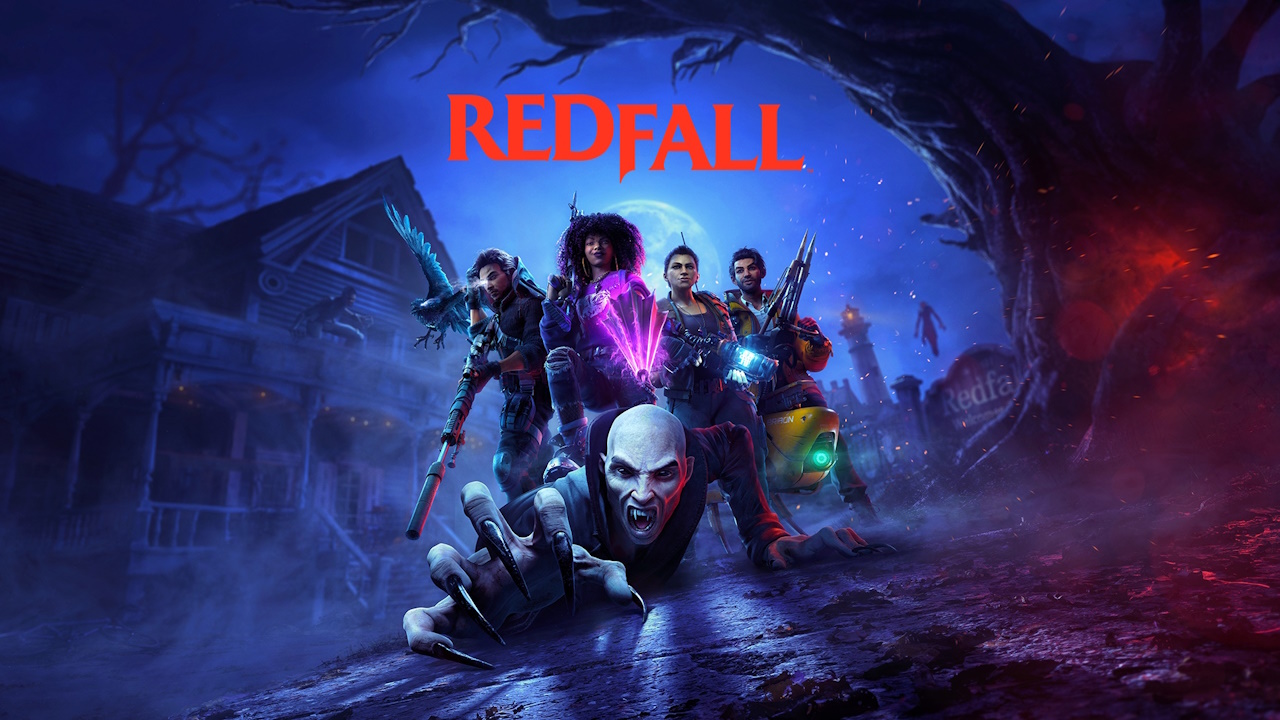
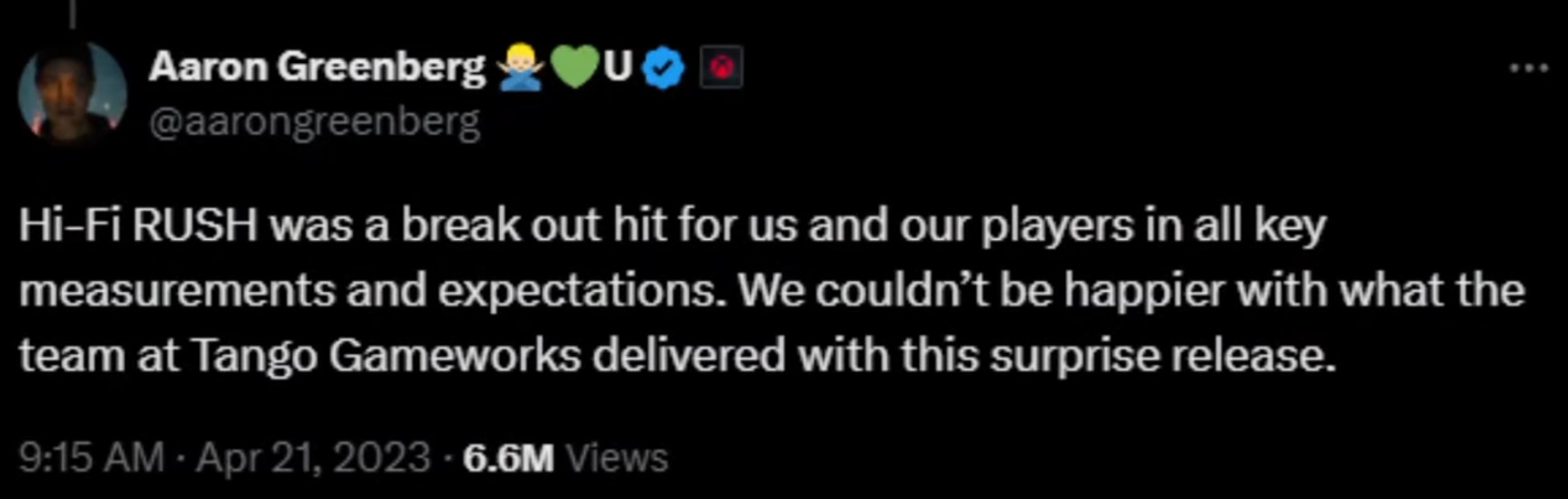
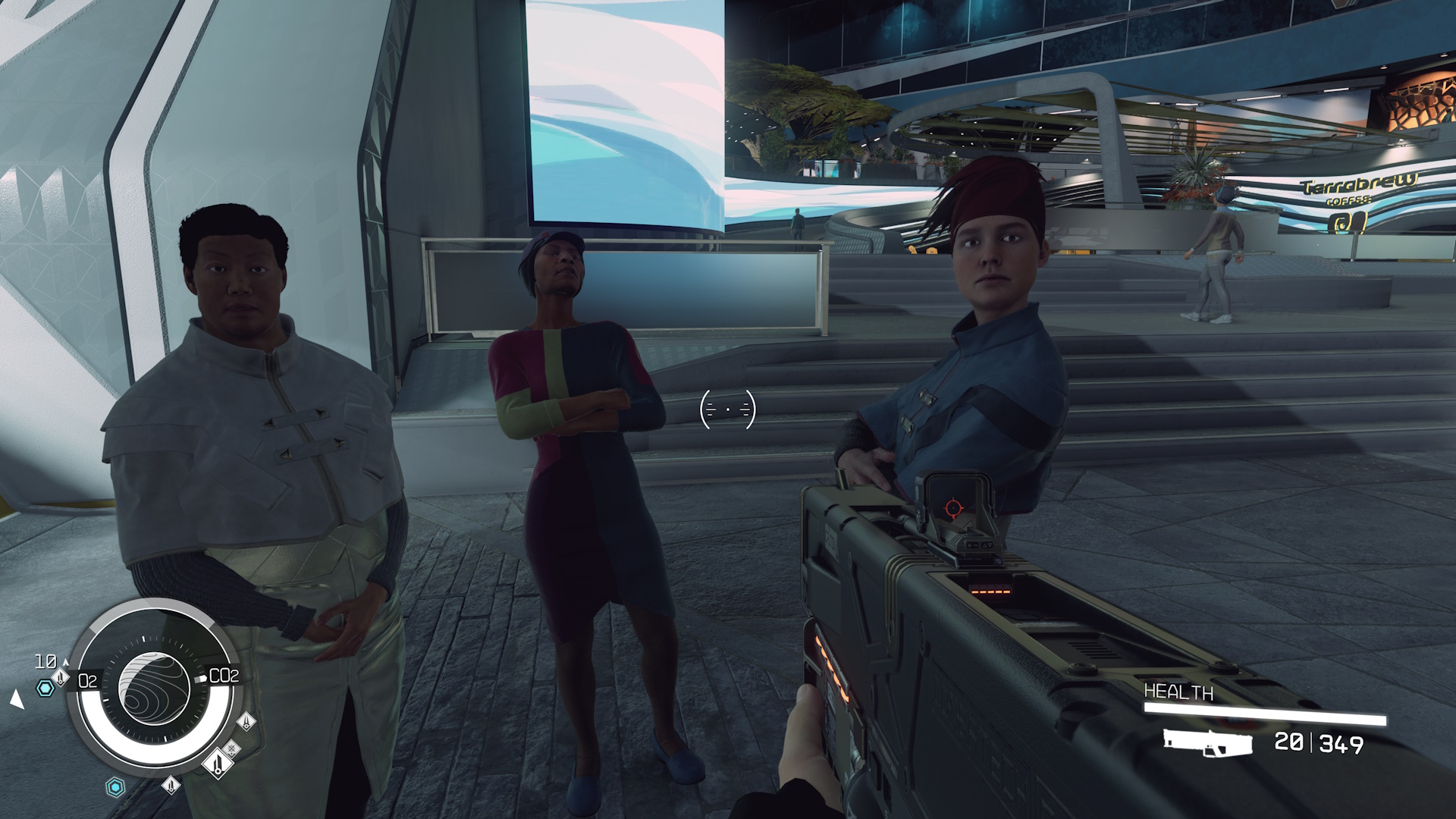
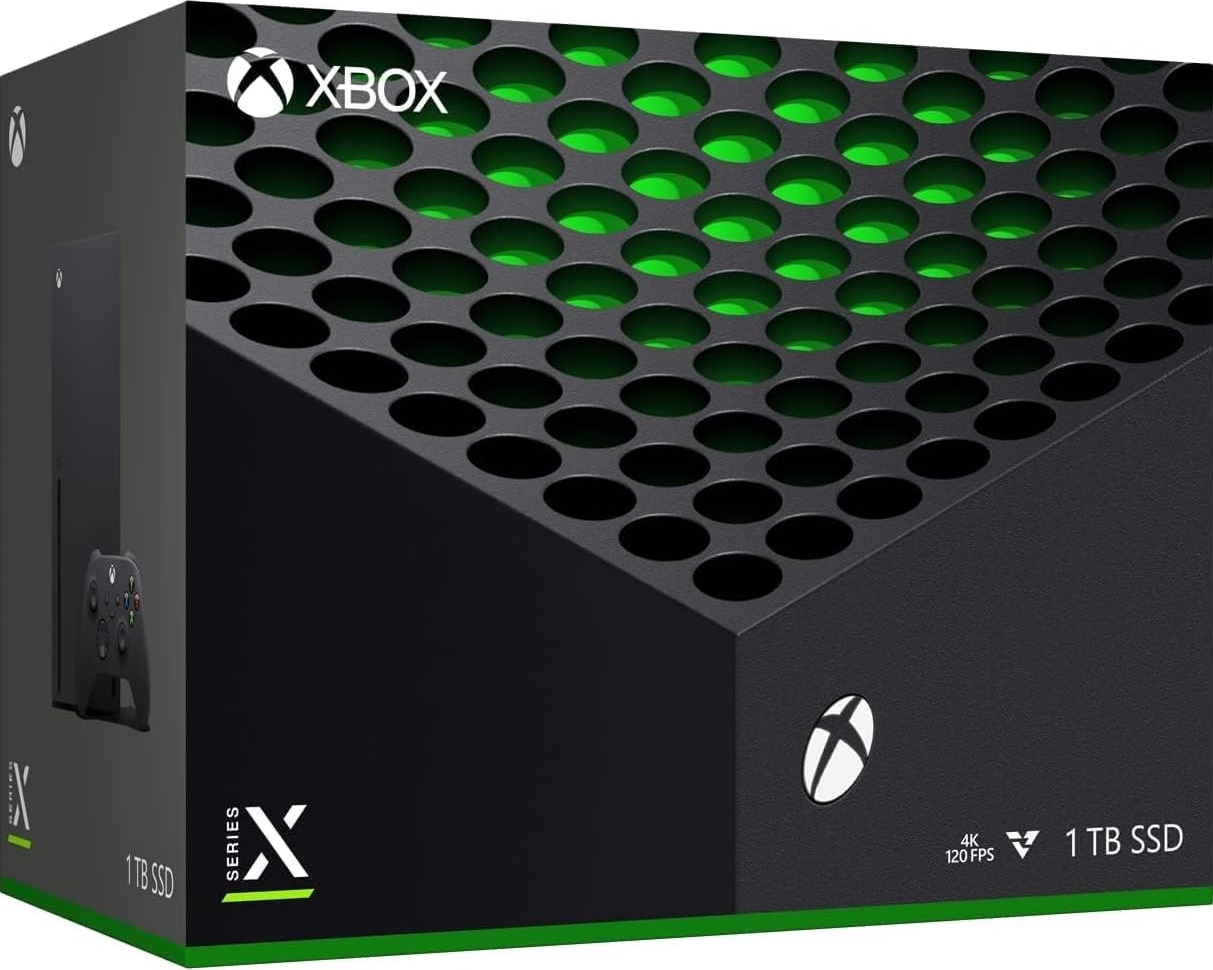
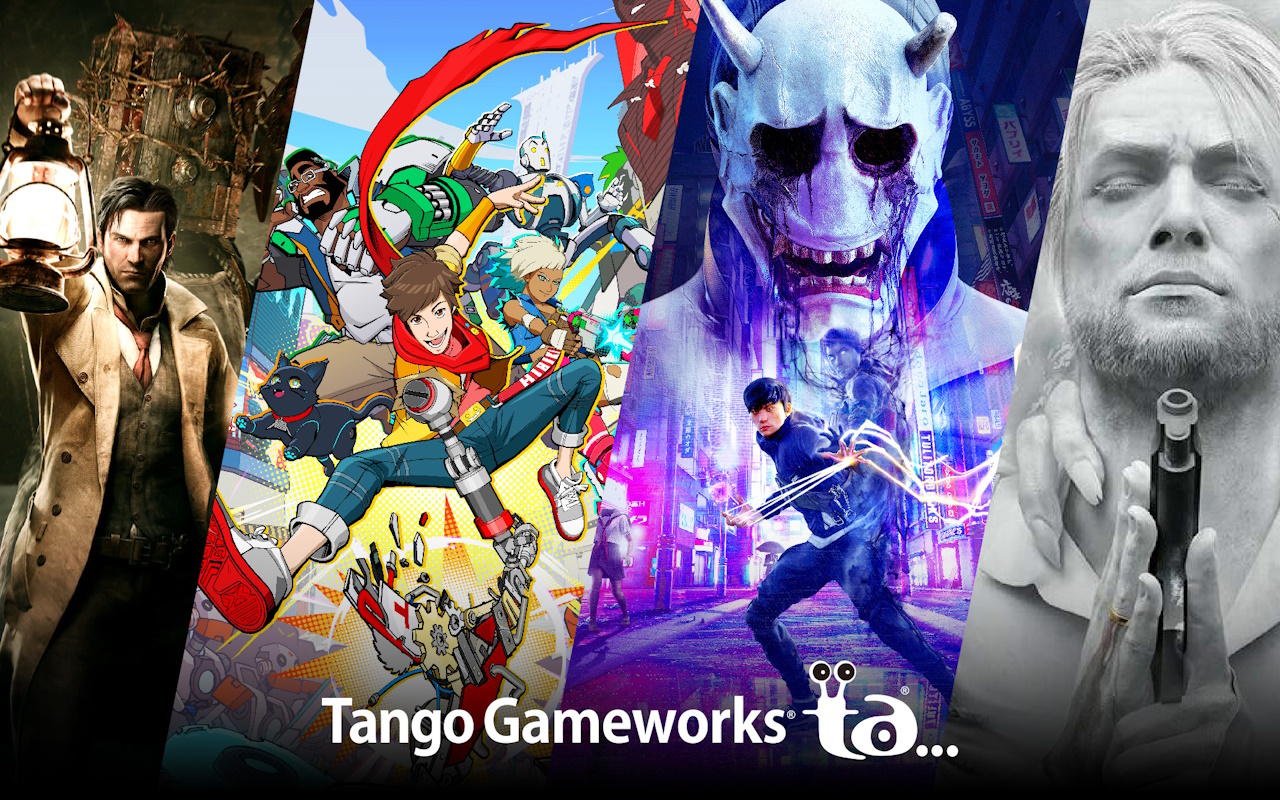
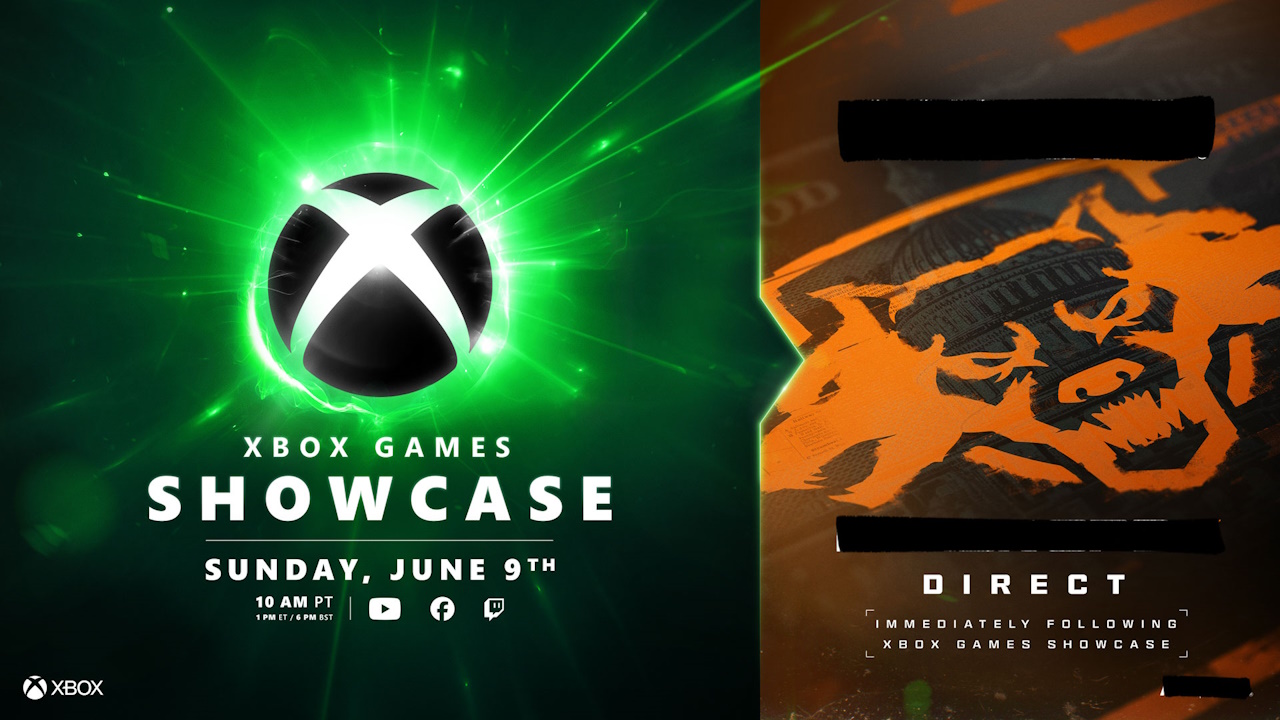

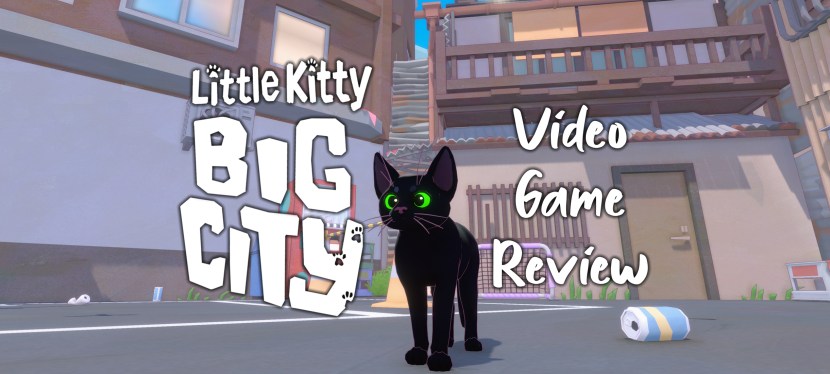
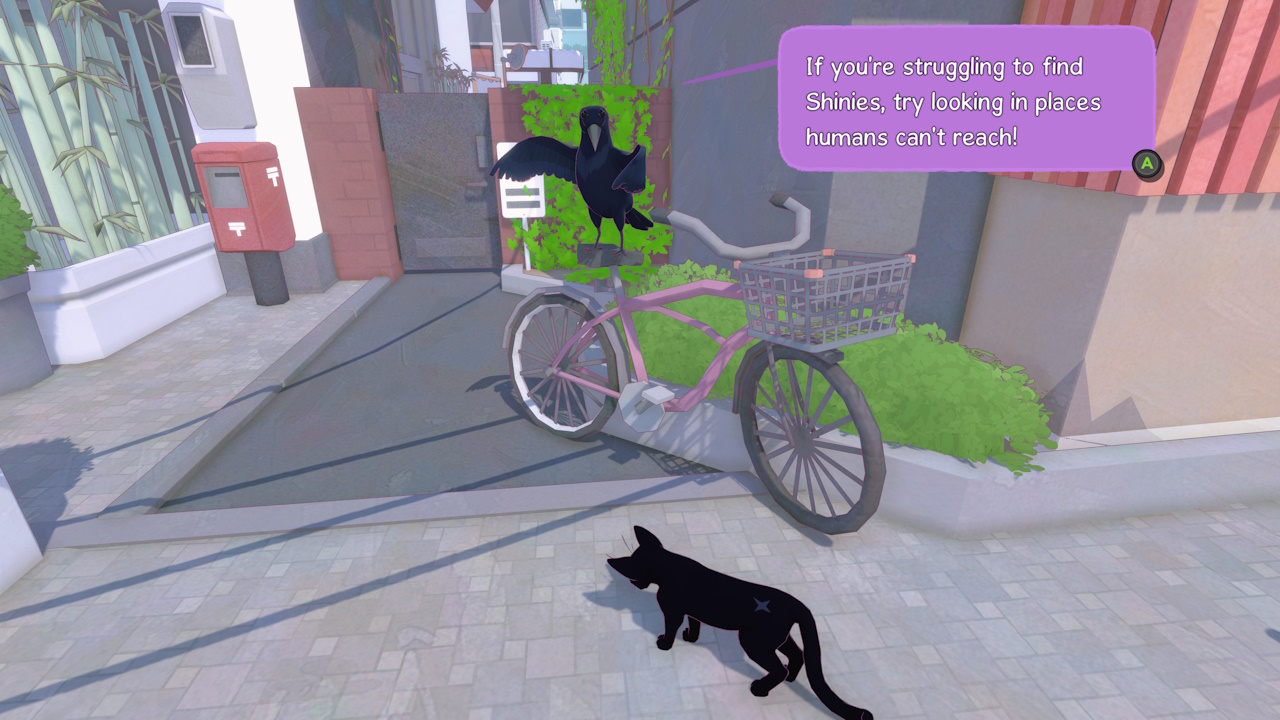
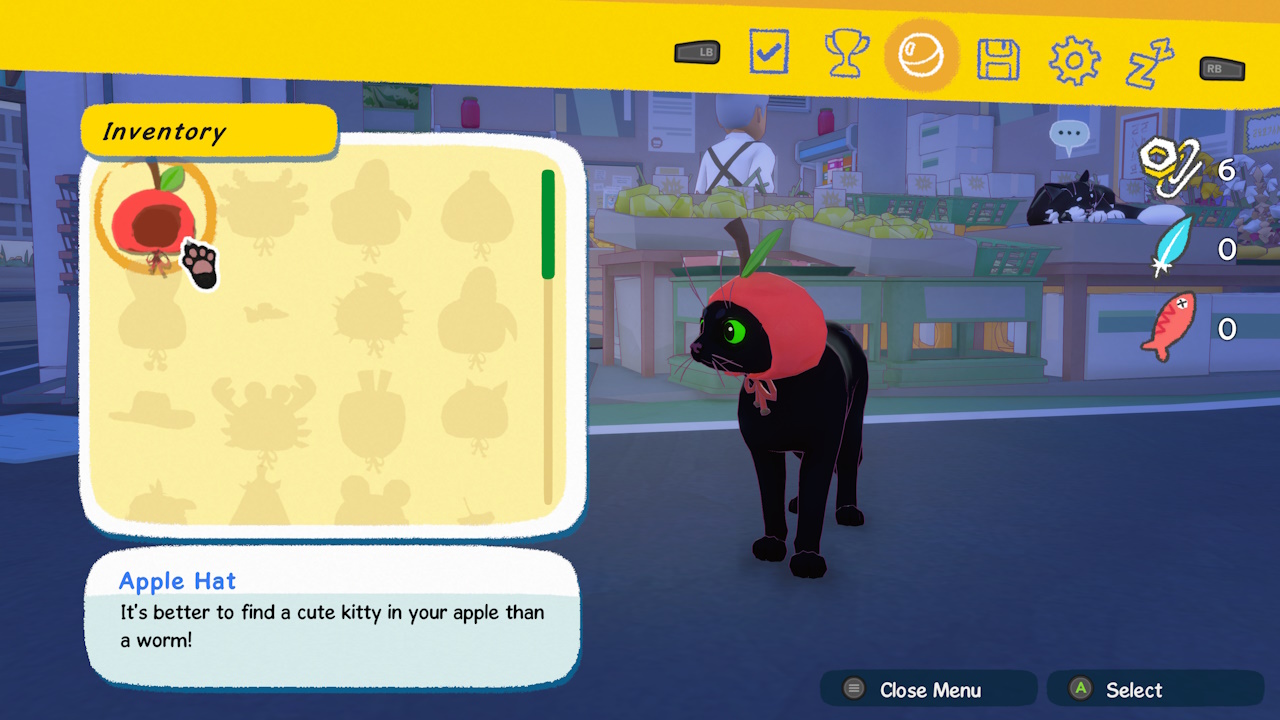
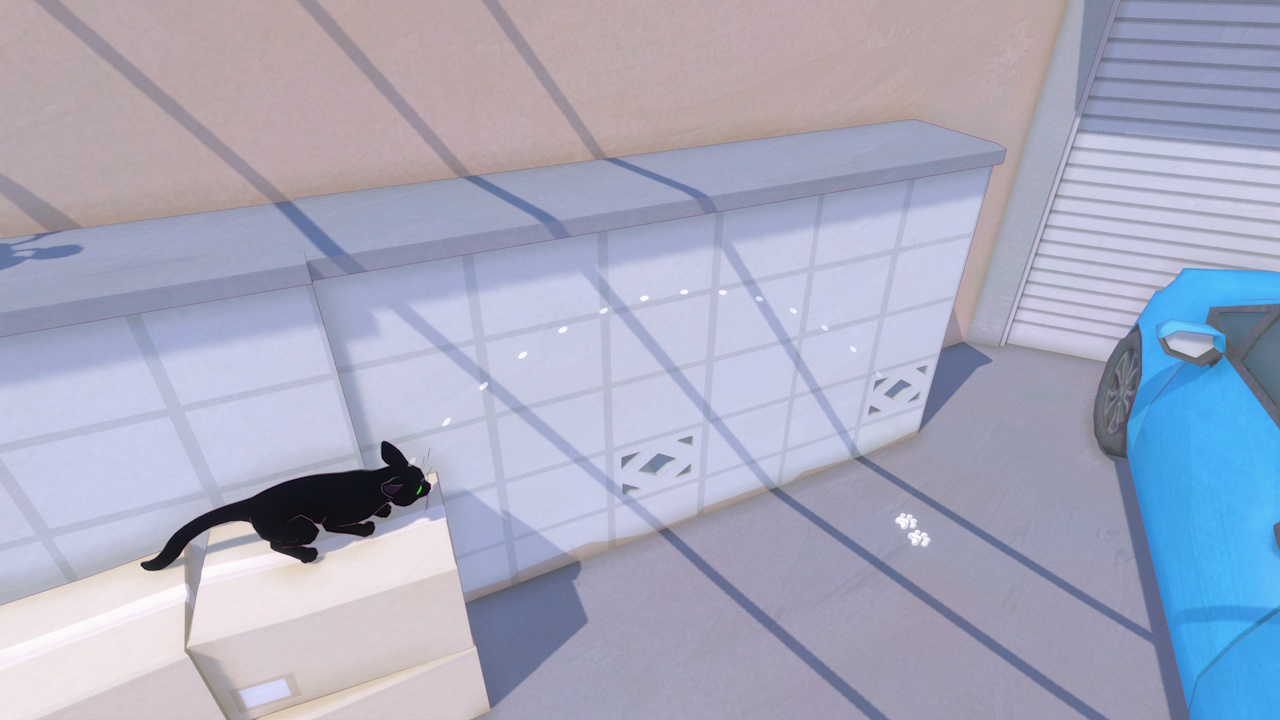
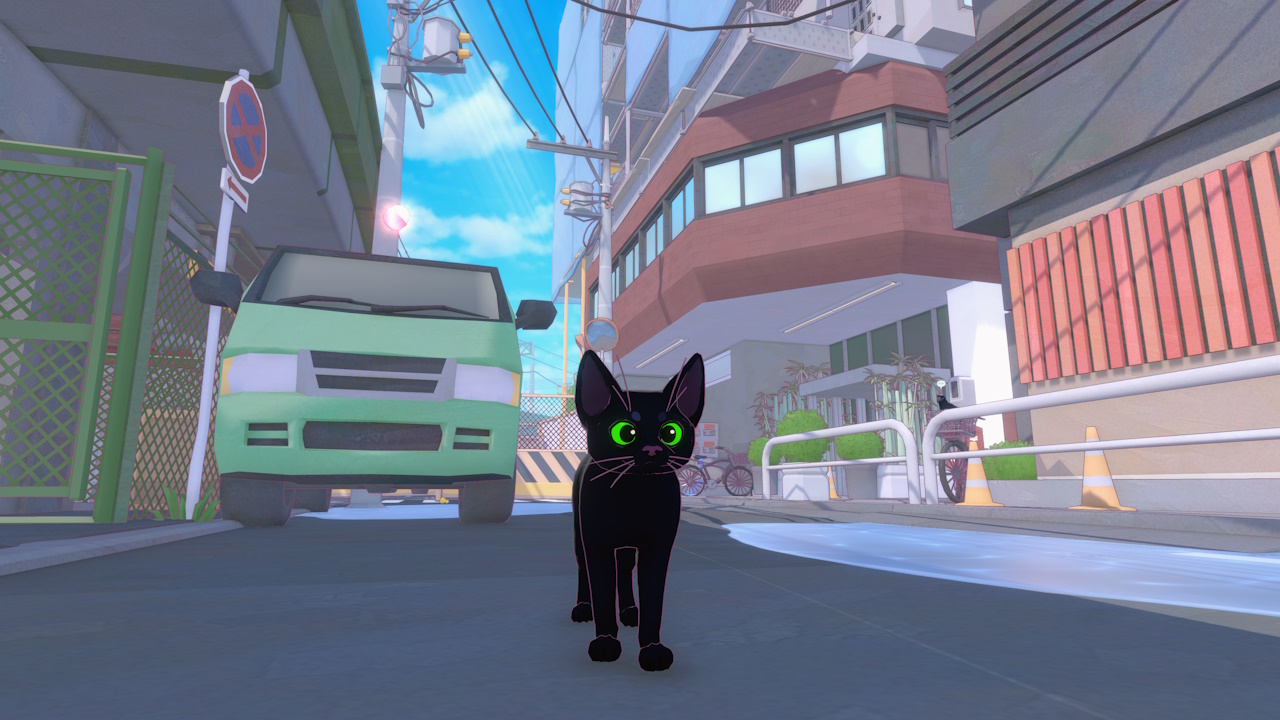
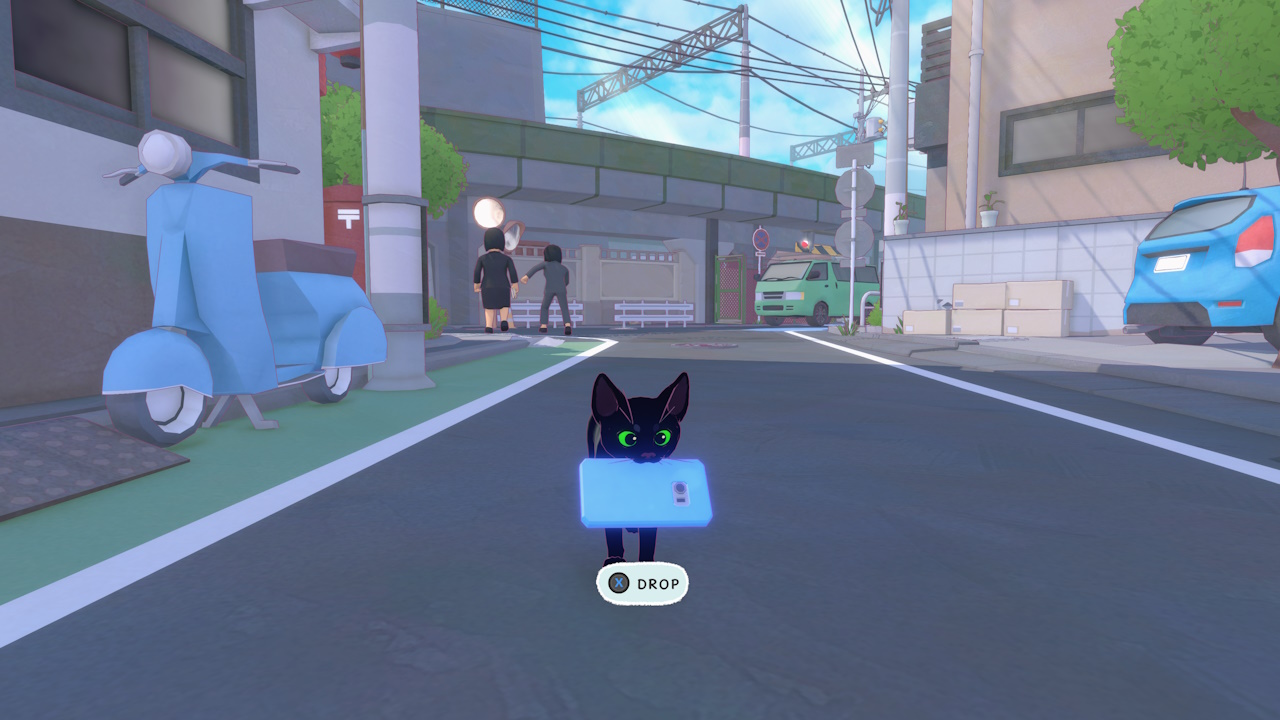


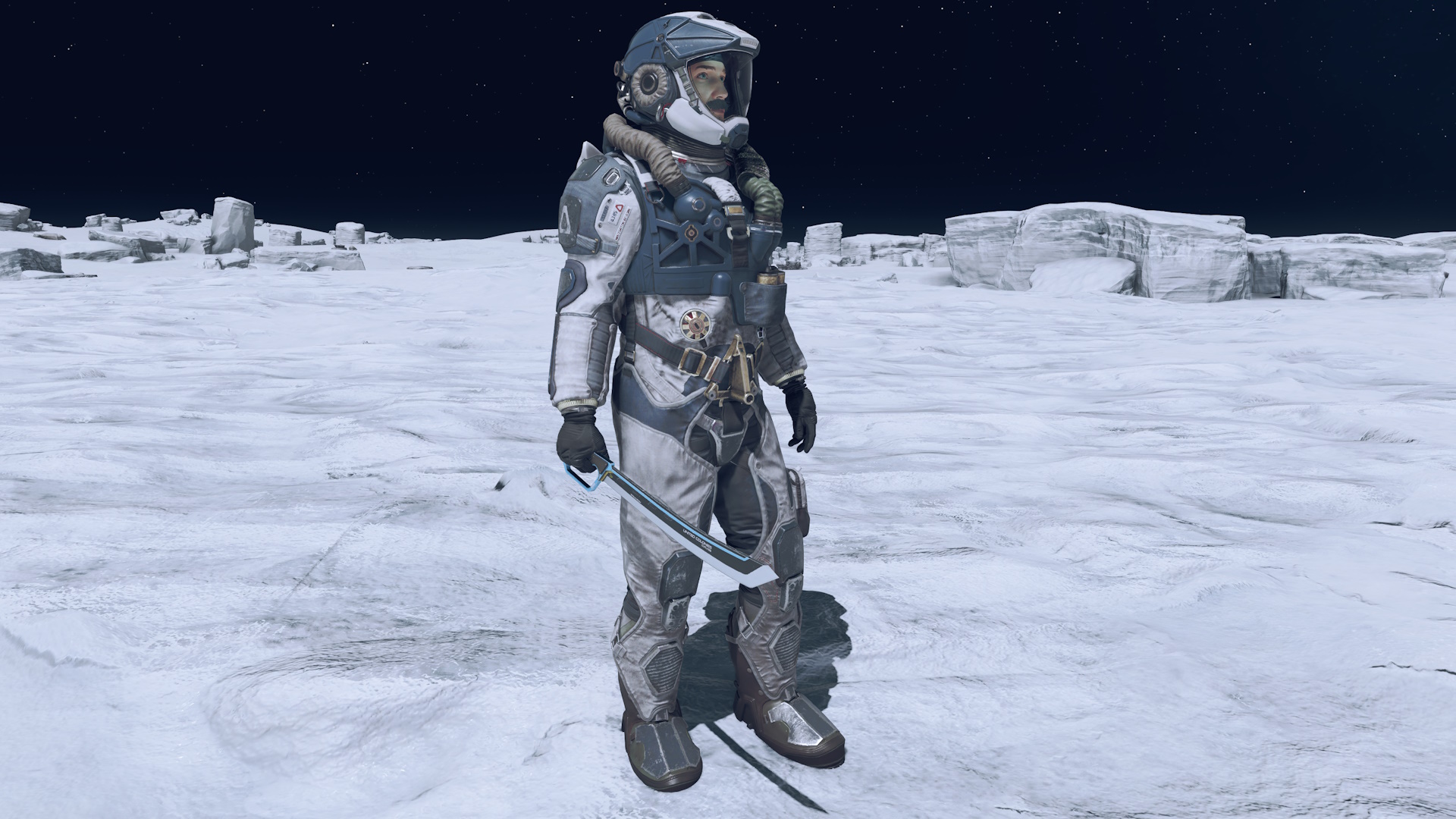
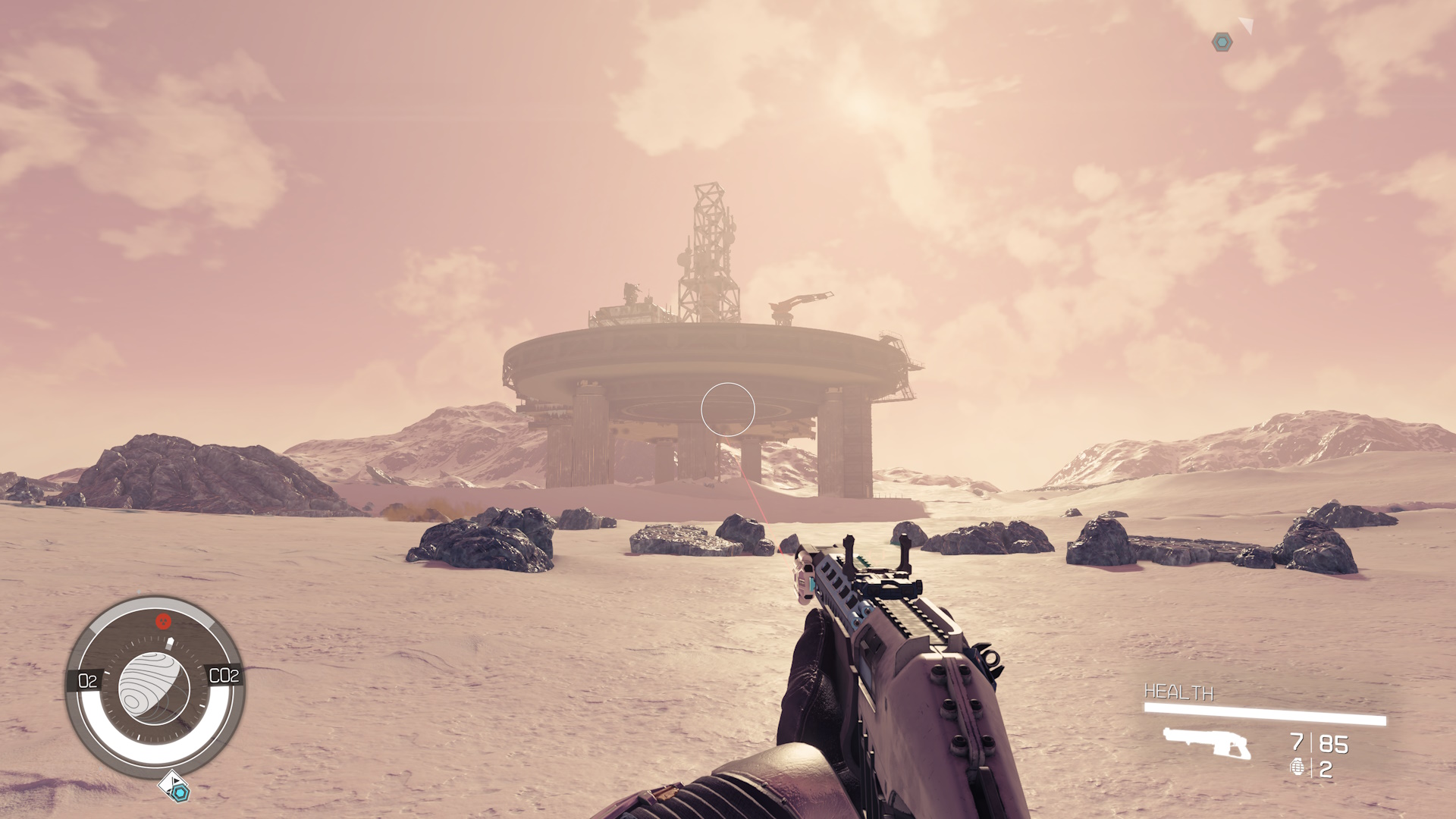
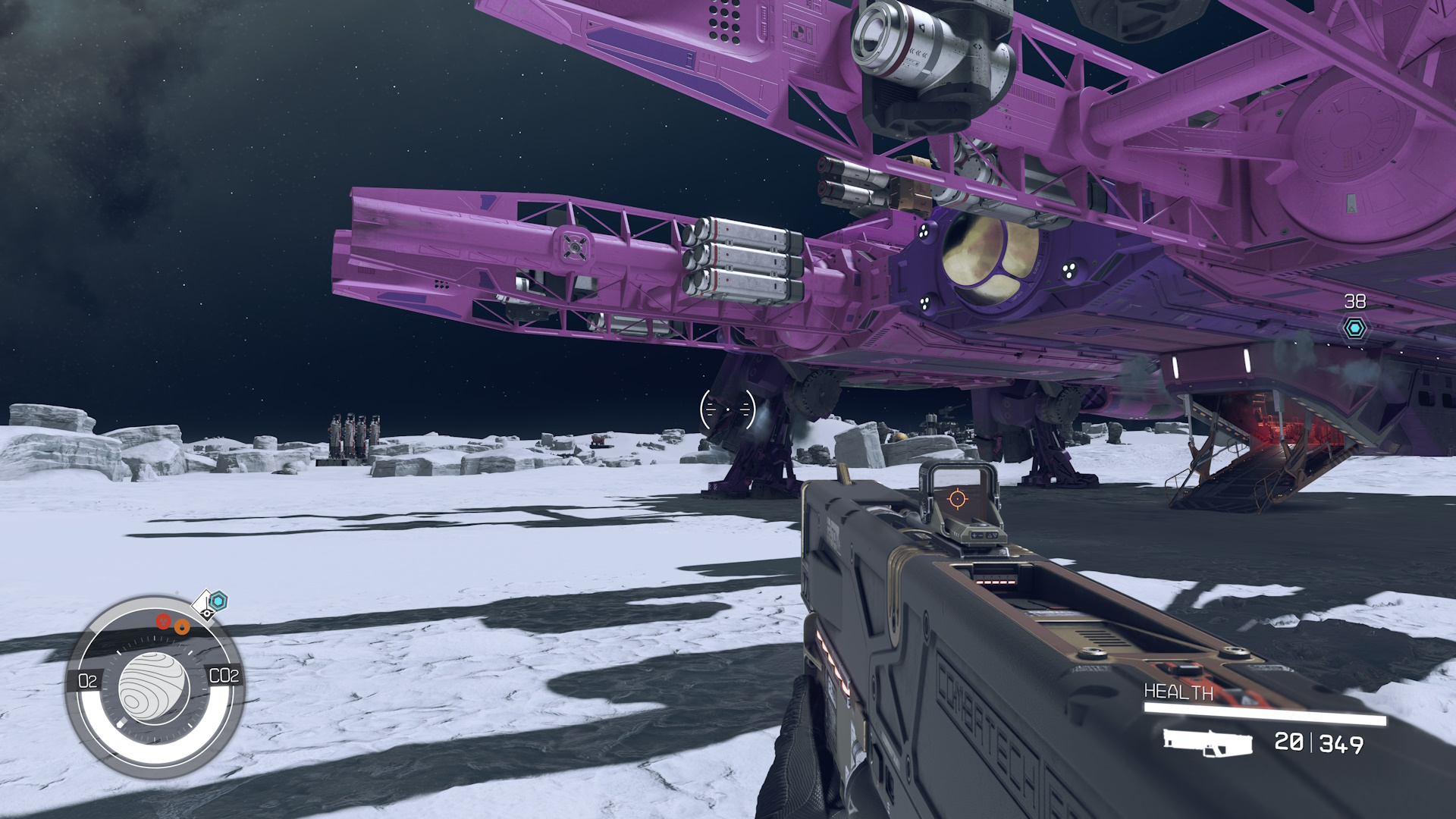
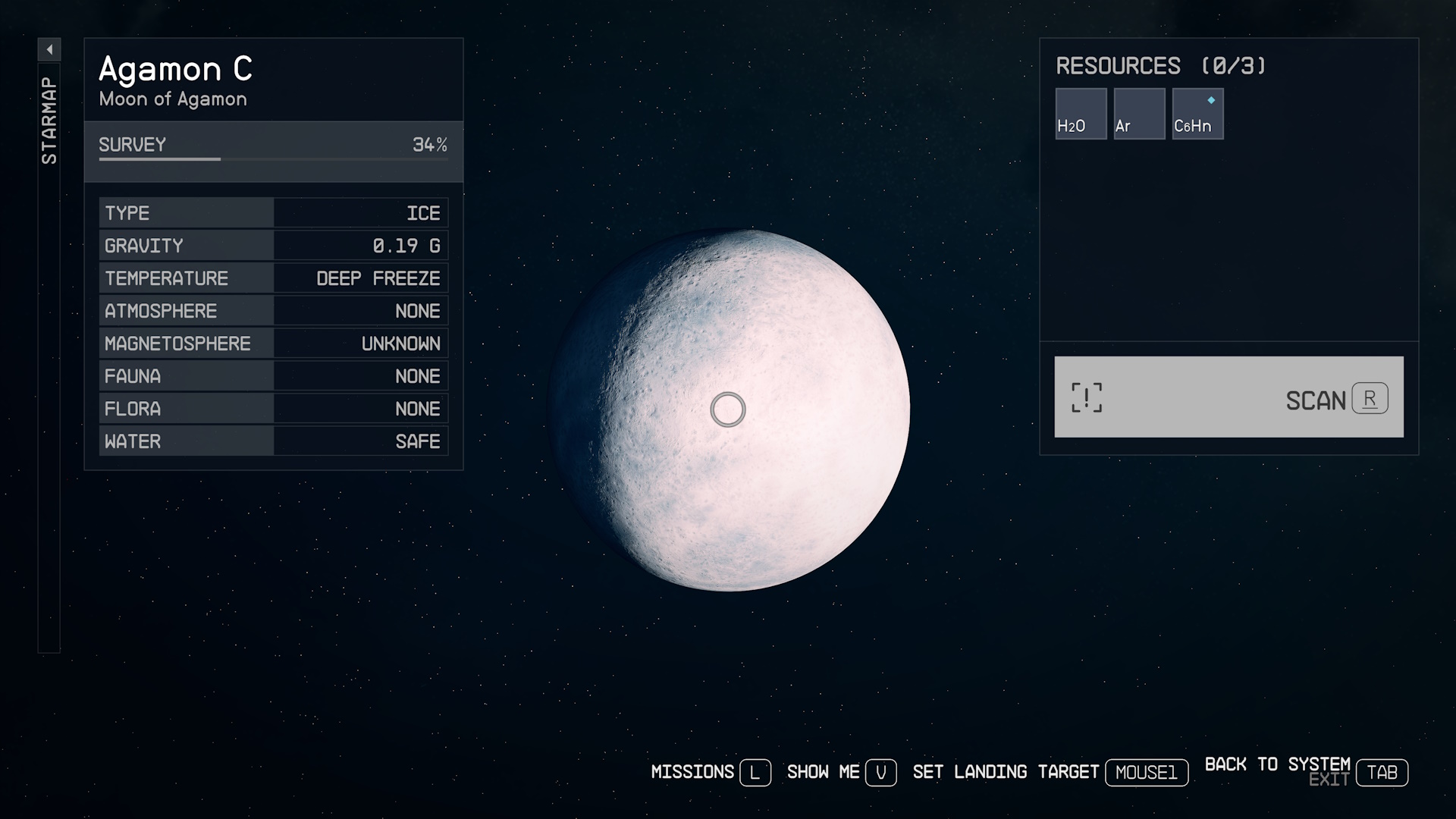


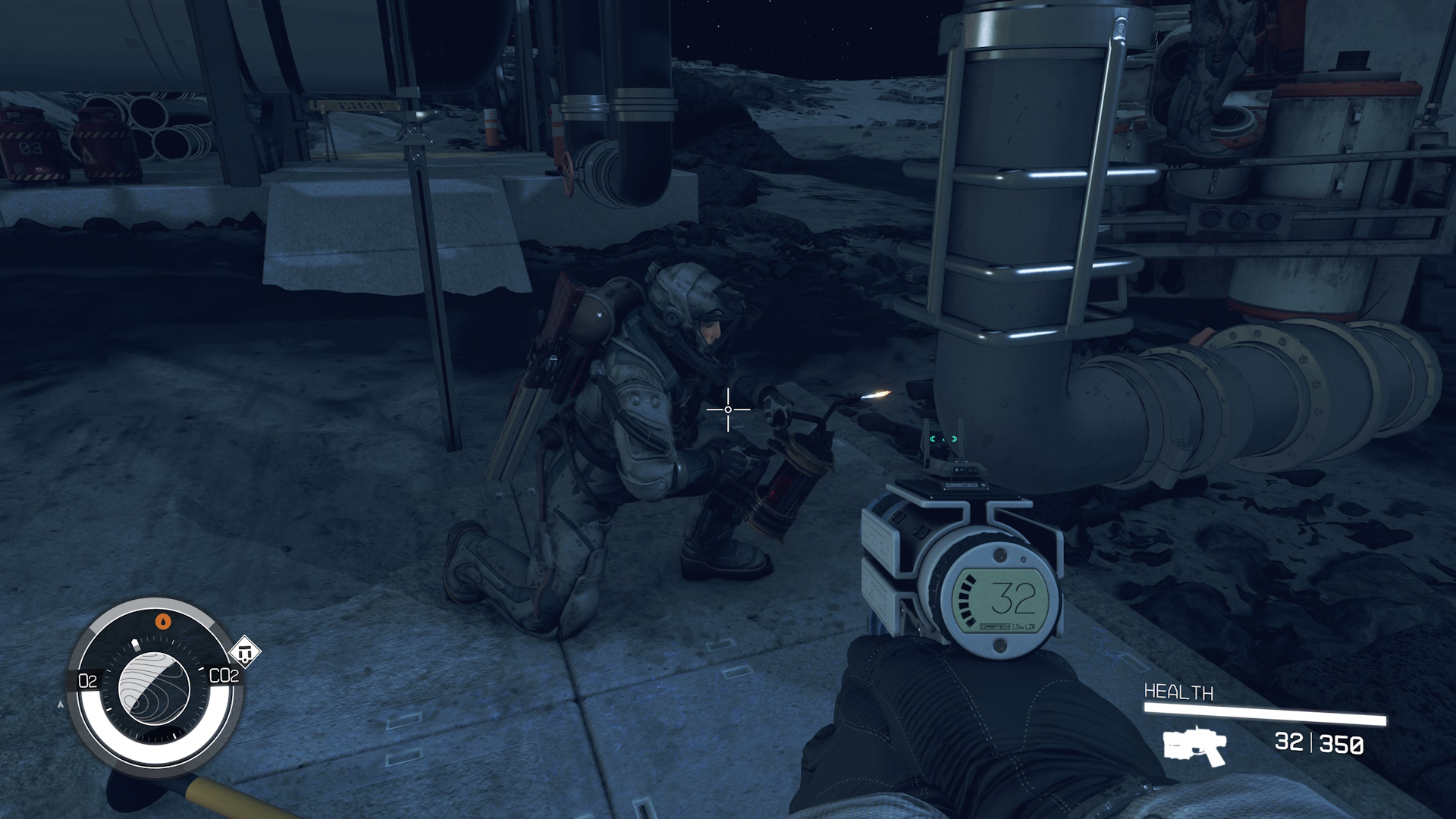

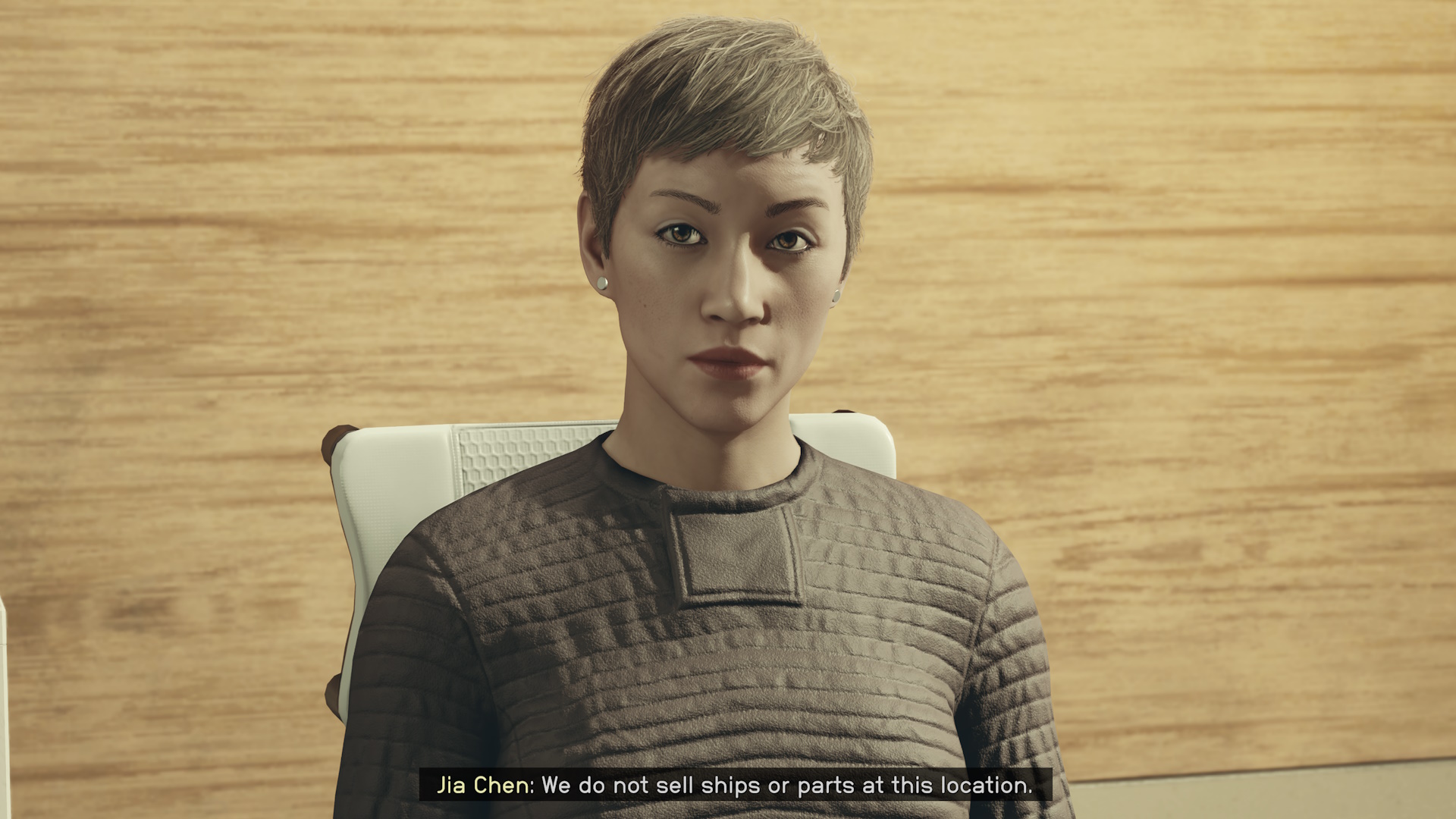


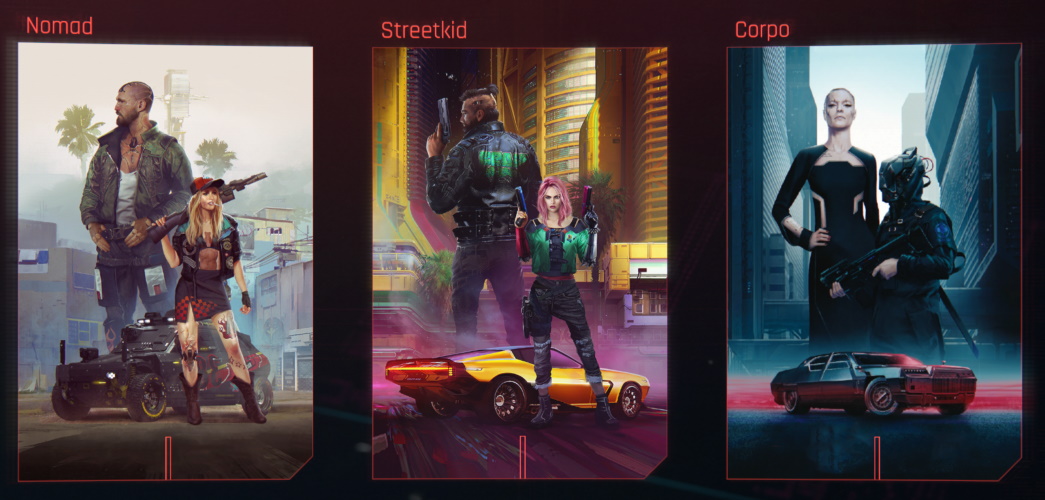

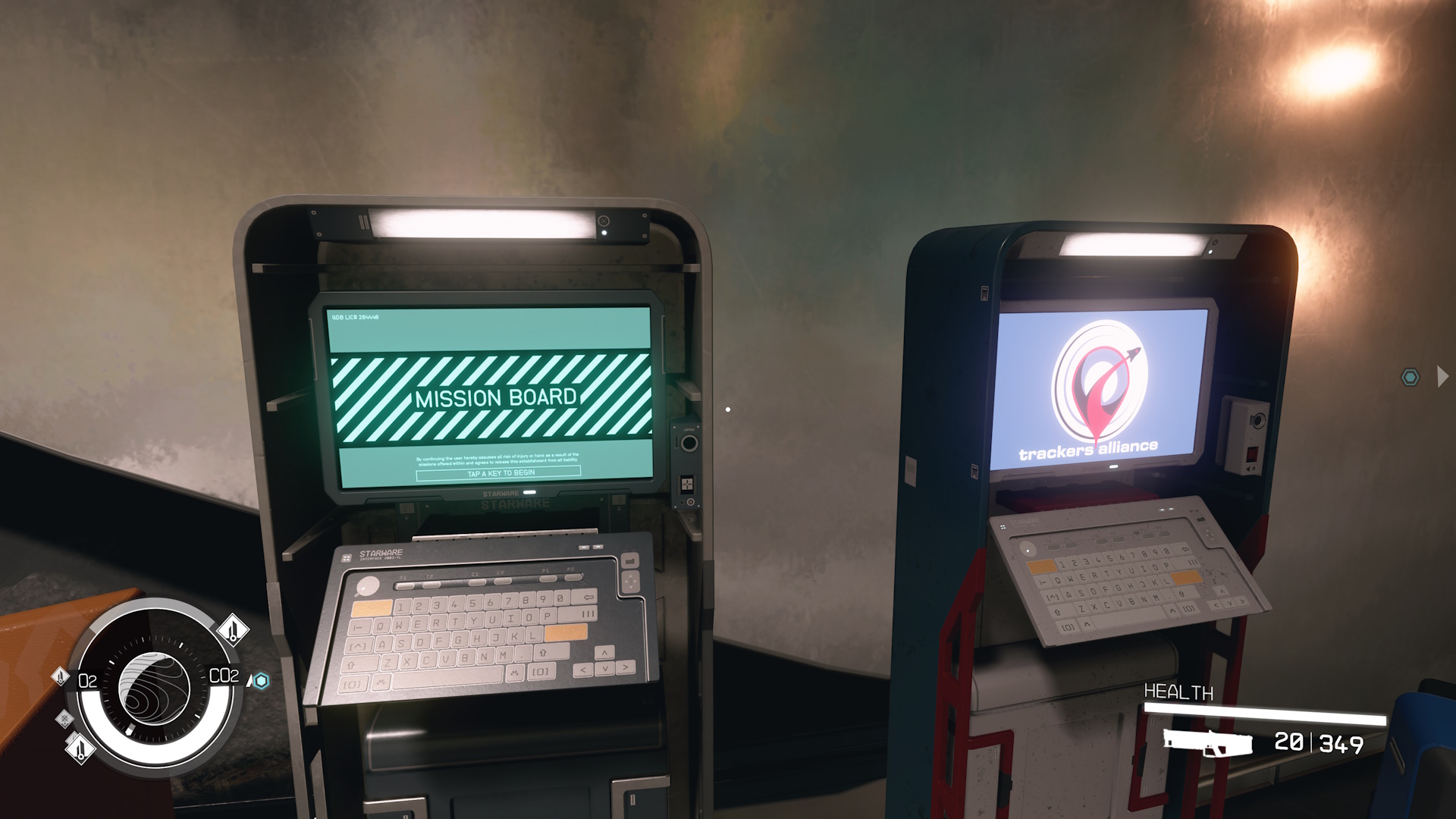
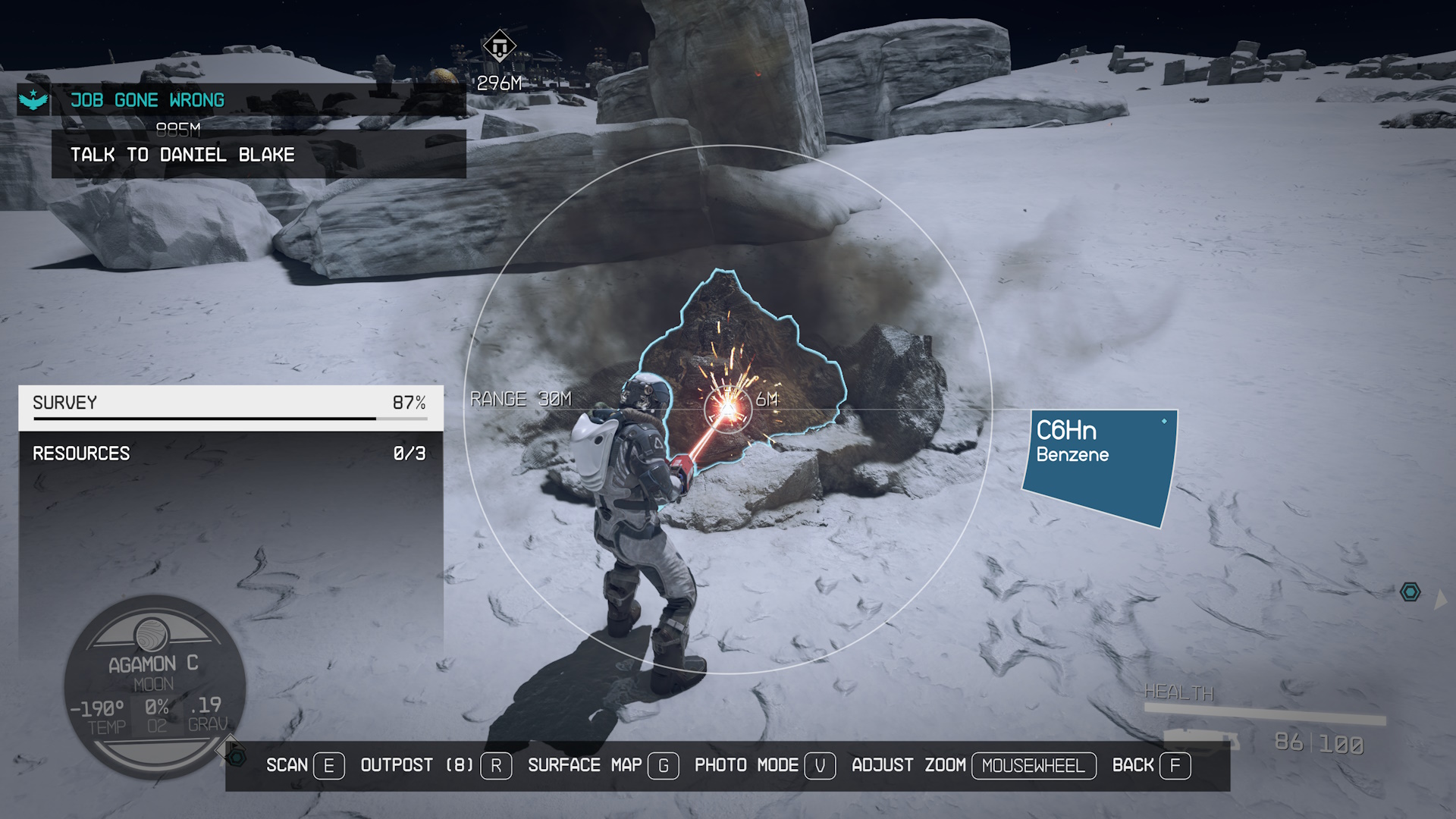


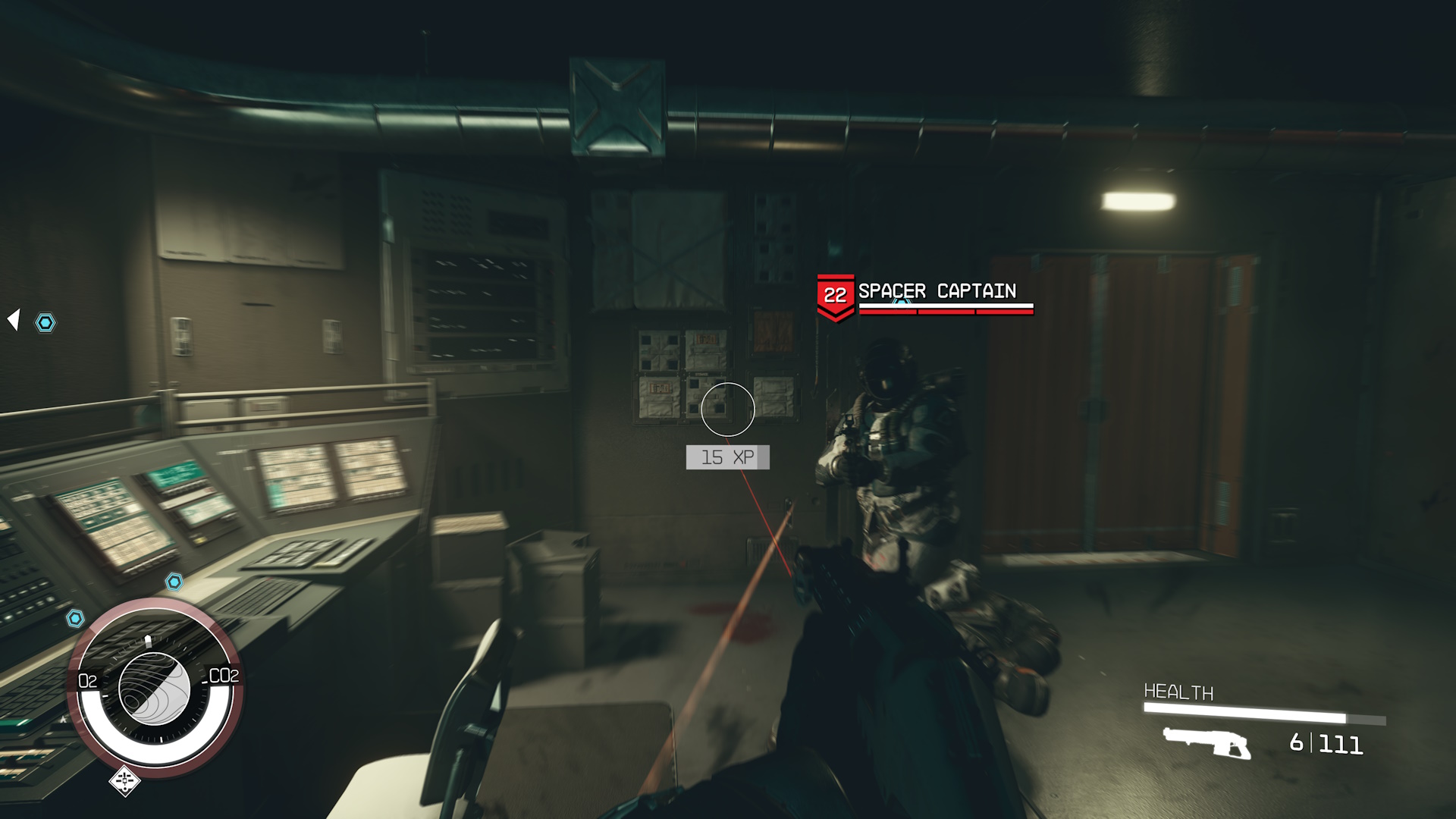
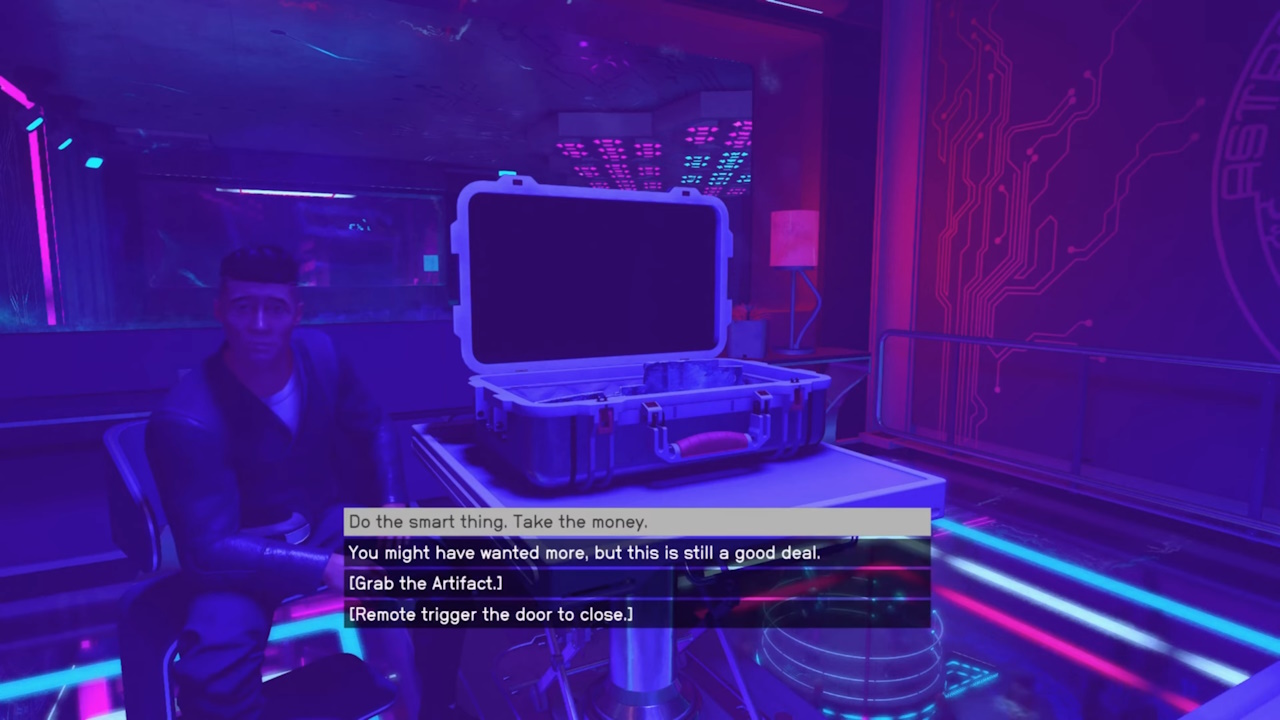

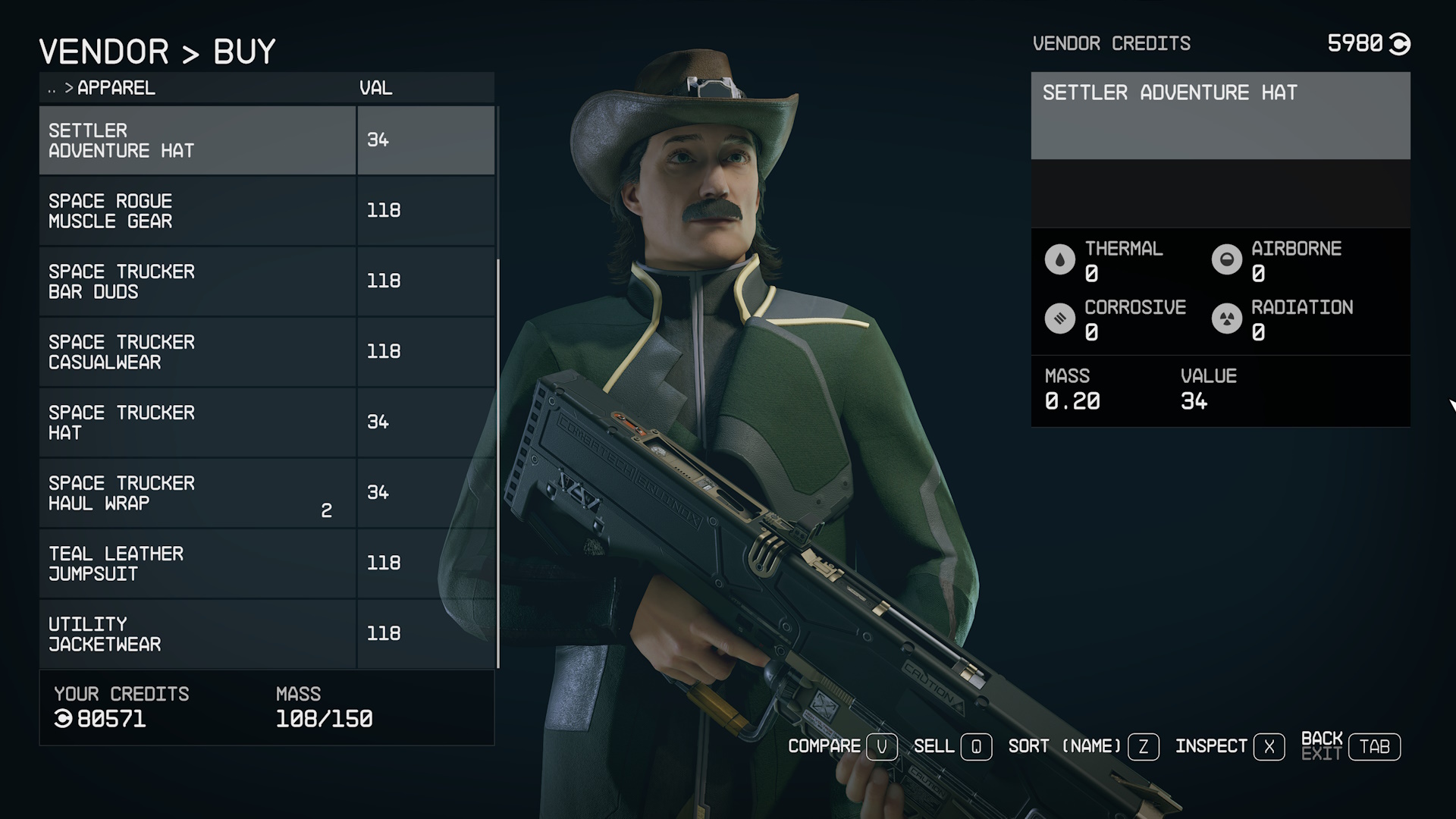
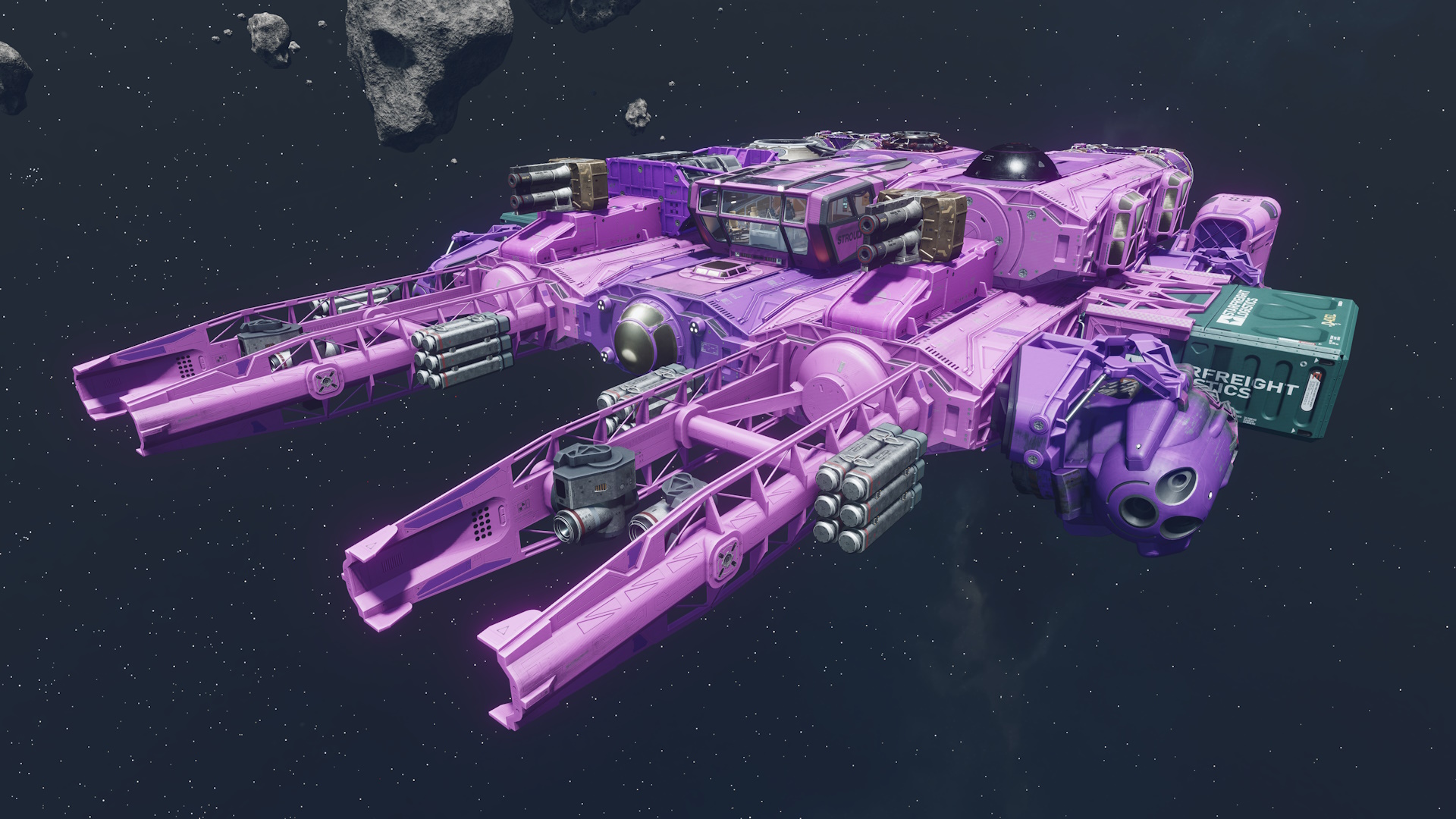

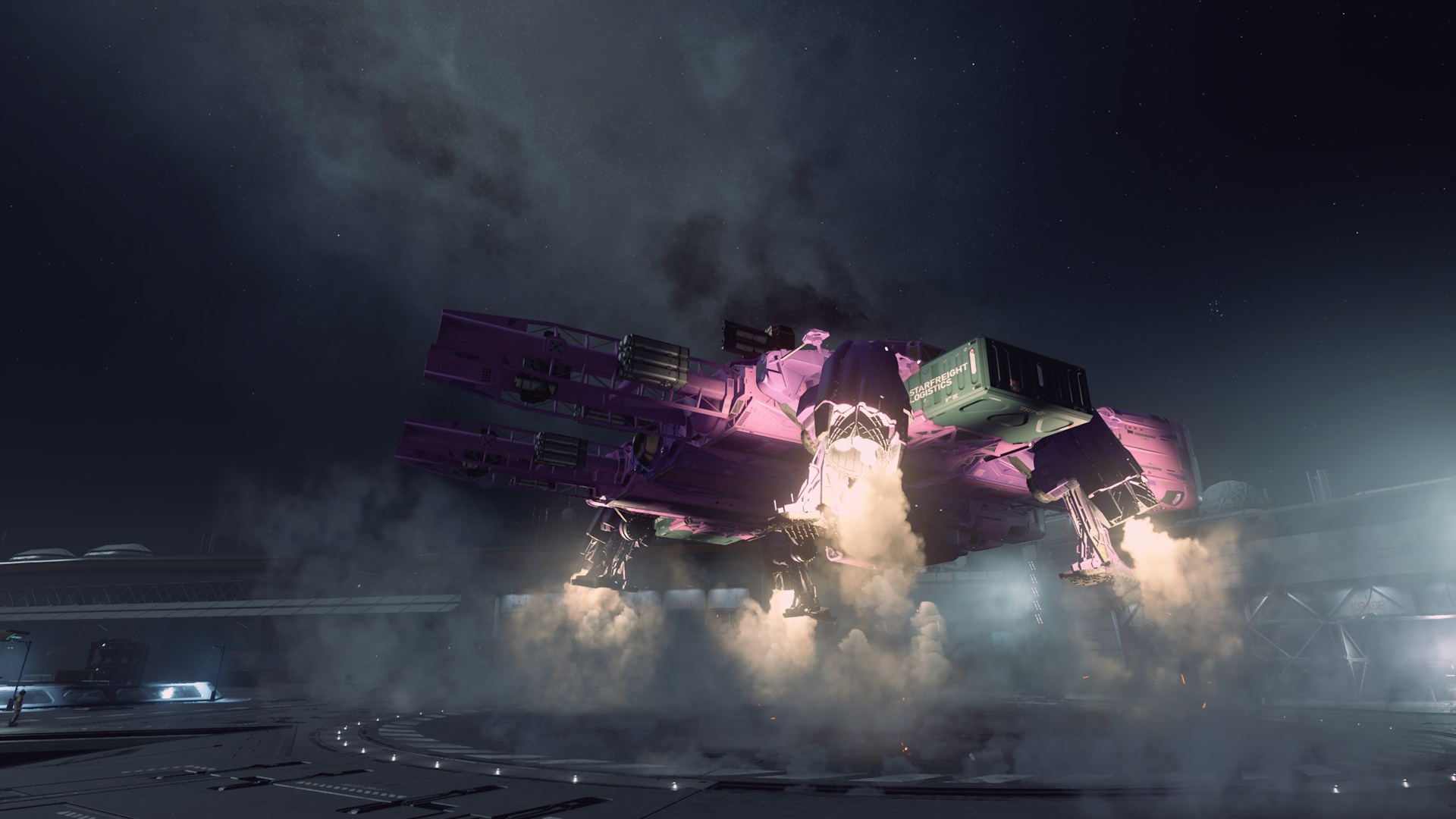




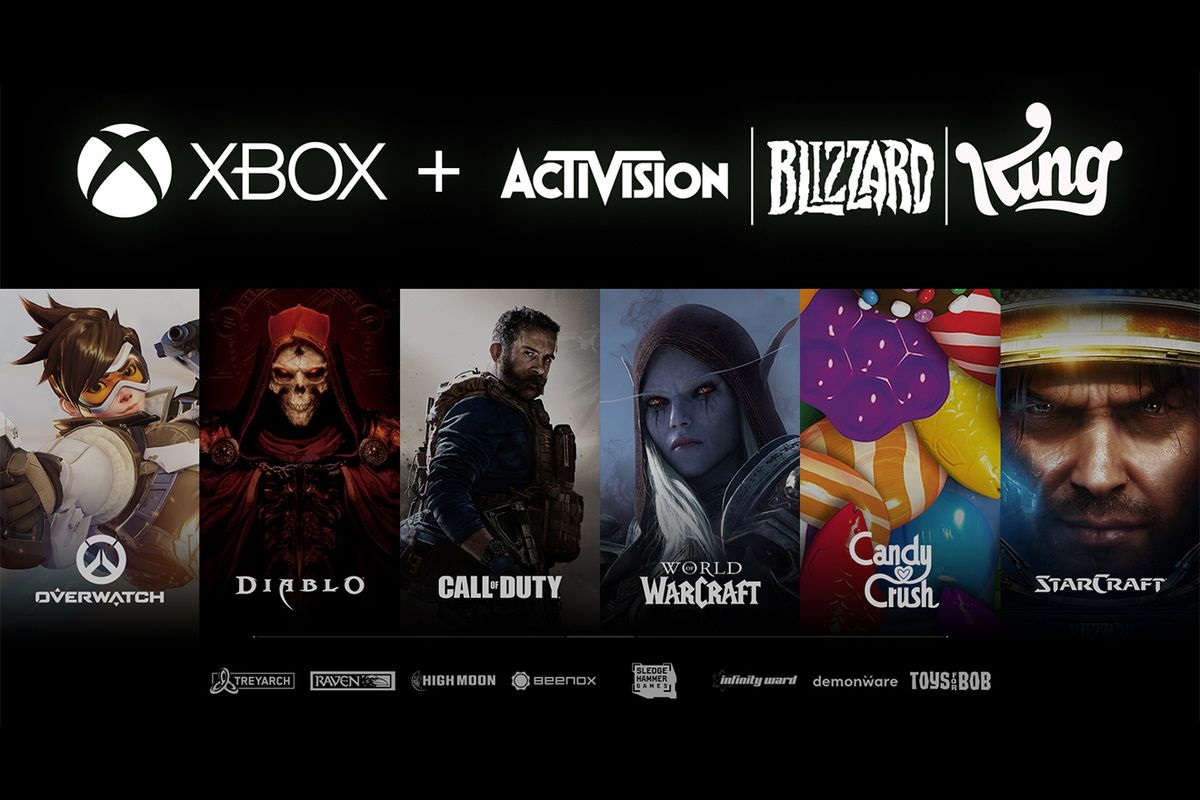
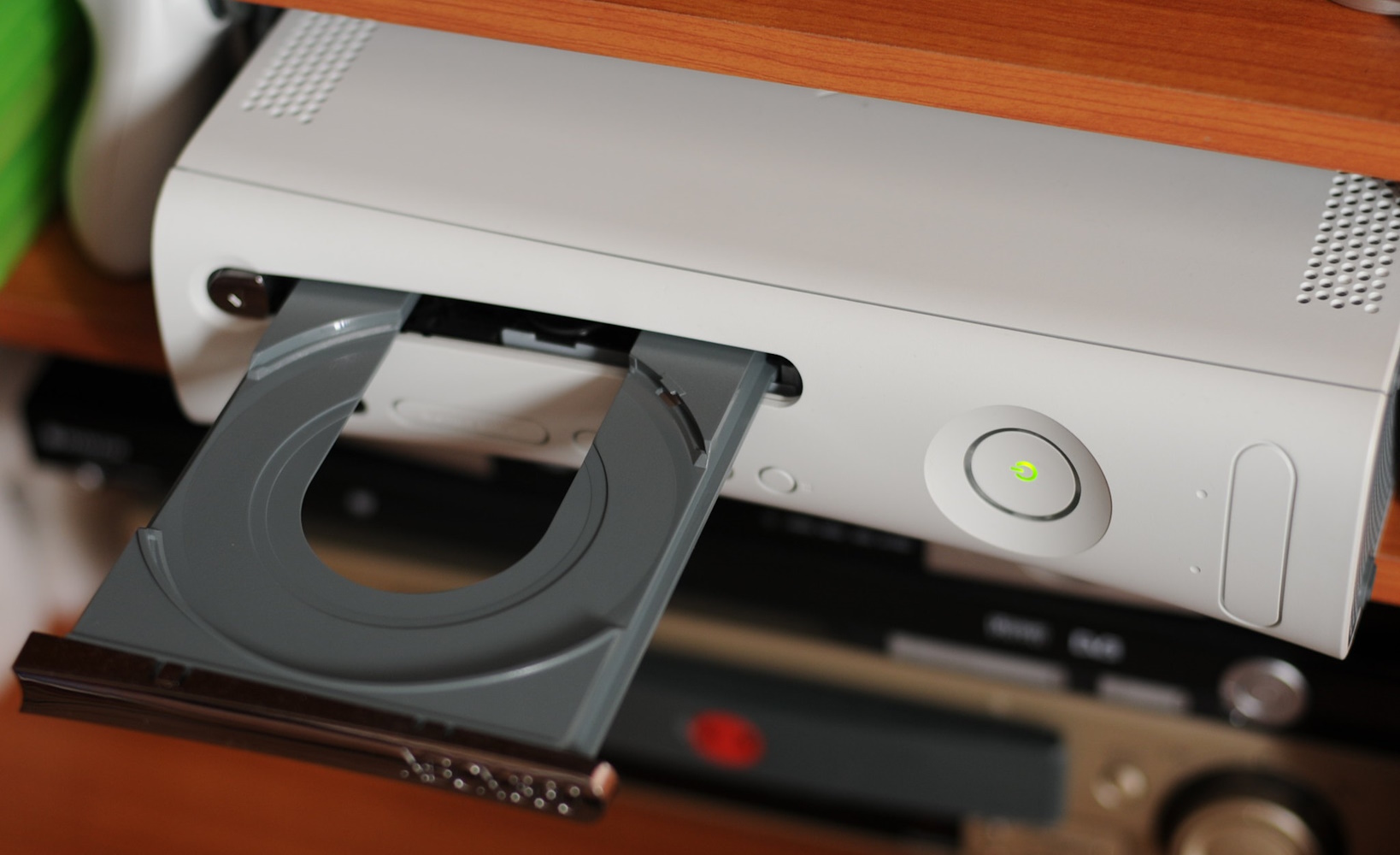
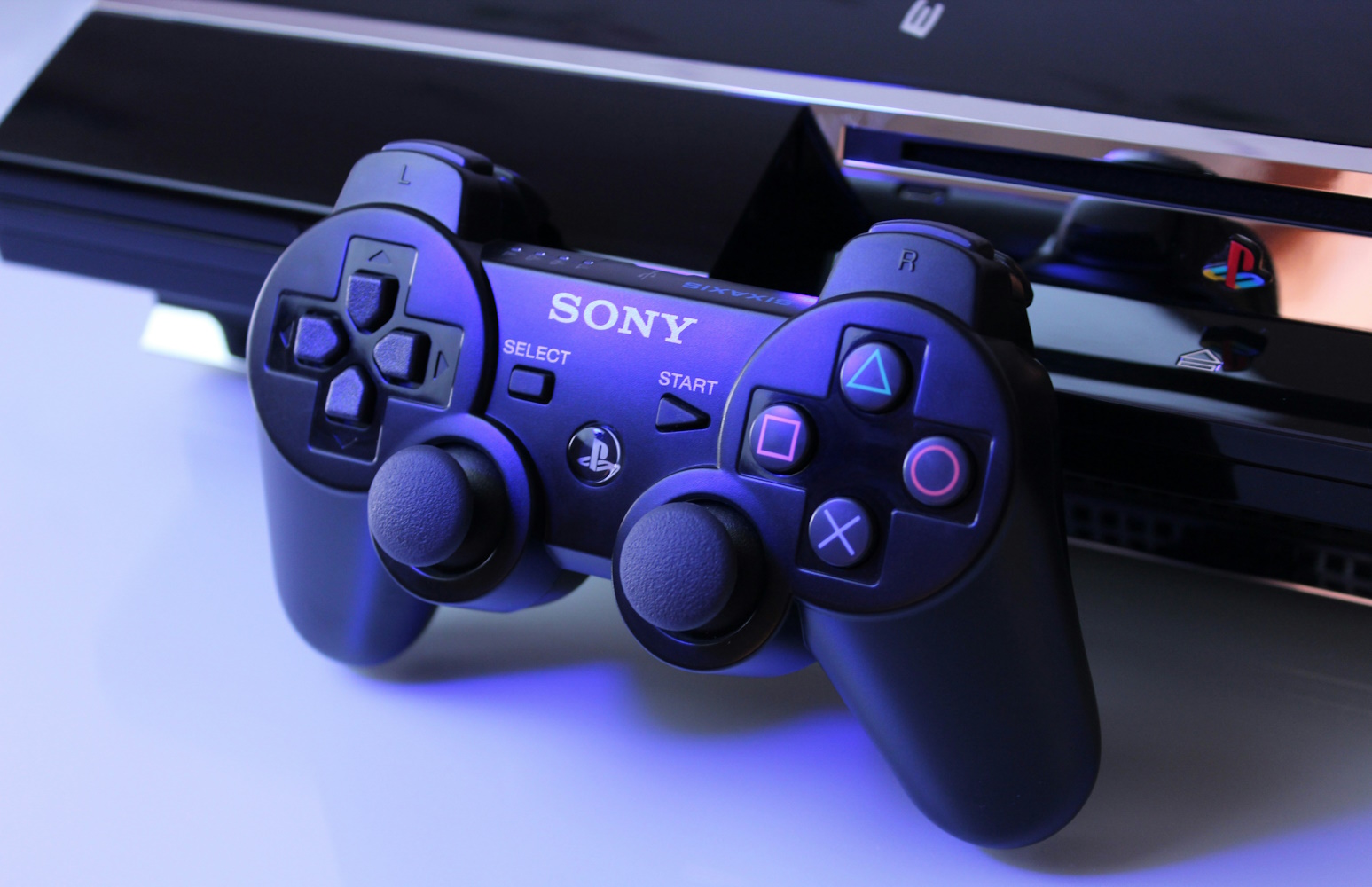
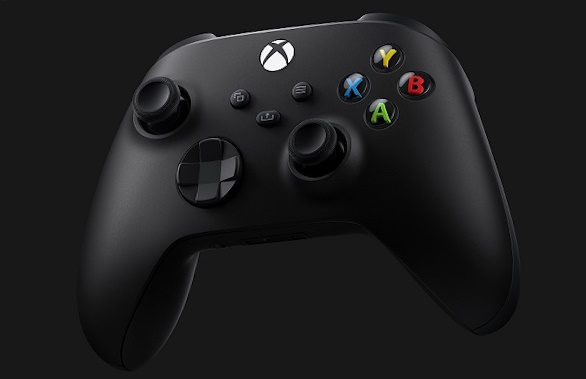
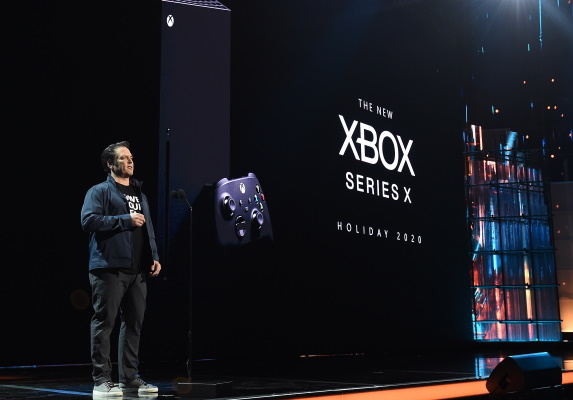
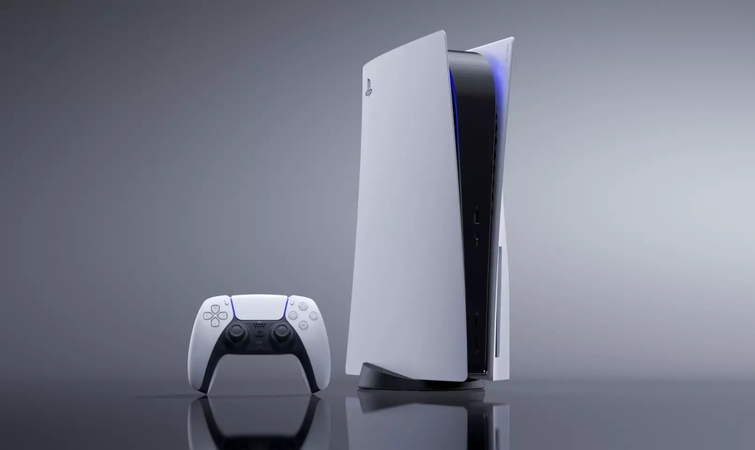


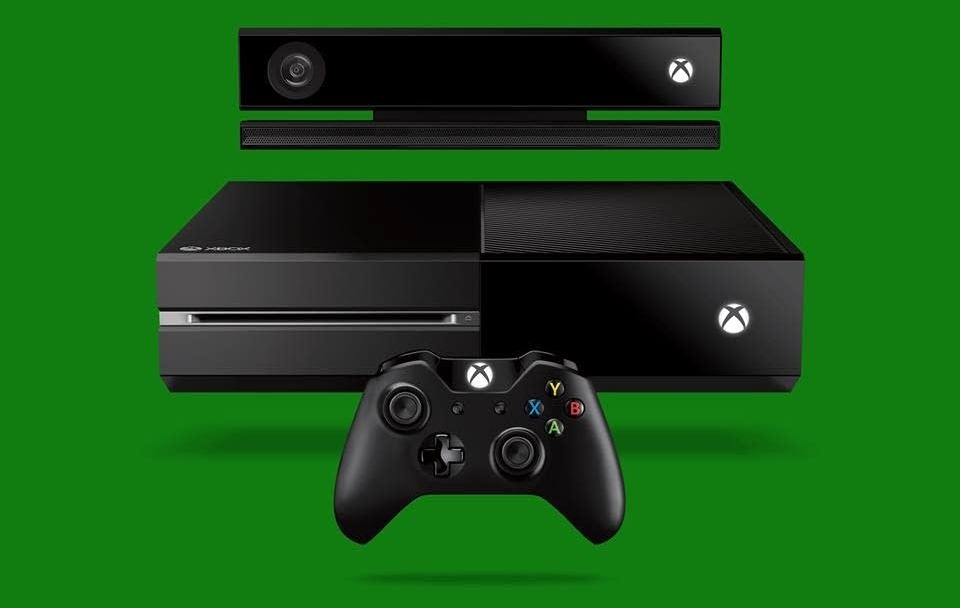






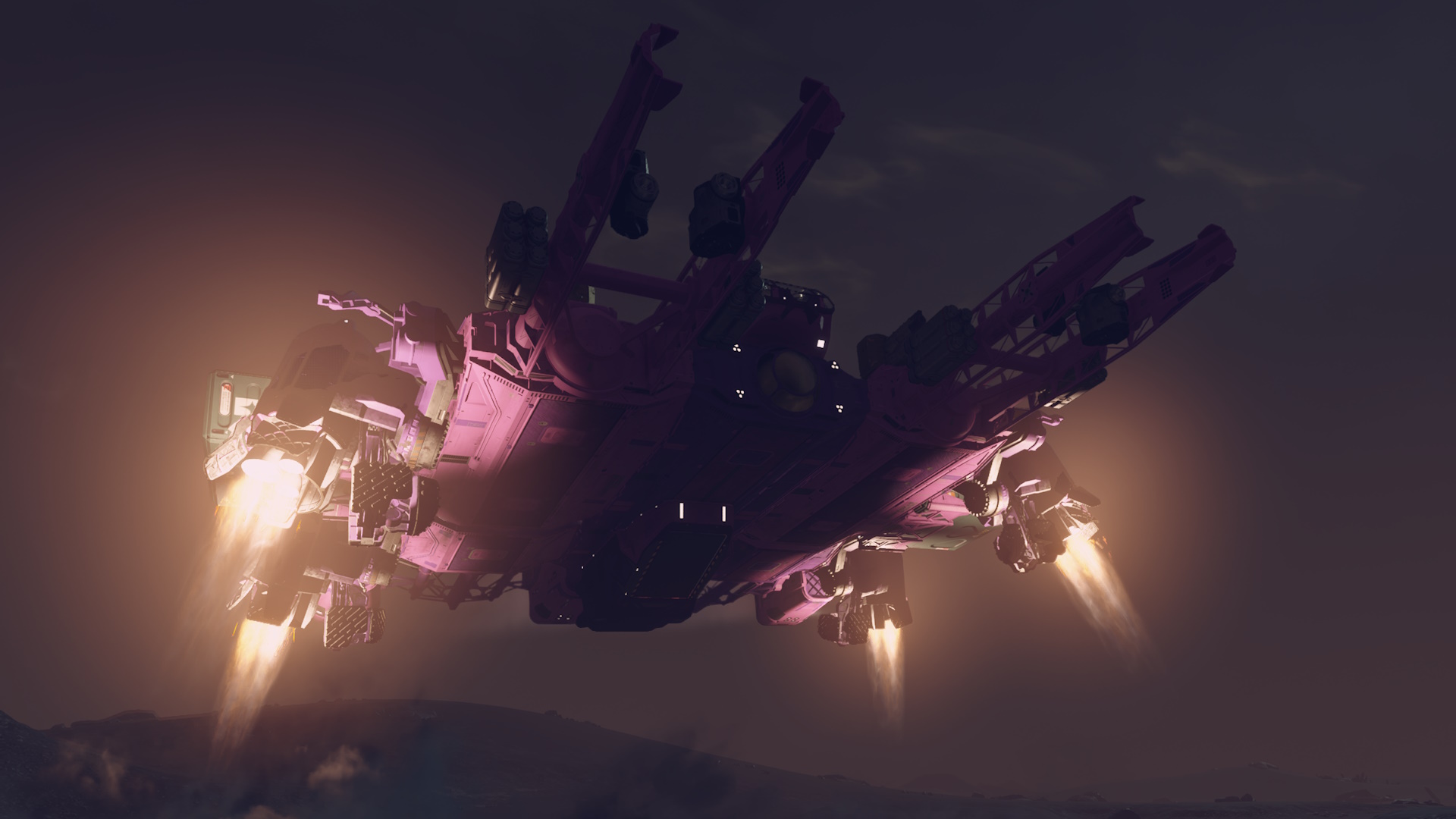
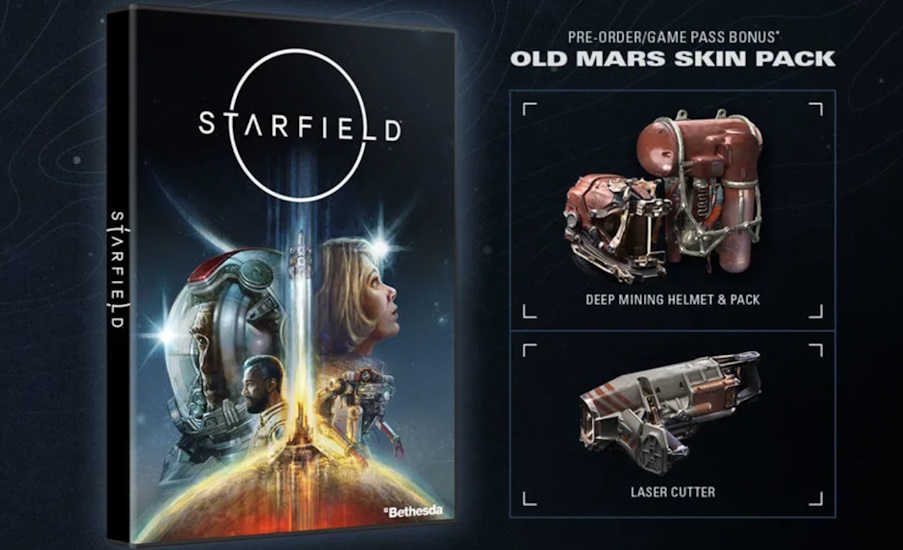

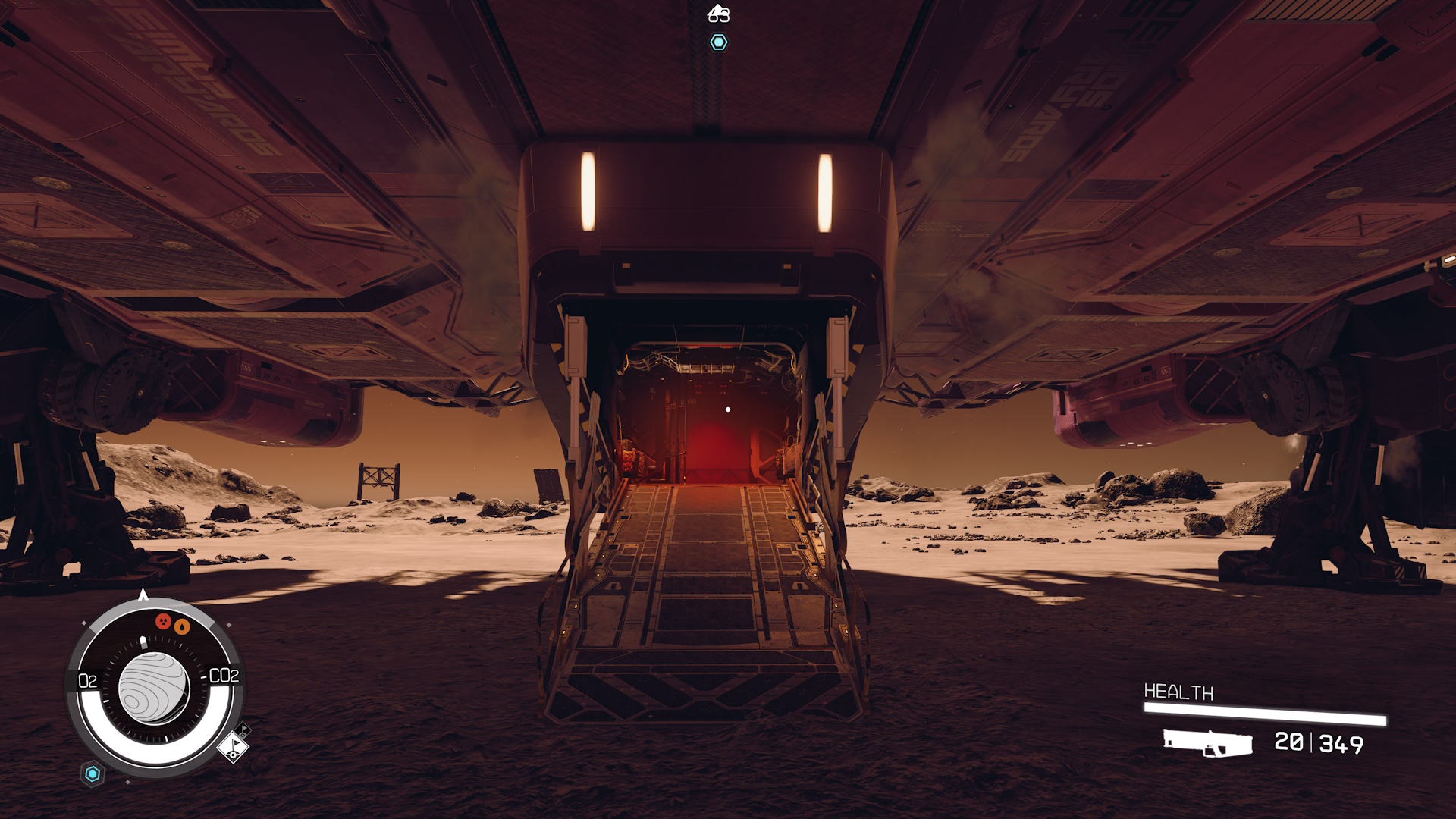

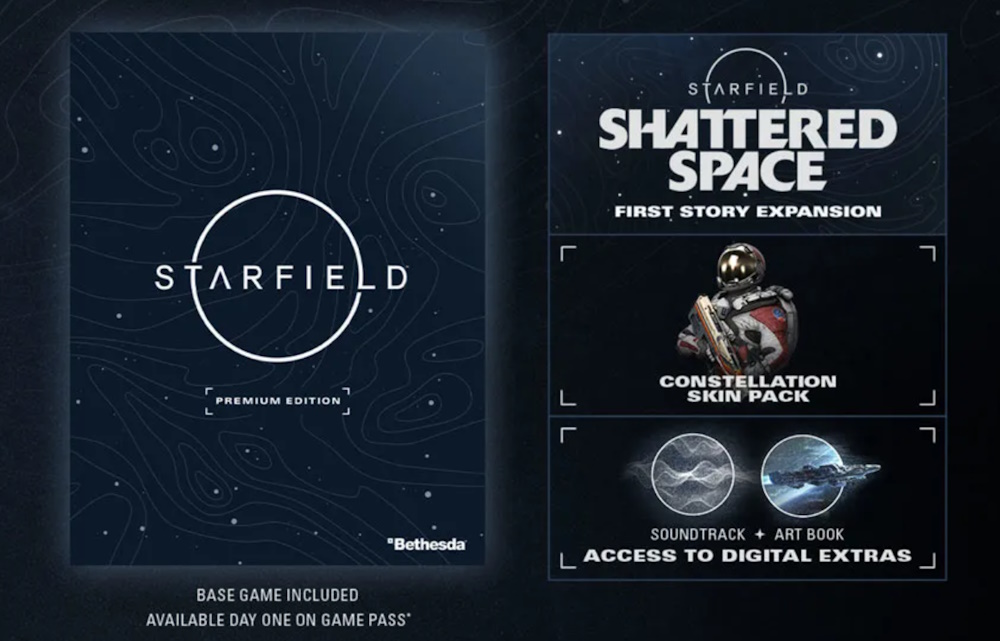

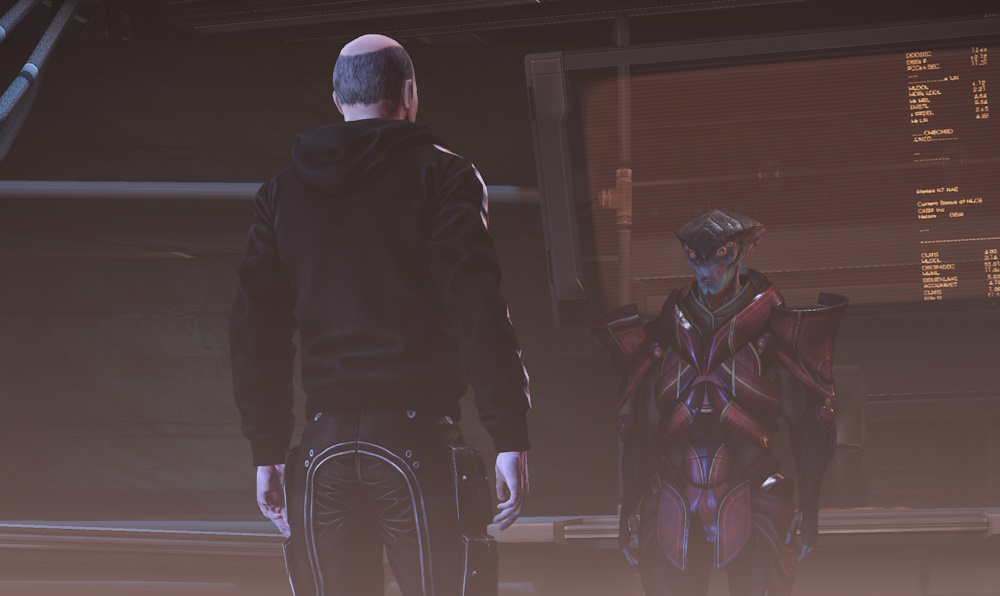

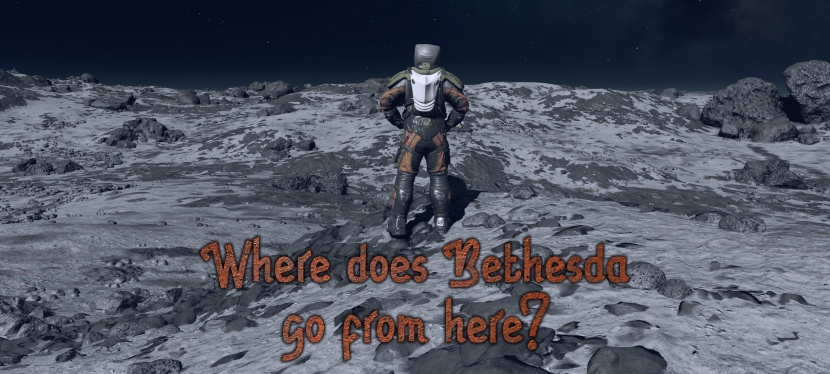


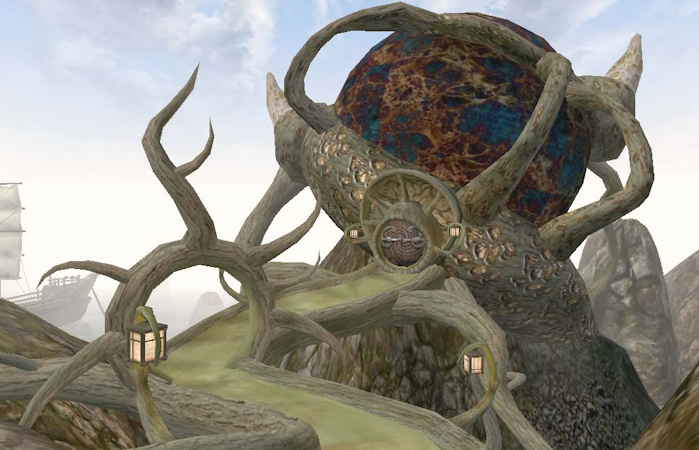
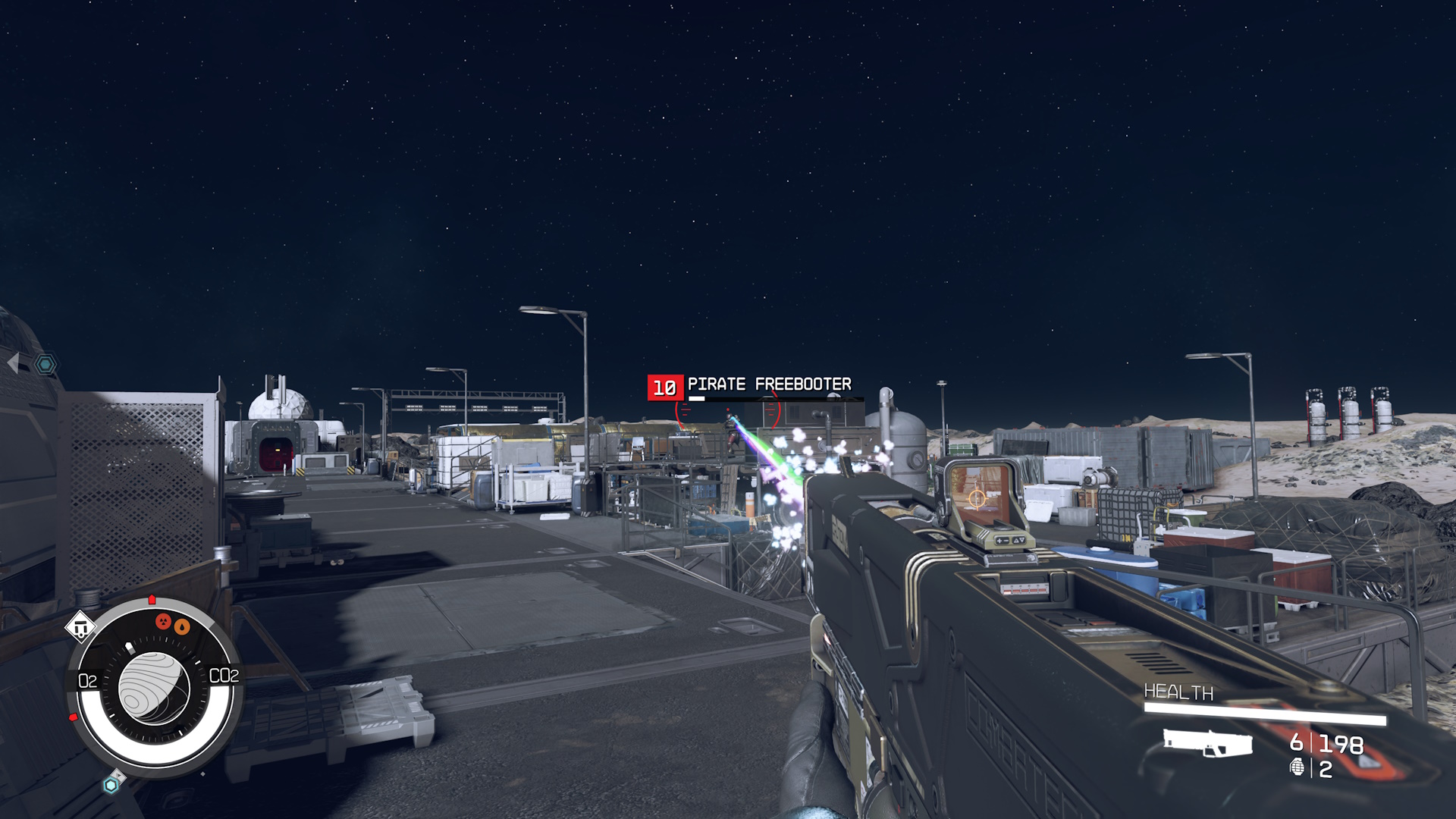

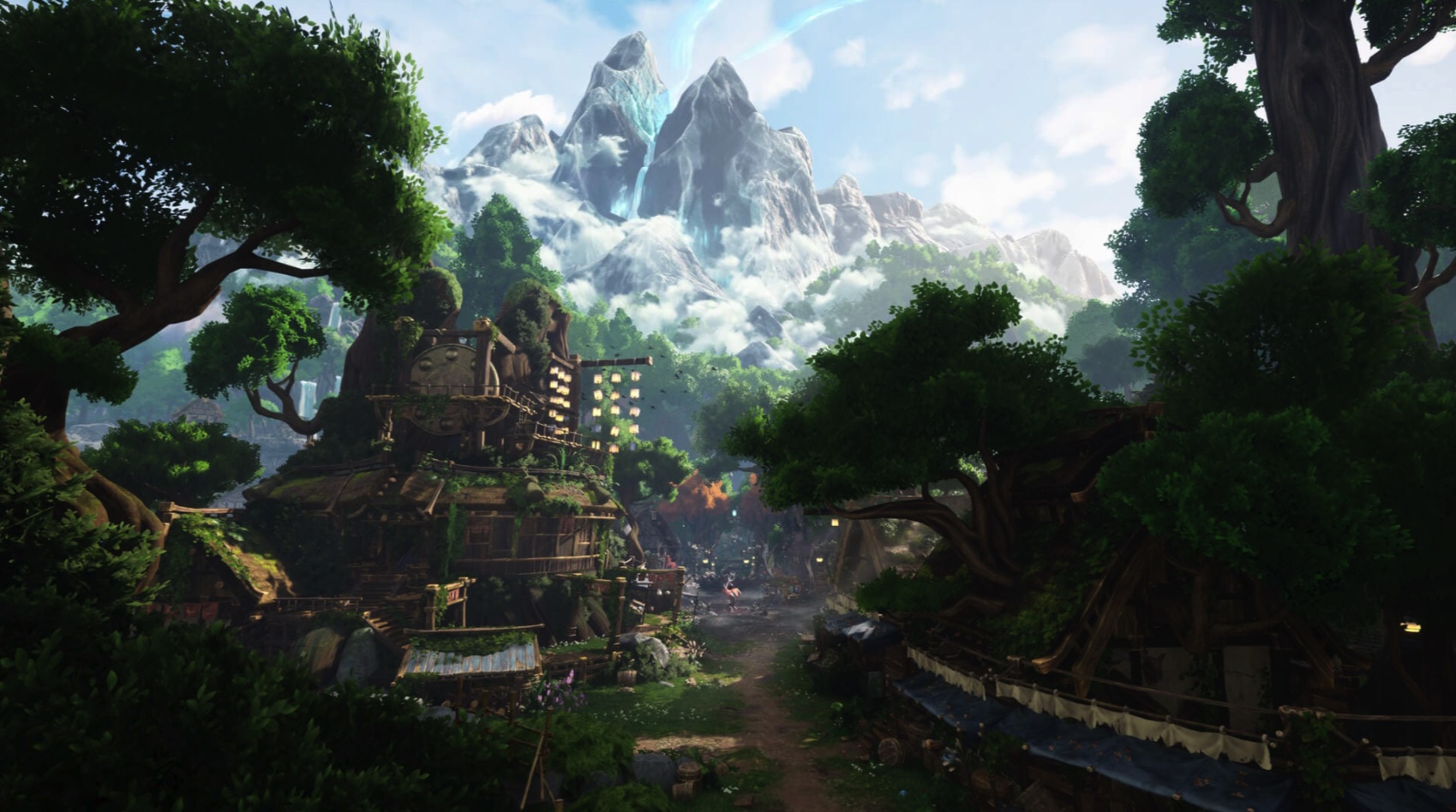
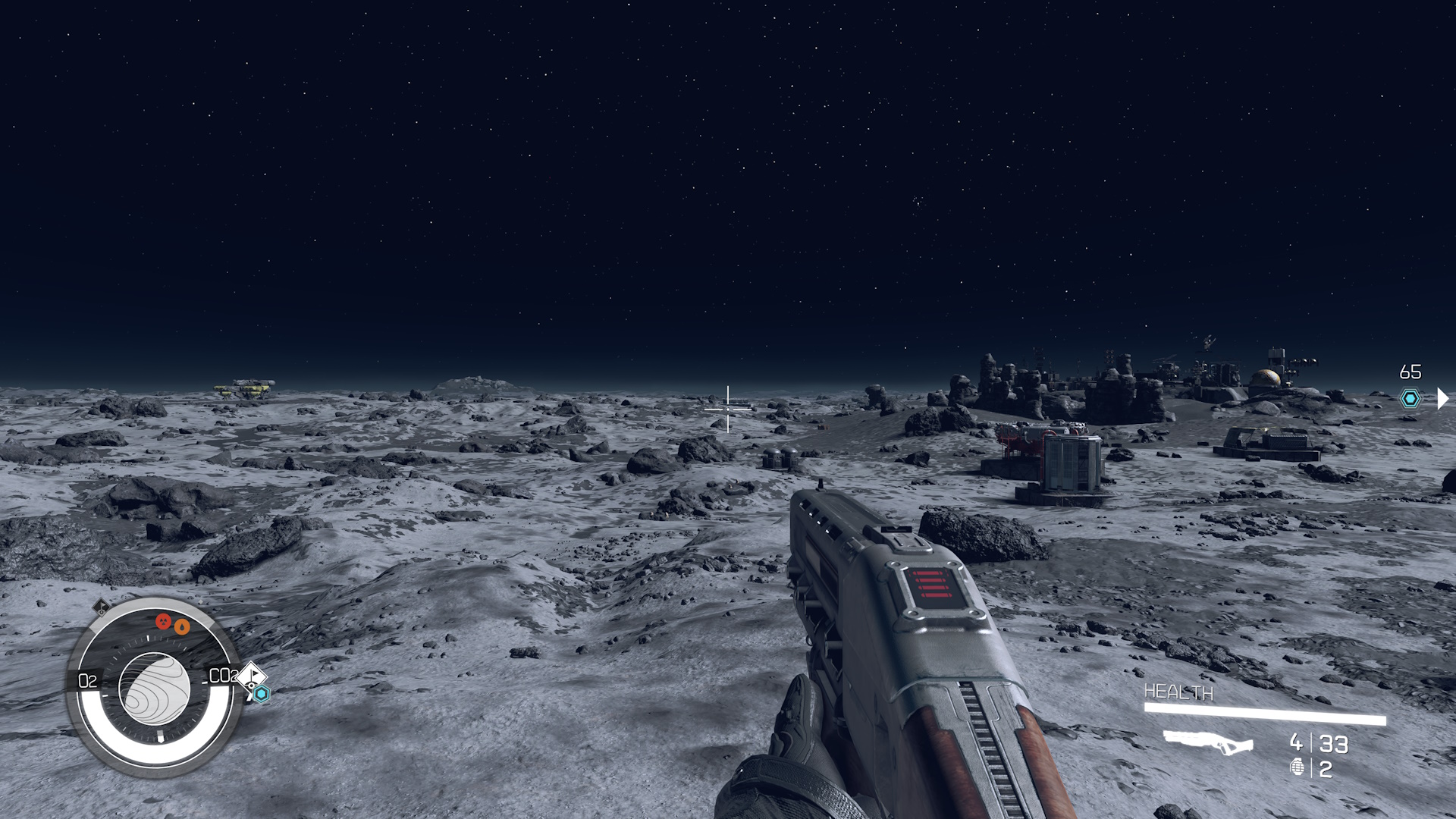
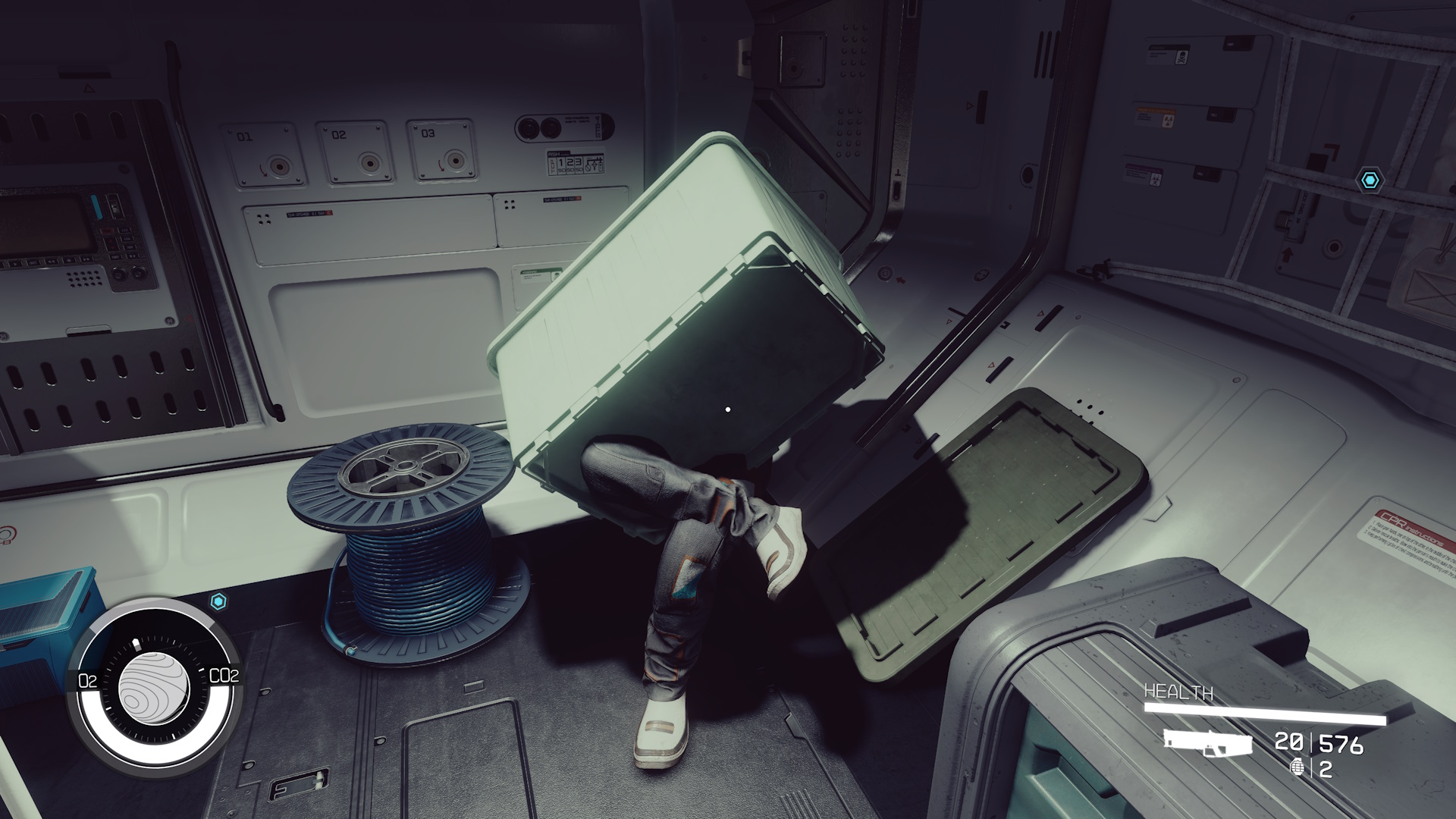
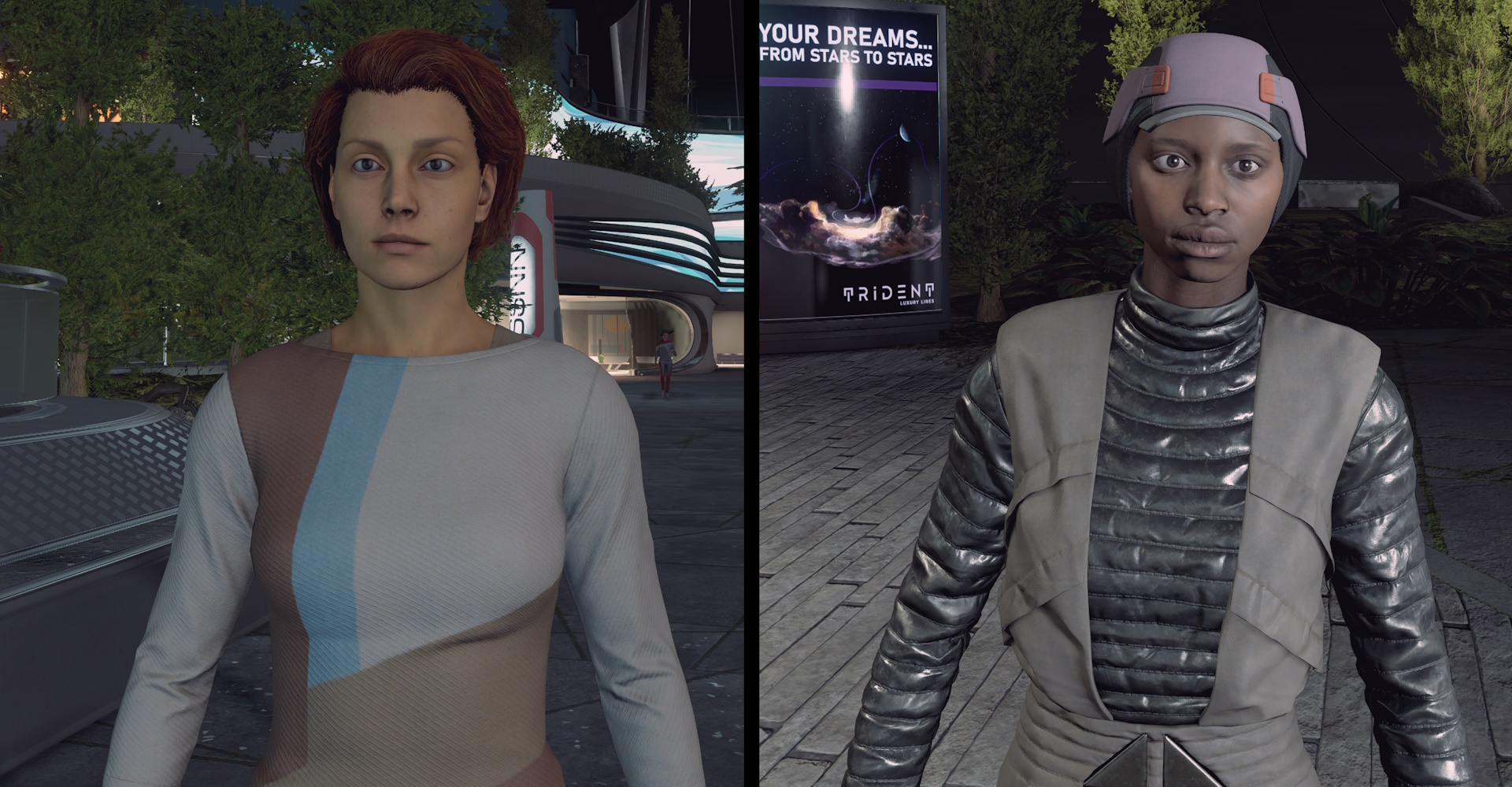



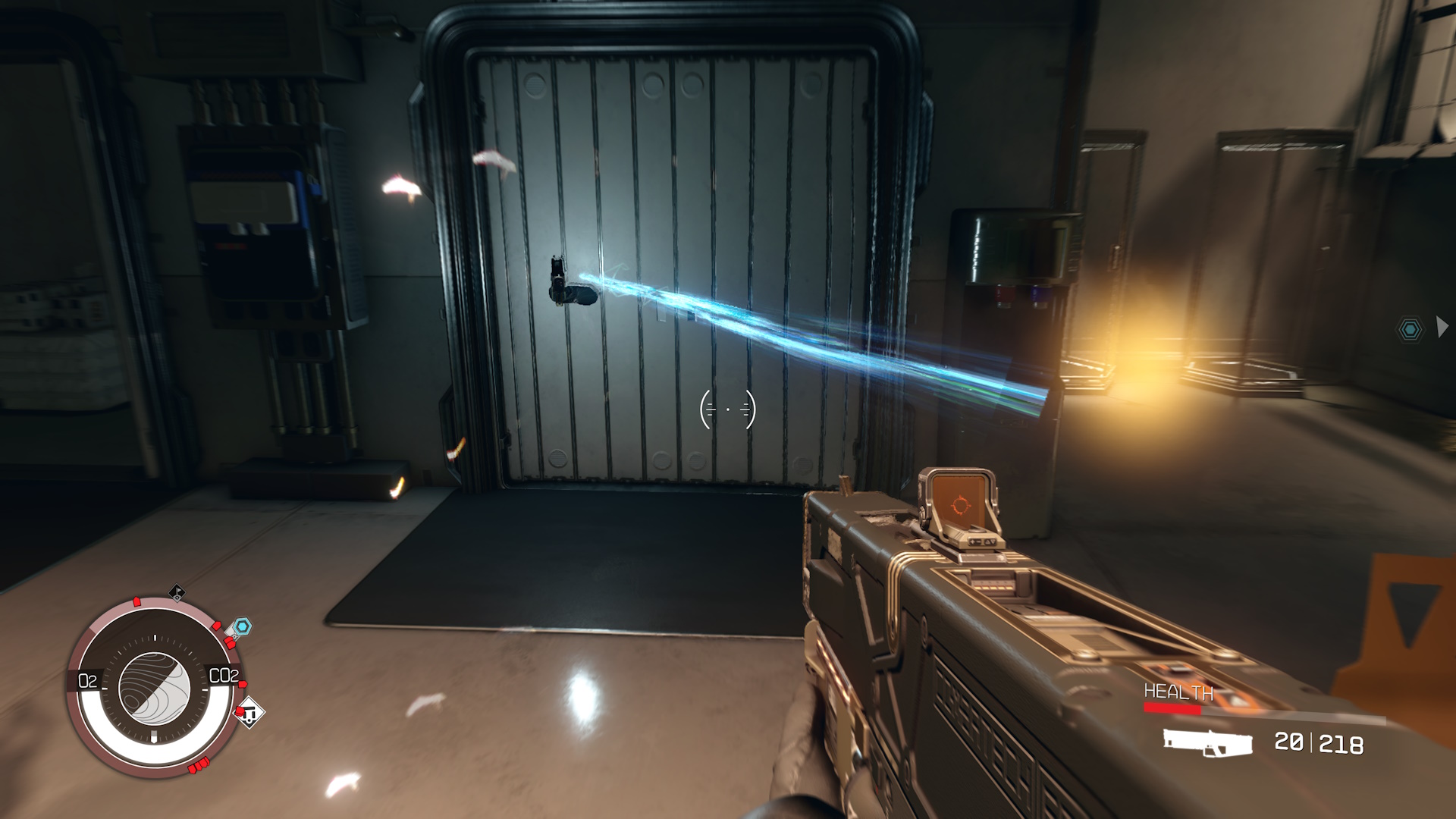

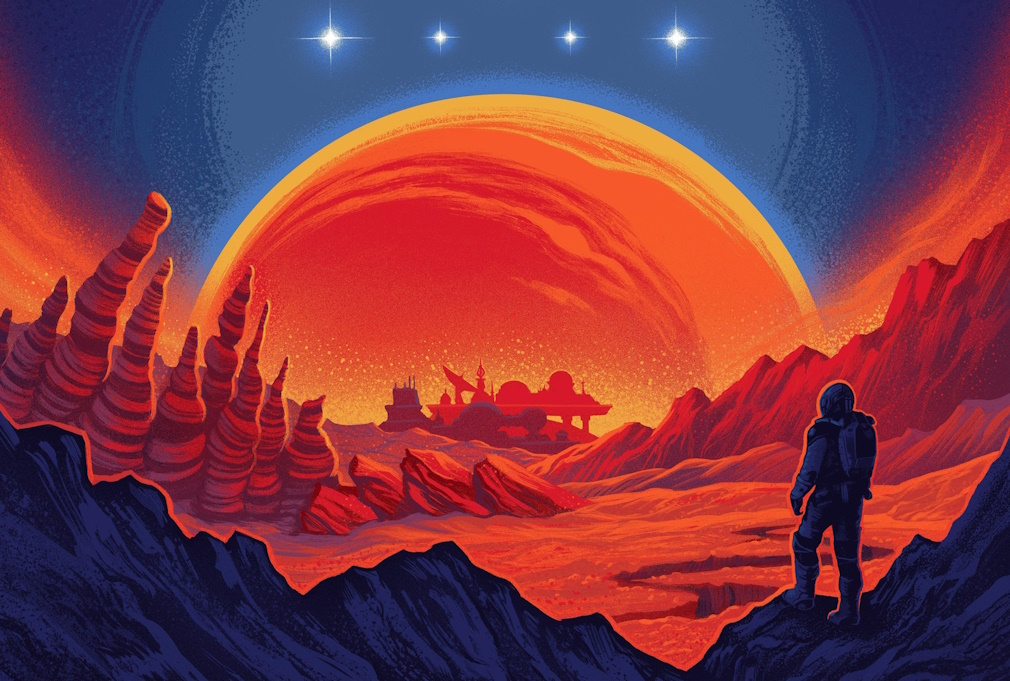
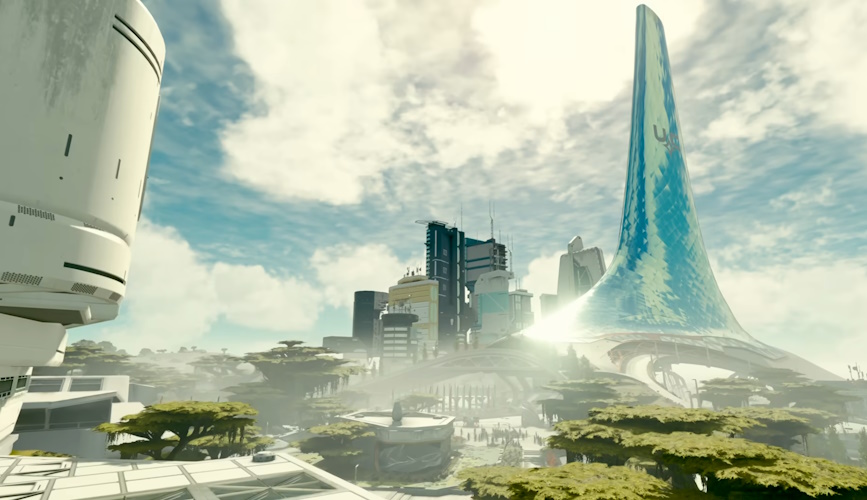
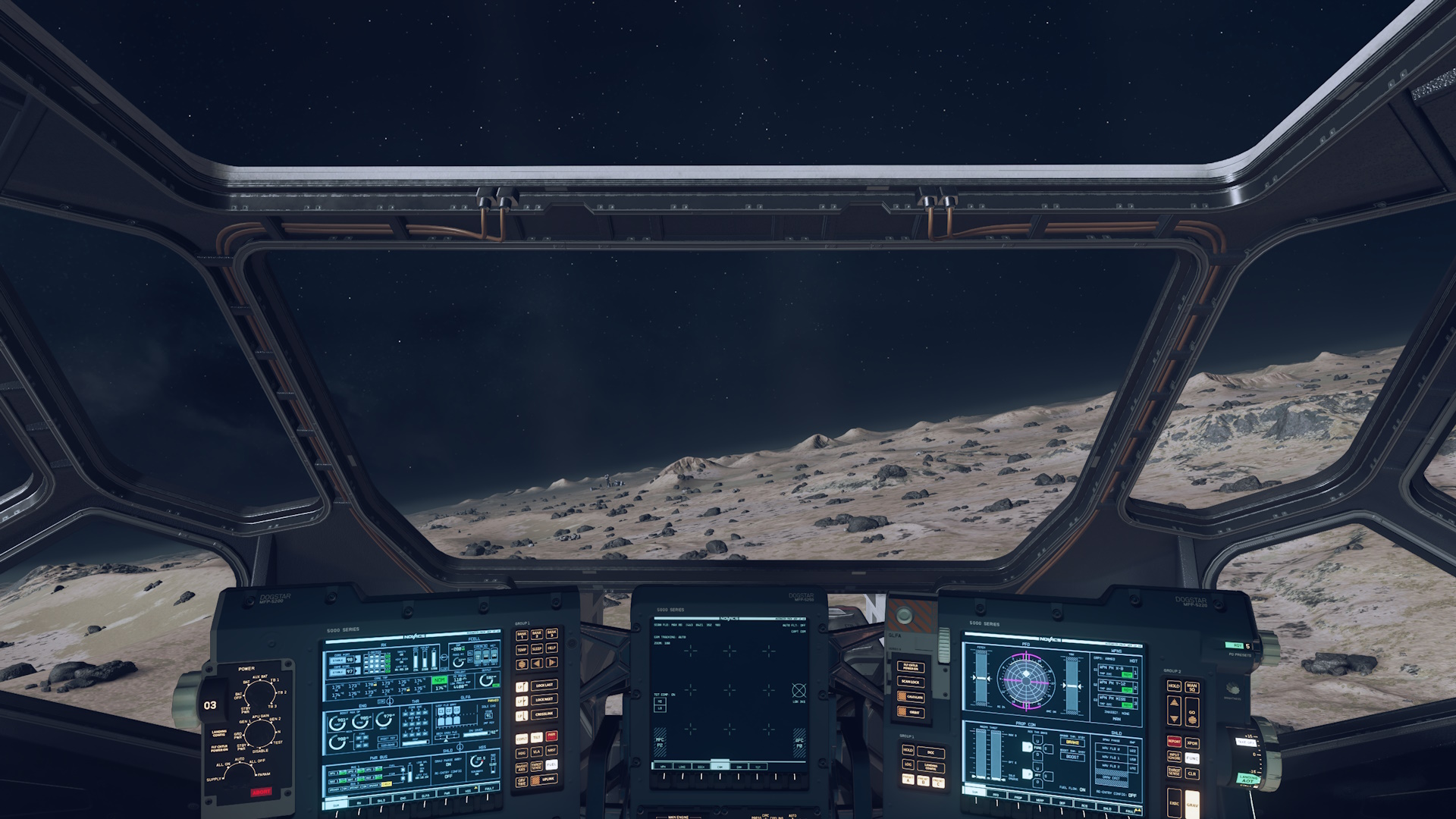

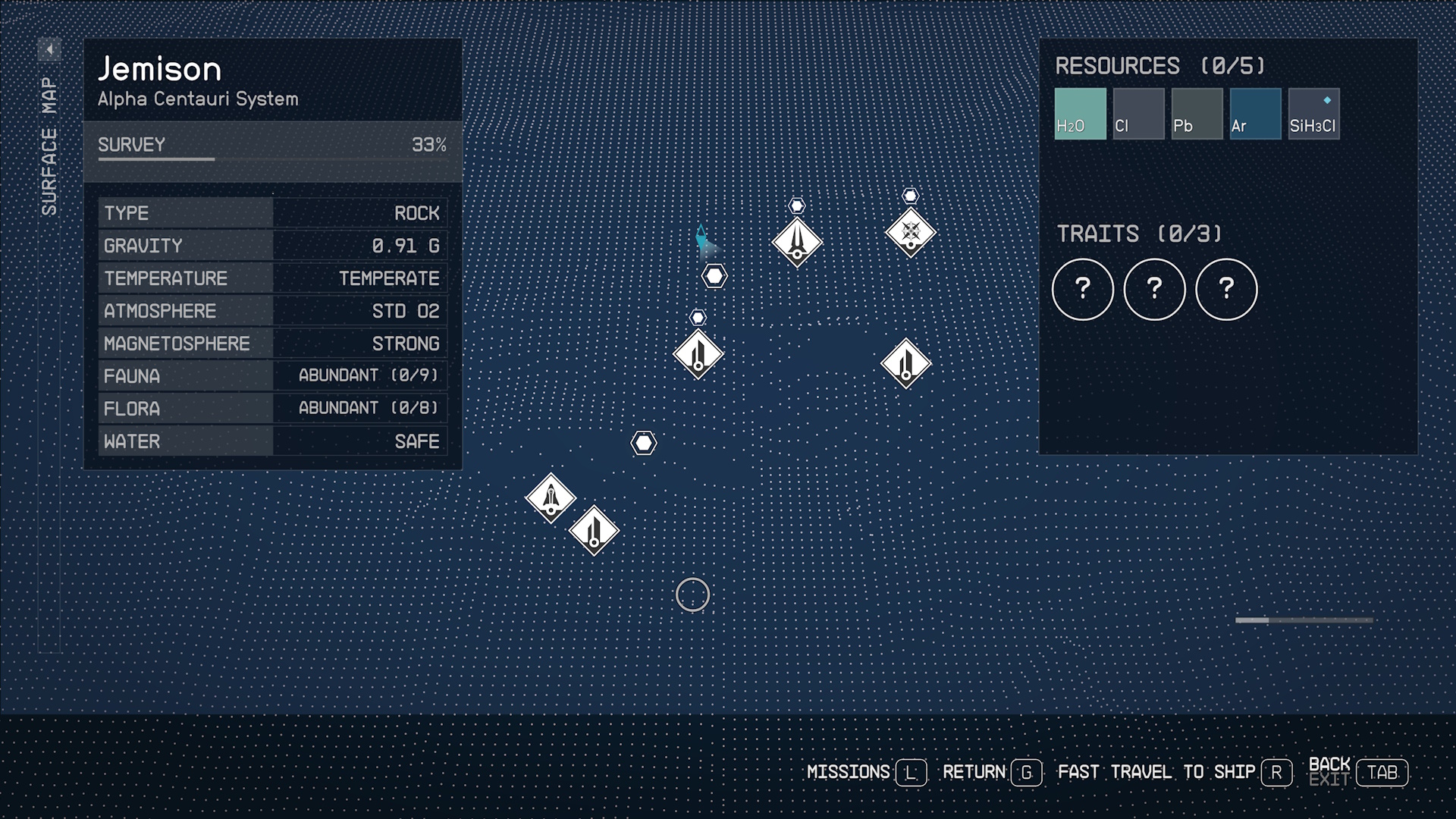
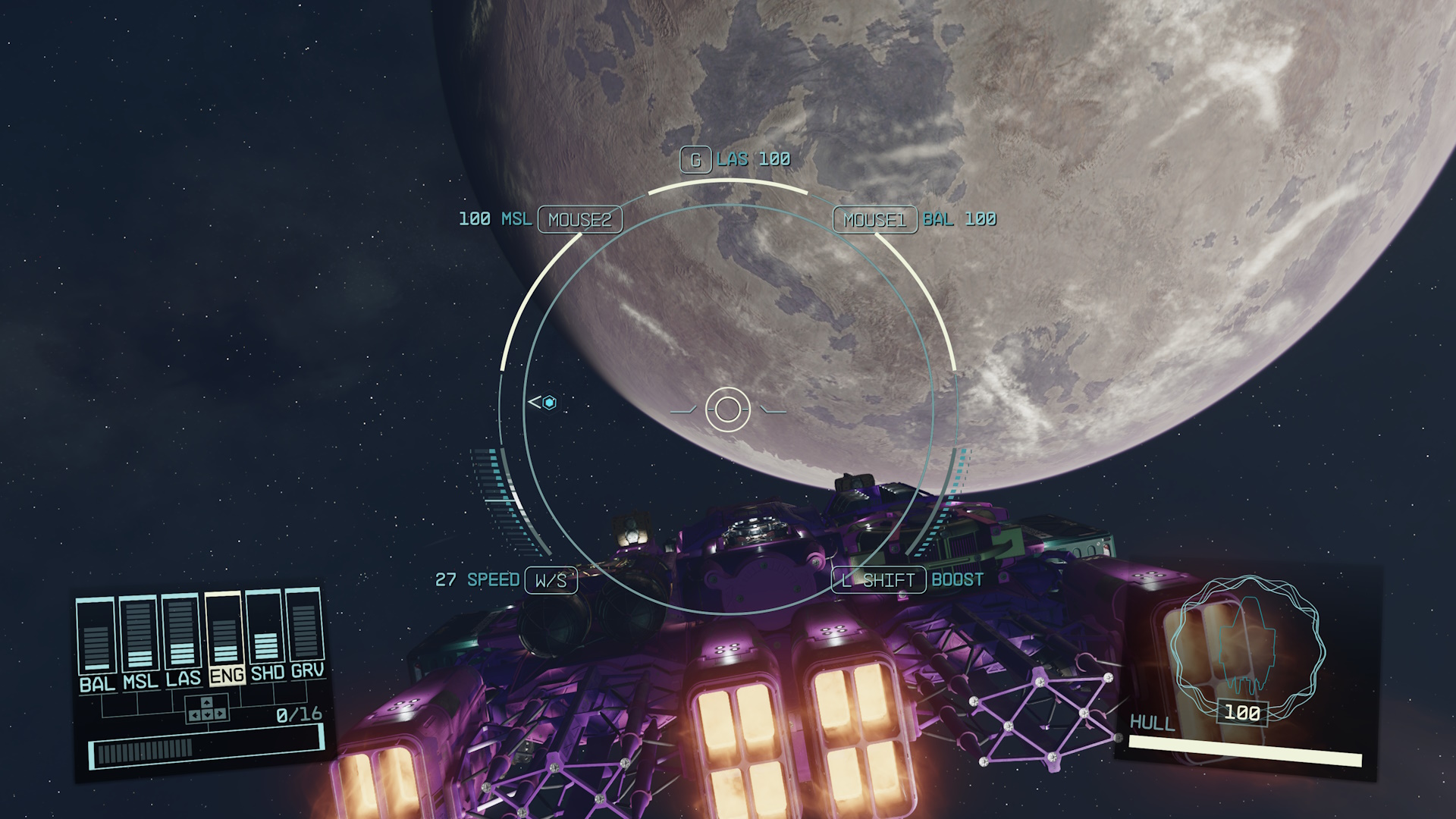
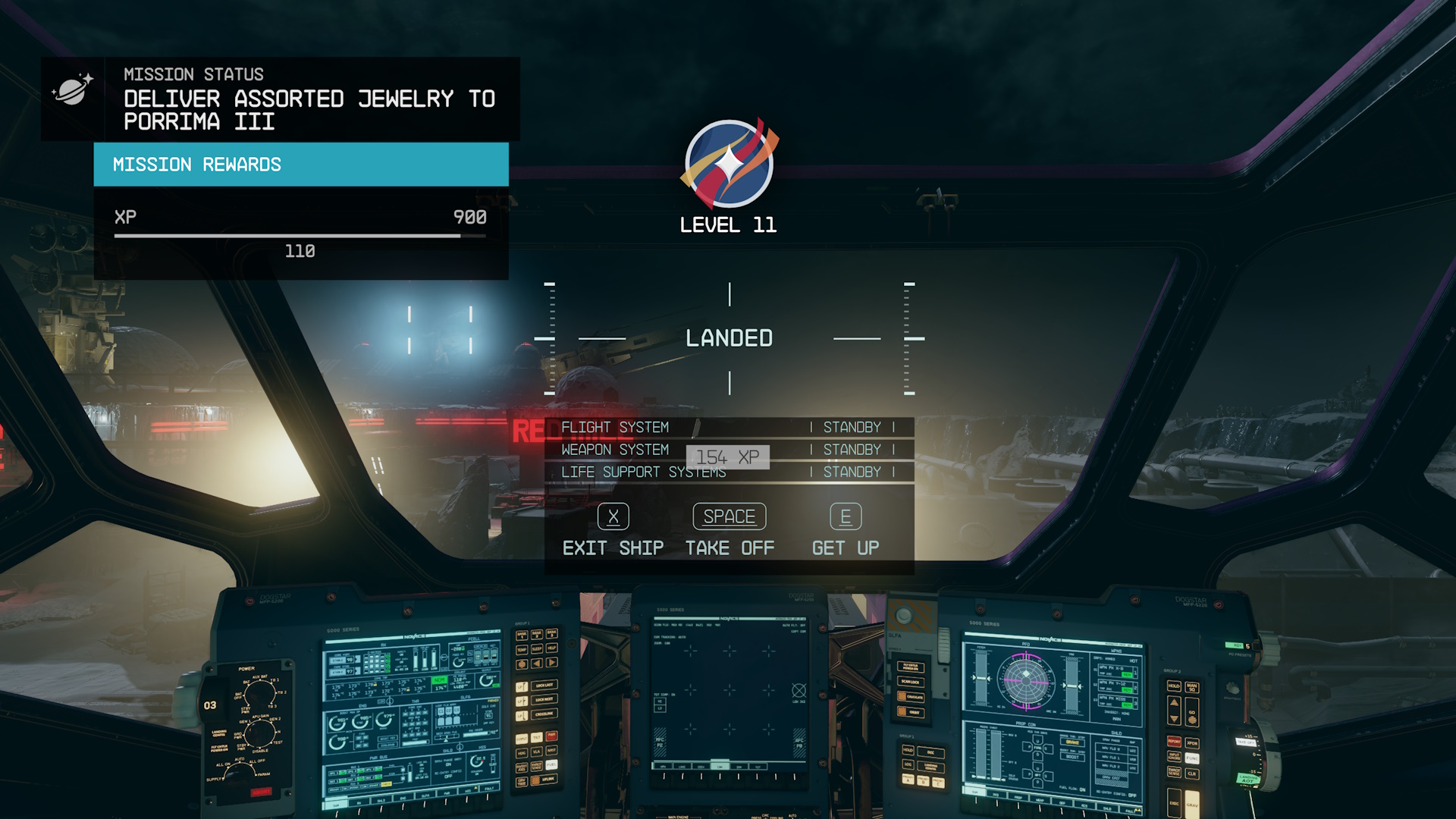
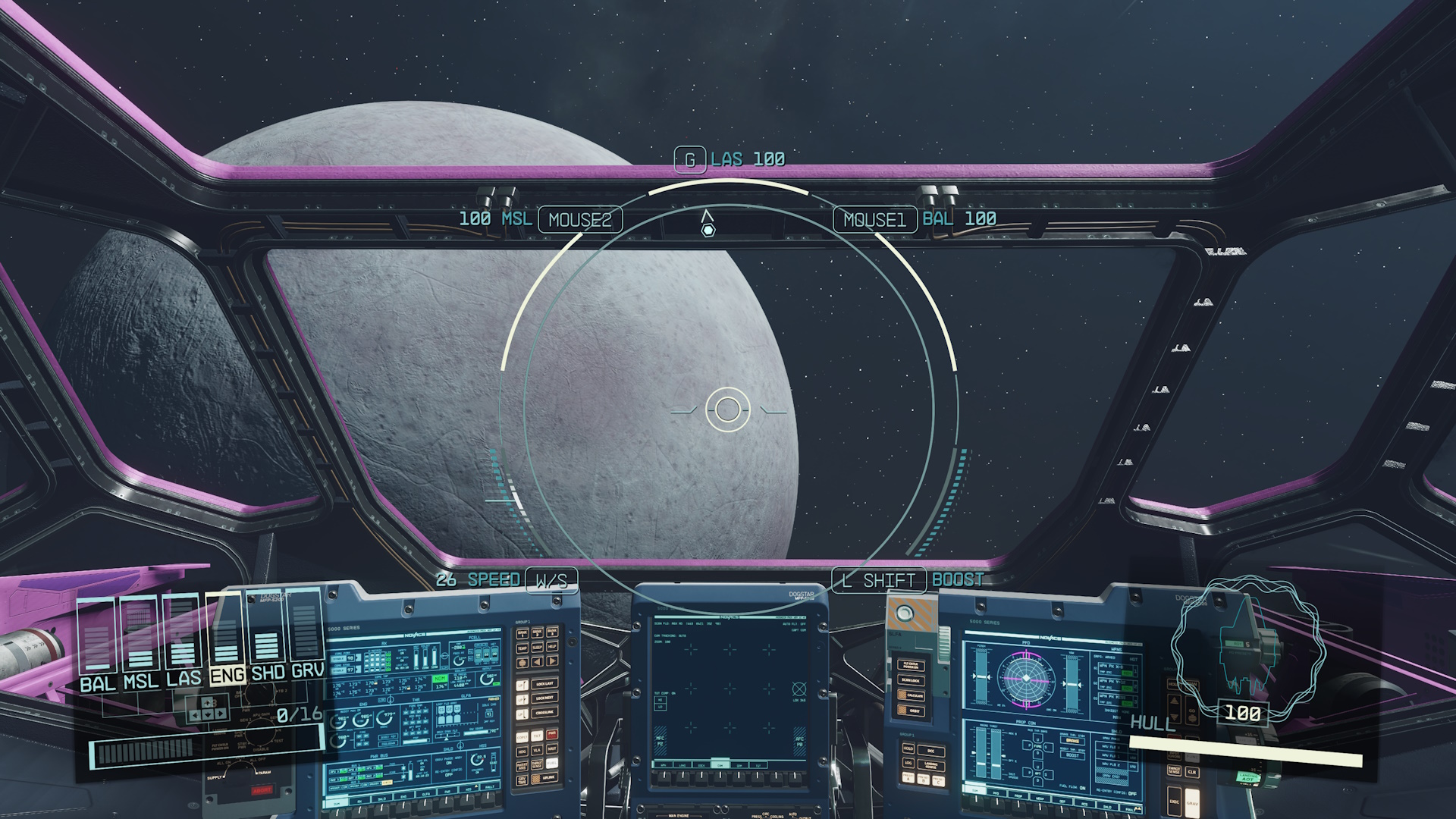

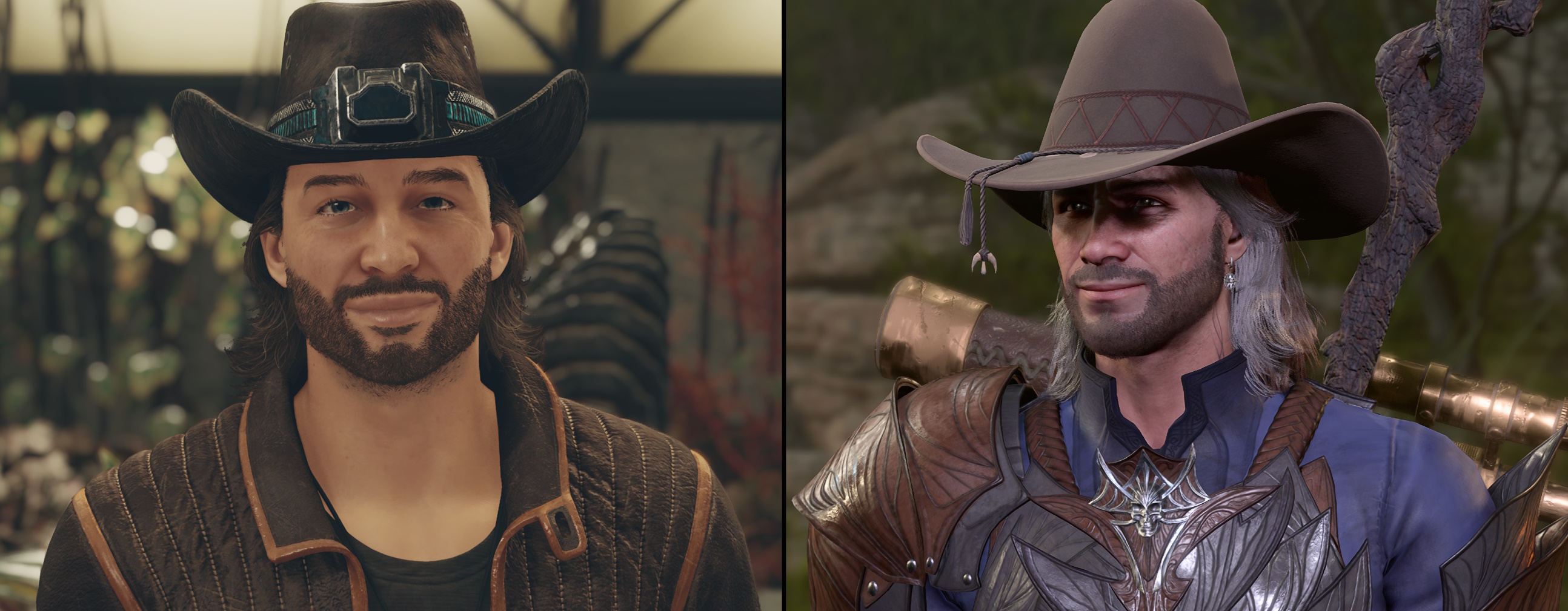

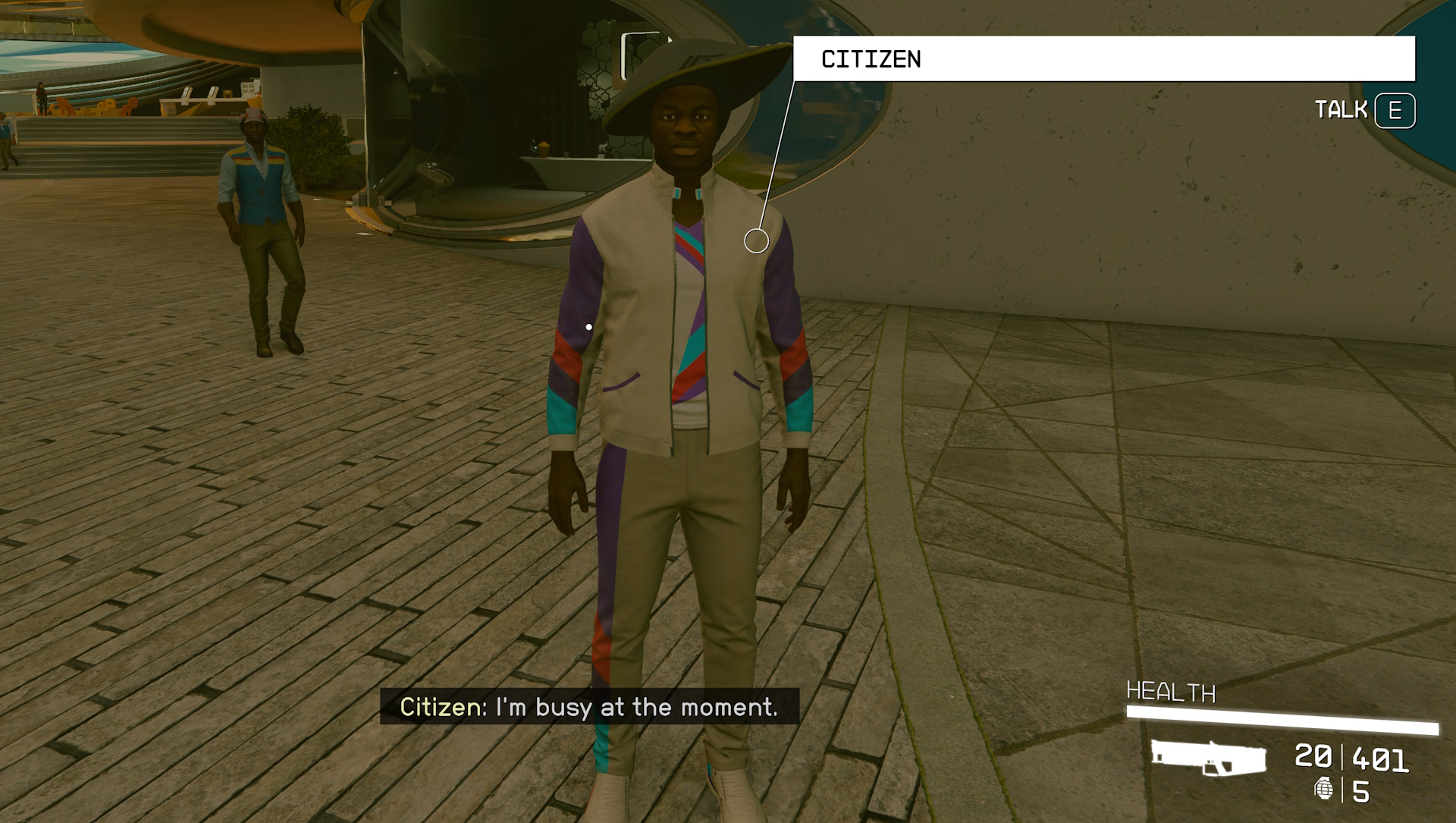
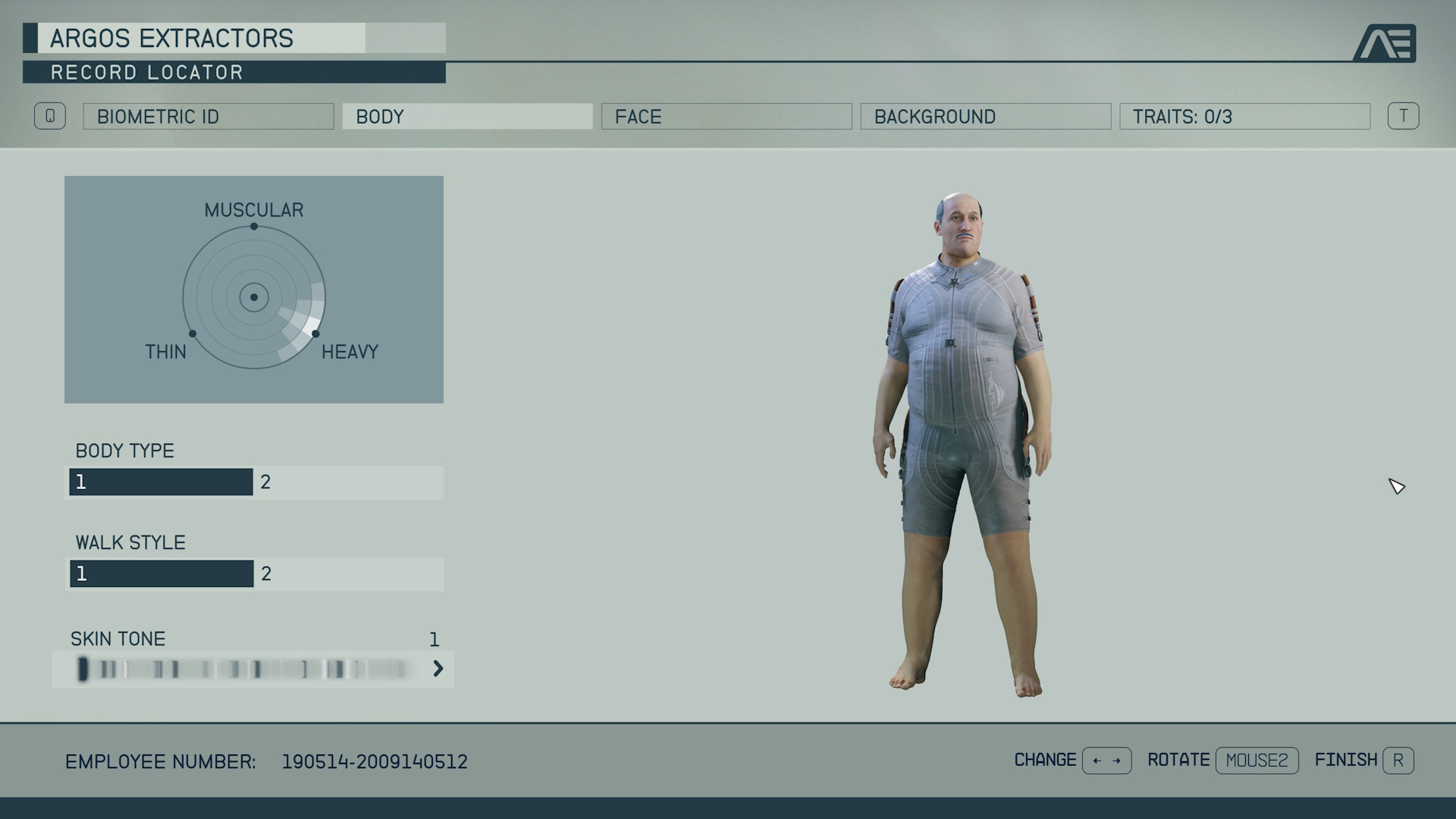
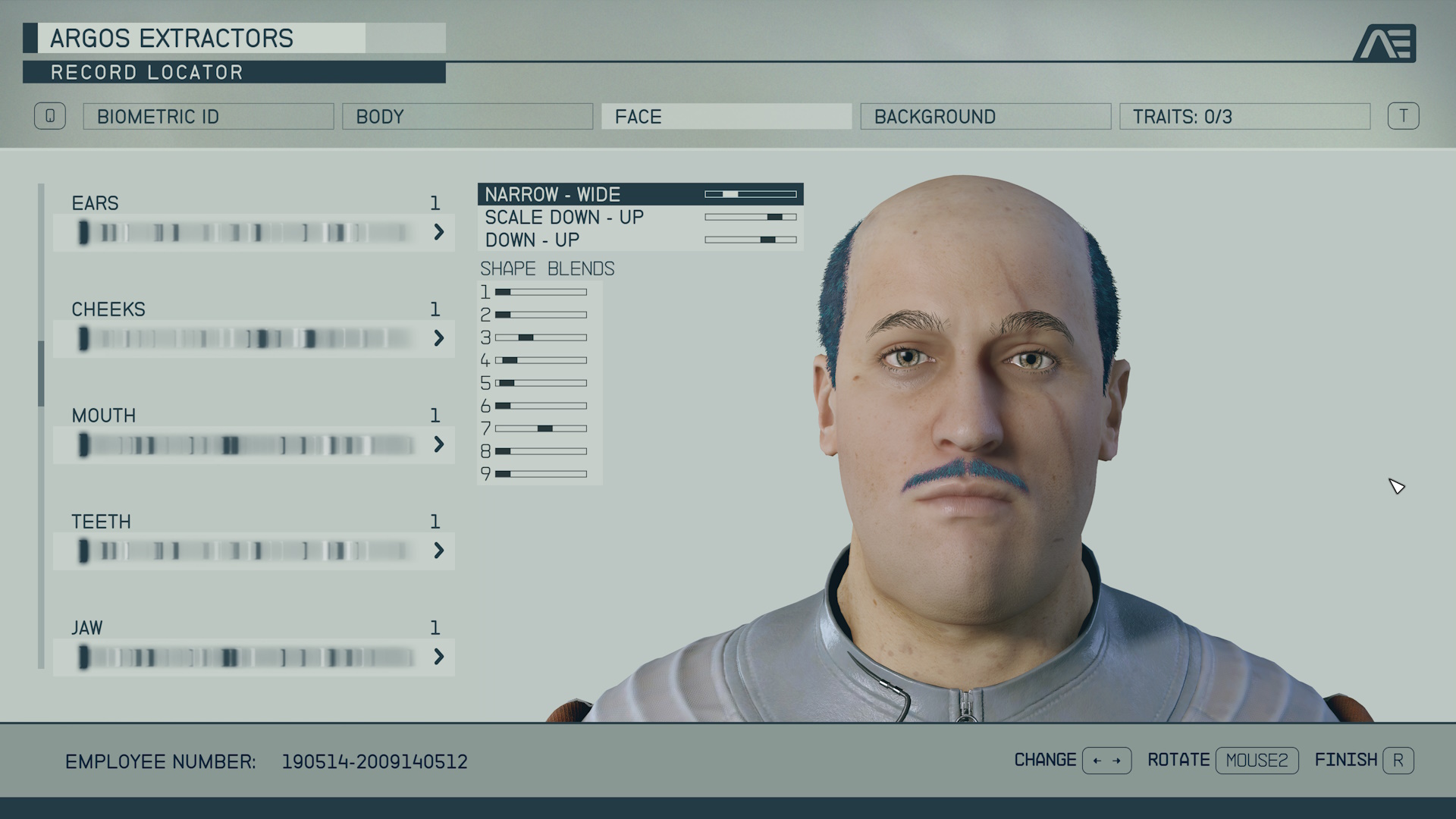

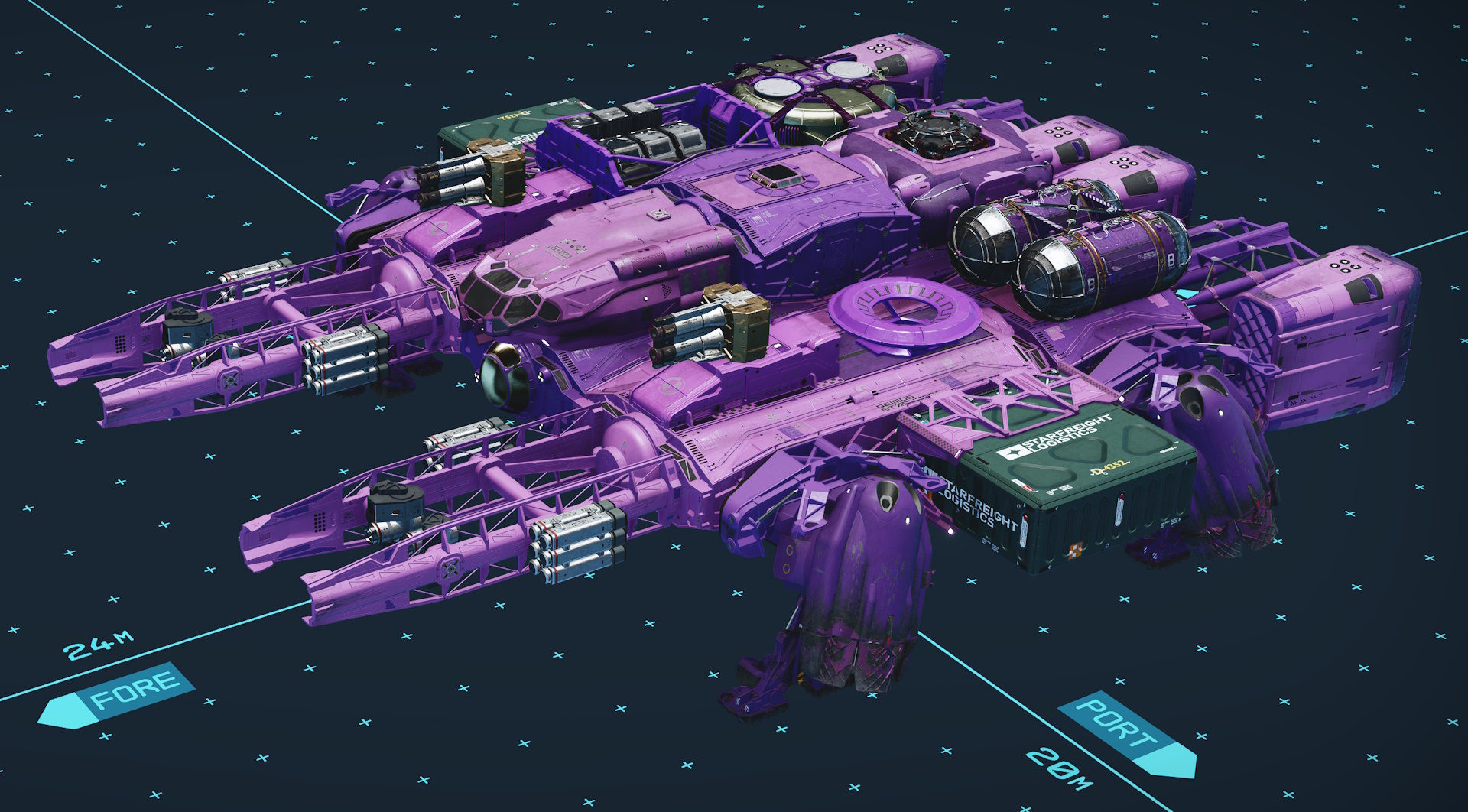
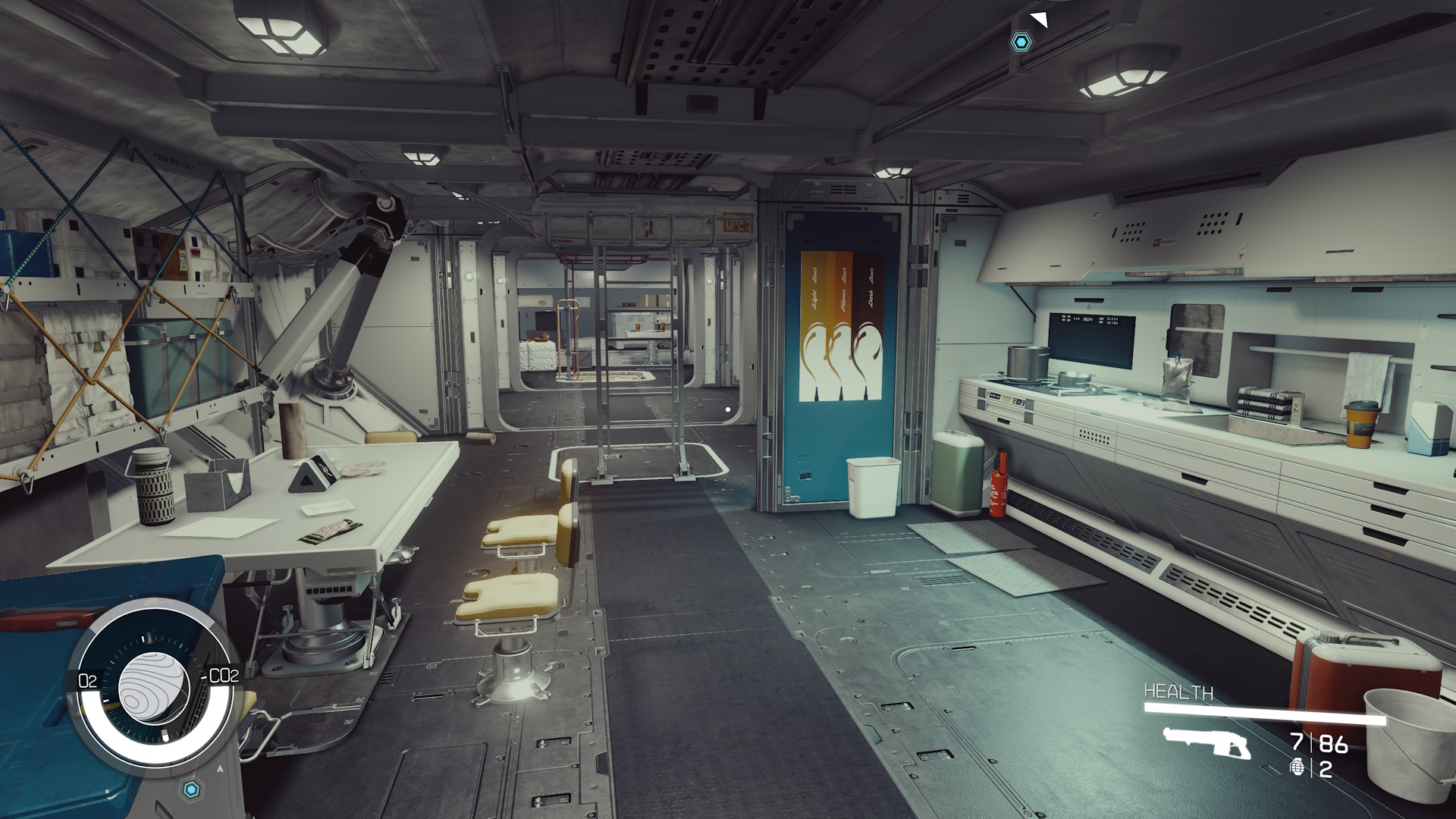


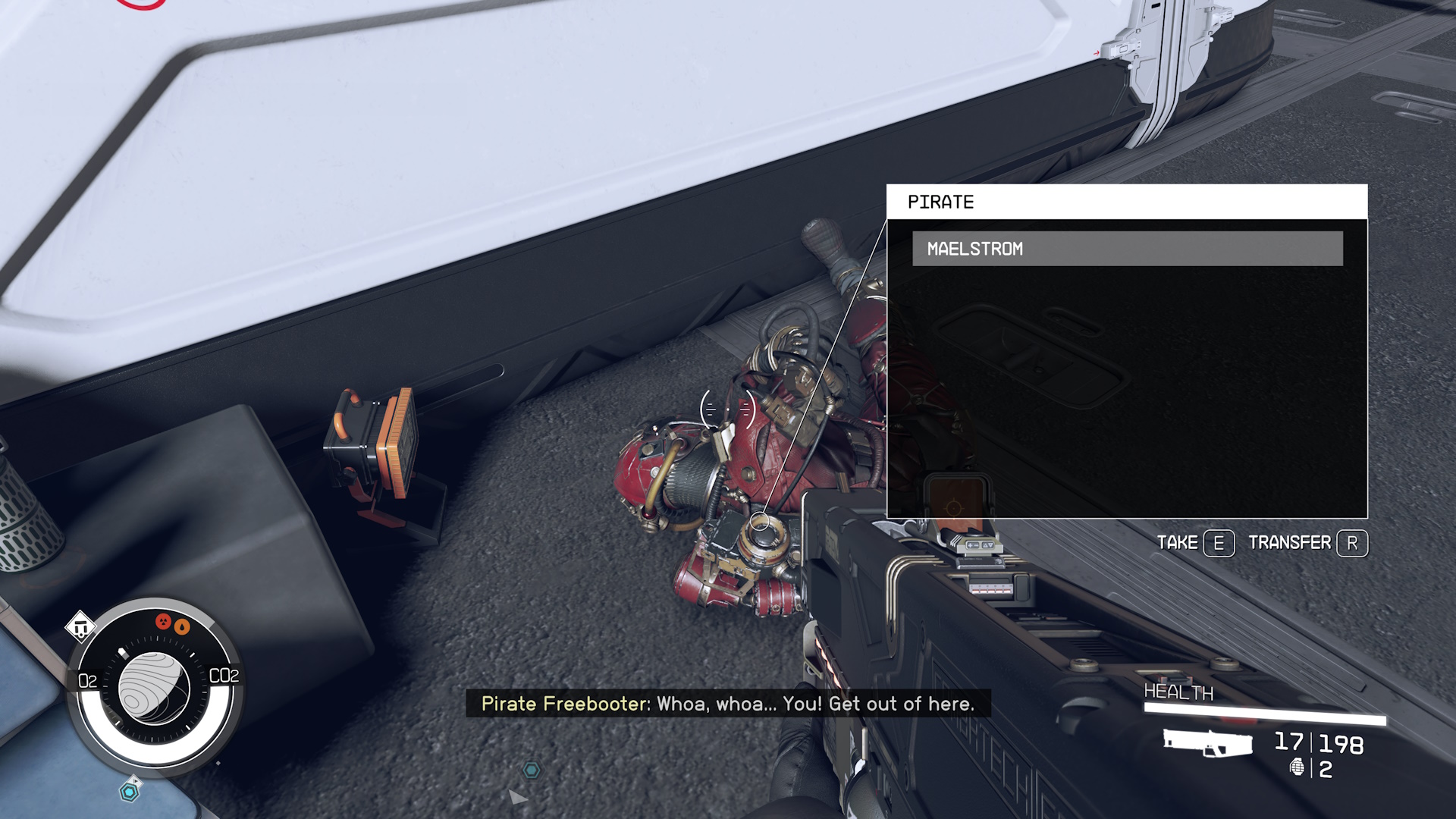

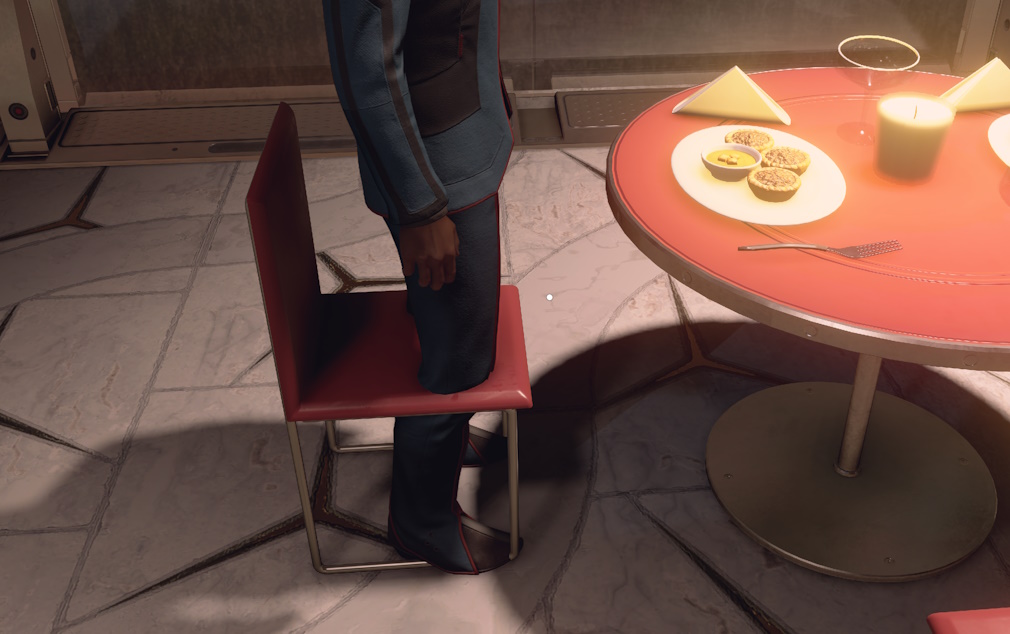

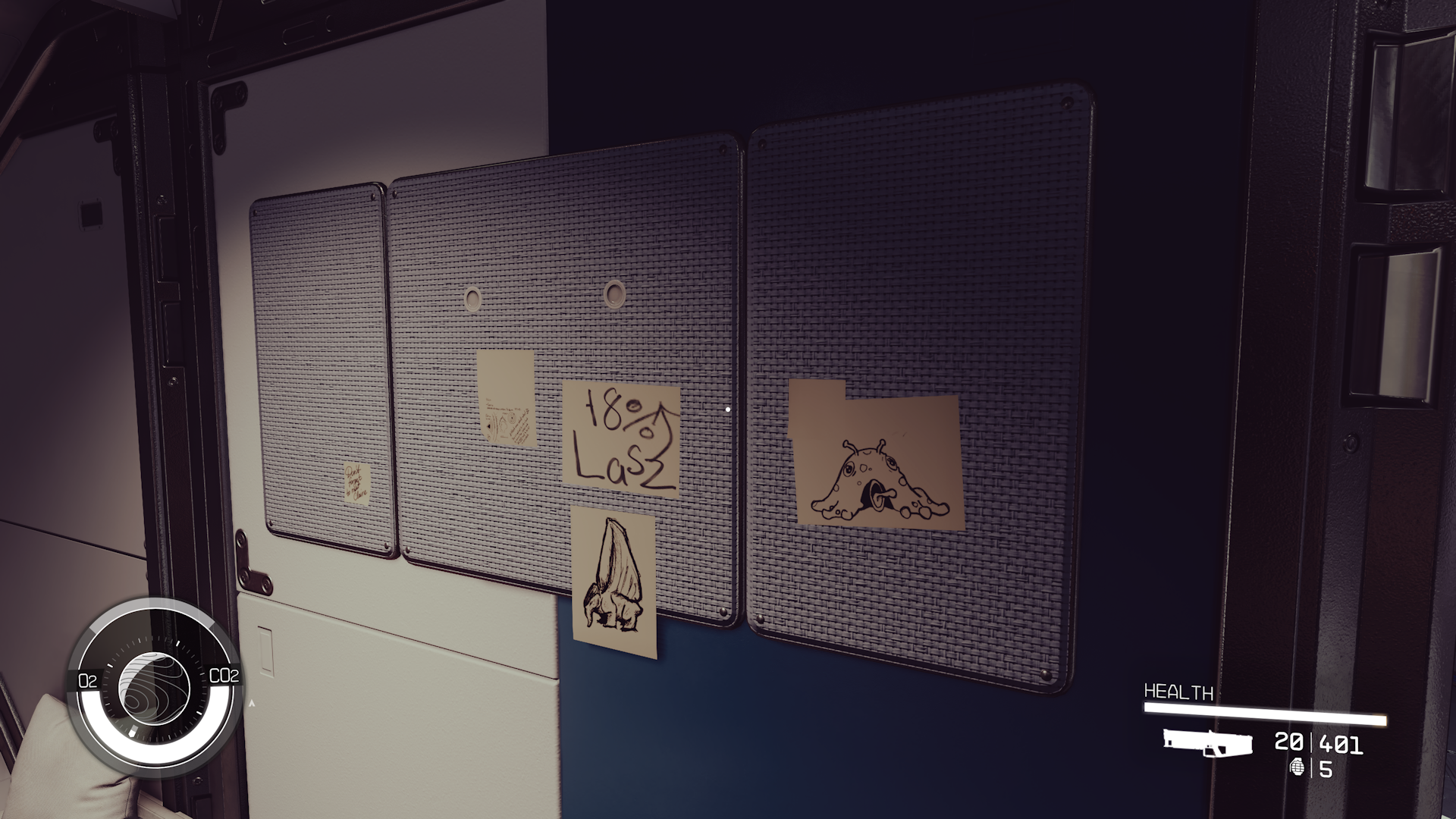

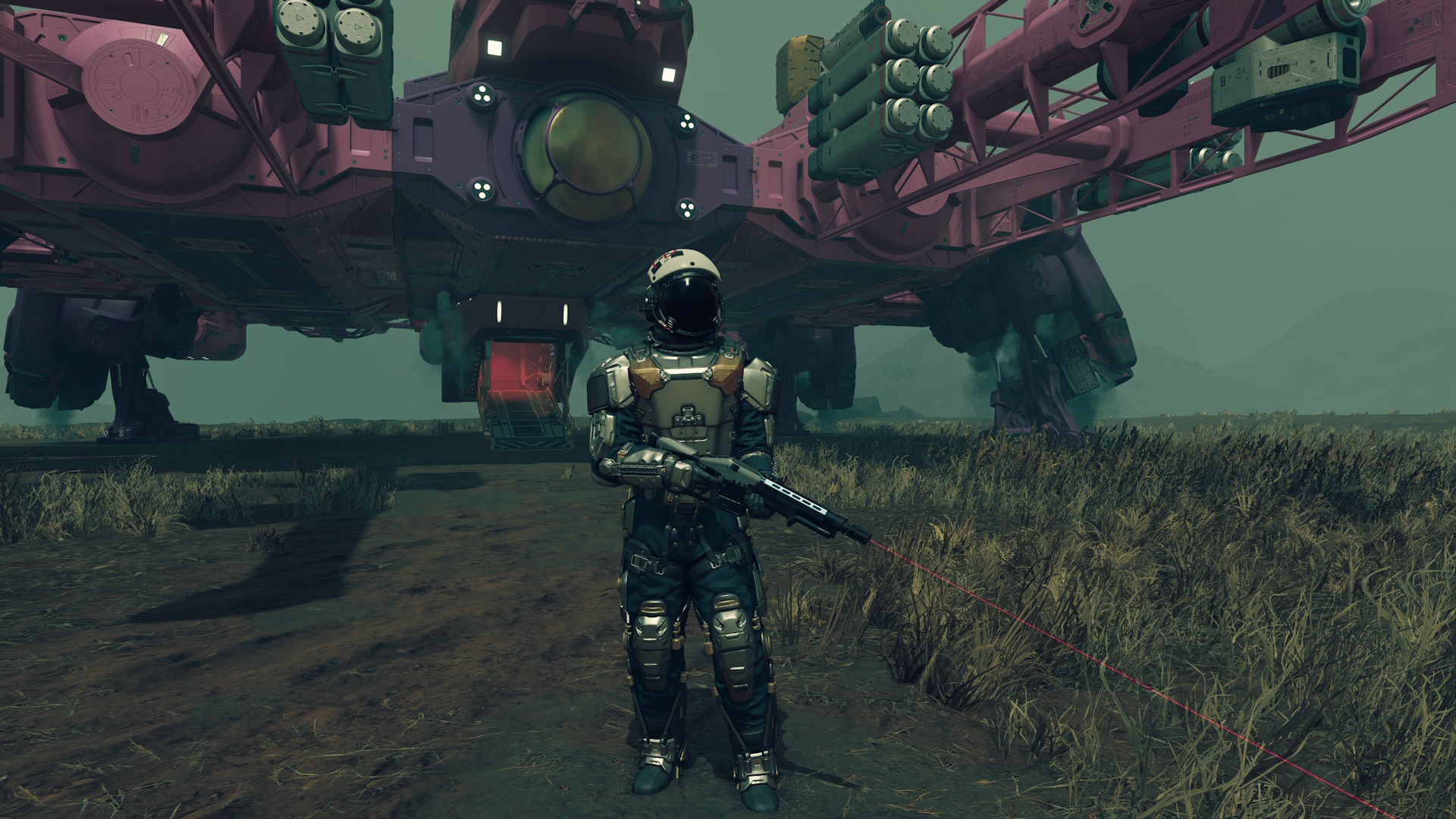

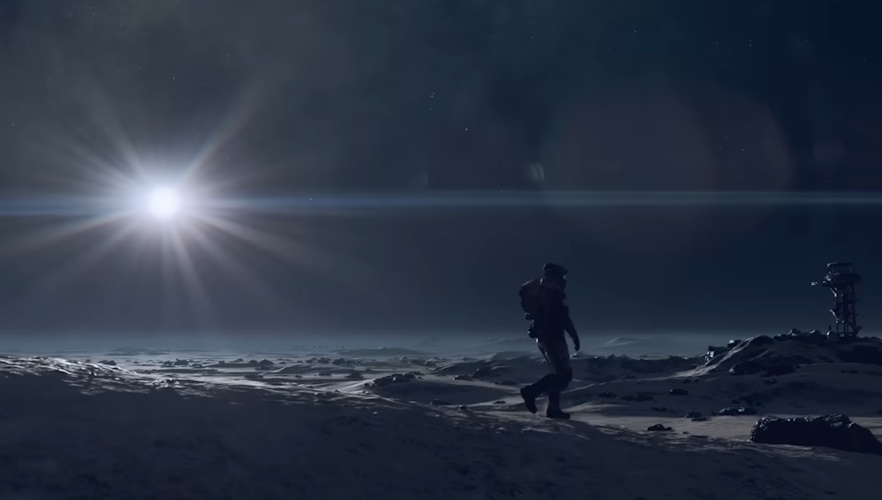
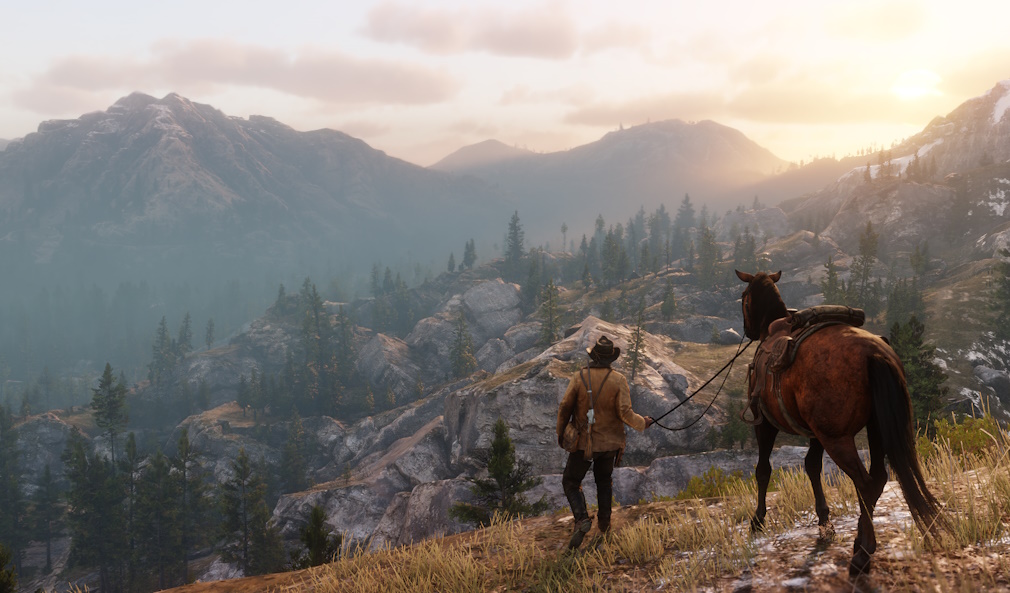
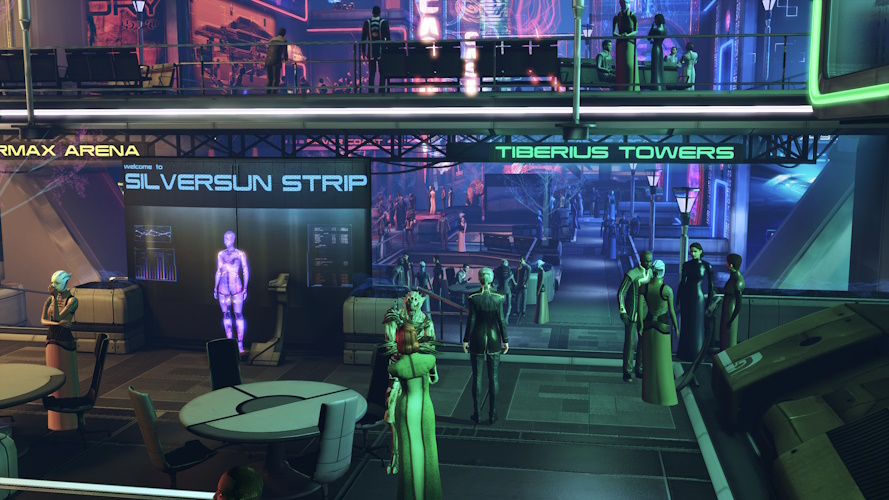
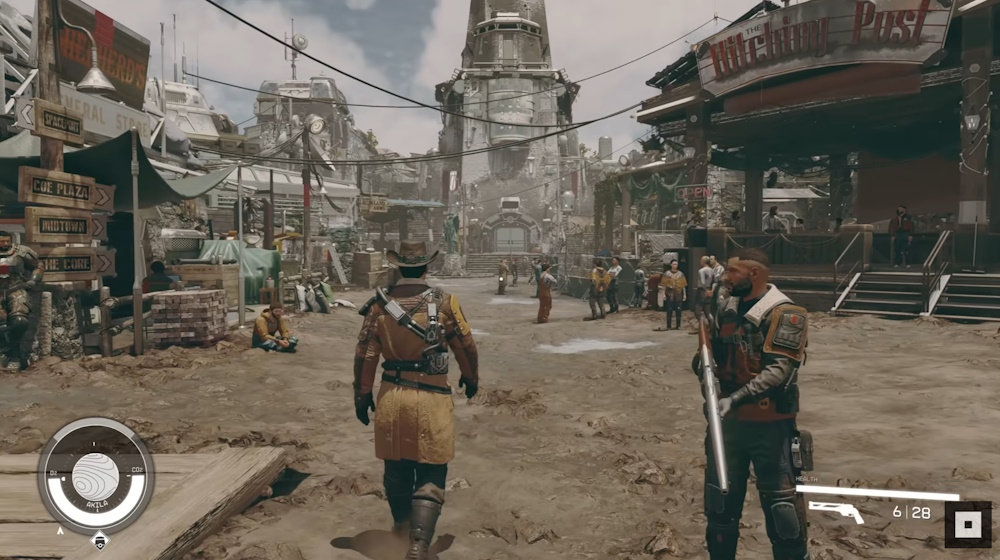
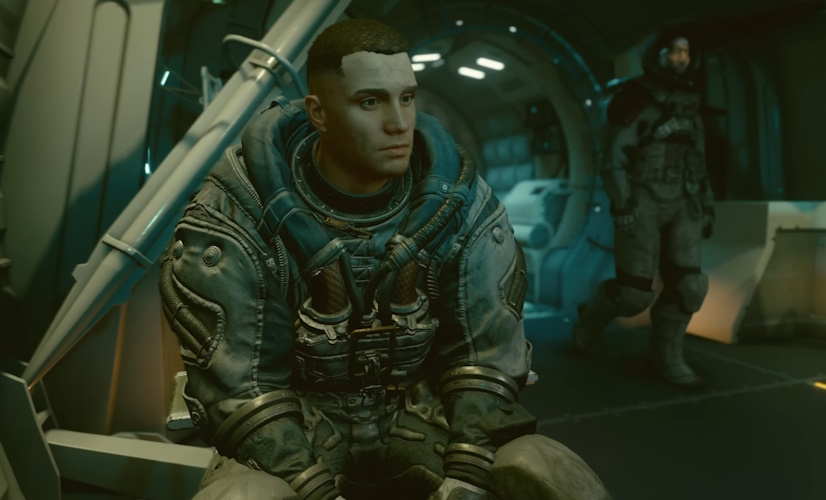

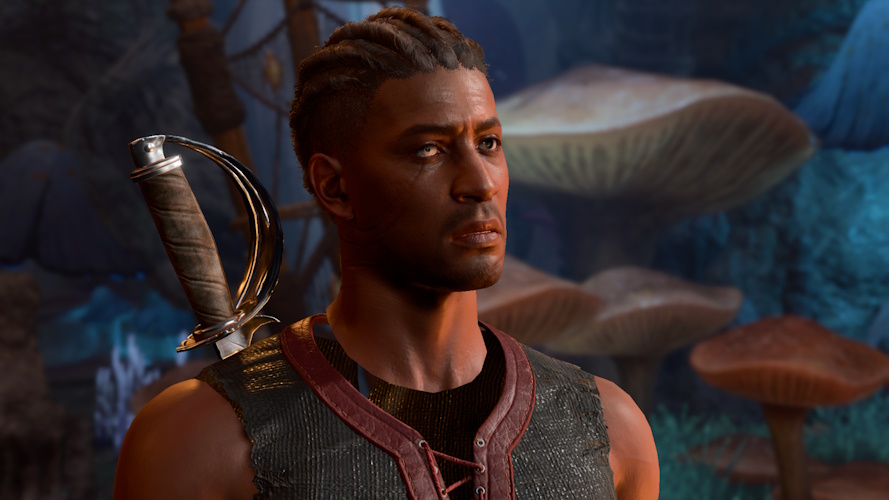
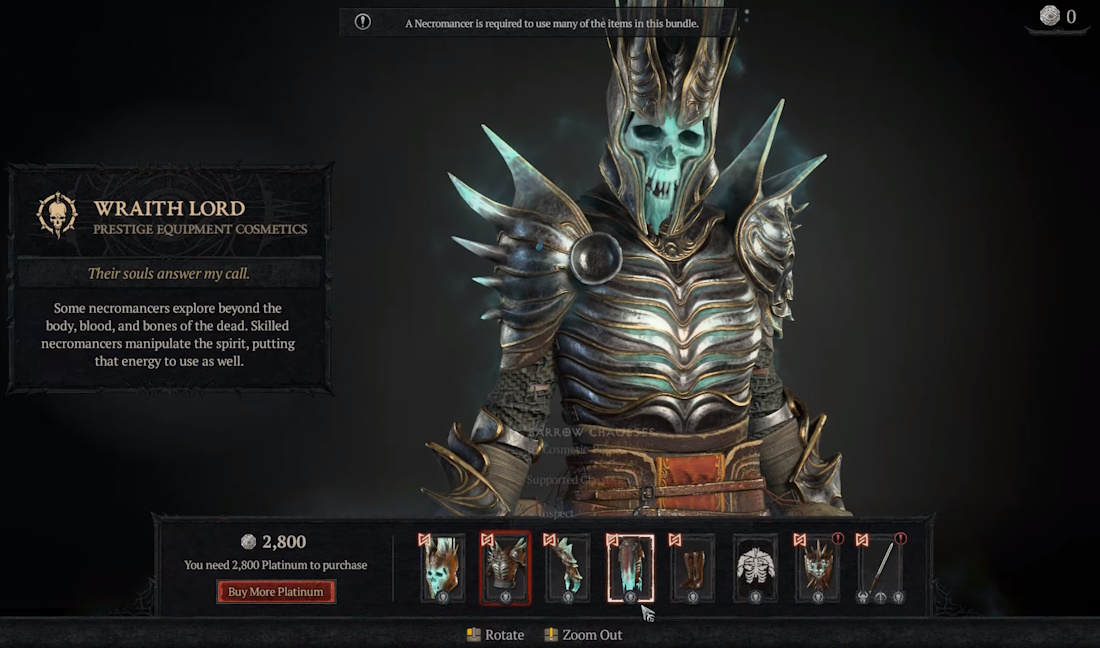
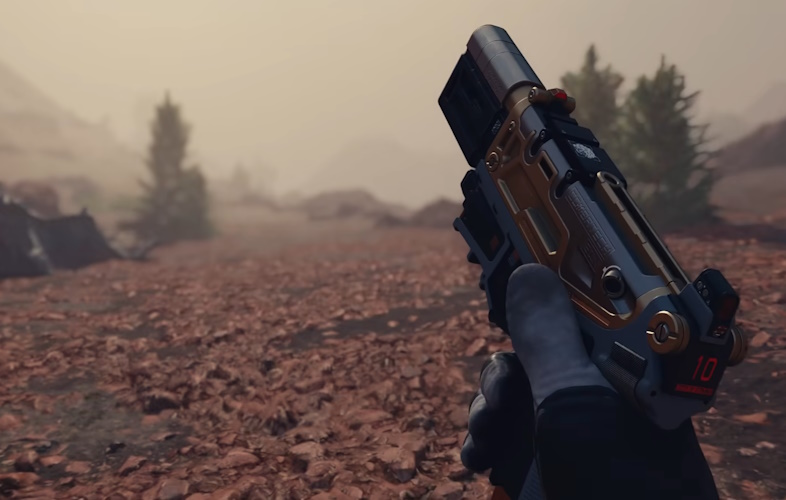
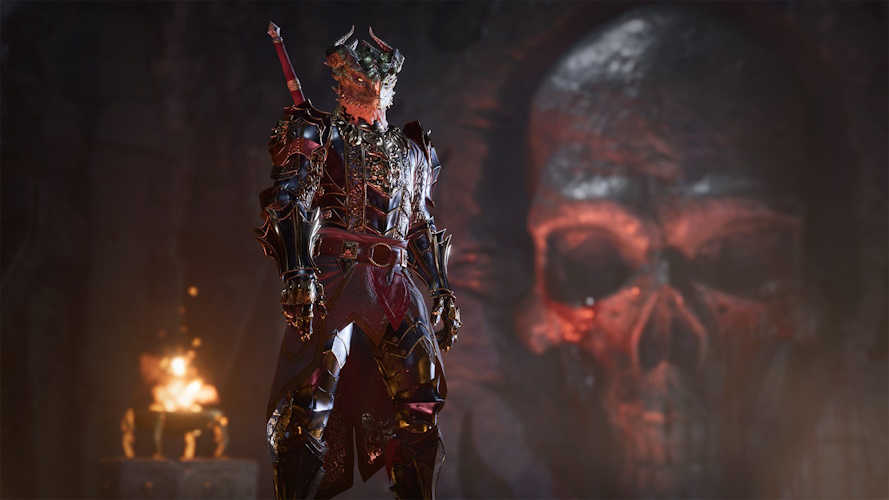
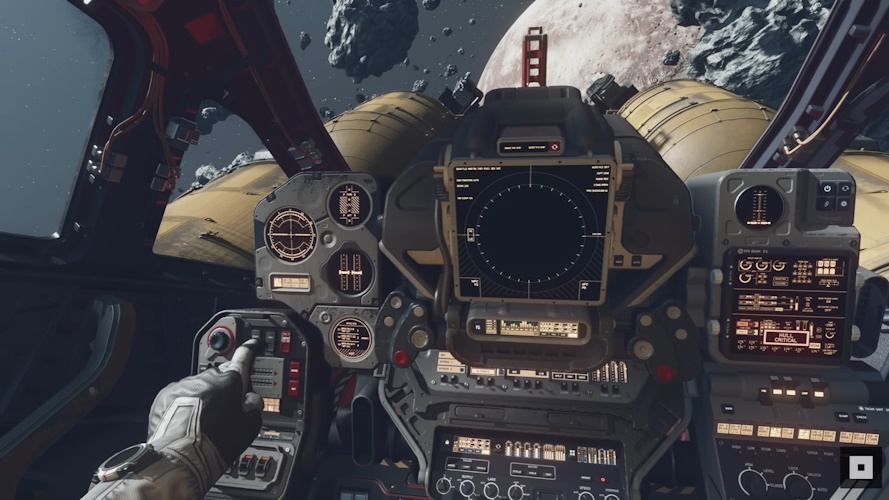
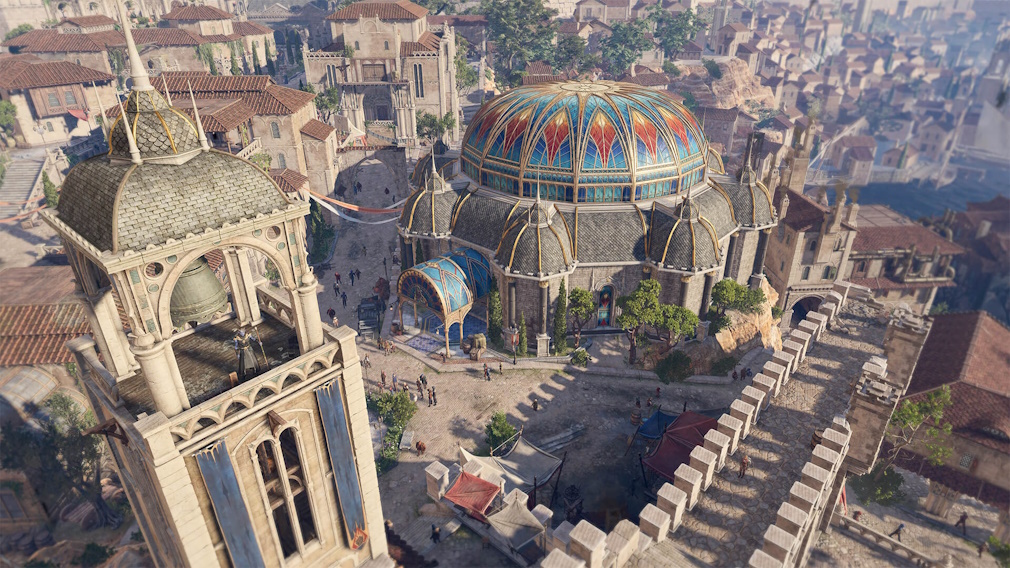
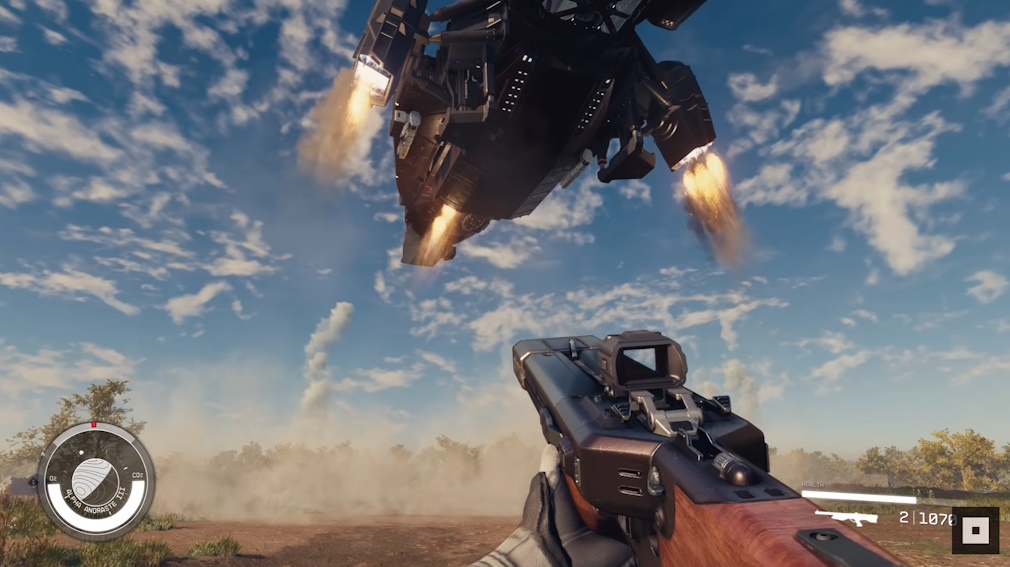
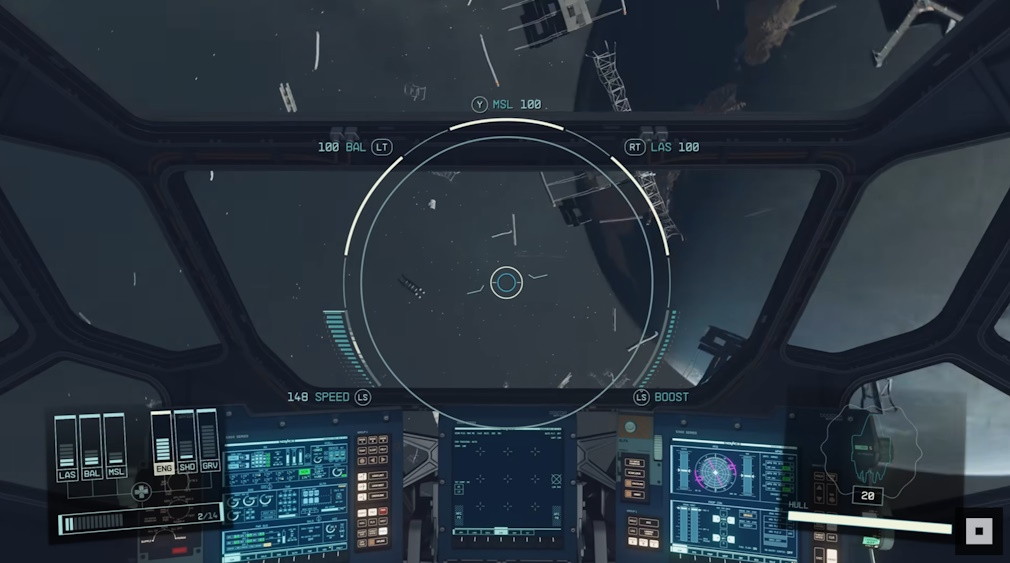


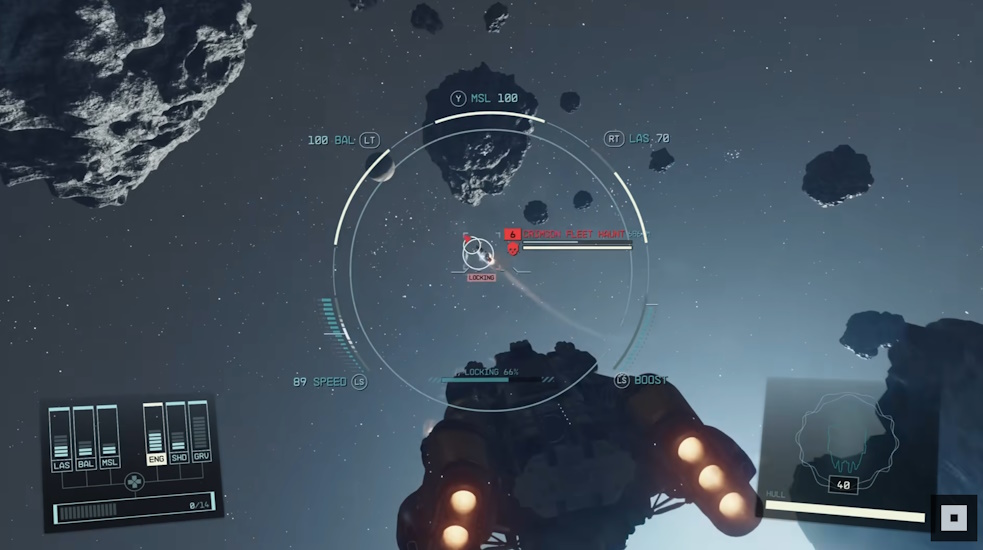
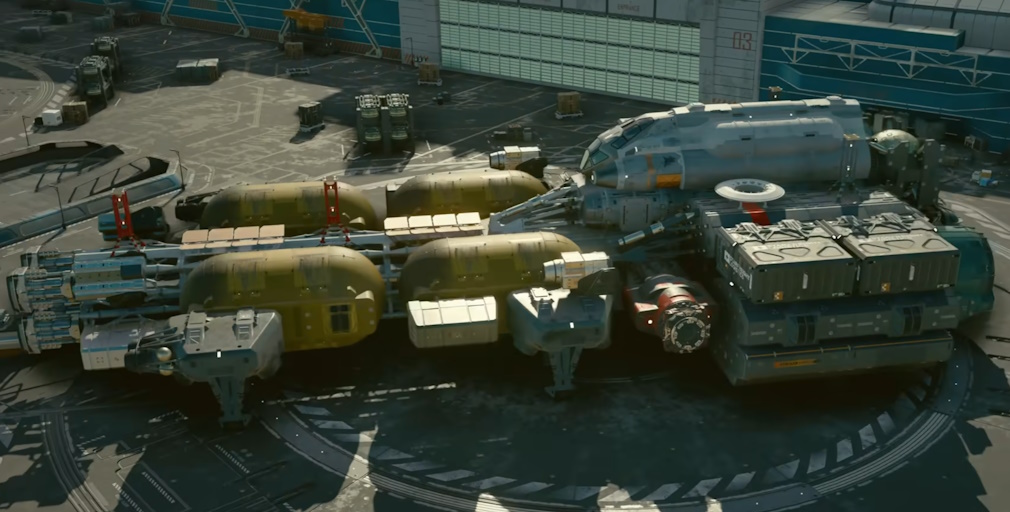

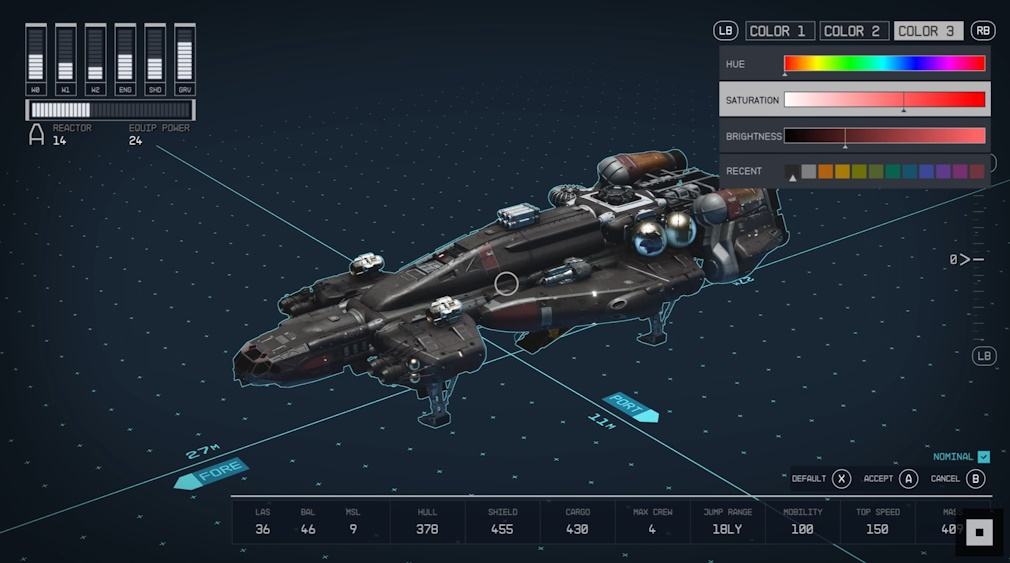

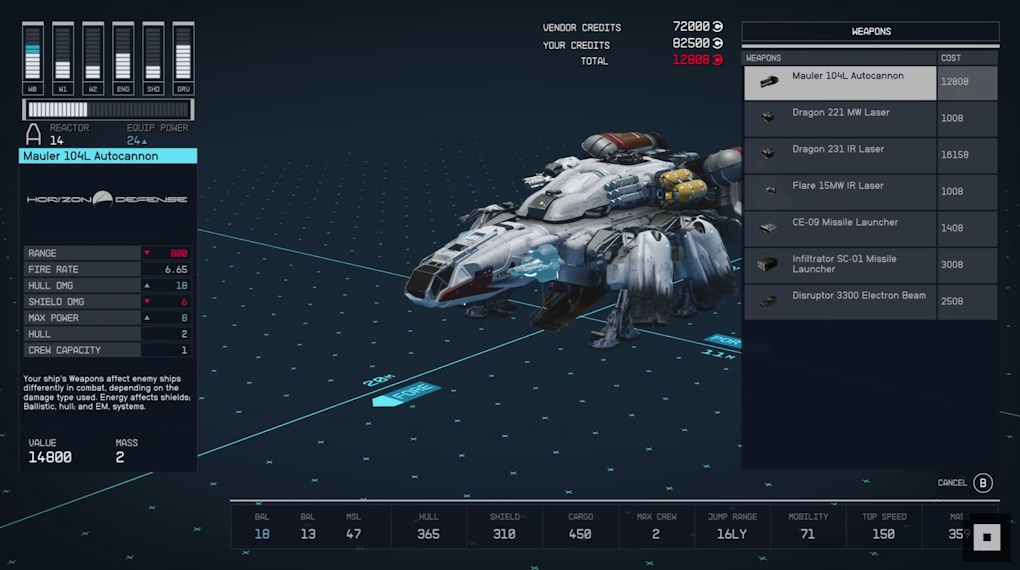
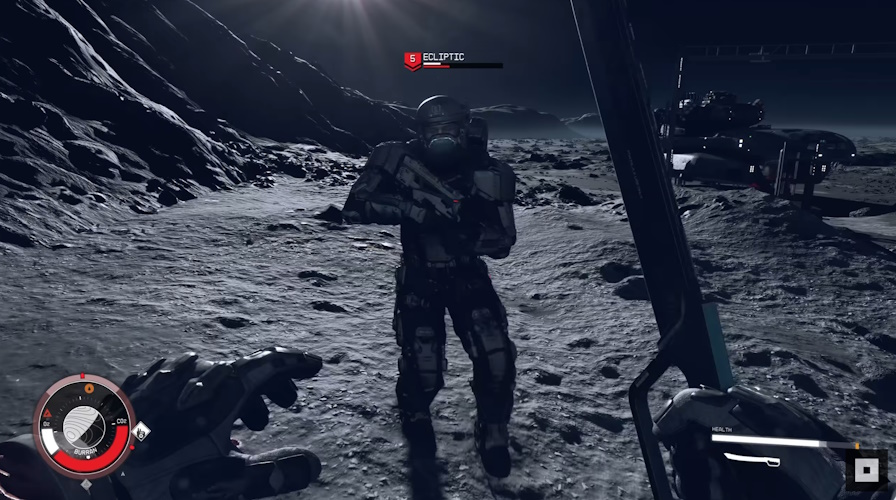
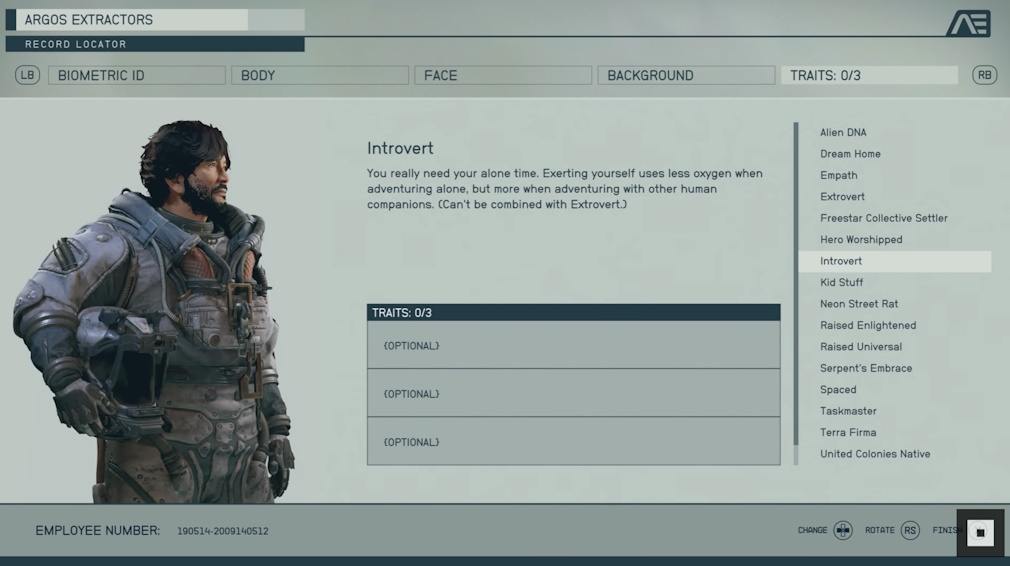

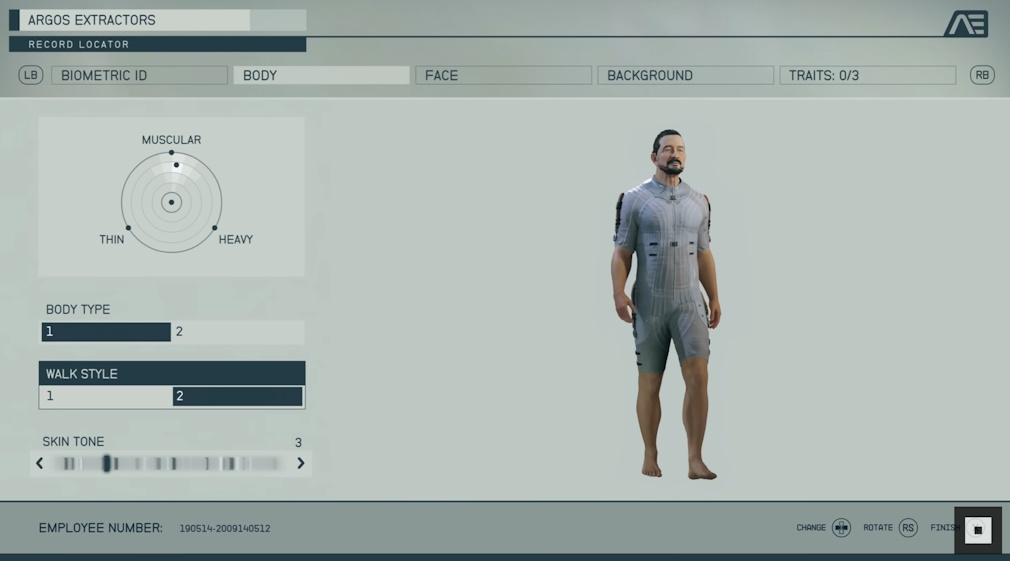

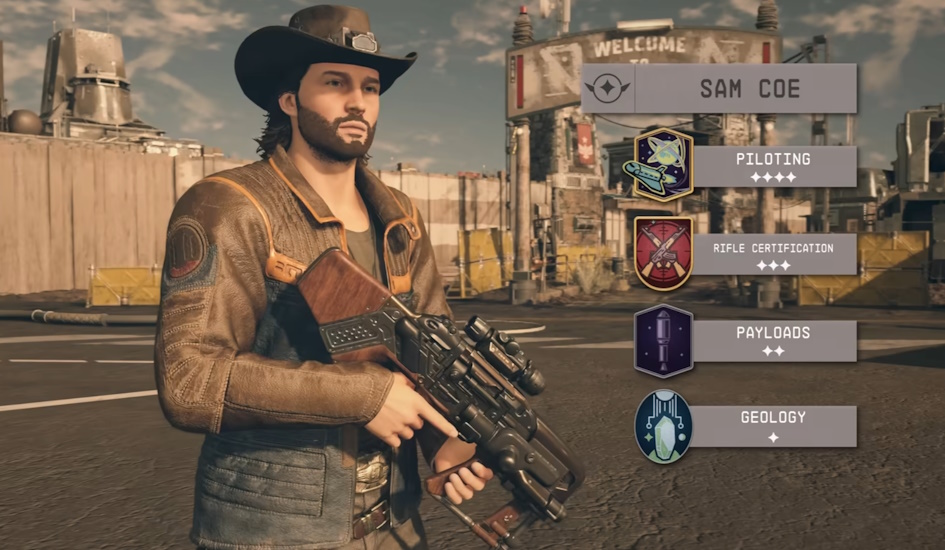


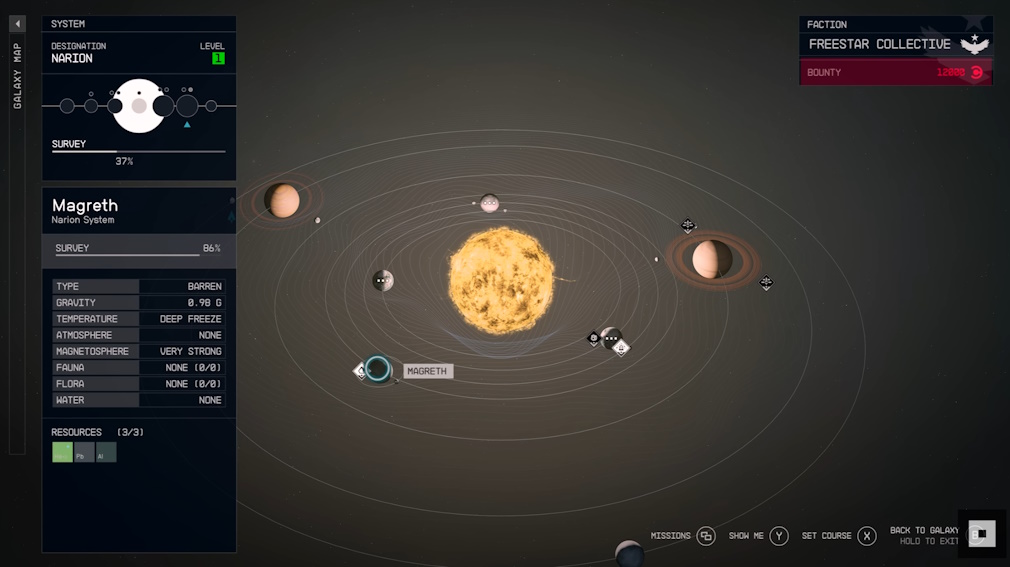


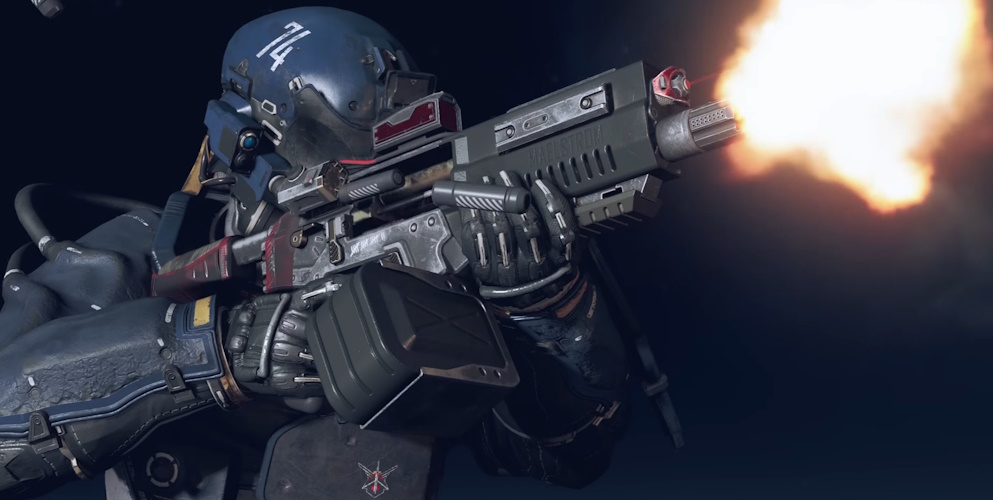
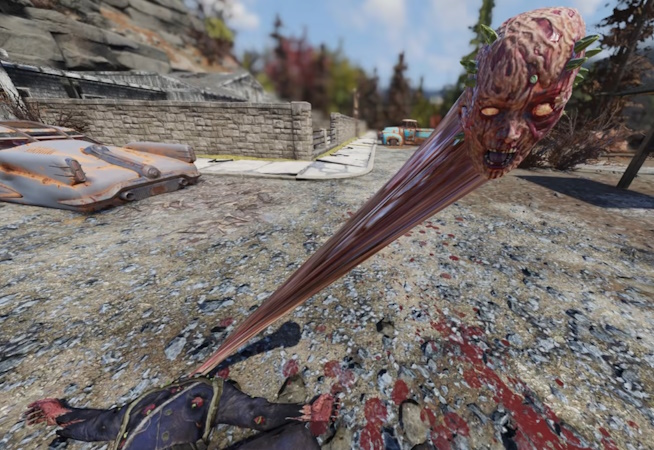



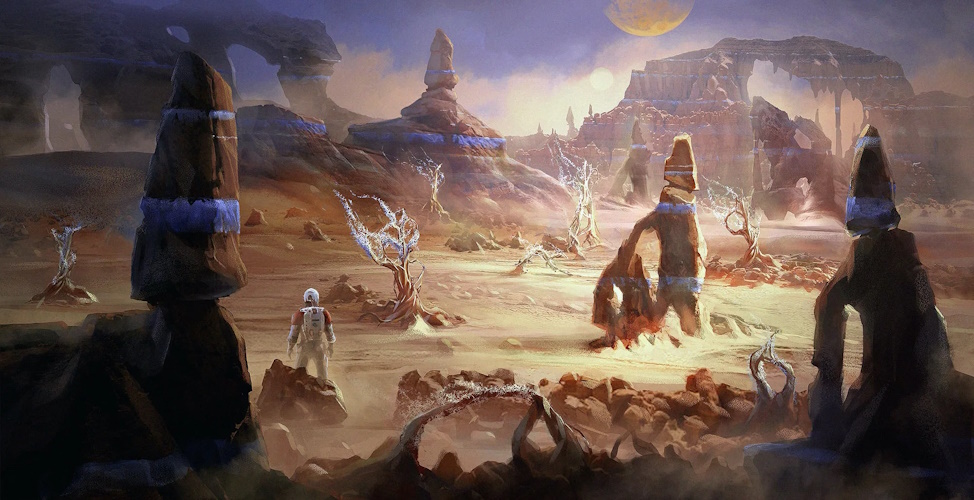

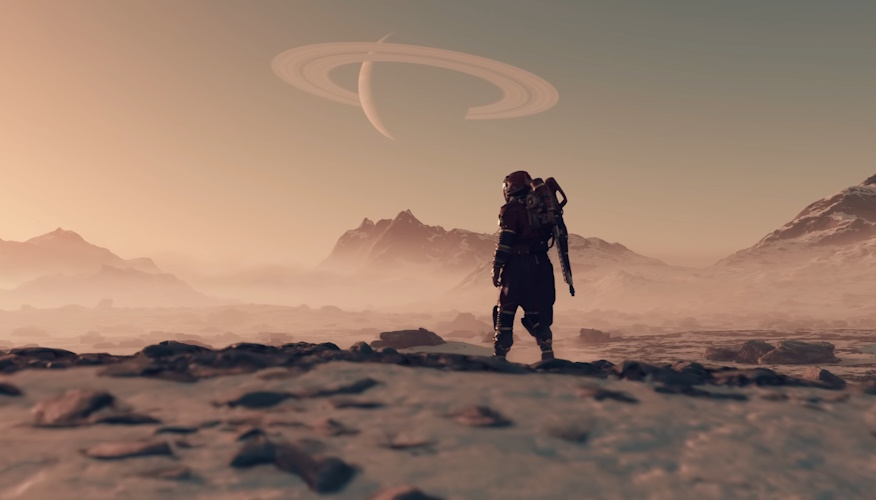
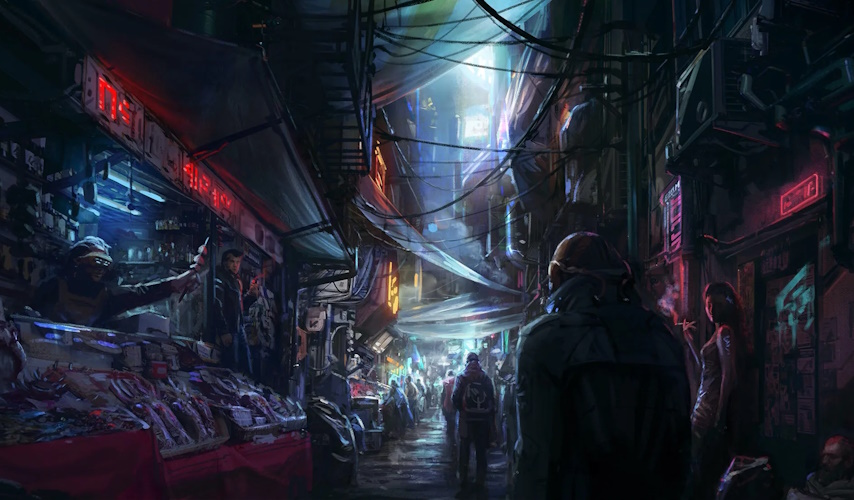


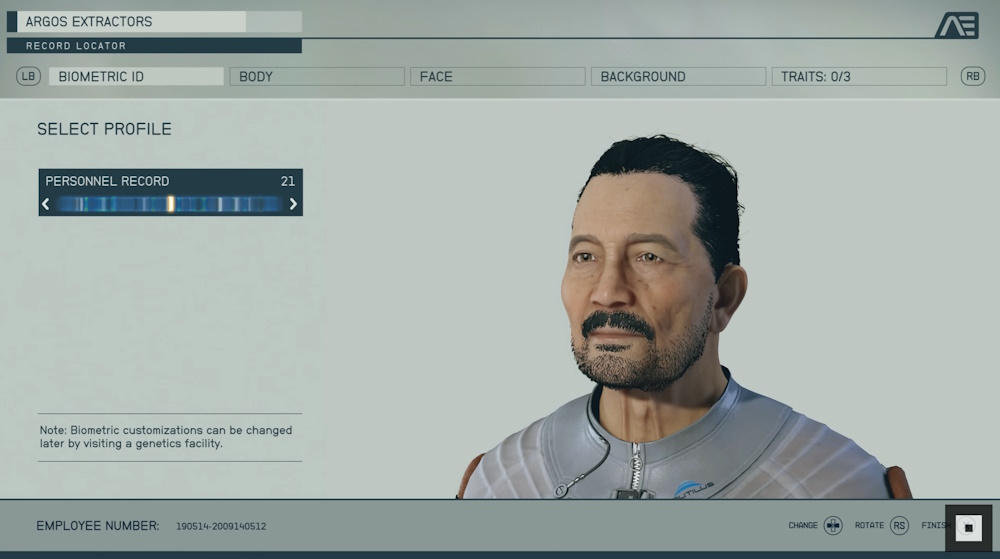
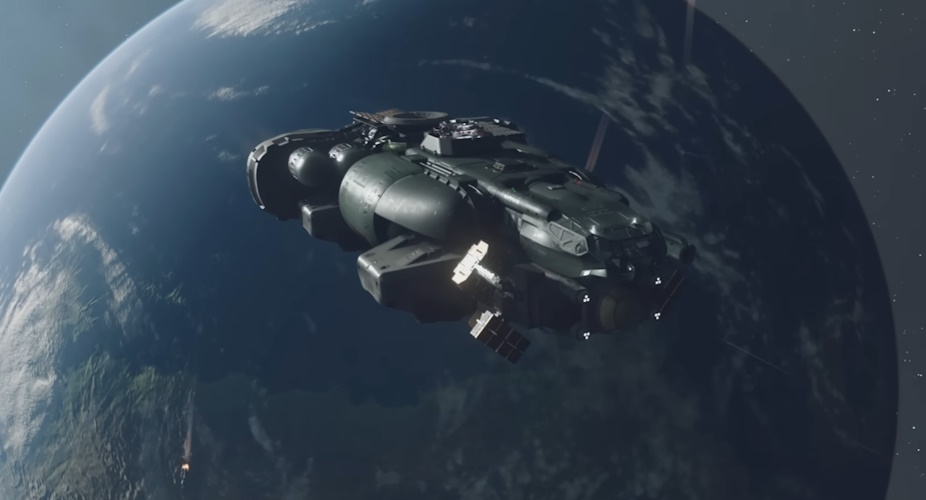
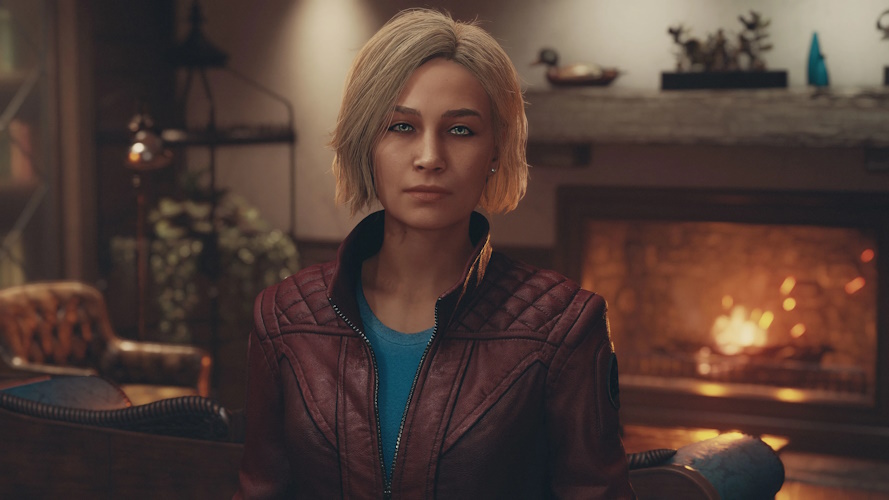
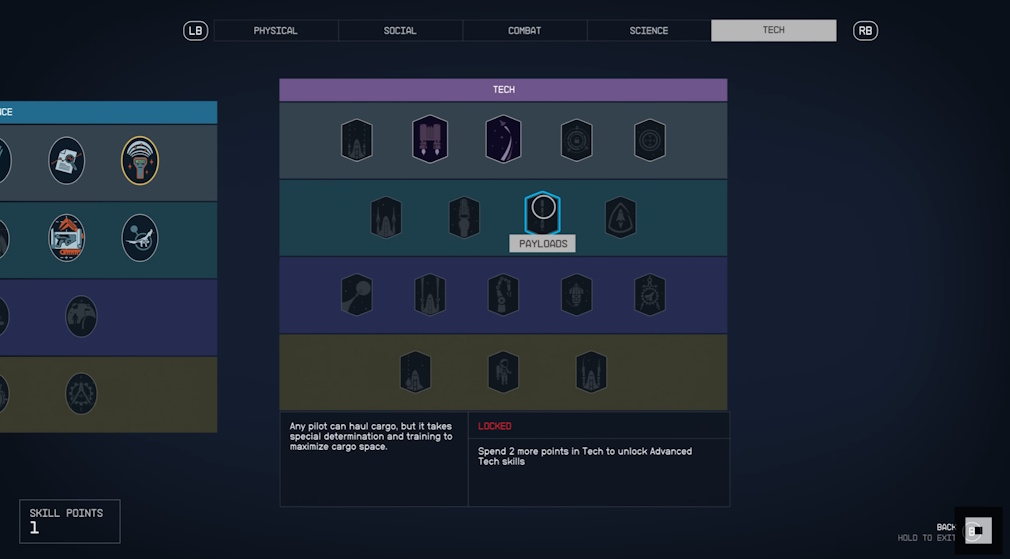
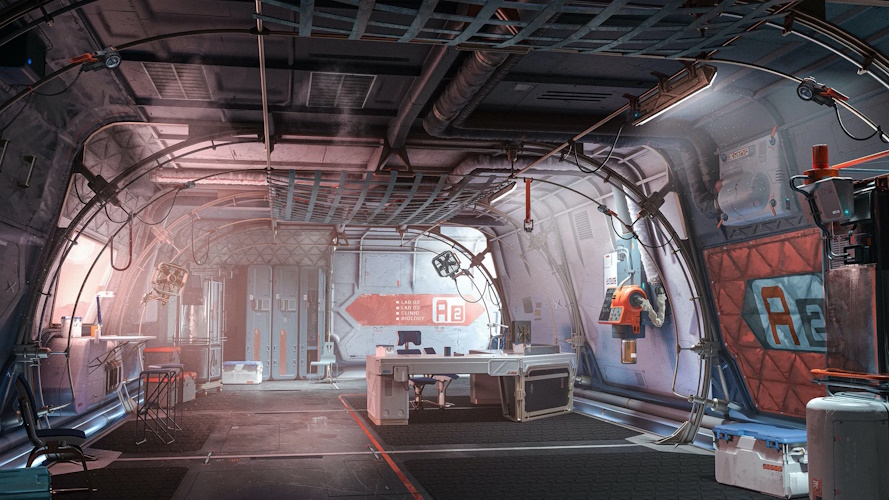





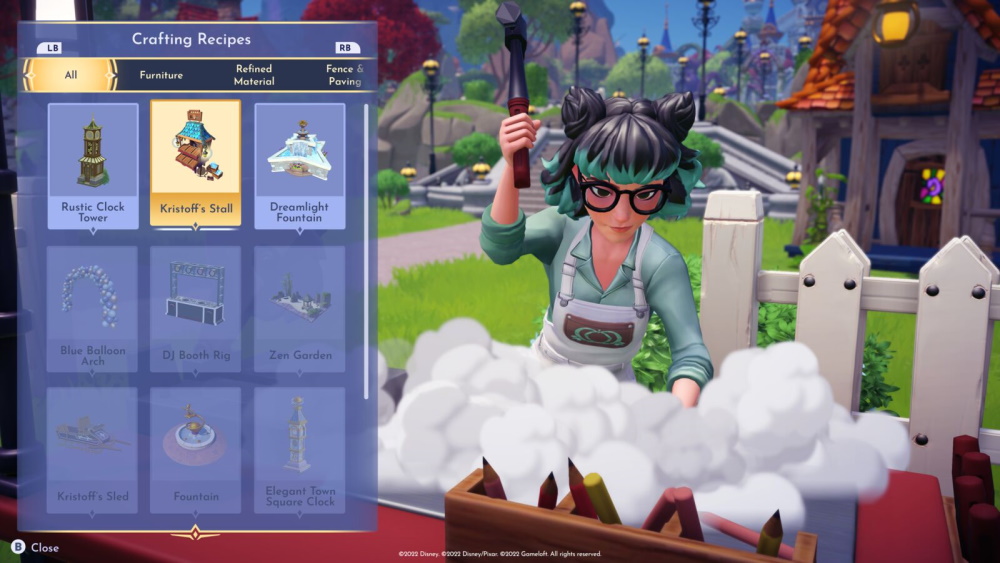



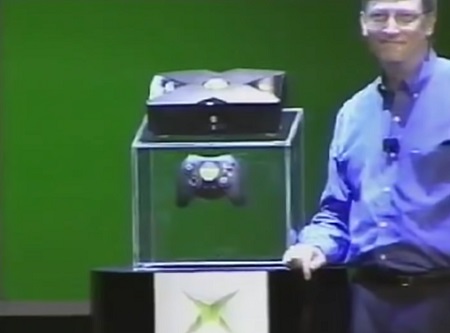
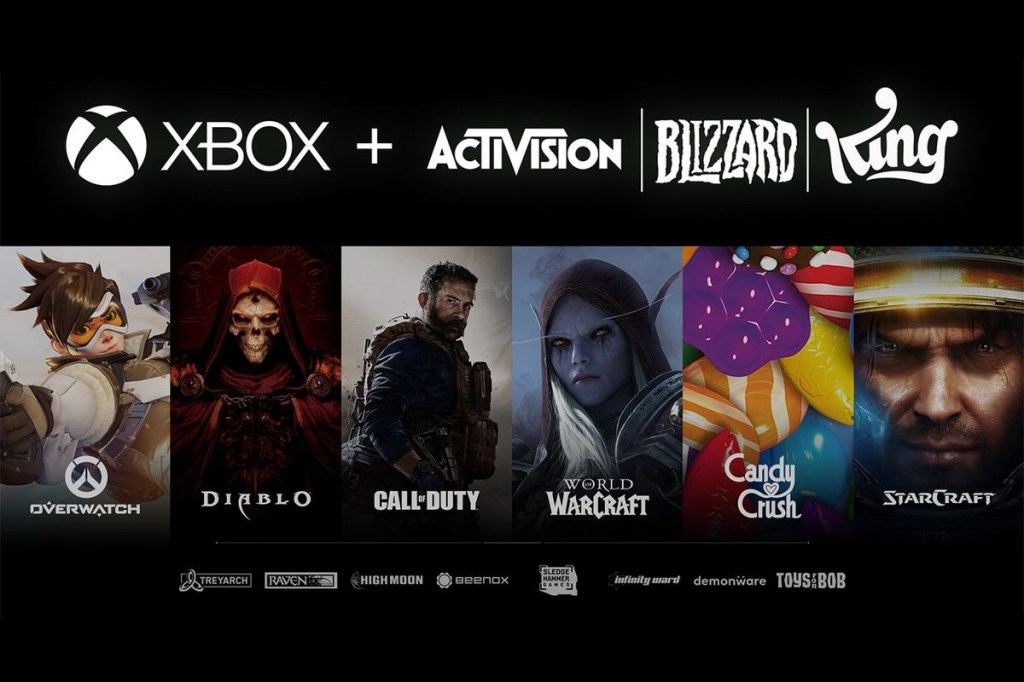

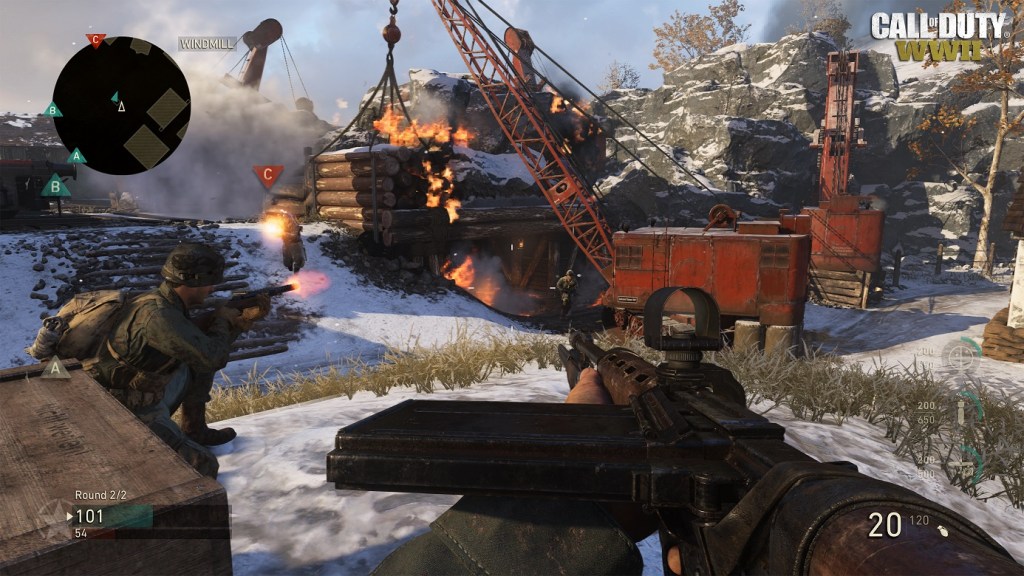





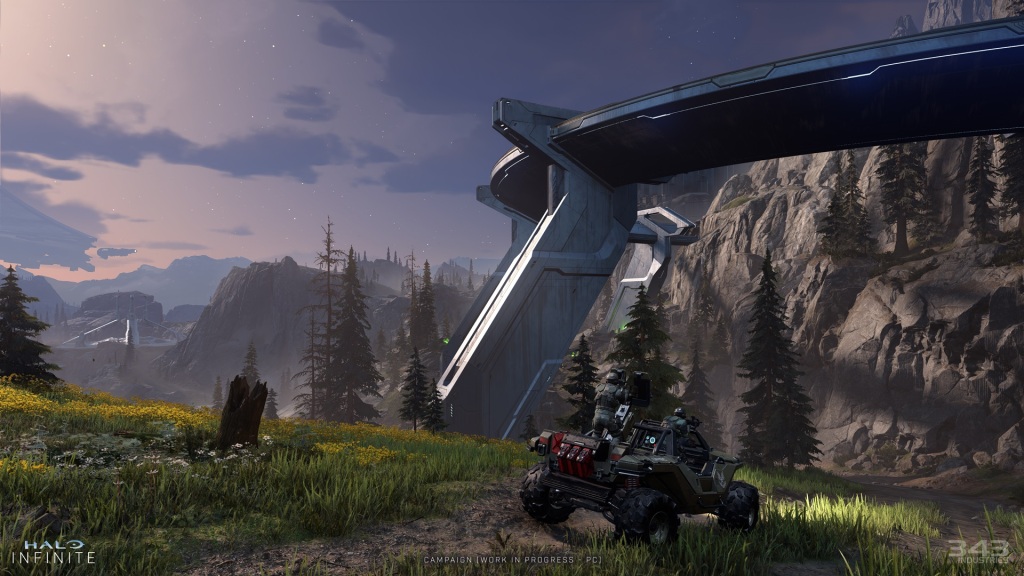
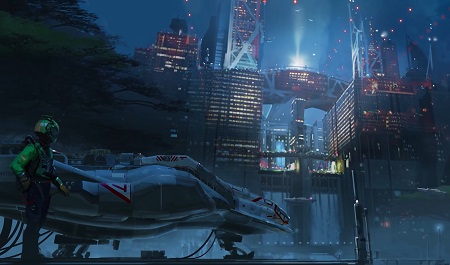
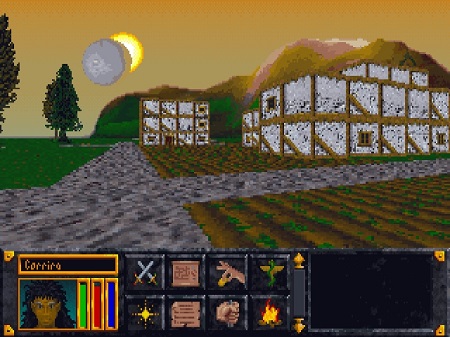
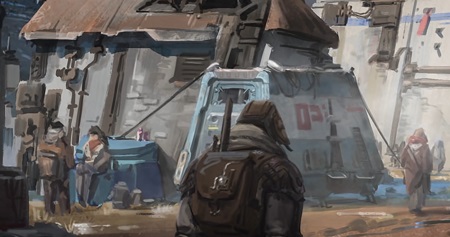
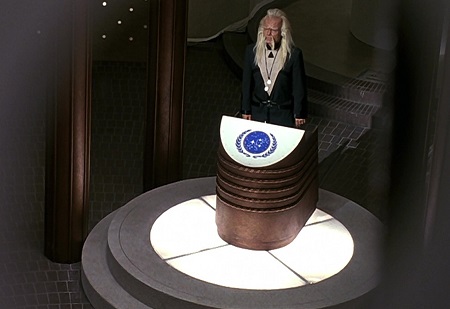



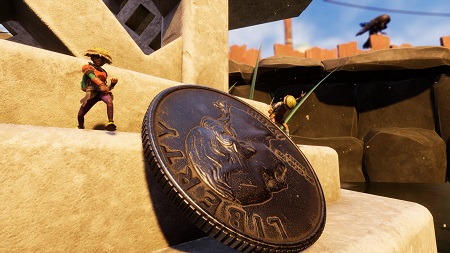
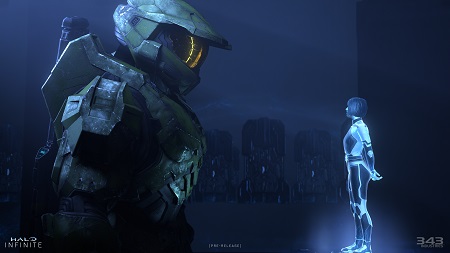
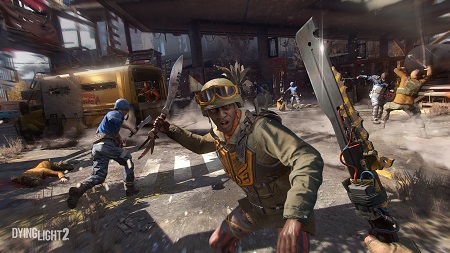
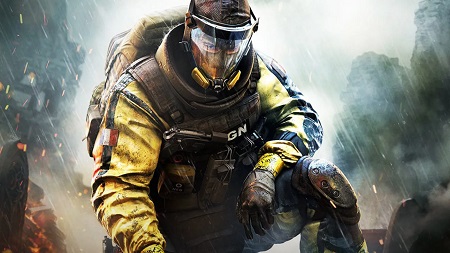





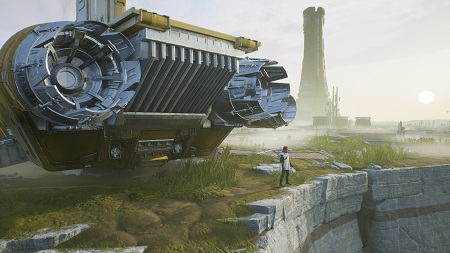




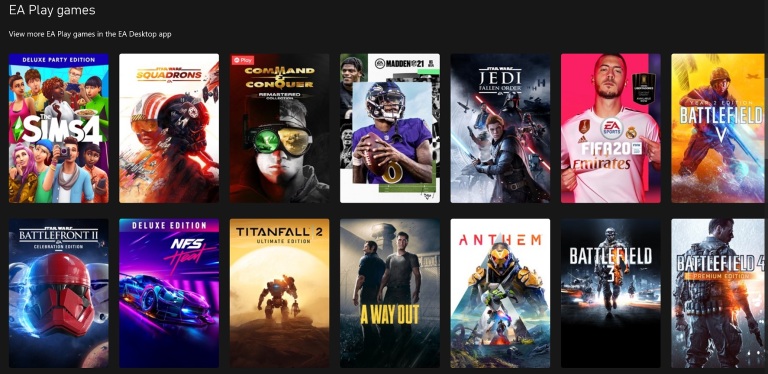



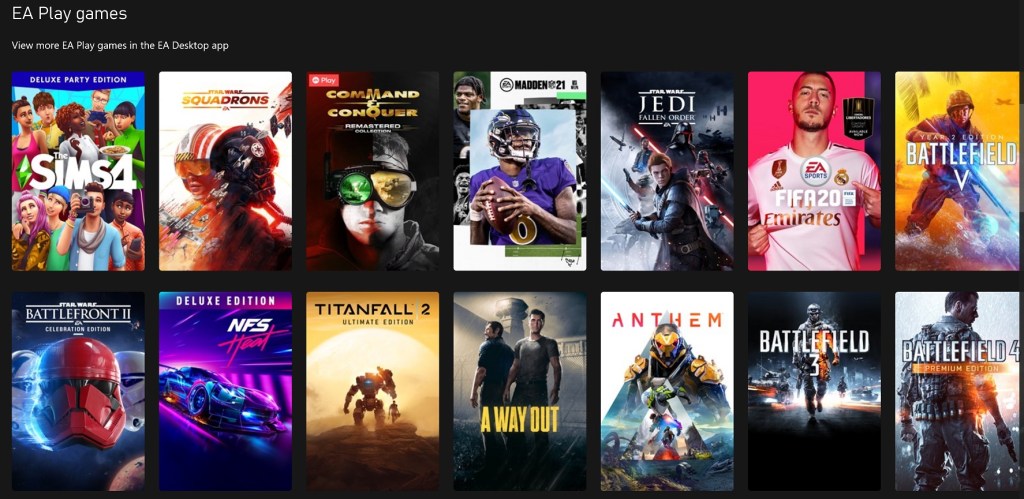
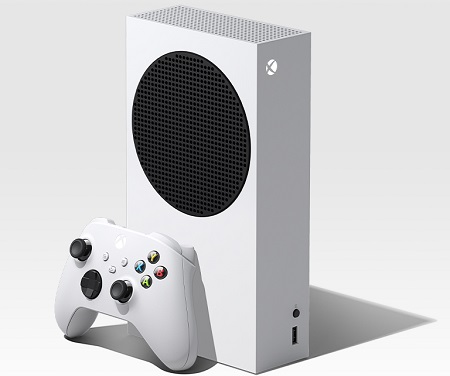
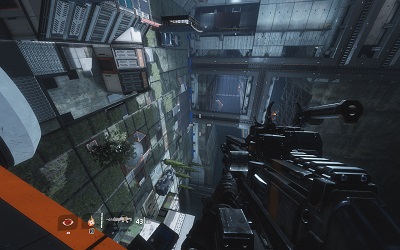
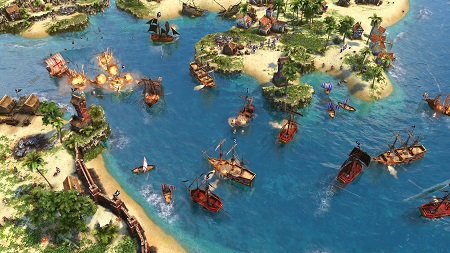

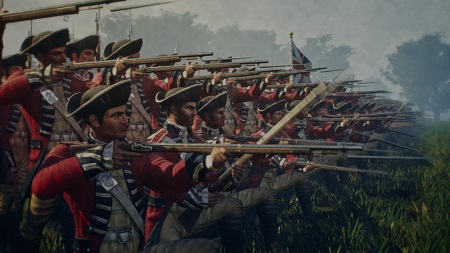


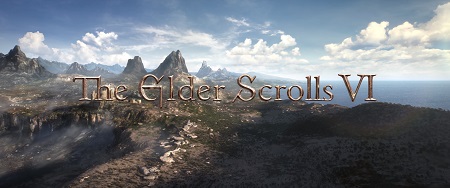
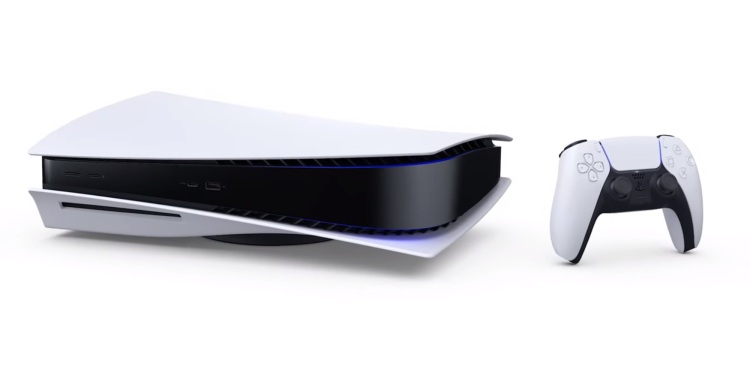
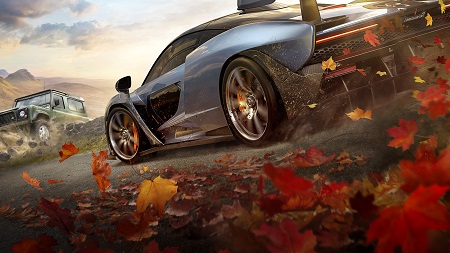
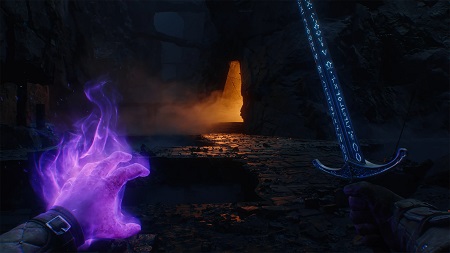
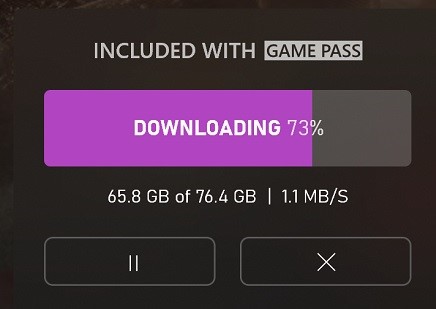

 Trekking with Dennis