Answering Ten of the Biggest Geeky Questions!

A spoiler warning graphic.

Spoiler Warning: Spoilers may be present for some of the franchises/properties discussed below.

There are a handful of “big questions” that define one’s place in geekdom – and today it’s my turn to answer some of them!

I thought it could be a bit of fun to consider some of the biggest questions that geeks like us have to wrangle with. Which fictional character is stronger? Which gaming platform is the best? These questions are contentious, especially here on the interweb – but I hope you’ll engage with this piece in the spirit of light-hearted fun! That’s how I’m choosing to present my answers, in any case.

As I always like to say, nothing we’re going to talk about today is in any way “objective!” These are my wholly subjective takes on questions that are intended to evoke strong reactions, so I hope you’ll keep that in mind! Although I’ve said that these are ten of the “biggest” geeky questions, I’m sure you can think of others – so this is by no means a definitive list.

A stock photo of a contemplative man surrounded by question marks.
Let’s contemplate some big questions together!

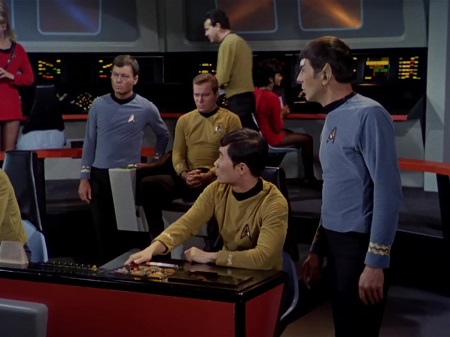
I’ve considered myself a geek – and been considered a geek by others – for basically my whole life. As a kid and a teenager, I moved in nerdy circles and friend groups where the likes of fantasy, sci-fi, horror, and video games were frequent topics of conversation. And in the ’80s and ’90s, those things were far less “mainstream” than they are nowadays! It’s actually been really cool to see the likes of The Lord of the Rings, Star Wars, and Marvel become some of the biggest entertainment properties on the planet – as well as the explosion in popularity of video games. When I was at school, and even into my young adulthood, admitting to being interested in those kinds of things could lead to mockery and even bullying!

For these questions today, I’ve set myself the rule of providing an actual answer – no cop-out, fence-sitting, “I like both equally” answers here! As I’ve already said, all of this is just one person’s opinion – and at the end of the day, this is supposed to just be for fun. So please try not to take it too seriously; none of this is worth getting into an argument over!

With the introduction out of the way, let’s answer some tough geeky questions!

Question #1:
Who’s the best Doctor?
Doctor Who

A promo image for Doctor Who showing all of the various incarnations of the titular character.
All of the Doctors – so far!

I don’t really remember watching much Doctor Who as a kid. The original incarnation of the long-running BBC sci-fi series was coming to an end when I was younger, and by the time I was getting interested in the genre, it was Star Trek: The Next Generation that really captured my imagination. As a result, I’m going to exclude all of the pre-2005 Doctors from consideration; I simply haven’t seen enough of any of them to really have a favourite.

Of the Doctors that have been part of the revived series, the Twelfth – played by Peter Capaldi – is my favourite… but with a big caveat! Capaldi gave the best individual performance as the Doctor in the role – hands down. No disrespect meant to any of the others… but I don’t think it’s even close. He’s a performer with exactly the right style, look, and gravitas – and in my view, he played the role absolutely perfectly. That’s why I didn’t hesitate when it came to naming him as my favourite!

Still frame from Doctor Who (2005) showing Pearl Mackie and Peter Capaldi.
Peter Capaldi’s Twelfth Doctor is my personal favourite.

But there’s a catch, as I said. Capaldi’s seasons as the Doctor – Seasons 8 through 10 of the post-2005 series – were almost universally terrible. There was one decent companion (Bill, played by Pearl Mackie) but her character was treated almost as an afterthought and she met a stupid and unsatisfying end. There were hardly any decent villains or antagonists, no truly standout episodes, and really very few memorable moments at all. In fact, Capaldi’s tenure as the Doctor marked a significant decline in Doctor Who’s quality… and the series doesn’t seem to have recovered.

In terms of the best seasons of the revived Doctor Who, I’d have to give the award – somewhat begrudgingly – to Seasons 2 through 4, which starred David Tennant in the title role. The quality of the stories produced at that time was so much higher, with some truly outstanding adventures in the mix. If only there was some way to go back in time and combine Capaldi’s performance with Tennant’s storylines. Where’s a Tardis when you need one, eh?

Question #2:
Who would win in a fight: Batman or Superman?
DC Comics

Cropped poster for Batman vs Superman (2016) featuring the title characters.
Wasn’t there a mediocre film dedicated to answering this question?

Uh, this one should be obvious. It’s Superman, right? It has to be – if you gave any other answer then I don’t think you’ve been paying attention! Who would win in a fight between an overpowered demigod and a billionaire with some expensive gadgets? Yeah… the demigod is gonna win this one. He could launch Batman into the sun, punch him so hard that every bone in his body would shatter, use his heat-vision on him from half a mile away… the list of ways in which Superman could not just defeat but murder and utterly annihilate Batman is nearly endless!

Superman is, I would argue, increasingly difficult to depict in film because of how blatantly overpowered he is. If you read my review of Zack Snyder’s Justice League a couple of years ago, you might remember me saying that the film flopped around, desperately trying to find a way to include the rest of its cast of superheroes… but to no avail. There was no getting away from the simple fact that Superman could do it all single-handedly without even breaking a sweat.

Cropped cover of Action Comics #19 showing Superman.
Superman on the cover of Action Comics #19 in 1939.

At the time the character of Superman was first created, all the way back in 1938, it wasn’t a problem. In fact, creating an “all-round, all-American hero” for comic books aimed at children was exactly the point. Superman is textbook escapism – he’s the perfect hero archetype that can do it all. In context, Superman works, and when all you want is a “good guy” to save the day and stop the evil villains, he’s perfect for the part.

But any story that puts Superman in genuine danger has to come up with a reason why. The man’s basically invincible, save for the mysterious crystal known as kryptonite, and I think at least some of Superman’s big-screen and small-screen adventures suffer as a result of that. But to get back on topic: Superman would win in a fight, and he’d win incredibly quickly and incredibly easily!

Question #3:
Console or PC?

A Super Nintendo console on a red background.
A Super Nintendo – or SNES.

In the early ’90s, the first home console I ever owned was a Super Nintendo. From then on, all the way through to the middle of the last decade, console was my preference. I liked the pick-up-and-play nature of consoles, with no need to check system requirements or fiddle with settings to just get a game running. The underpowered PCs that I had in the ’90s weren’t much good for gaming, so I think that’s part of it, too. But you have to also remember that, for a long time, consoles were just better in terms of performance – and especially in terms of value – than PC.

But nowadays I’m firmly on Team PC! I built my own PC for the first time a couple of years ago, and prior to that I had a moderately-priced “gaming” PC. Since about the middle of the 2010s, PC has been my platform of choice for practically everything. I will consider picking up Nintendo’s next machine when it’s ready, but my Nintendo Switch has been gathering dust since I stopped playing Animal Crossing and Mario Kart 8… so I’m not sure how great of an investment that’ll really be!

Stock photo of a gaming PC.
A very pretty gaming PC setup.

PC offers the best of both worlds. Wanna play an in-depth strategy game or city-builder with loads of options and menus that really need a mouse and keyboard to navigate? PC can do that. Wanna plug in a modern control pad to play a third-person adventure title? PC can do that too. Wanna install a virtual machine and play games from the Windows 95 era? PC can do that! Wanna emulate every console from the Atari 2600 to the Dreamcast and play games that are out-of-print everywhere? PC can do that too!

With Game Pass bringing a lot of new titles to PC on launch day, and with Sony even porting over some of its previously-exclusive titles too, PC really feels like the place to be. It’s a lot more expensive to get started with – and that’s still a massive point in favour of consoles for players on a budget. But once that initial expense is out of the way, the abundance of sales on platforms like Steam means that a lot of titles – even newer ones – can be picked up at a discount. I’m really happy with my PC as my main gaming platform, and I doubt I’ll be picking up an Xbox or PlayStation this generation.

Question #4:
What would be the best fictional world to live in?

There are plenty of fictional worlds to choose from!

There are loads of absolutely awful answers that people give to this question! Who’d want to live in Star Wars’ fascist-corporate dystopia, for example, which seems absolutely terrible for anyone not blessed with space magic? Or any fantasy setting with a medieval level of technology? Sure, you might have a magic elf as your buddy… but if there’s no central heating, antibiotics, or flushing toilets… you’re gonna have a bad time!

My pick is simple: Star Trek’s 24th Century. There are things to worry about, sure: the Borg, the Cardassians, and the Klingons to name but a few threats! But there are so many wonderful inventions and technologies that would make life so much better. For me, as someone with disabilities, the idea of some or all of my health issues being cured is perhaps the biggest – but there are plenty of others, too.

The USS Enterprise orbiting Earth.

Star Trek does not depict, as some have tried to claim, a “communist utopia.” As we see on multiple occasions throughout the franchise, private property still exists, and people have a great deal of freedom and autonomy. Star Trek’s future could be more accurately described as a post-scarcity society – one in which technological improvements have brought unlimited power generation, food, and other resources to the people.

There are some dark spots in Star Trek’s future – but these tend to be places outside of or separate from the Federation. Assuming I could live somewhere in the Federation, and have access to replicators, warp drive, weather-controlling satellites, and Starfleet for defence… I think it would be bliss! And so much better than anywhere else I can think of.

Question #5:
Martin or Tolkien?

Who’s the superior author?

I don’t need to think too long about this one! JRR Tolkien is, for me, one of the greatest authors of all-time. George RR Martin, in contrast, can’t even finish his own story, and seems far too easily distracted by other projects – including writing TV episodes and working on video games. And c’mon… he literally copied the “RR” part of Tolkien’s name for his own pen name!

Jokes aside, I think both writers are pretty great. Tolkien could be, in places, a little too black-and-white with his protagonists and antagonists, with the goodies being pure and virtuous and the villains being corrupt and evil. Martin’s work deliberately upends many of those notions, and he places imperfect and even selfish characters at the heart of his stories. Some of George RR Martin’s characters feel more nuanced – and dare I say more human – than Tolkien’s.

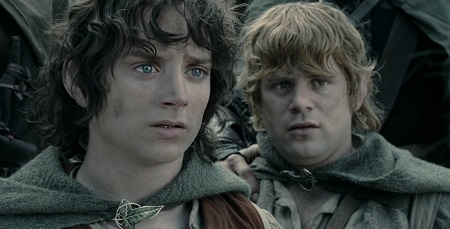
The Fellowship of the Ring at Rivendell from the 2001 film adaptation.

But Tolkien was a pioneer, writing the first modern fantasy epic. Martin, and countless other writers, are simply following in his footsteps. While Martin’s work is hardly derivative, some of the choices he makes in his writing are a reaction to the way Tolkien’s worlds and characters were set up. It’s impossible to critique A Song of Ice and Fire without making multiple references to Tolkien – whereas Tolkien’s work has always stood on its own two feet.

I would love it if George RR Martin would finish his magnum opus, but as time passes I feel less and less sure that he’s even interested in doing so. Now that Game of Thrones has finished its run on television, and Martin has seen the overwhelmingly negative reaction to its ending – which will have contained at least some elements that he planned to include in the remaining books – I just don’t get the impression that his heart is in it in the same way it was a few years ago. Tolkien’s work, in contrast, is complete and has been for decades – and people are still interested in new adaptations.

Question #6:
Who’s the best Star Trek captain?

Promo banner for Star Trek Day showing multiple characters.
Multiple captains on a promo banner for “Star Trek Day.”

I’ve always struggled with this question. But I’ve gone on record several times here on the website as saying that if you put a gun to my head and forced me to choose – as this question is metaphorically doing – I’d pick Deep Space Nine’s Captain Benjamin Sisko. So that’s gonna be my answer!

There’s a lot to be said for Captain Kirk – Star Trek’s first captain. He paved the way for all of the others, and without him, Star Trek would not be the same today – if it even existed at all. And Captain Picard was my personal first captain; it was through The Next Generation that I became a Trekkie in the early ’90s. Without him and the crew he led, there’s a chance I would never have fallen in love with Star Trek in the way that I did. And all of the other captains from Janeway and Burnham to Archer and Pike all have wonderful qualities that make Star Trek into the franchise it is today.

Still frame from the documentary What We Left Behind showing Avery Brooks as Captain Sisko in a remastered clip.
Captain Benjamin Sisko.

But Captain Sisko has always stuck out to me. In the first few seasons of Deep Space Nine he only held the rank of Commander, so we got to see his rise to the rank of captain as the story of that show unfolded. He was also a man with a deeply traumatic past, having to come to terms with the death of his wife while raising his son alone. He was a fantastic leader – not just of a crew, but of a community. Sisko could reach out across the cultural divide to Ferengi, Klingons, changelings, Bajorans, and more. He turned DS9 from a military outpost into a friendly place to visit and a bustling port.

Although words like “scientist” and “explorer” might not be the first ones that spring to mind when we think of Captain Sisko, he had those traditional Starfleet qualities, too. We’d see him as a pioneer of exploring the Gamma Quadrant and the wormhole, as well as interacting with the non-corporeal Prophets – the very definition of seeking out new life! Sisko could also be a soldier and a diplomat when he needed to be – and to me, he embodies the very best of Starfleet in the 24th Century.

Question #7:
Marvel or DC?

The logos of both Marvel and DC.

I don’t read comic books – and I never did, even as a kid. So my limited knowledge of both of these brands comes from their cinematic outings, not the original source material! I wanted to get that caveat out of the way before we got into the weeds with this one.

If you were to ask 100 people on the street to name a superhero, I think Superman and Batman would probably be the two names you’d hear most often. So DC, at least in my opinion, has produced the two most memorable and noteworthy superheroes. But Marvel, at least on the big screen, has a bigger and stronger ensemble – as we saw when Avengers Endgame briefly became the highest-grossing film of all time.

Still frame from Batman & Robin (1997).
Batman & Robin (1997).

Although I want to say that I’ve gotten roughly equal enjoyment from DC and Marvel over the years, I promised you no fence-sitting and no cop-outs! Based on the strength of characters like Batman, who have starred in some really great films over the years, I think I have to give the win to DC. Marvel’s output is becoming increasingly convoluted, and just keeping up with the franchise to know who’s who and what happened last time can feel like a full-time job! At least DC still produces some standalone or semi-standalone films and TV shows that I can dip in and out of.

Aside from Batman and Superman, though, DC hasn’t really been able to successfully capitalise on its other superheroes – let alone turn them into household names. Wonder Woman, Aquaman, the Flash, and Green Arrow have all had limited success in a single film or TV series, but others have struggled. Batman may drag DC over the finish line this time… but there’s still room for improvement!

Question #8:
Star Wars or Star Trek?

Still frame from Star Wars (1977) showing the Death Star.
The Death Star at Yavin IV in Star Wars.

If you’ve read the name of this website, I’m sure you can guess which way this one’s going to go! Thankfully the whole “Star Wars versus Star Trek” rivalry that was a big deal a few years ago has more or less died out, and fans no longer feel quite so tribal about which is the best. There’s been a lot more crossover in recent years, with Trekkies and Star Wars fans happy to enjoy both franchises.

I consider myself a Trekkie first and foremost – so I’ll answer this question by saying that I prefer Star Trek over Star Wars. But that doesn’t mean I hate or dislike Star Wars by any stretch. In fact, some of my favourite entertainment experiences of all-time have come courtesy of the Star Wars franchise: games like Knights of the Old Republic and films like Rogue One are genuinely fantastic.

Promo photo of the main cast of Star Trek: The Next Generation Season 2 (1988).
The cast of Star Trek: The Next Generation Season 2.

What I like about Star Trek is that many of its stories aren’t about fighting a villain or defeating an adversary – but about exploration, science, engineering, and just what it might be like to live in space in the future. Star Wars, by its very nature, is more violent, with more of a focus on conflict. That’s fine when I’m in more of an action mood – but there are times when a story about seeking out new life or learning to communicate is what I’m looking for.

It’s also worth pointing out that there’s a heck of a lot more Star Trek than Star Wars! At the time I first encountered the franchises, it wouldn’t be totally unfair to say that there were two good Star Wars films and one okay-ish one – at least in the opinion of a lot of folks! Star Trek already had more than 100 episodes of TV and five films under its belt, so there was plenty to get stuck into as a viewer in the early ’90s! Quantity over quality is never a good argument, of course… but if I’m enjoying something I’m always going to be happy to get more of it! Star Wars is slowly catching up to Star Trek now that Disney has commissioned several made-for-streaming series, but there’s still a long way to go to reach Star Trek’s 900+ episodes!

Question #9:
Sci-Fi or Fantasy?

The NeverEnding Story (1984) was one of my favourite films as a kid.

This may come as a surprise, but fantasy was my first love long before I got interested in sci-fi, space, and the “final frontier!” Among my earliest memories is reading The Hobbit – a book that was originally intended for children, lest we forget. I can even remember pointing out to my parents that there was a typo on one page; the word “wolves” had been misprinted as “wolevs.” Aside from Tolkien’s legendary novel, I read other children’s stories including Enid Blyton’s The Faraway Tree, and watched films like The Neverending Story.

But it’s not unfair to say that sci-fi became a much bigger deal for me by the time I was reaching adolescence. Inspired by Star Trek: The Next Generation I immersed myself in science fiction, reading as many books about space and the future as I could get my hands on, and watching films like Alien and the Star Wars trilogy. TV shows like Quantum Leap, Space Precinct, and Buck Rogers in the 25th Century graced my screens in the ’90s, as did more kid-friendly offerings like Captain Scarlet.

Star Trek: The Next Generation turned me into a sci-fi fan!

So while I can happily say that I enjoy both genres for what they offer, sci-fi has been my preference going back more than thirty years at this point! Star Trek opened my eyes to science fiction and remains one of my biggest fandoms to this day! But there are many other sci-fi films, shows, books, and video games that I’ve enjoyed – everything from Mass Effect and Foundation to Battlestar Galactica and Halo. Sci-fi is great escapism, and I love the feeling of being whisked away to another world or another moment in time.

Though I haven’t forgotten my roots as a fan of fantasy, and still enjoy many fantasy titles across all forms of media, if I had to choose I’d definitely say that I’m a fan of sci-fi first and foremost. Sci-fi feels broader and more varied in some respects – there are radically different presentations of humanity’s future, the kinds of aliens we might engage with, and so on. Modern fantasy tends to stick to a medieval level of technology and use the same kinds of magical spells and the same handful of races – Elves, Dwarves, Orcs, and so on – in different combinations depending on the story.

Question #10:
What’s your favourite anime/cartoon series?

Still frame from Shenmue: The Animation showing Ryo and Fangmei.
There’s an anime adaptation of Shenmue.

I have to confess something at this point: I’ve never seen any anime. I don’t know why exactly – I’ve never really been in friendship groups where anime was a topic of conversation, and when I was a kid, there wasn’t any anime on TV or in the cinema that I can recall. I’ve yet to encounter an anime series that felt like a must-watch – with the only exception being the adaptation of Shenmue that I really ought to get around to watching one of these days! But until I do… no anime for me.

I had to think about this question for a while, though. There are some great adult animation programmes: Lower Decks, Futurama, Rick and Morty, South Park, and The Simpsons all come to mind. The Simpsons in particular was a pioneer of adult animation, and a series I remember with fondness from its ’90s heyday here in the UK! The fact that my parents – and many others of their generation – absolutely loathed The Simpsons was a huge mark in its favour for a renegade adolescent!

Still frame from the Phineas and Ferb Season 3 episode What A Croc showing the kids on jet skis.
Phineas and Ferb.

But on this occasion, I’m giving the award to Phineas and Ferb. Regular readers might remember me talking about this series as one of my “comfort shows;” a programme I often return to when I need a pick-me-up. I recall watching a promo for the series circa 2007-08, and although kids’ cartoons on the Disney Channel should’ve held no appeal… something about Phineas and Ferb called out to me. I tuned in and I was hooked from almost the first moment.

Phineas and Ferb’s two-and-a-half story structure – with the kids making an invention, their sister trying to bust them for it, and special agent Perry the Platypus on a mission to fight evil – felt incredibly fun and innovative, and more often than not the storylines would intersect in creative and unexpected ways. There are also some fantastic moments of characterisation in Phineas and Ferb, particularly with the breakout character of Dr Doofenshmirtz. I was thrilled to learn that the series will be returning for two new seasons and a whopping forty new episodes, and I really hope it will be as good as it was the first time around.

So that’s it!

The famous "that's all folks" card shown at the end of Looney Tunes cartoons.
That’s all for now!

I hope this has been a bit of fun – and maybe bolstered my geeky credentials just a little. As I said at the beginning, I don’t think any of these subjects are worth fighting about or losing friends over, but I’ve had fun sharing my thoughts and nailing my colours to a few different masts!

The great thing about sci-fi, fantasy, gaming, and the wide world of geekdom is just how much of it there is nowadays. There are so many high-budget productions on the big screen, the small screen, and in the gaming realm that we’re really spoilt for choice. As much fun as it is to play favourites and pick one series or franchise over another… more than anything else I’m just glad to be living through a moment where geekdom is having its turn in the spotlight! That may not last forever – a return to action movies, westerns, or whatever else might be on the cards one day. So we should all make the most of it and enjoy it while it lasts!

It’s been interesting to consider some of these questions, and I hope reading my answers has been entertaining for you, too!


All properties discussed above are the copyright of their respective owner, company, distributor, broadcaster, publisher, etc. Some stock photos courtesy of Unsplash. This article contains the thoughts and opinions of one person only and is not intended to cause any offence.
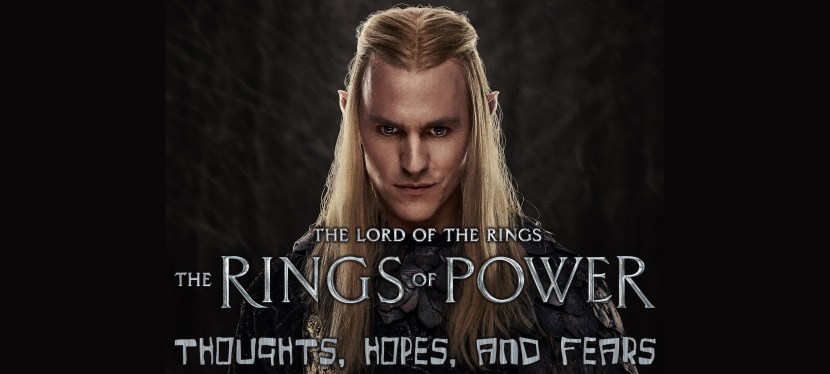
The Rings of Power Season 2: Thoughts, Hopes, and Fears

A "spoiler alert" graphic.

Spoiler Warning: Spoilers are present for The Rings of Power Season 1 and the trailer for Season 2.

I was one of the folks back in 2022 who generally enjoyed The Lord of the Rings: The Rings of Power. I think I even named it my favourite series of the year – despite there being plenty of competition for that award! But I also noted some weaknesses, both narratively and on the production side of things, and at the end of the day, I felt there was still work to do for the series to justify its frankly insane billion-dollar price tag.

That’s where I start as I look ahead to The Rings of Power’s upcoming second season. But there are a few other considerations before we dive head-first into the meat of the recent teaser trailer and begin to wonder about storylines and set-piece battles! In this piece today, I want to consider The Rings of Power Season 2 not only as a standalone work, but also as one piece of an expanding “Tolkien-verse,” which will soon include an animated film, a new film based around Gollum, and another currently-untitled film.

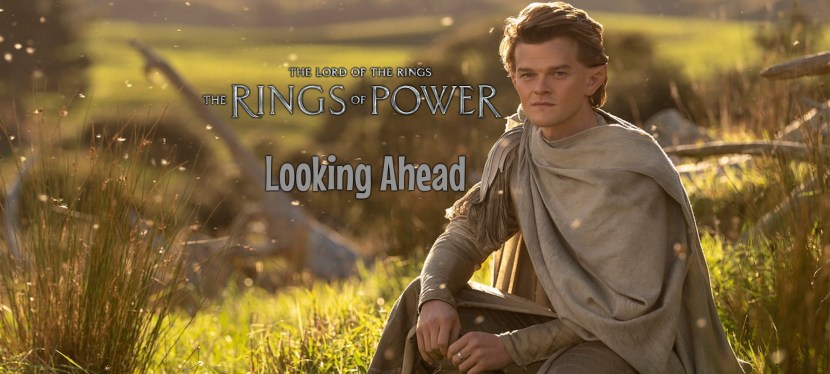
Still frame from The Rings of Power Season 2 trailer showing Celebrimbor.
What will The Rings of Power Season 2 look like?

The Rings of Power was not well-received in its first season, and Season 2 has the difficult tasks of winning back viewers who were left disappointed, convincing those who drifted away to give it a second chance, and also bringing on board new viewers who either missed out last time or weren’t even convinced to press play. None of that will be easy, and while behind-the-scenes changes could’ve provided The Rings of Power with a soft reboot of sorts… none of that was readily apparent to me in the recent teaser trailer. If viewers want simply “more of The Rings of Power,” then that’s good news. But if the show, as has been reported, lost two-thirds of its audience over the course of a truncated first season… I don’t see how “more of the same” will be of any help.

I’ve discussed this before – thanks to another Amazon Prime Video series, by coincidence – but the huge gap of two years in between such short seasons of television is something that The Rings of Power could’ve done without. I was a fan of Season 1, as previously stated, but even I’m having a hard time recalling the details of what happened last time, as well as the names of characters, where everyone ended up, and just the overall state of Middle-earth as the credits rolled. This isn’t a problem unique to Amazon by any means, as it’s something many streaming productions have struggled with. But it simply must be a priority to ensure that Season 3 is produced much more quickly. Were there problems beyond Amazon’s control this time? Sure: pandemic restrictions in New Zealand and a strike by writers and actors surely had parts to play. But waiting two full years for eight episodes of television is unacceptable – and it will cause actual harm to The Rings of Power as it tries to pick up where it left off.

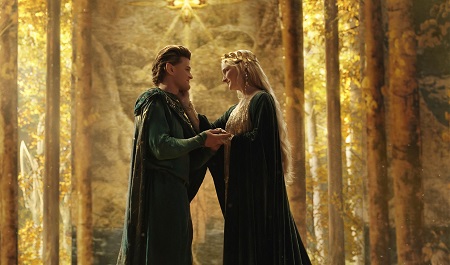
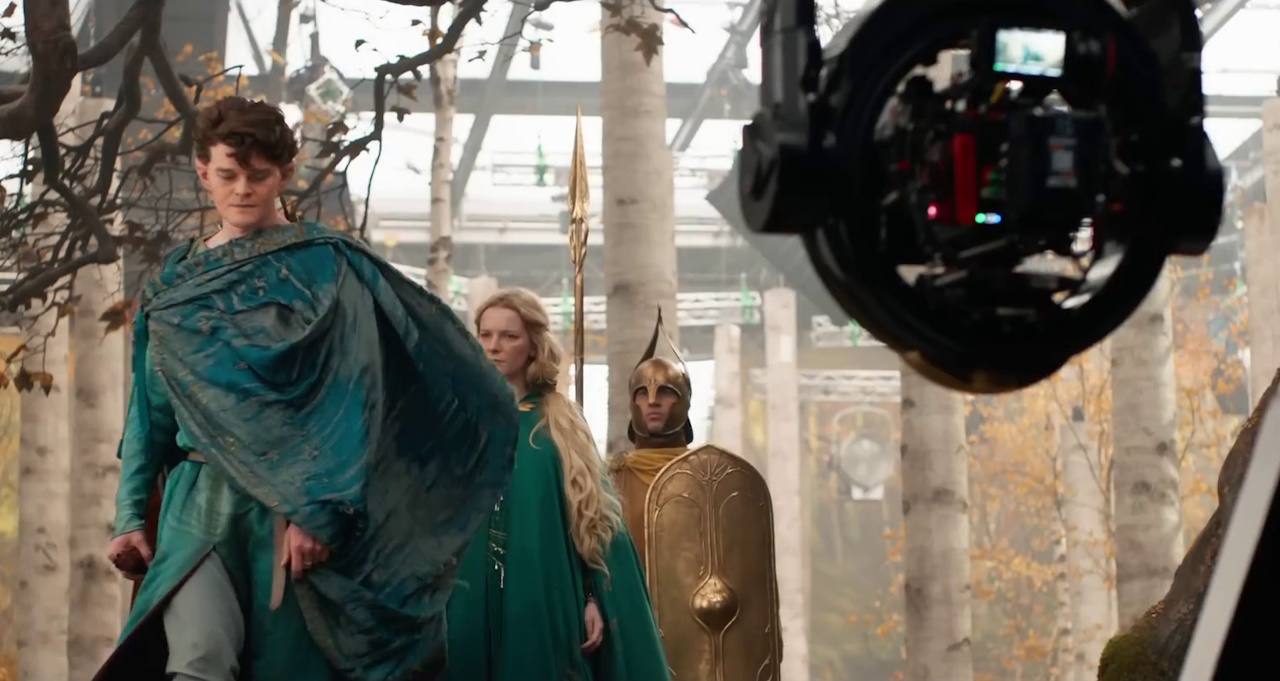
Still frame from The Rings of Power Season 2 first look video showing Elrond and Galadriel.
A glimpse behind-the-scenes…

Let’s talk briefly about where The Rings of Power might fit in an expanding streaming television marketplace. When the series was commissioned, Game of Thrones was approaching the end of its run, and Amazon may have expected – wrongly – that its series would have the high-budget high fantasy space all to itself, at least on the small screen. That hasn’t happened, with Netflix’s The Witcher, HBO’s spin-off House of the Dragon, and several others offering something similar. And now, following the passing of Christopher Tolkien – who had guarded his father’s estate quite vociferously – there are even other competing works being produced out of JRR Tolkien’s stories.

The Lord of the Rings: The War of the Rohirrim is an animated film that’s currently set to premiere later this year, and just last week we got the announcement from Warner Bros. of two new live-action films: one focusing on Gollum, to be directed by Andy Serkis, and another untitled film. Both will be produced by Peter Jackson, who directed The Lord of the Rings and The Hobbit trilogies.

Promo graphic for The Lord of the Rings: The War of the Rohirrim (2024).
The Rings of Power isn’t the only production based on Tolkien’s Middle-earth that will premiere this year…

Not only does The Rings of Power not have the high fantasy space to itself, but it’s also in direct competition with other works set in Middle-earth thanks to these new films. If Season 3 is slow to enter production and targets a 2026 release date, it could come up against Serkis and Jackson’s Gollum film. While I’m somewhat sceptical of a film focusing so heavily on Gollum – particularly in light of the disappointment of the Gollum video game last year – bringing back Peter Jackson and Andy Serkis is sure to pique the curiosity of fans of The Lord of the Rings trilogy. It’s certainly got me interested!

None of this is to say that The Rings of Power can’t peacefully co-exist with all of these productions – in Middle-earth and beyond. There’s a market for fantasy on television, and most of the projects we’ve been talking about have their own weaknesses, too. But what it does do is muddy the waters, meaning it’s going to be tough for The Rings of Power to truly stand out.

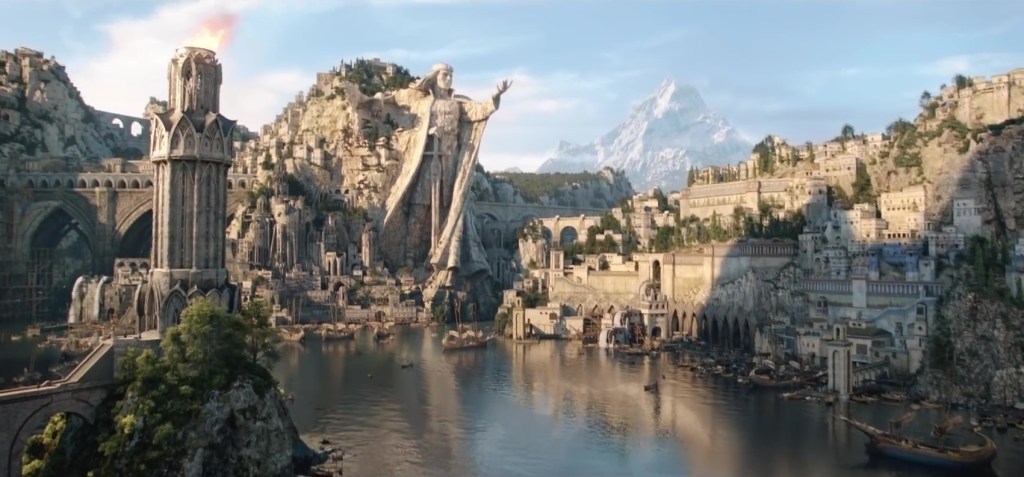
Still frame from The Rings of Power Season 2 trailer showing an imposing tower.
Is this going to be Sauron’s fortress?

When Amazon was negotiating with the Tolkien estate prior to The Rings of Power being commissioned, I can’t help but feel that the wrong decisions were taken. Although this may be controversial, in my view it would’ve been better to re-tell the story of The Lord of the Rings instead of trying to create a prequel from the book’s appendices. Re-making such a popular story less than twenty years after the films had been produced would have drawn a lot of criticism – but The Rings of Power caught that anyway, and at least if the series had been re-telling The Lord of the Rings, the story itself would’ve been built on firmer foundations.

That’s all for the birds now, of course, but as new Middle-earth films are being created, set in and around the time of The Lord of the Rings, I don’t think that the comparison they present is a favourable one for The Rings of Power. Ask 100 Lord of the Rings fans whether they’re more excited for the next season of this series or War of the Rohirrim and the Gollum film… and I think you and I both have a good idea about which way that survey would go!

Still frame from The Rings of Power Season 2 trailer showing Princess Disa.
Princess Disa in the Season 2 trailer.

I’ve had a little time to sit with the trailer for The Rings of Power Season 2, and I’ve given it a couple of re-watches to see if I missed anything interesting. We’ll set aside concerns about the long wait, other fantasy shows, and Amazon’s management of the project and take a look at the trailer now. As always, I encourage you to watch the trailer for yourself if you can – it’s available on YouTube at time of writing, and I assume it’ll be somewhere on Amazon Prime Video, too. I’ll drop a link to the trailer at the bottom of this article.

My two biggest takeaways from the trailer are as follows: first, “more of the same.” In terms of costumes, characters, and visual effects, The Rings of Power Season 2 looks remarkably similar to Season 1 – or at least to my two-year-old recollections of Season 1! As discussed above, I think that in itself could be a serious hurdle for a series whose first season was not especially well-received. This trailer is going to be most folks’ first look at The Rings of Power in close to two years, and if that’s the main impression most people get… I’m not sure that bodes well for bringing back wayward viewers.

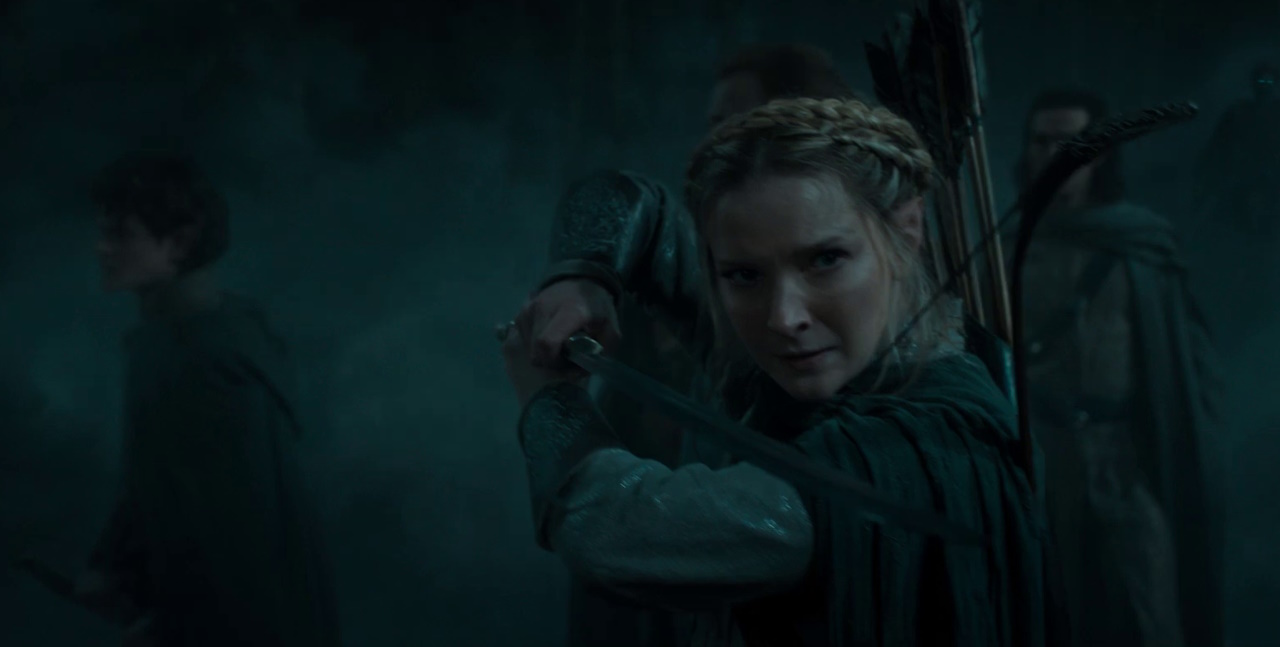
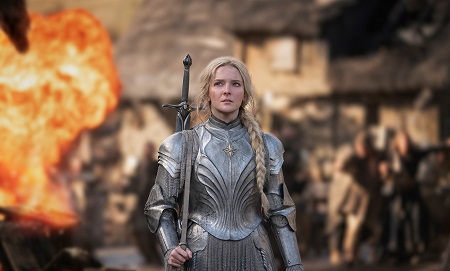
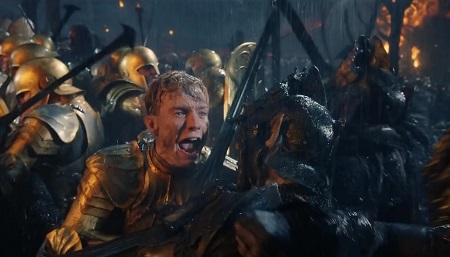
Still frame from The Rings of Power Season 2 trailer showing Galadriel with a group of elves.
Galadriel and the elves appear to be caught in an ambush.

Secondly, I was struck by the absence of several key characters from Season 1 – characters that we know to be returning in some capacity this time around. Their absences could be hiding spoilers, they could be held in reserve for a future trailer, or the post-production work on those scenes and sequences could be unfinished. But I also wonder whether the proto-Hobbit Harfoots and the humans of the Southlands may be taking on less of a prominent role this time around.

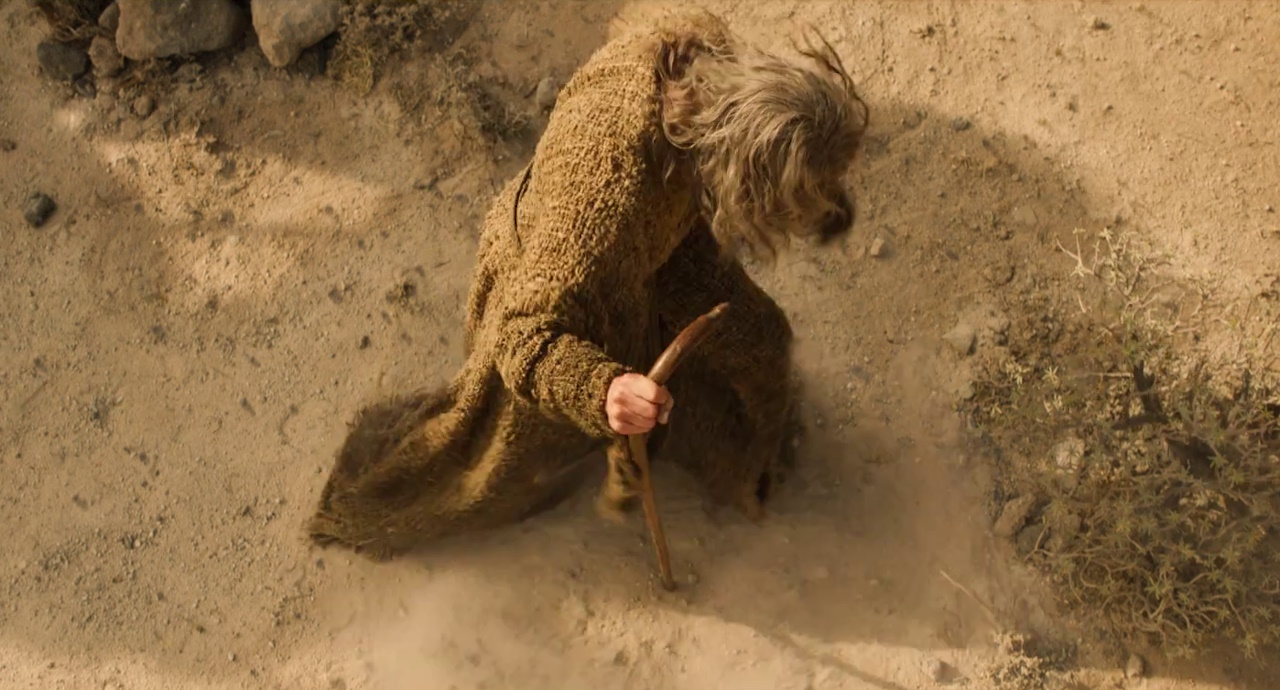
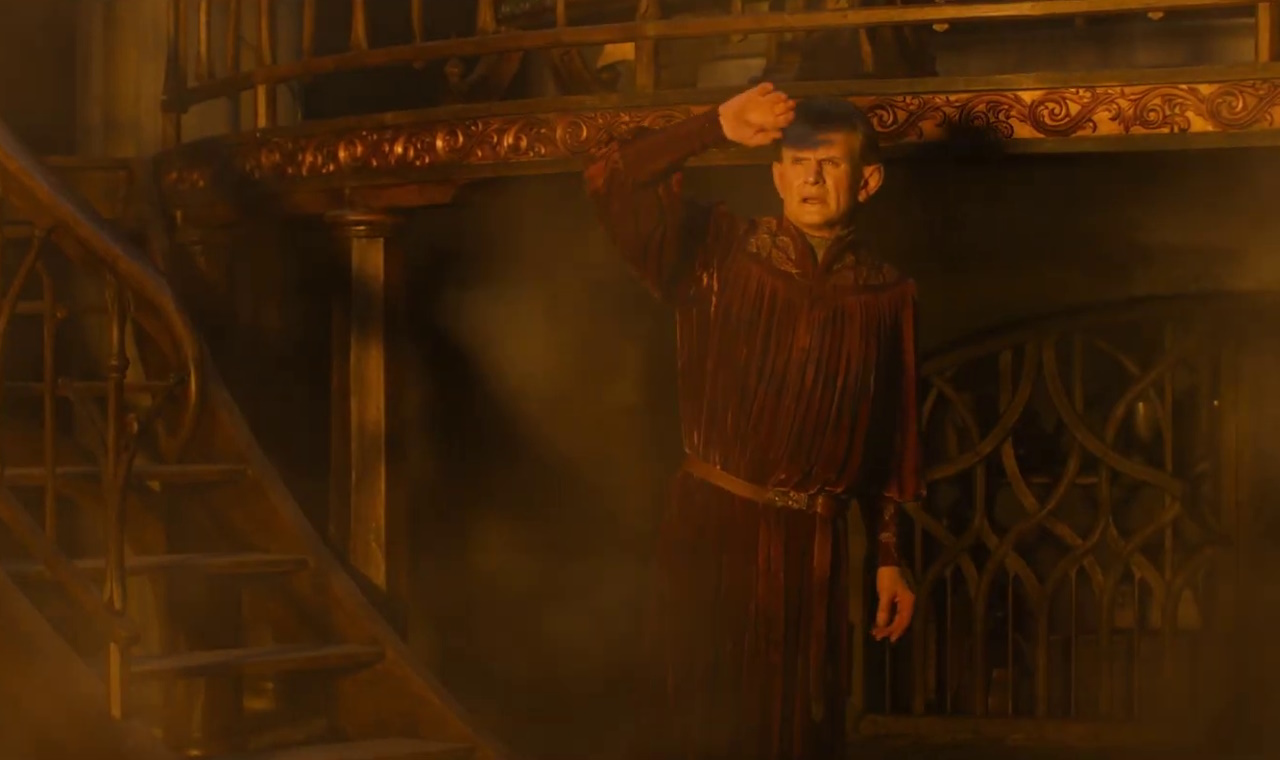
We did get a very brief glimpse of the Stranger – the wizard character whom many are assuming to be Gandalf – seemingly performing some kind of magical spell. I’ve had a theory for a while that the Stranger may, in fact, turn out to be another wizard like Saruman; this would be a different outcome to what many viewers seem to be expecting! But the Stranger was barely glimpsed in this trailer, which could also suggest that his role is going to be less significant this time around. I’m not always in favour of writers and artists making big changes to their work based on complaints, but the Harfoot-Stranger storyline was probably not the most well-received in Season 1, so scaling it back could make sense… if indeed that’s what’s happened.

Still frame from The Rings of Power Season 2 trailer showing the Stranger.
I almost missed this clip in my first viewing of the trailer!

The Dwarves and Elves both seem to be aware of Sauron’s rise, and we saw several clips that could all be from the same battle – or that could be from different fights spread across multiple episodes. One clip appeared to show siege weapons being deployed against a city. Battles in Middle-earth have usually been fun to see on screen – though the titular Battle of the Five Armies in the final part of The Hobbit trilogy was, I would argue, over-stretched and a bit of a mess in terms of some of its CGI. But after Season 1 had ended without a full “battle episode,” it could be fun to have something like that this time around.

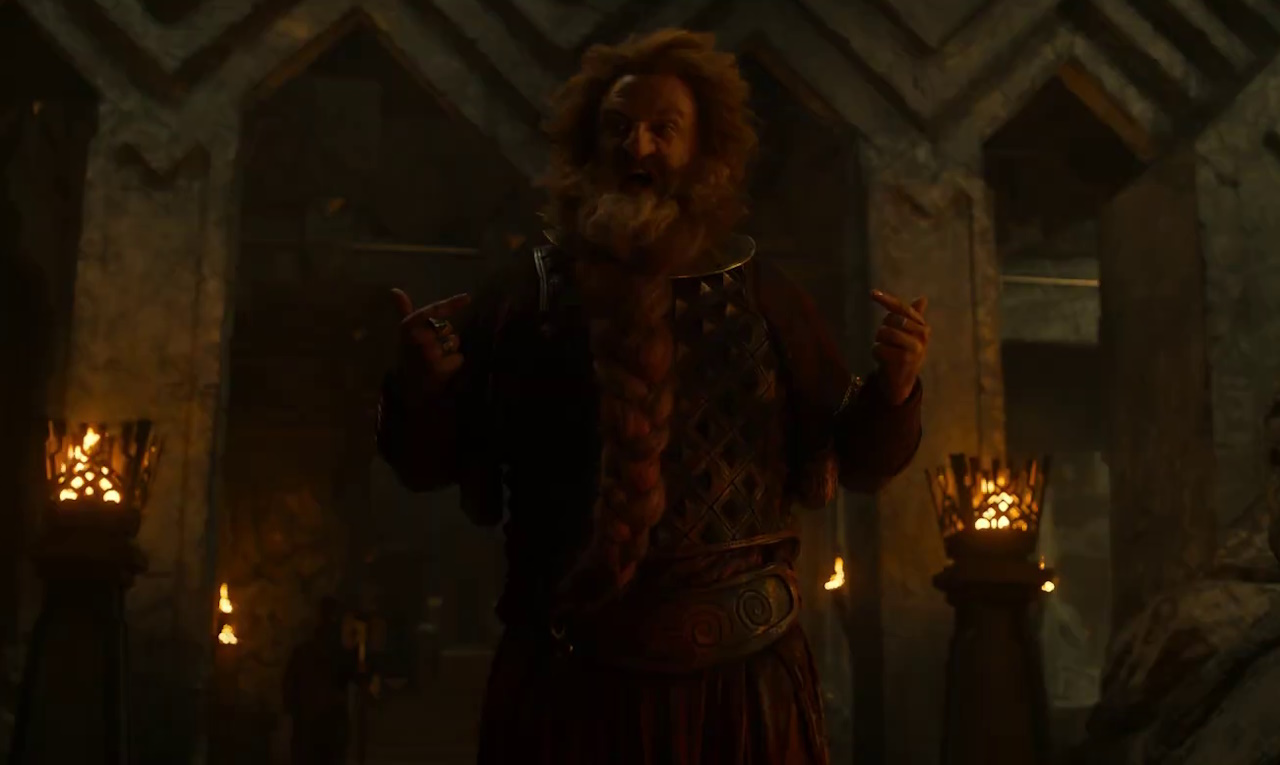
We saw most of the main characters, but one character pairing that was missing from the trailer was that of Elrond and the Dwarf prince Durin. These two characters were great together in Season 1, and their dynamic did a lot to bring some of the otherwise heavy stories down to earth. While it’ll be great to see different character groupings in Season 2, and to give the likes of Elrond and Galadriel more screen time together, I hope that doesn’t come at the expense of the wonderful “bromance” between Elrond and Durin that was built up in Season 1.

Still frame from The Rings of Power Season 2 trailer showing Durin.
The relationship between Durin and Elrond was one of the best parts of Season 1.

Season 1 hinted at the fate of Numenor and its people – destruction by a massive tidal wave/flood. Whether that will actually happen in Season 2 wasn’t clear, but with the action potentially returning to the island after Numenor’s excursion to the mainland, I think it has to be a possibility! I didn’t see a lot of Numenor in the trailer, but there did seem to be one interesting clip involving a character I didn’t recognise disembarking from a large Eagle. Does that mean that Tolkien’s somewhat notorious Eagles will be in play in Season 2? That could certainly shake things up!

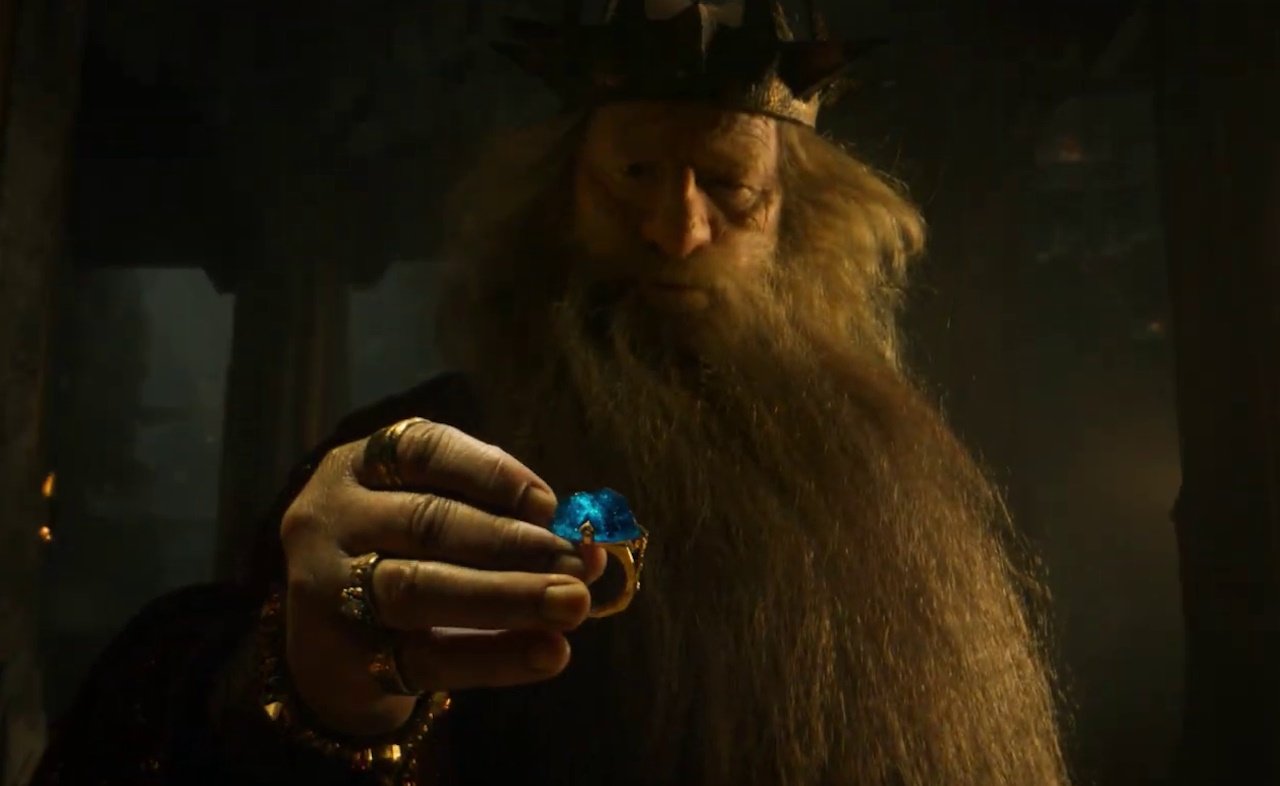
I can’t help but wonder whether the scene showing what we assume to be Sauron meeting the ring-maker Celebrimbor is actually a flashback. In Tolkien’s original works – which The Rings of Power has diverged from already, I should note – it was Sauron who taught the Elves how to make magical rings, so showing this as a flashback could work. I wouldn’t say I’m 100% convinced of that, but it’s certainly an interesting possibility, and a way to bring the series more in line with The Silmarillion and Tolkien’s own stories.

Still frame from The Rings of Power Season 2 trailer showing King Durin holding a ring.
“Seven for the Dwarf-Lords in their halls of stone…”

There were two creatures/monsters that I didn’t recognise: one that seemed to be comprised of wriggling worms or tentacles and another that resides under the sea. Both of these could be great fun as threats/antagonists, and I look forward to seeing what the series will do with them. In terms of visuals, both looked great – and while they’re CGI creations, they were well-integrated with the sets and characters around them. When looking at video that has been compressed for YouTube, it isn’t always easy to tell how good or bad a CGI moment might look – but these seem to be on the right track, at least.

Although we couldn’t see what caused it, some disaster appears to befall the Dwarves at their underground home, with damage raining down on a Dwarven bridge. The theme of this season could be the tearing down of the existing power structures in Middle-earth, with our main characters needing to leap into action to save what they can and prepare to rebuild what’s going to be lost.

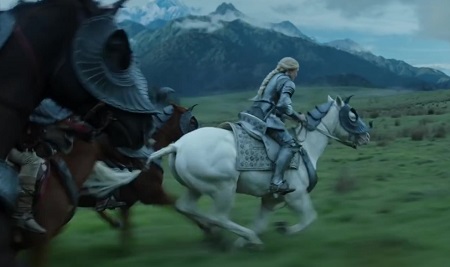
Still frame from The Rings of Power Season 2 trailer showing an army on horseback.
Charge!

The soundtrack to the trailer seemed to be solid. Music in Season 1 was generally pretty good – and the song This Wandering Day in particular was exceptional. With composer Bear McCreary returning to compose the soundtrack this time, I think we can expect more decent music. Visually, as noted I didn’t really feel that any of the CGI/VFX were sub-par. Nothing really leapt out at me as being visually stunning or groundbreaking – but again, a short trailer made for YouTube won’t necessarily give you that!

So that’s my look ahead to The Rings of Power Season 2, which will be on our screens at the end of August. Although it feels like spring has only just sprung, August and September will be upon us before we know it – so there really isn’t that long to wait! I’m debating whether or not to re-watch Season 1 before Season 2 gets here just so I’m caught up and ready to go. When the season arrives, I’ll do my best to share my thoughts and opinions here on the website, so I hope you’ll join me for that.

Despite some issues, I’ll end by saying that I’m generally looking forward to the return of The Rings of Power, and I’m crossing my fingers that the series can build upon the genuine successes of its first season. There should be opportunities to learn from what worked and what didn’t last time around, and perhaps to hone and refine things a little. That’s not really the impression I got from the way the trailer was cut… but here’s hoping!


You can watch The Rings of Power Season 2 trailer on YouTube by clicking or tapping here.

The Lord of the Rings: The Rings of Power Season 2 will premiere on the 29th of August 2024 on Amazon Prime Video. Season 1 is available to stream now and is also available on DVD. The Lord of the Rings: The Rings of Power is the copyright of Amazon Prime Video/Amazon Studios and New Line Cinema. This article contains the thoughts and opinions of one person only and is not intended to cause any offence.
The Rings of Power: first impressions

Spoiler Warning: There are spoilers ahead for The Lord of the Rings: The Rings of Power. Spoilers are also present for The Lord of the Rings, The Hobbit, The Silmarillion, and other J.R.R. Tolkien works.

The Rings of Power – or to give it its full, clumsy title: The Lord of the Rings: The Rings of Power – got underway yesterday on Amazon Prime Video. As one of the shows I’d been most interested in all year, I tuned in almost as soon as the opening pair of episodes were available, curious to see what Amazon’s sky-high budget and years of planning could bring to the high fantasy genre.

For me, and doubtless for many other viewers as well, The Rings of Power simply cannot escape three massive sets of expectations. Firstly, the show has a legacy to live up to in the form of The Lord of the Rings film trilogy. Secondly, as the first-ever “billion dollar” television show, The Rings of Power must demonstrate an ability to go above and beyond pretty much anything else present on the small screen. And finally, there are inevitable comparisons with the show that set the bar for multi-season serialised high fantasy television shows: Game of Thrones. I think it isn’t unfair to say that there hasn’t been a television project in a generation that finds itself under so much pressure to deliver.

Galadriel and Gil-Galad on a promotional poster for The Rings of Power.

As we discussed back in February when I previewed the series, some viewers have taken to pre-judging The Rings of Power. Partly there seems to be a bloody-mindedness in hoping that Amazon would fail, and there were definitely racially-motivated criticisms of some of the casting choices – something that’s been incredibly disappointing to see. But there are also some genuine concerns: could the series possibly live up to the legacies of one of the most successful film trilogies and one of the most influential television shows of the past twenty years? How would it fit in with the “established lore” of Tolkien’s Middle-earth? And more fundamentally, is there even a story here that’s worth telling?

Some folks seem to have arrived at their answers to these questions already, deciding that The Rings of Power is going to be irredeemably awful and taking to social media at every opportunity to denounce it to anyone who’d listen. In the past couple of days the show has even been subjected to a degree of review-bombing. But speaking for myself, I wanted to see The Rings of Power before rushing to judgement. While two episodes of an eight-episode season aren’t enough to paint a full picture, I feel like I can at least share my first impressions of the series with you today.

The Rings of Power has finally arrived.

I liked The Rings of Power. The acting performances were solid, the visual effects were competent, its aesthetic style harkened back to The Lord of the Rings films, and when the story got going it held my attention well enough that two episodes passed by in what felt like a matter of moments. As the credits rolled on the second episode, Adrift, I felt myself curiously interested to see what happens next.

The two-part premiere did a decent job at introducing us to what seems to be the primary characters whose stories The Rings of Power intends to follow. One of my criticisms of Game of Thrones back in 2011 was actually how dense its first few episodes felt; had I not binge-watched Season 1 I may actually have stopped watching the series, as keeping track of so many characters and storylines was pretty confusing. In that sense, The Rings of Power did a good job not to overwhelm viewers with too much all at once.

Lenny Henry as Sadoc, one of the Harfoots.

So I felt that The Rings of Power got off to a good start – but perhaps not a spectacular one. After two episodes, the show feels like it’s trying to play it safe; I didn’t note much by way of risk-taking that could take a decent, competent series and elevate it to the kind of phenomenon that The Lord of the Rings films or Game of Thrones became. By sticking relatively close to the visual style established by The Lord of the Rings, for example, The Rings of Power has tried to both find a ready-made identity and pluck at the nostalgic strings that its producers hope will bring in viewers in droves. But by re-using this aesthetic style, The Rings of Power has surrendered its opportunity to construct its own identity.

It’s also worth talking about the story framework that we saw in the premiere. The trope of a hero who finds evidence of an impending threat or disaster, only to be ignored by their superiors, may have been brand-new when Tolkien was writing in the first half of the twentieth century, but it doesn’t exactly make for a groundbreaking or unique story in 2022. Yet this is the outline of both Galadriel’s story with the Elves and, to an extent, Bronwyn’s story in the Southlands. A common trope like this doesn’t necessarily make for the strongest introduction to a new story.

Galadriel found herself opposed by Elrond and other Elves, despite presenting them with evidence of Sauron’s survival.

Though The Rings of Power did a solid job at introducing us to its main characters, there were definitely moments where I felt some background knowledge of Tolkien’s works was something that the series expected from its audience. These mainly concerned elements of backstory – who the villainous Morgoth is, what a Silmaril is, the relationship between factions like the Elves, Men, and Dwarves, and how Sauron fits into the story of a conflict between the peoples of Middle-earth and Morgoth. A very brief sequence at the beginning glossed over some of these points, but not in sufficient depth that a newcomer to the world of Middle-earth would find them easily understandable.

In terms of laying out the world of The Rings of Power, though, I felt that the series did a good job. After two episodes I feel that I understand who lives where, where locations are in relation to one another, and the layout of the world and the primary locations we’ve visited so far. The relatively simple construction of a map, shown on screen for no more than a few seconds at a time, actually ended up being a very effective tool for communicating these things, and I felt it worked well. The seamless transition from the map to the sea at one point was also a neat effect.

The inclusion of a map was a simple but effective visual tool.

Sticking with visual effects, there weren’t many in the first two episodes that I felt were sub-par. There were a few moments where the blending of real actors and sets with CGI backgrounds wasn’t entirely perfect, but those issues can be noticeable even in big-budget productions, and none of those handful of moments really pulled me out of the immersion. I’d particularly call attention to the “falling star” seen in A Shadow of the Past as one of the better CGI creations; it really managed to feel like a meteor of some kind was hurtling toward Middle-earth.

If I were to nitpick, I’d say that perhaps the physical fake snow used in the first part of A Shadow of the Past wasn’t particularly impressive, managing to have the same flat, non-reflective look of similar set dressings that have been in use for decades. The CGI snow used elsewhere in these sequences looked decent, but when Galadriel and her team were seen up close, there was a noticeable difference in texture. Otherwise, physical props and costumes used throughout the first pair of episodes were solid.

A closer look at the fake snow used in the season premiere.

One of the most interesting props is the darkly enchanted sword hilt that Theo uncovered. It’s fascinating from a story point of view, of course, and may well belong to Sauron or one of his most-important minions. But it manages to look fantastic on screen, too – a dark, intimidating design that seems to harken back to the image of Sauron in full armour from The Lord of the Rings films.

Speaking of harkening back to The Lord of the Rings: surely I’m not the only one who noticed that Halbrand actor Charlie Vickers was doing an almost over-the-top impersonation of Viggo Mortensen’s Aragorn as he made his first appearance! The way his hair was styled, the way he held himself, and even the way he opened his mouth all felt like they had been carefully choreographed to mimic that iconic portrayal. Halbrand is not a canonical character from Tolkien’s works, and the aforementioned mimicry could be a deliberate red herring, but part of me thinks we’re going to learn that this character has some kind of connection to Aragorn in the episodes ahead!

Halbrand channelling his inner Aragorn…

Some of the battle and post-battle scenes early in the season premiere carried a very strong First World War influence, and I have to assume that was done deliberately. Tolkien was himself a veteran of that conflict, and its influence can be felt in the massive scale of the wars and battles that he created for The Lord of the Rings in particular. This level of destruction, with battlefields reduced to mud, trees stripped of all of their branches, and huge piles of bodies, also succeeded at communicating the scale of the Elves’ conflict against Morgoth and Sauron in a relatively short sequence that didn’t have time to go into a lot of detail, so as an effect it worked well.

Even a century on from the First World War, the way its battlefields looked is still seared into the minds of many people here in the west, and The Rings of Power took advantage of this to use a familiar visual cue to communicate, in a short sequence, just how destructive and devastating this war was as it set the stage for the story to follow.

Galadriel stands on a battlefield that feels reminiscent of the First World War.

A good television soundtrack is unobtrusive. It subtly tells audiences what emotional state certain characters are in, whether danger is just around the corner, or fills an otherwise-awkward gap during silent moments. While a theme tune can become iconic, the soundtrack of episodes themselves should be a relatively toned-down affair. The Rings of Power didn’t get this right, in my view, bringing an incredibly dominating soundtrack that, at several critically-important moments, seemed to hit levels rarely seen outside of soap operas.

The old-fashioned, heavy soundtrack came booming in during several crucial scenes, drawing attention away from the characters and the action instead of backing it up. This is obviously the opposite of what a good soundtrack should be doing, and there are criticisms of both the composition and the sound mixing in both of the first two episodes that I really shouldn’t be needing to make. When we’re at this level, these are some of the basic competencies that a television production should be pulling off flawlessly without even thinking.

One of the moments between Bronwyn and Arondir had music that was, for me at least, too heavy and intrusive.

I’m not a Tolkien super-fan, so I can’t be sure whether some of the dialogue in The Rings of Power has been lifted directly from works like The Silmarillion. But what I would say is that much of the language used in the first two episodes, particularly in scenes featuring the Elves, was very flowery and old-fashioned, as if it had been written decades ago. That was almost certainly intentional, perhaps to tie in with Tolkien’s own writing style or perhaps to give The Rings of Power a “classiness” or even just to distinguish it from other modern shows. However, the effectiveness of this kind of flowery, old-fashioned language is very much a subjective thing, and how well it will work isn’t exactly clear at this early stage.

Some of the lines of dialogue in the first two episodes felt scripted and clumsy – partly as a result of this choice of language – and while I didn’t feel knocked out of my immersion once I got used to it, it was definitely something that took a little getting used to. In any work of fantasy, actors have to work hard to make strange and unusual words and phrases seem normal, but that really isn’t the issue in this case. I can easily accept conversations about warp cores in Star Trek or dragons in Game of Thrones, but here in The Rings of Power, choices as far back as the scriptwriting stage made otherwise innocuous or basic conversations feel almost stilted, as if the production itself, despite its modern visual style and impressive CGI work, was from a much earlier era. For some fans, that’ll make The Rings of Power feel even better. For others… I think it has the potential to detract from the story.

There were several clunky or unnatural-sounding lines of dialogue in the opening two episodes.

As I said, though, once my ears had acclimatised to this way of speaking I didn’t feel it was horribly awkward – but it’s worth noting that, at least for me, it was something that took some getting used to before I could fully immerse myself in Middle-earth. Perhaps I should’ve re-watched The Lord of the Rings before watching The Rings of Power, because now I can’t really remember whether this issue of flowery, old-fashioned language was present to the same degree. I don’t remember it ever being a problem, and I regard that trilogy as one of the best ever brought to screen. But it would be interesting to take a look and compare!

So let’s talk story. Although I find myself curiously interested to see where The Rings of Power goes next and how it will weave its disparate narrative threads together, I don’t feel absolutely gripped by the story after the first two episodes. I’m not desperately awaiting next Friday in the way I can be for new episodes of Star Trek, or in the way I was for Game of Thrones or even shows like Lost.

The Elves of Lindon.

I think partly this is because of the “prequel problem” that I’ve talked about here on the website on more than one occasion. In short, we know where these characters will go and what the ultimate outcome of this story will be. There’s no real sense that Galadriel will ever be in serious danger – because we know she survives for another four thousand years after the events of The Rings of Power. While the series is doing its own thing to an extent by introducing new characters and telling its own story, it’s also billing itself as being firmly set in the world of The Lord of the Rings – heck, that’s the first part of the show’s title. So given that we know the story of The Lord of the Rings and how characters like Elrond, Galadriel, and Sauron fit into it, it’s difficult for The Rings of Power to really reach out and grab me in the same way as a new story with an unknown outcome could.

When we look at The Silmarillion and other Middle-earth books set millennia before The Lord of the Rings, one of the key points is that the characters involved don’t know who Sauron is, whether he’s still around, whether he can come back, etc. But as the audience watching The Rings of Power, we know how this ends: Sauron returns, raises an army, and it takes an alliance of Men, Elves, and Dwarves to defeat him on the slopes of Mount Doom – as seen in the introduction to the film version of The Fellowship of the Ring. Knowing what’s coming robs a story like this of at least some of the tension and excitement, and while it can still be fun to see how the characters arrive at their ending points, we know the destination.

Sauron’s presence looms large over the story.

Even someone like me – and I’m no super-fan of Tolkien by any stretch – knows the basic outline of the story of Sauron’s rise and fall in this era, and just like other famous prequels have struggled to keep up the tension and excitement, I feel that the same issue is already hampering The Rings of Power – at least to an extent. The fates of characters like Nori, Bronwyn, Arondir, and Halbrand are definitely up in the air and ripe for exploration, and I’m absolutely interested to see what comes next for them. But characters like Galadriel, Elrond, Celebrimbor, Durin, and Gil-Galad have their futures written.

Overall, though, the first pair of episodes did a good job at setting up this idea of a slowly-awakening evil; a gathering storm. We saw the slow build-up to the discovery of Sauron’s survival through Galadriel’s eyes, then saw how the Southlands are slowly being corrupted and attacked by Orcs in the stories of Bronwyn and Arondir. The proto-Hobbit Harfoots also had comments to make on the unusual goings-on in Middle-earth, and of course were present for the “falling star” that brought a character currently known as the Stranger into the story. The idea that the world is on the edge of some drastic changes, and that the ruling Elves are oblivious or perhaps wilfully blind to these problems was well-established and conveyed through these different storylines. The latter part – leaders ignoring or trying to downplay serious problems – feels rather timely at the moment, too!

The “shooting star.”

I definitely felt Galadriel’s frustration at being dismissed by Elrond and Gil-Galad, and I think that’s a testament to some strong performances from Morfydd Clark, Robert Aramayo, and Benjamin Walker. Though I called this setup a trope earlier, there’s no denying that it works in this context. The aloof presentation of the High Elves gives their leaders an arrogance that absolutely succeeded at getting me firmly on Galadriel’s side. While again this isn’t something that can be said to be unique to The Rings of Power (look at how the Vulcans are portrayed in Star Trek: Enterprise, for instance) it was pitch-perfect in the way it was deployed.

The sequences at sea with Galadriel, Halbrand, and (briefly) Halbrand’s companions were among the best in the premiere. I’m not certain how or where this was filmed, but the water was so incredibly realistic, managing to look like deep ocean instead of a shallow sea or pool – and this one visual cue did so much to ramp up the tension as the duo survived an attack by a sea monster. The dark water felt dangerous, not only because of what it was hiding but because deep water like that is usually only seen far from land. Look at how films like The Bounty use this same deep water effect to signal how isolated and far from safety characters are; The Rings of Power really did a great job here.

Galadriel and Halbarad’s raft.

And these scenes with Halbrand and Galadriel also took the story in somewhat of a different direction. Galadriel’s choice to swim back to Middle-earth could have been a simple one, perhaps even one that was resolved off-screen, but putting her in this “shipwrecked” situation was a definite change of pace for a character who had been on a mission.

The Harfoots’ camp recaptured at least some of the idealised, pastoral feel of the Shire in The Hobbit and The Lord of the Rings. Showing how the Harfoots live in a temporary camp, migrating with the seasons, was a neat addition that made it feel even older, somehow – like some depictions of Native Americans prior to European colonisation.

The Harfoots’ encampment.

Within that framework we got the traditionalist Harfoots to contrast with the more adventurous Nori; her story was set up well enough by leading some of the camp’s children to a berry bush, but I didn’t feel that the danger posed by a wolf was properly paid off – though I suppose it’s something that could be revisited in later episodes, the wolf’s presence was very brief and although it did feel like a threat to the diminutive Harfoots, it seemed to be rushed past and quickly forgotten by a story that had other priorities.

Nori’s relationship with the Stranger is still something that The Rings of Power is building up – beautifully, in my view. Her care for this mysterious giant who fell from the sky humanises her and takes her from being a somewhat rebellious child to someone that I’m sure we’ll be able to get behind as the story progresses. Although I’m sure there’s a lot of speculation as to the identity of the Stranger, I felt that the impact crater and fire seemed to resemble an eye – and a flaming eye definitely carries with it memories of a certain Dark Lord!

Am I overreaching, or does this look like “a lidless eye wreathed in flame” to you?

Of all the settings we’ve seen so far in The Rings of Power, none felt quite so familiar as the Dwarves’ mountain home of Khazad-dûm. We’d spent a lot of time with Dwarven mines in The Lord of the Rings and particularly in The Hobbit trilogy, and The Rings of Power seems to borrow heavily from those projects in practically every way. From the design of the Dwarves themselves all the way to the aesthetic of their subterranean kingdom, The Rings of Power really succeeded at recapturing how the Dwarves have been presented in the past.

It was also in Khazad-dûm that I felt The Rings of Power beginning some of its more delicate and character-driven storylines. Stories focusing on Arondir and Galadriel feel epic in scale because of their focus on this growing darkness and the impact it will have on Middle-earth, but the conflict between Elrond and Prince Durin brought The Rings of Power back down to an understandable level. Durin was upset that Elrond, a long-lived Elf, had simply disappeared from his life for such a long time – and it took Elrond a moment to fully grasp that. For me at least, this became one of the best and certainly most-relatable storylines in the opening pair of episodes.

Elrond and Durin’s falling-out went a long way to bringing the story of The Rings of Power down to a relatable level.

The Rings of Power is off to a good start – but not a great one. Visually, the series is well-made. It borrows from The Lord of the Rings in many ways, but it also incorporates new design elements that help it feel distinct; part of the same world, but not a carbon copy of what came before. There were definitely some issues with the soundtrack and sound mixing that shouldn’t be present in a series that aims to compete at this level, and that’s something I hope can be addressed promptly. There have been some wonderful moments of characterisation that really pulled me in… and a handful of others that weren’t quite reaching that same high bar. Overall, I’d say that the series has left a good first impression and I’m happy to return to it next week to pick up the story. But I’m unlikely to be spending much time between now and then speculating, theory-crafting, or even really just thinking about The Rings of Power very much.

Am I nitpicking too much or being too harsh on The Rings of Power? Well, that’s up to you to decide. But what I will say is this: The Rings of Power is the most expensive television series ever created, and that brings with it expectations in terms of quality that basic competence doesn’t cover. Moreover, as much as I want to judge The Rings of Power entirely on its own merits, by very deliberately leaning into The Lord of the Rings films, the show has invited comparisons to that trilogy – and other works in the high fantasy genre.

What’s going to happen next in The Rings of Power?

I’m glad that I gave The Rings of Power a fair shake and didn’t make a snap judgement. Although I can understand a certain amount of schadenfreude at wanting to see a massive corporation like Amazon meet with financial and critical failure, speaking for myself what I really want to see is another success in the high fantasy genre. I don’t want The Rings of Power to be disappointing – I want it to be entertaining! The first episodes, while they had some issues that I’ve tried to elaborate on, broadly speaking managed to entertain me, and I came away from them feeling satisfied with what I’d seen.

I’m hopeful that The Rings of Power now has a foundation upon which to build a successful series. With five seasons having been planned – and potentially somewhat of a soft reboot coming in Season 2 thanks to a change in filming locations – there’s a long story to get stuck into, one that, like Game of Thrones before it, will unfold over the next few years. There’s time for some of the production’s weaker elements to be addressed, even if it doesn’t happen this season. Whether The Rings of Power will still be talked about in the same breath as Game of Thrones and The Lord of the Rings by future audiences… well, that’s still an open question. But it feels as though all of the elements exist for this series to reach those high bars. I genuinely hope that it will.

The Lord of the Rings: The Rings of Power is available to stream now on Amazon Prime Video. The Lord of the Rings: The Rings of Power is the copyright of Amazon Studios, New Line Cinema, and Amazon. The Lord of the Rings, The Silmarillion, and other works mentioned above are the copyright of the Tolkien Estate. This article contains the thoughts and opinions of one person only and is not intended to cause any offence.
We’re halfway through 2022!

Spoiler Warning: There may be minor spoilers for some of the entries on the list below.

The end of June marks the halfway point of the year, and I think that makes it a great time to take a step back. There are a lot of entertainment experiences that lie ahead over the next few months, and with the nights already starting to get longer it’ll be autumn and then Christmas before we know it! There’s a lot coming our way before we must bid farewell to 2022, though, so today we’re going to take a look at a few of the projects on my radar.

Since the vaccine rollout peaked last year we’ve seen an easing of pandemic restrictions, including in the entertainment industry. That bodes well for at least some of the projects that have been in development! While there are still regulations and guidelines being enforced on film and TV sets, it’s much easier for many productions to work than it has been for the past couple of years. There may be disruptions to come thanks to lockdowns in China and the war in Ukraine, though… so watch this space!

I’ve broken down my choices into three categories – films, television shows, and video games – and I’ve picked six titles in each category that I’m hoping to pick up and enjoy before the sun sets on New Year’s Eve!

Film #1:
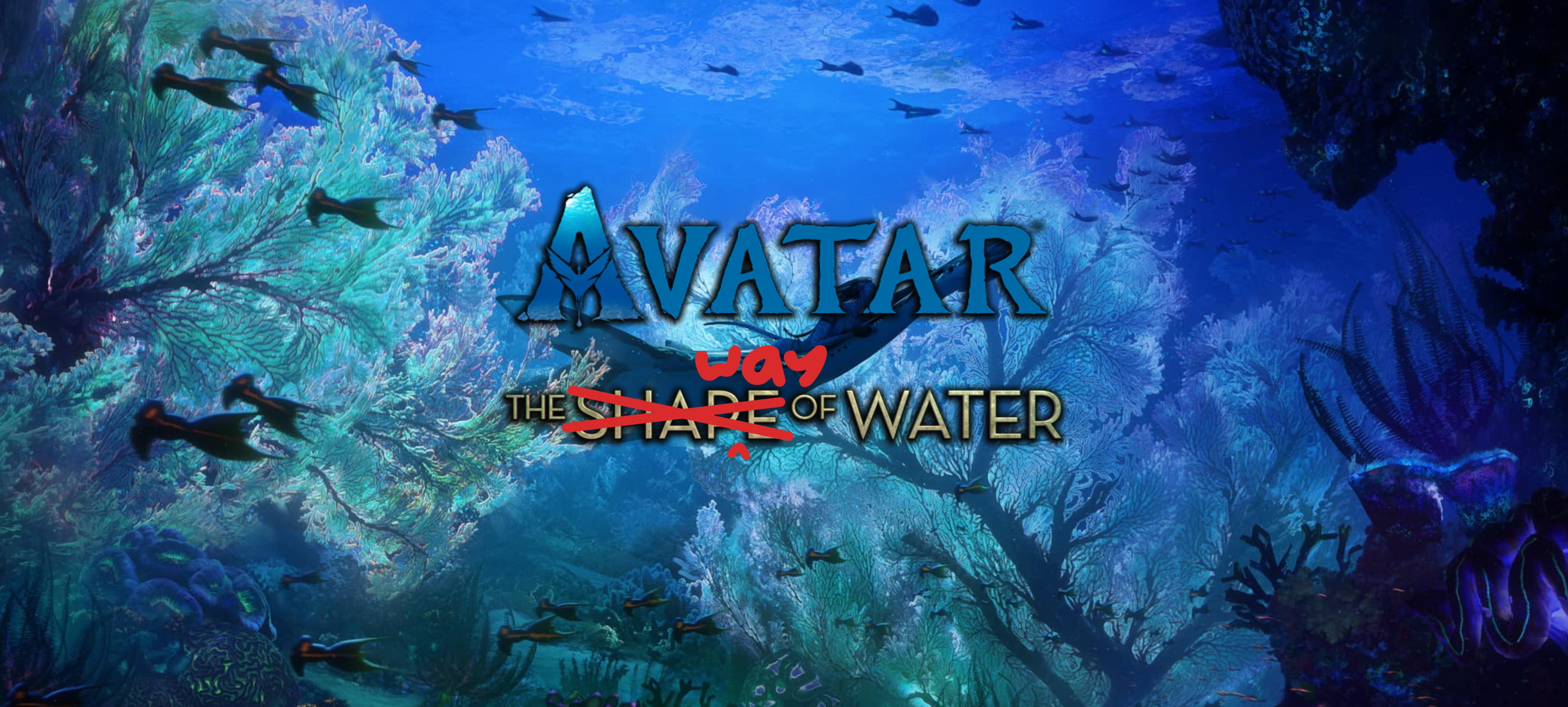
Avatar: The Way of Water

I took a look at Avatar: The Way of Water when we got a brief teaser trailer earlier in the year, but suffice to say I’m curiously interested to see what writer-director James Cameron has to offer this time around. I never felt that the original Avatar was the genre-defining epic that its creators hoped it would be, and over the course of the past decade I don’t think it’s unfair to say that the world of Avatar has largely dropped out of the cultural conversation.

The Way of Water has a lot to do, then, to reintroduce viewers to a fictional universe that many haven’t revisited since 2009 or 2010. It also has the task of expanding the world of Avatar beyond the events of the first film, showing us more about the world of Pandora, the Na’vi, and this future version of Earth and humankind. There have been some clever technical feats that have gone into the production of this sequel – including gruelling underwater motion-capture shoots – so I’ll be interested to see if it all comes together when the film releases in December.

Film #2:
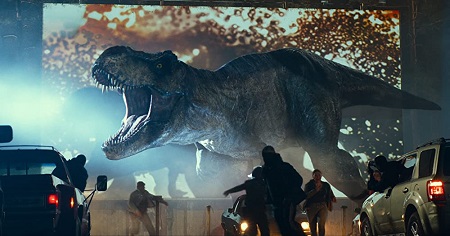
Jurassic World: Dominion

Technically Jurassic World: Dominion has already been released – but as my health prevents me from doing things like taking trips to the cinema these days, I’m waiting for it to become available to stream! The teaser trailer for the film, which was released back in December, looked great, and the prospect of a reunion of the main cast members from the first film – Sam Neill as Dr Alan Grant, Laura Dern as Dr Ellie Sattler, and of course Jeff Goldblum as Dr Ian Malcolm – is a pretty significant draw.

There is always going to be the question of whether the premise of the original Jurassic Park – which was based on a novel by Michael Crichton – can really sustain a multi-film franchise. The first film was brilliant in both premise and execution, but was it a one-trick pony? I’m curious to see what director Colin Trevorrow can do to make dinosaurs both fun and intimidating once more! I’ve been trying to avoid reading reviews and spoilers for this one, and when it’s available to stream I hope to get a review written here on the website – so stay tuned for that!

Film #3:
Minions: The Rise of Gru

Despicable Me was a fun film that managed to be surprisingly heartwarming, and the franchise it spawned has gone on to become one of the biggest animated properties of all-time. The last Minions film was released back in 2015, and this sequel will reintroduce Gru – the antihero/evil villain from Despicable Me – as he teams up with his Minions for the first time.

There’s potential for a lot of fun, kid-friendly hijinks in The Rise of Gru, and I’m genuinely looking forward to another outing with the Minions. Steve Carell has been on top form in previous entries in the franchise, and the film will also feature Star Trek: Discovery’s Michelle Yeoh as part of a star-studded cast.

Film #4:
Glass Onion: A Knives Out Mystery

I had a good time with Rian Johnson’s “whodunnit” Knives Out a couple of years ago, so this follow-up definitely holds appeal. Without wanting to give away any spoilers for the first film, suffice to say that I’m excited for one character in particular to make a return!

From what I can gather, Glass Onion isn’t so much a direct sequel as it is a follow-up; a film set in the same world and that will bring back at least one familiar face, but that will also introduce an ensemble cast of new characters and perhaps a new setting as well. Hopefully what results will be just as fun and dramatic as the original!

Film #5:
Hocus Pocus 2

I missed the original Hocus Pocus when it was released in 1993, and it wasn’t until years later that I finally sat down to watch it at the insistence of a friend. What I eventually found was a fun, even somewhat clever film; a light-hearted take on Halloween that’s just right for someone who isn’t a big fan of horror!

The sequel aims to bring back Sarah Jessica Parker, Bette Midler, and Kathy Najimy as the three witches from the original for a new adventure that sounds like it will be a riff on the original concept. Keep an eye out for Star Trek: Discovery’s Doug Jones, who will also be reprising his role from the original film. Hocus Pocus 2 might be just right for Halloween 2022!

Film #6:
Beast

Could Beast be “Jaws but with a lion?” Because the marketing material released by the studio makes it sound like that! I quite like a good thriller or monster flick, so maybe Beast will be a bit of fun. I don’t have especially high expectations; it’s unlikely to be a cinematic masterpiece. But it might just be entertaining enough to waste a little time.

Idris Elba is always fun to watch regardless of what he’s doing – see last year’s The Suicide Squad as a case in point! So at least on that front there’s a solid star in the leading role, and the film’s South African setting appeals to me as I used to live there. I’m curiously interested to see what Beast will have to offer when it’s released in August.

Television Show #1:
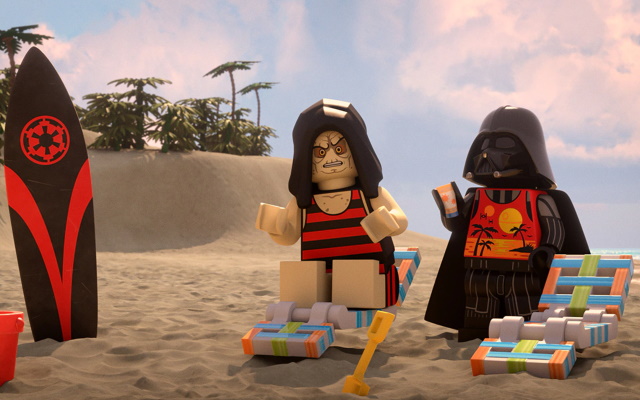
Lego Star Wars: Summer Vacation

Lego Star Wars: Summer Vacation will be the third Lego Star Wars special released on Disney+, and the first two were fantastic! 2020’s Holiday Special was a barrel of laughs, and last year we enjoyed Terrifying Tales in October, a lightly spooky Halloween special featuring Poe Dameron. The trailer for Summer Vacation had me in stitches, so if the special itself lives up to its marketing then we’re in for a wonderful time!

Expect to see some cheeky marketing for Disney’s “Galactic Starcruiser” themed hotel (which hasn’t been doing particularly well) in a special that will star “Weird Al” Yankovic and will bring back Finn, Poe, Rey, Rose, and other Star Wars characters.

Television Show #2:
Star Trek: Lower Decks Season 3

At time of writing we don’t have a confirmed premiere date for Season 3 of Lower Decks, but if it follows the same pattern as it did in 2020 and 2021 we might see it in late summer, perhaps mid-to-late August. Season 2 actually ended on a cliffhanger – which I won’t spoil – and I still have a few theories and ideas kicking around that I’ll try to get written up before the new season arrives!

Lower Decks took a couple of episodes to fully get going, but it’s been an absolute blast across its first couple of seasons. Consistently high quality has left the series with only a couple of boring or unenjoyable episodes, and there’s a surprising amount of emotion at the heart of the Lower Decks crew. It’s a Star Trek show through-and-through, and one I find myself getting surprisingly invested in. I’m hopeful for more of the same when Lower Decks returns.

Television Show #3:
The Lord of the Rings: The Rings of Power

Although The Rings of Power is already (and prematurely, in my view) proving to be controversial in some quarters, I have high hopes for what will be the most expensive television show ever produced! A return to Tolkien’s world is, of course, hugely enticing, but The Rings of Power is aiming to be a spiritual successor to Game of Thrones, telling a multi-season serialised story set in the realm of high fantasy. With a massive budget to back it up, I couldn’t be more excited about that concept!

However, with a high budget and high expectations come dangers. The Rings of Power has a long way to fall if it fails to live up to expectations, and no matter what the producers and creative team try to do, the Peter Jackson Lord of the Rings trilogy will be the yardstick by which this new series is measured. I hope it can compare favourably!

Television Show #4:
House of the Dragon

Take everything I said in the entry above, copy-and-paste it, and that’s how I feel about House of the Dragon as well! This Game of Thrones prequel is one of several projects currently in production, but as far as I can see the biggest hurdle it has to surmount is not its predecessor’s reputation as one of the best television shows of all time, but the deep disappointment practically all Game of Thrones fans felt at its finale.

Just convincing people to show up for House of the Dragon in light of Game of Thrones Season 8 feels like a big ask… but if the show learns from those mistakes and makes changes, we could be in for something genuinely exciting. The first five-plus seasons of Game of Thrones were some of the most tense, atmospheric, and exciting ever brought to the small screen, so a return to Westeros – and to the writings of George R R Martin – could be fantastic. Could be.

Television Show #5:
Star Wars: Andor

A prequel to a prequel (or should that be a spin-off from a spin-off?), Andor will follow Rogue One’s Cassian Andor in the years before the events of the film. We might get to see more detail about the early days of the Rebel Alliance prior to the Battle of Scarif, which would be interesting in itself, but more than that I’m curious to see what Star Wars can do with a genuinely different premise. In this case, we’re talking about a spy thriller.

Is there room in the Star Wars galaxy for stories that aren’t just about Jedi Knights, the Force, and lightsaber duels? The Mandalorian and The Book of Boba Fett could’ve begun to show us what the Star Wars galaxy looks like away from those familiar elements, but chose not to do so. So it falls to Andor to potentially become the first Star Wars series to really broaden the franchise’s horizons and show us what’s possible. Is that too much to hope for? Maybe… I guess we’ll have to see!

Television Show #6:
Five Days At Memorial

When done well, a miniseries can be a great format for storytelling. Five Days At Memorial aims to adapt the true story of doctors and nurses working at Memorial Medical Center in New Orleans in the immediate aftermath of Hurricane Katrina. Based on a book from 2013, the miniseries will take a look at some of the events that transpired – including how patients were triaged when the hospital’s systems failed and supplies ran low.

Most controversially, some patients were euthanised by doctors at the hospital – leading to a legal case against them in the months and years afterwards. Hopefully the miniseries will be faithful in its adaptation and won’t try to over-sensationalise these difficult events. I’m really curious to see how it turns out.

Video Game #1:
Star Trek: Prodigy – Supernova

You wait years for a Star Trek video game and then two come along at once! This year should see the release of Star Trek: Resurgence – a narrative adventure game – as well as Star Trek: Prodigy – Supernova, a kid-friendly adventure title based on the new animated series. With new episodes of Prodigy’s first season set to air later this year, the time is right for a tie-in.

I was disappointed (and a little concerned) that Prodigy kicked off its first season with no toys or tie-in products, but that is slowly being addressed. Supernova looks a little last-gen in terms of its graphics, and I’m not going to pretend it doesn’t, but I’m still hopeful for a fun game that ties in with the show, and one that can appeal to the younger audience that the show has been targetting.

Video Game #2:
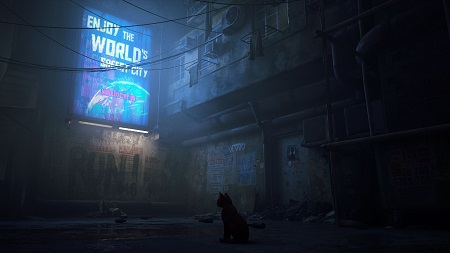
Stray

Stray has been on my radar for a while, and it’s finally due for release in July! Getting to play as a cat is already a huge part of the appeal, but it sounds as if Stray will have a genuinely interesting mystery at its core: what happened to all of the humans in its world? Players will assume the role of a stray cat in a cyberpunk-inspired city, and solving that mystery will be top priority.

I’m really looking forward to what I hope will be a different experience with Stray. Many games do mystery, third-person exploration, and create atmospheric worlds, but Stray feels like it could offer something that I haven’t experienced before.

Video Game #3:
Grounded

If a game has been in early access for more than two years, should its “release” even count on a list like this? Regardless, I haven’t played Grounded yet – because I largely avoid early access titles – so I’m looking forward to seeing what the full release will have to offer. I loved Honey, I Shrunk The Kids, and even visited the attraction at Disney World… could Grounded let me live out a long-held childhood fantasy?

There are survival aspects to Grounded that could either work exceptionally well… or feel annoying, depending on how good the rest of the game is and how much fun I’m having! But I’ve heard good things from players who’ve enjoyed the early access version, so I’m going to give Grounded a shot when it officially releases in September.

Video Game #4:
Return to Monkey Island

Despite loving the first three games in the series, I seem to have fallen behind on my Monkey Island adventures! The fourth and fifth games in the series ended up on my “pile” of unplayed games, and despite meaning to get around to them I still haven’t! Perhaps I should rectify that before Return to Monkey Island – the sixth game in the series – arrives.

Updated versions of the first three Monkey Island games proved that point-and-click adventure titles could still find an audience when they were released a few years ago, and there’s still an appetite for this kind of comedy-adventure. I’m hopeful that Return to Monkey Island will deliver more of the same humour and excitement as the series did in its early days.

Video Game #5:
The Lord of the Rings: Gollum

After being on my radar for a while, The Lord of the Rings: Gollum has finally set a release window. All being well we’ll see the weird-sounding game in September. I honestly don’t know what to expect from this one, as Gollum would never be the kind of character I’d have expected to build a game and a story around. However, there’s clearly more to his story than we saw in the films – or even the books – so this could be an interesting adventure!

With a renewed focus on the world of Tolkien and high fantasy thanks to the Amazon show and other fantasy films and TV shows, The Lord of the Rings: Gollum could be a surprise hit. I don’t want to go overboard with the hype, but I’m definitely interested to see what the developers have come up with.

Video Game #6:
Saints Row

It does the Saints Row series a grave disservice to call it simply a “Grand Theft Auto clone,” even if that’s where it might’ve begun. This soft reboot of the series aims to take it back to its roots, setting aside at least some of the over-the-top hijinks of the third and fourth games in favour of a return to the gangland roots of the original Saints Row from 2006.

With no Grand Theft Auto VI on the horizon any time soon, Saints Row might just scratch that open-world crime itch for players who are getting tired of Grand Theft Auto V – but hopefully Saints Row can continue to carve its own niche and stand on its own two feet.

So that’s it!

Those are just some of the projects that we can look forward to in the weeks and months ahead. There are plenty more, of course, and I’m sure there’ll be some surprises along the way, too! Although 2022 has been much better than the past couple of years, there’s still the potential for disruption and delays, so keep in mind that any of the shows, films, and games listed above may not make their currently-scheduled launches. Such things happen, unfortuately!

I hope that this was a bit of fun and a glimpse at what lies ahead. It’s always interesting (to me, at least) to research different upcoming projects to see what piques my curiosity, and as someone who takes an interest in the world of entertainment I’m always keeping my ear to the ground to see what might be coming up! I hope you’ll stay tuned here on the website for reviews, impressions, and write-ups of at least some of the projects we’ve talked about today.

Until next time!

All films, television shows, and video games listed above are the copyright of their respective owner, company, distributor, broadcaster, publisher, etc. This article contains the thoughts and opinions of one person only and is not intended to cause any offence.
Looking ahead to The Rings of Power

Spoiler Warning: There are minor spoilers ahead for The Lord of the Rings films and for The Lord of the Rings: The Rings of Power.

It’s been several years since Amazon announced that it had purchased the rights to make a television series based on J.R.R. Tolkien’s work. In that time, the corporation has kept a tight lid on the show’s progress, and very little news has trickled out. However, with the series aiming to premiere later this year, Amazon has kick-started the marketing push! After the show’s actual name was finally revealed a couple of weeks ago, we got a few different poster designs, and then a few images featuring some of the cast, before the first official teaser trailer made its debut a few days ago.

Today I thought it could be interesting to look at what’s been revealed and teased so far, and see what we might be able to gleam about The Lord of the Rings: The Rings of Power. This is going to be the most expensive television series ever created, and was greenlit out of the gate for five seasons. Intended to be Amazon’s answer to Game of Thrones, the show aims to build on the renewed success that the high fantasy genre has been experiencing. Based on Amazon’s financial commitment we should be in for a series with high production values and great visuals – one which can push boundaries and set a new high bar for television in general. That might sound like I’m asking for too much, but with a billion dollars on the line and competitors like Disney doing some incredible things with visual effects on streaming shows like The Book of Boba Fett, anything less would be underwhelming in the extreme.

Morfydd Clark as Galadriel in a promotional image.

First up, let’s talk about the title. I’m sorry, but The Lord of the Rings: The Rings of Power is an incredibly clunky, unwieldy title for a television series. In its short form, I guess we’ll be referring to the series as The Rings of Power, which is better! But the first thing that struck me was that it wasn’t a particularly inspired or original title. It frames the new series entirely around the rings Sauron had made for the Elves, Dwarves, and Men of Middle-earth, and that seems to take the series back to the familiar story that we’ve already seen play out.

Rather than this prequel using Tolkien’s work as a base for building its own story, the title seems to suggest that we’re really going to be seeing earlier chapters in the story we already know. There was scope, when stepping back literally thousands of years, to do something different. Early rumours suggested that the series might look at the rise and fall of Númenor, one of the kingdoms of Middle-earth that was extinct by the time of The Lord of the Rings, and while Númenor’s story may indeed play a role, the title of the series now suggests that we’re really going to be focusing more on Sauron and his rise to power.

Is this Númenor?

Such a focus makes The Rings of Power more of a direct prequel to the events of The Lord of the Rings and less of an expansion of Middle-earth and Tolkien’s work on the small screen. That isn’t to say it will be bad as a result – but The Rings of Power will be confronted by the typical “prequel problem” that many such productions face: namely, we already know how this story ends. We’ve already seen what is arguably the more interesting part… so just convincing people to stick around and see what came before is automatically a challenge for The Rings of Power to surmount, one that wouldn’t have been present if the series had been structured differently.

Over the past few years since Amazon announced this project, I’ve heard a lot of people saying that the corporation shouldn’t be using the placeholder title “The Lord of the Rings on Prime” because the new series isn’t going to be about The Lord of the Rings. But it now seems that it actually is going to be all about the One Ring, Sauron, and his rise and fall. I’m not the only one who had been expecting the series to go in a different direction, and I think that the decision to stick closer to the established, familiar story represents a lack of boldness on Amazon’s part. Having spent all of this money for the rights to Middle-earth, there may have been a fear that steering away from established characters and storylines would be detrimental to the show’s prospects.

The character of Bronwyn – a healer and single mother, played by Nazanin Boniadi – was created for The Rings of Power.

On the flip side, I’ve heard fears from some fans that The Rings of Power will stray too far from Tolkien’s stories, so I guess there’s no way to satisfy everyone! For those folks, though, I would suggest that the title of the series, and the fact that characters like Elrond, Galadriel, and others will play significant roles means that it can’t be diverting too far away from storylines we might be familiar with.

It’s been a long time since I read The Hobbit or The Lord of the Rings, and I don’t claim to be a Tolkien super-fan who knows all of the ins and outs of Middle-earth and the stories set there. So from my point of view, if the show’s central story arcs are engaging and exciting, they can dip in and out of the so-called “established canon” of Tolkien’s world at will. The same applied in some respects to Game of Thrones, a series which moved progressively further away from its source material season by season. If the stories continue to be well-written and entertaining, and the world populated by fun characters, that’s going to go a long way to making up for any deviations from the stories Tolkien wrote.

Charging horses seen in the teaser trailer.

In terms of the look of The Rings of Power, there’s definitely a heavy influence from the Peter Jackson films. I noted in the poster of King Durin in particular that the Dwarves seem to be modelled on those we remember from The Lord of the Rings and The Hobbit trilogies. In other areas, The Rings of Power has seemed to move away and begin to chart its own course, but this will likely be a balancing act that the series will need to keep up for its entire five seasons. New showrunners, designers, and other creatives will always want to stamp their mark on their creation, but if Amazon is banking on fans of The Lord of the Rings films turning up in droves – and nostalgia for those films being a driving force – then it makes sense to expect to see many familiar visual elements.

There will be a marked change after Season 1, though, with production moving from New Zealand to the UK. New Zealand has become practically synonymous with Middle-earth for many folks because of The Lord of the Rings being produced there, and the country has even traded on that, using Middle-earth to bring in tourism. Unfortunately it’s the fault of the pandemic that production had to be moved, but we won’t see the consequences of that – in either a positive or negative sense – until next year. It’s possible, in my view, that if Season 1 is deemed underwhelming the second season could be a soft reboot, changing up the look and feel of the series. Time will tell!

Robert Aramayo as Elrond and Morfydd Clark as Galadriel.

The trailer itself was action-packed and looks exciting. We saw different races (Men, Dwarves, and Elves) featured, as well as a few magical creatures and CGI monsters that I confess I’m not familiar with. But the whole thing was well constructed and cut together, and I think it showed off a diversity of characters and locations without revealing too many spoilers or too much about the potential storylines. It was a tease to get viewers interested, and I think it largely succeeded in that regard.

I noted what could be either a sinking ship or, perhaps, the sinking/destruction of the island of Númenor among the clips in the trailer, something that was also shown off in one of the behind-the-scenes photos. There was also what appeared to be a large battle taking place; this can’t be the climactic battle between Sauron and the Last Alliance, surely, because it was that battle that led to Sauron’s defeat and the loss of the One Ring. So I assume that this battle is taking place somewhere else between different groups of forces.

A battle scene from the teaser trailer.

There is definitely a contingent of people who want to see The Rings of Power fail, either because they dislike Amazon in a general sense, or because they see The Rings of Power as moving too far away from their understanding of Tolkien’s works. Personally, I don’t think it’s fair to pre-judge the series at this stage, with a one-minute-long teaser and a handful of photos being all we’ve seen, and I’d encourage everyone to try to lower the temperature in some of these discussions. There’s definitely a racial edge to some of the attacks I’ve seen thrown at The Rings of Power, with some so-called “fans” decrying the inclusion of non-white performers.

Because of Amazon’s status as one of the biggest companies in the world, I guess I can understand the bloody-mindedness of wanting to see it fail – even though it isn’t a sentiment I share. But to have decided already, months before the premiere, that The Rings of Power is somehow going to be unenjoyable – particularly if one of the primary reasons for thinking that way is because non-white actors are in it – seems utterly ridiculous to me. For some of these so-called “fans” to be actively willing the series to fail because it isn’t as white as they wish it would be is just pathetic.

The Rings of Power is coming soon.

As a fan of fantasy, and as someone who has enjoyed Tolkien’s work since I first read The Hobbit before I was ten years old, I want to enjoy The Rings of Power and for it to be an enjoyable and entertaining ride. Some of Amazon’s past productions in the sci-fi and fantasy genres – like The Expanse and The Wheel of Time – have been great, and while this project is certainly bigger and more ambitious, and thus has farther to fall if it doesn’t work, the potential exists for a fantasy series that could be on par with, or even eclipse, those early seasons of Game of Thrones. Amazon certainly has precedent and knows how to make some excellent television shows.

But I will judge the series on its merits when it’s here, and if I review it either as a whole season or as individual episodes I’ll be sure to give my honest thoughts and opinions at the time. I’m not a cheerleader for Amazon, but I’m certainly not going to go on the attack this early on. In my view, the trailer and photos show promise. Everything from costumes and set design to CGI work looked impressive, and The Rings of Power should be on course to make good use of its high budget in that regard. Whether the show’s writing, pacing, editing, acting performances, and the like are up to scratch… the jury is still out and we won’t know until September! But anyone pre-judging the series this early is, in my view, misguided.

The Lord of the Rings: The Rings of Power will premiere on Amazon Prime Video in September. The Lord of the Rings: The Rings of Power is the copyright of Amazon, and The Lord of the Rings, Middle-earth, and other properties are the copyright of the Tolkien Estate. This article contains the thoughts and opinions of one person only and is not intended to cause any offence.
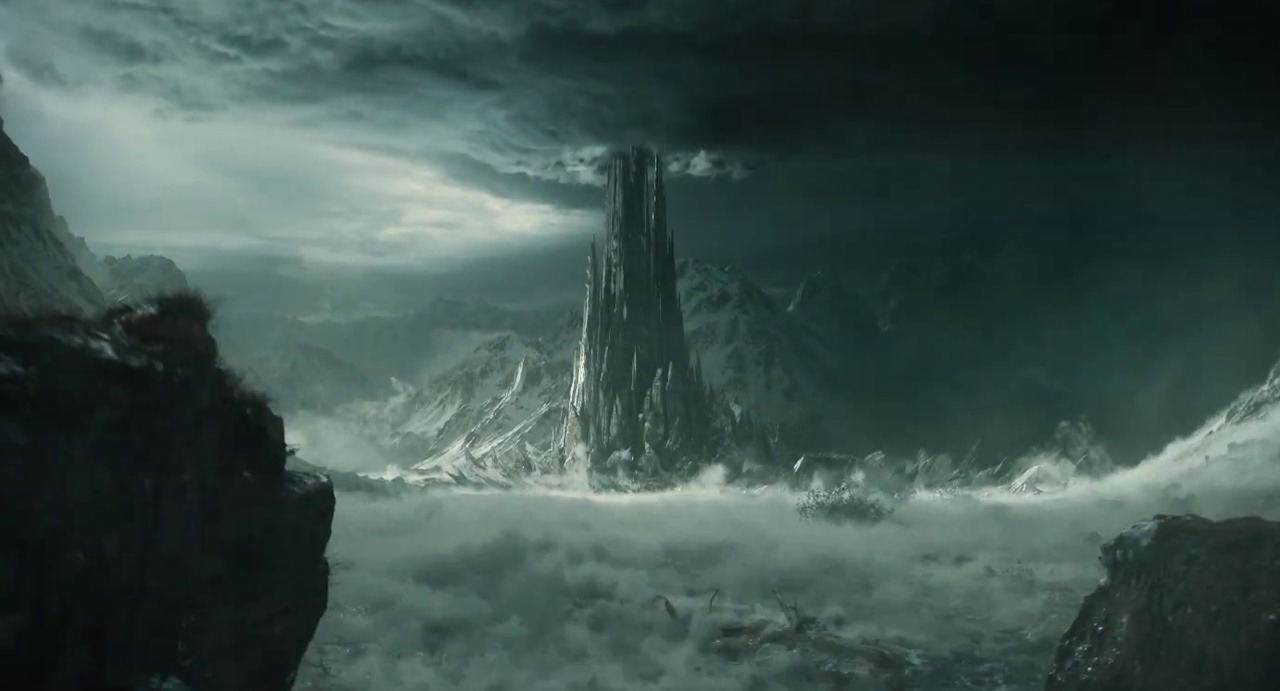
The pros and cons of filming back-to-back

Spoiler Warning: There are spoilers ahead for Star Trek: Picard Season 1.

After a short pandemic-enforced break, Star Trek: Picard Season 3 resumed filming a few days ago. Production on the show’s third season has been underway for a while, and was officially announced back in September during the franchise’s Star Trek Day digital event. The interesting thing about Picard Season 3 being so far along in its production is, of course, that Season 2 has yet to be broadcast. This got me thinking about some of the benefits and potential pitfalls of filming back-to-back in this fashion, and that’s what we’re going to talk about today.

There are some great examples of productions that were filmed back-to-back. The Lord of the Rings trilogy of films has to be one of the best examples of this: all three films were shot together in New Zealand, though post-production work and editing continued after the first and second films had premiered. The Lord of the Rings is held in very high esteem even twenty years after it premiered, and is rightly credited with bringing the high fantasy genre to mainstream audiences, paving the way for titles like Game of Thrones.

The Lord of the Rings trilogy was hugely successful in the high fantasy genre.

Being shot back-to-back worked well for The Lord of the Rings then, clearly! The Return of the King – the third and final part of the trilogy – swept the board at the Academy Awards in 2004, picking up a record-equalling eleven Oscars.

In the case of The Lord of the Rings, the practicalities of production meant that shooting all three films together made sense. New Line Cinema had greenlit the entire trilogy and was expecting it to be a success, and the difficulties of setting up production in New Zealand – as well as having the actors travel there – all came together to make filming the entire project at once a practical and sensible approach to production. From the earliest days of pre-production, New Line Cinema intended to do things this way.

Whether in cinema or on television, there are advantages to filming back-to-back. There’s far less of a chance that characters will look noticeably different from one part of the story to the next, for example, as everything from costuming to makeup and even haircuts or simply ageing will not be factors that impact production. Keeping the same behind-the-camera crew will also allow for a consistent production that keeps the same cinematographic style. It makes it easier to go back and re-work parts of the story, if necessary – for example, if a writer or director felt the need to add a scene foreshadowing the ending, or even to change the entire end of the story to better fit what had come before.

There are advantages to back-to-back production.

But there can be drawbacks to this approach, pitfalls that can be very difficult to avoid even with good preparation and the best of intentions. And there’s one reason in particular why Star Trek: Picard kicked off this discussion for me.

Star Trek: Picard started with an episode that’s probably the best series premiere in the history of the franchise, surpassing even Deep Space Nine’s Emissary – the previous high-water mark. Over the course of the next few episodes, its story unfolded slowly and seemed to be building up to an exciting climax. Unfortunately, though, the season stumbled as it approached the finish line, with the first half of its two-part finale in particular being a real disappointment. The way the season eventually ended left several storylines unresolved and at least one gaping plot hole. To be blunt, the finale was weak – and it’s important that the writers and producers receive that feedback and take it on board.

I’m not the only person to have criticised the way that Star Trek: Picard Season 1 ended; the two parts of the season finale are the worst-rated episodes of the show according to review aggregator Rotten Tomatoes.

The Season 1 finale of Star Trek: Picard was by far the weakest part of the story.

So what’s the point of bringing this up? Well, it’s simple: filming back-to-back, as is now happening with Seasons 2 and 3 of Picard, means that the show’s writers and producers will have far less of a margin for error; they’re much more constrained and less able to make changes based on critiques and audience reactions.

Set aside any thoughts you might have about “artistic integrity” or the “vision” of a production’s writers, producers, and directors. In the real world, with very few exceptions films and television shows are adapted – and in some cases changed entirely – based on the way audiences respond to them. This is why practically every film and television series is shown to test audiences before they premiere. Doing so can give production companies the chance to make last-minute adjustments, make cuts, or even rework entire sequences.

ViacomCBS will not have ignored the reviews and discussion surrounding Picard Season 1 and its finale. Those criticisms will have been absorbed by the corporation, and I wouldn’t be surprised if they mandated changes to the story of Season 2 as a result, even if such changes may be relatively minor. Just to pick on one example, the story of main character Narek, which was dropped without a resolution part-way through the finale, might be something that the team in charge of the show insist that Season 2 clarifies.

Narek’s story was just one of several major elements that the season finale failed to pay off.

But if there are issues with Season 2 – whether they’re to do with story, art style, visual effects, etc. – it will be much harder, and much more expensive, to make any changes to Season 3. In all likelihood, Season 3 will wrap up its main phase of production before Season 2 even premieres, and while post-production work and pick-up shoots offer some opportunities to make changes, those opportunities are limited. If a film or series has been ready to go for a year or more, going back to film extra scenes can be tricky; it can be very easy to tell which scenes and shots were filmed and added in later, even in productions with high budgets.

In short, because Picard Season 1 had some very particular and noteworthy issues with its finale, I’m at least a little concerned about the direction of the series heading into Seasons 2 and 3, and the fact that the seasons are being shot back-to-back heightens that. Had Season 1 ended with a stronger finale, perhaps I’d be less concerned. But unfortunately it didn’t – and that leaves the show in a strange place for me. I’m genuinely excited to spend more time with Admiral Picard and the crew of La Sirena, but I’m at least a little anxious about the way the show’s production is being handled.

Where will the admiral and his crew go next?

In a way, this is something we may have to get used to as the pandemic rumbles on. Had it not been for covid and its associated lockdowns in California, it would’ve been possible for production on Picard Season 2 to get underway far sooner, potentially meaning that there’d have been no need to film the second and third seasons back-to-back. But the pandemic continues to be a disruptive force across the world, so productions may have to get used to working when they can and taking breaks when they must – at least in the short-to-medium term.

In some cases it won’t matter. In others, filming back-to-back can provide significant advantages. But there are potential drawbacks to this way of approaching a major production, not least the difficulty in going back and making changes based on audience and critical feedback. It’s the latter point that concerns me when it comes to Star Trek: Picard, and that’s due to the weak ending to an otherwise excellent first season. Perhaps in the days ahead we should go back to the two parts of Et in Arcadia Ego and re-examine what went wrong – as well as looking at what the season finale got right. If I forget, remind me! For now, you can check out the reviews of both episodes on my dedicated Star Trek: Picard page.

The Lord of the Rings trilogy is the copyright of New Line Cinema and/or Warner Bros. The Star Trek franchise – including Star Trek: Picard – is the copyright of ViacomCBS. This article contains the thoughts and opinions of one person only and is not intended to cause any offence.
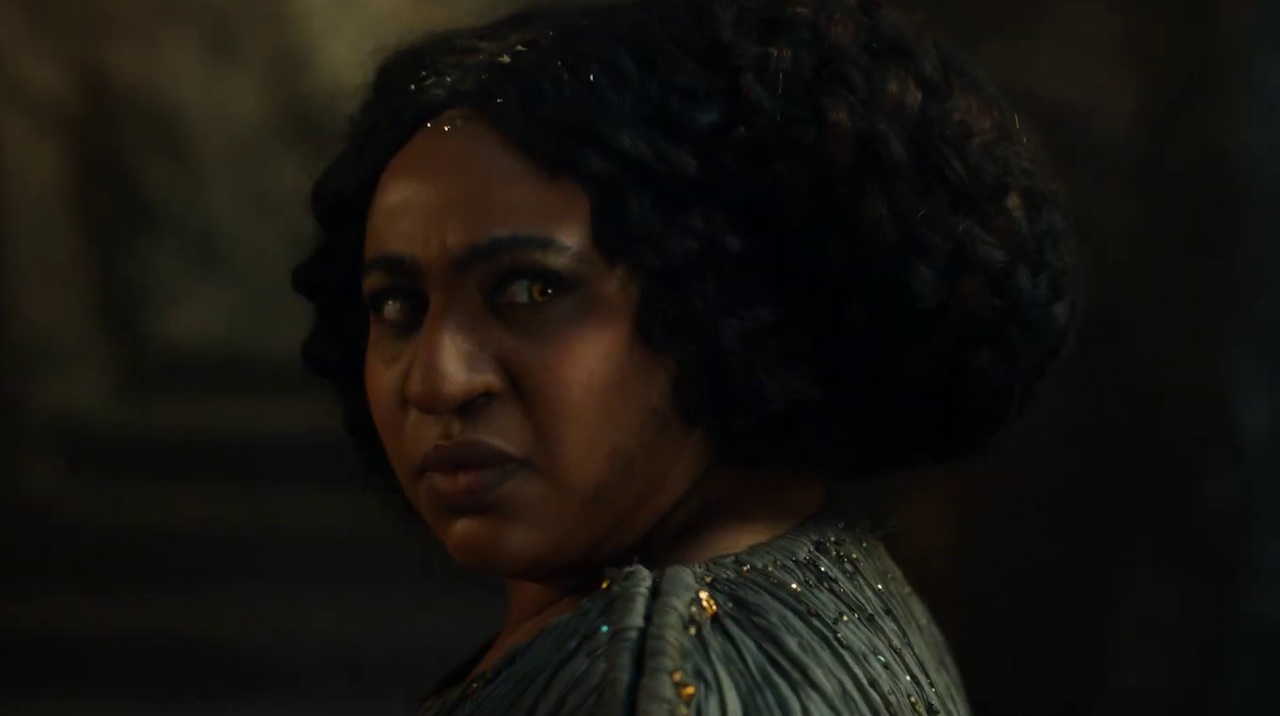
A handful of older films, games, and TV shows that I enjoyed in 2021

Spoiler Warning: Minor spoilers may be present for some of the entries on this list.

At this time of year, practically every outlet – from dying newspapers to new social media channels – churns out list upon list of the best entertainment products of the year. The top threes, top fives, top tens and more of 2021 abound! I have something similar in the pipeline, but today I wanted to take a look back at a handful of films, games, and TV shows from previous years that I found myself enjoying in 2021.

I have long and seemingly ever-growing lists of films, games, and TV shows that I keep meaning to get around to! I still haven’t seen Breaking Bad, for example, nor played The Witcher 3, despite the critical and commercial acclaim they’ve enjoyed! I also have a huge number of entertainment properties that I keep meaning to re-visit, some of which I haven’t seen since we wrote years beginning with “1.” In 2021 I got around to checking out a few titles from both of these categories, and since there are some that I haven’t discussed I thought the festive season would be a great opportunity for a bit of positivity and to share some of my personal favourite entertainment experiences of 2021… even though they weren’t brand-new!

Film #1:
The Lord of the Rings trilogy (2001-03)

We’ve recently marked the 20th anniversary of The Fellowship of the Ring, the first part of Peter Jackson’s epic adaptation of J. R. R. Tolkien’s magnum opus. The passage of time has done nothing to detract from these amazing films, and this year a 4K Blu-Ray release has them looking better than ever before.

The early 2000s had some serious pitfalls for film and television. CGI was becoming more mainstream and many filmmakers sought to take advantage of it, but just look to the Star Wars prequels and how outdated the CGI in those titles is; it hasn’t held up well at all. The majority of the special effects in The Lord of the Rings were practical, and combined with clever cinematography even incredibly dense and complex battle sequences still look fantastic two decades on.

Though I don’t re-watch The Lord of the Rings every single year without fail, I’m happy to return to the trilogy time and again – and I almost certainly will be for the rest of my days! The Hobbit and Tolkien’s Middle-earth was one of the first fantasy worlds I encountered as a young child; I can vaguely remember the book being read to me when I was very small. The conventional wisdom for years was that The Lord of the Rings was unfilmable – but Peter Jackson proved that wrong in some style!

Film #2:
Despicable Me (2010)

I spotted this while browsing Netflix one evening, and despite having seen at least one film with the Minions, I hadn’t actually seen the title that started it all. I have to confess that I didn’t have particularly high expectations, thinking I was in for a bog-standard animated comedy. But Despicable Me has heart, and there were some genuinely emotional moments hidden inside.

The Minions got most of the attention in the aftermath of Despicable Me, and can now be found on everything from memes to greetings cards! The critters are cute, but they’re also somewhat limited – and I think it’s for that reason that I didn’t really expect too much from Despicable Me except for maybe a few laughs and a way to kill an empty evening. I was pleasantly surprised to find a much more substantial film than I’d been expecting.

There were still plenty of laughs and a ton of cartoon silliness to enjoy and to keep the tone light-hearted. But there was a surprisingly emotional story between the villainous Gru and the three children he adopts – especially Margo, the eldest. I can finally understand why the film has spawned four sequels, fifteen shorts, and a whole range of merchandise!

Film #3:
Star Trek V: The Final Frontier (1989)

The Final Frontier has a number of issues that I’m sure most of you will be aware of. It arguably suffered from a little too much involvement from William Shatner, who sought to put Captain Kirk at the centre of the story at the expense of others. But The Final Frontier has some truly great character moments, including one of the final times that Kirk, Spock, and Dr McCoy would be together before The Undiscovered Country brought an end to Star Trek’s original era.

The film has some truly funny moments, too: the scene where Uhura catches Chekov and Sulu pretending to be caught in a storm being one, and Scotty’s moment of slapstick being another that never fails to win a chuckle. The Undiscovered Country was a great send-off for Star Trek’s original crew, but it was quite a heavy film with a lot of tense moments and high-octane action. The Final Frontier brings more light-hearted moments to the table, and that’s something I can appreciate when I’m in the right mood.

There are some exciting sequences too, though. The shuttle crash is a very tense and dramatic moment, and the final confrontation with the entity at the centre of the galaxy, while silly in some respects, does succeed at hitting at least some of those same dramatic highs. Though I wouldn’t suggest that The Final Frontier is anywhere near the best that Star Trek has to offer, it’s well worth a watch from time to time.

Game #1:
Control (2019)

Though hardly an “old” game, I missed Control when it was released in 2019. It had been on my list for a couple of years, and I was pleased to finally get around to playing it this year. The game had a far creepier atmosphere than I’d been expecting, with protagonist Jesse having to battle an unseen enemy called the Hiss.

One thing I really admire about Control is the way it made incredibly creative use of some fairly plain environments. The entire game takes place in what’s essentially a glorified office building, and rows of cubicles or the janitor’s workspace could, in other games, come across as feeling bland and uninspired. But Control leans into this, using the environments as a strength, juxtaposing them with incredibly weird goings-on at the Bureau of Control.

I also liked that, for the first time in years, we got full-motion video sequences in a game! FMV was a fad in gaming in the early/mid-1990s I guess, primarily on PC, and titles like Command and Conquer and Star Trek: Starfleet Academy made use of it. It had been years since I played a game with FMV elements, and it worked exceptionally well in Control – as well as being a completely unexpected blast of nostalgia!

Game #2:
Super Mario 64 (1996)

Despite the serious limitations of Super Mario 3D All-Stars on the Nintendo Switch, which I picked up last year, I can’t deny that it’s been fun to return to Super Mario 64. One of the first fully 3D games I ever played, Super Mario 64 felt like the future in the late ’90s, and even some titles released this year, such as Kena: Bridge of Spirits, owe parts of their 3D platforming to the pioneering work that Nintendo did with this game.

Super Mario 64 is and always has been good, solid fun. There doesn’t need to be an in-depth, complex story driving Mario forward to collect stars, because the game’s levels and bosses are all so incredibly cleverly-designed. Jumping in and out of different painting worlds is relatively quick and feels great, and the sheer diversity of environments is still noteworthy in 2021. Mario goes on a journey that takes him through snowy mountains, a sunken shipwreck, sunlit plains, cities, clouds, and more.

I can’t in good conscience recommend Super Mario 3D All-Stars. The way these games have been adapted for Nintendo Switch isn’t worth the asking price. But even so, going back to Super Mario 64 has been one of my favourite parts of 2021, a chance to reconnect with a game I played and loved on the Nintendo 64. If you’ve never played it, track down a copy and give it a go. You won’t regret it.
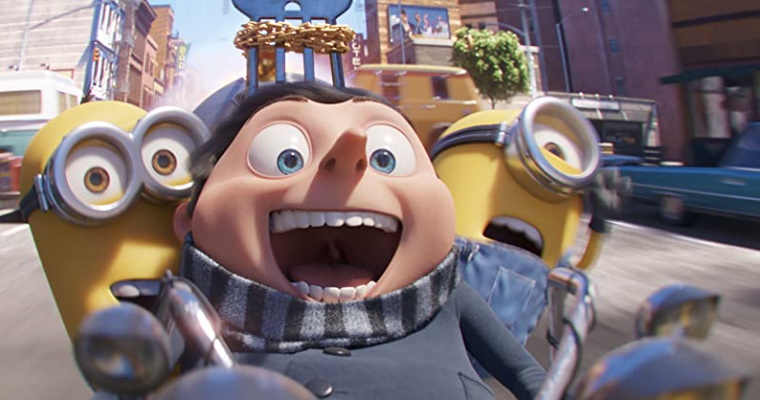
Game #3:
Red Dead Redemption II (2018)

I’d been meaning to get around to Red Dead Redemption II for three years – but I’d always found a reason not to pick it up (usually it was too expensive!) It took forever to download on my painfully slow internet connection, but it was well worth the wait. I’ve had a fascination with America in the 19th Century for as long as I can remember – I guess partly inspired by playground games of “the wild west” that were fairly common when I was young. I even had a cowboy hat, toy gun, and “Davy Crockett” hat when I was a kid!

Red Dead Redemption II transported me to that world in a way that I genuinely did not think was possible. Films and TV shows can do a great job at pulling you in and getting you lost in a fictional world, but the interactive element of video games can add to that immersion – something that was absolutely the case with Red Dead Redemption II. The amount of detail in the game’s characters and open-world environments is staggering, and having finally experienced it for myself I can absolutely understand why people hail this game as a “masterpiece.”
I wasn’t prepared for the many emotional gut-punches that Red Dead Redemption II had in store. In many ways the game tells a bleak and even depressing story, one with betrayal, death, and many examples of the absolute worst of humanity. But every once in a while there are some incredibly beautiful moments too, where characters sit together, sing, play, and revel in their bonds of friendship. Red Dead Redemption II gave me the wild west outlaw fantasy that my younger self could have only dreamed of!

TV series #1:
Star Trek: The Original Series (1966-69)

I’ve re-watched quite a lot of The Original Series this year, probably more episodes than I’d seen in the past few years. Because of its episodic nature, it’s easy to dip in and out of The Original Series, firing up an episode or two to spend an hour with Captain Kirk and the crew without feeling the need to commit to an entire season of television.

The Original Series started it all for Trekkies, and I’m always so pleased to see that modern Star Trek hasn’t lost sight of that. In this year’s episodes of Lower Decks and Discovery we’ve gotten many references and callbacks to Star Trek’s first series, keeping the show alive and relevant as we celebrated its fifty-fifth anniversary – and the centenary of its creator, Gene Roddenberry.

Though dated in some ways, many of the themes and metaphors present in The Original Series are still relevant today. Society has changed since the 1960s, but in some areas we’re still fighting the same or similar fights for acceptance, for equality, and so on. The Star Trek franchise has always had a lot to say about that, being in some ways a mirror of society and in others depicting a vision of a more enlightened, optimistic future.

TV series #2:
Fortitude (2015-18)

I went back to re-watch Fortitude this year, for the first time since its original run. The series starts very slowly, seeming at first to be little more than a murder-mystery in a different setting. But it builds up over the course of its first season into something truly unexpected, crossing over into moments of political thriller, action, and even horror.

There are some truly shocking and gruesome moments in Fortitude, and it can be a harrowing watch in places. But it’s riveting at the same time, and I managed to get hooked all over again by the complex characters, the mysteries and conspiracies, and the bleak but beautiful arctic environment.

Fortitude featured some star names among its cast, including Michael Gambon, Stanley Tucci, and Dennis Quaid – the second-most-famous Dennis to be featured on this website! Although it was fun to watch it weekly during its original run, Fortitude is definitely a show that can be enjoyed on a binge!

TV series #3:
Family Guy (1999-Present)

Family Guy’s sense of humour sometimes runs aground for me, dragging out jokes too long or failing to pay off neat setups with decent punchlines. But with the full series (up to midway through Season 20 at time of writing) available on Disney+, I’ve found myself putting it on in the background a lot this year. The short runtime of episodes, the lightheartedness, and the way many of the jokes are often disconnected from whatever nonsense plot the episodes have going on all come together to make it something I can dip in and out of while doing other things.

There are some insensitive jokes, and some entire storylines in earlier episodes have aged rather poorly. But Family Guy seldom strikes me as a show punching down; it satirises and pokes fun at many different groups. In that sense it’s kind of halfway between The Simpsons and South Park; the former being more sanitised and family-friendly, the latter being edgier and meaner.

I rarely sit down and think “gosh, I must watch the latest Family Guy episode.” But if I’m in need of background noise or something to fill up twenty minutes, I find I’ll happily log into Disney+ and put on an episode or two.

So that’s it.

There have been some great films, games, and television shows that were released in 2021. But there were also plenty of entertainment experiences from years past that, in different ways, brightened my year. As we gear up for New Year and for everyone’s end-of-year top-ten lists, I wanted to take a moment to acknowledge that.

I hope you had a Merry Christmas, a Happy Holiday, or just a relaxing day yesterday! I did consider writing something to mark the day, but I found that I had remarkably little to say that was different from the piece I wrote last year. 2021 has been “2020 II” in so many respects, unfortunately. However, unlike last Christmas I will be able to visit with some family members – I’ll be seeing my sister and brother-in-law later this week, which will be a nice treat! So here’s to 2021’s entertainment experiences – and as we enter the new year, it’s worth keeping in mind that we don’t only have to watch and play the latest and newest ones!

All titles on the list above are the copyright of their respective broadcaster, distributor, developer, network, publisher, studio, etc. This article contains the thoughts and opinions of one person only and is not intended to cause any offence.