inKonbini: One Store, Many Stories – Video Game Review

The first part of this review is free from story spoilers for inKonbini: One Store, Many Stories. The end of the spoiler-free section is clearly marked.

Have you ever played a game that you didn’t want to complete, not because you didn’t like it… but because you were enjoying it so much? That was my experience with inKonbini: One Store, Many Stories. The gameplay was so relaxing that it was almost soothing, the story was low-stakes but still relatable, there were some fun characters to meet and engage with, the setting and music were beautiful, and – to coin a phrase – the vibes were just immaculate.

This is, for me, a “Game of the Year” contender, without a doubt.

I was a huge fan of Shenmue and Shenmue II back in the Dreamcast days (click or tap here for more on that, if you’re interested!) and I find it really sweet that games like inKonbini are still drawing inspiration from that genre-redefining saga all these years later. Even the name of inKonbini’s development studio – Nagai Industries – is a reference to the similarly-named organisation in the first Shenmue, and Shenmue’s creator, Yu Suzuki, is thanked in the end credits.
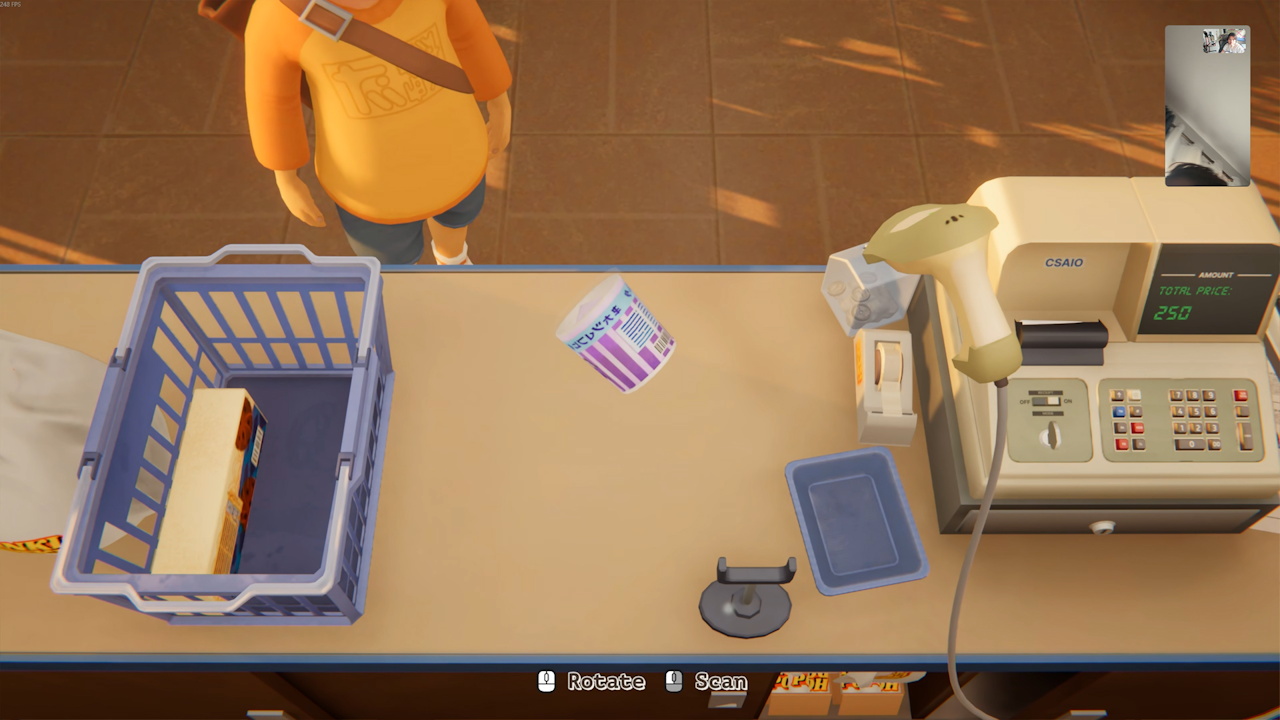
Promo screenshot for inKonbini showing the checkout
Checking out a customer’s items.

However, there is a little bit of a controversy surrounding inKonbini – and it’s one I didn’t notice at first. Long story short, if you don’t speak/read Japanese, you probably didn’t notice that many of the in-game items and products use characters *inspired by* Japanese hiragana, katakana, and kanji… but which aren’t *real* Japanese text. As someone who doesn’t know Japanese, I didn’t notice this at first, but when it was pointed out by someone elsewhere online… I found that I couldn’t *not* notice it, if that makes sense.

And… well, I don’t know why this happened. Perhaps it’s simply the case that the developers – who seem to be based in Japan, but none of whom have Japanese names – may not be fluent Japanese speakers? Or maybe visual artists hired to work on the game (Nagai Industries seems to employ several remote workers) weren’t familiar with the Japanese language well enough to use it convincingly, so the decision was taken to use “fake Japanese characters” that look good enough to a casual western eye? The developers have sworn, on the record, that no generative A.I. was used in the making of inKonbini… which isn’t something I’m personally bothered about either way, but I know that matters a lot to some folks.
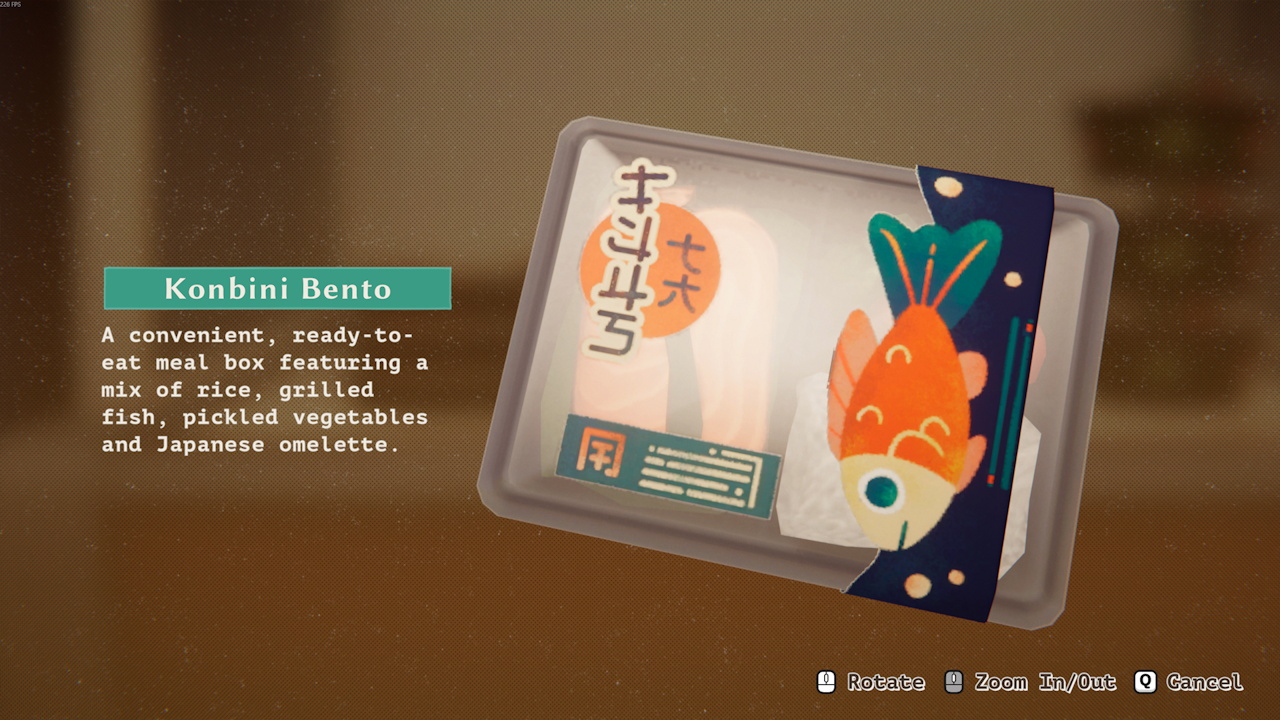
Promo screenshot for inKonbini showing a product
Much of the in-game text on items like this is “pseudo-Japanese,” not real Japanese.

However… it strikes me as odd, at the very least, that a game explicitly set in Japan, with Japanese people who have Japanese names, would have all of these art assets, products, in-game images, and more… that all use fake, nonsense characters that might look superficially “Japanese” to a non-speaker, but aren’t.

I don’t know if that kind of thing matters to you, but for me… I think there’s something to be said for authenticity. And as I said a moment ago, I don’t really know *why* a developer would choose to do something like this when the products in the shop are such a large part of the game. You can make the case for artists choosing a deliberate style, or that these designs evoke a kind of ’90s Japanese aesthetic without needing to be actual, intelligible Japanese. And that’s fine, it’s fair enough. But it is, if nothing else, strange to me that a game so heavily influenced by Japan, developed by at least some folks who live and work in Japan, wouldn’t use real Japanese text for its in-game images and models. Nagai Industries hasn’t explained this, as far as I can find out – all they’ve done is deny that they used A.I. tools to generate any of the imagery used in-game.

Alright, we’ll set that aside for now. I think it’s more of a mystery than anything outright negative, and unless you’re fluent in Japanese, chances are it isn’t something you’d notice on a standard playthrough. But I think it’s worth being aware of, at any rate.
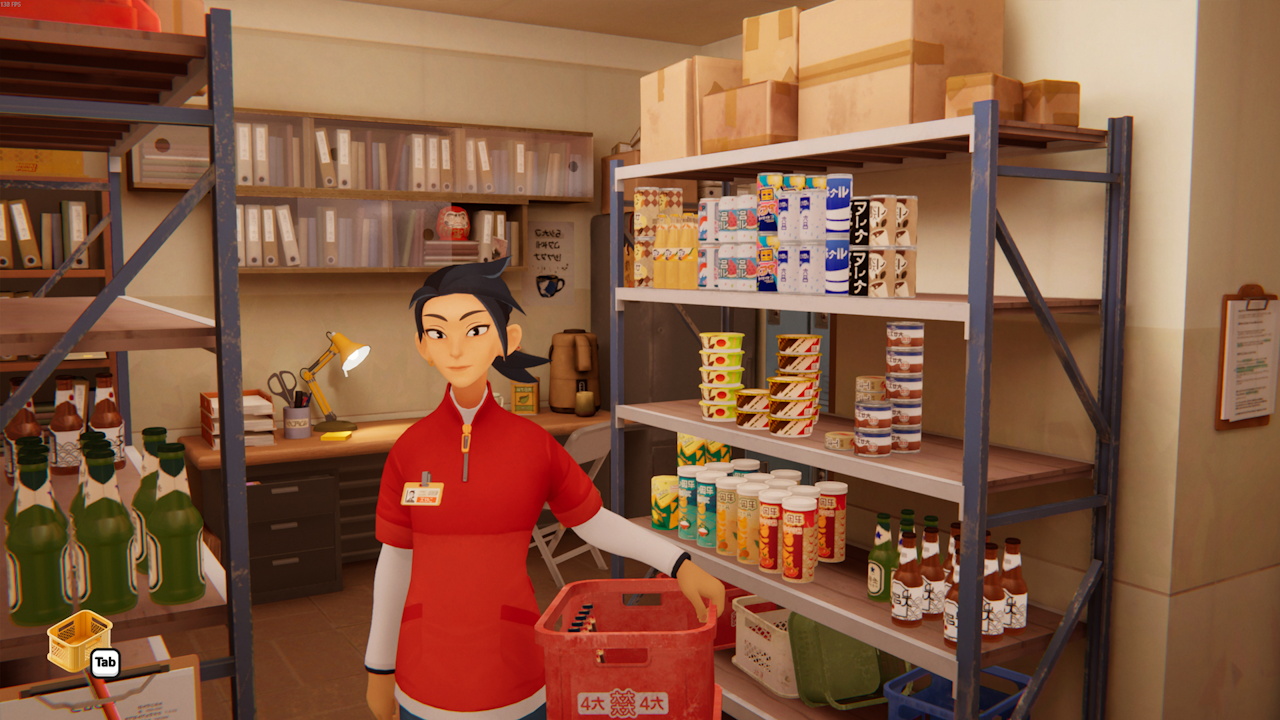
Promo screenshot for inKonbini showing Makoto
Makoto, the game’s protagonist.

inKonbini is a slow-paced game without massive, earth-shattering stakes. There are no boss battles – actually, there’s no combat of any kind – and you’ll spend your time in-game performing a variety of small tasks around a Japanese convenience store and interacting with the customers. However, inKonbini is not open-ended; there’s a distinct story that you’ll follow over the course of five in-game shifts. The tasks are different on each shift, as are the customers you’ll encounter, and I found there was a really cozy, relaxed vibe to the game – or at least there was about 95% of the time!

My playthrough took about six hours, which I spread out over several sessions because I really didn’t want to rush it! For that length, I felt inKonbini was more than fair with its price point, and I certainly got plenty of enjoyment out of the game the whole way through. Some moments, as we’ll get into if you stick with me to the spoiler-filled section below, were genuinely emotional, and the game’s characters almost all have a philosophical side that’s designed to make you think.
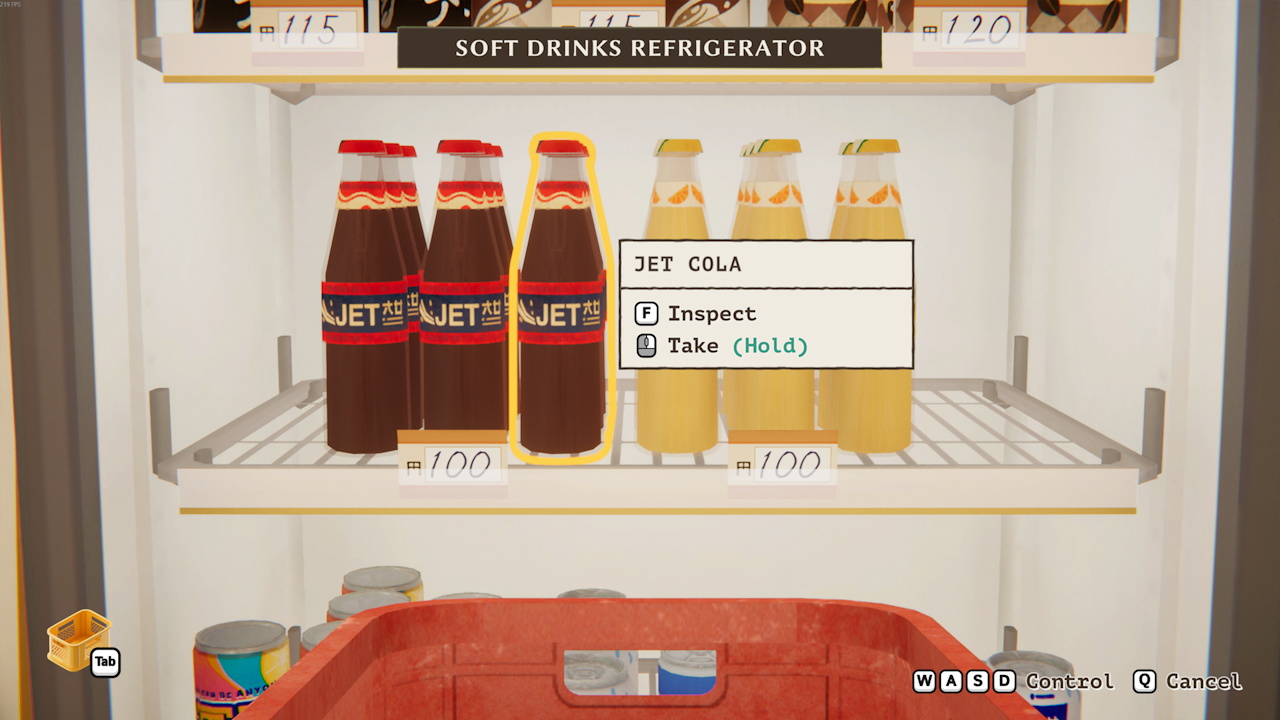
Promo screenshot for inKonbini showing bottles of cola
Bottles in a refrigerator.

I can be quite forgiving when it comes to minor issues and bugs in indie games; I want to see them succeed! But I’m pleased to report that inKonbini ran well on my self-built PC, and didn’t have any noticeable graphical or gameplay issues at all. I even got the game running in native 4K – which my PC can struggle with, sometimes, in other titles – without any problems whatsoever. It’s a smaller game, sure, and it isn’t one that’s designed to punish high-end hardware with hyper-realistic graphics! But a game that runs well is not a guarantee in 2026, so I think it’s worth celebrating that inKonbini’s performance was great from the start.

Although I really adored my time with inKonbini, it’s a game I’m reluctant to recommend to a general audience; I think you have to be specifically interested in slower-paced, casual, narrative adventures that verge on “walking simulator” types of games. If you want to have a surprisingly philosophical chat with some of the store’s customers, and if arranging digital products on virtual shelves sounds like fun, or if you like atmospheric, cozy games? inKonbini is an easy recommendation. However, if you’re an online multiplayer gamer, a souls-like “git gud” type of player, or you just need something a bit faster-paced, perhaps it won’t be right for you.

A recommendation, then – but for a specific type of player! If you stick with me to the next part of the review, we’ll get into a couple of the characters and story beats in a bit more depth.

A Shenmue-themed spoiler warning.

This is the end of the spoiler-free portion of the review. There are spoilers for inKonbini: One Store, Many Stories from here on out.

My first job – when I was younger than inKonbini’s protagonist, Makoto – was in a small shop. And I worked in several others after that, too. It surprised me just how familiar that side of inKonbini felt to me, even some twenty-plus years after I last set foot in a place like that as an employee! In those days, most things were still pen-and-paper, at least here in the UK, and I have vivid recollections of things like filling out inventory sheets, stamping and signing delivery invoices, and manually walking the aisles to check if a product was in stock, in the right place, and so on. I hadn’t thought about those jobs or those memories in *decades*, but inKonbini brought them back!

This is the second game I’ve played in the last few months with a ’90s setting… and it’s the second time I’ve been hit with that bittersweet wave of nostalgia. The first was Mixtape – another excellent title which, if you enjoyed inKonbini, you may also like – so I guess the second half of 2026 has been a bit of a nostalgia kick for this old gamer, eh? Between those memories of working those jobs and all of the imagery and subtle nods to Shenmue, inKonbini turned out to be a surprisingly emotional experience… and that’s before we even get into the characters and story.
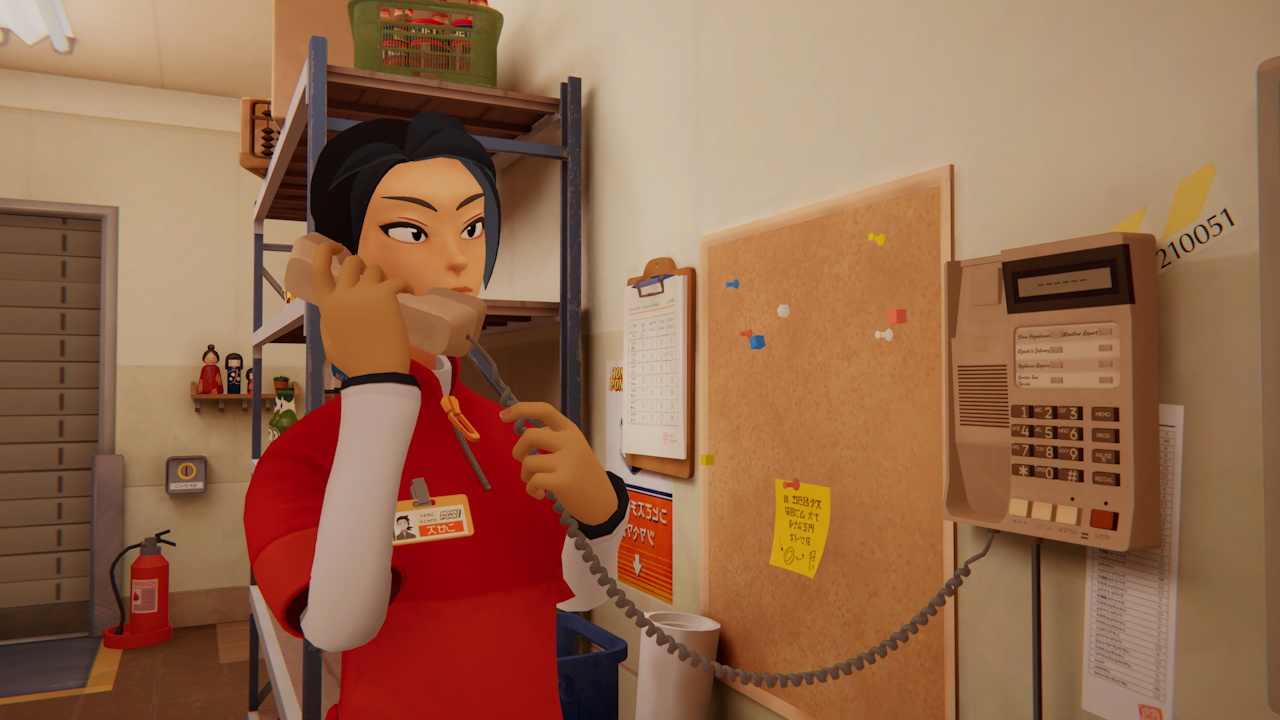
Screenshot from inKonbini: One Store, Many Stories showing Matoko on the phone
Talking on the phone.

Those retail jobs I had… they were never much fun. I actually got harassed coming home on the train one evening, as a drunk man smashed a train window and then got in my face as I was just trying to make my way home from the station! What I’m saying is… working those kinds of jobs is rarely the fun, laid-back, cozy experience that inKonbini offers. But I think that’s part of why the game is so enjoyable – it’s almost cathartic, all these years later, to see a fictionalised take on that kind of role that feels real enough to be believable… but without any of the drawbacks, like boredom and rude customers!

Even inconveniences that Makoto experiences – like a leaky roof, a missing product, or a broken appliance – become fun little distractions or mini-games to take part in. And when a customer is looking for help, choosing the right product at the right moment for them turned out to be a lot of fun. I actually found myself getting a little bit anxious, a couple of times – like I used to do when I worked those jobs, only to a much lesser extent! – as Makoto raced to find a missing item, set up a display, or get the shop ready in time for the evening’s first arrival.
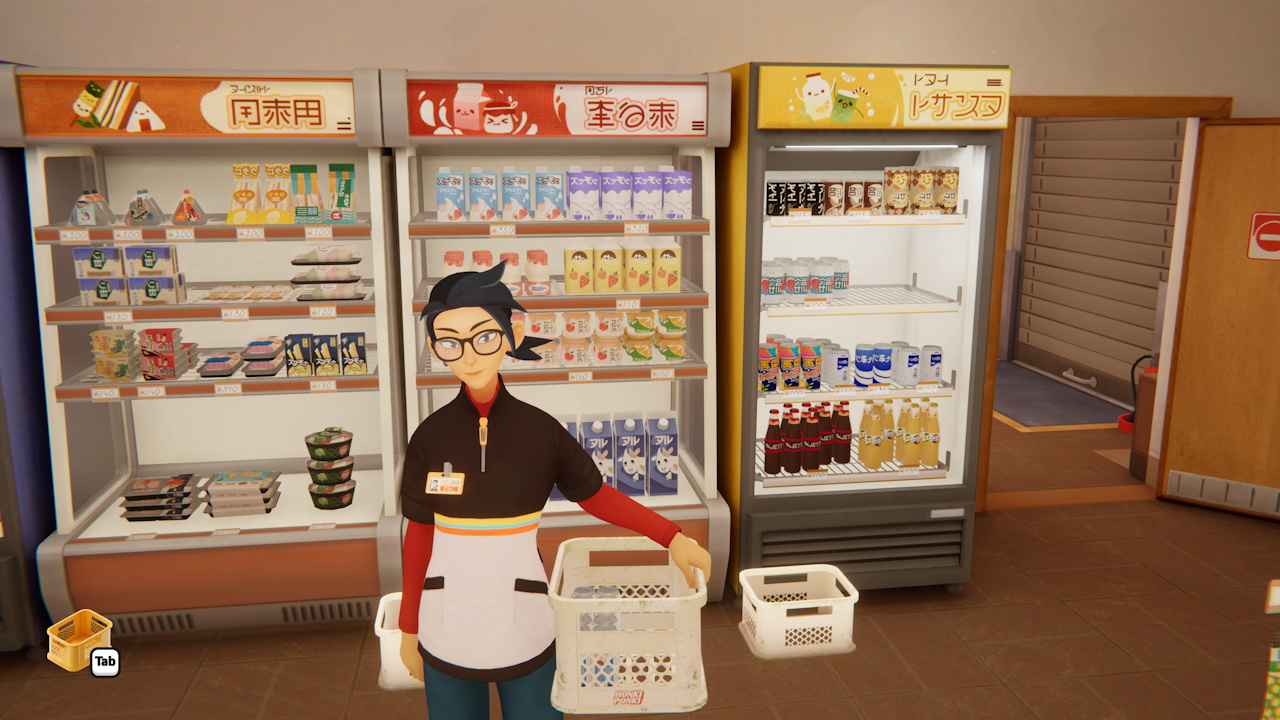
Screenshot from inKonbini: One Store, Many Stories showing Matoko holding a box
Makoto is hard at work!

The decision to set the game entirely on the night shift works in inKonbini’s favour, and goes a long way to making it feel cozy and atmospheric. There’s a peacefulness to those overnight hours; genuine quiet while much of the world sleeps. I’m a bit of a night owl myself, and I used to enjoy doing things like overnight shopping (back in the pre-Covid days when supermarkets would be open 24 hours) just for the peace and quiet! A sleeping town (or rural area) has a totally different feel than it does in the daytime hours, and inKonbini perfectly captures that.

Again, that’s part of the whole “cozy” vibe that the game has going for it; Makoto is part of a bigger world that exists just outside the shop’s door, but that world is sound asleep, save for a few people here and there. I’m sure most of us have pulled an all-nighter at some point – I’d challenge you to play inKonbini and not feel at least *some* of that reflected in the game’s world.
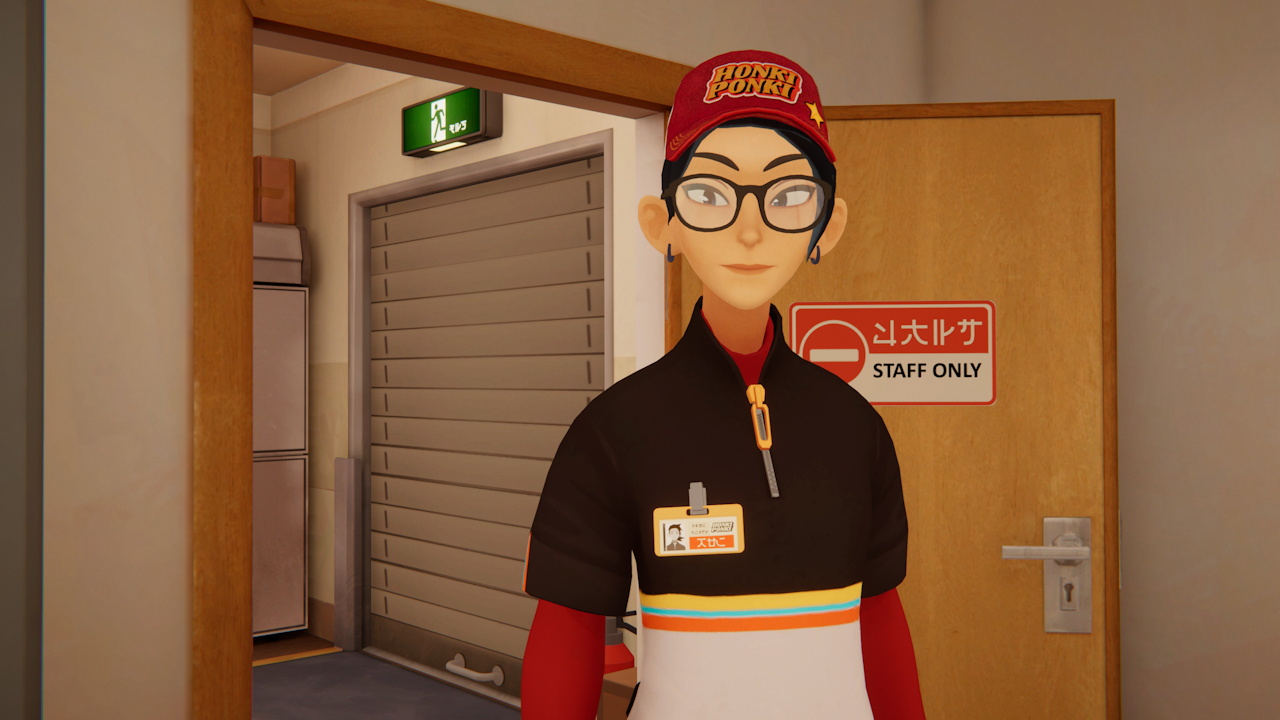
Screenshot from inKonbini: One Store, Many Stories showing Makoto wearing a hat
Working the night shift feels surprisingly cozy.

Lots of different games can be cozy or comforting – and what’s cozy to one player may not be to another. Speaking for myself, this kind of gameplay – which I guess you could describe as being kind of “job simulator-adjacent” in some respects – really nails that calming, cozy feel. Again, to use a Shenmue analogy: this is akin to the forklift-driving part of the game. Some people might find putting items on shelves or organising a shop display dull or repetitive, which are criticisms some players *definitely* had of those parts of Shenmue! But if it’s your kinda thing… I think you’ll enjoy this aspect of inKonbini just as much as I did.

On that note, gameplay and setting come together really well, each bringing a piece of that coziness to the table. The setting and the atmosphere it creates – both inside the store and, by implication and inference, the world outside its walls – form the perfect backdrop for this kind of slower-paced gameplay, moving items around, setting up little displays, running through a checklist, and so on. The gameplay and setting compliment one another really well, and it takes a combination of both to really get to that cozy feeling that inKonbini gave me.
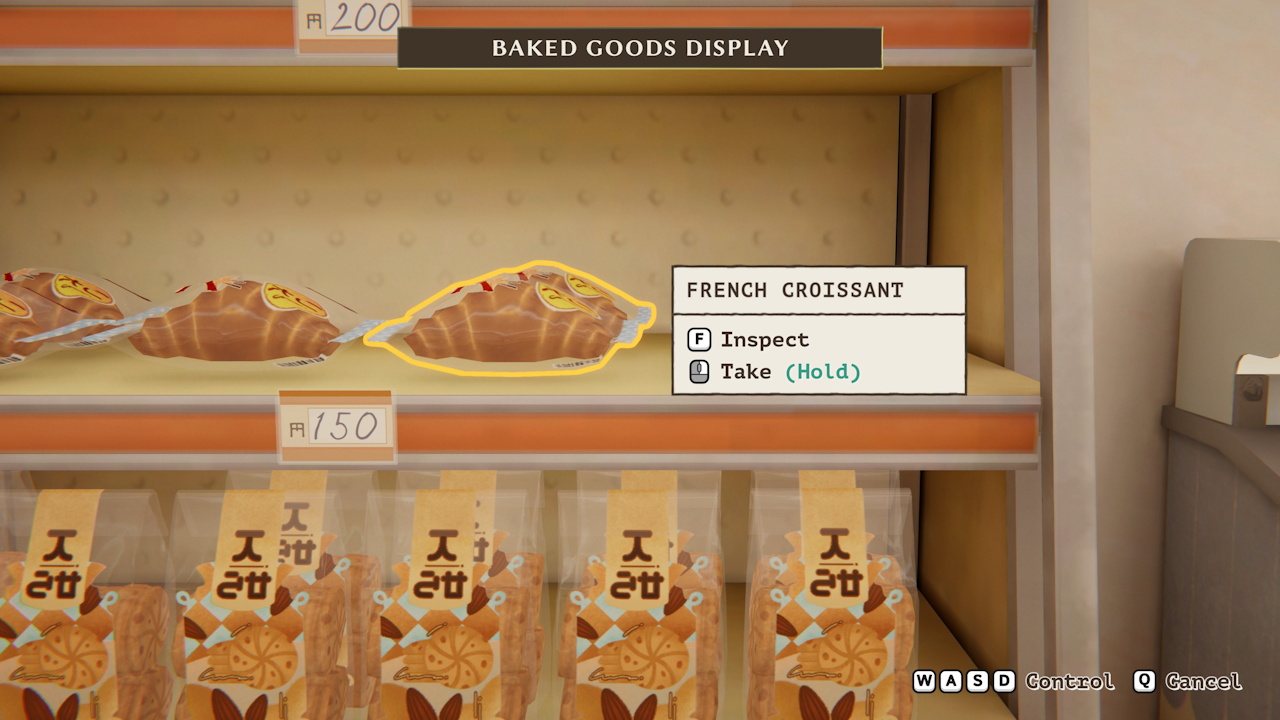
Screenshot from inKonbini: One Store, Many Stories showing a croissant
Restocking a shelf.

Some folks might want to see an open-ended game like this; for inKonbini to be the kind of game you can just play for a long time, with shift after shift of stacking shelves and checking out customers. But for me, I think that would misunderstand the kind of story that inKonbini aims to tell – not to mention make the few shifts you get to experience feel less important and special. While, in pure gameplay terms, I could see why some folks might want to take inKonbini and open it up… I think I like the game the way it is.

Makoto’s story is one that I think a lot of folks can relate to. Coming back to one’s home town – while in the middle of that first great adventure younger people look for after moving out – can be a bit anticlimactic. But the game wants to point out the value in hometowns, small communities, and the connections made between people. The four characters Makoto meets on the night shift all embody different parts of this in different ways – and all of them manage to feel like fun, well-rounded characters in their own rights, too.
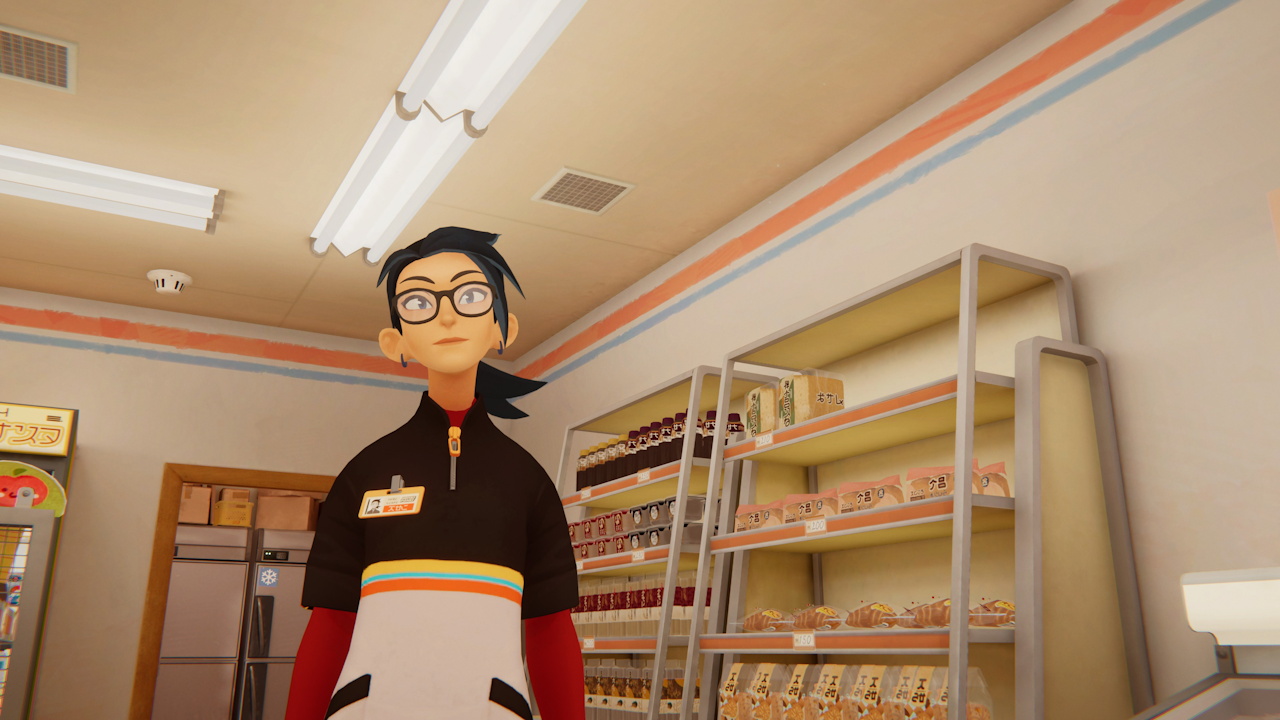
Screenshot from inKonbini: One Store, Many Stories showing Makoto
Makoto, the player character.

Parts of inKonbini could feel a little high-minded, a little philosophical. And that could come at the expense of the kind of gritty “realism” that audiences today might look for. Some characters come out with quite abstract philosophical takes on everything from writing and business to the literal meaning of life… and if you’re just not in the right headspace for that, or you prefer your in-game dialogue a bit less floaty and more grounded, I could see that being a point of criticism. But, again, speaking for myself… I enjoyed my time with these characters, and I liked how each of them had something to say that wasn’t just gossip or small talk.

Each character also feels completely distinct. Satoshi has his burgeoning delivery business, Naomi shows up from the city looking to write an article, Chief is a local institution who’s fallen out with Makoto’s aunt, and the “Mysterious Man” has his backstory unfold in a really fun, unexpected, and occasionally weird way! Makoto keeps it all together, feeling like the most realistic and grounded of the core characters, and her phone calls to her aunt (and to a few others) give her something to do even when there aren’t any customers to serve.
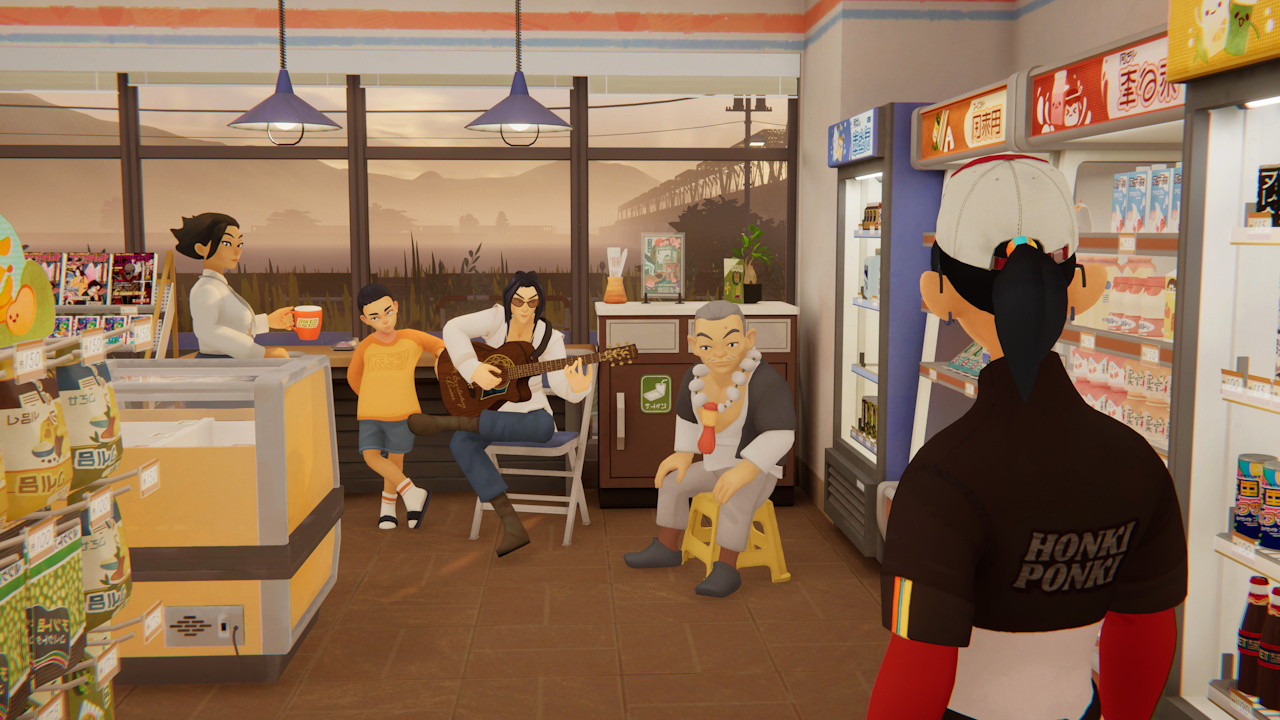
Screenshot from inKonbini: One Store, Many Stories showing the characters
Makoto with all of her customers.

Perhaps it’s the Shenmue fan in me, or perhaps inKonbini just plucked the right combination of nostalgic and philosophical chords… but I really, thoroughly enjoyed my time with the game. I genuinely did not want to see the credits roll… because that would mean it was over.

However, there’s some replayability in inKonbini, despite the game having an otherwise linear story. There are some achievements I didn’t unlock the first time around that I’ll definitely go back and try to get, a few optional little quests or stories off to the side that I missed or didn’t see through to the end, and plenty of capsule toys that I didn’t find. So my adventure at the Honki Ponki konbini isn’t over yet! And I find that thought to be quite comforting.

I hope my thoughts on the game have been interesting. And I hope I was able to properly convey just how enjoyable an experience this was. 2026 has been a pretty good year for video games, all things considered, and inKonbini is, without a doubt, one of my favourite experiences of the year.
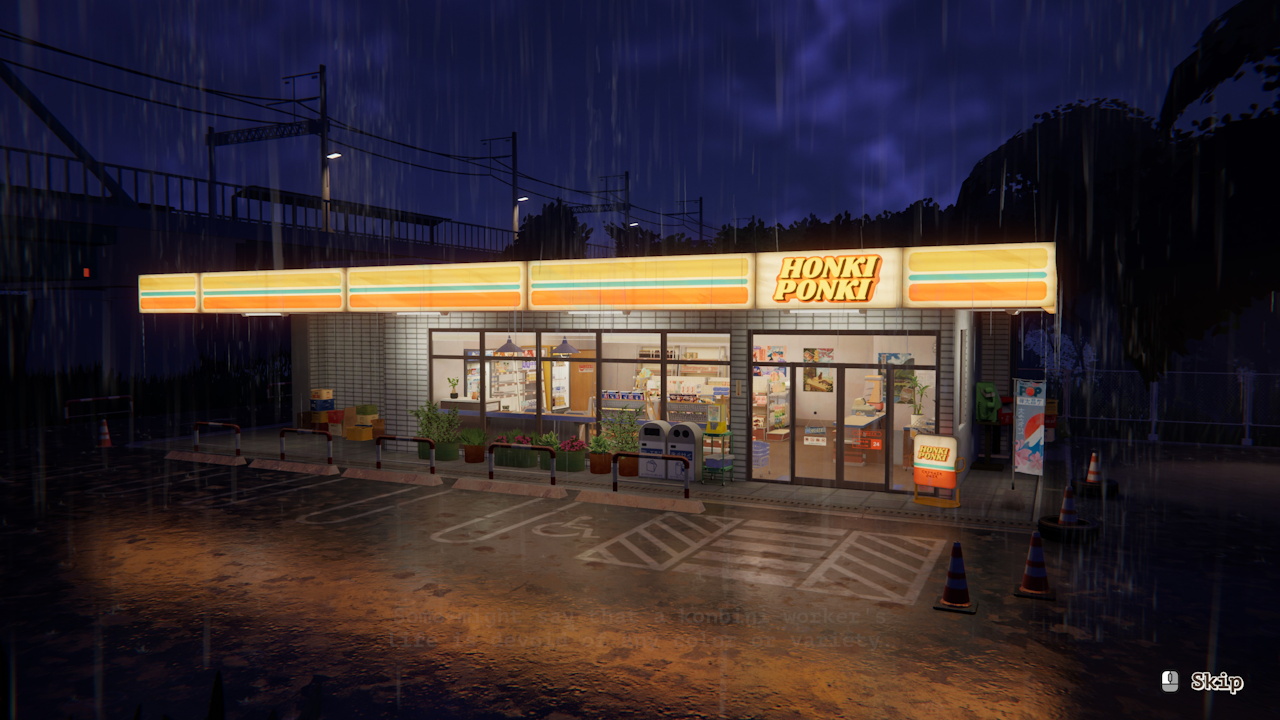
Screenshot from inKonbini: One Store, Many Stories showing the store in the intro
The convenience store.

If you missed them earlier in the year, I’d like to direct you to my reviews of Forever Ago and Mixtape – two comparable titles that, if inKonbini was your thing, you might also enjoy. And given that we’ve talked so much about Shenmue, please consider taking a look at my twenty-fifth-anniversary celebration pieces for both Shenmue and Shenmue II.

And I have a couple of other games on my list for 2026 that I *hope* to get to before the end of the year, so stay tuned for those!

Thanks again for checking out my review of inKonbini. This was a game that had been on my radar for a little while, and I’m so glad that I finally had the chance to try it for myself. It’s one of those games that I just… got lost in, and I didn’t want to reach the end. I had a blast with Makoto and her new friends, and I’m sure it won’t be long before I head back to the konbini for another night shift.


inKonbini: One Store, Many Stories is out now for Nintendo Switch and Switch 2, PC, PlayStation 4 and 5, and Xbox One and Xbox Series consoles. inKonbini: One Store, Many Stories is the copyright of Nagai Industries and/or Beep Japan, Serenity Forge, and Smilegate. This review contains the thoughts and opinions of one person only and is not intended to cause any offence.
Forever Ago: Video Game Review

The first part of this review is free from story spoilers for Forever Ago. The end of the spoiler-free section is clearly marked below.

Well, this is a rarity for me: reviewing a brand-new video game within just a few days of its launch! But Forever Ago had been on my radar for months, so I picked it up on Steam practically the moment it became available, and jumped in as soon as I had time to spare. That isn’t something I usually do; I like to wait for reviews and maybe a patch or two in most cases. However, something about Forever Ago seemed to speak to me when I saw some promo screenshots and heard its core premise… so I really did want to try it for myself as soon as possible.

Here’s the short version: I really enjoyed Forever Ago. It’s an intense and emotional experience; part “walking simulator” and part interactive movie, I guess, with a gorgeous art style that blends old-school 3D polygons with some truly stunning environments. It isn’t a “git gud” challenge; I suffer from arthritis which affects my hands and fingers, and I found nothing (intentional) in Forever Ago to be even slightly difficult. Some occasionally clunky controls and hit detection for points of interest, however, could use a little tweaking – more than once, I felt simply highlighting and clicking on an item or interactive moment was unnecessarily finicky or precise.

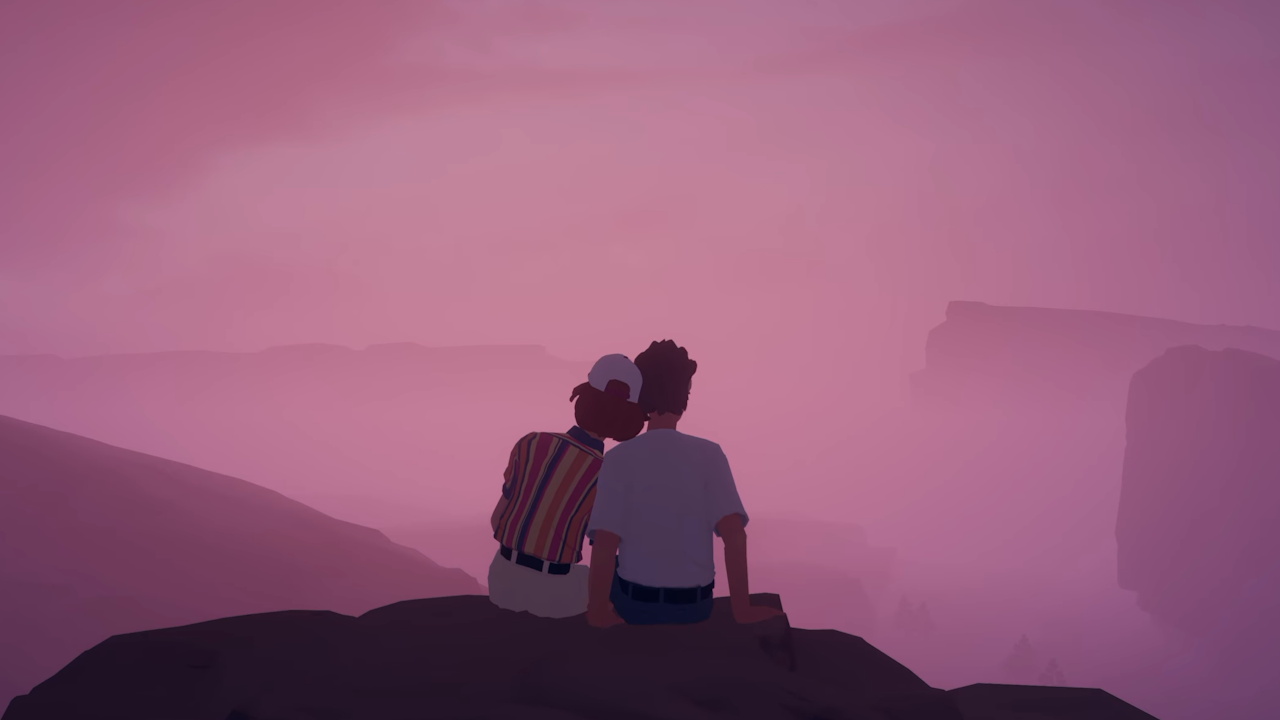
Key promo art for Forever Ago
Promotional artwork.

I also encountered one bug: at one point, the mouse cursor became stuck right in the middle of the screen and refused to budge no matter what I tried. It spoiled a cut-scene for me, and I had to go exit out of the game and re-start to clear the issue. Is it the worst bug I’ve ever seen in a game? No. But it shouldn’t have been there! And for a game with relatively few actual items to engage with or really, moments where you have to press any buttons at all… I think the stupidly finicky aiming/hit box detection needed to be smoother at launch.

Maybe those minor niggles can be patched out, though – and if they’re the worst issues with Forever Ago… well, they’re not exactly game-breaking!

Forever Ago won’t be right for every kind of player. If you’re someone who likes complex multi-button combos, intense difficulty, a lot of combat, and such like… a walking simulator/narrative adventure might not be your kinda thing. However, if you want a deep and emotional story – and you either like this kind of slower-paced gameplay or think you could overlook it once in a while – then give Forever Ago a shot.

Promo screenshot for Forever Ago
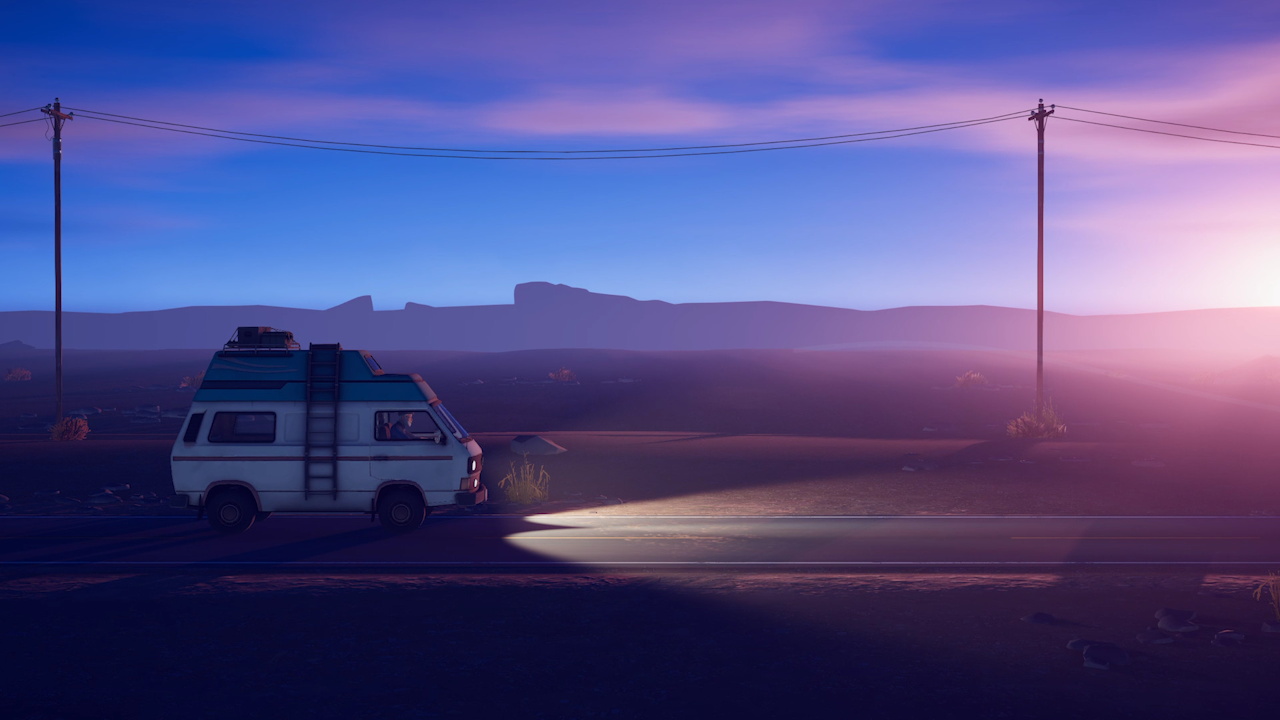
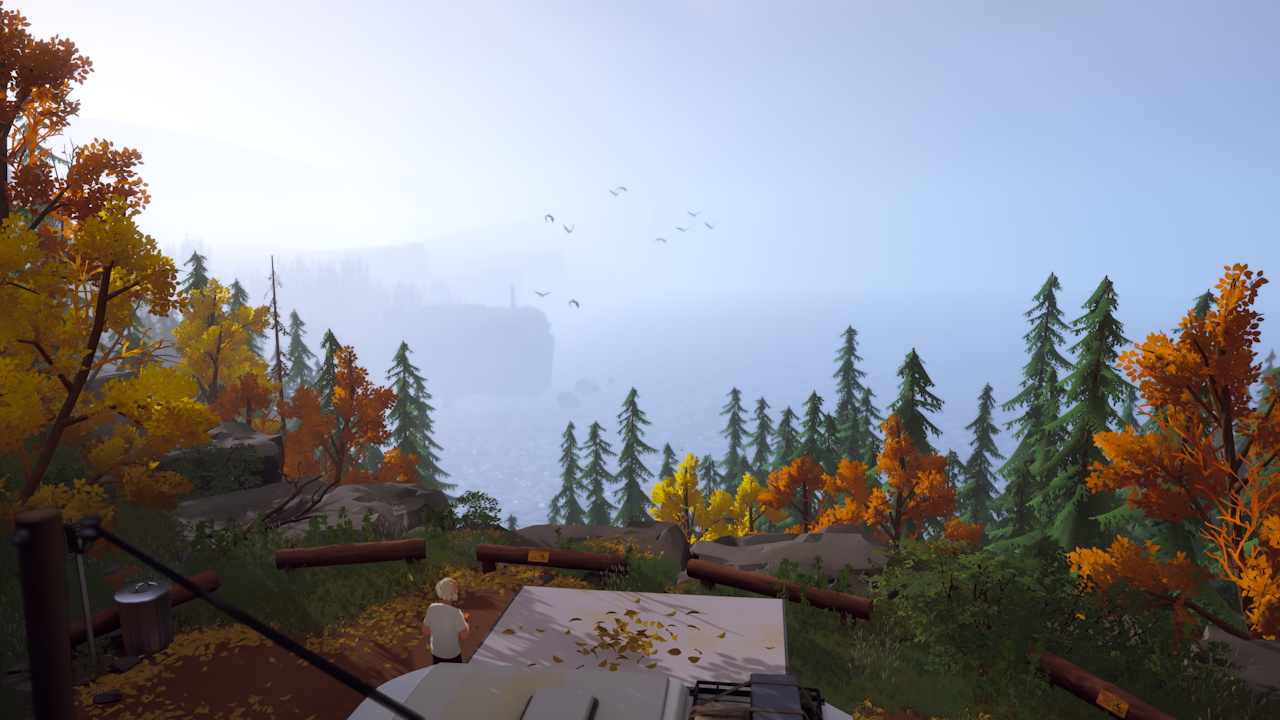
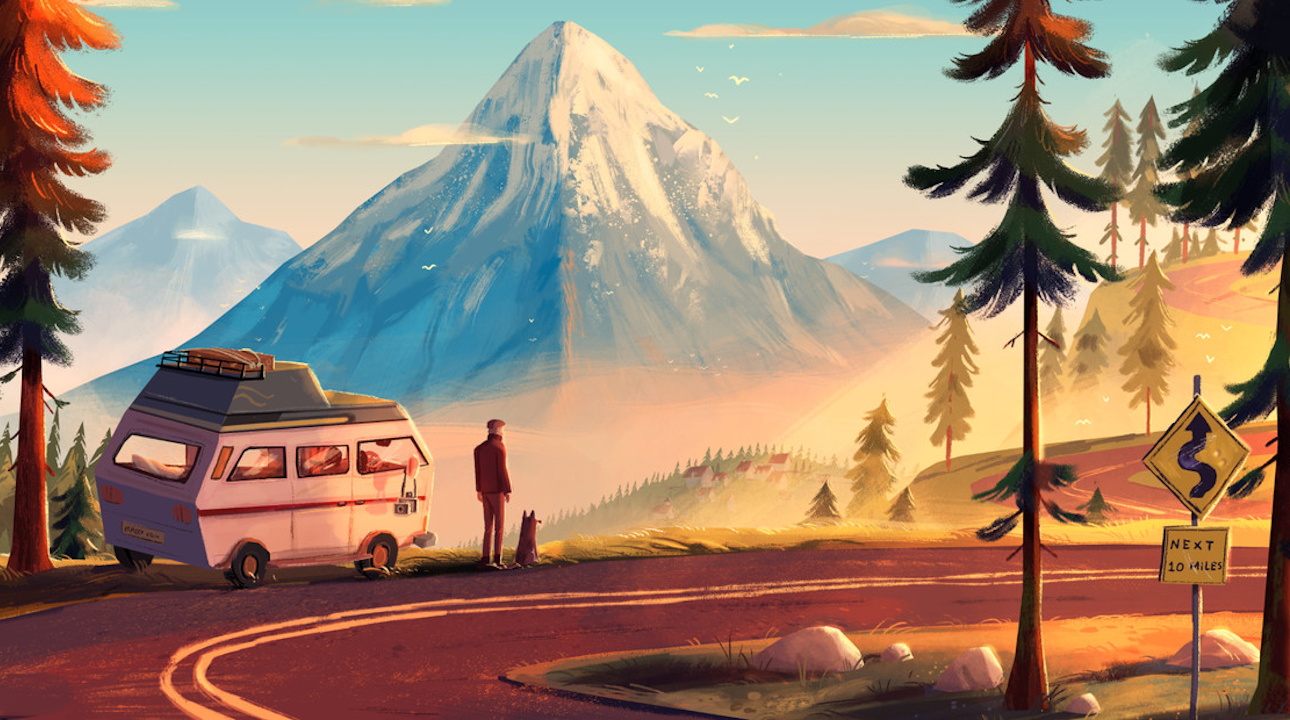
The road trip.

The story told here is mature, emotional, and intense – and it reminded me more than once of a close family member who’s no longer with us. A story about grief, loss, and trying to come to terms with something truly heartbreaking and impossible to move past was at the core of Forever Ago. Even if you’ve never lost someone close to you, and even if you’re a generation or three younger than the game’s protagonist… I still think the story is so incredibly well-told as to be relatable.

My playthrough of Forever Ago took just under four-and-a-half hours (including the one bug-induced reset I mentioned). And for a game of that length, I feel Forever Ago is priced fairly. At time of writing, Steam offers a 10% discount on Forever Ago, making it even better value than its $20/£16 RRP. I believe Forever Ago is also on Xbox Game Pass, so that could be a great way to experience it if you’re a subscriber.

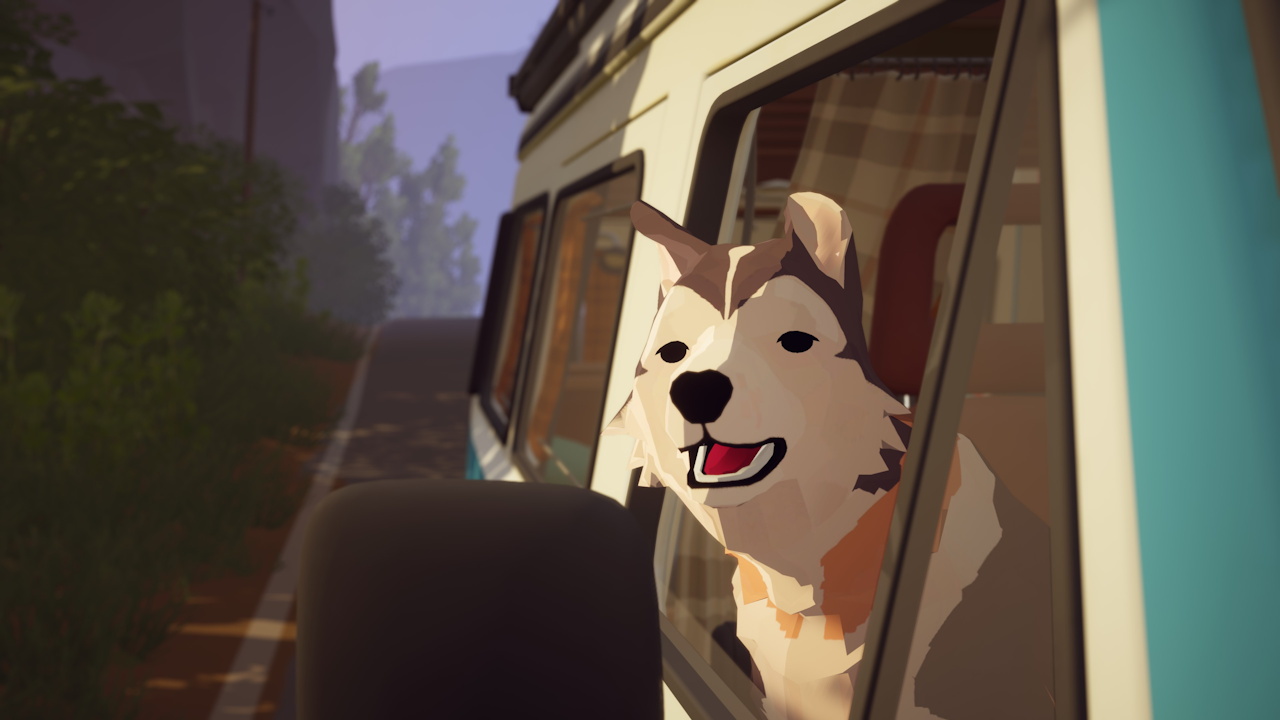
Screenshot from the Forever Ago trailer
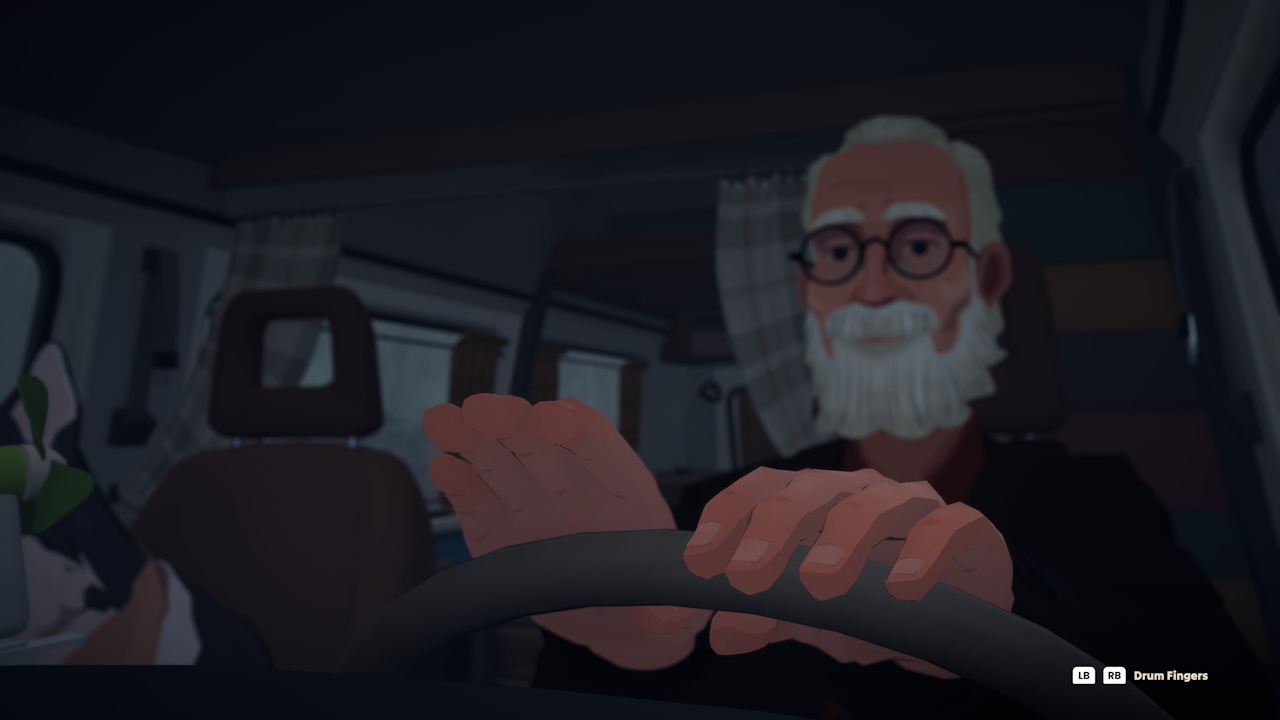
Alfred in his van.

I’m happy to recommend Forever Ago to anyone who wants a slower-paced game, a walking simulator, a narrative-driven, linear adventure, or an emotional story. When people say that “video games can be art” – a statement I wholeheartedly agree with – well, it’s games like Forever Ago that we can point to. This game won’t be for everyone… but I think it’s a story well worth experiencing, and one where the interactivity adds something meaningful to the experience.

If you stick with me to the next part of the review, I’ll talk about Forever Ago’s story and characters in a bit more detail. If you want to go into the game un-spoiled, here’s where to nope out! But I hope you’ll consider bookmarking this review so you can return to it once you’ve beaten the game.


A Spongebob-themed spoiler warning.

This is the end of the spoiler-free section. There are narrative spoilers for Forever Ago from here on out.

Earlier this year, I reviewed another of these indie narrative-driven games: Mixtape. And I said then that that game gave me “the feels” in a way I wasn’t expecting; transporting me back in time to my own coming-of-age moment, my own teen years, and the ’90s. I had a wonderful time with Mixtape – and Forever Ago feels comparable in many ways, despite very clear differences in, if nothing else, the age of the protagonists.

I’m not as old as Alfred – not yet, anyway! But he was so well-written by German developers Third Shift that he became instantly relatable. And just like Mixtape had done earlier in the year, I was transported to Alfred’s world… going along for the ride as he undertook a grief-driven road trip to fulfil a promise to his recently-deceased wife, Audrey.

Screenshot from Forever Ago showing Alfred
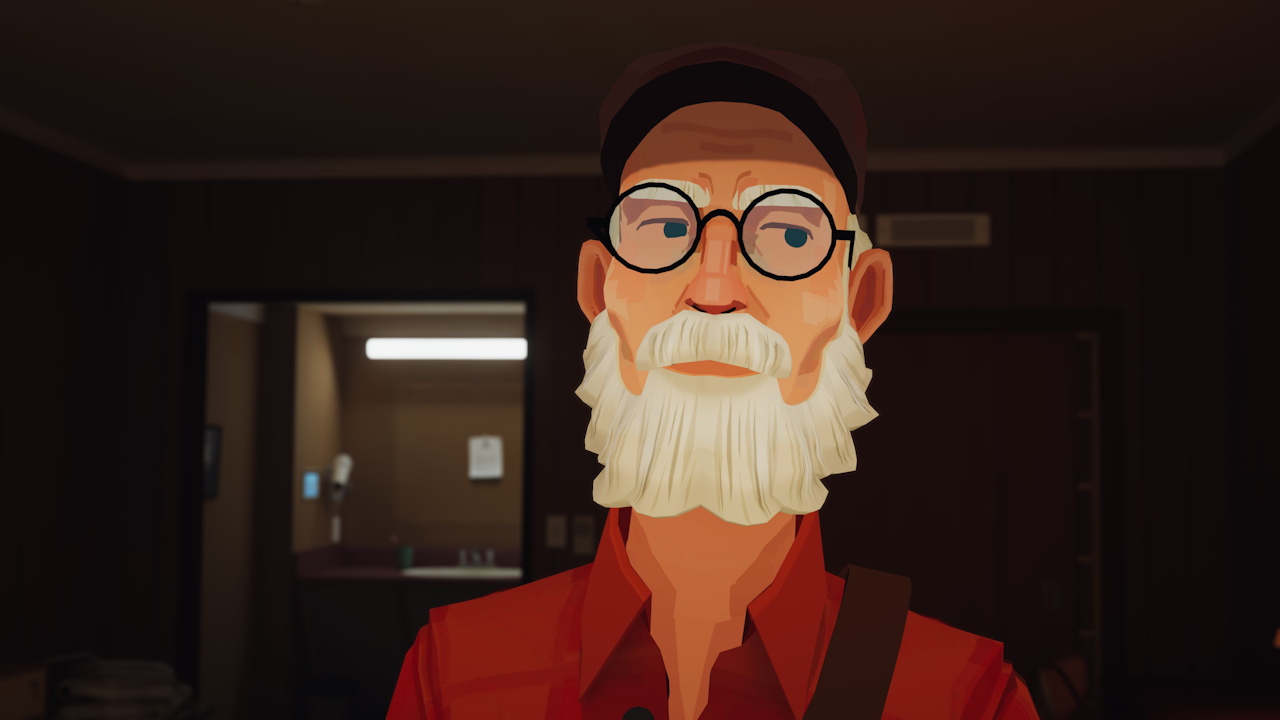
Alfred is the game’s protagonist.

Here’s where the personal connections hit me.

My grandmother’s name was Audrey, and that name has always had a connection with her – even though she’s long since passed away.

When my father learned that he was terminally ill (he suffered from a condition called pulmonary fibrosis), he went on a series of trips not unlike Alfred’s – visiting old haunts, places from his youth, places he and my mother had spent time, and just places that held meaning to him or that were important in his life. And although that isn’t exactly the same as what Alfred’s doing in Forever Ago… that’s where the story took me. I felt echoes of my father in Alfred – though my father would’ve been a good ten or twelve years older than Alfred, based on the game’s dates! Still… it made the game that much more poignant and emotional for me.

Screenshot from Forever Ago showing Alfred's van breaking down in the desert
The road trip.

The best works of fiction – whether they’re games, novels, films, or anything else – bridge those gaps between the story and the real world, and I felt, from almost the first moment, a very real connection with Alfred because of what I’ve been through with my own bereavements, and because he reminded me a lot of my father when he undertook comparable journeys to places that meant something to him. And I really value that experience – an experience I wouldn’t have had were it not for Forever Ago.

Because it’s a video game, with Alfred as the protagonist, and because the player – assuming the role of Alfred – gets to make some choices along the way, I think Alfred’s story is enhanced. The interactive element that *only* a video game can offer genuinely makes this story deeper, richer, more immersive, and more intense. Simply watching a compilation of cut-scenes won’t give you that same feeling – I’m about as certain of that as it’s possible to be. And, as I said above, games like Forever Ago are exemplars of the “video games as art” concept; it’s a game that uses its interactivity to enhance and deepen its storytelling.

Screenshot from Forever Ago showing Alfred at a ticket machine
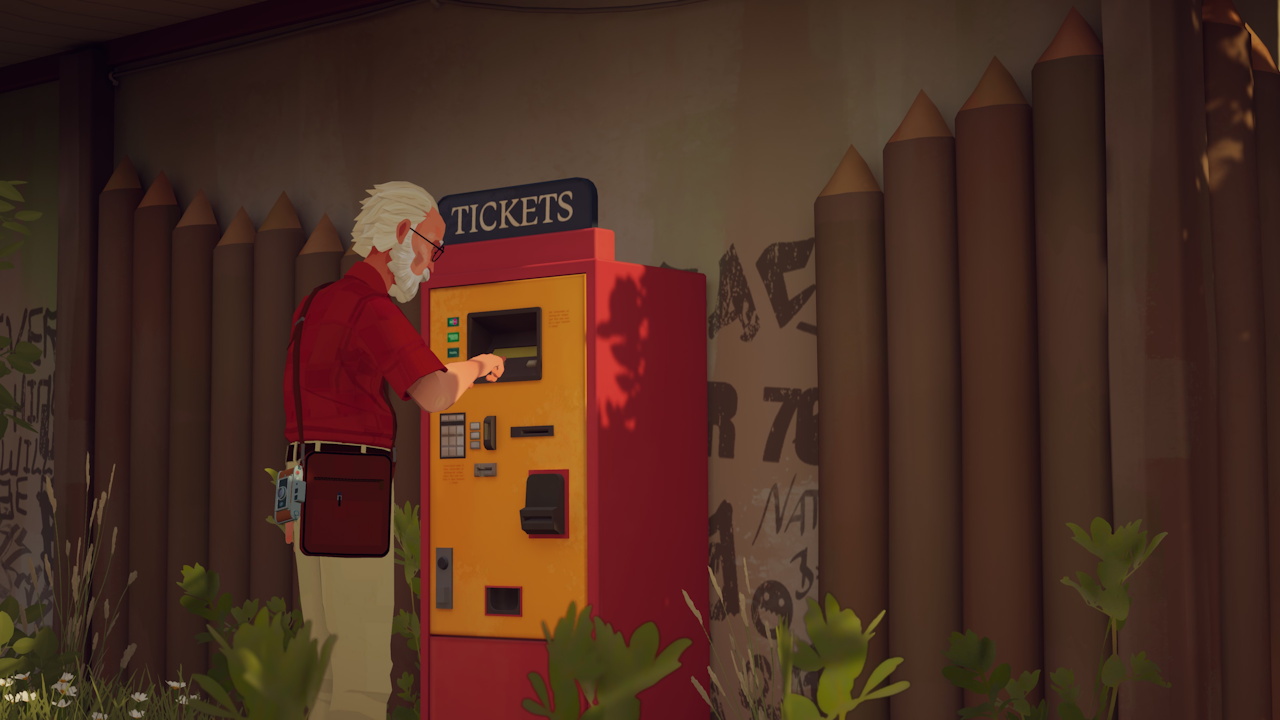
Alfred buys a ticket…

What I appreciated the most about Alfred’s story was that it was ultimately one of hope.

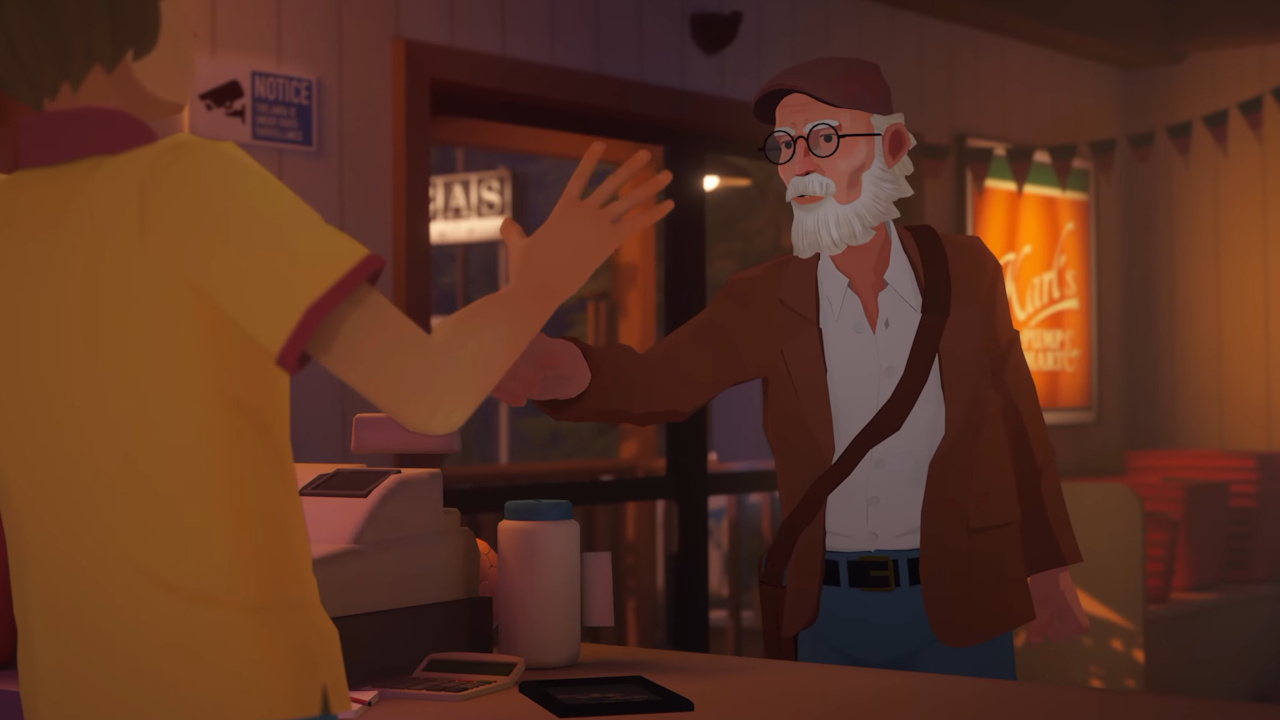
Alfred begins the game genuinely angry – short-tempered, quick to shout or get upset, and still in a very early stage of grief. And that characterisation can feel genuinely uncomfortable during those early scenes; Alfred treats a waitress and a shop worker unkindly – though not out of malice, and with understanding built into those moments. But as the story progresses, and as he meets new people, gains new experiences – and gains a companion, too – he softens. Alfred comes out of the story a changed man with a new outlook – and having processed his grief while still carrying the love and memories of Audrey with him.

Alfred is presented as an imperfect man – not an anti-hero by any stretch, but a normal, flawed, and deeply *human* character. Many stories can gloss over a protagonist’s less-desirable qualities, but Forever Ago leans on Alfred’s imperfections to make him feel well-rounded and relatable. A worse story might make a character like Alfred come off as unlikeable – but again, I think the interactivity helps so much here. Players are put in Alfred’s shoes, not merely told that he’s the protagonist. Again, Forever Ago uses the medium of video games to great effect.

Screenshot from Forever Ago showing Alfred's anger at Milton
Alfred could be angry and short-tempered in the early part of the story.

Anyone who’s ever lost a loved one can find something in Alfred that’s relatable, I think. I’ve never been in the exact same position – losing a spouse. But I’ve suffered bereavements – friends as well as close family members – and I definitely felt that the way Alfred was written truly conveyed a sense of grief and loss in a way that many other stories have tried and failed to do. This didn’t feel like a sanitised, Hollywood story; an upbeat take on a man discovering how to move on with his life. It felt realistic… it felt intensely human.

The same was true, to a lesser extent, of the game’s secondary and side-characters. Audrey, like Alfred, was presented as imperfect and realistic without leaning into melodrama. And her story of coming to terms with dying – and the intense feelings of unfairness and despair that came with it – was, again, incredibly relatable and hit close to home. Audrey and Alfred didn’t come across as this perfect couple – but their arguments and disagreements didn’t cross a line into unrealistic high-stakes drama, either. Given the game’s short runtime, getting this kind of nuance into these characters is no mean feat – it’s something that even big-budget feature films have struggled with in the past.

Screenshot from Forever Ago showing Alfred and Audrey in a flashback
Audrey with Alfred in a flashback.

Alfred’s standoffish persona was slowly broken down by his canine companion – I named her “Muffin” in my playthrough, though I like that you get a few different options here! And I think the game has something meaningful to say about pets, and how pets can help us through even our worst struggles or lowest moments. Muffin was such a sweet little rascal, and the bond she developed with Alfred over the course of their travels together was… well, it was just incredibly sweet.

When Muffin ran away, right at the end of the game, I was truly invested in Alfred finding her! Not since a horse in Red Dead Redemption II have I felt such a strong bond between a character and their animal in a video game – if you know, you know! But when Alfred set off into the snow to find Muffin, I was on the edge of my seat. I didn’t want the story to end that way – not for Alfred and not for Muffin, either. That moment was the most tense in the game by a long stretch, and I was overjoyed at their reunion.

Screenshot from Forever Ago showing Muffin the dog
Muffin the dog!

Forever Ago has a fantastic soundtrack. The importance of the song The Green Green Grass of Home was conveyed through a flashback to Alfred’s proposal, and the song – which Audrey said had been “haunting” them on their trip – made several reappearances at key moments. But the rest of the music, composed by Clark Aboud, was pitch-perfect. It elevated emotional sequences, set the tone for lighter moments in the story, and felt in keeping with Alfred’s age and the kind of story the game wanted to tell.

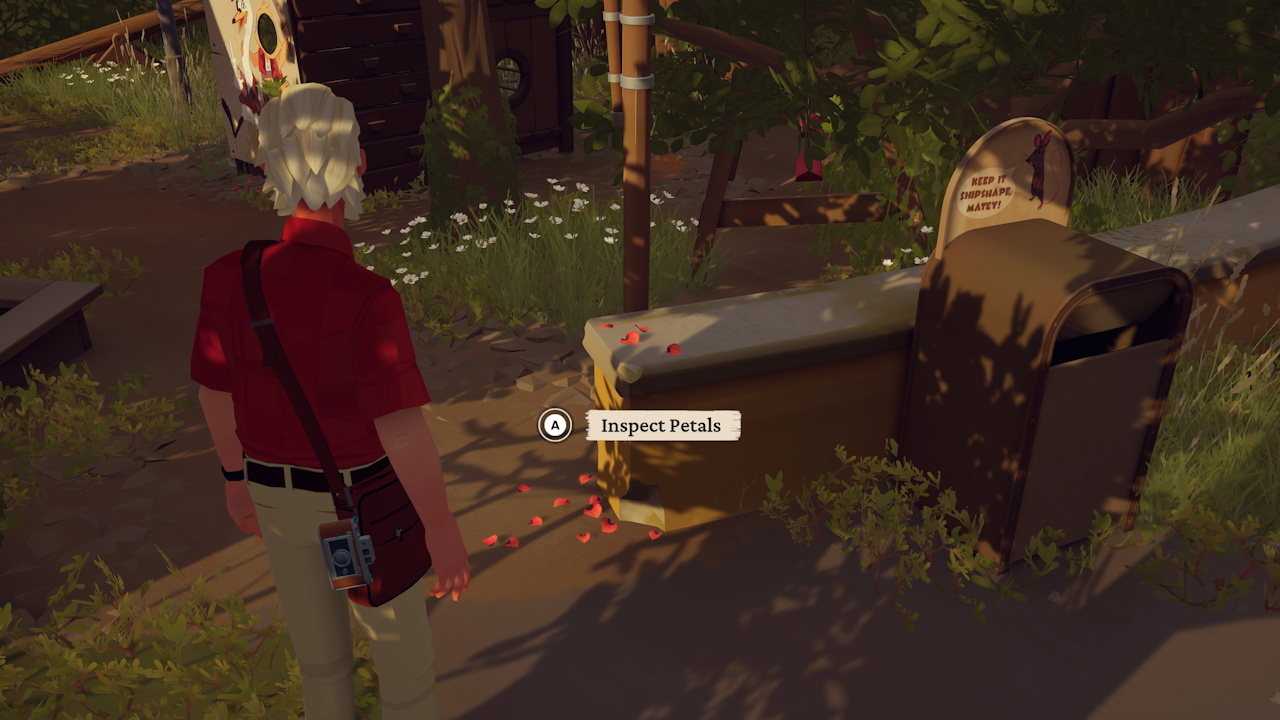
With the exception of the bug and finicky controls I mentioned above, I really enjoyed Forever Ago’s art style and graphics. It felt both like a throwback to an earlier generation, in some respects, with its polygonal style for Alfred and other characters, but also artistic and beautiful in its environments. The vignettes, created and framed by flowers and flower petals, made for a creative visual effect, too.

Screenshot from Forever Ago showing petals
Discovering petals leads to optional little vignettes.

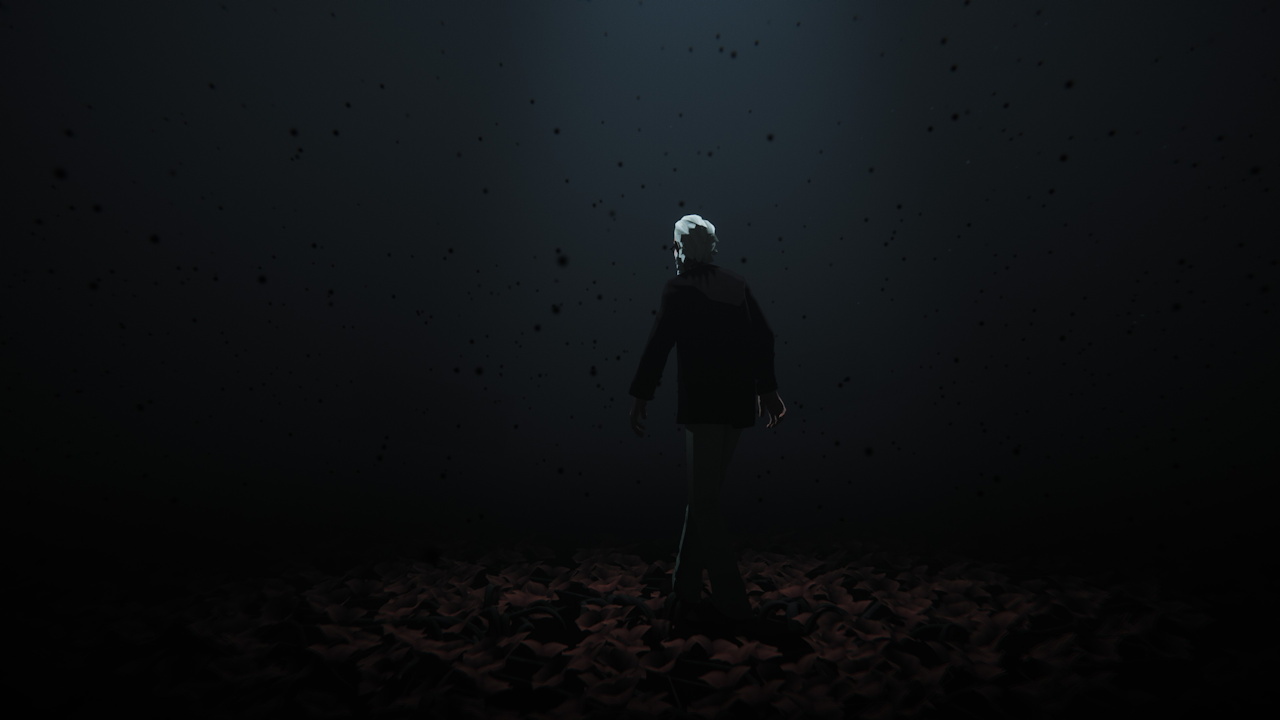
Alfred’s dream (or nightmare) sequences were also very creative from a visual and auditory standpoint. Again, the flower motif was present, symbolising Alfred’s connection to Audrey, but the darkness and the confusing visuals – broken pieces of a house, stairs that seemed to be too long, and rooms and doors that seemed to appear from nowhere all came together to be both unsettling and understandable at the same time. Going through those dreams with Alfred – seeing the inner workings of his mind in a literal sense – added a lot to his characterisation, too.

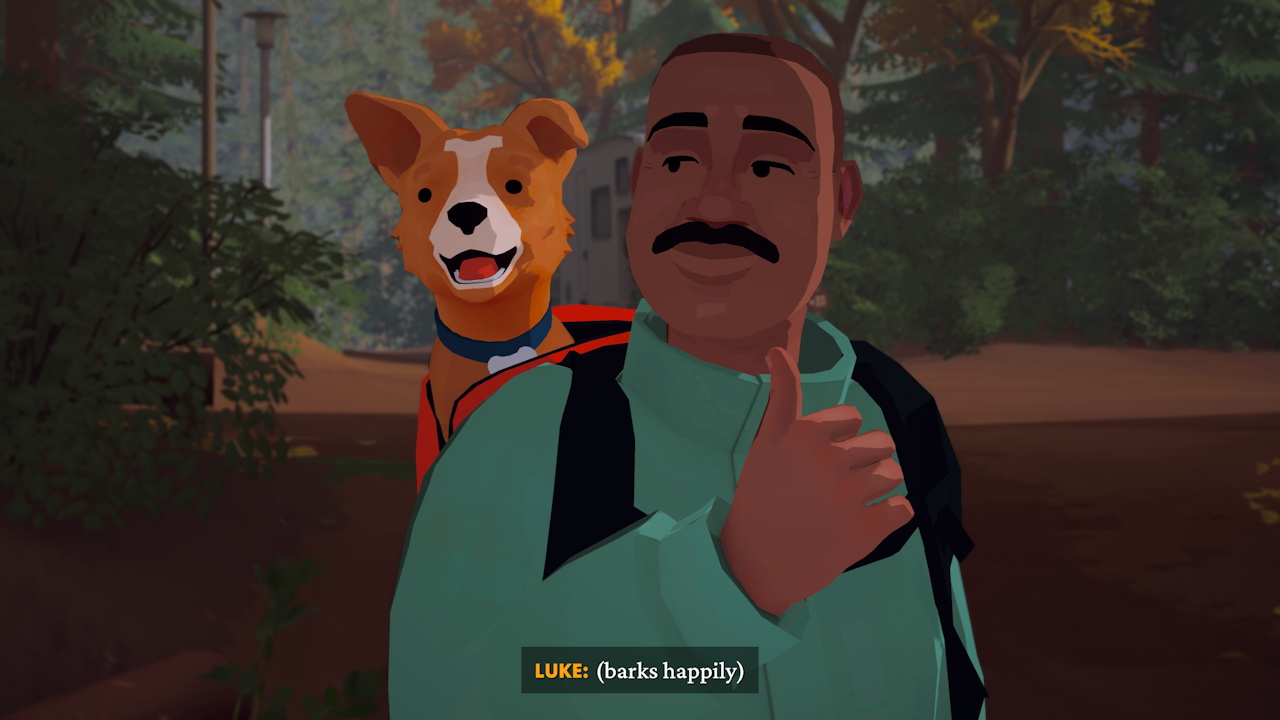
Aside from Audrey and Muffin, Alfred spent time with – and got to know – Sam and Charlie in particular, and both of these characters seemed to help him on his journey. Sam did so in a very literal sense, saving his life, repairing his van, and giving him a place to rest. And Charlie, as someone closer in age to Alfred, was perhaps someone he felt it a little easier to talk to – and by this point in his journey, Alfred was more willing to accept an offer of companionship.

Screenshot from Forever Ago showing Charlie and Luke's intro
Meeting Charlie and Luke.

In terms of interactivity and gameplay, here’s what I’ll say. Compared to a game like Mixtape, which I’d put in a similar genre or category to Forever Ago, this was the less-interactive and less-interesting option. Mixtape had a variety of basically mini-games, each of which genuinely played differently from the others. Forever Ago has its camera and photography mechanic, but almost every other part of the game just involved walking and occasionally pressing a single button to interact with something, discover a memory, or prompt a line of dialogue.

I personally don’t have an issue with that – I *like* and appreciate diversity in the games I play, and I don’t think one game needs to play like any other. For the kind of game it is, and the story it’s telling, Forever Ago’s minimalist approach to gameplay is just fine! But for the folks who criticised Mixtape for its lack of interactivity… well, Forever Ago doubles down on that even more. As I said above: it won’t be right for everyone because of the kind of game it is.

Screenshot from Forever Ago showing the drum fingers prompt
Press the buttons to tap your fingers on the steering wheel!

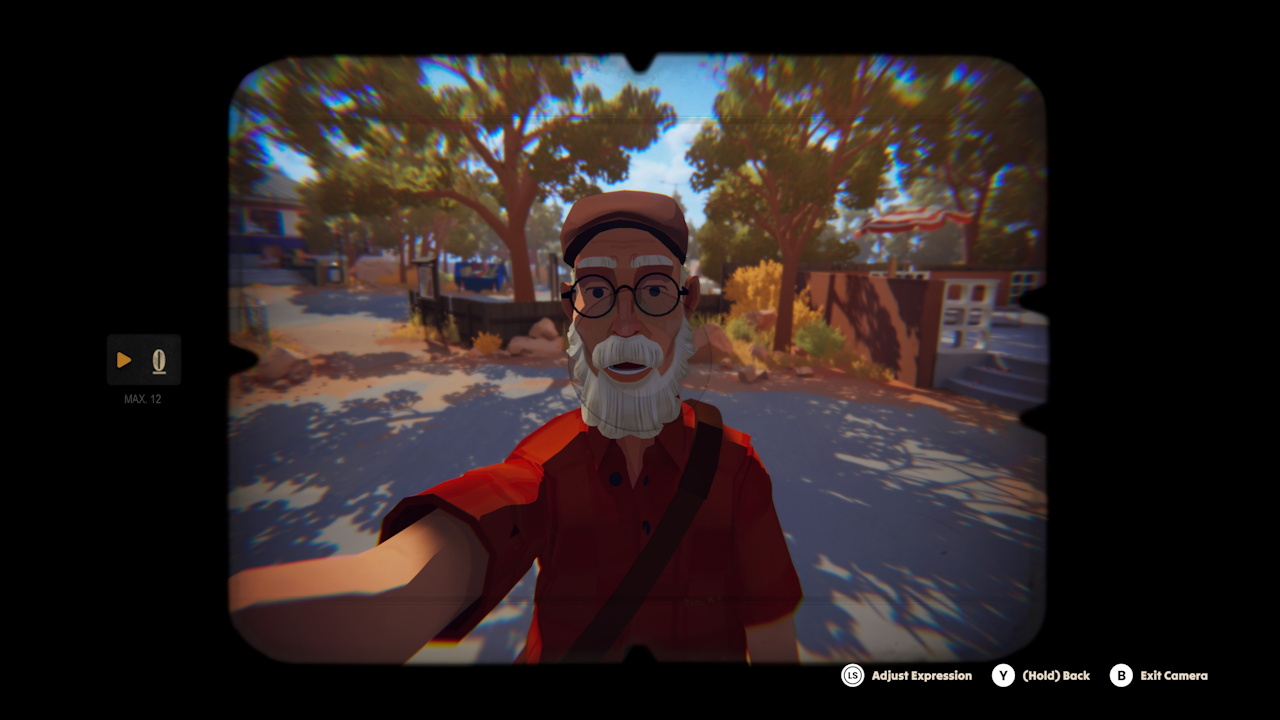
The core photography mechanic was a lot of fun, though – and I appreciated being able to use the camera freely for most of the game, even though the number of photos in each area was limited. I genuinely had fun lining up shots and framing pictures exactly the way I wanted them; I even got upset when Alfred accidentally scared off a bird I was hoping he could photograph! The photos – and the choice that the player is given for how and when to take them – go a long way to personalising the Forever Ago experience; no two players will have the exact same playthrough because the photos Alfred takes will be different every time.

I was trying to think of other games that choose to have a deliberately older protagonist… but I can’t call many to mind. Forever Ago feels unique and different as a result – putting players into the shoes of a man in his seventies as he goes through this story is something few other titles have attempted in the past. And despite what I just said about the relative lack of interactivity, it’s because Forever Ago is a video game – and not a movie – that we relate to Alfred in the way that we do. We quite literally walk a mile in his shoes – we point his camera, name his dog, explore the environments and see them through his eyes.

Screenshot from Forever Ago showing a selfie
Alfred takes a selfie.

Although Forever Ago tells a story all about a man and his memories, it doesn’t come across as wallowing or leaving Alfred stuck in his grief. Alfred has to accept that he can’t get Audrey back; he can’t undo any of the fights they had or the angry words they said to each other, either. And in the course of coming to that realisation, Alfred goes on an adventure. It’s an adventure that takes him back to some of the places he and Audrey had been, but the experiences he has in each one are different – and he encounters new friends and companions along the way.

Again, I think a worse story would’ve felt… self-pitying, perhaps, or like Alfred was just lost in grief. But because Forever Ago was such a carefully-constructed and well-written narrative, Alfred’s journey never feels anything other than relatable and realistic.

Screenshot from Forever Ago showing Alfred in the dream world
The dream/nightmare environment.

The game also hammers home that the world is ever-changing – and that sometimes, reliving or recreating the past isn’t possible. Alfred’s journey arguably begins with that revelation: the gas station proprietor who he remembers has retired. And as his journey continues, he encounters a motel being renovated, a diner that’s completely transformed and modernised, a theme park that’s closed down, and even a lighthouse that’s closed due to the weather. Alfred feels *old* in some of these moments – the world is moving on and changing, and the places he and Audrey once visited have been utterly transformed.

In that sense, the game is making a point about memory and about nostalgia. Alfred can physically return to some of these same places – the places he’d travelled with Audrey when she was alive. But the places themselves are not static; they’ve changed and been redeveloped. And those memories – whether they’re happy, painful or both – can’t be completely relived.

Screenshot from Forever Ago showing the journal
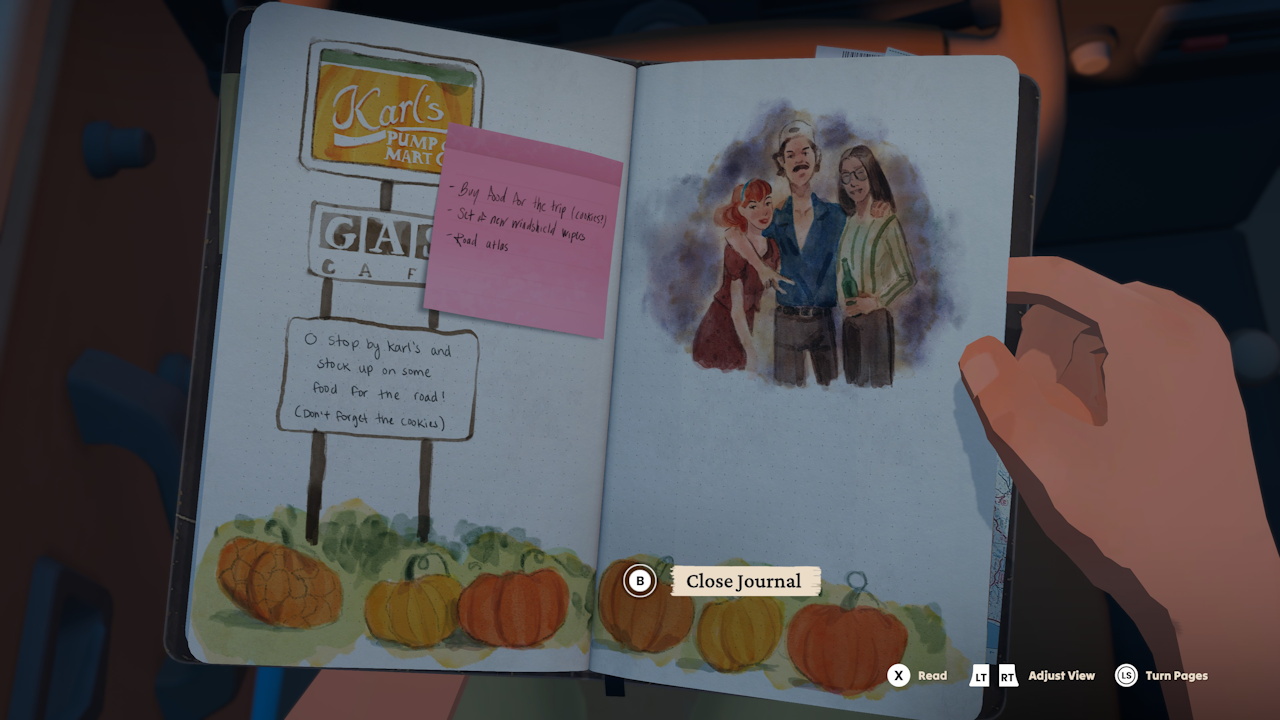
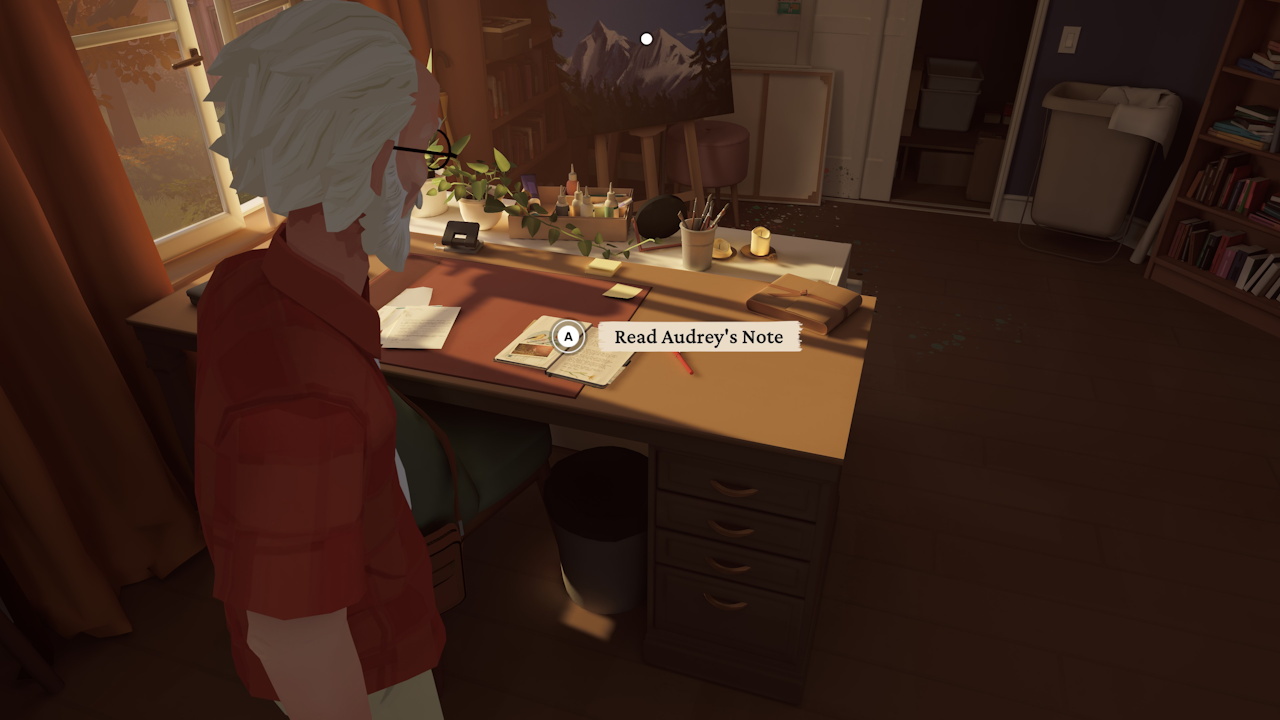
Alfred and Audrey’s journal.

I’m glad that Forever Ago got an epilogue. You *did* stick around after the credits for the epilogue, right?!

As Alfred returns home, having survived his adventure, he seems happier and more settled – and even though he clearly still misses Audrey, he’s changed. The angry, short-tempered man we met at the beginning of the story is gone, and – thanks, in part, to his new canine companion – Alfred is beginning to rediscover his life.

I also appreciated that Alfred seems to have reached out to at least one of the people he crossed paths with on his journey – Milton, at the gas station – to apologise for the way he spoke. That was something I put in my notes, that I wanted to see Alfred try to apologise for that, and I’m glad that he did. Again… it humanises him, makes him feel more like a real person, and although we as the audience understood where such outbursts came from, it’s still something that a decent person – which Alfred clearly is – would want to make amends for.

Screenshot from Forever Ago showing the note in the epilogue
Alfred in the epilogue.

So that was Forever Ago. A game about loss, grief, and a journey to fulfil a promise. But also a game about hope, about preserving love and a person we’ve lost while accepting that it’s okay to have new experiences without them. And perhaps a game that recognises the importance of pets and the love we have for our furry companions, too! I had a wonderful time with the game… even when it hit close to home.

I couldn’t recommend Forever Ago to everyone – but at the same time, it’s the kind of story, and the kind of video game, that I’d hope all kinds of players will try out. Narratively, Forever Ago has a lot to say about grief, memory, love, and loss, and I also think it’s a fantastic example of how video games as a medium can be used to tell intense, emotional stories that wouldn’t come across in quite the same way without that interactive component. There’s a lot to love here… and I really hope that Forever Ago is finding its audience.

Screenshot from Forever Ago showing the lighthouse overlook
Forever Ago is a great game.

If you missed my review of Mixtape earlier this year, I hope you’ll consider checking it out. You can find it by clicking or tapping here. Despite some major differences, the games are similar enough that if you’re a fan of one, you may very well be interested in the other! And, weirdly, both involve characters visiting abandoned theme parks!

I have plans to review a couple of other titles in a similar space in the weeks and months ahead – so stay tuned for that!

Thanks for joining me this time, and I hope you’ve found my take on Forever Ago to be interesting. I rarely jump into games on day one, but this had been a title I’d been looking forward to for a while, so I was happy to make an exception for Forever Ago. Thanks again… and happy gaming!


Forever Ago is out now for PC, PlayStation 5, Nintendo Switch 2, and Xbox Series S/X. Forever Ago is the copyright of Third Shift and/or Annapurna Interactive. This review contains the thoughts and opinions of one person only and is not intended to cause any offence.