The first part of this review is free from story spoilers for Forever Ago. The end of the spoiler-free section is clearly marked below.
Well, this is a rarity for me: reviewing a brand-new video game within just a few days of its launch! But Forever Ago had been on my radar for months, so I picked it up on Steam practically the moment it became available, and jumped in as soon as I had time to spare. That isn’t something I usually do; I like to wait for reviews and maybe a patch or two in most cases. However, something about Forever Ago seemed to speak to me when I saw some promo screenshots and heard its core premise… so I really did want to try it for myself as soon as possible.
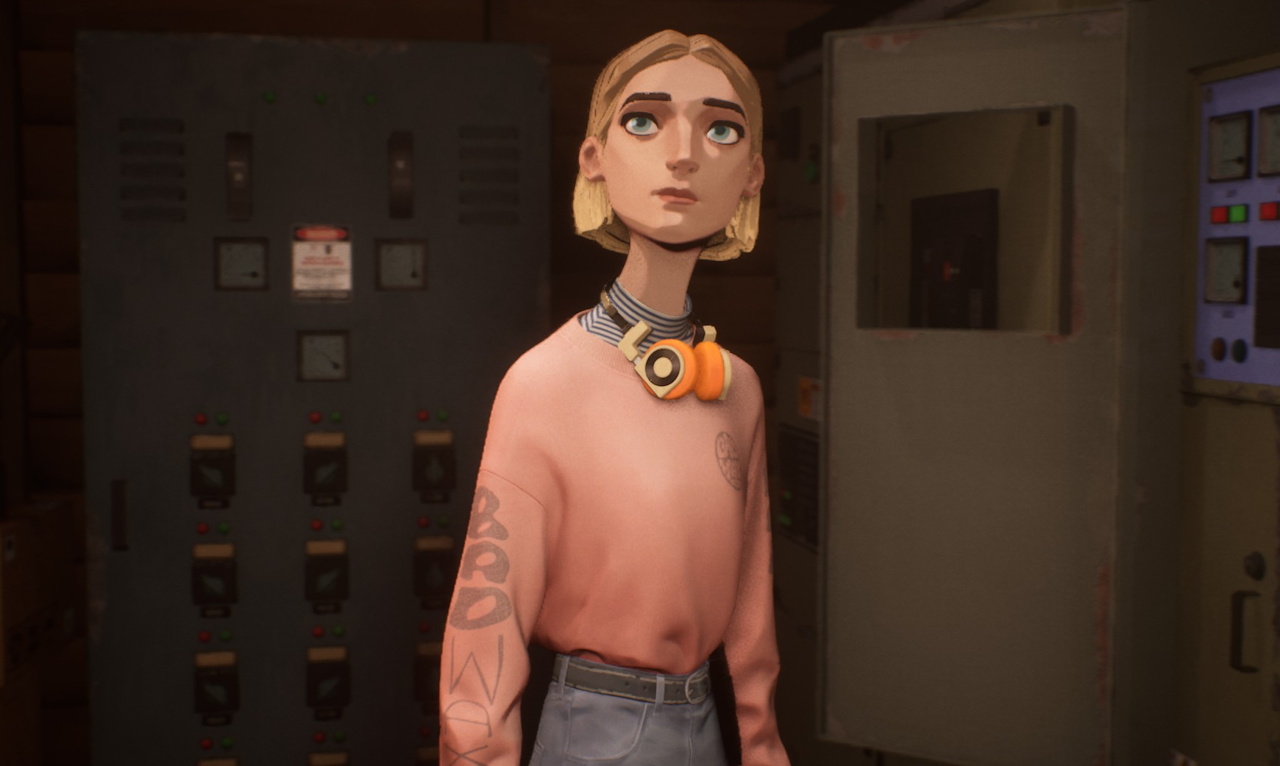
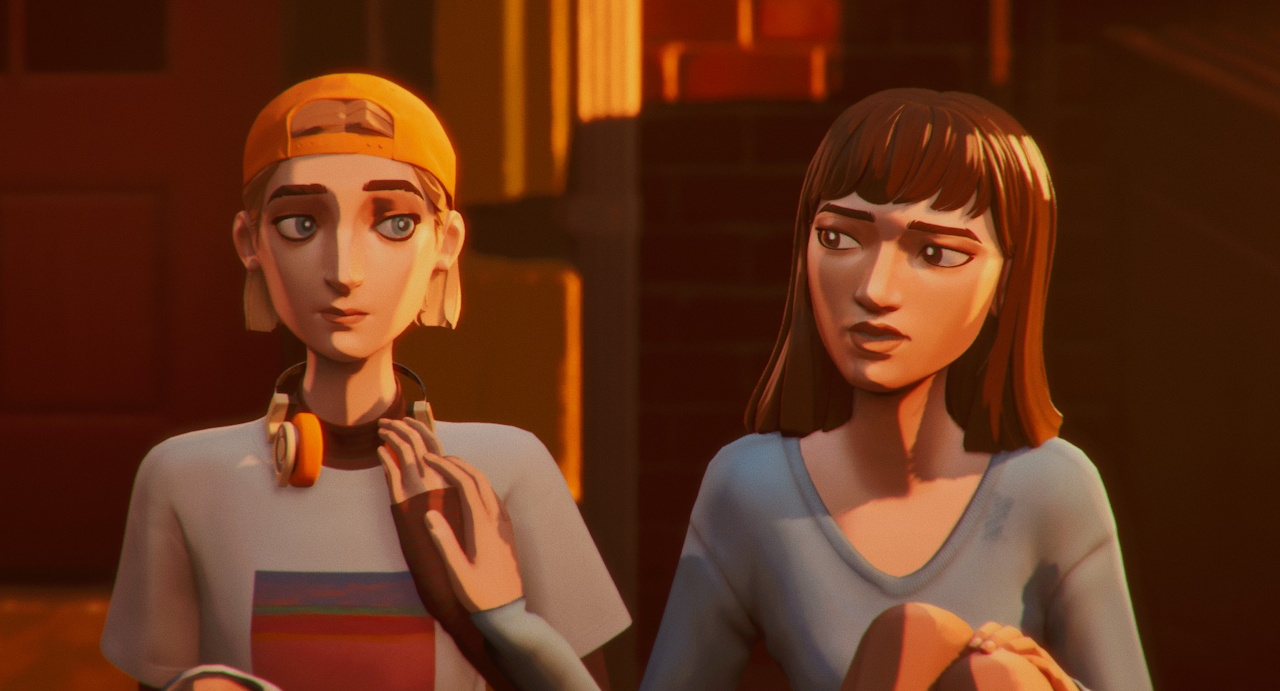
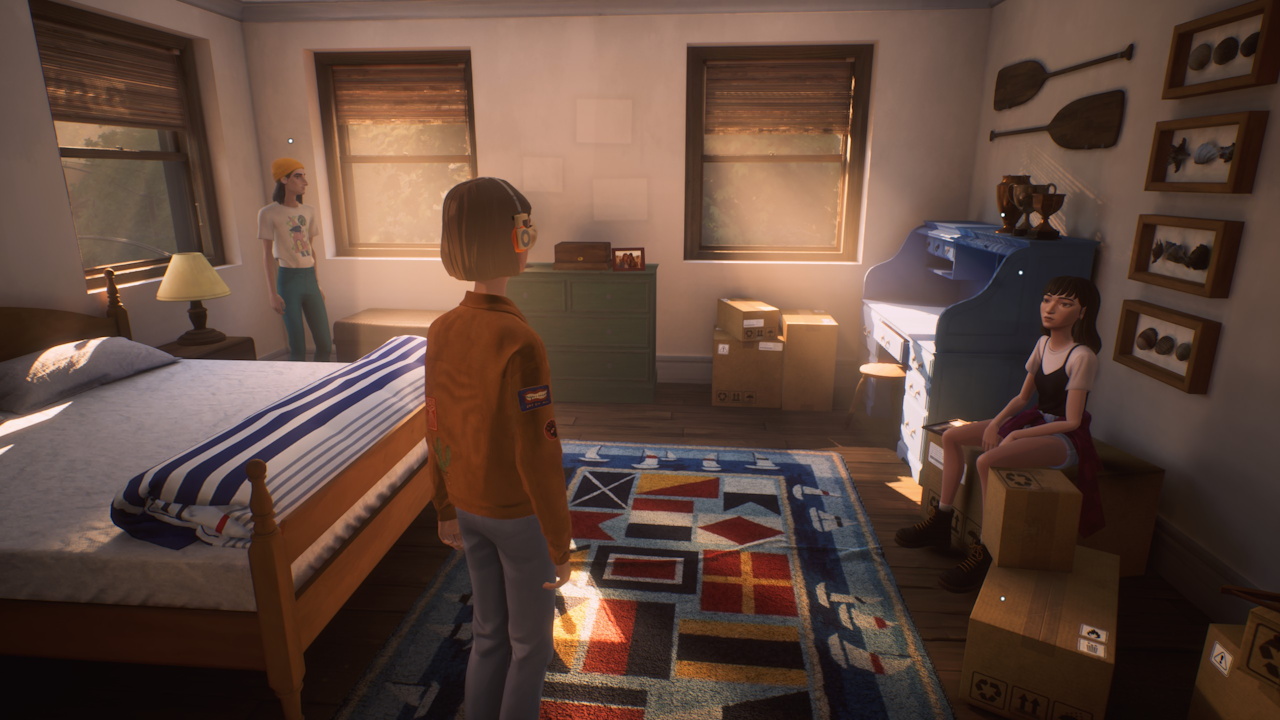
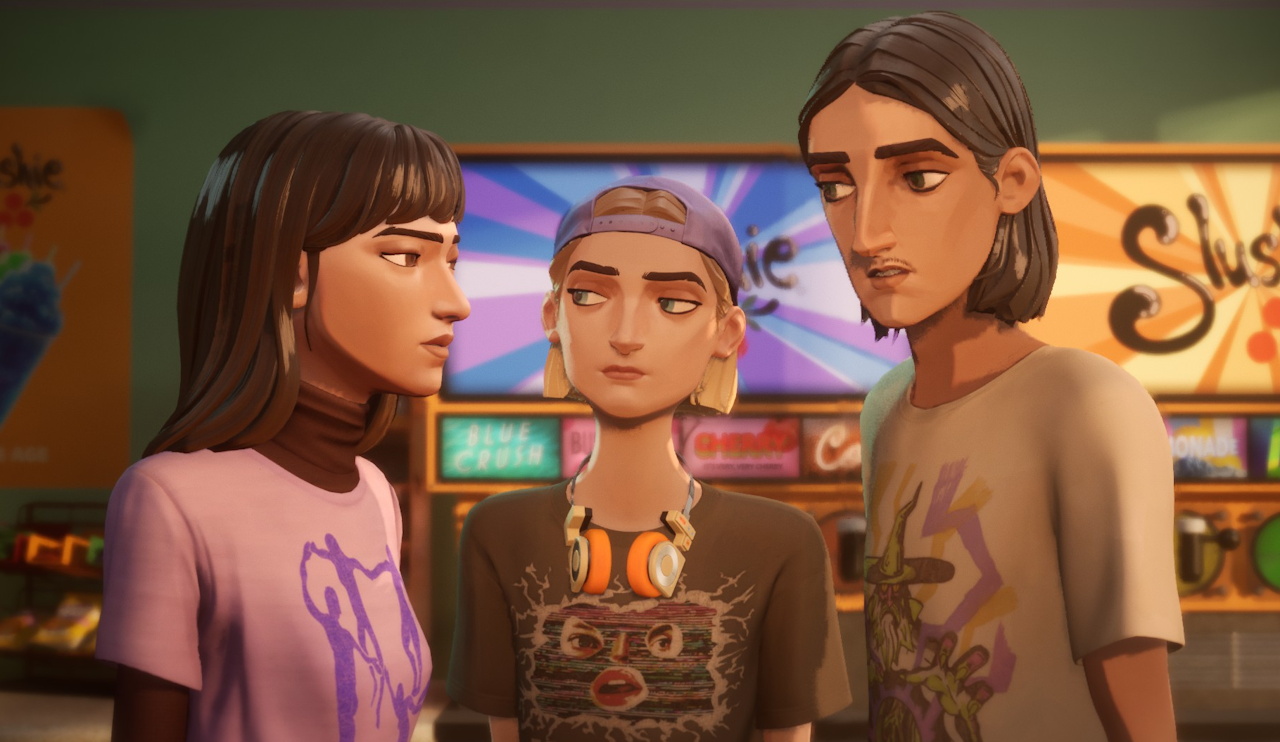
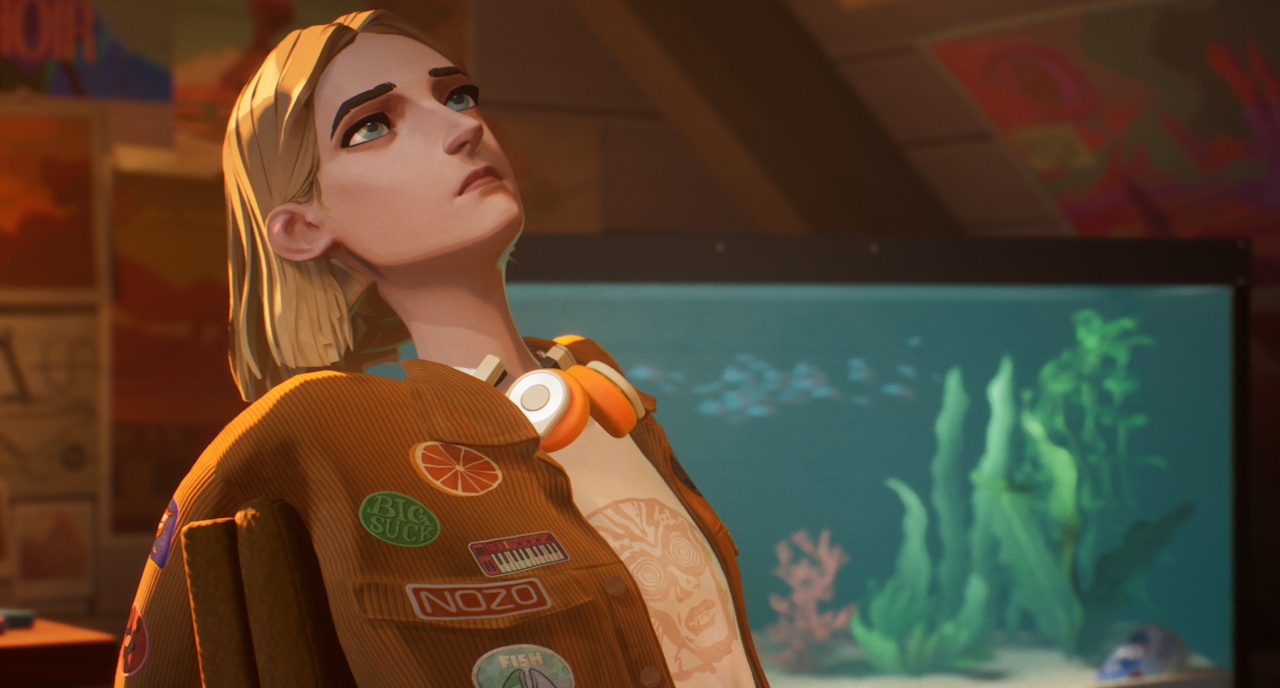
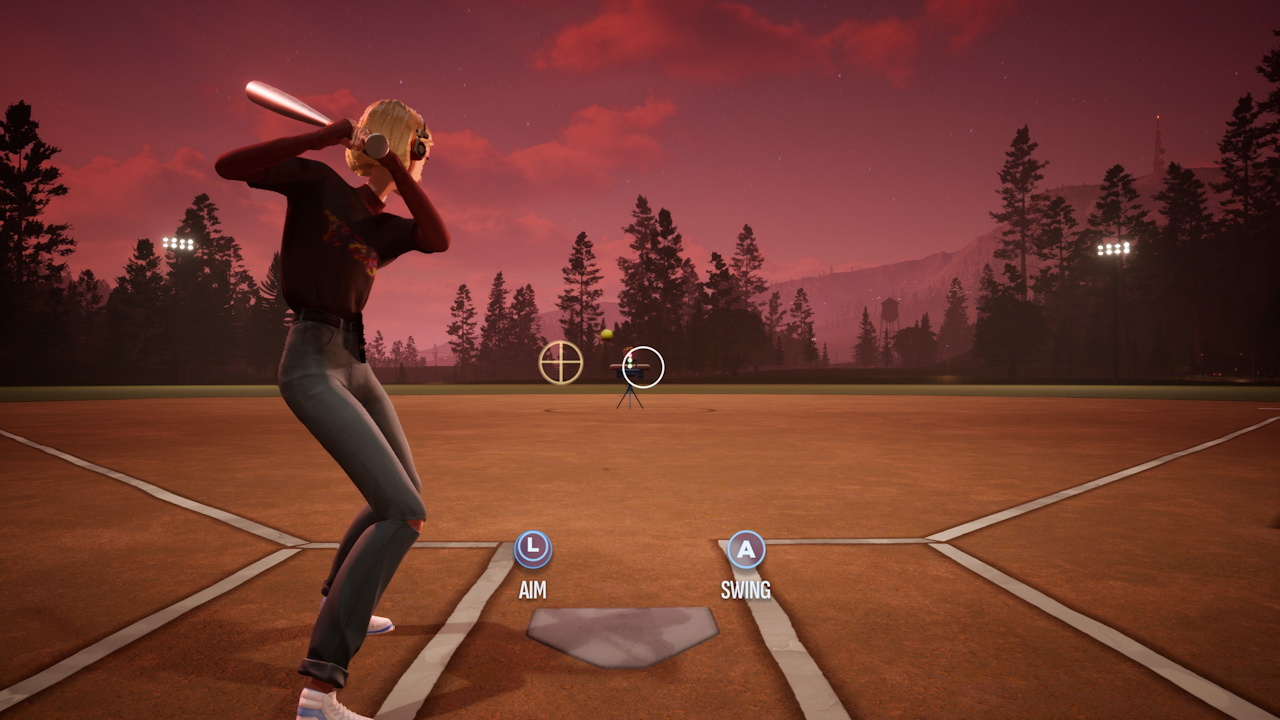
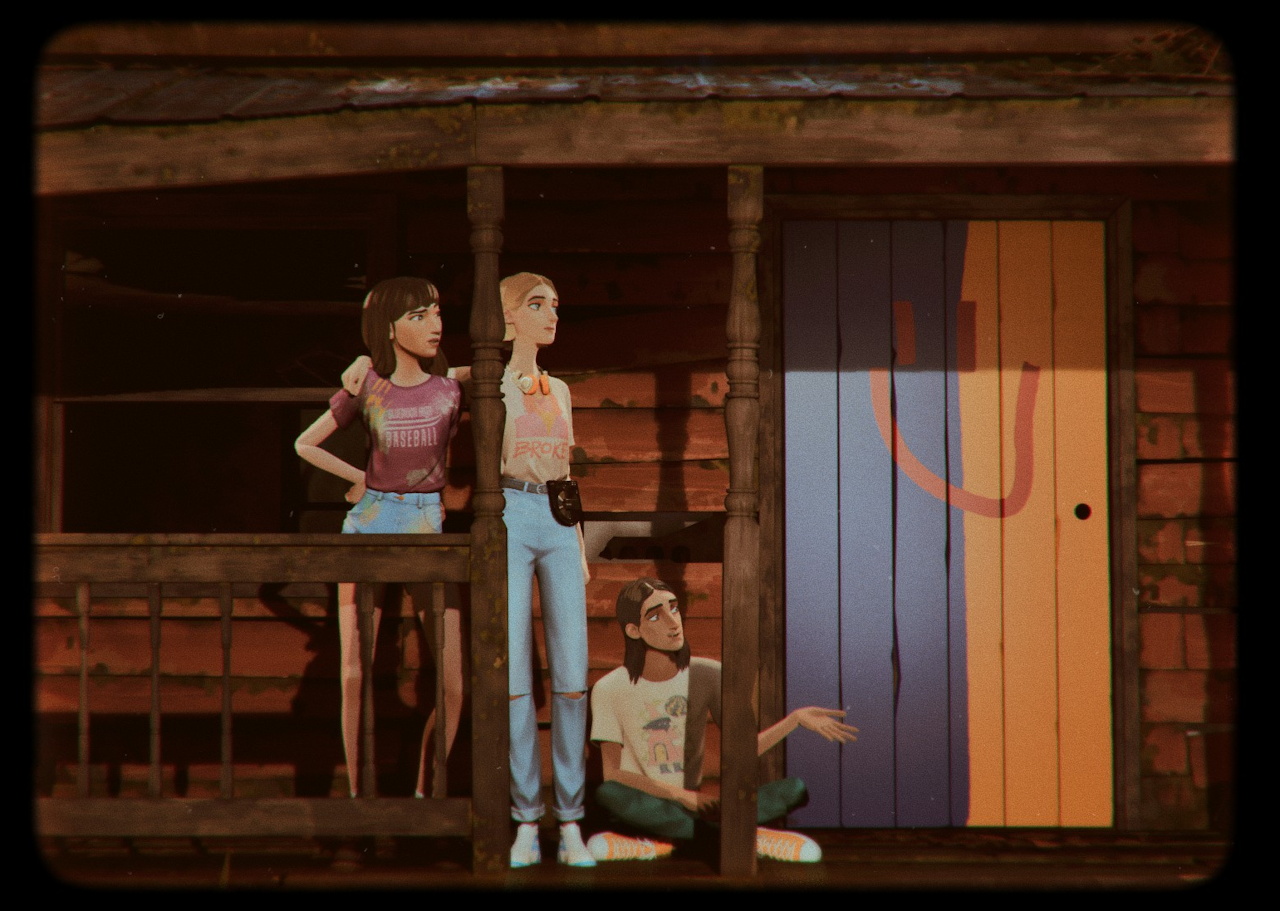
Here’s the short version: I really enjoyed Forever Ago. It’s an intense and emotional experience; part “walking simulator” and part interactive movie, I guess, with a gorgeous art style that blends old-school 3D polygons with some truly stunning environments. It isn’t a “git gud” challenge; I suffer from arthritis which affects my hands and fingers, and I found nothing (intentional) in Forever Ago to be even slightly difficult. Some occasionally clunky controls and hit detection for points of interest, however, could use a little tweaking – more than once, I felt simply highlighting and clicking on an item or interactive moment was unnecessarily finicky or precise.
I also encountered one bug: at one point, the mouse cursor became stuck right in the middle of the screen and refused to budge no matter what I tried. It spoiled a cut-scene for me, and I had to go exit out of the game and re-start to clear the issue. Is it the worst bug I’ve ever seen in a game? No. But it shouldn’t have been there! And for a game with relatively few actual items to engage with or really, moments where you have to press any buttons at all… I think the stupidly finicky aiming/hit box detection needed to be smoother at launch.
Maybe those minor niggles can be patched out, though – and if they’re the worst issues with Forever Ago… well, they’re not exactly game-breaking!
Forever Ago won’t be right for every kind of player. If you’re someone who likes complex multi-button combos, intense difficulty, a lot of combat, and such like… a walking simulator/narrative adventure might not be your kinda thing. However, if you want a deep and emotional story – and you either like this kind of slower-paced gameplay or think you could overlook it once in a while – then give Forever Ago a shot.
The story told here is mature, emotional, and intense – and it reminded me more than once of a close family member who’s no longer with us. A story about grief, loss, and trying to come to terms with something truly heartbreaking and impossible to move past was at the core of Forever Ago. Even if you’ve never lost someone close to you, and even if you’re a generation or three younger than the game’s protagonist… I still think the story is so incredibly well-told as to be relatable.
My playthrough of Forever Ago took just under four-and-a-half hours (including the one bug-induced reset I mentioned). And for a game of that length, I feel Forever Ago is priced fairly. At time of writing, Steam offers a 10% discount on Forever Ago, making it even better value than its $20/£16 RRP. I believe Forever Ago is also on Xbox Game Pass, so that could be a great way to experience it if you’re a subscriber.

I’m happy to recommend Forever Ago to anyone who wants a slower-paced game, a walking simulator, a narrative-driven, linear adventure, or an emotional story. When people say that “video games can be art” – a statement I wholeheartedly agree with – well, it’s games like Forever Ago that we can point to. This game won’t be for everyone… but I think it’s a story well worth experiencing, and one where the interactivity adds something meaningful to the experience.
If you stick with me to the next part of the review, I’ll talk about Forever Ago’s story and characters in a bit more detail. If you want to go into the game un-spoiled, here’s where to nope out! But I hope you’ll consider bookmarking this review so you can return to it once you’ve beaten the game.

This is the end of the spoiler-free section. There are narrative spoilers for Forever Ago from here on out.
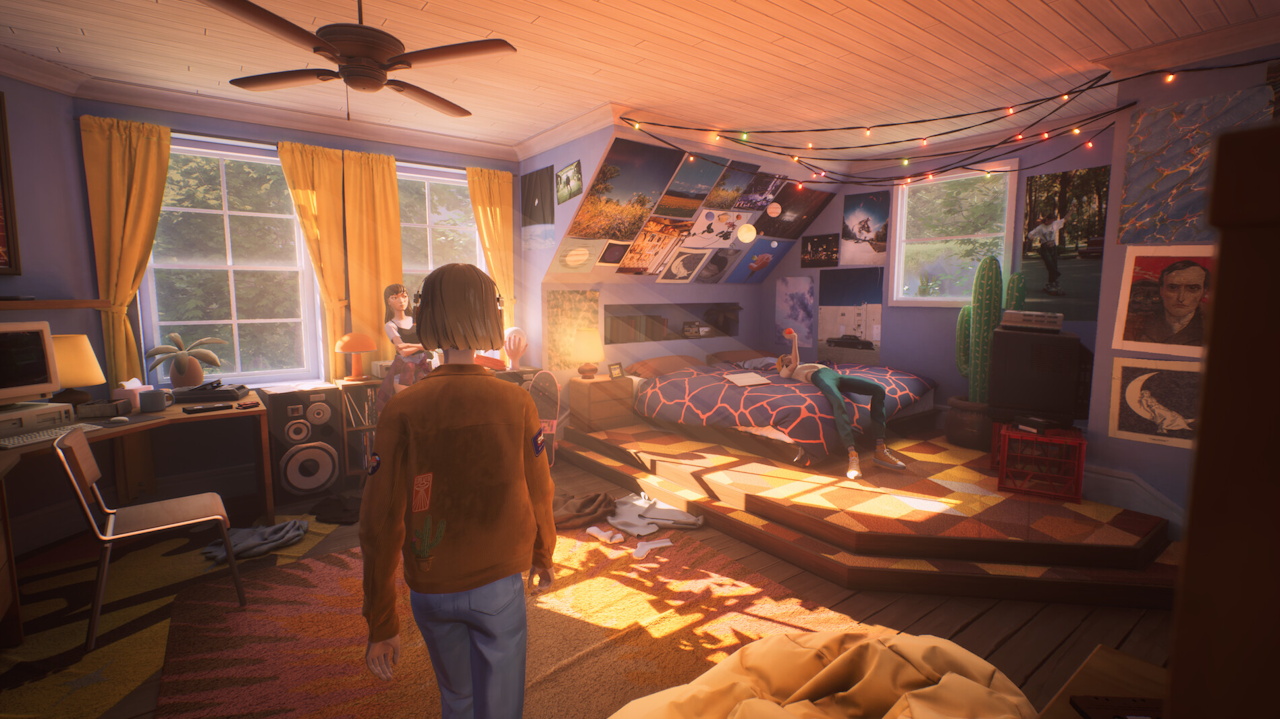
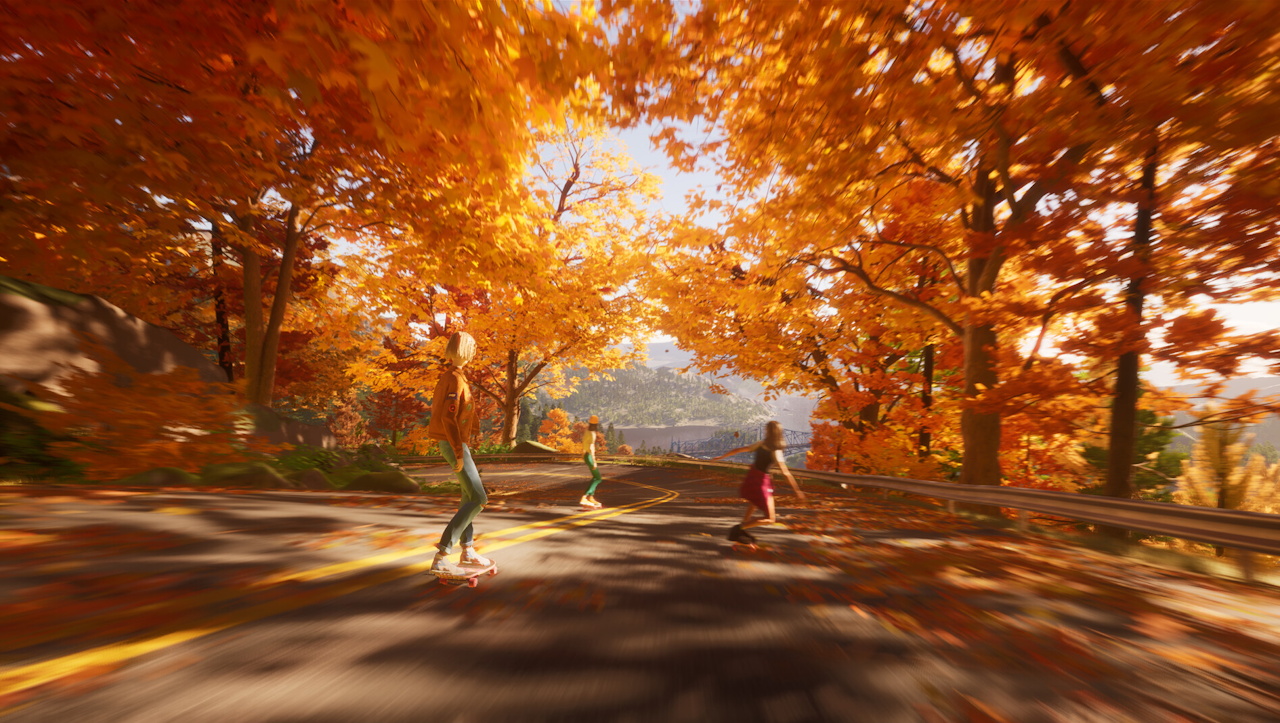
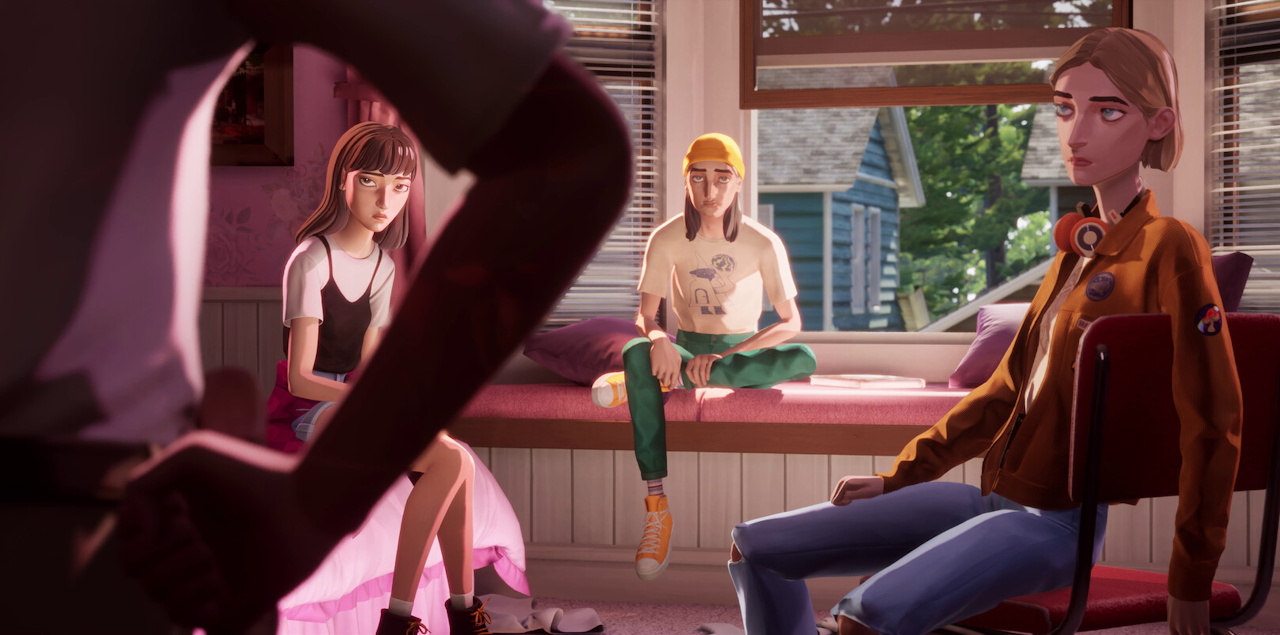
Earlier this year, I reviewed another of these indie narrative-driven games: Mixtape. And I said then that that game gave me “the feels” in a way I wasn’t expecting; transporting me back in time to my own coming-of-age moment, my own teen years, and the ’90s. I had a wonderful time with Mixtape – and Forever Ago feels comparable in many ways, despite very clear differences in, if nothing else, the age of the protagonists.
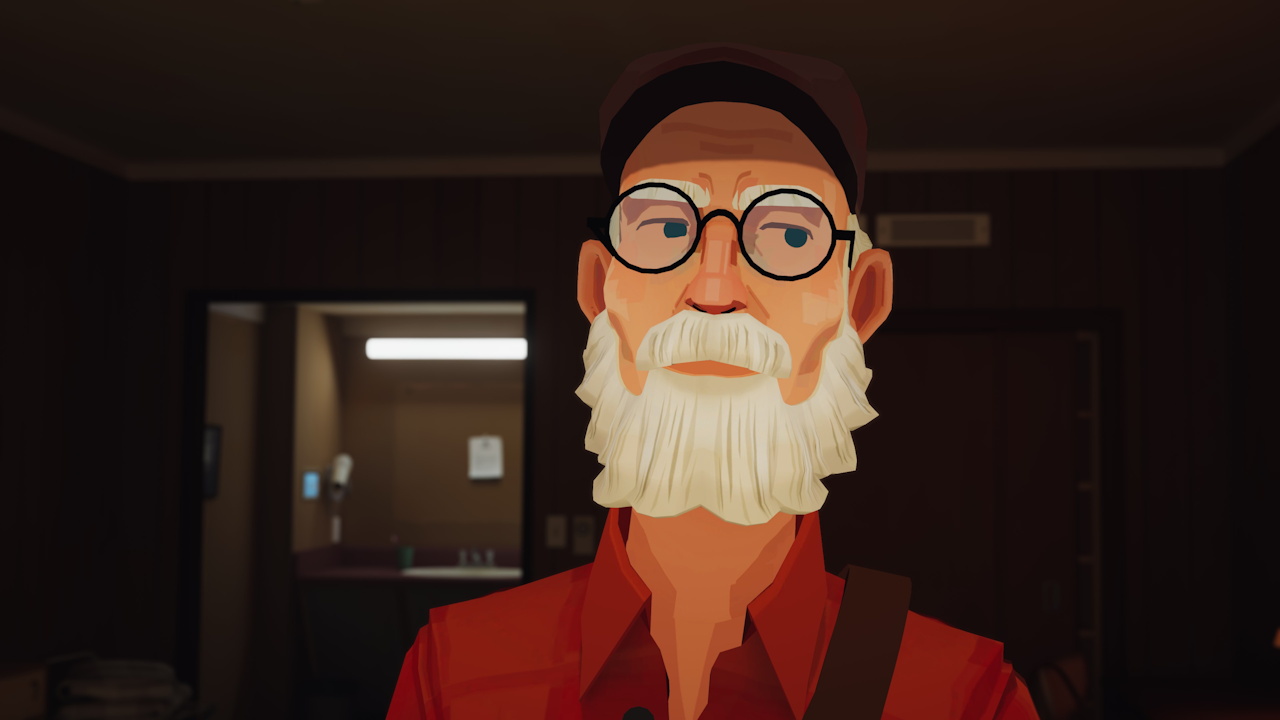
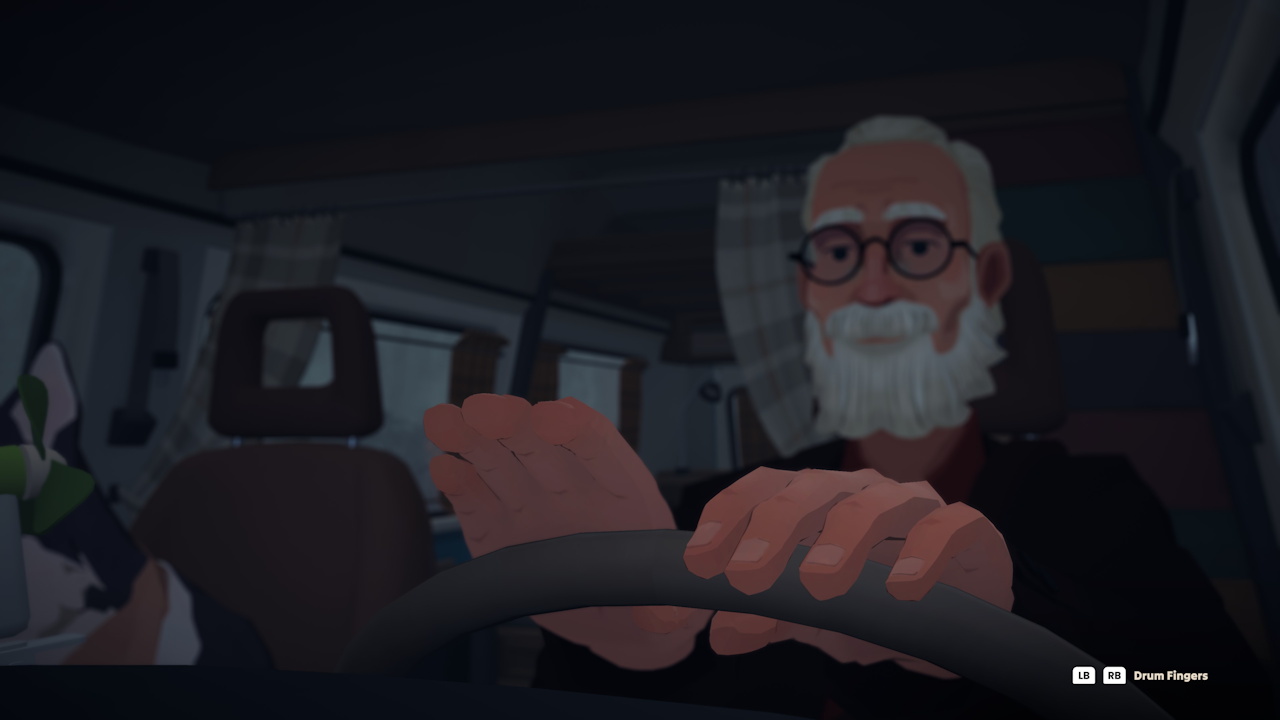
I’m not as old as Alfred – not yet, anyway! But he was so well-written by German developers Third Shift that he became instantly relatable. And just like Mixtape had done earlier in the year, I was transported to Alfred’s world… going along for the ride as he undertook a grief-driven road trip to fulfil a promise to his recently-deceased wife, Audrey.
Here’s where the personal connections hit me.
My grandmother’s name was Audrey, and that name has always had a connection with her – even though she’s long since passed away.
When my father learned that he was terminally ill (he suffered from a condition called pulmonary fibrosis), he went on a series of trips not unlike Alfred’s – visiting old haunts, places from his youth, places he and my mother had spent time, and just places that held meaning to him or that were important in his life. And although that isn’t exactly the same as what Alfred’s doing in Forever Ago… that’s where the story took me. I felt echoes of my father in Alfred – though my father would’ve been a good ten or twelve years older than Alfred, based on the game’s dates! Still… it made the game that much more poignant and emotional for me.

The best works of fiction – whether they’re games, novels, films, or anything else – bridge those gaps between the story and the real world, and I felt, from almost the first moment, a very real connection with Alfred because of what I’ve been through with my own bereavements, and because he reminded me a lot of my father when he undertook comparable journeys to places that meant something to him. And I really value that experience – an experience I wouldn’t have had were it not for Forever Ago.
Because it’s a video game, with Alfred as the protagonist, and because the player – assuming the role of Alfred – gets to make some choices along the way, I think Alfred’s story is enhanced. The interactive element that *only* a video game can offer genuinely makes this story deeper, richer, more immersive, and more intense. Simply watching a compilation of cut-scenes won’t give you that same feeling – I’m about as certain of that as it’s possible to be. And, as I said above, games like Forever Ago are exemplars of the “video games as art” concept; it’s a game that uses its interactivity to enhance and deepen its storytelling.
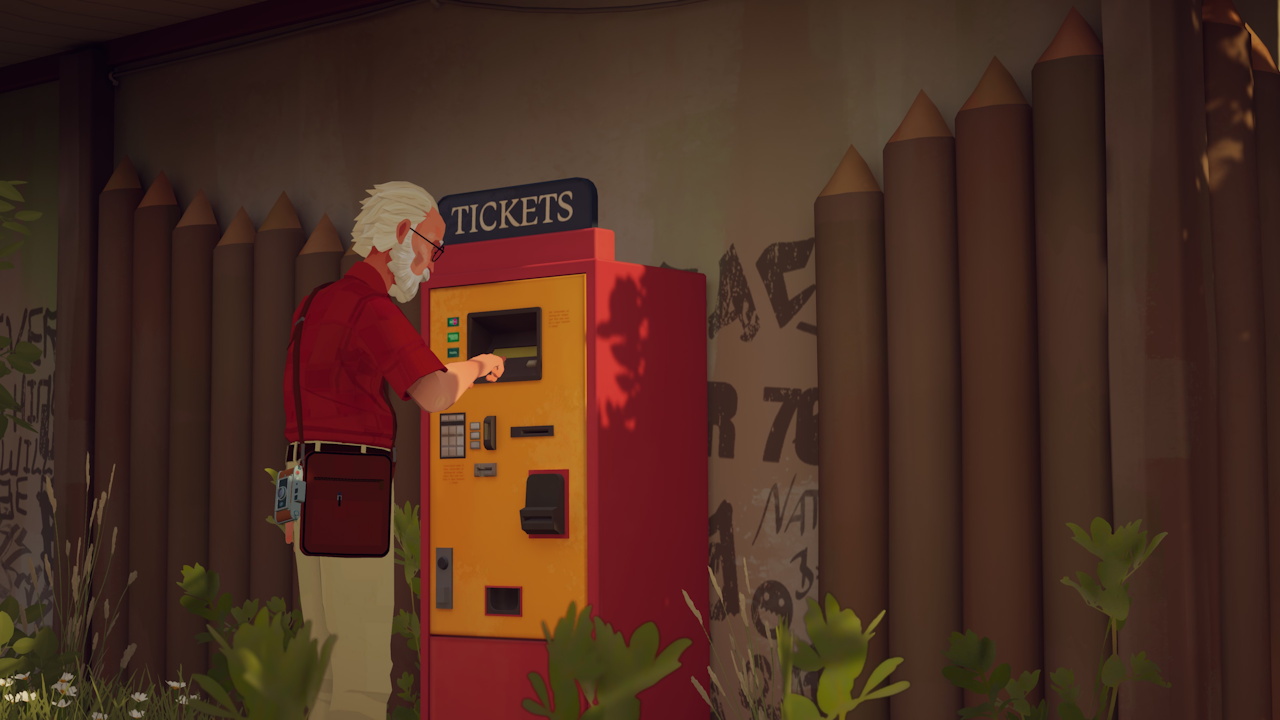
What I appreciated the most about Alfred’s story was that it was ultimately one of hope.
Alfred begins the game genuinely angry – short-tempered, quick to shout or get upset, and still in a very early stage of grief. And that characterisation can feel genuinely uncomfortable during those early scenes; Alfred treats a waitress and a shop worker unkindly – though not out of malice, and with understanding built into those moments. But as the story progresses, and as he meets new people, gains new experiences – and gains a companion, too – he softens. Alfred comes out of the story a changed man with a new outlook – and having processed his grief while still carrying the love and memories of Audrey with him.
Alfred is presented as an imperfect man – not an anti-hero by any stretch, but a normal, flawed, and deeply *human* character. Many stories can gloss over a protagonist’s less-desirable qualities, but Forever Ago leans on Alfred’s imperfections to make him feel well-rounded and relatable. A worse story might make a character like Alfred come off as unlikeable – but again, I think the interactivity helps so much here. Players are put in Alfred’s shoes, not merely told that he’s the protagonist. Again, Forever Ago uses the medium of video games to great effect.
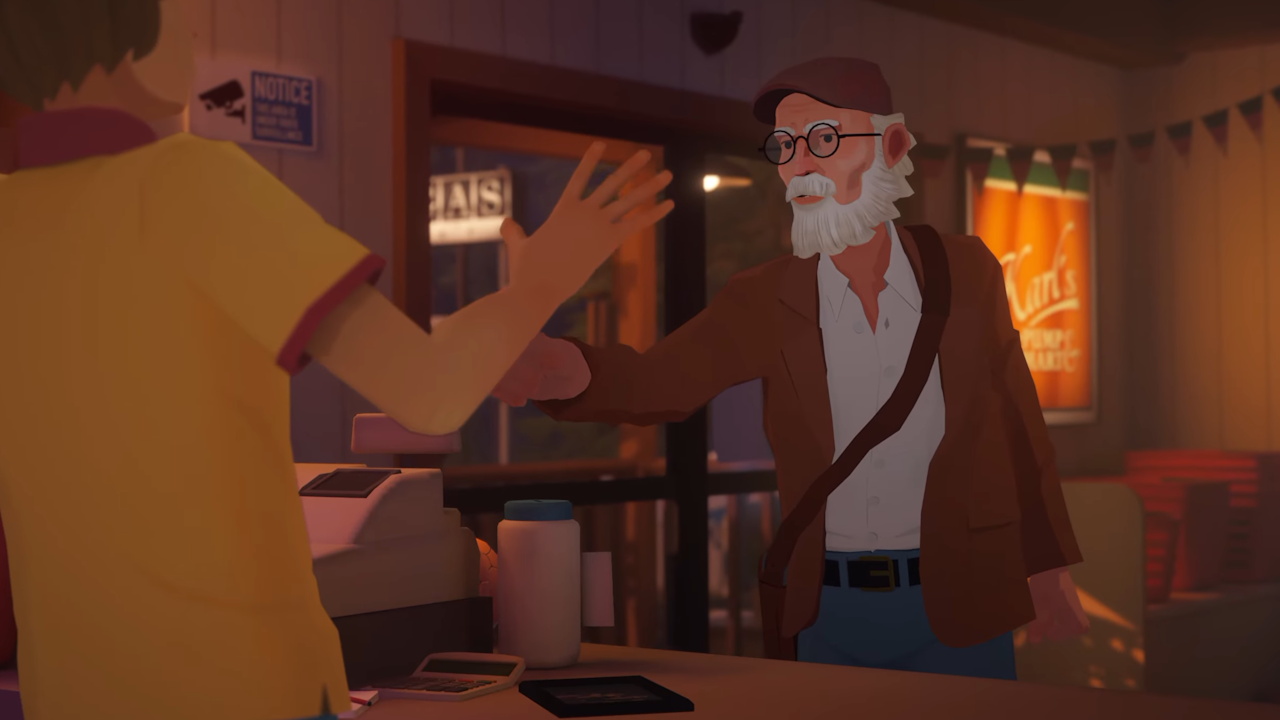
Anyone who’s ever lost a loved one can find something in Alfred that’s relatable, I think. I’ve never been in the exact same position – losing a spouse. But I’ve suffered bereavements – friends as well as close family members – and I definitely felt that the way Alfred was written truly conveyed a sense of grief and loss in a way that many other stories have tried and failed to do. This didn’t feel like a sanitised, Hollywood story; an upbeat take on a man discovering how to move on with his life. It felt realistic… it felt intensely human.
The same was true, to a lesser extent, of the game’s secondary and side-characters. Audrey, like Alfred, was presented as imperfect and realistic without leaning into melodrama. And her story of coming to terms with dying – and the intense feelings of unfairness and despair that came with it – was, again, incredibly relatable and hit close to home. Audrey and Alfred didn’t come across as this perfect couple – but their arguments and disagreements didn’t cross a line into unrealistic high-stakes drama, either. Given the game’s short runtime, getting this kind of nuance into these characters is no mean feat – it’s something that even big-budget feature films have struggled with in the past.
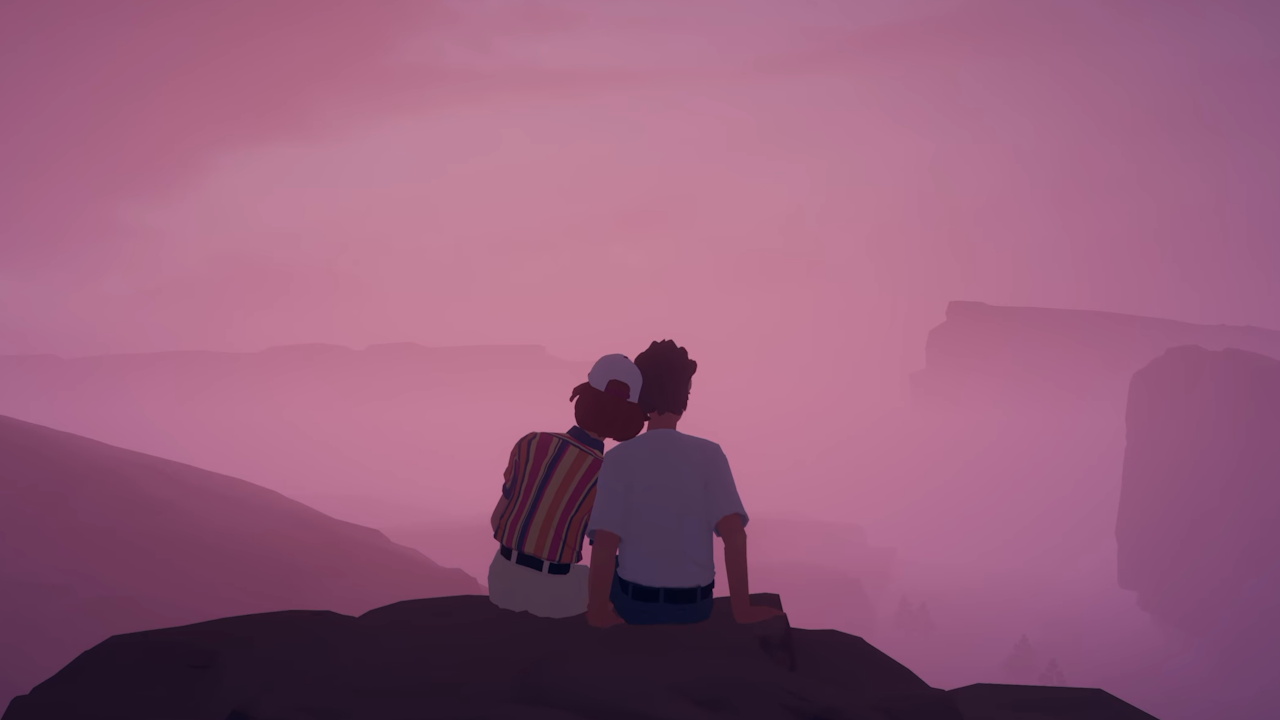
Alfred’s standoffish persona was slowly broken down by his canine companion – I named her “Muffin” in my playthrough, though I like that you get a few different options here! And I think the game has something meaningful to say about pets, and how pets can help us through even our worst struggles or lowest moments. Muffin was such a sweet little rascal, and the bond she developed with Alfred over the course of their travels together was… well, it was just incredibly sweet.
When Muffin ran away, right at the end of the game, I was truly invested in Alfred finding her! Not since a horse in Red Dead Redemption II have I felt such a strong bond between a character and their animal in a video game – if you know, you know! But when Alfred set off into the snow to find Muffin, I was on the edge of my seat. I didn’t want the story to end that way – not for Alfred and not for Muffin, either. That moment was the most tense in the game by a long stretch, and I was overjoyed at their reunion.
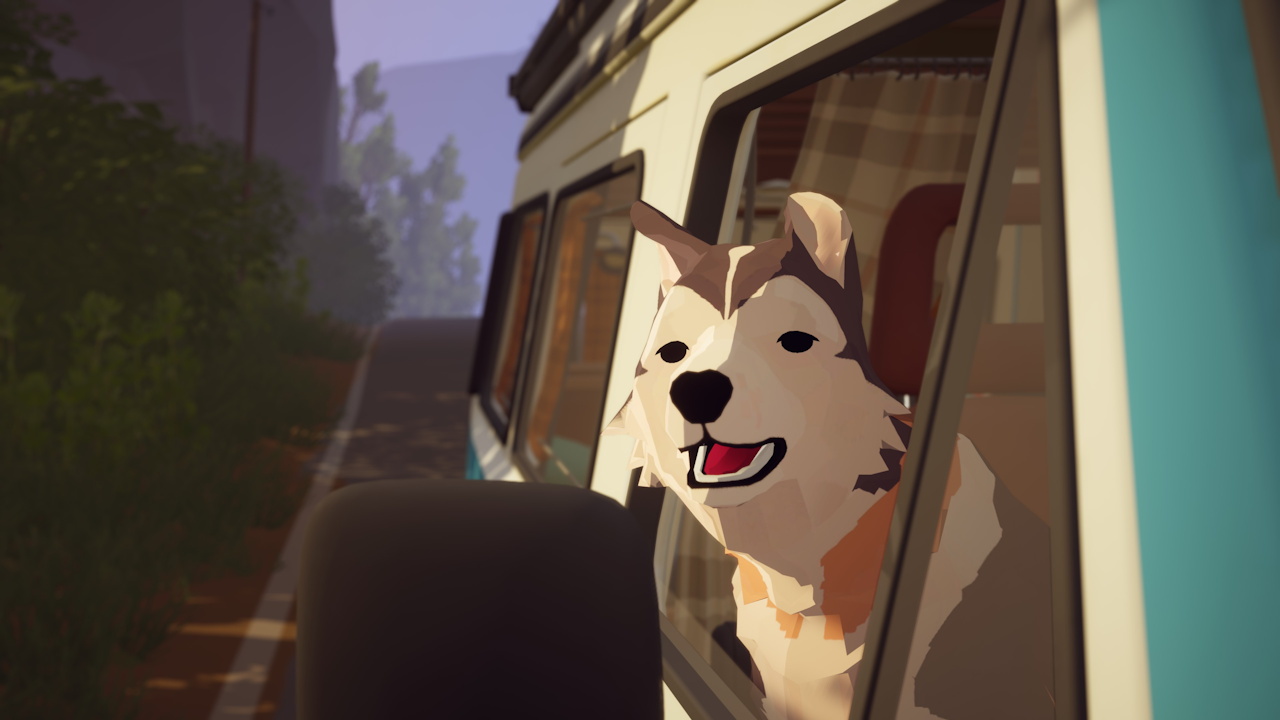
Forever Ago has a fantastic soundtrack. The importance of the song The Green Green Grass of Home was conveyed through a flashback to Alfred’s proposal, and the song – which Audrey said had been “haunting” them on their trip – made several reappearances at key moments. But the rest of the music, composed by Clark Aboud, was pitch-perfect. It elevated emotional sequences, set the tone for lighter moments in the story, and felt in keeping with Alfred’s age and the kind of story the game wanted to tell.
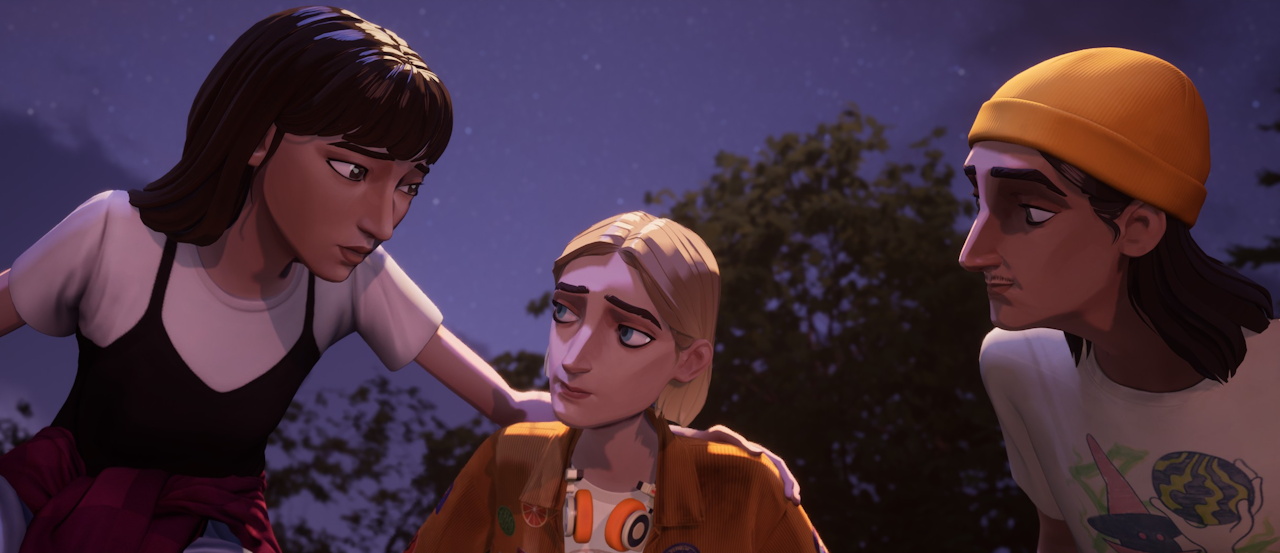
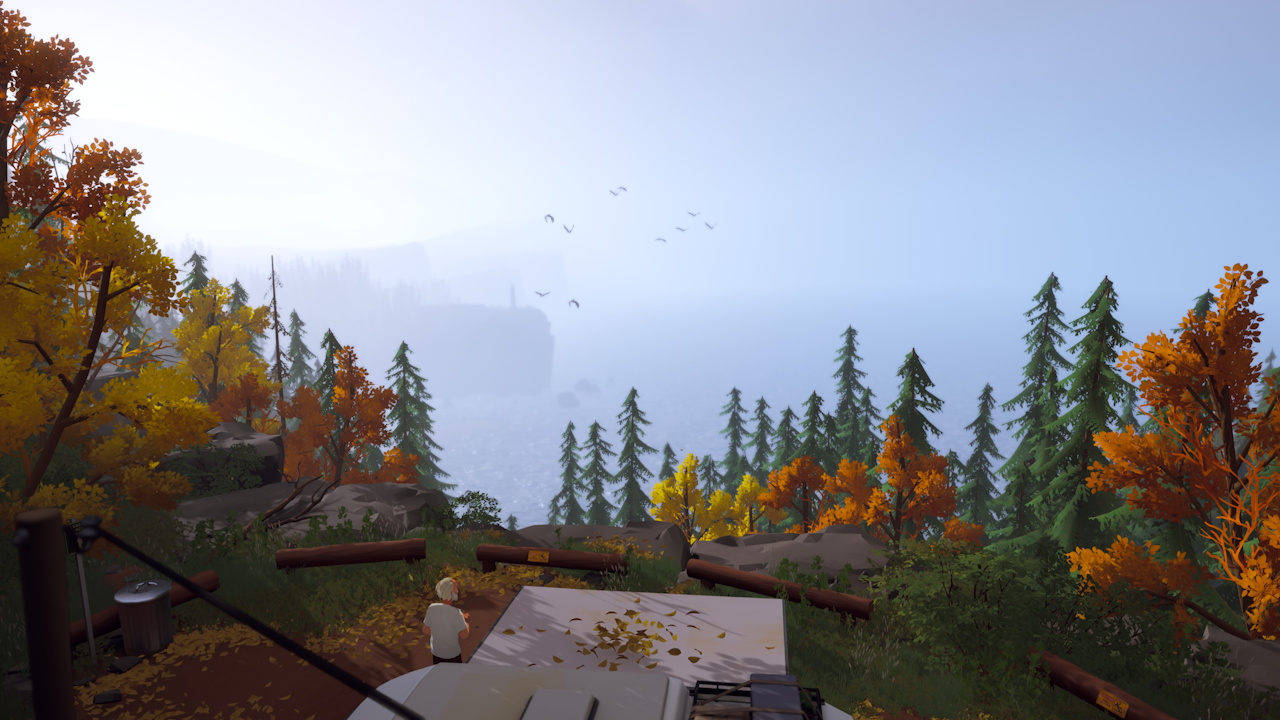
With the exception of the bug and finicky controls I mentioned above, I really enjoyed Forever Ago’s art style and graphics. It felt both like a throwback to an earlier generation, in some respects, with its polygonal style for Alfred and other characters, but also artistic and beautiful in its environments. The vignettes, created and framed by flowers and flower petals, made for a creative visual effect, too.
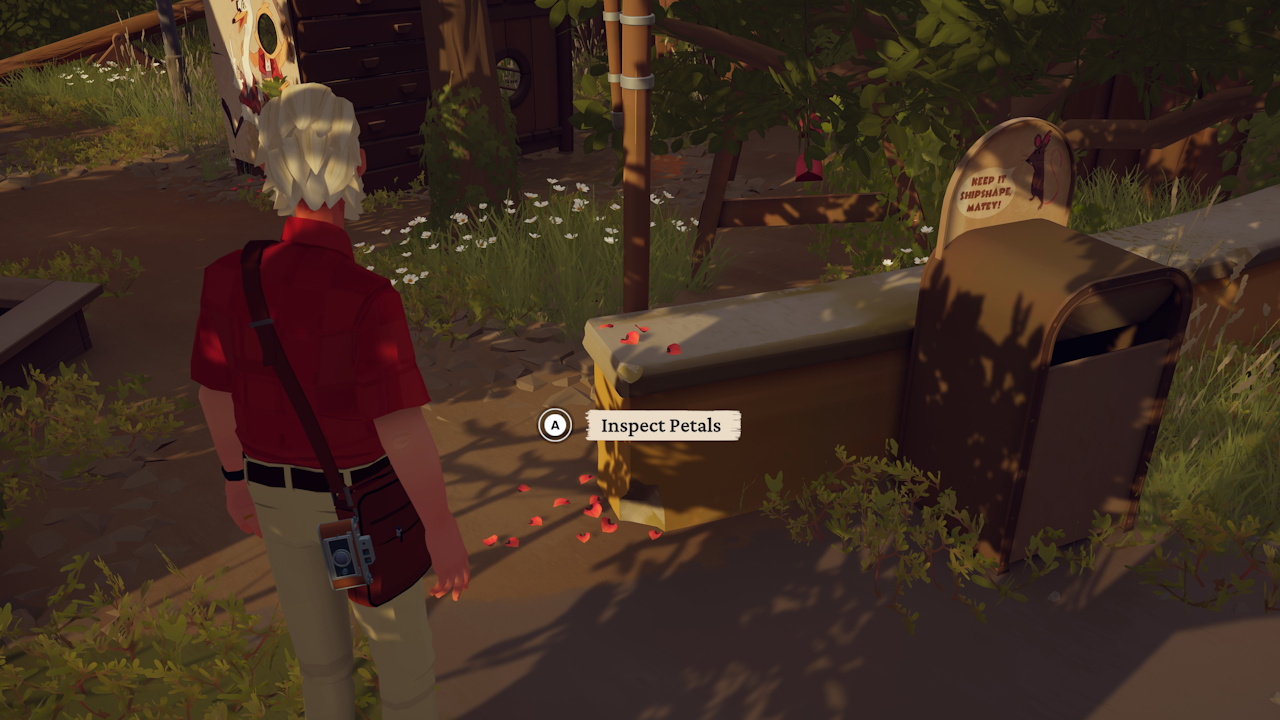
Alfred’s dream (or nightmare) sequences were also very creative from a visual and auditory standpoint. Again, the flower motif was present, symbolising Alfred’s connection to Audrey, but the darkness and the confusing visuals – broken pieces of a house, stairs that seemed to be too long, and rooms and doors that seemed to appear from nowhere all came together to be both unsettling and understandable at the same time. Going through those dreams with Alfred – seeing the inner workings of his mind in a literal sense – added a lot to his characterisation, too.
Aside from Audrey and Muffin, Alfred spent time with – and got to know – Sam and Charlie in particular, and both of these characters seemed to help him on his journey. Sam did so in a very literal sense, saving his life, repairing his van, and giving him a place to rest. And Charlie, as someone closer in age to Alfred, was perhaps someone he felt it a little easier to talk to – and by this point in his journey, Alfred was more willing to accept an offer of companionship.
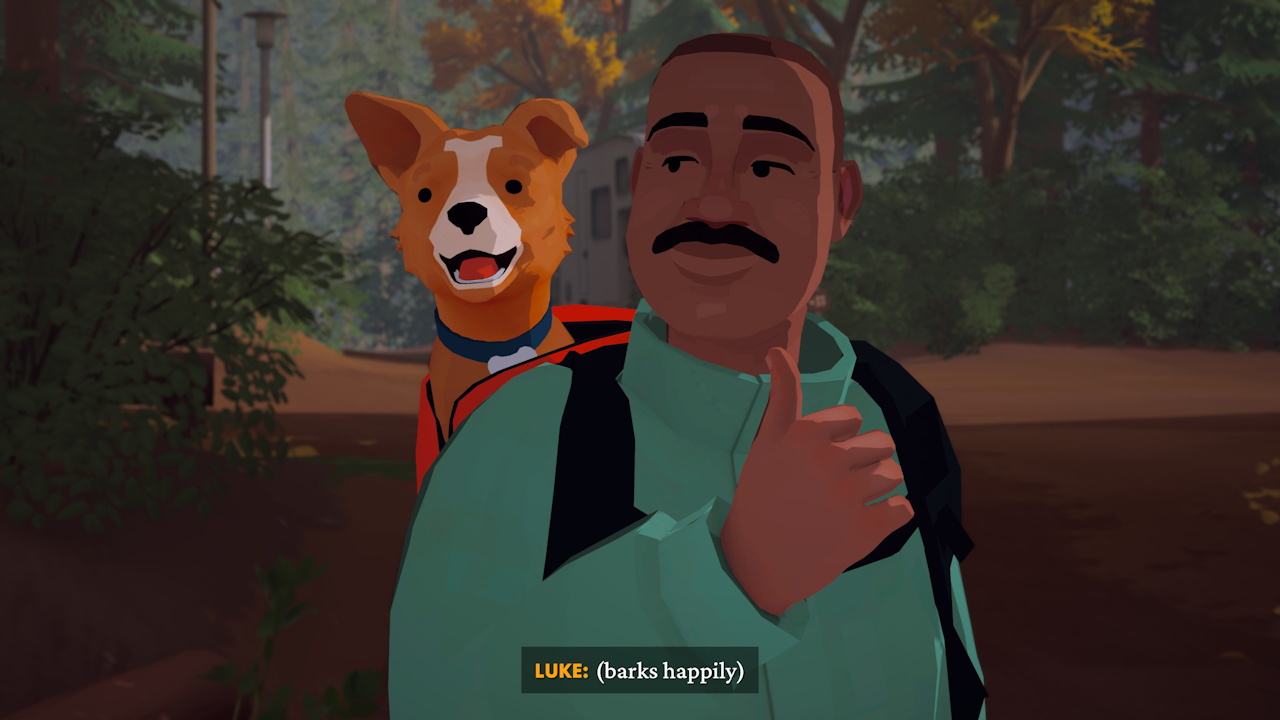
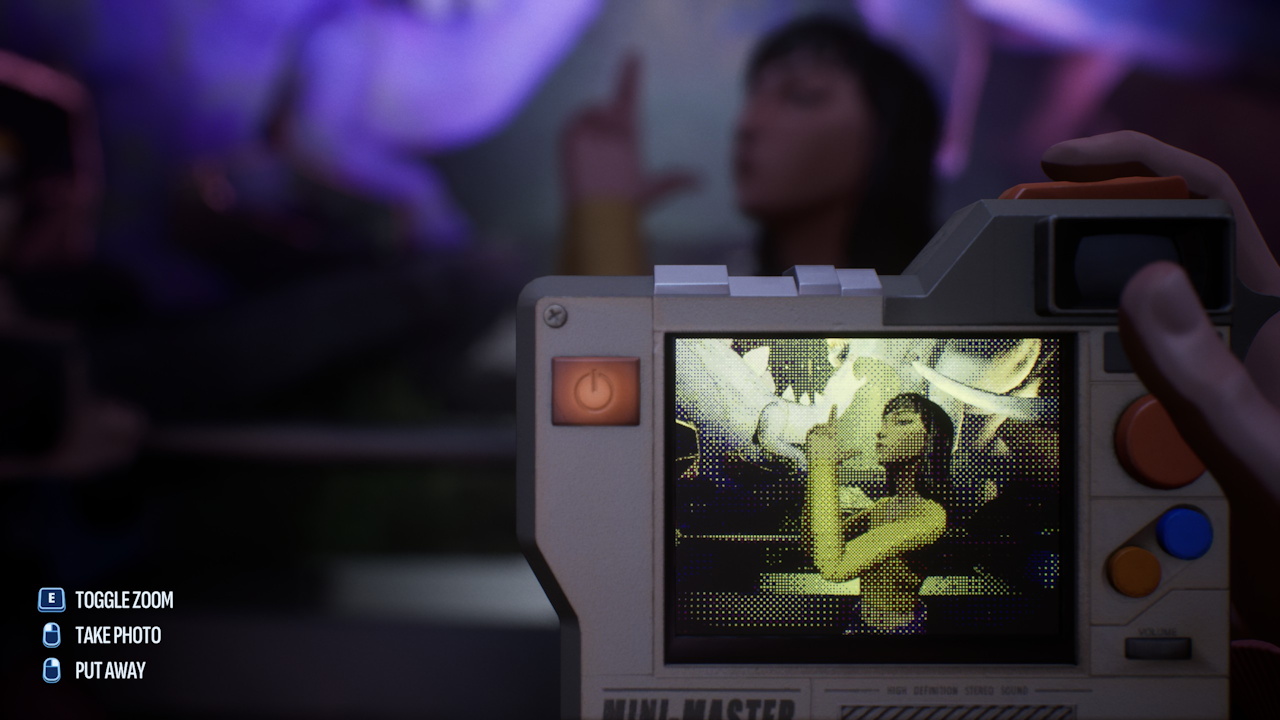
In terms of interactivity and gameplay, here’s what I’ll say. Compared to a game like Mixtape, which I’d put in a similar genre or category to Forever Ago, this was the less-interactive and less-interesting option. Mixtape had a variety of basically mini-games, each of which genuinely played differently from the others. Forever Ago has its camera and photography mechanic, but almost every other part of the game just involved walking and occasionally pressing a single button to interact with something, discover a memory, or prompt a line of dialogue.
I personally don’t have an issue with that – I *like* and appreciate diversity in the games I play, and I don’t think one game needs to play like any other. For the kind of game it is, and the story it’s telling, Forever Ago’s minimalist approach to gameplay is just fine! But for the folks who criticised Mixtape for its lack of interactivity… well, Forever Ago doubles down on that even more. As I said above: it won’t be right for everyone because of the kind of game it is.
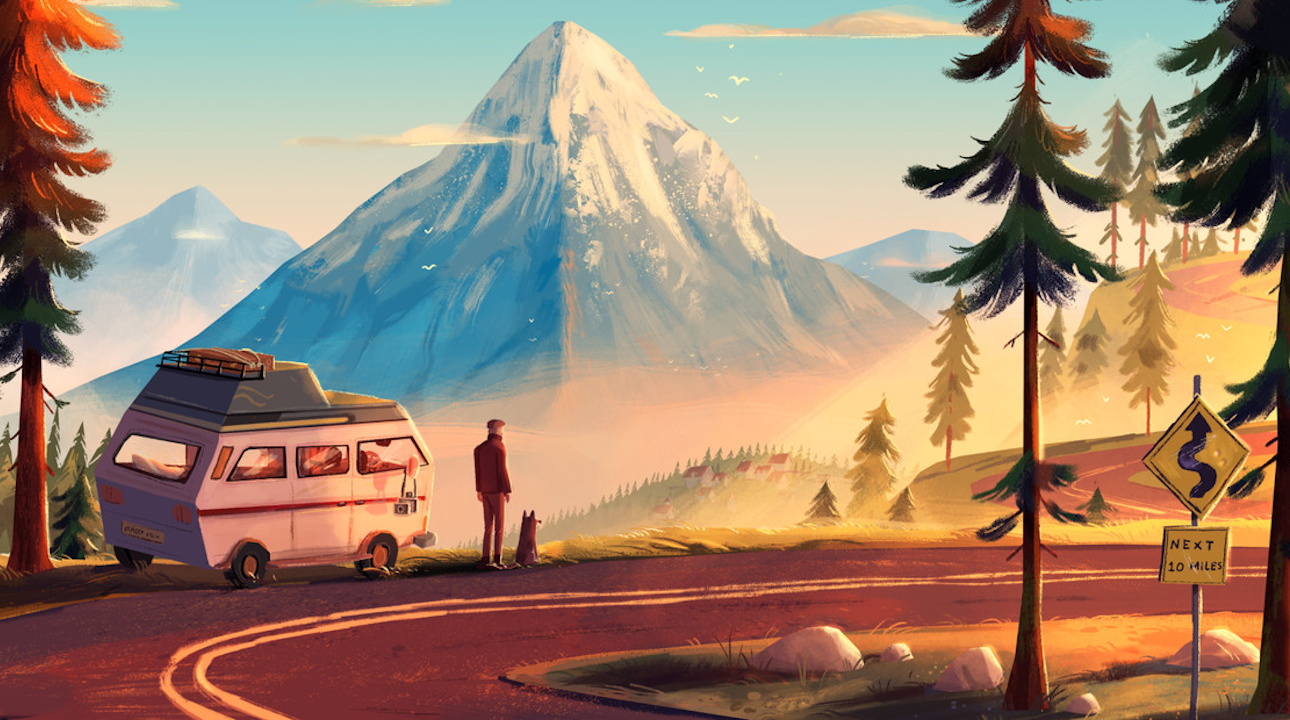
The core photography mechanic was a lot of fun, though – and I appreciated being able to use the camera freely for most of the game, even though the number of photos in each area was limited. I genuinely had fun lining up shots and framing pictures exactly the way I wanted them; I even got upset when Alfred accidentally scared off a bird I was hoping he could photograph! The photos – and the choice that the player is given for how and when to take them – go a long way to personalising the Forever Ago experience; no two players will have the exact same playthrough because the photos Alfred takes will be different every time.
I was trying to think of other games that choose to have a deliberately older protagonist… but I can’t call many to mind. Forever Ago feels unique and different as a result – putting players into the shoes of a man in his seventies as he goes through this story is something few other titles have attempted in the past. And despite what I just said about the relative lack of interactivity, it’s because Forever Ago is a video game – and not a movie – that we relate to Alfred in the way that we do. We quite literally walk a mile in his shoes – we point his camera, name his dog, explore the environments and see them through his eyes.
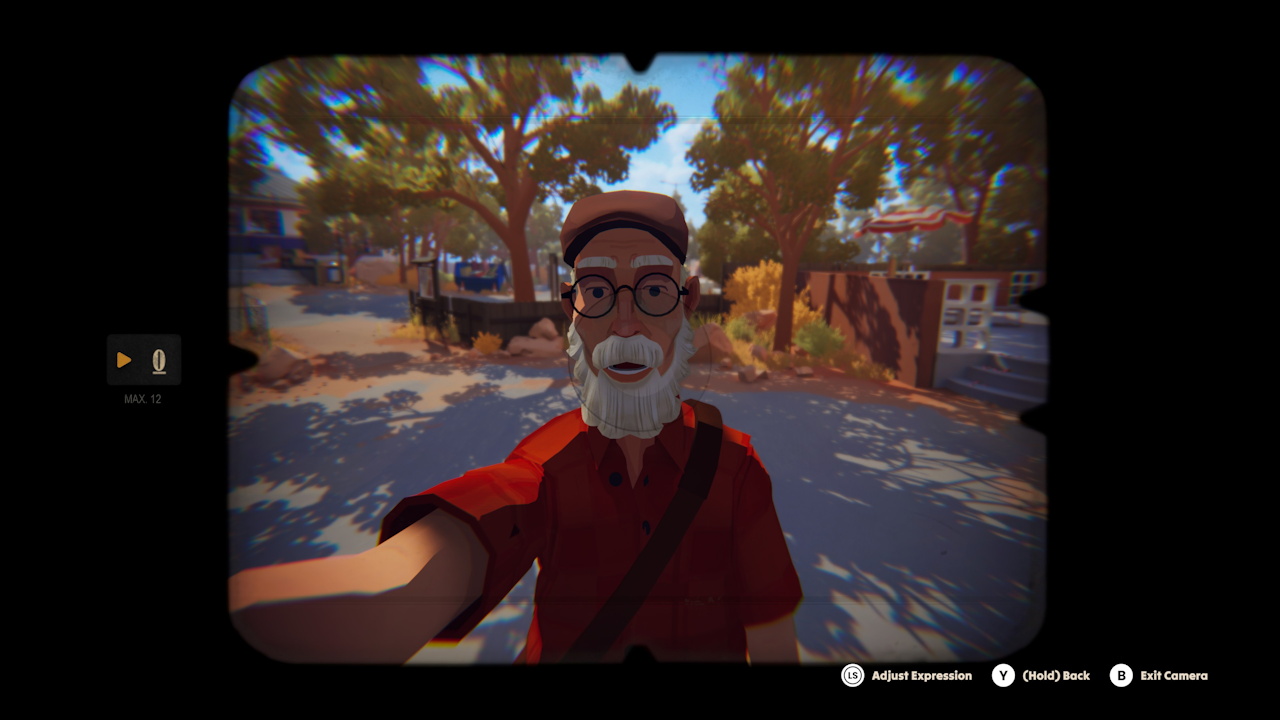
Although Forever Ago tells a story all about a man and his memories, it doesn’t come across as wallowing or leaving Alfred stuck in his grief. Alfred has to accept that he can’t get Audrey back; he can’t undo any of the fights they had or the angry words they said to each other, either. And in the course of coming to that realisation, Alfred goes on an adventure. It’s an adventure that takes him back to some of the places he and Audrey had been, but the experiences he has in each one are different – and he encounters new friends and companions along the way.
Again, I think a worse story would’ve felt… self-pitying, perhaps, or like Alfred was just lost in grief. But because Forever Ago was such a carefully-constructed and well-written narrative, Alfred’s journey never feels anything other than relatable and realistic.

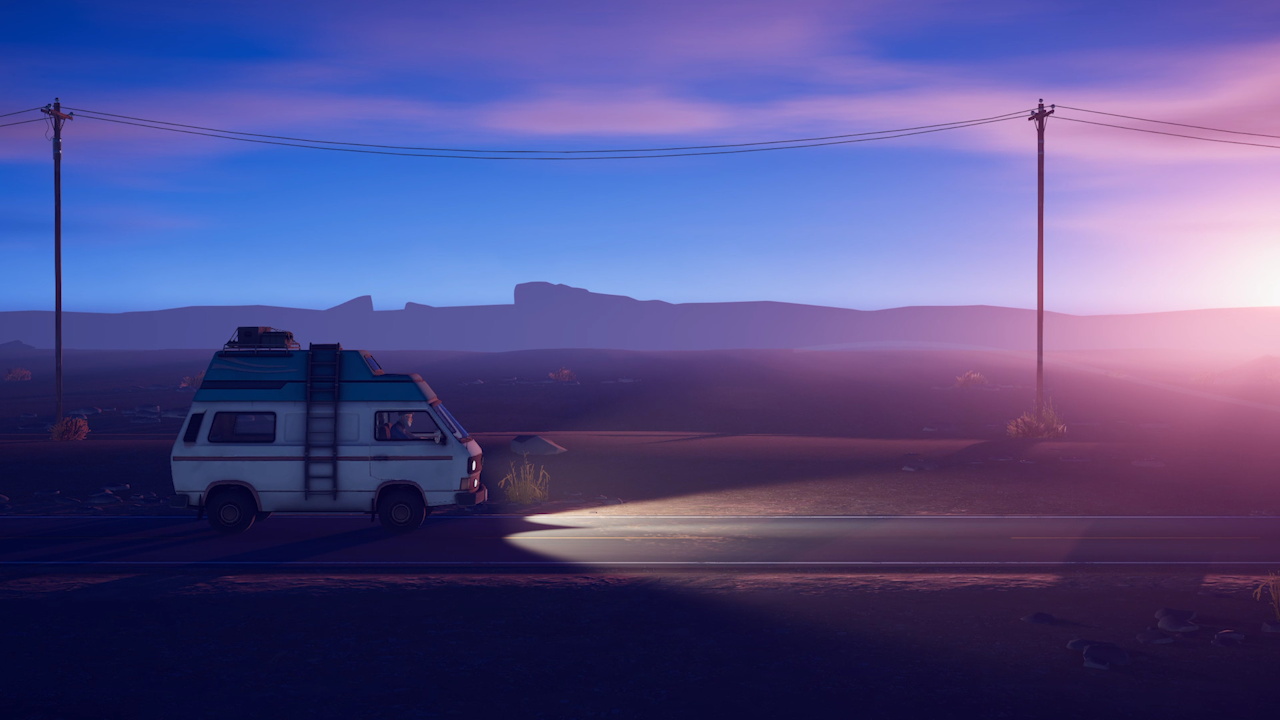
The game also hammers home that the world is ever-changing – and that sometimes, reliving or recreating the past isn’t possible. Alfred’s journey arguably begins with that revelation: the gas station proprietor who he remembers has retired. And as his journey continues, he encounters a motel being renovated, a diner that’s completely transformed and modernised, a theme park that’s closed down, and even a lighthouse that’s closed due to the weather. Alfred feels *old* in some of these moments – the world is moving on and changing, and the places he and Audrey once visited have been utterly transformed.
In that sense, the game is making a point about memory and about nostalgia. Alfred can physically return to some of these same places – the places he’d travelled with Audrey when she was alive. But the places themselves are not static; they’ve changed and been redeveloped. And those memories – whether they’re happy, painful or both – can’t be completely relived.
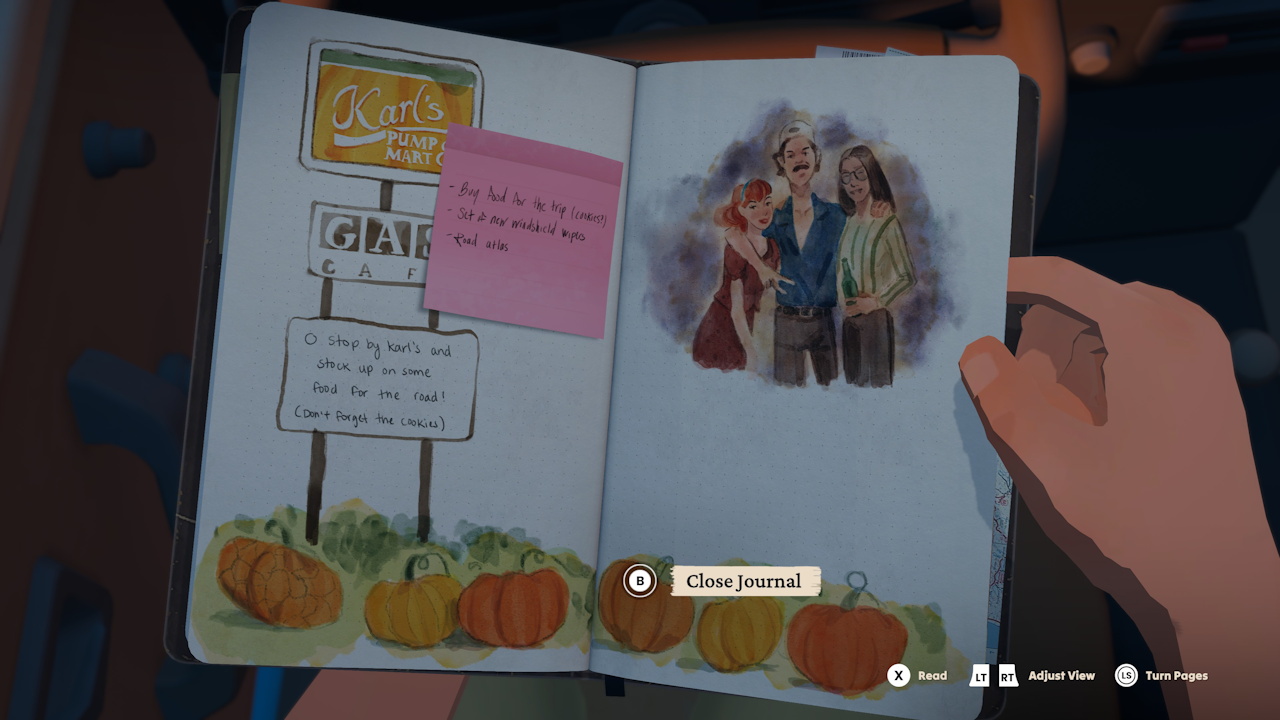
I’m glad that Forever Ago got an epilogue. You *did* stick around after the credits for the epilogue, right?!
As Alfred returns home, having survived his adventure, he seems happier and more settled – and even though he clearly still misses Audrey, he’s changed. The angry, short-tempered man we met at the beginning of the story is gone, and – thanks, in part, to his new canine companion – Alfred is beginning to rediscover his life.
I also appreciated that Alfred seems to have reached out to at least one of the people he crossed paths with on his journey – Milton, at the gas station – to apologise for the way he spoke. That was something I put in my notes, that I wanted to see Alfred try to apologise for that, and I’m glad that he did. Again… it humanises him, makes him feel more like a real person, and although we as the audience understood where such outbursts came from, it’s still something that a decent person – which Alfred clearly is – would want to make amends for.
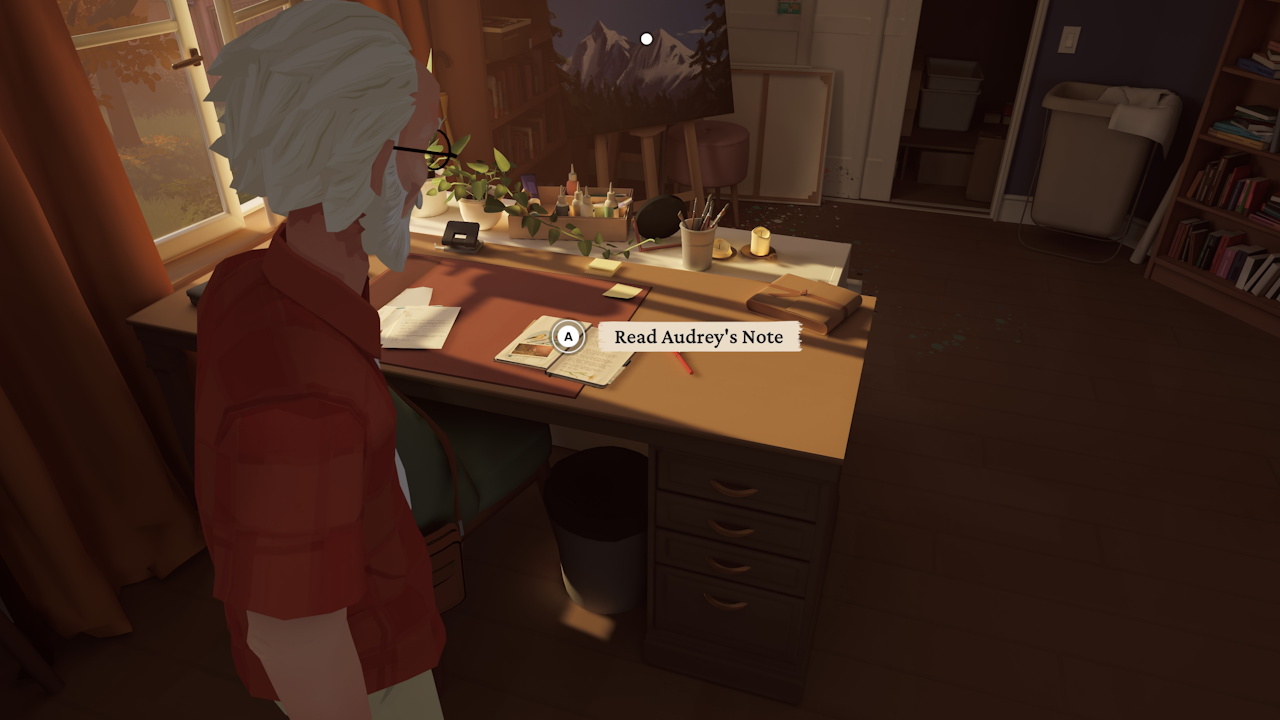
So that was Forever Ago. A game about loss, grief, and a journey to fulfil a promise. But also a game about hope, about preserving love and a person we’ve lost while accepting that it’s okay to have new experiences without them. And perhaps a game that recognises the importance of pets and the love we have for our furry companions, too! I had a wonderful time with the game… even when it hit close to home.
I couldn’t recommend Forever Ago to everyone – but at the same time, it’s the kind of story, and the kind of video game, that I’d hope all kinds of players will try out. Narratively, Forever Ago has a lot to say about grief, memory, love, and loss, and I also think it’s a fantastic example of how video games as a medium can be used to tell intense, emotional stories that wouldn’t come across in quite the same way without that interactive component. There’s a lot to love here… and I really hope that Forever Ago is finding its audience.
If you missed my review of Mixtape earlier this year, I hope you’ll consider checking it out. You can find it by clicking or tapping here. Despite some major differences, the games are similar enough that if you’re a fan of one, you may very well be interested in the other! And, weirdly, both involve characters visiting abandoned theme parks!
I have plans to review a couple of other titles in a similar space in the weeks and months ahead – so stay tuned for that!
Thanks for joining me this time, and I hope you’ve found my take on Forever Ago to be interesting. I rarely jump into games on day one, but this had been a title I’d been looking forward to for a while, so I was happy to make an exception for Forever Ago. Thanks again… and happy gaming!
Forever Ago is out now for PC, PlayStation 5, Nintendo Switch 2, and Xbox Series S/X. Forever Ago is the copyright of Third Shift and/or Annapurna Interactive. This review contains the thoughts and opinions of one person only and is not intended to cause any offence.