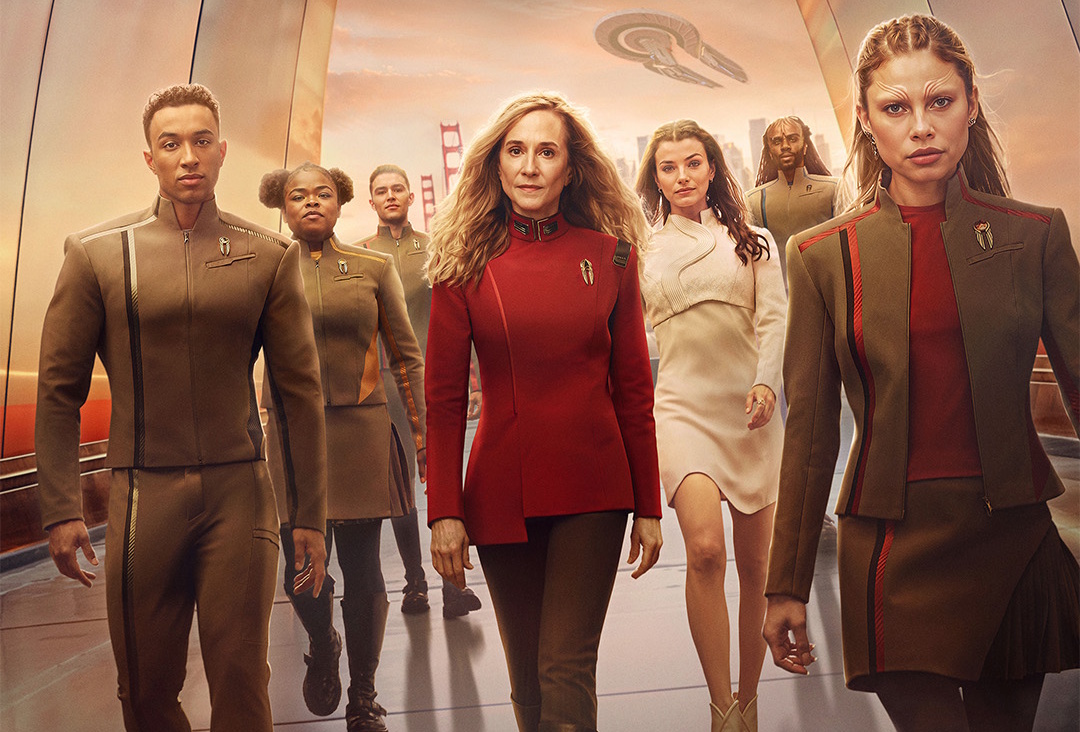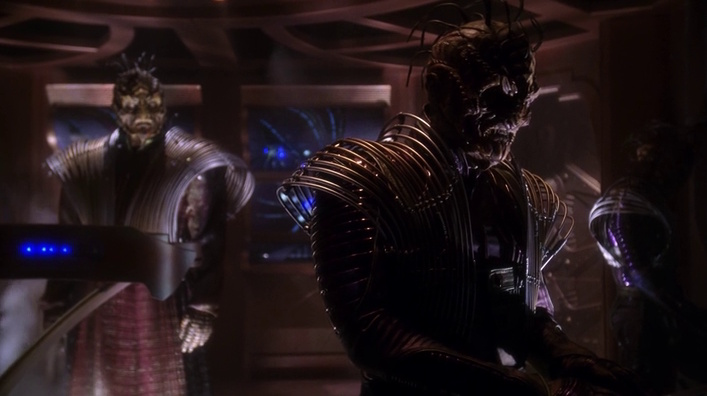

Stories To Tell Before It’s All Over…

A Star Trek: The Animated Series-themed spoiler warning graphic.

Spoiler Warning: Beware of spoilers for the following Star Trek productions: Deep Space Nine Season 6, Enterprise Season 3, Discovery Seasons 1-5, Picard Seasons 1-3, Prodigy Season 1, Strange New Worlds Seasons 1-2, and Starfleet Academy.

Eight years ago, Star Trek returned to its small-screen home after over a decade in the wilderness. However, in 2025, thanks to a corporate merger, an under-performing, loss-making streaming platform, and some laughably idiotic decision-making by morons in suits, it feels like Star Trek might, once again, be coming to the end of the road. The cancellations of all but one series, failures to get a new feature film off the ground, and Paramount+ continuing to flail around in a competitive market all indicate to me that Paramount and Skydance are at the very least considering bringing production to a halt.

There will be time in the months and years ahead to talk about who’s to blame and what precisely went wrong. But that isn’t the purpose of today’s article. Instead, I want to take a look ahead. Beginning with the assumption that Skydance/Paramount aren’t interested in producing more Star Trek after the second half of the 2020s, what stories should the franchise’s writers and producers aim to tell over the next three or four years? Is there room to resolve dangling story threads, throw in a bit of fan service, and perhaps revisit characters and factions we haven’t seen in a while? Or… should Star Trek’s corporate overlords roll the dice again and chase trends in the hope of bringing in new viewers?

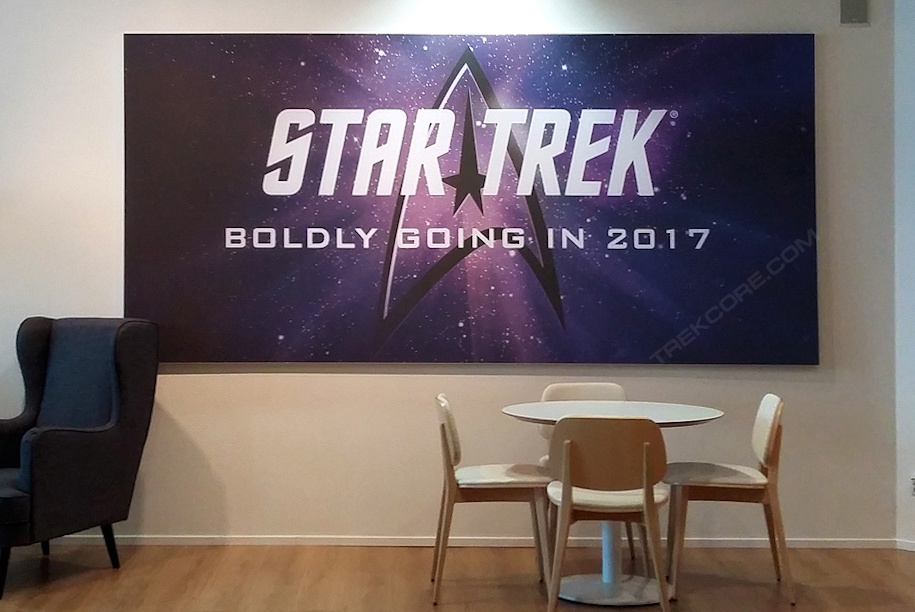
A room with a table and chairs and a banner on the wall that reads "Star Trek: Boldly Going in 2017."
An early tease of Star Trek’s small-screen return.
Photo Credit: TrekCore

2016 doesn’t feel like a particularly long time ago. But it’s been nine years since we got those early teases of what would go on to be Star Trek: Discovery, and since then, production has ramped up only to tail off again far more quickly than I’d expected. To go from the excitement of Star Trek’s return to the very real prospect of its total cancellation in the span of less than a decade is making my head spin! But realistically, after the cancellation of most of the main shows and with the corporate merger seeming to have put a stop to any new announcements… that’s where we’re at. If Star Trek isn’t bringing in viewers and helping Paramount+ on its long road to profitability… what did we expect? Corporations aren’t going to piss away money forever on something that isn’t making a profit… even if the reason why Star Trek, in its current incarnation, has struggled is, I would very strongly argue, entirely the fault of executive fuckwits making appalling decisions!

The cancellation announcement of Strange New Worlds kind of embodies that for me. Season 3 is literally days away, the cast and crew are about to start making the rounds on the interview circuit, hype for the new season is beginning to build… and that’s the moment that Paramount’s executives decide to announce that the show’s cancellation. This coming just a couple of years after they had to rapidly un-announce a new Star Trek film when it emerged that none of the cast had actually signed onto the project. After the merger is complete and these morons are all laid off… I hope not one of them ever works in the entertainment industry again.

But as I said, that’s not what we’re here to talk about on this occasion!

Former Paramount CEO Bob Bakish in an official portrait.
Former Paramount CEO Bob Bakish.

I’ve been thinking a lot about some of the Star Trek stories that I’d most like to see. If Star Trek does get fully cancelled later in the decade, and remains off the air for a good number of years as happened in the ’70s and the 2000s/2010s… this could be it for me. This could be the last new Star Trek I’m gonna see. Because of my health, sticking it out to the 2040s or beyond for a possible, hypothetical revival seems… well, it seems unlikely, to be blunt about it! So the next few years could bring me the final batch of Star Trek stories that I’m going to be able to watch. It’s with that mindset that I approach this piece.

So let’s clear a few things up before we go any further. These story ideas are pure fantasy, meaning I have no “insider information,” I’m not claiming any of them will actually be made, and it’s very likely that nothing we’re about to discuss will ever actually be seen on screen! This is a wishlist from a Trekkie, and should be taken in that spirit. Secondly, all of this is the wholly subjective take of just one person. If you hate all of my story concepts, or if I don’t mention a favourite of yours… that’s okay. There should be enough room in the Star Trek fan community for different ideas and the kind of polite discussion that doesn’t descend into argument and toxicity.

With all of that out of the way, let’s take a look at some of my story ideas.

Story #1:
Bring back the Xindi.

Still frame from Star Trek: Enterprise Season 3 showing the Xindi.
Xindi in Enterprise.

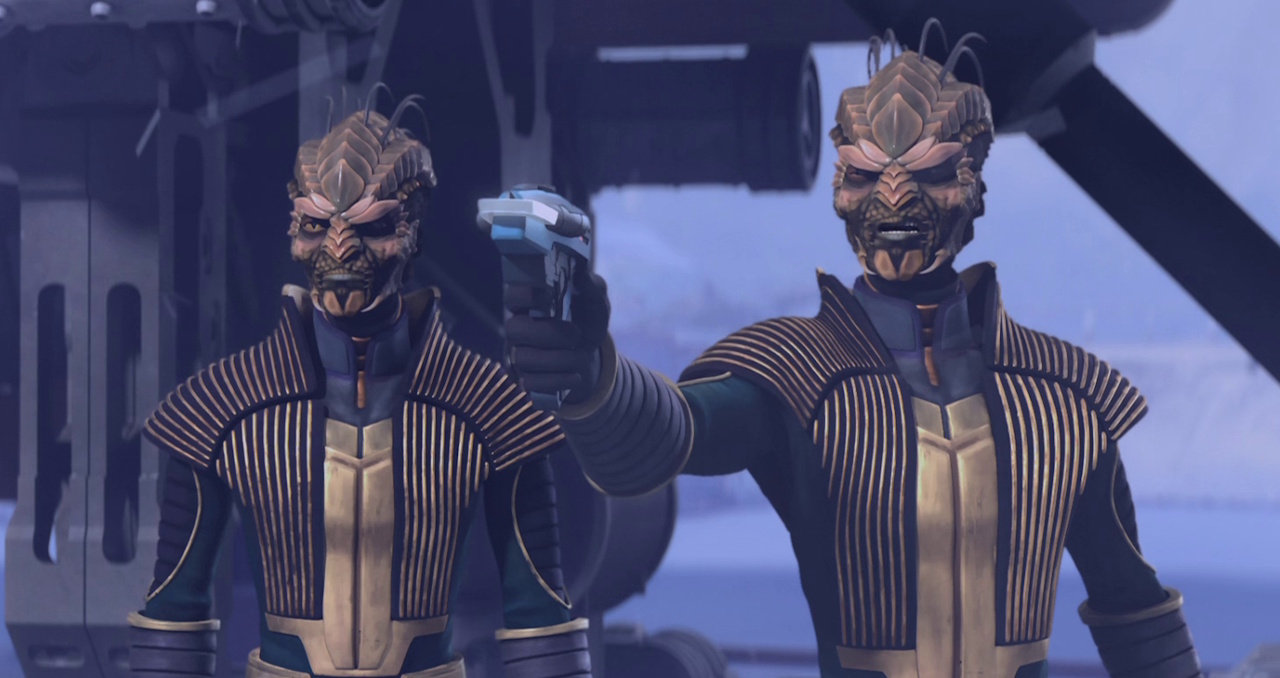
The Xindi have technically appeared in Discovery – albeit in a non-speaking, background role. And Xindi-Reptillians were also seen in a slightly bigger capacity in Prodigy’s first season. But we haven’t gotten a proper Xindi story since Enterprise – not one that examines the Federation’s relationship to the faction, at any rate. I’d love to see the Xindi revisited in a big way, catching up with them after the events of Enterprise and perhaps finding out a little more about what became of them after the disappearance of the Sphere-Builders.

Starfleet Academy could, for instance, introduce a Xindi cadet – perhaps one of the first Xindi to be a Starfleet officer in some time. Or Captain Pike could be sent on a diplomatic mission to the Xindi homeworld barely a century after the attempted attack on Earth. Either of these shows could incorporate a Xindi storyline, and it would be a lot of fun to either lay the groundwork for a future Federation-Xindi alliance or see what became of that in the far future.

Still frame from Star Trek: Prodigy Season 1 showing two Xindi characters.
Two Xindi from Prodigy’s first season.

A story set in the far future could also reference the Sphere Builders and perhaps expand upon something Discovery never really explained: the ban on time travel. It always struck me as an impossible thing to enforce, especially given the shattered state of the Federation, but perhaps a Xindi character in Starfleet Academy could lecture the cadets on the dangers of trying to interfere with the past.

If Pike and the Enterprise visit the Delphic Expanse, we could get a story about the Xindi’s first attempt to reconcile with Earth. They might’ve retreated back to their homeworld after their defeat, and this could be the first time they’ve reached out to the Federation in decades. There could even be a resurrection of the plot to attack Earth, perhaps some disaffected Xindi faction feels that it’s the only way to restore their world to greatness. If so, Captain Pike could have to follow in Archer’s footsteps and stop them!

Story #2:
A sequel to In The Pale Moonlight.

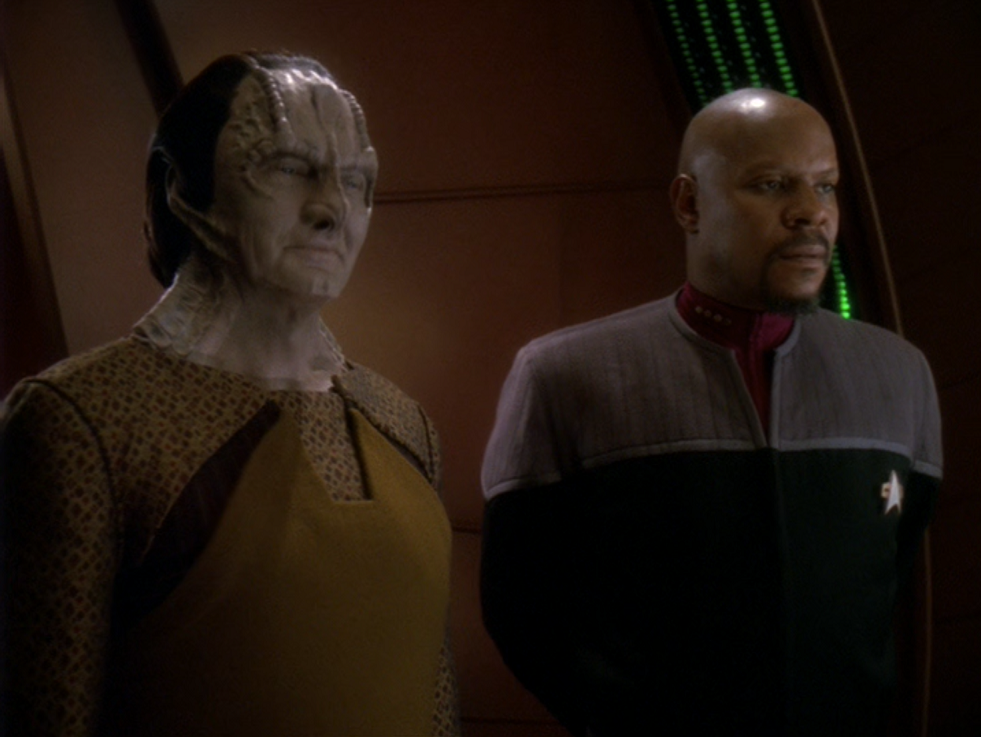
Still frame from Star Trek: Deep Space Nine Season 6 showing Garak and Sisko.
Garak and Sisko.

Have you ever wondered what might’ve happened if the Romulans ever figured out what Garak and Sisko did during the Dominion War? I have! And it’s one of my all-time favourite fantasy storylines. I don’t think this would even need to include Sisko or Garak necessarily – though I’d love to bring back both Avery Brooks and Andrew Robinson to reprise their roles. But a story set sometime after the Dominion War could revisit this absolute cracker of an episode and address some of the lingering questions that it posed.

Though this could be another far future story, I guess, where I think it would work best would be in the Picard era. Perhaps the Romulans discover, in some of the documents and data that they saved from the supernova, the fake recording that Sisko and Garak created and revisit it, finally realising that it was fake. That could have massive implications for Romulan-Federation relations… or maybe the new Romulan government, relying on the Federation for aid and supplies after the cataclysm, would choose to cover it up. If Legacy had gotten off the ground, this would absolutely be a story I’d have wanted to see in that show.

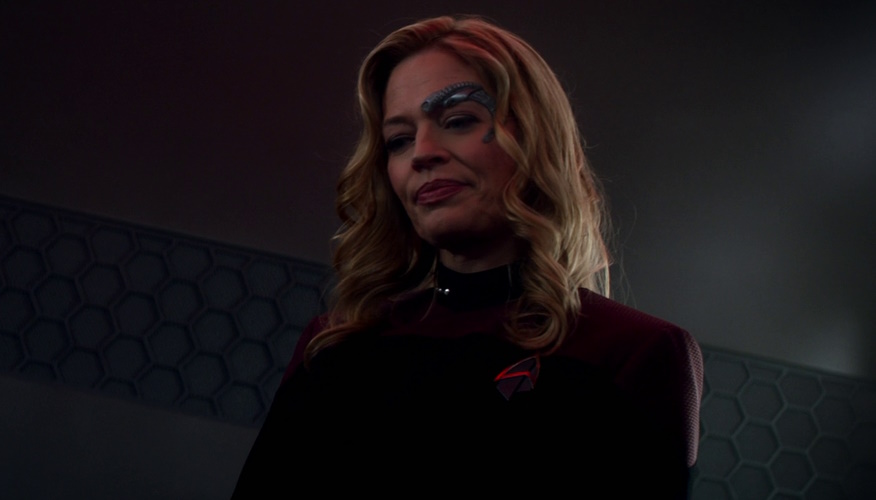
Still frame from Star Trek: Picard Season 3 showing Seven of Nine.
This could’ve been a great episode of Star Trek: Legacy

I can picture it already: Starfleet contacts the Enterprise, ordering Seven, Raffi, Jack, and the rest of the crew to parley with the Romulans. Seven’s Romulan connections from Picard Season 1 could come into play here, justifying Starfleet tapping the Enterprise for the mission. Upon arriving at the new Romulan homeworld, several angry Romulans – leaders of the Senate and Tal Shiar, perhaps – confront her over the deception. Seven and the crew genuinely have no idea what’s going on; Sisko and Garak told no one. In desperation, Seven contacts DS9, potentially being received by a familiar face.

At this point, the story could go in lots of different directions – all with plenty of those shades of grey which made In The Pale Moonlight so compelling. There could be genuinely uncomfortable real-world parallels – the lies told in order to start wars, threats of aid being withheld from desperate survivors of the supernova, and good people forced into impossible situations by the actions of others a generation ago.

Story #3:
A 60th Anniversary Special.

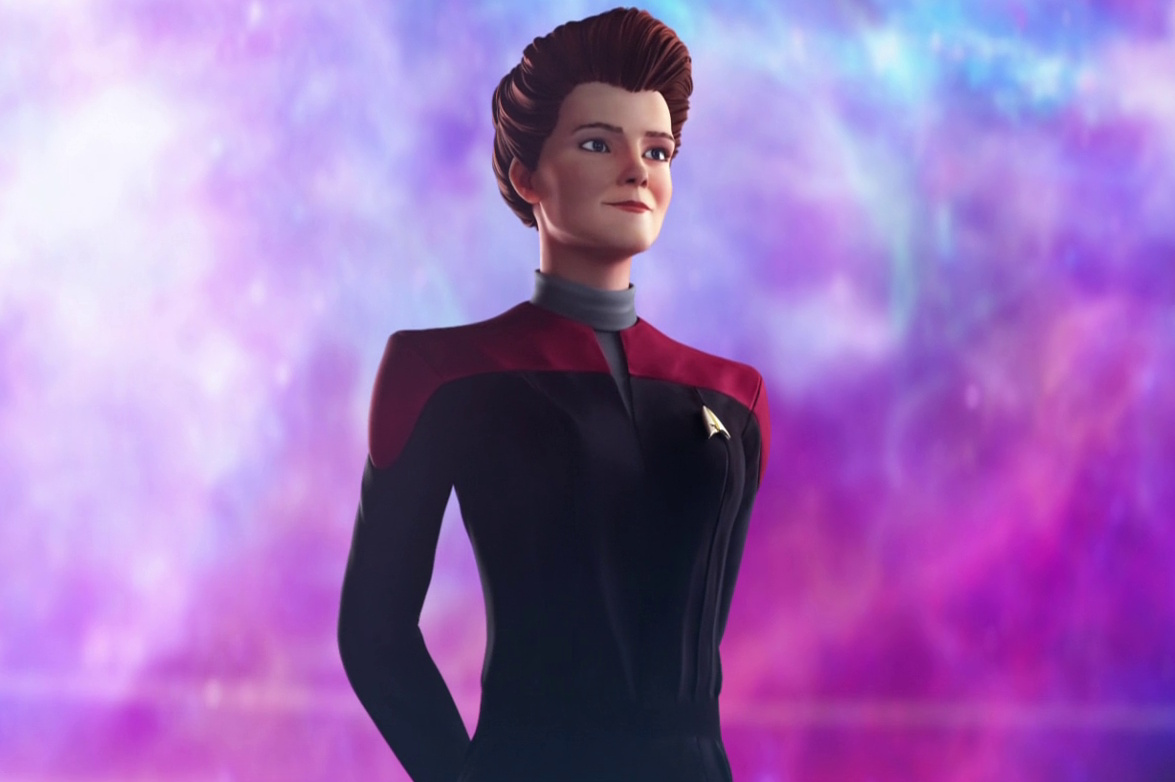
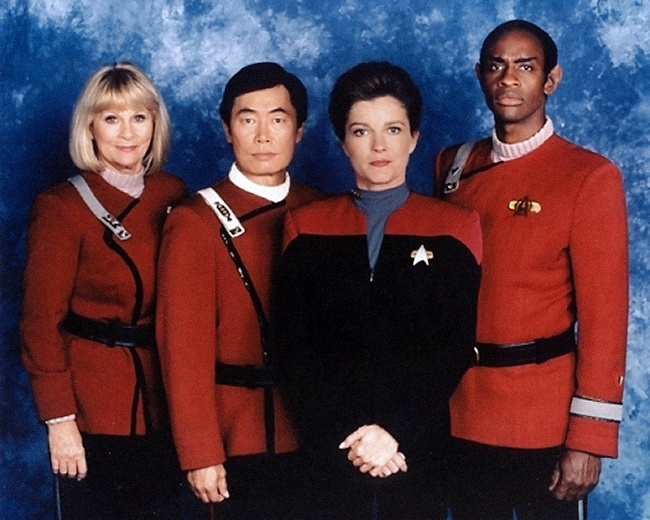
Promo image for Star Trek: Voyager showing Janeway and Tuvok with Rand and Sulu.
Janeway and Tuvok with Sulu and Rand from Voyager’s 30th anniversary episode, Flashback.

In 1996, two episodes were produced that really aimed to celebrate Star Trek’s thirtieth anniversary: Trials and Tribble-ations and Flashback. Both were, in my humble opinion, excellent – though fans have a clear preference for Trials and Tribble-ations! It’s been a frankly astonishing twenty-nine years since then… meaning Star Trek’s 60th is just around the corner.

A decade ago, Star Trek Beyond was the only production released during the 50th anniversary year, but Discovery was already filming. This time, I’d really love to see Paramount go all-out, using all of the resources at their disposal, to really celebrate all things Star Trek. Obviously this idea felt more likely before the recent cancellation announcements, and I would note that we’ve already had an excellent crossover between Lower Decks and Strange New Worlds that kind of occupies a similar space! But that wasn’t an anniversary special… so I think Star Trek and Paramount can do something, at least, to mark the occasion.

Still frame from Star Trek: Strange New Worlds Season 2 showing Mariner, Boimler, and Pike in the crossover episode.
Star Trek has recently done an ambitious crossover episode.

There are two shows in production that could – somehow – cross over. The best idea I can come up with at this stage would be the Starfleet Academy cadets running a simulation of Kirk’s Enterprise… which I realise sounds a lot like the maligned These Are The Voyages, but I think that same concept could’ve worked if it had been handled better and wasn’t intended to serve as Enterprise’s finale! So let’s say that, under the direction of Tilly and Vance, the cadets are aboard Kirk’s Enterprise, using the sets built for Strange New Worlds. What next?

Well, Strange New Worlds already has Kirk, Spock, Uhura, and Scotty – so we could use those characters and revisit a classic episode from The Original Series! Perhaps something like The Doomsday Machine, with the cadets observing Kirk’s actions for their assignment. This could mutate into a “the holodeck done goofed” type of story, perhaps, with the cadets having to genuinely fight for their lives alongside Captain Kirk and Spock. It wouldn’t be a pure crossover in the sense that Pike and some of the other Strange New Worlds characters would be missing… but I think it could be a huge amount of fun.

Story #4:
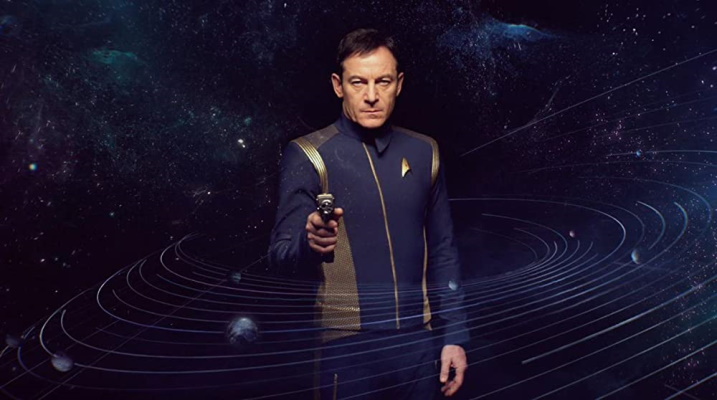
Save Captain Lorca!

Promo still for Star Trek: Discovery Season 1 showing Captain Lorca with a phaser.
Captain Lorca.

This has been a theory/fantasy of mine going all the way back to the announcement of Section 31 in 2019! In short, the prime timeline version of Captain Gabriel Lorca, from Discovery’s first season, switched places with his Mirror Universe counterpart before the events of the show. Mirror Lorca is dead – but we never learned what became of our universe’s version of the character. Admiral Cornwell just assumed that he’s dead… but Lorca always struck me as a resilient, resourceful man. So maybe there’s a way that he managed to survive.

Section 31 obviously went on to be a completely different thing, but we still have a show set in the 23rd Century where this kind of rescue mission might be possible: Strange New Worlds! Captain Pike confirmed back in Discovery that he knows about the existence of the Mirror Universe, and while any crossover story would have to keep characters like Spock, Uhura, and Scotty out of it, I think it could be made to work. Furthermore, we could get a glimpse of Pike’s past; perhaps he served with Lorca before either of them assumed their commands, or maybe they became friends while working together as starship captains.

Still frame from Star Trek: Enterprise Season 4 showing the Terran Empire logo.
Captain Lorca is trapped in the Terran Empire.

In my fantasy version of the story, Admiral April would contact Captain Pike with a top-secret assignment. Starfleet has received a brief message from across the divide between universes, confirming that Captain Lorca is still alive. Based on what Starfleet learned from the USS Discovery’s time in the Mirror Universe, they’ve found a way to send a small ship through the looking-glass – and Pike, as one of the few officers aware of the Mirror Universe and because of his connection to Lorca, has been chosen to lead the mission. Pike would select Ortegas to be the shuttle’s pilot and another character – perhaps La’an for security or Pelia to keep the shuttle flying and maintain its systems – for a clandestine mission akin to the one Picard undertook in Chain of Command.

Once in the Mirror Universe, Pike and the others would have to trace the source of Lorca’s signal – it’s coming from a Terran Empire prison camp. They’d come up with a plan, break him out, engage in a shootout with a few Terrans, and possibly catch a glimpse of Mirror Spock before making it home safe and sound. I think this could be a really fun story – and a great way to bring Star Trek’s current crop of shows full-circle by returning to the events of Discovery’s first season.

Story #5:
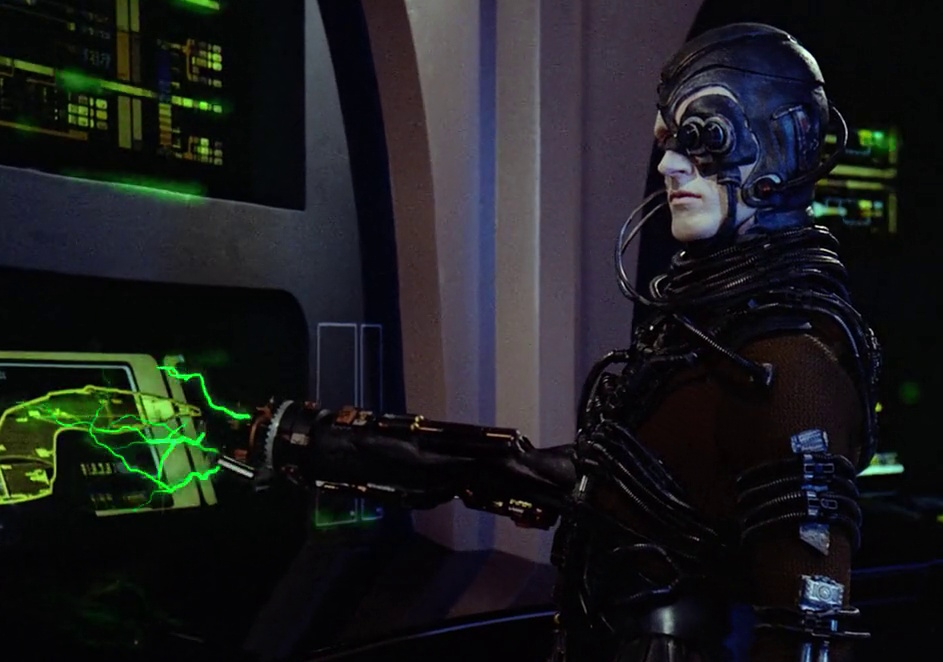
Captain Pike vs. the Borg Collective!

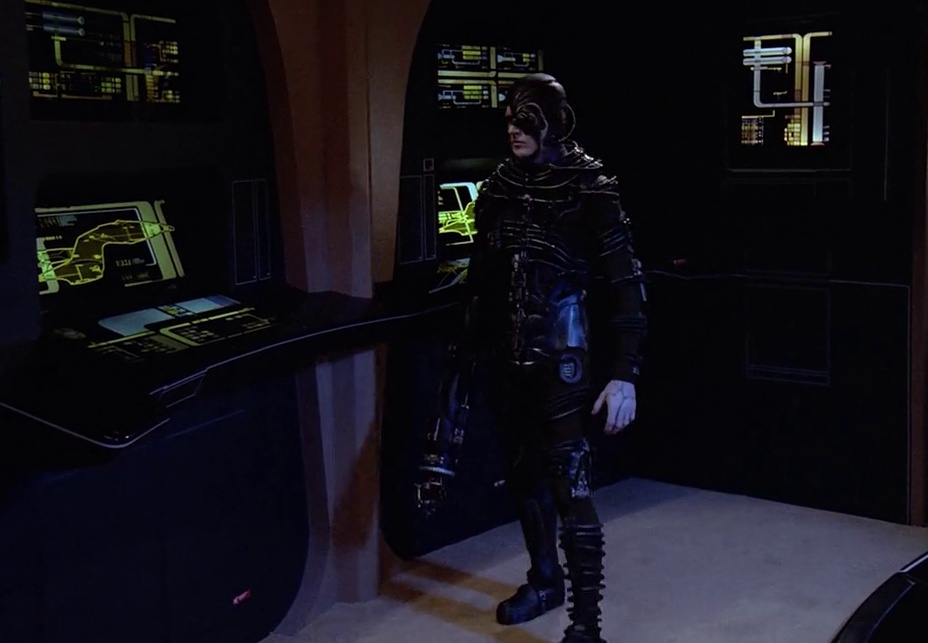
Still frame from Star Trek: The Next Generation Season 2 showing a Borg drone in main engineering.
The first Borg drone ever seen in Star Trek.

Okay, now we’re getting silly. But I still think that a Borg Strange New Worlds episode isn’t as far-fetched as it sounds! Let me explain why. Firstly, just like the Captain Lorca episode above, this one would have to take place in an alternate timeline. Somehow, someway, thanks to some technobabble interstellar phenomenon, the Enterprise is thrust into a parallel universe – one in which the Borg have come to dominate the entire galaxy. Pike and the crew would have to face off against a horde of cybernetic adversaries while struggling to make it home.

Characters like Spock and Una could suggest that this cybernetic race – the Borg – might not exist in the prime timeline, potentially explaining how Pike’s run-in with the Borg was never mentioned by anyone else! I think that clears up that particular issue much better than Enterprise did with its Borg episode! But I also like the idea of leaving just a little bit of ambiguity right at the end – perhaps Pike submits his report, and the camera hangs on Admiral April as he looks pensive and concerned.

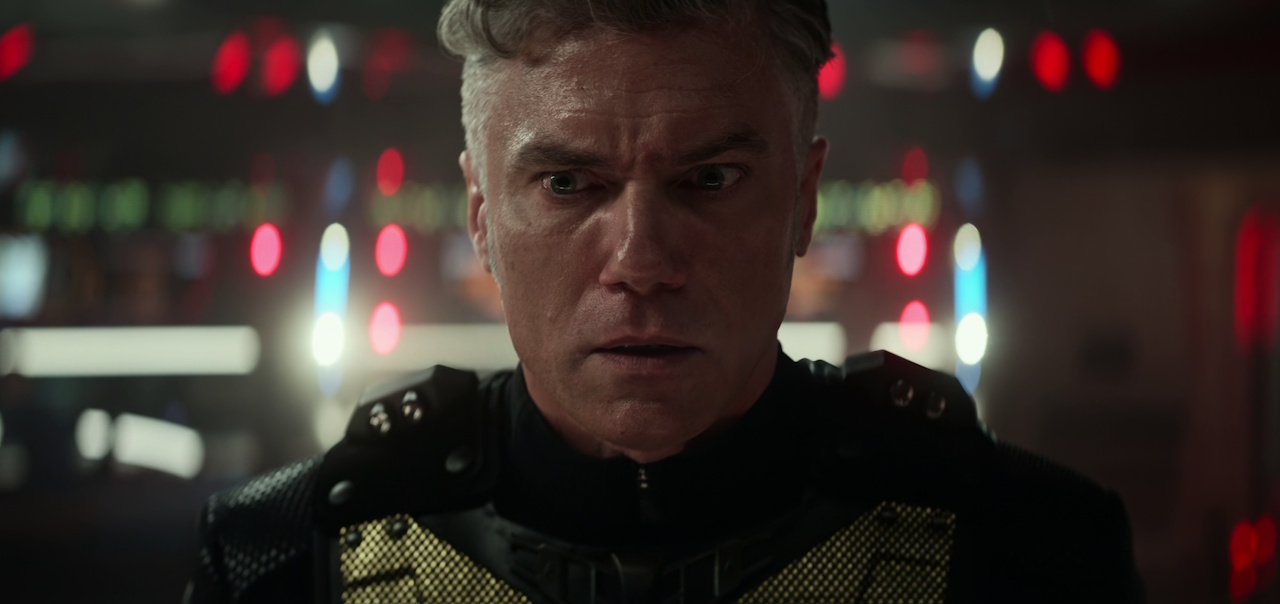
Still frame from Star Trek: Strange New Worlds Season 2 showing Captain Pike in his away team armour.
How would Pike handle the Borg threat?

After Picard arguably overdid it with the Borg, I can appreciate why bringing them back so soon might not be to everyone’s taste. And when there are so many factions and races from past iterations of Star Trek still waiting to be revisited, I can entertain the argument that doing another Borg story might not be the way to go. But when I think about the most iconic villains in Star Trek, the toughest enemies to beat, and the most frightening… the Borg are absolutely up there in all three categories, and I think they’d pose a massive challenge for Pike and the crew.

The most important thing for me is setting a story like this in an alternate universe, not the prime timeline. There’d be enough wiggle-room to have an encounter like this without treading on the toes of fantastic episodes like Q Who and The Best of Both Worlds that way.

Story #6:
Push the Burn into an alternate timeline.

Still frame from Star Trek: Discovery Season 3 showing the Burn destroying starships in a flashback.
The Burn.

As a parting gift to potential future Star Trek storytellers, I can’t think of anything this current crop of shows could do that would be better than pushing the Burn and the far-future setting into an alternate reality. Don’t get me wrong: I don’t want to see Discovery and Starfleet Academy decreed to be “non-canon,” and the far-future setting had some interesting ideas that led to some genuinely great episodes. But… as the ultimate destination for the entire Star Trek galaxy, the Burn and the post-apocalyptic hellscape it created are incredibly depressing. Not only that, they risk constraining future stories, making them feel meaningless or unimportant.

Any new Star Trek project set prior to the 32nd Century becomes, by default, a Discovery prequel. And when we know how awful Discovery’s far future was for pretty much everyone… that’s not great. It completely changes how we view stories like Picard’s third season; we knew, even subconsciously in the backs of our minds, that even if Picard managed to save the day and defeat the Borg, the Burn was still going to happen. No other Star Trek project has done more to restrict and reframe subsequent productions than Discovery’s third season.

Still frame from Star Trek: Picard Season 3 showing Spacedock under attack.
Any Star Trek episode or film set in the 23rd, 24th, or 25th Centuries becomes, by default, a prequel to Discovery’s far future… and the Burn.

And I think, all things considered, “post-apocalyptic Star Trek” didn’t work as intended – at least not in Discovery with the kinds of stories the production team wanted to tell. So let’s assume Starfleet Academy will get two seasons before a cancellation in 2027 or 2028. The absolute best thing that show could do in its final episode is find some way to push this version of the future into a pocket universe or alternate timeline. You’d have to come up with some kind of technobabble and a reason why; maybe the Burn will have knock-on effects that ultimately lead to some additional disaster, and the only way to prevent it will be to travel back in time and stop the Burn from ever happening. I don’t know. But there’s gotta be someone who could write a story like that!

What this story would have to do is thread the needle. Discovery and Starfleet Academy could continue to exist for folks who enjoyed them – and I certainly hope to be among the people who enjoy Starfleet Academy! But the main storyline of the Burn could push those shows into some kind of parallel universe – paving the way for Star Trek projects in the future to not have that massively depressing destination.

Story #7:
Star Trek: Legacy.

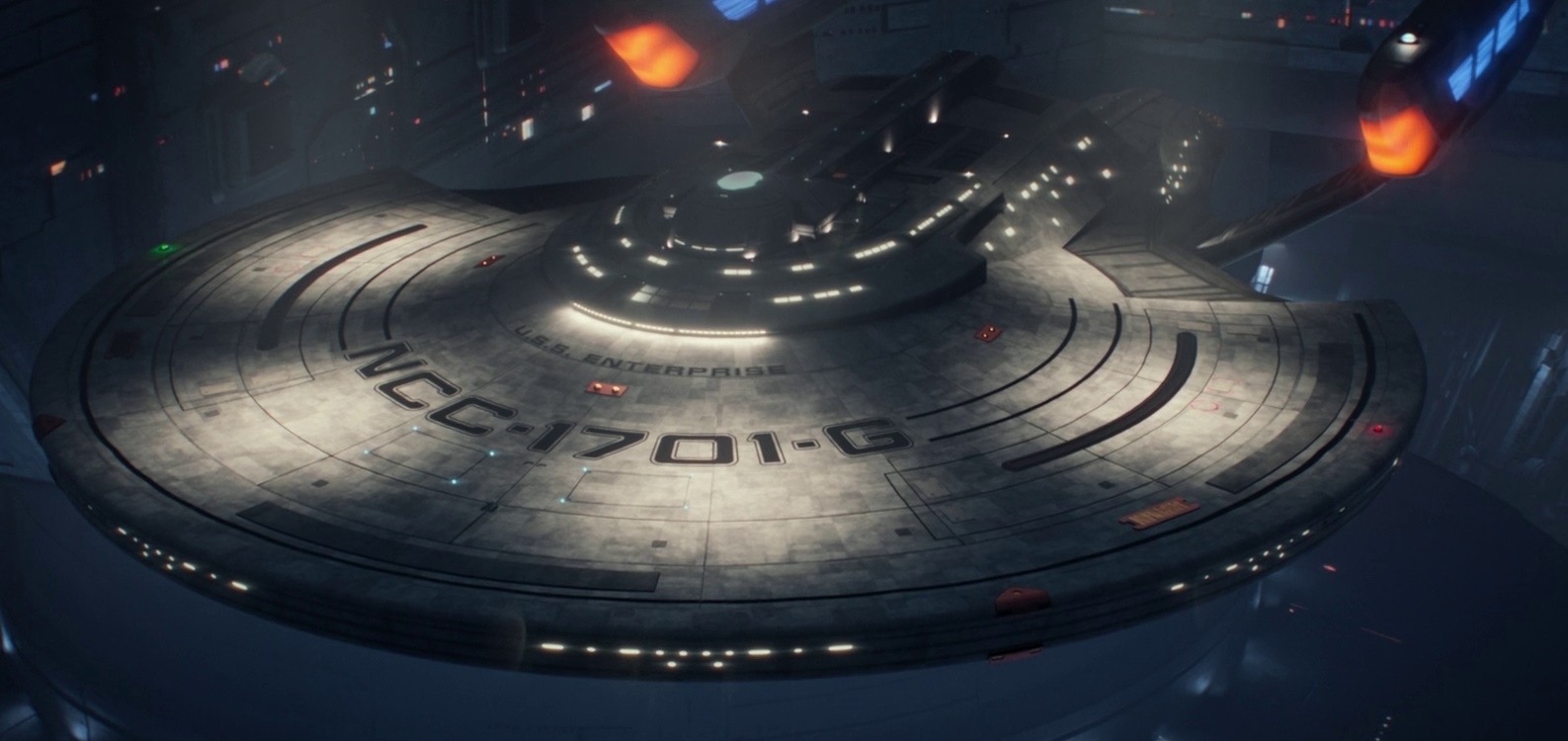
Still frame from Star Trek: Picard Season 3 showing the Enterprise-G.
The Enterprise-G.

This one isn’t a single “story” so much as an entire TV movie! In short, I’d love to see Terry Matalas’ Legacy pitch revisited, somehow. If we stick with our assumption that cancellation is coming, then it seems beyond unlikely that a brand-new big-budget series is going to get out of the starting gate. But maybe, just maybe, there’s room to turn Legacy into a Section 31-style TV movie. If it does well in that format, then who knows? Maybe Skydance/Paramount will want a continuation.

I really hope that the negative reception Section 31 received earlier in the year won’t dissuade Star Trek’s corporate overlords from revisiting the TV movie idea. There are so many stories that could work in that format – even if they couldn’t carry an entire series on their own. While I’d absolutely love to see Legacy in its originally-envisioned form as a full-blown series, a TV movie could be the next best thing… and a way to test the waters to see if the 25th Century could be Star Trek’s saviour.

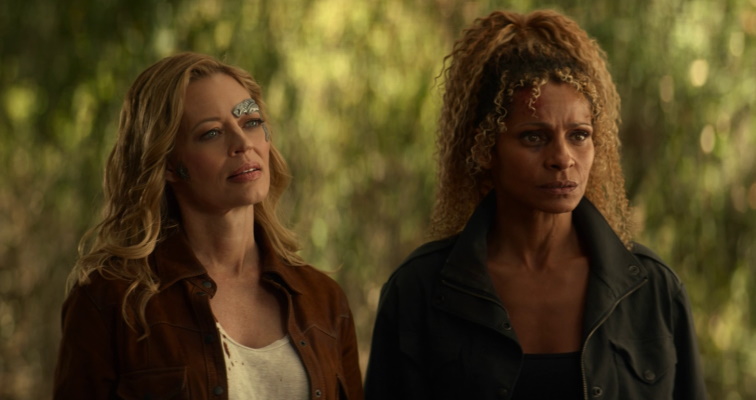
Still frame from Star Trek: Picard Season 2 showing Seven and Raffi.
Seven and Raffi could return…

I’ve argued repeatedly that the Star Trek franchise can’t just coast on nostalgia and past successes, and needs to do more to bring new, younger fans on board. That’s something I hoped Section 31 could’ve done… but that doesn’t seem to have happened, unfortunately. A restructured Legacy, with just enough of a connection to Star Trek’s past without going overboard, could be the gateway into the franchise for new fans – connecting back to characters from The Next Generation era while setting the stage for new adventures in the 25th Century.

I’ll caveat all of this by saying that no one knows what was in the original Legacy pitch – it might’ve been absolute dog shite that we would’ve all despised! And there’s clearly a reason why Paramount didn’t go for it in 2022/23. But as with other missed opportunities in recent years – like Quentin Tarantino’s film idea – I can’t help but feel the decision not to move forward was the wrong one. Perhaps Legacy can still be revived, even if it has to be a one-off TV movie instead of a full series.

Story #8:
“Cardassia Prime.”

Still frame from Star Trek: The Original Series showing the USS Enterprise with the words "Cardassia Prime" in the style of an Original Series title card.

If you’re a regular reader, you might remember my fantasy “episode pitch” for Strange New Worlds from a few months back. I titled the story Cardassia Prime, and it would tell the story of first contact between the Federation and the Cardassians. But wait, there’s more! I’d also bring an elderly T’Pol into the story, serving as an ambassador and diplomat for the Federation in her later years.

The episode would start with Captain Pike receiving new orders – a Federation colony ship has been attacked by an unknown faction, and a special ambassador is coming aboard the Enterprise to help defuse the situation. The ambassador will be revealed as T’Pol – now well over a hundred years old, but still working for the Federation. I’d love to see some interaction between an elderly T’Pol and a younger Spock; perhaps she’d have some advice for him on working closely with humans and discovering personal connections with them that could foreshadow Spock’s deep bond with Kirk.

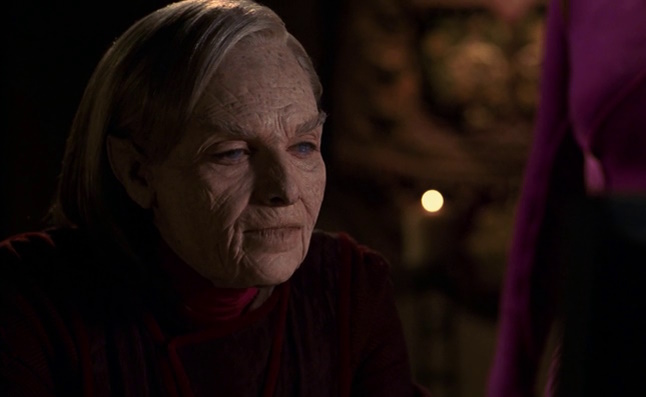
Still frame from Star Trek: Enterprise showing an elderly T'Pol.
This episode would feature an older T’Pol.

We’ll also discover that the aggressive, territorial power T’Pol has been sent to negotiate with is the nascent Cardassian Empire – and they’ve laid claim to a system that a Federation colony ship inadvertently ventured into. This kind of hostile first contact, with an emphasis on competing claims for star systems along a shared border, could set be the precursor to the Carsassian Border Wars of the 24th Century, foreshadowing events referenced in The Next Generation and Deep Space Nine. I like the idea of a non-violent resolution; Captain Pike shouldn’t have to fire his phaser even once, despite Cardassian intransigence!

We’ve never seen how first contact between Starfleet and the Cardassians went, and I just adore the idea of an episode bringing together elements from all three of Star Trek’s main eras: the 22nd Century, represented by T’Pol, the 23rd, obviously represented by Pike, Spock, and the Enterprise, and the 24th, represented by the Cardassians, who were first introduced in that era and who were a major antagonist. If you want a longer look at my “Cardassia Prime” story outline, you can find it by clicking or tapping here.

Story #9:
32nd Century Klingons.

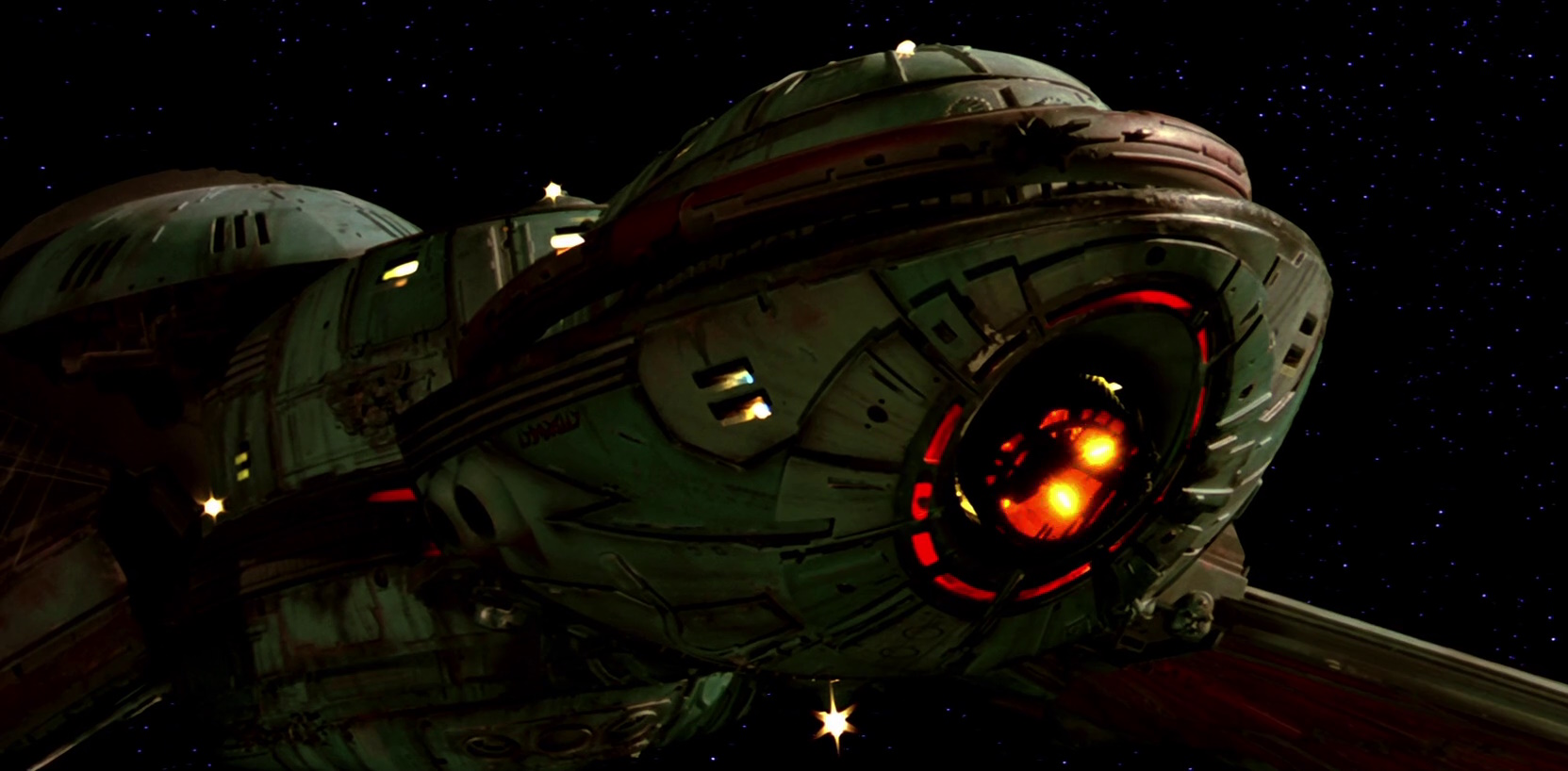
Still frame from Star Trek III: The Search for Spock showing a Klingon Bird-of-Prey up close.
A Klingon Bird-of-Prey.

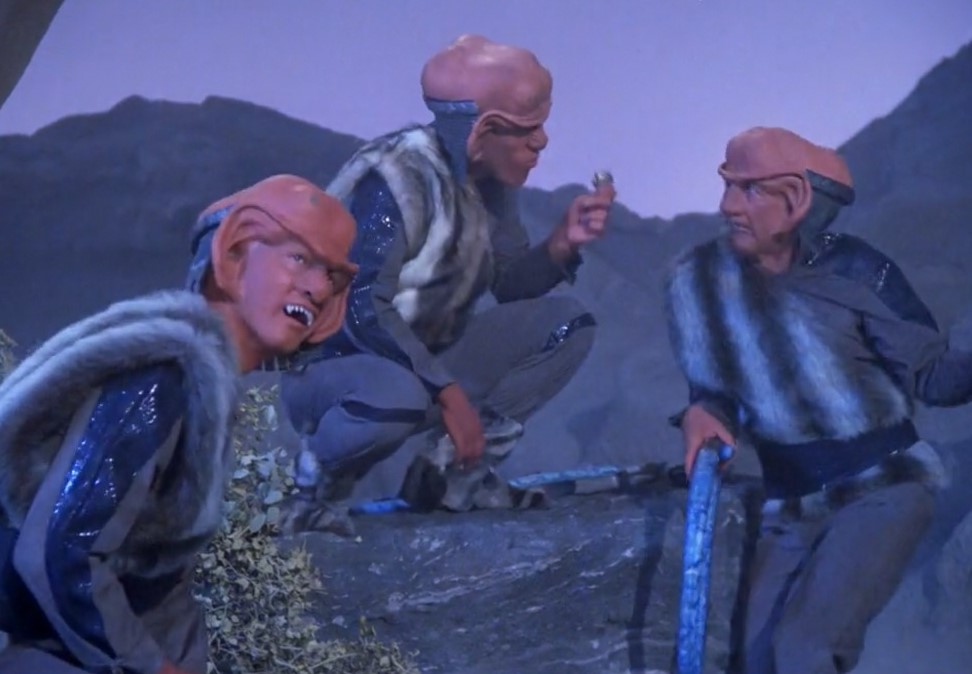
After shooting forwards in time far beyond anything we’ve seen in Star Trek before, Discovery disappointed me by showing us remarkably little of the galaxy in this era. With storylines focused on the next “massive galactic threat” and Burnham’s soap opera-like personal relationships, the show just didn’t even try to give us a bigger picture look at some of the factions and races we remember. A few were glimpsed – literally, just glimpsed in the background with a single character, like a Ferengi or Lurian. But we’ve seen hide nor hair of the Klingons.

Of all the races in Star Trek, the Klingons are perhaps the most iconic and narratively important. So it feels odd to have spent three full seasons in Discovery’s far future without so much as glimpsing a single solitary Klingon! There are so many ways this could’ve gone, too – the Klingons could’ve become fully-fledged Federation members by this time, returned to isolationism, or even broken their alliance to become an enemy once again.

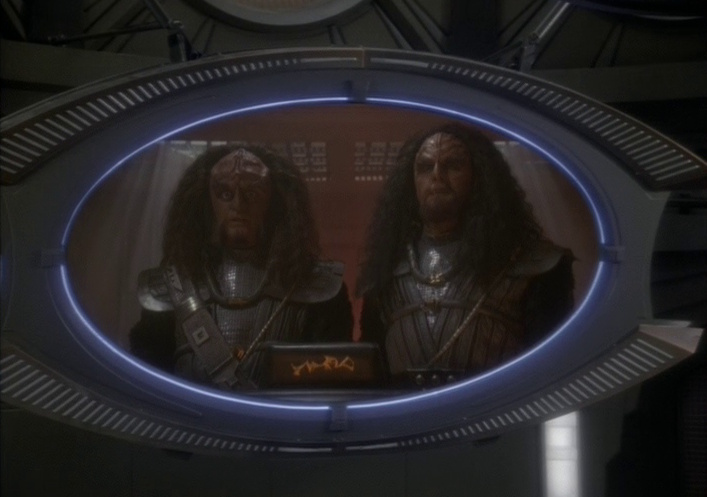
Still frame from Star Trek: Deep Space Nine showing two Klingon leaders on DS9's viewscreen.
Gowron and Martok in Deep Space Nine.

And then there’s the Burn. The Burn was, in a roundabout way, caused by a Federation citizen aboard a Federation ship… so what would the Klingons make of that revelation? How did the Burn even impact their empire – or whatever was left of it by the 32nd Century? Is there still an extant Klingon state at all, or did their empire fall apart centuries ago, with surviving Klingons existing as second-class citizens under the jurisdiction of the likes of the Breen or Emerald Chain?

I’d love to see Starfleet Academy begin the process of answering these questions! Even though, as stated above, I think pushing this vision of the far future into a separate timeline would be for the best, I’m still curious to catch up with the Klingons in this era, finding out what happened to them in the centuries after we last saw them.

Story #10:
Tie up Picard’s loose ends… or some of them, at least.

Still frame from Star Trek: Picard Season 1 showing Narek's final on-screen moment.
Hi, Narek…

Who are the “alliance of synthetic life,” and what were their goals? Who created the mysterious transwarp anomaly/weapon? Could those two stories, from Seasons 1 and 2 of Picard, be related somehow? I’d love to get some closure on these two apparently-massive storylines that Picard’s writing team dropped without bothering to explain!

This is another storyline that could’ve emerged in Star Trek: Legacy… but I think there’s at least the potential for Starfleet Academy to tie up these loose ends. Even if all we get is a short scene, a few lines of dialogue, and confirmation that the super-synths tried to attack the Federation before being defeated by a renegade Borg ally… that would be something. Maybe we could learn that Starfleet established relations with the “alliance of synthetic life” and they maintain an embassy. If the writers really wanted to lean into this idea, we could even connect it to a synthetic character like the Doctor – who we know is coming back in Starfleet Academy’s first season.

Still frame from Star Trek: Picard Season 2 showing the assembled fleet and the mysterious anomaly.
The mysterious anomaly from Season 2.

As I’ve said before, Picard was a jumbled, contradictory mess of a show – one that dumped characters and storylines with no explanation, overwrote significant story beats from one episode to the next, and while it managed to pull out a satisfactory ending to its third season… there was a lot left on the cutting-room floor as the credits rolled. Getting some kind of closure to some of these points – even centuries later in a completely different context – would be fantastic.

As Trekkies, we like the world of Star Trek to make sense. And when whole storylines which appear to involve impossibly-powerful enemies and adversaries just disappear without a trace… well, that isn’t very satisfying. Even if Starfleet Academy could find time to include a couple of throwaway lines of dialogue referencing and providing some kind of closure to the super-synths and the mysterious anomaly… I think that would do a lot to improve how I feel about those storylines.

So that’s it… for now.

Concept art of the USS Excalibur from Star Trek Online.
Star Trek Online’s USS Excalibur.

With Strange New Worlds not even halfway through its four-and-a-half season run, and Starfleet Academy having been announced but not so much as glimpsed yet… it feels strange to be thinking about Star Trek as a whole potentially being shut down in just a few years’ time. However, unless something massive changes – and quickly – that seems to be what we’re headed for. It’s a depressing thought, especially since cancellation in the late 2020s could very well mean that these upcoming episodes and stories will be the last brand-new Star Trek I’ll ever see. But what can you do, eh?

I hope this has been an interesting thought experiment, at least. There are some stories and episode ideas that I’d really love to see brought to the screen over the next few years, and if they’re to be among the last in this current incarnation of Star Trek… well, let’s just hope they’re good ones!

Thanks for tuning in, and as always… Live Long and Prosper!


Star Trek: Strange New Worlds Season 3 and Star Trek: Starfleet Academy Season 1 are in production and will be broadcast on Paramount+ in the months ahead. Other Star Trek shows and films are already on the platform now, and may also be available on DVD and/or Blu-ray. The Star Trek franchise – including all episodes, films, series, and other properties discussed above – is the copyright of Paramount Global. This article contains the thoughts and opinions of one person only and is not intended to cause any offence.
Ten changes I’d like Star Trek to make on the production side

Here on the website I often talk about potential Star Trek projects, storytelling and narrative choices, and some of the things that I’d like the franchise to do in upcoming series and films. This time I thought it could be interesting to do things a little differently – today we’re going to look at some technical and production-side changes that I think would benefit Star Trek going forward.

The renewed Star Trek franchise hasn’t been shy when it comes to trying new and different things since its return to the small screen in 2017, and while there are some ongoing issues – particularly relating to the way parent company Paramount is handling things – there are still a number of successes that deserve to be commended. This piece isn’t meant to detract from the accomplishments that Star Trek has made in recent years.

There’s a lot to celebrate in modern Star Trek!

But there’s always room for improvement and new ideas! Sometimes that might mean pushing the boat out further and trying genuinely different things – a lesson that another sci-fi franchise could learn from Star Trek, in my opinion! Other times, returning to something that has previously been demonstrated to work well or be popular could be the way to go. There are different ways to approach such a big subject – and naturally, everyone is going to have different perspectives based on their own ideas and preferences.

I’m not an entertainment industry professional. The closest I came to that was working in the video games industry some years ago, and even then I was working in marketing rather than in a creative or technical capacity. So I’m categorically not an expert at how television shows are created and brought to screen! But I know what works for me, what I personally think looks and feels good, and I have some ideas for what I’d like to see from Star Trek in future. That’s what we’re going to talk about today.
I’m no Alex Kurtzman!
Photo Credit: Gage Skidmore, CC BY-SA 2.0 https://creativecommons.org/licenses/by-sa/2.0, via Wikimedia Commons

My usual caveats apply: I have no “insider information,” nor am I in a position to set policy at Paramount! So it’s quite likely that much of what we talk about today will never make it to screen. This is a wishlist from a long-time fan, and nothing more. It’s also entirely subjective – so if you hate all of my ideas or I don’t include things that seem like common sense to you, that’s okay! We all have different perspectives and points of view; these are mine, and I share them in the spirit of civil and polite discussion about the future of Star Trek.

With all of that out of the way, let’s take a look at ten technical and/or production-side changes that I’d like to see the Star Trek franchise make.

Number 1:
4K and HDR.

4K UHD logo.

If you’re unfamiliar with these terms, “4K” is a screen resolution also known as “ultra-HD.” Whereas a standard HD video image might be 1920 pixels wide by 1080 pixels high, 4K video footage is typically 3840 pixels wide by 2160 pixels high. The increased number of pixels means that image clarity is massively improved, and more detail can be shown with each frame.

“HDR” is an acronym that stands for “high dynamic range,” and in basic terms it makes bright colours brighter and darker colours darker, making for a more true-to-life image on screen. When viewed on an HDR-compatible television or screen, HDR footage looks significantly more real than non-HDR video.

Exaggerated visualisation of the difference between HDR (left) and SDR (right).
Image Credit: LG Electronics.

Both 4K and HDR are increasingly common in home entertainment, and streaming platforms like Netflix and Disney+ are offering an increasing amount of their new content in 4K with HDR support. So far, no new Star Trek shows have been created in 4K HDR, despite the technology being available, and Paramount+ doesn’t support it right now. This has got to change – and soon – in order for Paramount+ to offer a comparable service to its competitors, and the Star Trek franchise is a great place to start.

There have been a limited number of 4K re-releases, such as the Director’s Edition of The Motion Picture, but realistically it’s now time for Star Trek to transition to producing its newest content in 4K HDR.

Number 2:
Go big for the sixtieth anniversary.

The 60th anniversary is approaching…

At time of writing it’s just over four years to go before the Star Trek franchise will celebrate its sixtieth anniversary. At the time of the fiftieth in 2016, Discovery hadn’t yet premiered and while there was a whole lot of celebrating, it wasn’t possible to do a lot on screen. Star Trek Beyond was the only project to release that year.

But the sixtieth should be different! There are currently five Star Trek projects in production, with at least two others supposedly being worked on behind the scenes. By the time we get to 2026 the franchise should still be going strong, and that raises the possibility of some truly spectacular events to mark the milestone.

Let’s make it a party to remember!

The 30th anniversary of Star Trek in 1996 saw projects like Trials and Tribble-ations and Flashback from Deep Space Nine and Voyager respectively that paid homage to the franchise’s history. Bringing back classic characters, telling fun fan-servicey stories, and more could all be part of a big sixtieth anniversary celebration – but I’d like to see some kind of major crossover event!

Imagine how much fun it could be if a crossover special were created that featured characters from every iteration of Star Trek. Star Trek’s version of The Avengers, where characters from every show and film found themselves – somehow – in the same timeline and era, needing to battle some nefarious villain. It might be terrible, it might be criticised for being too heavy on the fan-service, but as a one-off project there’s nothing I’d like to see more!

Number 3:
Make better use of indoor sound stages and the AR wall.

The AR wall during filming for Discovery Season 4.

To be fair, I think the investment that Paramount has made in the AR wall is already beginning to see some results (though I can’t be the only one playing a game of “spot the AR wall,” can I?) But since Star Trek returned to the small screen, it hasn’t been smooth sailing in terms of getting diversity in filming locations.

I felt this most acutely during Season 1 of Star Trek: Picard, and if you’ve been a regular reader since 2020 you may recall that I commented on it in my reviews as the season wore on. In short, every planet that Picard and the crew visited was a barely-disguised southern California, and in a ten-episode season that took them to a new locale almost every week, that became painfully obvious to the point that it detracted from the story in places.

The faraway planet of… southern California.

This has also been something I’ve started to notice with Discovery, too. Certain filming locations (like a disused quarry) crop up multiple times, supposedly representing entirely different planets, and there’s just no need for it. Some of the outdoor shoots that I’ve felt were problematic barely lasted five minutes, so for the sake of a short sequence or a handful of scenes, making use of an indoor sound stage is preferable.

Partly this is because we’ve been spoilt by the likes of Game of Thrones with its multi-national filming locations all across Europe! But partly, it must be said, it’s because Star Trek’s producers have lacked either the budget or the creativity to do something different. The AR wall will be a big help going forward, I have no doubt, but getting diversity in the franchise’s filming locations is a big request of mine. Once you start to notice these things, you can’t un-see them!

Number 4:
Make better use of social media.

Some of the most popular social media platforms.

Star Trek’s social media has been atrocious over the past couple of years, and in 2022 there’s no excuse for that. Social media can be a massive asset to any franchise, particularly in the run-up to big releases. But the way Star Trek has handled it has been poor.

Star Trek’s official social media channels – and the rest of Paramount’s, too – need to coordinate better. If a trailer is broadcast for a new or upcoming project, it needs to be available on every platform within minutes. Official Star Trek and Paramount+ YouTube channels don’t do this for some incredibly stupid reason, and it can be hard to find a good-quality copy of the latest trailers sometimes – something that I notice because of trying to get screenshots and still frames to use here on the website.

A regular sight for non-American fans.

Moreover, Star Trek needs to be more conversational and interactive. Social media isn’t just a billboard; an empty advertising space to display posters and teasers and talk about what’s coming up. It’s a place to interact with fans. That means that when fans have questions, someone needs to be there to provide answers. If fans make art or jokes or memes, someone needs to react and respond to those.

In 2022, social media can literally make or break a television series. Projects as diverse as Game of Thrones and Squid Game blew up thanks to social media, and Paramount has continually failed to recognise what an asset social media could be if they used it right. This is one example, in my opinion, of how Paramount’s leadership remains stuck in the past. 20th Century thinking won’t cut it anymore, and wasting money on things like billboards in Times Square or posters on the London Underground won’t bring in viewers. Social media is where it’s at – so a complete overhaul of the way it’s handled is a must.

Number 5:
Ditch the cinematic “letterbox.”

The “letterbox” in Short Treks.

I admit that this one is very much a matter of personal taste, but I find that the “cinematic” format used for modern Star Trek episodes is just a bit… gimmicky. Most television shows use a 16:9 or maybe a 16:10 aspect ratio; modern live-action Star Trek episodes have insisted on using a 2.4:1 aspect ratio that’s more commonly seen in films.

If you’re watching a film at the cinema, that’s basically become the industry standard. But most televisions – and even many fancy home theatre setups – still use 16:9 or 16:10 screens, meaning that Star Trek episodes have awkward and ugly black bars above and below the picture. I just feel that this is an unnecessary gimmick, and that I’d prefer to see episodes in a standard widescreen format.

The “letterbox” in Strange New Worlds.

To be fair, this isn’t an issue that’s exclusive to the Star Trek franchise, as it’s been seen in shows like The Mandalorian and Obi-Wan Kenobi over in the Star Wars franchise as well, and seems to be increasingly in vogue for modern television series. But to me it still feels like a gimmick at best, and something that may end up making TV shows of this era feel dated in years to come.

Any time I watch a video with ugly black bars around it, it makes me feel like I’m not seeing the full picture; as if something has been cut off. This applies when watching older shows in 4:3 as well. So if everyone could stick to a standard widescreen format that would be great!

Number 6:
A return to more episodic storytelling.

Discovery set the stage for serialised storytelling in modern Star Trek.

To be fair, this has already happened with the likes of Lower Decks and, of course, Strange New Worlds. But it would be great to see more of a focus on episodic, “monster-of-the-week” storytelling from Star Trek going forward. That was where the franchise began, and there are many benefits to this approach.

In the wake of projects like Lost and Game of Thrones we saw a lot of television shows try to take a more serialised approach – with varying results. Some series and franchises can pull it off more successfully than others, but the fundamental weakness in this approach – as Lost, Game of Thrones, and some recent seasons of Star Trek have shown – is that you have to absolutely nail the full story, and particularly have a well-written, thoroughly planned ending.

There’s a reason why no one talks about Game of Thrones anymore.

In short, the weakness in serialised storytelling is that one or two bad episodes, particularly if they come at the end, can sour an entire season or even an entire series. Look at how the two-part finale of Picard Season 1 put a downer on the whole season, or for a more extreme example how Game of Thrones’ eighth season effectively killed off the entire series.

Episodic storytelling is less risky in that regard! One bad episode doesn’t ruin an entire story, and that’s a big point in its favour. But moreover, the Star Trek galaxy is well-suited to these kinds of one-and-done stories. It allows for a lot more freedom and creativity, and would allow us as the audience to take a look and many more aliens, many more planets, and to get a much broader perspective. There’s a place for serialised storytelling within Star Trek – but not in every project.

Number 7:
Properly address international distribution issues.

There’s a world beyond America’s borders…

One of the main weights around the neck of the Star Trek franchise right now is the appalling international distribution situation. It really feels like Paramount doesn’t care in the slightest about any non-American fans – and in the globalised, connected marketplace we’re in in 2022, that’s not acceptable.

Star Trek is one of the big selling points for Paramount+… but if the streaming platform isn’t available and there are no concrete plans to make it available in the short-term, Paramount needs to do something else to ensure non-American fans can watch the latest episodes of Star Trek. As I’ve already pointed out, Paramount Global owns or co-owns a massive number of television channels all across the world, and they have the ability to do deals with the likes of Netflix, Google, Amazon, and others.

Paramount’s approach feels very Trumpian.

The lack of international distribution for Lower Decks Season 1, Prodigy, Strange New Worlds, and most egregiously Discovery Season 4 was entirely Paramount’s fault. They chose to broadcast these shows in the United States without getting international broadcasts set up, and they could have either worked harder to get that set up or delayed those shows if they couldn’t.

There are many Trekkies outside of the United States who feel hurt by this – and as I continue to point out, this harms the reputations of Paramount and Star Trek all across the world. Paramount needs to do more – and quickly – to address this situation and ensure that fans all over the world can watch and share in every new episode of Star Trek. If they won’t do that, the Star Trek franchise and Paramount+ will be in serious jeopardy. It’s that simple.

Number 8:
More official merchandise.

Playmates is one of the brands that Star Trek has worked with in the past.

As I said last year when Prodigy premiered, it was incredibly poor from Paramount to broadcast a television show aimed at kids while offering no kid-friendly tie-in products like toys, playsets, and dress-up costumes. Merchandise is a money-maker in itself, of course, but it’s also a great way to signal that the Star Trek franchise is back and here to stay.

One of my earliest Star Trek memories isn’t an episode or film, but a product. My uncle showed my a toy phaser that he had when I was very young, and that memory has stuck with me. For kids, toys and games can push them to check out a television show or franchise for the first time, and just by seeing Star Trek-branded products on shelves, more people will be aware of the fact that new shows and films are being made.

A modern action figure of Q.

Star Wars has an excellent approach to merchandise – and that’s always been the case. In the 1990s Star Trek was a close competitor, and I have a number of figures in my collection from that era. Even relatively minor characters like Morn found themselves turned into action figures – and Star Trek needs to get back to doing that. There’s a place for expensive collectables too, but more than anything Star Trek needs the playsets and toys that it used to be so good at creating.

We’re seeing moves in the right direction here, with the likes of Mego and Playmates coming online and starting to produce more toys and products, but Paramount still needs to do more. At this rate, Prodigy’s entire first year will have come and gone without a single toy or tie-in product being created, and to me that just screams “amateurish.”

Number 9:
Restart the Short Treks series and create more one-off stories, mini-episodes, and TV movies.

There’s a lot of untapped potential in Short Treks.

There are many Star Trek concepts and ideas that don’t have a place in the wider franchise. Some pitches from well-known actors and writers may not make for a great film or series, but could be adapted to be a one-off, a mini-episode, or even a TV movie. With the investments that have been made in sets, the AR wall, and so on, it’s easier than ever to do this.

These one-shot projects would also be commercially useful for Paramount+, convincing subscribers to remain engaged with the platform in between seasons of Star Trek’s main shows. That was the original purpose behind Short Treks (even if it was never stated up-front!) and it makes a lot of sense.

One Short Treks episode told us more about Saru.

Short Treks as a format could be the gateway to some incredibly diverse and varied stories, potentially revisiting classic characters and episodes in a way that the franchise’s main shows wouldn’t be able to. And aside from the fan-service, one-shot episodes and TV movies could be excellent gateways into the Star Trek franchise for newbies or for viewers who’ve just begun to dip their toes into Star Trek.

By making use of existing sets and props as much as possible, at least some of these projects could be relatively inexpensive to create – another big point in their favour.

Number 10:
Use less CGI in favour of more practical effects and props.

A combination of practical and digital effects in Star Trek: Picard.

Some episodes of modern Star Trek are overladen with CGI, including in places where no CGI should really be necessary. CGI is great in some instances, don’t get me wrong, but it doesn’t have to be used in every case for every shot!

Star Wars has found success by returning to physical props and puppets and making use of more practical effects, and those moves have won praise from many fans. Star Trek could absolutely go down the same road, creating more models, physical props, and prosthetics for alien races instead of relying entirely on CGI.

The USS Discovery at warp.

Some older episodes of Star Trek haven’t aged well because of some of their sets and props, but I think that can also apply to CGI. CGI-heavy projects from 10-15 years ago can look pretty amateurish by today’s standards, so we shouldn’t worry too much about how “dated” something may or may not look in the years ahead.

There are some wonderful sets, some amazing prosthetics, and some fantastic props that have been created for modern Star Trek. And as I pointed out above, relying too much on one set or one outdoor location can be detrimental, too! But for my money, Star Trek could absolutely make use of more physical props, puppets, and visual effects.

So that’s it!

The Star Trek Universe logo.

“If I ruled the world…” or in this case, if I were in charge of the Star Trek franchise, those are some of the changes I’d like to make. Some are more important than others, naturally, and none of this is to say that what Star Trek has been doing so far is bad. Just that there are changes that could be made to improve things. In my subjective opinion, of course!

I hope that this was a bit of fun, and you can find longer articles that go into more detail about some of the subjects discussed above right here on the website. If you’re new around here, I write about Star Trek a lot! So stay tuned for more Star Trek content to come.

The Star Trek franchise – including all films and series mentioned above – is the copyright of Paramount Global. This article contains the thoughts and opinions of one person only and is not intended to cause any offence.