


Spoiler Warning: There are spoilers ahead for the following Star Trek productions: The Original Series, The Motion Picture, The Next Generation, Deep Space Nine, Voyager, Enterprise, Discovery, Picard, and the video game Star Trek: Voyager – Across the Unknown.
Let’s celebrate Star Trek’s 60th anniversary year with another of my Marvel-inspired “What If…” articles! This is something I’ve done a couple of times before here on the website, and I’ll briefly go over the format if you’re unfamiliar with it. I thought this could be a fun and interesting way to continue our 60th anniversary celebrations, anyway.
In 2021, Disney and Marvel premiered a series called What If…? on Disney+. The concept was, in brief, to show alternate histories of the Marvel universe; different characters or altered decisions leading to, in some cases, radically different or unexpected outcomes. I didn’t watch the show (because I’m not really into Marvel or superheroes that much), but I really liked the concept behind the series, and I wanted to apply it to the Star Trek franchise, too.
My first take on this idea – which you can find by clicking or tapping here – saw me consider what might’ve happened if: Captain Picard died after the events of The Best of Both Worlds, Spock was never resurrected on the Genesis Planet in The Search for Spock, Voyager decided to head for the Gamma Quadrant terminus of the Bajoran Wormhole, the USS Discovery never went to the future, and Captain Sisko wasn’t the Prophets’ Emissary. I had fun delving into all of those ideas and laying out my “alternate histories of the future!”
Last year, in my second piece – which you can find by clicking or tapping here – I talked about what could’ve happened if: Captain Picard and Q never met, Section 31 was responsible for creating the Borg, the USS Voyager was destroyed over Ocampa and the survivors were picked up by Chakotay’s Maquis raider, the Romulans eventually figured out the deception from In The Pale Moonlight, and Captain Kirk survived the events of Generations. Again, all of those were a ton of fun to consider.
Be sure to check out those earlier pieces if you enjoy this format. And feel free to use the same concept in your own writing or on social media, too!
So today, I’m back for a third crack at this idea. I’ve chosen five storylines from across the Star Trek franchise, and I’m going to answer the question “what if things were different?”
My usual caveat applies: all of this is *subjective, not objective*, so if you hate all of my ideas and mini-stories, that’s okay! There’s plenty of room in the Trekkie community for differences of opinion and disagreements without getting into an argument. None of this is even *remotely* canon, anyway, nor will it ever be – so if you really do hate my ideas, you can take solace there, I hope!
With all of that out of the way, let’s get started!
What If… #1:
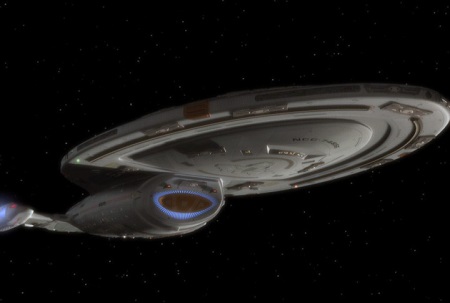
What if… the USS Voyager returned home after the events of Caretaker?
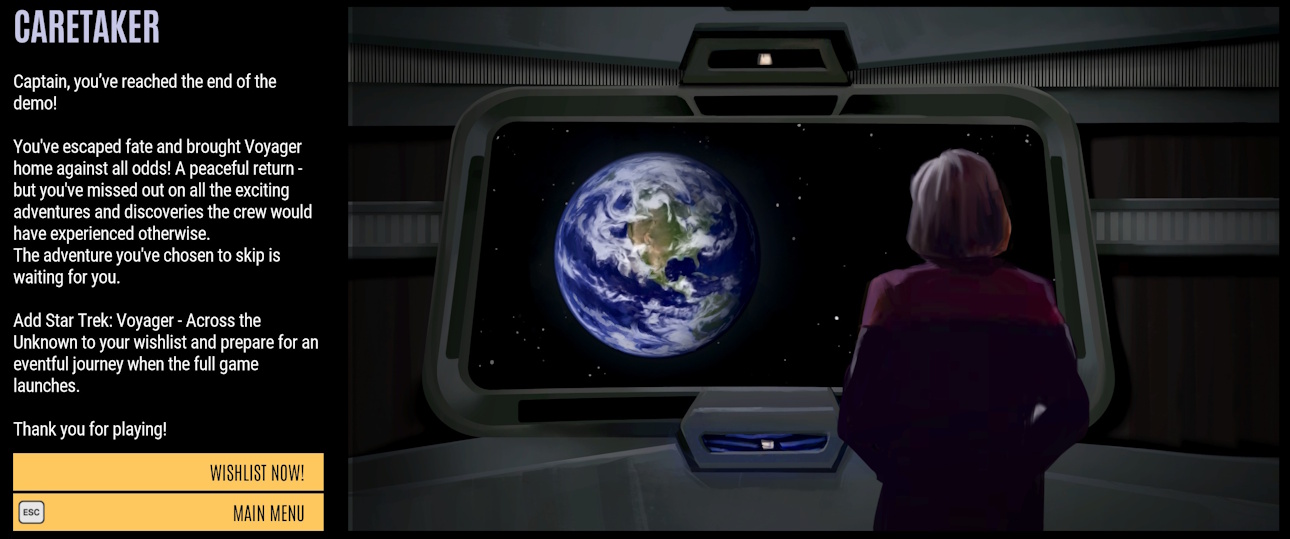
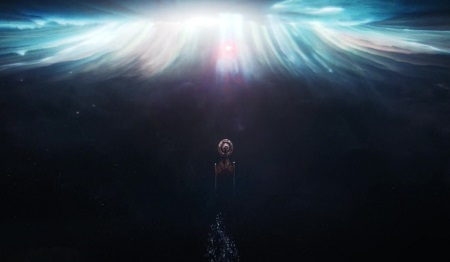
Shout out to the upcoming video game Across The Unknown, where you can actually pull this off if you want!
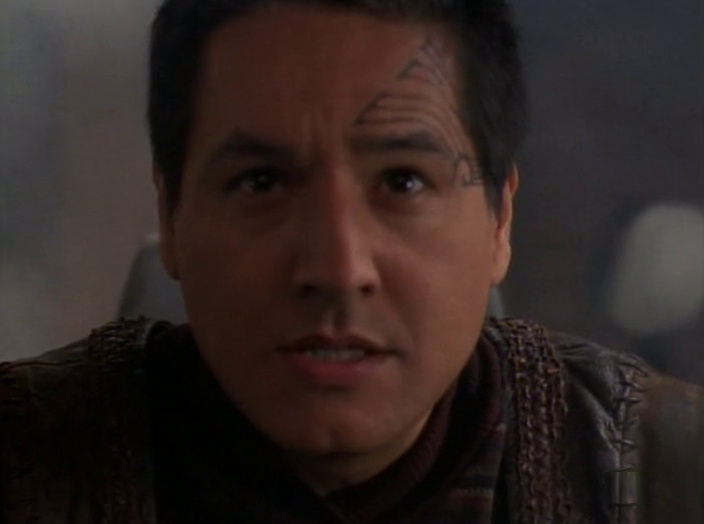
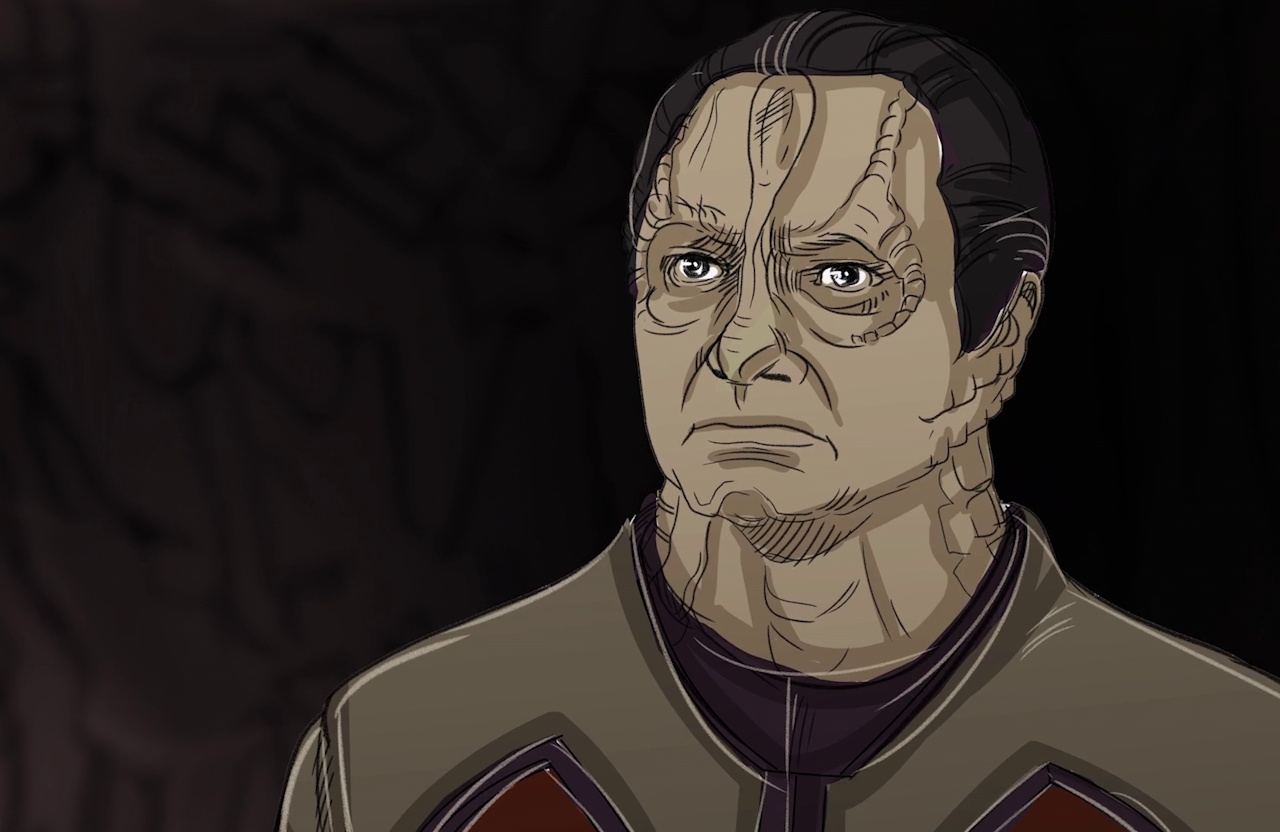
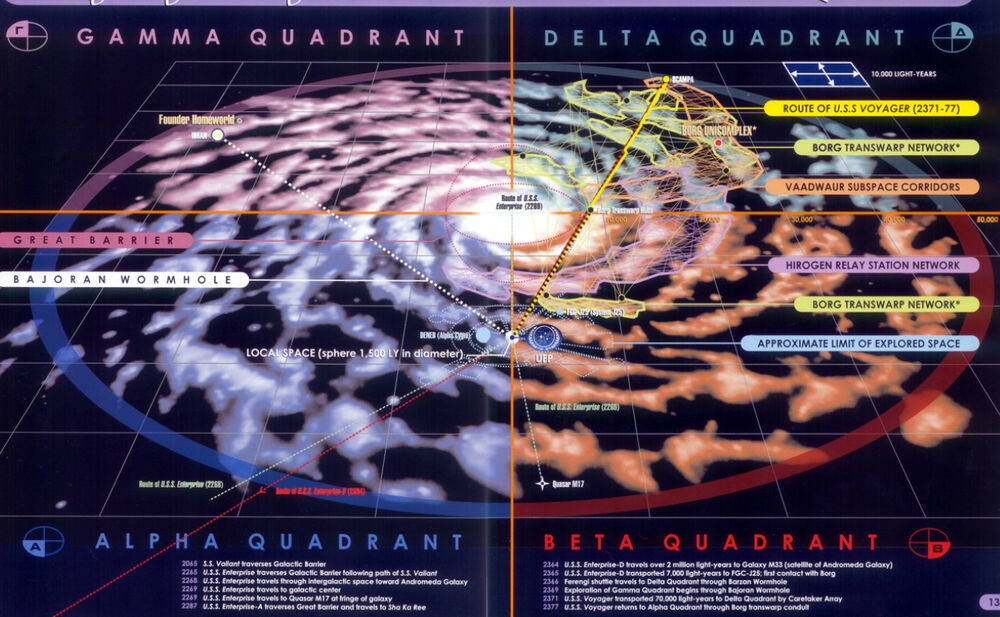
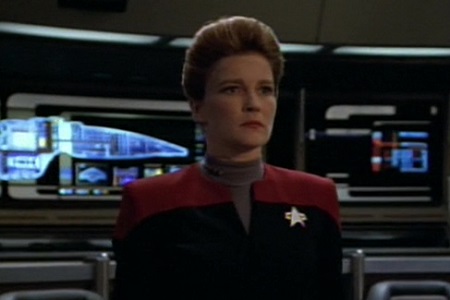
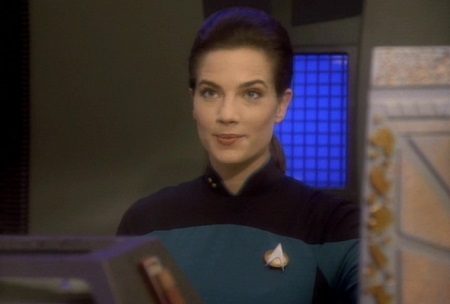
In this scenario, we’re starting with Voyager’s premiere: Caretaker. But we’re going to do things a little differently! As happened in an alternate timeline glimpsed in the episode Non Sequitur, Tom Paris got arrested by Odo on DS9, and never even set foot aboard Voyager. In our take on the story, we’re going to say that Captain Janeway approached Commander Sisko for advice, as she was still in need of a guide to the Badlands. Sisko would “loan” two of his officers to assist her on the mission – people who are familiar with the Badlands, both scientifically and geographically: Jadzia Dax and Michael Eddington.
Both officers would be present on the bridge during the search for Chakotay’s ship, and both would survive the displacement wave that dragged Voyager to the Delta Quadrant. After encountering the Kazon, Ocampa, and the Caretaker, Voyager’s captain and senior staff would be faced with the same dilemma as in the prime timeline: use the Array to return home, or destroy it to prevent it from falling into the hands of the Kazon.
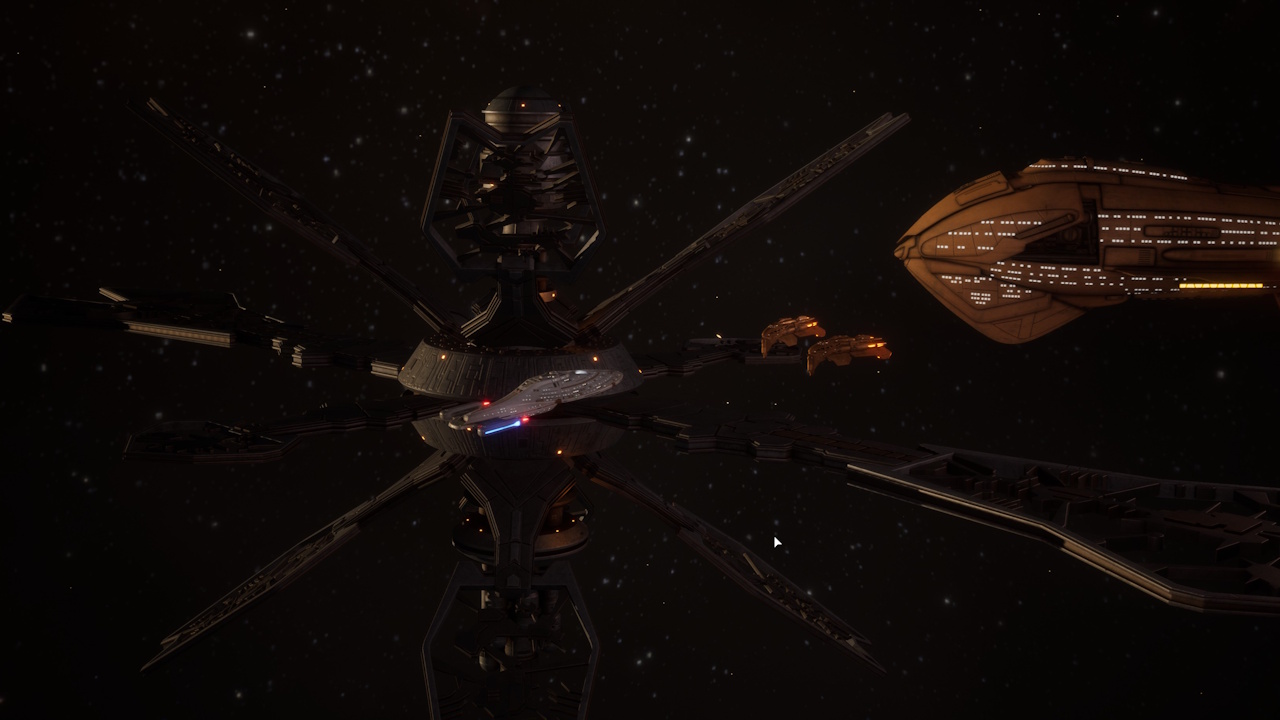
There are two factors at play, I think. Firstly, Eddington’s true loyalties lie not with Starfleet, but with the Maquis. I think he’d be desperate to get back to DS9 so that he could continue to work undercover, building up to his big defection in For The Cause. Eddington would be one of the most significant voices arguing for a return home. Dax, too, would be keen to get back, but her centuries of experience and scientific background would come into play here. Dax might be able to find a way to set Voyager’s tricobalt devices to detonate on a timer, allowing the Array to be sabotaged, and then used to return home. Or, by having someone with a keen scientific mind access the Array, other options for using its technology could have presented themselves.
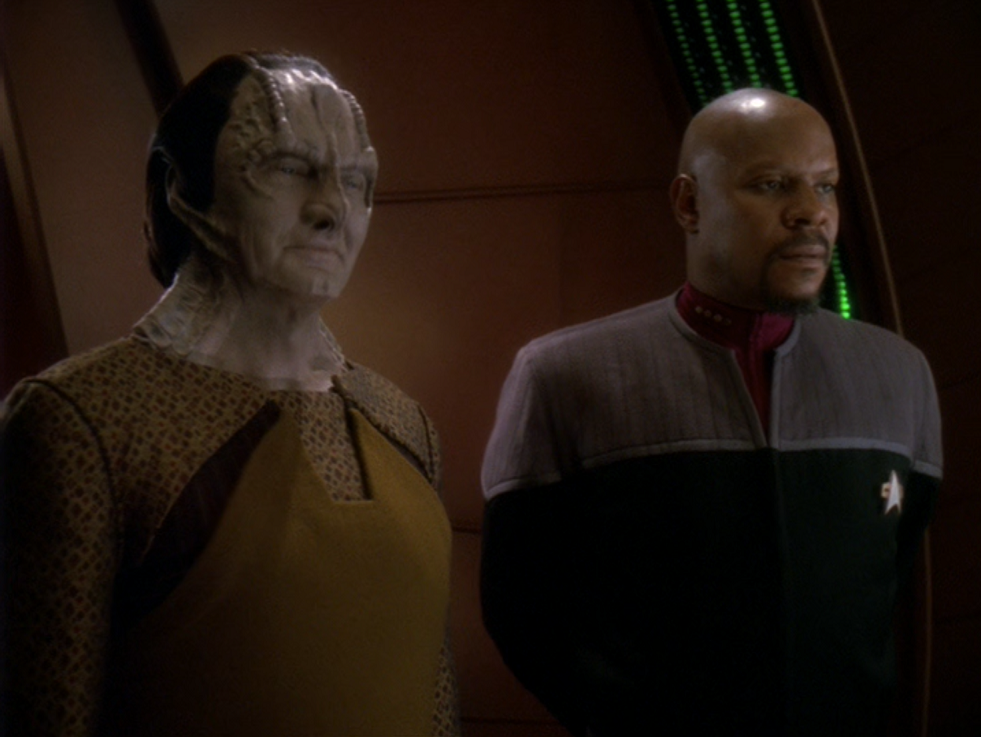
In any case, we’re going to say that a way is found for Voyager to use the Array to return home. Eddington would do just enough to ensure that the Val Jean (Chakotay’s ship) makes it back just before Voyager, allowing them to escape Federation custody while keeping his cover intact. Then, Voyager would end up back in the Alpha Quadrant, just outside of the Badlands. Waiting for them would be Sisko and the USS Defiant, just beginning a search-and-rescue when Voyager failed to report back.
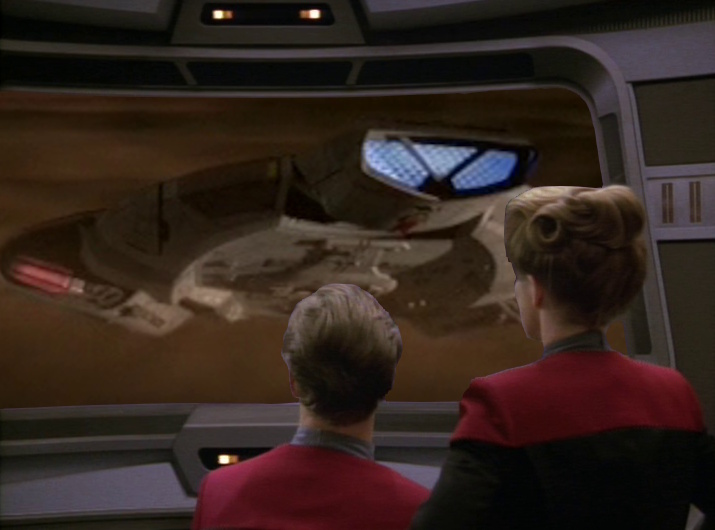
The real consequences of this would be felt later, though. Chakotay, B’Elanna, Eddington, and others would be killed at the beginning of the Dominion War, when the Dominion-backed Cardassians (perhaps aided by Seska as an embedded spy) wiped out the Maquis. In the Delta Quadrant, the Ocampa would still be confronted with the reality of life without their Caretaker, and would eventually have to find a way to leave their underground city.
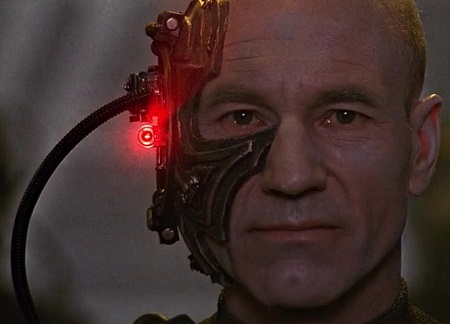
But there are more serious repercussions. At time of writing, it seems as if Janeway is directly responsible for the destruction of the Borg Queen and at least a significant portion of the Borg Collective (as seen in Picard Season 3). If she doesn’t undertake that seven-year journey, never meets Seven of Nine, and never travels back in time to plant a pathogen directly into the Borg Queen… the Borg will be in a massively strengthened position by the early 25th Century. The Collective may not need to employ rogue changelings to infiltrate Starfleet – they might just choose to launch a full-scale invasion. And without crucial information on the Borg that was collected by Voyager, Seven of Nine, the Hansen family, and more… Starfleet would be significantly more vulnerable.
What If… #2:
What if… the Talosians joined the Federation?
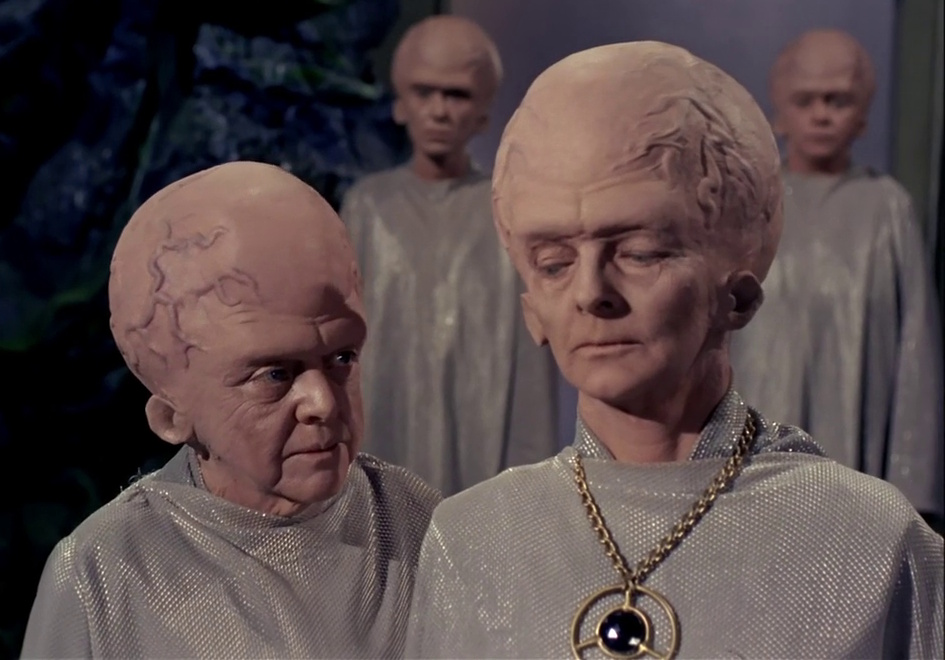
We’re going all the way back to the beginning with this one – appropriate, in this milestone anniversary year. In short, it’s never sat quite right with me that Starfleet and the Federation would view the Talosians so negatively – and as such a dangerous threat – after just one interaction. Lest we forget, Captain Pike’s mission to Talos IV ended without any loss of life, and arguably with the beginnings of an understanding or even dialogue between the Talosians and humankind. Pike and the crew came to understand the Talosians’ situation, and for their part, the Talosians were able to acknowledge that humans (and Vulcans) were not suitable captives.
So in this alternate timeline, we’re going to say that Captain Pike returns to Starfleet HQ with a different mission report. Instead of recommending that Talos IV be quarrantined and declared to be off-limits, he instead advocates for sending aid to the Talosians to help rebuild or maintain their technology and rehabilitate the devastated surface of their world. The Talosians would be taken aback by this generosity, and would vow never to use their impressive telepathic powers to trick the Federation.
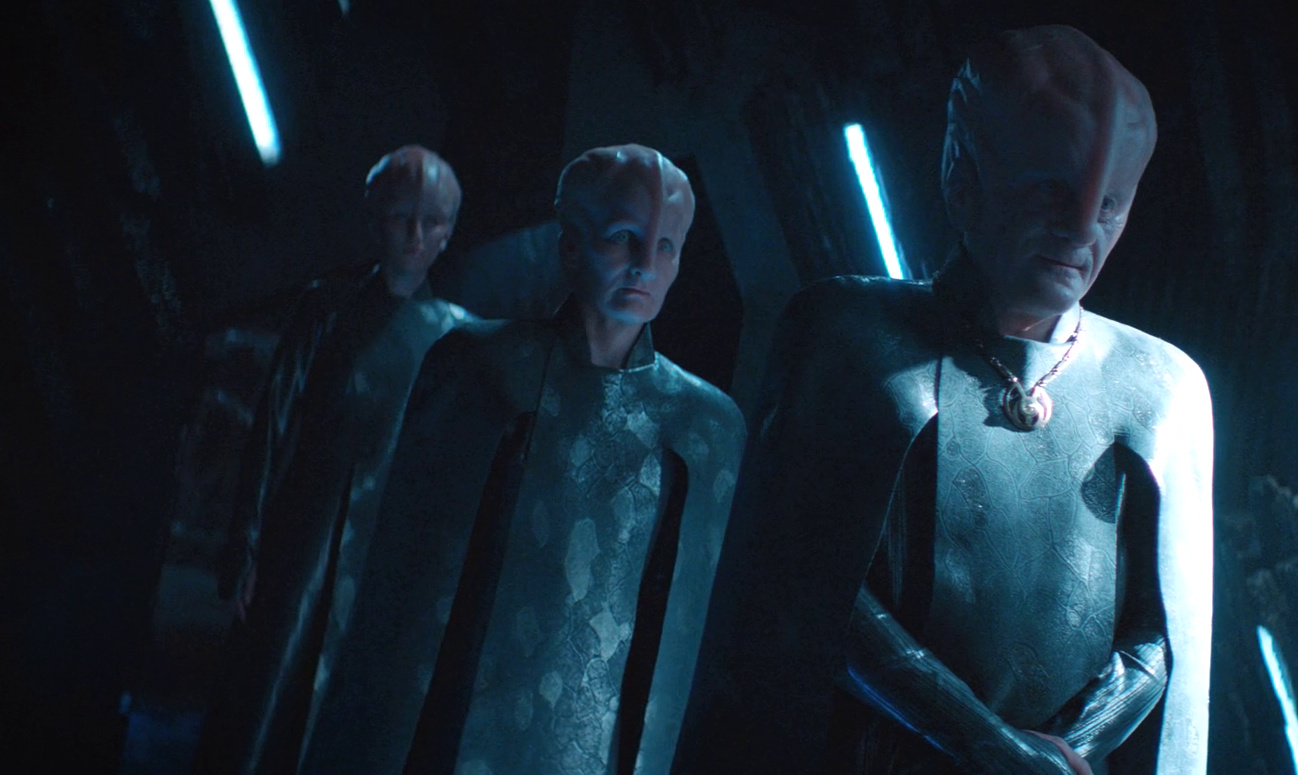
Over time, the Talosian population would begin to grow, and Talosians would occasionally venture off-world, mingling with other citizens of the galaxy. The Talosians and Betazoids would form a particularly strong bond, as two races that both prefer telepathic communication. This would, in turn, set the stage for Talos IV joining the Federation as a full member world, coming under the protection of Starfleet and deepening their ties.
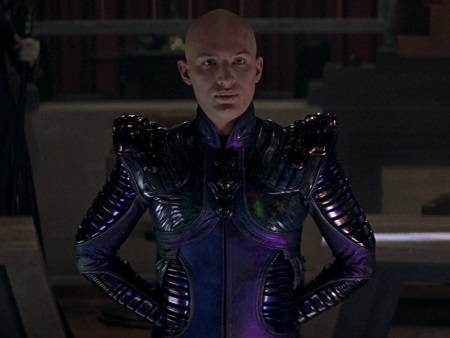
Though their numbers would be small at first, by the early 24th Century, Talosian officers would occasionally be seen in Starfleet – though the Federation would make them take oaths not to use their powers for deception (similar to the oaths that Deltan officers had to take, as seen in The Motion Picture). Talosians would be present for many of the major events of the late 23rd and 24th Centuries: the Federation’s alliance with the Klingons, the Romulan Empire’s isolation, the rising Borg threat, and the Dominion War.
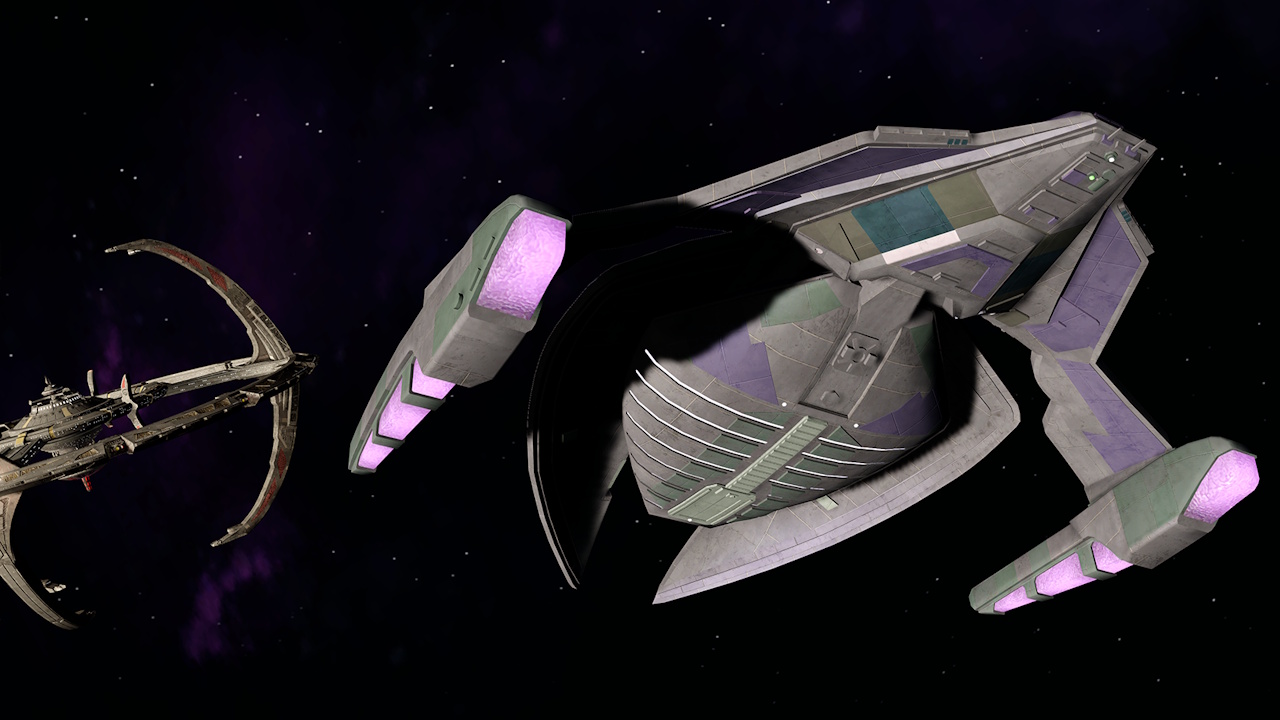
Image: Star Trek Online Wiki
It’s the latter event that I want to focus on now. After the Dominion War breaks out, the Talosian government, working in conjunction with Section 31, would hatch a plan to deceive the Dominion and the Cardassians on an unimaginable scale. Working as a group, the Talosians would use their mental powers to trick the Dominion alliance into believing they were on the offensive, about to retake Deep Space Nine and Bajor – all the while, a combined Federation and Klingon fleet would be launching an assault right into the heart of Cardassian territory.
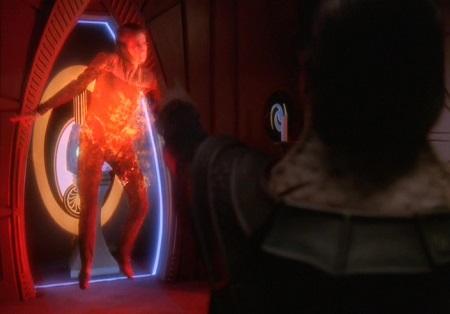
The Dominion War could be ended in a matter of days, thanks to tapping into the Talosians’ impressive powers, and the Dominion would be forced to the negotiating table having been deceived into believing they were winning. But while the war was being settled and a peace treaty signed, something else would happen: the Battle of Sector 001, where a lone Talosian officer would be serving aboard a starship. This would be the Borg’s first encounter with a Talosian, and their assimilation might just have given the Borg a terrifying new upgrade…
What If… #3
What if… Bruce Maddox successfully convinced Starfleet to let him disassemble Data?
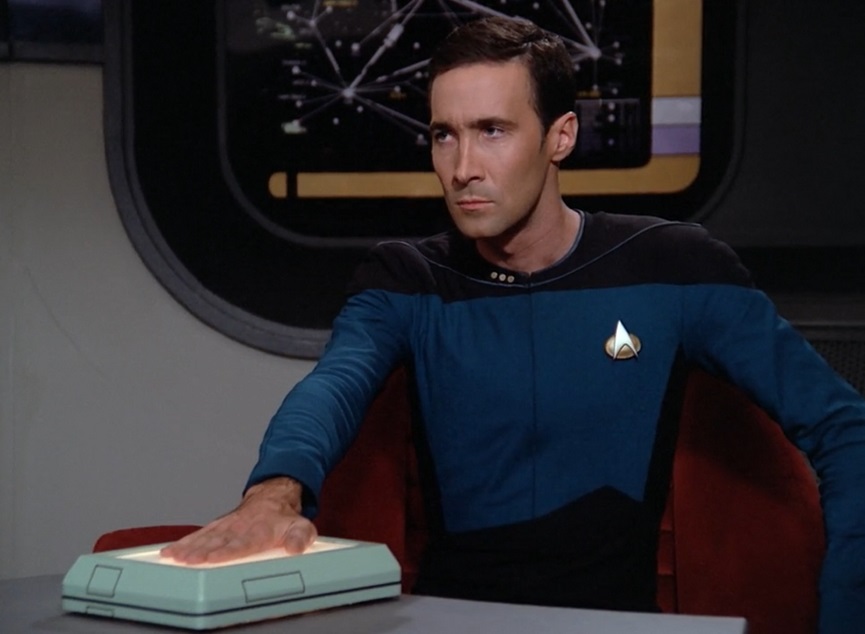
In The Next Generation Season 2 episode The Measure of a Man, we’re introduced to Dr Bruce Maddox: the Federation’s top cybernetic scientist. Dr Maddox would request that Data be turned over to him in order to be disassembled, planning to use the knowledge he’d gain to create legions of synths. In the prime timeline, Starfleet would deny this request, allowing Data to explore his sentience and his life in his own way. But in our alternate timeline? Starfleet instead rules that Data, as an artificial being, is not a “person,” and therefore cannot refuse Dr Maddox’s request.
This is such an interesting debate, because right now, out here in the real world, artificial intelligence – or some form of it, in any case – is a big deal. And despite what I’ve argued in the past about the limitations of today’s large language models, I admit to feeling uncomfortable about the idea of a potentially sentient A.I. being forced to do things it may not want to do. This will have to be the subject of an entire essay one day, but it’s so interesting to me how, some thirty-five years on from The Measure of a Man, the issues it raised are incredibly relevant!
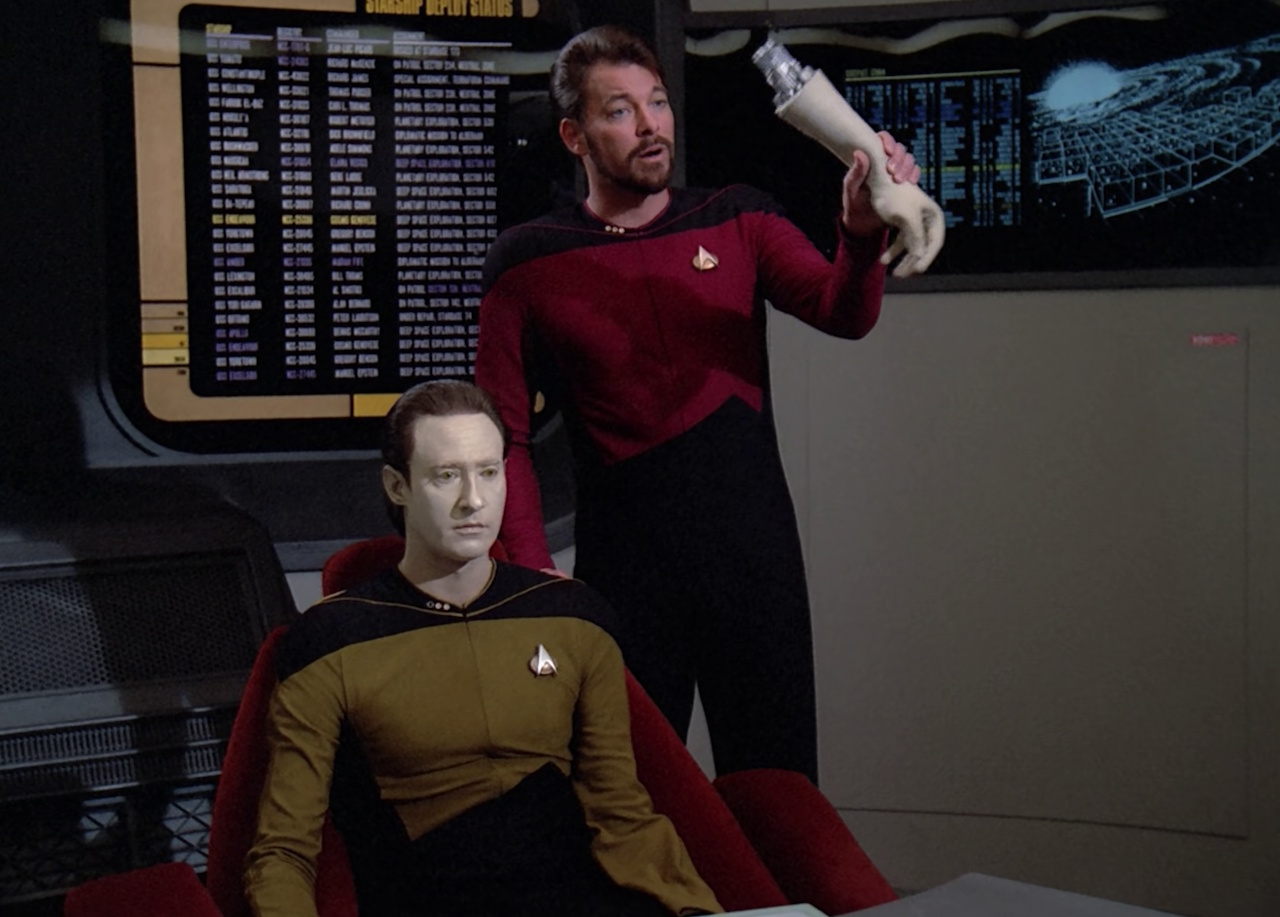
But that’s enough about that for now. There would be *many* consequences as a result of Starfleet’s decision. In the immediate term, I think Captain Picard would resign his commission. It would be a desperate, last-ditch effort to convince the higher-ups at Starfleet to change their minds, but it would ultimately fail. This would lead to Riker getting temporary command of the Enterprise-D, before command would ultimately pass to a more senior officer – someone like Captain Edward Jellico.
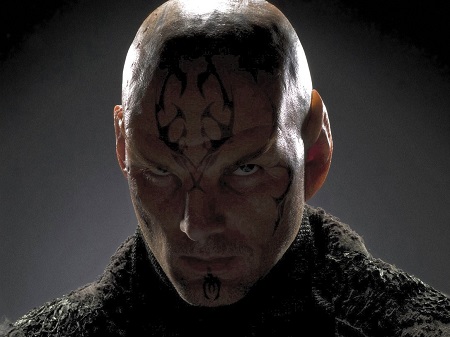
But more serious consequences lay in store. In the prime timeline, Dr Maddox was able to use B-4 – an earlier and less complex Soong-type android – to construct a large number of pretty basic synths. But with Data fully disassembled, Maddox’s work would progress a lot further a lot faster, and synthetics not quite at Data’s level, but not too far behind, would begin to be rolled out across Starfleet. This would draw the attention of the Zhat Vash – an underground Romulan faction dedicated to preventing synthetic life from ever coming to exist.
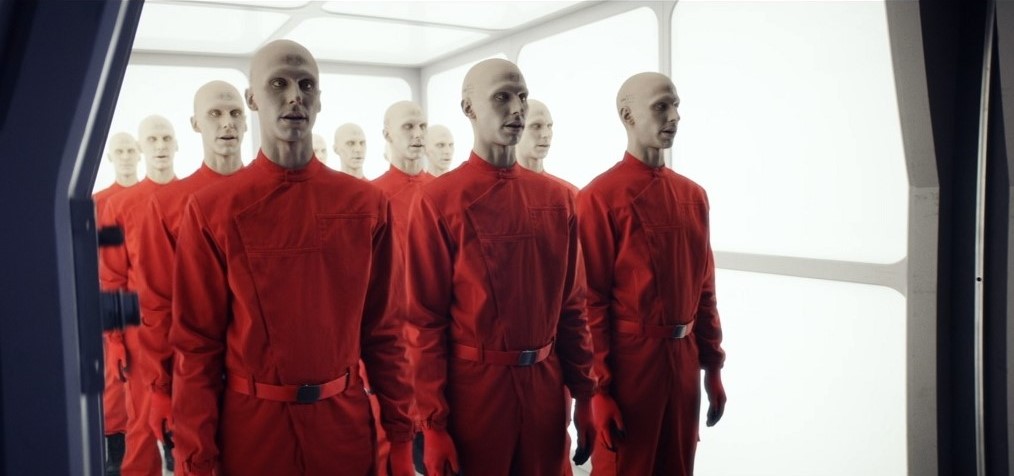
The timing of this couldn’t be worse for Starfleet. After the Battle of Wolf 359, Starfleet was at a particularly low ebb. Senior admirals encouraged Dr Maddox to work faster, hoping to use his new synths in the rebuilding process, and poured a lot of resources into his synth programme. At the same time, Ambassador Spock travelled to Romulus in the hopes of promoting reunification. Without Picard and Data to stop the Romulans, and with the Zhat Vash aggressively pressuring the Romulan leadership to engage the Federation, the Romulan attack on Vulcan would prove successful – and it would be the first strike in a new Federation-Romulan conflict.
With Commodore Oh acting as an embedded spy, feeding information back to the Romulan Empire, they’d quickly gain the upper hand in this new war. The war would go poorly for the Federation, even if Oh was eventually captured, and with Starfleet still underpowered after the defeat at Wolf 359, it would be impossible for the Federation to defend all of its territory. The only outcome short of total conquest would be accepting a very difficult peace treaty, which would certainly include a clause prohibiting any and all research into synthetic life.
What If… #4:
What if… the Borg attack on Earth in the 22nd Century had been much more serious?
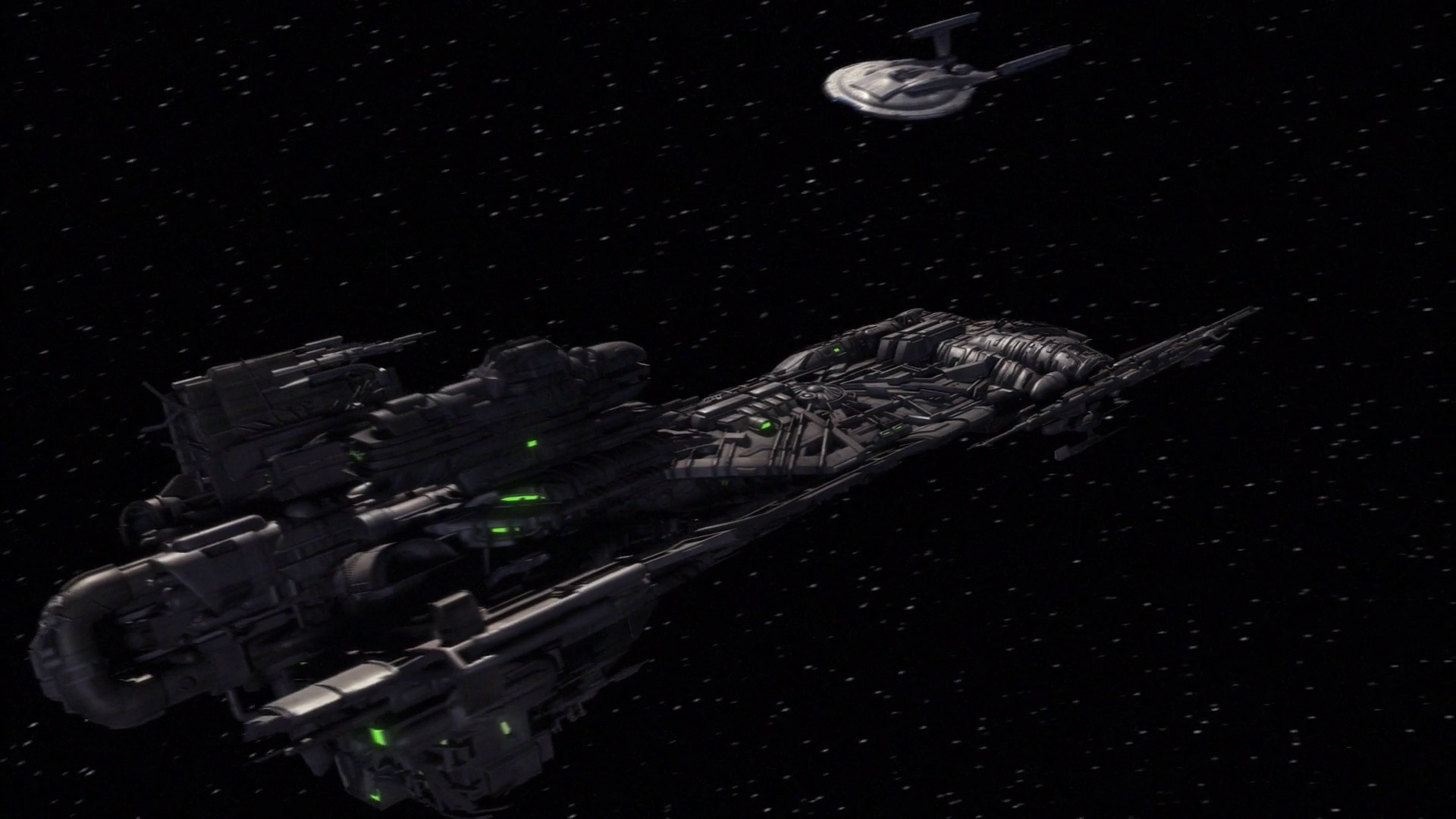
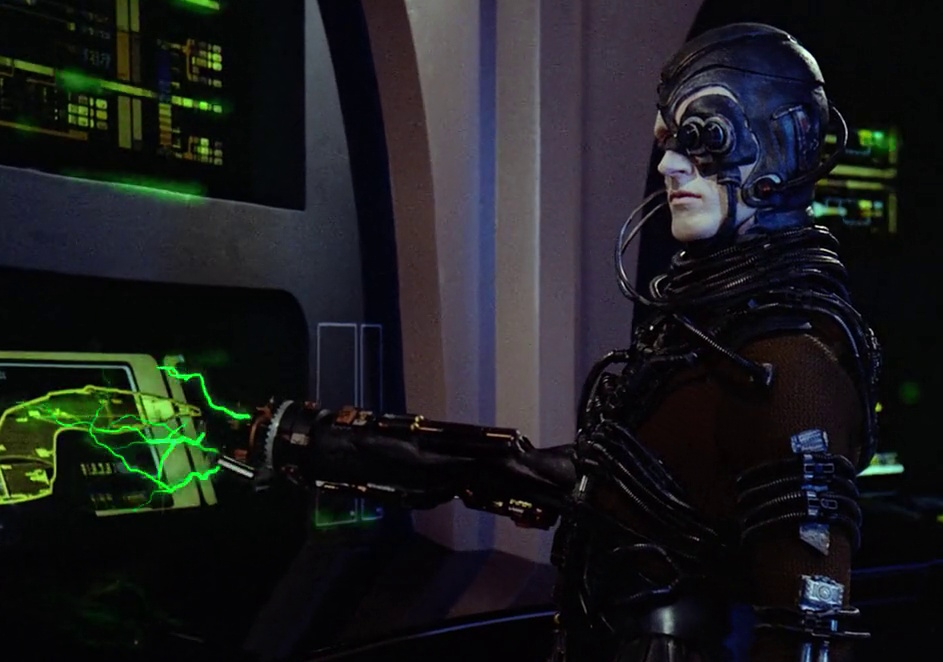
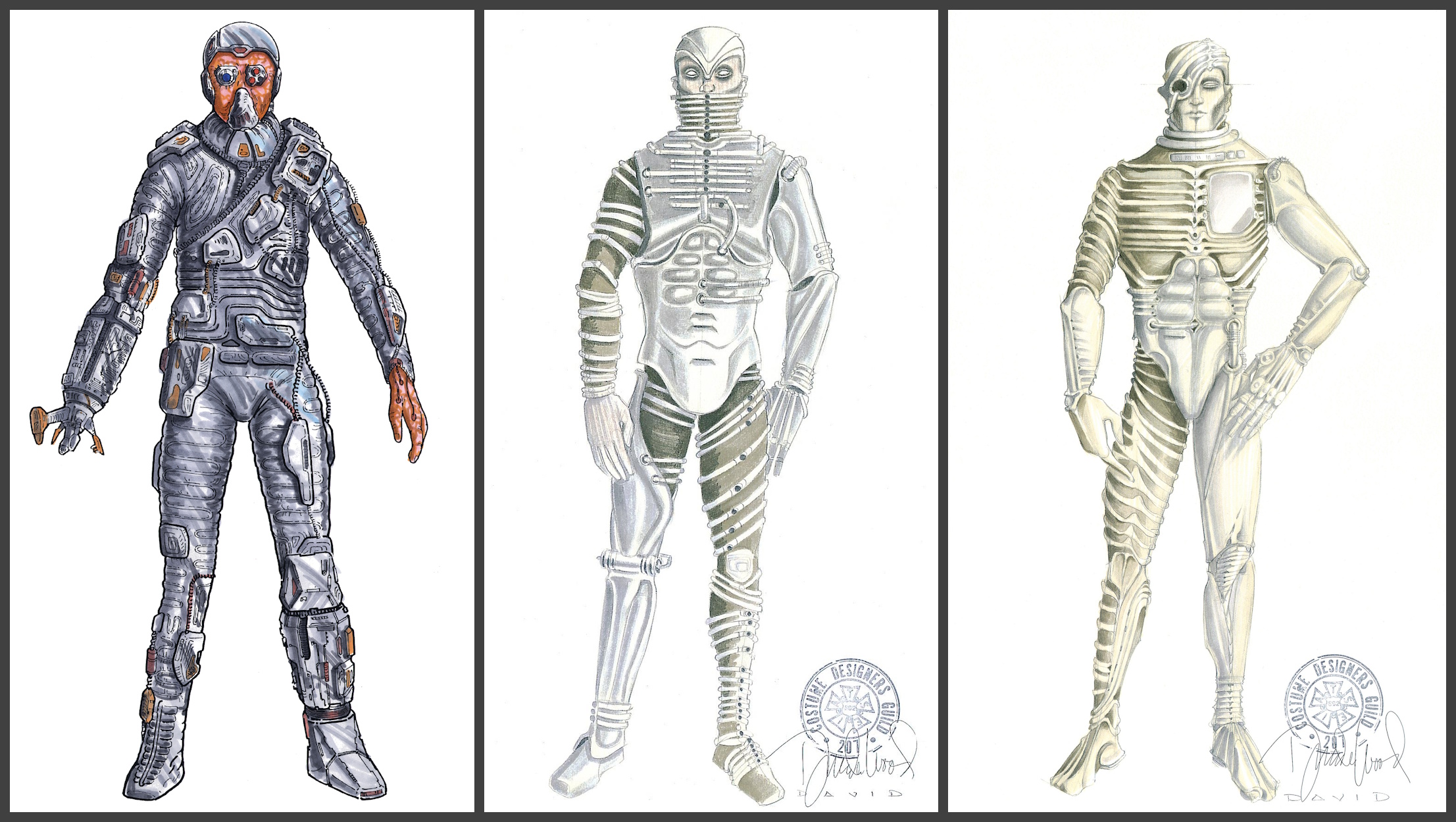
Regeneration, from Season 2 of Enterprise, is a fun episode in isolation… but I don’t really like what it does for the timeline of humanity’s conflict with the Borg. Setting that aside, though, let’s think about what might’ve happened if the Borg had managed to do a lot more damage to Earth in the 22nd Century. I’m not going to argue that this handful of defrosted drones would’ve been able to fully assimilate Earth in this era; I think, somehow, Starfleet and humanity would have prevailed. But in our alternate timeline, things are much more serious and the damage much more extensive.
Instead of merely assimiliating a single shuttle, the reactivated Borg drones would take over an entire starship: Enterprise. They’d assimilate practically the entire crew, kitting out the ship with upgraded weapons, and then they’d bring the fight back to Earth, in line with their original mission. It would take everything Starfleet had – and the sacrifice of many human and Vulcan lives – but the attack would eventually be stopped, with the remaining Borg being captured and studied.
After causing devastation to parts of Earth unseen in more than a century, the United Earth government would re-think its planned mission of space exploration. Enterprise, humanity’s first long-range exploration vessel, has been lost, and the NX-02 would be repurposed as a purely defensive ship instead. The alliance with the Vulcans would weaken as humanity became a much more insular and isolationist power, scarred by the Borg attack and frightened of venturing too far into a galaxy that clearly poses a lot of dangers.
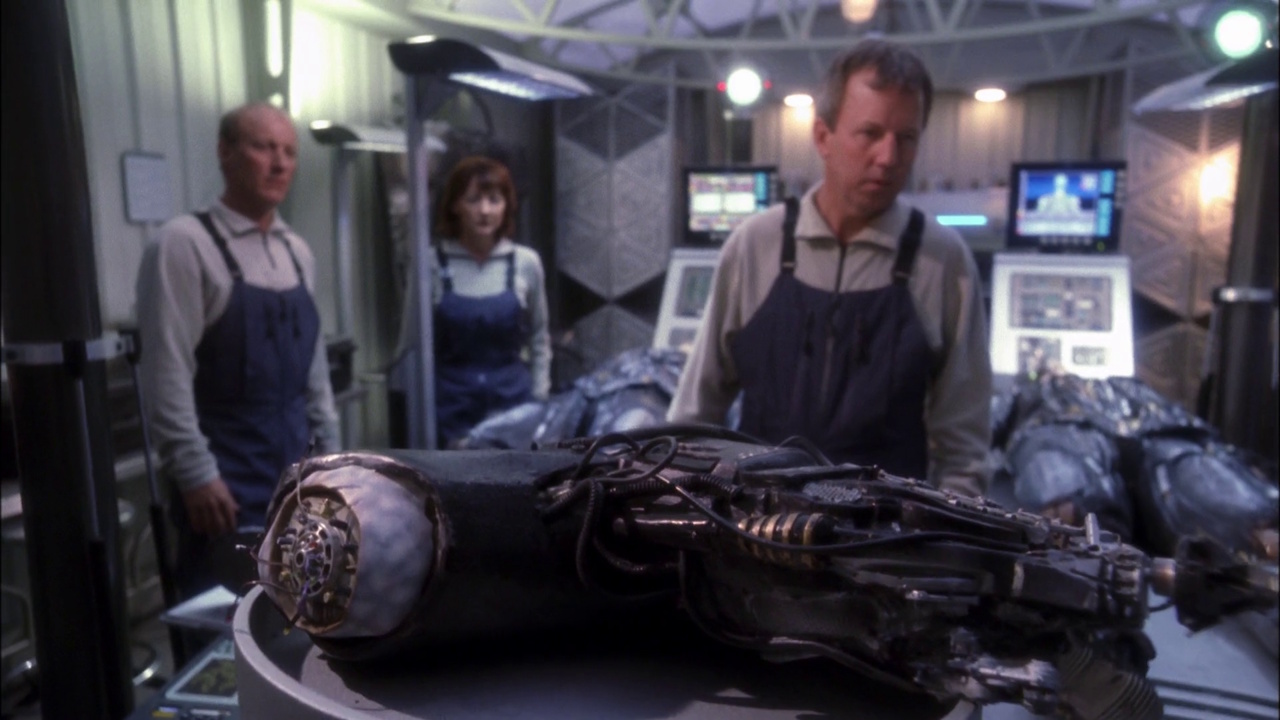
The Borg remnants would be extensively studied, in the hopes of discovering ways to counteract their technology, and some of these discoveries would lead to powerful Earth- and space-based weapons for humanity centuries ahead of schedule. The Xindi attack a year or so later would be *easily* defeated with Borg-powered weapons salvaged from the wreck of Enterprise.
But in the longer term, this isolationist stance would mean that the galaxy looks *very* different. Without humanity to mediate, the Vulcans and Andorians would wage a devastating war. Without Starfleet exploring and pushing the boundaries, there’d be no conflict between humanity and the Romulans. But most significantly… there’d never be a United Federation of Planets. Earth would maintain limited interstellar trade, including with the Denobulans and Vulcans, but fear-induced isolationism would become baked into the United Earth government at every level, with all talk of alliances or further missions of exploration being shut down.
By the time we reach the more familiar 23rd and 24th Centuries, the snowball has been rolling for a long time, and changes become unpredictable. But I’m going to posit that some of the Alpha and Beta Quadrant’s more aggressive powers – the Klingons, Romulans, and Cardassians – are all in much stronger positions without the Federation as a counterbalance. New alliances may emerge, such as the Mirror Universe’s Klingon-Cardassian alliance, or some powers may fully conquer others. The Romulans, for instance, may succeed at conquering Vulcan after the Andorian war left the Vulcans in a weakened state, or maybe the Klingons will launch an all-out war against their Cardassian rivals. And all the while, a strange, overlooked, isolationist Earth will be ready to shoot first and ask questions later whenever an uninvited guest arrives in the Sol system.
What If… #5:
What if… the Federation and the Ferengi went to war?
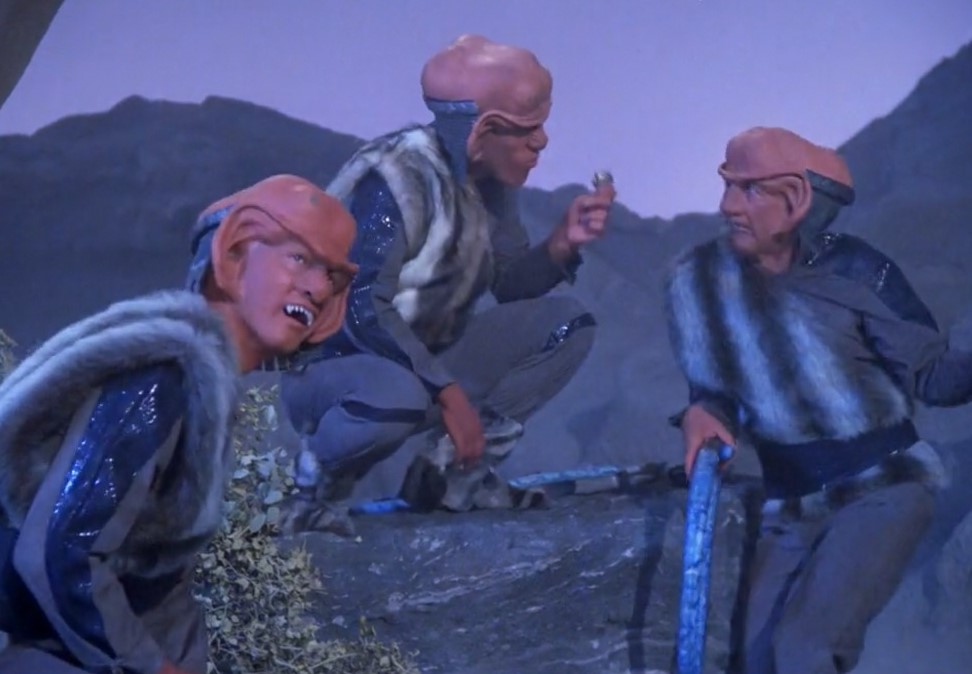
Chances are you already know this if you’re a Trekkie, but the Ferengi were originally supposed to be a major antagonist when The Next Generation was in early production. Gene Roddenberry intended for the Ferengi to take over the role vacated by the Klingons, now that Worf was going to be a permanent fixture on the bridge of the Enterprise-D. However… it didn’t pan out that way, mostly because of the way the Ferengi were presented in their first couple of appearances, and the way audiences responded to that.
In this case, though, we’re going to say that the Ferengi and the Federation didn’t just get off on the wrong foot… they continued down a path that would quickly lead to war. Ferengi DaiMons, eager for plunder, began raiding Federation convoys, stealing everything they could get their hands on, and even holding Starfleet officers and crew for ransom. Starfleet responded by taking an aggressive stance towards the Ferengi, sending armed escorts with trading and supply vessels, and gearing up for a confrontation.
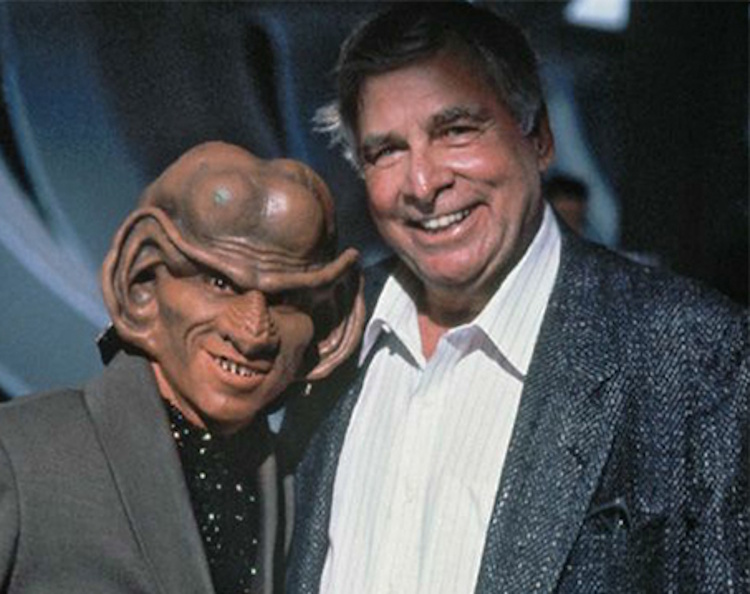
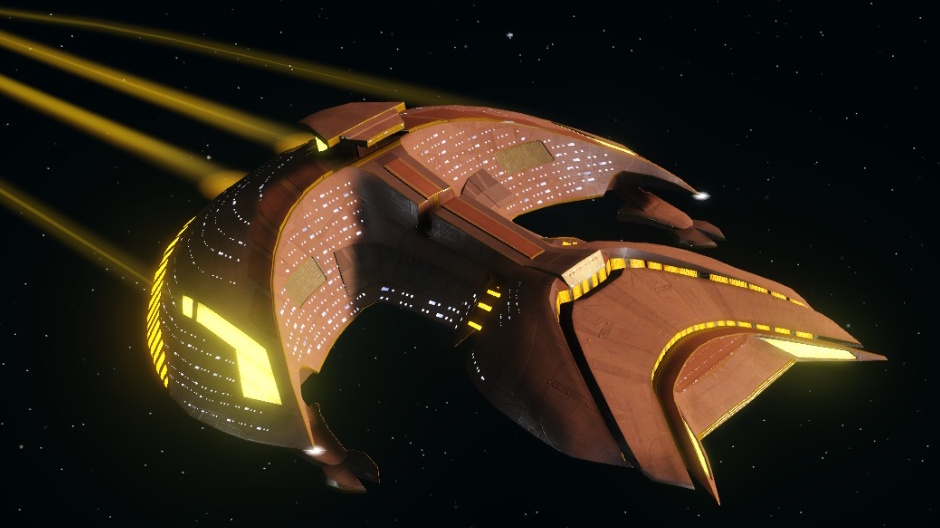
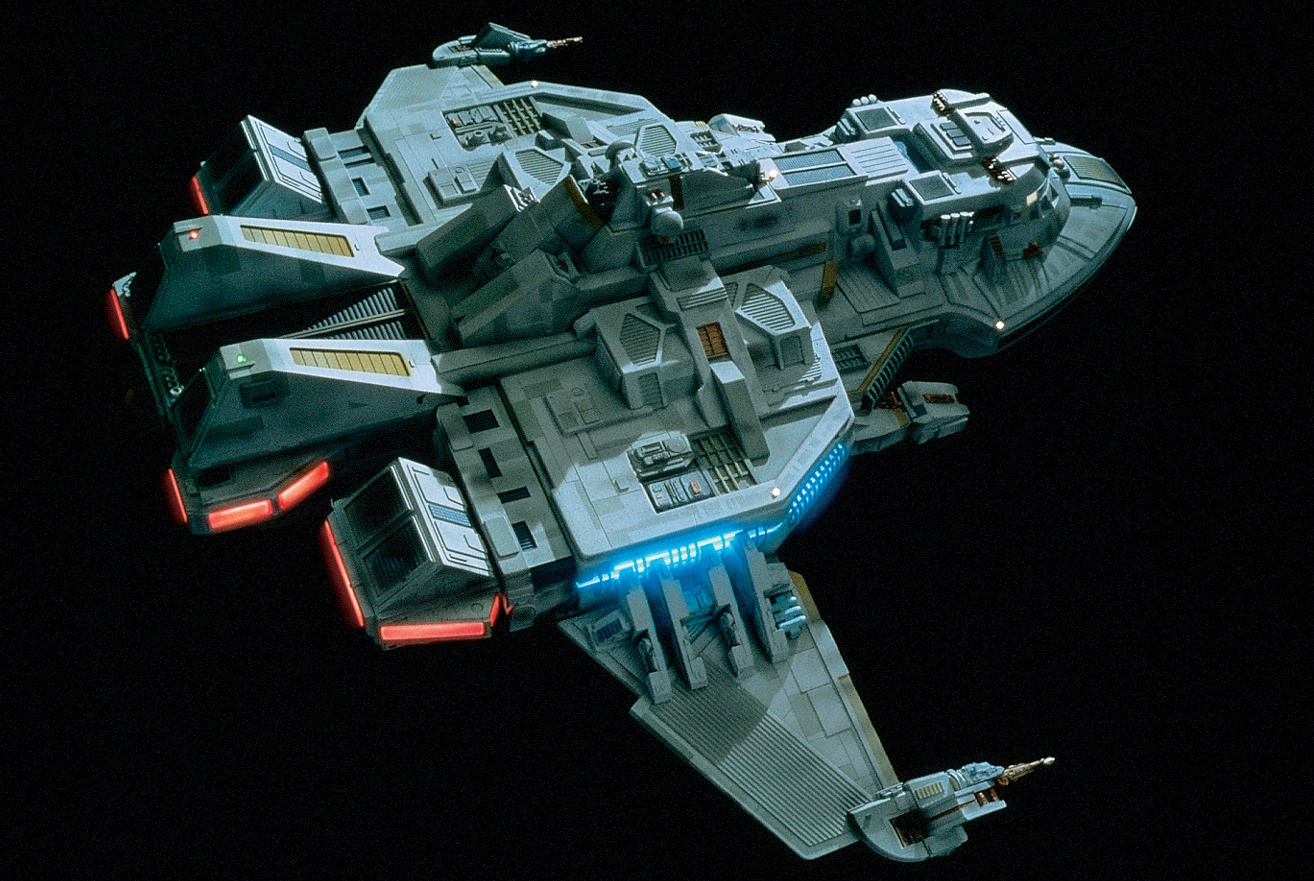
This version of the Ferengi – perhaps led by a more aggressive ruler than Grand Nagus Zek – would be less conciliatory, and would instead see war and piracy as opportunities for profit. Around the time of The Next Generation’s second season – which takes place in approximately 2365 – this would spill over into all-out war. The Ferengi DaiMons – most of whom had been acting autonomously up to this point – would be corralled by their Nagus into a proper fighting force, and their powerful D’Kora-class ships (the Ferengi Marauders) were more or less evenly-matched with Starfleet’s Galaxy-class vessels. The war would drag on.
I doubt this war would become existential for either the Ferengi or for the Federation, but it would be the most significant conflict either power had been involved in for decades, at the very least. The distraction would pause Starfleet’s mission of exploration, with more vessels being refitted and sent to the front lines, meaning that dozens of first contacts (and other missions) would come years later – or else would be missed entirely. And all the while, the Borg are on the prowl, scooping up outlying Federation and Romulan colonies. Blame for that might even initially fall on the Ferengi.
A peace treaty would eventually be signed, with the Ferengi and Federation agreeing to respect a shared border, and a prohibition would be placed on piracy – though renegade Ferengi DaiMons would continually flout this. But the war would sap Starfleet’s resources, leading to a monumental decision: the Federation would decline the Bajorans’ request to take over Terok Nor after the Cardassian withdrawal. Deep Space Nine would never be established, and the Bajoran wormhole would go undiscovered for decades.
This would completely change the course of the latter 24th Century: there’d be no Dominion War, no Cardassian alliance with the Dominion, no changeling infiltrations, and no Emissary of the Prophets. The Bajoran provisional government would struggle to remain in control of its system, and the Federation would commit to providing only limited aid to the Bajorans, earning their resentment. The eventual discovery of the Bajoran wormhole in the early 25th Century would lead to plenty of interest, including from the Ferengi – who can pay handsomely for access to the Gamma Quadrant. The Bajorans, still wary of the Federation after their very lukewarm response decades earlier, would deny Starfleet access to the wormhole, preventing the Federation from exploring the Gamma Quadrant. Bajor wouldn’t be on a path to joining the Federation, and first contact with the Dominion might be made by the Bajorans… or even the Ferengi.
So that’s it!
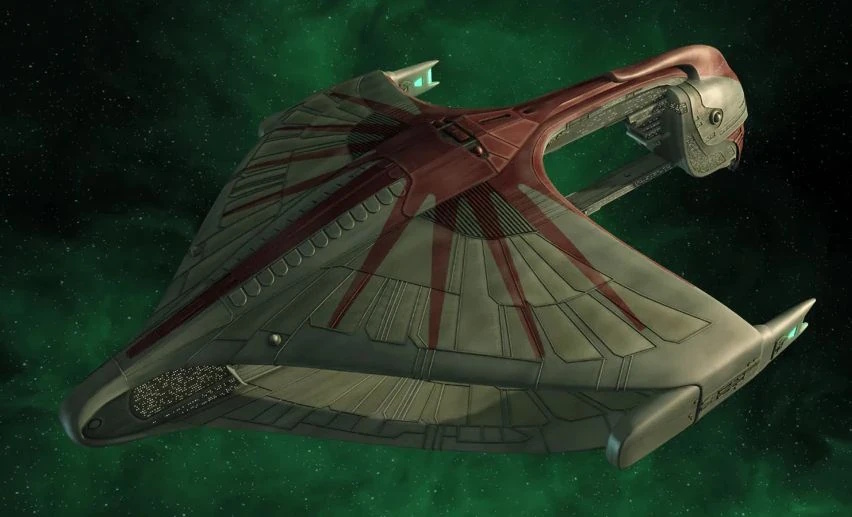
We’ve considered five possible “what if” scenarios from the Star Trek franchise.
I hope this has been a bit of fun. I love writing, and I love Star Trek, so writing about Star Trek is a great way for me to spend a bit more time in this wonderful galaxy. I tried to get creative, picking on a few different storylines and ideas from across the franchise, and extrapolating what might plausibly be able to happen if things turned out differently. I hope that the sequences of events made sense, and that I arrived at conclusions that you feel are at least *possible* based on the changes I proposed!
In any case, this was just for fun, and an excuse to talk about Star Trek as the franchise’s milestone 60th anniversary year rolls along. I have a few ideas for later in the year, as we get closer to the anniversary date itself, so I hope you’ll stick around and join me for some of those. And in a few weeks’ time, I’ll be sharing my thoughts on the franchise’s latest outing: Starfleet Academy. Click or tap here to check out my review of the two-part premiere, if you missed it.
Until then… be sure to check back for more discussion of the Star Trek franchise. Live Long and Propser, friends!
All shows and films discussed above can be streamed on Paramount+ or purchased on DVD and/or Blu-ray. The Star Trek franchise (including all properties discussed above) is the copyright of Skydance/Paramount. This article contains the thoughts and opinions of one person only and is not intended to cause any offence.








 Trekking with Dennis