


Spoiler Warning: There are spoilers ahead for the following Star Trek productions: The Original Series Season 1, Deep Space Nine Season 6, Voyager Seasons 1, 5, and 6, First Contact, Discovery Seasons 1-3, Strange New Worlds Season 1, and pre-release information for Starfleet Academy.
Star Trek has a wonderfully rich and engaging setting – a fictional universe that operates by established rules that have been built up over decades. This “canon” is part of what makes Star Trek feel like Star Trek… and while I’m not a stickler for the tiniest minutiae of canon, the fundamental building blocks of the Star Trek franchise need to remain consistent for stories to work.
There are some places where Star Trek’s writers have been deliberately vague and ambiguous, and others where an apparent “plot hole” has been created, either by a new story seemingly overwriting an old one or by one of the prequel shows making an apparent change to what had been previously established. These things can pass by inoffensively enough, but as Trekkies, I think we have a natural curiosity about this setting – and a need to ensure that things make sense in the context of Star Trek’s long-established universe!
So that’s where head canon comes in. If you’re unfamiliar with the term, head canon (or headcanon, if you prefer; I like to write it as two separate words) is basically just a fan-made explanation for something that doesn’t appear on screen. A famous example from the Star Trek fan community is the belief some fans hold that Kirk and Spock were engaged in a romantic relationship. That’s something never shown on screen (nor even explicitly hinted at), but nevertheless has become popular in some quarters of the fan community.
There are also head canon explanations for apparent plot holes and head canon expansions that go beyond what we see on screen. Over the years, I’ve come up with several of my own – and it’s these that I want to share with you today.
Before we get started, a couple of important caveats! Firstly, this is head canon. None of this is official, none of it has ever been seen on screen, and it’s likely that none of it will ever be confirmed. I’m not saying that I’m right and that’s that – other fans can and will disagree, and that’s okay. I’m not claiming to be the only originator of some of these ideas. It’s very likely that other Trekkies have independently come up with similar head canon explanations for some of the story beats we’re gonna talk about today – so please don’t think I’m trying to take sole credit!
This is also the entirely subjective opinion of one old Trekkie. If you hate all of my ideas, if I miss something that seems obvious to you, or if my head canon explanations don’t make sense to you… that’s totally okay, too. There’s enough room in the Star Trek fan community for polite discussion and disagreement – and there’s no need to get into a fight about totally hypothetical things that will almost certainly never be confirmed on screen!
With all of that out of the way, let’s look at some head canon!
Head Canon #1:
There are different types of cloaking device.

Prior to Enterprise, it was pretty well-established that Starfleet’s first encounter with a cloaking device came when the USS Enterprise, under Kirk’s command, engaged a Romulan warbird that was attacking Earth Outposts along the Neutral Zone. Cloaks continued to be used by the Romulans, Kligons, and others into the 24th Century – but Starfleet only used a cloaking device on a couple of occasions.
Enterprise changed all of that, firstly with the Suliban’s cloaking technology – which, admittedly, was never explicitly called a “cloaking device” on screen – and later when the Romulans were introduced. Since then, both Discovery and Strange New Worlds have set the precedent that cloaking devices were known to Starfleet years before Kirk’s encounter with the Romulans. So how can we square this circle?
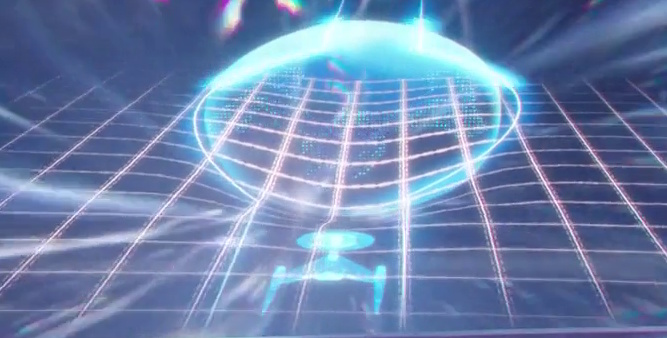
My answer is that there must simply be different types of cloaking devices. Not only that, but Starfleet Intelligence is working around the clock to figure out how to detect cloaked vessels. Similar to how the code-breakers of World War II worked to break enemy encryptions and read messages, Starfleet is locked in a constant battle to un-cloak cloaked ships.
Perhaps in the aftermath of Discovery’s Klingon War, Starfleet thought they’d finally broken the cloaking encryption – and that’s why Kirk was so surprised to see the Romulan warbird disappear from his sensors. Every time the Romulans or Klingons invent a new type of cloak, Starfleet gets to work figuring out how to recalibrate sensors to break through. This “arms race” could have been going on for decades – or even centuries.
Head Canon #2:
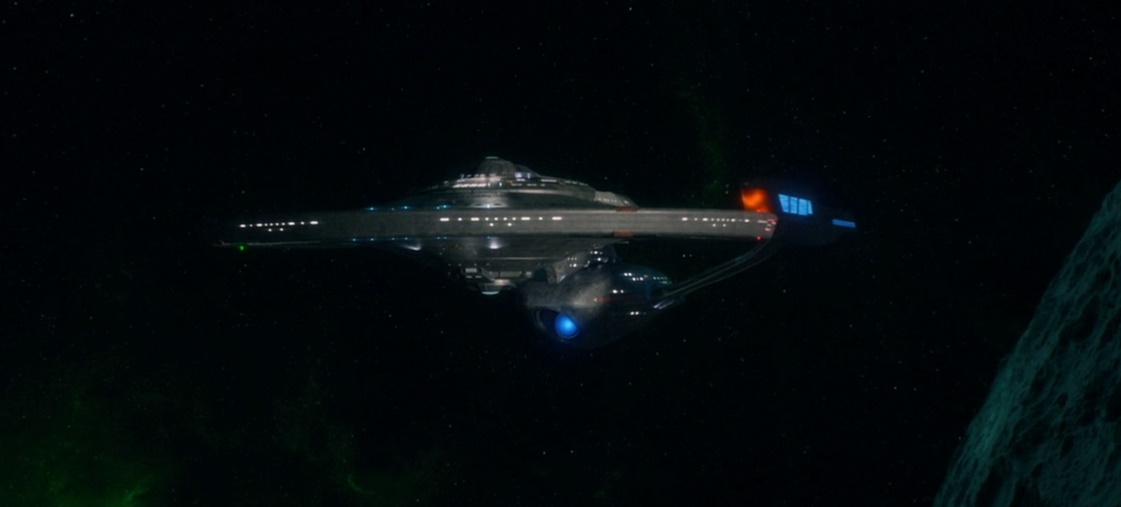
The USS Enterprise had a refit after Pike left the captain’s chair.

Aesthetic changes from one Star Trek production to another usually don’t bother me very much – and I happen to really like the design of the USS Enterprise as it’s depicted in Strange New Worlds. The ship looks great inside and out, and some of the sets feel larger and more expansive than they did in past iterations of Star Trek, which allows for different types of shots, more characters on screen at once, and so on. But there’s no denying that the redesign hasn’t been wildly popular with every Trekkie!
So my suggestion here is simple: after Pike stepped down as captain of the Enterprise, the ship underwent a refit. Kirk would assume command of the refitted vessel in time for the five-year mission that we’re familiar with from The Original Series. This allows both versions of the Enterprise to exist in the same timeline without treading on anyone’s toes!
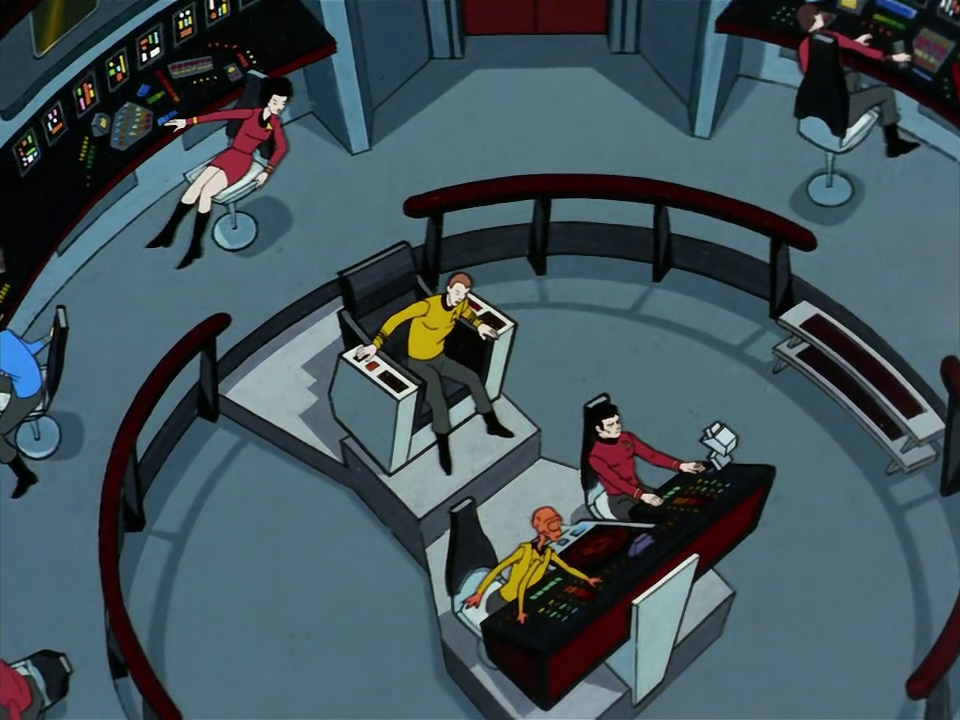
There is precedent for ships being refitted and completely transformed. The Enterprise itself famously underwent a refit a few years after the events of The Original Series – we see the final stages of that refit in The Motion Picture, where changes made to the ship became a significant plot point early in the film. So not only does Starfleet regularly refit its ships, but the Enterprise itself has been refitted at least once.
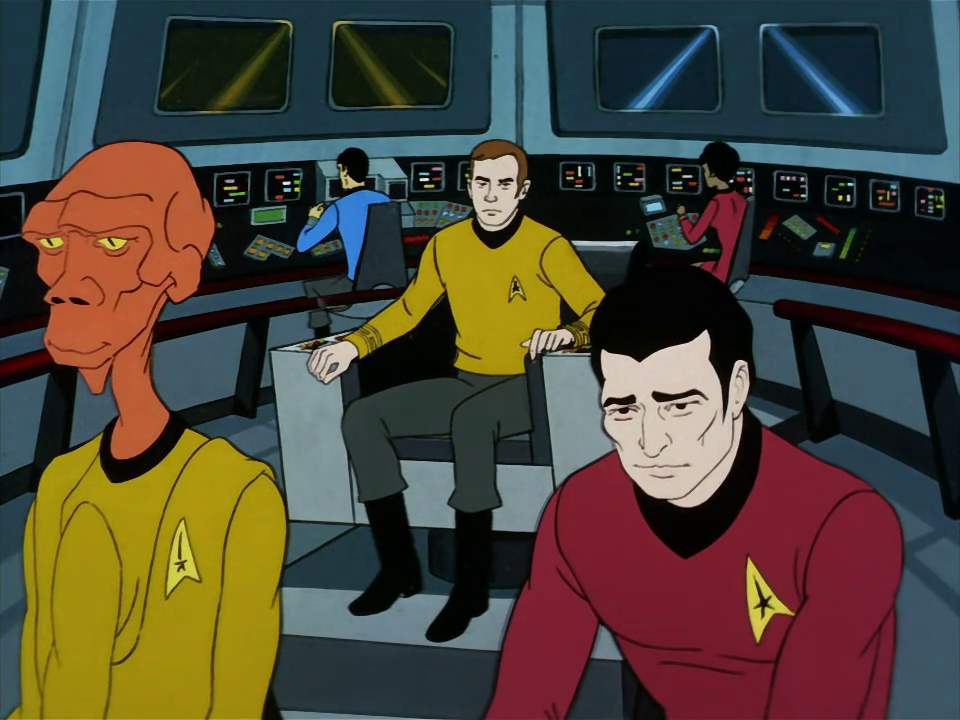
It really isn’t much of a stretch to think that a ship that’s at least a decade old by the time of The Original Series (something confirmed in The Animated Series more than fifty years ago) would have had at least some modifications and changes made to it. And given what we see on screen, the ship has changed!
Head Canon #3:
Warp factors are re-designated as newer and faster engines are designed.
Warp speed has always been pretty ambiguous in Star Trek – and that’s a genuinely good decision! Pinning down exact speeds and distances risks constraining future stories, so leaving things vague and open-ended gives writers maximum manoeuvrability. But there are some instances where speed seems to vary a little too much!
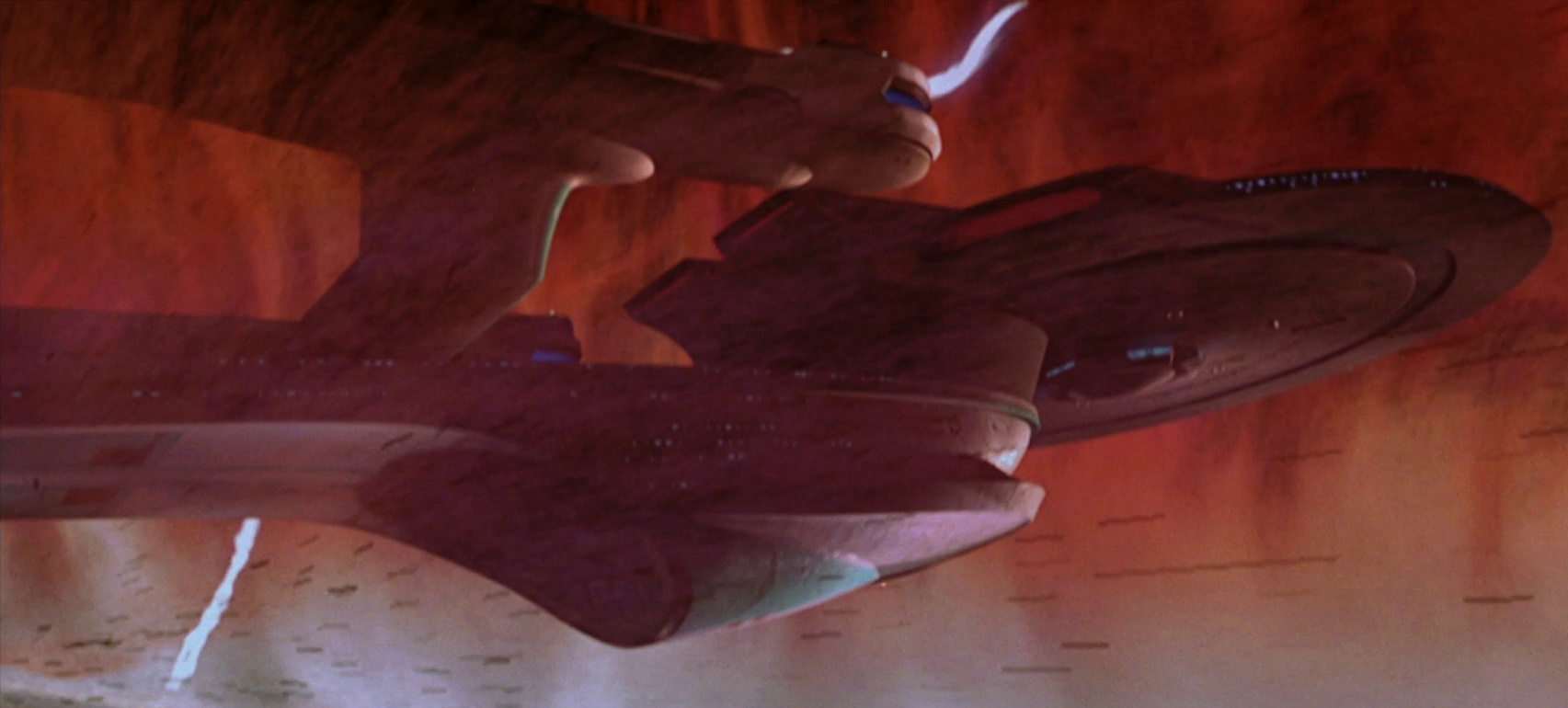
Just to give one example, at the beginning of First Contact, the Enterprise-E was stationed near the Neutral Zone. But Captain Picard was able to get the ship back to Earth in record time when the Borg attacked; Starfleet had already begun to battle the Cube while the Enterprise-E was light-years away, yet the ship made it back in time.
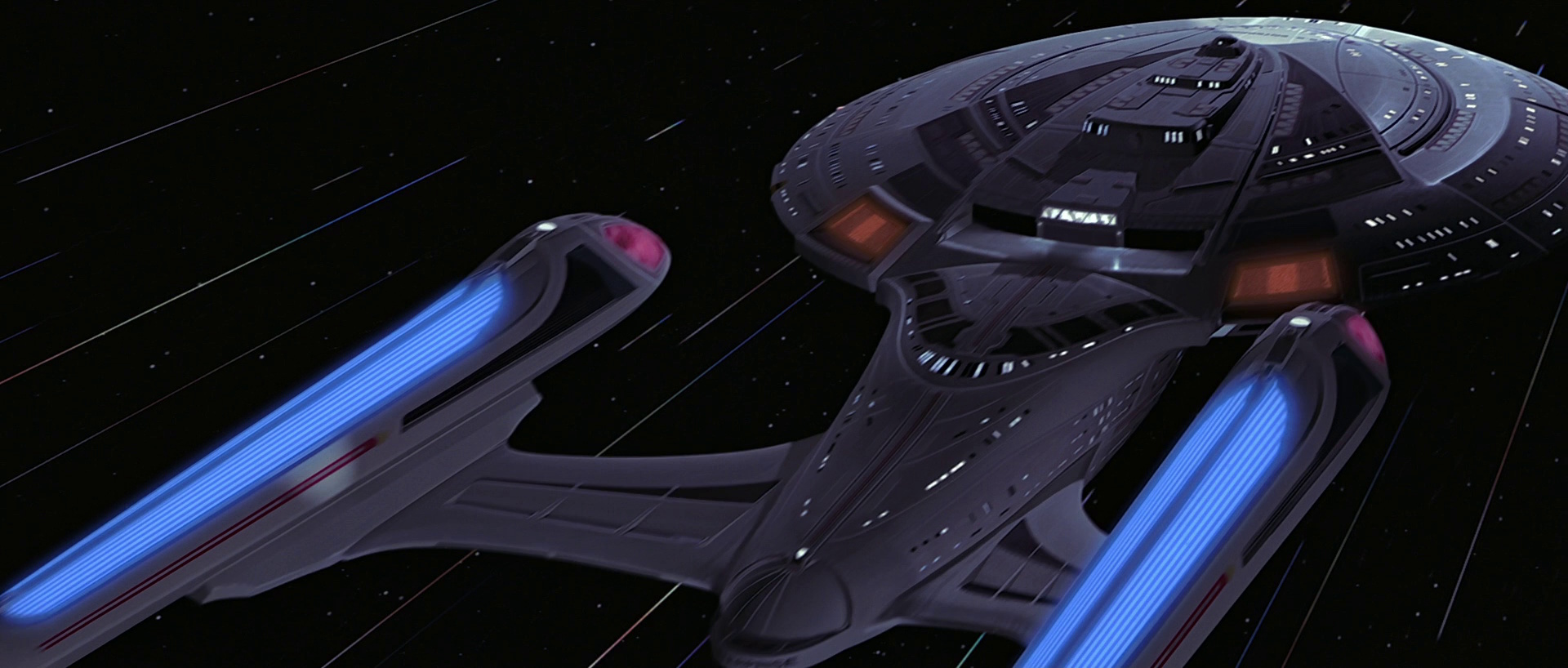
So here’s my head canon: warp five in Enterprise is not the same as warp five in The Next Generation. As new engines are designed and built, warp factors change. Instead of having to keep adding new decimals to warp 9.99999, Starfleet would simply revise how warp factors are calculated and referred to – accounting for discrepancies in speed and travel time.
There are still some holes in this idea, like what Starfleet’s “transwarp” experiment was and how it can take 75+ years to traverse the galaxy at warp 9.975 while warp 10 is supposed to be instantaneous travel everywhere. But I think the idea of Starfleet changing the way warp factors are calculated and referred to makes some degree of sense – and it could explain why some travel times appear to vary wildly.
Head Canon #4:
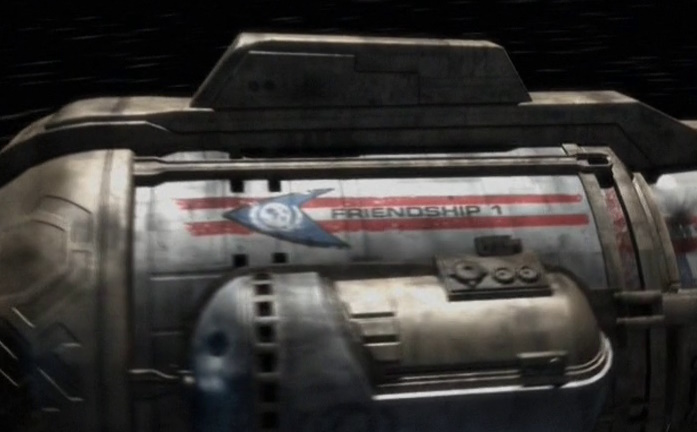
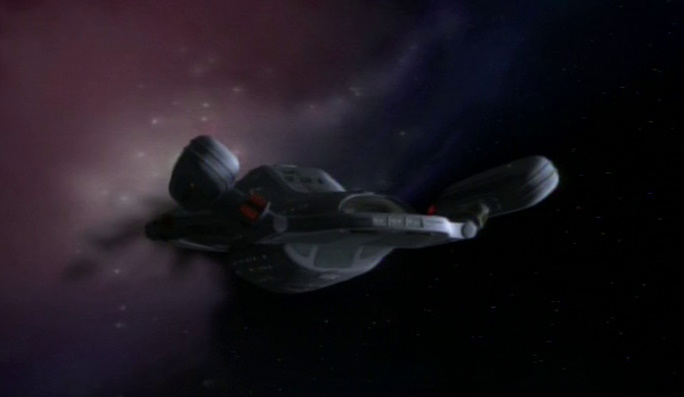
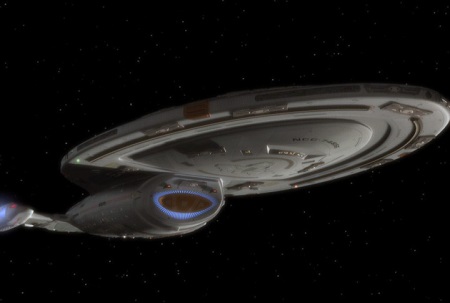
Voyager didn’t run out of torpedoes and shuttles because the crew built replacements.
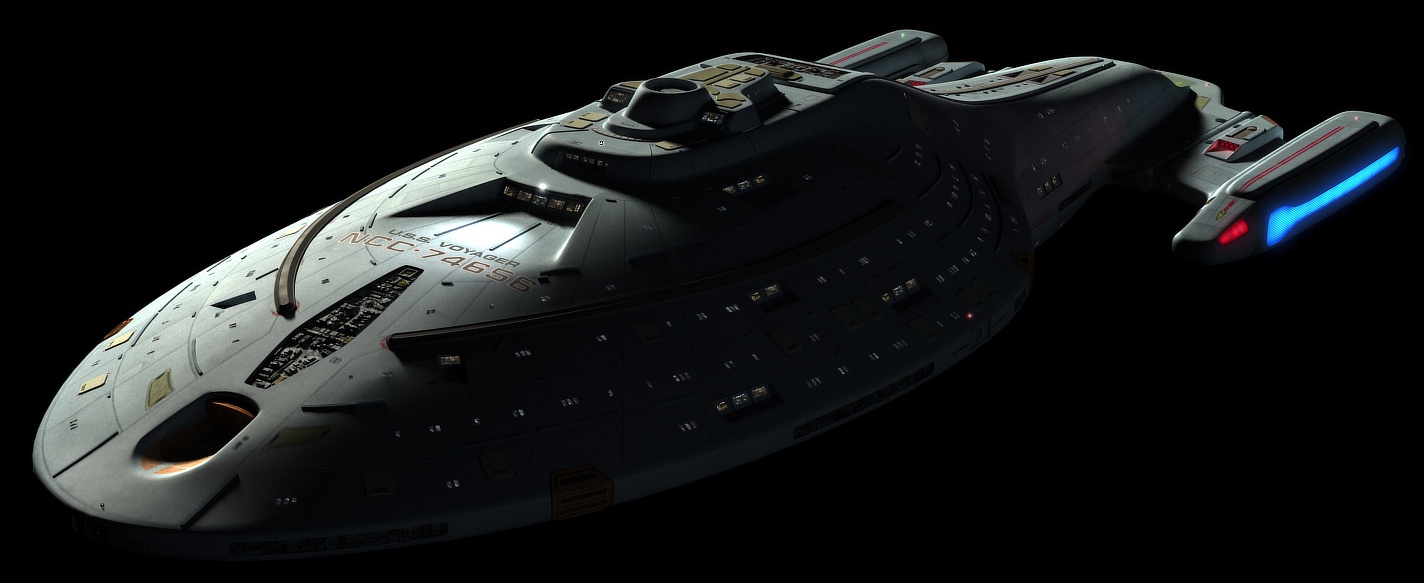
Image Credit: Robert Bonchune/TrekCore
I’ve actually tackled this idea before in a longer article – click or tap here to check it out! In short, some Trekkies have argued that the USS Voyager should have run out of torpedoes and shuttlecraft during its time in the Delta Quadrant – picking on a line from Season 1 in which Janeway said that there was “no way” to replenish the ship’s supplies. But I disagree with the idea that this is a plot hole and I can explain why in two words: Delta Flyer.
We see the crew of Voyager build not one but two Delta Flyers after getting stranded in the Delta Quadrant, using the ship’s industrial-sized replicator to do so. Though this may have been a drain on resources, it wasn’t fatal to the ship and crew by any stretch – so much so that they were able to build a like-for-like replacement when the first Delta Flyer was lost.
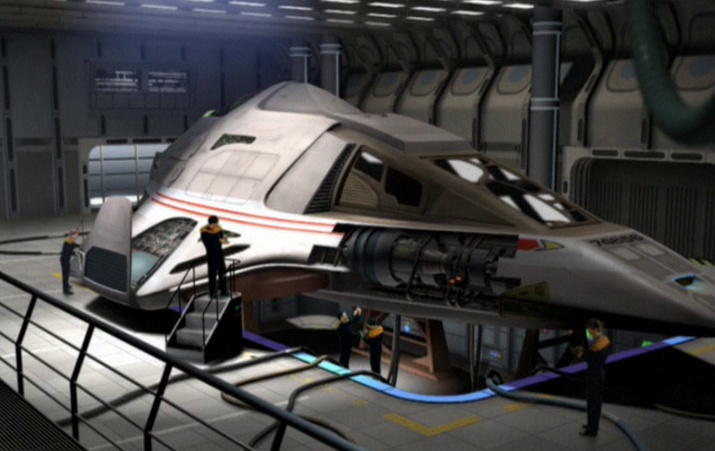
Furthermore, we saw Voyager trade with numerous planets, ships, and stations during its journey home – potentially acquiring resources like antimatter that may be needed for torpedoes, engine parts for shuttles, and so on. Maybe some things can’t be replicated, but through trade, Voyager could have been able to acquire these resources.
In short, I’ve never bought into the idea that Voyager firing “too many torpedoes” is a problem, and I think it’s easily explained through a combination of a resourceful crew, powerful replicators, and bartering.
Head Canon #5:
Fashion trends, hairstyles, uniform designs, etc. change over time – just like they do in the real world.

Take a look at photos from the 1970s, 1980s, and 1990s. It’s really easy to see how fashion sense and style changed in a relatively short span of time out here in the real world. Now look at the arguments some Trekkies were making about uniforms or hair styles being “wrong” in certain new Star Trek productions. It seems silly… doesn’t it?
Discovery was set ten years before The Original Series. It’s not a stretch to think that hairstyles and designs for things like uniforms might’ve changed in that time. When Discovery debuted with its all-blue uniforms, I liked the idea of that style and colour existing in between Enterprise’s submarine-style boiler suits and the more familiar Starfleet uniforms of the later 23rd Century.
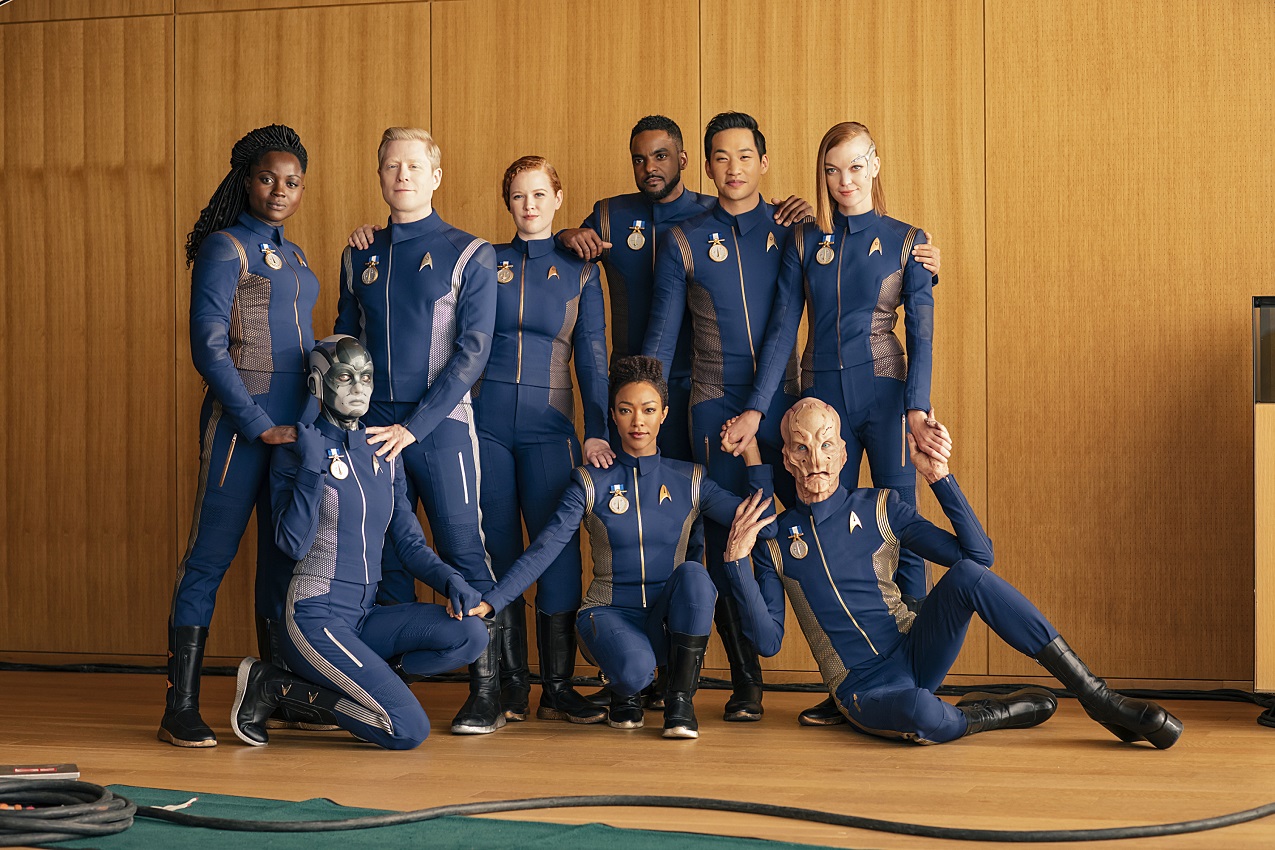
The same principle can apply to alien races and other factions. Why were bald Klingons a problem in Discovery, for example? It didn’t bother me – and a simple head canon explanation could be that the Klingon Empire went through a phase of preferring shaved heads in times of war. Maybe it was a revival of ancient Klingon culture, maybe other Klingons did it in honour of their leaders.
There are some oddities with Starfleet’s uniform choices that have been introduced by different Star Trek productions. The Next Generation and Deep Space Nine seemed, for a time, to establish that space stations and starships had the same combadges but different uniforms, for instance – until that went out the window! But I don’t buy into the arguments that some Trekkies have put forward about these design and aesthetic choices. It really isn’t much of a stretch to think that the 23rd and 24th Centuries go through different fashion trends.
Head Canon #6:
The “Borg Teasing Theory.”
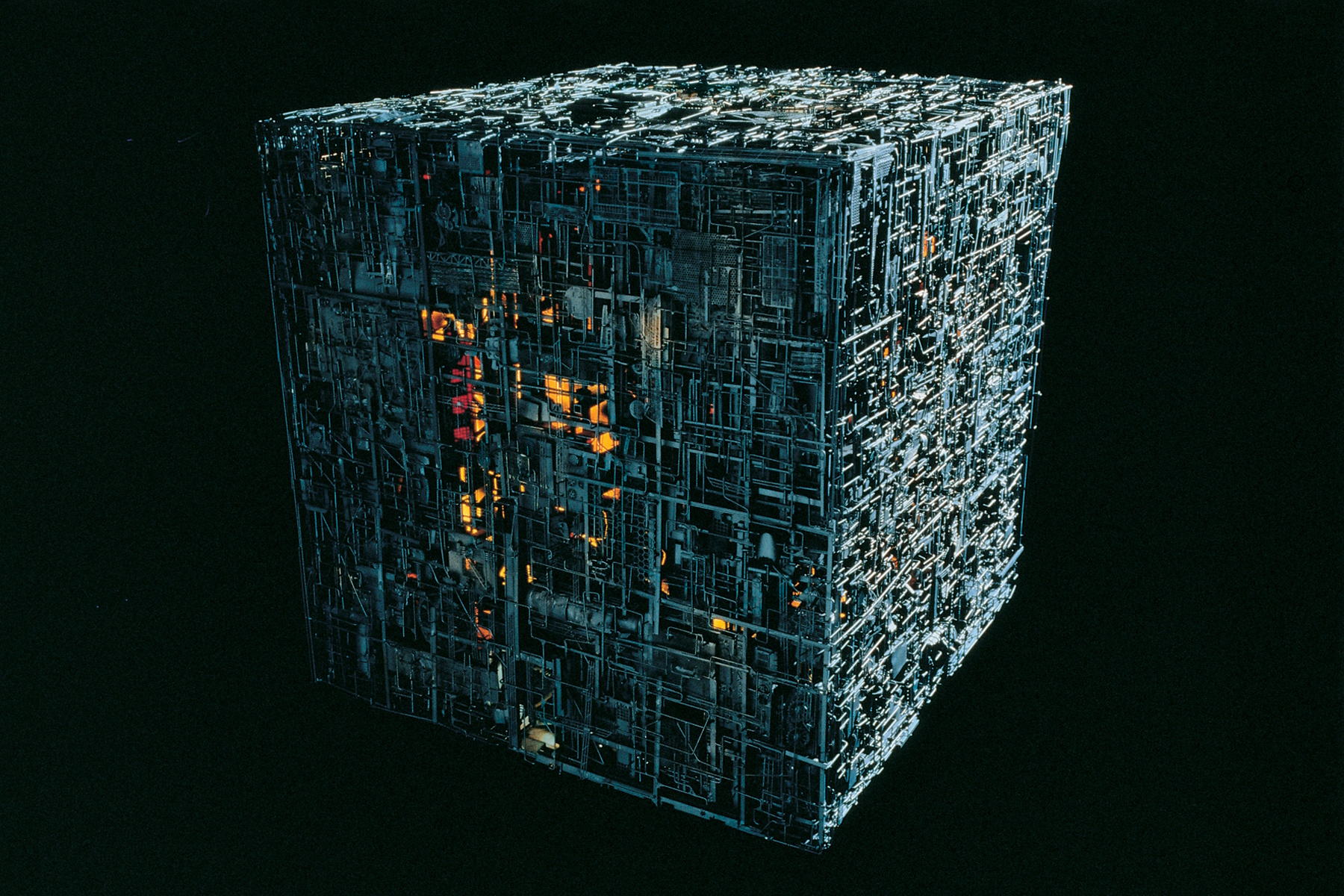
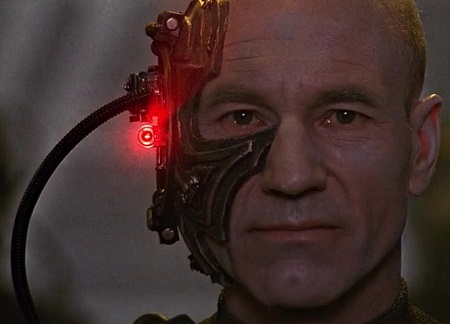
I find it interesting that the Borg Collective – with its massively superior technology, huge fleet of near-unstoppable ships, and untold legions of drones – never really made a serious effort to conquer the Federation. On both occasions where the Borg directly attacked Earth, they sent a single ship and – at most – a few tens of thousands of drones. Why?
I’ve had a theory for a long time (that I really must write up in full one day!) that the Borg Collective has been “teasing” the Federation. Not for fun – but to push Starfleet to develop newer and better technologies for them to assimilate. It’s not unfair to suggest that humanity is one of the most resilient, creative, and versatile species that the Borg had encountered as of the mid-24th Century, but even so, conquering the Federation shouldn’t pose a challenge based on what we saw of the scale of the Collective in Voyager.
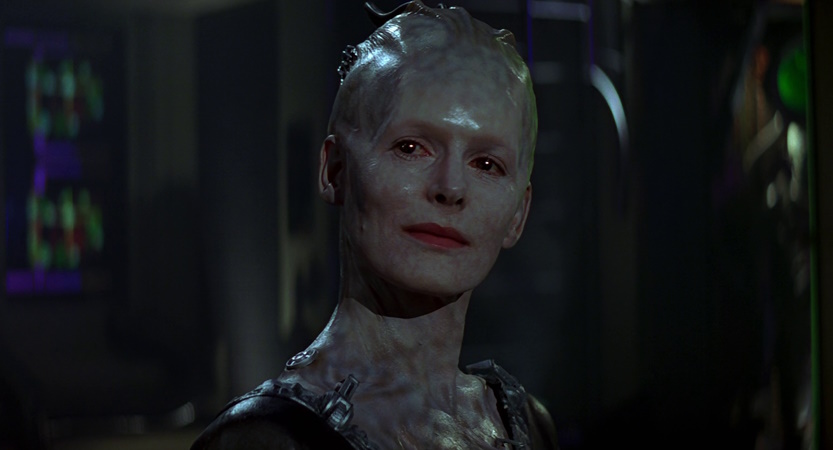
We know that the Borg seek “perfection,” and that they even ignore whole species if they think they have nothing to offer. Humanity clearly has plenty to offer the Borg… but in their push for even greater perfection, might the Borg be trying to see how far they can push the Federation?
The Borg attacks on outlying colonies, and later their attacks on Earth, prompted Starfleet to develop new and better weapons, shields, and medical technology. The Borg may have been hoping to assimilate these technologies later on – partly to add to their arsenal, but also partly to prevent them being used against them in a future conflict. By “teasing” the Federation with these smaller – but still pretty devastating – incursions, it’s basically a win-win for the Borg. Either their sole cube succeeds and assimilates Earth, then the rest of the Federation, or in its failure it not only gathers a ton of data, but also pushes Starfleet to develop newer and better things to assimilate in the future.
Head Canon #7:
Discovery Season 2 was originally going to be an “origin story” for the Borg.

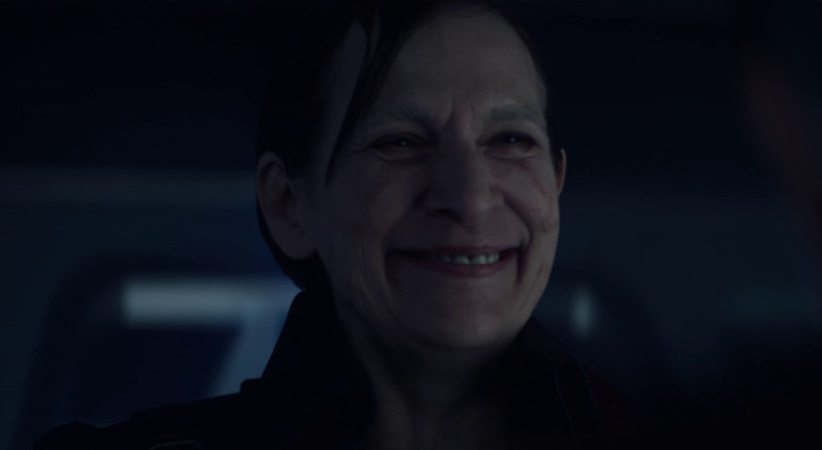
Is there such a thing as “production-side head canon?” I’m adding this one to the list either way! In short, no one is gonna be able to convince me that Discovery’s Control AI and time travel story in its second season was originally created/pitched as anything other than a Borg Collective origin story.
The way the Control AI was able to “assimilate” Captain Leland and others, using nano-technology, is just too eerily similar to the way the Borg operate to be a coincidence. When you add into the mix Burnham’s time travel suit… the stage was set for Control to become the progenitor of the Borg.
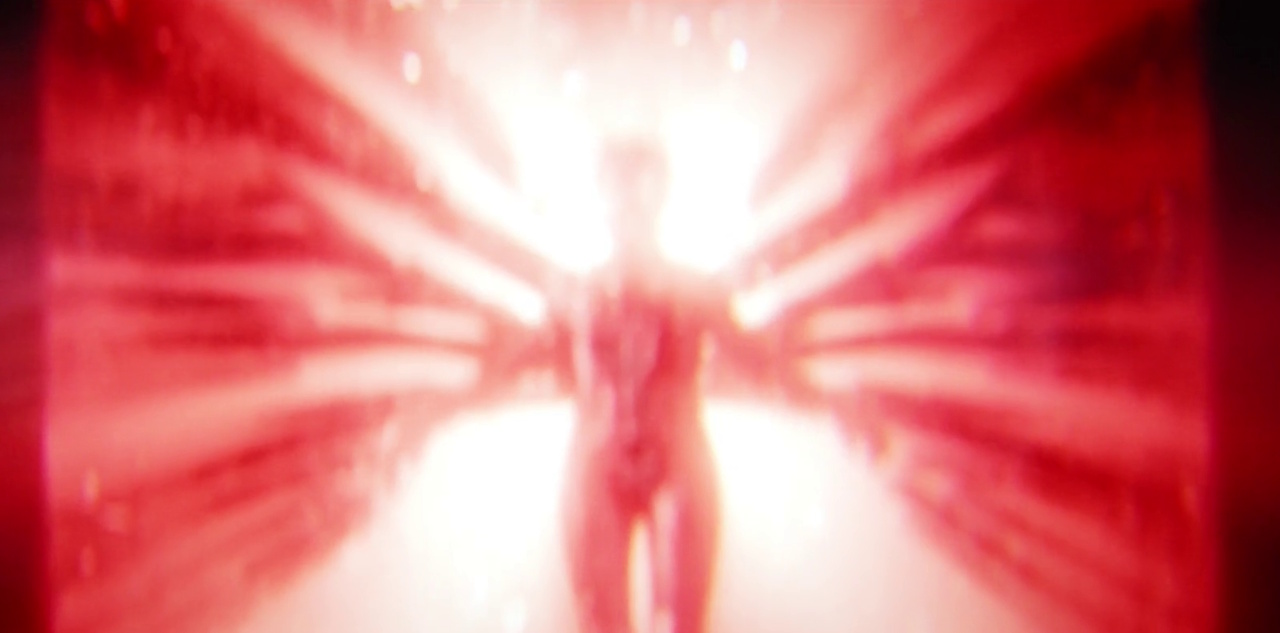
With relatively few tweaks to the final act of Season 2, Control could’ve seized Burnham’s Red Angel suit and, perhaps staring down the barrel of a Starfleet armada, escaped into the past. Crash-landing on a remote Delta Quadrant planet, Control could use its remaining nanites to conquer the native humanoid population… setting the stage for the Borg Collective to be a Federation creation.
Now, I’m not saying this would’ve been a good story. And I’m definitely not saying that Discovery’s writing team could’ve pulled it off successfully. Those are moot points now, anyway. But unless someone comes forward with concrete, definitive proof that Season 2’s Control/time travel story was never intended as a Borg story… well, let’s just say that would be a tough thing to convince me of! I have a longer article about this theory, by the way, and you can find it by clicking or tapping here.
Head Canon #8:
The Romulans eventually discovered Sisko’s underhanded tactics.

One of my fantasy Star Trek stories is a follow-up to the outstanding Deep Space Nine Season 6 episode In The Pale Moonlight. But unless and until that happens, I’ll have to make do with my personal head canon! In short, I struggle to believe that Sisko’s actions in that episode – where he lied, schemed, and murdered his way to an alliance with the Romulans – would never come to light.
Whether this would set the stage for a full-scale conflict or not isn’t certain, and with the Romulan Empire in a much-weakened state in the early 25th Century, perhaps they wouldn’t be spoiling for a fight. Romulan leaders might even want to keep the revelation a secret, not only because it shows them in a bad light, but in order to avoid jeopardising an alliance that they relied upon in the aftermath of the loss of Romulus and Remus.
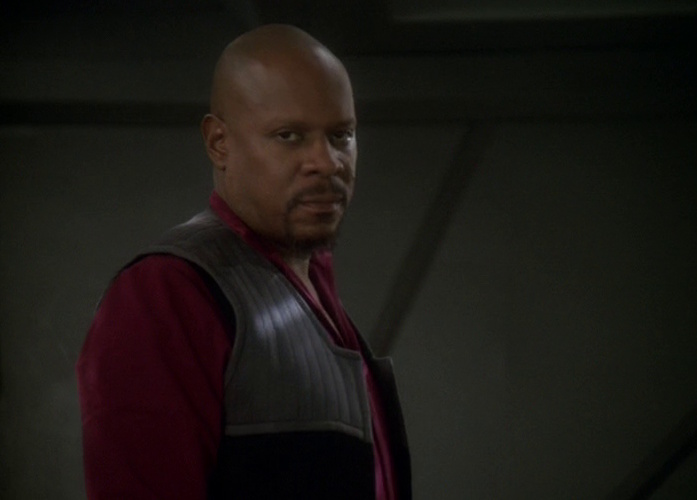
So how could it happen? The only people involved were Garak and Sisko, and neither would be likely to spill the beans. Garak, though, might’ve boasted about his achievements in private, if not to Dr Bashir then to someone else back on Cardassia. It’s one of his biggest achievements if you think about it, and it could become a legend within the re-established Cardassian intelligence agency.
More likely, though, would be the Romulans re-examining the fake “evidence” of the Dominion plot to invade. Garak believed that any imperfections in the recording would be written off as damage from the shuttle explosion, but I’m not so sure. Under proper forensic examination, would the fake recording really hold up? Or could Senator Vreenak have sent a message warning about the forgery before his assassination? There are multiple ways this could go – and serious consequences for Starfleet if and when the truth comes out!
Head Canon #9:
Starfleet will find a way to prevent the Burn – pushing Discovery’s far future into an alternate timeline.
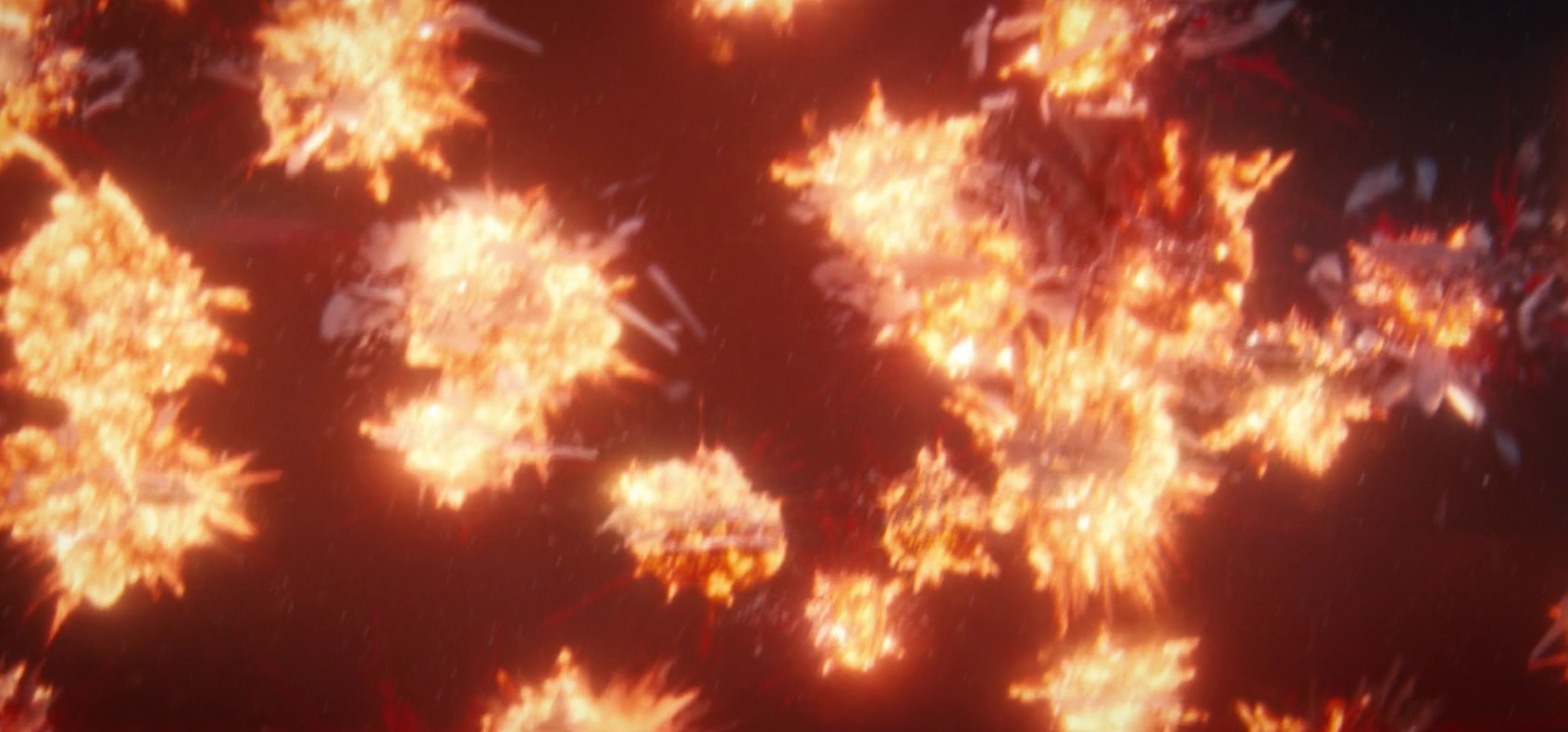
If you’re a regular reader, you might remember that – only a few weeks ago – I pushed back hard against the idea that some or all of Discovery has been “rendered non-canon” by one brief clip in Lower Decks. And to be clear: I stand by what I said then! Discovery, at time of writing, remains fully canon, and its far-future setting is the ultimate destination for the prime timeline.
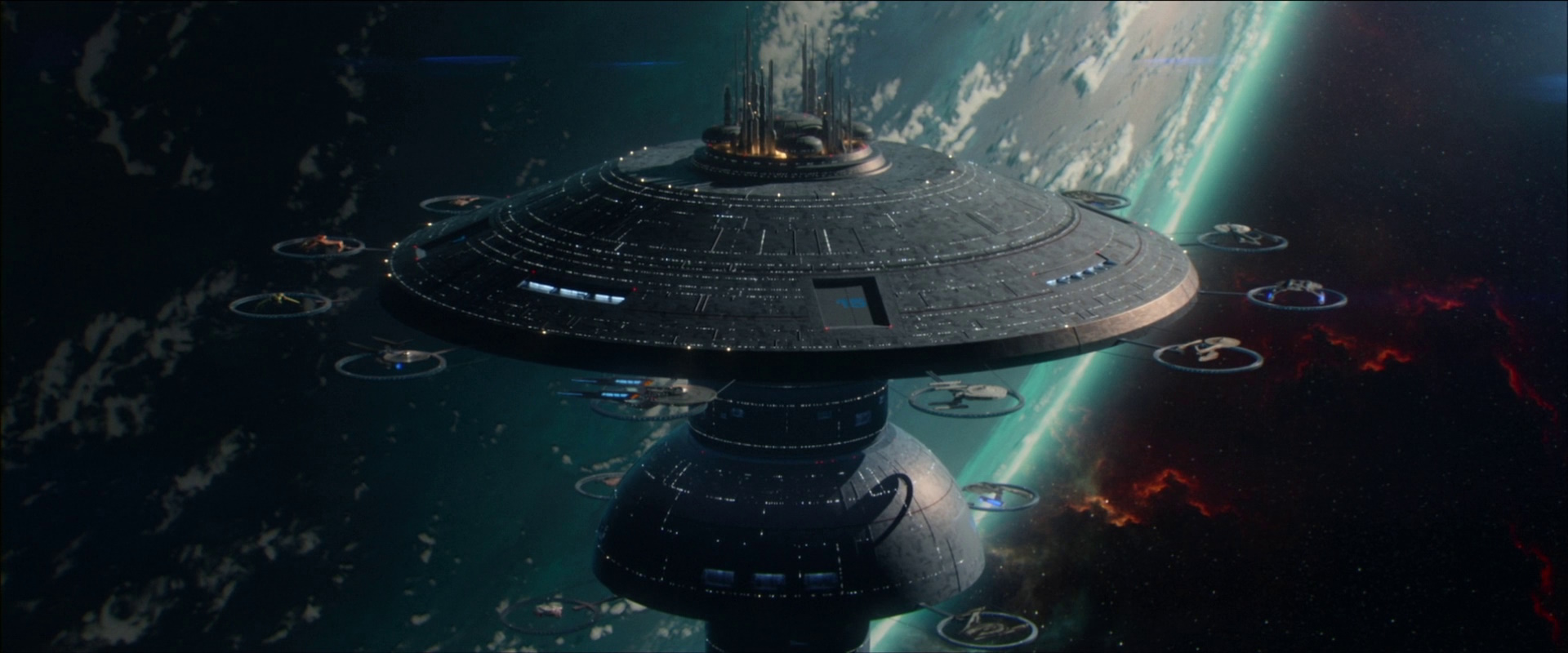
But the Burn is particularly depressing, and knowing that the Federation will suffer such a horribly devastating blow – even if not for centuries – potentially changes how we react to stories set in the 23rd, 24th, and 25th Centuries. So my current head canon is this: at some point in the future, perhaps after Discovery’s new spin-off, Starfleet Academy, has finished its run, the far future setting will be quietly dropped. If there’s more Star Trek being made at that point, or at some point in the future, it will either totally ignore those events or perhaps even find a way to imply that they didn’t happen.
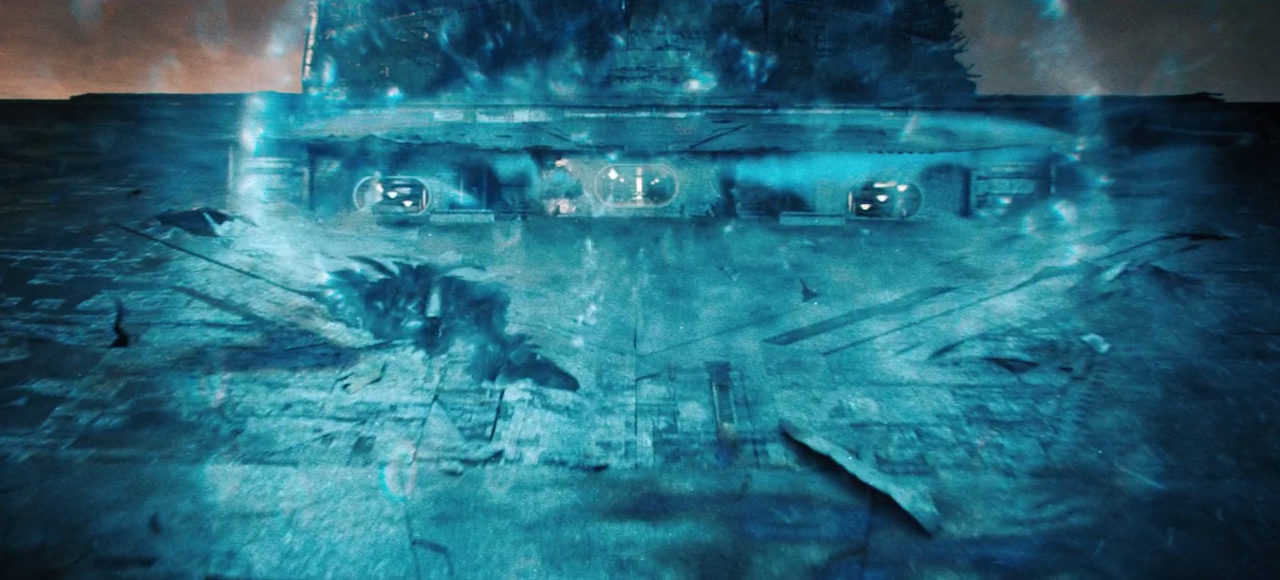
We’ll need to discuss this in more detail on another occasion, but I don’t think that Discovery’s “post-apocalyptic Star Trek” idea worked. I don’t think the concept was a good one in and of itself, but I also feel that the execution was poor. Aside from a few moments in Season 3, Discovery never really did a lot with the idea of rebuilding the Federation, and the things we did see were smaller moments that were blitzed past to get to other, generally less interesting stories.
So I think there’s a case to be made to quietly push Discovery and Starfleet Academy into their own timeline at some future point. In my head, it works better that way – allowing Discovery to continue to exist and for Starfleet Academy to hopefully build on the foundations it laid, but also not constraining future stories that may be set in the 24th or 25th Centuries.
Head Canon #10:
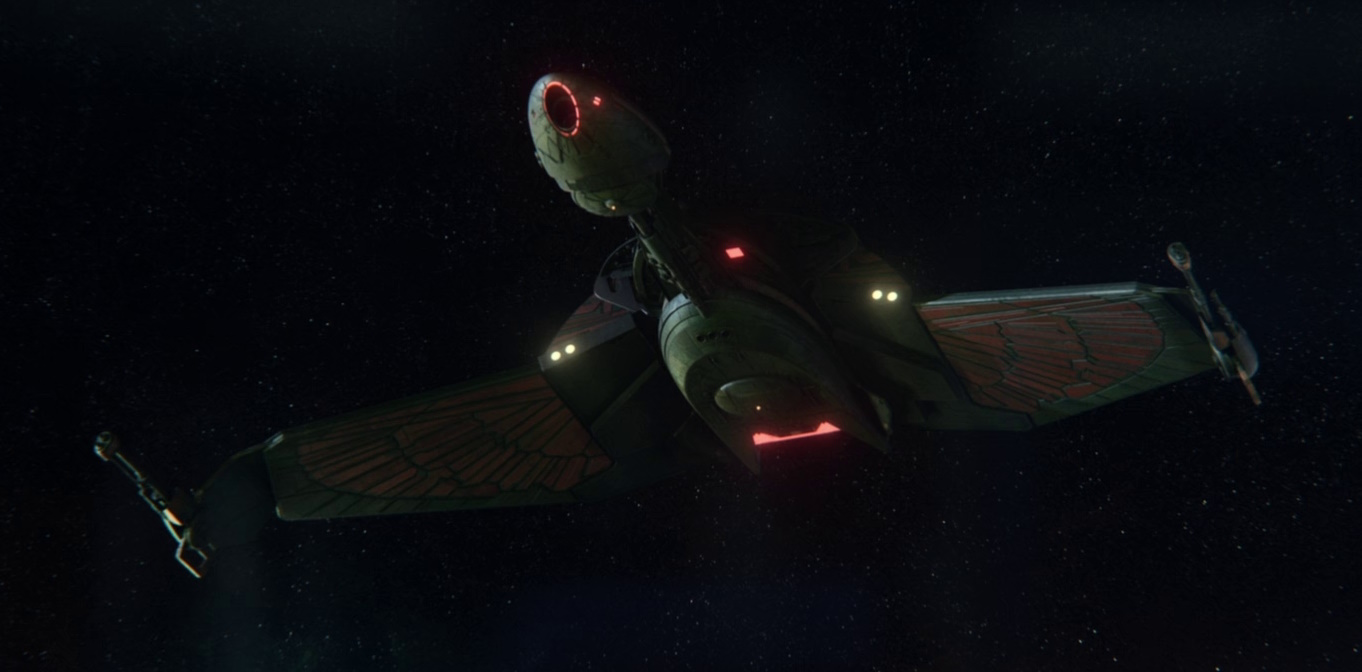
Section 31 regularly uses cloaking devices.
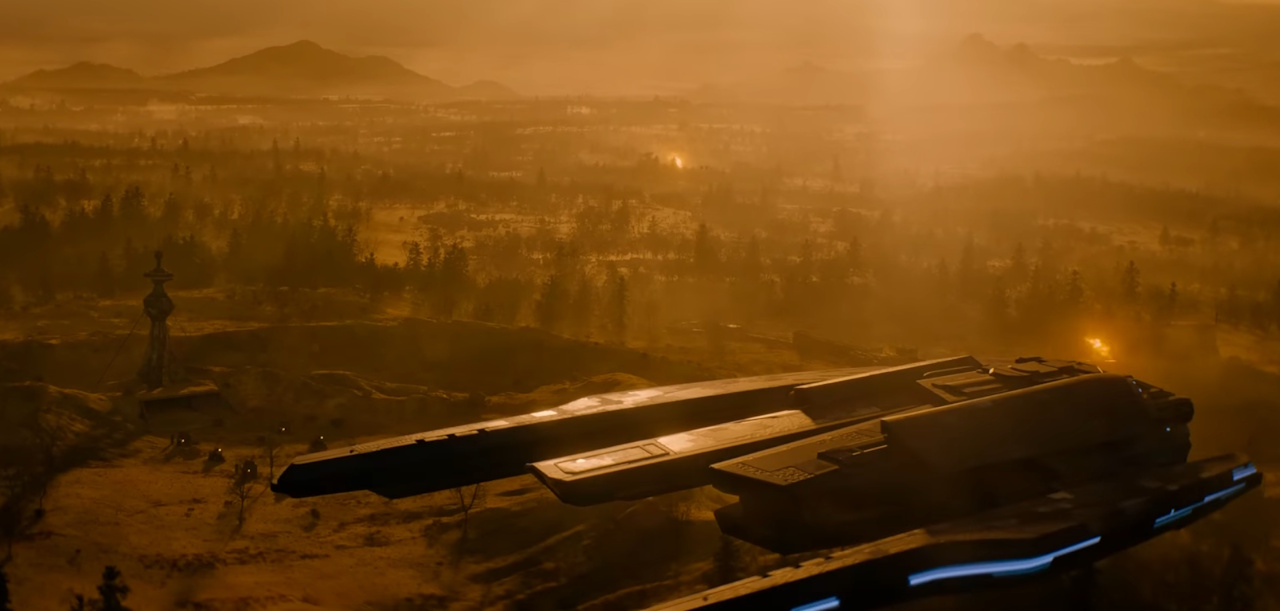
Maybe I’m forgetting or overlooking an episode, but I can’t remember seeing Section 31 using cloaked ships. It seems logical to me, though, that the Federation’s black ops/off-the-books security organisation would take advantage of cloaking technology whenever possible. Starfleet may be bound by the Treaty of Algeron not to use cloaking devices… but does anyone really think that Section 31 – an organisation which has attempted genocide and overthrown governments – would abide by the law?
Section 31’s use of cloaked ships could also explain things like their abduction of Dr Bashir in Inquisition – the faction’s first appearance in Star Trek. That episode left it deliberately unclear how Section 31 was able to infiltrate DS9 to capture Bashir, but if you imagine them using a ship with a cloaking device, things start to fall into place.
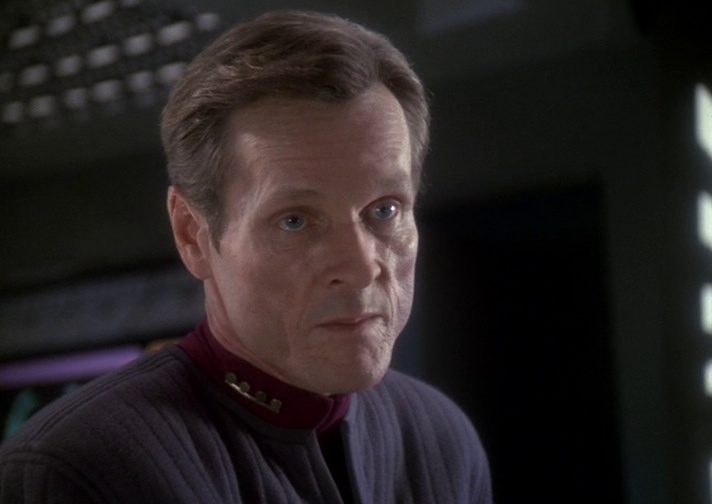
Starfleet (and presumably the Federation government, too) refuse to officially acknowledge Section 31’s existence – at least in the mid/late 24th Century. So that makes it easy for them and their ambassadors to deny that any officially-sanctioned Starfleet or Federation ship is using a cloak in violation of the treaty with the Romulans. The Federation would, presumably, deny the existence of any such vessel and would abandon any captured Section 31 operative to their fate.
An organisation that likes to exist in the shadows would, surely, want to take advantage of every possible way to hide. Cloaks in Star Trek are imperfect – but they’re still very useful pieces of kit. For spies and assassins, a cloaked ship could be the difference between reaching a target and failing the mission. Section 31 would obviously use this technology – even if we’ve never seen it!
So that’s it… for now.
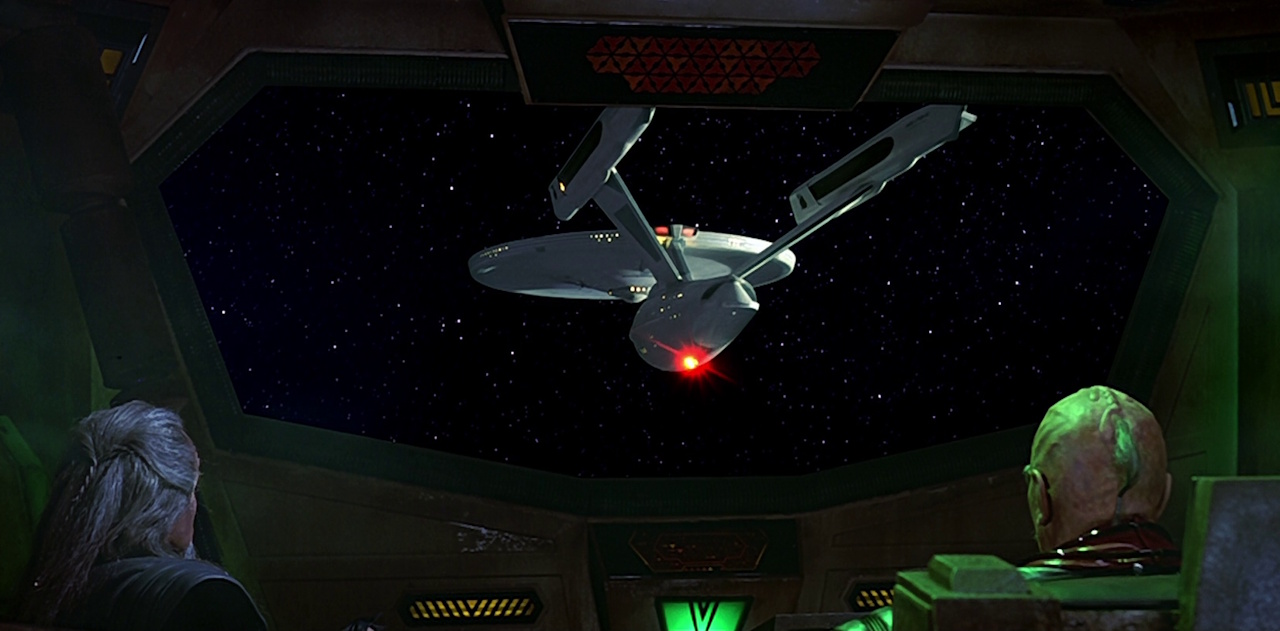
I have a few other ideas that I didn’t have time for on this occasion – so stay tuned, because I might revisit this subject in the future. It was a bit of fun for me, and pretty cathartic to talk about some of these ideas. Several of these head canon explanations are things I came up with years or even decades ago, so it’s definitely fun to air them for the first time!
As I said at the start, this is just for fun and isn’t something to argue about or get upset over. Head canon is a great way for fans to plug holes or expand stories – but it isn’t worth taking too seriously; none of this will ever be seen or confirmed on screen. In fact, it’s quite likely that some of what we talked about today will be actively debunked in future!
I hope you’ll stick around here on the website, as there’s more Star Trek content to come! I finally finished reviewing Strange New Worlds’ fantastic second season a few days ago, and earlier in the year I took a look at the Section 31 TV movie, too. I hope you’ve found some of these head canon ideas interesting, in any case.
Most Star Trek shows and films discussed above can be streamed on Paramount+ in countries and territories where the service is available. Most of the Star Trek franchise is also available on DVD and Blu-ray. The Star Trek franchise – including all films, shows, and properties discussed above – is the copyright of Paramount Global. This article contains the thoughts and opinions of one person only and is not intended to cause any offence.


















 Trekking with Dennis