Spoiler Warning: There are spoilers ahead for KPop Demon Hunters.
I know absolutely nothing about K-pop. The last (and probably only) K-pop song I listened to was Psy’s Gangnam Style when that was all over the airwaves – which is more than a decade ago at this point! Gosh, I’m old. In fact, is Gangnam Style even K-pop? I think we’re off-topic already! The point is: I know nothing about this style of music, I don’t follow K-pop, I don’t listen to it, and while I’ve been dimly aware of Korean music’s popularity in the west… it’s just never been something I felt the need to look into.
So… why watch KPop Demon Hunters, then? It’s a film that uses the world of K-pop as its foundation, blending that in with Korean legends and some of the trappings of anime – another entertainment genre I have absolutely no experience with! It’s simple, really: I love a good animated film, and Netflix has been a fantastic destination for animation in recent years. KPop Demon Hunters has quickly acquired a great reputation, so I thought I’d give it a watch during one of the months where I’m paying for Netflix. And you know what? I had a whale of a time.
Concept art of Huntr/x (left) and a selection of demons.
KPop Demon Hunters took what could’ve been a basic black-and-white, good-versus-evil story and shook it up, weaving a much more complex and nuanced tale than similar kids’ films. The unexpected connection between the main protagonist and the demon world, and the complex relationship she built with one of the primary antagonists, were a big part of what made the story work. There was genuine depth to these two characters, and that kept what could’ve otherwise been a silly and outlandish film feeling genuinely grounded. It wasn’t perfect, and there were some weaknesses with the way the other characters were set up, but when the film found its feet, it did a fantastic job getting me invested in its world.
The story was epic in scope, but also small and personal – and it’s the latter side that really made the film so enjoyable to watch. Anyone can write a story about the end of the world, but if there’s no one in that world to care about… it kind of doesn’t matter. KPop Demon Hunters gave me characters to feel for when they were in danger, when their secrets were about to be exposed, and that really elevated the film to be something a lot more special.
Jinu and Rumi.
The story also had important messages, at least some of which I hope will resonate with its younger intended audience. Not judging people because of where they come from, and not falling back on hatred, are timeless – but unfortunately also very timely – things that we all need to be reminded of, sometimes. It can be fun to go on the attack and to try to tear someone down, but at the same time, that isn’t always the right answer.
Then there’s the idea of shame and covering up some part of oneself. We got this through the visual effect of Rumi’s demonic skin patterns, which I think you can read as an analogy for scars, skin conditions, and so on, but also in a more metaphorical sense for the concept of shame in general. Shame leads people to make poor choices, lying to loved ones, and retreating inwards… those are just part of what the film wanted to say.
Rumi with her patterns.
I felt KPop Demon Hunters had some wonderful animation and creative designs. The demons – which I assume are inspired by depictions of demonic entities in Korean culture – looked great; obviously otherworldly and spooky without being out-and-out frightening for the film’s younger viewers. And the designs of the characters in the two bands were great, too, drawing on both real-world K-pop bands and anime for inspiration. Some of the overly exaggerated anime-inspired facial expressions weren’t exactly “my thing,” but in the context of the film I think they worked well enough.
I loved the cute tiger and bird pair. Their designs were weird in one way, and certainly not of this world, but at the same time, I felt they were adorable! The multi-eyed bird with its cute little hat, and the chubby blue tiger just made for such a fun duo. The scene of Rumi riding the tiger was sweet, too. Again, I assume these entities are inspired by Korean folklore, and I think they were a lot of fun. If there’s not merchandise of both already, well… Netflix better get on top of that!
I need a tiger teddy!
I spent a little while looking into this, because I would’ve sworn that KPop Demon Hunters was deliberately using a “stop-motion” effect with its animation. But it seems as if that wasn’t a deliberate choice; rather the film is animated at a relatively slow 12 frames-per-second, resulting in what felt like a bit of a choppy effect – at least on my screen. I didn’t hate it; I actually quite like stop-motion films, and it gave KPop Demon Hunters its own kind of charm. But some of the ultra-fast dance and fight sequences definitely had that choppy look as a result. I’ve seen people online claim this was a “stylistic choice,” but there’s nothing official on that as far as I can tell. I haven’t seen Sony’s SpiderMan: Into The Spider-Verse, but apparently the same kind of visual style is on display in that film, too.
The film makes wonderful use of colour. Gold and blue were framed as the positive, earthly, or “good” colours, where pink – in various shades – seemed to be more connected with Gwi-Ma and the demons. The climax of the story showed many characters bathed in a deep pink glow, and it was genuinely unsettling. At various stages in KPop Demon Hunters, colours really popped, and the film has an overall bright and fun look.
The colour pink was used for the demonic entities.
If the central pair of Rumi and Jinu felt well-developed and real, some of the other main characters… didn’t quite reach the same level. Both Mira and Zoey got a few seconds’ of “backstory,” which was explained incredibly quickly by random characters right at the start of the film. At first I felt sure that this would be fine, but when their personal histories and issues actually mattered at the climax of the story… I felt we could’ve got a bit more than just a couple of hand-wavy lines of dialogue and half a line each in song form to explain who they were, why they might’ve felt they way they did, and where their exploitable vulnerabilities came from.
The same was true of the band’s leader, Celine – though we did get a bit more from her later on in the film. And the rest of the demons, aside from Jinu, didn’t really get much screen time. The demons’ king – Gwi-Ma – got plenty of time on screen, but his plan seemed to be “I’m evil and I want to eat everyone’s souls, mwahahaha,” without really much else going on. There’s absolutely a role in fiction for pure baddies, and Gwi-Ma made for a fine antagonist here. But I would’ve liked to have seen more from some of the other demons; was Jinu really the only one with a history?
A gaggle of demons. Was Jinu really the only one who’d been manipulated?
Jinu’s story at least implies that some other demons in Gwi-Ma’s domain are similarly victims of exploitation, doesn’t it? Maybe his fellow demon boy-band popstars were 100% committed to the evil team… but were all of the other demons? Some of them, in their brief moments on screen in Gwi-Ma’s realm, felt almost human-like with their emotions and reactions to what was going on… and if there was some way to free them from their suffering instead of trapping them with it forever… well, wasn’t that part of what Rumi learned over the course of her interactions with Jinu?
I guess that raises implications for the film’s final act! If the story wanted to say something like “some of these demons are victims of Gwi-Ma’s manipulation, which you’ve just seen first-hand,” then is trapping all of them in the underworld the right thing to do? Jinu’s soul may have been saved by his interactions with Rumi, but what about the rest of them? I’m not trying to come across as “pro-demon” here, and I could be getting the wrong end of the stick. But it felt to me as if the film kind of tripped over the corner of its own story just a little.
Huntr/x at the climax of the film.
Let’s talk songs!
I really enjoyed Golden; that track has been playing on repeat since I watched KPop Demon Hunters. Soda Pop was a perfectly catchy pop song that worked really well given its prominent role in the story. Takedown came with an important message about judgement – but it’s also a badass song in its own right. How It’s Done was also a fantastically upbeat track. And I liked Your Idol, too. Does that mean I’m a K-pop fan now? Well… who can say! But I know that KPop Demon Hunters had a really fun, up-tempo, and enjoyable soundtrack, perfect for this kind of musical.
It was inevitable that a film about battling bands was gonna have some good songs, but I admit I was surprised at just how powerful and emotional tracks like Free and Golden actually were. There’s some great songwriting and composition on display here.
I’ve been listening to Golden on repeat!
So I think that about wraps things up. KPop Demon Hunters hadn’t been on my radar at all, but it was a surprisingly fun film that will absolutely be in contention for my “animated film of the year” award come December! Netflix scooped the prize last year with Spellbound, so it’s definitely possible that KPop Demon Hunters can keep the streak going! Netflix is definitely becoming a go-to place for animated films like this, which is wonderful to see.
I thoroughly recommend KPop Demon Hunters. It was a fun introduction to the world of K-pop, a world I’m totally unfamiliar with. It had a strong story centred around two engaging characters, plenty of laugh-out-loud moments, and a fantastic soundtrack to boot. It’s also a bit of a change in tone from the last film I reviewed (28 Years Later)! There’s talk of a sequel, and while I wouldn’t necessarily say it’s a story that’s desperately asking for a follow-up, in 2025 almost every successful film ends up being spun off into a franchise, so I wouldn’t be surprised if there’s more to come from Zoey, Mira, and Rumi. Watch this space, I guess!
KPop Demon Hunters is available to stream now on Netflix. KPop Demon Hunters is the copyright of Netflix and/or Sony Pictures Animation. This review contains the thoughts and opinions of one person only and is not intended to cause any offence.
The first part of this review is free from story spoilers. The end of the spoiler-free section is clearly marked.
Well this is a bit of a rarity for yours truly: reviewing a film while it’s actually new and still relevant! I recently sat down to watch Netflix’s The Electric State, a film that had been on my radar for a little while. If you know me, you’ll know that I always like to give new sci-fi and fantasy adaptations a chance… and while The Electric State was imperfect and took a while to find its feet, the film managed to hit at least some of the right notes for me.
Let’s start with what I didn’t like. We’ll get into a bit more detail if you stick around for the spoilery portion of the review, but in brief… the two main acting performances weren’t spectacular. Chris Pratt seems to have become omnipresent in what’s occasionally termed “genre” cinema, and the best thing I could really say about him in The Electric State is that his performance was workmanlike. He turned up, churned out a passable performance, cashed his cheque, and that was it. I didn’t see much passion from him, or really any indication that he cared much about the role or the story. It was fine. But for the benefit of Netflix and other studios: you guys know other actors exist, right? Try someone else sometime… they might do a better job.
Chris Pratt in The Electric State.
I don’t like to pick on younger performers too much, so I’ll say this: Millie Bobby Brown was the lesser of The Electric State’s two leads. There were moments in her performance that captured some of the feelings and emotions that the Russo brothers wanted the film to convey… but there weren’t as many of them as the role really needed. Some of Michelle’s biggest scenes – moments where I should’ve been on the edge of my seat or bawling my eyes out – just didn’t stick the landing, and unfortunately that’s due more to the performer than the writing or direction. I don’t doubt that Brown was genuinely invested in the role, but I think it took her to the edge of her capabilities… at least for now. She’s definitely got room to grow in the years ahead, and I hope The Electric State will be a film to look back on in a few years’ time to see how far she’s come.
The Electric State was juggling quite a few characters, meaning there was no shortage of storylines to cram in – along with some of the film’s loftier concepts and ideas that we’ll talk about later. As a result, I felt several critically-important moments were rushed, with not enough development given to key characters nor enough time for events to unfold naturally. It takes time for people – humans and robots – to warm up to one another, to share ideas, and to commit to working together… but The Electric State, on too many occasions, didn’t have enough time to do the work. This left some scenes feeling blitzed through, while in others, characters seemed to act out of turn or without detectable motivations.
Directors the Russo brothers with star Millie Bobby Brown.
I’ve said this more than once in other reviews, but perhaps for a younger audience – raised on short-form videos – that kind of hectic pacing might work. You’ll have to check out other reviews from younger folks to see if that’s the case! But for this old critic, I’m afraid that I needed to spend a little more time with some of the characters at those moments; going from “we’ve just met” to “let’s team up and save the world” needs more than just lip-service if I’m going to really buy into it.
On a more positive note, the film’s core story was great – and if the worst thing I can say about the main narrative is that I wish I could’ve seen it play out at a more reasonable pace, that isn’t the worst thing in the world. It just means that, for me, some scenes and characters needed a bit more work. The bare bones of the story were there – and it was a strong, solid, and potentially quite emotional narrative. I could feel, hiding just beneath the surface, some of those character moments and narrative threads… and it’s a tad frustrating, more than anything else, that they didn’t get the deeper, fuller exploration that they deserved.
A trio of characters in a promotional still.
And perhaps that’s The Electric State in a nutshell – if Mr Peanut will excuse the pun. It was a film that had a genuinely good story… but it fell short of being great for the reasons outlined above. That doesn’t make it a bad film by any stretch, and I could see myself watching it again one day. But it’s a little disappointing that some of these ideas, characters, and storylines were held back or cut short. Perhaps The Electric State would’ve worked better as a miniseries – say, five or six hour-ish episodes – instead of a two-hour film.
The film’s soundtrack was fantastic, and I enjoyed some classic hits like Judas Priest’s Breakin’ The Law and Gloria Gaynor’s I Will Survive, as well as reinterpretations of Don’t Stop Believin’ by Journey and Wonderwall by Oasis. There were some truly great songs in the mix, and they were paired well with different moments in the film. The score was also fantastic – composer Alan Silvestri, who has also worked on titles like The Polar Express and Ready Player One – did a great job.
Michelle and Keats.
I don’t like to put a number on my reviews. One person’s idea of a seven out of ten might not be the same as another’s, and I think too many people skip over the actual review and just want to see numbers! But if you want to know if The Electric State is right for you, here’s what I’ll say: if you already have a Netflix subscription and you want to check out a different sci-fi title, you’ve got nothing to lose by firing it up. I would caution that it took me a while to fully get invested in The Electric State due to some of the issues outlined above, but once the film found its footing I was content to watch until the end. Would I be happy if I’d bought an entire month of Netflix purely to watch The Electric State, though? I think that’s a harder sell, to be honest with you.
Up next we’re going to talk about the plot in a little more detail. If you want to go into The Electric State un-spoiled, this is your warning to jump ship! If you’re still reading, let’s jump headfirst into the spoiler section of the review!
The film’s poster.
This is the end of the spoiler-free section. There will be story spoilers for The Electric State from here on out.
There are a couple of interesting real-world analogies that The Electric State was playing with – but I don’t think the pace of the film really managed to do justice to either. As I said above, a miniseries might’ve been a better fit for this story, because some of these potentially-interesting ideas about technological dependence, escapism, and abusive corporations deserved more time in the spotlight. In a stronger film, these ideas could’ve been key parts of the story; in The Electric State, they were basically just a backdrop for the adventure to play out in front of.
The neurocasters are a perfect metaphor for today’s smartphones, and the depiction of neurocaster addicts in The Electric State felt, in a couple of places at least, hauntingly accurate. How often do we hear about so-called “smartphone zombies” walking off bridges or into traffic, or even just bumping into people while lost in their own little worlds? The film’s message about putting down our devices, connecting with one another in real life, or even just – to borrow a Gen Z term – going outside to touch grass had potency. Unfortunately, this aspect wasn’t in focus for long enough to be as impactful as it should’ve been, and other storylines quickly overtook it.
The neurocasters could’ve been a timely metaphor.
And it’s a shame, because the time is right for a metaphor like this. There is value in a story that touches on themes of technological dependence and escapism – and I know from my own life that I spend too much time staring at a screen. The Electric State wanted to hold up a mirror to today’s society and say “look!” But it didn’t have enough time to really make this idea stick.
The same was true of the film’s corporate angle. Maybe I’m allowing current events to colour my reading of Sentre and Ethan Skate… but there was something in the presentation of this corporation and its shady leader that felt timely. A “big tech” company doing unethical things while putting on a friendly face in public… I mean, that hits close to home, right? Stanley Tucci was pitch-perfect in the role of Skate, by the way; he really made my skin crawl. And in this case, I mean that as a compliment!
Stanley Tucci played the villain exceptionally well.
I mentioned pacing earlier, and there were too many scenes in The Electric State that felt cut down or that I would’ve wanted to see expanded. Michelle’s encounter with the Cosmo robot, their first meeting with Keats and Herm, Mr Peanut’s colony of robots… all of these seemed to race by, and unfortunately, there was a lot left on the table (or the cutting-room floor). As a result, too many characters seemed to act unnaturally, being willing to team up when two seconds ago they’d been adversarial, or leaving their motivations unexplained. There was no clear explanation for why the Butcher’s drone – which had been crushed in a cave-in – could somehow be remotely re-activated without any kind of mechanical maintenance, no real explanation for why Keats didn’t abandon Michelle after he cost her his entire business, and so on.
Some characters felt less like real people than bare archetypes. Michelle’s foster father seemed to be “evil for no reason,” in line with some depictions of step-parents in old children’s stories. The doctor – the one who aided in Chris’ escape – also didn’t really have a lot of personality, though at least his motivation of wanting to do something to help a child in danger was understandable. I know I keep coming back to this idea, but a miniseries (or even just two films instead of one) could’ve lingered on some of these characters a bit longer, fleshing them out – and by extension, giving some more depth to what could feel like a pretty shallow world.
We needed to spend a bit more time with characters like Dr Amherst.
The idea of an artificial intelligence going rogue isn’t new, and we’ve seen it countless times in sci-fi. But because of The Electric State’s depiction of brightly-coloured robots based, at least in part, on fictional characters we’re familiar with, there was a bit more to it. The film also released at a moment where AI has been in the spotlight, with more and more folks using and becoming dependent on AI tools to do everything from homework to the business of government! Fears of rogue AI are nothing new, but The Electric State had at least a visually different – and occasionally striking – take on this idea.
Something we don’t always get in stories about robots turning against humanity is a peaceful outcome – and The Electric State offered a glimpse of what that could look like. Both sides started to see that there could be good in the other; that there might be a way to work together to achieve a lasting peace. Again, in the context of our troubled world, that isn’t a bad story to tell. However, this storyline also wasn’t all it needed to be to really bring that message home.
Is peace between humans and sentient robots possible?
At the core of the story were two character pairs: Keats and Herm and Michelle and Chris. Keats and Herm’s story of being on opposing sides of the war, only to end up together was a cute idea – but one I wish we could’ve seen more of. The Electric State wasn’t shy with its flashbacks, so why not flash back to the battlefield and show us, rather than just tell us, what happened to the two of them? Seeing it rather than just hearing about it would’ve been more impactful.
As for Michelle and Chris, there was a sweetness to a sister doing everything she could to help her brother. With this storyline being the film’s core – both narratively and emotionally – it was the most important one for The Electric State to get right. As above, I don’t think Millie Bobby Brown was outstanding in the role of Michelle; her best scene was probably the one at the mall where she, Cosmo, and several other robots were wordlessly watching the old cartoon. The young performers did their best, I have no doubt, and criticising the on-screen chemistry between them would feel a bit harsh. What I’ll say instead is that there were some good moments and some less-good moments on this side of the story. At times, it could feel like heavy lifting to remain fully invested in Michelle’s story.
Chris and Michelle in a flashback.
I touched on this above, but the designs of some of the robots were really interesting and made for a fun visual presentation. Inspired in part by the animatronics at Disney World and other theme parks, there were some genuinely neat designs in the mix. Cosmo – the robot inhabited by Chris – was perhaps the most important one to get right, and I think the animators and designers did a good job. A lot of the robots also looked dirty and decaying after years without maintenance, and that definitely came across.
One important point that I think The Electric State would’ve benefitted from explaining is why Cosmo couldn’t talk but every other robot we met could. I guess there was supposed to be some limitation – that Cosmo only had a handful of pre-programmed phrases – but this wasn’t really explained, and when we met a whole community of robots who could all talk much more freely… it felt a bit odd. The idea was interesting, and limiting Chris’ ability to communicate with Michelle served a purpose. But… it also meant that this pairing relied even more on Michelle to talk and emote, which wasn’t always the film’s strongest suit as we’ve already covered.
Chris seems to have had the bad luck of possessing the only robot in this world without the power of speech.
The Elecrtic State is supposedly set in 1994, and I guess Netflix was hoping that there’d be a lot of nineties nostalgia floating around to entice viewers. As someone who grew up in the ’90s… I didn’t really get much of a nostalgia blast from the film. There were some moments, sure: Sentre’s video presentation with ’90s-inspired graphics, some of the cars and vehicles on the road, the mall setting that would likely be half-closed today, and old PCs sporting CRT monitors and Windows 3.1 all spring to mind. But for a film that seemed to be pitching itself on its ’90s setting… I really didn’t feel all that much of it in the finished product.
Oh, and speaking of the nineties: that clip at the beginning of Bill Clinton? The voice was fine, but the ex-president’s face seemed to be very amateurishly pasted into the scene, and it didn’t look great. Visuals in The Electric State were generally good, but that moment wasn’t!
I liked this retro presentation of the neurocaster from the beginning of the film.
So that was The Electric State. It’s unlikely to win any awards, but it was okay for what it was. There’s plenty of room for new adaptations in a sci-fi genre that’s drowning in established franchises, reboots, and sequels, and I’m genuinely happy that Netflix gave the green light to a project like this. For my money, I’d be content to re-watch The Electric State in the future. I don’t think the film hit all of the high notes its directors were hoping for, and there are some limitations to the story and a couple of the key performances. But The Electric State wasn’t a terrible film.
I’ll be curious to take a look at the visual novel that the film is based on and see how different it is and how many changes were made. I stand by what I said earlier: this story, the one presented in the film, would’ve worked better if it had longer to play out. Netflix is well-known for its big-budget series… and perhaps expanding this story to five or six episodes instead of a single film would’ve been to The Electric State’s benefit.
Oh well!
The Electric State is available to stream now on Netflix. The Electric State is the copyright of Netflix and/or AGBO and Skybound Entertainment. This review contains the thoughts and opinions of one person only and is not intended to cause any offence.
Spoiler Warning: There are spoilers ahead for Zero Day, including the final episode.
I recently binge-watched Netflix’s Zero Day, and I thought it could be good subject matter for a review here on the website. If you know me, you’ll know that I find American politics to be fascinating, and I’m also a fan of conspiracy thrillers. Zero Day ticks both of those boxes – so the miniseries had been on my radar for a while. I’m glad to have finally been able to check it out for myself!
Before we get into spoiler territory, here’s the headline: I liked Zero Day on the whole. It successfully built up tension through a complex web of storylines, its characters mostly felt real and engaging, and the core premise – a devastating cyber-attack that takes out a huge chunk of America’s connected infrastructure – feels timely. Exploring the impact of that from the political side was an interesting idea, and I felt echoes of a British series called Cobra, which looked at the political and governmental fallout from a natural disaster. Zero Day was not without its flaws, but it was a fun ride that I was happy to be swept along for.
Ex-president George Mullen.
Robert de Niro is one of Hollywood’s most famous faces – but I have to confess that I’ve only ever seen a couple of his films (Taxi Driver and Stardust, if you were wondering). He’s one of those actors that seems to be absolutely everywhere… but whose work I seem to have unintentionally avoided! I’m not much of a cinephile, I guess. But I was interested to see what this legendary actor could do with a television series – only his third television role. With made-for-streaming TV’s higher budgets, shows like Zero Day can feel more cinematic than they would’ve even just a few years ago, and with more time for a story to unfold, there’s a lot to be said for the format. I’m a big supporter of TV as an entertainment medium.
So let’s get to Zero Day, where Robert de Niro’s waiting.
Sorry, that was a terrible way to shoehorn in that reference. De Niro did a solid job in Zero Day, and was probably at his best in the scenes where George’s mental health was in focus. Some fictional presidents (or ex-presidents, in this case) feel like they’re obviously based on a real person, but I didn’t get that sense this time – at least not from de Niro’s performance. You could project elements of several recent presidents and political figures onto George Mullen, but none really leapt out as being definitive.
Mullen was an interesting character.
One thing I didn’t find particularly believable about Mullen was that he’d had an affair. Something about the way de Niro played the character as upstanding, trying to do the right thing, dedicated to the truth at all costs… it just didn’t gel with this part of the character’s backstory. If we’d seen part of the affair in flashback form, or even just seen George as more firey and temperamental at that point in his life, maybe I’d have been more willing to buy it. But based on what we see of the character in Zero Day, I’m not so sure it works. The thought that he might’ve betrayed his marriage vows and his family, and taken advantage of his status in a relationship with a power imbalance… it’s not so much that it feels icky, because that’s the point of the revelation. It just didn’t feel like something this character would do.
In that sense, this piece of personal history felt like a bit of a narrative contrivance. It was a way for other, villainous characters in the story to have something they could use against George and his allies rather than something that felt natural for the character. And look, I get it: people can change with age, and their temperament can mellow. Part of the story, as we’ll talk about in a moment, was to do with age and ageing and how getting older can change or limit one’s perspective. But in this case… it just didn’t feel natural to me, so when it came to the affair being used by the rather one-dimensional Monica Kidder as an attempt to blackmail George, all I could think was “oh, so that’s why they chose to include it.”
Monica Kidder, one of Zero Day’s conspirators.
Several of Zero Day’s villains – if we can truly define “villains” and “heroes” in a show with so many deliberate shades of grey – felt pretty flat for me. Kidder might be the worst of the bunch – though Gabby Hoffman put in a solid performance with the material she had to work with – but I’d also include Clark Gregg’s Robert Lyndon in there too, as well as the various thugs, Russian spies, and others. None of them felt particularly fleshed-out as characters, and when one of the advantages of television over film has always been that you have more screen time to introduce and explore your characters… that’s just a little disappointing.
I would also say that the Russian agents in particular felt like cardboard cut-out character stereotypes. Russians as villains – or just as nefarious criminals and gangsters – has been a trope of American entertainment going back to the dawn of the Cold War, so we’ve seen duplicitous and criminal Russian spies in so many different productions over the years. Although Zero Day did, in its own way, seek to make a point about this… the main Russian character we spent time with in the first couple of episodes was just a walking trope. The same was true of Zero Day’s apparently omnipotent Mossad agent, who knew everything before the Americans did.
Generic Russian spy/gangster #47.
Zero Day’s governmental and congressional villains did, I would suggest, work a bit better than the one-dimensional “tech bros,” hedge fund investors, and Russian stereotypes. I will give credit to the series for trying to make a point about America’s wealthy classes and how they might see an opportunity in terror and confusion, but it wasn’t the main focus of the story and it was a point that’s been made better in countless other productions over the years. I could’ve happily spent an entire episode, for example, on the ramifications of Lyndon making money via his insider knowledge of the cyber-attack, and how that has real-world parallels. Zero Day raised this idea, but either didn’t know where to take it or was forced to drop it before the point could be hammered home.
Dreyer was a fun character, though, and his story of wanting to create an event he could take advantage of – while having convinced himself he would be the hero in that situation – was genuinely engaging. Zero Day kept Dreyer’s involvement in the attacks and attempted coup secret until near the end of the story for dramatic effect, which worked well – but also left me wanting more! Particularly because the series ended without Dreyer being arrested, I guess that could feel a little unsatisfying. As the audience, we know George and his team have the evidence – but seeing it used to arrest or convict Dreyer would’ve been the natural outcome.
Speaker Dreyer turned out to be one of the main plotters.
There are a couple of important ideas raised by Zero Day that I’d like to talk about next. This first one isn’t necessarily part of the story, but it’s absolutely essential to whether Zero Day will be enjoyable or even watchable for some people. In short… this is a series that, while critical of America and its government in some ways, is also implicitly supportive of many of the institutions that are in focus. At no point does Zero Day propose seriously overhauling or changing the way some of America’s three-letter acronyms operate, even when we see torture first-hand, sanctioned by George and his commission. It’s not exactly flag-waving, thin blue line right-wing populism… but its unwillingness to go further in its criticisms, and its reliance on “good people doing the right thing” is a bit… I dunno. Hypocritical, perhaps?
One fact that’s universally true in all systems and all governments is this: when you give an organisation or agency a set of powers, it’s basically impossible to take those powers away. As President Mitchell is told by Dreyer, “you can’t put that genie back in the bottle.” But Zero Day ends with George stepping down, the commission he headed being dismantled, and the attack’s perpetrators under arrest. The implication is that the “good guys” won and things will go back to normal. But when the US government developed the weapon used in the attack, and the commission designed to investigate the attack abused its extraordinary powers… how can “let’s all get back to normal” possibly be the outcome we’re rooting for?
As the credits roll, has George really set things right?
Secondly, Zero Day touched on the idea of America as a gerontocracy – albeit in a particular way. A gerontocracy, if you’re unfamiliar with the word, is a nation-state governed by elderly people. At time of writing, a full one-third of the United States Senate and nearly 20% of the House of Representatives are over the age of 70 – as are the president and four of the nine Supreme Court justices. It’s absolutely worth taking the time to talk about this and criticise it, as the baby boomer generation continues to horde wealth and power. Zero Day doesn’t tackle this directly, but I did feel at least some of this through George’s characterisation.
It was left ambiguous at the end of Zero Day whether George was suffering from some kind of mental health issue or an attack by a neurological weapon. I kind of read Zero Day as aiming for the former, not the latter, but there could be arguments both ways. But his mystery condition comes across, at least in part, as being similar to the early stages of dementia. How many times was former president Biden criticised for his age? His apparent senility forced him to drop his re-election bid just a matter of months ago. And when George seemed to pause midway through a speech as his mind wandered? That reminded me an awful lot of Senator McConnell, who – at the tender age of eighty-three – has recently announced he plans not to run for re-election.
Was George suffering from an age-related illness like dementia?
As above, this message wasn’t the main focus – and I’m not sure that dementia is even the way Zero Day’s writers intended those scenes to be read. Instead, the series is really trying to set up this mystery of PTSD versus a neurological weapon… and leaves it deliberately open-ended, with evidence pointing both ways. While this was interesting and engaging while the series was running, it’s another story thread that doesn’t feel neatly tied up now that the credits have rolled.
And I’m assuming, based on what Netflix, de Niro, and others have said, that Zero Day won’t be returning. With its conspirators uncovered and outed, and the malware that led to the cyber-attack being patched out and rendered harmless, it’s hard to see where to take the story for a full second season. However… maybe one more episode wouldn’t have been a terrible idea. A kind of epilogue, showing the perpetrators on trial, the dismantling of the commission, and settling the question of Geroge’s mental state wouldn’t have gone amiss.
Dreyer at the end of the series.
Zero Day did find a lot to say about modern society and its reliance on connected technological systems. While it’s impossible (at least based on my knowledge of computer programming) for a single, universal computer virus to take down as wide a range of systems as Zero Day depicts, the core message of these incredibly important networks being vulnerable is a timely one. It wouldn’t take much to push a critical system to the point of failure, and cyber-attacks are a legitimate concern for businesses, governments, and even individuals.
There’s also the matter of privacy, which Zero Day raises. Corporations – like the fictional Panoply – have access to huge amounts of personal information, and how they use that information is something we need to be aware of at the very least. The alliance of “big tech” with certain political figures raises a whole new set of questions about privacy and ethics – something Zero Day touches on but doesn’t really delve into in a lot of detail.
The Zero Day Commission’s headquarters.
Zero Day was in development at least as far back as 2022, with filming getting underway in 2023. This was well before Joe Biden stepped down from his re-election bid, but I felt there was more than a little of former VP Kamala Harris in Angela Bassett’s portrayal of Zero Day’s President Mitchell. Something about her calm tone of voice, and perhaps choices of outfit and hairstyle, all seemed to be leaning into that presentation. Mitchell was a distinct character, and not necessarily based on Harris or anyone else, but there seemed to be deliberate choices in the way she was presented that drew inspiration from America’s first African American and female vice president.
Since 9/11, the war on terror, and America’s Patriot Act, we’ve seen a lot of films and TV shows tackle terrorist conspiracies and criticise the heavy-handed government response. Parts of Zero Day – the “enhanced interrogation” tactics, the commission’s unconstitutional powers, and nameless, masked police officers dressed all in black with guns – are all things we’ve seen before. Zero Day, as mentioned, seemed to stumble over the point it wanted to make about these things, trying to simultaneously criticise the abuses of power we’ve seen while also still wanting to present most of its protagonists as fundamentally decent people who were forced to do bad things by circumstances beyond their control. This presentation felt rather two-faced, as if the series and its producers weren’t willing to fully commit.
George’s commission rounded up a lot of people.
There are better depictions of America going rogue, breaking the law, and torturing people. And there are, for those interested, better flag-waving depictions of America as a virtuous land of freedom and liberty. Zero Day wanted to be the former, but its focus on an ex-president, law enforcement officials, and weirdly, the head of the CIA as its “good guys” really got in the way of that message. While the cyber-attack, the conspiracy behind it, and George’s efforts to uncover the truth were all interesting, engaging, and entertaining in their own ways, this confused message leaves the series as a whole feeling like a project that probably had a bit too much corporate meddling. It seems unsure of itself and unwilling to fully commit to exploring the consequences of some of its storylines, messages, and themes.
Zero Day raised a couple of other interesting points in a tangential way. Firstly, through the character of Alex we got to catch a glimpse of the effect politics can have on a young person. I’ve long felt that most politicians have to be narcissists – if not outright sociopaths – to put their families and young children through life in the public eye. The way some politicians almost seem to use their families as props, especially in the United States, is pretty sickening. Zero Day touched on this with the relationship between Alex and her father, and it’s one of the first productions I’ve seen to really do so. It was interesting, at any rate.
Alex Mullen – the daughter of the former president.
There was also the theme of addiction, which we saw in Roger’s character. Roger had seemingly overcome a heroin addiction – something that was used against him at the end – and while this was never in focus, I’m always keen to see stories about recovering addicts that are presented positively. Roger may not have been a pure and virtuous character, but he was realistic and human, and the way Zero Day handled his addiction didn’t feel tokenistic or clumsy in the way it can sometimes.
Music was used to great effect in Zero Day. Obviously the song Who Killed Bambi by the Sex Pistols was incredibly important to the plot – and I doubt I’ll be able to listen to it again without thinking of this miniseries! But throughout the show, the score was excellent – building tension to great effect. It was the quintessential thriller score, and it worked exceptionally well. Camera work was also solid; I particularly liked the West Wing-inspired “walk and talk” shots at the commission’s HQ.
There were quite a few of these “walk and talk” sequences.
So I think that was everything I had in my notes. Zero Day was an interesting and engaging political thriller – even if it wasn’t quite willing to fully commit to some of its themes and story ideas. I binged it in a couple of sittings, which is something I’ll only do if I’m really into a show, and the time seemed to fly by. It was absolutely worth re-subscribing to Netflix (a subscription I don’t keep most of the time) in order to be able to watch it. I daresay I’ll find a few other things to watch before my one-month subscription is up, too!
I had Zero Day on my radar at the beginning of the year, and I’m glad I was able to check it out. It’s unlikely to be my pick for “TV show of the year” come December, but having already seen a far worse miniseries in 2025 (Earth Abides, which I categorically do not recommend) it’s not gonna be the worst thing I’ve seen this year, either! It kept my attention well enough, but having gone back to it to put together this review and capture a few still frames… I guess I’m not gonna spend a lot more time thinking about Zero Day. It was good. Not exceptional, and not the best thing I’ve ever seen. But decent.
Zero Day is available to stream now on Netflix. Zero Day is the copyright of Netflix and/or Grand Electric Productions. This review contains the thoughts and opinions of one person only and is not intended to cause any offence.
The first part of this review is free from major story spoilers. The end of the spoiler-free section is clearly marked.
Right off the bat, I ought to tell you two things. First, I’ve never read The Three-Body Problem by Liu Cixin, nor either of its sequels. I’d seen the barest of outlines of the premise when I looked into it a couple of years ago – after hearing that Netflix had greenlit this adaptation – but I didn’t track down and read a copy. To be honest… it seemed like it might be a bit weighty and dense for my reading tastes! As a result, I’m not going to be comparing 3 Body Problem to its source material – because I’m totally unfamiliar with that source material. I know there have been some alterations, with several characters being merged and ethnicities being changed to take a Chinese story and make it multi-racial and multi-cultural, but that’s really the extent of my knowledge of the changes that Netflix made with its adaptation.
Secondly, regular readers might recall that I didn’t like the final season of Game of Thrones. Why is that relevant? Because the executive producers/showrunners of 3 Body Problem are none other than David Benioff and DB Weiss – who helmed Game of Thrones for its entire eight-season run. I think I’m right in saying that 3 Body Problem is Benioff and Weiss’ second project since Game of Thrones ended, but its the first that I’ve come across – and arguably the first big project since that series ended its run back in 2019.
Promo poster for 3 Body Problem.
I’ve felt for a long time that Benioff and Weiss did exceptionally well at adapting a complicated series of novels for the small screen – so there was hope for their treatment of 3 Body Problem. Where they went off the rails, I would argue, and where their particular skillset was not as useful, was in writing their own narrative threads and picking up a half-complete story. Nobody could’ve known back in 2008, when Game of Thrones first entered pre-production, that the novels upon which it was based wouldn’t be finished in time and that the TV series would end up “overtaking” the books. But unfortunately, Benioff and Weiss were left to pick up the pieces – and came up short.
But that’s enough about Game of Thrones for now! All of this is to say that, when dealing with a complete novel trilogy, I felt that there was the potential to see Benioff and Weiss shine once more; to put their unique skills to use on an adaptation of a fully-complete story. And, based on the first season of 3 Body Problem, I think I was right about that.
3 Body Problem is helmed by David Benioff (left) and DB Weiss. Image Credit: IMDB.
So here’s the headline: I liked 3 Body Problem. It was exceptionally well-paced with some incredible acting performances, even from stars that I wasn’t particularly keen to see included. Its narrative was gripping; truly well-written sci-fi with a complicated yet enthralling underlying premise. Characters behaved in ways that felt genuine and human, something that can sometimes get lost in stories about higher dimensions, aliens, and interstellar communication.
Visual effects weren’t perfect, and I felt there were a few moments of the dreaded “uncanny valley” creeping into 3 Body Problem. However, when the action focused on characters up close, set designs, costumes, and props all looked great, and many smaller CGI/animated moments looked solid. When compared to other flagship series in the sci-fi/thriller spaces, 3 Body Problem was probably about on par in terms of animation – and perhaps a cut above when it came to physical sets and props.
Some CGI/animated moments fell into the “uncanny valley.”
3 Body Problem dipped its toes in narrative arcs that looked at religious communities and cults, conspiracy theories, alien races, cross-species communication, and much more. The core group of characters felt well-rounded, and the way in which they interacted with these often strange and confusing storylines went a long way to making the whole thing work and feel relatable. Although much of the action focused on scientists who are far more intelligent than I am, I still found myself relating to them and seeing this twisted version of our own world through their eyes. More than once I caught myself wondering how I would’ve reacted, or how I would’ve chosen to act if I were in their shoes – and to me, that’s great storytelling!
There were a few lines of dialogue that were either clunkily overladen with exposition or that made me roll my eyes, but for the most part the series did exceptionally well in that regard. Taking several complicated concepts from the realm of theoretical physics and making them understandable for the layperson is no mean feat – but I came away from every episode feeling like I understood what was going on, where the sources of tension and drama were, and how it was impacting our characters and the world around them. Obviously 3 Body Problem isn’t a physics class, and I don’t want to pat myself on the back and pretend that I somehow comprehend something that other viewers wouldn’t! But I want to draw attention to the very real successes that the series had in making its dense topics work in this fictional setting.
Most of the main cast members on a promo poster.
The only real concern I have about 3 Body Problem is this: at time of writing, it hasn’t been renewed for a second season. The first season didn’t complete the story, so it needs at least one or realistically two or three more seasons to adapt the remaining books in the series and bring everything to a satisfying conclusion. I’m sure that the production team and actors will be happy to make the rest of the story – but right now, the spectre of cancellation is hanging over the series. Netflix has a disappointing track record in this area, with a number of popular and high-profile series being cancelled after a single season. I truly hope that 3 Body Problem won’t join them in the growing Netflix graveyard.
I’ve also made the point before about long breaks in between short seasons. 3 Body Problem ran to eight episodes – which is increasingly typical for a flagship made-for-streaming series these days. With Netflix still uncommitted to a second season, it will take time to re-start production, and that could easily lead to a two-year wait for Season 2. That’s not great, in my opinion, and while I obviously want to see the series continue and finish telling the compelling story it set up, there are issues that arise when any story disappears for years at a time.
Do we need to start a campaign to ensure that Netflix renews 3 Body Problem?
So I think I’ve covered as much as I can without digging into specific story threads and character moments. I don’t put numbers out of ten or star ratings out of five on my reviews, but if you want to know whether or not I recommend 3 Body Problem, the answer is a resounding “yes.” Definitely give it a watch if you have access to Netflix, and it’s probably even worth picking up a month’s worth of Netflix to give it a watch if, like me, you’re being a bit more careful with subscriptions in the current economic climate. That’s what I did, at any rate!
What I’ll do now is talk in a bit more detail about characters and storylines – right up to the end of the season. So if you haven’t seen 3 Body Problem yet and you don’t want to have it spoiled, this is your opportunity to jump ship! But I hope you’ll come back to see what I have to say after you’re done watching all eight episodes.
This is the end of the spoiler-free section of this review. There will be spoilers for 3 Body Problem from this point forwards – including twists, character arcs, and the way the season ended.
There are some producers and writers who love to collaborate with the same actors over and over again. Tim Burton and Johnny Depp, John Ford and John Wayne, and JJ Abrams and Simon Pegg all come to mind as well-known partners across multiple productions. But I confess that I was a little surprised (and disappointed) to see Benioff and Weiss pick three prolific former Game of Thrones cast members to star in 3 Body Problem. Going into the series, I was especially cautious about John Bradley taking on a main role – but also worried about the potential for Liam Cunningham and Johnathan Pryce to overshadow or get in the way of the scenes they were in.
None of these three had any on-screen interaction, which I think is actually a good thing. Pryce is an actor who’s played many different roles over the years, and while his “religious nut” character in 3 Body Problem had echoes of his starring role in Game of Thrones, it wasn’t enough to overshadow it as I’d feared. Cunningham took on a very different role as the leader of the shadowy MI5/CIA-inspired organisation, and thoroughly excelled.
John Bradley in 3 Body Problem.
John Bradley was the actor I had the most concerns about going into 3 Body Problem, and while I wouldn’t say that he was “miscast” in that role… I think there’s a degree of favouritism from the producers there. Bradley’s performance was solid enough, but Rooney was arguably the least-convincing of the main characters – meaning his relatively early demise was probably to the series’ overall benefit.
Ever since she first appeared as Keiko O’Brien in Star Trek: The Next Generation, I felt that Rosalind Chao had the ability to play a starring role. We saw a bit of that in Deep Space Nine, with episodes like In The Hands of the Prophets that gave Keiko a central role in the plot. Chao did not disappoint in 3 Body Problem, taking on the challenging role of an elder Ye Wenjie. Ye was the one who contacted the San-Ti, and who “invited” them to come to Earth, and later had to come to terms with what that might mean for herself and for humanity. The younger version of the character seemed to be steadfast and resolute in her decision, but as time passed – and especially after the San-Ti had abandoned her and her followers to their gruesome fates – Ye was left alone with the weight of what she had done.
Ye Wenjie is confronted with the reality of the San-Ti’s impending arrival.
It’s hard to imagine an actor better-placed to play that role, and Rosalind Chao excelled. The scene in which Ye Wenjie was revealed as the true leader of the San-Ti worshippers was genuinely breathtaking, and her scenes in a holding cell as she at first resisted sharing what she knew, then came to terms with the San-Ti abandoning her and her fellow cultists, was riveting. Ye’s final realisation that she had single-handedly inflicted this catastrophe on all of humankind was shattering for her – and Rosalind Chao brought every bit of that process to life in gut-wrenching fashion.
One thing that modern sci-fi does exceptionally well is emphasising just how different an alien race could be from humanity. We’re used to seeing prosthetic foreheads on aliens in Star Trek, or the human-sized, bipedal aliens present in the Star Wars galaxy, but the reality of alien life – assuming it exists out there in the cosmos somewhere – is likely going to be very different! The Expanse showed us the “protomolecule,” and that was a really clever and fun idea. And in 3 Body Problem we’re introduced to the San-Ti.
The San-Ti presented themselves as humanoid.
I would love to know what the San-Ti really look like. Are they giant space bears? Insectoid? Perhaps some kind of multi-legged amphibian? The fact that they went unseen for the entirety of 3 Body Problem – being represented only by deliberately humanoid virtual avatars – was a hugely positive thing as it keeps the mystery going! I’m not sure whether their true form gets revealed in one of the subsequent novels, but I kind of hope that they remain a mystery. Keeping only a single humanoid avatar (and human cultists) worked exceptionally well. And I think the series might lose something significant if the San-Ti’s true form were revealed too soon!
The titular “three-body problem” is something that, I have to confess, my neanderthal brain is struggling with. A planet orbiting three stars is affected by the gravity of all three – but predicting its path becomes impossible beyond a certain point. That’s my ridiculously oversimplified understanding… but here’s what I don’t get. If the planet’s position can be predicted at all, what’s to stop someone clever from making prediction atop prediction, until they’ve plotted the planet’s course over centuries or millennia? It’s something to do with “chaos theory,” isn’t it? This stuff is way above my intellectual level! But it’s to the credit of 3 Body Problem that I came away with even that basic of an understanding of such a complex topic.
I’m no physicist… but there are three suns!
Having two timelines on the go at once – a “present day” and “flashback” – seems to be in vogue in made-for-streaming TV at the moment, but it’s one element of 3 Body Problem that worked well. We started with young Ye Wenjie in the 1960s, and then jumped ahead to see the main plot of the series beginning to unfold. But there were mysteries left in the past that the story would dip back into at key moments, and these two timelines came together to tell a single, cohesive story.
There were some brutal moments in the flashback timeline, right from 3 Body Problem’s premiere episode. I’m not especially familiar with the history of China and its cultural revolution, but from what I can tell, these kinds of “struggle sessions” were commonplace during the Mao regime. Seeing one unfold in such brutal fashion was pretty hard-hitting, and while the series didn’t spend a lot of time on this, the themes of authoritarianism and later environmentalism as driving forces motivating Ye, Evans, and other characters were an important part of the way the story was constructed.
Ye Wenjie in a flashback sequence.
Despite great performances by Jonathan Pryce and Ben Schnetzer (as older and younger versions of the character respectively), Mike Evans is perhaps a character who needed a bit more screen time. I found the devotion to the “Lord” to be suitably creepy – and reminiscent of more than one real-world cult – but Evans’ transformation from wide-eyed environmental activist to oil company executive seemed pretty abrupt. And there wasn’t a lot in the flashback sequences that I felt really informed his steadfast devotion; why had he taken to worshipping the San-Ti so fervently?
And while we’re nitpicking: how had the San-Ti been communicating for (presumably) years or decades with Evans and his followers, placed spies on Earth… but didn’t understand the difference between fiction and truth, nor understand how humans are capable of lying? It seems like something they should’ve figured out a long time ago, but they didn’t until just the right moment for other narrative beats to play out. It’s not the worst contrivance in the world… and we could certainly make the case that it’s just another example of how truly different and “alien” the San-Ti are in their way of thinking. But as a story beat… it was perhaps the biggest point at which I felt the series could’ve benefitted from another couple of episodes.
Mike Evans and the San-Ti had been communicating for years.
One thing I wasn’t expecting in a sci-fi series like 3 Body Problem was a realistic depiction of someone grappling with a terminal illness – but through the character of Will, the show delivered precisely that. Will’s storyline was incredibly emotional as he came to terms with the ending of his life, his regrets, and the things he’d left unsaid. I could’ve happily spent eight episodes just with Will and his friends – without any of the sci-fi shenanigans going on in the background. That’s how powerful I found those sequences to be. I’m not terminally ill, but I have health issues that I have to live with every day – and I found Will a truly relatable character as he saw his health decline.
There was, of course, a narrative pay-off to Will’s cancer diagnosis, and I liked the way in which 3 Body Problem tied all of its characters and story arcs together. Will seemed to be disconnected from the main storyline of the series much of the time, talking to the other main characters but not really involved with the plan to defend against the San-Ti. Not until the last moment! Will’s sacrifice and the revelation that the mission was a failure was genuinely heartbreaking, especially when all seemed to be going to plan.
Will in his hospital bed.
Along with Will was the character of Saul, played by Jovan Adepo. I really enjoyed Adepo’s performance, as he brought the character to life and made him feel relatable and real. Starting as a junior researcher, Saul’s story took him through the San-Ti plot to become appointed as one of the “Wallfacers” – a unique kind of defender of Earth. The fact that he didn’t want the role was also a really relatable moment; he felt he’d been plucked from obscurity and given an impossible task. There’s a kind of wish-fulfilment fantasy in this kind of storyline; who among us hasn’t wanted, even just for a moment in the back of our minds, for someone to come along and whisk us away on an adventure, or to be told that we’re being appointed as one of the saviours of all humanity?
Rounding out the main characters were Auggie, Jin, and Raj. I liked how the story began with Auggie’s nano-fibre start-up and then, after seeming to move away from that, brought it back in spectacular fashion. That was one of the moments where I felt every piece of this story had been carefully planned, with characters and storylines being built up with purpose. Jin was perhaps the most emotional of the main characters – though there’s competition for that title! She served as our point-of-view character at several key moments, and seeing some of these events unfold from her perspective elevated them.
Jin in the San-Ti’s virtual world.
Raj was arguably the least-developed of the main characters; he served a narrative function but didn’t really get enough screen time to really shine – nor did he get any independent storylines. He was tied to either Jin’s story or the show’s main storyline, and in those capacities he helped move things along without really breaking out on his own. Any story has characters like this, I suppose, and it’s not really a criticism as much as an observation.
The depiction of Wade’s organisation – a three-letter acronym that I honestly couldn’t remember off the top of my head – as being almost everywhere, knowing almost everything felt like a bit of a stretch. As a commentary on government agencies that spy on or observe their citizens I think it could’ve been interesting, perhaps even making a comparison with the “secret police” of Maoist China as seen in the flashbacks. But 3 Body Problem didn’t really do that, and the seemingly limitless resources of the PDC/PIA were not really given a satisfactory explanation in-universe. Nor was it readily apparent why Wade was chosen to be in charge of Earth’s defence against the San-Ti. Minor points, perhaps, in the context of the story. But you know me: I can’t help nitpicking sometimes!
Wade and his organisation felt overpowered, somehow.
So that was 3 Body Problem. I had a fantastic time with the series; it’s undoubtedly the best show I’ve seen in 2024 so far, and probably the best new sci-fi property that I’ve seen going back several years. My biggest fear right now is that it gets cancelled by Netflix before it can conclude its story, because that would be a real tragedy. 3 Body Problem is reportedly an expensive production, and Netflix has been very quick to swing the proverbial axe with shows and films that don’t meet its sky-high expectations. So I admit that I’m worried about that.
With that significant caveat out of the way, however, I genuinely fell in love with this mysterious, grounded, and fascinating tale of humanity’s first contact with a strange extraterrestrial race. I could’ve happily entertained another eight or ten episodes this season, digging even more deeply into this rich and complex story. Basing major plot points on real-world science, without resorting to fantastical technologies that are basically “space magic” kept 3 Body Problem feeling realistic and mature; grown-up sci-fi of the best kind.
I will be keeping my fingers crossed for that second-season renewal, and if Season 2 does get produced I hope you’ll come back in 2025 or 2026 for my review! 3 Body Problem was great, and I highly recommend it.
3 Body Problem is available to stream now on Netflix. 3 Body Problem is the copyright of Netflix, The Three Body Universe, T-Street, and/or Plan B Entertainment. This review contains the thoughts and opinions of one person only and is not intended to cause any offence.
Spoiler Warning: Minor spoilers are present for The Fall of the House of Usher.
Over the weekend I binge-watched Netflix’s The Fall of the House of Usher. The miniseries is based loosely on the works of American author and poet Edgar Allan Poe, and it seemed like an appropriate watch for the spookiest month of the year. Although I’m by no means a horror aficionado, I enjoyed what this new adaptation had to offer.
Edgar Allan Poe may be well-known in the United States, but he isn’t an author that I’m especially familiar with. Poe’s works aren’t on the curriculum in British schools – or at least they weren’t in the ’80s and ’90s when I was at school. The first time I became aware of anything to do with Poe, in fact, was when an adaptation of his poem The Raven made it into The Simpsons episode Treehouse of Horror! So I’m by no means an expert on the source material for The Fall of the House of Usher.
No, not that Usher…
The first thing to say is that The Fall of the House of Usher is not a straight adaptation of the short story of the same name. Rather, the series is an amalgamation of several of Poe’s poems and stories, bringing different works and characters together. The miniseries also abandons the 19th Century for a modern-day setting, and incorporates modern plot points and themes along with those lifted from Poe’s work.
I’m in two minds about this kind of “not-an-adaptation.” On the one hand, as The Fall of the House of Usher proves, taking a story or body of work as the basis for something new can lead to a perfectly enjoyable and entertaining story. On the other hand, though, taking such liberties with the source material basically makes The Fall of the House of Usher its own distinct story – so why did it need to use Poe’s name and characters? It’s a strange thing, in a way – this is a story that could, under the right circumstances, have stood on its own two feet. At its core, The Fall of the House of Usher is kind of like Succession meets Final Destination – a slasher movie in which the family members of a wealthy businessman are picked off one by one.
Mary McDonnell as Madeline Usher.
Despite its modern setting taking The Fall of the House of Usher far away from Poe’s original works, I did feel a distinctly Poe-like atmosphere throughout the miniseries. Poe is renowned for creating tension, and the way in which the miniseries built towards its characters’ grisly deaths definitely hit the right notes in that regard. The downside of that is that these deaths – and even the manner in which they would happen – was telegraphed ahead of time, robbing the climax of each episode of at least some of its drama and fear factor.
The Fall of the House of Usher had a compelling main character in Roderick Usher, and Bruce Greenwood’s performance is to be commended, as is that of Zach Gilford, who played the character in flashback sequences. The Usher twins both made for entertaining characters, in fact; villains whose schemes were slowly revealed over the course of the story. The same can’t be said for all of the other characters, however, including several of the Usher children.
Bruce Greenwood put in a great performance as Roderick Usher.
Part of the theme of the miniseries was to show how wealth, extravagance, and privilege lead to a twisted and self-centred worldview. But with six Usher descendants to create, each of which seemed to embody a different aspect of priviliged debauchery, there wasn’t a lot of time for subtlety in all of these characters. Several of them felt pretty flat and one-dimensional, present to serve a narrative function rather than to be interesting and well-rounded characters in their own right. The characters who were snuffed out in the first couple of episodes in particular fell victim to this, in part because there really wasn’t much time to build up any sense of personality before they had to be killed off.
At the heart of the story was the idea of a “deal with the devil,” an ancient morality tale that has become a trope of the fantasy and horror genres in modern times. This part of the story was one I found a little confusing, though – and it’s quite possible that I’m just not getting it or that I missed something. But, without getting too deep into spoiler territory, by the time the main characters have made their Faustian bargain, they had already committed to going down a dark path.
Madeline and Roderick made a “deal with the devil.”
Verna, the entity responsible for cutting the deal and coming to collect over the course of the story, spoke multiple times about an “alternate” life that the twins and their families might’ve led. But it seems to me that by the time she got to them and made her deal, they’d already betrayed a friend, committed a crime, and taken too many steps down a dark path to possibly turn back. Her bargain may have shielded them from consequences – but did it alter their paths so much?
You’ll have to see what you think after watching The Fall of the House of Usher, but for me, that point certainly left me feeling confused as the credits rolled on the final episode!
What did you think of Verna’s offer?
In terms of production values, The Fall of the House of Usher is on par with what you’d expect from a flagship streaming project in 2023. There were a handful of moments across the miniseries’ eight episodes where I felt either CGI or practical effects weren’t quite reaching the level I’d want to see, but they were few and far between. By and large, it was a good-looking series.
There were some digital and practical effects for gory moments and deaths that looked genuinely agonising, and with these moments tending to be the climactic points of each episode, it was important for The Fall of the House of Usher to get them right. I don’t think it’s unfair to compare the brutality of some of the deaths to a film like Final Destination, and several of them had a kind of twisted theme of poetic “justice,” as Verna used a character’s own traits, skills, or sins against them.
Brace yourself for some gruesome and gory moments!
I was surprised to see Mark Hamill outside of the Star Wars franchise – but he did a great job as the shadowy and dangerous lawyer Arthur Pym. Along with the twins and Verna, who was played by actress Carla Gugino, Pym was perhaps the character who felt most lifelike. Many stories – real and fictional – incorporate someone like Pym, and Hamill did a great job at breathing life into someone so fearsome and shady.
As the United States continues to wrangle with an epidemic of opioid addiction, I think we’re going to see more works of fiction that aim to have something to say about the subject. For my money, this aspect of The Fall of the House of Usher wasn’t its strongest suit. It could feel, at points, that the Usher family’s unethical pharmaceutical company and its responsibility for addictive opiate medication was a mere backdrop for other events to play out in front of. Given the severity of the issue, and its lack of prominence in the news in general, this wasn’t great.
The miniseries didn’t always seem to know what to do with its pharmaceutical story.
I didn’t feel that The Fall of the House of Usher had a point to make about opioid addiction that hasn’t already been made. People who have followed the story know that certain drug companies are absolutely responsible – and are continuing to get away with it. The miniseries brings this up, thinking itself to have made a profound statement… but doesn’t really go anywhere with it except to kill off the characters it deems most responsible. There’s something satisfying about that in a kind of anti-billionaire way, but it’s surface-level storytelling without a lot of depth.
Although Poe’s poetry was present throughout the miniseries – and was well-recited and incorporated into the story – there were a couple of places where characters spoke lines written by (or heavily adapted from) Poe’s original work. These moments stuck out to me, and I felt the lines in question were just a bit clunky. The poetic language of the 19th Century clashes with the modern American vernacular used for the majority of the script, so these handful of lines felt out-of-place.
Restored daguerreotype of author and poet Edgar Allan Poe, c. 1849.
I’m someone who’s not a big fan of horror – and of jumpscares in particular. Jumpscares always manage to get me, even when I know they’re coming, and I’ve never enjoyed that feeling. The Fall of the House of Usher has several prominent jumpscares – but they were few enough in number across the eight episodes that I didn’t feel they got in the way of my enjoyment. The slower buildup of tension and the dramatic turns in the story were more my style, and I had a good time with that side of the miniseries.
For a fan of horror who’s seeking something fast-paced and with a lot of adrenaline rushes, maybe The Fall of the House of Usher would feel a little too slow. That’s definitely not my take – but I can absolutely see it being a fair point of criticism for someone whose tastes are different from my own.
Samantha Sloyan as Tamerlane “Tammy” Usher.
So let’s wrap things up!
The Fall of the House of Usher was an entertaining horror-drama well-suited to this time of year. In an era of franchises and spin-offs, I’m glad that Netflix was able to be convinced to put money into a one-and-done miniseries instead of trying to pad things out and push for a second season. For me, the pacing of the miniseries as a whole was spot-on, and trying to stretch it out too much would’ve been to its detriment.
There was a wonderful musical score backing up solid visual effects and some fine acting performances from both familiar faces and newcomers. And at its core, The Fall of the House of Usher was atmospheric, capturing the essence of Edgar Allan Poe’s work – even as it stepped away from its source material to carve its own path. It perhaps wasn’t as clever as it aimed to be, particularly with its core messages about decadence, billionaires, and the pharmaceutical industry – but not every TV show has to come with a morality play and a message. I enjoyed The Fall of the House of Usher for what it was, and I’m happy to recommend it to anyone looking for something a little bit supernatural and spooky as Halloween draws near.
The Fall of the House of Usher is available to stream now on Netflix. The Fall of the House of Usher is the copyright of Intrepid Pictures and/or Netflix, and the works of Edgar Allan Poe are now in the public domain. This article contains the thoughts and opinions of one person only and is not intended to cause any offence.
If you’re a Netflix subscriber, there’s a major change coming to the subscription service that you may need to take note of. Netflix has begun rolling out a new update that is supposed to clamp down on “password sharing,” i.e. where people in different households share a single Netflix account. What this means is that if you have relatives or friends who use your Netflix login, things are going to get a lot more complicated.
Essentially, Netflix will begin forcing all of its users to designate one network as their “home” network, and all devices using that Netflix account will have to log in on that home network at least once a month. If they don’t, or if Netflix’s algorithm suspects that there’s a case of “freeloading,” as the company has insultingly termed it, additional verification may be required – such as entering a code sent to the registered email address.
Look at that little freeloader. Makes me sick…
There is a solution, though, for all of you “freeloaders” out there! Netflix will very generously allow you to continue to share your password – for a fee, naturally. In Chile, Peru, and Costa Rica, where this scheme is being trialled, the additional charge will be $2.99 (approx. £2.44 here in the UK). Inventing a problem or inconvenience in order to sell a solution is a business model as old as time itself, but there are good reasons to think that it won’t work in this case.
The mistaken assumption that Netflix is making is the same fundamental misunderstanding that the music industry made in the early 2000s when Napster and other sharing sites first rose to prominence: that for every password shared, they’re missing out on a subscriber. The music industry incorrectly assumed that every download was akin to a CD not being sold, and Netflix is making the same basic mistake more than twenty years later.
Netflix is making the same mistake as the music industry did in the early 2000s.
This is desperation from Netflix, as the company clearly has no idea how to gain more subscribers in an increasingly competitive streaming market. Rather than trying to reach new groups of people by creating or licensing films and shows that would appeal to them, Netflix is banking on the flawed notion that this crackdown will lead to millions of new subscribers. It won’t.
Most folks who access Netflix via a friend or family member’s account won’t magically be transformed into new subscribers by this move. And the aggressive, insulting way that the company has approached it is even likely to turn people away – being compared to pirates and being called “freeloaders” is not a great way to win support for what was always going to be a controversial move.
It must be some kind of visual metaphor…
Netflix has been upset with password sharing for a long time, but the truth is that it has been a huge benefit to the company. It’s very hard to put a price on the kind of chatter and buzz that some of Netflix’s shows have attracted on social media, and in part that’s been possible because of, not in spite of, password sharing.
Let’s break it down. Password sharing means more folks have access to Netflix – potentially tens of millions more people are able to watch the shows and films that Netflix has created and licensed. Practically all of those folks use social media, and when they see something they like, they hop online to talk about it. Hashtags trend on Twitter, Facebook posts get more likes, Instagram pictures get more comments, and so on. The resultant online buzz hypes up shows, leading to more and more people becoming aware of them, wanting to watch them, and in turn, signing up for Netflix.
Netflix’s Wednesday is one example of a series that blew up thanks to social media.
Netflix shows as diverse as Wednesday, Tiger King, and Squid Game have all blown up in the last few years. Why is that? Because of the conversations they prompted on social media, with many “freeloaders” joining in those conversations, amplifying them, and spreading Netflix’s brand to a wider audience. This is the power of social media – and doing anything at all that cuts off potential viewers can be catastrophic.
I’ve made this exact same argument from the other side in relation to Paramount+ and the Star Trek franchise. Because Paramount+ has been so slow to arrive in practically every country outside of the United States, it’s been much, much more difficult for any of the platform’s shows, including the renewed Star Trek franchise, to gain much attention online. Because most folks can’t watch these shows, they don’t talk about them. Hashtags don’t trend, posts reach a smaller audience, and the resultant lack of online chatter harms Paramount+ in the United States as well as around the world.
Paramount+ already has this problem, and Netflix should take note.
Netflix is about to make the same mistake. By cutting off potentially tens of millions of viewers from its platform, Netflix won’t only fail to pick up new subscribers, it’ll almost certainly see its big investments fall well short of expectations. It will be much more difficult in the months and years ahead for another Wednesday or Squid Game to take the online world by storm, because with an audience that’ll be tens of millions of people smaller, those shows won’t gain as much attention.
We’ve been able to see for a long time that the streaming market is becoming oversaturated, with too many corporations all chasing the same audience using the same business model. Quite a few of these streaming services are not long for this world, and by the end of the decade – if not sooner – we should expect to see many failures and closures.
We should expect to see more streaming services go the way of CNN+ in the months and years ahead.
Netflix felt like a behemoth, an unassailable juggernaut at the pinnacle of the streaming game. And why shouldn’t it? Netflix was the pioneer of this business model, and its success is what directly led to the creation of Disney+, Paramount+, Apple TV+, and many of these other platforms as they sought to imitate its success.
But Netflix has become vulnerable, and this attempt to clamp down on “freeloaders” shows just how desperate the company is. Its position as the market leader has been challenged, and its ongoing success is no longer assured. It’s not inconceivable any more that Netflix might end up as one of the casualties in the “streaming wars” – something that would have seemed impossible not so long ago.
Netflix’s old logo.
Netflix needs to walk this back and apologise – today, if possible. Treating its own audience so badly, with terms like “freeloaders” being thrown around, is appalling, and this money-grubbing move was always destined to end in failure. Netflix is in a better position than many companies in this market, and is still a synonym for “streaming” in many households. But even brand names that are so well-known that they enter the popular lexicon can still end up failing – just ask Skype about that!
For a long time, Netflix was almost the default streaming platform that people would pick up. A good mix of films, television shows, original content, and more was a tempting offer – especially for the price. But as Netflix continues to jack up its prices and behave in ways that aren’t consumer-friendly (to say the least) its reputation is slipping. As more companies enter the market – and crucially, reclaim or even buy back their own properties – Netflix feels diminished. This attack on password sharing is a symptom, not the root of the problem.
Netflix is an increasingly expensive platform in a crowded market.
I dumped my Netflix subscription last year, when the platform lost the Star Trek franchise to Paramount+. There haven’t been many Netflix projects in that time I felt were must-watch events… and that’s the platform’s biggest problem by far. It needs to get a good mix of older and newer content, and create shows that people actually want to watch. Cancelling popular shows because they didn’t generate new subscribers in large numbers is kind of missing the point – Netflix is in a position right now where retaining current subscribers, and convincing lapsed ones to rejoin, is a much more pressing concern.
So that’s what’s going on. Be aware that Netflix plans to implement this change if you still use the platform, and it’s probably also worth keeping an eye on the streaming market. It could be a very interesting year!
Wait… does this mean there could finally be an opening for Paramount+ to take the world by storm? Nah!
This article contains the thoughts and opinions of one person only and is not intended to cause any offence.
Spoiler Warning: There are spoilers ahead for Munich: The Edge of War and the novel upon which it is based.
Munich: The Edge of War had been on my list of things to watch since last year. It was initially expected to come to Netflix in 2021, but that was pushed back to January 2022. The film made its debut on Netflix a few days ago, and as a history buff I was genuinely interested to see what its take would be on one of the most significant events leading to the outbreak of World War II.
Like many Brits of my generation, I have a family connection to the war. My grandfather served in the British army, having volunteered shortly after the official declaration of war in September 1939. He spent almost four years in a prisoner of war camp after being captured, and my grandmother spent most of the war by herself in London – with bombs raining down! So aside from my general interest in all things historical, I really do feel a family tie to the events of this era.
My grandparents would have been familiar with street scenes like this.
Munich: The Edge of War was not what I was expecting. All I really knew about the film before I sat down to watch it was that it intended to depict the events surrounding the 1938 Munich Agreement, with Jeremy Irons playing the role of now-infamous British Prime Minister Neville Chamberlain. But the film used those events as a backdrop rather than the main event, and instead told a fictional story of two junior civil servants, setting up an unexpectedly tense spy thriller with some heavy moments of characterisation and drama.
I’m always a little uncomfortable about fictionalising real-world events. Inserting fictional characters alongside real people – especially people who may still be alive or who may have living relatives – can feel a bit perverse, as if writers and filmmakers are trivialising the stories of actual people, or instilling false narratives for the sake of entertainment. There are many examples of how this can go wrong, and how fictionalised versions of real people can be completely different from how they were in real life.
Academy Award-winner Jeremy Irons took on the role of Neville Chamberlain.
In the case of Munich: The Edge of War, I think the film generally avoided that pitfall. It did so, however, by having a completely different focus than I was expecting – one in which very few real-life individuals played significant roles. Even Chamberlain himself, the portrayal of whom had been a big part of the film’s pre-release marketing, was relegated to a supporting role. Chamberlain only really had one big fictionalised moment; the rest of the time he was playing the role we might’ve been expecting.
I’ve always rated Jeremy Irons highly as an actor. His portrayals in films as diverse as The Lion King and The French Lieutenant’s Woman have been fantastic, and of course he’s an Academy Award winner. He definitely brought a much needed gravitas to the role of Neville Chamberlain, and despite the plot of the film focusing primarily on events elsewhere, Munich: The Edge of War was definitely the better for Irons’ portrayal of one of history’s most interesting and, still, disliked figures.
Prime Minister Chamberlain gives a famous radio address.
Neville Chamberlain and the Munich Agreement depicted in Munich: The Edge of War long ago became bywords for appeasement and foreign policy failures. Contemporary political figures of all stripes are wary of comparisons to Chamberlain, and his name is invoked on both sides of the Atlantic when politicians and leaders try to deal with difficult foreign policy situations.
Some of that criticism is earned, of course. But as with any historical figure, there’s more to Neville Chamberlain than one half-baked narrative, and this is something that, to its credit, Munich: The Edge of War touches on. There hasn’t really been an historical reappraisal of Chamberlain and the overall policy of appeasement, and the film is too short and has too many other balls to juggle to really add much to that conversation anyway. But in its presentation of Chamberlain, we at least catch a glimpse of how the situation might’ve appeared from his perspective.
We all know the history surrounding this moment, but the film showed it in a slightly different light.
Neville Chamberlain became Prime Minister in 1937, more than a year after the event that historians widely agree was the “last best chance” to stop Hitler’s aggressive policies and delay or prevent a war. This was, of course, the reoccupation of the Rheinland by German forces, and it came during the tenure of Prime Minister Stanley Baldwin, who had set the tone of appeasement during much of the preceding couple of years.
Chamberlain’s remark in Munich: The Edge of War about “playing the cards [he] was dealt” can be seen through this lens. In that sense, the film takes more of a pro-Chamberlain view than many others dealing with the same subject matter would; the Munich Agreement is supposed to be the embodiment of the failures of both appeasement in general and Chamberlain personally, yet director Christian Schwochow – and Robert Harris, the author of the novel upon which the film was based – present both sympathetically.
Chamberlain had to play the hand of cards that he had been dealt – that’s one of the messages the film wants to convey.
Munich: The Edge of War chooses to portray the Munich Agreement not as the pinnacle of failure, but as a temporary reprieve, one which was cleverly employed by Chamberlain to stall for time. Chamberlain comes across not as the bumbling idiot of history who couldn’t see Hitler and the Nazis for what they were, but instead as someone with limited options who did the best he could to avoid an immediate conflict that he felt certain would’ve doomed Britain to defeat.
Whether this portrayal is fair or not is left up to the viewer, naturally, but this is the take that the film offers. It’s still possible to sit through the tense moments in the run-up to the treaty being offered while acknowledging the ultimate futility of it all, but doing so requires us to step out of Munich: The Edge of War and consider where the film sits in the history of the real world. Taken solely on its own merits, these moments of tension and drama work – even though some could feel a little forced.
George MacKay as Hugh Legat.
The role of Adolf Hitler is always going to be a challenging one to cast and to play, and it was here that I felt Munich: The Edge of War hit a stumbling block. Ulrich Matthes felt miscast in the role, and while he did his best to play up the sense of Hitler as a menace, the portrayal never quite landed for me. 1938 should see Adolf Hitler at the absolute zenith of his power, yet in Munich: The Edge of War he somehow felt small; the presence he should’ve had came more from the script than the screen presence.
Hitler was also the only character in the film whose costumes seemed ill-fitting. Ulrich Matthes is not especially short, but he does have a rather slender frame, and several of the costumes he wore as Hitler seemed rather too large for him, giving one of history’s worst dictators the appearance of a schoolboy whose parents had bought him a suit he was expected to “grow into.” Combined with a less-than-stellar performance, this robbed the character of much of the gravitas needed to make the moments where he was centre-stage feel like they mattered. Though Hitler got comparatively little screen time, his actions were the driving force behind both halves of the plot, and we as the audience needed to be able to take him seriously enough to make the rest of the film work. As it is, the best I can say is that this key character didn’t quite fall to the level of damaging the rest of the film – but the way he came across on screen did nothing to elevate it.
Ulrich Matthes as Adolf Hitler.
So we come to the junior civil servants, the fictional people upon whose shoulders the real story of Munich: The Edge of War was carried. I really liked the contrast between the two men – Paul von Hartmann, played by Jannis Niewöhner, and Hugh Legat, played by George MacKay. They came from similar worlds, as the scenes showing them together at Oxford University showed, but they ended up on very different philosophical and political paths, largely (but not entirely) due to circumstances beyond their control.
In a sense, the stories of von Hartmann and Legat stand to represent hundreds of thousands of bureaucrats and minor functionaries on both sides of the war – and by extension the millions of enlisted and conscripted men who ultimately fought in the conflict. People from all social classes, all backgrounds, and all walks of life were ripped out of their surroundings and pitted against one another by great powers and by forces beyond their control. Legat and von Hartmann were swept along by circumstances in their home countries, driven apart by fanatical politics, but ultimately came back together to try to do the right thing. Though their stories were fictional, they represent millions of untold stories of real people in similar situations.
The fictional stories of Legat and von Hartmann can be seen as representing millions of real people throughout the war.
Both of the actors put in exceptional performances. I truly bought into von Hartmann’s enthusiastic and impassioned defence of Hitler when he and Legat argued in a flashback sequence. Jannis Niewöhner brought that moment to life, showing the burning passion that many politically active young people have. It was misguided, of course, as von Hartmann would later come to realise, but as a believable performance of a young man in Germany in that time period I thought it was absolutely outstanding.
George MacKay is someone I’m familiar with from the film 1917, and he put in just as complex a performance in Munich: The Edge of War as he had in the title which had won him critical acclaim a couple of years ago. It isn’t fair to compare two different characters, but in this case I definitely felt echoes of William Schofield (his 1917 character) in Hugh Legat. Both men find themselves thrust into difficult and dangerous circumstances for which they are ill-prepared, and both do their best to rise to meet the challenges in front of them.
George MacKay put in a solid performance as a man who finds himself facing an unexpected and difficult task.
Legat and von Hartmann were both granted love interests by Munich: The Edge of War, and here is perhaps where we ran into a fairly typical issue when condensing the story of a novel into the runtime of a single film. Neither Legat’s wife nor the character of Lena, whose injury seems to have been a driving force behind von Hartmann turning against Hitler, felt well-developed. I’d go so far as to call both extraneous to the plot; the minor roles they played didn’t feel necessary to inform either Legat or von Hartmann, and didn’t really serve to accomplish much of anything.
I’d argue that, in a film about Adolf Hitler and the outbreak of World War II, practically no fictional character needs more motivation to stop Hitler than “because it’s Hitler,” and with the revelation of Lena’s attack and disability not coming until the film was practically over and the bulk of the spy thriller plot had concluded, it didn’t really achieve what it intended anyway. It was, at best, background – and there’s nothing wrong with fleshing out characters and giving them family connections or love interests in a general sense. But in Munich: The Edge of War it was, perhaps, an unnecessary inclusion.
Jannis Niewöhner as Paul von Hartmann.
With the exception of the aforementioned costuming problem, I felt that the visual side of Munich: The Edge of War was handled very well. The few uses of visual effects (such as for a steam train) worked as intended, and the exterior and interior sets all succeeded at transporting me to the 1930s. I particularly felt that the main set used for the Munich conference captured the spirit of Nazi architecture well, and felt sufficiently imposing.
Munich: The Edge of War was definitely the better for the inclusion of German alongside English as its spoken languages. Seeing German characters speaking to one another in German adds a sense of realism that’s important to a piece like this, and switching back and forth between the two languages worked well. Having both principal characters being fluent in both languages allowed for them to mix it up, speaking German in some circumstances and English in others.
The arrival of the delegations at the conference venue.
To wrap things up, Munich: The Edge of War isn’t going to have the cut-through of a film like 2004’s Downfall. In order to appreciate what it has to offer, I think you really need to have at least a passing interest in the Second World War and the events the film aims to depict. Some historical dramas and thrillers can cross over and find mainstream appeal; I believe that Munich: The Edge of War simply isn’t that kind of film. That isn’t to say it’s bad by any means – I had an enjoyable time with it. It just isn’t quite on the same level as films like Downfall.
I arrived expecting to find a film that focused more on Chamberlain himself, but found instead a perfectly entertaining spy thriller that managed to have a few novelties to offer fans of the genre as a whole. The newness of both spies, the real historical backdrop, and the dual nature of its protagonists makes Munich: The Edge of War stand out somewhat in a genre that can feel repetitive and samey. Those elements carried the film far enough to make it an enjoyable experience.
I’d have liked to have seen more of Jeremy Irons’ portrayal of Chamberlain, as I felt he was somewhat limited in the screen time he had in a film that had another story to tell. Other than that, Munich: The Edge of War was entertaining. It was tense enough and dramatic enough in the right places, told a unique story, and gave us a small but different look at an historical figure that we’ve been told for more than eighty years we should vehemently disapprove of.
Munich: The Edge of War is available to stream now on Netflix. Munich: The Edge of War is the copyright of Netflix and/or Turbine Studios. This article contains the thoughts and opinions of one person only and is not intended to cause any offence.
Well that certainly came out of nowhere! Microsoft has opened its wallet once again, this time buying up massive video games publisher Activision Blizzard for a whopping $69 billion. Nice.
After receiving criticism during the previous console generation for the lack of exclusive games on its Xbox One system, Microsoft has stepped up in a big way in the last few years. Early moves brought on board companies like Obsidian and Rare, and then last year came another shock announcement: the acquisition of ZeniMax – the parent company of Bethesda. All of those laid the groundwork for something big, and Microsoft has now added Activision Blizzard to its lineup, bringing on board hugely popular games and franchises like Call of Duty, Overwatch, World of Warcraft, and even popular mobile game Candy Crush.
Microsoft will soon own Candy Crush!
At almost ten times the price of its Bethesda purchase, Microsoft clearly has big plans for Activision Blizzard and its games. Even by the standards of other corporate takeovers, $69 billion is a lot of money – an almost unfathomable amount. As Microsoft looks to expand its Xbox and PC gaming platforms, though, it makes a lot of sense to bring on board a company like Activision Blizzard.
Keep in mind that Microsoft is currently pushing hard to take gaming as a whole in a new direction, pioneering a subscription model based on the likes of Netflix – indeed, Game Pass was originally pitched as the video game equivalent of Netflix. Though on the surface the company seems to be taking a two-pronged approach, with its Xbox home console family and PC gaming being separate, in many ways that isn’t really the case any more. Microsoft’s goal is to bring these two platforms as close together as possible, offering most games to players regardless of their chosen platform. One need only look to two of the biggest releases of the past year as an example: both Halo Infinite and Forza Horizon 5 came to both Xbox and PC, despite originally being franchises that were exclusive to consoles.
Forza Horizon 5 was a massive title for both Xbox and PC – and came to Game Pass on release day.
Let’s step back for a moment. My initial reaction to this news was disbelief! But after double-checking my sources and confirming that this was, in fact, not some kind of elaborate prank, my next thoughts were of the Activision Blizzard scandal, and how from Microsoft’s point of view this may not have been the best time to announce this acquisition.
There’s no denying that Activision Blizzard is a tainted brand in the eyes of many players, with the severity of the sexual abuse scandal cutting through to make the news in mainstream outlets when it broke last year. Perhaps somewhat counter-intuitively, the scandal is part of the reason why Microsoft may have felt that the timing was right – Activision Blizzard shares had lost basically a third of their value over the last few months (down from almost $100 per share to below $65 prior to the acquisition announcement). Microsoft arguably made a savvy deal in some respects.
Activision Blizzard is a company embroiled in scandal right now.
There also seems to be a sense from at least some quarters of the gaming press and gaming community that Microsoft is “swooping in” to save Activision Blizzard from the scandal, perhaps even preserving the jobs of some employees or protecting games and franchises from cancellation. I didn’t really expect this reaction, and while it’s safe to say there’s been plenty of criticism to balance out some of the positivity, overall the mood of players seems to be more in favour of this acquisition than opposed to it.
We should talk about exclusivity before we go any further. Despite the hopeful – almost desperate – claims being made in some quarters, Microsoft isn’t going to publish Activision Blizzard titles on PlayStation forever. Once the deal has gone through and existing contracts have been fulfilled, expect to see all of Activision Blizzard’s new titles and big franchises become Xbox, PC, and Game Pass exclusives.
Starfield is a highly-anticipated Bethesda title – and it will be an Xbox and PC exclusive following Microsoft’s acquisition of Bethesda.
This is exactly what happened with Bethesda. Some players clung to the argument that Microsoft somehow wouldn’t want to limit the sales of some of these games to Xbox and PC players only, with some even going so far as to claim that we were witnessing the “death of console exclusives.” That hasn’t happened (to put it mildly) and we’re now expecting massive games like Starfield to become Xbox, PC, and Game Pass exclusives.
When Microsoft first jumped into the home console market in 2001 with the original Xbox, a lot of games industry critics and commentators argued that the company would open its wallet and spend, spend, spend in order to compete with the likes of Sega, Nintendo, and Sony. Microsoft certainly made some sound investments in games early on, but it’s really taken almost twenty years for some of those concerns to be borne out – and by now, the gaming landscape has so thoroughly shifted that it doesn’t feel like a bad thing any more.
It’s been more than two decades since Microsoft jumped into the home console market.
When Microsoft announced the acquisitions of the likes of Oblivion, Rare, and even Bethesda, there was still a sense that the games industry was pursuing its longstanding business model: develop games, release them, sell them, turn a profit, repeat. But now I believe we’re actually in the midst of a major realignment in the way the entire games industry operates – a realignment that’s shaping up to be as disruptive as Netflix’s emergence as a streaming powerhouse in the early 2010s.
Microsoft isn’t making all of these big purchases just to make games and sell them individually. That approach will remain for the foreseeable future, of course, but it isn’t the company’s primary objective. In my view, this is all about Game Pass – Microsoft’s subscription service. Microsoft has seen how successful the subscription model has been for the likes of Netflix – but more importantly for the likes of Disney with Disney+.
Disney+ is both an inspiration and a warning for Microsoft and Game Pass.
As streaming has become bigger and bigger in the film and television sphere, more companies have tried to set up their own competing platforms. In doing so, they pulled their titles from Netflix – something we saw very recently with Star Trek: Discovery, for example, which will now be exclusively available on Paramount+. Microsoft is not content to simply license titles from other companies – like Activision Blizzard – because they fear that a day is coming soon when other companies try to become direct competitors with their own platforms – muscling in on what Microsoft sees as its turf. If Sony gets its act together and finally manages to launch a Game Pass competitor on its PlayStation consoles, Microsoft will be in an out-and-out scrap, and pre-empting that fight is what acquisitions like this one are all about.
If Netflix had had the foresight to use a portion of the money it had been making in the early 2010s to buy up film studios or television production companies, it would have lost far fewer titles over the last few years, and wouldn’t have needed to pivot so heavily into creating its own content from scratch. I think that the Activision Blizzard deal is one way for Microsoft to shore up its own subscription service ahead of a potential repeat of the “streaming wars” in the video game realm.
The official announcement image.
So it isn’t just about “more games for Game Pass” – this deal is about Microsoft’s vision for the future of gaming as a medium, and also their concerns about other companies trying to elbow their way in and become serious competitors. Spending $69 billion may be a huge financial hit up front, but if it pays off it will mean that Game Pass will remain competitive and profitable for years – or even decades – to come. That’s the attitude that I see through this move.
And I don’t believe for a moment that Microsoft is done. Activision Blizzard may be the company’s biggest acquisition to date, but it won’t be the last. When the deal is done and has officially gone through – something that most likely won’t happen for at least twelve months – expect to see Microsoft lining up its next big purchase, and it could be yet another games industry heavyweight. There have been rumours in the past that Microsoft had considered making a move for Electronic Arts, for example… so watch this space!
Could another big purchase be on the cards in the next couple of years?
As a player, these are exciting times – but also turbulent times. I increasingly feel that it’s hardly worth purchasing brand-new games, because several massive titles that I’ve spent money on have ended up coming to Game Pass. In the last few days the Hitman trilogy has arrived on the platform, Doom Eternal landed on Game Pass last year, and even Mass Effect: Legendary Edition is now on the platform less than a year after its release. What’s the point in buying any new games any more? Let’s just wait and it seems Microsoft will eventually bring them to Game Pass!
This is, of course, an attitude Microsoft wants to foster. If Game Pass is an appealing prospect, players will stop buying games. Once they’re “locked in” to the Game Pass ecosystem, Microsoft thinks it’s got them for the long haul. This is how Netflix, Disney+, and other streaming platforms view their audiences, too: once someone has been hooked in, they tend to stay hooked in. That’s why they put the majority of their time and energy into recruiting new subscribers rather than ensuring current subscribers stay signed up.
This is all about Game Pass.
So it’s an interesting moment in gaming, and one that has the potential to herald an entirely new chapter in the medium’s history. People who decry the death of buying individual titles increasingly feel like they’re on the losing side; relics of an era that’s rapidly drawing to a close. Subscriptions have basically become the norm in film and television, with sales of DVDs, Blu-rays, and the like in what seems to be terminal decline. Television viewership, along with cable and satellite subscriptions, are likewise declining.
And who really feels that the death of broadcast television is something to mourn? Subscription platforms offered viewers a better deal – so they snapped it up. If Game Pass can do the same for gaming, more and more players will jump on board.
The Call of Duty series will soon join Game Pass.
Speaking for myself, I’ve been a subscriber to the PC version of Game Pass for almost a year-and-a-half. In that time, my subscription has cost me £8 per month ($10 in the US, I think). Call it eighteen months, and that’s £144 – or roughly the same amount of money as three brand-new full-price video games. In that time I’ve played more than three games, meaning Game Pass feels like a pretty good deal. If Microsoft continues to splash its cash on the likes of Activision Blizzard, bringing even more titles to the platform without asking me to pay substantially more for my subscription, then as a consumer I gotta say it’s worth it.
One corporate acquisition on its own does not irreversibly shift the gaming landscape. But we’re on a trajectory now that I believe will see gaming move away from the old way of doing business into a new era where subscriptions will be a dominant force. There will be advantages and disadvantages to this, but I don’t see it slowing down. As the likes of Sony and even Nintendo try to compete with Game Pass, if anything we’re likely to see this trend speed up.
Watch this space – because this certainly won’t be Microsoft’s last big move.
All titles mentioned above are the copyright of their respective studio, developer, and/or publisher. Some promotional screenshots courtesy of IGDB. This article contains the thoughts and opinions of one person only and is not intended to cause any offence.
In 2001 I was bitterly disappointed by the failure of the Dreamcast – a console I’d only owned for about a year and had hoped would carry me through to the next generation of home consoles. For a variety of reasons that essentially boil down to mismanagement, worse-than-expected sales, and some pretty tough competition, Sega found itself on the verge of bankruptcy. The company responded not only by ending development on the Dreamcast, but by closing its hardware division altogether.
At the time, Sega seemed to be at the pinnacle of the games industry. For much of the 1990s, the company had been a dominant force in home video game consoles alongside Nintendo, and as the new millennium approached there were few outward signs of that changing. It was a massive shock to see Sega collapse in such spectacular fashion in 2001, not only to me but to millions of players and games industry watchers around the world.
The Sega Dreamcast failed in 2001.
Thinking about what happened from a business perspective, a demise like this was inevitable in the early 2000s. Both Sony and Microsoft were arriving in the home console market with powerful machines offering features like the ability to play DVDs – something that the Dreamcast couldn’t do – but at a fundamental level the market was simply overcrowded. There just wasn’t room for four competing home consoles. At least one was destined for the chopping block – and unfortunately for Sega, it was their machine that wouldn’t survive.
But the rapid demise of the Dreamcast wasn’t the end of Sega – not by a long shot. The company switched its focus from making hardware to simply making games, and over the next few years re-established itself with a new identity as a developer and publisher. In the twenty years since the Dreamcast failed, Sega has published a number of successful titles, snapped up several successful development studios – such as Creative Assembly, Relic Entertainment, and Amplitude Studios – and has even teamed up with old rival Nintendo on a number of occasions!
The end of the Dreamcast was not the end of Sega.
I can’t properly express how profoundly odd it was to first see Super Mario and Sega’s mascot Sonic the Hedgehog together in the same game! The old rivalry from the ’90s would’ve made something like that impossible – yet it became possible because Sega recognised its limitations and changed its way of doing business. The board abandoned a longstanding business model because it was leading the company to ruin, and even though it does feel strange to see fan-favourite Sega characters crop up on the Nintendo Switch or even in PlayStation games, Sega’s willingness to change quite literally saved the company.
From a creative point of view, Sega’s move away from hardware opened up the company to many new possibilities. The company has been able to broaden its horizons, publishing different games on different systems, no longer bound to a single piece of hardware. Strategy games have been published for PC, party games on the Nintendo Wii and Switch, and a whole range of other titles on Xbox, PlayStation, handheld consoles, and even mobile. The company has been involved in the creation of a far broader range of titles than it ever had been before.
Sega’s mascot Sonic now regularly appears alongside old foe Super Mario.
So how does all of this relate to streaming?
We’re very much in the grip of the “streaming wars” right now. Big platforms like Netflix, Amazon Prime Video, and Disney+ are battling for subscribers’ cash, but there’s a whole second tier of streaming platforms fighting amongst themselves for a chance to break into the upper echelons of the market. The likes of HBO Max, Paramount+, Apple TV+, Peacock, BritBox, and even YouTube Premium are all engaged in this scrap.
But the streaming market in 2021 is very much like the video game console market was in 2001: overcrowded. Not all of these second-tier platforms will survive – indeed, it’s possible that none of them will. Many of the companies who own and manage these lower-level streaming platforms are unwilling to share too many details about them, but we can make some reasonable estimates based on what data is available, and it isn’t good news. Some of these streaming platforms have simply never been profitable, and their owners are being propped up by other sources of income, pumping money into a loss-making streaming platform in the hopes that it’ll become profitable at some nebulous future date.
There are a lot of streaming platforms in 2021.
To continue the analogy, the likes of Paramount+ are modern-day Dreamcasts in a market where Netflix, Amazon, and Disney+ are already the Nintendo, Xbox, and PlayStation. Breaking into the top tier of the streaming market realistically means one of the big three needs to be dethroned, and while that isn’t impossible, it doesn’t seem likely in the short-to-medium term at least.
Why did streaming appeal to viewers in the first place? That question is fundamental to understanding why launching a new platform is so incredibly difficult, and it’s one that too many corporate executives seem not to have considered. They make the incredibly basic mistake of assuming that streaming is a question of convenience; that folks wanted to watch shows on their own schedule rather than at a set time on a set channel. That isn’t what attracted most people to streaming.
Too many corporate leaders fundamentally misunderstand streaming.
Convenience has been available to viewers since the late 1970s. Betamax and VHS allowed folks to record television programmes and watch them later more than forty years ago, as well as to purchase films and even whole seasons of television shows to watch “on demand.” DVD box sets kicked this into a higher gear in the early-mid 2000s. Speaking for myself, I owned a number of episodes of Star Trek: The Next Generation on VHS in the 1990s, and later bought the entire series on DVD. I had more than enough DVDs by the mid-2000s that I’d never need to sign up for any streaming platform ever – I could watch a DVD every day of the year and never run out of different things to watch!
To get back on topic, what attracted people to streaming was the low cost. A cable or satellite subscription is easily four or five times the price of Netflix, so cutting the cord and going digital was a new way for many people to save money in the early 2010s. As more broadcasters and film studios began licensing their content to Netflix, the value of the deal got better and better, and the value of cable or satellite seemed ever worse in comparison.
Streaming isn’t about convenience – that’s been available for decades. (Pictured: a 1975 Sony Betamax cabinet)
But in 2021, in order to watch even just a handful of the most popular television shows, people are once again being forced to spend cable or satellite-scale money. Just sticking to sci-fi and fantasy, three of the biggest shows in recent years have been The Mandalorian, The Expanse, and The Witcher. To watch all three shows, folks would need to sign up for three different streaming platforms – which would cost a total of £25.97 per month in the UK; approximately $36 in the United States.
The overabundance of streaming platforms is actually eroding the streaming platform model, making it unaffordable for far too many people. We have a great recent example of this: the mess last week which embroiled Star Trek: Discovery. When ViacomCBS cancelled their contract with Netflix, Discovery’s fourth season was to be unavailable outside of North America. Star Trek fans revolted, promising to boycott Paramount+ if and when the streaming platform arrived in their region. The damage done by the Discovery Season 4 debacle pushed many viewers back into the waiting arms of the only real competitor and the biggest danger to all streaming platforms: piracy.
Calls to boycott Paramount+ abounded in the wake of the Star Trek: Discovery Season 4 mess.
The streaming market does not exist in a vacuum, with platforms jostling for position solely against one another. It exists in a much bigger digital environment, one which includes piracy. It’s incredibly easy to either stream or download any television episode or any film, even with incredibly limited technological know-how, and that has always represented a major threat to the viability of streaming platforms. Though there are ethical concerns, such as the need for artists and creators to get paid for their creations, that isn’t the issue. You can shout at me until you’re blue in the face that people shouldn’t pirate a film or television show – and in the vast majority of cases I’ll agree wholeheartedly. The issue isn’t that people should or shouldn’t engage in piracy – the issue is that people are engaged in piracy, and there really isn’t a practical or viable method of stopping them – at least, no such method has been invented thus far.
As more and more streaming platforms try to make a go of it in an already-overcrowded market, more and more viewers are drifting back to piracy. 2020 was a bit of an outlier in some respects due to lockdowns, but it was also the biggest year on record for film and television piracy. 2021 may well eclipse 2020’s stats and prove to have been bigger still.
The overcrowded streaming market makes piracy look ever more appealing to many viewers.
Part of the driving force is that people are simply unwilling to sign up to a streaming platform to watch one or two shows. One of the original appeals of a service like Netflix was that there was a huge range of content all in one place – whether you wanted a documentary, an Oscar-winning film, or an obscure television show from the 1980s, Netflix had you covered. Now, more and more companies are pulling their content and trying to build their own platforms around that content – and many viewers either can’t or won’t pay for it.
Some companies are trying to push streaming platforms that aren’t commercially viable and will never be commercially viable. Those companies need to take a look at Sega and the Dreamcast, and instead of trying to chase the Netflix model ten years too late and with far too little original content, follow the Sega model instead. Drop the hardware and focus on the software – or in this case, drop the platform and focus on making shows.
Some streaming platforms will not survive – and their corporate owners would be well-advised to realise that sooner rather than later.
The Star Trek franchise offers an interesting example of how this can work. Star Trek: Discovery was originally available on Netflix outside of the United States. But Star Trek: Picard and Star Trek: Lower Decks went to Amazon Prime Video instead – showing how this model of creating a television show and selling it either to the highest bidder or to whichever platform seems like the best fit for the genre can and does work.
Moves like this feel inevitable for several of these second-tier streaming platforms. There’s a hard ceiling on the amount of money folks are willing to spend, so unless streaming platforms can find a way to cut costs and become more competitively priced, the only possible outcome by the end of the “streaming wars” will be the permanent closure of several of these platforms. Companies running these platforms should consider other options, because blindly chasing the streaming model will lead to financial ruin. Sega had the foresight in 2001 to jump out of an overcrowded market and abandon a failing business model. In the two decades since the company has refocused its efforts and found renewed success. This represents a great model for streaming platforms to follow.
All films, television series, and video games mentioned above are the copyright of their respective owner, studio, developer, broadcaster, publisher, distributor, etc. This article contains the thoughts and opinions of one person only and is not intended to cause any offence.
The Star Trek: Discovery Season 4 catastrophe isn’t going away anytime soon for ViacomCBS. In the days since they dropped a clumsily-worded statement that simultaneously broke the bad news to Trekkies around the world and tried to push sign-ups to Paramount+, the anger in the fandom has not abated. At time of writing, ViacomCBS shares are worth more than $2 less than they were before the announcement – a drop of more than 6%.
That brings us to the #BoycottParamountPlus discussion that has been doing the rounds in some quarters of the Star Trek fan community. In light of the decision by ViacomCBS to pull the show from Netflix internationally, some Trekkies have responded by saying they’re either boycotting Paramount+, cancelling their subscription to the service, or that they will refuse to sign up for it whenever ViacomCBS can be bothered to make it available in their part of the world. Today I wanted to consider the discussion around boycotting Paramount+, boycotts in general, and how fans can and should register their anger, upset, and frustration with a corporation like ViacomCBS.
Some fans are advocating a boycott of Paramount+ in response to the Discovery fiasco.
There are many reasons why folks – even big Trekkies like yours truly – might be wary of signing up for a service like Paramount+. The platform has not been particularly well-received in markets where it has been available, with complaints ranging from technical issues and video quality to a lack of content. At one point, all of the Star Trek films disappeared from Paramount+ with only a few days’ notice due to licensing conflicts with a different streaming platform – despite the fact that ViacomCBS owns the rights to the Star Trek films.
There’s also the cost involved. The “basic” plan, which currently costs $4.99 per month in the USA, comes with advertising. The “premium” plan ditches the commercials, but clocks in at double the price – $9.99 per month in the USA. That makes Paramount+ actually more expensive than Netflix for a comparable service, as Netflix’s cheapest plan in the USA doesn’t run any adverts and costs $8.99 per month.
Paramount+ ain’t cheap.
Paramount+ is not competitively priced, then. It’s more expensive than the big three streaming services (Netflix, Amazon, and Disney+) and though it does offer some content that the others don’t – such as live sports – its content as a whole is lagging behind. So even being as generous as we can, Paramount+ feels like poor value for what is clearly a second-tier platform.
But all of this talk of costs is rather beside the point. People who can’t afford Paramount+ won’t pick it up, and folks who can perhaps afford one or two streaming subscriptions may have to choose whether to pick up Paramount+ or an alternative. It’s all moot right now here in the UK anyway, because Paramount+ is unavailable, but I wanted to at least acknowledge that the streaming service isn’t particularly competitive with its pricing.
Paramount+ is more expensive than Netflix… and worse.
On an individual level, I can fully understand the response fans have had to ViacomCBS and to Paramount+. The anger and frustration I’ve seen expressed on social media resonates because it’s exactly how I feel, too. The decision the corporation made was horrible, and to cap it off it was announced in the most offensive and callous way possible. No apology has been forthcoming, and ViacomCBS’ marketing and social media teams are apparently burying their heads in the sand, trying to ignore the pushback.
The lack of communication from the corporation is something that I find deeply offensive. Their original message was not contrite or apologetic, and seemed designed to present what they knew would be an upsetting, anger-inducing move as some kind of net positive for international Trekkies. Combined with the marketing doublespeak and the pushing of Captain Burnham’s “Let’s Fly” catchphrase to sign off, the way they chose to communicate this decision was awful.
And as we covered the other day, the timing of this move almost seems to have been designed to inflict maximum hurt on Trekkies, coming 48 hours before Discovery Season 4 was due to premiere. They did this, it seems, for two reasons: so that a major Star Trek convention in London earlier in November wouldn’t be overshadowed by this news (particularly with several Discovery cast members in attendance), and also, if I put on my cynical hat for a moment, ViacomCBS knew that dropping this news with mere hours to go before the season premiered would prevent fans from having time to organise any kind of pushback.
The #BoycottParamountPlus hashtag and movement emerged from the Discovery debacle, but it’s in no way an organised thing right now. And with Season 4 already underway in the United States, practically all of the big Star Trek fansites and social media channels have begun their coverage of the show. Even if fans were able to organise a protest of some kind in the next few days, from the corporation’s perspective things have gone about as well as possible. They succeeded at pulling the show from Netflix, they’re forcing people to pay for Paramount+ with no alternative options, and the fan reaction has been significant, but disorganised.
Star Trek fans are disorganised right now.
I used to work in marketing, and unfortunately, the way corporations see these kinds of social media campaigns is very dismissive and negative. ViacomCBS will have expected a degree of pushback, but they also knew that by making the announcement at the last possible moment, any pushback would be disorganised during the crucial first few days after the season debuted. They’re also counting on fans having short memories, so that by the time Paramount+ rolls out in 2022 (or later, because let’s be honest they aren’t exactly competent so we can’t rely on their planned schedule) the controversy will have died down and even the most ardent critics will still sign up.
And if history is much of a guide, they’re probably right about the latter point. Look at past examples of fans pushing back against corporate decisions. Over in the Star Wars franchise, for example, The Last Jedi was so utterly detested by some fans that they swore they’d never watch anything from the franchise ever again. A heck of a lot of those folks are currently loving The Mandalorian and are excited for other upcoming projects. Even when dealing with topics more important than entertainment, like political issues, it’s increasingly true that all someone has to do is survive and keep their head down for a few days and wait for the source of controversy and its resultant outrage to blow over. Here in the UK we can point to politicians who were caught breaking coronavirus lockdowns who are still gainfully employed, and that’s just one example.
The response to The Last Jedi was negative for Disney at first, but many fans have since returned to the franchise.
One of the main counter-arguments people have been putting forward in response to suggestions of an organised boycott of Paramount+ is that they want to support the series and the hard work the creative team put into making it. I can understand that point of view too, especially coming from those fans who have a creative background themselves. Many of these folks are also ardently opposed to any form of piracy.
But I do want to ask a question: how else are fans supposed to express themselves? If a corporation misbehaves, as ViacomCBS has to put it mildly, how are fans supposed to respond to show their disgust? We can write all the tweets and articles we like, of course, but that has a very minor impact on the corporation overall. Hitting them in their finances is where we can actually hurt them, and if fans make it clear that the reason Paramount+ is losing subscribers or not signing up new ones is because of the Discovery fiasco, then perhaps they’ll sit up and take notice.
A visual metaphor.
However, there is, as the saying goes, more than one way to skin a cat. I mentioned ViacomCBS’ share price at the beginning of the piece because it’s relevant to this conversation. The short-term impact of the Discovery controversy has knocked the value of shares down by a significant amount, and that could continue in the days and weeks ahead. Whether we boycott Paramount+ or not, the corporation is already being kicked in the wallet for this decision. I hope that brings a smile to your face – it certainly did for me.
What I would have liked to see, had there been more time in the wake of the announcement to organise such a thing, would have been a blackout from all of the big fansites and social media channels: a promise not to cover Discovery Season 4 at all until it became available worldwide. Even shutting down discussion of the show for a single week would have a huge impact and would be symbolic of the fandom coming together.
A total communications blackout would send a powerful message.
In my own small way here on my minor slice of the internet, that’s exactly what I’m doing. I could write reviews of the Season 4 episodes – I’ve already seen the premiere. And I could continue to write up my theories because I’ve got dozens swimming around in my head. If I threaten to boycott Paramount+, ViacomCBS knows I’m just one person and they’ve only lost one potential customer. But by refusing to talk about the show at all, the hype bubble around Discovery is ever so slightly deflated. Fewer people talking about the show has an impact – and if we could expand that and get a proper blackout going, then I think ViacomCBS would realise how badly they’ve screwed this up.
It will never happen though, unfortunately. Many of the big Trekkie websites and social media channels work hand-in-glove with ViacomCBS, getting advance screenings, press kits, and even freebies from the corporation. Very few outlets would be willing to lose their access and their privileges, which is why we’ve seen some messages from these folks sound rather tokenistic, I’m sorry to say. I don’t want to cast doubt on anyone’s sincerity, but it kind of smarts when they’ll express their upset in one tweet and then promote their latest review or show off their exclusive pass to the virtual premiere in the next.
I can’t see a big shutdown like this ever happening.
To get back on topic, I can’t tell you what to do. If you want to boycott Paramount+, cancel your subscription, or tell ViacomCBS you’re never paying for Star Trek again, go for it my friend. It’s as good a way as any of getting “revenge” for the offensive way we as international Trekkies have been treated. But if the thought of boycotting upsets you or you want to support the cast and crew, know that the outrage that has been expressed over the past few days has already had a noticeable financial impact on ViacomCBS.
Speaking for myself, if Paramount+ were available to pre-order here in the UK, I wouldn’t. Not right now. And in my own way I’m registering my protest. Refusing to discuss the series, even if only on my own small slice of the internet, is my way of telling ViacomCBS how I feel about the decision they made and the callous way they went about announcing it. But I don’t think we need to get at each other’s throats about this boycott idea. Some fans are up for boycotting, others aren’t. Both points of view have merits and demerits, but the one thing we need to try to do as a fandom right now is come together. Fighting amongst ourselves over what to do about the situation won’t resolve anything – it’s already happened and it won’t be undone. We have to try to move forward together.
For my part, I won’t be posting any spoilers about Discovery Season 4 here on the website – beyond what I’ve already discussed prior to the season premiere, which was only based on teasers and trailers. So you can consider this website a safe space between now and February. I wish I had better news or a better idea of how to fix things, but the reality is that Discovery is ViacomCBS’ product and as consumers, we’re stuck. All we can do is register our protests in whatever way we can. It’s up to you how you protest this decision.
This article contains the thoughts and opinions of one person only and is not intended to cause any offence.
Spoiler Warning: There may be minor spoilers for some of the shows on this list.
The person who coined the phrase “there’s no such thing as bad publicity” evidently never met the marketing team at ViacomCBS. The Star Trek: Discovery clusterfuck continues to damage the company, the Star Trek brand, Paramount+, and everything else it touches, with Discovery’s fourth season now being soiled, stinking of shit even for those fans in North America who’ve been able to sit down and watch it.
Whether you’re pirating Discovery Season 4 or not – and honestly, you’re 100% morally justified in doing so if you choose to – I thought that today we should consider some alternatives. Maybe you’ve decided not to pirate the series, or to wait and see how things go. Or maybe you’re still so darn mad at Discovery that watching it wouldn’t feel appropriate right now. So let’s take a brief look at ten television shows that you could watch instead. I’ll try to keep spoilers to a minimum!
Oh, and if you’ve tuned in looking for my weekly Discovery Season 4 reviews or theories, I’ve made the reluctant decision to put those on hold for the time being due to what’s happened.
Number 1: The Wheel of Time
Promotional image for The Wheel of Time.
The Wheel of Time premieres today, so I can’t claim to have watched it for myself at time of writing! But Amazon has invested heavily in this fantasy epic, one which is based on a long-running series of novels by Robert Jordan and Brandon Sanderson. It’s been a long time since I read any of the books (and I didn’t come close to finishing the set) but from what I remember, The Wheel of Time has a complex story full of magic, wonder, and nuanced characters.
Several big-budget fantasy shows were commissioned in the aftermath of the success of Game of Thrones, and initial reviews of The Wheel of Time sound promising. I’ve been looking forward to watching the show all year, and it’s finally here! The first three episodes are being made available at the same time as a kind of extended premiere, with the remainder of Season 1 following on a weekly basis. This could be a great replacement for Discovery between now and Christmas.
Number 2: Foundation
Jared Harris and Lou Llobel star in Foundation.
One of Apple TV+’s first big-budget shows, Foundation has been interesting to follow across its first season. Is it perfect? No, but for an adaptation of a very dense series of books that I would’ve considered borderline unfilmable, I think the series makes a creditable effort to bring the story to screen.
Foundation stars Jared Harris in a key role, and he’s an absolutely fantastic actor who brings a lot to the series. At time of writing there’s one episode left in Season 1, and a second season has already been confirmed for next year.
Number 3: The Expanse
Several of The Expanse’s main cast aboard the Rocinante.
The Expanse is one of the finest science fiction TV shows I’ve ever seen outside of the Star Trek franchise. Its world-building is absolutely fantastic, showing us a look at a near-future where Mars and parts of the asteroid belt have been colonised, but where faster-than-light travel and many other common sci-fi technologies don’t yet exist.
Originally debuting on the SyFy network, The Expanse was later picked up by Amazon following a fan campaign. There are five seasons already, with a sixth and final season scheduled to premiere next month – so you’ve got time to binge the show and get caught up!
Number 4: Firefly (and Serenity)
The main cast of Firefly.
The big caveat with Firefly has to be that the show was never given a chance to live up to its full potential, being cancelled after just one season. But the feature film Serenity brought the cast back and provided the story with closure (of a sort) so it’s absolutely worth watching if you haven’t seen it already.
Firefly brought to screen a uniquely western-themed sci-fi universe that felt truly real and lived-in in a way few franchises manage to do. It’s positively criminal that one season and one film are all we ever got – but what a fantastic season it was!
Number 5: Fortitude
Several members of the Fortitude Season 1 cast.
We’re returning to Earth for this entry on the list! I thought I knew what to expect from Fortitude when I sat down to watch the show. It’s set in a small town in the Norwegian arctic, and I was expecting it to be a fairly standard crime drama. But the show took a series of turns, going from crime to mystery to thriller and even touching on horror and science fiction.
It’s hard to explain Fortitude without spoiling it – and I would say that some of its storylines go a bit wild toward the end. But if you get stuck into it, as I did, you’ll have an amazing time.
Number 6: Star Trek: Picard
Sir Patrick Stewart reprised his famous role last year.
Chances are if you’re reading this you’re a Trekkie and you’ve already seen Picard Season 1. And I would absolutely understand if the Discovery debacle has soured you on Star Trek at the moment. But whether you missed Season 1 or just haven’t seen it since it was broadcast in early 2020, it’s a fine drama series worth going back to.
Remembrance, the season premiere, is one of the finest episodes of Star Trek – and one of the finest episodes of television in general – that I’ve ever seen. The season’s story builds slowly to a conclusion that was, unfortunately, more than a little rushed, but if you can look past the imperfections present at the story’s end, Picard Season 1 is a fun Star Trek adventure.
Number 7: The Mandalorian
Mandy the Mandalorian.
I have to confess that I’m not wild about The Mandalorian. It’s okay – and it contains some great action set-pieces and moments of drama. But my disappointment stems from the fact that the show’s promised “different look” at the Star Wars galaxy kind of fell by the wayside due to the inclusion of too many elements from the films.
Despite that, The Mandalorian has some great moments, and is well worth watching for any Star Wars fan. Two seasons have been put to screen thus far, though I’d argue that their short runtime and serialised story means you only really get one full season’s worth of content. Two spin-offs and a third season are coming next year, so if you’re not caught up on Star Wars yet, now could be a good moment!
Number 8: The Falcon and the Winter Soldier
The titular duo.
I’m not the world’s biggest Marvel fan, but this miniseries on Disney+ was less about superheroes and was more of an action-adventure romp with the titular characters. There were callbacks to a lot of previous entries in the Marvel Cinematic Universe, but even as someone who doesn’t follow the MCU religiously I found the series approachable.
The Falcon and the Winter Soldier tells a largely self-contained story, and it was one that aimed to be uplifting as well as entertaining. I published a review of the miniseries a few months ago, and you can find it by clicking or tapping here – but beware of spoilers!
Number 9: Chernobyl
“Not great, not terrible” would be a bad way to describe 2019’s Chernobyl.
Chernobyl was a sensation when it was first broadcast in 2019, and for good reason. The miniseries, which documents the 1986 Chernobyl nuclear disaster, is one of the finest ever put to screen. This is a story you’re probably at least vaguely familiar with, but Chernobyl goes into detail, looking at the disaster from all angles.
I find it hard to say anything negative about Chernobyl at all; as both a work of drama and a serious historical piece it’s perfect. It even contains a great scene explaining the basics of how a nuclear reactor works!
Number 10: The Center Seat
Logo for The Center Seat.
The History Channel is currently a couple of episodes into its documentary all about the Star Trek franchise. There will be eight more episodes over the coming weeks, documenting the history of Star Trek from the production side going all the way back to Gene Roddenberry’s initial pitch for the series in the early 1960s.
I love a good documentary, and as the Star Trek franchise celebrates its fifty-fifth year, why not take a look back? As Trekkies we should aim to be knowledgeable about the production of the franchise we love, and The Center Seat aims to present its history in an easily understood form.
So that’s it. Ten shows to watch instead of Star Trek: Discovery Season 4.
I think a lot of Trekkies feel the way Book’s feeling right now.
Those are words that I never thought I’d have to write. Discovery’s fourth season had been my most-anticipated television show of 2021, and even now that we’re a couple of days out from the news that we wouldn’t be getting the series, the sense of disappointment and anger with the corporate morons in charge of ViacomCBS remains. But I hope, after a couple of days of outright negativity, this list has been a bit of a break.
Each of the shows above are absolutely fantastic in their own ways, and while it’s true that nothing can fully replace Star Trek: Discovery for a big fan of the series, hopefully you’ve found a few ideas to at least take your mind off things. Social media has been reflecting the outrage directed at ViacomCBS over the past couple of days, and while there’s nothing wrong at all with registering your disgust with the way that the corporation has behaved, please keep in mind that the actors, directors, and other behind-the-camera crew had nothing to do with this decision. In many ways, it harms them too because it’s tainted their hard work and left even North American Trekkies feeling upset and angry. Negativity and division within the Star Trek fandom is never a good thing. It’s such a shame ViacomCBS chose to inflict it upon us on this occasion.
All television series mentioned above are the copyright of their respective owner, network, broadcaster, streaming platform, etc. This article contains the thoughts and opinions of one person only and is not intended to cause any offence.
It’s been 24 hours since ViacomCBS clumsily dropped the news that Star Trek: Discovery Season 4 will be kept away from international audiences. The resultant PR disaster has caused significant harm to the corporation’s reputation, as well as that of its streaming service, Paramount+. Once my anger at the situation had simmered down, I became mired in thought. I had a whole series of articles planned here on the website about Discovery: episode reviews and theory posts twice a week, as well as keeping space open for other occasional discussion pieces about the series over the next three months. Should I put all of that on hold for now, even though Star Trek and writing are two of my biggest loves? Or should I power through despite knowing that, even in my small way on my minor slice of the internet, I’m promoting and drawing attention to a series and a company that I just don’t want to support right now?
I’m not one of the big Star Trek fan sites… obviously. I don’t have a huge audience who’d feel let down if my reviews weren’t around, or conversely who would feel the need to mute me or unsubscribe if I carried on posting about a series they aren’t able to watch. So the decision is mine alone, and I confess I’m struggling with it.
What to do?
I feel absolutely morally justified in pirating Discovery. ViacomCBS has willingly chosen to remove the series from distribution here in the UK and around the world. They actively spent money to buy out Netflix’s share in the series so that Netflix wouldn’t be able to broadcast Discovery internationally. Just to reiterate that last point, because I think it’s an important one that’s gotten lost in the heated discussion: if ViacomCBS had done nothing, Discovery would have been broadcast internationally. This isn’t a case of failing to agree licenses in time or broadcast rights expiring, they actively and willingly chose to remove the series from broadcast, and they paid money out of their own pocket in order to ensure it wouldn’t be available to international fans.
Not only that, but in some countries where Paramount+ is available – such as Australia, for example – Discovery Season 4 is still not going to be available to stream. You read that right: Australian Trekkies who’ve already subscribed to Paramount+ and paid for it still won’t be able to watch Discovery Season 4, as will any other Trekkies outside of North America whether they have Paramount+ in their country or not. Why? Because ViacomCBS loves arbitrary bullshit, it seems.
“That is one big pile of shit.”
So I feel all of us outside of North America have the moral high ground and the absolute right to pirate Discovery – and the rest of Star Trek too. When a corporation voluntarily chooses not to share their creation, piracy becomes the only way to access that content. When a film, game, or television series is available to purchase, stream, or rent, I think the vast majority of folks would agree that the moral thing to do is pay to enjoy it. But when that option is taken away, there is only one remaining option – and from a moral, ethical, and philosophical point of view I see no reason at all why international Trekkies shouldn’t pirate Discovery Season 4.
This is not the choice that I would have made. I’m a Netflix subscriber and an Amazon Prime subscriber. I first signed up for Netflix in 2017 specifically because Discovery was about to be available there; Netflix earned my subscription because of Star Trek. Over the past four-plus years I’ve paid my dues on both platforms where Star Trek is available, and if CBS All Access and/or Paramount+ had been made available here in the UK I’d have signed up for them in a heartbeat.
Trekkies were offering ViacomCBS our money… but they didn’t want it.
I’m a Star Trek fan. I want Paramount+ to succeed because I want Star Trek to succeed. I want as many people as possible, from casual viewers and total newbies to hardcore fans like myself to be able to watch Star Trek – and to pay to watch it. That’s the only way Star Trek will succeed in the medium-to-long term, and that’s the only way that the franchise’s future will be secure.
But this transactional approach is not a one-way street. It isn’t good enough for ViacomCBS to insist that fans pay to sign up to their mediocre second-tier streaming platform – and then make sure the vast majority of fans can’t because it isn’t available. It isn’t good enough to roll out Paramount+ to countries like Australia and then tell fans they still can’t watch a show that others can.
ViacomCBS has created a paywall that no one can pay for because the corporation is run by incompetent morons.
In 2021, this kind of gatekeeping is simply not acceptable. Segregating the Star Trek fanbase by geography, deeming some “worthy” of being able to watch the latest shows and others not, is not only unacceptable, it’s the complete antithesis of everything Star Trek as a franchise has always stood for. What happened to infinite diversity in infinite combinations? What happened to the dream of a better, more egalitarian world? What happened to United Earth – a place where national borders have no meaning? The answer is that it was all nonsense in the eyes of Star Trek’s corporate overlords, mere words that they don’t believe in yet were happy to sell to anyone stupid enough to pay. Star Trek is a corporate product – that’s the only way ViacomCBS sees it, bankrupt of any real-world meaning or creativity.
All that the corporation cares about is profit – yet they’re so blind, thinking purely about the short-term, that they can’t see how this pathetic, awful approach is going to cost them a hell of a lot more money than it will ever bring in.
Let’s be blunt. Paramount+ will never be Netflix. It will never be Disney+ or Amazon Prime Video either. The platform arrived on the scene ten years too late, plagued by technical issues, running some of its biggest shows in DVD quality, lacking new original content, seriously mismanaged, and with an international rollout that would make a snail riding a sloth look like Usain Bolt. Paramount+ might survive the streaming wars, but even if it does it will forever be a second-tier platform, the kind that people subscribe to for a few months out of the year to watch a show or two and then cancel.
Paramount+ will only ever be a mediocre second-tier streaming service.
From the moment CBS All Access was conceived in the mind of some ageing corporate moron it was fighting an uphill battle. Netflix was already dominant in the streaming realm, and it seems to me that some halfwit with little to no understanding of streaming or the internet looked at the money that Netflix was making, then looked at CBS’ modest library of television shows and said “make me my own Netflix.” The fact that CBS All Access had to be rebranded less than three years after it launched was already a bad sign.
Now called Paramount+ and supposedly bolstered a little by the re-merging of Viacom and CBS, the service continues to flop around like a dying fish. Paramount+ must be run by the most incompetent team of morons any corporation has ever assembled when you consider its track record. Lower Decks Season 1 didn’t get an international broadcast. Prodigy Season 1 didn’t either. All of the Star Trek films disappeared for several months because of licensing conflicts with another streaming platform. Prodigy’s broadcast schedule makes no sense. And now Discovery Season 4 is being pulled from Netflix – and ViacomCBS is willingly spending money in order to pull it from Netflix – months or perhaps even years before Paramount+ will be available internationally.
I guess it’s some kind of visual metaphor…
It’s so disappointing to see ViacomCBS mishandle and mangle their biggest franchise. How can Star Trek have a shot at success with this team of corporate fuckwits running it into the ground at every opportunity? If Paramount+ fails in the years ahead, and drags Star Trek down with it, it won’t be the fault of the writers, producers, and actors across the various shows. It’ll be entirely the fault of a corporate board who haven’t got a clue what they’re doing and who don’t understand the most basic realities of running an entertainment company in 2021.
We live in a connected, globalised world. ViacomCBS (and their corporate predecessors) pushed hard to create this world because it means more profit. More Star Trek fans equals more revenue equals more profit. But the global, interconnected fandom that ViacomCBS has created means that the internet – our primary communication tool – is going to be awash with spoilers. Even the most ardent Trek-avoider would be hard-pushed to steer clear of everything Star Trek-related online, especially if they have friends within the fandom.
We live in a connected world.
YouTube channels, websites, and social media will be drowning in spoilers, making the dilemma that much more tricky for the Trekkie with a moral compass. If they decide to be patient and wait it out, despite ViacomCBS not actually providing anything close to a specific timeframe – “2022” could mean January or it could mean December, and I don’t believe for a moment that the hapless fuckwits will be able to deliver the rollout on time anyway – chances are sooner or later they’ll stumble upon a spoiler, or be served up spoilers on a plate by an algorithm. Some websites and social media outlets have pledged to tag any spoiler material, but even then it’s still highly likely that things will slip through the cracks.
Over the past 24 hours I’ve been continuously trying to think of ways to try to mitigate the situation, given that the Netflix decision is clearly final. One compromise could have been to simply delay Discovery Season 4 for everyone – including North American viewers. Waiting until next year would mean we could all watch the series together. But that won’t work.
The decision to pull Discovery from Netflix appears to be final.
The painfully slow rollout of Paramount+ is going country by country and region by region, with many parts of the world having received no information about if or when the platform will be available. In the UK at least we know that there’s a target: 2022. Many countries, such as Japan, don’t even have that. So this idea – while well-intentioned – would either delay the series indefinitely, and certainly well beyond the end of next year, or still end up shutting out a huge number of fans and viewers.
So that brings us to the Trekkie’s dilemma. The way I see it, if you’re outside of North America (which 95% of the planet’s population are, lest we forget), you have three options: wait patiently for ViacomCBS to decide that you’re allowed to watch Discovery, use a VPN to trick Paramount+ into thinking you’re in North America, or pirate the series.
A map of the world according to ViacomCBS.
The first option is what the corporate morons assume everyone will do. That isn’t true, of course, and the PR clusterfuck of the last 24 hours will seem like nothing when Discovery rockets to the top of the most-pirated shows list next week. I think we can expect to see some significant share price falls for ViacomCBS over the coming days and weeks – I certainly wouldn’t be investing in ViacomCBS stock if I were you.
The second option is the worst of the bunch. Not only are you having to jump through hoops to watch Discovery, but you’re paying ViacomCBS for the privilege. They’ve slapped you in the face, and in response you’ve pulled your wallet out and slipped them some cash while saying “do it harder next time, daddy.”
The third option is the one I daresay many Trekkies will avail themselves of. With a tiny amount of effort it’s possible to find any film or television show online, either to stream or to download, and in 2021 if ViacomCBS doesn’t know that then they’re even more out of their depth than I thought.
ViacomCBS is pushing people to take the third option: piracy.
ViacomCBS has encouraged all of us to sail the high seas.
I’m going to watch Discovery Season 4. Interpret that however you’d like. But I’m not going to cover the series extensively here on the website. Rather than individual episode reviews, what I’ll probably do is write up a full season review at the end as a single article. And Fridays, when my Discovery Season 4 reviews would’ve been published, can instead be dedicated to write-ups of older episodes of Star Trek – something I’ve been meaning to do more of here on the website for a while. I’ll pick thirteen Star Trek episodes from the franchise’s extensive back catalogue and write about those instead.
I don’t want to give ViacomCBS or Star Trek: Discovery any more attention at the moment. The corporation has chosen, for utterly inexplicable reasons, not to share the series with its most ardent supporters, so I refuse to do anything to support the show right now. I feel sorry for the actors, directors, and the rest of the creative team, because their incredible hard work under difficult circumstances during the pandemic is now soiled by this truly disgusting corporate mess. But I can’t in good conscience publish weekly reviews, theories, and other discussion pieces drawing attention to the series when I so fundamentally disagree with the way ViacomCBS has conducted itself.
I’m going to go back and re-watch some earlier Star Trek episodes and write about those instead.
I opened my wallet and offered ViacomCBS my hard-earned cash. I’ve paid for two streaming platforms in order to watch Star Trek. I’ve bought the merchandise. I provide the Star Trek franchise and Paramount+ free publicity here on the website simply by discussing the various shows. My website has an American audience, so I know for a fact many of the folks who read my reviews and theories are engaged with Paramount+. But this relationship has turned toxic, and even though I was offering ViacomCBS my cash, my time, my effort, my passion, and my attention, they chose to throw it back in my face. They told me to go fuck myself, so I’m returning the favour.
What should you do? I can’t answer that. Your conscience has to be your guide. Are you confident in your ability to avoid spoilers for the next few months? If you live in a region without a Paramount+ release window, are you okay with the idea of waiting perhaps two years or more to watch the show? I can’t officially condone or encourage piracy – it’s almost certainly breaking the rules wherever in the world you happen to be. But from a philosophical point of view, if you’re a Trekkie outside of North America I think you’re absolutely morally justified in pirating the heck out of Discovery – as well as every other Star Trek show and ViacomCBS production.
I would usually put a disclaimer here saying that the Star Trek franchise is the copyright of ViacomCBS. This article contains the thoughts and opinions of one person only and is not intended to cause any offence.
One of the consequences of the pandemic has been the long-term closure of many cinemas (movie theaters for my American readers). Aside from a short respite last July and August, most cinemas here in the UK have been shut since March 2020 – for well over a year now. Some, like a local independent cinema near me, have had no choice but to close permanently, even with the end of lockdown seemingly in sight. Even when cinemas are able to reopen, limits on capacity due to social distancing, the general unease among many people about sitting in a room with dozens of strangers with the pandemic still ongoing, and most significantly, the lack of major film releases in the near term will – in my opinion, at least – most likely mean it will be a long time before things are able to get back to normal.
But will things ever get back to normal? That’s the question I want to ask today.
Will empty cinemas be full again one day?
In the early days of the pandemic, most films scheduled for release in spring or summer 2020 were simply postponed; their release dates pushed back by a few months so that they could be released to full crowds when lockdowns were lifted in their key markets. But as the pandemic has dragged on and on, film studios have begun to switch the way they release many big titles – opting to send them to streaming platforms rather than wait.
Without Remorse was originally supposed to get a theatrical release, but premiered on Amazon Prime Video instead. Raya and the Last Dragon went directly to Disney+. Then there are titles like Zack Snyder’s Justice League, Mulan, The Little Things, Godzilla vs. Kong, Bill & Ted Face The Music, News of the World, and Tom & Jerry. Upcoming titles such as Jungle Cruise, Space Jam: A New Legacy, Black Widow, Malignant, and A Quiet Place II are all going to either be released directly on streaming or with a limited theatrical run at the same time as going straight to streaming.
Animated film Raya and the Last Dragon went straight to Disney+ earlier in the year.
Is this a one-time thing, purely caused by the pandemic? And if it is, will audiences be happy to return to cinemas once the pandemic has cleared and they can fully reopen? If you’d asked me in March or April last year, I’d have said yes to both questions without hesitation. But now I’m not so sure.
There are a lot of advantages to streaming compared to going to the cinema, and as more and more people come to see those advantages, the cinema becomes a less-attractive option in contrast. This trend is not new – cinema attendance has declined a lot from where it was a few decades ago, and with the rise of high-quality television series which can rival and even surpass films in many cases, this is a reckoning that cinemas have had coming for a while. The pandemic has accelerated that to light-speed, but the trend has been going in this direction for a while.
Paramount+ is one of many competing streaming platforms that have arguably benefited from the forced closure of cinemas during the pandemic.
So what are the supposed advantages of at-home streaming? The first has to be convenience. Viewers can watch what they want on their own schedule, with the ability to pause a film to take a phone call or go to the bathroom, watching before or after work, or even late at night. It’s possible to watch with subtitles, audio description, director commentaries, and even watch in other languages. Most folks are more comfortable in their own homes than they are in a cinema chair – even the nicest cinema seats aren’t as pleasant as a comfy armchair or couch. There are no distractions from (other people’s) noisy kids, people munching popcorn, or idiots on their phones. You don’t have to sit through half an hour of adverts and trailers to get to the film. If you’re using a phone or tablet it’s possible to watch on the go, or literally anywhere. And some of the things we might’ve considered to be disadvantages a few years ago – such as screen size, resolution, and audio quality – are all easily surmountable even for folks on a limited budget.
Obviously not all of these points apply in every single case, but as a general rule, as screens get bigger and better, the need to watch something in the cinema is dropping. The old adage that a particular film was “better in the cinema” or “made for cinemas” no longer applies in many cases.
Amazon Prime Video have snapped up a number of films that couldn’t get a theatrical release this year – including Without Remorse.
I have a relatively inexpensive 4K television that doesn’t have OLED or HDR or any of those higher-end features, just a bog-standard LED set. But this model, even when I was buying it a few years ago, only started at a 40-inch screen size, with sizes going all the way up to 60″ or 65″. Nowadays, 85″ and 90″ sets are on the market and within reach of many consumers. Sound bars and speakers that put out fantastic quality audio are equally affordable, with prices dropping massively from where they had been when 4K and large screens were new. Even on my cheap and cheerful set, films look great. And if you sit reasonably close, it really does feel akin to being in the cinema – in the comfort of my own home.
It’s difficult, in my opinion, for cinemas to compete on price or quality. Even the more expensive streaming platforms, like Netflix, cost around £10-12 per month. It’s been a while since I was able to go to the cinema – health issues prevent me from doing so – but the last time I was able to go, £10 wouldn’t even stretch to two tickets. For that money you get one month’s worth of access to a massive library of titles – including many brand-new ones and Netflix originals made specially for the platform.
Large, good-quality television screens are increasingly affordable and offer a cinema-like experience at home.
In the late ’40s and ’50s, when my parents were young, going to the cinema was a frequent outing. You’d see an A- and B-movie, as well as perhaps a newsreel or something else, and it would feel like good value. Since the early 20th Century, going to the cinema on at least a weekly basis was a big part of many peoples’ lives – but things have been changing, slowly, for quite a while.
For at least the last couple of decades, going to the cinema is something most folks have viewed as an occasional treat rather than a regular outing. The price and value of a cinema ticket – and the additional extras like drinks and snacks – have shot up in relation to earnings, while at the same time the number of advertisements and trailers have also increased. Though the cinema still has a place in many folks’ lives, that place had been slipping long before the pandemic arrived. In the ’90s and 2000s, the blame for that lay with cable and satellite television channels, including many dedicated film channels. Nowadays, the blame has shifted to streaming.
Netflix has picked up a lot of subscribers in the past year.
Many film studios are keen to play their part in this trend, too. Sharing a big chunk of their profits with cinema chains and operators was never something they were wild about, which is why we’re seeing more and more studios and production companies either partnering with big streaming platforms or else trying to launch their own. Paramount+ exists for this reason, as do Disney+, HBO Max, and many others. These companies don’t care in the slightest about the fate of cinemas – except insofar as they can use them to turn a profit. When the pandemic meant that wasn’t possible, many companies happily jumped ship and released their films digitally instead.
Though I know a lot of people who have told me they’re keen to get back to the cinema as soon as possible, when I probed most of them further and asked how often they would go to the cinema pre-pandemic, or what films they were most excited to see at the cinema next, all of the answers I got back up everything I’ve been saying. Most folks go to the cinema infrequently at best, and while they’ve missed some of the social aspects of the “cinema experience,” they certainly haven’t missed the adverts, loud seat neighbours, and hassle. Streaming, while not as glamorous or exciting in some ways, is a more enjoyable experience in others.
Some people have missed every aspect of being at the cinema… but many haven’t!
I know I have to acknowledge my own bias here. As someone whose disability prevents them going to the cinema, I’d be quite happy if every film I want to watch from now on comes directly to streaming! On a purely selfish level, that’s something I’m fine with. And while I stand by the fact that the trend away from the cinema in a general sense is real and demonstrable, the pandemic probably hasn’t killed the entire concept of the cinema stone-dead. Nor would that be a good thing. Many cinemas offer more than just the latest blockbusters, with classic films, recorded theatre plays and ballet performances, and other such events. In the rural area where I live, the idea of being able to see something like the Royal Ballet is beyond a lot of people due to the distances involved. But local cinemas occasionally show things like ballets, operas, and Shakespeare plays, bringing a different kind of culture and entertainment to the region. Cinemas are also big local employers, and it’s nothing to celebrate when a local business is forced to close.
So most cinemas will eventually re-open. But the question I asked is still pertinent, because I don’t know whether they’ll see pre-pandemic numbers of visitors for a very long time – if at all. The pandemic has forced the hand of film studios and distributors, and the result has been an uptick in the number of subscribers to streaming platforms. Many folks have tried streaming for the first time, and while there will always be holdouts, people who proclaim that it really is “better in the cinema,” I think a lot of people have been surprised at how enjoyable streaming a film at home can be, and how favourably it can compare to the cinema experience.
Many people haven’t missed the “cinema experience” as much as they expected.
A big home theatre setup is no longer necessary. With a relatively inexpensive – but still large – television set and maybe a sound bar or pair of satellite speakers, many people can have a truly cinema-like experience in their own living rooms. And a lot of people who’ve tried it for the first time, prompted by lockdown, may have no plans to return to the cinema any time soon – or if they do, they’ll be making fewer trips.
In my opinion, this is something that has the potential to continue to build over time. As screens continue to improve, and as more people eschew the cinema in favour of staying in, more films will go direct to streaming because companies will see more success and more money in it. Fewer films will end up in cinemas exclusively, so fewer people will go. And the cycle will continue!
Even if I’m wrong on that final point, I do believe that we’ve already seen a slow move away from cinemas in the pre-pandemic years. The pandemic came along and blew the lid off that, and while there will be a return once things settle down, at-home streaming is here to stay. It benefits viewers and companies – the only folks who are going to lose out are the cinema chains themselves. I’m not saying it’s a positive thing necessarily, although it does stand to benefit me in some respects, nor am I advocating for it. But when I look at the way things have been going over the past few years, and add the pandemic’s disruption into the mix, I really do feel that we’re seeing a big move away from the cinema in favour of at-home streaming.
All titles mentioned above are the copyright of their respective studio, distributor, production company, etc. This article contains the thoughts and opinions of one person only and is not intended to cause any offence.
Xbox Game Pass for PC has been out for a little while now, and after weighing up the options I decided to finally take the plunge and sign up. In this article I’ll cover my reasoning behind becoming a subscriber as well as my initial impressions of the service and its Windows 10 app. This won’t be a fully in-depth review, it’s really just my first impressions of the service.
First up, I’ll explain why I became a subscriber – and why you might want to as well. In short: I wanted to play Forza Horizon 4 and Game Pass was the cheapest option. I no longer own an Xbox One – I gave mine away years ago – so the only way to get that game is on PC, which is my primary gaming platform these days. But the “standard” edition is £50, and with the game not available on Steam (where sales happen more often) I hadn’t felt committed enough to trying it out to spend that much money. It’s rare that I’ll pay full-price for a game these days, and as someone on a limited budget £50 is just too much.
I subscribed to Game Pass as an inexpensive way to play Forza Horizon 4.
Enter Game Pass. At time of writing, the PC version of Game Pass is still in its “beta” phase, and costs £4 per month with the first month for just £1. That seems like a pretty good deal – even if the price is set to double when the service fully launches at some point in the future. At £4 per month I could play Forza Horizon 4 for a full year, cancel the service, and still have a few pounds left over compared to buying the game outright – and also have access to dozens of other titles to play in that time. It seems like a solid deal, and that’s why I signed up.
In recent months I’ve been critical of Xbox, mostly because of some of their odd decisions in the run-up to the launch of the Xbox Series X. But I have to admit that for Xbox gamers, Game Pass is a great deal. It’s by far the cheapest way to jump head-first into current-gen gaming, and when the Xbox Series X releases in a couple of months, it’ll be the most economical way to get into next-gen gaming too. Even if the Xbox Series X is priced similarly to the PlayStation 5, Game Pass provides an incentive for players to at least consider Microsoft’s platform simply because of the number of titles on offer. We’re primarily looking at Game Pass for PC today, but the console version currently offers more titles than the PC version and is thus an even better deal.
Microsoft currently plans to launch all of their major first-party games onto the service, and besides Forza Horizon 4 you’ll find such titles as Ori and the Will of the Wisps, The Outer Worlds, Halo: The Master Chief Collection, and even the brand-new Microsoft Flight Simulator. Upcoming titles I’m looking forward to include Age of Empires III: Definitive Edition, and I’m sure that there will be others. Although Xbox’s lineup of exclusives hasn’t been stellar this generation, Microsoft have made moves in that direction in recent years, snapping up studios like Obsidian and Ninja Theory who will now create titles exclusively for their platforms. Obsidian announced a new title a few months ago called Avowed, which looks to be their take on the fantasy/roleplaying genre and seems to have great potential. Avowed is just one title I’m following with interest from Microsoft, and guess what? When it’s released it’ll come to Game Pass.
Avowed, the upcoming title from Microsoft-owned Obsidian, is one game I’m anticipating.
So those are the key points in favour of Game Pass as I see it. It feels like a cost-effective way to play some of the newest titles, and even if there’s only one or two games on the list that you’re interested in, Game Pass can still be the cheaper option compared to buying them outright.
Now let’s look at the Windows 10 app.
This has been the least enjoyable part of the Game Pass experience so far. The app is very much a “beta” app, with a weird glitch that signs me out often and a small window that seems to constantly try to pop up only to immediately vanish. This happens every few minutes, and if I have the Xbox app minimised it flashes orange on the taskbar. It’s a minor annoyance, and one I’m sure will be fixed in future, but if you like perfect, seamlessly smooth experiences, the Xbox app for Windows 10 isn’t quite there yet!
However, signing in is a simple procedure – which is good considering how often it signs me out – and most importantly, downloads are at least as fast as those offered by other PC game launchers. The area where I live doesn’t have great internet; I don’t have fibre broadband or 5G or anything like that, so my downloads are never especially fast. But those from Game Pass are as fast as I get elsewhere, so from my perspective that’s about as much as I could have expected!
Game Pass for PC titles download at least as fast as those on Steam and other platforms.
One other issue that I have is that the same notification keeps popping up every time I sign in. It tells me something like: “your Xbox Live Account is not the same as your Microsoft account!” even though they are both the same account, linked together. Not sure if this is an issue which just affects me or if it’s something everyone has to put up with at the moment!
This is an incredibly minor point, but in the past Xbox allowed players to upload custom pictures to represent themselves and their gamertag – as other platforms like Steam do. But the current version of the Xbox app for PC only allows you to choose from a set list of pictures. As someone who has no friends (on Xbox Live, not in real life!) it doesn’t matter all that much to me, but it’s worth pointing it out.
One thing I did like about the app is that is has a “Surprise Me” button – when clicked this recommends a random game from the Game Pass collection. It’s a bit of fun, and for someone unsure what to play next could even be useful! I don’t see myself using it all that often, but it’s a neat little inclusion.
This is a neat feature – albeit one I doubt I’ll use often!
I’m sure that Microsoft is working on the app behind the scenes to fix its issues and get it ready for prime-time. In a way, it makes sense for them to focus on the console market at the moment, with the launch of the Xbox Series X being imminent. Minor gripes with the PC version can wait while they focus on having as good a console launch as possible under the circumstances.
With enough time and attention, though, Game Pass for PC has the potential to go from strength to strength. At this stage I don’t see it as a Steam competitor – there simply isn’t a big enough library to say that. But it is something that PC gamers could use to augment their Steam libraries, as well as a way to save money on some impressive new titles.
The caveat with any service like this is that you don’t own any of the games, and they can in theory be removed from Game Pass at any time. Game Pass itself could also cease to exist at some point in the future, making replaying games more difficult. In that sense it’s less permanent even than a Steam library, which while wholly digital does at least have a degree of permanence in that you “own” the games you bought. As someone who grew up when renting games – and even consoles – was a big deal, however, that doesn’t bother me all that much.
Game Pass aims to position itself as “the Netflix of games”, and just like Netflix adds and removes content, so too will Game Pass. Most Netflix subscribers are happy with the deal – the subscription provides a huge amount of things to watch, and not owning them doesn’t feel like a particularly big drawback. The same applies to Game Pass – it’s a different, but not altogether unfamiliar – way of gaming.
If you’re someone with an unlimited budget for gaming and a full Steam library, perhaps you don’t need Game Pass. But for budget-conscious gamers looking to get value for money, it really feels like a decent offering. At its supposed full price of £8/$10 a month you’ll be paying £96/$120 per year, which is the cost of around two full-price games. But when you consider you get far more than two games included in Game Pass, from my perspective as someone on a low income that definitely seems like a good deal – provided there are two or more games currently included with the service that you actually want to play! For me it was Forza Horizon 4, but I’ll also surely check out The Outer Worlds and several others, and when my first month only cost £1 and I can now play Forza Horizon 4 immediately, it feels like I saved a packet compared to buying the game outright.
Game Pass isn’t going to totally revolutionise the way we play games – at least, not on current form. But for gamers on a budget it offers an inexpensive way into the hobby, as well as a way to complement an existing library of games for everyone else. Despite the issues with the Windows 10 app, I recommend taking a look.
This post was not sponsored; I purchased a Game Pass for PC subscription for myself and these are my genuine opinions based on my experience. The Xbox and Game Pass brands, as well as others mentioned above, are the copyright of Microsoft. This article contains the thoughts and opinions of one person only and is not intended to cause any offence.
If you’ve been a reader for a while, you’ll know that I love documentaries. There have been some really interesting documentary films and series made over the years that I’ve been lucky enough to see, including many whose subject matter I would never have thought to explore otherwise. Netflix is actually a great platform for documentary content. I don’t know how many films and series they have available in the genre – and unfortunately it will vary somewhat depending on where you are in the world – but there are a lot of interesting ones to check out, including some that have been nominated for major awards.
It was with all of the above in mind that I decided to try Pandemic: How to Prevent an Outbreak, which was released in January 2020. I’ve always had an interest in things like disaster preparedness and emergency planning, so it definitely piqued my curiosity when it appeared on my list of things to watch that Netflix recommended. I’d been meaning to check it out ever since, but as always, there were other things to see and do!
Title card for Pandemic.
Pandemic follows a few different individuals, mostly medical professionals, in a number of places around the world as they work on various aspects of disease prevention and treatment. It’s actually incredibly ambitious in that regard, telling the narrative from different places and different perspectives. The filmmakers visited such diverse places as the Democratic Republic of Congo, India, Egypt, Guatemala, and various locations in the United States – a truly huge amount of travelling that must have massively inflated the budget of the series. And the end result is definitely the better for gaining different perspectives.
Some of the locations visited – like Rajasthan in India and Cairo in Egypt – are incredibly densely populated, and as Pandemic goes to great lengths to show, are much more vulnerable to influenza – the disease which is the focus of the documentary – as a result. Seeing those places, and the overcrowded buildings and streets, instead of merely reading about them or having them explained in a voiceover, was definitely an interesting aspect, one that the filmmakers have clearly wanted to convey.
Given that a pandemic of a disease like influenza is a global problem, I think it’s important that any attempt to cover the subject matter should be global in scope. Only seeing a European, American, or western perspective would be more relevant to Netflix’s core audience, perhaps, but would be limited in its messaging and understanding of the topic. The truth is that, in a lot of cases, it’s places in the third world that are worst-hit when a disease outbreak occurs because the infrastructure and medical facilities aren’t present in the same way, and the level of preventative care – like inoculations – and post-infection treatment is of lower quality. That’s not meant to be a criticism – there are clearly people in those regions working incredibly hard. But it is the reality that millions of people in some countries aren’t vaccinated against, for example, tuberculosis – despite the vaccine having existed for decades.
Healthcare workers in India.
As well as looking at some of the history behind disease prevention, and the scientific research that is ongoing, Pandemic is also a series of personal stories. We spend time with many of the documentary’s subjects as they go about their lives, interact with their families, and discuss the impact that their work can have on their life and those around them. In that sense, it was a much more personal look at the subject than a documentary that focused on facts, figures, and interviews staying on-topic would have been. While I enjoyed that aspect of Pandemic most of the time, there were some moments that were awkward and clearly scripted, or at the very least set up to get the exact shot and line that the filmmakers wanted. There’s a line that a documentary filmmaker has to walk when doing something like that, and at times Pandemic was on the wrong side, as some of these scripted moments ended up feeling like the film was being dishonest. By presenting a scene through the camerawork and editing as if it were a genuine, spur-of-the-moment conversation when it clearly was not, some of these sequences ended up feeling forced and fabricated. While there weren’t too many of these moments such that the series was overwhelmed by them, it did suffer as a result.
When considering Pandemic, we do have to talk briefly about the current coronavirus outbreak. Pandemic was made last year, before this current outbreak had begun, but how we approach it – and indeed the fact that more people have been interested in it – can’t be completely detached from the current situation. Coronavirus is not influenza; the two viruses are very different and thus will have to be approached differently by governments and medical staff. But much of Pandemic’s subject matter is applicable to the current outbreak – most notably how easily it can spread and how it can take root in some of these densely-populated areas in the third world where healthcare and hygiene are worse than here in the west. In that sense, Pandemic is a timely release – with all the fuss in the news at the moment about the spread of coronavirus and the various quarantines and other steps being taken to stop and prevent its spread, there are lessons to be learned from this series.
Politics is at play in Pandemic; it is a deeply political series at times. For some people that will be offputting, especially because the way some political issues – like migration – are handled are very one-sided. There are numerous swipes and digs at Donald Trump and his administration in particular, as well as interviews with Democratic Party politicians, legislators, and supporters. It would have been worth the filmmakers including some kind of statement at the end of the episodes where these people appeared to say that they did ask Republicans to join in with the series – if indeed they did ask. That would have shifted the blame for the lack of political inclusion to those who refused to participate.
Oregon State Senator Elizabeth Steiner Hayward was interviewed in Pandemic.
Healthcare is a political issue. The inclusion of politics is thus unsurprising, and Pandemic does not claim to be a balanced, all-around look at the subject matter. Many documentaries are incredibly subjective in the way they handle their subject matter – look at Michael Moore’s Bowling for Columbine or Fahrenheit 9/11 as examples of that. This doesn’t make Pandemic worse, but it does mean that as the audience we have to be aware of the filmmakers’ leanings and biases and remember to treat it as a subjective piece. In 2020, there really isn’t such a thing as a truly objective piece of reporting or filmmaking, but even so, there will be numerous points where I’m sure that people who don’t fully subscribe to the filmmakers’ politics will be at least a little uncomfortable in the way some of the material is presented – I can tell you that I certainly was.
Staying with contentious political issues, one of the most interesting aspects of Pandemic for me is that the filmmakers went out of their way to track down and speak with anti-vaccination families and campaigners. The anti-vaccine movement has been growing for some time, and is widely blamed for a resurgence in diseases like measles which had once been essentially eradicated in the western world. It’s likely that, as we go forward into the new decade, decisions will have to be made about what rights people do and don’t have when it comes to issues like vaccination, and by letting the anti-vaccine campaigners speak for themselves, Pandemic did a good job of presenting both sides of the argument – even though it was clear from the way some of those sequences were edited which side the filmmakers were on.
Overall, I’d say that Pandemic approaches an incredibly broad topic in a personal way. The decision to present it through a series of separate, individual stories rather than as a more general overview of the topic definitely shows off different angles of how organisations around the world approach disease prevention, but at the cost of having a narrower focus than some documentary series covering the same subject might. I enjoyed it, it was interesting and informative, but certainly not comprehensive. However, given the position we’re in when it comes to the current coronavirus outbreak, I would recommend it – just so long as people remember to keep their fears in check. Some of the interviewees can stray into “doom-and-gloom” territory at times, and again considering our current situation in regards to coronavirus, this might be offputting for some. Regardless, I had a good time with the series. Netflix has both created and hosted a number of good documentaries, and Pandemic is a solid addition to its lineup.
Pandemic: How to Prevent an Outbreak is available to stream now on Netflix around the world. The series is the copyright of Netflix. This article contains the thoughts and opinions of one person only and is not intended to cause any offence.


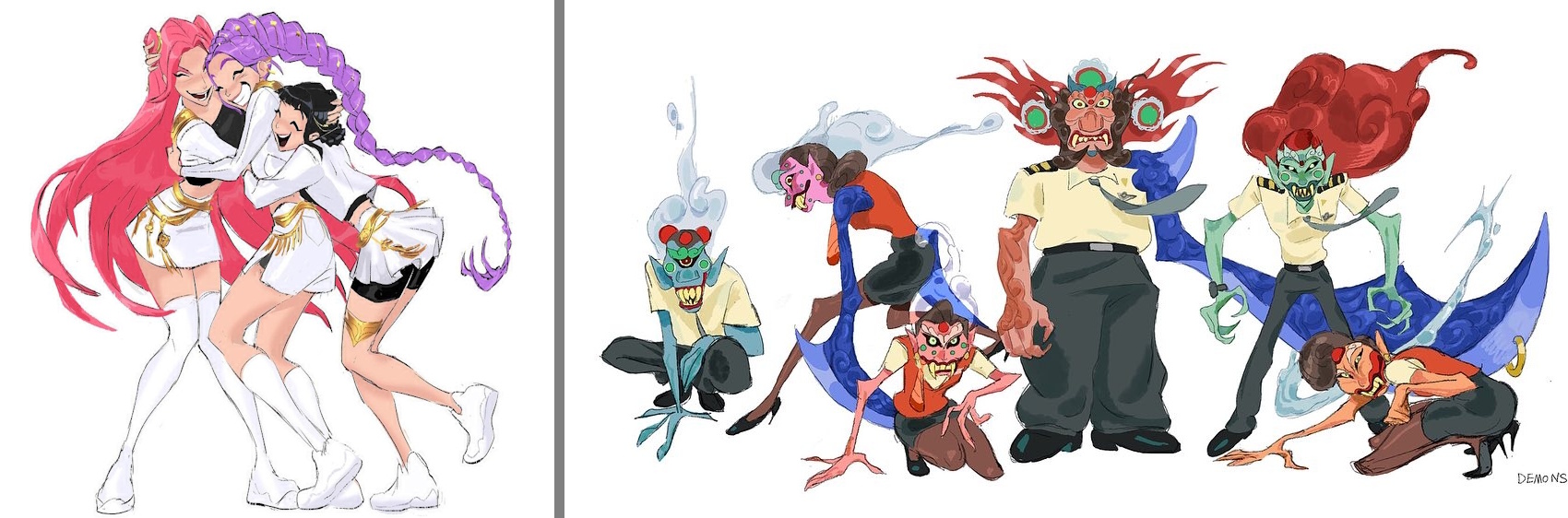
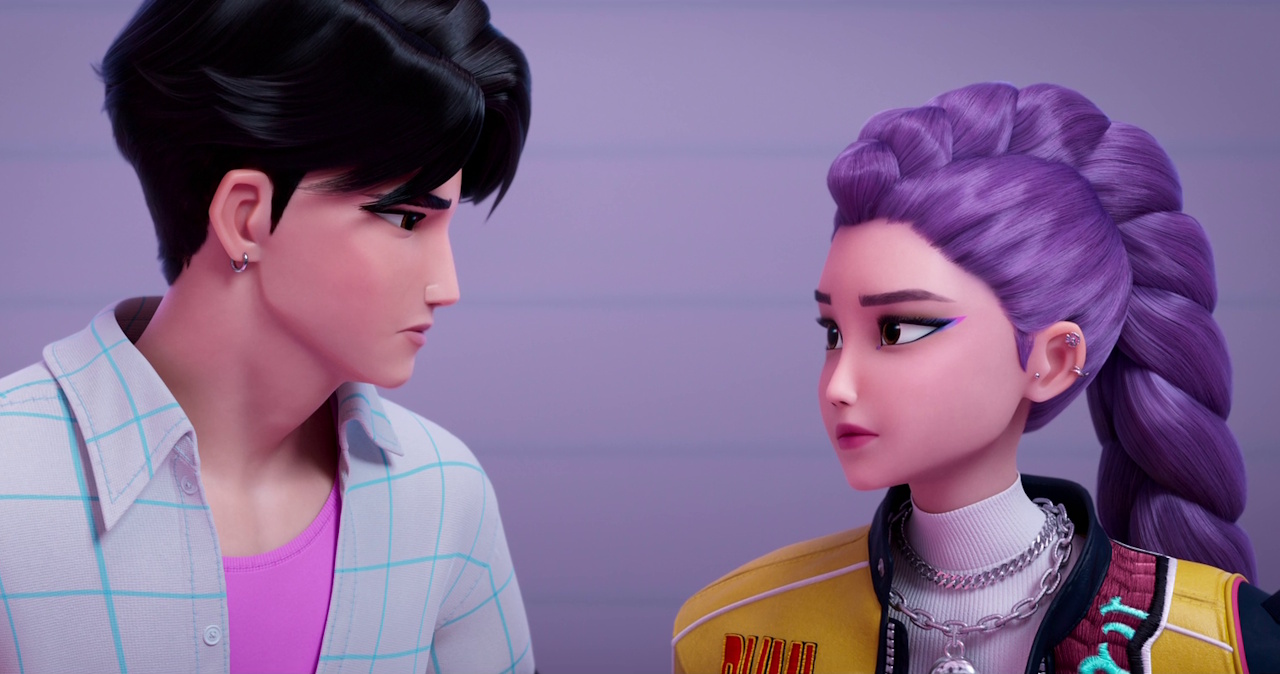
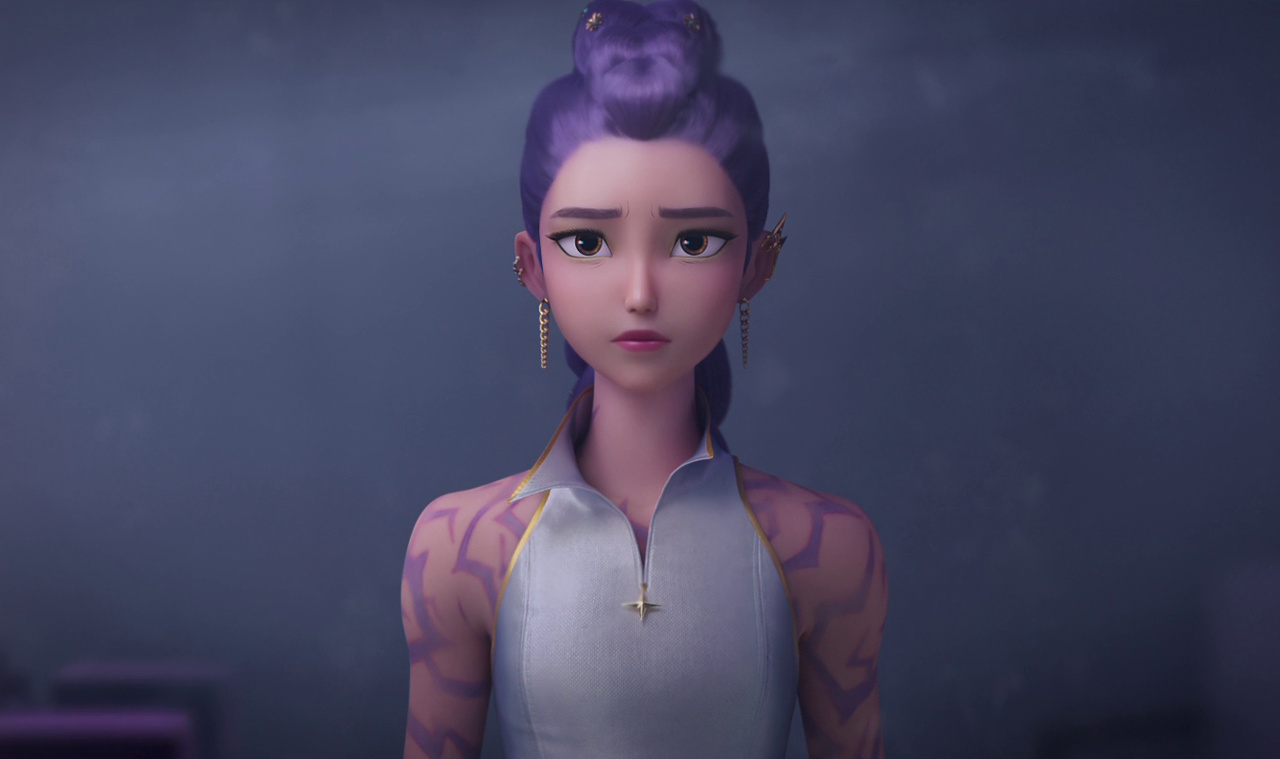
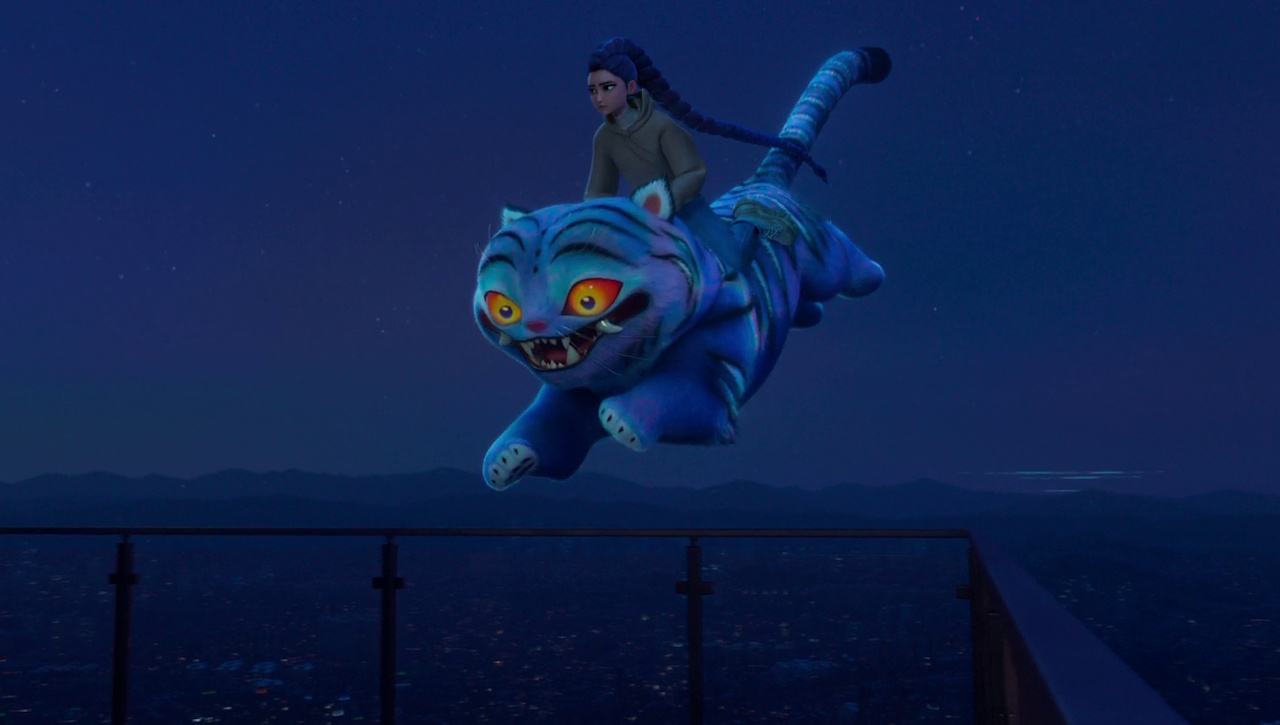
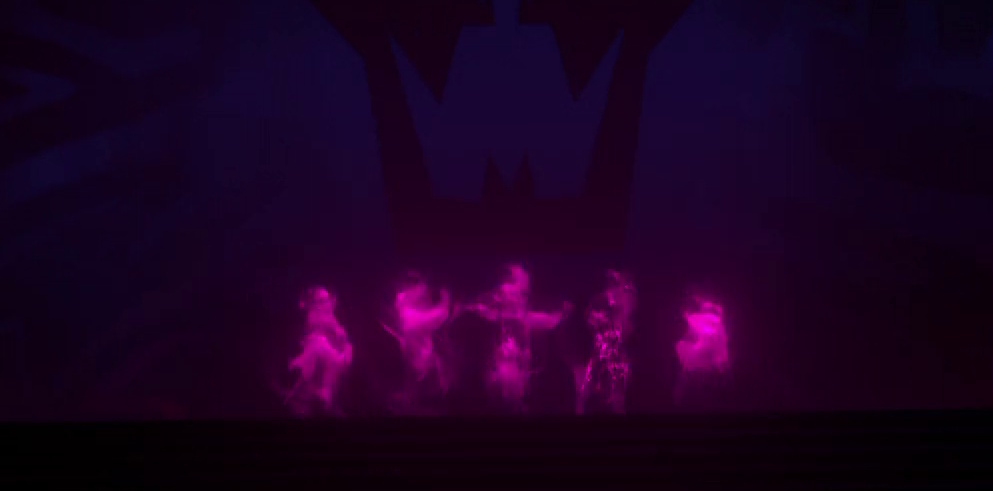
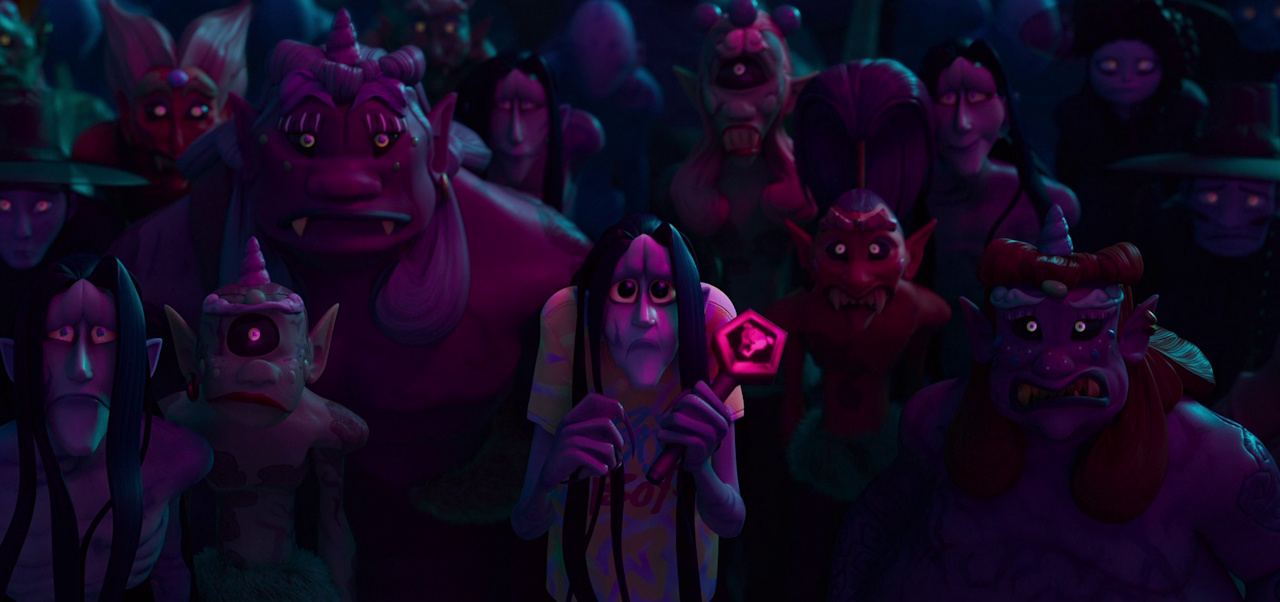
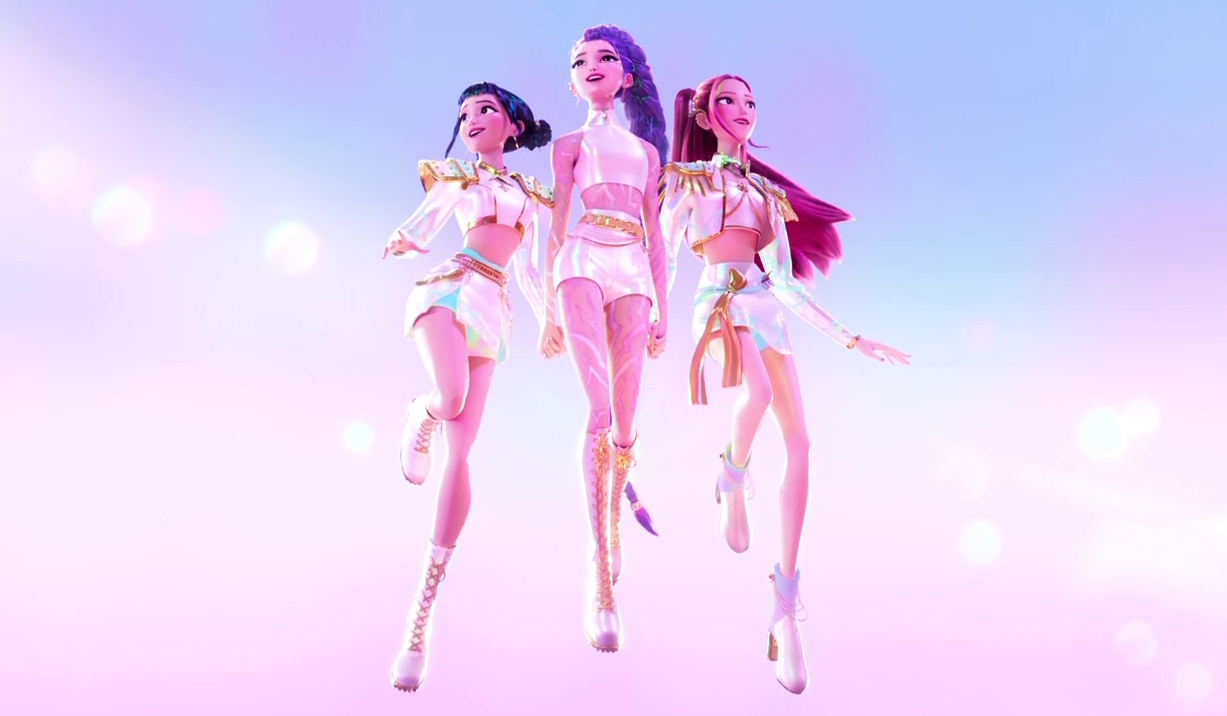
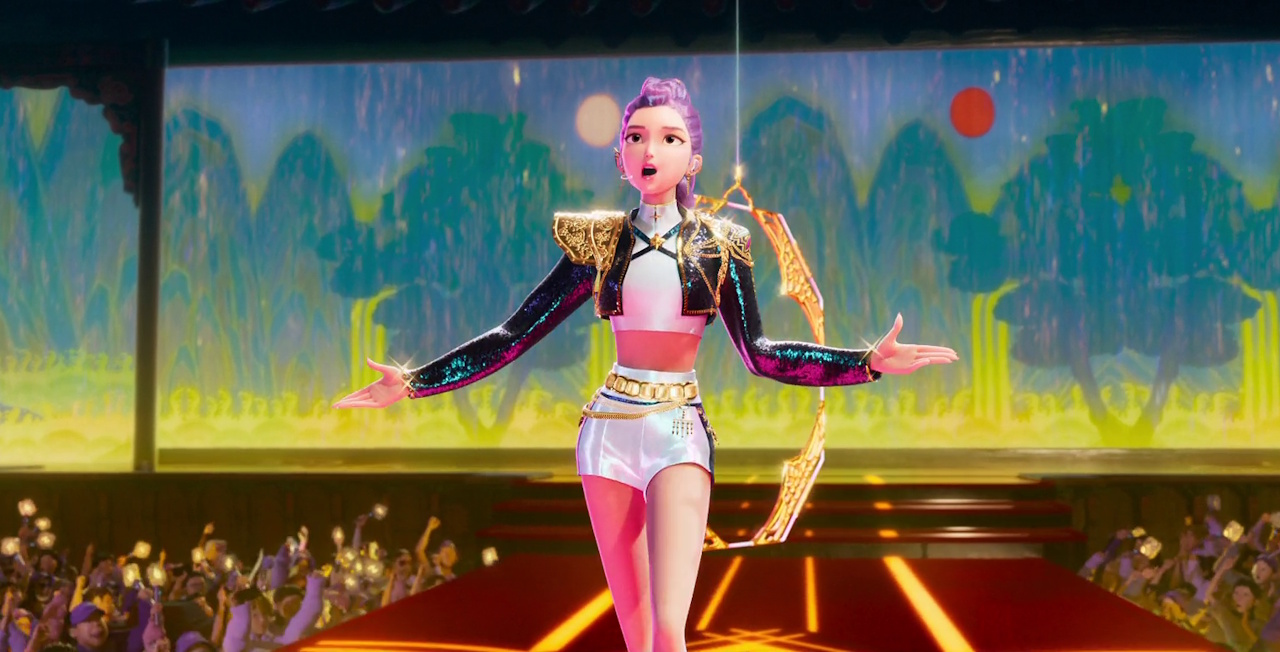
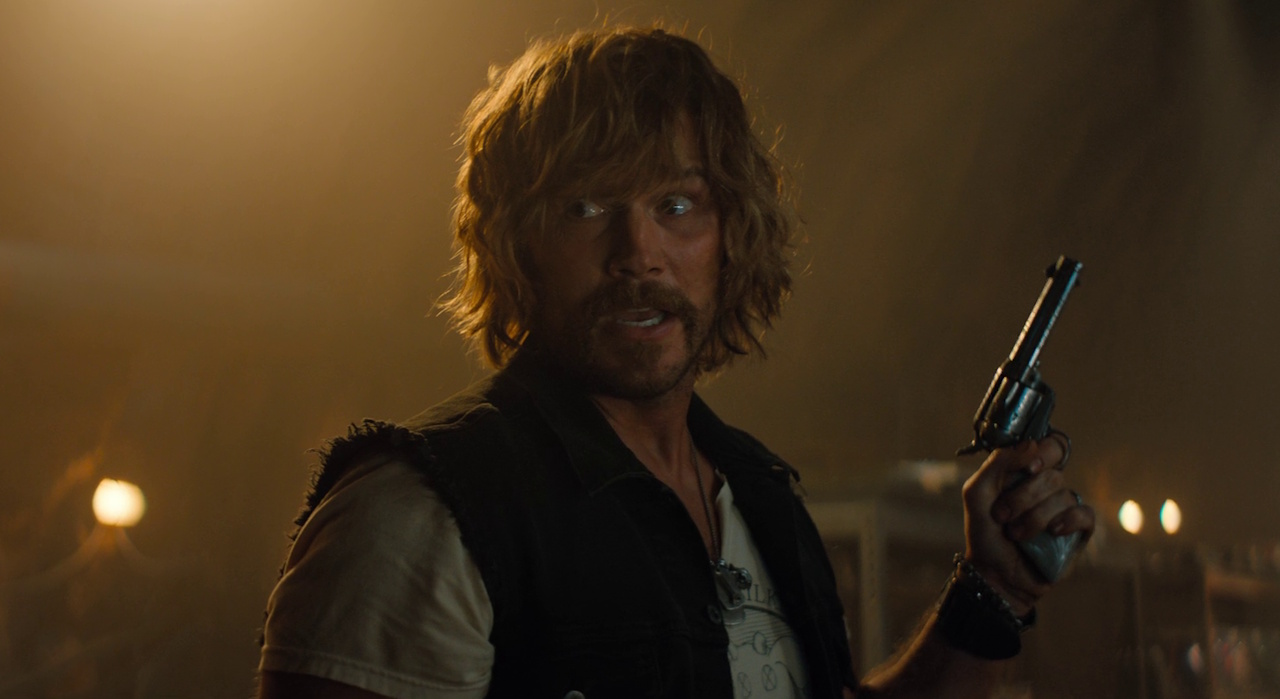
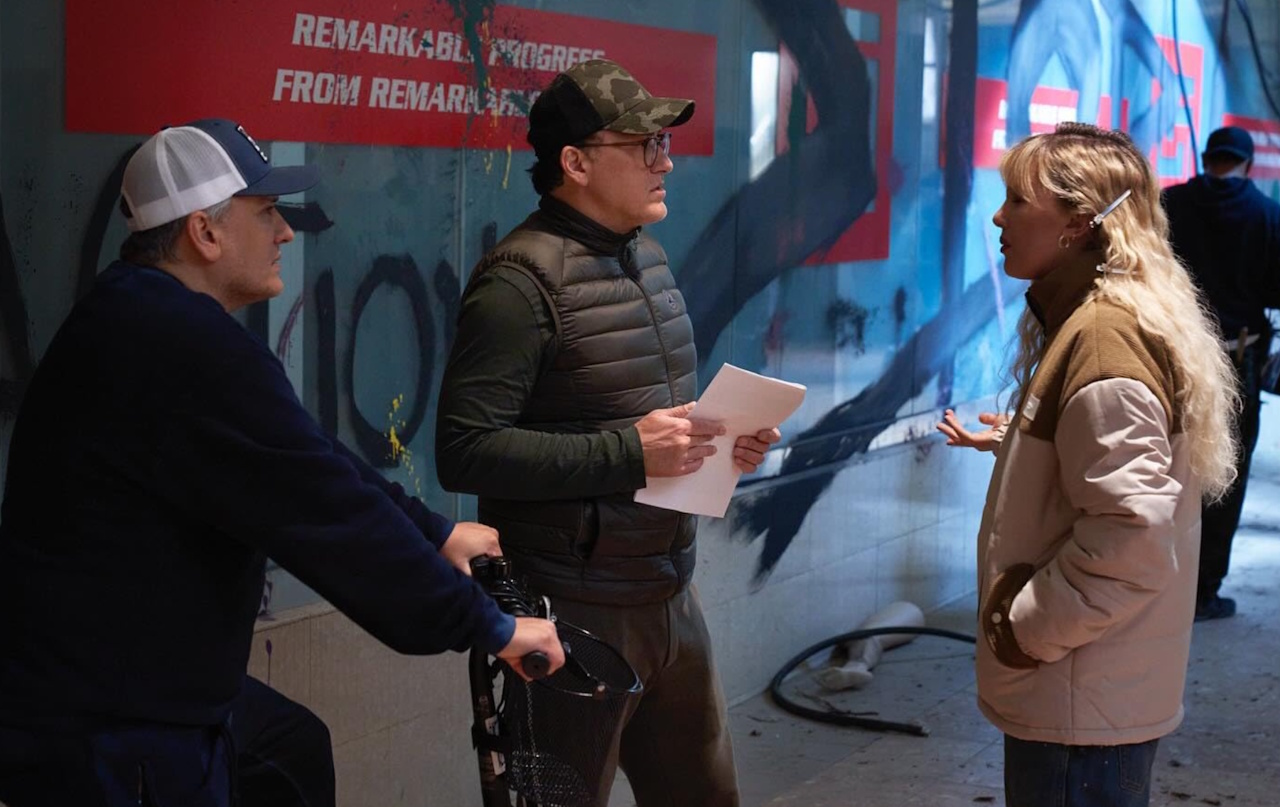
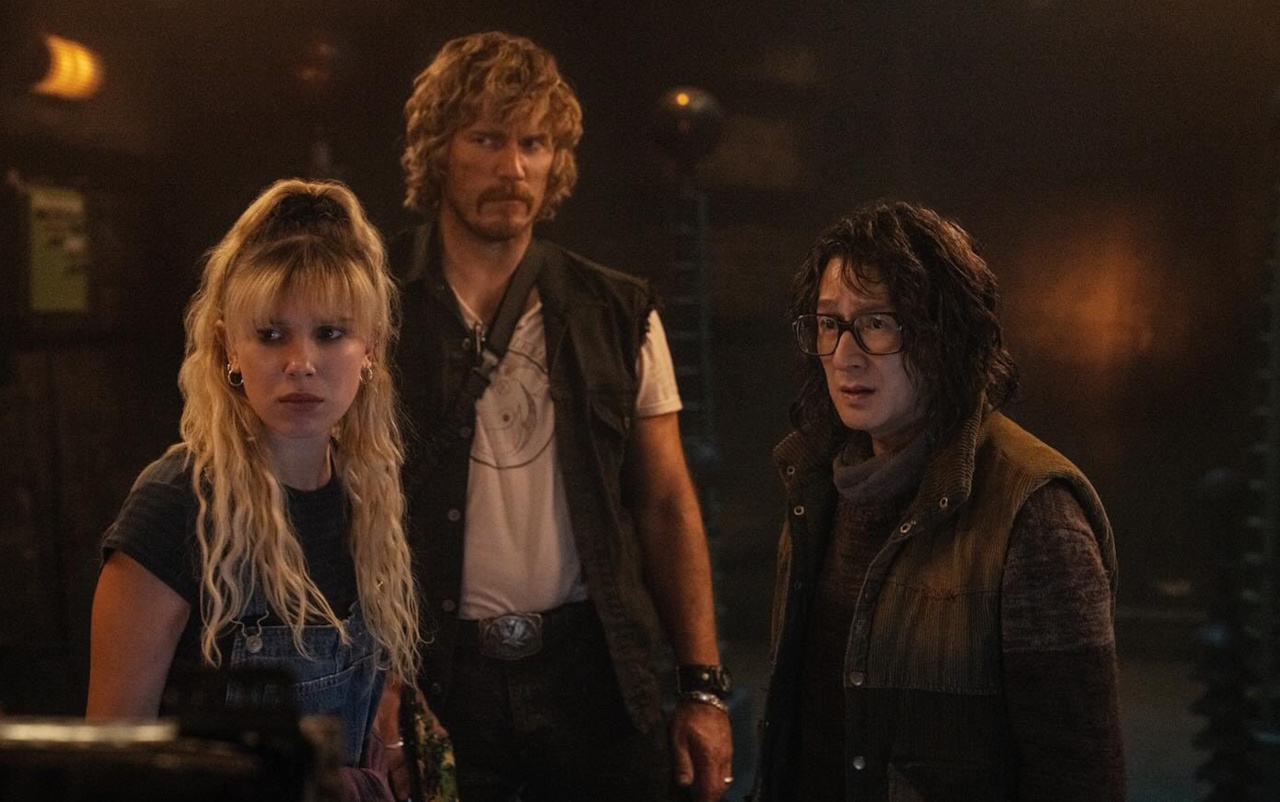
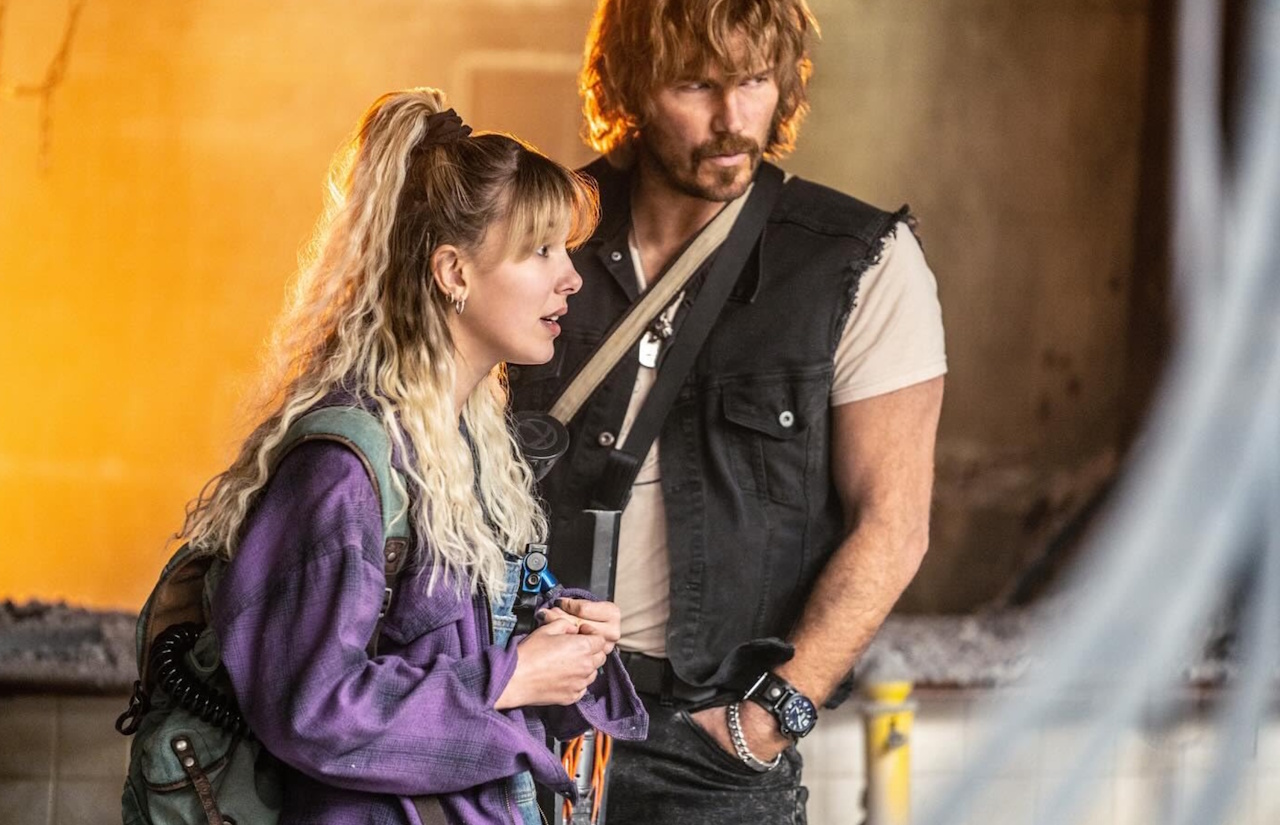
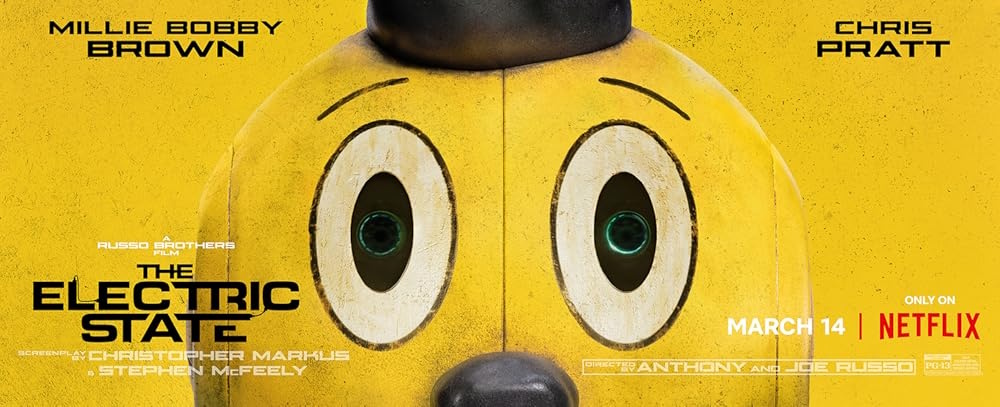

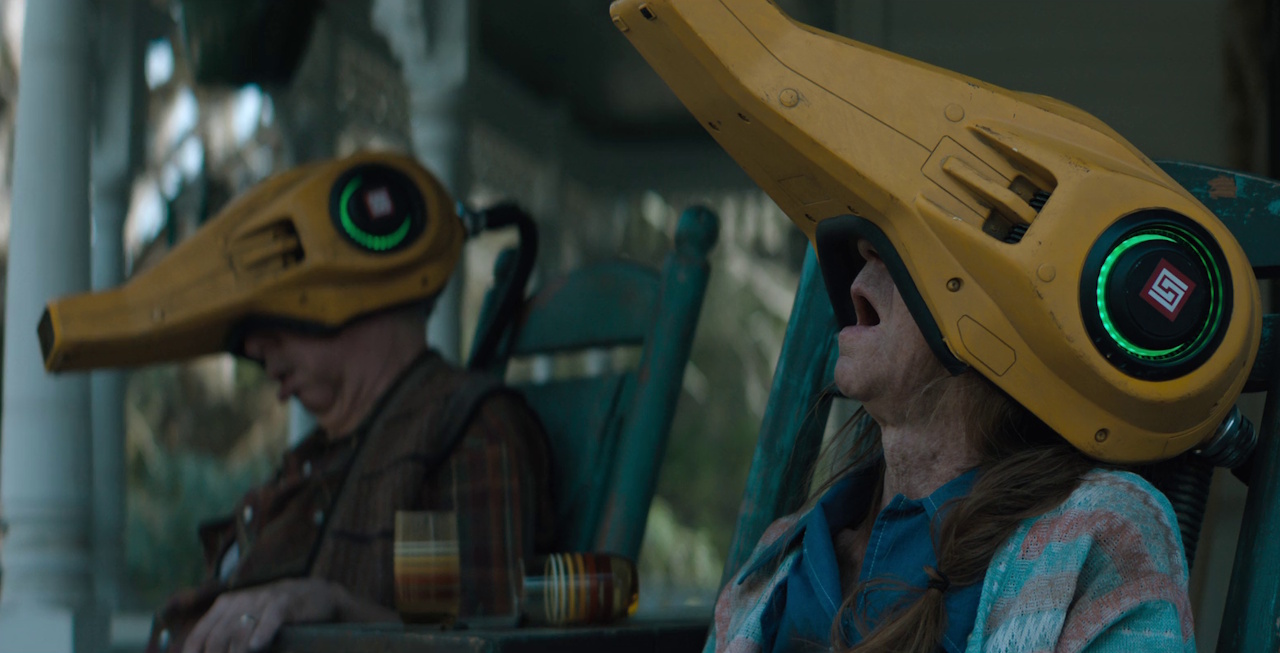
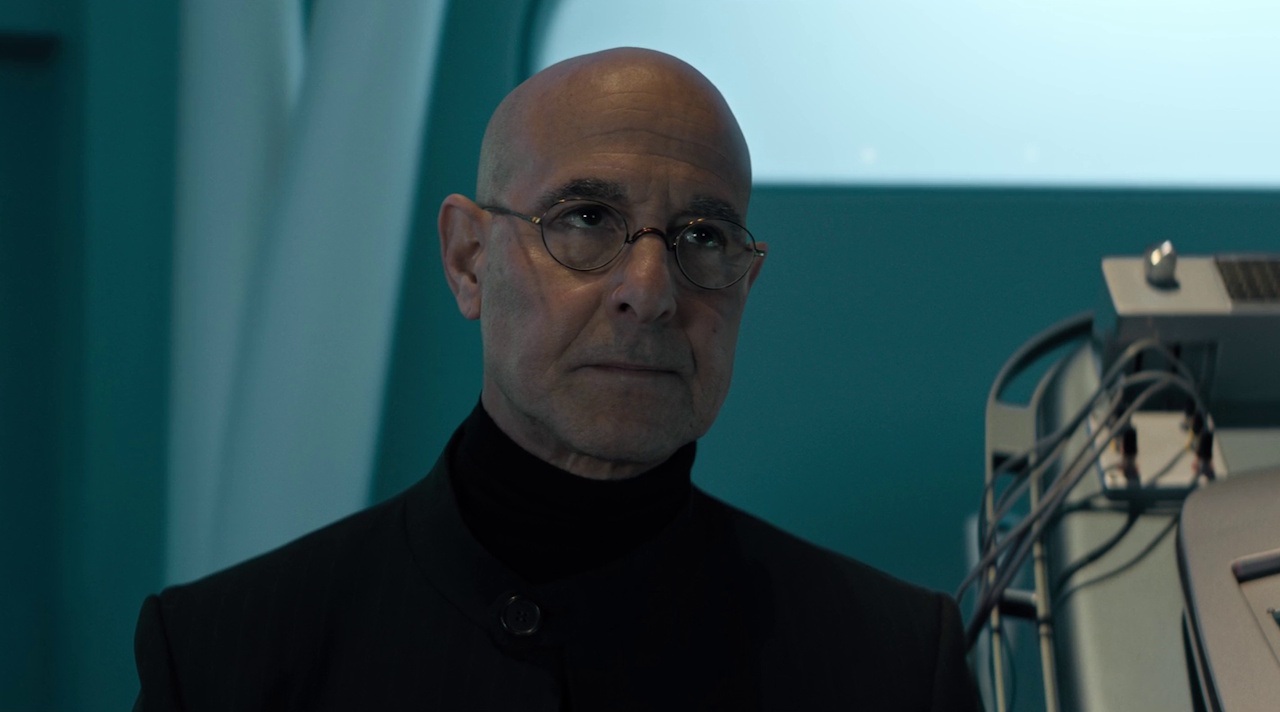
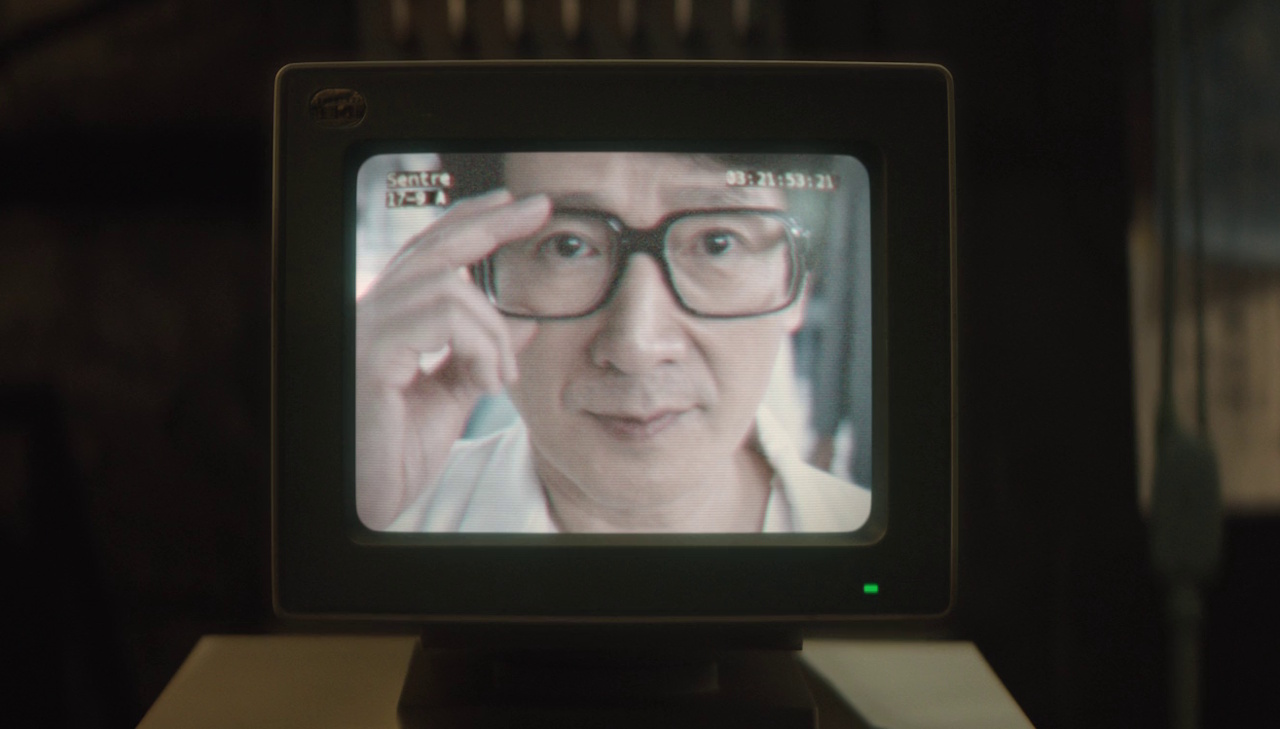
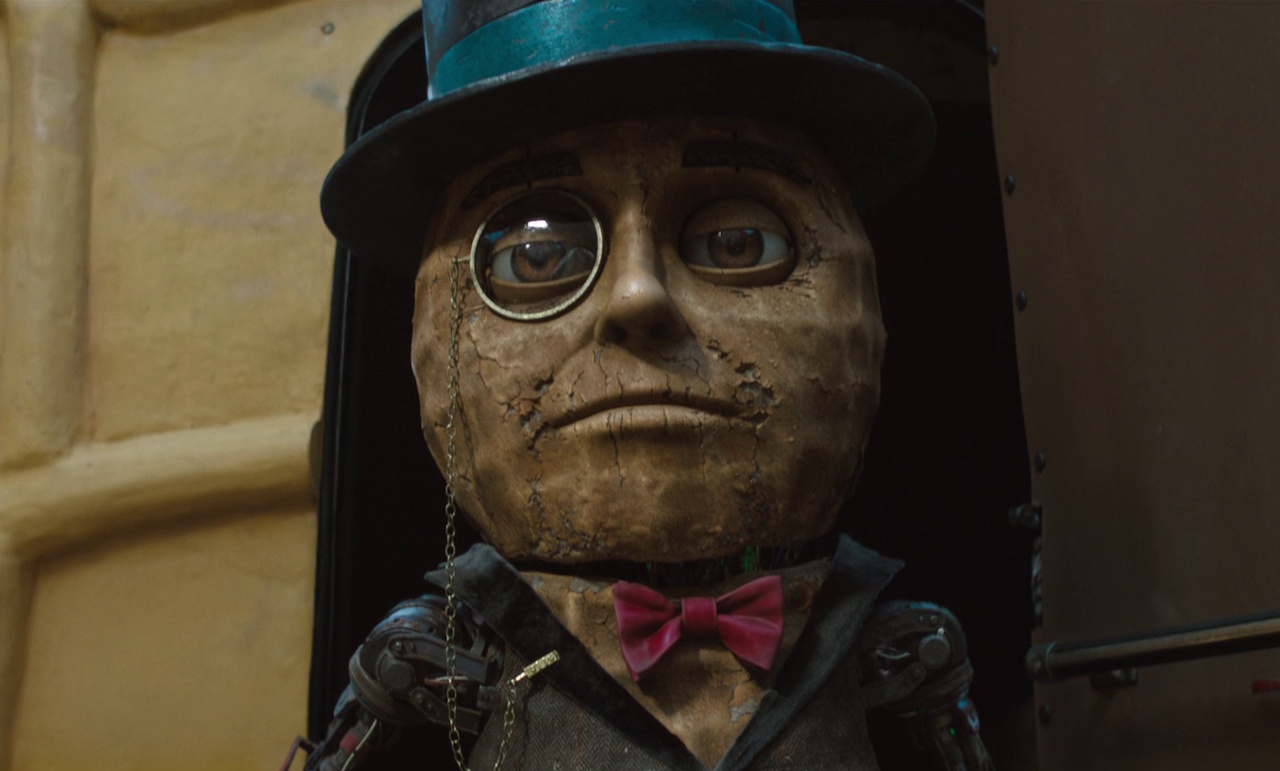
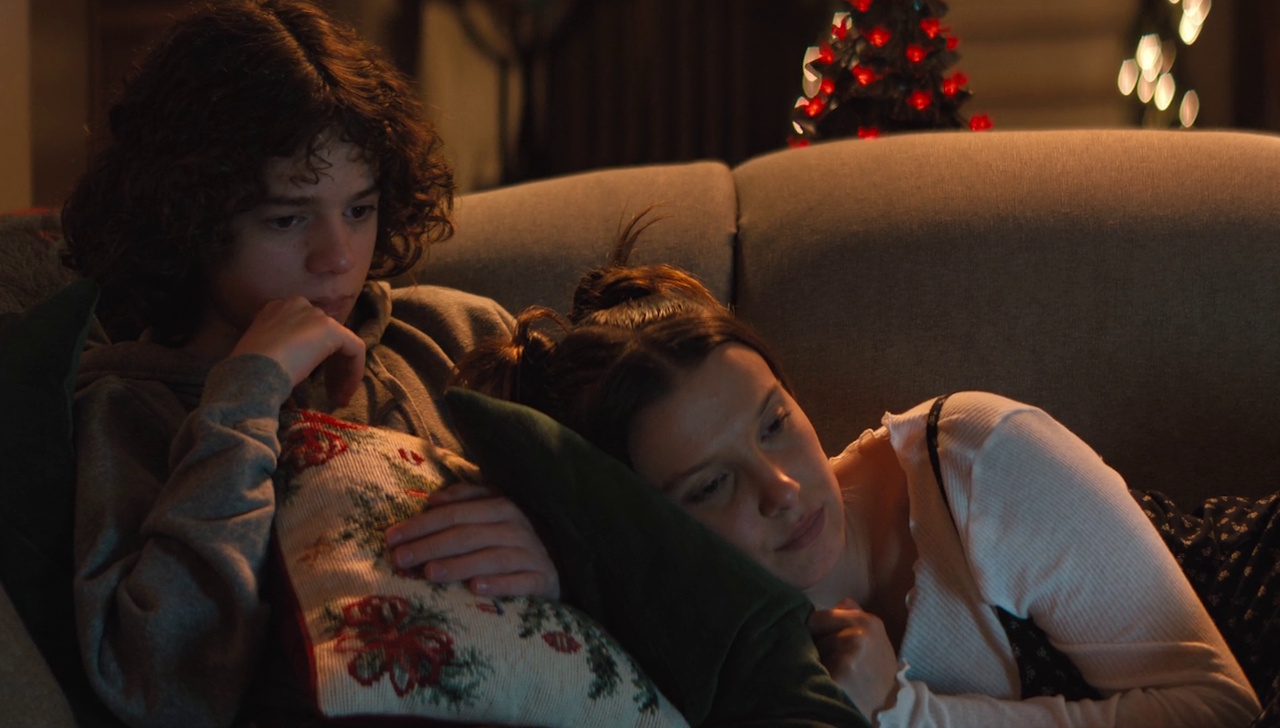
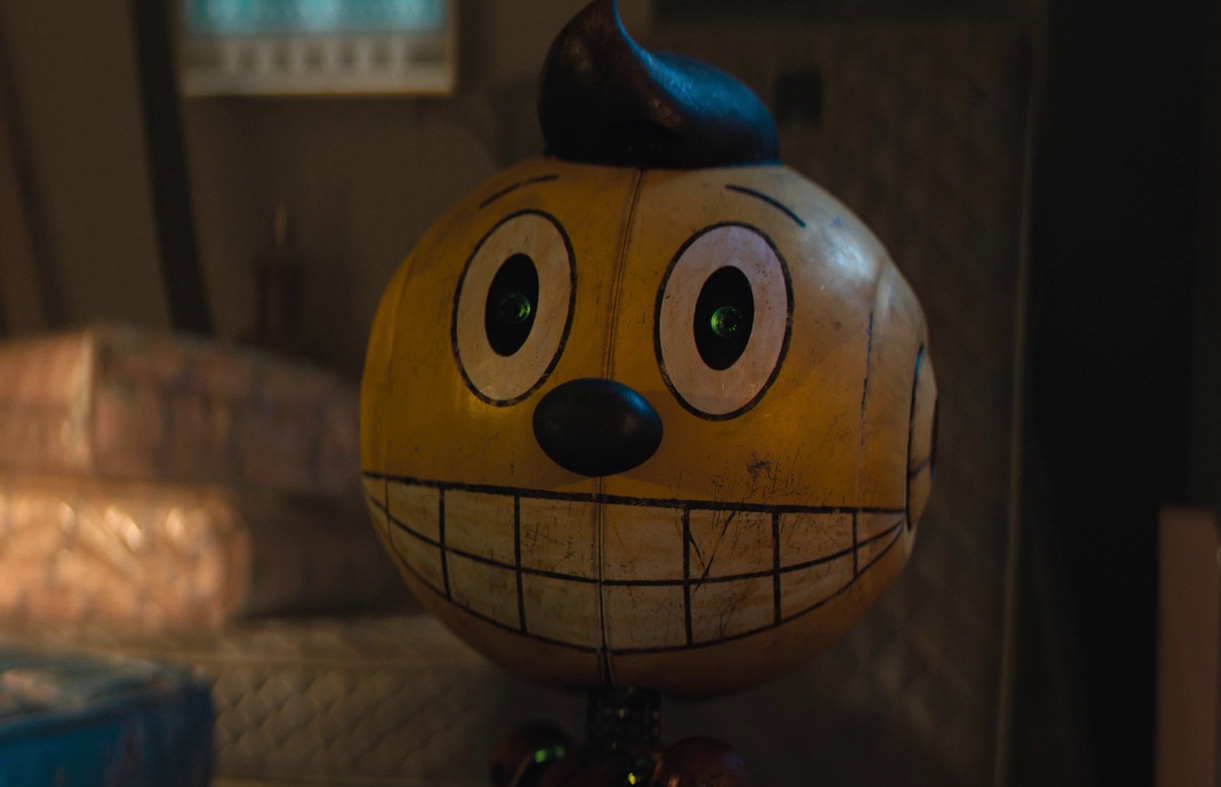
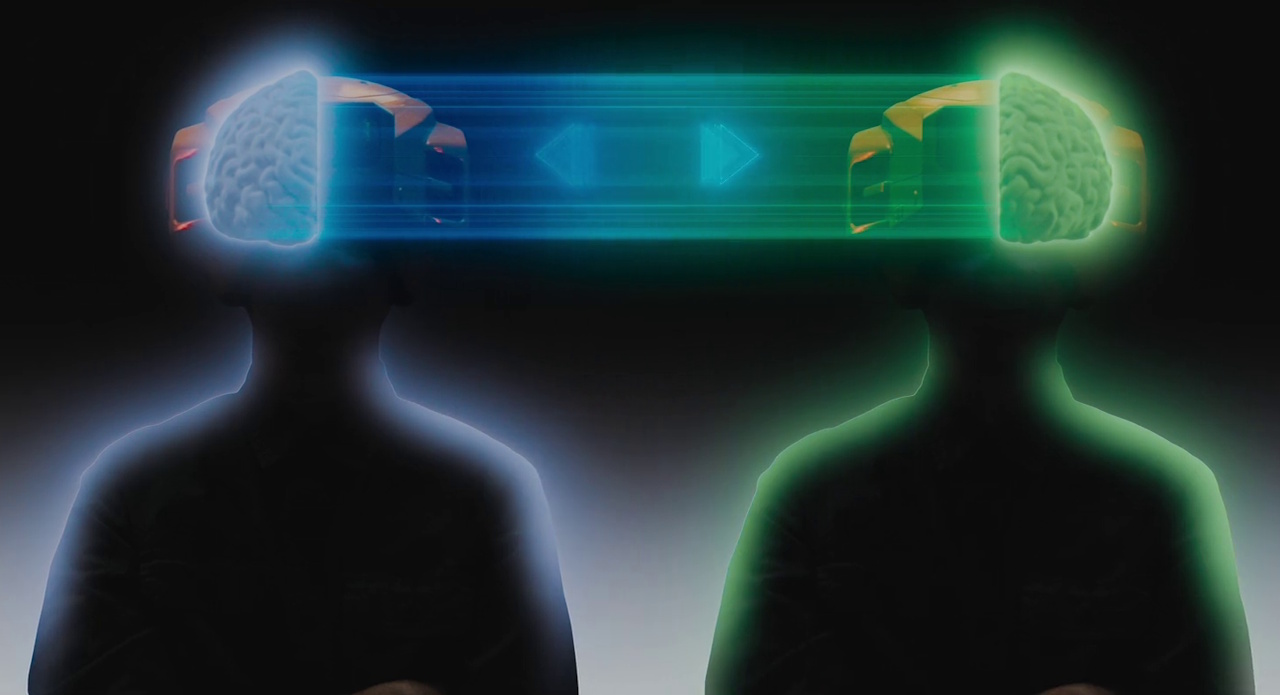

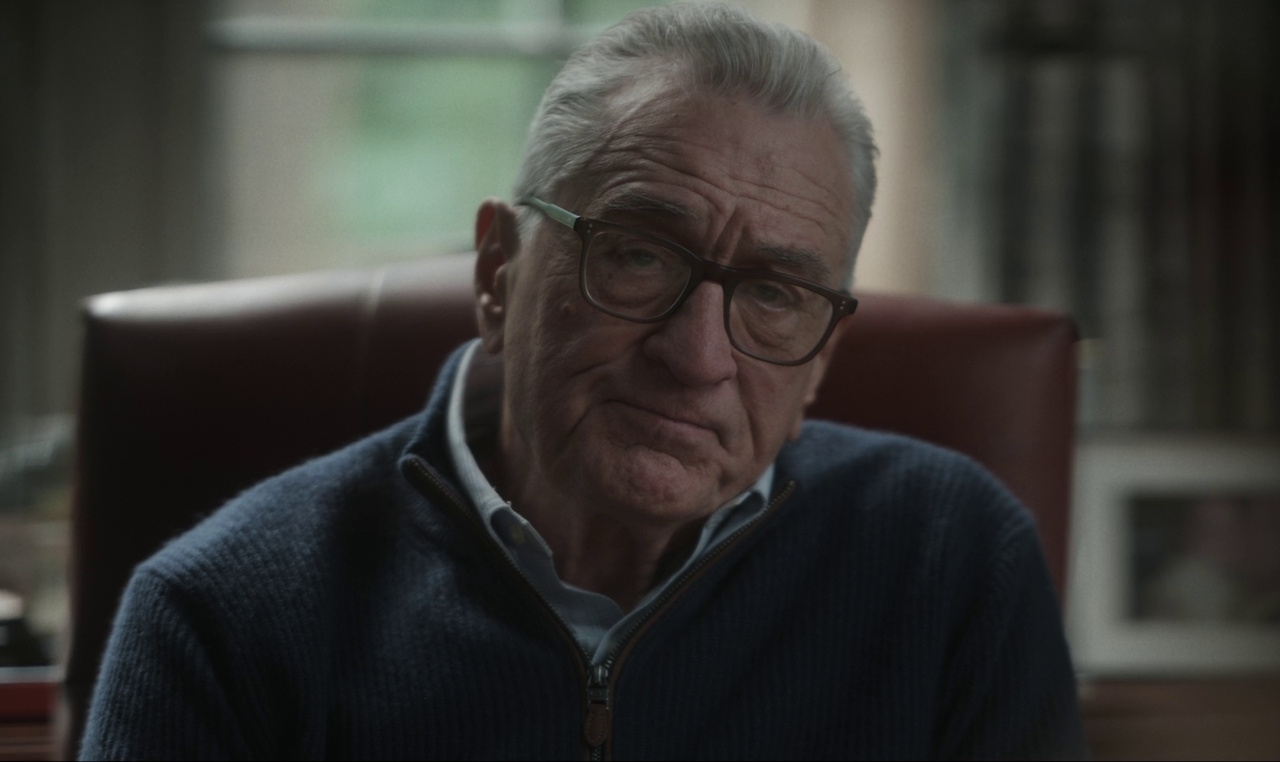
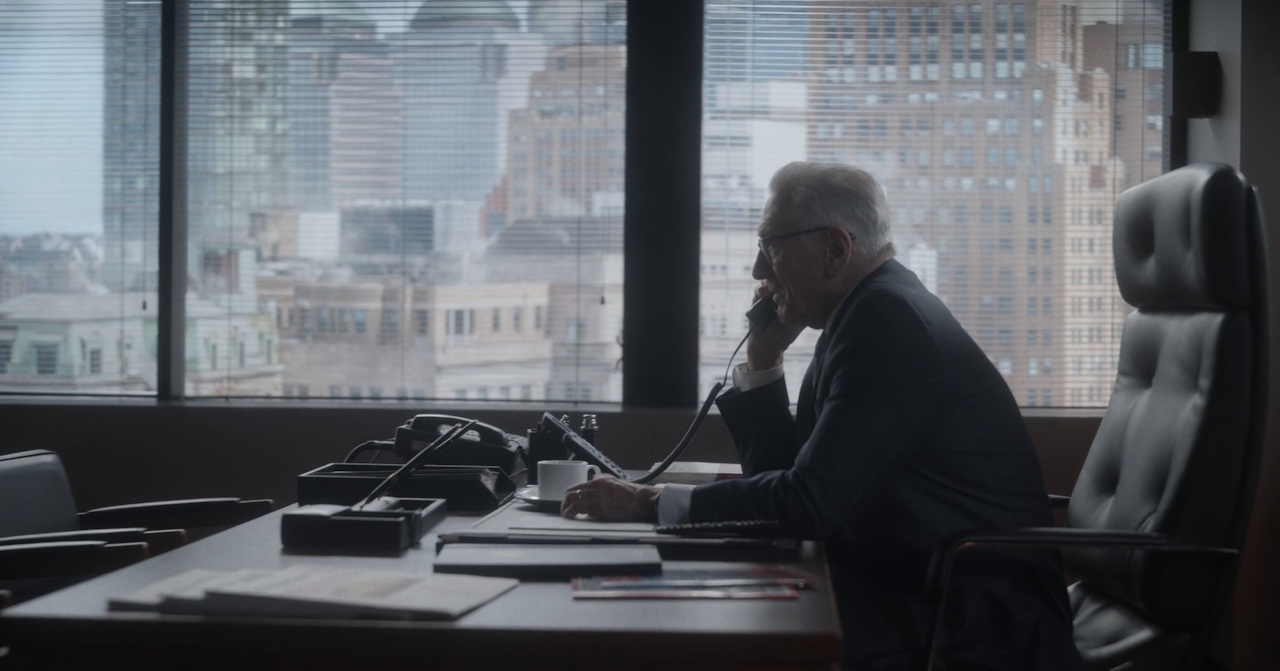
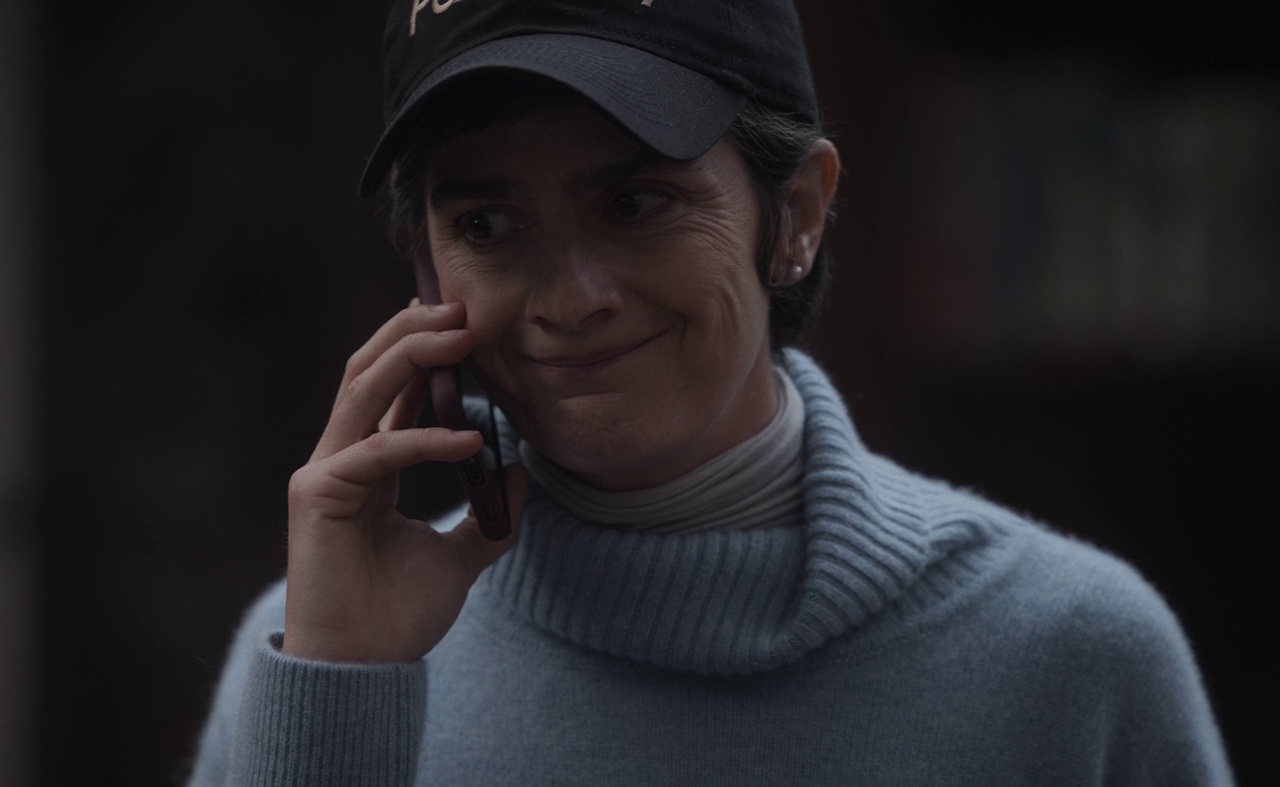
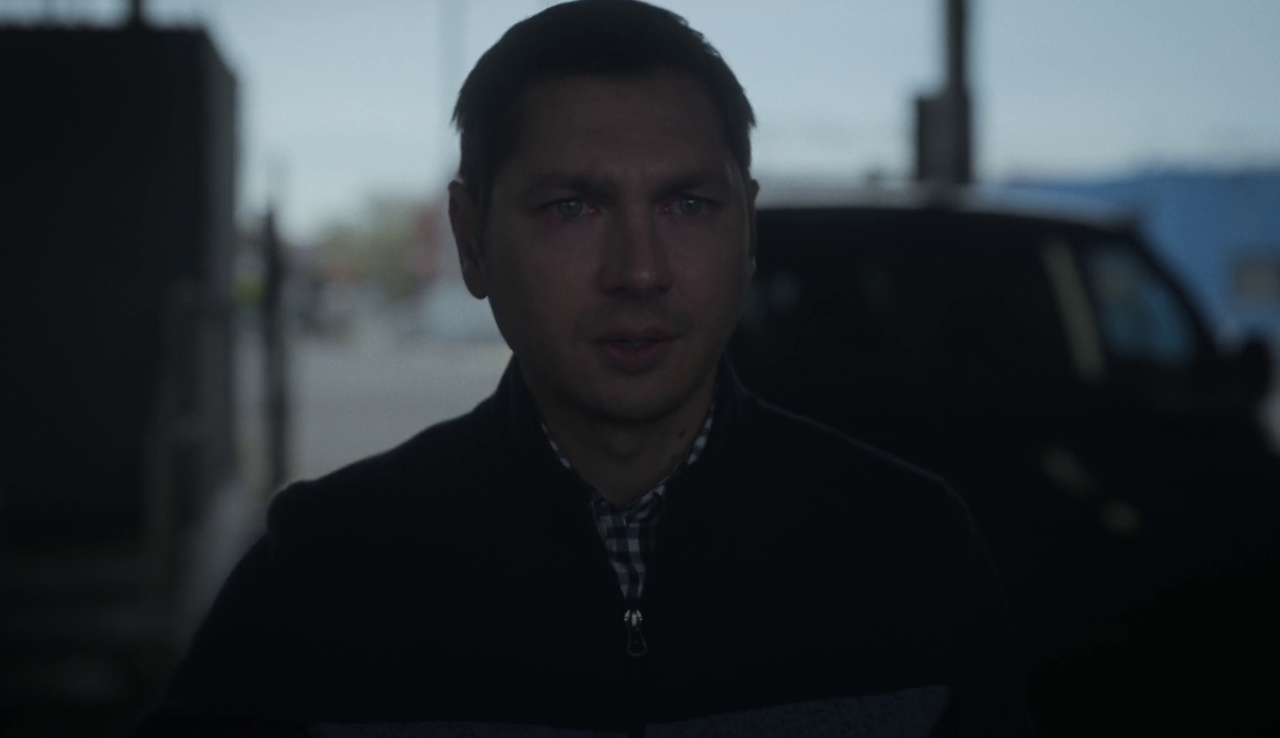
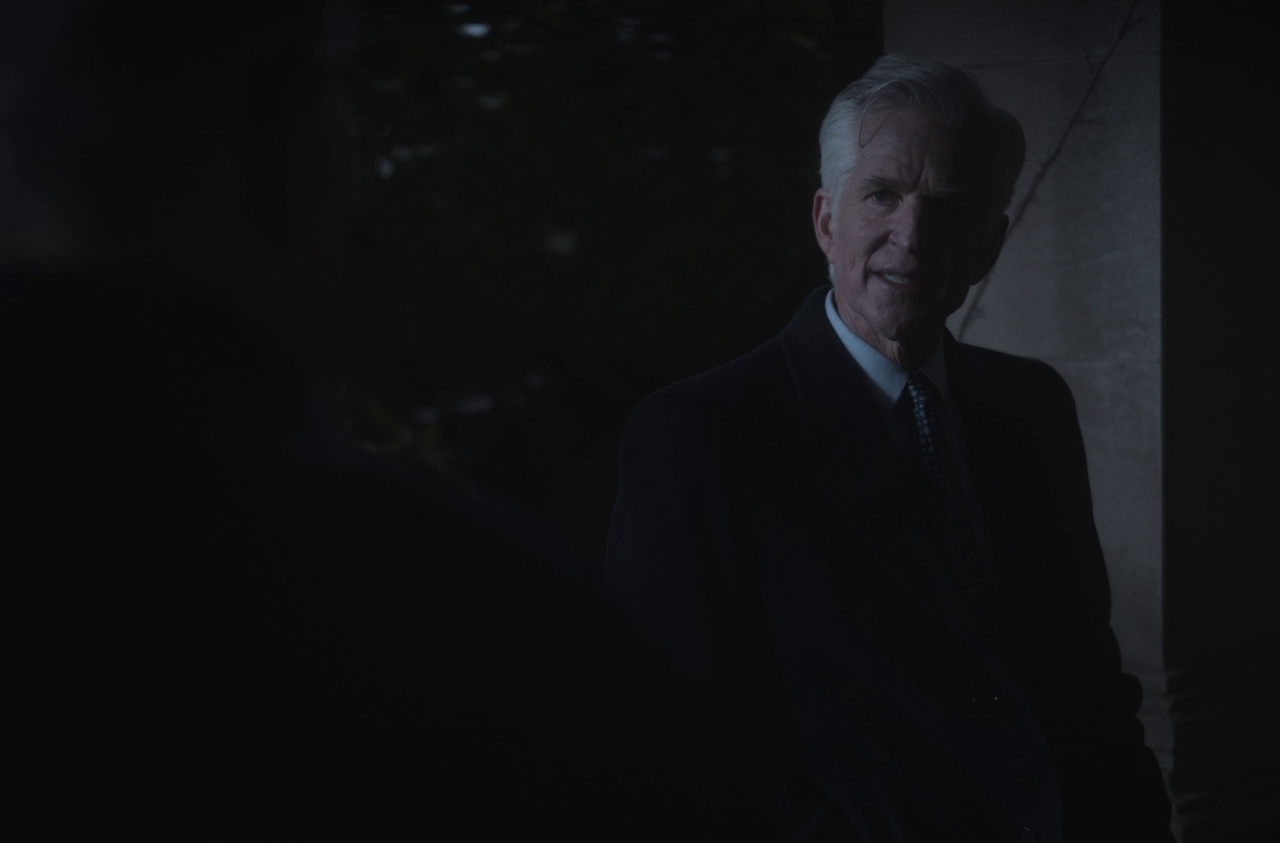
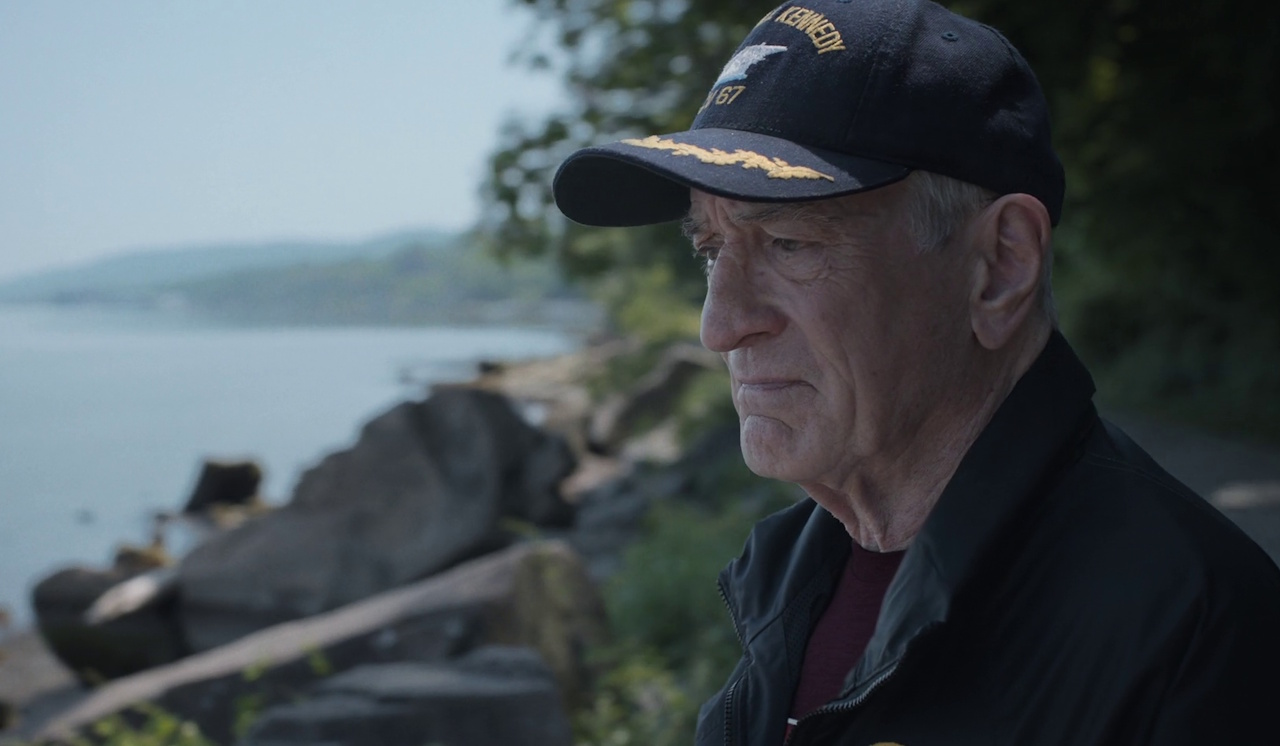

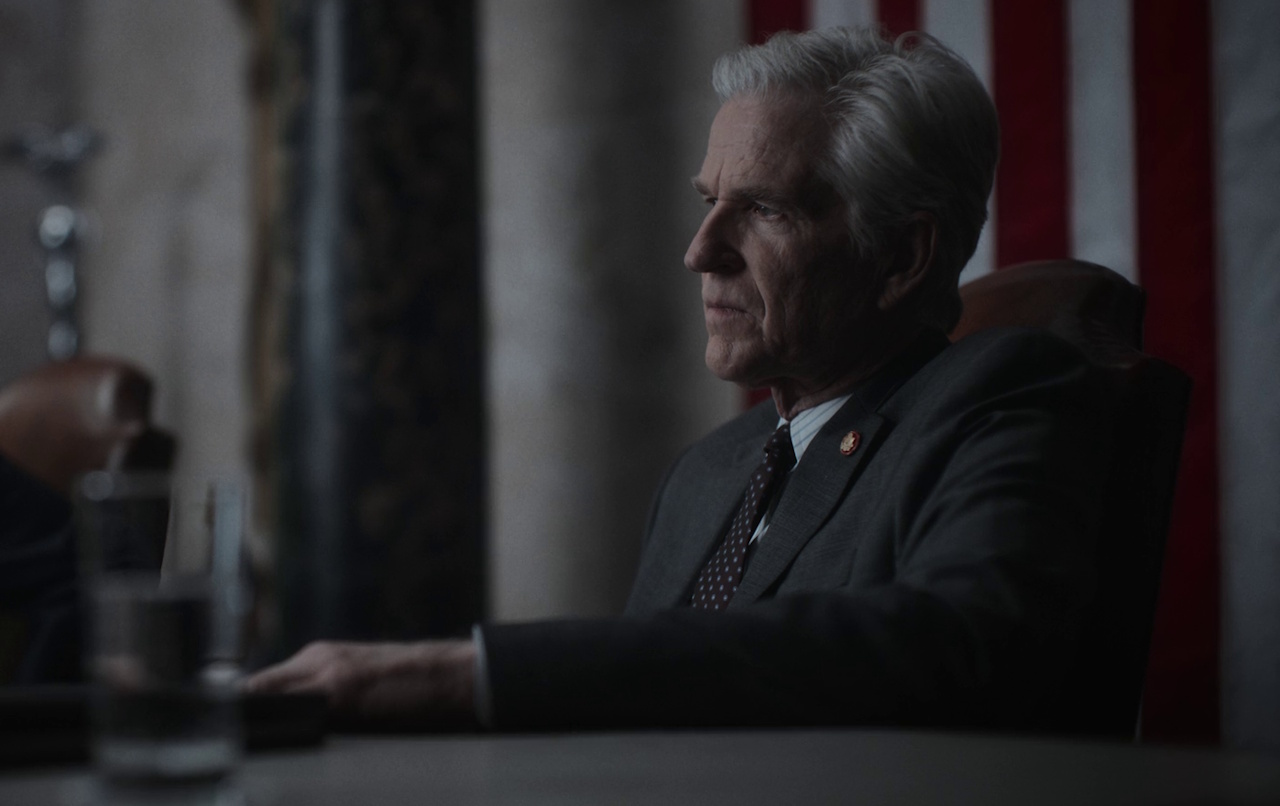
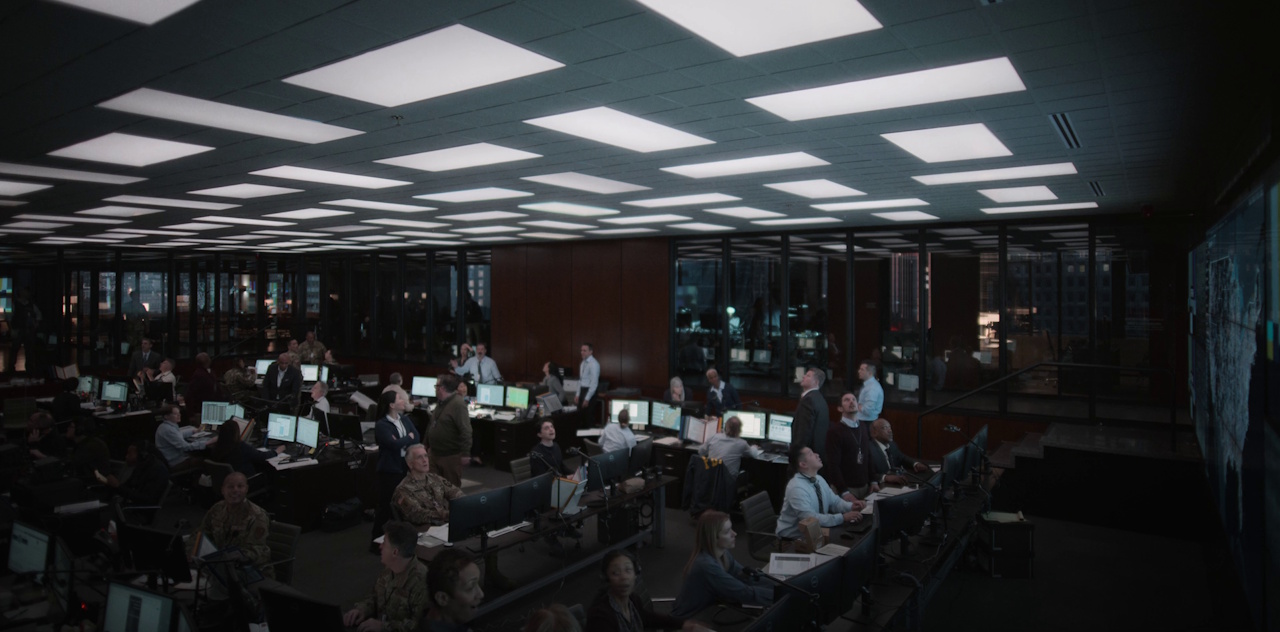
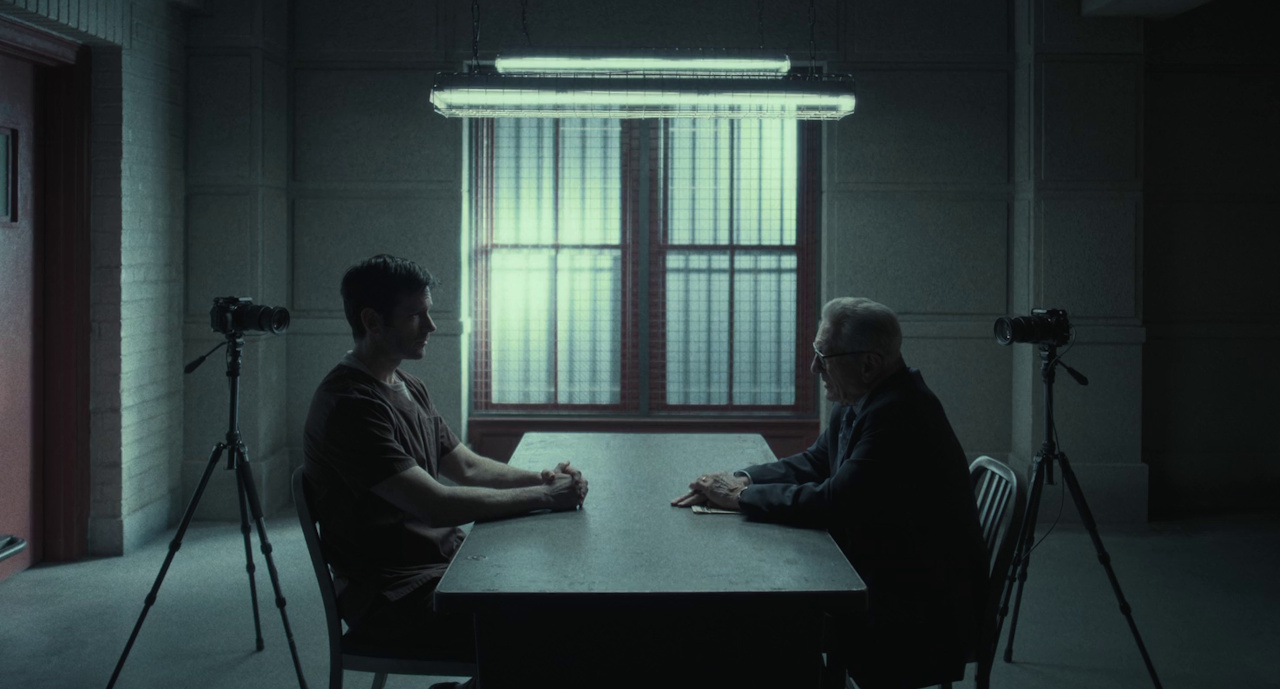
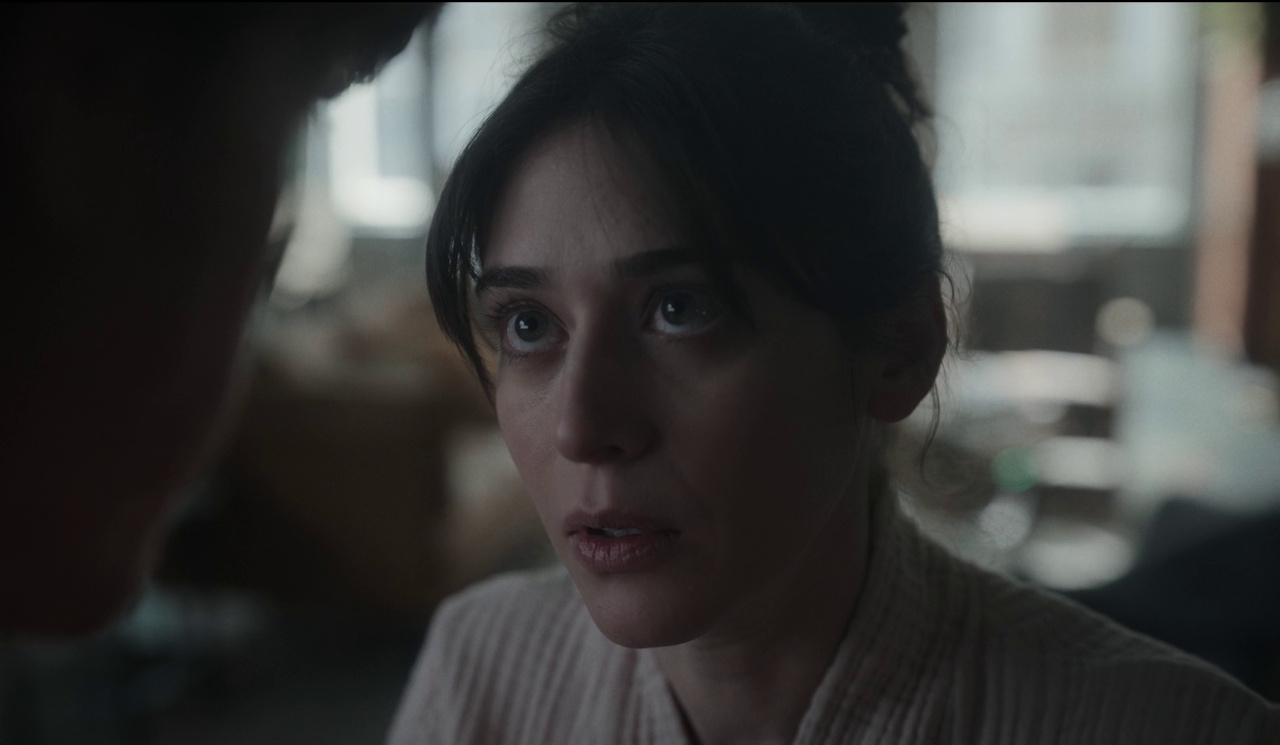



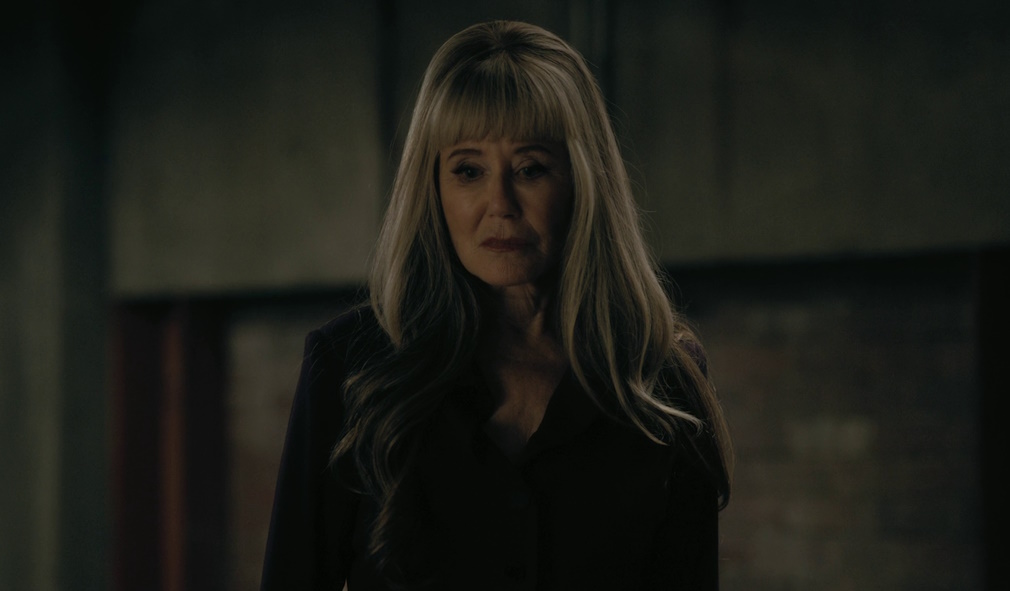
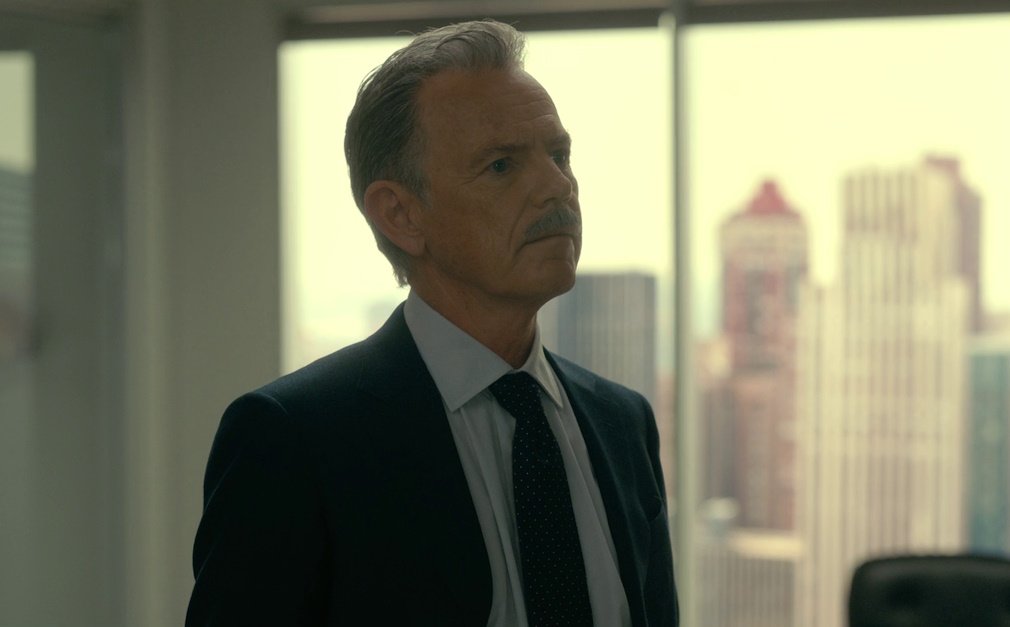
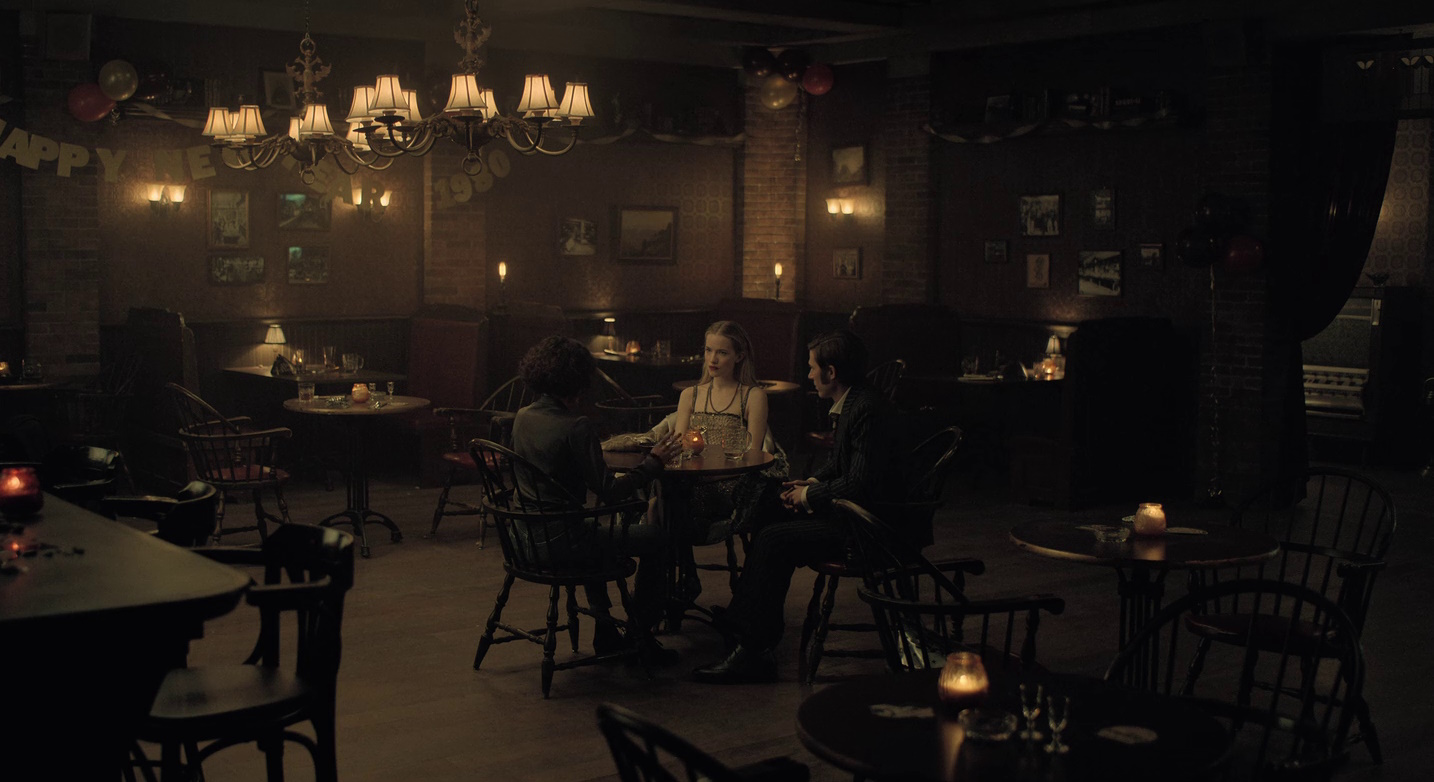
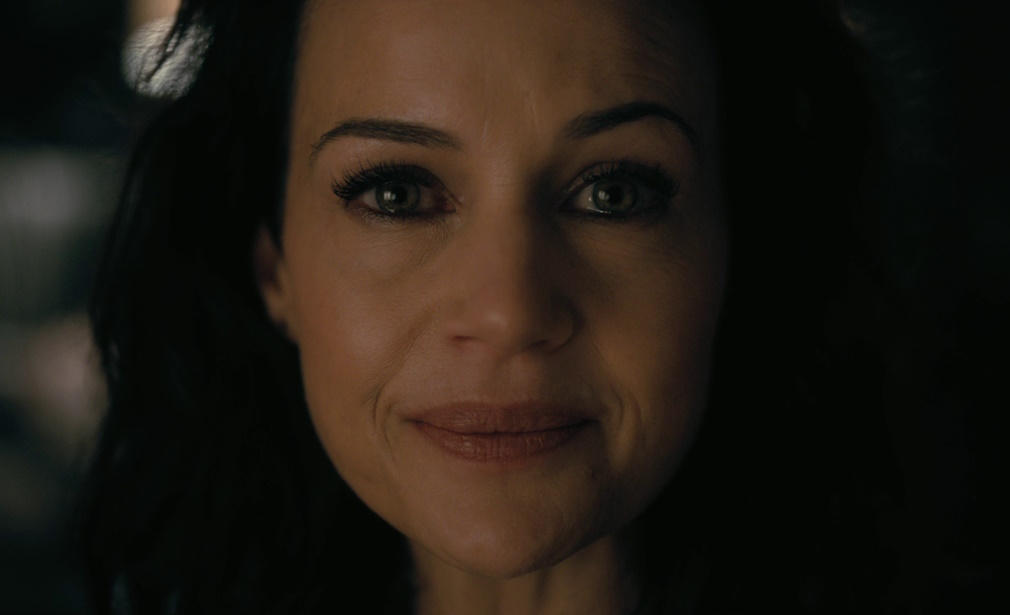
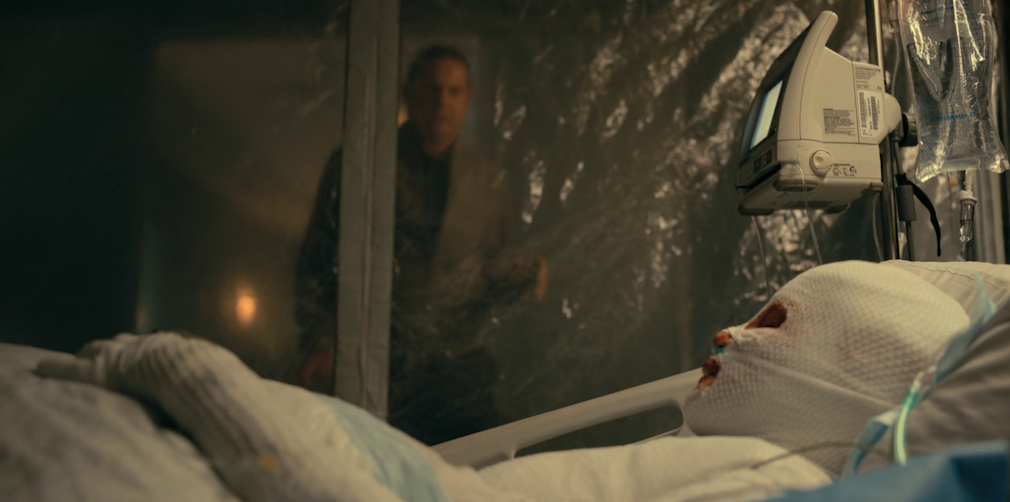
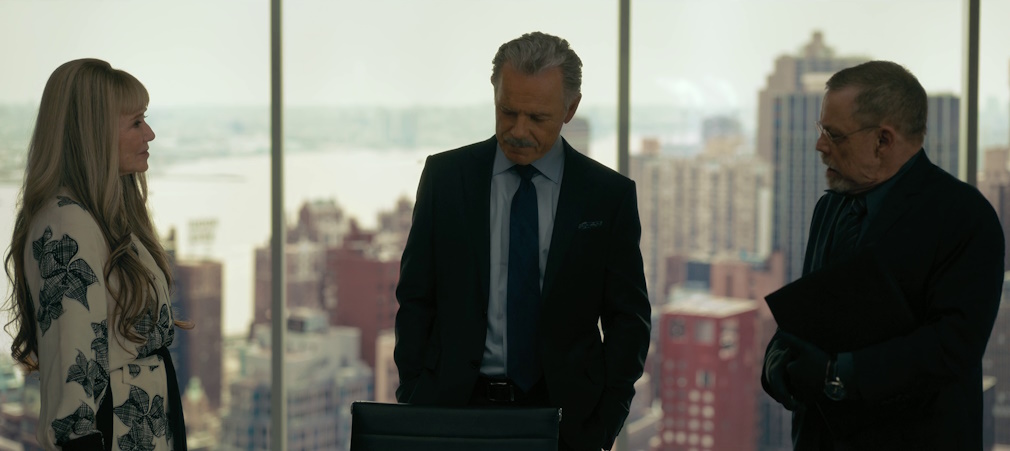
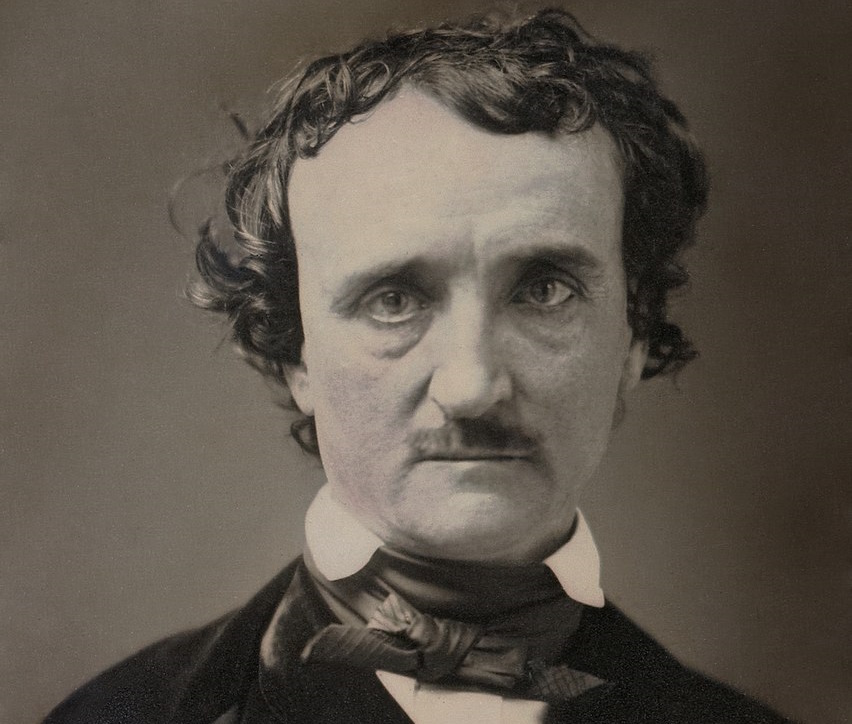
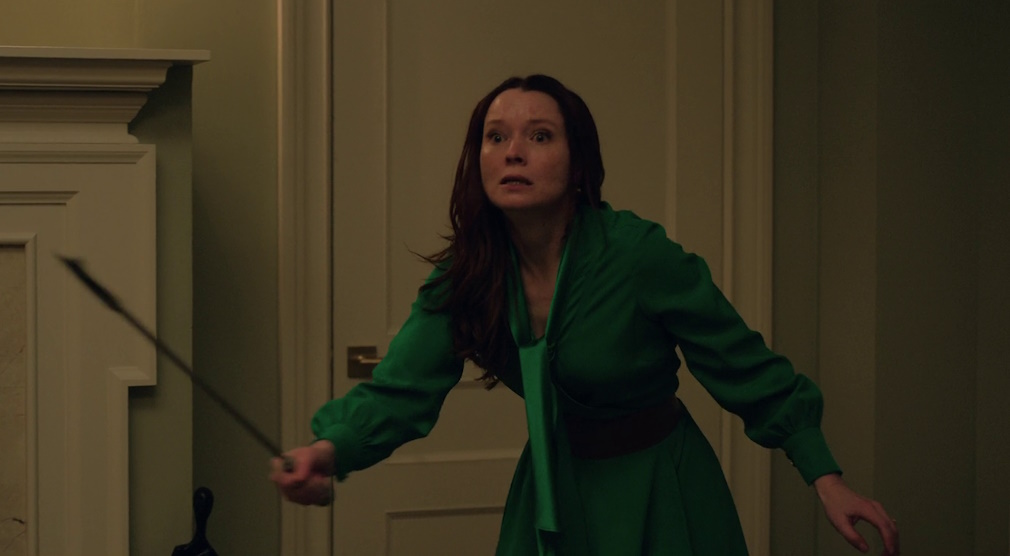

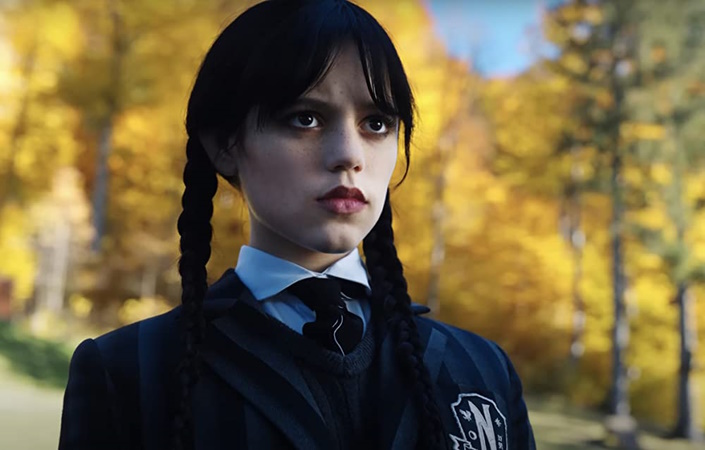


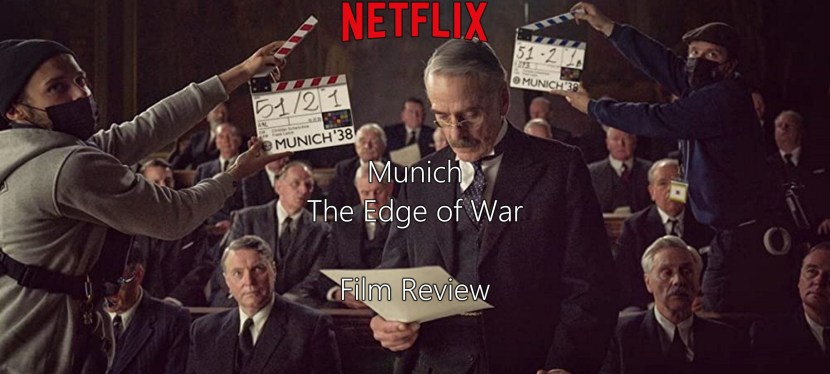

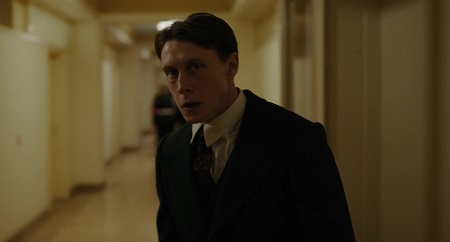
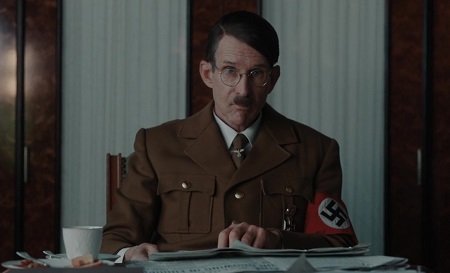
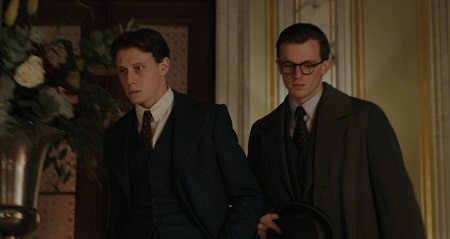
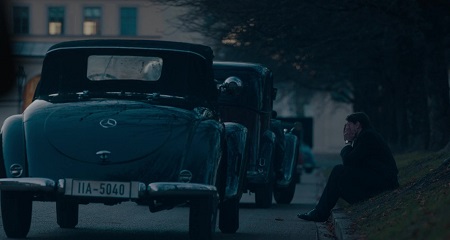
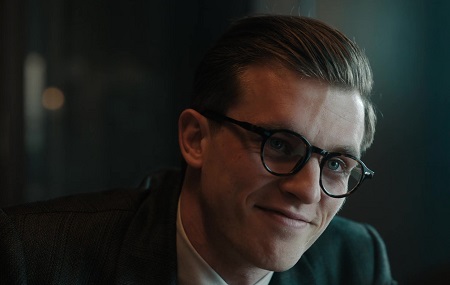



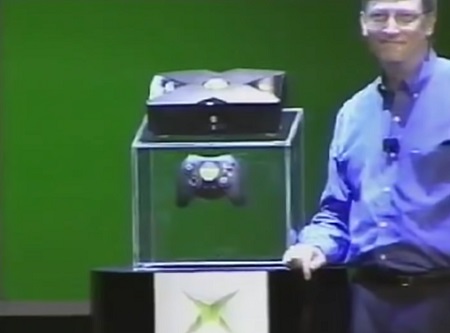
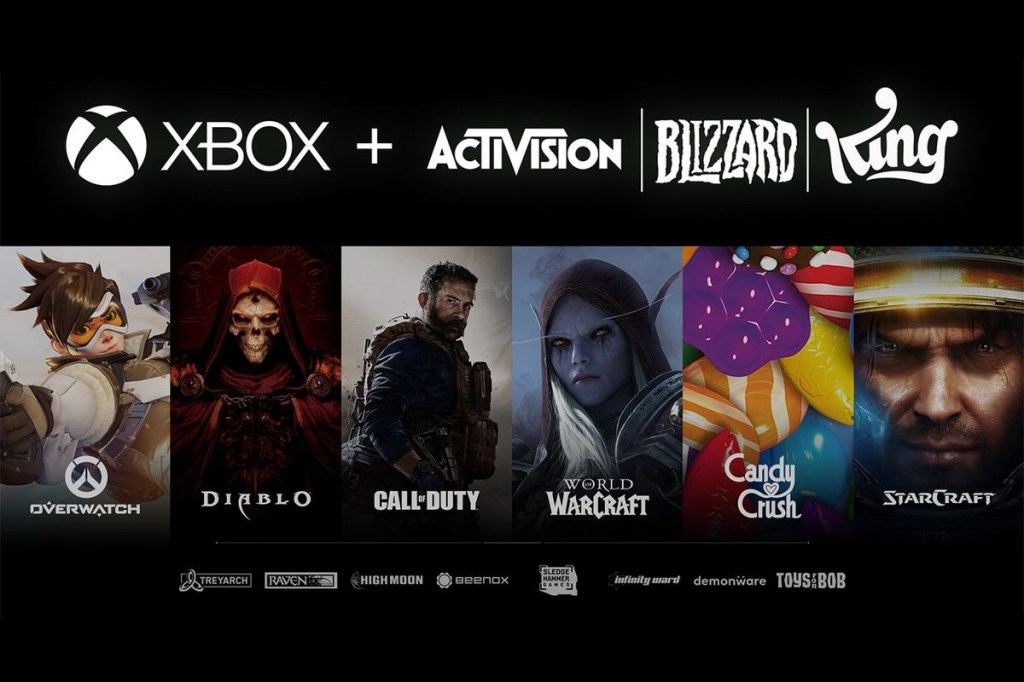

















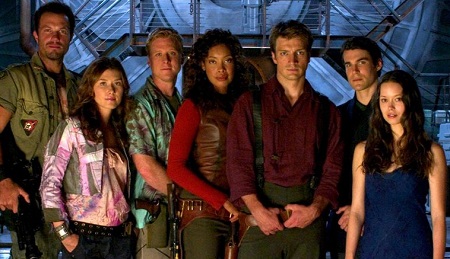

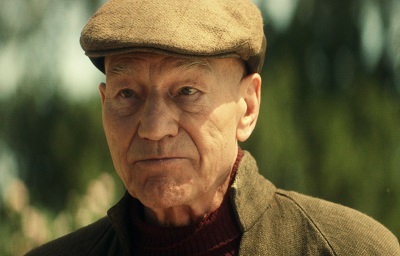


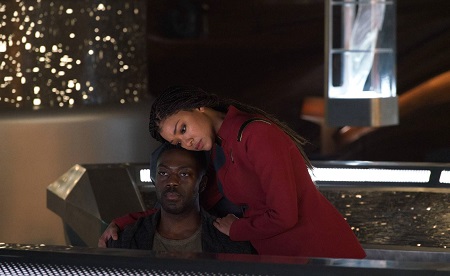









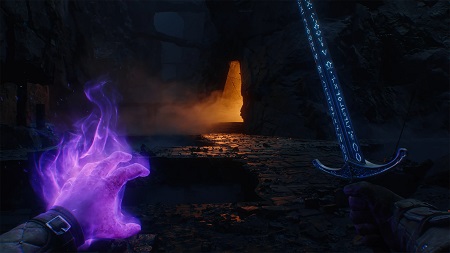
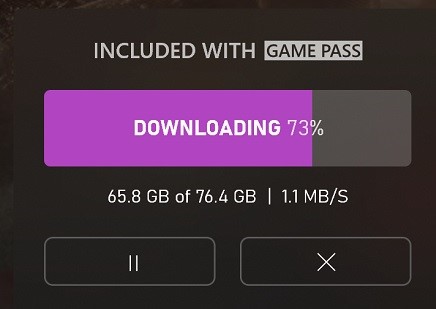

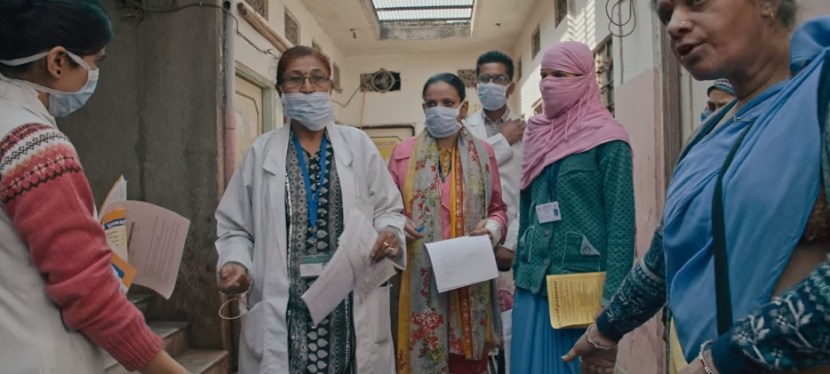

 Trekking with Dennis