Spoiler Warning: Beware of minor spoilers for the Kelvine timeline films and Strange New Worlds.
In a little over six months from now, it’ll be ten years – an entire decade – since Star Trek Beyond hit cinemas. Beyond is the most recent film in the Kelvin timeline – the Star Trek spin-off films set in an alternate reality. There have been multiple attempts in the nine-plus years since its release to get a sequel off the ground, including a couple of years ago when Paramount announced – and then had to rapidly un-announce – a film that wasn’t ready. That was a clusterfuck, eh?
Every so often, if you follow some of the big Star Trek fansites and social media pages, an interview will pop up with a member of the Kelvin cast, and they always make the right noises, sounding positive and hopeful about one day returning and making another film. But if recent reports are to be believed, the newly-merged Skydance/Paramount corporation is ready to “move on” from the Kelvin timeline. While a new Star Trek film is supposedly being planned, it won’t involve the Kelvin timeline or the cast of the rebooted series. I thought we could discuss that today.
The bridge in Star Trek ’09.
I know the Kelvin films weren’t every Trekkie’s favourite part of the franchise – to put it mildly! Heck, I *still* know people who refuse to even watch them because of how upset they were at both the recasting of classic characters and the more action-heavy storytelling. But we should all be able to acknowledge what the films – and the 2009 reboot in particular – did for Star Trek at a time when the franchise had been cancelled after more than fifteen years on the small screen.
We wouldn’t have seen Discovery, Picard, Lower Decks, Strange New Worlds or really any of the Star Trek productions we’ve enjoyed over the last decade were it not for the success of the Kelvin timeline films. Star Trek ’09 demonstrated to investors that, despite declining viewership on TV in the 2000s, there was still life in the Star Trek franchise, and still new stories to be told. These films carried the torch for Star Trek during what could’ve been its darkest hour, and they set the stage for the franchise’s revival.
Director J.J. Abrams on the set of Star Trek Into Darkness.
With all that being said, regular readers will undoubtedly remember me saying that I don’t believe there’s a place for a new Kelvin timeline film. I wrote about this in 2020 and 2021, and while my original reasons for saying that have now shifted in light of the spate of cancellations this year… I stand by the original point. I know Beyond seemed to tease a sequel in its closing moments, and there will always be a part of me that wants to see reboot Kirk’s adventures aboard the Enterprise-A. But given the changes not just to Star Trek over the past ten years, but the entertainment landscape as a whole… I’m not sure a 2009-style film is the right fit any more. After almost a decade, audiences have moved on and expectations have changed.
Then there’s Strange New Worlds. What was the original idea behind Star Trek ’09? It was to show “young Kirk” and “young Spock” at Starfleet Academy, then undertaking their first missions together. Well… we’ve seen that. And thanks to Strange New Worlds, we’ve also seen the prime timeline version of that, too. Strange New Worlds has introduced several other legacy characters, and thanks to being able to develop those characters a lot more because of the extended runtime a television show permits, I’d argue it’s done a lot more with some of those characters than the entire Kelvin trilogy did.
Kirk and Spock at the Academy in Star Trek ’09.
At this point, if we returned to the Kelvin timeline a decade after Beyond, we wouldn’t be seeing “young Kirk” and “young Spock” on one of their first missions. We’d be seeing Kirk and Spock on their five-year mission – or perhaps even *after* that, in the latter part of the 23rd Century. There are things that the Kelvin timeline could do with that idea, sure… but we’ve already seen plenty of Kirk and Spock at this point, haven’t we? Between TOS, the Kelvin films, Strange New Worlds, and the rest of Star Trek, we’ve spent a lot of time with these characters already. So… what could a new Kelvin film do that we haven’t already seen?
This leads me to my most fundamental point: Star Trek needs to move on. Not just from the Kelvin timeline, but from the 23rd and 24th Centuries in general. Since the turn of the millennium, we’ve had Enterprise, Discovery, Strange New Worlds, and the Kelvin timeline – all of which were prequels. Then we had Prodigy and Picard, which were direct sequels to Voyager and The Next Generation. The closest Star Trek came to originality was Lower Decks, ironically enough! And that show called back to The Next Generation era over and over again, and brought in numerous guest-stars.
What *new* adventures might lie ahead for the Star Trek franchise?
A new film at this point should have the freedom to go in a totally different direction, and shouldn’t be too tied up with what came before. That doesn’t mean it can go breaking all of the rules of canon, of course, but after so many sequels, prequels, and spin-offs, it’ll be nice to get something truly original for once. Won’t it?
If Star Trek continues to look backwards at its own history, and keeps trying to bring back characters from the past, that limits the franchise’s potential to grow and expand. I became a Trekkie in the early 1990s not because of Kirk, Spock, and Dr McCoy, but because of Picard, Riker, and Data. If Star Trek, in the ’80s, had doubled-down on The Original Series and those classic characters, we’d have missed out on so much – not only The Next Generation, but Deep Space Nine, Voyager, and more. After such a long time, and with so much having happened since Beyond was in cinemas… a new film taking a new approach just feels like the best option.
Simon Pegg (Scotty) and director Justin Lin on the set of Star Trek Beyond.
There are risks, of course. Into Darkness remains the cinematic Star Trek franchise’s high-water mark in terms of financial success, and all three of the Kelvin films turned a profit. Creating something brand-new, with a new director and a new cast of characters, might not achieve the same level of success as a Beyond sequel. Figuring out how to attract audiences who turned out for Into Darkness – but who may have skipped *everything* Star Trek has done since – will be the biggest challenge Skydance faces when it comes to pitching the new film.
And there’s kind of limited room for manoeuvre here. In 2009, a lot of people who hadn’t watched the likes of DS9 and Enterprise showed up specifically because Star Trek was billed as a reboot. The universe was going to be reset, you didn’t have to have followed any of the increasingly convoluted storylines from the previous fifteen-plus years… this film was its own thing. But can you re-reboot a franchise and achieve the same level of success a couple of decades later? Does the name “Star Trek” carry the same weight it did in 2009, after not really managing to reach out to a big new audience on streaming? I think those are valid questions as this new film may be getting underway.
A silhouette of the Enterprise was one of the first teaser images released for Star Trek ’09.
I don’t lament the demise of the Kelvin timeline. It laid the groundwork for Star Trek’s return to its small screen home in 2017, which I truly appreciate, but then it kind of lost its place – at least for me as a Trekkie. By the time Pike and Spock joined Discovery a couple of years later, and we were getting news of new projects featuring Picard, Section 31, and a new animated series, it really seemed like Star Trek was back. Strange New Worlds, with its focus on many of the same characters as those in the Kelvin films, occupies a very similar space, and I’m just struggling to see what a new Kelvin film could really have to say after five seasons of Strange New Worlds and everything else Star Trek has done over the past nine-plus years.
At the same time, there’s a sense that Star Trek’s executives never took *full* advantage of the alternate reality that the Kelvin films presented. We could’ve seen, just as one example, Captain Kirk taking on the Borg – something that would be impossible to do in the prime timeline. Or we could’ve done more with the idea of a crossover from the prime timeline, bringing in William Shatner and George Takei alongside Leonard Nimoy. That can’t happen now.
The Enterprise.
But the Kelvin films – or perhaps we should start saying “the Kelvin trilogy” – have a place in the history of Star Trek. They carried a torch for the franchise at a time when total cancellation and annihilation seemed not only likely, but were actively happening, and they set the stage for several great streaming shows that expanded the franchise in new ways. That isn’t a bad legacy by any means.
And as we look to the future? Star Trek seems set to enter a fallow period as the 2020s come to a close. After Strange New Worlds finishes its run, all we know for sure is that Starfleet Academy is getting a second season – and then there’s this potential new film. Star Trek XV – or whatever we’re going to end up calling it – has a lot to live up to in some ways, as it may have to pick up the mantle from the Kelvin timeline and keep Star Trek alive at a time when there might not be anything else going on. But this new film, thanks to being its own thing, has almost limitless storytelling possibilities, and won’t be constrained by what came before. That worked well in 2009, and it set the stage for bigger and better things. I’m going to keep my fingers crossed that this new film, in whatever form it ultimately takes, will be much more like Star Trek ’09 and less like the unfortunate Section 31.
So I hope this has been interesting. Part of me wonders if, in another ten or fifteen years, we may yet get a belated Kelvin timeline revival. Who knows! But nostalgia can be a big deal in entertainment, and if there are enough Kelvin fans clamouring for it… never say never, right? I will keep my ear to the ground and if there’s any news about a new Star Trek film in the weeks and months ahead, I daresay I’ll have more to add, so be sure to check back from time to time. And if you want to see what else I’ve had to say about the Kelvin timeline over the years, you can check out my dedicated Kelvin timeline page by clicking or tapping here. Until next time, friends!
Star Trek ’09, Star Trek Into Darkness, and Star Trek Beyond are available to stream now on Paramount+ in countries and territories where the platform is available. All three films are also available on DVD and Blu-ray. The Star Trek franchise – including all films and other properties discussed above – is the copyright of Skydance/Paramount. This article contains the thoughts and opinions of one person only and is not intended to cause any offence.
Spoiler Warning: There are spoilers ahead for the Star Trek franchise.
We’ve recently talked about some of my Star Trek “head canon” – i.e. theories and ideas I have about Star Trek that aren’t confirmed on screen, but make sense to me! Click or tap here to check out that piece, by the way… I talk about things like cloaking devices, the Borg, and more. If that article was about things in Star Trek that aren’t canon but should be, then today we’re gonna do the exact opposite! These are ten Star Trek storylines that I fully believe should be non-canon.
Before we go any further, a couple of important caveats. First of all, this is a controversial subject! As Trekkies, we all have different opinions about what makes a fun and successful Star Trek story… and that’s okay. There should be enough room within the Star Trek fan community for differences of opinion and disagreement without spiralling into arguments. Everything we’re going to talk about is the entirely subjective opinion of one Star Trek fan, and I’m well aware that my opinion will be the minority one in some cases. As I’ve said before: no theory or opinion is worth getting angry or worked up over!
Early concept art of the Enterprise-D. Image Credit: Forgotten Trek/Frogland Archive
It should go without saying, but none of these stories or episodes will ever actually be “removed” from Star Trek’s canon. The title is really a tongue-in-cheek way of me saying that I either dislike a particular storyline or feel that its presence in the broader Star Trek universe is a stumbling block for other narratives that I prefer. This isn’t like that awful clickbait article that did the rounds a few months ago claiming that “Discovery is non-canon now!!1!” This is just for fun; a thought experiment for people like us who like to spend a bit more time with the Star Trek franchise after the credits have rolled.
With all that being said, if you aren’t in the right headspace to get into some potentially controversial Star Trek topics, this is your last chance to nope out!
Let’s jump into the list.
Storyline #1: The destruction of Romulus. Star Trek ’09, Picard, Discovery, et al.
Romulus was destroyed by a supernova.
In Star Trek ’09, the destruction of Romulus was kind of haphazardly thrown in as a way to justify Spock’s involvement in the story and tee up Nero as a villain. And at the time that film was being written, I guess it’s not unfair to say that a full-scale revival of the Star Trek franchise on the small screen seemed beyond unlikely! But after Star Trek was brought back and returned not only to the prime timeline but to the late 24th Century (and beyond), the destruction of Romulus has proven to be a difficult storyline for subsequent productions to navigate.
Picard was the first to pick up this story thread in its first season, showing a few flashbacks to Admiral Picard and his Romulan rescue plan. Romulan refugees also cropped up in Season 1… but the show didn’t really know what to do with them or how to handle the Romulans as a whole after the loss of their homeworld. The character of Elnor could’ve been a great point-of-view character for exploring this post-destruction Romulan Empire… but Picard’s writers had other ideas, and the character was abandoned.
Elnor was unceremoniously dumped before we could spend much time with him.
Discovery brought back the idea of Romulan-Vulcan reunification in the far future, and managed at least one creditable effort with that premise. But again, this story was a one-off and didn’t really go much further, even when Vulcan leader T’Rina became a recurring character. The fact that Romulus had been destroyed – centuries in the past from this vantage point – didn’t really come up in a big way, either, and I reckon Discovery’s Ni’Var storyline could’ve worked just as well without it.
The Romulans are one of Star Trek’s most iconic villains – perhaps in third place behind only the Klingons and Borg. To destroy their homeworld – the core of their empire – for what was essentially a throwaway scene and the backstory of an over-the-top villain… I dunno. It feels extreme, which Star Trek ’09 was in some ways. But any stories set after the late 24th Century are now constrained by this massive narrative beat, and will arguably miss out on one of the franchise’s best villains. The Romulans are certainly one of Star Trek’s most shadowy, clandestine factions, and damaging them so severely that it would take them decades if not centuries to recover, while also impoverishing at least some of their survivors… it places real constraints on future stories.
Storyline #2: Suspiciously human-like aliens on many different planets. The Original Series
These are meant to be aliens. From outer space.
When we reach the final frontier and explore strange new worlds… we’re going to meet aliens and totally new forms of life. We aren’t going to encounter an exact duplicate of Earth, a planet where everyone dresses like it’s Germany in the 1930s, or a planet where whose inhabitants – who don’t look even remotely alien – think they’re living in Ancient Rome. In a word… these old episodes of The Original Series (and some from The Next Generation, too) aren’t sci-fi enough!
There’s a perfectly reasonable explanation for this, of course: it was the ’60s, and The Original Series had a limited budget to work with. The show would use stages and props that had been built for other projects, or Paramount’s backlot, meaning explanations had to be found and aliens created to fit with those existing sets. There were also limitations to the prosthetics, puppets, and practical effects that could be designed and built, and with twenty-five episodes per season to write… some liberties had to be taken with the way aliens looked and behaved.
Kirk leads an away team to Miri’s planet: a clone or twin of Earth.
But for me… let’s just say I’ve always been less keen on these too-human alien societies. I think there’s an interesting head canon explanation (that I go into in more detail in a standalone piece that you can find by clicking or tapping here) that basically says that these are lost or forgotten human colonies from the early days of pre-Federation spaceflight. But that only works if you buy into my theory! As presented on screen, we’re meant to take these societies to be Earth-like aliens… and I just don’t think that works if we’re taking Star Trek seriously as a sci-fi universe.
Space is big and space is weird – so there are bound to be incomprehensible things out there for our heroes to encounter. But too often, especially in The Original Series, we’d get these “aliens” that were not only physically indistinguishable from humans, but whose societies and even planetary geography was identical to some part of human history, too. Don’t get me wrong, many of these episodes are a ton of fun and they’re part of what made Star Trek what it is today. But I just don’t think they have a place in the franchise any more… and they haven’t for decades.
Storyline #3: Most of the mission to 2024. Picard Season 2
Los Angeles as seen in Picard Season 2.
I’ve had a piece in my writing pile for a couple of years tentatively titled “Star Trek: Picard – The Movie,” in which I’m going to argue that Picard’s second season (which I generally didn’t like) would work so much better as a cut-down two-hour-ish movie rather than a ten-episode season. I’d keep the attack on the Stargazer and the arrival of the Borg, I’d keep the Confederation timeline and the Borg Queen’s corpse, and I’d keep Agnes’ assimilation. But after that I’d cut out almost all of the 21st Century stuff, including all the revelations about Picard’s past and Q being on his deathbed, streamline the story by saying Q’s real objective was to prevent the mysterious anomaly from destroying the Federation, and launch Picard and his friends back to the bridge of the Stargazer.
For me, Picard’s second season spent way, way too long wallowing in a boring 21st Century environment that robbed the story of basically everything that feels like Star Trek, and I didn’t enjoy it. There was the kernel of an interesting idea, with Picard having to confront childhood trauma. But that storyline completely fell apart, it didn’t expand our understanding of Jean-Luc Picard as a character in any meaningful way, and parts of it felt almost like “torture porn;” throwing Picard (and other characters like Raffi and Rios) into a series of traumatic events that served no real narrative function. Picard’s story just didn’t give us much of anything, Raffi’s was undone with seconds to spare at the end of the season, and Rios’ story was written in a weirdly contradictory way to facilitate his exit from the series.
The new USS Excelsior.
So I’d cut out all of that, and I’d streamline Picard’s second season into a much more reasonable two-hour movie. There’d still be time for what I said in my review was one of the best and most frightening presentations of the Borg that we’d seen in decades, there’d still be a way for Q to play a part, and we could hop over to the Confederation timeline for a little while to get a Mirror Universe-inspired alternate reality look at Picard and Earth. But the mission to the 21st Century could be seriously cut back to only a few minutes, with perhaps one objective for Picard and the gang: to ensure the Europa Mission launches on cue.
I really ought to finish writing up my longer piece on this idea, because I can’t fully do justice to it in just a few paragraphs! Stay tuned here on the website, because I daresay I’ll get around to it one of these days! For now, suffice to say that Picard’s random wandering through 21st Century Los Angeles (and a suspiciously California-like France) should be dumped.
Storyline #4: Captain Archer versus the Borg. Enterprise Season 2: Regeneration
Reed and Archer take on the Borg.
I genuinely enjoy Regeneration as a one-off episode, and I think it was a fun idea to bring the Borg into Enterprise… even if it was pretty obvious that the reason for doing so was to boost the show’s flagging ratings. But stepping back and thinking about what it means for the history of Borg-Federation contact, Regeneration really screws with a timeline that has already been meddled with!
There are three angles to approach this from, and all of them are bad. Firstly, we have what this storyline says about Picard and the crew of the Enterprise-E. First Contact made clear that Picard had ordered his ship hidden so as not to accidentally interfere with humanity’s first warp flight and the Vulcans’ arrival on Earth. But apparently they totally ignored, forgot about, or didn’t think to scan for Borg debris from the ship they’d destroyed. It presents Picard and co. as incompetent at best when it comes to cultural contamination, and given how meticulous we know he is… it just doesn’t track that there’d be all this debris left behind, including fully intact and functional Borg drones.
An assimilated shuttle versus the Enterprise.
Next, the Borg sent a message to the Collective in the Delta Quadrant, basically making the whole First Contact–Regeneration story a time-loop paradox. It also seriously muddles the question of how and when the Borg first encountered humanity. Was it when they received this message? Was it when they assimilated the Hansen family in the 2340s? Voyager had already messed with the Borg quite a lot thanks to Seven of Nine and the Borg Queen, so this additional complication was not helpful! Turning the story of humanity’s first contact with the Borg into this kind of paradox is not what I wanted to see.
Finally, there’s what this story says about Starfleet. Captain Archer encountered a race of cybernetic beings who sent a message to the Delta Quadrant. Years later, the Federation took in El-Aurian refugees whose planet had been attacked by the Borg. Yet for some reason, by the 24th Century, all knowledge of both of these events was suppressed, deleted, or just not taught at the Academy. Given how hard Archer and his crew had to work to stop a handful of drones, you’d think they’d have recorded the details of what they did and what they were up against so that future Starfleet explorers wouldn’t be starting from scratch. This is a typical “prequel problem” of the kind Enterprise created on more than one occasion. For all of these reasons combined, though, Regeneration’s 22nd Century Borg storyline joins this list.
Storyline #5: Warp 10 as a hard limit on travel. The Next Generation, Voyager Season 2: Threshold, et al.
The Enterprise-D jumps to warp.
Star Trek has been pretty inconsistent with how warp speeds and travel times are depicted. I have a head canon explanation that basically says Starfleet re-designates warp factors as newer and faster engines are created… but that only goes part of the way to plugging some of the apparent plot holes that almost six decades’ worth of stories have accumulated! Long story short, most Star Trek productions from The Next Generation onward present warp one as the speed of light and warp ten as an unachievable goal; a speed that would allow instantaneous travel anywhere in the galaxy. But that doesn’t fit with what we see on screen.
What is “transwarp?” Is it speeds faster than warp 10? The Borg seem to be able to travel beyond warp 10 through their transwarp network, potentially cutting the time needed to reach Earth from the fringes of the Delta Quadrant from decades to hours. Then there’s the notorious Voyager episode Threshold, which saw Tom Paris and Captain Janeway travel faster than warp 10 (though still not fast enough to reach Earth), before mutating into salamanders.
It’s Paris and Janeway…
I think it would be so much better if Star Trek dropped this idea that warp 10 is a kind of hard limit. Speeds beyond what we understand as warp 9.9999 are clearly possible, as we see the Borg, the Kelvan Empire, Arturis’ species, and many others are able to travel far faster than Starfleet. So why not drop this idea in favour of new warp factors – perhaps a show or film set in the Picard era could introduce the first warp 12 engine, for example, and Star Trek could grow from there.
Threshold as an episode can pretty much be written off, too! I don’t think anyone will miss it. Recent developments, like the Kelvin timeline’s transwarp beaming and Discovery’s spore drive, can also be used to travel great distances in a short period of time. There’s potential for future stories to pick up these threads, too.
Storyline #6: The Prophets are responsible for Sisko’s birth. Deep Space Nine Season 7: Image in the Sand + Shadows and Symbols
A photo of Sisko’s Prophet-posessed mother.
Star Trek has never believed in things like fate or destiny, and for me, this storyline about the Prophets deliberately conceiving Benjamin Sisko so he could one day become their emissary is dangerously close to that idea. It also turns Sisko’s entire arc across Deep Space Nine into a giant predestination paradox; he became the emissary because the Prophets created him. It challenges and undermines really his entire personality all for the sake of having a twist in a couple of episodes.
Part of what was interesting about Deep Space Nine was the intersection of religion and science. The Bajorans worshipped the “gods” of the wormhole, but Sisko and the rest of the Starfleet crew saw them as just another alien race to make first contact with. And Star Trek has always leaned more on the science angle than the religious whenever questions like this have come up; as the audience, we’ve always been on Starfleet’s side, too, seeing entities and aliens like these as another race in the galaxy – not deities who are responsible for guiding the lives of our heroes. Deep Space Nine ventured into spirituality in a big way, and until Seasons 6 and 7 mostly stayed on the right side of that line.
A high-definition render of the Bajoran Wormhole from the documentary What We Left Behind.
These episodes kicked off a longer story arc across Season 7 which also involved Kai Winn and Dukat. The conflict between the Pah-Wraiths and Prophets took on this Christian apocalyptic tone, with Sisko akin to an almost Christ-like figure, predetermined from before his conception to play a pivotal role in this struggle. While this story was interesting in its own right, it’s also inherently un-Star Trek in a significant way.
Because the Prophets exist outside of linear time, that gave Deep Space Nine’s writers a lot of wiggle-room. But for me, this paradox was a bridge too far. Star Trek can and should tackle religious themes, but in my view it works best when stories take a more detached and scientific approach to these topics.
Storyline #7: The Klingon-Augment virus. Trials and Tribble-ations, Enterprise Season 4, et al.
A Klingon affected by the Augment virus.
I don’t believe that every single aspect of Star Trek demands an on-screen explanation. The Klingons that Kirk met in The Original Series look different from those that we’d later see in The Motion Picture and from The Search for Spock onward – and that’s okay. Fans could make head canon explanations if they wanted, but there was just no need for an in-universe explanation of this change in prosthetic makeup… especially not one so convoluted.
The origins of this can be traced back to the otherwise excellent Trials and Tribble-ations – the Deep Space Nine episode made for the Star Trek franchise’s 30th anniversary. That story saw the crew of DS9 interacting with Kirk’s crew, using newly-developed editing techniques to integrate new characters with old footage. It was an incredibly creative episode and a fun story… but it came with a problem! At one point, a couple of characters make reference to the way Klingons look, asking Worf about it. This was the first on-screen acknowledgement that something had changed.
Worf’s line in Trials and Tribble-ations was the first on-screen acknowledgement of the aesthetic changes the Klingons underwent.
Enterprise, several years later, took this idea and ran with it, crafting an intricate (and pretty dumb) multi-epiosde arc that introduced the Klingon-Augment virus: a genetically-engineered creation that infected Klingons with human DNA, physically changing their appearances. In the writers’ minds, this “closed a plot hole,” but I would argue very strongly that it was one that never needed to be closed. Even if it did, and even if we desperately want to find a way to acknowledge the change in makeup used for the Klingons with an in-universe explanation… I just found this particular story to be convoluted and weak.
More recent Star Trek projects have, thankfully, quietly dropped this idea. The Kelvin films and Discovery admittedly had their own issues with re-interpreting the aesthetics of the Klingons, but Strange New Worlds – which is set in the 23rd Century and has featured the Klingons on more than one occasion – has basically reset the way they look. There’s no reason to bring up this idea again – and I sincerely hope Star Trek can continue to walk away from it!
Storyline #8: The Burn (as part of the prime timeline). Discovery Seasons 3-5
The Burn.
Discovery’s second season probably had some of its best individual performances, thanks to the inclusions of Captain Pike and Spock. But for me, most of Discovery’s best episodes actually came after the series shot forward into the far future, leaving behind much of what we’re familiar with in the Star Trek galaxy. Unfortunately, though, Discovery’s writers and creatives wanted the show to focus more on Burnham’s increasingly soap opera-like personal relationships and attempts at depicting characters overcoming traumatic events (that mostly didn’t work as intended). As a result, we didn’t spend as much time as I’d have liked with either the Federation or other factions in this potentially-interesting setting.
Another piece I’ll have to write up in full one day is whether Discovery’s “post-apocalyptic Star Trek” idea worked or even came close to working. But for now, I think we can at least make the case that the Burn is a pretty depressing future for the prime timeline, and that pushing Discovery’s far future into some kind of pocket universe or alternate reality wouldn’t be a terrible idea for the franchise as a whole.
Discovery never really did anything with its “rebuild the Federation” idea.
I’m hopeful that there will be more Star Trek on our screens in the years ahead – and that at least some of it will return to the 24th and early 25th Centuries. But any show or film using that setting (or really any pre-Burn setting) becomes, by default, a prequel to Discovery’s third season. That means, in the backs of our minds, we know that no matter what our new heroes might do, however they might find creative ways to save the day… the Federation and much of the galaxy is going to end up devastated in a few hundred years anyway. It puts a brake on future Star Trek stories in a way that we haven’t really seen before.
If Discovery had done more with the idea of rebuilding the Federation and restoring Starfleet values to the galaxy, that feeling would persist but it would be somewhat lessened, I feel. But because that didn’t happen, the Burn and its aftermath really are little more than fluff; background details for other, less-interesting stories to play out in front of. Given the sheer scale of the Burn and the devastation it wrought… that’s not good enough for me. I don’t want to remove Discovery’s latter seasons entirely, as there’s some good storytelling in there and some fun episodes. But finding some way to push it out of the prime timeline and into some kind of alternate reality… let’s just say it would be a net positive. Maybe in Starfleet Academy?
This is an uncomfortable one… but Neelix’s love for Kes in some early episodes of Voyager didn’t have the cutsey or romantic vibes that the writers may have been hoping for. The age gap between Neelix and Kes made the whole thing feel a bit… icky. Thankfully it wasn’t in focus for too long, because if it had been I genuinely think it could’ve ruined Neelix as a character.
Ocampans are a very short-lived species, and Kes was either one or two years old in Voyager’s premiere. The implications of that when considering Neelix’s feelings are just unpleasant, but even if you push that to the back of your mind, there’s no getting away from the fact that Kes is basically a teenager or young adult while Neelix is in the Talaxian equivalent of middle age.
A jealous Neelix.
We’d also see Neelix getting possessive of Kes, with episodes like Parturition and Twisted being prime examples of this. The contrast between Neelix’s usual jovial, friendly persona and the jealousy and anger he could feel has genuinely uncomfortable undertones. For anyone who’s ever been in a toxic relationship with a narcissistic or possessive partner, there are parallels in this presentation of the two sides of Neelix that could be triggering.
I wish we’d got to spend more time with Kes; in my view, she was unfairly dumped from Voyager. In recent years there’s been speculation as to exactly what happened behind-the-scenes, informed, at least in part, by actress Jennifer Lien’s struggles and issues. I don’t really want to get into all of that, but suffice to say that I would have happily kept Kes as part of Voyager’s roster if I’d had the option. But I’m glad that this Neelix romance angle didn’t stick around beyond the first couple of seasons – and that it was only present in a big way in a handful of stories.
Storyline #10: The Borg Collective has a leader. (And she’s weirdly obsessed with a couple of random humans for some reason). First Contact, Dark Frontier, et al.
The Borg Queen in her first appearance.
This could be one of my most controversial Star Trek “hot takes,” but… the Borg Queen kind of ruins the Borg. What made the Collective so scary in its first appearances was that it was akin to a force of nature; incomprehensible, unstoppable, and unable to be reasoned with. The Borg operated as one hive mind, with no individuals or individuality, united in common purpose: the pursuit of technology and an unknowable idea of “perfection.”
The Borg Queen was created because the producers/writers of First Contact believed that the film needed a villain for Picard and Data to wrangle with – a unique individual Borg who could have more personality than any drone. But this completely misunderstands what the Borg represented and what made them so frightening. In doing so, it robbed the faction of one of its most important and unique features. The Borg Queen’s apparent obsession with Picard, Seven of Nine, and humanity as a whole developed from this… and really takes a lot away from the original concept of the Borg as this incomprehensible, uncaring, unknowable adversary.
A different depiction of the Borg Queen.
A big part of many Star Trek episodes (so much so that it’s become a cliché) is “they were only trying to communicate!” Many of the franchise’s stories present our heroes with apparently hostile aliens or scenarios, only to learn later that what they wanted was to talk or be understood. Other stories introduce a villain who can ultimately be reasoned with, even if they initially seemed hell-bent on destruction. The Borg’s original presentation, prior to the introduction of the Borg Queen, precluded even the pretense of negotiation, compromise, or really any kind of meaningful communication. The Borg had one objective, and there was no way to dissuade them from it. They viewed humanity and the Federation as a resource, and nothing more.
By introducing a Borg leader, someone who has a unique personality (even though she claims to be a manifestation of the Collective; I’m not buying that based on how she comes across on screen) the most unique trait the Borg had has been erased. And what replaces it is little more than a generic “I’m evil for no reason and I love it” scenery-chewing bad guy. The Borg, prior to the Queen’s appearance in First Contact, were so much better, so much more frightening, and completely unique.
So that’s it… for now!
The Klingon monastery on Boreth.
We’ve talked about ten Star Trek storylines that should be non-canon… at least in my completely subjective opinion!
I hope this has been interesting. It’s certainly been a bit of fun for me to revisit some of these episodes and stories. Some, like Enterprise’s Borg episode, are totally fine in isolation… but start to create problems when you think about them in the wider context of the Star Trek franchise. Others, like Neelix and Kes as a couple, didn’t work from day one and I’d be happy to just pretend the whole thing never happened! None of these storylines will ever actually be “removed” from Star Trek’s canon, though, so if one of your favourites is on the list, don’t panic!
We’ve talked about questions of canon quite a lot in the past few weeks, and I’ve had a lot of fun writing about some of these subjects. My “Borg teasing” theory is something that I’ve been kicking around for literally decades, and I also had fun adding to my list of minor things in Star Trek that bug me! I don’t know what’s next – perhaps a longer write-up of one or two of the points on this list could make for a fun article or essay. Stay tuned, though, because there’s plenty more Star Trek to come here on the website in the weeks and months ahead!
Most of the TV shows and films referenced above are available to stream on Paramount+ in countries and territories where the platform is available. The Star Trek franchise is also available on DVD and Blu-ray. The Star Trek franchise – including all episodes, films, and other properties discussed above – is the copyright of Paramount Global. This article contains the thoughts and opinions of one person only and is not intended to cause any offence.
Spoiler Warning: There are spoilers ahead for all fourteen Star Trek films, including Section 31.
Almost five years ago, I put all of the Star Trek films into a ranked list. I talked about what I liked and didn’t like about each, and tried to justify my choices! But since I wrote that list, a couple of things have happened. Firstly, I’ve gotten better at using images here on the website – that old piece looks pretty janky in comparison to some of my more recent articles. But secondly – and way more importantly – there’s been a new Star Trek film since then!
I think Trekkies are still a little divided on whether the made-for-streaming Section 31 should count as a Star Trek “film,” and I get that. But for me, Section 31 has the runtime of an (admittedly rather short) film, it’s not a series, miniseries, or anything like that, it has mostly original characters, and it was afforded a higher budget than any individual Star Trek episode would’ve been. For all intents and purposes, Section 31 counts as the newest Star Trek film – the fourteenth since 1979… and hopefully not the last!
Section 31 is the most recent Star Trek film, and it’s on this list!
So today, I’m going to revisit the Star Trek films, this time using the internet-friendly tier list format that you might’ve seen on a couple of other occasions here on the website! I think most folks have a vague idea about tier lists at this point – but if you don’t, I’ll happily explain how it works.
Instead of giving each film a number from 1-14, which would be hard, we’re going to assign each film one of five tiers: D, C, B, A, and S. D-tier films are the least-enjoyable with noticeable flaws, C-tier titles are average or “just okay,” B-tier films are a step up, being above average, A-tier titles are getting really good, and S-tier is reserved for the absolute cream of the crop! Why is S-tier the top instead of A or something like A-plus? The truth is… I don’t know! But that’s the way everyone else does it, so I’m sticking with it! Some tier lists also include an F-tier for absolute disasters, but since I don’t consider any of the fourteen Star Trek films to be that bad, I’ve opted not to include it on this occasion.
Let’s fill out this blank tier list together!
Now that the explanation of the format is out of the way, a handful of important caveats!
Firstly, all of this is subjective, not objective. There is no “objectively best” Star Trek film, and even within the fan community opinions vary wildly on which titles are better and what makes for a good Star Trek story. So if I rank a title you hate highly or speak ill of your favourite… that’s okay! There ought to be enough room in the fan community for civil conversations and polite disagreement.
Secondly, this piece supersedes my old film ranking list, and I have made a couple of changes to where films were ranked five years ago. I’ll be leaving the old piece as it is, though – it’s a part of the website and it would be silly to delete it! But going forward, this is the official Trekking with Dennis Star Trek films tier list!
Admiral Kirk addressing his crew in The Motion Picture.
Third, I’ll rank each production in order of release, beginning with The Motion Picture and finishing with Section 31. Then I’ll show you the final tier list at the end. I’ll do my best to explain what I liked and/or didn’t like about each title to justify my ranking – but please feel free to vehemently disagree if you like!
Finally, all of this is just for fun! I like writing, I like Star Trek, and finding an excuse to talk about some of the Star Trek films that I love – or that I haven’t seen in a while – is supposed to be a bit of escapism. Nothing about this should be taken too seriously, because the point of Star Trek for me has always been entertainment and escaping to a fun vision of the future.
With all of that out of the way, let’s begin.
Film #1: The Motion Picture (1979) Tier: S
The Motion Picture had a complicated production history! It was originally envisioned as a television series, bringing Star Trek back as Phase II in the late 1970s after re-runs of The Original Series had been growing in popularity. Actors had been cast, sets were being designed, and scripts were written… but then, in 1977, another sci-fi film’s wild success led to Phase II being reimagined as a feature film. Star Trek as a cinematic franchise was born!
In my experience, Trekkies tend to underrate and underappreciate The Motion Picture. In a very literal sense, much of the visual language of Star Trek was born here, not in 1966: metal Starfleet badges, the warp core as an upright glowing tube, angled corridors, Starfleet Headquarters, the re-designed Klingons… and so much more. Sets built for The Motion Picture would remain in continuous use all the way through Enterprise’s cancellation in 2005, defining what makes Star Trek look like Star Trek for millions of viewers.
The Motion Picture also has one of what I consider to be the best starship introductions in the franchise – something that set the bar for other shows! Kirk and Scotty’s shuttlepod flight to the refit Enterprise – complete with Jerry Goldsmith’s Academy Award-nominated score – is beautiful, and I get teary-eyed every time I watch it. It’s one of the best moments in Star Trek for me, and everything about it is pitch-perfect.
I get that The Motion Picture’s main story isn’t for everyone. It was also a bit of a mess, with re-writes continuing even during filming, and that probably didn’t help. But for me, The Motion Picture plays out like an extended episode of The Original Series. It’s ethereal, thought-provoking, and not overladen with fast-paced action set-pieces. I think that’s to the film’s credit, even if many don’t agree.
I have a longer piece about The Motion Picture, written in 2019 to mark the film’s 40th anniversary. You can find it by clicking or tapping here.
Film #2: The Wrath of Khan (1982) Tier: S
For many folks, The Wrath of Khan is still the Star Trek franchise’s high-water mark; a film that no other in the franchise has even come close to. I wouldn’t go that far personally – I think there are a couple of other equally brilliant films, as we’ll talk about in a moment – but The Wrath of Khan is definitely up there! The mix of sci-fi with high-octane action proved to be a perfect blend for Kirk and the crew, with a vengeance-obsessed Khan becoming one of the best villains not only in Star Trek, but in all of cinema.
The Wrath of Khan has one of the best and most intense starship battles in the franchise. Drawing inspiration from submarine and naval battles in World War II films, the fight between the badly-damaged Enterprise and Khan’s USS Reliant is incredible. The sequence builds up tension masterfully – by showing the extent of the damage to the Enterprise, by robbing Kirk and Khan of their sensors in the nebula, and with Spock cleverly explaining Khan’s “two-dimensional thinking” as a way to convey the tactics of starship battles in a three-dimensional space.
Toward the end of The Wrath of Khan, we also get one of the most poignant and emotional moments in any film in the franchise… or really anywhere in the entirety of Star Trek, come to that. Spock’s death – sacrificing himself to save the Enterprise and his friends – really hits hard. Even though on my first viewing of The Wrath of Khan I already knew that Spock would be resurrected, there’s still a real emotional weight to this moment. Star Trek has attempted to do similar things with other characters (we’ll look at a couple further down the list) but none came close to matching this moment.
Ultimately, The Wrath of Khan was the first film to wrest control of Star Trek away from its creator, Gene Roddenberry, and to try new and different things with this cast of characters. It’s very different in tone and style from The Original Series, but that turned out to be a net positive for many fans – and many new fans, too. The Wrath of Khan firmly established Star Trek as a cinematic franchise.
Film #3: The Search for Spock (1984) Tier: A
Sandwiched in between the ever-popular Wrath of Khan and the light-hearted Voyage Home, I think some folks can overlook The Search for Spock. As the middle part of a trilogy, the film has the difficult task of moving the story along but without being able to draw all of its story threads to a firm conclusion. For my money, though, it’s a great film – and it manages a complicated sci-fi story exceptionally well.
The Search for Spock gave us an extended look at the re-designed Klingons from The Motion Picture, and also introduced the Klingon Bird-of-Prey, arguably the faction’s most iconic spaceship. It’s the film which re-introduced the Klingons in a big way, expanded the Klingon language, and introduced starship and uniform designs that have become inseparable from the faction. The Klingon Empire as we know it would not be the same – and might not be a big part of Star Trek at all – without The Search for Spock and its main villain, Kruge.
I’ve always appreciated the design of the Genesis Planet. The story of its creation is a bit “out there,” even by Star Trek standards, but the practical sets, props, and puppets created to represent the Genesis Planet all feel like ’80s sci-fi at its best. And yes, as a child of the ’80s I’m acutely aware of my biases here! But when I compare the way that The Search for Spock looks to modern Star Trek, with its CGI and AR wall… I can’t help it. I know what I like!
As the film that destroyed the original USS Enterprise, The Search for Spock was always going to court controversy. But I don’t agree with the take that “all of the odd-numbered Star Trek films are bad,” lumping The Search for Spock in with The Final Frontier. There are some wonderful moments of characterisation for David Marcus, Kirk, Dr McCoy, and others. And thanks to the insistence of director Leonard Nimoy, all of the main cast members got moments in the spotlight.
I have a longer piece about The Search for Spock – which was the first Star Trek film I watched – and you can find it by clicking or tapping here.
Film #4: The Voyage Home (1986) Tier: B
Maybe this is a “hot take,” but I’ve never been wild about The Voyage Home. As with similar Star Trek stories involving time travel to the modern day, its ’80s setting has left the film feeling so much more dated than any other in the cinematic franchise, and while I enjoy a good ’80s comedy as much as anyone else… it’s not necessarily what I want from a Star Trek film.
That being said, I don’t hate The Voyage Home by any stretch. It has some incredibly funny moments as Kirk and the crew attempt to navigate a time period that’s completely alien to them. Moments like Kirk asking if $100 is “a lot” of money, or Scotty trying to use a mouse to talk to a computer spring to mind as laugh-out-loud moments, and Spock having to cover his Vulcan ears to pass as a human is a fun look. Kirk and Spock’s confrontation with a punk on a city bus was also a hilarious moment.
On the sci-fi side of things, I really like the design and power of the “whale probe.” I think it’s unintentionally one of the franchise’s most unnerving alien creations, too. Its design harkens back to The Doomsday Machine’s planet-killer, but its power is used completely differently. The idea that this machine could simply disable all of Starfleet – and Earth – without breaking a sweat is already frightening, but when it can’t be reasoned with or even communicated with… that’s outright terrifying. Sometimes the Star Trek franchise can lean too heavily on “nose and forehead” aliens, but the likes of the “whale probe” remind us that the galaxy is a dangerous and sometimes incomprehensible place.
The Voyage Home did something Star Trek has often done: used a sci-fi lens to examine real-world issues. In this case, the loss of biodiversity and humanity’s impact on the environment were in the spotlight. The message was simple: we can’t predict the consequences of even a single species going extinct, and we should do everything we can to preserve biodiversity on Earth. That’s a good message, and it’s presented in a fun, creative story.
Film #5: The Final Frontier (1989) Tier: D
I said at the beginning that I wasn’t giving any F-tier rankings, and The Final Frontier is kind of the reason why. I get why folks don’t like it, and I think it has some obvious narrative weaknesses, as well as a smattering of sub-par special effects that make it less visually impressive than other titles in the franchise. But it isn’t a complete cinematic failure on par with something like Baz Luhrmann’s Australia or The Rise of Skywalker, so I think we can safely say that even the least-impressive Star Trek films avoid that ignominious fate!
Star Trek has delved into religion and religious-adjacent subjects before, so the idea of an alien claiming to be the god figure from various cultures isn’t totally out of left-field. But the execution of this storyline leaves something to be desired, and I just don’t think The Final Frontier really knew what it wanted to say or where it wanted to take this heavy idea.
The film also suffers from a little too much interference from William Shatner, who exercised his contractual right to helm a Star Trek film after Leonard Nimoy had his turn in the director’s chair. Shatner wanted to tell a story that put Kirk – and Kirk alone – centre-stage, as the sole character who could stand up to Spock’s villainous half-brother. Changes were made to the first draft of that story, when Nimoy objected to Spock’s characterisation, but Shatner’s determination to put Kirk front-and-centre still comes across.
I don’t believe that The Final Frontier is irredeemably bad. There are some wonderful moments, too, like the campfire sequence with Kirk, Spock, and McCoy, Scotty’s line “I know this ship like the back of my hand,” and the away mission to Nimbus III. McCoy’s incredibly painful backstory is also one that hits close to home, and has to be one of DeForest Kelley’s best and most emotional scenes with the character. Kirk’s line to Sybok about “needing” his painful and traumatic moments – that they define who he is – is a powerful idea, too. I just feel that, taken as a whole, The Final Frontier misses the mark with some of its storylines and loftier concepts.
Film #6: The Undiscovered Country (1991) Tier: A
After the disappointment of The Final Frontier, it took some persuading for another Star Trek film to be greenlit. In 1991, with The Next Generation well underway and work progressing on spin-off ideas, there were some at Paramount Pictures who argued that Star Trek had moved on from The Original Series and its characters. A proposal to reboot Star Trek with a Starfleet Academy film was seriously considered, but ultimately Gene Roddenberry and others were able to convince the studio to allow the cast one final film to end on. The Undiscovered Country was thus given the green light.
The story here is great, and incredibly timely! The script uses the Federation and Klingons as a metaphor for the end of the Cold War; communists had been swept from power in 1989, and the Soviet Union was itself dissolved just days after the film’s premiere. The story of old rivals finding a path to peace, and old warriors with grudges finding a way to bury the hatchet, was an exceptionally powerful one – even if Gene Roddenberry hated the depictions of Kirk and Starfleet when he was shown an advance copy of the film.
We get to see an exploration of the Klingon Empire, including one of its brutal prison colonies, and how the Klingons of the 23rd Century came to be neighbours and rivals rather than enemies by the time of The Next Generation’s 24th Century. There was even a role for TNG’s Michael Dorn, who played an ancestor of Worf. The Undiscovered Country did a lot to bring Star Trek’s two eras together, and as one crew departed the stage, work on the next expansion of the franchise began. Deep Space Nine would premiere just over a year after The Undiscovered Country had been in cinemas.
The “Praxis effect” – a two-dimensional circular shockwave created by a planet exploding – was named for the destruction of the Klingon moon seen in The Undiscovered Country! In a very real sense, the film’s legacy goes far beyond the Star Trek franchise, with similar visual effects still being used in sci-fi and fantasy to this day. Special effects were great across the board, and The Undiscovered Country also has a fantastic ship battle between the Enterprise, Sulu’s Excelsior, and a cloaked Bird-of-Prey.
Film #7: Generations (1994) Tier: S
Is it controversial to say Generations is a good film? Because I honestly think it’s one of the franchise’s best. Bringing Kirk and Picard together was an absolute joy to watch, and I think it came at just the right moment, too – the film represents a handing of the torch from one crew to another. It didn’t come too soon, as this kind of story would’ve overshadowed The Next Generation’s characters before they’d found their feet. But by 1994, I really think the time was right for this kind of epic crossover.
I find Dr Tolian Soran to be an incredible villain, too. His motivations were easily understood, and while he absolutely needed to be stopped… part of me sympathises with him. The presentation of the Nexus as this heaven-like paradise realm, where time has no meaning and your heart’s desires can be made manifest, is the perfect motivation for someone like Soran – whose quest takes on a quasi-religious tone as a result.
Generations killed off Captain Kirk, drawing a line under Star Trek’s original incarnation. Kirk would, of course, remain important to Star Trek, and it wouldn’t be the final time we’d see a member of his crew on screen. But in that moment it did feel very final – and Kirk’s act of sacrifice to save Picard’s crew and the population of a planet he didn’t even know… it was an intensely emotional sequence.
Generations does a lot to explore the connection between Picard and Guinan, which would go on to be important in Star Trek: Picard, too. It was also a great film for Geordi and Data – the latter receiving his emotion chip and really expanding his programming beyond what he’d been capable of before. All of the main characters got a turn in the spotlight, and there were moments of mystery, emotion, and action throughout this wonderful film.
I wrote a longer piece about this film’s villain, Dr Soran, and you can find it by clicking or tapping here.
Film #8: First Contact (1996) Tier: A
First Contact is a fantastic film. But I’m docking a couple of points because of one element it introduces that I feel complicates – and crucially, detracts from – one of the franchise’s best, most iconic, and most frightening villainous factions. I’ll have to elaborate on this one day in a standalone piece, because there’s too much to fit into a few sentences right now, but in short: the Borg Queen kind of ruins the Borg for me. Worse, her presence takes away a lot of the Collective’s fear factor – especially when we get to her later appearances. I get it: First Contact is a feature film and it needed to have a single villain for Picard and Data in particular to face off against. But on the whole, I’d say the Borg Queen was not a net positive for the Collective or Star Trek.
But enough about that for now! First Contact re-introduced the Borg in style, depicting a deadly battle in space, and a slow-paced assimilation of the brand-new Enterprise-E. The scenes aboard the Enterprise’s lower decks in particular are incredibly tense; the Borg are far more frightening here than they had been in any of their earlier appearances. And although I have gripes with the Borg Queen as a concept, her scenes with Data and Picard – and the latter’s trauma stemming from his earlier assimilation experience – are all played exceptionally well.
First Contact also did a lot to set the stage for Enterprise – though that wasn’t necessarily the intention at the time! Enterprise does, though, build on what First Contact did with its depiction of Earth and humanity’s first efforts to build a faster-than-light engine. James Cromwell, who played Zephram Cochrane, would even have a cameo in Enterprise’s premiere.
Picard is the real star of the show this time, as he lets his emotions overwhelm him when faced with the Borg’s return. After the episode Family, we didn’t really get much exploration of Picard’s mental state and how he was coping with having been assimilated by the Borg, but First Contact took that as a starting point to tell a story touching on things like post-traumatic stress. It was genuinely interesting – and also left a lot for Star Trek: Picard to build on a quarter of a century later.
Film #9: Insurrection (1998) Tier: B
Insurrection gets an unfairly bad rap, in my opinion. I like some of the connections in the film to the wider world of Star Trek – nowhere else will you hear Troi and Riker mention the Dominion War, for instance! The Briar Patch is a fun idea both narratively and visually, leading to the crew being cut off from Starfleet HQ. It also sets up a particularly creative starship battle, which as always is something I appreciate!
Star Trek has, on several occasions, had a “badmiral” (a portmanteau of ‘bad’ and ‘admiral’) as a villain, and the concept of a rogue or renegade senior officer is an interesting one. The best villains have some degree of nuance, and Anthony Zerbe does an excellent job conveying this with the character of Admiral Dougherty. Dougherty genuinely believed that he was doing something great for the Federation… even though, with the story being told from the perspective of the Enterprise crew and the Ba’ku, he was the villain.
The Son’a were an interesting addition to Star Trek, and I’d love to explore a bit more of their culture one day – it’s a shame they’ve never returned. I would posit that the film’s twist – that the Son’a and Ba’ku are the same race – was imperfectly executed, but it was an interesting idea that achieved most of what it was aiming for. It’s also an idea that felt very “Star Trek,” harkening back to The Original Series episodes that had messages about war, race, and so on.
Insurrection has another great villain in Ru’afo, who doesn’t have that same nuance we were talking about, but was delicious to watch nevertheless thanks to an excellent performance from F Murray Abraham. It’s also a great film for Riker – who gets a turn in the captain’s chair during a tense battle, and also sees a starship manoeuvre named after him – and Data, whose “injury” and ethical reset kicks off the entire story. A story about a renegade crew who have to operate outside of the law to do the right thing? That’s something I love – and while I get there are criticisms of the main cast apparently acting “out-of-character,” that’s explained well enough in Insurrection itself.
Film #10: Nemesis (2002) Tier: D
Walking out of the cinema after the credits rolled, I remember feeling okay about Nemesis. But looking back, particularly after seeing Data being laid to rest in Star Trek: Picard’s first season, the deficiencies of the film are much more apparent. I would argue, with Brent Spiner ageing out of the role by 2002, that killing off Data made some degree of sense as a narrative point. But it wasn’t handled well in Nemesis, with the film rushing past Data’s death, pushing his friends to a “let’s all move on” type of ending that was just weirdly out-of-place and had completely the wrong tone.
Sci-fi tropes and character archetypes will land differently for different folks, and what I’d say about Nemesis’ main villain – played by Tom Hardy in one of his first big-screen roles – is that the idea of a clone of Picard isn’t as silly as it sounds! There’s genuine lore and story here, expanding our understanding of the Romulans and the way they operate, and I really did enjoy that side of the story. Shinzon also makes for a complex character; a human raised by Reman slaves, who has Picard’s DNA but none of his humanity.
Shinzon quite quickly turns to “I’m evil for no reason and I love it” with his characterisation, though, despite some early promise, and by the time the film moves to his plot to attack Earth and the Federation, the plot kind of goes off the rails. Much has been made of director Stuart Baird’s lack of experience and knowledge of Star Trek at the time of the film’s production (he hadn’t so much as watched a single episode of The Next Generation) and I think that comes across in the way the film treats most of the main characters, too.
After Insurrection hadn’t been particularly well-received, and with Enterprise struggling to find an audience, Nemesis didn’t do the Star Trek franchise any favours in 2002. It also seemed – for close to twenty years, anyway – to be a weak and unimpressive ending for The Next Generation characters and Star Trek’s 24th Century setting. As in any Star Trek project, pretty much, there are moments in Nemesis that work, but not enough of them to make the film a success.
Film #11: Star Trek (2009) Tier: C
I have some conflicting thoughts about 2009’s Star Trek. On the one hand, I was absolutely thrilled to learn of the film’s existence after Enterprise’s cancellation seemed to signal the demise of the entire Star Trek franchise. I did my best from 2006 to support the film while it was in production, and raced to the cinema to see it on the first day it was available. And I would make the case to anyone that Star Trek ’09 is a solid action/sci-fi film, a great introduction to Star Trek for newbies, and a successful title that proved the franchise could still bring in audiences and money at the box office.
But on the other hand, the film’s action-heavy storyline, re-cast classic characters, and fairly basic villain just aren’t what I come to Star Trek for. The new actors were given an exceptionally difficult job and were brave to take it on; I know some Trekkies who, to this day, have refused to watch any of the Kelvin timeline films because of the decision to re-cast Kirk and the crew. Some of the new actors got a lot of criticism before the film had even premiered due to that. Personally, I generally feel they all did a solid job… but there’s always gonna be a sense that they aren’t the “real” Kirk, Spock, Uhura, and so on. Some decisions – like pitting Kirk and Spock against one another, even coming to blows at one stage – really hammers home how different these versions of the characters feel.
Star Trek ’09 is unashamedly a reboot, and if you meet it where it is and you’re able to accept that, I think there’s a good time to be had with at least parts of it. But as someone who’d been a Trekkie for close to twenty years when the film premiered, who’d been immersed in the world of The Next Generation era in particular… I wasn’t really interested in a reboot. After Enterprise, I wanted to see Star Trek move its timeline forward again, not stepping back to re-cast classic characters for a pretty basic action story.
All that being said, I appreciate what Star Trek ’09 did for the franchise. If this film hadn’t found an audience and proved to studio executives that there was still life in Star Trek and still stories to tell here, that would’ve almost certainly been the end of the franchise, and I doubt we’d have seen Lower Decks, Strange New Worlds, and the rest of modern Star Trek. Keeping the flag flying for the franchise after it had burned out on the small screen is the real legacy of Star Trek ’09 – at least for me.
Film #12: Into Darkness (2013) Tier: B
I would argue that Into Darkness is the high-water mark of the Kelvin timeline. There are still issues with the characters, some contrivances with the story, and so on… but the film’s script is generally much stronger than either of the other Kelvin films. Not only that, but this particular story – featuring notorious villain Khan and a “badmiral” scheming from within Starfleet itself – lends itself much more to the kind of action-packed film that JJ Abrams wanted to make.
Captain Pike’s death in Into Darkness genuinely hit me – it was unexpected in the moment, and Kirk’s reaction to the loss of someone he viewed as a surrogate father figure was truly heartbreaking. It’s definitely one of the most powerful moments for this version of the character, and the way it spurs on the plot was good, too. I also liked the callback to Star Trek ’09 with the “transwarp beaming” idea returning, this time as a problem to be overcome.
If you were online and involved in Star Trek discussion groups and forums circa 2011-2013, you would’ve almost certainly had Into Darkness’ big reveal spoiled for you ahead of time. Unfortunately, fans correctly guessed that Benedict Cumberbatch would be playing the legendary Khan – and going into the film with that expectation certainly put a downer on the scene where Kirk learns the truth. I always prefer to see films un-spoiled, but this rumour was everywhere at the time, so it was unavoidable.
For a variety of reasons, this story just feels stronger and, most importantly, better-suited to these characters and this style of film. Into Darkness is a better film as a result, with a consistent tone, understandable character motivations, and a pair of solidly entertaining villains. There are some contrived moments – and I don’t think Kirk’s sacrifice and “death” works anywhere near as well as Spock’s did in The Wrath of Khan, which Into Darkness tries to emulate in more ways than one – but on the whole, it’s not a bad film by any stretch.
Film #13: Beyond (2016) Tier: C
Penned by Scotty actor Simon Pegg, Beyond was a genuine, well-intentioned attempt to bring the Kelvin timeline films slightly closer to “classic Star Trek” in terms of tone and themes, and I really do admire the effort. There are moments that link up with Star Trek’s past – most notably Enterprise – and parts of the film, particularly its opening scenes, succeed at recreating at least some of that “mission of exploration” feeling that the other Kelvin timeline films didn’t spend even a second on.
But there are some flaws and weaknesses, though. The destruction of the Enterprise is by far the weakest loss of a ship in the franchise, as we just don’t have anywhere near as much attachment to it as we did to the original Enterprise, the Enterprise-D, and other ships that have been destroyed. The sequence was tense, particularly as the crew rushed to their escape pods, but the emotional weight of the moment didn’t ring true for me.
I felt that an actor of Idris Elba’s calibre was also squandered on a pretty basic “I’m mean and I hate everyone” type of villain. Krall had potential – the “lost” captain who felt abandoned by Starfleet and the Federation, and whose xenophobic and war-like traits were a century or more out of date. But the film didn’t do enough with Krall, and the big reveal that this alien-looking alien was, in fact, a human didn’t really stick the landing. Again, it was interesting in theory but kind of wasted by the time it came to the screen.
I might be alone in this, but I detest the name “Jaylah” for the film’s new character. A homonym of “J-Law” – the tabloid nickname given to American actress Jennifer Lawrence, who was a big star at the time thanks to her role in The Hunger Games – this reference just felt cringeworthy and unnecessary. I’m happy for Star Trek to take inspiration from a wide range of other films, including the likes of The Hunger Games, but don’t stoop to this level when it comes to character naming. It’s just… well, it’s pretty pathetic, to be honest.
I couldn’t end this section without also noting that Beyond was rather overshadowed by the deaths of Leonard Nimoy and Anton Yelchin in the months leading up to its premiere.
Film #14: Section 31 (2025) Tier: C
You have to try to meet Section 31 where it is. It’s a B-movie; the Star Trek equivalent of The Fast and the Furious or Transformers, complete with a cookie-cutter plot, some pretty mindless action, and plenty of tropes of both action flicks and spy movies. Once I realised that that’s what I was watching… I just kind of went with it. On those terms, I found Section 31 to be just fine.
Where my disappointment comes in is in the wasted potential. There was scope for Section 31 to be the kind of film that brings new eyes to Star Trek for the first time, genuinely expanding the fan community by making what can feel like a nerdy and overcomplicated franchise approachable. I don’t believe Section 31 came close to achieving that goal, unfortunately. And from my perspective, that felt like the biggest point in its favour and a key reason for making it.
I would also argue that Georgiou’s arc in Section 31 was pretty repetitive, dragging up her Mirror Universe origin and forcing her through a story that we’d already seen a lot of in Discovery. Dragging her back from the more complex character we’d started to see so she could re-start that arc wasn’t great. And that’s before we get into the weeds on whether a redemption story for someone at least as evil and despotic as Star Wars’ Emperor Palpatine was even possible, let alone successfully executed in Section 31.
There are also gripes with how disconnected this film feels from the rest of Star Trek, with the barest of references and none of the franchise’s visual language present. If, however, you can set most of that aside… there are fun moments hiding under the surface. And as I said a moment ago, if you can meet Section 31 where it is, on its own terms, I think it’s a perfectly adequate B-movie.
We’ve put all fourteen Star Trek films into a tier list. So let’s take a look and see how we did:
Well, I hope that was worth it! As you can see, we have more films in the upper tiers than the lower ones, and even the “worst” Star Trek films still have redeeming qualities – at least in my opinion.
I wanted to put this list together after Section 31 had premiered, updating my older list to include the new film. This piece almost certainly concludes my Section 31 coverage for the foreseeable future, as I really don’t have much more to say about the made-for-streaming movie at this point. If you’ve been following my coverage of Section 31, thank you! I hope you’ve found my take to be interesting.
The USS Enterprise at warp.
At time of writing, there are supposedly two Star Trek films in pre-production or at least being worked on in some capacity. The first is a Beyond sequel, bringing back the Kelvin timeline cast for another outing. And the second is supposedly set in between Enterprise and Star Trek ’09, perhaps serving as a kind of Kelvin timeline prequel. You can read my thoughts on that idea by clicking or tapping here.
There have been other film proposals pitched over the years. Sir Patrick Stewart teased fans in early 2024 with news of a Picard movie idea, but I don’t think anything came of that. For my money, I’d like to see Paramount do more with the TV movie format, using it to tell one-off stories that wouldn’t necessarily fit anywhere else in the franchise. With new sets having been constructed, and the AR wall too, there are almost no limits on the kinds of stories that could be told as one-off specials – and the budget for such a production would be lower than a feature film, too! With Section 31 proving to be a disappointment, though, I’m not sure whether that’ll ever happen.
The Enterprise and the Excelsior in orbit over Khitomer.
So I hope this has been a bit of fun! Beginning with Generations, I watched every Star Trek film at the cinema. Unfortunately, due to my health, I won’t be able to do that in future – which is why I enjoyed having Section 31 as a TV movie! But if there ever is another full-length Star Trek film, I’ll do my best to support it here on the website.
Until next time… Live Long and Prosper!
Most of the Star Trek films are available to stream on Paramount+ in countries and territories where the platform is available. The first thirteen films are also available on Blu-ray and DVD, and a Blu-ray release of Section 31 is planned. The Star Trek franchise – including all films and properties discussed above – is the copyright of Paramount Global. This article contains the thoughts and opinions of one person only and is not intended to cause any offence.
Spoiler Warning: There are spoilers ahead for the following Star Trek productions: The Original Series Seasons 1 & 3, The Wrath of Khan, The Next Generation Season 1, The Undiscovered Country,Enterprise Seasons 2 & 3, Star Trek 2009, Discovery Seasons 2 & 4, Strange New Worlds Season 1, and Section 31.
Last year, I wrote up a tongue-in-cheek list of some of the little things that have always bugged me in Star Trek! Today, I thought we could have a little bit more fun at the franchise’s expense by talking about a few more. These are incredibly small things that don’t even rise to the level of “nitpicks,” but every time I see or hear them in their respective stories, they bug me! I know none of them will ever be explained in canon – nor do they really need to be – but I hope you’ll forgive an old Trekkie for airing their thoughts!
Star Trek fans have a bit of a reputation – especially on fan sites like this one – for nitpicking and being sticklers for canon and internal consistency, and I’m acutely aware that that’s how this list could come across. For me, this is written with tongue firmly embedded in cheek – it’s not meant to be taken completely seriously. While I do concede that all of these things “bug me,” as the title says, none of them ruined my enjoyment of any film or episode. These are minor things that aren’t worth arguing about or getting upset over – and I share this piece with the fan community in that spirit.
Several main characters from Star Trek: Enterprise.
A couple of important caveats before we go any further. All of this is the entirely subjective opinion of a single Star Trek fan. If I raise points you vehemently disagree with, if none of these things bothered you, if you think I’ve misunderstood something, or if you feel I’m overreacting… that’s okay! There’s room enough in the Star Trek fandom for polite discussion and differences of opinion. And as I said above, none of this really matters anyway as these are all exceptionally minor points.
Finally, I’m not counting out-of-universe explanations. “It’s just a story,” or “because the writer/director wanted to do things that way” do not count! Sometimes, in order to tell a more entertaining story, the minutiae of canon or some element of internal consistency has to get pushed aside – that’s the way it goes in the world of entertainment. But that’s not what we’re here to talk about on this occasion.
Phew. With all of that out of the way, let’s jump into the list.
Number 1: Why did Khan have a Motion Picture/Wrath of Khan-era Starfleet badge? Where did he even get it? Star Trek II: The Wrath of Khan
Khan sporting his famous necklace.
Look at Khan’s outfit when Chekov and Captain Terrell encounter him and his surviving crewmates on Ceti Alpha V. After he takes off his overcoat, Khan is wearing a necklace which appears to be made from a damaged Motion Picture-era Starfleet badge – or a monster maroon belt buckle, perhaps. But how did he acquire this item? Khan and his people have been marooned on the planet since the time of The Original Series – years before either of those uniform styles were in use.
If Khan was wearing a piece of a Starfleet uniform, surely he should be wearing one of the gold, red, or blue shirts that we’re familiar with from The Original Series – or perhaps a pair of Starfleet boots from that era! It’s always stood out to me as a bit of an oddity of apparel; when you look at his necklace more closely, it’s clearly worn and weathered indicating it’s something he’s kept for years – perhaps as a symbol of his quest for vengeance against Kirk and Starfleet. But given that no Starfleet ships visited the Ceti Alpha system in between the events of Space Seed and The Wrath of Khan, it’s an item he simply shouldn’t have had access to.
Khan was already wearing the necklace when Chekov and Terrell arrived.
If Khan started wearing the necklace after his encounter with Chekov, I’d say that he took the piece from him or from someone else on Reliant’s crew. But he clearly converted part of a Starfleet uniform into this necklace during his time on the planet, before his meeting with the crew of the Reliant – so that explanation doesn’t work.
There’s no getting around the simple fact that Khan shouldn’t have this badge or belt buckle. Nothing like it was seen in The Original Series, and even if we extend our search to other 23rd Century shows like Discovery or Strange New Worlds, very generously assuming that another Starfleet vessel visited Ceti Alpha V before the destruction of Ceti Alpha VI, there are still no comparable badges, buckles, or anything with a Starfleet delta of the right shape and size for Khan to convert into a necklace. Unless he used his people’s very limited resources to smelt a perfect Starfleet delta the exact same shape and size… I don’t know where he got it from!
Number 2: Aren’t the Cherons (or Cheronians) extinct? Star Trek: Section 31
Lokai, one of the last surviving members of his race.
In the recent Section 31 TV movie (which you can read a review of by clicking or tapping here) we meet a character aboard Georgiou’s space station who looks very similar to a Cheron/Cheronian. The Cherons were encountered in the iconic episode Let That Be Your Last Battlefield – where the final two members of the species met Kirk and the crew of the Enterprise.
I like Let That Be Your Last Battlefield, and it’s an episode with a disappointingly timeless message about how racism and division will eventually lead to conflict, war, and extinction. The entire point of the story was that the Cherons wiped themselves out because they couldn’t get over their hatred of one another – even though, to us, they appeared to be the same species. It’s a message that was poignant at the time it was written – with the American civil rights movement ongoing – and has remained so to this day.
Is Virgil from Section 31 meant to be a Cheron?
Section 31 confused me with its Stardate and therefore its place in the timeline – but no matter whether it was meant to be set in the mid-23rd Century or the early 24th Century, there simply shouldn’t be any surviving Cherons left. If Section 31 takes place before Let That Be Your Last Battlefield, then I guess technically two members of the species remain. But if, as the producers have told us, the film takes place in between The Undiscovered Country and The Next Generation, then the entire species is extinct – wiped out because they couldn’t overcome their hatred for one another.
Of all the things modern Star Trek could’ve chosen to retcon… the survival of the Cherons isn’t one I’d have wanted to see. It serves no purpose to bring in a character like that as a one-off campy joke, and furthermore, it undermines the powerful message of a classic story. My personal head-canon (which I really should write up one day) is that this character at Georgiou’s bar wasn’t actually a real Cheron, but someone basically cosplaying as one. I think that’s actually the least-bad spin I can put on the matter!
Number 3: Does the Enterprise-D’s saucer section have warp drive or not? Star Trek: The Next Generation
Close-up of the Enterprise-D’s saucer section.
According to most sources I can find – including in episodes where saucer separation occurs or is mentioned – the Enterprise-D’s saucer section has impulse engines only. Impulse engines allow for travel at speeds below warp one – i.e. below the speed of light. But this seems to contradict not only what we see on screen in episodes like Encounter at Farpoint… but the entire point of saucer separation as it’s explained in the show.
Except for situations like a warp core breach, where the destruction of the ship is imminent, what’s the main purpose of saucer separation? As stated in Encounter at Farpoint, The Best of Both Worlds, and other episodes, the star-drive section is where most of the Enterprise-D’s heavy armaments are – so the point of saucer separation is to evacuate civilians, scientists, and other non-combatants. The saucer section can be commanded by a junior officer with orders to set course for the nearest safe system or starbase, getting families and scientists out of the danger zone or battlefield. The star-drive section is then free to engage the enemy.
Saucer separation in progress.
But at sub-light speeds, this won’t work. Any enemy ship could easily catch up to and overtake a fleeing saucer section travelling at impulse, or hit it with a torpedo or disruptor blast while it’s still in range. And at impulse speeds the saucer section would be decades away from help even if it was relatively close to a friendly base or star system. That’s not to mention that, in Encounter at Farpoint, the saucer section travels an apparently sizeable distance under its own power to reach Deneb IV after the encounter with Q. The Enterprise-D was at warp – apparently not in the Deneb system – yet the saucer was able to travel all that way, either at warp or at faster-than-light speeds, which seems to contradict what we know of the Enterprise-D and its capabilities.
So does the saucer section have warp engines? Or if saucer separation happens at warp, can the saucer cruise at warp for a while before slowing down? I think that contradicts what we know of how warp drive works and how warp bubbles are generated and sustained by warp cores… but there’s at least a degree of ambiguity there, I guess. What still doesn’t make sense, though, is how launching the saucer section at sub-light speeds is supposed to help the ship’s civilian crew escape from danger in a galaxy populated by warp-capable villains.
Number 4: Why can’t the crew of the USS Reliant count to six? Star Trek II: The Wrath of Khan
The Miranda-class USS Reliant.
I know, I know: we’ve done The Wrath of Khan already! But this one really is dumb if you stop to think about it, so it’s definitely making the list. When the USS Reliant was scouting for planets as part of the Genesis project, it entered the Ceti Alpha system – a system that Starfleet has visited at least once before. The crew knew that there were supposed to be six planets… but no-one aboard can count, apparently.
Somehow – and I have no idea how this could’ve happened in the 23rd Century with all the technology aboard the USS Reliant – the crew mistook Ceti Alpha V for the destroyed Ceti Alpha VI, leading to them running into Khan and his band of augments. But there’s no way a mistake this glaringly obvious should’ve been able to happen at all.
Three senior officers on the bridge of the USS Reliant.
Upon entering the system – or hours ahead of arriving, using long-range sensors – Reliant’s crew should’ve noticed that, y’know, an entire planet is missing. If nothing else, the debris or dust cloud left behind by the explosion of Ceti Alpha VI – which is unlikely to have dissipated fully in a few short years – should’ve been a dead giveaway. But even if some kind of solar wind blew all the dust and rocks far outside the system, there were still only five planets where there should’ve been six! You’d think someone would’ve noticed this and at least mentioned it to the captain.
That’s to say nothing of Starfleet’s apparent lack of record-keeping. The Ceti Alpha system should’ve been flagged up as containing a dangerous colony of criminals: the augments. We know, thanks to the likes of Strange New Worlds, that Khan and his people were still notorious centuries after they tried to rule all of Earth, so surely Starfleet would want to prevent unwitting starships from stumbling upon their colony. The Talos system is restricted by Starfleet for much the same reason, as we saw in The Cage. But even if Kirk conveniently forgot to record that mission or tell Starfleet what became of Khan… why couldn’t anyone on the USS Reliant count to six?!
Number 5: Can’t ships just fly over or under the Galactic Barrier? Star Trek: The Original Series, Star Trek: Discovery
The Barrier at it appeared in Discovery.
Star Trek has, on occasion, exhibited what Mr Spock might call “two-dimensional thinking.” By that I mean that many ships and objects in space appear as if they’re on a perfectly flat plane – but space is three-dimensional. One example of this appears to be the Galactic Barrier – the forcefield-like object that apparently surrounds the edge of the galaxy, preventing spacecraft from leaving.
Even in Discovery, though, which is the Galactic Barrier’s most significant appearance to date, the phenomenon (which doesn’t exist in real life) appears to be a mostly two-dimensional ring around the edge of the galaxy rather than a three-dimensional bubble. Which raises a simple question: why not simply fly over or under it? Starships are obviously capable of manoeuvring in three dimensions, so why fly through something you could easily fly around?
The USS Enterprise approaches the Galactic Barrier.
Unless the Barrier is meant to surround the entire galaxy from all possible angles, there’s not really a good explanation for this. The way it’s been depicted on screen makes it seem like it’s something any starship could easily get around, even if doing so would take a bit longer. If this was a one-off visual effect from The Original Series I might be tempted to let it lie, but Discoverybrought back the Galactic Barrier in its fourth season, presenting it as a pretty significant hurdle for Captain Burnham and the crew to overcome.
As an aside, I’m not sure that was a great idea! There are some elements of The Original Series, The Animated Series, and even from early in The Next Generation that just about work in context… but wouldn’t really translate well to a story made today. For me, as I think I said at the time of Discovery’s fourth season, the Galactic Barrier is one of them. And the way it’s presented and visualised on screen just kind of hammers home how two-dimensional some of the franchise’s space sequences can feel.
Number 6: Why is artificial gravity always the last system to fail when a ship is damaged? Star Trek VI: The Undiscovered Country et al.
A Klingon officer floating after his ship’s artificial gravity was knocked offline.
I think I can count on one hand the number of times a starship’s artificial gravity has been damaged in Star Trek. The only time it was plot-relevant was in The Undiscovered Country, where the damage to the artificial gravity on the Klingon ship Kronos One was instrumental to the plot to assassinate Chancellor Gorkon. But aside from that… can you think of a single time in the franchise’s 950 episodes and films where a ship has lost gravity?
We’ve seen starships take a real beating sometimes: the Enterprise in The Wrath of Khan, Voyager in Year of Hell, the NX-01 in Damage, and even non-Starfleet ships like the Cardassian vessel in The Wounded, or the Romulan warbird in Balance of Terror, but none of them ever lost their artificial gravity. This system appears to be more robust even than life-support, which we’ve seen fail on a number of occasions while artificial gravity was still operational.
Even serious damage, such as to the NX-01 Enterprise pictured here, doesn’t usually stop artificial gravity from functioning.
You’d think prioritising something like breathable air and a survivable temperature would take precedence over artificial gravity, with ships being designed in such a way that life-support would be the most resilient and sturdy system. I know there’s some ambiguity in the way these technologies work in Star Trek, but artificial gravity must require some amount of power to function – and even if it’s powered by a wholly separate system, anything that disables the entire ship should deactivate artificial gravity. It would also make a logical target during ship-to-ship combat, as knocking out an opponent’s gravity would cripple their ability to operate the ship.
There are even times where disabling artificial gravity would be to the advantage of a crew trying to defend their ship. Perhaps the best example of this is the Borg attack on the Enterprise-E in First Contact, but there are other times where a boarding party, raiders, or pirates could have been at least slowed down and hampered if the crew deactivated artificial gravity on one or two decks. I suppose it’s good for Star Trek that the way artificial gravity works is deliberately vague, and it’s one of those “you’ve just gotta suspend your disbelief” things. But from an in-universe point of view, the apparently indestructible nature of this system, and the overlooked tactical advantages of trying to disable an adversary’s artificial gravity, don’t make a lot of sense.
Number 7: Shouldn’t Starfleet have persevered with the Spore Drive? Star Trek: Discovery
The cultivation bay aboard the USS Discovery.
After the loss of the USS Glenn and the apparent destruction of the USS Discovery, we’re led to believe that Starfleet abandoned its Spore Drive programme – even though the technology was proven to work and would be beyond useful to the organisation. For Starfleet, with its dual military and scientific missions, the Spore Drive was a phenomenal leap forward with so many applications. I genuinely cannot believe that they’d just abandon it after a few setbacks – especially after the Klingon Empire had come to learn of its existence.
We would later see, in Discovery’s third season, that basically any empathic race could – in theory – interface with the Spore Drive. That doesn’t seem like such a huge leap that Starfleet couldn’t have figured it out over time, especially with races like the Betazoids and Vulcans on hand. But even if using an empath as a navigator wasn’t possible, it still seems like such a ridiculously overpowered and useful piece of kit that Starfleet – and Section 31 in particular – would want to continue to develop it.
The Battle of Pahvo (pictured) proved the Spore Drive’s worth as a military tool.
Look at the Spore Drive’s capabilities. Two of its biggest achievements were cracking the Klingons’ cloaking device – becoming basically invulnerable to attacks in the process – and leaping tens of thousands of light-years across the galaxy to the planet Terralysium. For Starfleet’s military, the Spore Drive’s ability to jump so fast that attacks from disruptors and torpedos are ineffective is huge – it could redefine starship combat in the Alpha Quadrant. And for the organisation’s mission of exploration, being able to jump to literally anywhere in the galaxy renders warp drive obsolete and would mean Starfleet can investigate any interesting-looking phenomena with ease – while still being back home in time for tea.
The Spore Drive is an example of a “prequel problem;” if Discovery had been set years or decades after Nemesis – in the same period as Picard, for example – then it wouldn’t be an issue. We could simply say that the Spore Drive would become Starfleet’s new method of travel. But because Discovery was set before The Original Series, I don’t think there’s any way to create a satisfactory explanation for why Starfleet, Section 31, or other factions didn’t continue to develop and refine it.
Number 8: Why would the Xindi fire a small weapon at Earth months ahead of their main attack? Star Trek: Enterprise
The Xindi’s first weapon.
Sun Tzu, the legendary Chinese general, wrote two-and-a-half thousand years ago that a good commander should “always mystify, mislead, and surprise the enemy if possible.” And throughout history – from the ancient world to the Second World War and beyond – surprise attacks and misdirection have been incredibly powerful tools that successful generals and strategists have employed. So why would the Xindi – backed up by a faction from the far future, no less – launch a minor attack that alerted Earth and humanity to their much larger upcoming attack?
If the Xindi needed to test the range and abilities of their weapon, they could pick another target in a different system. This target would be a comparable distance away from where they planned to launch their weapon, and could also be a planet of roughly the same size and mass as Earth. This would give their scientists and engineers the data they needed without compromising the secrecy of their operation. All they achieved by targeting Earth with their initial, much smaller weapon was alerting humanity and Starfleet to their existence – which ultimately set the stage for their defeat.
The much larger second Xindi weapon approaches Earth.
This is a military blunder so exceptionally basic that, if I were the Sphere-Builders, I’d have cut all contact with the Xindi and written off the entire operation. The miniature version of the weapon wasn’t designed to deal the kind of damage that the larger version was, but it was still damaging enough to put all of humanity and Starfleet on full alert – kick-starting a chain of events that led to Captain Archer confronting and stopping the Xindi and their Sphere-Builder allies.
All the Xindi would’ve had to do was pick a different target for their weapons testing. A planet the same size as Earth in a system roughly the same distance away would be ideal – or an unarmed probe sent to Earth if scouting that route was deemed necessary. Even if the Xindi and Sphere-Builders were so cocky and arrogant that they considered themselves to be unstoppable, it was still a catastrophic, primary school-level mistake to send the small weapon directly to Earth months before the larger weapon was ready.
Number 9: How did Nero’s trip back in time create an alternate reality instead of changing the prime timeline? Star Trek (2009)
Nero.
The way it’s explained on screen in Star Trek, Nero travelled back in time from 2387 to 2233 via an artificial black hole created by Red Matter. Somehow, though, the changes Nero and later Spock would go on to make to the past didn’t overwrite the events of the prime timeline, but exist in their own separate universe. This doesn’t seem to gel with what we know of time travel and temporal paradoxes in Star Trek.
Starfleet vessels have encountered all kinds of temporal phenomena over the years, none of which led to the creation of a parallel universe. Even in cases where ships got caught up in time-travel shenanigans, the end result was either a permanently altered timeline – as in stories like The Voyage Home or Past Tense – or overwritten events that no-one remembered – as in stories like Cause and Effect or Year of Hell. None of these led to the creation of a permanent alternate reality that persisted after the phenomenon that created it had been dealt with – so why did the Red Matter black hole do so?
Nero’s ship, the Narada, arrives in the 23rd Century.
The best explanation I can come up with is this: Star Trek exists in a multiverse. Along with to the prime timeline, the Mirror Universe, and others that we’ve seen, there must be multiple additional parallel universes – some of which are identical to or indistinguishable from the prime timeline. Somehow, Red Matter creates a portal between universes, allowing for travel from one to another. Nero and Spock entered a parallel universe identical to the prime timeline – but it’s a parallel universe that already existed before they arrived.
That’s a pretty convoluted explanation, and it isn’t explained that way on screen. Instead, the alterations to the timeline that Nero perpetrated – from the destruction of the USS Kelvin to the attack on Vulcan and beyond – should have permanently altered the prime timeline based on what the characters told us and what we already know from other iterations of Star Trek.
Number 10: Couldn’t Captain Pike just retire and live as a hermit? Star Trek: Strange New Worlds
Captain Christopher Pike.
I found Pike’s arc in Discovery and the first season of Strange New Worlds to be interesting and relatable. I’ve been in a similar position to Captain Pike: being told that my health was going to get dramatically worse and knowing that it’s inevitable. It made Pike an incredibly sympathetic character, and one whose story brought a tear to my eye more than once. But… is Pike’s devastating accident and disability genuinely unavoidable?
The more Pike comes to learn about the future, the more he seems to uncover ways to avoid his supposedly-inevitable fate. In the fantastic Season 1 episode A Quality of Mercy, Pike learned – thanks to a time-travelling version of himself – that if he avoided his fate but remained in Starfleet, he’d accidentally trigger a chain of events that led to a devastating war between the Federation and Romulans. This conflict was something only Kirk and Spock could prevent, but Pike’s place on the bridge and Spock’s serious injury would keep the war going and prevent any hope for peace in the future. This seemed to strengthen Pike’s resolve and set him back on course for the accident that would leave him disabled.
Pike in an alternate future.
But… couldn’t he choose a radically different path? Sure, remaining in Starfleet after he was supposed to suffer the accident led to a horrible alternate future. But if Pike resigned his commission the day before the accident and went to live in a cave somewhere, what would change? Nothing, right? Pike could remain alive and relatively healthy, enjoying a well-earned retirement without the need for Talosian mind-games, and the rest of the galaxy could continue unaffected.
Maybe we’ll find out, in Seasons 3, 4, or beyond, why that kind of scenario couldn’t work. But it seems to me that, as long as Pike kept his head down and stayed away from Starfleet and galactic affairs, there wouldn’t be any harmful side-effects. Furthermore, knowing what he knew of the Romulan incursion, he could’ve even reacted differently in that situation to prevent the conflict from escalating. I guess the point of A Quality of Mercy was to hammer home that there’s no way to predict how any changes to the timeline could affect the Federation – and that’s a fair point, I suppose. But on a personal level, I could forgive Pike for trying to wrest back control of his destiny from the Klingon time crystal that doomed him.
So that’s it… for now!
It’s Scotty!
I hope this has been a bit of fun! Some of these things are more irritating than others, but to be honest with you, none of them are really that big of a deal. They only matter to folks like you and I – people who spend a bit too long thinking about Star Trek!
This might be a subject I’ll revisit in the future, so if your favourite little inconsistency or goof didn’t make the list this time, it’s possible I’ll get to it on another occasion. And if you want to check out my earlier list to read about ten other little things that bug me in Star Trek, you can find it by clicking or tapping here.
Commander Sisko looks rather grumpy…
Stay tuned, because there’s more Star Trek content to come here on the website as 2025 gets underway. Later this year we’ve got a new season of Strange New Worlds to look forward to, and if you missed my review of Section 31 you can find it by clicking or tapping here. I also wrote up my recollections of Voyager to mark the series’ thirtieth anniversary, and you can find that by clicking or tapping here.
Until next time… see you out there!
Most of the Star Trek shows, films, and episodes referenced above can be streamed now on Paramount+ in countries and territories where the platform is available, and may also be available on DVD and/or Blu-ray. The Star Trek franchise – including all shows, films, episodes, characters, and other properties discussed above – is the copyright of Paramount Global. This article contains the thoughts and opinions of one person only and is not intended to cause any offence.
Spoiler Warning: Although there are no major plot spoilers for Strange New Worlds Season 1, the inclusion of particular episodes on this list may hint at certain themes, characters, storylines, etc. There are also spoilers below for the episodes and stories on this list.
I haven’t been able to talk about Strange New Worlds as much as I would’ve liked thanks to Paramount taking an “America First” approach to the series, the Star Trek franchise, and pretty much everything else on Paramount+. However, with Paramount+ having now arrived here in the UK, I hope to slowly begin to rectify that situation and make up for lost time. On this occasion, I’ve put together a list of ten episodes that I think make great background viewing for Strange New Worlds Season 1.
You can absolutely watch these Star Trek stories before diving into the show’s first season, but if – like me – you’ve already watched Strange New Worlds Season 1, there’s still value in going back to some of them to expand on what the new show’s first season delivered. Ordinarily I’d have written a list like this before the season aired, but having already seen Strange New Worlds that’s allowed me to adapt the list and include a couple of episodes that I would have never considered!
The long-awaited Captain Pike series is finally here!
Strange New Worlds was absolutely fantastic in its first season – and it has me lamenting the truncated ten-episode seasons of modern Star Trek as I could’ve happily enjoyed at least ten more! If you missed it, I’ve already written up my spoiler-free thoughts on the show’s first season, and you can find that piece by clicking or tapping here. At the risk of repeating myself, Strange New Worlds hit ten for ten in its first season – ten outstanding episodes that I thoroughly enjoyed.
I can’t recommend Strange New Worlds highly enough both to fans of Star Trek and to newcomers to the franchise. If you’re new, or if it’s been a while since you last saw some of these episodes, watching them will provide some additional background and backstory heading into Strange New Worlds – or will expand somewhat on some of the stories, factions, and characters if you’ve already watched Season 1. However, nothing below makes for essential or unmissable viewing; Strange New Worlds is a very accessible series that newcomers to Star Trek shouldn’t feel intimidated by!
Who could this be? Watch Strange New Worlds to find out!
As always, please keep in mind that all of this is just the subjective opinion of one person. I’ve chosen episodes that I generally enjoy and that I feel connect in significant ways to Strange New Worlds Season 1. If you don’t like my picks or I miss something you would’ve included, that’s okay! There’s always room in the Star Trek fan community for discussion and polite disagreement.
I’ve tried hard to avoid major plot spoilers for Strange New Worlds Season 1, but the inclusion of certain episodes here may hint at the inclusion of factions, aliens, characters, and storylines. If you don’t want to risk any of that, this is your last chance to nope out!
With all of that out of the way let’s take a look at the episodes I’ve chosen, which are listed below in no particular order.
Episode #1: The Menagerie, Parts I-II The Original Series Season 1
Captain Pike as he appeared in The Menagerie.
Technically speaking, The Menagerie was Captain Pike’s first Star Trek appearance. The episode incorporates most of the footage left over from The Original Series’ unsuccessful first pilot, The Cage, but uses a frame narrative to include Captain Kirk and Spock as they look back on the events of Captain Pike’s mission to the planet Talos IV.
After network NBC had spent a significant amount of money on The Cage, one of the conditions attached to The Original Series’ first season was that Gene Roddenberry and his team find a way to use the footage left over from the original pilot. It was either impossible or prohibitively expensive to bring back The Cage star and original Captain Pike actor Jeffrey Hunter for the role, and the recasting of the character is part of the reason for Pike’s severe disfigurement and disability.
What could Spock be doing in engineering?
We could do an entire article on the production history of The Cage and The Menagerie – and maybe one day we should! – but for now, the important thing to keep in mind is that this is Captain Pike’s ultimate destination. The Menagerie exists as a reminder of where Captain Pike’s arc will ultimately lead him, but it’s also an interesting episode in its own right.
The Original Series was beginning to find its feet by this point in its first season, and a two-parter like The Menagerie could’ve blown it off-course. However, the way The Cage was incorporated into the story made for a fascinating and somewhat mysterious presentation, and Spock’s characterisation and his dedication to his former captain in particular are noteworthy. It’s a fascinating episode that managed to be so much more than just a recycling of a failed pitch and that found a unique and innovative way to accomplish what could have been a difficult and annoying task.
Episode #2: Trials and Tribble-ations Deep Space Nine Season 5
Can you spot who might be out-of-place?
Trials and Tribble-ations was created for the Star Trek’s thirtieth anniversary in 1996, and it was a fun celebration of the franchise’s roots. The crew of the USS Defiant – led by Captain Sisko – find themselves displaced in time, arriving during the events of The Original Series episode The Trouble With Tribbles.
Sisko and his crew have to preserve the timeline – a nefarious villain is attempting to use a Bajoran Orb to alter the past to his advantage. What results is a genuinely fun romp, and seeing the two crews from two different eras coming together was quite something. I’ve always held Trials and Tribble-ations in high esteem ever since I first watched it!
Two legendary captains meet.
On the technical side of things, Trials and Tribble-ations was incredibly ambitious for its time. Using the same technology that had been used to place Tom Hanks alongside real-world historical figures for the film Forrest Gump – which had been released only a couple of years earlier – the creative team managed to seamlessly blend the Deep Space Nine characters into The Original Series. Some excellent work with costumes and sets – including a recreation of the original USS Enterprise’s bridge – really sold the illusion.
The only character from Trials and Tribble-ations to appear in Strange New Worlds is Spock, with the episode taking place after Pike’s tenure in the captain’s chair. But as a celebration of all things Star Trek, and one of the few stories to bring together the 23rd and 24th Centuries, it’s one you shouldn’t miss! There are also some interesting time travel and timeline-integrity angles to the story’s frame narrative that may just prove interesting to viewers who pay attention.
Episode #3: Q & A Short Treks Season 2
Who’s this promising young ensign?
Q & A steps back in time to before the events of Strange New Worlds and Discovery Season 2 to show us Spock’s arrival aboard the USS Enterprise while still an ensign. It’s a cute short story that shows off a younger Spock while also introducing us to Una – a.k.a. Number One. Una had far less screen time than Spock or Pike in Discovery’s second season, so Q & A was one of the first stories to feature her in a big way.
There are some great shots of the internal workings of the USS Enterprise’s turbolifts – something that a geek like me is always going to be interested in! In fact, Q & A must be one of the very few episodes, along with parts of The Next Generation’s fifth season episode Disaster, to make a turbolift its primary setting. That format could feel restrictive, but Q & A makes it shine through some excellent character work and occasionally hilarious writing.
One of the Enterprise’s many turboshafts.
Q & A was one of three episodes of Short Treks to bring back Pike, Spock, and Una – and these short stories began to expand upon their roles and set the stage for Strange New Worlds. They were also experimental; teases to fans that also served to see whether the much-requested “Captain Pike show” was a viable concept. Short Treks did some genuinely interesting things in its second season – which is why I’ve argued that the concept should absolutely be revived!
Captain Pike is less of a presence in Q & A than he would be in Ask Not, but that’s no bad thing. We got to spend more time with Una, and seeing her in her role as first officer – in part through the eyes of a young Spock, fresh out of Starfleet Academy – was fascinating!
Episode #4: Unification, Parts I-II The Next Generation Season 5
An older Ambassador Spock in the 24th Century.
We just talked about how interesting it was to see young Spock when he was first assigned to the Enterprise – so now let’s jump forward in time by more than a century to see a much older Spock in a completely different chapter of his life! The two-part episode Unification brought Spock into The Next Generation in a truly interesting story that built upon the Vulcan-Romulan connection that had been introduced in The Original Series.
I adore crossovers, and aside from a brief cameo in the premiere of The Next Generation, this was the first crossover involving main characters that the franchise had attempted. Its success laid the groundwork for the likes of Relics, Flashback, Defiant, Caretaker, These Are The Voyages, and many more.
Spock and Data.
Unification found a way to give Spock genuine development to reflect decades of his life that we hadn’t seen on screen. It was great to see him alongside not only Captain Picard but also Data – the two characters share many characteristics and filled similar roles in their respective series. The mystery at the heart of the episode and subsequent revelations about Spock’s work and the Romulans’ schemes made for a story that was tense, dramatic, and exciting.
Strange New Worlds isn’t all about Spock, but seeing what his life would be like decades after the events of the series is worthwhile. It puts into context not only the stories that unfold around Spock, but his own actions, behaviours, and thoughts. The Spock we meet in Unification is different from the Spock of Strange New Worlds – but not unrecognisable.
Bonus Episode #4½: Unification III Discovery Season 3
Cleveland Booker and Michael Burnham watch a recording of Spock.
The two-parter became a three-parter when Discovery added to the legacy of Unification in its third season. Taking Spock’s work with the Romulans as a starting point, Unification III shows us how subsequent generations of Romulans and Vulcans looked to Spock as an inspiration. His legacy is all over this story – and it would carry through into future episodes of Discovery in its third and fourth seasons.
Spock would go on to be an important part of Vulcan history, remembered fondly even centuries after his death for the process that he started. Seeing Michael Burnham react to that was sweet, and knowing that Spock has a legacy within the Star Trek timeline that extends far beyond his own lifespan is something incredibly meaningful.
Episode #5: Arena The Original Series Season 1
The Gorn captain.
An absoloute classic of The Original Series, Arena features Captain Kirk’s iconic battle against an unnamed Gorn captain – the first Gorn encountered in Star Trek. I might be in the minority here, but I absolutely adore the way the rubber-suited Gorn looks. There’s something menacing about its tyrannosaurus rex-like head, its silvery, almost insectoid eyes, and its sharp crocodilian teeth. But at the same time, there’s a light-hearted campiness to the way the Gorn comes across on screen thanks in part to the limitations of 1960s special effects – and perhaps also due to the bold pattern on his (or her?) costume!
There’s more to Arena than just the scuffle at Vasquez Rocks, though! There’s a more philosophical side to the story, one that shows how far humanity has come by the 23rd Century – and how far there is still to go to make progress. Despite the conflict, both Spock and Kirk demonstrate a willingness to try diplomacy and show mercy – something that impresses the highly-advanced Metrons.
The Enterprise crew watch helplessly as Captain Kirk battles against the Gorn.
The way in which Captain Kirk was able to outsmart and defeat the Gorn captain shows his ingenuity at its best – and presents a contrast between “brains” and “brawn” that made it clear how even a strong and physically imposing enemy can be defeated. There’s a great metaphor there for dealing with bullies!
Arena is one of those episodes that I believe every Trekkie – even those who aren’t fans of The Original Series – needs to see at least once. Despite the Gorn not becoming a recurring villain in The Original Series or even during The Next Generation era, the original design of these reptilian aliens has become iconic, and as a story that fully encapsulates the Star Trek franchise’s approach to science-fiction, Arena has it all.
Episode #6: Damage Enterprise Season 3
Enterprise has seen better days…
Damage comes quite late in the fully-serialised story of Enterprise’s third season, but it’s worth a watch regardless. At this point in the story, Captain Archer and his crew are running out of time to prevent the Xindi from launching a super-weapon against Earth, and Archer’s desperation to do anything to complete his mission forces him down a very dark moral path.
In essence, Captain Archer must choose between failure – which will almost certainly lead to the total annihilation of Earth itself – and his morality, leading to him basically turning to theft and piracy in order to survive in the harsh Delphic Expanse. It’s a fascinating story that features a brand-new alien race, but also one that’s an introspective character piece focusing on Archer’s decisions.
Captain Archer is forced to confront an impossible decision.
There are other story threads in play in Damage, including T’Pol’s exposure to Trellium-D – a compound toxic to Vulcans that caused her to begin to lose control over her emotions. The way in which Vulcans suppress their emotions in favour of logic is something that Enterprise explored in depth, and it’s a fascinating part of Vulcan culture that subsequent Star Trek projects have also touched upon.
Enterprise’s third season was a tense and exciting one overall – and Damage is one of the highlights for its strong character work and examination of how Starfleet’s enlightened morality can end up falling by the wayside when the going gets tough. Captain Archer is pained by the decision he makes – but that doesn’t stop him from making it.
Episode #7: Through the Valley of Shadows Discovery Season 2
Visiting the Klingon monastery on Boreth.
Although I’d encourage you to watch Discovery Season 2 in its entirety, I felt that Through the Valley of Shadows was really the only episode that had a significant impact on Strange New Worlds. It’s here where Captain Pike has to make a decision about his fate and his future that sets him on a particular path – one that will culminate in devastating disability.
Although Pike was willing, in the moment, to make the sacrifice in order to obtain the time crystal, the decision he made has a huge impact on him. With only a couple of episodes left in Season 2, Discovery didn’t have a lot of time to address how this would affect him – but Strange New Worlds certainly does, and this is really the starting point for Pike’s season-long arc.
Captain Pike comes face-to-face with his own future.
Discovery’s second season was a big improvement on its first, and I think it’s fair to say that bringing Captain Pike and Spock into the show in a big way was a masterstroke! Through the Valley of Shadows reframes Pike’s accident and disability in an entirely different way, and while there are sci-fi trappings of time-travel macguffins and talk of fate and destiny, what lies just under the surface is a story that I find incredibly relatable.
I’ve been Captain Pike at this moment. Sitting down with a doctor, hearing bad news about my health, knowing that things won’t get better but will get worse, that my ability to do basic things like walking will become increasingly difficult… these are all experiences that I’ve personally had and that I saw reflected in Captain Pike. Whether intentional or not, the decision to have him become aware of his future – and choose to embrace it for the greater good – kicked off a story about disability and declining health that really resonated with me. Its approach to this complex topic was sensitive, understandable, and darkly beautiful.
Episode #8: Prime Factors Voyager Season 1
Harry Kim and Eduana using a Sikarian spatial trajector.
Prime Factors flips Starfleet’s Prime Directive on its head. The Prime Directive is Starfleet’s most important standing order, and it states that “no starship may interfere with the normal development of any alien life or society.” We’ve seen the Prime Directive – and the principles upon which it is based – play a huge role in episodes of practically every Star Trek series, with captains having to decide whether to interfere, how to interfere, and what the consequences may be.
Prime Factors takes the opposite approach, and asks how it would feel to our heroes if they were on the other side of this kind of policy. How would Starfleet react to being denied a request for help or trade because it conflicted with an alien society’s principles? The resultant episode was absolutely fascinating.
Tuvok and Captain Janeway.
At this relatively early point in Voyager’s run, the fact that Captain Janeway and her crew really are stranded on the far side of the galaxy with no way to get home is beginning to sink in. Prime Factors is one of several episodes that teased the crew with a potential way to complete part of that journey – before yanking it away again.
The episode is also an interesting one for Harry Kim, who we get to see at his most eager to get home, and for the relationship between Captain Janeway and Tuvok. Although Chakotay would really take over the role of “trusted advisor” as Voyager got settled, initially it was Tuvok who was being established as Captain Janeway’s closest confidante and most reliable friend.
Episode #9: Balance of Terror The Original Series Season 1
A Romulan warbird firing its plasma torpedo.
Balance of Terror is the episode that first introduced the iconic Romulans to Star Trek – as well as revealing their connection with the Vulcans that we talked about in Unification above. Inspired by war films – particularly naval war films and those set aboard submarines – from a generation earlier, there’s a really tense, claustrophobic feel to the conflict between the Enterprise and this new, terrifying threat.
Balance of Terror expertly sets up the background of Federation-Romulan relations and uses that to create tension and conflict on the bridge of the Enterprise when a surprising connection between the Romulans and Spock’s own Vulcan people is revealed. The episode also raises the stakes by giving the Romulans not one but two super-weapons: the devastating plasma torpedo and a cloaking device. This was the first on-screen appearance of a cloaking device in Star Trek.
Captain Kirk in Balance of Terror.
Of particular note here is Captain Kirk’s approach to the conflict. After discovering the Romulan vessel and its technology, Kirk decides to pursue it, hoping to intercept it before it can cross back into Romulan space. Was this uncompromising approach the right call?
Balance of Terror is a fascinating episode for its tone, for its approach to bigotry and prejudice in the enlightened future Star Trek presents, and for its introduction of a faction that would go on to play a major role in the Star Trek franchise. It’s another episode of The Original Series that I consider to be a must-watch for all Trekkies.
Episode #10: Star Trek 2009 Kelvin Timeline film
The USS Kelvin, namesake of the Kelvin Timeline.
Technically a film rather than an episode, 2009’s Star Trek kicked off the Kelvin timeline with a soft reboot of the franchise. It’s a textbook example of how to write a successful reboot, and after the Star Trek franchise had begun to fade and lose viewership toward the latter part of Enterprise’s run, the 2009 reboot came along and definitively proved that there was still plenty of life in it yet! We wouldn’t have Discovery, Strange New Worlds, and the rest of modern Star Trek without this film and its two sequels.
For our purposes today, though, 2009’s Star Trek shows us a different timeline with alternate versions of Captain Pike – who plays a prominent role in the story – as well as Spock and Uhura. Seeing these versions of the characters and noting their differences and similarities to their prime timeline counterparts could be worthwhile going into Strange New Worlds.
Spock, meet Spock!
Star Trek 2009 also chronicles the next chapter of Spock’s life after the events of Unification (which we took a look at above). Spock’s relationship with the Romulans and his plan to help them avert a catastrophe are what led to him being dragged into the alternate reality, and the meeting between the older and younger versions of the character is a powerful moment.
Seeing Kirk, Spock, McCoy, and others in their Starfleet Academy days was a concept that Gene Roddenberry had toyed with even as far back as The Original Series in the 1960s. 2009’s Star Trek took that concept and put a spin on it, updating the franchise for the 21st Century and introducing it to legions of new Trekkies. It’s a good film in its own right, and one whose legacy is the rejuvenated Star Trek franchise that we’re continuing to enjoy today.
So that’s it!
Promotional poster for Strange New Worlds.
Those are my picks for ten episodes to watch before Strange New Worlds to prepare for what the series will bring – or afterwards, if you prefer, to lend some context to some of the character arcs and storylines.
There are at least ten more episodes and films that I could’ve chosen; it wasn’t easy to whittle down the list to the ten picks above. Having already seen Strange New Worlds Season 1, I confess that I picked several different episodes that I might not have chosen otherwise. But that’s the benefit of hindsight!
As I said in my spoiler-free review of the first season, Strange New Worlds is utterly fantastic and well worth a watch for Trekkies and newcomers to the franchise alike. I can’t praise it highly enough – and I can’t wait for Season 2!
Star Trek: Strange New Worlds is available to stream now on Paramount+ in countries and territories where the service is available. New episodes are being released weekly on Paramount+ in the United Kingdom. Further international distribution has not been announced at time of writing. The Star Trek franchise – including Strange New Worlds and all other episodes, films, and shows discussed above – is the copyright of Paramount Global. This article contains the thoughts and opinions of one person only and is not intended to cause any offence.
Spoiler Warning: There are spoilers ahead for the following Star Trek productions: Picard Seasons 1-2, Discovery Season 3, Strange New Worlds, the Kelvin timeline films, Deep Space Nine, and The Next Generation.
Today I thought we could have a bit of fun! There are many so-called “hot takes” about the Star Trek franchise flitting about online, and I thought it could be a change of pace to share a few of my own. These are – based on my limited engagement with the wider Star Trek fan community, at least – opinions that aren’t widely held or especially popular. I’ll do my best to explain why I feel the way I do about each of the six subjects we’re going to consider below.
More than ever, I ask you to keep in mind that all of this is subjective, not objective! I’m not saying that these opinions are factual and unquestionable; this is just my singular perspective on a handful of very complex topics. As with everything in media, there are going to be a range of views, and while I’ll try to justify my opinions below, I know that a lot of people can and do disagree. And that’s okay! There’s room in the Star Trek fan community for respectful disagreement about all manner of things.
With all of that out of the way, this is your last chance to jump ship if you aren’t interested in some potentially controversial Star Trek opinions!
“Hot Take” #1: Star Trek: Picard transformed Seven of Nine into an enjoyable character for the first time.
Seven of Nine in Picard Season 2.
Star Trek: Picard hasn’t been perfect across its first two seasons, but one thing that it absolutely got right is Seven of Nine’s characterisation. Seven was an unexpected character for the series to introduce – she’d never interacted with Jean-Luc Picard on screen before, and the pair hadn’t even the barest bones of a relationship to build on. In that sense, I was surprised (and maybe a little concerned) when it was made clear that she’d be featured in a big way in the first season.
Perhaps I should explain myself before we go any further. Seven of Nine was introduced midway through Voyager’s run in the two-part episode Scorpion. At first she seemed to be a character with a lot of potential, and I enjoyed what she brought to the table in early Season 4 episodes such as Scientific Method and The Raven. But Seven very quickly became repetitive. Week after week she’d learn some lesson in “how to be more human” from the Doctor or Captain Janeway, but she’d seem to forget all about it and revert to her semi-Borg self by the next episode. This was exacerbated by the fact that Voyager’s latter seasons seemed to include a lot of Seven-heavy episodes and stories, making her a prominent character.
Publicity photo of Seven of Nine during Voyager’s run.
That’s how episodic television works, and I get that. Most other Star Trek characters up to that point in the franchise’s history also “reset” in between episodes, and we could talk at length about how characters like Miles O’Brien could go through some horrible trauma one week only to be happily playing darts at Quark’s a few days later as if it never happened. But with Seven of Nine, a combination of her prominence and storylines that often revolved around learning and taking to heart some aspect of what it means to be human and exist outside of the Borg Collective meant that her week-to-week resets and lack of significant growth really began to grate. Toward the end of Season 7, Seven was given an arc of sorts that threw her into a relationship with Chakotay – but I’m hardly the only person who feels that didn’t work particularly well!
So by the time Voyager ended, I was burnt out on Seven of Nine. Out of all the main characters from Voyager, she was perhaps the one I was least interested to see picked up for a second bite of the cherry – but I was wrong about that. Where Seven had been static and repetitive in Voyager, Picard gave her that development I’d been longing to see, and it was incredibly cathartic! Even though Seven’s post-Voyager life hadn’t been smooth, it had been human, and seeing her experience genuine emotions like anger, betrayal, and later through her relationship with Raffi, love, was something I didn’t know I wanted. Having seen it now, though, there’s no way I’d want to lose this element of Picard.
Seven with Admiral Picard.
The death of Icheb, which was shown in one of Picard Season 1’s most gory sequences, became a key part of Seven’s character arc. His loss devastated her – and the idea that Seven of Nine could be devastated was already a colossal leap for her character. That it spurred her on to one of the most human of desires – revenge – is even more significant for her. And this growth continued across the rest of Season 1, with Seven coming face-to-face with the Borg and even becoming a leader (of sorts) for the liberated ex-Borg on the Artifact.
Even though Season 2 was a mixed bag (at best) with some lacklustre storylines, Seven of Nine shone once again. Her relationship with Raffi added a whole new dimension to her character, and after seeing her experiencing anger and negative emotions in Season 1, Season 2 gave her a chance at love. Season 2 also saw Seven revelling in a new experience, having hopped across to a new timeline and found herself in a body that had never been assimilated. That set her on an arc to accepting herself for who she is – including her Borg past.
Seven without her trademark Borg implants.
Seven’s journey has been beautiful to see, but also cathartic. To me, her journey in Picard feels like it’s righted a twenty-year wrong, finally giving Seven of Nine genuine development and an arc that stuck. While I’m sure fans can and will debate individual plot points (like Icheb’s death or Seven’s off-screen involvement with the Fenris Rangers), taken as a whole I’ve really enjoyed what Picard did with what had been one of my least-favourite characters of The Next Generation era.
I’m keeping my fingers crossed for more from Seven of Nine – and if you’d told me in 2000-2001 that I’d write those words I wouldn’t have believed you!
“Hot Take” #2: I don’t like The Inner Light.
Picard/Kamin in The Inner Light.
Often held up as an example of The Next Generation at its best, I’ve never enjoyed The Inner Light. It’s an episode I usually skip over without a second thought when re-watching The Next Generation, but I put myself through the chore of viewing it recently; it’s part of what inspired me to put together this list!
The Inner Light steps away from the exciting adventures of the Enterprise-D to show us a pre-warp civilisation living on a random alien backwater planet, and while exploring strange new worlds is part of the gig, the way this episode in particular does that is just not interesting or enjoyable in the slightest. It’s certainly “different” – and I will concede that point. Star Trek has never been shy about experimenting, after all! But this particular experiment didn’t work, which is probably why we haven’t really seen another episode quite like it.
Picard with the Kataan probe.
I don’t like to say that something “doesn’t feel like Star Trek,” not least because that vague and unhelpful phrase has become associated with a subgroup of so-called fans who use it to attack everything the franchise has done since 2009. But to me, The Inner Light feels about as far away from what I want and hope to see from an episode of Star Trek as it’s possible to get.
By spending practically its entire runtime in the past, with Picard taking on the role of an alien blacksmith in a pre-warp society, The Inner Light abandons not only the entire crew of the Enterprise-D, but also many of the fundamental adventurous elements that are what makes Star Trek, well… feel like Star Trek. Its deliberately slow pace doubles-down on this sensation, and The Inner Light seems to drag as a result, coming across as boring.
Picard/Kamin playing the flute.
I’m not particularly bothered by the way the Kataan probe operates – that seems technobabbley enough to get a pass. But after Picard has been hit by the probe and the majority of the episode is then spent on Kataan with Kamin and his family… I’m just not interested. Sir Patrick Stewart is a great actor, and what happened to the Kataan people is both tragic and a timely reminder of our own burgeoning environmental catastrophe (something that we haven’t even tried to fix more than a quarter of a century later). But despite all of the elements being in place, the story just doesn’t grab me like I feel it should. At the end of the day, I can’t find a way to give a shit about Kataan, nor about Kamin or anyone else.
There are many episodes of Star Trek with races and characters who only appear once, and yet very few of them manage to evoke that same “I just don’t care” reaction. Just within Season 5 of The Next Generation we have characters like Hugh the Borg and Nicholas Locarno, or aliens like the Children of Tama and the Ux-Mal, all of which manage to hook me in and get me invested in their storylines. I’d generally consider The Next Generation’s fifth season to be one of its best, with many of my favourite episodes. But The Inner Light isn’t one of them.
Picard/Kamin overlooking the village of Ressik.
There are points to The Inner Light that did work. The Ressikan flute theme, for example, is a beautiful piece of music, and Picard’s flute-playing ability (which he learned during the events of The Inner Light) would become a minor recurring element for his character going forward, notably appearing in episodes like Lessons. And the underlying premise of a probe that transmits a message in this way could have worked; it feels quite Star Trek-y in and of itself.
But for me, The Inner Light just isn’t fun to watch. It’s boring, uninspiring, and I can’t find a way to get invested in the story of Kataan and its people – despite good performances from Sir Patrick Stewart and the other actors present.
“Hot Take” #3: Modern Trek needs to pick a single era (and timeline) and stick to it.
Admiral Vance and Captain Burnham in the 32nd Century.
Star Trek, perhaps more so than any other major entertainment franchise, is convoluted. As Trekkies, we love that! The fact that modern Star Trek can explore different timelines, different eras, and broadcast different shows that are entirely separate from one another makes for a diverse and interesting presentation. It also means that we can simultaneously step back in time to before Captain Kirk’s five-year mission while also seeing what came next for Captain Picard twenty-five years after the events of Nemesis.
But try to look at Star Trek from the point of view of a newcomer. Every single one of the five shows currently in production is set in a different time period and location, and just figuring out where to start with Star Trek – or where to go next for someone who’s enjoyed watching one of the new shows – is the subject of essays, articles, and lists. It’s beginning to remind me of Star Wars’ old Expanded Universe – a combination of games, books, comics, and so on that had become so convoluted and dense after decades in production that it felt offputting.
Cadet Elnor in the 25th Century.
In order for Star Trek to successfully convert viewers of one of its new iterations into fans of the franchise, it needs to simplify its current output. A fan of Strange New Worlds might think that their next port of call should be Picard or Lower Decks – but they’d be completely lost because those shows are set more than a century later.
The lack of a single, unified setting also prevents crossover stories – and these aren’t just fun fan-service for Trekkies like us! Crossovers link up separate Star Trek outings, bringing fans of one show into close contact with another. Just as The Next Generation did with Deep Space Nine (and DS9 did with Voyager), modern Star Trek should make the effort to link up its current shows. There are links between Discovery and Strange New Worlds – but any crossover potential has evaporated due to Discovery shooting forward into the far future.
Beckett Mariner and Jennifer the Andorian in the late 24th Century.
This also applies to alternate realities, most significantly the Kelvin timeline which is supposedly being brought back for a fourth film. The Kelvin films served a purpose in the late 2000s and early 2010s, but as I’ve argued in the past, is it really a good idea to bring back that setting – as well as its presentation of characters who have recently been recast for Strange New Worlds – with everything else that Star Trek has going on?
In 2009, it was possible for new fans to jump from the Kelvin films to other iterations of Star Trek and keep up with what’s going on. But we’ve had more than 100 new episodes of Star Trek since then across several different eras, some including recast versions of characters who appeared in the Kelvin timeline films. I’m not so sure that a new Kelvin timeline film serves its intended purpose any more.
Captain Pike in the 23rd Century.
I wouldn’t want to see any of the shows currently in production shut down before their time. We’ve only just got started with Strange New Worlds, for instance, and I’m hopeful that that series will run for at least five seasons (to complete Captain Pike’s five-year mission!) But as the current crop of shows wind down, the producers at Paramount need to consider their next moves very carefully. Where should Star Trek go from here, and where should its focus be?
Discovery’s 32nd Century is certainly a contender, and setting the stage for new adventures years after the stories we know provides a soft reboot for the franchise while also opening up new storytelling possibilities. But it would also be great to see Star Trek return to the late 24th or early 25th Centuries of the Picard era, picking up story threads from The Next Generation era – Star Trek’s real “golden age” in the 1990s. Setting all (or almost all) of its films, shows, miniseries, and one-shot stories in a single, unified timeline has many advantages, and would be to the franchise’s overall benefit.
Stay tuned, because I have a longer article about this in the pipeline!
“Hot Take” #4: Far Beyond The Stars is an unenjoyable episode, albeit one with a very important message.
Benny Russell in Far Beyond The Stars.
This is my way of saying that “I don’t like Far Beyond The Stars” while still giving credit to the moral story at its core. Star Trek has always been a franchise that’s brought moral fables to screen, and Far Beyond The Stars does this in a very intense – and almost brutal – way, shining a light on America’s racist past and present.
But as I’ve already discussed with The Inner Light above, the way in which this story is presented doesn’t really work for me. I find Benny Russell’s story sympathetic… but because what’s happening is so far removed from the events of Deep Space Nine, it’s difficult to turn that investment over the course of a single episode into anything substantial. The “it was all a dream or a vision” explanation also hammers this home; whatever was happening to Captain Sisko was taking place outside of the real world – perhaps inside his head, perhaps as a vision from the Prophets – and thus it doesn’t feel like it matters – in the context of the show – in the same way as other, similar stories.
Julius and Benny.
Far Beyond The Stars is comparable to The Inner Light insofar as it steps out of the Star Trek franchise’s fictional future. In this case, the story returns to our real world a few short years in the past. While there are occasional flashes of Star Trek’s signature optimism, the darker tone of the story combines with its real-world setting to feel different; separate from not only the events of Star Trek, but its entire universe.
“But that’s the whole point!” fans of Far Beyond The Stars are itching to tell me. And I agree! Far Beyond The Stars knows what it’s trying to be and knows the kind of story it wants to tell and goes for it, 100%. I’d even say that it achieves what it set out to. But that doesn’t make it a fun watch, an entertaining story, or an episode I’m keen to revisit. As with The Inner Light, I almost always skip over Far Beyond The Stars when I’m watching Deep Space Nine.
The unnamed preacher.
Perhaps if I were an American, more of Far Beyond The Stars’ real-world elements would hit closer to home. But when I first saw the episode in the late ’90s here in the UK, I confess that at least parts of it went way over my head. That’s perhaps my own bias showing – but the whole point of this exercise is to discuss parts of the Star Trek franchise beginning with my own biases and opinions!
Having re-watched Far Beyond The Stars after spending time living in both the United States and South Africa – two societies which continue to wrangle with legacies of structural and systemic racial discrimination – I definitely felt its hard-hitting message a lot more. In fact, Far Beyond The Stars could be a great episode to use as a starting point for a broader conversation about race and structural racism. But having a moral message – especially a very on-the-nose one – doesn’t always make for the most interesting or enjoyable story.
Sisko sees himself reflected as Benny Russell at the end of the episode.
I don’t find Far Beyond The Stars to be “uncomfortable” to watch. The racial aspects of its story have purpose, and even with the progress that America has made since the turn of the millennium, many of the racial issues that Far Beyond The Stars highlights are just as relevant today as they were twenty-five years ago. But I guess what I’d say about the episode is that it doesn’t deliver what I personally find interesting and enjoyable about an episode of Star Trek.
Taken as a one-off, I can put up with Far Beyond The Stars. It didn’t become a major recurring thing in Deep Space Nine, and while Captain Sisko would recall the events on more than one occasion, it didn’t come to dominate the latter part of Deep Space Nine’s run in any way. So in that sense, I’m content to set Far Beyond The Stars to one side, acknowledging what it brought to the table in terms of allegory and morality while being content to rewatch it infrequently.
“Hot Take” #5: Canon matters – up to a point.
The original USS Enterprise.
There seems to be a black-and-white, either/or debate in the Star Trek fan community when it comes to the franchise’s internal canon. Some folks are adamant that the tiniest minutia of canon must be “respected” at all costs, criticising things like the redesign of uniforms or even the recasting of characters because it doesn’t fit precisely with what came before. Then there are others who say that “it’s all just a story,” and that canon can be entirely ignored if a new writer has an idea for a story. I don’t fall into either camp!
Canon matters because internal consistency matters. Internal consistency is – for me, at least – an absolutely essential part of the pathway to suspension of disbelief. If I’m to believe that transporters and warp cores exist, the way they work and the way they’re presented on screen has to be basically consistent from one Star Trek story to the next.
The USS Discovery at warp.
The same applies to characters. If a character has a background as an assassin and that’s a central part of their characterisation in one story, the next episode can’t arbitrarily change that and make them into a marine biologist because the plot demands it. Characters need to feel like real people, and the world they inhabit needs to operate by its established rules.
Luckily for Star Trek’s writers, there is a lot of flexibility in those rules! Most of the specifics of how individual pieces of technology work have never been delved into in any detail, and there’s a lot we don’t know about even the most basic of things within the Star Trek universe. So new writers find themselves with considerable leeway if they want to make a change or do something differently for the sake of a story.
A combadge from an alternate timeline.
But there is a limit to that – or at least there ought to be. And the Star Trek franchise has tripped up by introducing new elements that seem to tread on the toes of what has already been established, even if they don’t technically overwrite anything. Spock’s family is a case in point. The Final Frontier gave Spock a half-brother who had never been mentioned, and then Discovery came along and gave him an adopted sister as well. Neither of these additions overwrote what we know of Spock’s family history… but they definitely came close.
On the other side of things, I’m quite okay with Star Trek making changes and updates to its visual style. The redesign of the USS Enterprise that debuted in Discovery and has been expanded upon for Strange New Worlds is a great example of one way that the franchise has modernised its look without really “damaging” established canon. All that’s required to get around the apparent visual changes – for anyone who feels it’s necessary – is to say that the Enterprise must’ve undergone some kind of retrofit in between Pike’s command and Kirk’s.
Sarek and Michael Burnham in Discovery’s premiere.
Where canon matters to me is in terms of characterisation and story. If we’ve established, for example, that the Vulcans and Romulans are related to one another, then future stories must remain consistent with that; there can be no “Romulan origin story” that tries to say that they evolved separately, for example. Likewise for characters. We all love a good character arc – but if a character’s personality and background are established, changing those fundamentals in an arbitrary manner should be off the table.
So to the canon purists, my message is going to be “loosen up a little!” And to the canon ignorers, what I’d say is “internal consistency matters.”
“Hot Take” #6: The Kelvin films got a lot right – and could be textbook examples of how to reboot a franchise.
Spock, Kirk, and Dr McCoy in Star Trek Beyond.
Even today, more than a decade after 2009’s Star Trek kicked off the Kelvin timeline, I still have Trekkie friends who have refused to watch them. Other fans who showed up at the cinema were unimpressed with what they saw, and the Kelvin films can feel like a controversial part of the Star Trek franchise sometimes. For my two cents, though, although the Kelvin films were imperfect and certainly different to what had come before, they managed to get a lot of things right. I’d even say that Star Trek and Star Trek Into Darkness could be used as textbook case studies in how to reboot a franchise successfully!
Modern Star Trek – from Discovery to Picard and beyond – would simply not exist without the Kelvin films. When Enterprise was cancelled in 2005, it really did feel as though the Star Trek franchise itself had died and wouldn’t be returning. Even as someone who hadn’t been a regular viewer of Enterprise, that still stung! But if there had been doubts over the Star Trek brand and its ability to reach out to new audiences and bring in huge numbers of viewers, 2009’s Star Trek shattered them.
Transwarp beaming.
Into Darkness eclipsed even the massively high numbers of its predecessor and remains the cinematic franchise’s high-water mark in terms of audience figures and profitability, so it’s not exactly shocking to learn that Paramount hopes to return to the Kelvin cast for a fourth outing next year! These films took what had been a complicated franchise with a reputation for being geeky and nerdy and skimmed off a lot of the fluff. What resulted was a trio of decent sci-fi action films that may just have saved the franchise’s reputation.
The Kelvin films also gave Star Trek a visual overhaul, modernising the franchise’s aesthetic and visual style while still retaining all of the core elements that longstanding fans expected. Transporters were still there – but they looked sleeker and prettier. Warp drive was still present – but a new visual effect was created. Many of these aesthetic elements have remained part of the franchise ever since, appearing in the various productions that we’ve seen since Star Trek returned to the small screen in 2017.
The USS Enterprise.
By establishing an alternate reality, the Kelvin films found scope to take familiar characters to very different places. We got to see how Kirk and Spock met for the first time at Starfleet Academy – a premise that Gene Roddenberry had considered all the way back during The Original Series’ run – but with a twist. Star Trek reintroduced us to classic characters, but put its own spin on them, providing a satisfactory in-universe explanation for why so many things were different.
But at the same time, the inclusion of Leonard Nimoy’s Spock from the prime timeline anchored the Kelvin films, providing a link to what had come before. This reboot wasn’t about erasing anything; it was an expansion of Star Trek into a new timeline, one that had basically unlimited potential to tell some very different stories. The trio of films took advantage of that, and while I would argue that there’s no pressing need to revisit the Kelvin timeline right now, I absolutely do appreciate what they did for Star Trek.
Two Spocks.
As a reboot, the Kelvin films succeeded in their ambition. They reinvented Star Trek just enough for mainstream audiences to discover the franchise – many for the first time. Some of those folks stuck around and have become big Trekkies all off the back of what the Kelvin films did. They updated Star Trek without overwriting anything, and they set the stage for further expansion and growth. By every measure, the Kelvin films were successful.
That isn’t to say they’re my favourite part of the franchise! But as a fan who wants Star Trek to stick around and continue to be successful, projects like the Kelvin films are essential.
So that’s it!
Were those takes as hot as a supernova?
I hope that this was a bit of fun rather than anything to get too seriously upset about. Everyone is entitled to their own opinions about the episodes, films, characters, and storylines that Star Trek creates, and whether I’m thrilled about something, hated it, or have mixed feelings, I will always try to explain myself and provide reasons for why I feel the way that I do. But at the end of the day, all of this is just the subjective opinion of one person!
We’re very lucky to have so much Star Trek content coming our way in the next few years. It seems like the franchise will make it to its sixtieth anniversary in 2026 with new films and episodes still being produced, and there can’t be many entertainment franchises that could make such a claim to longevity!
There are definitely points on the list above that I could expand upon, and I’m sure I could think of a few more “hot takes” if I tried! So stay tuned for more Star Trek content to come here on the website as we move into the summer season.
The Star Trek franchise – including all properties mentioned above – is the copyright of Paramount Global. This article contains the thoughts and opinions of one person only and is not intended to cause any offence.
Spoiler Warning: There are spoilers ahead for the following Star Trek productions: The Original Series Season 2, The Animated Series, The Next Generation Season 1, Voyager Season 2, Star Trek 2009, Picard Season 1, Discovery Season 3, and Lower Decks Season 2.
I wouldn’t even like to guess how many different planets (and other planetary bodies) have been visited across all 800+ episodes and films in the Star Trek franchise! It must be a lot… maybe someone has been keeping a tally, but I certainly haven’t! There are some worlds that we’ve visited more than others – Bajor, Qo’noS, and of course Earth all spring to mind. But there are some planets that, for one reason or another, are best left behind in the franchise’s past.
As Star Trek moves on to bigger and better things, some planets – and their inhabitants – seem outdated, or perhaps the concept behind the planet was never a good one to begin with. Today I thought it could be interesting to consider five examples of planets that Star Trek will almost certainly never revisit!
Planet #1: Ekos
The USS Enterprise in orbit of Ekos (as it originally appeared).
Ekos was created for The Orignal Series Season 2 episode Patterns of Force, but you might know it better as “that Nazi planet.” There’s definitely scope for the Star Trek franchise to tackle authoritarianism, fascism, and even Nazism – and as recently as 2004, Enterprise put its own spin on the “Star Trek-versus-Nazis” concept. But there are a few deeply unsettling things about Ekos, and how its Nazi-inspired government came to power.
First of all we need a brief history lesson! In the 1960s, when Patterns of Force was created, some historians, economists, and other political scientists regarded Nazi Germany as an “efficient” state. Resting all power in a single individual, they argued, made for a powerful government that could be run very efficiently. In Patterns of Force, Federation anthropologist/historian John Gill cites this theory as the reason for introducing Nazism to the Ekosians.
Ekos is also known as “Planet of the Nazis.”
That theory was flat-out wrong, and even by the 1970s and 1980s, the flawed thinking that led to the myth of “Nazi efficiency” had been exposed and thoroughly debunked. In short, Nazi Germany was a very poorly-run government, with a handful of cronies of the führer wielding disproportionate levels of power, and micromanagement in certain departments and industries majorly hampering the state’s industrial output. How this myth ever came to be as widely believed as it was is, in some respects, a bit of a mystery. But suffice to say that the central conceit behind Patterns of Force has been exposed as a falsehood.
John Gill, the academic at the heart of the story, also represents a very distinct kind of betrayal of Federation values, taking things to perhaps the most unpleasant extreme possible. Star Trek has never shied away from showing us flawed human beings and Federation officials, but Gill is a step too far, and Patterns of Force can be an uncomfortable watch for many Trekkies.
John Gill, the Federation historian who became the Führer of Ekos.
Though it might be interesting, in some respects, to revisit Ekos in the 24th, 25th, or 32nd Centuries to see how things had progressed, in many ways it’s a planet – and a story concept – that should probably remain on the sidelines. Modern Star Trek can tell far more subtle stories about authoritarianism, racism, and the like without needing to resort to overt depictions of Federation-sponsored Nazism.
Patterns of Force is based on an outdated concept, and while it was brought to screen quite well by the standards of The Original Series, with some clever visual effects for the time and some surprisingly accurate costumes, it feels like an anachronism overall. This is one best left behind in the 1960s!
Planet #2: Megas-Tu
The USS Enterprise near Megas-Tu.
The Animated Series had some very wacky sci-fi concepts. Taking Star Trek away from live-action meant that the franchise was no longer confined by the limitations of practical special effects, and thus it was possible to depict things like a 40-foot tall clone of Spock, an entirely underwater civilisation, or, in The Magicks of Megas-Tu, an alternate universe where magic is real and science is not.
I’ve always had a soft spot for The Magicks of Megas-Tu, and I think it’s an episode that every Trekkie should watch at least once. It’s an example of mid-century sci-fi at its wackiest, but it manages to retain a Star Trek tone throughout the very unusual adventure that Captain Kirk and the crew of the Enterprise find themselves on.
A group of Megans departing their homeworld.
With the possible exception of Lower Decks, which has been more willing to explore some of the stranger elements of classic Star Trek, I can’t imagine Megas-Tu ever making another Star Trek appearance. How would it fit in Discovery, for example, or Picard? The tone of modern Star Trek is just too different – and even by the time of The Next Generation, Star Trek had moved away from concepts like this. Megas-Tu feels homeless, in a sense, in a franchise that has moved on.
That isn’t to say that it was a bad concept when it was first developed, but like several ideas from The Original Series and The Animated Series, magic and fantasy just seem to be a step too far for a franchise that has retained its esoteric side and sense of fun, but refocused them into more science-based stories rather than stories that use literal magic and fantasy as core elements.
Cheers!
It’s hard to see how a story about Megas-Tu could fit in with modern Star Trek. Audience expectations have shifted when it comes to science-fiction, and with the Star Trek franchise moving away from stories like The Magicks of Megas-Tu, it seems very unlikely that we’ll see anything like it in the franchise anytime soon.
There’s also the in-universe problem of travelling to the Megans’ universe, and while technobabble can always be created to explain away these things, it seems like a bit of a stretch. It’s possible we’ll get more references to The Animated Series – Picard Season 1 made reference to the Kzinti, for example. But a full revisit to Megas-Tu is probably off the table!
Planet #3: Ligon II
Ligon II.
The planet that inspired me to put together this list, Ligon II was visited in Code of Honor, the notorious Season 1 episode of The Next Generation that has been widely criticised for its use of racial stereotypes. The Ligonians encapsulated stereotypes of Africans and African-Americans, and Code of Honor has to be one of the worst episodes of The Next Generation as a result.
Some stories from past iterations of the franchise are open to redemption; to being revisited to right the wrongs of the past. We’ve seen this, to an extent, with certain characters in modern Star Trek who saw much-needed development or expansions of incomplete arcs. We’ve also seen Lower Decks revisit planets like Beta III to comment on Starfleet’s somewhat chaotic approach to first contact.
Code of Honor has been widely criticised for stereotyping.
But Code of Honor and the episode’s depiction of the Ligonians feels so utterly wrong that it’s irredeemable. There are some parts of Star Trek’s past that the franchise brushes under the carpet, choosing to ignore and even overwrite things rather than try to fix the unfixable. Captain Pike’s “woman on the bridge” line in The Cage is such an example – overt sexism from a character that we’re now very excited to see return. Ligon II and Code of Honor are definitely in the “let’s all just pretend that never happened” category… for the good of the franchise!
It’s amazing, when you think about it, that Code of Honor was produced as late as 1987. It would still feel outdated had it been part of The Original Series in the 1960s, but to know that it was produced for The Next Generation – within my own lifetime – is one of those things that boggles the mind.
A ritual combat arena on the surface of Ligon II.
Code of Honor is an episode that I think Trekkies need to watch. It’s worth remembering that, despite its lofty ambitions and attempts to depict a better future, the people who create Star Trek can still make mistakes. This was an episode that Gene Roddenberry had some creative input in and signed off on – he was The Next Generation’s executive producer at the time.
The episode is noteworthy for its complete lack of awareness. The people who created this story, cast it, and put it to screen were so blind to the offensive stereotypes that it depicted that they allowed it to progress and even get broadcast. Star Trek may have made strides, even in its early years, in its attempts to confront and tackle things like segregation and race hate – but it was blind, at times, to subtler, more covert forms of racism and racial stereotyping.
Planet #4: Uninhabited Delta Quadrant world
A hyper-evolved human on the surface of this unnamed planet.
This planet doesn’t have a name… but I vote we call it “Tom Paris and Captain Janeway’s sex planet.” That’s right, it’s the planet from Threshold! After crossing the Warp 10 barrier and experiencing hyper-evolution, Tom Paris kidnapped Captain Janeway and took her to this remote, uninhabited world somewhere in the Delta Quadrant. By the time Chakotay and the crew of the USS Voyager tracked them down, both Paris and Janeway had mutated into amphibious salamander-like creatures… and mated.
Although the crew of Voyager successfully recovered Paris and Janeway and the Doctor was able to revert them back to their human forms, for some reason they left their offspring behind. That means somewhere in the Delta Quadrant, little human-salamander offspring are polluting a perfectly innocent planet that was just minding its own business. I’m pretty sure that violates the Prime Directive… in the most disgusting way possible.
This planet now belongs to the human-salamander babies.
As much as some fans (myself included) like to joke about Threshold – which is absolutely one of Voyager’s worst stories – I can’t see Star Trek ever doing anything more with this episode, this concept, or the planet visited in the final few minutes. For completely different reasons to those laid out above, this is another part of Star Trek’s past to simply ignore!
Again, the one exception could be Lower Decks, which has an irreverent take on these things. We saw mating mugatoes in the Season 2 episode Mugato, Gumato, so I wouldn’t put it past the Lower Decks team to dream up a reason to bring back the human-salamanders one day! After all, Tom Paris made an appearance in the show!
Tom Paris in Threshold.
To Threshold’s credit, it won an award for its prosthetic makeup, and while the story was undeniably ridiculous to the point of abject failure, it was at least an attempt to go into a little more detail about Warp Drive and the limits to warp speed. It never sat right with me that Warp 9.9999 was as fast as anyone could ever go… but Warp 10 was supposedly fast enough to travel anywhere in an instant.
However, as with many technobabble things in Star Trek, maybe the complexities of Warp Drive work better when they’re left ambiguous! Ambiguity and vaguery allow for the creative teams to take stories in wildly different directions, allowing for maximum storytelling potential without different writers and different shows being constrained or tripping over one another.
Planet #5: Romulus
Romulus as it appeared in Nemesis.
What? Too soon?
Romulus was destroyed during the events of 2009’s Star Trek, and we got to learn a little more about this event and its aftermath in Star Trek: Picard Season 1. Though the Romulans survived – well, some of them did, anyway – their homeworld, as well as its sister planet of Remus, is gone. The surviving Romulans are living on a number of other worlds in and around the territory of their former Empire.
The destruction of Romulus was shown in 2009’s Star Trek.
Both Star Trek and Picard Season 1 were somewhat ambiguous on this latter point, though. We don’t know how many Romulans survived, where they went next, or even what became of their Empire. We do know that a faction called the Romulan Free State existed as of 2399, but that the Tal Shiar and Zhat Vash still existed in some form too, and were able to launch military operations on Earth, at the heart of the Federation.
Presumably Romulus’ destruction didn’t kill off either organisation, and the fact that they retained the capability to launch such powerful operations suggests that the Romulan government and its espionage operation still exist in some capacity, presumably having relocated to a different world. To what extent the Romulan Empire remains united is unclear, as is the fate of races like the Remans, who had second-class citizen status.
The Romulan capital city as it appeared in Inter Arma Enim Silent Leges.
With Star Trek: Picard Season 2 going in a different direction, I presume we won’t be in a position to learn much more about the Romulans for a while. But if there are future 24th and 25th Century stories in the years ahead, it would be nice to get some kind of closure; to fully learn what happened to the Romulans in the years and decades after the loss of their homeworld.
By the time of Discovery’s 32nd Century, at least some Romulans had relocated to Vulcan as part of a reunification project. The planet was renamed Ni’Var, and while tensions still existed between the Romulans, Vulcans, and Romulo-Vulcans, it seems that the Romulans got a happy ending of sorts – even if it took centuries to get there!
So that’s it.
The USS Enterprise in orbit of Earth.
There have been plenty of fun and interesting worlds that the Star Trek franchise has visited, with many making just one single appearance. Modern Star Trek has contained a number of references in dialogue or on-screen displays to some of these worlds, giving us tantalising teases about what became of them after we last saw them. Those references are always appreciated!
With over fifty-five years of history and more than 800 episodes at time of writing, it’s inevitable that not all of these planets (and the peoples who populated them) worked well or would be worth going back to. Fortunately it’s relatively uncommon for Star Trek to have made truly egregious missteps, but there are certainly some episodes – and the planets and factions they included – that are best left behind. I hope it was a bit of fun (or at least mildly interesting) to consider a few examples today!
The Star Trek franchise – including all films, series, episodes, and other properties mentioned above – is the copyright of ViacomCBS. This article contains the thoughts and opinions of one person only and is not intended to cause any offence.
Spoiler Warning: There are spoilers ahead for the following Star Trek productions: The Search for Spock, The Next Generation Season 3, Nemesis, Deep Space Nine, Voyager, and Star Trek 2009.
Over on Disney+, Marvel has recently put out a series of animated short films with a very interesting premise. These shorts asked what might’ve happened in the Marvel universe if circumstances had changed, characters had taken different actions, or things had ended differently.
Alternate history has always been a subject that fascinated me! So with that in mind, we’re going to consider a few “what ifs” from the Star Trek franchise – from an in-universe point of view, naturally! There are more than 800 Star Trek stories at time of writing, meaning that there are literally hundreds of potential scenarios where a different decision or different outcome could have radically changed the Star Trek galaxy.
Inspired by Marvel’s What If…? series, we’re going to put a Star Trek spin on this concept!
As always, please keep in mind that all of this is one person’s subjective opinion! I’m indulging in fan-fiction and pure speculation based on my own thoughts about how some of these scenarios might’ve unfolded. If you hate all of my ideas, or something you like wasn’t included, that’s okay! Within the Star Trek fandom there’s enough room for different opinions.
With that out of the way, let’s consider some Star Trek “what ifs!”
Number 1: What if… Captain Picard couldn’t be saved after being assimilated?
Locutus of Borg.
This isn’t going to go the way you might be expecting! In this scenario, the events of The Best of Both Worlds play out as we saw on screen: Picard is captured, the Borg defeat the Federation at Wolf-359, Riker and the Enterprise race to confront them over Earth, and Captain Picard is able to communicate to Data how to defeat them. The Borg cube explodes, and the Federation lives to fight another day! But unfortunately Captain Picard then dies – severing his connection to the Collective and/or removing his Borg implants was too much for his body and mind to take, and he doesn’t survive beyond the end of The Best of Both Worlds, Part II.
As Starfleet and the crew of the Enterprise-D mourn the loss of Captain Picard, Captain Edward Jellico is assigned to the ship as his replacement, and many of the events later in The Next Generation proceed unaltered. As Q would tell Picard in the episode Tapestry, even without him in command the Enterprise-D and Starfleet would be fine.
Captain Edward Jellico.
The Federation, armed with new knowledge of the Borg, developed new ships like the Defiant-class and Sovereign-class, and were even able to defend against a second Borg incursion a few years later – albeit at great cost. But the loss of Captain Picard would have a huge impact later, in the year 2379. A coup on Romulus brings a human clone to power – Shinzon. Shinzon’s plot to destroy the Federation was only stopped because of his personal connection to Picard, a connection that fascinated him and that he hoped could save his life.
Without that obstacle in the way, Shinzon sees no reason to wait or to play nice with the Federation before implementing his plan. He takes his flagship, the Reman warbird Scimitar, and heads straight for Earth before the Federation even has time to respond diplomatically to the change in government on Romulus. Under cloak, the Scimitar deploys its thalaron radiation weapon – massacring all life on planet Earth and crippling the Federation government and Starfleet command.
Without Captain Picard to pose a distraction, Shinzon was able to launch his attack on Earth.
With war now assured between the Romulans and Federation, Romulan commanders who had been sceptical of Shinzon rally to the cause. All-out war breaks out between the Romulan Empire and the residual Federation, but without a government or command structure to provide a coordinated response, and seriously demoralised from the attack on Earth, things don’t go well for Starfleet. The Scimitar proves to be an unstoppable force all on its own, and its thalaron radiation weapon is able to devastate multiple other planets: Betazed, Andoria, Alpha Centauri, Mars, and others. The Federation is forced to sue for peace on very unfavourable terms.
However, Shinzon wouldn’t live to see the Romulan victory. Without the original Picard, there was no way to save his life from the DNA degradation that he was suffering from, and shortly after the Federation’s defeat Shinzon dies. His Reman viceroy would succeed him as the new leader of the Romulan Empire, an empire which now incorporated large swathes of what had once been Federation space. Whether the Romulans could hold all of this territory, and whether their empire would accept a Reman leader, are now open questions…
Number 2: What if… Spock wasn’t resurrected on the Genesis Planet?
Spock’s empty coffin on the Genesis Planet.
This scenario sees the events of The Wrath of Khan unfold exactly as we saw on screen. Khan stages an attack on the Enterprise, steals the Genesis device, and is defeated at the Battle in the Mutara Nebula. Spock sacrifices his life repairing the Enterprise’s warp drive, allowing the ship to outrun the blast of the Genesis device. But in our alternate world, Captain Kirk doesn’t give Spock a Starfleet funeral. Instead Spock’s remains are returned to Vulcan, in line with his and his family’s wishes. There is no chance for a resurrection because Spock never came into contact with the Genesis Planet.
Spock would indeed prove instrumental in several key events later in his life that now can’t happen. But we’re going to focus on the Kelvin timeline today. Spock’s actions in the Kelvin timeline saved Earth from Nero’s attack – but without his presence there’s no one to stop the crazed Romulan commander.
Nero.
Assuming that Nero arrived in the Kelvin timeline thanks to Red Matter (presumably deployed by someone else from the Federation as part of a plan to save Romulus), he has no reason to wait for Spock before enacting his revenge plan. After destroying the USS Kelvin (killing the infant Kirk in the process), Nero races to Vulcan and destroys the planet in the year 2233 – decades earlier than he would during the events of Star Trek 2009. Before the Federation even has time to realise what’s happening, and with Vulcan still collapsing, Nero heads to Earth and deploys his weapon for the second time – destroying the planet.
Nero then moves on quickly, targeting Tellar Prime and other Federation member worlds and colonies. The devastating losses mean it takes Starfleet a while to reorganise, but eventually the remaining fleet comes together to make a last stand over Andoria – the last remaining Federation member world. The battle against Nero’s powerful flagship is long and incredibly difficult, but Starfleet eventually prevails through sheer numerical advantage – despite suffering huge losses.
The Narada and the USS Kelvin.
Nero’s defeat wouldn’t mark the end of the rump Federation’s problems, though. With many planets and colonies destroyed, more than half the fleet lost, and millions of people turned into refugees, the Federation is an easy target. First the Klingons come, seizing planets and systems near their borders. Then the Gorn, the Tholians, and the Romulans also join in, picking off star systems that the Federation could no longer manage to defend. Federation space shrinks to a small area in the vicinity of Andoria.
The Andorians were not happy with the large numbers of refugees who sought them out, though. Plans were put in place to resettle humans, Vulcans, Tellarites, and others on new colony worlds, even though doing so would leave them vulnerable. After being kicked out by the Andorians, the remaining Federation members maintained their alliance more out of fear and necessity than anything else. How long these small populations can survive in a hostile galaxy is unknown…
Number 3: What if… the USS Voyager went the other way?
The USS Voyager.
The events of Voyager’s premiere episode, Caretaker, play out much the same as they did on screen in this scenario. But after that, things take a very different turn – literally! The Maquis raider Val Jean, under Chakotay’s command, is transported to the Delta Quadrant by an entity known as the Caretaker. The USS Voyager is likewise transported by the Caretaker’s Array, and after the death of the Caretaker and a short battle with the Kazon, Captain Janeway orders the destruction of the Array. Voyager must find a way home.
Instead of taking the most direct route to Earth, Captain Janeway and the crew of Voyager consider an alternative idea – heading for the Gamma Quadrant, and the far side of the Bajoran Wormhole. From there it would only be a short journey back to Earth! The crew debate the ideas for a while, and there isn’t a clear consensus. No starship has ever undertaken such a long journey before, so there really aren’t ground rules for route planning when it comes to long-distance interstellar travel.
A non-canon map of the Star Trek galaxy. Image Credit: Star Trek Star Charts (2002) via Memory Beta
Using the map above (which is non-canon) as a guide, the crew quickly figure out that both a direct route home via the Delta and Beta Quadrants or an indirect route via the Gamma Quadrant and Bajoran Wormhole are roughly the same length and would take roughly the same amount of time.
The two crews can’t agree at first. Chakotay and the Maquis, keen to avoid going anywhere near Cardassian space and fearing being turned over to Cardassian authorities upon their return, firmly advocate for the Delta Quadrant route. Neelix claims to be familiar with space in both directions and along both routes, but ultimately the decision falls to Captain Janeway.
The choice of route ultimately falls to Captain Janeway under the “my ship, my decision” principle.
Somewhat ironically when considering her actions in Endgame, Janeway chooses the Gamma Quadrant route. Why? She’s fearful of the Borg, naturally. Whatever dangers and obstacles may await Voyager in the Gamma Quadrant, she tells her crew, Starfleet has known for years that the Borg’s home territory is the Delta Quadrant. Taking that path seems positively suicidal in comparison, so Voyager will instead head for the Gamma Quadrant terminus of the Bajoran wormhole.
Voyager’s superior technology makes battling the Kazon sects in the area around the Caretaker’s Array relatively easy, but they have to be careful to avoid space claimed by the Haakonian Order – the conquerors of Neelix’s people, the Talaxians. After they leave their starting region, though, the truth is that we simply don’t know very much at all in canon about this area of space. Would Voyager find a faster way home through some technological means or natural phenomenon? Or would the ship and crew have to undertake a slow, decades-long journey to reach the wormhole? Would they even survive at all, or instead fall victim to some villainous faction or dangerous anomaly present in this unexplored region?
Number 4: What if… the USS Discovery didn’t go into the far future?
Michael Burnham and the USS Discovery at the mouth of the time-wormhole.
I already have a theory discussing in detail why I think the USS Discovery didn’t need to go into the far future based on the outcome of the battle in Such Sweet Sorrow, Part 2 – and you can find that one by clicking or tapping here. For the sake of this scenario, though, all we’re going to say is that somehow Captain Pike, Burnham, and Saru figured out a way to defeat the Control AI without sending the USS Discovery into the 32nd Century.
Obviously some changes wouldn’t appear until the 32nd Century. Without the USS Discovery and Michael Burnham, no one is able to discover the source of the Burn or the huge cache of dilithium in the Verubin nebula. Without the USS Discovery and its Spore Drive to fight over, the Emerald Chain doesn’t stage a bold attack on Starfleet HQ. Su’Kal would almost certainly die alone when the KSF Khi’eth is destroyed – whether that event would trigger a second Burn is unclear.
A second Burn could occur.
But more substantial changes could have taken place in the Star Trek galaxy centuries earlier. With the Spore Drive still in existence in the 23rd Century, it stands to reason that Starfleet would have continued to explore the technology – it works, after all, so if a new way of navigating the mycelial network could be discovered, the Spore Drive would be an absolute game-changer for the Federation.
At some point, Starfleet scientists would hit upon the idea of using empaths to connect to the mycelial network in place of augmenting human DNA. After promising test flights using Betazoid and even Vulcan navigators, in the late 23rd Century Starfleet is able to begin a wider rollout of the Spore Drive. At first a handful of ships are kitted out as rapid-response vessels, able to jump across Federation space at a moment’s notice to assist with emergency situations.
Starfleet is able to kit out a whole fleet of Spore Drive-enabled starships.
The Spore Drive would soon attract the attention of other factions, however. Unwilling to allow the Federation a massive tactical advantage, particularly in the aftermath of the Federation-Klingon war, the Klingon Empire begins development on their own Spore Drive programme. The Romulans follow suit, and by the early part of the 24th Century the Spore Drive has become a mainstay of interstellar travel in the Alpha and Beta Quadrants.
No longer limited by geography or travel time, Starfleet is able to jump to interesting-looking phenomena across the galaxy with ease, initiating dozens of first contacts decades ahead of schedule. On one unfortunate occasion, however, a Spore Drive ship jumps to the Delta Quadrant… right into the heart of Borg space. The Borg quickly assimilate the vessel, taking the Spore Drive technology for themselves and putting a target on the Federation’s back. Due to the distances involved, Starfleet remains unaware of what happened, merely recording the USS Discovery-C as “missing in action…”
Number 5: What if… Benjamin Sisko wasn’t the Emissary of the Prophets?
Commander Benjamin Sisko.
Ignore for a moment the revelation from Image in the Sand about Benjamin Sisko’s Prophet-induced conception! For this scenario, we’re considering that there were two occupants of the Runabout which first discovered the Bajoran Wormhole: Sisko and Jadzia Dax. Though the Prophets would choose Sisko as their Emissary, they could just as easily have chosen Dax instead.
Jadzia Dax returns from the wormhole having been anointed by the Prophets as their Emissary, and receives much respect and adoration from the Bajorans. Meanwhile, Sisko makes good on his threat and quits Starfleet, returning to Earth. Jadzia is promoted to the rank of commander and given “temporary” command of DS9, due in no small part to the way the Bajorans feel about her.
Jadzia Dax assumes command of Deep Space Nine.
First contact with the Dominion occurs, and shortly afterwards the Dominion and Cardassians form an alliance – the work of Dukat, formerly the commander of Bajoran occupying forces on Bajor. The Dominion Cold War begins. Behind the scenes, Dukat is researching the Pah-wraiths, the ancient noncorporeal enemies of the Prophets. In disguise he travels to Deep Space Nine with a lone Pah-wraith, and in the course of unleashing the entity into the wormhole, kills Jadzia.
With no Emissary on the outside to come to their aid, the Prophets are fighting a losing battle against the Pah-wraiths while the Dominion War rages. The loss of Dax, though distressing to the crew of DS9 and her husband Worf, doesn’t appear to matter to the Federation war effort… not at first. In fact, the wormhole’s closure appears to provide the Federation alliance a reprieve, as the threat of Dominion reinforcements is reduced.
Jadzia is killed by the Pah-wraiths.
However, without the Orb of the Emissary re-opening the wormhole and expelling the Pah-wraiths, things go badly for the Prophets. When Dukat is able to implement the next phase of his plan and release the rest of the Pah-wraiths from the Fire Caves, there’s no one to stop him. The Pah-wraiths seize control of the wormhole, and as a thank you to Dukat they destroy the Federation minefield, allowing a massive fleet of Dominion reinforcements through the wormhole. The Dominion conquer DS9 and Bajor with ease.
With no way to stop Dominion reinforcements pouring in through the wormhole, the Federation alliance moves into attrition mode, trying to hold the existing front line for as long as possible against repeated Dominion attacks. Though the Pah-wraiths don’t actively take part in the fighting, their involvement allowed Dukat and the Dominion to swing the balance of the war back in their favour. By controlling Deep Space Nine and the wormhole, the Cardassian-Dominion alliance has the Quadrant’s most significant asset. It seems like only a matter of time until the Federation will have to sue for peace, if the Dominion would even accept…
So that’s it! Five Star Trek “what ifs!”
There are many more “what if” scenarios in the Star Trek universe!
I can already think of more, so watch this space. I might return to this concept in future. I hope this was a bit of fun, and a chance to consider some alternative outcomes to some of the events we’ve seen across Star Trek’s history. I tried to pick a few different ideas from different productions – otherwise this could’ve been “five Captain Picard what ifs!”
As always, this was really just an excuse to spend a little more time in the Star Trek galaxy. It’s totally fine if you disagree with any of the storylines I’ve suggested today, or if you think this whole concept was a silly idea! None of this will ever make it to screen, and it was more of a thought experiment and creative writing project than anything else. I had fun putting this together – and I hope you enjoyed reading it.
What If…? and the logo for the series are the copyright of Marvel and The Walt Disney Company. The Star Trek franchise – including all films and series mentioned above – is the copyright of ViacomCBS. This article contains the thoughts and opinions of one person only and is not intended to cause any offence.
Spoiler Warning: There are spoilers ahead for the three Kelvin timeline films and for other iterations of the Star Trek franchise.
A couple of weeks ago it was reported that a fourth Kelvin timeline film, which has supposedly been worked on since at least 2019, was “paused”. That’s usually Hollywood-speak for “cancelled” and “never going to happen”, but there are other potential Star Trek film projects in the works, so the Kelvin timeline may yet be granted a reprieve. While rumours can be all over the place when looking at the production side of Star Trek, two things came up often in discussions around the potential film: the return of Chris Hemsworth’s character of George Kirk being a story point, and the salaries of some of the main cast – including Kirk actor Chris Pine – being a stumbling block. I have no idea whether there’s even a grain of truth to any of these rumours, but the potential for a fourth Kelvin timeline film got me thinking.
What would be the pros and cons of a new film in the alternate reality – especially now that we have prime timeline Star Trek back on the small screen? It’s a big question, and I’ve broken it down into a short list of points for and against making a new film in this series. Let’s look at them in turn.
Pro: Star Trek Beyond clearly teased a sequel.
The Enterprise-A was seen at the end of Star Trek Beyond.
The Kelvin timeline story hasn’t ended. The crew are back together, and despite the loss of the original USS Enterprise, at the end of Beyond we saw the christening of a new Enterprise-A – the clear implication being that Kirk would assume command and bring his crew with him.
Something similar happened in the prime timeline at the end of Star Trek IV: The Voyage Home. In 1986, when that film premiered, Star Trek: The Next Generation was in early production, and some may have argued that Star Trek was moving on and didn’t need another Kirk-led film. While the next film in the series, The Final Frontier, was hardly a great success, The Undiscovered Country was – and it was a far better send-off for the original crew. If the Star Trek films had ended with The Voyage Home we’d have missed out on a great story and a more fitting end to Kirk and the crew’s adventures.
If the film series were to end now, it would arguably feel incomplete. The tease at the end of Beyond would still be there, taunting fans with a never-realised continuation to the story.
Con: And which fans are those?
Look, it’s all of the Kelvin timeline’s hardcore fans.
Despite their popularity with a wider audience – something which we’ll look at in a moment – I’ve never really found that the Kelvin timeline films had much of a following of their own. They’re summer blockbusters in the vein of something like the Transformers series; popcorn flicks that people will happily watch – and then immediately forget about.
Within the Star Trek fan community, the Kelvin timeline films haven’t picked up a following of their own. I’m not even counting the many Trekkies who didn’t see the films because they didn’t like the premise; the Kelvin timeline just doesn’t have its own fandom. People have other iterations of the franchise that they prefer – the Kelvin timeline films are, at best, someone’s second choice.
There are sub-groups of Trekkies – some may like The Original Series, others favour The Next Generation or Deep Space Nine, etc. And the new Star Trek shows since 2017 have fans of their own too. But the Kelvin timeline films don’t seem to have that kind of following; there’s no group of dedicated Trekkies who favour them above everything else in the franchise. People I’ve spoken with are in two camps: they either detest the Kelvin timeline films or they think they’re just okay.
With all that in mind – who would a fourth film even be made for?
Pro: The films brought in huge numbers of non-Trekkies.
The Kelvin timeline films appealed to a wider audience than any prior Star Trek production.
Though they may lack a hardcore following, the Kelvin timeline films succeeded beyond any other Star Trek project at bringing in huge audiences. 2009’s Star Trek was an overwhelming box office success, bringing in more than double the money of any other film in the series – and Into Darkness did even better, becoming the high-water mark of the entire Star Trek film franchise’s financial success. Beyond was considered a “disappointment” – but it still raked in over $340 million on a $180 million budget, making it hugely profitable for Paramount Pictures. 2009’s Star Trek also won an Academy Award – the only Star Trek film to ever achieve that feat.
So there’s clearly an audience for another film set in the Kelvin timeline, and any such project should be a guaranteed money-maker for Paramount and ViacomCBS. Bringing the crew back together and putting a seasoned director in charge – as they did in 2009 – would generate plenty of buzz, and the aforementioned wider audience that saw and enjoyed the first three films will surely show up for the next entry.
Star Trek isn’t made for Trekkies. That may sound odd, but it’s true. Hardcore fans will only ever be a small portion of any franchise’s audience, and I’ve said countless times that the Star Trek franchise needs to reach out far beyond this small pond if it’s to survive long-term. The new animated series Star Trek: Lower Decks has potential to help in that regard, but so does a new Kelvin timeline film.
Con: The unique premise of the films no longer exists.
Cadet Kirk.
In 2008-09, during the buildup to the release of Star Trek, one angle that was really interesting was the idea that the films would show “young” Kirk and Spock in their Starfleet Academy years. We’d get to see how all of the characters came to meet one another, and although the films would be recasting the classic characters, we’d see them in their younger days, before Kirk assumed command of the Enterprise and set out on his five-year mission.
That premise no longer exists. The end of Star Trek saw the characters graduate from the Academy, and Beyond explained that Kirk and his crew were engaged in their five-year mission of exploration. That premise is exactly the same as The Original Series, and the unique aspect of the films is gone, replaced by a copy of what came before.
With Strange New Worlds looking to pick up the exploration angle of Star Trek, do we really need a Kelvin timeline film to do the same thing? It’s certainly arguable that we don’t.
Pro: There’s the possibility for crossovers.
A Pike-Pike story? Heck yes, sign me up!
I mentioned this as one concept that could be fun to see in Strange New Worlds – but how about a crossover? Pike and Spock from the Kelvin timeline and Pike and Spock from the prime timeline working together to achieve some goal or defeat a nefarious villain could be a fascinating story and a great piece of cinema or television.
This concept doesn’t just have to be limited to Pike and Spock either; we could see crossovers with literally any group of characters. The idea of a ship and crew from one side of the divide between parallel realities having to work with others to make it home again is something that could be really fun to watch.
Con: The Kelvin timeline will be retreading too much ground.
Spock, Kirk, and McCoy during their five-year mission.
Pike and Spock are the leads in their own upcoming series – Strange New Worlds. Do we really need two “young Spocks” in Star Trek? There’s a risk that the two productions will trip over one another, and that the Kelvin timeline film will do nothing for Spock’s character in particular that hasn’t been done in Discovery or Strange New Worlds.
That’s in addition to the point mentioned above – that we’ll be seeing Kirk, Spock, McCoy, and the rest of the crew undertaking the same five-year mission that was depicted in The Original Series. Some fans have argued for a return to Star Trek’s spirit of exploration, but with at least one television show focusing on precisely that, where would a Kelvin timeline film fit in?
Fundamentally this comes down to a couple of characters – most notably Spock. Ethan Peck’s version of the character has gone down very well with fans of Discovery, and I’m just not convinced the franchise has room for two identical characters. If I had to choose only one… I’m sorry to Zachary Quinto but I’d rather keep Ethan Peck’s take on the character.
Pro: Quentin Tarantino may be working on a script.
Renowned director Quentin Tarantino has supposedly pitched a Star Trek film. Photo credit: Georges Biard via Wikimedia Commons
Quentin Tarantino has written and directed some of cinema’s recent classics. Titles like Reservoir Dogs, Pulp Fiction, the Kill Bill duology, Inglorious Basterds, and Once Upon A Time In Hollywood are all hailed as phenomenal works of cinema. His violent style can be controversial – and some may argue a bad fit for Star Trek – but he’s an incredibly talented filmmaker, one that any franchise would love to bring on board.
It’s worth pointing out that there’s no guarantee his pitch – if it even exists and is still being considered – would involve the Kelvin timeline crew. But the timing of the rumour coincided with the Kelvin timeline’s production, so it’s at least a possibility.
I know some people dislike Tarantino’s style. But even they would have to admit that he does what he does very well, and any film that has his name attached draws a lot of attention – which translates into big numbers at the box office.
An R-rated Star Trek film just for the sake of it wouldn’t be my first choice. But if the story works well, I’m not opposed to it either. Recent Star Trek projects have not been shy about trying new things, so Tarantino could be a good fit for an expanded franchise.
Con: Anton Yelchin’s tragic death means that a major character will be absent.
Anton Yelchin died tragically in 2016, shortly before the premiere of Star Trek Beyond. This is a sensitive topic, and I thought long and hard about including it here, but I think it’s important because it’s hard to imagine another film without him.
Yelchin had taken over the role of Pavel Chekov in 2009’s Star Trek, and while Chekov is arguably less of a “main” character than Kirk, Spock, or McCoy, he was still a big part of all three of the Kelvin timeline films. In 2016, the producers of Star Trek Beyond stated that the role would not be recast for any future films, and it would be very difficult for a new creative team to go back on that promise without the support of Yelchin’s family, the other cast members, and the wider fan community.
Chekov’s absence would be hugely significant and very noticeable; a hole at the heart of the crew. While it’s possible to work around that, as other films have done under similar circumstances, I’m not sure how well it would succeed. Chekov filled a unique role in the crew as its youngest member, and without his occasionally comedic presence, there will be a key element missing from any future story.
Pro: The alternate reality setting allows for a huge amount of creative license.
Could we see Kirk face off against the Borg? Maybe… but only in the Kelvin timeline.
Now we come to perhaps the biggest point in favour of the alternate reality: nothing after Enterprise happened. Canon is nonexistent – aside from that established by the first three films – so writers and producers have a blank slate to tell any kind of story they want without worrying about treading on the toes of established canon.
Have you always wanted to know how Kirk would fare against the Borg? The Kelvin timeline could do that, as bringing the Borg into a story doesn’t affect prime canon. How about the Dominion War breaking out more than a century earlier? The Kelvin timeline could do that too. Or what if William Shater finally got his wish to reprise the role of Kirk? He mentioned it as recently as a few weeks ago, and the best way to bring back Shatner’s Kirk – who of course died in the prime timeline – could be in the alternate reality.
When considering 2009’s Star Trek as a reboot, one of the best things it did was use an alternate reality setting, because that has opened up endless possibilities for the film franchise going forward. The examples above are just a few options off the top of my head, but there are so many more, including stories that could never work in the prime timeline.
Con: The Star Trek franchise will be more convoluted than it already is.
The official Star Trek website posted this guide to the franchise’s timeline(s) a few months ago.
It’s only fair to follow the biggest pro with the biggest con, and in my opinion the biggest drawback to continuing the Kelvin timeline films now is that the Star Trek universe is already incredibly complicated. It’s difficult for casual viewers to get the hang of which show is taking place in which time period, but if you throw an alternate reality into the mix as well, the whole thing just becomes convoluted.
Bringing in and retaining new fans is the key challenge for the Star Trek franchise going forward, and one thing that has to be avoided is putting people off. Star Trek has been running for so long and has so many different iterations that it can already feel overwhelming for newcomers; the Kelvin timeline films may draw large crowds, but if those crowds don’t stick around and jump over to other parts of the franchise because it’s too complicated, it’s almost not worth the trouble.
So that’s it.
Some of the pros and cons of making a fourth Kelvin timeline film. As always, the caveat applies that this is just my opinion; I don’t know whether a film will be made or is even under consideration.
Kirk and Spock (with John Harrison in the background) in Star Trek Into Darkness.
If it were left up to me, I think what I’d say is that the Kelvin timeline films have run their course. They achieved what they set out to: rebooting a Star Trek franchise which had become stale after decades in production, and set the stage for a resurgence in the franchise’s wider popularity, which culminated in Discovery, Picard, and Star Trek’s return to the small screen.
While there is certainly scope to use the alternate reality setting to tell more stories, I don’t feel that it’s necessary right now. There are so many other Star Trek projects in various stages of production that the franchise is hardly going to be lacking in content at least through the first half of the 2020s. A Kelvin timeline film would be a complete outlier when compared to the rest of the franchise, simply because of its setting. That’s not to say that there’s no place for a new film and never will be, just that it would be superfluous at the moment.
The Enterprise goes to warp.
Hopefully the Star Trek franchise, having found a new home on CBS All Access, will remain in production for a long time to come. Branching out into different genres, and telling stories in a more modern way has certainly helped build a foundation for future success. I’ll always be grateful for what the Kelvin timeline films did. They took Star Trek from a run-down franchise that was losing fans and viewership and turned it around. Not only that, they modernised the franchise and proved that it still had a huge potential audience. Star Trek’s current success is built on the shoulders of what these three films did. But despite that, I don’t think there’s a need to return to the same setting and the same cast to make another film.
One thing we’ve seen Star Trek attempt to do with Short Treks is tell one-off stories. Take a one-off story and make it last two-and-a-half hours and you’ve got a feature film – and there are so many possibilities within the franchise to tell such stories. With CBS All Access being Star Trek’s new home, the franchise could even experiment with direct-to-streaming films (something that may have to happen if this pandemic drags on), and there are countless possibilities for what kind of films could be made and what kind of stories could be told. There’s no reason why a Kelvin timeline film can’t be part of that… but there’s also no compelling reason that I can see why it needs to be either.
The Star Trek film franchise – including all titles mentioned above – is the copyright of Paramount Pictures and ViacomCBS. Photos and stock images courtesy of Unsplash and Wikimedia Commons. This article contains the thoughts and opinions of one person only and is not intended to cause any offence.



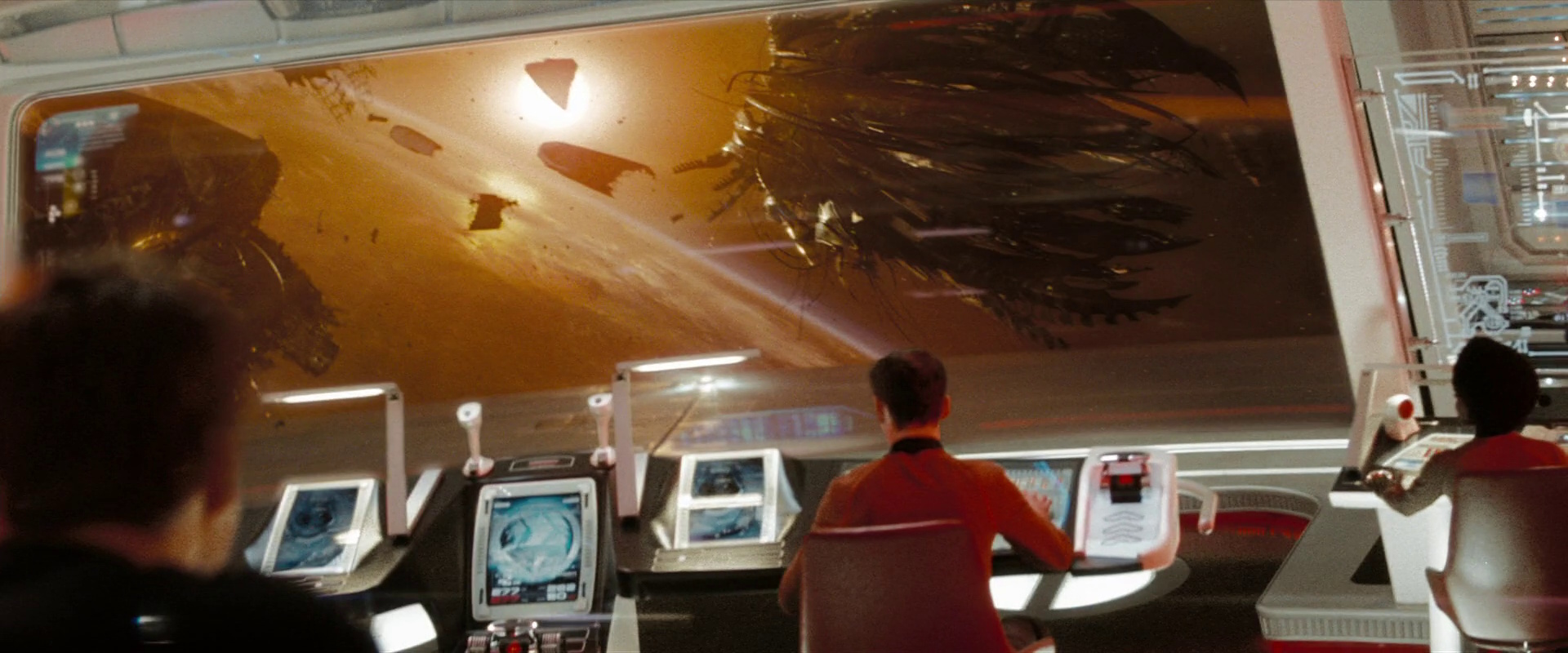
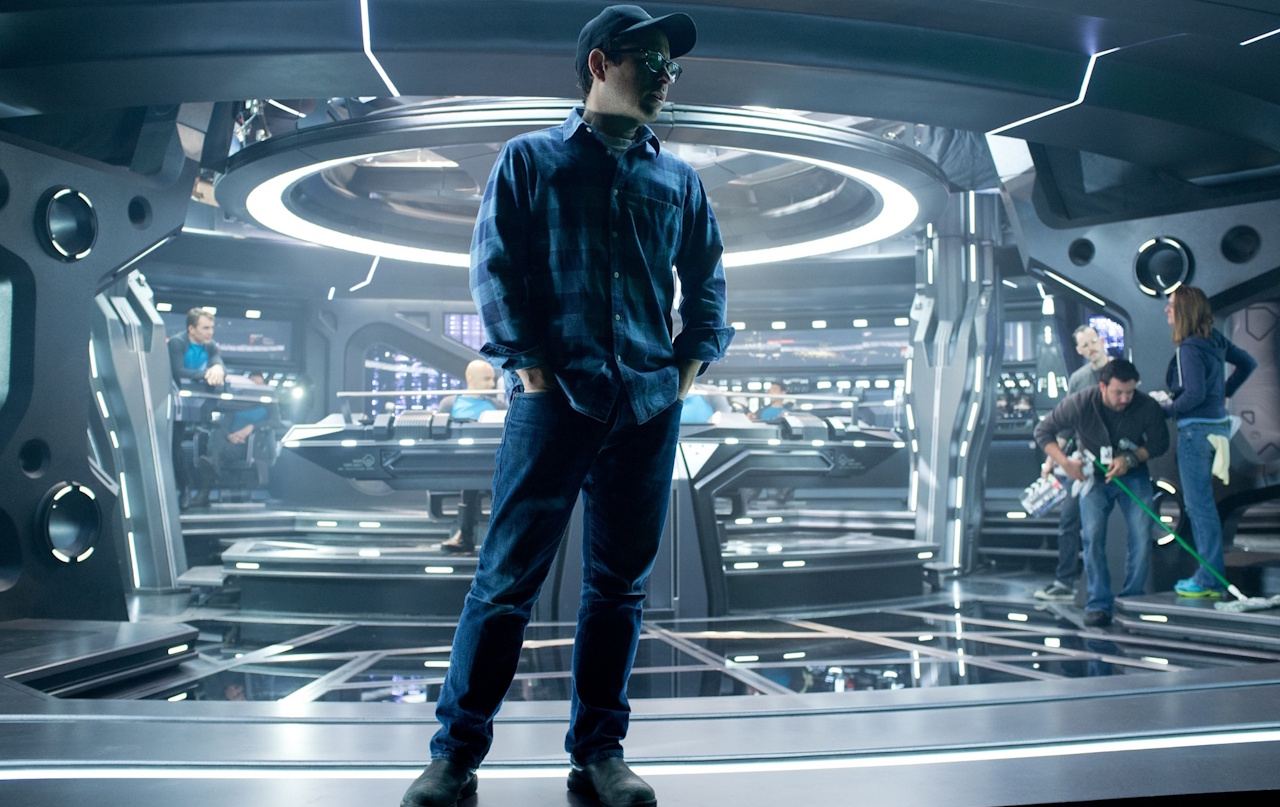
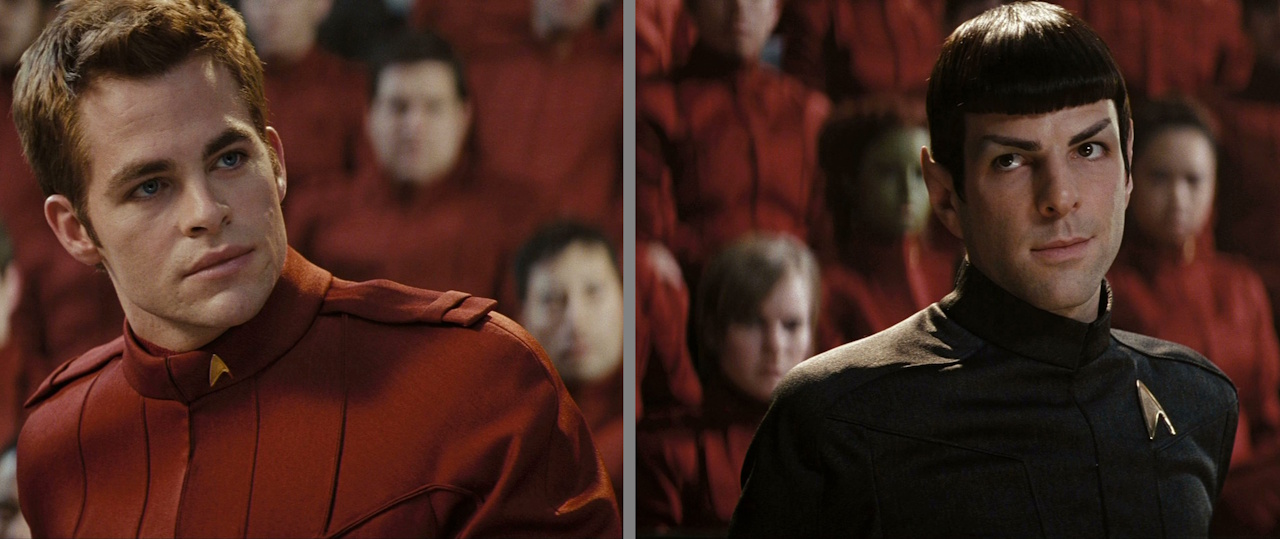
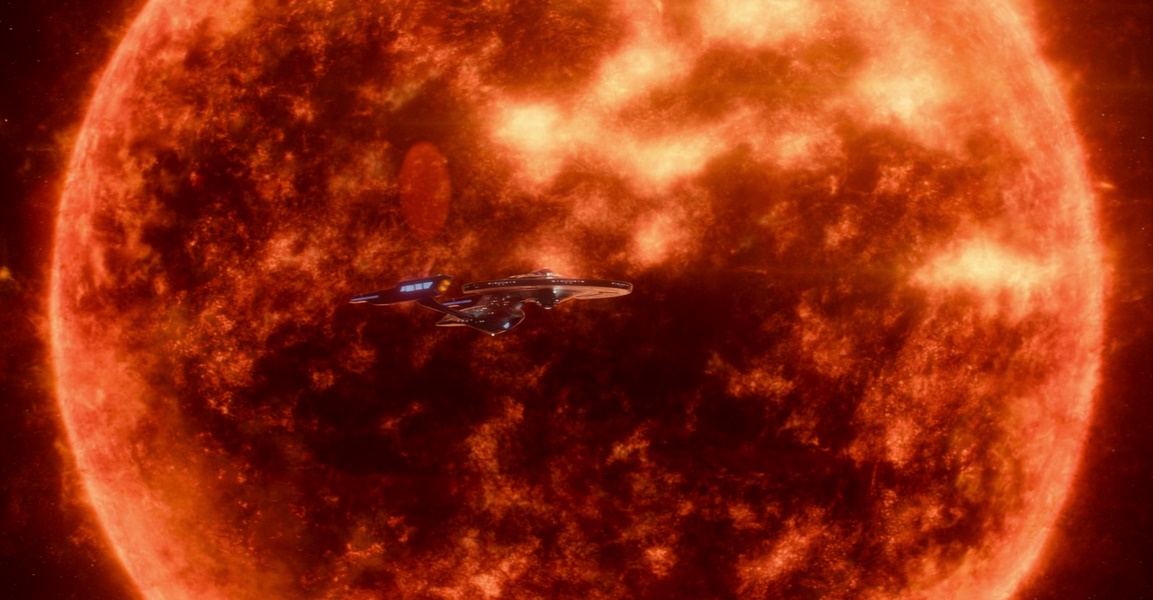
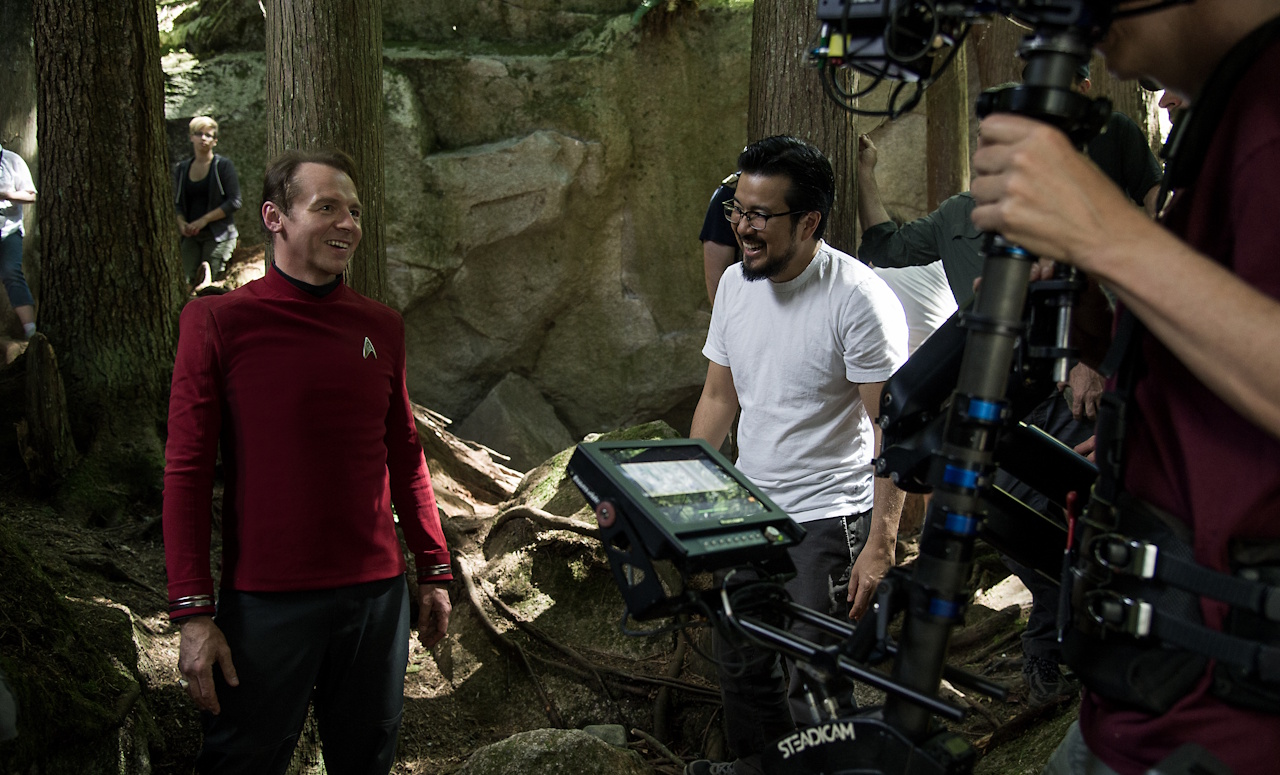

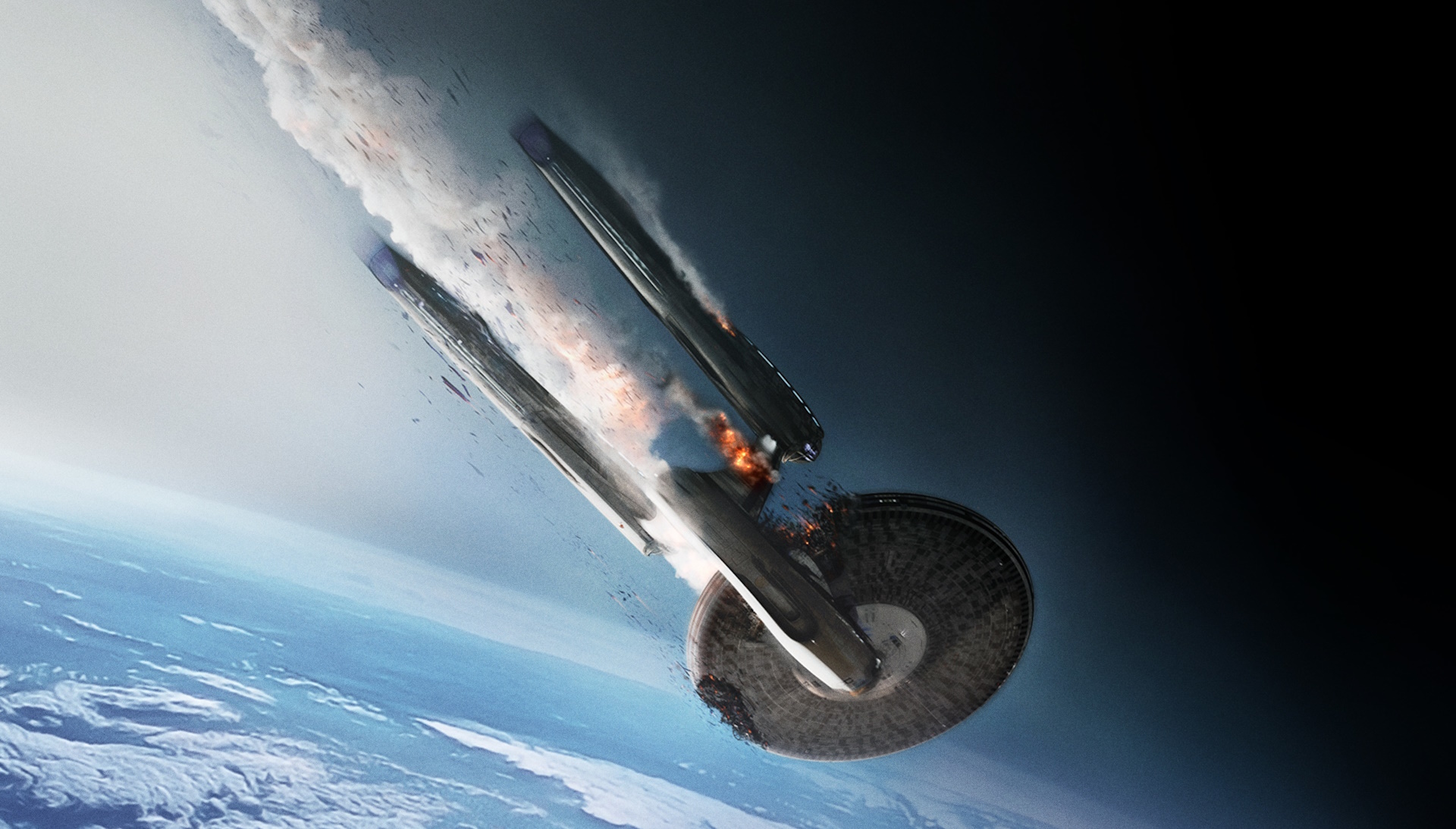
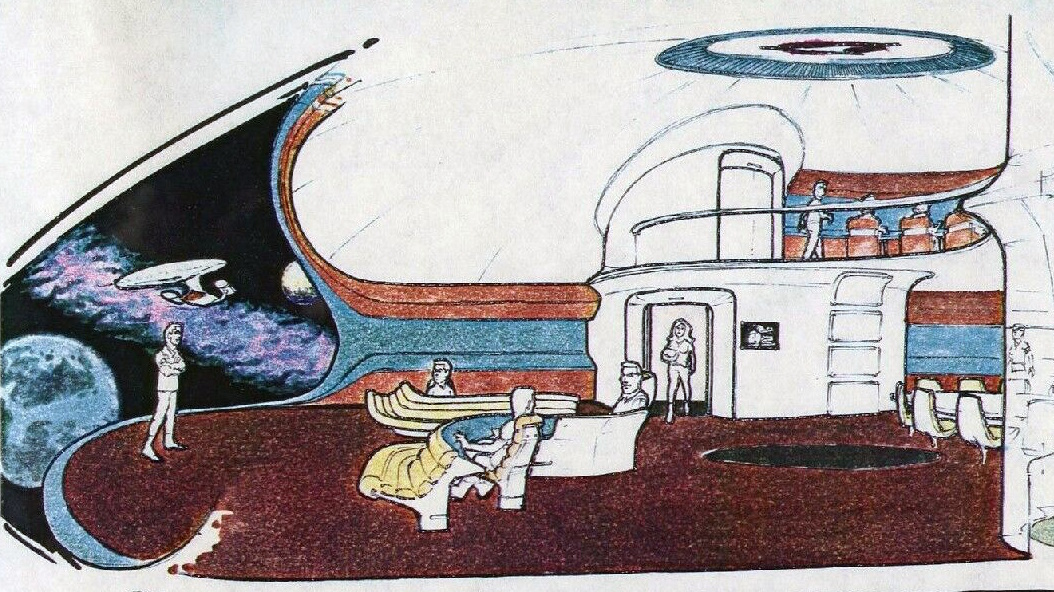
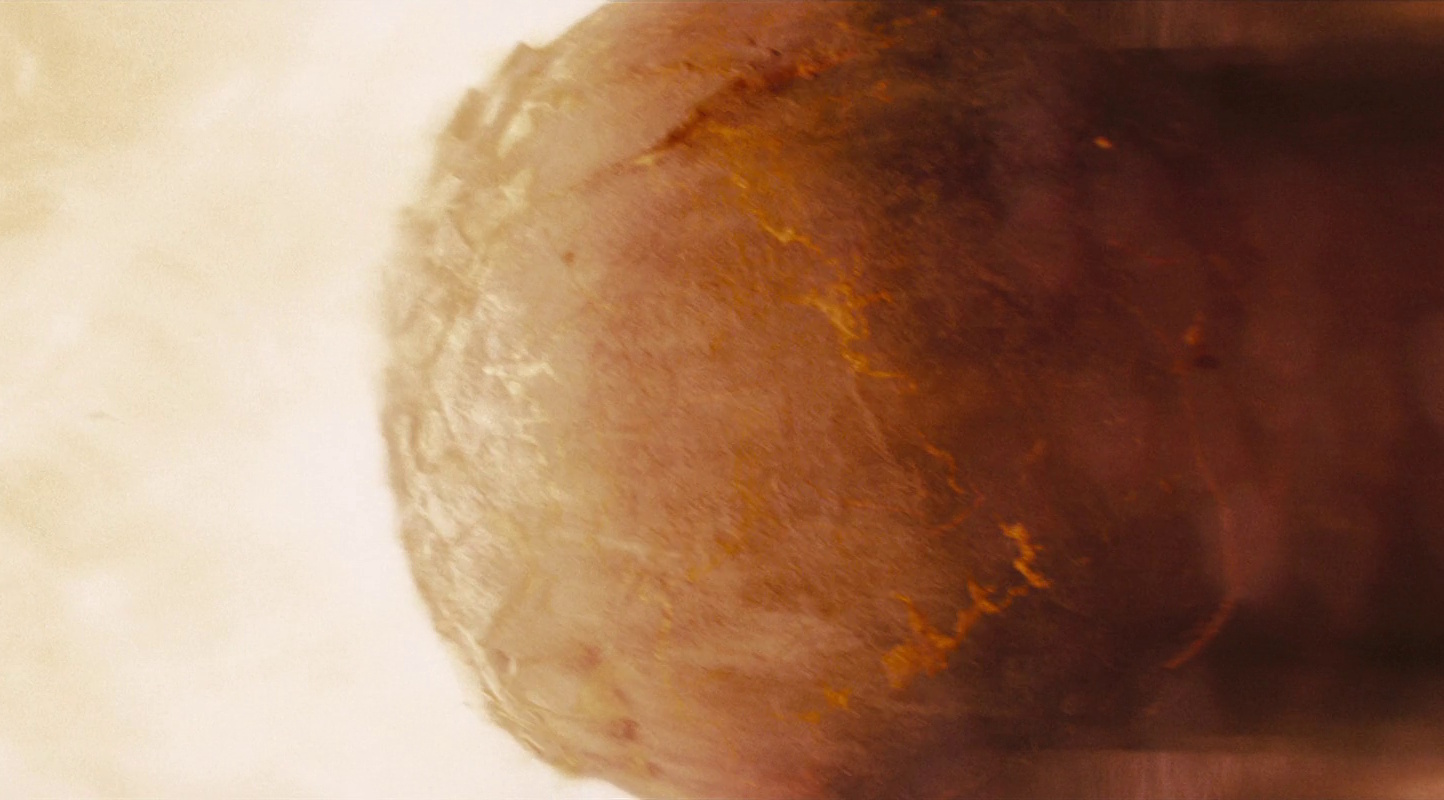
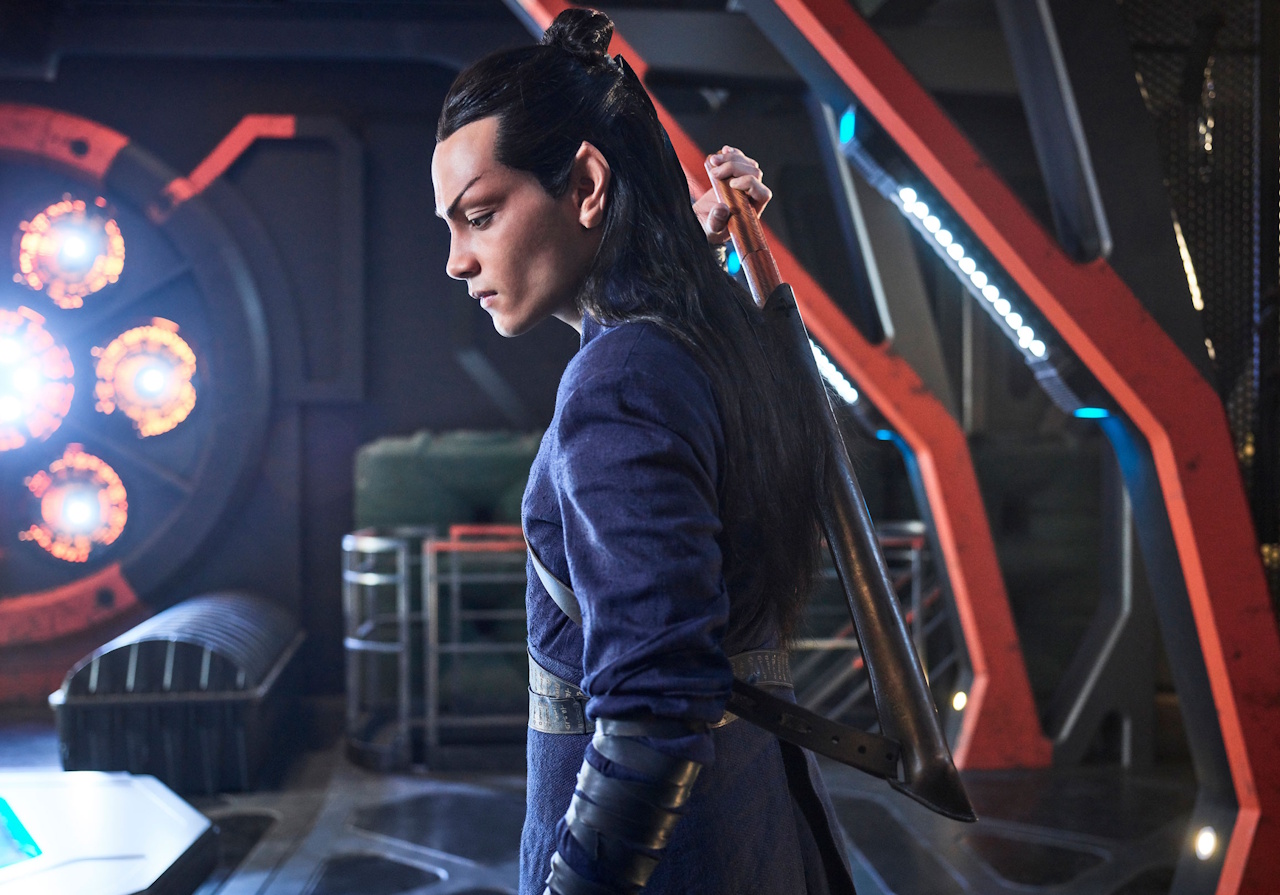
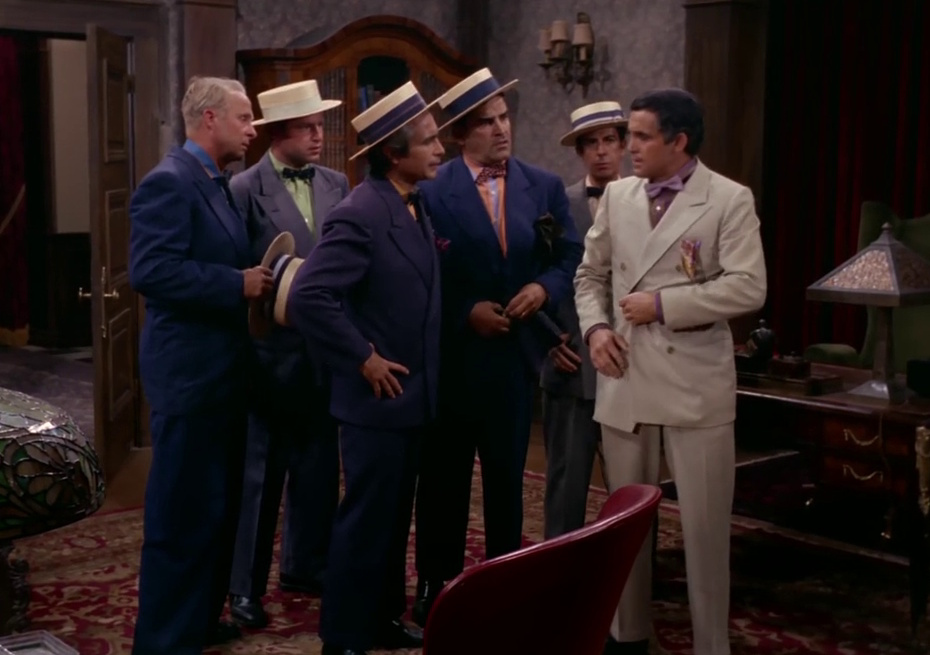
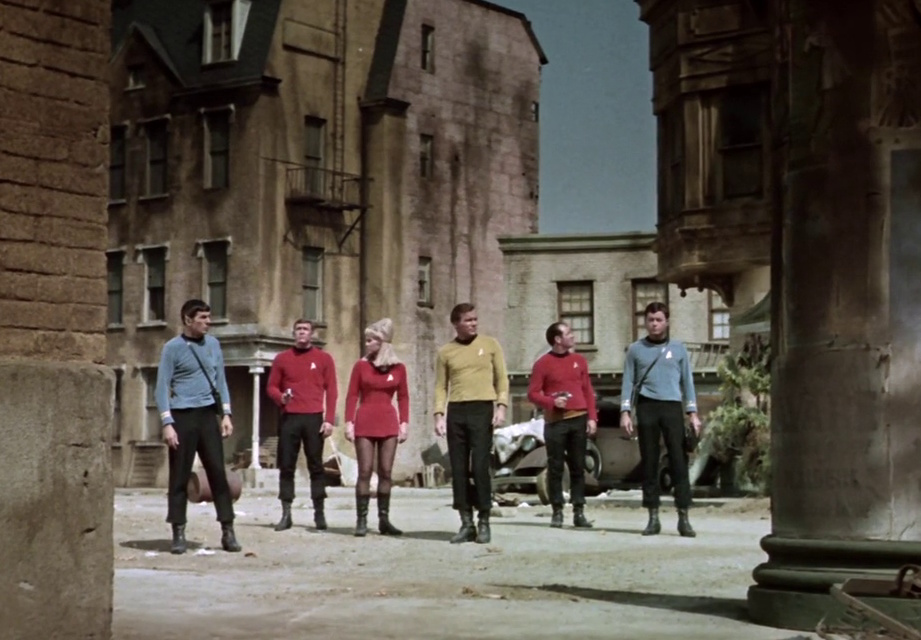


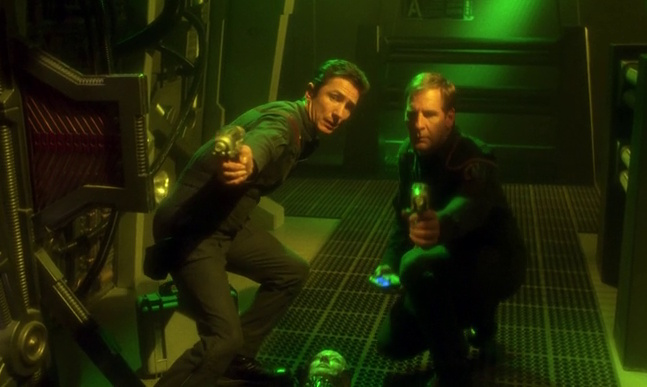
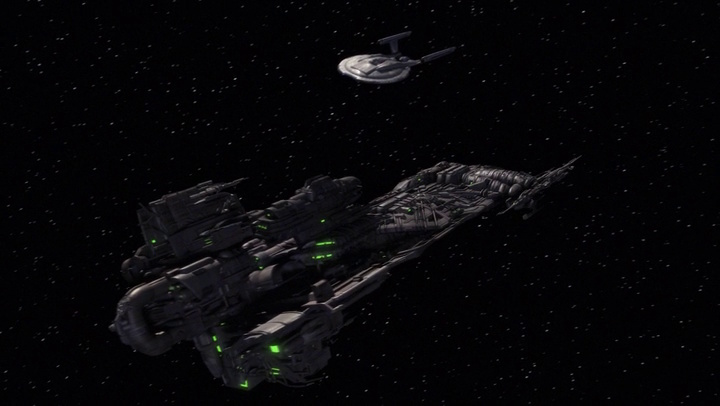
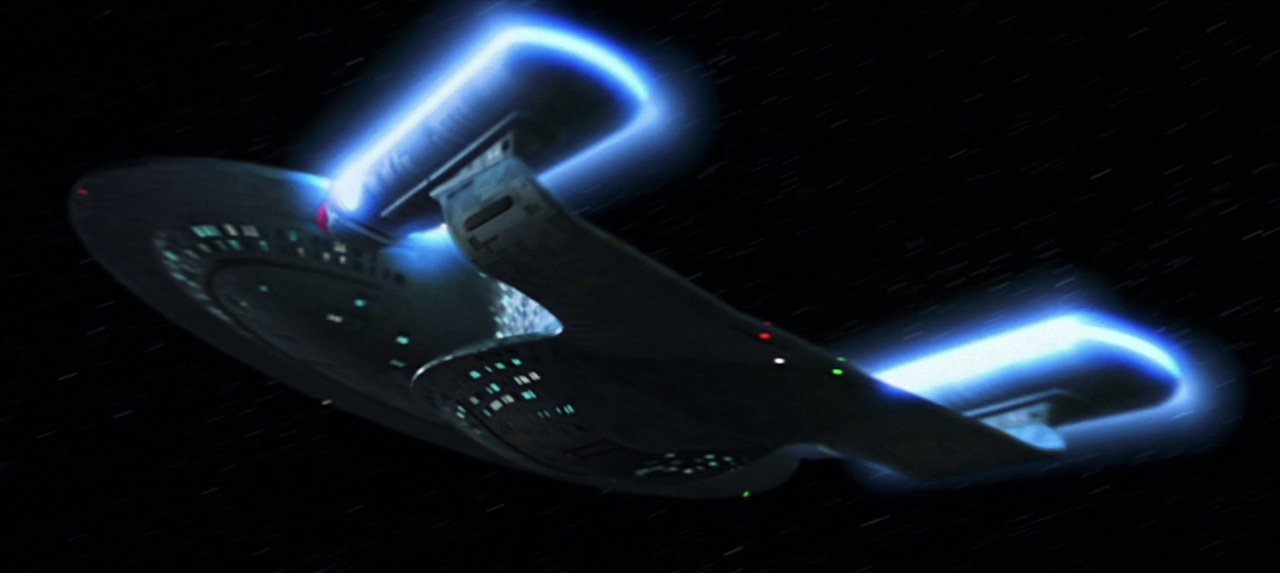
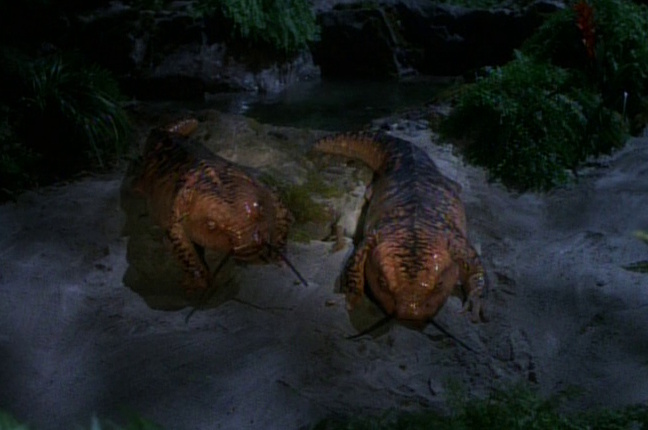
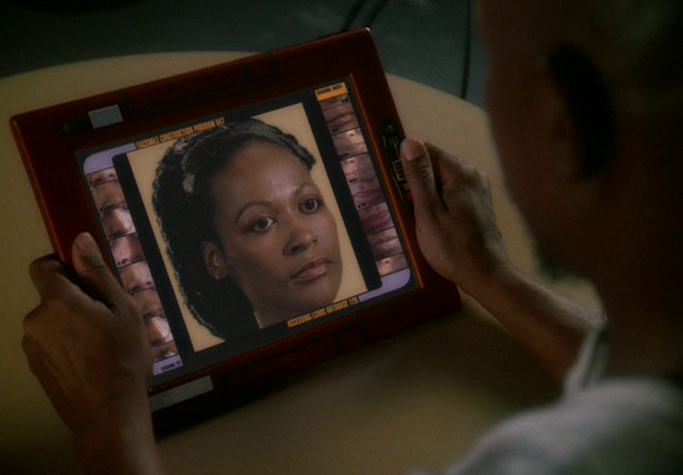
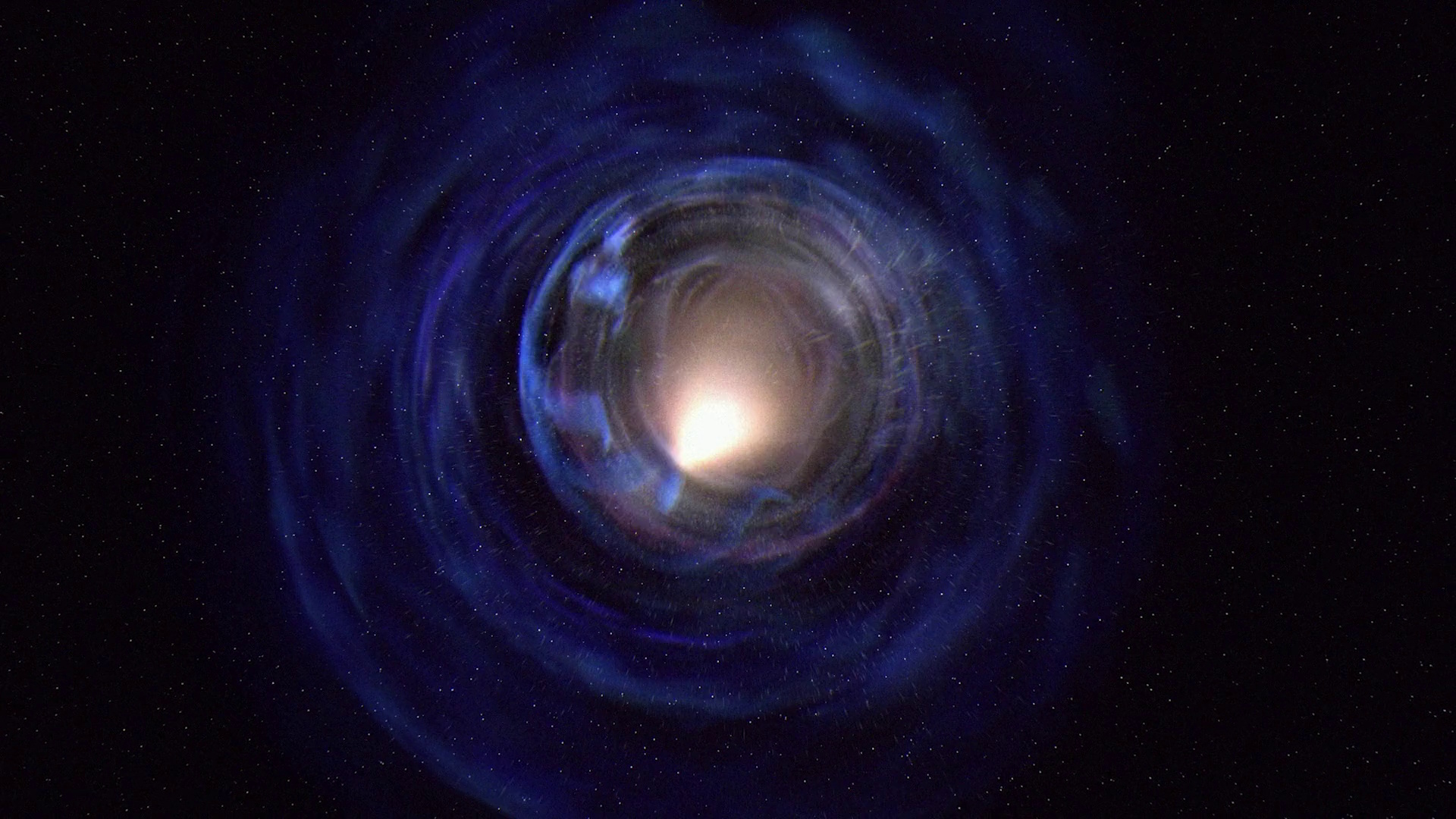
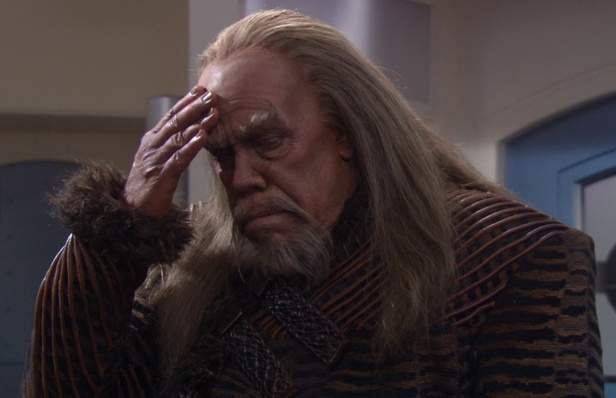
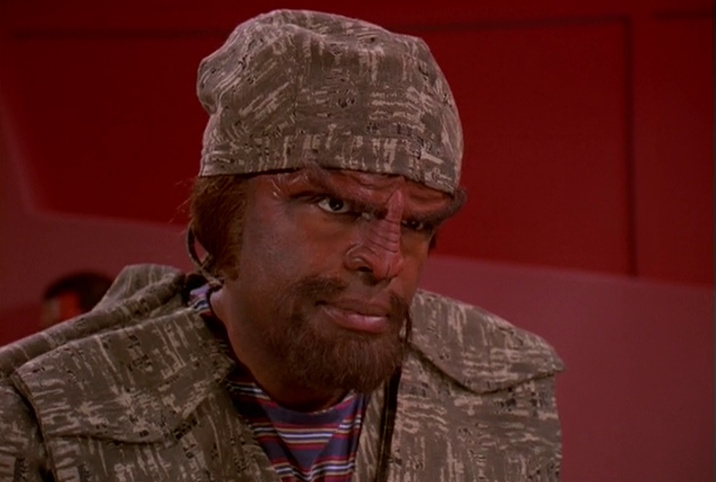
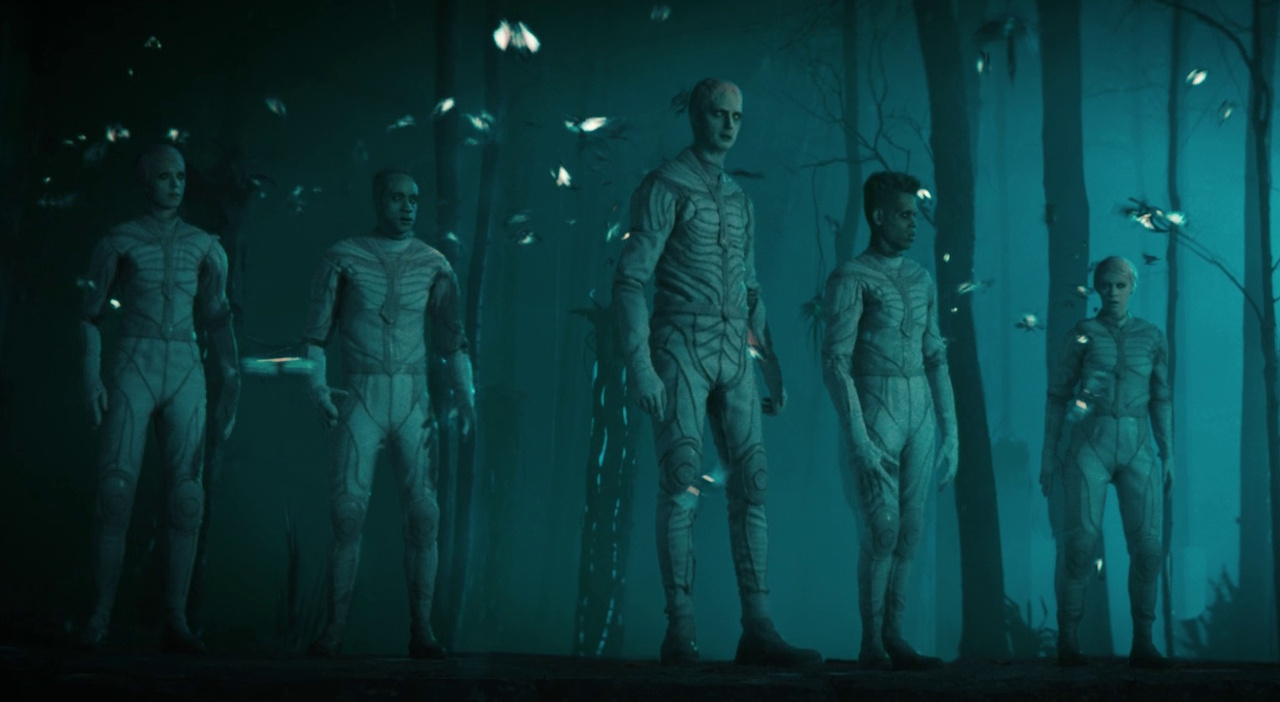
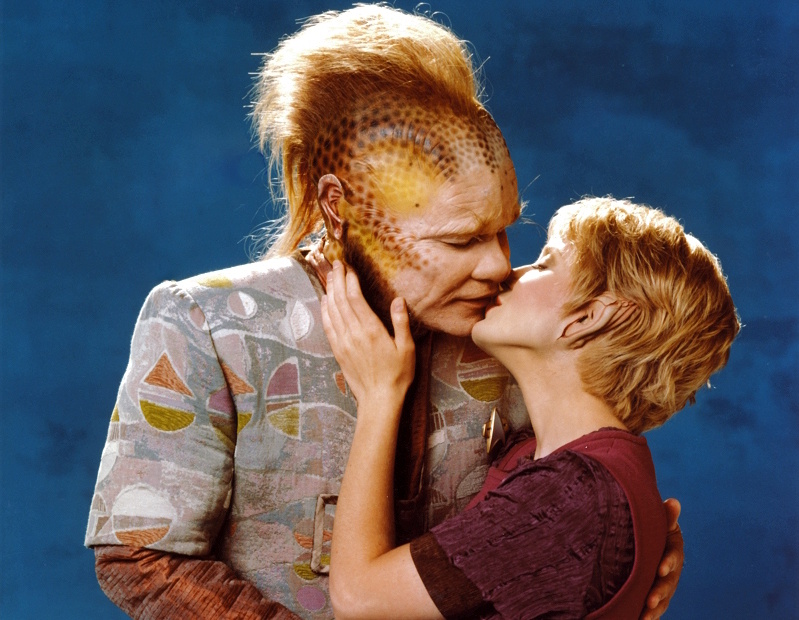
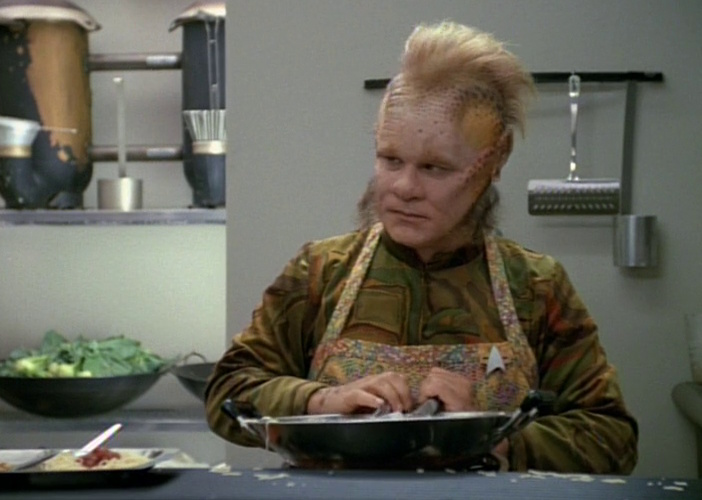
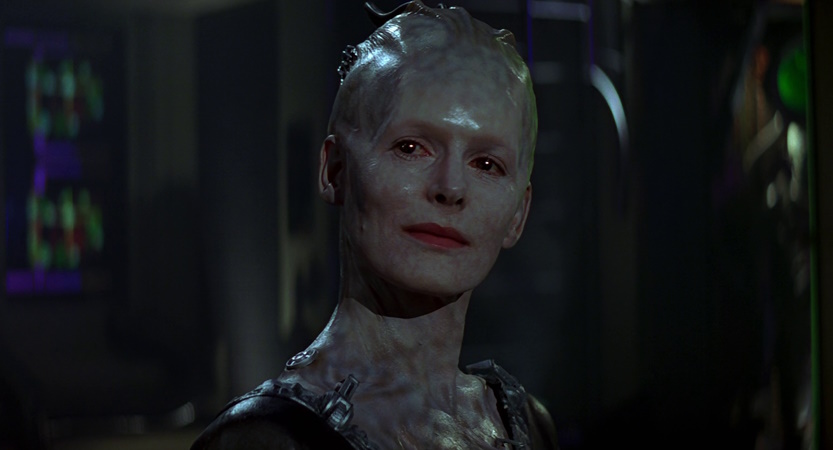

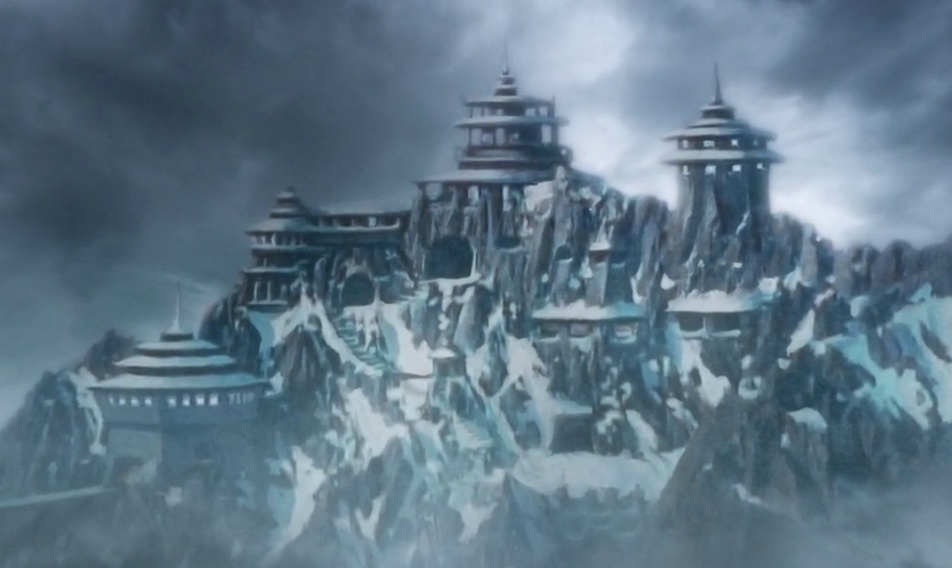
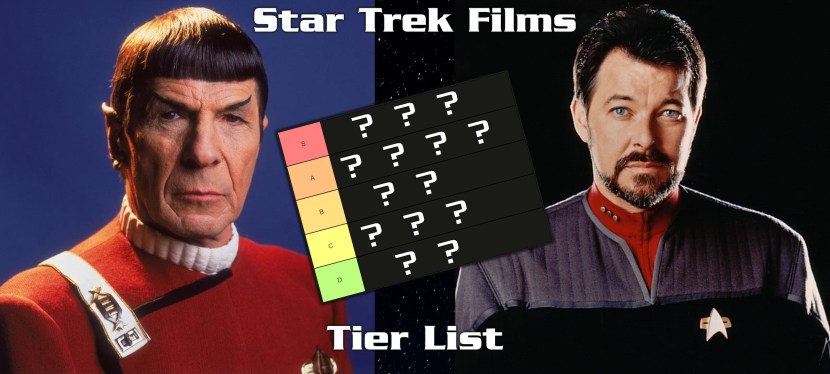

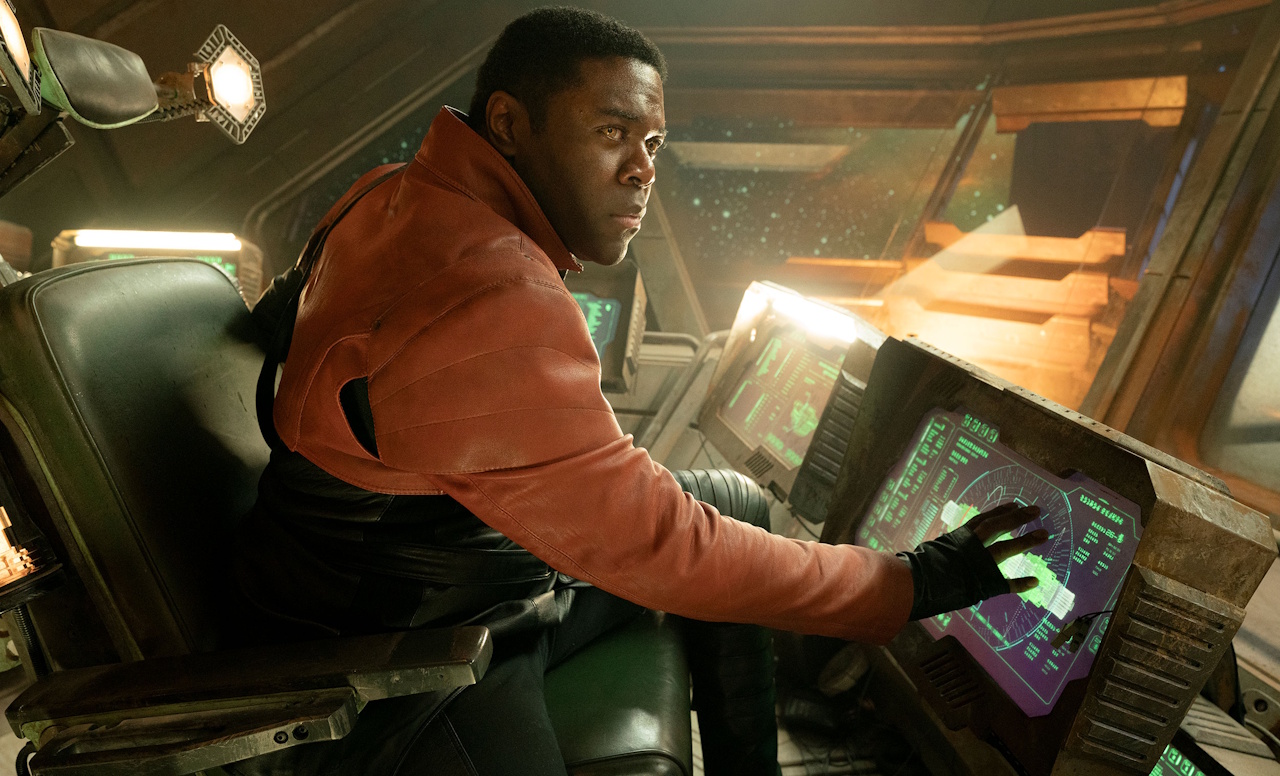


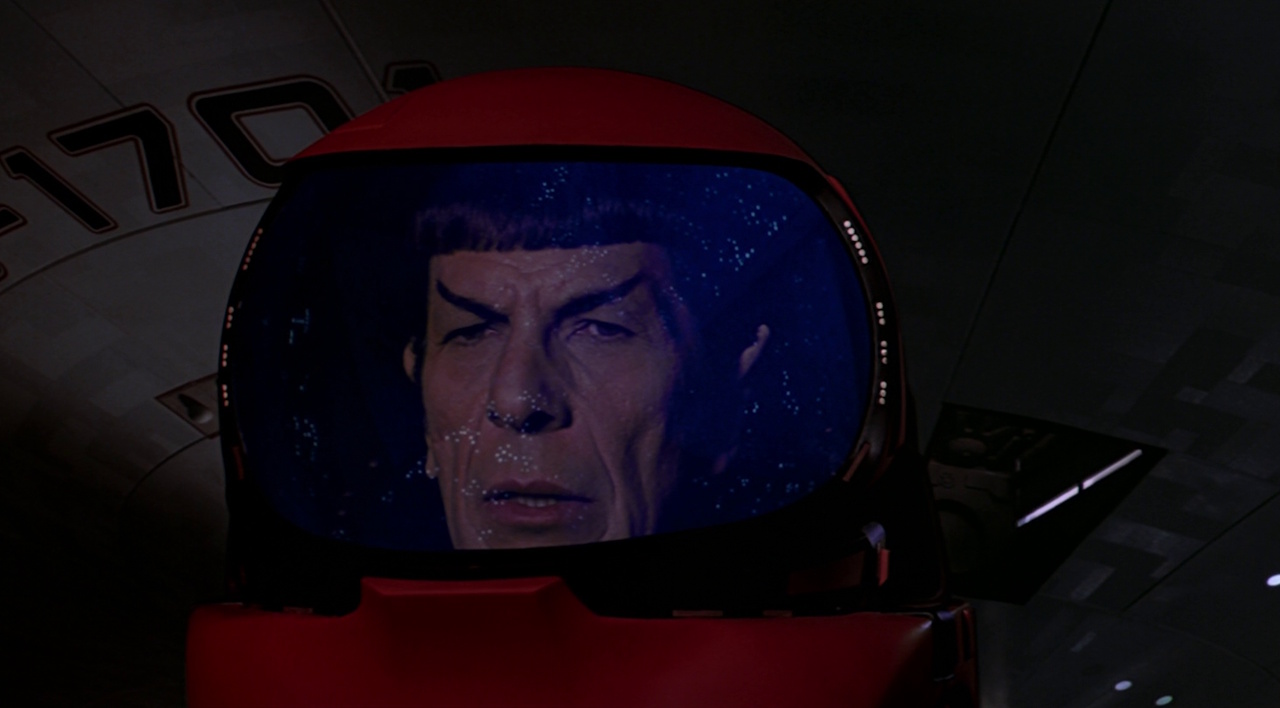

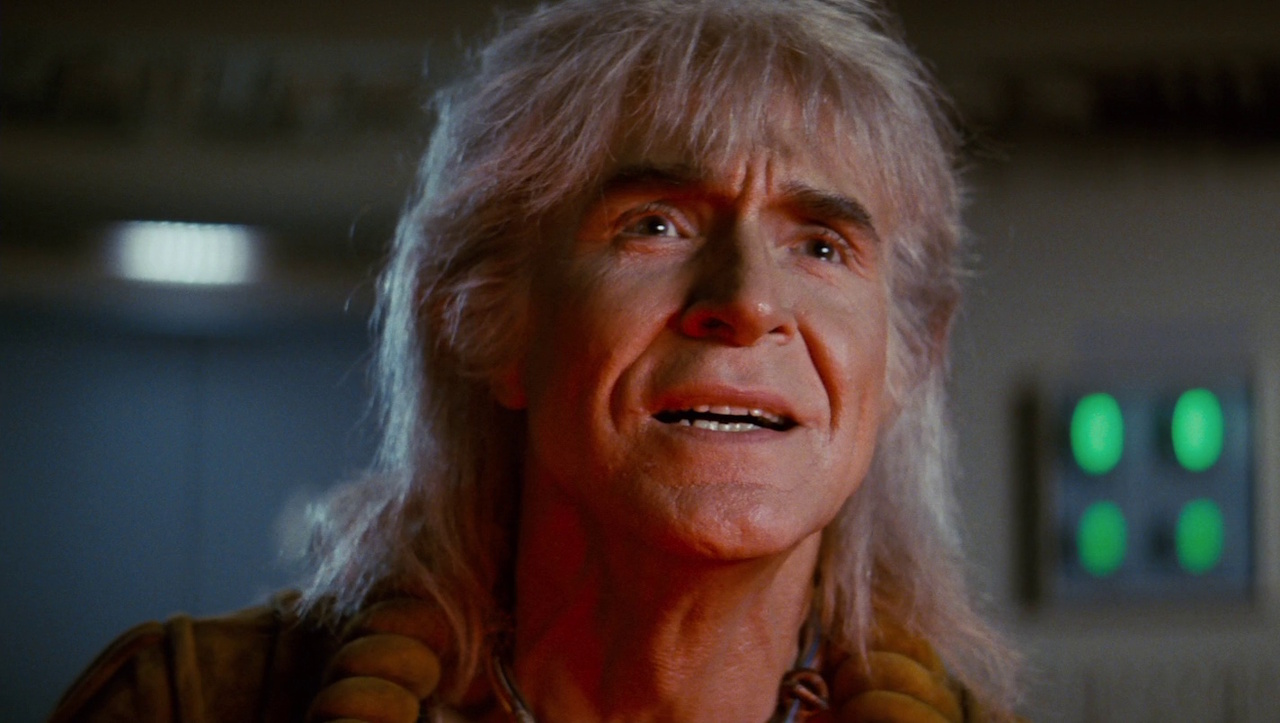
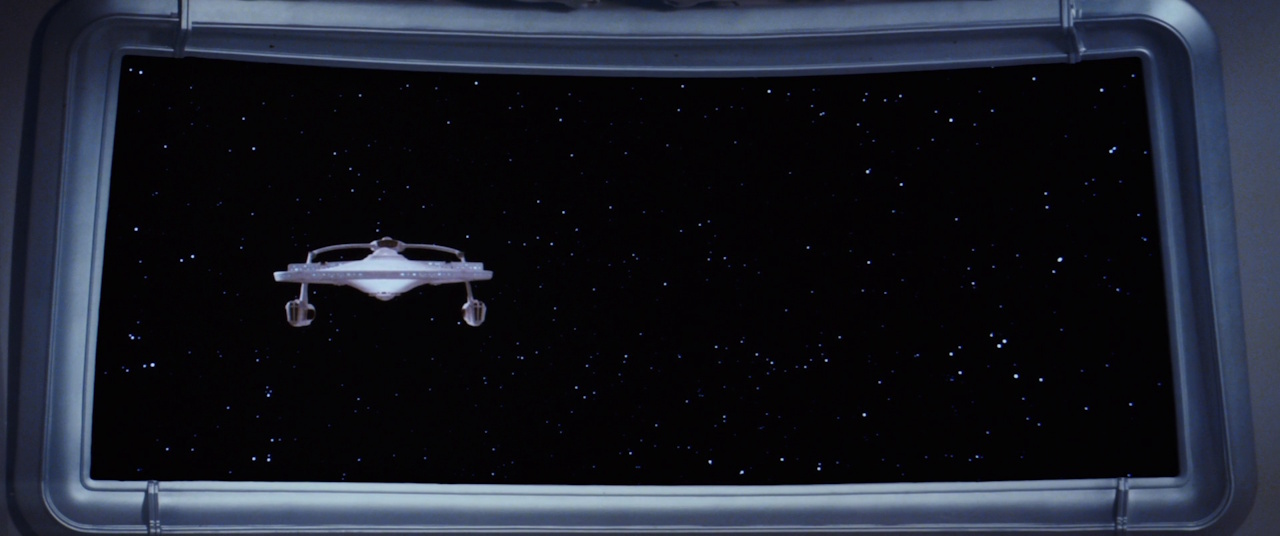

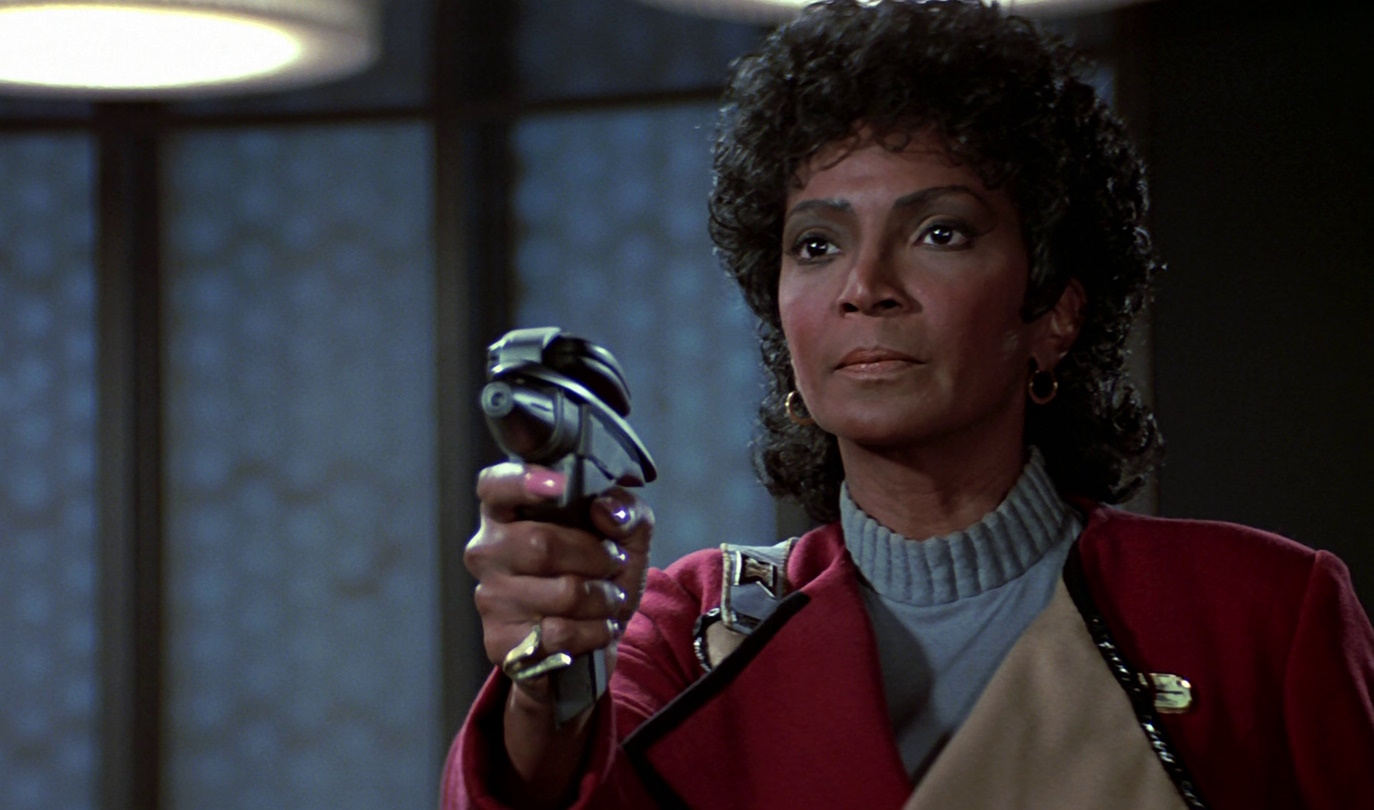
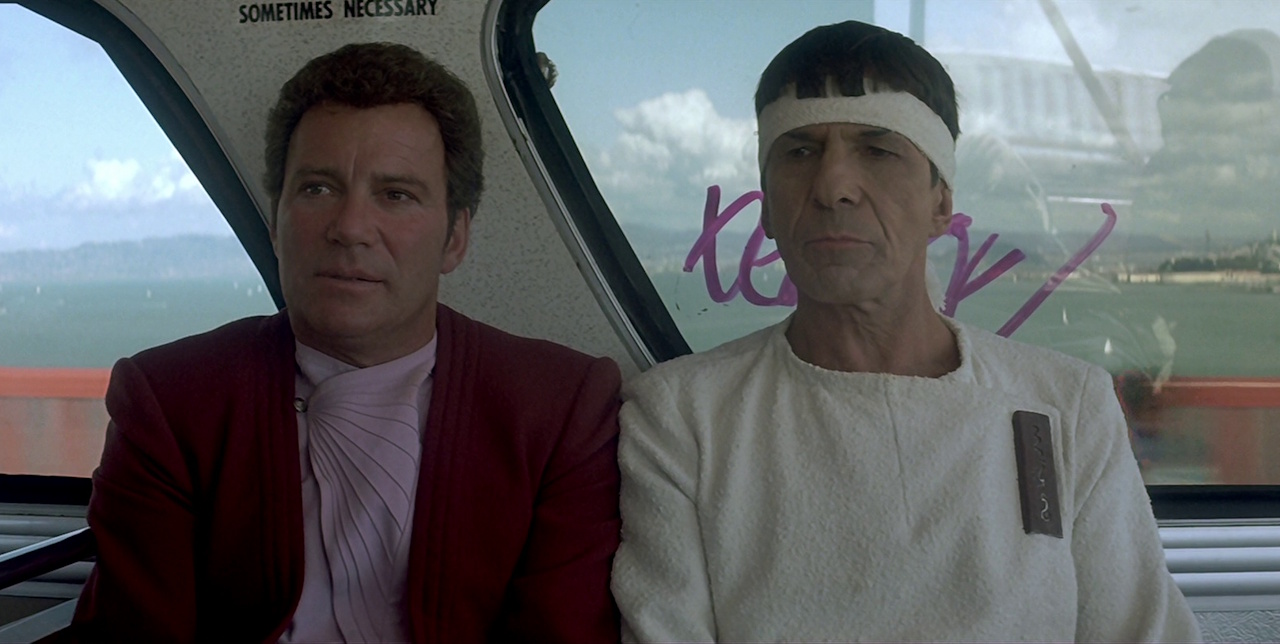
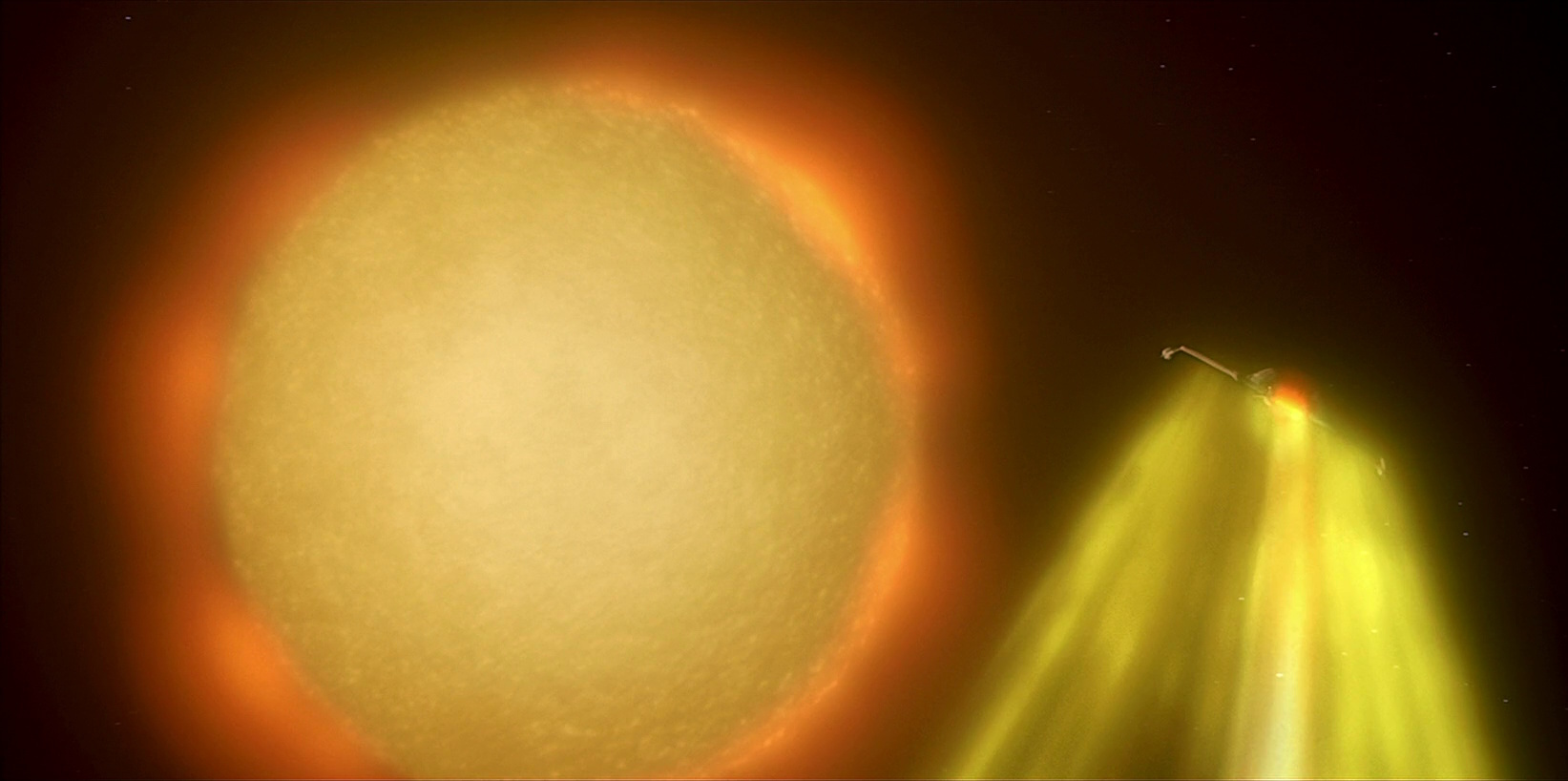
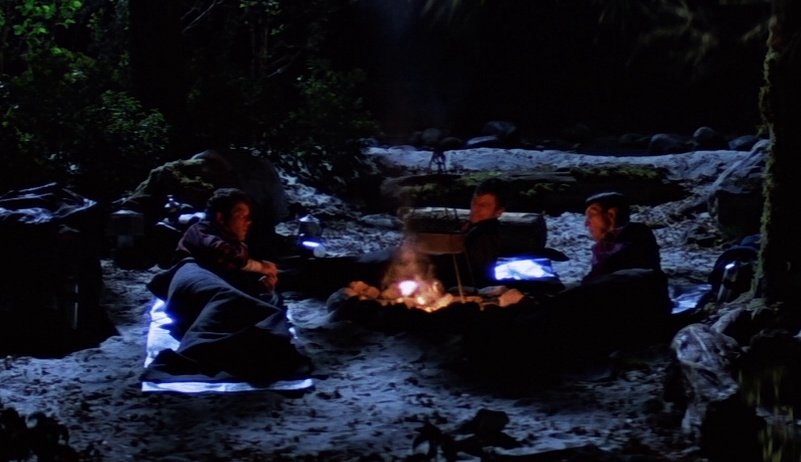
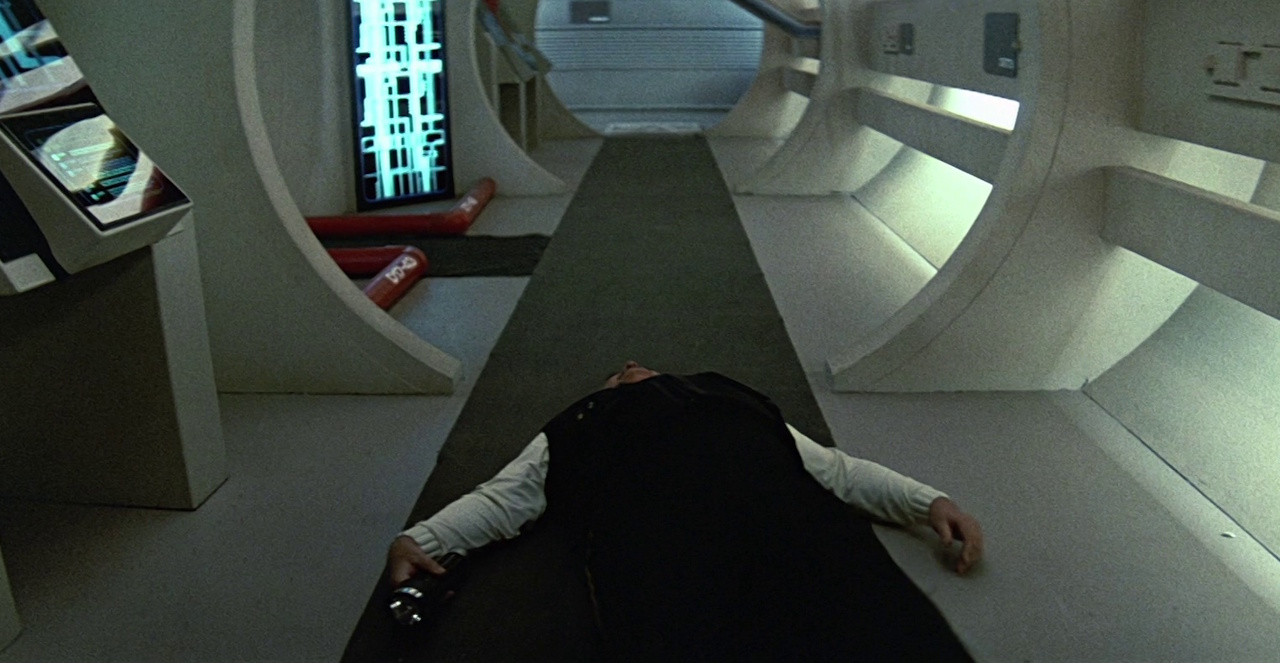
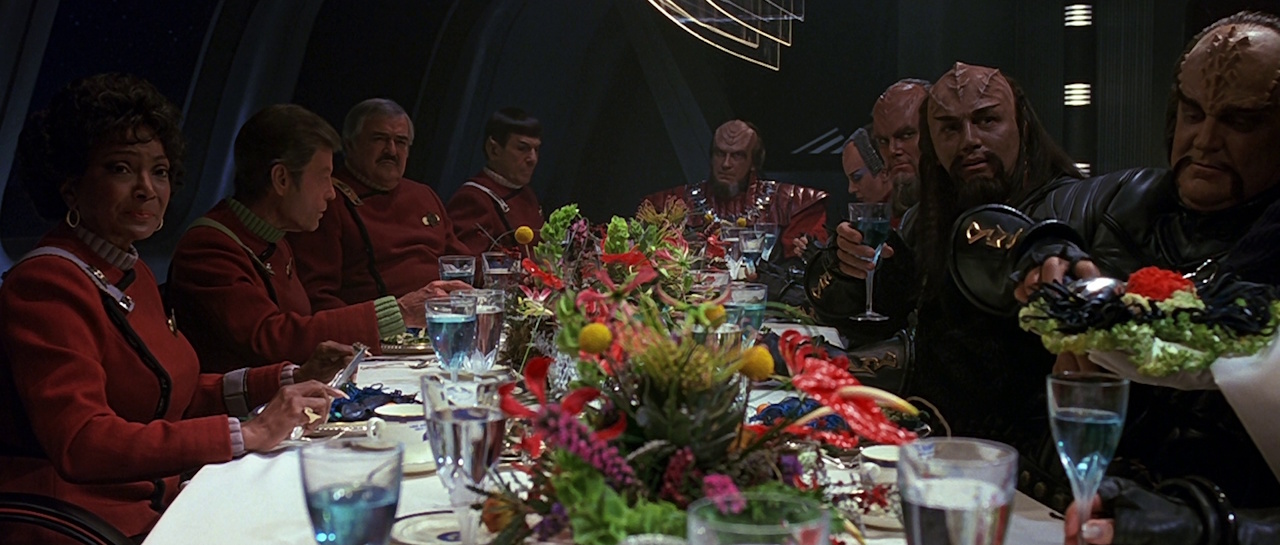
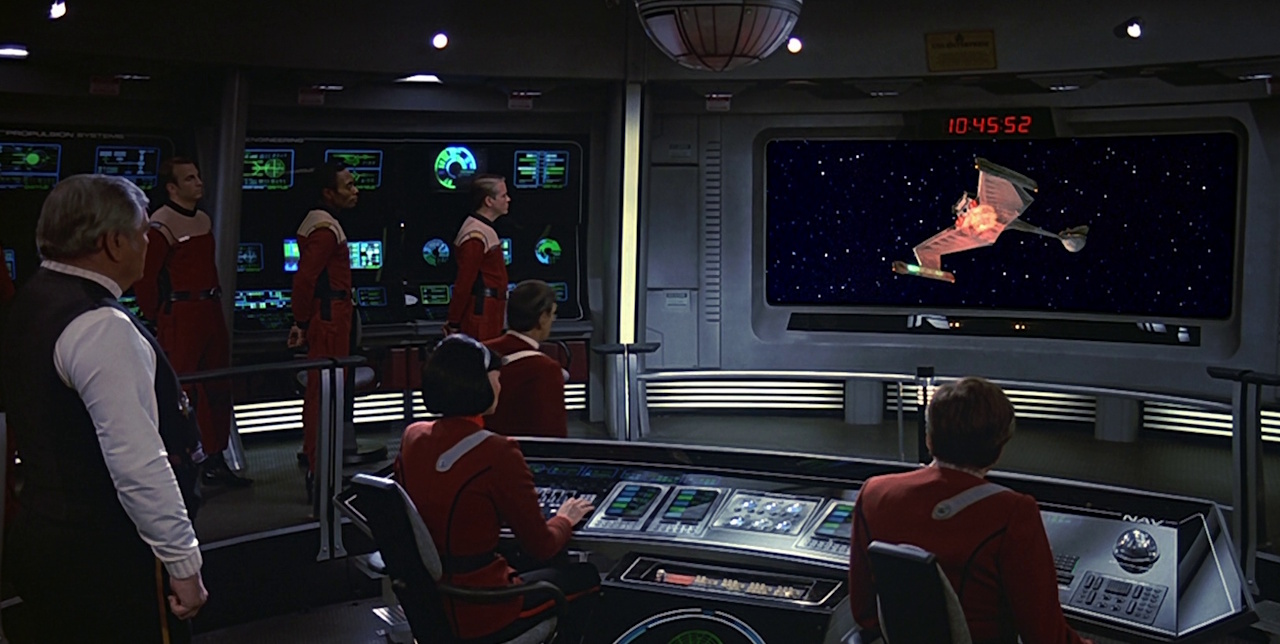

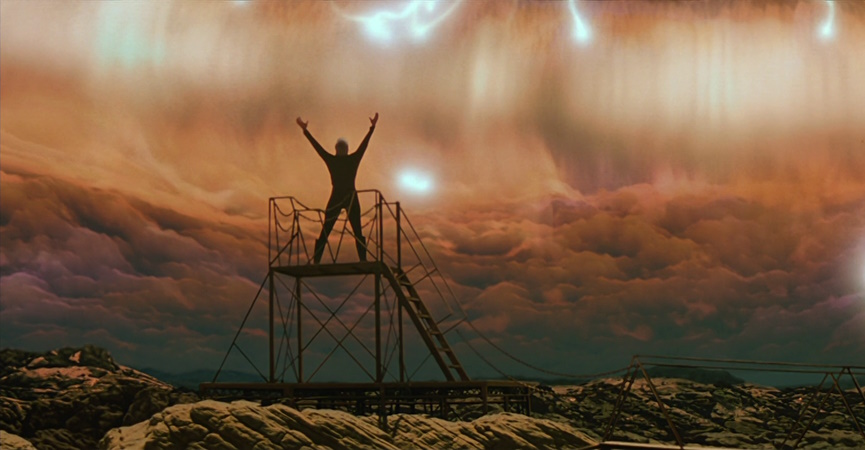

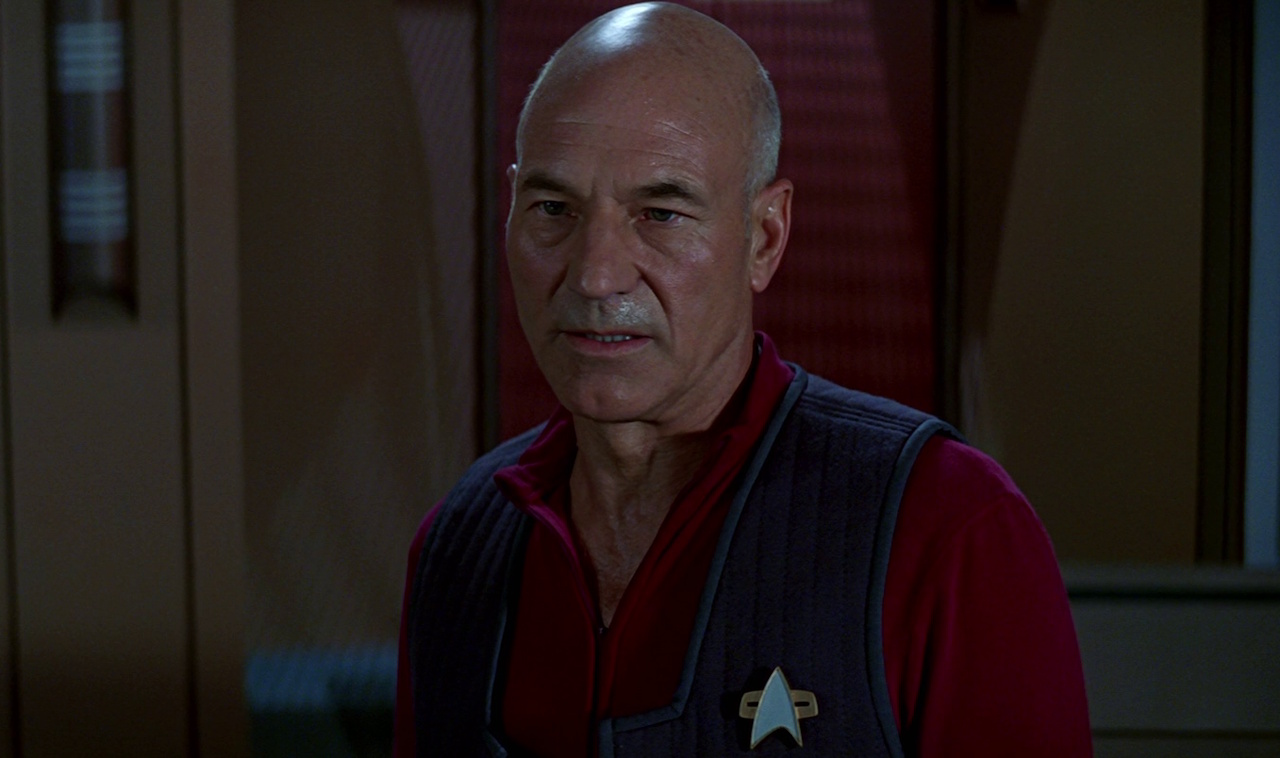

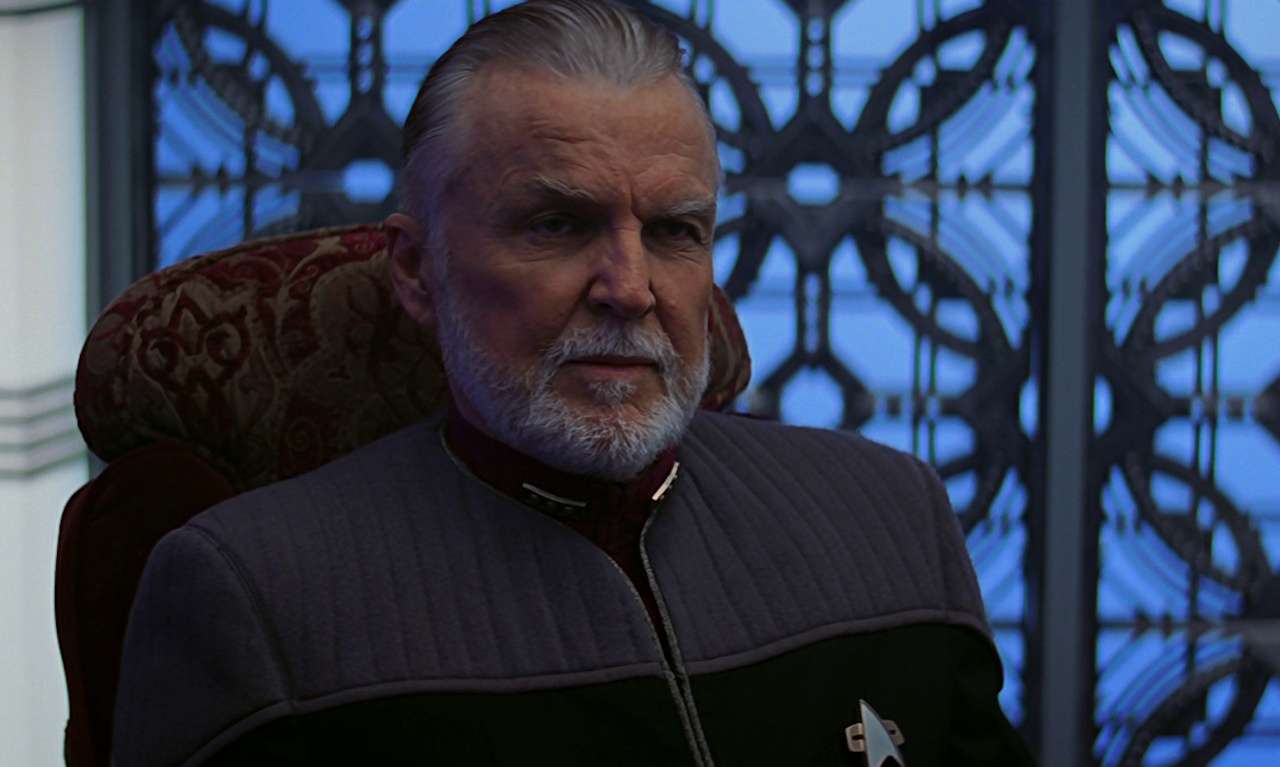

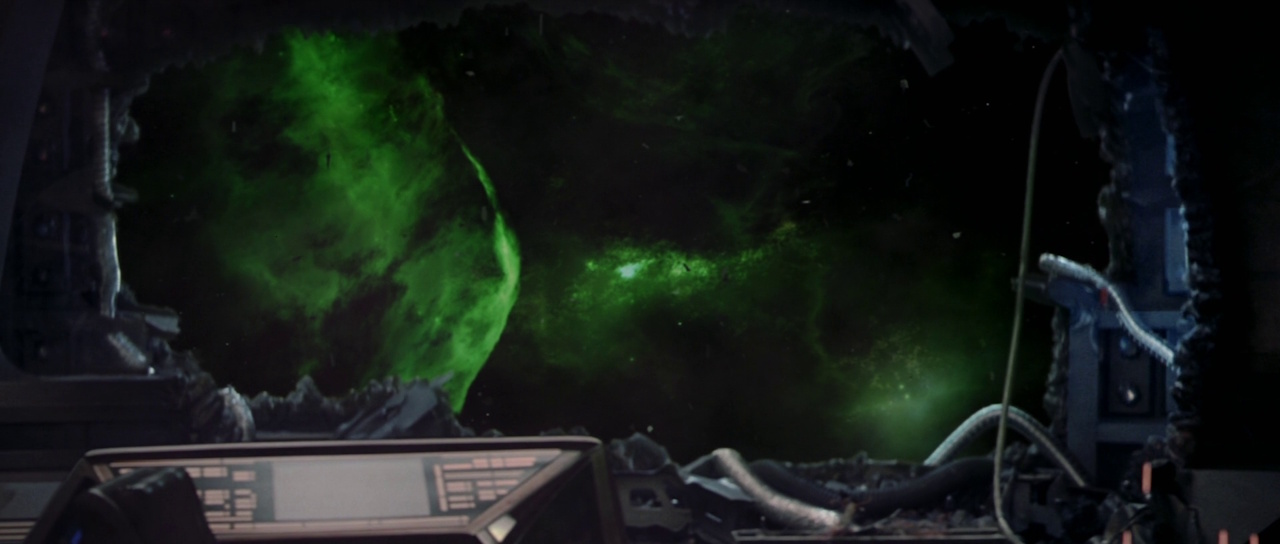
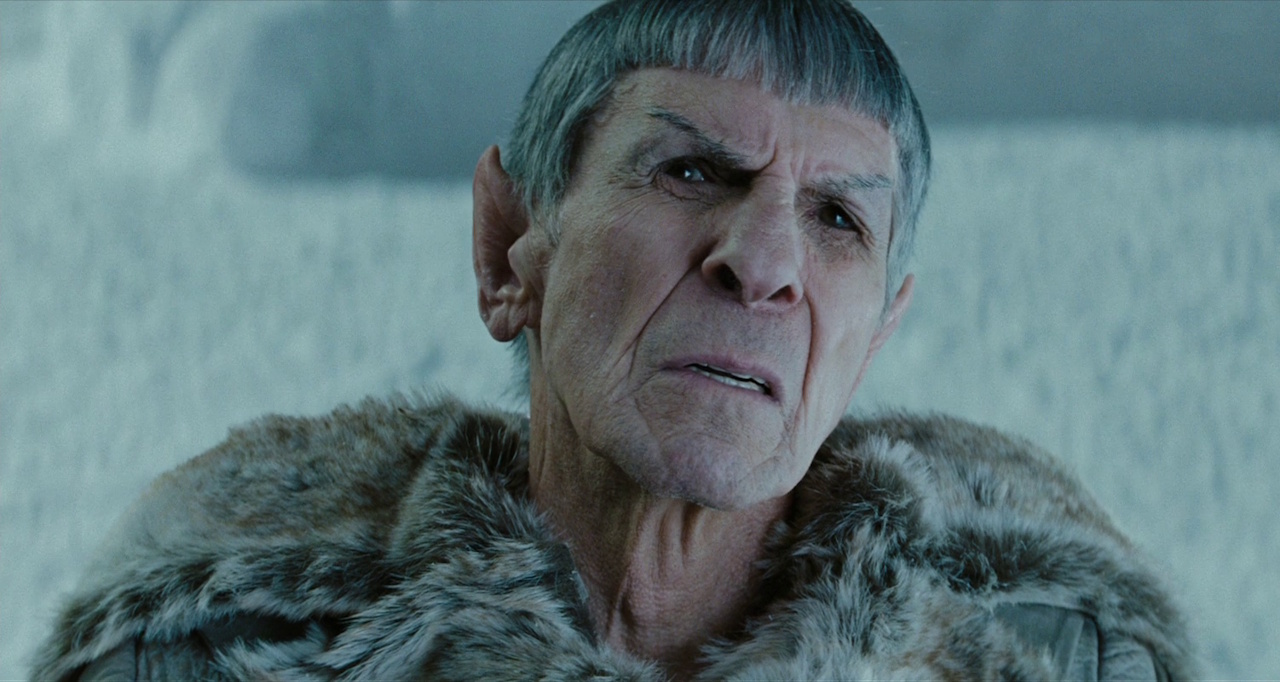

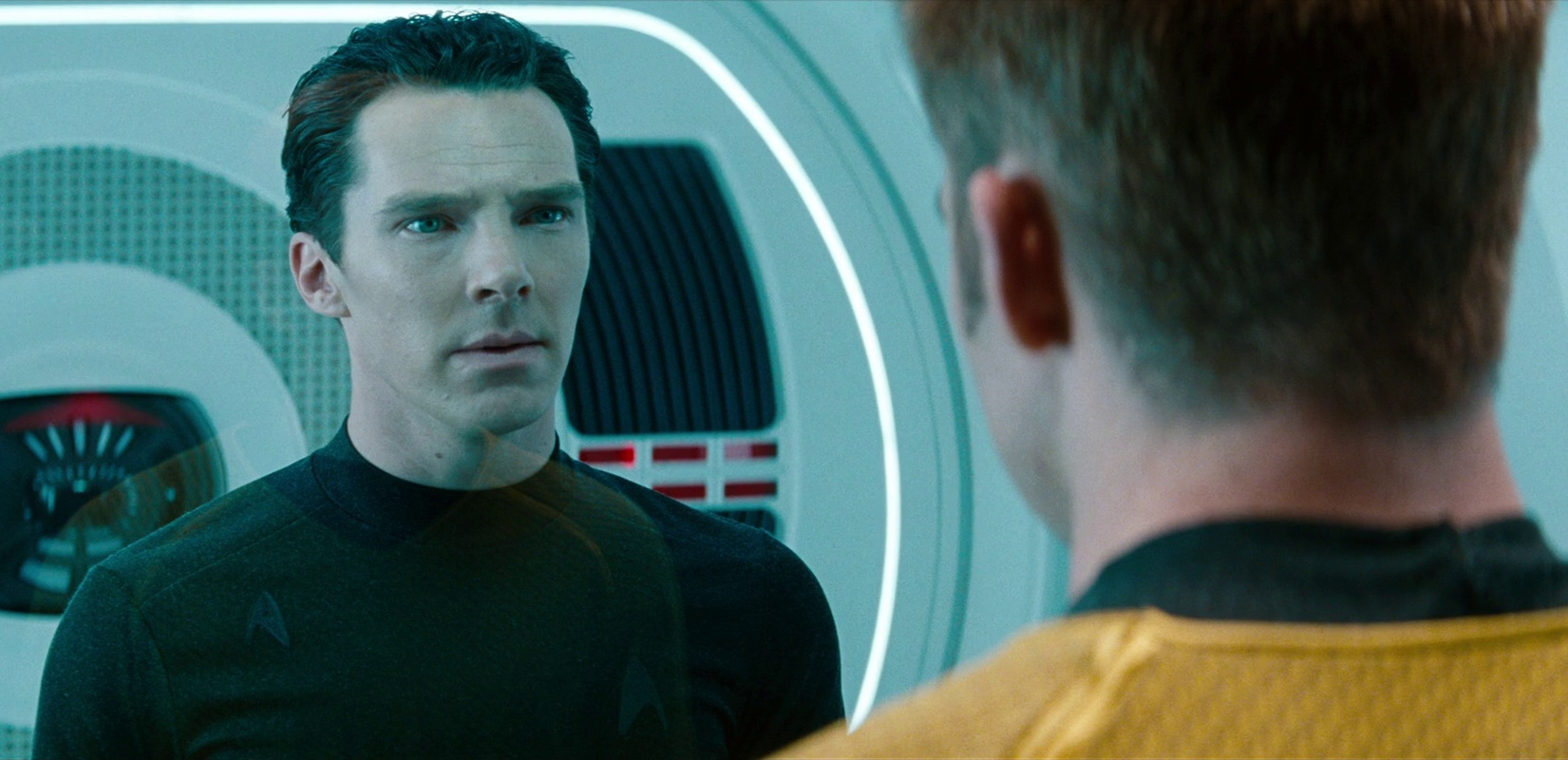
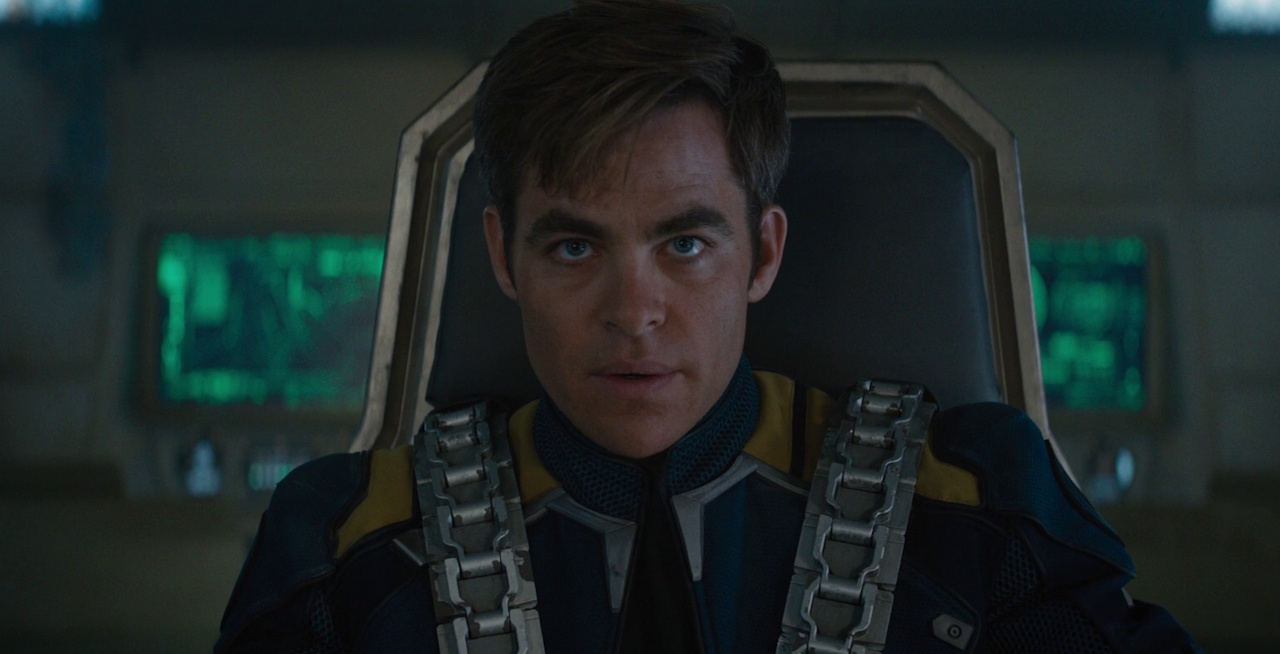

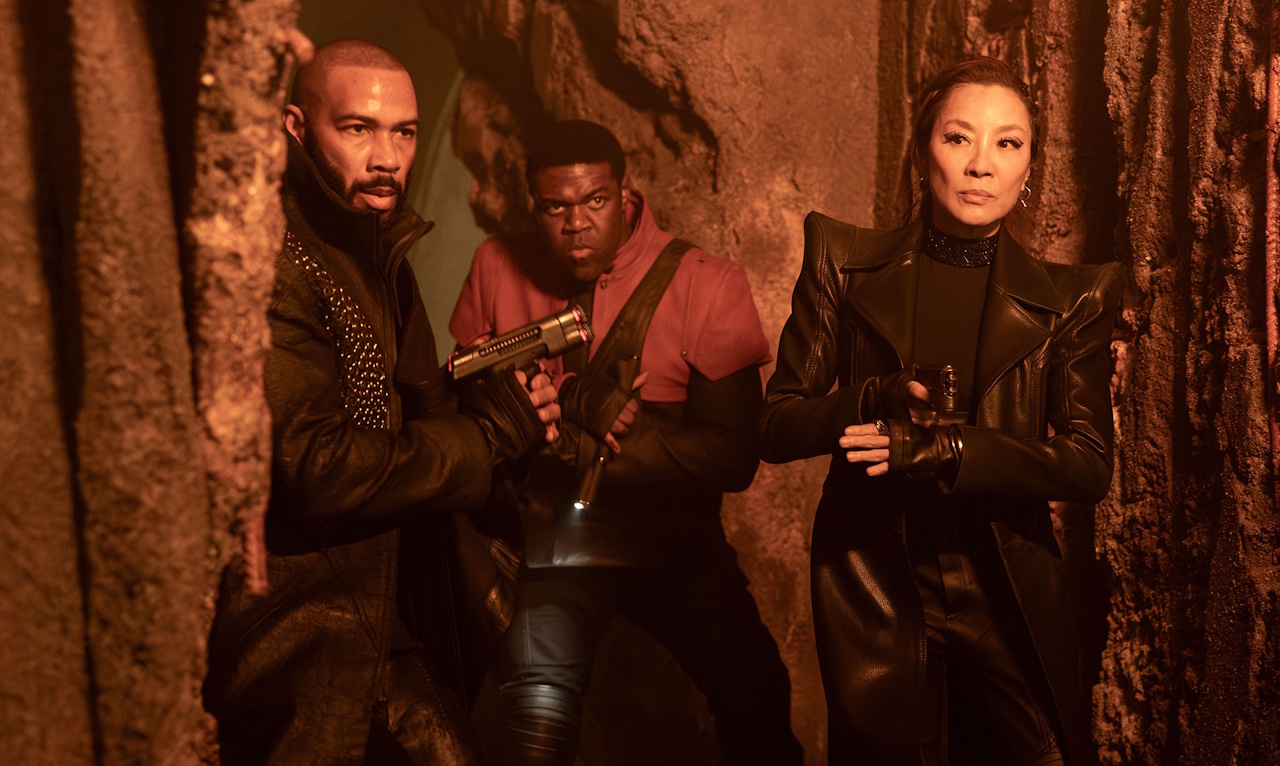
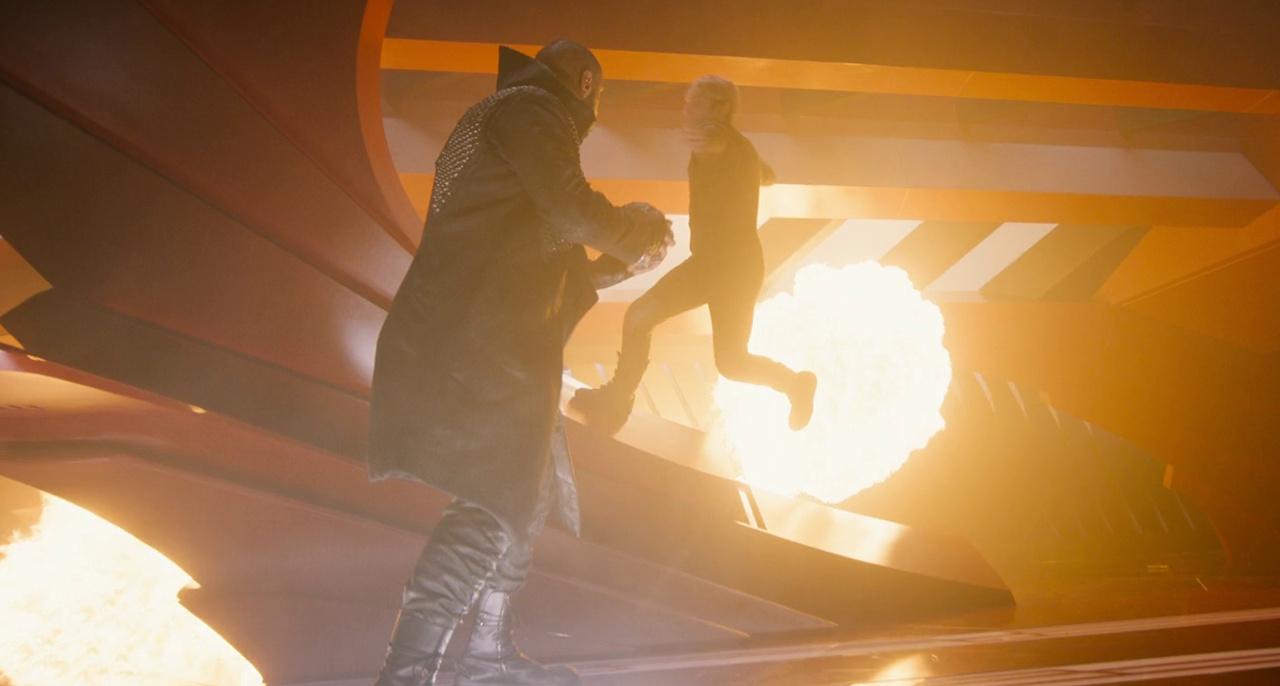
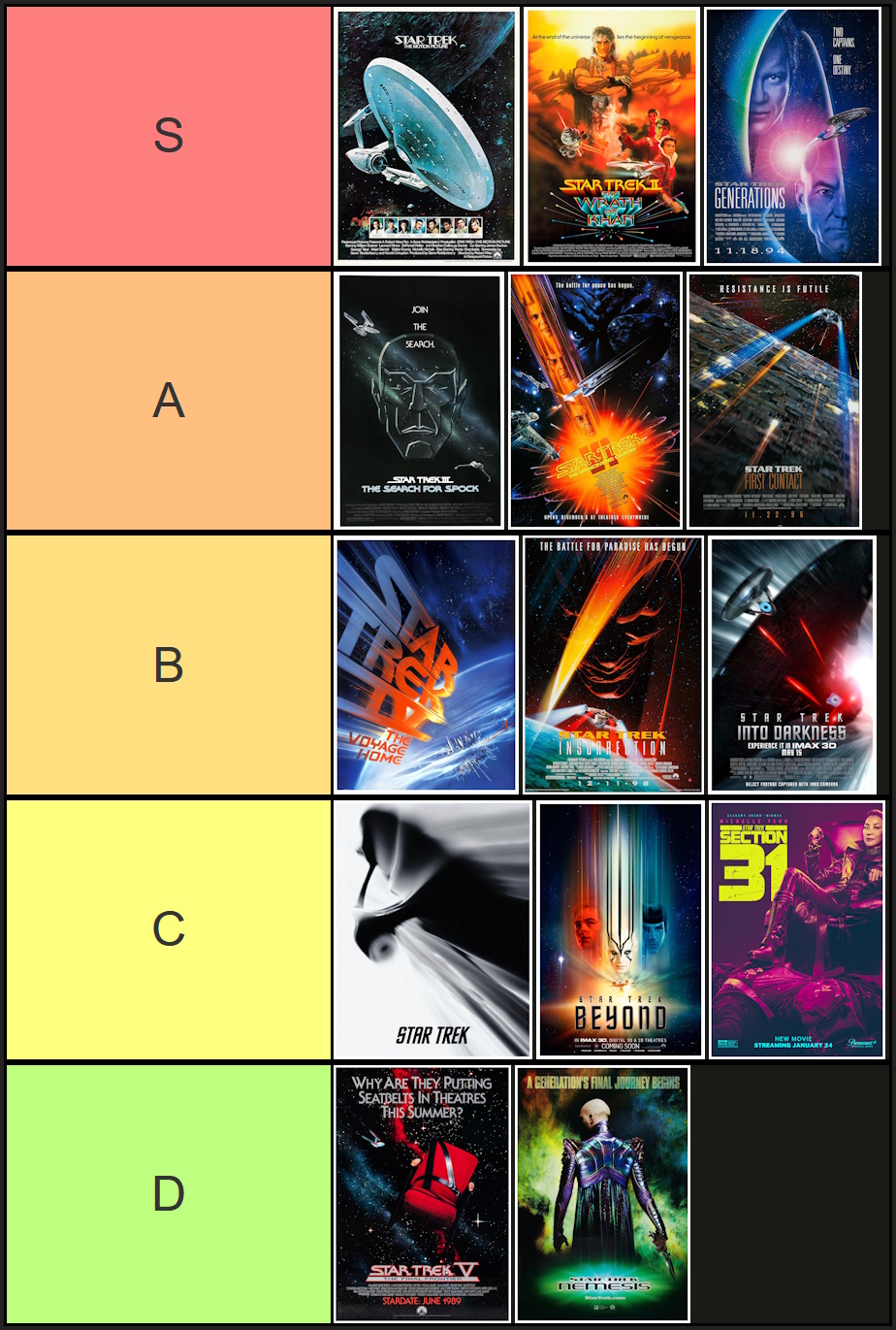



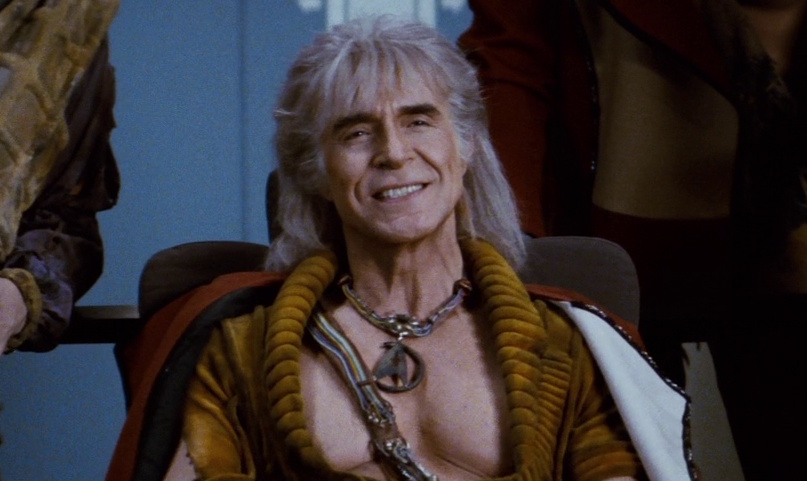
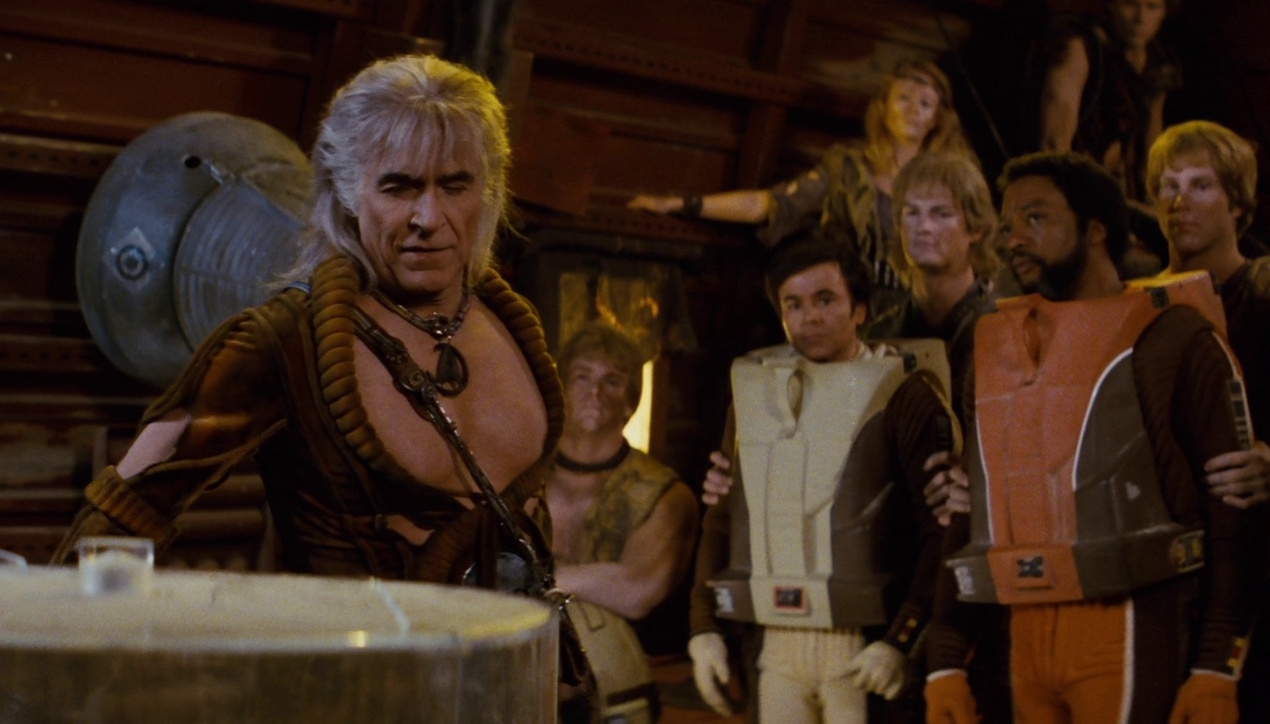
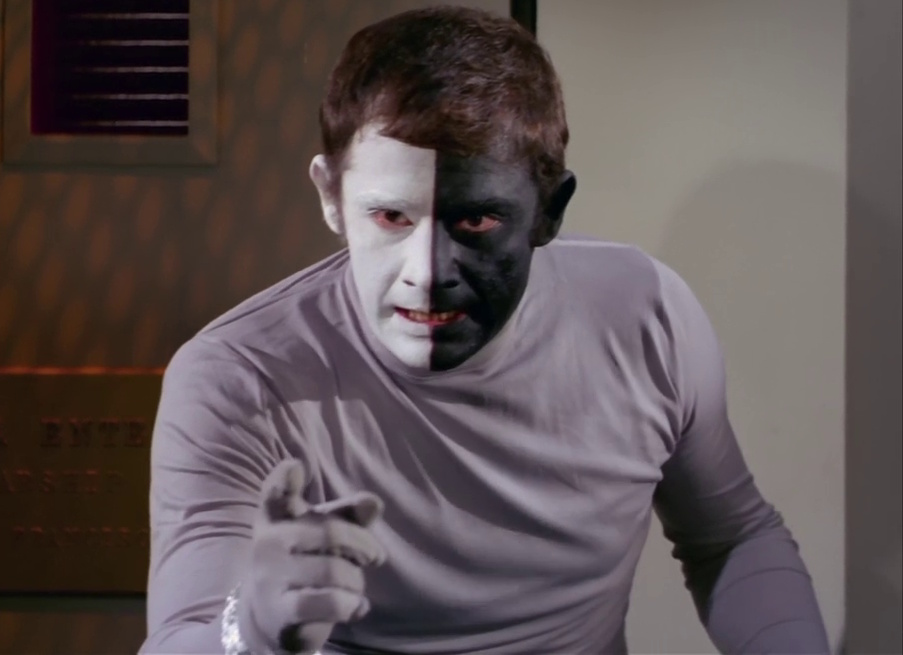

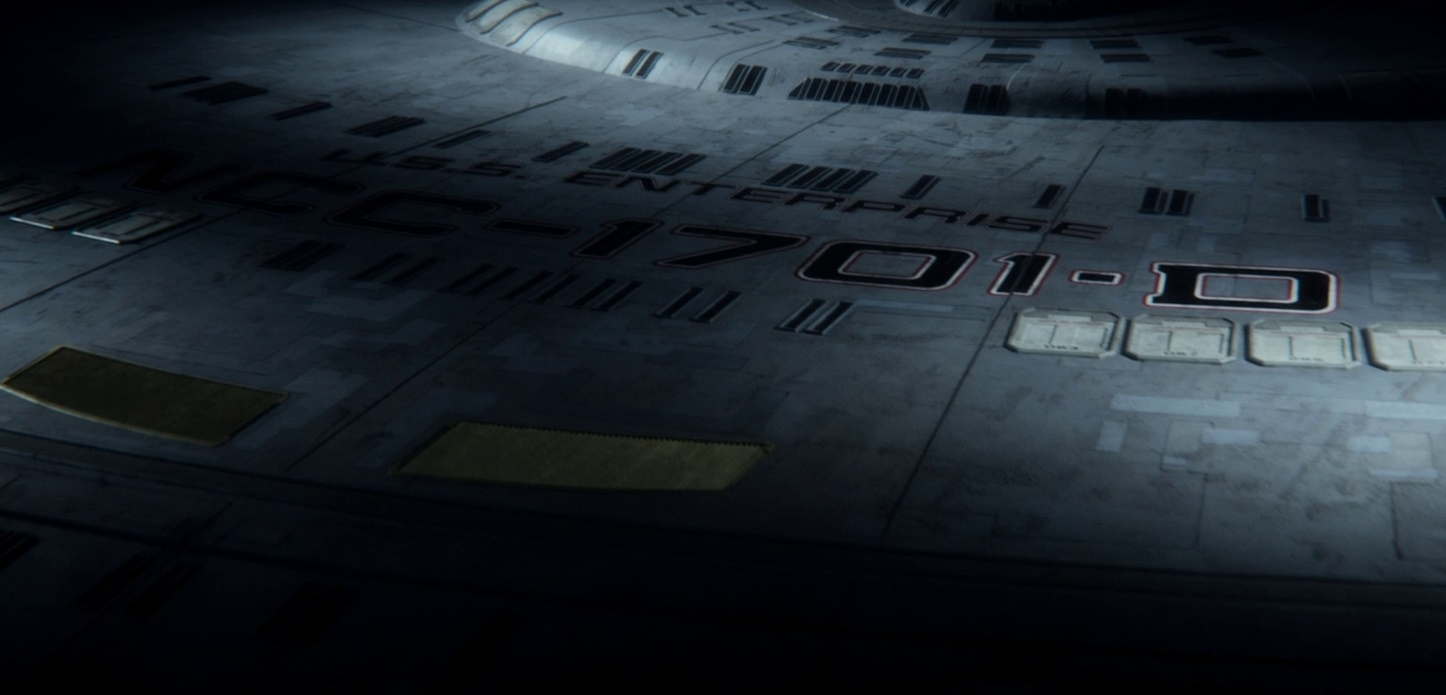
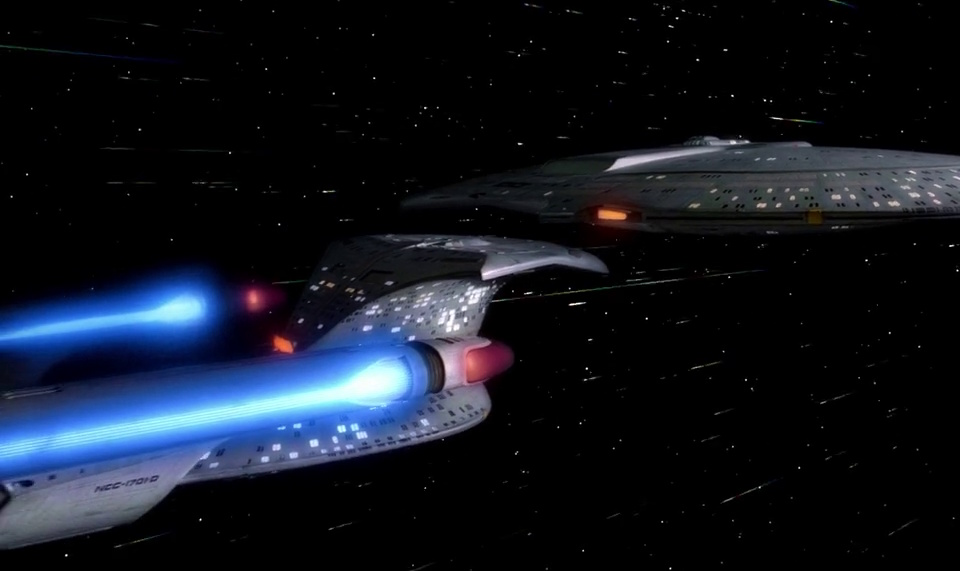
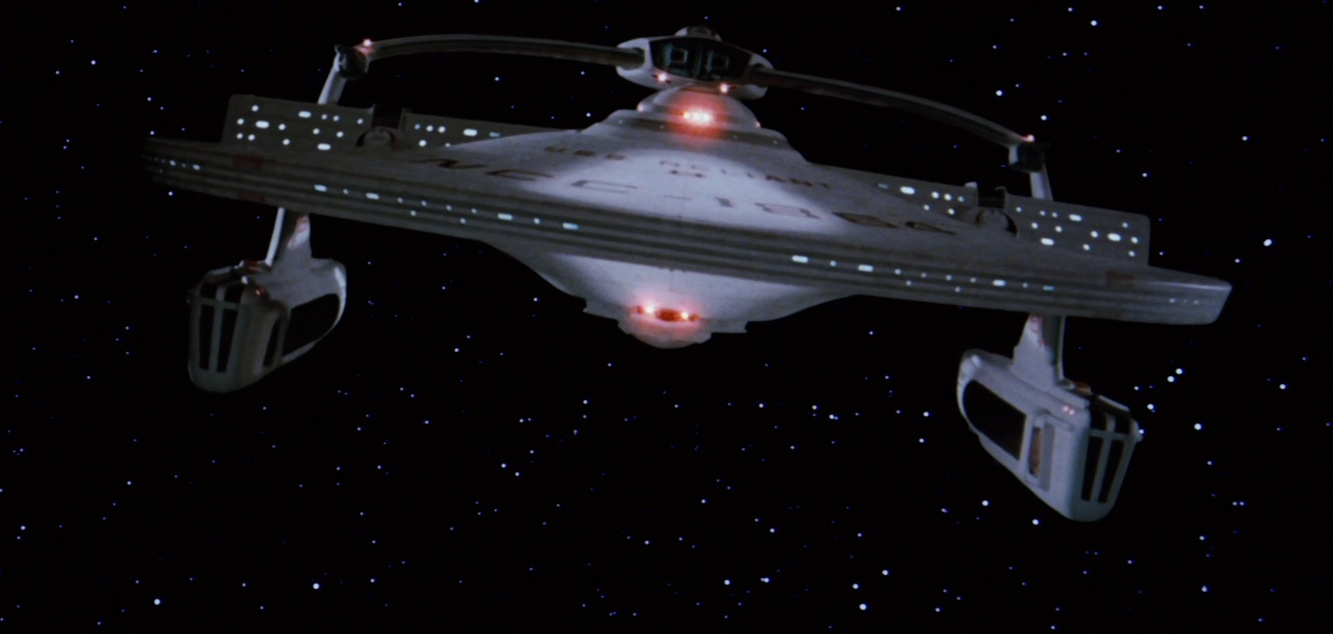
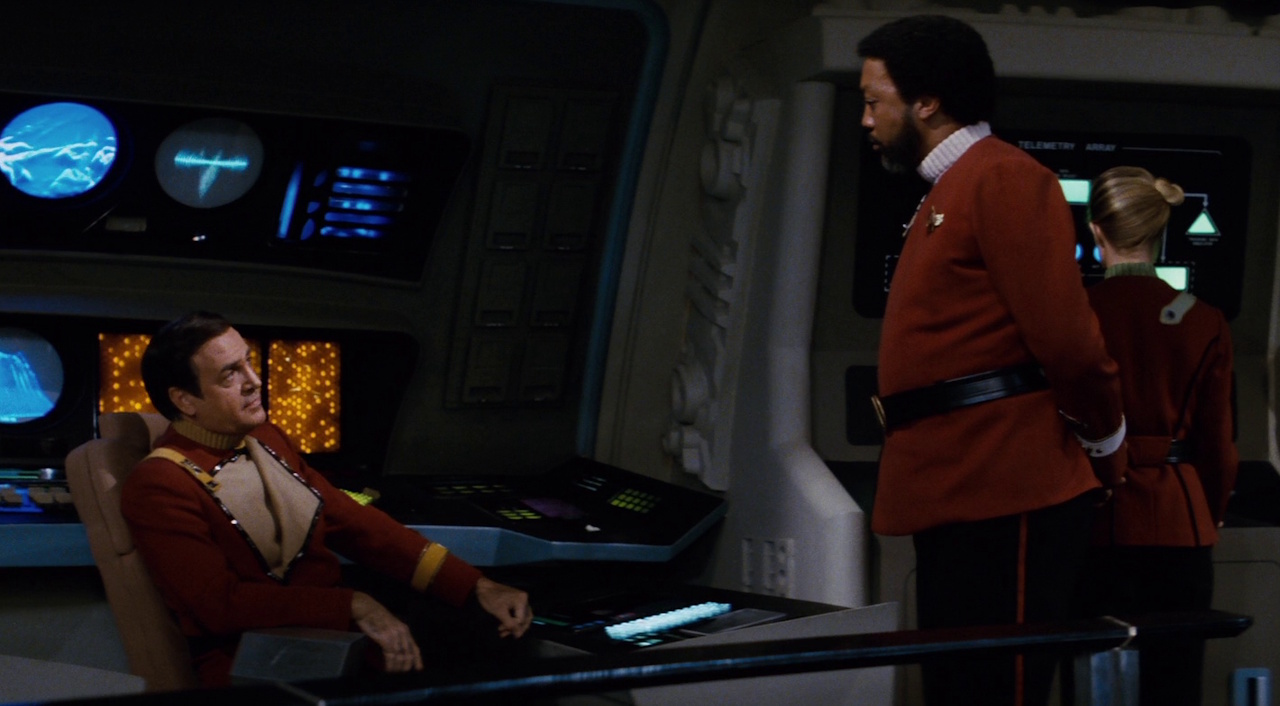
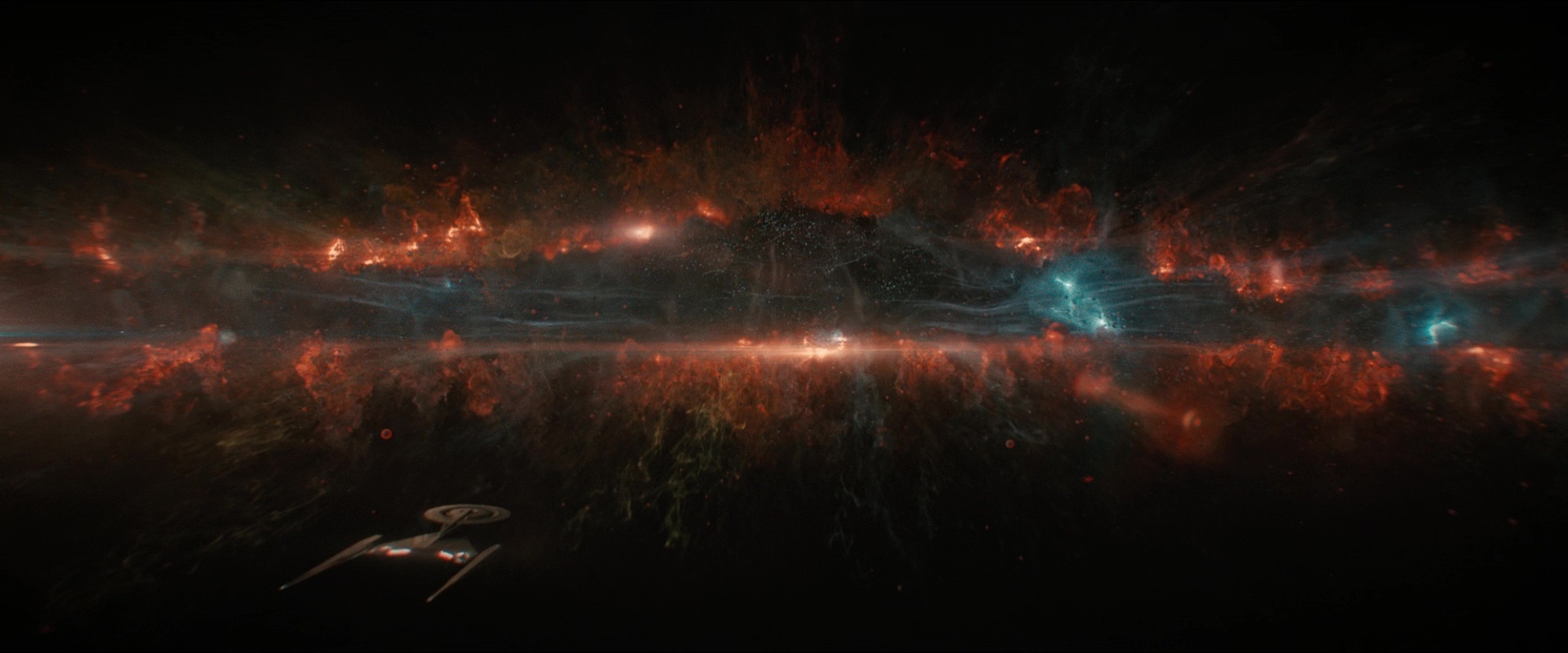
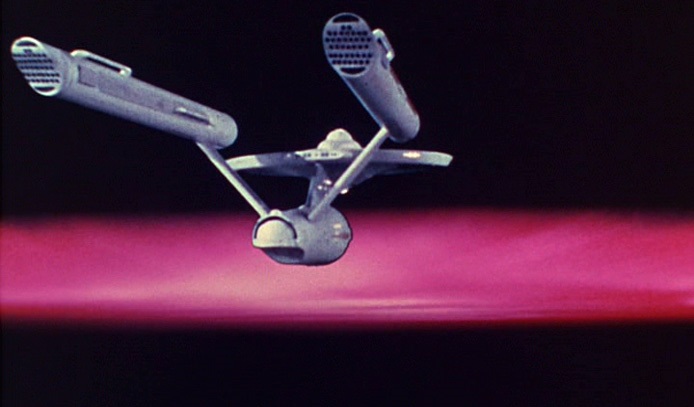
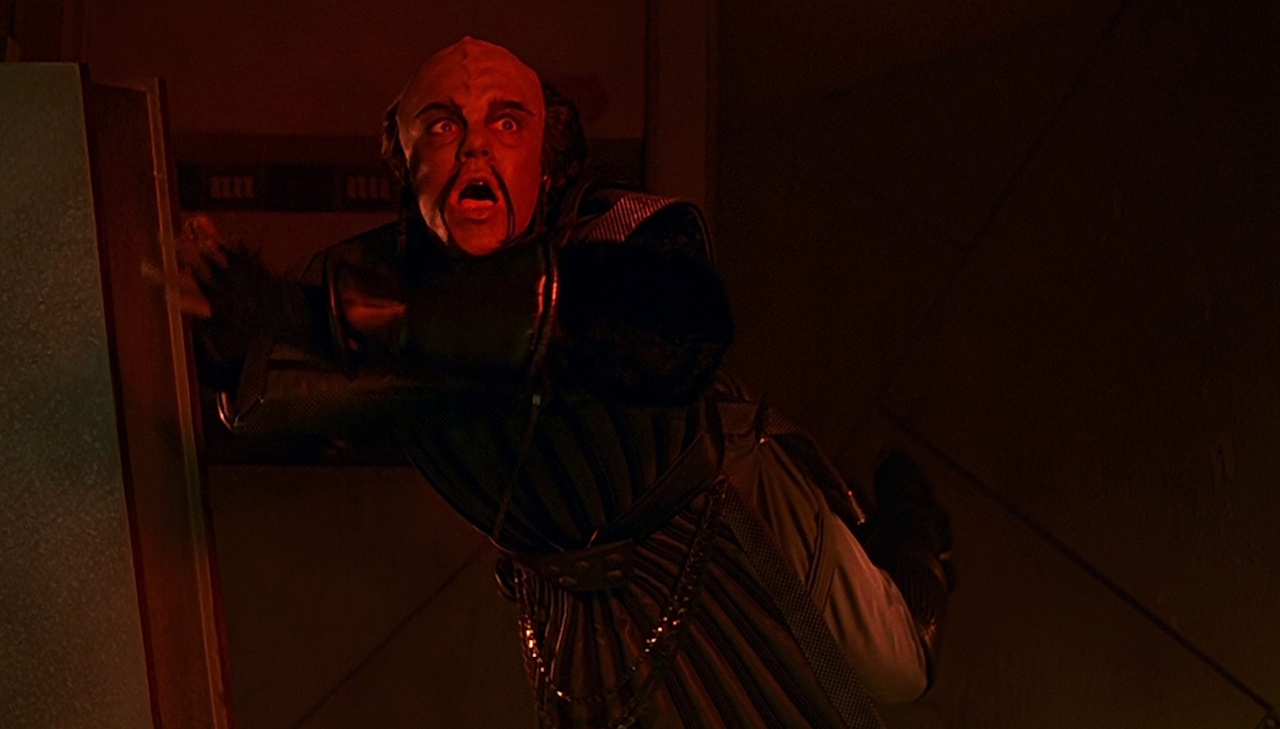
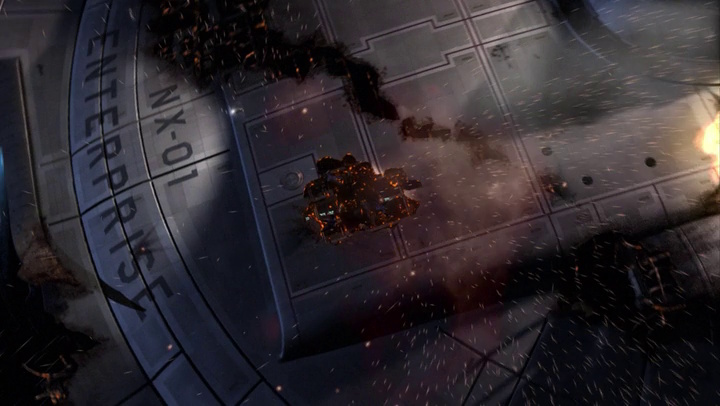
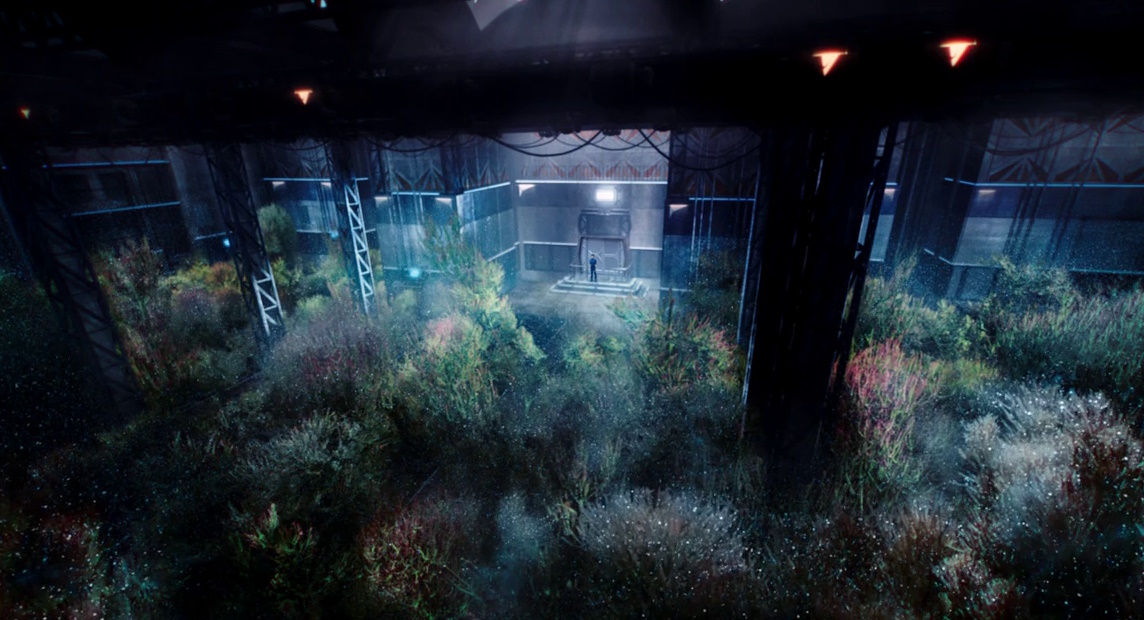
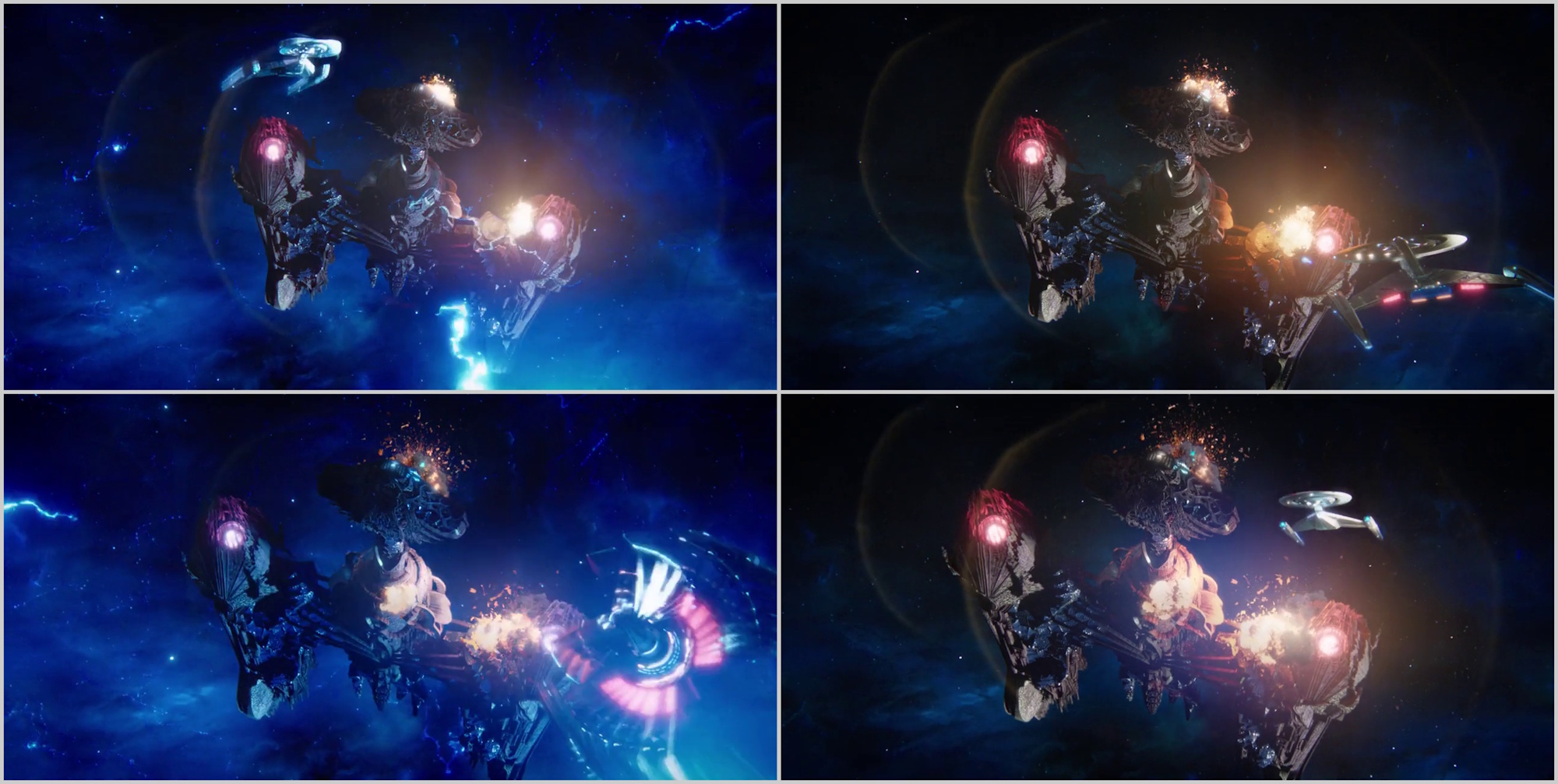
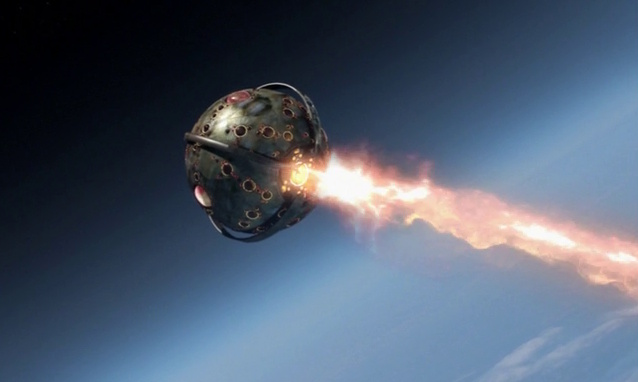
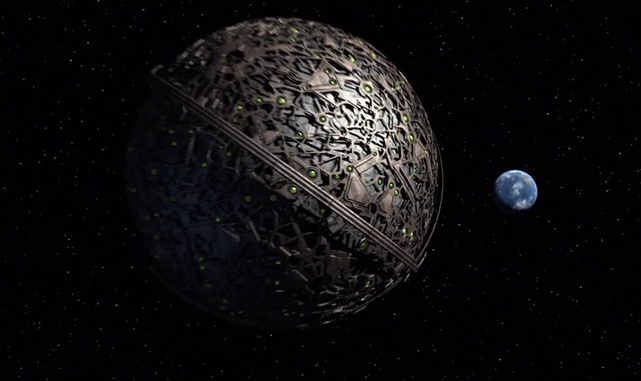
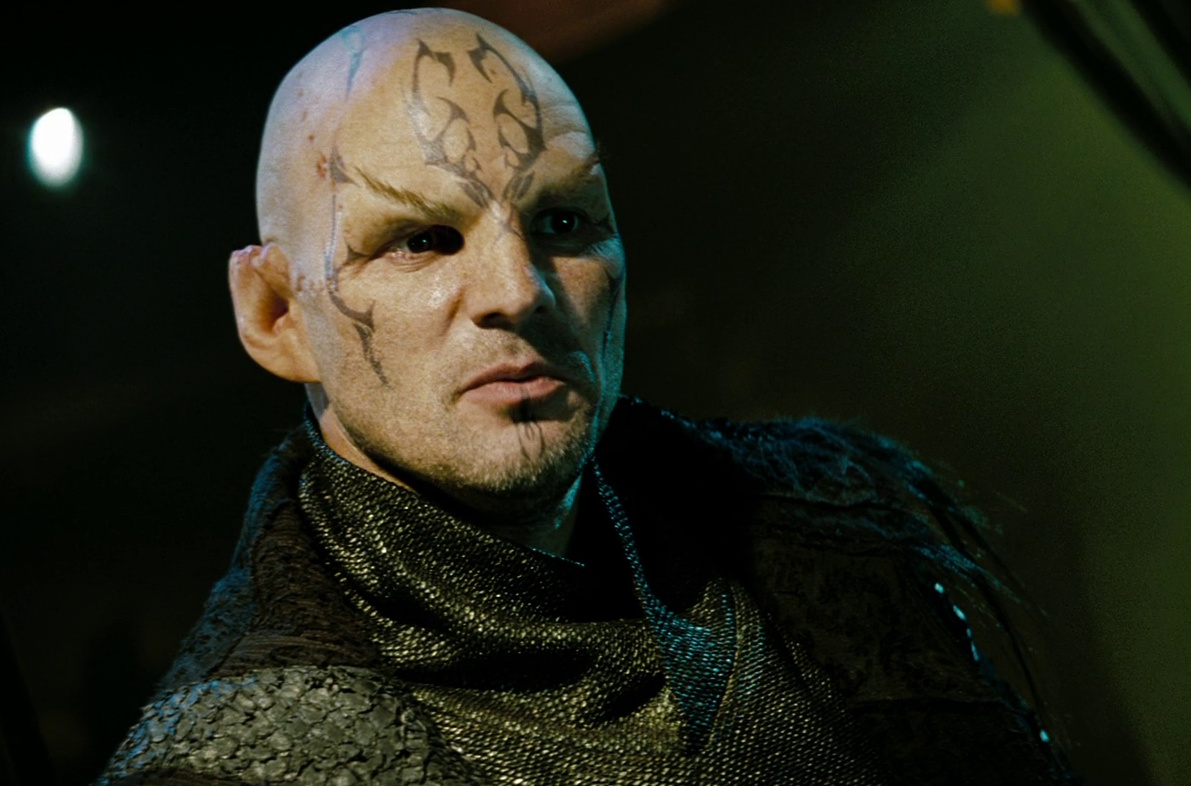

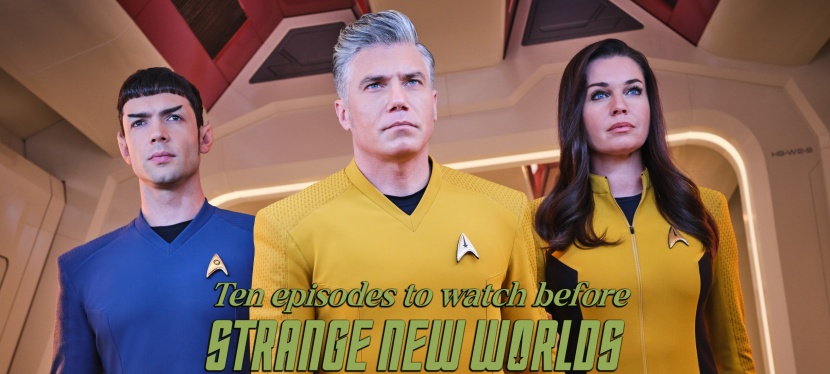
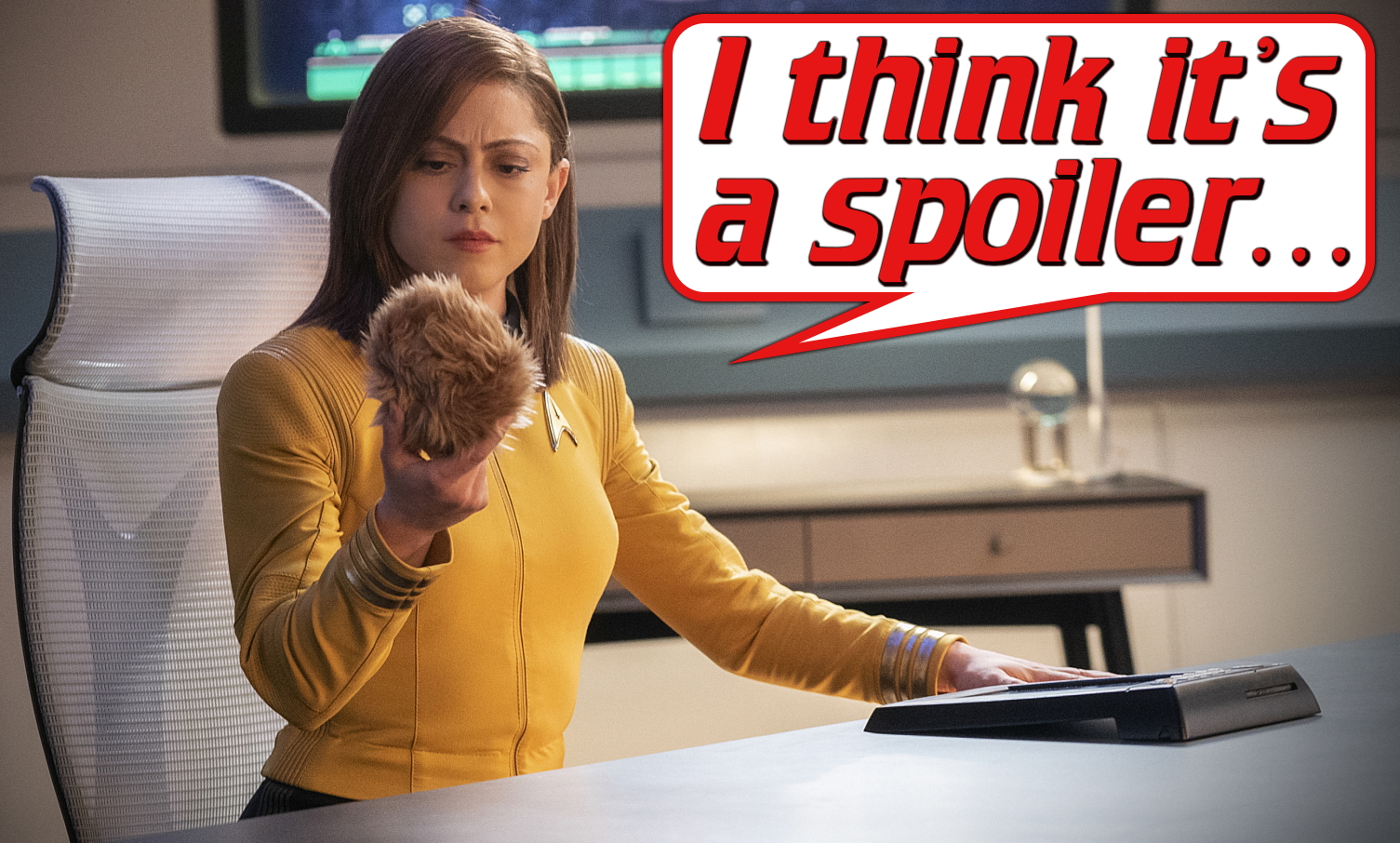
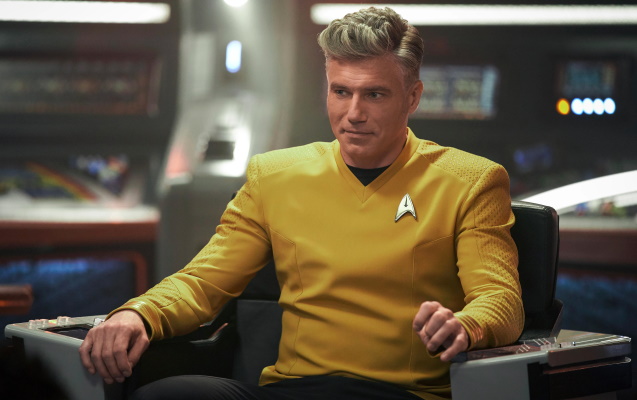
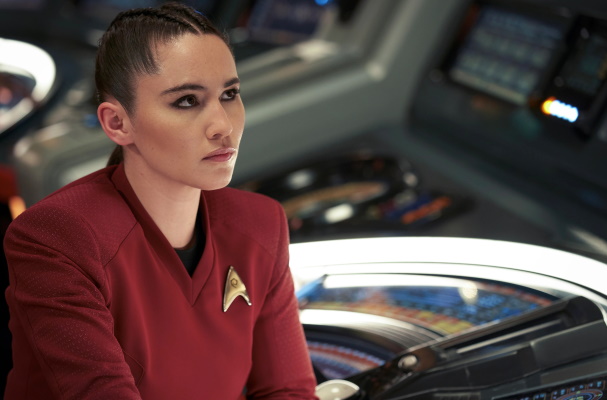
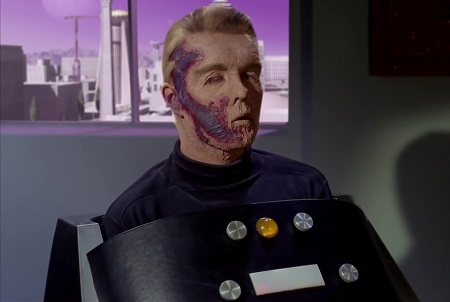
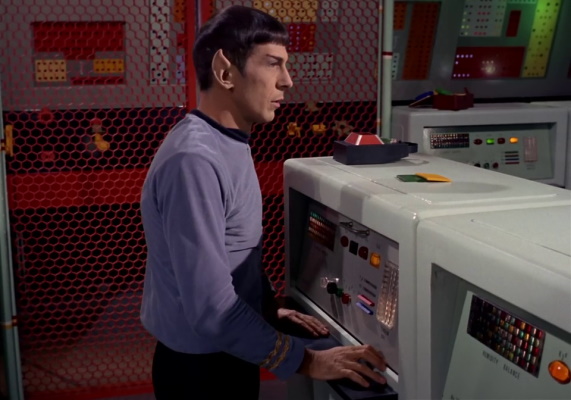
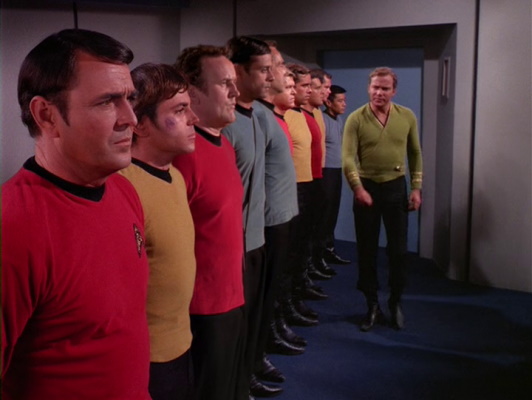
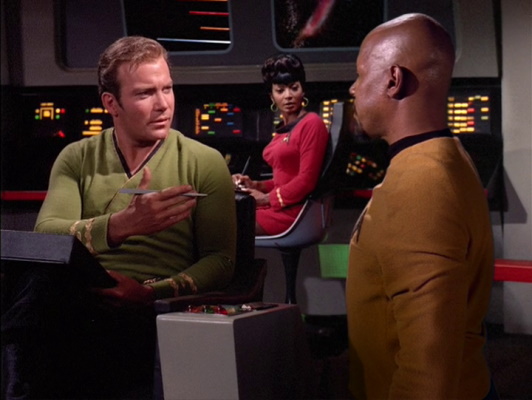
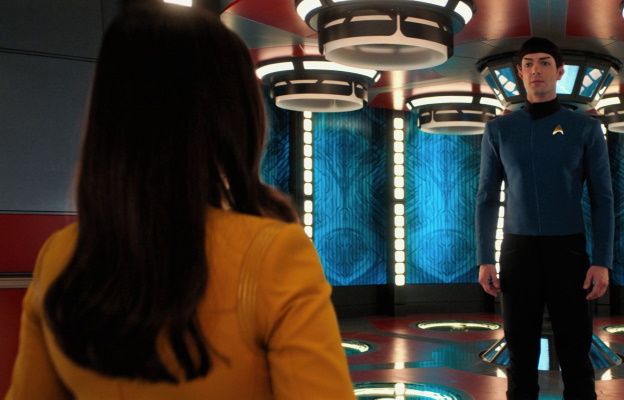


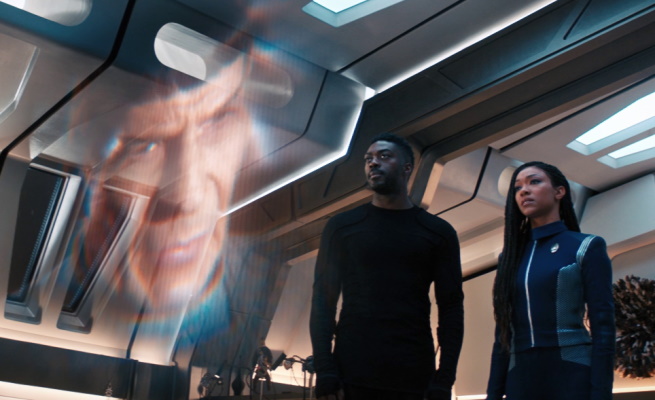
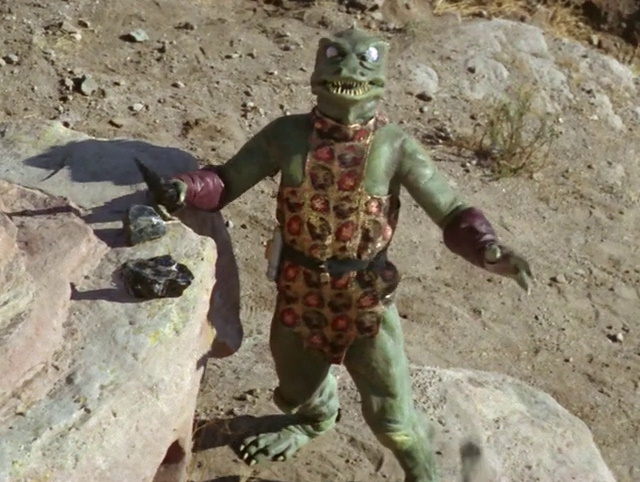
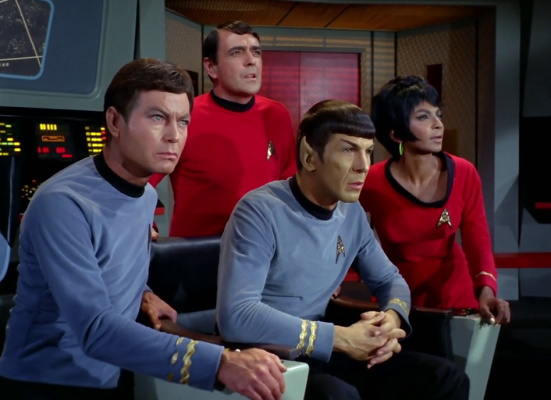
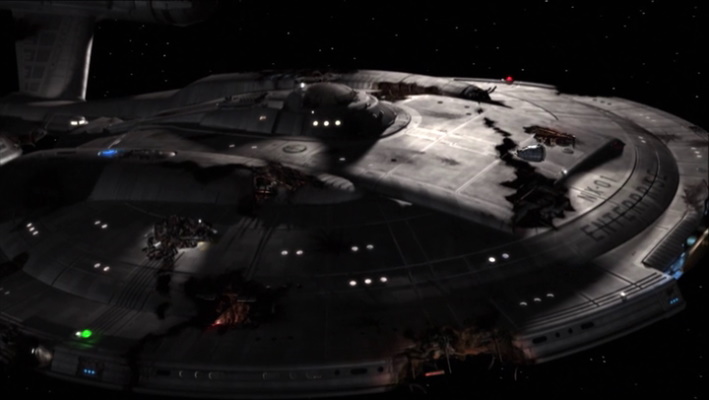
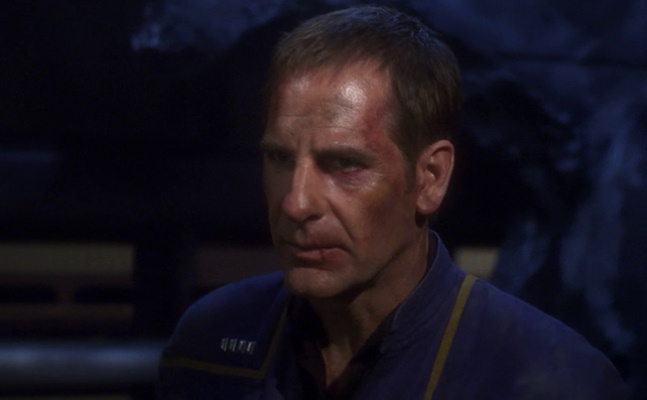
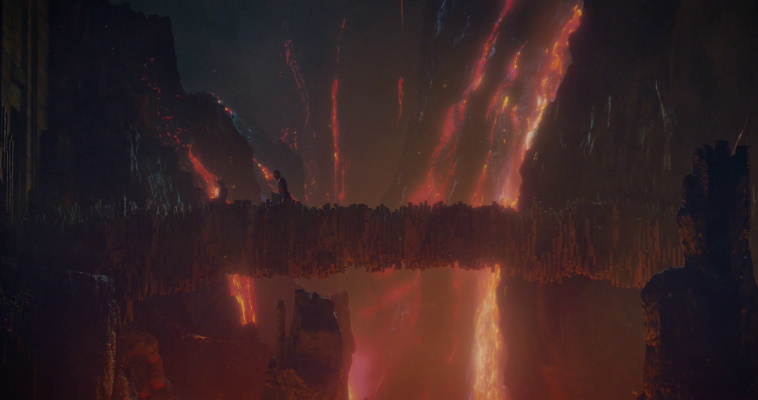
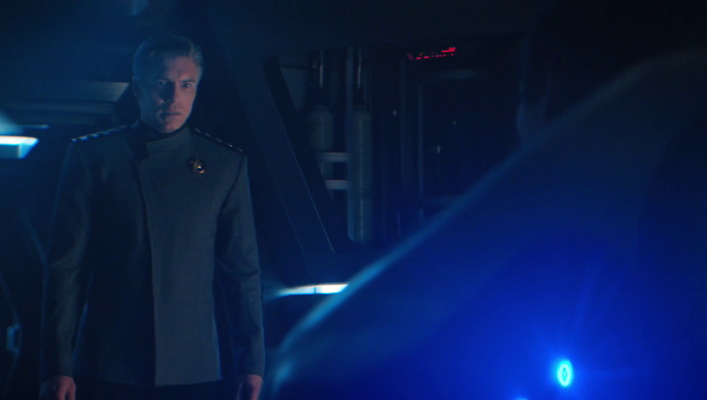
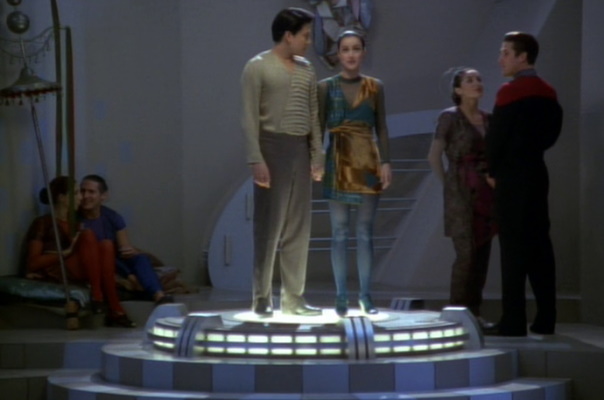
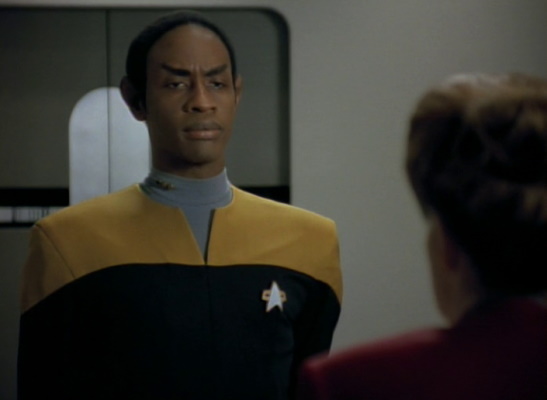
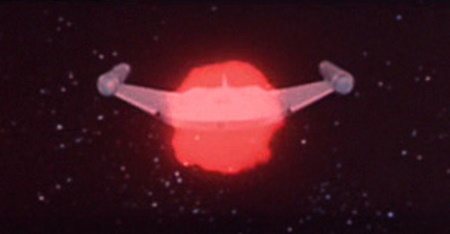
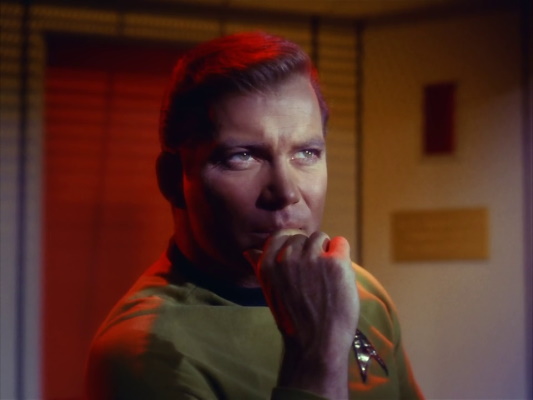
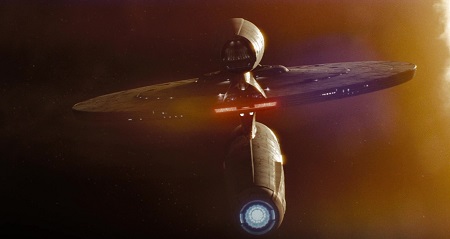
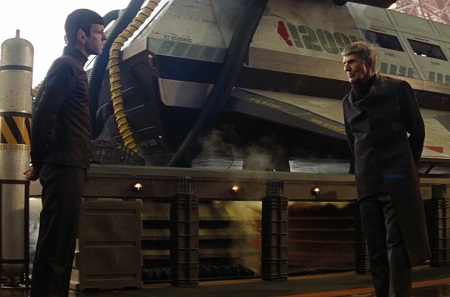




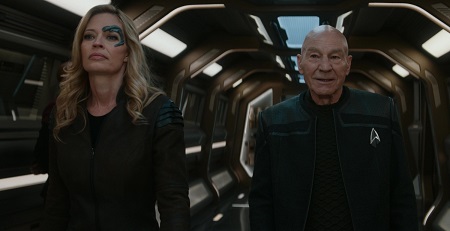


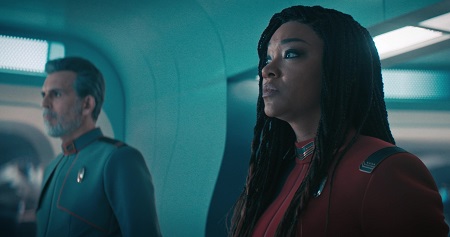

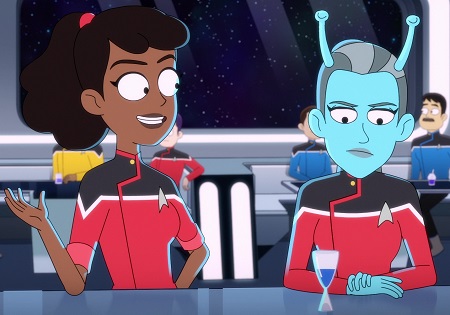




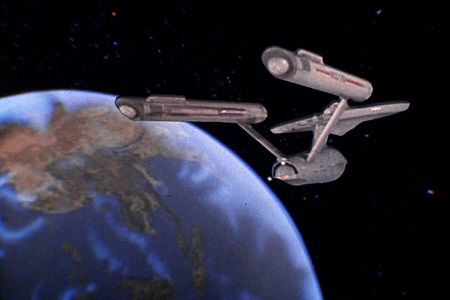
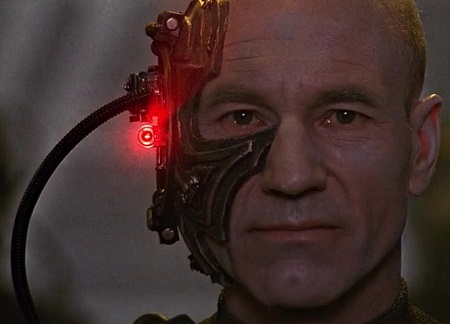

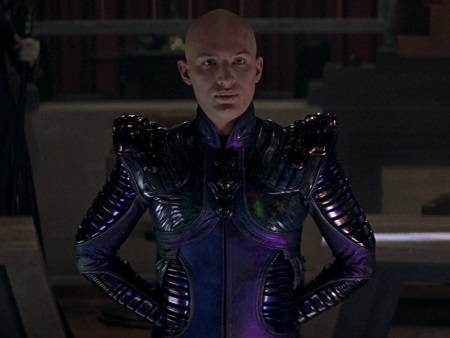


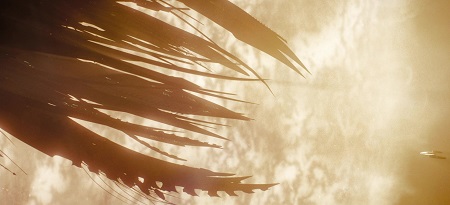
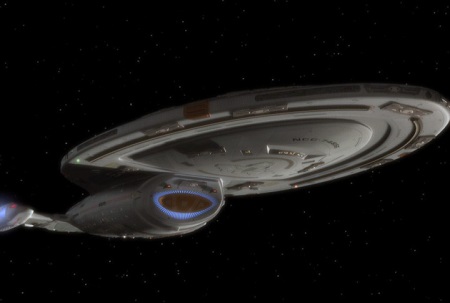
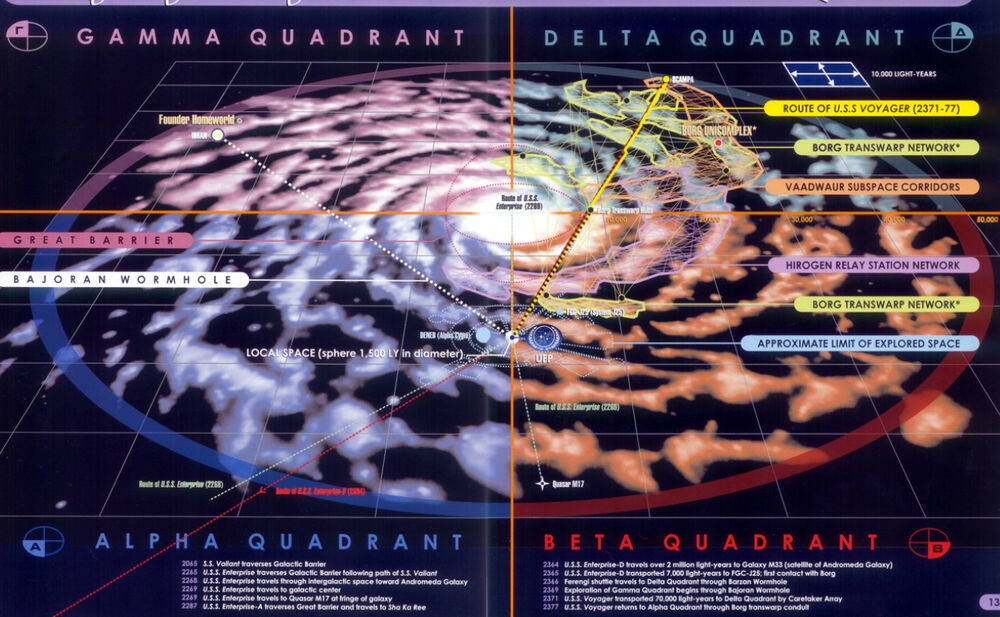
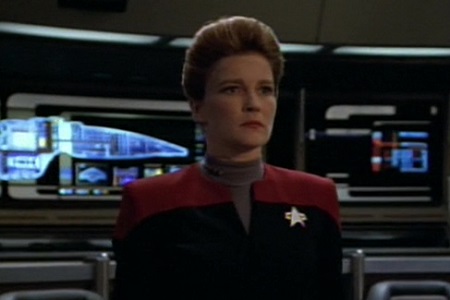


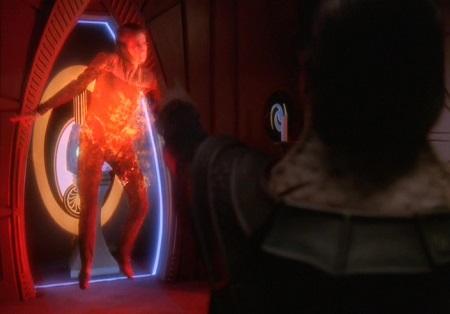


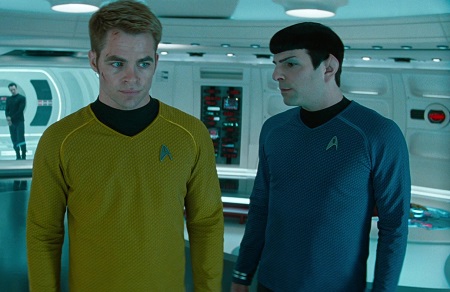
 Trekking with Dennis