Spoiler Warning: Beware of minor spoilers for Star Trek: Starfleet Academy Season 1.
Mere days after the finale of Season 1, and with Season 2 still in post-production, news has leaked that Star Trek: Starfleet Academy has been cancelled. I won’t lie: this was something I expected we’d hear either this year or next year at the very latest, but there’s something about the timing that feels… well, pretty brutal.
The newly-formed Skydance/Paramount corporation seems to be making it clear that a line is being drawn under Star Trek’s current streaming era. That was pretty obvious, I argued, when Discovery and Strange New Worlds were cancelled – the latter coming before the show had even aired a single episode of its *third* season, with two more still to come after that. Star Trek’s new corporate overlords clearly intend to take the franchise in a very different direction, and Starfleet Academy was the last vestige of the old regime. That final pillar of “streaming Trek” has now fallen.
Variety broke the news. Image: Variety.com
I’m still assuming, at this stage, that Season 2 will actually be completed and broadcast. Filming wrapped last month, and while there’s still a lot of work to do in the editing suite, it would be foolish to scrap the entire project. So Starfleet Academy fans can, at least, take solace in the fact that we’re only halfway through the show; ten more episodes should air sometime next year or in 2028.
I don’t really wanna keep repeating the phrase “end of an era;” it was something I said last year when Strange New Worlds got the axe, and when Discovery and Lower Decks wrapped up, too. But with Starfleet Academy being treated so brutally by Paramount, it’s hard to know what else to say. This is definitely calling to mind Enterprise’s 2005 cancellation – with the only difference, really, being that a new feature film is allegedly in the works, a consolation prize we didn’t have back then.
Does anyone else feel echoes of 2005?
If you’re a regular reader, you may recall that Starfleet Academy’s cancellation was something I predicted for 2026 back in January. I’m not taking a victory lap – the show may not have been “my thing,” but I went into it with an open mind, and I truly hoped it would find a way to connect with its intended target audience. Low streaming numbers throughout Season 1, however, seem to confirm that that simply didn’t happen. I said back in January that it would take a real miracle to convince this new incarnation of Paramount to stick with the show beyond Season 2 – going viral and becoming a must-watch sensation, like Stranger Things or Wednesday, perhaps, might’ve been enough to guarantee a renewal. But even doing reasonably well probably wouldn’t have been enough. I just got that impression from Paramount’s new ownership.
But, regrettably, Starfleet Academy didn’t even manage “good but not great” streaming numbers. It never cracked the top ten in the United States or here in the UK, even in a relatively easy TV window where there wasn’t a ton of big-budget competition. Shows like Fallout, The Pitt, and even preschool cartoon Bluey were performing well ahead of Starfleet Academy during its first season. Cancellation seemed inevitable, I’m sorry to say.
A pair of cadets in happier times.
But the timing… it feels brutal, as I said, but also a little insulting to the cast and crew. Paramount will still expect Holly Hunter and her co-stars to go out on the interview circuit, promoting Season 2 next year or the year after. And we’re barely ten days out from the end of Season 1. I get why the decision was made – if a show isn’t performing very well, and a new corporate team wants to reorganise the studio’s big brands and franchises, it makes sense. But even so, you’d think a bit of a grace period could’ve been given, timing-wise. There’s now practically no chance of the show picking up any extra attention from fans who missed it over the past couple of months. What would be the point, after all, in getting invested in a series which has already been cancelled?
With Starfleet Academy’s cancellation, there’s now officially no new Star Trek in production on the small screen. Strange New Worlds and Starfleet Academy’s second season remain in post-production, so there’ll be new Star Trek on our screens later in 2026 and into 2027. But then, after that? All we have to focus on, barring any shocking announcements, is Skydance’s new feature film. Although this was expected, and despite Starfleet Academy not really being “my thing,” I gotta be honest: this news still stings.
Showrunner and director Alex Kurtzman on set.
However, as I said a couple of weeks ago, there are some potential benefits for a long-running franchise like Star Trek taking a break or going on hiatus for a while. The previous incarnation of ViacomCBS and Paramount threw *a lot* of Star Trek at us over the past few years… in a pretty incoherent and poorly-managed way a lot of the time. There’s something to be said for a new team coming in, wiping the slate clean, and taking a moment so we can all catch our breath. And if the current creative/production team has taken Star Trek as far as it reasonably could, there’s also a lot to be said for new folks taking the reins. Most of the Star Trek shows since Discovery have shared writers, directors, producers, and more behind-the-scenes folks, so giving new people an opportunity to work on the franchise should – in my opinion, naturally – be a positive thing.
No serious Trekkie sat down to watch Starfleet Academy hoping they’d hate it or wanting it to fail. But I think a lot of us recognised that the show was probably coming along a little too late, after the previous Paramount corporation hadn’t handled Star Trek especially well. It would’ve taken something exceptionally special for Starfleet Academy to rise above all of that, and to do something that no project in the franchise’s streaming era *truly* managed to do to any great extent: connect with a new audience. It was a tall order, for sure, but making a show intentionally aimed at teens and young adults was far from the worst idea in the world. It’s just a shame, really, that Starfleet Academy launched when it did, and didn’t really get a chance to connect with potential new viewers.
Surely it’s not some kind of visual metaphor…
Many folks argue that Star Trek shows don’t really “get good” until their second seasons or beyond, so cancelling Starfleet Academy after just one season might seem like a poor decision in that sense. And I kind of see that point, at least to an extent. But if Season 1 just wasn’t finding much of an audience in the first place, not with older Star Trek fans nor with its intended new audience of younger folks, would sticking with it for a third or fourth season have really changed that? I guess we’ll never know, eh?
It’s a shame, and despite the fact that Starfleet Academy wasn’t really for me, I don’t celebrate its cancellation by any stretch. In fact, I lament it. I think it’s a real shame, barely nine years on from Star Trek’s triumphal return to the small screen, to be back here all over again. And despite the way things look right now, it’s my hope that, behind the scenes, there are folks at the new Skydance/Paramount corporation who are seriously considering where to take the franchise in the future. Films are great, and some of Star Trek’s most highly-regarded stories came at the cinema. But for this old Trekkie, Star Trek has always been a television show; a franchise best-suited for the small screen, where crews of explorers can warp away to a new planet, a new alien race, and a new adventure every week. Maybe one day… that kind of Star Trek will be back.
Four main cast members in a behind-the-scenes snap.
If you’re a huge Starfleet Academy fan, you have my sympathies today. This news may have seemed inevitable for a while, but it’s not something any of us wanted to see. And as for what it means for the future? I really don’t know, to be honest. I want to say I feel optimistic that, one day soon, Star Trek will be back! But today… doesn’t really feel like that kind of day, to tell the truth.
Thanks for reading. And, as always: Live Long and Prosper, friends.
Star Trek: Starfleet Academy is available to stream now on Paramount+ in countries and territories where the service is available. The Star Trek franchise – including Starfleet Academy and everything else discussed above – remains the copyright of Paramount/Skydance. This review contains the thoughts and opinions of one person only and is not intended to cause any offence.
Spoiler Warning: There are spoilers ahead for practically the entire Star Trek franchise, including recent seasons of Discovery, Picard, Strange New Worlds, and Starfleet Academy.
Later this year, Star Trek will celebrate its sixtieth anniversary – that’s six decades of sci-fi adventures, space exploration, and a wonderful fan community that I absolutely adore! Today, I thought it could be a bit of fun to look at some of the Trekkie community’s so-called “unpopular opinions” about Star Trek. If you read my piece about fan theories a few weeks back, I’m going to do something similar this time around: I’ve compiled a bunch of “unpopular opinions” from across social media, and I’m going to dissect them!
I went to Tumblr, Facebook, Reddit, TikTok, and other social media pages, scanning posts and comments sections, and I pulled out twenty-five “unpopular opinions” for this piece. And rather than just state them and share my opinion, I thought it could be interesting to try to answer two questions! Firstly, I’ll share whether I agree or disagree. And secondly, I’ll try to gauge whether the opinion in question could fairly be described as “unpopular.”
I scanned social media to detect your most controversial opinions…
Here’s a couple of examples so we’re all on the same page!
Example #1: “Khan sucks as a villain because he’s lame and boring, and his evil scheme makes no sense.”
I would say I disagree (vehemently) with this opinion! But I would concede that it is a genuinely *unpopular* opinion within the fan community and with a wider audience. In fact, it’s such an unpopular opinion that I’ve never seen anyone genuinely express it!
Khaaaaaan!
Example #2: “Captain Picard is the best Enterprise captain, better than Kirk or Archer or anyone else by miles.”
This one’s a toughie on the “agree/disagree” bit, because Kirk, Archer, and really every Star Trek captain across the franchise have plenty of their own strengths. But if I had to come down on one side or the other, I’d say I agree; Picard is a great captain. However, this is clearly not an “unpopular” opinion within the fandom – ask any group of Trekkies who their favourite captain is, and it won’t be long before you hear multiple people say “Picard!”
So… does that cover everything in terms of the format?
Who’s the best Enterprise captain?
It should go without saying, but everything we’re going to talk about today is *entirely subjective, not objective* – and it’s just one old Trekkie’s take, at the end of the day. If you hate my opinions, think I’ve got it completely wrong, or if I criticise a show or character you adore, please try to keep that in mind! There are a variety of opinions out there about this wonderful franchise, and I share mine with the Trekkie community in the spirit of light-hearted celebration in this landmark anniversary year.
Some of these “unpopular opinions” have clearly been shared in a tongue-in-cheek way (at least, I hope they have!) and I’m not planning on taking any of this too seriously. This also shouldn’t be interpreted as an “attack” or “hate” for any folks in the fandom who genuinely hold any of these opinions. This is meant to be a bit of fun, partly at Star Trek’s expense, as we move closer to the 60th anniversary.
With all of that out of the way, this is your final chance to nope out if you don’t want to get into some potentially controversial Star Trek opinions!
“Unpopular” Opinion #1: Threshold is a great body horror episode.
“Threshold” and “great” in the same sentence, eh? We’re starting off strong! I can see where this is coming from; Tom Paris’ gradual mutation into a salamander-like “hyper-evolved human” does have some genuinely disturbing moments, brought to life by some solid prosthetics during the sequences in sickbay. The idea of mutating in real-time, and not being able to do anything to stop it… that’s the same kind of idea behind classic body horror films like The Fly, only with a Star Trek flavour in this case.
I would say, though, that for whatever successes Threshold might have on the body horror front in the middle of the story, the ending really nullifies all of it. The CGI salamanders weren’t great to look at, nor were they frightening or disturbing in any way, and the typical episodic TV “reset” of Paris and Janeway back to their normal selves meant there were no lasting consequences for either of them. This comment is clearly a response to Threshold’s meme status, and I’m glad that Trekkies are willing to re-examine even the most disliked episodes! But for me, Threshold is still a weak story, and while there is some creative body horror-adjacent storytelling in the middle, it’s completely negated by the way the episode wraps up.
Unpopular? ✅Yes.✅ Agree? 🛑No!🛑
“Unpopular” Opinion #2: Spock and Chapel’s romance is too big a part of Strange New Worlds – and it sucks.
100% agree on this one – no notes! Chapel’s “crush” on Spock in The Original Series was cute. But it wasn’t a huge part of the show for either of them, and it didn’t need this kind of on-again, off-again storyline in Strange New Worlds to make sense. In my opinion, Strange New Worlds has been way too focused on Spock and putting him in situations which, frankly, are toe-curlingly cringeworthy. The Chapel-Spock romance is part of that. I had hoped that, with the addition of Chapel’s fiancé, we’d have seen the back of this storyline – but alas.
I think I could’ve stomached an episode or two in which this relationship existed and ran its course. But I agree with the original poster, here: it’s become way too big a part of the show. When combined with other “Spock comedy” storylines (which seem to be the only Spock storylines the producers are interested in or know how to write), it quickly became too much. Cringeworthy, unnecessary, and arguably treading on the toes of The Original Series, too. A bad combination all around! And, based on the number of likes and comments on posts like this, I think it’s a fairly common take among Trekkies, too.
Unpopular? 🛑No!🛑 Agree? ✅Yes.✅
“Unpopular” Opinion #3: T’Rul should’ve become a recurring character on Deep Space Nine.
In The Search, which kicked off DS9′s third season, we’re introduced to the USS Defiant for the first time: the first Federation starship (officially) able to cloak. The cloaking device was loaned to Starfleet by the Romulans, and Sub-Commander T’Rul was the officer assigned to oversee it, and make sure it wasn’t being used in a way that violated Federation-Romulan treaties. However, after her first appearance, T’Rul disappeared from Deep Space Nine. Martha Hackett, who played the character, would go on to have a recurring role on Voyager as Seska.
I quite like this idea, to be honest. T’Rul would’ve added something different to DS9 during some of the episodes set aboard the Defiant, and it could’ve been fun to see a Romulan getting to know the crew and learning how to live with the Federation. There wasn’t a Romulan character like that through the entire TNG era, and it wouldn’t be until we met Elnor decades later that we’d get to spend more time with a Romulan. I can see plenty of stories where T’Rul could’ve played a role, and I especially like the idea of her trying to socialise with members of the crew, perhaps teaching us a bit about Romulan culture and customs along the way. Definitely a niche idea, though!
Unpopular? ✅Yes.✅ Agree? ✅Yes.✅
“Unpopular” Opinion #4: The first few episodes of Lower Decks were too “horny,” and this turned off potential viewers.
Assuming the original poster meant “horny” as in “overly sexualised,” I have to say I don’t agree. Not that the first episodes of Lower Decks had a lot more sexual imagery and language than TNG-era Star Trek – they absolutely did! But I disagree that the early episodes are unique in that regard! I’ve only seen up to the first part of Season 3; Lower Decks is still a show I need to catch up on and finish watching. But I didn’t feel the tone changed or softened very much across the first two-and-a-bit seasons – which is basically half of the show.
In the run-up to Lower Decks’ premiere, I was a firm advocate for the fact that Star Trek can be funny, that Star Trek has always been funny, and that being an animated comedy shouldn’t matter as long as the show is good. I think the general response from Trekkies has been that Lower Decks is a solid addition to the franchise, even recapturing that episodic, TNG style which Discovery and Picard had moved away from. But did some of its crude humour or over-the-top moments mean some Trekkies switched off? Probably. In fact, almost certainly. Not every Star Trek show is right for every viewer, so folks who want to take the franchise seriously, and who don’t want a Rick and Morty-inspired take on Star Trek were probably never going to enjoy what Lower Decks had to offer.
Unpopular? ✅Yes.✅ Agree? 🛑No!🛑
“Unpopular” Opinion #5: Chekov was “useless” in The Original Series.
I think I can see where this one is coming from… but I really don’t agree. Chekov was a late addition to TOS, joining in from Season 2. He only appeared in 36 episodes in total – less than half of The Original Series. But… none of that makes him “useless.” In fact, I’d argue very passionately that Chekov’s presence on the bridge alongside Sulu, Kirk, Uhura, and the others was a very powerful and symbolic statement: at the height of the Cold War, a mere five years after the world almost blew itself up over the Cuban Missile Crisis, here was a vision of the future in which Russians, Americans, and humans from all over the world were living and working together in harmony.
Like most of the cast of The Original Series outside of “the big three” of Kirk, Spock, and Dr McCoy, Chekov got fewer moments in the spotlight and fewer lines, and because he joined the show later, I guess that shows up even more. He was also absent from The Animated Series, due to the show’s tight budget. But he does get storylines and interesting moments across practically all of his episodes, and he stands in for Sulu at points in Season 2, as well. Not useless at all!
Unpopular? ✅Yes.✅ Agree? 🛑No!🛑
“Unpopular” Opinion #6: Discovery is overrated.
I had to do a double-take when I saw this. “Surely,” I thought, “the original poster must’ve meant underrated, or maybe over-*hated*?” But no, this is their unpopular opinion! To be blunt, I don’t think Discovery is rated particularly highly by a large swathe of the fan community. It has its fans, of course – myself included for the most part. But “overrated” suggests that the show is held in high esteem when it shouldn’t be, when really I’d be arguing the opposite: that too many Trekkies wrote off Discovery without giving it a fair shake, and that Season 2, and parts of Seasons 3 through 5 all had good episodes, interesting moments, and more.
For something to be “overrated,” it has to have that acclaim within the fan community, and I just don’t see Discovery having that kind of reputation for the most part. I think it’s absolutely fair to criticise Discovery, as I’ve done on many occasions here on the website. And if the original commenter dislikes some or all of the show, then that’s okay. But I couldn’t say Discovery is overrated… because I just don’t think the fan community at large rates it very highly to begin with!
Unpopular? 🛑No!🛑 Agree? 🛑No!🛑
“Unpopular” Opinion #7: Captain Janeway did the right thing with Tuvix.
Tuvix’s controversial status lives on! One of the best things about Star Trek is that many episodes make you stop and think. They present complex issues with moral quandaries, and they don’t shy away from reckoning with them. And Tuvix is one such example. Do you kill a man you barely know while he’s pleading for his life in order to save two of your friends? Captain Janeway believed she had to, and even stepped in to do it herself when the Doctor refused.
I can understand her point of view. The mitigating circumstances are the unique perils of the Delta Quadrant, and Tuvok and Neelix’s skills in navigating it. But was it the “right” thing to do? The episode pulls no punches, and I’ve even heard some fans say it’s the worst thing Janeway ever did. I don’t agree on that front – wiping out an entire timeline and the lives of everyone in it has to take that prize! But yeah, it was a shitty thing to do. It was a tough situation, and Janeway made the call that she felt gave her ship and crew the best chance of making it home. And hey, if you disagree… play the new video game Across the Unknown and make a different choice!
Unpopular? ✅Yes.✅ Agree? 🛑No!🛑
“Unpopular” Opinion #8: Wesley Crusher is fine/underappreciated/good.
Things have changed a lot for Wesley over the years, I think in large part due to actor Wil Wheaton’s incredibly positive attitude and the great way he’s advocated for and represented the Trekkie community. But there was a time when Wesley was wildly unpopular; in the early days of Star Trek fansites, back when I was first getting started with the internet in the ’90s, hating on Wesley was one of the most common things you’d see. I never felt Wesley deserved all the hate he got; some of it crossed a line, really, into something a bit unpleasant or even sinister. We’re talking about a child, after all, or a teenager, and attacking a performer because you don’t like their character is just stupid.
However… I get where the original dislike stemmed from, especially in stories where Wesley could seemingly do no wrong, or was better and more competent than the trained officers around him. Partly, this came from Gene Roddenberry – Wesley was a bit of a self-insert character for Gene, even being named for Roddenberry’s own middle name. But Wesley did have weaknesses and flaws, even in The Next Generation’s first season. His inability to get accepted to the Academy being just one example. And when Wesley did make it to the Academy, the accident he was caught up in tested his loyalties and morality to the limit. Is he the best character in Star Trek? Arguably not. Is he better than folks give him credit for? I’ve gotta say yes.
Unpopular? ✅Yes.✅ Agree? ✅Yes.✅
“Unpopular” Opinion #9: The reboot/Kelvin timeline Enterprise is a beautiful ship.
To this day, I know Trekkies who point-blank refuse to watch the Kelvin films. But… I think the out-and-out hate for the reboot has begun to fade, thanks to the passage of time. Practically everything about the 2009 reboot was controversial in some quarters of the fan community when the film was released, including the redesign of the USS Enterprise. The design took the original Constitution-class from TOS and changed a lot of things, with a different colour scheme, bulkier nacelles, a lit-up main deflector, and more. It’s certainly a different interpretation of the classic ship from four decades earlier.
I’m actually pleased to see opinions like this. There will always be holdouts – people who can’t get over the changes and who only want to stick to a certain design philosophy or a particular era of Star Trek. But as time passes and puts distance between us and the premiere of these designs, I think it’s nice to see more Trekkies revising their opinions, revisiting some of these elements of the reboot films, and coming away with a more positive impression. It gives me hope, quite honestly, for the future of the fan community in the years to come, and that some of today’s controversies may also be forgiven over time!
Unpopular? 🛑No!🛑 Agree? ✅Yes.✅
“Unpopular” Opinion #10: “Faith of the Heart” was a good song for Enterprise’s title sequence.
This is another example of the passage of time smoothing things out, I think! I remember hopping online, circa 2001, to try to download Faith of the Heart – and then burning it onto a CD and a MiniDisc (remember those?) so I could listen to it on the go! Sure, it was different – the whole sequence, really, is a very “2000s” way to open a show, and it feels a bit dated today. But I’ve always enjoyed the song, and I certainly never agreed with folks who said it “ruined Enterprise,” or turned them off so completely that they wouldn’t even watch the show!
“Archer’s Theme,” the music heard during Enterprise’s end credits, is the track some folks argue the show should’ve used instead. And I get wanting Star Trek to revert to type; to have the ship warping over a starry background while an orchestra plays a piece of music. But did “Faith of the Heart” really change much about the series? It’s still Star Trek. And if you hate it… well, it’s never been easier, thanks to DVDs and streaming, to skip it! That being said, I think this is still a minority position within the wider fan community, even if the song’s reputation has recovered somewhat over the years.
Unpopular? ✅Yes.✅ Agree? ✅Yes.✅
“Unpopular” Opinion #11: Neelix and Kes were a good couple.
This one has to be trolling, right? I’d go so far as to say that, if Neelix’s relationship with Kes had been in focus in Voyager much more than it was, it could’ve been genuinely detrimental to both characters and even the entire series. As the setup for getting Neelix to help Janeway and ultimately join the crew, it tracks. But what it says about Neelix – a man in the Talaxian equivalent of middle age – falling in love with a girl who’s… one year old, and the Ocampan equivalent of, what? Seventeen or eighteen? It’s… really, truly icky.
Moreover, the relationship exaggerated some of Neelix’s worst qualities. In episodes like Parturition, we’d see him getting jealous and possessive over Kes in a way that, frankly, felt uncomfortable. A man who seems positive and happy-go-lucky on the outside seemed to have a dark, possessive, almost abusive streak, and if that had been brought up even once or twice more, it would make Neelix truly difficult to root for. Fortunately, this isn’t an opinion I’ve ever seen another Trekkie endorse, though!
Unpopular? ✅Yes.✅ Agree? 🛑No!🛑
“Unpopular” Opinion #12: Sybok was a fun and deep villain in Star Trek V.
The Final Frontier has its issues. But is Sybok one of them? This commenter argues he isn’t, and that a religious zealot who belatedly realises that he’s wrong and he’s been lied to or manipulated gave Sybok a lot of depth. I’d add to that that the idea of exploring a Vulcan offshoot – someone who doesn’t care to suppress his emotions – was also something different. It was certainly unique at this point in the franchise, coming before the Vulcans got more development in episodes like TNG’s Sarek, and of course, through storylines in Enterprise.
The problem I have with this, really, is not so much in concept – I think the original poster is right about that – but in execution. Sybok’s best moment is arguably his final one, when he sacrificed himself to help his brother and the Enterprise escape. Prior to that… Sybok wasn’t *outstanding*, really. There is more to The Final Frontier than some fans give it credit for. And like most Star Trek characters, really, there are elements to Sybok, to the way he’s written, and to the portrayal on screen that worked or that hold some interest. And I will say, to the original comment’s credit, it’s not an argument I’ve seen before.
Unpopular? ✅Yes.✅ Agree? 🛑No!🛑
“Unpopular” Opinion #13: All of “Kurtzman Trek” sucks and should be considered a failure.
In the time Alex Kurtzman has been in charge of Star Trek for CBS, then Paramount, and now Skydance, there have been more than 200 episodes (and a TV movie) produced and broadcast. Are you telling me, original commenter, that there’s absolutely no merit to *any* of it? Because I find that hard to believe! Even Trekkies who’ve hated most of modern Star Trek have enjoyed some projects – Picard’s third season, or perhaps Strange New Worlds. Alex Kurtzman was in charge of the franchise for that, and was executive producer on both shows.
I don’t think you can write off an entire era of the franchise, any more than you could say “Berman Trek” was bad, or “Roddenberry Trek” sucked. But even if someone is of the opinion that *all* of modern Star Trek is atrocious and without merit… we can agree to disagree without getting into personal attacks. I hope! Has Alex Kurtzman got everything right? No – and I think he’d admit that. But has there been some fantastic Star Trek on our screens since he’s been helming the franchise? I believe there has been.
Unpopular? 🛑No!🛑 Agree? 🛑No!🛑
“Unpopular” Opinion #14: Voyager focused too much on Janeway, the Doctor, and Seven of Nine from Season 4 onwards.
I was surprised to see this on one of the “unpopular opinion” posts – not because I disagree (I don’t), but because I’ve never seen anyone else share this opinion online before! For me, the back half of Voyager’s run felt swamped by one character: Seven of Nine. Seven would apparently “learn” some lesson in how to be human one week, only to seemingly forget it all in time for the next story. This led to several Seven/Janeway and Seven/Doctor episodes being so awfully repetitive that I sometimes mix them up. Voyager’s still a great show, don’t get me wrong, but taking some spotlight episodes away from Seven and redistributing them to neglected characters like Chakotay, Tuvok, or B’Elanna wouldn’t have gone amiss.
Picard rehabilitated Seven of Nine for me, though – I even went so far as to say that that series made Seven into an interesting character for the very first time! So this aspect of Voyager, while admittedly not great, doesn’t feel so bad in hindsight, I guess. And the issue isn’t really that most of these episodes are “bad,” but rather that they’re too narrow in their focus on one or two characters at the expense of other members of the cast. When I used to use Twitter and I shared a similar opinion about Seven of Nine being repetitive and boring, though, I got a fair bit of pushback! So I think this opinion can truly be said to be “unpopular” within the fan community.
Unpopular? ✅Yes.✅ Agree? ✅Yes.✅
“Unpopular” Opinion #15: The Maquis were right to leave the Federation.
This comment went on to lay out that, in the writer’s opinion, the Maquis had every right to reject the Federation and want to leave, regardless of whether they wanted to fight the Cardassians or not. This seems to come from a place of “popular sovereignty;” the political philosophy which states that people should be free to choose how they are governed – and whether they want to remain as part of an institution like the Federation. The right to secession, by definition, exists if popular sovereignty exists within the Federation – something we’ve seen a lot more of in Discovery and Starfleet Academy, to be fair.
So should the Maquis have been allowed to leave? I would say yes… in principle. But it also isn’t quite so straightforward. The Federation had to balance the rights of its citizens along the Cardassian border with the need to avoid war with the Cardassians – something that would have impacted Maquis colonists *and* the rest of the Federation. Sometimes, as Spock would say, “the needs of the many outweigh the needs of the few.” If you’re one of the few, in that case… that kinda sucks, especially if it means you have to abandon your home. So it’s not quite as cut-and-dry as presented. But as a general rule, if Federation member worlds want to leave, even if they began life as colonies… they should surely be allowed to do so.
Unpopular? 🛑No!🛑 Agree? ✅Yes.✅
“Unpopular” Opinion #16: The Tellarites and Andorians deserve more screen time.
The four original founding members of the United Federation of Planets were humans, Vulcans, Tellarites, and Andorians – yet only Vulcans have really been explored across Star Trek’s nearly six decades of history. Enterprise told more stories with the Andorians, sure, and we’ve seen Tellarites (and half-Tellarites) in Prodigy and Starfleet Academy. But these two races still feel underrepresented across the franchise as a whole. Partly, it must be said, that’s because of their almost complete absence from all three shows of The Next Generation era.
Since the turn of the millennium, Star Trek has made moves to address this. But it would still be neat to get a major Andorian or Tellarite character in the next live-action film or series. These two races are important to the Federation within Star Trek’s fictional history, so it is kind of odd, when you think about it, that they haven’t been seen more often. I would suggest, perhaps, that the more complex prosthetic makeup – when compared to the likes of the Vulcans, Bajorans, and so on – may have made it a bit more difficult or expensive in years gone by. Less of an issue today, though! It’s not an argument I’ve seen very often, and I think that, especially prior to Enterprise, a lot of Trekkies had more or less forgotten about both of these races, and didn’t seem to care much about them.
Unpopular? ✅Yes.✅ Agree? ✅Yes.✅
“Unpopular” Opinion #17: Jack Crusher was an especially bad character in Picard Season 3 because of what his existence says about Beverly.
This post argued that Jack Crusher’s “secret birth” storyline actively harms his mother’s characterisation. By essentially hiding Picard’s son from him, concealing the birth, and disappearing for decades, Dr Crusher – in this person’s opinion – committed an unforgivable sin, and it was also something that she wouldn’t have done based on the way she was in TNG.
For my two cents, I didn’t think Jack was the best part of Season 3. The storyline he was wrapped up in, while not his fault on his own, wasn’t all that great, and I found it hard to buy into the idea that the character was only twenty-one years old (since the actor who played him was in his mid-thirties). Further, giving this version of Picard a storyline about discovering he had a long-lost son didn’t feel right, either – it felt like a story better-suited to someone younger, which seemed to go against other themes in the season. However, on the specific criticism of Jack “harming” Dr Crusher’s character… I don’t think I agree. It was explained in the show why she did it – to keep Jack safe from the shenanigans that constantly swirl around Picard – and I actually felt that this version of Dr Crusher had a bit more personality than she did in most of TNG. It wasn’t a random thing; Dr Crusher didn’t decide to leave for no reason. And her reasoning made sense in the context of the show.
Unpopular? ✅Yes.✅ Agree? 🛑No!🛑
“Unpopular” Opinion #18: Strange New Worlds’ Gorn arc is good, and the Gorn make for entertaining villains.
I didn’t really realise that this one was quite so controversial until I saw some of the comments under posts expressing this opinion! Personally, I’ve really enjoyed Strange New Worlds’ take on the Gorn – transforming them into almost Xenomorph-inspired “monsters” has definitely shaken things up. At the same time, though, leaning too heavily on the monstrous angle does raise questions about the Gorn’s sentience and ability to be a spacefaring race, so there probably are moments where it went a little too far in one direction.
Strange New Worlds had a bit of a challenge, I suppose, when it came to villains. Most Star Trek villainous factions are off the table: Discovery had recently done the Klingon war, DS9 has already done a big Cardassian war, there can’t be the Romulans in a big way due to the timeline, and returning to the likes of the Xindi from Enterprise wouldn’t have worked very well, either. So to pick a race like the Gorn – who have run-ins with Starfleet in this era – wasn’t a bad idea. And giving them a new, more frightening presentation has – in my view – worked pretty well.
Unpopular? ✅Yes.✅ Agree? ✅Yes.✅
“Unpopular” Opinion #19: It’s hard to get used to the way Avery Brooks delivers his lines.
This one’s a toughie for me, because I first watched Deep Space Nine in the mid-1990s when I was a wee bairn. I can’t remember ever thinking that the way Sisko speaks is weird or offputting, as this commenter suggests. In fact, all of my DS9 memories are positive from that period, and Sisko quickly became one of my favourite parts of the entire Star Trek franchise. His vocal delivery, cadence, and manner of speaking weren’t things I’d considered at all until I read this post.
I suppose, to be fair to the commenter, Avery Brooks might come across as a bit of a thespian; the way he speaks and emotes is at least partially inspired by acting in the theatre for a live audience. But the same is definitely true of Sir Patrick Stewart, in that case – and other Star Trek regulars, too. Many actors get their start in stage productions, and that’s not a negative thing at all. Obviously, the way any of us feel about an actor and a performance is going to vary, and I would never say that everyone “must” like Captain Sisko or the way Avery Brooks portrayed the character. But for me… this just isn’t something I ever remember feeling when DS9 was new, and I haven’t heard this argument before.
Unpopular? ✅Yes.✅ Agree? 🛑No!🛑
“Unpopular” Opinion #20: Bending the rules of “canon” is okay.
Every time a new Star Trek story touches on a character, alien, faction, or even an aesthetic or design we’ve seen before, some folks crawl out of the woodwork to moan about “violating the integrity of canon!” I’ve actually written about this subject before, and I tried to lay out that my position is a bit more nuanced than the black-or-white, “respect all canon” versus “I don’t care” debate that flares up, from time to time, within the Trekkie community! In short, I’d argue that the foundational building blocks of a fictional world and its key characters should be kept the same, but the minutiae can be changed.
As an example: warp drive works using dilithium, so future Star Trek stories need to keep that in mind. But if one episode says warp seven takes a week to reach Romulus and another episode says it takes three days… that kind of thing doesn’t matter. Nor does the fact that uniform designs look different from one show to another. So, yes, canon matters because basic internal consistency within Star Trek’s fictional setting is important if I’m to maintain my suspension of disbelief. But it isn’t the only thing that matters, and we needn’t sacrifice interesting narrative ideas at the altar of “canon purity” if there’s a fun story to be told.
Unpopular? ✅Yes.✅ Agree? ✅Yes.✅
“Unpopular” Opinion #21: A crossover between Star Trek and Star Wars is a great idea.
As a kid playing with action figures, I already achieved this goal thirty-five years ago! Jokes aside, fans of both Star Trek *and* Star Wars have speculated about what a crossover might look like for decades. And who knows… with Paramount buying up everything in Hollywood, maybe it’s no longer the impossible dream that it once appeared to be!
There are some pretty big hurdles, though, just from a practical point of view. Both franchises are owned by competing companies, and both have decades’ worth of complicated lore and history. Then there’s the question of time and place – Star Wars famously takes place “a long time ago in a galaxy far, far away,” whereas Star Trek takes place in a vision of our future. Which characters would be involved? And how would Star Trek’s technology co-exist with hyperdrives, lightsabres, and the Force? As tempting as it might sound on some level, I don’t think I’d go for it if I were in charge!
Unpopular? 🛑No!🛑 Agree? 🛑No!🛑
“Unpopular” Opinion #22: The Prime Directive is unethical.
Several commenters argued that the Federation’s Prime Directive is a fundamentally unethical policy, because it condemns whole civilisations to extinction just because they haven’t developed one specific technology. And, on the surface, that seems to track – stories like Pen Pals, Dear Doctor, and the beginning of Into Darkness quite clearly show Starfleet has the ability to intervene, but chooses not to, even when there’s an existential risk to an entire race of sentient beings.
The Prime Directive, fundamentally, is about not interfering with or altering the trajectory of societies that haven’t yet discovered alien life. And it makes sense, right? Think of the chaos it would cause to our own society if aliens descended from the skies – even if they had the best of intentions. We aren’t ready for that, and maybe we won’t be for a long time. The rigidity of the Prime Directive throws up some strange situations, though – but we often see our heroes finding ways around it, and the fact that they never seem to get in trouble suggests that Starfleet is okay with rule-bending, sometimes!
Unpopular? 🛑No!🛑 Agree? 🛑No!🛑
“Unpopular” Opinion #23: Too many people are related to Spock, best friends with Spock, falling in love with Spock, or revere Spock.
Spock has become a larger and larger part of Star Trek, over the years, even as we’ve moved further away from The Original Series. He and his father appeared in The Next Generation, Spock crossed over to the Kelvin timeline where he met his younger self, and Spock has had two long-lost siblings that he never mentioned: Sybok and Michael Burnham. Chapel falls in love with Spock, La’an falls in love with Spock, and all the while, Spock is betrothed to T’Pring. Characters like Boimler talk about Spock with reverence, too. Yeah… it’s kind of a lot, huh?
It can feel, sometimes, like Spock is too present and too big a part of the storylines he’s included in. I’d be totally fine with stepping back from Spock, for a while, and giving other characters a chance to be in the spotlight. The Burnham connection has been established at this point, and there won’t be any retconning or removal of that. But going forward… if we’re lucky enough to see more Star Trek entering production, setting Spock aside would probably be for the best – at least for a while.
Unpopular? 🛑No!🛑 Agree? ✅Yes.✅
“Unpopular” Opinion #24: René Auberjonois should’ve played Odo with an exaggerated French accent.
This one… I think it was entirely tongue-in-cheek! But I thought it was funny, and it’s my list so I’m including it. René Auberjonois played the French chef in The Little Mermaid, and his French accent is pretty iconic! It would’ve certainly shaken things up, with Odo becoming much more of a comic relief character, especially if Auberjonois really hammed it up. Would it have made DS9*better*? Uh, probably not. Would some of his conflicts with Quark have been a lot funnier, though? Yes.
Look, this was just a bit of silly fun. I’m pretty sure no one’s out there seriously suggesting that giving *any* Star Trek character a comedy accent would’ve improved the show. But it’s fun, as fans, to think about these things sometimes. How different would episodes like The Die Is Cast have been if Odo were hamming it up, sounding like the French chef from The Little Mermaid? And, to the credit of the original commenter, it’s not an opinion I have *ever* heard expressed before!
Unpopular? ✅Yes.✅ Agree? 🛑No!🛑
“Unpopular” Opinion #25: Star Trek *should* change over time, and not simply re-make TOS or TNG for every new series.
As early as the ’70s, when The Animated Series entered production, Star Trek was changing. When Phase II was reimagined as The Motion Picture, and Star Trek went to the cinema for the first time, the franchise changed. Star Trek, like any long-running franchise, moves with the times. That means the way shows look and feel changes, it means the way characters are cast and handled changes, and it means the nature of storytelling changes, too. The entertainment industry is not a static, stagnant thing, and if the higher-ups at Star Trek tried to recreate The Original Series every time… well, the franchise probably would have died out a long time ago.
That being said, some experiments and changes work better than others. I’m firmly of the opinion, having seen multiple seasons of modern Star Trek, that the franchise *needs* the freedom episodic television brings, and that serialised stories need to be a much smaller part of Star Trek in the future… assuming there will be a future. It seems that Skydance, Star Trek’s new corporate overlords, are more interested in films than streaming TV, so that could be another change coming down the pipeline. But the original poster is correct – Star Trek can’t afford to be left behind as the entertainment industry shifts around it. Figuring out what to change, how far to take those changes, and what fundamentals need to be left in place, though… that’s a tougher set of questions, and modern Star Trek hasn’t always stuck the landing, unfortunately.
Unpopular? ✅Yes.✅ Agree? ✅Yes.✅
So that’s it… for now!
Concept art of the USS Enterprise in Spacedock.
Stay tuned, because I have *at least* another twenty-five of these “unpopular” opinions that I’d love to write up one day.
I hope this has been a bit of fun. If I tore a hole in an opinion you agree with… please try not to take it personally! This is meant to be a bit of light-hearted fun, joining in with the Star Trek fan community in my own way, and not something to get too upset about or offended by. I tried to pick a mix of different opinions from across social media, touching on different parts of the franchise, including things I agreed with and didn’t agree with.
If you missed it, I have a two-part review of Starfleet Academy’s first season, which is now live on the website. You can find part one by clicking or tapping here, and the follow-up by clicking or tapping here. And there’s more Star Trek content to come as the 60th anniversary nears! I’ve got plans for re-watches, theories, and more, so I hope you’ll check back from time to time. Thanks for joining me to dissect these “unpopular opinions,” and Live Long and Prosper!
Most Star Trek films and TV shows discussed above can be streamed now on Paramount+ in countries and territories where the service is available. The Star Trek franchise – including all films, TV programmes, and other properties discussed above – is the copyright of Skydance/Paramount. This article contains the thoughts and opinions of one person only and is not intended to cause any offence.
Spoiler Warning: There are spoilers ahead for Star Trek: Starfleet Academy Season 1. Spoilers are also present for the following Star Trek productions: The Original Series, Deep Space Nine, Voyager, and Discovery.
Welcome to an addendum to my review of Star Trek: Starfleet Academy’s first season. Because the review was longer than I originally intended it to be, I didn’t get a chance to delve into every storyline in as much detail as I wanted. So in this “Part Two,” we’ll be taking a look at episodes three through ten of Starfleet Academy Season 1. If you want to get my thoughts on the first two episodes of the season, I already have that review published. You can find it by clicking or tapping here. And please don’t miss my full Season 1 review. I go into detail about characters, season-long story arcs, VFX, and a whole lot more. You can find it all by clicking or tapping here.
If you really just want the brief, too-short version, here it comes: Starfleet Academy was more episodic and less serialised than I feared it would be, with individual episodes focusing on different characters. It explored more of the post-Burn 32nd Century in ten episodes than Discovery did in thirty-six. And there were individual moments in every episode that I enjoyed, that won a chuckle, or that “felt like Star Trek.”
Caleb Mir.
However, the series very clearly exists in the “teen/young adult drama” space, drawing on university and high-school drama series for inspiration at least as much as on Star Trek. The tone of the show overall, and the way most of the main cadet characters were handled, just wasn’t “my thing.” And I was pretty sure it wouldn’t be before I switched it on! I tried to go into Starfleet Academy with an open mind, and I can say that I gave the series a chance to win me over. But it would be fair to say that, as someone the wrong side of forty, I’m not the target demographic here. For all of its enjoyable moments, Starfleet Academy just… isn’t for me. And I’m okay with that.
The show also recycled several of modern Star Trek’s least-interesting tropes: an over-the-top villain who’s connected to two of the main characters, a magical macguffin of ridiculous destructive power, and a nefarious scheme that threatens billions of lives across the Federation. A protagonist who was a little too perfect was an odd choice for a show set at a school – where characters need room to learn and grow – and while some of these things are not necessarily Starfleet Academy’s fault on their own, the show has come along after Star Trek has been in production for nine-plus years, and after we’ve had more than 200 new episodes across this streaming era. That context, unfortunately, weighs against Starfleet Academy, making some of its story points – which wouldn’t have been *phenomenal* on their own – even less appealing.
I said in my longer review that Starfleet Academy just doesn’t strike me as being an especially unique or memorable addition to the franchise. And I fear its second season – which is already in post-production – will be its last.
Showrunner and director Alex Kurtzman on the set of the season premiere.
I hope that’s enough context for today as we jump into the individual episodes! If it’s not, be sure to check out my longer Season 1 review.
The episodes below are listed in the order they were first broadcast, beginning with the third episode of the season. If an important character moment or plot point seems missing, that may be because I’ve already covered it in the longer Season 1 review. I’ve tried to hit all of the main points from each of these eight episodes in a more condensed format, because I didn’t have enough energy in the tank to write individual episode reviews week-to-week! I hope this format is an adequate substitute for those longer reviews.
So without any further ado… let’s jump into the episodes.
Vitus Reflux:
Let’s play Calica.
This was an absolutely catastrophic cringe-fest from almost the first moment. When Starfleet Academy was first announced, and fans began to speculate on whether it would be a teen/young adult-oriented show, episodes like Vitus Reflux were what I feared the most! Caleb’s romantic pursuit of Tarima was so bad that I had to physically stop myself from fast-forwarding through their scenes, Jay-Den’s cringeworthy moment with the War College cadets was also toe-curlingly awful to sit through… and this American style of cringe humour just isn’t my thing and never has been.
This was the first episode to attempt to humanise Darem after a pretty rough “rich kid who’s also a bully” start. However, I felt his conflict with Genesis was incredibly poorly-written, coming across feeling scripted and fake. This led to a resolution that felt thoroughly un-earned for both of them, with Daren’s “arrogant dickhead who secretly cared all along” storyline just… falling flat for me. The phaser game was fine, and I appreciated the diversion from massively high-stakes storylines involving pirate warlords and interstellar diplomacy to something a bit better-suited to a class of cadets. However, even this didn’t escape the clutches of American cringe humour, with the two teams each getting a ludicruous mascot.
The main cadet characters.
A story about two groups of kids getting into a prank war is… I mean, it’s something that’s never going to appeal to me. I will say that Vitus Reflux handled that premise about as well as it could have under the circumstances, though. And the War College cadets were set up as suitably antagonistic to “our” Academy heroes such that the conflict worked in context. Captain Ake joining in – in her own, very subtle way – was also a bit of fun, and I think that kind of thing softens and humanises her as both a leader and an educator.
I think I’m right in saying that this was the first episode in which the War College’s Chancellor Kelrec played a significant role. Kelrec is a character I wish we’d spent a bit more time with; he (and the War College in general) seemed to disappear from the series after the halfway point. Overall, this episode was probably the closest that Starfleet Academy came to feeling like a show set at a real school or university. For better or for worse.
Vox in Excelso:
Jay-Den and his family.
If you’re a regular around here, you may remember me saying on multiple occasions that I wished Discovery had shown us what happened to the rest of the galaxy – and the Klingon Empire in particular – in the aftermath of the Burn. Well… we can finally check that one off the bucket list, eh? I’m not sure I buy the whole “on the verge of total extinction” storyline; the Klingon people seem too resilient, and too vastly spread across space, for that to happen, and I chalk that up to Discovery-inspired “turn all the drama up to eleven all the time” kind of storytelling.
The main thing I have in my notes for this episode, aside from the fact that it was nice to get Jay-Den’s backstory to inform his characterisation, is that this fell into one of the most clichéd traps that many stories intended for kids and young people can stumble into. In short, this was a “the kids figure out something incredibly basic that their teachers and the adults around them can’t” kind of story. It fell to Jay-Den to recognise what even the ancient and wise Captain Ake could not: that the Klingons would not accept a handout, and needed to feel like they’d “won” and annexed their new homeworld on their own.
Sharing bloodwine.
This was the first episode where I felt Darem was somewhat likeable, and his moment with Jay-Den as they prepped for the debate was understated and sweet, setting the stage for more to come between them. Jay-Den was strangely relatable, too, as someone who doesn’t enjoy public speaking or having all eyes on him; I felt that, and I’m sure a lot of the show’s younger viewers will have, too. Jay-Den, as a softer and less violent Klingon with other interests besides a “glorious death in battle,” makes for a fun and different kind of Klingon character – completely distinct from the likes of Worf, B’Elanna, and others.
I felt the outdoor filming location used for the Klingon encampment wasn’t very interesting, and I would’ve liked to have seen an environment that looked a bit more “alien” or otherworldly, not just a generic North American forest. It wasn’t the worst thing in the world, sure, but I think Starfleet Academy can do better than that. And if there are no good locations near Toronto… use the AR wall and make something up! We got a fun look at some Starfleet and Klingon vessels in the climactic fight, and Captain Ake’s scenes with both Lura Thok and the Klingon leader were cute. It wouldn’t be Star Trek unless *someone* drinks bloodwine with the Klingons, eh?
I loved Cirroc Lofton’s role in Series Acclimation Mil. Despite truly hating the storyline he was part of, seeing Jake again after all this time, and seeing his scenes with Sam, was a genuinely emotional experience, and especially toward the end, I felt myself getting teary-eyed. Lofton put in a great performance, and made a welcome return to the franchise in an attempt to celebrate the life and legacy of Star Trek’s first African American captain.
This episode also solved one of the biggest mysteries behind Sam: why her holographic race wanted to create a child and send her to the Academy. Kasq and the “makers” were interesting, and their distrust of organic races seemed to make sense in context. Sam’s wide-eyed enthusiasm was genuinely one of the best parts of Starfleet Academy, and this episode went into detail about how she came to be and what her intended purpose was for her people.
Kelrec’s musical performance.
There were some fun moments, too, with Caleb reprogramming Sam, the cadets getting drunk and getting into a bar fight with their rivals from the War College, and the off-campus bar just being an interesting and well-designed space in general. The Doctor’s look of disappointment when Sam was recovering from her drunken state was pretty funny, too.
The episode’s B-plot seemed to go nowhere. Actually, scratch that: it *literally* went nowhere. We began with Chancellor Kelrec stressing about a diplomatic visit from an alien race, and going to all the trouble to practice a very precise diplomatic dinner he planned to host – with Ake, Reno, and the Doctor as stand-ins for the aliens. But then… we never saw the upshot of that, never met the aliens, and never even learned if Kelrec’s diplomatic overtures were successful or not. It just felt like a weird waste of time.
Come, Let’s Away:
Kelrec, Ake, and Vance.
My favourite episode of the season, on balance.
This *kind* of story – where the villain gets a win and outsmarts the kids – should have come sooner, though, as it would’ve gone some way to helping make up for Braka’s other deficiencies. Speaking of Braka, this was the only time in the season where I felt he was even *slightly* respectable as a villain, with the over-the-top elements of Paul Giamatti’s performance being toned down just enough to make him feel less like a one-dimensional cardboard cut-out and more like a real person. I think that speaks to having someone different in the director’s chair: Larry Teng helmed this outing, whereas Star Trek regulars Alex Kurtzman and Olatunde Osunsanmi were in charge for Braka’s other big appearances.
That being said, the set for the USS Miyazaki was… well, it was just atrocious, to be blunt. Star Trek often redresses sets from one series to another, but not since Discovery’s transporter room pretended to be a Ba’ul prison cell in Season 2 have I seen such an *awful* and pathetic set redress. Apparently hanging a bunch of bin liners (trash bags) over parts of Strange New Worlds’ Enterprise set was meant to make the ship look “futuristic” and “experimental.”
A behind-the-scenes look at the trash bag-covered set.
Despite that, this was an intense episode – and an episode where the level of intensity felt about right. Braka’s scheme unfolded carefully, the Furies – while pretty flat – were at least a frightening villain to face off against, and the cadets genuinely felt like they were in danger much of the time. Even though I predicted Tarima’s “superpower” from almost her first second on screen, the way she used it, and the way it connected back to her original appearance along with her father, made sense in context, and worked well enough as a “get out of jail free card” to aid the cadets’ escape.
The Furies, despite their somewhat boring and OTT presentation, feel like the kind of post-Burn faction we didn’t see enough of. People who resorted to cannibalism – but later realised they liked it and wanted to keep doing it… I mean, that’s kind of intimidating. And their costumes and weapons certainly added to that feeling. I wish we’d got a story like this to kick off Braka’s story and set him up as a genuinely imposing villain.
Ko’Zeine:
George Hawkins (Darem) getting his makeup adjusted on the set of Ko’Zeine.
Parts of this episode felt like an homage to the classic TOS story Amok Time, with Jay-Den following Darem to his arranged marriage on a desert moon. There was no climactic fight to end things, though! The wedding story was… not my favourite, unfortunately. There were interesting ideas in the mix, but I felt Darem’s new wife went from “yay, I can’t wait to marry you” to “divorce me and abdicate” in a heartbeat, and solely because of one short speech she heard from Jay-Den.
It was a bit of forced drama in a series that, let’s be honest, doesn’t need that kind of thing. Darem’s position at the Academy looked to be in jeopardy because he’s secretly the prince of his homeworld, and now has to be its co-ruler. The setup for that entire thing felt like one big cliché, and while I think Darem ended the episode in a way better place than he had been at the start, really capping off his “redemption arc” from the premiere… it wasn’t a solid outing in its own right.
Caleb and Genesis got the episode’s B-plot.
Back on campus, Caleb and Genesis got to spend a bit of time together one-on-one, which had merit. It was certainly the stronger of the two stories, as well as Genesis’ only real spotlight storyline across the season. I think Genesis felt quite relatable, in some ways, in this storyline, as she sought to overcome her anxieties and step out of her illustrious father’s shadow. Seeing the Academy sets deserted was a bit of fun, too.
Genesis and Caleb got their comeuppance from Reno, and later from Captain Ake. Ake’s scenes with Genesis in particular, as she figured out what was going on and why the promising young cadet was on the verge of sabotaging her own career showed her off in her best light as a teacher and a leader, and I think that might be the single best part of Ko’Zeine, on the whole.
The Life of the Stars:
Hey, look who’s back!
I put in my notes that parts of this episode “felt like an English lesson,” and I think someone more familiar with the (out-of-copyright) play that Tilly and the cadets worked on would’ve gotten a lot more out of it than I did! But, again, this is a show set at a school with an intended audience that skews younger, so perhaps teens and young adults would find the theatre class plot more relatable than I did. In any case, I genuinely felt that my unfamiliarity with Our Town, the play at the centre of the story, hampered my enjoyment of the episode.
Tilly was originally announced as being a main cast member in Starfleet Academy, and back in Discovery’s fourth season, she even got a spotlight episode which felt like a backdoor pilot. For whatever reason, her role was reduced (and none of the cadets from All Is Possible carried over to the main show), but it was still fun to welcome Tilly back to the show here. Her arc, as I think I noted in All Is Possible, basically took her full-circle from the cadet we met at the beginning of Discovery to becoming a teacher. I would love to spend more time with Tilly in Season 2.
Robert Picardo getting a touch-up.
This episode, though, will be remembered for what it says about the Doctor – who escorted Sam back to her homeworld in the hopes of curing her. I felt Sam getting a second main storyline so soon after Series Acclimation Mil was a bit much, and the fact that *both* of her big stories involved connections with a legacy character was a tad repetitive. But for the Doctor… I really didn’t like what The Life of the Stars had to say, I’m afraid.
The Doctor didn’t miss Janeway. He didn’t regret outliving B’Elanna or Harry Kim. He didn’t care about the cadets from Prodigy. No. The Doctor spent almost a millennium pining for the *non-sentient* holograms from his family holoprogramme that we saw in the Voyager Season 3 episode Real Life. That would be akin to you or I reaching old age and not grieving for our friends and families… but for characters from a particularly emotional video game we once played.
I think this’ll have to be the topic of a longer standalone article in the future, so stay tuned.
300th Night:
Stealing a shuttle…
I liked the party atmosphere we got at the beginning of the episode, and how it clashed in such a huge way with what was to come. The Ukeck marketplace was a great post-Burn setting, and one of the best individual off-campus sets that I think we saw across all ten episodes. It felt, in a way, like something out of Star Wars; aliens milling around, scavengers trying to trade for petty cash, and just like a generally run-down, dangerous place that was perfect for this kind of story. A well-designed space.
Some of the ideas here were great, and seeing Caleb achieve his goal of reuniting with his mother was sweet, and it hit some of the right emotional notes. But there was some pretty imperfect execution, too, which dragged things down a notch or two. Caleb was *always* going to choose his mother over his friends and leave the Academy; that was set in stone from episode one. But the way he went about it, being so harsh and so much of a dick to his friends, the people who’d risked a lot to help him… that didn’t feel great. And it didn’t serve a greater narrative purpose, either, making it feel unnecessary and therefore even worse.
Reno, Captain Ake, and the Doctor on the Athena’s bridge.
Braka’s “omega mines” were another of modern Star Trek’s typical over-the-top macguffins with stupidly powerful capabilities – and a convenient weakness. But I kind of liked the callback to Voyager, as well as how the Federation might’ve been researching the dangerous omega molecule as a potential source of power generation in the post-Burn era. Weaponising something like that felt right for Nus Braka, and a shady Starfleet programme that might’ve been doing something dangerous also felt right for this incarnation of the Federation.
Caleb choosing not to tell his mother who his friends were or how they’d come to be there made sense, but I think it also said a lot about the extent to which Caleb trusted her and her judgement; he was unwilling to admit he’d used Starfleet to find her, fearing the reaction she might have. The episode did a lot for Caleb, mostly good but a few negatives found their way into the mix, too. As the first half of the season finale, we got a solid if derivative setup, and the story manoeuvred the cadets and the Athena into position as the only ones capable of stopping Braka.
Rubincon:
Wait a minute, you’re not the captain!
There seemed to be a bit of confusion about the name of this episode; some sources listed it as “Rubicon,” including the venerable IMDB!
My overwhelming feeling about the season finale, unfortunately, is just that it didn’t seem very realistic. I could buy Nus Braka wanting to put the Federation – and Captain Ake – “on trial,” as an attempt at poetic retribution for his own imprisonment. But it felt like an episode where the writers had come up with several very pretty and well-delivered monologues… but no way to connect them together in a framework that made any kind of narrative sense.
The idea that Braka would willingly broadcast unfiltered and uncensored speeches by Ake, Caleb, and his mother to the entire galaxy, right at the moment where he *should* have been on the verge of a huge victory just didn’t track for me, not one bit. And it added to the feeling that Braka was a one-dimensional caricature of a villain; a “32nd Century Heinz Doofenshmirtz,” obsessed with monologuing and being seen rather than actually being in any way effective as a leader.
Caleb.
Rubincon was also hampered by Starfleet Academy’s very real failure to convey the size and scale of the Venari Ral. Were they a collection of pirate ships? A warlord’s private militia? Mercenaries hired by Braka? A proto-state on the verge of forming a government? Or a fully-functional interstellar power? Without that context and that background, it was hard to follow Braka and what his plan even *was*; assuming he detonated his mines and locked the Federation inside a bubble of non-traversable space… what would he do next?
I will credit Rubincon for the way it brought the cadets together, culminating the season-long arc of helping (most of them) grow and learn new skills, then putting those skills to the ultimate test. Reno made a fun lead aboard the Athena, too, and some of Captain Ake’s speeches – even when I felt like they were unrealistic on Braka’s part – hit the right emotional notes. Caleb’s mother also got some pointed barbs at Captain Ake, calling her out for the way she’d been treated years earlier. I don’t think it’s a great finale, to be honest, but it wrapped up key storylines and brought the cadets together for a dangerous assignment.
So that’s it.
A glimpse behind-the-scenes.
That’s all from Starfleet Academy Season 1 for now. I may write that follow-up on the Doctor in The Life of the Stars soon, so stay tuned for that. And with Season 2 already in post-production, potentially targeting a 2027 broadcast, I daresay there’ll be more to say about Starfleet Academy in the months ahead. Rest assured that, if we get a trailer, a teaser, or more details about the show’s future, I’ll be covering it here on the website.
Thanks for joining me this time. There wasn’t enough space to cram all of this into my longer review, so I hope splitting things up like this wasn’t a terrible idea! I wanted to touch on each of these episodes and go into a bit more detail about storylines and character moments than I had time for in that piece.
The USS Athena’s saucer section.
Overall, Starfleet Academy just wasn’t “my thing,” and I doubt it’ll be a show I return to very often… if at all. But that’s somewhat beside the point, and really, a bigger source of disappointment for me is that the show seems to have struggled to attract its target audience. Starfleet Academy failed to break into the top ten most-streamed shows over the nine weeks of its first season, a feat that Discovery, Picard, and Strange New Worlds all managed. And I fear that Season 2 – assuming even that goes ahead – will be the show’s swansong.
But this is Star Trek’s 60th anniversary year, so let’s not end on such a negative note! There’s still Season 4 of Strange New Worlds to come, probably in the late summer or autumn, and I’ve got a few more ideas for re-watches and other pieces to write as the year-long celebration rolls along. If you’re a Trekkie, I hope you’ll swing by to check out at least some of that right here on the website.
Live Long and Prosper, friends!
Star Trek: Starfleet Academy is available to stream now on Paramount+ in countries and territories where the service is available. The Star Trek franchise – including Starfleet Academy and everything else discussed above – remains the copyright of Paramount/Skydance. This review contains the thoughts and opinions of one person only and is not intended to cause any offence.
Spoiler Warning: There are spoilers ahead for Star Trek: Starfleet Academy Season 1, as well as for the following Star Trek productions: Deep Space Nine, Voyager,Discovery, Picard, Lower Decks, and Section 31.
Alright, let’s talk about Starfleet Academy!
First of all, some general information. I chose not to write individual episode reviews week-to-week for Starfleet Academy this season. So this review is going to be a little different in terms of format. This article will detail my overall thoughts on the season, the characters, the storylines, the VFX, and so on. And in the days ahead, I will write a follow-up piece in which I share my thoughts on episodes 3-10 of Season 1. I already have a review of the two-part series premiere, and you can find that by clicking or tapping here.
Secondly, I went into detail about one of Starfleet Academy’s mid-season storylines – the one involving DS9 and Captain Sisko. I’ll touch on that this time, but if you want my full thoughts on the Sisko storyline and whether it was a good idea, click or tap here to check it out. Finally, I thought it would be interesting to return to the Academy’s first major on-screen appearance, which came during The Next Generation’s fifth season. I re-watched The First Duty, and you can read my impressions of that episode, in which I reference Starfleet Academy Season 1, by clicking or tapping here.
Let’s put Starfleet Academy in the spotlight!
I share those articles with you in case you want to get some additional context for some of the things we’re going to discuss today – and even if you don’t care about that, I still encourage you to have a read if you’re a Trekkie, like me! I enjoy writing about Star Trek, and I think some of those pieces will definitely add to the conversation around Starfleet Academy’s first season, if that’s something you’re interested in.
So… what did I think of Starfleet Academy, then, as someone who’s been a Star Trek fan for some thirty-five years?
Cards on the table: I went into this series expecting to find that it wouldn’t be “my thing.” I tried hard to set aside my biases about teen/young adult drama shows, but the inescapable conclusion is that I wouldn’t have even switched on Starfleet Academy were it not for the “Star Trek” label. I asked myself the question of whether I’d have chosen to sit down and watch a similar programme in a different franchise; if this were “Star Wars: Jedi University” or “The Lord of the Rings: Bilbo Goes To College.” And the answer is “almost certainly not.” I showed up for the Star Trek name and the Star Trek name alone, hoping to find that the series… well, wasn’t as advertised, really, and didn’t have as strong a focus on teen/young adult drama as its promo material suggested.
Showrunners Alex Kurtzman and Noga Landau with several main cast members at a special screening for the series finale in March 2026.
Sometimes, having low expectations can be a good thing! And there are definitely aspects of Starfleet Academy that both exceeded my expectations and just plain *worked*, either as a Star Trek story or just a fun sci-fi adventure in a more general sense. I will absolutely give credit where it’s due for the series being significantly more episodic in nature than I’d feared; there are still serialised storylines and character arcs, but not quite to the same extent as either Discovery or Picard.
However, what I would also say is that Starfleet Academy doesn’t feel like an especially memorable addition to the franchise – at least, not for me. There are episodes from right across modern Star Trek that stick in my mind for one reason or another – positive as well as negative. There are characters with strong personalities or who got heavily-featured in big, impactful storylines. There are starship and uniform designs that I found visually pleasing – or, occasionally, so-bad-it’s-good! But Starfleet Academy… it had basically none of that, and I really can’t call to mind a single protagonist, antagonist, visual element, or individual storyline that I’d say will stick with me now that the credits have rolled on the season finale.
And I think at least *part* of the reason for that is because Starfleet Academy has been unlucky. Let me explain what I mean.
The main cadet characters.
Discovery brought the franchise back to its small-screen home almost nine years ago, and since then, we’ve had more than 200 episodes of Star Trek across six mainline shows, as well as short episodes, animated mini-episodes, and a TV movie. The timeline has been chopped up, with different stories taking place hundreds of years apart, featuring new and returning characters, and there’s been so much Star Trek coming at us so quickly that I found myself dealing with franchise fatigue and burnout back in 2023, even as someone who’s a huge Trekkie.
Furthermore, modern Star Trek’s content, with very few exceptions, has been action-packed to the extreme and with ridiculously high stakes. Starfleet Academy’s over-the-top villain and Federation-ending threat don’t exist in a vacuum – they’ve come along after the franchise has repeatedly returned to those same narrative spaces, whether it was with Vadic and the Borg in Picard, Control and Osyraa in Discovery, the Gorn in Strange New Worlds, the Mirror Universe from Section 31, or the Diviner in Prodigy. Lower Decks wasn’t immune, either, with its Pakled story arc, and we can extend this trend back further, with a trio of nefarious villains in the Kelvin trilogy, and even Enterprise’s Xindi arc shortly after the turn of the millennium.
Concept art of Tarima, Jay-Den, and Nus Braka.
In a word… there have been *a lot* of Star Trek stories in recent (and not-so-recent) years that all used the same basic underlying premise: there’s an over-the-top villain whose evil scheme threatens not just these characters, but everyone else in the Federation, or even the entire galaxy. The fact that I’m bored to tears of that kind of storyline is not, in isolation, Starfleet Academy’s fault. But it is a factor that the show has to contend with, and unfortunately, it’s one of the reasons why I came away from this new series feeling that very little about it was unique or memorable.
Let’s play a game called “who am I describing?” I’m going to describe a Star Trek villain from the past decade, and you have to guess who it is. Ready?
This villain clearly has a connection to at least one of the show’s protagonists. The performance is hammy and over-the-top, trying to channel iconic villains like Khan or the Borg Queen, but doing so less effectively. Their plan involves using a magical macguffin of impossible destructive power to attack Starfleet and the Federation. And the only ones who can stop them are a rag-tag group of misfits who become a “found family” over the course of the season.
Nus Braka.
See, that *could* be Starfleet Academy’s Nus Braka. Or it could be Vadic, Lorca, the Diviner, Mol and La’ak, the super-synths, Nick Locarno, San, the Red Angel… and more.
This, in a nutshell, is Starfleet Academy’s problem. We’ve seen this story before, and not just once. Repeatedly, since Star Trek returned in 2017, we’ve gotten season after season after season where we’ve seen another over-the-top villain who’s mysteriously connected to a main character, and whose evil scheme is galactic in scope. One or two stories like that can work. And Star Trek can do big, Federation-threatening storylines pretty well. But this core concept is utterly, thoroughly burned out, so trying to return to it *again* didn’t work for me.
What’s more, Starfleet Academy didn’t even handle this story outline particularly well. I noted in my coverage of the premiere that giving the main villain a big defeat in his first-ever appearance seldom works well, and it set up the main cadets – Caleb in particular – as being too skilled and too perfect. It felt like we’d seen the end before it began; having seen how easily Nus Braka can be defeated, and how impossibly perfect Caleb is at everything from hacking and computers to hand-to-hand combat… it basically left neither character with anywhere to go as this storyline rumbled on across subsequent episodes.
Behind-the-scenes photo of Paul Giamatti on set.
More so than any other Star Trek show, Starfleet Academy needed to start with characters who had room to improve. What’s the point in someone like Caleb going to school when he already knows everything, and can do things better, faster, and more effectively than most of his teachers? It gave me “Wesley Crusher” vibes from almost the first moment, and it was tough to root for Caleb, sometimes, because of how impossibly perfect he seemed to be – at least in terms of his skills.
Where Caleb did find room to grow – at least for a while – was in terms of his relationships with his peers. I don’t think Caleb came *close* to nailing the “learning to play well with others” kind of arc that I believe was intended for him. But his relationships with Tarima, Darem, and Genesis in particular did evolve over the course of ten episodes, and largely in ways that felt natural and in keeping with this kind of teen/young adult series’ tone. There were some emotional moments in the mix, too, as Caleb clashed with – and later figured out how to befriend – his peers.
Caleb.
I try to review Star Trek (and everything else I review here on the website) without having exposed myself to other viewpoints; that’s just part of my process, and I don’t want to feel like I’m being influenced by the conversation around a film or TV series – I want to judge it on its own merit as much as possible. But, as a Trekkie who follows some fansites and social media pages, I haven’t been able to shut out *everything*Starfleet Academy-related for the last nine weeks.
One thing that definitely caught me off-guard was the negative reception in some corners of the internet to Captain Nahla Ake. I’ve seen fans criticising things like her preference for going barefoot and the way she sits in a chair… things that, frankly, give her a bit of depth and personality, and which I found in no way offensive or off-putting. Imagine criticising the (in)famous “Riker manoeuvre,” where Riker would swing his leg over the back of a chair before sitting down. Or Picard’s tendency to tug at the bottom of his tunic to straighten up his uniform. Maybe some fans did, back in The Next Generation era, genuinely hate those things… but I certainly don’t remember any of that being an issue. And to me, some of the criticisms of Captain Ake feel rather petty.
Director Jonathan Frakes with Holly Hunter on the set of Starfleet Academy.
Captain Ake, for me, seemed to be channelling a bit of Strange New Worlds’ Pelia in the way she came across – and if you know me, you’ll know that Pelia is one of my favourite additions to that series! I like how Captain Ake takes a less-rigid approach, and it makes perfect sense for the role she has to play. She’s not a typical captain, who can afford to be concerned with strict discipline in front of trained officers. She’s a teacher, and most of her crew are cadets who are still learning what it means to serve in Starfleet. Of course she’s going to take a different approach; the best teachers find ways to get through to their students, and that can include taking a more casual or less-disciplinarian approach.
Captain Ake also brings centuries’ worth of experience to the table as a Lanthanite, and that earns her a great deal of respect from the kids. As someone who remembers what Starfleet was like in the years before the Burn – something we’ll talk about more in a moment – Captain Ake is uniquely-poisitioned, within the world of Starfleet Academy, to instil old-school Starfleet values into a new generation of cadets. Her approach may not be rigid and adhering to the letter of the rules, and she may not always keep to a strict uniform code… but she’s clearly a good captain, a respected teacher, and a great leader.
Captain Ake has come in for criticism in some quarters.
I think some of the criticism of Captain Ake – and of Starfleet Academy in a more general sense – is coming from folks who would never have been interested in the series to begin with. There are some “anti-woke” folks crawling out of the woodwork to pick on Starfleet Academy, as well as people (like myself) who are way outside of the target demographic. And some of these criticisms of the way Captain Ake sits on a chair stem from that; they’re indicative of a portion of the fanbase who couldn’t go into the show with an open mind and who want to pick on anything they can find to criticise.
Starfleet Academy isn’t going to be right for every viewer, or even every Trekkie. And if the show’s low streaming numbers hold… well, it doesn’t look like it’s having as much success as I’d have hoped when it comes to connecting with new viewers. But that isn’t because it’s “woke,” or because Captain Ake puts her feet on the seat. There can be many factors behind a series failing to connect with audiences, and I’d posit that franchise fatigue and repetitiveness are bigger deals in this case than any individual performance or storyline.
Robert Picardo with director/showrunner Alex Kurtzman during production on the season premiere.
That being said, I saw nothing across Season 1 that, to be blunt about it, changed my mind on Starfleet Academy’s future prospects. With the series seeming not to make a huge splash for Skydance/Paramount on streaming, and given that the corporation has already cancelled every other Star Trek series that had been in production at the time of the merger, I very seriously doubt whether a third season renewal will happen.
The show doesn’t have any huge strong suits in its corner, really, and it feels like it’s in the same kind of position as Enterprise was some twenty-plus years ago – it just may not have been Starfleet Academy’s moment, coming after so much Star Trek has been on our screens over the past few years. If the show doesn’t get renewed, and hasn’t done enough to demonstrate to Paramount’s new owners that it’s a solid investment… I don’t think we can lay the blame for that exclusively on Starfleet Academy itself and its production team. As I said above, the series feels like it drew the short straw, in a sense.
Several of the main characters.
I criticised Discovery, from Season 3 onwards, for not making more of the Burn – the giant apocalyptic event that *should* underpin everything about this 32nd Century setting. Discovery’s writers wanted to make a drama series; it felt like the Burn very quickly disappeared into the background, serving as little more than the backdrop for other, generally less-interesting stories to play out in front of.
Starfleet Academy did more with the Burn that Discovery had done, and for that I’m grateful. But I still feel like this brand-new setting, this brand-new narrative idea for Star Trek, something huge and transformative for literally *the entire franchise* just… isn’t being used very well. Or very often.
There were *references* to the Burn and the state of the galaxy in dialogue. And some storylines and settings reflected this event and its lingering aftermath more than others. But the main characters, with the partial exception of Caleb, could’ve really been from any pre-Burn era, and even when references were made to the Burn and its post-apocalyptic after-effects… it just didn’t stick the landing much of the time.
Filming Darem’s homeworld.
Let’s take episode seven, Ko’Zeine, as an example. The cadets get a break from their classes and head to different places. Jay-Den and Darem get the A-story, visiting Darem’s homeworld for what felt like a bit of an Amok Time homage. And Genesis and Caleb got the B-plot, getting into hijinks back at the deserted campus. Literally *nothing* about either storyline would have changed if this episode had been set before the Burn. Despite getting an opportunity to do so, with the introduction of a brand-new alien race in the Khionians, there was absolutely no mention of the Burn at all. Did Khionia just… not notice?
Star Trek has always used its sci-fi lens to take a look at real-world issues. And as a series focusing on younger folks that’s being broadcast in the mid-2020s, there was scope to take the Burn as a starting point and view it as an analogy for the disrupted post-pandemic world that kids today are growing up in. To use the Burn as a metaphor to examine what it might mean for young people whose education and formative years were massively disrupted in unprecedented ways. I didn’t want or expect that to be a constant presence, hammered home in *every* story. But I did expect it to be present more often than it was.
The re-opening of the Academy.
I’ve said this before, and I daresay I’ll repeat myself again before too long, but I don’t like what the Burn says about the future of the Star Trek galaxy, and how it challenges and alters how we interpret stories set in the 23rd and 24th Centuries. But, if Discovery and now Starfleet Academy had been able to find stories to tell in that setting, really leaning into what it means to live and grow up in a “post-apocalyptic” galaxy… maybe it would have at least felt justified. But after three seasons of Discovery and one of Starfleet Academy… we’re still stuck with stories and characters which, at best, pay lip service to the Burn and its decades-long aftermath without really exploring what any of it means.
And the result? Unfortunately, I’m still of the opinion that, somehow, we should find a way to push this “post-apocalyptic” far future out of the prime timeline.
That being said, there was *more* of an effort to explore the state of the galaxy after the Burn in Starfleet Academy than there was in Discovery. I appreciated getting a look at the Klingons in this era – though I’m still curious to learn what the Klingon survivors would make of the knowledge that the Burn was caused by the Federation! And seeing Betazed’s accession back to the Federation, and the changes the organisation was willing to make to accomodate the Betazoids, made for a fun and engaging story, too.
Zoë Steiner (Tarima) getting her makeup touched up on set.
Sam was an interesting character, and I particularly enjoyed Kerrice Brooks’ enthusiastic, wide-eyed performance. She really captured Sam’s nature as a “newborn;” someone experiencing the world for the very first time. But unfortunately, Sam also got two of my least-favourite storylines in the entire season – and two stories that felt pretty repetitive, too, if you think about it.
Let’s play another game: this one’s called “which episode am I describing?” This episode, from Season 1 of Starfleet Academy, sees the character of Sam making a connection with a major character from The Next Generation era. She comes to see this character as a major influence, or even a father figure of sorts, and the writers go out of their way to draw parallels between Sam and this legacy character. The legacy character gets an epilogue to their story from The Next Generation era, which – many fans will argue – detracts from their original story or even actively harms their characterisation.
So… was I talking about Series Acclimation Mil or The Life of the Stars?
Sam with the Doctor.
I said a lot of what I wanted to say about Starfleet Academy’s treatment of Sisko in my standalone piece – click or tap here to read that. But to very briefly recap: despite being a well-intentioned effort to celebrate the legacy of Star Trek’s first African American captain, the episode ultimately was an awful ending for Sisko and his legacy, turning him into the very “absent black father” trope that Avery Brooks had argued against more than a quarter of a century earlier. Starfleet Academy asked a question that didn’t need to be asked about Sisko’s survival (because it was already perfectly well-explained in Deep Space Nine), and then set about answering that question in just about the worst conceivable way.
And then, a couple of episodes later, we get a remarkably similar story involving Sam and the Doctor.
I don’t want to linger for too long on legacy characters in this review, and if you join me for my episode breakdown in the days ahead, I might delve into the Doctor a bit more when we discuss The Life of the Stars. But again, this was a story that felt… well, tacked-on, in one sense, but also became one that painted the Doctor in a really negative light.
Filming The Life of the Stars.
The Doctor, it turns out, was not terribly moved by outliving his friends aboard the USS Voyager, nor the cadets of the USS Protostar. He didn’t miss Janeway, Tuvok, or Neelix. But he *had* spent almost a millennium pining for the holographic family he created in the Voyager third season episode Real Life. Not only were these holograms *non-sentient* as defined by the show, but it also paints B’Elanna as a major villain, since she was the one who edited the Doctor’s family holoprogramme, “killing” his holographic daughter.
As above with the Sisko storyline, I think there were good intentions and at least parts of an interesting idea at the story’s core. But the way it came across, with the Doctor not even acknowledging his friends – the people he spent years of his life with and who first helped him explore what it means to be a sentient life-form… it left a bad taste in the mouth. If the plan was always for Sam to view the Doctor as a father figure, why not simply start from that point? Or else find a different route to get there.
I’ll shelve this for now, but stay tuned, because there’s more to say about this element of The Life of the Stars.
The Doctor at the end of The Life of the Stars.
Visually, Starfleet Academy was pretty okay much of the time. There were things the show did well, like using a proper 16:9 aspect ratio instead of the weird letterbox that other shows of the streaming era have employed. I also greatly appreciated getting episodes that all felt sufficiently long: not a single episode was under the fifty-minute mark, which made them feel all feel quite meaty! Compare Starfleet Academy’s ten-plus-hour first season with something like A Knight of the Seven Kingdoms, where the entirety of Season 1 barely cracked the three-and-a-half-hour mark.
Set design was more hit than miss, but some of the misses were… well, they were pretty dire. In my review of the series premiere, I talked about one sequence involving a low-poly, horribly pixellated “whale” when Caleb and Tarima went to the aquarium. And while I’m pleased to say that nothing else in Season 1 sank quite so far as that awful CGI misfire, there were a few other unimpressive visual moments, unfortunately.
Director Jonathan Frakes on set with members of the main cast.
The sets used for parts of the Academy could feel cluttered, at times, with an overabundance of holographic signs and interfaces. The end result was an environment that looked too busy, with too many things on screen at once. I also felt that some choices, both for outdoor filming locations and using the AR wall, weren’t particularly impressive, and just didn’t leave me with much of an impression at all. I’d call out Jay-Den’s Klingon encampment from Vox in Excelso and Darem’s homeworld from Ko’Zeine as examples of the latter.
In fact, Darem’s homeworld looked an awful lot like a copy-and-paste of the Vulcan set that we’ve seen extensively in both Discovery and Strange New Worlds, which just felt profoundly odd for the Khionians – a semi-aquatic race. I get that we were technically visiting their desert moon, not their watery planet, but that just raises the question of… why? I guess it was an effort to spend less money on prosthetics, or to keep Darem in his humanoid form so he could better emote? Either way, it’s a bit of a shame; I’d have been genuinely quite pleased to visit Khionia and spend more time with this brand-new alien faction.
Jay-Den arrives on the Khionian moon.
I think, on balance, my favourite episode of the season was Come, Let’s Away – the episode where Braka returns and scores a big win at the cadets’ expense. It was well-paced, action-packed, and its emotional moments generally hit the mark. But the major caveat I have to give is that this *kind* of story – where the villain gets a big win, and sets up the next phase of their nefarious scheme – shouldn’t come when we’re past the halfway point. And it shouldn’t have come along *after* we’ve already seen the villain being defeated by a bunch of untrained cadets on their first day at school.
I mentioned this in my review of the premiere, but Nus Braka was not an entertaining villain. The performance was ridiculously hammy and off-putting, and I’m so disappointed that a genuinely wonderful actor like Paul Giamatti – whose performances I’ve enjoyed elswhere, and whose name felt like a big coup for Starfleet Academy when his role was announced – could be reduced by the show’s producers and directors to being so genuinely awful. Braka was, for the most part, a one-dimensional pantomime villian; the antagonist from a direct-to-video kids’ movie who’s “evil for the sake of it” and turns everything up to eleven for no reason.
Paul Giamatti, who played Nus Braka. Image: Star Trek on Facebook
When a series commits to a serialised arc, it’s important for that arc to stick the landing. In Starfleet Academy’s case, Nus Braka was the show’s overarching antagonist, and even in some episodes where he didn’t appear in person, his influence loomed large and he was discussed by other characters. But when a villain is so weak, so one-dimensional, and so uninteresting… it really takes a lot away from that serialised story arc. For me, unfortunately, Nus Braka is firmly in that category, and feels like one of the Star Trek franchise’s least-interesting villainous characters. I don’t doubt that Giamatti had fun playing the role, and I’m also certain that a way could’ve been found for a character like this to have been handled better. But the way Braka came across in the finished product? I’m afraid it’s one of the worst individual elements of the season.
One character I criticised in the two-part premiere (and in the buildup to Starfleet Academy’s debut) was Lura Thok. I felt Gina Yashere’s performance was really… well, amateurish, especially in the opening two-parter. I’m not going to retract that statement, but I will amend it to say that, over the course of her subsequent appearances in Season 1, Lura Thok managed to grow on me, and either I got used to Yashere’s take on the character, the cadence of her speech, and so on, or… maybe she grew into the role somewhat. Either way, I ended the season with more of an appreciation for this Klingon-Jem’Hadar hybrid than I had at the beginning.
Lura Thok with Captain Ake.
One of the really odd, left-field announcements going into Starfleet Academy’s premiere was that Stephen Colbert – a late-night talk show host in the United States – was going to have a voice role as the “Digital Dean of Students.” I said at the time that this felt like little more than stunt casting; an attempt to garner some interest for the series based on nothing but the name of the performer. And so it turned out to be. The Digital Dean had a couple of funny lines here and there – the recurring Talaxian fur-fly bit being one – but overall, I didn’t get the impression that the former Paramount corporation needed to recruit someone so well-known (presumably for no small amount of money) for this complete non-role. Colbert’s voice work was *fine*, but would anything about the Digital Dean have changed if it had been a newcomer? Heck, *I* could have done no less of a job in that kind of voice-only role, for all the impact it had.
When the cadets were first introduced, ahead of the show’s premiere, I thought it was at least noteworthy that we were going to meet a Klingon named Jay-Den – a name that sounds, well, human. And I wondered if there might be a reason for that in-universe; maybe it was indicative of the Klingons having joined the Federation centuries earlier, or Jay-Den’s family having an appreciation for human culture. But, as it turns out, the name “Jay-Den” has a meaning in Klingon.
Filming one of Jay-Den’s scenes in Vox in Excelso.
Someone who speaks Klingon will have to answer this (I can barely manage English), but… does “Jay-Den” really mean “he who crosses oceans of fire,” as he claimed in Vitus Reflux? I’m gonna go out on a limb and suggest that it doesn’t.
That doesn’t mean, by the way, that I didn’t enjoy Jay-Den. Karim Diané put in an exceptional performance, and I really enjoyed getting a Klingon main character who was a bit more complex, a bit softer, and who didn’t care only about honour and suffering a violent death. Jay-Den came from the same Klingon warrior culture that we’re familiar with from past iterations of Star Trek – regressed, arguably, by the impact of the Burn – but he was his own man with his own interests, and his desire to become a healer, not a warrior, added somewhat to his complexity as a character.
I also liked the way Jay-Den’s romantic life was handled. There was definitely a spark between him and Darem in the latter part of the season – a spark that, I would argue, either wasn’t fully justified or didn’t sit quite right because of their initial bully-and-victim interaction in the first episode. But I appreciated how they overcame that and built up a friendship.
Jay-Den and Darem seem to have… a spark.
I’ve always read the Klingons as being somewhat analogous to historical civilisations like the Spartans, at least in the way they were presented after The Original Series. Their warrior culture certainly feels like something Spartan, anyway. And if you know your history… you’ll know that the Spartans (and Ancient Greeks in general) were, to use some technical language from historiography, hella gay. *Hella* gay. So… gay Klingons just make sense, and the only thing weird about it, really, is how we’ve never really explored this aspect of Klingon culture and sexuality before.
At this point in the far future, being LGBT+ (whatever race you are) shouldn’t be a big deal, and Jay-Den’s arc and his relationship with the War College cadet Kyle was handled subtly, without much fanfare. It reminded me a little of Adira’s “coming out” as non-binary in Discovery; it’s something that everyone involved understood, accepted, and just rolled with without making it a big deal in any way. That’s generally how I like to see LGBT+ representation handled in Star Trek; I like the idea that, in the future, these things won’t be controversial in any way, and stories which set up that ideal as a plot point tend to go down well with me.
Behind-the-scenes photo of Kyle (Dale Whibley) and Jay-Den (Karim Diané).
The Venari Ral, Nus Braka’s organisation, didn’t feel consistent across the season. When we met Braka, he seemed to be the captain of a pirate ship – or perhaps someone who might be the “commodore” of a small flotilla of ships. And that presentation carried through; Braka was a jumped-up petty criminal, or so it seemed. So it was a real surprise, then, when the Venari Ral, a few episodes later, began annexing entire planets to their “empire,” with Braka painted as the leader of an entire interplanetary faction.
This just wasn’t sufficiently explained within Starfleet Academy itself, and because the Venari Ral are a new faction, we had no frame of reference. If it had been, say, the Cardassian Union or the Gorn Hegemony, there’d be a foundation to build on. Even Discovery’s Emerald Chain could’ve fit the bill. In fact the Emerald Chain is a great point of comparison, because that faction also seemed to fluctuate between “criminal syndicate” and “interstellar empire” – though at least in that case, it never felt quite so small-scale as the Venari Ral did in their first couple of appearances. I think we’d have benefited from seeing a tiny bit more of the Venari Ral, somehow, in the first couple of episodes – something that could’ve nailed down how big, how powerful, and how intimidating the faction was *supposed* to be.
Venari Ral ships. The scale of the faction and its fleet wasn’t adequately explained.
And then Starfleet Academy would’ve needed to stick to that. If the first episode seemed to show Nus Braka as the captain of a pirate ship, later episodes like Come, Let’s Away and 300th Night tried to present the faction as an empire capable of conquering entire planets, with a fleet of ships, a legion of soldiers and paramilitary, and the resources necessary to hold onto all of that territory. But then the season finale seemed to show only about half a dozen Venari Ral ships and a handful of troops.
This inconsistency was also present in the Venari Ral ships themselves. Kids These Days ended with Braka’s ship being destroyed… with a single volley of torpedoes. Come, Let’s Away showed a Venari Ral ship taking the fight to the Athena, and winning. Then Rubincon saw Starfleet massively outnumbering the Venari Ral, beaming through shields with ease, and arresting their troops and leadership. I came away from the season feeling like I *still* don’t know what the Venari Ral was meant to be: a pirate fleet, a crime lord’s militia, a proto-state, or a fully-fledged interstellar empire. And for the main villainous faction of the season… that’s a bit of a disappointment. How am I meant to be invested in a story when I don’t really comprehend who our heroes are facing off against?
Fire on the bridge! Paramount has got a lot of mileage out of those pyrotechnics in recent years, eh?
I was a little surprised when it was announced that Tig Notaro’s Jett Reno would be one of the show’s recurring characters, making the jump from Discovery. Out of all of the Discovery characters, as much as I like Reno, she probably wouldn’t have been my first choice to take a significant role in a spin-off. But I greatly enjoyed Reno’s role this season, particularly in the finale when she was left alone with the cadets, and she really seemed to rise to the occasion – while retaining her usual deadpan style.
Reno’s relationship with Lura Thok wasn’t a big part of Starfleet Academy, but it was another of those subtle, understated LGBT+ moments that I discussed above. It worked very well, and I liked how both characters gained a bit of depth and personality from one another. Notaro and Yashere played off each other perfectly in their moments together, and I felt their relationship went a long way to humanising (if you’ll excuse the term) Lura Thok in particular. I also liked what it said about Reno, and how she was finally willing to embrace new relationships after the loss of her wife – something we learned about in Discovery.
Lura and Jett together.
A ten-episode season won’t have time to do everything, nor focus on every single character – and for me, it was Genesis who seemed to draw the shortest straw this time around. Genesis got an arc of sorts, relating to her father and how she modified her references when applying to the Academy, but that was very much a B-plot in the episode in which it featured. It’s not necessarily a problem; other characters simply got bigger or more central storylines this time around. But, as I said several times in Discovery and Strange New Worlds, it would be nice if, next time, we could get an episode or two to make up for the characters who took a back seat in Season 1.
I liked what we saw of Genesis, though, and how she seemed able to push through her anxieties and fears to step up and become a leader. We saw this with her taking the captaincy of the Academy’s phaser-game team, and this carried through to later in the season, where she was finally able to take the conn of the Athena in the finale. It was never an arc that was centre-stage, but actress Bella Shepard did very well with the material she had to work with, making Genesis into a cadet who felt like she truly fit the Starfleet mould almost better than everyone else. Perhaps that’s a nod to her background, as the daughter of an admiral and who’d been raised around Starfleet from a young age. In any case, the series needed at least one character like this – and we got that with Genesis, even if she wasn’t as present as some of the others in key storylines.
Bella Shepard on set with a member of the production team.
Uniforms can be a contentious point among Trekkies! I appreciated Discovery returning to bold primary colours after Season 3, and Starfleet Academy stuck with a similar design – at least for commissioned officers. The cadets’ uniforms – their main uniforms, anyway – were a bit less interesting in a fairly drab grey. I did like, however, that Starfleet Academy introduced a lot of uniform variants: Jay-Den’s skant, the letterman jackets, away team armour, separate uniforms for the War College… all of these added a lot of depth to the series. None of the uniforms on their own really leapt out at me, but the variety definitely kept things visually interesting.
The USS Athena… well, it didn’t really grow on me, as I hoped it might after its introduction in the premiere. I don’t *hate* the design of the ship, but I don’t really find it as visually appealing as, well, almost any other hero ship from past iterations of the franchise. It feels a bit over-designed, if that makes sense, which is a criticism I’d level at a lot of 32nd Century Starfleet vessels. I did like, though, that the design of the ship was reflected in the design of the cadets’ combadges. That was a neat inclusion.
The USS Athena.
Darem got a potentially interesting arc across the season, but I think it was a bit of a mistake to set him up as being quite so unlikeable in the premiere. Darem had this whole “entitled, wealthy bully” thing going on, and it clashed with his *actual* personality. Part of this was in service to his abortive wedding in Ko’Zeine, but also it was done because – as I’ve said before when discussing Discovery in particular – Star Trek’s modern writers don’t always know how to do subtlety. Darem couldn’t just be overconfident or a bit of a brat – he had to be an aggressive, mean-spirited bully. And that beginning made him hard to root for, at times, even as we got to know the “real” Darem.
In my notes, I called parts of episodes three and seven Darem’s “dickhead to normal guy” arc, which was my way of saying this was the writers demonstrating his growth or his redemption from a poor beginning. And that kind of story can work; in Darem’s case, I think the results are a bit muddled. His spotlight – Ko’Zeine – was one of the season’s least-impressive outings, and his aristocratic background and cancelled wedding weren’t really mentioned again. I love a good redemption story, even for someone who seems unlikable, and there’s merit in doing something like this in a school setting, especially considering the show’s intended audience. But for me… I don’t think it came across as well as it should’ve. And, as mentioned above, I’d have liked to have seen more of the Khionians.
Darem actor George Hawkins getting his prosthetic makeup applied for the series premiere.
In my review of the two-part premiere, I said that I felt sure that Tarima’s condition – which required her to use a device to dampen her telepathic abilities – would turn out to be a “superpower” that would be really useful and end up saving the day. And who’d-a thunk it: I was right about that! In both Come, Let’s Away and Rubincon, Tarima’s magic – which she denied was actually “magic,” but let’s not mince words – turned out to be the only thing the cadets could use to save the day. Sometimes, setting up something in one episode to pay it off later works well and feels right. And sometimes, subtly foreshadowing something that will be important later can be a great way to keep the audience engaged. Tarima’s ability, for me, was neither of those things. It was patently obvious what was going to happen, I called it from the first moment she was on screen, and it played out beat-for-beat not once, but twice.
That aside, Tarima was… well, “okay,” is what I put in my notes. I don’t like to pick on young performers too much, because there’s always room to gain experience, but I felt that Zoë Steiner was the lesser of the main cadets in terms of her performance. Tarima felt stilted and wooden a lot of the time, and while some of that may be the fault of writers and directors as much as (or more than) the performer, it left the character in a weird space for a co-star and the main protagonist’s romantic interest. There were moments where Tarima managed to leave that behind… but overall, she wasn’t my favourite character by a long stretch.
Tarima.
Starfleet Academy was intended to reach new audiences and expand the Star Trek franchise beyond its current niche. From what I’ve seen of its streaming numbers (and even its performance through “less-than-official” means), I don’t think it’s doing that. Starfleet Academy, across all ten episodes of its first season, was routinely beaten by shows like The Pitt, Fallout, and even Bluey, and never once cracked the top ten most-streamed programmes of the day or the week. That should ring alarm bells for Skydance/Paramount… as well as for anyone who hopes to see the show continue beyond its already-produced second season. For context, shows like Picard and Strange New Worlds were regulars in the top ten most-streamed episodes of the week during their runs.
But audience numbers are not a measure of quality. I wish I could tell you that Starfleet Academy is a real hidden gem, something that the masses are unfairly overlooking and missing out on. But the reality is that… well, this isn’t my kind of show, really. And I knew that – which is why I’m pulling my punches, at least a little, when it comes to criticising some of the character arcs and storylines. There’s a ton of “teen drama” that I knew from the get-go I wasn’t going to enjoy… and I didn’t enjoy it. The Star Trek label could mitigate some of that some of the time, sure… but not enough.
Behind-the-scenes on Come, Let’s Away.
This was the first Star Trek project of the current streaming era (well, after Scouts, I guess) not to hold any appeal for me. I watched it because… I don’t know. I guess I felt an obligation to keep up with live-action Star Trek. And I can say that I did genuinely enjoy some parts of it. But overall? It’s a teen/young adult drama set in the Star Trek universe, using the lore of Star Trek for inspiration and to set up some of its stories, but it isn’t really the kind of Star Trek show that personally appeals to me. I’m okay with that – I made my peace with it before the show even aired! But it does make it hard to recommend the series to someone in a similar position to myself.
I tried to keep an open mind, though. And I was pleased to see Starfleet Academy being a more episodic project than I feared it would be, as well as to see attempts to both harken back to older shows and expand the franchise with new factions and alien races. There are good moments, interesting ideas, and some characters and performances that are a lot better than some folks online would have you believe. But for a Trekkie, the measure of success for any show is how often I think I’ll be tempted to return to Starfleet Academy and re-watch it. I can tell you with certainty that I’ll show up for Season 2. But… I can really only think of one episode from Season 1 (Come, Let’s Away) that I might even consider re-visiting in the future. The rest of it just wasn’t my thing, or else didn’t leave much of an impression at all.
The USS Athena arriving at San Francisco.
So that’s all for today.
In the days ahead, I’ll write up my thoughts on individual storylines from episodes 3-10 in a bit more depth, so I hope you’ll join me for some of that. I plan to touch on a few topics that I didn’t get around to on this occasion. Splitting up this review made sense to me – this piece is already running very long, even by my standards, so writing even just three or four paragraphs about each episode would be too much! But stay tuned, because that compilation of mini-reviews is still to come.
I hope this has been interesting, and I hope I didn’t treat Starfleet Academy too unkindly. I keep saying this because I think it’s important, but I know someone who’s the wrong side of forty isn’t the target audience for a series like this. I tried to keep that in mind while writing this review! I can say that I’m glad Starfleet Academy was produced, and I maintain that the Star Trek fan community needs a project like this to reach out to new, younger viewers if the franchise is to have a shot at surviving long-term. Unfortunately, however, I fear circumstances have conspired against Starfleet Academy, with the show coming along at a difficult time for Star Trek, after franchise fatigue has set in, and with a new corporate merger shaking things up. Even if the show was never going to be for me, I still hoped that it would find success with its target audience… but that seems not to have been the case. Maybe Season 2 will “grow the beard” and improve things… but whether you’re a fan or not, I wouldn’t bet on that third season renewal going ahead.
Star Trek: Starfleet Academy is available to stream now on Paramount+ in countries and territories where the service is available. The Star Trek franchise – including Starfleet Academy and everything else discussed above – remains the copyright of Paramount/Skydance. This review contains the thoughts and opinions of one person only and is not intended to cause any offence.
Spoiler Warning: There are spoilers ahead for the modern Star Trek franchise, including Discovery, Picard, Prodigy, Strange New Worlds, Section 31, and Starfleet Academy.
It was recently announced that the second season of Starfleet Academy has finished filming. This comes a few weeks after the fifth and final season of Strange New Worlds also wrapped up – and it means that, for the first time since Discovery entered production in 2015, there’s no new Star Trek being produced.
Since Star Trek peaked in 2022, with a whopping fifty-one episodes of TV being broadcast across five different shows, we’ve seen a growing swathe of cancellations. And while it’s very much unconfirmed at this stage, I wouldn’t be surprised if Starfleet Academy won’t get that third season renewal. The newly-established Skydance-Paramount corporation doesn’t seem interested in pursuing Star Trek on the small screen right now – or at least, had no interest in retaining and renewing any of the Star Trek shows that were in production at the time of the merger – so when Strange New Worlds and Starfleet Academy finish their runs in 2027 or 2028, there’ll be one new Star Trek movie… and that could be it.
The USS Stargazer.
I’ve said a few times here on the website that I think it’s an awful shame, in this milestone 60th anniversary year, to be thinking negatively and potentially seeing Star Trek reaching the end of the line. But this time… I want to try to flip the script. Taking a break can be a positive thing, and no franchise can realistically keep up the pace that Star Trek attempted in the first half of the 2020s. Add into the mix the poor way the previous incarnation of Paramount handled the franchise, and I think we can make the case for a hiatus not being the worst possible news.
Let’s begin with an observation – one which you may share, or may not!
I haven’t watched every single Star Trek episode. I’ve only seen about half of Lower Decks, Prodigy’s first season but not its second, hardly any of Scouts (and yes, I think Scouts counts as part of Star Trek), and I’m a couple of weeks behind on Starfleet Academy, too. I’m a pretty big Trekkie – I run a Star Trek fansite, for goodness’ sake! But even *I* have found the Star Trek franchise to be a lot to handle over the past few years.
Michael Burnham on a Discovery promotional poster.
In 2023, I wrote about the burnout I’d been feeling with Star Trek, and it was at that point that I paused my episode reviews for both Strange New Worlds and Lower Decks. I did resume watching SNW – belatedly – but Lower Decks just… ended up sitting in the pile. I plan to return to it, of course, and I know for a fact I’ll enjoy it when I do. But… well, sometimes it’s okay to take a break.
One of the problems I’d argue Star Trek has faced in this streaming era is a lack of overall direction and consistency. I’m all in favour of trying out different genres, styles, and trying to reach new audiences – those are all good things. But since 2020, Star Trek has broadcast two serialised dramas, an animated comedy, a kids’ show, a preschool-age web series, a spy-thriller TV movie, a young adult/teen drama series, and one semi-episodic, somewhat “classic” feeling series.
The Doctor in Starfleet Academy Season 1.
Moreover, the franchise’s timeline has become completely fractured. Discovery was set in the 23rd Century, but then leapt forwards in time by 900 years to the 32nd. Picard was set decades after Nemesis and Voyager, but nowhere near as far forward as Discovery. Strange New Worlds was set after Enterprise and Discovery but before The Original Series. Prodigy was set after Voyager, but not at the same time as Picard. Section 31 was set after Discovery and the TOS films, but before The Next Generation. Lower Decks was set in between Nemesis and Picard, but still managed a crossover with Strange New Worlds. And, of course, Starfleet Academy is now set after Discovery in the far future.
Did I miss one? I feel like I missed one.
One thing I really hoped Star Trek could do, after Enterprise was cancelled and a reboot film was in production, was shake off its image as a convoluted franchise that only nerds could possibly keep up with. And it did… briefly. But the franchise’s streaming era didn’t just bring back the complicated prime timeline, it doubled- and tripled-down on making it even *more* convoluted than ever. And what’s been the result of that? It’s increasingly difficult for new viewers to know where to start, it’s hard for audiences who’ve enjoyed one series to try out another and fully join the fan community, and even for long-time Trekkies… it can be hard to keep up.
Star Trek has gotten even more convoluted in recent years.
I don’t believe that Star Trek should do the Marvel thing of making *every* film and series share a single setting, with characters and storylines criss-crossing the franchise. That brings with it its own issues, as Disney and Marvel are slowly discovering. Nor do I believe that Star Trek should take the Star Wars approach of only focusing on a handful of legacy characters at the expense of everything else. Again, that’s small-minded and has left that franchise with fewer and fewer options as time has gone on.
But what I do think is necessary, at this point, is for Star Trek to slim down and try to refocus. The days of producing five series at once, all in different time periods, has to be over. Star Trek’s corporate owners spread the franchise too thin in the first half of the 2020s, and simultaneously expected it to be one of the principal flag-bearers for a streaming platform. There’s a good case to be made for picking a single era, producing a single series, and sticking with it until it finishes its run.
Riker in the captain’s chair in The Next Generation Season 2.
With Alex Kurtzman’s contract at Paramount having run its course, and with a new feature film (allegedly) in early pre-production, this is as good a time as any for the franchise to take that break. When the current shows have run their course, and the film has premiered in cinemas, there’ll be time for Skydance to assess what’s worked, what hasn’t, and perhaps find where there could be a place for Star Trek in the future. And I do believe there should be a place for the franchise in the future! I’m just… not entirely certain what that looks like as we get closer to 2030.
Taking a break – having a clear twelve months or so without any new shows or films in production or on the air – will give the franchise breathing room. It’ll give all of us a chance to think about what we enjoyed, what we didn’t, and what we’d like to see more of. Star Trek – like any franchise, really – can’t be everything to everyone all the time, and decisions will have to be taken about where to focus and where to spend that energy. And it could be the case that a break is exactly what’s needed to give everyone involved a bit of clarity – the ability to see where Star Trek can and should go next.
Behind-the-scenes on the set of Starfleet Academy.
Unlike a lot of entertainment franchises, Star Trek has always felt pretty open-ended. There’s no overarching story that’s drawn to a close, and really, the only limitations should be the imagination of the folks in the writers’ room. As long as you can invent new planets, aliens, and weird space phenomena, you can make an exploration-focused, episodic Star Trek show pretty much… forever. It’s not like Star Wars, where Palpatine and Vader rose to power and were defeated, or The Lord of the Rings, which couldn’t very well continue after Sauron’s defeat. There *are* more stories to be told in this galaxy… if someone can be found to tell them.
When we look back on Star Trek’s streaming era, I think we’ll come to regret the franchise’s over-use of legacy characters. Strange New Worlds prioritises Spock, and latterly Kirk, Scotty, and Uhura, at the expense of its original creations – and even Captain Pike, sometimes. Picard jettisoned its new characters in favour of bringing back the cast of The Next Generation – even though doing so made no sense in at least one instance. And I’m afraid that, for all of its successes, making Prodigy a half-kids show, half-sequel to Voyager left it in a very odd narrative space, one that worked against its core function of attracting younger viewers. For you and I, long-standing Trekkies who love this franchise, some or maybe even all of those shows worked well. But for the franchise’s longer-term prospects? Doubling-down on legacy characters has left Star Trek with a lot less room for manoeuvre.
Spock and Kirk in Strange New Worlds.
Pitches abound from ex-Star Trek stars – whether it’s the Ceti Alpha V idea that eventually became the Khan audio drama, Scott Bakula’s “President Archer” series, the unironically-pitched Captain Proton show, a Strange New Worlds spin-off called Year One… and more. But are any of these ideas what Star Trek needs at the current moment? We’re coming off a long run of prequels, sequels, and shows with legacy characters shoehorned into them. And if the people in charge believe that what Star Trek *used to be* is all it can ever be in the future… well, maybe we really do need a break.
Why did Star Trek succeed in the 1980s and 1990s when The Next Generation and its spin-offs were on the air? It wasn’t because the writers and creatives kept going back to the same handful of characters and alien races over and over and over again. It was because there were passionate people who loved the franchise – but who were also willing and able to take it to new places. We’ve seen some of that on streaming, too – don’t get me wrong. But… not enough.
Robert Duncan McNeill directing an episode of Voyager.
At the same time as Star Trek has continually revisited legacy characters and familiar settings, we’ve also seen the franchise repeatedly forced into a modern, streaming TV mould that – I would argue – simply is not a good fit. Season-long, fully-serialised stories with big, galaxy-threatening villains… I mean, that kinda thing might work for Star Wars, but it’s just not what this franchise has ever really been about. Even when Deep Space Nine ran its Dominion War arc, the show was still largely episodic, and in twenty-plus-episode seasons, there was a lot more room to tell different kinds of stories within that framework.
I’m trying not to dwell too much on decisions that have already been taken. But I can’t shake the feeling that, in five or ten years’ time, we might look back at this streaming era as a huge missed opportunity… perhaps Star Trek’s last great opportunity to reach new audiences. By the time we got Strange New Worlds – the show I consider to be the high-water mark of the modern franchise – Discovery, Picard, and, to an extent, Prodigy as well, had already burned a lot of goodwill and a ton of cash. By the time the higher-ups at the former Paramount corporation realised that the best way to make a Star Trek show was to… y’know, *make a Star Trek show*, it was already too late. The merger was inbound and cancellation loomed.
The wreck of the USS Protostar…
I don’t want to say that I regret ViacomCBS and Paramount trying new things with Star Trek, nor trying to modernise the franchise, either. Both Discovery and Picard were well-intentioned efforts to take this classic franchise and see if it could slot into a modern, serialised, short-season format. But I think we also have to acknowledge that the results of those experiments were more miss than hit, and Strange New Worlds’ success is what’s proven to me that Star Trek *still* works best when you have the freedom to warp away to a new planet and a new adventure pretty much every week.
And that’s what I hope the new Skydance/Paramount leaders will reflect on in the months and years ahead.
I would say, to its credit, that the six episodes of Starfleet Academy that I’ve seen so far have also been more episodic than I initially feared, and that there are some fun standalone stories in Discovery, Prodigy, and of course, in Lower Decks as well. But where those shows fell down, in my opinion, was in trying to use (and then re-use) a serialised streaming mould that may have worked elsewhere… but just wasn’t the right fit for Star Trek.
David Ellison, CEO of Skydance-Paramount.
If you’ve been a regular reader for a while, you might remember me saying this shortly before Picard Season 1 landed back in 2020: “I’d like to give the new cast a chance to become fan favourites for the next generation (pun intended) of Star Trek fans. I really hope that in another thirty years’ time they’ll be clamouring to find out what happened next to some of these characters the way we are for those of the TNG era.”
That was genuinely what I hoped for as Picard premiered; that fans would be just as enamoured with the likes of Dr Jurati and Elnor as you and I were for Dr Crusher or Worf. Unfortunately, I really can’t think of a single character from modern Star Trek – across all of the shows – who might genuinely be in that category. Can you?
The main cast of Discovery’s fifth and final season.
But… I could be wrong about that. And perhaps, with the passage of time, we’ll gradually fold these newer shows into the broader lore of Star Trek. I wasn’t a huge fan of Enterprise when it premiered, and I only tuned in sporadically during its original broadcast run. But I’ve since come to appreciate the stories it told a lot more, so… maybe there’s hope there, too. Sometimes, you need a bit of time and space before you can fully appreciate a good story, and maybe that’s going to prove the case with modern Star Trek.
Another benefit of taking a break is that it gives a whole new crop of writers and creative folks a chance to step up. There may be folks out there who have great ideas for Star Trek – or who *will* have a great idea in a few years’ time – who simply wouldn’t get a look-in with Paramount right now because there’s already a full creative team in place. I note that some of the same folks have been hired to work on the production side of multiple shows of the current streaming era – as also happened, by the way, from the ’80s through to Enterprise’s cancellation. But when the same people have been at the helm for a while, any franchise is going to need an injection of new talent. New writers, new producers, new directors… people who have different ideas.
Leonard Nimoy with the writers and producers of Star Trek III: The Search for Spock.
Some of those folks may be Trekkies already, and they’re just waiting for their chance. Others may have only come to Star Trek recently, in this current streaming era, and are just beginning to explore the franchise and what they might be able to do with it one day. Either way, having a clear-out at the top and opening the door to new pitches and new ideas from different people… it’s not a bad thing. Star Trek, in its current form, has been in production for over a decade, and Alex Kurtzman – the franchise’s current head – has been involved with Star Trek since the reboot film back in the 2000s. I’ve *never* been a “fire Kurtzman now!!1!” person. But if his contract has run its course, and a new executive team is in charge at Skydance… it could be a natural break; the right time for everyone to go their separate ways.
And to be clear: I think Alex Kurtzman can hold his head up high and revel in the genuine successes he had. No showrunner or executive producer is gonna hit it out of the park every time, and I respect his willingness to be experimental and to give shows like Lower Decks a chance. And I respect how he was willing to listen to fan feedback when we were desperate for “the Captain Pike show” to be created. So I’m not saying he “should be fired,” or that I’ll celebrate his departure. I’m simply saying that, after several years at the top and having overseen such a broad expansion of the franchise, it’s probably time for new creatives to step into that role.
Alex Kurtzman (right) with Bella Shepard on the set of Starfleet Academy.
And for us, as fans… as tempting as it may be to say we want to get new episodes of Star Trek all day, every day, I think *we* need breaks sometimes, too. You need a break to appreciate a franchise, to avoid burning out on it or finding it stale, and to branch out. There are some great sci-fi and fantasy stories out there in other properties – some of which are similar to Star Trek, and some of which are very different. But as fans, we don’t need to be *only* interested in one thing at the expense of everything else. Look at my website as an example: yes, I’m focused on Star Trek a lot of the time, but I also talk about gaming, movies, and TV shows outside of the franchise, too.
I wasn’t around in the dark days of the 1970s after The Original Series was cancelled. But I can vividly recall the shock and disappointment I felt on learning that Enterprise was being shut down after just four seasons… and that *no* new Star Trek at all was going to be produced. And I don’t long to repeat that feeling, believe me! But at the same time, as I reflect on those days with twenty years of hindsight… I think that missing Star Trek is what helped me to fall in love with the franchise all over again.
It took Enterprise’s cancellation for me to really appreciate the show.
In 2005, when Enterprise was cancelled, I had quite a few Next Generation episodes on VHS, as well as most of the Star Trek films, and I’d begun my DVD collection with The Original Series. But I wasn’t a regular Enterprise viewer, and it had been a while since I’d watched much DS9 or Voyager in particular. But cancellation, and the thought that there might be no new Star Trek at all? That spurred me on to re-watch some of my favourite stories, and as I expanded my DVD collection in the second half of the ’00s, I spent more time with Star Trek than I had in years. By the time the reboot film arrived in 2009, I owned the entire franchise on DVD, and I was regularly re-watching all of it.
I don’t think I would’ve been so committed to doing all of that were it not for the cancellation. Having that break – though it didn’t feel good at the time – led me to doubling-down on Star Trek, watching old episodes that I hadn’t seen in years, and really coming to appreciate the *entire* franchise – even those parts, like Enterprise or The Animated Series, that I was less familiar with.
The Enterprise-D, drawn in the style of The Animated Series.
I’m not saying the same thing is guaranteed to happen again. But if Star Trek does go off the air for a while, all we’ll have are re-runs of old episodes on Paramount+ (or whatever it’ll be called by that point!) I don’t think it’s impossible to think that the passage of time, and the lack of any new stories being told in the franchise, will lead us to re-evaluate some of what we’ve seen over the past decade or so. Who knows… I might even discover an appreciation for Picard Season 2. I mean… it’s *possible*. Right?
At the end of the day, there are examples of franchises disappearing for a while and coming back stronger. And I would *hope* that Star Trek could be in that category. I mean… it’s happened before. Twice. And the likes of Star Wars, Doctor Who, and others… they’ve all gone on hiatus for a while, only to return to critical acclaim and praise from their fans. A break doesn’t have to be fatal… and it doesn’t have to be permanent. And sometimes, it’s just what a franchise needs – even if, as fans, it can be hard to recognise that in the moment.
A break doesn’t need to be the end…
So I hope this has been interesting.
I was prompted by the news of Starfleet Academy’s second season wrapping principal photography, and also the recent news that Skydance-Paramount looks set to acquire Warner Bros.-Discovery. Presumably becoming Para-Disco-Dance-Bros… with a streaming platform called HBParaOPlusMountMax? Who knows!
But assuming the takeover goes through, and survives all of the regulatory scrutiny it’s sure to endure… there could be interesting times ahead. I understand that the new corporate entity will be heavily indebted, which could provide an incentive to return to big-name franchises, like Star Trek, to attract cinemagoers and subscribers. But that will have to be a conversation for another day!
Jeri Ryan with a poster teasing Seven’s return in Picard Season 1.
I wanted to tackle the thorny question of Star Trek’s possible cancellation from a completely different angle. And while I must concede that I’m not thrilled about the franchise potentially going off the air again… I can see glimmers of hope, at least, that a change in direction and perhaps a tighter focus could lead to better things somewhere down the road. I have no idea if I’ll live long enough to see any of that, of course! But if I do… hey, come back to Trekking with Dennis, and we can watch those new episodes and films together.
And until then… I’ll be here. It’s still the 60th anniversary year, and I’ve got plans for reviews, re-watches, and more right here on the website.
Thanks for joining me today, and Live Long and Prosper, friends!
The Star Trek franchise – including all properties discussed above – is the copyright of Skydance/Paramount. This article contains the thoughts and opinions of one person only and is not intended to cause any offence.
Spoiler Warning: There are spoilers ahead for Star Trek: The Next Generation Season 5, and minor spoilers for Star Trek: Starfleet Academy Season 1.
With Starfleet Academy’s first season currently on the air, I got thinking about the institution. Although we caught a glimpse of the Academy in The Wrath of Khan, its first major on-screen appearance came a decade later in Season 5 of The Next Generation. I thought it could be interesting to return to that episode today, in light of the different approach taken by the new young adult-focused series, and re-watch The First Duty.
I was surprised, when I looked into it, by two things: firstly, how Starfleet Academy only appeared relatively late into The Next Generation’s run. By the time we made our first visit to the Academy, DS9 was already in production, less than a year away from launch, and The Next Generation was well past its halfway point. And secondly, I was surprised at how few appearances the Academy itself actually made during The Next Generation era. Starfleet Academy only appeared twice in The Next Generation and once in Voyager – in simulated form – though the same filming location was re-used as Starfleet Headquarters in Deep Space Nine, Voyager, and Enterprise, which is probably where my confusion stemmed from.
The Tillman Water Reclamation Plant and Japanese Garden was the filming location for parts of The First Duty. Photo: City of Los Angeles/L.A. Times
Still, it’s interesting, isn’t it? The Academy feels like an iconic institution within the broader lore of Star Trek, yet it made relatively few on-screen appearances in The Next Generation era – and none at all in The Original Series.
The First Duty is one of a few episodes that I managed to watch *before* its terrestrial broadcast here in the UK – because I rented it on VHS! I couldn’t tell you exactly when; I’d guess sometime in 1993 or 1994. Star Trek video cassettes were a rarity in rental shops in the small towns around where I grew up, so I’d usually jump at the chance to grab a pair of episodes to watch! I’m almost positive I also caught the episode’s first broadcast on the BBC, too, which would’ve been in 1995. After acquiring The Next Generation on DVD, I watched the episode again multiple times, and I’ve since re-watched it on streaming, too.
Who else remembers watching The Next Generation on VHS?
What’s the point of explaining all of that? Well… my occasional “episode re-watch” series isn’t a “review.” It’s way too late for me to write anything like an “episode review” for a series I adore and for an episode I first watched more than three decades ago! This is going to be my thoughts on the story, but some of how I feel about The First Duty has probably shifted with the benefit of hindsight, with ageing, and after having viewed literally hundreds more Star Trek episodes that have premiered in the intervening years. It should also go without saying that everything we’re going to get into today is the *subjective, not objective* take of just one person. If you hate The First Duty, love it more than I do, disagree with my take, or think I’ve completely missed the point… that’s okay! We’re all here to just geek out about Star Trek, at the end of the day, and I share my take on this classic episode with the Trekkie community in that spirit.
The First Duty has a couple of interesting characters and narrative elements when considering the broader Star Trek franchise, and I’d like to begin there. This episode was only the sixth appearance of a Bajoran character, with the Bajorans having debuted earlier in Season 5. With Deep Space Nine in early production, the Bajorans (and the Cardassians, too) were being set up in The Next Generation ahead of their prominent role in the upcoming series. The character of Sito Jaxa was, after Ro Laren, the second Bajoran to be seen on screen serving in Starfleet. Sito would re-appear in the episode Lower Decks in Season 7.
Cadet Sito.
We talked about Nick Locarno recently – click or tap here for more on that! But Locarno is an interesting character, as it’s pretty clear he was, at the very least, a partial inspiration for the character of Tom Paris in Voyager, which would premiere less than three years after The First Duty aired. Paris and Locarno share an actor in Robert Duncan McNeill, but they also share a piloting career and a lax approach to Starfleet regulations. I’m not fully caught up on Lower Decks yet, but I understand Locarno appeared in that series, too.
I just find it interesting that, in a single episode, we have elements from all three shows of The Next Generation era. In addition to characters from TNG itself, we have a Bajoran, whose home planet and people would be massively important in Deep Space Nine, and Nick Locarno, played by a future Voyager star, and who’s arguably a prototype or inspiration for one of that show’s main characters. It makes The First Duty feel – in hindsight – almost like a crossover! At the very least, it’s an episode that has those different components – even if, at the time, no one watching could’ve known!
The cadets bring together all three shows of The Next Generation era.
And this is what I mean about the benefit of hindsight. Watching The First Duty more than thirty years after its original broadcast means we can see how Star Trek’s production team were already laying the groundwork for their new spin-off. And we can see how Robert Duncan McNeill basically talked himself into getting the role of Tom Paris some three years before Tom Paris ever existed! It makes returning to the story a completely different experience than it was on that first viewing in the first half of the ’90s; nothing about the episode or its narrative has changed, but the way we interpret it arguably has.
At the core of the episode, we have two key character pairings: Wesley Crusher and Nick Locarno on one side, and Captain Picard and Boothby on the other. The First Duty follows Wesley, Nick, and the other members of Nova Squadron as they try to cover up the events leading to a fatal accident. Picard reconnects with Boothby – apparently for the first time since being promoted to the rank of captain, at least – and also relies on the Academy’s groundskeeper for advice as the inquest into Cadet Albert’s death unfolds.
Boothby’s reunion with Picard.
Wil Wheaton returns to The Next Generation for the second time since departing the series midway through the previous season. Wesley’s departure was written in such a way as to allow the character to return, and The First Duty was one of four episodes in which Wheaton reprised the role.
I don’t know if you were around while The Next Generation was airing, or during those early years of Star Trek fan forums on the interweb, but Wesley was often a controversial character, even for big fans of the series! A “Mary Sue,” according to some, Gene Roddenberry’s “self-insert” according to others, Wesley was perceived as being annoying, too smart or too skilful for his lack of training, and worse, by some viewers. I wouldn’t say that The First Duty was Wesley’s first defeat – see episodes like Justice, Coming of Age, or The Dauphin – but it certainly represents one of Wesley’s low points as a person – and, ironically, one of his most *human* moments, too.
The First Duty shows Wesley at his most human.
I’m personally of the opinion that Wesley is unfairly disliked by viewers of The Next Generation, and while I get some of the criticism – particularly surrounding his near-perfect skills – I generally enjoy his characterisation in the show. The First Duty, though, shows us a much more vulnerable, weak, and human side to Wesley, showing us that, whatever intelligence and skill he may have, he can still make mistakes, he can still be caught up in the wake of someone more charismatic, and he’s still learning. Wesley is a kid – a university student or military college cadet, as of The First Duty. And… he acts like it.
We’ve seen this side of Wesley before, but in a relatively limited number of stories. And, I would argue, never to this extent. Despite the heavy adult themes of death, conspiracies, duty, and conflicted loyalties, this is a version of Wesley that feels *young* in a way that the character didn’t always manage to when he sat on the bridge of the Enterprise-D. And this is a story that looks at how a young person can feel peer pressure, can be pushed into doing something they know to be wrong, and how easily a charismatic friend can influence their life. Wesley slips into this role effortlessly, and Wil Wheaton puts in a fantastic performance, showing us how torn Wesley feels between his friendships with Nick and the rest of Nova Squadron and his desire to do the right thing by telling the truth.
Nick Locarno with Wesley.
Although never to such an extreme degree, I think a lot of us can relate to getting in trouble at school, or not wanting to “grass up” a friend. I certainly found myself in detention or sent to the headmaster’s office on more than one occasion when I was at school, and I can vividly remember how that felt – that fear of getting in trouble, and how serious it all seemed to be at the time. And I can recall occasions where friends at school would do something stupid – sneaking alcohol on a school trip, smoking behind the woodworking classroom, or cutting class to sneak into town. I covered for them when they misbehaved, and they probably did the same for me!
My point is that a big part of what makes The First Duty work is that, despite its heavy subject matter, it’s an incredibly relatable feeling. I’ve been in a position not unlike Wesley’s – where my schoolfriends expected me to cover for them while teachers demanded the truth. And it’s that near-universal feeling, something a huge number of folks in the audience will have experienced at least once in their lives, that makes Wesley feel so relatable and so human within the story.
Nick Locarno put a lot of pressure on Wesley and the other cadets.
One thing that I think is a bit of a shame when it comes to The First Duty is that the episode didn’t have enough time to really flesh out Captain Picard’s backstory. We glimpsed, through his chat with Boothby, that Picard had made a mistake of some kind during his own Academy days, and that Boothby helped him understand what he’d done. Picard says that, without Boothby’s advice, he might not have been allowed to graduate – combined with his earlier recollection of being summoned to the Superintendent’s office, we can assume it was something pretty serious. We know Picard had a rebellious streak in his youth – something that the episode Tapestry would hammer home in Season 6. But what this incident was… it was never followed up on in the remainder of the show, unfortunately.
Picard and Boothby’s conversations were interesting, but they also leave me wanting more! I wish we could’ve got a flashback to Picard’s Academy days, perhaps, or even just a bit more of an explanation from one of the characters about what Picard did. The chat had a “we both know what this is, so there’s no need to go into detail” thing going on, which makes sense in-universe – both characters know what they’re referring to – but it’s a tiny bit frustrating as a viewer!
What did Boothby do for Picard all those years ago?
Given the importance of this conversation to Picard, as he pursues the investigation into what happened with Wesley and Nova Squadron, I don’t think it’s unreasonable to want to know more about this mysterious event in Picard’s past. If I were to hazard a guess, I’d say that Picard broke a rule that resulted in endangerment or injury, perhaps, and Boothby was the one to convince him that he needed to come clean. It’s clearly something at least somewhat comparable to Wesley’s situation – but I doubt Picard would’ve done anything as severe as covering up someone’s death.
I kind of feel that Dr Crusher is a bit flat, especially at the beginning of the story. She’s learning for the first time that her son has been injured in an accident that killed one of his friends, but her reaction throws me off just a little. A lot of people don’t have big, over-the-top emotional reactions to events, but even by that standard, Dr Crusher just seems a little bit underwhelmed by what should be such a seismic and shocking event. Subsequent scenes show her a bit more animated when coming to Wesley’s defence, but that moment in her office at the beginning of the episode just… I’m not convinced it was played right, considering the seriousness of the accident.
Dr Crusher felt a bit flat to me, especially at the start of the story.
What I adored about Dr Crusher in The First Duty, though, was how she leapt to the conclusion that the sensor data had to be wrong – because, in her mind, there’s absolutely no way that Wesley could’ve been lying. It piled pressure on Wesley, of course, which is something we saw building up over the course of the episode, eating away at his conscience and making him feel ever more guilty. But I like what it says about Dr Crusher, and how she’s so willing to believe her son – even when it seems obvious to everyone else that he’s not being honest.
The downside to this, unfortunately, is that we never got any resolution to this mother-and-son story. Dr Crusher arrives on Earth to see Wesley, goes through the inquest with him, supports him even when he’s lying, but by the time his lie is exposed and he’s pushed into making a confession, she’s gone from the story. Picard is the one to deliver the news to Wesley about his academic punishment, and we never get to see whether Dr Crusher is upset, angry, disappointed, or some combination thereof. It’s not something that feels like a glaring omission until you stop to think about it – but as Wesley’s biggest supporter, Dr Crusher is yet another person that Wesley let down by his actions in The First Duty. And there’s no resolution to that story thread.
Commander Albert.
Obviously, a forty-five-minute episode can’t do everything. And given the characters and storylines in play, it was probably the right call for the writers to focus where they did. I just think that, if I had to pick on one thing that I’d say is missing from The First Duty, it would be some kind of closing scene between Dr Crusher and Wesley – some way for her to express her disappointment, perhaps even feeling like he’d broken her trust.
Maybe we should infer from Dr Crusher’s absence that she was so *livid* with Wesley in that moment that she couldn’t even look at him! That could be why Picard had to be the one to deliver the news, to express his own conflicted feelings – pride that Wesley eventually did what was right, understanding that it was difficult, but anger, frustration, and disappointment that the situation occurred in the first place. I don’t believe that was the writers’ intention, but that interpretation of Dr Crusher’s absence is there, if you want to read between the lines, and if you desperately need a way to resolve her arc in the episode.
Where was Dr Crusher in the episode’s final act?
And I happen to really like Picard’s closing scene with Wesley as the episode concludes. Picard went from sympathy to suspicion to righteous anger as he uncovered the truth about the accident, resulting in an incredibly impressive scene in his ready-room aboard the Enterprise-D in which he absolutely tore into Wesley. But the closing scene, after Wesley confessed, showed that Picard recognised how difficult the whole situation was, perhaps sympathised to an extent based on the mysterious event from his own Academy days, and even showed some measure of respect for Wesley’s ability to do the right thing in light of the pressure he felt.
Though they contrast in tone, both scenes between Picard and Wesley – in the ready-room and after the inquest – were played incredibly well. It’s performances like that from the venerable Sir Patrick Stewart that led to the character being so beloved by Trekkies… and eventually returning, some three decades later, for his own spin-off series!
Picard was furious.
Though they aren’t in focus for a lot of time, I enjoyed the moments we got with Data and Geordi in this episode. Working in main engineering, they analysed the sensor data that poked holes in Nova Squadron’s story, setting the stage for Picard to understand what really happened. The slow reveal of discrepancies or oddities in the recovered Data from Wesley’s ship was a really well-paced scene, and Geordi and Data both had roles to play in explaining (or technobabbling) parts of that.
Starfleet ships of The Next Generation era are almost always my favourites in terms of design. But I gotta be honest: the Nova Squadron ships… they don’t really do much for me. Nothing about the design screams “Star Trek” at all, and they feel almost like single-pilot fighter ships from a franchise like Star Wars. Nothing about the design is *bad* per se, and I don’t dislike the way these ships looked. But in a franchise where there are so many fun and interesting designs, they’re nothing special.
The Academy ships as they appeared on the inquest viewscreen.
Perhaps this is because these ships were mainly seen as CGI models, with a physical prop only appearing very briefly. The ’90s was a weird time for CGI – with the technology pretty limited. Given that Nova Squadron’s ships were all destroyed prior to the events of the episode, only depicted in logs and sensor data, I guess you could say that it’s fair enough that we didn’t get a more detailed look at them. But still… I just don’t feel like the aesthetic of the ships, the way they look, was particularly strong.
But your mileage may vary! Aesthetics and designs are very much a matter of personal taste. And I would say, having seen a photo of the original model of the Nova Squadron ships, up close, I don’t think it looks that bad. But the way it came across on screen, particularly in those CGI-heavy scenes, just didn’t leave a strong impression. The Next Generation era has way better shuttlecraft, shuttlepods, and smaller vessels.
The filming model (or a replica) of Nova Squadron’s ships. Photo: StarTrek.com
Sticking with the look of the episode, one thing I found particularly interesting was the design of Starfleet Academy itself. Remember, this is our first real look at the campus anywhere in Star Trek, and obviously, there’s a lot of time spent both on the grounds – which were filmed at the Tillman Water Reclamation Plant in Los Angeles – and the room where the inquest took place. The gardens are an iconic part of Star Trek, I would argue, having been seen as both the Academy and Starfleet HQ. But I want to focus on a different space for a moment: Wesley’s dorm room.
This is going to sound like a totally minor thing to focus on, but why do the doors on Starfleet Academy’s campus have… handles? Surely the Federation has moved beyond such things, right?! I don’t remember it being something I paid much attention to until this re-watch of the episode, but I found that, once I started to think about it, it stuck out like a sore thumb every time Wesley opened the door to his dorm. It’s not *totally* out-of-place in Star Trek, but for a location on Earth like the Academy? I dunno… you’d think they’d have sliding doors like on the Enterprise!
The offending door handle…
In light of Robert Duncan McNeill’s role in Voyager, I can’t help but wonder how similarly (or differently) we might’ve received his performance if a decision had been made to bring the character of Nick Locarno into that series. Would a similar “redemption arc” story have been possible for Locarno in the way it was for Tom Paris? I think it would have been interesting, and could’ve added another layer to this character, to say that Locarno joined the Maquis after being expelled from the Academy, only to be captured, imprisoned, and really hit rock bottom.
We still got a lot of that with Tom, something that the revelation about his father being an admiral certainly compounded, but part of me will always wonder how differently we might’ve received the character had Nick Locarno been the one assigned to Voyager. It would’ve been another connection point, a through line from The Next Generation to its sister show. I haven’t seen Locarno’s arc in Lower Decks yet, and perhaps I should’ve delayed this re-watch until I have! But maybe that will also change the way I look at the character in The First Duty.
Nick Locarno.
Star Trek has done courtroom drama going all the way back to the first season of The Original Series, and within The Next Generation, we have several other examples, too. I wouldn’t necessarily rank The First Duty’s inquest sequences as being among the best or most compelling courtroom-esque that the franchise has to offer, but they get the job done, and they’re sufficiently tense. When the cadets are caught in their lies, especially by the Vulcan captain, there are some moments of real jeopardy, moments that really captured that feeling of being a kid and getting in trouble that I talked about earlier.
Admiral Brand – the Superintendent of Starfleet Academy – is a fun character. I liked Picard’s description of her at the beginning of the story; it set her up pretty well as a “no-nonsense” type of educator. I think we all came across teachers like that when we were at school! Brand is the first one to question the cadets’ version of events, and her presence adds a lot to this side of the story.
Admiral Brand and Captain Satelk.
In The Measure of a Man – another classic courtroom story from The Next Generation – it never made a lot of sense to me that Starfleet would pick Picard and Riker to argue the case. So I like how, in The First Duty, we don’t get the contrivance of having Picard or another Enterprise officer serving on the inquest panel. The inquest works better for having Admiral Brand and Captain Satelk as its members.
If I were to nitpick – and you know I must – it never felt realistic to me that Starfleet Academy would be content to basically say “a student died, we know you’re lying about what happened, but there’s nothing more we can do, so nevermind.” Which is, in effect, what Admiral Brand was going to do until Picard pushed Wesley into making a confession. It just doesn’t seem to gel with what we know of Starfleet that they’d give up on the investigation so easily when someone – a student, no less – had actually died. And while this works in the context of the episode as a way to raise the stakes for Wesley, part of me has always felt that Starfleet wouldn’t have been content to let it lie.
The inquest.
Narratively, The First Duty does an exceptional job of building up the pressure Wesley feels. There’s his initial guilt at Cadet Albert’s death, which is swiftly compounded by his mother fussing over him and his reunion with Captain Picard. Then there’s Nick, insisting that they all collude to cover up what really happened to save their own skins – even if that means Joshua’s reputation gets dragged through the mud. Commander Albert then comes into the story, apologising to Wesley for Joshua “letting Nova Squadron down,” and really just making Wesley feel awful. Next, as the inquest rolls on, the evidence from the satellite shows the team out of formation. Again, Dr Crusher compounds this by insisting that Wesley must be right and the data wrong. And finally, we come to the confrontation with Picard – after we’ve seen this slow buildup of various factors all combining to really weigh on Wesley’s conscience.
Picard’s blow-up would have had an impact regardless, but when you watch that scene after seeing all of those other moments of guilt and pressure… it works a whole lot better. Picard’s harsh words to Wesley come after we’ve already seen the cover-up slowly unravel, and they hit so much harder because we know that Picard is 100% in the right. And for Wesley, this is the final straw: the moment where he has to choose between his loyalty to Nick and his friends… and doing the right thing. The titular first duty.
Picard.
I think if you forced me to choose my favourite season of The Next Generation, Season 5 would be my pick. It has so many fantastic episodes: Disaster, Unification, Cause and Effect, The Next Phase, and fan-favourites like Darmok and The Inner Light, too. So The First Duty has some tough competition, but I think it fits in pretty well with many of those outstanding stories. It’s an episode that does a lot for Picard and his sense of duty, pushing Wesley to do the right thing. And it’s also an episode that takes the “impossibly perfect” Wesley Crusher and brings him down to earth, really humanising him and showing us that he can make mistakes, too.
I had fun returning to The First Duty, and I think it makes for an interesting point of comparison to the new Starfleet Academy series, too. Starfleet Academy has picked up criticism in some quarters for its tone and some of its stories – and there will always be folks both inside and outside of the fan community who aren’t happy when Star Trek doesn’t give them *exactly* what they want! For my money, I think you can see a through line from The First Duty to Starfleet Academy, even if some of that comes in exposition and dialogue! Boothby, for instance, talks about how the cadets’ celebrations in Picard’s day and for Wesley’s Nova Squadron caused a lot of damage to the grounds – something we see firsthand when the Academy cadets get into a “prank war” in the new series. That’s just one example, but I think it shows that, despite some changes in approach, Star Trek is still Star Trek even all these years later.
The final shot of the episode.
So that’s all for today. I wanted to step back to the Academy’s first big appearance now that we have the new Starfleet Academy show – more out of curiosity, really, than for any other reason. When I write up my thoughts on Starfleet Academy’s first season later this month, I’m sure I’ll have more to say about how the show fits in with the wider Star Trek franchise, and this re-watch has certainly given me a lot to think about in that regard!
Thanks for tuning in for this episode re-watch. I had a lot of fun revisiting The Next Generation and catching up with Picard, Wesley, Dr Crusher, and the rest of the crew. The First Duty is a fun episode, and one that feels, with the benefit of hindsight, like it brings together all three shows of The Next Generation era in a pretty fun way. I’m not sure which episode will be getting a full write-up next, but in this milestone 60th anniversary year, I’d love to do more to celebrate. Have fun out there… and Live Long and Prosper!
Star Trek: The Next Generation is available to stream now on Paramount+ in countries and territories where the service is available, and is also available to buy on DVD/Blu-ray. The Star Trek franchise – including The Next Generation and all other properties discussed above – is the copyright of Skydance/Paramount. This article contains the thoughts and opinions of one person only and is not intended to cause any offence.
Spoiler Warning: Beware of spoilers for Fallout Seasons 1 & 2, as well as multiple games in the Fallout franchise.
I just finished watching the second season of Amazon and Bethesda’s Fallout series. A couple of years ago, you might remember me writing here on the website that Season 1 had been okay, but not exceptional, and I don’t remember Fallout even getting close to being in contention for one of my End-of-Year Awards in 2024. In fact, I was one of the rare dissenters back in Season 1, which seemed to be winning praise almost across the board, from long-time fans of the franchise to new viewers and beyond.
So… was Season 2 more of the same, an improvement, or does it represent a decline in the show’s quality? Let’s get into all of that today.
As always, I like to give a little caveat. Everything we’re going to discuss in this review is the *subjective, not objective* opinion of just one critic. If you adore Fallout and think it’s the best thing you’ve ever seen, if you despise it and think it’s unworthy of its source material, or if you just don’t agree with some or all of the points I raise… that’s totally okay. There ought to be enough room in the fan community for differences of opinion and polite disagreement without resorting to name-calling or (radioactive) toxicity!
A trio of promotional posters for Season 2.
Secondly, I think you should be aware of a couple of things before we get into the meat of this review. I always like to explain my background with a long-running franchise before diving into any kind of critique, simply to explain how experienced or inexperienced I am with what can be complicated and detailed worlds, backstories, and lore. In this case, I have seen Fallout Season 1, I’ve played Fallout 3 and all of its DLC, and I’ve played the main campaign and some of the side-quests in Fallout 4. But I am not familiar with the first two games in the Fallout series, from before Bethesda Softworks’ acquisition of the IP, nor have I played Fallout: New Vegas.
With both Fallout 1 and Fallout: New Vegas having an impact on the story of the TV adaptation’s second season, I thought I should be up-front about that – either so you know where I’m coming from, or in case you decide that my opinion is invalid and you choose not to read any further. No hard feelings, if that’s the case! I’m by no means the world’s biggest Fallout fan, though I would consider it to be a franchise I generally enjoy. I just think it’s important to be clear about such things.
Large parts of Season 2 overlap with the video game Fallout: New Vegas.
As a final note before we talk about the TV show’s story: I’m generally content to consider adaptations and spin-offs on their own merit. That is to say, despite Bethesda Game Studios’ insistence that the Fallout TV series is “canon” and coexists in the same universe as the games… I’m not really interested in that, as I’m not someone who obsesses over this franchise’s lore and history. If you are, and if the TV series changes or reworks some elements of Fallout canon that you disapprove of… that’s fine, but it’s not really what I’m going to focus on in this piece. I want Fallout to be internally consistent within itself; if it contradicts one of the games, I’m content to give the series room to explore such a story point, and judge it on its own merit at the end. Again, if that’s not something you’re interested in, or you want a review that goes hard on the minutiae and lore of the wider franchise… no hard feelings if you choose to stop reading!
Okay, with all of that out of the way… what’s the headline?
Like Season 1, Fallout Season 2 was fine… but far from great. It held my attention well enough most of the time, and some storylines and characters were stronger than others. But there were some *incredibly* cringeworthy moments that I absolutely detested, some confusing or convoluted story points, totally disconnected sets of characters whose storylines barely intersected at all, and a whole lot of padding, wheel-spinning, and unnecessary diversions for a main storyline that had, at most, three episodes’ worth of actual narrative content.
Most of the main cast and some of the production team at the Season 2 premiere.
Let’s begin with a big-picture critique of one of the main storylines.
I don’t think that Fallout is well-served by delving deeply into the questions of “who launched the nukes and why?” Often, the point of stories set in a post-war or post-nuclear setting is that the whos and whys don’t matter – because no matter who started it or what their goals may have been, *everyone* lost out when the world as they knew it came to an end. By putting several of its core characters right in the middle of this shadowy, world-ending conspiracy, Fallout is jumping head-first into a question that has simply never needed to be answered.
In my review of Season 1, I said that it was great fun to catch a glimpse of the world of Fallout prior to the bombs dropping, and I stand by that. Seeing what the world looked like, and what was lost when the bombs fell, remains an interesting element for the series to explore – and because of the nature of video games as a medium, these kinds of flashbacks to the pre-war world aren’t usually possible, or at least not to the same extent. But there are ways to explore the world before it became the Wasteland without following the stories of people who were major players in what was to come.
Do we need to discover who pushed the big red button?
Cooper Howard’s character worked well when he was a man willing to do anything to find his family, desperately hoping they were still alive and sealed in a vault somewhere. But when he became a kind of double- and then triple-agent for various pre-war factions who were all squabbling over the show’s magical macguffin… far from elevating his character into a Bethesda Games-style “chosen one,” I felt it actually detracted from who he was in a major way.
Not every character in a story like Fallout can or should be someone incredibly important. And we don’t need to know why the bombs fell – two centuries in the past from the perspectives of most of the residents of this world – to understand that the Wasteland is a dangerous place and that desperate people are willing to do some pretty messed-up things. By putting Cooper so close to the conspiracy, rubbing shoulders with some of the people who schemed and plotted to launch the nukes and end the world… Fallout lost something from its post-apocalyptic setting. And there’s a real risk that, in overexplaining what happened, who did it, and why, Fallout will be unable to come up with a satisfying explanation to a mystery that’s now almost thirty years old. Some things are genuinely better left unexplored, and I fear that the conspiracy surrounding the nuclear exchange that created the Wasteland will turn out to be one of them.
Cooper in one of the pre-war sequences.
We’ll stick with Cooper for now, since he was part of two major storylines in Season 2.
In the show’s present day, Cooper – as the Ghoul – accompanied Lucy to Las Vegas, hoping that Hank would lead him to his family. This story had its moments, but in a season that seemed to spin its wheels in places or get sidetracked with relatively unimportant stuff, the Ghoul’s decision to turn Lucy over to Hank – and his subsequent injury – felt pretty rushed.
It was always obvious that the Ghoul had his own reasons for going with Lucy, and even when they seemed to be getting to know each other and even working well together, his agenda would always lead him to turn on her if it suited his purposes. But that moment has to make sense in-universe, and there was nothing we saw from Hank’s indoctrinated assistant in the scene leading up to the conflict with Lucy that convinced me that the Ghoul was ready to give up or give in. What did Hank say to him? How did he *prove* that his family was in the vault, and under threat – especially in light of revelations in the final episode? I’d rather have spent half an episode on that conversation than on Lucy and the Ghoul fighting scorpion-monsters in an abandoned hospital.
What led up to this moment?
Despite my feelings on whether a story about the pre-war conspiracy was either necessary or a good idea, Cooper’s moments within that story were quite well done. The idea of someone who’s generally a decent person struggling to do the right thing under tremendous pressure is a common enough story outline, but it was executed well – for the most part. As an actor, Cooper made for an interesting choice of someone to send undercover; celebrity status granted him access to people and places that others wouldn’t be able to reach, and a skillset from being on screen allowed him to both blend in and deceive.
There were moments where Fallout seemed to wander into an almost film noir presentation, in some of these pre-war segments, with smoke-filled rooms, body doubles, and the constant sense that there was more going on than meets the eye. Even while I was questioning the overarching storyline, I couldn’t deny that it was being brought to the screen pretty well, and I found myself getting caught up in Cooper’s undercover adventures and going along for the ride.
Mr House.
We can’t talk about Cooper without also talking about Barbara. In Season 1, Barb seemed like a villainous schemer who’d fully bought into Vault-Tec’s conspiracy. I’m glad that this presentation didn’t last, and that it was revealed that, far from being a high-ranking villain bent on maximising shareholder value through mass murder, Barb was just as out of her depth as Cooper. This cemented their relationship in a genuinely positive way for the series, adding to our understanding of the Ghoul’s pre- and post-war lives, and his quest to find his family.
But – and you knew a “but” had to be coming – in a season that spent *ages* on meaningless waffle and dead-end side-quests, this revelation was catastrophically rushed. As above with Cooper, Hank, and Lucy, I could’ve happily spent half an episode or more on this revealtion, with Barb explaining through an extended flashback sequence how she gradually became uncomfortable with Vault-Tec’s plans, how she tried to learn more, how she was horrified, and ultimately threatened and scared into silence. This pivotal moment that switched up her characterisation, literally taking her from one of the show’s worst villains to a genuine hero, was communicated very poorly in a sequence that was just too short.
Barb with Betty before the war.
If other storylines in Season 2 had been stronger, I might be lamenting that we didn’t get “just one more episode” to better explore some of these narrative beats and ideas. But when the season wasted time, got sidetracked, and spent entire episodes on what feels like absolutely nothing of consequence? It’s even worse that we didn’t get that time back to spend on these far more important narrative and character moments.
Barb’s story hammers home the deviousness of Vault-Tec’s investors – who, I think it’s safe to say, we all assume will be revealed to be the Enclave, right? What I will say for this pre-war storyline was that I liked its unpredictability. When it seemed like you figured out who Mr House was, it turned out to be a body double. When you thought you knew who was going to press the button and drop the bombs, it changed – then changed again. And when you thought someone was going to do the right thing… that got ripped away from them, too. It made for an intriguing, if imperfect, noir-style conspiracy story. And I generally enjoyed it for what it was, despite its flaws.
Despite my misgivings, the pre-war conspiracy storyline was well executed.
Lucy annoyed me, especially in the first half of Season 2. Her entire arc last time saw her retain her humanity while learning how the Wasteland operates – and what’s necessary to survive in this new environment. But Lucy seemed to undergo the absolute worst kind of character regression this time, taking her back to being the naïve “vaultie” that we first encountered right at the beginning of the story. Lucy made genuinely moronic decisions when fighting the Khan group, at the hospital, and when dealing with the Legion, to name three examples – and she almost got herself and the Ghoul killed on multiple occasions.
Giving a character an arc is great. Fantastic, even. But it’s like Fallout’s writers forgot that they’d already given Lucy that exact same arc the last time around; this was a regression that led to a repetition of what we’d already seen. If some of the storylines that Lucy got caught up in in those early episodes had been particularly strong, I think I’d have still felt this regression was a disappointment – but a solid story could’ve blunted some of that. But the hospital diversion achieved absolutely nothing and wasn’t so much as mentioned thereafter. Nor was the fight against the Khans. And while there is still more to come from the Legion, as we’ll discuss, it wasn’t exactly the season’s highlight for me.
Lucy seemed to regress as a character, especially at the beginning of the season.
The Fallout franchise is not exactly subtle with the way it portrays many aspects of its post-apocalypse, so the Legion – the way they come across in this series, at any rate – didn’t feel out-of-place. There’s a metaphor in there about war, and how two apparently identical factions can be squabbling over something that seems utterly insignificant or ridiculous from the outside, as depicted through the Legion’s competing encampments and the corpse of their deceased Caesar. And I like the Legion’s style and what it says about how groups cling to elements of the familiar, even when those things have lost all meaning, centuries later. The Legion styles itself on a very uninformed vision of Ancient Rome, complete with Roman-inspired costumes, and again I found that to be both interesting and fun.
This extended to the Legion’s treatment of Lucy – literally trying to crucify her, at one point, before the Ghoul’s intervention. But after the Ghoul set off an explosion at the Legion encampment, the faction seemed to disappear from the story… only to re-emerge right at the end as a threat on a scale not at all comparable to what we saw. By making the Legion out to be so ridiculous (and by making the scale of their encampment seem so small), Fallout left me with the impression that this faction wasn’t going to be important. Yet by the end, Hank is holding them up as a “boogeyman” to frighten Lucy, Lucy herself says the Legion is going to massacre everyone in New Vegas, and the Legion seems to have spawned an entire army out of nowhere, immediately after its own bloody civil war.
Huh?
Lucy meets the Legion.
In the same vein, we have the New California Republic. The NCR, which Lucy and the Ghoul encountered on their journey, seemed to have been decimated after the attack on its capital of Shady Sands, and it was strongly implied that the few soldiers we met were the very final holdouts of a long-dead faction – the Ghoul even said so to their faces. So… where did all of the NCR soldiers come from in the final act of the final episode? Army ex machina is one way to solve New Vegas’ Deathclaw epidemic, I guess… but not a very interesting one, nor one that made sense in the context of the story.
Am I going bonkers? Did I miss something, somewhere, that showed us that both of these factions are bigger (and more alive, in the NCR’s case) than I thought? Because one army showing up out of nowhere is bad enough, but *two*? I know I watched every second of every episode… but maybe it’s my old brain playing tricks on me, or something. I just found it hard to understand how and where both of these factions – who are presumably going to be important in at least the first part of Season 3 – got so many soldiers from.
So… where’d all these guys come from, then?
If Fallout’s iconic Supermutants are going to be important in a future season or episode… why not do more with them this time? The Ghoul was injured, dragged away by a Supermutant, healed, and then dragged back to Vegas again for… reasons? It felt like padding; something to do to fill the time on screen because the rest of the story wasn’t quite ready for the Ghoul to arrive at the Vault-Tec facility yet. I get that it was meant to be a tease of something to come – at least, I hope that’s what it was, and not just raw nostalgia bait for fans – but even so, it felt like a total waste. Either commit to having the Supermutant present for more than a single scene, or skip this unnecessary diversion and spend longer on some of the rushed pre-war stuff that we just talked about.
As long as there’s a good narrative reason for their inclusion, I think bringing the Supermutants into Fallout makes a lot of sense – as I said, they’re an iconic part of this world. But this introduction just felt like a complete bag of nothing, and even if it’s meant to be setting up something bigger to come in the future, there’s no getting away from the fact that it felt like a waste of time in the moment.
A Supermutant.
Hank (Lucy’s father) ran an intriguing operation out of the Vault-Tec facility. At first, I thought it was meant to be an above-ground building, and I wrote in my notes that it didn’t make sense that such a building could’ve survived intact for so long. But this was, I belatedly learned, meant to be an underground facility, which makes a lot more sense. Hank used that facility to hone House’s mind-control tech, and this was an interesting angle for his character and certainly gave him a new direction.
I have a bunch of unanswered questions about Hank, though, and I think the success (or otherwise) of this storyline will have to be assessed when we know more. Hank seemed to have perfected the mind control tech… but why did he wait decades after his un-freezing to even try? Why did Hank and Steph (who are revealed to be married) not remain married in the vaults, nor even emerge from cryo-sleep at the same time? Did Hank genuinely wipe his own memory at the end… or is it all a ruse? My money’s on “ruse,” by the way, but you never can tell!
Learning to drive with dad.
My point is that there’s a lot we still don’t know, and I don’t want to rush to judgement about Hank’s story until we have a more clear picture. I generally found Hank an interesting antagonist – he’s more than just “evil for the sake of it,” even though his exact plans are still unclear. And I kind of like the idea that Vault-Tec and/or the Enclave would be looking to find ways of enforcing peace, even if that peace comes on their very strict terms. It adds depth to what could’ve been a pretty bland villain.
Lucy’s reunion with Hank was intense and emotional, and we went on a bit of a rollercoaster as Lucy seemed to be at least open to the possibility that Hank was doing something for the right reasons. And the scene of Hank teaching Lucy to drive the golf cart was simultaneously haunting and kinda cute. The revelation of the Congresswoman’s severed head is another story point that I felt wasn’t suitably explained, though – if she was the “computer” controlling or pacifying all of the chipped Wastelanders, why didn’t they react when the head was destroyed?
The Congresswoman’s ultimate fate.
In terms of visuals, Fallout continues to be a pretty well-done and good-looking show. I like the physical props, representing iconic gadgets like the Pip-Boy, and big, room-sized computers with screens reminiscent of old television sets. The TV adaptation has done well, generally speaking, to recapture that “alt history” angle; the ’50s that never ended. Power armour looked a lot better this time around than it had in Season 1, in my opinion, especially the final NCR power armour that Thaddeus used toward the end of the season.
One CGI misfire that I can call to mind involved the Deathclaws. At one point in the final episode, the Deathclaw “steps” onto gravel – and the intersection of real-world set and CGI monster just didn’t look quite right; the Deathclaw felt hollow and weightless, rather than the dinosaur-esque giant lizard it was meant to be. Not the end of the world, though, if that’s really the worst CGI moment I can call to mind.
The Deathclaw foot.
Toward the end of the season, several characters spent time in the town of Freeside – part of the broader Vegas area. And there are a couple of points I wanted to bring up, as I felt these kind of detracted from the setting and, to a lesser extent, the story. Firstly, this town was clearly meant to have a “Wild West” feel to it, which is okay – but did that need to extend to costuming, too? The Legion, for instance, clearly have a reason to dress up in Roman costumes, but why do the folks in Freeside all seem to be cosplaying as 19th Century civilians? When most of the rest of the world retains at least some of Fallout’s signature ’50s-inspired aesthetic, this town stood out all the more.
Secondly, given how strong and powerful the Deathclaws are, Freeside’s “barricade,” for want of a better term, hardly seems good enough to keep them out. You have an entire town full of people living next to a pen occupied by giant lizard monsters, and the best they can do to keep themselves safe is a few bits of sheet metal and a chain. When Thaddeus was sent crashing through the barricade, it just made me wonder how it had held out for so long to begin with.
How did this flimsy barricade last so long?
Sticking with the Deathclaws for a moment, the Ghoul and Lucy’s encounter with them felt *very* jumpy. When the pair arrived at the New Vegas strip, they were fighting feral ghouls in daylight. Then, moments later, they were approaching the Lucky 38 casino after dark. But after almost being killed by the Deathclaws (and kicking off a convoluted story about needing to get back to a place they’d just been), it was daytime again when they stood outside of the Deathclaw enclosure. Did I miss something? Why was this shot/edited in such a jumpy way?
That sequence is the only one in the season (that I can call to mind, anyway) to have had this kind of issue – which just makes it all the more noticeable. And, even if I’m being generous to Fallout, saying that maybe there was meant to be a day or two in between each of the three parts, it still comes back to the same point: this season spent too long elsewhere, spinning its wheels. If this night/day changeup isn’t a total goof and there’s meant to be time passing in between the arrival at Vegas, the escape from the Deathclaws, and the arrival at Freeside… where was any indication of the passage of time? In a better story, this would still stick out, but when Fallout really had the opportunity to cut plenty of extraneous fluff, there’s no excusing it, in my opinion. Having the Deathclaw encounter take place after dark was a stylistic choice, and one that could’ve worked, heightening the tension. But when the very next scene clearly takes place in the daytime, a stone’s throw away… it detracted from it.
A Deathclaw behind-the-scenes.
It can be hard to judge middle seasons of television stories, sometimes. There’s clearly more to come from Fallout, and how we ultimately feel about key storylines may shift depending on how they’re ultimately resolved. So I’m trying to keep that in mind as I say… what the heck was going on in Vaults 31, 32, and 33? It looks like Fallout is pushing towards a Supermutant storyline for at least one of the vaults, which could be entertaining, but after Norm’s discovery in Vault 31 last time… I kind of expected more from that side of the story.
For me, Norm (and later, the Vault-Tec survivors) felt like they were being written out of the main story – pushed aside so as not to tread on the toes of other storylines. Far from the natural-feeling, slow burn of this storyline in Season 1 – which was generally pretty interesting last time around – this story felt concocted and artificial, as if Norm and the Vault-Tec staff were acting at the behest of a room full of TV writers. If it was too soon for Norm to reveal what he’d discovered in Vault 31, why not sideline him this season? Show us a few clips of him trying to get out of the Vault and back home, but keep him trapped there, instead of sending him out on an ultimately fruitless and circular story that seems to be bringing him right back home anyway. It wouldn’t have been great, perhaps… but it might’ve been less bad.
Norm’s story seems to be taking him back to the vaults.
That said, I did really enjoy Moisés Arias’ performance as Norm once again. Arias had been one of the absolute highlights of Season 1 for me, and even when I wasn’t wild about some of the narrative choices on his side of the story this time, I felt he did an absolutely exceptional job. Norm’s story kept me on the edge of my seat, and as a character who feels weaker and less capable than Lucy, throwing Norm into the midst of this Vault-Tec conspiracy – and then dragging him to the surface – made for an interesting turn of events in some ways. Arias rose to the challenge wonderfully.
Norm getting a new friend (or possible love interest?) in Claudia was interesting, too, and I generally enjoyed this new character. Claudia wasn’t like the other Vault-Tec executives, as an apparent newcomer to the role, and bonded well with Norm across their adventure together. Unlike Lucy and Maximus or Lucy and the Ghoul, Norm and Claudia were on comparable terms when entering the Wasteland, and explored it together – albeit in different ways. Claudia was the only one of the Vault-Tec employees to express any kind of grief over the war and the loss she was experiencing, which added a lot of depth to her character and went a long way to humanising her.
Claudia awakens in a new world.
Maximus has a lot of potential to be an interesting character, and I’m still rooting for him. But my god, were his and Thaddeus’ storylines so unbearably cringeworthy – for the second season in a row. Maximus has his “fish out of water” thing with the Brotherhood, which is interesting, and the arrival of an envoy from the Commonwealth could have given him a totally new story arc as the pair worked together to prevent a war. But having gone to the trouble of setting that up, Fallout paired up Maximus with the ghoulified (or proto-Supermutant?) Thaddeus, and the result was more of the worst kind of American cringe humour that I personally just cannot stand.
We got a “Weekend at Bernie’s” story, as Thaddeus tried to impersonate the dead Commonwealth envoy – in full power armour. We got Maximus’ abortive attempt to kill the leader of his Brotherhood chapter. And then the two ran away, on a quest to save the magical macguffin that would ultimately lead them to the Ghoul and Lucy. There were interesting elements in the mix – like what’s going on with Thaddeus, and the Brotherhood’s unwavering indoctrination that only Maximus and a couple of others seem to be able to break. But the way much of this story and both of these characters were presented? It takes so much away from those points of interest to the point where I literally had to fast-forward some of the most cringeworthy parts.
Maximus got another crop of cringe humour storylines this time.
In my review of Season 1, I said that it was beyond ironic that a criticism of the unchecked power of mega-corporations was coming from Amazon and Bethesda – a subsidiary of Microsoft. Fallout seemed to be sticking to its video game origins and highlighting the dangers of corporations being left to their own devices, having too much power, and really acting as a metaphor for the world we live in today. That metaphor, I argued, was at best muddled by who was producing and creating this series, but present nevertheless.
This time… that’s gone. The message of Fallout Season 2, if you boil it down, seems to be “corporations good, government bad,” or at least that corporations are inherently less evil than the United States government is. Think about it: the *real* villains are the ones involved in the conspiracy to launch the nukes, end the world, and run these unethical experiments. And the ultimate responsibility for all of that seems to lie with the Enclave – a.k.a. the American government. Or perhaps it’s better to say that the Enclave is a Trumpian “deep state;” a shadow government pulling the strings from within? Given Amazon and Microsoft’s recent moves to support Trump – the money they’re “donating” to build his ballroom, the Melania movie being funded by Amazon, their extensive investments in A.I., and of course, Bill Gates and Donald Trump apparently having a mutual friend with a private island… maybe that kind of messaging is to be expected? It’s certainly a point of note, at any rate.
Fallout’s second season seems to have walked back the franchise’s criticism of mega-corporations. For some reason.
So hypocrisy and irony are out… Trumpian conspiracies are in? Is that… an improvement? There’s ample room to criticise the United States government, of course, and I don’t begrudge any artist or creator wanting to make a point about, let’s say, unchecked presidential power. But the way Fallout seems to have shifted, painting the government as worse than the corporations, and even suggesting that people like Robert House are somewhat on the “less bad” side of things? It was a surprise, let’s leave it at that.
What I think we’re learning from Fallout as a TV adaptation of a video game is simply this: some of what works in an interactive format is less enjoyable – or not enjoyable at all – when you change to a new medium. Getting sidetracked on the way to your destination by random in-game events, new factions, and the like might be fun when you’re *playing* an open-world adventure game, but it’s not something that makes for entertaining viewing without that interactive component. If we use Lucy as our stand-in for the player character in this new Fallout adventure, she got into some scrapes, met some wacky characters, and had an adventure that felt, in some ways, like it came right out of the video games. But… it didn’t actually make for a cohesive or enjoyable story much of the time.
Lucy.
Fallout is simultaneously an ambitious project and a copycat production that fits the post-Game of Thrones streaming TV mould. Disconnected character groups? Check. Intersecting storylines? Check. A fully serialised story? Check. Cringeworthy humorous side characters? Check. World-ending, existential threat (and a conspiracy to boot)? Check. For all of the money Amazon has spent, and for all of the genuine successes at recreating the look and feel of Fallout’s Wasteland… the actual story the writers are telling in this world feels unoriginal, derivative, and small. And right now, I can’t shake the feeling that, were this not called “Fallout” and based on a game series I have a passing familiarity with… I’d have switched off by now.
So that was Fallout Season 2.
There are interesting ideas and elements in the mix, but they continue to be paired with storylines and characters that feel directionless, fake, or both. And for every genuine success Fallout manages to have with a narrative point, there’s at least one more disappointment to cancel it out.
Three character posters.
That being said, I stuck with Fallout to the end, and I daresay I will watch Season 3 when it’s ready – in 2028, perhaps, or beyond. The successful moments and enjoyable characters are worth sticking around for, even if they’re only one part of a show that can feel like a bit of a mixed bag. Fallout isn’t going to win any awards – at least, not from yours truly – but it’s clearly a successful project for Amazon and Bethesda, bringing new eyes to this pretty unique setting. If only there’d been a new Fallout video game in the last decade that I could actually recommend people play! Still, fingers crossed for that Fallout 3 remake, eh?
I hope this review has been interesting. If you stuck with me to the end, thank you! I had quite a few points that I wanted to hit this time, so I know this has been quite a long read. If you’re new to the world of Fallout and curious about where to go next, I guess the obvious suggestion from fans of the series would be Fallout: New Vegas, though as it’s not a game I’m familiar with it’s not one I can personally recommend. But hey, maybe 2026 will finally be the year I fire up the game and try it out for myself. Never say never, I guess!
At the start of the year, I put together a short list of films, games, and TV shows I’m looking forward to in 2026 – click or tap here to check it out. There will be other TV and movie reviews in the weeks and months ahead, so I hope you’ll stay tuned. Star Trek: Starfleet Academy is definitely getting a review in a few weeks’ time, after its first season wraps up, and I have plans to check out a few other programmes, too. I hope you’ll join me for some of that as 2026 rolls along. Until then… stay safe out there in the Wasteland!
Fallout Seasons 1 & 2 are available to stream now on Amazon Prime Video. Season 1 is also available on DVD/Blu-ray. Some images/photos courtesy of Amazon/Amazon MGM Studios. The Fallout TV series is the copyright of Amazon and Bethesda Game Studios; the Fallout license is held by Bethesda Game Studios. This review contains the thoughts and opinions of one person only and is not intended to cause any offence.
Spoiler Warning: There are spoilers ahead for Star Trek: Starfleet Academy. Spoilers are also present for the following Star Trek productions: Voyager, Discovery, Picard, Prodigy, and Strange New Worlds.
There was a time when the premiere of a brand-new Star Trek series would have been the most exciting thing I could’ve imagined. You don’t have to go back very far to see it, either: Strange New Worlds, which debuted in 2022, was somewhat soiled by the lack of an official broadcast here in the UK, but it was still an exciting moment. The same for Lower Decks in 2020. Picard, which premiered a few months before that, was probably my most-anticipated TV programme in years. Starfleet Academy, though… it wasn’t doing it for me.
The truth is that I arrived at the Starfleet Academy premiere with pretty low expectations. The show’s marketing campaign has been, in a word, lacklustre. A “teen drama” isn’t really my thing, with my teen years being so far behind me now that I can barely even see them over the horizon. And, after season upon season of modern Star Trek doing the whole serialised storytelling thing, I just feel pretty burned out on that. Some of that isn’t Starfleet Academy’s fault on its own… but it’s part of the conversation as we welcome the debut of the franchise’s eleventh show overall and ninth live-action series.
The main cast at the show’s premiere in January 2026.
I don’t sit down to watch *any* television show hoping to have a bad time. I genuinely want to give Starfleet Academy a chance to blow those low expectations out of the water, hook me in, and convince me that this has a shot at eclipsing Strange New Worlds to be the best thing the franchise has done in a long time. And I tried to go into the two-part premiere with an open mind – or as open a mind as possible, under the circumstances.
The long and short of it is that there are things Starfleet Academy did well, some areas where it was less competent, and a whole bunch of “teen drama” that I already knew I wouldn’t enjoy. I will go through the key points, but I don’t want to dwell for too long on the negatives, because I think there are moments that Trekkies will be able to enjoy – even if those moments are wrapped up in a narrative framework that isn’t necessarily going to be to everyone’s taste. I’m still hopeful that Starfleet Academy will be able to reach a younger audience; folks who might be more interested in the angst, crushes, petty rivalries, and schoolkid drama than you or I. The only way for Star Trek to survive is if the franchise can grow beyond its existing niche, and I really do want to see more Star Trek on our screens in the years to come. Starfleet Academy is intended to be a stepping-stone – an easy gateway for new, younger viewers to get started with what can be a dense, convoluted, and offputting franchise. There are tentative signs that Starfleet Academy may be able to achieve that objective, and I will certainly be crossing my fingers and hoping for its success.
Behind-the-scenes shot of Bella Shepard as Genesis.
One thing I will compliment the writers, directors, and producers for is the length of the opening pair of episodes. I don’t know if this will be compensated for later in the season with shorter ones – and I hope not – but there’s no denying that Starfleet Academy got a meaty premiere. The two episodes together clocked in at almost two hours and ten minutes (sans credits), with the first part well over an hour long. That’s a decent length for a premiere, especially amongst today’s streaming TV shows with cut-down seasons and shortened episodes. There was enough time for the series to set up its main characters, introduce us to the cadets, instructors, and the season’s overarching antagonist, as well as set up two pretty different adventures for Caleb, Captain Ake, and the rest.
One thing I criticised Discovery for, after the show jumped forwards to this 32nd Century time period, was how it never really spent a lot of time considering the Burn – the massive, galaxy-changing event that led to the Federation’s ruin and the overall “post-apocalyptic” state of the galaxy. In just two episodes, I felt Starfleet Academy did at least as much as Discovery had done in three seasons with that premise, and the theme of rebuilding after a traumatic event was front-and-centre in a way it never was in that earlier show. Given the impact of the pandemic, wars, and other major events out here in the real world, there’s the potential for Starfleet Academy to do what Star Trek has always sought to do: examine real-world issues through the lens of science-fiction. The premiere made a start on that; time will tell if the rest of the season will continue those themes.
The re-opening of Starfleet Academy after the Burn.
The first two episodes of the season weren’t *as* heavily-serialised as I expected them to be, which is also a trend I’d very much like to see continue. We jumped from a story about Caleb, Captain Ake, and the villainous Nus Braka to one which focused on the Betazoids and their possible re-entry into the Federation. That change took us from an action-packed story to one that was much more focused on the subtleties of diplomacy. Both episodes kept plenty of “teen drama,” but they had different kinds of storylines at their core for those dramatic character moments to play out in front of. In that sense, I was quite pleased to see at least some effort to give the series a chance to explore different kinds of stories, different alien factions, and different characters.
That’s not to say that the show is as episodic as I’d have wanted it to be. Starfleet Academy has a pair of co-protagonists, really, in Captain Ake and Caleb, and the second episode of the season, in part, advanced their stories and the search for Caleb’s missing mother. In that sense, it’s not a “one-and-done” story that you could just pick up and watch without the context of the preceding episode – and I can only assume this trend will continue across much of the season.
Caleb and Captain Ake.
Star Trek, as a franchise with a focus on exploration, works better – in my opinion – when it has the freedom to explore new aliens, new locales, and new themes basically every week, and when a rotating cast of main characters each get turns in the spotlight. But I fully accept that that format *also* worked best when TV shows had the freedom to run to twenty-plus episodes per season instead of eight or ten. However, Strange New Worlds has managed to strike a pretty good balance, even if the show’s writers have a preference for certain characters over others, sometimes. A mix of episodic storytelling with ongoing themes and character arcs works so well in that show, and I’d have ideally liked Starfleet Academy to adopt a similar approach.
A show like Starfleet Academy would’ve been perfect for this episodic-plus-character-arcs style, too. Think about what the Academy is: it’s a school. The cadets are going to be attending a variety of classes with totally different focuses, and there can be field trips, missions, and more. And, in addition, to make the show accessible to newbies, an episodic style is the perfect introduction to Star Trek: an episodic show could give new viewers and younger folks an overview of Starfleet and Star Trek without delving too deeply into any one faction, alien race, or character. And from the 32nd Century, it would even be possible to look backwards at basically everything Star Trek has ever done – the perfect thing for this big anniversary year, too.
2026 is Star Trek’s 60th anniversary year.
Speaking of Star Trek’s 60th anniversary, I liked the new introduction/logo that we got to see at the start of both episodes. Seeing the various hero ships from elsewhere in the franchise was cute, and it was a nice, subtle way to acknowledge this milestone year. It didn’t add a lot to Starfleet Academy in and of itself, but it didn’t go unnoticed or unappreciated by this old Trekkie.
The title sequence and theme music reminded me a lot of Picard, and perhaps Discovery to a lesser extent. I never thought I’d hear myself say this, but if *any* Star Trek show might’ve been able to get away with an Enterprise-style modern pop song for its opening credits… it would probably be Starfleet Academy! I’m not familiar enough with a lot of big-budget shows aimed at this demographic, but I wonder how the opening titles compare to something like Wednesday or Stranger Things. For my money, as a Trekkie, the opening theme felt fine. Perhaps a bit understated, but I didn’t dislike it. I’m also not sure if the title sequence is going to change every time, or whether the two different sequences we saw are just a result of one episode being the show’s overall premiere. In any case, I didn’t mind the change.
The opening title card from Kids These Days.
Alright, let’s get into the weeds with both of the opening episodes.
A story about someone making a mistake, or being caught up in an institution that makes a mistake, and later seeking to atone for it can work pretty well. So as the setup for Captain Ake and Caleb’s stories, the whole “crime and punishment” thing that we got in the beginning had potential. But the way it was executed left a lot to be desired. First of all: “show, don’t tell.” Let us, as the audience, see Nus Braka and Caleb’s mother doing *something* together, even if it was just scavenging supplies from the crashed Federation ship. It would’ve been so much more impactful if we’d seen what these characters did first-hand instead of having it read out to us, dryly, in a pretty poor courtroom scene.
Then we have the length of this sequence. Putting Nus Braka and Caleb’s mother “on trial” together, when one is the instigator and one an unwilling accomplice, felt… rushed. As if the episode didn’t have time to give us two separate moments with these characters facing their punishments. I like the idea of this decrepit rump Federation resorting to excessively harsh punishments; it feels like a good way to indicate how far it had fallen and how tough the post-Burn era was. But the way we arrived at that moment wasn’t great, and it was utterly *dominated* by Paul Giamatti’s incredibly hammy over-the-top performance.
Nus Braka at his trial.
Paul Giamatti’s casting was one of the main reasons why I felt there was even a scintilla of a chance for Starfleet Academy to be a decent series. I adored his performance in the John Adams miniseries a few years ago, and he’s been in a ton of wonderful films, including Saving Private Ryan and 12 Years A Slave, as well as TV shows like Billions. He’s an incredible actor, which is reflected in his many awards and nominations.
So it takes a perverse kind of “skill” on the part of writers, producers, and directors to get someone so great to turn in such a shockingly poor performance.
Nus Braka is everything I feared he’d be when I saw him in pre-release promos and marketing material. He’s a one-dimensional villain stereotype; a direct-to-video kids’ movie antagonist who wants to bulldoze the neighbourhood playground to build a car park. He’s so comically over-the-top that it ceases to be entertaining in its own right and just becomes ridiculous. And I absolutely despise that the modern Star Trek franchise can attract a performer of such genuine talent and calibre and reduce them to this… puddle of cold vomit.
Co-showrunners and executive producers Alex Kurtzman and Noga Landau at the show’s premiere. Kurtzman also directed the opening two episodes.
While we’re on the subject of Nus Braka, Starfleet Academy broke a cardinal rule of storytelling that I fear will come back to haunt the series: don’t let your young, untrained heroes – before even *starting* their character arcs – defeat the villain in the first act. Sure, Nus Braka lives to fight another day… but only because Captain Ake inexplicably didn’t immediately recover (or just destroy) his escape pod. But when he inevitably returns to taunt Caleb and his friends again… we’ve already seen how easily he goes down. Caleb went toe-to-toe with him in a fight, and the cadets – who hadn’t even attended a single class, got to know each other’s strengths and weaknesses, or anything – were able to outsmart and outmanoeuvre his entire band of pirates.
Where are the stakes meant to come from when this season-long overarching antagonist comes back?
A couple of minor changes in the premiere episode could’ve seen Nus Braka departing the Athena, having dealt a blow to Caleb’s pride and the cadets’ morale – setting him up as a much more significant foe when he makes a return. Instead of having Caleb go toe-to-toe with him in a fight, we’d see Nus Braka get the upper hand, only to be forced into a retreat when Starfleet security is on the way. Instead of having the cadets work together to outsmart him, defeat his technology, and destroy his ship, keep the cadets working on smaller, but no less impactful problems, like the injury to Lura Thok. Have Braka and Captain Ake effectively come to a stalemate, with only the arrival of Starfleet reinforcements causing Braka and his pirates to withdraw. Starfleet reinforcements were discussed in the episode – why not make better use of them? It was far more important in this story, at this moment, to establish Nus Braka as a competent villain than to show Starfleet as weak.
“Nooooo!”
That kind of setup still gives Braka a pathway to feeling aggrieved by Caleb and the others, but it leaves him intact as a potentially intelligent, powerful, and dangerous foe. We’ve already seen his neck – how easy he is to beat, how he runs away when cornered, how he can be duped by something as basic as a fake alarm, and how he can be outsmarted by a group of untrained kids. How are we to take him seriously next time? A point made worse by the hammy, scenery-chewing performance.
I get that Starfleet Academy wanted to throw the kids into a difficult situation, but still give them a win – showing how they can come together and put their skills to good use when it matters. But again… this is our *first* introduction to these characters. They haven’t gone through anything, they barely know each other’s names… a victory like this needs to feel earned, and this one didn’t. Not to mention that all of the cadets were supposed to be in lockdown in their cabins, and that the Athena is a starship with its own crew. Where was the Doctor when Lura was injured? Where were… any crew members at all, come to that?
Lura’s injury gave the cadets an opportunity to work together on a smaller-scale problem.
The kind of story we got in the premiere shouldn’t have come until at least halfway into the season. And if the producers and writers wanted an explosive beginning to the season, which tied into Caleb and Captain Ake’s stories, there were ways to set that up without giving the kids a win that felt… scripted. If everyone comes across as being too perfect on day one, able to solve the most complex of problems and defeat who we assume is still going to be the season’s main villain… where does the show go from there? How do you give characters an arc when they start from such a high point? It’s a challenge that the rest of the season will now have to overcome – and it didn’t need to be.
This highlights a trend that a lot of media made for kids can fall victim to: in order for the young’ins to be able to save the day, the adults around them – who are, in this case, in loco parentis – have to be shockingly incompetent. The bridge crew did basically nothing, save for triggering a pre-made training programme. It fell to Caleb and the other cadets to stop Braka and save the ship. And, in the next episode, it fell to Caleb again to provide all of the answers to solving the diplomatic crisis between Betazed and the Federation. The adults at Starfleet Academy just… aren’t up to the task, apparently.
Captain Ake arrives on the bridge.
There are a plethora of ways to show that a younger character is competent and able without having them save the day over and over again. We’re only two episodes in, and thanks to Captain Ake telling us over and over again how special and wonderful and magical Caleb is, and the demonstrable proof of that through Caleb’s technical skills, his engineering skills, his combat skills, and even his diplomatic skills… well, I’m getting “Wesley Crusher” vibes. Which, unfortunately, I can’t say I intend to be a compliment.
I would’ve liked to see a more nuanced take on Caleb. Instead of being able to hack computers with ease, fight off the season’s main villain, and save the day at the drop of a hat, I’d like to see the *potential* for him to one day be able to do those things – but to see that raw talent as rough and unguided. This would give the likes of Captain Ake a way in – a way to assume the role of mentor or teacher. Why does Caleb need a teacher? What can the Academy teach him that he doesn’t already know how to do? He’s willing to stay – for now – because Starfleet seems useful to him, and he can hack their computers from the comfort of his dorm room. But when a character starts the story at the level of an expert, it doesn’t leave a lot of room for growth.
There’s a risk in making a protagonist too perfect from the very start.
One area where we could potentially see more from Caleb – to give him more of a genuine arc beyond “find my mother” – is in making friends. Realising that he can work as part of a team, and then later, that he can work *better* as part of a team, is basically the only growth potential a character like Caleb can have, at this point. And I hope that the remainder of the season can show him working with the other cadets, as well as Tarima, Captain Ake, and others at the Academy, to undergo some kind of arc beyond the main narrative.
To return to Captain Ake, I have to repeat something I said a moment ago: “show, don’t tell.” Captain Ake repeatedly tells Caleb that she hasn’t stopped looking for him for fifteen years, but we saw absolutely none of that on screen. In fact, when we saw Captain Ake for ourselves, she seemed pretty settled on Bajor, playing with kids and enjoying an ice cream. Not exactly the desperate search that she swore up and down she’d never stopped nor given up on. It wasn’t the worst scene in the world, and I did like how it harkened back to Archer recruiting Hoshi in Enterprise, Janeway seeking Tom Paris’ help in Voyager, and other, similar moments.
Captain Ake.
But at the same time, we’re following *this* story – the search for Caleb, Caleb’s mother, and Nus Braka. And Captain Ake tells Caleb – and by extension, us as the audience – repeatedly that she’s been searching for him ever since he ran away. But… the only scene we get of her in between Caleb’s escape and her accepting the role of Chancellor shows her with a bunch of children licking an ice cream cone. It’s just tonally jarring in a way that it didn’t need to be.
Let’s reimagine this moment.
One of the key themes that Starfleet Academy seems to be going for is that we’re all “better off together;” that one of the biggest strengths Starfleet and the Federation can offer is teamwork. So, instead of Admiral Vance finding Captain Ake chilling out with an ice cream, how about he finds her in some seedy bar on a dangerous Orion Syndicate planet, desperately chasing a long-dead lead. Vance could tell her that *Starfleet* found and rescued Caleb, demonstrating the show’s point about working as part of a diverse team, and a well-managed organisation having strengths and abilities that a “lone wolf” doesn’t. We get to the same place, but without the weird jump in tone and the kind-of-a-lie Captain Ake would later tell.
Does this look like a woman consumed by her search for a missing kid?
See how we get to basically the same destination, but via a route more in keeping with the story?
Let’s stick with Captain Ake for now. I like the idea of using her run-in with Caleb and his mother to highlight the state of the galaxy after the Burn – and how the Federation in that era could do the wrong thing. There were pretty obvious parallels to the issue of family separation in the United States, where migrant parents and children have been separated, and where parents have been deported, leaving children who were citizens behind.
As I said above, using a sci-fi lens to examine this complex issue is a great idea, and that’s something Star Trek has always done – from the anti-nuclear message of The Doomsday Machine to the criticism of the way homelessness and mental health issues are handled in Past Tense. Captain Ake was put into an impossible position by Starfleet – though I wish we’d gotten to see a little more of that. She stated that she was the senior officer in charge of prosecuting Nus Braka, yet when she spoke to Caleb’s mother, she implied that her hands were tied when it came to enforcing the law and dishing out punishments. But… who tied her hands? Did she get orders from someone else in Starfleet? Seeing that moment for ourselves, and perhaps seeing her at least trying to argue back, recognising how wrong that decision felt to her, would have done a lot to inform her characterisation at this crucial moment.
Why did Captain Ake feel she had no choice but to separate Caleb from his mother?
So far, I don’t think the show has made much of Captain Ake’s age or the fact that she’s a Lanthanite. We’ve met one other Lanthanite in Star Trek recently: Pelia, from Strange New Worlds. There’s plenty of time for the rest of the season to do more with the idea of Captain Ake being several hundred years old, and I hope it’ll come into play a bit more and have more of an impact on both the story and her characterisation. So far, I don’t really feel a lot of “ancient and wise” from her – though I would note that there are more than a few similarities with Pelia, which I did appreciate.
Whether Starfleet Academy does or doesn’t make more of Captain Ake’s age, though, it does call one thing into question for me: why have both an ancient Lanthanite captain *and* an ancient holographic Doctor in the same show? Don’t these two characters kind of occupy similar narrative spaces? Do we need two “Yoda” type characters in Starfleet Academy for the kids to turn to? I guess I’m just a little worried about one overwhelming the other, or how they’ll really distinguish themselves if they’re both gunning for that “wise mentor” space.
These two characters are both ancient and long-lived.
In my preview of Starfleet Academy, which I wrote based on the teaser trailers and clips that had been shown off last year, I said that Gina Yashere’s performance was of particular concern; I just wasn’t at all convinced by her acting from what I’d seen. Yashere had her moments as Lura Thok – the half-Jem’Hadar, half-Klingon XO and cadet master – in the two-part premiere, but she was far from perfect much of the time. Ironically, I felt her best performances came in what was probably one of the tougher acting challenges she had: when Thok was injured and being attended by the cadets, I felt the character was far more believable than at basically any other moment in the double-header.
I hope that Lura Thok will grow on me, and that my familiarity with the performer (and perhaps the accent, too) are part of what’s been throwing me off. I find the idea of a half-Jem’Hadar interesting, and there’s potential, perhaps, to catch up with the Dominion and see what came of Odo’s peace initiative. At the very least, I hope that Lura Thok isn’t just going to be a sidelined character, whose history and traits are played up for dramatic effect. Starfleet can have this kind of “drill sergeant” without them needing to be from such a background – and really, as Trekkies, don’t we want to know more about how a half-Klingon, half-Jem’Hadar came to be? Jem’Hadar were all artificially created in Deep Space Nine; I’d love to know more about them and what kind of culture they may have developed independently from their Founders. And how did someone who’s half-Jem’Hadar make their way to Starfleet? I have more questions than answers… and despite a shaky and inconsistent performance, I’m still keen to learn more about this character. As a DS9 fan, I really want to like Lura Thok!
Lura Thok.
From one Klingon to another! Jay-Den Kraag is a genuinely interesting character, and I really enjoyed what he brought to the first episode in particular. There’s always going to be something interesting about a character who is – for want of a better term – “rebelling” against social expectations, so a Klingon doctor (or med student, technically) is a really fun idea. He reminds me a little of Dr Reyga – the Ferengi scientist from The Next Generation Season 6 episode Suspicions; a character who was defined by his desire to show that his people could be more than money-obsessed merchants.
As above with Lura Thok, I’m hopeful that Jay-Den can be a gateway to us learning more about his people in this era – something Discovery failed to show us. Some have speculated that the Klingons may have joined the Federation by this time; Jay-Den’s interactions with his fellow cadets and Lura Thok seem to suggest that there’s still a strong warrior culture amongst many Klingons. Those two things aren’t necessarily mutually-exclusive, of course, but if the Klingons aren’t Federation members, it raises the question of why (and how) Jay-Den is attending Starfleet Academy. I hope that’s something we’ll get to learn more about. His introduction was surprisingly cute; I liked his reluctant admission that he enjoys birdwatching, and again, the idea of a “softer” Klingon character has a ton of potential.
Jay-Den, the Klingon med student.
Darem is a potentially interesting character, as he introduces us to a brand-new alien race. But his introduction as an antagonist… it left a lot to be desired, quite honestly, and the whole “stuck-up rich kid who’s also a bully” character is a pretty tired cliché, even for a show set at a school. The upside to Darem’s poor introduction is that it does leave him with genuine space to grow – something I talked a lot about earlier. And we perhaps saw a few baby steps in that direction, with Darem risking his life for his shipmates.
There’s also potential in the “two kids who hate each other have to be roommates” trope, though we didn’t get much of that in the first couple of episodes. I’d like to think we’ll get some more one-on-one time with Darem and Caleb, though the introduction of a third roommate for them could complicate that a bit. Darem was the character I was least sure about going into the premiere; he seemed like he could be totally superfluous, seeming to share some aspects of his character bio with other cadets. But he emerged as a unique character in the series – even if his “rich kid bully” archetype is pretty tired when considering other “teen drama” type shows. I like the idea of a shape-shifting alien, and I wonder if we’ll learn more about these abilities in the future.
Squaring up for a fight.
We’ll pick up with the remaining cadets and crew in a moment, but I want to take a diversion to talk about CGI and animation.
In modern Star Trek, CGI has generally been pretty solid. There have been a few notable misfires, like the copy-and-paste fleets in Picard’s first season finale, and a digital sword in the third season of Discovery that looked weightless and fake, but I couldn’t call to mind many other examples of genuinely poor-looking CGI.
Until now.
Yikes.
The whale in the aquarium in Beta Test looked just *atrocious*. It looked like it was from a 2005-era video game, totally unrealistic, and genuinely detracted from that entire sequence. Other CGI in Starfleet Academy’s opening two episodes looked fine – establishing shots of the Academy, the USS Athena, the battle with Nus Braka’s ship, holograms and programmable matter interfaces… they all looked good enough. But that whale… Jesus Christ. I thought Paramount’s artists had begun to get better at using the AR wall, but I don’t think the wall itself was the issue. The model used for the whale was just too low resolution or low-poly to be at all realistic.
And I genuinely don’t understand how that could’ve happened. Not only was this a callback to The Voyage Home, but it was a pivotal moment in the episode, with Caleb showing Tarima something meaningful, reaching out to her, and showing us as the audience how the pair are potentially developing feelings for one another. The whale was a vital part of the scene, so for it to look so cheap, so outdated, so far behind the times, so low-res… it was utterly awful, and by far the worst-looking moment in the entire pair of episodes – and one of the worst-looking moments in Star Trek as a whole since Enterprise.
Are those pixellated blobs meant to be… *bubbles*?
While other CGI in Starfleet Academy was pretty good, the 32nd Century’s overabundance of holographic displays can be a tad offputting, sometimes. And it probably isn’t easy for a performer to have to act on a blank stage, only for all of the holographic stuff to be added in post-production. Sometimes, parts of the Academy could just feel a little… cluttered, thanks to there being so many holographic signs and floating displays.
The design of the USS Athena… it’s something that I hope will grow on me as the show continues its run. It’s interesting that the ship’s basic layout is reflected in the kids’ combadges, and that feels like a cute little addition. And in principle, the idea of a ship that can be both a ground-based campus *and* take off and go to space is really neat. The opening two episodes showed us one space mission and one on Earth, and I hope we continue to get a good mix of both kinds of stories going forward.
The USS Athena.
The Athena continues a trend from Discovery of starships having a lot more diversity in their designs when compared to earlier iterations of Star Trek. I don’t hate that in principle, but we have to remember that one of the tasks Starfleet Academy has is to bring new, younger eyes to Star Trek for the first time. Establishing a firm visual identity for the franchise – ensuring that viewers can *immediately* tell that they’re watching Star Trek – is important, so I think I’d have picked a design for the Athena that was a little more… traditional.
The Athena’s introduction was – unlike the aforementioned whale – a very competently-constructed CGI sequence. But I’m afraid it was spoiled, at least for me, by being too cluttered. The Athena was shown off while surrounded by other starships and space stations, and it wasn’t easy to tell at a glance – or if you’re new to the franchise, perhaps – which parts were the Athena and which were something else. Compare the introduction of the Athena, or the Athena preparing to go to warp, with similar moments in The Motion Picture, The Next Generation, or Voyager to see what I mean. Those sequences did a much better job of highlighting the “hero” ship, and while modern CGI might’ve allowed artists to construct spacedocks that they felt looked larger and more believable… that realism actually detracted from the entire point of the sequence. Scenes like these need to highlight and show off the main starship, and all of the background clutter made that harder, not easier. It was a bit of an unnecessary own goal.
The Athena’s introduction was somewhat drowned out by background clutter.
Tarima could make for an interesting character, and I’ll be curious to see how she progresses. The idea of a Betazoid with some kind of medical condition that means their empathic abilities have to be dampened is potentially interesting, as long as the resolution to that mini-mystery is solid. Though I suspect it’ll turn out that she has some kind of “superpower” that the cadets will be able to use further along in the story to defeat a baddie or solve a problem. I’m also interested to learn more about this War College, and its seeming rivalry with the Academy – Tarima, as a War College enrollee, could be our point-of-view character for some of that.
The Betazoids made for a welcome addition to Starfleet Academy, though, and I did enjoy the presentation of the Betazoid leader, who communicated through sign language and telepathy, converted to speech via a translator. I think this is something we’ve seen hinted at before – that Betazoids, among themselves, prefer communicating telepathically. It makes sense to me at least that, after a century-plus of isolation, some Betazoids may have almost never spoken aloud, and may not possess the ability to do so. Plus, it’s always nice to see a bit of disability representation in Star Trek, with the franchise again showing it through a sci-fi lens. The same is true of the Betazoids and their “wall;” the theme of bringing down the wall and opening up to integration was another way Starfleet Academy passed comment on real-world events.
The President of Betazed.
So far, I’m not feeling a ton of personality from Genesis. She seemed to have moments of politeness and friendliness – like her interactions with Sam and Jay-Den in the premiere – and moments where she might be either a bit more calculated or perhaps a bit jovial – as we saw when she caught Caleb sending his message. The daughter of an Admiral, who’s been training her whole life for the moment she could join Starfleet, could give her a bit more to say, and I hope we’ll get an episode where she’s more in focus. As it is, the opening pair of episodes have left her quite open, and there are many possible directions for her character across the season.
The same is true of Sam (or SAM? I’m going to write it in lowercase for now). The one thing I’d really like to learn from Sam is why her photonic civilisation felt the need to create a child and send her to school. And if they wanted to create a holographic child, why not start from a newborn age, or a toddler? Why create a 17-year-old and send her to school? Sam also opens up a pathway for us as the audience to connect with the Doctor in a new way, something we kind of glimpsed in the premiere, and she brings a bit of light-heartedness to various conversations and character groups with her wide-eyed “everything is so new and I’m fascinated by it” energy.
Sam.
I’m glad that the Doctor didn’t overwhelm Starfleet Academy, as I’ve come to feel that an overreliance on legacy characters hasn’t been great for the franchise overall. Fans like you and I might be approaching this show as a sequel – the eleventh show in a line stretching back six decades. But for newcomers – the younger audience Starfleet Academy is meant to be reaching out to – a focus on returning characters and a massive dump of lore just… would be too much, I suspect. For me, the Doctor’s role in the show so far stuck more or less the right balance – more than a cameo, but not so much as to be overwhelming.
I was interested by the Doctor’s reaction to Sam, and particularly how he seemed reluctant to discuss the crews of Voyager and the Protostar (the latter being from Prodigy, which I still need to finish watching!) Perhaps the Doctor just didn’t want to talk about something like that with someone he’s just met, though I suspect there’s more to it. Could we learn that living such a long life, and seeing so many generations of organic friends live and die, takes a toll on an artificial life-form? That could be an interesting angle, and a way for the Doctor to get a more personal storyline.
The Doctor.
This review is already running long, so let’s start to wrap things up.
Starfleet Academy is a show that I almost certainly wouldn’t have sat down to watch were it not for the “Star Trek” label. This style of show just isn’t my thing, and I knew that before a single frame had aired. But, for Trekkies, I think there are some green shoots and some reasons to be optimistic. I like how the series has taken Discovery’s post-Burn setting and done a lot more with it, I like at least some of the main characters, or at least I can see their potential. And I’m still hopeful that a show deliberately targeting a younger audience will help the fan community grow.
I will continue to watch the series, but I won’t be doing weekly episode reviews this year. Instead, I’ll write up my thoughts on the season as a whole when it’s over – which will be in mid-March. I may talk about the show in between now and then, for example if I have a theory to craft or if I have something to say about a character or plotline that just can’t wait! Such things have been known to happen around here!
Caleb at the end of the two-parter.
I stand by what I’ve been saying over the past year or so: Starfleet Academy feels like it’s going to be the final Star Trek show to premiere for the foreseeable future. And unless it really does blow up and do exceptional numbers for Paramount+, I doubt it’ll continue beyond its already-produced second season. I really want the show to be enjoyable on a personal level, of course, but I think what’s even more important is that it reaches its intended audience – younger folks in the under-20 bracket, people who’ve enjoyed the likes of Wednesday and Stranger Things on Netflix, and fans of these kinds of high school/university dramas in general.
So that was Starfleet Academy’s premiere. I haven’t read any other reviews yet, so I don’t know if my thoughts on the show are the same as other fans and critics. But I hope that Trekkies and new viewers alike are finding their way to Starfleet Academy and giving it a fair shake.
Be sure to check back after the season finale in March to get my review of Season 1 as a whole. And in this big 60th anniversary year, I’m sure I’ll have more to say about this wonderful franchise! Live Long and Prosper, friends.
Star Trek: Starfleet Academy is available to stream now on Paramount+ in countries and territories where the service is available. The Star Trek franchise – including Starfleet Academy and everything else discussed above – remains the copyright of Paramount/Skydance. This review contains the thoughts and opinions of one person only and is not intended to cause any offence.
Spoiler Warning: Beware of spoilers for the following Star Trek productions: The Original Series, The Motion Picture, The Next Generation, Voyager, First Contact, Discovery, Picard, Prodigy, Strange New Worlds, and Starfleet Academy.
2026 will mark the 60th anniversary of the Star Trek franchise. And what better way to celebrate the beginning of this milestone year than by stirring the pot in the Trekkie community? So today, I thought we could all enjoy six more of my patented Star Trek “Hot Takes!”
Before we go any further, I’d like to give a couple of caveats. Firstly, these are all opinions that I genuinely hold, and I’m not making things up for the sake of clickbait or to deliberately upset people. But, with that being said, I’m also a huge Star Trek fan, and I share these “hot takes” with tongue firmly embedded in cheek! This is meant to be a bit of light-hearted fun in the 60th anniversary year – not something to get too worked up or annoyed about.
A Ferengi marauder.
These are *hot* takes, not “super obvious takes that everyone will agree with,” so you can expect some degree of controversy! And, as always, everything we’re talking about is just one person’s *subjective, not objective* opinion. Feel free to disagree vehemently; I’m well aware that my position will be the minority one in most cases. However, if you aren’t in the right frame of mind for some potentially controversial Star Trek opinions… consider this your final content warning!
With all of that out of the way, let’s celebrate the beginning of Star Trek’s big sixtieth anniversary year with six “hot takes”!
“Hot Take” #1: Star Trek got way better after Gene Roddenberry was out of the picture.
Gene Roddenberry.
Gene Roddenberry was Star Trek’s creator. He established the world, the lore, the look and feel of Star Trek… he quite literally built the franchise from nothing, and his philosophy and ideas are *still* a core part of Star Trek today. But after Roddenberry lost control of the cinematic franchise in the early ’80s, and especially after he stepped away from day-to-day work on The Next Generation, well… that’s where Star Trek got a heck of a lot better.
Gene Roddenberry cut his teeth on the TV serials of the mid ’50s, and his writing style… it never really evolved beyond that, even as the entertainment landscape around him was utterly transformed. Look at his final work with the original Star Trek crew: The Motion Picture, which he was heavily involved with, had a troubled production, with script re-writes happening during filming, and the finished story feels like an extended cut of a TOS episode. This came two years after Star Wars, a year after Superman, and the same year as Alien and Apocalypse Now. And although The Motion Picture made more than its money back, it’s not exactly the definitive Star Trek story for either Trekkies or a more general audience.
Roddenberry with Leonard Nimoy, director Robert Wise, DeForest Kelley, and William Shatner on the set of The Motion Picture.
The simple truth is that Roddenberry was lapped by a new generation of sci-fi storytellers and filmmakers in the years after Star Trek. And ironically, many of those projects would never have been greenlit were it not for the huge success of Star Trek! But by the end of the ’70s at the very latest, what Gene Roddenberry was capable of, particularly as a scriptwriter, had fallen way behind audience expectations. He tried to reclaim his place at the head of the Star Trek franchise with The Next Generation in 1987, but again… most of that show’s best episodes and stories came *after* he was no longer involved.
In The Original Series, Roddenberry penned the critically-panned episode The Omega Glory, his original treatment of The Cage almost got Star Trek cancelled before it could get off the ground, and of the other writing credits he has in the franchise… could you name a single one? Return of the Archons, Bread and Circuses, The Savage Curtain… none of these leap out at me as being “must-watch classics.”
Gene Roddenberry with actor Peter Slutsker on the set of The Next Generation.
Roddenberry had a very rigid, almost dogmatic vision of what the future should look like. And, admirable as that may have been, it didn’t really lend itself to interesting, engaging, or realistic storytelling. If Starfleet characters and humans in this era are all heroic paragons of virtue, free of prejudices, conflicts, and negative feelings of any kind… how do you build tension and drama in a story? How can characters have arcs when they begin at “already perfect”? And the less we say about Roddenberry’s self-insert character of Wesley Crusher (named after his own middle name) the better!
Okay, okay. I’m exaggerating just a little. But I don’t think it’s a coincidence that The Original Series films were better-recieved after Roddenberry was kicked off them. Nor that The Next Generation began to improve after he was no longer directly involved. I personally *adore*The Motion Picture, but there’s no denying it’s not one of the best films in the franchise in most people’s opinions. Gene Roddenberry was simply a man of his time… and his time came and went. When The Next Generation was underway, and spin-offs were being worked on, Roddenberry’s time was over. And Star Trek improved as a result. Characters could be flawed, humanity and Starfleet could better reflect the world of today by being imperfect, and Star Trek began to feel less like an impossible utopia or a morality fable and more… real.
“Hot Take” #2: The overuse of legacy characters did more harm than good in modern Star Trek.
(Most of) the main characters from The Next Generation returned in Picard Season 3.
In 2018, I was… concerned. For the second time in a decade, we were going to see Captain Pike and Spock re-cast for a new project: Discovery’s second season. And, around the same time, we also learned that Jean-Luc Picard was being brought back for his own series. Star Trek’s return to its small-screen home had already been complicated by including Michael Burnham as Spock’s long-lost adopted sibling, but these announcements seemed to signal a disturbing trend: Star Trek was doubling-down on legacy characters and storylines at the expense of trying something new.
And that trend would continue. Prodigy, despite being billed as a show for kids, functions more as a sequel to Voyager than an independent production. Picard quite literally dumped almost all of its new characters – without bothering to resolve most of their arcs and storylines – in order to bring back the crew of The Next Generation for one final adventure. And Strange New Worlds, despite introducing us to some interesting new characters, focuses excessively on Spock, Kirk, Uhura, Scotty, and other TOS characters that have been introduced. We even got an entire episode in Season 3 where it was *only* those legacy characters who were in focus.
Kirk and Scotty in Strange New Worlds.
If I’m right, and Star Trek will be disappearing from the small screen for the foreseeable future in the next few years, I really think we’ll come to regret this overabundance of legacy characters. Why? Well, to put it simply: it’s left Star Trek with nothing to build on and nowhere to go in the future. You and I may love Janeway, Seven, Picard, Riker, Spock, Uhura, and more… but these stories have either been sequels, showing these characters firmly in retirement or at the ends of their careers, or prequels, bringing the characters from their younger selves closer to the people we remember. By the time these shows are all over… where’s the foundation Star Trek needs to build something new?
There are ways to include legacy characters without totally overwhelming or swamping a production. But it requires discipline on the production side of things. It needs someone to step in and say “no, we’ve seen enough of the Doctor or Uhura or Picard already, let’s tell a story that focuses on someone new.” It’s my hope that – however late in the day it may be – Starfleet Academy will strike a better balance in this regard that any of its predecessors have. It’ll be fun to catch up with the Doctor after all this time… but he doesn’t need to be a main character. He should be, as Robert Picardo has said, “the Yoda of Star Trek,” offering advice and help to this new cadre of cadets, but without getting in their way or making things all about himself.
Kate Mulgrew and Robert Picardo in January 2026.
Look at the absolutely awful mess that Star Wars has gotten itself into thanks to an inability to move on from legacy characters (and the only story that the franchise has ever told). Is that what we want for Star Trek? If Star Trek had gone down this kind of route in the ’80s and ’90s, sticking doggedly with Kirk and his crew, think of all the incredible characters we’d never have met, and all of the stories that would’ve never been told. Modern Star Trek, by focusing so heavily on legacy characters at the expense of new creations (and, arguably, because some of the few new creations haven’t been particularly well-written or well-received), has deprived the franchise of innovation for current audiences, failed to open the doorway to new audiences, and most importantly, stagnated the franchise and left it with fewer narrative directions in the future.
I can’t help but feel, as this current streaming era seems to be winding down, that modern Star Trek will come to be seen as a catastrophically mishandled period, and a massive missed opportunity to build a new, solid foundation for the future. In another twenty or thirty years, there won’t be able to be a revival of any of the modern shows, except perhaps for Lower Decks, because of how heavily they’ve all leaned on either returning actors or re-cast characters. There’s nowhere left for most of them to go now, and they’ve left Star Trek as a whole feeling kinda… tired.
“Hot Take” #3: The Borg Queen ruins the Borg, and her inclusion fundamentally misunderstands the Collective and what made them such an intimidating villain.
The Borg Queen’s first appearance.
This is a subject I’ve touched on before – and it really ought to be a longer essay on its own, one day! For now, here’s the short version: the Borg Queen has always felt, to me, like the worst and most egregious kind of studio interference. “Films need to have villains!” decreed someone at Paramount Pictures in the mid ’90s, and because the Borg had already been decided upon for First Contact, the writers had to go out of their way to create a unique individual Borg character for Picard, Data, and the others to face off against. Even though the idea of a “unique individual Borg” is a complete oxymoron.
Think back to what Q told Picard when the Borg first appeared in Q Who: “They’re not interested in political conquest, wealth, or power as you know it. They’re simply interested in your ship, its technology. They’ve identified it as something they can consume.” That description presents the Borg as an adversary for the Federation unlike anything we’ve ever seen in the franchise before or since. And it’s *terrifying.*
Q Who introduced the Borg.
A common trope in Star Trek is “they were only trying to communicate!!1!” where we learn, belatedly, that a supposed enemy or alien monster wasn’t interested in harming our heroes, but that their form of life was so different that we interpreted their actions as aggression. Another trope of the franchise is our heroes using diplomacy and negotiation to defuse dangerous situations; talking down the Cardassians, Romulans, or Sheliak before a conflict can even break out. The Borg – prior to First Contact – completely ruled out all of that. They don’t talk, they don’t negotiate, they don’t want to be pals. They want to consume; to exploit technological and biological resources to add to their Collective. And you don’t get a say in that.
The Borg Queen opens up a channel to conversation and negotiation with the Borg, and was also a scenery-chewing bad guy in the mould of so many other villains of stage and screen, both in the Star Trek franchise and beyond. I’ll concede the point that the Borg Queen is one of Star Trek’s most memorable and iconic villains. But that’s not the issue. There didn’t need to be an individual Borg leader in order for the Collective to be so dangerous and threatening. Worse, the Queen actively detracts from the previously unique nature of the Borg, transforming them into just another enemy faction with an over-the-top leader.
“Noooo!”
This got worse in Voyager, where the Queen developed a weird relationship with Janeway and, in particular, Seven of Nine. The Borg Queen is supposedly a manifestation of the Borg Collective itself, in control of literally trillions of drones, tens of thousands of starships, and the biggest interstellar empire in the galaxy. Yet, for some reason, she obsesses over Picard, Janeway, and Seven of Nine in a way that never felt plausible or realistic. It continued the trend of making villains in Star Trek simultaneously more bland and more over-the-top. And, of course, it all came to a head in Picard’s third season, where the finally-defeated Borg Queen even yells out “noooo!” as she’s beaten, as if she were a second-rate supervillain from a cheap comic book.
The Borg Collective worked because it held up a dark mirror to a society just beginning to get started with computers, showing us how an over-dependence on technology could go awry. It played on similar tropes to zombies, fears of Cold War-era “brainwashing,” and more. The idea that every hero lost turns into another enemy to fight is a powerful one, and the thought of losing one’s mind and being turned against one’s friends is truly a fate worse than death for a lot of folks. But what made the Borg work was that they were incomprehensible, unstoppable, and far beyond Starfleet in terms of size and technology. Adding a scenery-chewing bad guy at the behest of a studio executive? It took away all of those unique qualities, set the stage for a noticeable decline in the quality of Borg stories, and just… ruined the Borg.
“Hot Take” #4: The transporter is more magic than sci-fi… which is why arguments about whether it “kills and copies” characters are kinda silly.
Concept art for Phase II showing the transporter.
Of *all* the fictional technologies in the Star Trek franchise, none have become quite as controversial as the transporter. There’s a raging debate about how the transporter works, what happens to people who get transported, and whether they’re the same person, clones, or something else entirely. Some folks are adamant that the transporter basically murders and then clones anyone who steps into it, arguing that, if the transporter were ever to be invented in the real world, our current understanding of physics and atomic particles means that the person who steps out the other side of a transporter beam is basically a clone.
But here’s the thing: the transporter is probably the least-realistic of any of the major technologies we know of in Star Trek. There are proposals for faster-than-light communication via quantum entanglement. There are concepts for actual warp drive and other faster-than-light engines. There are realistic artificial gravity ideas that seem feasible. But a transporter? It’s basically magic wrapped in technobabble. That technobabble makes it *feel* technological rather than magical, but it’s the least-plausible of all Star Trek technologies. And for me, it’s one of those “you just gotta suspend your disbelief” things.
Transporting in The Original Series.
We don’t apply the same rigorous real-world quantum physics analyses to things like warp drive, do we? Not at the same rate, anyway, based on my engagement with the fan community. Yet, if you approach faster-than-light travel the same way as some pseudo-scientists and armchair physicists do the transporter, you pretty quickly find that it’s impossible, too. My point is this: Star Trek is science-*fiction*, and, as in all works of fiction, there comes a moment where you can either… go with a story and suspend your disbelief, or you can’t. Lots of things in Star Trek are totally fictional. Klingons. Phasers. Dilithium Crystals. And while I get the argument that we want the world of Star Trek to make sense, it’s more important to me that it remains consistent with itself, not that it has to conform to our current understanding of real-world science in every instance.
If Star Trek was constrained by real-world science all the time, that wouldn’t just affect the transporter! Starships at warp would have to deal with time dilation as they travelled faster than the speed of light. Energy weapons would be basically invisible. Starship battles would look a heck of a lot different, too. Can you imagine, in the Battle of the Mutara Nebula, if we had to sit in the cinema for eight weeks while the Enterprise’s torpedo slowly made its way, at sub-light speeds, towards the Reliant? That wouldn’t be a lot of fun, right?
Lt. Barclay mid-transport.
There is a sub-genre of “hard” sci-fi, where real science matters a lot more than it does in Star Trek. And I daresay it’s true that you’d either never get a technology like the transporter there, or if you did, it’d be treated as some kind of existential horror. But Star Trek isn’t that kind of franchise, despite what some Trekkies like to think, and if we want to enjoy Star Trek episodes and stories on their own merit, we kinda have to accept some scientific inaccuracies and some of the franchise’s more magical and fantastical elements. The transporter is one such example.
I will say, though, that I totally get this argument, and when it’s made in a less-than-serious way, I don’t *object* to it, nor to having a discussion around it. But if someone’s gonna try to claim that it “ruins” Star Trek, or that the franchise needs to explain, in-universe, how the transporter works in detail, then that’s something I’m just flat-out not interested in. Most of Star Trek’s technologies benefit from a degree of vagueness, and the transporter is one of them. It can adapt to fit the needs of all manner of stories, and while there may be implications to the technology based on our current understanding of sub-atomic particles and physics… well, who’s to say that those implications won’t be overcome or proven wrong in the next few centuries? All it takes is a little bit of creative thinking to accept that the transporter works in exactly the way we see it work in episode after episode!
“Hot Take” #5: Most pitches for new Star Trek shows from ex-actors (and a lot of fantasy proposals from fans, too) would be just *awful*.
President Archer, anyone?
Scott Bakula has been doing the rounds recently with his proposal for a “Star Trek: President Archer” series; a kind of sequel to Enterprise focusing on the early years of the Federation with Archer as its leader. Robert Duncan McNeill unironically pitched a Captain Proton show a few years ago. Michael Dorn spent years trying to convince CBS and Paramount to go for his “Captain Worf” idea. And those are just a handful of ideas for new shows, sequels, or spin-offs that I just… I really think wouldn’t be much fun.
Picard demonstrated that there can be a place for sequels in Star Trek – though it did so *very* imperfectly a lot of the time. But as we were just saying, modern Star Trek already relies excessively on legacy characters, so doing *more*Picard-type shows, focusing on characters like Seven, Janeway, Worf, or Archer… I think it’s just too much, especially right now. And without a hook nor a compelling reason for *why* any of these characters need to return, I think they’d struggle to tell engaging and interesting stories that would really justify bringing them back.
A Captain Proton series? Really?
On the one hand, I get it. If you’re… well, to be honest, *most* ex-Star Trek actors, returning to the franchise is the best work you’re gonna get this decade – if not ever. And when the former ViacomCBS and Paramount corporations seemed to have been greenlighting Trek projects all across the board, you’ve basically got nothing to lose by putting a pitch together. But I think what Star Trek needs right now is to move on, to genuinely leave the past in the past. If there’s even a remote chance of a new series anytime soon, it should be set further along the timeline, in a new era, with new characters. Modern Trek has already overdone it with the legacy characters, in my opinion.
But that’s somewhat incidental. The blunt reality is that I don’t think I’ve seen a single one of these pitches that I actually liked, or that I felt had even the remotest justification for being created. Take Kate Mulgrew’s Janeway idea as an example. Between Voyager, Prodigy, and references to her in Picard, we’ve seen her entire arc… and then some. What could a hypothetical “Star Trek: Janeway” do for the character that we haven’t already seen? It would be a sequel for the sake of making a sequel… worse, it would be a sequel for the sake of cutting Kate Mulgrew a cheque.
A holographic version of Captain Janeway from Prodigy.
I’m loathe to give studio executives *any* credit whatsoever – especially the brain-dead hacks who used to run the old ViacomCBS and Paramount corporations. But if there’s one thing I could say in defence of some of these folks, it’s that they recognised the obvious lack of quality (and lack of broader audience appeal) in these kinds of actor-led pitches and proposals. There’s an alternate timeline, perhaps, where the Star Trek franchise is swamped by a succession of disappointing sequel shows centred around one or two returning characters… and I just don’t see how any of that would be an improvement.
I’d also extend this to a whole lot of fan-made proposals and “fantasy” Star Trek shows, too – probably including some of my own! I’d have loved to see, for example, a series set aboard a hospital ship; ER in space. But let’s be honest, hardly anyone would be interested in that! There’s no shortage of ideas and proposals from fans for new Star Trek shows, sequels, and spin-offs, and while I will occasionally come across one that sounds genuinely interesting… most of them are absolute trash, and would be truly awful if they ever made it to the screen. This isn’t to say that the Star Trek franchise has got everything right in recent years – far from it. Look at the repetitiveness of Discovery’s storytelling as the show wore on, the bizarre decision to commission a Section 31 show, then re-work it into a TV movie, or making a half-kids show, half-sequel to a series from a quarter of a century earlier. But just because the folks in charge of Star Trek have made mistakes, that doesn’t magically make some of these truly awful-sounding pitches any better!
“Hot Take” #6: Star Trek is, at a fundamental level, not the right fit for a serialised streaming TV show.
Behind-the-scenes on Picard Season 2.
Since Lost premiered in the mid 2000s, and especially after Game of Thrones took the world by storm, most big-budget TV shows have gone down a serialised route, mandated by broadcasters and streaming platforms. And there have been some wonderful success stories with the serialised format… in other franchises. But when you think about what Star Trek is at its core – a franchise about exploring strange new worlds – that just doesn’t gel with the kind of serialised storytelling that has become the norm on streaming. And I think that’s a big part of why modern Star Trek has struggled.
A typical Star Trek series needs the freedom that only episodic storytelling can provide. It needs to be able to warp to a new planet every week, encounter new aliens, new villains, and new temporary allies. There can be character arcs and growth within that format – I’m not suggesting we go back to the days where something huge or traumatic would happen, only for it to be ignored in every subsequent story. But in terms of what Starfleet is and what almost all of our main characters do for a living… the only way to tell these kinds of stories, really, is to use that older, episodic style.
The Enterprise-D at DS9.
The only series where serialised storytelling had a chance of working was Deep Space Nine. A static setting with a large cast of secondary characters gave the franchise that opportunity. And I’m not averse to the idea of doing something like that again – DS9 is, on balance, probably my favourite series, and I’d like to see another Star Trek show set on a space station or even a colony. Both of those settings offer more potential for serialised storytelling.
But a show like Discovery, set on a vessel of exploration, needed the freedom of an episodic format to really shine. There were a few semi-standalone episodes across Discovery’s run, and I think most of them would probably rank as my personal favourites that the show produced. But for me, Discovery’s format – which was later recycled in Picard and even Prodigy – felt more like a constraint than an advantage. Blindly chasing the latest trend did not benefit any of the Star Trek shows that tried it, and it’s no coincidence that Strange New Worlds – which employs much more of an episodic style – is, in my view, far and away the best part of modern Star Trek.
The Enterprise in Strange New Worlds.
Unfortunately, Starfleet Academy seems poised to repeat the mistakes made by Discovery, Picard, and Prodigy – telling a season-long, fully-serialised story with a “huge galactic threat,” a villain with a mysterious connection to a main character, and so on. It’s my sincere hope that, if and when Star Trek is revived on the small screen one day, we’ll get something closer to Strange New Worlds in terms of the kind of storytelling employed. Most Star Trek shows just aren’t a good fit for these kinds of serialised stories. And that’s before we get into how repetitive it is to have existential threats, scenery-chewing villains, and the like every single time.
Star Trek has *always* taken inspiration from the entertainment landscape around it, and that’s not inherently a bad thing. But in this case, the way streaming TV has gone over the past fifteen years or so has taken it in a direction that doesn’t suit the Star Trek franchise, and I wish the higher-ups had recognised that sooner. There’s scope to tell *some* serialised stories in Star Trek – I’m not saying it should never be attempted. But doing so at the expense of episodic storytelling in almost every case is why, for a lot of folks, the modern franchise hasn’t “felt like Star Trek.”
So that’s it… for now!
Kirk and Spock in 1986…
We’ve talked about six of my “hot takes” to mark the beginning of the 60th anniversary year – but there’s more to come! Starfleet Academy will premiere later this week (for some reason, Paramount-Skydance didn’t invite me to the premiere nor give me the episodes to watch early; wonder why?) My current plan for Starfleet Academy is to write a review of the two-episode premiere, then write a review of Season 1 as a whole after it concludes in early March. I don’t think I have enough in the tank for weekly episode reviews right now, I’m afraid, but I hope you’ll join me as I check out the premiere, at least.
And as we get closer to the anniversary, I’ve got a couple of ideas for episode re-watches and other pieces to celebrate this impressive milestone. I’m not 100% sure if Strange New Worlds Season 4 will be out this year, but if it is, I daresay I’ll be reviewing those episodes, too. And I’m always on the hunt for more Star Trek topics to write about, especially in an important year like this. So definitely check back!
Until then, I hope this has been a bit of fun – and not something to get too worked up or upset about! I enjoyed writing up these “hot takes,” and I hope you’ll take them in the spirit of good-natured fun as we come together to celebrate what makes Star Trek such a great franchise. See you… out there!
Most Star Trek films and TV programmes can be streamed on Paramount+ in countries and territories where the platform is available, and are also available on DVD and/or Blu-ray. The Star Trek franchise – including everything discussed above – is the copyright of Skydance/Paramount. This article contains the thoughts and opinions of one person only and is not intended to cause any offence.
Spoiler Warning: There are spoilers ahead for Star Trek: Starfleet Academy. Spoilers are also present for the following Star Trek productions: Discovery, Picard, and Prodigy.
At time of writing, we’re just over five weeks away from the premiere of Star Trek: Starfleet Academy! Paramount/Skydance has begun ramping up the show’s marketing, with interviews, a new poster, and most recently, a new clip from the show. I thought we could take a look at those today, as well as look back at earlier trailers and teasers, and just talk a little about my thoughts, fears, and hopes for the Star Trek franchise’s newest series.
First of all… I still feel, based on what we’ve seen and heard since the Skydance takeover, that Starfleet Academy will be the final Star Trek series, at least for the foreseeable future. And unless it were to truly explode in popularity, storming the streaming charts to genuinely compete with the likes of Wednesday, Squid Game, and Stranger Things, I also feel increasingly confident that the two already-announced seasons will be all the show will get. This is not one of Skydance’s pet projects, and I get the impression that – as with Strange New Worlds – Star Trek’s new corporate overlords will fulfil their contractual obligations, but won’t pursue any kind of continuation for the series beyond what had already been lined up. I could be wrong – and I hope Starfleet Academy will prove such an overwhelming hit that it prompts a rethink in the Paramount-Skydance boardroom! But that’s where I feel the show, and the wider franchise, are at right now.
The USS Athena.
And from that negativity to… some more negativity. Sorry.
I… did not think very much of the new clip, to be blunt. Don’t get me wrong: there are some interesting things and some great acting performances, and it was wonderful to see the Doctor back in live-action for the first time. But there are also some pretty disappointing things to see, one of which ties into something I’ve been saying about Starfleet Academy since before the show was even officially announced: this didn’t need to be a serialised story with another galaxy-threatening, over-the-top villain.
Paul Giamatti is *fantastic.* I loved him in the miniseries John Adams a few years ago, and this is a man who’s won three Golden Globes, an Emmy, and been nominated for two Academy Awards. Giamatti was talking about Starfleet Academy at a recent promotional event, and he seems genuinely enthusiastic about Star Trek, recalling watching the show as a kid, and even talked positively about Deep Space Nine. Which makes it such a shame that, from everything I’ve seen of his performance in the previous trailer and now in the new clip, he seems flat, one-note, over-the-top to a totally unnecessary degree, and just… boring.
Do you see what I mean?
Star Trek *can* do great things with bad guys who get under your skin and really chew the scenery. Khan was like that, if you think about it, and yet fans adore both Space Seed and The Wrath of Khan to this day. But in this modern era, after we’ve had Discovery’s Klingons, the Control AI, the Zhat Vash, Osyraa and the Emerald Chain, various Borg Queens, the Diviner Vadic, Moll, and… whoever else I can’t call to mind right now, do we need *yet another* villain in that mould? After we’ve had so many “villain with a mysterious connection to a main character,” and “villain seeking revenge against Starfleet/a main character” storylines across the past decade… do we need to go down that road again?
To me, Starfleet Academy seemed like the perfect vehicle to do something different. The show would benefit, in my opinion, from following the Strange New Worlds style – leaning much more heavily on episodic storytelling, and leaving things like a main villain and galaxy-ending threats behind. Star Trek, in its prime, was the best kind of episodic television, and while there’s always been room for sequels, character growth, and ongoing story and character arcs… a show like Starfleet Academy, with its focus on a new generation of up-and-coming officers, just seems like it should be perfectly placed to bring back that style of storytelling.
Paul Giamatti in the makeup chair.
Maybe, if Nus Braka didn’t seem so cartoonishly over-the-top, I’d be a bit less critical. And despite what I’ve said, I really will try to give the character – and Starfleet Academy – a fair shake in January. I’m not going to turn up for the show wanting to have a bad time, just so I can say “I knew it” later on. But when one of the things that had excited me the most about Starfleet Academy, before we knew anything else about the show, had been the casting of Paul Giamatti… I’m decidedly unimpressed with what I’ve seen from him so far.
If there’s more subtlety and nuance to the character of Nus Braka in Starfleet Academy, I will happily take back everything I’ve had to say about the character and the performance. And I’ve been wrong before – going into projects with low or no expectations only to be left genuinely impressed. Heck, I was not on board with the idea of re-casting Pike, Spock, and Number One for Discovery’s second season… and look how that turned out! So if I’m wrong, I’ll gladly hold up my hands and admit it. But… if I *am* wrong, and this character isn’t the one-note, scenery-chewing villain stereotype that he seems to be, it’ll leave me wondering why the clips and trailers were cut in such a way as to leave me with that impression!
Nus Braka.
The second performance from the recent clip that’s giving me pause is Gina Yashere’s. Yashere plays the role of Lura Throk – an interesting character on paper, as she’s half-Jem’Hadar, half-Klingon. But the way she delivered the couple of lines she had in the clip really just felt amateurish to me. I’m only familiar with Yashere’s work as a comedian; several of her stand-up specials were televised here in the UK, and she also appeared a few times on a comedy panel show called Mock the Week.
Lura Thok *looks* great – there’s some fantastic prosthetic makeup that’s really brought the character to life. And I’m genuinely intrigued at the possibility of learning more about the Jem’Hadar – and by extension the Dominion, perhaps – in this new 32nd Century era. But the way she delivered her lines left me incredibly wary and unconvinced; it felt like I was watching a fan film, when Lura Thok was in focus. Again, these are short moments, and the performance may come across way better in the finished product. But… this is Starfleet Academy’s big push, and the show should be putting its best foot forward to attract as wide of an audience as possible. Performances like that are not the way to do it.
Lura Thok with Captain Ake.
After criticising those two performances, I find myself wrangling with Starfleet Academy’s status and its place in the franchise. When I’ve spoken about two other Star Trek projects in the past – Prodigy a few years ago and Scouts earlier in 2025 – I went out of my way to note that they’re productions aimed at a younger audience. That, by definition, changes how we approach them and where we might choose to be critical. In short, Prodigy and especially Scouts aren’t really being made for the likes of you and I – adult fans who’ve been Trekkies for a long time. They’re aimed at children, with a view to expanding the Star Trek franchise beyond its usual niche.
Is Starfleet Academy in the same camp? Or, to put it another way, am I being too harsh on the show already under the mistaken impression that, because it’s in live-action not animation, it should be held to the same standards as the likes of Strange New Worlds?
Nahla Ake in the captain’s chair.
This gets to a deeper question, I guess. What’s the purpose of Starfleet Academy? Is it to give Trekkies and sometime fans of the Star Trek franchise another show to enjoy? Or is it aiming to attract a younger audience – tweens, teens, and young adults, the kinds of folks who’ve shown up in droves for the aforementioned Wednesday and Stranger Things? And if it’s the latter… should we be a bit more forgiving about some of the things we don’t like?
Some entertainment products which are supposedly made for kids or aimed at a younger audience end up going way beyond their target demographics. I have a neighbour who’s in his 80s, and in a random conversation with him he brought up that he’d watched and enjoyed Wednesday, having been a fan of The Addams Family decades earlier. And speaking for myself, I greatly enjoy some films and TV shows aimed at a younger audience: just this year I’ve watched and enjoyed Phineas and Ferb, for instance, and the film KPop Demon Hunters. So I don’t necessarily think that the argument “it’s for kids, dumbass” can or should be used to cover any and all flaws; there’s good and bad kids’ entertainment, just as there’s good and bad entertainment made for adults. But, at the same time, Starfleet Academy’s marketing material has shown me pretty clearly that, as someone in their 40s, I’m not really the target audience for a show about young adults at their equivalent of university. And I’m okay with that!
Star Trek: Scouts is a new web series aimed at a preschool audience.
I want to judge Starfleet Academy as fairly as possible, and meet it where it is, on its own terms. This is something I’ve said before on multiple occasions – earlier this year, for instance, I wrote that Star Trek: Section 31 felt, to me, like a perfectly adequate B-movie; not great, not terrible, the kind of mindless action flick that’s the television equivalent of “easy listening” and that doesn’t demand much thought or attention. When I realised that I was watching a B-movie, I kind of went with it. While I get that there was a lot of disappointment in the fan community around Section 31, on its own terms, it was okay. Not the best thing I’ve ever seen the franchise put out… but in context, it was fine.
So… shouldn’t I try to be consistent and hold Starfleet Academy to that same standard?
Rather than judging Starfleet Academy by the standards of Picard and Strange New Worlds, I think – based on what I’ve seen so far – we need to compare it to something like… Dawson’s Creek or The O.C. It’s clearly being pitched to younger folks as a “teen drama” set in the Star Trek universe, not a Star Trek show which just happens to have young adult characters. And maybe that means we’ll get storylines about first loves, skipping class, overly-strict teachers, and all of the tropes that come with that kind of television. That isn’t usually my cup of tea… but I will try to keep that in mind when I talk about Starfleet Academy and the stories it aims to tell.
The main cadet characters, as seen in the first trailer.
The recently-released poster also leaves that impression. I’ve seen some Trekkies online complaining about or criticising the poster – which depicts the cadets in a casual pose, lying on the grass, presumably in between classes! It evokes a kind of carefree schooldays feel, as if the characters are taking a break from their lessons and whatever personal conflicts or drama may be brewing.
Again, trying to keep in mind who Paramount-Skydance is trying to appeal to… I think that’s probably a good way to go. If the objective is for Starfleet Academy to be a teen drama first and a Star Trek show second, this kind of promo is *exactly* what I’d have suggested. It doesn’t mean we’ll get to see the poster recreated in the show itself, but rather the sensation or feeling that the designers and marketers wanted to create is one of carefree youth. Hopefully it’ll reach the right eyes and convince some new folks to tune in.
The new promotional poster.
To get back to the latest clip, I’m glad we got to see the Doctor in action. Robert Picardo seems to have slid effortlessly back into the role, and I’m really keen to see what this new take on the character will look like. We’re catching up with the Doctor centuries after we last saw him, though I got the impression from a recent interview that *maybe* the Doctor’s holo-programme hasn’t been running continuously for all of that time. Don’t quote me on that, it’s as much a guess as a “theory,” at this stage!
Although the Doctor will clearly have some kind of role as an educator, the clip showed him back in action, tending to and potentially treating wounded cadets and Starfleet personnel after the attack on the USS Athena. Even if that’s the only time the Doctor plays that kind of role… I’m still glad to see it! As an artificial life-form, the Doctor should retain all of his knowledge and skills, even after all this time. I hope the Doctor’s role won’t just be a succession of short cameos, though. There are only ten episodes in the new season, and we’ve got a whole new cast of characters to meet and new storylines to follow. But if Star Trek is gonna do this – bring back another legacy character – they have to be handled with care, and given enough time in the spotlight to feel like they’re there for a purpose. Otherwise… it’s just a nostalgia play to get grumpy old gits to tune in for this new kids’ show!
The Doctor… and the patient.
We didn’t see very much of the cadets in the recent clip. A scene on the bridge with Captain Ake was interesting – and we’ve learned fairly recently that she’s a Lanthanite. The Lanthanites are a long-lived humanoid species, of which Pelia, from Strange New Worlds, is the only member we’ve met so far. I wonder if there’ll be a connection between them, or some kind of reference to Pelia in the new series.
Holly Hunter, the Academy Award-winner who plays Captain Ake, was far and away the standout performer in the recent clip. She seems to have perfectly brought to life this character who’s both a captain and a teacher, ancient and wise yet constantly surrounded by children. There wasn’t much of Pelia’s light-heartedness in Captain Ake’s characterisation, but that’s fine. I don’t think that, just because one member of a species acts a certain way, every subsequent character must do the same! I’m not sure how I feel about her choosing to wear glasses, though – but perhaps it’ll be explained that that’s a quirk she’s retained after centuries of life? I dunno.
Captain Nahla Ake.
I’m not *wild* about the design of the USS Athena. To be fair, I don’t think what I’ve seen of the exterior of the ship is atrocious, and it’s probably in line with other 32nd Century Starfleet designs that we saw in Discovery… but I wasn’t especially keen on those, either. Inside, the bridge still feels to me like a redress of the USS Discovery bridge set, rather than a totally original creation. Combined with an exterior that doesn’t feel all that special, the USS Athena just doesn’t strike me as being particularly memorable. When I think about some of the best starship designs, my mind goes to iconic vessels like the Excelsior-class, Galaxy-class, or Intrepid-class. All I can say is that I hope the Athena will grow on me over the course of the show.
One thing I did like, though, was the design of Braka’s ship. Three separate pieces seem able to break apart and come together. It reminded me of a cross between Booker’s ship, which we saw in Discovery, and the USS Prometheus from Voyager, which also had a three-part separation sequence. Perhaps there was also a dash of the Shrike – Vadic’s ship from Picard – thrown in there, too. Certainly a more memorable design than the Athena!
Nus Braka’s three-part ship.
The callback to Discovery’s programmable matter was interesting – but I hope this will be developed a bit more in the new series. In Discovery, programmable matter was basically a glorified macguffin, used to fill holes in a few storylines but without ever really being explained. Star Trek’s technobabble has always been like that, but if programmable matter is as important to Starfleet in this era as it appeared in Discovery, and is going to be used by the villain of this story, I hope we get to look at it in a little more detail this time.
One thing I noted in the clip was that Caleb – the cadet we saw being rescued by Captain Ake, and who seems to have a mysterious connection to Nus Braka – didn’t know what this programmable matter attack was. Does that tell us something, perhaps, about his life prior to enlisting in Starfleet? I thought it was potentially interesting that, of all the cadets who could’ve filled that role, it was Caleb who was the one to get the “what is that?!” line. It could be nothing of consequence, though, if Starfleet Academy ends up following Caleb’s story more closely than those of the other cadets.
Does this moment mean… anything?
I think that’s everything I had in my notes for today.
This time last year, I said that I was sceptical about the Section 31 TV movie. I felt that it was targeting a younger audience, raised on action and superhero flicks, and that that kind of film might not be to my taste. But I tried to set appropriate expectations and gave the film as fair a shake as I could. I will endeavour to do the same for Starfleet Academy, which likewise feels like a project that may not be “my thing.”
I hope this has been interesting, and I hope I didn’t come across as too harsh, unfair, or overly negative. I really will try to be fair to Starfleet Academy when it premieres next month, and to go into the show with an open mind. Even if it is the kind of teen drama that I’m assuming, based on its marketing material, that doesn’t, by default, mean it will be unenjoyable! The clip may not have impressed me, and I do have some concerns about the show’s villain and a potential return to serialised storytelling. But I’m also crossing my fingers and hoping that – finally, belatedly – *this* will be the project to bring a new generation of fans to the Star Trek franchise.
The programmable matter attack…
In January, I plan to review Starfleet Academy’s premiere, which I think I’m right in saying will be two episodes. After that, I will make a decision about whether or not to review individual episodes or the season as a whole – that’s not something I want to commit to until I’ve got more of a feel for the show. But regardless, I will review Starfleet Academy in some form in the new year, so I really hope you’ll join me again for that.
And until then, I’ve still got a couple of other reviews from 2025 that I’m working on, and later in the month there’ll be my annual End-of-Year Awards, in which I’ll hand out some imaginary trophies and made-up statuettes to some of my favourite entertainment experiences of the year. Hope to see you for some of those!
Live Long and Propser, friends!
Star Trek: Starfleet Academy will premiere on the 15th of January 2026 on Paramount+ in countries and territories where the platform is available. Star Trek: Starfleet Academy is the copyright of the Skydance-Paramount corporation. This preview contains the thoughts and opinions of one person only and is not intended to cause any offence.
Spoiler Warning: There are spoilers ahead for Phineas and Ferb, including Season 5.
Back in the summer, I shared my thoughts on what I mistakenly assumed was the entirety of Phineas and Ferb’s fifth season – the show’s first new episodes in a decade. But it turns out that Disney, for some reason, dumped only *half* of the episodes onto Disney+ back then, and a few more episodes have premiered over the summer and into the autumn. So I thought I’d better update my Phineas and Ferb Season 5 review, as some of what I said back then may no longer be accurate!
It’s also worth noting, before we go any further, that there are still a few more Season 5 episodes to come – but those won’t be landing until January. So I hope you’ll swing back in the new year for Part Three of this review, and to get my final thoughts on Season 5 as a whole! I just wanted to be clear about that, since I got a bit muddled up last time.
Doofenshmirtz Evil Incorporated!
As always, I’ll give my usual caveat. Everything I’m going to say is the entirely subjective, not objective, opinion of one person only. If you hate my take on Phineas and Ferb, think I’ve gotten it horribly wrong, or we just have different ideas for what makes a fun or successful episode… *that’s okay!* There ought to be enough room in the fan community for differences of opinion and polite discussion, and I share my thoughts with you in that spirit.
What I’d like to do first is talk about the recent batch of episodes in general, then I’ll address a couple of criticisms I made of Season 5 earlier in the year, which I’d now like to change or recind. And finally, after all of that, I’ll go through the newer episodes one by one and share my thoughts on each of them. For the purposes of this review, I’m calling each individual story an “episode,” even though they usually come paired up on TV and streaming. Last time, I covered all of the episodes in Season 5 up to The Ballad of Bubba Doof, meaning this time I’m starting with Attack of the Candace Suit and covering all the episodes up to Dungeons and Dating, which is the most recent story to air at time of writing.
With all of that out of the way, let’s get started!
Norm and Vanessa with Doof.
One thing I wanted to mention last time (it was in my notes, but somehow didn’t make it into the final review) has also cropped up in this second batch of episodes. Someone on the animation team *really* loves their new “low light” filter, don’t they? So many dark scenes now have a kind of “hazy” effect over characters and environments, which is something I don’t remember seeing in any of the first four seasons. It doesn’t look bad, exactly, but when it’s used so often in so many different episodes, it becomes noticeable… at least it did for me! And when there really aren’t a lot of other visual effects or filters being applied, the constant re-use of this one sticks out all the more.
I don’t hate the way this looks, just to be clear. It’s a bit of a change from what you might remember from earlier in the show’s run, but on its own, in one-off situations, I’d never say that it looks *bad*. But when there really aren’t any other comparable visual effects, changing the way the animation looks to represent, for instance, twilight, firelight, or other such things, this “low light” effect being recycled in multiple episodes became pretty noticeable for me.
The “low-light” filter.
Speaking of new obsessions that the writers seem to have, several episodes this time haven’t *really* ended, with an apparent old-school cliffhanger seeming to tease story continuations that are almost certainly never coming. If it was a one-off gag, I’d be fine with it. In some cases, those kinds of things work well, either as a genuine tease or as a pastiche of the kinds of films and TV shows which do that kind of thing a lot.
But when it’s overdone, and when it’s obvious that these stories are well and truly over, one-and-done things… it gets repetitive. As above with the “low light” effect, it was just something that I started to notice as we got further into the season, and even though it was by no means happening in every episode, I definitely felt it begin to overstay its welcome.
An example from the end of The Nightmare-Inator.
Dr Doofenshmirtz has (arguably) been Phineas and Ferb’s breakout character. But even keeping that in mind, Doof was *all over* this batch of episodes, being featured prominently. Heck, *four* of these episodes have Doof’s name in them, which must be some kind of record! There is still room for other characters, of course, but I think at this point it’s safe to say that Phineas and Ferb’s writing team are acutely aware of Doofenshmirtz’s popularity, meme-ability, and just the general place he’s carved out in pop culture.
I’m not saying it’s a bad thing necessarily, and *most* episodes still manage to feel balanced. But there’s a sense, perhaps, that Doof’s near-omnipresence is beginning to tip the scales just a little, and while the show is still managing to throw him into new situations or give him new experiences, I worry that if this continues, we might actually start to burn out on the character prematurely. There are still, at time of writing, forty-four new stories being produced, and if Doof is front-and-centre in as many of them as he has been in this batch of episodes… it might start to get a bit too much. He’s always been a main character, of course, but I just felt the balance tip a little this time.
Doof is all over Season 5.
Phineas and Ferb took a break in August and September, before coming back with new episodes in October. I was a little surprised, then, that we didn’t get any kind of Halloween special. Such things are not expected nor demanded, but the show’s previous special episodes have been some of the best, and getting another Halloween or Christmas episode was something I had on my wishlist! Given that we aren’t getting any new episodes now till January, I doubt we’ll see anything festive this year. But I’m still crossing my fingers for 2026 or 2027!
There also aren’t any double-length or two-part episodes in this batch, excluding the second part of the Candace Suit saga. Again, not necessarily a problem, but some of the special feature-length episodes have been among the show’s best. Perhaps we’ll get something like that for the season finale?
There was no Halloween or Christmas special this time.
On the whole, I think I’d say that this second batch of episodes wasn’t quite at the same level as some of the other episodes we’ve enjoyed in Season 5. There were some standout stories, plenty of callbacks to the show’s original run, and the return of some characters who I felt had gone missing in those first few episodes – all of which I enjoyed and appreciated. But there were also a few duds, a couple of storylines which don’t land as well in the revival as they did in the show’s original run, and the pay-off to a pretty weak joke (that had been running all season) which didn’t really live up to the hype.
So… a mixed bag, then!
In terms of quality, I stand by what I said last time: Season 5 is probably about on par with Season 4, which – prior to the revival – would’ve been what I’d have said was the weakest part of the show. Note that I didn’t say “bad,” because there are some solid and some excellent Season 4 stories – as indeed there are in Season 5, too. But there are perhaps fewer of them, and some of the stories in between are either not especially memorable… or just not as good.
Candace on the phone with Stacy.
Last time, I said that I was disappointed to see Irving, Norm, Roger, and Jeremy basically go missing – and I’m pleased that each of them got at least *something* to do in the recent batch of episodes. Irving, by the time we reached the end of Season 4, seemed to have climbed out of the secondary character milieu to become an adjacent member of the friend group, so his absence was particularly noteworthy. Though we got a couple of solid roles for Irving further into Season 5, he’s still not as prominent as I might’ve expected, and doesn’t seem to be as close with the core friendship group as he was when the show’s original run was coming to an end. Episodes like Dungeons and Dating could’ve provided a “nerdy” character like Irving with loads to say and do, but he was relegated to a non-speaking cameo.
I’m glad that we got to see a bit more from Norm and Roger. Though neither has been especially prominent in Doof’s stories, they add a lot to his world and to that side of the series, and Norm in particular was great comic relief in some of the recent episodes. I’m glad that both of them had a bit more to say and do this time around.
Vanessa and Norm.
Jeremy is a bit of an odd case. If you didn’t know (and I don’t think I mentioned it last time), Jeremy’s original voice actor didn’t return for Season 5, and I suspect that’s why his role has been reduced this time around. Personally, I think that’s a real shame – after Jeremy and Candace became an official couple, his moments with her really opened up new narrative avenues which the show had begun to take advantage of. Although I think I’m right in saying that we saw more of Jeremy in the second part of Season 5 than we had in the first, he still doesn’t seem to be a particularly major character – not for Candace, nor for the series.
Jeremy works well when his easy-going, laid-back attitude can provide a contrast to Candace’s energetic and chaotic side. Throwing Jeremy into some of the boys’ plans has also worked well in the past, giving Candace either a reason to join in or at least to keep her busting in check for a while. Even in some of Jeremy’s more prominent moments this time, we didn’t get a lot of that. And he still doesn’t seem especially important or prominent on this side of the story. In any individual episode, it’s not something you really notice. But upon reaching the end of this batch of episodes, it’s odd to think that Jeremy – once such a prominent secondary character – has only made seven appearances in thirty-five stories, some of which only gave him a few seconds of screen time and one or two lines.
Jeremy’s role feels smaller in Season 5.
Last time, I said it was weird to see Candace achieving one of her biggest accomplishments – getting her driver’s license – only for it to not be mentioned again. We did finally get to see her drive, though, so we can check that one off the list! I still think the driving thing could be brought up a bit more often, even if it’s not directly related to the plot… because otherwise what was the point of License To Bust? But I’m glad that we got something in that vein this time around.
We’ll get into this a bit more when we cover the episode Bread Bowl Hot Tub, but this non-sequitur, which ran for basically all of Season 5, didn’t really get a strong enough payoff for me. I like how random it was, and it was cute to see Buford getting so excited as his request was belatedly granted. But after so much buildup across practically every preceding episode, this was one story which *really* needed to stick the landing. Unfortunately, despite a great guest star in Diane Morgan, it kinda didn’t.
Buford in his bread bowl hot tub.
Phineas and Ferb continues to be pretty meta and self-referential in Season 5, stretching some one-off gags and jokes into full storylines… even when there isn’t really enough material, or a strong enough foundation, to support something like that. I noted it last time with Buford’s life-size moulds – something which, inexplicably in my view, came up again in this crop of stories – but we can also add things like Perry’s lair entrances and the boys’ plans for croquet into that same category.
I’m all for the show reliving some of its glory days and replaying its greatest hits! That’s why a revival like this exists, at the end of the day – to play on the nostalgia viewers have for its original run. But at the same time, there are ways to tell new stories using these characters and familiar narrative frameworks that don’t *only* rely on things that had been set up years earlier. A nod and a wink to returning viewers can be a ton of fun, and I’m on board with in-jokes and meta humour. But when those things are the sole foundation for a story, or when the writers take a one-off gag or throwaway line and try to build it out into a complete story of its own… I think we’re getting far more misses than hits with that approach. So, for clarity: meta humour and being self-referential works well for jokes and small story beats, but hasn’t worked very well when an entire episode has been constructed around it.
All of the entrances to Perry’s secret lair.
Next, let’s look at each of the episodes in turn, and talk about some of the things I enjoyed, disliked, or just found noteworthy about each of them.
For the sake of clarity, I’ve only watched most of these episodes a couple of times, so I’m not going to be delving deeply and nitpicking every element of them! I’ll cover each episode in broadcast order, and I’m not going to be ranking them, nor rating them out of ten or anything like that. Although these episodes are paired up, I’ll be covering each story individually.
Attack of the Candace Suit:
The Candace Suit.
As I said last time, Buford’s “life-size moulds” was a funny one-off gag that worked well in Season 3. But it’s not the kind of thing to build an entire story around, let alone a two-parter. With that being said, I felt Attack of the Candace Suit was the stronger half of this weird little two-part story, being noticeably better and more enjoyable than The Candace Suit had been earlier in Season 5. The now-sentient suit elicited some genuine sympathy, in the same sort of way as Frankenstein’s monster might, as it came to terms with existing as a living creature in this world.
This was also a good episode for Candace and Jeremy – one of the only times in the season where they got to spend much time together. It was also fun to see Candace and the boys on the same team, something that’s not totally uncommon but is still nice to see. The episode also got a happy ending, with the sentient suit being paired up with Klimpaloon, who got a small cameo at the end. I hope this will be the final part of the Candace Suit saga, and that we aren’t gonna get some kind of third episode next time!
Book Flub:
Candace and Addyson on a see-saw.
This one I genuinely liked. We got a Candace-Linda team-up story, with one of Linda’s problems being in focus for a change. It made for a really interesting change of pace, as Linda had to rely on Candace’s unusual skills to resolve her book club issue. The return of Irving, as noted above, was also incredibly welcome, and seeing Irving and Linda working together was odd but cool! It’s nice, after all this time, that Phineas and Ferb can still find new character groupings, and put different spins on its storylines. This kind of originality, quite honestly, is something I wish we’d gotten a bit more of in Season 5.
This is a bit of a rarity insofar as it’s a story without much input from either Perry and Doof or Phineas and Ferb, but I think staying laser-focused on Linda, Candace, and Irving was the right choice. Perry and Doofenshmirtz’s fight on a burrito-plane was fun, and they added a bit of levity to the story as things progressed. All in all, though, this was a great change of pace.
The Bad Old Days:
Doof and Vanessa in Drusselstein.
Any chance to visit Drusselstein with Doof is fun, but I especially liked this new take on the old country. Doofenshmirtz is left hurt and confused when he sees how his hometown has been completely redesigned and gentrified, and is no longer the primitive backwater of his tragic backstories! This side of the story also contained some rare moments with Doof and Vanessa, and his excitement at her potentially becoming a citizen showed off his best fatherly tendencies. I wish we got more with these two in Season 5.
The boys’ side of things felt a little… repetitive. The giant drill was similar to something we saw right at the beginning of Season 1, and searching for either a missing ring or one of their mom’s lost possessions was also kind of samey if you remember similar escapades in Seasons 3 and 4. Nothing about it was *bad*, though, and this was really the episode’s secondary story. A great episode for Doof and a fun visit to Drusselstein, even if goings-on back in Danville weren’t quite as strong.
Mantis Fact:
Jurassic Park vibes, anyone?
Mantis Fact felt like a classic Phineas and Ferb episode from the show’s original run. Candace wants to bust the boys for their over-the-top creation, while Perry has to investigate what’s going on with Doofenshmirtz’s latest inator. The twist was that Perry and Doof ended up having to work together to shut down his inator, which had created a group of giant, deadly praying mantises. I don’t think the core idea of constantly sharing “mantis facts” added much to the story, though, and the delivery felt a bit grating as the episode wore on.
The camouflaged bird sequence gave me a few good laughs near the end, and I felt Mantis Fact was a solid mid-season offering that harkened back to the show’s earlier seasons. I mean that as a compliment, and it’s an episode I’ll happily return to and re-watch in the future.
The Nightmare-Inator:
Doof and Perry do battle.
This episode felt like it was harkening back to Season 3 or 4, whichever one had that Halloween special! There were some fun sequences, as Doof’s inator seems to malfunction, causing nightmares to become real. Vanessa got a great up-tempo song in a sequence that drew on the likes of Evil Dead and other horror titles for inspiration. We also got a callback to the haunted/evil Ducky Momo, as well as Vanessa’s relationship with Candace’s favourite kids’ show.
This was another story with only one main storyline, and I think keeping Doof and Perry in focus worked pretty well. It allowed for a greater variety of dream and nightmare sequences, including some pretty random and surreal imagery, which is always fun. I like the running joke of Ferb’s mind being a total enigma, and Doof’s apparent phobia of a giant, out-of-control Perry. Not a totally unique idea, perhaps, but solidly executed overall, and with a great song.
Doof in Retrograde:
Baljeet and Irving: an unlikely duo!
I had to re-watch this one to remember what happened; nothing about the episode left much of an impression. The whole “solar system” thing felt way too samey after the boys made something comparable back in Season 4, and Doof’s motivation for wanting to be the centre of attention didn’t really ring true for me. There were a couple of fun moments, like Carl moving Perry’s chair when he tried to enter his lair, but a lacklustre song kind of capped off a really uninteresting Doof and Perry story for me.
On the flip side, it was fun to get some interaction between Baljeet and Irving, and I liked how this storyline gave Baljeet more of a main role. The two “nerdy” characters worked well together (surprise, surprise!), and it was just a fun change of pace for Baljeet. Irving got a chance to live out his “being like Phineas and Ferb” fantasy, and we got a pretty classic ending to the story with Doof’s inator destroying the kids’ inventions.
Bend It Like Doof:
The match of the century?
Bend It Like Doof had a pretty weak setup, and at first I thought it was just going to be a vehicle for a couple of famous guest-stars. In the end, neither Megan Rapinoe nor Cristo Fernández really got all that many lines, so I’m just not sure what the intention was here! I like football (or soccer, if you prefer) as much as the next person, but Phineas and Ferb already did a pretty solid episode themed around that sport back in Season 3’s My Fair Goalie. This episode wasn’t *bad* per se, but it lacked originality, and the central Doof-Monogram conflict has been done better – and more believably – elsewhere.
It was nice to see most of the members of L.O.V.E.M.U.F.F.I.N again, albeit that most of them didn’t have major roles, and to spend a bit more time than usual with Major Monogram. It was also weird (and kind of funny) to get some continuity with the episode Tropey McTropeface, through the news reporter-turned-prison escapee Dink Winkerson. Not a great episode, but there are some highlights and funny moments.
Dooflicated:
A giant Phineas robot.
This was a fun idea, and even though it leans a bit too heavily on the “doesn’t Doofenshmirtz have weird mannerisms” trope, I think it was well-executed, too. Seeing the boys take their inventions in an overtly evil direction – albeit in the name of fun – was a blast, and Candace being the protagonist for once, having to stop them when they got out of control, felt like something fun and different.
Dooflicated also gave us one of the rare moments in Season 5 where Doof and Vanessa have a meaningful conversation. I liked Vanessa’s totally blasé attitude to name-dropping a famous relative on her college application; it seems in-keeping for her character while also being a subtle comment on nepotism in the United States. I still miss the idea of Vanessa working for the O.W.C.A. in some capacity, and I think it’s a shame how that idea wasn’t picked up more this time. But a nod to her college applications was a fun way to go, too.
I’m a big Star Trek fan (if you couldn’t tell already), so Space Adventure was almost tailor-made for me! The show-within-a-show doesn’t just parody Star Trek, of course, and there were references or hints at other sci-fi properties, too. Although it was undeniably silly, I really liked the end result, and it’s no exaggeration to say that I think I laughed the most at Space Adventure’s parody than I did at any other episode in the season!
Space Adventure was, unsurprisingly, also a solid episode for Buford and Baljeet. I felt it harkened back to stories like Bully Bromance Breakup, while also reminding me a little of Excali-Ferb – at least in terms of its core premise. It was bold to frame this story around *only* Buford and Baljeet, with Phineas, Ferb, Candace, Doof, and Perry all absent. It was arguably even bolder to then have the bulk of the story just be this Star Trek-themed show-within-a-show! But for me at least, Space Adventure is one of the highlights of the season.
Droogenfest:
The Fireside Girls at the festival.
I like some of the ideas present in Droogenfest, but the core drama of Danville somehow being *desperate* for a trade deal with the Drusselstein delegation didn’t really work, even in light of Gimmelstump’s new-look presentation from earlier in the season! Setting that overblown nitpick aside, though, Droogenfest comes across like another classic story. The kids are participating in a big local event, Doof’s attempt to ruin his brother’s reputation gets in the way, and they end up having to work together to put things right.
The callback to Candace Against The Universe – where Doofenshmirtz and Isabella last interacted with each other – was a fun addition, and a way to keep the film somewhat relevant. Little touches like that – when not overwhelming a story – help the world of Phineas and Ferb feel connected, so I appreciated that. And it was neat to get another little addition to Drusselstinian culture and history. All in all, a pretty solid offering.
Doofercise:
Join the Doofnasium!
Doofenshmirtz gets the idea to turn exercise into power for his inators and opens a free gym. I actually weirdly kinda like this premise, and Doof and Norm make for really fun exercise gurus. The episode starts off slow, but quickly builds up to Doof’s gymnasium idea, with even Vanessa getting roped in when he makes one of those dodgy low-budget local TV commercials! That was a particularly fun sequence. Perry’s idea to overload the inator was a bit obvious, perhaps, but it worked well to bring this side of the story to a conclusion.
Candace and Jeremy’s date gets interrupted by the boys’ land-boat. The visual of the boat was pretty neat, and I liked the way it looked. As I said above, we didn’t get a ton of Jeremy and Candace together, so this date – before its interruption – was nice to see. The chase through the city was also pretty exciting. Another episode that could’ve been from an earlier season, really – which I mean as a compliment.
Croquet Y-8:
Oh look, it’s that throwaway line from Season 4… as a full episode. Yay.
Remember in the New Year episode, when Baljeet asked why the boys were going straight from Football X-7 to Hockey Z-9? Yeah. This is another one-liner that, for some reason, has been stretched beyond breaking point to form the core of an entire story. And I’m sorry, but there was just no need. The “we’re saving that for croquet” comment in Season 4 was funny, but it was clearly nothing more than a joke – the humour coming from the fact that croquet is not the kind of sport you could really “soup up”, for want of a better term. The end result even borrowed from the boys’ bowling ball invention back in Season 1, and it just didn’t feel like a particularly strong premise *or* a good execution of the idea.
The dilemma Perry faced, though, added stakes to his and Candace’s side of the story, and it was cute to see Candace and Jeremy following the robotic Perry duplicate around, trying to make the documentary. I didn’t feel Doof’s sheep-related invention was one of his best or most interesting ideas, but the time limit Perry had kept that side of the story largely on the rails.
Dinner Reservations:
Ah, the old sitcom cliché…
The boys’ drone light-show idea was fine, if a little underwhelming after their more impressive laser light-show in Season 4! But I liked the way it began, with Buford talking about how his family home was, apparently, just covered in Christmas lights. And the visuals at the end, with the drones making different images, worked pretty well.
However… the other side of the story was not my favourite. I can buy Monogram and Doof’s feud, though I think it fell into the fairly common kids’ show cliché of adults not knowing how to act like adults. But what I didn’t really think worked was Monty and Vanessa’s relationship. In Act Your Age, at the end of Season 4, we saw Ferb and Vanessa together as a couple in the future. And that’s a really great direction for both of them, paying off Ferb’s crush from earlier episodes while also giving Vanessa an unexpected new direction. But with that context, I just can’t get invested in Vanessa’s doomed relationship with Monty. It was great to see Monty again, and we got some pretty okay slapstick comedy out of the whole “enemies having dinner” premise. But… I think I’m over Vanessa and Monty now that the show has confirmed Vanessa’s future with Ferb. I don’t want to see her and Ferb together in the show’s present day… eww. But maybe Vanessa’s relationship with Monty should just quietly be sidelined?
Bread Bowl Hot Tub:
Rafting home.
As I said above, I didn’t feel this episode was good enough to be the payoff to a season-long gag. In fact, even if it hadn’t been running all season, I’d still say this was an especially weak story. I’d actually rather that Buford’s bread bowl hot tub had remained un-made; a non-sequitur type of joke that could be brought up sometimes… just another random idea of Buford’s that the kids are clearly never going to make. Because what we got was just… not very good.
Diane Morgan, who guest-starred as the voice of the titular hot tub, is great, and it’s such a shame she was wasted on such a weird and ultimately underwhelming story. There probably was a way to write a story like this, but maybe it needed to be a feature-length story or maybe it needed other characters involved? Something went wrong, anyway, and while it’s great to see Buford getting his wish, and to get a Buford spotlight episode which picked up on various aspects of his characterisation… this wasn’t the way to do it. And the end result was one of the worst episodes of the season for me.
Entrance Exam:
Communing with the “mysterious force…”
I’m glad that, after Perry’s lair entrances gradually disappeared from Phineas and Ferb as the show’s original run wore on, Season 5 has brought them back. They’re a classic part of the show, and many of them – like couch gags in The Simpsons – have been a ton of fun. But sometimes, when you over-explain or dig too deeply into something like this, it loses much of what makes it fun or impactful. We get it: Perry has lots of ways to access his secret lair. Did we need an entire episode all about that, drawing attention to how much of the Flynn-Fletcher household is taken up by these access points?
Where I will give Entrance Exam its dues is in Candace’s story. Hearing Monogram’s voice from below, she mistakenly believes she’s speaking with the “mysterious force” responsible for making the boys’ inventions disappear – and that typical sitcom mistaken identity cliché actually made for some genuinely funny moments. Particularly when Stacy also got involved, this side of the story was a ton of fun.
Dungeons and Dating:
Evan.
The most recent episode at time of writing. Dungeons and Dating was all about live-action roleplaying, as the boys (and their friends) set out to tell their own version of the ending to their favourite franchise when it was prematurely cancelled. I like the premise, I like the references to D&D, and we got some neat backdrops for the kids as their adventure unfolded. I think this could’ve been a good story to include someone like Irving or Albert, but both were only present in the background, which was a bit of a shame. I liked the callback to Buford being a fan of fantasy, though, and the kids had a fun adventure on this side of the story.
Doof’s reality show dating thing was neat, too. It was clearly a reference to the likes of The Bachelor and Love Island, and the character called Evan, who could seemingly only say his own name, was a hilarious send-up of the kinds of pretty-but-empty-headed folks who all too often appear on programmes like that! Norm and Vanessa’s banter as they watched Doof on TV was also laugh-out-loud funny for me.
So those are all the episodes so far!
The Flynn-Fletcher house.
Closer in quality to Seasons 4 than Seasons 1-3, and perhaps a bit of a dip compared to the first half of the season. But there are still some funny moments in practically every episode, and some novel and interesting story ideas which go a long way to justifying Phineas and Ferb’s resurrection after a decade-long break. I will gladly watch these episodes again (and again), and I’m sure I’ll enjoy them all the more when I’m not taking notes for my review or looking for things to pick on!
There are four episodes left in Season 5, and then we still have Season 6 to come. I’m hoping for some kind of special episode or feature-length outing in January to round out the season – but even if we don’t get that, I’m sure I’ll be satisfied with more adventures in Danville with Phineas, Ferb, Candace, Perry, Doof, and the rest of the gang.
I hope this has been interesting. Please remember that all of this is subjective! And be sure to join me in January or February when I’ll write up my thoughts on those final episodes, as well as perhaps talk a little bit more about the season as a whole. If you missed it earlier in the year, you can check out my review of the first part of Season 5 by clicking or tapping here. That’s all for now, so… Trekking with Dennis is out! Peace!
Phineas and Ferb Season 5 is currently airing on the Disney Channel, with some episodes also streaming on Disney+. Other episodes will join Disney+ in January 2026. Phineas and Ferb is the copyright of Disney Television Animation and The Walt Disney Company. This review contains the thoughts and opinions of one person only and is not intended to cause any offence.
Spoiler Warning: Beware spoilers for the following Star Trek productions: The Wrath of Khan, The Next Generation, Deep Space Nine, Voyager, Into Darkness, Discovery, Picard, Prodigy, Strange New Worlds, and Section 31.
I hope you all had a lovely Halloween! October was a busy month for me, but I did manage to put out a few Halloween-y posts, so I hope you’ll scroll back and check out some of those; they were a lot of fun to write!
Onward to the subject of today’s piece, then.
I was scrolling Facebook when I noticed a Star Trek fan page had posted a screenshot of a Tumblr poll (because that’s all social media is these days: screenshots of the same handful of pages being endlessly recycled!) But the original post, first shared on Tumblr by user “quasi-normalcy,” was one that I thought could be very interesting to address. In short, it asked the question “which clichés do you most wish you could remove from Star Trek?” followed by eleven options that form the basis of a number of Star Trek episodes.
The original Tumblr poll upon which this piece is based…
…and the eventual results.
The original Tumblr poll has now concluded, but I’ll drop a link to the post below in case you want to see it or check out the original poster’s page – this is not a unique idea and I am not claiming to have come up with it! But I am going to do something a little different than just clicking or tapping on a poll! I’m going to address all eleven of “quasi-normalcy’s” Star Trek narrative clichés, explain what I like or dislike about them, and perhaps add one or two of my own, too!
So thank you “quasi-normalcy” on Tumblr, and random Star Trek fan page on Facebook, for introducing me to this idea. I think it’ll be interesting to talk about some of the narrative frameworks that Star Trek has used, in some form, on multiple occasions – and maybe a little controversial, too! My usual caveat applies: everything we’re going to discuss is the subjective, not objective, opinion of just one Trekkie. If you hate everything I have to say about these episodes, think I’ve totally misunderstood something, or if we just disagree on what makes for a fun episode of Star Trek… that’s okay! Star Trek is a big tent, and there’s room for all kinds of opinions. I share mine with the Star Trek fan community in that spirit.
That being said, if you don’t want to read some potentially controversial Star Trek thoughts, this is your opportunity to beam out! I’ll address each potential cliché in the order they were listed in the original poll, then give my verdict on whether it should be “removed from Star Trek” going forward!
Cliché #1: Transporter Malfunction Episodes
Transporting.
This feels like too broad of a category to want to see removed, in my opinion. A “transporter malfunction” can be handled in so many different ways, with so many different outcomes. We can bring Scotty forwards in time by eighty years in Relics, then cross over to a parallel universe in Mirror, Mirror – with completely different results. The transporter is a key part of Star Trek, and when it goes wrong, it can lead to all kinds of stories which vary in tone, structure, and genre. With that in mind, I really don’t see this one as a problem. It can feel like a cliché sometimes, sure… I will concede that point. But because transporter malfunctions vary so much in terms of outcome, I don’t see them as an issue and I’m happy to have more “the transporter done goofed” stories going forward.
That being said, there are some places where more common transporter problems could be shaken up – or the frequency of these instances lessened. For example, the way transporters work or don’t work floats around at the behest of the plot, and it’s a pretty common trope for the transporter to break or not be able to work just at the moment when it’s needed. Think about it: how many episodes would’ve been completely different if the transporter didn’t stop working just when a character needed to be rescued? Generally, these episodes work well enough. But I’m certainly open to the “broken transporter” or “the transporter won’t work because of technobabble” kinds of story beat being reduced in frequency.
My Verdict: Keep It!
Cliché #2: Holodeck Episodes
La’an on the holodeck.
As above, there are so many different ways to take holodeck stories, and the ones we’ve seen have varied so much, that I don’t really consider this to be a “cliché” as such – they’re just one more type of Star Trek episode. As with any sub-genre, there are some holodeck stories that I enjoy more than others, and some I’m happy not to see repeated. But as a concept? I think holodeck stories can open things up, give the cast a chance to step out of their usual roles, and it can be a lot of fun to see them interacting in more of a social setting.
That being said, *modern* Star Trek shows, which tend to have fewer seasons as well as fewer episodes per season, don’t need nearly as many opportunities to do something like this. I noted in one of my Strange New Worlds Season 3 episode reviews that, out of fewer than thirty episodes at that point in the show’s run, characters like Pike and Spock had appeared out-of-character on at least four or five occasions apiece. Not all of those were holodeck stories, but the basic point remains. However, I think there’s still a place for stories set on the holodeck on occasion, as they can be fun ways to explore new characters, new locales, and just different themes than would be possible in a more straightforward episode set aboard a starship or planet.
My Verdict: Keep It!
Cliché #3: Time Travel (Especially to Present-Day Earth)
Kirk and the crew prepare to travel back in time.
Can I break this one into two pieces?
Pretty please?!
Cliché #3-A: General Time Travel
Two Captains!
Okay, thank you for allowing me to split this one up! Time travel within Star Trek’s timeline – backwards and forwards – can be a blast. Viewers rank The City on the Edge of Foreveras *the* best of The Original Series, and I adore episodes like Trials and Tribble-Ations, All Good Things, and Shattered. Time travel has been a key plot point in episodes like Time Squared, Twilight, Tapestry, Eye of the Needle, and many more. All of these are fantastic, and show what the franchise can do with time travel within the confines of its universe.
Discovery shooting forwards in time at the end of Season 2 arguably improved that series, with many interesting episodes coming after the leap to the 32nd Century. Strange New Worlds’ fantastic first-season finale leaned on time travel in a unique way, too. Face the Strange was especially creative, probably one of the highlights of Discovery’s fifth season. So modern Star Trek has utilised time travel phenomenally well. I wouldn’t want to see these kinds of stories erased from Star Trek.
My Verdict: Keep It!
Cliché #3-B: Time Travel to Modern-Day Earth.
Contemporary Los Angeles in Picard.
This is why we had to split time travel into two separate pieces! Time travel within Star Trek’s fictional timeline can be a blast – even to Earth. But time travel to the modern day? Those stories tend to feel out-of-date pretty quickly. Look at The Voyage Home and Future’s End – not to mention Picard’s entire second season. Sometimes, stories like this work well, and use a modern-day setting in creative ways. But too often they lose too much of what makes Star Trek… feel like Star Trek.
Star Trek is about the future. And sometimes, figuring out how that future came to be can be interesting. But in a lot of cases, time travel episodes that visit contemporary Earth don’t have enough to say – or what they try to say is pedestrian and bland, like “climate change is bad.” Again, if we assume modern Star Trek shows will continue to have ten-episode seasons and four or five seasons max, I think the less time spent on modern-day Earth the better. As I said once: I can barely re-watch Picard’s second season – a full one-third of that show – because of how unenjoyable it is, a significant part of which is due to its modern Earth setting. So… yeah. Let’s give modern Earth a break, eh?
My Verdict: Vaporise It With A Disruptor!
Cliché #4: Section 31
Three Section 31 operatives.
I believe the original Tumblr poll was written before this year’s Section 31 movie, so the author couldn’t have known what the reaction to that would be. Given the apparent disappointment of Section 31 to Paramount (and new owner Skydance), I have to assume that any more Michelle Yeoh-led Section 31 sequels or spin-offs won’t be going ahead. So in that sense, we already have part of an answer to this point!
Section 31 was incredibly controversial when Deep Space Nine introduced it. I remember furious debates on Star Trek message boards around the turn of the millennium about “Gene’s vision” and how Section 31 shouldn’t exist in the Star Trek universe. I gotta admit that I found the original idea and the original presentation of Section 31 to be interesting – and it seemed logical, to me, that an organisation as massive as the Federation would run this kind of off-the-books organisation. However, Section 31 as it was depicted in Discovery and the Section 31 film strayed a long way from that, and arguably trod all over the toes of canon by showing the organisation as being so out in the open more than a century before DS9. It would’ve been possible, perhaps, to show how Section 31 disappeared and went underground in the intervening years, but that idea was never picked up. I still think there’s potential in the idea of a “black ops” Federation organisation, but it has to be handled a lot better.
My Verdict: Keep It!
Cliché #5: All References to the Kobayashi Maru, Khan, and The Wrath of Khan.
Khan and the augments on the Reliant’s bridge.
I think saying *all* references to The Wrath of Khan might be a bridge too far, but I get where this is coming from. I noted in one of my Strange New Worlds Season 3 episode reviews that making La’an a direct descendant of Khan has been a complete waste, and that basically nothing would’ve changed for her character if she’d been given a different last name. So in that sense, that kind of direct reference to Khan himself – particularly as SNW is a prequel – is something I’d happily live without. I’m not caught up on the Khan audio drama yet, but my initial reaction to a Khan-focused series wasn’t especially positive, either, as I felt we’ve already seen everything we need to see of Khan.
However, I think some things from The Wrath of Khan – like the Kobayashi Maru – can and have been used well elsewhere. Prodigy’s first season episode Kobayashi is a case in point: a great episode that built on those foundations. So while I think references to Khan himself can definitely be scaled back, if not dropped entirely for a while, this entry’s “all or nothing” attitude gives me pause. The Wrath of Khan is a great film, and some of the elements it introduced have gone on to be widely celebrated parts of Star Trek. There are new ways to approach things like the Kobayashi Maru scenario and human augments, and I wouldn’t want to rob future Star Trek writers of those.
My Verdict: Keep It!
Cliché #6: The Mirror Universe
Mirror Spock.
If the Mirror Universe had been a one-off, I’d probably say it was worth re-visiting. But even as far back as Deep Space Nine, the Mirror Universe was played out. This is a setting where violence, murder, and torture are the norm, and it’s so boring and one-dimensional that it tricks even the best Star Trek actors into putting out hammy, over-the-top, ridiculous performances that are, in some cases, genuinely so bad that they’re unwatchable for me. The Mirror Universe *can* be interesting to visit for a single episode, on rare occasions, but where it’s failed has been repeat visits, recurring or main Terran characters, and just its general over-use.
Discovery did not benefit from any of its Mirror Universe storylines, and I don’t think Georgiou’s Terran Empire origin did wonders for Section 31, either. I don’t really understand why modern Star Trek writers have developed an obsession with the Mirror Universe (or Mirror Universe-inspired settings, like Picard’s Confederation of Earth), but I think we’ve seen more than enough of this parallel universe. The *only* Mirror Universe story I’d have even potentially been interested in was one involving the rescue of the Prime Timeline version of Captain Lorca – but I suspect that ship has sailed. The Mirror Universe can sail into the sunset with it!
My Verdict: Vaporise It With A Disruptor!
Cliché #7: Godlike Aliens/Supercomputers
The M-5 Multitronic Unit.
Not only does this one feel way too broad, but I think Star Trek has demonstrated that there’s huge value in exploring how we might interact with an alien or entity possessing “god-like” powers. There’s also the current trajectory of artificial intelligence here in the real world, and how some people feel we’re only a few years away from superintelligent A.I. systems. Star Trek has been an early pioneer of showing the dangers of A.I., as well as potential benefits.
I suppose, though, too many of these stories could feel samey. As with any sub-genre, it needs to be handled well, not over-exposed, and kept to a reasonable level. But I definitely think the positives outweigh the negatives, and in the near future, there could be a ton of value in exploring supercomputers and “god-like” A.I. systems in particular.
My Verdict: Keep It!
Cliché #8: New Soong Relatives
One of the Soongs.
Noonien Soong, Arik Soong, Altan Soong, Adam Soong, and a couple of illusory Noonien Soongs. Then we have Lore, B-4, and the new Data android. Not to mention Kore Soong, and other Soong-type androids. Yeah… I think this is getting pretty silly now! I really didn’t like what Picard did with Data in Season 3: resurrecting him after he’d been so beautifully and fittingly laid to rest in Season 1 just felt wrong. And the inclusion of *two* new Soongs in Picard was definitely a bit too much. Brent Spiner is great, don’t get me wrong, and he can play villains and devious characters exceptionally well. But I think we’ve taken the family of Data’s creator as far as it can reasonably stretch – too far already, some might say!
With Legacy seemingly not going ahead, I don’t know what the future holds for the renewed Data. But with Altan Soong dead, that could be the last descendant of the Soong family – at least as of the dawn of the 25th Century. I don’t think we need to go back in time to see Adam Soong’s work on the augments, nor revisit Noonien Soong’s creation of Lore and Data. Some storylines just have a natural end point. Adding more Brent Spiners to the Soong family wouldn’t really add anything new to Star Trek at this point, either.
My Verdict: Vaporise It With A Disruptor!
Cliché #9: Ferengi Episodes
The Magnificent Ferengi!
Though we spent a lot of time with the Ferengi in Deep Space Nine, the faction hasn’t been seen very much this side of the millennium. With that in mind, I’m definitely down for more Ferengi stories! I’d love to see, for instance, how the Ferengi are coping in the 32nd Century. Did they ever join the Federation? Are they still obsessed with latinum and profit? And in the Picard era, too, were a new series ever to be commissioned, it would be lovely to catch up with Grand Nagus Rom in live-action.
In DS9, Ferengi episodes often took on a comedic tone, and I think I’d happily entertain less of that; a more straight-laced and serious Ferengi story could be an interesting change of pace. Though we know a lot about the Ferengi thanks to Quark, Rom, and Nog in particular, there’s still a lot that can be done with the Ferengi, and there are certainly more stories to tell where Ferengi characters are in focus.
My Verdict: Keep It!
Cliché #10: Borg Episodes
Is it time to kill off the Borg?
This one… I’m torn, to be honest with you. Picard over-used the Borg, and that came after Voyager had already done a lot to lessen the Borg’s fear factor and imposing nature. There are also issues with the timeline thanks to Voyager and Enterprise, and I still think that the introduction of a Borg Queen in First Contact was a mistake! However, I still like the idea of a Star Trek series I’ve provisionally dubbed the “Borg Invasion” show, in which a war against the Borg is the main focus of the series.
This show would take on a much darker tone, with themes of horror and war being prevalent. If done well, with a clear three- or four-season plan from the get-go and a sufficiently high budget, I really believe it could work exceptionally well. However, I won’t deny that the Borg have been over-exposed, not only in modern Star Trek, but really going as far back as Voyager. And I wouldn’t blame any Trekkie who wants to give the faction a break, especially after Picard brought them back three seasons in a row.
As I’ve said several times now, this feels like quite a broad concept that could go in many different directions. As such, I don’t think I’d be willing to say there should “never” be another episode in which the DNA of some of our heroes gets muddled up! That being said, episodes like Threshold, Extinction, Favorite Son, Unnatural Selection, and Four-and-a-Half Vulcans aren’t necessarily shining examples of the best of Star Trek. So this one, I suppose, can feel a bit hit-and-miss.
I still think I come down on the side of saying “do more with this idea,” though. Shuttle to Kenfori, with its “zombies,” and Discovery’s Tyler-Voq storyline, both did interesting things with DNA, and I think there’s potential to take the basic idea in different directions. So while it’s true that not every “fun with DNA” idea has stuck the landing, I’m up for trying it again if the script is right!
My Verdict: Keep It!
So that’s all from the poll… but there’s more!
DS9.
The original poll also contained one final option: Something Else!
So… I thought we could go through a handful of my own “Star Trekclichés” and talk about them before we wrap this up.
Cliché #12: Redshirts
A redshirt!
I’m surprised the original poll didn’t include what is arguably one of Star Trek’s biggest clichés: the redshirt! These characters, named for the red uniform shirts they wore in The Original Series, were junior officers who usually made one appearance – only to be killed off pretty early in the story. After The Original Series, we saw fewer redshirts, but the trope has stuck around, even into Star Trek’s modern era.
Sometimes you need to kill off a character to communicate the dangers of a situation or the stakes to our heroes. Redshirts – these “disposable” one-off characters – arguably serve that purpose pretty well, and I wouldn’t want to see Star Trek limited by removing them. I also think that redshirts have become, in some ways, an inseparable part of Star Trek itself, and while we’ve seen fewer bona fide redshirts really since The Next Generation premiered, I wouldn’t want the franchise to lose them entirely.
My Verdict: Keep It!
Cliché #13: The “Half-Arsed Mental Health Storyline”
Dr Culber and Stamets.
Discovery was, in my opinion, absolutely atrocious in most of its attempted mental health storylines, but this problem has also plagued other Star Trek productions – notably Picard. And in the bygone days of episodic TV, characters would suffer a traumatic event that would have a massive impact on them… for all of a single episode, before the show moved on to new adventures a week later. There are some absolutely fantastic explorations of mental health on television… but Star Trek, even in the modern era, has slipped up way too often.
I’ve said this before multiple times here on the website, especially when discussing Discovery, but here we go: if there isn’t time to do justice to a complex mental health storyline, skip it. Don’t half-arse it, don’t give ten minutes to a complicated topic that needs way longer, and just… pick something else. Literally *anything* else. Star Trek has been bold in approaching some of these topics, and that’s great, but the execution has left a lot to be desired in too many cases. If Star Trek’s writers want to keep returning to mental health as a topic for storylines, then we need to see significantly better results.
My Verdict: Vaporise It With A Disruptor!
Cliché #14: Klingon Episodes
Pike with a Klingon in Strange New Worlds.
When discussing the Ferengi above, I said that there are surely ways to tell new stories featuring them, especially after such a long absence. That’s gotta be true of the Klingons, too… right? The more I think about it, the less sure I am, to be honest. Thanks to Worf and B’Elanna, and Discovery’s focus on the Klingons in Seasons 1 and 2 with the war and characters like Tyler and L’Rell, we’ve seen *a lot* of the Klingons over the years. And when many Klingon characters can feel a bit flat and lacking in depth, maybe it actually is time to give the faction a rest.
Klingons are inseparable from Star Trek, that’s true. But after almost six decades of exploring the Klingons, their Empire, and many individual Klingon characters… do we need more? Recent attempts to reimagine the Klingons – both in the Kelvin films and Discovery – proved controversial or just outright unpopular with Trekkies, and recent productions seem to have “reset” the Klingons to their TNG-era visual style, at least. Given that changes seem to be off the table, do we really need more of the same from the Klingons, after they’ve featured in a big way in literally hundreds of stories already?
My Verdict: Vaporise It With A Disruptor!
Cliché #15: “Glorified Redshirts” (i.e. minor characters who get one or two scenes’ worth of “development” before being killed off)
Airiam in Discovery’s second season.
In TOS, if Captain Kirk picked Spock, Scotty, and Ensign Timmy for an away mission, you’d know right away who wasn’t coming back! Recent Star Trek projects have tried, at least, to make some minor character deaths a bit more impactful… but the way this has been handled has, all too often, not worked. Giving a minor character a scene or two of attempted development, in order to foster more of an emotional connection with us as the audience, is not a bad idea in theory. But modern Star Trek writers haven’t been great at this, leaving these moments feeling as nakedly obvious as when the doomed Ensign Timmy stepped onto the transporter pad.
Airiam, in Discovery, and Gamble, in Strange New Worlds, stand out as examples of this trend. Gamble was handled at least somewhat better, but even so, as I noted in my review, his death seemed immediately obvious when he was given the “glorified redshirt” treatment shortly before being killed off on an away mission. Is this approach better than the original treatment of redshirts? You could make that argument. But I still think it needs to be handled more carefully – and in a show with shorter, better-planned seasons, why not sprinkle that development across multiple episodes instead of cramming it all in in a couple of sequences before the minor character is killed off? Same amount of screen time, but a significantly better result.
My Verdict: Vaporise It With A Disruptor!
Cliché #16: Bringing Back Legacy Characters In Main Roles
The main characters of Picard Season 3.
Spock in Discovery’s second season. Voyager’s Doctor in Starfleet Academy. Worf in Deep Space Nine. And Picard’s entire new cast – sans one character – being dumped to make way for the return of the whole TNG crew in Season 3. Does Star Trek need to do this so often? Or can we give new shows, new crews, and new characters the space to stand on their own two feet? Look at Star Wars, which has failed, for almost half a century, to break away from the same handful of original characters and one single story. Is that what fans want? Is that kind of approach the one Star Trek should take?
I get it: nostalgia is a big deal, fans want to see more from some of their favourite characters, and – at least in some cases – there are new stories to be told, or epilogues to add to existing stories. I’d be thrilled, for instance, to see a DS9 sequel involving Captain Sisko’s return from the realm of the Prophets. But to me, this over-emphasis on legacy characters makes Star Trek feel… small. And if Star Trek had behaved this way in the ’80s and ’90s, we’d never have gotten to meet wonderful new characters who carried the franchise forward. There’s room to balance things out more, with new *and* legacy characters sharing the limelight. But, as we’ve started to see in Strange New Worlds, and as we definitely saw in Picard’s third season, legacy characters can easily overwhelm a project as writers and fans want to see more from them and less from the newbies. That risks leaving Star Trek with nowhere to go creatively in the future.
My Verdict: Vaporise It With A Disruptor!
So that’s it!
The Enterprise firing phasers.
This poll was really interesting to dissect, and not every point went the way I’d have necessarily expected if I’d just seen the poll, clicked on it, and moved on. Actually taking the time to think about these answers yielded some results that were – as Mr Spock might say – fascinating!
The results of the original poll make for interesting reading, too, after more than 2,000 people voted. The top clichés Trekkies want to get rid of are, in reverse order: the Mirror Universe with 8.2% of the vote, time travel (especially to modern-day Earth) with 11%, new Soong relatives at 22.2%, and finally, Section 31 with 24.7% – almost a quarter of those who responded to the poll.
I think I could’ve predicted some of those, but new Soong relatives being so thoroughly despised is one that caught me off-guard, I must admit!
Apparently, Section 31 is the cliché most Trekkies would like to see removed.
I hope my own additions of some Star Trek “clichés” fit the tone of the poll, too. I spent a little while thinking about some of the tropes and arguably overdone story concepts that Star Trek could do with fewer of! Though truth be told, very few of these are really all that problematic for me, as I think Star Trek – even after recycling some of these ideas time and again – can still churn out some great storylines.
So I hope this has been a bit of fun, and an interesting way to dissect this poll. My thanks to Tumblr user “quasi-normalcy” for the original idea – and if you want to see the poll and its results, as well as their Tumblr page, you can find it by clicking or tapping here. And thanks to the Star Trek fan page on Facebook for bringing it into my feed!
The view from Worf’s console.
Now that Halloween is out of the way (and I’m closer to getting back to normal at home), there’s more Star Trek content to come here on the website. I’d like to get caught up with the Khan audio drama before too long, there may be more previews for Starfleet Academy coming up now that we know the series will debut in January, and I still have a couple of episode re-watches that I want to write up involving actors I met at a recent Star Trek convention.
I hope you’ll join me in the days and weeks ahead for some of those pieces. Until then… Live Long and Prosper, friends!
Most of the Star Trek franchise – including films and television series discussed above – is available to stream on Paramount+ in countries and territories where the platform is available, and is also available on DVD and/or Blu-ray. The Star Trek franchise – including all properties discussed above – is the copyright of Skydance/Paramount. This article contains the thoughts and opinions of one person only and is not intended to cause any offence.
Spoiler Warning: Spoilers are present for the following Star Trek productions: The Original Series, The Next Generation, Deep Space Nine, Voyager, and Enterprise.
A couple of months ago, I wrote a piece here on the website in which I looked at the “top five” episodes from each of the first five series… at least, according to the randos who rate episodes over on IMDB! There were some predictable picks… and a few surprises. Seriously, who would’ve expected that Blink of an Eye would be everyone’s favourite Voyager episode? Not me, that’s for sure!
So today, we’re going to do something similar… but with the lowest-rated episodes from those first five Star Trek shows. I think it could be a lot of fun to look at some of the stories that other fans and viewers don’t like, and consider some of the reasons why. I’m bracing myself for a few surprises here, too!
My usual caveat applies: everything we’re going to talk about is subjective, not objective. If I dump all over one of your favourite episodes, or talk positively about a story you hate… that’s okay! There’s enough room, and enough maturity, in the Trekkie community for differences of opinion and respectful disagreements that don’t descend into toxicity and argument.
This post, like my earlier one, will cover the first five live-action Star Trek shows: The Original Series, The Next Generation, Deep Space Nine, Voyager, and Enterprise. No Animated Series or films are included. I’ll start with TOS and move forward chronologically; the episodes will be ranked according to their IMDB ratings, from highest to lowest – i.e. beginning with the fifth-worst and finishing on the worst-rated episode for each of the five shows. The IMDB ratings are taken as of September 2025 (and might change over time!)
I’ll discuss what I don’t like (or do like) about each episode, and then I’ll answer a simple question: does it deserve the hate? Or, to put it another way: would I personally rate the episode as being among the worst in the franchise?
Now that all of that’s out of the way, let’s jump into the episodes.
The Original Series Episode #5: The Omega Glory, Season 2 IMDB Rating: 6.1/10
Gene Roddenberry intended to hold up a mirror to society, using Star Trek episodes as “morality plays” to comment on or critique things out here in the real world. Many of these episodes are wonderful. The Omega Glory is arguably too on-the-nose, though, with its very literal depiction of the aftermath of a Cold War turned hot. Roddenberry himself wrote The Omega Glory, so it’s a bit of a shame to see it rated so lowly by viewers and fans.
There’s a lot of competition in TOS’s second season, and compared to stronger offerings like The Doomsday Machine, Journey To Babel, The Trouble With Tribbles, and The Ultimate Computer, I can see why The Omega Glory struggles to keep up. There’s also, by modern standards, somewhat uncomfortable racial stereotyping – which Roddenberry intended to flip on its head with The Omega Glory’s big revelation – but I’m not sure it works as well as he’d hoped.
Does It Deserve The Hate? ☑️Yes.☑️
The Original Series Episode #4: Spock’s Brain, Season 3 IMDB Rating: 5.7/10
No list of “the worst Star Trek episodes” would be complete without Spock’s Brain. And this is a trend we’re about to see a lot more of; Season 3 of The Original Series is generally considered to have a number of weaker offerings, in part due to the show’s reduced budget. But I’ll be honest: I’ve always found Spock’s Brain to be weirdly fun… in a “so bad it’s almost good” kinda way.
I also think the episode has become iconic, or at least symbolic of a particular moment in the history of Star Trek. This was the first episode of Season 3 – a season that wouldn’t have existed at all without a letter-writing campaign by fans. It’s also a story that showed how far Kirk (and Spock’s other friends) were willing to go to save him when he was in danger. Is it a ridiculously silly premise? Yes. Is it executed perfectly by all involved? No. But do I watch it anyway and smile? Yes!
Does It Deserve The Hate? ⛔No.⛔
The Original Series Episode #3: The Alternative Factor, Season 1 IMDB Rating: 5.7/10
The Alternative Factor is the episode with Lazarus (and Anti-Lazarus, his counterpart from an alternate universe). To be honest, I’d pretty much forgotten about The Alternative Factor; nothing about it leaps out at me as being particularly memorable. “Forgettable” is not synonymous with “terrible,” but I think it’s at least noteworthy that The Alternative Factor just didn’t leave much of an impression on me. None of the special effects or locations stand out, Lazarus and Anti-Lazarus don’t have any unique makeup or prosthetics, and the whole look of the episode is just a bit bland.
In terms of story, The Alternative Factor is small and kind of silly – with Lazarus in particular being quite over-the top – while simultaneously trying to present its core conflict as a multiverse-ending threat. It’s worth noting that there were production issues with The Alternative Factor, including an extensive re-write to remove a romantic sub-plot and the original actor contracted to play Lazarus failing to show up for work when production had already commenced.
Does It Deserve The Hate? ☑️Yes.☑️
The Original Series Episode #2: The Way To Eden, Season 3 IMDB Rating: 5.4/10
I don’t think The Way To Eden is all that bad, to be honest – especially not for a Season 3 episode which was produced with a lower budget. Maybe there are some issues with the way Chekov is written, but on the whole I really don’t dislike this episode at all. It’s very much a product of its time – the followers of Sevrin are clearly based on the American countercultural movement, which was reaching its peak in 1969 – but so are many Star Trek episodes, and I don’t think that alone should count against it.
It’s also not the only Star Trek story to involve a cult-like group who are seeking paradise (or some other prophecy fulfilment). I actually quite like some of the details in the script – one of the members of the group is the son of an ambassador whose people are negotiating with the Federation, which I feel adds a lot to the broader lore of the Star Trek galaxy. Is The Way To Eden the strongest TOS episode, or a great way to introduce new fans to the franchise? Probably not. But I don’t think it’s atrocious, either.
Does It Deserve The Hate? ⛔No.⛔
The Original Series Episode #1: And The Children Shall Lead, Season 3 IMDB Rating: 5.2/10
As with The Alternative Factor above, this isn’t an especially memorable episode for me. The core premise of an alien entity manipulating a group of children isn’t necessarily bad, but the execution leaves a lot to be desired. The way the story was resolved, too, leaned on a pretty big cliché, and some less-than-spectacular acting performances.
There were interesting ideas in And The Children Shall Lead, like several members of the crew seeing visual manifestations of their fears. Gorgan’s powers, too, could have been tense and even frightening if handled better. There’s also something distinctly eerie about a child or group of children in this kind of story; that’s why films like The Exorcist work so well. But again, the execution rather than the premise is what lets the episode down.
Does It Deserve The Hate? ☑️Yes.☑️
The Next Generation Episode #5: Angel One, Season 1 IMDB Rating: 5.7/10
Angel One wanted to be a Roddenberry-style “morality play,” using Star Trek’s sci-fi setting to consider the real-world issues of sexism and a patriarchal society. It did that by turning the tables and depicting a civilisation where women, not men, were the dominant ones. That aim may have been worthwhile or even admirable – but the execution was clumsy, at best. The B-plot, depicting a virus spreading on the Enterprise while the away team was on the planet, wasn’t particularly strong, either – though I enjoy the visual of Data, alone, on the bridge!
Angel One might be best-remembered among Trekkies for some of its costumes! The costumes worn by the male inhabitants of Angel I, as well as by Riker later during the away mission, were typical Season 1 silliness, reminiscent of some of the costumes created twenty years earlier for TOS. And that’s Angel One in a nutshell, really – it’s one of several Season 1 episodes that plays out like an Original Series story.
Does It Deserve The Hate? ⛔No.⛔
The Next Generation Episode #4: Man of the People, Season 6 IMDB Rating: 5.7/10
I’ve always felt that Man of the People had an interesting premise. And Star Trek stories have often posed deep moral questions to the audience; in this case, we’re considering whether “the greater good” can be served by a man who harms people around him. There’s a metaphor there, buried in the story, about bad people doing good things, and the age-old question of whether the ends can justify the means when significant harm is being caused.
However… Man of the People doesn’t execute its ideas flawlessly, and the focus on Troi “acting out” earlier in the episode is a bit much for me. Apparently, there were issues on the production side – which led to the script being rushed and the story being bumped up the filming schedule. I daresay that’s noticeable in the finished product.
Does It Deserve The Hate? ☑️Yes.☑️
The Next Generation Episode #3: Code of Honor, Season 1 IMDB Rating: 5.1/10
I might’ve ranked this one even lower! Code of Honor is a complete misfire; an episode featuring a civilisation of “African stereotypes in space” that’s so utterly awful it’s hard to know where to start. I’ve said before that the fact that this episode was produced for The Next Generation in the 1980s genuinely boggles my mind, and it’s an example of how, despite Star Trek’s lofty ambitions, the franchise hasn’t always gotten it right.
If I were to find any positive notes in this mess, it would be that Tasha Yar gets something to do, and that the episode is an early example of Captain Picard being willing to go out on a limb for a member of his crew. But those points, unfortunately, are completely lost in an episode swarming with awful production decisions. I can barely even re-watch Code of Honor as a result.
Does It Deserve The Hate? ☑️Yes.☑️
The Next Generation Episode #2: Sub Rosa, Season 7 IMDB Rating: 4.8/10
I… I’m sorry, everyone. I’m almost ashamed to admit this… but I actually kinda like Sub Rosa. And, if I may defend its honour for a moment, I’d suggest that the memes that the episode spawned are at least partially to blame for its low rating. Yes, Sub Rosa’s “sex with a ghost” storyline is silly. Got it. Message received! But there’s more to the story than that, and the episode treats Ronin as an alien entity, not as a “spirit.” I also really like the sets used for the Caldos Colony – the place feels very different to almost anywhere else in Star Trek, at least up to this point in the franchise.
Star Trek hasn’t always been great at depicting aliens that feel, well… alien. And if there’s one thing to say about Ronin, it’s that the idea of a non-corporeal parasitic entity is, if nothing else, very alien. Caldos Colony is a fun setting, we got to learn more about Dr Crusher’s early life, and there was a bit of silliness in the story, too. Plus, Star Trek got some great memes out of this one! Honestly, what’s not to love?
Does It Deserve The Hate? ⛔No.⛔
The Next Generation Episode #1: Shades of Gray, Season 2 IMDB Rating: 3.3/10
I’m astonished to see Shades of Gray receiving any support whatsoever; this is a rare 1/10 or even a 0/10 episode for me – and for most Trekkies I’ve spoken with, too. It absolutely deserves its place as the worst-rated TNG episode… and I suspect the production team knew that when they put it together. If you’ve been a Trekkie for as long as I have, you know the story by now: production on TNG Season 2 overran both its schedule and budget, and a compromise had to be made late into production. Shades of Gray – a clip show – was the result.
Because television production has changed over the years, I doubt we’ll ever get another episode like Shades of Gray in the Star Trek franchise – and that’s for the best. It’s an especially weak episode, and its only original element – the frame narrative depicting Riker’s injury and illness – does nothing to hold its random assortment of clips together. It was a poor way to say goodbye to Dr Pulaski, too, and a serious disappointment as the show’s otherwise fantastic second season came to an end.
Does It Deserve The Hate? ☑️Yes.☑️
Deep Space Nine Episode #5: Profit and Lace, Season 6 IMDB Rating: 5.8/10
Profit and Lace is DS9′s “trans” episode… kind of. Star Trek has wrangled with questions of gender on many occasions, and even in the ’90s, when the topic of gender and being trans was usually treated just awfully on television, the franchise largely got it right. Quark’s temporary sex change, as it’s presented in this episode, though… I dunno. As an examination of attitudes toward gender, and how females are treated in a society which still sees them as second-class… there were interesting ideas. But the execution of all of it was just flawed.
There’s a tonal clash between the heavier themes, as interpreted by Alexander Siddig (who directed the episode), and the lighter way Profit and Lace was originally written. A different director might’ve taken the episode in much more of a comedic direction – which would’ve suited the way it was written, though it would’ve come at the expense of being just another late ’90s “trans comedy” story. I get what the episode was going for, and I think a more serious approach to the subject matter – both the gender division in Ferengi society and Quark’s “transition” – was the right call. But the script didn’t carry the themes, and what resulted was a bit of a mess.
Does It Deserve The Hate? ☑️Yes.☑️
Deep Space Nine Episode #4: Resurrection, Season 6 IMDB Rating: 5.7/10
Oof, Season 6 is not doing well in these rankings so far! To be honest, though, I get it when it comes to Resurrection. If you know me, you’ll know I’m not really a fan of the Mirror Universe as a setting; it’s one-note, and has a tendency to trick even competent performers into putting out hammy, over-acted, one-dimensional performances – all of which are on display with Mirror Kira and Mirror Bariel, unfortunately. Prime Kira also seems to act out-of-character, falling so easily for Mirror Bariel so long after the original Bariel’s death.
DS9′s executive producer, Ira Steven Behr, has suggested that Resurrection’s place in the season – coming after the intense opening phase of the Dominion War, Starfleet’s recapturing of the station, and then Worf and Dax’s wedding – contributed to fan dissatisfaction, feeling that “nothing” the show had done immediately after those intense stories would’ve been satisfying. I’m not convinced on that, I’m afraid. Season 6 has some of my favourite DS9 episodes. The likes of Who Mourns for Morn, The Magnificent Ferengi, and One Little Ship are all standalone stories that, had they taken this broadcast slot, wouldn’t have been as poorly-received as this uninspired Mirror Universe story.
Does It Deserve The Hate? ☑️Yes.☑️
Deep Space Nine Episode #3: The Muse, Season 4 IMDB Rating: 5.6/10
I feel a bit sorry for The Muse! Jake Sisko was too often overlooked in Deep Space Nine, so to rank one of the rare Jake-focused episodes so lowly wouldn’t have been my preference. However, if I may be so bold, it isn’t Jake that’s upset people (mostly). Rather, it’s The Muse’s Lwaxana Troi and Odo B-plot that, I would suggest, is the reason for such a low rating. Lwaxana wasn’t always well-received by Trekkies, despite her illustrious performer, and her relationship with Odo was, to the best of my recollection, never especially popular.
On Jake’s side of the story, I like the idea of a kind of parasitic entity latching onto his creativity. The Muse does a lot to establish Jake’s writing career, and it’s just an interesting idea to see Onaya taking advantage of his talent. There’s a great moment between Jake and Ben toward the end of the episode, something we’d see less and less of as DS9 continued its run. And while this side of the story was imperfect, it was at least a creative idea.
Does It Deserve The Hate? ⛔No.⛔
Deep Space Nine Episode #2: Meridian, Season 3 IMDB Rating: 5.6/10
It sounds like Meridian – whose story concept was based on a novel set in Scotland – had a bit of a troubled production. An expensive location shoot for the planet Meridian seems to have led to some scenes being rewritten or cut altogether, which may have affected the finished product. The main gripe folks seem to have, though, is the behaviour of Jadzia Dax. As with Kira in Resurrection, which we discussed above, Dax falls head-over-heels for someone she’s just met – and that leads to her wanting to give up her life on DS9, leave her friends behind, and move to this random planet which can’t exist in normal space.
I would suggest that everyone involved – the entire cast, guest stars, and director Jonathan Frakes – did the best they could with that concept, but it was just a fatally flawed premise to begin with. Meridian has some neat ideas, like the disappearing planet, which feels “very Star Trekky;” i.e. something you wouldn’t see in any other sci-fi universe! But the way it handled Dax was poor, and a B-plot about Quark selling perverted holosuite programmes does nothing to help the episode, either.
Does It Deserve The Hate? ☑️Yes.☑️
Deep Space Nine Episode #1: Let He Who Is Without Sin…, Season 5 IMDB Rating: 5.5/10
I gotta be honest: I’m surprised to see this as the “most-hated” DS9 episode. I knew Let He Who Is Without Sin wasn’t wildly popular, but I don’t think I expected it to be considered the absolute worst in the series! There are definitely some issues, though. I think it’s universally agreed nowadays that Leeta and Bashir didn’t work as a couple, so that’s part of it. But then there’s how the episode handles Worf – setting him up as the Star Trek equivalent of Mary Whitehouse, crusading against the supposed immorality of the Federation.
I think there was the kernel of an interesting idea here, if Let He Who Is Without Sin had taken it in a different direction. There are folks who live in tourist-focused places who feel the incursion of tourists is detrimental to their communities. And there was also a way to use the New Essentialists to comment on the growing Christian purity movement in the United States, for example. But for a variety of reasons, this isn’t Deep Space Nine’s strongest episode. I don’t think I’d personally say it was the very bottom of the barrel, but I get where much of the dissatisfaction is coming from.
Does It Deserve The Hate? ☑️Yes.☑️
Voyager Episode #5: Favorite Son, Season 3 IMDB Rating: 6.0/10
I genuinely had a hard time remembering Favorite Son at first. But it’s the episode where Harry is transformed into a Taresian – a Delta Quadrant species dominated by murderous females. An episode about a female-dominated society ending up as one of the worst-rated in its series? Huh… I’m starting to see a pattern emerging!
I actually quite like both of the core concepts here. An alien race that reproduces by forcibly converting members of other species could make for a genuinely interesting antagonist, and a kind of “praying mantis” alien that murders its mate after intercourse could also be a dangerous threat. Maybe Favorite Son didn’t execute these ideas perfectly, but I’m not sure it warrants a place on this list for that reason alone.
Does It Deserve The Hate? ⛔No.⛔
Voyager Episode #4: Sacred Ground, Season 3 IMDB Rating: 5.8/10
Sacred Ground does something Star Trek has always done – used a sci-fi lens to examine things out here in the real world. The topic in question this time is faith: can the scientifically-minded Captain Janeway be persuaded to take a “leap of faith” in order to save someone she cares about? I really like that idea, and I think Sacred Ground does interesting things with it. Where it was arguably let down was its focus on the Spirits themselves, perhaps, as well as some of Janeway’s tribulations not being visually spectacular.
However, I think the episode works well. It’s coherent, well-directed, and while we can argue whether or not it’s in character for Janeway or whether a Star Trek story should come down on one side or the other of the “science-versus-faith” question, I didn’t feel the way it was handled in the episode was in any way poor. It’s slow-paced, esoteric, and “weird,” for want of a better word – but so is a lot of Star Trek, and that’s why we like it!
Does It Deserve The Hate? ⛔No.⛔
Voyager Episode #3: Elogium, Season 2 IMDB Rating: 5.8/10
Elogium is a Neelix-Kes relationship story about Kes going through Ocampan “puberty” and deciding whether or not to conceive a child with Neelix. Should I go on, or have I already explained enough about why it absolutely deserves to be ranked so low?! Joking aside, I think I’m not alone in saying that Neelix’s infatuation with Kes was one of the absolute worst elements of Voyager’s first couple of seasons, and if it had been in focus in the way it is in Elogium more often, it would genuinely have ruined his character.
Elogium takes that icky foundation and somehow manages to make it even worse, by suggesting that, prior to this story, Kes wasn’t even fully-developed as an adult! I really struggle to find any redeeming features in this episode – or the wider Neelix and Kes relationship.
Does It Deserve The Hate? ☑️Yes.☑️
Voyager Episode #2: Threshold, Season 2 IMDB Rating: 5.3/10
Threshold has basically become a meme in the Star Trek fandom at this point, so I’m not surprised to see it on this list. It’s an undeniably silly idea, even within the confines of Star Trek’s universe – accelerating past Warp 10 causes Paris and Janeway to “hyper-evolve” into a kind of salamander-like lifeform. They then proceed to… mate.
What’s worse, though, and where I’d really take issue with Threshold, is that Chakotay, Tuvok, and the rest of the crew basically infested a random Delta Quadrant planetoid with Paris and Janeway’s mutant offspring. Rather than collecting the salamander babies, they just left them there, presumably contaminating that planet’s entire ecosystem! I don’t like the idea of Warp 10 as this kind of impenetrable barrier, either, and I think Star Trek works best when these things aren’t overexposed in the way warp drive was here.
Does It Deserve The Hate? ☑️Yes.☑️
Voyager Episode #1: The Fight, Season 5 IMBD Rating: 5.0/10
Although I’d never try to argue that The Fight is a shining example of the best of Star Trek, I will defend it to a point. It’s weird, esoteric, and probably a little too confusing, feeling like a fever dream in places. But that’s kind of the point; it’s a story that wants to show a very different kind of alien species and their attempts to communicate. As a concept, these aliens – and their “chaotic space” realm – were not inherently bad, and Star Trek has never shied away from seeking out very different forms of life.
I liked Boothby’s return here, and his connection to Chakotay, which had been explored earlier in the season. I get why this episode feels confusing, and I gotta admit, I can feel that way too when watching it! But I’m not sure it deserves to be called Voyager’s worst, either. Not when the likes of Threshold and Elogium exist!
Does It Deserve The Hate? ⛔No.⛔
Enterprise Episode #5: Fortunate Son, Season 1 IMDB Rating: 6.5/10
I think Fortunate Son introduced some genuinely interesting lore about pre-Starfleet human spaceflight, and I found that side of the episode to be fascinating. Travis Mayweather comes from a family of spacers – spacefaring humans who transport cargo to and from Earth and human colonies in this pre-Federation era – and getting to meet some of these spacers was a ton of fun. I liked the conflict that Ryan and Mayweather had; Mayweather’s decision to leave his ship and join Starfleet being a sore spot for the spacer.
The Nausicaans made for fun antagonists, too. As a relatively unexplored alien race, I think they were much better here than, say, the Klingons might’ve been. The episode presented a moral conundrum for both Archer and Mayweather, too, and ended on what I felt was the right note. It’s the kind of story that Star Trek productions in the 23rd or 24th Centuries would have struggled with – the ECS Fortunate is explicitly shown to be outside Archer and Enterprise’s jurisdiction.
Does It Deserve The Hate? ⛔No.⛔
Enterprise Episode #4: Precious Cargo, Season 2 IMDB Rating: 6.4/10
I’ll be honest: I’d forgotten all about Precious Cargo! In theory, the idea of an episode with a strong connection to The Next Generation is not a bad idea, and that premise could have been made to work. However, I think it’s pretty well agreed that there were issues with the story, which probably weren’t helped by last-minute re-writes.
There are worse Star Trek episodes, and worse Enterprise episodes, at least in my opinion. But I will concede that Precious Cargo isn’t a particularly strong – or memorable – instalment, as indicated by the fact that I’d forgotten all about it. There are some things I like, like seeing Archer willing to help out a random ship in distress, but overall, I can see why it’s not held in higher regard.
Does It Deserve The Hate? ☑️Yes.☑️
Enterprise Episode #3: Daedalus, Season 4 IMDB Rating: 6.2/10
I did not expect to see Daedalus anywhere near this list, to be blunt about it. I genuinely enjoy this episode in its entirety, and I’m honestly struggling to see what it is that folks don’t like. We get to meet the inventor of the transporter, which is one of the really cool things that only a prequel like Enterprise could’ve done, and we get a genuinely interesting character piece that looks at the “burden of genius,” and how an inventor struggled with the idea that he’d peaked too young.
You may have seen me refer to some Star Trek episodes as “the transporter done goofed,” which has become a stock narrative concept in the franchise. But Daedalus takes that idea and really runs with it, digging into the history of the transporter, how it works, how it was originally tested, and how badly wrong it went. The episode has great guest stars, an unnerving “entity” in the form of the corrupted transporter signal, and a fun story for Archer, too. I don’t really get why it’s so disliked.
Does It Deserve The Hate? ⛔No.⛔
Enterprise Episode #2: Extinction, Season 3 IMDB Rating: 6.0/10
Extinction feels like a cross between TNG’s Genesis and Voyager’s Favorite Son – the latter of which is also on this list! I suspect its biggest problem is its place in the series – coming just three episodes into the season-long “stop the Xindi” storyline. It’s a bit of a diversion, stepping away from that story just as it had begun, really. In that sense, I can understand some of the disappointment fans might’ve had at the time.
Perhaps that sense of repetition from those other Star Trek stories doesn’t help, but I’d argue that Extinction doesn’t really do as well with the core idea as either of those other episodes. There are some creative designs and prosthetics in the story, and it’s fun to see Mayweather taking the captain’s chair. But all in all, it’s just not a very strong or engaging episode.
Does It Deserve The Hate? ☑️Yes.☑️
Enterprise Episode #1: These Are The Voyages…, Season 4 IMDB Rating: 5.3/10
I doubt any of us are surprised to see that These Are The Voyages is considered Enterprise’s worst episode. Originally conceived as a “love letter” to Star Trek fans, the episode just doesn’t work as a series finale, unfortunately. Relegating the entire main cast to the status of holograms aboard the Enterprise-D was such a weak way for fans to part ways with these wonderful characters. Even though the intentions were good… the end result wasn’t.
This episode also caused a lot of controversy for killing off Trip Tucker. There were some interesting elements in the mix: seeing Archer at the founding ceremony of the Federation was creative, and not inherently a bad idea. I like crossovers, and I think a story like These Are The Voyages – putting Enterprise’s crew on the holodeck with this kind of frame narrative – could have worked. Just not as a way to end the entire show – and, for a time, the entire Star Trek franchise.
Does It Deserve The Hate? ☑️Yes.☑️
So that’s it!
The Enterprise-D at Deep Space Nine.
We’ve looked at the top five lowest-rated episodes (or the bottom five, if you prefer) for the first five Star Trek shows. There were a few surprises along the way, but by and large, I think I expected to see most of these episodes rated quite lowly – even if I don’t necessarily agree with all of the criticisms Trekkies have of them!
This piece complements my earlier “top fives” piece, which you can find by clicking or tapping here. I hope you’ll take a look at that one if you missed it earlier in the year; it’s basically the same format, just with the five highest-rated episodes from the first five Star Trek shows.
A render of the NX-01 as seen in Strange New Worlds.
I don’t think any of the modern Star Trek shows have enough episodes to really justify doing the same thing, but in the months ahead I might do something like a top and bottom three episodes from some of the recent productions as a kind of follow-up to this. So if that’s the kind of thing you’re interested in… stay tuned, I guess!
I hope this has been a bit of fun, at any rate. I’d genuinely forgotten all about a couple of these episodes, so it was fun to step back into these shows and watch them for what must be the first time in years. And even when Star Trek’s at its worst… I think we can agree that there are still things to enjoy or view in a positive light. That’s my takeaway from this thought experiment, at any rate!
There’s more Star Trek content on the way here on the website, so I hope you’ll join me again sometime soon. Until then… Live Long and Prosper!
All five Star Trek series discussed above can be streamed on Paramount+ in countries and territories where the platform is available. The Star Trek shows are available to purchase on DVD; The Original Series, The Next Generation, and Enterprise are also on Blu-ray. The Star Trek franchise – including all shows, films, and other properties mentioned above – is the copyright of Paramount Global. Credit to IMDB for the episode ratings, which were accurate at time of publication in September 2025. This article contains the thoughts and opinions of one person only and is not intended to cause any offence.
Spoiler Warning: There are spoilers ahead for Star Trek: Strange New Worlds Seasons 1-3. Spoilers are also present for the following Star Trek productions: The Original Series, Deep Space Nine, Discovery, and Picard.
At time of writing, Season 3 of Strange New Worlds has just concluded. With Starfleet Academy on the schedule for the first half of next year, and with Season 4 having only finished filming a few weeks ago, there’s gonna be a wait of a year-plus before we’ll see it – late 2026 or early 2027 is my guess, barring any strikes or similar disruptions! So it’s a bit early to look ahead – but Strange New Worlds is on my mind right now.
What I want to do this time is try to take stock of how the series has performed so far, as well as look ahead to a few things that I’d like to see in Seasons 4 and/or 5. This isn’t going to be a review or a recap of Season 3, though obviously we’ll talk about Season 3 along the way, but rather a broader overview of how I see Strange New Worlds now that we’re three seasons in – and, regrettably, past the halfway point of what will be a forty-six-episode run.
The final shot of Season 3.
As always, a couple of caveats before we get much further. Firstly, I have no “insider information,” so anything I say about possible future episodes and stories should be viewed through that lens! And secondly, all of this is the subjective, not objective, opinion of one old Trekkie. If you disagree with me about Strange New Worlds, hate my take, or want to see the series go in a completely different direction… that’s okay! There’s enough room in the Star Trek fan community for differences of opinion and polite disagreement.
Alright, now that that’s out of the way… let’s talk Strange New Worlds!
Season 3 was, on the whole, pretty good. There were a couple of dud episodes, but even those had some redeeming qualities. It felt a bit more serialised this time, thanks to the ongoing Batel-Gorn storyline, but still episodic enough that we got a diverse mix of stories. If I had to highlight two episodes for special praise, I’d pick Through the Lens of Time and Terrarium. I think Through the Lens of Time is, with the benefit of hindsight, perhaps somewhat let down by a weaker conclusion in the season finale, but on its own it’s still a solid episode. And Terrarium is just fantastic across the board.
Ortegas in Terrarium.
In terms of characters, I’d like to see Strange New Worlds do more with some of its original creations, rather than leaning so heavily on the younger versions of TOS characters. Scotty seems to have taken precedence over Pelia for a lot of engineering storylines, such as in A Space Adventure Hour, and because Pelia is just a ton of fun… that doesn’t sit right. She’s the chief engineer, and he’s… what? A glorified assistant at best. And although sometimes lacking in confidence, this version of Scotty is still working engineering miracles. We’ve seen that before, and while there’s definitely fun to be had in seeing Scotty’s growth and the development of some of his friendships with folks like Uhura and Kirk… I don’t want that to overwhelm an original character like Pelia.
I’ve said this before, but if Star Trek had relied so heavily on legacy characters when considering spin-offs in the 1980s and 1990s, the franchise would feel a lot smaller today. We might never have met the likes of Picard, Sisko, or Janeway if the folks in charge had insisted on retaining characters from past iterations of Star Trek – and I’m just a little concerned that the attention dedicated to legacy characters is beginning to overshadow the rest of the cast. Spock was almost omnipresent this season, and we got stories heavily focused on Kirk, Chapel, Scotty, and Uhura, too. I’m glad that we finally got an Ortegas episode – and that it was so darn good! But with only sixteen episodes remaining, I’d really like to see Strange New Worlds strike more of a balance between characters who’ll go on to play big roles in TOS and the rest of the cast.
Kirk in command.
I mentioned this in one of my Season 3 episode reviews, but La’an being related to iconic Star Trek villain Khan has been a complete nothing-burger so far, and unless something major changes on that front… I’m gonna reach the end of the series wishing she’d been given a different last name. If you know me, you know I’m not a stickler for the tiniest minutiae of “canon,” but given how important Khan is to Kirk, Spock, and really to Star Trek as a whole… making La’an a direct relative of Khan kind of treads on the toes of what was established in Space Seed. If there’d been a big narrative payoff for that, it could’ve easily been worth it. But so far? I’m afraid it hasn’t been.
Think about it like this: what would change about La’an if her last name had been… Shellac-Wombat instead of Noonien-Singh? She could still have been a descendant of augments. She could still have survived the Gorn as a kid. She could still have felt shame about her ancestry. She could still have developed a friendship with Una, fallen for Kirk, and gotten into bed with Spock. Her iconic ancestor doesn’t matter one iota – and because of how important Khan still is to the franchise, I don’t think that’s good enough. There’s just no reason to have made her a member of Khan’s family – and right now, the name feels like little more than cheap nostalgia bait.
La’an in Season 2.
What appealed to me the most about “the Captain Pike show” in the aftermath of Discovery’s second season was spending more time with Anson Mount’s take on the character. Season 1 gave us a decent mix of Pike and other characters, but the captain seems to have stepped out of the limelight a little in Seasons 2 and 3. There were whole episodes this season where Pike got remarkably little to do, and one of his bigger roles – in Four-and-a-Half Vulcans – was far from his best. Anson Mount did a great job, by the way, in that kind of comedic role… but I just wasn’t thrilled about the end product.
So in Seasons 4 and 5, I hope we get to see a bit more of Pike. That doesn’t mean every story needs to put the captain front-and-centre, but there have been moments in some episodes which could’ve been perfect for Pike to step up and play a role – but where writing decisions meant other characters came to the fore. Maybe you think this contradicts my earlier wish to see more of Strange New Worlds’ original creations – but I kind of include Pike, Una, and Dr M’Benga along with the brand-new characters, as their roles prior to this series were much smaller.
It’s still “the Captain Pike show” to me!
There are plenty of great characters on the show, and with only sixteen episodes left – and presumably at least one or two new recurring or secondary characters to be added – there are clearly gonna be constraints on how often Pike can be centre-stage… and I get that. But this is, for me, still “the Captain Pike show,” so when Pike is absent, relegated to a background role, or even mischaracterised – as I’d argue he was, to an extent, in episodes like Under the Cloak of War and Four-and-a-Half Vulcans – then a big part of Strange New Worlds is missing.
This leads into one of the concerns I have going into the remainder of the series: filming for Season 4 has already concluded, and Season 5 is currently underway. There’s no time for Skydance/Paramount to address feedback from Season 3; it’s too late to make any changes to the stories that have already been created. And given that Season 3 did have a couple of misfires and, I would argue, an over-use of characters like Kirk and Spock at the expense of Pike and some of Strange New Worlds’ original characters… that could be a problem. Feedback is important, especially in the modern streaming television landscape, and unfortunately, Strange New Worlds went ahead with producing Season 4 and 5 before there was a chance for any significant responses to Season 3 to be known. Hopefully, because the show is still pretty good, that won’t be too much of a problem. But I worry that the creative team may have doubled-down on some of the things that fans and viewers have been less keen on this time around.
Pike and the crew on the bridge.
Returning to Pike, I don’t think we need to see his accident and disability again at the end of the show. That story has already been told in Discovery, in The Original Series, and in a couple of Strange New Worlds episodes, so ending the show that way would, I would argue, be repetitive. If Kirk hadn’t been such a big presence this season, I’d probably have said that the series finale should show Pike handing over the Enterprise to Kirk – and a big part of me still believes that will be the final shot of the series. But given Kirk’s expanded role… I think some of the impact of that will be lost, even if the moment itself is handled well.
Instead, I think Strange New Worlds needs its very own Undiscovered Country-type of story. Perhaps Pike and the crew get word that the Enterprise is to undergo a major refit, and that Pike himself is to be promoted. The crew have one final mission to undertake – perhaps against the Klingons, the Gorn, or another well-known antagonist. The mission could be intense, explosive, and action-packed, but rather than the final moments of the show depicting the handover to Kirk… I’d like to see Pike on the bridge, setting course for parts unknown one final time.
Ortegas, Una, Chapel, and Spock from one of the Strange New Worlds comic books.
We’ve had it confirmed in a recent interview that the creative team weren’t sure a renewal was coming after Season 3, which I think explains a few major decisions this time around. It explains why there was such a rush to do the “backdoor pilot” for their Year One idea, with Kirk, Spock, Scotty, Chapel, and Uhura all working together. It explains why some characters – like Chapel and Uhura – now feel like they’re coming to the ends of their arcs on the show. And it explains that epilogue in the season finale, which I said in my review felt like it was intended to serve as the ultimate ending to the show if it hadn’t been picked up for more episodes.
Some of those decisions could, if the creative team are aware of them, open up different possibilities in Seasons 4 and 5. We’ve already had the “Kirk in command” Year One spin-off episode. So check that one off the list – no need to do that again. Chapel’s relationship with Dr Korby has emerged, gone through a couple of bumps in the road, and gotten to a point where he doesn’t need to regularly reappear. Uhura’s grown in confidence and ability, taking her from a raw cadet unsure of her place in Starfleet to a confident officer who was even willing to bend the rules. Spock has just been all over the place… but even if we never got another Spock episode, I think we can safely say we’ve spent more than enough time with him, too!
Spock.
So that should open up other opportunities. We haven’t had a major storyline for Una since the beginning of Season 2 (and no, getting horny for Patton Oswalt doesn’t count). We finally got our Ortegas episode, three seasons in, but there’s still scope to do more with her character. It would be nice to get a story for Dr M’Benga that doesn’t revolve around either his violent past or some other secret he’s keeping from his shipmates – perhaps one that could explain why, by the time of The Original Series, he’s no longer the chief medical officer.
Then there’s the secondary cast. Mitchell’s been a regular on the bridge – maybe the show could do something with her? Admiral April’s family was hinted at in the Season 3 finale, as was his friendship with Pike, so perhaps a story in which he’s in focus would be well-received. I’d also love to get one more story featuring Hemmer! Perhaps a time-travel story, of some kind, could see Hemmer getting some screen time with Scotty? That could be absolutely fantastic if handled well. And Sam Kirk has been rather overshadowed by Spock in the science department and his brother, but it would be lovely to get a story in which he’s in focus, for once.
Sam Kirk in Season 2.
You’ll have heard me say this before (I often use it as a bit of a caveat when talking about episodes I didn’t like!) but I’m really glad to see Strange New Worlds remaining a mostly episodic show. Discovery and Picard both went for big, season-long serialised arcs… but for me, that’s not really what I’ve wanted from Star Trek. In past shows, where seasons were longer and there was more room for manoeuvre, arcs like the Dominion War worked pretty well. But in the modern television landscape, where there are fewer episodes and fewer seasons available, I think Star Trek really needs the diversity and options that only an episodic format can deliver.
So, as production gets underway on Season 5… please keep the episodic format! A two-part or even three-part finale could work, sure, but I hope that at least some of Season 5 can retain the episodic charm that has made Strange New Worlds feel like such a nostalgic throwback in the best possible way. It wasn’t until I started watching Strange New Worlds that I came to recognise how much I’ve missed episodic television – and how essential the format is to a franchise like Star Trek.
The zombies in Shuttle to Kenfori.
Star Trek shows need the freedom to explore strange new worlds… pretty much every week. The Enterprise needs to visit a planet, meet an alien, then warp away to a different destination next time. As Strange New Worlds has demonstrated, that doesn’t mean you have to lose character growth, personal relationships, and other modern television trappings. But it means that, for a franchise all about exploring the galaxy, spending too long in one place or having too narrow a focus isn’t what works best. And I’m not alone in feeling that way, I suspect.
I think there’s room for something like a two-part finale to wrap up the show, or even a two-part cliffhanger in between Seasons 4 and 5, as we got with Seasons 2 and 3. One or both of those ideas could be great. But what I don’t want to see, really, is for Seasons 4 and 5 to go down the Discovery/Picard route of being fully serialised, as I think that would take away so much of what has made Strange New Worlds work. In fact, I’d go so far as to say that the Strange New Worlds model – which I’d describe as episodic with character arcs – should be adopted by Starfleet Academy and by any other Star Trek project that might get greenlit in the years ahead. It’s absolutely the best choice for this franchise.
La’an on the holodeck.
At this stage, with Starfleet Academy on the schedule for early 2026, I’m not convinced that Strange New Worlds’ fourth season will be ready in time for the 60th anniversary, which is now less than a year away! But if I could be allowed one “wish,” it would be for Season 4 to contain some kind of celebratory episode, perhaps a story akin to my Cardassia Prime pitch, which would bring in characters and factions from elsewhere in the franchise.
The 60th anniversary is an opportunity to celebrate a milestone that few franchises ever reach. And let’s be honest: with all the cancellations and Paramount+ struggling, being able to do anything big for the 70th or 75th seems unlikely! And speaking for myself… I might not be here by then! So I’d dearly love to see at least one Season 4 episode written as a “love letter” to Star Trek and to the fans, really leaning into the 60th anniversary and celebrating all things Star Trek.
A 60th anniversary episode could really celebrate the franchise.
Before we wrap things up, I have a couple of much siller, almost-certain-never-to-be-made ideas. The first is one I’ve talked about a few times here on the website: rescuing Captain Lorca! Lorca appeared in Discovery’s first season, and the prime timeline version of the character is assumed to have died in the Mirror Universe… but what if he didn’t? Captain Pike could lead a rescue effort, stepping through the looking-glass to save a friend. I think that could be a ton of fun as an episode.
And finally… I still kinda want to see a “Captain Pike versus the Borg” story! Yes, there are timeline problems. Yes, it would tread on the toes of canon. And yes, the Borg have been overused in Picard in recent years. But still… I think you could write a script which sees Pike’s Enterprise catapulted to an alternate universe where the Borg are dominant, with Spock saying “it’s unlikely a cybernetic race like this exists in our universe,” and where La’an, Dr M’Benga, and the rest of the crew have to battle drones and figure out a way home. I just think it would be a really fun idea.
I know, I know… it ain’t gonna happen!
So that’s all for today!
We’ve talked about Strange New Worlds, the show’s first three seasons, some of its characters, and a few things I’d like to see going forward. I’m still disappointed that the show has been prematurely cancelled – especially because it happened before Season 3 had aired a single episode. But we are where we are, and there are now just sixteen episodes left. I’m keeping my fingers crossed for some wonderful adventures before Captain Pike and co. have to hang up their uniforms for the final time.
I hope this has been interesting. I wanted to talk about the show more broadly now that Season 3 has ended. I still don’t think we’re gonna see Season 4 before next autumn at the earliest – and a 2027 release doesn’t seem impossible, either, given the lengthy post-production involved for modern shows. So… it could be a while before we rejoin Pike, Spock, Una, and the rest of the crew. Before then, I’d like to finally write up some Season 1 episodes, which I didn’t do at the time because Paramount cut off Strange New Worlds from an international audience! And if and when there’s a trailer, a teaser, or more information revealed about the upcoming season, I daresay I’ll take a look. Until then… Live Long and Prosper!
Star Trek: Strange New Worlds Seasons 1-3 are available to stream now on Paramount+ in countries and territories where the platform exists. The first two seasons are also available on DVD/Blu-ray. The Star Trek franchise – including Strange New Worlds and all other properties discussed above – is the copyright of Skydance and/or Paramount. This review contains the thoughts and opinions of one person only and is not intended to cause any offence.
Spoiler Warning: There are spoilers ahead for Star Trek: Strange New Worlds Seasons 1-3. Spoilers are also present for the following Star Trek series: The Original Series, The Next Generation, Deep Space Nine, Voyager, Enterprise, Discovery, and Picard.
So this is it, then! Strange New Worlds Season 3 draws to a close after nine weeks. Perhaps in the days ahead we’ll take stock of the season overall, because there have been some fantastic episodes… and a couple that I was a lot less keen on! Season 4 has already wrapped, with production now underway on what will be Strange New Worlds’ fifth and final season, so there’s more to come – even though we are now, sadly, past the halfway point of the show’s run.
But all of that is yet to come! Today, we’re talking about New Life and New Civilizations – the dramatic and emotional final episode of Season 3. I’ll give you the lowdown, but first comes my usual caveat. This review is the subjective, not objective opinion of one old Trekkie. If you enjoyed the episode more than I did, completely hated it, or just don’t like my take on things… that’s okay. There’s plenty of room in the Star Trek fan community for differences of opinion and polite disagreement, and I share this review with my fellow Trekkies in that spirit.
The Enterprise at the beginning of the episode.
Was New Life and New Civilizations a good episode? I would say yes. Was it a perfect episode? That’s a much higher bar to clear, and I’m afraid I have to say no. I think the episode got a lot of things right, building on story threads from across Season 3 in a way that made sense – while also having time for a genuinely unexpected twist. However, there were issues with the way large parts of the episode were paced, resulting in moments that were too short or where more debate and conversation were needed, as well as quite a bit of jumping around. I also felt that, of all the ways Kirk was brought into stories this season, the excuse here was the flimsiest – even though at least part of the result was positive.
While there were some imperfections, some of which admittedly straddle the line between legitimate criticism and nitpicks, New Life and New Civilizations had heart, and managed to successfully build to an emotional climax – particularly for Captain Pike. This was once known to fans as “the Captain Pike show,” and I’ve noted more than once in recent episodes that Pike himself seems to have taken a back seat. So it was good to get a story that brought him in in a big way, while connecting to the themes of destiny and inevitability which have arguably defined this incarnation of the character.
Captains Batel and Pike.
The first thing I wrote in my notes after the credits had rolled was that New Life and New Civilizations felt like a series finale. The final sequence on the bridge with Pike and the crew reminded me of Kirk at the end of The Undiscovered Country, Picard after All Good Things, and even Burnham in Discovery’s final episode. After the main story had wrapped up, and we’d been treated to one of the most emotional moments in the entire series so far with Pike and Una, that closing scene felt almost eerie. I wonder if, behind the scenes, there was no guarantee of a fourth season, so the decision was taken to wrap everything up and write an ending that could’ve – if necessary – served as a series finale. If that was the objective, I think it worked! Though I’m glad it doesn’t have to be the finale; I’m not ready to lose Strange New Worlds just yet!
Deep Space Nine and Voyager probably got the most comprehensive finales in the franchise, with DS9’s crew going their separate ways and the USS Voyager finally making it back to Earth. But the way this closing scene was scripted and shot was definitely giving me a “series finale” feel. Compared to last season’s cliffhanger, it’s a noticeable change of pace. It was neat, after almost every other Star Trek show of the last few years had told single-season stories, to get that kind of continuing story last time. I could certainly entertain the argument that a two-part version of New Life and New Civilizations might’ve had more room to breathe! But I think it’s noticeable, at least, that this episode seems to have been deliberately crafted in such a way that it could’ve wrapped up the entire show if it had been called upon to do so.
This could’ve been the series finale.
In the run-up to this week’s episode, it felt pretty likely that the Vezda – who appeared in the thoroughly excellent Through the Lens of Time earlier this season – would be making a return, if for no other reason than to tie up that dangling narrative thread. And I saw some fans speculating online about the Vezda’s “true identity” – as I’ve done here on the website with other new additions to Star Trek, like Picard’s super-synths and Discovery’s Species 10-C. But you know what? I’m glad that the Vezda are new to Star Trek, and given the way the franchise has often tried to tie in new storylines to pre-existing alien races and factions – even when they don’t exactly fit the bill – I think it was the right call.
Imagine if, in The Next Generation, we never got to meet the Borg or the Cardassians, because the Romulans and Klingons kept coming back to fill those roles. And instead of meeting, say, the Sheliak or Ux-Mal, we’d gotten episodes with the Tholians or Metrons. Star Trek would feel… smaller. The franchise needs to introduce new alien races, sometimes, in order to grow, and while it can be fun to speculate and theorise about who or what a new faction might be connected to… in this case, I think making the Vezda a brand-new race was the right call.
The Vezda.
It was also a huge shock to see Chris Myers again – reprising his role as the Vezda-possessed Ensign Gamble. Or perhaps we should say the Vezda who assembled a Frankensteinian-transporter-clone of Gamble? I genuinely wasn’t expecting this, even though the Vezda being seen again seemed likely. It was properly hidden ahead of the episode’s premiere, and Myers did an exceptional job in the role – as he had in Through the Lens of Time.
And I think an episode like New Life and New Civilizations needed someone familiar in that villainous role. This is a story we’ve been building to, in different and not-so-obvious ways, perhaps, all season long. It didn’t have to be Gamble from a narrative point of view; the Vezda could’ve cloned someone else, or beamed itself off the Enterprise and possessed a random alien’s body. But having Gamble there, with that extra link to Dr M’Benga and the others – as well as being a familiar face for us as the audience – it added a lot and made this side of the story feel more complete.
This reveal was fantastic.
Let’s talk about the main issue I have with New Life and New Civilizations – its pacing.
In short… this feels like a two-part episode that’s been torn and crumpled to fit into the runtime of a single story. And the result of that is that some scenes were too short, characters seem to jump to wild conclusions incredibly rapidly, Pike and Batel’s fantasy life was raced through, and perhaps most crucially, Batel’s climactic showdown with the Vezda was over far too quickly. We’ll address each of these points in turn, but suffice to say that I don’t think this episode needed another ten minutes – it really needed another forty-five to truly reach its potential.
Two points stand out where characters appeared to make completely wild and almost nonsensical leaps in logic without enough information or buildup. The first was when Dr M’Benga, having read one line above the doorway, decided that this pretty vague and ambiguous statement just had to be all about him and his life. (Even though it referenced an event we’d never heard about before, let alone seen on screen). The second was Captain Batel, when talking with Pike and the others in the science lab, immediately deciding that it was her destiny to defeat and imprison the Vezda for all eternity – while claiming she had all the knowledge she needed to do so.
Did this have to be Captain Batel’s fate?
To be clear: I think both of these story ideas can be made to work. But the pacing is throwing me off. Captain Batel went from “I’m ready for a new assignment as head of Starfleet’s legal division,” to “well obviously I’m the guardian/prison warden who saves the universe from these monsters” in one short conversation, and there just wasn’t enough time dedicated to exploring this idea, what it really means for her, for her relationship with Pike, and the kind of sacrifice it entails. There also wasn’t nearly enough time to explain how or why she feels capable of doing this.
Batel declared, partway through the meeting in the science lab, that she possesses “all” of the knowledge of every species to ever fight the Vezda. But that’s bullshit. She possesses at best the genetic information of two-and-a-bit species – human, Gorn, and, at a stretch, Illyrian. But part of the conversation framed the Vezda as a kind of “ancient evil” that every race and culture in the galaxy had faced in the distant past. So how can having the knowledge of three of them mean she’s qualified to stand up to them? That wasn’t explored at all, and it seems to be at least a worthwhile counterpoint that a longer conversation here could’ve considered.
Batel makes her case to Pike.
This whole preamble just seemed to race by. Scotty realised the transporter had been used to clone Gamble. That took all of about a minute. Then from Pike being summoned to sickbay through the entire science lab conversation? Five minutes. It’s just not enough time on a setup that effectively “kills off” a major recurring character and the love interest of the series’ protagonist. We needed these scenes to last longer, particularly the conversation in the science lab. Other possibilities needed to be considered, and a more solid foundation built for Captain Batel’s sacrifice.
I also feel that the old “show, don’t tell” adage is a bit of a problem on this side of the story. The Vezda, since showing up in Through the Lens of Time, have killed precisely one named character: Ensign Gamble. Pelia made an elaborate speech about how evil they are, and this week even the logical Spock leaned into this idea of the Vezda as an unstoppably powerful “prehistoric evil.” But, for all the talk, we didn’t really see the Vezda do a lot of damage – and thus we don’t fully grasp the stakes involved. Sure, if the Vezda break out of prison, it won’t be great for the pre-warp citizens of Skygowan. But… so what? What, precisely, are the Vezda going to do to them? And what are they going to do to Starfleet and our heroes?
What were the Vezda planning… and why was I meant to care?
The Vezda are not akin to the Gorn – or to invading aliens from other iterations of Star Trek, like the Dominion or Borg. They don’t even possess spaceships, and if the ones we saw in the prison are all the Vezda that exist… I mean, one photon torpedo from orbit would be all it would take to end their entire civilisation. They’re talked up as being hugely powerful, unstoppable, and evil – but we don’t actually see a ton of that on screen. We’ve only met one Vezda – the one who possessed Gamble. And for all we know, he could be an outlier.
My point is this: this moment needed more time on screen. Captain Batel makes a life-changing decision based on the very un-Starfleet ideas of fate and destiny in way too short a span of time, without really listening to or considering alternatives. And the reason why she makes this decision – to stop the Vezda and keep them contained in a prison – is based on information which is incomplete at best. Surely Starfleet – an organisation dedicated to, y’know, seeking out “New Life and New Civilizations” – would want to study the Vezda, learn more about them, and then come to a conclusion about whether to pursue this kind of conflict. Instead, Batel and the others simply declare them to be “pure evil” based on one interaction with a single individual.
“Ensign Gamble.”
Then, during the away mission, we have Dr M’Benga deciding that a random inscription – which was pretty vaguely-worded – can only be about himself. No time was taken to consider alternatives, or to come to this realisation at a more reasonable pace. This part of Dr M’Benga’s backstory was also, as far as I can recall, not even known to us as the audience ahead of time. Why not, for example, use Dr M’Benga’s murder of the Klingon defector from last season’s Under the Cloak of War to set up this story point? It would’ve at least been a callback to something we’ve seen for ourselves.
I liked the idea that Gamble needed Dr M’Benga to open the doorway; that there was a narrative reason for the inscription and for Gamble to have to wait. I just felt, as above with Captain Batel, that the pacing of the way M’Benga arrived at the realisation was simply too fast, and that it doesn’t make sense in-universe. If it had used his name, for example, or even if it was just worded less ambiguously, I think it could’ve been stronger. But several factors came together to make it feel rushed and less impactful than it should’ve been.
The door to the prison.
“A young boy was not yet a man, but his time had come, to kill or be killed; a knife in his hands.” That’s the full line that Dr M’Benga read before deciding that this vaguely-worded and poetic line could only be referring to himself. And no one else stepped in to say “uh, hang on a minute there, Dr Self-Centred, it’s a pretty ambiguous statement, don’t ya think?” Taking just an extra couple of minutes on this sequence, with the other members of the away team considering possible interpretations before Dr M’Benga interjected with that fact about himself would’ve done a lot to sell me on it. And if we’d known already about Dr M’Benga’s childhood, or connected this line to something we’ve already seen on screen, such as his Klingon War service, that would’ve improved things a lot.
This is what I mean about pacing: we can use the same words and get to the same conclusion… but if the route is too quick, it undermines what the story wants to say. Dr M’Benga finding a statement carved in stone on an alien world that’s all about him is, in theory, an interesting idea that ties into the episode’s story about time and linearity, and contributes to the idea of the Vezda as being significantly more powerful than the Federation. But if you rush it, you botch it. When this fact about Dr M’Benga’s past was brand-new, and the wording that led him to that conclusion was so vague… we needed to spend more time here. Or the reference needed to be more overt: “The portal only opens for the one you call… M’Benga.” There. Fixed it.
This moment was horribly rushed.
I have enjoyed Paul Wesley’s take on Kirk since he first appeared in the Season 1 finale. Most of Kirk’s appearances have made sense in context… but of all the excuses to bring Kirk into Strange New Worlds, the one this week felt the weakest. I’ll try to explain what I mean. Firstly, Captain Pike reached out to the Farragut… but didn’t speak directly with Captain Whatshername (the Vulcan). Instead, for some reason, he speaks with the first officer. That was already a bit… odd.
But then, later, Spock decides he needs to mind-meld with someone in order to coordinate this “two ships firing phasers at the same time” idea. But… why? The crew could reasonably infer Gamble’s intention: that he wanted to go to Vadia IX and free his fellow prisoners. And Pelia, in another disappointingly weak and underdeveloped scene, confirmed that one of the “interdimensional ley lines” from Skygowan led directly to Vadia IX. So… why did Pike and Batel need to open the portal when they could’ve just warped there in the Enterprise? It’s not like getting into the Vadia IX prison was complicated; all it needed was a pinprick, and Captain Batel is dead set on staying there anyway. So all of this mind-melding and phaser coordination just felt like a totally unnecessary narrative diversion. In a stronger, better-paced episode, perhaps it would’ve been less noticeable. But in an episode where the main story was desperate for more time on screen, it’s a particularly egregious waste of time.
The crew already knew the Vezda’s destination… so why not warp there?
In The Sehlat Who Ate Its Tail, I said that I really liked seeing Kirk and Spock’s burgeoning bromance. After Uhura had been the one to introduce them, their friendship seemed to be growing and developing really well. But… does New Life and New Civilizations at least imply that the reason they’d become such good friends is because they shared a mind-meld? If so… how do we feel about that? I said earlier in the season that Kirk serving under a Vulcan captain – especially when she’s such a nonentity that I’ve forgotten her name – comes a bit close to treading on the toes of his friendship with Spock, and how the two of them worked to overcome the cultural differences between humans and Vulcans in The Original Series. But now… is this episode not saying that at least part of why they’re such good friends by the time of TOS is connected to the mind-meld? If so, I’d argue very strongly that it detracts from their friendship and from one of Star Trek’s most important and iconic character duos.
Any prequel needs to tread carefully. And speaking for myself, I don’t really like the implication in New Life and New Civilizations that Kirk and Spock’s friendship was, at the very least, accelerated or enhanced by a mind-meld. To me, it seems to take something away from the organic and natural chemistry they’ve always had. As I’ve said more than once when discussing Star Trek’s various prequels: not everything demands an on-screen explanation down to the finest detail. Kirk and Spock are friends – perhaps more than friends. There doesn’t have to be a reason; people can just like each other and develop strong bonds.
Spock and Kirk’s mind-meld.
Given that this setup felt pretty flimsy, and that I don’t like the implication of the mind-meld for Kirk and Spock’s friendship… I actually felt their scenes together were pretty great. Set aside whether the story actually needed them to fire phasers exactly in sync, and whether Pike should’ve talked to Kirk’s captain first. The Spock and Kirk scenes themselves were a lot of fun. I particularly liked Kirk calling their meeting a “date,” or at least implying that it could be – whether jokingly or not. I noted a few weeks ago that, with Strange New Worlds’ writers apparently set on making Spock sleep his way through all of the female members of the Enterprise’s crew, they seemed to be going out of their way to erase any possibility of “Spirk” in canon. (“Spirk” referring to the fan theory/fan-fic that Kirk and Spock were romantically involved). This “date” line definitely puts that back on the table for folks who want to see or believe in that – and I was pleased to see it.
It was also undeniably cool to see Spock and Kirk making those perfectly in sync movements. And the CGI on this side of the story – putting the Farragut and Enterprise together in a kind of “ballet in space,” was a really cool visual effect. It reminded me of both Picard’s linked-up fleet in the 25th Century and the Klingon ships during last season’s musical episode, which also seemed to be “dancing” with the Enterprise.
This was a really cool visual.
With Captain Pike and Captain Batel, the writers of New Life and New Civilizations clearly had a lot they wanted to do. Unfortunately, because this story really needed to be a two-parter, I don’t think either of the main ideas worked as well as they should’ve done.
Captain Batel’s climactic fight against the Vezda was over in… what? Less than two minutes. That’s all the time it took her, after the end of the fantasty-life/alternate timeline sequence, to use her magic Gorn-Illyrian powers to defeat and imprison them, then turn herself into a statue. It didn’t feel like the war of good versus evil that it was set up to be… because it was over in a flash. If you stepped away from the screen to grab a glass of water, you’d have missed the whole thing.
Then we have the fantasy sequence itself. Obviously something like this is going to be jumpy – you can’t condense a lifetime into a short runtime without skipping over years or decades. But really, if what the writing team wanted to go for was something comparable to The Inner Light from The Next Generation, this needed to be basically an entire episode all by itself. This is where I’d have made the biggest change to New Life and New Civilizations. Half of “Part One” would’ve been taken up reaching this point, then the second half and the entire first half of “Part Two” would’ve been just the fantasy sequence. It needed room to breathe and, because it had to be packed in with everything else in the story… it didn’t get it.
The Vezda’s prison.
I’ve said before that I’m not a particularly big fan of The Inner Light. But compared with that story, this premise actually feels a lot stronger. We’re seeing Pike and Batel living their lives – a fantasy version, at least. A world in which Pike doesn’t get injured, in which he and Captain Batel get married, have a daughter, and grow old together. Compared with the disconnected story of The Inner Light, which took place centuries in the past and didn’t involve anyone from The Next Generation save for a version of Picard, that’s a really strong and incredibly emotional idea.
And to be clear: we got a lot of that emotion in New Life and New Civilizations. I just don’t think we got all that we could’ve. If we’d spent more time with these versions of the characters, perhaps seeing Pike’s relief at not becoming disabled, spending more time with the younger version of Juliet, watching her grow up… there were a lot of opportunities that were missed to really ramp up the emotional side of things because this entire sequence could only last ten minutes. Again, when you compare it with The Inner Light – or just consider what a forty-plus-minute cut could have looked like – it doesn’t have the same impact. It comes up short, which is a real shame, because the bare bones of the idea work so well and there’s so much potential here.
Batel and Pike in their fantasy life.
The point of the fantasy sequence was for Batel to show the sacrifice she was making, but also for Captain Pike to catch a glimpse of the life he could have led. Given Pike’s impending fate – which, again, is set in concrete and cannot be altered – that’s such a cruel tease. He got to see the daughter he’ll never have, marry the love of his life, go through the elation of avoiding a debilitating condition that he thought was guaranteed to happen… then it was all ripped away from him. As we saw with Picard after The Inner Light, I expect we’ll see at least some kind of follow-up to this story next season. But… that follow-up isn’t going to be as impactful as it might’ve been if this sequence had been longer and stronger.
Did Pike experience his entire fantasy life in real-time… or did he only see the moments that we as the audience also got to see? That was left totally up in the air by the time the credits rolled, and I think Strange New Worlds had an opportunity to take the basic concept behind not only The Inner Light but also stories like Deep Space Nine’s Hard Time and really expand upon it. The idea of someone living a full life in this kind of fantasy world, then being dragged back – unwillingly – to the real world and having to face the consequences of that… it’s an interesting story idea that past iterations of Star Trek, being wholly episodic, could only take so far. And I really do look forward to seeing how Pike handles this experience in Season 4, and to what extent it will have an impact on him. I just wish the sequence itself had been longer and more fleshed out in this week’s episode.
Did Captain Pike live an entire lifetime… or just experience parts of it?
There’s a lot to love in the fantasy-life sequence. And I think it achieved at least some of what it was supposed to in terms of ramping up the emotional nature of Batel’s sacrifice, and keeping the focus grounded on two characters and their lives, rather than straying too far into lofty ideas about “pure evil” and “saving the galaxy.” Given the weaknesses on that side of the story… New Life and New Civilizations benefited from this change in focus.
And for Captain Pike, whose future is still predetermined, it’s such a rug-pull that it feels cruel. Pike got to see what his life might’ve been like under different circumstances – having a wife, a daughter, and remaining in good health – and then it was taken away from him again. Depending on your outlook, having had a taste of something, only to lose it, can be worse than never having experienced it at all – and so it may be for Captain Pike. Obviously we aren’t going to spend Season 4 with Pike sulking in his quarters, and I think the end of New Life and New Civilizations at least tried to set up that Pike is back in the captain’s chair and ready to resume his mission. But… dealing with the lingering emotional consequences could be an engaging storyline next time, if handled well.
Captain Pike got to see what life could be like if he and Batel escaped their fates.
Taking all of the above into account, particularly the problems with pacing, the overstuffed story, and the need for this particular episode to have really been split into two parts… where do we stand?
In my opinion, New Life and New Civilizations has a lot going for it. It’s a lot better than, for example, Four-and-a-Half Vulcans or Subspace Rhapsody. But it’s also the weakest of the three season finales that we’ve seen so far – A Quality of Mercy and Hegemony are significantly better, more tightly-focused, and a lot more enjoyable.
But there are things to appreciate, and having talked about what I didn’t like, I think it’s only fair to move on to what worked well in New Life and New Civilizations.
Scans of Captain Batel and the statue.
Although not as strong or as well-developed as I’d have liked, the fantasy-life sequence was genuinely interesting and emotional. It challenged our perceptions of Pike, and what kind of life he and Batel could have led if things were different, but both characters stayed true to themselves throughout. I’m not convinced that Pike, being aware of what lay in store for him, would have chosen to get married – let alone have a child – but having a rock-solid family life definitely upped the stakes and ramped up the emotional storytelling. I’m working with the head canon explanation that this fantasy-life was created entirely by Captain Batel based on her ideas of what an ideal life would’ve been like, and I think that’s more than enough to explain any apparent discrepancies. It’s also why I’m calling it a “fantasy” as opposed to something like an “alternate timeline.”
We don’t get to see Pike as a nurturing family man very often, and I really liked catching a glimpse of what that could look like. It was bittersweet in the best possible way (if that even makes sense), as we saw Pike living in a beautiful house, with Batel by his side, a daughter, and even a pet dog. If the worst thing I can say about that is “I wish we’d spent longer here and seen more of it,” well… that’s not exactly a damning criticism, is it?
Pike with Batel and their daughter, Juliet.
I also liked the idea of Pike and his daughter, Juliet, having such a strong bond that he’d be the first to know about her engagement. I’m not sure making her fiancé Admiral April’s son was necessary, but we got a cute connection between Pike’s family and “Uncle Spock,” which was just really sweet. Pike having perhaps retired from Starfleet is an interesting direction for his character in this fantasy sequence; I like to think that he’d have been worried about making changes to the timeline after the events of A Quality of Mercy.
And for Captain Batel, who I guess knew all along that this was just a fantasy… again, that’s heartbreaking. It was performed incredibly well by Melanie Scrofano, who’s been a wonderful recurring star on Strange New Worlds. I said ages ago that her relationship with Captain Pike had a “time limit,” but for it to have ended this way – prematurely, even, from Pike’s point of view – is tragic. Her final act was one of sacrifice, and even though there were narrative weaknesses with the Vezda that I would argue kept us from fully understanding the nature and necessity of that sacrifice, as a grounded and emotional storyline, it worked incredibly well.
Captain Batel and Captain Pike at the end of their fantasy life.
Toward the end of the episode, Pike and Una shared a moment together as he recovered from the loss of Captain Batel. Since Pike went out on a limb for Una back at the beginning of Season 2, we haven’t seen them spend that much time together, so this was a sweet moment. For Una to be the one he’d turn to when at such a low ebb said a lot about the nature of their friendship, I felt.
This closing montage also showed us Sam and Jim Kirk sitting down together, Pelia and Scotty working on something together in the science lab, Ortegas, Uhura, and Una sharing a drink, Spock and La’an meditating, and Dr M’Benga reuniting with Chapel in sickbay. These small clips were cute, and they added a lot to the ending of the story. Again, there’s that “series finale” vibe to this montage, but the individual clips – and the voiceover tying them together – were great.
Una and Pike sharing a drink.
At the beginning of the episode, we got another fun sequence with the crew in Pike’s quarters – and Scotty being the latest victim of the “showing up in your dress uniform” prank that Uhura also fell for back in Season 1. I liked Scotty’s flustered reaction, here, it was cute. And Martin Quinn (whom I met at a Star Trek convention here in the UK not long ago) showed off that side of the younger Scotty incredibly well. There was also a Doctor Who reference during this sequence – Pelia mentioned having once known a “time-travelling doctor.” Obviously this was just a little easter egg; a nod and wink to fans of sci-fi. But it was a fun inclusion, and I like to see Star Trek making little in-jokes like that from time to time.
Dr Korby, although his role was smaller this time, made a welcome return. His presence this season has been a thread of continuity, binding different episodes together, and I think his relationship with Chapel is played well by both Jess Bush and Cillian O’Sullivan. Dr Korby took what he’d learned on Vadia IX and continued to pursue it, again in the name of finding some pathway to eternal life. There’s a lot of deliberate foreshadowing here, setting up Korby’s role (and ultimate demise) in The Original Series.
Korby and Chapel.
The first away mission to Skygowan (before the crew apparently gave up on the idea of going incognito and, y’know, following the Prime Directive) included some wonderful colourful costumes, and I really liked the way Una, Uhura, Chapel, La’an, and Dr M’Benga looked. Those costumes felt like they came straight out of The Original Series or The Next Generation, which I really do mean as a compliment. I also liked the way the aesthetic of Vadia IX’s prison from a few weeks ago was retained, but given a more lively feel. The use of the AR wall was pretty solid here, too.
Despite some narrative weaknesses on his side of the story, Anson Mount put in a spectacular performance. Particularly towards the end of the episode, I really felt Pike’s grief and the weight of what he’d lost – not only Captain Batel, but the fantasy life that he could have led. This was a challenging role, one which involved putting Pike in old age makeup as the fantasy timeline unfolded, showing him wrangling with the changes to the timeline, gaining and then losing a family, and really going through a range of emotions. Mount did an exceptional job.
Anson Mount did a fantastic job in this episode.
Before we wrap things up, I want to talk about one more topic.
Star Trek is science-fiction, and some of its storylines lean heavily on the “fiction” side of that little hyphen! But one area where I’ve felt Star Trek has been more detached and rational in its approach is when it comes to questions like “fate” and “destiny.” Even Captain Pike’s story – with its ending set in stone – isn’t treated as his “destiny,” but rather as the consequences of choices he made. As Pike said in Discovery: “I’m not going to abandon the things that make me who I am because of a future… that contains an ending I hadn’t foreseen for myself.” Whatever we think of “time crystals” and the Klingons on Boreth, the way the story was presented made it clear that it was still Pike’s choice. A Quality of Mercy, with its time-travelling future Pike, doubled-down on that, explaining that Pike does have the freedom to avoid his accident, but that it comes at a price.
This story, in contrast, really went out of its way to lean into the ideas of fate and destiny… and I gotta be honest: I don’t love that for Star Trek. Some stories in fantasy settings work really well with the idea of a character’s fate or the outcome of a battle being predetermined, but I don’t think it’s right for a sci-fi series like Strange New Worlds. I didn’t like it when Deep Space Nine messed about with Sisko’s birth, saying it was caused by the Prophets so he could be their Emissary, and I don’t like it here with Captain Batel, either. It feels, to me, too far removed from the more objective and scientific way that Starfleet officers handle things.
This was Captain Batel’s “destiny.”
There was a creditable attempt to explain this, with Spock talking about “effect coming before cause,” and time being non-linear. That throws a scientific bone in the direction of this story about fate. But at no point did it seem as if Captain Batel had a choice or could regain control of her life and her future. Once Chapel established that Batel was the Vadia IX statue, and she’d decided it was her destiny… that was it. Everyone just kind of went along with it. And this isn’t just a question of pacing, though a longer version of this story could have dedicated more time to this debate. But rather it’s a question of whether a story about predetermination and fate – presented in this manner – is right for Star Trek. I’d argue that it’s not. It wasn’t right with Sisko and the Prophets, and it isn’t right with Batel and the Vezda, either.
There are other Star Trek stories which have come close to this line. Daniels and Archer in Enterprise, Picard with Q in The Next Generation, and even The City on the Edge of Forever all looked at questions of destiny and unavoidable fates. But it’s about how these stories are presented, not so much their content, and for me at least, New Life and New Civilizations went too far with the idea of Captain Batel having a predetermined “destiny” in a way that felt closer to fantasy than sci-fi.
Spock talked about effect coming before cause and time being non-linear.
Here’s a question: with Captain Batel being written out of the series… does that mean there’s now an open slot for a new recurring character? If so, it’s bound to be someone else from The Original Series, right? Maybe in a future piece we’ll have to speculate about that! I’ll also go into this in more detail another time, but I generally liked what Strange New Worlds did with recurring characters this season. Kirk, Dr Korby, and Captain Batel all had roles to play in some episodes, but not all, and I felt they worked pretty well.
But after Kirk’s first appearance came in the Season 1 finale and Scotty showed up at the end of Season 2, I can’t have been alone in wondering if we might’ve gotten a new TOS character this time! I’m kind of glad we didn’t, though, and I could absolutely entertain the idea of Season 4 not introducing anyone new, but rather narrowing its focus on the characters already in play. Some folks, like Pelia, haven’t had a lot of time in the spotlight, so bringing in someone like Sulu, McCoy, or even a secondary character like Kor to fill the slot vacated by Batel isn’t strictly necessary.
Will Strange New Worlds replace Captain Batel with a TOS character?
So let’s bring this review to a conclusion.
“Good but not great.” That’s my four-word summary, I guess. In a season where some episodes have been truly fantastic, I don’t think New Life and New Civilizations reached the highest bar. But it wasn’t the season’s weakest offering by any stretch, and my complaints mostly focus on the fact that potentially interesting storylines were cut too short, paced poorly, and not given enough time to shine. I think, if I were in charge, I’d have cut an episode like Wedding Bell Blues or Four-and-a-Half Vulcans in favour of a two-part version of this story.
But that doesn’t mean I hated New Life and New Civilizations. The decision to keep the Vezda as a brand-new alien race was a good one. The sets and costumes were great, and there were some fantastic uses of the AR wall, as well as a beautiful starship “dance” in space. Though Kirk’s inclusion in the story felt particularly flimsy, I liked his scenes with Spock overall, and furthering their relationship was a good choice. Dr M’Benga got an emotional turn with Gamble, and Pike’s fantasy-life sequence could, potentially, set up something for him in Seasons 4 or 5.
The Enterprise warps away to her next adventure.
So that’s a wrap on Season 3. It was a two-year wait after Season 2 ended, but that was partially due to strikes over in Hollywood. With Starfleet Academy on the schedule for the first half of 2026, and presumably taking up time and resources in post-production, I wouldn’t expect to see Season 4 of Strange New Worlds for at least a year – and 2027 isn’t off the table. So… watch this space, I guess! Having finally reviewed all ten Season 2 episodes – and gotten around to Season 3 in a much more timely manner – I’d like to go back and write up re-watches of Season 1 in the months ahead. I hope you’ll join me for some of those!
And there’s more Star Trek content to come here on the website. Later in the autumn, I’d like to do a review of the Khan audio drama, I’m planning a couple of episode re-watches involving actors that I met at a recent Star Trek convention, and there’s the upcoming Voyager video game that I’m looking forward to, too. And, of course, there’s my usual chatter, previews, and theory-crafting! So even though Strange New Worlds Season 3 is over… don’t be a stranger. Check back from time to time, because I’m sure I’ll have plenty more to say about Star Trek.
Live Long and Prosper, everyone!
Star Trek: Strange New Worlds Seasons 1-3 are available to stream now on Paramount+ in countries and territories where the platform exists. The first two seasons are also available on DVD/Blu-ray. The Star Trek franchise – including Strange New Worlds and all other properties discussed above – is the copyright of Skydance and/or Paramount. This review contains the thoughts and opinions of one person only and is not intended to cause any offence.
Spoiler Warning: Beware of minor spoilers for Strange New Worlds Seasons 2-3.
Happy Star Trek Day, friends!
The 8th of September – i.e. today – was the date in 1966 when the very first episode of Star Trek premiered in the United States, and in recent years, it’s been celebrated within the fan community as “Star Trek Day.” Next year’s going to be the milestone 60th anniversary, but I thought we could take stock of where Star Trek finds itself, reflect on the importance of the franchise, and just geek out a little bit today, since it’s a special occasion.
Though it was the first episode to be broadcast, The Man Trap wasn’t the first episode to be produced. After The Cage didn’t make the cut, Gene Roddenberry and co. were given a rare second chance to make a pilot, and they settled on Where No Man Has Gone Before. However, although the network liked this episode more than The Cage, it wasn’t considered as straightforward a story when it came to deciding on the broadcast schedule. Basically, by process of elimination, The Man Trap won out against the few other completed episodes in September 1966. And just the other day, I got to meet Budd Albright – one of the actors who was in The Man Trap. Being able to say I’ve met one of the performers who was in the first ever Star Trek episode is, without a doubt, one of the coolest things I can add to my resume as a Trekkie!
Budd Albright (left) in The Man Trap, which aired 59 years ago today.
When you look back with 59 years of hindsight, having seen how Star Trek attracted a fandom and expanded into a massive franchise, it’s easy to fall into the trap of saying its success was always a sure thing. But if you read up on the early production history of Star Trek, what amazes me is how it could’ve either been completely different… or might never have made it off the ground at all. Even today, if a television pilot gets rejected, being offered a second chance by a broadcaster is something that very rarely happens. In the mid-1960s, with sci-fi still a relatively new and untested genre on television – and an expensive one, thanks to sets, costumes, props, prosthetics, and special effects – it’s genuinely stunning to think that the higher-ups at the network were willing to give Gene Roddenberry that all-important second chance.
There were several key decisions taken early in the production of The Original Series that I genuinely believe took a great concept and turned it into something that became a phenomenon. The first was the avoidance of product placement; Gene Roddenberry was keen to avoid Kirk and Spock turning to the camera, cigarette in hand, and plugging brands like Lucky Strike. The second, and probably most important, was that The Original Series was filmed and broadcast in colour, at a time when colour TV was only just getting started. Doctor Who, one of Star Trek’s contemporaries in the ’60s, didn’t broadcast in colour until 1970, and American shows around the same time – like The Addams Family, The Twilight Zone, and The Fugitive – were all still airing in black-and-white.
Kirk, Spock, and Dr McCoy.
Star Trek was cancelled in 1969 due to low ratings – but those ratings massively improved when the series was rebroadcast in the early 1970s – and I firmly believe that if it had been in black-and-white, not colour, it would’ve been more difficult for Star Trek to have garnered the level of support that led to the creation of The Animated Series and, eventually, The Motion Picture. I don’t know if colour was always the plan, and for a while, I remember reading that the only full cut of The Cage that existed was in black-and-white, though I’m not sure if that was just a pre-internet rumour! In any case, being filmed and broadcast in full colour definitely gave Star Trek a much-needed boost as colour TV was just about to take off.
At the core of Star Trek, though, were great characters and fun stories – often, but not always, with morals and messages that reflected the world in which they were written in different ways. I said a few years ago that The Man Trap is more than just an “alien monster” story; what makes the episode so poignant and powerful are the reflections Kirk, Spock, McCoy and others have when they consider the implications that the Salt Vampire may have been the last of its kind… and they killed it in self-defence. Star Trek has always trusted its audience to think, and encouraged viewers to consider the implications and possibilities of its stories. Star Trek episodes are designed to be dwelt upon after the credits have rolled – which, I think, explains why there’s such a vocal and passionate fan community!
The M-113 Creature.
After The Cage was rejected, Gene Roddenberry and the team re-worked most of its characters. “Number One” was originally intended to be the stoic and logical one, but that role was reassigned to the new incarnation of Spock. Captain Pike was out, replaced with Captain Kirk. Dr Boyce became Dr McCoy, but retained a similar role as an older confidant of the captain. Characters like Sulu and Uhura were created, and the stage was set for the show we’re all familiar with.
If you’d told the cast and crew then, in 1966, that new episodes featuring Spock, Scotty, Uhura, and Nurse Chapel would still be airing 59 years later… well, I doubt anyone would have believed you!
But I think it says a lot about those characters, and the way The Original Series was written, that Strange New Worlds came to exist at all – let alone that it’s the best thing Star Trek has done in a long time. Those characters, their personalities, and the way they’d conduct themselves in their roles… it’s a huge part of what made Star Trek into the franchise it would become. We’re still watching episodes starring these same characters, alebit in an updated format, all these years later.
Spock, Scotty, Chapel, and Uhura in a recent Strange New Worlds episode.
I didn’t come to Star Trek via The Original Series. It was The Next Generation that first made me a Trekkie in the early 1990s. I’ve said this before, but Season 2’s The Royale is the first episode I can remember watching all the way through (though I think I’d seen at least parts of episodes before that, as well as having seen some action figures and props that my uncle had at the time.) In any case, I date my entry into the Trekkie community to 1991, when The Royale aired for the first time here in the UK. I went back to watch The Original Series here and there, when it was on TV and when I could afford to rent video tapes!
But as I progressed my journey into the Trekkie community through the 1990s, including attending my first-ever fan meetup and going to visit the Star Trek Exhibition around the time of the 30th anniversary, I came to watch The Original Series episodes and films. I’m afraid I couldn’t tell you what the first TOS episode I watched was; that memory is lost in the recesses of an addled brain! But I soon fell in love with Kirk, Spock, Dr McCoy, and the rest of the crew – just as the first generation of Trekkies had done a quarter of a century earlier. I don’t think I knew that The Man Trap had been the first episode to air until I got online around the turn of the millennium and started talking to other Star Trek fans; there was a debate, for a time, about which episode “technically counts” as the first one – should we go in broadcast order or production order? Broadcast seems to have won that argument, by the way!
The original USS Enterprise filming model.
Some people have gone so far as to suggest that, without Star Trek, there’d be no sci-fi on our screens today. I don’t agree with that assessment, I’m afraid. By 1966, when The Man Trap aired, Kuberick’s 2001: A Space Odyssey was in production. Other sci-fi and sci-fi-adjacent shows, like The Outer Limits, My Favorite Martian, and The Twilight Zone were already airing, and with the space race in full swing, there was a growing amount of attention on the genre. But without Star Trek, the sci-fi landscape would’ve been very different. Even back then, there was a lot of “doomerism” floating around. Star Trek is one of the very few entertainment properties – then or now – to present an optimistic vision of the future, where technology cures problems rather than causes them, where humanity has overcome its violent impulses rather than surrendered to them, and where the future is bright, not dark.
That’s what appealed to a lot of people about Star Trek: the core fundamentals of its setting. Technology could cure diseases. There was still an economy and private property, but humanity had moved to become a “post-scarcity society,” where an abundance of energy and resources meant we could dedicate our time to science, exploration, and other pursuits instead of being tied to a desk or working in a factory. Those elements of escapism appeal just as much today as they did 59 years ago – and they probably always will.
Dr McCoy with his medical tricorder in The Man Trap.
As someone who’s had health issues going back decades, I can say with certainty that one of the most appealing things about Star Trek’s vision of the future is the potential to cure diseases, and how it depicts an inclusive, friendly society that’s largely free from discrimination and hate. Technologies like the hypospray and medical tricorder are seen diagnosing and treating all manner of ailments and conditions. Some episodes suggested that limbs could be regenerated, scar tissue covered up, and even the ageing process itself could be reversed (in some stories, at least!) Dr McCoy (and later the likes of Dr Crusher, Dr Pulaski, and Dr Bashir) would be seen treating patients in state-of-the-art medical facilities, with bio-beds, computer monitoring, and research labs to develop brand-new cures.
Star Trek “predicted” technology that we take for granted today. What is the Enterprise’s viewscreen if not an early take on video-calling and FaceTime? Communicators seem an awful lot like mobile phones. Combadges? Bluetooth microphones and speakers. There are laser weapons in use by militaries around the world, and proposals for things like nuclear fusion reactors, ion thrusters, and even a “warp drive” concept of sorts – many of which are at least partly inspired by Star Trek. And there are countless individuals who have cited Star Trek as a reason for their interest in medical, scientific, or engineering fields.
The planet M-113 (remastered version) on the Enterprise’s main viewscreen.
So if that’s Star Trek’s legacy and early history… what’s next? What may lie in store for Star Trek as we pass its 59th birthday?
This is where, I’m afraid, things start to look a little less rosy. In my view, Skydance – Star Trek’s new corporate overlords – are not as interested in making new television shows as the previous incarnations of Paramount and CBS had been. I don’t believe it’s a coincidence that Discovery, Lower Decks, Prodigy, and Strange New Worlds were all cancelled after Paramount took the decision to go ahead with the Skydance merger. David Ellison, the CEO of Skydance and, by extension, the man with the final say over new Star Trek productions, does seem interested in some kind of feature film adaptation – and as luck would have it, there are supposedly at least two such projects currently being worked on. But with Paramount+ struggling, and not every recent Star Trek project being particularly well-received… I will not be at all surprised if the final episodes of Strange New Worlds and Starfleet Academy will bring an end to this era of Star Trek on TV.
With that being said, as depressing as it may sound, it isn’t always a bad thing for a franchise to take a break, get shaken up, and come back after some time has passed! It worked for Doctor Who in the mid-2000s, it arguably worked for Star Trek after Enterprise’s cancellation, and it’s at least possible to think that future Star Trek productions may benefit from learning the lessons of this era of streaming TV… as well as from having a bit of a hiatus.
Concept art of the USS Enterprise produced for Phase II/The Motion Picture.
I don’t have any “insider information,” by the way. But based on what’s been said publicly about potentially merging Paramount+ with Peacock (or some other streaming platform), David Ellison’s apparent preference for films over streaming TV, and the cancellation announcement for Strange New Worlds coming before Season 3 had even aired… that’s my gut feeling. No new Star Trek has been greenlit for a while, and one of the shows that had been announced – Tawny Newsome’s “workplace comedy” series – now seems to not be going ahead. So I think we have to contend with the possibility, as we pass the 59th anniversary, that Star Trek may once again be heading for a fallow period.
But there will be time to talk about that in more detail on another occasion!
Today, I want to raise a glass and toast to Star Trek’s success. Not many other entertainment properties from the mid-1960s are still around, still being worked on, and still so beloved as Star Trek. Very few franchises get anywhere near the 1,000-story mark – yet Star Trek, at time of writing, is just about 40 episodes shy of that incredible milestone. If Strange New Worlds and Starfleet Academy proceed as planned, as well as the films which are supposedly being worked on… hitting that 1,000-story mark seems within reach in the next few years.
Beaming down to a moon in the most recent Star Trek episode.
On a personal note, though I’ve dealt with burnout and felt the franchise had been over-saturated in the early 2020s, I’m still a huge Trekkie. I’ve been keeping up with Strange New Worlds this season, and I regularly go back to watch my favourites from The Next Generation era in particular. Being a Trekkie has been part of my identity, in a way, since I was a pre-teen, and now I’m in my forties! Nothing else in the entertainment world compares to Star Trek, for me, and even when I’m not actively watching the latest film or episode, Star Trek is still on my mind, its philosophy and vision of the future are still things I take into account, and my love for this franchise remains. The way I express that may fluctuate, sure, but I am still a Trekkie – and I daresay I always will be.
So happy Star Trek Day! Wherever you are in the world, whatever you’re doing, and regardless of whether you plan to watch The Man Trap (or any other episode) to mark the occasion, thank you for checking in, and I hope you have a wonderful Star Trek Day. This incredible franchise brought us together, today, 59 years on from that first episode – and I think that’s something pretty darn special.
Live Long and Prosper.
The Star Trek franchise – including all episodes and properties discussed above – is the copyright of Skydance/Paramount. Most Star Trek shows and films can be streamed on Paramount+ in countries and territories where the platform is available, or purchased on DVD and Blu-ray. This article contains the thoughts and opinions of one person only and is not intended to cause any offence.
Spoiler Warning: There are spoilers ahead for Strange New Worlds Seasons 1-3. Spoilers are also present for the following Star Trek productions: The Original Series Season 1, The Search for Spock, The Next Generation Season 3, Discovery Season 2, and Picard.
Of all the main characters on Strange New Worlds, we’ve spent the least amount of time with Erica Ortegas. She’s been a presence on the show and has had some memorable scenes, but she hasn’t gotten a major storyline or a spotlight episode… until now. There are reasons for that, of course, and we don’t have to go over all of it again. But I know that a lot of Trekkies – myself included – have been waiting for an episode in which Ortegas would get her moment to shine.
And what an episode it was!
Terrarium was intense, dramatic, emotional, and just fantastic. It’s rare for me to sit down to write a review having taken no notes, but I was so absorbed in the story that I genuinely didn’t have a second’s pause to write anything. The only negatives I can find from Terrarium are total nitpicks; the kinds of silly things only the most detail-obsessed Trekkies might ever care about. The episode really was exceptional. One of the best from all three seasons of the show without a doubt.
Uh-oh, Ortegas is in a spot of bother…
Because Strange New Worlds is a prequel, and because we know that several of the characters it includes will go on to have careers in Starfleet during The Original Series era, it isn’t always easy for the show to create a genuine sense of danger. We know Pike’s fate, we know where Spock will end up, and we know Uhura, Scotty, Chapel, Dr M’Benga, and others all have futures beyond the series. In the modern entertainment landscape, that can change how we perceive stories which put these people in the firing line.
In the aftermath of shows like The Walking Dead and Game of Thrones – shows which use what I’ve termed the “disposable cast,” where any main character can be killed off at almost any moment – television storytelling has shifted. Being a main character is no longer a guarantee of safety. Star Trek has struggled to keep pace, with characters in Picard and Discovery almost all surviving even the most apocalyptic dangers (or being resurrected afterwards!) But Strange New Worlds has already been different – Season 1 saw the untimely demise of the brand-new character of Hemmer. Terrarium got me to feel like Ortegas was genuinely in danger of losing her life and being written out of the show in a way that stories like Shuttle to Kenfori simply couldn’t for Pike and M’Benga. And I think that shows the advantages, in this new media environment, of using brand-new characters as opposed to relying too heavily on legacy characters whose fates and futures are set in stone.
This genuinely felt like it could’ve been the end for Ortegas…
I said recently that I don’t like when Star Trek stories blatantly rip off what’s come before, but I appreciate it when they “rhyme.” And for me, Terrarium reminded me of The Next Generation Season 3 episode The Enemy, in which Geordi La Forge and Bochra, a Romulan, are similarly trapped together on the desolate planet of Galorndon Core. The barren, stormy world, the pairing up of a Federation officer with a member of an enemy faction… Terrarium uses these same elements in a similar way, but still feels like a totally distinct story. That isn’t easy to pull off, and the differences between the stories – the shuttle crash, the wormhole, the difficulty of communicating with the Gorn, and Ortegas’ hostility toward the Gorn as she still processes her trauma – are a big part of what makes Terrarium work.
If I might make one criticism that falls outside of nitpick territory, it would be the editing and pacing of a few of the scenes. In short, Ortgeas seemed desperate for food and water immediately after crash-landing, and the passage of time was not particularly well-communicated at first. Pike said, at one point, that they’d been searching for her for over two days, and by the time she was eventually rescued, even more time seemed to have passed. Ortegas might’ve spent a couple of days on the moon before encountering the Gorn. Or a week. Or a few hours. Or maybe she and the Gorn lived together for a couple of weeks before the rescue? Some of those scenes just felt a little… choppy, if that makes sense – particularly the sequence after Ortegas crash-landed, and the scenes in the run-up to her first meeting with the Gorn. I can’t help but feel adding a card or some text saying “48 hours later…” or something like that might’ve helped at a couple of points.
It wasn’t totally clear to me how much time passed in between some of these sequences.
Can I skip to the end and talk about that? Because the end of Terrarium was brutal. After working together, surviving together, and planning out an escape together… for Ortegas’ Gorn friend to just be gunned down by La’an and the redshirts was harrowing. Star Trek stories almost always present our heroes as being in the right – even if they do something bad or against the rules, it’s almost always for a noble reason. La’an and the security team just opened fire without warning against an unarmed opponent, killing her in cold blood. I was shocked – and I’m genuinely struggling to call to mind a similar moment anywhere in Star Trek, in which the death of a friendly character was handled with such ruthlessness by Starfleet personnel.
The writers took a narrative necessity – that the Federation couldn’t have a Gorn just hanging out aboard the flagship years before the events of Arena – and turned it into a truly shocking twist ending for this kind of “let’s all learn to live together in peace” storyline. Ortegas is probably the second character, after La’an, to have held such genuine fear and hatred for the Gorn, and it seemed as if Terrarium was trying to echo Arena and similar Star Trek “morality plays” with a story all about overcoming hatred, finding common ground, and learning to work together. All of that was ripped away with seconds to spare – after Ortegas and the Gorn had risked everything to achieve rescue. It was… well, it was brutal. There’s no other word for it.
Shocking and brutal.
Ortegas still learned a lot, of course. She overcame her fear and hatred for the Gorn, and as the Metron told her at the end of the episode, that was real and she’ll be able to retain all of that knowledge and those feelings. She’ll also be able to convey to Starfleet that the Gorn can, under the right circumstances, be dealt with, reasoned with, and communicated with – which, hopefully, are things that could set the stage for dialogue in the future. So those “morality play” ideas are still present, they still matter, and they’re still a big part of the episode’s story. It feels very “Star Trek” in a way that not every modern episode has done!
But the ending is straight out of the modern entertainment playbook! Arena ended with Kirk injuring the Gorn, but refusing to kill him. The Enemy ended with La Forge and his Romulan counterpart being rescued. But Terrarium went for the twist ending, the shock of seeing Ortegas’ new friend gunned down right at the moment of victory. Betrayed by Starfleet – unintentionally, perhaps, and even arguably understandably – but that doesn’t make it feel better.
La’an firing her phaser rifle. (Colour/brightness tweaked for clarity)
If anything, I’d say this kind of ending ramps up the “morality play” angle. Terrarium is different from the likes of Arena and The Enemy, which got happier, or at least more positive endings. But the final act of Terrarium hammers home its message about bridging cultural divides, working with someone from a different race, and finding comradeship with an enemy. Ripping that away so coldly, and for no good reason, shows us how far Starfleet and the Federation still have to go – and how the “good guys” can still make mistakes or be too quick to anger.
This is what Star Trek has always been about – just updated with a more modern style. What was the point of The Enemy, if not learning to see an enemy as an equal? Or Arena – that “the other” is not a monster, but a person? Kirk starts his battle with the Gorn by talking of the revulsion he feels for the reptilian monster, but stops short of killing him at the end. Terrarium builds from the same narrative foundation, but twists the knife right at the end. Ortegas may have learned to let go of her fear and her hate… but Starfleet is still too quick to reach for the phaser.
Ortegas came to see the Gorn as a friend.
Despite feeling like she was genuinely in danger the entire time, I’m glad Ortegas lives to fight another day. The opening act of Terrarium, which showed Ortegas with Spock and Uhura, felt comparable in tone to how Discovery set up Airiam’s death, or how, earlier this season, Ensign Gamble was sent on the away mission that claimed his life. That kind of setup, knowing what we know of modern Star Trek, has an almost eerie feel, so when Ortegas’ mission went wrong and she crash-landed, I really did feel like she was in danger.
Given that Strange New Worlds has been adding to its roster of legacy characters, fleshing them out, and even trying to set up a “Year One” spin-off focusing on the likes of Kirk, Spock, and Scotty… I wondered if Ortegas might be about to be brushed aside to bring someone like Sulu on board. But I’m very glad that didn’t happen (or at least, it hasn’t happened yet) because she’s someone we’re still getting to know – and she’s such a fun character. Ortegas is cut from the same cloth as Voyager’s Tom Paris insofar as she’s a genuinely passionate pilot, not just a helmsman. Having that kind of person in the pilot’s seat – both of the Enterprise and in shuttlecraft – is a ton of fun, and I can feel her passion for the role every time she takes the helm. Shuffling her out of the way to make way for Sulu (or another legacy character) wouldn’t sit right with me.
Ortegas is at home in the pilot’s seat.
Speaking of piloting… what do we make of Captain Pike taking the helm? I absolutely loved it – and I think Terrarium is a great episode for Pike, despite him not being the centre of attention. I wrote last week that, across the three seasons of Strange New Worlds that we’ve had so far, several episodes saw Pike transformed into a different person, recreated as a hologram, or just… behaving out-of-character. It’s gotten to the point where I feel like it’s almost a refreshing change of pace to see Pike as the upstanding, decent, honourable Starfleet captain that we remember – the character who, as Trekkies, we were so desperate to see given his own show.
Pike taking the helm also reminded me of another Next Generation Season 3 episode: Booby Trap. That episode sees Picard – to the shock of everyone on the bridge – take the helm to guide the Enterprise-D out of a sticky situation, and Pike’s turn at the helm definitely brought up echoes of that story for me. I would’ve liked to see Pike take his seat, perhaps… but maybe that would’ve been too similar, I don’t know. Either way, it was a really great moment, and it drew on Pike’s history as a Starfleet test pilot, which Strange New Worlds has brought up on a few occasions. I like that this is an ongoing aspect of his character and wasn’t newly-invented for Terrarium; these consistent story threads make a series and a setting feel so much more real.
Captain Pike at the helm.
Pike’s side of the story also brought up the weight of command and the difficulties of making command decisions. This is something we know weighs on the captain – in The Cage (and The Menagerie) Pike spoke about how he felt the burden of command and how being responsible for the ship and crew was taking a toll on him. In Terrarium, Pike had to balance the needs of the many with the needs of the one (to quote a future Mr Spock), wanting to do everything in his power to search for and save the wayward Ortegas – but having a time limit to deliver vaccines to a colony world.
I loved Pike’s line to Uhura that he knew she “fudged the numbers,” and he would’ve undertaken the rescue mission regardless. I think that says a lot about the kind of captain he is, and the way he handles his ship and crew. Pike was confronted with a genuinely impossible situation, but he stayed calm, he did everything he could to buy his crew as much time as possible to look for Ortegas, and his role this week reminded me exactly why I was so keen on “the Captain Pike show” back in 2019!
This was a great episode for both Uhura and Pike.
Did you spot a reference to The Doomsday Machine? Decker – a commodore by the time of The Original Series – was in command of the USS Constellation, the ship Pike and the Enterprise were set to rendezvous with in Terrarium. I just thought that was a neat little reference. It doesn’t need to be expanded into something massive, with the Constellation and Commodore Decker being shown on screen next week, but it was a cute little nod and wink to Trekkies – and another reminder that all of these stories are taking place in a shared setting. It wasn’t a big thing, but it was neat that the writers went the extra mile, instead of saying that the vaccines were to be delivered to Captain Bob of the USS Whatsisname.
Terrarium was also a fantastic episode for Uhura. Her empathy and love were on full display as she supported Ortegas ahead of her first solo mission in months, then became the strongest advocate for searching for her, even when Spock seemed (perhaps a little too keen) to throw cold water on her plans. We’ve seen Uhura grow in confidence across Strange New Worlds so far, and as Pike remarked, bending the rules is a new frontier for her! But it came from an understandable place, and had been set up incredibly well earlier in the episode.
Uhura at the episode’s climax.
Uhura has had several “moments” across the first three seasons of Strange New Worlds in which she becomes more confident, solidifies her relationship with Starfleet, or just grows in some way. And Terrarium was another great example, building on storylines like visiting the comet, bonding with Hemmer, and inspiring the crew to sing their way out of trouble. The notion that Uhura would do anything to help a friend in need… that’s a core part of the character we remember, and seeing her bend the rules, thinking that was the only way to help Ortegas? It sets up Uhura joining Kirk’s mission to steal the Enterprise in Star Trek III, as well as countless other examples of her going out of her way to help her friends.
Spock was, perhaps, a little too quick to dismiss some of Uhura’s ideas – but this was never really presented as a conflict; more so a hurdle for Uhura to overcome. And Spock, despite his initial predictions of failure, didn’t come across as being a jerk for the sake of it. He even stayed with Uhura, continuing to help her work on her simulations, which I think also says a lot about how far he’s come across the show so far. After so many “Spock comedy” storylines – something I talked about at length last week – it’s nice to see Spock in a more familiar and straight-laced role. It’s also nice to see Spock contributing, but taking a back seat to other characters. This side of the story mostly looked at Uhura and, to a lesser extent, Pike. Spock played a role, but he doesn’t always have to be centre-stage.
Uhura and Spock.
So let’s return to the main part of the story: Ortegas and the Gorn.
I really liked the moon that Ortegas crashed on. It made fantastic use of the AR wall, and just felt like such a barren and desolate place. Seeing the wind sweeping across the surface of the moon, with nothing but dust and rocks in sight, with occasional quakes and rumbles shaking the ground… it made for a very unnerving place to have crash-landed; very lonely, very bleak. The addition of the flaming blue gas giant in the sky obviously added a huge sense of impending danger, which was intimidating. The camera work on the surface of the moon, combined with the AR wall, actually led to a really great effect – something Paramount hasn’t always been competent at if you look back at some other recent Star Trek projects, like Discovery’s fifth season.
And this sense of being lost, alone, and trapped in a desolate, barren wasteland was really hammered home by the presence of the wormhole. I don’t think we ever learned exactly how far away the wormhole’s terminus was from where the Enterprise was situated – but, as Spock said, it could be basically anywhere in the universe. That added so much to the sense of isolation and abandonment compared to, say, an episode like The Enemy, in which the Enterprise-D was still in orbit, even if for technobabble reasons it wasn’t possible to beam out Geordi right away. Again, that sense of genuine danger – that we might be about to lose Ortegas from the series entirely – was ramped up by just how badly wrong this mission was going.
The Enterprise in the wormhole.
A couple of weeks ago, I said that I was worried that Ortegas’ injury and trauma from the beginning of the season hadn’t been picked up in a big way, and that if it did come back, it would be harder to pull off effectively after having seen her “back to normal.” And I stand by that to an extent – I think if, instead of Terrarium, we’d gotten a Discovery-style “let’s all talk about our feelings” story, it would have been difficult to put Ortegas into that after several episodes had passed in between her injury, her insubordination, and her apparent recovery. But because of the way Terrarium approached it – putting her face-to-face with a Gorn for the first time since the end of Hegemony, Part II – it actually worked incredibly well.
Ortegas’ character arc built on her earlier encounter with the Gorn and the lingering trauma it caused her without feeling like we’d missed a step. By throwing her into this tense survival situation, we got to see her going from “just kill me already you alien monster,” to “okay, we can be friends.” And Terrarium built this up slowly and carefully, taking us from Ortegas’ shock at spotting the Gorn, trying to hide, fearing for her life, and eventually coming to terms with the fact that they’d have to work together to have any chance of escape. It was incredibly well written – and given that Melissa Navia was the only one to actually have any dialogue on this side of the story, incredibly well performed and emoted. Having to act out an incredibly intense and emotional storyline against a person in a Gorn suit can’t have been easy – but she made it look easy! This is why, for almost three full seasons, a lot of us have been champing at the bit for a proper Ortegas episode!
Melissa Navia absolutely excelled.
We got to see Ortegas run the gamut of emotions. The elation of her mission and the piloting challenge, the anxiety and loneliness after the crash-landing, the sheer terror of her first Gorn encounter, a slowly-developing friendship which culmintaed in board games, and the abject grief at her new friend’s utterly brutal execution. And Melissa Navia had to do all of that (well, almost all of it) on her own, with no other actor to bounce her lines off of. It’s an incredible solo acting performance, one which really encompasses a huge range of different emotional states across a dangerous and nearly fatal away mission.
After Strange New Worlds has reimagined the Gorn to be closer to Alien’s Xenomorphs or other horror movie monsters, it was incredibly refreshing to see a different and softer take this time. We got to see a Gorn – for the first time in the entire series, really – not as “the other,” or a monster, but as a person. This Gorn showed Ortegas – and by extension, us as the audience – that the Gorn are more than just mindless killing machines who see humans as food. They have a complex language, a culture, they enjoy playing games, they can get sick and injured… again, to tie into the theme of Star Trek stories as “morality plays,” we’re seeing the Gorn – through Ortegas’ eyes – as people… basically for the first time since they were re-worked for Strange New Worlds. This only makes the brutal killing of the Gorn at the end of the story hit so much harder and feel so much worse.
Ortegas at the end of the story.
May I nitpick? If you know me… you know I must!
If you can transport down to a moon, it stands to reason that you can also transport up from a moon, right? So why did La’an have to beam down to search for Ortegas? And why did La’an beam down with a squad of redshirt tactical officers for a rescue mission, instead of – oh, I dunno – a doctor? The “we have to deliver these vaccines on time” added an extra source of tension to the episode, but it felt a bit exposition-y – mostly because of the timing of its introduction. If the episode had begun with Pike saying, “we’re en route to deliver these vaccines, but we stopped off briefly to study this unusual phenomenon,” I think it would’ve worked a lot better than Una springing it on us after Ortegas had already gone missing. The “scanning ability” percentage wasn’t really explained, and I could’ve entertained a brief line of technobabble discussing it, especially given its importance to Uhura and Pike’s storyline.
But, as I said, all of those are incredibly minor points, and none of them detracted from the finished product. I include them here because, well, I’m a Trekkie – and as Trekkies, we love nothing more than to pick at the tiniest little details in Star Trek, sometimes!
The rescue team beams down.
Terrarium joins Shuttle to Kenfori and Through the Lens of Time as one of my favourites from Season 3. It was fantastic all around, with great moments for Pike and Uhura, as well as an incredibly intense story for Ortegas.
I loved this completely different way to include the Gorn. Don’t get me wrong – I’ve enjoyed Strange New Worlds’ reinterpretation of the Gorn, by and large. But I also think we were beginning to come up against the limits of the “alien monster” idea, so to show a softer, more personable side to the Gorn – and to put Ortegas, who had suffered so severely at their hands, right in the middle of it – was a fantastic storytelling decision, and one that was executed incredibly well. Melissa Navia got her first major spotlight episode – and rose to the occasion, overcoming a difficult acting challenge.
I really can’t heap enough praise on Terrarium, as you can probably tell! It truly is an outstanding episode, one that harkens back to the likes of Arena and The Enemy from those older shows, but puts a completely different spin on a familiar setup thanks to a brutal ending. I’m not sure I’d have chosen to include Arena’s Metrons; I’m just not convinced that brief scene at the end added an awful lot or that the story really needed it. But doing so helps to square a circle, perhaps, while hinting at a “different” take on the Gorn by the time of Kirk’s encounter in Arena.
Playing chess with a Gorn.
So that was Terrarium. Absolutely fantastic. No notes – literally, in my case!
Season 3 has been pretty good, overall. Strong episodes like Terrarium are a nice balance after a weaker offering like Four-and-a-Half Vulcans last week, and I’m rooting for an excellent season finale to close things out with a bang! Can you believe Season 3 is almost over, already? I’m actually feeling pretty sad about that.
The final episode of the season will be titled New Life and New Civilizations. So far, there’s been nothing released – no promo photos, no blurb, no trailer. Something big could be hiding under the surface, then! Check out my latest theory about Captain Pike and Captain Batel, if you’re interested – you can find it by clicking or tapping here. And join me next week for the final episode review of the season. Oh, and if you missed it, I met Martin Quinn (Scotty) over the weekend at a Star Trek convention here in the UK. Click or tap here to check out my write-up of the events of the day. Live Long and Prosper, friends!
Star Trek: Strange New Worlds Seasons 1-3 are available to stream now on Paramount+ in countries and territories where the platform exists. The first two seasons are also available on DVD/Blu-ray. The Star Trek franchise – including Strange New Worlds and all other properties discussed above – is the copyright of Skydance and/or Paramount. This review contains the thoughts and opinions of one person only and is not intended to cause any offence.
Spoiler Warning: There are spoilers ahead for Star Trek: Strange New Worlds Seasons 1-3, and Discovery Season 3.
Last week, Strange New Worlds surprised me with an episode styled like a documentary. I approached Four-and-a-Half Vulcans much more keenly aware of the kind of story I was getting into… and I set my expectations accordingly. For the kind of light-hearted episode that it was, I think Four-and-a-Half Vulcans was, as Mr Spock might put it, adequate. There were actually some genuinely funny scenes and lines in the mix, and I laughed more than I expected. This was not the total cringe-fest I feared it would be.
However, it’s also an episode I’m in no hurry to revisit, and I’d probably rank it in the lower half of the Strange New Worlds episodes that have aired so far. Comedy has been a part of Star Trek since the beginning, and I’m not opposed to episodes and stories which firmly place themselves in that genre. However, a light-hearted tone and a comedic premise do not cover up any and all flaws; “it’s just a comedy episode” is not a good enough excuse for dodgy writing, weak characterisation, or hand-waving away one of the most significant elements of one of Star Trek’s most well-explored and understood races.
Captains Batel and Pike.
I’m going to start with the positives this week.
Four-and-a-Half Vulcans genuinely made me laugh. Like… out loud. Multiple times. A lot of the comedy, even though some of it wouldn’t usually be “my thing,” stuck the landing thanks to a combination of clever writing and creative performances, backed up by some well-planned staging, solid camera work, and even editing. Spock and La’an’s battle-come-dance sequence at the end of the episode, in which they moved through different areas of the ship, was incredibly well-executed, and that’s just one example.
Though this was an undeniably silly premise for a story, the way everyone involved really threw themselves into it made Four-and-a-Half Vulcans feel earnest in a way that not every Strange New Worlds comedy episode has done. But that’s the double-edged sword, and, for me, part of why Four-and-a-Half Vulcans doesn’t feel so special: it’s repetitive. Strange New Worlds has used a very similar premise several times already. If this were the show’s first comedy episode – or even the first Vulcan comedy or Spock comedy episode – I think it would’ve felt stronger, or at least more original. When I saw the promo photos and the teaser clip, I was already rolling my eyes and getting ready to complain because of how overused this core idea has been in a series that still hasn’t reached the thirty-episode mark.
Vulcan comedy… again.
And that side of Four-and-a-Half Vulcans was very much a let-down. Strange New Worlds’ writers seem utterly fascinated – borderline obsessed – with the idea that “Vulcans are stuck-up, rigid, and unemotional… isn’t that hilarious?” There hasn’t been a single straight-laced Vulcan story in the show so far. We now know that cancellation is coming, and Strange New Worlds has actually passed its halfway point. I really, sincerely hope that if the show revisits the Vulcans in Seasons 4 or 5… we’ll get a different kind of story.
Because for all of its genuinely funny and engaging moments, Four-and-a-Half Vulcans was weighed down by that sense of repetition. We’ve been here before – more than once, and in all three seasons. We’ve done the whole “what if Vulcans were hilarious,” “what if Spock had emotions,” and “aren’t these autistic-coded aliens just a hoot” things so many times… I’m beyond over it. That didn’t stop me laughing at some of the episode’s well-played jokes and genuinely fun moments. But it drags it down several notches. More than anything, I hope Four-and-a-Half Vulcans will be Strange New Worlds’ final attempt to go down this road. And hey, if the writers have zero other ideas for what to do with Spock and the Vulcans? Just don’t use them. That would honestly be better, at this point, than another attempt at “Spock comedy.”
Spock.
Sorry, this was meant to be the “positives,” wasn’t it?
Anson Mount is funny. He has good comic timing, and I enjoyed his weird and quirky take on a human-who’s-not-quite-Vulcan. A character like pseudo-Vulcan Pike would be absolutely awful to watch week in, week out… but as a one-off and a change of pace? I liked it. And Mount’s performance was a big part of that, I think. I can see just by watching the scenes he had in sickbay and in Pike’s quarters that it must’ve been a ton of fun to perform.
However… we’ve had Pike the cowardly courtier in The Elysian Kingdom. Pike without his memories in Among The Lotus Eaters. Pike the singer in Subspace Rhapsody. And earlier this season? Pike the holo-TV producer in A Space Adventure Hour. That’s four episodes in which Captain Pike isn’t Captain Pike… in what we used to call “the Captain Pike show,” back when Strange New Worlds was little more than the target of a fan campaign. As with “Spock comedy,” I’m kinda done with the whole “let’s turn all our characters into totally different people!” premise. Strange New Worlds isn’t the only Star Trek show to have done this. But it is the only Star Trek show to have done it so often in such a short span of time. These aren’t twenty-five episode seasons of a show that’s gonna run for seven years. Forty-six episodes of Strange New Worlds are all we’re getting. And in several of them, Captain Pike isn’t himself. Again… I’m kind of over that premise. Let Pike be Pike!
How about a Captain Pike episode in the Captain Pike show where Captain Pike… gets to be Captain Pike?
Sorry, sorry. Positives.
I liked Kirk and Scotty’s burgeoning bromance. I was surprised to see Paul Wesley back as Kirk so soon after his big turn in the captain’s chair. But building on his new friendship with Scotty was a fun angle, and it was actually one of the few elements of Four-and-a-Half Vulcans that was played pretty straight. Yes, Kirk and Scotty found themselves in a weird situation with Vulcan/Romulan La’an… but their friendship continues to grow. Paul Wesley and Martin Quinn genuinely work well together. Kirk is beginning to come into his own as the captain we remember, but Scotty still has an edge of nervousness or a lack of confidence that comes from youthful inexperience. There’s a cute vibe to how they interacted, this week… and I really liked it.
Kirk and Scotty got what was one of Four-and-a-Half Vulcans’ most over-the-top storylines, with La’an plotting and scheming her way to a multi-front war. I think the boys’ side of things was the better one, and certainly the most grounded. Two stellar performances kept things focused mainly on the younger versions of these characters, despite the shenanigans happening around them.
Scotty and Kirk make a pretty good team.
Since I mentioned La’an, let’s talk about her next. I haven’t really had the chance to discuss this very much… but La’an’s connection to iconic Star Trek villain Khan has been, for me, almost a complete waste so far. Only a couple of episodes have so much as touched on La’an’s ancestry and the potential lingering effects of augmentation, and to be blunt, that’s not been good enough from Strange New Worlds. There are ways to use a character like La’an to talk about things like collective guilt, the dangers of eugenics and genetic engineering, or generational trauma. So far, we haven’t got much of that… making me feel, as time has gone by, that La’an should’ve probably been created as an original character without that connection to Khan.
However, this storyline did belatedly address some of that. It wasn’t a huge part of it, with La’an’s famous relative and augmented DNA only being referenced right at the end. But that explanation made sense to me and seemed to account for La’an’s changed persona when in Vulcan form. As an admittedly small and easily-overlooked nod to this under-utilised aspect of her character, I liked it.
La’an being zapped.
The scene between Pike and La’an in their Vulcan/Romulan guises was pretty funny. And I liked that Strange New Worlds linked up these two characters – both of whom are, as far as we know, the only people in Starfleet at this point in time to be aware of the connection between Romulans and Vulcans. The fact that they both had to cover this up to comply with the Temporal Prime Directive was alluded to, and added a lot to the scene. Obviously Pike came to learn about the Romulans in the Season 1 finale, and La’an did last season in her team-up with an alternate timeline version of Kirk.
The implication of this is interesting, though, if we take a step back. La’an basically turned into a Romulan, not a Vulcan, and Spock seemed to suggest that her augmented ancestry played a role in that. Is that a clue about the split between Vulcans and Romulans? Enterprise showed us our most comprehensive look so far at Vulcan history – including the Time of Awakening, after which the proto-Romulans left Vulcan. But it’s interesting, at least, to get this hint at genetic manipulation possibly playing a role in either the early history of the Romulans, or even in their society in general.
La’an and Pike.
Or perhaps the story wanted to highlight how thin the dividing line is between Romulans and Vulcans. That’s also an interesting idea, especially in light of Discovery’s far-future Ni’Var storylines. At any rate, I liked the idea that there could be some kind of augmentation at some point in Romulan history – and I felt that idea expands our understanding of the Romulans without treading on the toes of previous storylines.
Given how other parts of Four-and-a-Half Vulcans really leaned into the idea of “logic,” La’an’s transformation was a refreshing change of pace. Christina Chong can take a villainous turn remarkably well, and her performance – while no less over-the-top than any of the others this week – was still a lot of fun to watch. Again, this seems like an episode that would’ve been a blast to work on.
La’an becoming a Romulan, not a Vulcan, was a fun idea.
So let’s talk about the other Vulcans, then, and their transformations.
Though there was an attempt to address why Pike, Chapel, and Uhura were so emotionally repressed and logical, I felt it was a pretty flimsy way to hand-wave away an incredibly important part of Vulcan lore and history. Vulcans are not, by nature, stoic and logical. It takes a lot of effort and work on their part to box up their emotions the way they do, and just being physically Vulcan should not bring with it the decades of training that Spock went through to reach his more mature and logical state.
This was a narrative hurdle that I was really worried Four-and-a-Half Vulcans would trip over. And while we can say that the episode avoided the most flagrant violations of canon on a technicality… I’m still not sure that I like the result.
The transformation process doesn’t look very pleasant…
Regular readers will have heard me talk about internal consistency before. I believe internal consistency is one of the absolutely foundational components of suspension of disbelief when engaging with any work of sci-fi or fantasy. Once it’s been established that magic, fictional technologies, or alien races behave a certain way, that’s gotta be something subsequent storylines stick with. If Star Trek was constantly changing how warp drive worked, for example, it would soon erode the core of one of the franchise’s key technologies. And when it’s been established that Vulcans are intensely emotional people who have to train for years to keep their emotions in check and present a logical face to the world… future stories have to stick with that.
However, by showing the flaws and weaknesses in each of the transformed characters’ applications of logic, Four-and-a-Half Vulcans actually does something genuinely interesting with this idea. It’s more than just cringe humour, and while I maintain that it feels like something that’s dangerously close to crossing the line into an outright violation of canon, there was at least somewhat of a point to it. And more nuance than I’d been expecting.
Captain Pike was… illogical.
Pike, La’an, Chapel, and Uhura were completely unprepared for what being a Vulcan would feel like. And they found it impossible to adhere to a genuinely logical pattern of behavior, with all of them crossing lines and behaving like, as Spock put it, jerks. In that sense, I think we did actually learn a little more about what it must be like to be a Vulcan, and how intense their training and education must be to keep a logical lid on some truly illogical impulses and desires.
This was more than just pure comedy, and breaking it down, we catch a small glimpse at what being a Vulcan might feel like – something that, if you think about it, we haven’t seen much of outside of Enterprise. Parts of Four-and-a-Half Vulcans seemed to build on T’Pol’s storylines from Enterprise in an interesting way. Whether that was the intention or not… that’s how I read it. And perhaps I’m reaching, trying to find positive glimmers amidst a storyline I generally didn’t like. But I think that interpretation is there, and stepping back to Enterprise gives context to some of these scenes.
The episode explored a bit more about Vulcans.
Pelia is legitimately one of my favourite characters on Strange New Worlds, and almost every scene she’s in is just… delicious. She’s so funny, she adds so much light-heartedness to the show, and even in an episode like this, where comedy was the focus, her scenes still stood out. It was also a change of pace to put Pelia with a different combination of characters. We saw her with Ortegas, Dr M’Benga, Spock, and Una, and I honestly can’t remember many (or any) times she’d really spent time with most of them. She’s the chief engineer, and though we do now have Scotty as a junior officer, the chief engineer role on a Star Trek series is still an important one.
What I got from Pelia’s scenes, more than just a good laugh, was how she is genuinely friends with the rest of the crew. They like her, and she likes them. Because of how little screen time Pelia tends to get, and how inconsistent her appearances are – with her disappearing for multiple stories in a row, sometimes – there’s been less of an opportunity to show that. This week, with everyone hanging out in her quarters, I felt like she was a fully-fledged member of the crew. And I liked it. Oh, and Pelia’s quarters being shielded from the ship’s sensors? Love it.
Pelia is so funny. I love her.
Though Chapel and Uhura got arguably the less-interesting Vulcan storylines, both had their moments. Uhura trying to solve problems with mind-melds and forcibly “brainwashing” Beto was… weird. But it was nice to welcome back Mynor Lüken on this side of the story. I still think Beto and Uhura have good chemistry, and giving the younger Uhura a romantic interest is – if done well and explored more in future – a solid idea I can get behind.
Chapel’s single-minded focus on work was also interesting, especially as she began severing relationships and friendships in the name of efficiency. I felt a little of Seven of Nine in this characterisation, as Chapel prioritised doing as much work as possible ahead of everything else. Bringing back Dr Korby in the closing moments of the episode rounded out this storyline quite well.
Uhura in her Vulcan form.
If I might nitpick… Dr M’Benga and Una both said that they couldn’t force Pike and the others to return to their human states. And Una was unwilling to remove Pike from command, despite his erratic behaviour. But surely on medical grounds… the affected officers could have been relieved of duty. When it became clear that Pike could no longer effectively command the ship, and was issuing nonsensical orders like 45-minute shift changes, or when La’an was rigging the ship’s weapons for all-out war… intervening at that stage was definitely an option. In fact, it should have been mandatory.
In previous iterations of Star Trek, we have seen officers relieved from duty for less! I can appreciate why, in the beginning, Una and Dr M’Benga might’ve taken a “wait and see” approach, rather than trying to force Pike and co. to return to their human states. But when it became clear that they were being adversely affected by their transformations, steps would surely have been taken by a competent commander and medical professional to, at the very least, take them off duty for a while.
These characters could (and arguably should) have intervened before things went too far.
Doug was an interesting character, but in a busy episode, I don’t think we got enough time with him to really explore who he is or what he was even doing. He and Una made a fun pair, but we never really understood why they have such an unstoppable effect on one another. “Pure lust” doesn’t seem like something Una would experience, to be blunt about it, and even if she did… even if Vulcans and Illyrians have some kind of effect on each other… surely two grown adults are capable of behaving themselves long enough to have a serious conversation. It was a silly aspect of an already silly story… and one that was too over-the-top for my taste in an episode which had no shortage of such moments.
I was also disappointed that, after all the buildup to Doug’s arrival, we didn’t actually see him do anything of consequence to the plot. The writers and producers chose to show Doug – played by wonderful guest star Patton Oswalt – flirting with Una, sharing an awkward drink with Spock, and then doing whatever Vulcan magic he did entirely off-screen, before reuniting for one final flirty scene with Una. “Show, don’t tell” is something they teach every budding writer in their first ever lesson… and with Doug’s Vulcan katra magic being the climax of the episode’s story… it felt wrong that it happened entirely off-screen. Was it really straightforward? Did Doug just… snap his fingers, putting everyone to rights? Or did it take him a week of intense study, meditation, and working in a lab? We don’t know because we saw zero seconds of any of it.
Doug.
Four-and-a-Half Vulcans was funnier than I expected, and a better episode all around than I feared it would be from the photos and promo clip. But it wasn’t fantastic, it still has some significant weaknesses and contrivances, and above all, it relies on a premise that Strange New Worlds has thoroughly burned out. Please… please… let this be the last “Vulcan comedy” episode we get in this show. I can handle more light-heartedness, and I’m fine with more episodes that use overtly comedic premises and styles. But not another one where the focus is Spock and the Vulcans. We get it: Vulcans can be funny. But that’s enough for now. Try something else with the Vulcans, perhaps. Or give Spock a storyline that isn’t either slapstick comedy or depicting him slowly sleeping his way through every female member of the Enterprise crew. If you can’t think of anything that fits the bill… sideline Spock for an episode or two and do something else. Because I am thoroughly, utterly, and completely done with these kinds of stories at this point.
So that’s all for now, I guess! I didn’t hate Four-and-a-Half Vulcans. I didn’t even dislike it as much as I half-expected, half-worried that I would. But I did find it repetitive, perhaps a little too silly or over-the-top in places, and its strengths – like a genuinely good storyline for Kirk and Scotty – couldn’t outweigh its weaknesses. The result is an episode I probably won’t watch very often in the future.
Next week, we have Terrarium, which I know absolutely nothing about at this stage. The name doesn’t give very much away, and there haven’t been any photos or clips released ahead of its premiere yet. Maybe that’s because there’s some big secret being kept? “Terra” could hint at the Mirror Universe, perhaps – though I hope that’s not the case, to be honest! Or a “terrarium” could refer to an enclosure, perhaps suggesting Pike and the crew will become trapped. Those are total guesses, though. I guess we’ll have to tune in to find out!
Star Trek: Strange New Worlds Seasons 1-3 are available to stream now on Paramount+ in countries and territories where the platform exists. The first two seasons are also available on DVD/Blu-ray. The Star Trek franchise – including Strange New Worlds and all other properties discussed above – is the copyright of Skydance and/or Paramount. This review contains the thoughts and opinions of one person only and is not intended to cause any offence.
Spoiler Warning: There are spoilers ahead for Star Trek: Strange New Worlds Seasons 1-3. Minor spoilers are present for Picard Season 1, The Original Series, and Deep Space Nine.
What Is Starfleet was incredibly creative and well put-together. It draws clear inspiration from modern documentary films and investigative journalism, splicing action with interviews, and the way it unfolded made it a genuinely interesting watch. It could also feel intrusive and more than a little frustrating, particularly as the action would cut away from what was unfolding to focus on another interview or clip that didn’t seem to move the main story along. The overall result? An episode I have mixed feelings about, I’m afraid.
The documentary’s title card.
Beto is not a totally brand-new character, having been built up over several earlier episodes. That should be a saving grace for What Is Starfleet, because we’ve at least started to get to know Beto, and we’ve seen him interacting with and getting to know some of the characters on the show already. But… the way this documentary was presented felt intrusive to practically all of the other characters. And because they are our real protagonists and have been for two-and-a-half seasons already… we’re on their side more than on Beto’s, even when naked plot contrivances seemed to be painting Starfleet and Captain Pike in a less flattering light.
It was obvious that the only two characters who were even potentially interested in being interviewed were Uhura and Erica Ortegas – and both of those come with caveats. Captain Pike, Dr M’Benga, Spock, Una… none of them were okay with this. They were complying because they’d been ordered to, but they really weren’t game for having their personal and professional lives exposed and dissected on camera. And again, because they’re the people we care about more than Beto, a significant chunk of What Is Starfleet felt uncomfortable, like it was being presented from the wrong character’s point of view.
Most characters – like Dr M’Benga – were unwilling participants in the documentary.
Maybe that’s supposed to be part of the point. Some films and TV programmes want you to feel uncomfortable, want to show off negative or less-positive traits from some of their characters, and this documentary format is particularly well-suited to doing that. But if that was how it was meant to come across, then I question both the intent and the execution. What would be the point, in a series like Strange New Worlds, of trying to light up in neon some of the main characters’ ambiguities and questionable backstories? What do we gain by that? Because it feels like something that was contrived for the sake of being an uncomfortable experience… not to lead to any kind of character growth or narrative payoff.
And we aren’t just considering this documentary within the confines of Strange New Worlds – but in the context of 950+ Star Trek stories over almost six decades. Impugning the character, values, and overall decency of Starfleet, as Beto seems to aspire to do in the beginning… it doesn’t sit right.
Dr M’Benga’s wartime record.
This side of the episode also horribly mixed its metaphors. Though I question whether it could be successfully pulled off, presenting the Federation and Starfleet as akin to an “empire,” ruthlessly expanding, using questionable weapons of mass destruction, threatening non-members… there could be real-world parallels there. It’s the distinction between how the United States likes to see itself – a paragon of virtue, extolling democracy and freedom – versus how the country can be seen by other countries around the world. Asking us as the audience to consider, even for a moment, whether non-Federation members and non-Starfleet personnel might see these organisations in that way has potential. It worked in Deep Space Nine with stories about Bajor and especially with the Maquis.
But the ending completely undermines all of that. Beto goes from making a hard-hitting investigative piece, complete with implicit accusations of war crimes and empire-building, to making a puff piece; basically pro-Starfleet propaganda. Though I don’t think this story, told in this format, had the kind of complex morality that would’ve lent itself to a discussion of Starfleet as a tool of imperialism… if that’s the angle you want to go for, you kind of have to commit to it. What Is Starfleet didn’t, resulting in an ending that felt abrupt and tonally wrong compared to everything that led up to it.
The end of the episode came across like a puff piece – or a recruitment commercial.
In an episodic show, you get contrivances sometimes – it’s part of episodic storytelling. In order to get to the main event, sometimes you have to brush aside an important point or sideline a character. It’s never great, but it’s a compromise of the medium. Even with that context, though… Starfleet’s off-screen orders for the Enterprise to work with this alien race and deliver their biological weapon felt incredibly flimsy. It was clearly set up to be as dark and negative as possible, so that the episode (and Beto as the filmmaker) could imply as many bad things as possible.
And again, contrivances are a hazard of episodic TV. There are many instances in Star Trek where the Enterprise has been ordered somewhere “just because,” jump-starting the events of a more interesting storyline. But there really aren’t that many episodes I can think of where the reasoning behind Starfleet’s orders is so deliberately obtuse.
There was no reason for Starfleet to be so annoyingly secretive other than “because plot.”
There was scope for a potentially interesting conversation about the “Nuremberg defence.” If you’re unfamiliar with that term, it refers to the expression “I was only following orders,” something many of the defendants at the Nuremberg trials after World War II would go on to claim. In the context of this story, Starfleet basically ordered Pike and the crew to transport a pretty terrifying weapon – a weapon created by interfering with a sentient life-form. The secrecy and “need-to-know basis” for the information pertaining to the mission at least suggests or hints at Starfleet’s higher-ups being aware of what they were doing.
But What Is Starfleet doesn’t do that. It flips things around, showing how Starfleet is “just us, the good people who serve,” and that kind of ignores a massive in-universe point about the nature of orders, who’s giving them, and what outside agendas might be involved. We didn’t get a satisfactory explanation for why Starfleet was inserting itself into this war between two non-Federation worlds, nor whether they knew of the capabilities of this sentient, genetically-modified weapon of mass destuction. “I was only following orders” is not an acceptable defence today, in the modern world, for something like the trafficking of sentient beings, let alone transporting weapons of mass destruction to one side in a war your state is not a participant in. So why would that be okay in the 23rd Century?
The episode sets up an interesting and morally complex idea – then dumps it right when it could’ve mattered.
What Is Starfleet could’ve posed those kinds of questions – but when it came to the crux, the episode’s writers and director baulked. They teed up these questions about Starfleet inserting itself into someone else’s war, not as a peacemaker but as a gun-running, human trafficking ally, and about how the chain of command operates. But then, after an admittedly emotional chat with Uhura about his personal agenda and ulterior motive, Beto does a complete 180 and turns his documentary’s final act into a celebration of all things Starfleet that’s so sickeningly upbeat that it comes across like propaganda or an enlistment ad.
And so… from both an in-universe perspective, and for us as the audience, Beto’s documentary feels fundamentally unsatisfying and tonally wrong. It’s as if you’d sat down to watch what you thought was a hard-hitting episode of PBS Frontline or Panorama about the war in Iraq, the lies that led to the war, and the criminal actions of the military… only for the film to end with a feel-good story about camaraderie and friendship, and an ad to join the army at your nearest recruitment station. Starfleet is – as the documentary points out – the Federation’s military, after all, so when the episode and the documentary end with this kind of puff piece… that’s how it comes across to me, at any rate.
This didn’t feel like the right ending.
A couple of weeks ago, Pelia was one of the most fun and engaging characters when dealing with Beto and his camera. She seemed to relish in hamming it up, almost hoping for her turn in the spotlight. That could’ve added a small amount of levity to what was a quite heavy story this time, and What Is Starfleet could’ve looked at the connection between Pelia and Beto, as well as, perhaps, how a filmmaker might deal with an overly enthusiastic participant. But, for no discernible reason, Pelia was entirely absent.
Given the Jikaru’s energy/electromagnetic abilities, and the damage sustained to the ship and shuttle, there was scope to bring in an engineering character, but neither Scotty nor Pelia appeared. If I had to choose just one of them, I’d have picked Pelia – I just think she brought something completely different to the table when dealing with Beto. It would’ve been fun for us to see him having to deal with her antics, but she could’ve also had a role in the story. Not only could we have seen her attending to the Enterprise’s shields, and perhaps Beto struggling to keep his composure during an interview, but Pelia could’ve also helped Pike deal with the intrusion of having a camera in his face. I’ve felt her absence in several stories this season – but none more so than this one.
Where were Pelia and Scotty during all of this?
All of this must make it sound like I hated What Is Starfleet. I didn’t. I liked the creativity. I liked that, after 950+ episodes and films, Star Trek can still break new ground and try different things. I liked that, hidden underneath the documentary format, there was a classic Star Trek story which felt like it came straight out of The Original Series or Deep Space Nine. And I liked many of the character moments – particularly Pike’s conversations with Una, and Uhura’s with Beto. I just think that some of the episode’s goals weren’t clear, and that maybe there was a bit of story meddling which ultimately led to quite a jarring shift in tone.
This was a non-linear approach to storytelling – the narrative was broken up by interviews and vignettes, but underneath it there was a classic Star Trek episode. I’d still have the same complaint about Starfleet Command’s unnecessary secrecy and obtuse orders without the documentary format, but on that side of the story, that’s pretty much the only weak link. The tale of an alien race corrupting a life-form for its own selfish purposes, and Starfleet intervening, coming down firmly on the side of protecting sentient life? That’s a classic “morality play” right out of The Original Series. And the idea of Starfleet potentially investigating this kind of weapon, inserting itself in a foreign conflict? The same kind of morally challenging storytelling was on display in Deep Space Nine.
The Jikaru and the Lutani warship.
I think the core story at the heart of What Is Starfleet would’ve made for a perfectly entertaining episode in its own right. And maybe, without the documentary trappings, it might’ve even been a bit more fun! I like when Star Trek gets into these morally grey areas – why was the Enterprise ordered to help this non-Federation member with Klingon ties? Did Starfleet Command know that the Lutani were illegally enslaving a sentient species to serve as weapons of mass destruction? Seeing Pike and the crew coming to that realisation was great… but without the unique format, I can’t help but feel it might’ve worked even better.
Because the interviews didn’t really expand our knowledge or understanding of any of the featured characters, basically just re-telling things we already knew, like Uhura’s family, Ortegas’ injury, Spock’s half-human side, or Dr M’Benga’s war record, there’s a strong case to be made that they… got in the way. And that what could’ve filled that space had they not been present was a more in-depth look at the Lutani, their unethical experiments on the Jinkaru, and Captain Pike’s realisation that his orders were morally wrong. That version of the episode – one played straight, without the documentary fluff – would have been fun to see.
Captain Pike.
There are a couple of other in-universe points I want to tackle re. the documentary, then I promise we’ll move on to discuss other parts of the episode!
Firstly, this documentary idea leaned on something modern Star Trek has done that I’ve never been particularly comfortable with. In short, the idea of making a documentary about the crew of the Federation flagship means that, to the ordinary Federation citizen, Captain Pike and at least some members of his crew are gonna be akin to celebrities. The implications are that either people knew who they are already, or that the documentary is going to raise their profiles and make them famous, for want of a better word.
I’ve never really liked that idea. In some Star Trek stories, it could work. When Enterprise did it in Season 4, turning members of its crew into heroes, there was a narrative purpose – but when we’ve seen similar attempts, such as in Picard’s premiere episode, or with Boimler in Lower Decks fangirling about certain Starfleet officers, it just felt weird and uncomfortable. I like to see the characters in Star Trek as everyday folks doing their jobs in this fun future setting. Some of them are exceptional, yes, but part of that is because they live in a post-scarcity future where “exceptional” is becoming the norm. They aren’t meant to be their world’s equivalent of celebrities, so this idea of a documentary all about them – making them famous people in the 23rd Century – just isn’t sitting right.
Uhura and Spock.
Then we have an interesting in-universe question: would a documentary like this actually make it to air? Would Starfleet be okay with a documentary implying one of its senior medical personnel is a war criminal? Or that showed a sensitive mission involving a non-Federation member, a weapon of mass destruction, and classified orders? If this was an independent production, maybe. But the whole idea behind Beto’s work is that he’s been commissioned by Starfleet to make this film – Pike and the crew are basically under orders to work with him and let him observe them, otherwise you can bet Pike wouldn’t have allowed him on the bridge. With that context, would Starfleet be okay with this film?
Starfleet Command would undoubtedly like the ending – how could they not? It’s basically pro-Starfleet propaganda and a recruitment ad rolled into one. But the rest of the film really does portray the organisation and several members of the crew in an extraordinarily negative light, so the idea that the people at Starfleet HQ who originally wanted this documentary to be made would give it the green light is ridiculous. And, also from an in-universe perspective, I’m not sure I buy the idea of Starfleet declassifying all of this footage of its operations, broadcasting it to all and sundry. Maybe that’ll become an issue in another episode – perhaps the Klingons watched Beto’s documentary, figured out some weakness in the Enterprise, and are planning an attack. I doubt it, but it could at least be a way to incorporate the documentary into a future episode.
Might the Klingons have watched Beto’s documentary?
Okay, that’s enough about the documentary for now.
So I guess Strange New Worlds isn’t going in the direction I thought it was with Ortegas and her hinted at PTSD-like condition. Her scenes in the documentary this week, in which she discussed her injury and recovery, seem for now to be the culmination of that storyline, and I don’t really see how, with three episodes remaining this season, this storyline can come back in a significant way. It was understated and not what I expected, but I can respect What Is Starfleet for the undramatic and mature way it approached this storyline.
I confess I’d been expecting more of an ending, though. I don’t think it feels unsatisfying, but Ortegas’ storyline had been set up right at the start of the season, then we got her big blow-up with Una in Shuttle to Kenfori, and I’d been sort of waiting ever since for this unnamed PTSD-adjacent mental health condition to return. With Ortegas never having gotten a major storyline of her own, this could’ve been her turn in the spotlight. I think there’s value in a storyline that basically says, “yeah, I was struggling, but with determination and time I’m doing better.” I wish we’d seen a bit more of it over the course of the season, though; Ortegas seemed to go from struggling badly to snapping out of it in between episodes, where recovery and coming to terms with trauma is a process, not an instantaneous thing.
I wish we’d gotten a bit more time with Ortegas this season to explore her mental health – but this ending was solid in an understated way.
Uhura was at the heart of What Is Starfleet, and her connection with Beto was interesting. However, there was a moment towards the end where Uhura seemed to go from “I can’t believe you’re recording this, leave me alone” to “I’m having an invasive medical procedure, bring your camera” in no time at all. Conflict between characters is great; it adds to the extension in a situation like this. And I get that Uhura was absolutely the right character to call out Beto on his agenda and potential conflict of interest. But I think we needed at least one scene in between their blow-up in the ready room and Uhura’s visit to sickbay to sell that they’re still on speaking terms.
That being said, Beto’s realisation that he was compromising his work and coming into it with an agenda was played incredibly well. I liked how the camera lingered on Beto – picking up on his line a couple of weeks ago about the camera being programmed to follow the strongest emotions in the room – as he sat with the idea that he was projecting onto Starfleet his anger and fears after what happened to his sister.
Beto.
The scene was also incredibly well-written, and it built on Uhura and Beto’s established relationship particularly well. I think we were getting to a point where, in theory, anyone *could* have called out Beto for his anti-Starfleet agenda, but if it had been Pike or Dr M’Benga, for example, it wouldn’t have packed as much of a punch. It took Uhura to see through Beto – not only what he was doing, but why he was doing it and why he felt the way he did. It was a great way to build on a fun character dynamic from earlier in the season, taking the pair in a more serious and dramatic direction.
Has it killed any possibility of an Uhura-Beto romance, though? After she called him out like that, and after Beto had been pushing his agenda the whole time, I can see both of them not wanting to take things any further. Maybe that’s a reach – or maybe Beto will be gone after this episode, now his documentary is over – but I liked the idea of giving this younger version of Uhura some kind of romantic entanglement. Spock can’t be the only one who gets to have that kind of storyline, after all!
Beto and Uhura made for a fun pair earlier in the season.
One thing I really liked about Beto, and I admire about the character on a personal level, is how he left all of that in the documentary. He could’ve said “cut!” and left out the part where Uhura basically calls him out on his own show for his bias and anti-Starfleet sentiments. But he didn’t. It added to the feeling that this was the kind of “warts and all” investigative piece that What Is Starfleet’s writers were drawing inspiration from. And I think it (belatedly, perhaps) paints Beto in a positive light. For all his flaws, he was dedicated to the truth more than to his own image.
I felt echoes of Jake Sisko in this side of Beto. In the DS9 fourth season episode Nor Battle To The Strong, we see Jake and Dr Bashir diverted to a warzone – where Jake fails to distinguish himself in combat. Jake writes up his experiences for the Federation News Network, including his cowardice, his abandoning of Bashir, and the sheer dumb luck for which he was hailed as a hero. Beto, in What Is Starfleet, does something similar by allowing his conversation with Uhura – and by extension, the agenda he had going into the documentary – to make it into the final cut. Both men exposed their own flaws and vulnerabilities. As I’ve said before… Star Trek doesn’t copy itself, but sometimes, story beats just rhyme.
Like Jake Sisko in Nor Battle To The Strong, Beto kept his documentary open and honest, even about his own flaws.
I’m not sure that this was a particularly good episode for Captain Pike. I don’t mean that in terms of screen time, but characterisation. Pike went hard on the “need-to-know” aspect of his orders, which made sense in the context of the story, but didn’t do wonders for a man who’s supposedly on friendly terms with his crew. There was a bit of broken trust there, I felt, and it begs the question of how much Pike knew about the Jikaru and what the Lutani had been doing to them before the mission got underway.
It was nice to see how Pike – eventually – came around to the idea that the Jikaru was sentient, and that interfering with it was morally wrong, even if it was within the scope of his orders. But it took him a while to reach that conclusion, even after Uhura and Spock had pressured him about it. And it doesn’t account for what he may or may not have known about the mission and the circumstances surrounding the Lutani and their unethical experimentation on a sentient life-form. Sometimes less is more… but here, we needed to know from Captain Pike, firsthand, that he was as surprised as everyone else about what was going on.
Pike with Una, Uhura, and Dr M’Benga.
Though we didn’t spend much time with the Lutani, I enjoyed the two characters we got to see. The first scientist died in a pretty gruesome way, succumbing to her injuries in sickbay. The second Lutani, the commander of their warship, got a one-on-one with Captain Pike, and I liked this character. There was a desperate edge to him; pleading for this unethical super-weapon his people had developed as it was, in his view, a last line of defence.
The actor, Shaun Majumder, reminded me of DS9′s Armin Shimerman in terms of how he spoke, and that was kind of fun to listen to! The Lutani are probably going to be among Star Trek’s many one-time-use aliens; I don’t expect we’ll see them coming back in a big way. But they had a neat design – the silver-grey colour at least helps them stand out from other “nose and forehead” humanoid aliens. Nothing to write home about, perhaps, but a solid and pretty nuanced antagonist for the story they were a part of.
The Lutani commander.
Ever since Discovery debuted, live-action Star Trek has used a cinematic “letterbox” aspect ratio… and I hate it! Okay, “hate” might be too strong a word, but c’mon… what’s wrong with a standard widescreen ratio that actually fits properly on most people’s TV screens? It feels like every episode has content cut off; like I should be seeing more of the action. What Is Starfleet finally ditched that – and it was consistent in using a 16:9 aspect ratio for the entire episode, unlike A Space Adventure Hour, which only used it for its show-within-a-holdeck-programme-within-a-show segments.
I admire Strange New Worlds’ producers for going all-in with whatever ideas they have. We got the animated ending to Those Old Scientists in Season 2. We got the a cappella opening theme in the musical episode. We got a 16:9 aspect ratio this week, mimicking those TV documentaries and investigative news pieces that the episode drew inspiration from. Long may this experimentation continue!
A phaser pistol in the armoury.
It was a ton of fun to see the shuttle Galileo again. The Galileo was made famous in The Original Series episode The Galileo Seven, and a shuttle bearing the same name has been a mainstay in Strange New Worlds since Season 1. Maybe I’m misremembering, but I felt the design of the shuttle that we saw this week was much closer to that TOS presentation than to earlier Strange New Worlds episodes – it felt a lot more familiar to me, at any rate.
The sequence aboard the shuttle was one of the most tense in What Is Starfleet, with Spock attempting a long-range mind-meld with the Jikaru. I’m not sure how we went from “Spock’s the only one who can do this because of Vulcan telepathy” to “anyone can thanks to this gadget,” but I guess that’s a minor point. The danger of the shuttle mission was well-established, and as the camera lingered on Pike, you could see how worried he was for the safety of the away team.
The Original Series concept art showing the shuttlecraft interior. Image Credit: Matt Jeffries via Forgotten Trek.
I’ll continue to compliment Strange New Worlds for taking a step back from Spock’s love life. When Chapel joined the away mission (why not Dr M’Benga?) I was a little worried that they’d drag that up again, but I was pleasantly surprised. There’s so much more Strange New Worlds can do with Spock than either comedy or romantic storylines, and I’m glad we got to see him in that kind of role this week. What Is Starfleet leaned into Spock’s role as the Enterprise’s science officer, but it also allowed him – in his own words and at his own pace – to touch on his half-human heritage.
This continues a trend from Enterprise (and really, as far back as The Original Series) of Vulcans being a pretty prejudiced lot. Despite their lofty claims of enlightenment and aloof nature, Vulcans are just as prejudiced as humans when it comes to race and racial purity. Enterprise took a deep dive into this side of the Vulcans, but it was always present. I remember Sarek’s line of Spock being “so human” in The Final Frontier, just as one example. Considering that next week’s episode is titled Four-and-a-Half Vulcans, calling attention to Spock’s heritage in What Is Starfleet might prove to be some clever foreshadowing. Or just a timely reminder.
Part of Spock’s training/meditation.
Alright, let’s start to wrap things up.
What Is Starfleet was a creative idea for an episode. Beto’s earlier appearances this season built up to it, meaning the idea of a full-blown documentary episode didn’t come from nowhere. The writers, producers, director, and editors clearly had a lot of fun researching documentary films and investigative news pieces, and the resulting episode emulates that style incredibly well. There were also great moments of characterisation for Beto and Uhura in particular, with Mynor Lüken and Celia Rose Gooding putting in incredible performances to bring their characters to life.
However, there are some flaws that keep What Is Starfleet from really soaring. I really felt the absence of Pelia, as her chaotic energy and previous run-in with Beto could’ve added a lot. I can’t help but feel that a more traditional episode, playing the story straight without the documentary style, might’ve been a better fit for this story of the Jikaru and Lutani, and would’ve allowed a bit more time for characters like Pike to shine. And, unfortunately, the documentary itself feels quite jarring, with a massive tonal jump from “investigative hit piece” to “recruitment ad” right at the end.
Spock.
A bit of a mixed bag, then. Nothing was out-and-out bad, and I will happily watch What Is Starfleet again. It’s a self-contained episode, one that doesn’t require a lot of background information from earlier stories to shine. Ortegas’ storyline is probably the most reliant on what came before, but I think it’s explained well enough within the documentary itself – and particularly through Uhura’s conversation with Beto – that even that aspect can be understood without much prior knowledge. I’m a little underwhelmed by this apparent resolution to Ortegas’ story, but at the same time I can respect Strange New Worlds for going for a more realistic and less drama-laden ending to her struggles.
We caught a glimpse of Captain Batel in the dinner party sequence right at the end, but this is now the second week in a row where her deadly, near-fatal illness and unconventional treatment haven’t been mentioned. As above, I love episodic television, and I don’t want Strange New Worlds to turn into a serialised show like Picard or Discovery. But… sooner or later, we have to pick up this storyline, right?
Next week, we have Four-and-a-Half Vulcans. I’ll level with you: I’m not looking forward to another “Vulcans are so stuck up, let’s use that for laughs!” story outline. Strange New Worlds has scope to do so much more with Spock and the Vulcans, yet almost every time they’ve appeared it’s been in a comedy story with a flippant tone. I hope I’m misjudging Four-and-a-Half Vulcans, and I’ll do my best to go into it with an open mind! But I’m concerned at this early stage. I guess we’ll find out, though!
Star Trek: Strange New Worlds Seasons 1-3 are available to stream now on Paramount+ in countries and territories where the platform exists. The first two seasons are also available on DVD/Blu-ray. The Star Trek franchise – including Strange New Worlds and all other properties discussed above – is the copyright of Skydance and/or Paramount. This review contains the thoughts and opinions of one person only and is not intended to cause any offence.
Spoiler Warning: There are spoilers ahead for Star Trek: Strange New Worlds Seasons 1-3. Minor spoilers are also present for Star Trek: The Original Series.
When Strange New Worlds was first announced over five years ago, I wrote that, were I in charge, I’d plan ahead for the series finale. The final episode I envisioned would’ve seen Captain Pike handing over the Enterprise to someone we’re all familiar with: Captain James T. Kirk. Kirk’s arrival on the Enterprise’s transporter pad would’ve been his first on-screen appearance… and the final shot of the series. But ever since the end of Season 1, where a younger version of Kirk appeared, it’s been clear that Strange New Worlds’ writers want to bring in the character in a much larger way. We got to see that this week, in what was in large part a Kirk episode.
The Sehlat Who Ate Its Tail was interesting and, for the most part, an enjoyable romp. We got to see the first mission Kirk undertook with several members of his iconic crew – Spock, Uhura, Scotty, and Chapel. And it was set against the backdrop of a massive villainous starship that was simultaneously terrifying and ridiculous in its appearance. Most of this side of the episode stuck the landing, but it was also a busy story with a lot going on. That meant the villains weren’t as well-developed as I’d have liked, and a couple of characters aboard the Enterprise drew the short straw in terms of screen time.
Ortegas and Mitchell.
I think I’ll start with the negative points and criticisms before moving into the positives. The design of the scavenger ship was just plain silly. Its “face” with a gaping, monstrous maw was supposed to be intimidating or frightening – but it absolutely failed, and the visual impact of this floating mouth made the whole thing look ridiculous. At the beginning of the episode, when the scavenger ship went unseen, the reactions from Kirk and others definitely sold the illusion that they were seeing something terrifying. But when we saw the ship for ourselves… it just looked really bad.
The best way I could describe the design of the scavenger ship would be to say it’s the kind of thing a seven-year-old might draw if you told them to make you a picture of a “space monster.” It was equal parts cliché, over-the-top, childish, and silly – leading to one of the absolute worst starship reveals that I can remember in any Star Trek story. The design of the scavenger ship ended up detracting from some genuinely great performances; I could scarcely believe that the likes of Kirk, Scotty, and Uhura would be frightened of this ship because of how amateurish and silly it looked.
I found the visual impact of the scavenger ship to be pretty weak and silly.
Star Trek stories often have a broader point they want to make, and aliens or villainous factions can be seen as metaphors for events, issues, and even people out here in the real world. For the most part, The Sehlat Who Ate Its Tail was a story about Kirk – about how he had to come to terms with firing the shot that killed thousands of people. And that part of it genuinely worked and stuck the landing; we’ll talk about it more in a moment. But I felt the episode’s writing was very muddled with the revelation that the scavengers were humans. What was the point the writers wanted to make – except that Kirk needed more of a reason to feel bad?
If we’re returning to the well of environmentalism, climate change, and the state of the world today… then I’m afraid this really didn’t work. The scavengers’ ancestors may have left Earth because the environment was suffering and they felt the need to lead humanity to the stars, but that doesn’t explain how, over the intervening centuries, they became twisted into genocidal murderers. Nothing in the story explained this transformation – and the episode didn’t really know what it wanted to say, either. Is the point that well-meaning people can end up doing awful things? Is it that we shouldn’t take the “Elon Musk” approach of fleeing Earth in a spaceship and instead try to fix the climate crisis? Is it that humans are, fundamentally, absolute trash without a strong government to guide us? I genuinely don’t get what – if anything – the scavengers are meant to represent, other than a reason for Kirk to sulk.
Who were the scavengers, and why are we supposed to care?
There are plenty of aliens or villains in Star Trek who only appear once, but still manage to feel believable, fleshed-out, and real within the confines of a single episode. Whether we’re talking about the First Federation, the Sheliak, or the Abronians, there are literally hundreds of one-off aliens or adversaries who still manage to feel real and well-rounded. Because The Sehlat Who Ate Its Tail didn’t have a lot of time to explore who the scavengers were or what their driving force might’ve been… the end result was that they feel pretty flat, one-dimensional, and just not very interesting.
I absolutely adore how Strange New Worlds has largely returned Star Trek to a more episodic format. But for me, these scavengers fall into a trap that can sometimes hamper episodic storytelling: we just don’t know enough about them to feel much of anything. The big reveal – that they were actually humans all along – didn’t land as hard as it should’ve because we just hadn’t spent enough time with them, heard any of them speak, or come to know them at all. They were your bog-standard aggressive monsters for basically the entire story, so the revelation at the end didn’t really feel as impactful as I think the writers wanted it to be.
The Farragut and the scavenger ship.
Episodic storytelling is by far my favourite, not just in the Star Trek franchise but on TV in general. But not every episode ends up feeling as strong or as well put-together, and for me, the scavengers in The Sehlat Who Ate Its Tail just don’t really stand up to even other one-off villains in past iterations of Star Trek. And it’s such a shame, because I can see most of the pieces to build such a faction hiding just beneath the surface – and a more focused episode could have done a lot more with the scavengers, making the ending hit harder.
Some of the dialogue dedicated to setting up the scavengers felt like naked exposition, with characters claiming they’d heard rumours of something deadly and dangerous in this part of space. This setup felt pretty weak. It isn’t easy to establish a villain, show how dangerous they are, and come up with a plan to take them down all inside of forty-five minutes – and I get that. But that kind of storyline has been done before, and done way better, in other Star Trek shows.
This scene felt quite heavy-handed with its exposition.
There is something uniquely frightening about an incomprehensible enemy. This is what made the Borg so scary in their initial appearances in The Next Generation – they weren’t someone you could reason with or dissuade; they saw the Federation as a resource to be acquired, and nothing more. The scavengers, with their single-minded desire to harvest resources, could have leaned into that. But it would have required a different ending to the episode, and almost certainly a less-silly starship design, too.
In short, by trying to explain that the scavengers were human – but not having enough time to properly dissect the implications of that, nor really consider why the scavengers were acting in that way – The Sehlat Who Ate Its Tail gets the worst of both worlds. It removes any ambiguity or mystique from the scavengers, but what replaces it isn’t strong enough in the way it was handled – and didn’t get enough screen time – to balance that out. The ending of the episode, while really well-played from a character standpoint, ends up feeling pretty muddled as a result. And for us as the audience, the revelation that these nameless scavengers – not one of whom did we actually meet, let alone get to know – are humans… it just didn’t have much of an impact.
The scavengers’ 21st Century ancestors.
Then there was Pike and La’an’s run-in with the scavenger boarding party. This part just felt under-developed, as Pike seemed to sense hesitation in the scavenger when he had the upper hand in their fight. So… why didn’t the scavenger fire? Is it because he recognised Pike as human? In a galaxy populated by humanoid aliens (some of whom, like Betazoids, are completely indistinguishable from humans) would they even make the connection? If this was supposed to set up the ending of the story, adding to Kirk’s feelings about what he did… then shouldn’t Kirk have found out about the scavenger’s hesitation to fire? Was that supposed to set up a storyline about a possible peaceful resolution?
A lot of Star Trek stories are about communication and connection – finding a non-violent solution, even when an enemy or alien seems to be impossibly aggressive. Perhaps The Sehlat Who Ate Its Tail wanted to make a comment on that – either that some enemies can’t be talked down or reasoned with… or that Kirk and Pike didn’t even try. But this idea wasn’t in focus for long enough to matter, and I can’t even tell what – if anything – the writers were going for here. The sequence at the end – where Kirk and Pike found out about the scavengers – was cleverly edited and put together, though, and I liked seeing them both come to the realisation at the exact same moment.
Pike with the dead scavenger.
Earlier in the season, Strange New Worlds threatened to give Lieutenant Ortegas a significant storyline for the first time. After her injury in the season premiere, Ortegas seemed to be suffering from some kind of PTSD-like condition related to her Gorn captivity and near-death experience. That was a great setup, and I was keen to see it progress. But this is now Ortegas’ third appearance since being relieved of duty for misbehaving where none of that was even alluded to. It’s reaching a point where, if Ortegas’ mental health ever does come back into play, it’ll feel like a significantly weaker story.
Although we haven’t spent a ton of time with Ortegas in recent weeks, she’s been present – and most importantly, she seems to be doing okay. No one’s asked her how she is, the story hasn’t lingered on how she’s feeling or what she might be going through… she just gets on with the job. The danger here is that, if the writers remember their earlier setup in a future episode, it won’t land in the same way any more. There are definitely stories to tell about how people put on “the mask,” as I used to call it, and pretend to be okay while they’re suffering on the inside. But do we think that’s what Strange New Worlds’ writers are going for? Or is it just a case of Ortegas being put on the back burner so we can get stories featuring Kirk, Spock, and other TOS characters?
Season 3 is running out of time to pick up the dangling threads of Ortegas’ story.
This is, I admit, less to do with this week’s episode. And it’s absolutely possible that Ortegas’ mental health/PTSD story will come back and absolutely nail it. I’m rooting for that to happen! But it’s at least notable that Strange New Worlds set up this storyline for Ortegas but hasn’t returned to it for several episodes in a row. And her appearance here – taking her job seriously, working well under immense pressure, and basically saving the day with her piloting skills – risks detracting from that kind of story if what the writers want to do is show Ortegas struggling with her mental health.
The Farragut’s captain (whose name I had to look up because of how generic and forgettable she was) didn’t wow me in this week’s episode. There are plenty of ways to create memorable secondary or one-off characters, but this Captain V’Rel didn’t leave much of an impression. As a minor character I guess you can say that’s okay, but her command style was supposed to be something Kirk was butting heads with, and it just didn’t really seem to matter all that much. Also, given the unimportance of this character (at least so far), was there a lot of point in making her a Vulcan? Part of the fun of Kirk and Spock’s friendship was that it transcended that particular cultural divide; seeing Kirk paired up with another Vulcan a few years prior risks detracting from that, I fear.
Captain… Whatshername.
Although I felt the exposition was handled pretty poorly, the scavengers and their ship were supposed to be a kind of “boogeyman,” prowling this region of space and frightening everyone from the Gorn to the Klingons. So… does it make sense that their extremely powerful ship could be blown up so easily right at the end? The badly-damaged Farrgut – with no warp drive, a skeleton crew, and an array of damaged systems – fired three torpedoes, and that was it.
This ship was supposed to have been haunting this part of space for centuries, preying on even strong and powerful vessels like Klingon battle-cruisers – and had the capability to devastate entire planets. I know that Scotty and Kirk came up with a great plan to lure the scavengers in and disable their defences… but even so. Three torpedoes was all it took to take down this supposedly legendary ship.
The scavengers meet their end…
Okay, I think that’s enough negativity.
When you boil it down, The Sehlat Who Ate Its Tail is an ensemble episode – which I love – and a character piece with a focus on Kirk. Both of those elements work well, and it was nice to see most of the main characters in action. At the climax we had three different storylines on the go at once: Pike and La’an on the Enterprise’s lower decks, Pelia and Ortegas coordinating the ship’s sensor-less escape, and Kirk and the away team attacking the scavenger ship. All three stories came together magnificently, and it took all three groups of characters to aid in the Enterprise’s escape and the scavengers’ ultimate defeat.
That isn’t an easy thing to pull off. The Sehlat Who Ate Its Tail was a busy episode, but its main story arcs all felt like they mattered. In order to escape, the Enterprise needed a distraction and damage to the scavengers’ ship, which the Farrgut and away team provided, it needed the fuel-siphoning pipe thing disabled, which La’an and Pike managed, it needed communication between the thruster control panels and the bridge, which Pelia set up with help from M’Bena and Una, and it needed someone on the bridge to fly out – which Pelia and Ortegas managed with help from Mitchell. Practically everyone got something significant to do at the episode’s climax, and it takes some skill to pull that off in a short runtime.
Dr M’Benga firing the thrusters.
Of these storylines, obviously we spent the longest with Kirk and the away team. Though this was clearly pitched as a Kirk-Spock story, I genuinely enjoyed the rapport Kirk built up with the others, too. This was his first canonical meeting with Scotty, and I liked how it wasn’t a smooth start for them. If Strange New Worlds plans to follow this up and develop Kirk more with the episodes remaining, there’s a foundation for the Kirk-Scotty relationship to build on.
They may not have gotten off to the best start, but Kirk genuinely tried to make up for it later on, and we got a storyline full of technobabble that felt like classic Star Trek in the best possible way! All that talk of anti-protons and making the Farragut a tempting target for the scavengers felt like something straight out of The Original Series, as did Scotty’s earlier line about pushing the wrecked ship too hard. These characters do genuinely feel like younger versions of the people we remember, and that’s not always an easy feeling to conjure up. I wouldn’t have suspected Kirk’s first mission with Scotty would’ve been so high-stakes – or would’ve gone so awry – but it was really fun to see them working together in this way. It expands our understanding of both men and the bond they had during the events of The Original Series.
Kirk and Scotty didn’t exactly get the best start to their friendship.
Uhura also called back to the events of Lost in Translation, which saw her first encounter with Kirk. That was a good way to bring in Uhura’s empathy and sensitivity, setting the stage for Kirk’s rehabilitation after suffering a loss of confidence. The idea that his colleagues – who would later become his friends – were able to pull him out of that moment was impactful, and again, I think it sets the stage for how they relate to one another during The Original Series.
I’m glad that, on this side of the story, the writers chose to drop the whole “Spock love triangle” debacle. When La’an, Kirk, Spock, and Chapel were all together early in the story, I genuinely worried we were gonna get some kind of forced drama between them, like we’ve seen in prior entries this season. So I’m really glad that, for once, Strange New Worlds managed to step away from that and focus on something else. It was a blast to see this early mission of Kirk and some of the members of his crew; complicating it with that kind of romantic angle wouldn’t have added anything to what was already a busy episode.
Kirk, Spock, and La’an.
Speaking of romance… are you familiar with the term “Spirk?” Also known as “Kirk/Spock,” this is the fan theory or head canon idea that Kirk and Spock were or are engaged in either a sexual or romantic relationship. Personally, I’ve never been interested in that idea. I felt TOS established quite early on that Kirk at least prefers heterosexual encounters, and Spock – aside from his pon farr – is basically asexual! But one of the nice things about Spirk as a theory was that it always seemed plausible for fans who wanted to believe it. Even if we never saw anything on screen… fans could, if they so chose, read between the lines.
With all of Spock’s romantic entanglements in Strange New Worlds, I can’t help but feel that the writers are almost deliberately trying to erase Spirk as a viable fan theory. They’re much more interested to give Spock female romantic or sexual partners, as if to say “no, you’re wrong, there’s nothing queer going on here!” And I just think that’s a bit sad. I’m not saying I wanted to see an 18+ sex scene with Kirk and Spock! And I really didn’t want or expect the series to lean into the romantic side of their relationship – if such a side even exists. But I think it’s a bit of a shame for fans who did like the Spirk theory that Strange New Worlds is so intent on taking steps away from it. I like a good bromance as much as anyone else, and for me, Kirk and Spock have always felt more like besties than lovers. But having that possibility there, existing just out of sight, for fans who wanted it has been a part of the Star Trek fan community since the ’60s, and I don’t think I’d have chosen to walk away from it like this if I’d been in the writers’ room.
Spock and Kirk.
Am I right in saying that Strange New Worlds no longer has a main engineering set? I’ve wondered about its absence a few times this season, but The Sehlat Who Ate Its Tail had multiple stories that could’ve featured engineering – but didn’t. I felt this most with La’an; she was sent to retrieve some baryons from engineering, but did so entirely off-screen. Pelia seemed to very quickly wave away Pike’s efforts to reach engineering, with the room being flooded with dangerous gas. Combined, those two things felt like Strange New Worlds barricading main engineering and telling us to go away!
The science lab set, which was used in this episode and which we’ve seen a few times this season, seems to be replacing engineering. But with two engineers on the show, now – Scotty and Pelia – I can’t help but feel that might be an odd decision! How are we meant to see Scotty growing in his engineering prowess if we don’t have, y’know, main engineering? It doesn’t have to be the main setting for most episodes, but in some stories – like this one – a visit to engineering feels almost compulsory!
It might’ve been nice to see Scotty in engineering.
I felt this week’s take on Spock was much closer to the man we remember from The Original Series. Spock was much more straightforward and logical – stoic, even. There’s still wiggle-room in Strange New Worlds’ take on the character, and ways for him to grow and change. And I think next week or in a couple of weeks’ time we’ve got a Vulcan episode where “Spock comedy” could be back on the agenda! But speaking for myself, this version of the character – who we might call “classic Spock,” for want of a better term – is far and away what I prefer to see.
It was fascinating to see Spock’s first one-on-one with Kirk. Spock was the one to give him a much-needed pep talk after the Farragut’s engines gave out, and that entire sequence could’ve been lifted almost word-for-word from The Original Series. It really was a powerful, well-written storyline, and both Paul Wesley and Ethan Peck excelled at bringing these younger versions of the characters to life in a way that felt real, believable, and in keeping with past iterations of Star Trek.
Spock approaches Kirk in the ready room.
Kirk’s story of struggling under pressure was well-written. We saw glimpses of a classic Captain Kirk: bold, adventurous, and willing to break the rules because he can get away with it. But we also saw the vulnerability that comes with youth and inexperience; Kirk broke the rules, as he’s done before, but hit the wall when his rule-breaking didn’t pan out the way he’d hoped.
I liked Kirk’s log, too; it makes perfect sense how an officer like Kirk would be phenomenally bored if all he could do was conduct survey after survey of dull planets from orbit. Someone like that needs adventure – but, as in many classic novels and stories, the adventure-seeker got much more than he bargained for! Catching this glimpse of Kirk’s early career, though, without time-travel, alternate realities, or contrived ways to bring him aboard the Enterprise… it was pretty special. We got to see Kirk as the Farragut’s first officer, serving on a bog-standard survey mission aboard a less-important ship. There have always been these kinds of vessels in Starfleet; not everyone can serve aboard the flagship on a mission of exploration! But putting Kirk in that position – and showing how much it grated on him – was a genuine change of pace.
It makes sense that someone like Kirk would be bored on a mission like this!
Despite my misgivings about the scavengers as an antagonist (and the design of their ship), the reveal at the end hit Kirk hard, and Paul Wesley did a great job conveying that. The scene between Pike and Kirk was touching, too, and it was a bit of fun to see Pike’s influence on the younger Kirk before he assumed command. I can see Kirk taking those words to heart, particularly about regretting a decision but making it anyway. Knowing what’s in store for Captain Pike, that line was pretty impactful – and carried extra weight.
This moment felt like it was consciously setting up Kirk for the captain’s chair. Though Kirk would famously claim that he doesn’t believe in no-win scenarios, there are going to be impossibly difficult decisions to make when in the captain’s chair, and this felt like a bit of a trial by fire for the future Enterprise captain. Coming to terms with what he did – and why he feels so bad about it – is an important stepping stone between the younger, less-experienced officer we’ve been spending time with and the character we’re familiar with from The Original Series.
Kirk in the captain’s chair.
This is the kind of story to tell if you’re gonna do a prequel featuring familiar characters. Spock, Uhura, and Chapel felt very similar to their TOS presentations in this story – but Kirk and Scotty didn’t. They butted heads over engineering issues, Kirk tried to push the ship too hard, and Scotty – the future miracle-worker – wasn’t able, in the end, to keep the ship flying. I think that shows how both men have room to grow – Kirk in terms of his leadership abilities, and Scotty with his engineering miracles!
A storyline like this makes way more sense to me than one showing Spock shacking up with different members of the Enterprise’s crew. What we got in The Sehlat Who Ate Its Tail was a genuinely interesting look at the younger days of some of our favourite characters. Most of the pieces are there – they’re a stone’s throw away from how they will be in The Original Series. But whether it’s youth, a lack of confidence, inexperience, or some combination thereof… they aren’t quite there yet. That’s genuinely fun and interesting to see, and it expands our understanding of these characters instead of just throwing them into random situations and hoping romance or drama will be enough.
Spock, Scotty, Chapel, and Uhura… with an empty captain’s chair.
I really do like Pelia. She’s such a fun presence on the show, and she can be a complete change of pace from other, more straight-laced and stoic Starfleet officers. I think we got to learn Pelia’s age here – she’s over 5,000 years old. Her quarters are just pure hoarder-y chaos, and I love that! And her collection proved invaluable to the crew as they were able to wire up a handful of old telephones around the Enterprise – Battlestar Galactica-style – to coordinate the emergency thrusters during the escape sequence. The whole thing was a ton of fun.
Pelia was also, I guess, the ranking bridge officer during the escape sequence. That was kind of interesting for her, and a bit of a change of pace from her usual secondary or advisory role. We didn’t see her giving a lot of orders or anything like that, but she was a fun presence on the bridge with Ortegas and Mitchell during the escape.
Pelia in her quarters.
The Sehlat Who Ate Its Tail was a solidly entertaining Star Trek episode. It was held back from reaching the top tier by a pretty flat antagonist with a silly spaceship design, and that did ultimately impact how I viewed parts of the story – the ending in particular. But as a character piece about Kirk, seeing him growing in confidence as he’s on the path to become the captain we know and love, it was genuinely well-written. Kirk’s first outing with some of the members of his iconic crew was, by and large, a lot of fun.
I also appreciated that The Sehlat Who Ate Its Tail gave the rest of the characters things to do at the climax of the story. It took everyone working together to save the Enterprise – and the inhabited planet – and that’s not an easy thing to pull off within the runtime of a single episode. It did come at the expense of a couple of characters who felt less-developed or who got a bit less attention than they otherwise might’ve, but that’s okay.
Next week we have the curiously-titled What Is Starfleet? I’m really not sure what to make of that one – but I guess time will tell.
Star Trek: Strange New Worlds Seasons 1-3 are available to stream now on Paramount+ in countries and territories where the platform exists. The first two seasons are also available on DVD/Blu-ray. The Star Trek franchise – including Strange New Worlds and all other properties discussed above – is the copyright of Skydance and/or Paramount. This review contains the thoughts and opinions of one person only and is not intended to cause any offence.
We’ve had Comic-Con, where Star Trek made a splash with news about Starfleet Academy,Khan, and a pitch for a Strange New Worlds successor series. And now it’s Star Trek Las Vegas – a huge Star Trek convention with many of the franchise’s biggest stars in attendance. In between, there was a tiny little tidbit of news you may have missed – Paramount Global and Skydance Media finally completed their expensive and much-delayed corporate merger.
Last year, Tawny Newsome, Alex Kurtzman, and Paramount surprised a lot of us by announcing a brand-new Star Trek series – a “workplace comedy” which Newsome and Justin Simien were working on together. I noted at the time that the announcement seemed pretty threadbare, as if it had been thrown together at the last minute, and we didn’t really get a lot of details about it beyond who was writing it and that it might be set outside of Starfleet.
Justin Simien (left) and Tawny Newsome were working on this series.
Star Trek and comedy go well together, and they have done since the franchise’s inception. I made this argument when Lower Decks was in the offing and some fans were upset about it, because comedy has always been a part of Star Trek and will always have a place in Star Trek. Given the other options for new Star Trek shows and films, I don’t think I’d have necessarily chosen Newsome’s comedy pitch myself, but that’s beside the point. I’d have happily tuned in and I’d have wanted the new series to do well.
Note the past tense.
In the aftermath of Paramount’s merger, Newsome appeared at a panel at Star Trek Las Vegas. And she said something telling about her comedy series: “we’re waiting to hear” – i.e. from Skydance and Star Trek’s new corporate leadership about the show’s future – which she followed up with: “not to sound bleak, but nothing’s guaranteed.”
Star Trek’s new corporate overlords.
So… the comedy series ain’t happening, then. I mean, it’s not happening, is it? I would be astonished at this stage if it goes ahead; of all the proposals on the table for expanding the Star Trek franchise, it’s gotta be way down the list for the new team coming in. And I don’t think this is a huge shock – obviously Skydance plans to continue with Strange New Worlds’ final two seasons, and the two seasons of Starfleet Academy, one of which is complete and the other of which is already in production. But beyond that, there’s no new Star Trek being commissioned, and Skydance doesn’t seem to be obliged to fulfil Paramount’s past announcements – including Newsome’s comedy series.
Skydance CEO David Ellison seems much more interested in films than television shows. If Star Trek has a future in this new era, I would suggest at this early stage that it’ll be in feature films rather than made-for-streaming TV, based on what we can see from Skydance and Ellison at this early stage.
Skydance CEO David Ellison.
I don’t think it’s a coincidence that Discovery, Lower Decks, and Strange New Worlds all had their cancellations announced after Skydance and Paramount began working on their merger, with Strange New Worlds’ cancellation being announced years ahead of time while the merger was still being completed. It seems to me that Skydance wanted to come in with a clean slate, not having commitments to make any new Star Trek series whatsoever. And the comedy series? It may have been announced already, and at least some work has taken place on writing scripts, creating characters, and so on… but it was too late to the party.
If the comedy series had already entered full production, it would be safe for at least a season. But it hasn’t – and now the new team is taking over, they evidently have no obligation to pick it up. As far as we know, no casting decisions were taken, no contracts were signed, no sets have been constructed… the only thing we can be sure of is that a pitch and some scripts exist. And it’s very easy to put those in the old circular filing cabinet.
The announcement from last year’s Comic-Con.
What we heard from Tawny Newsome in Las Vegas feels more like Michael Dorn’s “Captain Worf” idea from a few years ago, or when Robert Duncan McNeill pitched a “Captain Proton” series to ViacomCBS. These are ideas that some fans might’ve liked, others might not have been into… but they never got off the ground despite clearly having a lot of thought and work put into them. I don’t believe that Goldsman and Meyers will succeed with their “Year One” pitch, and based on what we’ve just heard, I doubt that Newsome and Simien’s comedy series will go ahead, either.
And that’s a shame. As a Star Trek fan, I’d rather see the franchise in production than not – even if the kinds of shows being made wouldn’t have been my first choice. Obviously I’d be really keen on an idea like Legacy, or any kind of Strange New Worlds-inspired episodic series set somewhere after Picard. But if that’s not an option, I’d happily accept Year One or the comedy series. There’s potential in both, and I’m sure Skydance would make money on them.
Whether it’s a Strange New Worlds sequel, a comedy series, or something else… I just want more Star Trek!
But the direction of travel has changed. We’ve seen that with the cancellations. This current era of streaming Star Trek is, in my view, coming to an end in the next few years – possibly as early as 2028 or 2029 when the final episodes of Strange New Worlds and Starfleet Academy will air. Skydance’s new team might be interested in commissioning a feature film – and as luck would have it, there are several scripts being worked on – but I don’t think they’re interested in taking Star Trek forward on streaming at the moment. That might change, depending on all kinds of factors, and the more noise we can make as fans, and the more attention we can draw to Star Trek the better the franchise’s prospects will be! But for Ellison and Skydance, I just don’t believe they see much value in the Star Trek brand right now.
And that’s probably what’s done it for the comedy series. It’s a shame, because even though this wouldn’t have been my first choice for a new Star Trek production, there was still potential. And anything set after the Picard era is going to be of interest, even if it wasn’t the kind of exploration-focused episodic series that I’d have preferred. Maybe Skydance can be convinced to make a show like that… but I’m not holding my breath.
Tawny Newsome (c) with Paul Tompkins (l) and Wil Wheaton in 2022.
As we talked about when Strange New Worlds was cancelled… the blunt fact of the matter is that I don’t expect to see much more Star Trek beyond about 2028. When the shows that are currently in production make it to air and then conclude their runs, I really get the sense that that’ll be it – at least on the small screen. A fourth Kelvin film, or possibly some other cinematic adaptation, could still be possible in the years ahead, but for me, Star Trek has always been better-suited to television than the cinema.
I think in the weeks or months ahead we’ll have to lay out what’s gone wrong for Star Trek in this era of streaming television – and how Paramount’s outgoing executives took what could’ve been a golden opportunity and ended up pissing all over it. Star Trek could have been well-positioned as a big-budget, flagship franchise – but so many things went wrong, from the rollout of Paramount+ to Paramount’s inability to bring younger fans on board in significant numbers. But that’ll have to be the subject of a longer piece.
So long, Paramount. We won’t miss you.
For now, it seems to me as if Newsome’s comedy show is dead – albeit unofficially at this stage. And while you may not be terribly disappointed about that on an individual level (as I’m not, to be honest with you), I think it says a lot about the Skydance merger and Star Trek’s future under this new corporation. And that does genuinely have me worried, because it feels like we’ve only just got Star Trek back after more than a decade in the wilderness. To think it could be shutting down again so soon – and with so much potential left behind – is a bitter pill to swallow.
But hey, maybe I’m wrong. Maybe Skydance will announce their commitment to this project – and to many more Star Trek shows, films, and video games! We can cross our fingers and hope, right?
The Star Trek franchise – including all films and series discussed above – is the copyright of the new Paramount-Skydance Corporation. Credit to TrekMovie.com for the initial reporting on Tawny Newsome’s comments. This article contains the thoughts and opinions of one person only and is not intended to cause any offence.
Spoiler Warning: There are spoilers ahead for Star Trek: Strange New Worlds Seasons 1-3. Spoilers are also present for the following Star Trek productions: The Original Series Season 1, The Next Generation Seasons 5 and 6, and Discovery.
When Star Trek uses an episode title like “Through the Lens of Time,” it certainly makes it sound like time travel is gonna be on the agenda! Since time travel stories are usually not my favourites in the franchise (or in sci-fi in general, really), I went into the episode with a little trepidation. But Through the Lens of Time was absolutely not what I was expecting – and I really do mean that in the best way possible.
There were some weaker parts of the story this week, sure. And we’ll get into them in a moment, don’t worry! But despite that, I honestly found Through the Lens of Time to be incredibly creative and just a ton of fun. In fact, I’d go so far as to say that it’s the highlight of Season 3 so far, eclipsing both the zombie episode a couple of weeks ago and the cliffhanger-resolving premiere. I was on the edge of my seat practically the entire time, and I genuinely did not know what was going to happen next every step of the way. After more than 950 Star Trek stories across almost six decades… the fact that the franchise can still feel fresh, creative, and new is nothing short of astonishing. Episodes like Through the Lens of Time are why I love modern Star Trek so much – and I’d challenge any “nu-Trek” avoider to give it a try.
The away team.
So with all of that said… where to begin?
I guess we’ll get the negative or less-positive points out of the way first, then we can spend the rest of the review gushing about just how awesome Through the Lens of Time was!
I’ve said this before in both my pre-season commentary and other episode reviews, but I’m not keen on the whole “Spock relationship drama” stuff. When it was just Spock and Chapel it was more tolerable, but this whole love triangle/love quadrangle that he’s tangled up in with Korby and La’an too… it’s too much. It’s too soap opera-y, too similar to what Discovery tried to do (with very limited success) and I’m just not into it at all.
I’ve had enough of this.
Furthermore, I think this “Spock in love” idea has well and truly run its course. Between episodes involving T’Pring, Chapel, and now Korby and La’an, Strange New Worlds has dedicated a significant amount of its runtime across three seasons to Spock and his love life. It’s come to the end of the road as an interesting or funny story idea, and I really hope that the writers will drop it – soon.
Past iterations of Star Trek could be static in the way Vulcans were depicted, showing them as rigid, emotionless, and some might say stuck-up! But even with that underlying concept of the Vulcans, we got episodes like The Next Generation’s Sarek, or The Andorian Incident in Enterprise, showing off different sides of the Vulcans and how they could be more complex. In short: we don’t need episode upon episode showing Spock getting jealous, grumpy, or pissed off to understand that there’s more to Vulcans than just a lack of emotion. And for Spock’s own character journey – an arc which should be bringing him closer to his Original Series persona as the series has now passed the halfway point – what do we gain by a second “Spock love triangle” or “Spock’s jealous of Korby” storyline? At some point, enough is enough. Right?
We did a Spock-versus-Korby episode just a couple of weeks ago.
I don’t think any of this fundamentally damages Spock’s character or makes him harder to root for as a protagonist. But we’ve tried out these same story outlines too much at this point, and I’d like to see Strange New Worlds do something different with Spock now; something besides “Spock comedy” or “Spock in love.” And if the writers can’t think of a better use for Spock… give him a scientific puzzle. Or sideline him for an episode or two and let other characters share the spotlight. This isn’t the Spock show.
The sequences with Chapel speaking to La’an and later to Spock were just unnecessarily cringeworthy; the kind of thing we’d have expected to see in Discovery with Burnham. And unfortunately I don’t mean that as a compliment. There’s room in Star Trek for these kinds of storylines, don’t get me wrong – I don’t think Star Trek should be just action and science with no love or relationships. But when one character seems to get 90% of these kinds of storylines – especially when that character is not naturally well-suited to them – it starts to wear thin. And for me, storylines about Spock’s love life ran out of steam somewhere near the beginning of Season 2.
La’an and Chapel chatted about Spock.
A couple of weeks ago, I said that I felt Ensign Gamble might not be long for this world – and that prediction was born out this time. This isn’t a criticism exactly, because I liked what earlier episodes did to build up Gamble to be more than just a typical Star Trek redshirt. But that being said, from the moment he was assigned to the away team… it seemed pretty obvious that his fate was sealed! Or at least it did to me. The manner of his death was still awfully shocking, though.
Despite making a reasonable guess at Gamble’s fate, I think Strange New Worlds did better with him than Discovery did with the likes of Airiam – or than Picard did with basically all of its non-legacy characters! We got to know just enough about Gamble over the span of several episodes that his death really did hit hard. Perhaps not quite as hard as it might’ve if he’d been part of the show for an entire season, or he’d gotten a few more scenes, but hard nevertheless. And even though I felt it was predictable from the moment he joined the away team… the manner of his death, and how gruesome it was by Star Trek standards, was still a genuine shock.
First rule of away missions: don’t touch the glowing orbs.
One aspect of Through the Lens of Time reminded me of Power Play – a fifth-season episode of The Next Generation. That story also involved an alien prison where inmates were kept in non-corporeal form, and also saw some of them escape by taking over the bodies of some of our heroes. This wasn’t meant as a callback, obviously, but sometimes Star Trek episodes just… rhyme! There are huge differences in who the prisoners are, the kinds of powers they possess, how they were imprisoned, how many of them were able to escape, and so on. But there were echoes of that older story, and when I realised we were looking at a prison, that was the first comparison that sprang to mind!
At this stage, I can’t tell if the Vezda alien prisoners will be revisited. I have to assume that the captive aboard the Enterprise will be at some point – I mean, they have to be, surely. The flickering screen at the end of the episode, and the fact that we got no real closure on who they are or what they might want, definitely hang over the ending of Through the Lens of Time. But the rest of them? Unless Strange New Worlds plans to make these aliens some kind of ongoing antagonist, I think we probably won’t be back to this planet or the interdimensional prison.
Surely we haven’t seen the last of this alien visitor…
Speaking of the Vezda alien held captive aboard the Enterprise: modern Star Trek loves its transporter pattern buffers, doesn’t it? Discovery has used the pattern buffers to store people, Strange New Worlds did it with Dr M’Benga’s daughter – who was name-checked in this week’s episode – and then we saw Scotty do it with the malevolent alien right at the end. When this idea of using a transporter for storage was first broached – in Relics during the sixth season of The Next Generation – it was presented as a kind of janky, improvised solution when Scotty had run out of options. In Strange New Worlds, it basically seems like the transporter has a separate compartment just for storing all of the missing children and random aliens that the crew want to bring along for the ride!
Jokes aside, I don’t think this is some kind of henious “violation of canon,” or anything like that. And it was a somewhat creative way to trap this mysterious and powerful alien. One thing I think this moment missed, though, was showing the broken orb-like container before Scotty swooped in. When Gamble was injured, it looked like a glass container which had shattered. When Scotty grabbed it and trapped the Vezda alien, it looked like it had broken neatly into two pieces. If we could’ve gotten just one close-up shot of the broken container, this moment might’ve felt a tiny bit better. And yes, I know that’s a bit of a nitpick.
The Vezda alien leaving Gamble’s body.
After being absent since the season premiere, it was lovely to welcome Pelia back to Strange New Worlds. Through the Lens of Time is a great example of how a story can use both Scotty and Pelia, even when engineering isn’t the main focus of the episode. There is room for both characters to coexist, and I hope we can spend more time with Pelia across the next few episodes. Scotty is great, don’t get me wrong, and Martin Quinn is doing a fantastic job bringing this younger version of the character to life. But Pelia is still the ship’s chief engineer – and what’s more, she’s a quirky and incredibly entertaining presence, as we saw in the briefing room this time. I said last week that her absence was noticeable, so I’m glad she’s back.
Pelia got some fun banter with Pike and Beto this time, particularly surrounding Beto’s camera and documentary work. I’m glad that Strange New Worlds brought back Ortegas’ brother for another outing – he has great chemistry with Uhura, and I think we saw this time that there’s potential as he mixes with other characters, too. I don’t know if he’s going to be a recurring character going forward… but why not? Pike seemed to suggest that Beto might be sticking around for more than just one mission, and if he does, I hope he gets another encounter with Pelia!
Pelia.
Dr Korby’s second outing felt a lot stronger than his first. I liked that Through the Lens of Time really leaned into his work, showing how he operates just outside of the Starfleet chain of command. Because he was the co-lead on this away mission, and because this was his area of expertise, we got a much more rounded and interesting portrayal. I could see Strange New Worlds’ writers had watched and understood Korby’s Original Series appearance, and there seemed to be a conscious effort to lean into that, using the events of What Are Little Girls Made Of? to inform his research and his enthusiasm.
This was something I argued we didn’t get very much of in Wedding Bell Blues – and I’m glad to see we got more of it this week. Cillian O’Sullivan, who plays Korby, did a fantastic job presenting a multi-faceted character – someone driven and passionate about his work, but who also has time to build a genuine relationship. I would’ve preferred, perhaps, not to pair him up with Spock for such a long time, as I felt we got enough of that in Wedding Bell Blues, but Korby was a much more engaging and interesting character than he had been in that earlier episode.
Dr Korby looks back at the artefacts he had to leave behind.
Gamble’s injury was horrifying, and the prosthetic makeup used to bring it to life was very creative. It was a huge shock to see Gamble not instantly killed (in the style of past redshirts), but rather maimed in this way. It really was a stunning and quite horrifying visual effect, and the execution of this moment was pitch-perfect. As I said earlier, I felt Strange New Worlds had been rather “fattening up” Gamble for the slaughter earlier in the season, so I definitely viewed his assignment to the away team with that in mind! But even so, I wasn’t expecting something quite so horrific.
I wondered at first if Gamble’s blinding was going to lead to some kind of Geordi-like visor being created for him. That could’ve been a fun connection to The Next Generation era, even if it had only been mentioned instead of being depicted on screen. The device Dr M’Benga placed over his eyes didn’t really look like a visor, but it wasn’t a million miles away, either. Given that Gamble isn’t going to stick around, maybe it could’ve been a fun little easter egg if, instead of talking about re-growing bio-engineered eyes, Dr M’Benga had said something about a new wearable visor that could help him see. It would’ve been a tiny reference, sure, but a fun one.
Gamble with the eye-growing machine.
The episode seems to have implied that Gamble died instantly, and that the entity that took control of him was using his residual thoughts and memories to inhabit his body and pretend to be him. That’s how I interpreted Dr M’Benga’s comments on Gamble’s brain death, and Pelia saying that he “isn’t in there.” There’s obviously more going on here with the malevolent alien entities – but I don’t think they can be from a familiar Star Trek race.
The Vezda aliens obviously aren’t Gorn – otherwise Captain Batel’s Gorn DNA wouldn’t have kicked in in the way that it did. Yes, we seemed to see a Gorn-like figure when we saw Spock’s point-of-view, but I don’t think that explains it. Other noncorporeal aliens come to mind: the Prophets, the Organians, various nebula-dwelling life-forms, like those seen in Voyager, and even the Q… but I don’t think any are the right fit. So these are, in my view, gonna be a new species… unless they’re connected, somehow, to something like the Mirror Universe (yes, all that talk of other dimensions made me go there!)
Who are these Vezda aliens?
Pelia described these as very ancient, and the Vezda alien possessing Gamble referred to Pelia – the oldest Enterprise crew member at several hundred years old – as a “child.” But these Vezda aliens clearly have some kind of connection to the Gorn, too, as we saw with Captain Batel. Maybe Pike will have to ask the Gorn for help! Who knows? But I like that we’ve got a genuinely engaging mystery out of this episode, and with the life-form stored aboard the Enterprise… I think we’re prepped to find out a bit more about who these Vezda aliens are.
Captain Batel’s arc moved along. I think all the talk of “re-absorbing” the Gorn DNA and “hybridising” it definitely left room for this kind of story, where the Gorn DNA could somehow take over. There wasn’t a ton of time dedicated to this idea here, but it’s obviously going to be picked up in the next episode (or later in the season), so we definitely haven’t seen the last of Batel’s Gorn woes.
What do the Gorn know about the Vezda aliens?
As an aside: there’s a theory doing the rounds that Captain Batel’s infection is going to lead to her being transformed into a Gorn-human hybrid… a creature which will look and behave just like the Gorn in Arena. Some have even suggested that Batel could be the Gorn captain from Arena. I… I cannot express how profoundly I hate this idea. Strange New Worlds has reimagined or reinterpreted the Gorn. Great. That’s fine. Now have the balls to stick with it! We don’t need another “Klingon-augment virus” storyline to explain why the Strange New Worlds Gorn and the Arena Gorn look different. Maybe some fans feel that the differences demand an on-screen explanation, but I really don’t. I noted when I re-watched Arena that the building-blocks of Strange New Worlds’ Gorn are all present; the only real difference is that the Gorn captain in Arena spoke to Kirk.
When Enterprise introduced the Klingon-augment virus in its fourth season, I felt it was silly, convoluted, and unnecessary. And if this is the route Strange New Worlds intends to take, I’ll feel the same way. This just isn’t something that needs an on-screen explanation, and I’m quite happy to watch both versions of the Gorn in their respective stories. I love that fans speculate and theorise – and I’ve done more than my fair share of that over the past few years here on the website! But I really hope this is one theory which doesn’t pan out.
This better not be Captain Batel…
To get back on topic: the alien prison was incredibly creative, and it showed off how much Star Trek can do with a fairly straightforward set – and the AR wall! It felt almost like a level from a video game in some respects; an ancient tomb with puzzles to solve just gives me like Tomb Raider or Uncharted vibes – though Jedi: Fallen Order might be a better point of comparison. Having to think in a totally non-linear way – because the same room existed in different states in different dimensions all at the same time – was exceptionally fun and different. Separating the characters (albeit in pairings I wouldn’t have chosen) also made for a very tense away mission.
I’m still struggling to wrap my mind around the whole “time can be non-linear” thing, and using a paradox as a way out when the story has been written into a corner is often something that irks me. But in this case, having to cross an apparently empty space to activate the bridge was played just right. Spock’s explanation about effect coming before cause was pure technobabble, and I could absolutely feel the emotions of Chapel, La’an, and Dr Korby as they prepared to take a leap of faith. It was a well-constructed moment, and the temporal paradox was actually the hook for some genuinely great and emotional storytelling.
The away team prepares to take a (scientific) leap of faith.
It was interesting to get a look at an away mission with diplomatic hurdles, and I felt it was set up quite well at the beginning of the story. Obviously this was done to explain why the away team couldn’t have been larger, and to manoeuvre characters into position! But because it was established at the beginning that Vadia IX and the M’Kroon were not Federation members, when that issue reoccurred later in the script, it made perfect sense. It was kind of neat to see Pike and the crew having to navigate that kind of issue when the stakes were so high.
This is the kind of thing I like to see in Star Trek. Moments like this flesh out the world and make it feel more lived-in and real. Having to deal with ambassadors and governments while trying to resolve a dangerous situation is a complication, but it’s an understandable one given the setting. It just helps the Star Trek galaxy feel like a real and complex place.
Pike had to jump through diplomatic hoops.
Uhura and Beto continue to make a fun pair. Mynor Lüken and Celia Rose Gooding have great on-screen chemistry together, and giving Uhura this kind of cute “crush” works well for a younger version of the character. There’s absolutely room for this to grow in future episodes, and I hope we haven’t seen the last of Beto. But at the same time, I don’t think Strange New Worlds desperately needs to take this relationship a lot further. It can be fine as a cute “crush” and a bit of flirting. It was a bit of a shame that Erica Ortegas couldn’t be present anywhere on this side of the story, though, as her reaction to Uhura and Beto was part of what worked so well last time.
One thing that was great about Uhura’s storyline was it showed how much she’s grown. Uhura came aboard the Enterprise in Season 1 as a cadet, and it took her a little while to find her feet and grow in confidence. One of the highlights of Subspace Rhapsody last season was that story’s demonstration of how far Uhura has come – and Through the Lens of Time doubled-down on that with Uhura’s scenes with Beto. It fell to her, as the experienced Starfleet officer, to remain calm, offer comfort, and work to find a solution. Beto wasn’t a complete damsel in distress, but pairing him up with Uhura for this portion of the away mission was a great narrative choice.
Uhura and Beto.
Captain Pike hasn’t been as present in Strange New Worlds really since the end of Season 1. There have been quite a few moments in a bunch of episodes where I felt this absence. While Pike wasn’t all over Through the Lens of Time by any means, I wanted to highlight a couple of appearances where he made a big difference. Obviously, we have his moments with Captain Batel. Batel does a lot to bring Pike down to earth and really humanise him, giving him an emotional anchor. Her condition is also a massive problem that Pike can’t just instantly solve, so seeing how he deals with that has been interesting.
Then we have Pike’s one-on-one with Dr M’Benga. I could’ve spent a bit longer on this chat, and seeing Pike do more to comfort Ensign Gamble, but I really liked seeing the moment he and Dr M’Benga shared while discussing Gamble’s condition. It’s a reminder that Pike has friends among the crew – not just underlings or coworkers. We got a lot more of that in Shuttle to Kenfori, but this week we definitely built up more of the M’Benga-Pike relationship, which was great to see.
Dr M’Benga and Captain Pike.
Through the Lens of Time was fantastic. It’s the best episode of the season so far, and one of the highlights of the entire series. We got a very creative adventure in an ancient ruin, some advancement of Captain Batel’s mysterious condition, and plenty of fun moments with most of the main characters. Ensign Gamble’s demise – while arguably signalled ahead of time – was incredibly shocking thanks to its gruesome nature. And maybe we’ve picked up an interesting new alien faction to explore in the future. Set aside the “Spock love quadrangle” stuff, and there’s really not much to complain about!
So I had a great time with this week’s outing. What started as an interesting jaunt to an alien ruin quickly turned into something a lot darker, and arguably teed up Dr Korby’s Original Series role, too. There was some great set design and clever use of the AR wall, some shocking special effects, and even a couple of jump-scares and startling moments. Through the Lens of Time is definitely going to be seen as one of the highlights of the entire show, I have little doubt about that.
Next week, we’ll have The Sehlat Who Ate Its Tail. A Sehlat is a Vulcan animal, so could this be a Vulcan story? Or is the title referring to a fable or parable that will be referenced in a different kind of story? The latter is my guess – but you never know.
Star Trek: Strange New Worlds Seasons 1-3 are available to stream now on Paramount+ in countries and territories where the platform exists. The first two seasons are also available on DVD/Blu-ray. The Star Trek franchise – including Strange New Worlds and all other properties discussed above – is the copyright of Paramount Global. This review contains the thoughts and opinions of one person only and is not intended to cause any offence.
Spoiler Warning: There are spoilers ahead for Star Trek: Strange New Worlds Seasons 1-3. Spoilers are also present for: The Original Series Season 1, The Next Generation Season 2, and The Undiscovered Country.
After last week’s horrifying zombie story, Strange New Worlds completely changed direction in A Space Adventure Hour. There were elements of comedy and drama, as well as a light-hearted pastiche of Star Trek: The Original Series which, I suspect, will have worked better for some fans than others. Star Trek legend Jonathan Frakes returned to the director’s chair for the first time this season, and while I wasn’t wild about the story at first… it grew on me over its runtime.
A Space Adventure Hour deliberately ignored almost all of the season’s ongoing storylines: Captain Batel and her illness weren’t mentioned, Ortegas was reinstated with a hand-wavy line of dialogue, and the story really zoomed in on two characters: Scotty and La’an. I generally enjoy Strange New Worlds’ episodic nature, so I don’t mind when an episode does something like that. But at the same time, I hope we’ll return to the aftermath of the Enterprise’s run-in with the Gorn before too long. Setting it aside was fine on this occasion, though.
A horrifying monster from outer space!
Before we go any further, let’s just say this: I fucking loathe Paramount’s ridiculous “America First” attitude. It’s self-defeating and stupid. A Space Adventure Hour was made available for free on YouTube and Pluto TV – but only in the United States. We can debate whether this was the right episode to try to use to entice new viewers (I don’t think it was, by the way) but why – why?! – does Paramount insist on this pathetic “America First” fetish? It isn’t the 1960s any more – Star Trek, and really all of Paramount’s shows – have a worldwide audience. That’s why Paramount+ exists in other countries. Why offer something like this to a tiny fraction of that audience but nobody else?
We’ve seen this time and again with Paramount and the Star Trek franchise, and it’s got to stop. In this case it was a “freebie,” but it’s not just that – it’s marketing. Offering a free episode on YouTube is a marketing stunt to try to draw attention to Strange New Worlds and the broader franchise. But why only do that in the United States when the internet is one massive, global, interconnected space? Strange New Worlds is only available on Paramount+ in countries and regions where Paramount has actually bothered to launch the service, so there’s no argument about who has the rights to broadcast new episodes. It’s just so stupid to have these big marketing stunts only to ruin them by cutting off fans from the rest of the world. As it happens, it wouldn’t have made much difference to me as I have a Paramount+ subscription. But the whole point of doing something like this is to attract new eyes to the show. So why only offer that to folks in America when there’s an entire world watching and waiting? Star Trek might be owned by an American corporation, but the fanbase is global and the franchise’s name is known all over the world. A Space Adventure Hour streaming for free could’ve sold new Paramount+ subscriptions from Tierra del Fuego to New Delhi. If only Paramount’s executives weren’t “America First” morons.
A “blooper.”
Alright, rant over.
A Space Adventure Hour looks like it would’ve been a ton of fun to work on for the cast and crew. Getting to step out of character and try something new is always going to be enjoyable for folks working on long-running productions. But at only twenty-four episodes in (i.e. the equivalent of one season of Star Trek a few years ago) I’m… I’m not quite sure that Strange New Worlds has earned an episode like this just yet. Especially when we consider episodes like The Elysian Kingdom already did something very similar in Season 1… to say nothing of last season’s Subspace Rhapsody. There’s absolutely room for episodes like A Space Adventure Hour… if we were talking about a series that was gonna run to 170+ episodes over seven seasons. But with the recent cancellation news, I’m acutely aware of Strange New Worlds having a time limit. While there absolutely were interesting ideas and elements in the mix here, I just don’t think this is the kind of story I’d have personally chosen to greenlight if I was in charge!
That being said, I didn’t have the almost visceral, bowel-churning hatred of this episode as I did for last season’s musical outing. There were fun elements in the narrative, and on the “real world” side of things – outside of the story taking place on the holodeck – we got some interesting tidbits of lore.
The holograms in La’an’s murder mystery.
I’m a little disappointed that Strange New Worlds seems to be shoving Pelia aside in favour of Scotty. I feared this would happen when Scotty emerged at the end of Season 2, and while it’s interesting to catch a glimpse of Scotty’s younger days… I’m just concerned that it’s coming at the expense of first Hemmer, and now Pelia.
However! I’m glad that A Space Adventure Hour continued the theme of Scotty having room to grow. In this case, he wanted to solve everything completely by himself, to such an extent that he didn’t even tell the Enterprise’s senior staff about the problems he was having. We saw glimpses of the more familiar Scotty – the self-reliant, confident miracle-worker from The Original Series. But mixed in was an intensely vulnerable man, someone struggling with the loss of his previous ship. I don’t think his comments about the Stardiver somehow explain everything about Scotty, but it was interesting to learn a bit more about why he feels so hesitant to ask for help and why he tries to shoulder all of the burden himself.
Scotty working on the holodeck.
It was genuinely fun to see Scotty in the science lab, trying to desperately balance the needs of the holodeck with the rest of the ship. We got a real mix of both TOS Scotty – with his incredible engineering prowess – and a younger, less confident version of the character, who was clearly feeling overwhelmed. It made for an interesting presentation, and Martin Quinn managed to walk the line exceptionally well.
What we’re really seeing is how Scotty’s raw, unrefined talent is being honed. And that’s where I felt Pelia’s absence. Instead of saying “oh, she’s on shore leave,” why not have Pelia be the one to set up the holodeck, but then get called away for some other emergency, leaving Scotty to pick up the pieces? At the very least, Pelia could’ve come in at the end of the story to coach Scotty on what he did right and where he went wrong. Those roles ultimately fell to Una and Uhura, which was fine in theory – and getting some interaction between Scotty and Uhura was definitely fun to see. But if the idea behind bringing Scotty into Strange New Worlds is to show how he has room to grow, and how he can take his undeniable talent and hone it into something more practical… we need his mentor to be present for at least part of that.
Scotty with Una – but where’s Pelia?
So… Spock’s just gonna romance his way through the Enterprise’s female crew members, I guess. First it was Chapel, now it’s La’an… who’s next? Una? Uhura? Pelia?
To me, it feels like Strange New Worlds’ writers have latched onto two story outlines with Spock, and don’t really know what else to do with him. We have the “Vulcans are stuck-up and rigid, so let’s use that for laughs” that we’ve seen in basically every Vulcan episode so far, and now we have the “Spock has no emotions, but what if he fell in love?” that we’ve seen with Chapel and now apparently with La’an too.
Spock can be a fun character, and putting him in situations that aren’t identical to what he went through in The Original Series is absolutely worthwhile. But… I can’t help but feel we’ve taken the “Spock in love” story outline as far as it can reasonably stretch. With T’Pring and Chapel, we’ve already explored this side of Spock. And with Strange New Worlds on the clock, if the aim is to bring Spock closer in line with his TOS version ahead of the show’s finale, we need to see more movement in that direction. A new relationship won’t help.
La’an and Spock.
Spock and Chapel’s relationship evolved kind of naturally from TOS foundations – particularly Chapel’s apparent “crush” on Spock. While I felt we caught a glimpse of… something, between La’an and Spock in Wedding Bell Blues, where they danced together, I’m just not sure that this is the right way to go for either of them. I guess you could frame it as a “rebound;” for La’an after getting her heart broken by Kirk, and for Spock after his relationship with Chapel fell apart. And there could be something to gain from a “Spock on the rebound” story, I guess. I just don’t think this has the legs to go much further, and I don’t think it’s a storyline I’d have chosen to include.
Maybe this is because I’m asexual, but I don’t really think a show like Strange New Worlds needs this kind of relationship drama to be entertaining or engaging. There have been relationships between characters in past iterations of Star Trek – Troi and Riker, Worf and Dax, Trip and T’Pol – but again, those shows were longer, and the relationship stuff took up comparatively less time. Of the twenty-four Strange New Worlds episodes so far, three have included T’Pring, and four have included Spock’s relationship with Chapel in some way. Now we have another episode – and presumably at least one or two more to come – that will feature Spock and La’an. It’s just kind of a lot, especially for a character who had previously been so famously unattached – aside from his brief Pon Farr infatuation!
How many romances is Spock gonna have?
Here’s a question: did you guess A Space Adventure Hour’s big twist? I half-guessed it! It seemed pretty clear to me that the “Spock” La’an was talking to on the holodeck was, in fact, a hologram – but I didn’t go quite so far as to pin him as the murderer. In that sense, I think this side of A Space Adventure Hour was pretty creative, and it used the holodeck exceptionally well. We’ve had plenty of “the holodeck done goofed” stories in Star Trek before, but none quite like A Space Adventure Hour in terms of its twist. The story took the same core premise as the one from Elementary, Dear Data – but did something quite different with it. It was creative, and a great way to include this staple Star Trek technology in a new and fun way.
Speaking of the holodeck, it was a lot of fun to see the technology’s origins. It’s a bit of a timeline stretch, perhaps, to say that the holodeck was developed in the 23rd Century but wasn’t widely used nor installed aboard starships for basically another 100 years, but it’s still really interesting to delve into the history of how holodecks developed. Seeing Scotty as one of the early holodeck pioneers is a fun little tidbit, too. I don’t think it really clashes with Relics, where Scotty encounters a 24th Century holodeck, either – though I can see that being a bone of contention for some Trekkies, I guess!
La’an on the holodeck.
I don’t know about you, but I really enjoy when Star Trek takes the time to explore its technologies in a bit more detail – and I think we got an interesting exploration of the holodeck here. Seeing how the holodeck was wired into the rest of the ship could explain how some stories in The Next Generation era unfolded, particularly ones where a malfunction occurred! After the holodeck debuted in The Next Generation, we just kind of accepted that it’s something starships have – even though it could go wrong, sometimes.
Seeing the early development of this technology was fun. But it also presented an opportunity for Strange New Worlds to talk a little about renegade computer programmes – something that’s definitely relevant in 2025 as artificial intelligence software and large language models continue to improve and grow. I don’t think the episode kept this side of things in focus for very long, but the idea of a computer programme being smarter than the people who think they’re in charge of it, and using its generative technology for the purposes of deception? Those are very real and very valid points to touch on!
La’an with holo-Spock.
Where do we draw the line between a funny, self-referential parody or pastiche and something mocking and mean-spirited? I don’t believe that the writers intended for their “Last Frontier” segments to come across as rude, offensive, or mocking The Original Series, William Shatner, or Star Trek fans… but I’m not gonna lie, part of me feels like that’s exactly how it landed. Paul Wesley channelled his inner Shatner to deliver a very on-the-nose impersonation, and other parts of those segments included exaggerated set design, cinematography, and even writing. It felt like something you’d get on a comedy sketch show. And… I don’t think that’s a compliment.
Self-parody is already a difficult thing to pull off. Make one wrong move and it comes across as either masturbatory self-congratulation or a very niche in-joke that only hard-core fans are likely to understand. Both of those problems are present in parts of A Space Adventure Hour, but also… some of those sequences didn’t feel respectful. The tone felt almost aggressive or mocking, as if the writers were saying “look at how silly your stupid little space show is,” and by extension, “you’re idiots for enjoying this crap.” It’s almost like Shatner’s infamous “get a life” skit back in the 1980s – but worse, somehow, because it’s so earnest.
The “USS Adventure.”
There is room in Star Trek for this kind of light-hearted take, and for episodes or storylines that call attention to some of the franchise’s weirder or less serious elements. That’s a big part of what Lower Decks did, if you think about it. But they have to be handled with at least some degree of sensitivity so they don’t come across as mean-spirited or looking down at Trekkies. For me, parts of A Space Adventure Hour strayed uncomfortably close to that line – and I already know some fellow Star Trek fans are gonna absolutely despise what this episode did with this parody.
As I said, I don’t think this was intentional. At least, I certainly hope it wasn’t! But it’s surprising to me that nobody involved in the production of the episode suggested… I dunno. Toning it down a notch or two? I can take a joke; I’m not some kind of stuck-up old fusspot who insists that “Star Trek should be 100% serious all the time!” Just look at my coverage of other episodes with comedic premises; I like comedy in Star Trek and there’s definitely a place for it. And I can see a version of A Space Adventure Hour where this kind of idea worked better. But the way it came across in the finished product… I think it was too much. It was too harsh, too aggressive, and where it could’ve been a funny little nod and wink to fans, it came across as laughing at us rather than laughing with us.
What did you make of the parody?
There were things to appreciate with the “Last Frontier” parody, though. Parts of the sets felt silly and exaggerated – the levers on the bridge in particular. But in other ways the sets were reminiscent of that kind of mid-century sci-fi series; the coloured lights reminded me very much of The Original Series, as did Kirk’s chair and the other console to one side on the bridge.
Though I didn’t really like Paul Wesley’s Shatner impression, it took a lot of skill to pull it off, and I can respect that. The soft filter on the camera, the way lighting changed, and the use of dramatic close-up shots were also all drawn from The Original Series, and added something to this pastiche. Holo-Kirk’s comment about a “female first officer” harkened back to The Cage, “Number One” being a woman, and Pike’s comment about women on the bridge of his ship. Or at least, I felt that it did.
There were some creative ideas here, but the tone let it down.
The rest of the holodeck adventure was a ton of fun. I think there were some pretty tropey over-acted performances from, well, pretty much all of the main cast as they took on these new roles, but that’s not necessarily a negative in this instance. It’s basically what the script called for – and these kinds of mid-century murder mystery stories (I’m loathe to call it “noir”) were populated by wildly exaggerated characters. For the kind of story A Space Adventure Hour wanted to be, the tone was pretty good.
It was also neat to see La’an in this kind of informal environment, as well as learning a bit more about her. La’an can be rigid and formal, though Kirk certainly helped break down her emotional walls! But until now, we hadn’t really gotten to know much about La’an as an individual, and some of the things she likes outside of her work in Starfleet. Season 3 already introduced us to dancing, which is apparently a hobby of hers, and now we’ve gotten to see these “Amelia Moon” detective stories. It was a nice inclusion, and a way to expand her character with something a bit less formal – and dare I say even a little childish – while still being in keeping with what we know about her role as a security officer.
This was a good episode for La’an.
The conversation between La’an and holo-Uhura about fandom was also not lost on me. If the earlier “Last Frontier” parody had been a bit too much, this conversation did succeed at bringing things back, and I appreciated what the writers wanted to say about Star Trek inspiring generations of viewers. I know Star Trek has inspired me – and if you’re reading this, I assume you’re also a fan and that Star Trek means something to you, too. I’m glad that the writers didn’t just leave the parody to speak for itself, but also included this conversation about how this fictionalised version of The Original Series could inspire people in the future.
For La’an, this hit especially close to home because of her connection to the Amelia Moon stories. I interpreted that as kind of a Nancy Drew or Famous Five type of children’s book, not necessarily something as grown-up as Sherlock Holmes! Speak of Holmes, did you notice Spock’s claim to be a descendant of Arthur Conan Doyle? I think the writers thought they were resolving a decades-old “plot hole” with that one! If you don’t recall, in The Undiscovered Country, Spock quoted Holmes and referred to the character as “an ancestor of mine,” which led to discussions in the fan community about what he meant, whether Sherlock Holmes was a real person in this setting, and so on. Strange New Worlds seems to have clarified that Spock was referring to Conan Doyle – and perhaps claiming that he’s an ancestor of Spock’s mother, Amanda? I don’t think it’s the kind of thing which needed clarification, but it’s interesting to note that Spock’s Sherlock Holmes connection goes back a long way!
La’an on the holodeck.
After the opening parody sequence was over, and we settled into the story with La’an, holo-Spock, and Scotty, I felt things improved a lot. The murder mystery looked tropey and silly at first, but then it kind of clicked for me and I found myself getting more invested in it. And on Scotty’s side, while I missed Pelia and felt she could’ve added a lot, it was undeniably a lot of fun to see the origins of the holodeck. Scotty played a big role in the development of that technology, which is certainly interesting!
Strange New Worlds is an episodic show. It remains a lot of fun to shake things up, try new things, and really push the boat out, sometimes. For me, parts of A Space Adventure Hour stuck the landing and showed why episodic Star Trek is still the best kind of Star Trek! Others… didn’t land quite as well as I’d have hoped. Overall, the episode was a bit of a mixed bag, then, but because the least-enjoyable parts were mostly out of the way within the first few minutes, I’d say the episode picked up as it went on, and by the time it ended, I was feeling a lot happier.
Uhura and Scotty.
I would say, though, that this was a truly stupid choice of episode to offer for free if the goal was to bring in new viewers on YouTube and Pluto TV. It’s a very self-referential, navel-gazing, “meta” episode of Star Trek, and it wouldn’t make for a good first contact either for Trekkies who want to get started with Strange New Worlds or for a more casual viewer looking to try Star Trek for the first time. In that sense, I don’t understand why Paramount would choose this story – of all the Strange New Worlds episodes we’ve seen so far – for this kind of marketing stunt. But then again, I don’t understand why the morons in Paramount’s marketing department make basically any of the decisions they make. The sooner the Skydance team takes over, the better!
So that was A Space Adventure Hour. I didn’t hate it. Well… most of it. And there were some interesting ideas and character moments in the mix. I continue to appreciate that Strange New Worlds is an episodic project, even when some of the episodes veer into narrative or thematic territory that doesn’t do much for me personally!
Next week, we have Through the Lens of Time, which I hope is gonna be a ton of fun. Time travel stories (which I’m assuming this one will be) aren’t always my favourites in Star Trek, but I’m keeping my fingers crossed. Oh, and let’s hope Pelia can make a return to the show soon, too!
Star Trek: Strange New Worlds Seasons 1-3 are available to stream now on Paramount+ in countries and territories where the platform exists. The first two seasons are also available on DVD/Blu-ray. The Star Trek franchise – including Strange New Worlds and all other properties discussed above – is the copyright of Paramount Global. This review contains the thoughts and opinions of one person only and is not intended to cause any offence.
Spoiler Warning: There are spoilers ahead for Star Trek: Strange New Worlds Seasons 1-3.
By my reckoning, Shuttle to Kenfori marks the halfway point of Strange New Worlds’ run. We learned ahead of Season 3’s premiere that the series will be cancelled after a cut-down fifth season, clocking in at forty-six episodes in total. With this being the show’s twenty-third outing… that’s it. The halfway point. Does that change how we approach Shuttle to Kenfori? It shouldn’t… but it seemed like something that was worth mentioning before we get started.
Going into Season 3, the “Klingon zombie episode,” which had been teased in one of the trailers, was definitely one of the stories I was most curious about! I’m not the world’s biggest fan of horror, but there have been some fun zombie flicks over the years, and after more than 950 episodes and films… I like that Star Trek can still try new things and surprise me! We’ve had horror-themed episodes before, from Empok Nor to Strange New Worlds’ own All Those Who Wander, but this is Star Trek’s first fully-fledged zombie episode. And while I don’t think it was perfect, Shuttle to Kenfori showed why it was worth trying out this kind of story.
Zombies! Aaahhhh!
Let’s get a couple of negative points out of the way first, then we can gush about how great other parts of Shuttle to Kenfori were!
Firstly, the episode’s opening act was too short and too abrupt. We went from “everything’s fine, Captain Batel is getting her own command” to “she has days to live” in a heartbeat. Compounding that was how curtailed the scene in sickbay felt with Pike, Spock, Chapel, and M’Benga. We would later learn that Captain Batel, Spock, and the medical duo had discussed her condition off-screen, but that didn’t make the scene feel much better. In the moment, watching the episode unfold, this foundational sequence needed much longer to play out.
In a matter of seconds, Dr M’Benga and Spock laid out that Captain Batel’s infection was back and that they happened to know of the only plant in the galaxy capable of curing her. Then we got a very short discussion of where the plant might be found… and that was it. It kick-started the story, sure, and the subsequent revelation that the rest of the characters had discussed it off-screen kind of helps, but it still felt very rushed. Going from “the infection’s back” to “but we already have a cure in mind” to “let’s undertake a dangerous off-the-books mission” in less than two minutes just… it’s poor pacing.
This sequence needed to be longer.
I get that this moment isn’t what Shuttle to Kenfori is all about. But we’ve gone from Captain Batel being cured and ready to take command of a new ship to being days or even hours away from a Gorn-induced death in practically no time at all. All of Shuttle to Kenfori’s story arcs hung off this moment in the opening act… and it was just way too short. Past Star Trek stories would’ve lingered here for several minutes, scanning Captain Batel, realising her infection has returned, throwing out half a dozen technobabble cures then shooting them down… heck, we could’ve gotten an entire montage of Chapel, Spock, and M’Benga running through different possible ideas before settling on the flower. It wouldn’t have needed to last more than, say, five minutes… but it would’ve given the rest of the story a much stronger foundation.
While I wouldn’t say that the rushed opening act soured me on Shuttle to Kenfori from the beginning, I was definitely left with a sense of “wait, was that it?” as the episode’s main storylines got underway. I also felt that these problems of pacing and perhaps a slightly too-short episode were present in Hegemony, Part II last week – so I hope this isn’t going to be a running theme throughout the season. I’m all for stories that are bold and try to do a lot with their runtime, don’t get me wrong! But when the opening act is blitzed through too fast, there can be implications for the rest of the story, no matter how strong it might be.
The plan to acquire this flower was arrived at very quickly.
The second major critique of Shuttle to Kenfori is its Klingon storyline. In short… there was a lot going on when Pike and Dr M’Benga touched down on the titular planet, and I’m not convinced we needed this additional villain and complication. It made the zombies themselves – which, surely, should have been the episode’s fear factor and main antagonist – kind of secondary, especially towards the end, and there just wasn’t any need for it.
Narratively, I liked Dr M’Benga’s involvement with the Klingons – we’ll get into that later when I talk about some of the things I liked about Shuttle to Kenfori. But as a concept, in an episode that was already busy with several characters competing to be in focus? I think it was a bit of a misfire, to be honest. Star Trek’s first ever zombie story should’ve done more with the zombies – zombies that were genuinely frightening and must’ve taken a ton of work in the makeup department! Instead, the zombies were relegated to background status pretty quickly, literally looking in from the outside behind an impenetrable narrative force-field as Dr M’Benga’s Klingon adversary took centre-stage.
This episode didn’t need a second antagonist. The zombies were more than enough on their own.
I was kind of reminded of later seasons of The Walking Dead with how this played out. If you know me, you’ll know I’ve said more than once that The Walking Dead – AMC’s zombie apocalypse TV series – should’ve ended after perhaps three seasons, because it wore out its core premise and its zombies stopped being the main focus. The Walking Dead’s writers switched things up and started finding human antagonists for Rick Grimes and his group to deal with, most of whom in the later years were pretty repetitive and basic. That show needed to do that because its core premise – the zombie apocalypse – was itself tired and worn out. But Shuttle to Kenfori is brand-new and its zombies have literally never been seen in Star Trek before. We just didn’t need a sentient antagonist when the undead monsters were already filling that role.
For me, I’d have preferred Shuttle to Kenfori if Pike and M’Benga were trapped in the zombie-overrun research facility with no Klingons present. And then, in another episode, Dr M’Benga could’ve gotten his Klingon enemy and ritual combat, because I genuinely liked what Strange New Worlds did with this storyline. I just feel that smooshing them together into one didn’t let either the zombies or the dishonoured Klingon Bythra truly shine. If we were three seasons into a Star Trek zombie show, and the zombies were beginning to wear out their welcome, then I could see why you’d do a story like this – it’s what The Walking Dead has been doing since about Season 4 of the main show and in most of its spin-off projects. But this zombie idea was so creative and new that having a Klingon antagonist just wasn’t necessary – and I wish we’d gotten to see more of Pike and Dr M’Benga taking on the zombies.
Captain Pike killed a zombie.
I will caveat all of that by saying that the Kenfori zombies could return later in the season. There were promotional posters for Season 3 released a few weeks ago, and one of them showed Pelia and Scotty seemingly surrounded by zombies. Scotty was present in Shuttle to Kenfori, but he stayed on the Enterprise, and Pelia was entirely absent. So maybe I’m reaching and maybe it’s a stretch, but could there be a second zombie story in the offing? If so, and if the zombies are the main focus… maybe we can revisit this side of Shuttle to Kenfori and be a little kinder in hindsight.
There were plenty of ways to turn the zombies into the story’s main adversaries. After Pike and Dr M’Benga retrieved the flower sample, they could’ve been confronted and chased by a small group, becoming trapped in the facility. Looking outside, they’d realise their shuttle was cut off by a massive horde of zombies, and that they’d have to hunker down and wait for extraction. Rushing from room to room in the abandoned facility, they’d have to find shelter – all the while Spock and Una would be conspiring to make them wait longer and longer for a rescue, just as happened in the actual episode. We could’ve got more zombie action, more conversation between Pike and Dr M’Benga about Captain Batel’s condition, and – as a nice little bonus – a longer opening act that didn’t feel so rushed! Two birds with one stone, as they say.
Another zombie.
Alright, that’s enough about that for now. With those two issues aside, I really liked Shuttle to Kenfori. It was a ton of fun to get this kind of Star Trek zombie story, seeing zombified Klingons was somehow even scarier than human zombies, and the zombie sequences at the abandoned research base were pitch-perfect. The sets were decrepit and decaying, the prosthetics used to create the zombies were fantastic, there were some neat uses of the AR wall, and props used to create the Klingon skeleton, the important flower, and the half-eaten leg were all either gruesome or beautiful.
On the practical side of things, Strange New Worlds has been absolutely wonderful. Puppets, prosthetics, and physical props are back – and they’re back in style! CGI can work wonders, sure, but there’s something about physical props and practical effects that – for me, anyway – can’t be beat! They’re part of what makes Star Trek feel like Star Trek, and Shuttle to Kenfori had plenty of prosthetics for the zombies and some absolutely phenomenal props. I don’t think a Klingon d’k tahg (dagger) has ever looked better or more realistic in any episode, we saw a classic Original Series-inspired tricorder, and everything about the research base just screamed “danger.” I love it!
There were some fantastic props in Shuttle to Kenfori – like this d’k tahg.
Star Trek is science-fiction, and while it’s never been “realistic,” Star Trek stories have always gone out of their way to emphasise the science side of things. Even when dealing with wacky and ridiculous storylines, the franchise has always tried to ground those things in its own fictional science. Races like the Q or the Prophets were always perceived as “just another alien,” not some kind of god or deity, for instance, and even the silliest stellar phenomena – like Season 2’s improbability field that caused everyone to burst into song – were presented as having a scientific basis which could be scanned, studied, and understood.
Shuttle to Kenfori does the same with its zombies. They’re the result of an infection of moss spores, not some kind of supernatural entity or undead monster, and I really appreciated that. It doesn’t lessen the fear factor to know where the zombies came from or why they exist, but it keeps the franchise’s scientific tone. There was also kind of a The Last Of Us vibe as a result; these zombies, like the ones from that franchise, are a natural phenomenon caused by plants. The episode clearly leaned on other zombie properties, too: the title is reminiscent of the Korean zombie film Train to Busan, and even the name of the planet Kenfori is derived from actor Ken Foree, known for his role in Dawn of the Dead.
Whose leg is this?
Star Trek has arguably told zombie-adjacent stories before. The biggest example of this, as I’ve discussed before, is the Borg: Star Trek’s own cybernetic zombie faction! But the Borg are also a different kind of villain presented in a different way; there’s something about Shuttle to Kenfori’s mindless, monster-like moss-zombie abominations that’s totally unique. I love that Strange New Worlds has been bold enough to go there – and to tell these horror-inspired stories. We’ve seen it with the Gorn, and now we’re getting this new and creative zombie idea.
If the Borg represent your typical Night of the Living Dead zombies – shuffling around at a slow pace – then the zombies in Shuttle to Kenfori were closer to those from more modern titles like 28 Days Later or the aforementioned Train to Busan. Sprinting at full pelt after Captain Pike and Dr M’Benga, these zombies were truly scary! The jump-scare at the window about made me piss my pants, and the way the horde of zombies tumbled over one another desperately trying to grab our heroes… it was riveting stuff right out of a modern horror film!
These zombies were terrifying – and this was a great jump-scare.
Here’s a question I bet you weren’t expecting: did Shuttle to Kenfori make you think of Tuvix? Voyager’s “meme episode” definitely came up for me, with a flower that can merge DNA seeming quite familiar! I don’t think that means we’re gonna get a half-Gorn Captain Batel at the end of the day, or some kind of horrific Batel/Gorn “Brundlefly,” but it was interesting to hear about this flower and its unusual properties.
There was more to Shuttle to Kenfori than just the zombies – so let’s talk about that next!
Captain Batel’s Gorn infection coming back was something I kind of predicted last week after the opening pair of episodes. There was a lot of talk about her “re-absorbing” the Gorn DNA, especially in Wedding Bell Blues, and I just felt it hinted at there being more to this story than met the eye. In that sense it wasn’t a total shock – though I stand by what I said in my review of Hegemony, Part II: spoiling her survival in trailers and marketing material was a mistake. But I do think it’s interesting that, despite the Gorn themselves apparently taking a little nappy-nap, their influence and impact on our characters is going to stick around.
Captain Batel isn’t feeling too well…
The mind-meld sequence really hammered home how dangerous and unsettling this idea of a Gorn infection truly is. Spock seemed to perceive not only Gorn DNA but an actual individual Gorn somehow inside of or sharing Captain Batel’s body, and that concept is pretty horrifying, if you think about it! The parasitic Gorn eggs draw a lot from the film Alien, where the xenomorphs infect humans in a similar way, and I noted in Hegemony, Part II how truly grotesque the latter stages of that infection looked – brought to life, again, with some fantastic physical special effects work.
The inclusion of Gamble – the new nurse – was also interesting on this side of the story. I said last time that I wondered if Strange New Worlds was teeing him up as either a baddie in disguise or as a secondary character who could be killed off later in the story; when Spock flung him across the room in a Gorn-induced rage, I wondered if that might’ve been poor Ensign Gamble’s end! I like that Strange New Worlds is at least trying to add to its cast – and not just with returning legacy characters. Gamble is still a character I can’t quite place; if he is going to be killed off, fleshing him out and keeping him around in sickbay sequences makes a lot of sense. And if he’s going to take a villainous turn, I think it’s concealed well enough at this stage that the twist will still work!
Ensign Gamble with Captain Batel.
The mind-meld also gave us some very creative camera work/CGI. I love the idea that we were seeing things from a kind of “Gorn eye view,” percieving the world the way they might, with distorted colours and sensing things like heat from their prey. I can’t quite remember if All Those Who Wander did something similar… but I think so. Right? Regardless, this effect was creative and fun, and it really hammered home how this alien entity is still – somehow – alive inside Captain Batel. The CGI camera filter, with its hexagonal shapes, also harkened back to the original depiction of the Gorn captain in Arena – with his trademark silver, insect-like eyes.
Spock’s mind-meld also raised the stakes. The infection isn’t just going to kill Captain Batel, but it could spawn another Gorn – or perhaps multiple Gorn. And we saw in Season 1 how even juvenile Gorn and hatchlings can be deadly! So in that sense, Captain Batel’s infection isn’t just a danger to her, but it’s a potential danger to others, too – like the aforementioned Ensign Gamble! If I had to make a prediction or theory, by the way, I’d speculate that the young nurse will be killed in some kind of Gorn incident related to Captain Batel’s condition!
A Gorn’s view of the world.
Also on the Gorn side of things, we had Lieutenant Ortegas. I touched on this last time, as she’s clearly suffering from some kind of Gorn-induced PTSD-type condition. Una and La’an noted that she’d passed her psychological evaluation and was deemed fit to return to duty, but there’s clearly more going on. We didn’t get anything as explicit as last week’s Gorn reflection/haunting (I’m loathe to say it was an out-and-out “hallucination” without more evidence), but Ortegas is clearly being reckless and insubordinate due to how she’s feeling.
This has potential, but I think it needs to be handled with care. As a secondary or even tertiary story element in an episode which was largely focused elsewhere, there wasn’t a ton of time to dedicate to Ortegas. While what we saw was interesting and does hint at her mental state not being great… I also feel echoes of some of Discovery and Picard’s half-arsed mental health story attempts. Modern Star Trek has admirably tried to include these kinds of stories… but hasn’t always done so with care. An exploration of post-war or post-captivity PTSD is a genuinely interesting narrative concept, and one that could be heart-wrenching if done well… but it’s also a storyline which needs sufficient time dedicating to it. That doesn’t mean an entire episode, but it does mean more than just a few scenes and sequences.
Ortegas on the bridge.
Ortegas’ run-in with Uhura kind of encapsulates this for me. At the briefing, Ortegas interjected with her own riskier but faster rescue plan. But when Una opted for Spock’s slower approach, Ortegas seemed to lash out at Uhura for not backing her up. But this lasted all of a few seconds, and didn’t come up again. Ortegas’ main conflict – if we can characterise this kind of thing as a “conflict” – was with Una. This left her interaction with Uhura kind of sticking out; it needed more than just a couple of lines’ worth of setup, and more of a payoff. If that pattern repeats across this storyline… I worry it won’t achieve everything it aims for.
And that would be a real shame. Melissa Navia, who plays Ortegas, was genuinely compelling to watch this week, and after the Gorn attack, it stands to reason that someone would be suffering some lingering effects. Given Ortegas’ background in the Klingon war as well, there’s a real opportunity to talk about post-traumatic stress, grief, fear, and the lingering after-effects of trauma. I just hope that this opportunity will be fully seized and not fumbled – like Picard and Discovery arguably did.
This Ortegas storyline clearly has room to run.
On a more positive note, I felt Ortegas’ frustration as her plan was shot down. When you’re already on edge, suffering, or just not feeling your best, frustration can boil over – and in a chain-of-command situation, like there is in Starfleet, if your superiors don’t go with your idea, that can absolutely be the kind of thing that sets people off! This side of the story was handled well, and I kind of like the idea of leaning into this and showing Ortegas going rogue, trying to force the situation.
One way or another, this will be resolved. And it’s more realistic than in earlier iterations of Star Trek, where characters would go through some horrible trauma one week and be totally fine the next. I appreciate that Strange New Worlds – which is more episodic in nature than other recent projects – still keeps these ongoing character arcs. It makes people like Ortegas feel more well-rounded; fleshed-out people not just characters. I’m just crossing my fingers and hoping that this PTSD-type storyline manages to stick the landing when it counts.
The Enterprise.
On this side of the story, we got to see Una in command. She’s sat in the captain’s chair before, of course, but this was one of her first real outings where she had to make impactful command decisions; really embracing the role of first officer. Una was clearly taking inspiration from the way Captain Pike runs his ship, but there were enough differences in her approach and the way she handled both the briefing and the Ortegas situation to keep things interesting; she wasn’t just a stand-in for Pike in those moments.
XOs in Star Trek shows have a challenging role: they can’t outshine their captains, but they can’t be too different from them when in command, either. I think we got a great example of how a first officer should behave when left in command in Shuttle to Kenfori – Una was her own person, running the briefing and commanding the ship in her own way. She clearly had the respect of her colleagues – Ortegas’ misbehaviour aside! But she’s also leaning into Captain Pike’s style of command, listening to people, taking suggestions, and then deciding on a plan based on the best evidence available to her. It was a fun sequence, and I’m glad we got to see her taking the reins for a change.
Una got a turn in the captain’s chair while Pike was away.
Although I criticised the inclusion of Bytha and her Klingon band, there was a lot to love on this side of the story. Set aside questions of whether the story needed to be told alongside Shuttle to Kenfori’s zombies for a moment and consider it as a standalone thing. We got a callback to Dr M’Benga’s war service, in which we know he was notorious for killing dozens of Klingons. It also connected to the Season 2 episode Under the Cloak of War in a big way, too. But moreover, what we got on this side of the story was one of the most “Klingon” performances in modern Star Trek.
Discovery’s Klingons could feel a bit muddled, sometimes. They were still Klingon, don’t get me wrong, and there are things to admire with that show’s Klingon war arc. But Strange New Worlds has returned the Klingons to a more familiar visual style and also a tone closer to “classic” Klingons, if you take my meaning. Bytha, who was the daughter of Dak’Rah, was very concerned with matters of personal honour and the standing of her family’s house in Klingon affairs – and this felt like something out of The Next Generation era in the best way possible.
Bytha firing her disruptor.
Bytha was an interesting character, and I liked that her motivation was more complex than just “revenge.” It tied into what we know of Klingon houses and concepts of honour, harkeing back to stories involving Worf, Gowron, and Martok in The Next Generation and Deep Space Nine. Even when surrounded by zombies and with her team dead, Bytha couldn’t stop herself challenging Dr M’Benga to ritual combat in line with Klingon codes of honour, and I found that fascinating and realistic based on what we know of the Klingons.
Bytha’s death was also particularly gruesome! She went out on her own terms, staying true to her beliefs and restoring her honour. I liked Dr M’Benga using honour against her, by beating her and refusing to finish her off. This set the stage for Pike and M’Benga being able to escape, but also gave Bytha an ending to her story that was, if nothing else, fitting. There wasn’t a ton of time to develop Bytha, but we got to know enough about her to understand why she was there, what she wanted, and who she was as a character. Christine Horn, who played the character, did a great job, too – she avoided falling into the trap of going over-the-top or leaving Bytha feeling one-dimensional. Though not in focus for the entire story, I felt she was a compelling villain – even if I’d have preferred to see her in a different episode, perhaps!
Bytha was an interesting Klingon character.
At the end of the episode, we saw Pike and Captain Batel reunited. And this was one of the most emotional sequences in Shuttle to Kenfori. Captain Batel tried to explain why she didn’t tell Pike everything straight away, and there were a couple of pertinent lines in there. “I don’t have the space to worry about how my dying hurts your feelings” is a powerful sentiment, and I think it encapsulates how she’s been feeling and how Pike can react. I don’t think Pike is actually that selfish, by the way, but we’ve seen over the course of his relationship with Batel that he isn’t the perfect partner and doesn’t always know what to say.
There’s also a message about medical consent and terminal illnesses. Pike’s story, going back to Discovery’s second season, has been building up to his own impending accident and disability. With Captain Batel, Pike is the one on the outside having to deal with her worsening health and potential terminal illness, and I think we got a powerful sequence exploring that. The failure of a treatment, an almost desperate, last-ditch attempt to find a new solution, and Captain Batel keeping Pike out of the picture because of how he might’ve reacted. It was riveting, dramatic stuff – but I’m glad that they came back together at the end. I’m curious to see what will come of this treatment – something tells me Captain Batel isn’t out of danger just yet.
Pike and Batel embrace.
So that was Shuttle to Kenfori. With the exception of a rather rushed opening sequence and a Klingon villain who, while compelling in her own right, was ultimately unnecessary for the zombie story, I think it was an outstanding episode. The horror theme was present throughout, the zombies themselves were frightening and incredibly well-designed, and we moved along key storylines involving Pike, Captain Batel, Ortegas, Dr M’Benga… and possibly our new Ensign Gamble, too!
Obviously, though, this episode will be remembered for its zombies. While I don’t want Strange New Worlds to spend too long on any one storyline – as its episodic nature has been one of the best things about the series – I’m kind of hoping we revisit the zombies in the future. It seems strange for Starfleet to just abandon the planet Kenfori with its zombie infestation, and I’m sure the scientists would be very interested to learn more about this contagion, how it spreads, the moss that causes it… and maybe if it could be weaponised. That seems like something that the Klingons might be interested in, too – and if Bytha’s statement is anything to go by, the Klingons knew what they were about to walk into. Then there’s the Scotty and Pelia poster I mentioned earlier – is that hinting at a second zombie story later this season?
Are more zombies on the agenda later this season?
But that’s all for today. A tense, gruesome, and occasionally frightening episode – but it was a lot of fun! As Strange New Worlds hits the halfway point, I can already tell I’m not gonna be ready to let go of this wonderful series when the moment comes. It really has been the high-water mark of modern Star Trek, returning to the franchise’s episodic, exploration-focused roots – while also being brave enough to try completely new and different things.
Next week we have the retro-inspired Space Adventure Hour, and also the apparent return of Kirk. This will almost certainly be a total change in tone from Shuttle to Kenfori’s horror offering, so if this wasn’t to your taste and you’re hankering for something a bit more light-hearted, I think you’re in for a treat!
Star Trek: Strange New Worlds Seasons 1-3 are available to stream now on Paramount+ in countries and territories where the platform exists. The first two seasons are also available on DVD/Blu-ray. The Star Trek franchise – including Strange New Worlds and all other properties discussed above – is the copyright of Paramount Global. This review contains the thoughts and opinions of one person only and is not intended to cause any offence.
Spoiler Warning: Beware of very minor spoilers for Strange New Worlds Seasons 1 and 2, Discovery Seasons 1 and 2, and Picard.
If you follow Star Trek on social media, or really any of the big Star Trek fansites or channels, you’ve probably already heard the news that Strange New Worlds is to be cancelled after a truncated fifth season. I find this to be an especially disappointing blow, as Strange New Worlds has been the best show – and by far the best live-action show – since Star Trek’s small-screen resurrection back in 2017. Captain Pike has been telling us in voiceover form that the Enterprise is on a “five-year mission,” of course, but I’m not gonna lie: a big part of me was hoping that this show would continue to go from strength to strength, pushing past that five-year mark.
This decision is quite clearly coming from the corporate side. Paramount’s finances have been bad for a long time, Paramount+ is on shaky ground as very much a second-tier streaming service, and the ongoing Skydance merger seems to be pretty convoluted, even by industry standards. So I’m not stunned at this news – just as Discovery’s cancellation, Lower Decks’ cancellation, and the lack of interest in Star Trek: Legacy didn’t shock me too much, either. But that doesn’t make it any more pleasant or easy to digest.
Skydance and Paramount are involved in a messy buyout/merger.
It seems odd to announce the cancellation at this stage: a few weeks before Season 3’s premiere, and potentially two, three, or even four years before the show’s fifth and final season will be broadcast. Is it not at least possible that high viewership and a strong fan reaction to Seasons 3, 4, and 5 could make the show a more intriguing business proposition? With the Skydance merger still ongoing and a new leadership team potentially coming in, mightn’t they be interested in the flagship series for one of Paramount’s biggest franchises? Or conversely, did Skydance insist on cancelling Strange New Worlds – and perhaps other Star Trek projects, too – ahead of the merger?
We may never learn exactly what happened or what the ins and outs of it all were. But it’s disappointing in more ways than one to learn that Strange New Worlds isn’t being given more of a chance. I don’t know what the show’s viewership has been like, but I would remind everyone that Season 1 wasn’t available internationally at first, so there’s only really been one full season that was available around the world on Paramount+ on broadcast day. It feels premature to cancel the show when you bear that fact in mind. And that’s not to mention that, historically speaking, Star Trek shows tend to improve as they go along, picking up more support and viewers from their second seasons onwards.
Adrian Holmes (Admiral April) with Anson Mount (Captain Pike) on the set of Strange New Worlds Season 4.
Then there’s the shortened fifth season. Season 5 will run to a mere six episodes instead of the usual ten. What, were those extra four episodes really fucking up the budget that badly? Is Paramount so broke that the corporation can’t stump up a few extra dollars for four episodes of a series that’s already in production, where the majority of its sets are already built, and the main roles are already cast? C’mon… that’s just pathetic.
Strange New Worlds has been the high-water mark of modern Star Trek. But, as with almost everything Paramount’s executive fuckwits have touched over the past decade, some appalling decision-making at the highest levels has worked against the show and its prospects. Oversaturation of the Star Trek brand is a major contributing factor, with Strange New Worlds having to compete for attention against four other Star Trek shows at various points, including episodes of Picard which were literally broadcast on the exact same day. Then there was the piss-poor decision to cut off the series from anyone outside of the United States during its critical first season. And even when Strange New Worlds was available and wasn’t being trodden all over by other Star Trek shows… it didn’t get much of a marketing budget, hardly any tie-in merchandise, and Paramount always seemed to treat the show as secondary to Discovery and Picard. Even as those shows came to the end of their runs, there wasn’t as much love for Strange New Worlds as there should’ve been.
Captain Pike in the series premiere.
I heaped praise on Paramount back in 2020 for commissioning Strange New Worlds. The show wouldn’t have come to exist without the incredibly positive reaction fans had to Pike and Spock’s roles in Discovery Season 2, and I think it’s worth acknowledging how at least some folks at Paramount had the basic business acumen to recognise that. Strange New Worlds was prioritised ahead of Section 31, arguably contributing to that series being put on hold and eventually re-worked into the TV movie we got earlier this year. And I stand by what I’ve said multiple times: that was the right decision. Fans were clamouring for more adventures with these versions of Pike and Spock, as well as for an episodic series that returned Star Trek to its roots. It’s no exaggeration to say that Strange New Worlds is the Star Trek show that I and many other Trekkies had been waiting for for a very long time.
There’ll be time in the months and years ahead to give Strange New Worlds a proper autopsy, discussing what went wrong, what went right, and what lessons the newly-formed Skydance-Paramount corporation can learn for Star Trek’s future… if Star Trek has a future beyond the next few years. But for now… I just feel like wallowing, to be honest with you. The timing of the news caught me off-guard, with Season 3’s marketing campaign ramping up, and while a five-season run is in keeping with modern Star Trek and with Pike’s “five-year mission,” I’m still disappointed to learn that the end is nigh for Strange New Worlds.
The USS Enterprise.
Let’s talk a little about the timing, because this really is a bit of an oddity, isn’t it?
We’re weeks away from Season 3’s premiere. A new trailer was released just a few days ago. The cast are soon gonna be out and about on the interview circuit. This is categorically not the time to announce that the show is being cancelled! It risks overshadowing the marketing push for Season 3, and it risks turning away potential viewers. What’s the point, after all, in tuning in for Season 3 if the show’s about to be canned? A lot of people won’t read the whole press release; they’ll hear “Strange New Worlds is being cancelled” and push the series out of their minds. Paramount has always struggled with timing – and with plenty of other incredibly basic things that practically every other entertainment corporation handles better – but even by their standards this is pretty bad.
The only thing I can think of to justify the announcement is this: the news was about to be leaked. Someone at Paramount got wind of an imminent leak and jumped in first, trying to head it off. Maybe that’s what happened… I don’t know. It seems to me to be the only logical justification for the timing of this announcement.
Spock.
So what does all of this mean for Star Trek’s future?
This might have to be the subject of a longer piece in the weeks ahead (when I’ve had more time to process things and get my thoughts in order) but I have a couple of things to say at this stage.
Firstly, I sincerely hope Strange New Worlds can be Star Trek’s last prequel series – at least for a good long while. There were fun moments in Enterprise, Discovery’s first couple of seasons, and the Kelvin films… but for a franchise that’s always been about looking to the future, prequels have never felt right to me. Strange New Worlds has, in my view, been outstanding… but if there is to be more Star Trek on our screens in the years ahead, let’s move the timeline along instead of re-treading old ground. Many Strange New Worlds episodes would’ve worked just as well – if not better – had they been set in the Picard era. A few small tweaks here and there and you’d be all set!
Star Trek doesn’t need another prequel series.
Secondly, I feel increasingly certain that, by the time we get to 2028 or 2029, Star Trek as a whole will cease production.
There are other projects in production right now: two seasons of Starfleet Academy and potentially at least one season of Tawny Newsome’s “workplace comedy” show. To me, a reasonably plausible timeline might see us get Starfleet Academy next year, Strange New Worlds Season 4 in 2027, Starfleet Academy and/or the comedy show in 2028, and Strange New Worlds’ finale in 2028 or 2029. But after that? Paramount’s merger will have fully concluded, and it’ll be up to the new executives to decide what – if anything – they want to do with Star Trek.
When Paramount+ was beginning its painfully slow rollout a few years ago, I said that I wouldn’t be surprised if the streaming platform doesn’t make it to the end of the decade. And despite talks of a potential merger of Paramount+ with another platform, I feel like that looks more and more likely, too. The future of streaming feels like it’s going to consolidate around a few large, profitable platforms, meaning second-tier, unprofitable ones like Paramount+ are on the way out. I don’t see the merger changing that, either.
Will Paramount+ survive the decade?
What that means for Star Trek is that, if the franchise survives, it’ll likely be licesned out to someone like Netflix or Amazon in the future, rather than being made for Paramount’s own platform. Even in the Paramount+ era we’ve seen this; Prodigy was recently licensed to Netflix, though that deal is shortly coming to an end. With Netflix having been burned before, though, with both Discovery and Prodigy… will they want to make another investment in this beleaguered brand? If Star Trek kind of fizzles out in the second half of the 2020s, will it be an appealing prospect to any big streaming platform in the future?
Maybe we’re getting ahead of ourselves. It’s still possible that the remaining seasons of Strange New Worlds or Starfleet Academy will bring in new viewers, attracting new eyes to Star Trek at just the right time to greenlight more from the franchise! Maybe that’s a little too optimistic for this moment, but my point is that you never know. Strange New Worlds is fantastic with its episodic storytelling, and Starfleet Academy has the potential, at least, to appeal to younger folks. There are a couple of glimmers of hope there, I feel.
Here’s to Strange New Worlds…
But none of that can hide the disappointment of today. Strange New Worlds – the show spawned by a fan campaign and which quickly became the best thing Star Trek has done in years – is cancelled. And Season 5 won’t even manage a measly ten episodes.
I’m glad that Star Trek was resurrected in 2017, and there have been some fantastic, hilarious, and emotional episodes produced over the past eight years. But we’re seeing the effect of Paramount’s epic mismanagement now; shows failing to find an audience, being either cut off from the world or squashed up too tightly together, and ultimately the result is premature cancellation. I don’t know what the future might hold for Star Trek beyond Strange New Worlds’ finale… but I hope whoever’s in charge of the franchise by that point does a better job than the current crop of executive morons.
Despite this disappointing news, I still hope to watch and review Strange New Worlds Season 3 later this summer, so be sure to check back for that. Until then… well, I don’t really have any encouraging or optimistic words to end on, I’m afraid.
Star Trek: Strange New Worlds Seasons 1 and 2 are available to stream now on Paramount+ and are also available on DVD and Blu-ray. Season 3 will premiere on the 17th of July. The Star Trek franchise – including Strange New Worlds and all other properties discussed above – remains the copyright of Paramount Global. This article contains the thoughts and opinions of one person only and is not intended to cause any offence.
Spoiler Warning: There are spoilers ahead for Strange New Worlds Seasons 1 & 2, as well as the trailers, clips, and teasers for Season 3.
As soon as I published my Strange New Worlds Season 3 wishlist last week, Paramount decided to drop a brand-new trailer! I really do have the worst timing when it comes to these things; it isn’t the first time something like this has happened! Today, I thought we really ought to take a look at the trailer, as well as the two other “clips” that have been revealed so far. Knowing my luck, Paramount will release another one later this afternoon!
In 2024, we got to look at two extended clips from Strange New Worlds Season 3. I must’ve missed the second one; the only one I’d seen was the Vulcan one that I talked about in my look at Star Trek’s Comic-Con showing last summer, but Paramount also released another clip that I think got lost in the marketing blitz for Section 31. As the TV movie’s January release got closer, that’s where my Star Trek focus fell, anyway!
Most of the main and recurring characters.
We’ll start with the clips and then look at the trailer, because there’s plenty to say about all three.
The Vulcan clip I’ve already covered – check out my piece about Star Trek at Comic-Con by clicking or tapping here – but to briefly recap, it depicts Pike and several other members of the crew being “turned into Vulcans” for some kind of mission to Spock’s homeworld. The surgery appears to be much more than just cosmetic, with the away team seemingly taking on Vulcan personality traits and suppressing their emotions. One thing I didn’t mention last time (because I hadn’t really thought about it) is this: isn’t Vulcan emotional suppression something that requires a lot of education and training? I mean, Vulcans don’t just come out of the womb with natural barriers to feeling their emotions; we’ve seen from Spock in Strange New Worlds itself how this ability is a learned one, not a natural phenomenon.
I know this probably sounds nit-picky, but I like Star Trek (and every other fictional setting that I get invested in) to remain basically consistent. Star Trek stories from as far back as the episode Sarek in The Next Generation era showed how Vulcans are not naturally emotionless; this is a learned trait or skill that takes a long time to master. And while I hope this episode is fun – which it looks like it will be – I think Star Trek should be consistent with these things.
Pike and the crew – in their Vulcan guises.
I’m also cognizant of the fact that, in basically every Vulcan-centric story so far, Strange New Worlds has taken a comedic approach. There’s a lot of fun to be had with the Vulcans, don’t get me wrong, but in Strange New Worlds a lot of it has relied on a peculiarly American style of “cringe” humour that I just personally don’t find all that funny. This new Vulcan episode looks to be taking a similar approach to those used in Season 1’s Spock Amok and Season 2’s Charades. Both of those stories relied on a premise summed up thusly: “Vulcans are all uptight, formal, and proper, so wouldn’t it be funny if something went wrong?” It’s basically slapstick; the same kind of comedy used in mid-century films like The Bellboy or Carry On Teacher. I can tolerate that kind of thing in small doses, but after Strange New Worlds has already done the whole “aren’t these stuck-up Vulcans kind of funny?” thing twice already, maybe a more straight-laced Vulcan episode might’ve been a change of pace.
There’s no shortage of examples in Star Trek of how Vulcan episodes can be entertaining, emotional, and funny – without necessarily going to such a comedic extreme. While I’ll be happy to give this episode a chance when it premieres and I don’t want to render judgement prematurely, a big part of me hopes there’ll be more to it than just cringe humour and an unserious, comedic look at Spock and the Vulcans. I kind of feel like Strange New Worlds is getting close to exhausting that premise.
A promotional still released for the Vulcan episode.
With all of that being said, the idea of an episode harkening back to the likes of Amok Time and perhaps some of Enterprise’s Vulcan stories is intriguing, and I like the idea of a story set on Vulcan which could expand beyond Spock and T’Pring. Bringing more of the characters into the episode in this way – by surgically altering them to be Vulcans – opens up a lot of different possibilities. There’s definitely going to be a comedic angle to this story – we can all see that already! But perhaps there’s also going to be a chance to spend some time with other Vulcans and take a look at aspects of Vulcan history and culture that we’ve seen elsewhere in Star Trek.
This could also be a fun way to bring back a character like Sarek. In my wishlist, I talked about the possibility of bringing in James Frain, who played the character in the first two seasons of Discovery. That could be a lot of fun, and we could get a closer examination of Sarek’s feud with Spock, perhaps. Strange New Worlds also teased Sybok – Spock’s half-brother – in Season 1, and he could be a fun character to include. Maybe we could learn why Sybok was apparently hospitalised or imprisoned, and set the stage for his role in The Final Frontier.
Will this episode revisit Spock and his family?
The second longer clip is the one I’d totally missed until now, but you might’ve already seen it a few months ago. This clip was released in the autumn, but somehow it managed to elude me!
This clip appears to pick up right after the cliffhanger at the end of Hegemony, with Captain Pike on the bridge of the Enterprise after learning that La’an, Ortegas, and a large number of the Parnassus Beta colonists have been abducted by the Gorn. It could be the very first scene of Season 3 – but there could also be something else in between, perhaps set on the Gorn ship with the abductees or even at Starfleet with Admiral April. In any case, the clip was exciting and definitely left me wanting to see the continuation of this story!
There was a lot of tension on the bridge as Pike and the crew had to figure out their options. Unable to defeat the Gorn vessel and with no way to retrieve the kidnapped officers and colonists, the only thing they can think of is to place a kind of rudimentary tracking device on the ship – allowing them to keep track of this specific Gorn warship in what seems to be a spiralling conflict. I liked the way Pike and the rest of the crew considered different ideas – and how they were all that perfectly-written Star Trek technobabble that we all know and love!
Mitchell, Pike, and Una on the bridge in a promotional photo.
It was also fun to see Una take the helm – with Ortegas missing in action, someone else had to sit in that seat, and Una seems to know how to handle the ship! My only real criticism is that the whole thing took only three minutes or so – which doesn’t seem like a lot of time for the crew to have co-ordinated a complicated shield-breaking manoeuvre. I liked the idea of ramming the Gorn ship, I just felt we could’ve seen a bit more work on the bridge or in engineering to prepare the Enterprise for this unconventional tactic.
We’ll have to see how that shakes out in the finished episode, though!
After the cliffhanger, Season 3 promises to start with a bang. As I said last time, I wonder if Strange New Worlds is teeing up this Gorn conflict to run across multiple episodes this season, or whether it’ll be resolved somehow in that first episode. With a fourth season confirmed (and already in production) could the war with the Gorn spill over into next season, too? There’s a lot to consider on that front! I really appreciate Strange New Worlds’ episodic nature, though, so I hope that if the Gorn war does run on, it doesn’t come at the expense of the wonderfully diverse storytelling we’ve been enjoying across the first couple of seasons.
The Enterprise.
Finally, in this clip (and at the end of Hegemony) something appears to be affecting Captain Pike. I noted in my review of Hegemony that in the final seconds of last season, Pike seemed to freeze – almost like he wasn’t sure what to do. In this clip, he seemed to be experiencing something else, though, not merely an adrenaline rush, fear, or exhaustion… but something different. My first thought was that it could be related to his time crystal – the warping effect at the very end of the clip, with Pike remaining in focus as the bridge seemed to dissolve around him, felt like something Discovery’s time crystal could’ve done.
There’s also the possibility, perhaps, that Pike is infected with the Gorn parasitic eggs like Captain Batel, and he’s beginning to feel the impact. And we can’t discount the possibility that Strange New Worlds is going to do what both Picard and Discovery have done (with varying results) and try to tell a story about Pike’s mental health and the burden he feels. That would be in character – going all the way back to The Cage we got a scene with Pike talking about the responsibility of command and how it weighs on him. Pike had already been through a lot on the day the clip is set – Captain Batel is in mortal danger and he’d just learned that several of his crew had been abducted. So it’s not unreasonable to think those events would impact the captain. If Strange New Worlds is going down this road, though, I hope there’s enough time to do justice to a storyline like this. Unfortunately, modern Star Trek hasn’t always got that right.
Is everything okay with Captain Pike?
The final trailer (so far, at least) was much more diverse. Rather than just a single extended clip, we got teases that seem to come from multiple episodes. There’s less to go on in terms of story, but there were a ton of interesting-looking things in the mix! I’ll try to hit everything, but please forgive me if I miss one or two. I’ve watched the trailer several times over, but my ageing brain might not have taken everything on board!
Let’s start with the Gorn. We got a similar visual of Gorn ships bearing down on the Enterprise as we saw at the end of Hegemony and in the Gorn-themed extended clip that we just talked about. That’s almost certainly from the first episode of the season, picking up right after the cliffhanger. There was also a shot of an adult Gorn – this time without a space suit! The monstrous depiction of the Gorn, clearly inspired by Alien’s xenomorphs, will definitely carry through into this season. Captain Pike and La’an also seemed to be aboard a Gorn vessel, or perhaps on a Gorn planet, firing phaser rifles.
A Gorn.
I saw what looked like eggs or egg sacs in one clip, and while that could be from a different episode, it looks like it’ll be related to the Gorn. If Starfleet (or Captain Pike and the Enterprise on their own) are taking the fight to the Gorn, could they have figured out a way to even the odds? If so, perhaps that’ll be the way this Gorn conflict is brought to a close – a kind of stalemate.
I’m also intrigued by what looked like – and bear with me on this – a zombie Klingon!
We only saw this character for a handful of frames, so I could be totally misreading it, but we saw a Klingon with a whip and then what looked like a zombified Klingon. Perhaps this Klingon has been infected with Gorn parasitic eggs – that was my first idea. But this could also be a completely different story focusing entirely on the Klingons. If it’s going to be “zombies,” perhaps we’re getting another horror episode along the lines of Season 1’s All Those Who Wander.
Is this… is this a zombie Klingon?!
There was also a very brief clip of Dr M’Benga running away from someone – or something – that was following him through a door. I couldn’t be totally clear on that, but whoever was following him looked like they could have the same kind of infection as the Klingon in the previous clip. Those could easily be from the same episode, and having Dr M’Benga present would make a ton of sense – he could be looking for a cure for whatever this contagion is that affected the Klingon and presumably other people, too.
The main talking point coming out of this trailer has obviously been the throwback, retro sci-fi aesthetic that at least one episode will employ! I’m getting kind of “Captain Proton” vibes from these clips, which seem to lean into a deliberately old-fashioned look. Star Trek, of course, took inspiration in its early days from old sci-fi serials, something that Voyager’s writers acknowledged with their Captain Proton creation. I’ll be curious to see how this plays out – maybe it’ll be something like last season’s Subspace Rhapsody, where strange space phenomena mess with the Enterprise! Or it could be something completely different.
Kirk, Ortegas, and Chapel aboard a very retro ship!
Star Trek has made a bit of a mess of holographic technology, so although we arguably “shouldn’t” be seeing a holodeck in this era… we clearly will be in at least one episode. This could be a fairly standard “the holodeck done goofed” story, with the main characters trapped in a holographic environment. Or it could be something closer to Season 1’s The Elysian Kingdom, which transformed the crew into characters from a fairy tale. Maybe these aren’t the real characters at all, they’re just holograms with the same appearances! This holodeck story seems to be distinct from the retro sci-fi story above, but they could be part of the same episode if we’re dealing with technology which can change the way the ship and crew look.
Pelia “wiring up” the Enterprise with, of all things, telephones, though… I’m really not sure what to make of that one! Parts of the ship looked darker than normal, so could there be a power drain forcing the crew to fall back on analogue technology? If so… why do they even have old-fashioned telephones on board? Perhaps these clips are all part of the same story and we’re going to get an episode all about analogue technology that features a holodeck, a retro sci-fi serial, and an underpowered Enterprise with telephone wires running everywhere!
Spock and La’an on a holodeck.
Could Strange New Worlds be about to confirm a very old Star Trek fan theory?!
If you missed this one, many fans have speculated that Trelane – from The Original Series episode The Squire of Gothos – is a member of the Q Continuum. That theory has been doing the rounds since The Next Generation premiered, but it’s never been officially confirmed in canon. In one clip in the trailer, a character who looks very similar to Trelane, and is wearing a similar costume, raised his hand and snapped his fingers in a very Q-like manner! So does that mean we’re getting a Trelane/Q episode this time… and if so, will that old theory finally be confirmed?
Trelane was arguably less dark than Q, but this character – judging by their facial expression – looked quite serious, at least in the very brief clip we saw. So maybe we’re not going to get a fun and whimsical adventure, but something a bit deadlier? That’s a total guess, but it would certainly be a bit of a change from what fans might be expecting!
Is this a new take on Trelane?
Other short clips from the trailer seemed to include a three-armed alien – which could be the first live-action depiction of an Edosian. Arex, from The Animated Series, was an Edosian, and the race has also been seen in Lower Decks, but never in live-action. The face looked, to me, closer to the Kelpiens than what I’d have expected a live-action Edosian to be, but it was a very short clip so maybe in the finished episode we’ll see more. This could also just be a background character, though!
I also saw a blue-tinted star, the Enterprise (and several other ships) docked at a planet or starbase encased in a dome, Uhura having a drink with someone who instantly gave me bad and creepy vibes, and the Enterprise being rocked by a “Praxis effect” shockwave of some kind. There’s not a lot to go on in any of these clips, but they all definitely feel exciting in different ways, and I’m curious to see where all of these episodes are going to go!
Is this three-armed character an Edosian?
There were several other clips that could be from the Gorn fight, including one of Captain Pike encountering a strange-looking spaceship or shuttlecraft. I’m not sure if this is a Gorn vessel or not, but Pike’s away team uniform and the general darkness of the setting make me think it’s at least a possibility. There was also a clip of the Enterprise’s shields being impacted by some kind of light or plasma; again there’s not much to go on in either of these very short clips, except to say that they’re intriguing and exciting.
Spock and Chapel seem to have gotten back together in one clip – though something about it feels “off;” maybe it’s Spock seeming too emotional. In any case, I’m thinking that this could be a dream, an alternate timeline, a flashback, or something else – anything other than simple reality! This clip could be from the Vulcan episode, or it could be set on the dome-starbase mentioned a moment ago.
A dome-covered planetoid or starbase.
So I think that’s everything for now. Those are all of the things I noted from these three clips and trailers, at any rate!
It took me a while to work my way through Strange New Worlds Season 2, but when Season 3 arrives later this year I hope to get through all ten episodes in a more timely manner! There are a ton of interesting ideas presented in these trailers, and I’m really excited to see what Season 3 will have in store when it arrives this summer.
If I had to pick, I’d obviously say that a conclusion to the Hegemony cliffhanger is one of the things I’m most keen to see – but I’m also particularly intrigued by the diseased or “zombified” Klingon that we saw. What kind of episode will that be – and am I even close to right with my guess?
Pelia (and the rest of the crew of the Enterprise) will be back on our screens this summer!
The retro sci-fi thing looks… interesting. At least, I hope it will be. I gotta confess that Captain Proton was never my favourite part of Voyager, and I just hope a story that uses that kind of aesthetic won’t be too self-referential and “meta” to the point of killing the joke. Some shows and franchises which run for a long time can do that, and it ends up feeling less fun than fan-servicey sometimes. I don’t like to be a buzzkill, though, and I will definitely go into all ten episodes with an open mind!
So that’s all for now. When the season premieres later in the year, please check back. I’m hoping to review all ten episodes, and if there’s the opportunity, perhaps I’ll even craft a theory or two, too. I hope this has been a fun look ahead.
Star Trek: Strange New Worlds Season 3 will premiere on Paramount+ in countries and territories where the service is available in Summer 2025. Seasons 1 and 2 are out now on Paramount+ as well as on DVD and Blu-ray. The Star Trek franchise – including Strange New Worlds and all other properties discussed above – is the copyright of Paramount Global. This article contains the thoughts and opinions of one person only and is not intended to cause any offence.
Spoiler Warning: There are spoilers ahead for the following Star Trek productions: Deep Space Nine, Enterprise, Lower Decks, and Strange New Worlds.
Today I’d like to try something a little different. Rather than talking about Star Trek stories that we’ve already seen, I want to write a “pitch” of my own Star Trek episode. This is a story that I think would be a great fit for a future season of Strange New Worlds – or even to celebrate Star Trek’s upcoming sixtieth anniversary. I came up with the idea a couple of years ago, and I’ve already talked about it more than once here on the website.
In brief, what I wanted to create was a Star Trek story that brings together elements from different parts of the franchise – specifically the three different eras in which Star Trek shows have mostly been set (the 22nd, 23rd, and 24th Centuries). Combining these different parts of Star Trek results in what I think would be a really enjoyable episode, one which fans of different Star Trek shows could appreciate. Bringing these different elements together could be a fantastic way to celebrate Star Trek as a whole, too, and with the sixtieth anniversary coming up, part of me hopes that Paramount has planned something along the same lines.
Let’s create our own adventure for Captain Pike!
A couple of notes before we get started. Despite the title, this is not an “official” pitch! I’ve never had any official contact with Paramount or the creative team behind Strange New Worlds, and although I enjoy writing and have worked on websites, marketing material, and video games in a professional capacity in the past, I’m by no means a scriptwriter or creative type myself. This “pitch” is just for fun; it’s a concept that I think would make for a great Strange New Worlds episode… but it’s one that will certainly never be made.
And as I always say: this is all just one person’s take. If you don’t like this idea and think it wouldn’t work as an episode of Strange New Worlds, that’s totally okay! The Star Trek fan community is big enough for people to have very different opinions about what does and doesn’t make for a fun story. This is one that I think could work well – but I won’t be offended if you disagree!
Gene Roddenberry in the early 1970s.
So let’s get started by talking about the different elements I’ll be including. This episode, which I’m giving the working title of Cardassia Prime, will bring together characters and factions from three different parts of the Star Trek franchise. Representing the 23rd Century we of course have Captain Pike, Spock, and the rest of the crew of the USS Enterprise! But they aren’t the only familiar faces who’ll be making an appearance this time.
Strange New Worlds is set a century after the events of Enterprise, but with the long lives of several Starfleet races (and even humans in this era) it’s always seemed plausible to me that some characters may still be alive. I wanted to create a story in which an Enterprise character came aboard Captain Pike’s ship – and the most obvious choice has always been T’Pol.
An elderly T’Pol, as seen in the Enterprise Season 3 episode E².
T’Pol was the NX-01’s first officer, science officer, and Vulcan attaché, serving under Captain Archer during that ship’s missions of exploration and first contact. She stood by Archer’s side during the Xindi conflict, and played a role in changes to the Vulcan government in the 22nd Century, too. She was also instrumental in the creation of the United Federation of Planets. Everything we know about Vulcans tells us that there’s a high likelihood of T’Pol still being alive in the mid-23rd Century; both Spock and Tuvok lived exceptionally long lives, so there’s no reason to think T’Pol wouldn’t. She could even still working for the Federation or Vulcan government in some capacity as of the time Strange New Worlds is set.
I’ve taken this as a starting point for T’Pol and given her a job similar to Spock’s in The Next Generation two-part episode Unification. For the sake of this story, we’ll say that T’Pol – who played a major role in deepening the alliance between humans and Vulcans that ultimately led to the creation of the Federation – has since taken on an ambassadorial, diplomatic role for the alliance, and it’s in this capacity that she joins Captain Pike’s ship.
T’Pol’s job as a Federation ambassador and diplomant will be comparable to that of Spock’s in Unification.
What I’d love to see here, beyond the main thrust of the episode’s plot, is the interaction between an older T’Pol and the younger Spock. As the first Vulcan to work extensively with humans and serve aboard a human starship, T’Pol will surely have pearls of wisdom to impart, and may even look at Spock very favourably as someone following in her own footsteps. Although we’re dealing with two cool, logical Vulcans, I think there’s the potential for some genuinely emotional moments between T’Pol and Spock.
T’Pol will present Captain Pike with his new orders shortly after coming aboard: the Enterprise is to proceed to a region of space where a Federation colony vessel has accidentally caused a diplomatic incident by straying into a star system claimed by an unknown alien power. T’Pol’s orders are to defuse the situation and prevent it from escalating into a conflict; Pike’s are to get her there at top speed and do whatever she needs him to do to make it happen. We could see, in the opening act of the episode, T’Pol arriving aboard a Vulcan shuttle similar to the one used by Spock in The Motion Picture, as I think that would be a neat little callback and a fun visual presentation.
T’Pol could arrive aboard the Enterprise on a shuttle like this one.
The alien power at the centre of the story will be revealed to be the Cardassian Empire – as you’ve probably already figured out from the title! The Federation colony vessel was apprehended while attempting to scout planets in a star system that the Cardassians claim as one of their own, and this will be how the Federation and Cardassians made first contact – something that has never been depicted or explained on screen before.
By creating this backstory of the initial contact between the Federation and Cardassians, one in which war will be barely averted thanks to the efforts of T’Pol and Captain Pike, I think we can lend a bit of perspective to stories in The Next Generation and especially Deep Space Nine. We’ll uncover another chapter of Federation-Cardassian relations, and show that things got off to a rocky start – perhaps lingering ill-will from this incident even contributed to the border wars that we know the Federation and Cardassians fought in the years before The Next Generation.
The Cardassians will be this episode’s antagonists. Image Credit: IDW Publishing/Paramount
Because the Cardassians haven’t been seen in detail in Star Trek’s modern era, I think a lot of fans will be thrilled to welcome them back to the franchise. By setting up the Cardassians as the episode’s adversaries, we continue the theme of seeing them as an enemy that was present in Deep Space Nine, but by making the Federation colony ship the one to have made a mistake, we give them at least the barest bones of motivation for acting the way they do toward Starfleet and our heroes. These are not one-dimensional, “evil-for-the-sake-of-it” baddies, and they are able to be negotiated and reasoned with.
In fact, this episode won’t be violent. Captain Pike won’t have to whip out his phaser – or if he does, he won’t have to fire a shot. In true Star Trek style, communication, understanding, and cooperation will be the order of the day, and once it becomes clear what happened – that the colony ship inadvertently entered space claimed by the Cardassians – a pathway will be present that leads to a peaceful resolution. It will take all of T’Pol’s century of experience to avert a conflict and get these negotiations over the line, but it will be possible. Spock will have a role to play here, too.
Spock will join forces with T’Pol.
As a faction we spent so much time with in Deep Space Nine, we know a fair amount about how the Cardassians operate. They’re secretive, militaristic, and can be xenophobic. They fiercely defend their territory, have no qualms about conquering and subjugating others, and have a rigid legal code in which guilt is usually presumed.
But with more than a century of experience under her belt, T’Pol will be able to find a peaceful solution. Neither side wants war, and it’s ultimately going to be in both parties’ best interests to resolve the current situation peacefully – though both Starfleet and the Cardassians will stringently monitor their borders from this point onwards!
This episode will establish the Cardassian-Federation border.
In terms of the structure of the episode itself, I think I’d open with a short teaser in which Captain Pike, Spock, and perhaps other members of the bridge crew are preparing for the arrival of an ambassador. They’d be wearing their finest dress uniforms as the shuttle arrives, and there’d be an “honour guard” similar to the one seen in Journey to Babel. When T’Pol is seen for the first time, that’s when the opening titles would kick in. The next sequence would see Pike assign Spock as T’Pol’s aide while she’s aboard the ship, leading to some scenes between them in which we’d get the aforementioned bonding while en route to Cardassian space.
Spock would be curious about T’Pol; she’s somewhat of a legend in his eyes, as one of the first Vulcans to work so extensively with humans, and he sees parallels to his situation. There’s almost a kind of hero worship in the way Spock views T’Pol – something Chapel or Una might tease him about if they have a moment together later in the episode!
T’Pol.
As the Enterprise arrives in this new star system, the ship would be confronted by at least one Cardassian vessel. I’d want this ship to look like a stripped-down Galor-class vessel; different enough to be distinct, but similar enough in style and shape that it would be recognisably Cardassian for returning fans. I’m no graphic designer (as you can probably tell) but I think it’s important given the type of story we’re crafting that the design of the new ship is similar enough that it could reasonably be part of the same Cardassian Union that we’re familiar with.
The same would be true of the Cardassians’ uniforms. I wouldn’t want an exact duplicate of the Cardassian armour that debuted in The Next Generation, but as above with the way their ship looks, uniforms/armour would need to be familiar enough that a returning fan could recognise it and understand that it’s part of the same faction – just from an earlier era.
I’d like the Cardassian ship to be reminiscent of the Galor-class but without being identical.
The Cardassian leader would angrily tell Pike to leave the system, threatening the Enterprise before abruptly ending the communication. Pike would then summon T’Pol to the bridge, letting her take the lead when it comes to speaking to the Cardassians. Long-range scans would be able to detect the colony ship – but it’s under guard, and the Cardassians aren’t going to just let the Enterprise rescue it without putting up a fight. Not wanting to trigger a war – and perhaps thinking back on his experiences in the episode A Quality of Mercy – Pike would talk with La’an and Una about a backup plan… just in case T’Pol’s negotiations fail.
At this point, we’d learn that the Cardassians have long been aware of the Federation – but because of how closed-off their society is, they chose to spy from afar rather than make contact. This revelation would be unsettling; Spock would remark that the Cardassians know far more about them than they do about the Cardassians, leaving them at a disadvantage in either combat or communication.
The Cardassians’ first message would be abrupt and aggressive.
T’Pol would refute this, saying that she’ll use the Cardassians’ assumptions about humans, Vulcans, and the Federation to undermine their claims and turn things to her advantage. Hailing the Cardassians again, T’Pol and Pike propose face-to-face negotiations; these will take place not aboard the Enterprise, but aboard the Cardassian ship. T’Pol will represent the Federation, bringing with her Spock as an aide, Sam Kirk as an anthropological expert, and Uhura to help with any translation or communication issues.
As the away team heads to the transporter room, Pike convenes a meeting of the remaining senior officers. Pelia will bring Scotty along to the meeting, which is to further explore a backup plan – rescuing, if necessary, T’Pol and the away team as well as the impounded ship. La’an and Scotty will work on a tactical/engineering assignment to bring down the Cardassian ship’s shields; Pike wants to keep something in reserve in case things go off the rails.
La’an will be paired up with another legacy character this time!
The interior of the Cardassian ship will probably have to be just one room to keep the budget down, but with the AR wall I’d hope it could be a decently-sized space with a table for the two delegations to sit at. In keeping with the design philosophy we discussed above, there should be enough familiar elements to be recognisably Cardassian but without being a carbon copy of something from Deep Space Nine. I’m thinking of a familiar Cardassian computer display, perhaps doorway arches that are reminiscent of those aboard DS9, and similar lighting and colour schemes.
The Cardassian leader will argue that, under Cardassian law, the colony ship has been rightfully impounded and they have no plans to release it. They were guilty the moment they entered the system, and the Cardassians believe in the presumption of guilt. Unless T’Pol can actively prove their innocence, he plans to send the crew and colonists to a labour camp and seize the ship.
The Cardassian delegation will insist that the Federation colony ship violated their laws.
There will be some difficulty with the universal translator at this point, so the conference will go into recess. Uhura will be confused; the translation stopped working for no reason and she can’t figure out why. Spock begins to examine their equipment, but T’Pol will reveal the ruse: she deactivated the translator to give the team a bit of extra time to prepare a defence.
T’Pol will contact Pike, asking him to scan the system for any sign of a Cardassian presence or any kind of beacon or subspace buoy that could’ve warned the colony ship to keep away. Pike promises to do so and sets the crew to the task. With the translator “repaired,” T’Pol can begin her defence.
Uhura will have a role to play in the away mission.
T’Pol will argue that the colony ship couldn’t have violated any law as there was no way to tell that the Cardassians have laid claim to this apparently-empty system. There are no Cardassian settlements, no space stations, and no obvious military presence. To any passing ship, the system appeared empty, and the colony ship was well within its rights to enter the system and begin performing scans.
The Cardassians will dispute this, saying that ignorance of the law is not an excuse for breaking the law. The colony ship entered their system, that is beyond dispute. Furthermore, by conducting scans, the ship could’ve been spying for the Federation, trying to discover Cardassian military secrets. T’Pol remarks that, just because that’s how the Cardassians operate, it doesn’t mean Starfleet behaves the same way. She appeals to the Cardassians’ knowledge of Vulcans, reminding them that Vulcans are incapable of lying; if she swears the colony ship wasn’t spying, then it wasn’t.
T’Pol will use the Cardassians’ knowledge against them.
Pike contacts the away team, confirming that there’s no way the colony ship could’ve detected any Cardassian presence in the system. The Cardassians left no warning, no buoy enforcing their claimed border, and no indication whatsoever that they considered this empty system to be their territory. T’Pol thanks Pike for the information and adds it to her argument. She then chastises the Cardassians for arresting the crew of the ship without cause, and suggests that, if the captain won’t release the colonists, she’ll take the matter directly to the Cardassian government.
The Cardassian captain is clearly rattled by this idea, as he wants to solve the matter himself. Seeing the potential for a career-ending incident, he backs down – but insists that the Enterprise and the colony ship leave the system immediately. T’Pol agrees, noting that the system will be declared off-limits to future Federation vessels heading this way. She adds that, now first contact has been made, it would be logical for both the Cardassian Union and the Federation to designate a formal border; the Cardassian captain nods, and the away team departs.
Despite the Cardassians’ attitude, a peaceful resolution will be possible.
Back aboard the Enterprise, Scotty and La’an have struggled to find a way past the Cardassian ship’s defences; Scotty remarks that their ship is almost a perfect match for the Enterprise in terms of weapons and shields; a shooting match between them could go either way. Even with Ortegas’ fancy piloting, the vessels would still be evenly matched if a fight were to break out.
With the situation now under control, the Cardassians release the colony ship. Pike gets confirmation that the crew and colonists are all accounted for an unharmed, and the two ships depart the system. First contact with the Cardassians was eventful – but fortunately, non-violent.
Cardassia Prime – the original matte painting. Image Credit: Frogland Archive/Heritage Auctions
In her cabin, T’Pol would be sending a final message to Federation HQ before preparing to disembark. Spock enters, telling her how he appreciated getting to work with her on this assignment – and he will escort her to the transporter room. T’Pol gives Spock some words of advice on working with humans – but as she stands on the transporter pad, she gives Spock a smile before dematerialising. Spock finds this “fascinating,” and the credits roll.
Obviously I didn’t write any dialogue; this is an outline or concept rather than a full script! But I hope I’ve been able to communicate the broad strokes of what this Cardassia Prime episode would look and feel like.
The original Galor-class studio model.
My objective was to bring together elements from the 22nd, 23rd, and 24th Centuries, tying together all three of Star Trek’s “main” eras with one narrative arc. This storyline would also avoid treading on the toes of anything previously established in Star Trek; unlike Strange New Worlds’ introduction of the Gorn, for example, or Discovery’s redesign of the Klingons, the history of how the Cardassians and Federation made first contact has never been so much as mentioned. All we know for sure is that, as of the mid-24th Century, there had been a conflict of some kind situated on the border. This story would foreshadow that in a way, while also connecting events in the 24th Century to this earlier time period.
We absolutely could flesh out this story a lot more. In my head, the negotiation sequence is quite tense and takes up much of the middle and latter part of the episode. T’Pol and the Cardassian captain – who could be played by an actor who previously had a role in Deep Space Nine – would talk around each other for several minutes, and there’d be a real sense that she and the away team were in danger. I also wanted to make sure that Pike and the other characters back on the ship weren’t just sitting on their hands – though there could be a lesson there, I suppose!
I’d love to bring back a familiar actor from the Deep Space Nine era (Dukat actor Marc Alaimo pictured) to play this episode’s Cardassian captain.
I was a little hesitant to put this story treatment together for one primary reason: Jolene Blalock, who played T’Pol in all four seasons of Enterprise, had seemingly retired and hadn’t expressed a wish to return to the role. However, Blalock was convinced to reprise her role (albeit in voice form only) in Lower Decks, so I no longer feel it’d be impossible for Strange New Worlds to bring her back for a role like this.
Given the show’s place in the timeline, it’s not completely implausible to think one of the NX-01’s human crew members could still be around – Dr McCoy lived long enough to attend the launch of the Enterprise-D, after all! But given that they’d all be over 100 years old by the time of Strange New Worlds, it seems less likely that any of them would be as involved in Starfleet or as active. We could do something like Relics, bringing in a character who’d been in some kind of stasis for a long time, but when I considered all of the ways to include a character from Enterprise, the most logical choice was T’Pol.
T’Pol recently appeared in Lower Decks.
So that’s my “episode pitch!” I hope you didn’t get too attached to it, because it’s never going to be produced. Still, it’s fun to speculate and fantasise, and with Star Trek’s sixtieth anniversary approaching, I’d really love to see at least one episode that really celebrates different aspects of the franchise’s history. Since Star Trek returned to the small screen there have been plenty of moments where characters or factions from past iterations of the franchise have appeared – and that’s fantastic. I haven’t heard much about a potential sixtieth anniversary crossover or special episode, though, and realistically if something like that is gonna happen, production will need to begin fairly soon.
In 1996, Star Trek made a splash for its thirtieth anniversary! Deep Space Nine created the wonderful Trials and Tribble-ations, splicing the new and old footage to transport the cast into a classic episode of The Original Series. And some fans tend to overlook the equally enjoyable Flashback, which saw Captain Janeway and Tuvok pay a visit to the USS Excelsior under Captain Sulu’s command. I was a massive Trekkie back in ’96, and I remember the UK’s official Star Trek magazine ran a special edition for the anniversary. I think I still have my copy in the attic somewhere… I wonder if it’s worth anything?
The NX-01 from Star Trek: Enterprise.
We’ve veered off-topic somehow! To get back on track, I’d love to see an episode like my imagined Cardassia Prime as part of Star Trek’s sixtieth anniversary celebrations. A story which brings together different parts of the franchise, including a character crossover, feels like the perfect way for the franchise to celebrate all things Star Trek and to write a “love letter to the fans.” I’m glad that I was able to finally put (metaphorical) pen to paper and share the bare bones of this idea with you.
Strange New Worlds’ third season is coming up later this year, so I hope you’ll stay tuned here on the website for my take on the show’s real episodes when they arrive! Until then, I hope this has been a bit of fun. Thanks for joining me on this adventure with Captain Pike and the crew!
Star Trek: Strange New Worlds Seasons 1 & 2 are available to stream now on Paramount+ in countries and territories where the service is available. The series is also available on DVD and Blu-ray. The Star Trek franchise – including Strange New Worlds and all other properties mentioned above – is the copyright of Paramount Global. This article contains the thoughts and opinions of one person only and is not intended to cause any offence.
In the ’90s and early 2000s, I was a pretty big fan of Buffy the Vampire Slayer. The show felt fresh and different; taking horror villains and tropes but bringing them into a fun, modern setting. There was a great cast of characters, too, that changed and grew over time, and some well-executed longer arcs mixed in with plenty of episodic storytelling. There’s no doubt in my mind: Buffy was a great show.
I haven’t actually re-visited Buffy the Vampire Slayer since it was on terrestrial TV here in the UK. The final episode would’ve aired in late 2003, I guess, meaning I haven’t seen it in more than twenty years! Can I still call myself a fan of something two decades later? I don’t know… but I still consider myself a fan, at any rate.
The main cast of Buffy the Vampire Slayer Season 2.
So why are we talking about Buffy today? The answer is simple, unfortunately: Buffy the Vampire Slayer is the latest series to be targeted for a resurrection by its corporate overlords. They’re hoping to add more content to Hulu – an unsuccessful streaming platform. A Buffy reboot is in the offing… and honestly, I think it sounds like a terrible idea.
When interviewed about the reboot – which is still at a very early stage – Sarah Michelle Gellar likened the show’s revival to the likes of Dexter and Sex and the City. Y’know… those notoriously successful reboots that everyone just adores. Given that several members of Buffy the Vampire Slayer’s old cast have retired from acting (or couldn’t be part of a reboot for other reasons), I think a more apt comparison would be something like Frasier. That show, which also had its heyday in the ’90s, was revived with only one of its main characters returning. And, as anyone could’ve predicted, it flopped.
Sarah Michelle Gellar (Buffy Summers) in 2024. Photo Credit: IMDB/Getty
A reboot is not inherently bad in and of itself, but it has to be created for the right reasons. There have to be new stories to tell, something more to say, and a purpose beyond a corporate board and investors looking to make a quick profit. The streaming TV landscape is also oversaturated with attempted revivals of once-popular shows, as well as franchises trying to recapture their glory days. There’s much more limited room for manoeuvre for a Buffy reboot in 2025 than there might’ve been even a few short years ago.
If I recall correctly, Buffy’s seventh and final season came to an explosive end – but left the door ajar for potential future stories. But with many character arcs being complete, and with Buffy herself having literally been to hell and back, what kind of new adventures could she realistically get into? And with several characters dead and other performers no longer available, would fans be interested in half of a reunion? Would brand-new characters – who would need to be added to fill out the lineup – be as interesting or as welcomed by the returning fans that the reboot’s producers hope to entice?
Buffy at the end of the series.
There was a charm to Buffy the Vampire Slayer in its original form. It was something different on TV; soft horror that had a lot of the monsters but without crossing over into anything outright terrifying. It could be light-hearted and funny, but it was also serious enough in the way its characters were handled that moments of drama and tension still worked. The mix of episodic storytelling – a literal “monster of the week” – with ongoing story arcs and character development was also something rare on television at the time.
I don’t know how you replicate that today. With so many other horror shows on the air – from Stranger Things to The Terror and beyond – there’s a risk that Buffy the Vampire Slayer would seem tame or campy in comparison to some of those other offerings. Or, conversely, if Buffy was “updated” to be more violent and terrifying, really leaning into the horror angle, that the show would lose itself. Everything that made it unique would be erased; lost in the slop of big-budget streaming TV.
Buffy the Vampire Slayer didn’t need to rely on cheap jump-scares or gore to be entertaining.
Some films and TV shows work in context – but they’re very much anchored to the time and place of their creation. You couldn’t reboot Cheers in the 2020s – not successfully, anyway. It’s an ’80s show with an ’80s theme and tone, and it wouldn’t work if you tried to transpose it to a brand-new decade. I can think of plenty of others, too – from British classics like Fawlty Towers to big-budget American shows like Seinfeld. Some story premises are genuinely timeless… but others aren’t.
Is Buffy the Vampire Slayer in that category? Is it a show so inherently linked to the turn of the millennium that it couldn’t work in the 2020s? I fear it might be – and while I could entertain, perhaps, the idea of a complete reworking of the concept, with a brand-new cast of characters taking on a horror series with episodic elements, I’m not sure bringing back some of the original cast will work, either. Twenty-five years ago, Buffy and her friends were at high school and university. Now… what will they be doing? They’re all going to be in completely different places in life, and that would also take something important away from the series – part of its core identity.
Is Buffy too much of a late ’90s/early 2000s show to work in the 2020s?
I’ve been wrong about these things before, and if this reboot does go ahead, then I’ll probably at least take a look at the trailers to see whether it seems like it has a chance of being any good. But to me, it feels like the kind of utterly soulless project born in a corporate boardroom, not a genuinely organic creation. To bring back a series that already ran to 144 episodes across seven seasons, you need to find a reason for doing so – and some way to tell new stories that weren’t possible last time. I don’t see what those stories could be, and without key characters who were essential to the original show, as well as the school setting which did so much to keep things grounded and relatable… what’s left?
I look at the failure of many recent reboots – Dexter, Frasier, Roseanne, and even, to some extent, the likes of Star Wars – and wonder what fans of Buffy will make of this idea. Returning to the core concept might have some merit to it, though even then I’d probably argue that a new series, with new characters, would be less restricting and a better way to go. But bringing back a handful of characters, now in their forties or older, to revive this high school drama? I mean… doesn’t it seem like a bit of a stretch?
A Buffy reboot without most of its cast will likely go about as well as the Frasier reboot did under similar circumstances.
Having said all of that, I was pretty excited in 2019 and 2020 for Star Trek: Picard – a series which brought back the fan-favourite character from The Next Generation for a new adventure. So perhaps the Buffy die-hards will be just as thrilled at the prospect of her return as I was for Jean-Luc Picard. And maybe, if the reboot is a success, it’ll be more a case of passing the torch from one generation of vampire slayers to another – and those new characters could go on to expand the franchise.
There is room, I would argue, for more episodic television in 2025, and that’s what Buffy used to be. The biggest horror and horror-adjacent streaming shows today are wholly serialised affairs: From, The Walking Dead, The Last Of Us, etc. And there’s room for a show inspired by the success of Buffy the Vampire Slayer to go back to the format’s episodic roots instead of telling one ongoing story. I don’t know whether this planned reboot even intends to do that… but I think there could be space for a series like that. If there’s a gap in the market anywhere, it’s on the episodic side of things.
Buffy the Vampire Slayer may be back on our screens in the years ahead.
So I guess that’s where I’m at when it comes to this idea. Part of me hopes that it won’t go ahead at all; Buffy was such a unique and singular show that tainting its legacy with an uninspired, corporate reboot – which will probably be squashed into eight-episode serialised seasons that don’t suit the format – would be a disappointment. If it does actually enter production, though, my only hope is that the creative team genuinely understand what made Buffy work in the first place and work on the reboot with that in mind.
Will I watch an all-new Buffy the Vampire Slayer if it gets made? I think, at the very least, morbid curiosity will push me to check out the trailers and see how it looks. But I’m not optimistic about a reboot in the current media environment, and it feels like a project that’s been sharted out by a corporate leader in a suit who’s desperate to find “content.” That doesn’t exactly inspire confidence in the potential quality of the revived series! If it looks good and reviews well, though… who knows? Never say never, I guess.
Honestly, though, I think I’d rather leave Buffy in the early 2000s where it belongs.
Buffy the Vampire Slayer (the HD remaster) is available to stream now on Disney+ in the UK, and Hulu in the United States. The series is also available on DVD. Buffy the Vampire Slayer may be the copyright of the Walt Disney Company, Mutant Enemy Productions, and/or 20th Century Fox Television. This article contains the thoughts and opinions of one person only and is not intended to cause any offence.
Spoiler Warning: There are spoilers ahead for Star Trek: Section 31 and the following Star Trek productions: The Next Generation Season 3, Discovery Seasons 1-3, and Prodigy Season 2.
A brand-new Star Trek film is always going to be an exciting occasion! It’s been almost a decade since Beyond was in cinemas, and in that time it’s fair to say that a lot has happened for the franchise. But at the same time, there are similarities between Star Trek’s most recent trip to the cinema and this made-for-TV movie – not least in terms of how I’d rate the quality of both films!
We are going to be talking about plot spoilers for Star Trek: Section 31 this time, so if you haven’t seen the film yet this is your final opportunity to jump ship. I’d encourage you to check out my spoiler-free review of Section 31 – you can find it by clicking or tapping here.
The film’s title card.
If you’ve already read my spoiler-free review, you’ll know that I thought Section 31 was okay for what it was. It’s a fairly average action/sci-fi film which has little to do with the rest of the franchise. I don’t think it achieves its objective of being a good “first contact” for new, younger viewers… but I didn’t dislike Section 31 on the whole. I’m considering writing up an updated version of my Star Trek films ranked list – and I guess if I had to give Section 31 a grade, it would get a C. Not great, not terrible; a film I don’t need to think too hard about that doesn’t demand much from me. Background viewing that I can dip in and out of with ease.
Those words may sound negative or even harsh, but I really don’t intend them to be. Taken on its own merits, Section 31 is a perfectly entertaining action film with some sci-fi trappings. It isn’t hard to separate it from the rest of Star Trek, as it has so few connections to anything else in the franchise outside of a few name-drops, so I don’t think Section 31 is in any way bad for Star Trek or the fan community. I don’t think it achieved its objective of expanding the fan community and bringing a new audience on board – which is definitely a mark against it.
Will Section 31 bring new eyes to Star Trek?
Alright, summary over! It’s time to get into the plot.
When is Section 31 set? Because I still genuinely don’t know. At the beginning of the film we see “Stardate 1292.4” prominently displayed – and if we assume lower-value stardates are earlier than higher-value ones, it would tentatively place Section 31 in between Discovery’s departure from the 23rd Century (approximately Stardate 1201.7) and The Original Series (the earliest Stardate given, in Where No Man Has Gone Before, was 1312.4). But is that correct? It seems to conflict with at least one other piece of information we have.
Rachel Garrett – who is a Lieutenant during the events of Section 31, and therefore isn’t a fresh-faced Academy graduate – is someone we’re familiar with from The Next Generation episode Yesterday’s Enterprise. In that episode, Garrett is in command of the Enterprise-C in the 2340s… but if Section 31 takes place in between Discovery and The Original Series and Garrett is already in her late twenties or early thirties, that would mean she’d have to be over 100 years old by the time we see her again in Yesterday’s Enterprise. The Federation has great medical and life-extension technology, but is that a good enough explanation? Or have we found our first issue with Section 31 already?
When is Section 31 supposed to be set?
I get it: this is a nitpick. But as I’ve said before: as Trekkies, we want the world of Star Trek to make sense and feel consistent, and that means that new projects have to at least try to fit in with what’s come before. There were two exceptionally easy fixes to this issue: firstly, the film could’ve been more obviously set later in time. It’s possible that this was the writers’ intention – but with no frame of reference (familiar uniform designs, starships, etc) it’s hard to tell. Secondly, the Rachel Garrett character could’ve been renamed either to another legacy character more suited to the era or to someone brand-new.
I genuinely enjoyed Kacey Rohl’s take on Rachel Garrett. But this character was pretty much a blank slate; if you haven’t seen Yesterday’s Enterprise in a while, could you even tell me much about Captain Garrett? It’s not like she had a particularly memorable catch-phrase or a unique design. She was an upstanding Starfleet officer, sure, but so are dozens of other single-appearance characters. Given the confusion this inclusion adds to the timeline, maybe other choices could’ve been made.
We’ll see Rachel Garrett again…
One final point on the timeline: if Section 31 is meant to be set after the events of The Original Series – as Rachel Garrett’s inclusion arguably hints at – then… isn’t the Terran Empire meant to be in decline or even defeated in this era? After the events of Mirror, Mirror, Spock ascended to a high rank in the Empire and attempted to reform it. Those reforms weakened the Empire, leading to its defeat by the early or mid-24th Century. So if we’re going to say Section 31 takes place in the late 23rd Century, that would coincide with a period of decline – which doesn’t line up with the film’s plot of stopping the Terran Empire breaking through the portal between universes and invading.
San’s survival also means that Section 31 can’t be set too long after the events of Discovery – he’s roughly the same age as Georgiou, and there didn’t seem to be a noticeable difference between them when they reunited.
Okay, okay. Enough timeline nitpicking for now!
San aboard his ship.
Let’s talk about the Terran Empire.
The Original Series wasn’t explicit about the Emperor or how one might ascend to that position – though it was certainly clear that advancement in the Imperial military was by assassination. However, Enterprise’s excellent Mirror Universe episode – In A Mirror, Darkly – strongly implied that the path to becoming Emperor was similar to how it is in many dictatorships and authoritarian powers: whoever has the most guns and can kill their rivals wins the “game of thrones.” That Emperor will hold power only until they can’t – I mean, this was basically Captain Lorca’s plan in Discovery’s first season. He wanted to overthrow and kill Empress Georgiou so he could rule the Terran Empire instead.
Having established the Terran Empire as being ruled by the strongest, most brutal dictators… does it really make sense that the Terrans would stage a Squid Game-style contest to decide who should be their next ruler? Technically nothing we saw of the Terran Empire in Section 31 explicitly contradicts what we know of the Empire from past iterations of Star Trek… but it doesn’t make a lot of sense to me that the Empire’s leader would be decided in this fashion. Most real-world monarchies are hereditary, and in most dictatorships, power is held by whomever can wield the most military force. This idea of a contest to anoint a new Emperor doesn’t sit right with me.
Young Georgiou with her family.
Then there were the depictions of San, Georgiou’s family, and Georgiou herself. Don’t get me wrong: I’m glad, in some ways, that Star Trek is moving away from incredibly one-dimensional Terrans who only care about murder, torture, and power. That’s great… but it’s also a pretty big reversal from the way Terrans are usually depicted. Showing Georgiou and San so emotional and loving made both characters feel distinctly un-Terran… which kind of got in the way of the Mirror Universe plot.
I wish I understood why modern Star Trek writers love the Mirror Universe so fucking much. Between Section 31, Discovery’s first and third seasons, Picard’s second season with its “Confederation of Earth,” and a recent episode of Prodigy, the Mirror Universe is everywhere in the franchise’s recent stories. It could be a fun setting to dip into for a single episode back when Star Trek was a wholly episodic franchise, but basing entire story arcs around Terrans and the Mirror Universe has been to the franchise’s detriment in recent years. I hope that Section 31 will be the final appearance of the Mirror Universe for a good long while.
I am thoroughly burned out on Mirror Universe stories for the foreseeable future.
I felt that seeing a young Georgiou with her family and San in the Mirror Universe also muddled her character arc – particularly the growth we saw in Discovery’s third season. Part of what made that story work for Georgiou was that she was discovering a new way of seeing the world. But we’ve just learned that she had a family, she cared about people, and she was even capable of falling in love… decades before Burnham and the crew of the USS Discovery helped her to discover that side of herself. I guess we could frame Georgiou’s softening as a “rediscovery” of those feelings… but it does seem to undermine her growth somewhat, finding out that she came from a caring family and had already known love.
While we’re talking about San, it seemed pretty obvious to me from the moment Georgiou betrayed and wounded him in the film’s prologue that he was going to survive and turn out to be one of the villains. His survival wasn’t the “shocking twist” that Section 31 wanted it to be, and while I guess that’s not necessarily a huge problem, I think it’s worth saying that this narrative element was pretty basic and the twist didn’t land for me. Georgiou’s reaction to it – wonderfully emoted by Michelle Yeoh – definitely gave San’s return some emotional weight. But I felt it was a pretty obvious outcome from almost the first moment.
San and Georgiou, reunited.
I could buy San and Georgiou’s emotional connection – both Michelle Yeoh and James Hiroyuki Liao sold me on that pretty well. But what I struggled with was San’s apparently convoluted and dumb “evil scheme.” He hated Georgiou for her betrayal and how she changed to become nasty and dictatorial after she beat him in Takeshi’s Castle or whatever that Terran competition was. So… to get back at her, he: stole a genocidal super-weapon, found a way to cross over to the prime timeline – where he had no idea Georgiou resided – and planned to detonate it, then return to the Terran Empire, tell them he’d found them a new galaxy to conquer, and… what? He’d be some kind of hero? Even though the weapon was so over-powered that Georgiou said whoever survived it would only have “ashes” left to rule over? Have I missed something? It just seems… I dunno. Overkill in one sense, convoluted and stupid in another.
And while we’re talking about convoluted and dumb schemes: why would Section 31 infiltrate Georgiou’s space station in such a stupid way? All they needed to do was distract Georgiou long enough to beam Dada Noe to their ship – but they had a massively complicated plot involving all of the Section 31 characters… that instantly failed anyway. There were some interesting ideas here – and I actually enjoyed the fantasy/flash-forward sequence, typical of heist/spy films, in which the plan succeeded. That was creative and cool. But as core narrative threads that we’re meant to take at least somewhat seriously, both Section 31’s plan and San’s evil scheme don’t really work for me.
The Section 31 team planned to infiltrate Georgiou’s nightclub in a particularly stupid and convoluted way.
Then we come to the sheer randomness of Georgiou’s role in the story. It was presented as pure coincidence that the one mission Section 31 chose to recruit Georgiou for – after apparently knowing about her return to the 23rd/24th Century for some time – just happened, by accident, to involve her ex-lover, her own super-weapon, and the Empire that she formerly led. There wasn’t even a last-second twist saying that Control or Section 31 knew it all along, this was just totally by accident.
There was an obvious route to making this part of the story feel less random and disconnected. The briefing from Control – which I generally liked, it was a creative framing device and it did actually feel pretty immersive – could’ve had a little bit more detail on Dada Noe’s weapon. If Control knew that this weapon originated in the Mirror Universe, that could’ve been a smooth narrative reason for Section 31 to turn to Georgiou. It wouldn’t have blown any big surprises further along the story, and Georgiou would’ve had a better, more solid, and more believable reason for joining Sahar’s team than “c’mon, man.”
If Section 31 had known the true origin of the macguffin, it could’ve made for an easier way to recruit Georgiou for the mission.
I was a little surprised to see that the Section 31 of this era uses something named “Control” to dish out information and orders, in light of the events of Discovery’s second season. Again, the lack of a definitive moment in time for the film’s setting could arguably cover this, but if we assume that Section 31 takes place after the events of Discovery Season 2 then the Control AI should’ve been defeated and shut down.
So how do you interpret the holographic “Control” figure that we saw at the end of the film? Is she a real person, an AI, or do her cybernetic implants perhaps imply she’s a mix of both? This scene already felt a bit weird; “Control’s” appearance was treated by the director as if it was some huge revelation… but actress Jamie Lee Curtis is brand-new to Star Trek, and doesn’t seem to be playing a familiar character or even a member of a species we’ve seen before. I guess the point of this big reveal was that Curtis is a big star, and she’d also worked with Michelle Yeoh on Everything Everywhere All At Once. But it didn’t really work for me in the moment, and showing off this version of “Control” leaves me with far more questions than answers. Perhaps a head-canon explanation will have to be that “Control” is simply a designation or title that Section 31 of the 23rd Century uses for its leaders?
After the events of Discovery Season 2… what exactly is this “Control”?
In my spoiler-free review I talked about the visual language of Star Trek – and how Section 31 basically ignores all of it. Rachel Garrett doesn’t wear a typical Starfleet uniform; the closest comparison to what she’s wearing would be Discovery’s away team armour that we saw in the first couple of seasons. There wasn’t a single character using a combadge or communicator, and the familiar Starfleet delta only showed up as a graphic during Control’s briefing. None of the starships – even those only briefly glimpsed in orbit of Georgiou’s space station – conformed to familiar Star Trek designs, either.
For me, this was a little disappointing. There has to have been a way for at least one starship to have had the familiar saucer section and nacelles design, or for a single character to use a Starfleet combadge or wear a familiar uniform – even if only for just one scene. Part of the point of Section 31 was to draw in new fans… but the lack of obvious visual connections to anything else in Star Trek makes the film feel especially disconnected.
Georgiou’s space station surrounded by a bunch of generic-looking spaceships.
Then we come to sets and props. I can’t be certain, but I felt that parts of both the Section 31 starship and San’s ship looked familiar – maybe recycling parts of the sets made for Picard’s La Sirena or Discovery’s 32nd Century vessel. This wasn’t necessarily a problem, but I thought it was worth pointing out. Generally, the sets used for the planet where most of the action took place, Georgiou’s station, and the garbage scow were pretty good – I liked how the planet and the scow gave off an “abandoned ruin” kind of vibe.
Props, though, left something to be desired in Section 31. The phaser pistols were mostly okay, though they didn’t look exceptional and didn’t seem to draw inspiration from phasers seen elsewhere in Star Trek. But the tricorder? I mean, you couldn’t have made it more obvious that it was a fucking iPhone if you tried. It was a pathetic visual effect that looked incredibly cheap; akin to something I’d expect to see in a low-budget fan film, not the Star Trek franchise’s flagship streaming project. How much extra work would it really have been to make a basic tricorder prop? You can literally buy prop replicas from the official Star Trek shop that would’ve done a better job than an iPhone in a chunky case.
It’s an iCorder… or a Triphone.
Here’s a philosophical question for you: are some people – and, by extension, some fictional characters – so far gone that they’re irredeemable? Because parts of Georgiou’s story in Section 31 (and Discovery’s third season, too) are effectively a redemption arc. Georgiou has to confront what she did to San, and also stop the super-weapon that she had commissioned – these two represent her past, and she has to demonstrate how far she’s come as she tries to defeat San.
Some Trekkies have taken to derisively using the term “space Hitler” to describe Georgiou. I don’t particularly care for that expression, so let’s pick another point of comparison from the world of fiction. Georgiou is comparable to Star Wars’ Emperor Palpatine in terms of how she ruled her Empire with an iron fist, and there are even echoes of Palpatine’s scorched-earth approach to his death – glimpsed briefly in canon – in Georgiou’s super-weapon. But would a Star Wars film shot from Palpatine’s point of view, in which he is “redeemed” and teams up with a rag-tag gang of rebels to stop a villain, work as intended? Or are characters like that too far gone to be turned into protagonists?
Georgiou was a murderous tyrant in the Mirror Universe.
As far as Section 31 itself is concerned, we don’t see many crimes or atrocities committed by Georgiou on screen. There’s the murder of her family during the Jim Davidson’s Generation Game part of the prologue, and the way she deliberately scars San with a red hot sword. But we don’t get much context outside of Control’s briefing for her more massive crimes: slavery, genocide, and the like.
But viewers of Discovery – particularly the show’s first season – have seen at least some of those things. In one particularly gruesome sequence, Georgiou ate Kelpien meat – Kelpiens are sentient humanoids in Star Trek’s galaxy. We also learned of how she defeated the Klingons of the Mirror Universe – by destroying their planet and committing genocide against them. Georgiou kept slaves, tortured people for fun, and we saw more than just glimpses of the extent of her tyranny. So… is a character like that possibly redeemable? Can we ignore that context and go on a fun, silly romp with Georgiou and her new crew?
Having seen Georgiou in the Mirror Universe, and the atrocities she committed, can we really support her in this new story?
This was always a hurdle that Section 31 had to find a way to surmount, but perhaps condensing the story – and Georgiou’s arc in particular – into a single film instead of playing out over the span of a dozen or more episodes kind of highlights it for me. If we take this version of Georgiou out of context, then yeah, as I said at the beginning: Section 31 is a big, dumb action film that makes for entertaining enough popcorn fare. But knowing what we know of Georgiou and having seen her at her worst… it raises the question of whether redemption for this character is something we should even want, let alone whether it’s possible.
And I don’t really know what the answer to that question is, to be honest with you. I can separate Section 31 from the rest of Star Trek pretty easily, and taken on its own, I think Georgiou’s story works well enough. She’s anchored more to San than to the crimes and genocides of the Terran Empire – which, while mentioned more than once, feel relatively distant. And her arc brings her back to San as she confronts the super-weapon she commissioned during her reign. But the more I think about it, and the more I reflect on Georgiou’s time as Emperor that we saw parts of in Discovery… the more uncomfortable I feel, and the less confident I am that a spin-off focusing on this character was the right call. It’s the Palpatine problem: could a Palpatine redemption movie, padded out with wacky side-characters, work in Star Wars? Or would fans feel his redemption was a bridge too far?
Was a redemption arc for Georgiou even a good idea for a story?
Speaking of wacky side-characters… I have some thoughts on Section 31′s roster!
Obviously we have to keep in mind that Section 31 was originally pitched as a TV series – one that could, in theory, have run for multiple seasons. Several of these characters had potential in that kind of format… potential that was, unfortunately, squandered in a single film. Melle stands out as perhaps the most obvious of these, though given modern Star Trek’s tendency to “Flanderise” characters and whole alien races, I wasn’t particularly wild about seeing what the writers might’ve done with the famously hyper-sexual Deltans. We caught a glimpse of that before Melle was unceremoniously killed off, and that was more than enough for me.
Zeph also feels like wasted potential, though at least he stuck around a little longer and found time to deliver a couple of funny lines. Robert Kazinsky, who played the role, did a great job, and in the pre-release interviews on the publicity circuit for the film he seemed to be genuine and passionate about Star Trek. Obviously Zeph won’t be returning, but I’d like to think Kazinsky could one day.
Zeph’s mechanical suit was interesting.
I would’ve liked to have learned a bit more about Zeph’s mechanical suit. The suit was really there to serve a narrative function: it enabled Fuzz to remain undetected as the “mole” for a little longer. But given that this kind of armour or tool is rare in Star Trek, learning a bit more about how it works and why someone would choose to use it would’ve been fun. Again, this is the kind of thing I’d expect a longer series to have found time for – but obviously there wasn’t that possibility in a single film.
Although I wasn’t expecting it, I held out a dim hope that we might’ve learned a little more about Quasi’s people – the Chameloids. Aside from a single appearance in The Undiscovered Country, this race of shape-shifters is completely unexplored. I liked the visual effect used when Quasi switched between forms, as well as the line about no one knowing a Chameloid’s true appearance. That differentiates the Chameloids from the likes of the Founders, whose liquid form has been seen many times across Deep Space Nine’s run.
The animation work for Quasi’s shape-shifting was neat.
Quasi himself, though, was a bit of a non-entity for me. Sam Richardson put in a stellar performance with the material he had to work with, but I just didn’t really feel much of anything for the character. Quasi’s scientific prowess was mentioned a few times, but never really came to the fore in a big way – that role ultimately fell to Garrett at the film’s climax. Quasi was just sort of… there. A presence, but not an especially memorable one.
One thing Star Trek hasn’t always been great at is depicting very “alien-feeling” alien races. Most Star Trek aliens are in the “forehead or nose” brigade; humanoids with prosthetic noses or foreheads to represent different races. With that in mind, the Nanokins – Fuzz’s race – felt like something new and genuinely unique. Sure, the Nanokins aren’t the first non-humanoid race we’ve ever seen, nor even the first microscopic race, either, but it was a fun and unexpected direction for the film to take.
Fuzz’s true form.
On the flip side, Fuzz’s small stature combined with his eccentric personality made him stand out – and, unfortunately, I don’t really mean that as a positive. Rather than coming across as wacky and funny, almost from the first moment he just felt… odd. When the group decided (a little too quickly and without considering any other options) that there was a traitor in their midst, Fuzz was the obvious candidate. In fact, he was pretty much the only candidate.
Think about it: the mole obviously isn’t Georgiou, and it wasn’t going to be Sahar, the team leader. Zeph is an adorable idiot, but he clearly didn’t have the intellect or the motivation to betray the group. It wouldn’t be Starfleet officer Garrett, either – if for no other reason than we know her career would continue for decades after this moment. That only left Quasi, the shapeshifter, and Fuzz. Quasi was a character that we hadn’t really gotten to know at this point in the story, outside of a barebones introduction, and what we had seen of him showed him to be passionate about his work and friendly. So there really was only one serious contender for the mole – or at least it seemed that way to me!
Fuzz turned out to be the mole in the team.
Section 31 already had a pretty basic story: rag-tag team of misfits have to stop the villain from using the magical macguffin or it’s going to destroy the galaxy. Not only is that the plot of countless sci-fi movies, it’s also pretty similar to the Star Trek franchise’s recent output – see Picard, Prodigy, and Discovery for that. So when the few opportunities for a plot twist or a subversive moment come along… they really ought to be handled a bit better and not telegraphed so far in advance. Fuzz’s villainous turn, as well as San’s survival and reappearance, were both treated in the story as if they were massive shocking twists… but they weren’t.
As above with San, part of what makes moments like this impactful is how the characters respond. And even though a plot point may seem obvious, a strong emotional reaction can make even the most impotent narrative beat feel better. We got some of that with San and Georgiou, but arguably less of it with Fuzz and Sahar.
Part of the fight between Sahar and Fuzz.
Again, I feel the ramifications of a full season or multi-episode arc being condensed and cut down. Had we met Fuzz earlier, or had a flashback to his first meeting with Sahar – like we got in the prologue with San and Georgiou – maybe there’d have been more of a foundation to build on, making the revelation of his betrayal feel more impactful. Without some of that context, and not having spent very much time with Sahar, Fuzz, or really any of the others, the betrayal didn’t feel as powerful as the film’s writers wanted it to. It’s simply one more slightly chaotic element in an already chaotic, fast-paced film. It wasn’t bad per se, it just didn’t have much weight to it.
The same is true of Melle’s death – though I’d argue this was at least a genuine shock in the moment. Melle had been introduced to us moments earlier and seemed like she was going to be a big part of the team… but she died relatively early in the film, having delivered only a couple of lines and without contributing to the story in any way. Perhaps this is because I’d been paying attention to the film’s marketing campaign – in which Melle’s actress, Humberly González, was featured – but I expected her to be a bigger part of the story. In that sense, her early death was certainly a shock.
Melle’s death early in Section 31 came as a surprise.
It’s worth noting, by the way, that this is the second film in which a Deltan has been a main character. It’s also the second film in which the Deltan character has been killed off at an early stage – and the second time where a television series pitch being condensed down to fit the runtime of a single film is the reason why! If you’re familiar with the early production history of The Motion Picture, you’ll know it was originally pitched as Phase II – a new Star Trek television series. Ilia, the first Deltan seen in Star Trek, was originally intended to be a main character on the show, but when the series was adapted into a feature film, Ilia was killed off.
Okay, random trivia over – let’s get back to the review!
Sahar was perhaps the most fleshed-out of the Section 31 characters. We got to learn a little of his backstory – he’s a veteran of the Eugenics Wars, and survived to the 23rd Century in stasis. This story obviously harkened back to Khan’s in Space Seed, and I’m a little surprised that Khan wasn’t name-dropped at this point. That’s not to say it would’ve improved the story – but given how little time we spent talking about Sahar’s past and his Augment tormentor, it wouldn’t have really changed much, either.
Sahar was an augmented human from the 20th Century.
Sahar is, yet again, a character who’s suffering as a result of Section 31 being crushed down from a full TV show to a film. I have to imagine that, if the original TV series had gone ahead, this revelation about his history would’ve come further into the story, and probably would’ve been the subject of a secondary storyline if not an entire episode. I found what we got to be interesting – enough to pique my curiosity and to give Sahar more than just a generic background. But at the same time, Section 31 didn’t really do a lot with the revelation of his augmentations or his 20th Century origin. With a sequel almost certainly not happening, I doubt Sahar will be revisited, leaving this interesting background feeling rather underdeveloped.
Having nitpicked Section 31 seemingly to the brink of death – from its confusing place in the timeline to the status of the Terran Empire, and whether Georgiou’s redemption arc was repetitive, possible, or neither – how can I sit here and say that I didn’t dislike it? That’s a fair question, right? Because the truth is that, for what it is, Section 31 is fine. It’s not gonna win any awards, and I can see some Trekkies absolutely despising it (particularly folks who didn’t like Discovery and the Kelvin films), but speaking for myself… I can’t say I didn’t enjoy Section 31 on its own terms as a standalone film.
Humberly González played Melle in Section 31. Photo Credit: IMDB
If the intention was to create a competitor to The Wrath of Khan or First Contact for the title of “best Star Trek film,” then obviously Section 31 doesn’t succeed. It’s narratively, structurally, and even visually weaker than those illustrious titles. And as a “first contact” – a new and easy way for viewers to get started with a complicated franchise – well, I don’t think it achieves that objective either.
But there is a place in entertainment – and, I would argue, in the Star Trek franchise, too – for the kind of action-heavy story that you don’t need to think too hard about. And that’s how I see the film, at the end of the day. It’s basically a B-movie, putting together a bog-standard story centred around a single familiar character, cropping out a lot of the visual and narrative hallmarks of Star Trek. I don’t think it’s really a Star Trek film in that sense; it’s an action film trying to dress itself up in a Star Trek outfit. But I don’t hate that, and with such a cookie-cutter plot and some over-the-top characters, it’s hard to really complain about Section 31 once you open your eyes to what it is.
It’s Empress Georgiou again!
That doesn’t mean that I don’t think Paramount can and should do more with Star Trek. There’s a version of Section 31 floating around out there, somewhere, that’s significantly better, has a stronger plot, and genuinely succeeds at bringing in new fans. This version is a cynical attempt to cash in on Michelle Yeoh’s name while she’s still a box office draw. It’s also a cheap way to recycle some of the work that had already been done on the original Section 31 TV series – which officially entered pre-production almost six years ago. Recouping some of that initial investment seems to have been a priority for Paramount, otherwise I have to believe that a story and a cast of characters better-suited to a single one-off film could have been written.
But I don’t hate action-heavy B-movies, and as soon as I realised that’s what I was watching, I just kind of… went with it. The film genuinely seemed to fly by, which is something that doesn’t happen for me if I’m not having at least somewhat of a nice time! I was actually quite surprised when I glanced down at the time and realised I was already halfway through. Section 31 kept my interest, kept me entertained, and as the credits rolled I can honestly say that I wasn’t disappointed in the film or the story I’d seen unfold. I didn’t love it, and I’m not in a mad rush to re-watch it. But there’s definitely a place for a project like this in an expanded Star Trek franchise.
San in the Mirror Universe.
There absolutely were weaknesses in the story that prevent Section 31 from being a top-tier film. And if I spend too long thinking about Georgiou, her pretty regressive and repetitive character arc, the film’s confusing time period, the status of the Terran Empire, and more… yeah. I can understand why a Trekkie would feel disappointed with some of those things. But Section 31 feels, to me, like the kind of film that you really shouldn’t spend too long thinking about. It’s Star Trek’s version of, say, Transformers or The Fast and Furious insofar as it has a basic plot, plenty of mindless action, some quirky characters, and a smattering of amusing dialogue. I don’t know about you, but I’m okay with a film like that.
The flip side, of course, is that Paramount spent a decent amount of money on Section 31 – so to churn out a film so “mid” after working on this project since 2018… that’s not great. And for the Star Trek franchise, a film that ultimately underwhelms and will probably not do great numbers for Paramount+ could ultimately prove damaging. There may be some in the Paramount or Skydance boardrooms who look at the reception to Section 31, and the numbers of subscribers it pulls in, and feel disappointed. That could prove detrimental to Star Trek’s future prospects, whether we’re talking about a new feature film, another made-for-TV movie, or a brand-new series. That isn’t what I hoped for heading into Section 31.
The official Section 31 poster.
As I said last time, it’s hard not to recommend the film to fans of Star Trek: Discovery and existing subscribers to Paramount+ in particular. But I don’t think it’s going to win the Star Trek franchise a lot of new fans, nor will it convert haters of “nu-Trek.” I’m also concerned that, if it does ultimately prove a disappointment for Paramount in financial and subscriber terms, there might be less willingness to commit to more one-off stories, made-for-TV movies, and streaming projects in the future.
But for my part, despite its issues and narrative flaws, I enjoyed Section 31 for what it was. Taken on its own terms, and trying not to think too hard about some of the broader implications of its story for the Star Trek universe… it’s fine. It’s an action film with the loosest of ties to Star Trek, existing off to one side in its own little box. There’s definitely a place for projects like that in the franchise, and I’m sure I’ll revisit Section 31 in the future.
The final shot of the film.
Stay tuned, because I have a couple of other pieces in the pipeline connected to Section 31! I’m planning to write up a few suggestions for potential new fans who are just getting started with Star Trek, offering some suggestions for episodes and films to turn to next. And I’m also planning to re-do my Star Trek films ranked list to add Section 31. I might even do it using the internet-friendly tier list format! So I hope you’ll join me for that – and plenty more coverage of the Star Trek franchise. I’ve still got a couple of episodes of Strange New Worlds to watch before Season 3 premieres!
Until then, I hope this has been interesting. I’m going to check out some other reviews of the film from professional critics and Star Trek fans to see if my impressions of Section 31 are shared more widely!
Live Long and Prosper!
Star Trek: Section 31 is available to stream now on Paramount+ in countries and territories where the platform is available. The Star Trek franchise – including Section 31, Discovery, and all other properties discussed above – is the copyright of Paramount Global. This article contains the thoughts and opinions of one person only and is not intended to cause any offence.
Spoiler Warning: There are spoilers ahead for Star Trek: Voyager and Star Trek: Prodigy.
In 1996, the Star Trek: Voyager episode Flashback was broadcast as part of the Star Trek franchise’s thirtieth anniversary celebrations. Today – and I can scarcely believe I’m writing these words – we’re marking Voyager’s own thirtieth anniversary!
That’s right: it was on the 16th of January 1995 that Caretaker, the premiere episode of Star Trek: Voyager, debuted in the United States. I thought it could be worth taking a few minutes to look back at not only the premiere, but Voyager as a whole – and try to assess its legacy and its place in the history of Star Trek. That’s what we’re going to talk about today, so I hope you’ll join me on a rose-tinted look back at Star Trek’s fourth live-action series!
Caretaker premiered on this day in 1995.
When Voyager premiered in 1995, the Star Trek franchise was arguably at the absolute peak of its “golden age.” The Next Generation cast had started making feature films, Deep Space Nine was well into its third season, and it felt like Star Trek had well and truly made it; a franchise that was dominating the sci-fi world. I remember at the time hearing some criticism of launching another series, but with The Next Generation having explored strange new worlds in the Alpha and Beta Quadrants, and Deep Space Nine tackling the Gamma Quadrant… I gotta admit that I was excited to see Voyager head to the unexplored and mysterious Delta Quadrant!
Having read a preview of the series (I think in the Radio Times; a UK TV magazine) I was also intrigued by this “one ship, two crews” idea that Voyager seemed to be promoting. Seeing Starfleet officers having to work hand-in-hand with the Maquis seemed like a really interesting concept, and one that could’ve given Voyager a unique selling point and a way to stand out from the pack as Star Trek continued its growth and expansion. I don’t think Voyager’s writers ever really made good on that promise – but more on that in a moment!
An early placeholder logo for the show circa 1994.
Stories about long journeys, people from different backgrounds having to work together in common cause, and having a small “island of safety” in a dangerous and unexplored environment are all things I absolutely adore in fiction – so Voyager seemed to be bringing together a bundle of elements that might as well have been tailor-made for me! And across its seven-season run, all of those things came to the fore in different ways. Voyager was a fun series.
Of course, one of the most-discussed things leading up to Voyager’s premiere was the show’s new captain: Kathryn Janeway, played by Kate Mulgrew, became Star Trek’s first woman captain. I remember this news being received positively at the time, at least in the Star Trek fan groups I was aware of. No one in 1995 knew what the word “woke” would come to mean, so Janeway’s announcement didn’t get the same kind of negative reaction and whining as we might expect in 2025! That’s not to say there wasn’t some degree of pushback, of course. There have always been toxic individuals within the fan community.
Captain Kathryn Janeway.
I remember the days leading up to Voyager’s premiere being ones of positivity and anticipation. I was absolutely thrilled at the prospect of Star Trek’s expansion, at getting a new exploration-focused series after The Next Generation’s finale, and at meeting a whole new crew and cast of characters. There was a lot to be excited about as Voyager’s premiere got closer!
Star Trek: Voyager was almost a very different show, though, and I think it’s worth taking a diversion to acknowledge that. As work began on the series, the question of who should sit in the captain’s chair was perhaps the biggest individual casting decision that befell casting directors Nan Dutton and Kathryn Eisenstein… and they fucked it up. Kate Mulgrew was considered for the role of Janeway, along with several others, but the role was given to Oscar-nominated actress Geneviève Bujold instead.
What might’ve been…
Bujold was a terrible fit for the role of Janeway – as evidenced by the scenes she shot for Caretaker, which were included as a bonus in Voyager’s DVD box set – and seriously struggled with working on the show. Thankfully, Winrich Kolbe – who directed Caretaker – and executive producer Rick Berman recognised this before it was too late, and Bujold was replaced with Kate Mulgrew after only a couple of days. Still, this near-miss could’ve derailed Voyager before the show had a chance to get started.
As an aside, I don’t think Geneviève Bujold is in any way a bad actress or performer. But the idea to cast a character closer in style and tone to Jean-Luc Picard would’ve been wrong for Voyager, and that’s how I interpret her performance in those few scenes that have been revealed. Voyager needed a dynamic, energetic captain – someone who could make incredibly tough decisions under pressure while retaining the support of her crew. I didn’t see any of that in Bujold’s performance, so replacing her was unquestionably the right call.
The main cast in Season 1.
Having to re-cast your lead role after filming has already started isn’t a great look for any television series, but Voyager was able to recover. Caretaker kicked off the show in style – and put a very interesting twist on a story premise that we’ve seen before in other episodes of Star Trek.
Several times in The Original Series, The Next Generation, and Deep Space Nine, our crews found themselves apparently stranded – perhaps on an alien planet, or else far away from Federation space. But in all of these, they found their way home again by the time the credits rolled. To me, Voyager always felt like it was taking one of those episodes and asking the obvious question: what if there wasn’t an instant way home? I really loved that idea, even in 1995 it felt subversive and creative; a unique and different take on a Star Trek story concept that we’d seen before.
The USS Voyager (and Chakotay’s ship) in orbit of the Ocampa homeworld.
Caretaker was also a fantastic crossover episode, bringing in characters and locations from Deep Space Nine. A couple of years earlier, the two-part episode Birthright had brought The Next Generation to DS9, too – so launching the show in this way felt like a real thread of continuity between all three extant Star Trek projects. Star Trek was doing the whole “shared universe” thing decades before the likes of Marvel!
Quark, Morn, and Gul Evek returned from past iterations of Star Trek, further tying Voyager into the franchise before striking out on its own. These three characters – along with Q – are the only ones to have appeared in all three of The Next Generation-era Star Trek shows, which is a fun little bit of trivia for your next Star Trek quiz night! Having that connection to the rest of the franchise was important, though, and it continued the trend of characters from Star Trek’s past appearing in the premiere of a new series.
Morn in Caretaker.
Caretaker gave Captain Janeway a moral dilemma, one that tied into the idea of the Prime Directive and Starfleet’s core mission of peaceful exploration. Janeway ultimately decided to intervene, destroying the Caretaker’s array to prevent it from falling into the hands of the aggressive Kazon – but stranding her ship and crew in the Delta Quadrant in the process. This kicked off a story that would run for seven seasons, blending Star Trek’s normal episodic format with an underlying quest: Voyager’s journey home.
Harry Kim made a fine addition to the crew, and also filled an important role for Voyager in a narrative sense. Kim was always the first character to jump on the idea of finding a shortcut home, and the most eager (of the main characters, at least) to make it back to the Alpha Quadrant. I wouldn’t say it was his sole defining character trait, but it was an important one. Voyager needed at least one character like this to keep the voyage home at the top of the agenda.
Garrett Wang portrayed Harry Kim in all seven seasons.
More recently, Kim has become best-remembered in the fan community for never receiving a promotion! And I can kind of understand that; particularly as the show wore on and Kim gained more experience, it began to stretch belief to think that he’d remain a mere ensign. Again, though, Voyager was a semi-episodic show, and a show that needed at least one “young and eager” junior officer to fulfil that narrative role and occupy that space.
I was a big fan of Kes in Voyager’s early days; her gentle bedside manner and strong sense of empathy stood in contrast to the brash and often impolite Doctor in scenes set in sickbay. The idea of a short-lived species (Ocampa typically had a lifespan of around nine years) was also a unique one at this point in Star Trek’s history. Kes had close relationships with Neelix, Tom Paris, and of course the Doctor, too, all of which gave her plenty to do.
A promotional photo of Kes.
I was disappointed when I learned that Kes was going to be dropped from Voyager heading into the show’s fourth season, particularly as she’d just begun developing her telepathic powers under the tutelage of Tuvok. I felt there was still more to explore with her character, and it was a shame that she was booted off the show before this potential could really be reached… especially because of who replaced her.
I know I’m in the minority here… but during the back half of Voyager’s run, I came to really dislike Seven of Nine. This character felt so boring and repetitive, but due to her popularity with at least a portion of the show’s audience she was prominently featured in many different episodes from Season 4 onwards. Seven always seemed to learn some lesson in “how to be human” in an episode… only to forget it all a week later and have to re-learn the same stuff over and over again. I really burned out on her character pretty quickly.
Seven of Nine wasn’t my favourite character.
But there’s no denying that Star Trek’s first ex-Borg main character (not counting Picard, of course) shook up Voyager and added something new to the show. Seven’s introduction also kicked off a succession of Borg-centric episodes… which, I’m afraid, were more miss than hit in my opinion, and went a long way to damaging the fear factor that a villain like the Borg needs to have. However, recent Seven of Nine appearances in Star Trek: Picard rehabilitated the character for me, resolved many of the issues I had with her, and generally left me with a much more positive view of Seven as a whole. Here’s hoping she might return one day!
I’ve said this before, but Tom Paris was the Star Trek franchise’s first proper pilot – the first helmsman to really seem like he loved being in the chair. Paris was a fun character – an ex-Maquis and ex-Starfleet officer who seemed to attract the ire of both halves of the combined crew, but came to be seen as a dependable fixture on Voyager’s bridge. Paris’ arc took him from a failure and a criminal to a rehabilitated Starfleet officer and family man, and it was great to see it play out.
Tom Paris had a great character arc across Voyager’s run.
Paris’ love for the holodeck also led to some fun diversions across Voyager’s run. I was less enthusiastic about the likes of Captain Proton – though it could be fun for an episode or two – but his creations of Sandrine’s bar, the town of Fair Haven, and the Maquis insurrection holo-programmes all led to fun and exciting stories.
How can we talk about Tom Paris without mentioning B’Elanna Torres? Torres became – at Chakotay’s insistence – Voyager’s chief engineer, and had the challenge of standing out as both the second Maquis main character and (after Worf in The Next Generation) the second character with Klingon heritage. Voyager didn’t always know how to define and handle Torres, with some early episodes presenting her as angry and belligerent… but she soon settled into the role of chief engineer.
Roxann Dawson in the makeup chair.
B’Elanna, for me, is defined by two key relationships that would develop later in Voyager’s run: her antagonistic stance against Seven of Nine and her relationship and later marriage to Tom Paris. B’Elanna often stood as the voice of reason against Seven’s “Borg-ification” of parts of the ship, but her relationship with Tom went a long way to settling both characters down and giving them purpose. We’d also see several episodes featuring B’Elanna’s Klingon side – and these could be fun changes of direction for a show set thousands of light-years away from Klingon space.
Chakotay feels like the embodiment of Voyager’s missed opportunities. Voyager’s writers never made good on the “one ship, two crews” idea, meaning Chakotay basically became a Starfleet officer and Janeway’s confidante within a couple of episodes, robbing him of more than one potential character arc. His relationships with most of the crew besides Janeway and B’Elanna were never really explored in much depth, and he just feels like… a presence. Chakotay was on the bridge the whole time, but can you think of many episodes where he drove the plot or was otherwise in focus? Because I can’t!
Chakotay was the first character we saw at the very beginning of Star Trek: Voyager.
I must get caught up with Prodigy, because Chakotay may get the kind of cathartic redemption arc that we were discussing with Seven of Nine, and that’s something I need to see! And across the show’s seven years, Chakotay did get a few spotlight episodes and storylines – notably exploring his Native American heritage and his relationship with Seska. I just feel there was more that Voyager could have done with this character – he was the first officer, after all, and it would be weird if the likes of Spock, Riker, or Major Kira had been similarly sidelined in their respective shows.
I remember feeling confused on learning that Voyager’s doctor was going to be a hologram! “How could that work?” I remember thinking to myself. “Exceptionally well” seems to be the answer, because Voyager’s Doctor was an incredibly fun character – and one who experienced growth over the course of the series. Starting out as a holo-programme with relatively little personality and no interests, the Doctor changed and evolved over the course of the show, taking on new challenges and new interests, and that was a really fun thing to see play out.
The Doctor – the first holographic main character in Star Trek.
When the Doctor got his mobile emitter – a piece of 29th Century technology – in the third season, I was sceptical. But allowing him to leave the confines of sickbay and the holodeck turned out to be a great decision, leading to more involvement from this fun and enjoyable character across the second half of the show’s run. The Doctor could be great comic relief, and actor Robert Picardo has excellent comedic timing, but there’s much more to the character than that. We got some great emotional moments with him, too, such as losing his holographic family or sitting in court arguing for his rights as a sentient life-form.
Speaking of comic relief, we have Neelix! Star Trek shows had had barkeeps before – Guinan in The Next Generation and Quark in Deep Space Nine – but never a cook. Neelix took broad liberties with that role, serving first as a guide to the area around Ocampa, then as a “morale officer” for the ship – while cooking up a selection of interesting dishes to feed a hungry crew! I bought a copy of Ethan Phillips’ Star Trek Cookbook and even tried a few of them for myself… with terrestrial ingredients, of course.
A promo photo of Neelix… in a Starfleet uniform.
Neelix’s relationship with Kes could feel a little uncomfortable, but fortunately it wasn’t in focus all that much outside of a few early episodes. As Neelix settled in aboard the ship, he became an important character – and would often serve as a bridge between characters who didn’t always get much interaction. His largely one-sided friendship with Tuvok – though often played for laughs – was great to see, too, and showed Neelix’s way of accepting people different from him.
And speaking of Tuvok, Star Trek’s second Vulcan main character made quite an impact! Spock was always going to be a hard act to follow, but taking the calm and logical Tuvok as far away from science and exploration as possible was undeniably the right call. A Vulcan security and tactical officer makes a lot of sense when you stop to think about it – and Tuvok demonstrates exactly why. Calm and stoic under pressure is just what that job requires!
Tuvok.
Tuvok also served as Janeway’s friend and confidante – arguably treading on the toes of the traditional first officer role, in that sense. I wish we’d gotten more of an examination of his relationship with Chakotay, though that’s more from Chakotay’s side, as mentioned above. Tuvok also bridged the gap between The Original Series era and Voyager in the most unexpected of ways – check out the episode Flashback, that I mentioned at the beginning, for more on that!
So that leaves us with Captain Janeway. Janeway was the captain that Voyager needed on a quest like this, and she had the strength to guide her crew home. She also had some fun character quirks, like her love of coffee, that kept her feeling grounded and real. The first woman to sit in the captain’s chair for a Star Trek series embodied elements of all three of her predecessors: Kirk’s toughness, Picard’s diplomacy and tact, and Sisko’s dedication to doing the right thing. But she was always her own woman, never feeling overshadowed by any of the captains that had come before.
Captain Janeway in Caretaker.
As mentioned above, Kate Mulgrew was the perfect choice for this role, and she delivered a masterful performance across all seven seasons of the show. Voyager’s journey home wouldn’t have been the same without her, in fact, and across the show’s run we got several great episodes that shone a spotlight on the captain. Stories pitted her against villains like the Krenim and the Borg Queen, and Janeway always found a way to come out on top!
The USS Voyager still feels like a futuristic design to me even thirty years on from its debut! Something about the more angled saucer section makes it feel more modern than the circular hull of Kirk’s Enterprise and the Enterprise-D, and the sleeker lines also scream “speed!” Voyager was a long-range tactical ship made for exploration and combat, and the ship’s design philosophy reflects that. I will never tire of the sequence in Caretaker of Paris being flown in by shuttlecraft, seeing Voyager for the first time.
Our first introduction to this wonderful starship.
On the inside, we got a continuation of the Starfleet aesthetic that debuted in The Motion Picture and has been a mainstay in the franchise since. Voyager’s bridge is larger and wider, though – or at least it feels larger and wider – than anything we’d seen before. This expansive space was the perfect stage for interactions between all of our favourite crew members! Again, the bridge felt more modern than that of the Enterprise-D, while at the same time continuing the design trends that we saw in The Next Generation.
Janeway’s ready-room was an interesting area, giving her a large desk but also a couch that could act as a social space. Engineering had a really neat effect for its warp core, and the expansive entryway was often where intense conversations played out. The Doctor had sickbay as his domain, but he also got an office and a small lab off to one side that were fun inclusions. Voyager also had a shuttlebay, holodecks, crew quarters, corridors, and the mess hall – all of which would get moments where they were in focus!
Voyager’s bridge set under construction circa 1994. Image Credit: Forgotten Treks/TrekDocs
As an aside, being able to virtually explore Voyager in the game Elite Force was one of my absolute favourite things about that game! In 2000, being able to wander through the bridge, sickbay, and some of the ship’s corridors felt absolutely magical as a Star Trek fan, and while Elite Force wasn’t the only game to offer that experience (the adaptation of Generations had a mission set on the Enterprise-D, and there were probably others around the same time), it was certainly one of the most memorable for me personally.
One thing Voyager didn’t really have was an expansive secondary cast. Deep Space Nine gradually gave more time and attention to characters like Rom and Martok, but Voyager, by and large, kept its focus on its main cast of characters. The Borg children – and Icheb in particular – were really the only ones to break through in more than a handful of episodes, though some, like Seska and The Next Generation’s Reg Barclay, would go on to make multiple appearances. Deep Space Nine showed what Star Trek could do with a wider and more expansive cast… and it’s something the franchise has yet to return to. Voyager had the opportunity to build out some of its secondary characters, but never really went there. I think that’s a bit of a shame – but it is what it is!
Jennifer Lien (Kes) reading her script on the set of Caretaker.
For a variety of reasons, Voyager never really made good on its “one ship, two crews” idea, and by about halfway through Season 1, the main Maquis characters were basically entirely integrated with the Starfleet crew. With the exception of plot-relevant moments, such as stories involving Seska, the fact that almost one-third of Voyager’s complement were Maquis never really came to the fore in a big way, and I think that’s a bit of a missed opportunity.
Don’t get me wrong, a story about people from different backgrounds finding a way to work together for the common good is something I absolutely adore, and there were times where Voyager absolutely nailed that feeling. I guess I’ve just always felt that I would’ve liked to see more tension, scepticism, and disagreement as the two crews began the process of integrating. I never really felt as much of that as I would’ve liked – and that’s perhaps Voyager’s biggest sore spot for me, thirty years on.
Voyager struggled to make good on its “one ship, two crews” premise.
That being said, Voyager was a great show all around, and a welcome addition to Star Trek. With The Next Generation’s crew off making feature films and Deep Space Nine occupying a space station, there was plenty of room for a new series set aboard a starship. Voyager embodied Star Trek’s ethos of peaceful exploration… but set that exploration against a new backdrop of trying, against the odds, to make it home. It was both familiar and different at the same time; a really interesting blend of storytelling styles.
Voyager was also a much more episodic series than Deep Space Nine – despite its voyage home story being omnipresent and frequently referred to. There were plenty of one-off stories featuring a wide range of alien races, factions, and wacky premises. It was a Star Trek series through and through, one that brought a fantastic cast of characters to the table and threw them into plenty of fun, exciting, and occasionally emotional situations.
The cast on a promotional poster.
The excitement I felt thirty years ago was more than rewarded! Voyager was an outstanding show, and I got thoroughly invested in the crew and their quest to return to the Alpha Quadrant. There were some episodes that were wide of the mark – as there are bound to be in any show that runs to 168 episodes across seven seasons! But even at its worst, there were things to enjoy, fun lines of dialogue, entertaining character moments, or creative decisions that made Voyager well worth watching for any Trekkie or fan of sci-fi in general.
As the final show of what I consider to be Star Trek’s “golden age,” I’ve long had a soft spot for Voyager. Of course I watched every single episode during the show’s run – I would tune in when they made their debut on terrestrial TV here in the UK, and I very rarely missed a week. I later bought all seven seasons when they were released on DVD and enjoyed the series all over again.
The USS Voyager set course for the Alpha Quadrant thirty years ago today.
So I hope this has been an interesting look back! I wanted to do something to acknowledge Voyager’s milestone anniversary, but it’s hard to summarise my thoughts on 168 episodes and seven years’ worth of television in a single article! Stay tuned, though, because I’ll be writing up my thoughts on some of my favourite episodes in the days ahead as we continue to celebrate Voyager’s thirtieth anniversary.
I hope that Paramount and the folks in charge of Star Trek plan to do something to mark this momentous occasion, so I’ll definitely be checking out the official Star Trek website and social media pages over the next couple of days. With Seven of Nine, Janeway, Chakotay, and others all having returned to the Star Trek franchise in the last few years, Voyager’s legacy is very much alive. The documentary To The Journey: Looking Back at Star Trek: Voyager has had its official premieres, too, though I don’t think it’s available to stream just yet. Still, another thing to keep an eye on.
All that remains to say is this: happy thirtieth anniversary, Star Trek: Voyager! Thanks for all the memories.
Star Trek: Voyager is available to stream now on Paramount+ in countries and territories where the platform is available. The series is also available on DVD. The Star Trek franchise – including Voyager and all other properties discussed above – is the copyright of Paramount Global. Some images courtesy of TrekCore and Paramount. This article contains the thoughts and opinions of one person only and is not intended to cause any offence.
Spoiler Warning: There are spoilers ahead for Star Trek: Section 31, Star Trek: Discovery Seasons 1-3, and Star Trek: Deep Space Nine.
It’s now just over a month until the Section 31 TV movie will premiere on Paramount+, and with a new trailer having dropped just a few days ago, I thought it could be a good time to look ahead! This will be the Star Trek franchise’s first-ever made-for-TV movie, and the first standalone story since Paramount gave up on Short Treks, so it really looks set to be a unique moment in the history of the franchise. If Section 31 succeeds, perhaps we’ll see more of these one-off streaming events!
I’ve taken a look at the trailers for Section 31, as well as the rest of the marketing material that Paramount has put out, and… I have some thoughts. I don’t want to start off by being overly negative, but suffice to say that there are things about both the concept of Section 31 and the way the trailers have presented it that just seem to be rubbing me the wrong way.
Georgiou and her team.
When Section 31 was first announced, I was already pretty sceptical of the idea. A spin-off from Discovery – and more importantly, a new Star Trek series – was great news, but I wasn’t sure about both the Section 31 organisation and most importantly, Michelle Yeoh’s character of Mirror Empress Georgiou. At the time the announcement was made – and remember, Section 31 was originally pitched as a full series, not a TV movie – I just wasn’t convinced that a pretty one-dimensional villain stereotype could take the lead role in a Star Trek series (or any series, for that matter).
All of this came before Georgiou got some desperately needed character development in Discovery’s third season. The two-part episode Terra Firma, in particular, took a pretty boring character who lacked any nuance and allowed us as the audience to see how much she’d grown, how far she’d come, and how the influence of Starfleet and the Federation had changed her – at least somewhat. By the time Georgiou departed Discovery at the end of the episode, I was much more on board with the Section 31 idea… though by that point the series was stuck in development hell and seemed to have been eclipsed by Strange New Worlds and Star Trek’s continued expansion.
Michelle Yeoh in a behind-the-scenes photograph.
I’ll be honest with you: I don’t see much if any of that nuance or development in Georgiou’s presentation in the Section 31 trailers. If anything, she seems to have been regressed as a character to her pre-Terra Firma self, and I’m genuinely worried that this decision will rob Section 31 of its protagonist. I’m all for an anti-hero, don’t get me wrong, and characters who have an “evil streak” can be absolutely delicious to watch. But Mirror Universe Terrans, who love murder, torture, murderous torture, and torturous murder all for no other reason than “just because…” that’s never appealed to me. While I can usually stomach the Mirror Universe for an episode or a two-parter, basing an entire movie around an unrepentant Terran just feels like a bridge too far.
It also feels like it could be a total waste of a brilliant performer in Michelle Yeoh. Let’s be completely frank for a moment: Section 31 only got a second chance because Yeoh won a Golden Globe and an Oscar, and Paramount desperately wanted to be able to bill the next Star Trek project as starring “Academy Award-winner Michelle Yeoh.” Her success in Everything Everywhere All At Once reinvigorated Paramount’s interest in the Section 31 idea after it had been brushed aside in 2019/2020.
Paramount is leaning heavily on Michelle Yeoh’s reputation to carry Section 31 to new audiences.
But to relegate an actress like Michelle Yeoh to playing an over-the-top pantomime villain… I don’t know. I hope it won’t be as bad as it looks from the trailers, because despite Yeoh’s best efforts and what I’m sure will be an excellent performance, Mirror Georgiou can just be a difficult character to get on board with. The whole “fish out of water” idea – having a Terran trying to blend in with Starfleet – is a fun one, but it’s also something we’ve seen before in more than one Star Trek story, and it works best when there’s some degree of subtlety and nuance on display. Captain Lorca worked pretty well for most of Discovery’s first season for this very reason.
I’m also concerned that, if Georgiou has indeed regressed, parts of her character arc in Section 31 could end up feeling repetitive and/or derivative. We’ve already seen Georgiou take steps away from her Terran nature to embrace a slightly less violent approach; that was basically the plot of Terra Firma, but we also caught glimpses of it in some Discovery episodes in Seasons 2 and 3. If her story across Section 31 is “learning to tolerate the Federation and do things the Starfleet way…” well, we’ve already seen that.
Is there a danger that Georgiou’s story will feel repetitive?
Section 31 was always pitched as a Georgiou-led spin-off, but part of me wonders if her prominence may have been increased when the switch was made to the TV movie format. Again… I’m struggling to see this as a win for Section 31 in spite of Michelle Yeoh’s pedigree. Even the best performers can struggle with Mirror Universe characters; Sonequa Martin-Green was appalling as the Mirror counterpart to Michael Burnham, and while Mirror Georgiou has never quite sunk to that level, I genuinely worry that a regression or unravelling of her Terra Firma characterisation and growth combined with a larger, more central role in the story could set the stage for Section 31′s undoing.
On the other hand, if Georgiou is written with more of that nuance to her character, making her less of an out-and-out “evil for the sake of it” Terran and more of a strict but ultimately caring leader of a team… there’s potential in that premise. The semi-reformed Terran that we saw toward the end of Terra Firma could make for a fun, interesting, and engaging protagonist while still allowing Section 31 to take Star Trek to new and different thematic places. It will all hinge on how well Georgiou has been written, how much of that development has been retained, and how much nuance is present in her characterisation.
The success or failure of Section 31 may very well depend on how nuanced Empress Georgiou turns out to be.
A couple of years ago, when talking about a very different Star Trek pitch by a famous director, I explained that not every Star Trek project can appeal to existing fans – and why that’s okay, especially for one-off productions. In short: you and I may not like the tone of Section 31, its focus, or even its main storylines. But there are benefits to Paramount greenlighting a project like this and taking Star Trek in different directions, even if many existing Trekkies don’t like what’s on offer. I’m not claiming to speak for anyone but myself, of course!
As I see it, Section 31 could be Star Trek’s best opportunity in several years to bring new eyes and potentially legions of new fans to the franchise. As a standalone TV movie with mostly new characters, and with a focus on a different side of the Star Trek universe that hasn’t really been explored before in much detail, there’s at least the possibility that Section 31 will appeal to a new audience, particularly a younger demographic raised on action-packed, quick-witted Marvel movies, fans of fast-paced action, and people who may have felt that Star Trek is too nerdy for them or too convoluted to get started with. All of that is a good thing – and serves as an important caveat for what we’re going to talk about next.
Spaceships and a mysterious anomaly… yup, that’s Star Trek alright!
I do not like the tone set by the Section 31 trailers. “Star Trek does Suicide Squad” just doesn’t appeal to me, and I would argue that this “team of criminals and misfits” idea that Paramount is pushing with the pre-release material also doesn’t fit with what we know about the Section 31 organisation from past iterations of Star Trek. When we take a look at the apparently dysfunctional organisation that Georgiou is recruited into, then compare it with the very streamlined, professional organisation that William Sadler’s character, Luther Sloan, led in Deep Space Nine… I mean, they’re worlds apart.
Even compared to the presentation of Section 31 in Discovery’s second season – which Mirror Georgiou was part of in that story – what we glimpsed in the trailers seems incredibly different. A “black ops” spy organisation needs to be… organised. This incredibly chaotic energy that the trailers projected seems fun in some ways – and I enjoy a good “team of misfits” story as much as the next person. But does it seem right for Section 31 based on everything we know about the organisation? Would Starfleet’s spies really be so disorganised, throwing criminals and rejects together and hoping for the best? It just doesn’t seem right to me.
Would Starfleet’s top spies really be so disorganised?
I’d like to touch on one line from the second trailer that’s also giving me pause: “We’re facing a threat unlike anything Starfleet’s ever seen.” Now doesn’t that sound like the setup for yet another “the entire Federation is in danger” storyline? The kind that has been over-used in Discovery and Picard? Particularly after Discovery’s underwhelming fifth season, I’m really burned out on that story premise, and while I’d certainly hope Section 31 could take it in a different direction… I still think Star Trek needs to give it a rest with storylines that put everyone in danger and turn the drama and threat levels up to eleven.
The only caveat to that is that Section 31 (the organisation) has always claimed that its existence is to fight existential threats to the Federation – in ways that Starfleet can’t. So I think there’s potential to see how this off-the-books organisation might react differently to Starfleet in dealing with an enemy on that scale. I just wish it hadn’t come after five seasons of Discovery and three of Picard basically doing the exact same thing. I guess that’s my worry with the plot: that it’ll be another “stop the bad guys from getting/using the magical universe-ending macguffin.”
Zeph – “The Machine.”
Marvel and DC movies aren’t really “my thing,” though I can tolerate superhero stuff in small doses. So I guess I have that bias already, and to see Star Trek embracing elements of that style of cinema wouldn’t be my preference. But… I have to admit that comic book movies have been incredibly successful with a blend of over-the-top characters, fast-paced action, and a sense of humour, so if Star Trek can tap into that to bring new eyes to the franchise, then my personal preferences won’t really matter. I’m still hopeful and crossing my fingers for Section 31, but even if it isn’t my thing it could still be great news for Star Trek.
And that’s basically where I’m at, having looked at the trailers and the little character bios that Paramount has released. Everything about Section 31 is screaming “not my thing!” but I’m still hopeful that it will be well-received and might bring new eyes to Star Trek, which is something the franchise needs if it’s going to survive. There’s always a chance that I’ll enjoy what’s on offer, especially if I can detach it from the rest of Star Trek and treat it as a standalone project. But that feels less likely right now, unfortunately.
Georgiou in the second trailer.
Let’s talk about Georgiou’s space station. Modern Star Trek has shown us some particularly elaborate space stations – from Starbase Yorktown in the Kelvin timeline to Discovery’s Federation HQ. This is purely an aesthetic thing, but for me, some of these designs can be a little too elaborate – and Georgiou’s falls into that category. Many of Star Trek’s most iconic designs don’t reach legendary status because they’re massive and elaborate, but rather because they’re futuristic yet relatively simple. “More” doesn’t necessarily mean “better” in these cases.
I spotted a Cheron (or Cheronian?) in the second trailer. This could be a total nitpick, and it’s also a deep cut to a single episode of The Original Series… but the entire point of the episode Let That Be Your Last Battlefield was that these two warring races went extinct because they couldn’t get over their divisions. There was a message in that story – and I really hope Section 31 isn’t gonna undo all of that for a cheap visual effect or just a random background character. Doing so would take something away from The Original Series.
Is this character from the planet Cheron?
I like the idea of including at least one legacy character in Section 31, and Rachel Garrett is an interesting choice. Kacey Rohl, who will play Garrett, is someone I’m familiar with from her work in Hannibal – and I think Paramount made an excellent choice there. Seeing a younger version of a character we’re familiar with from The Next Generation is a neat idea, and Garrett could play an interesting role as the sole Starfleet officer in the midst of a chaotic team of misfits. There’s both dramatic and comedic potential in that premise, at any rate.
Garrett’s presence is interesting – and it makes me wonder about the setting of Section 31. It was heavily implied in Terra Firma that Georgiou needed to return to roughly the time period of the USS Discovery’s departure to cure her sci-fi illness – which might see Section 31 set in the same time period as Strange New Worlds. But Garrett would go on to captain the Enterprise-C in the 2340s – more than eighty years later. Star Trek’s medical and life-extending technologies are good… but are they good enough that Captain Garrett could be 100 years old by the time of Yesterday’s Enterprise? Or could Section 31 be set decades after The Original Series – perhaps in the same era as, say, The Undiscovered Country? I guess we’ll have to see!
Rachel Garrett.
I think it’s worth complimenting Paramount for two trailers that – despite my personal feelings – were well composed. Neither trailer spoiled any massive plot point, and at this stage I’m not even sure who the villain or villains will be. Some modern trailers go too far, essentially showing all of the action moments, the best jokes, and even spoiling things. The Section 31 trailers showed just enough of a tease to get people excited (I hope) but without spoiling things, and that’s positive.
We didn’t see much from most of the other characters in the trailers, though I like the idea of a chameloid (a shape-shifter) being part of the team. I’m hopeful that at least some of them will survive Georgiou’s mission – perhaps leaving the door cracked open for a possible sequel if things go well.
So that’s it for now, I think.
Several of the main cast members at a preview event. Image Credit: IMDB
Section 31 is going to be an interesting project, and hopefully a successful one for the Star Trek franchise. I’d love to see it being talked about positively in the new year, and for it to serve as a gateway into the franchise for brand-new fans and folks who thought Star Trek might never be their thing. Star Trek needs a win like that – so if Section 31 is the project to deliver it, I’m on board with that!
As for me, though… I get the sense that this film just won’t be something I’ll enjoy. In fact, if I’d seen trailers like these for a project in a different franchise, I almost certainly wouldn’t be tuning in! It’s only because Section 31 is Star Trek that I’m going to get myself a month’s worth of Paramount+ and check it out. I’m crossing my fingers, don’t get me wrong. I don’t want to go into this being negative and expecting to be disappointed – though having low expectations can often be a good thing! I want to judge Section 31 fairly and on its own merits when it premieres. I just feel, from what I’ve seen in the trailers, that it’s not gonna be my cup of tea.
When Section 31 premieres next month, I hope you’ll join me for a review. Maybe I’m wrong and it’ll be the perfect blend of action and humour and I won’t be able to stop watching! In any case, I’ll be sure to put metaphorical pen to paper and share my thoughts here on the website sometime in early 2025.
Star Trek: Section 31 will premiere on Paramount+ on the 24th of January 2025 in countries and territories where the platform is available. The Star Trek franchise – including Section 31, Discovery, and all other properties discussed above – is the copyright of Paramount Global. This article contains the thoughts and opinions of one person only and is not intended to cause any offence.
In 2011 I found myself in London working with a client. It just so happened that, during the month I was in the capital, the wedding of Prince William was set to take place. Royal events like weddings and funerals are broadcast live in the UK and around the world, and doing so is an incredible logistical feat that takes a huge amount of planning. In this current coronavirus moment, with restrictions and limitations in place, the upcoming funeral of Prince Philip, Duke of Edinburgh will be quite different to the royal event I – in a very minor way – attended a decade ago.
Although my health was in decline by 2011, at that point I was still working full-time and was still able to travel in relative comfort, so when a client I’d worked with for several years asked me to spend some time in their office with their marketing team I happily agreed and travelled to London. All expenses paid, I thought, so why not? I stayed in a small room in a shared apartment in King’s Cross, from where my client’s office was a short commute. It was, for someone who grew up in a small rural community, a change of scene! Though I’d lived in cities before, I never really got used to the dense crowds of places like London – but if I thought my commute or my lunch break were busy, that was nothing compared to the royal wedding!
Crowds at the wedding of Prince William and Kate Middleton in 2011.
After several years of dating, Prince William and Kate Middleton – now Kate, Duchess of Cambridge – announced their engagement in November 2010, and planning for the wedding kicked into high gear not only for the royal family, but for media companies as well. Though Prince Charles’ second wedding to Camilla, Duchess of Cornwall in 2005 had attracted a modest television audience of around 7 million in the UK, his first wedding to Diana, Princess of Wales in 1981 picked up an audience of over 28 million in the UK – and some 750 million worldwide. Broadcasters certainly expected William and Kate to manage something similar!
A huge event was planned, and the royal family were accommodating of the media, despite decades of mistrust between them, setting up cameras and microphones to capture every single moment of the day. Screens were set up in public parks in London – where I watched the ceremony – and all around the UK, and people lined the routes waving flags and joining in. After sitting to watch the wedding in Green Park – a stone’s throw from Buckingham Palace – I found myself on the Mall in time for the newlyweds’ appearance on the palace balcony, as well as to see a flyover by the Royal Air Force.
My view of Buckingham Palace from the Mall in 2011.
There were an estimated one million people on the Mall along with me, and scenes of the event were broadcast to an audience of some 30+ million in the UK, and well over 160 million worldwide. It’s always been a source of interest to be able to tell people that “I was there” – even though I’m no royalist and wouldn’t have attended on purpose, it’s certainly something interesting to have participated in while I was able. An event.
Royal funerals, too, tend to draw significant audiences, and in light of the death of Prince Philip, Duke of Edinburgh last week, it’s these events we should really be looking to for points of comparison.
The funerals of both the Queen Mother in 2002 and Princess Diana in 1997 are the largest royal funerals of note in the last few years, and the best comparisons to what we could expect to see on Saturday. The Queen Mother’s 2002 funeral picked up an audience of over 10 million in the UK – but this is barely a third of the 32 million who tuned in to see the funeral of Princess Diana.
The funeral of Diana, Princess of Wales was a massive television event in 1997.
Royal weddings, like the one mentioned above, are meticulously planned months ahead of time, with every detail ironed out. With eight days between the announcement of Prince Philip’s death and the funeral, you’d think that putting together an event like this, with plans to televise it worldwide, would be impossible. But that’s far from the truth.
The reality is that the royal family and broadcasters have been working on funeral plans for Prince Philip and other senior royals for decades. Prince Philip himself is said to have worked on his own funeral arrangements, crafting an event that would cause, in his words, “minimal fuss,” and even designing his own Land Rover-based hearse! Perhaps he would have appreciated the scaled-back nature of this event, caused by the pandemic, which means a maximum of thirty people can be in attendance!
A lot has changed since even the wedding of William and Kate ten years ago in terms of the way audiences consume media, and I will be genuinely interested to see whether the viewing figures for Prince Philip’s funeral come close to matching other comparable royal events. The move away from broadcast television to on-demand streaming has changed the way many people, especially younger people, interact with what they watch.
In a growing number of cases, people are opting not to watch any broadcast television, replacing it with subscriptions to streaming platforms, and even eschewing the traditional television set in favour of smaller, portable screens like phones and tablets. While that wouldn’t be my preference for how to watch, well, anything, I can’t deny that it’s a trend that doesn’t seem to be slowing down. How many of these people will step away from Netflix, YouTube, or Paramount+ to tune into a royal funeral, I wonder, and how many will simply opt to watch highlights later?
How many people will watch the funeral live, and how many will simply stream the highlights afterwards?
Royal events have been huge draws for television audiences going back to at least the coronation of Elizabeth II in 1953. My father can vividly remember crowding around a brand-new television to watch the queen’s coronation, and while in 2021 we shouldn’t be crowding around anything, there is still power in royalty for television broadcasters. One need only look to the success of Netflix’s The Crown as evidence.
So it will be a point of interest to learn how many viewers turn up for Prince Philip on Saturday. Broadcasters will have had a number of plans in place for different events, different crowd sizes, and even different weather conditions. April weather in the UK can be unpredictable – in the last couple of days it snowed, coming after several days of unseasonably warm weather! So you never know what you might be up against, something broadcasters will have to work around.
The Crown on Netflix shows how big of a draw anything involving the royal family can be.
In 2011, to get back to my own experience, while exploring the Mall in the days before the wedding, and on the day itself, I came upon a temporary structure that had been built opposite Buckingham Palace especially to house a number of different domestic and international broadcasters. It was an odd shade of green and appeared to have been built largely from wood and scaffolding! Regardless, it did its job and quite a few broadcasters – including big ones like the BBC – appear to have made use of it.
Whether such a structure will be able to be built in time for the funeral is not clear, nor are whether restrictions in place because of coronavirus would even allow for so many people to work in such close proximity. The pandemic has disrupted so many events and plans, and Prince Philip’s funeral is no exception.
The temporary media structure in 2011.
It’s a huge logistical effort to televise an event of this nature, and given the pandemic and associated restrictions, it will be a herculean task to get everything ready in time so that the funeral and its broadcast go smoothly. But plans have been in place for a long time – just as there are plans for other big funerals and events – so all the broadcasters have to do at this point is put them into place efficiently.
On a personal note, as someone who grew up in the UK with family members who were generally pro-monarchy, the passing of Prince Philip is a noteworthy event. We shouldn’t taint that nor sidestep it with criticisms of the man or the institution; there will be time in future to discuss both monarchy as a concept and the present royal family, but now is not the right moment. Suffice to say it will be a significant event for the country, despite the unusual backdrop of pandemic-related restrictions. And I daresay I will tune in on Saturday to watch at least part of the service.
The funeral of Prince Philip, Duke of Edinburgh (1921-2021) is due to take place on Saturday, the 17th of April 2021. The event will be televised in the UK and around the world. This article contains the thoughts and opinions of one person only and is not intended to cause any offence.


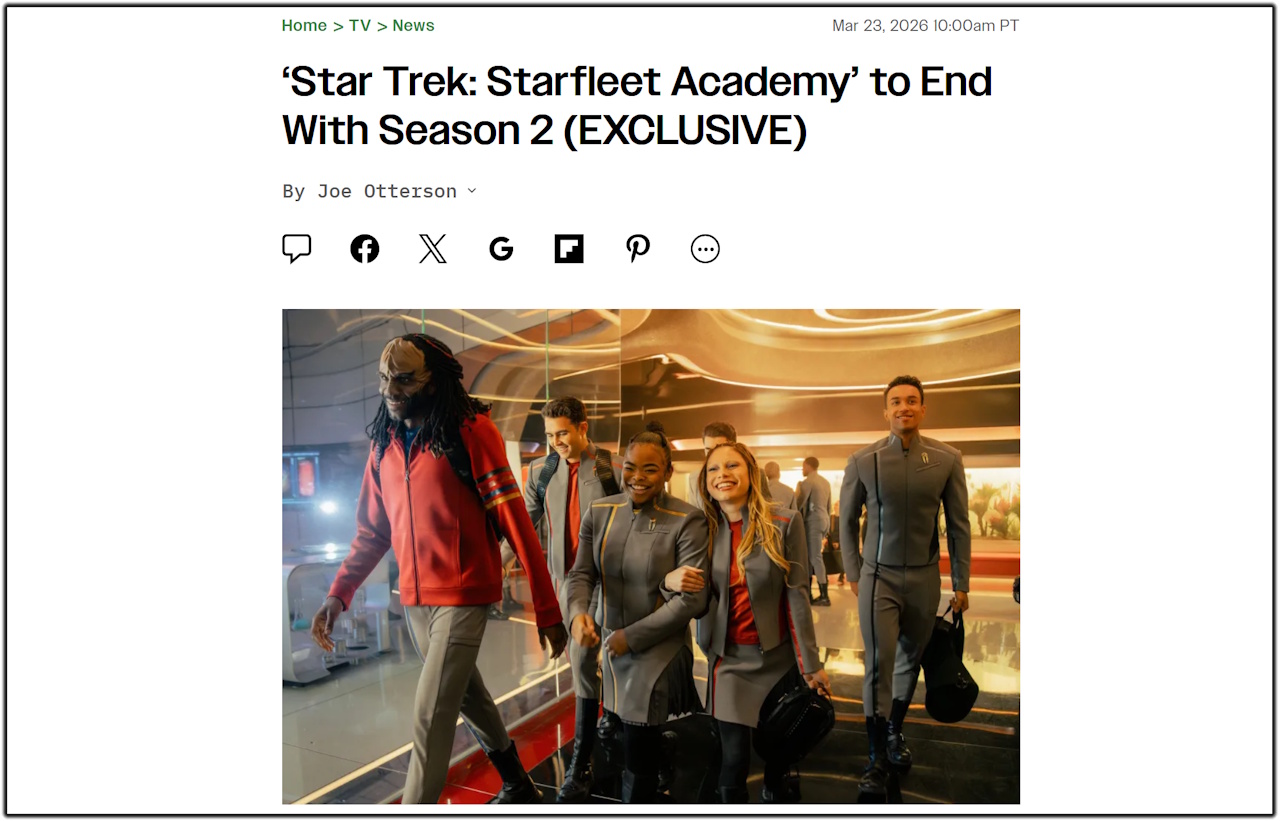
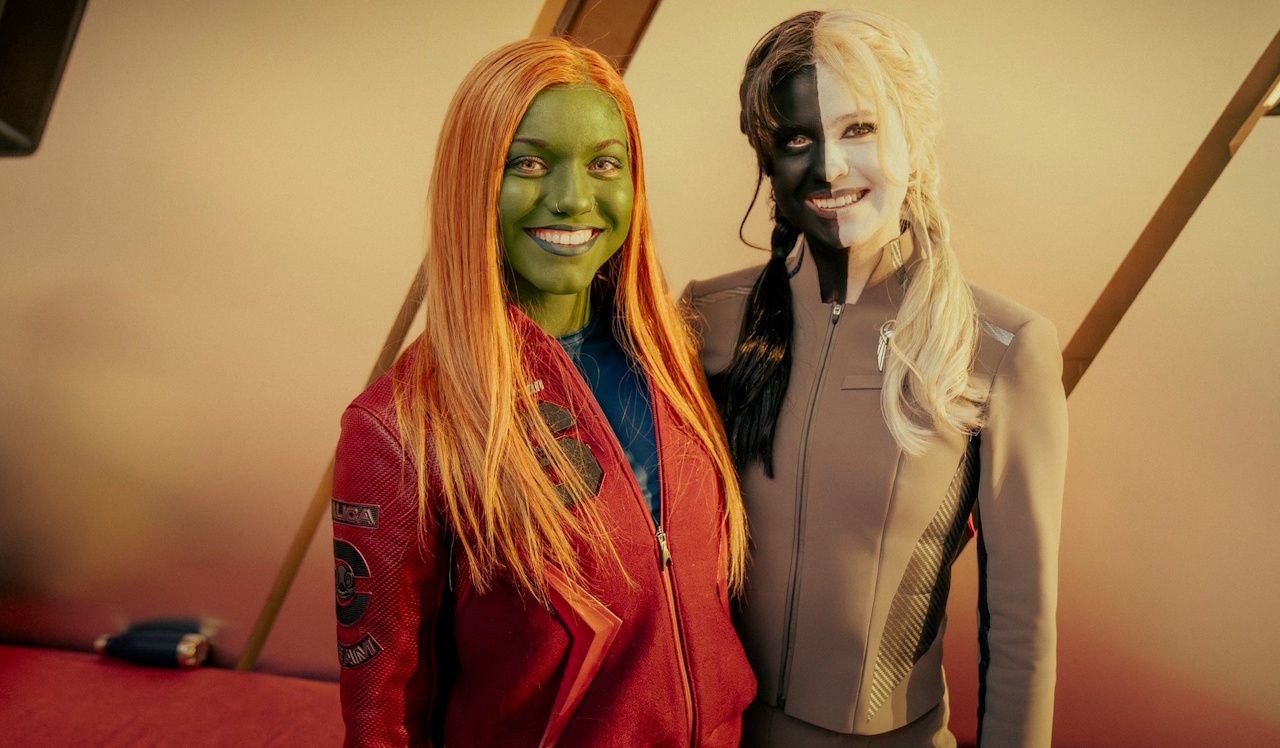

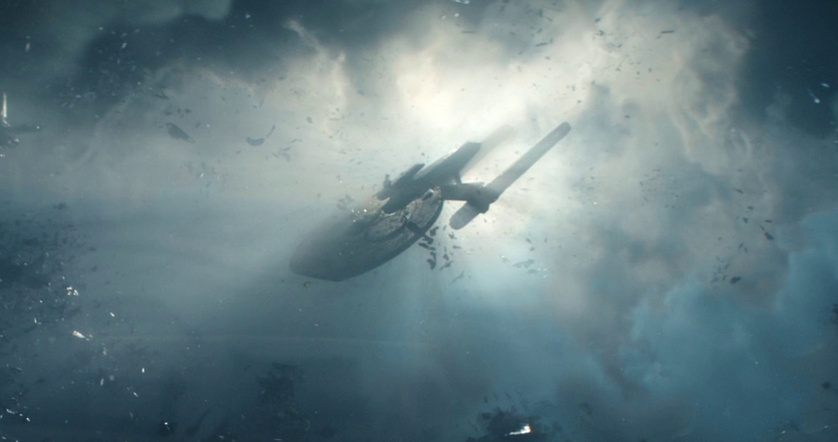
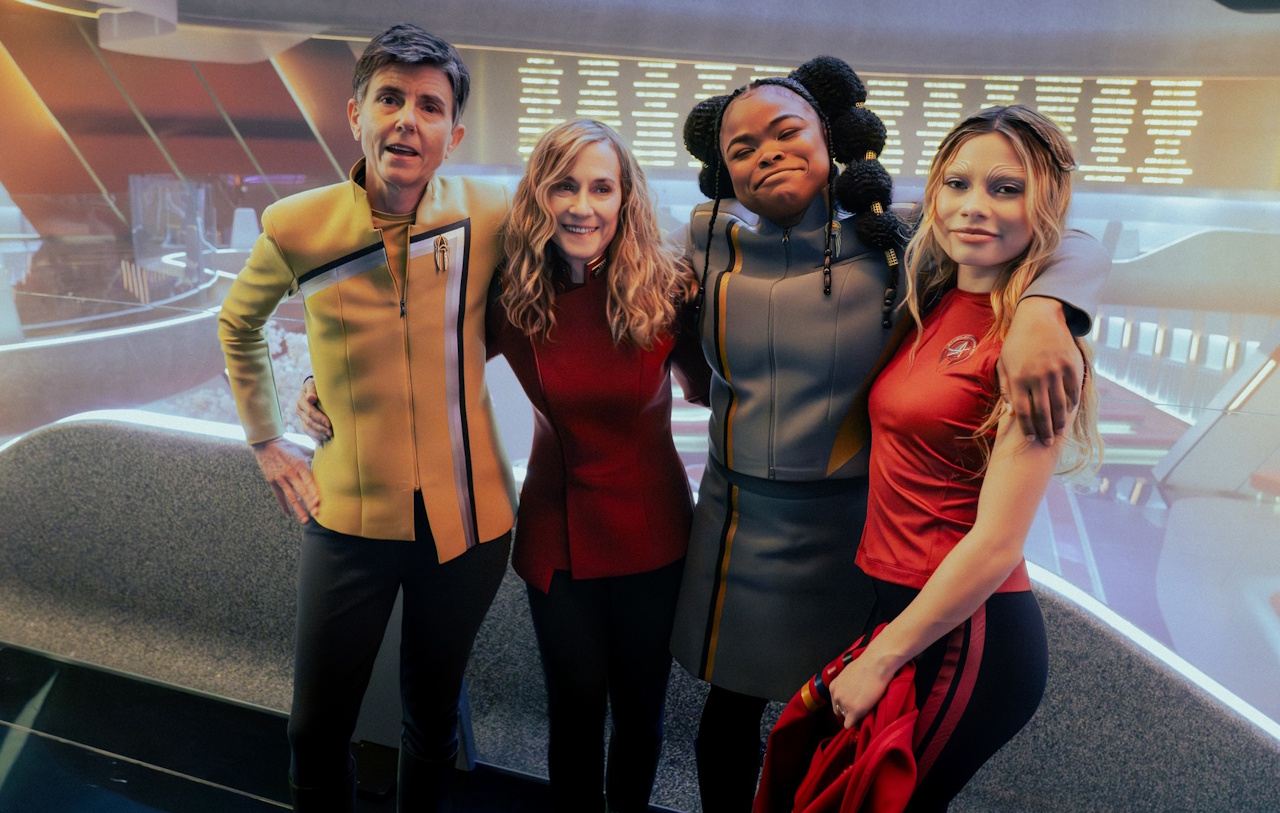

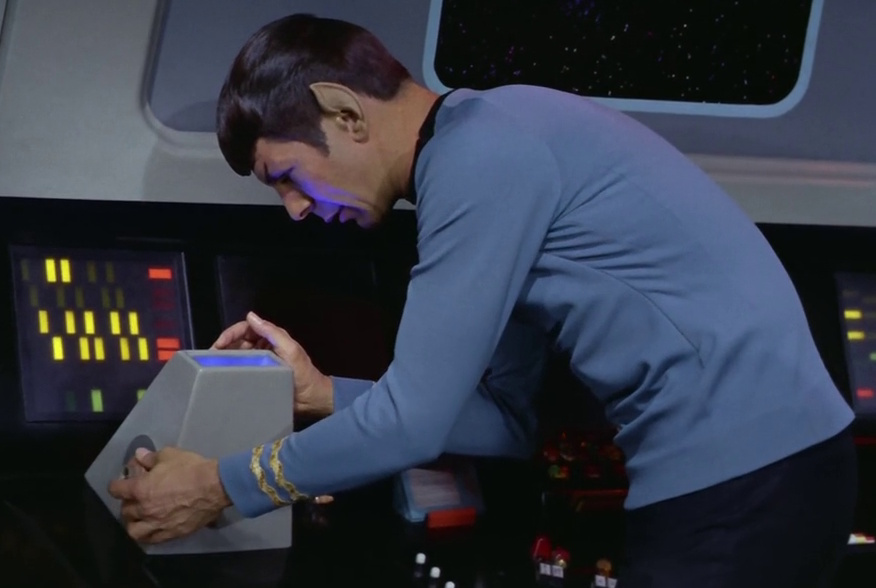
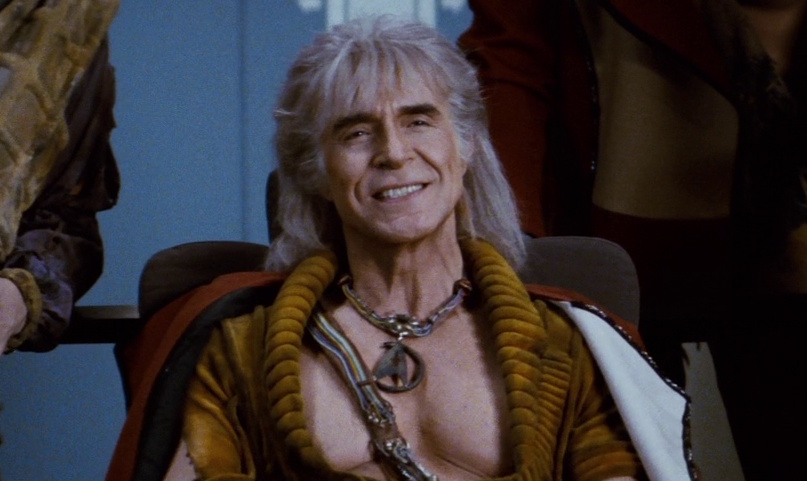
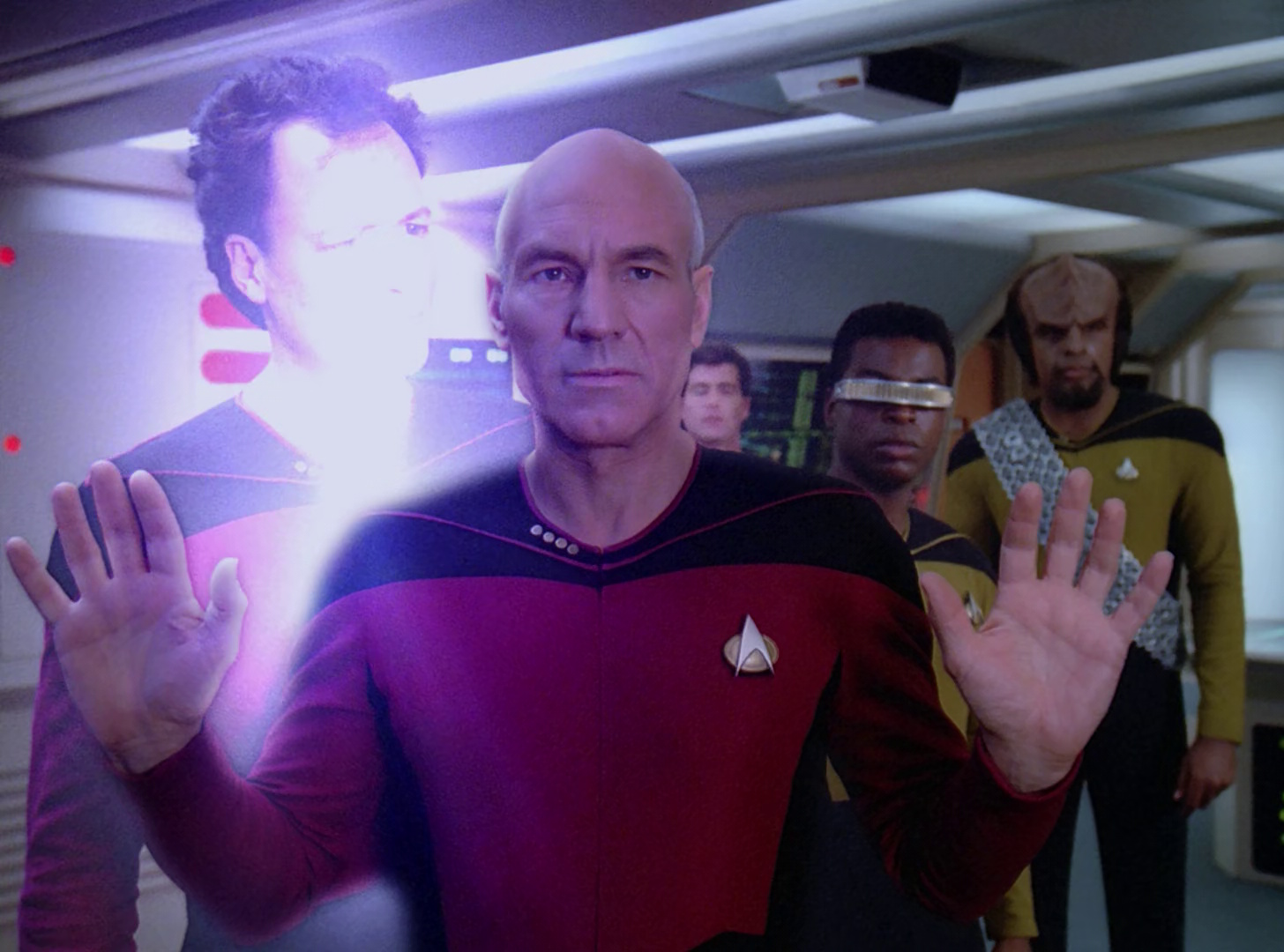
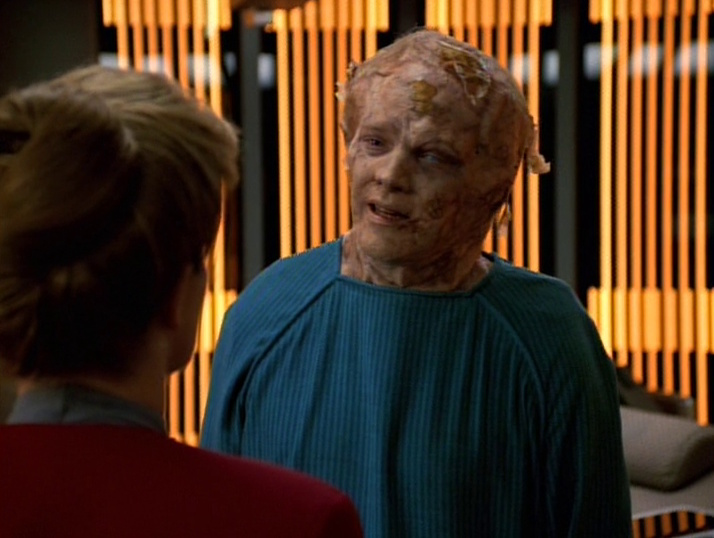
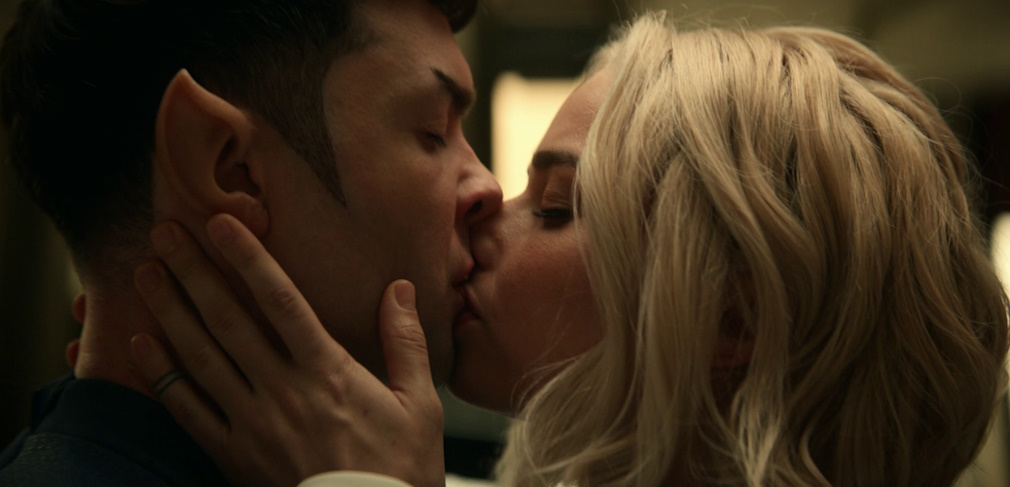
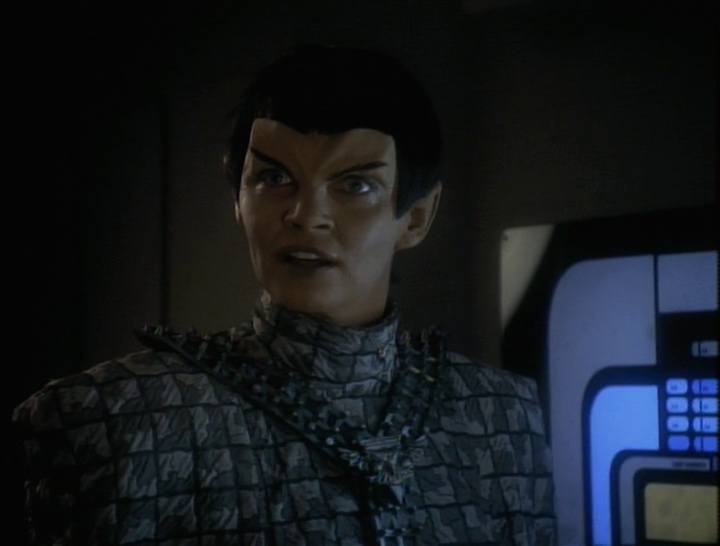
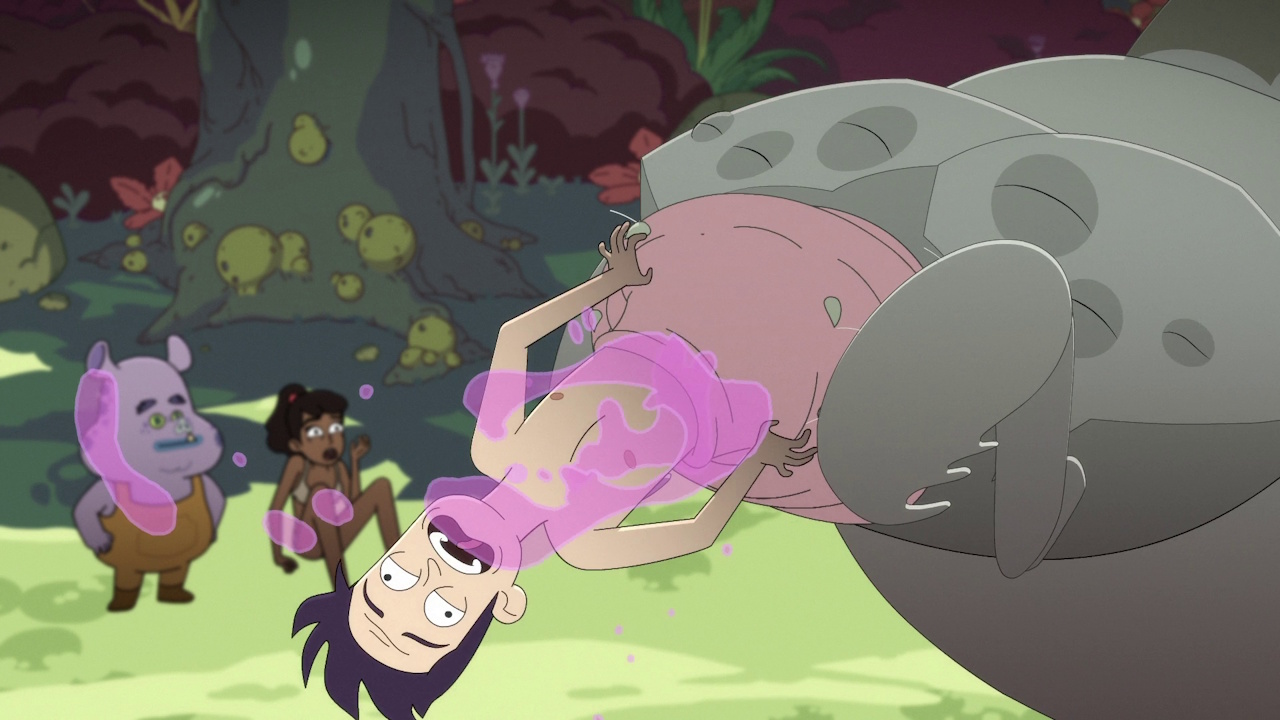
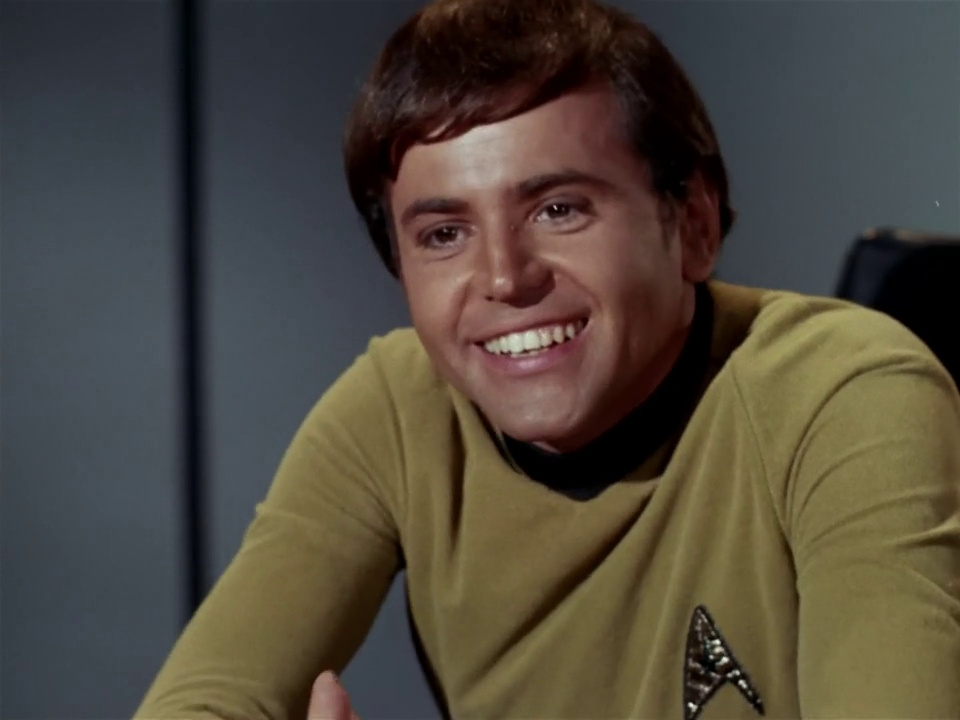
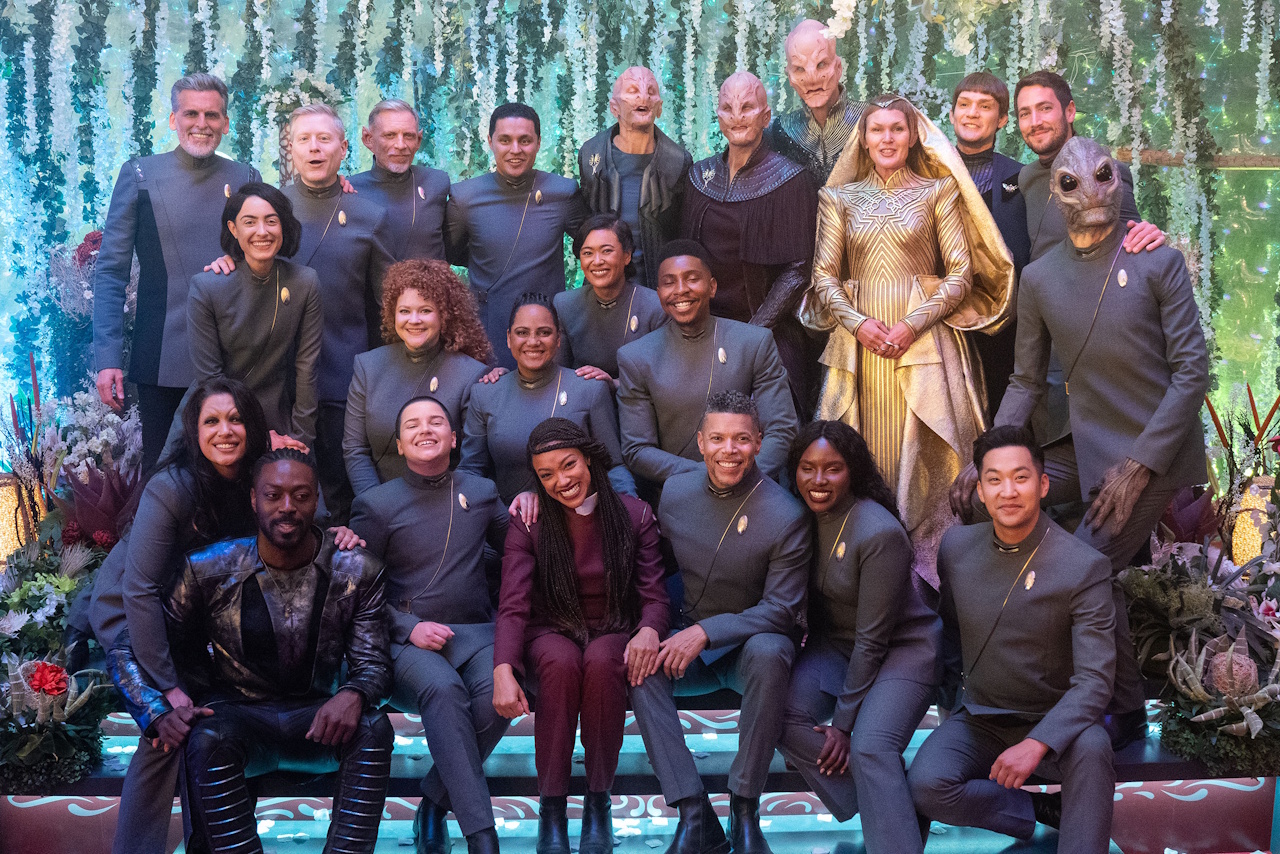
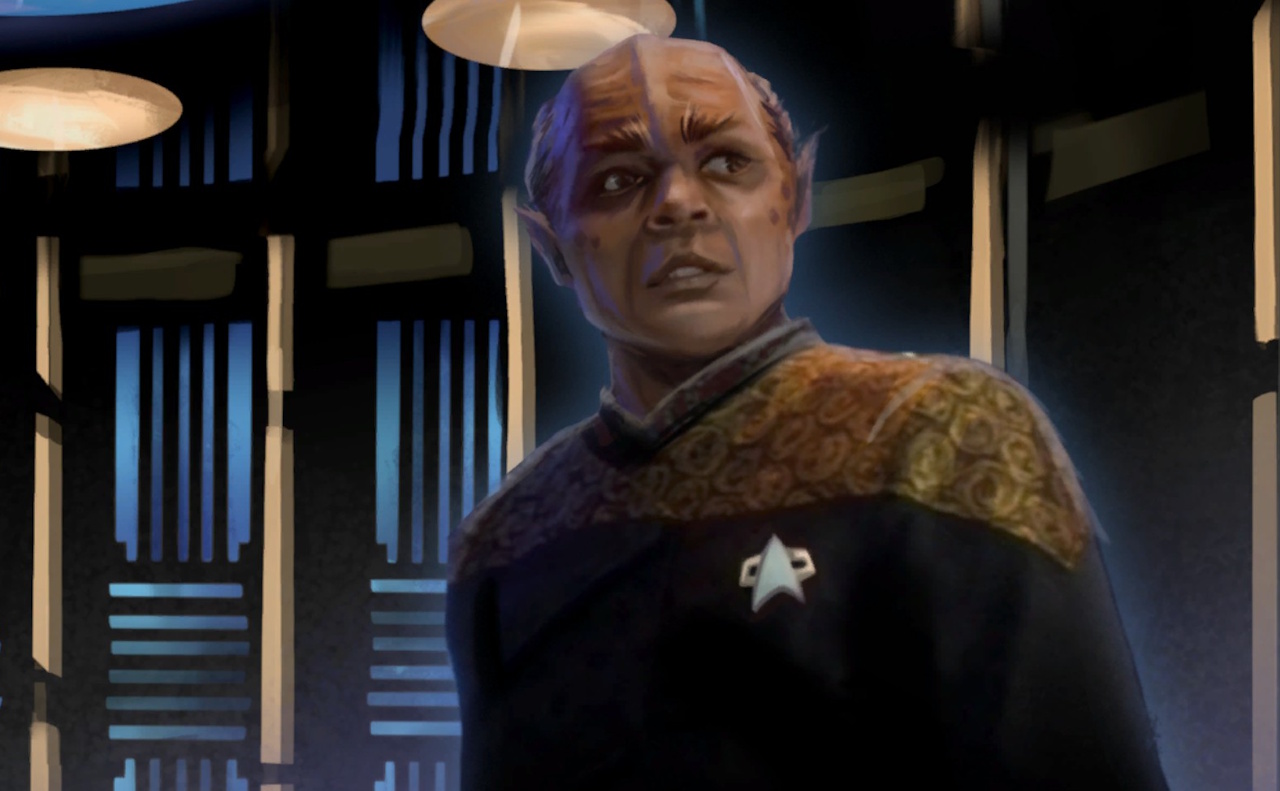
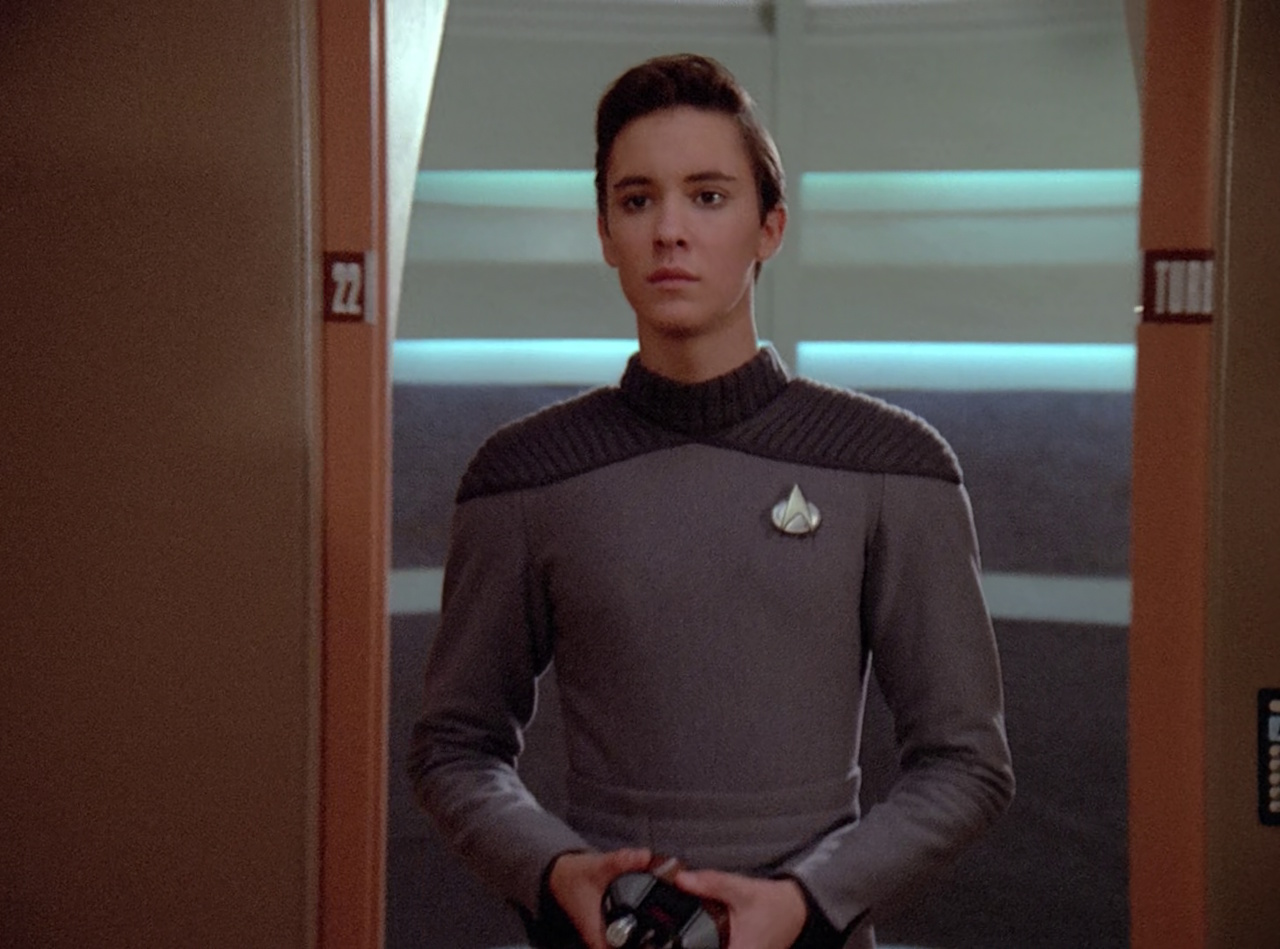
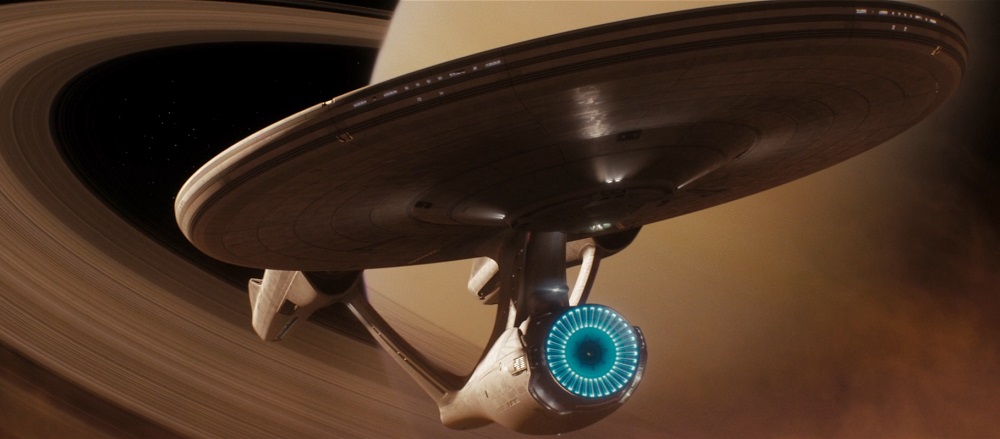
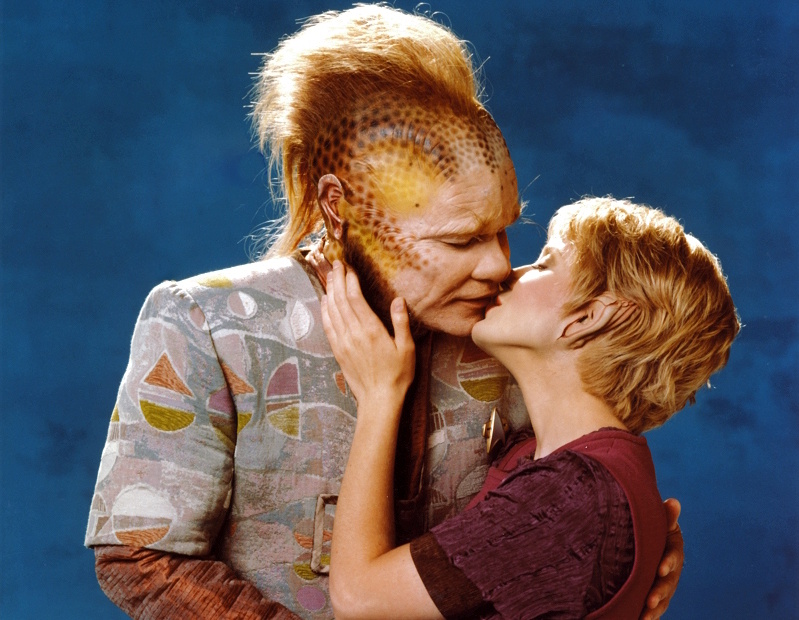
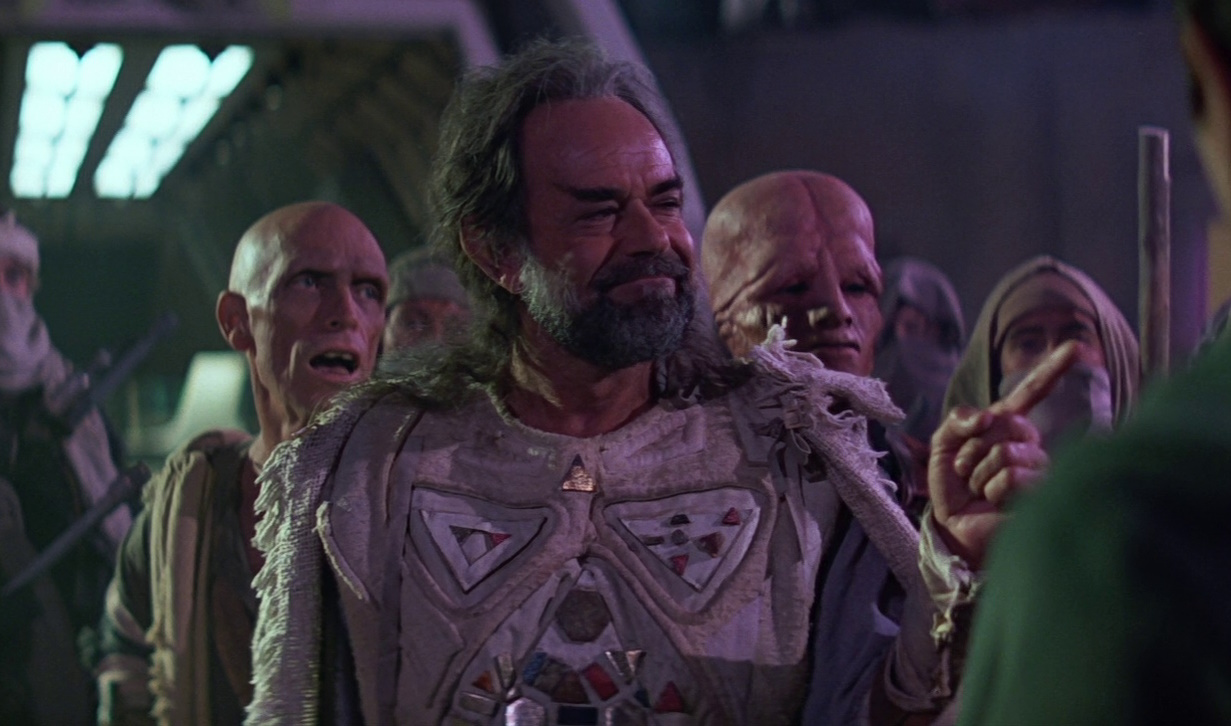
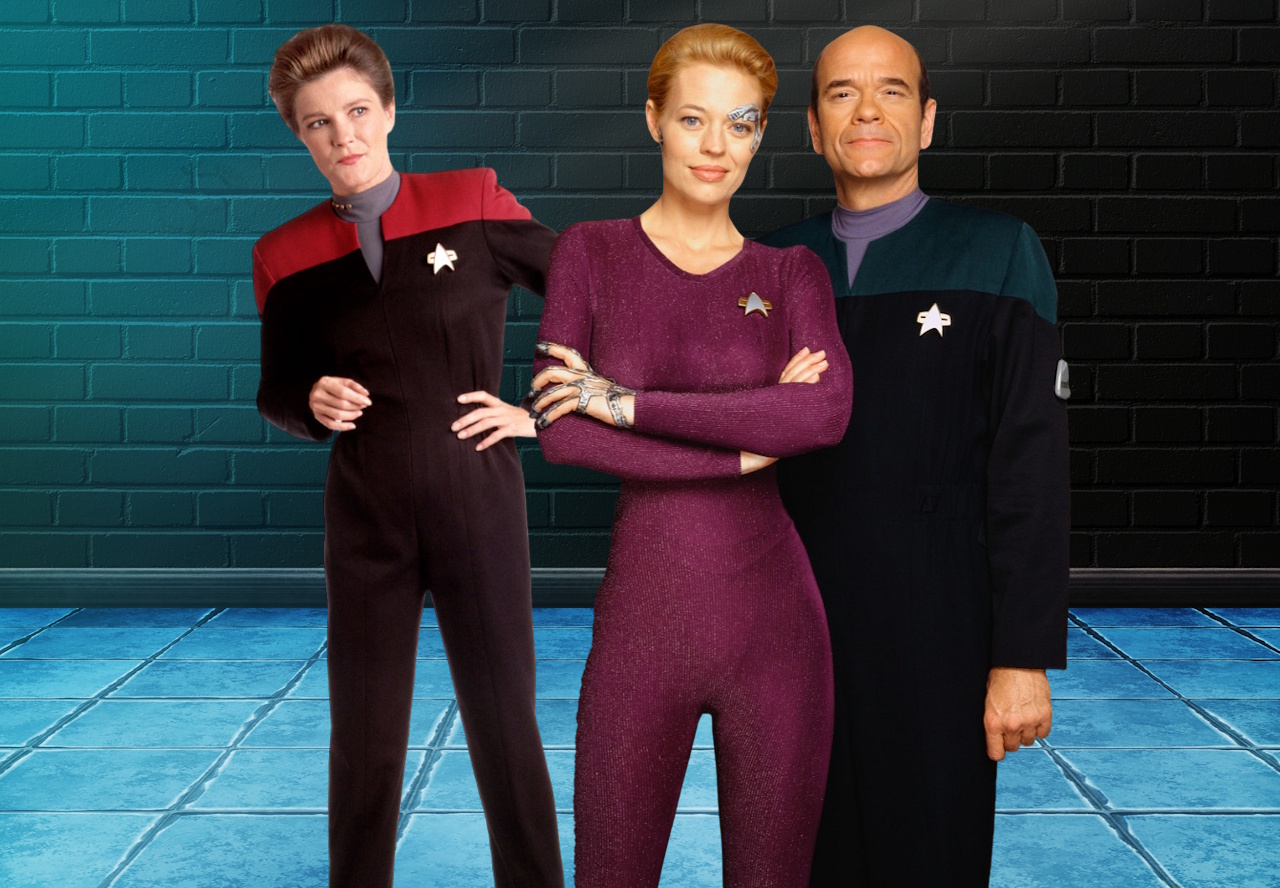
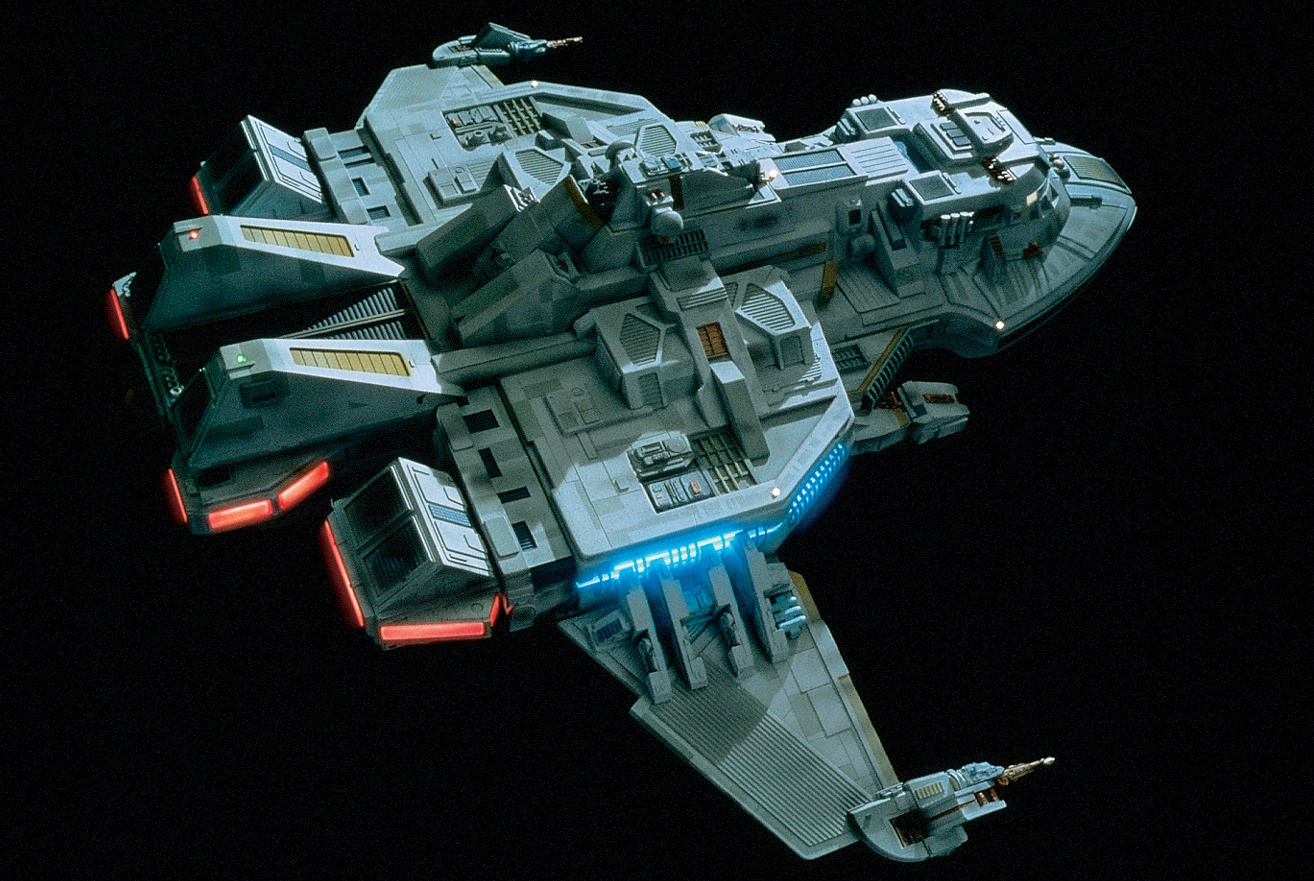
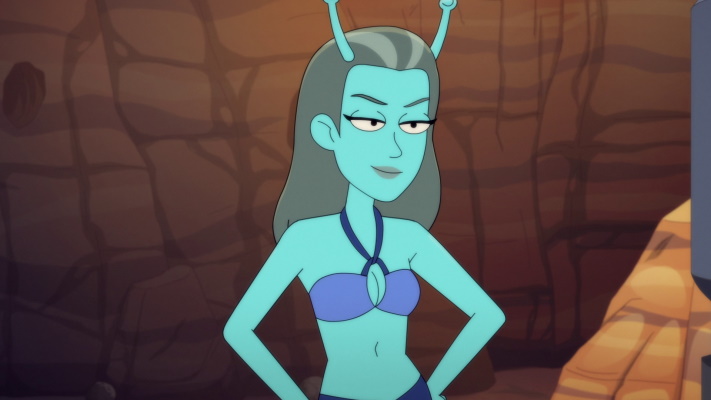
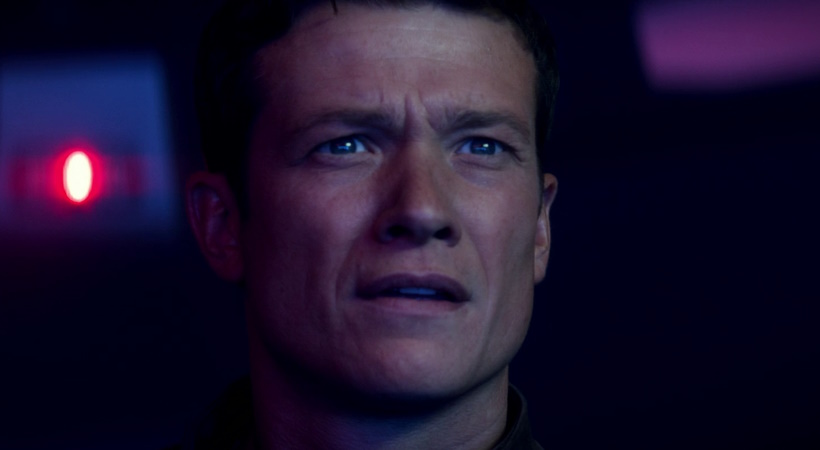
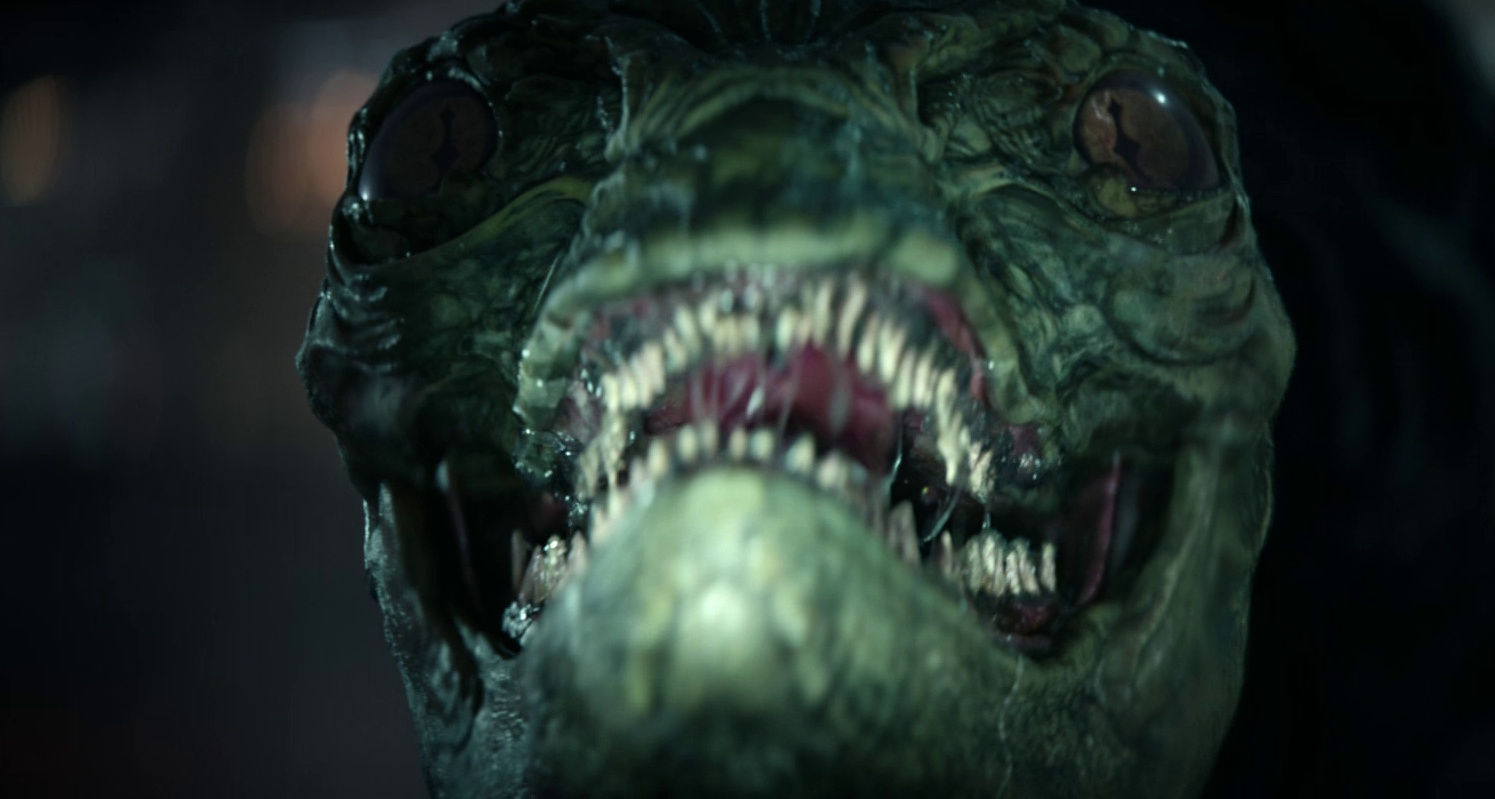
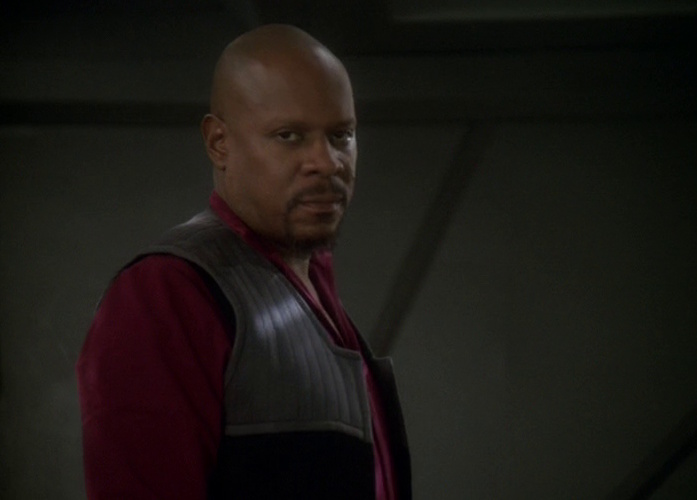
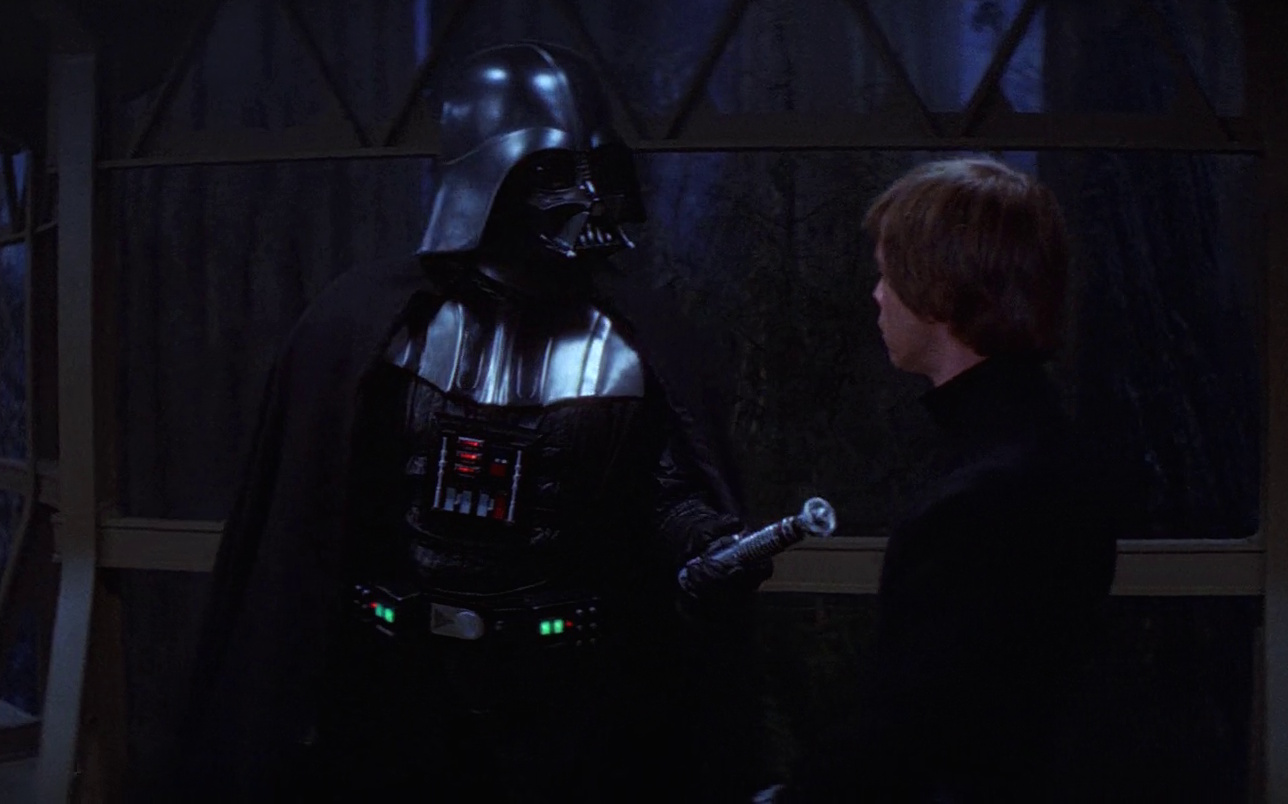
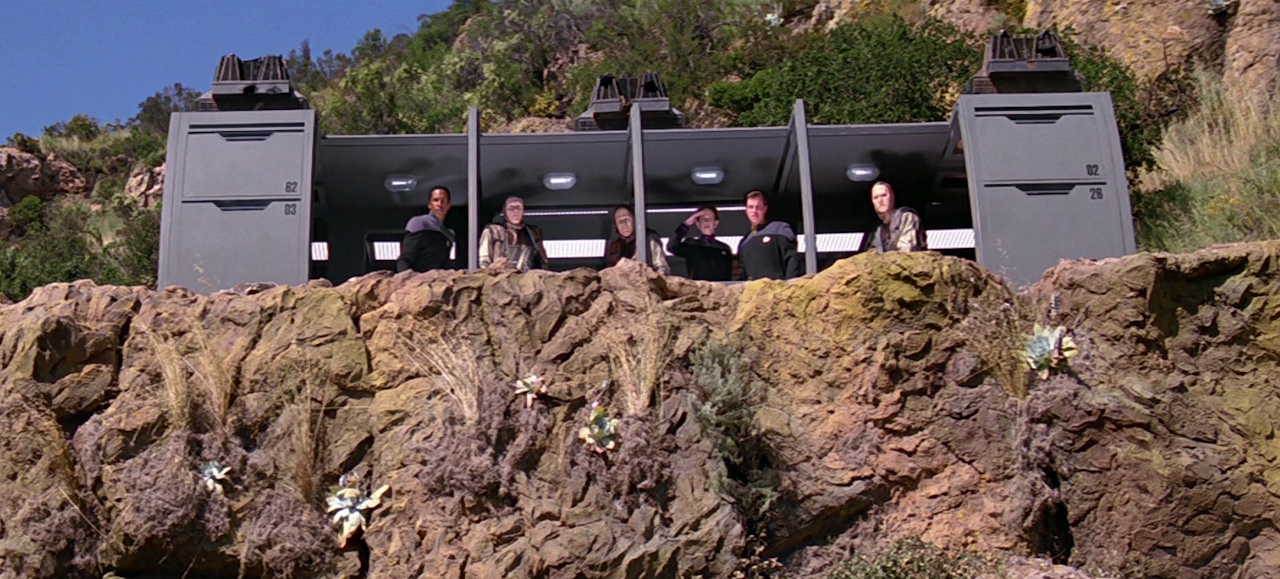
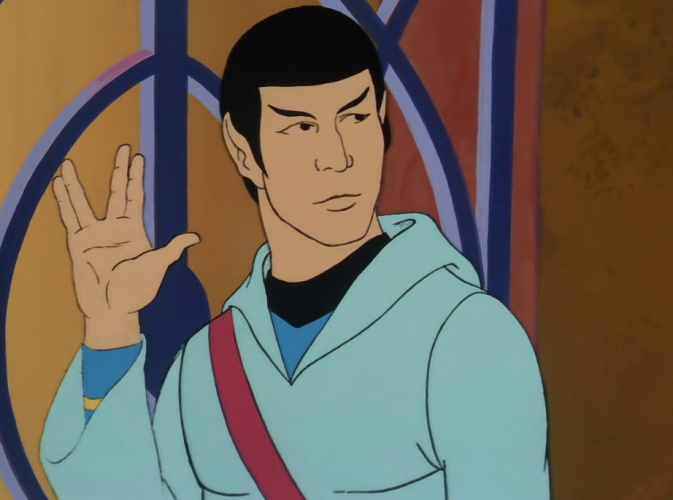
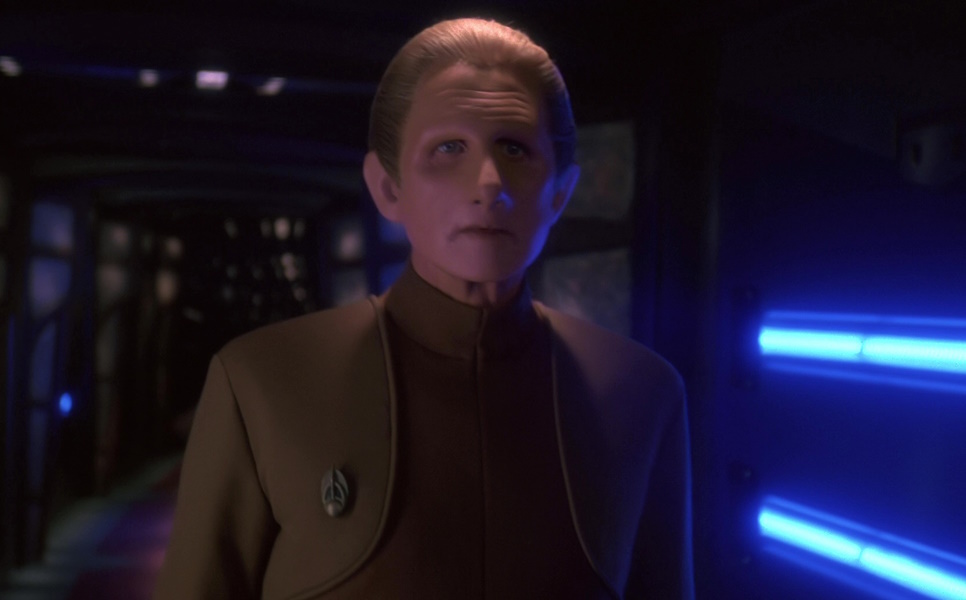
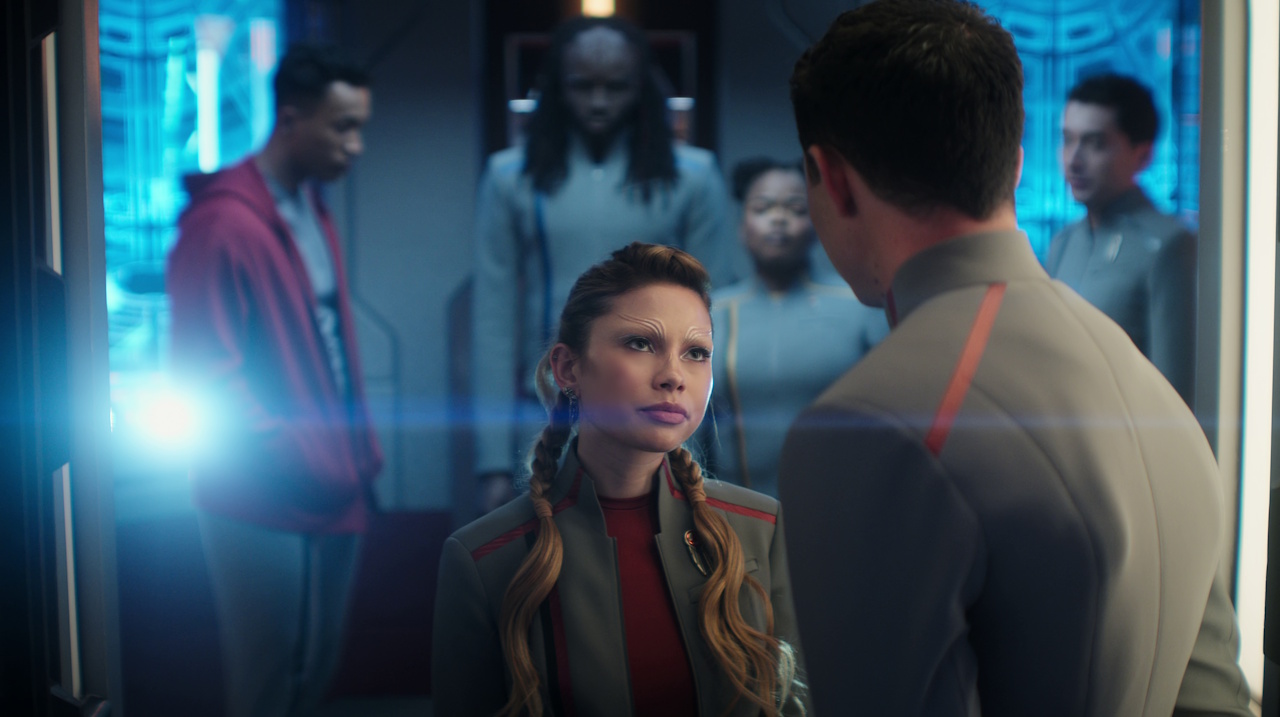
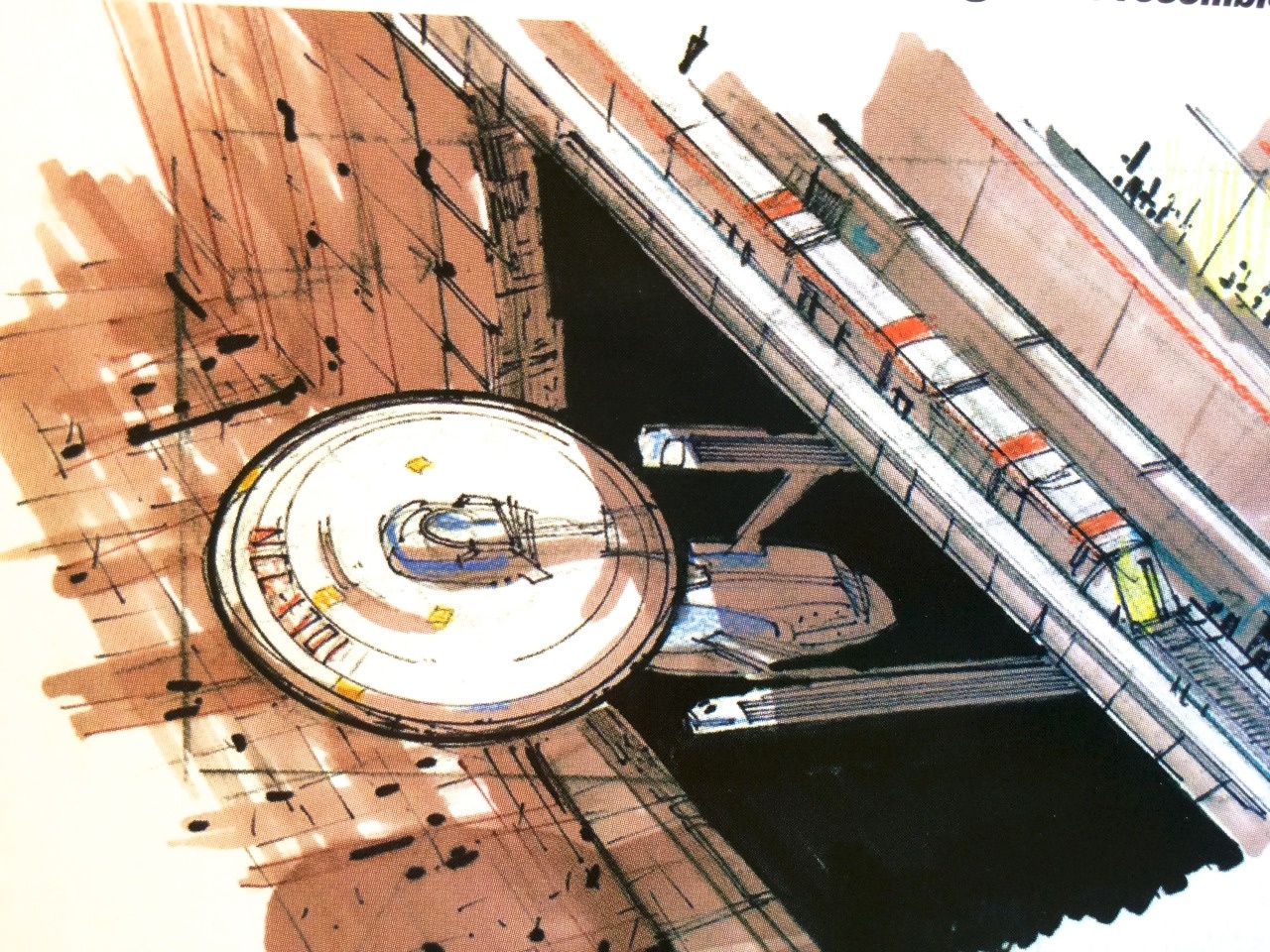

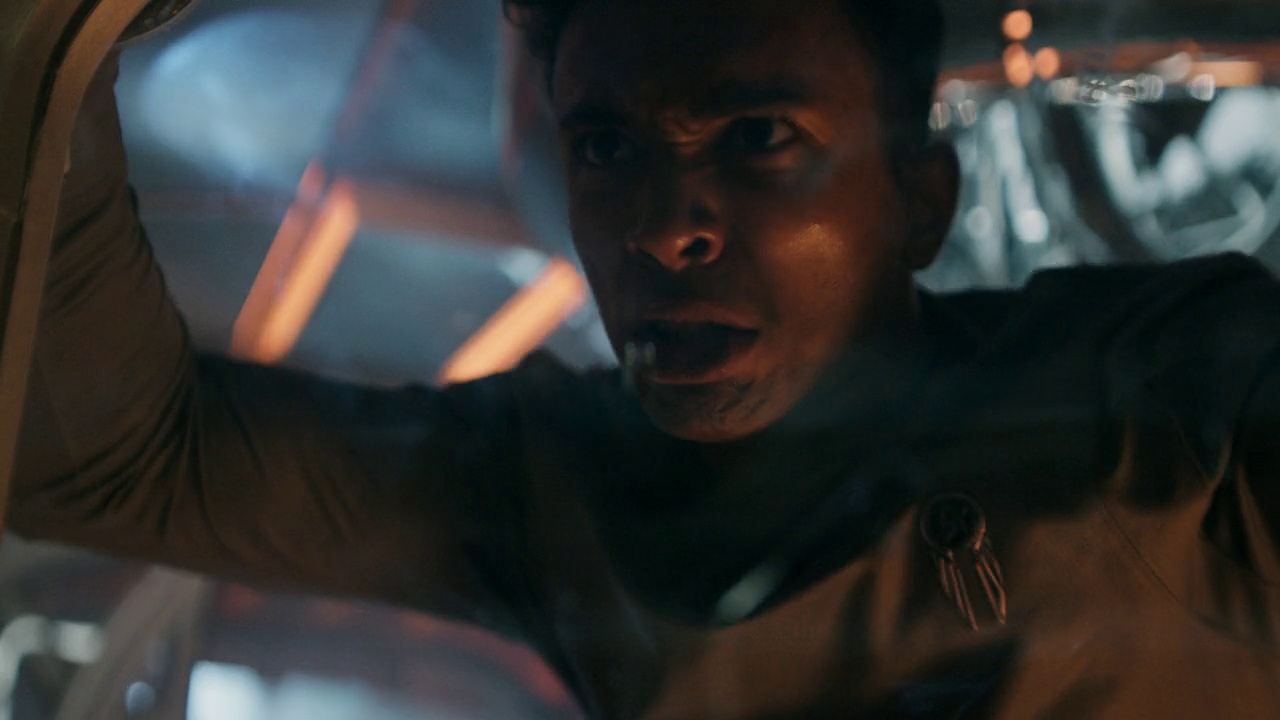
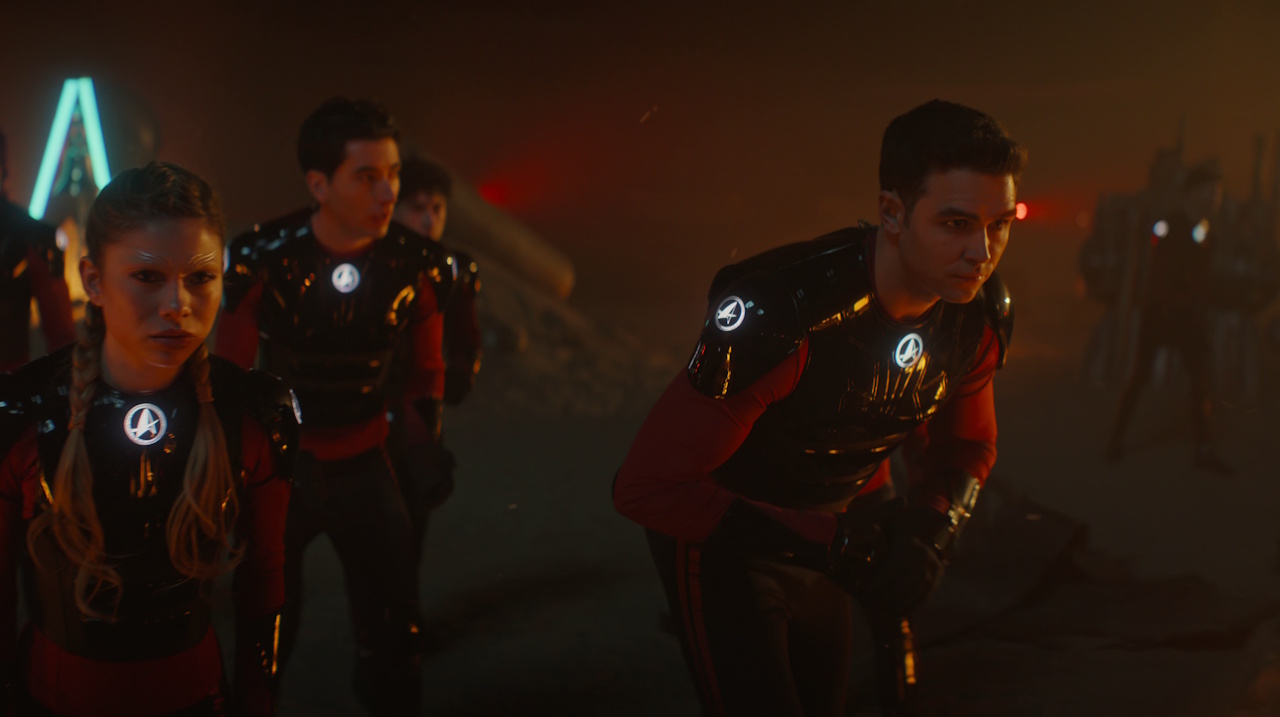
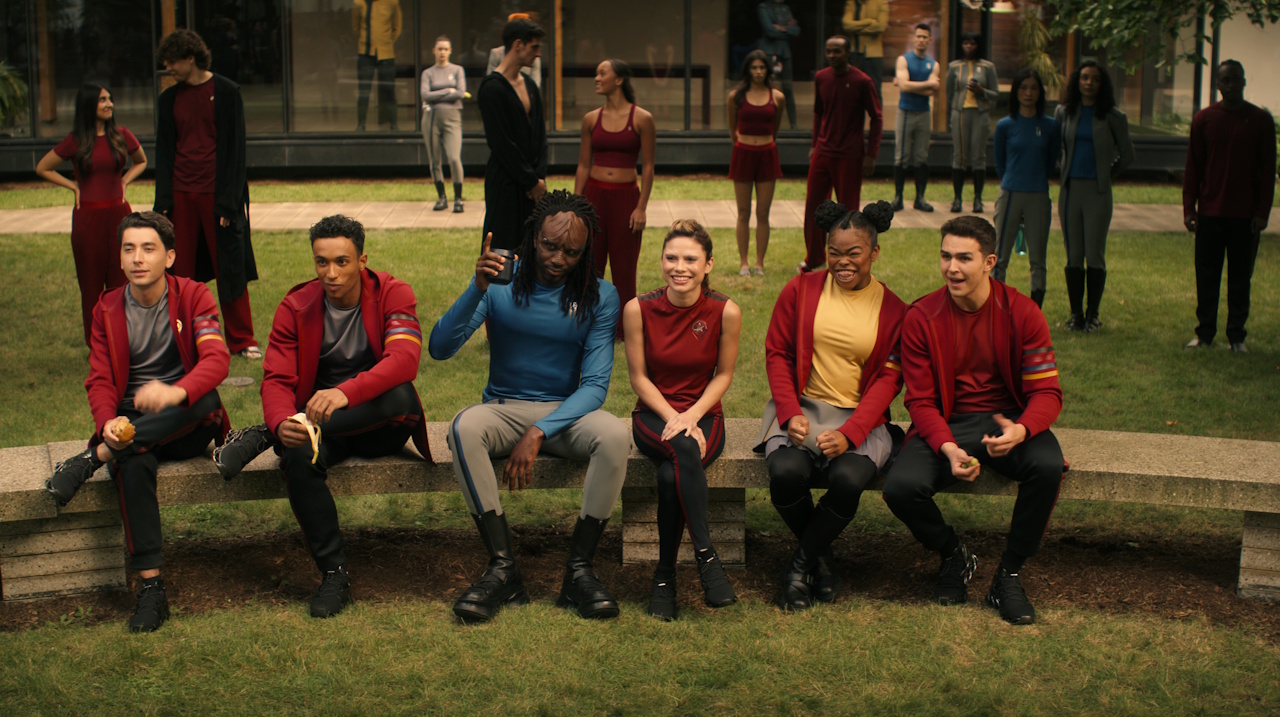
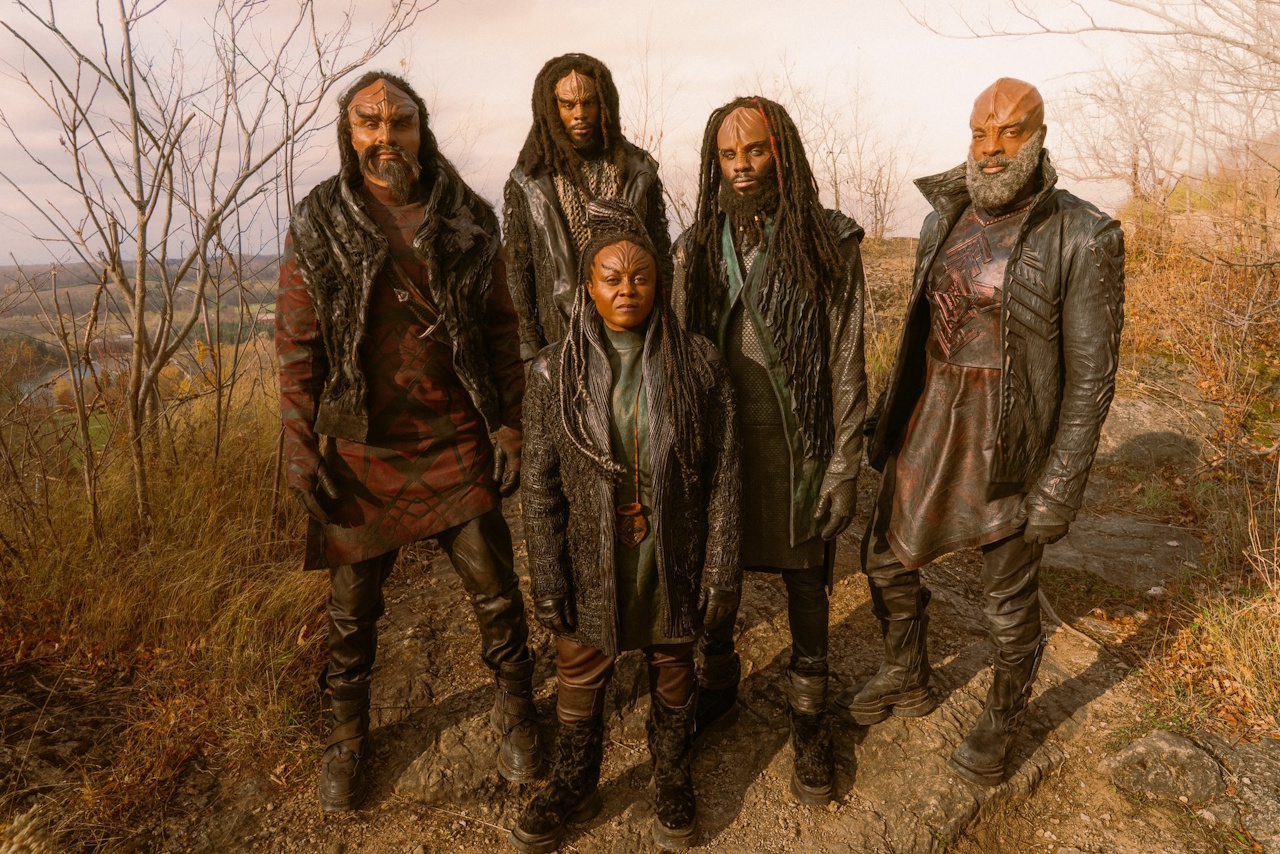
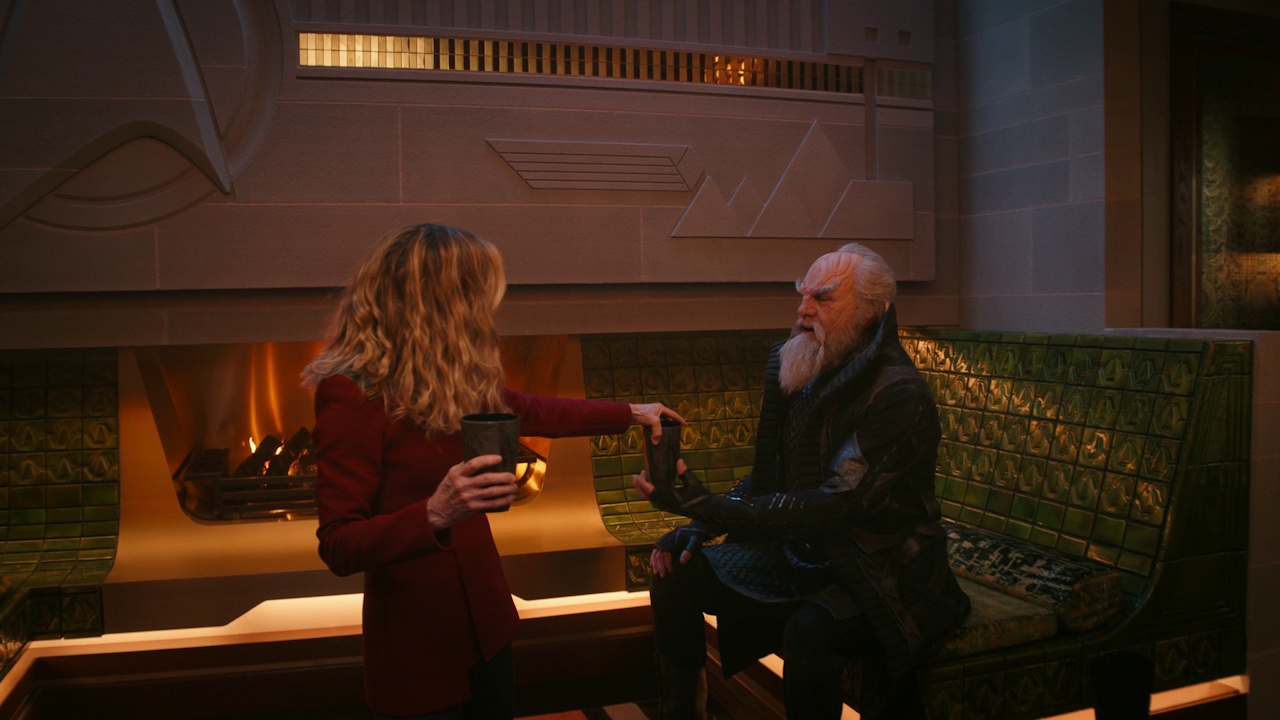
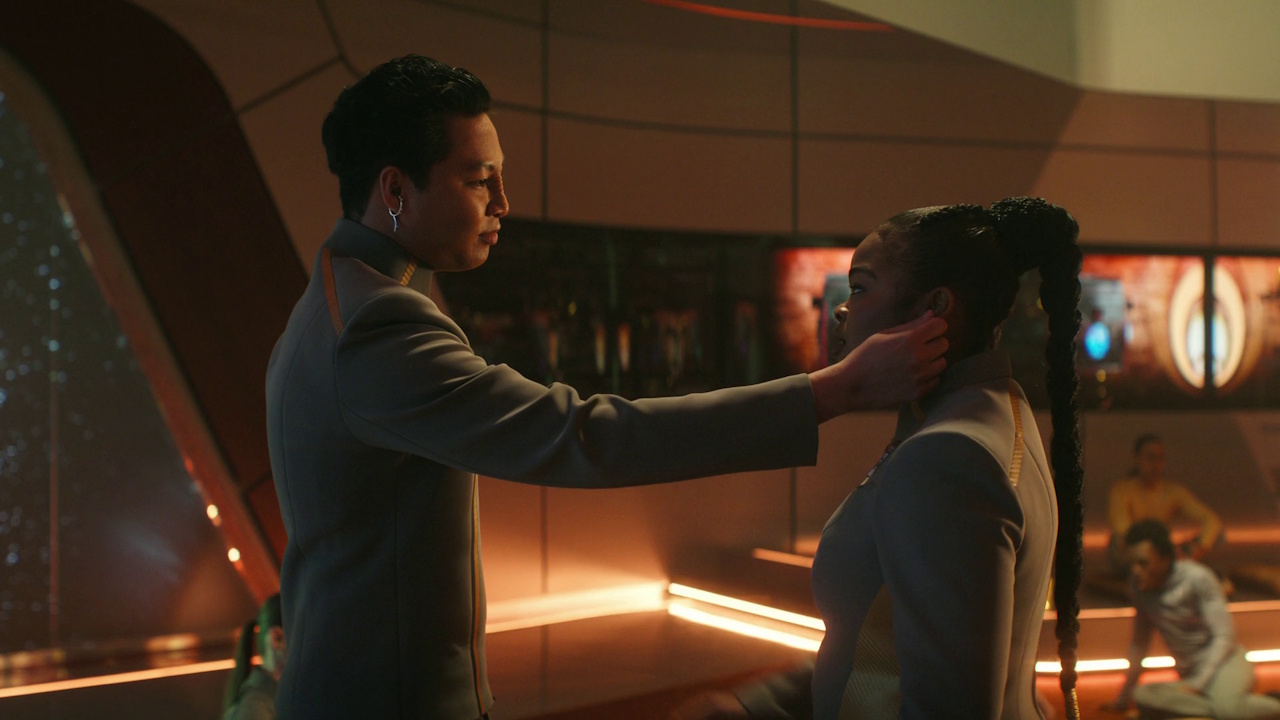
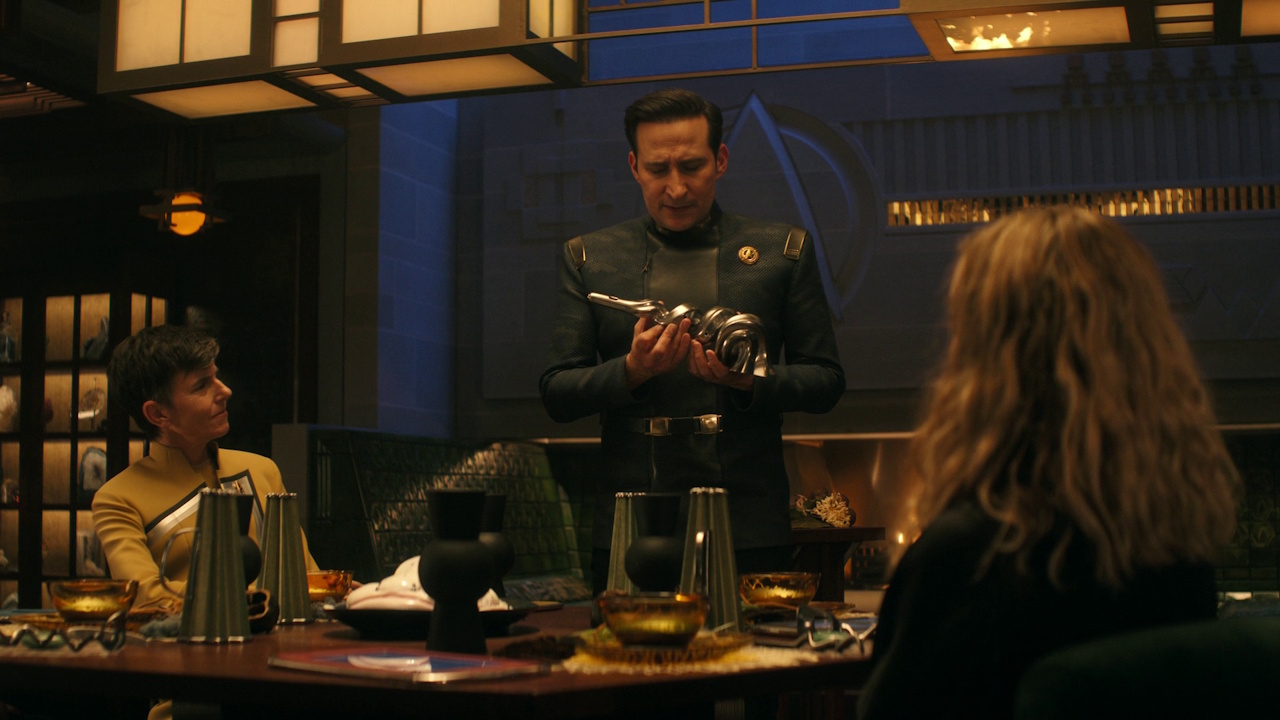
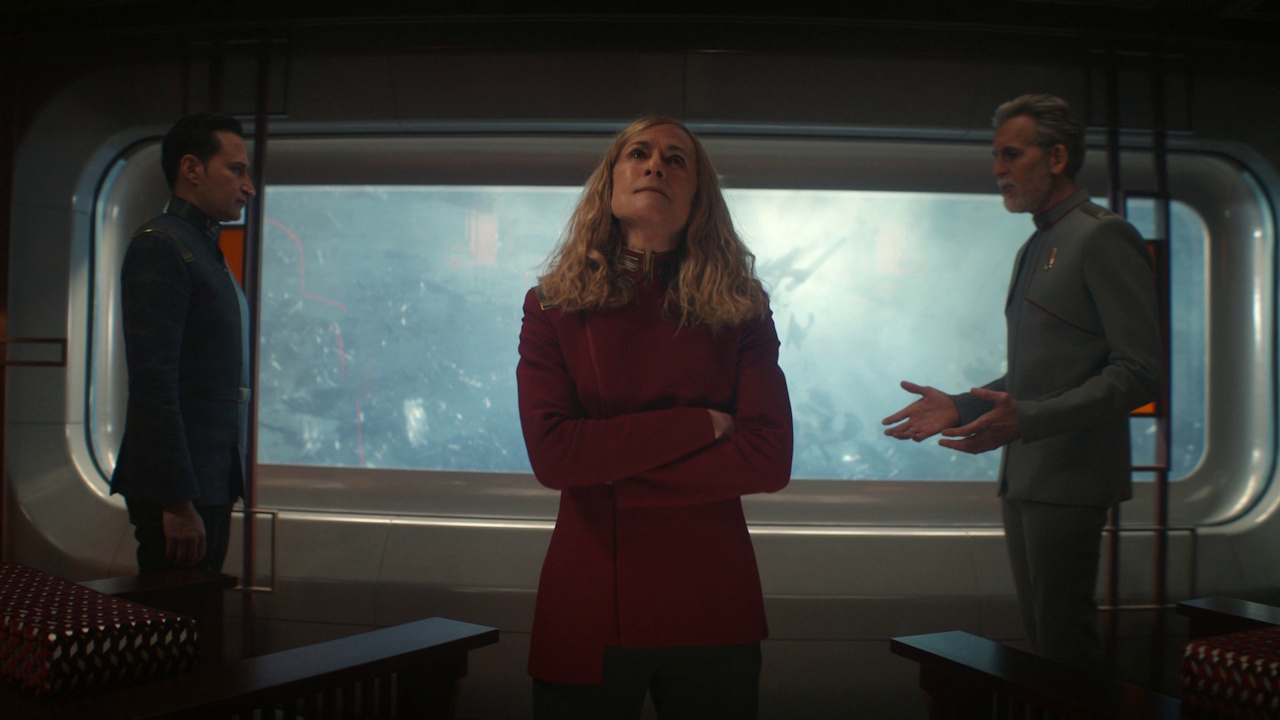
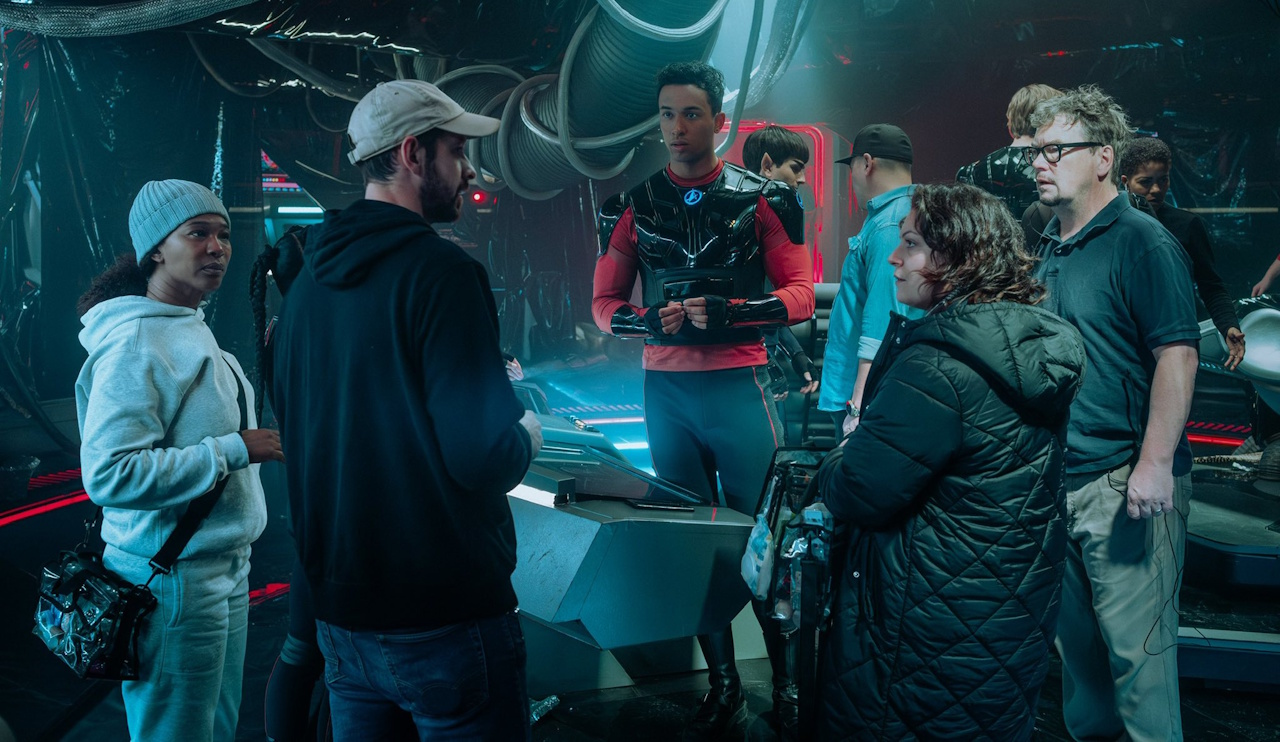

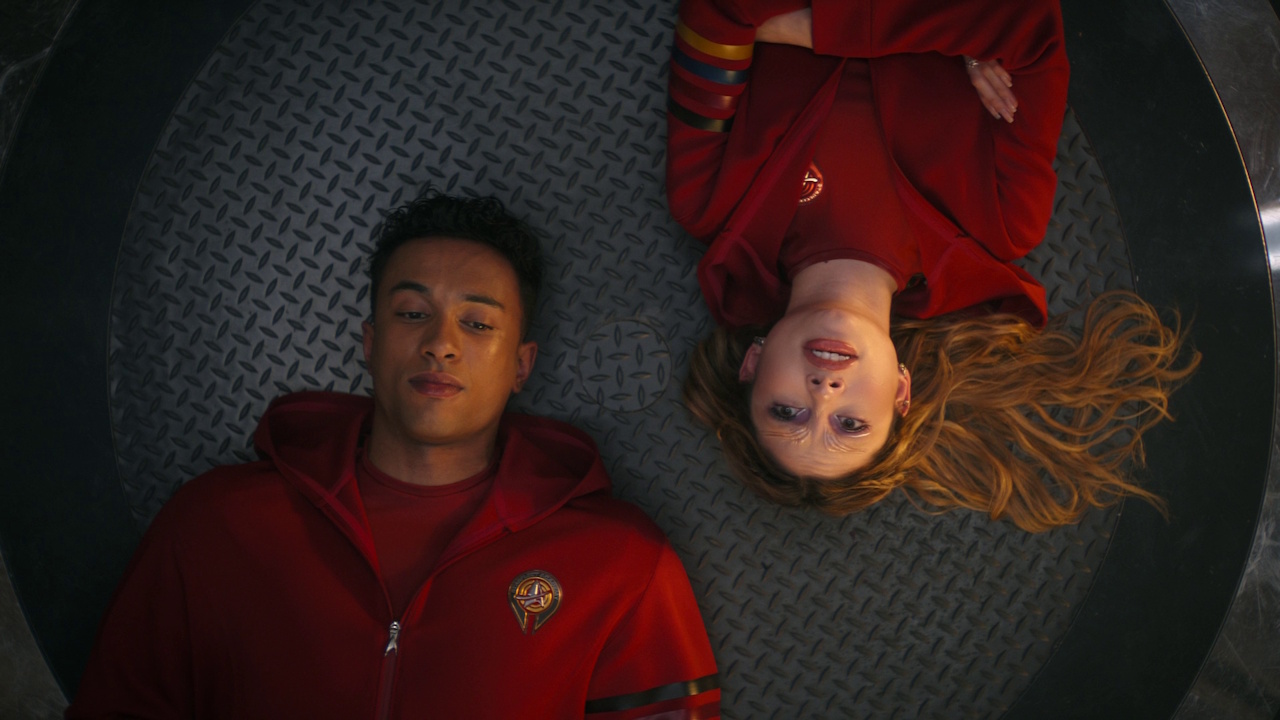
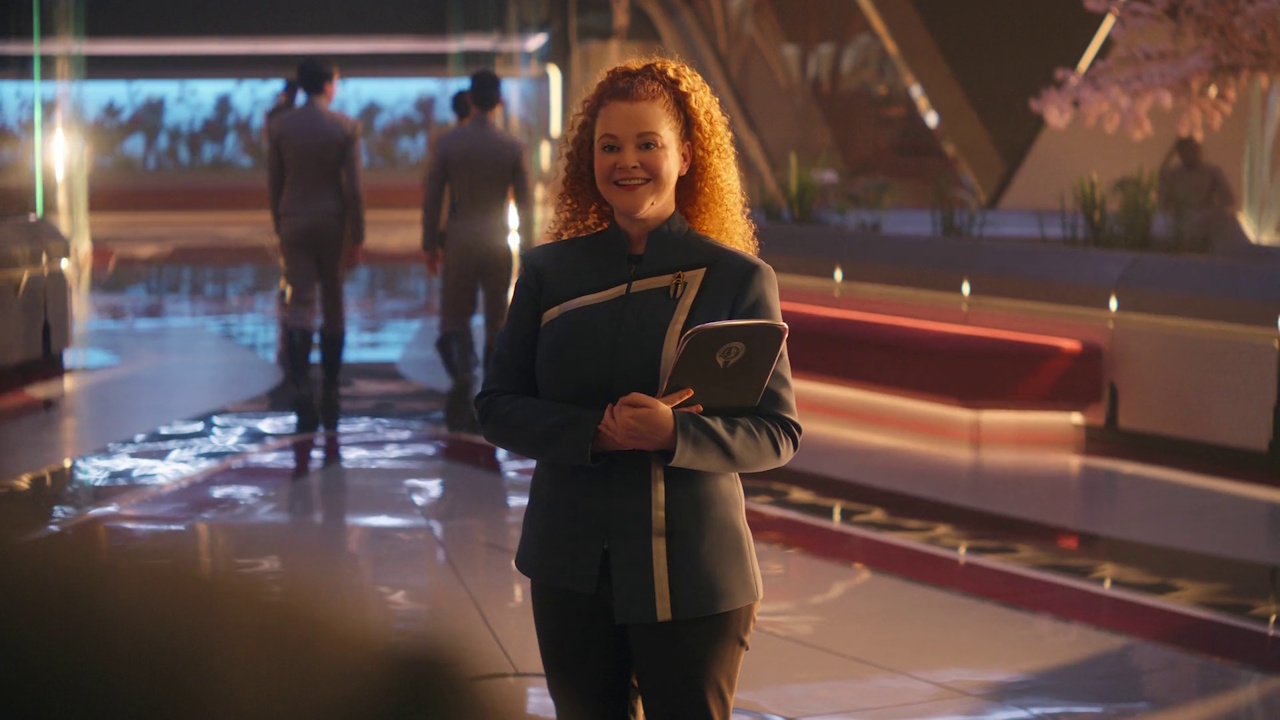
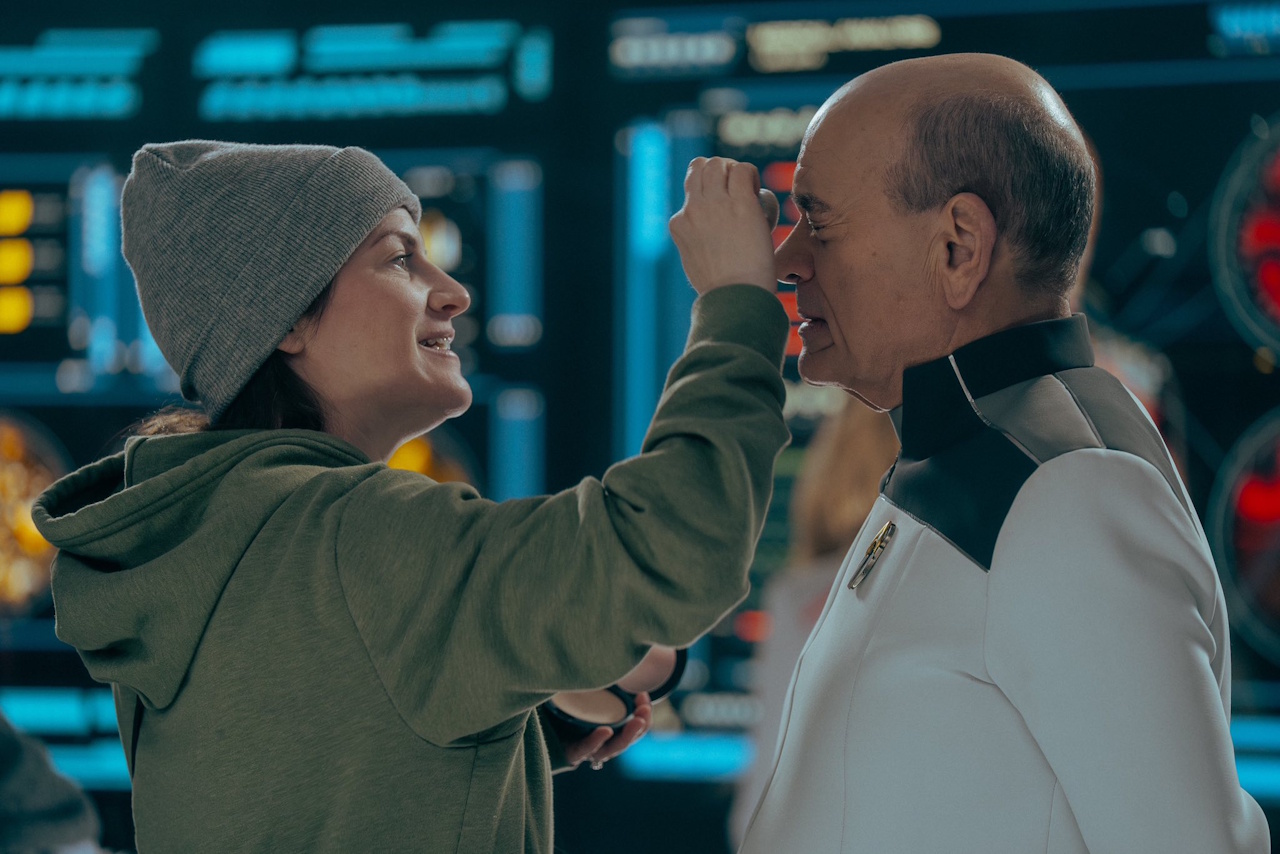
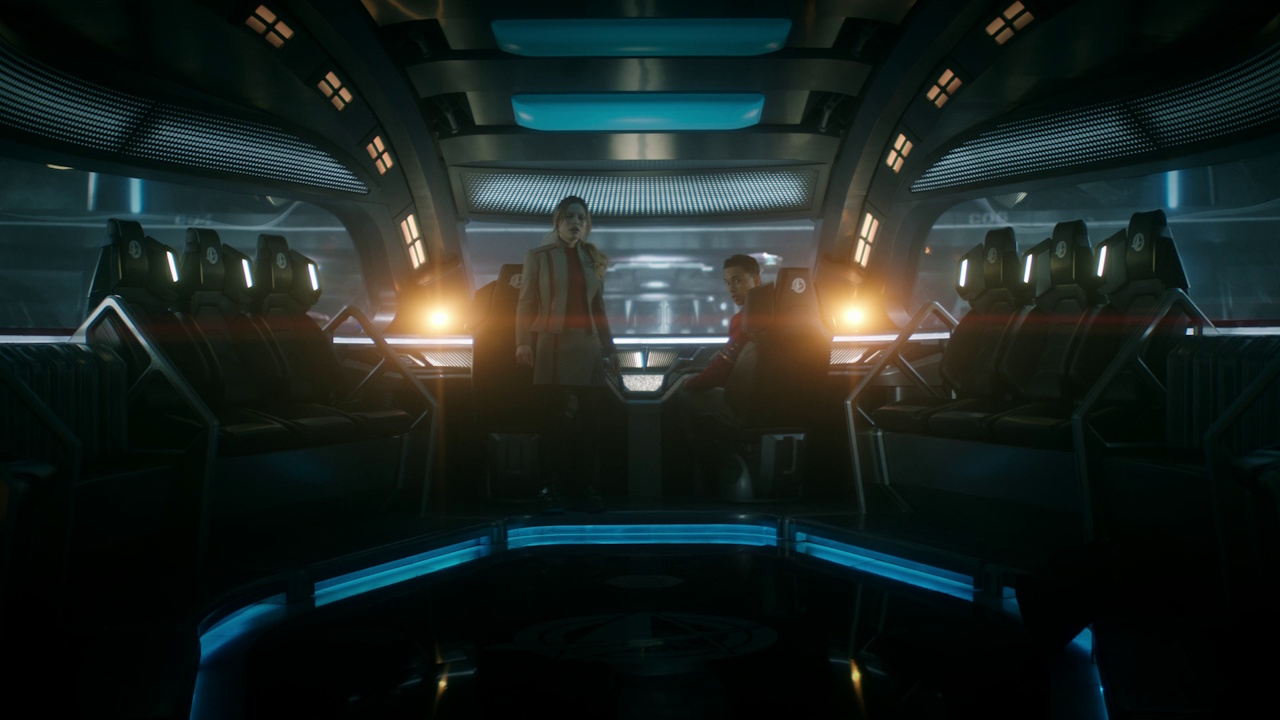
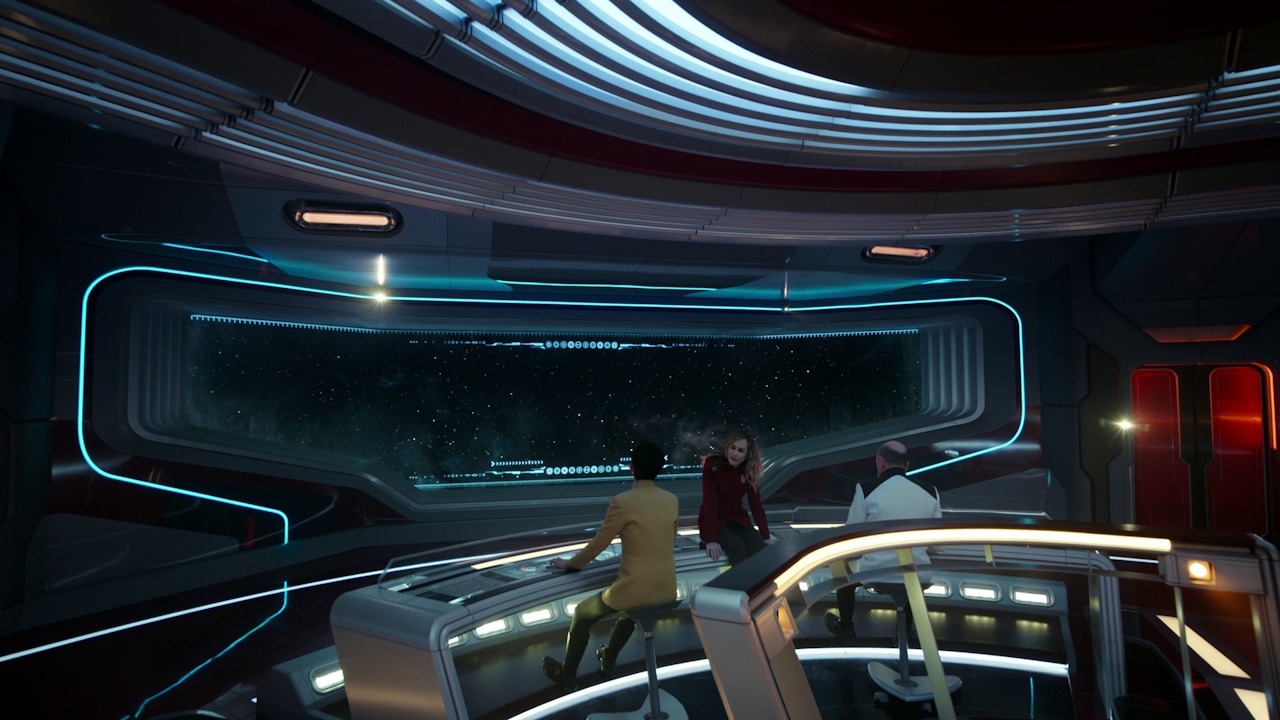
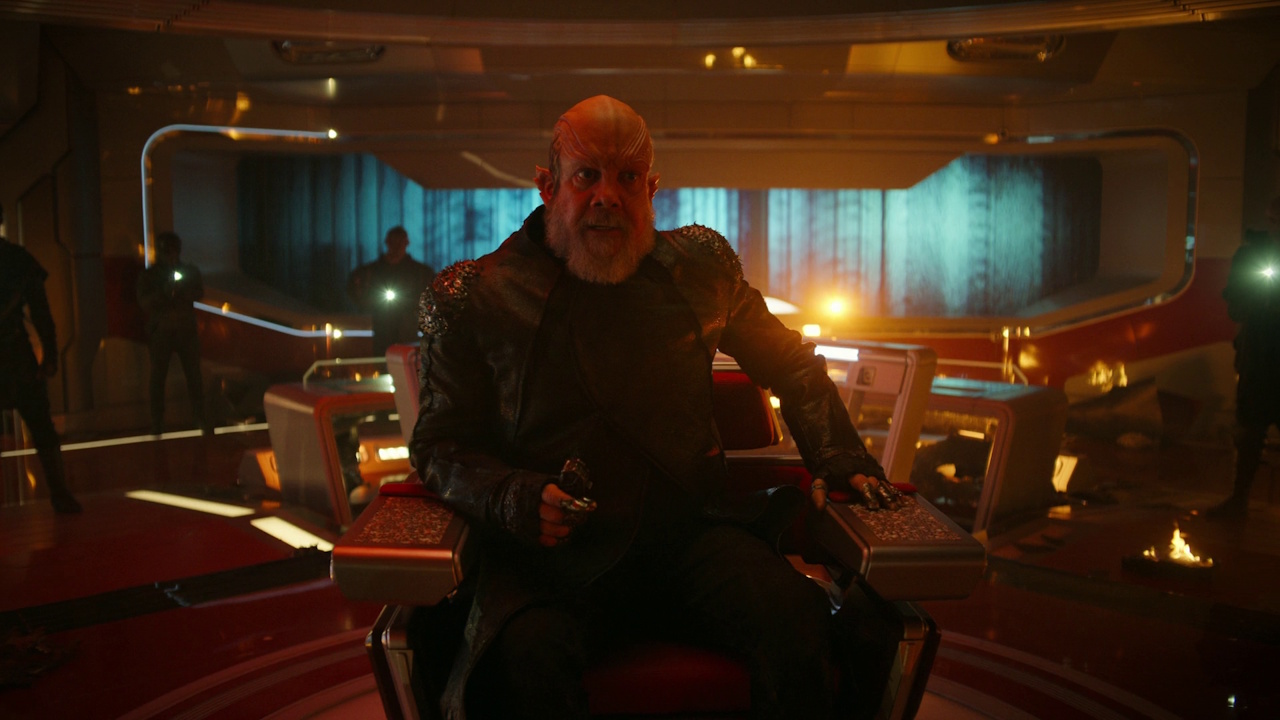
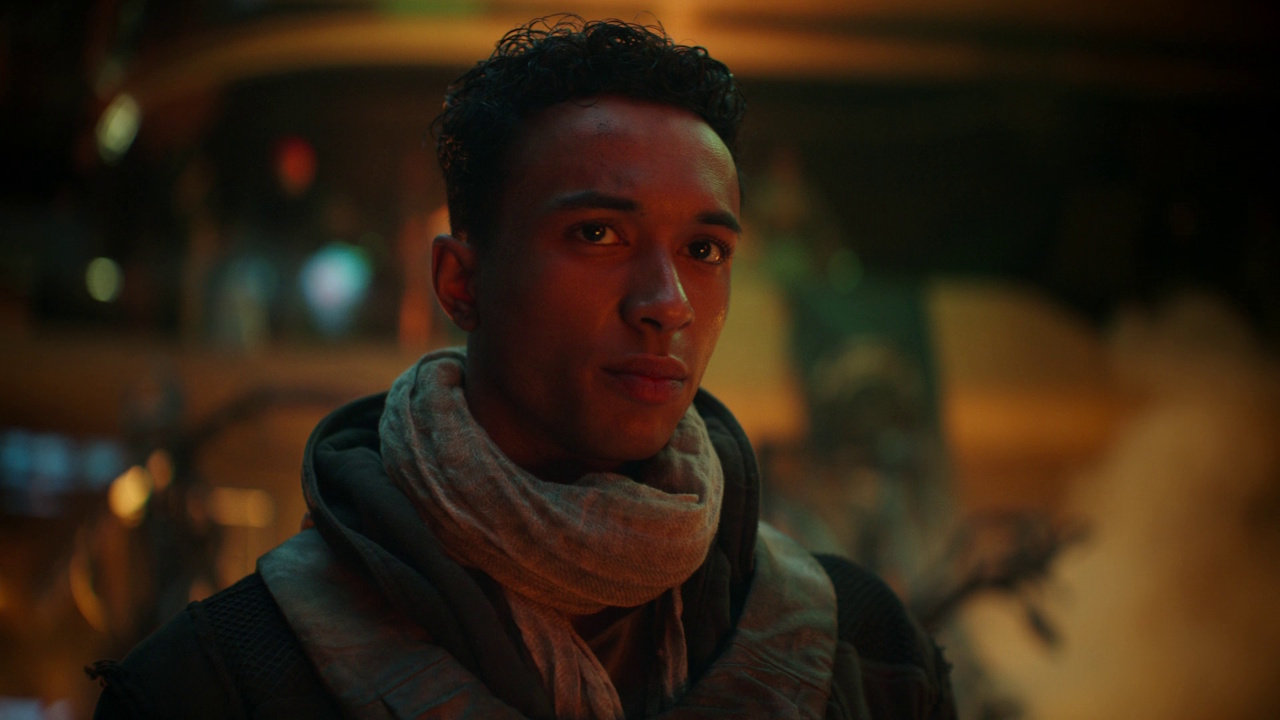


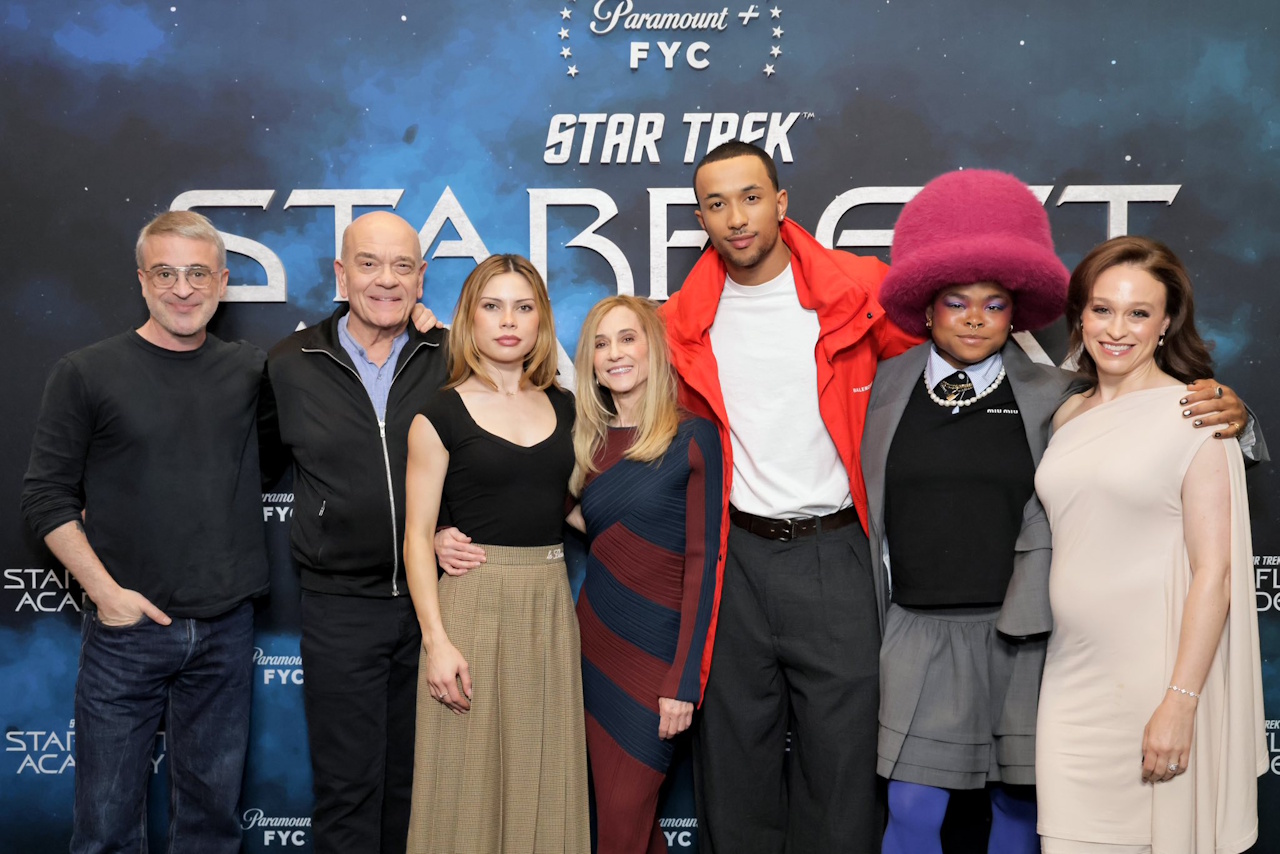
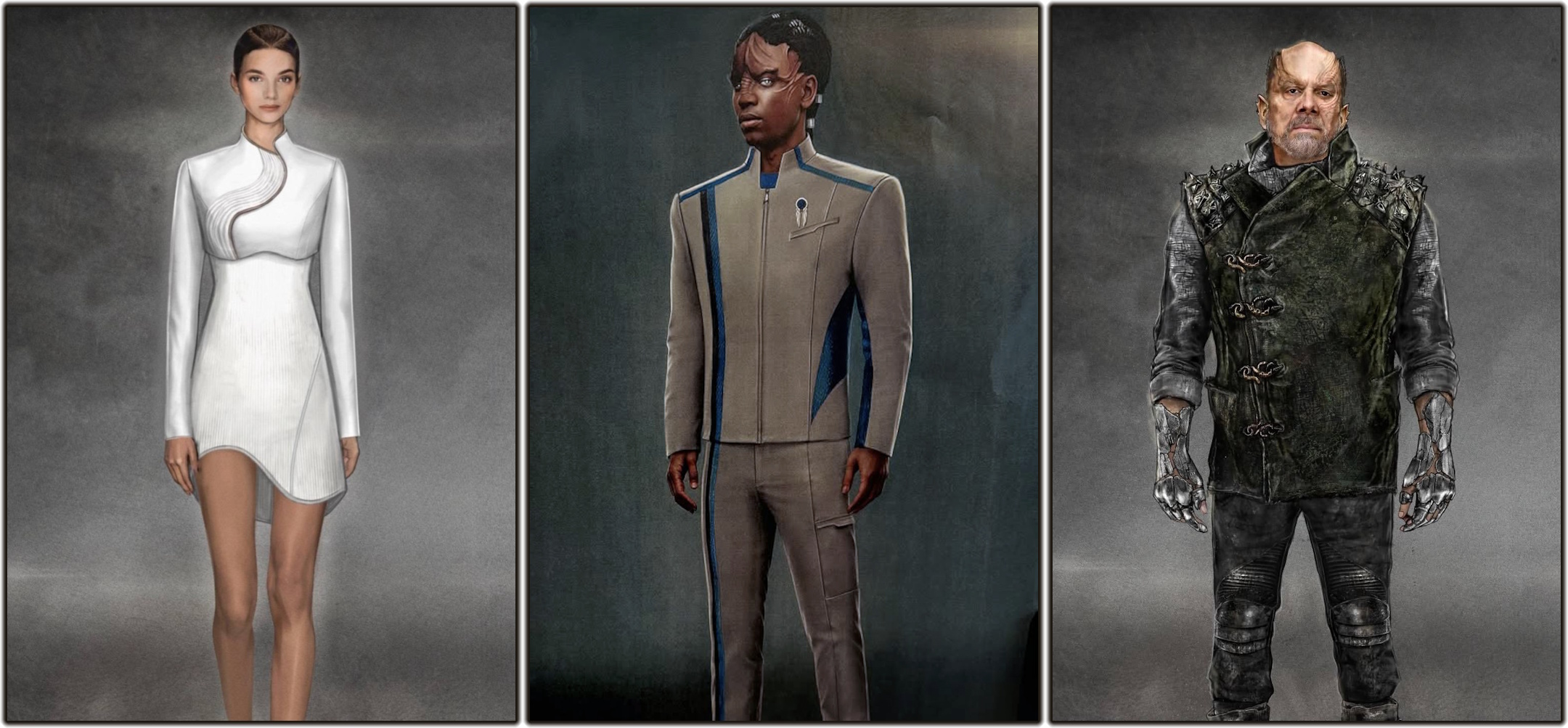
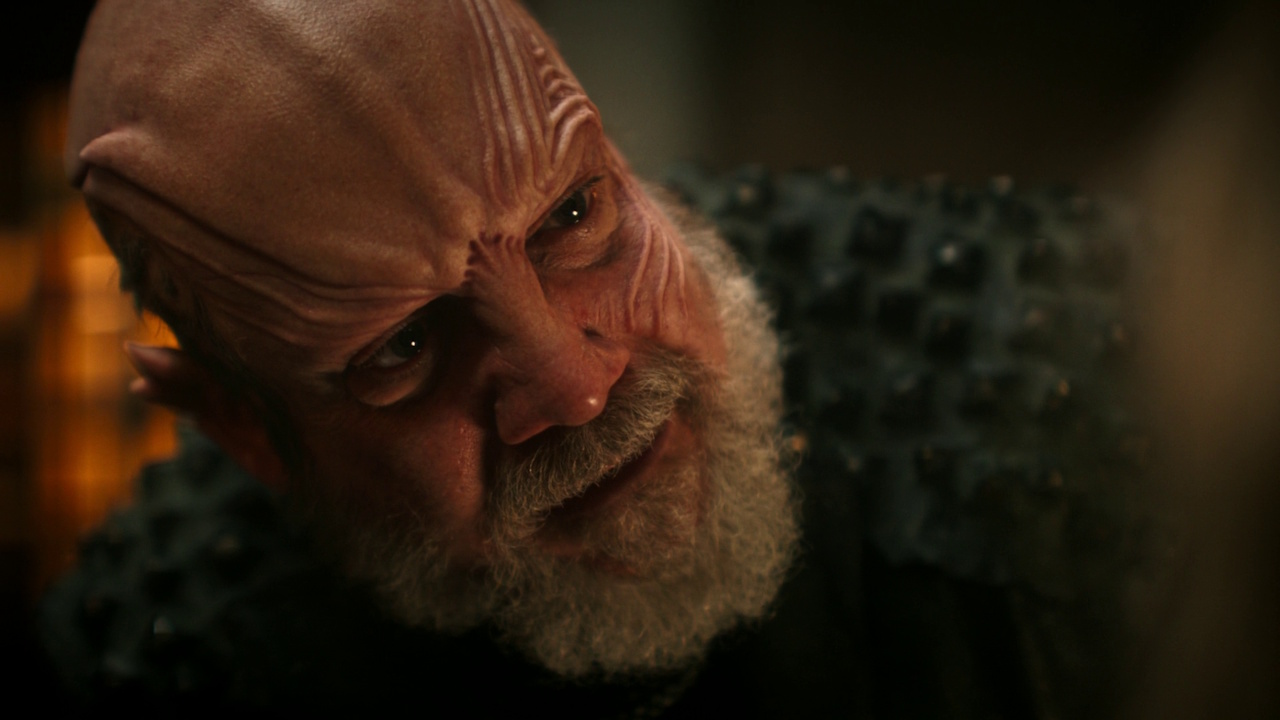
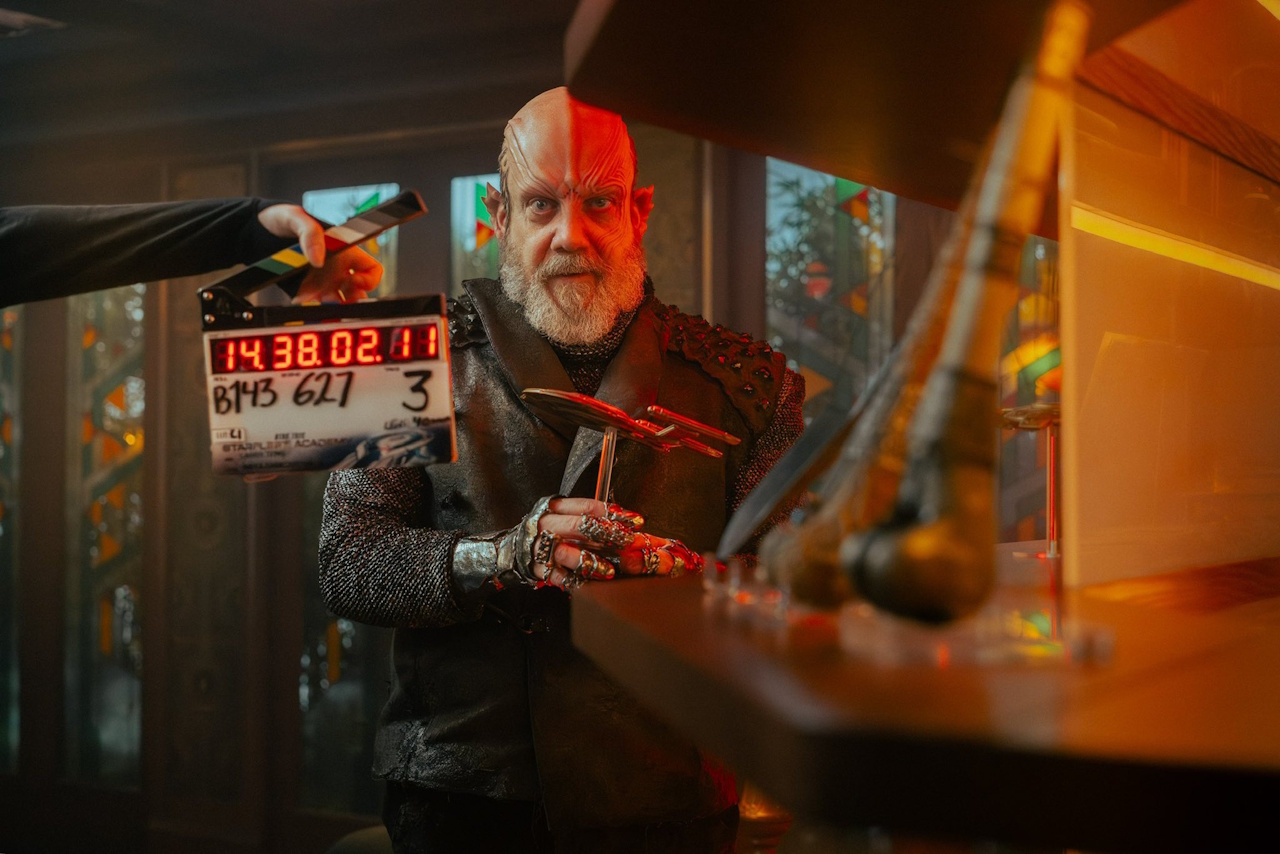
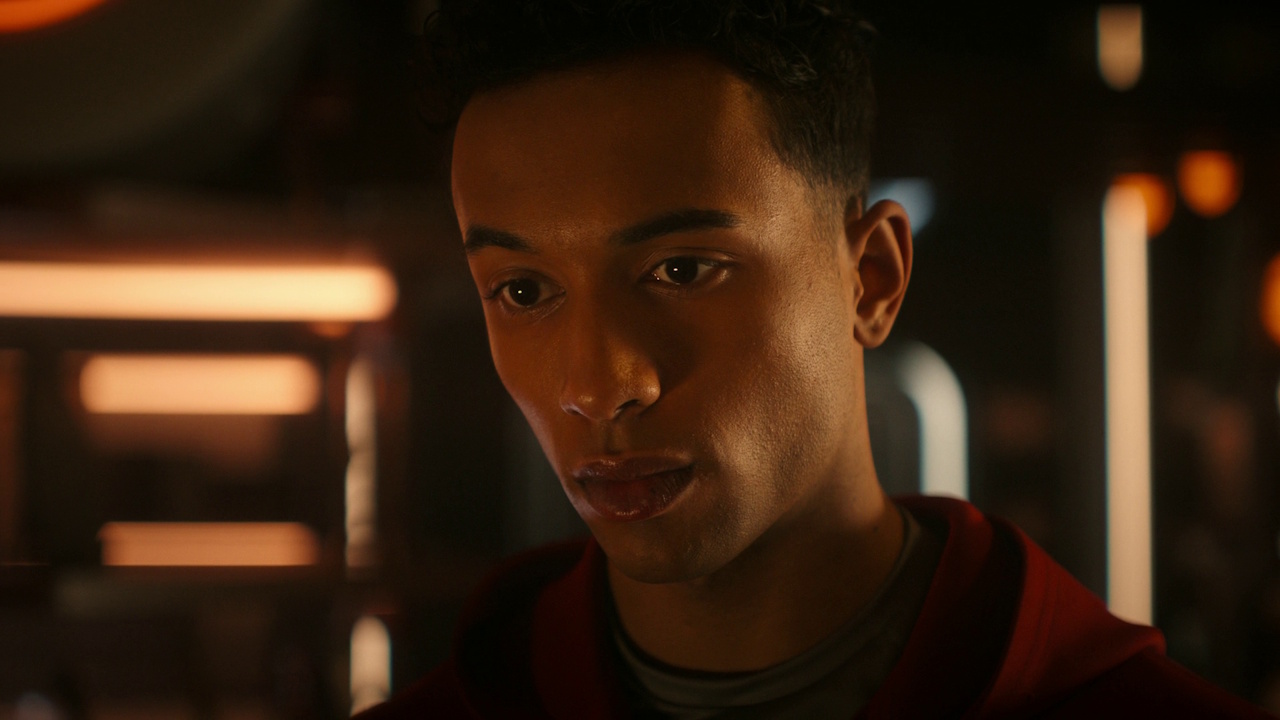
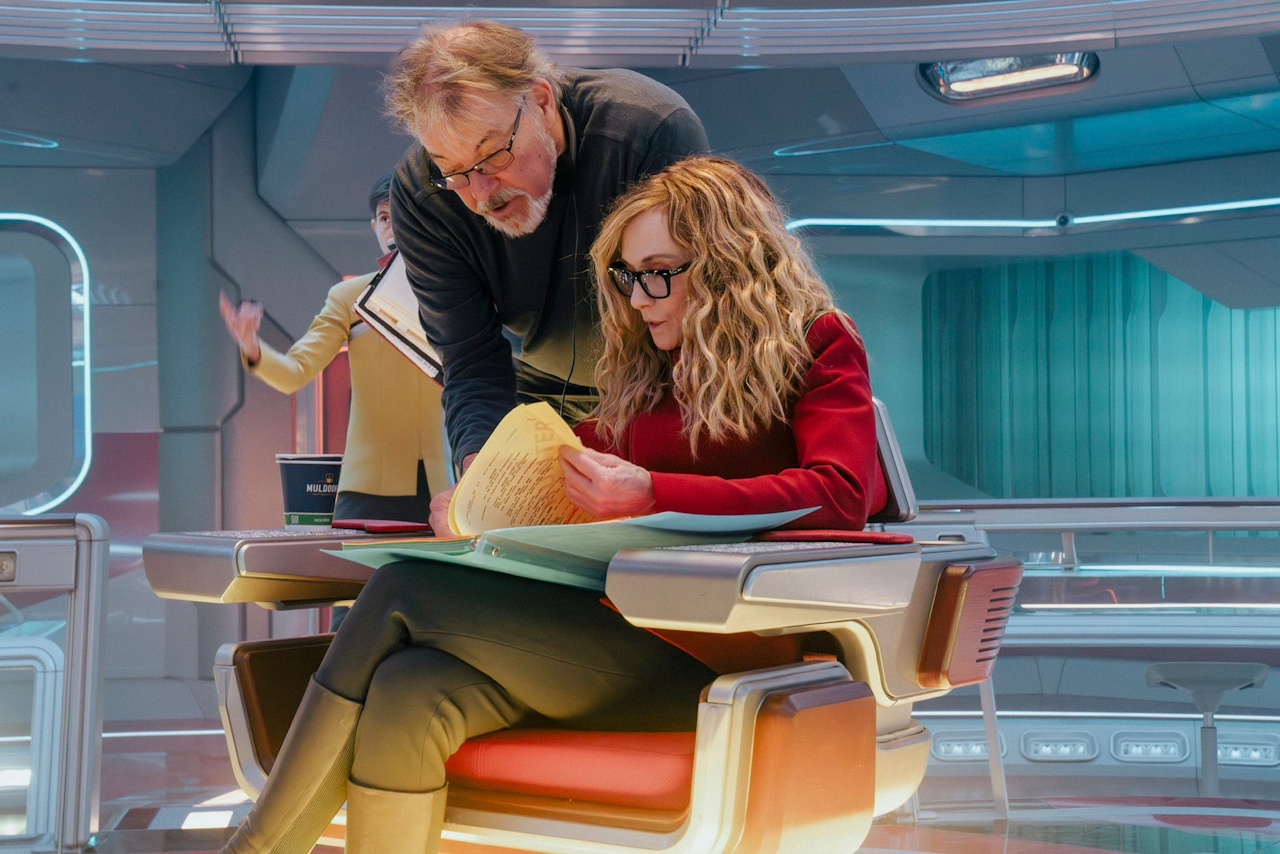
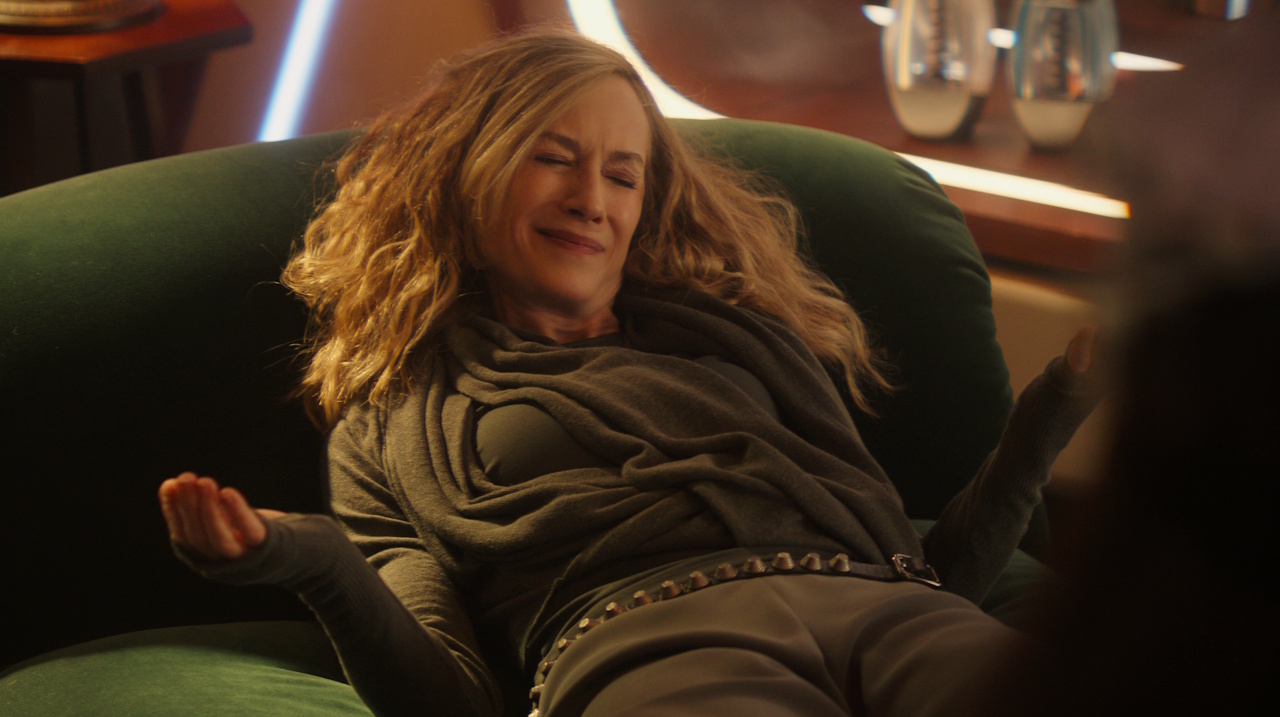
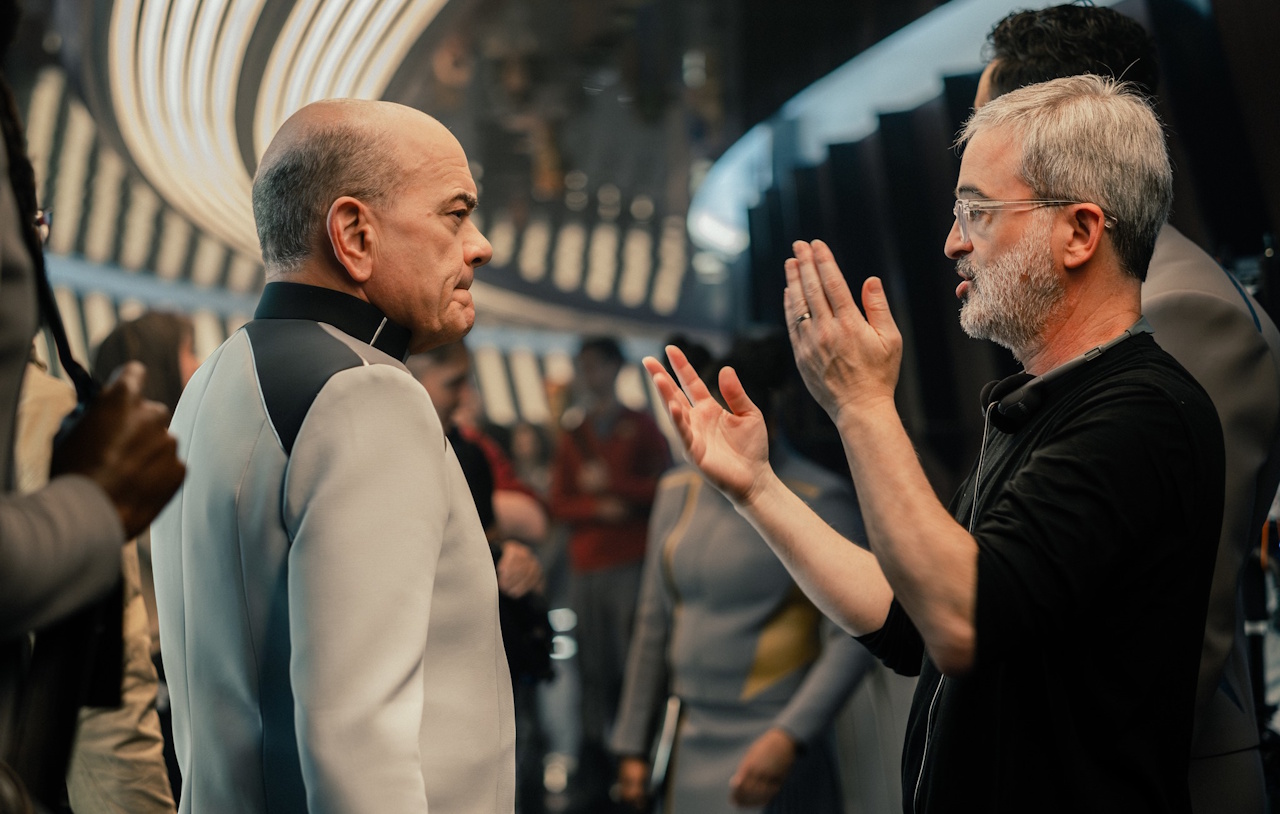
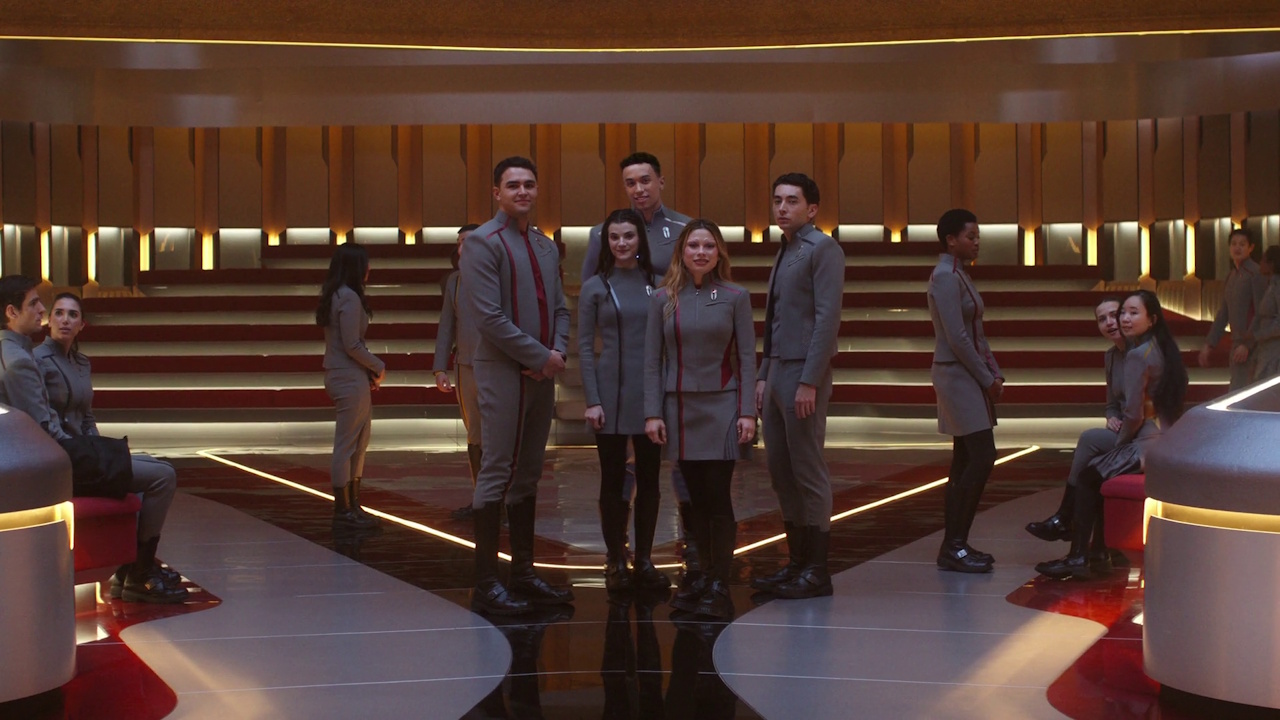
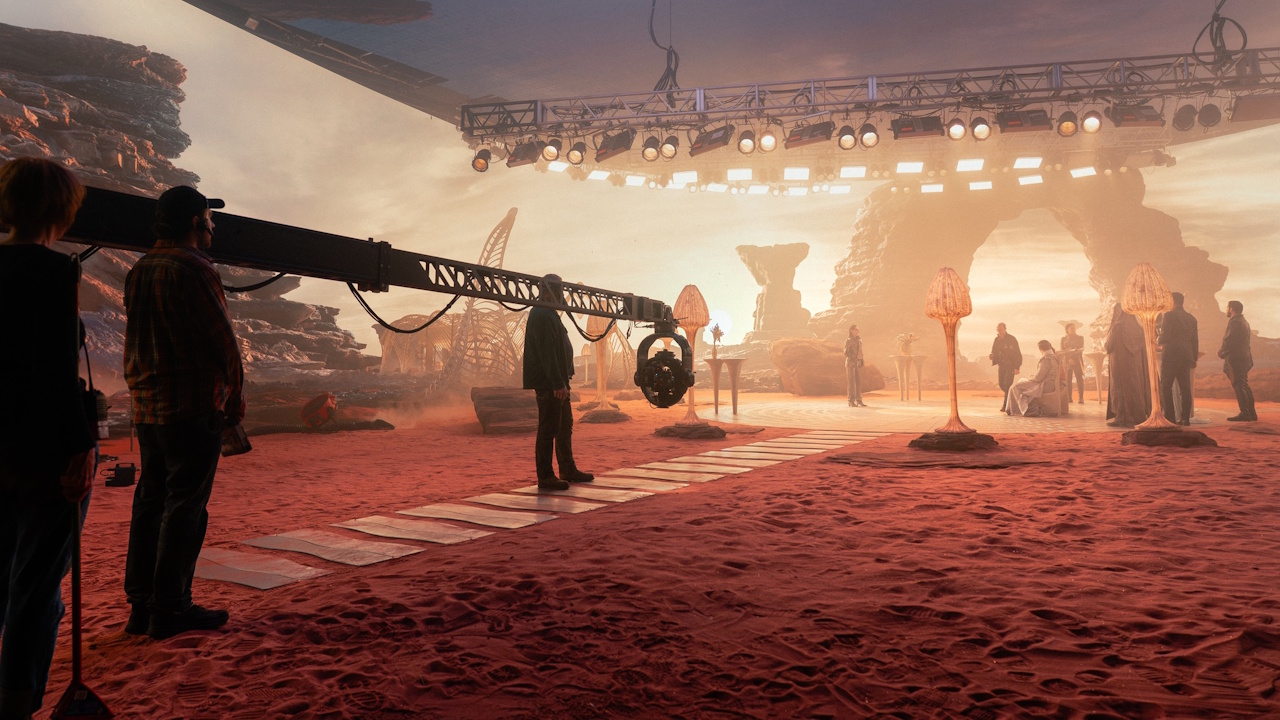
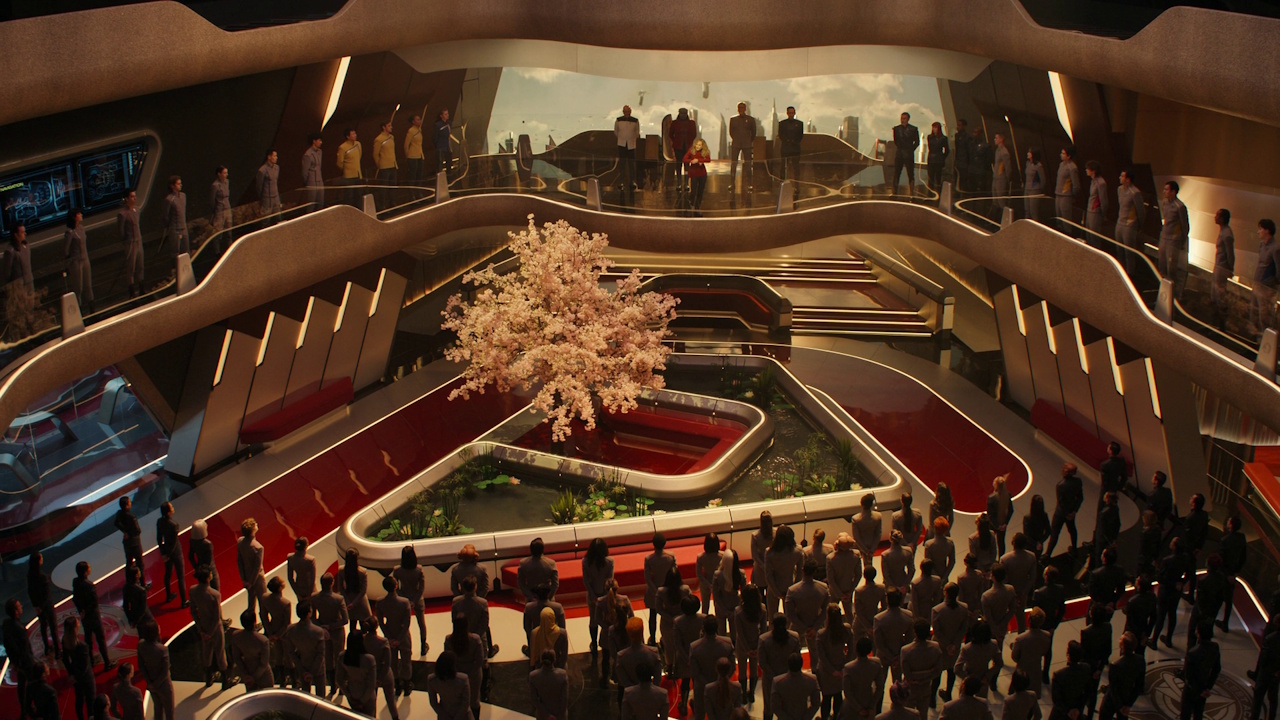
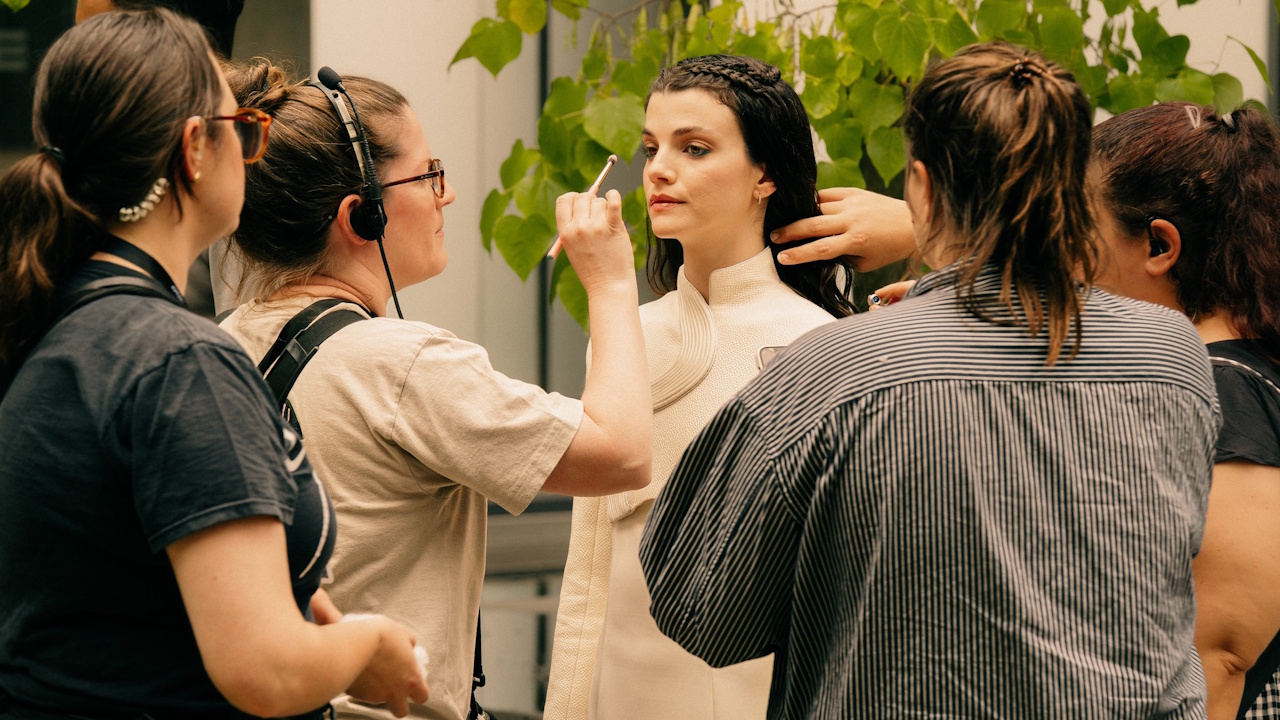
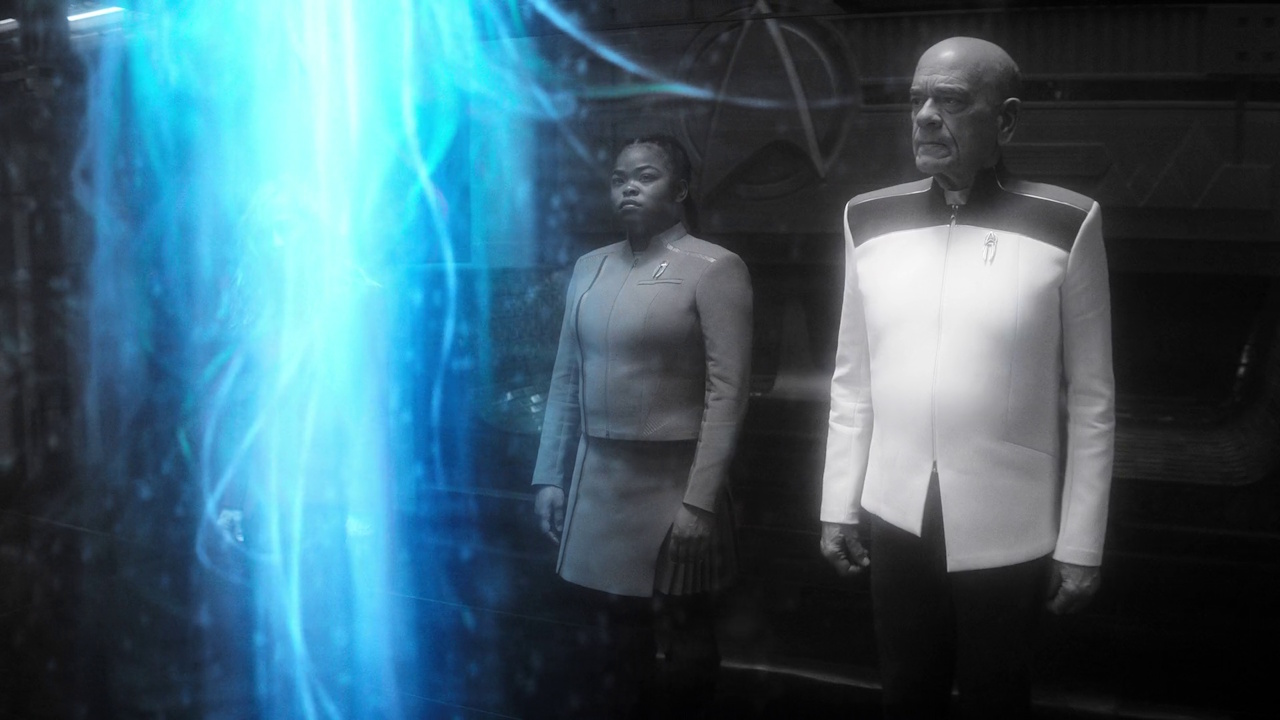
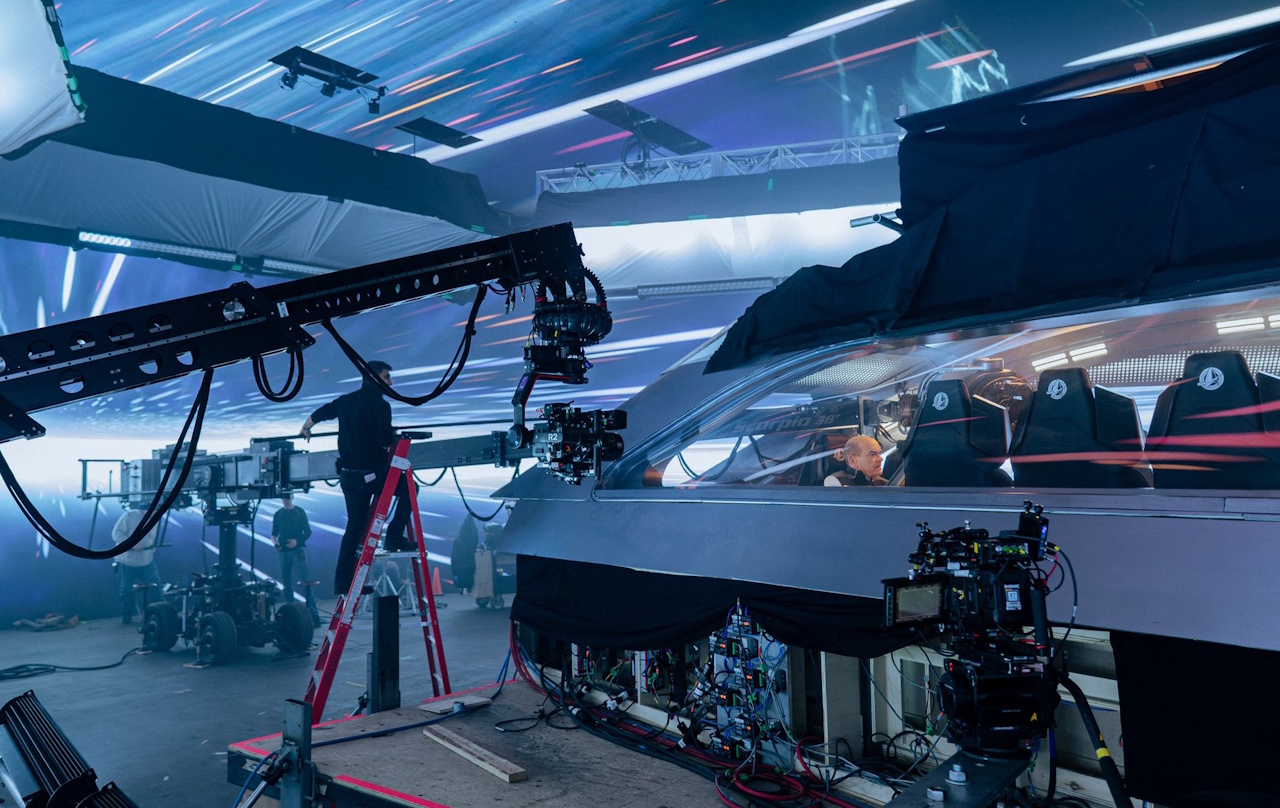
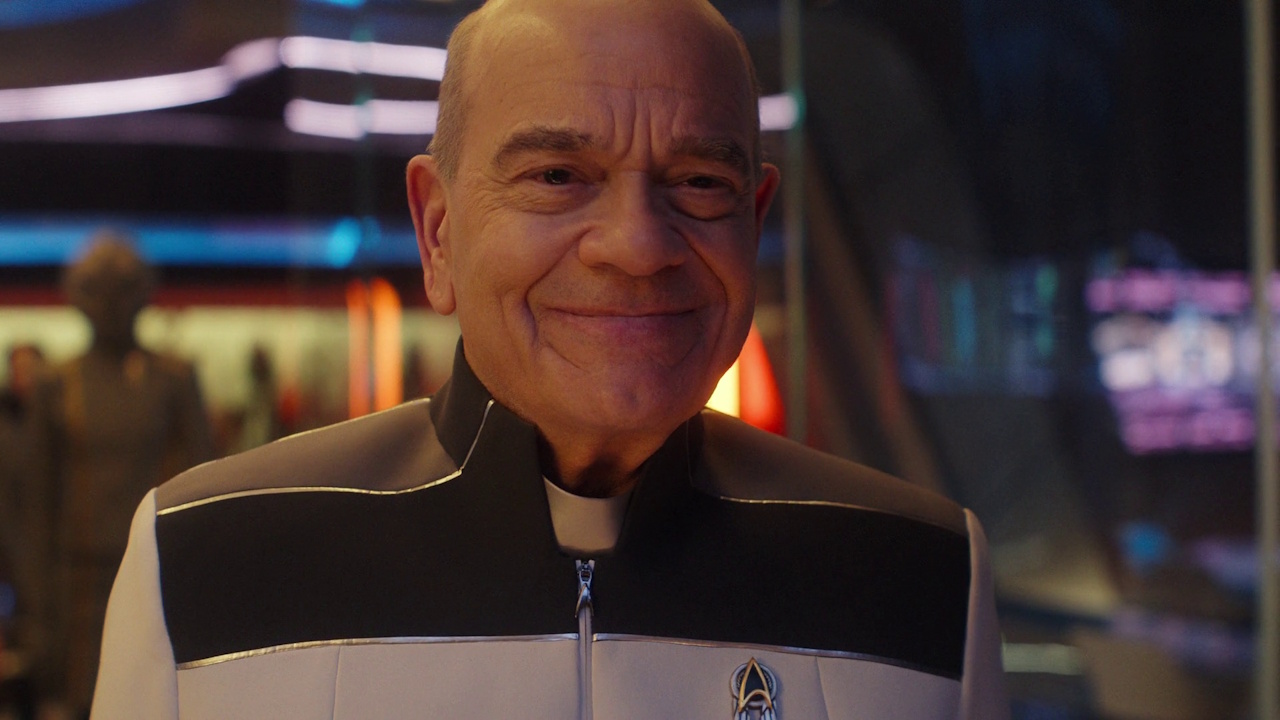
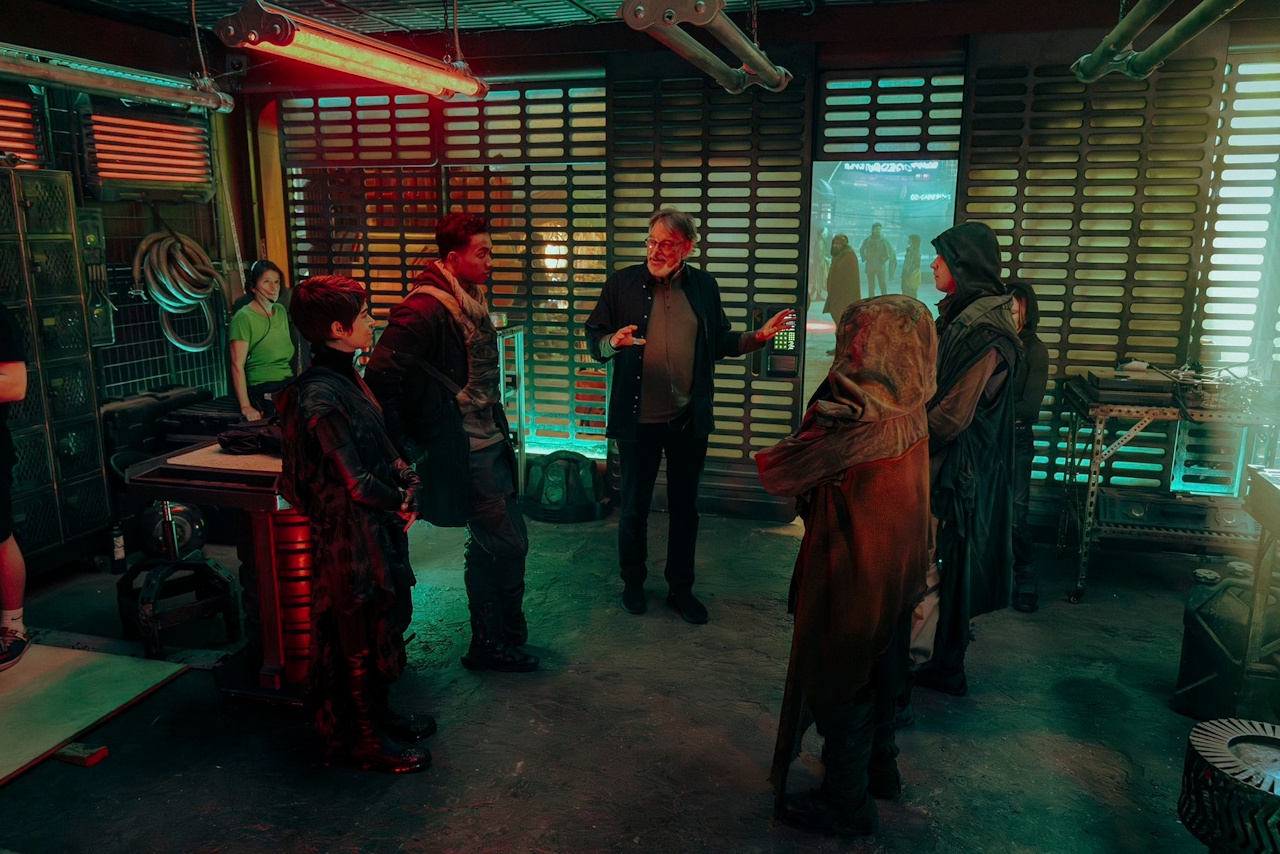
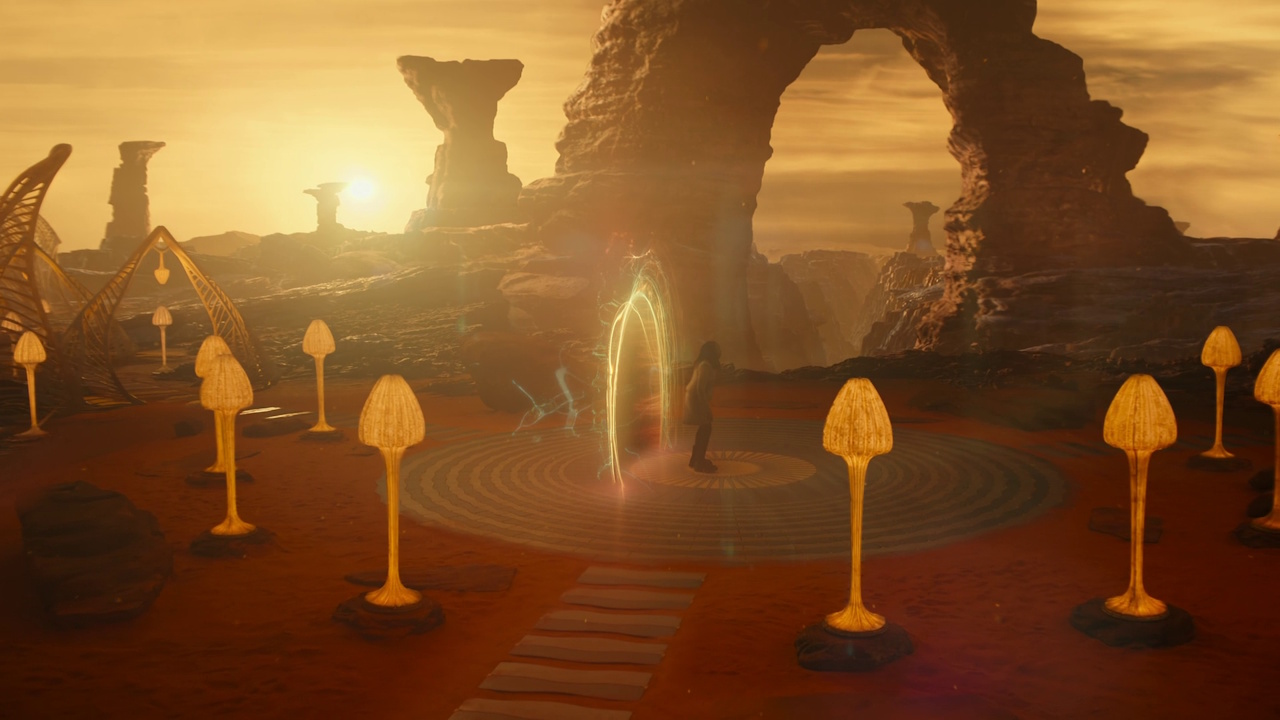
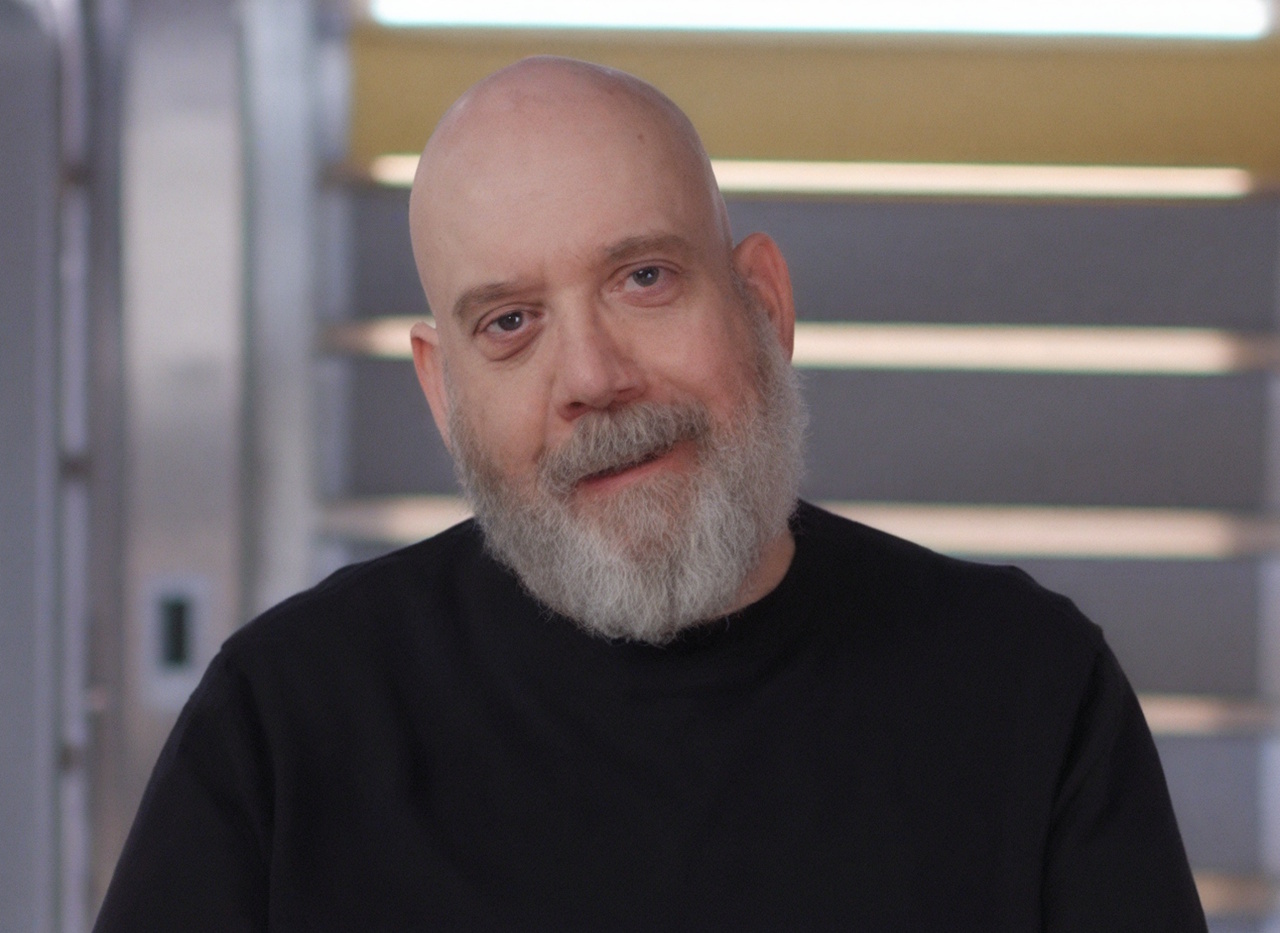
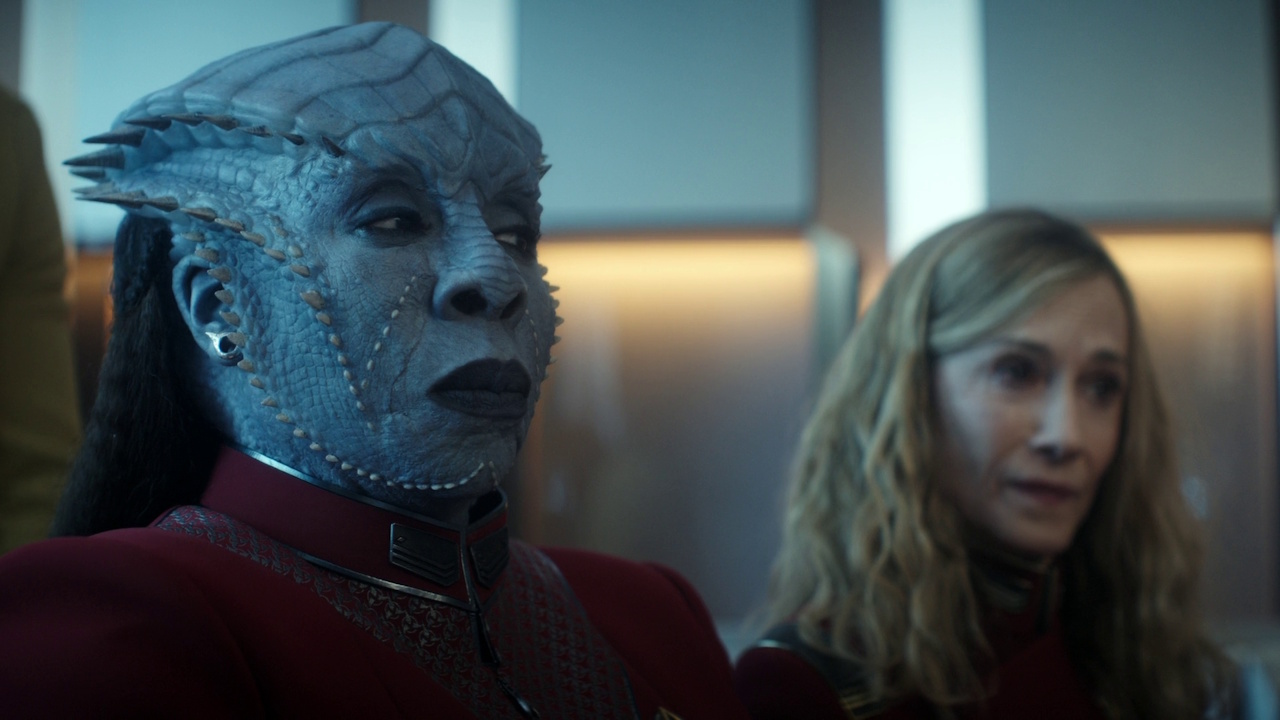
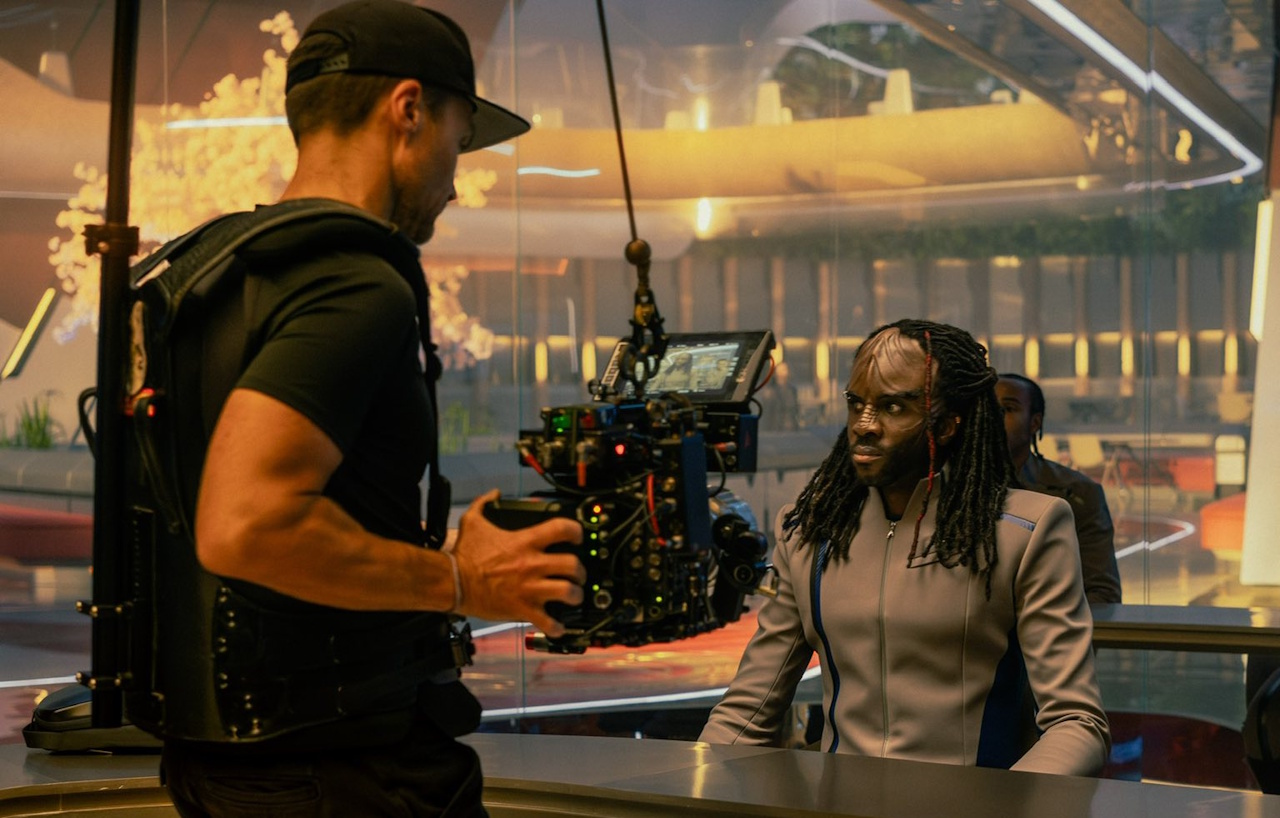
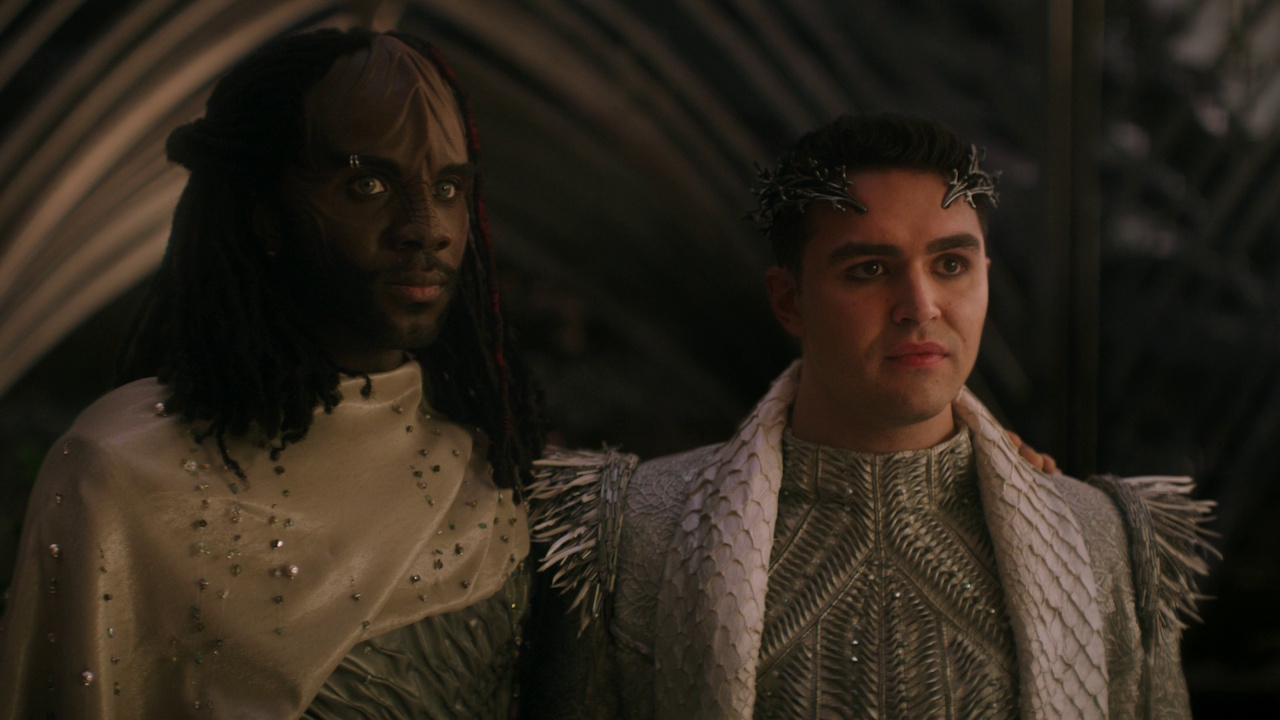
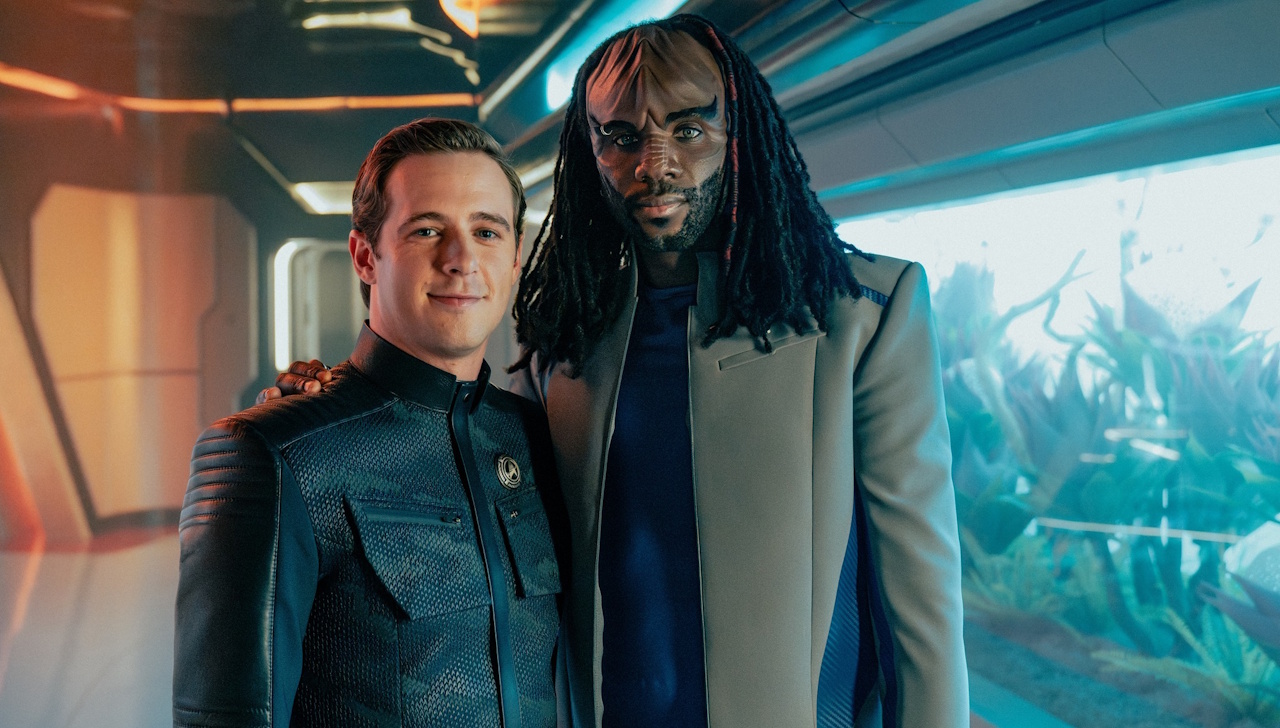
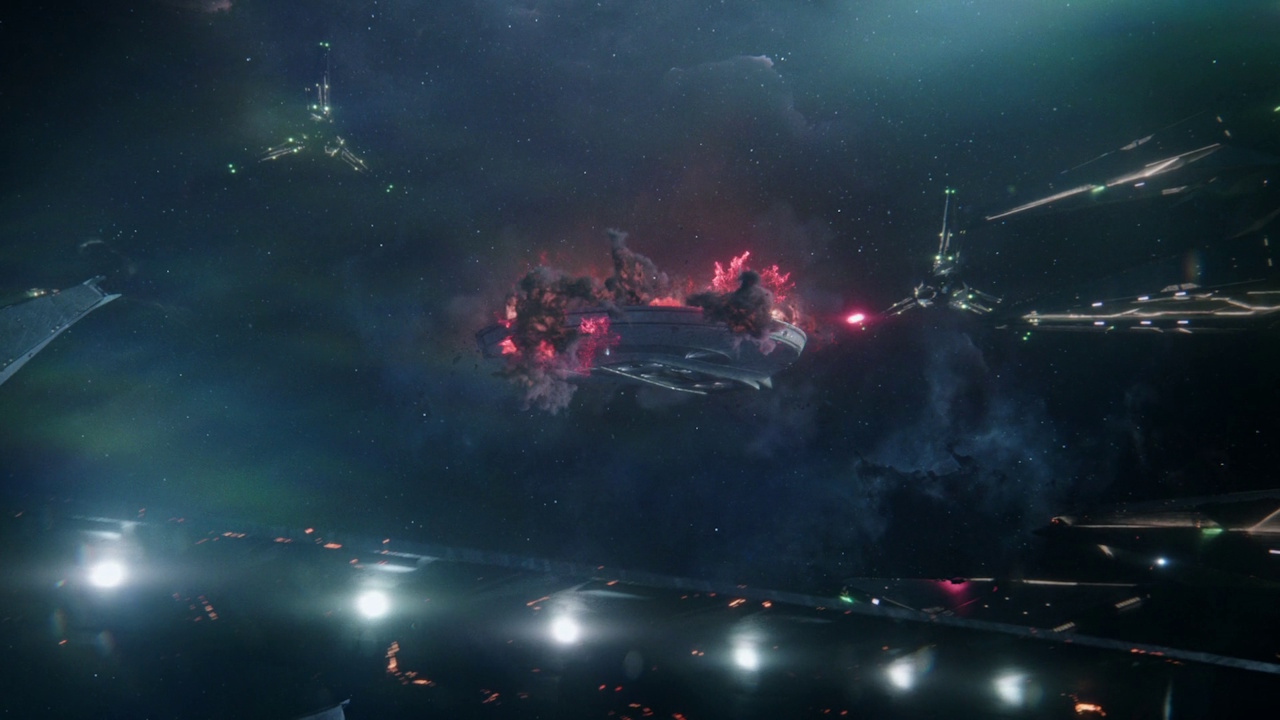
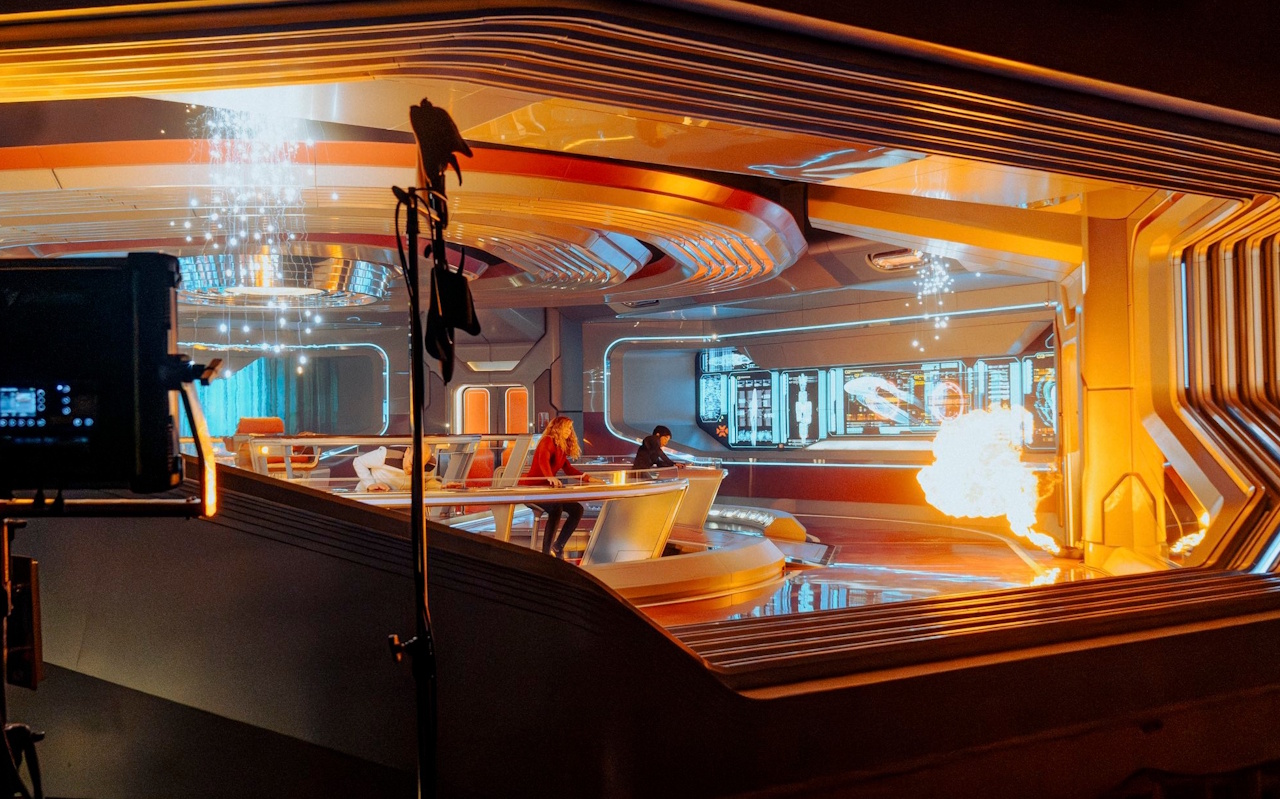
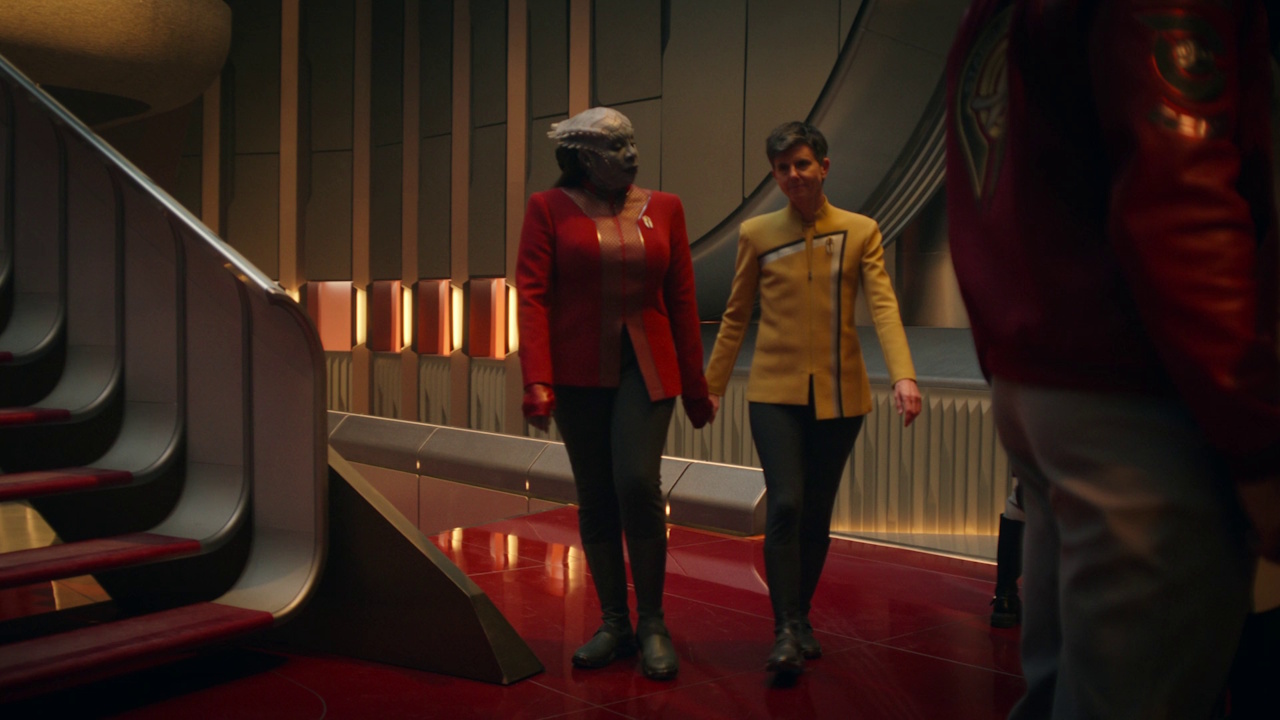
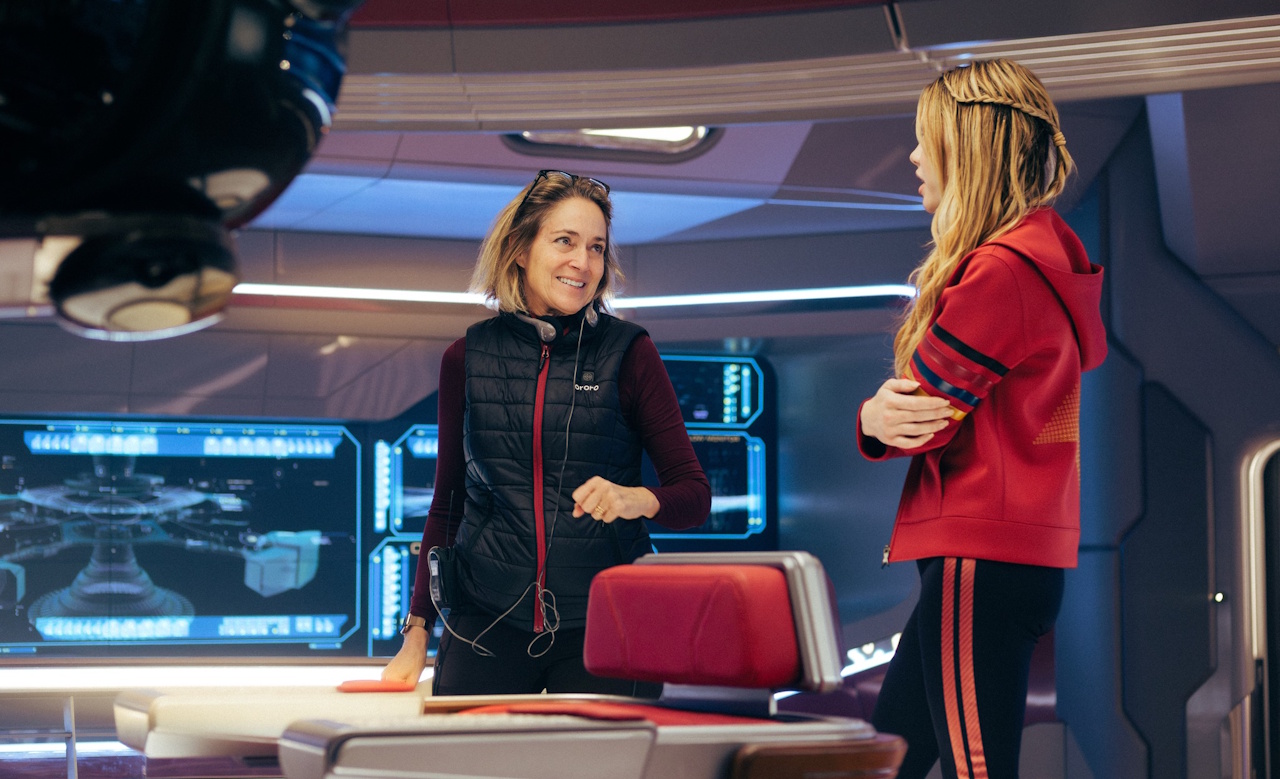
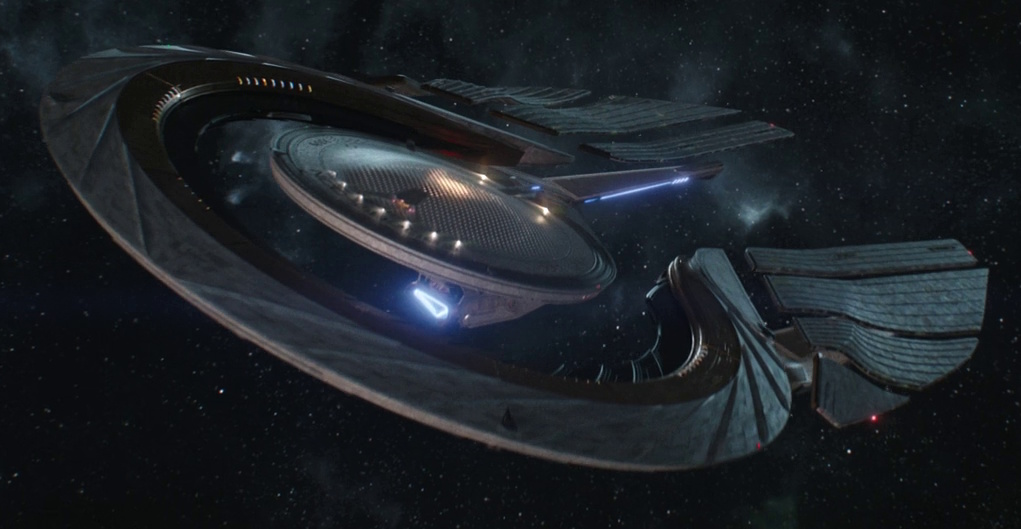
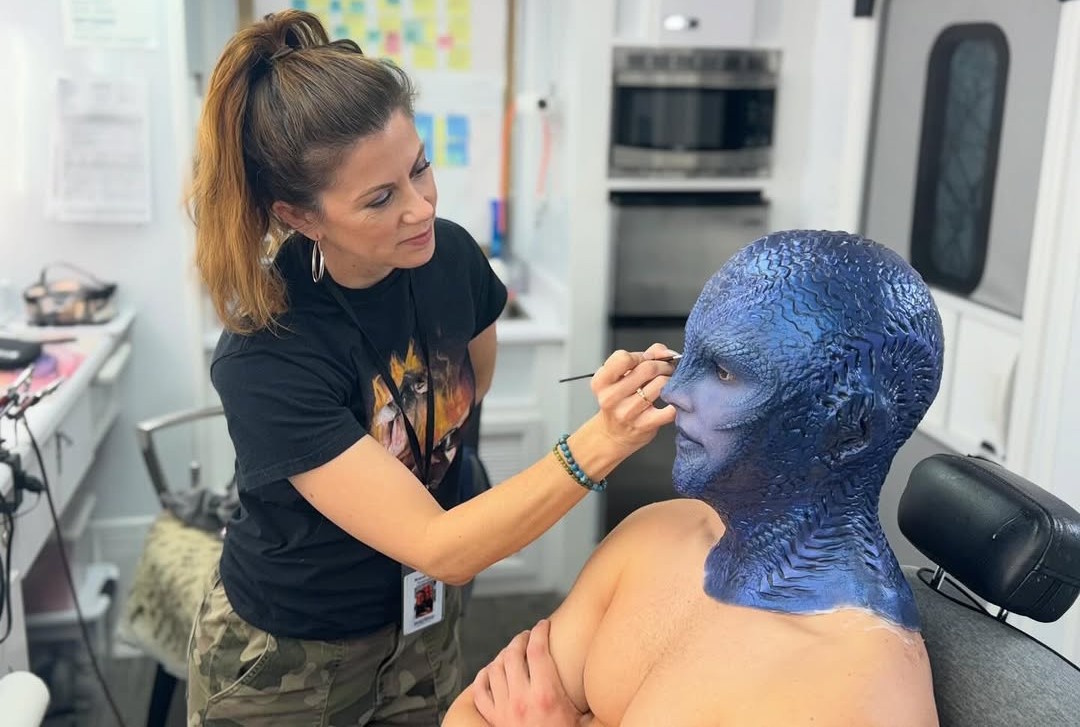
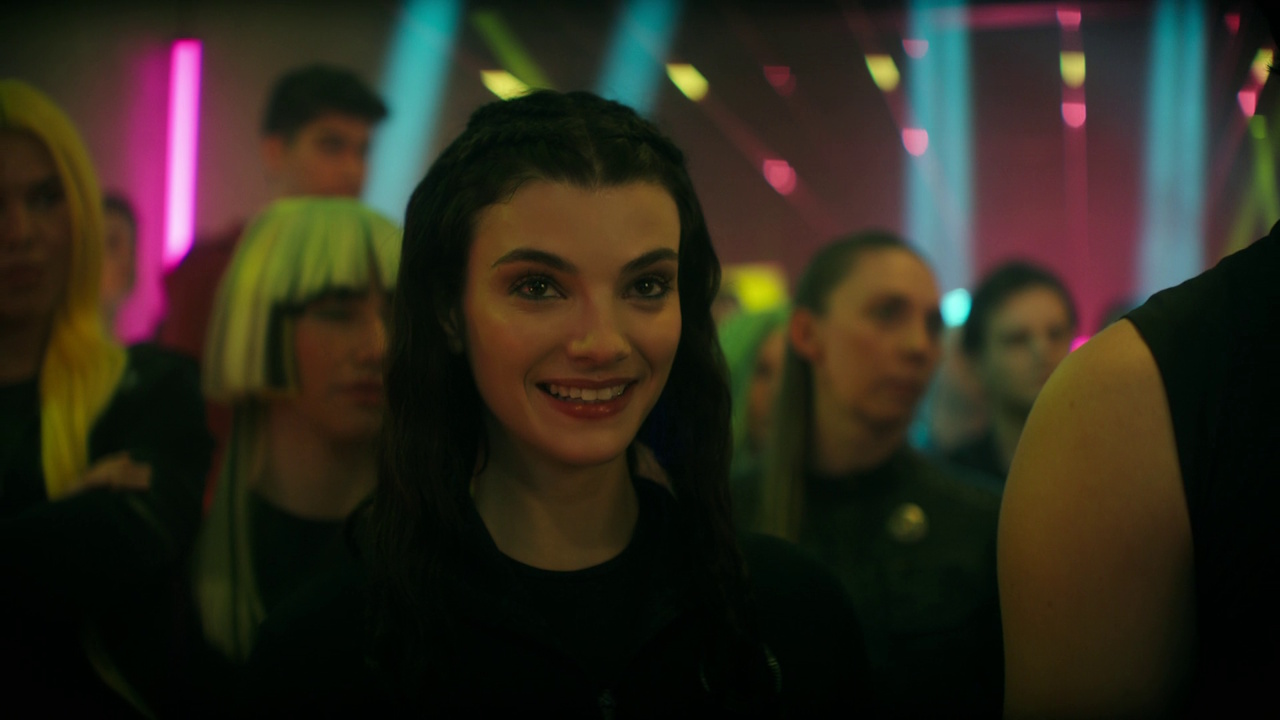
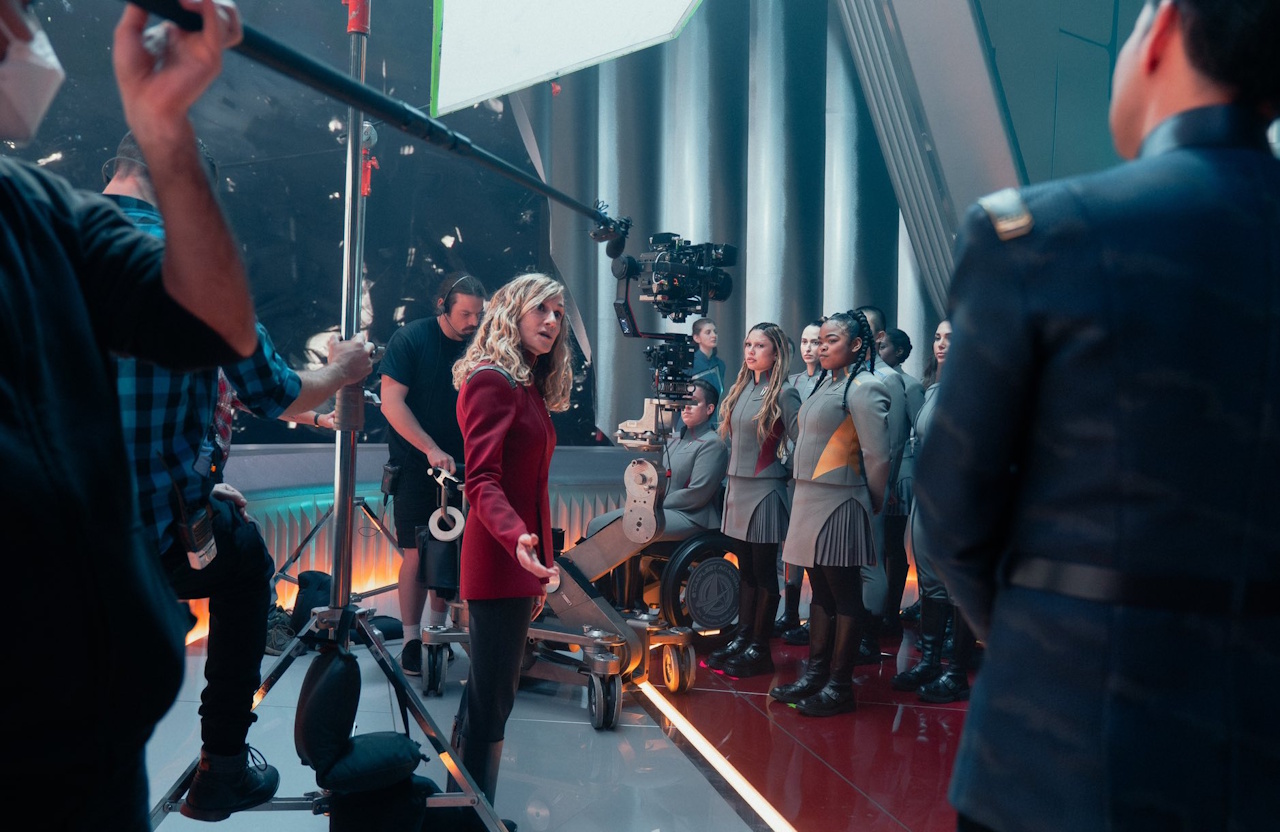
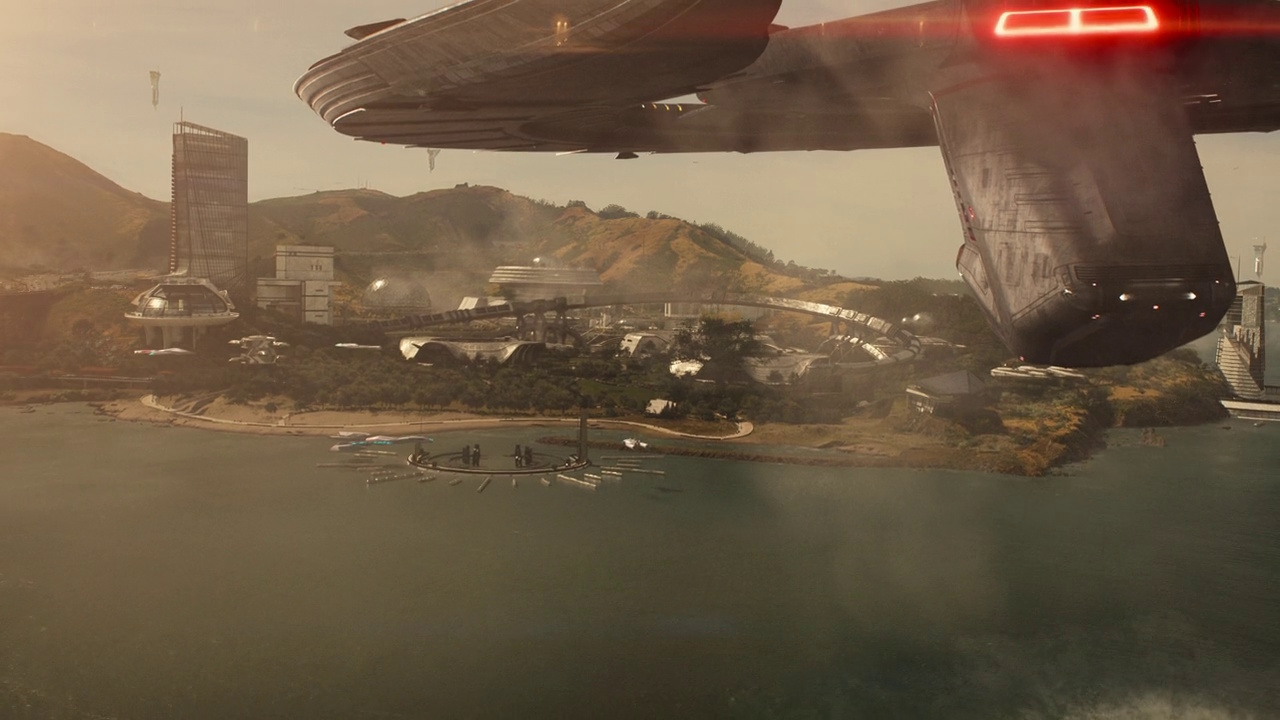
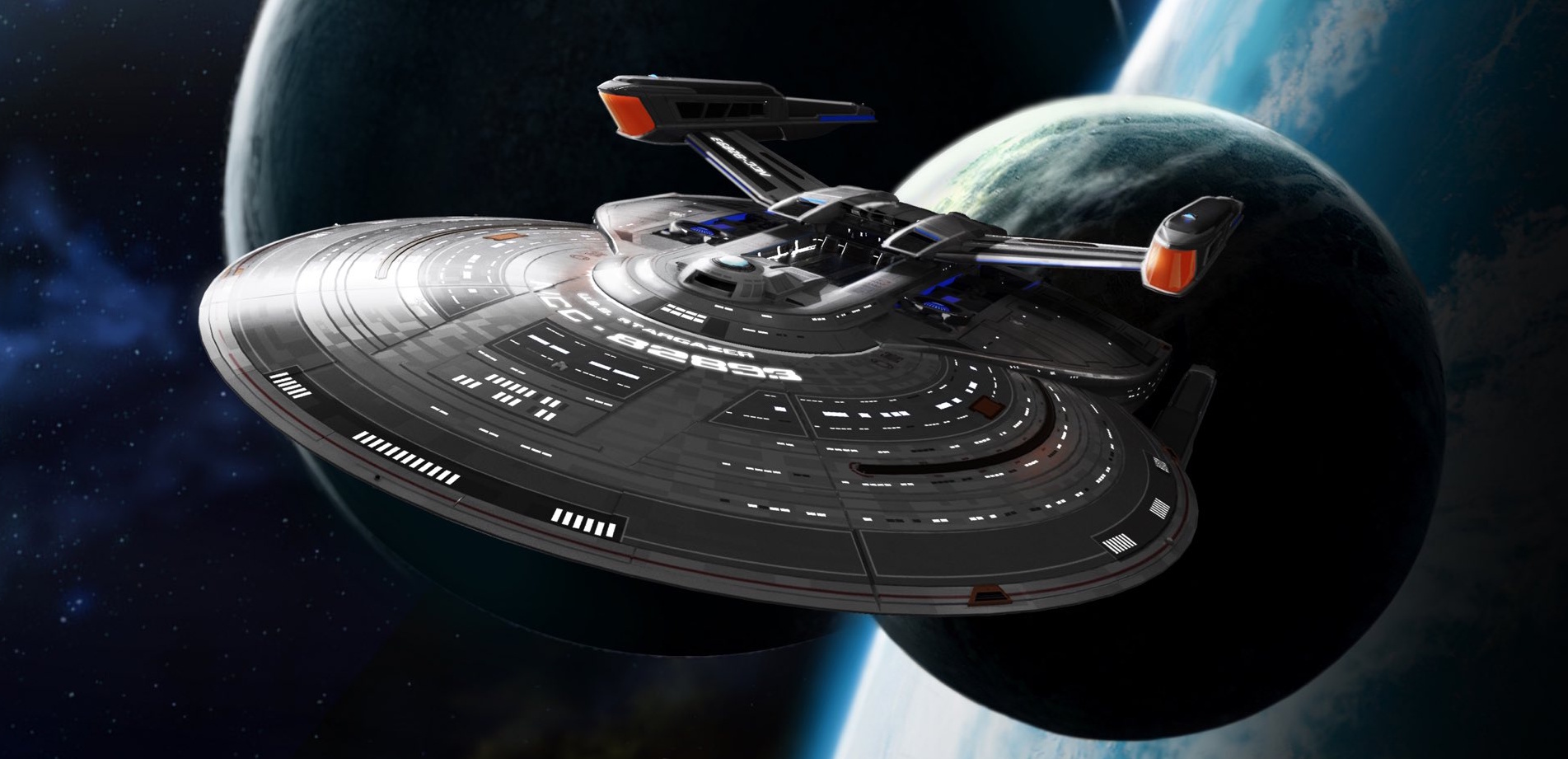
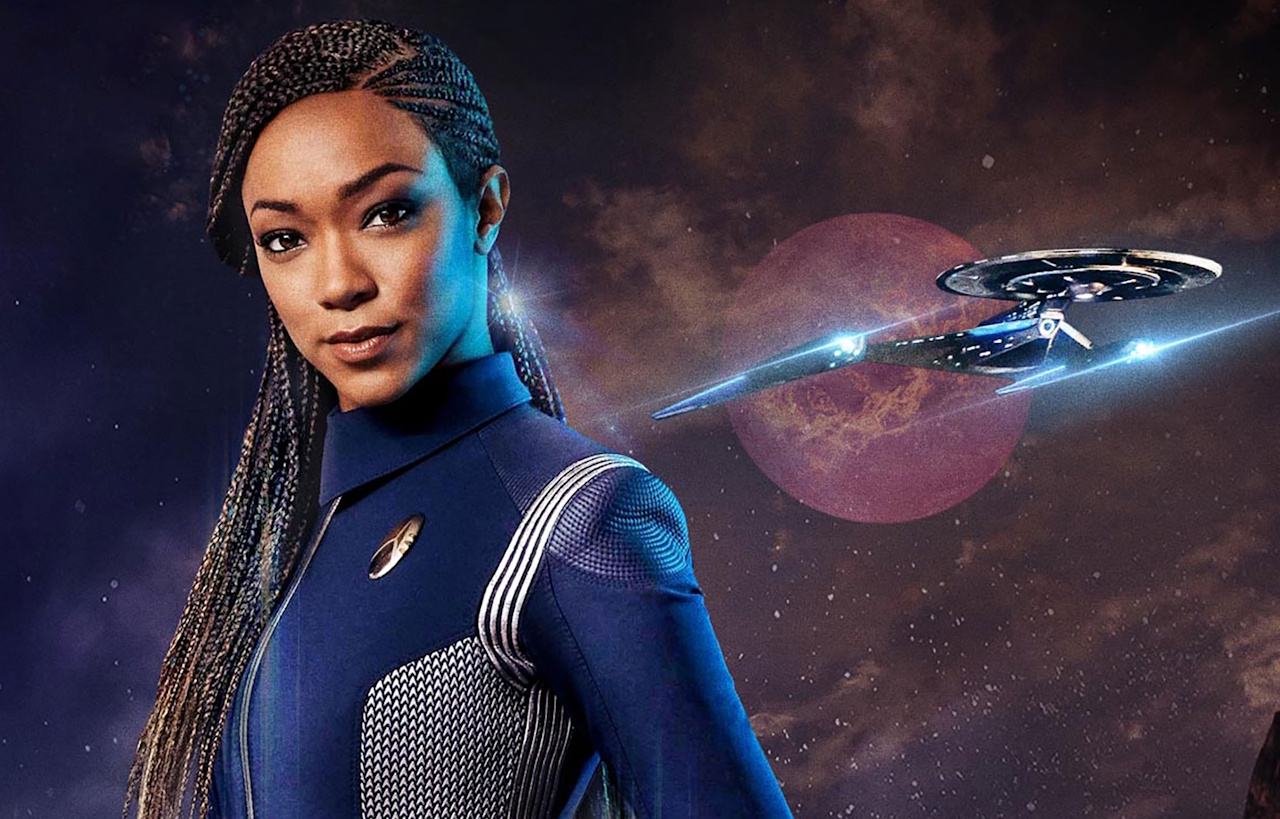
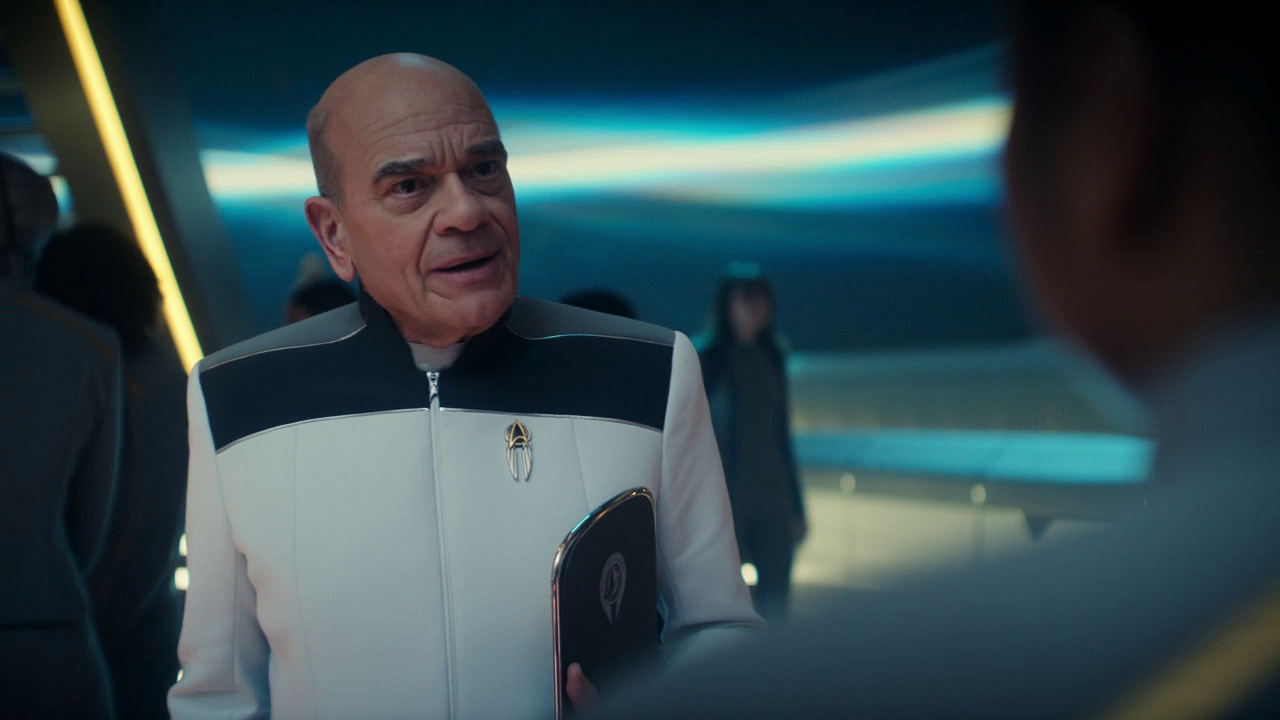
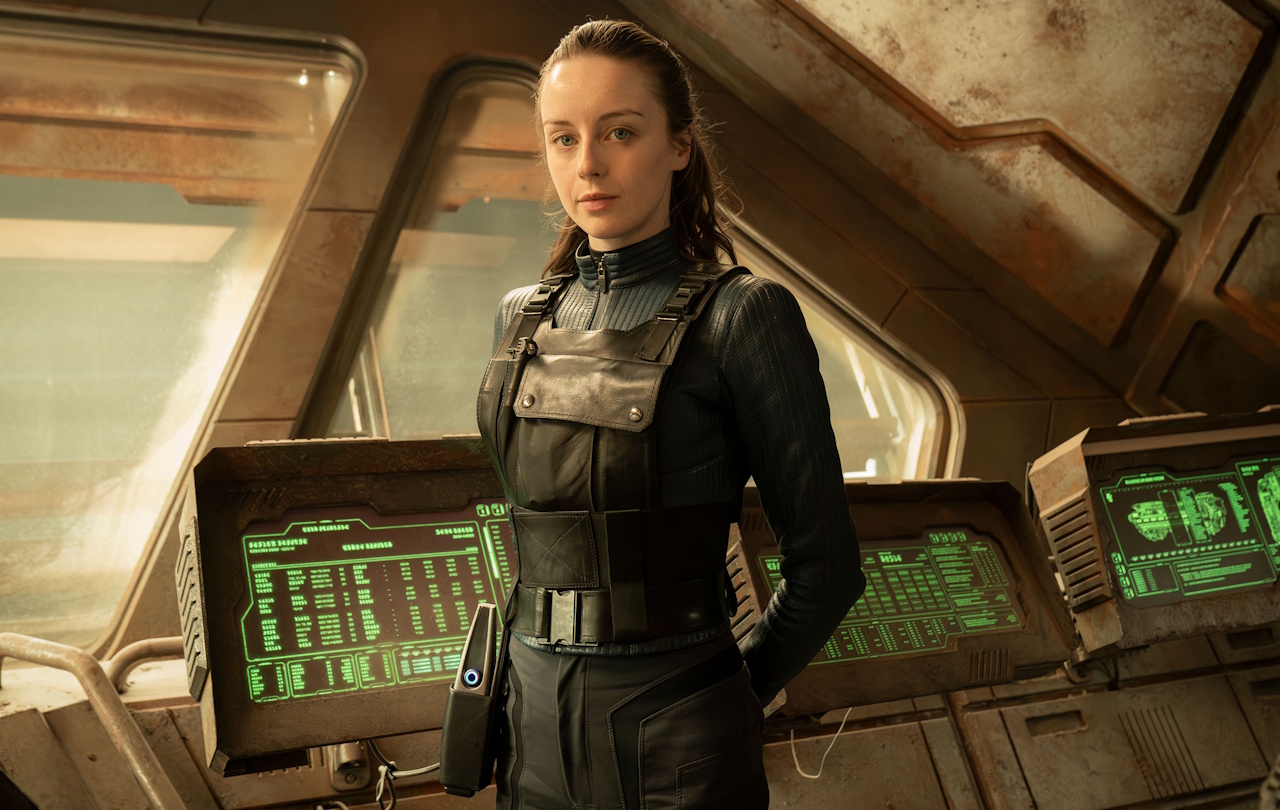
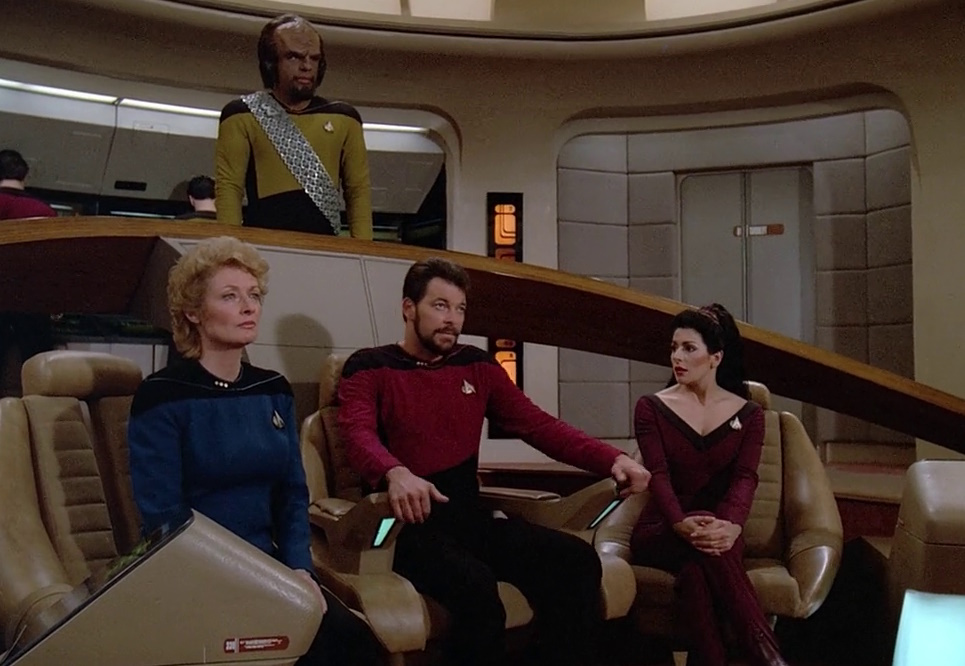
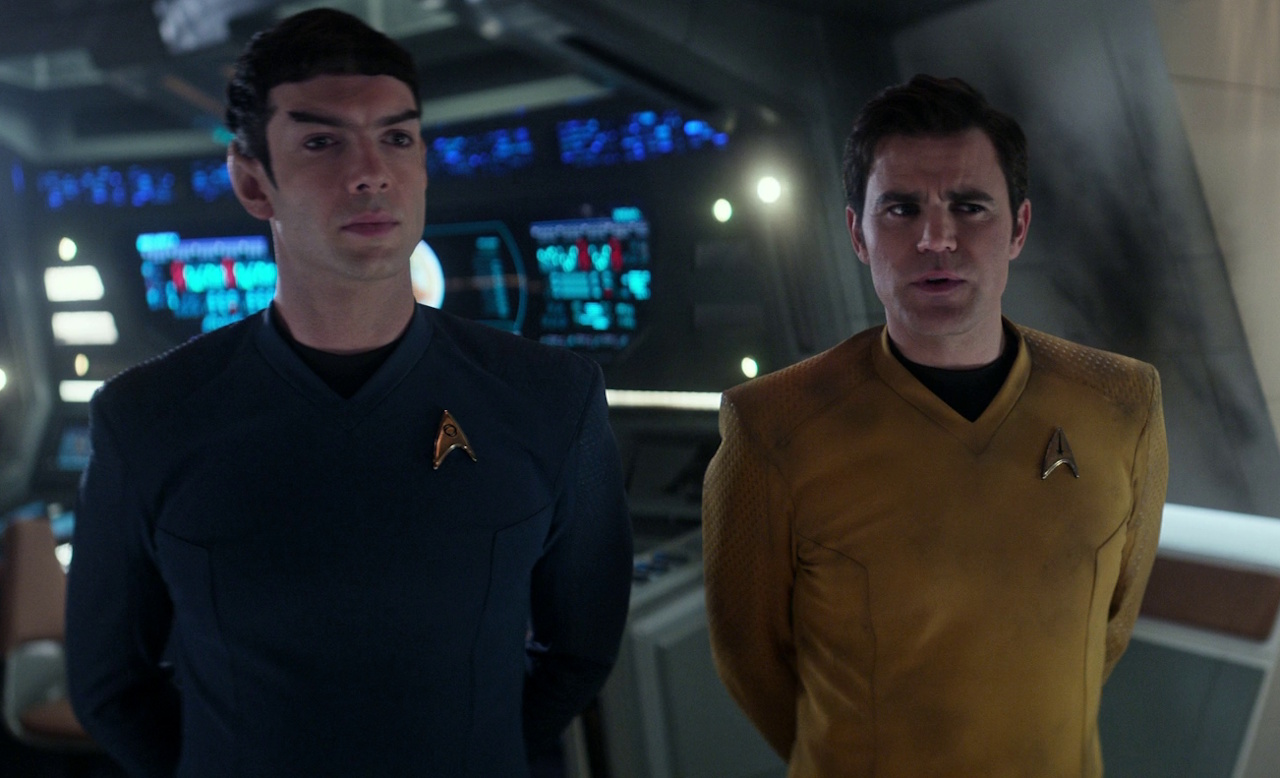
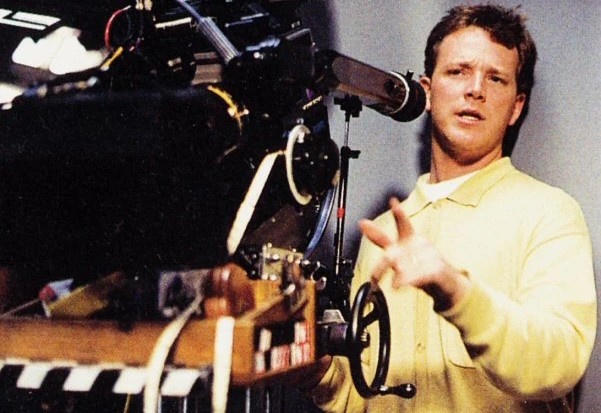
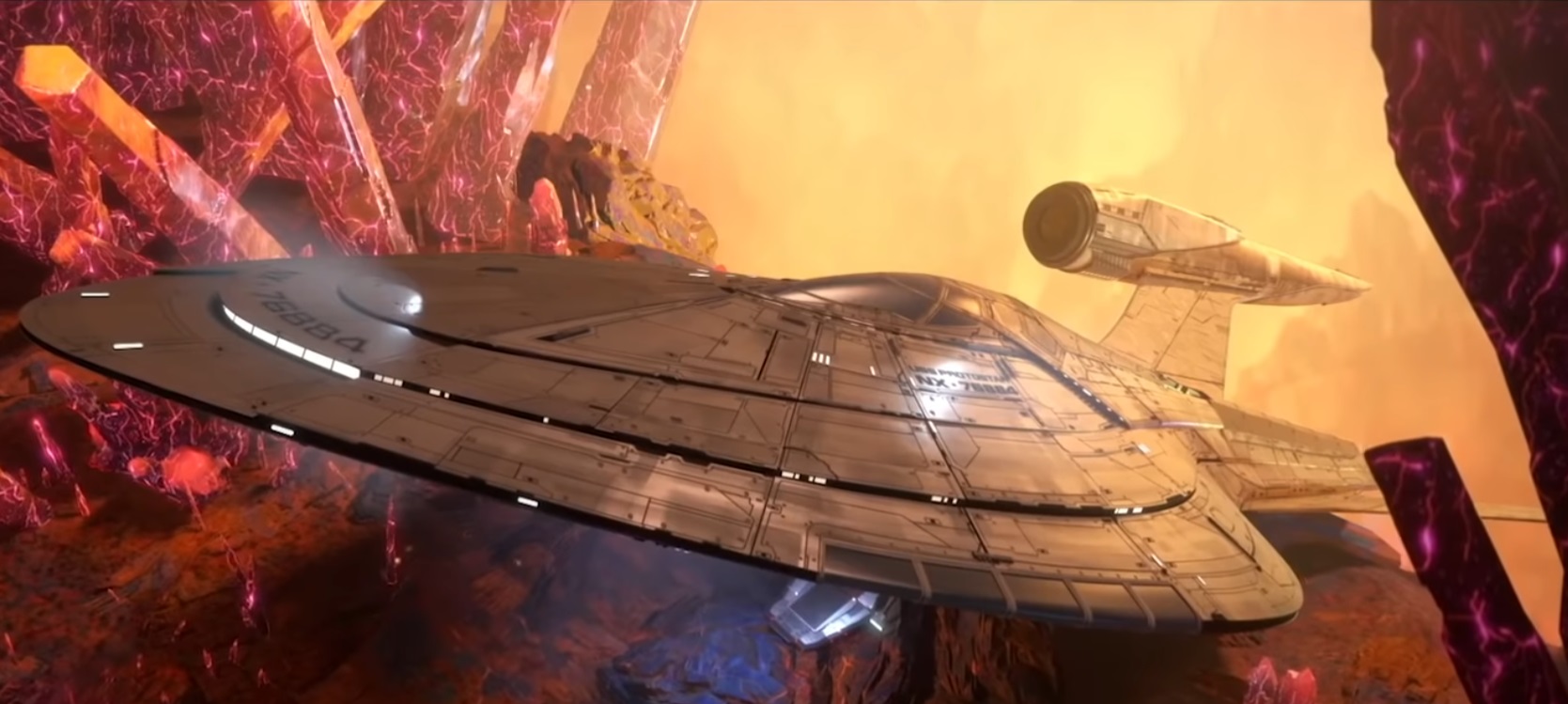
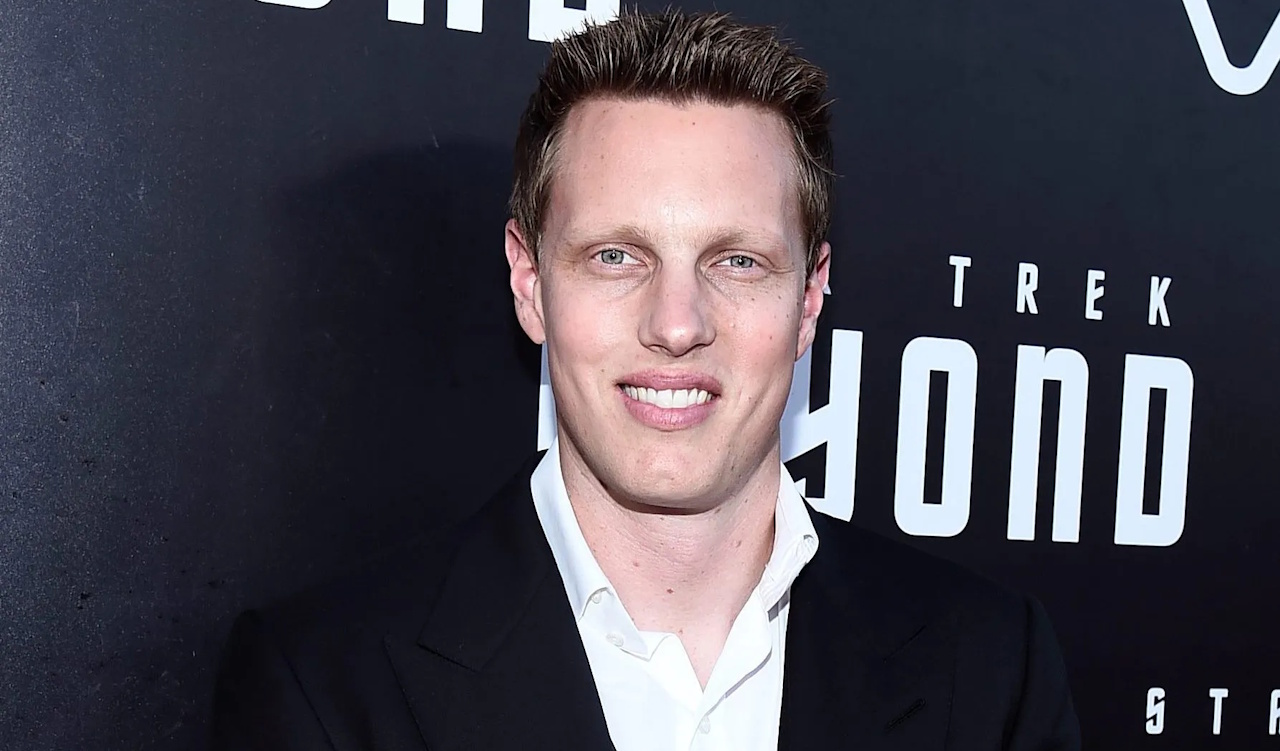
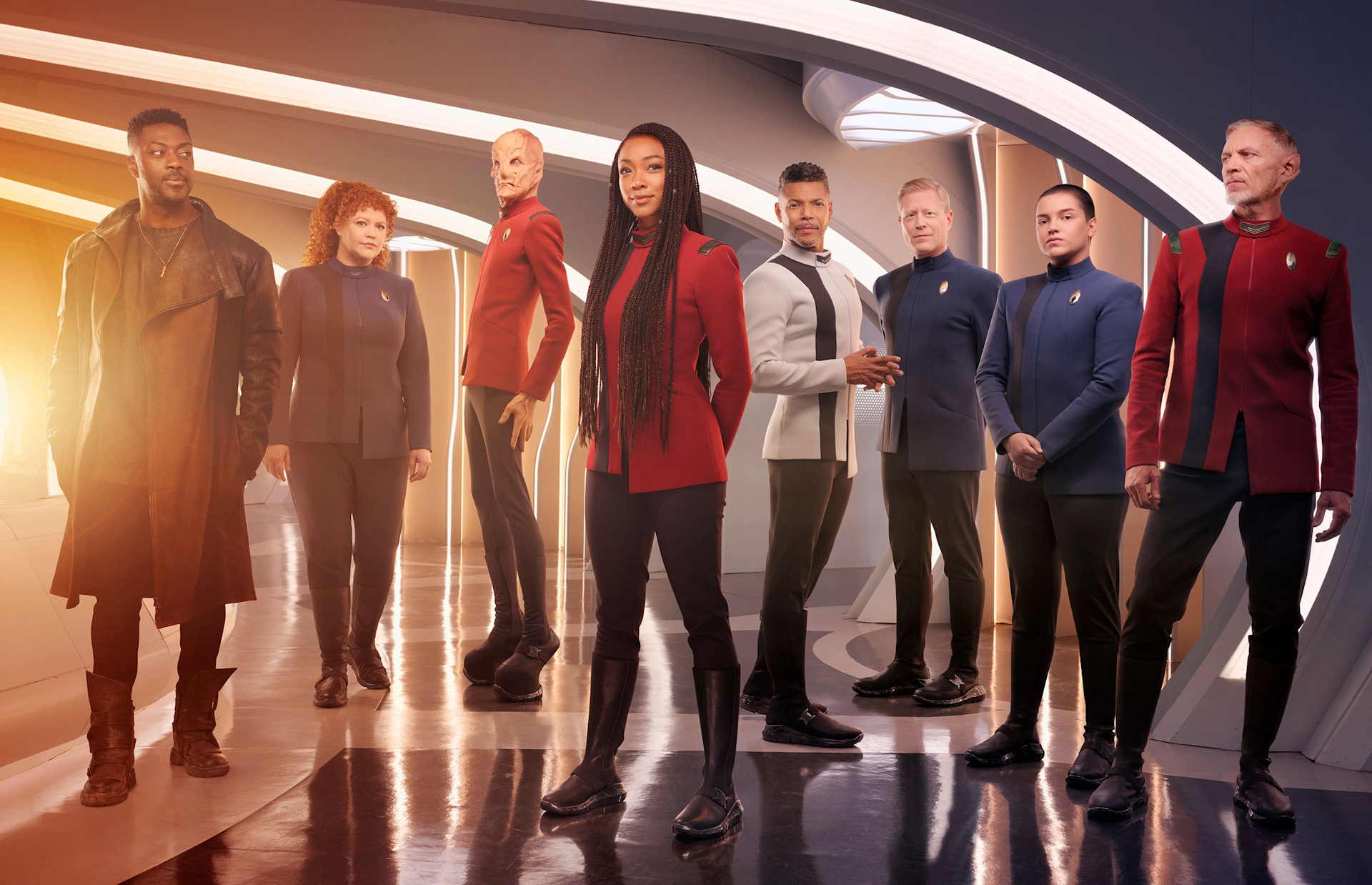
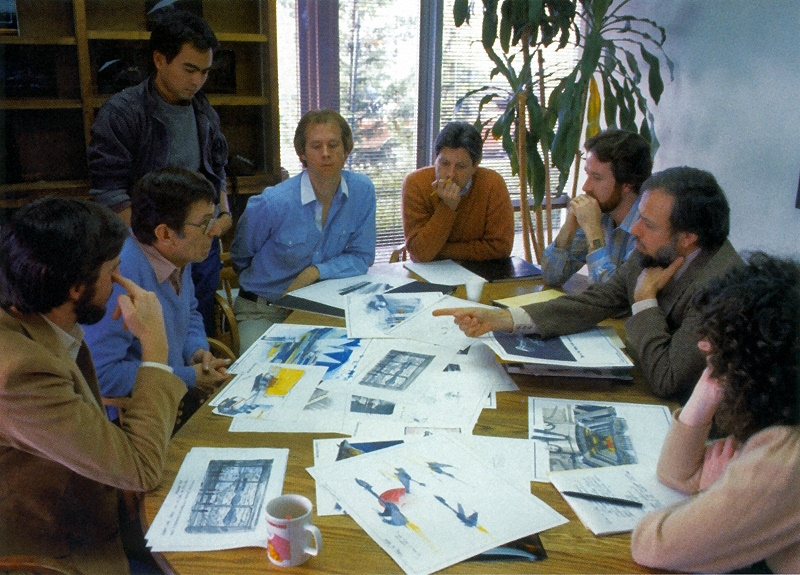
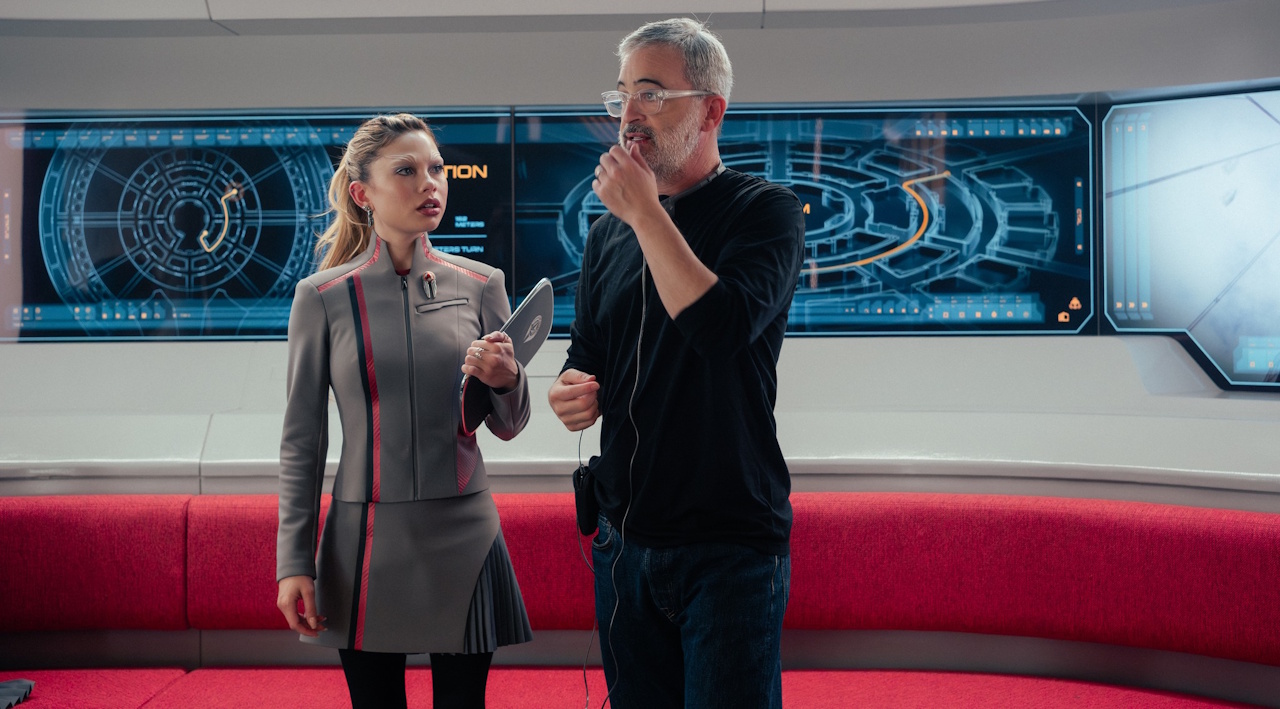
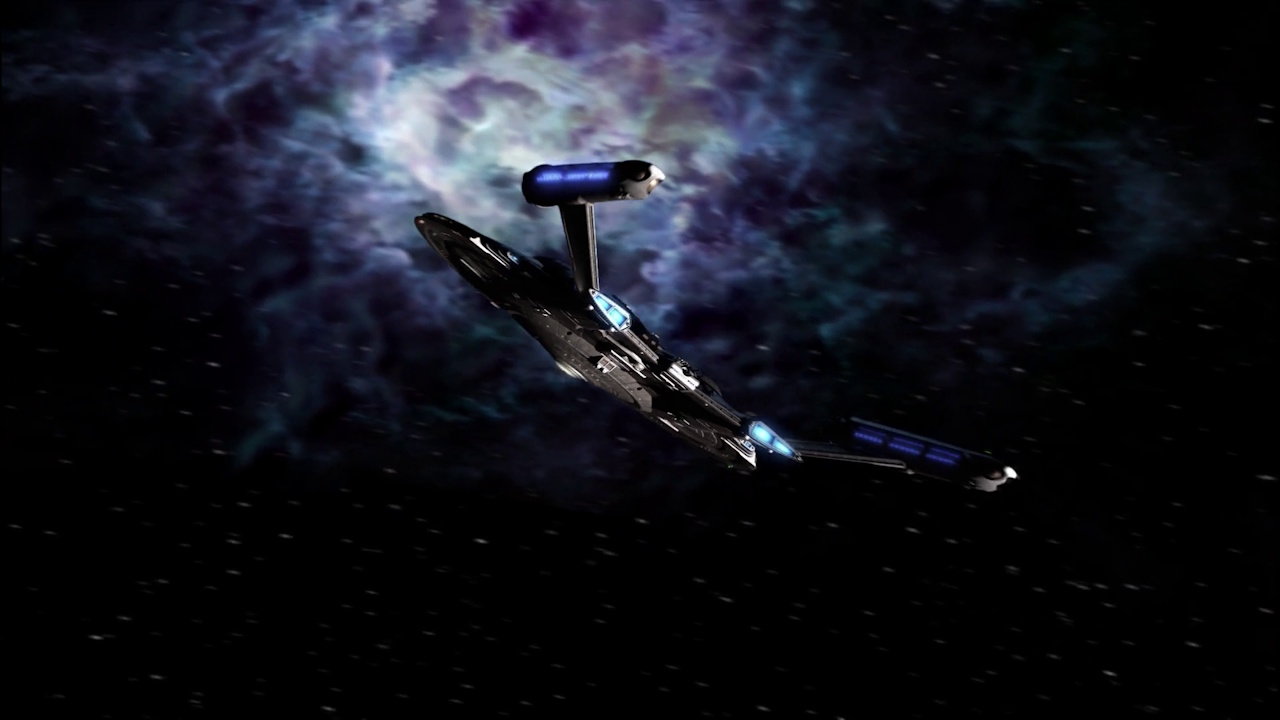
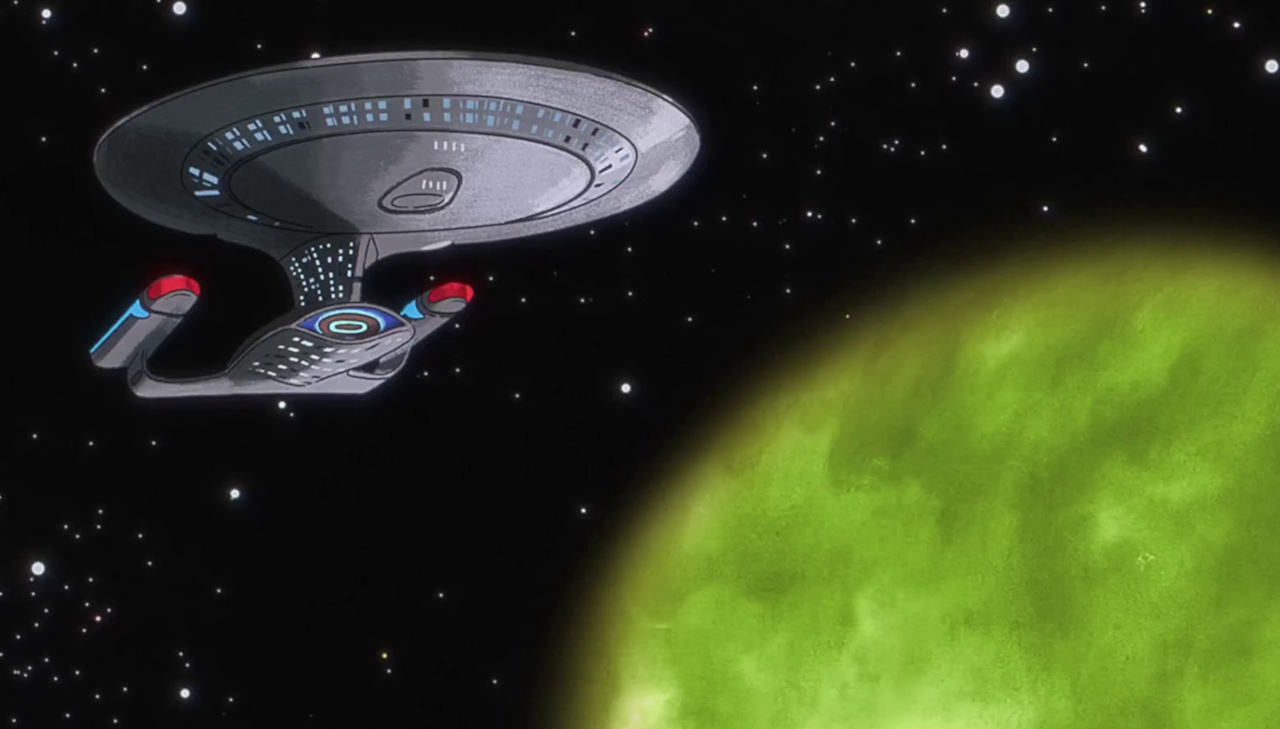
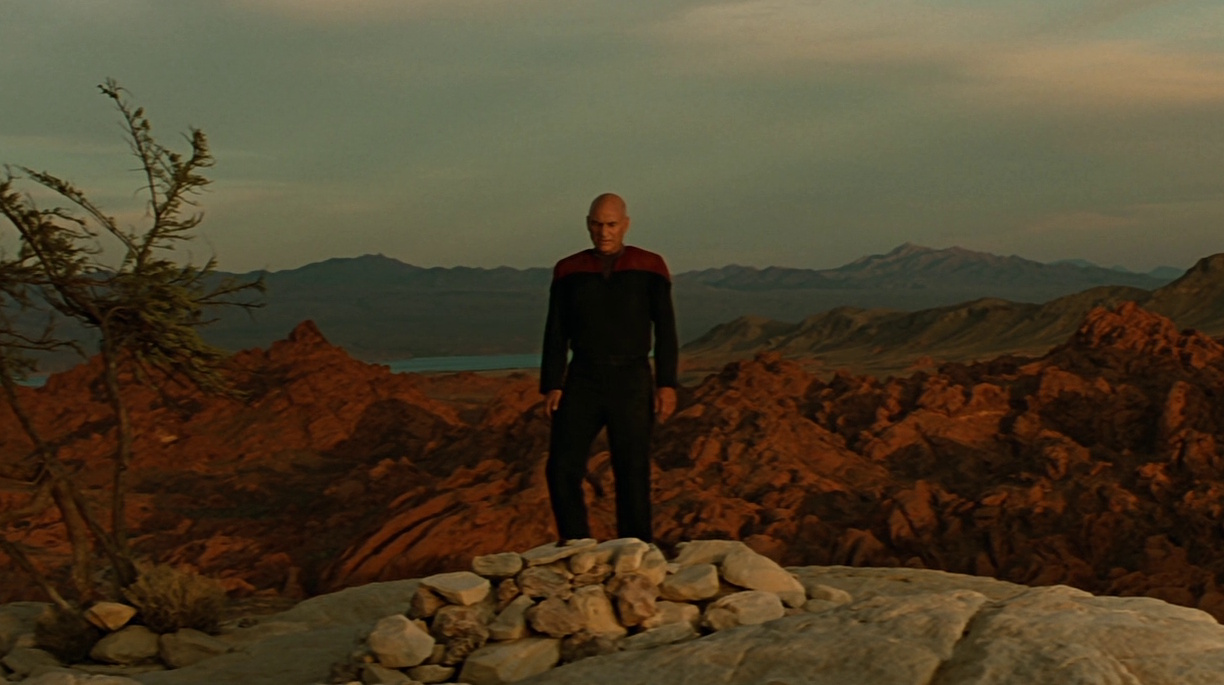
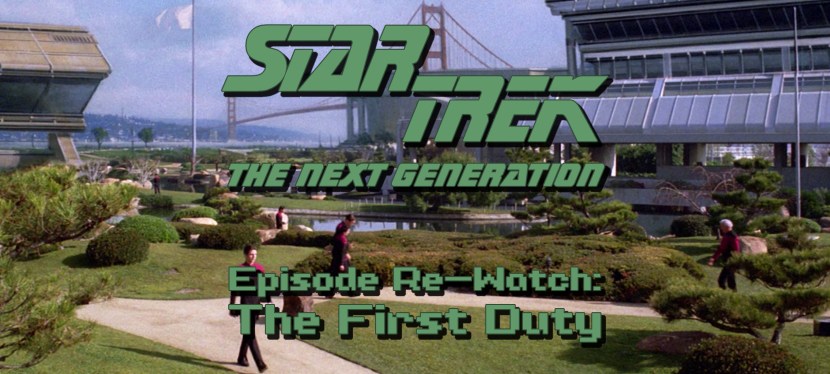
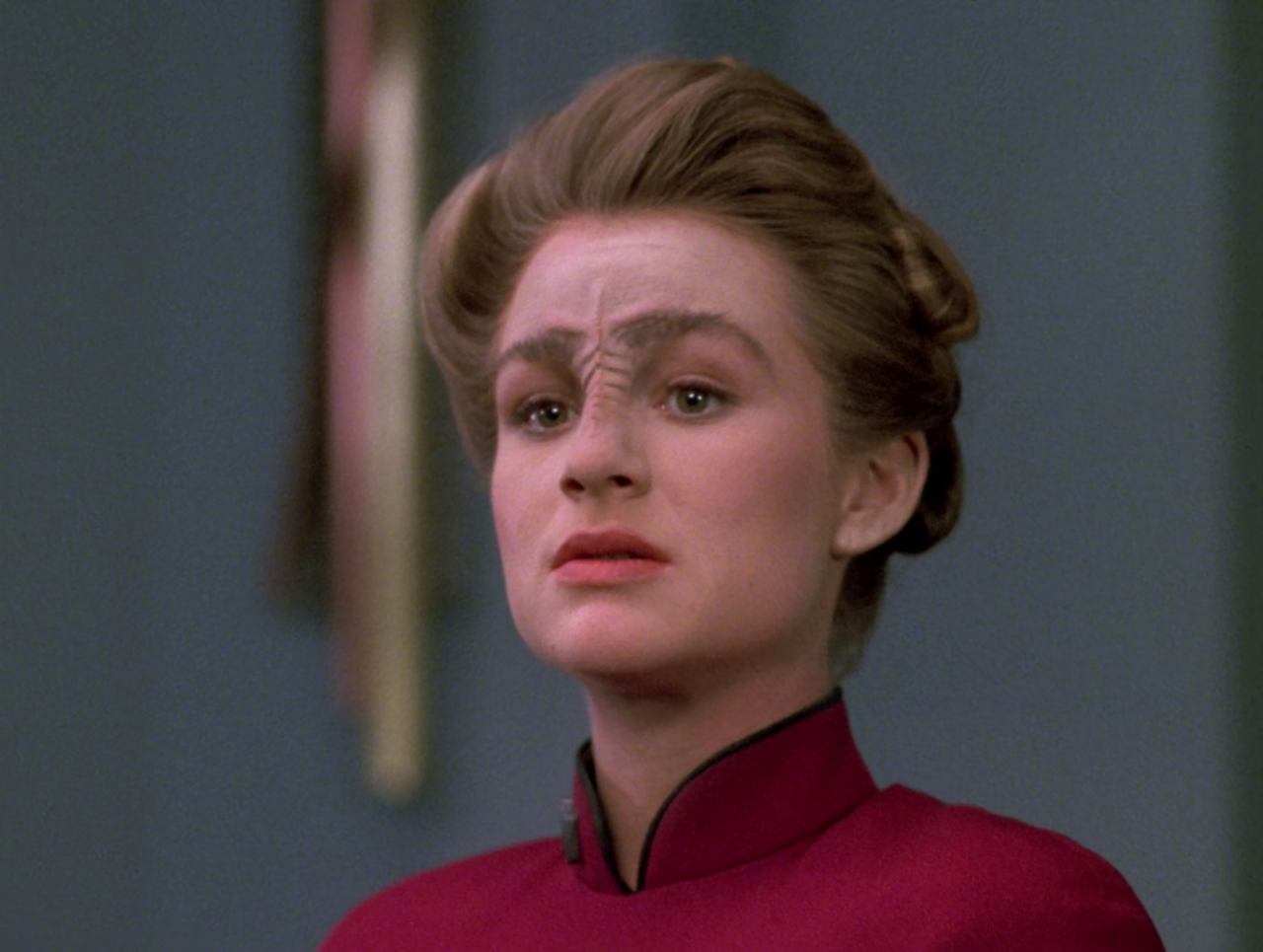
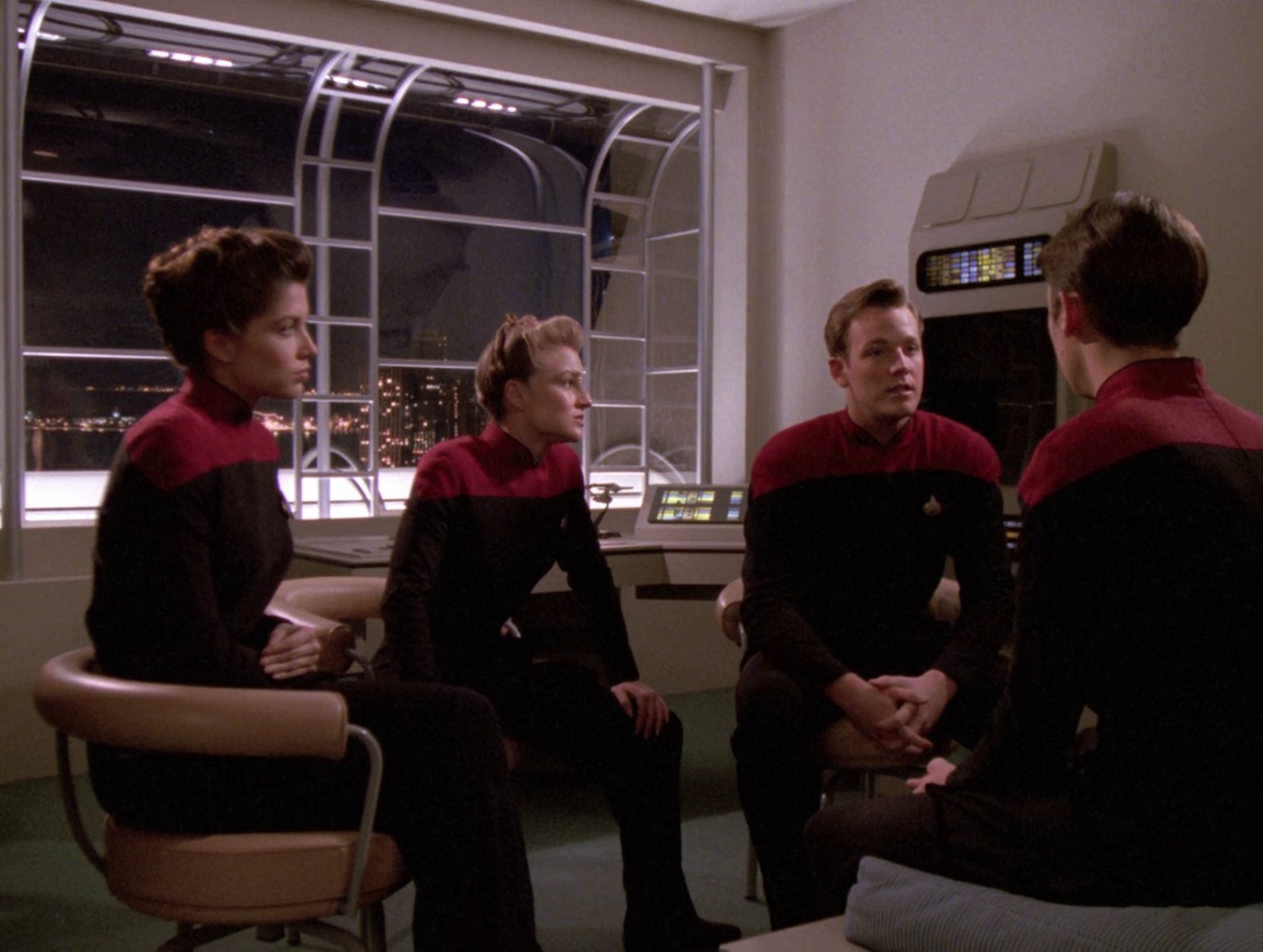
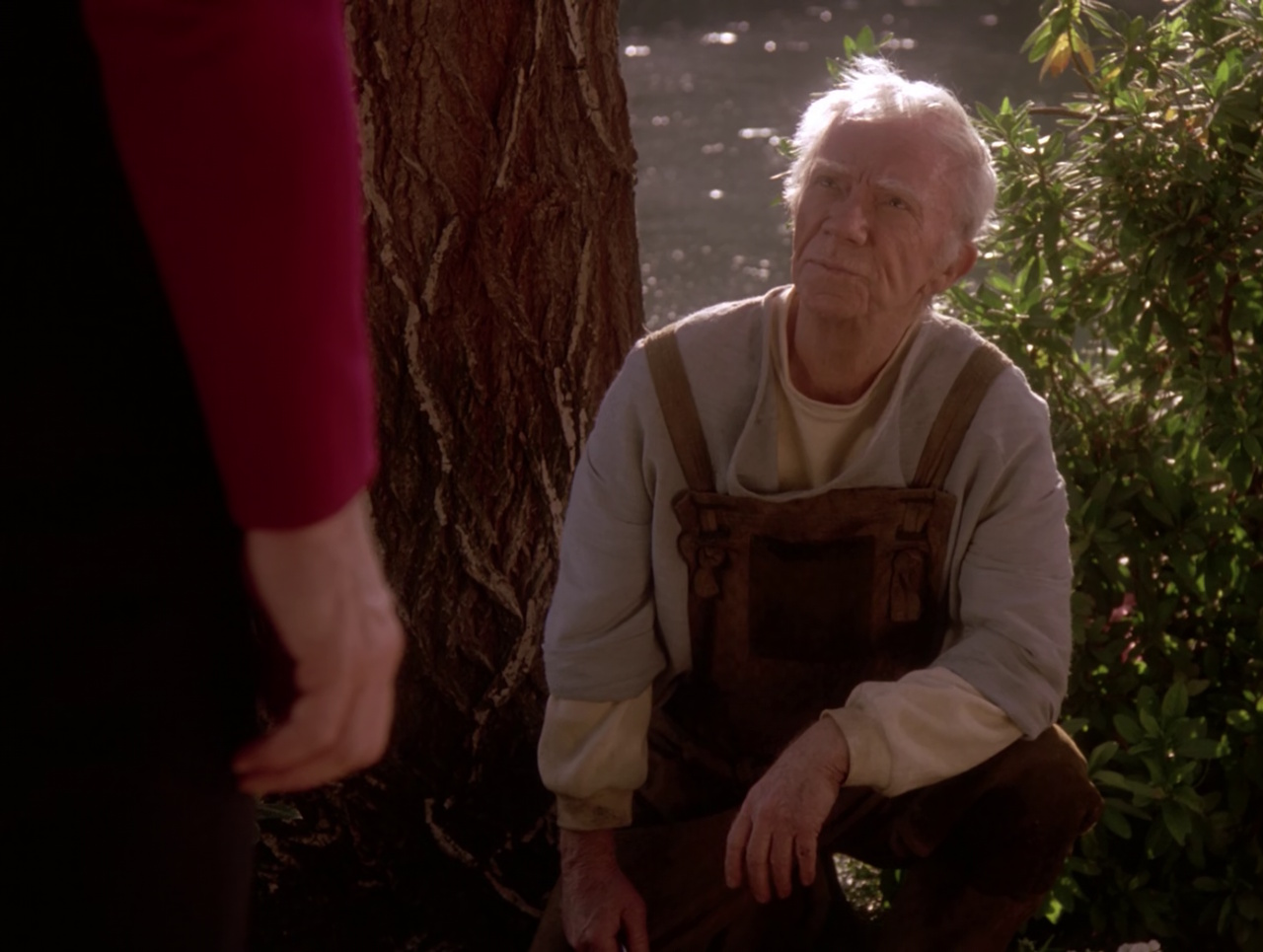
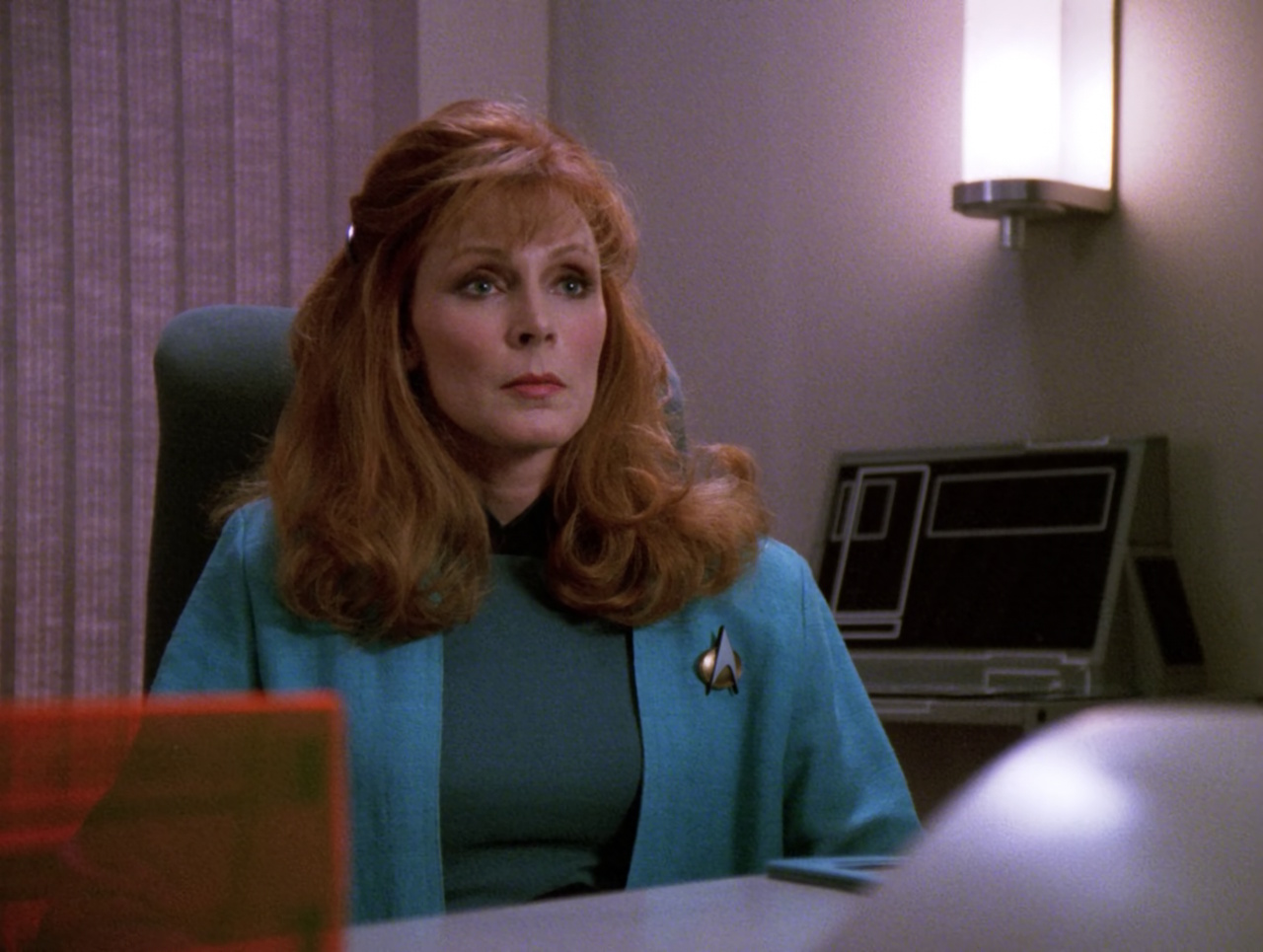
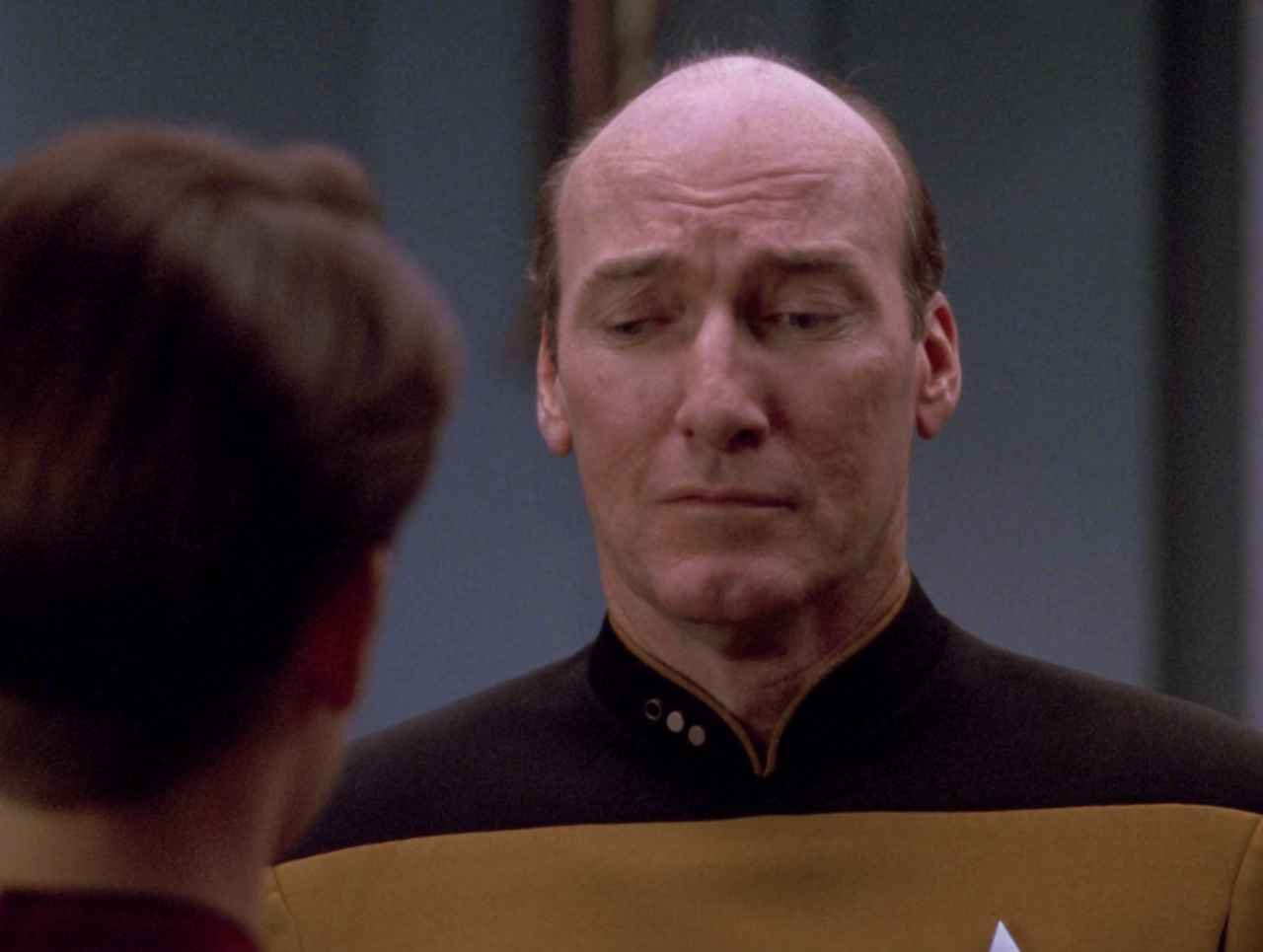
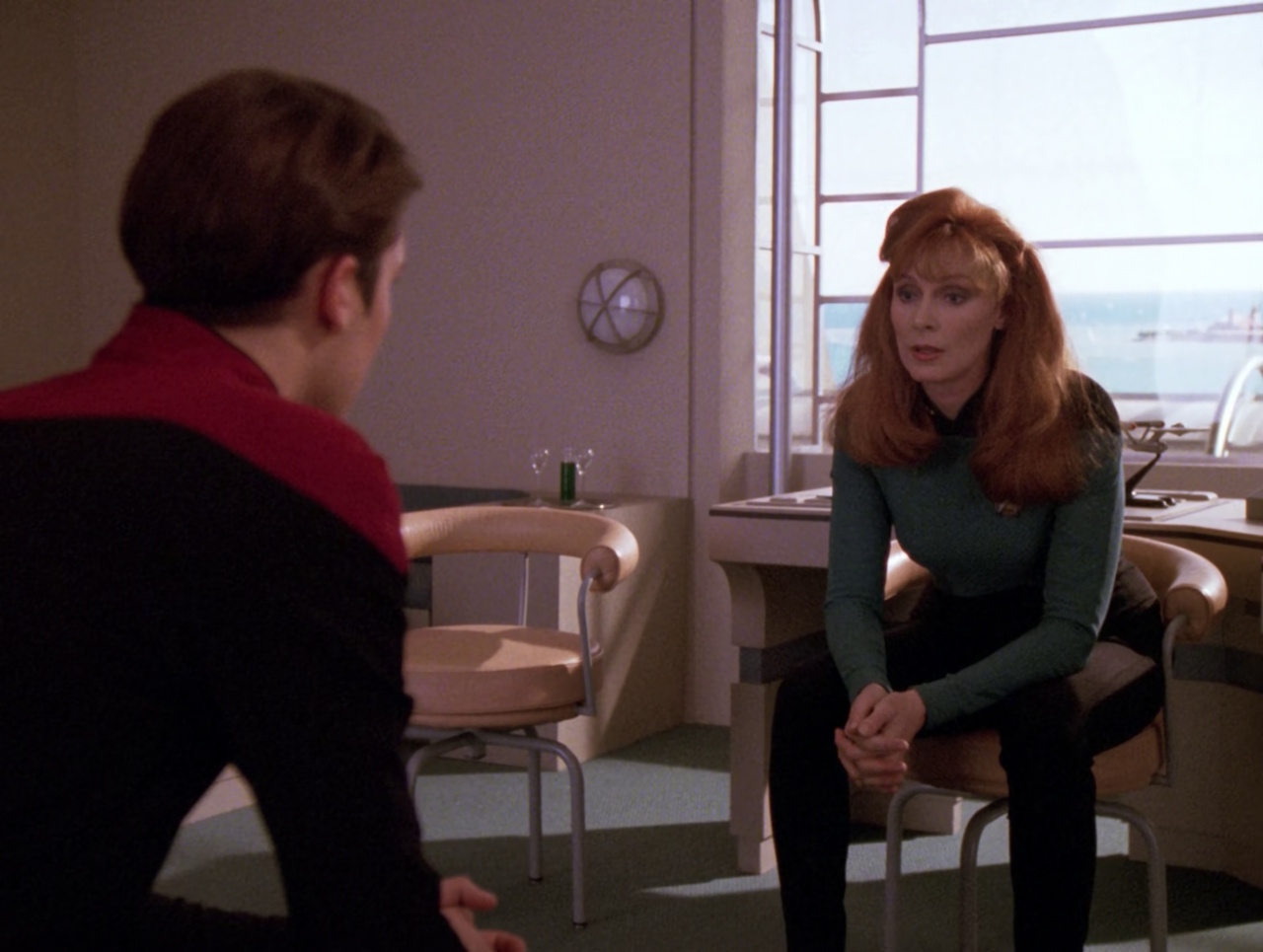
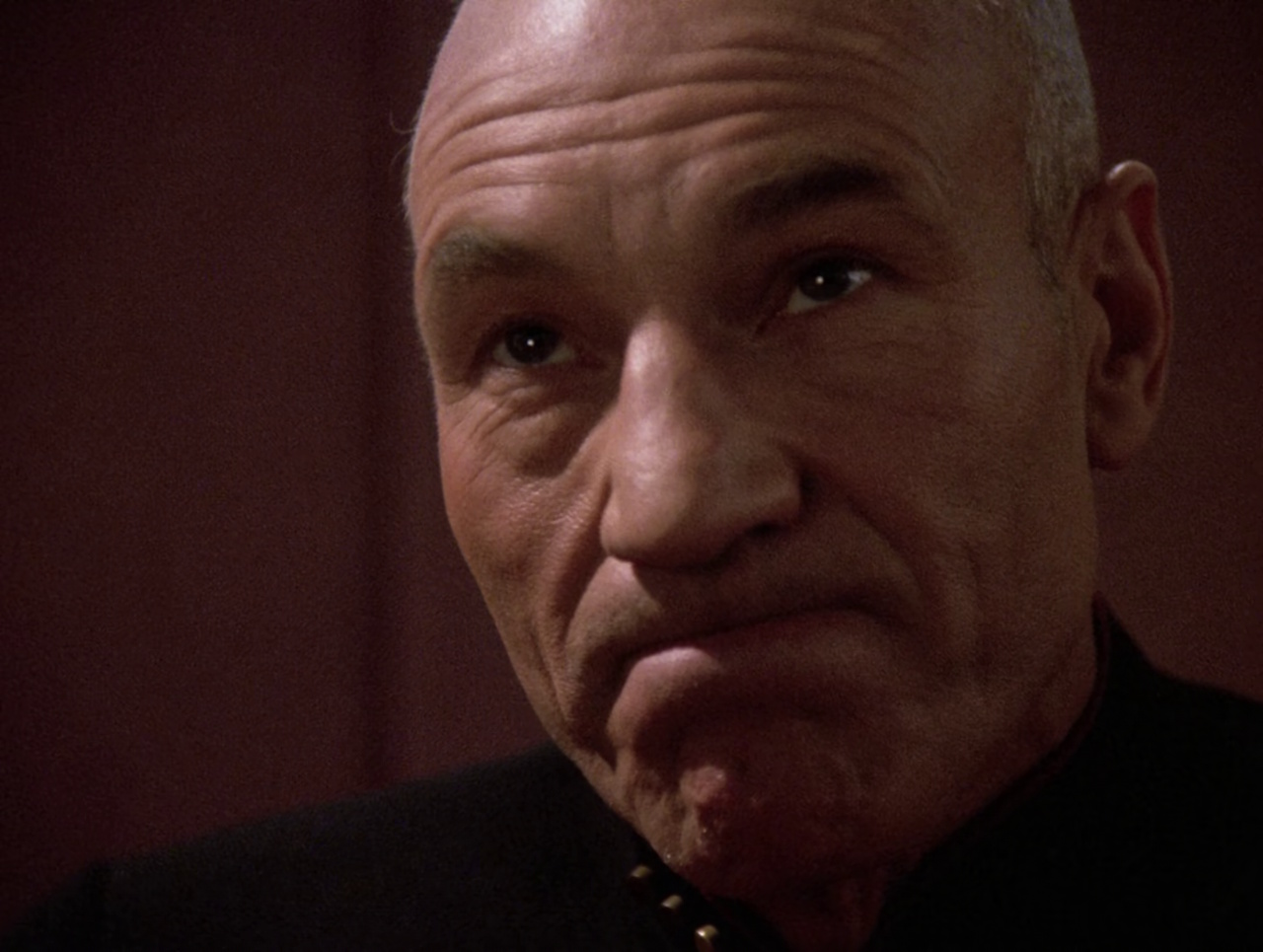
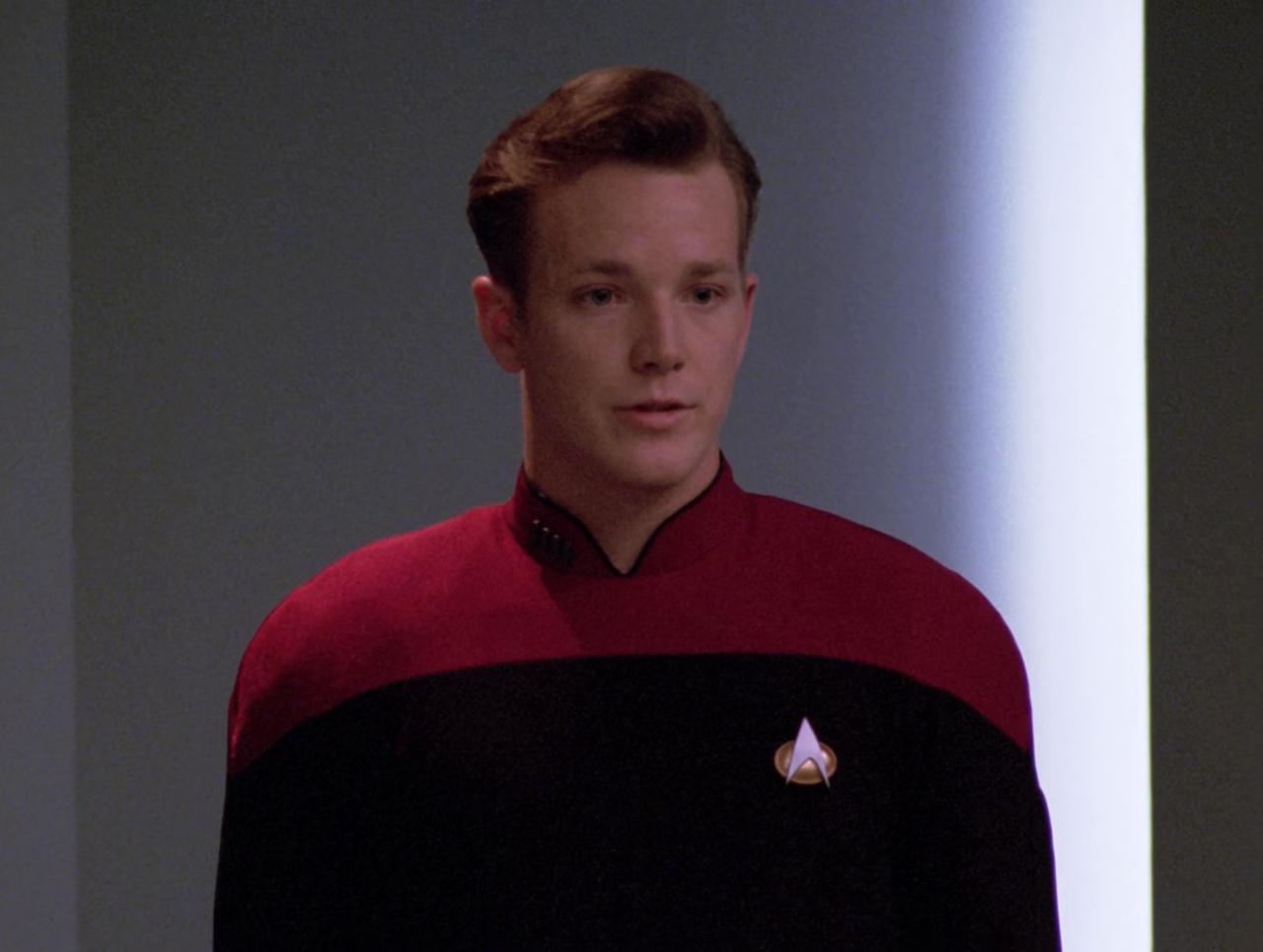
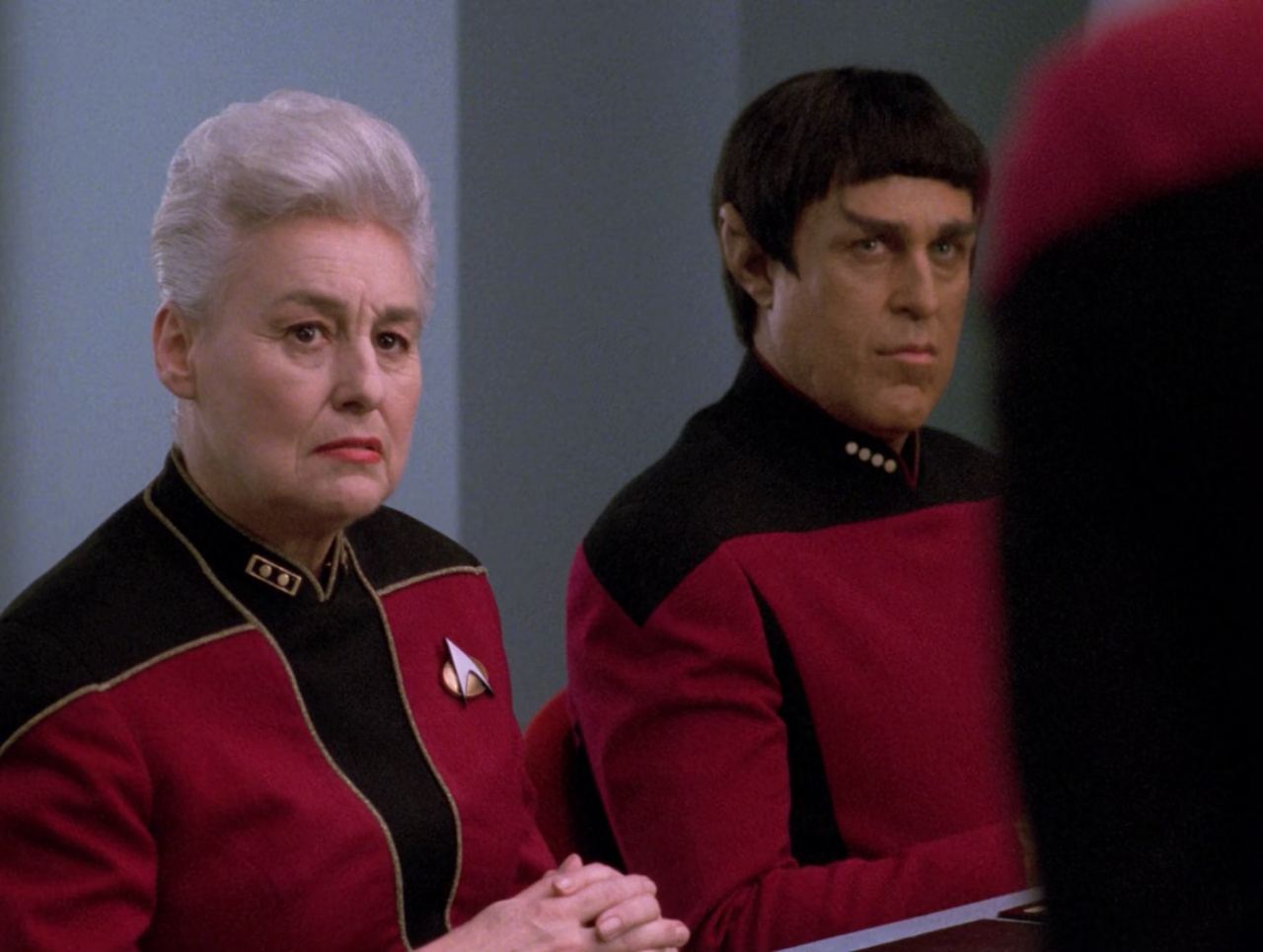
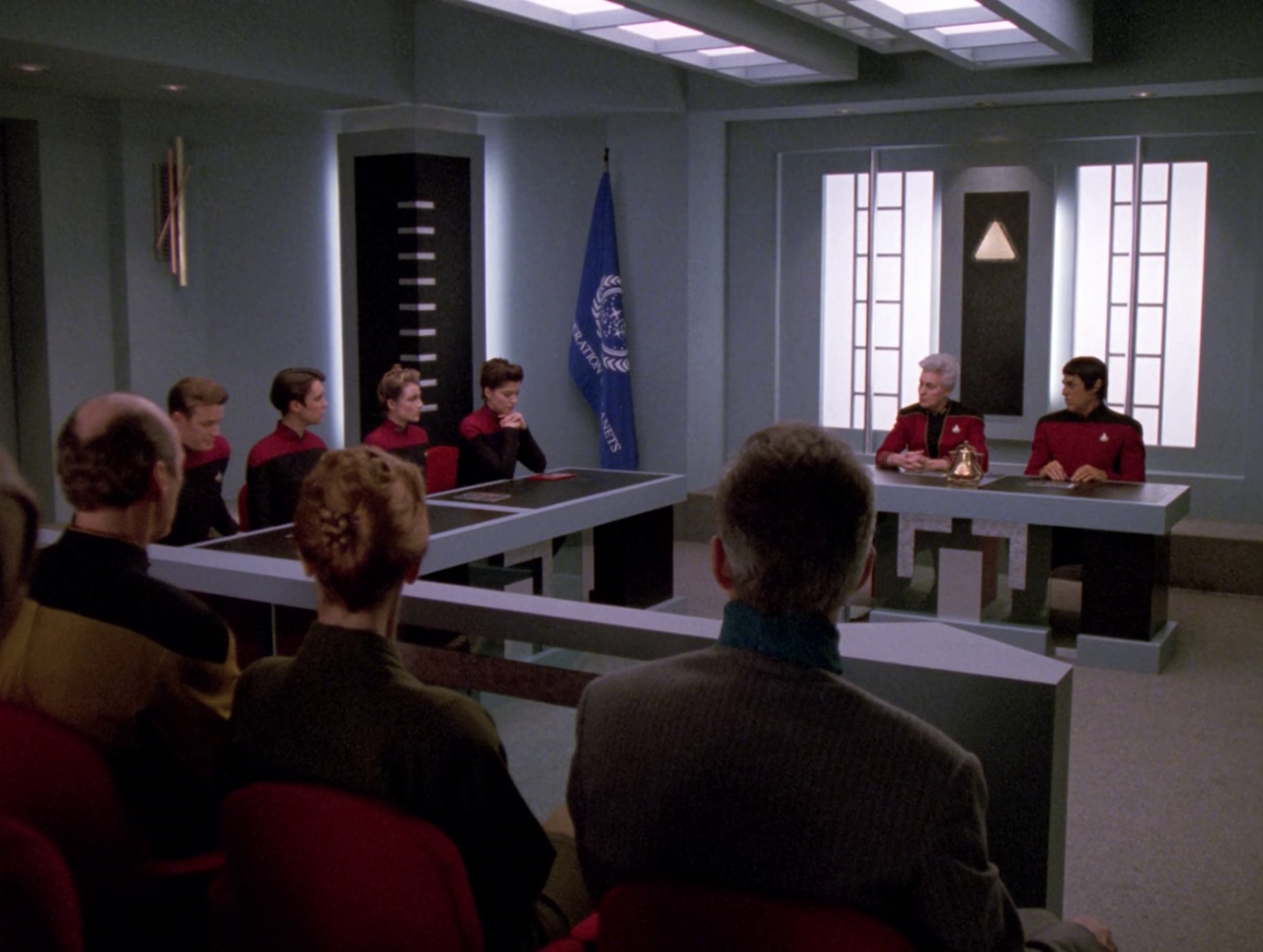

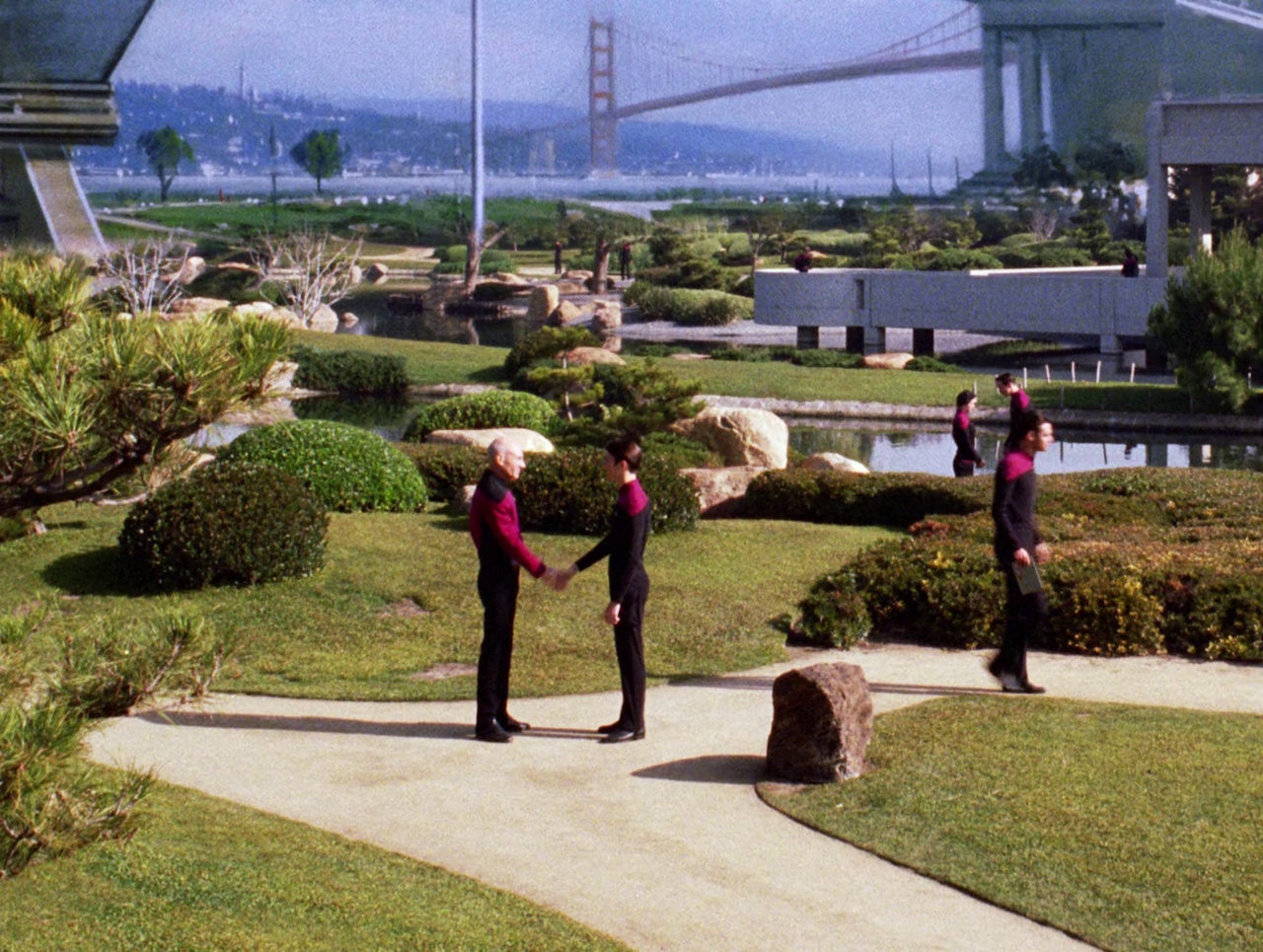

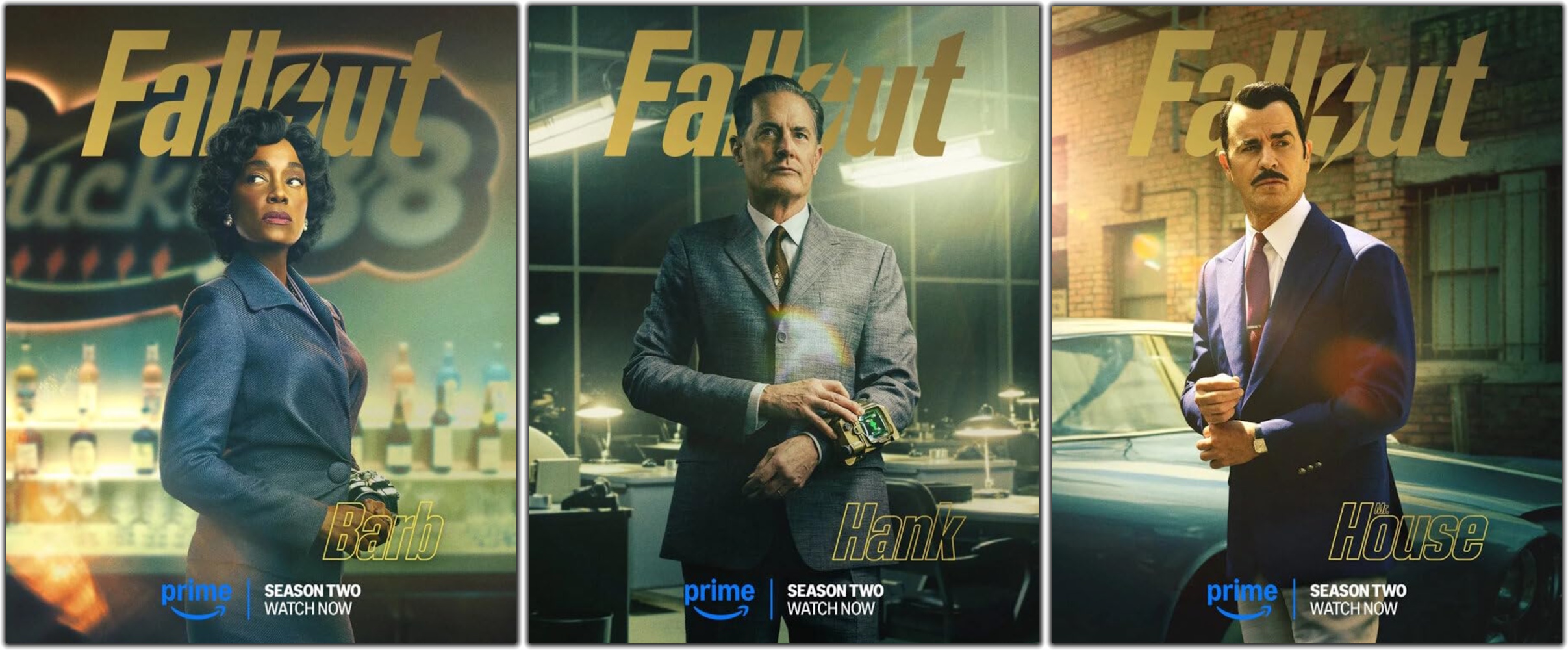
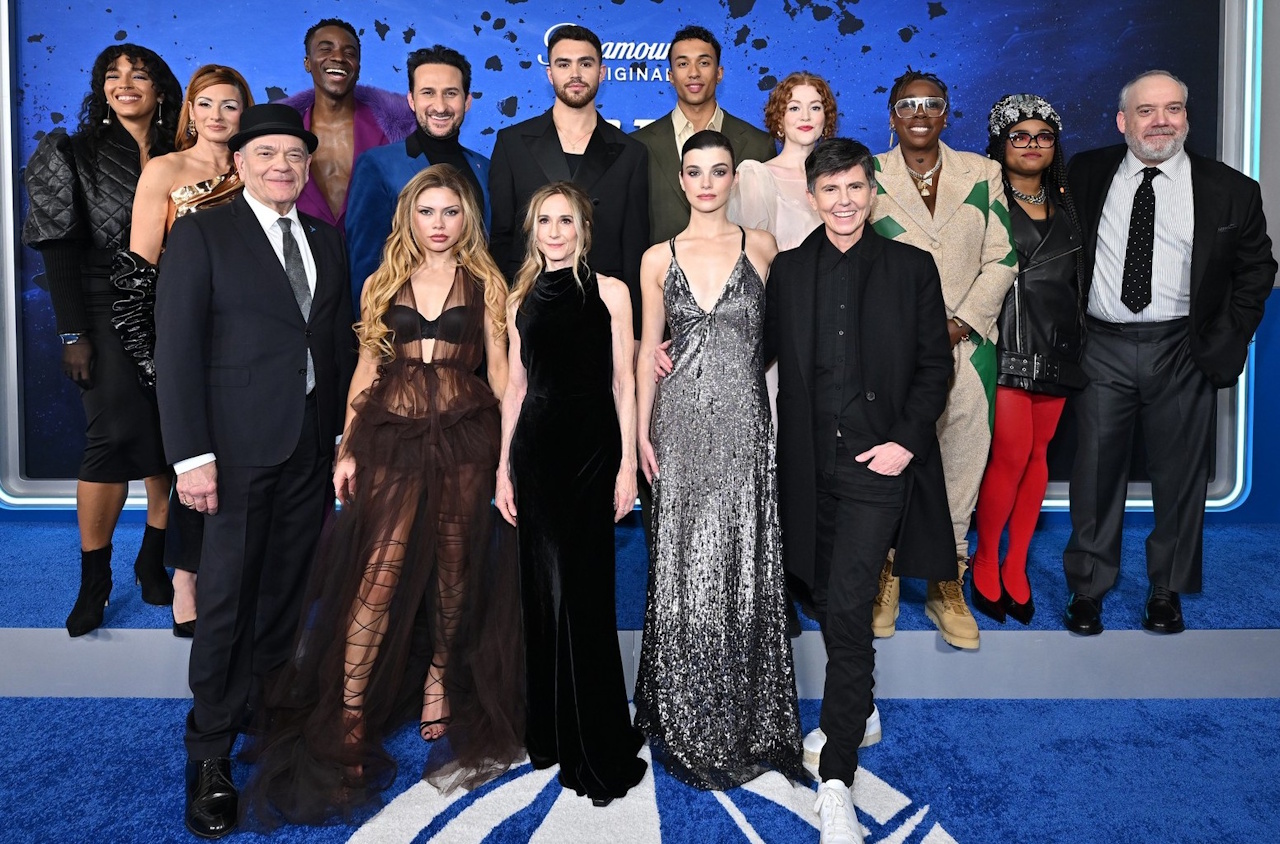
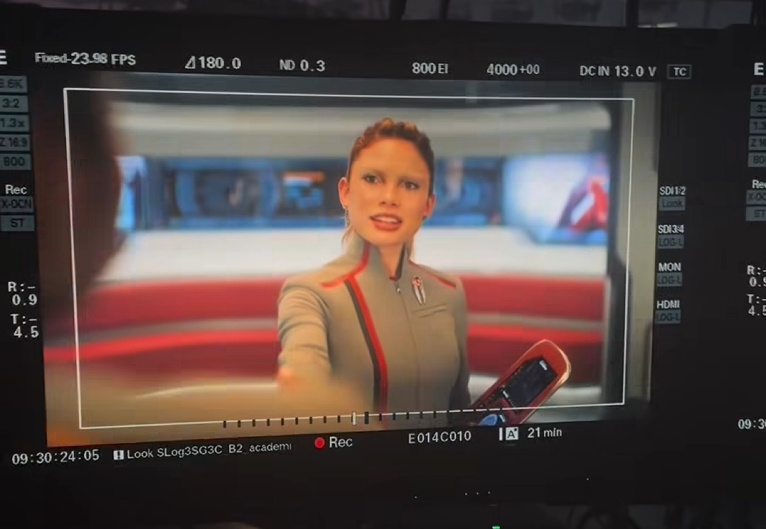
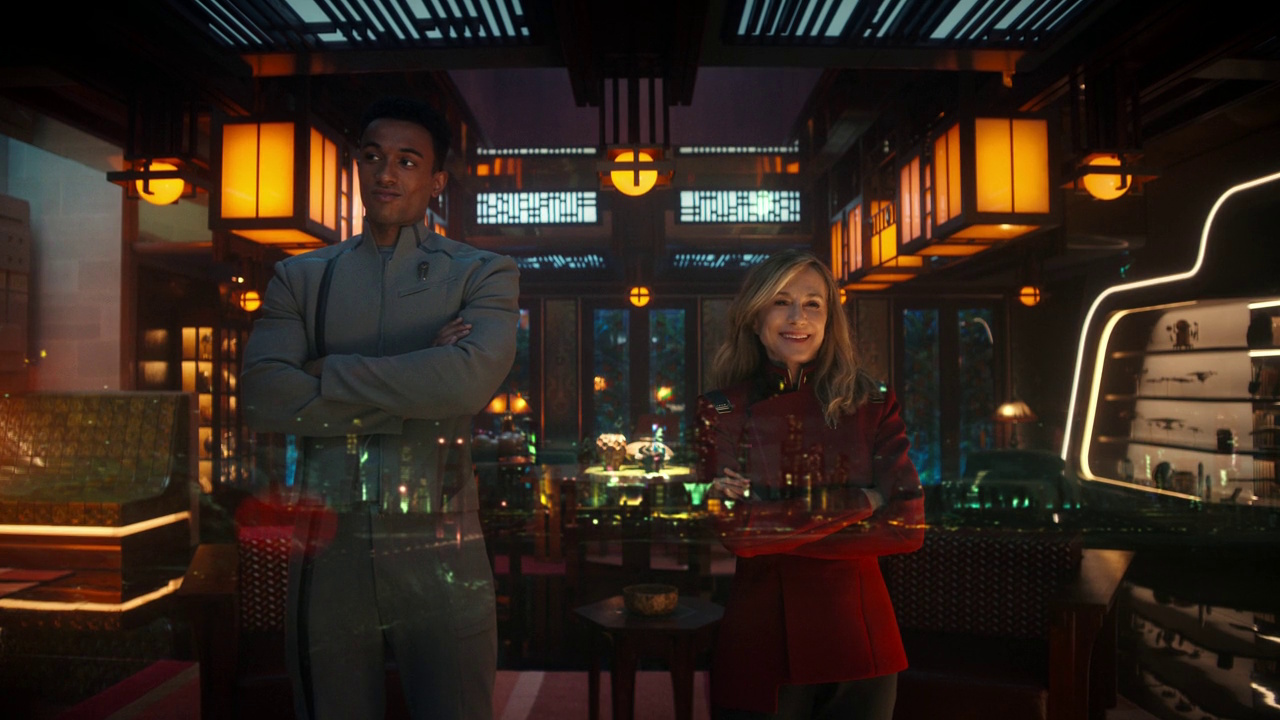
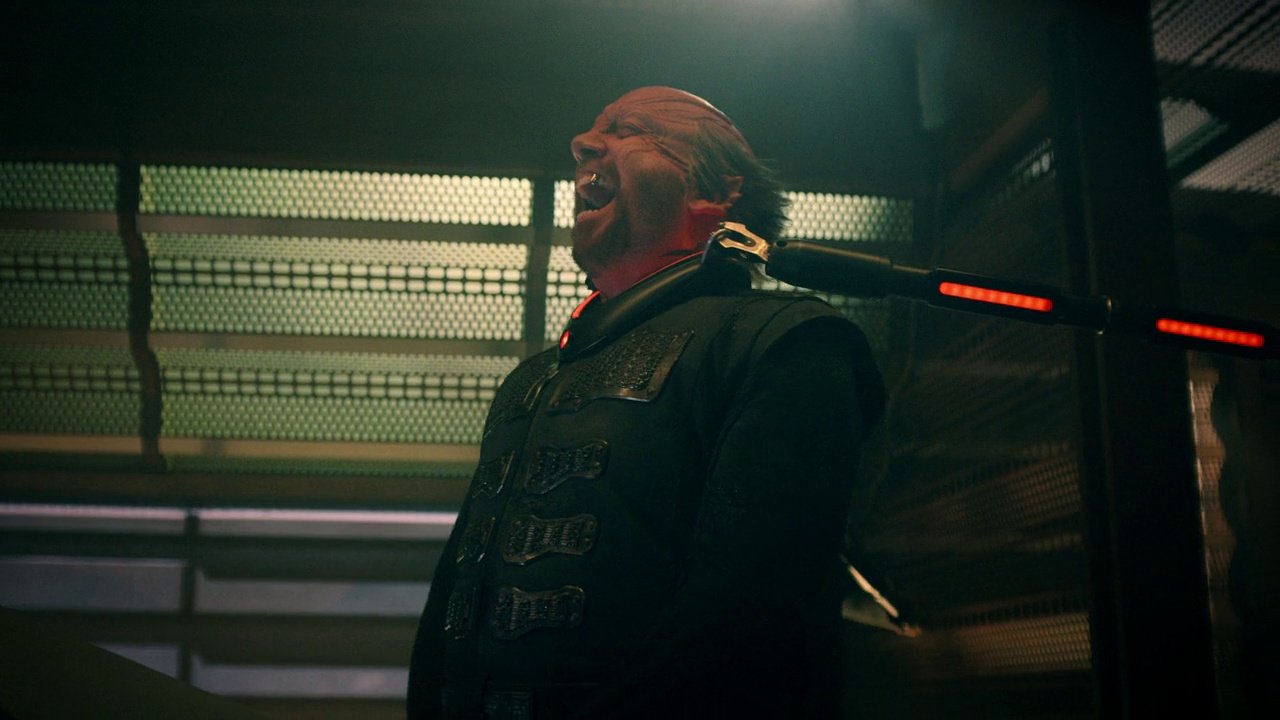
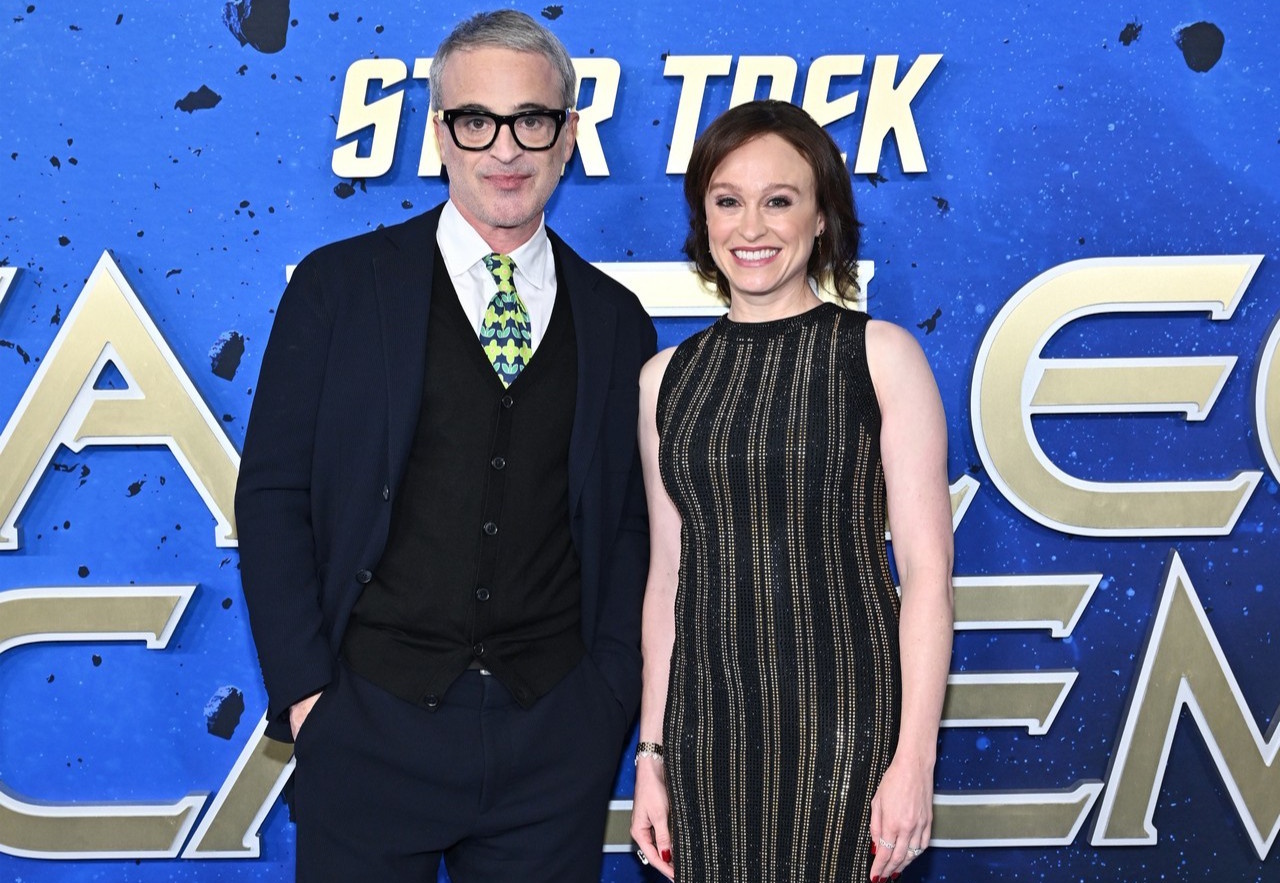
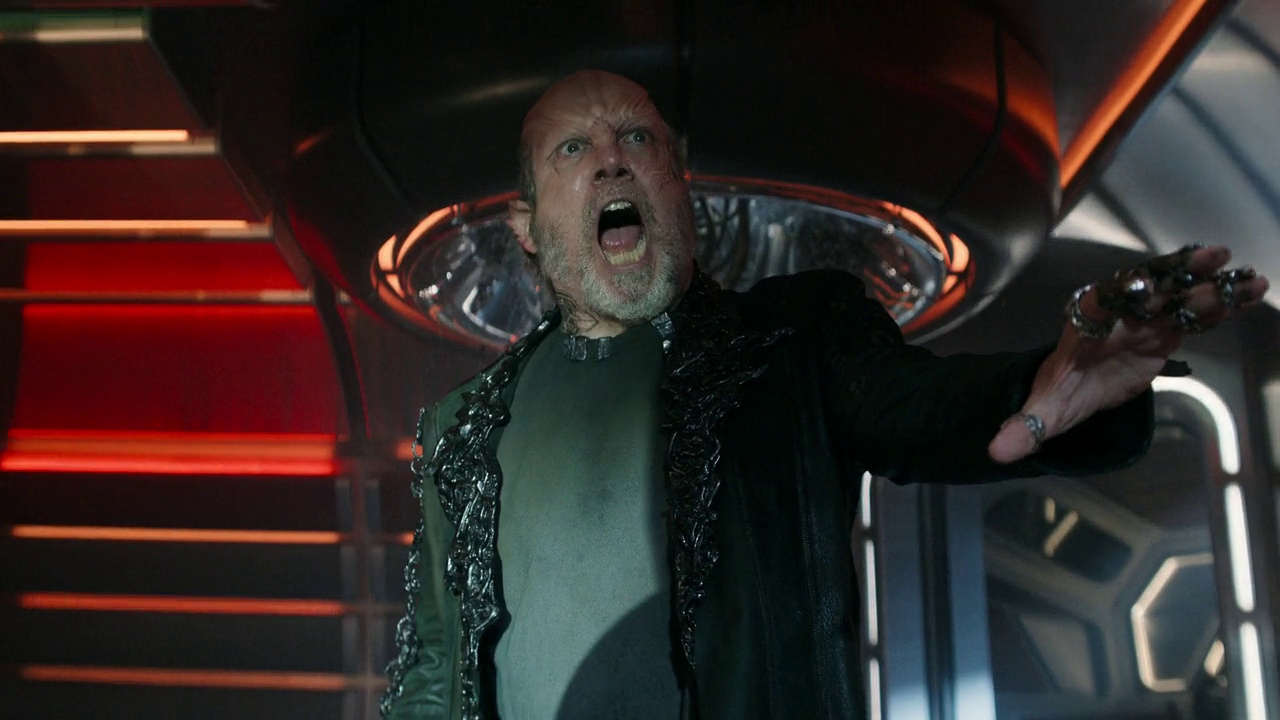
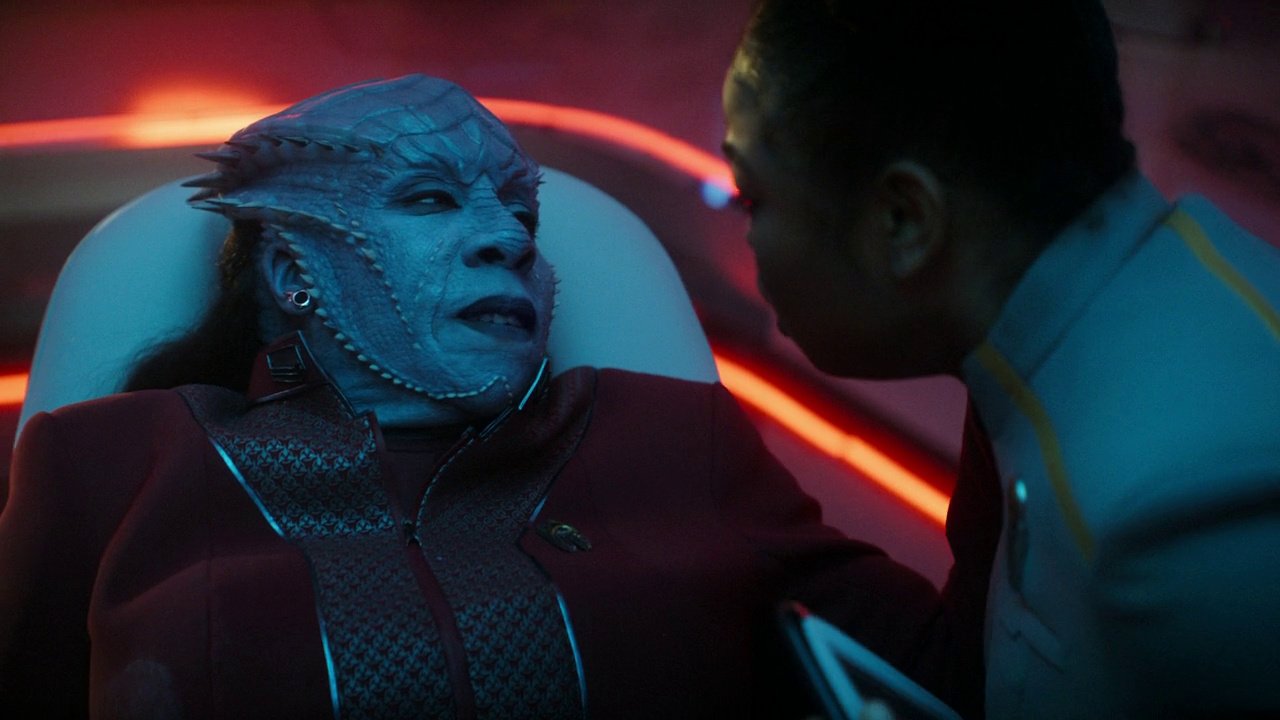

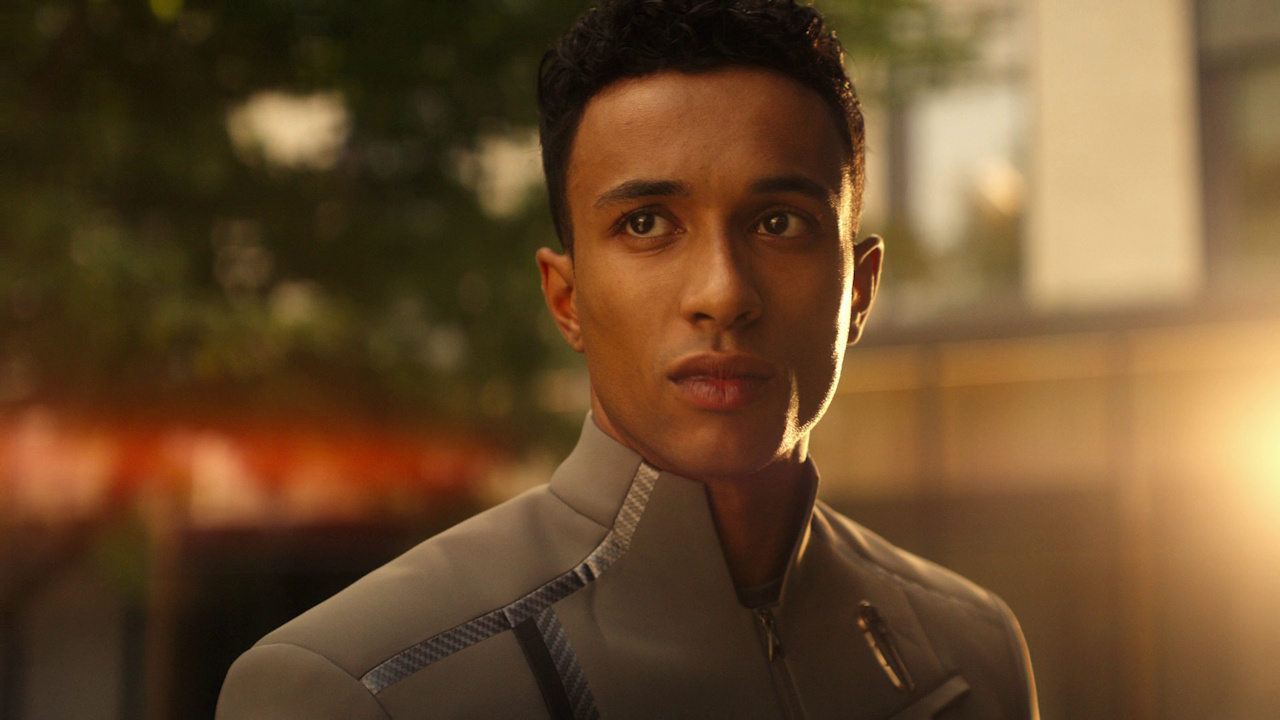
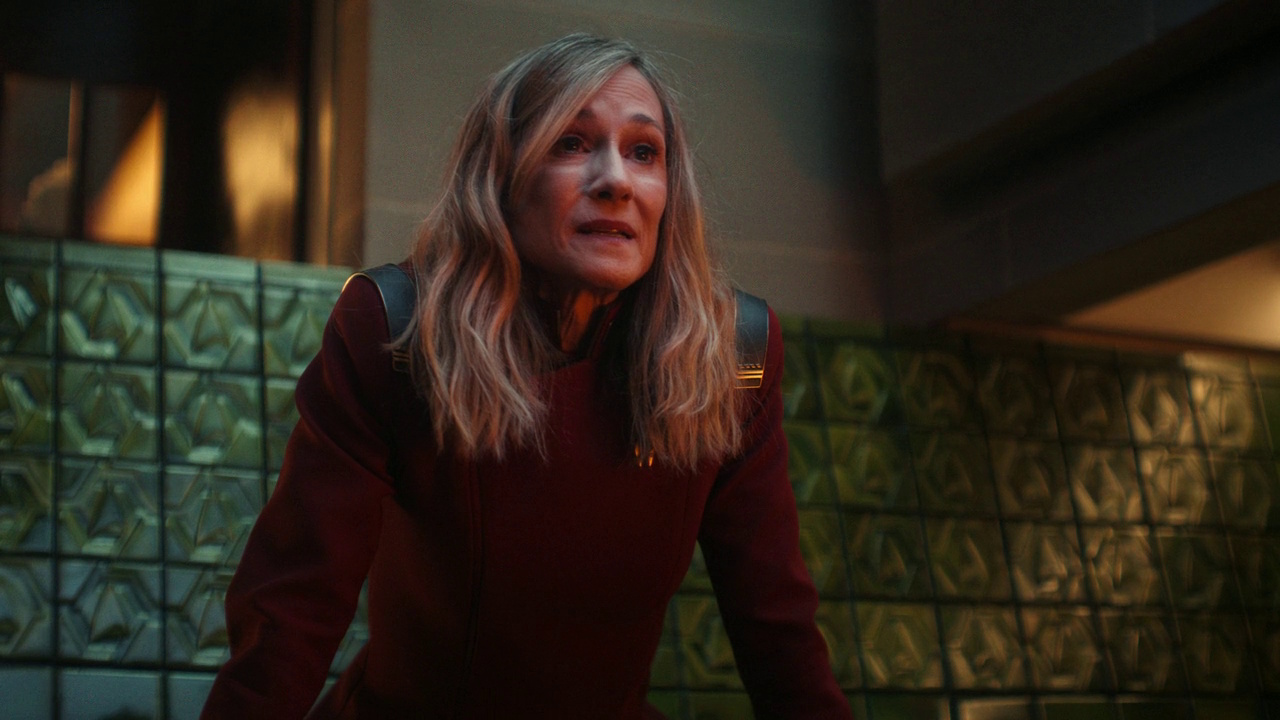
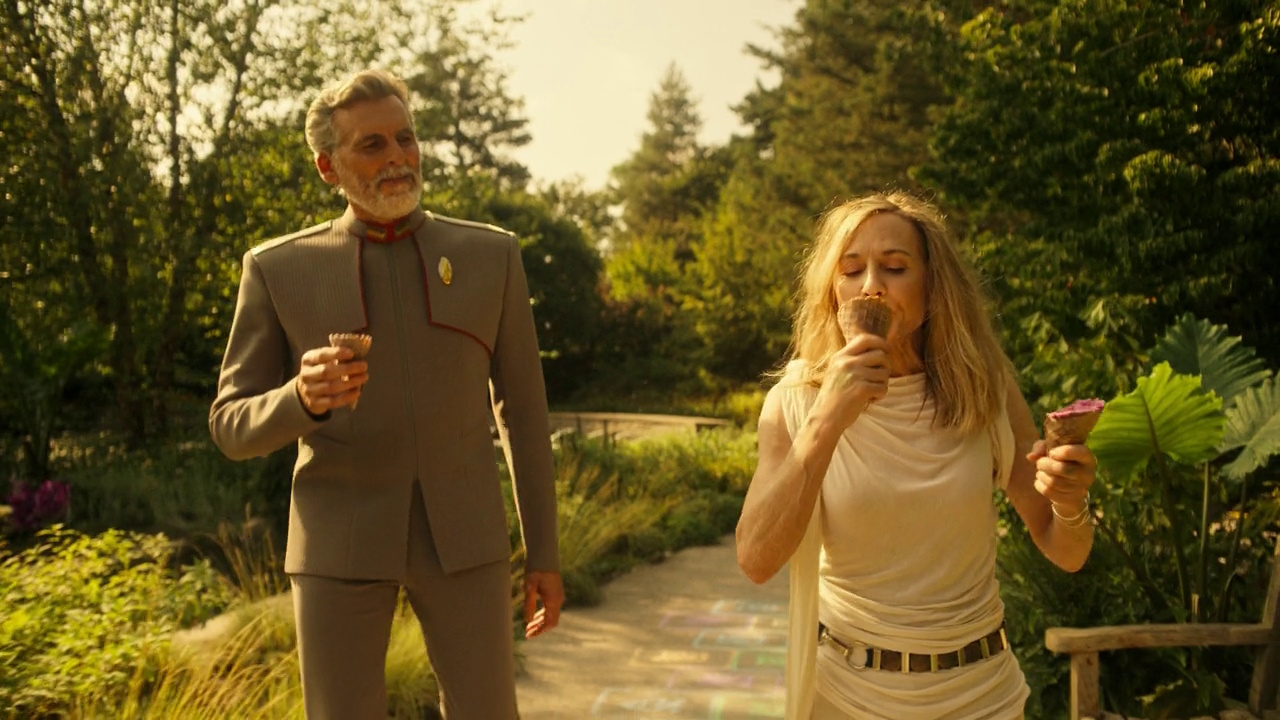
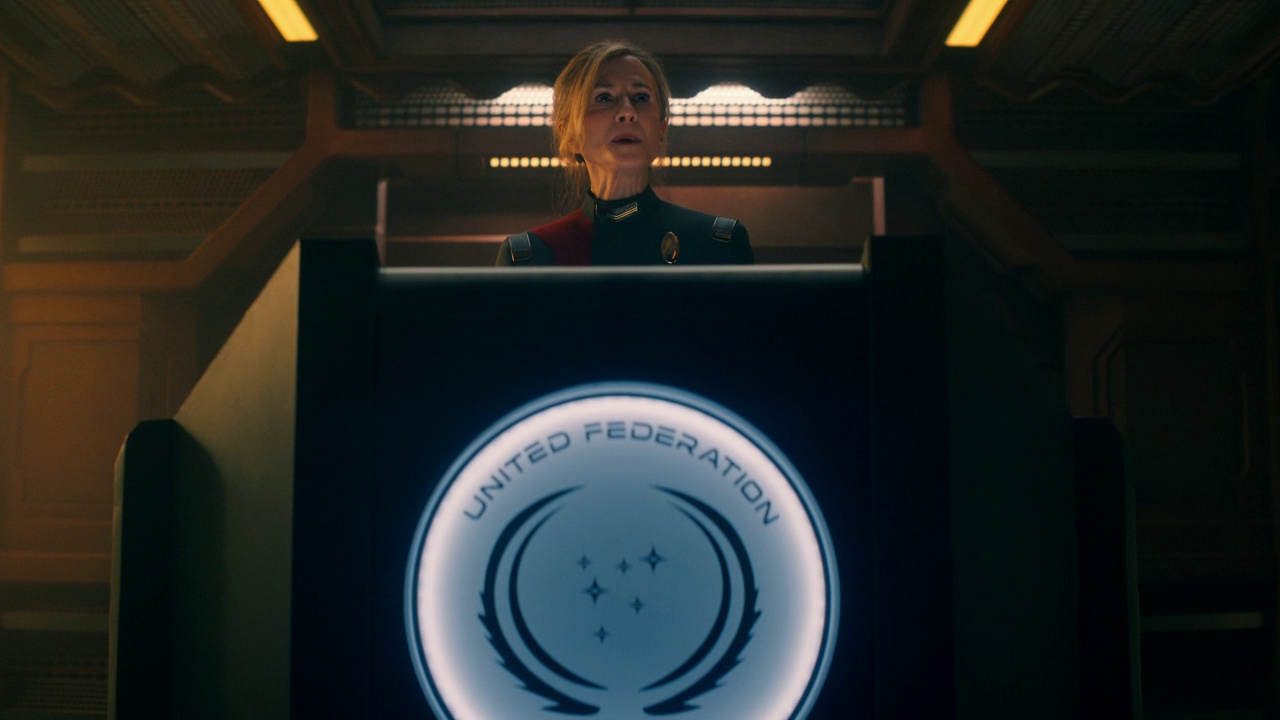

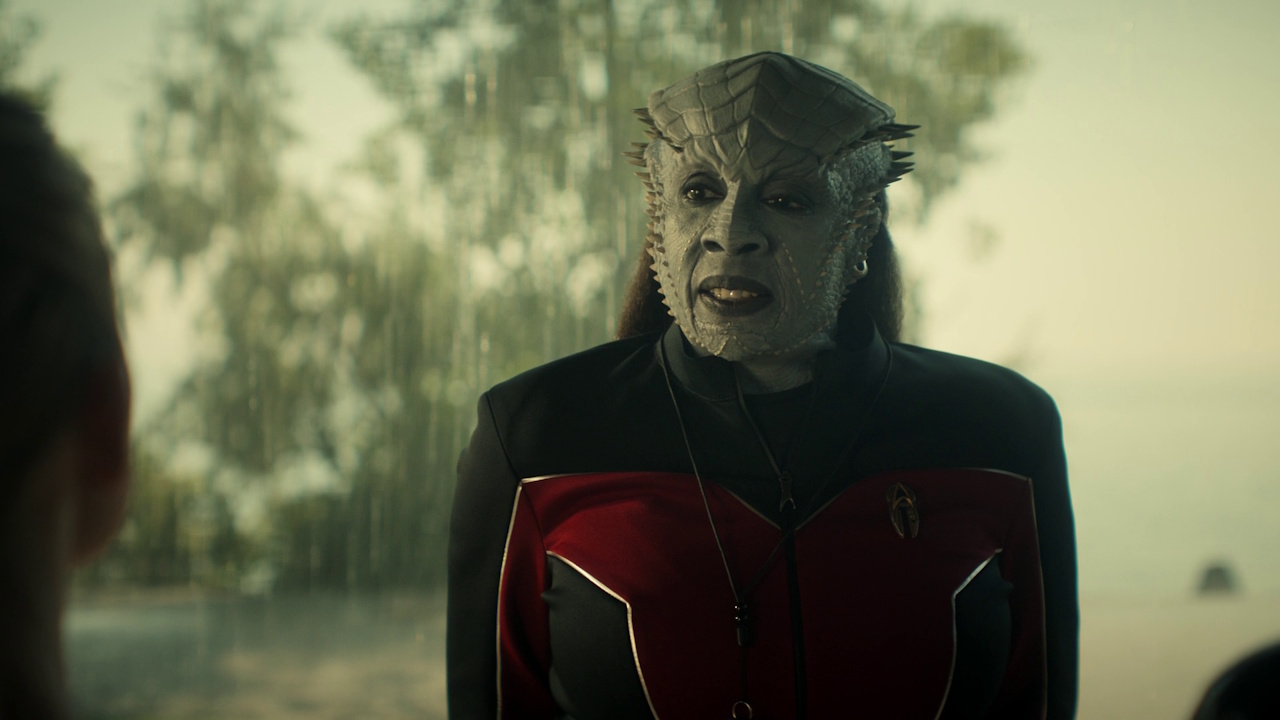


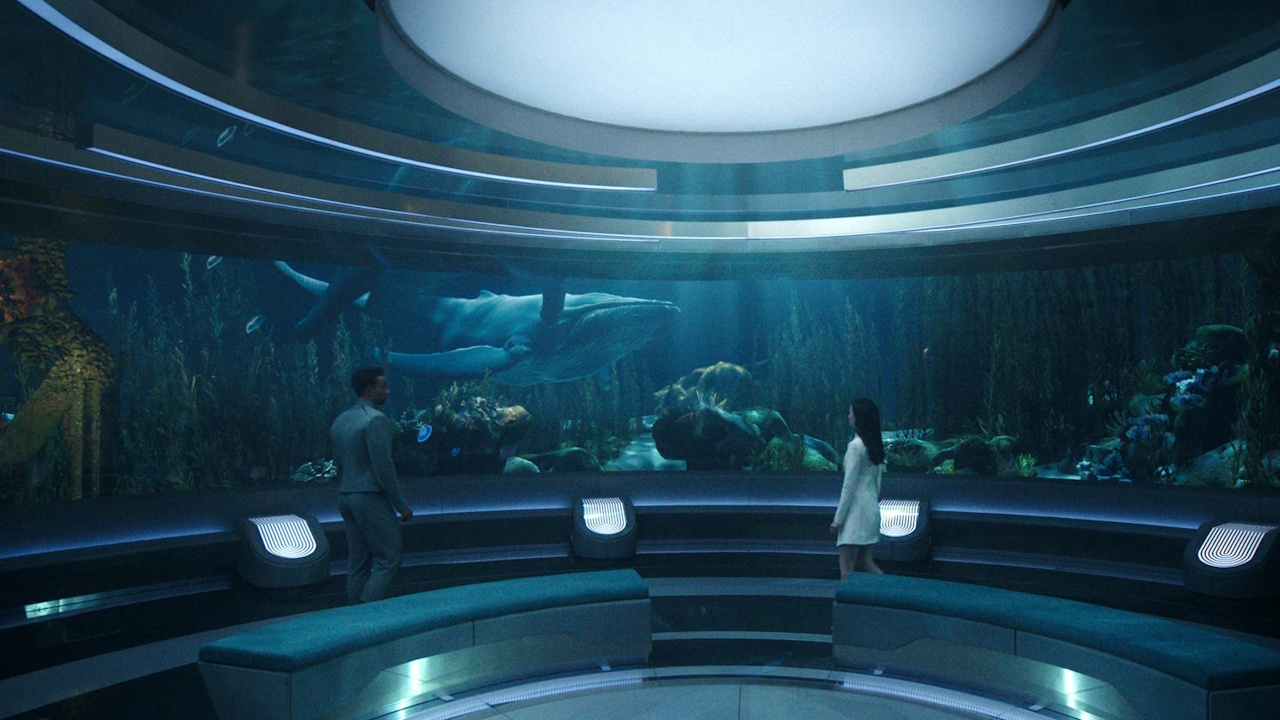

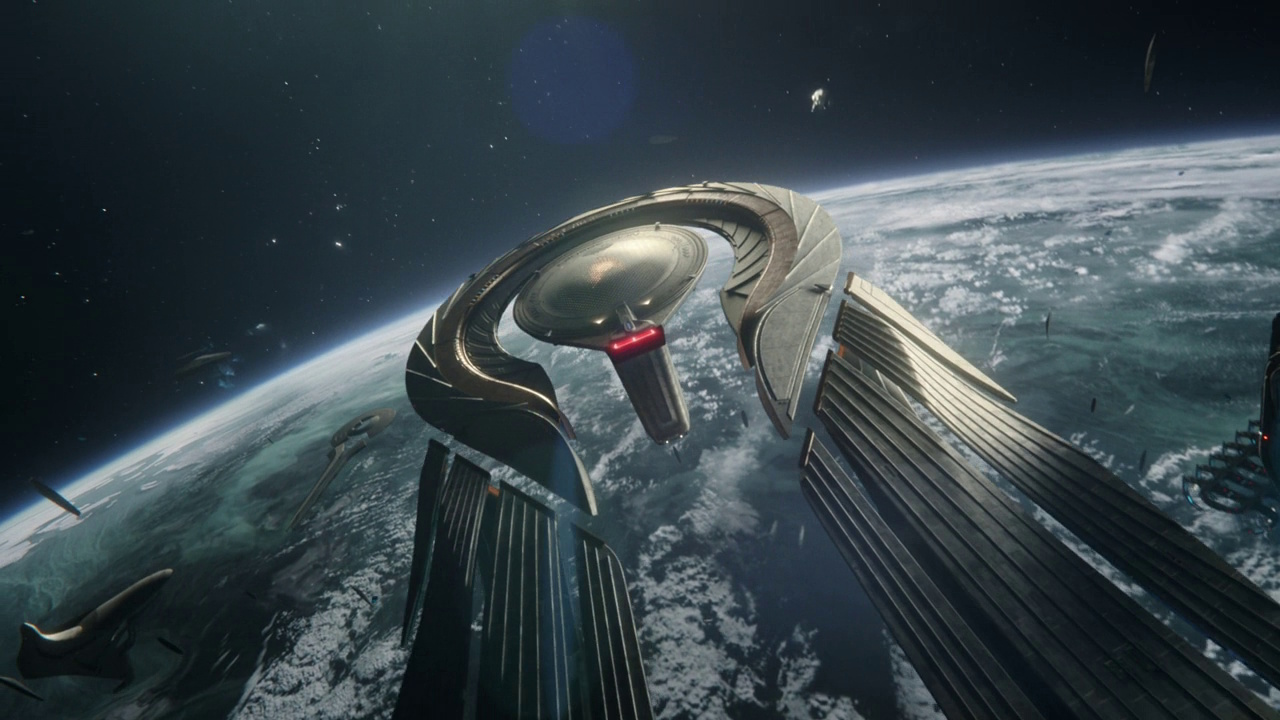
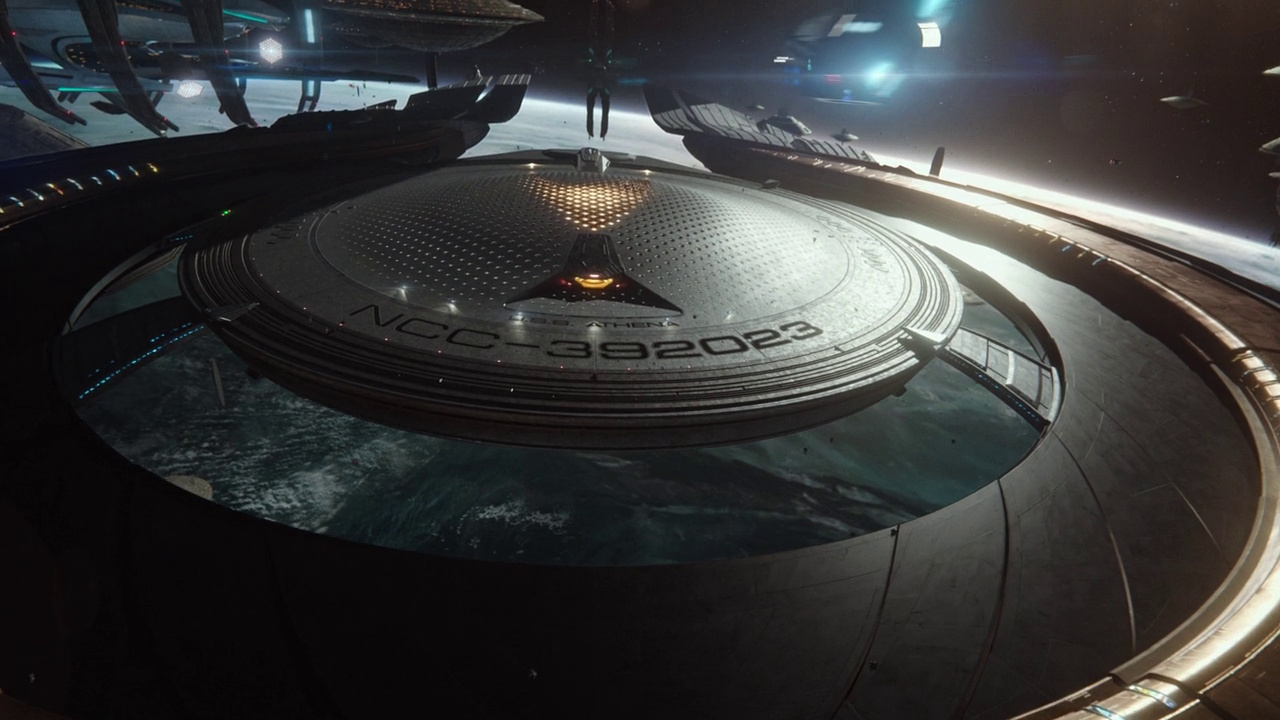
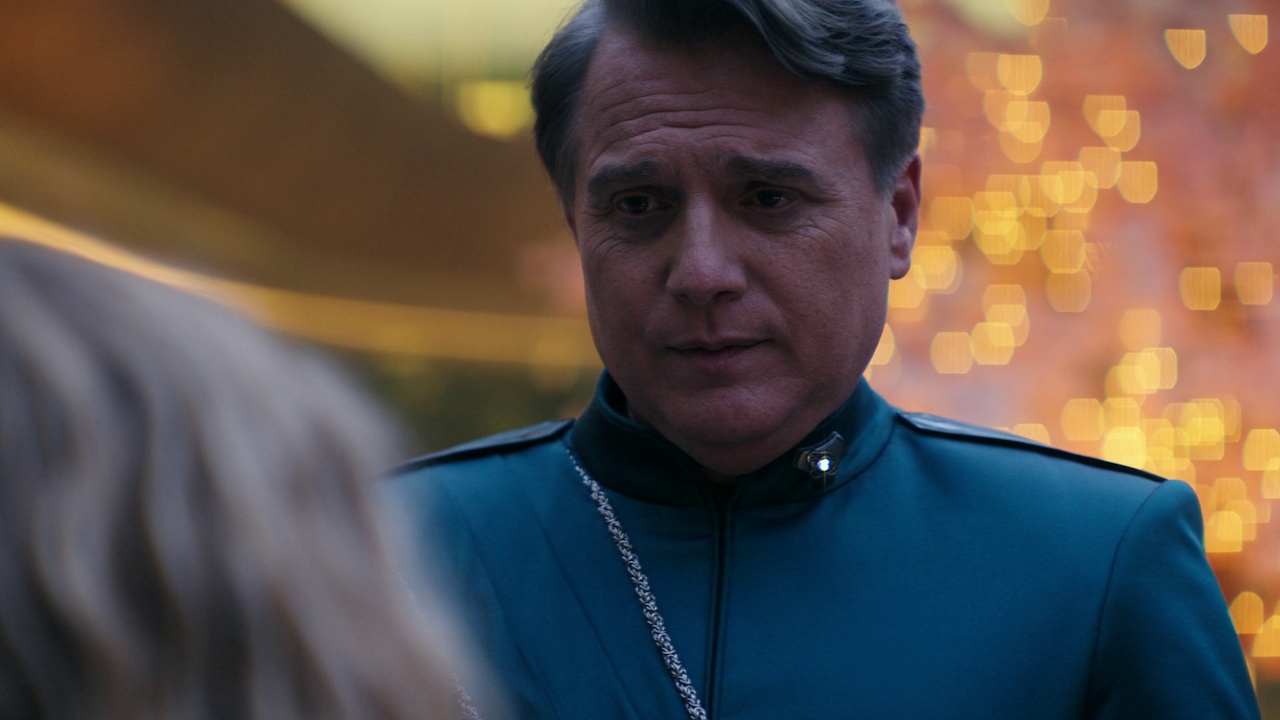
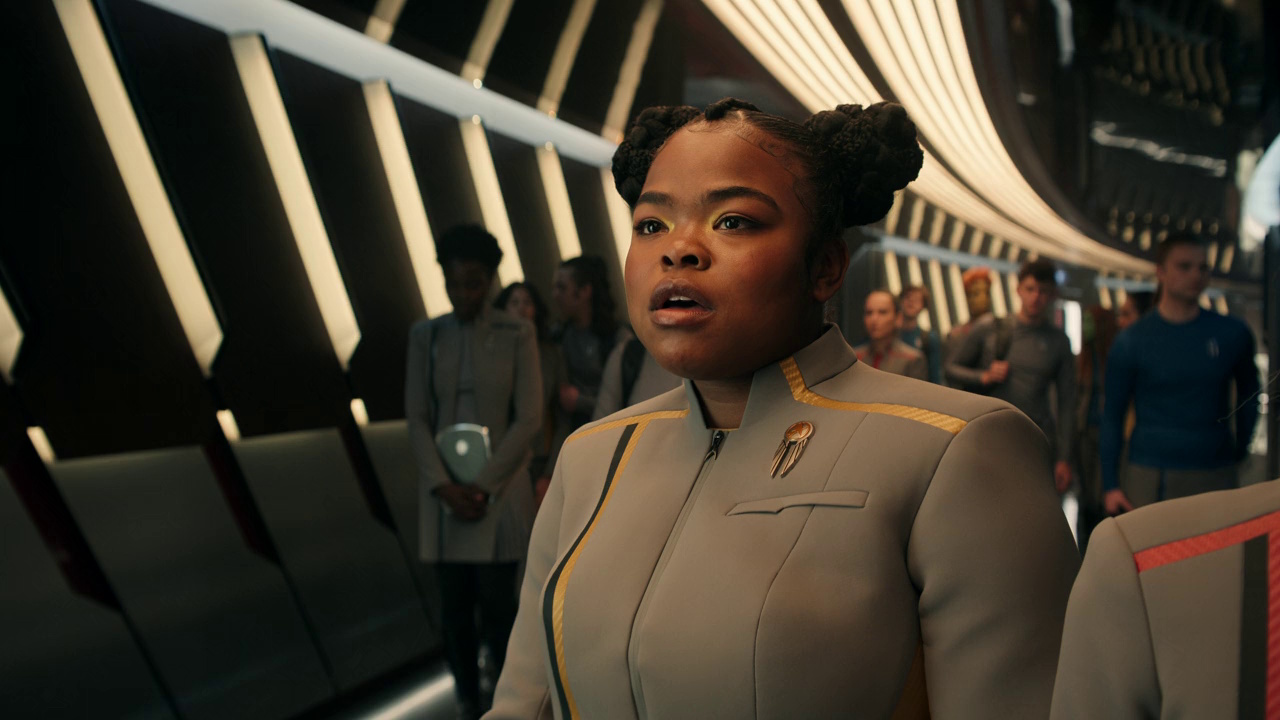
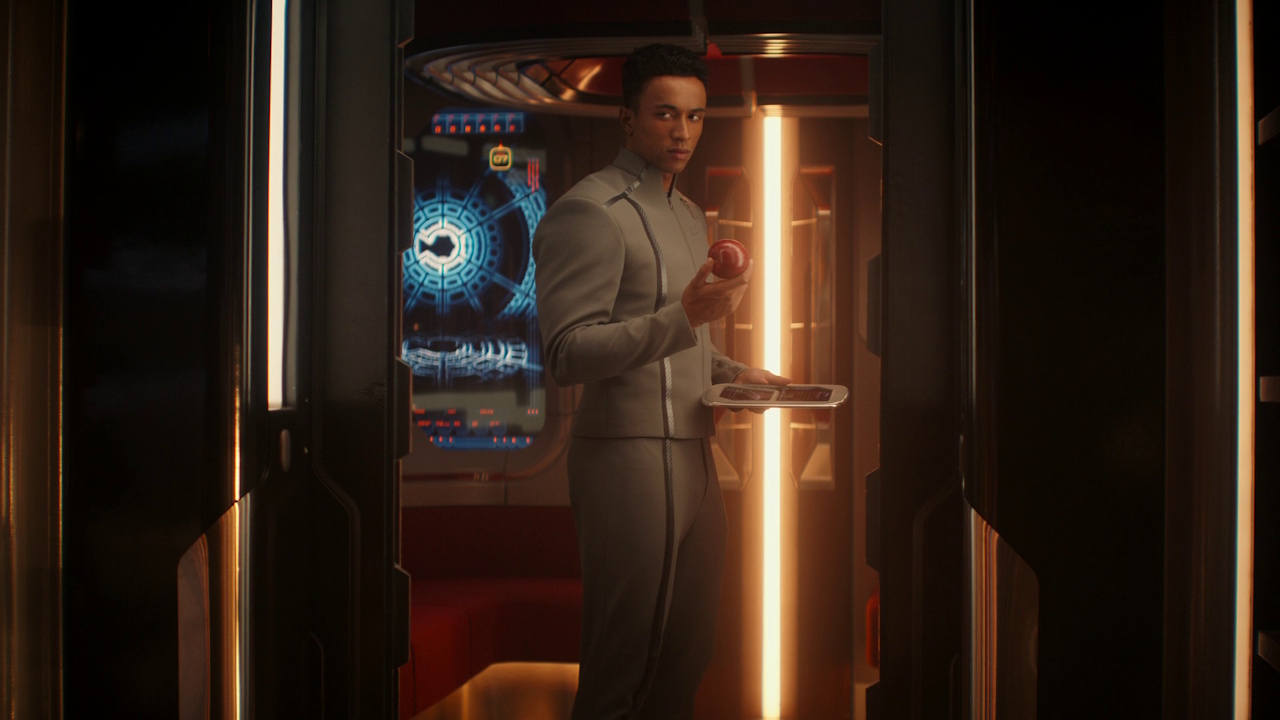
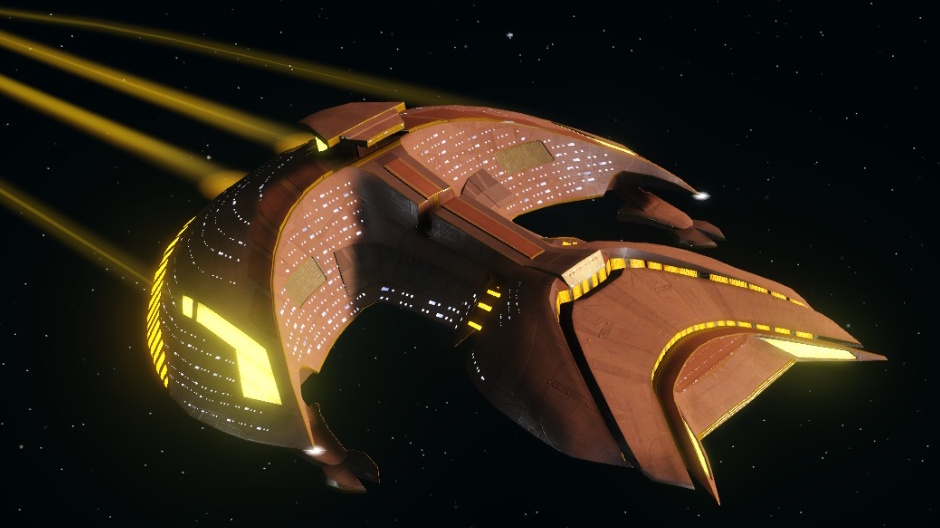
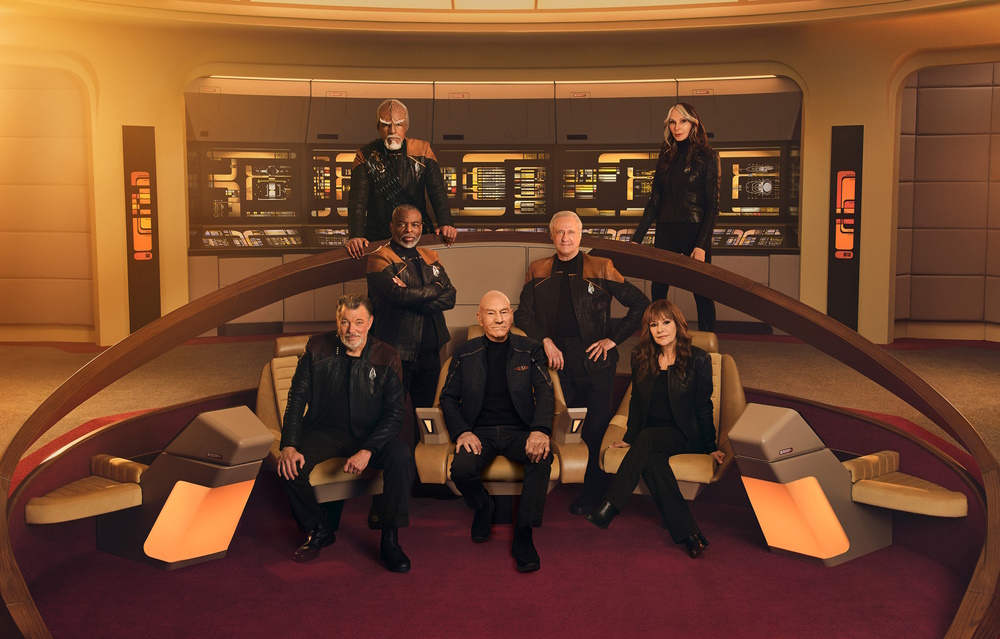


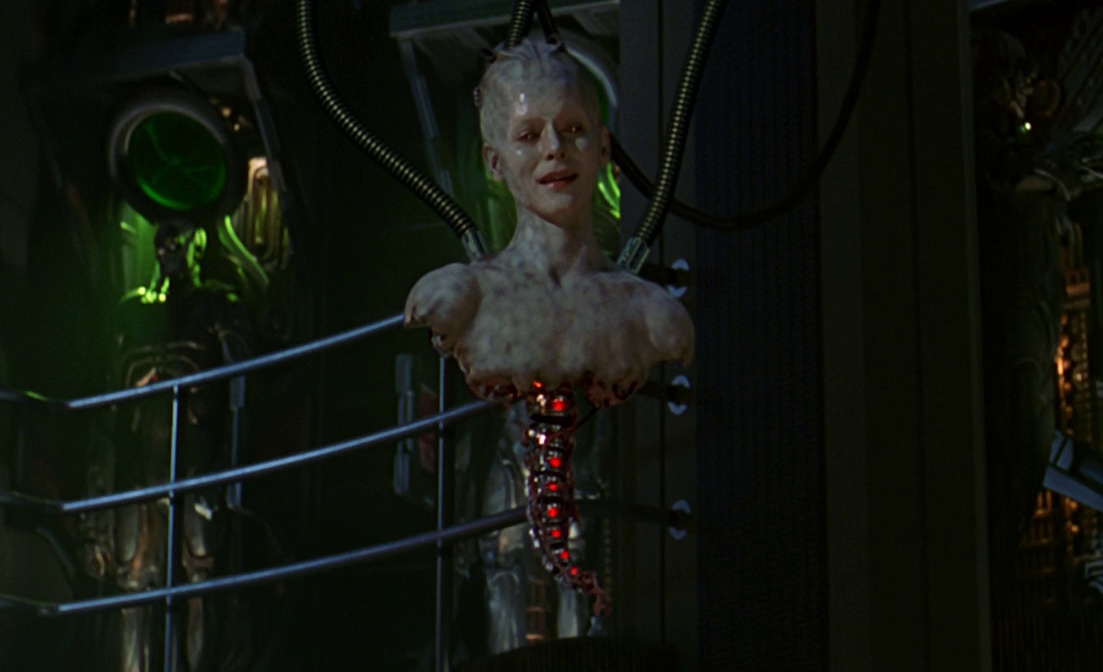
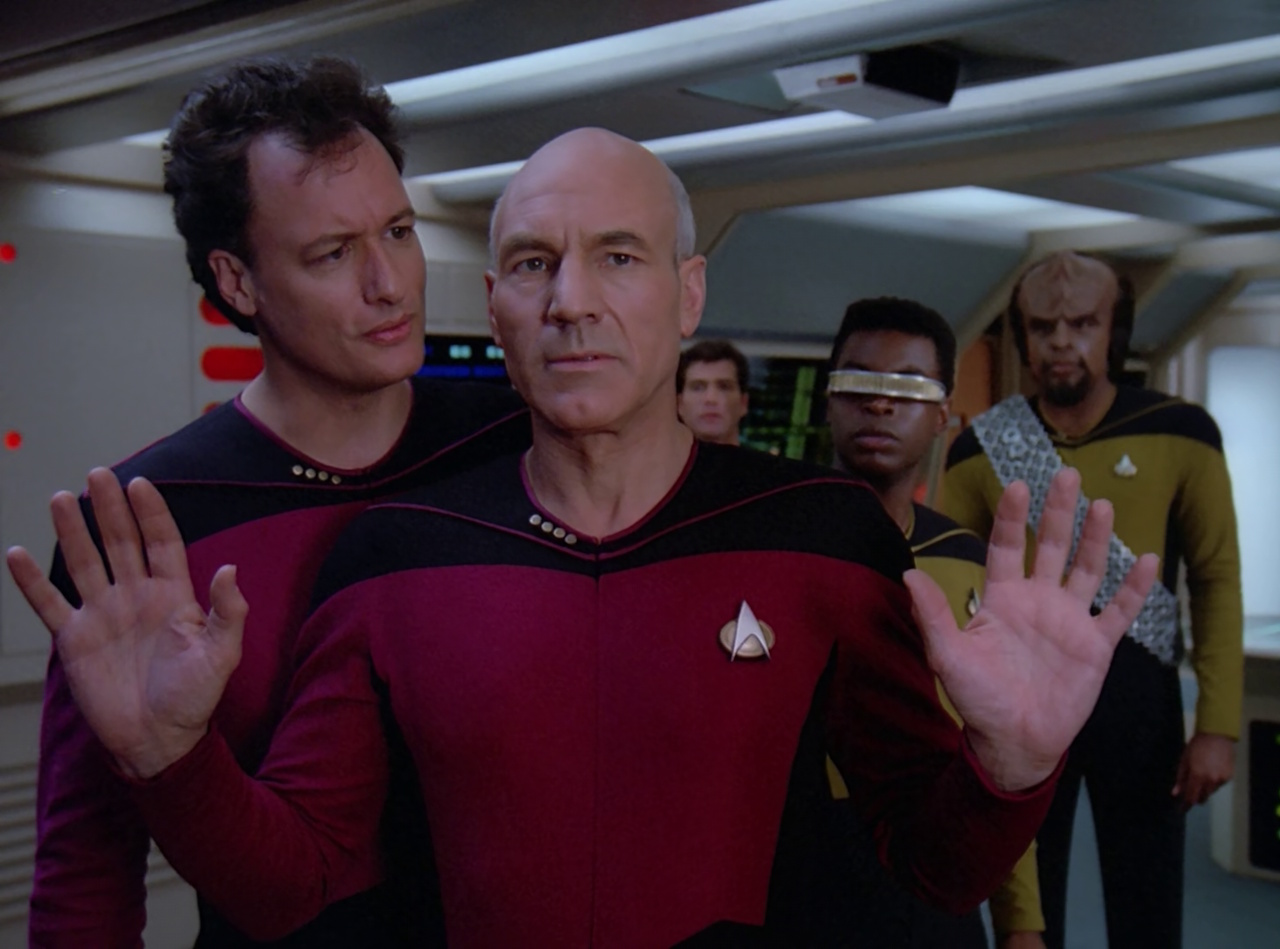
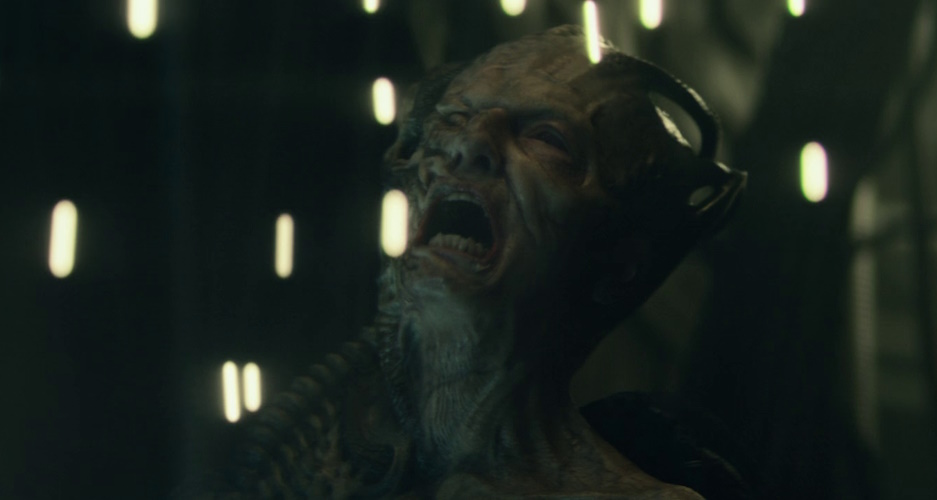
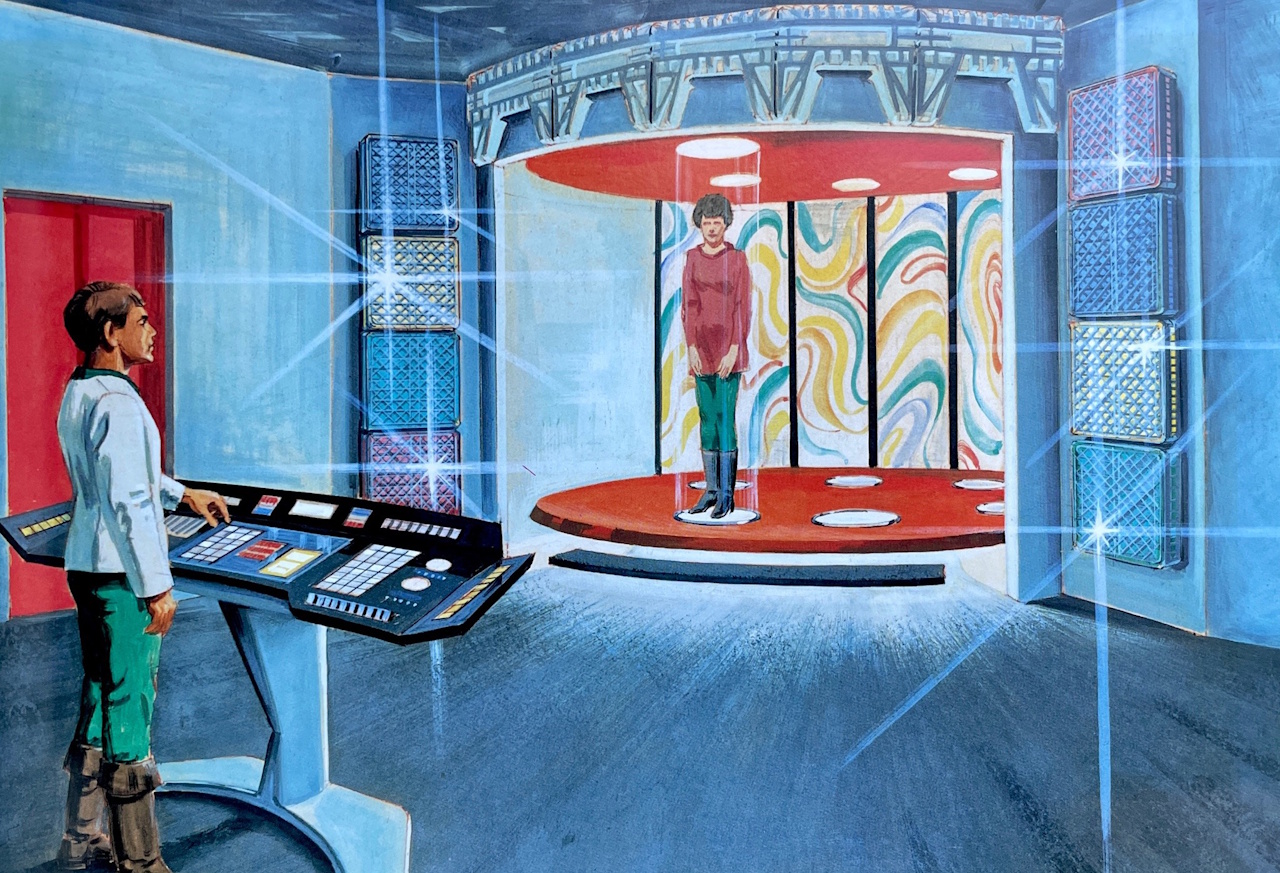
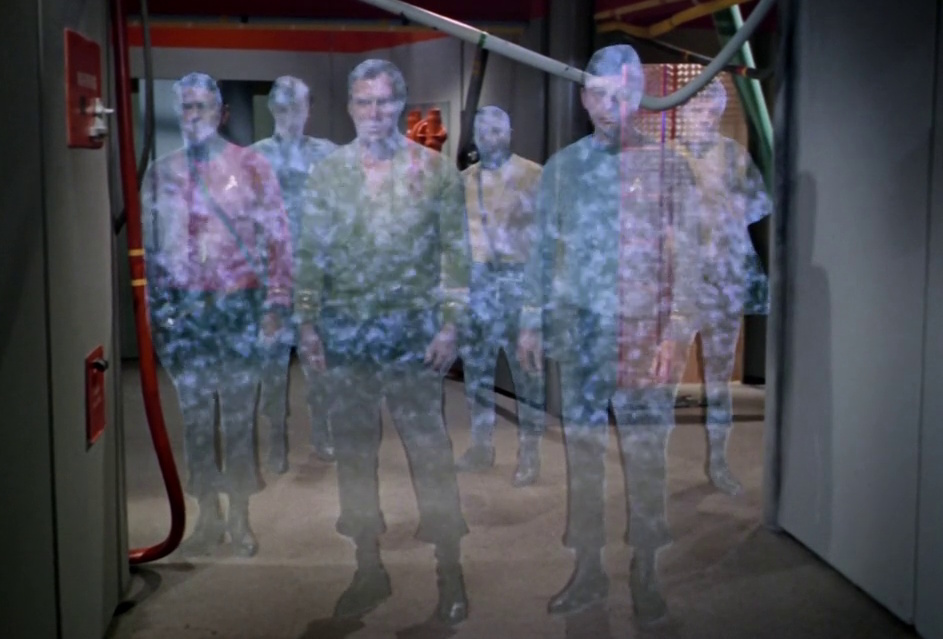
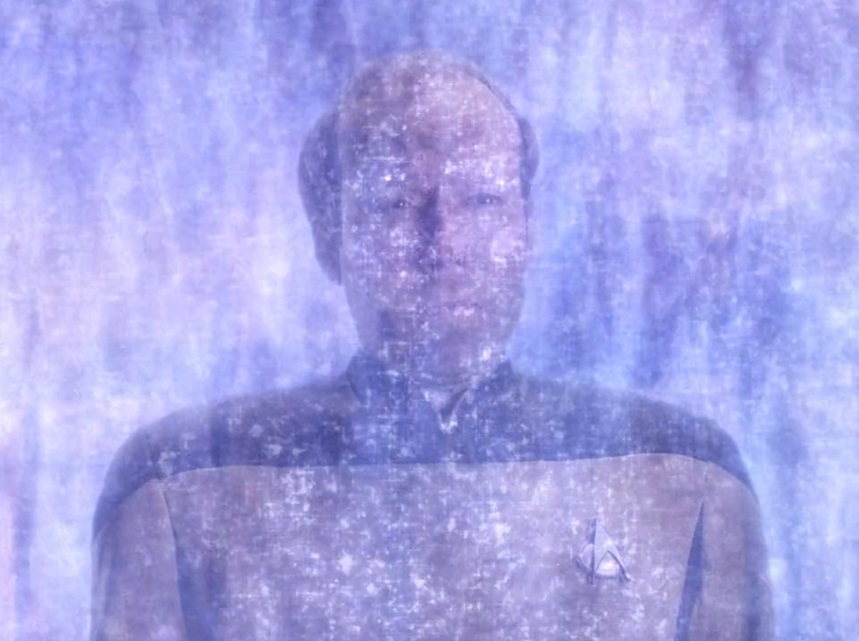

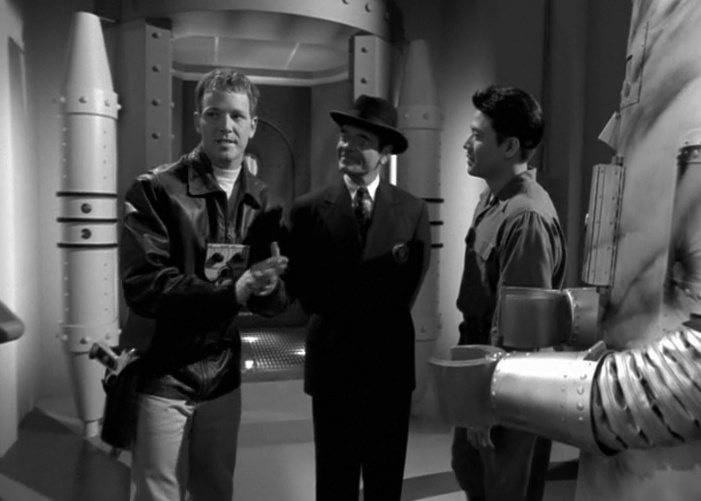
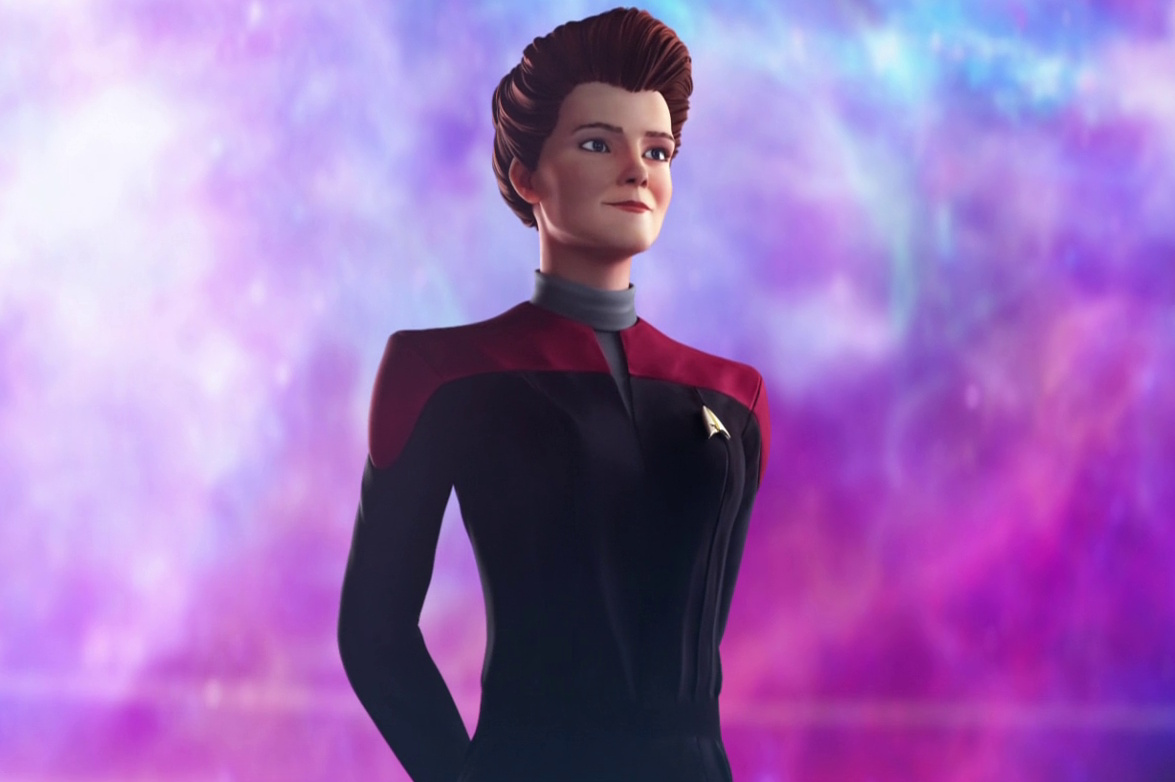
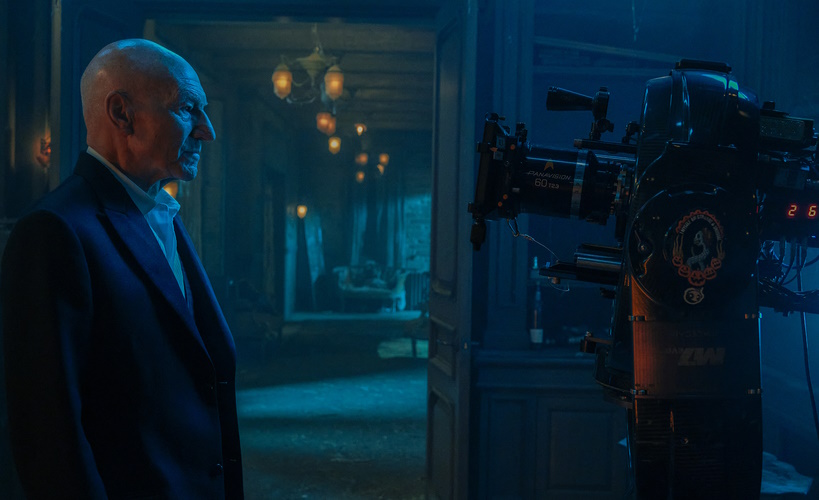
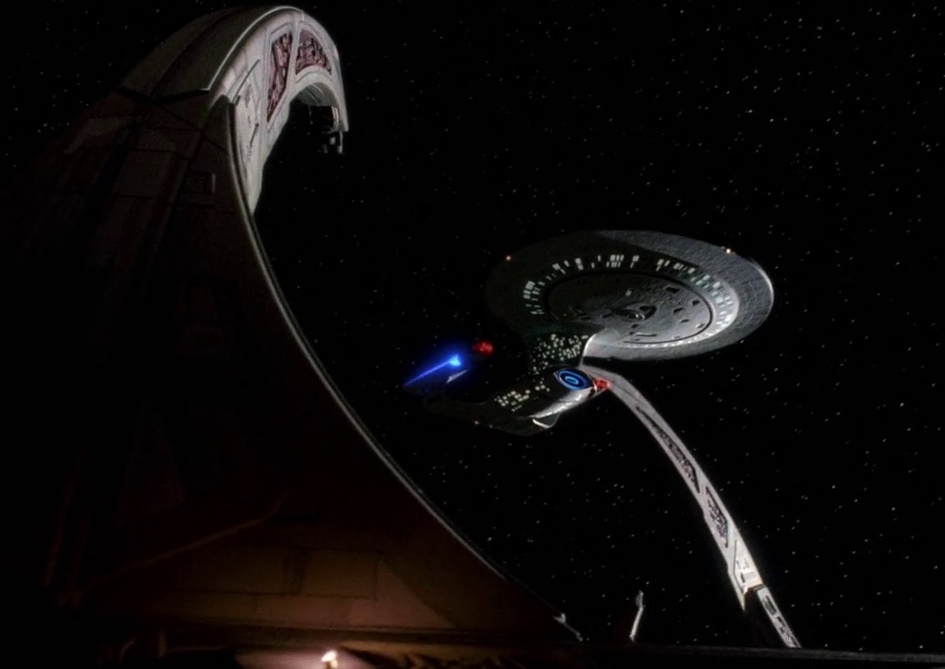

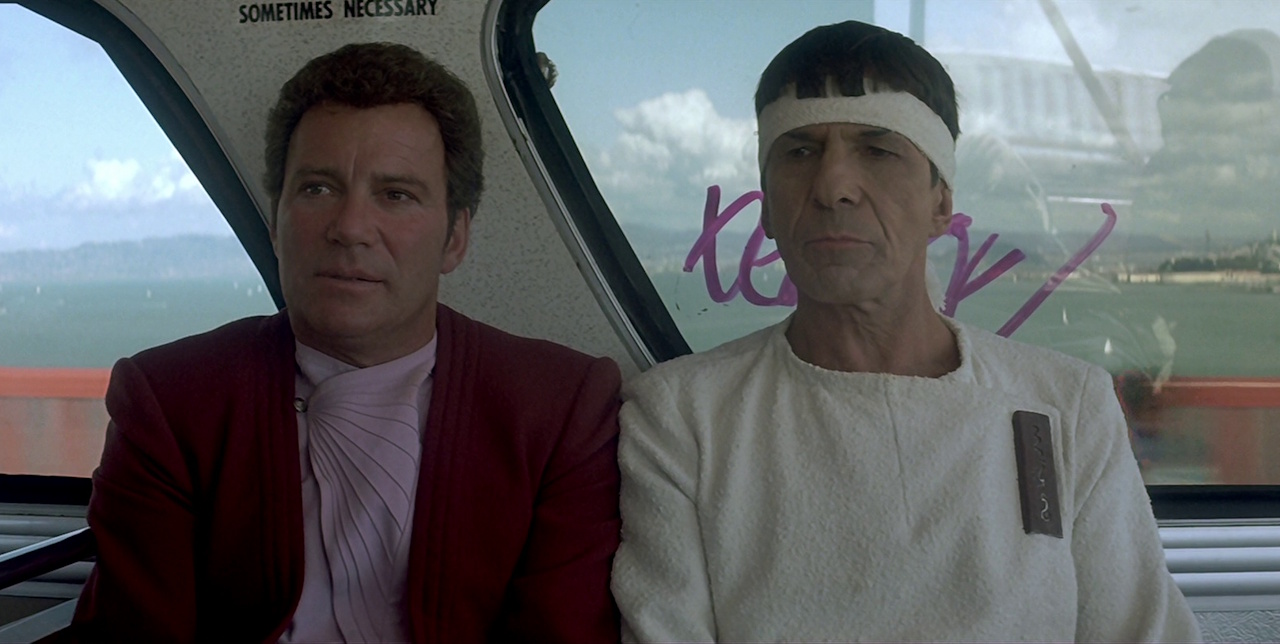
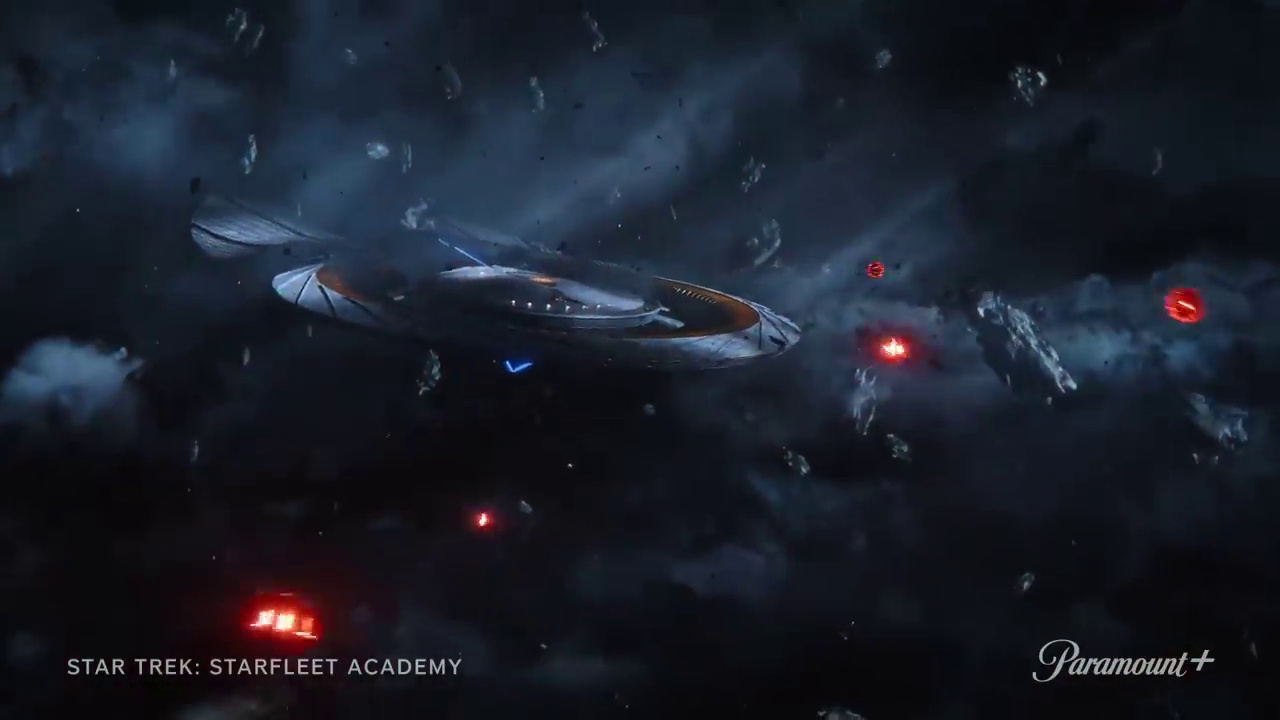
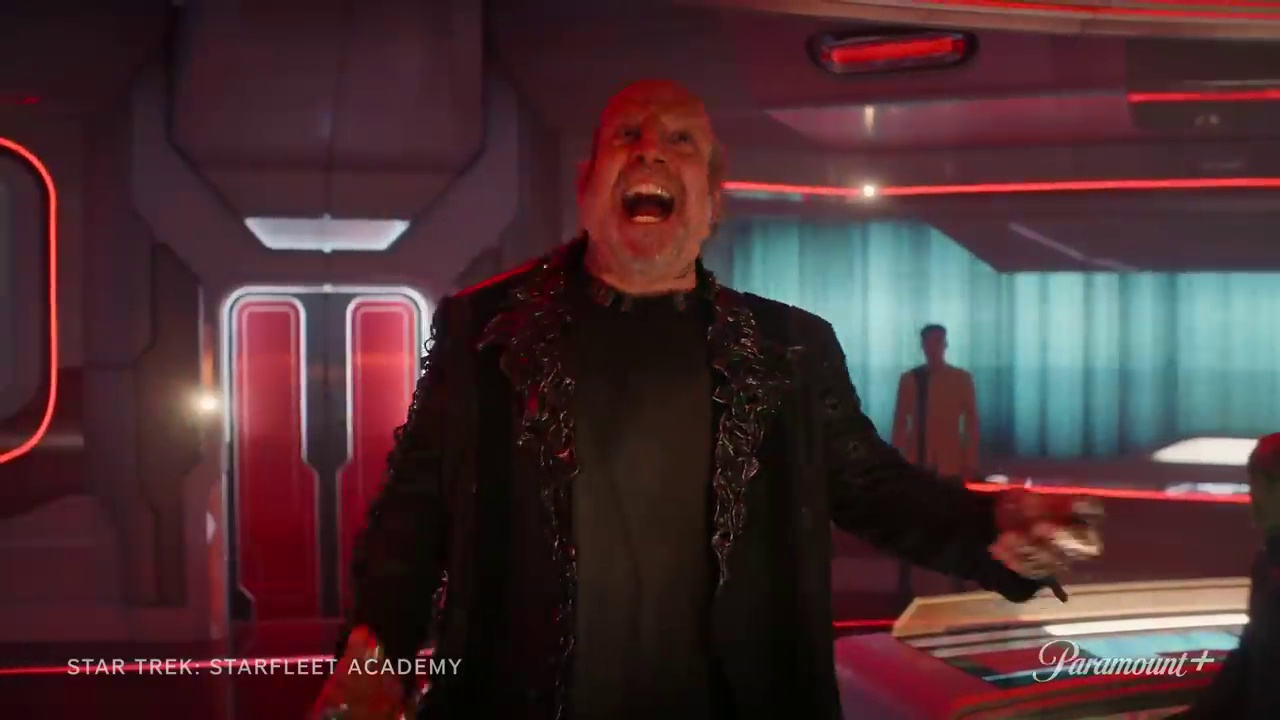
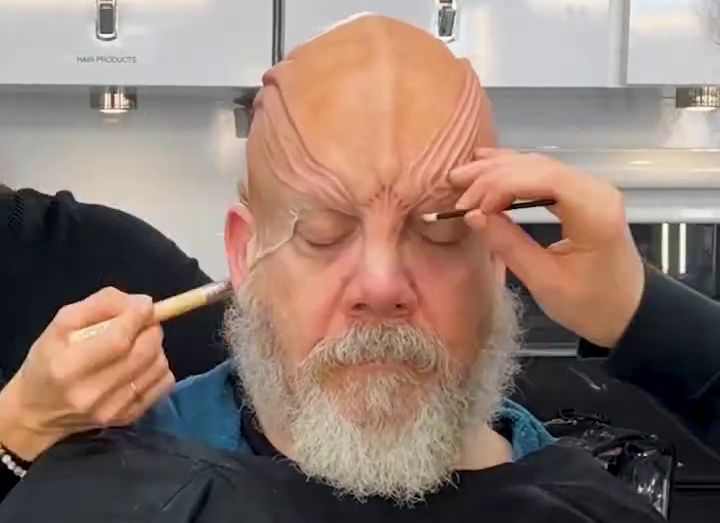
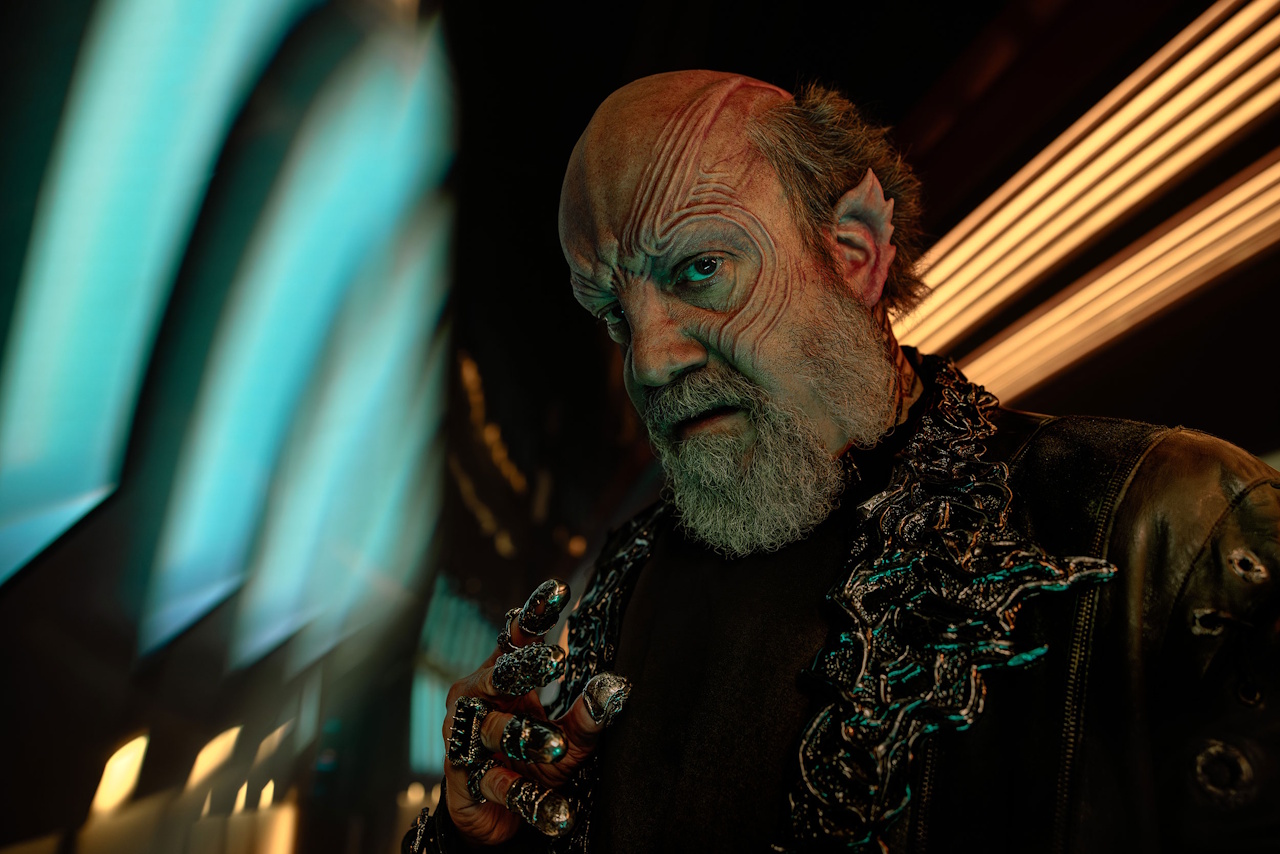
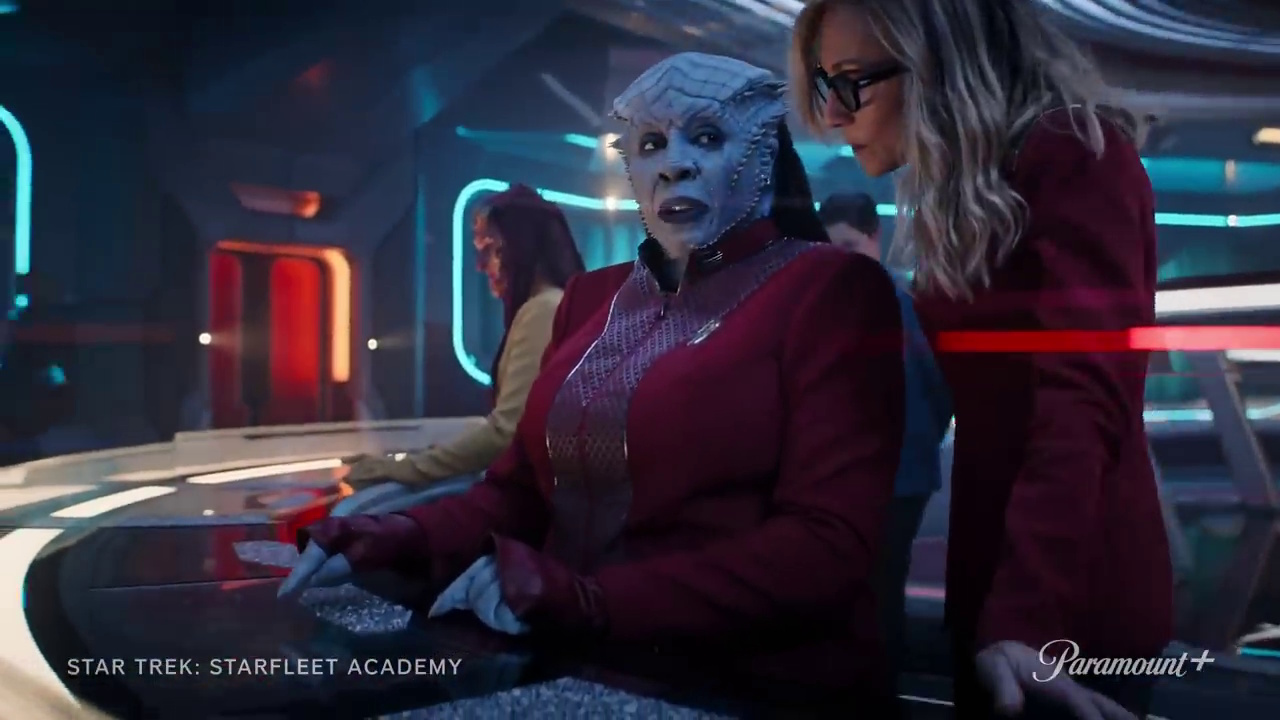
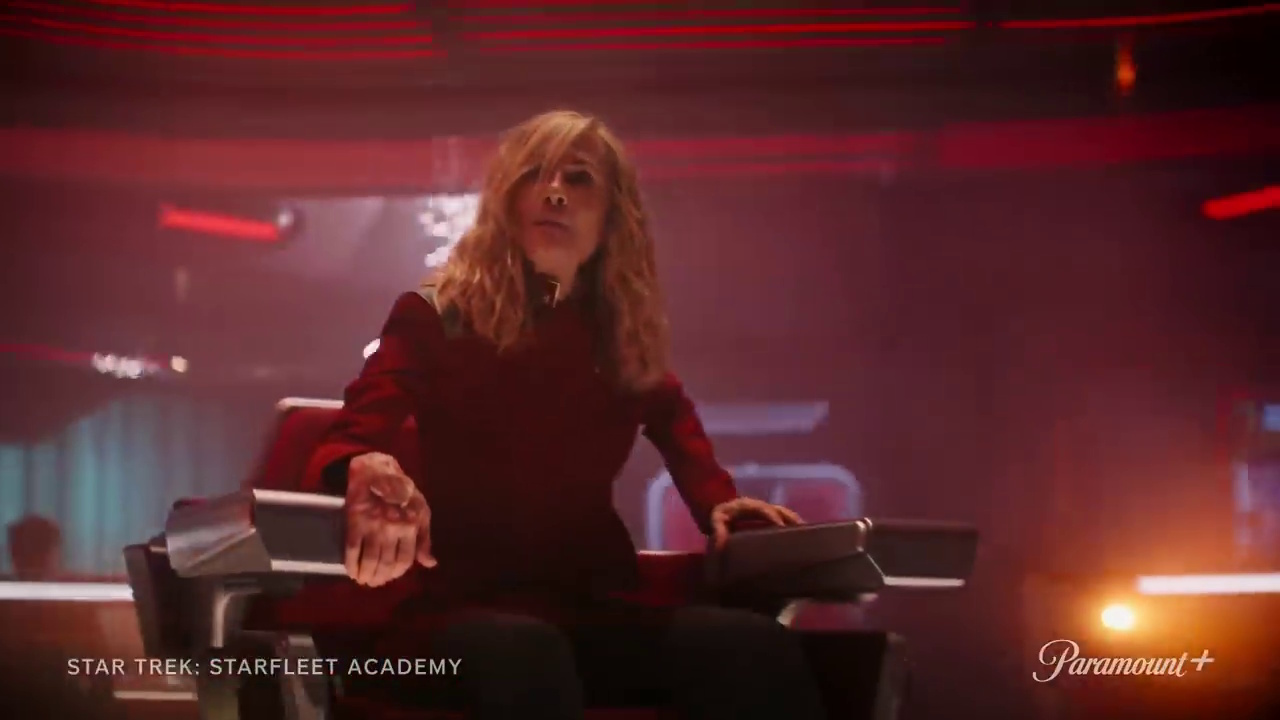
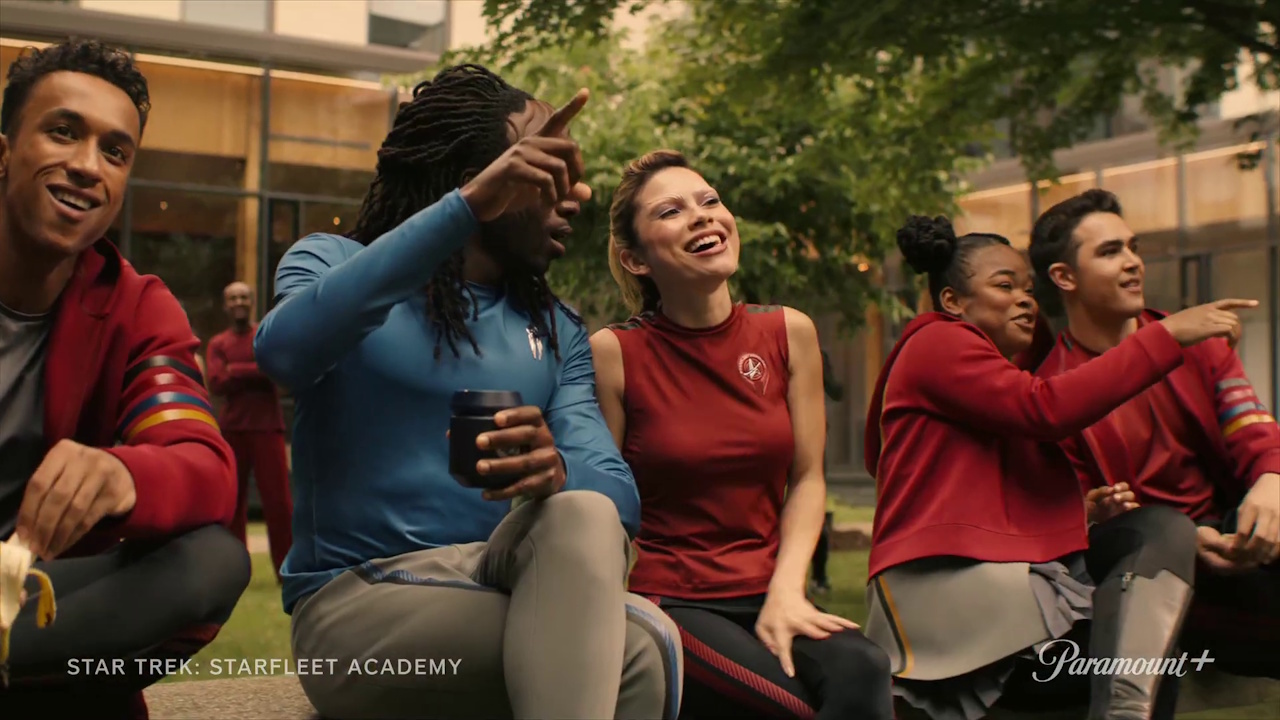
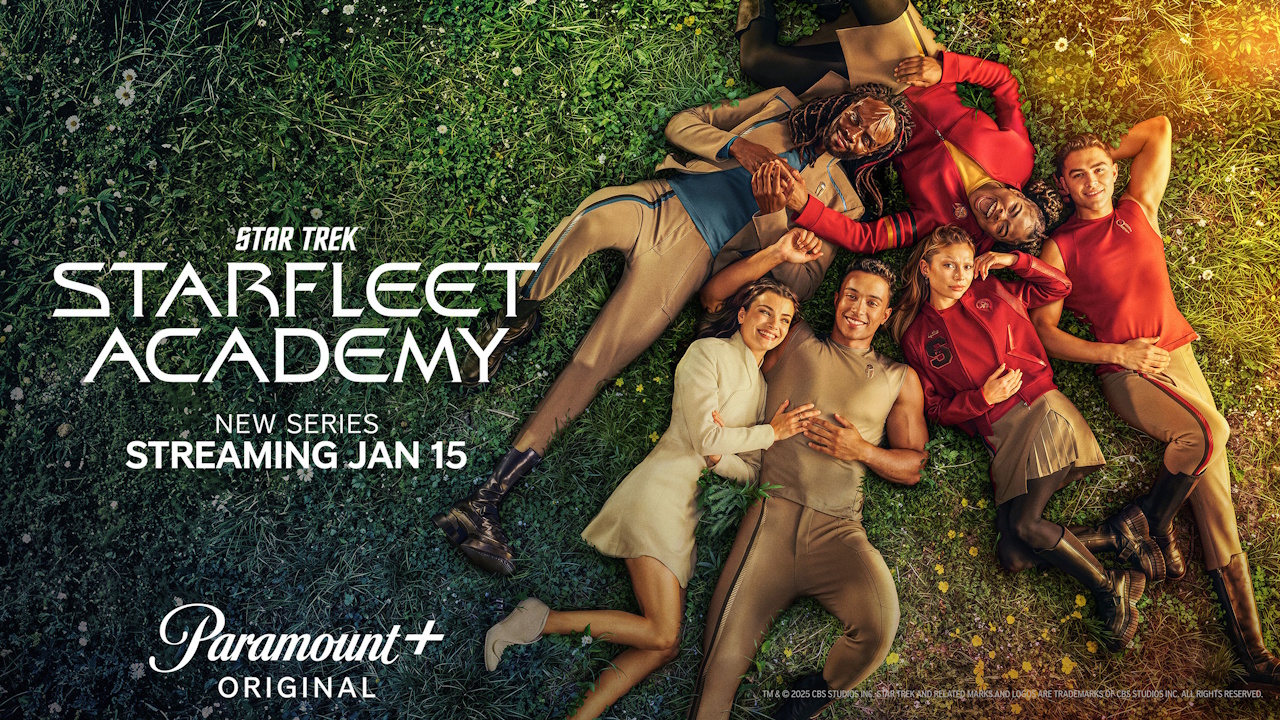
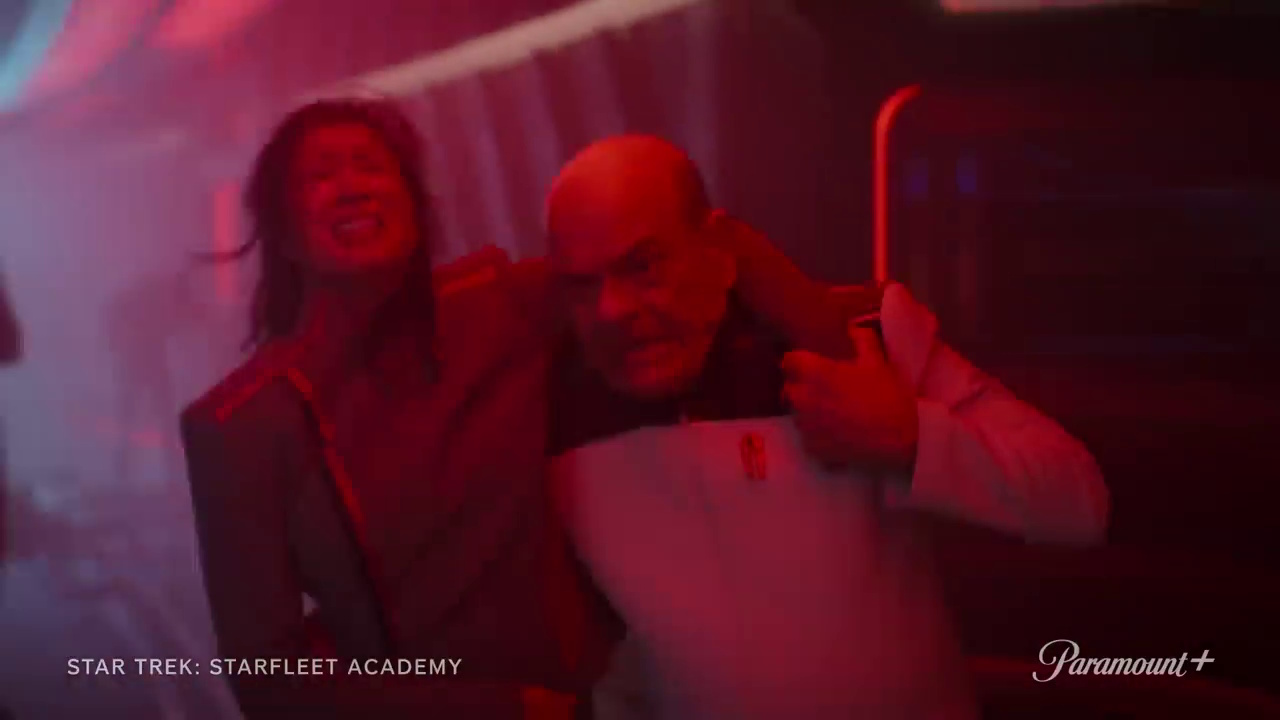

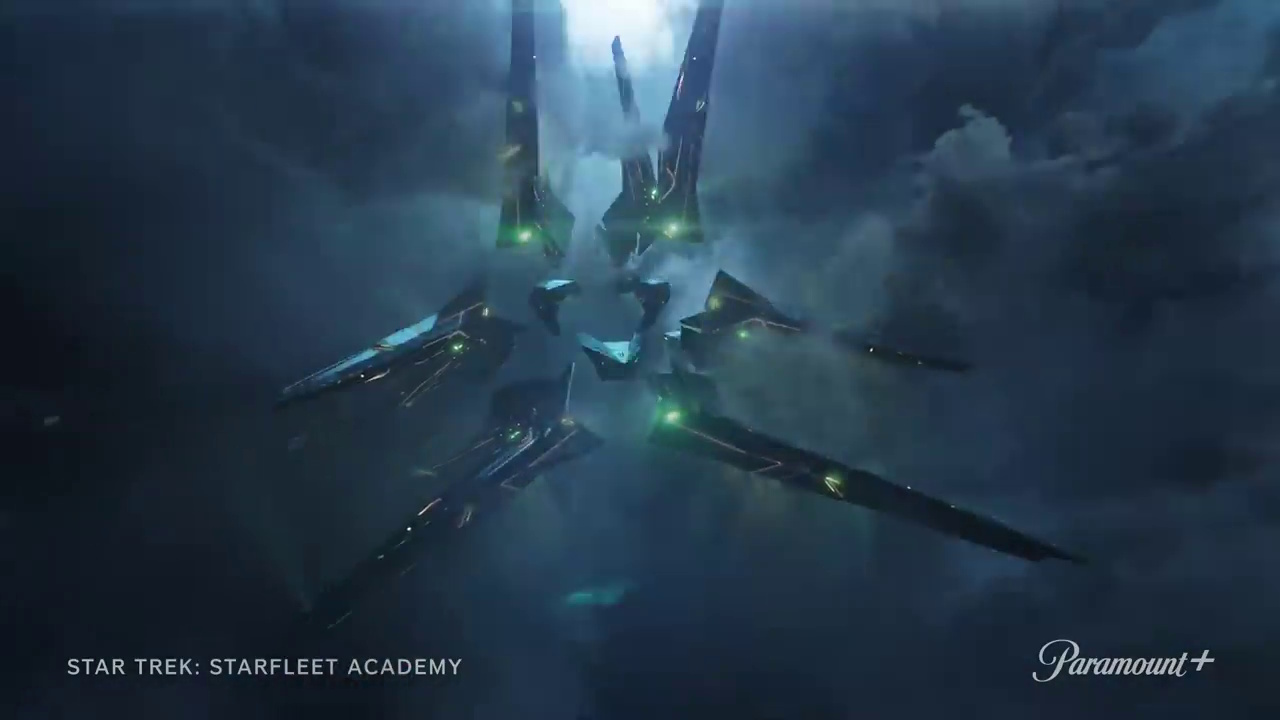

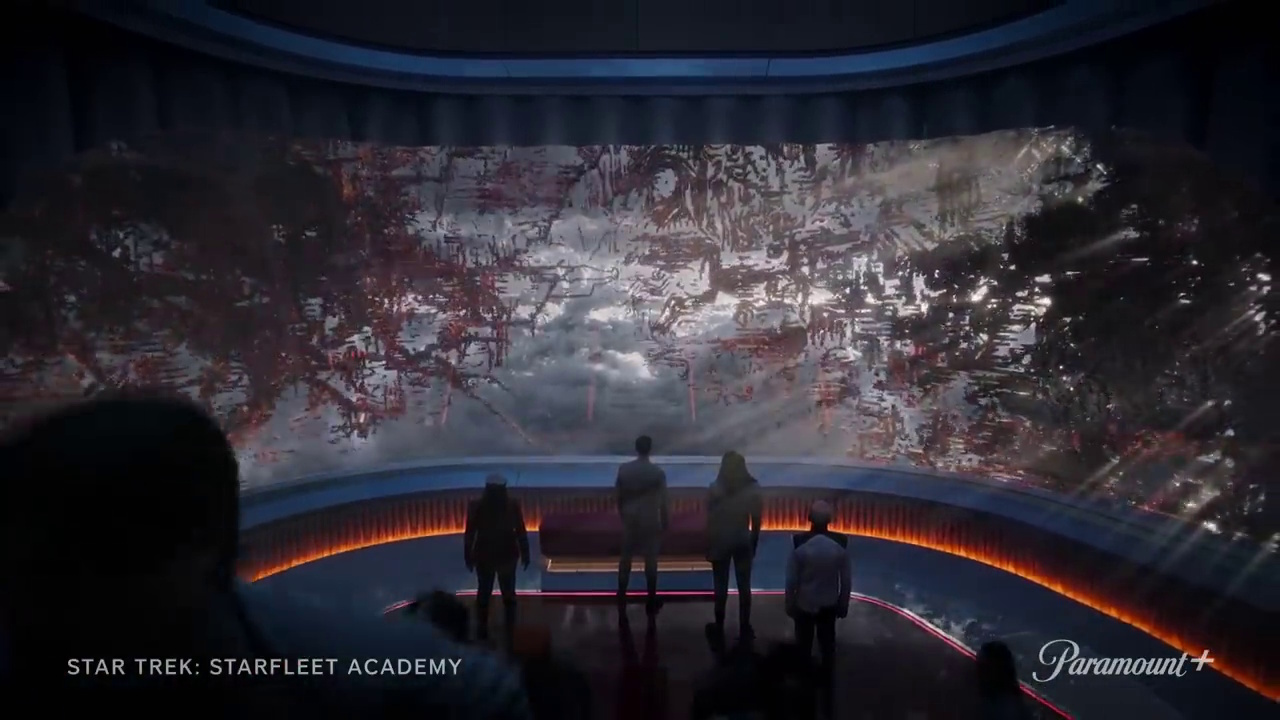
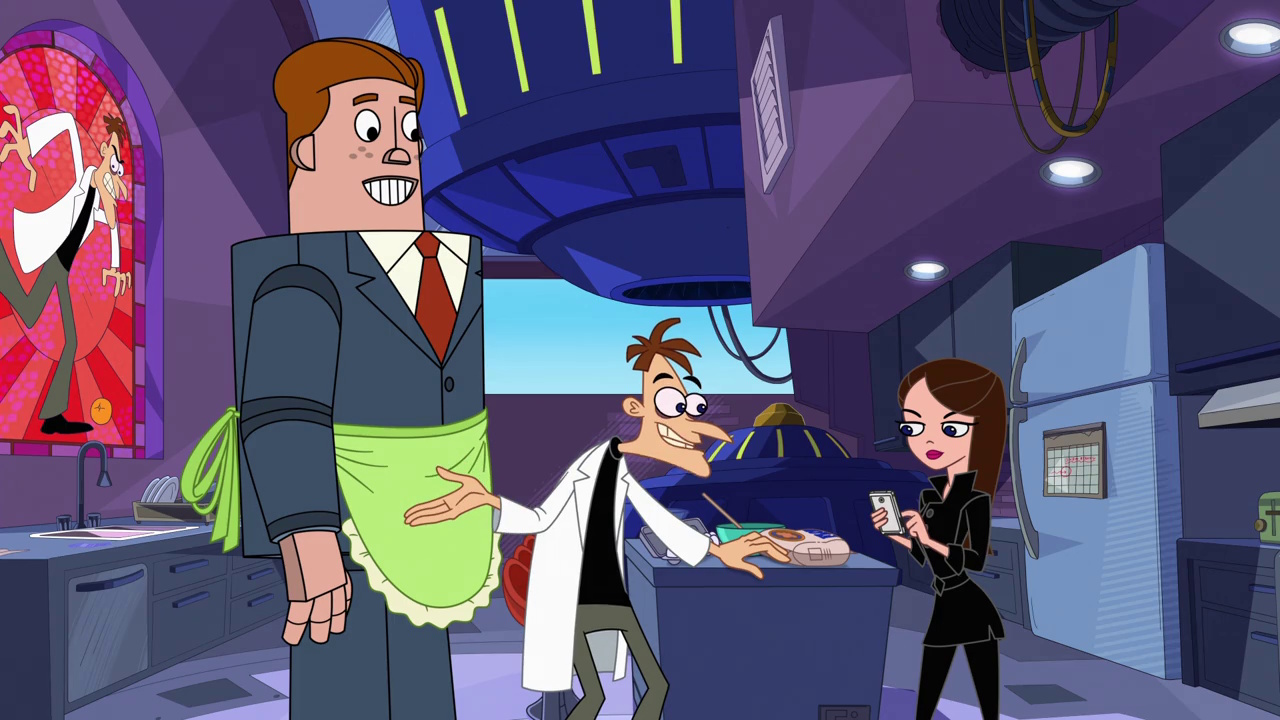
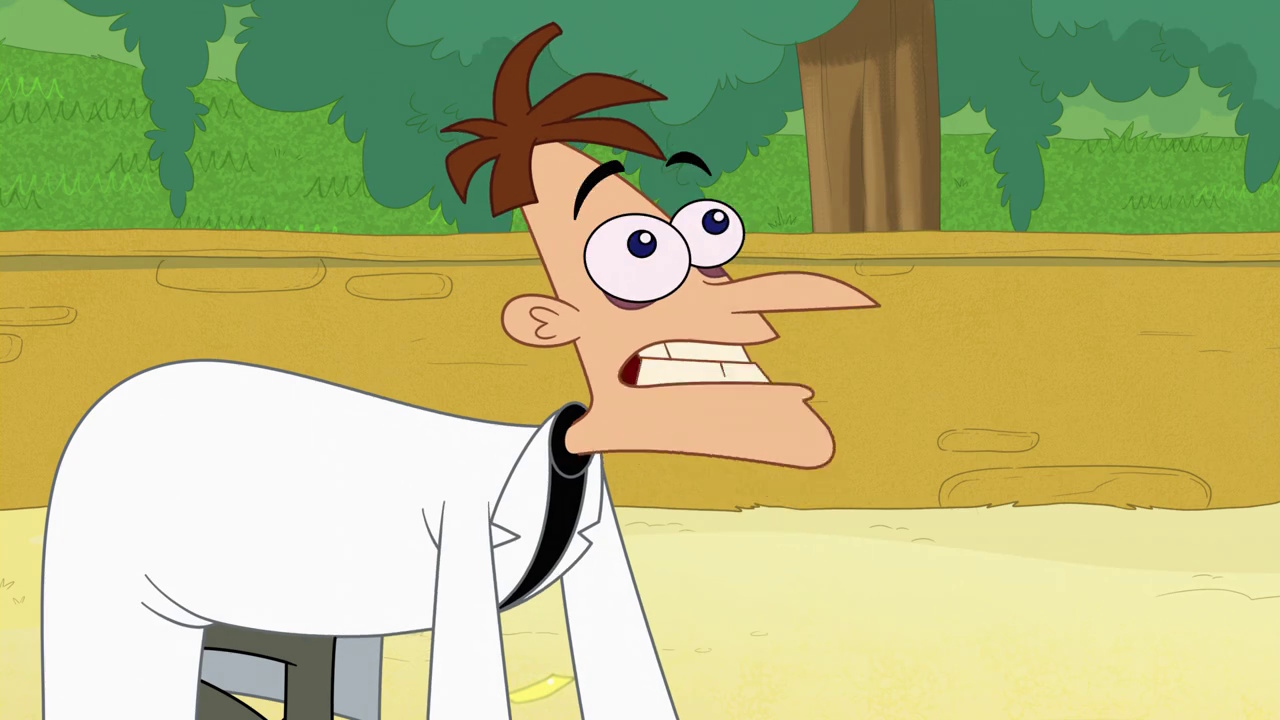
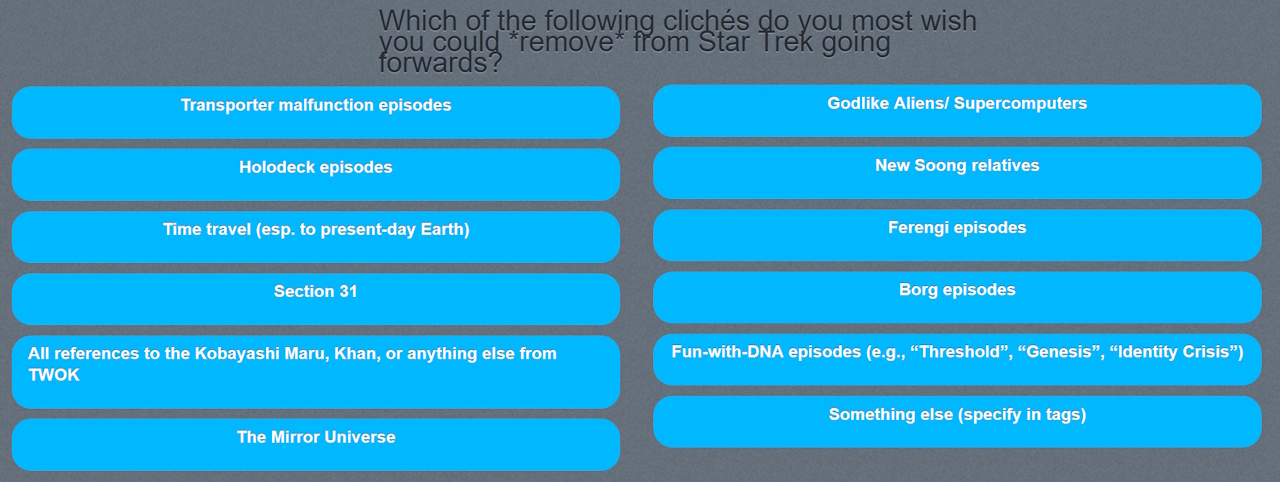
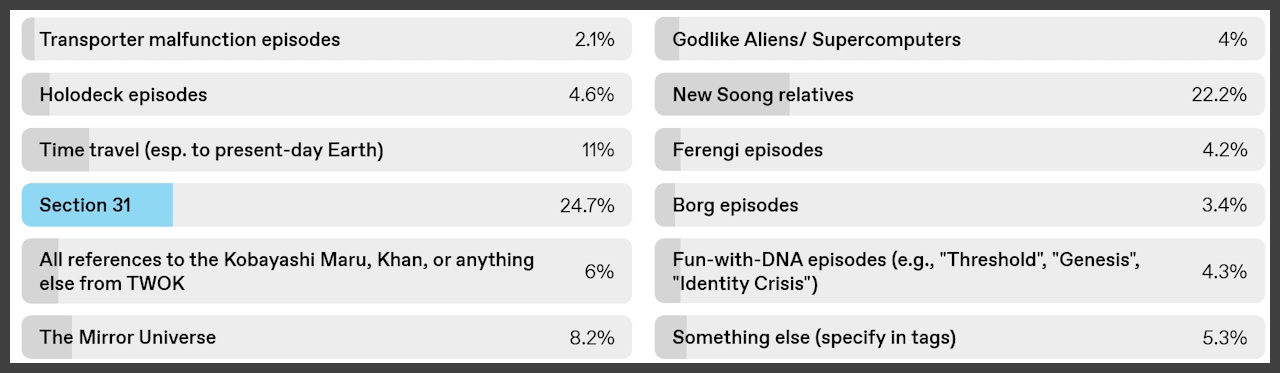

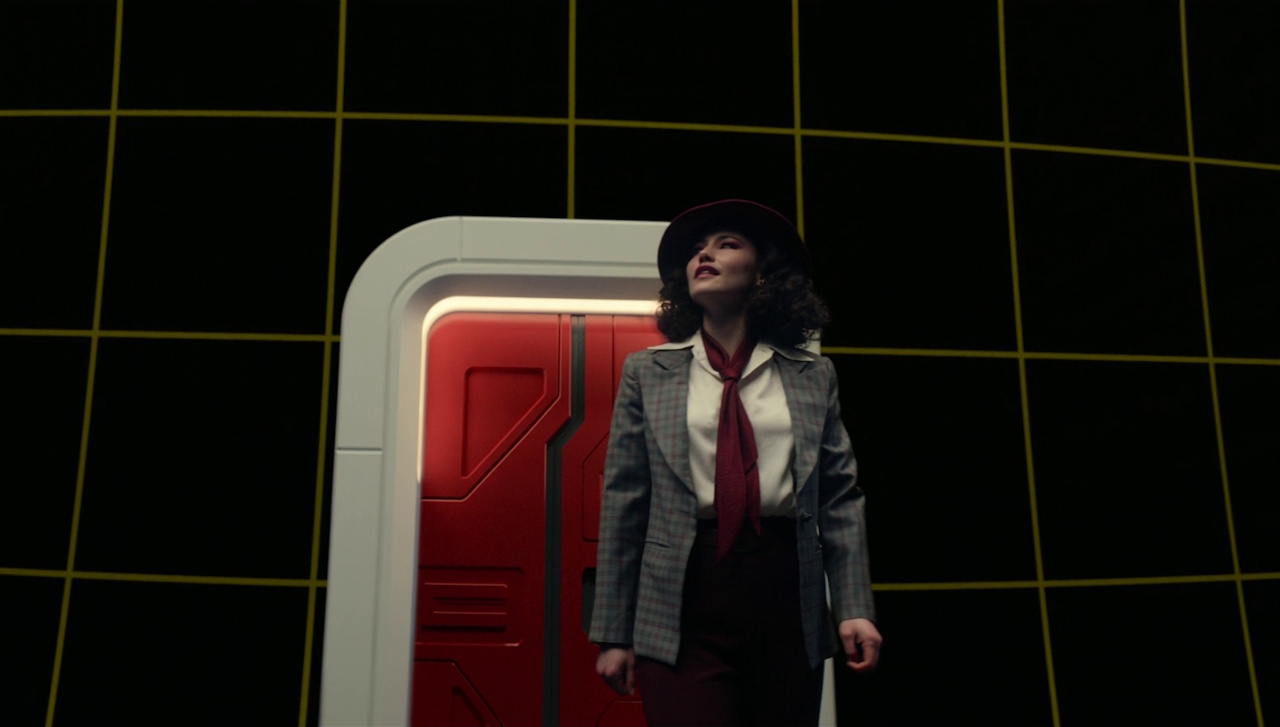
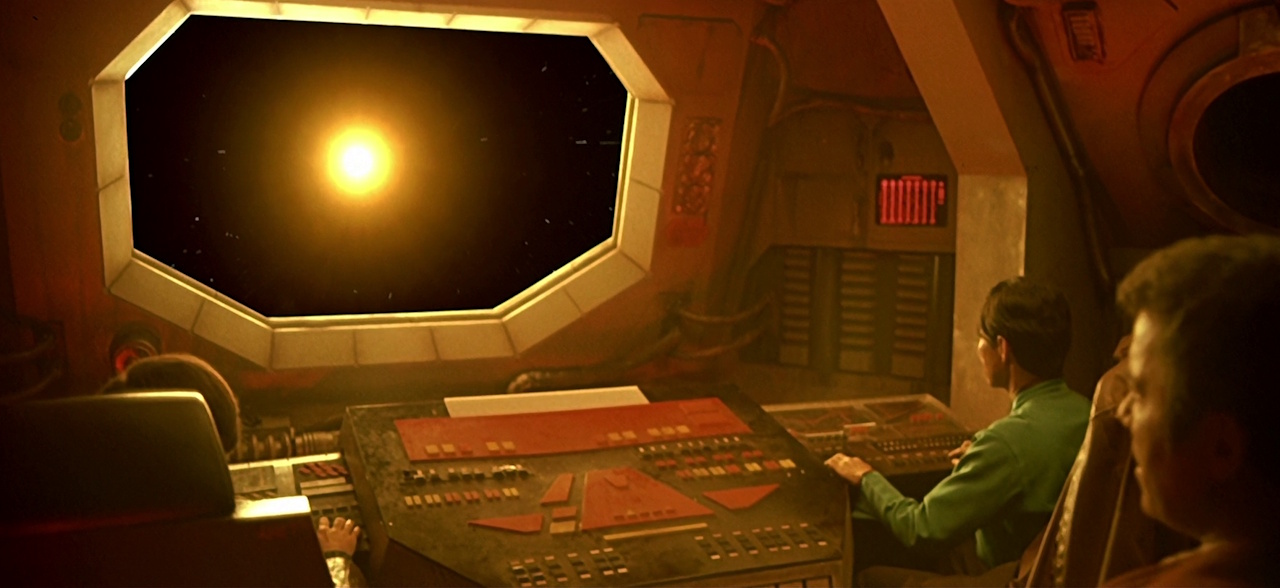
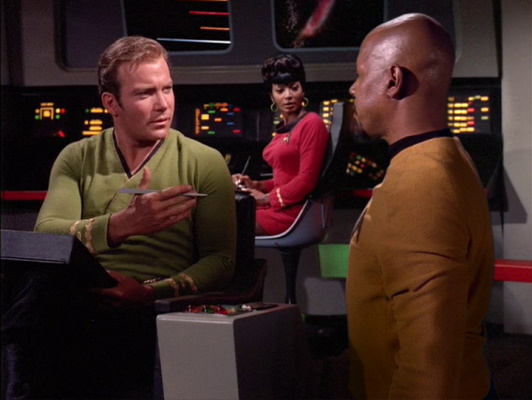

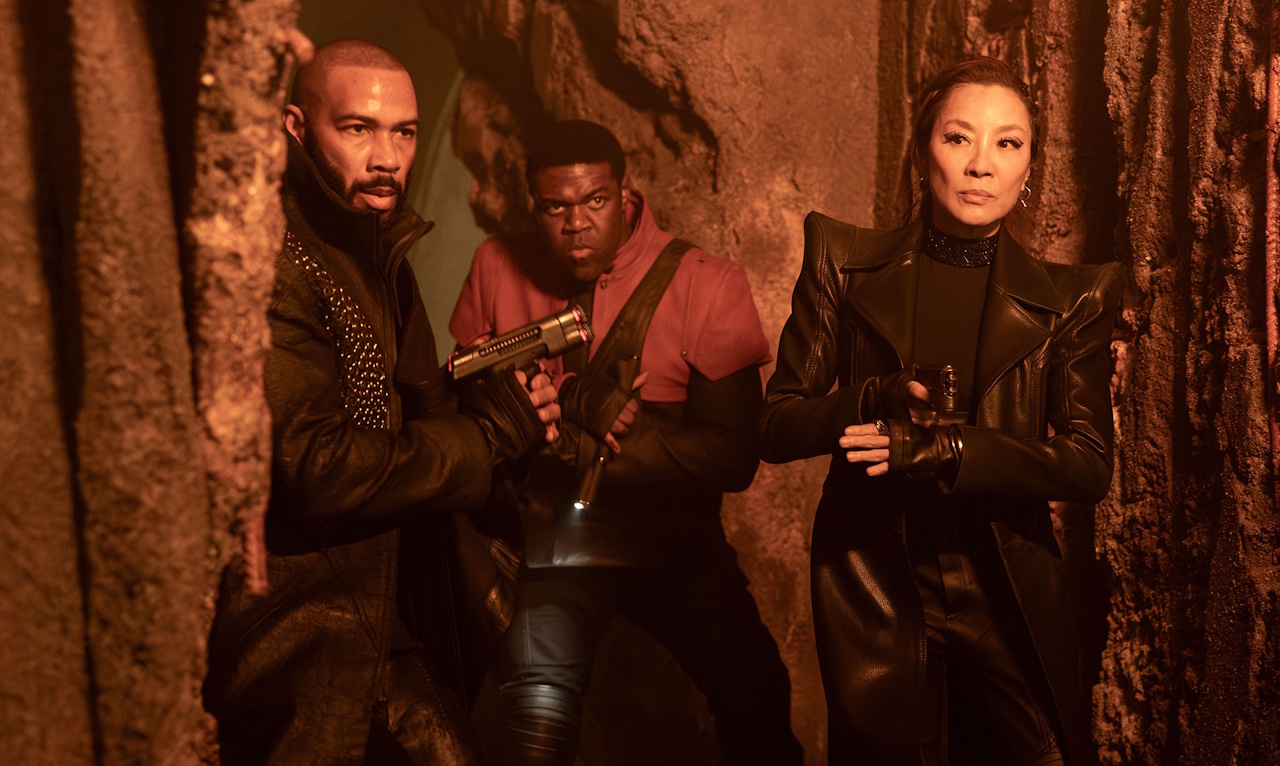
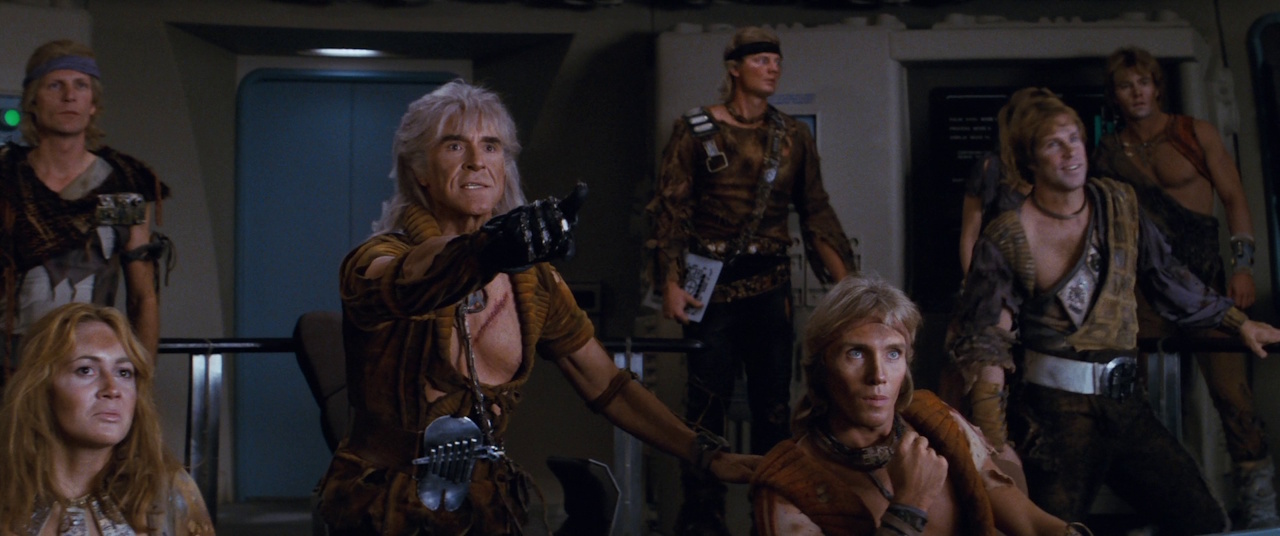
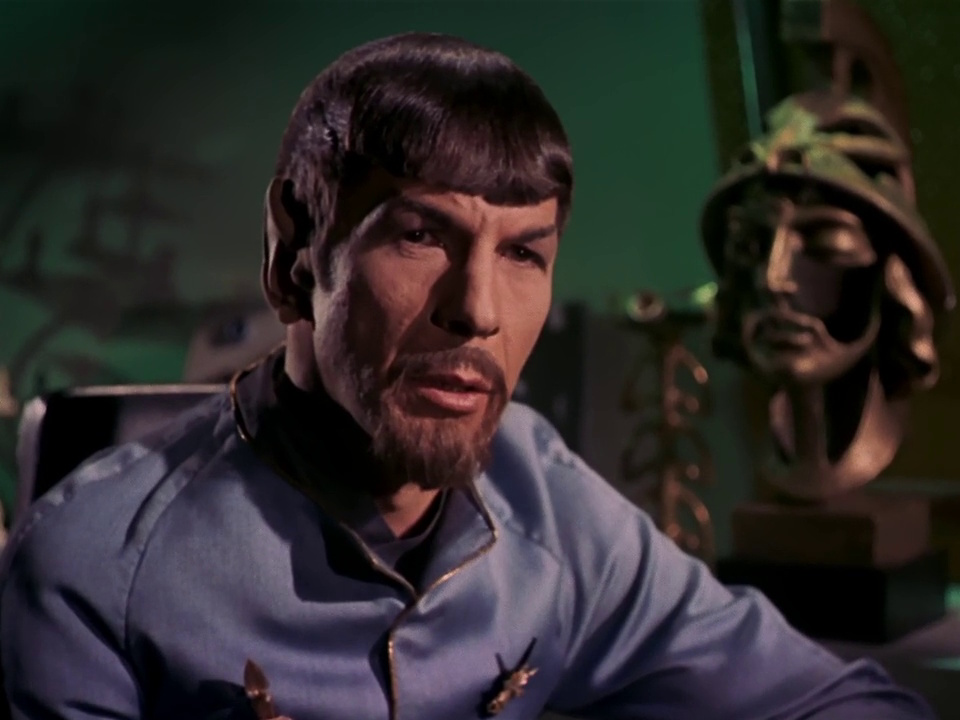
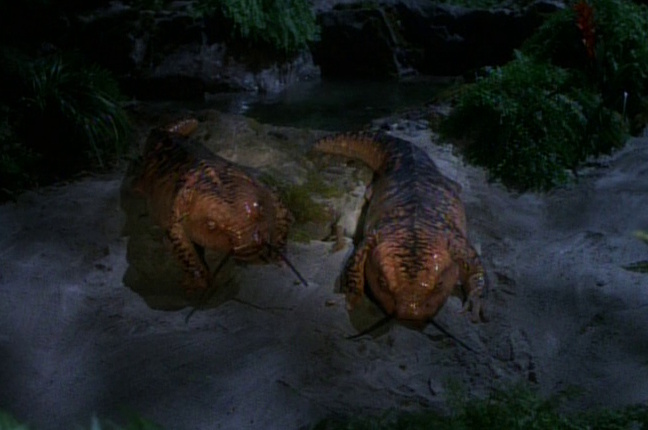
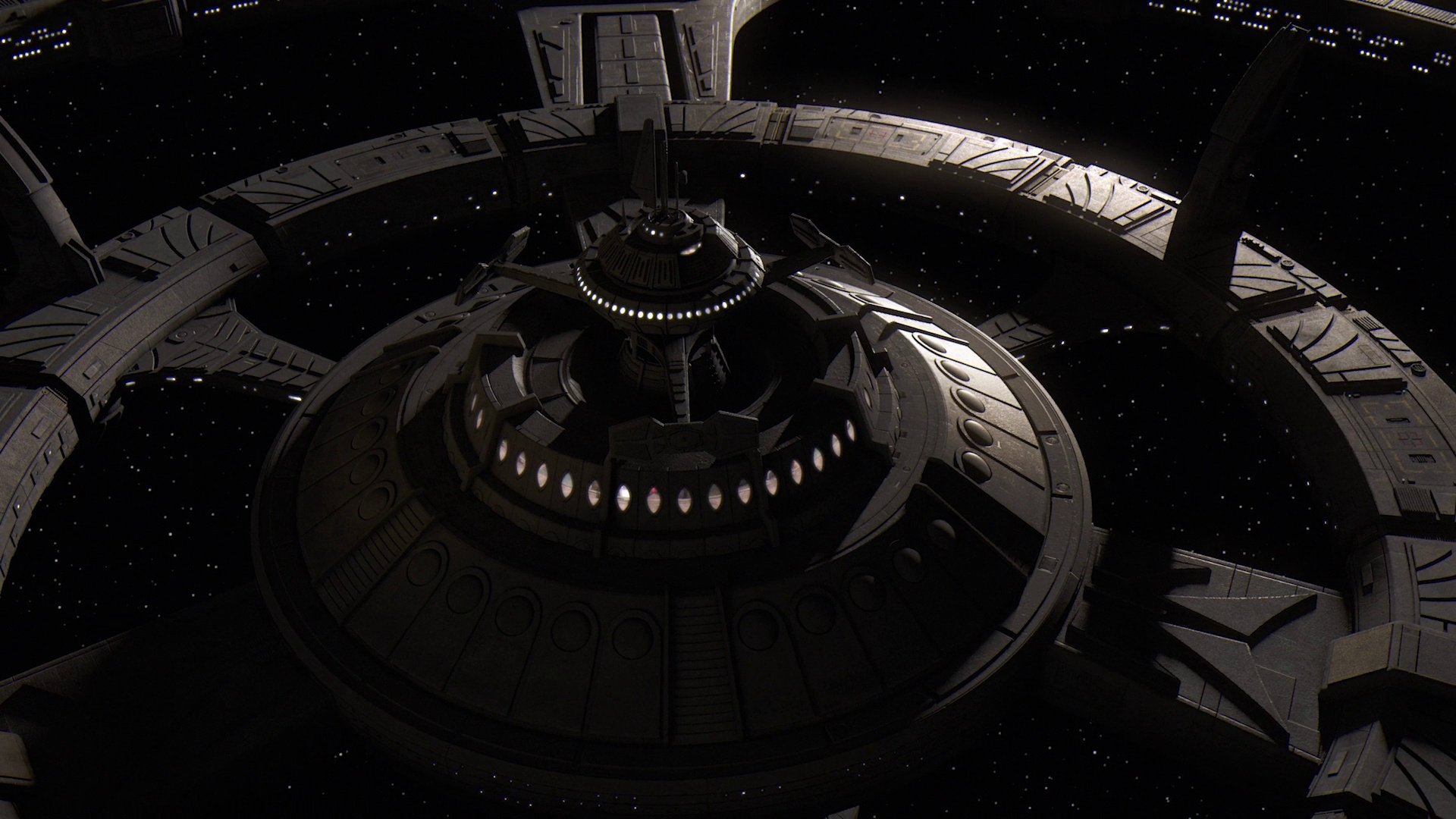
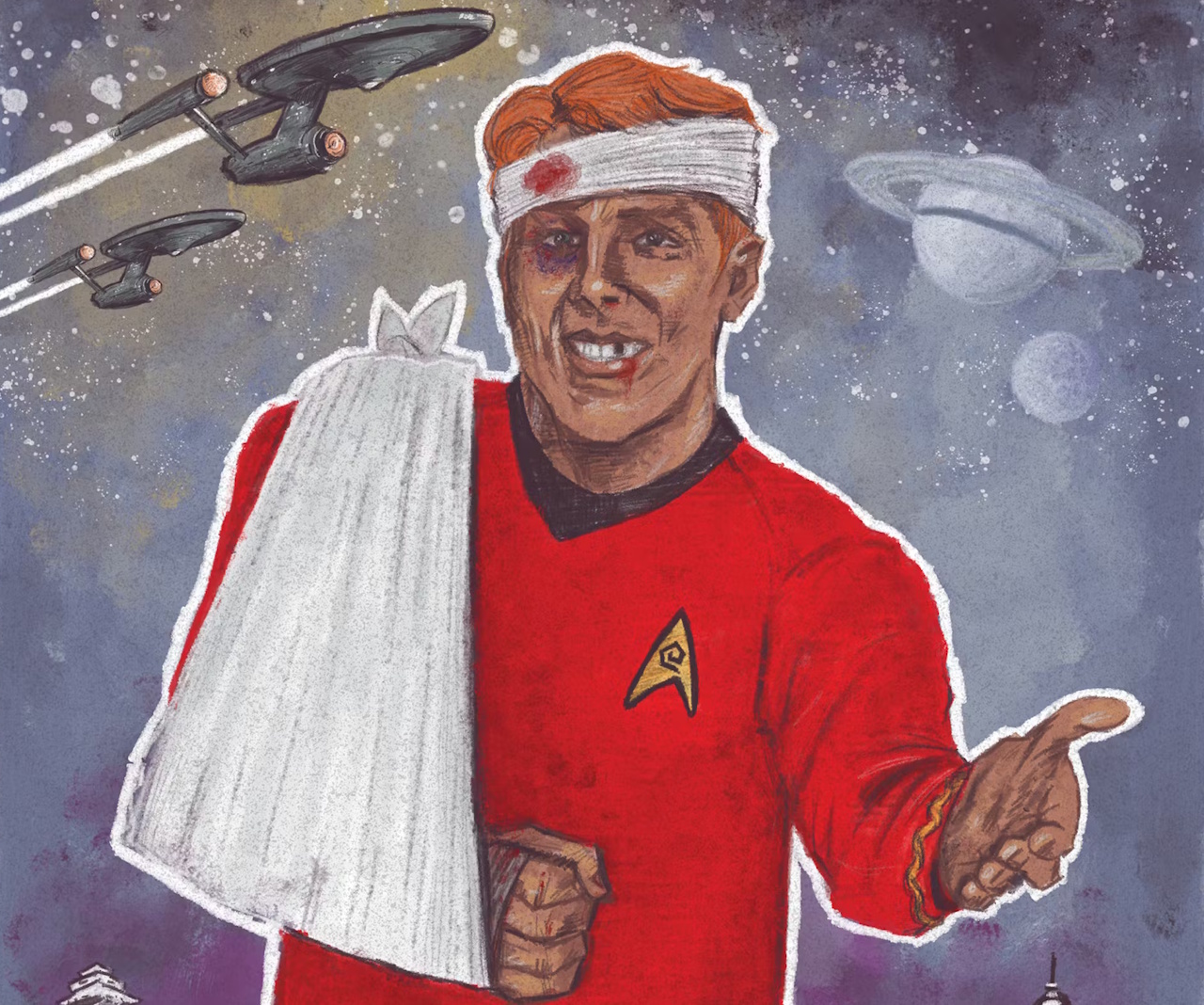
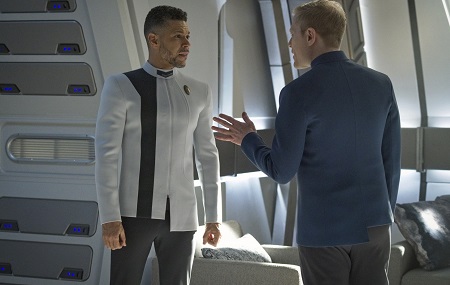
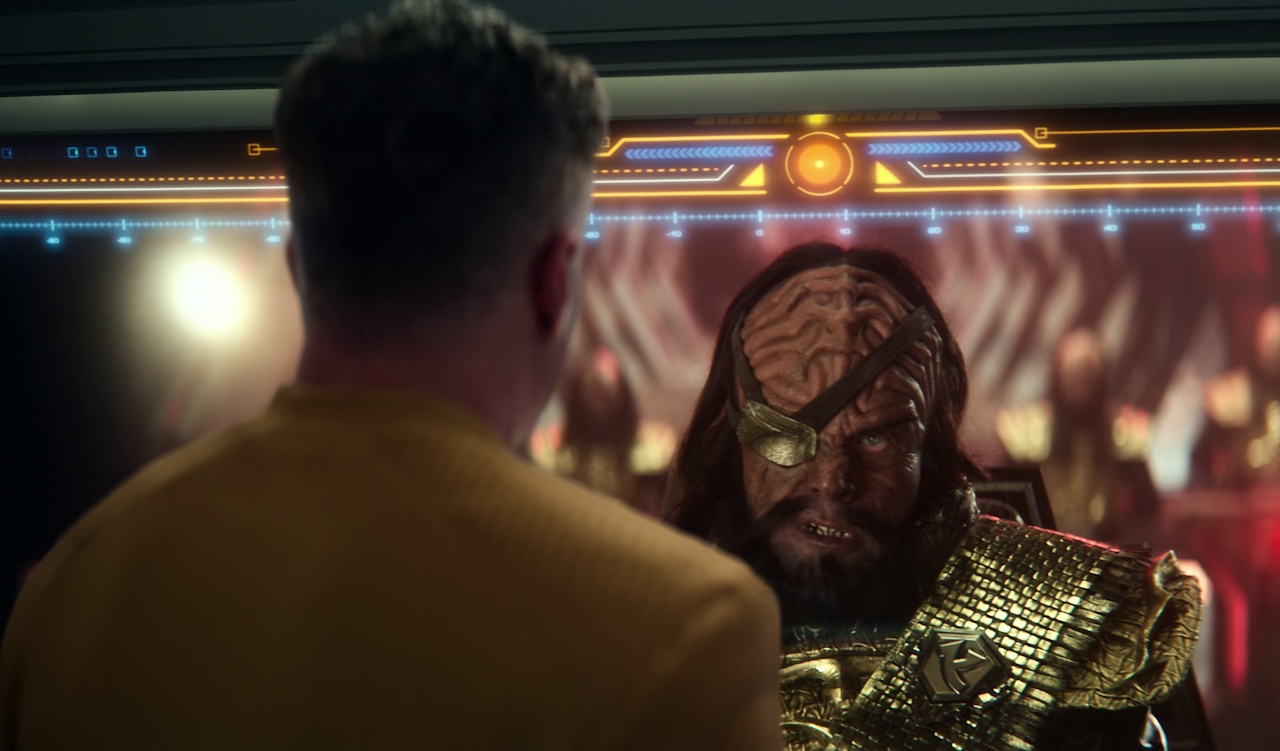
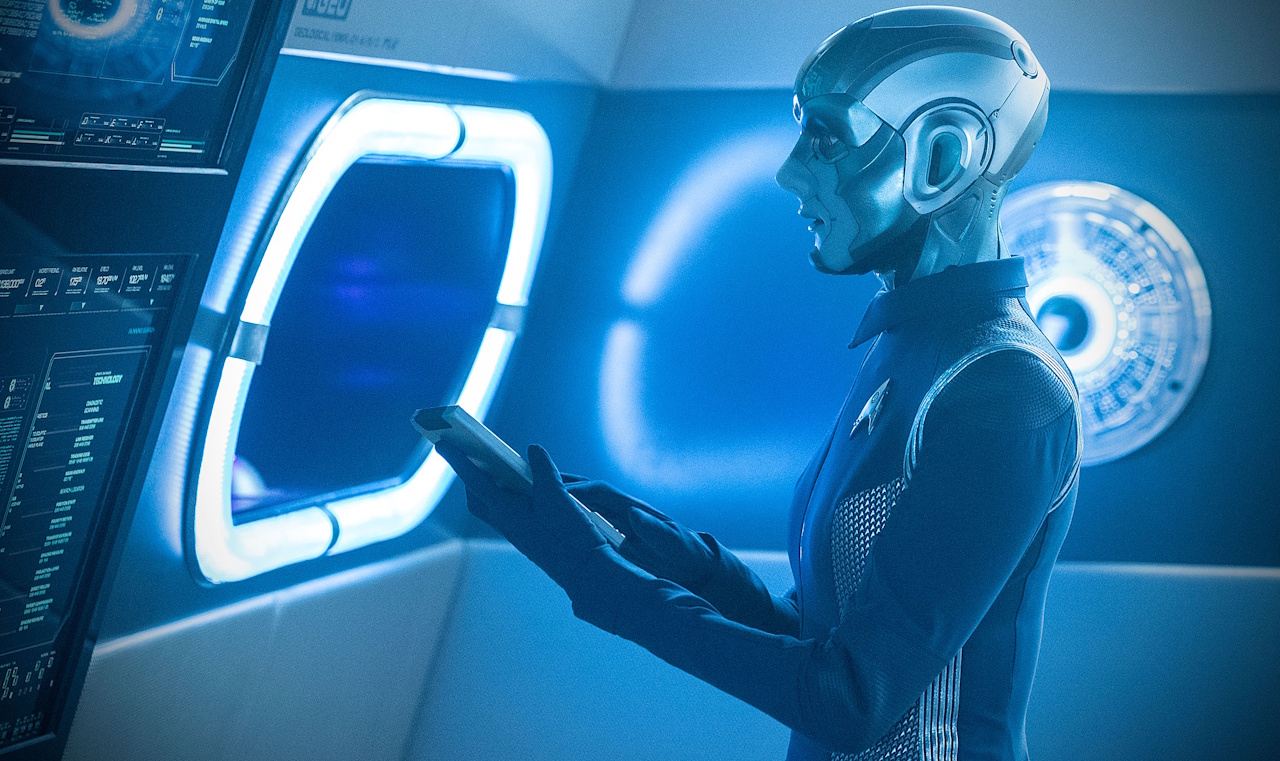
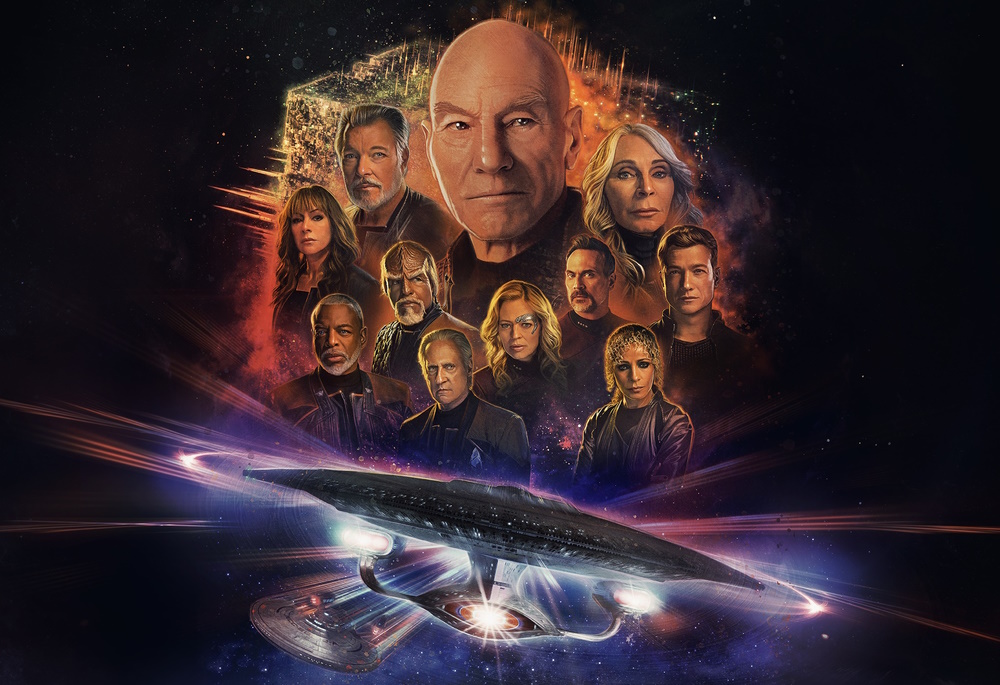
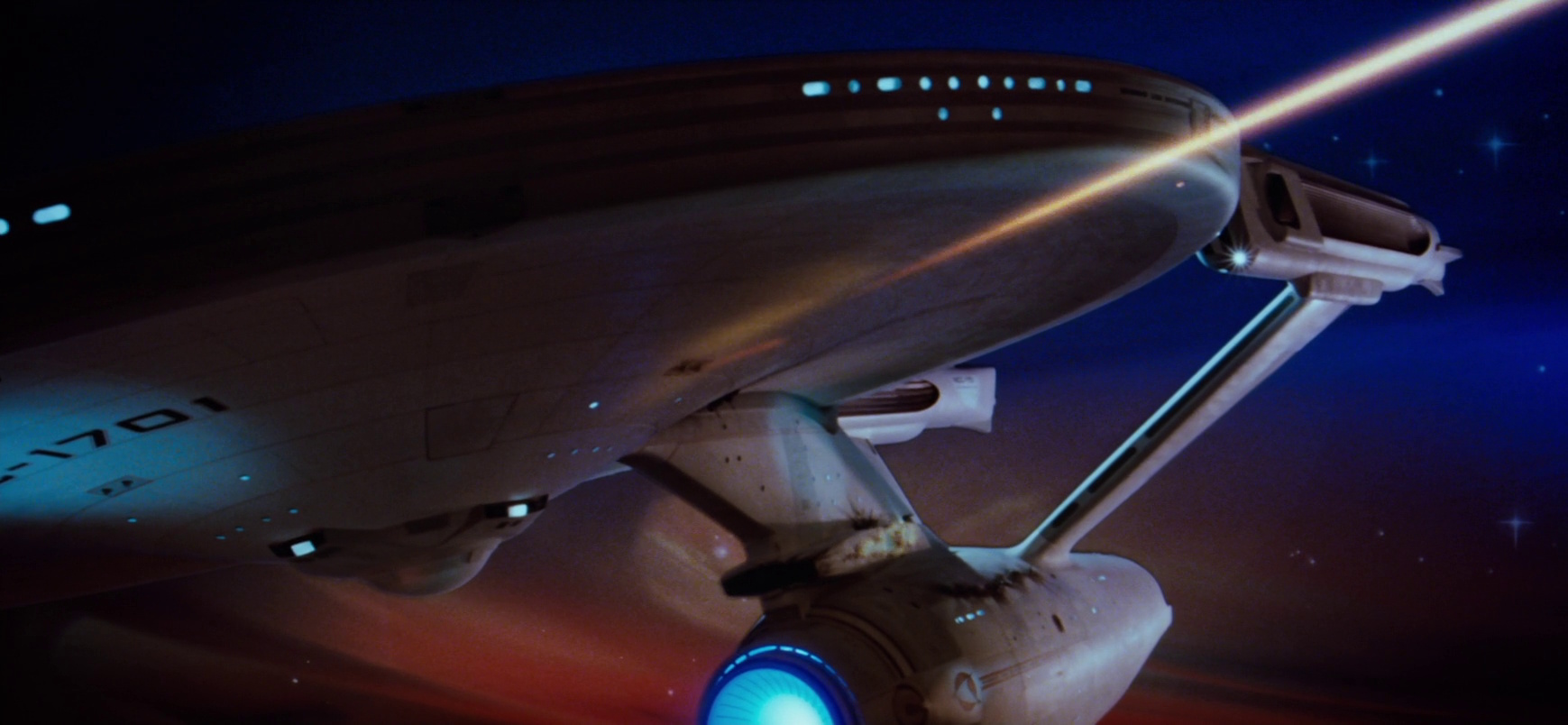
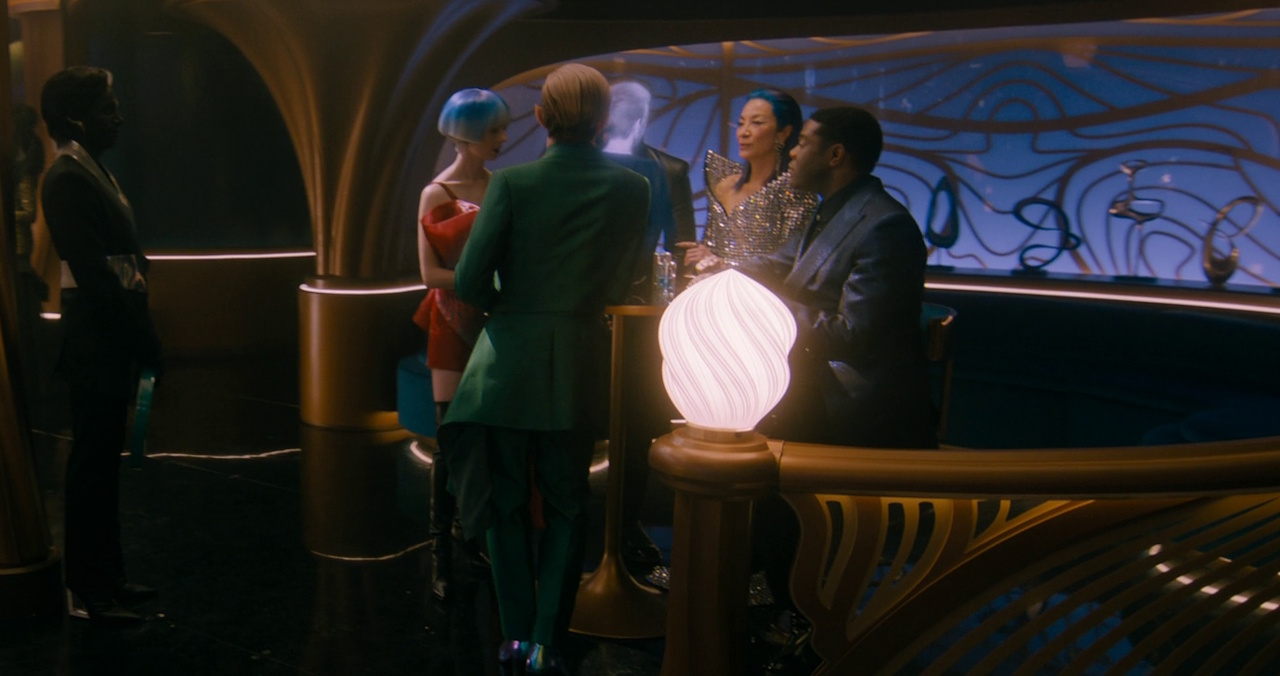
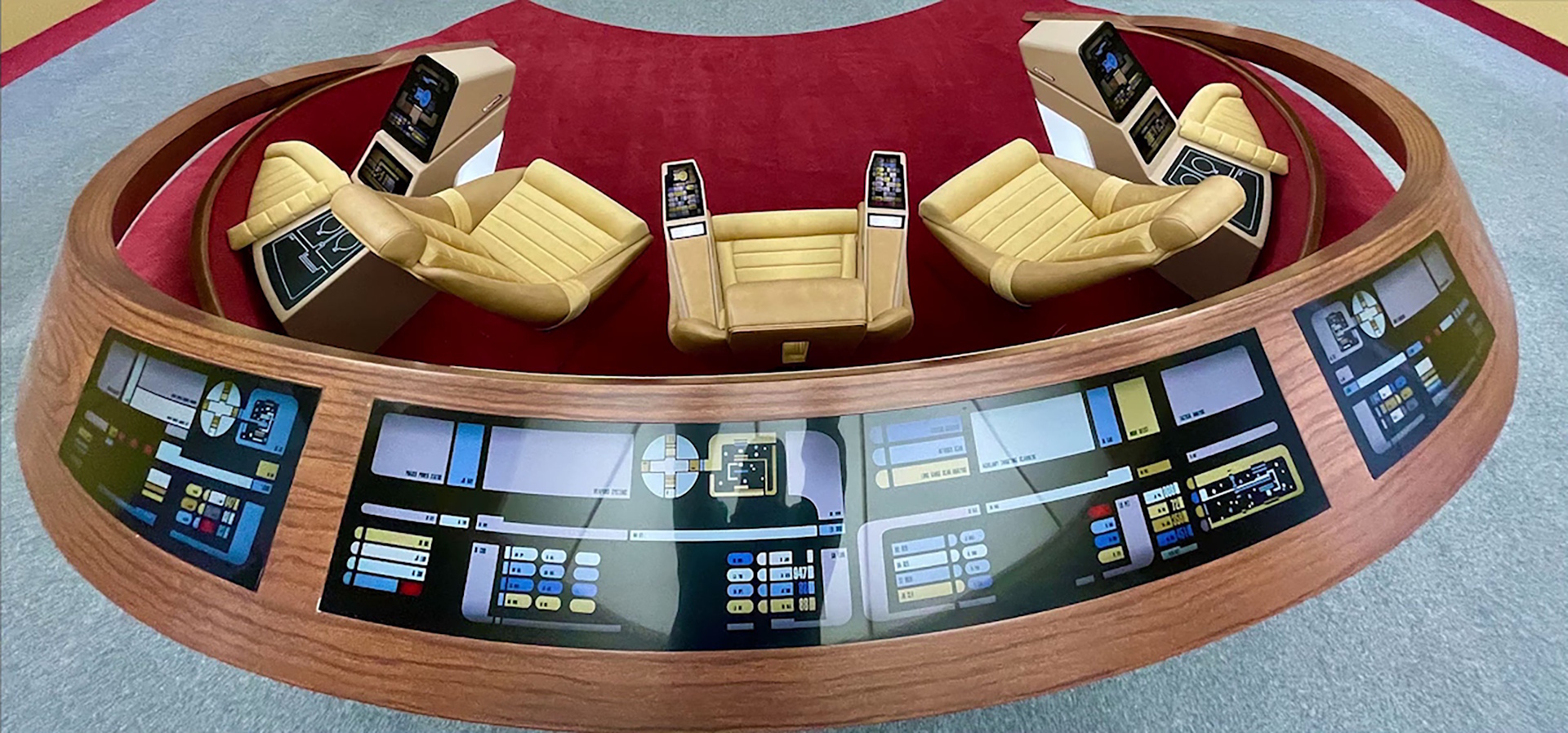
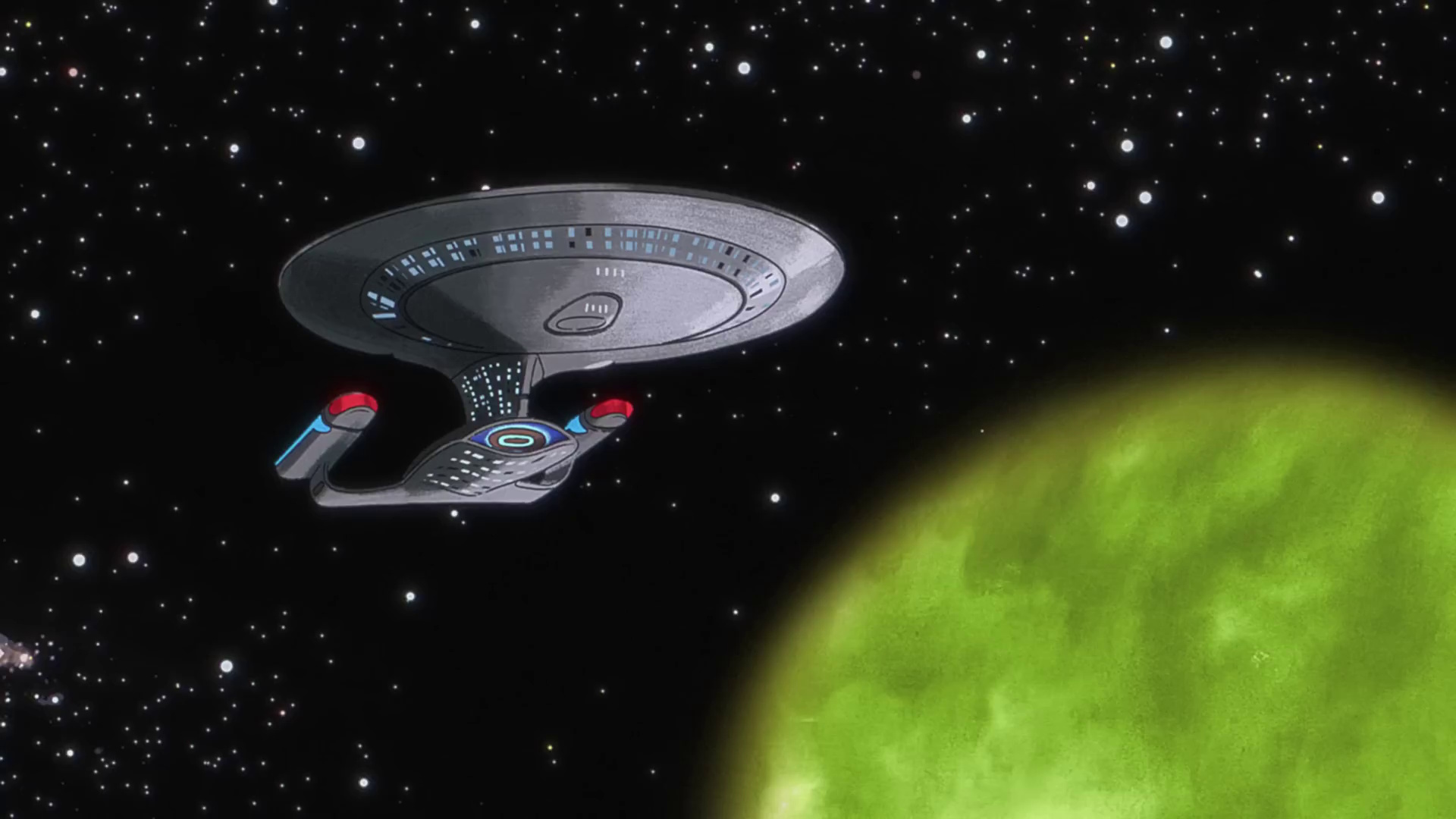
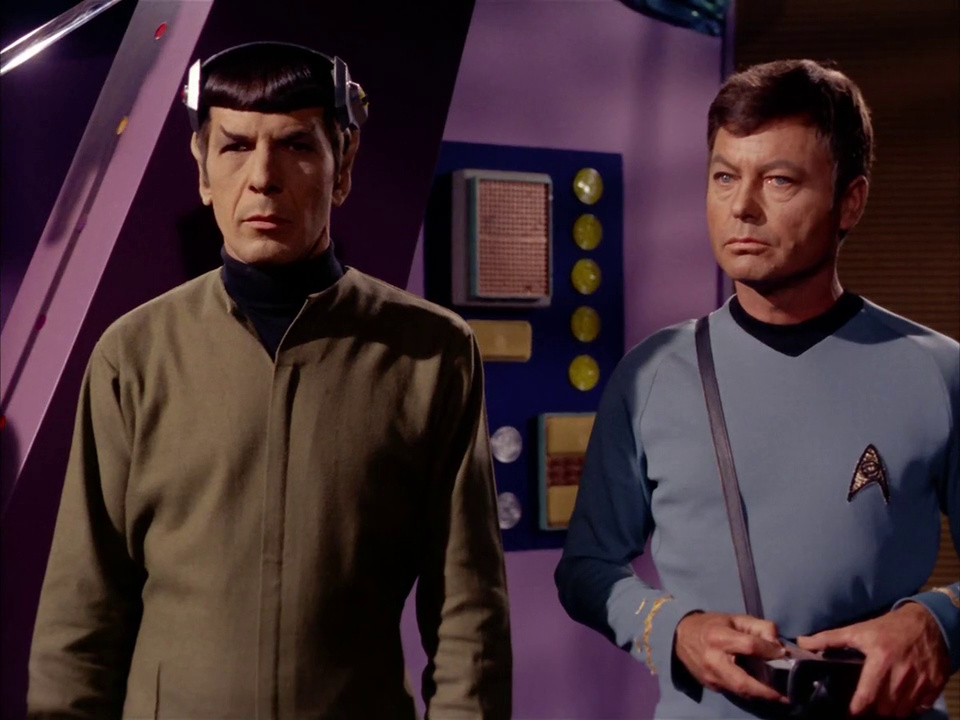
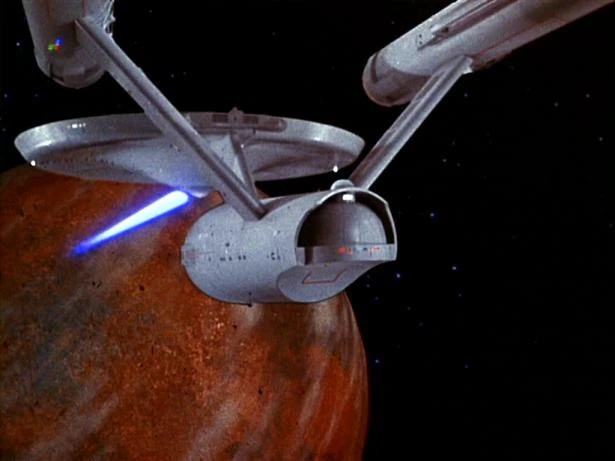
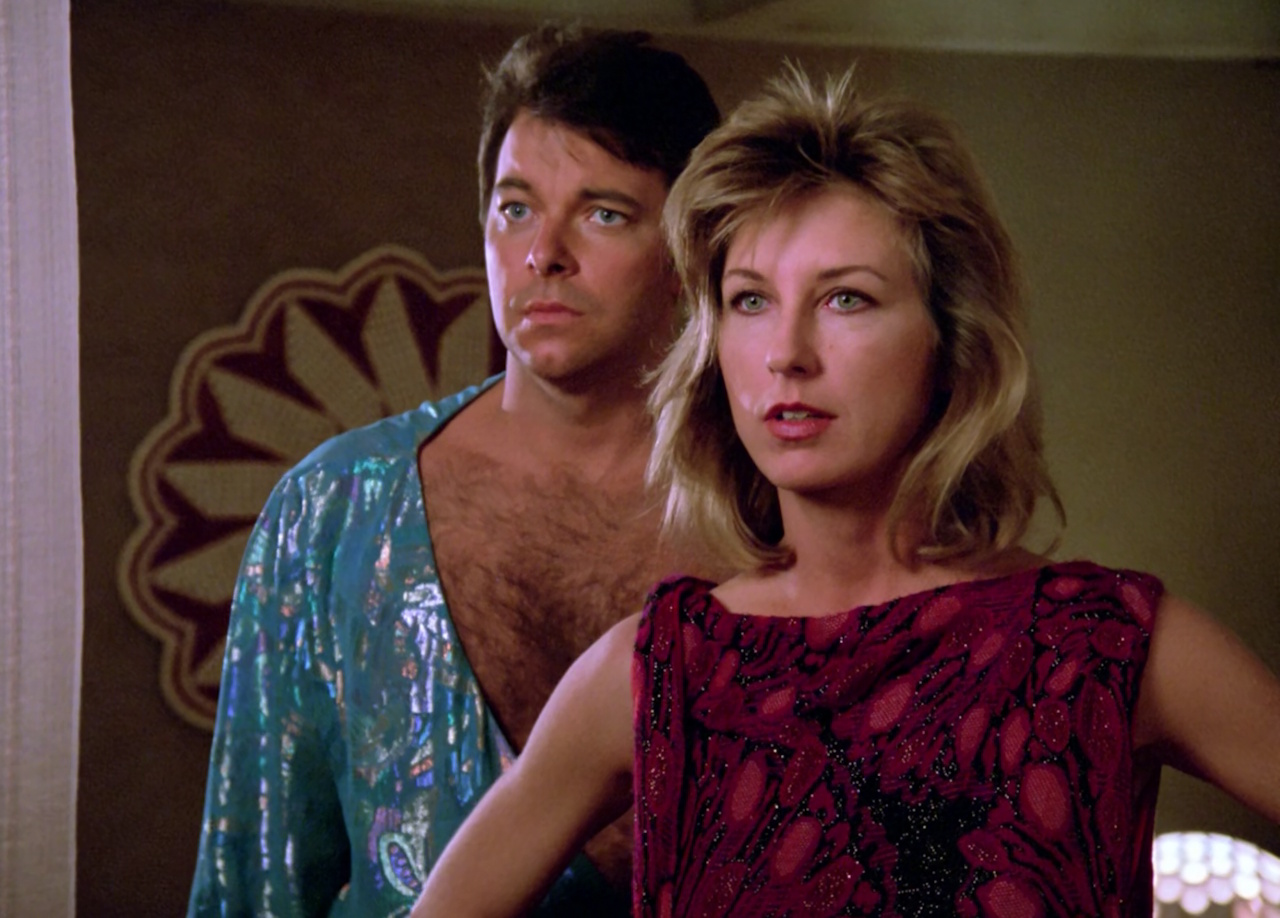
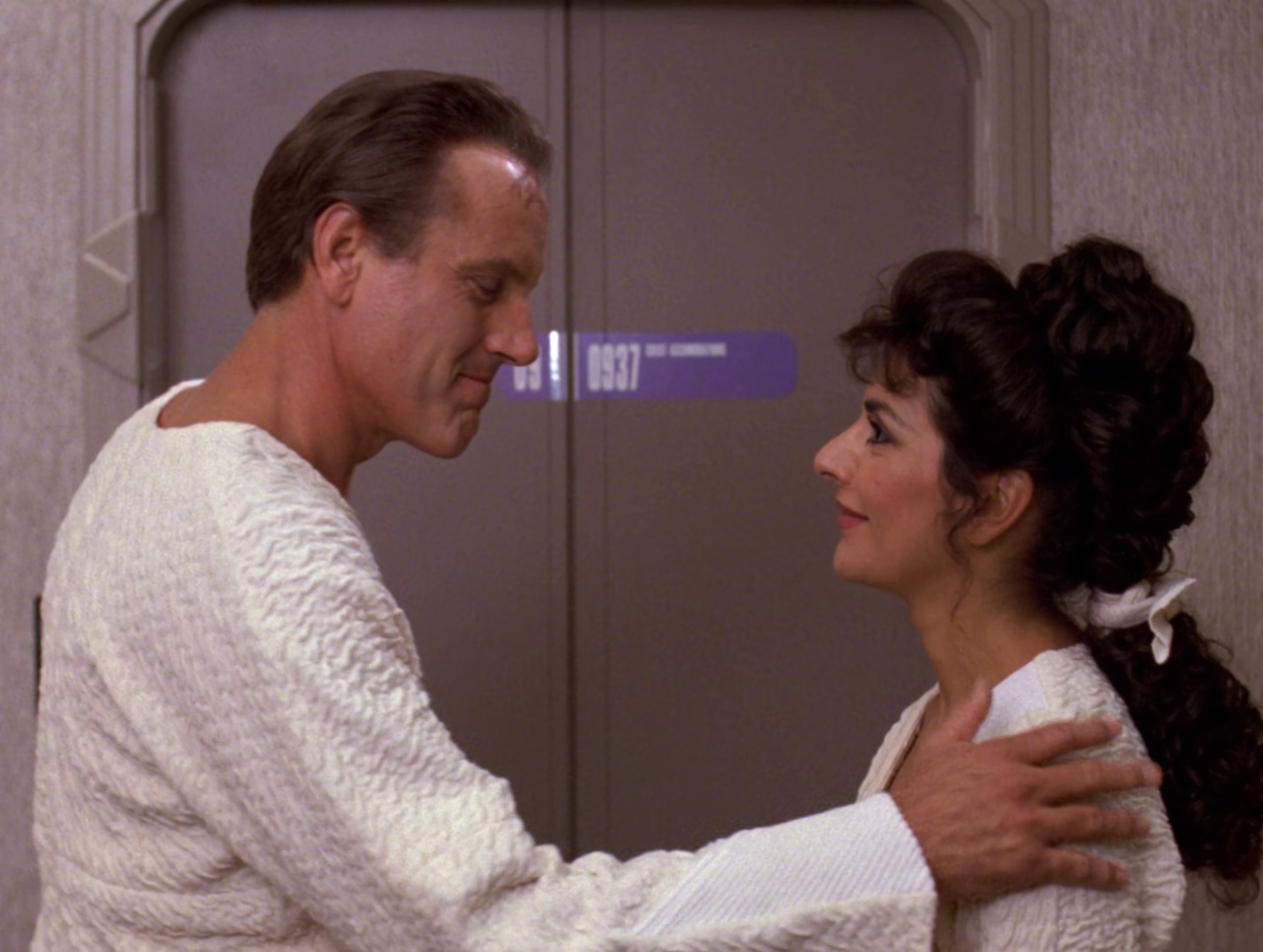
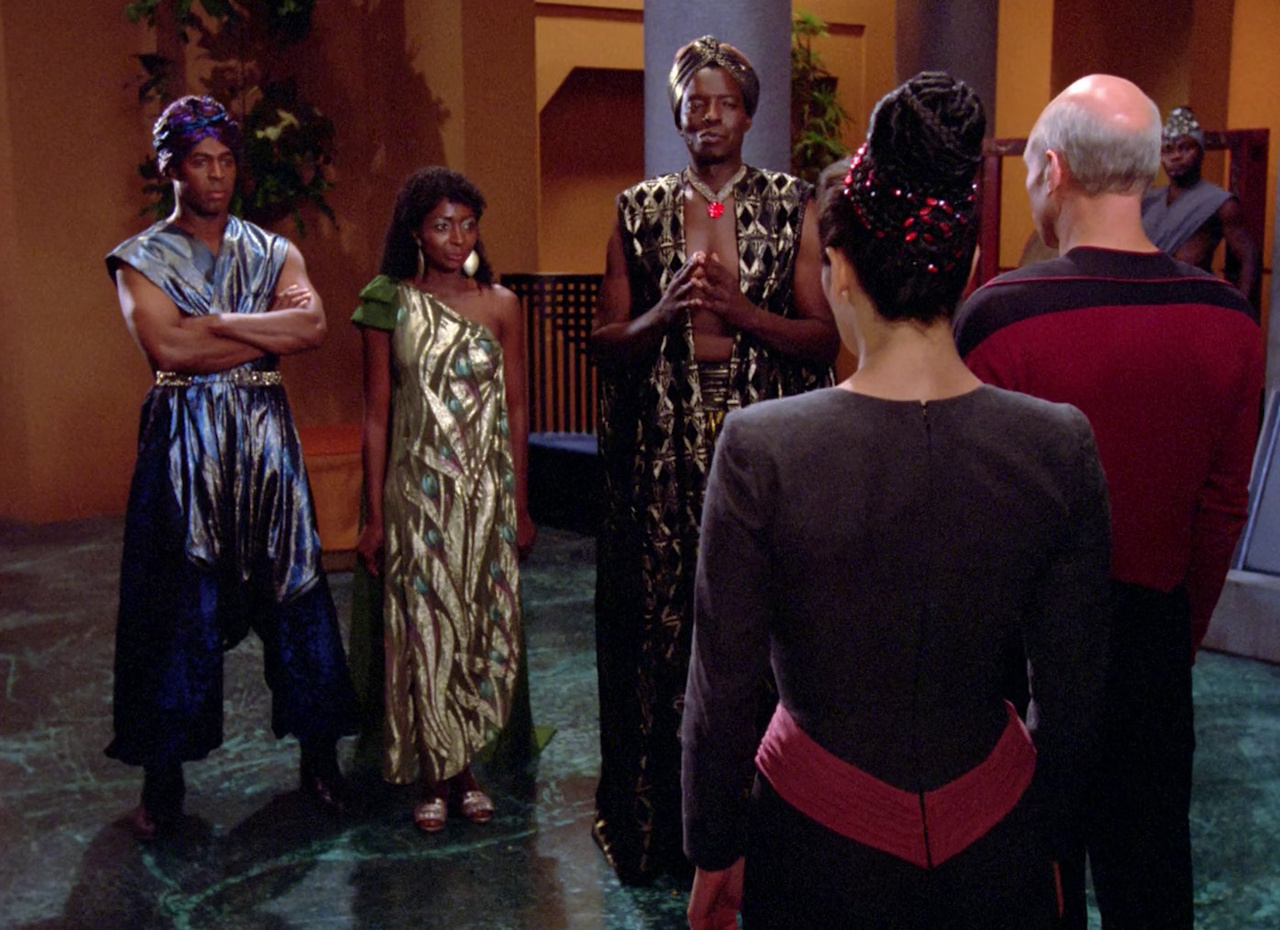
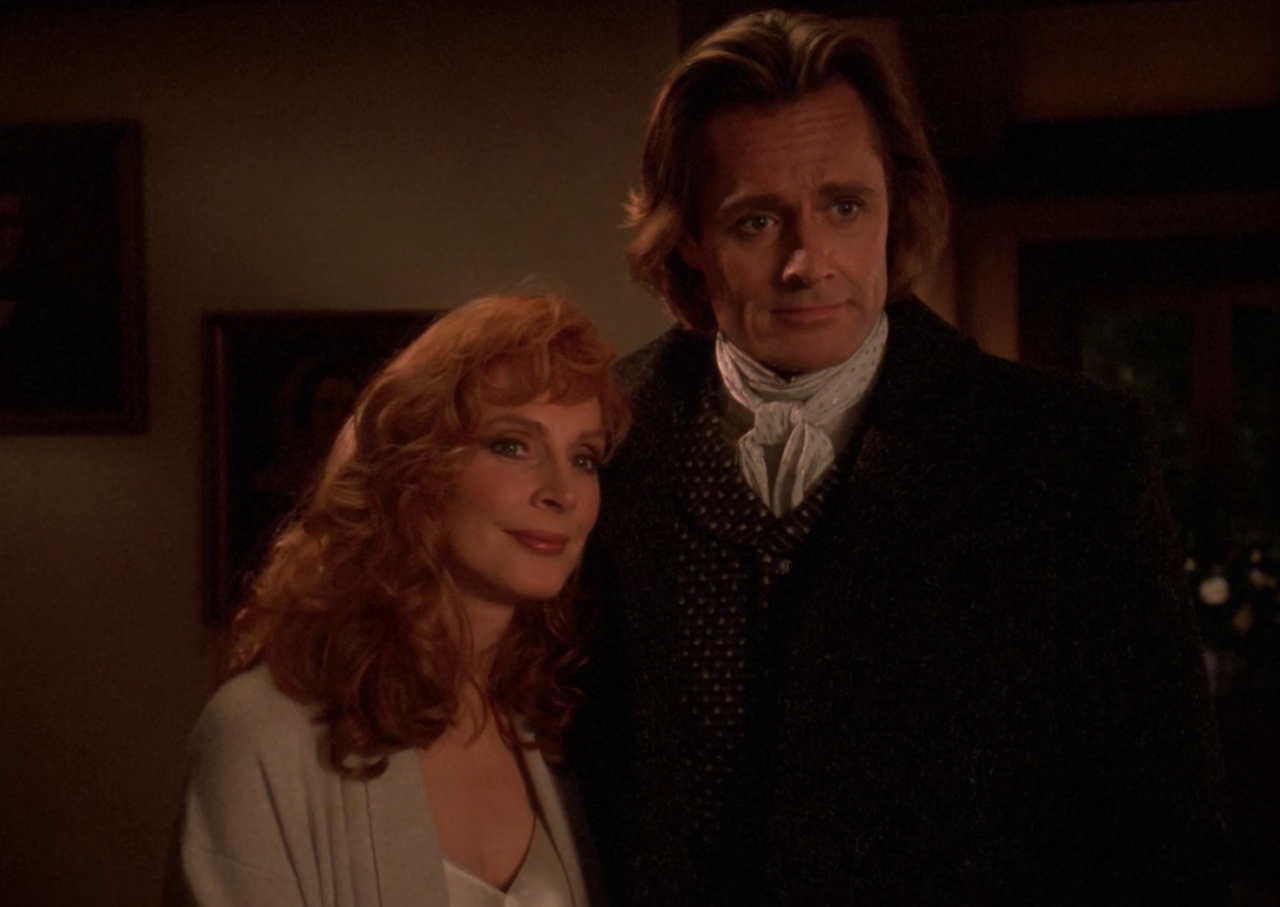
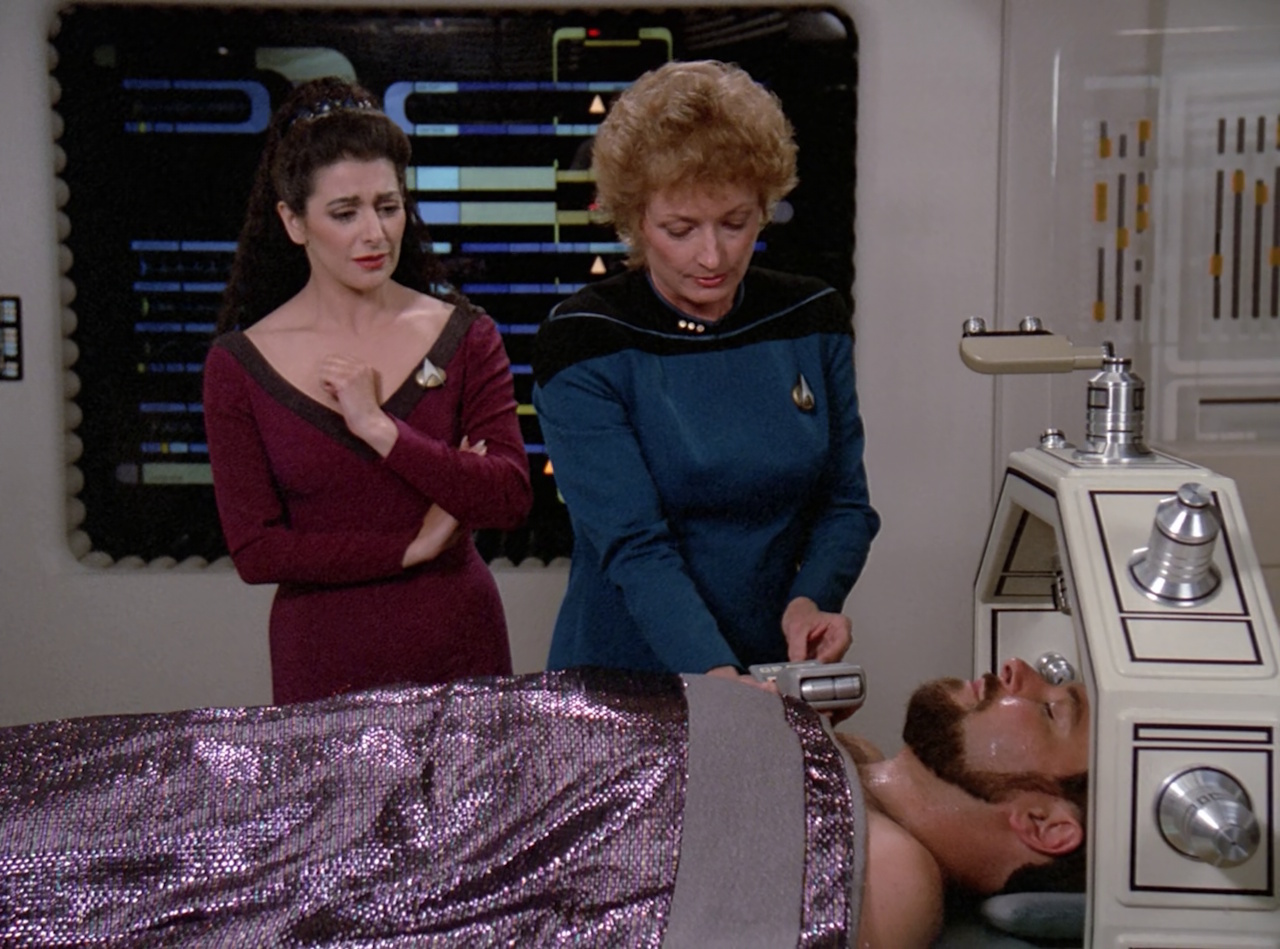
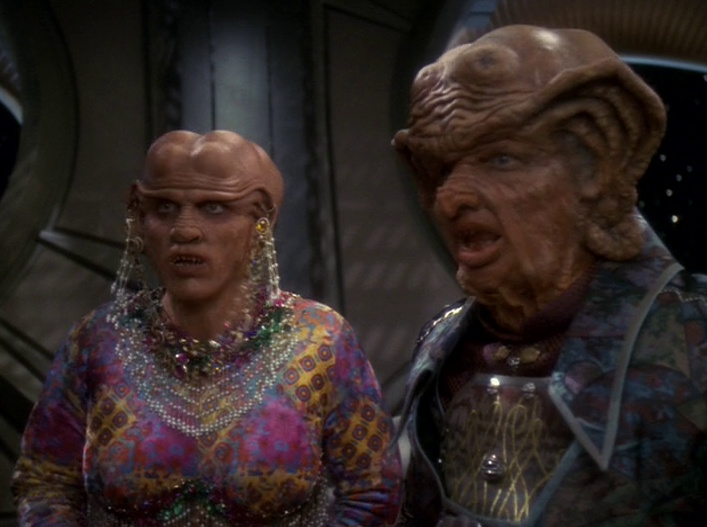
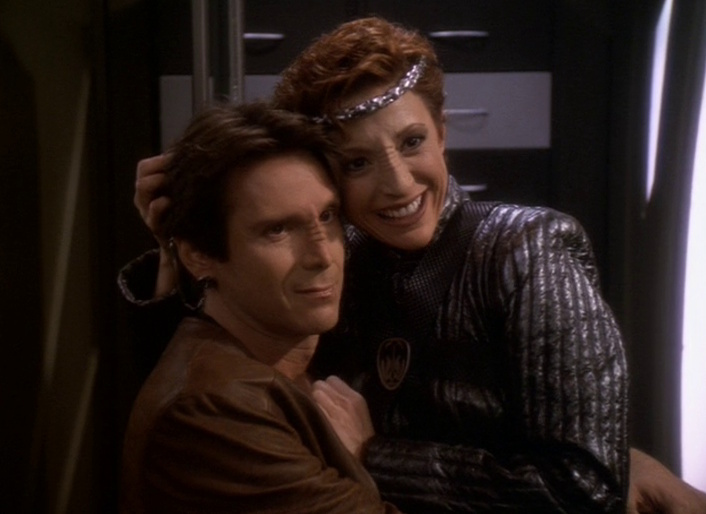
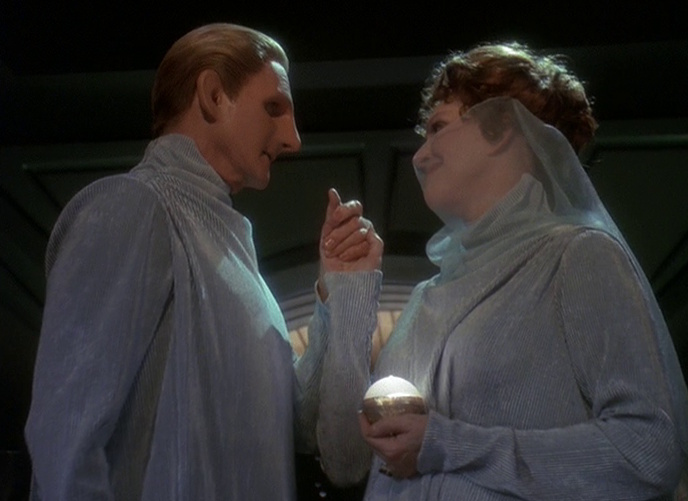
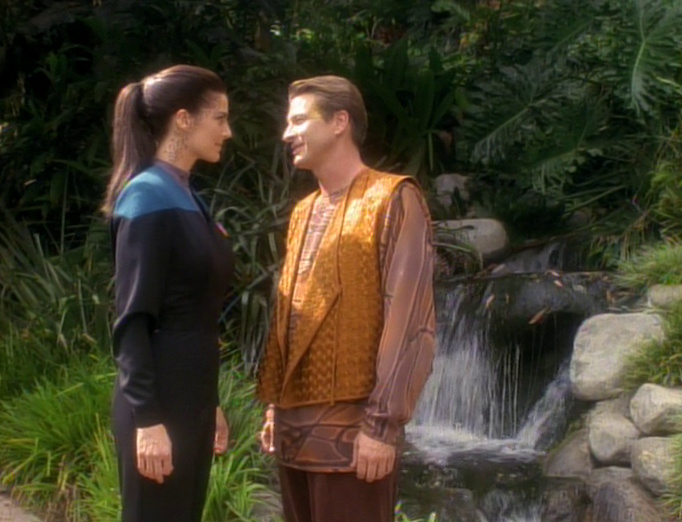
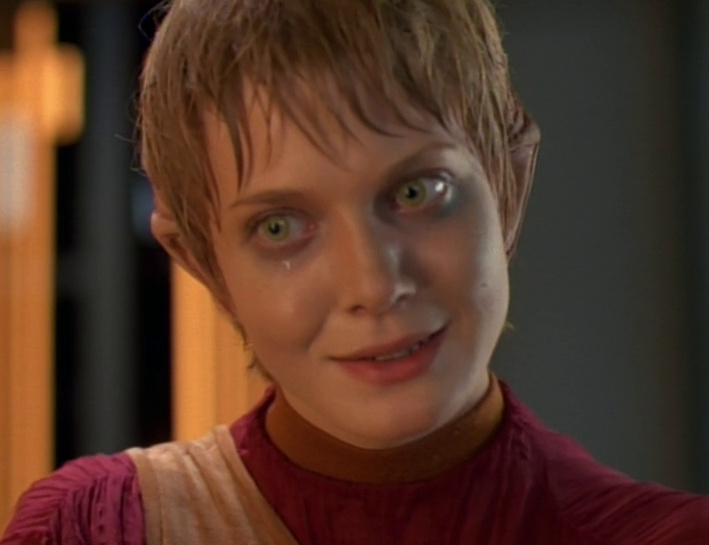
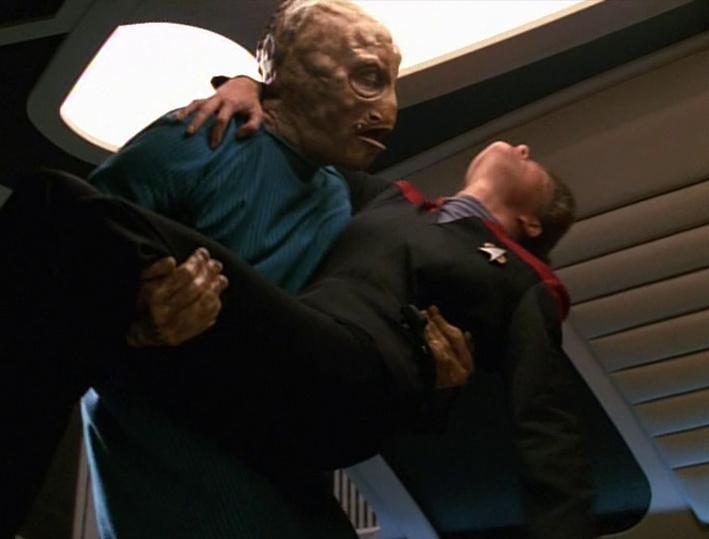
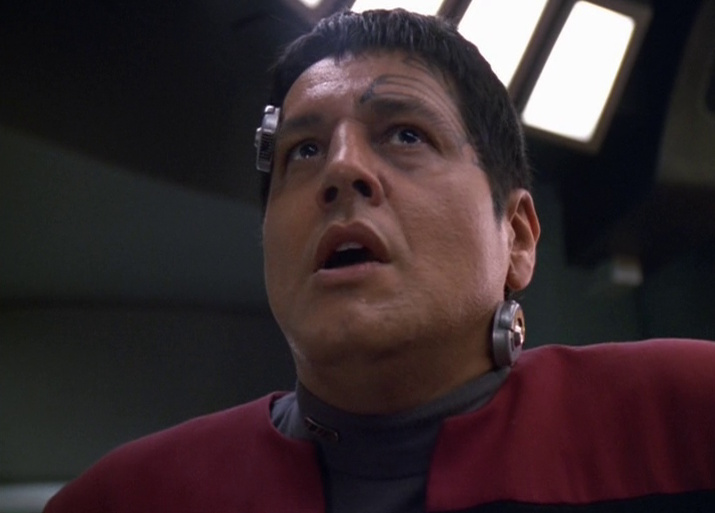
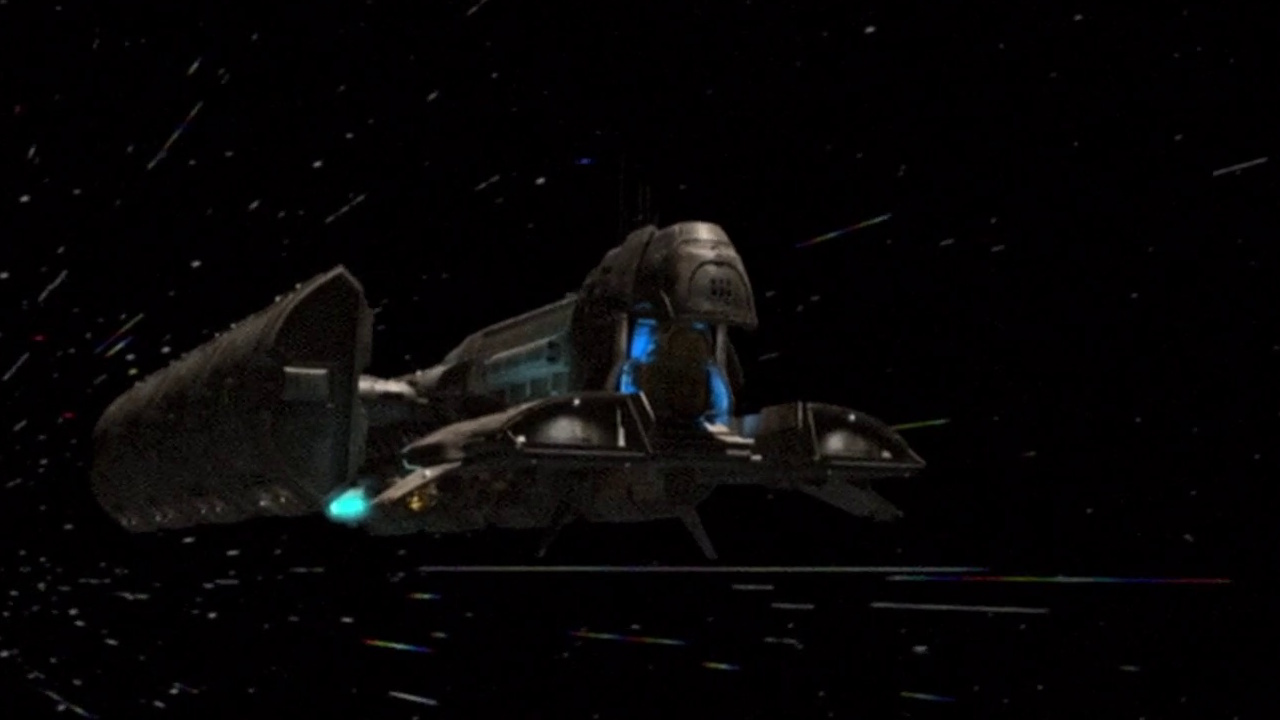
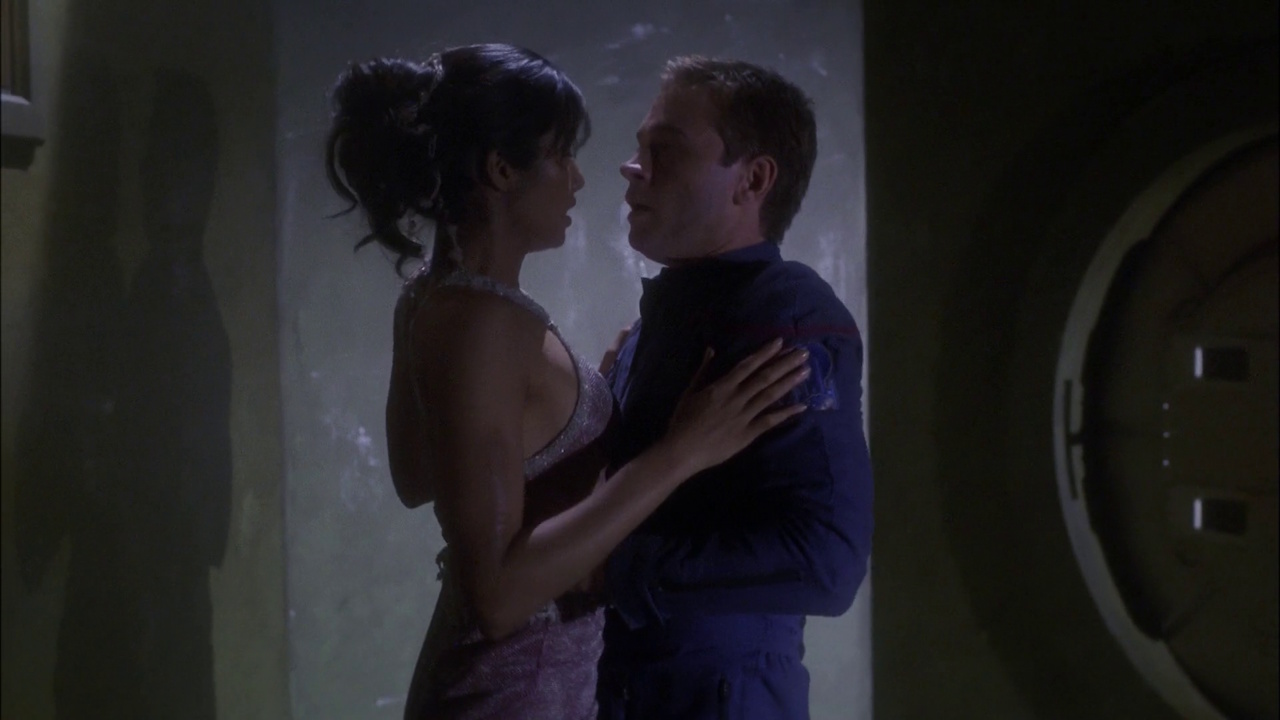
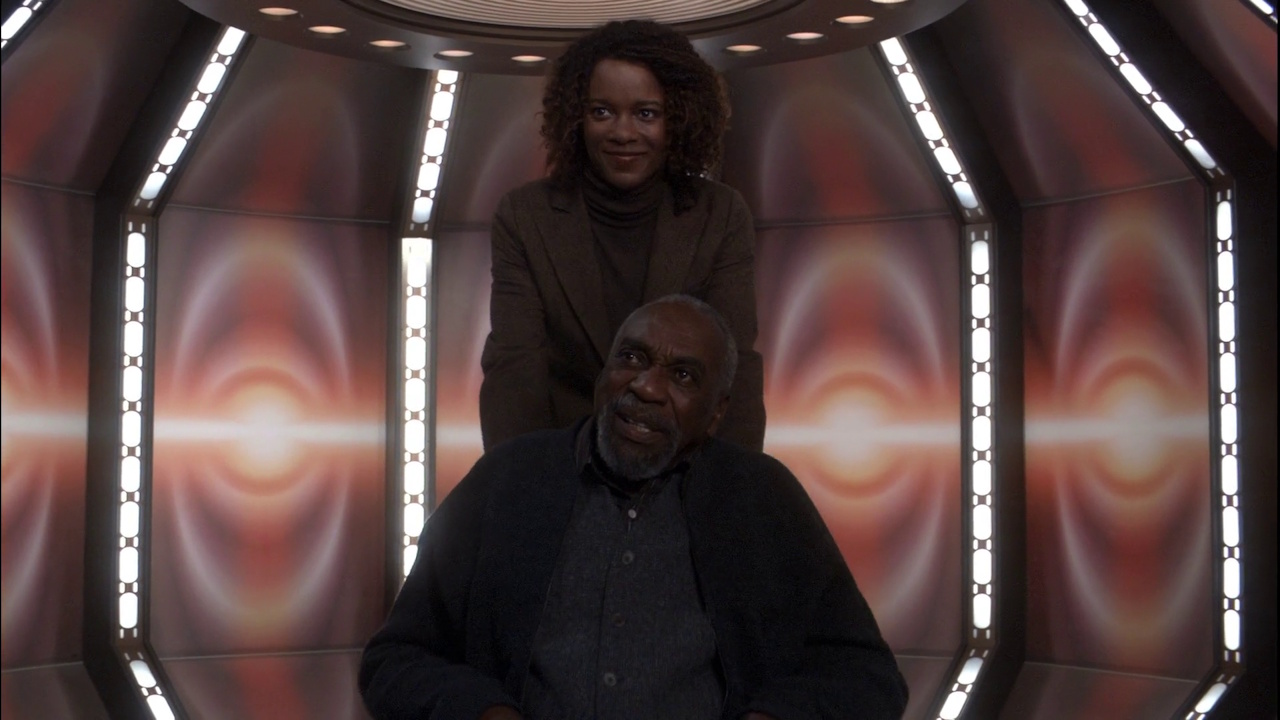
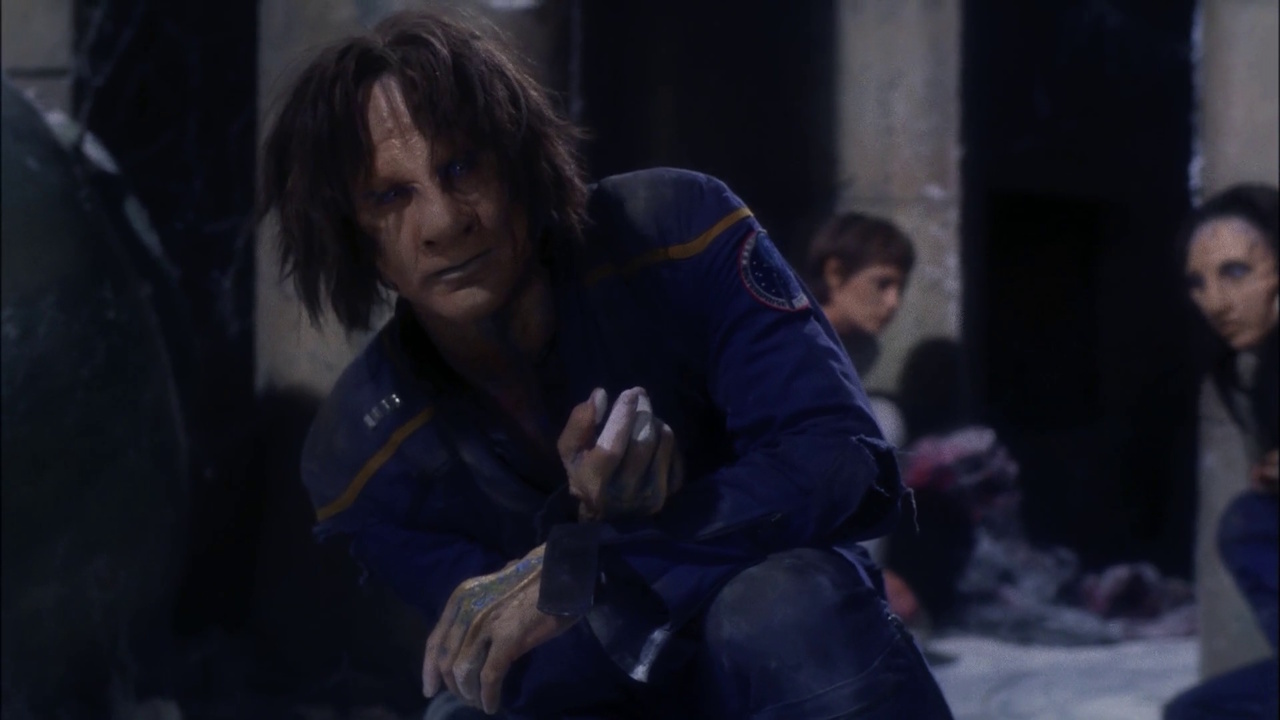
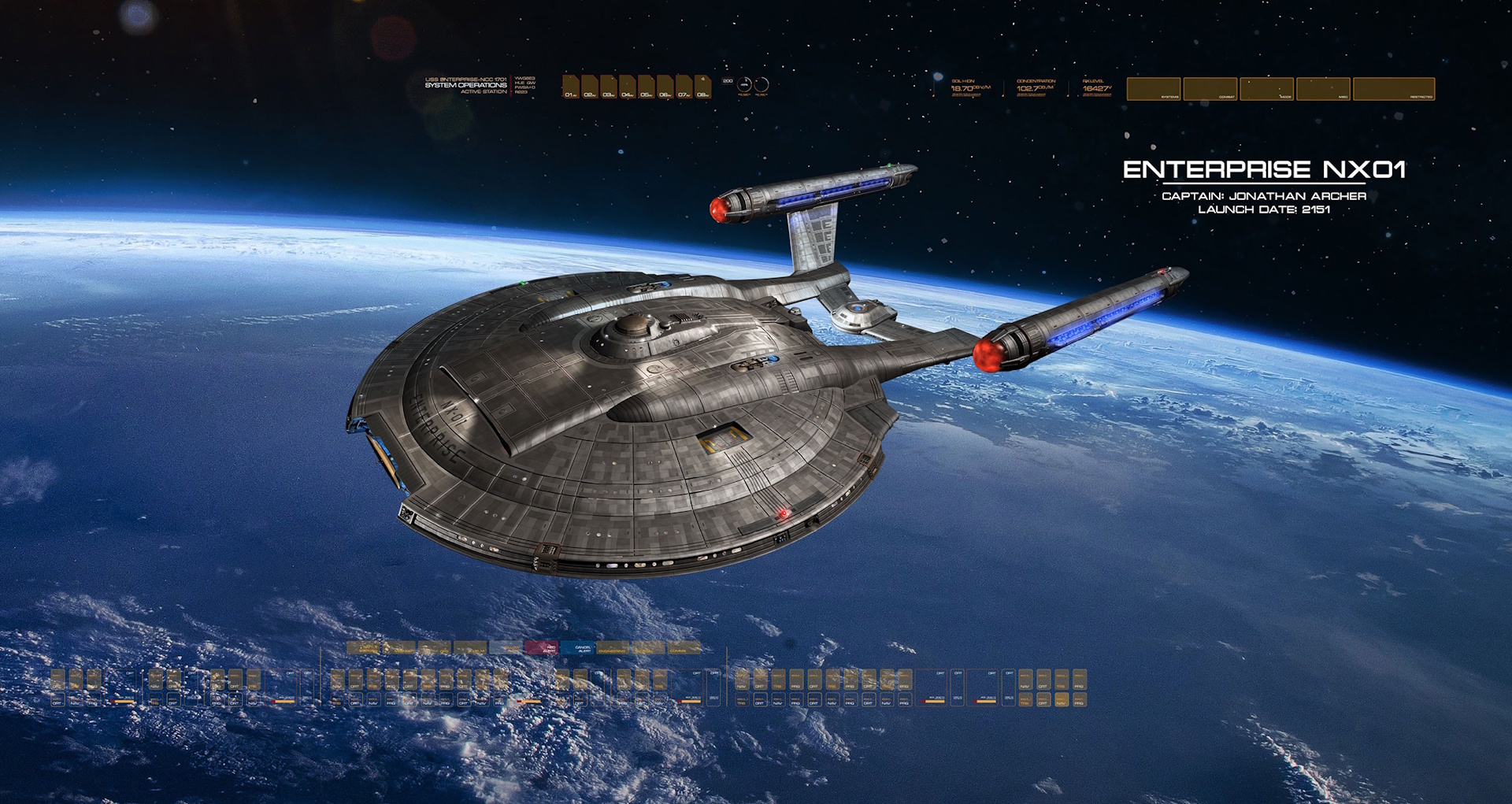
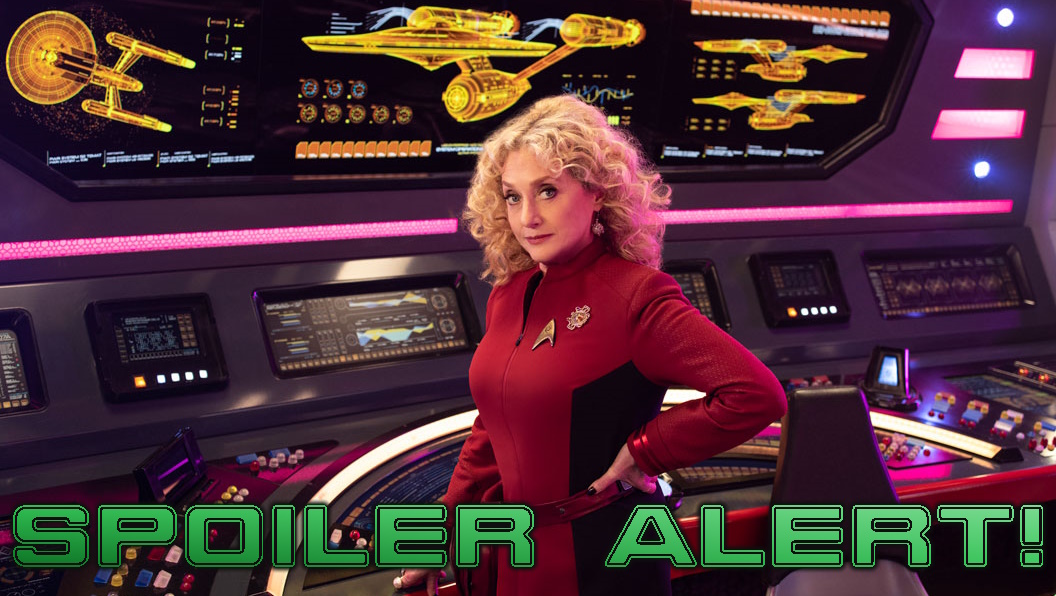
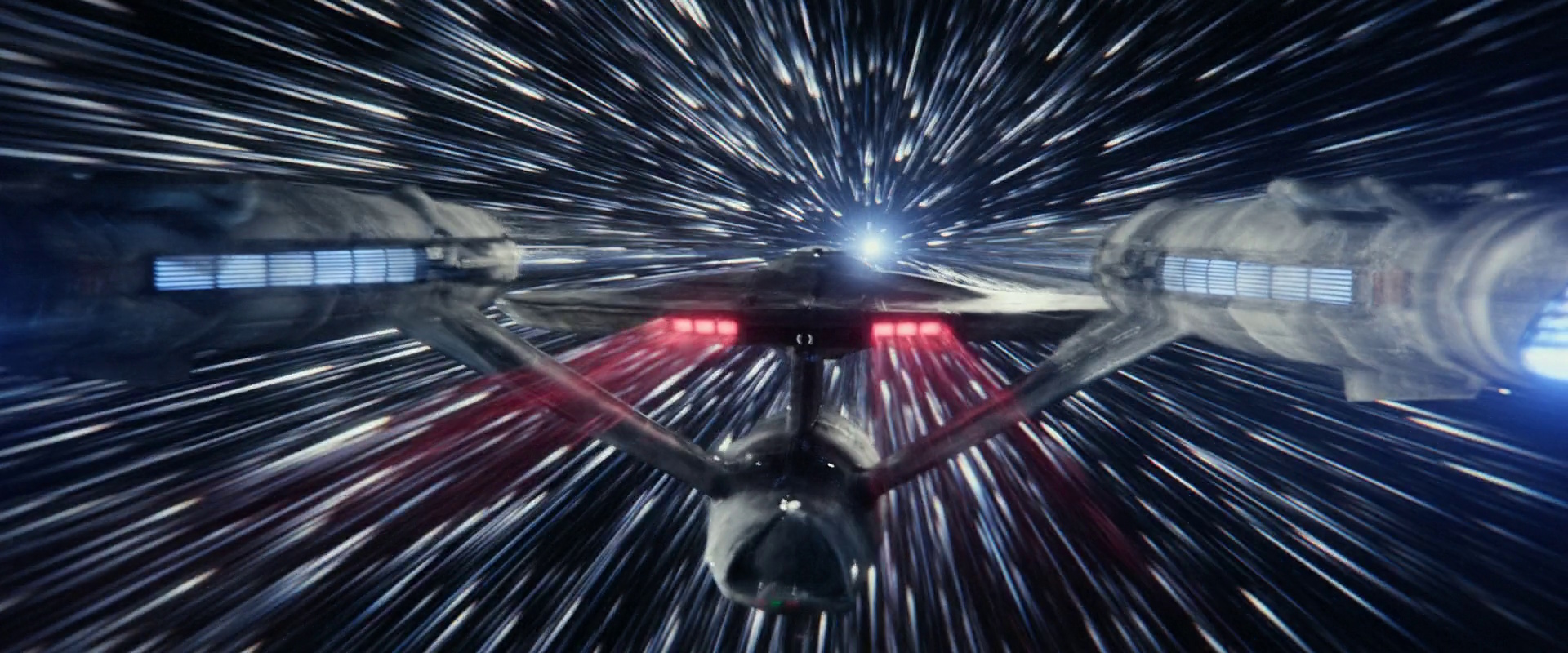
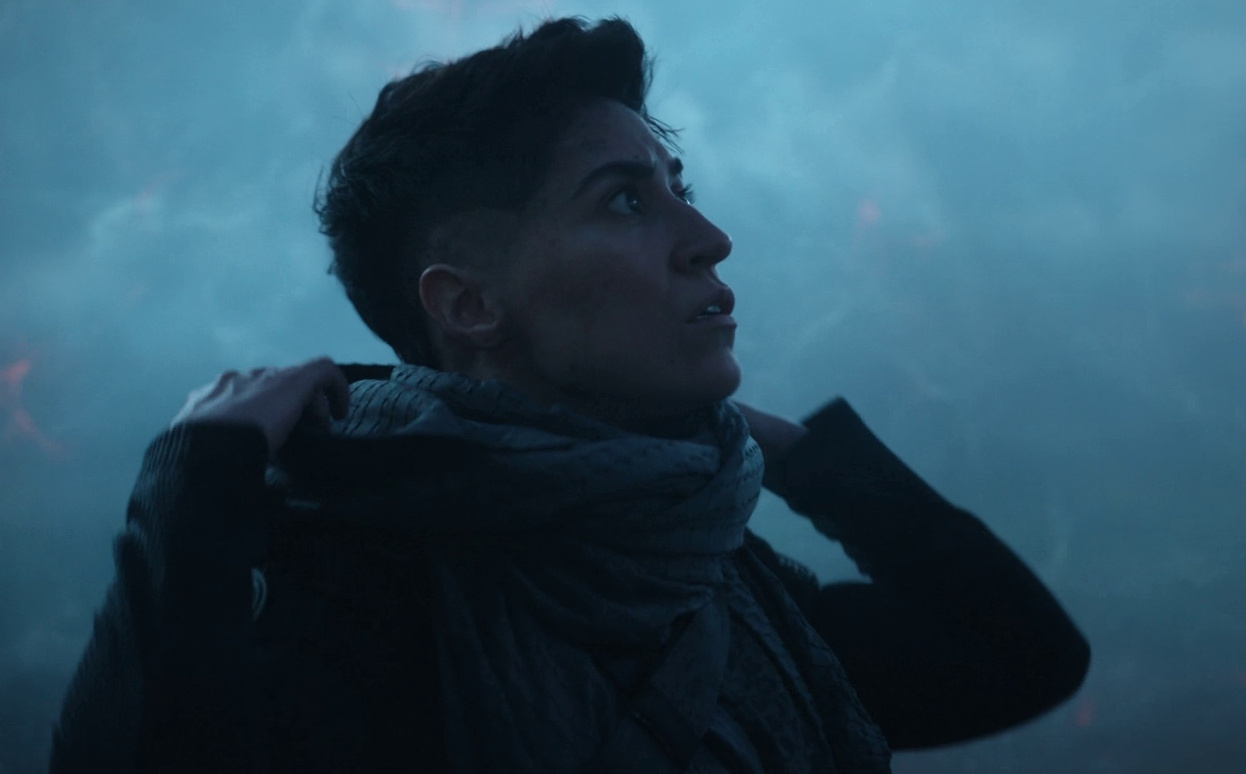
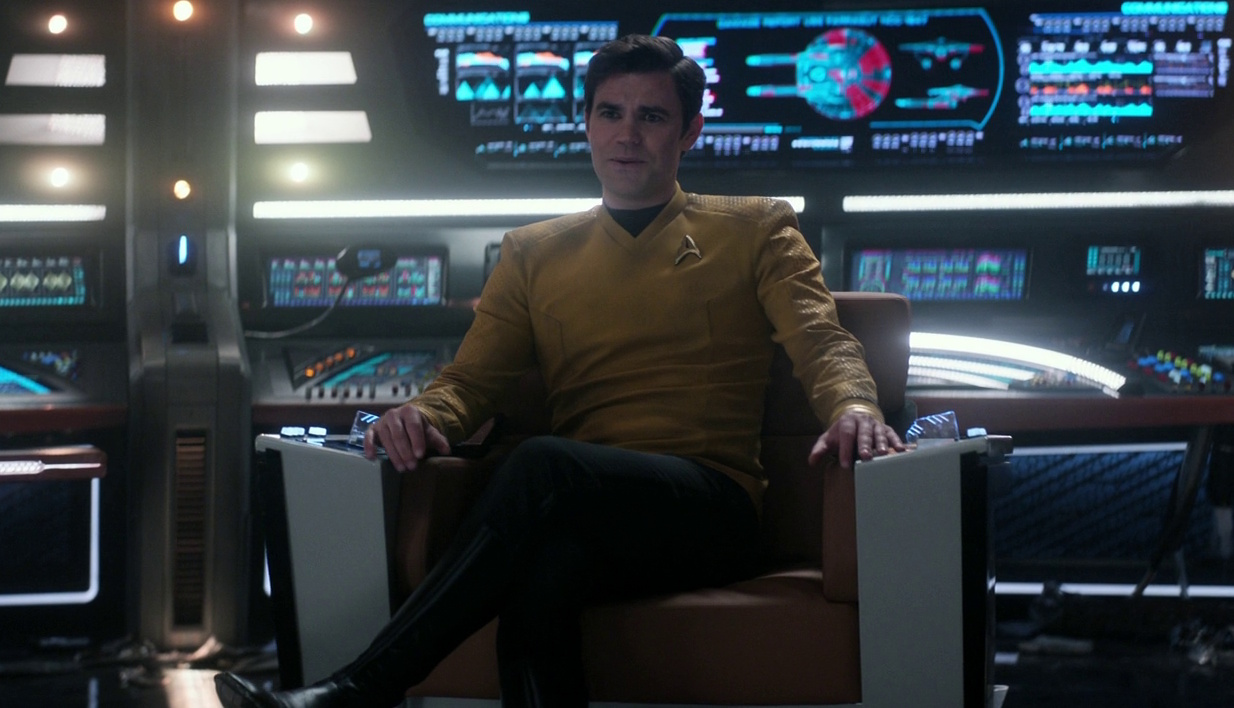
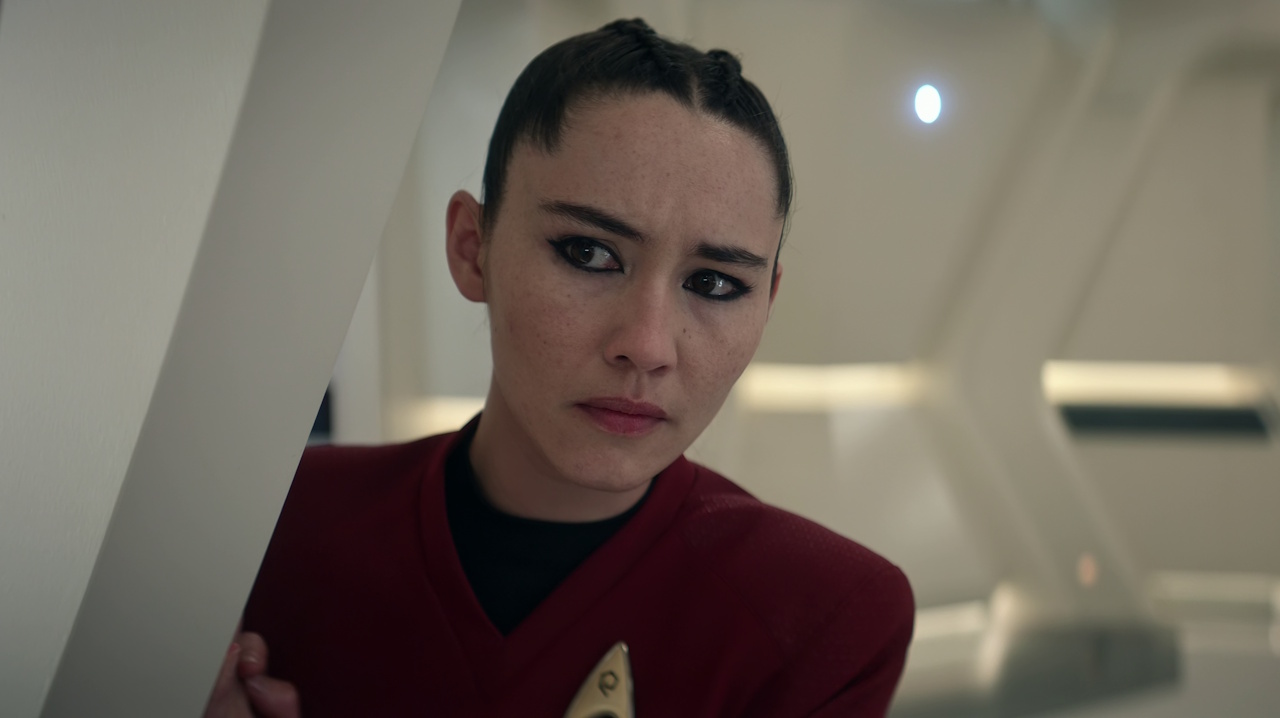

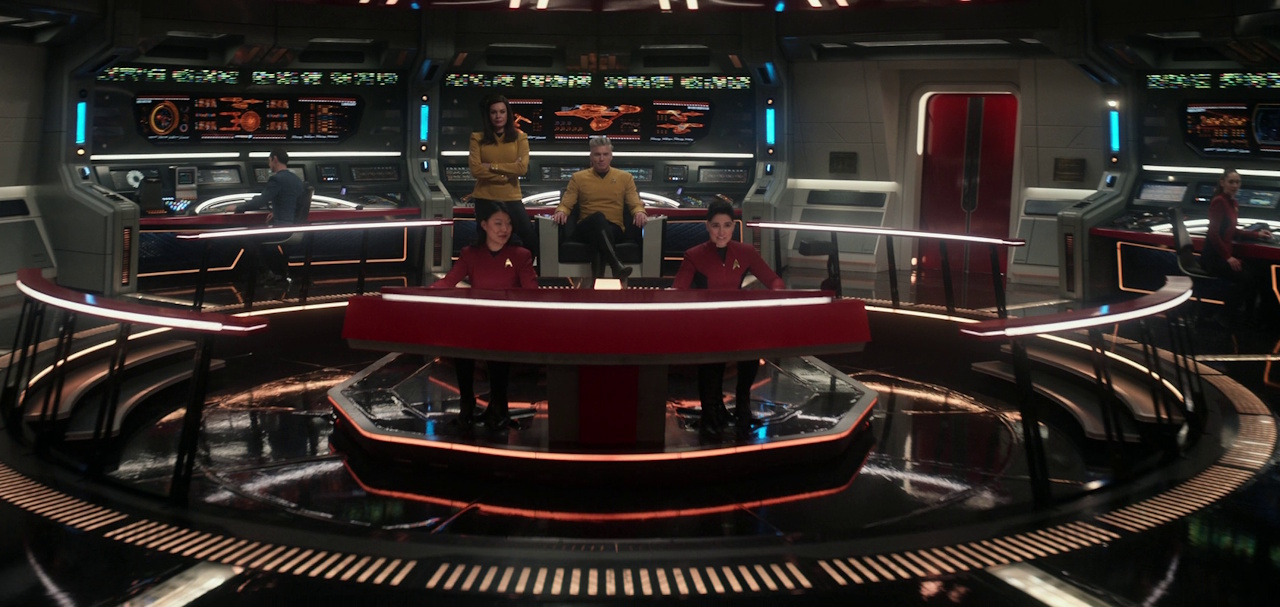
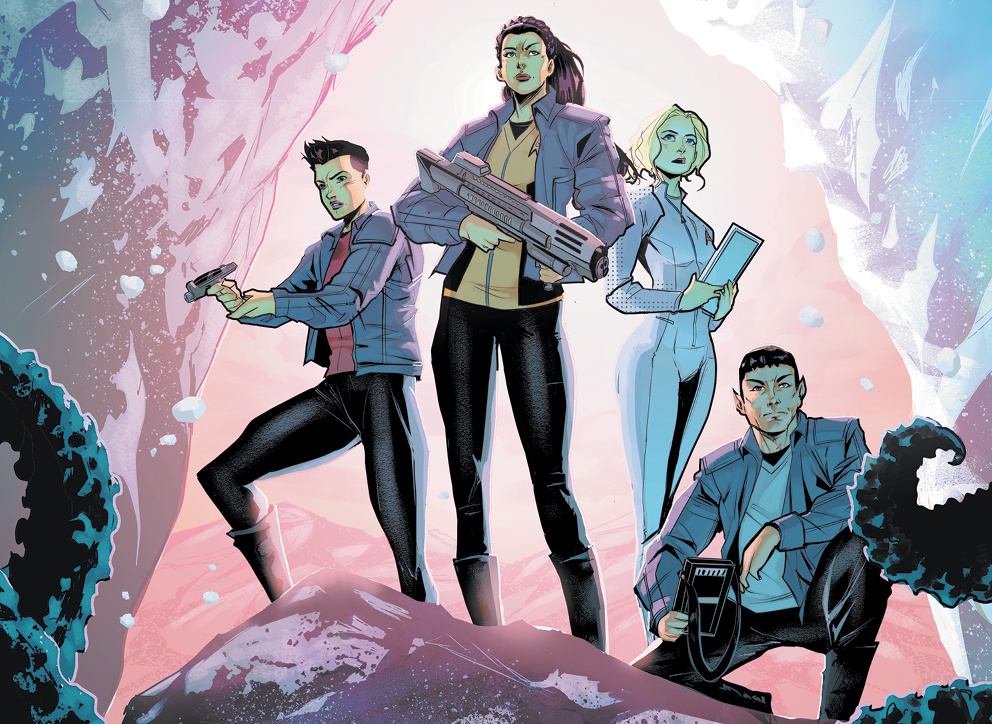
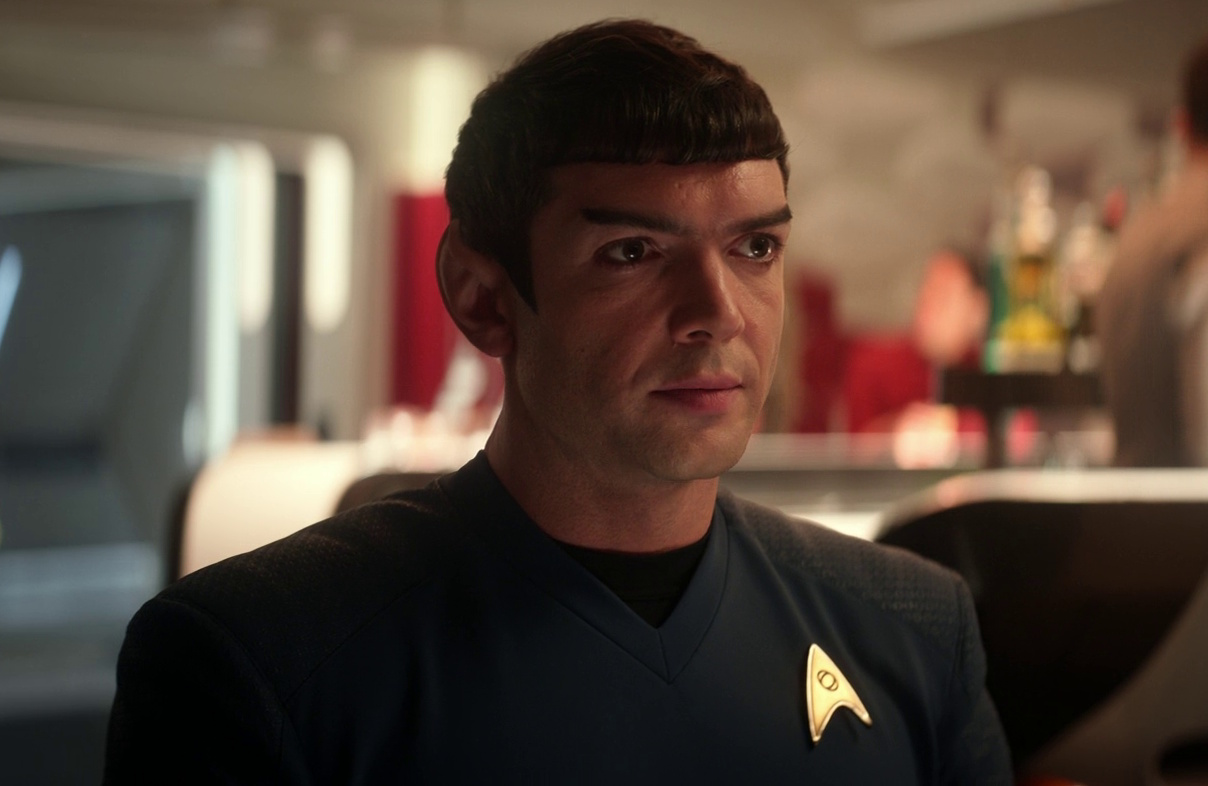

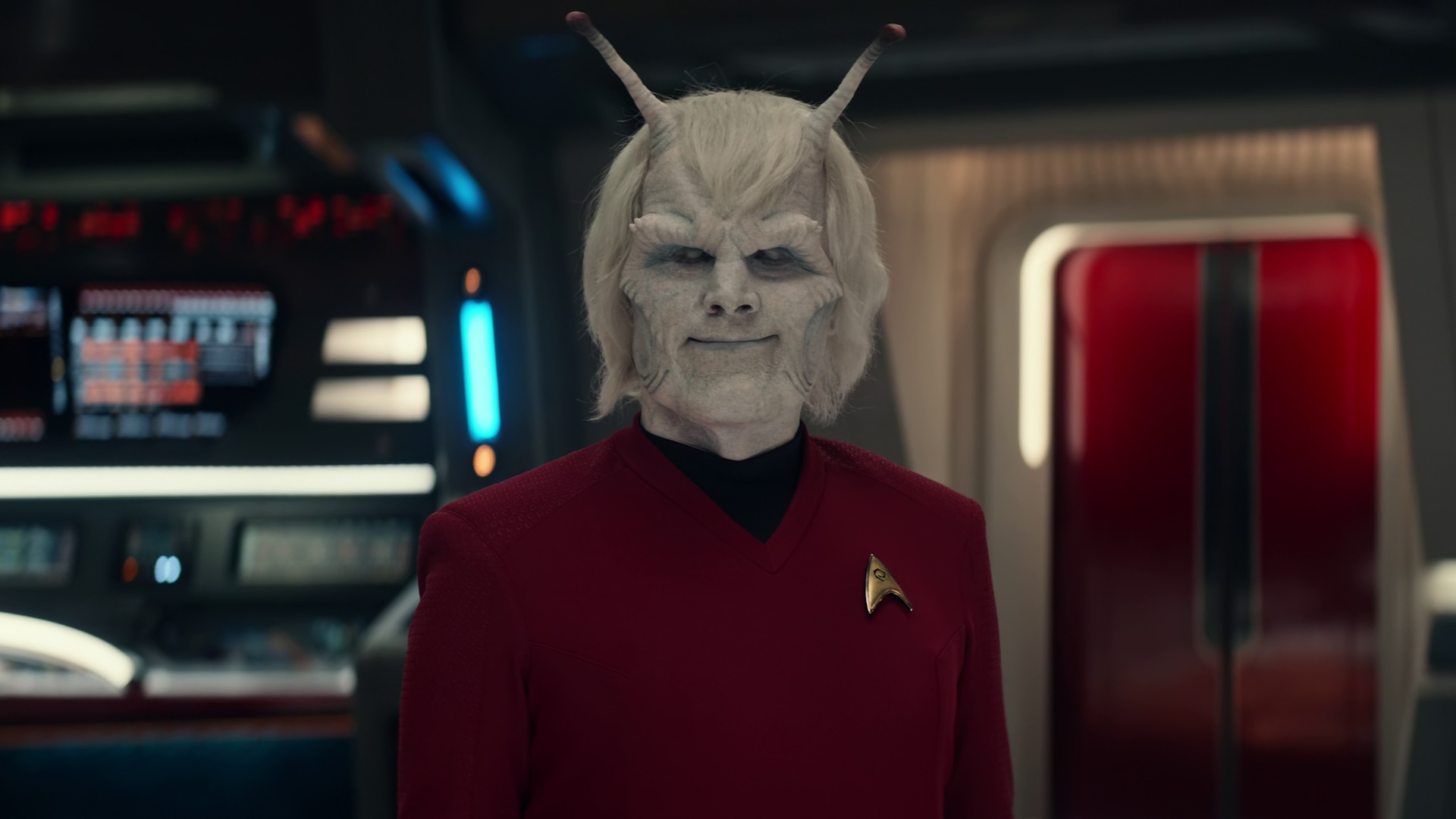
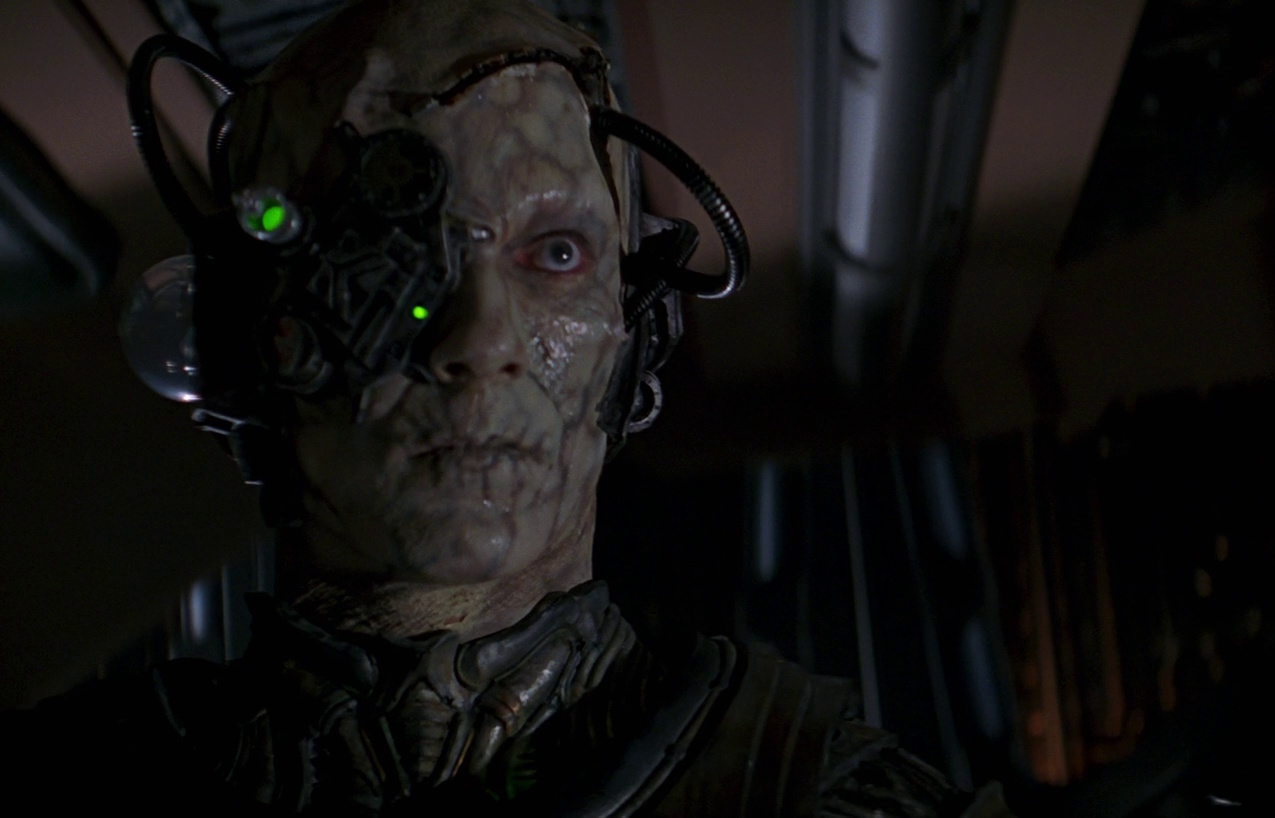

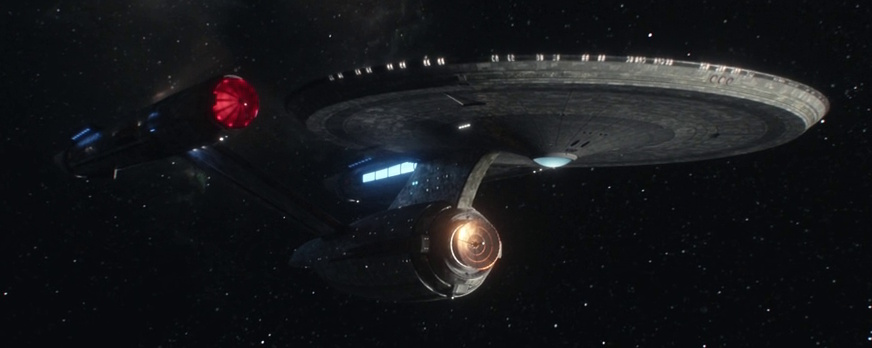
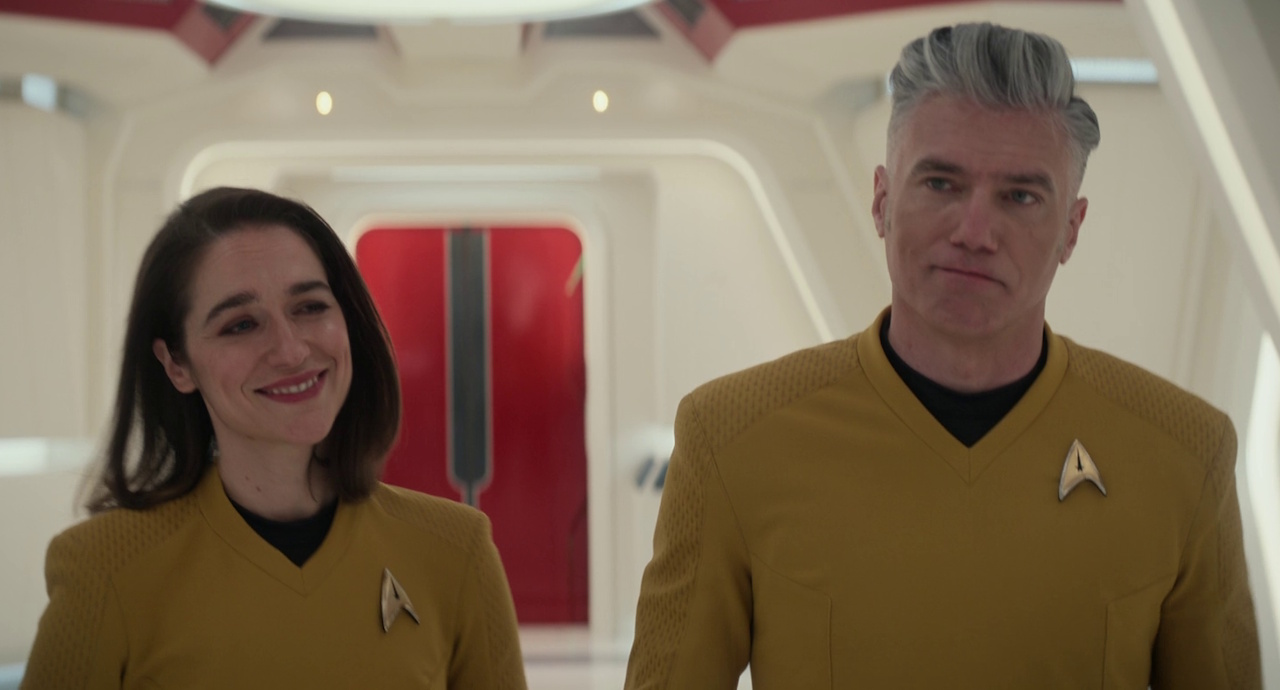
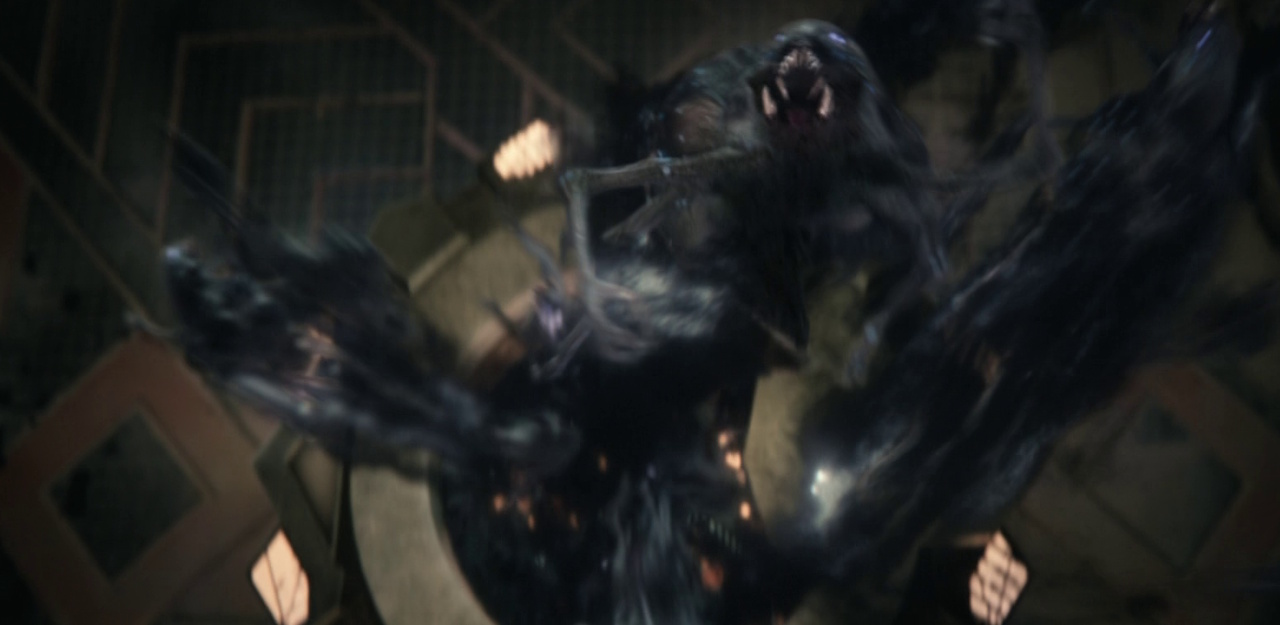
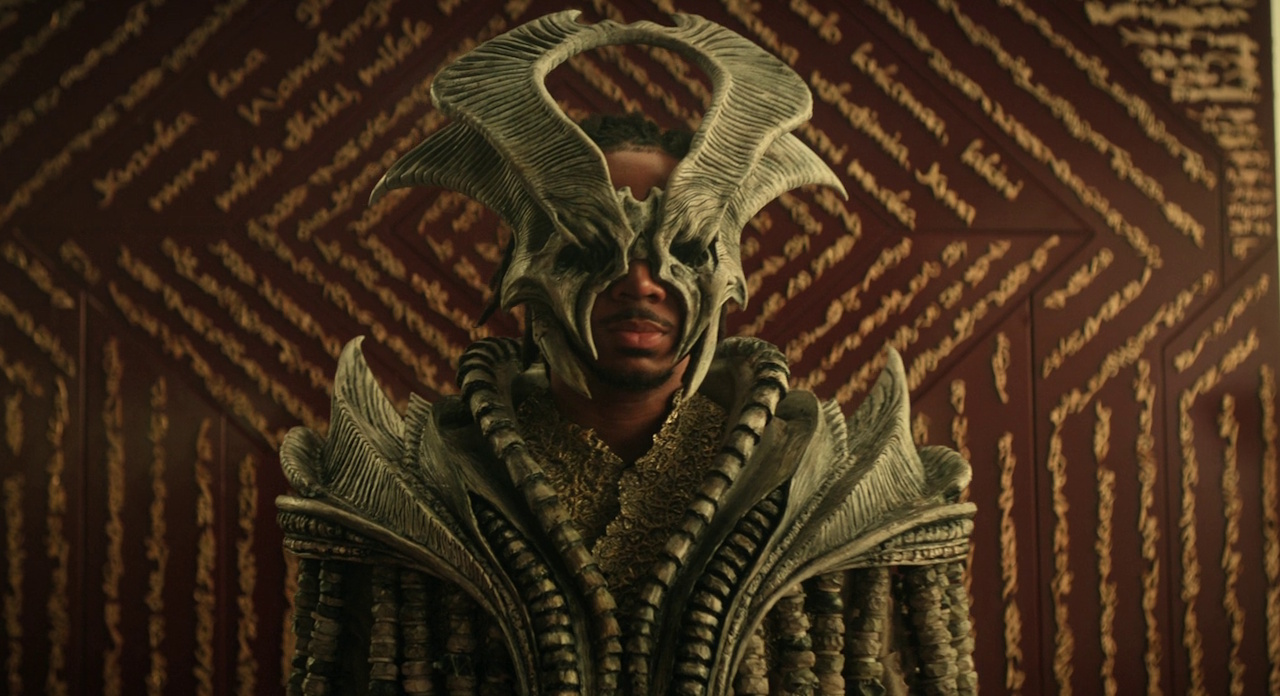
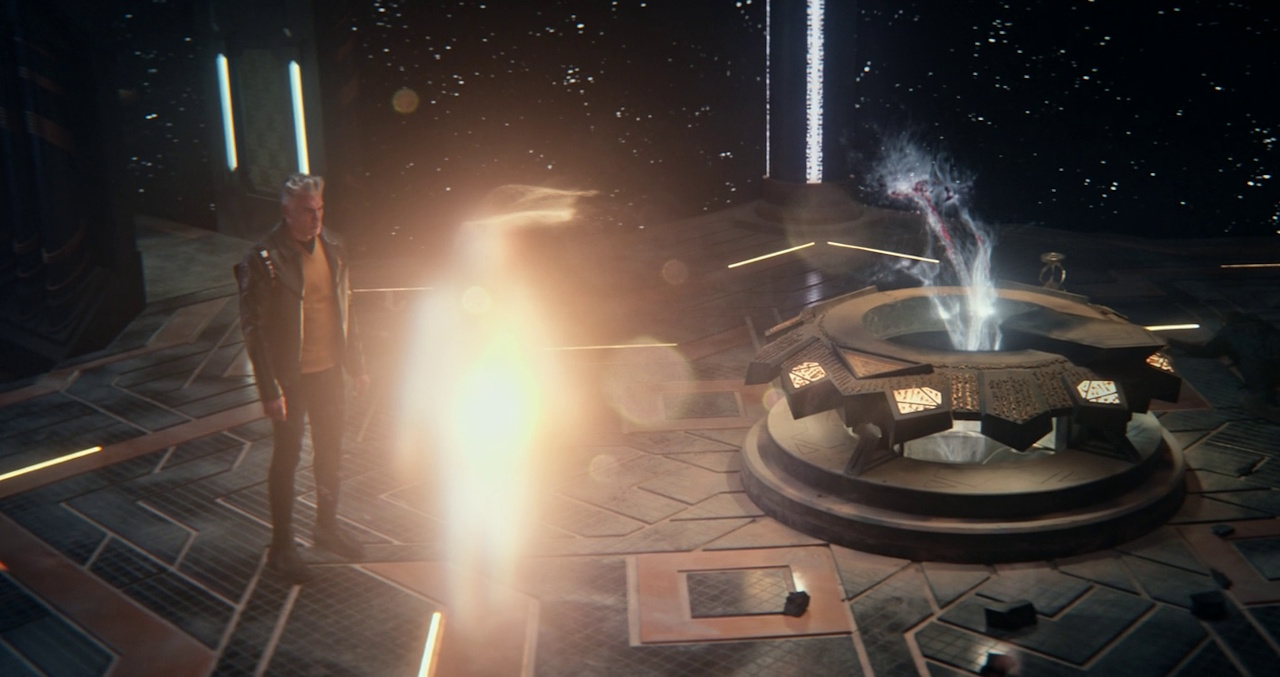
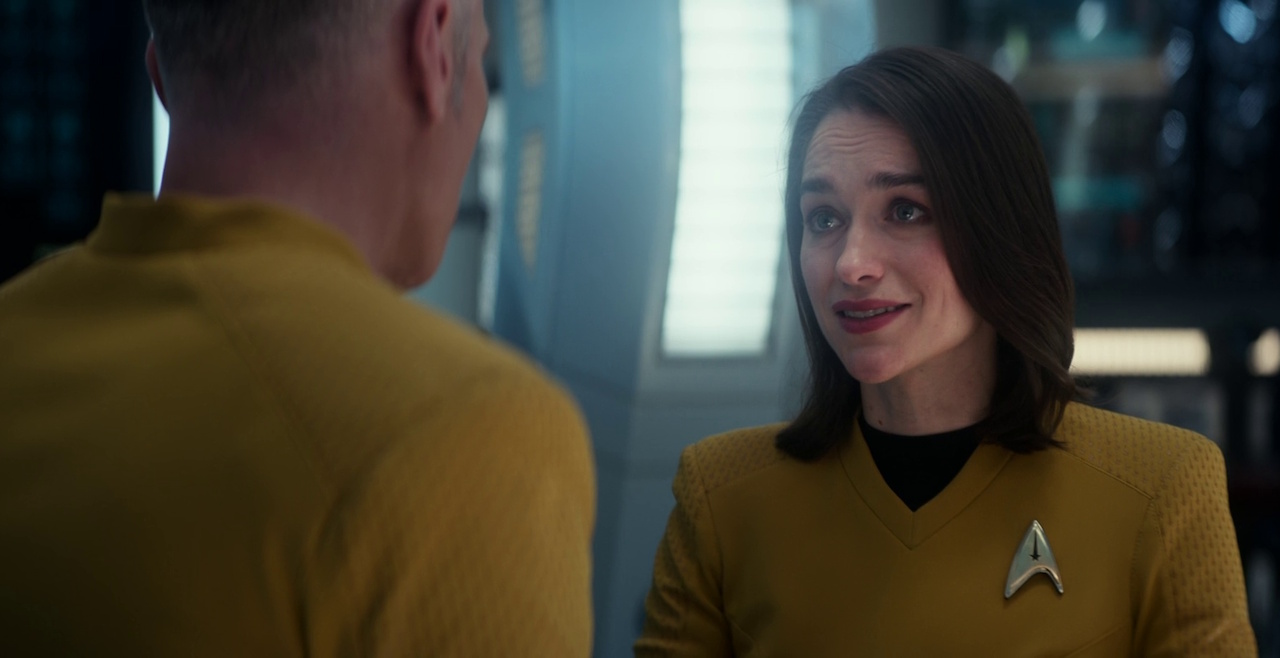
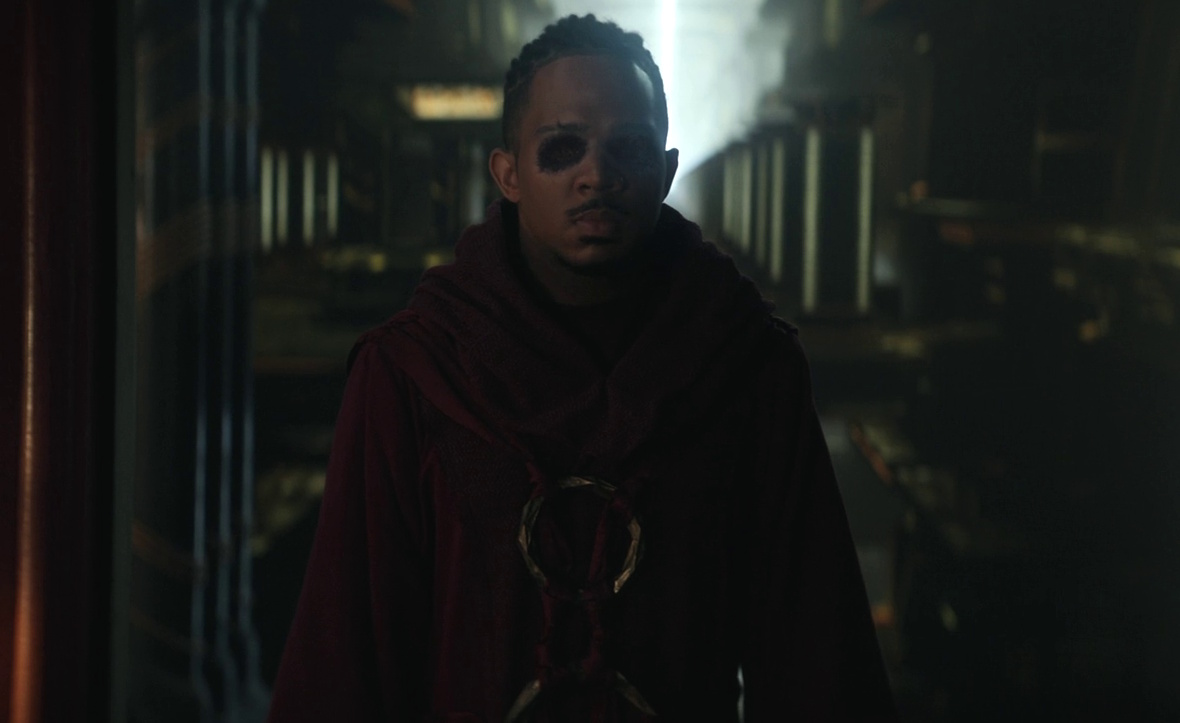
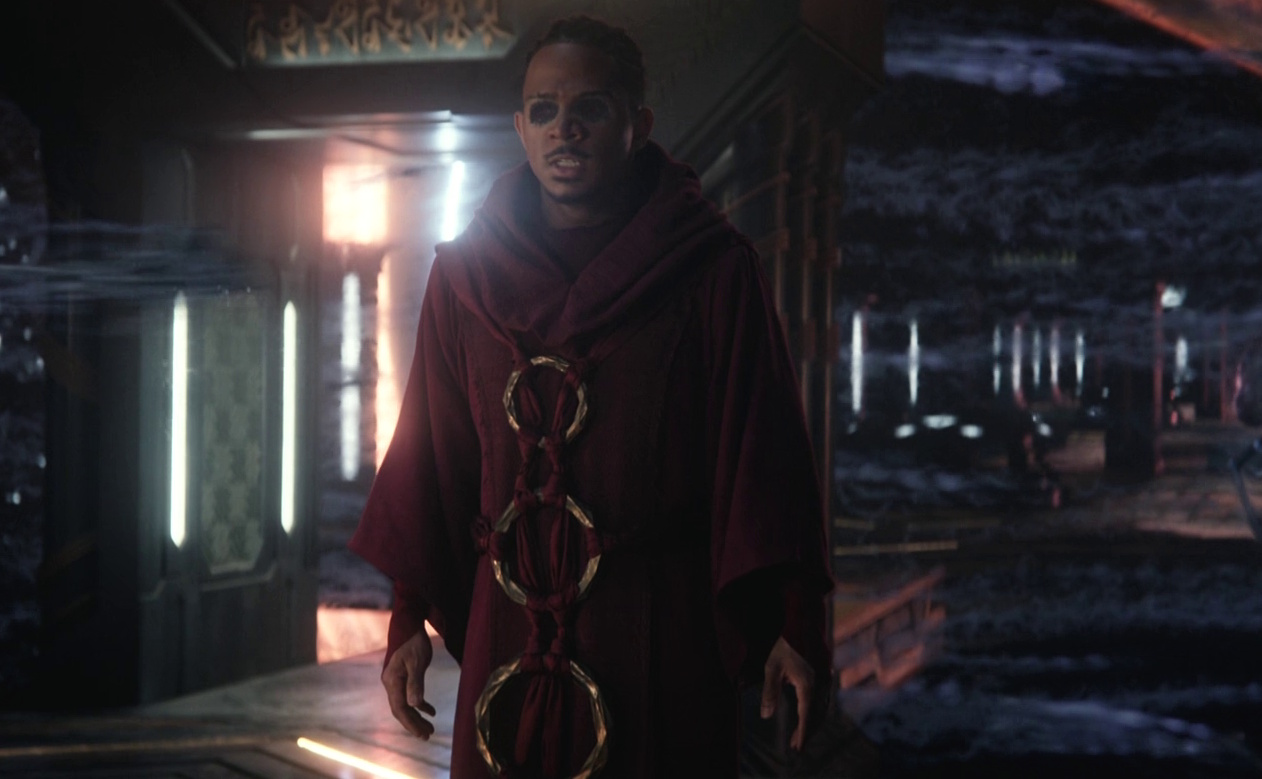
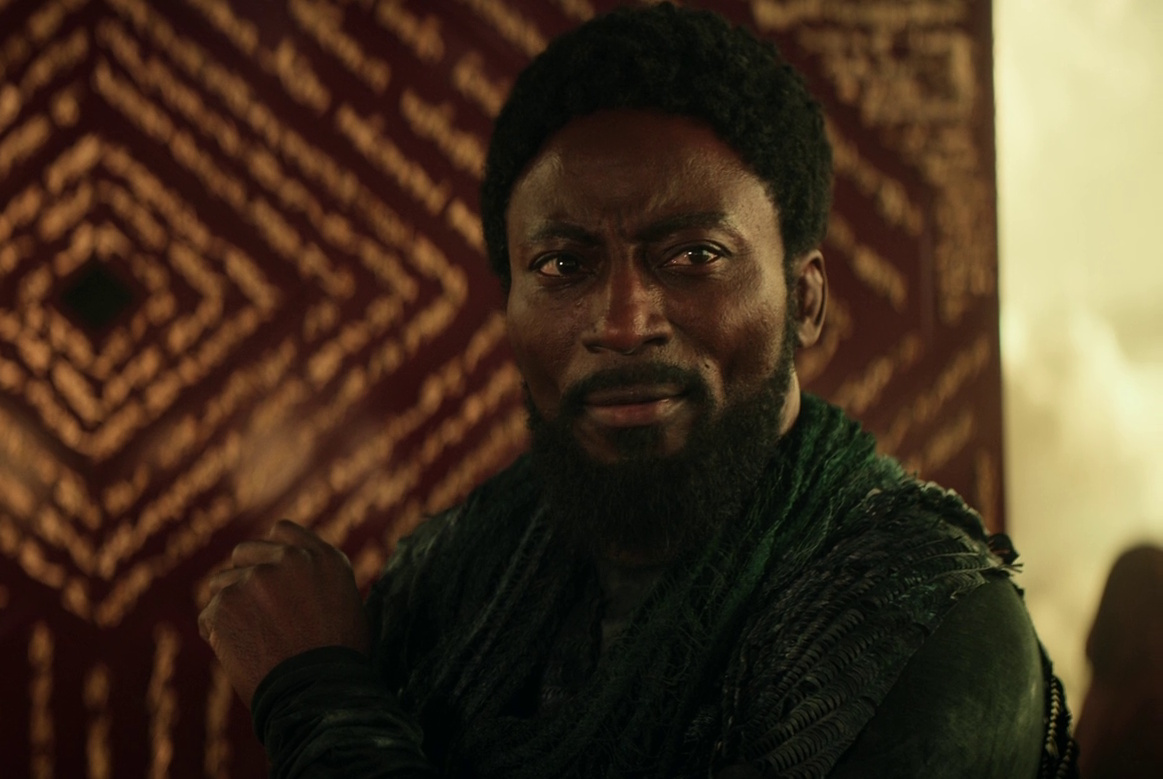
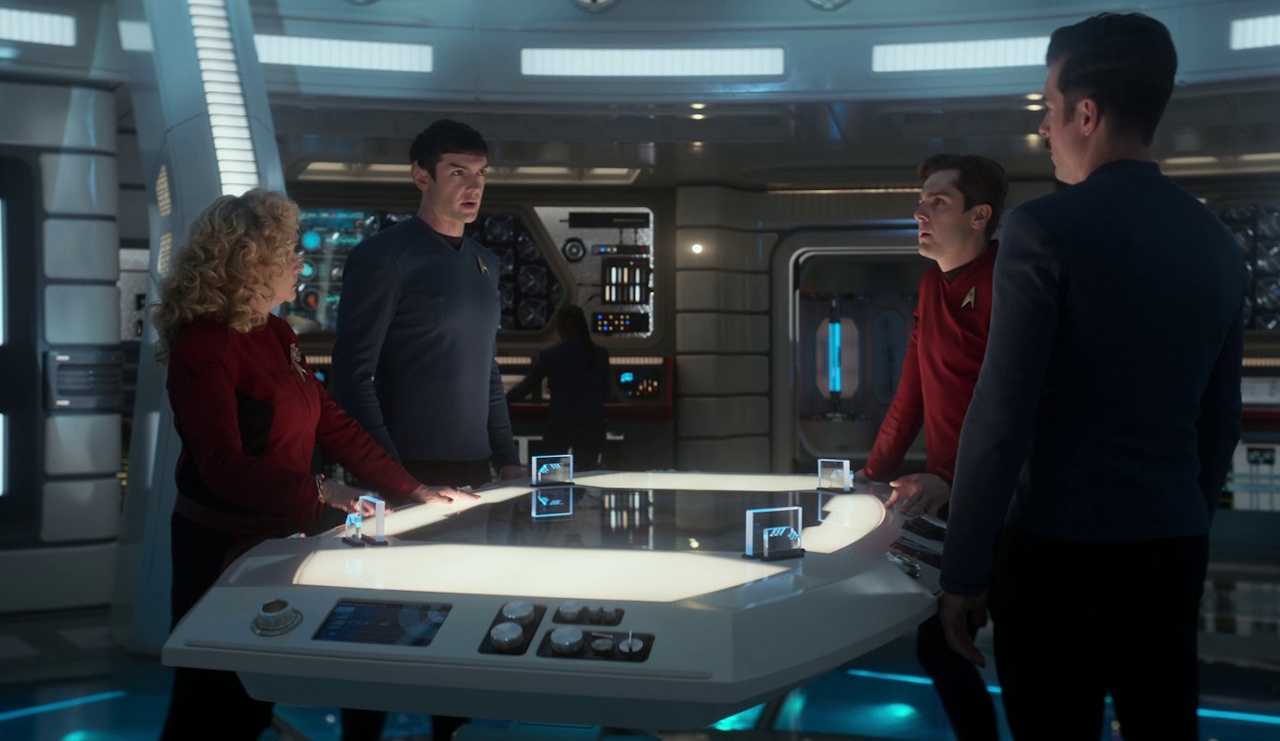
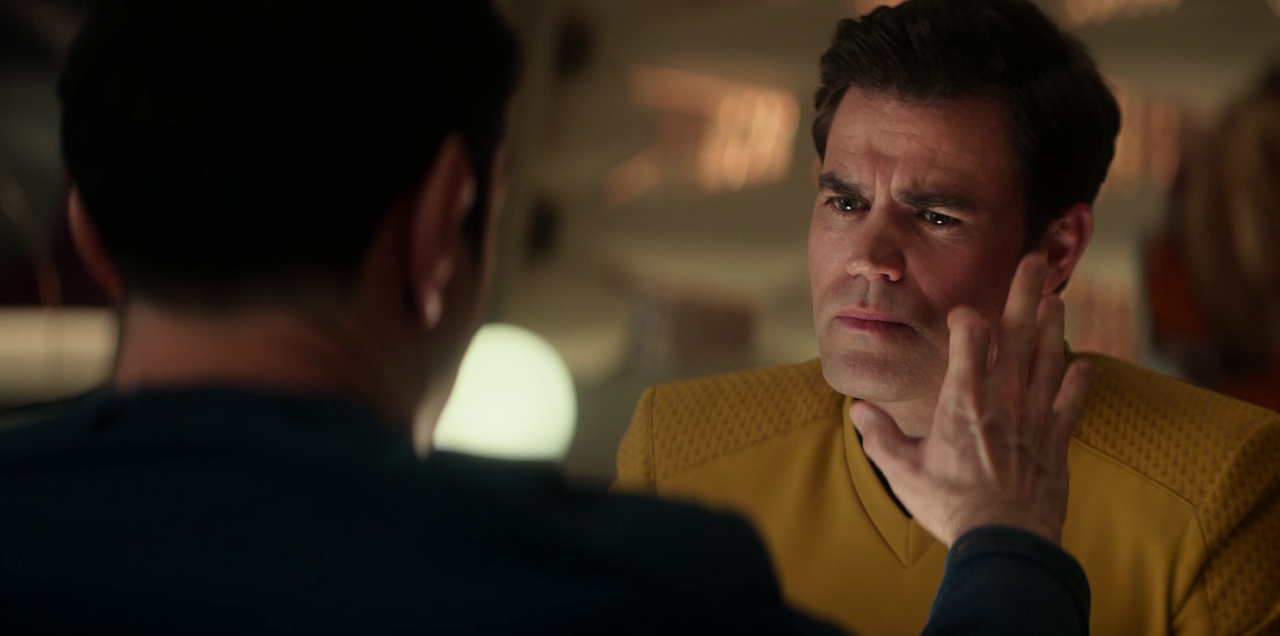
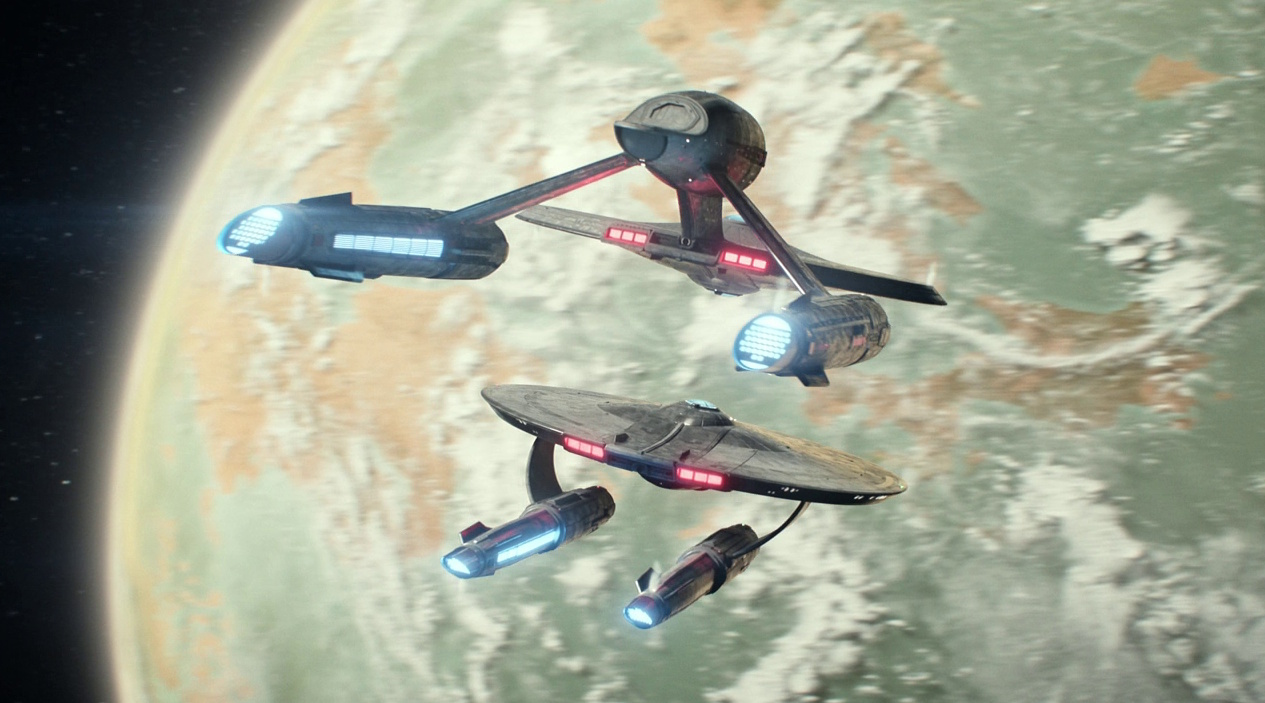
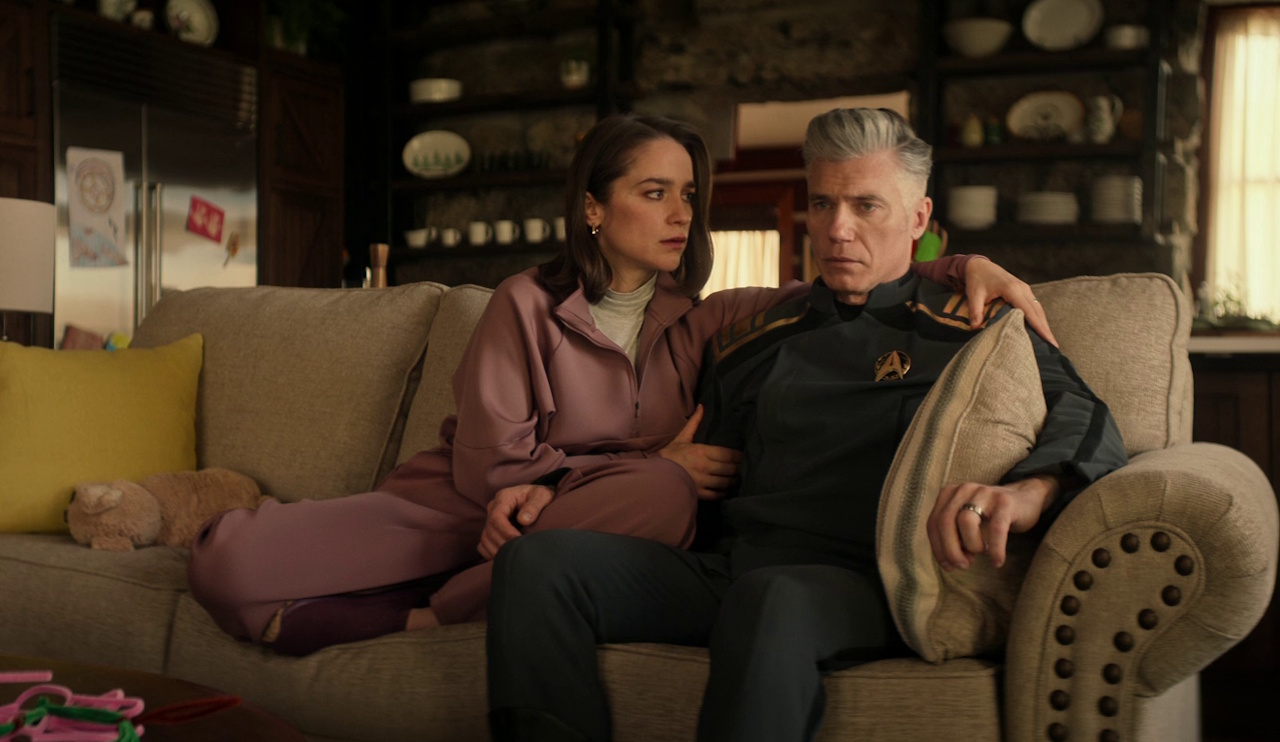
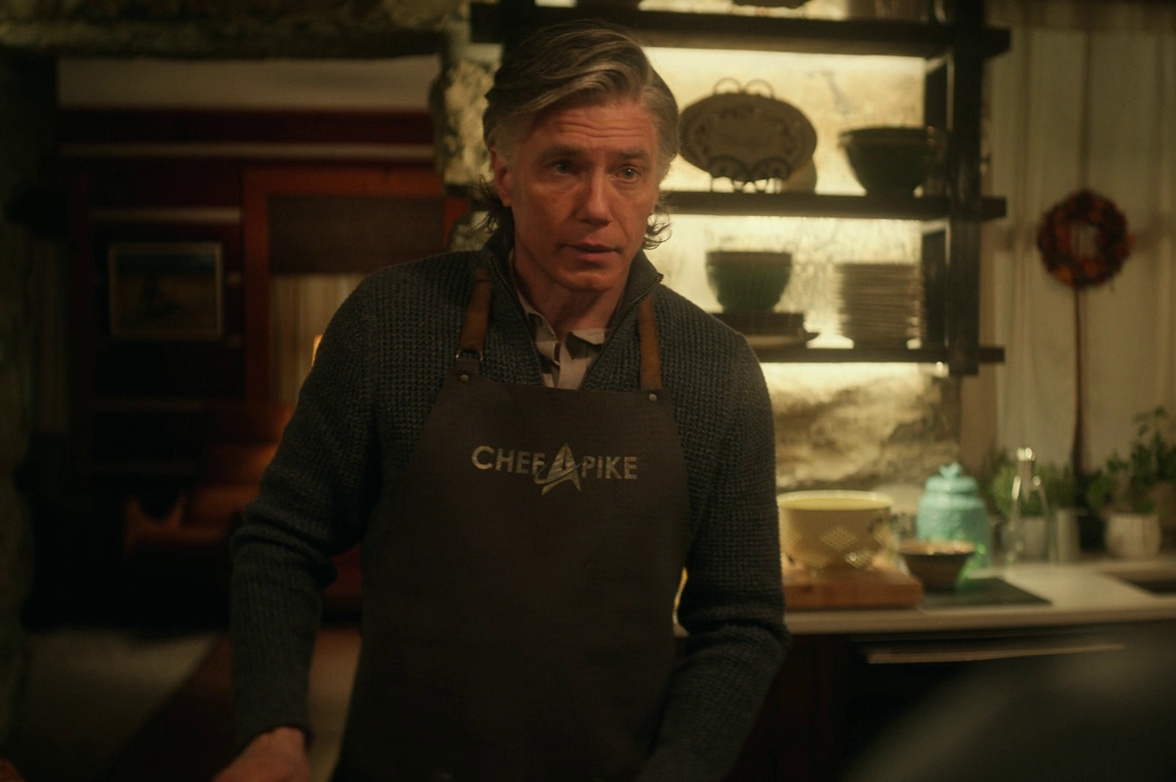
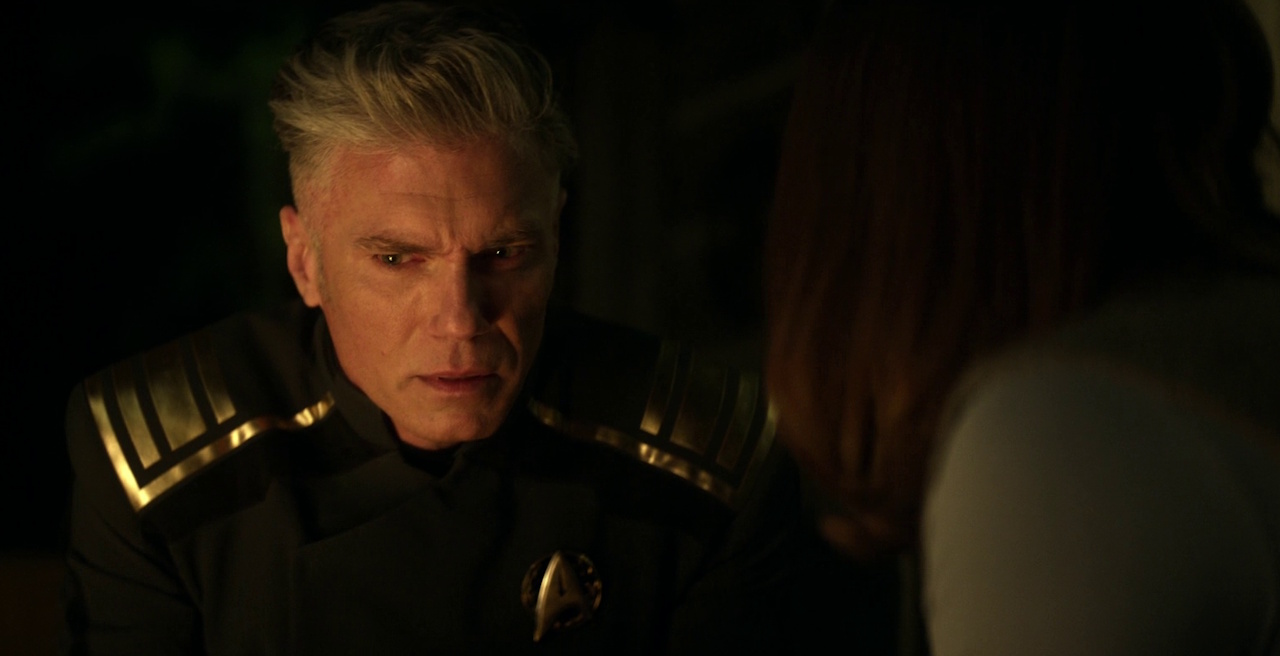
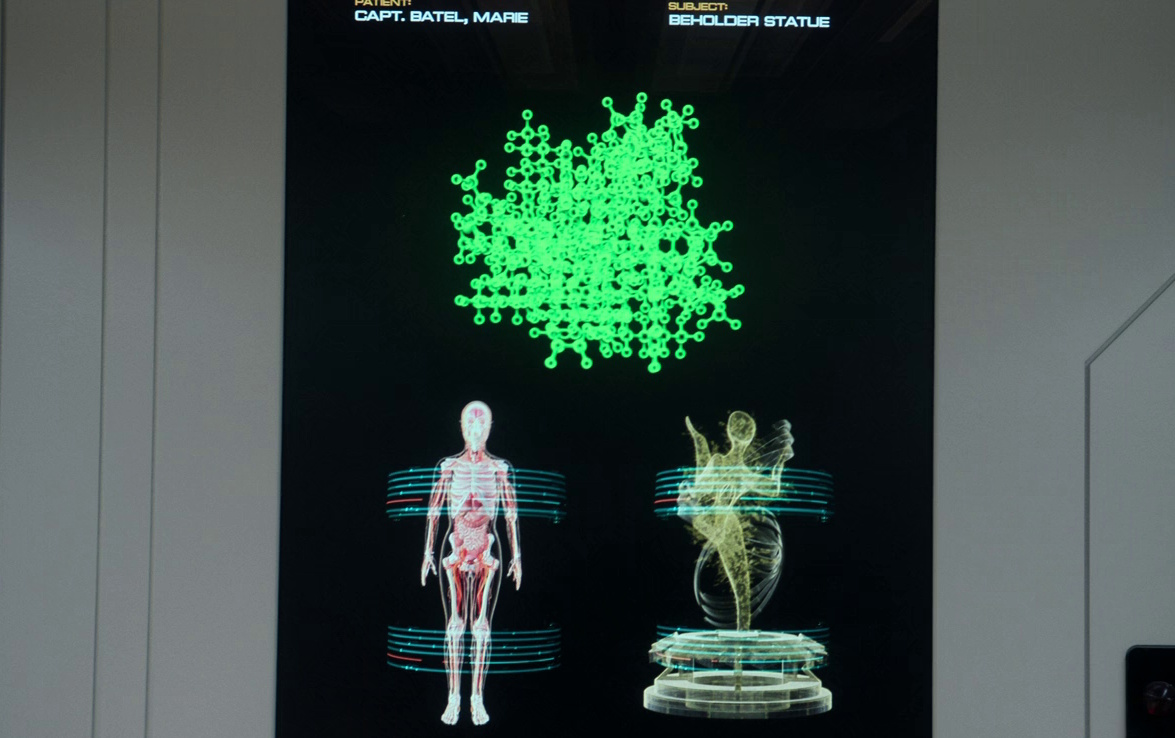
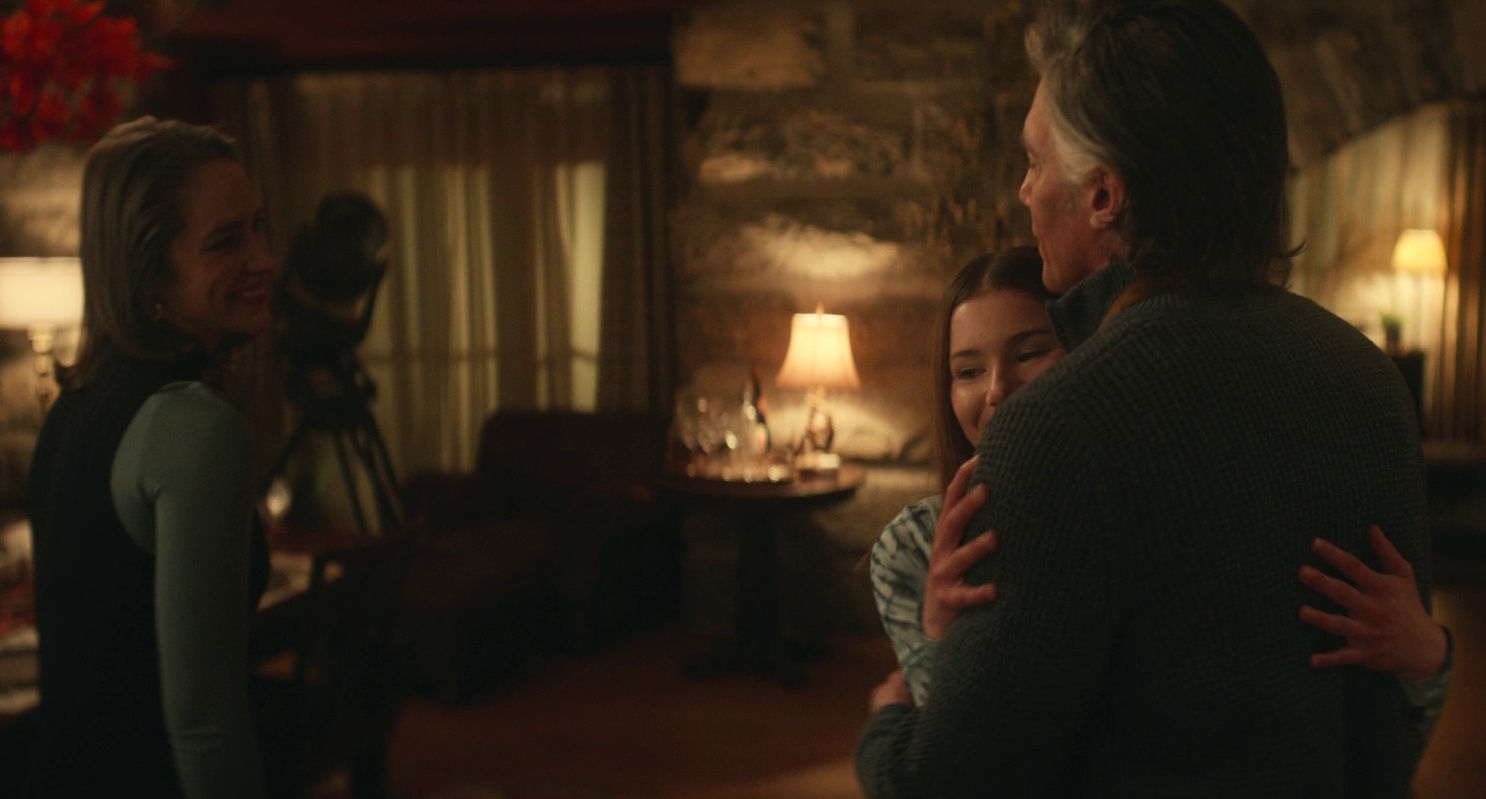
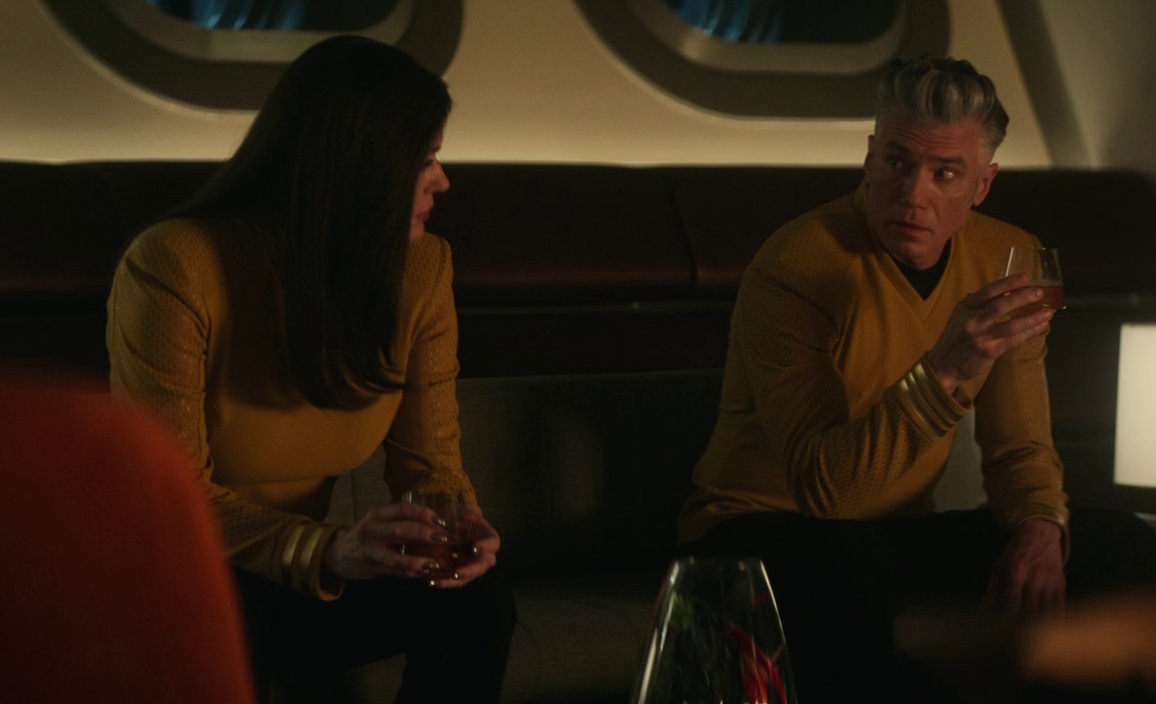
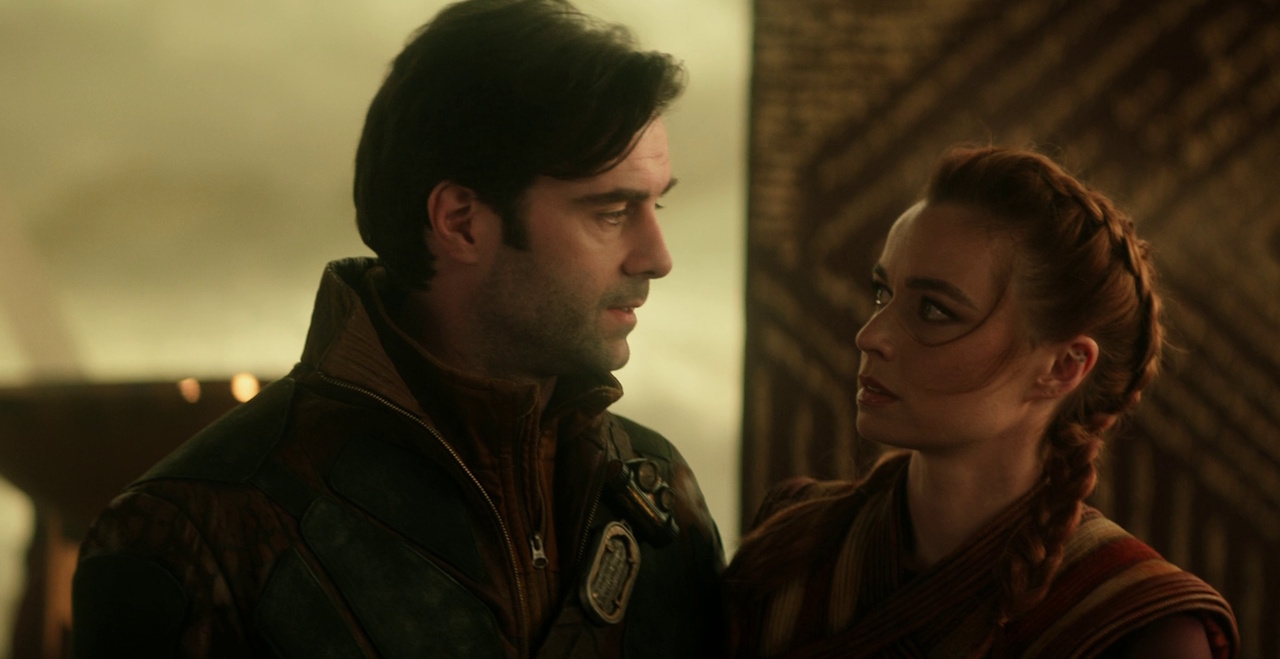
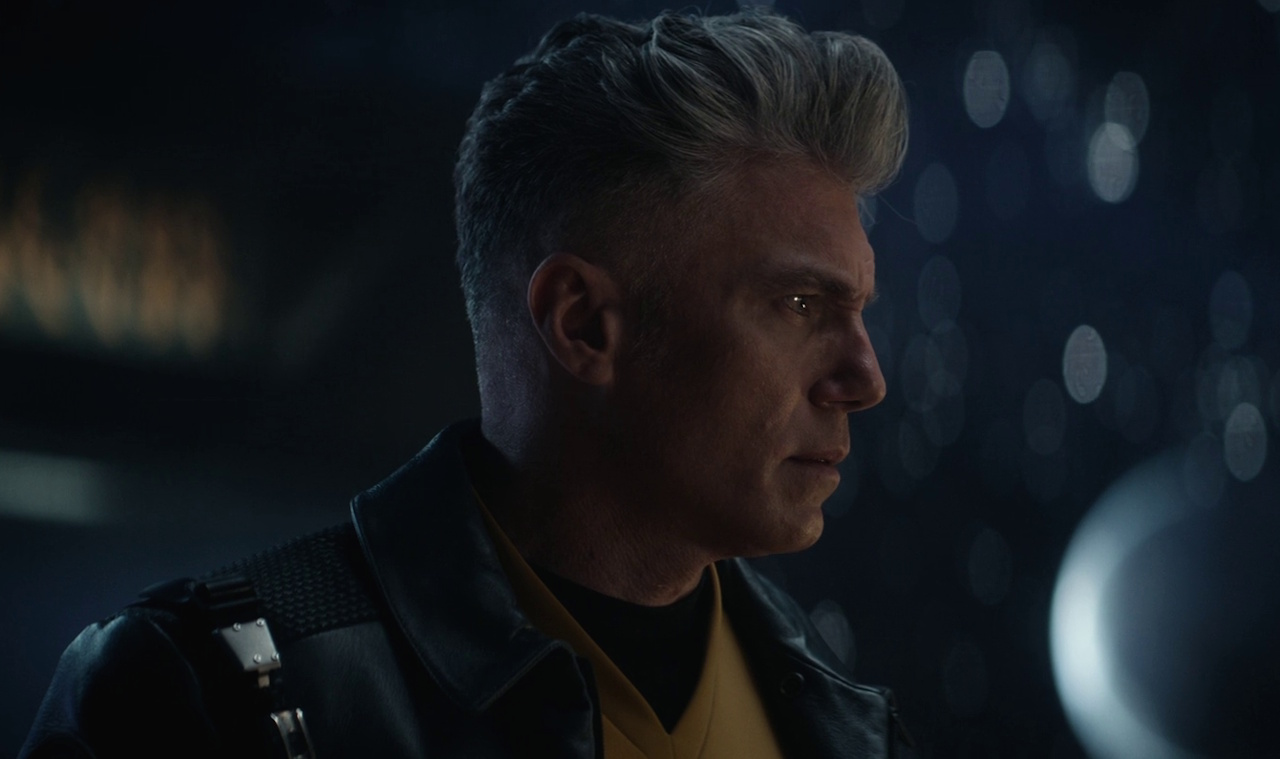
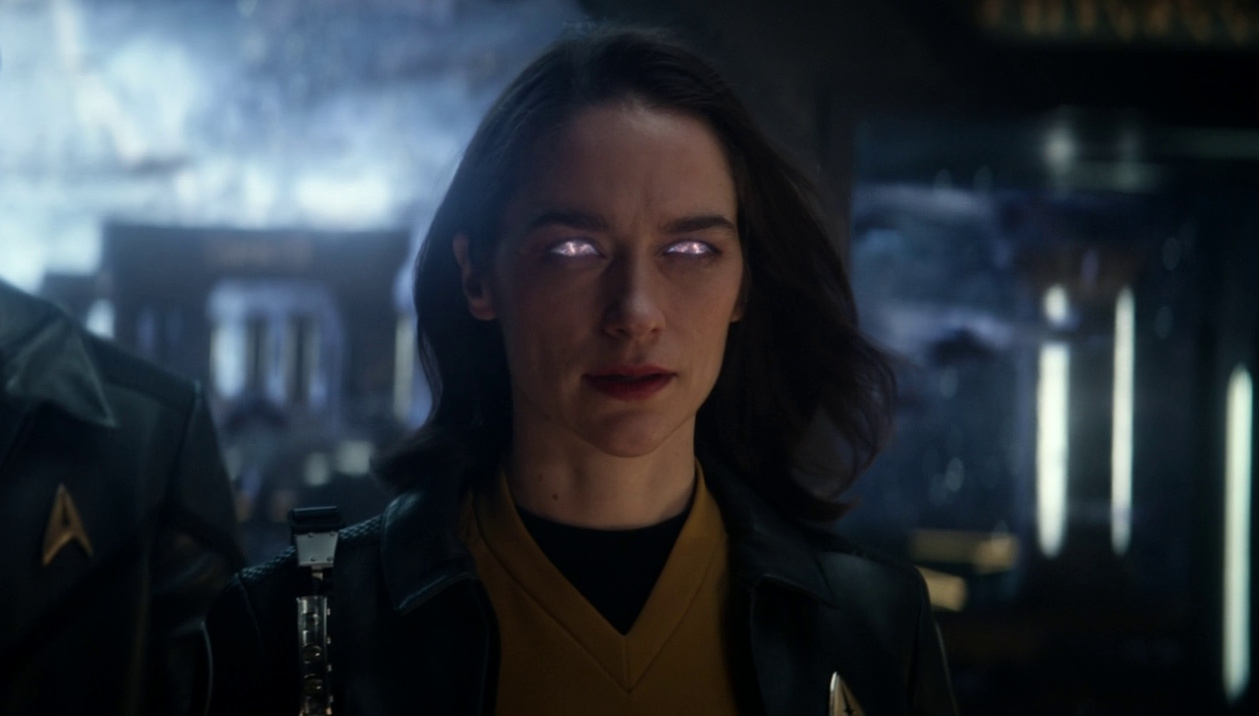
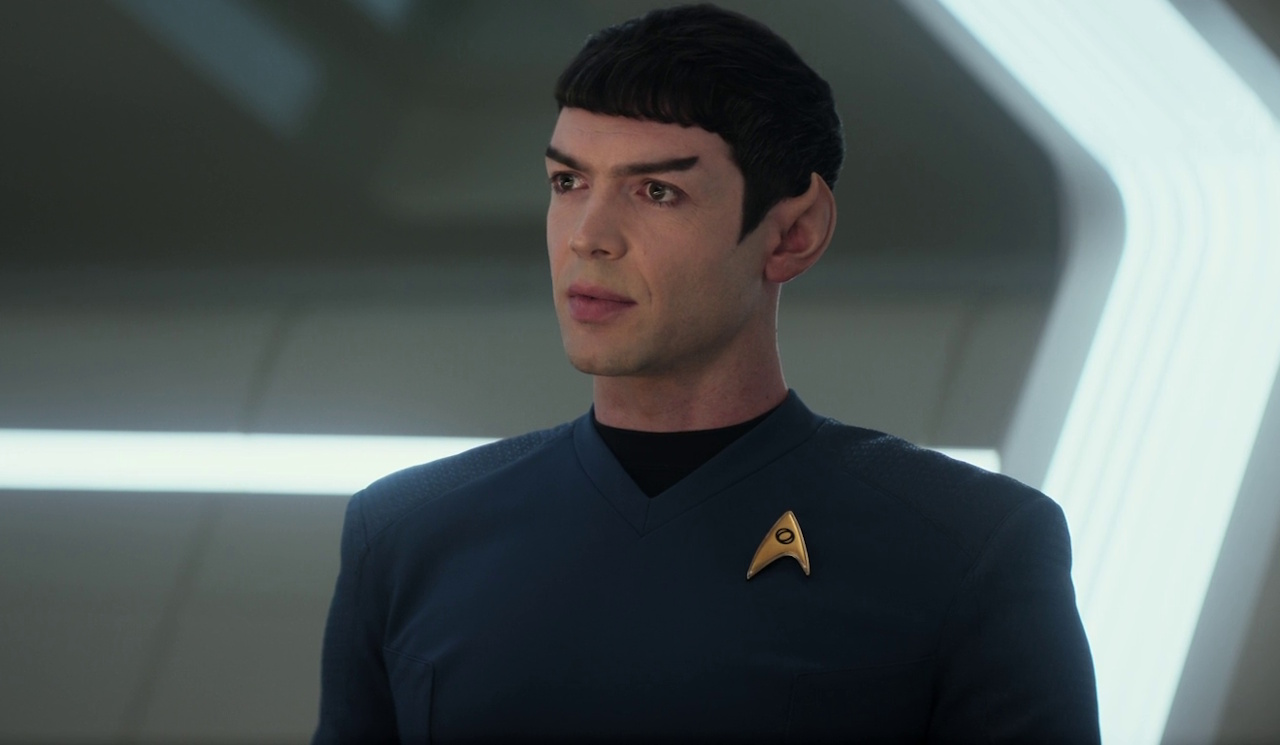
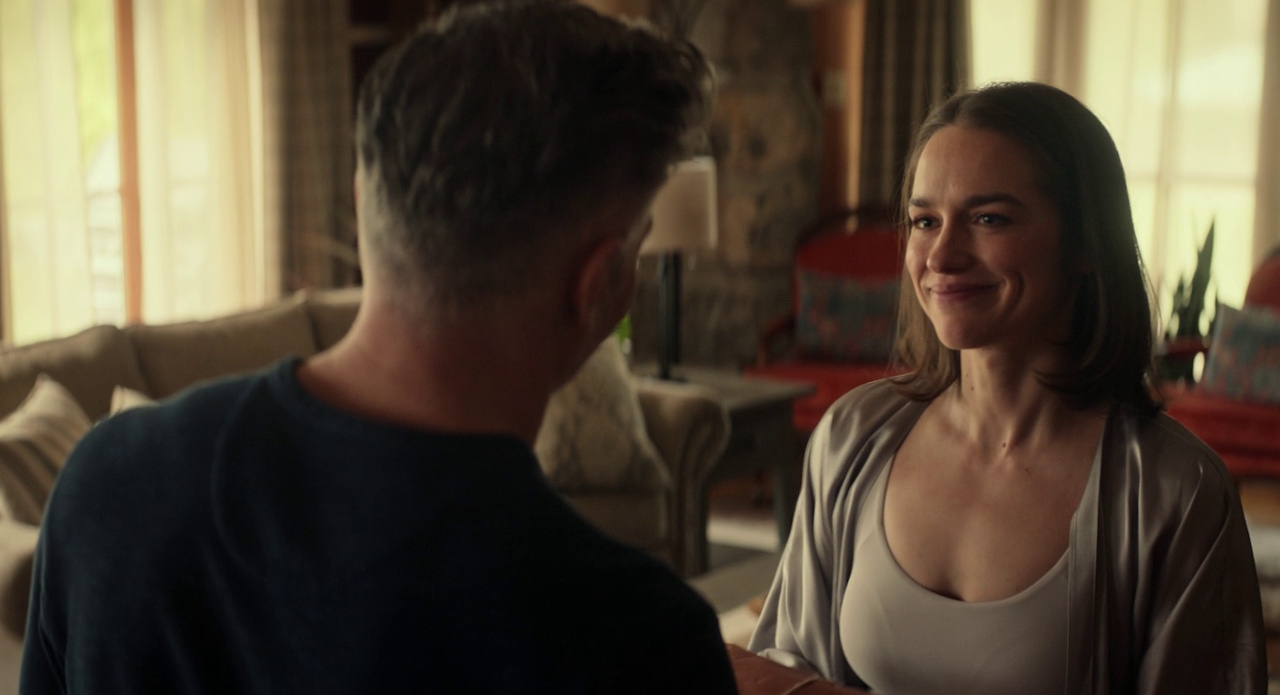
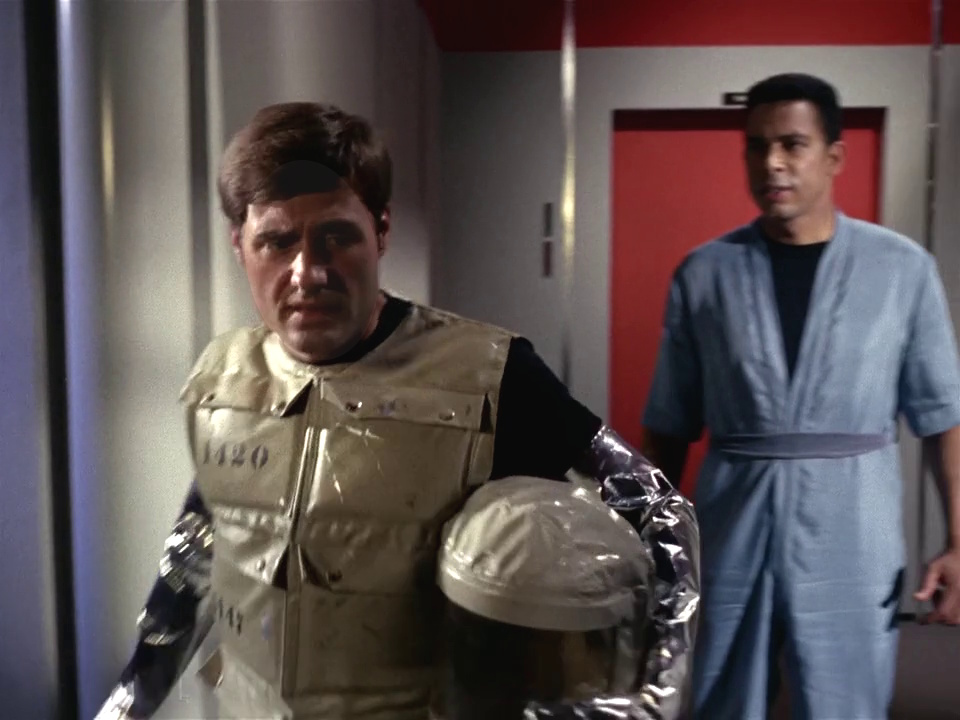
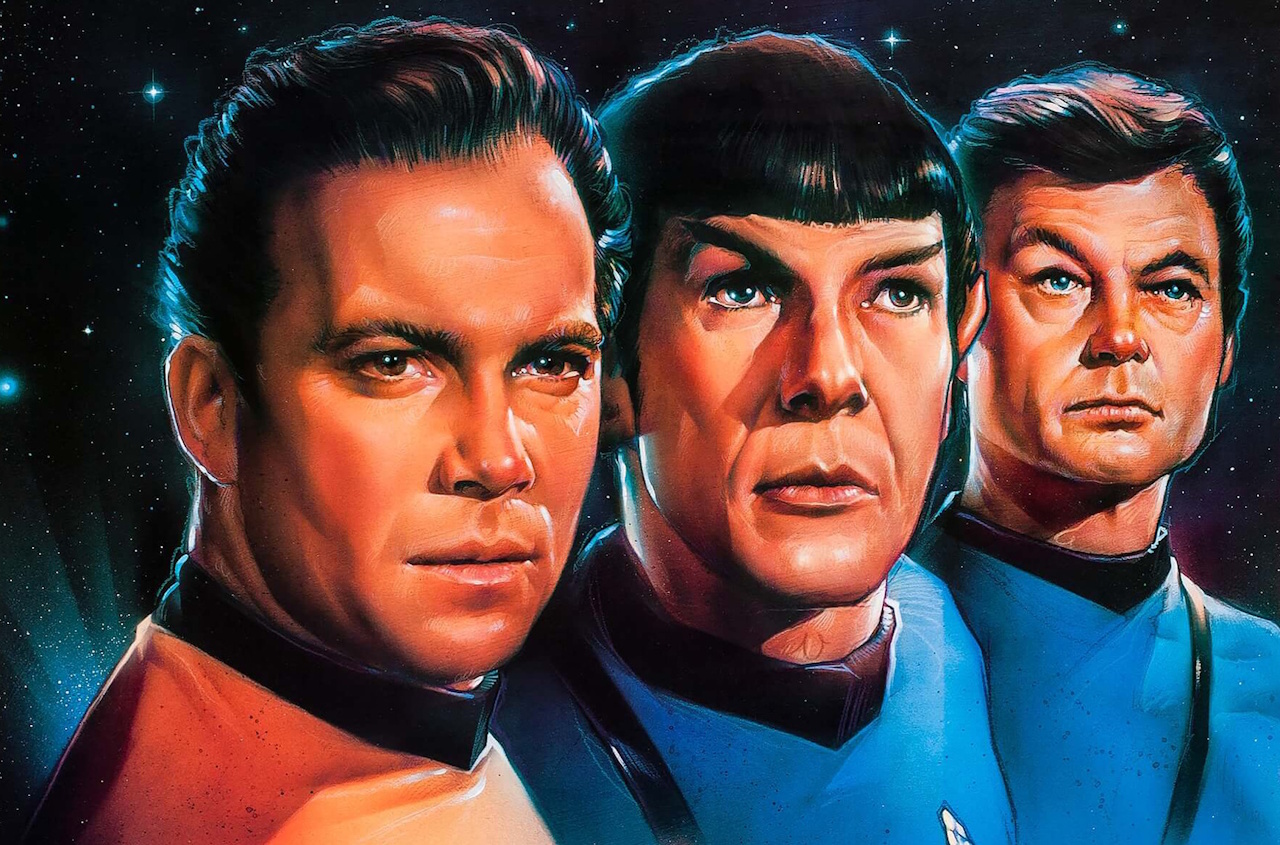
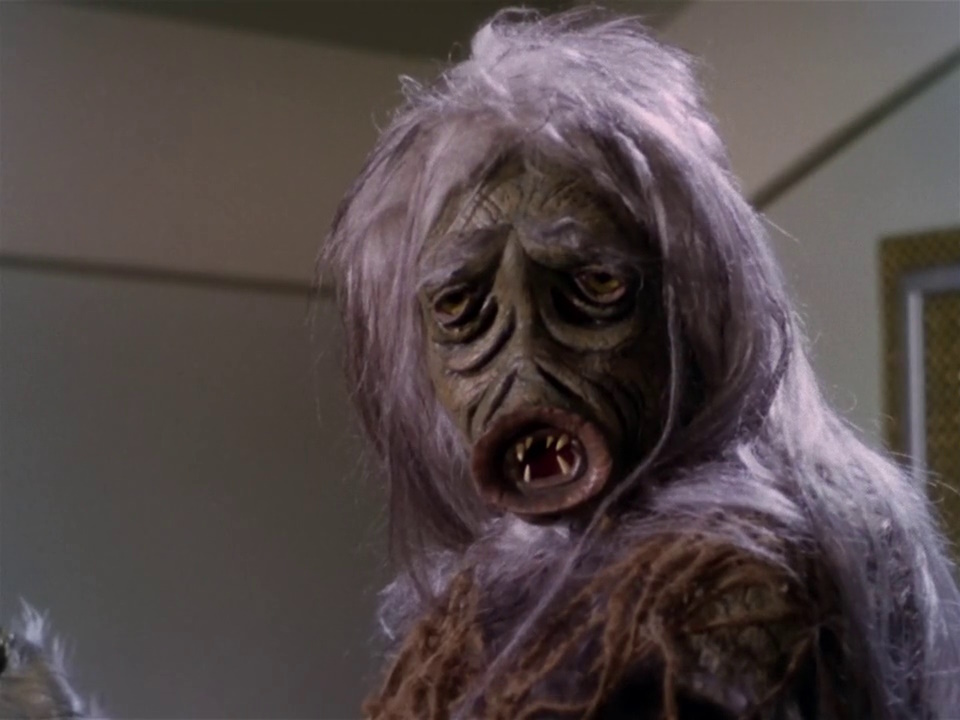
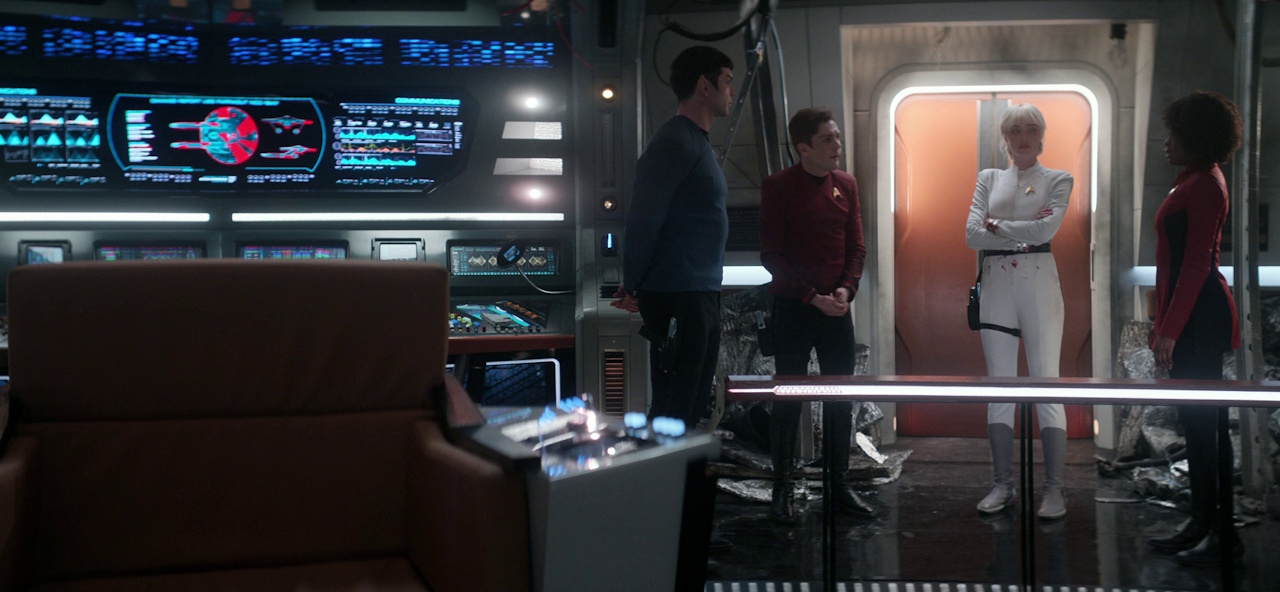
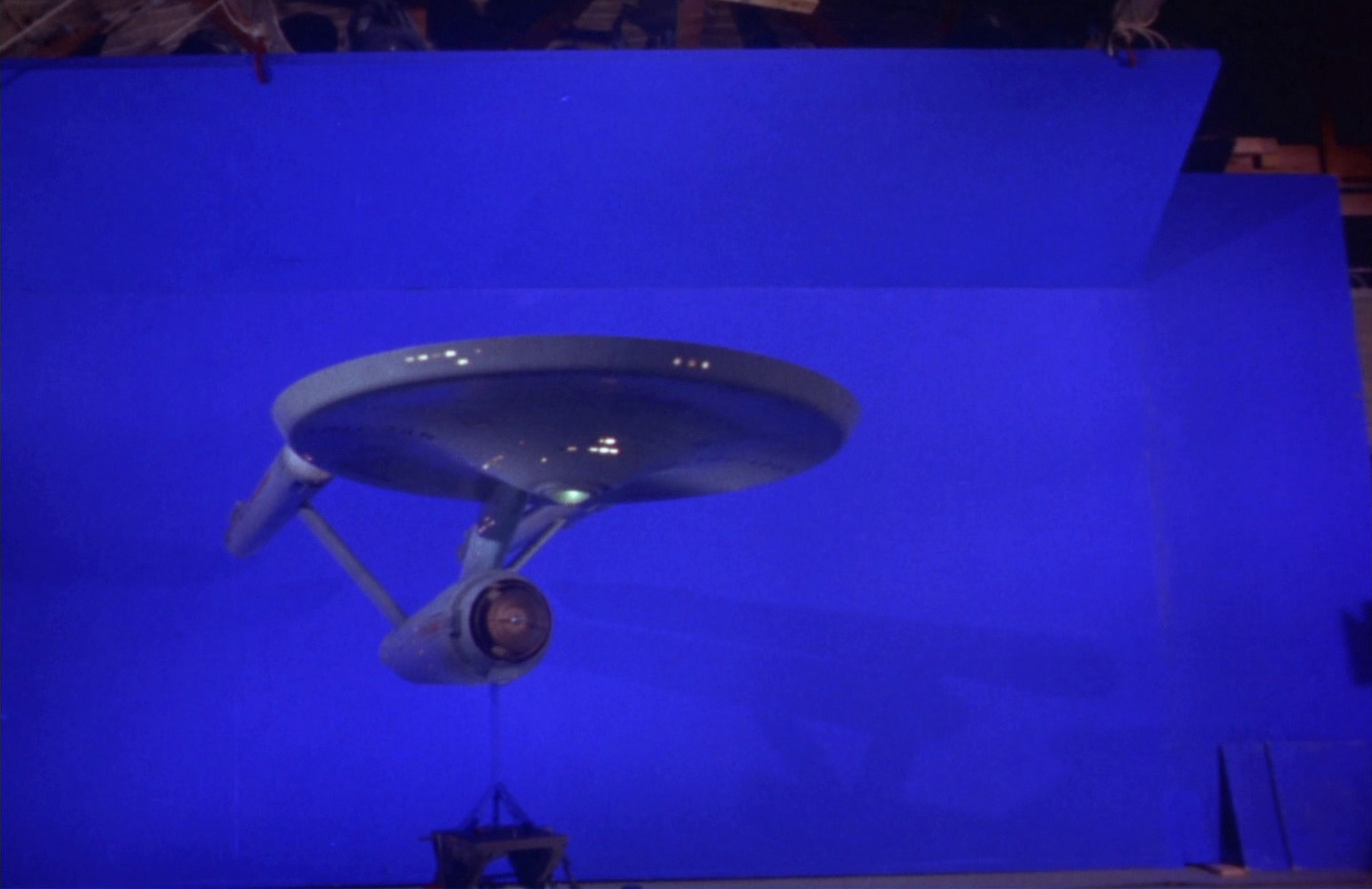
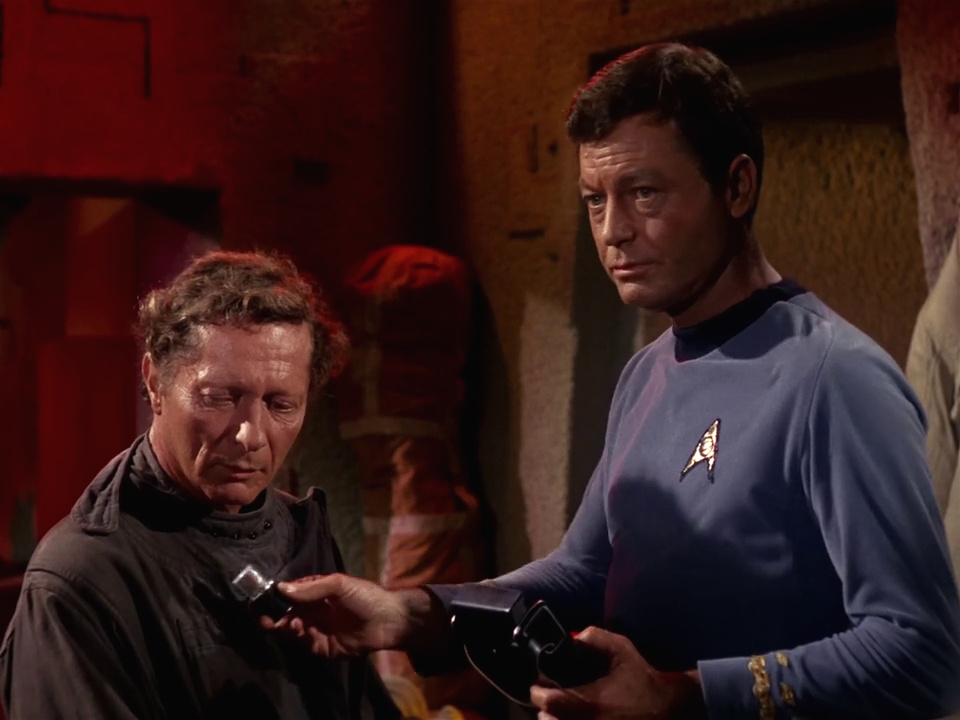

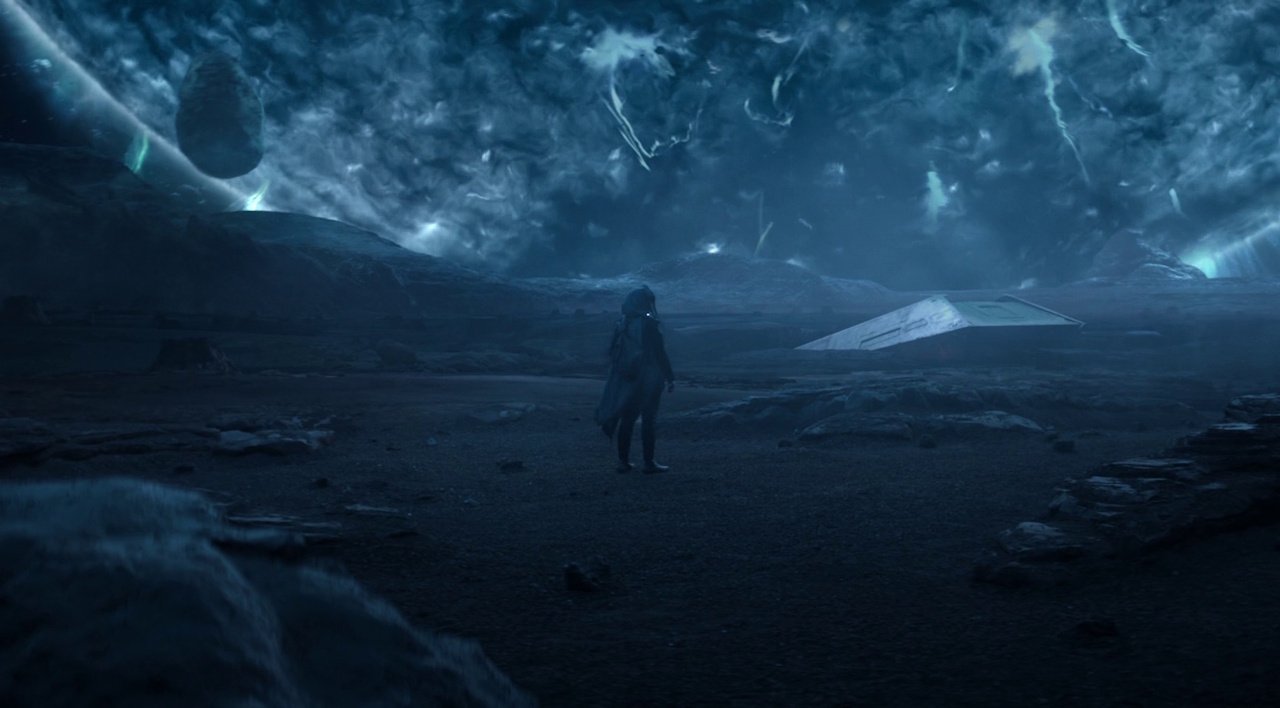
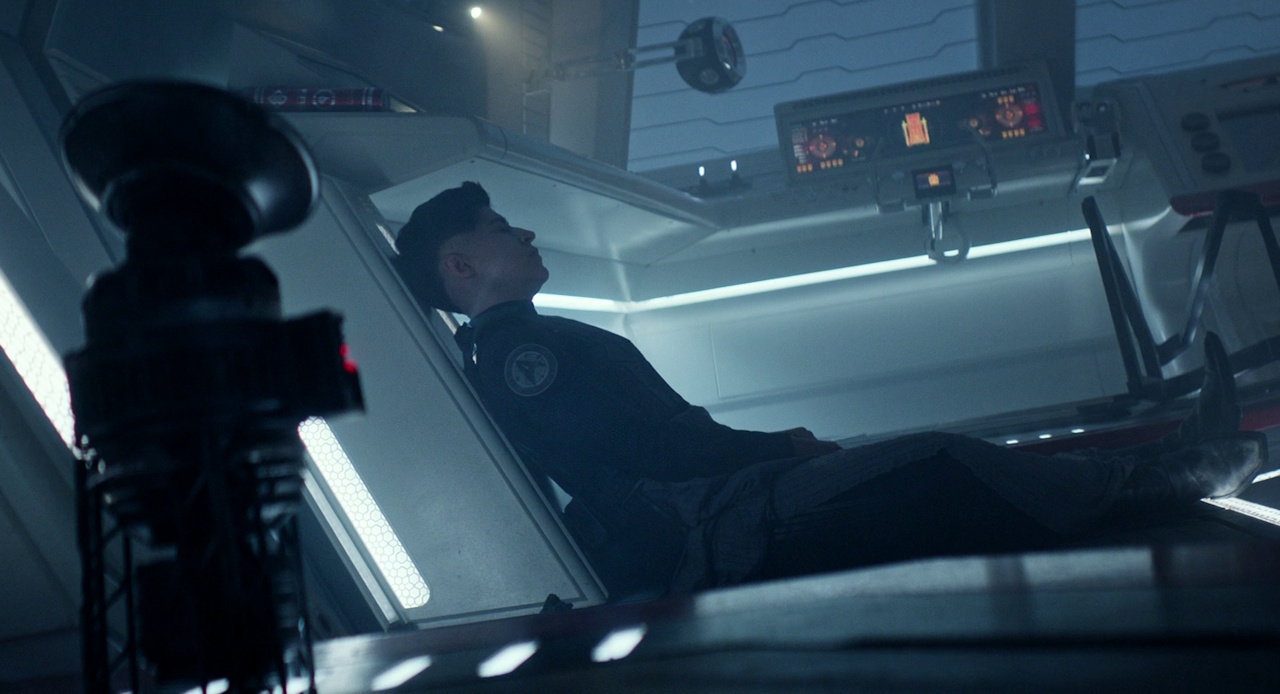
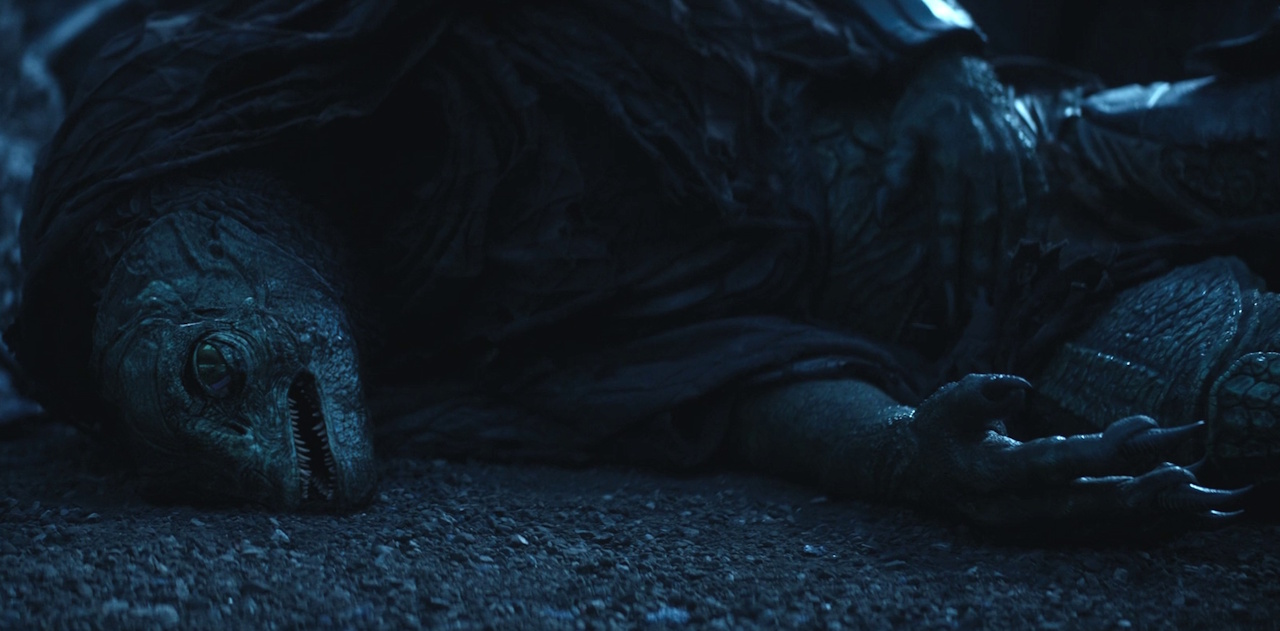
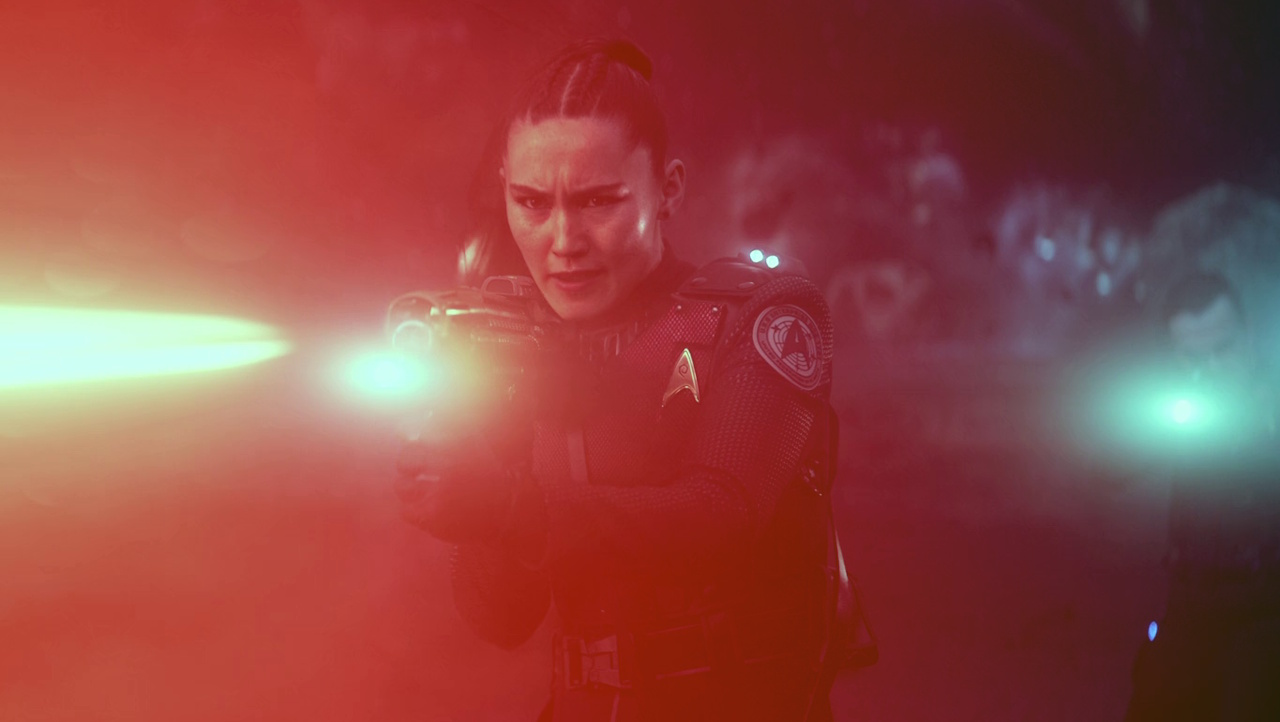
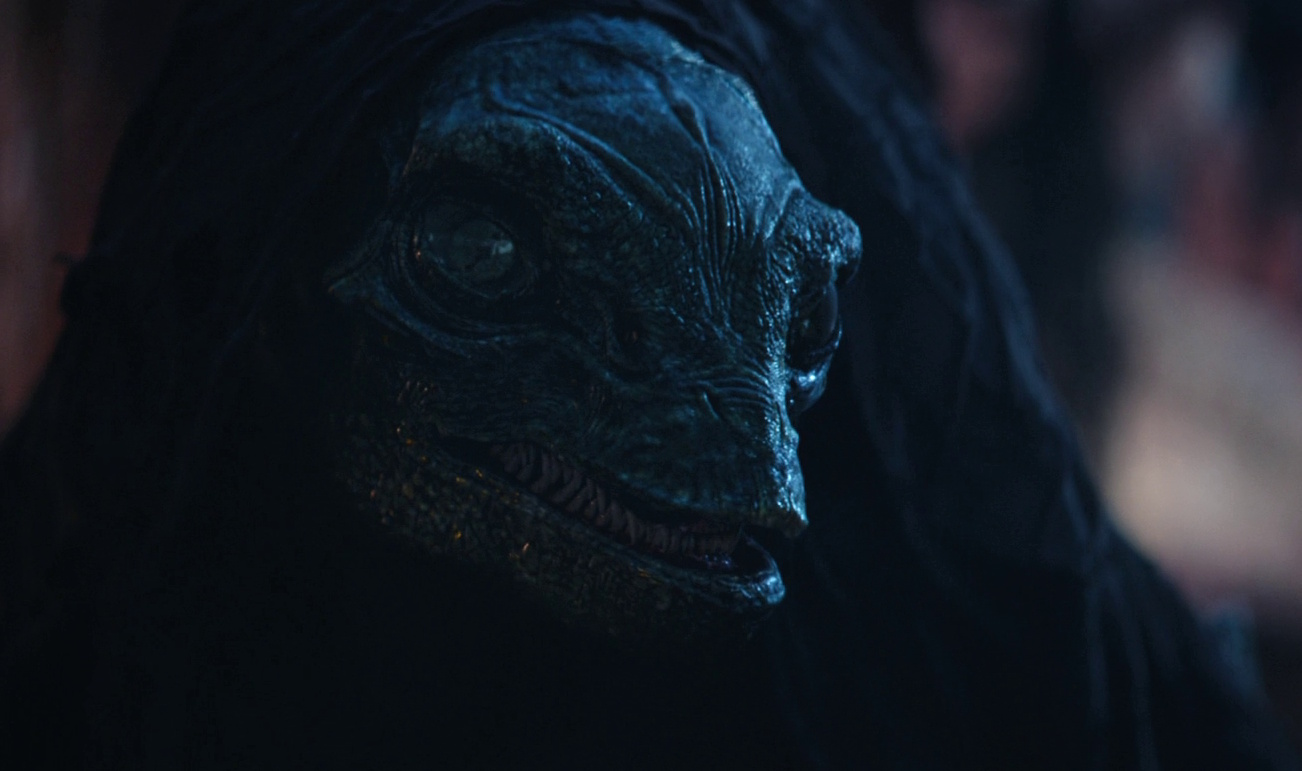
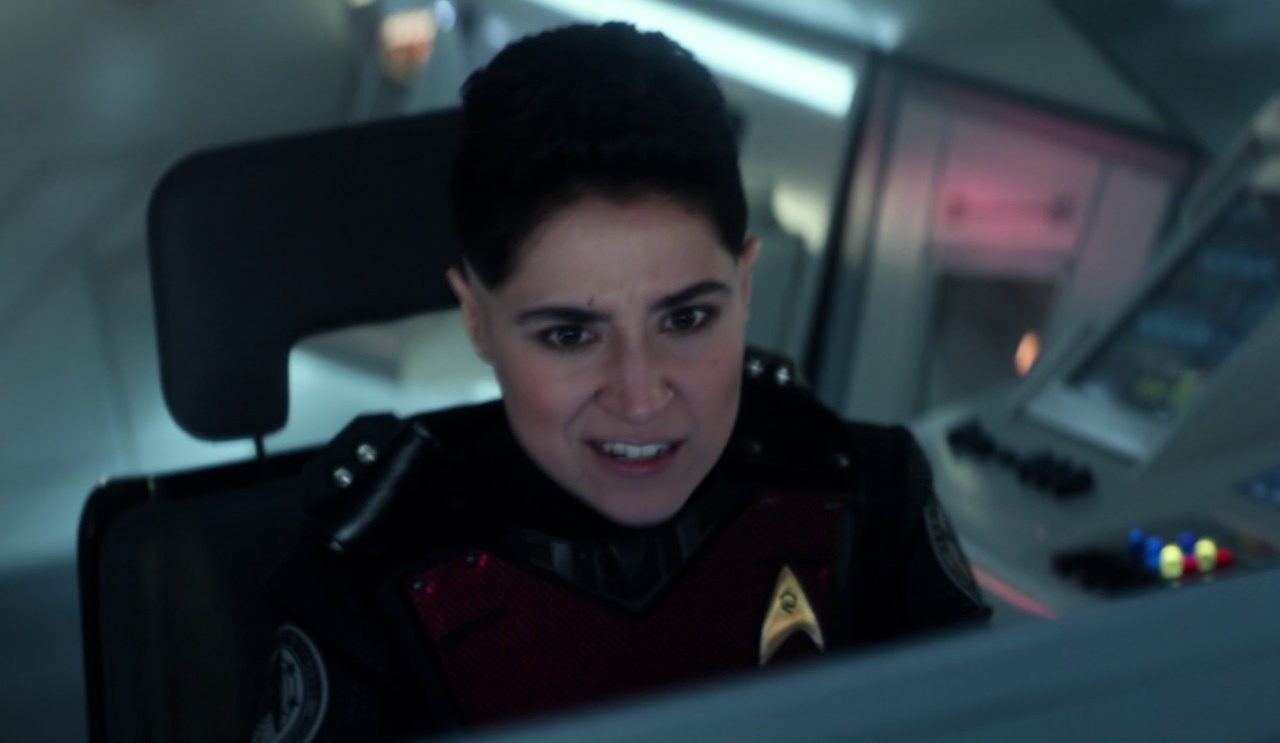
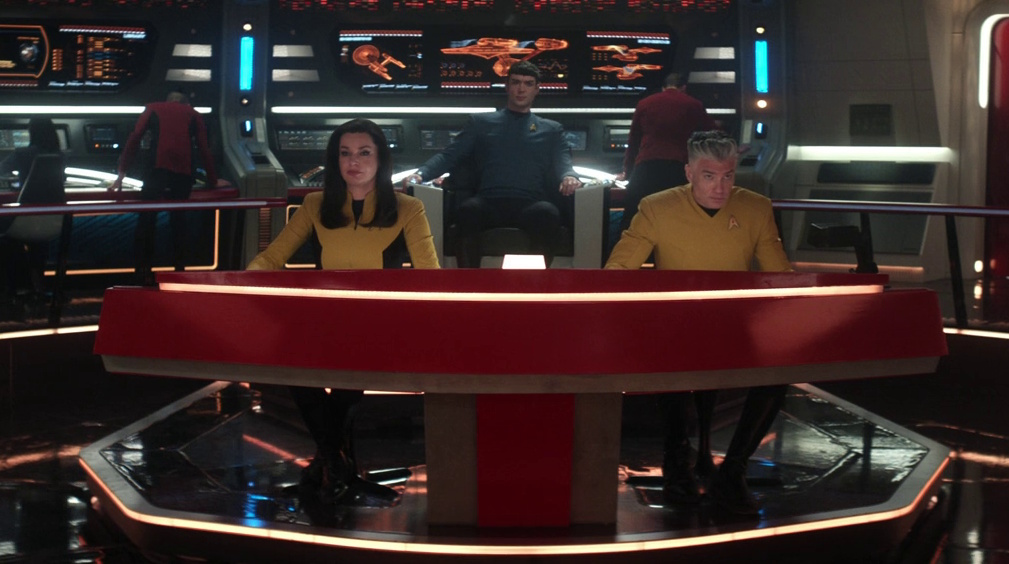
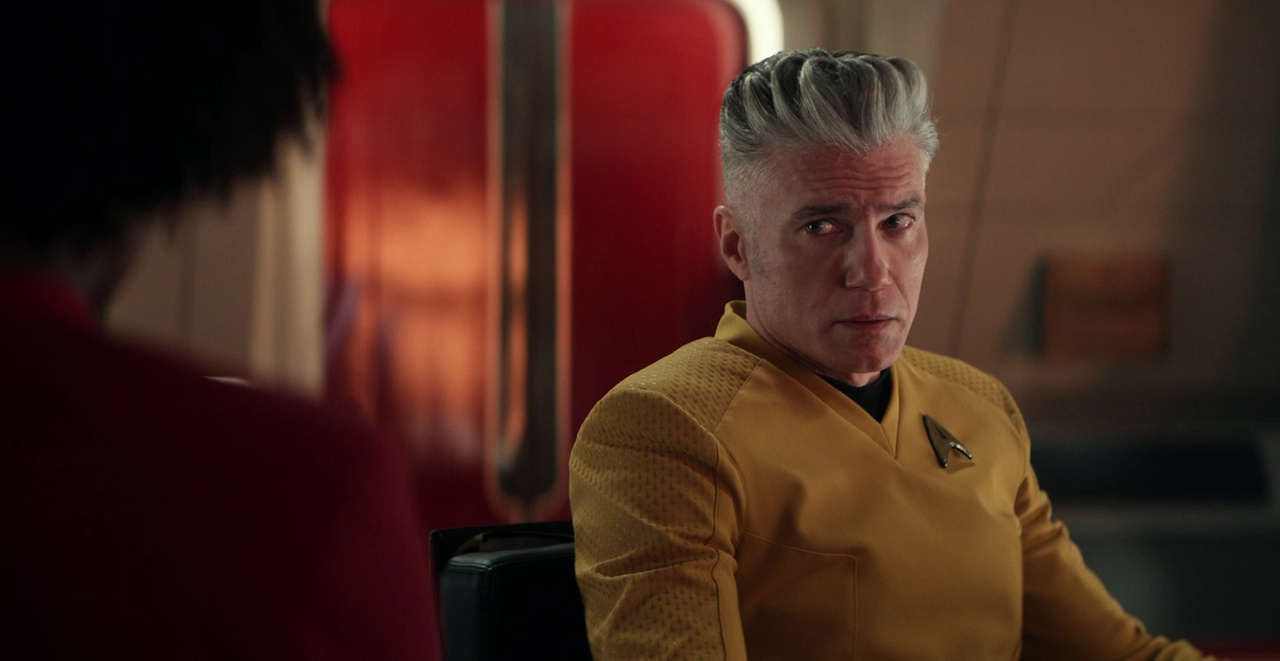
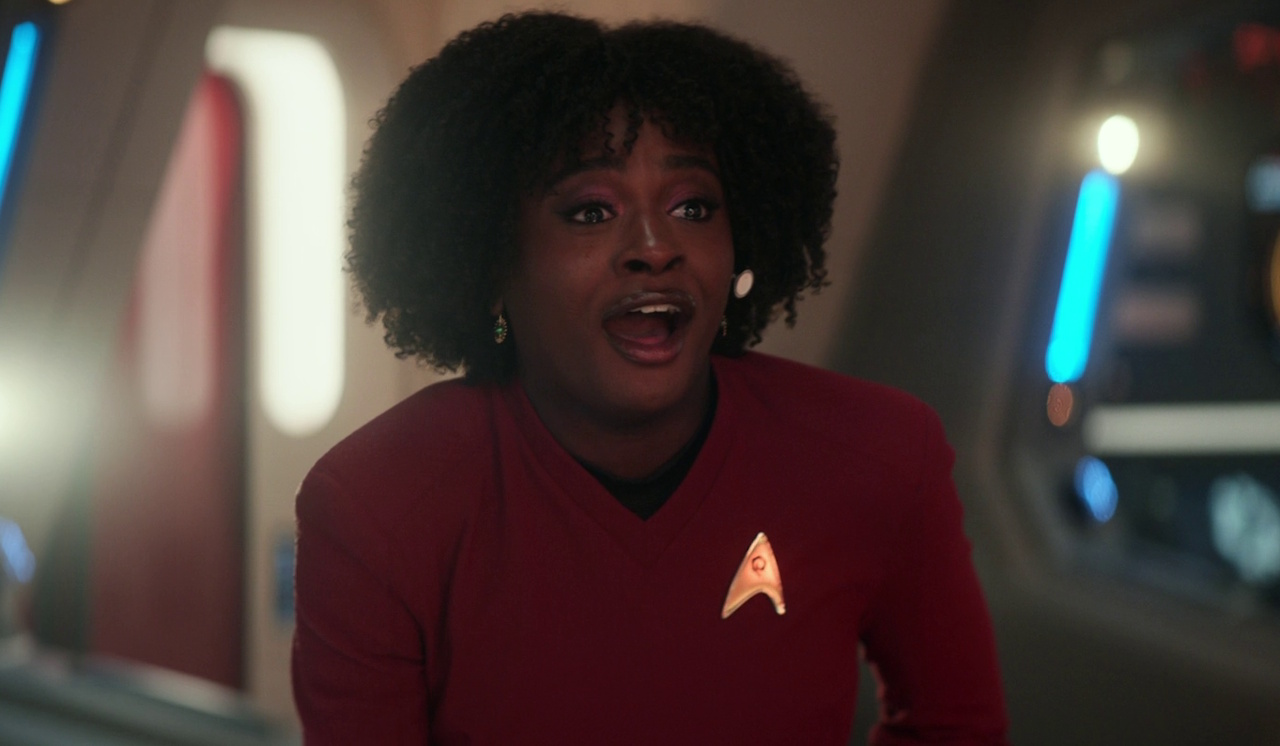
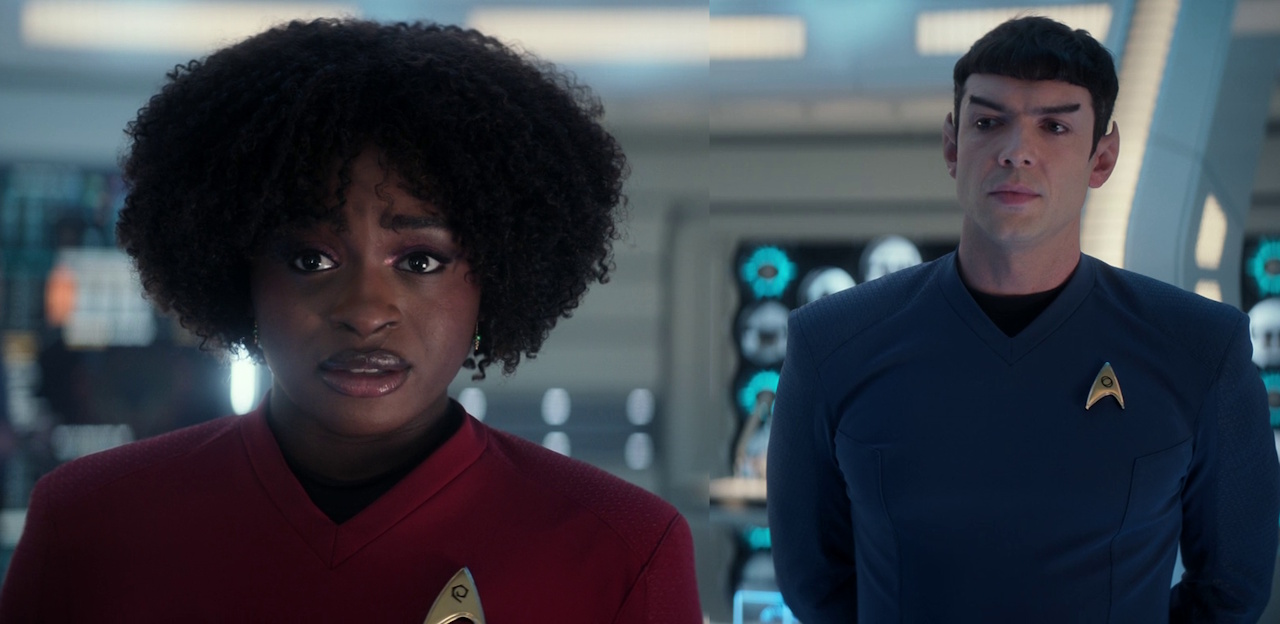
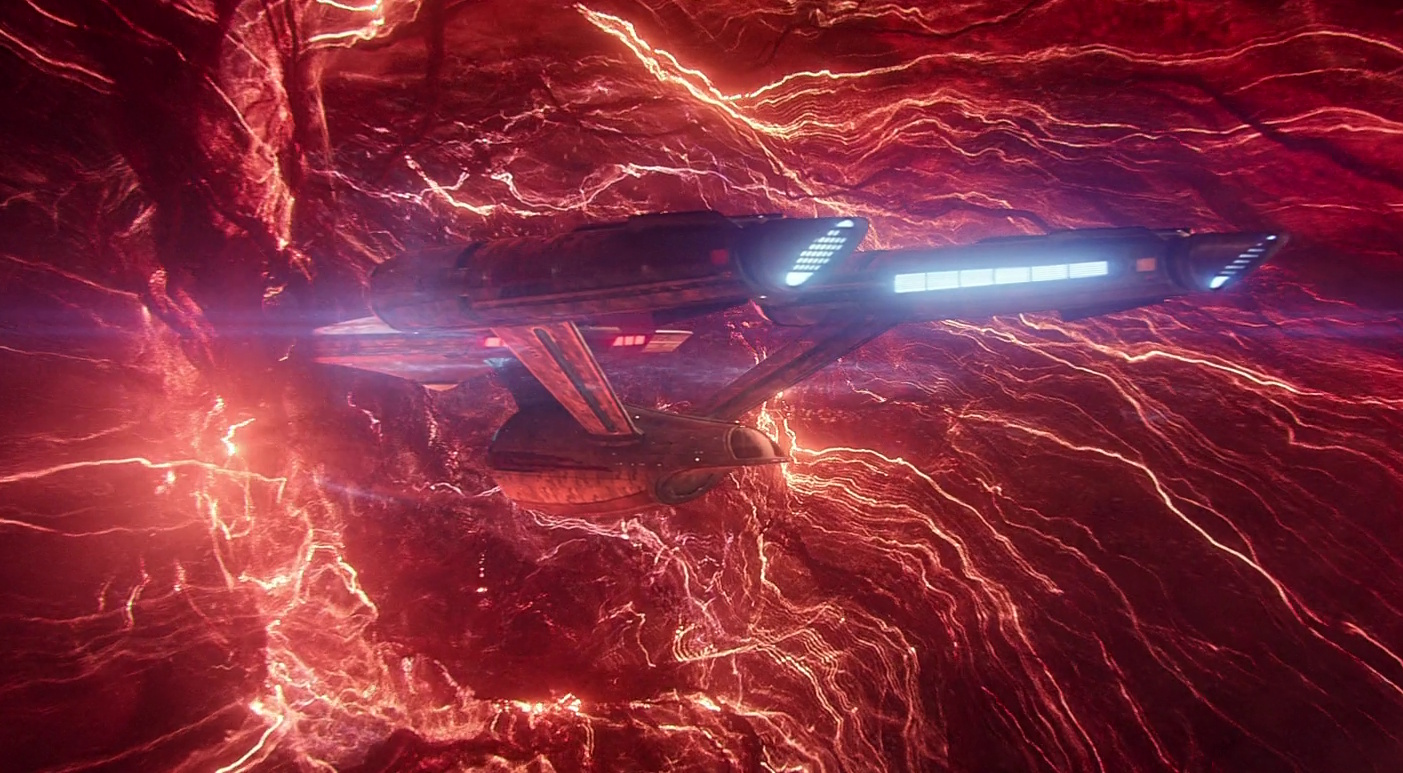
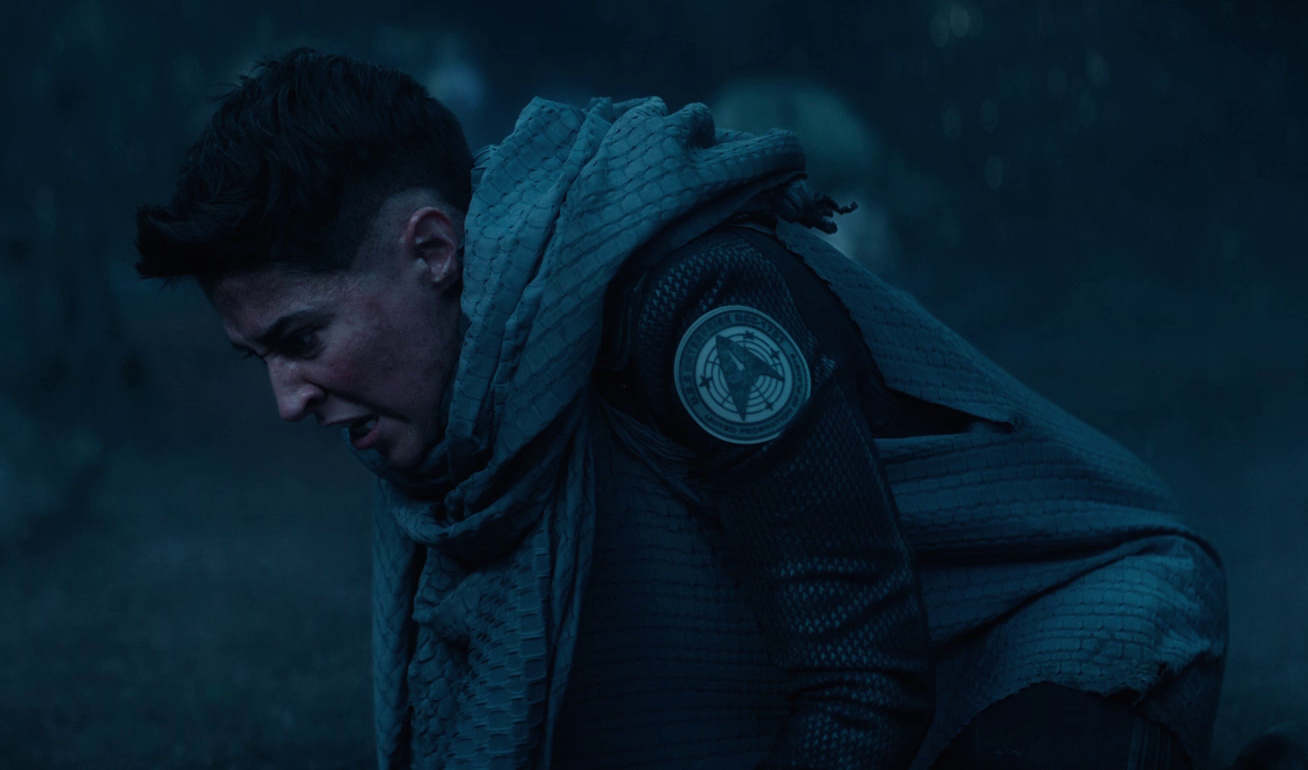
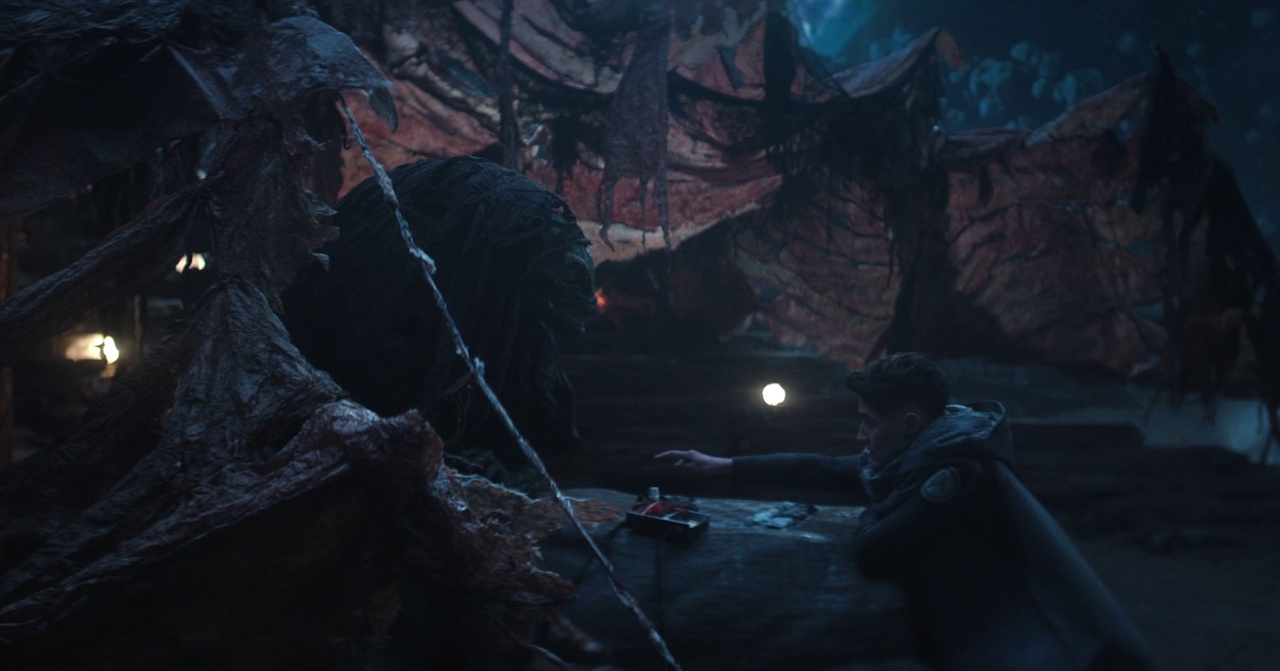
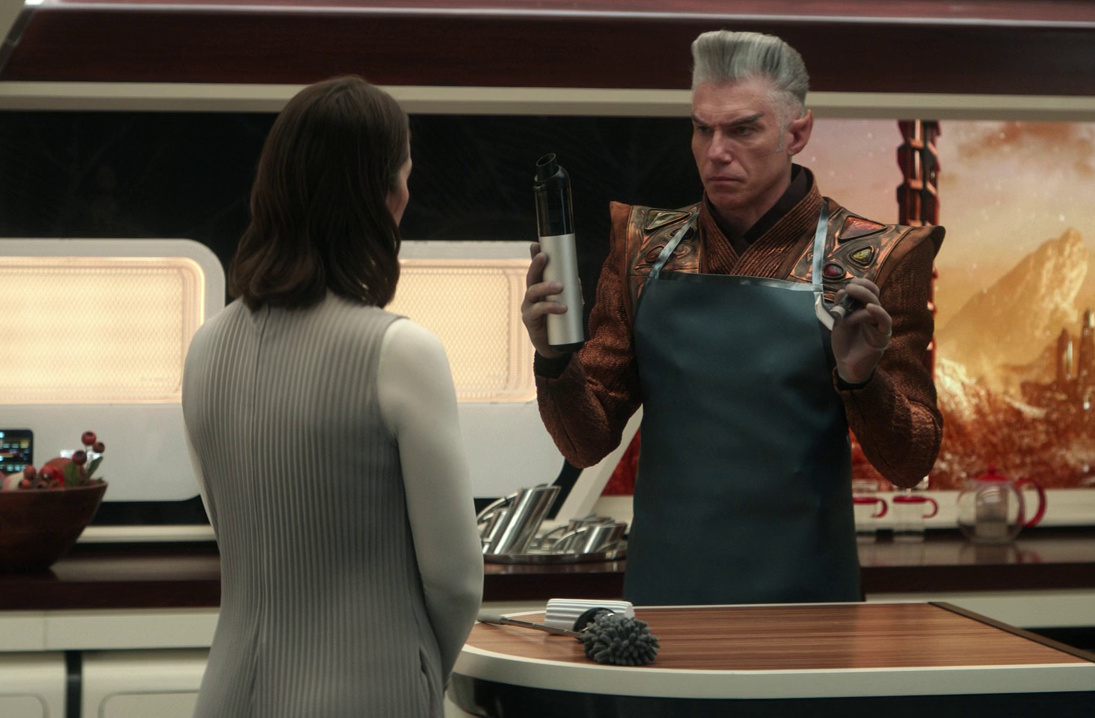
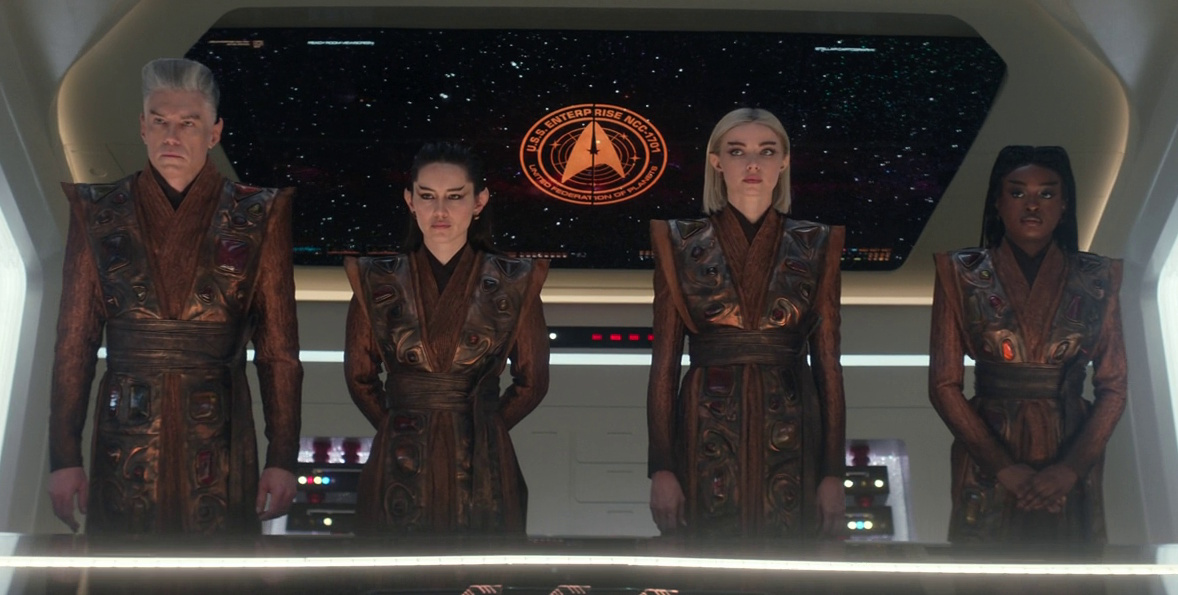
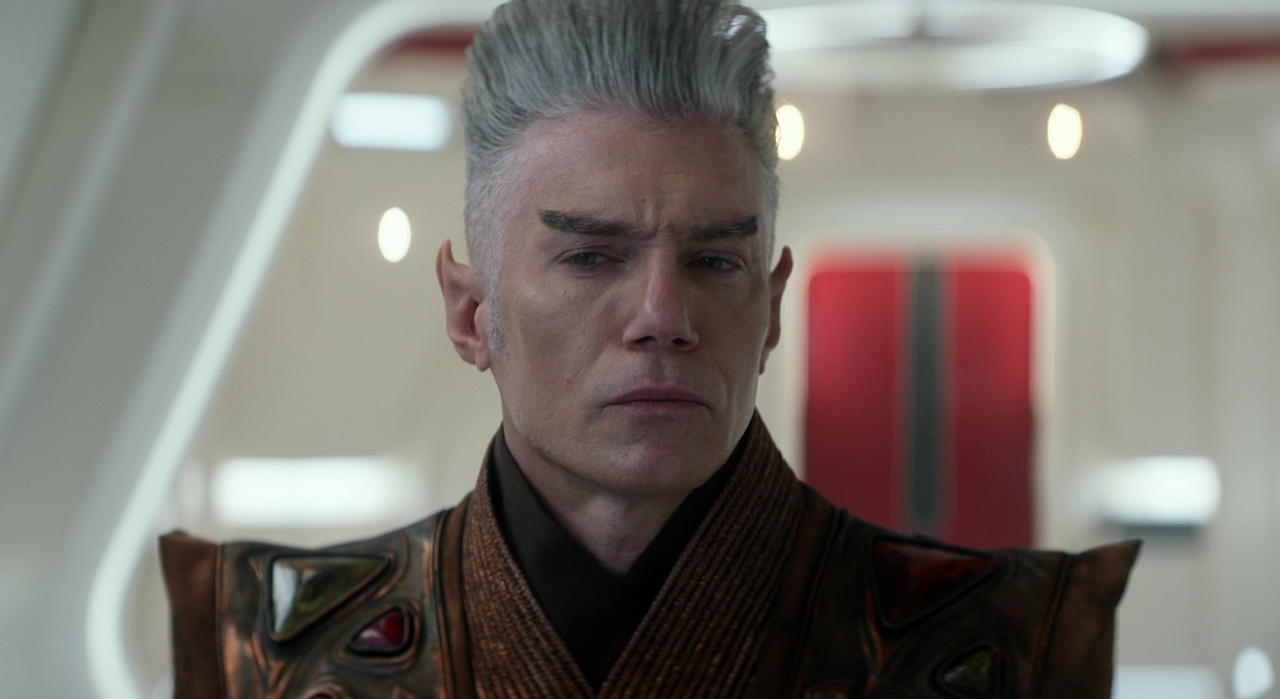
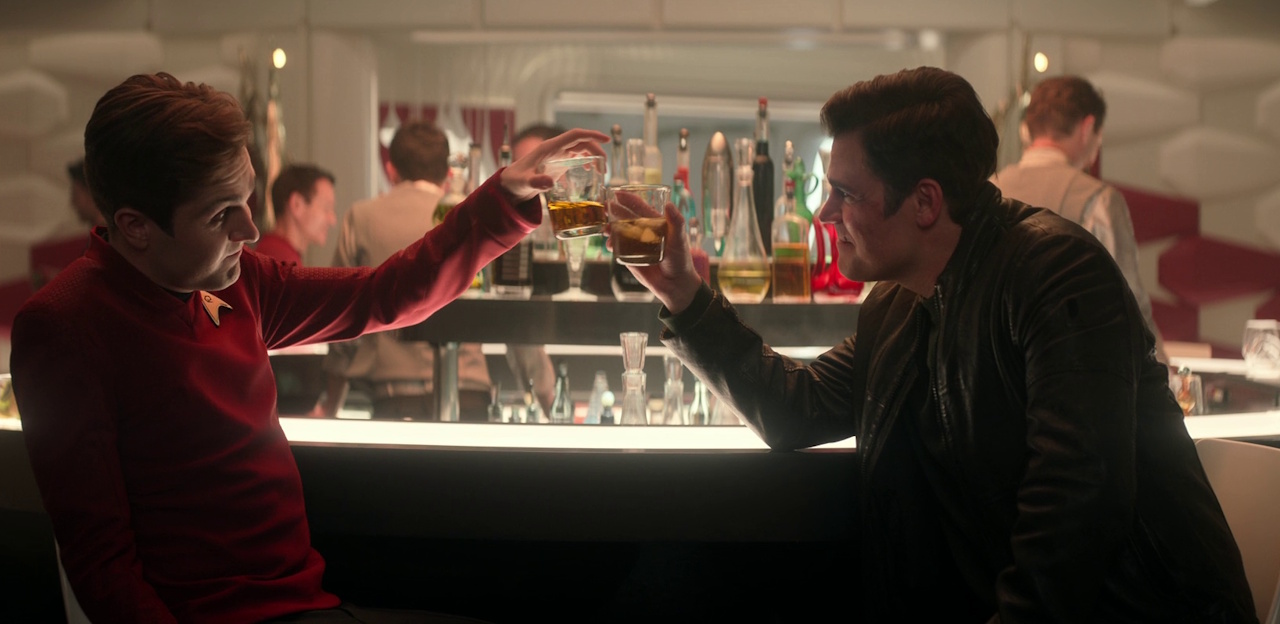
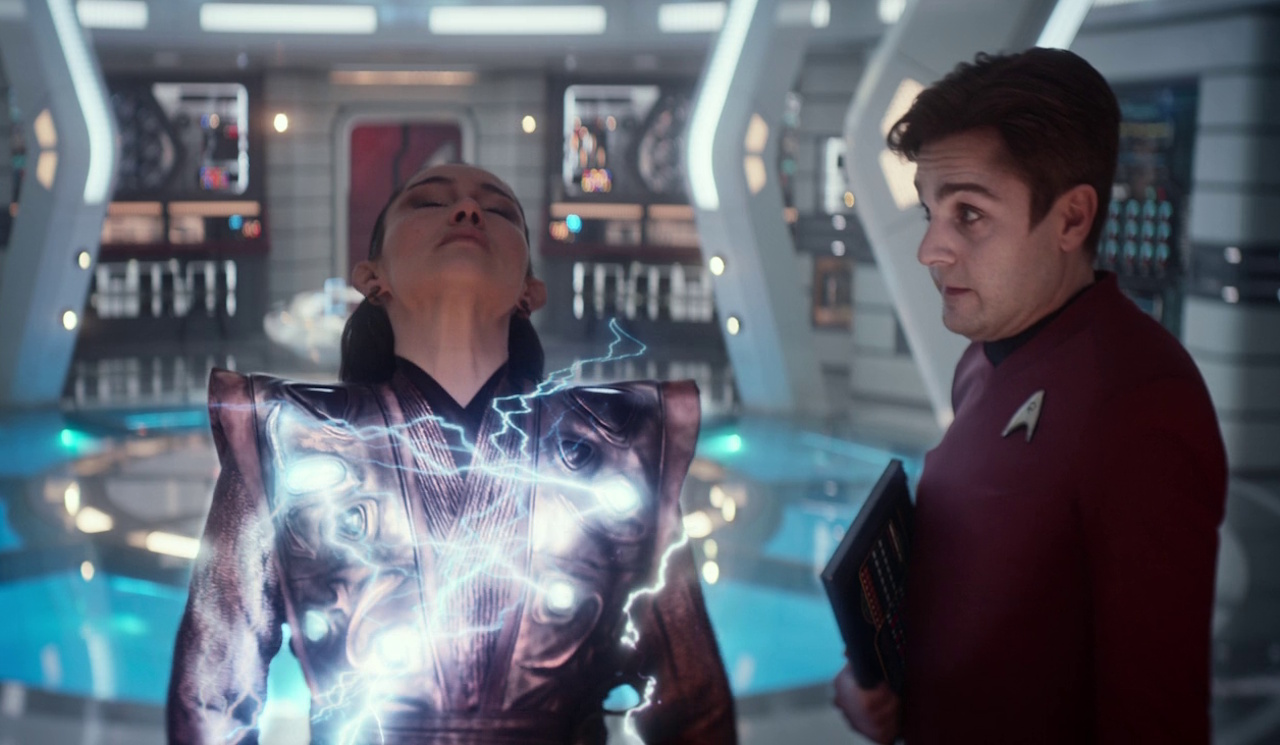
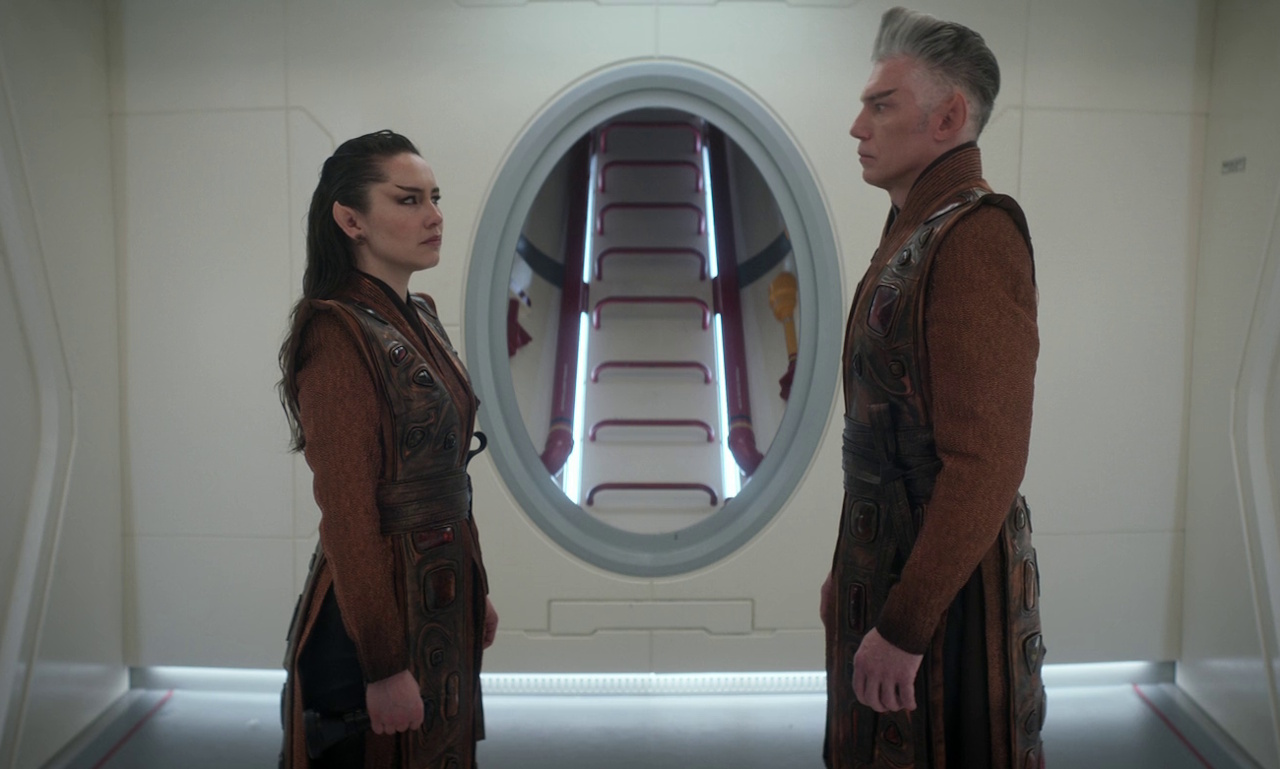
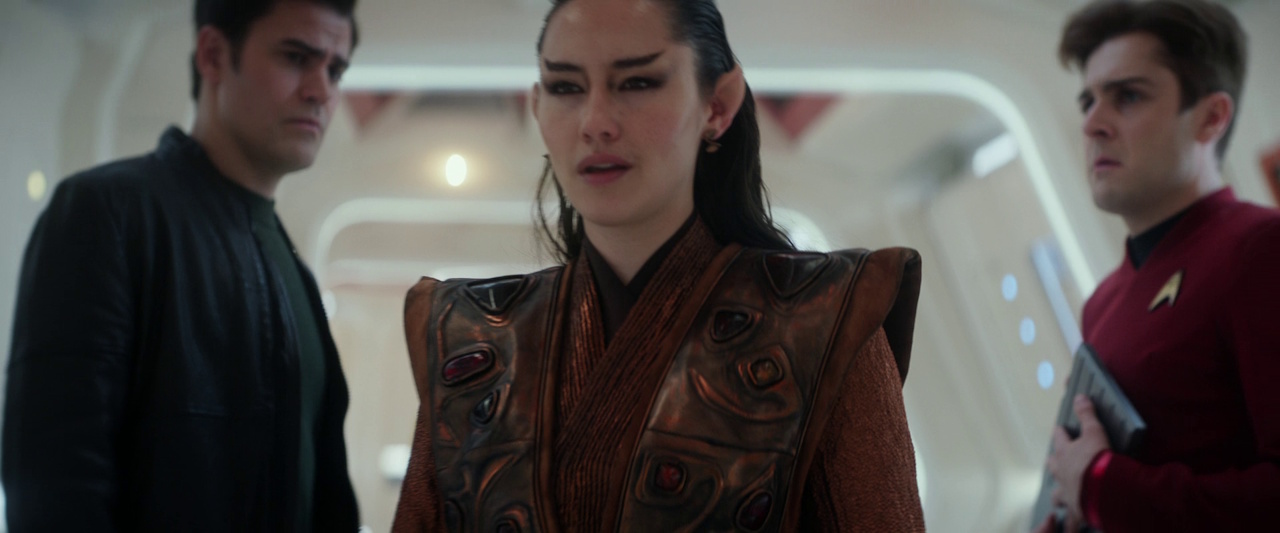
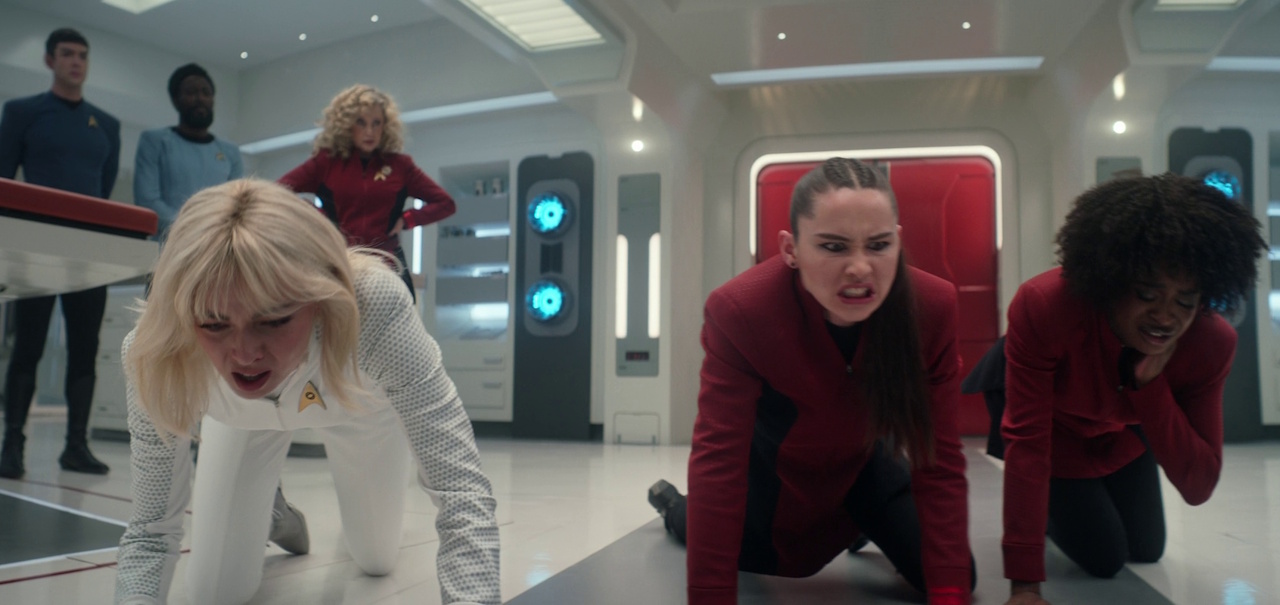
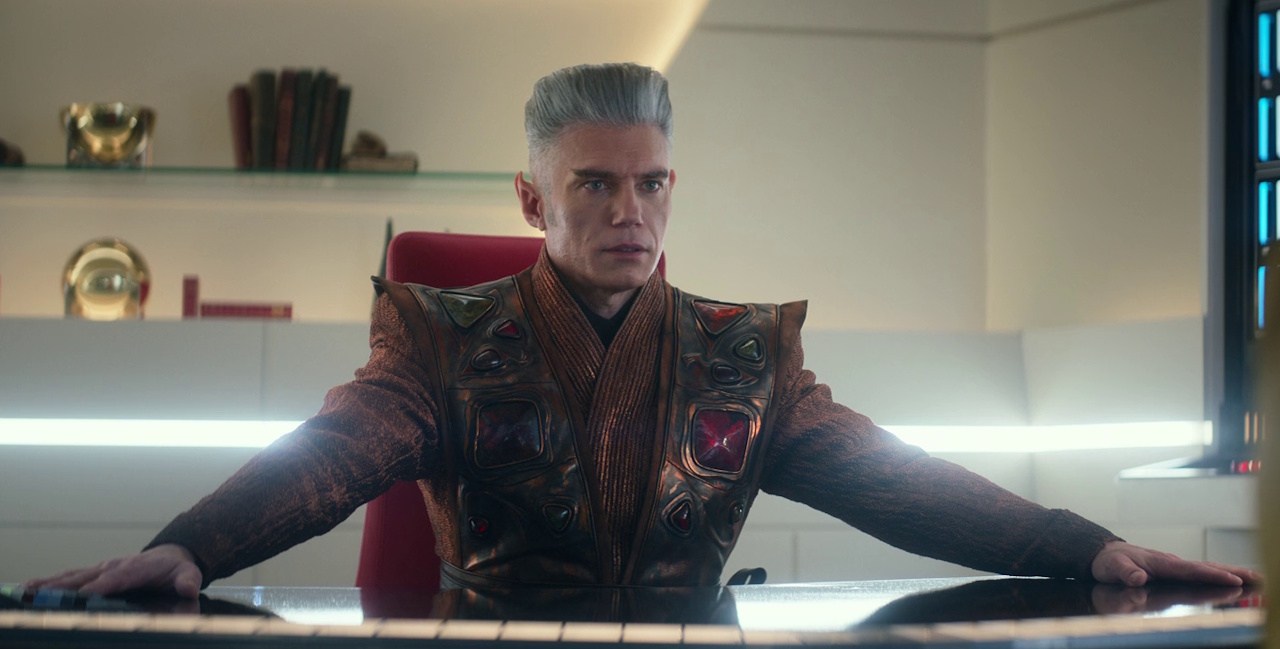
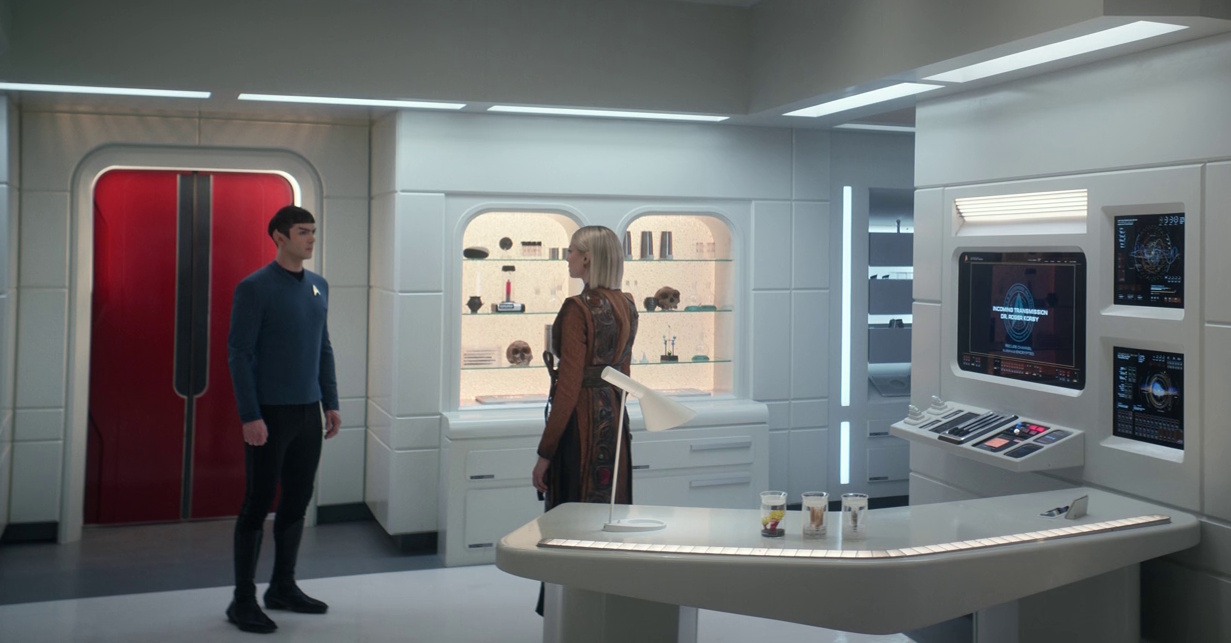
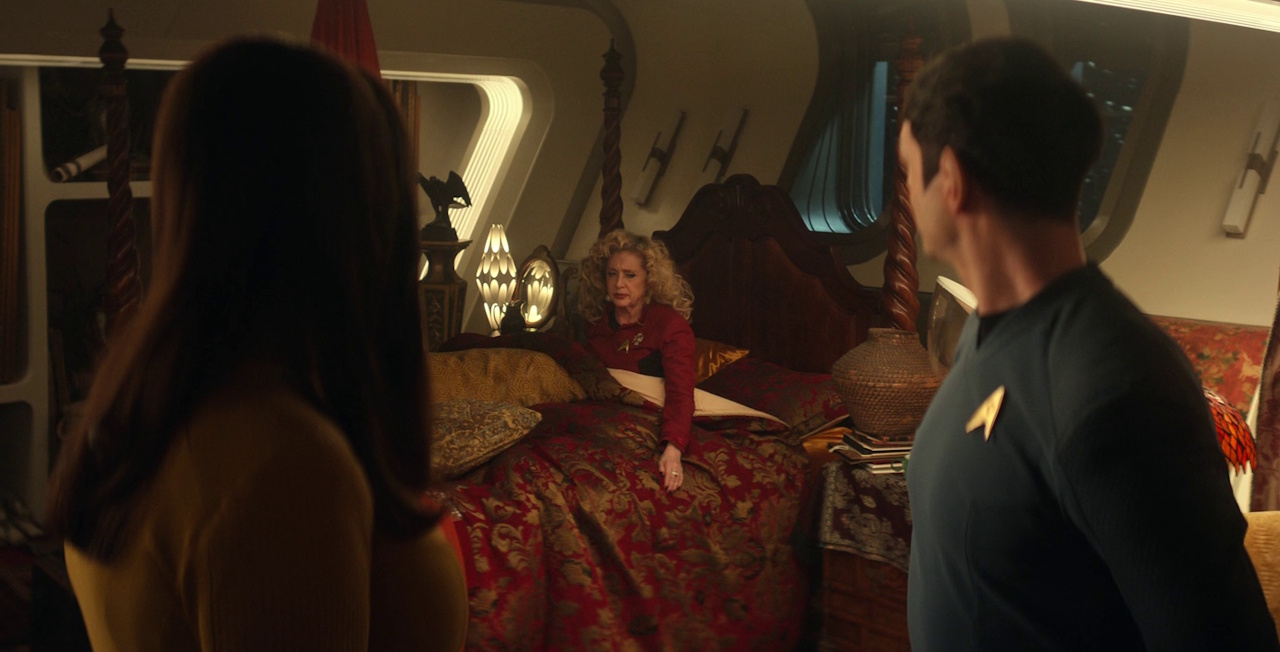
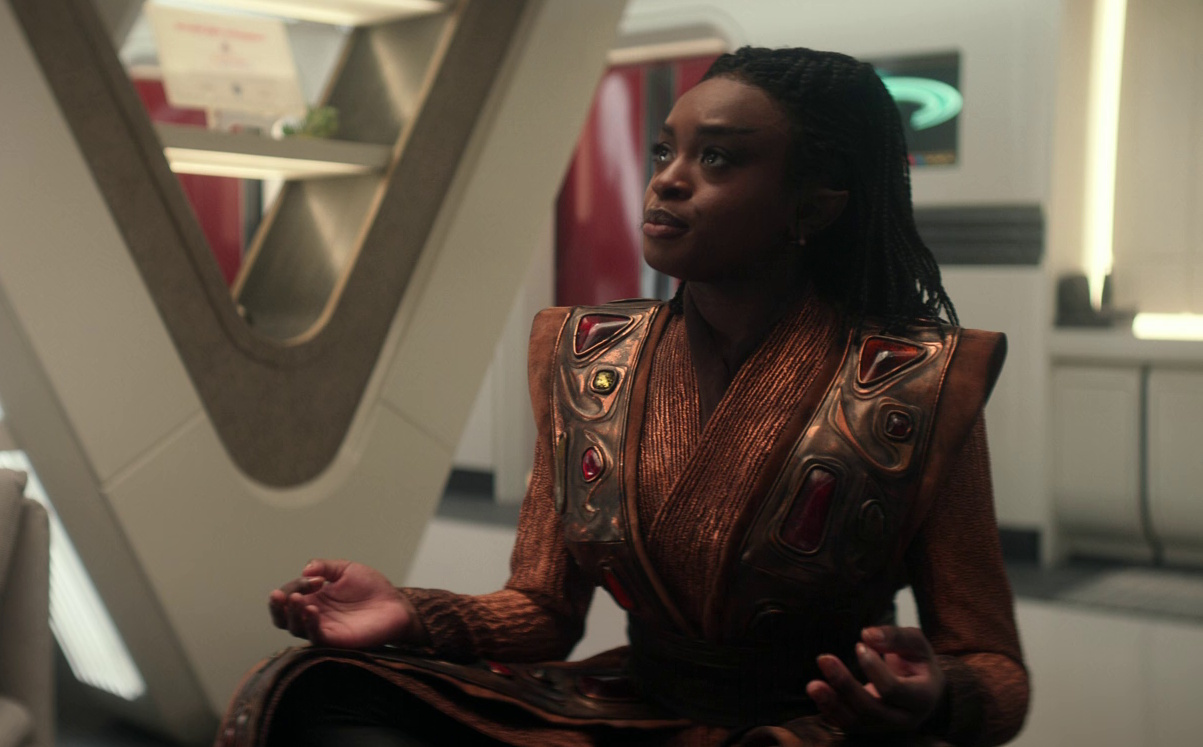
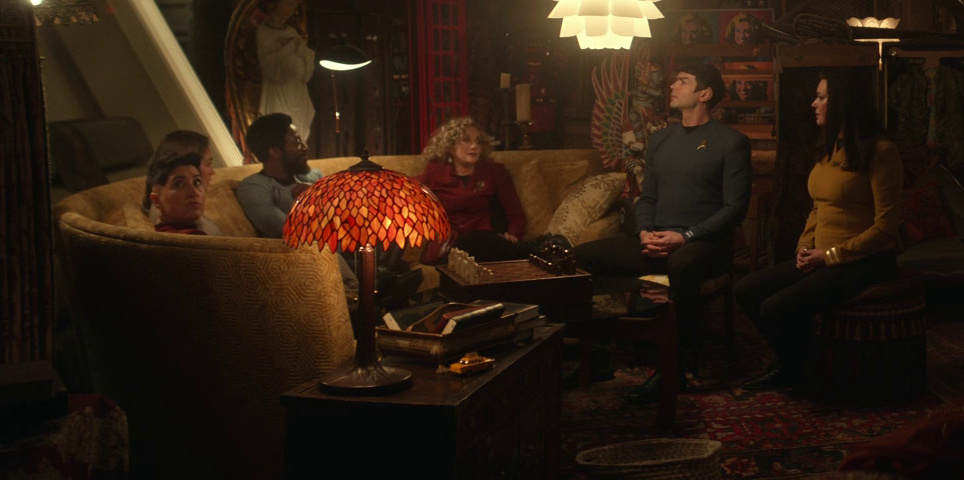
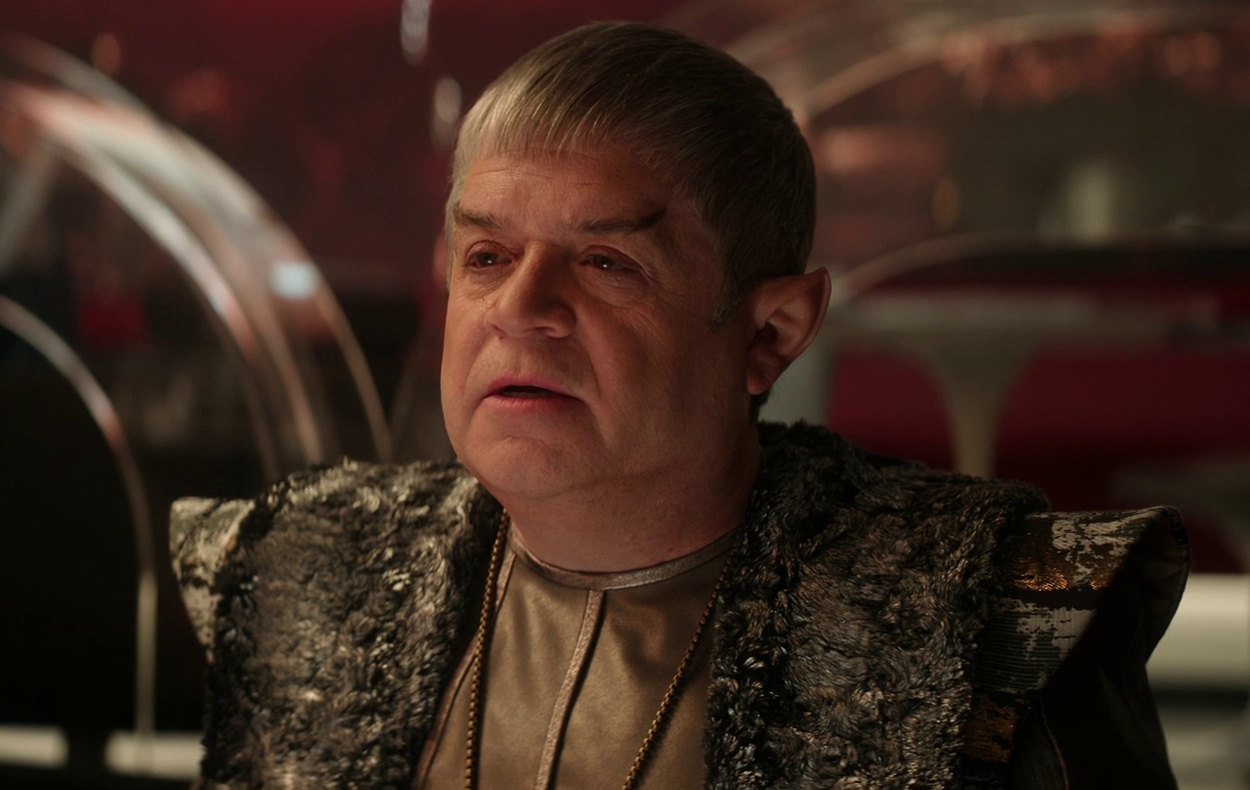
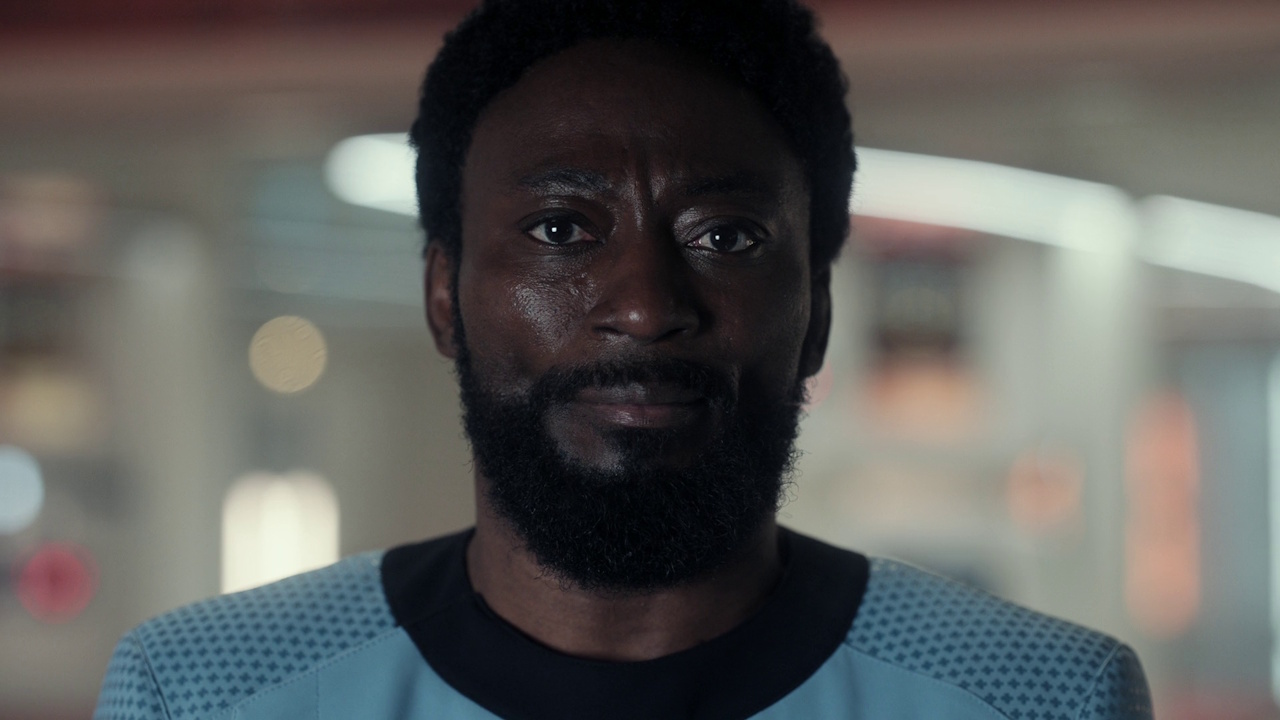
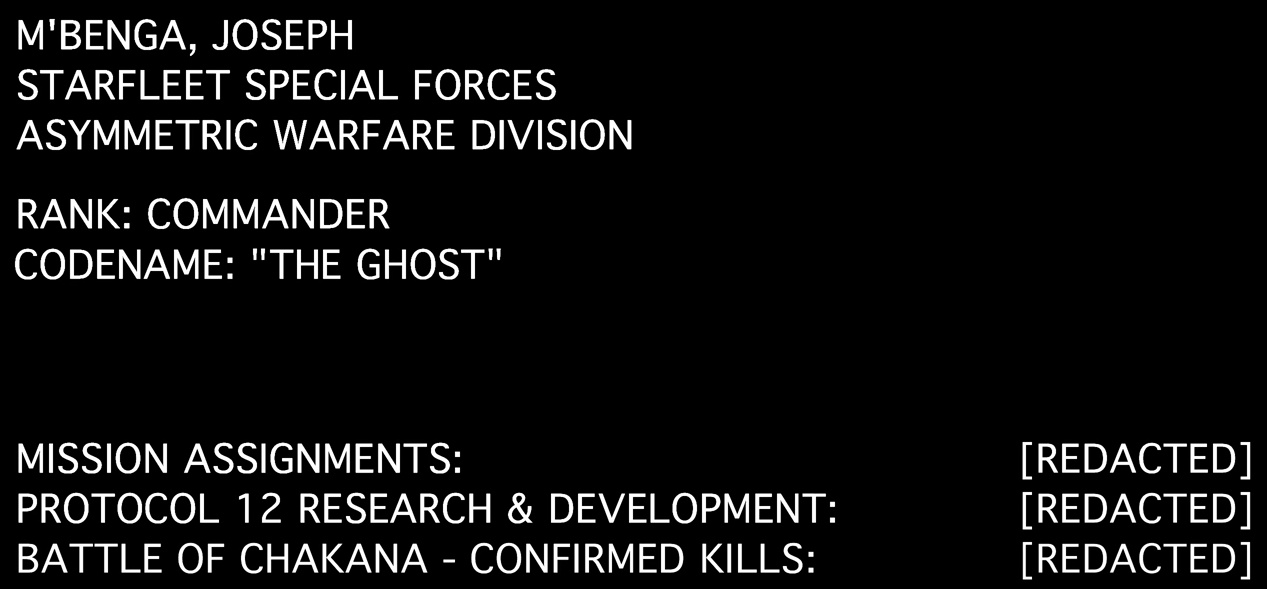
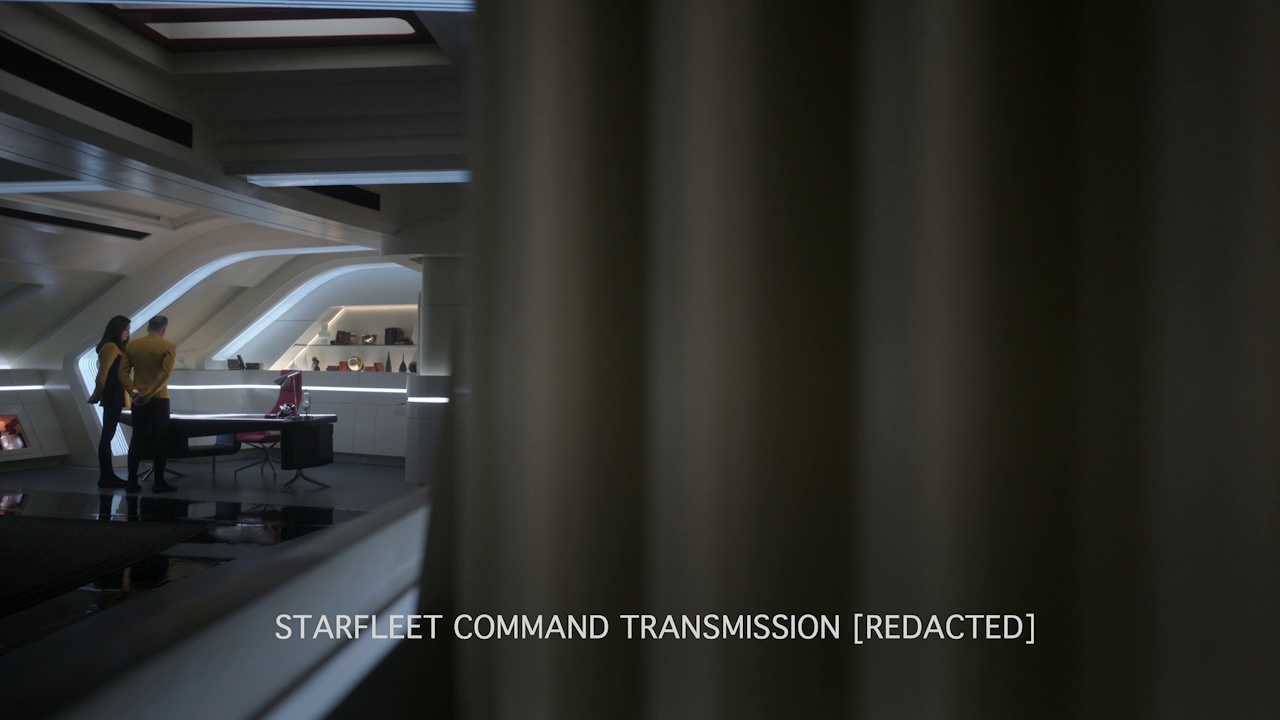
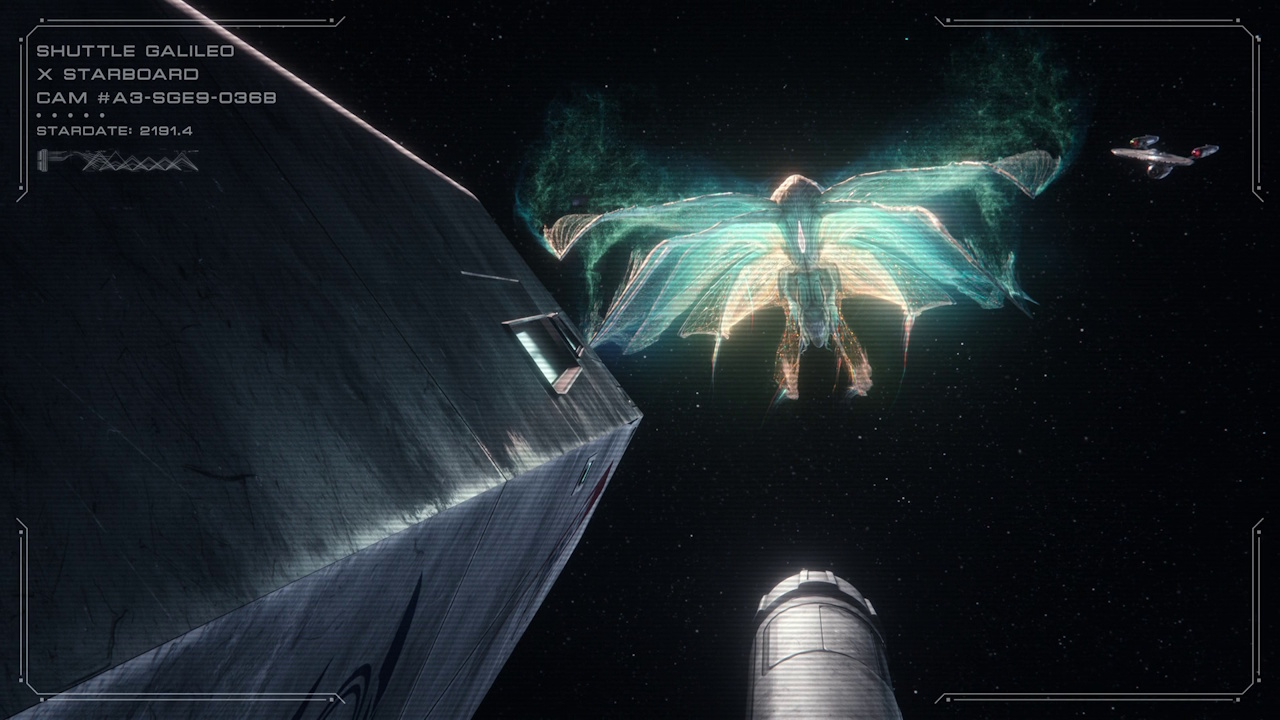
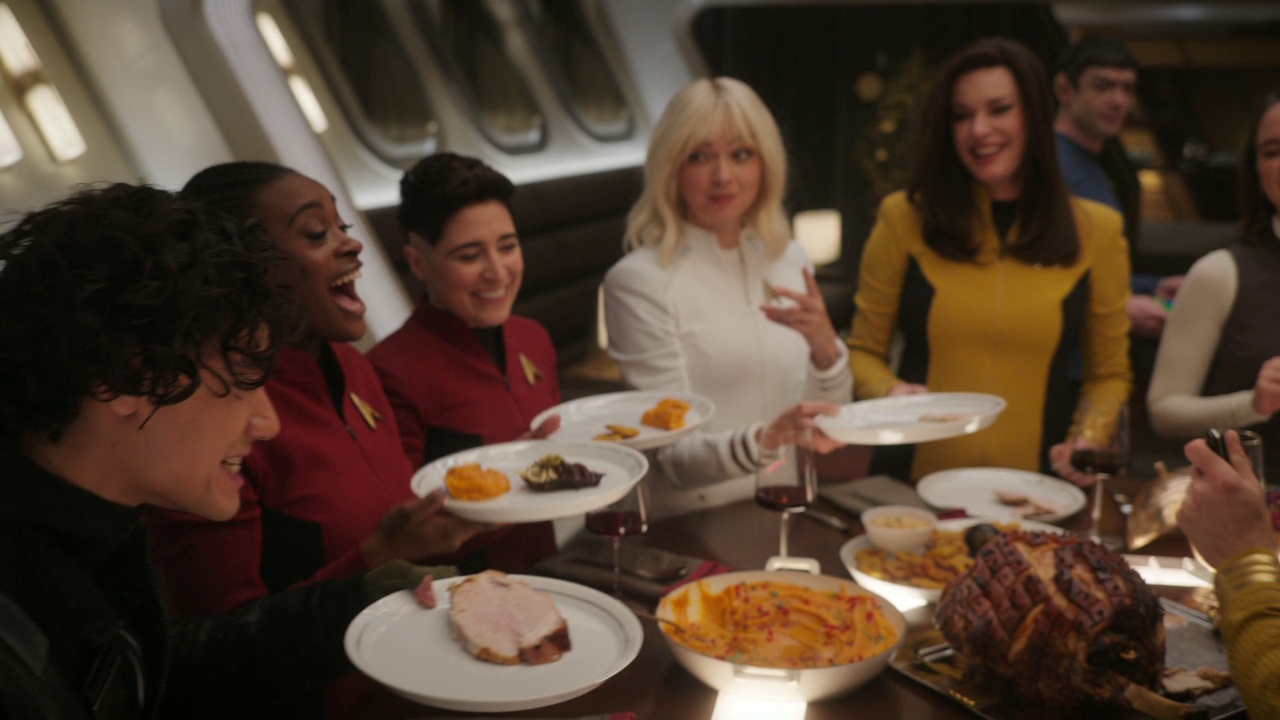
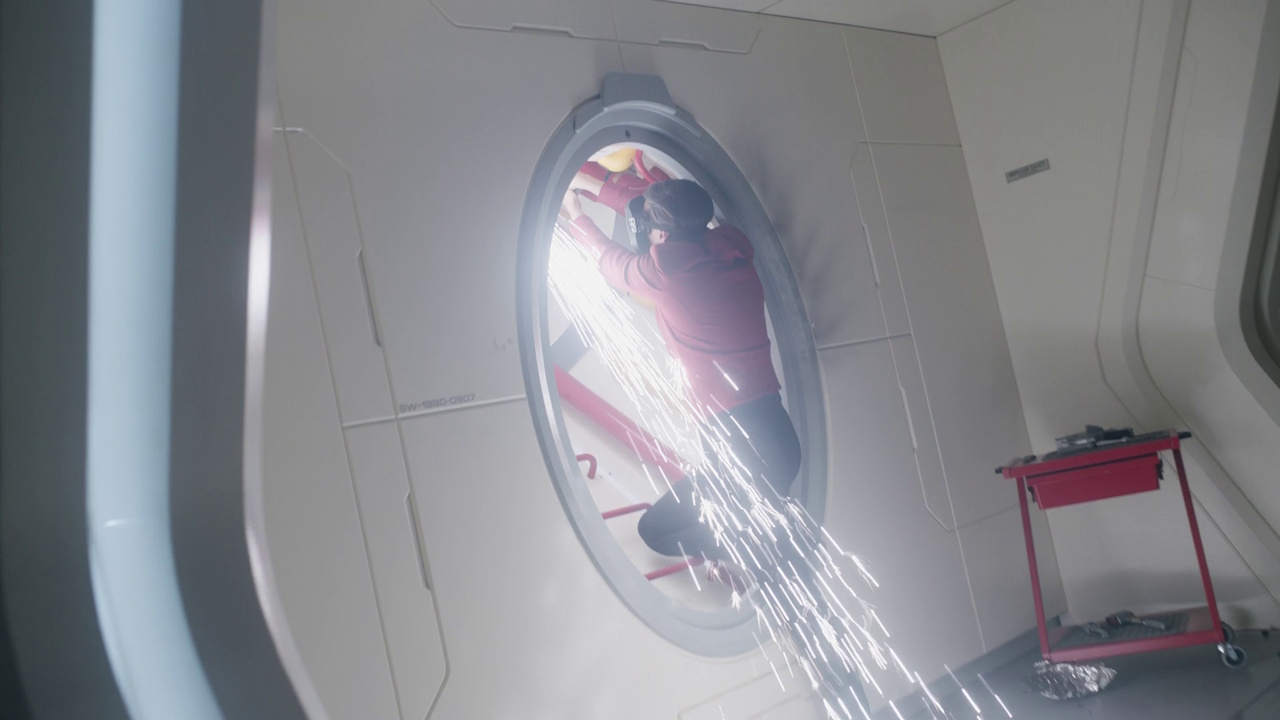
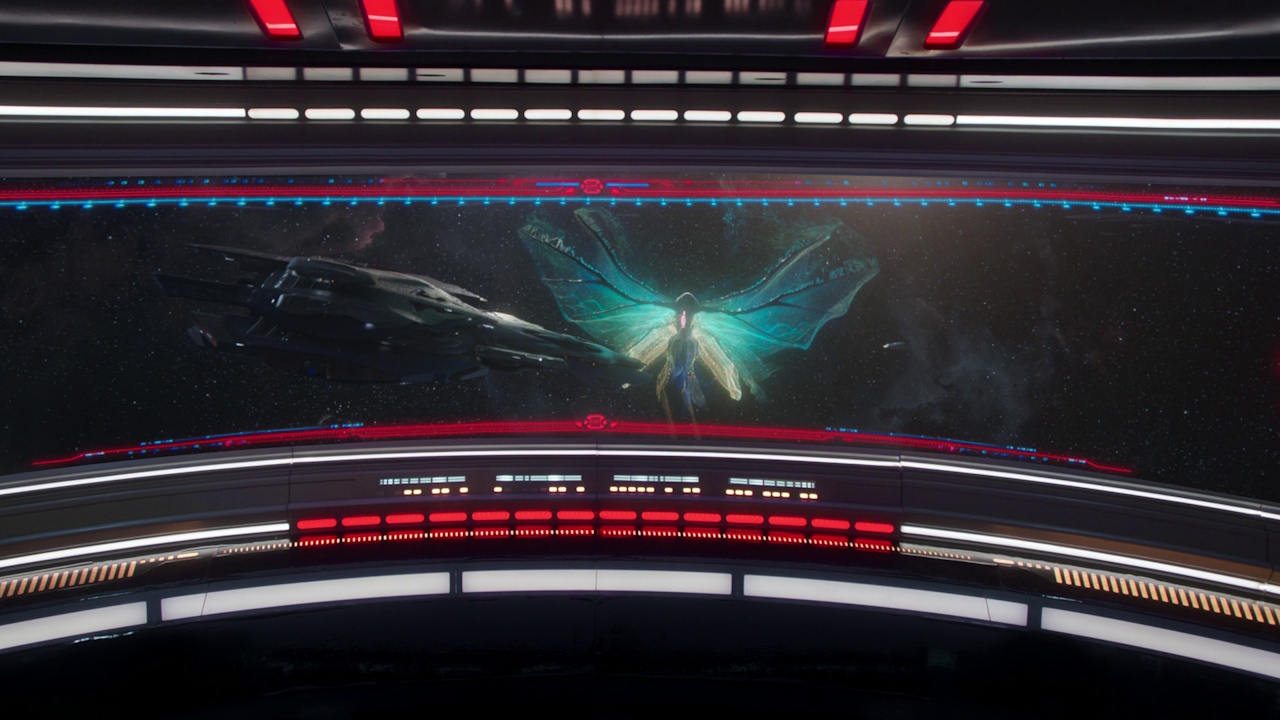
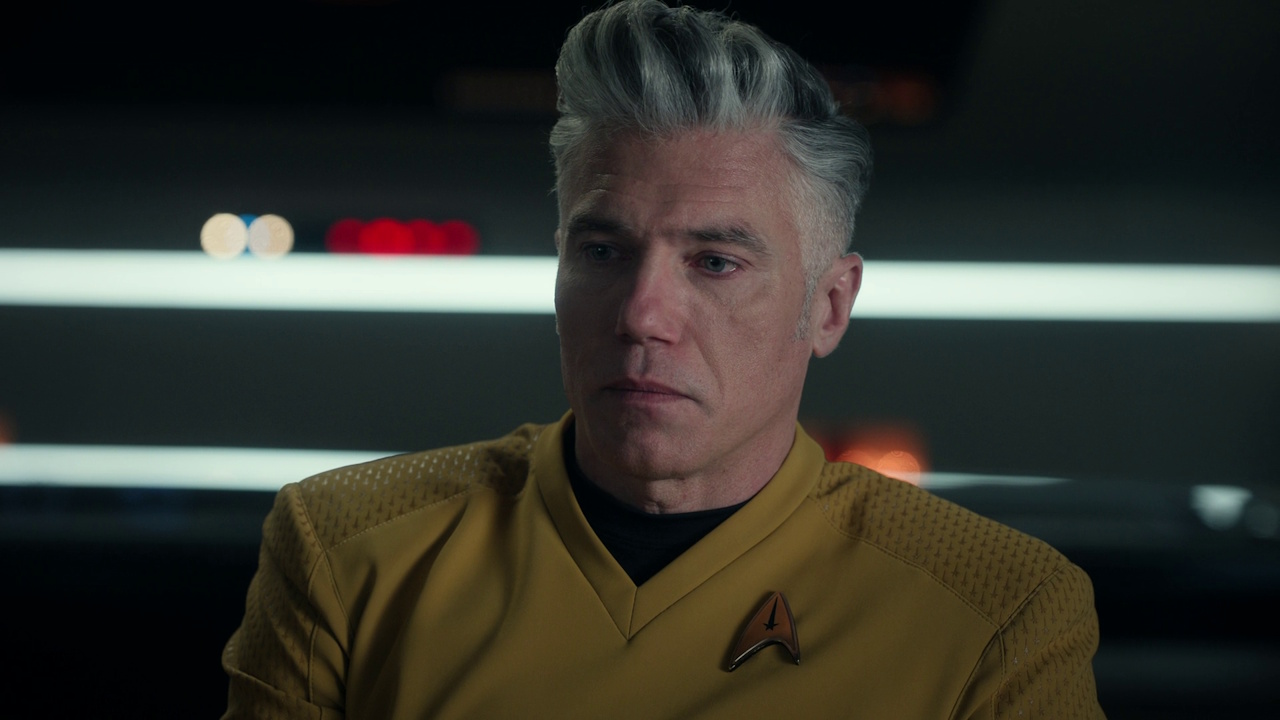
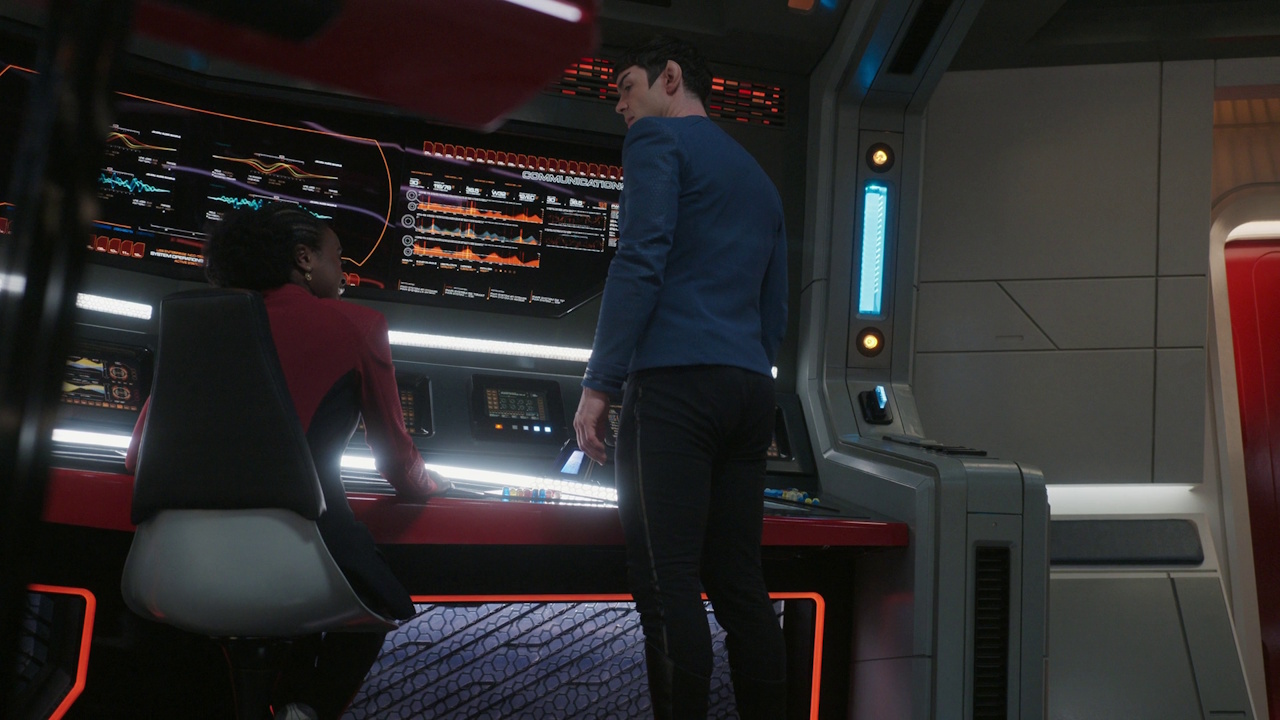
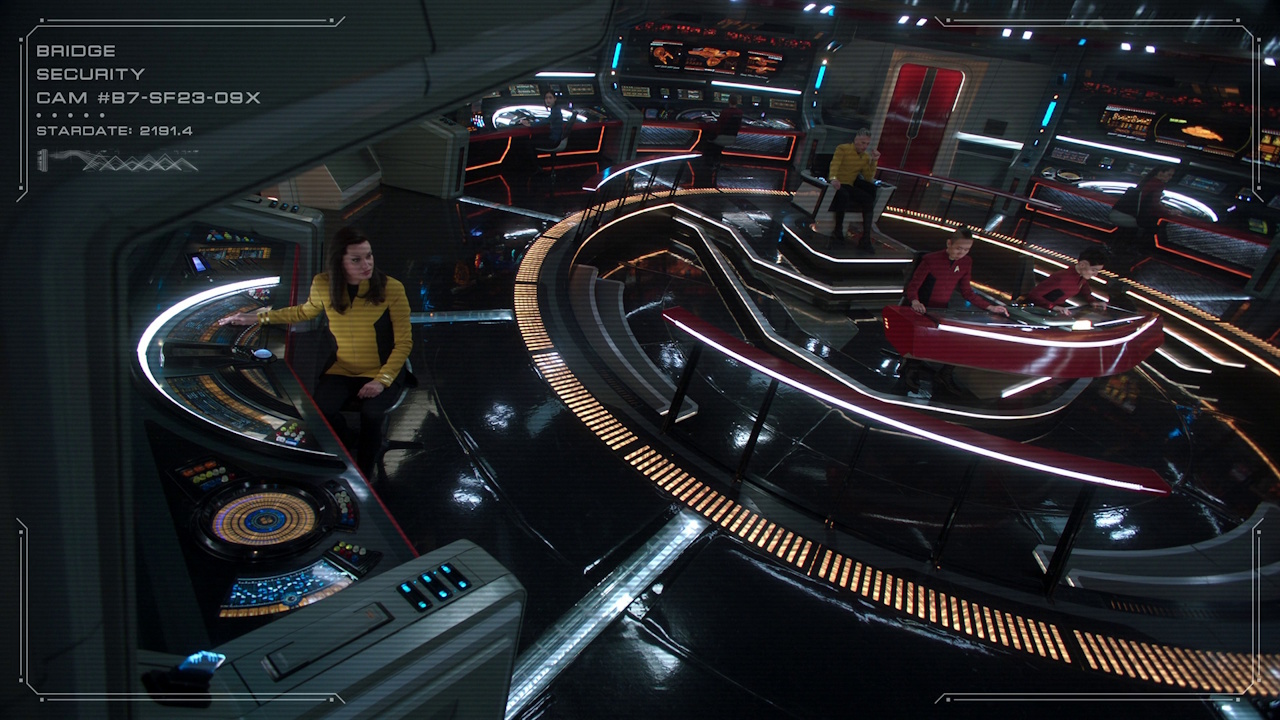
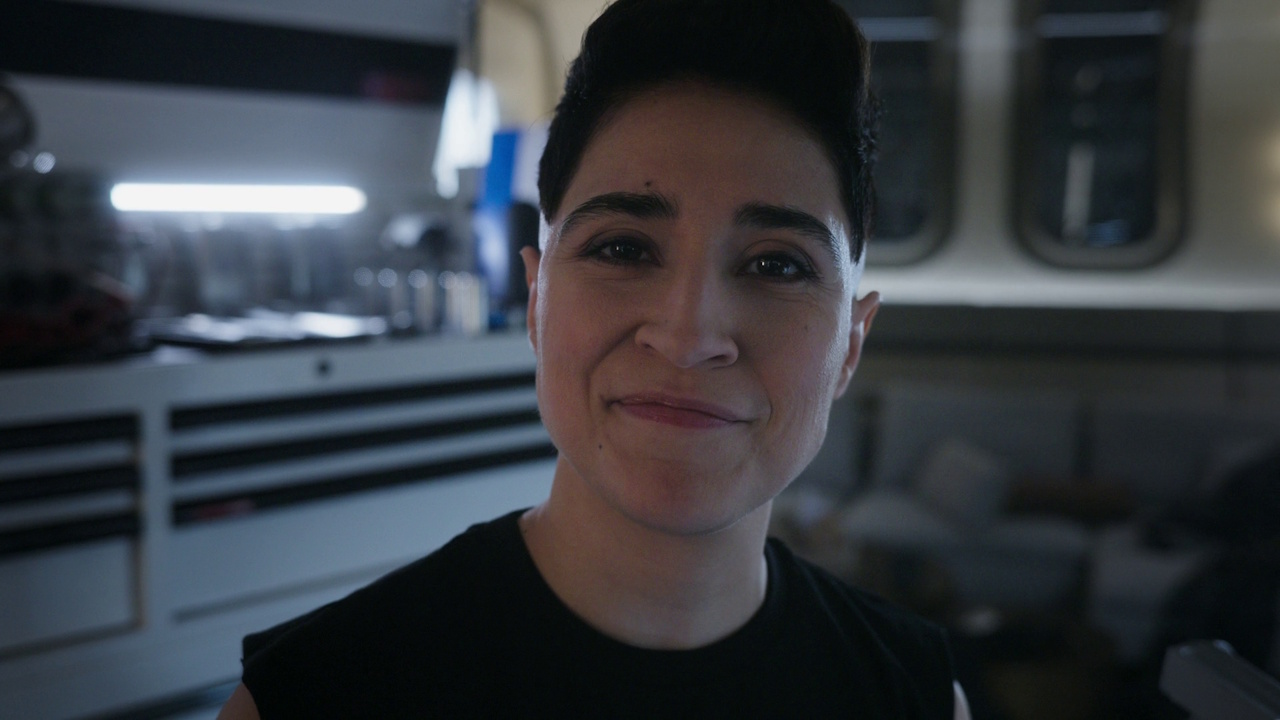
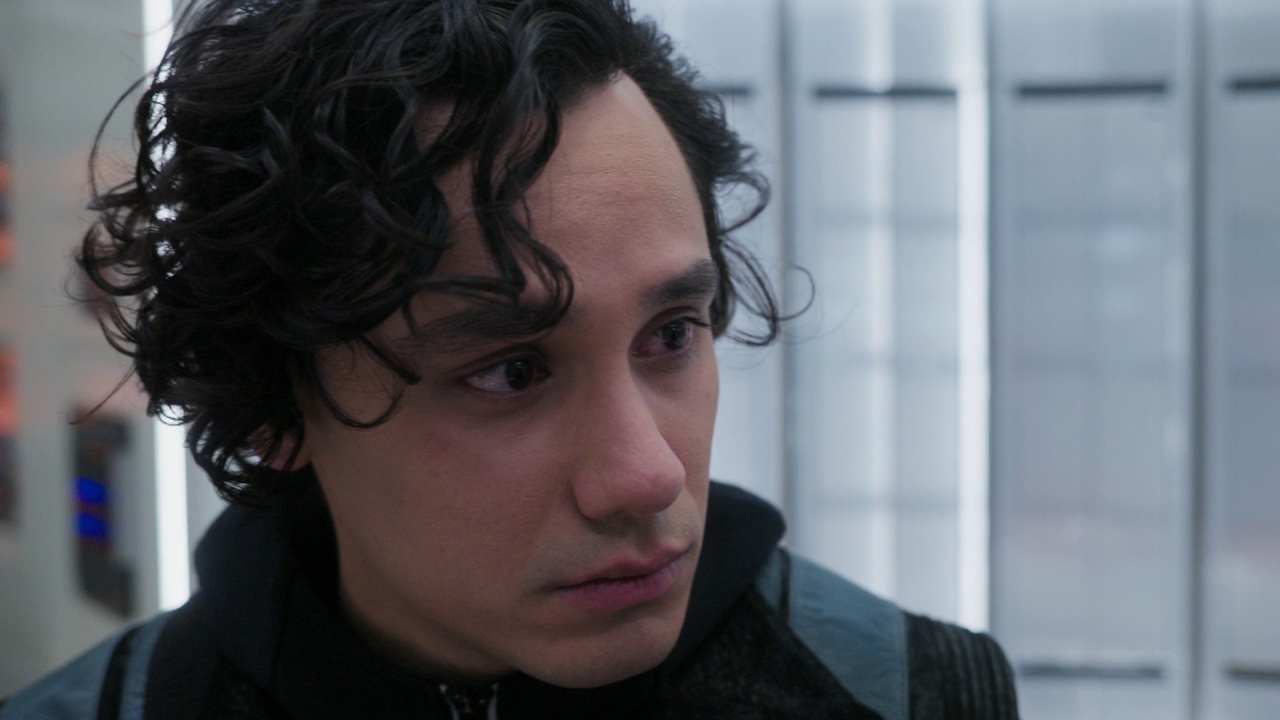
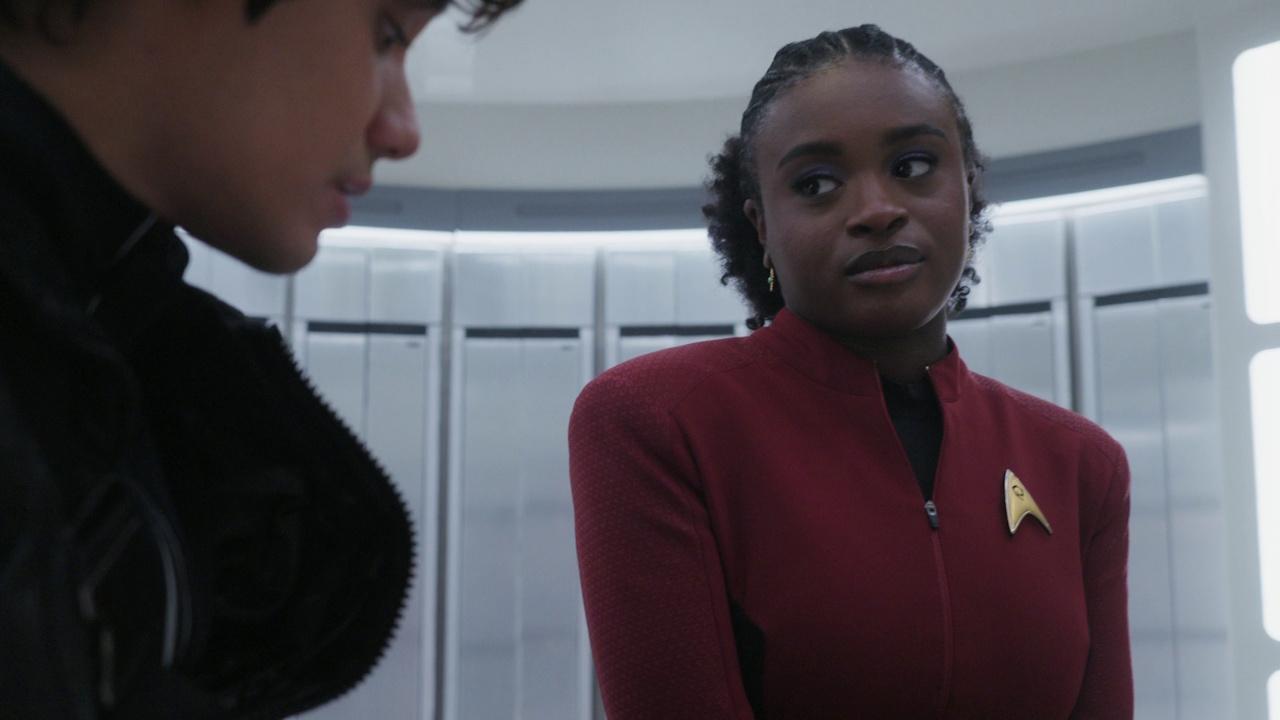
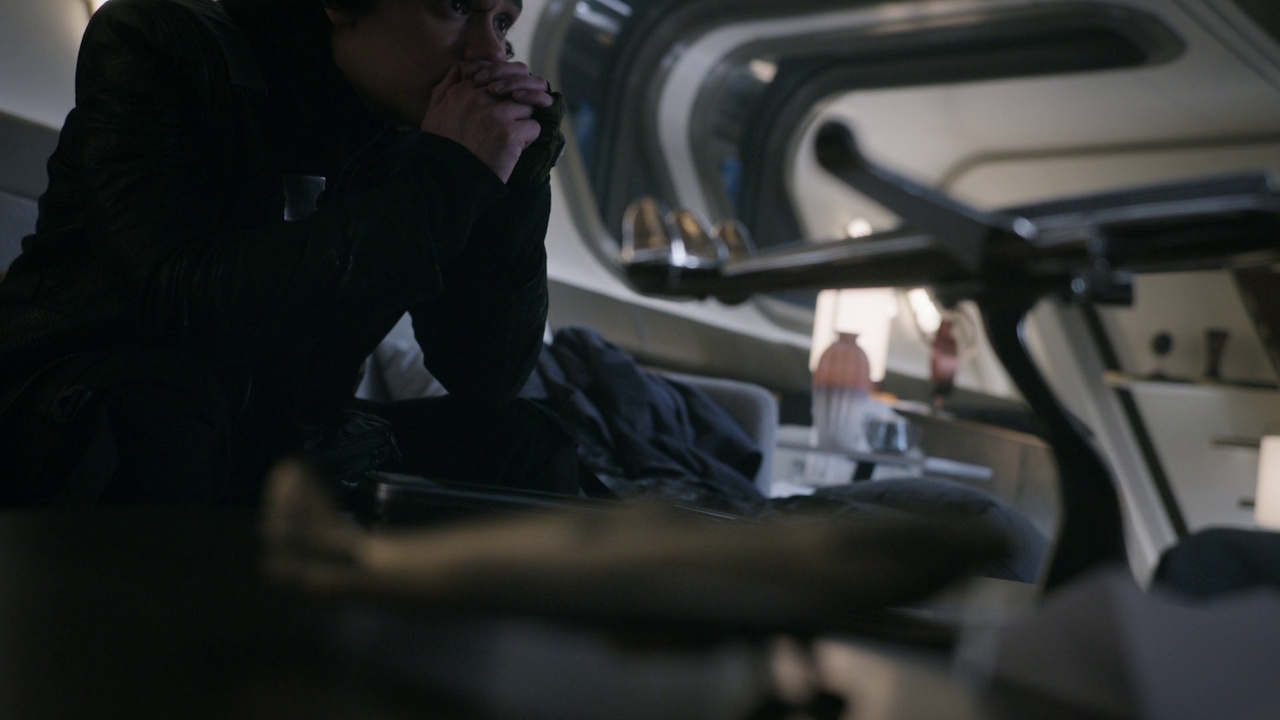
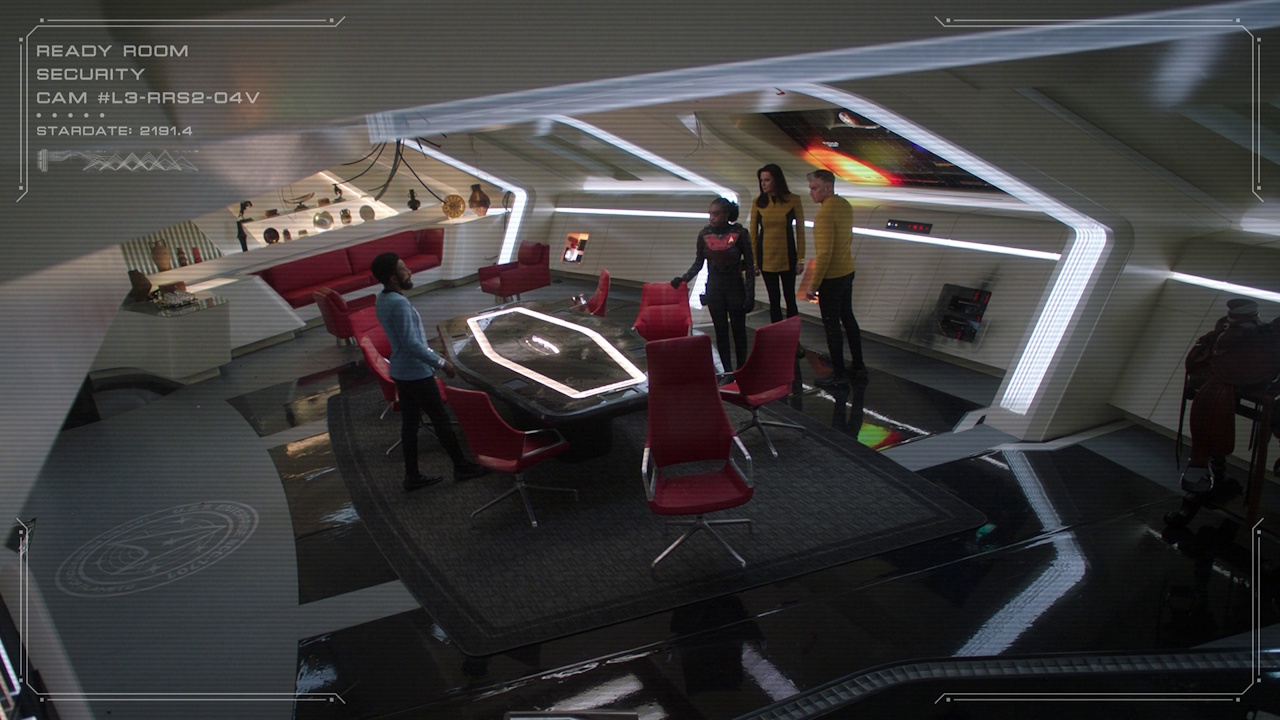
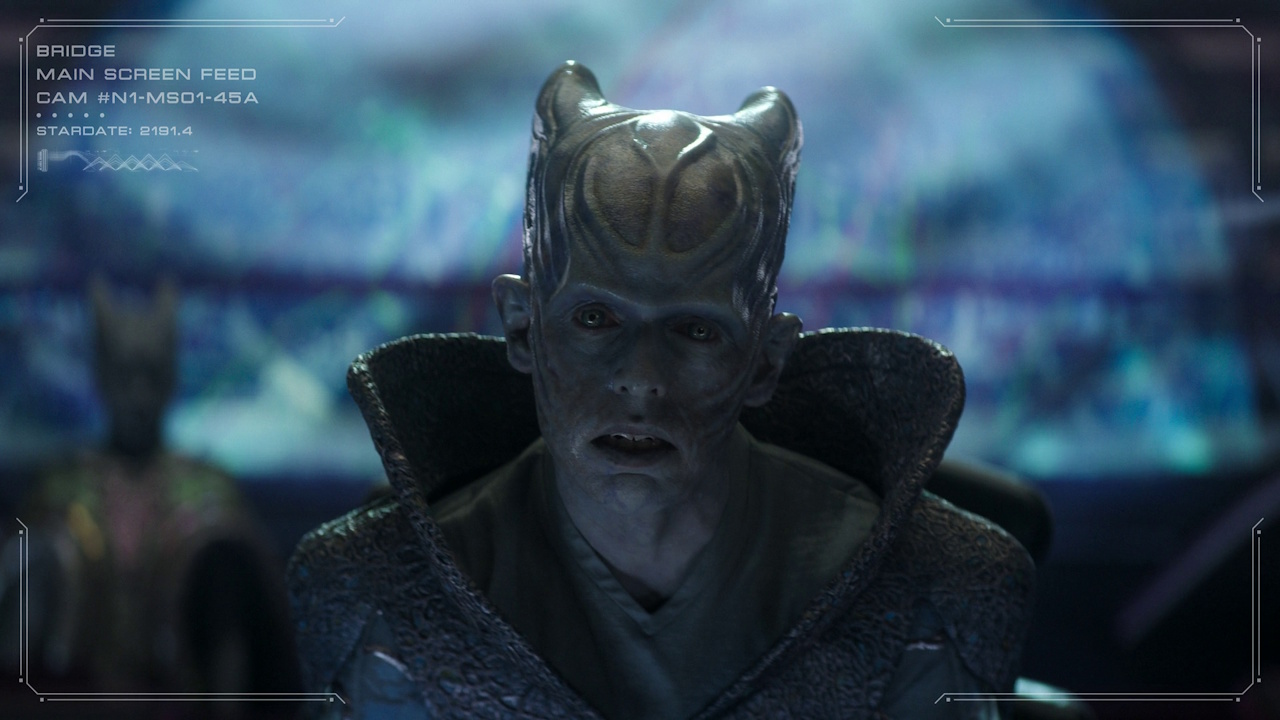
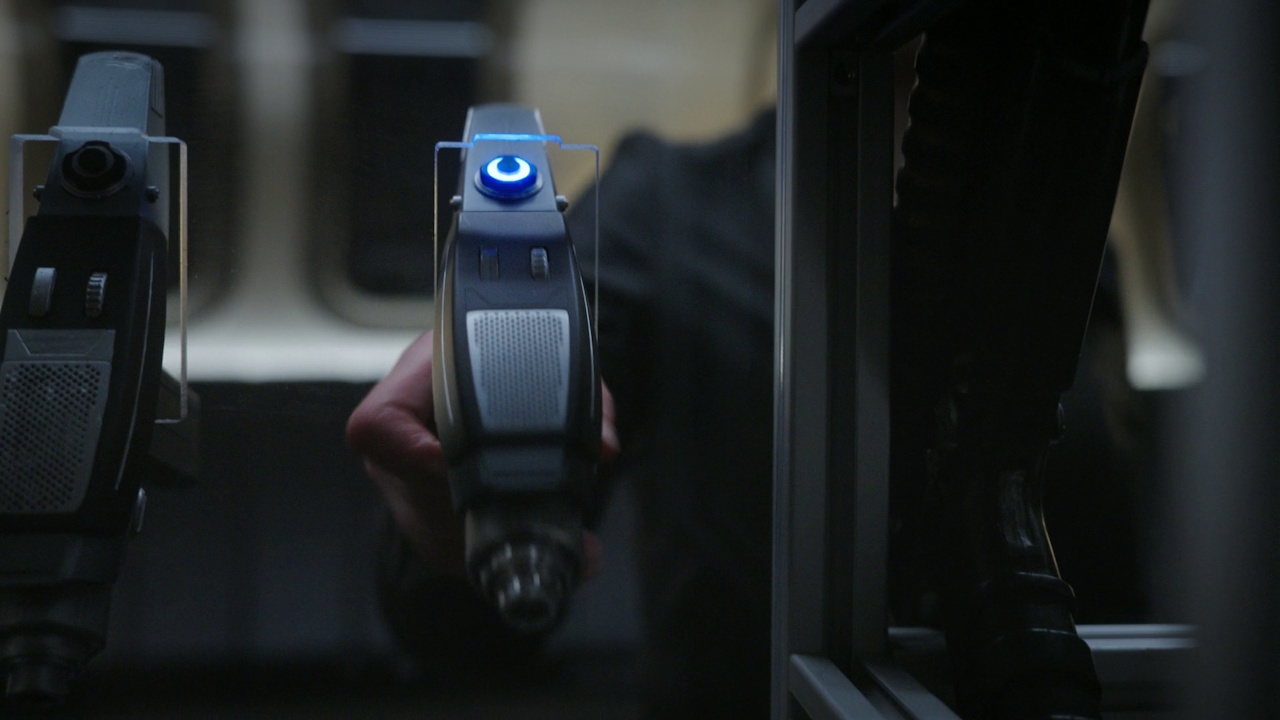
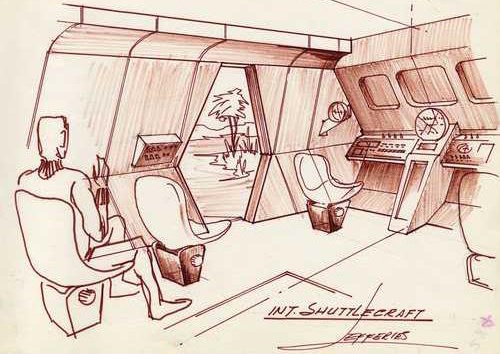
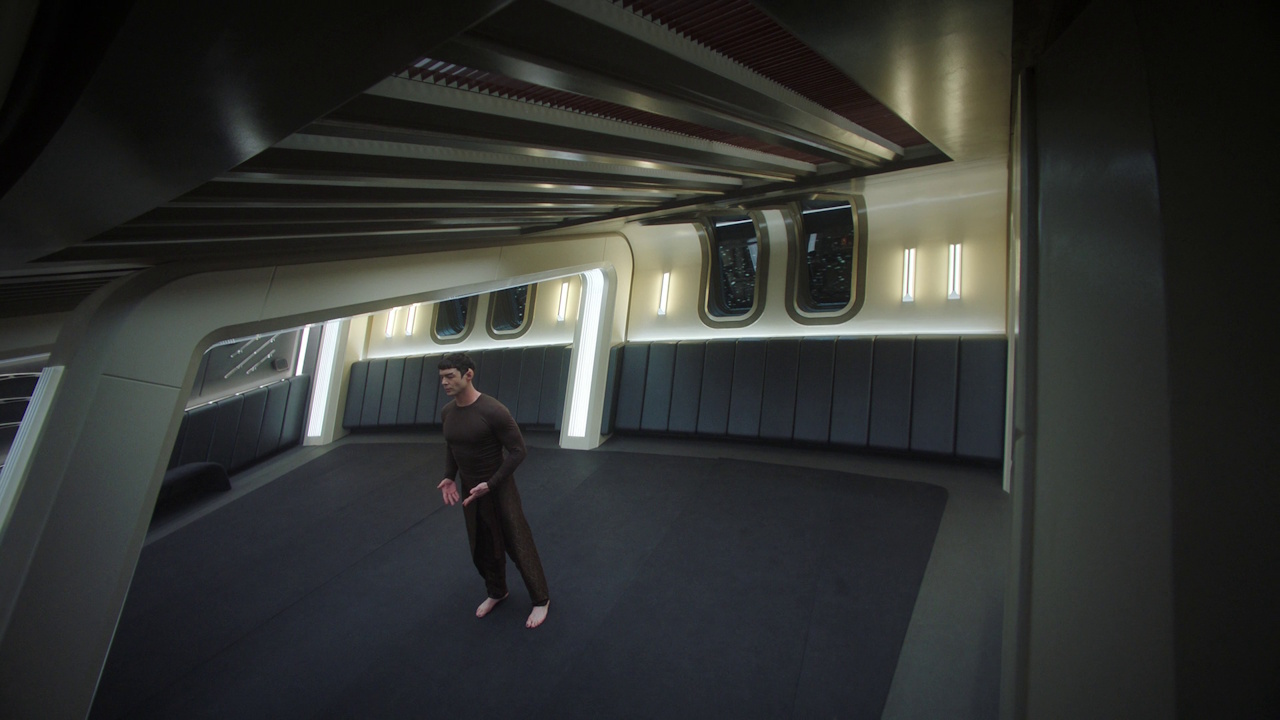
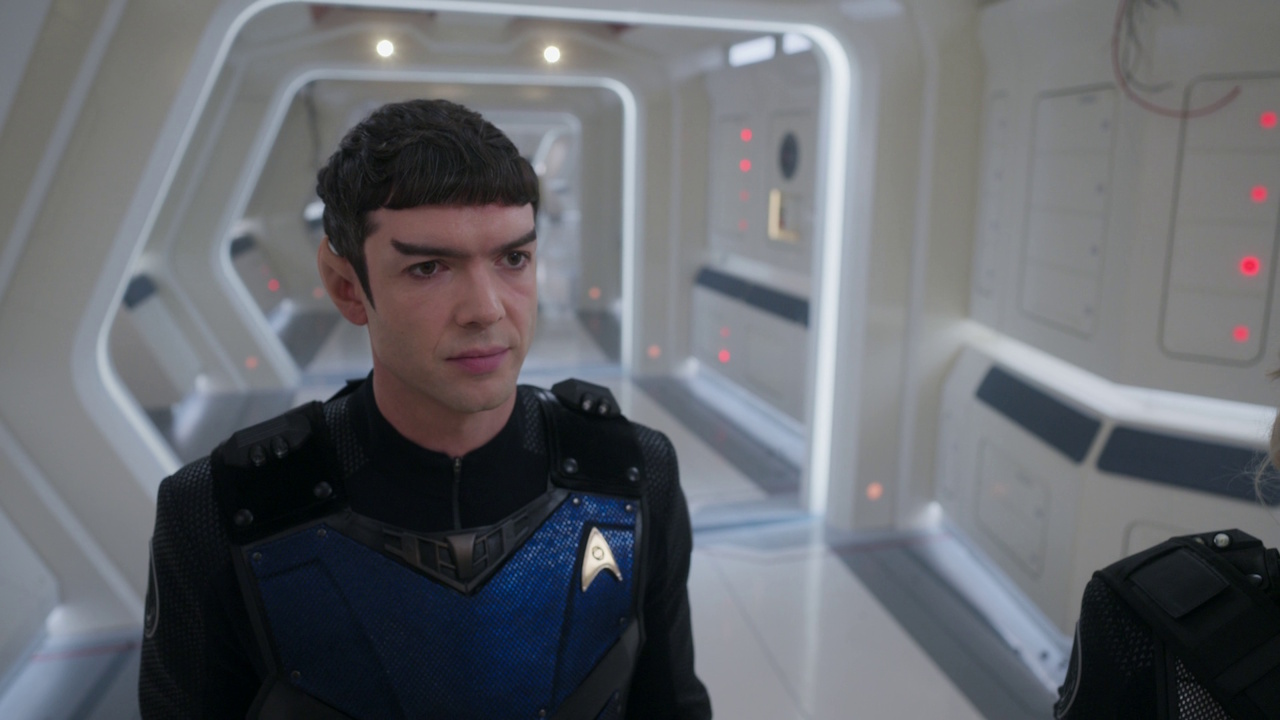

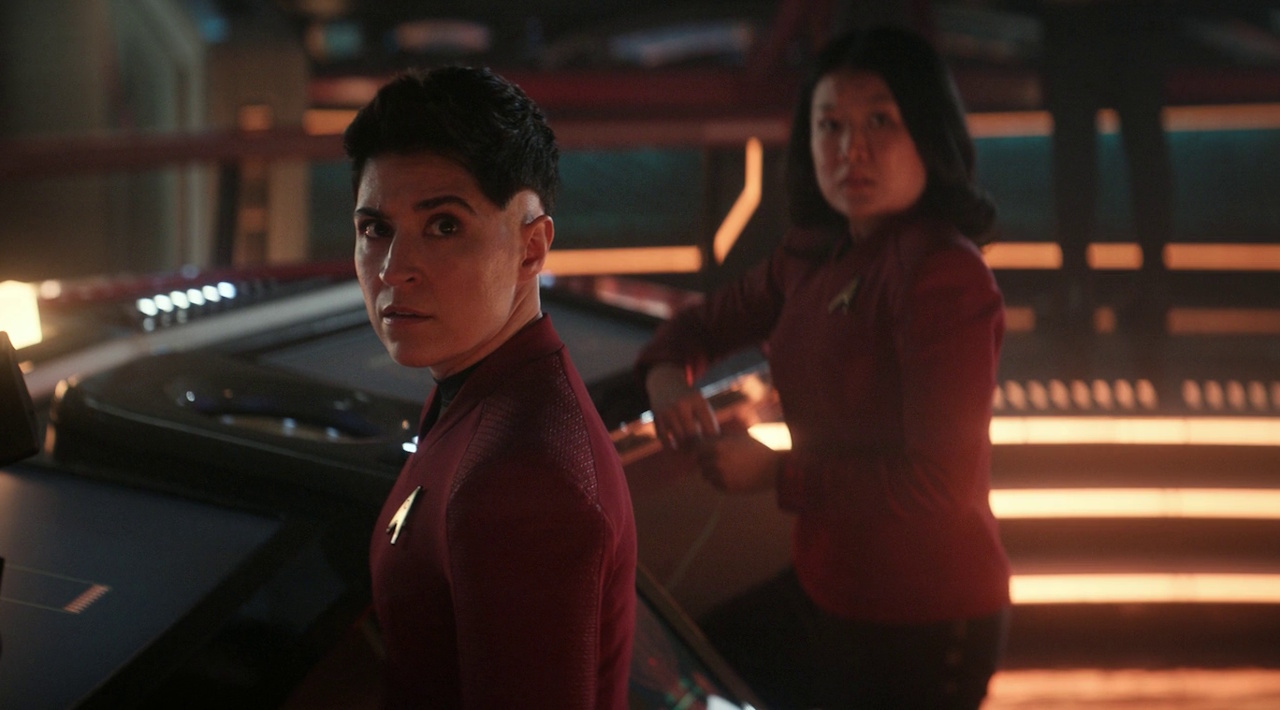
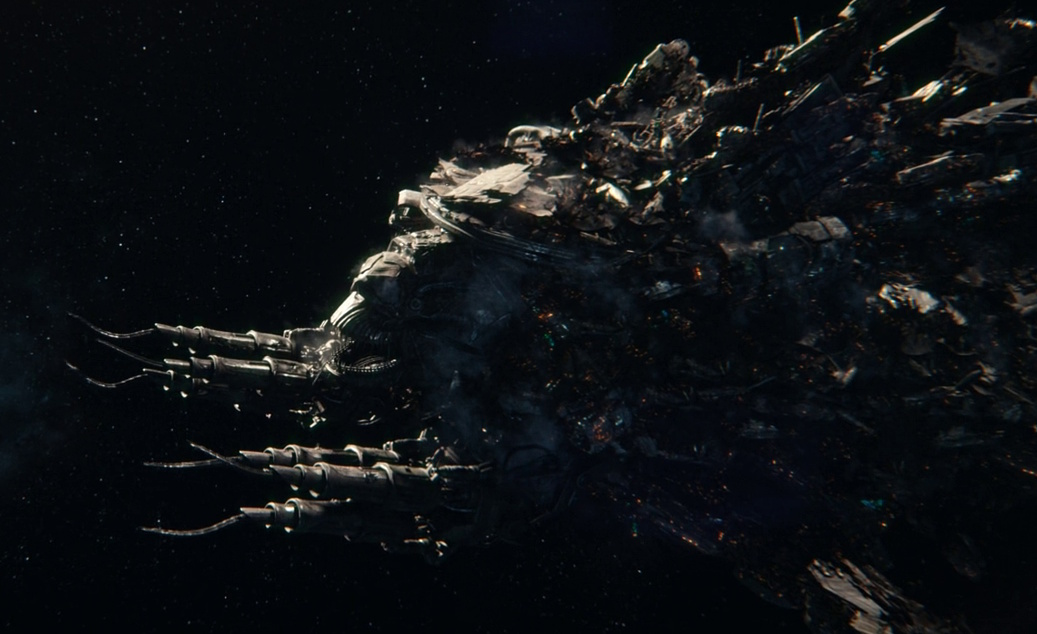
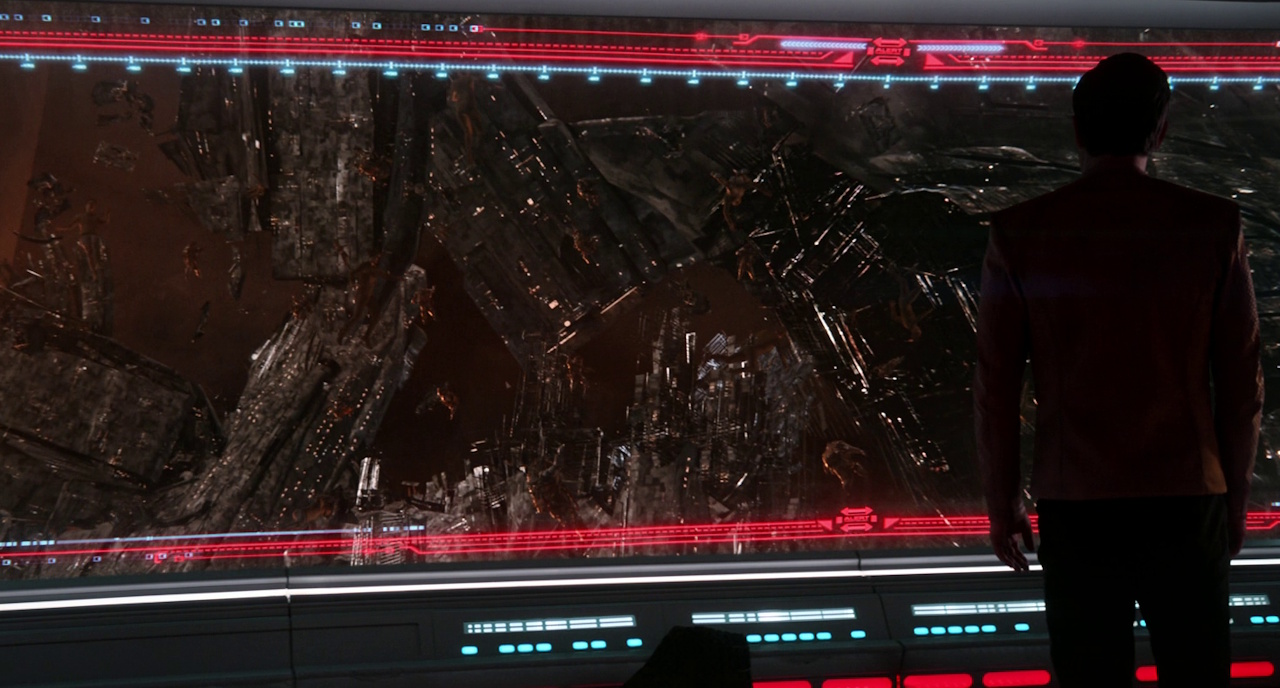
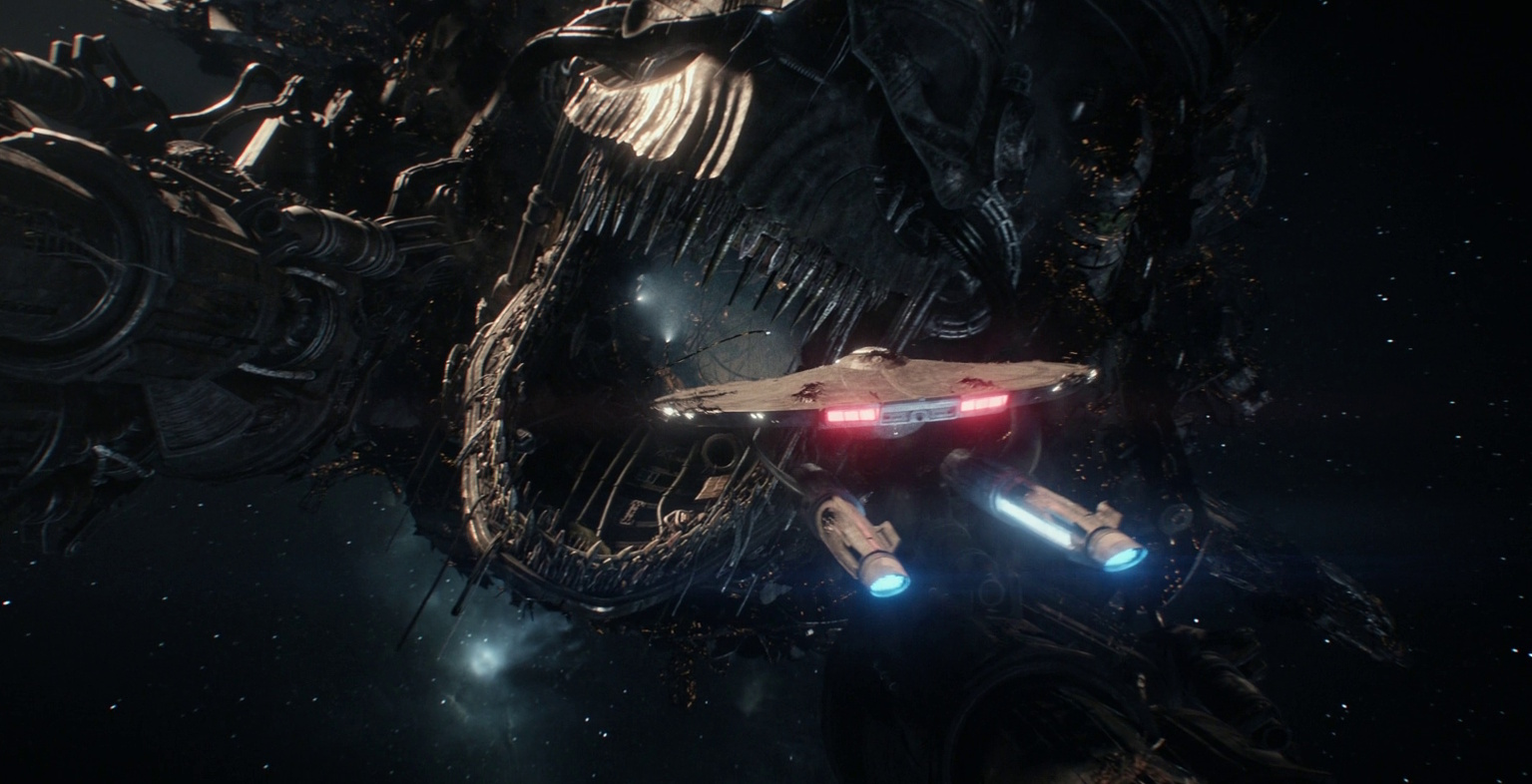
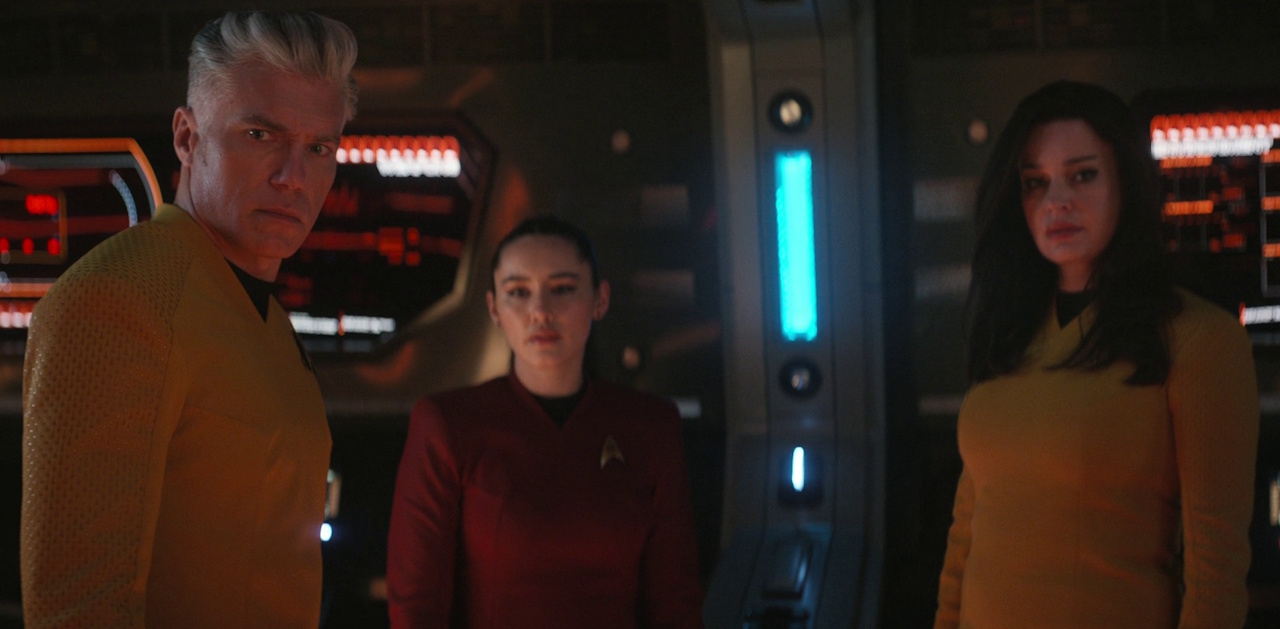
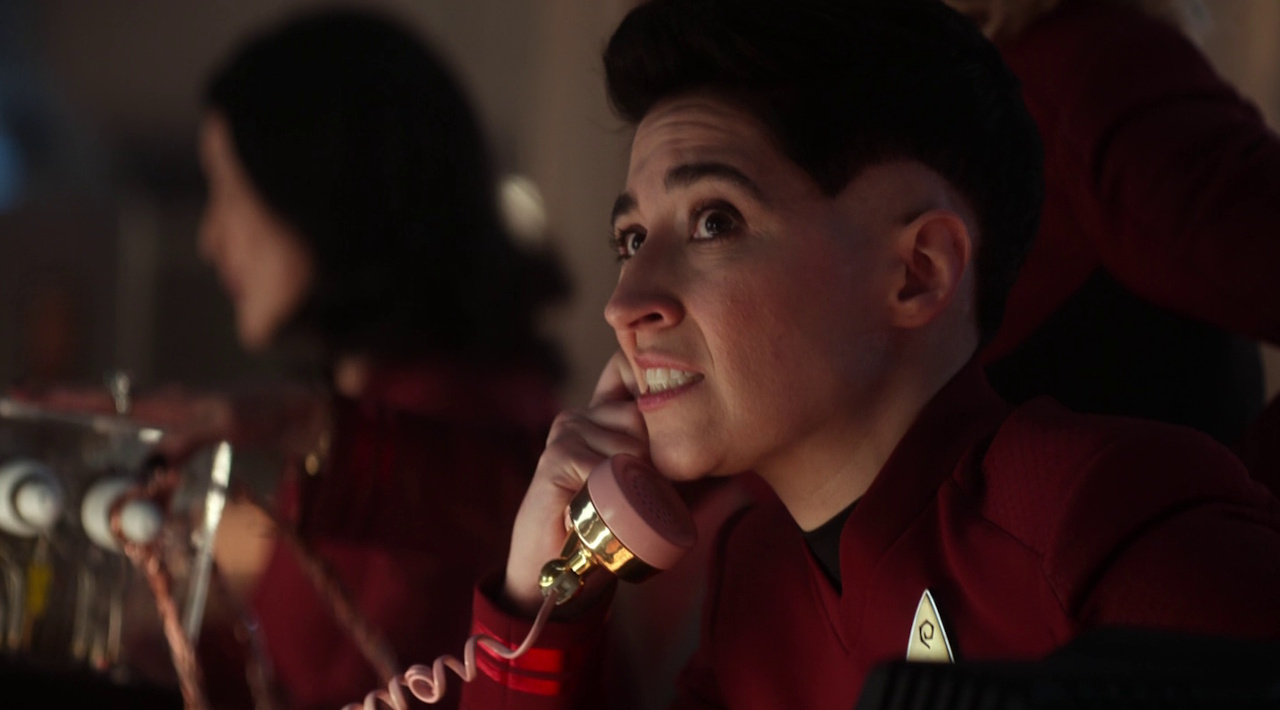

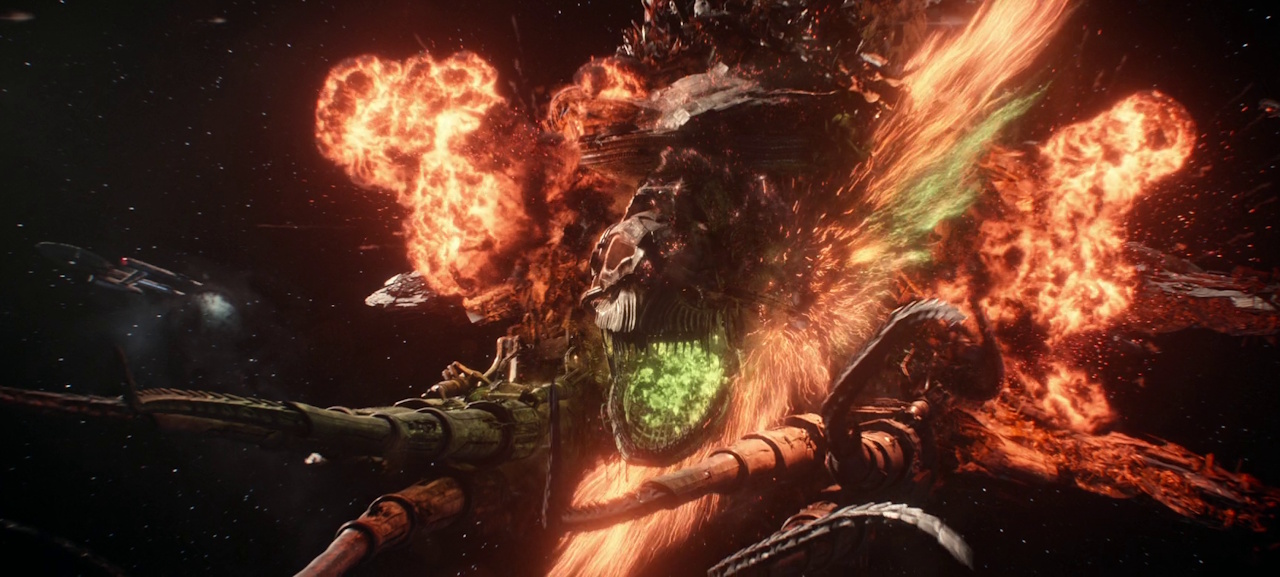
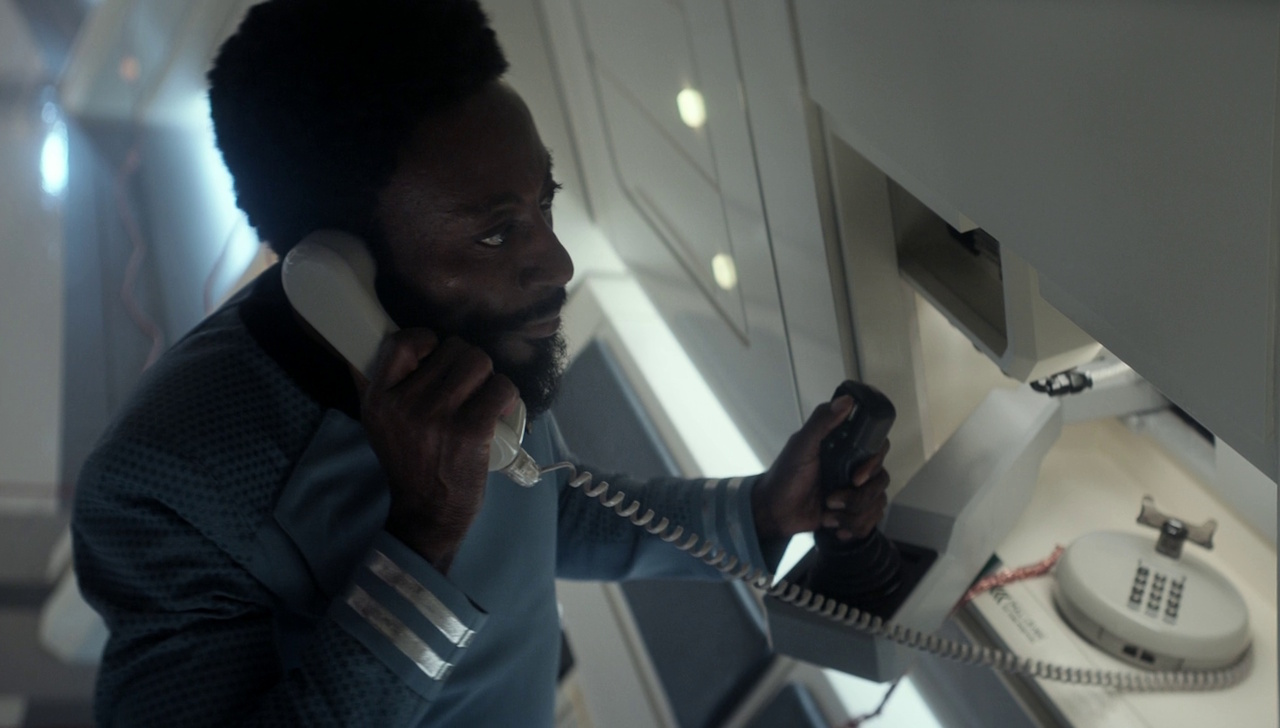
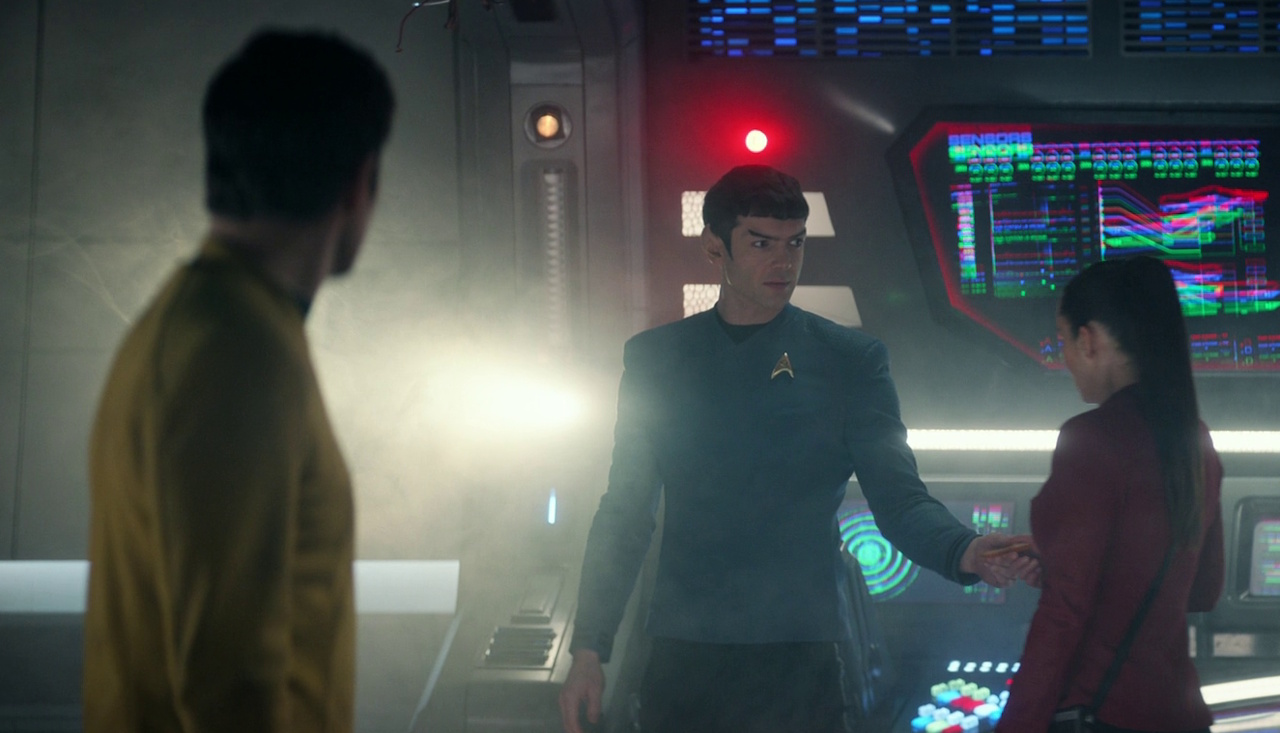
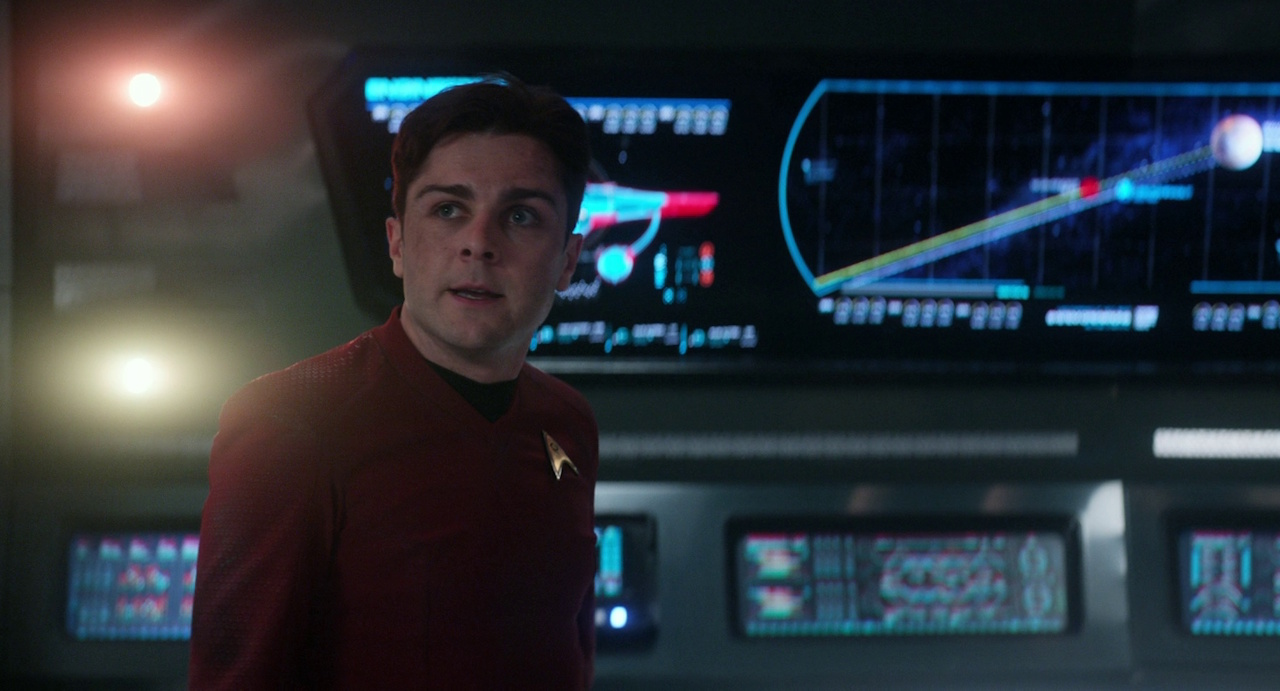
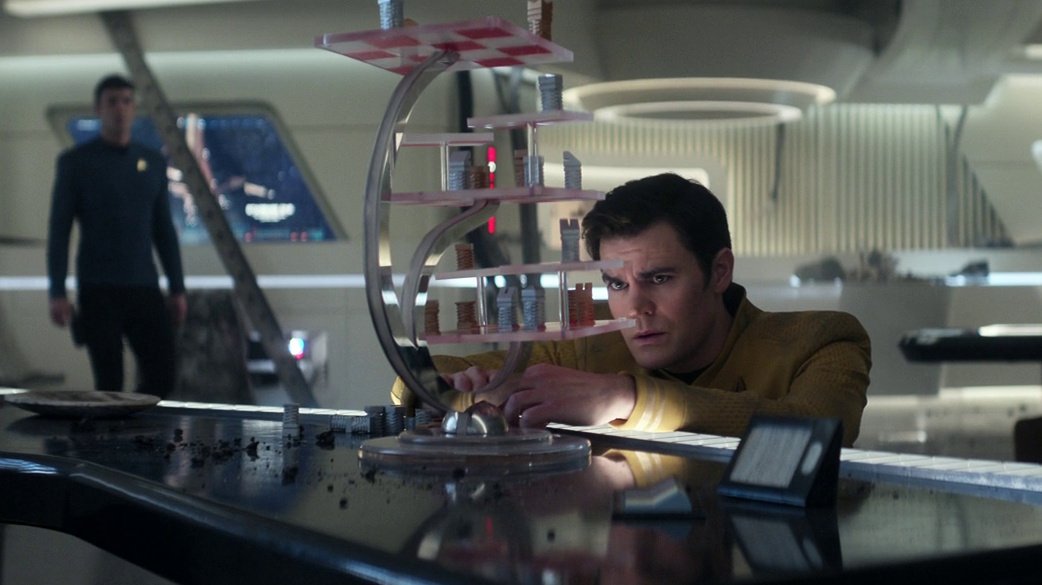
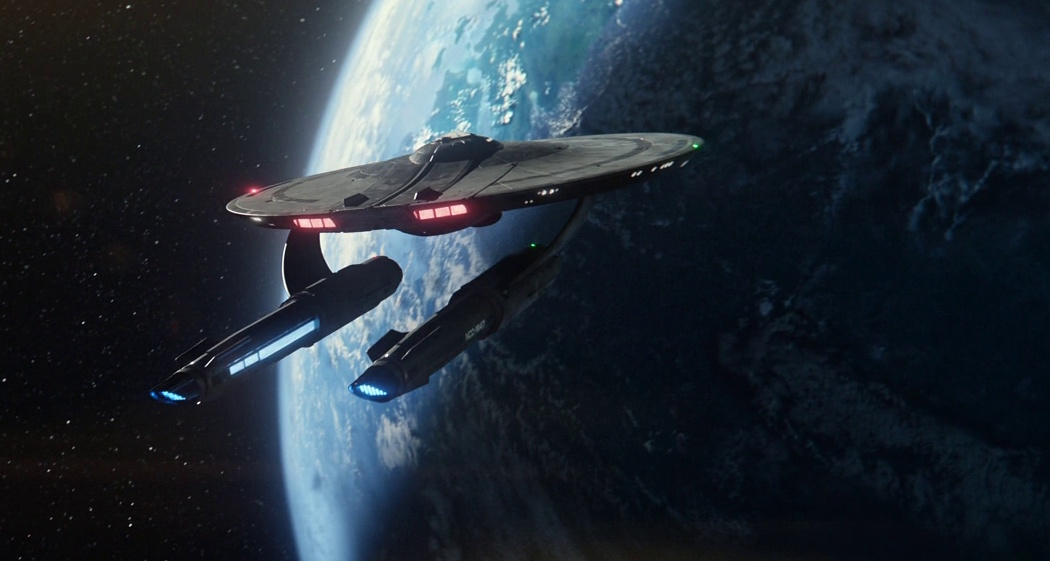
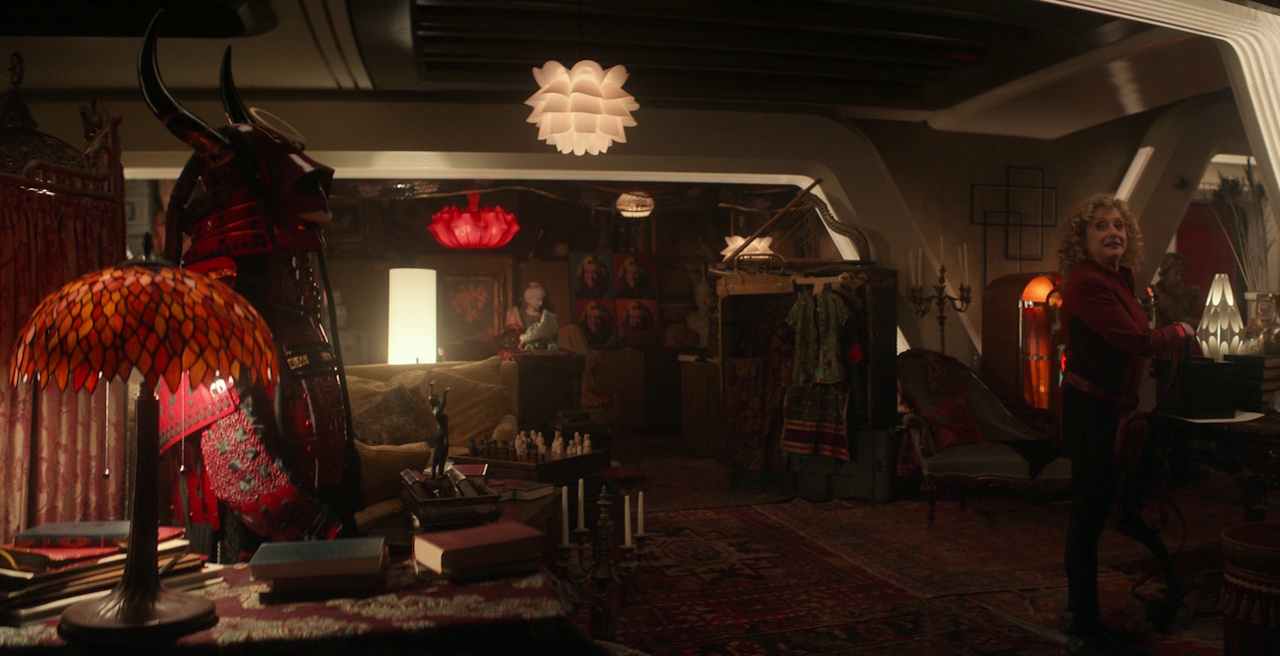

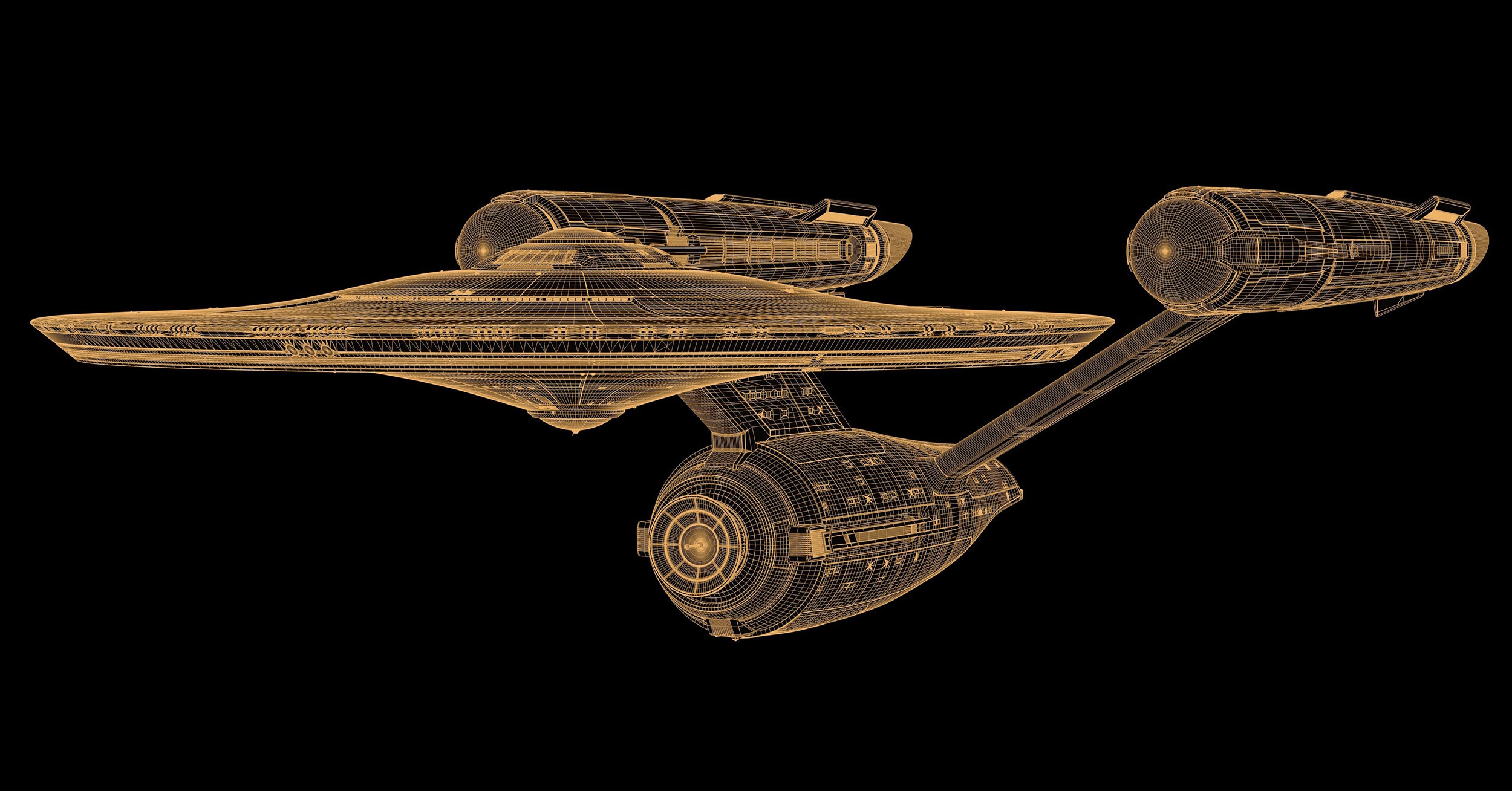
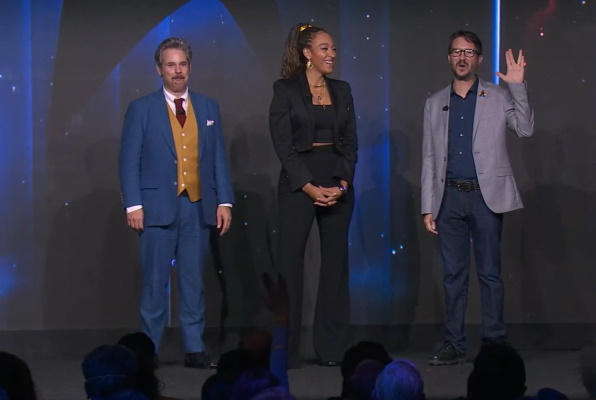

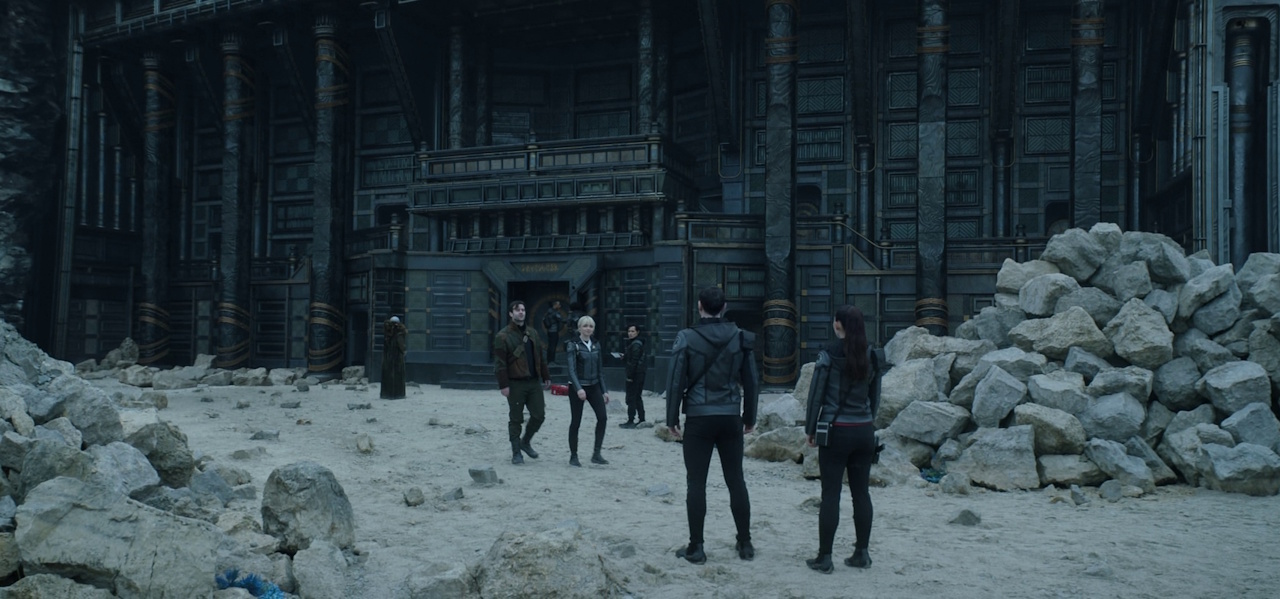

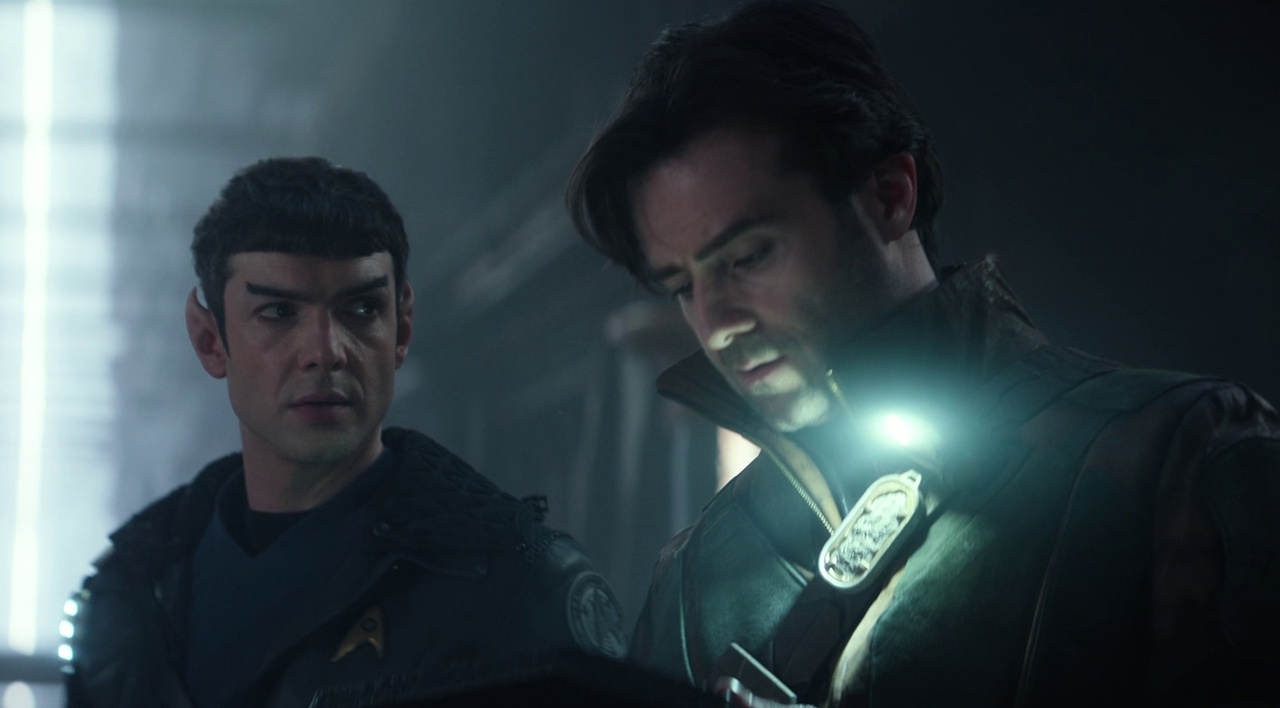
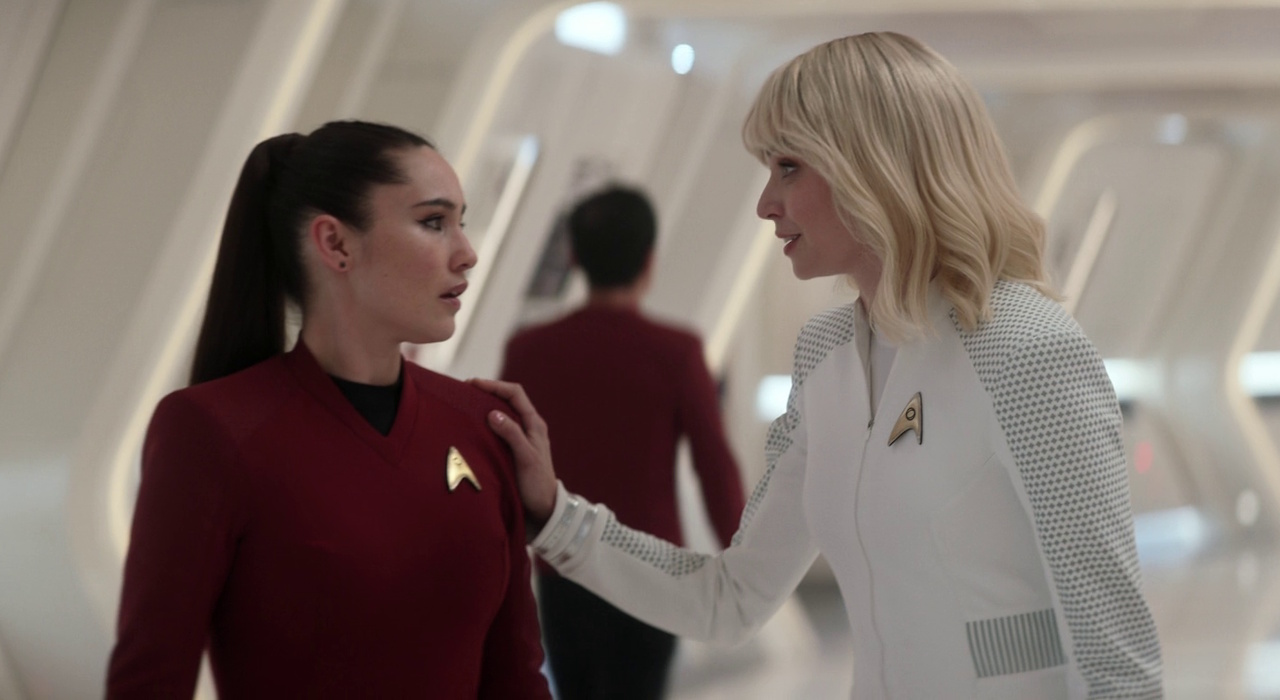
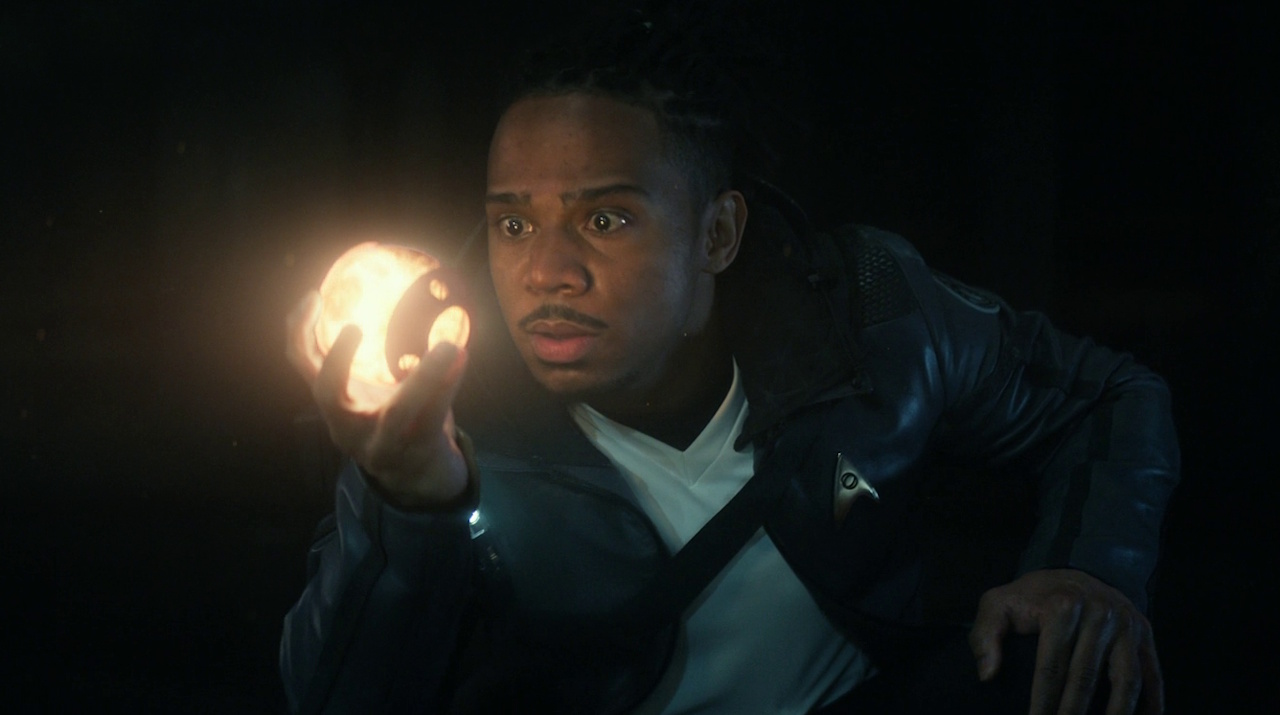

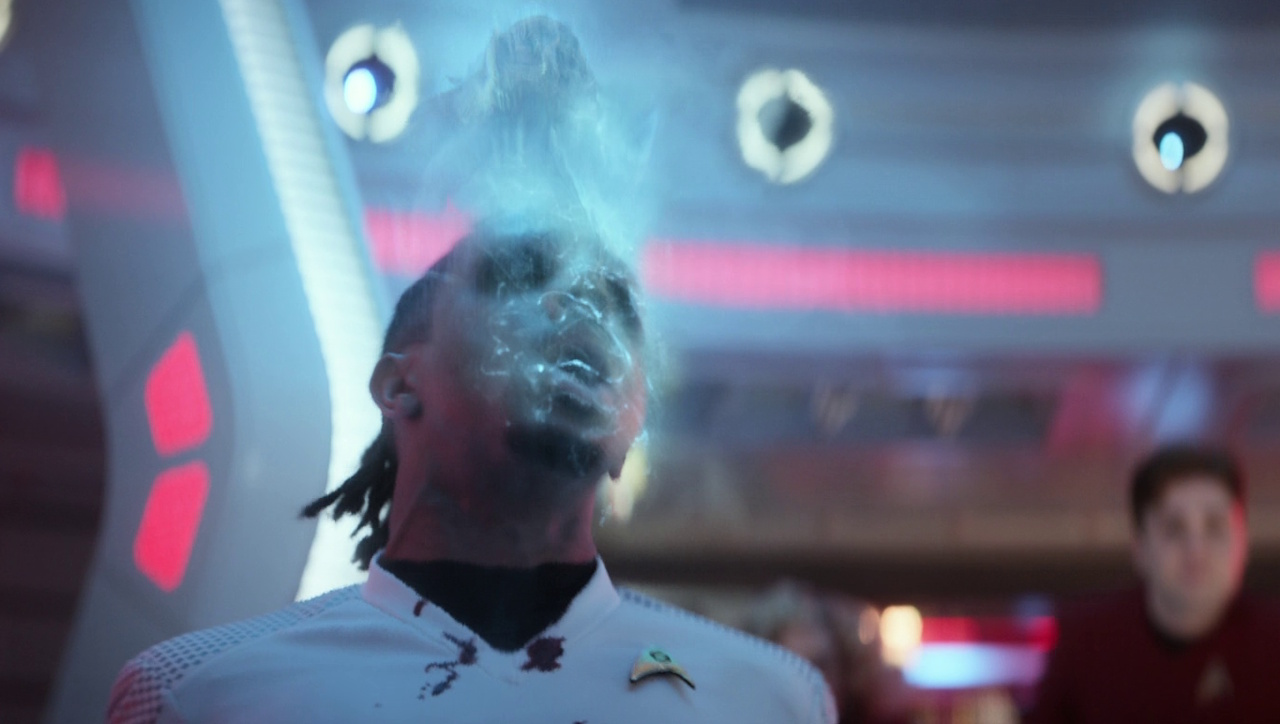
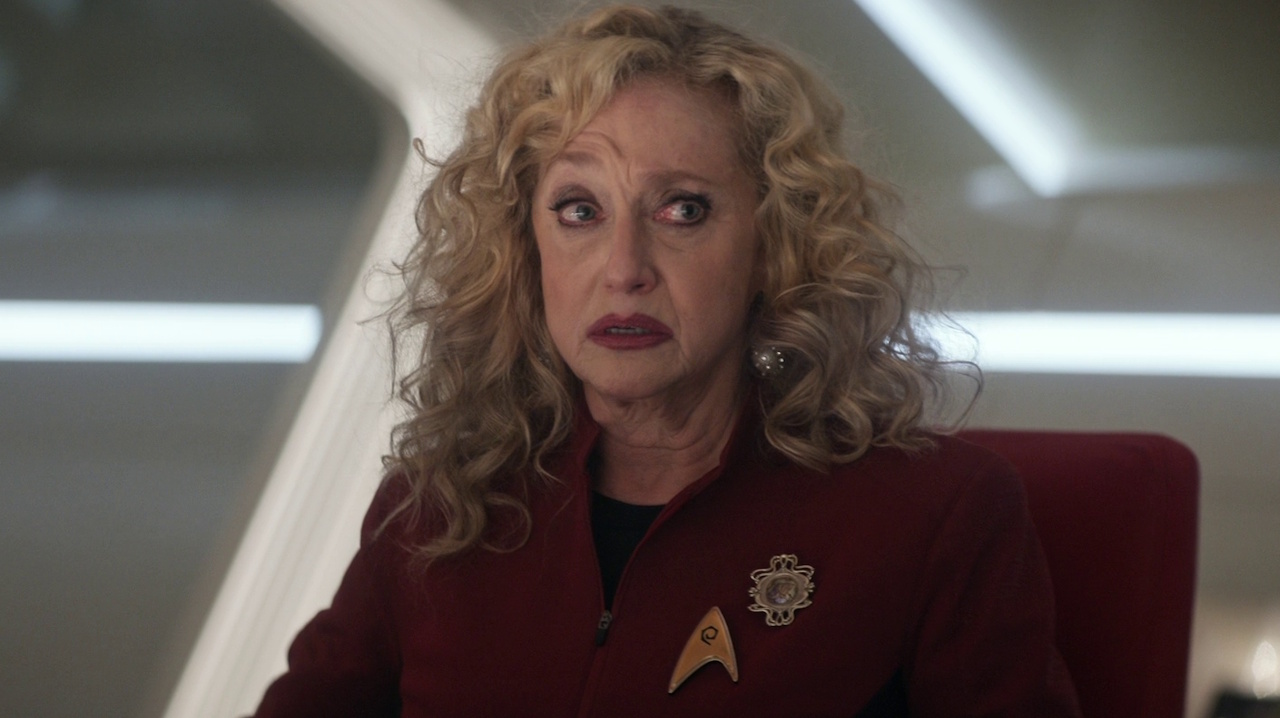
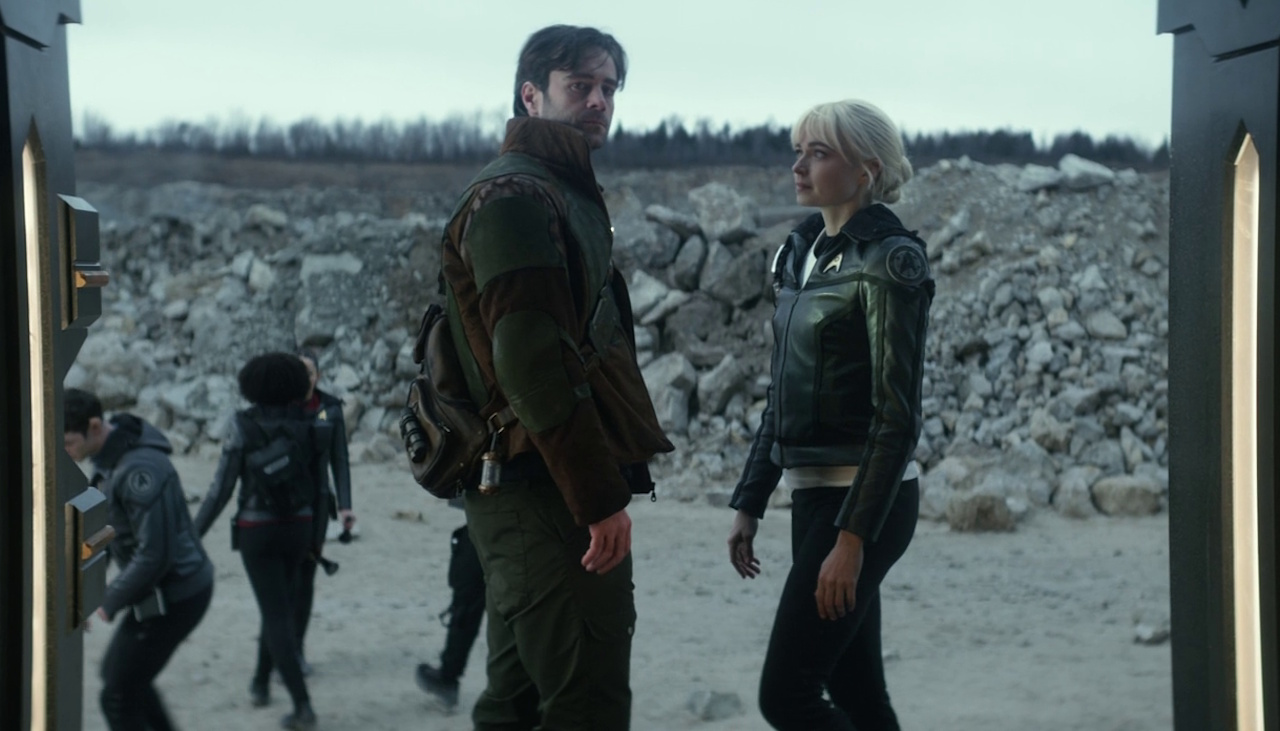
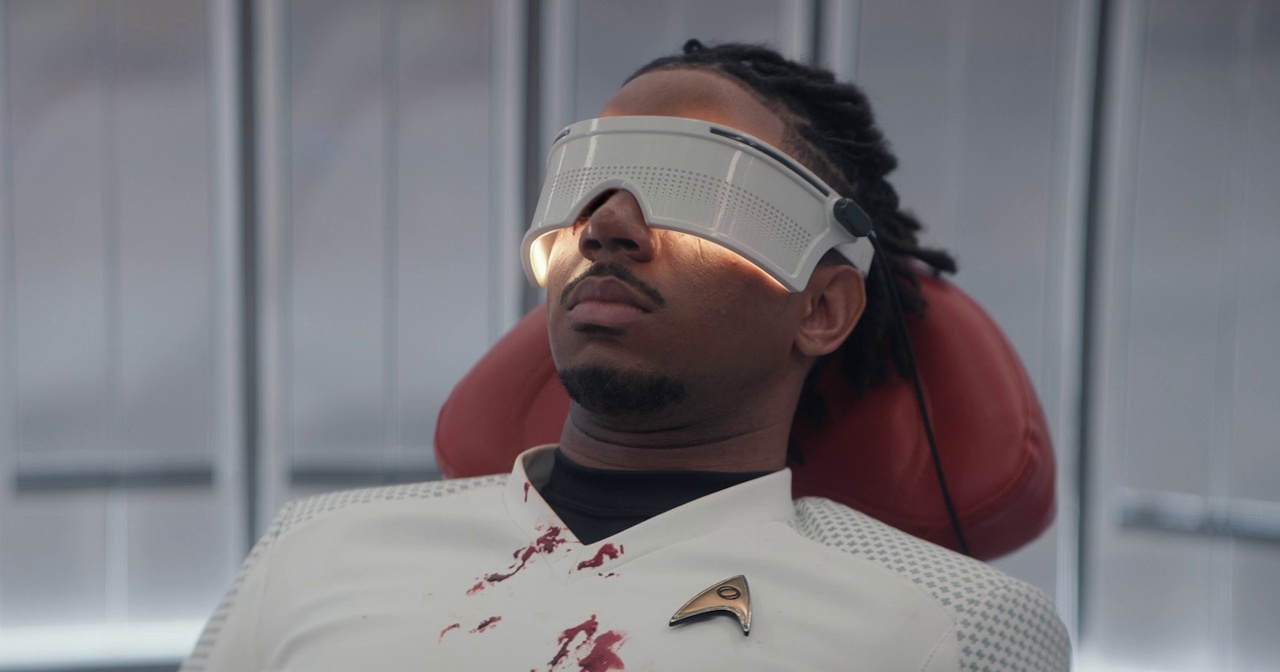
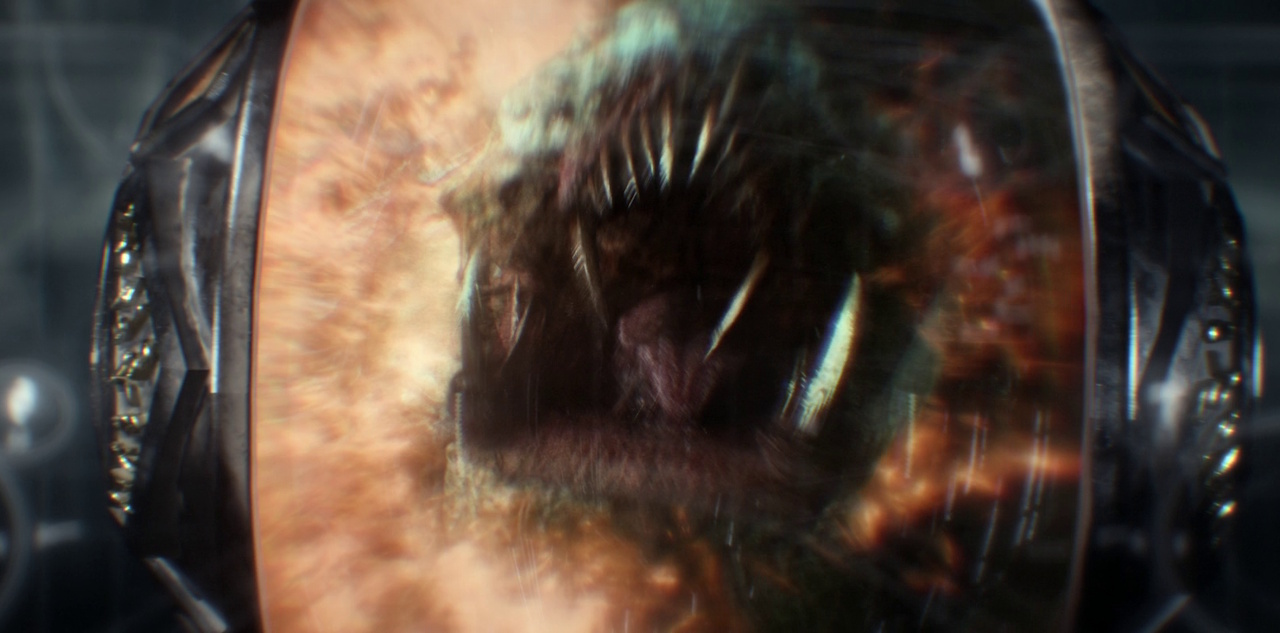
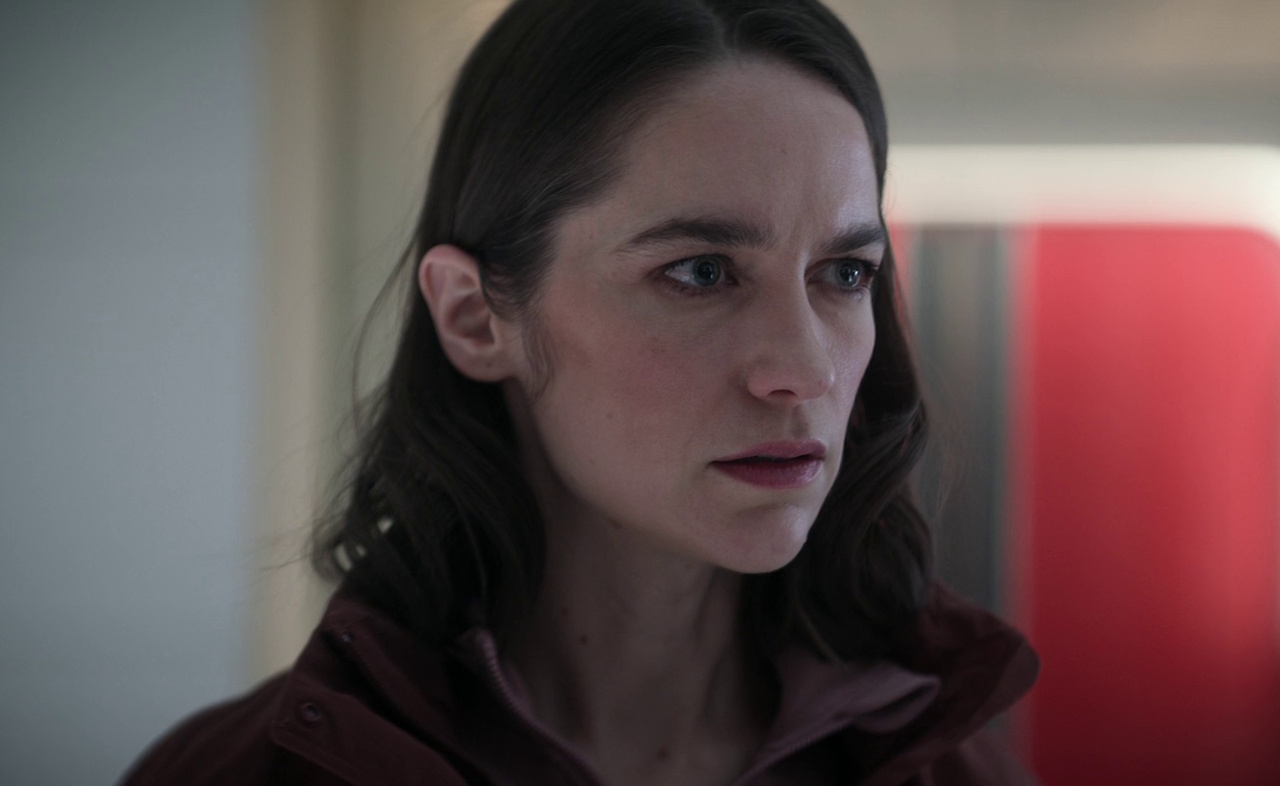
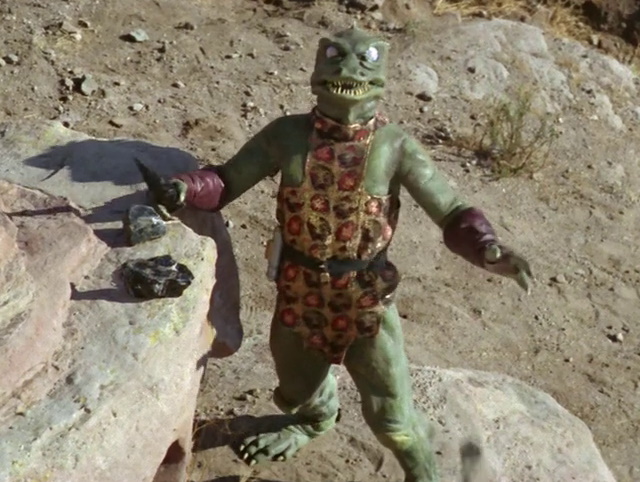
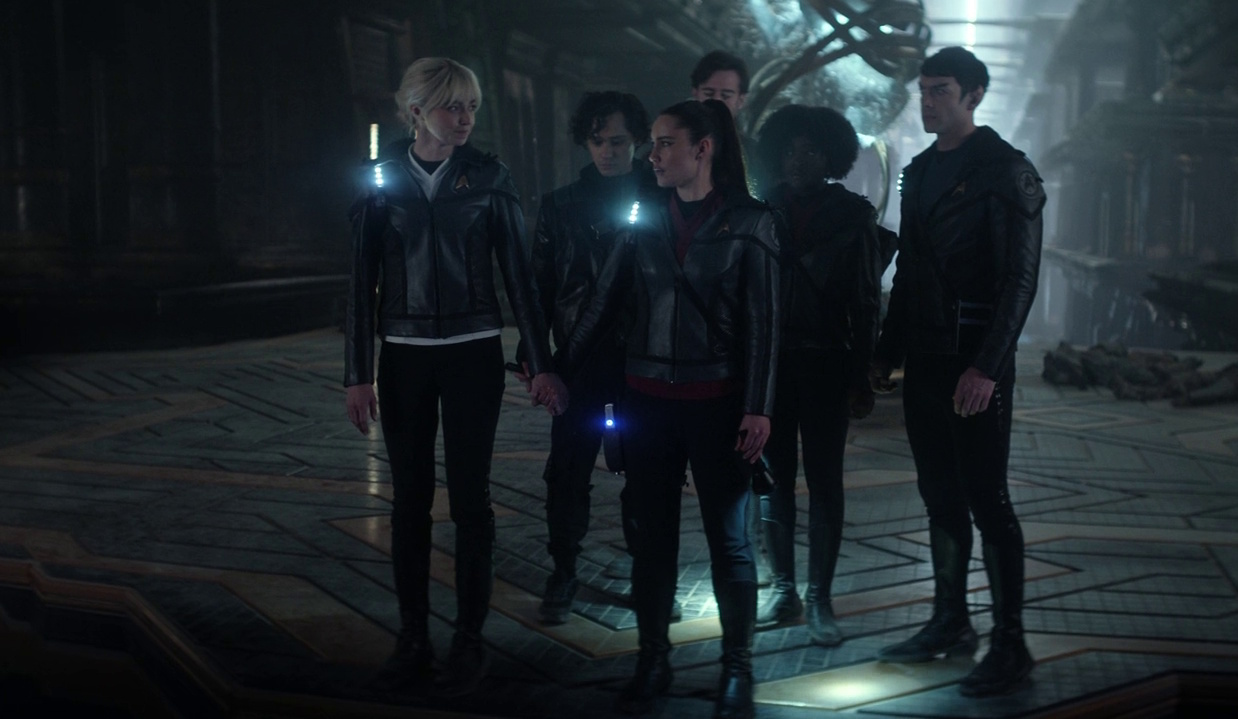
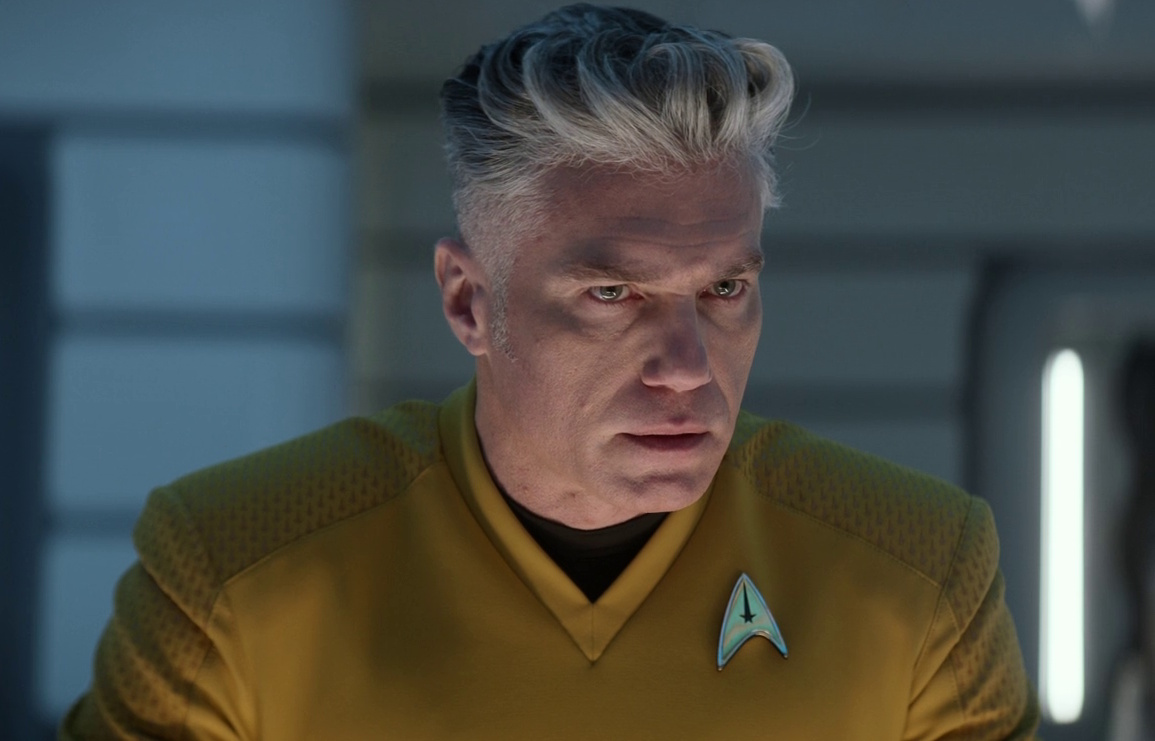
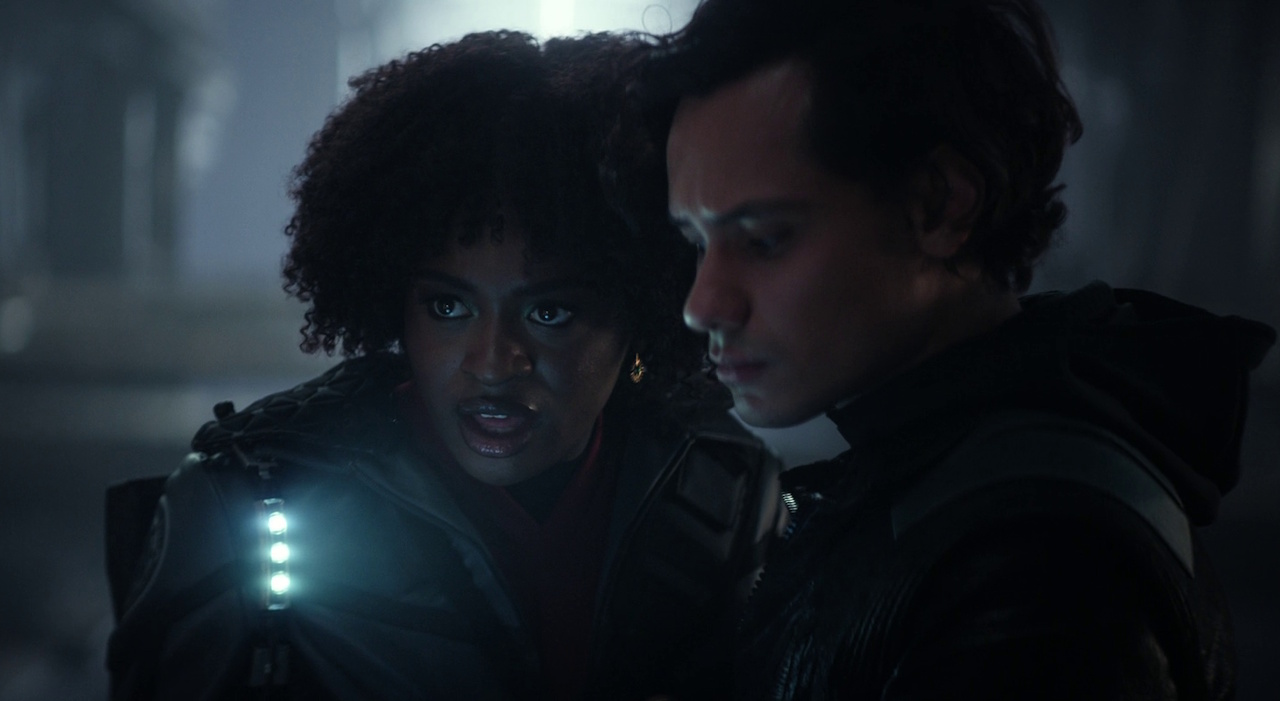
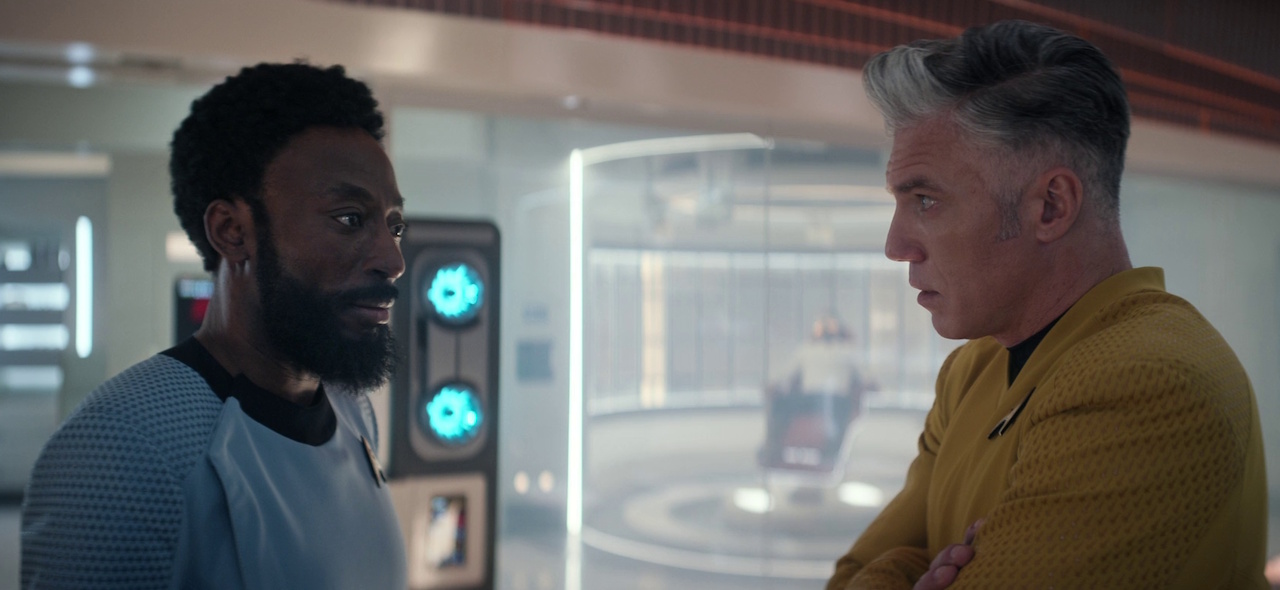

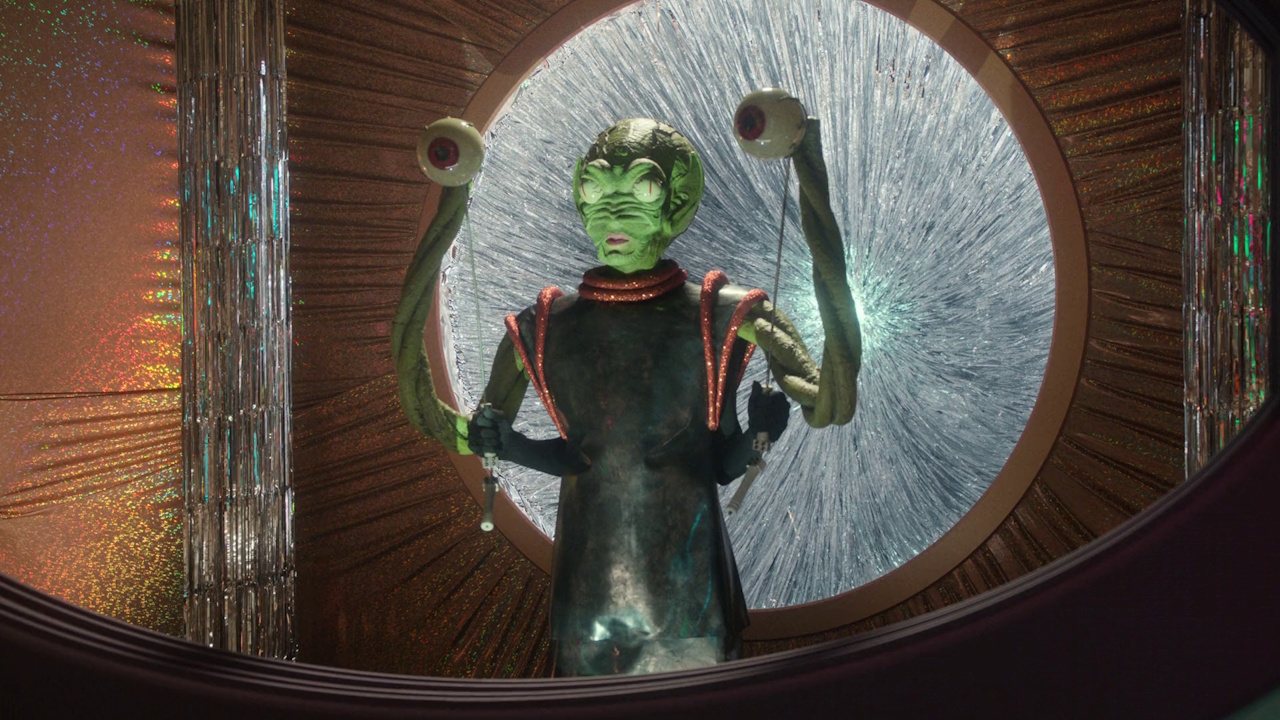
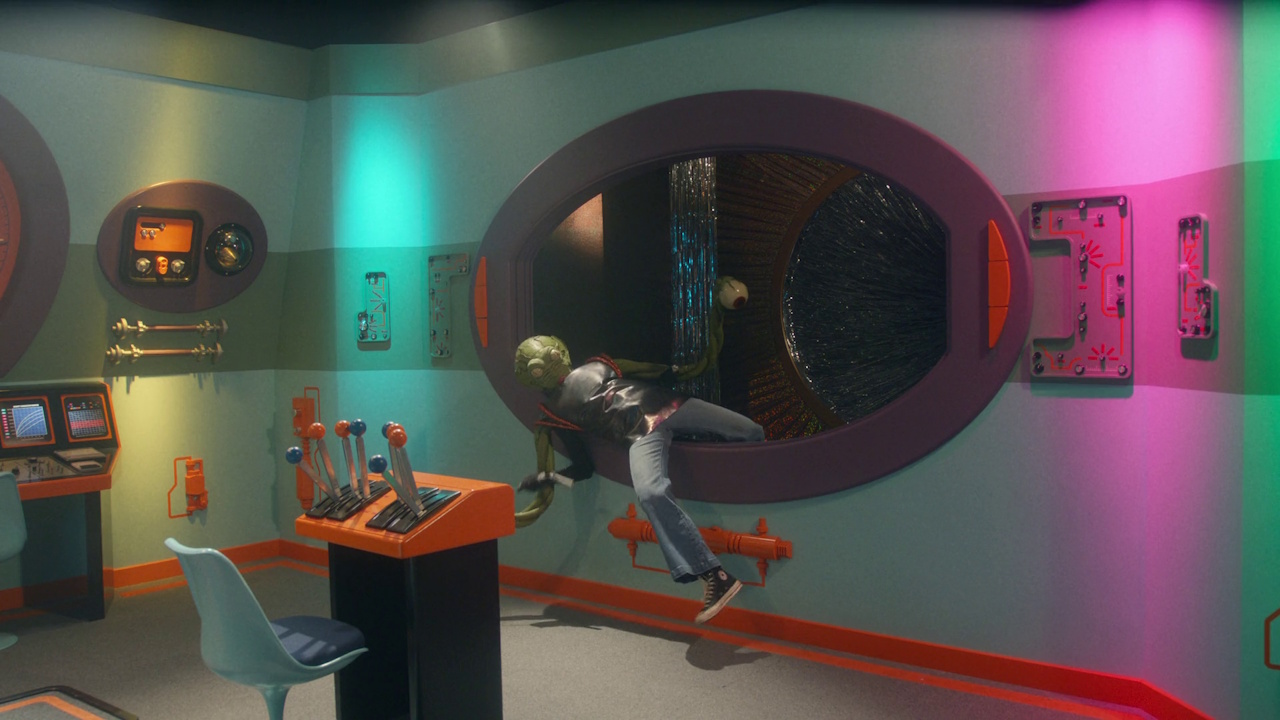
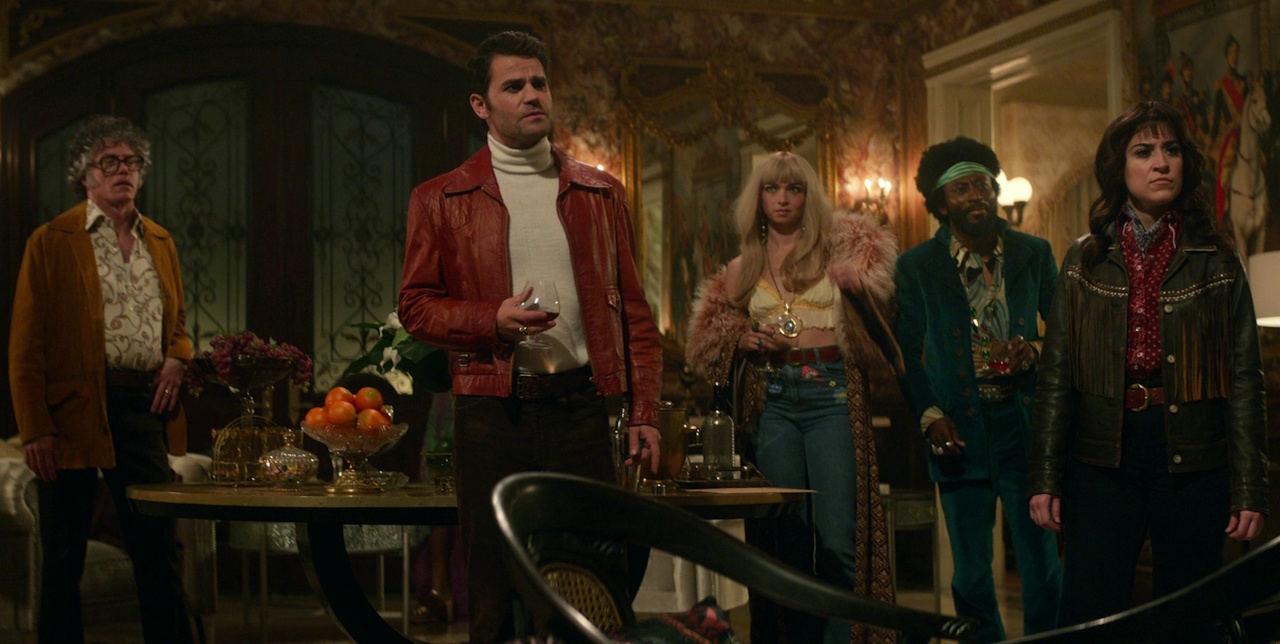
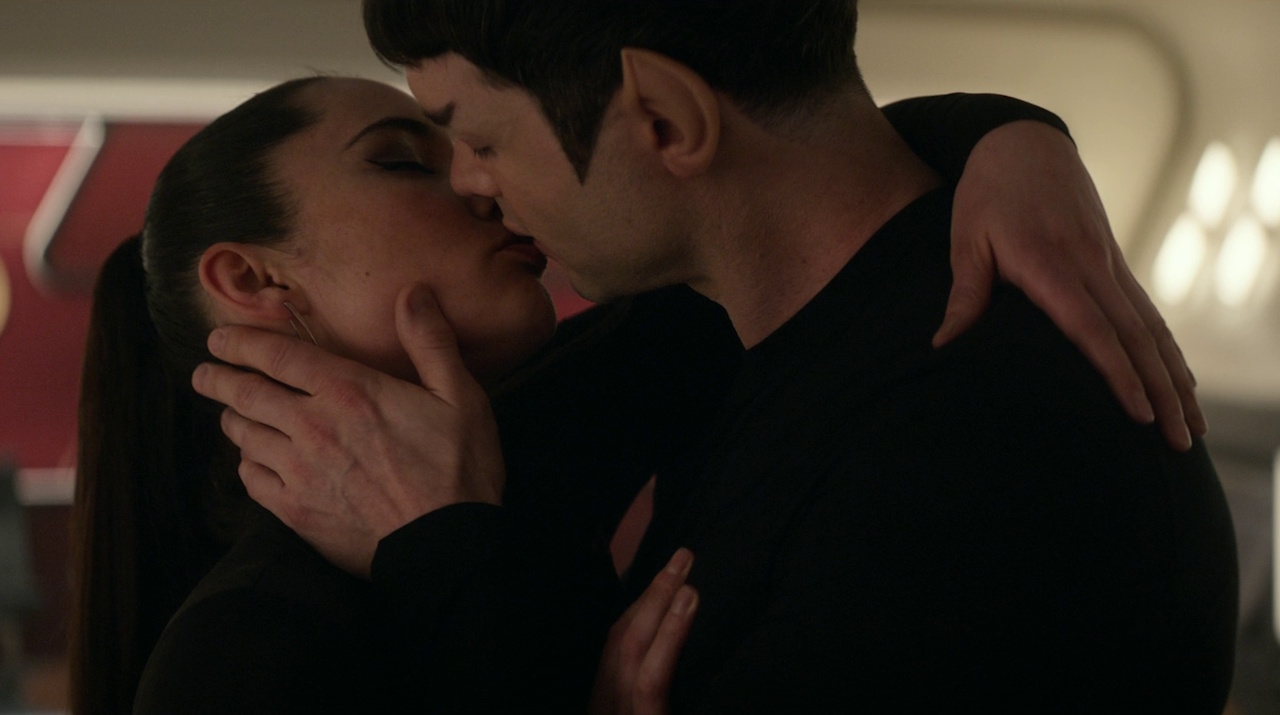
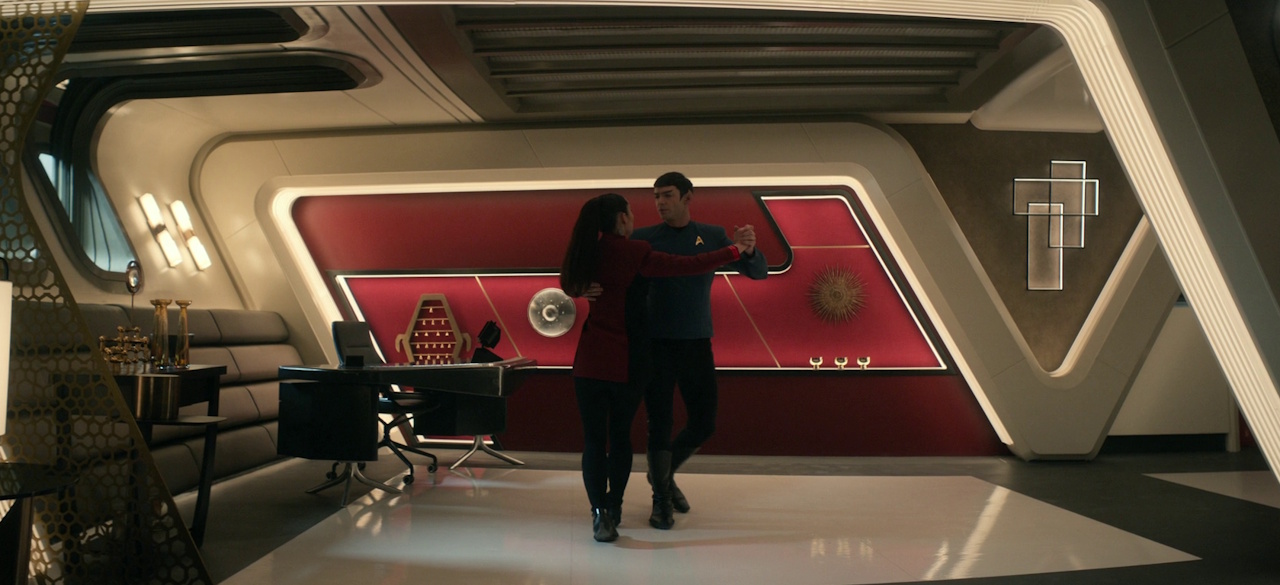

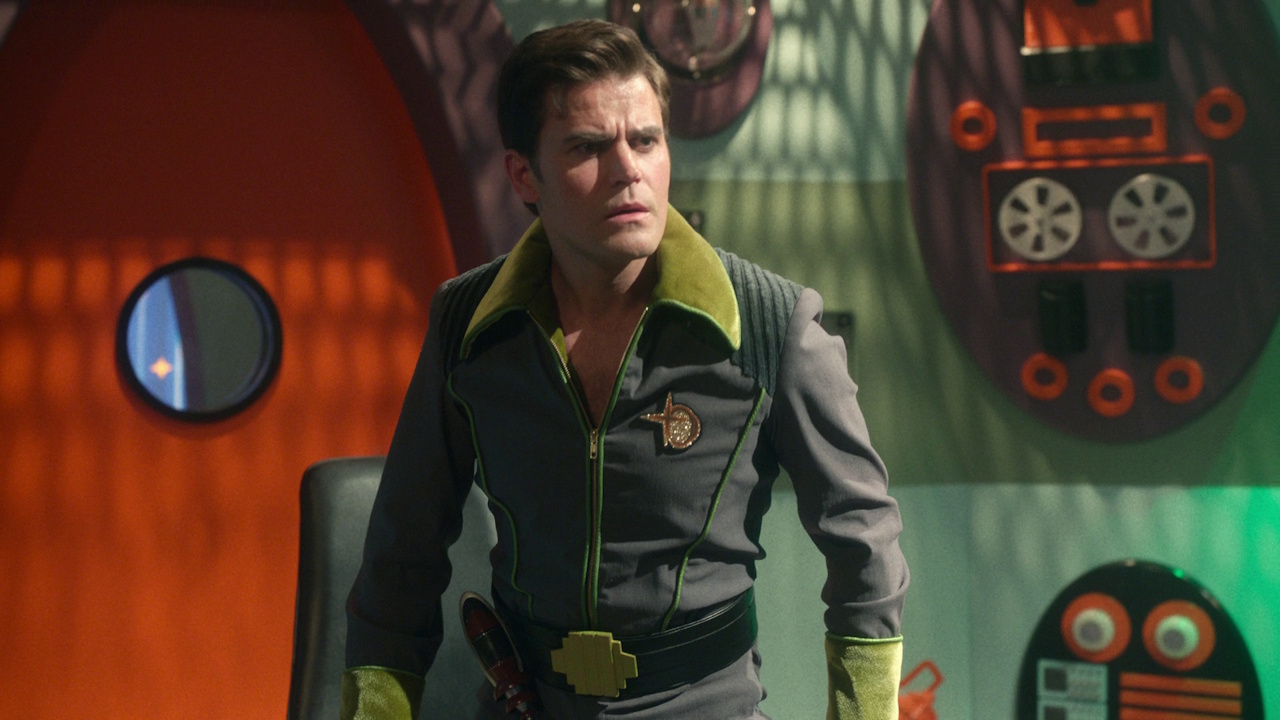
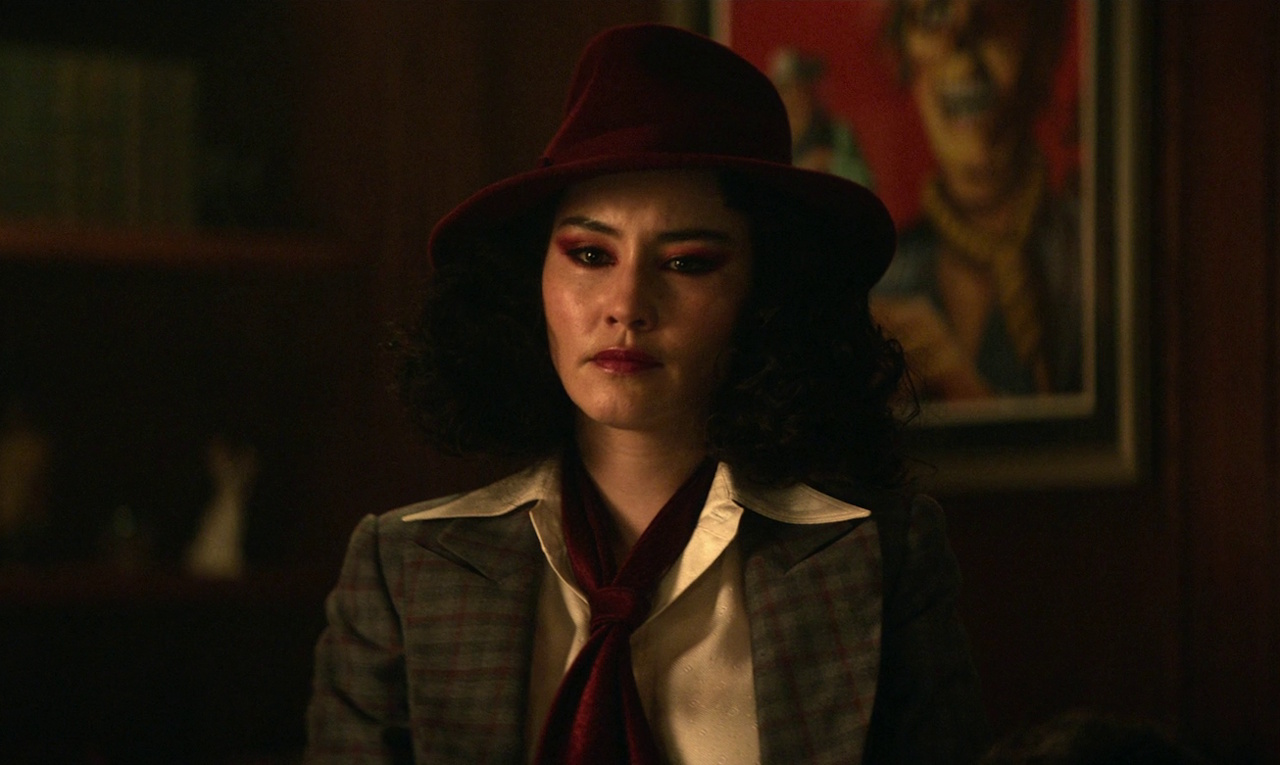
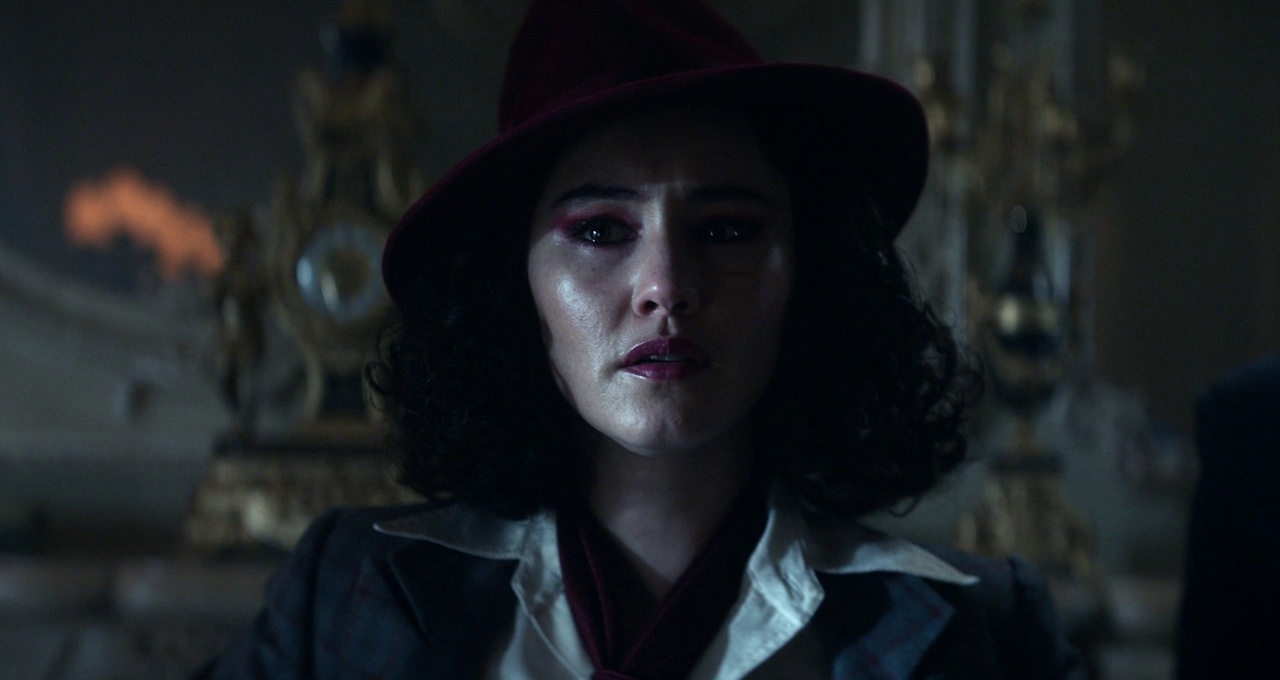
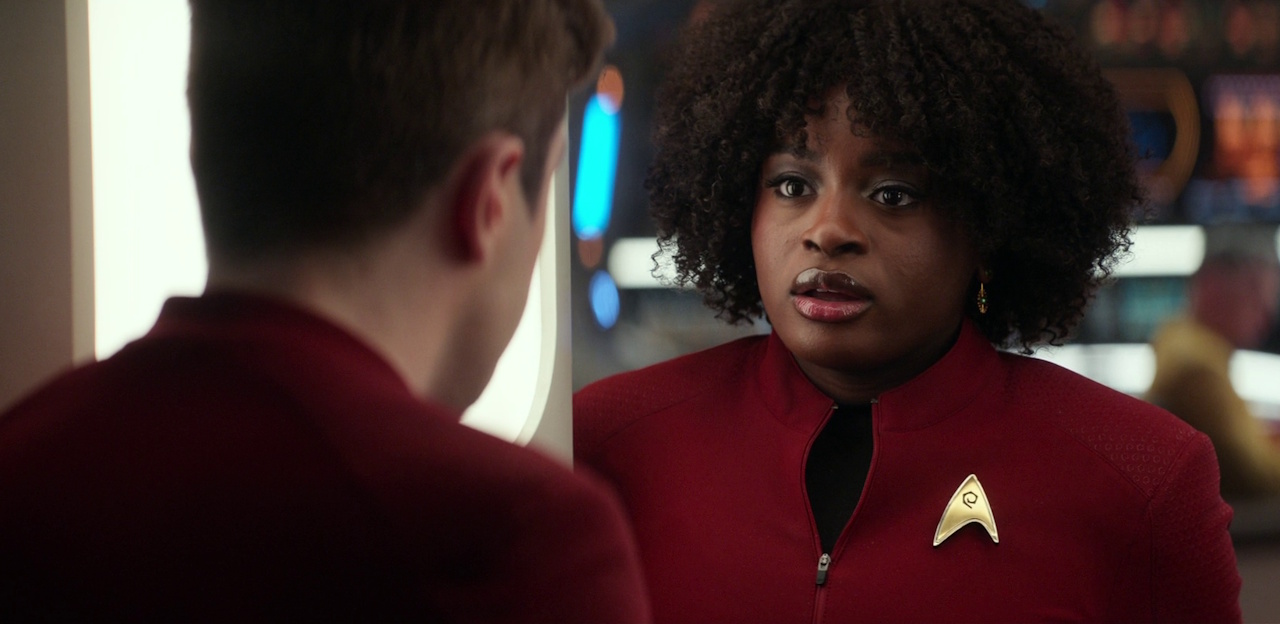
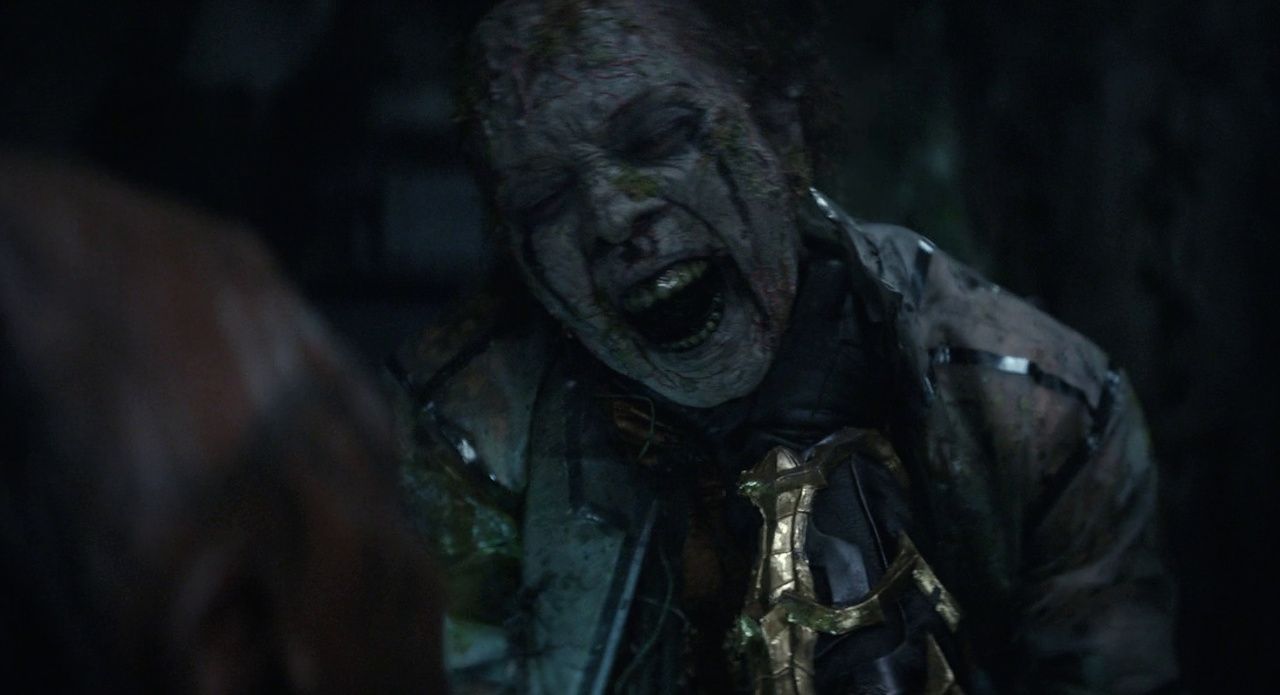
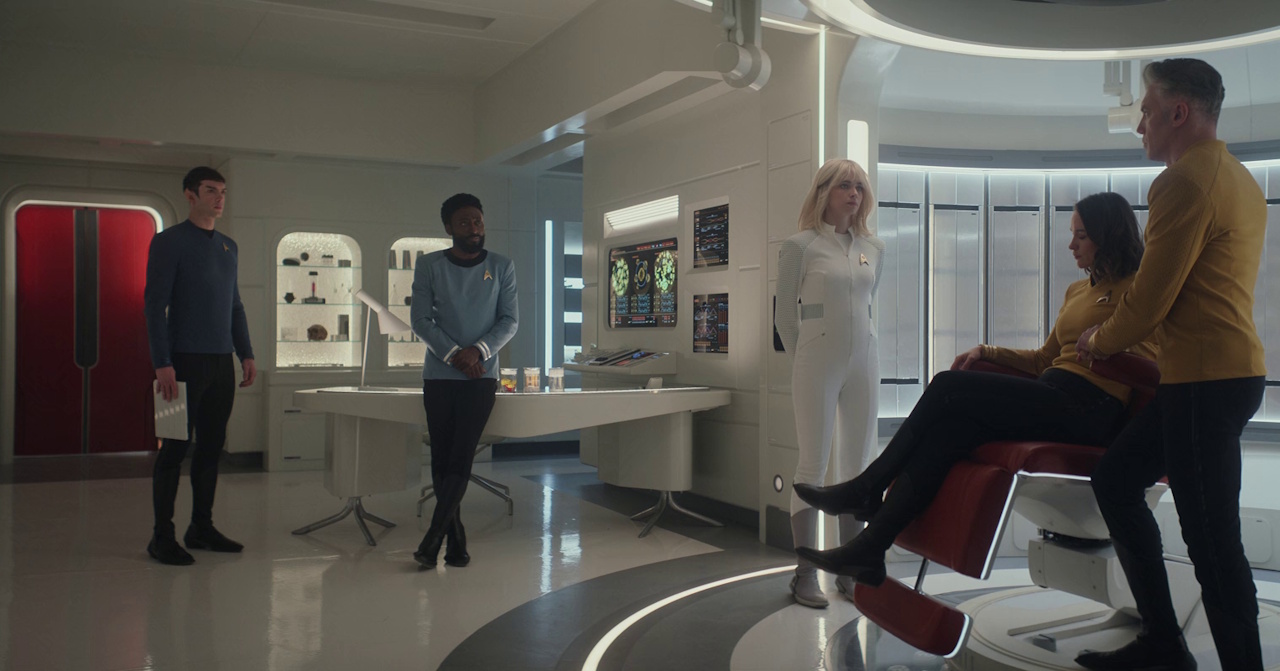
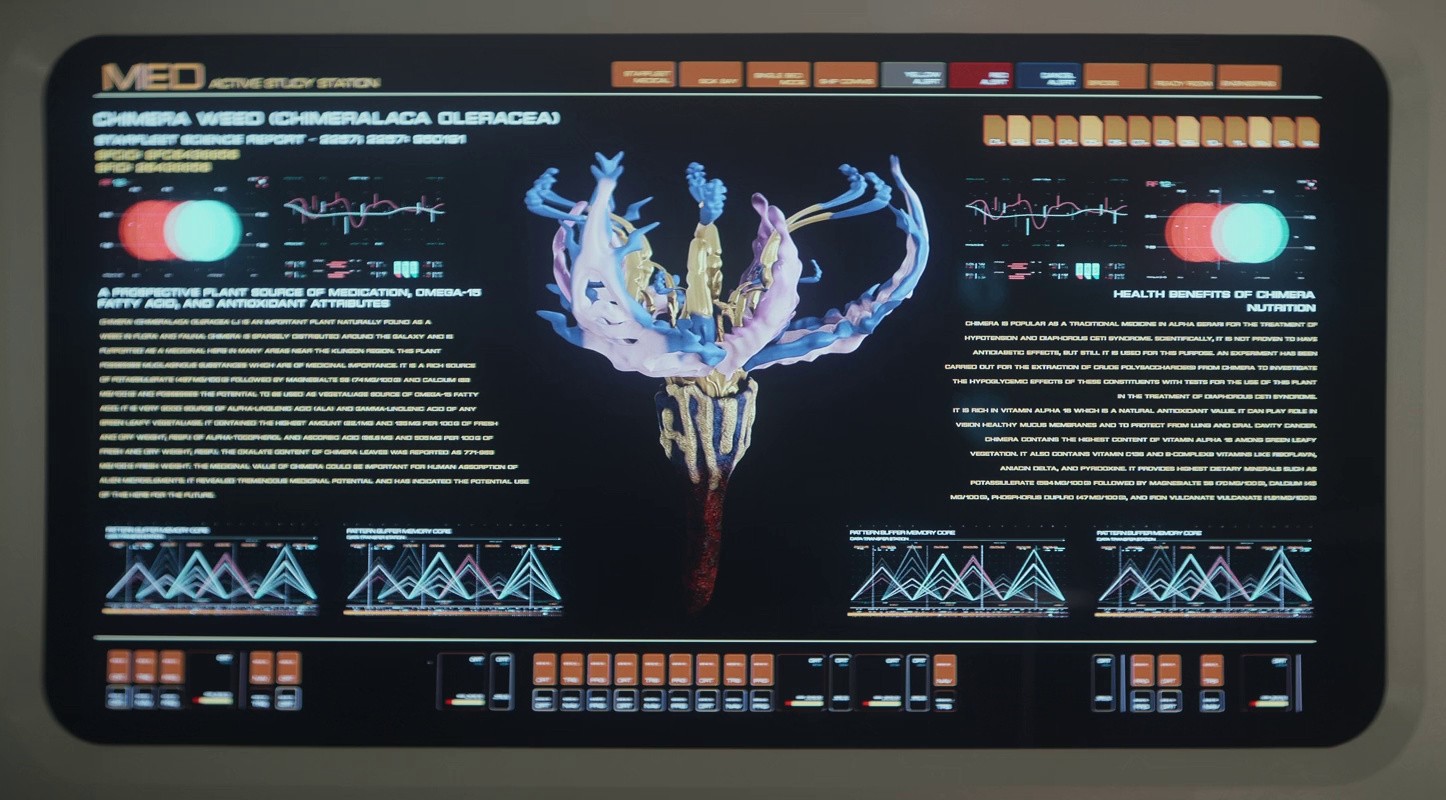
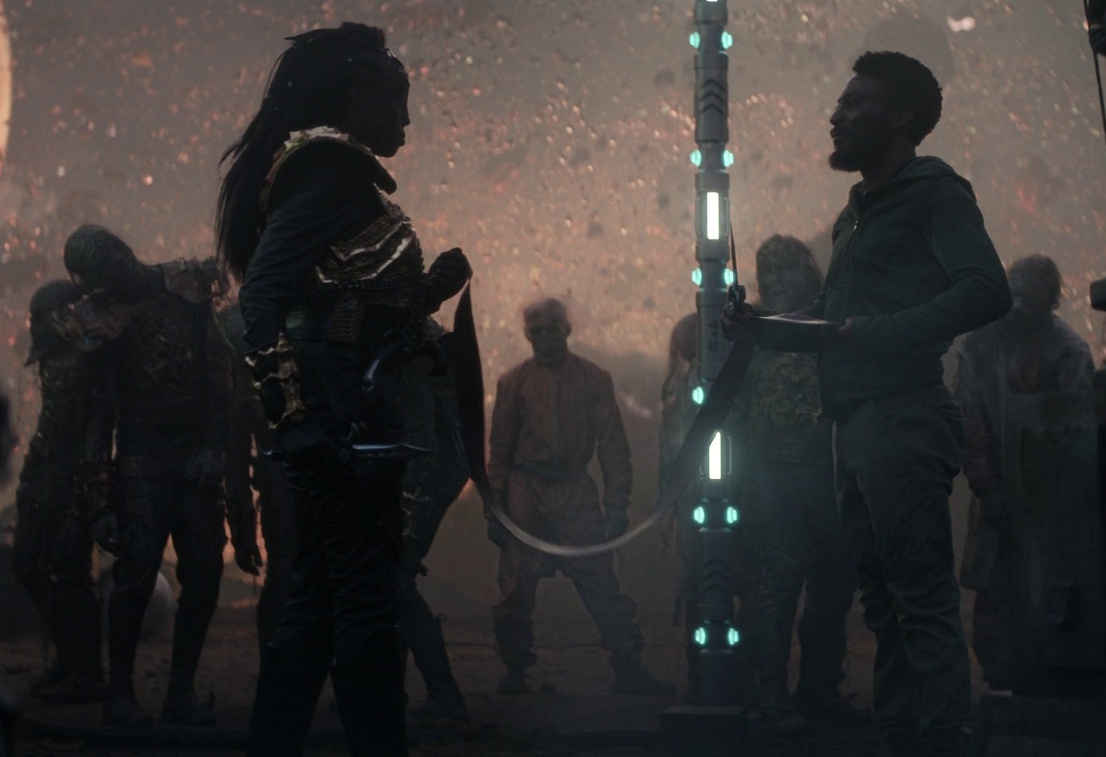
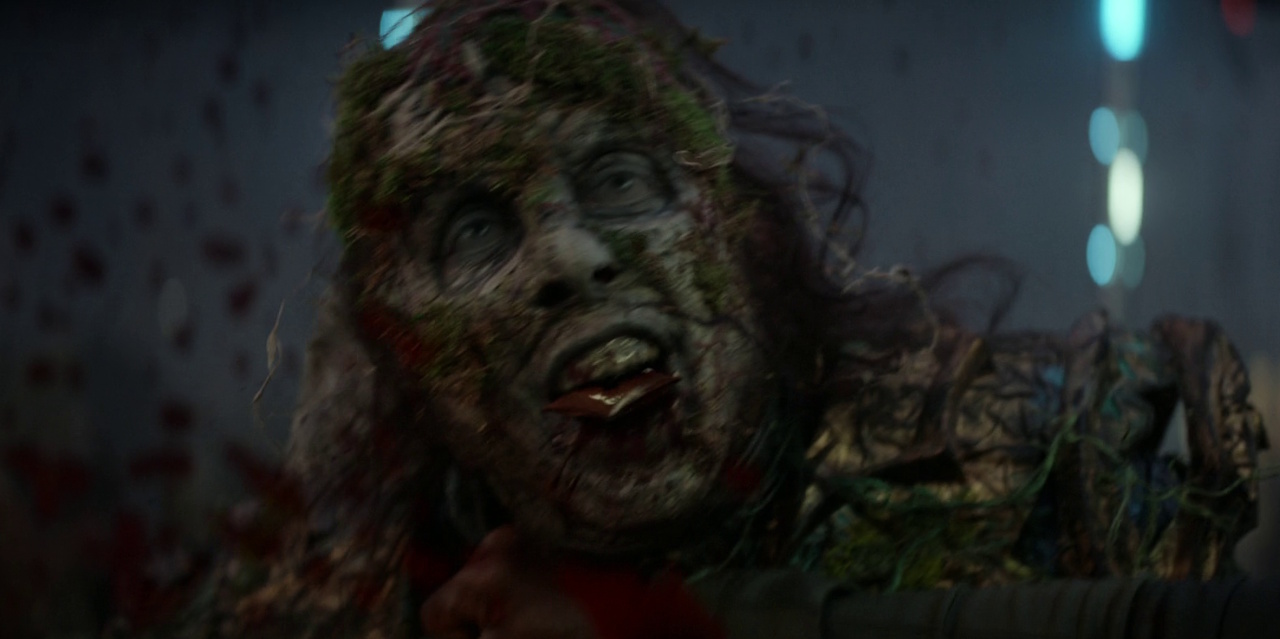
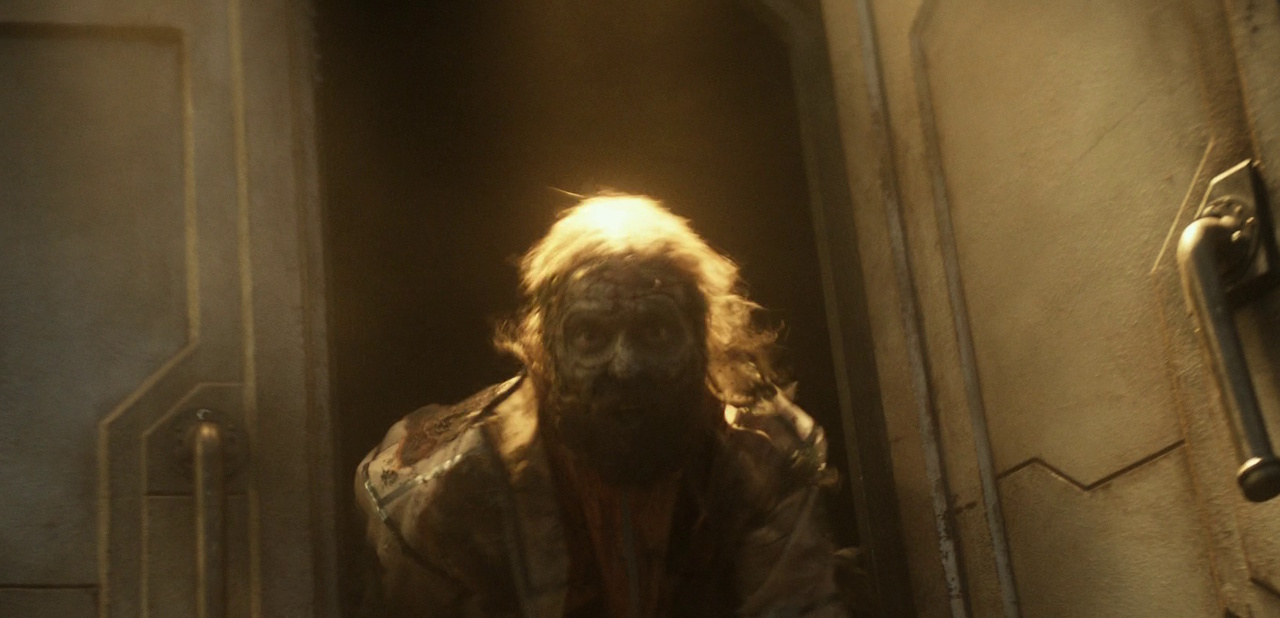
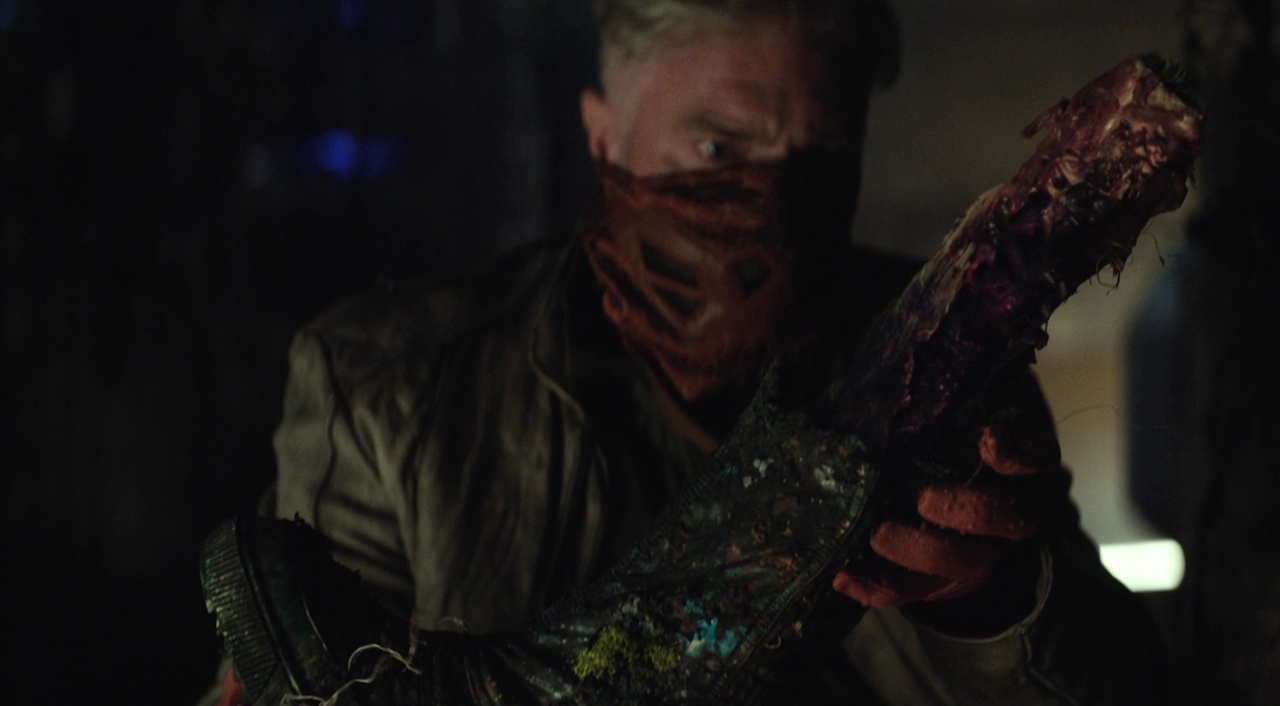
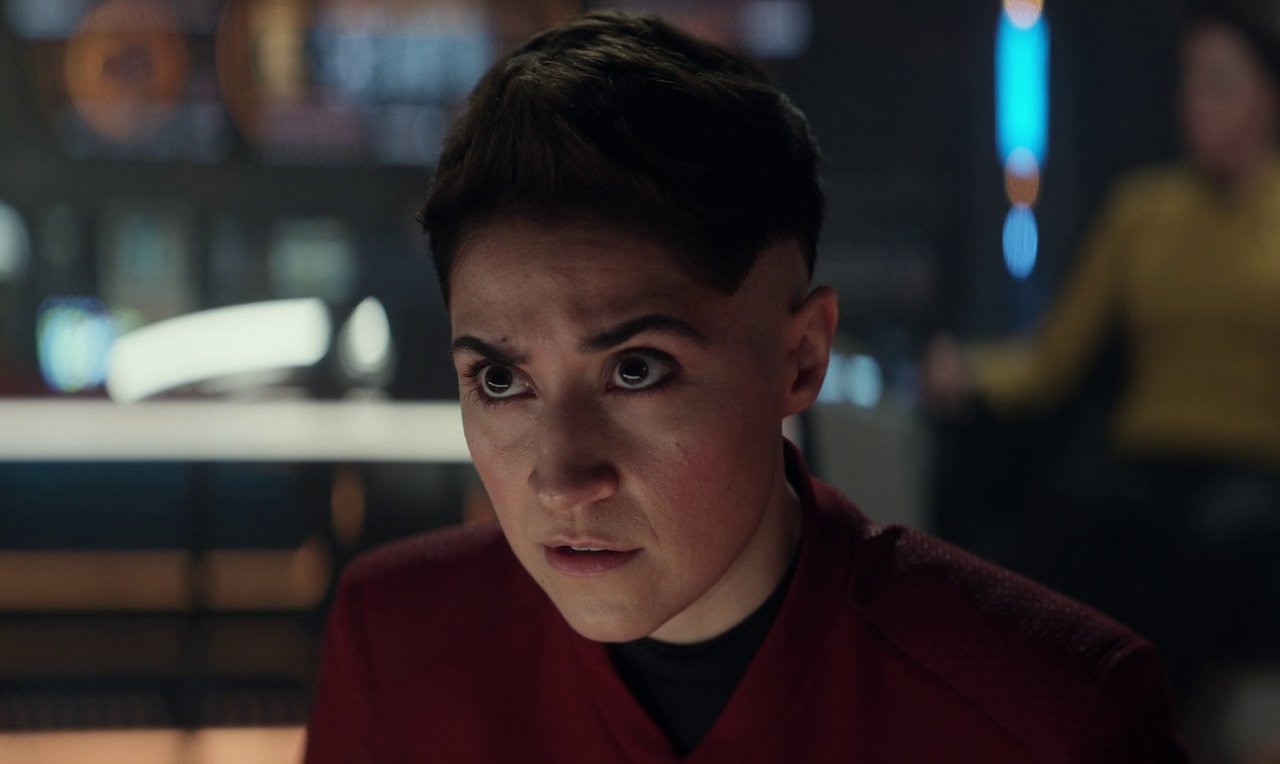
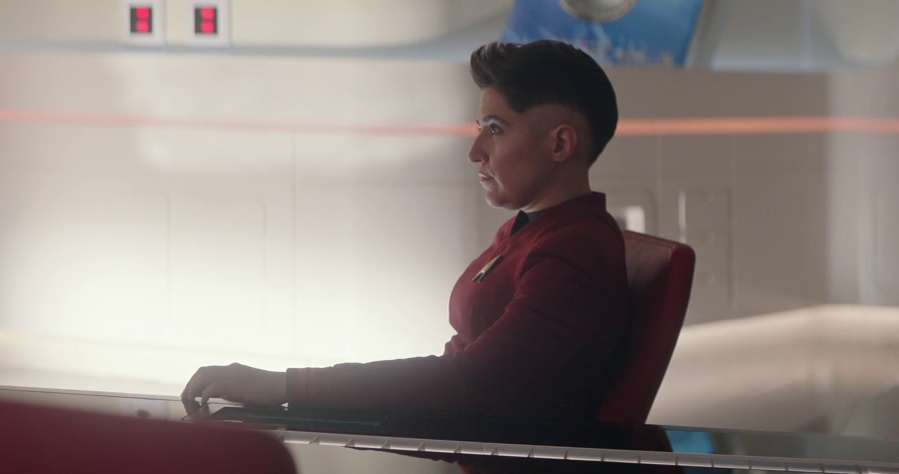
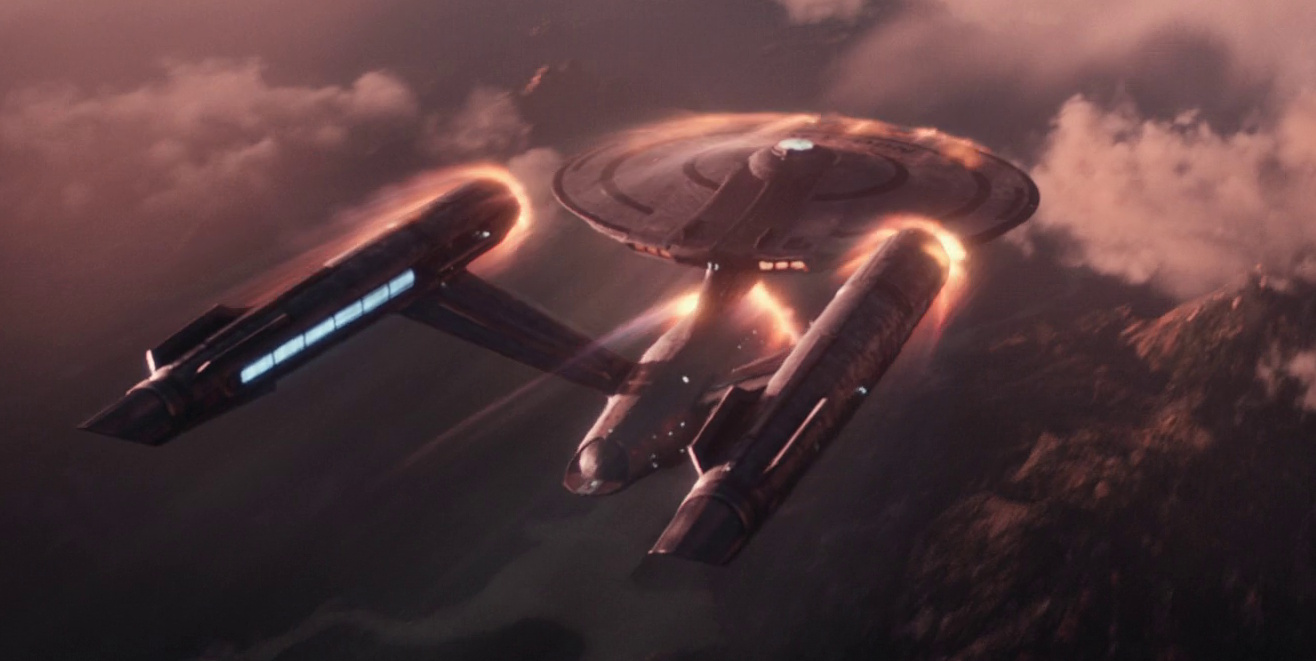
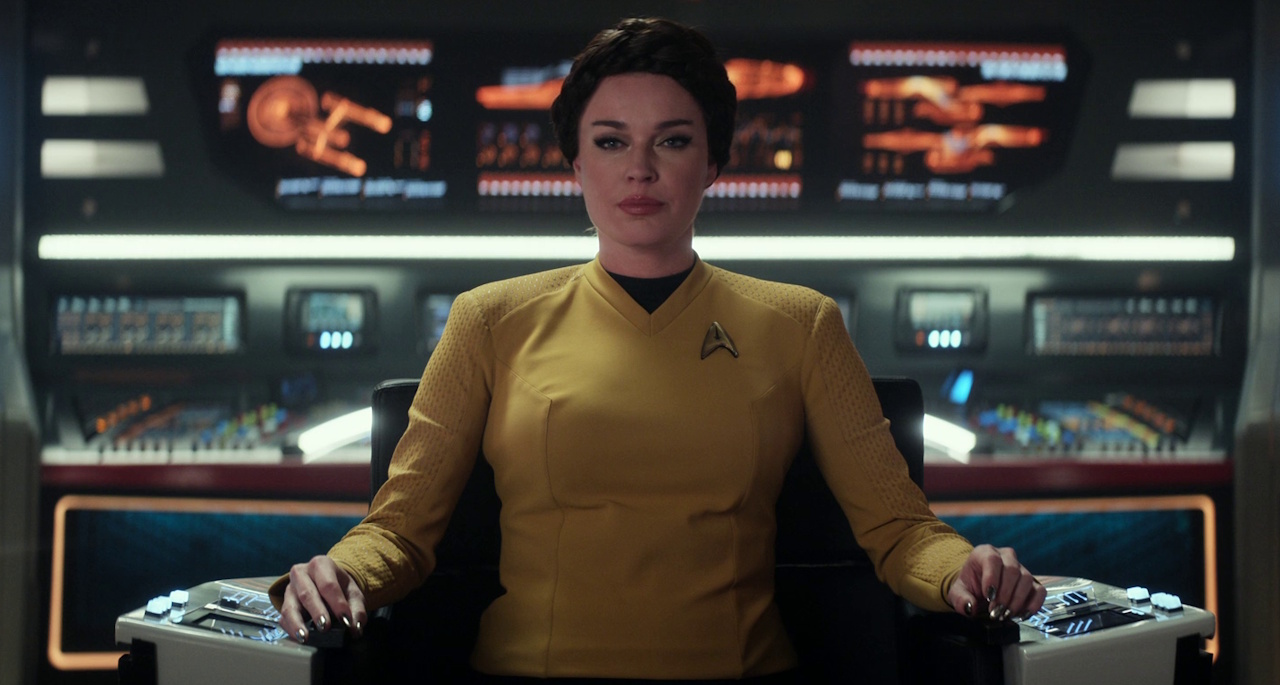

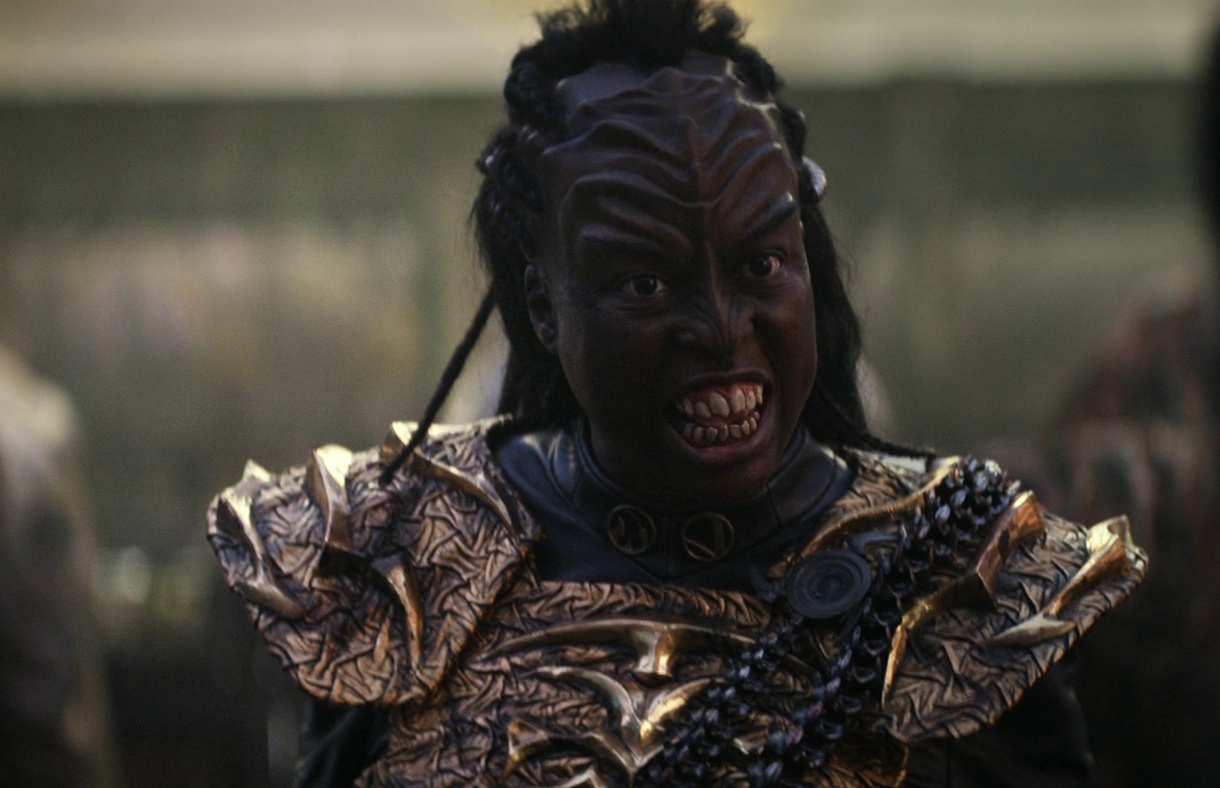
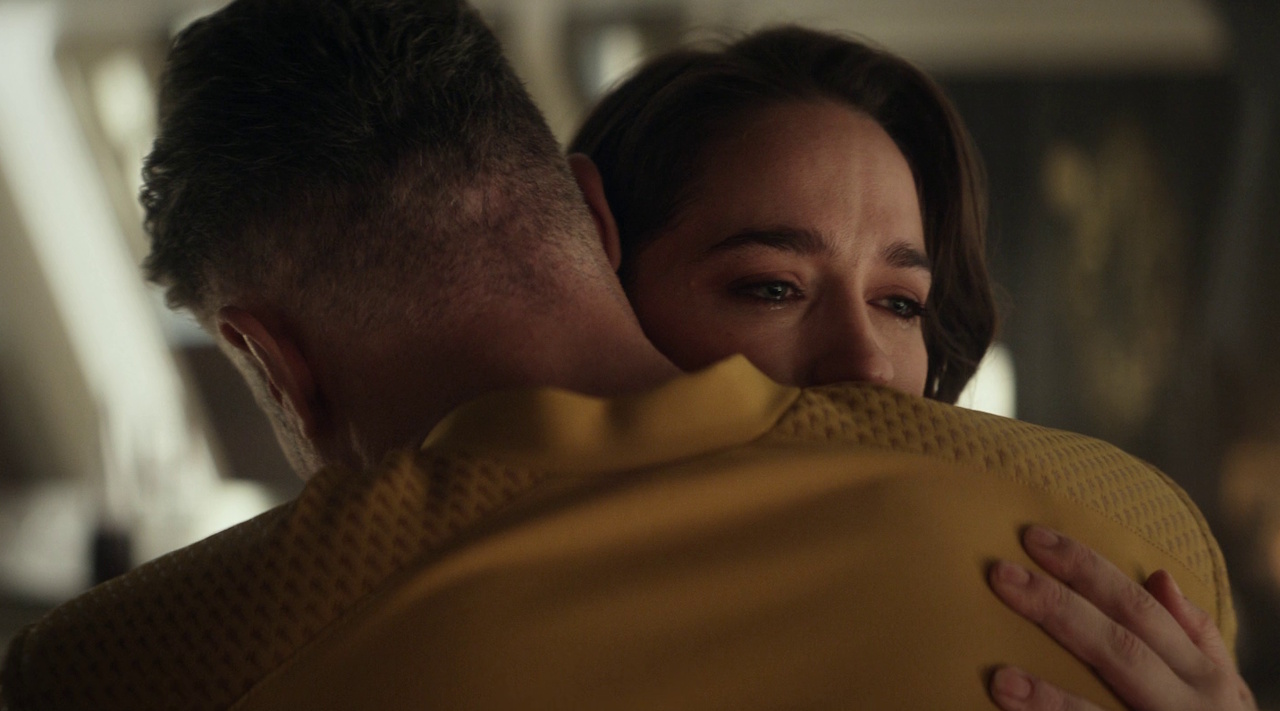
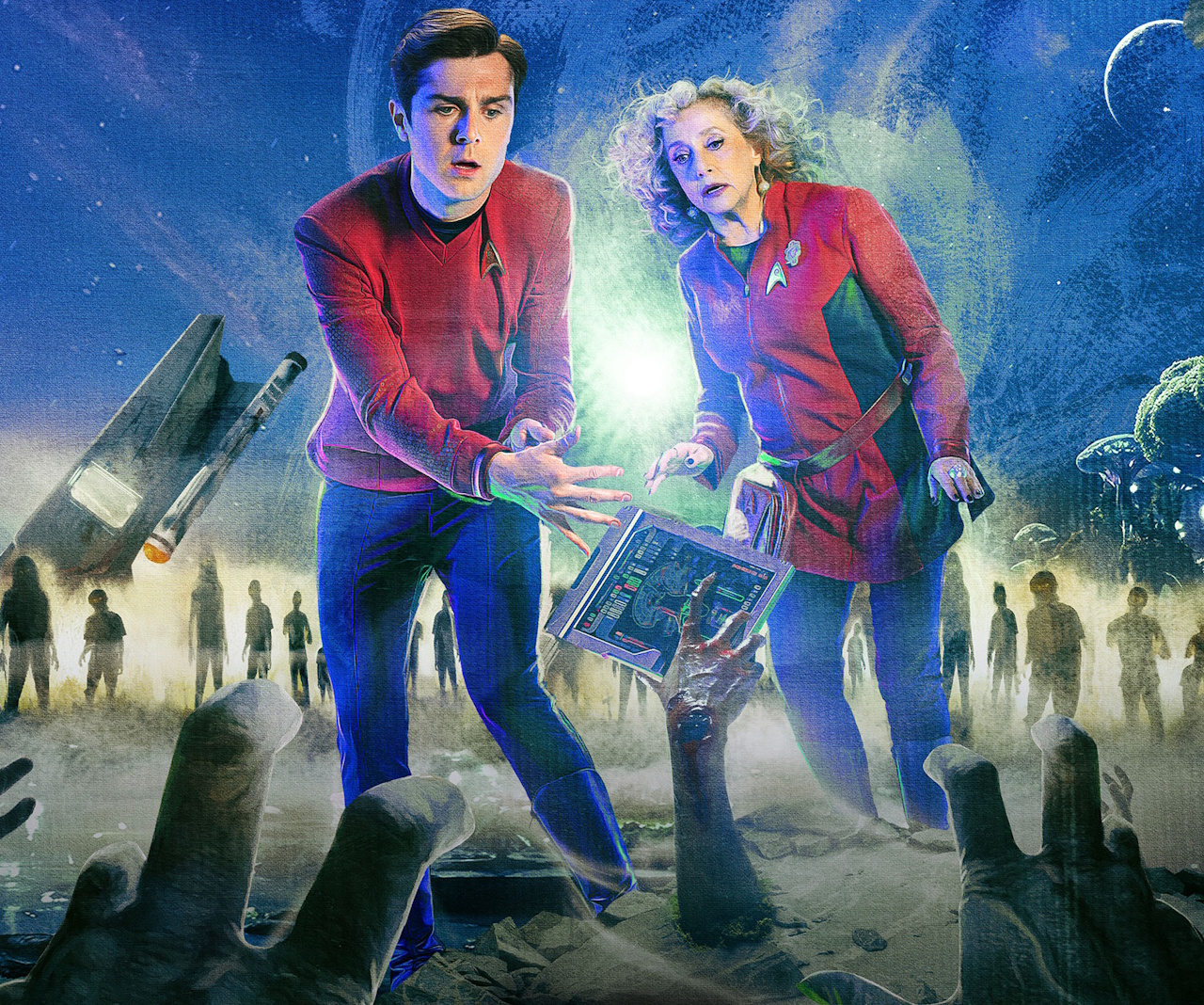
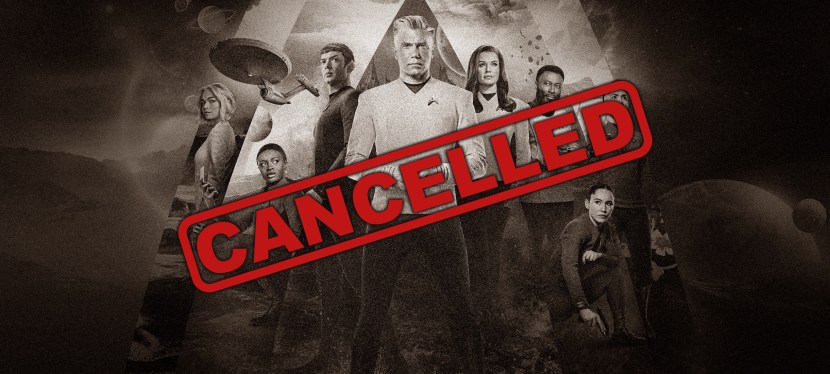
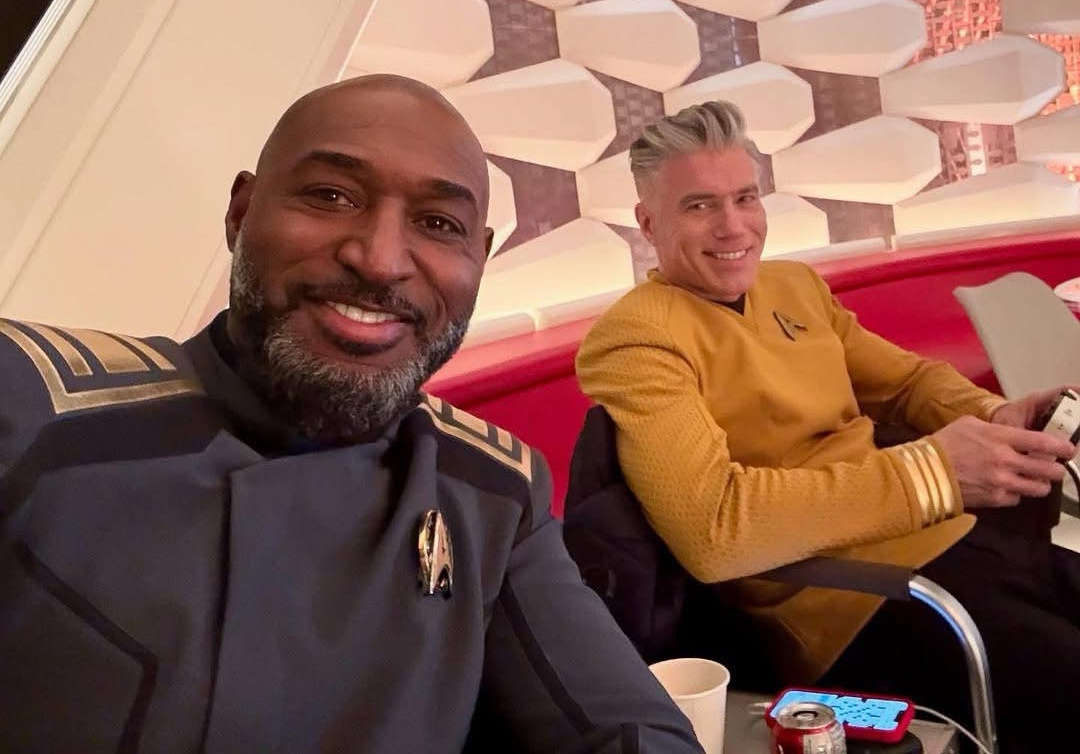
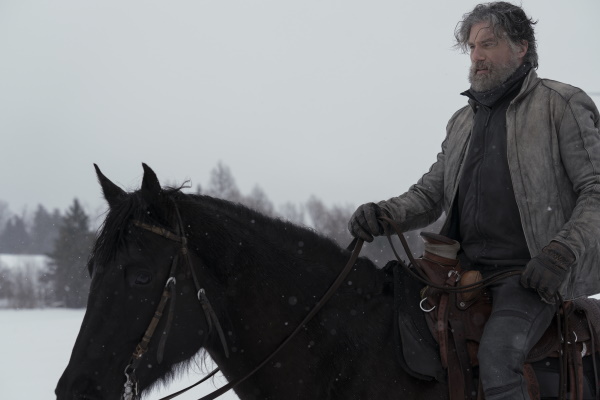
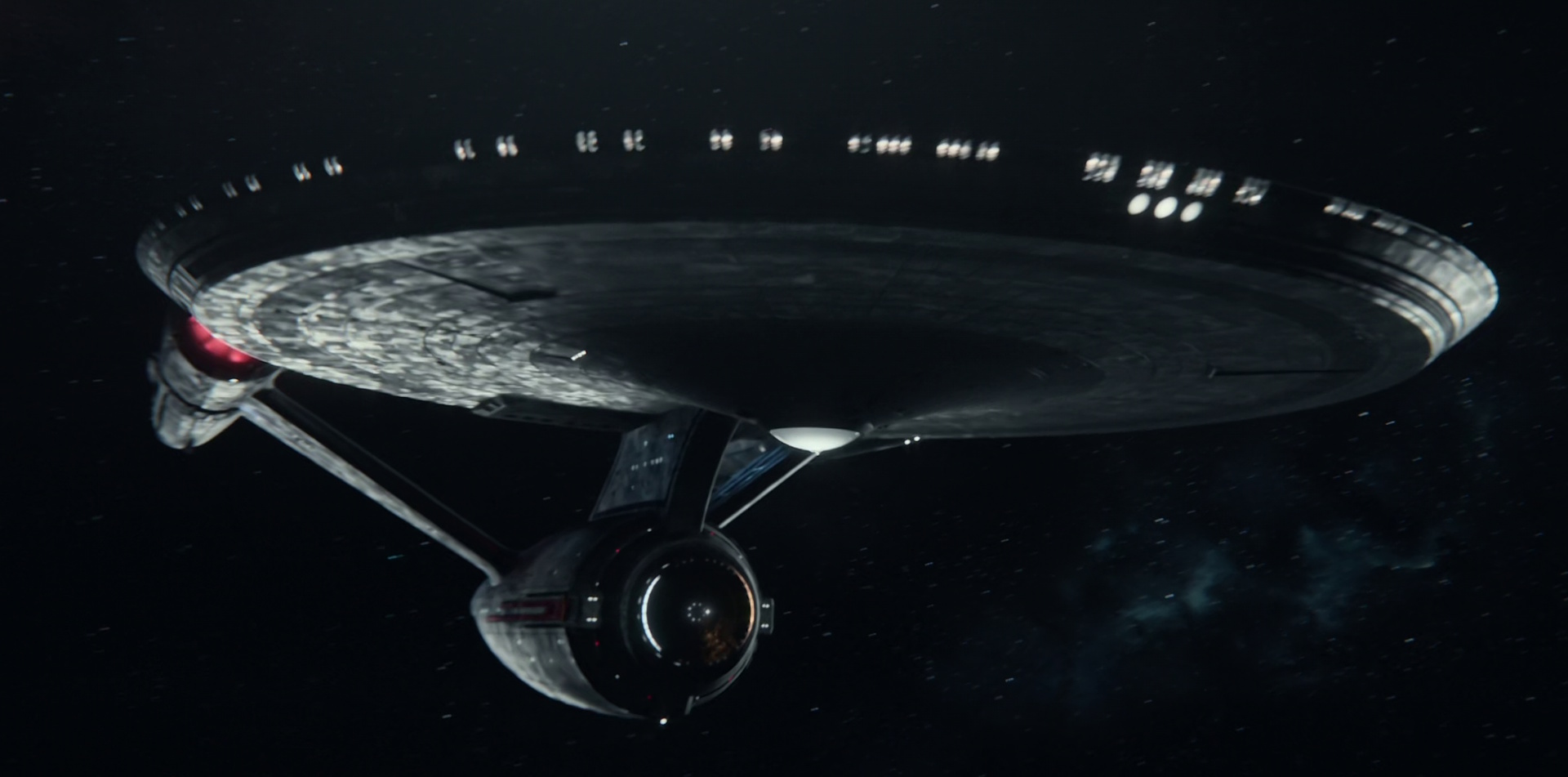
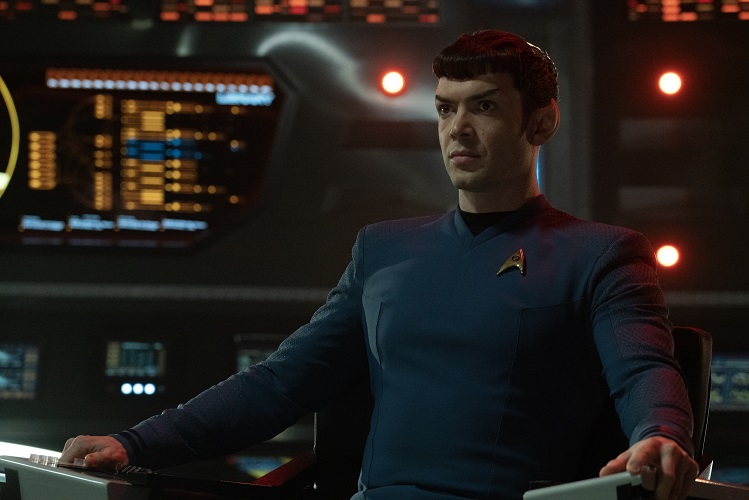
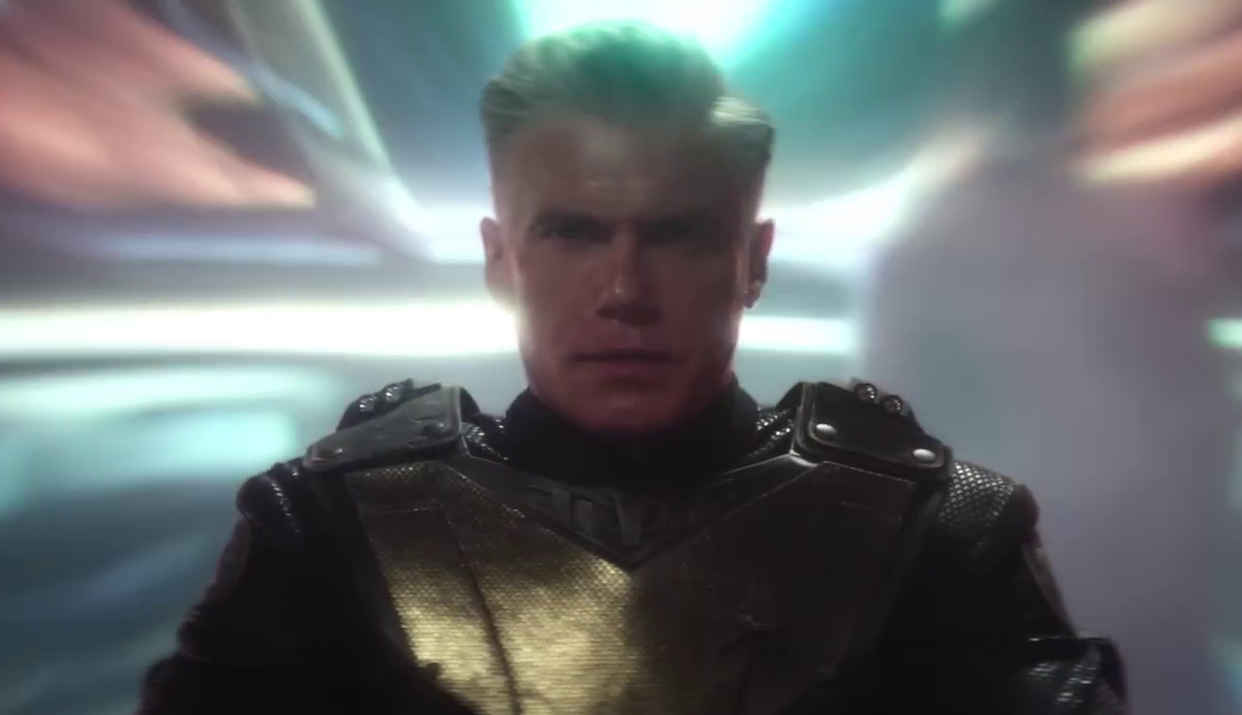

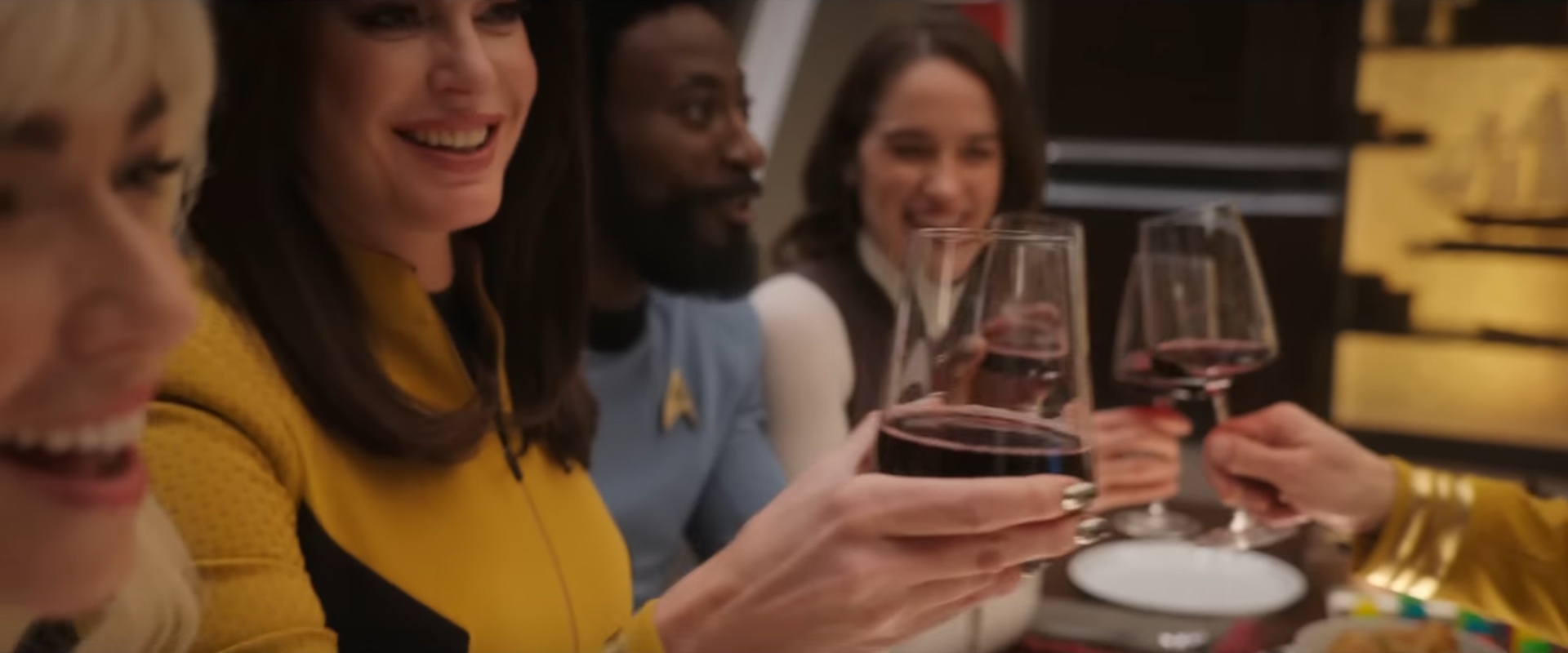


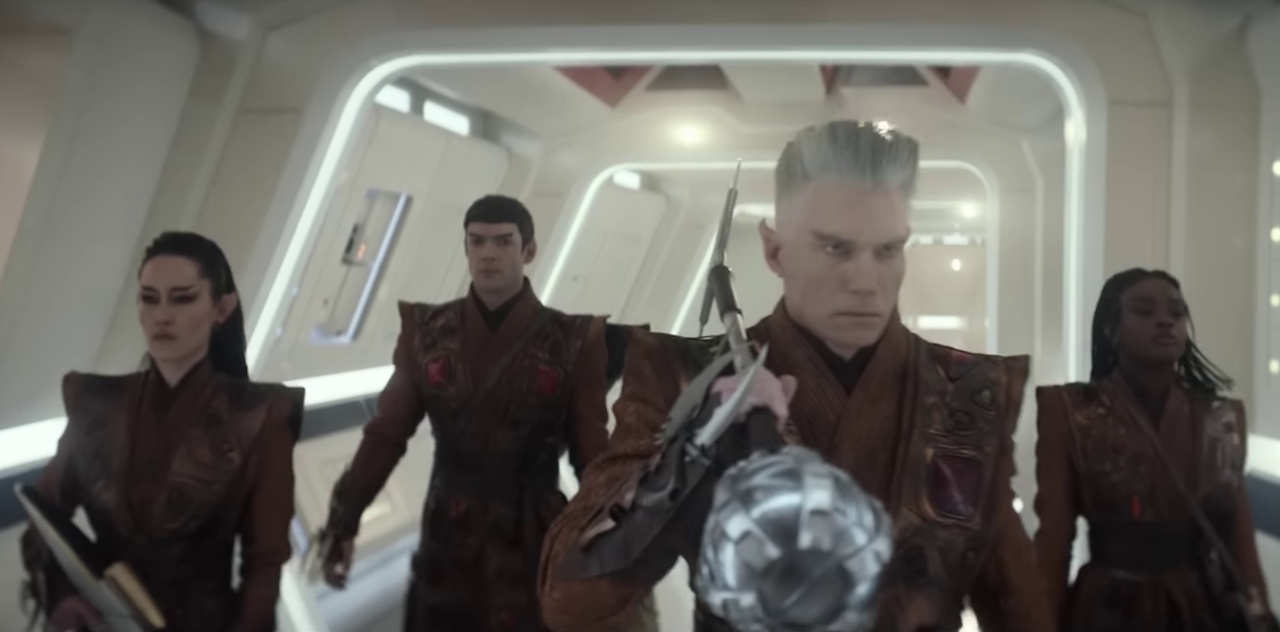
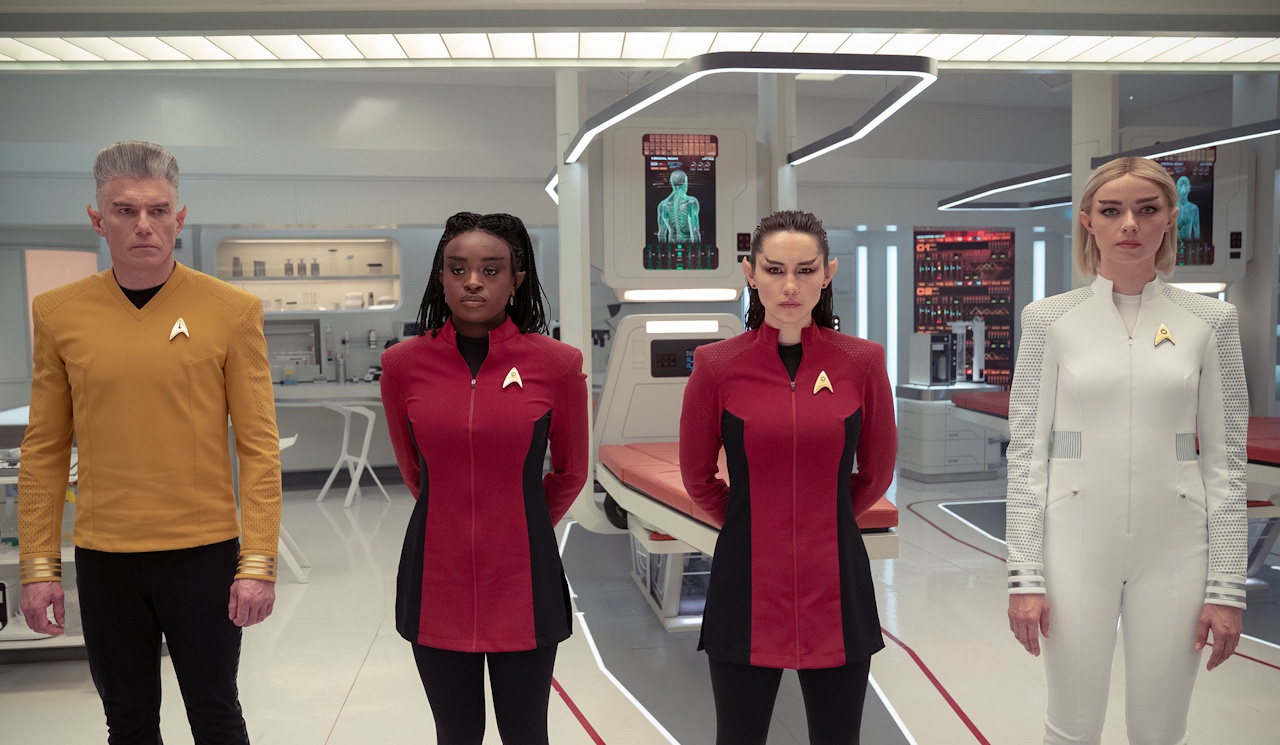
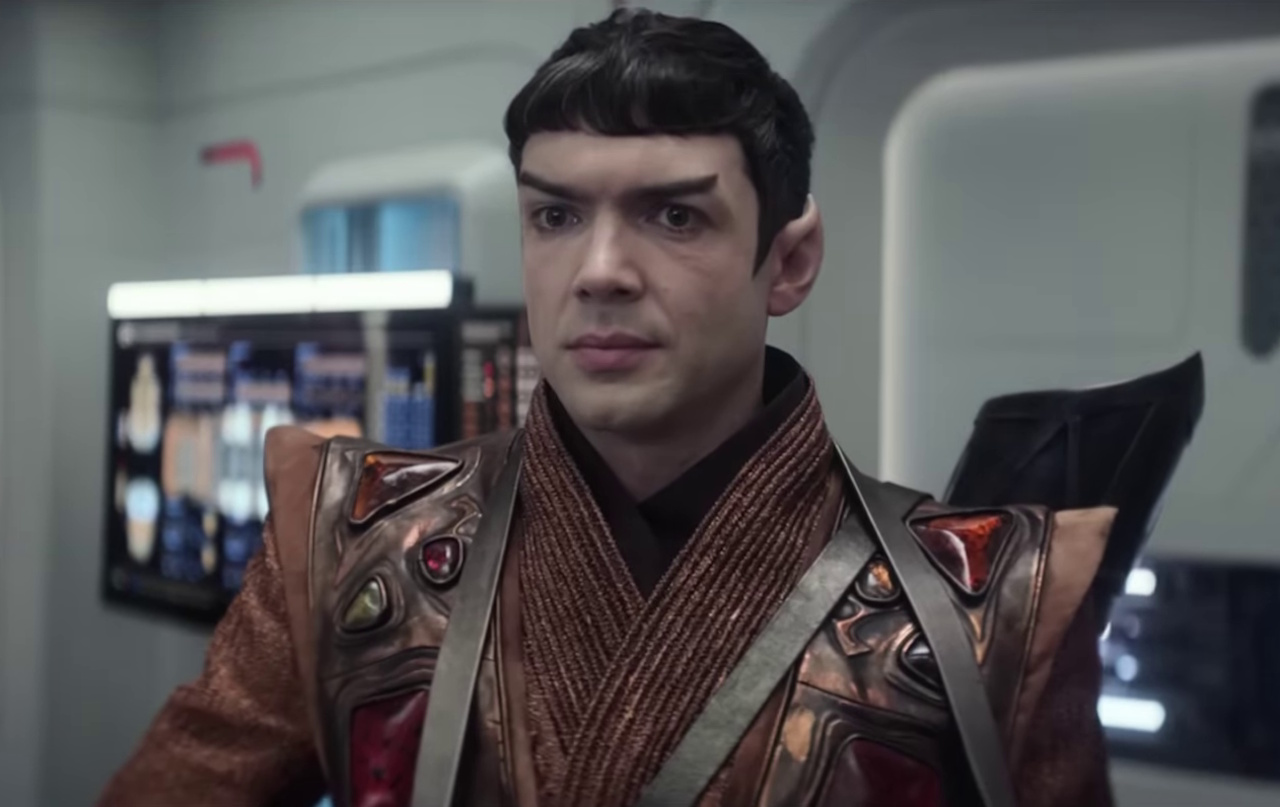

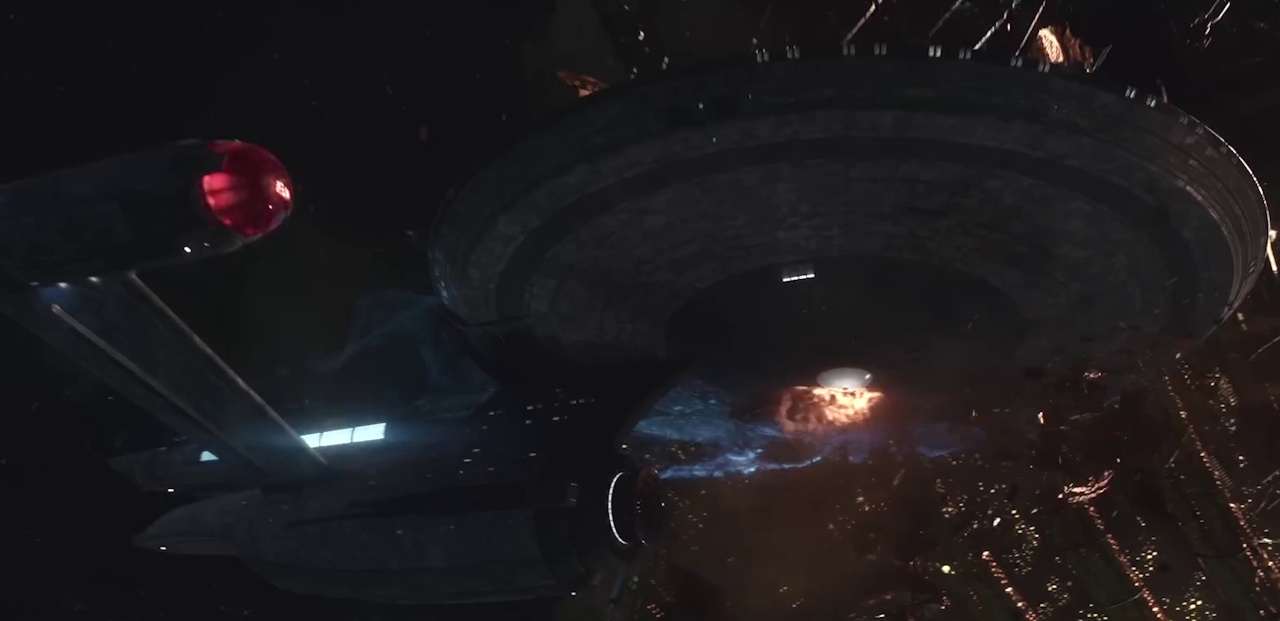
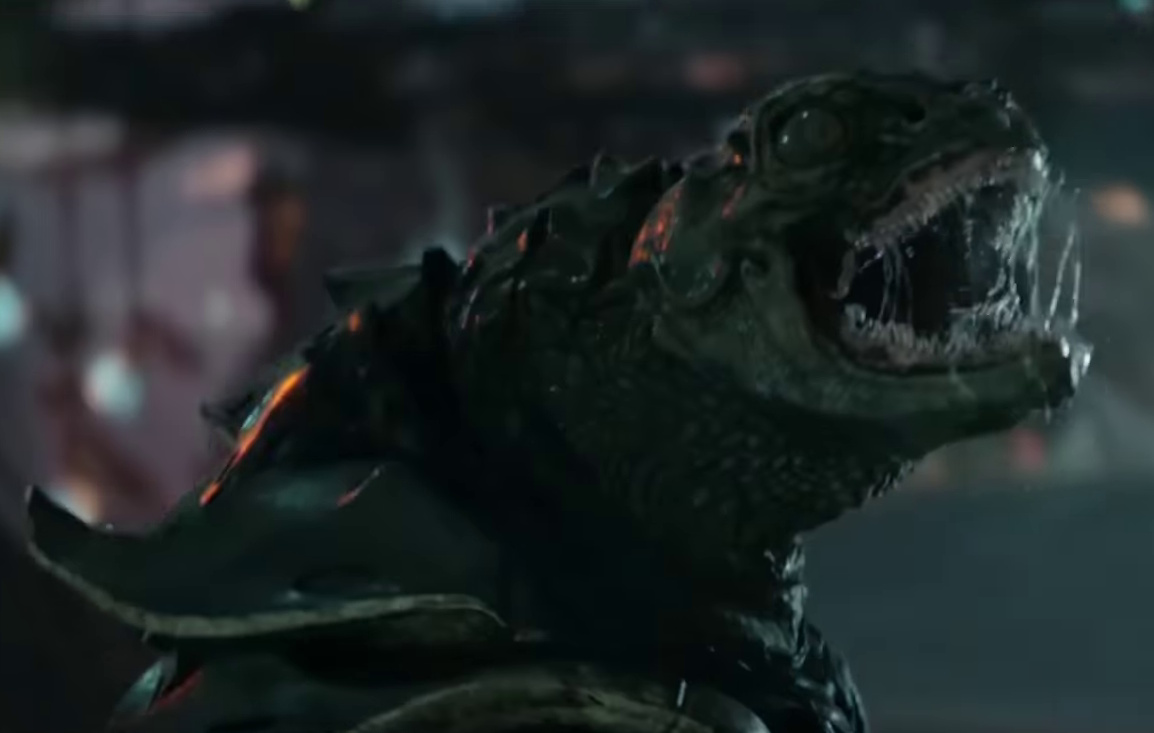
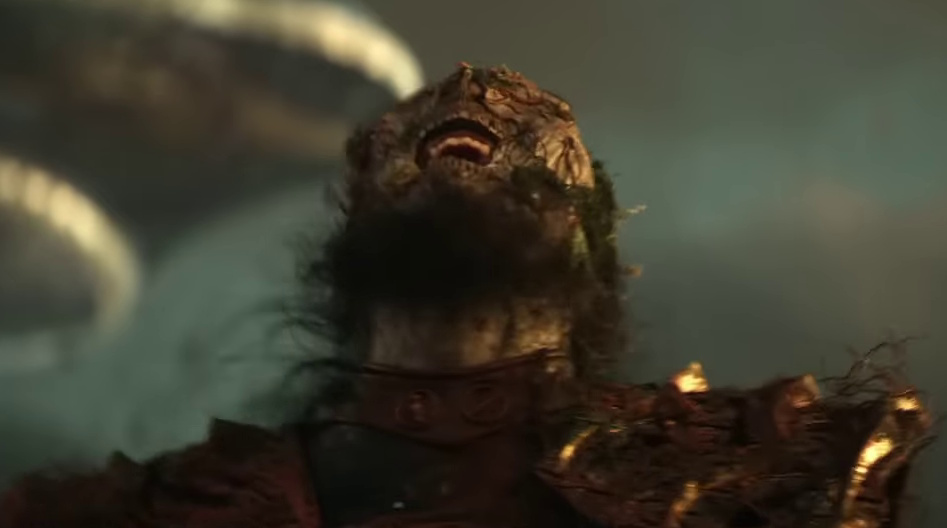
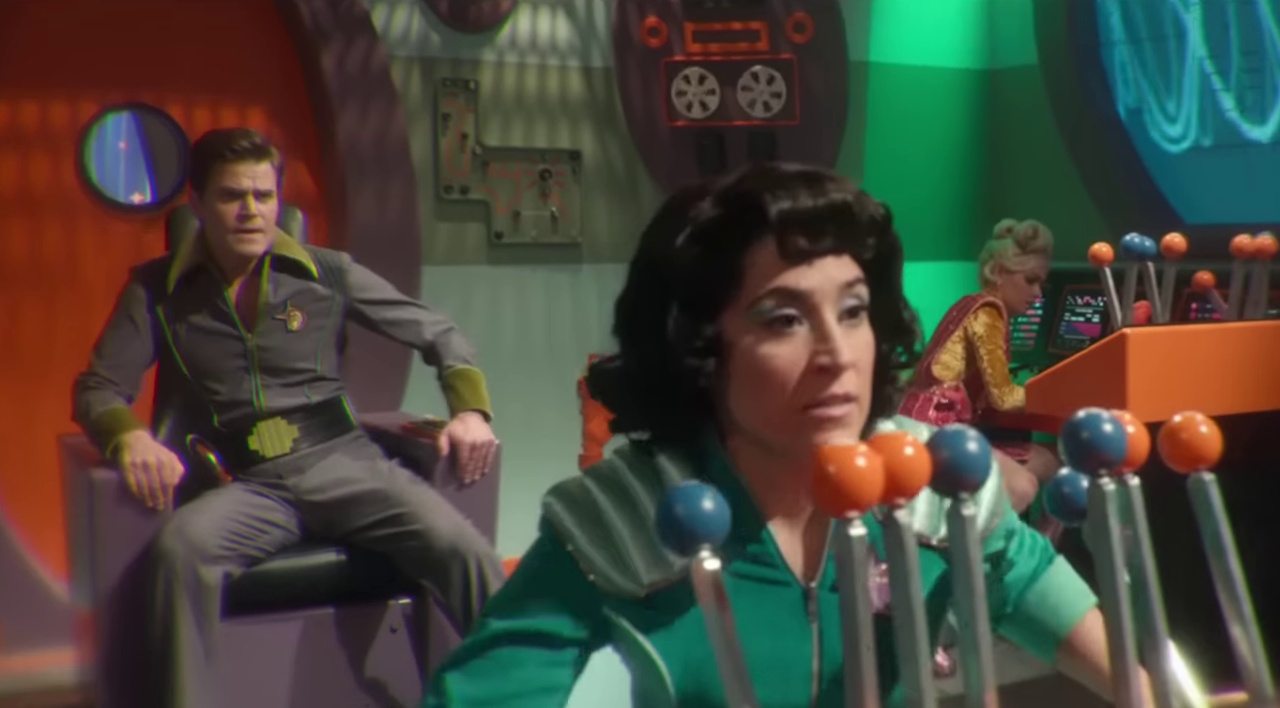
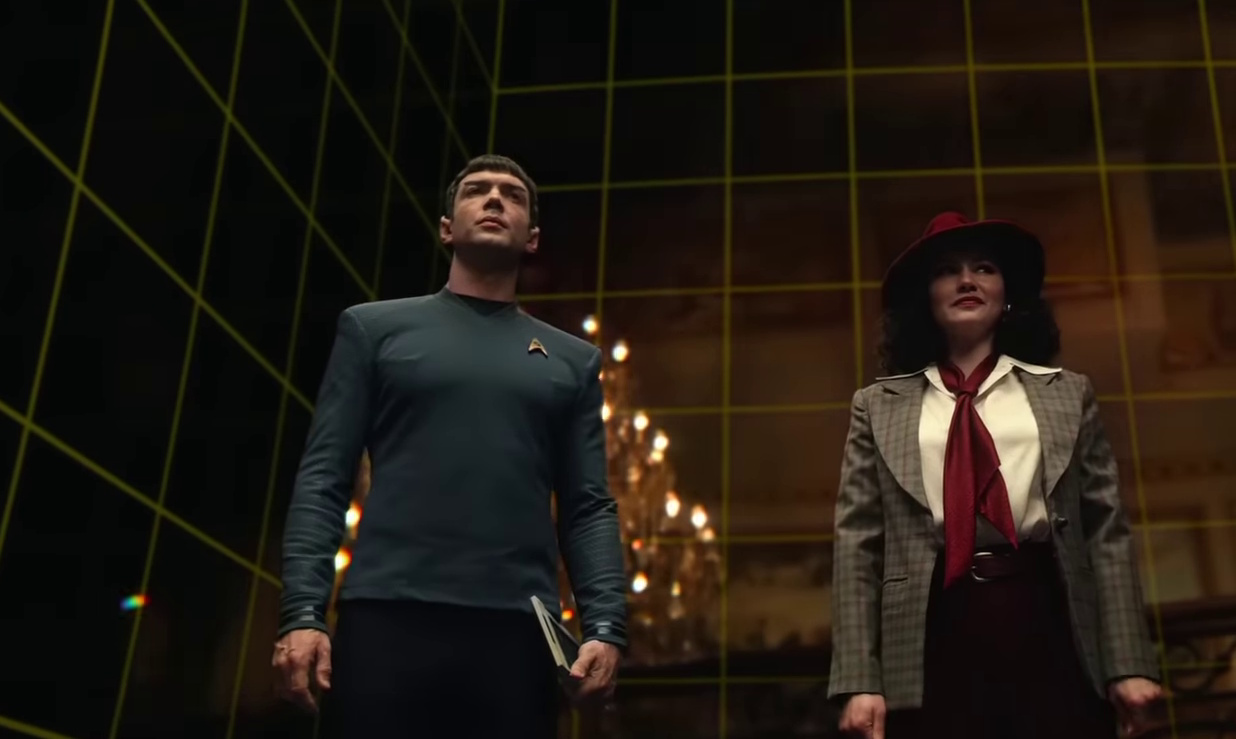
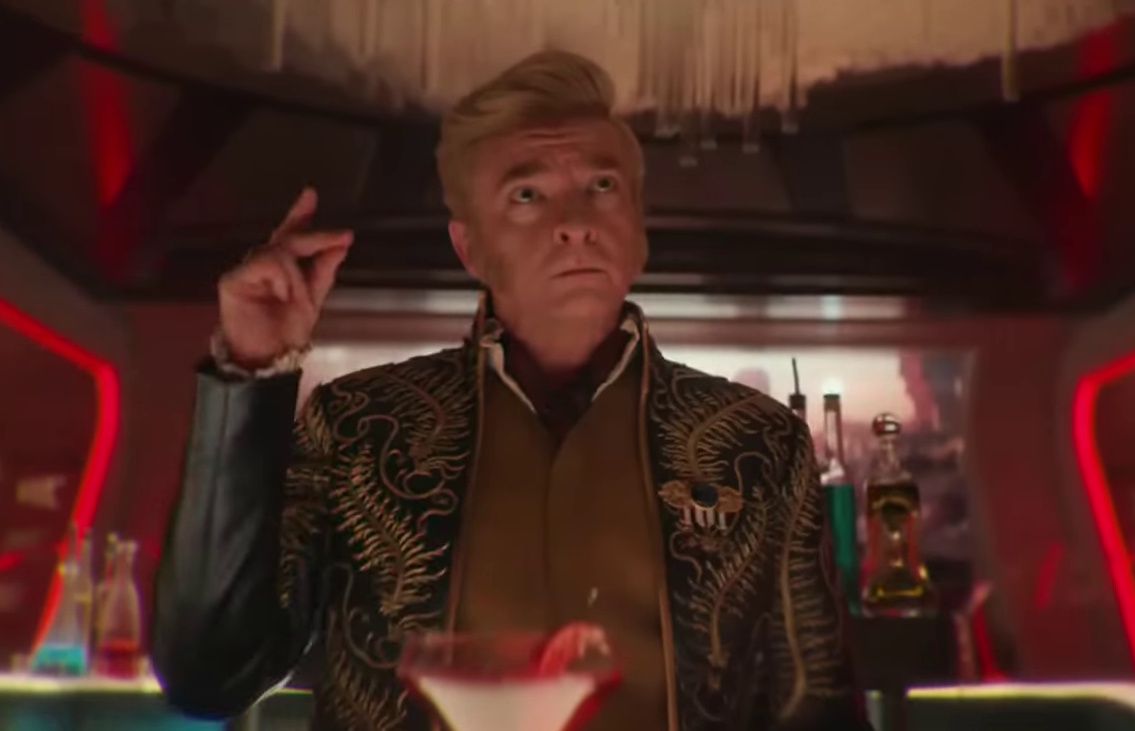
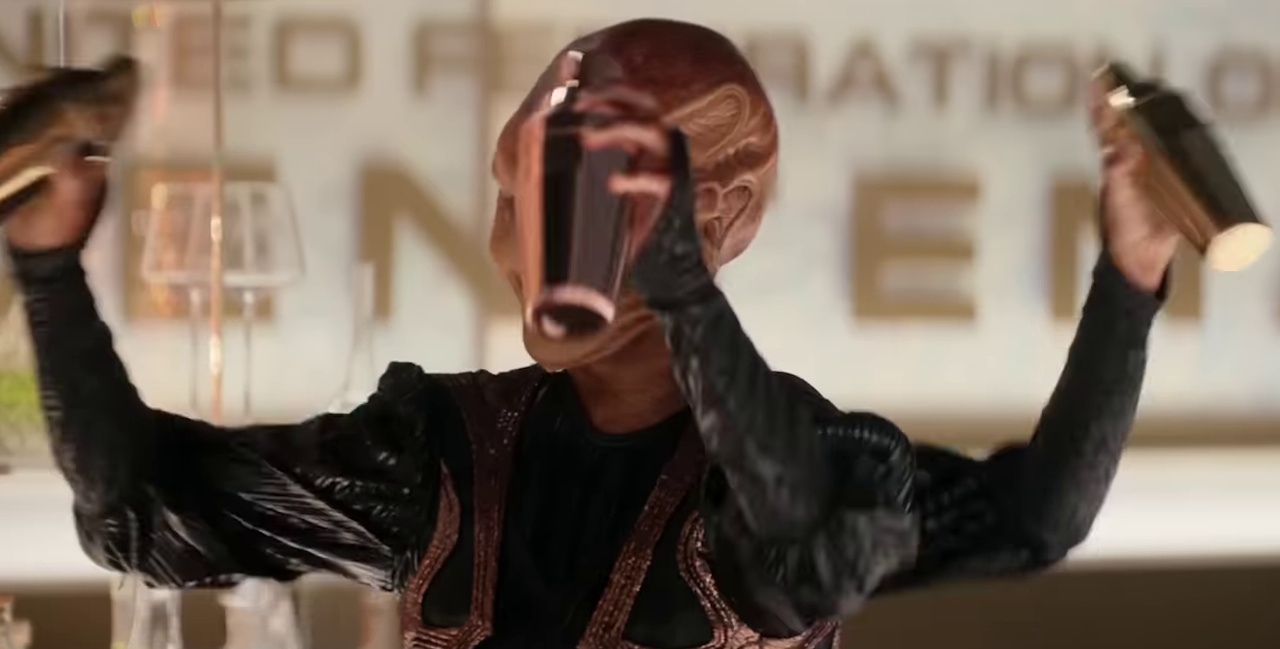
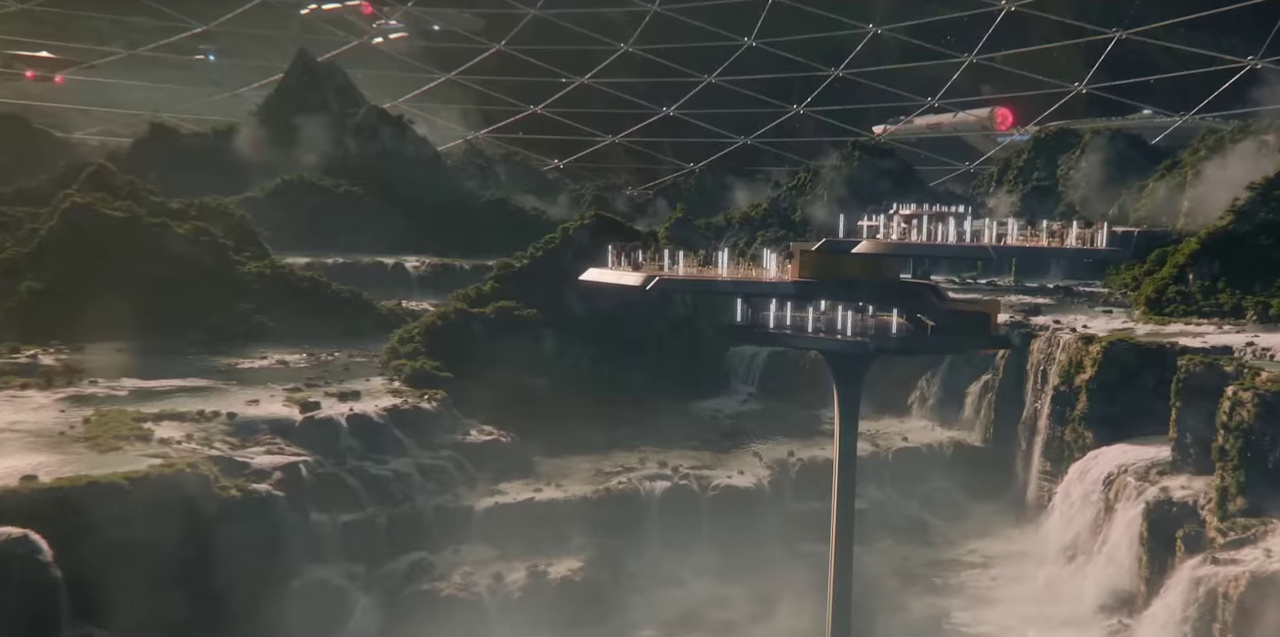
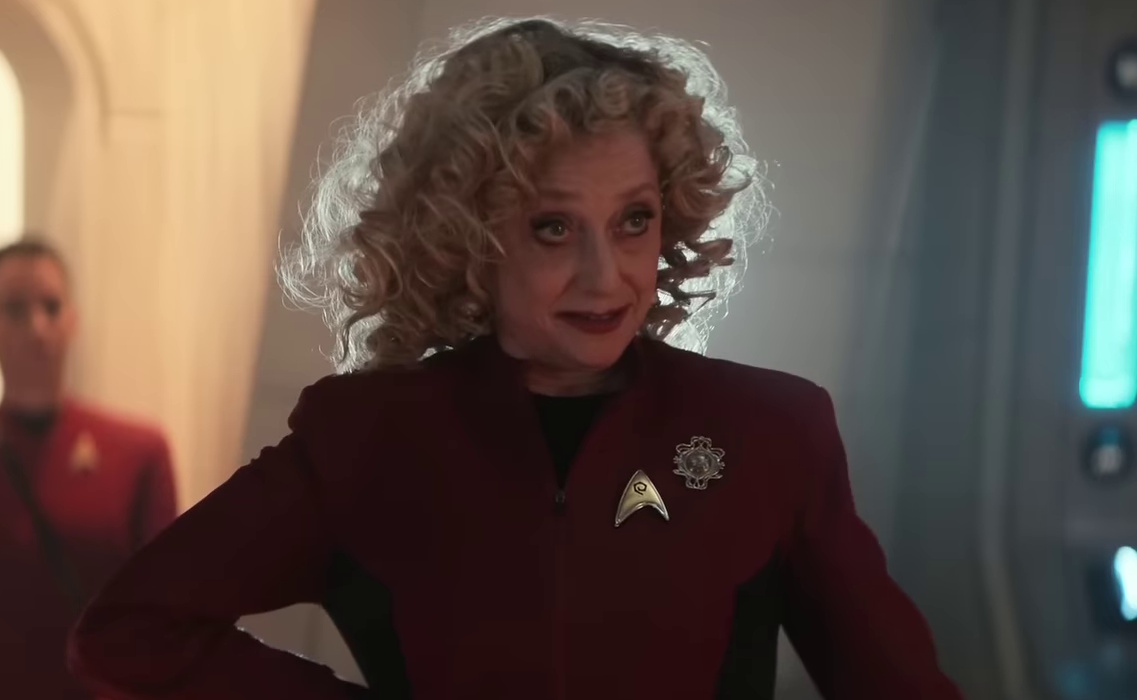
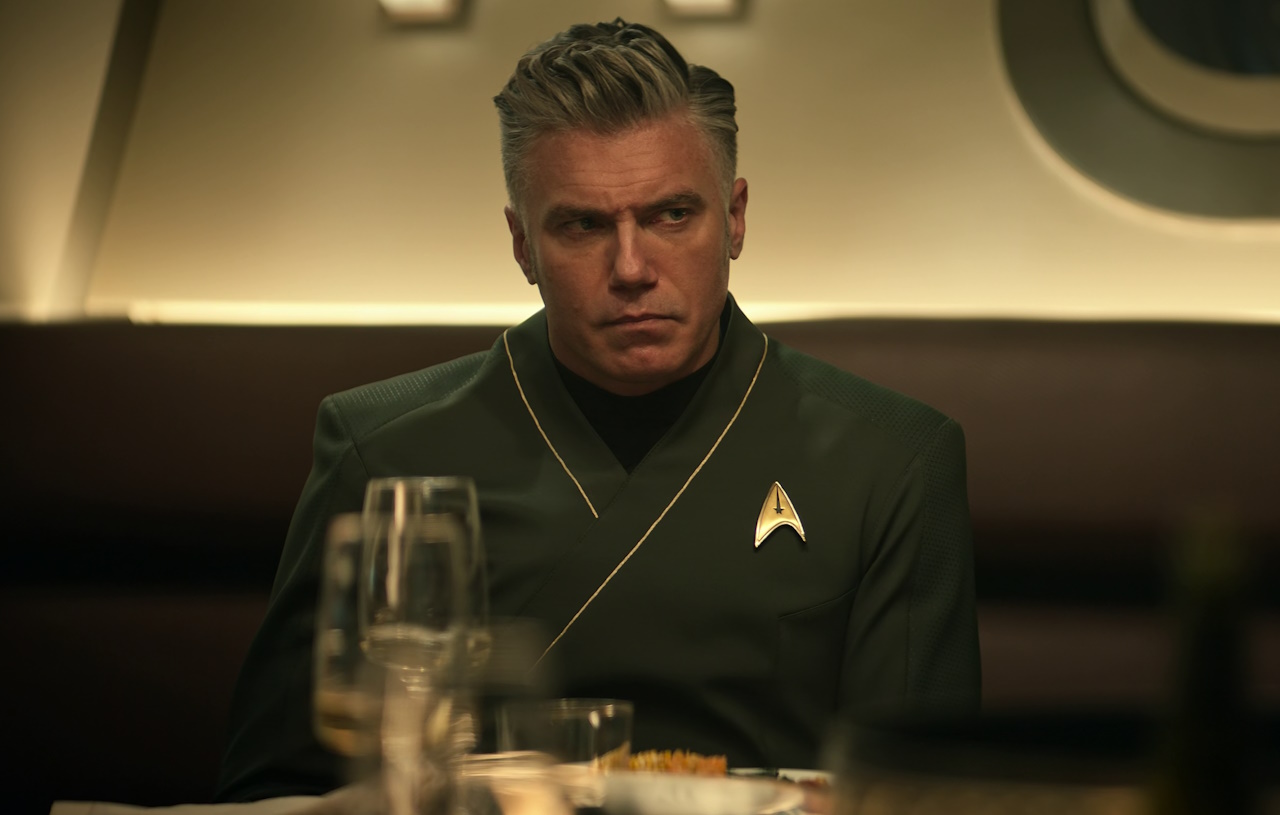
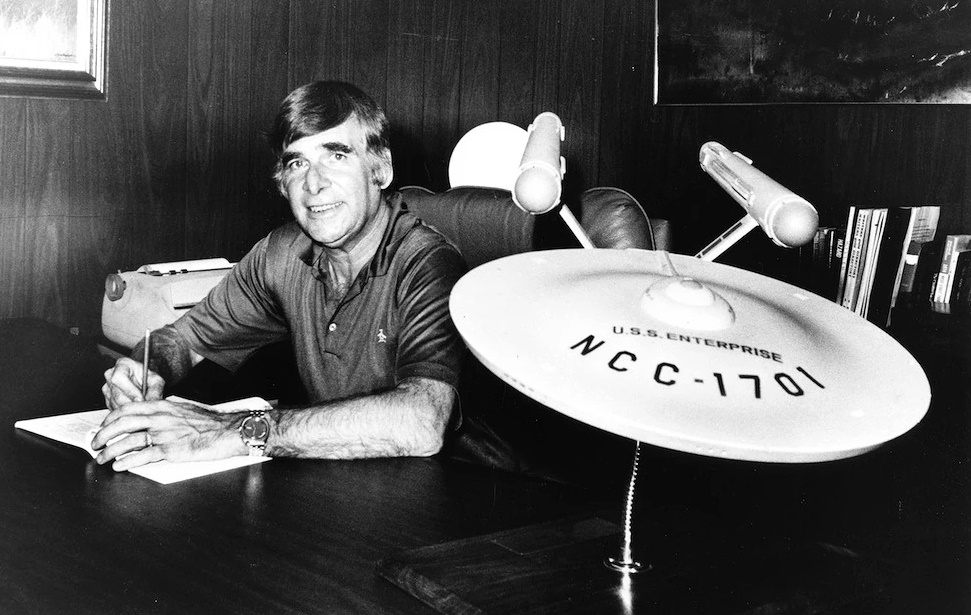
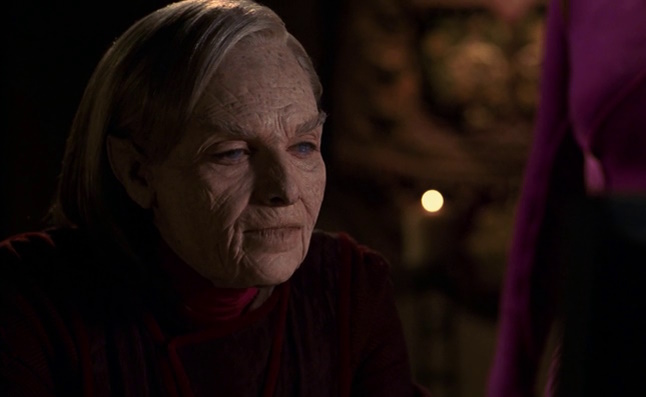
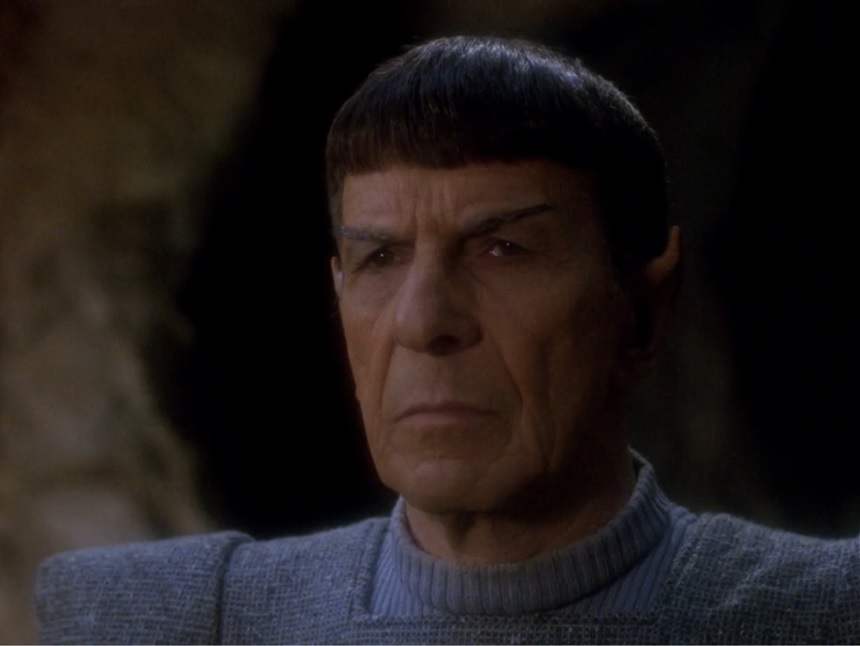
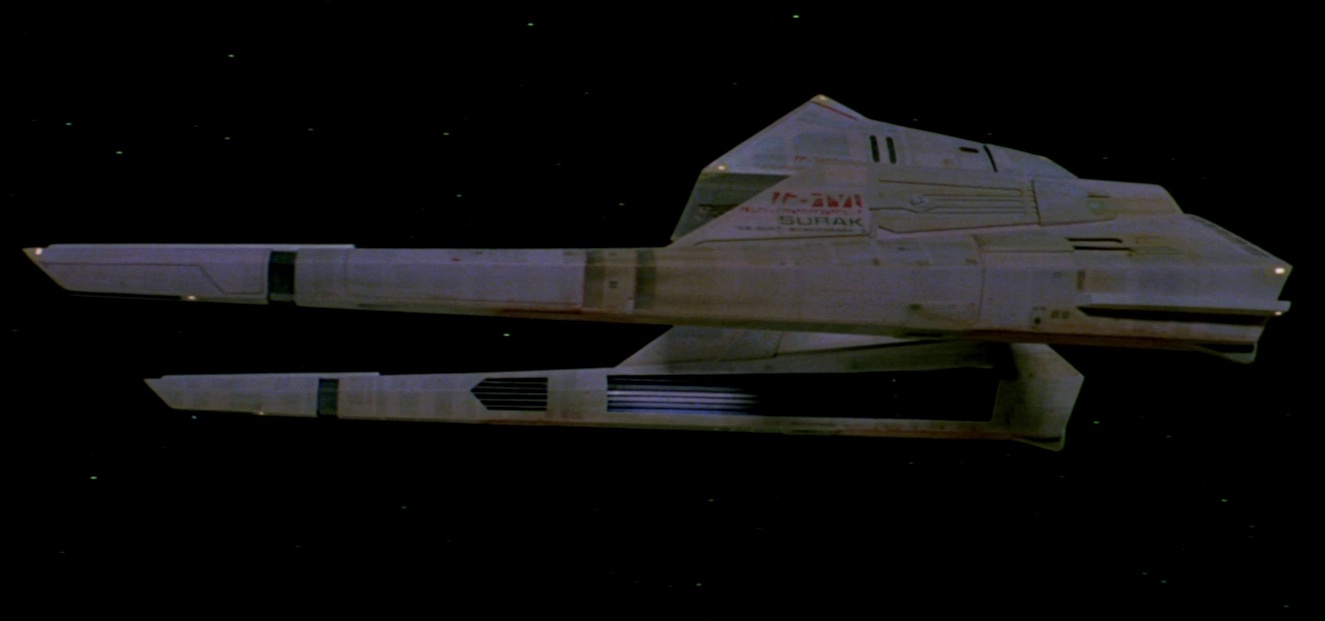
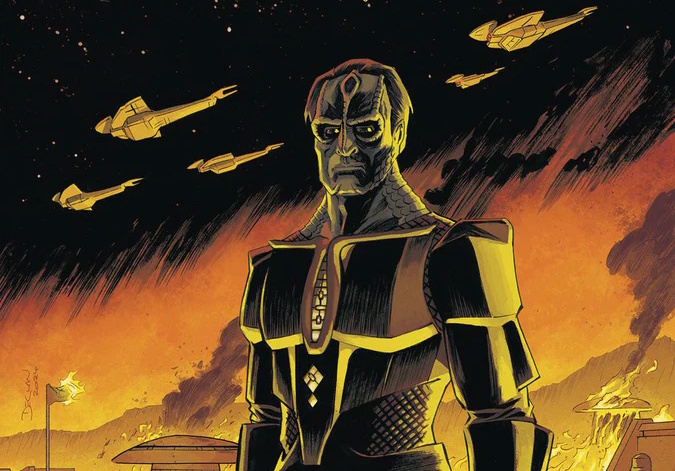
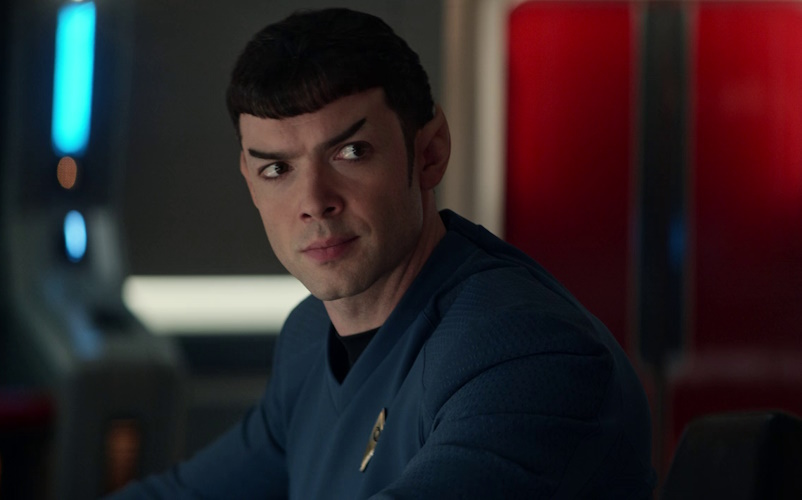

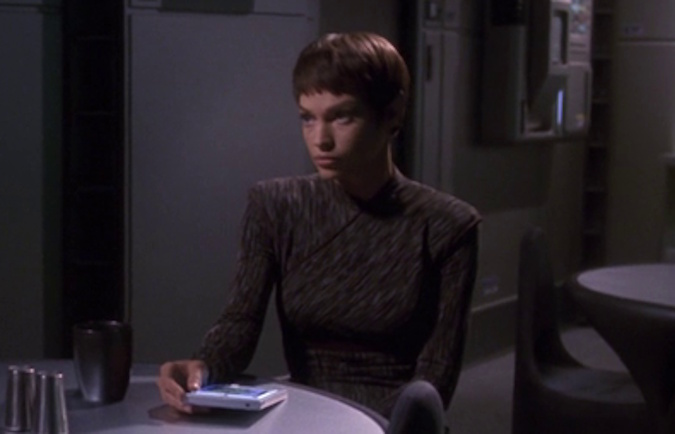

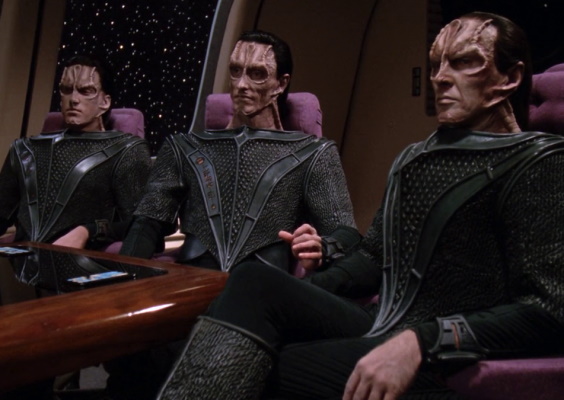
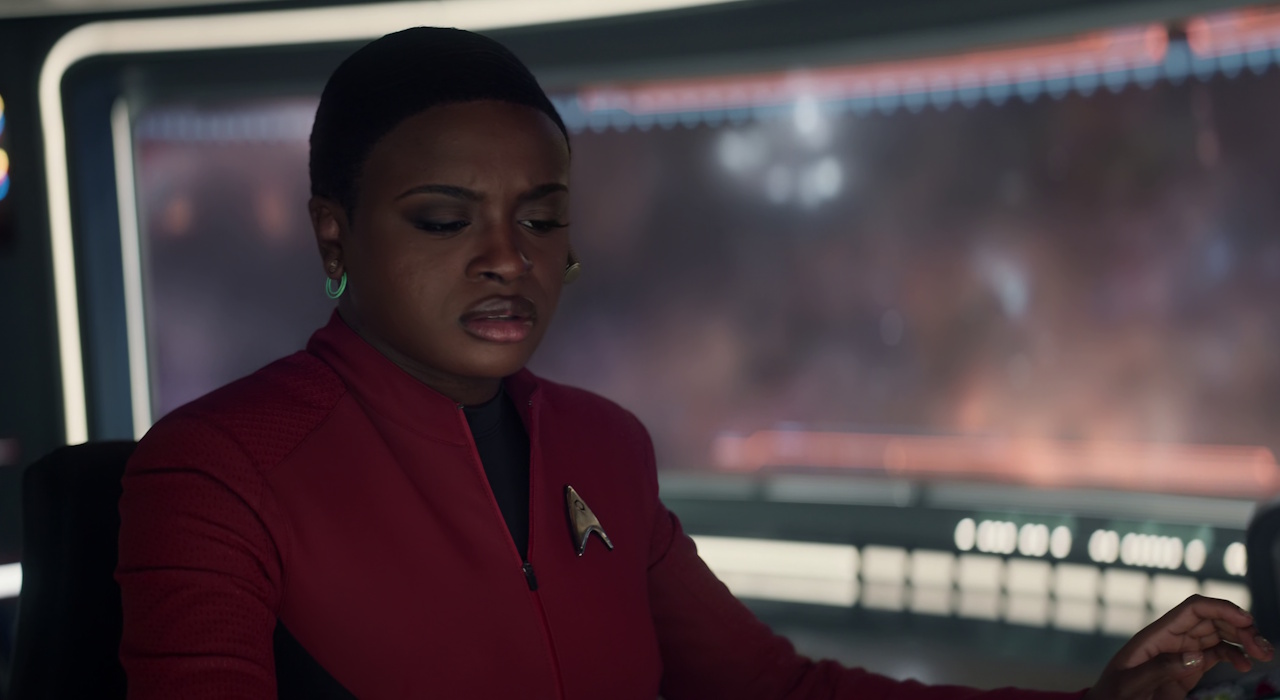
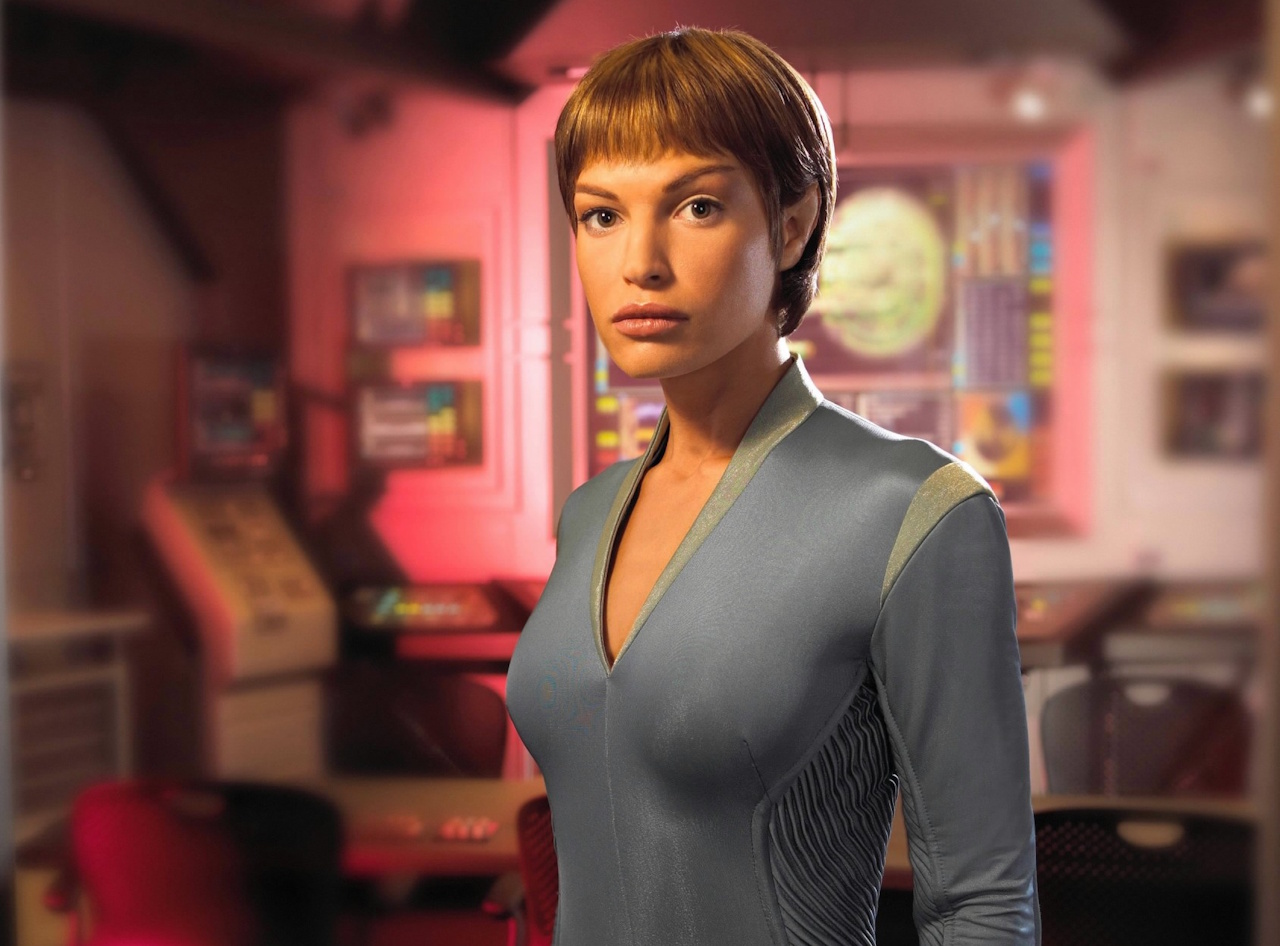
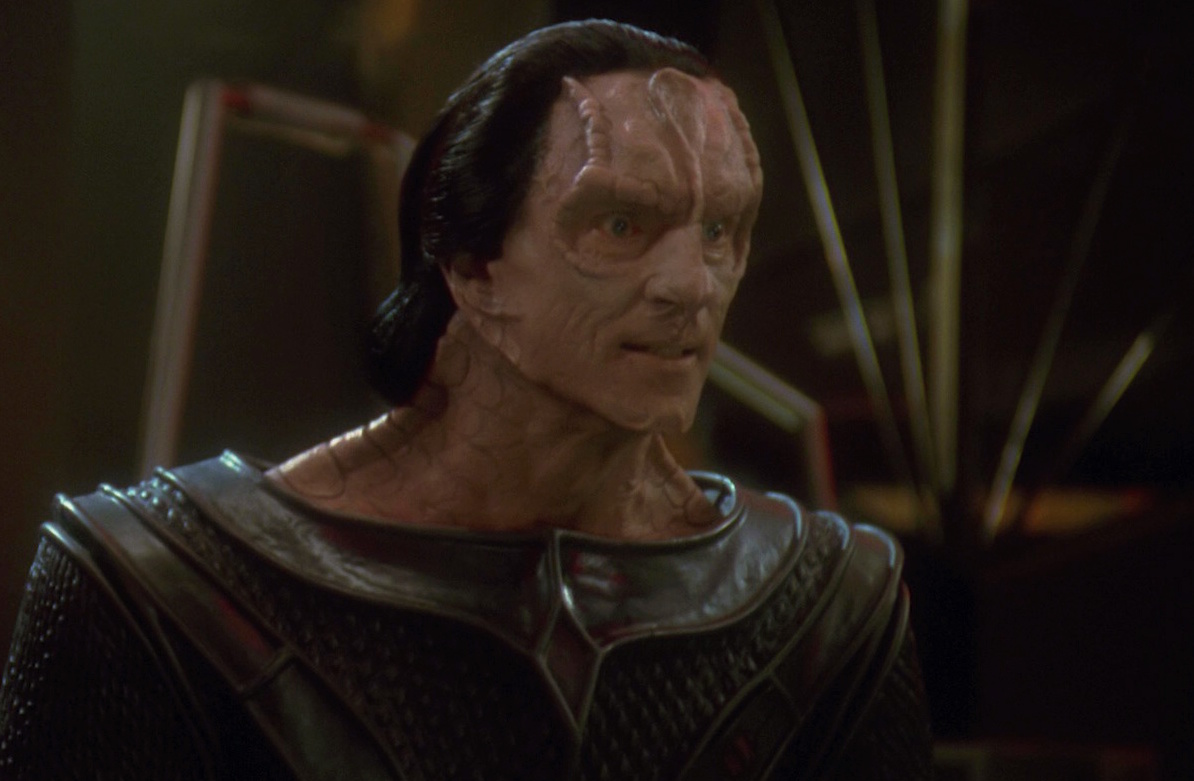

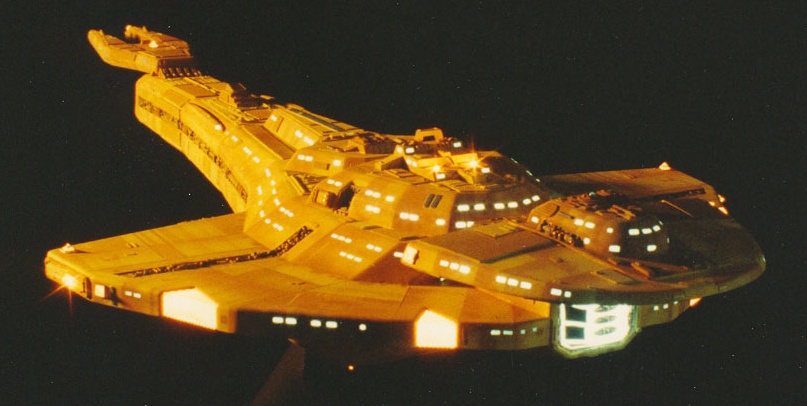

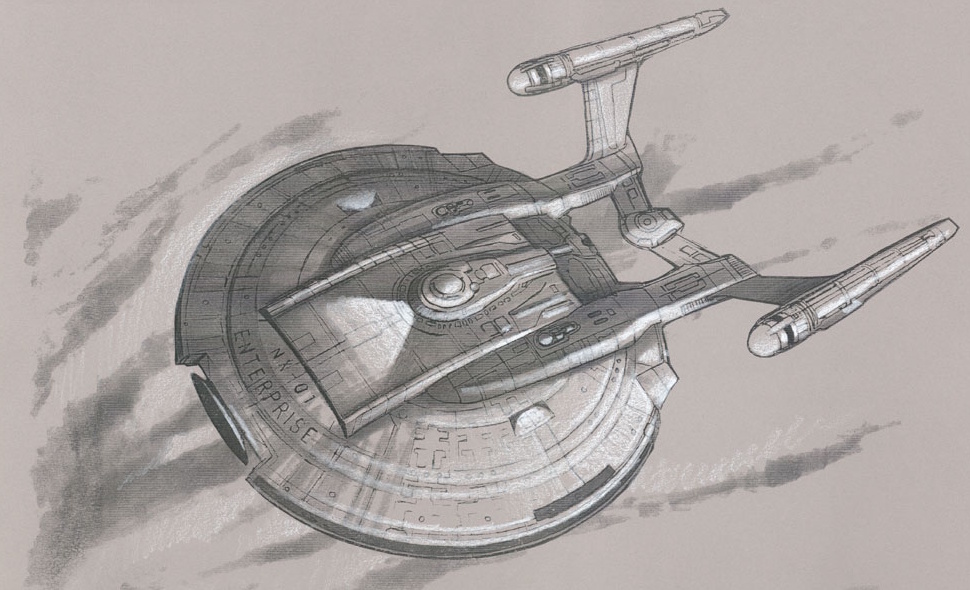
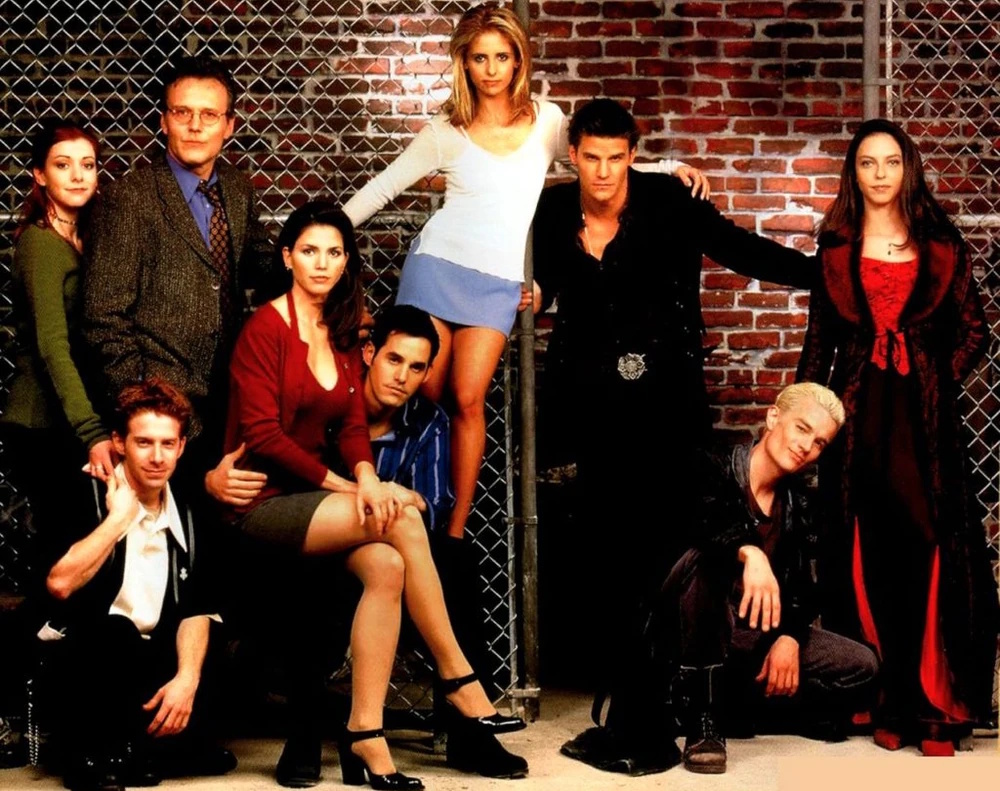

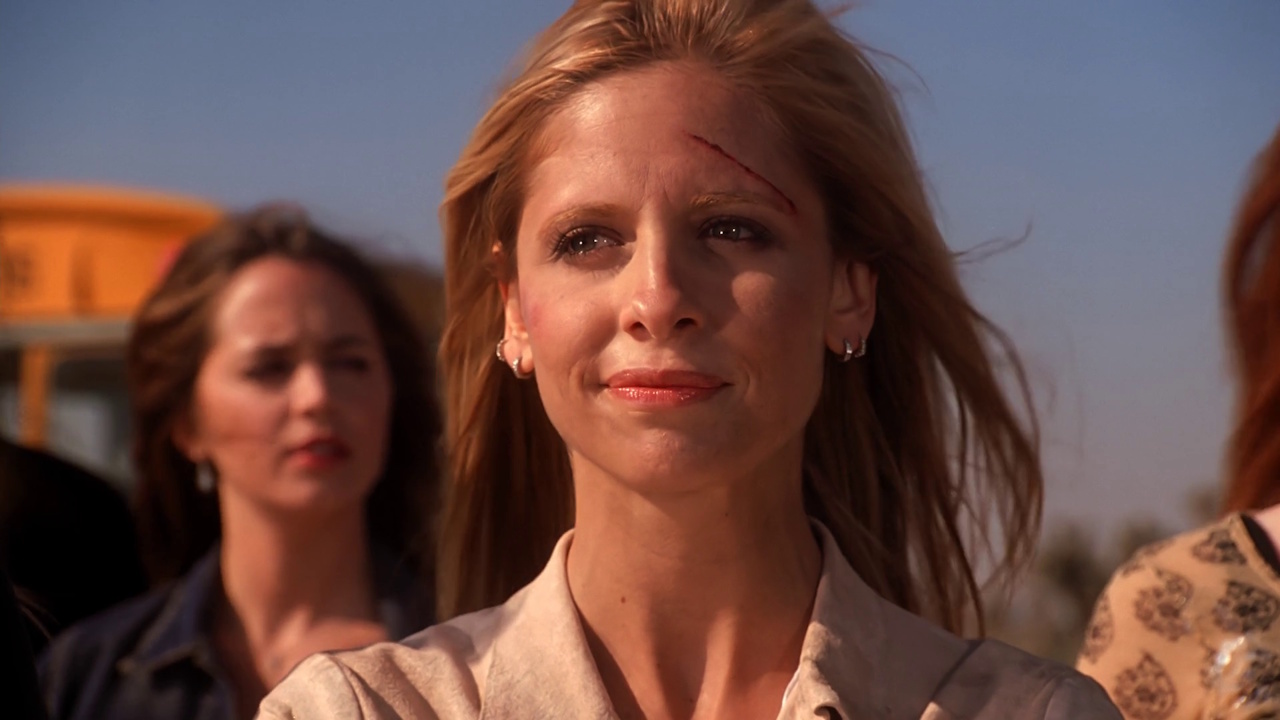
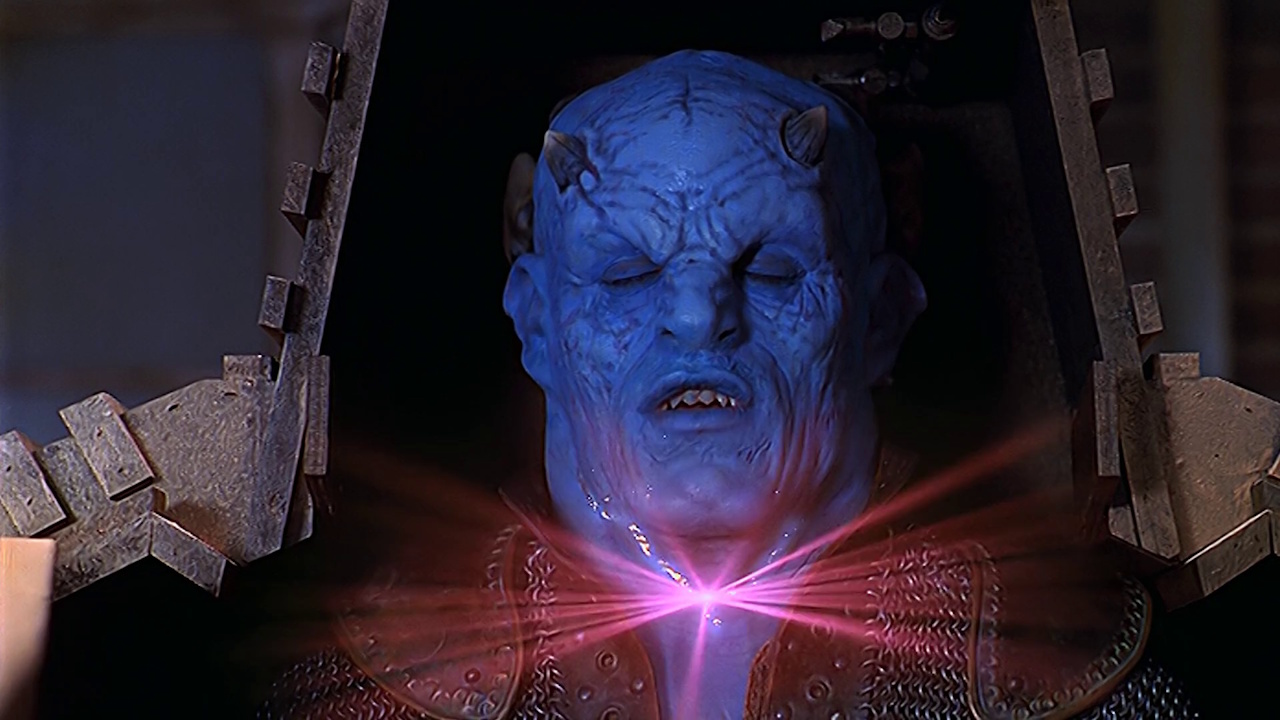

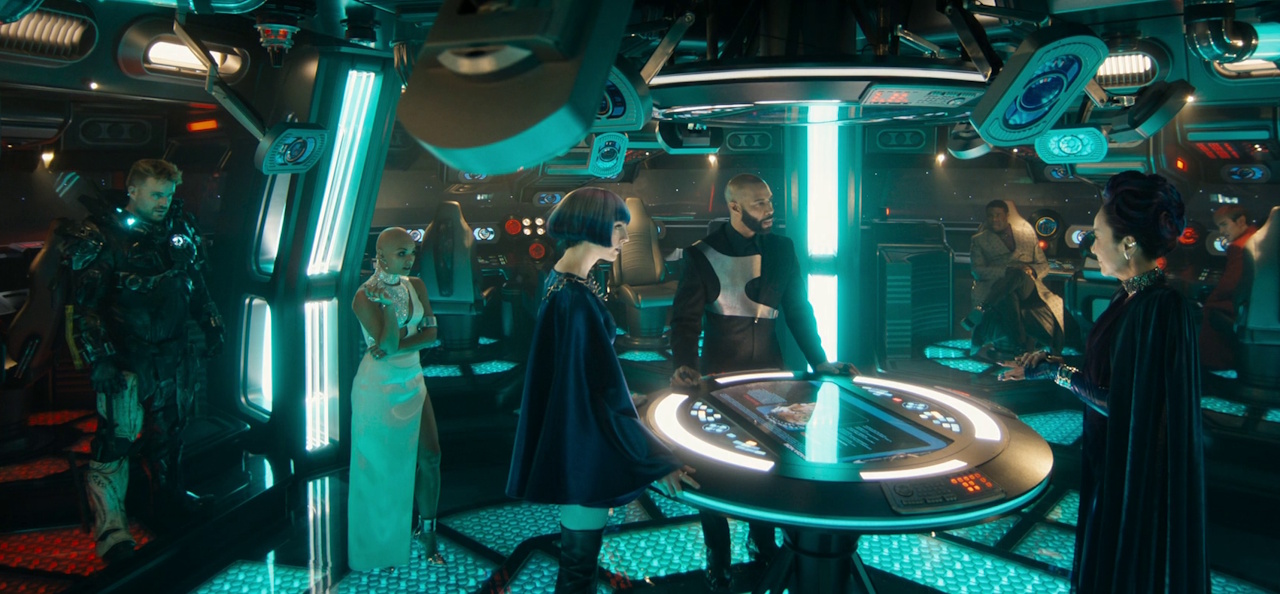
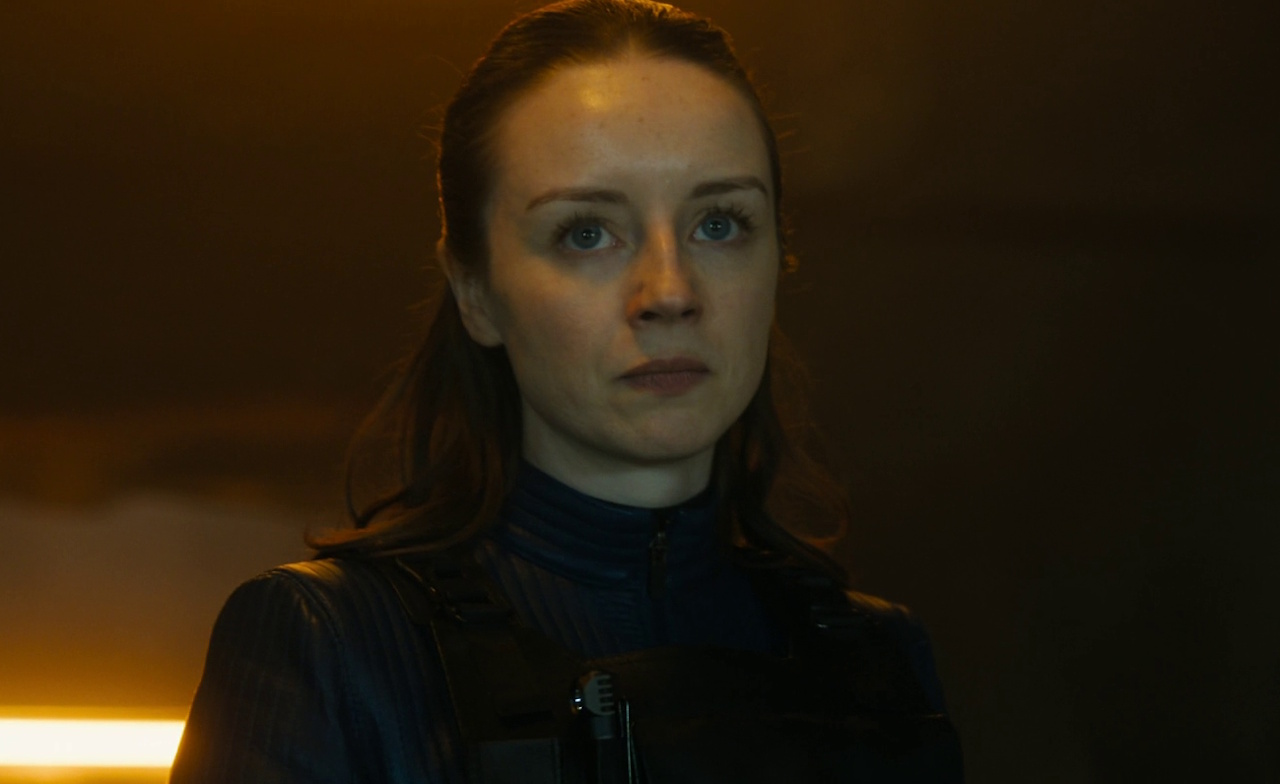
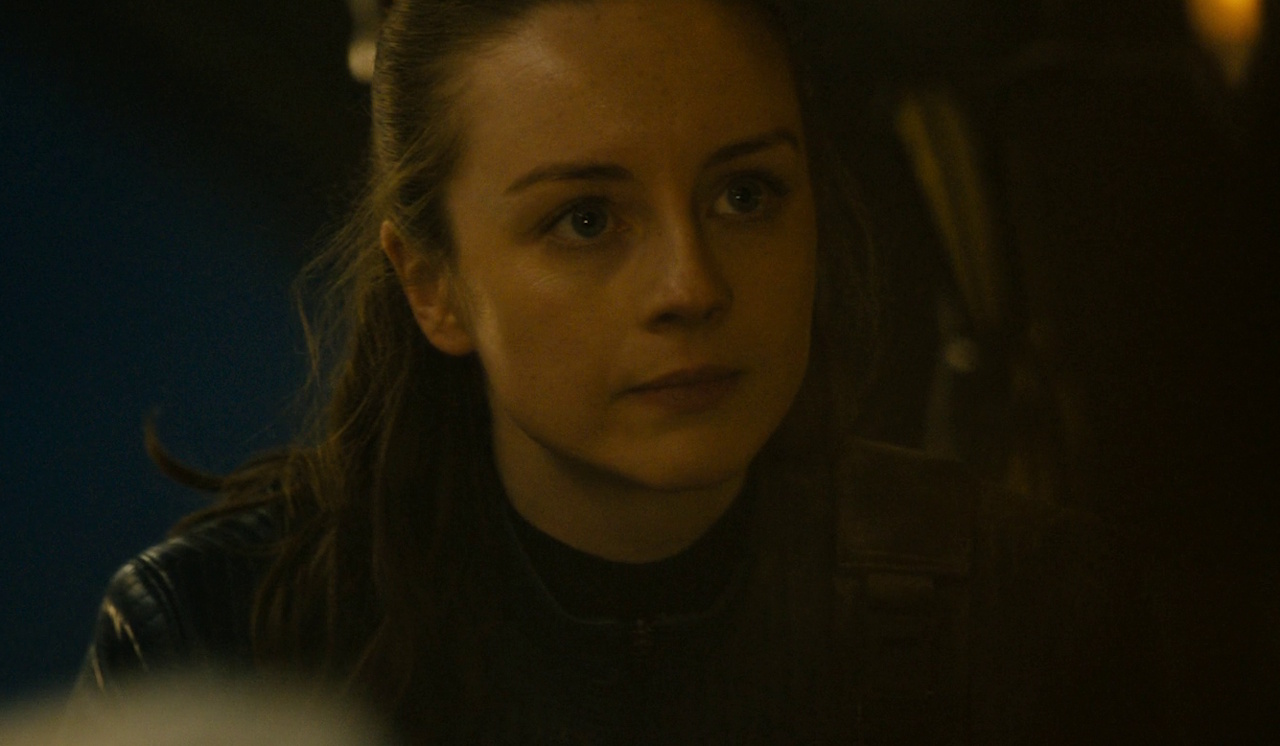
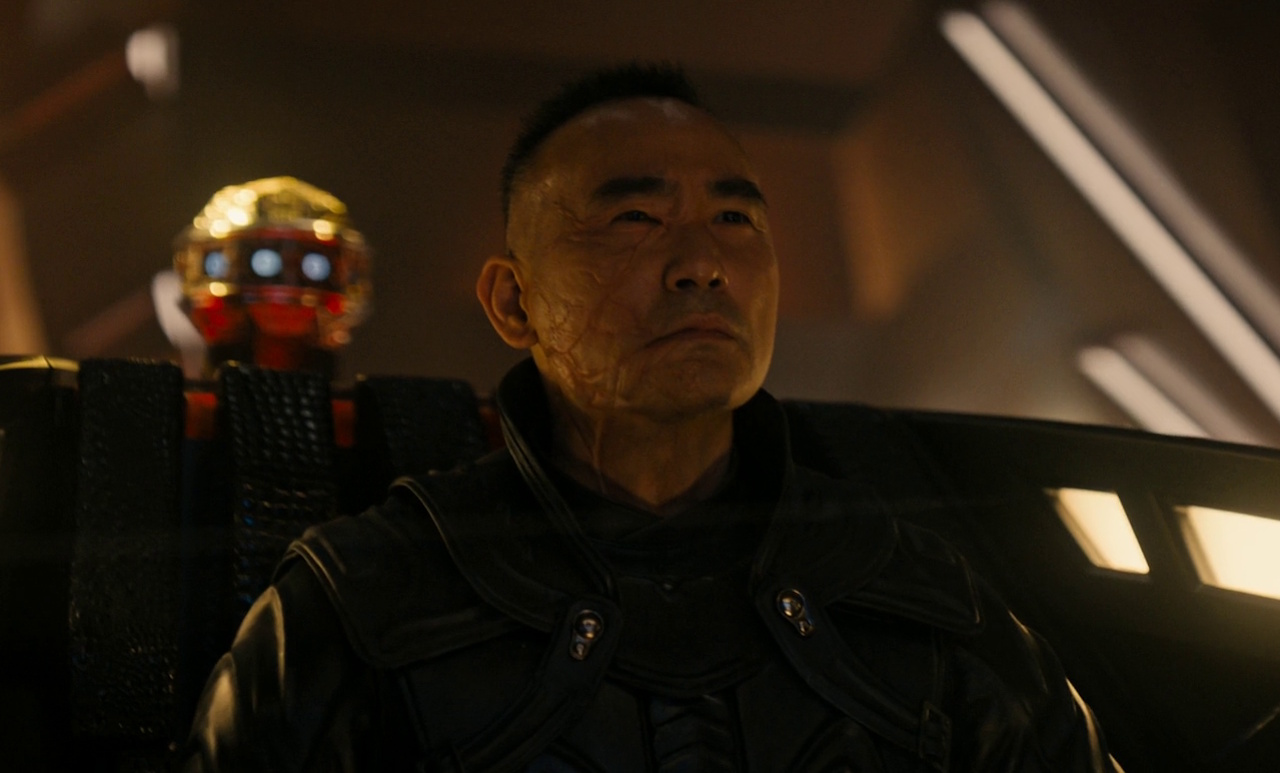
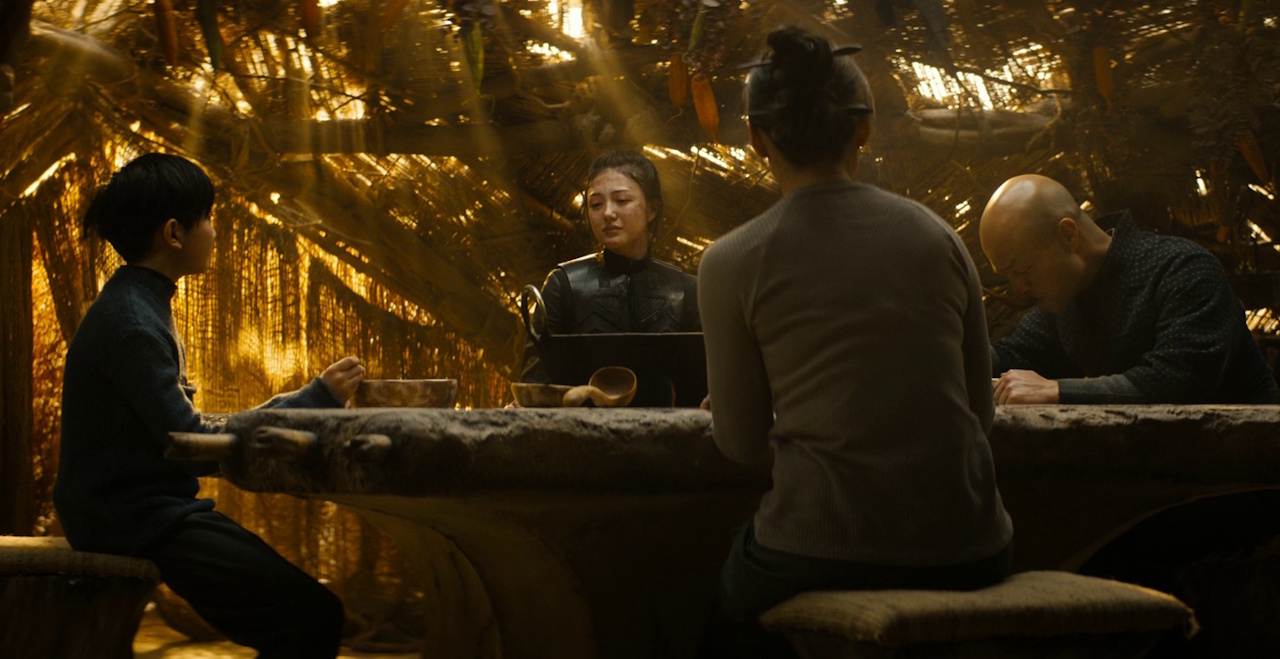
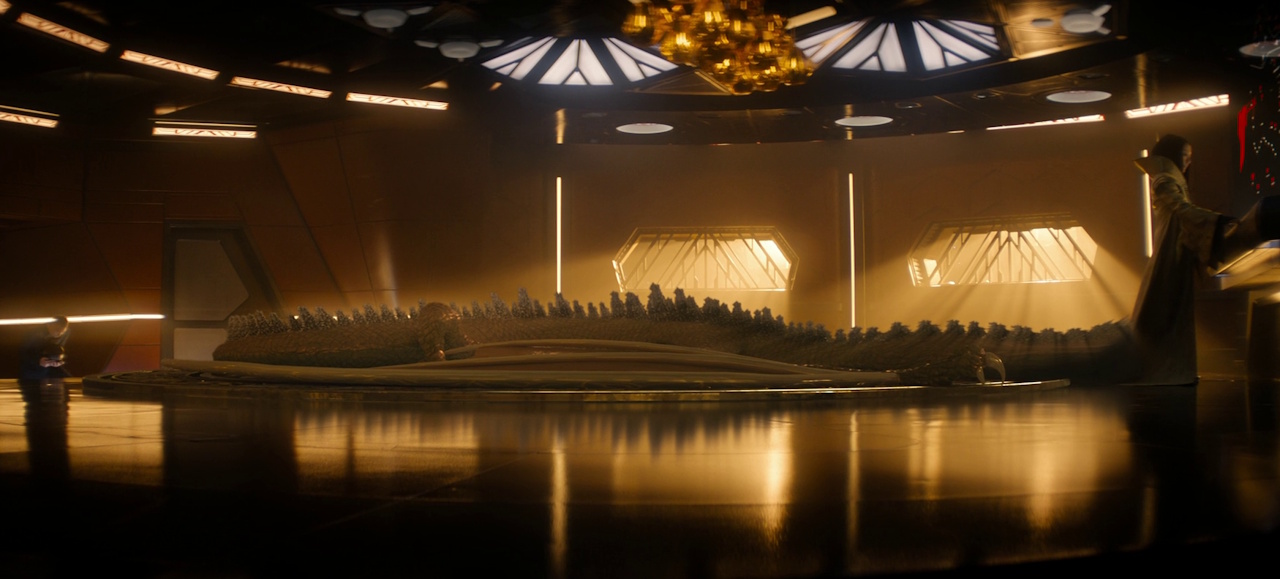
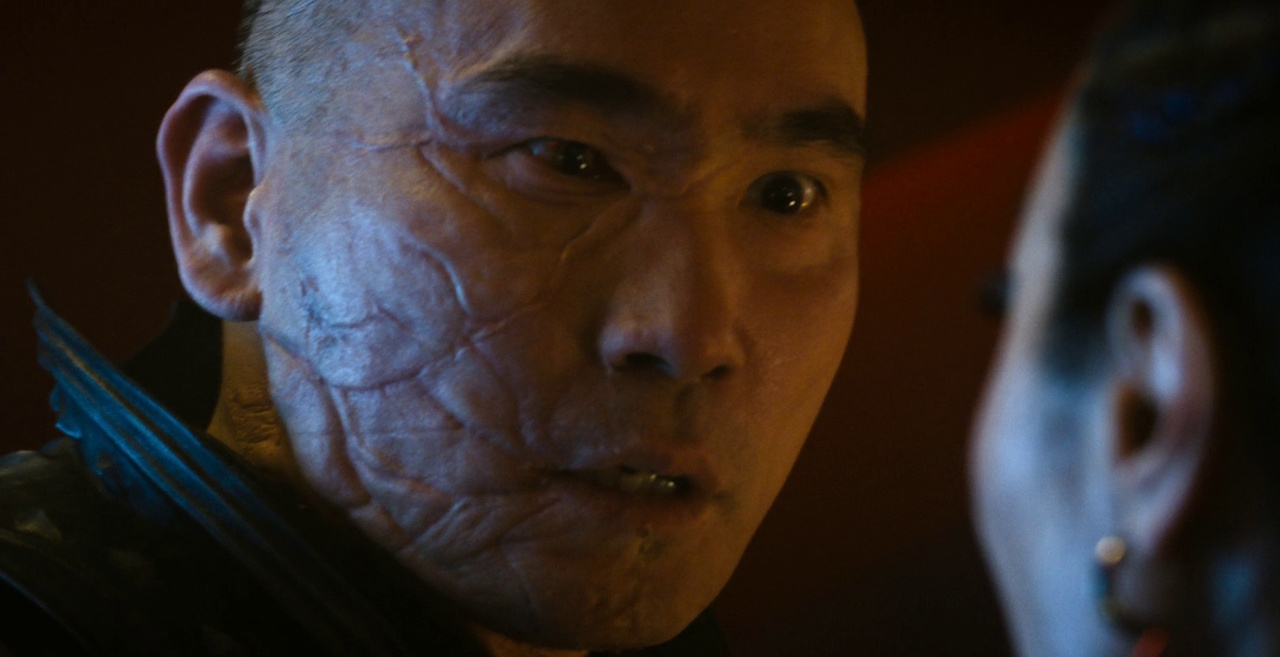
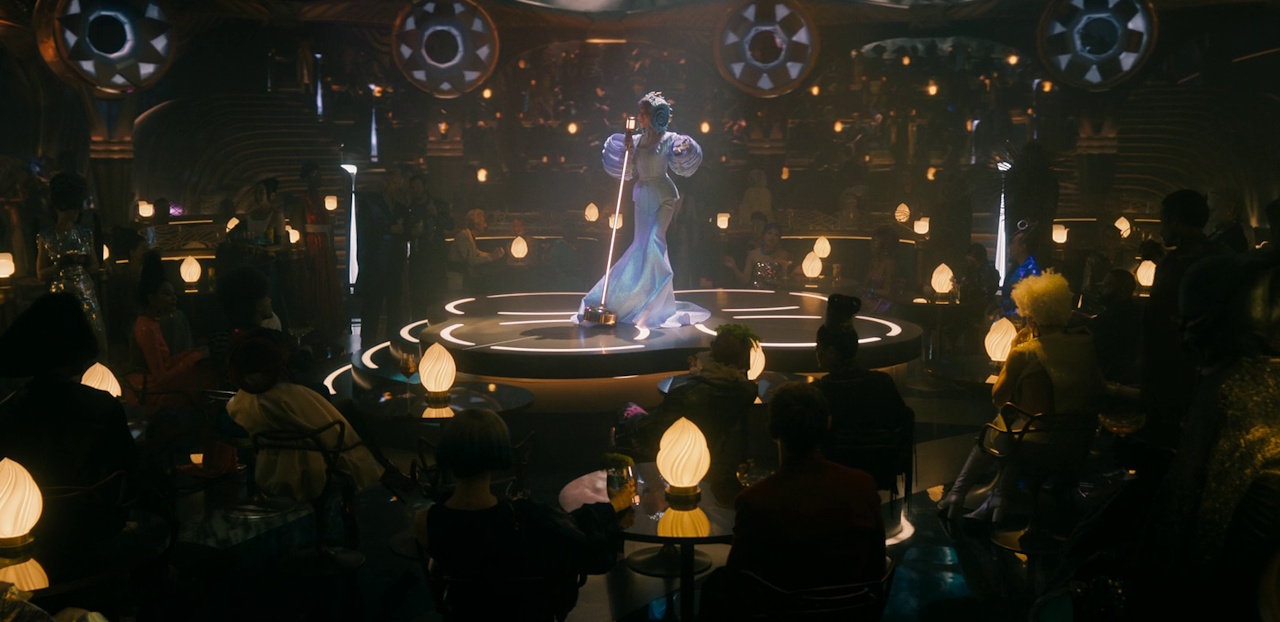
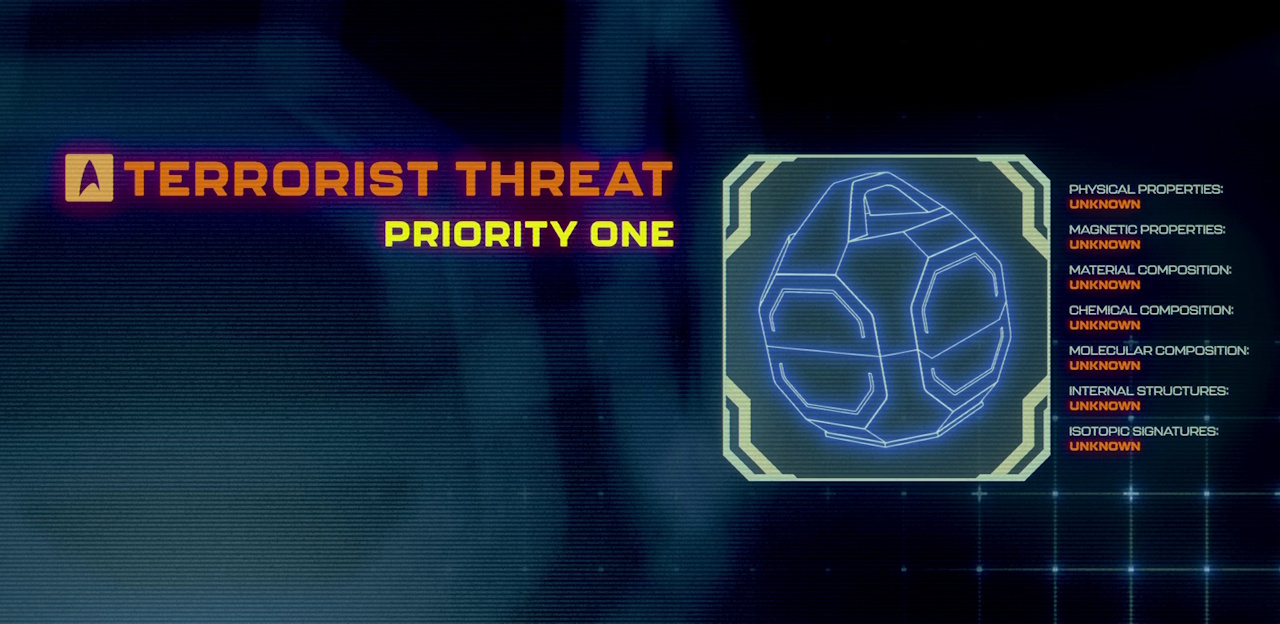

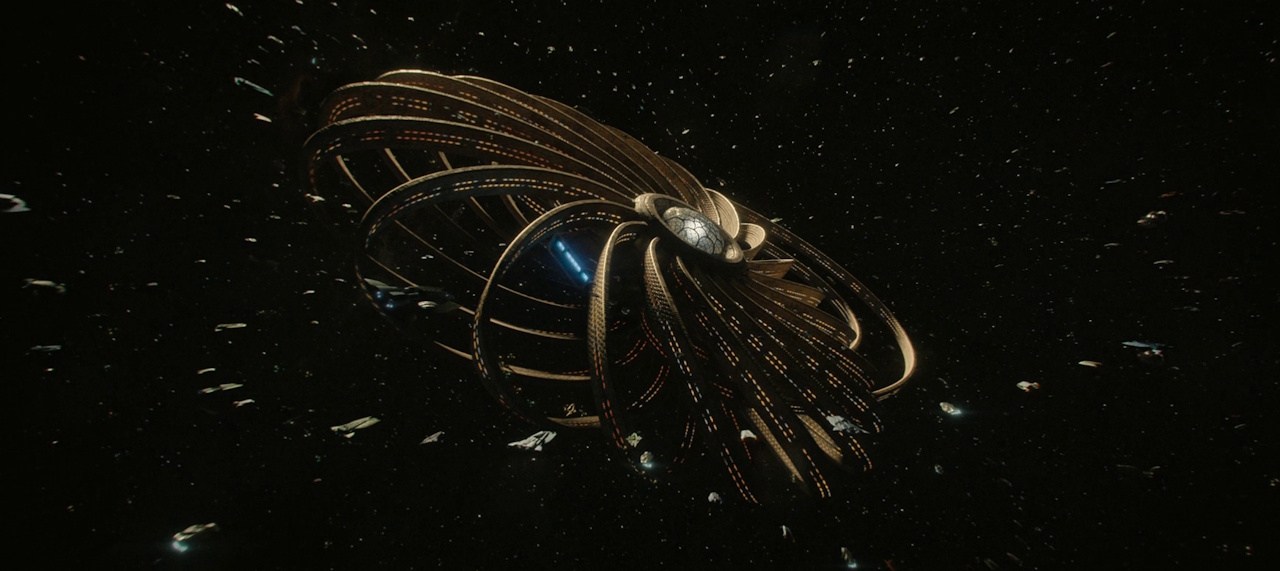
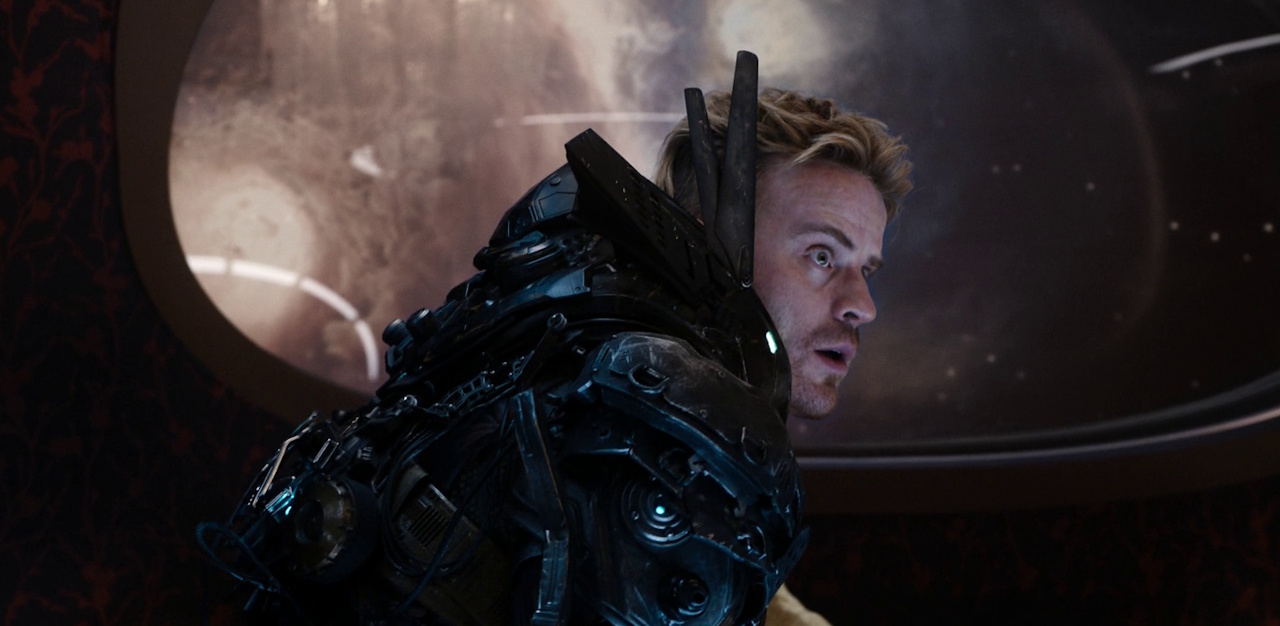
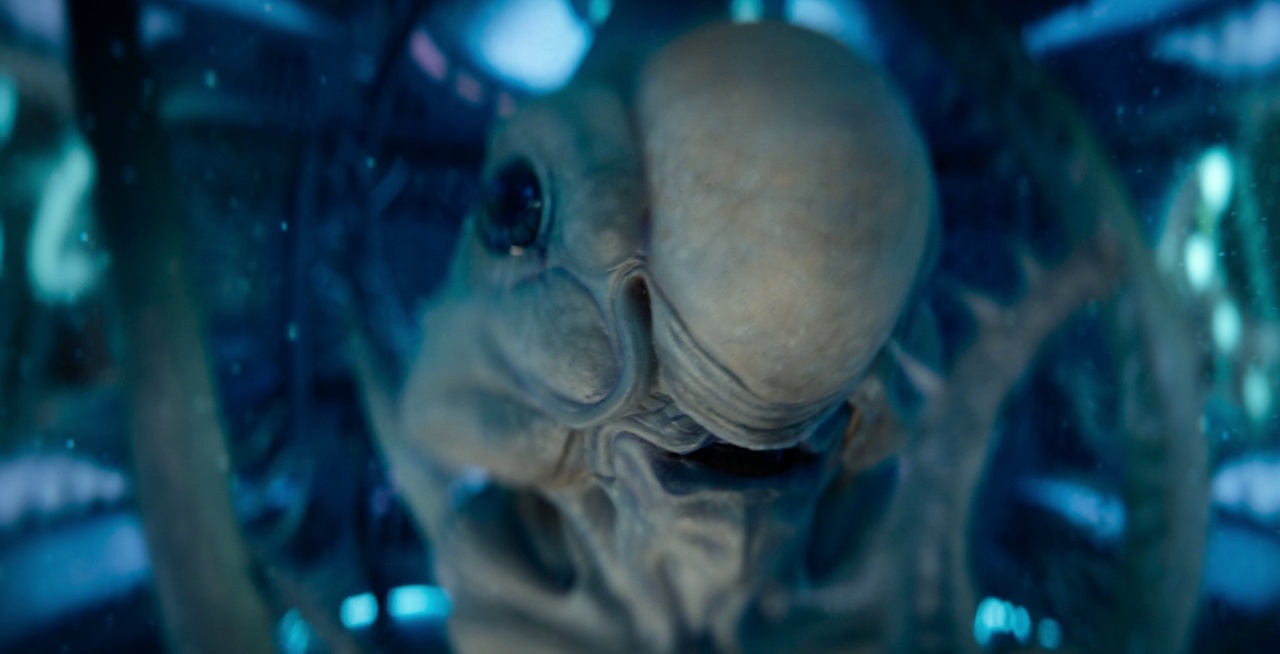
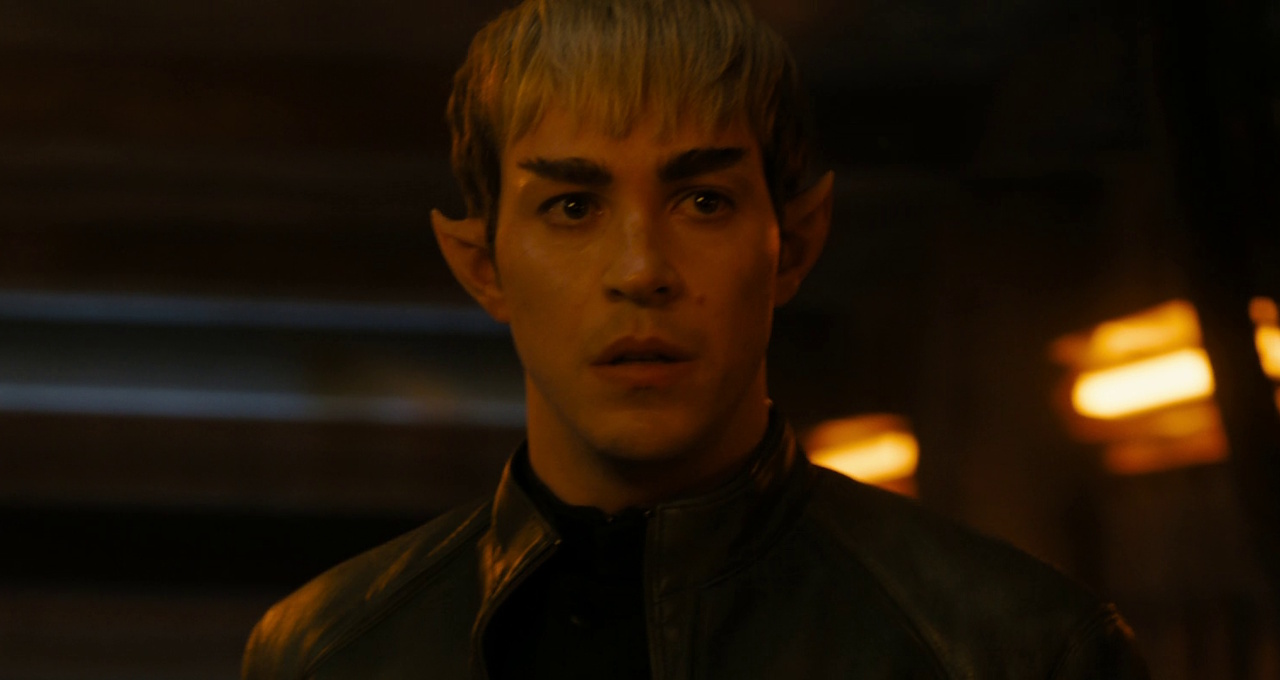
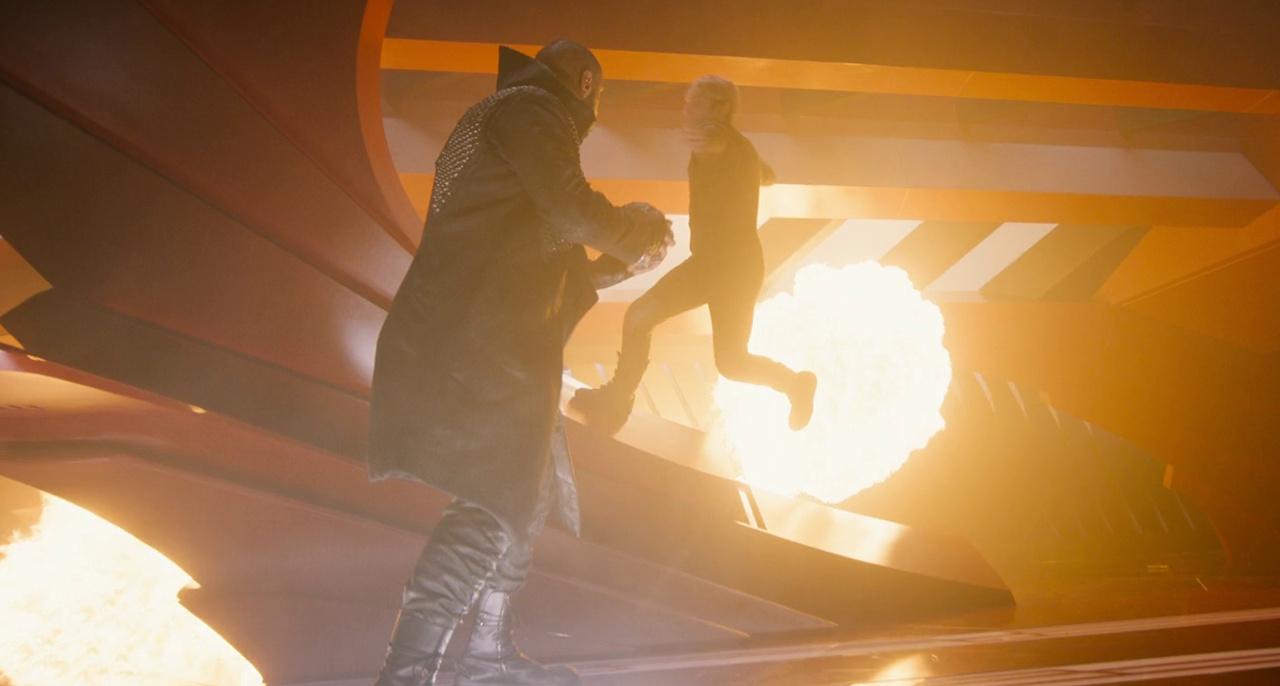
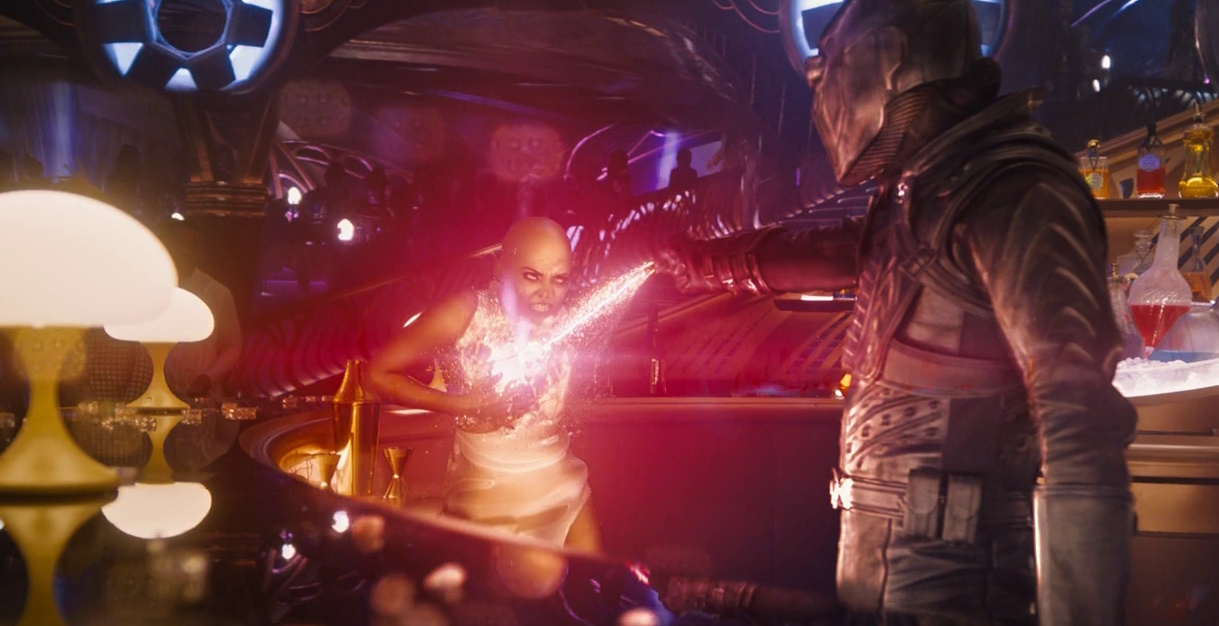
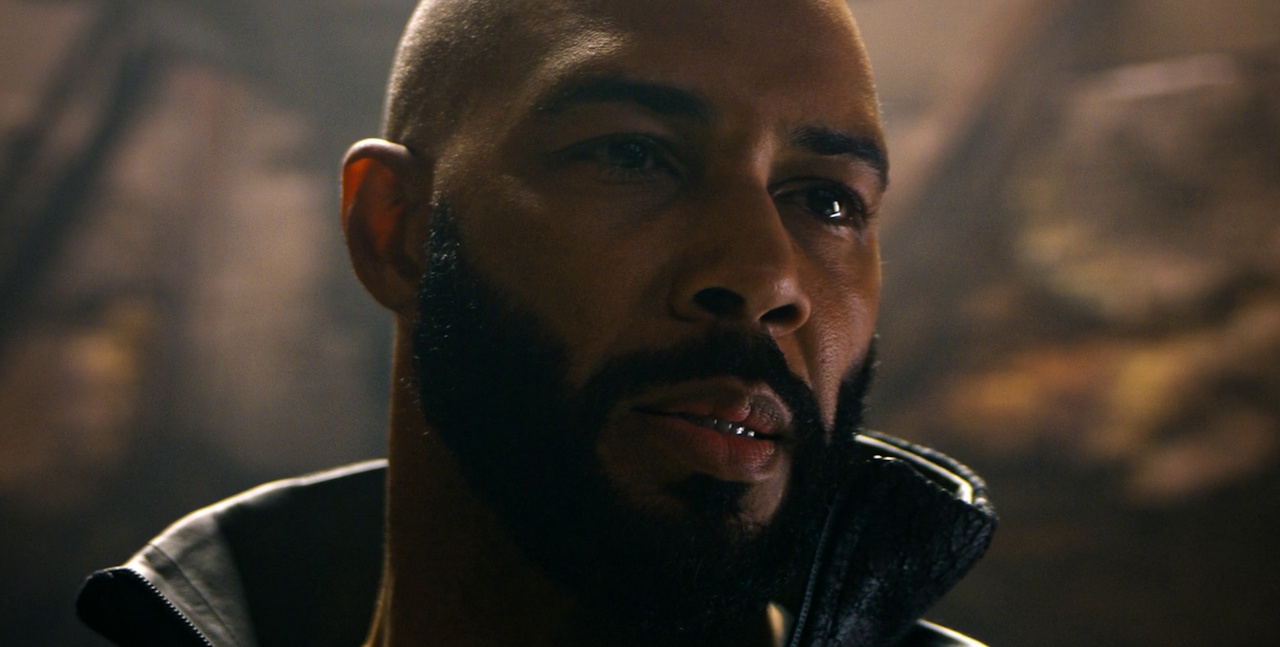

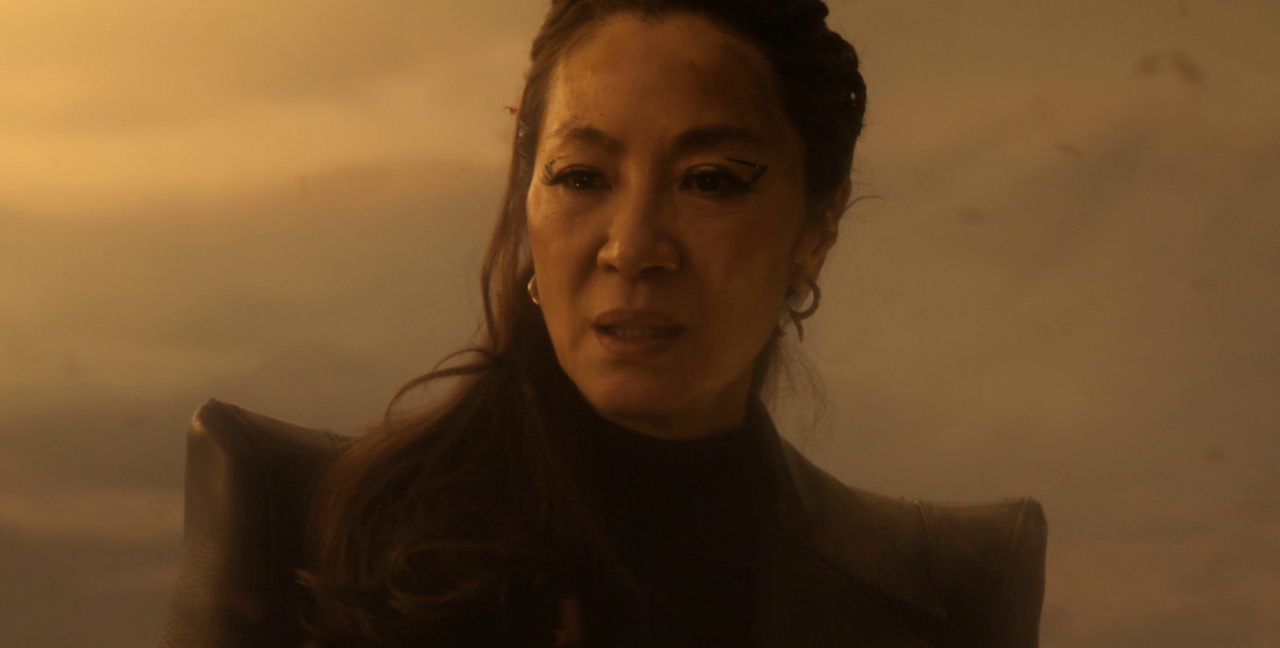
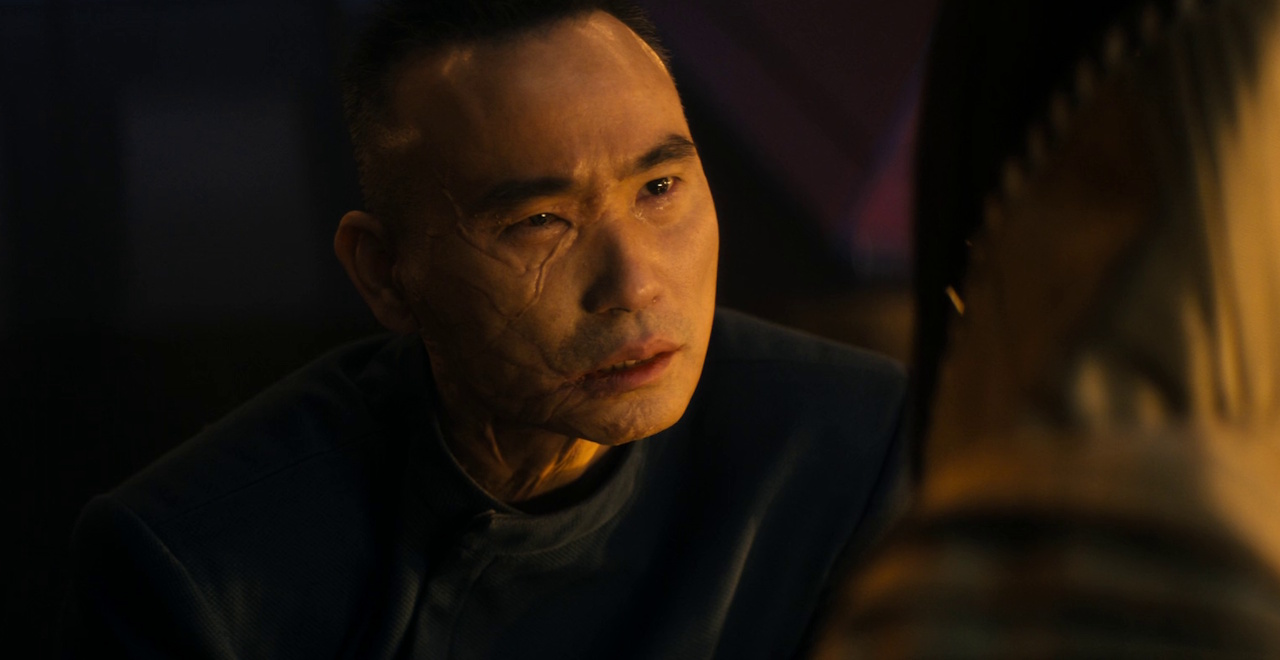
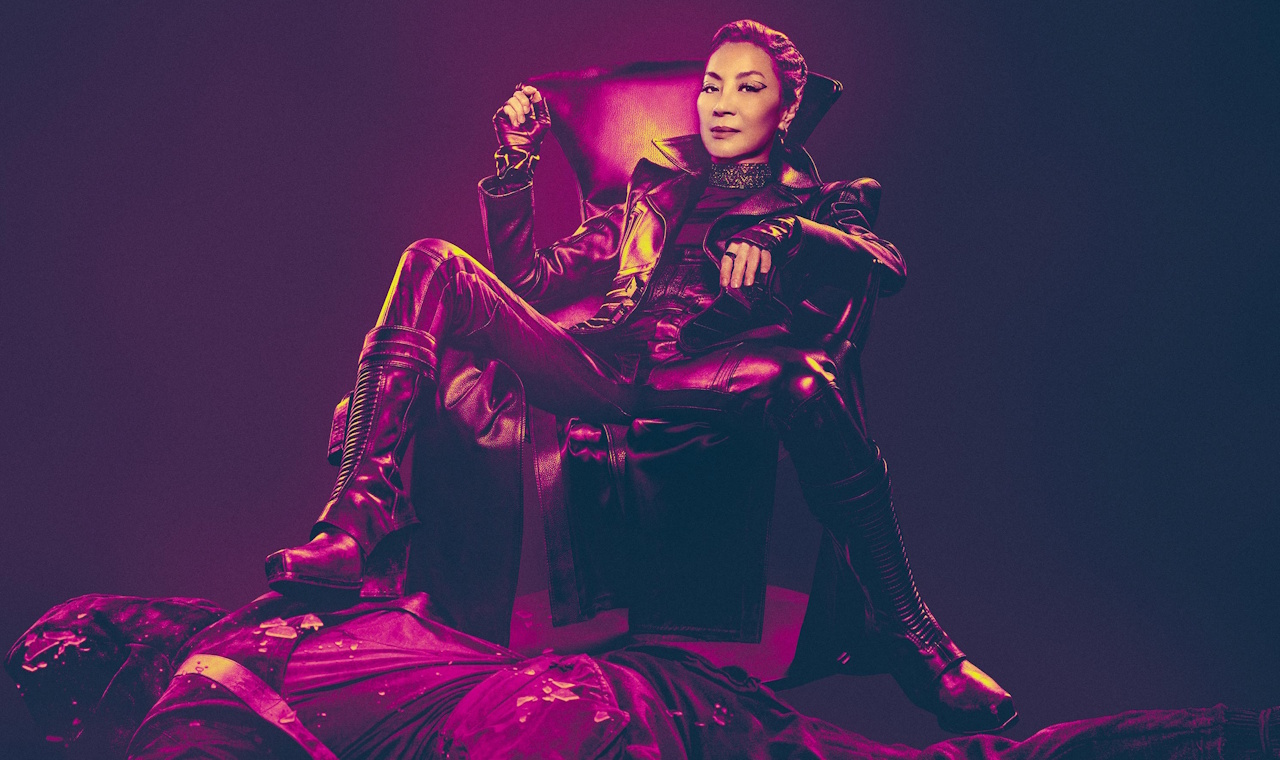

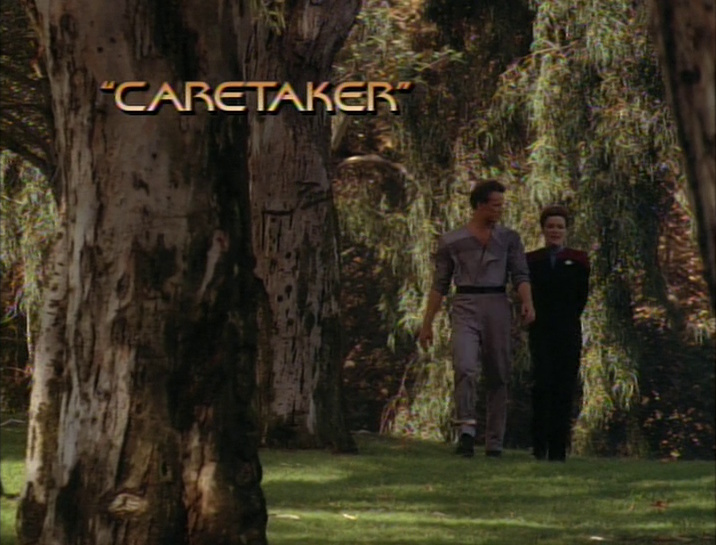
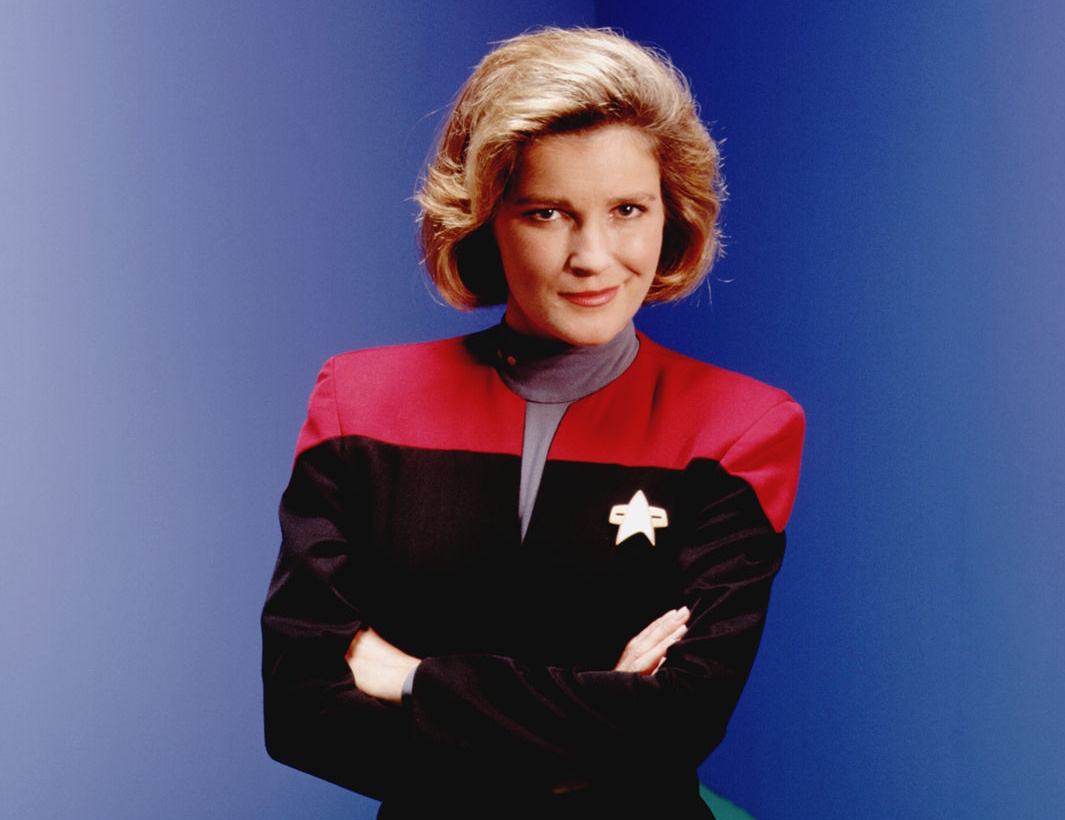
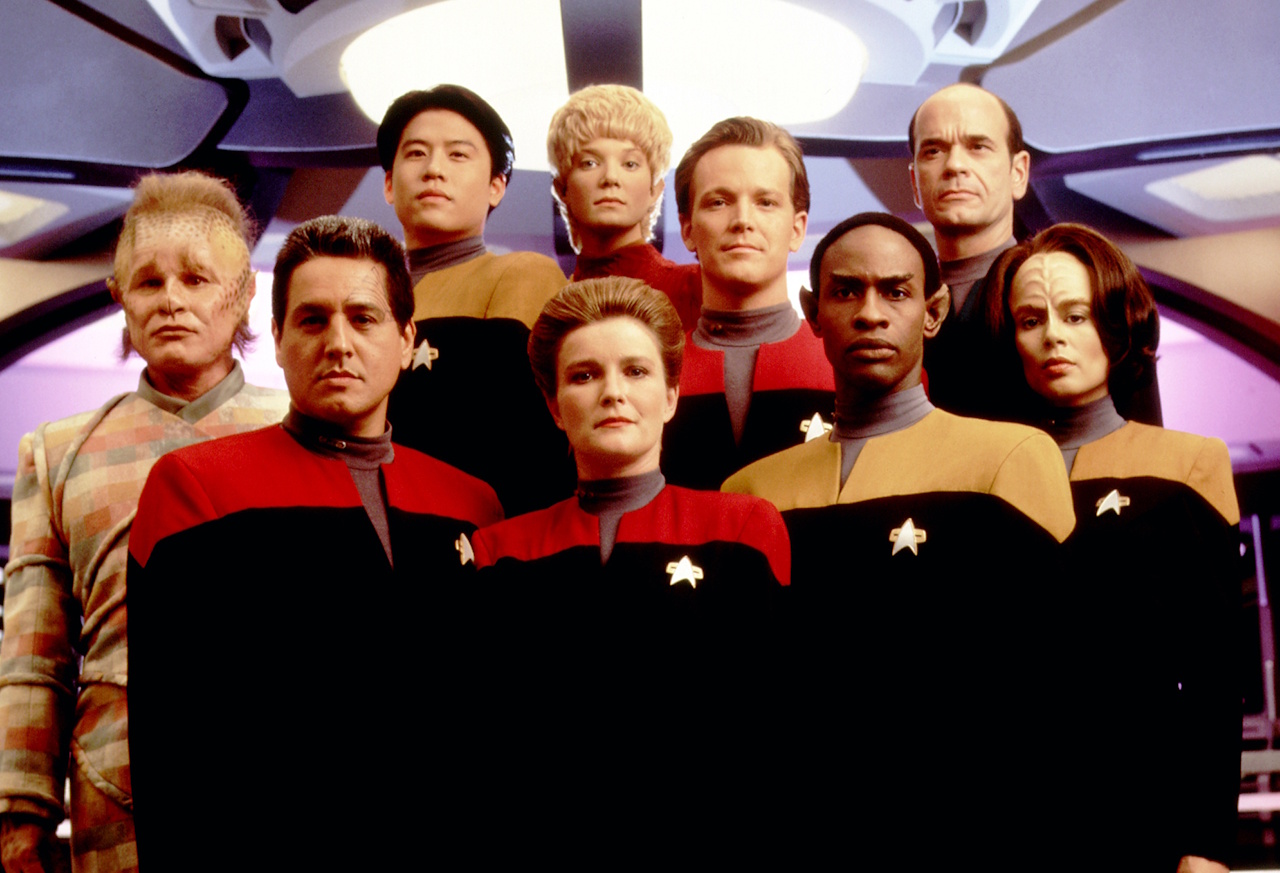
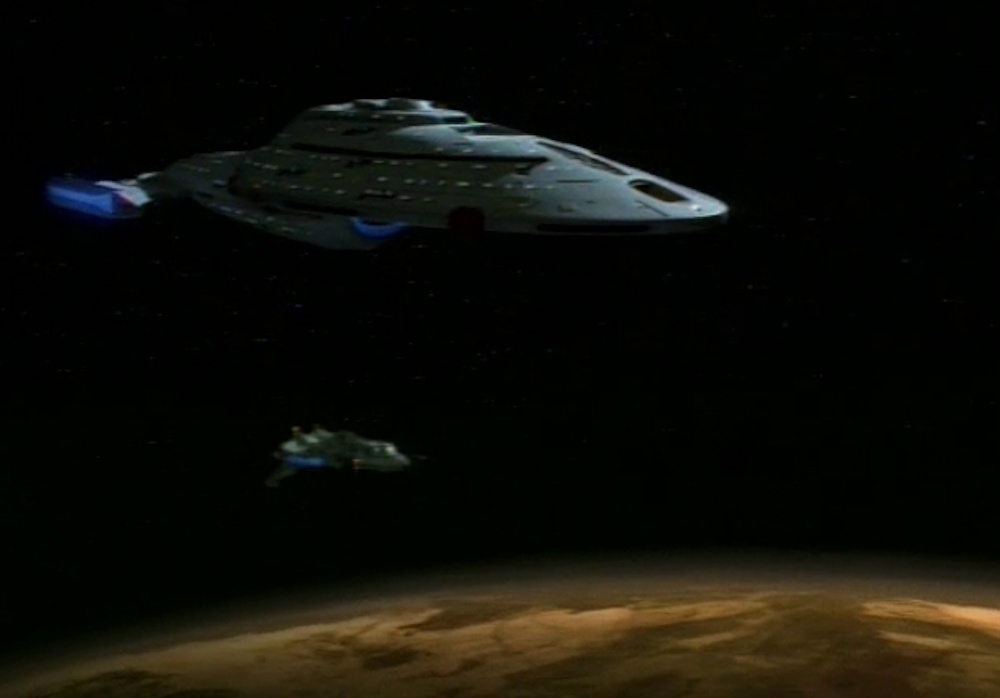
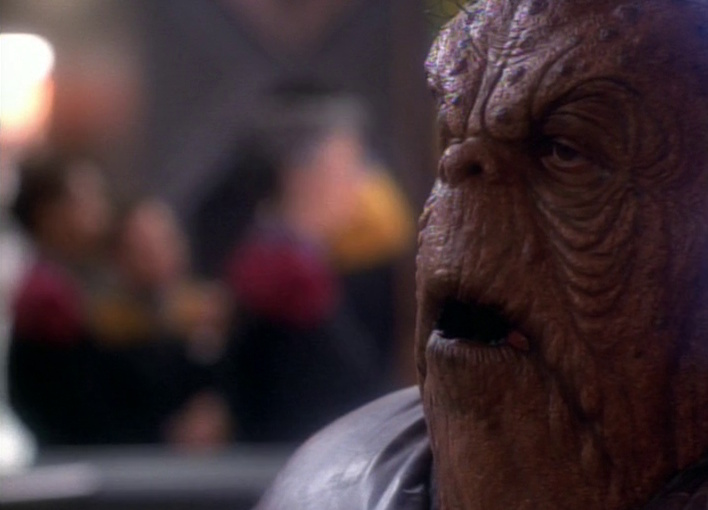
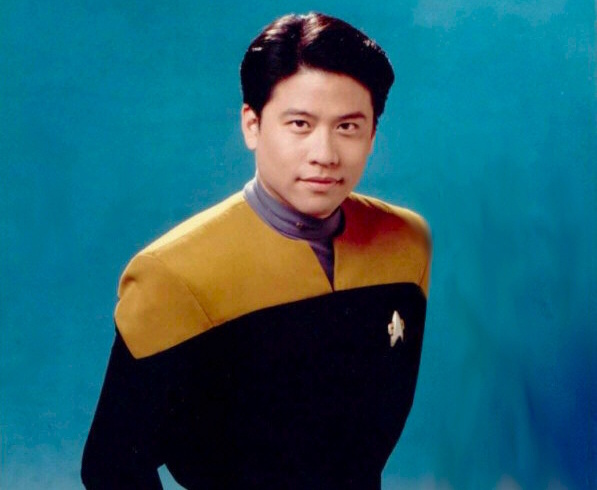
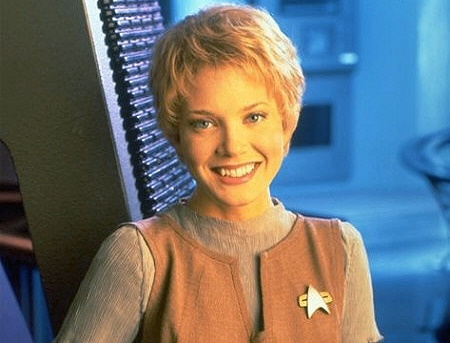
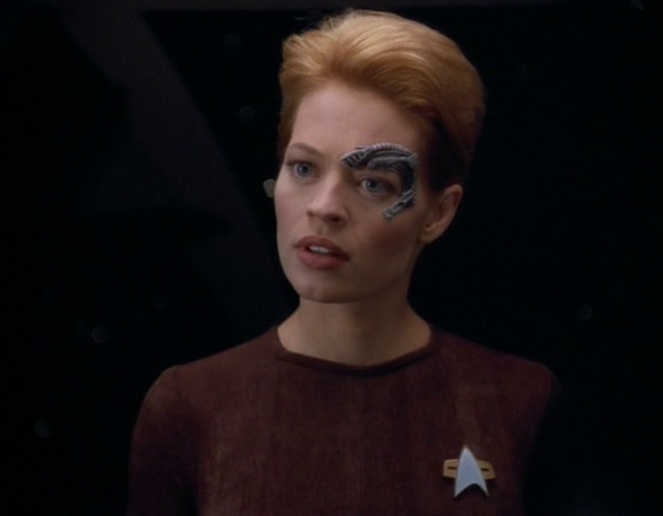
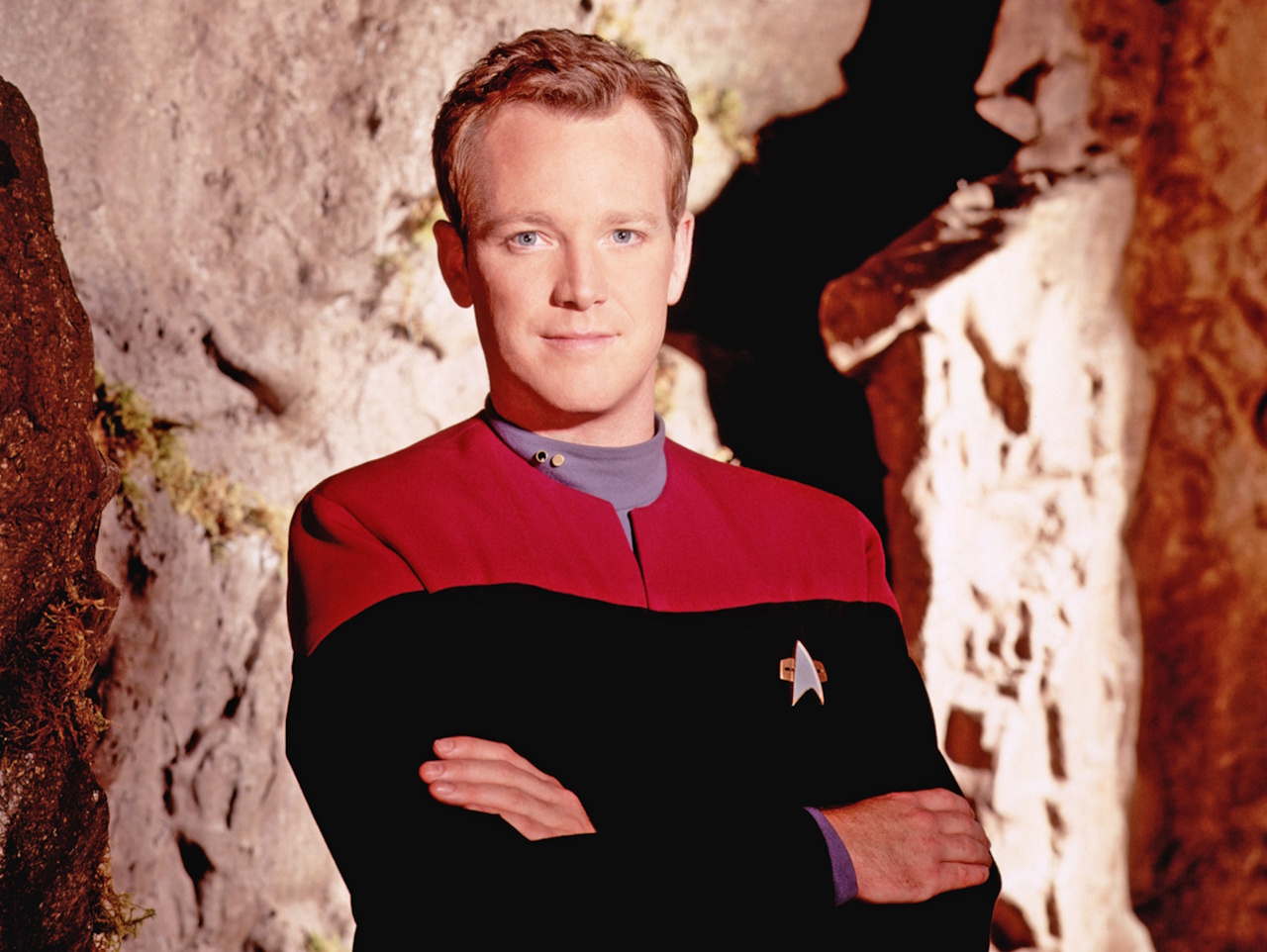
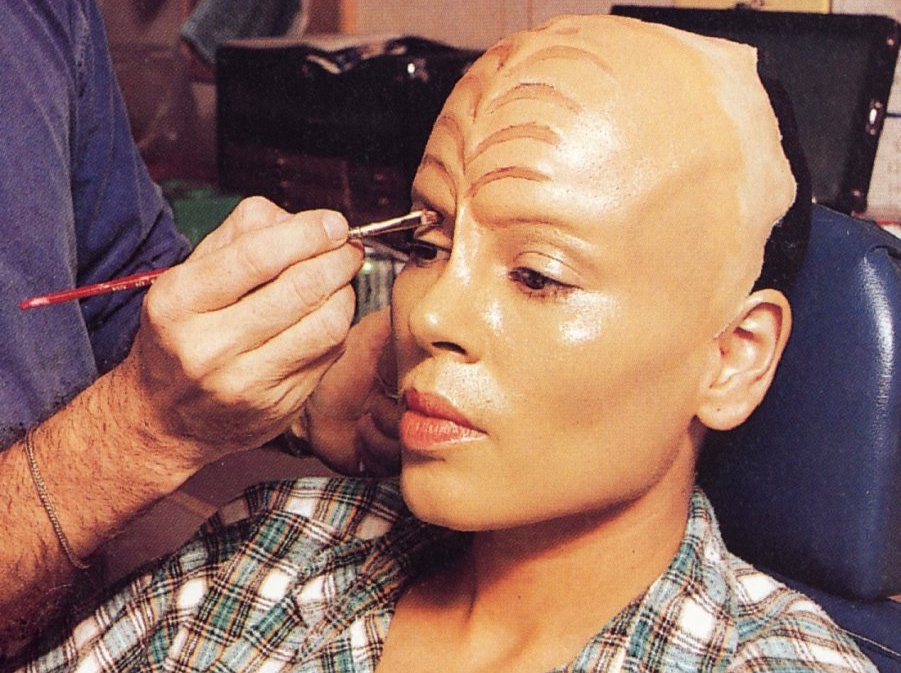
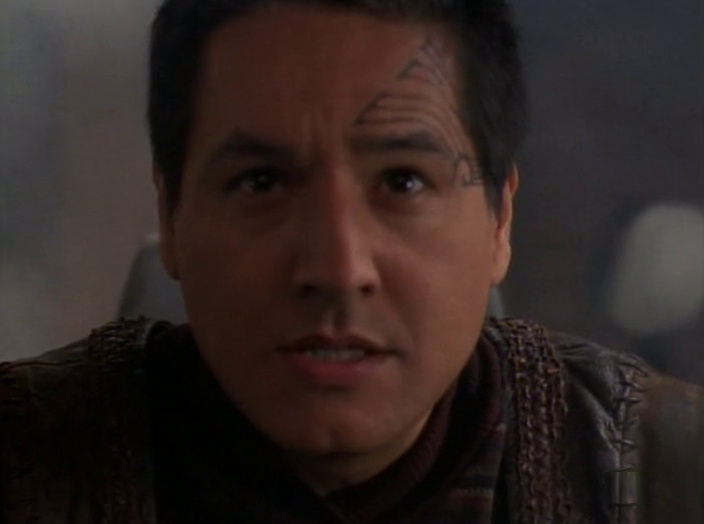
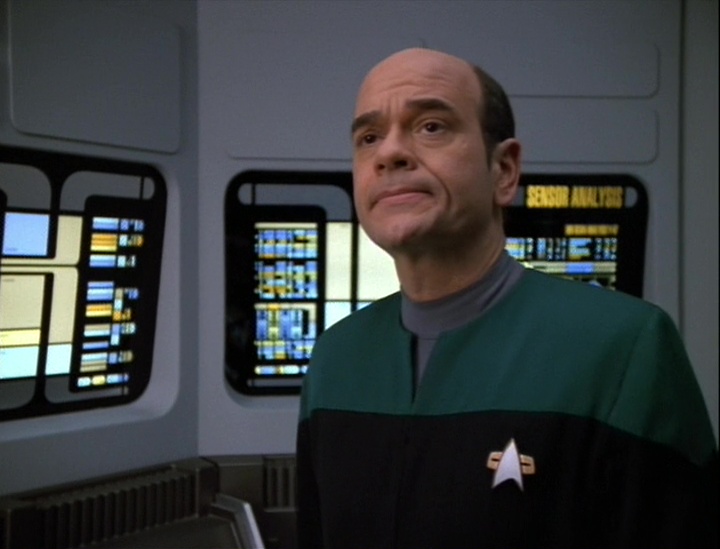
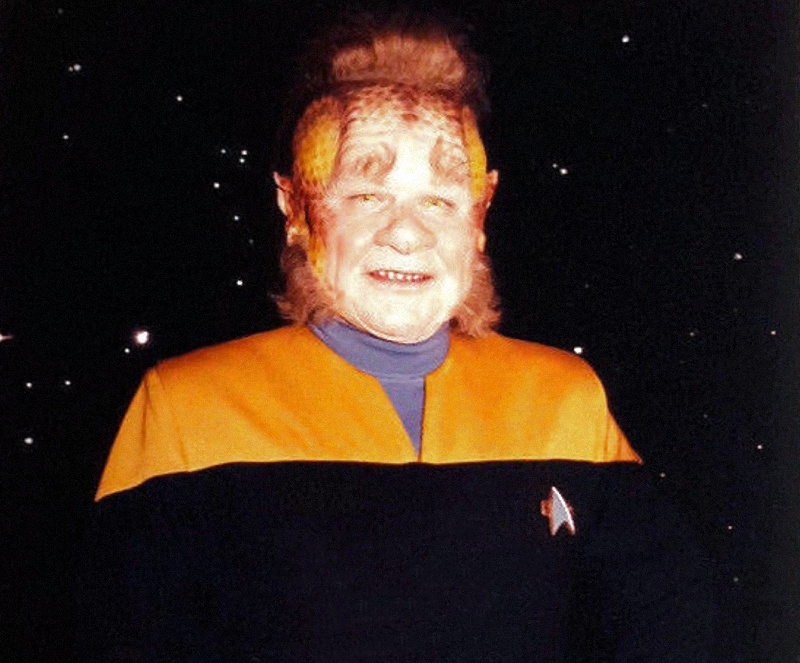
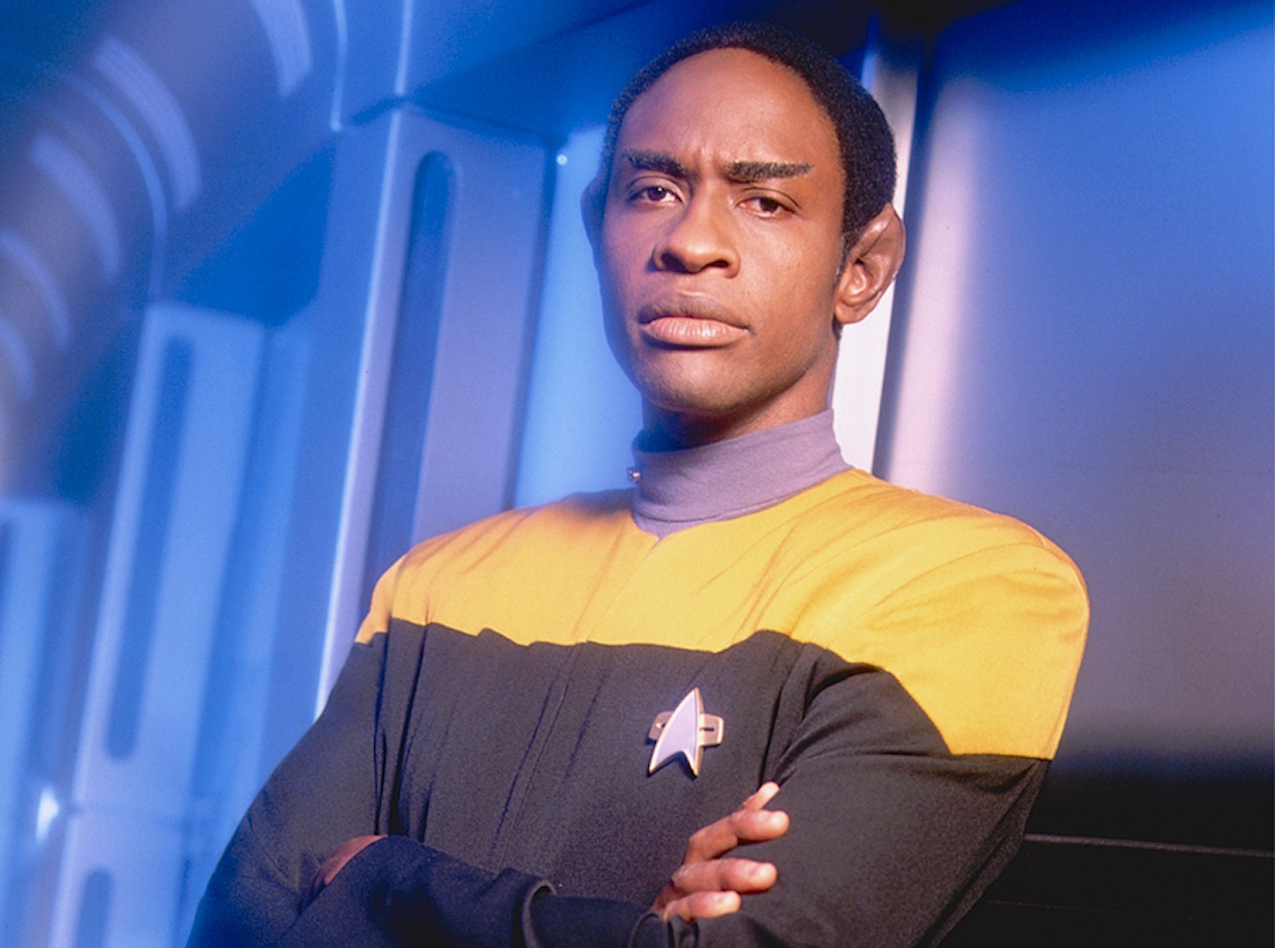
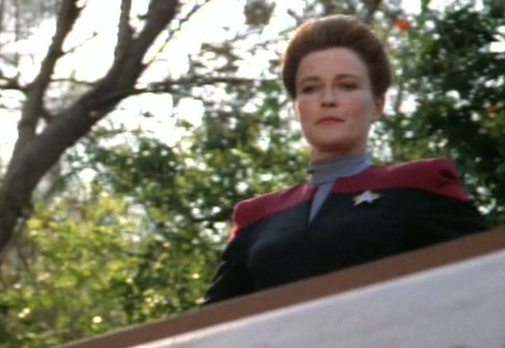
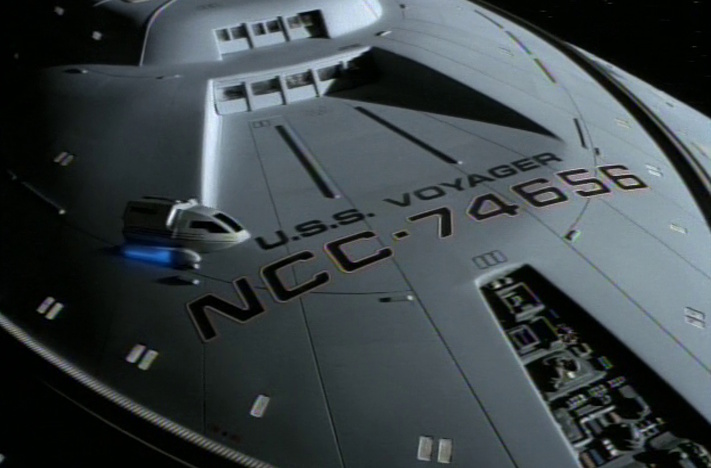
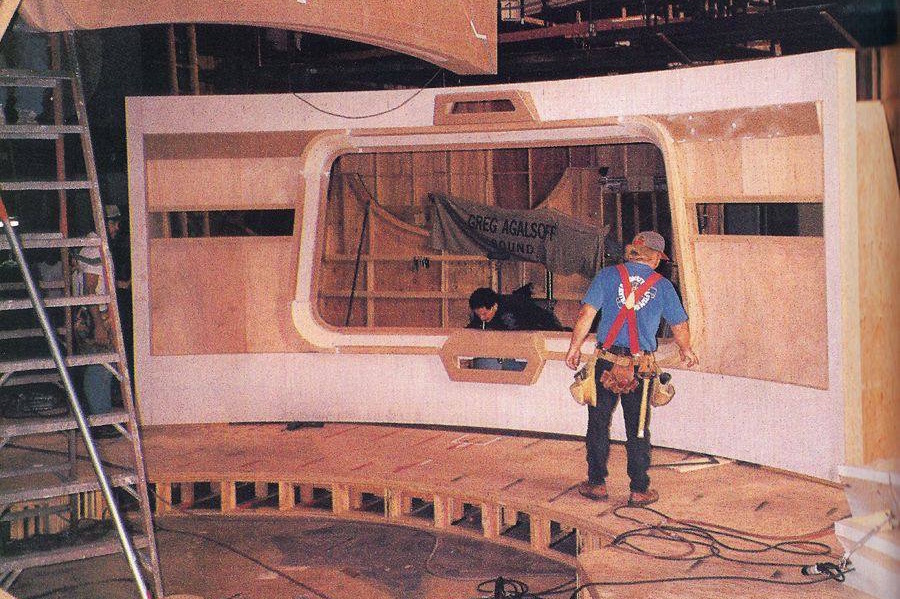
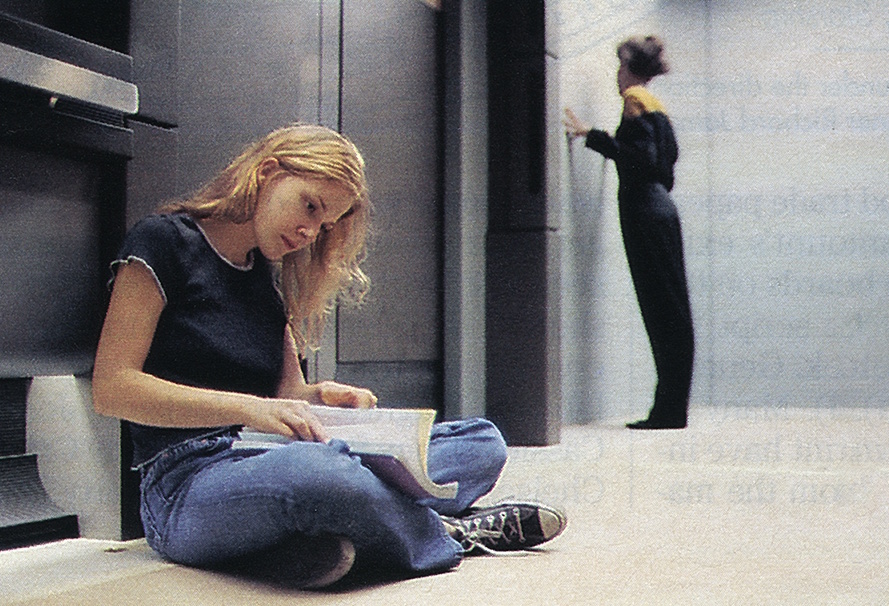
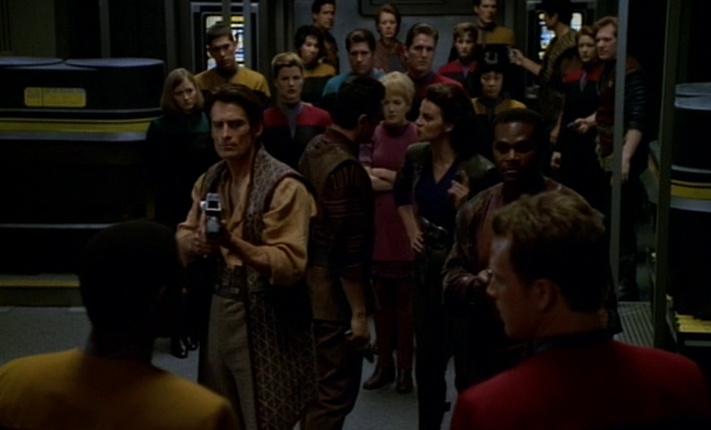
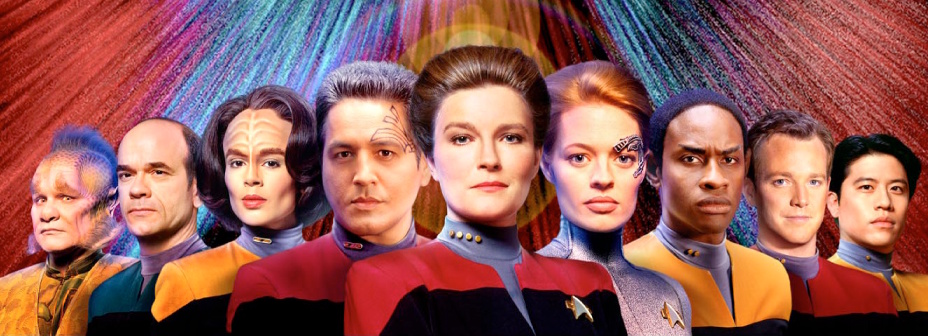
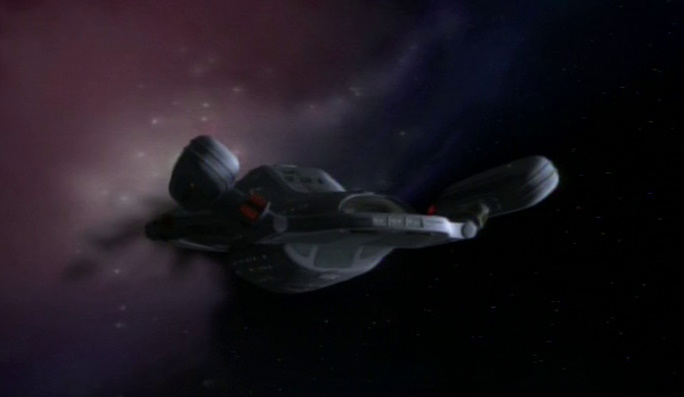

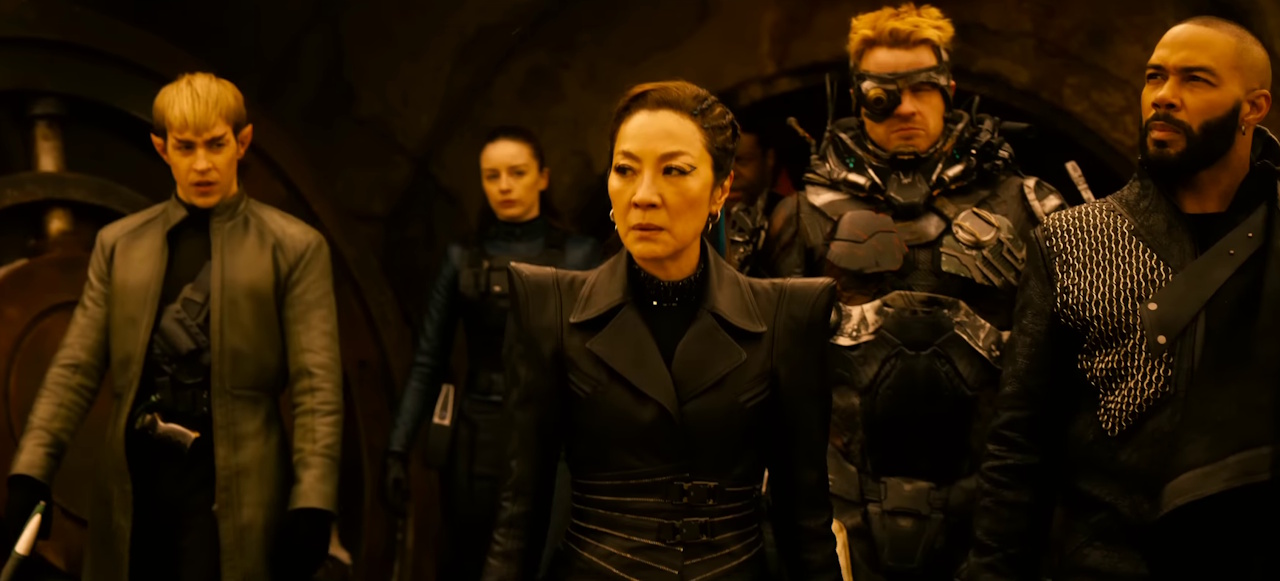
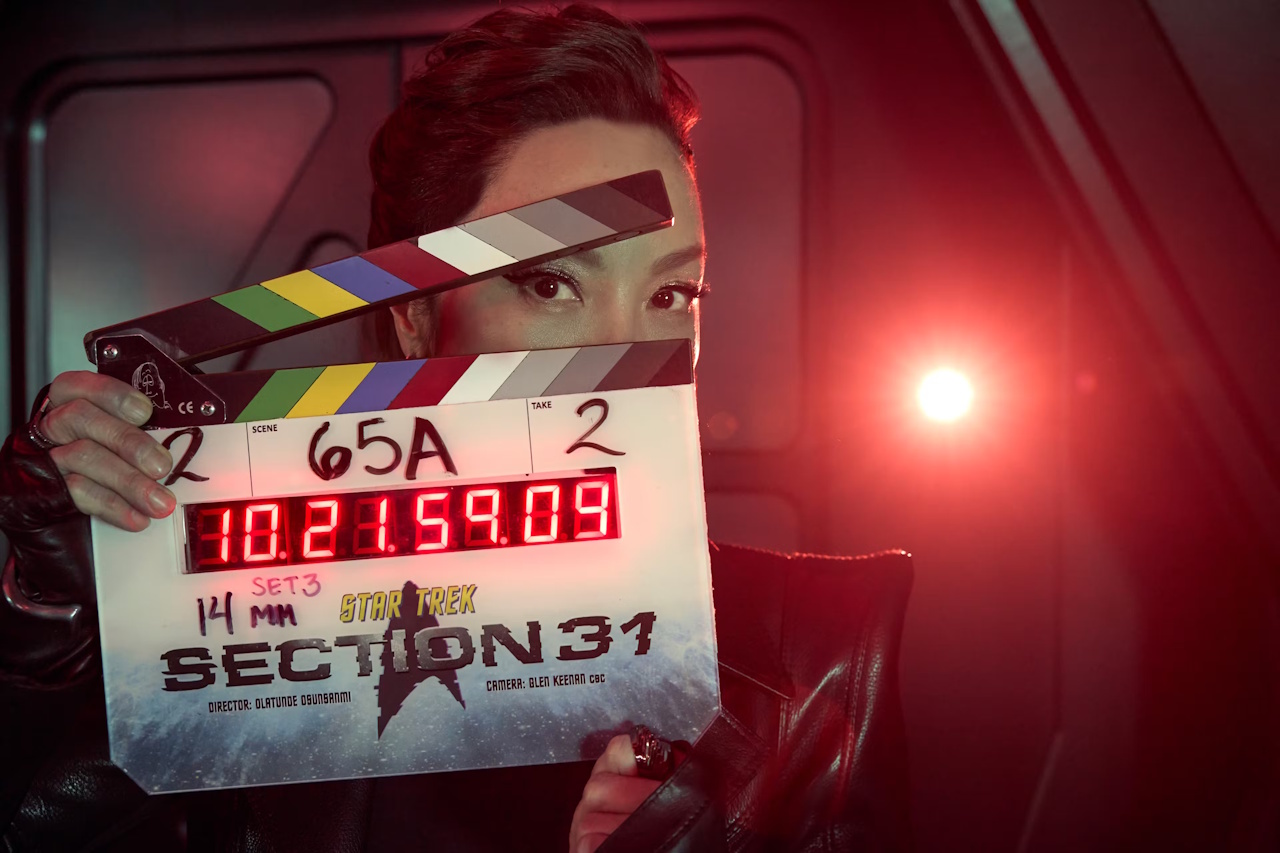
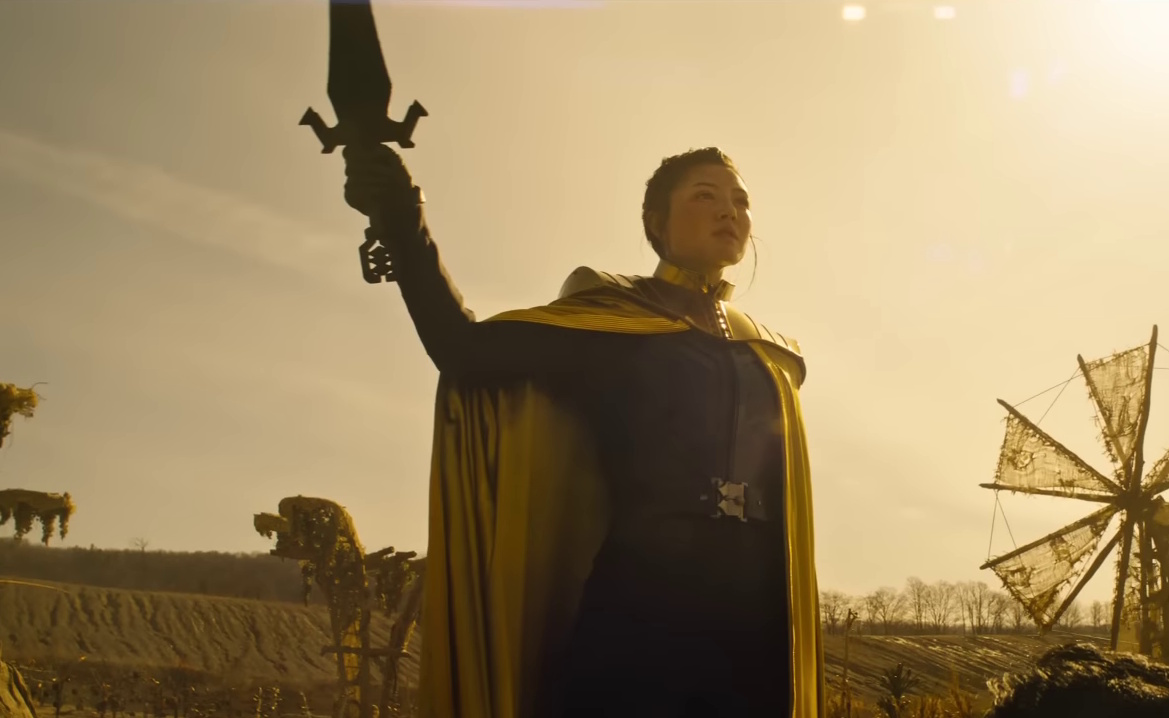
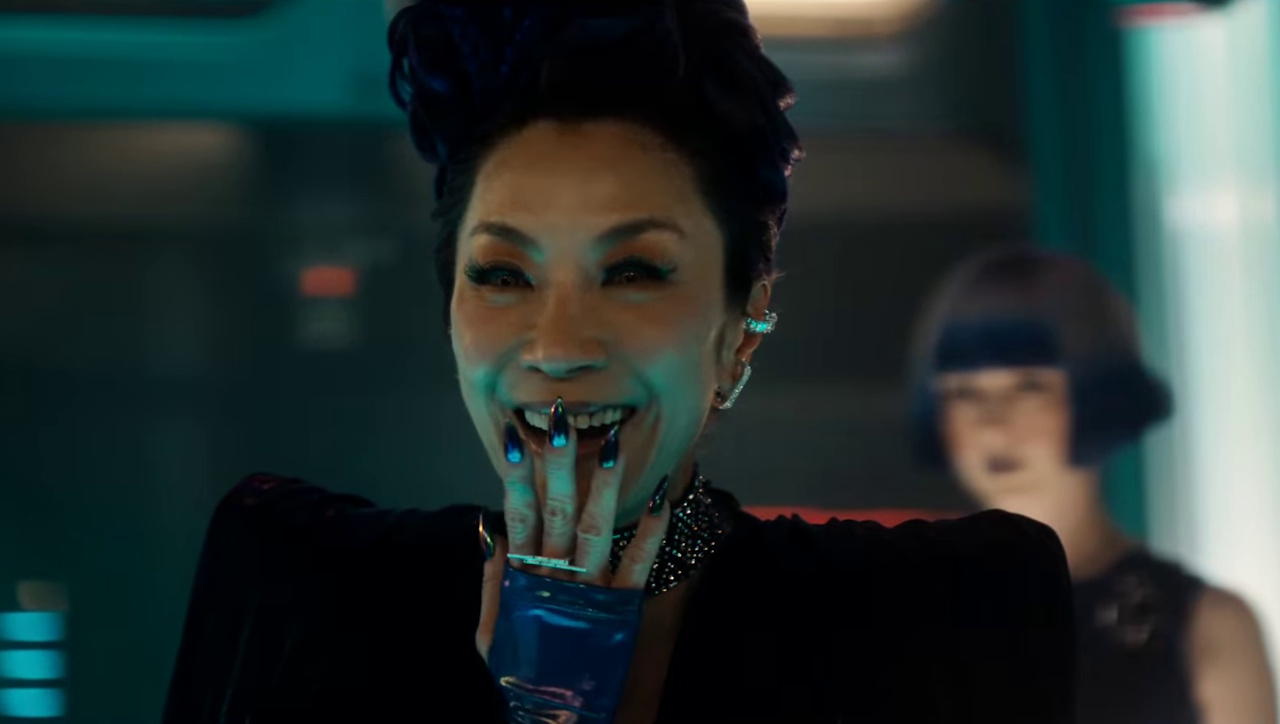
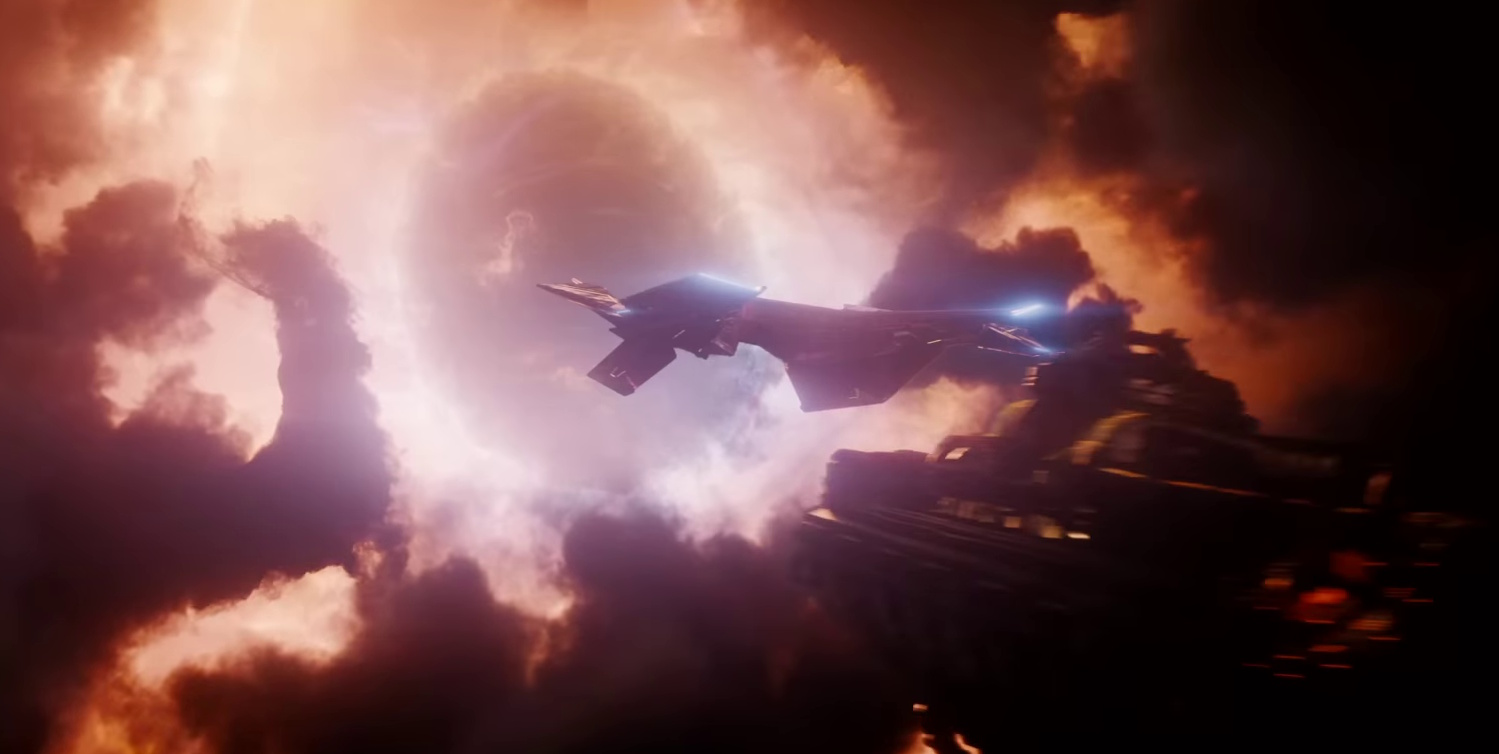
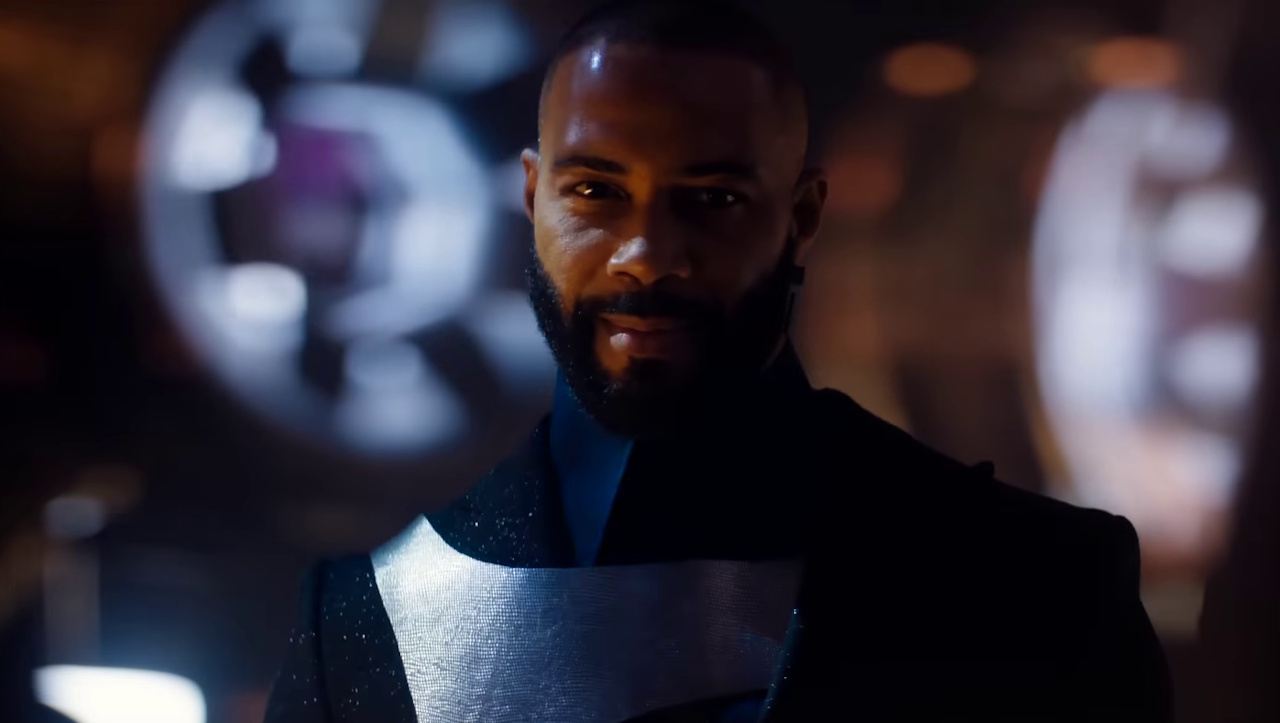
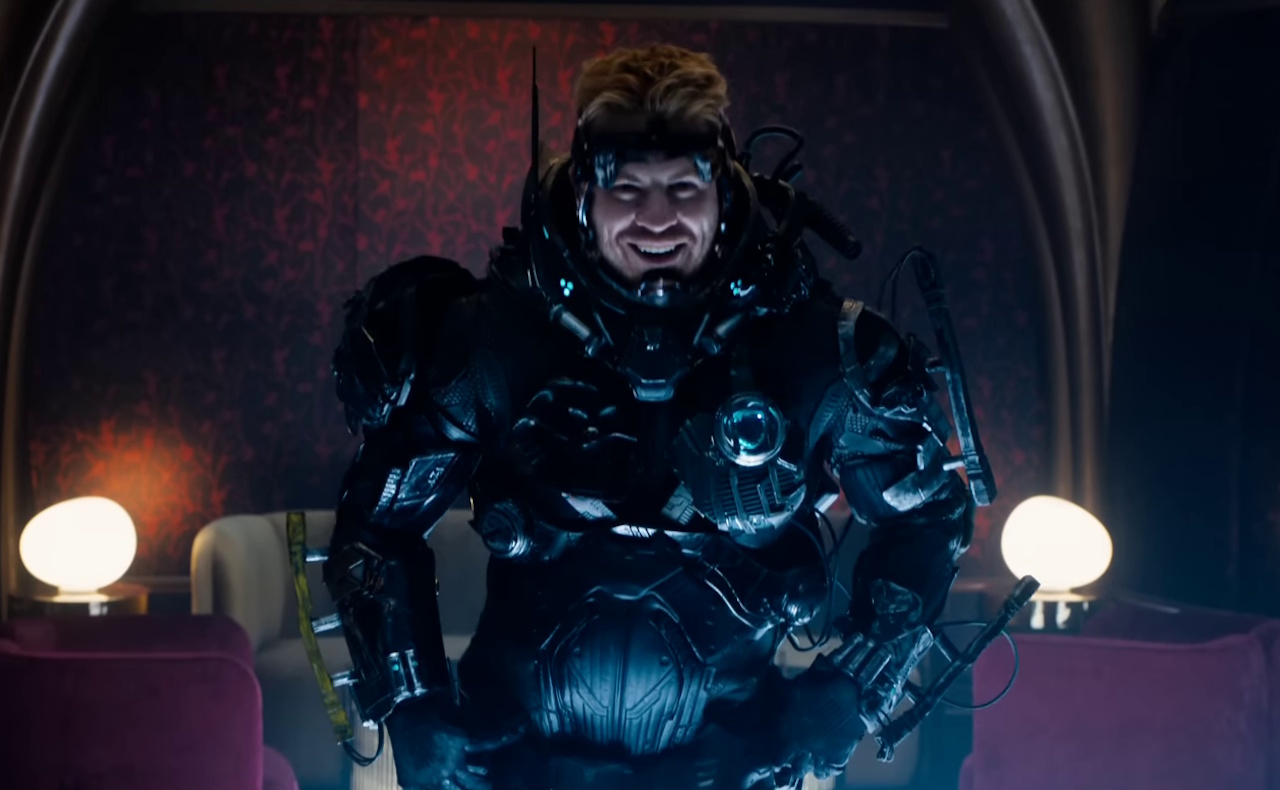
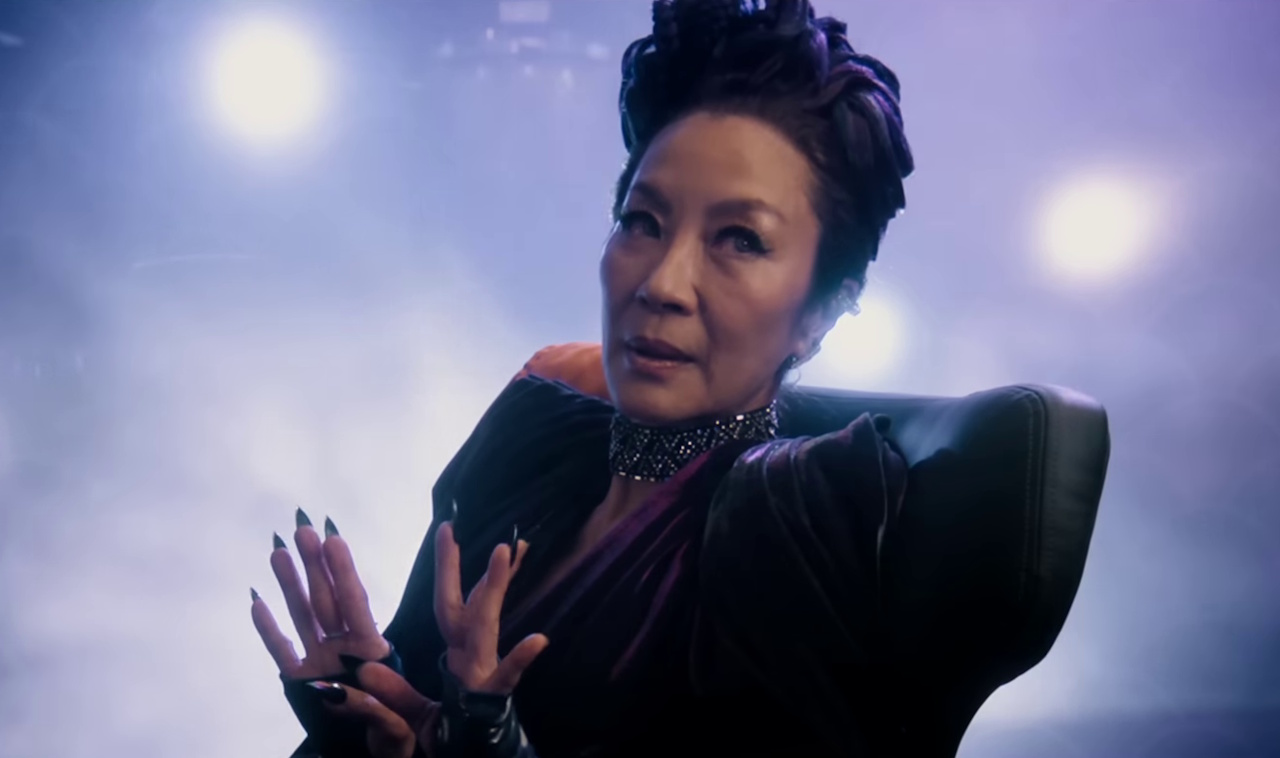
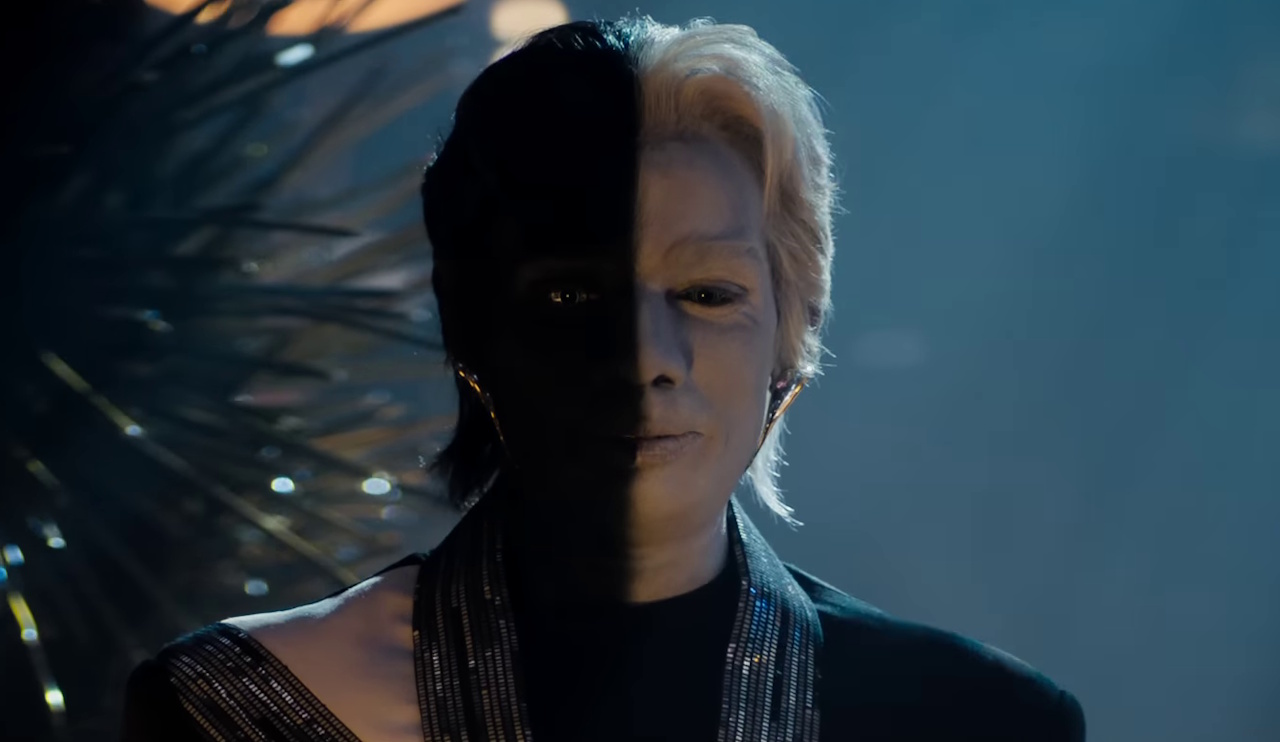
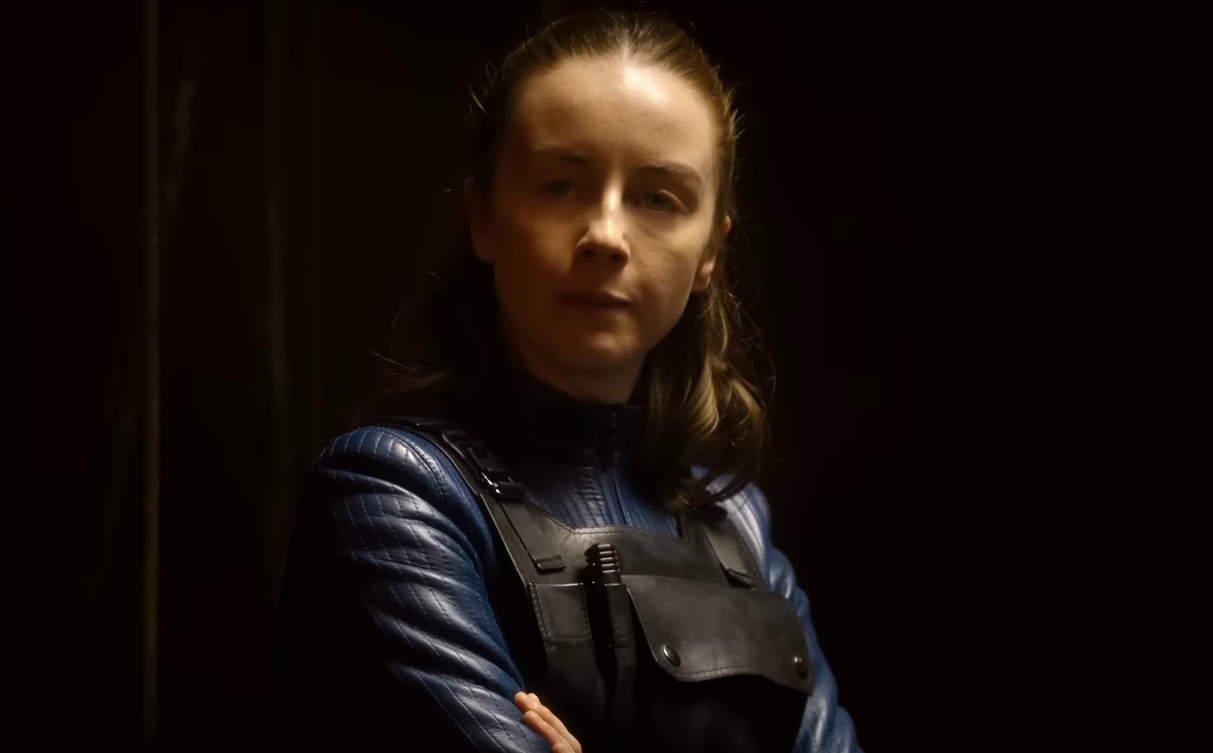
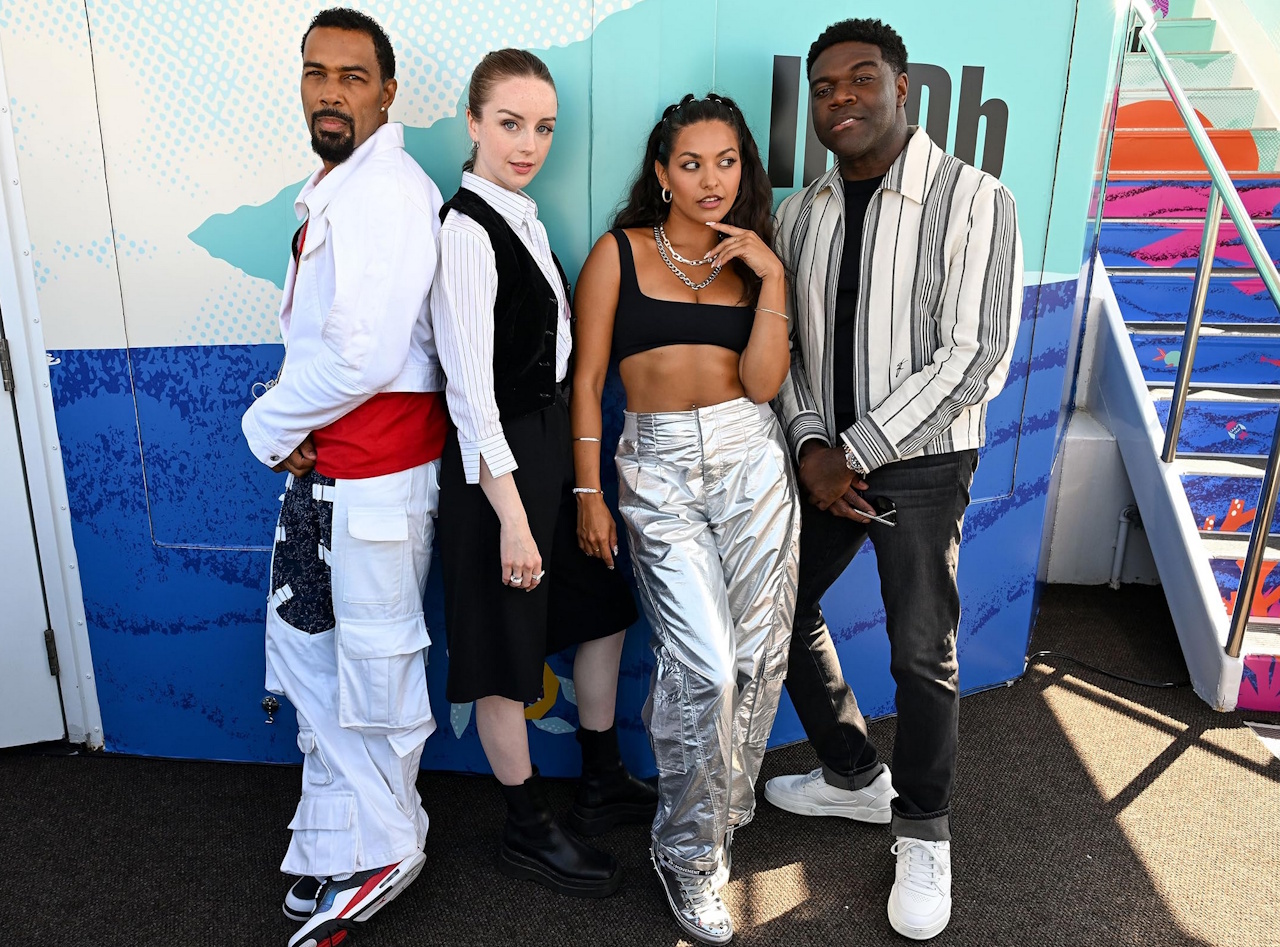




 Trekking with Dennis