Spoiler Warning: Beware of minor spoilers for Strange New Worlds Seasons 2-3.
Happy Star Trek Day, friends!
The 8th of September – i.e. today – was the date in 1966 when the very first episode of Star Trek premiered in the United States, and in recent years, it’s been celebrated within the fan community as “Star Trek Day.” Next year’s going to be the milestone 60th anniversary, but I thought we could take stock of where Star Trek finds itself, reflect on the importance of the franchise, and just geek out a little bit today, since it’s a special occasion.
Though it was the first episode to be broadcast, The Man Trap wasn’t the first episode to be produced. After The Cage didn’t make the cut, Gene Roddenberry and co. were given a rare second chance to make a pilot, and they settled on Where No Man Has Gone Before. However, although the network liked this episode more than The Cage, it wasn’t considered as straightforward a story when it came to deciding on the broadcast schedule. Basically, by process of elimination, The Man Trap won out against the few other completed episodes in September 1966. And just the other day, I got to meet Budd Albright – one of the actors who was in The Man Trap. Being able to say I’ve met one of the performers who was in the first ever Star Trek episode is, without a doubt, one of the coolest things I can add to my resume as a Trekkie!
Budd Albright (left) in The Man Trap, which aired 59 years ago today.
When you look back with 59 years of hindsight, having seen how Star Trek attracted a fandom and expanded into a massive franchise, it’s easy to fall into the trap of saying its success was always a sure thing. But if you read up on the early production history of Star Trek, what amazes me is how it could’ve either been completely different… or might never have made it off the ground at all. Even today, if a television pilot gets rejected, being offered a second chance by a broadcaster is something that very rarely happens. In the mid-1960s, with sci-fi still a relatively new and untested genre on television – and an expensive one, thanks to sets, costumes, props, prosthetics, and special effects – it’s genuinely stunning to think that the higher-ups at the network were willing to give Gene Roddenberry that all-important second chance.
There were several key decisions taken early in the production of The Original Series that I genuinely believe took a great concept and turned it into something that became a phenomenon. The first was the avoidance of product placement; Gene Roddenberry was keen to avoid Kirk and Spock turning to the camera, cigarette in hand, and plugging brands like Lucky Strike. The second, and probably most important, was that The Original Series was filmed and broadcast in colour, at a time when colour TV was only just getting started. Doctor Who, one of Star Trek’s contemporaries in the ’60s, didn’t broadcast in colour until 1970, and American shows around the same time – like The Addams Family, The Twilight Zone, and The Fugitive – were all still airing in black-and-white.
Kirk, Spock, and Dr McCoy.
Star Trek was cancelled in 1969 due to low ratings – but those ratings massively improved when the series was rebroadcast in the early 1970s – and I firmly believe that if it had been in black-and-white, not colour, it would’ve been more difficult for Star Trek to have garnered the level of support that led to the creation of The Animated Series and, eventually, The Motion Picture. I don’t know if colour was always the plan, and for a while, I remember reading that the only full cut of The Cage that existed was in black-and-white, though I’m not sure if that was just a pre-internet rumour! In any case, being filmed and broadcast in full colour definitely gave Star Trek a much-needed boost as colour TV was just about to take off.
At the core of Star Trek, though, were great characters and fun stories – often, but not always, with morals and messages that reflected the world in which they were written in different ways. I said a few years ago that The Man Trap is more than just an “alien monster” story; what makes the episode so poignant and powerful are the reflections Kirk, Spock, McCoy and others have when they consider the implications that the Salt Vampire may have been the last of its kind… and they killed it in self-defence. Star Trek has always trusted its audience to think, and encouraged viewers to consider the implications and possibilities of its stories. Star Trek episodes are designed to be dwelt upon after the credits have rolled – which, I think, explains why there’s such a vocal and passionate fan community!
The M-113 Creature.
After The Cage was rejected, Gene Roddenberry and the team re-worked most of its characters. “Number One” was originally intended to be the stoic and logical one, but that role was reassigned to the new incarnation of Spock. Captain Pike was out, replaced with Captain Kirk. Dr Boyce became Dr McCoy, but retained a similar role as an older confidant of the captain. Characters like Sulu and Uhura were created, and the stage was set for the show we’re all familiar with.
If you’d told the cast and crew then, in 1966, that new episodes featuring Spock, Scotty, Uhura, and Nurse Chapel would still be airing 59 years later… well, I doubt anyone would have believed you!
But I think it says a lot about those characters, and the way The Original Series was written, that Strange New Worlds came to exist at all – let alone that it’s the best thing Star Trek has done in a long time. Those characters, their personalities, and the way they’d conduct themselves in their roles… it’s a huge part of what made Star Trek into the franchise it would become. We’re still watching episodes starring these same characters, alebit in an updated format, all these years later.
Spock, Scotty, Chapel, and Uhura in a recent Strange New Worlds episode.
I didn’t come to Star Trek via The Original Series. It was The Next Generation that first made me a Trekkie in the early 1990s. I’ve said this before, but Season 2’s The Royale is the first episode I can remember watching all the way through (though I think I’d seen at least parts of episodes before that, as well as having seen some action figures and props that my uncle had at the time.) In any case, I date my entry into the Trekkie community to 1991, when The Royale aired for the first time here in the UK. I went back to watch The Original Series here and there, when it was on TV and when I could afford to rent video tapes!
But as I progressed my journey into the Trekkie community through the 1990s, including attending my first-ever fan meetup and going to visit the Star Trek Exhibition around the time of the 30th anniversary, I came to watch The Original Series episodes and films. I’m afraid I couldn’t tell you what the first TOS episode I watched was; that memory is lost in the recesses of an addled brain! But I soon fell in love with Kirk, Spock, Dr McCoy, and the rest of the crew – just as the first generation of Trekkies had done a quarter of a century earlier. I don’t think I knew that The Man Trap had been the first episode to air until I got online around the turn of the millennium and started talking to other Star Trek fans; there was a debate, for a time, about which episode “technically counts” as the first one – should we go in broadcast order or production order? Broadcast seems to have won that argument, by the way!
The original USS Enterprise filming model.
Some people have gone so far as to suggest that, without Star Trek, there’d be no sci-fi on our screens today. I don’t agree with that assessment, I’m afraid. By 1966, when The Man Trap aired, Kuberick’s 2001: A Space Odyssey was in production. Other sci-fi and sci-fi-adjacent shows, like The Outer Limits, My Favorite Martian, and The Twilight Zone were already airing, and with the space race in full swing, there was a growing amount of attention on the genre. But without Star Trek, the sci-fi landscape would’ve been very different. Even back then, there was a lot of “doomerism” floating around. Star Trek is one of the very few entertainment properties – then or now – to present an optimistic vision of the future, where technology cures problems rather than causes them, where humanity has overcome its violent impulses rather than surrendered to them, and where the future is bright, not dark.
That’s what appealed to a lot of people about Star Trek: the core fundamentals of its setting. Technology could cure diseases. There was still an economy and private property, but humanity had moved to become a “post-scarcity society,” where an abundance of energy and resources meant we could dedicate our time to science, exploration, and other pursuits instead of being tied to a desk or working in a factory. Those elements of escapism appeal just as much today as they did 59 years ago – and they probably always will.
Dr McCoy with his medical tricorder in The Man Trap.
As someone who’s had health issues going back decades, I can say with certainty that one of the most appealing things about Star Trek’s vision of the future is the potential to cure diseases, and how it depicts an inclusive, friendly society that’s largely free from discrimination and hate. Technologies like the hypospray and medical tricorder are seen diagnosing and treating all manner of ailments and conditions. Some episodes suggested that limbs could be regenerated, scar tissue covered up, and even the ageing process itself could be reversed (in some stories, at least!) Dr McCoy (and later the likes of Dr Crusher, Dr Pulaski, and Dr Bashir) would be seen treating patients in state-of-the-art medical facilities, with bio-beds, computer monitoring, and research labs to develop brand-new cures.
Star Trek “predicted” technology that we take for granted today. What is the Enterprise’s viewscreen if not an early take on video-calling and FaceTime? Communicators seem an awful lot like mobile phones. Combadges? Bluetooth microphones and speakers. There are laser weapons in use by militaries around the world, and proposals for things like nuclear fusion reactors, ion thrusters, and even a “warp drive” concept of sorts – many of which are at least partly inspired by Star Trek. And there are countless individuals who have cited Star Trek as a reason for their interest in medical, scientific, or engineering fields.
The planet M-113 (remastered version) on the Enterprise’s main viewscreen.
So if that’s Star Trek’s legacy and early history… what’s next? What may lie in store for Star Trek as we pass its 59th birthday?
This is where, I’m afraid, things start to look a little less rosy. In my view, Skydance – Star Trek’s new corporate overlords – are not as interested in making new television shows as the previous incarnations of Paramount and CBS had been. I don’t believe it’s a coincidence that Discovery, Lower Decks, Prodigy, and Strange New Worlds were all cancelled after Paramount took the decision to go ahead with the Skydance merger. David Ellison, the CEO of Skydance and, by extension, the man with the final say over new Star Trek productions, does seem interested in some kind of feature film adaptation – and as luck would have it, there are supposedly at least two such projects currently being worked on. But with Paramount+ struggling, and not every recent Star Trek project being particularly well-received… I will not be at all surprised if the final episodes of Strange New Worlds and Starfleet Academy will bring an end to this era of Star Trek on TV.
With that being said, as depressing as it may sound, it isn’t always a bad thing for a franchise to take a break, get shaken up, and come back after some time has passed! It worked for Doctor Who in the mid-2000s, it arguably worked for Star Trek after Enterprise’s cancellation, and it’s at least possible to think that future Star Trek productions may benefit from learning the lessons of this era of streaming TV… as well as from having a bit of a hiatus.
Concept art of the USS Enterprise produced for Phase II/The Motion Picture.
I don’t have any “insider information,” by the way. But based on what’s been said publicly about potentially merging Paramount+ with Peacock (or some other streaming platform), David Ellison’s apparent preference for films over streaming TV, and the cancellation announcement for Strange New Worlds coming before Season 3 had even aired… that’s my gut feeling. No new Star Trek has been greenlit for a while, and one of the shows that had been announced – Tawny Newsome’s “workplace comedy” series – now seems to not be going ahead. So I think we have to contend with the possibility, as we pass the 59th anniversary, that Star Trek may once again be heading for a fallow period.
But there will be time to talk about that in more detail on another occasion!
Today, I want to raise a glass and toast to Star Trek’s success. Not many other entertainment properties from the mid-1960s are still around, still being worked on, and still so beloved as Star Trek. Very few franchises get anywhere near the 1,000-story mark – yet Star Trek, at time of writing, is just about 40 episodes shy of that incredible milestone. If Strange New Worlds and Starfleet Academy proceed as planned, as well as the films which are supposedly being worked on… hitting that 1,000-story mark seems within reach in the next few years.
Beaming down to a moon in the most recent Star Trek episode.
On a personal note, though I’ve dealt with burnout and felt the franchise had been over-saturated in the early 2020s, I’m still a huge Trekkie. I’ve been keeping up with Strange New Worlds this season, and I regularly go back to watch my favourites from The Next Generation era in particular. Being a Trekkie has been part of my identity, in a way, since I was a pre-teen, and now I’m in my forties! Nothing else in the entertainment world compares to Star Trek, for me, and even when I’m not actively watching the latest film or episode, Star Trek is still on my mind, its philosophy and vision of the future are still things I take into account, and my love for this franchise remains. The way I express that may fluctuate, sure, but I am still a Trekkie – and I daresay I always will be.
So happy Star Trek Day! Wherever you are in the world, whatever you’re doing, and regardless of whether you plan to watch The Man Trap (or any other episode) to mark the occasion, thank you for checking in, and I hope you have a wonderful Star Trek Day. This incredible franchise brought us together, today, 59 years on from that first episode – and I think that’s something pretty darn special.
Live Long and Prosper.
The Star Trek franchise – including all episodes and properties discussed above – is the copyright of Skydance/Paramount. Most Star Trek shows and films can be streamed on Paramount+ in countries and territories where the platform is available, or purchased on DVD and Blu-ray. This article contains the thoughts and opinions of one person only and is not intended to cause any offence.
Spoiler Warning: Beware of minor spoilers for Star Trek: Enterprise.
I’m a few days late (my cat needed an emergency trip to the vet; she’s fine now, don’t worry!) but the 13th of May was the twentieth anniversary of Enterprise’s final episode. These Are The Voyages saw the controversial series end in similarly controversial fashion, with what many fans continue to believe is one of the least-impressive finales in the franchise’s history. But this piece isn’t about These Are The Voyages. Instead, I thought it would be interesting to step back in time to those dark days in 2005 and think about how far Star Trek had fallen – and the franchise’s seemingly-impossible resurrection barely four years later.
I’ll let you in on a little secret – a secret which, for someone who runs a website partly themed around Star Trek, might seem shocking! I wasn’t a regular Enterprise viewer during the show’s original run. Here in the UK, Enterprise was broadcast on Channel 4 in the first half of the 2000s, and while I still considered myself a Trekkie at the time, I just found myself less interested in the show and what it was trying to do. It coincided with a busy period in my life, too, which probably didn’t help!
A sketch of the NX-01 Enterprise.
It wasn’t until years later, after Enterprise had gone off the air, that I bought the DVD box sets and watched the series in full. I’ve said it before and I’ll say it again: I misjudged Enterprise when it was in production, and I regret not watching the show and doing more to support it during its original run. For me, Enterprise has become a great counter-argument to an expression one hears all the time in online fan communities and the wider discourse around media in general: “no one asked for this/who’s asking for this?” In 2001, I don’t think many Trekkies were asking for a prequel series like Enterprise. But twenty years later the series’ reputation has been rehabilitated for a lot of those folks, with Enterprise routinely being held up alongside the shows of The Next Generation era and included in Star Trek’s “golden age.”
I first came to hear of Enterprise’s announcement on the radio sometime around the turn of the millennium, and I can vividly remember thinking that I didn’t want a Star Trek prequel. The franchise had always been about looking ahead to the future, so stepping back in time for a kind of navel-gazing series about its own fictional history – which would have to be heavily constrained by the weight of hundreds of episodes dictating what could and couldn’t be introduced – just seemed wrong for Star Trek. And all of this was happening at a time when another infamous prequel – The Phantom Menace over in the Star Wars franchise – had been received incredibly poorly. I tuned in for Enterprise’s premiere in late 2001, but after that I only watched the series sporadically until I picked up those DVDs.
The main cast in a publicity photo for Season 3.
But as I said: this isn’t meant to be all about Enterprise!
In 2005, although I hadn’t been a regular viewer of Enterprise, I was still bitterly disappointed to learn that no more Star Trek was being made. Ever since I’d first found my way into the fan community almost fifteen years earlier, Star Trek had been a mainstay on our TV screens. I’d bought most of the films and a few episodes on VHS, I was starting to collect The Original Series and The Next Generation on DVD (remember those big chunky plastic boxes the first sets of DVDs came in?) and I had action figures, video games, and other merch, too. Star Trek’s apparent cancellation felt… personal. It felt like I was losing a part of myself – and a connection to my childhood/adolescence.
By 2005, I was done with school and university and I was working full-time. When we’re in our late teens and early twenties, life can feel like it’s changing fast, and that was the case for me, too. I’d moved out, first to a shared flat at university, then all the way across the Atlantic for a year-long exchange programme, and then again to a large city for work. I was in what I thought was my “forever” relationship and was working toward an engagement, and juggling all of these changes while balancing my fragile mental health. One of the few consistent things in my life was Star Trek, and even though I wasn’t particularly bothered about Enterprise at the time, I just expected the franchise would continue indefinitely. I guess you could say I was taking Star Trek for granted, unable to conceive of the idea that there’d be no new films or episodes being produced.
Remember when Star Trek DVD box sets looked like this?
I was also far less aware of behind-the-scenes events in those days – or perhaps I just didn’t do the legwork to find out! I was dimly aware of the fact that Enterprise and Nemesis hadn’t been well-received in some quarters of the fan community and hadn’t been financially successful, but what that really meant for Star Trek was kind of over my head. The idea that the franchise might disappear entirely due to this lack of support – and an inability to turn enough of a profit – was something that didn’t really click for me until it happened.
If you’d asked me in the days after Nemesis but before Enterprise’s cancellation what I thought the future held for Star Trek, I’d have said that I’d expect Enterprise to run to the “standard” seven seasons, and toward the end of its run there’d be at least one new series announced. On the Star Trek forums and fansites of the time, rumours abounded of pitches for new shows! Two that we know were actively worked on included one set on the USS Titan with Troi and Riker, and another titled Star Trek: Federation, which would’ve been set hundreds of years after The Next Generation era. Ironically, both of these ideas would be seen on screen – albeit in very different ways from how they were originally pitched – in the rebooted Star Trek franchise after 2017!
We did eventually get to see Riker’s time in command of the Titan!
All of this is to say that Enterprise’s cancellation, and the fact that Viacom/Paramount weren’t interested in commissioning a new series, came as a huge shock in 2005 – and a bitter personal blow. Star Trek had been a big part of my life, especially in the 1990s as I navigated school, social life, adolescence, and all of the drama and nonsense that comes with that! It had been an escape from the real world sometimes, a chance to feel like I was part of a better world, and even a way to connect with people around me – especially at university. It took a while for the idea of Star Trek’s cancellation to sink in – and I’d be lying if I said it wasn’t a depressing idea and something I struggled with.
I was far from the only person to have been left disappointed by a television show being cancelled, of course. And I’m sure we all have our examples of single-season shows that didn’t get the love and attention we feel they deserved! Two of mine, by the way, would be Space Precinct and Terra Nova – but those are stories for another time, I guess! To get back on track, Enterprise’s cancellation was – as I say in the title of this piece – the “end of an era.” The series had come to an end, but so had Star Trek itself. That was difficult for me to really wrap my head around, and I spent several days in a bit of a tailspin, frequenting Star Trek forums and fansites, desperate for any news of a new show or some kind of last-second reprieve. Obviously nothing was forthcoming.
Scanning for signs of life…
Taking stock of Star Trek as a whole felt incredibly bittersweet. There had been some fantastic adventures with all of the different crews of Deep Space Nine, Voyager, and the various Starships Enterprise – but I still wanted more. After feeling lonely and isolated as the only Trekkie in the small rural area where I grew up, I’d gone on a journey with the franchise as it grew in popularity, finding new friends who shared at least some of my passion for Star Trek. I’d even tried to introduce my then-girlfriend to the franchise – though she wasn’t particularly interested, despite my best efforts!
I could appreciate the good times I’d had with Star Trek: classic stories like The Best of Both Worlds, the intrigue of tales like In The Pale Moonlight, and Voyager’s epic seven-year journey home. With the franchise being converted to DVD, and re-runs still happening on television, I didn’t feel like I was in danger of never seeing Star Trek again… but I still wanted more. This property that had been so big in the ’90s, so omnipresent on our television screens, and just so damn good couldn’t possibly be over. I was left feeling dejected.
I’d been a massive fan of Star Trek through the 1990s.
For the franchise to have fallen so far in such a short span of time was stunning. The second half of the ’90s saw three Star Trek shows on the air pretty much continuously here in the UK: The Next Generation, Deep Space Nine, and Voyager were on television three nights a week, and when new seasons weren’t airing re-runs of older episodes would take their place. Star Trek books, action figures, and other products were in shops, even in the small towns around where I grew up. Star Trek versus Star Wars was the nerdiest argument you could have… and it just seemed as if the franchise was on top of the world. Star Trek had made it – so how did it all go so wrong so quickly?
In 1996 and 1998, there’d been three Star Trek projects in the span of a single calendar year: seasons of Deep Space Nine and Voyager, and the films First Contact and Insurrection. It seemed like you couldn’t move for Star Trek, and as the Trekkie in my friend group, I was finding myself being asked more and more often about the franchise and which episodes were best. Star Trek’s growth just seemed… unassailable.
In 1998, there’d been three Star Trek projects on our screens at the same time.
By early 2005, rumours of Enterprise’s struggles were all over fansites and forums. But even so, I genuinely expected a reprieve for the franchise as a whole. Enterprise could be written off as an unsuccessful experiment, and Star Trek could get back to producing another show like The Next Generation or Deep Space Nine. That was how I felt, and even when I saw people discussing cancellation and talking about the failures of Nemesis and Enterprise together, I guess I was just in denial about the severity of the problem.
When the news broke, it was a shock. And it really felt like the end of an era; we’d soon come to see Star Trek as this complete package – ten films, five shows, and that’s it. The recent arrival of the DVD box set meant that Star Trek would never be too far away, and I planned to finish my collection and acquire every single episode! But when it seemed as if Star Trek was really over… I was upset.
Captain Archer (or rather, a hologram of him) in These Are The Voyages.
It wouldn’t be too long, though, before a new rumour hit the internet! A Star Trek revival was being planned, helmed by the incredibly successful J J Abrams – creator of Alias and Lost and the director of Mission: Impossible III. To go from the dejection of Enterprise’s cancellation and Star Trek’s apparent end to this reboot within a year or so was wild; the mid-2000s were a strange time to be a Trekkie, that’s for sure! This film would ultimately turn out to be Star Trek ’09, the reboot that kicked off the Kelvin timeline trilogy.
So what’s the point of revisiting 2005 twenty years later? Why drag up those old feelings and memories now that Star Trek is back on our screens in a new streaming landscape?
Star Trek’s back… right?
The truth is… I feel echoes of 2005 right now. If you’re a regular reader, you might remember my essay 2022: A Great and Terrible Year for Star Trek, in which I took Paramount and the franchise’s producers to task for the many missteps and mistakes they’d been making. The worst problem, at least as far as I see it, is franchise fatigue. Star Trek has quickly become oversaturated in the first half of the 2020s, and it’s genuinely difficult to keep up with everything, even as a big fan and as someone who literally runs a Star Trek website.
Moreover, Star Trek’s fan community doesn’t seem to be adding a lot of new members, despite some valiant attempts by writers and creative folks. Projects like Prodidy, Strange New Worlds, and Section 31 should’ve been rolling out the welcome mat to untold numbers of new viewers and fans, but mismanagement by Paramount has squandered many of those opportunities. At time of writing, I think Star Trek is maybe a year away, two at the most, from another 2005.
The wreck of the USS Protostar…
And I don’t want that to happen. There are still lessons that Paramount hasn’t learned from 2005 that need to be applied. And there are new challenges that the franchise faces in a transformed media landscape that Paramount has utterly failed to get to grips with. As I’ve said before: 20th Century thinking is desperately failing to keep Paramount afloat in the 21st Century.
I love Star Trek. I loved it in 2005 and I love it today. I want to see Star Trek continue because I want as many people as possible to fall in love with this incredible universe and the wonderful characters who inhabit it. But as Paramount is caught up in a complicated buyout/merger, and as its streaming platform continues to struggle, I don’t see a bright future for Star Trek. I hope that I’m wrong, and I hope the franchise’s name still has the power to bring in curious viewers. But as I look around at cancellations, mismanaged projects, franchise fatigue, and more… I definitely feel echoes of 2005 all over again. I hope the next couple of years won’t also turn out to be the end of an era.
Star Trek: Enterprise and most other Star Trek films and shows discussed above can be streamed on Paramount+ in countries and territories where the platform is available, and may also be available on DVD and/or Blu-ray. The Star Trek franchise – including all properties discussed above – is the copyright of Paramount Global. This article contains the thoughts and opinions of one person only and is not intended to cause any offence.
Ladies and gentlemen, boys and girls, roll up and be the first to subscribe to the greatest streaming service of all time: the brand-new MountCock+!
If only it was real…
If you haven’t heard, Paramount Global – the company behind Paramount+, the Star Trek franchise, and others – is in a pretty bad place financially. That isn’t “breaking news;” it’s been the case for quite some time. As Paramount has continued to lose money, its executives have put a lot of faith in streaming to swoop in as some kind of saviour – but they’ve learned, belatedly, that streaming is a difficult market to crack at the best of times. And these are not the best of times!
Here’s what I think happened a few years ago. An elderly executive or investor – who knows nothing about the internet, data, streaming, or any of the complex technologies required to make it work – saw the success of Netflix, looked at CBS/Paramount’s own back catalogue and library of content and said to some poor, overworked employee “make me my own Netflix.” In the mid-2010s, Netflix was the hottest up-and-coming property in the entertainment world, and Paramount wanted a piece of that action. But rather than work with Netflix, Paramount wanted to be a competitor – despite having none of the outside investment, financial support, development knowledge, or technological know-how.
Logo of Paramount Global.
I really wish that I’d been faster at getting to work on this story, because “MountCock+” would’ve been a great April Fools’ gag if I’d made it a week ago! Oh well, lesson learned.
The title of this piece – which, in case it really needs saying, is facetious and won’t really be the name of a potential newly-merged streaming service – comes from news that new Paramount investor and potential new owner, SkyDance Media, is considering rolling Paramount+ and the Peacock streaming service together into one single entity. This would give subscribers to either platform access to a lot more films and TV shows, and the hope is that rolling two unprofitable streamers together will help the restructured Paramount/Paradance/Dancemount (or whatever the new company might be called) edge its way closer to profitable territory.
Paramount Global and Skydance Media may be in talks about a merger or sale.
Let’s get one thing straight right off the bat: small, specialised streaming platforms that only offer relatively few shows and films within a single niche have always been a bad idea. It was a bad idea when DC Comics tried it, it was a bad idea when CNN tried it, and the fact that DC Universe and CNN+ no longer exist as independent platforms is all the proof you’ll ever need. Netflix succeeded in the 2010s because it was a comparatively cheap and convenient way to access a huge library of content. Yes, there were whole genres on Netflix that you’d never even touch because they were of no interest to you. But there was so much other stuff that was appealing that it made a Netflix subscription worthwhile.
That was what convinced me to cut the cord – or rather, the wire to my satellite dish! In the late 2000s I got Sky – a satellite TV provider here in the UK. Getting Sky in the first place had been one of my ambitions for a long time; ever since it launched in the ’90s, the idea of hundreds of channels had been massively appealing! But by the late 2010s, the media landscape was changing. When Star Trek: Discovery was only going to be available on Netflix, I signed up so I could watch it. And I found streaming to be so convenient and at such a good price point that I very quickly dropped Sky altogether.
You can still see a satellite dish on many houses here in the UK.
The reasons for Netflix’s success were its convenience, low price point, and huge library of content. Take away one of those factors and it wouldn’t have become the phenomenon that it did – and as the so-called “streaming wars” rage in the 2020s, it’s a combination of those same factors in reverse that account for the failure or underperformance of other, newer streaming platforms. Less content for a higher price turns people away – even big fans of some franchises. I’m a Trekkie, but in 2024 I’ve only paid for a single month of Paramount+ so far; the streaming platform just doesn’t feel worth it most of the time.
Roll Paramount+ content in with another streaming service, though, and suddenly it becomes a more enticing proposition. As long as the price stays low as the library of content grows, there would be much more of an incentive to sign up for MountCock+ than there is for either Paramount+ or Peacock individually. Continuing as competitors will, in all likelihood, lead to the failure of both platforms, but if they join forces they might stand a chance. Even though Skydance doesn’t own Peacock and thus profits will have to be split, it still feels like a good idea.
There are currently too many streaming services. Some will never be profitable for their parent companies.
Almost every time Star Trek’s parent company has been shaken up, there have been changes for the franchise. And not all of these changes have been positive. We have to keep in mind that it’s possible that a Skydance/hedge fund-owned corporation would have less of an interest in Star Trek, especially if the franchise seems to be underperforming, not bringing in or retaining subscribers, or even running too hot. While I don’t expect to see imminent cancellations, it’s something to be aware of as it’s happened before. It’s also possible that new corporate leadership might be keener on feature films with cinematic releases than on making more made-for-streaming series.
On the other hand, Paramount has been slow and even reluctant to listen to Trekkies sometimes. There’s been a significant fan campaign to create a sequel/successor show to Star Trek: Picard – but after more than a year, it hasn’t garnered a response from those at the top of the corporation. So perhaps new faces in the boardroom would be better at reading the room and understanding where the fan community is and what kind of projects we’d like to see. This is an area where Paramount has needed to improve for a long time, so again there’s the potential to see some positive changes.
Trekkies have been clamouring for another Picard-era series.
Business and finance is not my strong suit nor my area of expertise – and I don’t blame you if the details are boring or difficult to grasp. I’m pretty sure I’m oversimplifying it because I don’t fully understand it either; when you’re looking at corporations that routinely deal in the hundreds of millions or billions of dollars… it can be hard to really comprehend the kinds of decisions that they take. But as fans, and as consumers of media in a competitive marketplace, we need to know a little about what’s happening behind-the-scenes. The future of Paramount Global will have an impact on future Star Trek productions, on the corporation’s other streaming projects, and even on its cinematic output and television channels.
For my two cents, I can see why amalgamating Paramount+ and Peacock – or Paramount+ with some other streaming platform, if the Peacock deal falls through – would make sense. After several years of streaming becoming an increasingly balkanised and fractured marketplace, bringing different platforms together just makes sense. There’s a general unwillingness on the part of audiences to pay for more than two or three different streaming services, and smaller, second-tier platforms will struggle in such a challenging environment. I’m a Trekkie – albeit one who’s been feeling a bit burned out of late – but even I have never paid for a full year’s worth of Paramount+; it’s a service I pick up for a month or two at a time to watch a couple of shows. On a related note: have you checked out my review of Halo Season 2 yet?
It’s the Master Chief!
So could the hypothetical MountCock+ turn things around? I think it has to have a better chance of turning a profit than either Paramount+ or Peacock do individually – though it will perhaps need a better name than I’ve given it! But in theory, a bigger streaming platform with more original and legacy content, backed up by a corporate merger that brings more film franchises and television shows under its umbrella is a good thing. We don’t want any one corporation to have a monopoly in this marketplace, of course, but creating platforms that are more consumer-friendly and don’t see small bundles of content paywalled off at every turn is a good thing and a positive development.
“Watch this space” is probably the soundest advice right now! Paramount has been in talks for a while about possible mergers, sales, or splitting off different parts of its business, so nothing is set in stone and this latest Skydance/Peacock proposal is unofficial at best. It could happen – or Paramount could end up going in a very different direction. Still, corporate changes are afoot – and I feel increasingly confident of major news breaking before the year is over.
All properties discussed above remain the copyright of their respective broadcaster, distributor, studio, etc. This article is not financial or investment advice. This article contains the thoughts and opinions of one person only and is not intended to cause any offence.
Spoiler Warning: Beware of minor spoilers for the following Star Trek productions: Deep Space Nine, Voyager, Picard, and Prodigy.
For years, I’ve been publicly calling on Paramount Global to finally remaster Star Trek: Deep Space Nine and Star Trek: Voyager. Two of the franchise’s best-loved shows are languishing in DVD quality even on Paramount Plus, turning away a potential audience and making it harder for Star Trek to convert sometime viewers into fully-fledged Trekkies. With massive story connections in Prodigy and Picard in particular, you’d have thought that remastering these shows would’ve been a great idea… but alas.
It often feels like Paramount Global is being run by morons; short-sighted corporate idiots who said “make me my own Netflix” without any idea about streaming, the internet, or the technology required to make something like that happen. It’s nothing short of a miracle, perhaps, that Paramount Plus works as well as it does! But even as Paramount Plus has continued its painfully slow international rollout and brought in new subscribers, executives seem content to overlook one of the biggest requests from Star Trek fans… even if it would be easier and cheaper than ever before and would surely bring in new subscribers and make money.
Tom Ryan, CEO of streaming at Paramount.
We could talk all day about how Paramount executives have misunderstood Star Trek and the kinds of shows Trekkies wanted to see – and perhaps one day soon we’ll have to do that (again!) But for now, suffice to say that a remaster of Deep Space Nine and Voyager is something that fans have been calling for for well over a decade – but those calls have continually fallen on deaf ears. It’s high time to change that!
Technology gets better and better all the time – including in video production, special effects, and upscaling. With readily available AI tools – pieces of software that already exist today – it’s possible to upscale old television programmes from DVD quality all the way up to full HD, 4K, and beyond… and churn out creditable results. Two full years ago I made the case for Paramount taking advantage of this technology to massively reduce the costs involved in remastering Deep Space Nine and Voyager, and the case for doing so grows stronger by the day.
Programmes like Topaz Video AI 4 are already on the market. Image Credit: Topaz Labs
Unlike when The Original Series and The Next Generation went through the process in the late 2000s and early 2010s, selling Blu-ray discs is no longer the objective. The Next Generation only “underperformed” on Blu-ray anyway because the move away from optical discs in favour of streaming was already happening when it was released. Remastering Deep Space Nine and Voyager today wouldn’t have to come with the same cost – and the same sales target – as those other shows. Instead, it could be all about giving Paramount Plus a (desperately needed) boost.
And unlike when whole sequences from The Original Series and The Next Generation had to be remade and reimagined from the ground up, artificial intelligence can fill in a lot of the gaps. I don’t want to do people out of work, nor encourage greedy corporations to utilise and rely on AI any more than they are already… but if cost is a concern, there’s no denying that remastering can be done a heck of a lot cheaper in 2024 than it could’ve been a decade or fifteen years ago. Taking advantage of these technological advancements just makes sense.
The Next Generation has already been remastered.
At present, fans only have access to Deep Space Nine and Voyager on DVD or VHS. But even with those limitations, it’s incredible to see what some tech-savvy Trekkies have already been able to create. Remastered and upscaled scenes are available to watch right now, with fans having put in a lot of hard work on their own, for free, to bring these shows into the 21st Century. And that work will undoubtedly continue.
The entirety of Deep Space Nine – all seven seasons – are already available in 720p thanks to AI, and the show can be… shall we say “acquired” through certain unofficial channels by anyone who knows their way around a computer. While arguably imperfect, this is still one of the best ways to watch the series – and Paramount isn’t making a single penny from it. If Paramount would commit to doing this work, it could be a nice little earner, driving new subscribers to Paramount Plus and giving existing subscribers a reason to stick around.
AI-upscaled versions of Deep Space Nine are already available to fans who know where to look.
Here on the website, we’ve argued back and forth about piracy before. Here’s my take: if a film or series is available to rent or purchase, I’m firmly in the camp that says “pay for it.” But if Paramount won’t remaster these fantastic shows and make them available… I don’t see anything wrong with fans doing it ourselves and sharing it within the community. Paramount is the only loser in that situation, and the corporation has inflicted that loss upon itself!
An interesting example of a fan-made project like this comes from the Star Wars franchise. I’ve talked before about Project 4K77, and how a dedicated group of Star Wars fans were able to get hold of a high-quality copy of the original, unmolested Star Wars from 1977, and how they were then able to digitise it, preserving it for future generations. That project was incredibly successful; a testament to the hard work and determination of Star Wars fans. And it has quite literally saved and resurrected the original version of the film that spawned the long-running franchise – a version of the film that George Lucas and the Walt Disney Company wanted to throw in the dustbin.
Project 4K77 preserved the original version of Star Wars.
Now, it’s true that Deep Space Nine and Voyager haven’t been abandoned in the same way as the original version of Star Wars was. And I agree that DVDs are still perfectly watchable – especially on smaller displays and screens. But I also think it would be a terrible shame to leave Deep Space Nine and Voyager behind as Star Trek – and the media landscape in general – moves on. The simple fact is that returning to DVD-quality video after enjoying full HD and 4K feels like a significant downgrade, and the fact that those shows only exist in that way is going to be offputting to old fans and potential new fans alike.
Think of the younger audience that Paramount tried to appeal to with Star Trek: Prodigy. Prodigy leaned heavily on the legacy of Voyager, bringing in a holographic version of Captain Janeway and telling a story that was, in many ways, a sequel to the events of that series. But any of those younger viewers who wanted to see Voyager for themselves would’ve found a decidedly sub-par product either on DVD or Paramount Plus… and that may well have put them off. Had Voyager been remastered and ready to go in full HD, a better connection with Prodigy could’ve been possible.
Prodigy reintroduced characters from Voyager.
Even now that Prodigy has been cancelled, though, remastering Voyager and Deep Space Nine is still worth doing. The fact that fans are already doing it, using only DVDs and consumer-level software, should show Paramount that there’s not only the technological ability to do this, but an audience that wants it, too. Trekkies want to be able to watch our favourite series and episodes in the best quality available, and right now, Paramount isn’t offering that. The corporation could offer it – and many folks would jump at the chance to re-watch Deep Space Nine and Voyager that way. But if not… we’re going to continue to see fans using better and better programmes and AI to make their own versions.
There’s a quotation about new technologies that I think about a lot whenever AI is being discussed: “this is the worst it will ever be.” What that means is that technology improves all the time, and next year or in five years’ time, some of the issues will have been worked out and AI’s capabilities will only have grown. If fans are able to achieve such great results already… who’s to say what will be possible a few years down the line?
Fans are already making – and sharing – AI-upscaled and remastered scenes and clips.
What that means, in my opinion, is that Paramount has a pretty limited window of opportunity. If Deep Space Nine and Voyager are ever to be remastered, now is the time to do so… because at the rate AI is growing and improving, in five years from now any Trekkie who wants to could well be in a position to use AI to watch those shows in 4K or 8K from their old DVDs or even VHS tapes – without needing to sign up for Paramount Plus. Paramount won’t make a penny in that situation.
So the time is now, Paramount! Act fast, and finally give these shows the official remaster that we all know they deserve. With no need to print huge numbers of Blu-ray discs, and with the benefit of new technologies, remastering Deep Space Nine and Voyager won’t be anywhere near as costly as remastering The Original Series and The Next Generation was. Adding those shows, in all their 4K glory, to Paramount Plus will be a significant boost to the platform, and I have no doubt that people would sign up just to watch them – or stay signed up for longer. Remastering will be an expense, sure… but it’s an affordable one, and one that will pay off.
But if you won’t do it… don’t expect fans to wait around. The technology to make it happen is already here, already accessible, and already being used by Trekkies to make our own versions of these great shows. Continuing to ignore this request is going to prove costly in the long run, because if a fan-made version is available in better quality than anything on Paramount Plus… why would anyone sign up for Paramount Plus? Pushing your biggest fans toward piracy isn’t a great business model!
In most jurisdictions around the world, piracy – defined above as the sharing of copyrighted material over the internet – is not legal. Trekking with Dennis does not endorse, condone, or encourage the sharing of copyrighted material. The Star Trek franchise – including Deep Space Nine, Voyager, and all other properties discussed above – remains the copyright of Paramount Global. This article contains the thoughts and opinions of one person only and is not intended to cause any offence.
Paramount has tried and failed multiple times to get a sequel to 2016’s Star Trek Beyond into production… so it was a surprise to learn that the corporation has tapped yet another writer and director to work on a script. I’m beginning to lose count, but if we don’t include the Section 31 TV movie and disregard – for now – Sir Patrick Stewart’s Picard movie concept/pitch that I talked about the other day… is this the fifth time Paramount has announced a new Star Trek film in just the last couple of years? Or is it the sixth?
At this point, I’m a die-hard sceptic, unfortunately. There have been so many false starts, premature announcements, and just straight-up failures with this project that even when I’m halfway through watching the film I’ll still be doubting its existence! Paramount’s commitment to making a new Star Trek film may be rock solid, but the corporation’s basic competence is in serious question. So I guess what I’ll say is this: I’ll believe it when I see it!
An explosive moment during filming on Star Trek Into Darkness.
It feels odd to be covering two separate Star Trek films just days apart. I’m loathe to call Sir Patrick Stewart’s comments about a hypothetical Picard film an “announcement,” because the more I’ve watched his interview, the less convinced I am that the script he was hyping up is anything more than a speculative pitch. But even so, 2024 has been kick-started with some interesting Star Trek news!
One thing that seems clear from Paramount is that neither of the two Star Trek films currently in development are connected to Picard. One is the repeatedly-failed Beyond sequel, and the latest announcement sounds like it could be a prequel – or perhaps a film set in between Enterprise and 2009’s Star Trek whose place in the timeline will undoubtedly prove controversial! But are either of those concepts worth pursuing? And with Paramount’s dire financial situation and a potential takeover of the company happening later this year… will any of these hypothetical films ever make it to screen?
Director JJ Abrams and Kirk actor Chris Pine during work on 2009’s Star Trek.
The last time we talked about a potential Beyond sequel, I had this to say:
“I don’t think we still need the Kelvin timeline. And if I were in the room, I’d argue that there are better ways for Paramount to spend money on Star Trek than greenlighting a new film starring this cast…”
That was almost a year ago… and honestly, I don’t think much has changed since then – at least not in terms of my attitude to a new Kelvin timeline film, be it a sequel or prequel.
Concept art of the Kelvin timeline’s USS Enterprise.
Midway through 2023 I began to feel burned out on Star Trek. Part of the reason for that is the complicated, downright convoluted nature of the franchise, with different shows all being set in different periods along the timeline. There has been a lot of Star Trek over the past couple of years, and franchise fatigue is definitely in danger of setting in. Given all of that, there’s even less space for another new film with new characters – or different variants of current characters – than there was before.
What Star Trek needs more than anything else is space to cool off. The past few years have been frenzied, with Paramount seemingly greenlighting any idea that came along with little regard for how oversaturated the franchise has gotten, nor for how well the different shows work together. If Star Trek is to survive much longer, then producing fewer shows and films – perhaps with a tighter focus on a single setting and time period – is what’s needed. This scattershot approach of different parallel realities and eras just adds to the confusion of Star Trek as a whole and makes it difficult – if not impossible – to bring new fans on board. And as I’ve said countless times before: that’s vital to the franchise’s future prospects.
Paramount has arguably mishandled Star Trek over the past few years.
The Kelvin timeline served a purpose in the late 2000s and early 2010s. Star Trek and Into Darkness proved definitively that audiences hadn’t entirely fallen out of love with Star Trek – and that the franchise could still do new things even after decades in production. Without the Kelvin timeline films it’s hard to see how Discovery and the rest of modern Star Trek would have been possible. So I don’t want to diminish or disregard the Kelvin films and their place in the history of Star Trek.
However, that’s not the question before us right now. Instead, we need to seriously evaluate whether or not there’s a place for a new Kelvin film in 2024. When considering everything that Star Trek has done since 2016 – which is almost 200 episodes of television across five-and-a-half different shows, lest we forget – what role could a new Kelvin film play? I’m not sure there’s a place for one film in that timeline, let alone two.
The Kelvin timeline is named for the USS Kelvin.
The Kelvin timeline’s big selling point – from a corporate point of view, at least – is its profitability. Although Beyond was considered a disappointment, it still brought in money at the box office, and Into Darkness is the Star Trek franchise’s highest-grossing film. If Paramount is worried about Star Trek paying its way, I can see the appeal a new Kelvin film might have to a faceless suit in a boardroom.
As well-received as Strange New Worlds and Picard have been, they haven’t been able to drag Paramount Plus across the line and into profitable territory. A lot of Trekkies and viewers liked what they saw, but that hasn’t translated into Paramount Plus becoming a must-have subscription. If a new film were to prove successful and bring in millions at the box office, it could shore up Paramount’s finances in the short-term… as well as the corporation’s commitment to Star Trek. That might be the single biggest point in its favour from my point of view!
Strange New Worlds has been well-received by many Star Trek fans.
But when I think about what I’d like to see most of all from Star Trek, a new Kelvin film doesn’t even break into the top ten… or top twenty. There have been some interesting pitches and ideas over the past few years, from Discovery spin-offs to animated shorts. Right now, I’m more interested to see Star Trek explore more of the Picard era – the early 25th Century. That feels like something that has huge potential and could really drive the franchise forward – comparable, in some respects, to what The Next Generation and the other Star Trek shows of the ’90s did.
With the fan campaign for Legacy still doing the rounds and still being talked about almost a year after Picard ended, that’s where I’d choose to focus my energy if I had a foot in the door of the Paramount boardroom! But even if Legacy couldn’t go ahead as currently envisioned, the Picard era is still ripe for further exploration and feels like the right setting for future Star Trek projects.
A new series or TV movie set in the Picard era is very appealing.
So I guess that’s where I’m at. In a perfect world – one where the Star Trek franchise had limitless budgets and creative freedom – I’d say go for it. But when budgets are constrained and there isn’t the time or money to do everything, priorities have to be set – and speaking for myself, as a Trekkie, the Kelvin timeline just doesn’t feel necessary. There’s no compelling reason to return there, and with several prominent characters also taking part in Strange New Worlds – a series that I sincerely hope will continue beyond its third season for several more years – there’s also a narrative risk. Competing versions of the same character could trip over one another, or come across as repetitive and having nothing new to say.
On the practical side of things, after so many false starts and cock-ups I have absolutely no faith in Paramount any more. The corporation has screwed up these announcements multiple times, including in 2022 when a humiliating un-announcement had to be made just days after one of the aborted Beyond sequel ideas had been officially put on the schedule. I’m not convinced at this stage that either of the two films allegedly in development will see a release – or even start filming.
Fool me once, shame on you. Fool me six times in a row with the same announcement? I’m not even sure there’s an expression for that!
Spock and Kirk in a promo photo for 2009’s Star Trek.
If you want to get excited and hyped at the idea of Star Trek returning to the big screen after the longest-ever gap in between films, I feel ya. I’d love to be able to jump on board the hype train and ride it all the way to Starfleet Headquarters! But Paramount has sapped my faith over the past couple of years, and I’m at a point where I don’t have any confidence in the corporation or any announcements it makes. I genuinely don’t know whether this latest Star Trek film will even come close to entering production.
Despite my reservations about both Paramount as a whole and a Beyond sequel or prequel as narrative concepts, I will do my best to talk about them here on the website. If there’s big news, casting details, or a trailer, I hope you’ll join me for my thoughts and analysis. Just because a new film set in the Kelvin timeline wouldn’t be my first choice doesn’t mean I won’t treat it fairly and give it a chance to impress me.
Still crossing my fingers for that Legacy announcement, though!
The Star Trek films should be available to stream on Paramount+ in countries and territories where the service is available, and are also available on DVD and Blu-ray. The Star Trek franchise – including all films and properties discussed above – is the copyright of Paramount Global. This article contains the thoughts and opinions of one person only and is not intended to cause any offence.
If you’re a regular reader, you might’ve noticed that my reviews for Star Trek: Strange New Worlds Season 2 came to an abrupt halt this summer. Truth be told, I haven’t even finished watching the season – a season of television that I was pretty excited for earlier in the year. That’s not because Strange New Worlds was in any way bad or unenjoyable; Season 1 was fantastic and the first half of Season 2 definitely had some fun and interesting stories in the mix. But honestly… I just feel burned out on the franchise as a whole right now.
When Star Trek was on the air in the 1990s and early 2000s, we’d regularly get two episodes a week here in the UK for much of the year. When brand-new episodes weren’t airing, there’d often be re-runs of older ones in the same timeslot. I missed a few episodes when they were new in the ’90s and early 2000s – but not that many. And I re-watched a bunch of episodes on VHS before later buying the entire Star Trek franchise on DVD. I don’t recall feeling burned out on Star Trek in the way I do now, even though there were several shows and films running for basically an entire decade.
A Radio Times listing for Star Trek: The Next Generation in 1996.
It was only in 2001, when Enterprise premiered, that I took a step back. And that wasn’t burnout as such – I just wasn’t particularly interested in Enterprise’s premise and 22nd Century setting. I’ve said this before and I’ll say it again: I was wrong about that! Enterprise is a great show and a welcome addition to the Star Trek franchise, something I wish I’d realised at the time. But again, even as I stepped away from what was Star Trek’s newest incarnation, I still considered myself a fan. In the mid-2000s I must’ve watched my Star Trek DVDs dozens of times.
So why can’t I muster up the enthusiasm or effort to watch the rest of Strange New Worlds right now? Or even start Lower Decks’ fourth season?
It’s not that I don’t think I’d enjoy them. With the possible exception of Strange New Worlds’ musical episode (as I’m not a big fan of non-animated musicals) I’m sure I’d enjoy at least some of what’s on offer. But whenever I think about sitting down to watch the next episode… I just feel like I’ve lost interest.
Subspace Rhapsody is a musical episode.
I run a Star Trek fansite. Sure, I talk about other topics, but the Star Trek franchise accounts for around two-thirds of the articles, reviews, and columns that I’ve written here over the past few years. “Trek” is literally in the website’s name! I’m no hater of “nu-Trek,” either, and even though I haven’t been wild about every storytelling decision in Picard or Discovery, for example, I still consider myself a fan and supporter of those shows. When I’ve been critical of Star Trek – and of the corporation that owns and manages it, Paramount Global – that criticism is intended to be constructive and comes from a place of love.
So why do I find myself so uninterested in Star Trek right now?
I’ve been wrestling with this question for months. At first I thought I could write it off as simply being distracted. I played through video games like Star Wars Jedi: Survivor and Baldur’s Gate 3, and I was eagerly awaiting Starfield. I watched a couple of other shows, like Silo on Apple TV+, and films like The Last Voyage of the Demeter. But I wasn’t avoiding Star Trek because I was too busy. That might’ve felt like a convenient excuse in the moment, but it isn’t the real answer.
Have you read my review of Baldur’s Gate 3 yet?
The simple truth is that I feel burned out on Star Trek. The franchise’s return to the small screen has snowballed over the past couple of years, going from a single show to five shows – all of which have been on the air in the past eighteen months or so with very few breaks. That should be great, and it should feel like a return to form for a franchise that aired The Next Generation, Deep Space Nine, and Voyager alongside one another for much of the ’90s. But somehow… it doesn’t.
I warned about the dangers of “franchise fatigue” and burnout just after New Year when I took a look at Star Trek’s highs and lows of 2022. I said then that running five different shows might just be too much to keep up with – and I meant it. I could feel the early stages of burnout beginning even last year, and that’s partly why I stopped reviewing episodes of Lower Decks and ended up taking a break from writing anything here on the website at all.
Mining the Mind’s Mines was the last Lower Decks episode that I reviewed.
A lot has changed since Star Trek’s ’90s heyday. To fit in with modern trends, most stories are serialised and seasons now run to ten episodes instead of twenty-two or more. The franchise’s shows all occupy different time periods instead of sticking to a single, unified setting. And the five different shows that have been on the air of late are all dabbling in very different genres and styles. Where it felt relatively smooth and easy to hop from an episode of The Next Generation to Deep Space Nine or from DS9 to Voyager, it’s less easy to jump from Lower Decks to Picard or Discovery to Prodigy. Perhaps that’s part of it.
But there’s another factor here: me. When I was enjoying those early episodes of The Next Generation in 1991, I was a kid. Star Trek was a big deal for me as a lonely, awkward adolescent trying to navigate school and social life in the ’90s… but maybe I overestimated how big of a deal it still is for me thirty years later. I’ve changed since then, too… so I can’t place all of the blame on Star Trek.
The Royale, from Season 2 of The Next Generation, is the earliest Star Trek episode that I can remember watching.
I’ve spoken before about building this website, and how I hoped to create for myself a space where I could talk about the subjects that interest me at my own pace. I wanted a little piece of the internet where I could write without fear of word limits, and without being reduced to a mere comment on someone else’s work. Moreover, I wanted the freedom to talk about what interests me – whether that’s Star Trek or some other film, game, or series. Or even topics unrelated to entertainment.
But as the website has developed, I found myself writing Star Trek theories, Star Trek episode reviews, and much more about the franchise. As several of those pieces seemed to pick up a lot of interest and attention, being clicked on tens of thousands of times in some cases, I felt a kind of pressure to keep up. Last year, I said I felt I’d been writing reviews of Lower Decks less out of enjoyment than a sense of obligation… and this summer I started to feel the same way about Strange New Worlds. While I still enjoy the process of writing here on the website, I felt trapped in a sense by having made a commitment to review all of these episodes within a couple of days of their broadcast.
Spock in Strange New Worlds Season 2.
So perhaps, somewhat ironically given my intentions, writing here on the website has become another factor. If I sit down to watch the next episode of Strange New Worlds I’ll feel guilty if I don’t take notes for my review, capture still frames to use, and write something that runs to at least a couple of thousand words – if not more. So is the burnout I feel less to do with Star Trek and more to do with writing?
That doesn’t seem right, either; this isn’t a case of writer’s block. I recently reviewed Baldur’s Gate 3 – a title that I adored and would recommend to any fan of role-playing games. And I’ve talked a lot about Starfield over the past couple of months, too… so when I find a subject that interests me and where I feel I have something to say I can still get the words to flow. But for Star Trek? The interest has faded, at least temporarily.
I’ve found a lot to say about Starfield over the past couple of months.
And it probably is temporary. I’ve taken breaks from Star Trek before; there might’ve been a year or more where I didn’t watch a single episode or film in the 2000s and/or the 2010s. I’ve never been someone who can settle on just one “thing;” I tend to dabble in different hobbies and experiences – or in this case, entertainment properties. Sometimes I’ll be fixated on one thing for a time before moving on and leaving it behind entirely.
But that’s always been the case, and even when I found myself taking breaks from Star Trek unintentionally, I wouldn’t have described myself as feeling burned out. So we still haven’t zeroed in on what’s changed.
Even though I wasn’t wild about Enterprise during its original run, I didn’t feel the same kind of burnout as I do today.
With Star Trek feeling like its on decidedly shaky ground amidst strikes, the “streaming wars,” and Paramount’s failing leadership, I feel a strong sense of obligation to support the franchise. I don’t want to see Star Trek disappear again – and in the current media landscape, who knows when or even if another revival would be possible if that were to happen? But at the same time, there’s no fun or enjoyment in writing out of obligation. I might as well go back to my old job working in marketing; writing meaningless, uninspired fluff to meet arbitrary deadlines.
Perhaps the answer is a combination of factors, as is often the case. Paramount has hit the accelerator too hard and Star Trek has become oversaturated. Franchise fatigue has begun to set in, and hopefully the lesson the corporation will learn before it’s too late is that it needs to slow down and refocus. At the same time, I’ve changed over the years, and Star Trek no longer occupies the same place in my life as it did during my adolescence. Having this website as a project has been great for me – but it’s also created made-up obligations that are teaming up with my anxiety. Retreating from Star Trek is the way my brain has responded to that sense of being overwhelmed, and once I “missed” a deadline or two, re-starting feels all the more difficult.
The Enterprise-D at DS9.
Although this has been a rather introspective look at things, I’m absolutely certain that I won’t be the only one feeling a sense of burnout. Trying to create a broad and varied franchise is an admirable goal, and pitching different shows at different audiences and demographics is, in theory, not a bad idea. But Paramount’s execution of this has been poor, and the corporation needs to wake up to a simple reality: there are limits to how far a single franchise can be pushed. Star Trek can’t bear the weight of carrying Paramount Plus on its own, and audiences have their limits.
But it would be remiss to ignore my personal circumstances, as this sense of burnout isn’t entirely the fault of franchise fatigue and oversaturation. I have to find a way to rediscover my passion for Star Trek – but I also have to acknowledge that I’m not a kid or a teenager any more, and that my relationship with the franchise has evolved over the years. Even as Paramount tries desperately to play the nostalgia card, what existed back then can never truly be recreated.
I’ll get back to watching and reviewing Star Trek sooner or later. Just don’t ask me when, because I honestly couldn’t tell you right now.
The Star Trek franchise – including all properties discussed above – is the copyright of Paramount Global. Most Star Trek films and shows can be streamed on Paramount Plus in countries and territories where the platform is available. This article contains the thoughts and opinions of one person only and is not intended to cause any offence.
If you haven’t already heard the news, then I’m sorry to report that Star Trek: Prodigy has been cancelled. The second season of the animated series is almost complete, but won’t be shown on Paramount Plus. If Paramount can’t line up another network to broadcast it – and on past form, they may not try very hard – then it’s not outside the realm of possibility that we won’t see it at all. Let’s talk about Prodigy and the absolutely pathetic decision-making at Paramount that led us here.
I’ve been ringing alarm bells about Prodigy’s prospects since before the show even aired a single episode. There were several big hurdles that got in the way of Prodigy, and all of them are entirely Paramount’s fault. The first was the choice of platform: Paramount Plus simply isn’t a streaming service with a lot of content made for kids. As such, it isn’t a platform that many kids or young people would have had access to, limiting Prodigy’s potential audience long before the show was even broadcast.
Promo poster featuring the main characters.
Considering that Prodigy is a co-production between CBS and kids’ broadcaster Nickelodeon – both of which are wholly owned by Paramount – this never made any sense to me. Nickelodeon was the perfect home for Prodigy, and the series could have joined a decent lineup of shows aimed at a younger audience. It wasn’t until almost a year after Prodigy premiered that the series debuted on Nickelodeon. Paramount Plus simply isn’t a big enough streaming service, nor one with much appeal to a younger audience, meaning the choice of platform was a weight around Prodigy’s neck from day one.
Then we have some absolutely appalling scheduling. Prodigy debuted in October 2021 with a feature-length premiere. But after that, only three more episodes would be broadcast before the show took a seven-week break. There wasn’t enough time for Prodigy to gain traction with its audience – and especially with a younger audience – before it simply disappeared. Paramount has fucked up the scheduling of Star Trek in general, but Prodigy’s messy launch is perhaps the corporation’s single most egregious scheduling mistake.
Paramount Global CEO Bob Bakish, one of the morons most responsible for the state of the corporation.
After its hiatus, Prodigy again only premiered five new episodes before taking an extended break – this time from February 2022 all the way to October. If any kids were still watching at that point… well, they were unlikely to stick around for eight months while the show disappeared. The second half of Season 1 ran from October through to December 2022, and was the only time where Prodigy actually got a decent run of episodes.
By the time the show returned from its extended break, though, it seemed pretty obvious that the only people watching were hard-core Trekkies and a few of their kids.
The crew of the Protostar in Season 1.
Prodigy was cut off from an international audience from the start, with no effort made to broadcast the show outside of the United States. Even in the few places where Paramount Plus existed, episodes of Prodigy weren’t always shown. In Australia, for instance, paying subscribers to Paramount Plus didn’t get to watch Prodigy in full at the same time as American subscribers.
In the rest of the world, including here in the UK, things were even bleaker. Despite the Nickelodeon channel existing in some form in more than 100 countries and territories around the world, Paramount stupidly stuck to its “America First” fetish, only showing Prodigy on Paramount Plus in the United States and ignoring all messages and requests from fans.
Trump would be proud.
This approach will never work. In the 2020s, the internet and social media are one massive worldwide audience. Cutting off more than 90% of the world from a new television show is a catastrophic decision. It means that the hype bubble collapses, there are far fewer conversations on social media, hashtags don’t trend, posts don’t get likes, advertisements don’t get noticed – and then no one turns up to watch. This impacts the show in the United States – and it’s what happened with Prodigy.
Because Prodigy was on an obscure second-rate streaming platform, one that had no reputation with audiences as being a platform for kids’ shows and children’s content, because it was cut off from a worldwide audience and got precious little attention and chatter online, and because it was scheduled in such an appalling, idiotic manner, there was never any hope for the series. The only surprise here is that Paramount dragged it out this long.
Prodigy was a Paramount Plus exclusive.
The lack of toys and tie-in merchandise was just another nail in Prodigy’s coffin. The way kids – especially younger kids – engage with any property is through imaginative play. Star Trek toys would have kept Prodigy alive in the minds of its young fans in between episodes – and during the aforementioned breaks in the schedule. Furthermore, seeing toys being played with by friends or even just on shelves at the local toy shop would have inspired at least some kids to seek out Prodigy and give it a try for themselves.
I’ve shared this story before, but one of my earliest Star Trek memories isn’t an episode or a film, it’s a toy phaser. When I was perhaps as young as seven or eight, I remember seeing my uncle – who boasted an impressive collection of nerdy merch – showing me a phaser pistol from Star Trek. Before I’d even watched a single episode, I remember being intrigued by the phaser pistol and having fun pushing its button, watching it light up and make a noise.
A handful of Prodigy toys were belatedly launched in 2023.
Prodigy must be the only kids’ show in the world in 2023 to have had no tie-in products associated with it for the entirety of its first season. The lack of merchandise didn’t just prevent kids who were already fans of the show from having something to play with, it actively harmed Prodigy’s prospects and is another factor in its failure.
The truth is that Paramount didn’t give Prodigy a fair chance. Despite having so many opportunities to make this show a success, Paramount’s leadership has once again demonstrated that it isn’t fit for purpose. 20th Century thinking is trying – and desperately failing – to lead the corporation into the 21st Century, but the media landscape has shifted so much that these people don’t know what they’re doing. Prodigy’s cancellation follows Discovery’s a few months ago – and despite promises of new content, things don’t look good for either the Star Trek franchise or Paramount Plus.
Tom Ryan, President and CEO of streaming for Paramount Global.
Prodigy had the potential to open up Star Trek to a new, younger audience. The only way the franchise can survive long-term is to bring new, younger fans on board. If Star Trek remains the nostalgic preserve of people like me, it won’t survive – and it won’t deserve to. It’s bitterly disappointing that the series didn’t achieve that objective… but it’s even more disappointing that its failure is entirely the fault of pathetic decision-making by Paramount leadership.
It’s imperative that Paramount learns the right lessons from this clusterfuck. It would be easy to say “let’s never make another kids’ show,” but that would be absolutely the wrong way to react. Prodigy didn’t fail because it was aimed at kids – it failed because Paramount had no idea what to do with it. Scheduling, the choice of platform, the lack of toys, failure to make use of existing child-friendly channels, the lack of an international broadcast… all of these factors contributed. And the blame for all of them lies at the door of Paramount’s board and executives.
It’s Paramount’s fault that Prodigy ended up here.
There were story issues in Prodigy, too, which may have been a factor. The show leaned heavily on the legacy of Voyager – and not just because of the inclusion of Captain Janeway. Prodigy’s story was, in many ways, a Voyager sequel, and it introduced characters and story threads that may have been too complicated or convoluted for a young audience who were unfamiliar with older iterations of Star Trek. That’s a creative decision, and one that I enjoyed – but I’ve been a Trekkie for more than thirty years. I watched Voyager when it aired, I bought the whole series on DVD, and I’ve watched most episodes more times than I can count.
Maybe, in retrospect, we’ll have to call into question the decision to have Prodigy rely on Voyager to such an extent. Maybe it would have been better to allow the show more freedom and to have it stand on its own two feet. Might that have harmed Prodigy with some Trekkies? I suppose so… but it could have opened it up to a new audience, and wasn’t that supposed to be the point?
Was it a mistake to rely on Voyager to such an extent?
At the end of the day, though, this is Paramount’s fault – there’s no two ways about it. Decisions taken by executives at the top cut off Prodigy from the very audience it was supposed to attract, and the show simply never found a foothold outside of existing Trekkies and a few of their kids. With no international audience, with episodes shown in short, random batches on an obscure streaming platform, and with no toys or merchandise… there was no hope for Prodigy.
A Star Trek kids’ show was a brilliant idea. And Prodigy had some wonderful voice acting, stellar animation work, and some engaging, emotional storytelling. But it was sabotaged so thoroughly by the idiots at Paramount that one would be forgiven for thinking their actions were deliberate. Surely no group of executives with dreams of running a media corporation could be so utterly, irredeemably stupid… right? But that’s the reality of working with Paramount, I guess.
The abandoned wreck of the Protostar feels like a fitting image for this occasion.
Paramount needs a good clear-out. Failed leaders need to be ousted and the corporation’s attitude adjusted. Priorities need to be re-examined, and the long-term future of streaming needs to be urgently addressed. Paramount Plus is losing money by the boatload – and that seems unlikely to change in the short-term. Will it survive the decade? Will it last until Star Trek’s 60th anniversary in 2026? Will it still be here at Christmas?
Make no mistake, Prodigy won’t be the only casualty here. Unless and until Paramount can get its act together, these failures will continue to happen. With two of Star Trek’s five shows being cancelled within months of each other, and with Paramount Plus continuing to flop around like a dying fish, fears for the franchise’s longer-term prospects – and the prospects of shows like Strange New Worlds, which is currently paused due to an ongoing writers’ strike – only grow. I wish I had confidence in Paramount’s leadership to steady the ship and sort things out.
The Star Trek franchise – including all properties discussed above – is the copyright of Paramount Global. This article contains the thoughts and opinions of one person only and is not intended to cause any offence.
Spoiler Warning: There are spoilers ahead for Star Trek: Picard Seasons 1-3. Spoilers are also present for the following Star Trek productions: Lower Decks, Discovery, Prodigy, and Starfleet Academy.
I’m adding my voice to the growing chorus asking Paramount to commission a brand-new Star Trek series!
It’s surprising to me that – not for the first time – this request appears to have caught Paramount off-guard. As happened with the “Captain Pike show” in the aftermath of Discovery’s second season, the corporation finds itself ill-prepared for the reaction from fans, and doesn’t appear to have made any moves to line up actors or a production team for the series tentatively titled Star Trek: Legacy.
Picard Season 3 was… well, a mixed bag, to be honest. But it ended in spectacular fashion, bringing the series to a close in style. The final episode also very clearly and deliberately set up a potential successor series; more than simply “leaving the door open,” The Last Generation went out of its way to actively set up at least one potential story that a new show could follow.
I hope you didn’t skip the post-credits scene…
Whether or not characters like Jack Crusher and Raffi Musiker return, though, in a broader sense I’m not ready to leave the early 25th Century behind. Even after three seasons, Picard has barely scratched the surface of this time period – and there’s so much potential here that abandoning it feels positively criminal! Although we have Lower Decks and Prodigy both in the late 24th Century, potentially able to pick up on storylines and characters from The Next Generation era, Picard’s finale marks the end of Star Trek’s live-action commitment to this time period.
As I’ve argued before, one of the mistakes that Paramount has made – in my subjective opinion, naturally – has been to underestimate fans’ love for The Next Generation and the other Star Trek shows of the 1990s. Sure, The Original Series got things started, but it was the ’80s and ’90s when the Star Trek franchise as a whole had its real heyday, and there are so many characters, factions, and incomplete storylines from this era that are crying out to be expanded upon.
Legacy could be set aboard the Enterprise-G.
Terry Matalas, who was the showrunner for Picard’s second and third seasons, has suggested that his Star Trek: Legacy concept would pick up right where The Last Generation ended, with Captain Seven, Raffi as her first officer, Jack Crusher, and some of the secondary characters that we were just starting to get to know aboard the newly rechristened Enterprise-G. If Paramount gets in quick, before the sets that had been built are mothballed and the actors have moved on, it could be relatively inexpensive to get production re-started.
I know, I know. There’s more to commissioning a brand-new series than just sets and actors, and there are 1,001 other things that will need to be organised. But that just means that time is of the essence, and that Paramount should seize the moment that has been presented right now. Fans are clamouring for Star Trek: Legacy with no less fervour than we were for Strange New Worlds back in 2019, and there’s a limited window of opportunity for the corporation to take advantage of that.
Legacy could take advantage of existing sets and other infrastructure.
It might even be worth reconsidering some of the productions that are currently lined up. If you asked 1,000 Star Trek fans whether they’d rather have Starfleet Academy as a Discovery spin-off or Legacy as a Picard spin-off… I bet you could predict which way that poll would go! As happened with Section 31 and Strange New Worlds… I fear that Paramount may have messed up its timing.
We’ve talked before about the Star Trek franchise becoming too busy and too complicated, and that there’s a need for Paramount to slim down and produce less content in the years ahead. Fewer shows that could potentially have at least slightly higher per-episode budgets instead of a glut of content would be my preference – and with the Picard time period being ripe for exploration, I’d absolutely urge Paramount to prioritise Star Trek: Legacy ahead of other projects… even those that may have already entered pre-production.
What about Starfleet Academy?
Picard, Lower Decks, and Prodigy have all demonstrated that actors from past iterations of Star Trek – both main cast members and guest stars – have been more than willing to reprise their roles, so there’s scope to bring on board a plethora of the 24th Century’s finest! Picard has told stories that expanded upon the lore and world of Star Trek in different ways, and there’s scope for Legacy to do something similar.
More significantly, perhaps, Legacy could ditch the fully-serialised approach that has been the hallmark of modern live-action Star Trek in favour of the model used by Strange New Worlds – a more episodic and varied style that is perfectly suited to the franchise. Although there’d have to be care taken to ensure two similar productions aren’t tripping over one another, my heart says that episodic Star Trek is where it’s at!
Raffi and Seven could come back!
Whatever the plan may be for Legacy, though, it’s a pitch that Paramount ought to give serious consideration to. Picard’s third season was well-received, both by fans and a wider audience, so it feels like the perfect launchpad for a new Star Trek series set in this time period. There’s a lot more to explore in the 25th Century, picking up themes, factions, characters, and even storylines that Picard didn’t get a chance to look at across its three-season run.
At time of writing, there’s a fan petition on change.org that’s rapidly approaching the 50,000 signatures mark. It’s already surpassed a similar petition that ultimately led to Strange New Worlds – so there’s clearly an appetite for this series, and it’s something that Paramount really needs to take seriously.
The petition at time of writing.
I don’t usually lend my support to this kind of thing, but with Star Trek making announcements that seem to take the franchise to different time periods, alternate timelines, and thematic places, I wanted to do what I can in my small corner of the internet to signal my support for Star Trek: Legacy – or another, similar project set in the Picard era.
The history of Star Trek is quite literally built on the strength of the fan community and fan-led campaigns. The Original Series was greenlit for a third season thanks to an extensive letter-writing campaign, fan support for The Original Series in syndication led to The Animated Series and later The Motion Picture, and fan campaigns also supported The Next Generation, Deep Space Nine, Voyager, and Enterprise. As recently as 2021, a fan campaign led to Discovery’s fourth season being broadcast outside of the United States. So when Trekkies come together, we have the power to influence the people in charge – and that’s what I hope will be the outcome this time!
Star Trek: Legacy feels like a pitch with a ton of potential. Fans are waiting – and the moment to act is now! I sincerely hope that Paramount is listening, and that conversations are happening behind closed doors that will eventually lead to an announcement. Stay tuned, watch this space, and take whatever opportunities are presented to advocate on behalf of this project!
If you want to sign the fan petition on change.org, you can find it by clicking or tapping here. (Leads to another website)
The Star Trek franchise – including Picard and all other properties discussed above – is the copyright of Paramount Global. This article contains the thoughts and opinions of one person only and is not intended to cause any offence.
Spoiler Warning: There are spoilers ahead for Star Trek: Discovery Seasons 1-4 and the trailers and teasers for Season 5.
We’re going to have to delay my review of the latest Star Trek: Picard episode by a day or two in order to do something that I rarely do here on the website: cover some breaking news. If you haven’t heard, let me be the bearer of what may or may not – depending on your perspective – be a bit of bad news: Star Trek: Discovery is going to end after its fifth season.
Forgive me for thinking negatively, but as soon as I heard that announcement, I felt a sinking feeling in my gut. Since filming wrapped on Discovery’s fifth season late last year, no live-action Star Trek has been in production for the first time in a couple of years. Not only that, but Picard’s ongoing third season is going to be that show’s swansong… and despite a spectacular first season, there’s been no news on a third season renewal for Strange New Worlds, at least at time of writing, even though production on Season 2 wrapped months ago. So could this be, as I fear, the beginning of the end for Star Trek in its modern incarnation?
How much life is left in the Star Trek universe?
Discovery brought Star Trek back to its small screen home in 2017 after twelve years in the wilderness. The show served as a launchpad for the Star Trek franchise as it exists today – and it’s highly likely that we would never have seen Picard, Lower Decks, Prodigy, or of course Strange New Worlds were it not for the trail that Discovery blazed. But with its cancellation after Season 5 – which is due to be broadcast sometime in early 2024 – is Star Trek in a better or more secure place than it was in 2017… or in 2005?
I’d argue that it isn’t.
Shortly after new year, I published a piece here on the website titled 2022: A Great and Terrible Year for Star Trek, in which I took a look at what I considered to be the highs and (considerable) lows that the franchise endured over the course of a rollercoaster year. Although there was a lot to say, perhaps my biggest conclusion was simply this: franchise fatigue is beginning to set in. It’s through that lens that I must view the news of Discovery’s imminent ending.
The final shot of Discovery’s fourth season finale.
Unlike with Enterprise in 2005, it’s my hope that Discovery’s writers will have known the end was coming well enough in advance to have planned out a conclusive ending for the series and its characters. Enterprise’s finale was divisive among fans, and the show’s final season seemed to leave more than a few characters and storylines up in the air by the time the curtain fell. If this recently-announced news had been known to the producers and creative team, hopefully they will have been able to put together an ending worthy of the show and its great cast of characters.
And as I’ve said more than once: it’s infinitely better for a show to end leaving its audience wanting more, lamenting that we didn’t get “just one more season,” rather than dragging on too long and having us regret that the end didn’t come earlier! Discovery has been an imperfect production, don’t get me wrong, but with the current state of Star Trek being what it is… maybe this is simply the right time for the show to come to an end. If there weren’t great ideas on the table for future story arcs, then I’d rather it came to a close with one last hurrah instead of dragging on ad infinitum.
Michael Burnham in the trailer for Discovery Season 5.
Star Trek can’t keep up the pace that we saw in 2022, where more than fifty episodes across five shows all debuted in a single calendar year. It’s just too much – and it risks putting off new viewers, who are precisely the people that Paramount needs to convince to tune in if Paramount+ is to have a snowball’s chance in hell of surviving the streaming wars. Making Star Trek too dense, too convoluted, and just too large is what’s been happening over the last few years, so stepping back from that shouldn’t be seen as a bad thing. If anything, it should be a net positive for the franchise.
With Picard also coming to an end, there’s the potential to perhaps scale back Star Trek and refocus. Take what worked about the shows over the last few years and hone it, disregard failed experiments, and have Star Trek operate in a similar fashion to other streaming franchises – with a focus on quality over quantity.
Star Trek: Picard is also coming to the end of its run.
But is that Paramount’s goal? With two live-action shows coming to an end, there’s the potential to put more money and energy into Strange New Worlds, for example, as that show was very well-received. But with no third season having been announced so far… I can’t shake the feeling that this really could be the beginning of the end for the franchise as a whole.
Depending on how things are scheduled, there’s enough Star Trek in production or post-production to coast through into the first half of 2024. But what then? A third season of Strange New Worlds – if one is to be produced – might also debut that same year… but 2025 could end up being like 2005: the end of the road.
Is this moment akin to 2005?
If that were to happen, Paramount only has itself to blame. The corporation has mismanaged both the Star Trek franchise and its streaming platform in catastrophic fashion, seemingly led by the most inept team of morons to ever assemble in a boardroom. Before Discovery had even been conceived, an ageing corporate board with no knowledge or understanding of streaming or the internet saw the success of Netflix and said “make me one of those.” CBS All Access was born – and Star Trek was tapped to be its flagship franchise.
But was Star Trek ever big enough to place such a burden upon it? Even if Discovery had been flawless and had landed with minimal controversy, pinning the profitability of a streaming platform on its success was always a bad idea. It isn’t Discovery’s fault that CBS All Access – as Paramount+ used to be known – didn’t become the “next big thing” in streaming… and it isn’t Discovery’s fault that Paramount+ remains massively unprofitable today.
Discovery was created to be the flagship series for CBS All Access.
Paramount is in the wrong business. The board is right about one thing: streaming is the future. But they jumped into that market a decade too late, unprepared, and without the technical know-how or infrastructure to really make it work. The only thing CBS All Access/Paramount+ had going for it were shows like Star Trek – but I think Paramount is belatedly learning that the Star Trek franchise simply doesn’t have the mainstream appeal to carry an entire streaming platform.
So what does all of this mean for Star Trek’s future? Maybe it’s too early to hit the panic button… but I confess that I feel echoes of 2005. It’s been surprising to me that no spin-offs or new projects have been announced, and in a way, the announcement of Discovery’s cancellation was another opportunity to do so. The tone would be very different if the press release had stated that “Discovery is coming to an end… but Starfleet Academy or Captain Seven are entering production.”
Does Alex Kurtzman have a surprise up his sleeve?
So here we are. After a creditable six-year run, and numerous cancellation scares, Discovery will be coming to an end. Its imminent fifth season actually looks fantastic – and if it makes good on its promise of telling a different kind of story, perhaps in another world that could have set the stage for the show’s continuation. Perhaps the tragedy here will be that Discovery changed tack too late – that four whole seasons of “the galaxy is in danger and only Burnham and the crew can save it!” was just too much. That would certainly be my assessment, and as enjoyable as parts of Season 4 were, maybe if a different kind of adventure had been written last time around, we could’ve gotten an extra season or two.
There are a lot of unanswered questions. What of the backdoor pilot for a Starfleet Academy series that we seemed to get partway through Season 4? If Star Trek as a whole continues, will another series pick up Discovery’s 32nd Century setting – or does Paramount consider the far future to have been a bit of a misfire? Will Star Trek continue at all after Strange New Worlds Season 2 and Discovery Season 5? Is anyone at Paramount ready for a difficult conversation about what’s going wrong?
Paramount ought to reconsider many of its recent decisions…
I’m not thrilled to learn that Discovery won’t continue. Although not every season and every character fully stuck the landing, there’s been some fantastic entertainment along the way – episodes and moments within episodes that hit all of the high notes that we know Star Trek can. Moreover, by the time the curtain fell on Season 4, I felt that Discovery had finally turned a corner. Having settled Burnham into the captain’s chair, and told a story about seeking out new life – the very core of Starfleet’s mission – it felt that the show had finally achieved its potential. Season 5 will hopefully capitalise on this – but it will be short-lived, with only ten episodes left for the series to shine.
The history of Star Trek is one of stepping-stones: series and films that lead to new, different, and often better things. Just as Enterprise and the Kelvin films led to Discovery, so too has Discovery led to Picard, Lower Decks, Prodigy, and Strange New Worlds. Whether these shows will lead, in turn, to new things, or whether the trail will go cold for a while, Discovery played its part. It may not have always done so perfectly, but I’m confident that its place in the franchise’s history is assured – and I suspect that at least some of its critics will be won over if they give it a second chance!
I’m still looking forward to Season 5 – but it’s now a rather bittersweet feeling, knowing it will be our final outing with Captain Burnham and the crew. Not to mention that this news has massively increased concerns for the overall direction – and indeed the future – of the Star Trek franchise as a whole.
Star Trek: Discovery Seasons 1-4 are available to stream now on Paramount+ in countries and territories where the platform is available, and are also available on Blu-ray. Season 5 will stream on Paramount+ in 2023 or 2024. The Star Trek franchise – including Discovery and all other properties mentioned above – is the copyright of Paramount Global. This article contains the thoughts and opinions of one person only and is not intended to cause any offence.
Spoiler Warning: There are spoilers ahead for the Kelvin timeline films: Star Trek, Star Trek Into Darkness, and Star Trek Beyond. Spoilers are also present for Star Trek: Strange New Worlds.
One of the worst things to happen to the Star Trek franchise last year was the disastrous announcement and rapid un-announcement of a sequel to 2016’s Star Trek Beyond. The film quickly fell apart as it became clear that Paramount had done nothing to secure the main cast, director, or even schedule filming dates and plan location shoots.
But it wasn’t bad for the Star Trek franchise because I desperately wanted to see a new Kelvin timeline film. In fact, I don’t know of any Trekkies in my immediate circle who would say that they’re desperate to get back to the Kelvin timeline! The reason why it was such a disaster is how damaging a mess like this is for Star Trek as a brand.
Promo art for 2009’s Star Trek.
From the point of view of fans and the franchise’s broader audience, this kind of situation might not seem like a big deal, and I get that. But for folks who work in the entertainment industry, seeing how poorly Paramount handled this is going to have longer-term implications.
A sequel to Star Trek Beyond has failed to get off the ground for basically seven years at this point. More than one script that would have brought back the Kelvin crew has been considered, and pre-production has begun at least twice, yet the film hasn’t materialised. The chaos last year, with the film being pulled from schedules just a few weeks after its announcement, is just the latest in a long line of blunders from Paramount – and anyone working in Hollywood, whether they’re a lowly production assistant or a talented, well-known director, is now going to be thinking twice about attaching themselves to a disorganised corporation that’s repeatedly failed to make this film.
Paramount really screwed this up.
Matt Shakman, who had previously worked on WandaVision for Marvel and has also directed episodes of Game of Thrones, had been tapped by Paramount to sit in the director’s chair, but he exited the project when things fell apart last year. Recent comments that Shakman made have seemed to suggest that a Star Trek Beyond sequel may still be in the works, and several outlets have seized upon this news to begin speculating about what may or may not be happening behind the scenes.
But as you might’ve guessed from the title of this article, I’m not convinced that there’s a place for the Kelvin timeline any more. Maybe it’s time to leave it behind, and put the considerable money that would’ve been thrown its way into other projects.
Is it time to bid farewell to these versions of the characters?
More Star Trek is always a good thing, and that’s the caveat I will always give whenever we have discussions like this! If there is to be a new Kelvin film, I’ll definitely tune in when it comes to streaming or Blu-ray (my health prevents me from taking trips to the cinema any more, regrettably). It’s also worth noting that when Star Trek goes to the cinema it tends to pick up a much bigger audience than it does on television or streaming – and reaching out beyond the existing fandom and viewer base has to be considered a priority for Paramount in the months and years ahead.
With those points in mind, though, if I were in charge of the franchise for Paramount, a fourth Kelvin timeline film is categorically not the project I would choose to give the green light to.
Sorry, captain.
Since Beyond premiered in 2016, we’ve had 144 episodes of Star Trek across six different productions – if you count Short Treks, that is. The Star Trek universe has massively expanded to include a huge variety of new shows set in different eras, appealing to diverse audiences, and with varying styles. I’m just not sure where the Kelvin timeline fits in with everything else Star Trek is currently doing – and in addition, adding an alternate timeline into the mix when the franchise is already playing in so many different time periods risks making Star Trek look even more complicated and convoluted than it already does.
Strange New Worlds has picked up several characters who are also present in the Kelvin timeline, and there’s a real risk that these two projects would trip over one another – or at least tread on each other’s toes. If I had to choose only one set of these recast or reimagined characters to stick with, I’d definitely choose the Strange New Worlds versions; Season 1 was absolutely outstanding, and seeing where Captain Pike and the crew will go next is one of my most-anticipated entertainment experiences of the year.
Strange New Worlds is a fantastic series; the high-water mark of modern Star Trek.
The Kelvin timeline served a purpose in 2009 when its first instalment premiered. It rebooted things, reimagined Star Trek for a new century, and stripped away some of the more niche and convoluted aspects of a more than forty-year-old franchise to ensure it would appeal to the widest possible audience. And it succeeded in that regard, with all three films turning a healthy profit and proving definitively that there was still life in a franchise that many had written off.
Without the Kelvin timeline, it’s hard to see how we’d have gotten Discovery, Picard, and the modern Star Trek productions that we’re continuing to enjoy, so we absolutely owe it a debt of gratitude for what it accomplished. But its original purpose has long since evaporated, with the idea of seeing “young” Kirk and Spock in their Academy days having been replaced by taking a look at their five-year mission. With Strange New Worlds also including Spock, Uhura, and even Kirk himself in some capacity, I just don’t see where their Kelvin counterparts fit any more.
Seeing Kirk and co. at the Academy was one of the original concepts present in the Kelvin timeline.
As we can infer from Paramount’s failure to negotiate contracts with the Kelvin stars, several of them are probably beyond the reach of the corporation’s current budget. Zoë Saldaña has found fame in Avatar and the Marvel Cinematic Universe, Chris Pine has been in Wonder Woman for DC, among other roles, and Karl Urban has received praise for his role in The Boys on Amazon Prime Video. While these people weren’t “unknowns” in 2009 by any means, their star power has risen, and with it, the money they’d expect to receive for a film like this has also increased.
A new Kelvin timeline film would be an expensive undertaking – far more expensive even than Into Darkness, which holds the franchise record with an approximate $190 million budget.
The Kelvin cast with JJ Abrams at the Star Trek Beyond premiere in 2016. Image Credit: StarTrek.com
As a comparison, Season 3 of Picard is estimated to have cost Paramount somewhere in the region of $9 million per episode, and Discovery is also somewhere in the $8-9 million per episode range. Some quick maths tells us that, even if the new Kelvin timeline film were to cost the same as Into Darkness and not a penny more, it would still be more expensive than producing two ten-episode seasons of modern Star Trek shows.
Paramount does not have unlimited funds! And even when compared to the likes of Disney, Amazon, and Netflix, Paramount has to be a lot more careful with where it spends its money. I’d very much rather have two seasons of modern Star Trek than one new Kelvin timeline film – especially if those seasons are going to be anywhere near as good as Strange New Worlds Season 1 was!
Paramount doesn’t have money to burn…
It feels like the abandoned film helmed by Matt Shakman was the Kelvin timeline’s last realistic chance at a revival. Its collapse has caused all sorts of problems for the Star Trek franchise, especially with ambitions to return to the cinema still being held by Paramount, and those issues shouldn’t be overlooked. But it may be for the best in the long run.
It’s true that Beyond teased a sequel in its final moments, with Kirk and his crew looking out as the Enterprise-A was being constructed. There will be some fans who truly wanted to see where those versions of the characters might go next. But with Star Trek seemingly finding its feet again on the small screen, and having firmly returned to the prime timeline, I just don’t think there’s a place for it any more.
Beyond definitely teased a continuation of the Kelvin story.
When the Beyond sequel was announced last year, it didn’t exactly light up the board, even within the Star Trek fan community. There was chatter and interest, of course, but there wasn’t the kind of hype bubble that there was in 2007-08, for example, when the first film was in production. Partly that’s because Star Trek as a whole is right on the cusp of oversaturation and franchise fatigue, with 51 episodes being broadcast in 2022 alone. But partly, it must be said, it’s because there was just never a whole lot of excitement for the Kelvin timeline to begin with.
I’d watch a new Kelvin timeline film… but I wouldn’t be wildly excited about in the way I am for Strange New Worlds Season 2, for example. And even if the film managed to pull in a decent audience at the box office, these versions of the characters are tried and tested by now. The chances of Star Trek 4 bringing in scores of new viewers to the franchise for the first time is slim.
What kind of audience numbers would a new Kelvin film bring in?
The Kelvin timeline served a purpose in the 2000s and 2010s. The trilogy did a lot of good, and paved the way for the success Star Trek is currently enjoying. But it’s also difficult to see how to integrate it into the franchise as it currently exists – it’s off to one side in its own little narrative box. And because several of its characters are now part of Strange New Worlds, there’s even a danger that it could feel repetitive to bring back the likes of Spock and Uhura.
So to answer the question I posed at the beginning: no. I don’t think we still need the Kelvin timeline. And if I were in the room, I’d argue that there are better ways for Paramount to spend money on Star Trek than greenlighting a new film starring this cast – whether that means new seasons of television or alternative pitches for feature films.
The crew in Beyond.
The damage done to Star Trek as a whole by the film’s collapse last year can’t be overstated, and may take time to fully appear. Paramount needs to get a grip, because mistakes like that can’t afford to happen again. But maybe it will be for the best. The money that could have been spent on a sequel to Beyond can be reallocated… and with no new live-action Star Trek projects currently announced, that could mean that the likes of Discovery and Strange New Worlds will be able to continue for an extra season apiece.
There are reportedly other feature film pitches that Paramount is working on, and the Beyond sequel was one of two that were supposedly announced over the last couple of years. Whether the other film, written by Discovery and Short Treks writer and producer Kalinda Vazquez, is still going ahead… who can say? Paramount’s disorganisation and chaos is boundless, it seems!
Regardless, if there’s news about a Beyond sequel or any other Star Trek feature films in the months ahead, I’ll be sure to take a look at it here on the website. So I hope you’ll stay tuned!
The Star Trek films should be available to stream on Paramount+ in countries and territories where the service is available, and are also available on DVD and Blu-ray. The Star Trek franchise – including all films and properties discussed above – is the copyright of Paramount Global. This article contains the thoughts and opinions of one person only and is not intended to cause any offence.
Spoiler Warning: There are spoilers ahead for the entire Star Trek franchise, including the most recent seasons of Discovery, Picard, and Strange New Worlds. There are also spoilers for upcoming and unreleased Star Trek projects.
By almost every conceivable measure, 2022 has been a fantastic year for the Star Trek franchise. We’ve seen new projects become successful, ongoing series really hitting their stride, and more seasons and individual episodes of Star Trek than at any time in the past. Barely a week has gone by without a brand-new episode to get stuck into – and with different shows targeting wildly different audiences, it really feels like Star Trek in 2022 has had something to offer to practically everyone.
But that isn’t the whole story, and unfortunately it feels as though 2022 has also been a pretty dark year for Star Trek – one in which major mistakes have been made that could very easily lead to serious consequences in the medium-to-long term, and perhaps even premature cancellations for some or all of the shows currently in production.
Let’s look at the high and low points for the Star Trek universe over the past twelve months.
On this occasion, I want to look back at 2022 from the perspective of a Star Trek fan, and draw attention to both the highs and lows of a rollercoaster year for the franchise. And there’s quite a lot to say, so make sure you’re sitting comfortably!
My usual caveat applies: everything we’re going to talk about today is the subjective opinion of one person. There are a lot of reasons to think positively and optimistically about Star Trek, and the fact that I have some negative or uncomfortable points to raise shouldn’t be interpreted as me being some kind of “hater” of new Star Trek. I love the franchise, I want to see it succeed, and I raise these issues not out of spite but out of genuine concern. If you don’t agree with me, that’s okay. There’s room within the Star Trek fan community for polite discussions and civil disagreements!
Now that that’s out of the way, we can begin.
The Great:
A Starfleet armada as seen in Picard Season 2.
It seems only fair to allow the Star Trek franchise to put its best foot forward, so we’ll start with what went well in 2022. And there are several incredible highlights, any one of which alone would ordinarily mean we’d consider 2022 to have been a huge success for Star Trek.
Some of the best entertainment experiences that I had all year came from the Star Trek franchise, and those incredible episodes and stories weren’t limited to a single season or a single show. In fact, it wouldn’t be unfair to say that all five of 2022’s Star Trek productions had some fantastic high points; episodes or at least moments within episodes that had me on the edge of my seat, jumping for joy, or in tears.
Strange New Worlds Season 1 was fantastic:
Several of the main cast members of Strange New Worlds in a behind-the-scenes photo.
The first season of Strange New Worlds was, without a doubt, the best that modern Star Trek has had to offer – and one of the finest seasons in the entire fifty-six-year history of the franchise. A triumphant return to an older, more episodic style of storytelling that still retained many modern serialised elements represents a model that I genuinely believe every other current and upcoming project in the franchise needs to seriously consider adopting. The diversity of stories on display in Strange New Worlds Season 1 was unprecedented in the franchise’s modern era.
Strange New Worlds’ premiere was also the culmination of a fan campaign to get Anson Mount and Ethan Peck to reprise their popular and incredibly successful roles from Discovery’s second season. The show’s very existence is testament to Paramount’s willingness to take on board feedback from Star Trek fans and a wider audience, and the fact that the corporation backed up this relative gamble by awarding the series a decently high budget should be acknowledged. Paramount didn’t have to make Strange New Worlds – plans were afoot for other Star Trek shows and spin-offs, but the corporation reacted positively to feedback from fans and viewers, and the result was an absolutely outstanding season of television that has hopefully laid the groundwork for one of the best Star Trek series of the current era – if not of all-time.
The USS Enterprise.
It really is hard to overstate just how incredible Strange New Worlds’ first season really was. In my spoiler-free review I talked about how the show enthusiastically tried out different genres, managing to thread the needle of staying close to Star Trek’s roots while still feeling like a thoroughly modern production. There were ten fantastic episodes – and while I had a few story nitpicks, overall the season has to be considered the best since Star Trek returned to the small screen in 2017.
So Strange New Worlds is definitely one of the highlights of 2022 – not just for the Star Trek franchise, but in the entertainment space in general. It’s a show that should be accessible to new and old fans alike, with the potential to expand the Star Trek fandom beyond its current niche.
The Strange New Worlds-Lower Decks crossover announcement:
The announcement’s official graphic.
This is something that I genuinely was not expecting – but it’s a fantastic idea! Star Trek did a fair few crossover episodes in its heyday, and while I guess we can consider parts of Discovery and Strange New Worlds to have crossed over with The Original Series, it isn’t the same as bringing together two shows that are currently in production. With five shows occupying five different time periods and regions of the galaxy, a proper crossover felt like a remote possibility – until this announcement came along at Comic-Con in July.
I mentioned the diversity of genres that Strange New Worlds dabbled in in its first season – well, one of those was comedy! We had two episodes that had overtly comedic premises, and many other moments of humour throughout much of the season. A crossover with Lower Decks – an animated comedy series – is thus not as far-fetched as we might think!
Boimler and Mariner will soon be visiting Strange New Worlds…
As always in Star Trek, technobabble can account for most things! The crew of the Cerritos could find themselves in the 23rd Century thanks to all manner of phenomena, so there’s no real barrier to bringing the two shows together. With some creative scriptwriting, a solid foundation should be able to bring Boimler, Mariner, and perhaps other members of the Cerritos’ crew aboard Captain Pike’s ship.
This announcement has got a lot of Trekkies very excited, and that’s a great thing. Paramount needs to make moves like these to keep the fan community engaged, and while a crossover may feel very much like fan-service, there’s also a huge potential benefit to bringing together two different parts of the Star Trek franchise. Fans of Lower Decks may check out Strange New Worlds for the first time – and vice-versa. Crossover stories have the potential to benefit both shows and increase viewership, potentially turning casual viewers into fans of the franchise as a whole. If Star Trek is to survive long-term, we need to see more moves like this.
Visual effects and CGI:
A digitally de-aged John de Lancie as Q.
Although Discovery’s first season felt like it brought to the table some excellent visual effects, there were some definite disappointments thereafter. The Romulan and Federation fleets seen in the finale of Picard Season 1, for example, were pretty lacklustre; copy-and-paste starships that all looked the same and, in the case of the Starfleet vessels, didn’t even have names and NCC numbers. There were also some pretty sloppy CGI moments in Discovery’s third season – one example that comes to mind is a digital sword that supposedly stabbed a character, but just looked awful.
But in 2022, all that changed. We had a big, beautiful Starfleet armada in Picard’s season premiere and season finale. We had other CGI moments in the Confederation timeline that looked spectacular. Strange New Worlds did some incredible things with practical puppets in conjunction with CGI and visual effects to create some wonderful moments. And Discovery brought to screen one of the most “alien-looking” alien races ever seen in the franchise: Species 10-C.
Unknown Species 10-C looked fantastic.
Both Discovery and Strange New Worlds made excellent use of Paramount’s fancy new AR wall, too. When the AR wall first debuted, I felt there were definitely a few moments where its use was noticeable. But by the time we got to 2022’s Star Trek productions, the creative team and effects artists had clearly grown in both confidence and ability, taking advantage of the AR wall to craft some wonderful environments.
Finally, I’d be remiss not to mention the digital de-ageing of John de Lancie in his initial appearance as Q. That moment, which came at the end of the Picard Season 2 premiere, was absolutely fantastic!
Some of these technologies are very expensive, and Paramount doesn’t have the same resources as the likes of Disney or Netflix, so I can understand why they’re used sparingly in some cases. But overall, I’d give Star Trek’s visual effects and CGI work an A grade for 2022.
Discovery Season 4 ended on a spectacular high:
The Presidents of Earth and the Federation meet.
Although Discovery’s fourth season seemed to drag in places, there’s no denying that the way the season ended was pitch-perfect and went at least some way to making up for earlier narrative missteps. Coming Home (the season finale) was an incredible episode: deeply emotional, visually stunning, and tied up all of the season’s loose ends.
The way in which Season 4 ended showed off the Federation at its very best, racing in to help a planet that had left the organisation simply because they needed assistance and it was the right thing to do. I still get chills just thinking about it, and the way Admiral Vance led the charge, bringing Federation HQ to Earth in its hour of need… it’s one of the best story beats in the season.
The arrival of the USS Mitchell at Earth.
After the drama with Unknown Species 10-C was resolved, an epilogue saw Earth coming back into the fold, rejoining the Federation, and this has set the stage for what promises to be a different kind of story in the show’s upcoming fifth season. I would challenge any Discovery-avoider to watch Coming Home and not feel that the show has grown spectacularly since its premiere almost six years ago.
By expanding its cast with some genuinely interesting secondary characters, Discovery is starting down the Deep Space Nine road, where characters outside of the main headliners could be just as important to stories. Although it’s still “the Burnham show” in some ways, there’s movement away from a laser-focus on one character, with others being given moments in the spotlight. That’s all to the good – and as Season 5 approaches, there are plenty of reasons to be optimistic.
So that’s what Star Trek got right.
Spock, Pike, and Sam Kirk on the bridge of the Enterprise.
There are some really amazing highlights, and were it not for some of the things we’re about to discuss, they’d have meant that the year 2022 would’ve gone down in history as one of Star Trek’s finest; the beginning of a new “golden age” that would rival the franchise’s 1990s heyday. Strange New Worlds truly excelled, Discovery did some bold and interesting things, and Picard put together a Starfleet armada that was big, diverse, and beautiful. And that’s not even mentioning solid seasons from both Lower Decks and Prodigy that continue to branch out in very different directions.
But that isn’t all there is to say, and now I’m afraid we have to consider some of the ways in which Star Trek went wrong in 2022.
The Terrible:
It must be some kind of visual metaphor…
Paramount did serious, almost catastrophic harm to Star Trek in 2022, and I genuinely fear for the franchise’s longer-term prospects. I had felt all but certain that we’d make it to the 60th anniversary in 2026 with new seasons and perhaps even new films being created… but that goal feels pretty far away right now, even with the promise of unannounced projects being worked on behind the scenes.
The simple truth is this: I have no confidence in the leadership team at Paramount. It seems as if they don’t know what they’re doing; they leap from disaster to disaster, damaging trust and confidence in the Star Trek brand, harming the Star Trek fan community, and above all, it feels as if 20th Century thinking is trying – and desperately failing – to lead Paramount into the 21st Century. Without a major change in direction at the top and a serious rethink of the corporation’s attitude and approach, Star Trek will not succeed and will not survive.
The international rollout of Paramount+:
The Paramount+ logo.
If you’ve been a regular reader here on the website, you may remember that I’ve had a lot to say on this subject. The fact that Paramount was unable to speed up the painfully constipated rollout of its streaming platform – and crucially, the corporation’s unwillingness to broadcast Star Trek on other channels or streaming platforms in countries and territories where Paramount+ isn’t available – has been a dead weight around the neck of the Star Trek franchise, pushing Trekkies away… or into the arms of piracy.
Paramount sits atop a global media empire, and owns television channels in dozens of countries around the world. If the rollout of Paramount+ was so slow, the corporation had months or years in which to make other arrangements to broadcast Star Trek. Prodigy, for instance, is produced in part under Paramount’s Nickelodeon brand – and there are Nickelodeon channels available in more than 100 countries around the world. Why was Prodigy not broadcast on any of them until months after its first season had gotten underway? And why was Strange New Worlds not made available here in the UK on one of the dozen or so channels that Paramount already owns?
The real Paramount+ tagline, apparently.
These decisions hit the Star Trek fan community hard. But more than that, they greatly harmed Strange New Worlds and Prodigy in particular. In a 21st Century media landscape, word-of-mouth on social media makes all the difference – and Paramount has consistently failed to learn that cutting off a huge portion of the potential audience for its shows means that posts get fewer likes, hashtags don’t trend, and the resulting lack of online chatter harms these shows in the United States as well. The blinkered, short-sighted “America First” approach that the corporation has adopted may have worked fine in the 1980s… but it isn’t the ’80s any more. The internet is one single worldwide audience, and by denying a huge portion of that audience access to Paramount+ and the Star Trek franchise, Paramount has done immeasurable harm to Lower Decks, Strange New Worlds, Prodigy, and the entire franchise.
At time of writing, Paramount+ doesn’t even have the faintest idea about a launch in countries like Japan or South Korea, and even in western Europe, coverage is spotty. And you can forget about the hugely growing markets in places like China or Africa – Paramount doesn’t even acknowledge their existence. If there were plans afoot to get Star Trek shown on other networks in those regions – whether Paramount-owned or not – at least that would be something. But no such plans have been forthcoming, so the option Trekkies have in much of the world is to either pirate Star Trek or miss out. There’s no prospect of bringing on board new fans as long as this attitude persists.
Scheduling problems:
Why did Picard Season 2 premiere before Discovery Season 4 had ended?
Why did Discovery Season 4 overlap Picard Season 2 by three weeks in the spring of 2022? And why was the Picard finale shown the same day (the same minute, in fact) as Strange New Worlds’ premiere? Paramount’s scheduling decisions were pathetic in 2022, as there was simply no need for the shows to overlap like this.
Had Picard Season 2 been delayed and not run alongside Discovery, and Strange New Worlds also been delayed a mere four or five weeks so as not to overlap Picard, that would have lined up almost perfectly with Paramount+ launching here in the UK. There would have been the option for Trekkies in the UK to join in with fans in the USA, watching Strange New Worlds together. This bizarre rush saw several weeks with two different shows on at the same time, and while that did also happen during The Next Generation era, in an age of ten-episode seasons and on-demand streaming… it just shouldn’t be happening any more.
…and why did Strange New Worlds premiere before Picard Season 2 had ended?
You don’t see Disney+ having The Mandalorian and Andor overlapping one another – Disney makes sure that the Star Wars shows have room to breathe. I genuinely don’t understand how a decision was taken to have these shows clash. At the very least it should have been possible to spread out the release of episodes so that they weren’t on the same day, but Paramount even failed to consider that possibility, apparently.
Were it not for the rushed scheduling meaning that Strange New Worlds debuted in the USA weeks before Paramount+ arrived in the UK, I’d still find the whole thing pretty stupid. But when a slightly more spread out schedule could have allowed Paramount+ to land in the UK the same week as Strange New Worlds premiered… I honestly can’t forgive it. Whichever idiot at Paramount (and there’s no shortage of those, clearly) signed off the scheduling decisions for 2022 needs to be fired.
A premature announcement:
It turns out we aren’t going back to the Kelvin timeline after all…
One of the most basic, entry-level rules of the entertainment industry is this: you don’t officially announce anything until all of the pieces are in place. Paramount became a laughing stock in 2022 by announcing a sequel to 2016’s Star Trek Beyond… before trying to quietly un-announce it only a few weeks later.
Whatever you may think of the merits of a new Kelvin timeline film, it should be patently obvious that this was not the way to handle it. It seems as if no main cast members had been so much as offered a contract, let alone been in a position to sign one and start work on a film that had a very ambitious release date of July and then December 2023. Paramount’s failure in this regard was spectacular, and practically unheard of for a big corporation in the modern entertainment industry.
This was a catastrophic failure from Paramount.
Whether a new Star Trek film gets underway in the months ahead or not, this total own-goal from Paramount’s team of corporate morons has already damaged the film – and arguably the wider franchise, too. To make an official announcement, put a film on the schedule with an expected release date, and then have to walk it all back and try to quietly brush it aside is a bad look. It makes Paramount and the Star Trek franchise look disorganised, unprofessional, and chaotic. Who’d want to go to work for a corporation like that the next time they’re hiring?
I can’t even believe we have to say this, but here we go: if you don’t have all the contracts signed, don’t announce your film. If the executives at Paramount don’t understand that, then they need to be removed immediately.
Star Trek Day:
Nicholas Meyer at Star Trek Day.
Oh, I feel bad about putting this on the list – but I’m afraid we must. Star Trek Day was hyped up as a celebration of all things Trek… but it was a spectacular let-down. Despite promises of “announcements and reveals throughout,” nothing major was actually announced at Star Trek Day… unless we count a scripted podcast. Which we don’t.
The live broadcast was also pretty amateurish, with hosts who seemed unprepared, guests who couldn’t answer the most basic of questions about their shows, and panels that were either cut too short or that went totally off the rails and fell apart. There were a couple of teaser trailers, but even then, Paramount seems to have been saving the biggest and boldest of those for Comic-Con a couple of months later.
The less said about the Lower Decks panel the better…
By some accounts, Star Trek Day didn’t bring in much of an audience, which is a shame in a way. But if Paramount isn’t going to make this kind of celebration of the franchise and its fans a big blow-out, perhaps it’s better just to skip it next year – or at least make sure that expectations are properly set in advance.
I hoped for better things from Star Trek Day, and while I don’t want to be too critical of the main figures involved, it was a pretty big disappointment.
Social media failures:
A selection of social media apps.
We’ve already touched on this in a couple of places, but Paramount and the Star Trek franchise really need to get a better handle on social media. The way in which they used social media in 2022 was poor, and we need to see Star Trek becoming much more engaging and interactive with fans and viewers. Social media isn’t merely a billboard on which to paste an advertisement or show off a teaser trailer; Paramount needs to start treating social media platforms as spaces to engage with fans.
To just give a couple of examples, Star Trek’s social media pages could showcase fan art, highlighting the real passion that many Trekkies have for the franchise. And they could run competitions, with giveaways of merchandise or Paramount+ subscriptions as rewards. Take a look around at other big corporations and see what they’re doing; social media is a gateway that Paramount could open, giving new, especially younger fans a first look at Star Trek.
Star Trek and Paramount are not adept at using social media.
At the very least, Paramount and Star Trek need to be more active on social media. They need to respond to genuine questions from fans as much as possible, especially concerning things like release dates and availability. Frankly they also ought to curate their social media posts better, deleting hateful comments about some of the new Star Trek shows and especially about some of the actors. LGBT+ actors and actors from ethnic minority backgrounds are particular targets, and it’s a bad look when a post has comments of that nature.
Look at television shows as diverse as Game of Thrones, Tiger King, and Squid Game. What helped them blow up and break out of their original niches to attract massive audiences? Social media! Well-timed promotions and social media teams that actively leaned into the discussion, the jokes, the memes, and everything else helped those shows – and many more. Star Trek could have that too – if only Paramount could get someone competent to manage its social media operation.
Quentin Tarantino:
Quentin Tarantino. Photo credit: Georges Biard via Wikimedia Commons.
When a director with the undeniable talent of Quentin Tarantino says that he wants to make a film for you, serious consideration of the proposal is warranted. For whatever reason, higher-ups at Paramount decided not to go ahead with a film that had been pitched by the famed director of Reservoir Dogs, Pulp Fiction, and Kill Bill. No explanation has been given – and I really do fear that this could be a huge missed opportunity.
Here’s the short version: you may not like Tarantino personally or his filmmaking style. That’s okay. Maybe you’d hate his take on Star Trek. That’s okay too. Because what someone like Tarantino has that no one else who’s come anywhere close to Star Trek has is star power and pull. Tarantino’s films are on a different order of magnitude to anything else that Star Trek has ever done, and what that would have meant for the franchise is millions of new viewers turning up for the very first time. At least some of those folks would have stuck around, gone back to watch other Star Trek films and shows, and the fan community would have grown.
Tarantino’s pitch reportedly involved a return to the episode A Piece of the Action.
The very worst possible outcome for a collaboration with Tarantino would have been a mediocre film that made a decent profit. But beyond that, the potential for legions of viewers taking a first look at Star Trek – or a second look from folks who’ve not seen it in a while – is immense. To squander such an opportunity when it was seemingly presented on a silver platter may turn out to be an unforgivable mistake.
A standalone Tarantino film need not have impacted any ongoing series or project. It could have been a one-and-done thing occupying its own little piece of the Star Trek universe, inoffensively ignoring everything else in the franchise and doing no harm. Sure, there are potential pitfalls to working with someone like Tarantino… but the gains Star Trek could have made were massive.
Where are the Prodigy toys?
Playmates toys have started beaming down… but none for Prodigy yet.
It’s been well over a year since Prodigy premiered, but there are still no toys, no dolls, no dress-up costumes, no replica phasers or combadges, no teddies… nothing. Prodigy must be the only kids’ show in the world to have zero tie-in products even after its entire first season has come and gone.
There’s more to merchandise than just raw sales and profit. The way children engage with a franchise like Star Trek, especially in the moments where they aren’t sitting down to watch the latest episode, is all about play. Seeing exciting toys on shelves will literally get kids to check out the show for the first time, and seeing their friends dressed up for Halloween or playing with Star Trek dolls has the potential to expand the show’s audience.
The first batch of Prodigy toys are still not available at time of writing… even though the show’s entire first season has come and gone.
The Star Trek franchise may be new to making a kids’ show, but Paramount isn’t. Paramount owns Nickelodeon, and has made many other films and TV series for children in the past – and knows how to make toys and merch for them. Moreover, the Star Trek franchise used to be much better at this, even giving Star Wars a run for its money in the ’90s with figures of practically every guest character, costumes for dressing up, prop replicas, and much more.
I waited and waited for Paramount to address this as Prodigy’s first season went on, then took an extended break. I hoped that we’d have gotten something before the first season finale aired… but it didn’t happen.
Most of Picard Season 2:
Picard visited modern-day Los Angeles in Season 2.
Now we’re getting into narrative decisions, which I admit is something quite subjective – but I’m certainly not alone in considering most of Picard’s second season to have been a disappointment. After a truly spectacular premiere (that I gushed over in my review, calling it “one of the best episodes of live-action Star Trek that I’ve seen in a long time”) the second season took a nose-dive, spending eight-and-a-half episodes wandering aimlessly in a modern-day setting that didn’t feel inspiring, exciting, or even interesting much of the time.
There were some highlights, and by the time the action returned to the 25th Century in the second half of the finale, things did improve. But by then it was almost too late; the damage was done. This was an experimental season, and it’s to the Star Trek franchise’s credit that the creative team are given leeway to try out different ideas. But this one didn’t work, and considering it was one of only three seasons that Picard is going to get, its failure feels all the more egregious and disappointing.
Raffi and Rios.
Picard Season 2 felt muddled, bloated, and unnecessarily long. Yet by the time it ended, there were still huge unanswered questions about key storylines and characters, questions that I feel all but certain the series has no answers to and no plans to even pay lip-service to in Season 3. A meandering, confused batch of episodes gave way to a rushed finale that didn’t have time to bring everything to a satisfactory conclusion.
Some storylines in Season 2 just felt confused, as if there were two writers working against one another. Rios’ story, for example, saw him experience the worst of the 21st Century, being incarcerated and deported. But a couple of episodes later, Rios was raving about how much he loves the 21st Century for the cigars and the food on offer at a fancy party. There were clearly ideas on the table that, had they been executed better, were potentially interesting. But the way the season as a whole came to screen was poor – and it’s a concept that I hope won’t be repeated any time soon.
Prodigy isn’t gaining much traction:
The wrecked Protostar…
Right now, Prodigy is being watched mostly by existing Trekkies and some of their kids. It doesn’t appear to be finding much of an audience of its own, and there are a few reasons why that may be the case. The situation with toys and merch that we just talked about is definitely harming the show’s prospects, preventing it from reaching out beyond existing Trekkies for the reasons laid out above. But there’s more to say.
Prodigy hasn’t been marketed particularly well, with relatively few ads for the show cropping up online. Kids shows need to advertise where kids are – on apps like TikTok, for instance. Also, the show remained a Paramount+ exclusive until very recently, when a belated broadcast on Nickelodeon was announced. While I understand that Prodigy was made as a Paramount+ show, the platform itself is mostly being marketed at an adult audience.
The crew of the Protostar don’t seem happy…
Unlike something like Disney+, which clearly has a lot of content made for kids, Paramount+ just doesn’t have that reputation yet. As a result, I doubt most kids even know that Prodigy exists a full year and a full season later.
The question is this: who is Prodigy really made for? Is it for Trekkies who want to see more Captain Janeway and Chakotay? Is it for children of Trekkies as a way for their parents to get them into the franchise? Or does it have the ambition to bring in completely new viewers? The answer should be “all of the above,” but the way the show has been handled from its marketing and scheduling to its place in the wider franchise, it feels like a show that won’t succeed at growing Star Trek’s audience much beyond its current fans and viewers.
The Picard cast being unceremoniously dumped:
The cast of Picard Season 1.
It was profoundly disappointing to me to learn that all but one of the new characters who had been introduced in Picard would not be returning for the show’s third season. That disappointment was compounded because most of them didn’t even get an ending to their character arcs/stories in Season 2.
There were some really interesting characters in the mix when Picard debuted, and over the course of two full seasons I feel that we didn’t really get to know all of them very well; after twenty episodes we’d barely spent any time with Elnor, for example, and Soji was absent for all of Season 2 bar a tiny cameo in the premiere. There was vast potential in these characters – but it’s potential that the show has now thoroughly wasted.
The crew of La Sirena at the end of Season 1.
If the Star Trek franchise is to survive long-term, fans and viewers need to be given the opportunity to fall in love with a new generation of characters, because it’s these people who will drive the franchise forward in the years ahead. As much fun as I hope it will be to go on one last adventure with the crew from The Next Generation, it will be their final mission. That show is now more than thirty-five years in the past, and while there’s definitely still ways to bring back legacy characters, it isn’t exactly indicative of a franchise trying to move forwards.
It was my hope when Picard premiered that a new generation of fans would be just as excited in thirty years’ time to see Elnor or Rios make a return to the Star Trek franchise as we had been to see Picard come back. These new characters could and should have picked up the torch, taking Star Trek into the 2020s and beyond. Although I adore The Next Generation and will be happy to see its main characters make a return, it’s a bittersweet moment because of who had to be booted off the show to make it happen. And it’s a decision to double-down on nostalgia that I fear could have long-term ramifications for the entire franchise.
Paramount+ lost the Star Trek films. Twice:
The search for the Star Trek films is ongoing…
On two separate occasions in 2022, all or most of the Star Trek films disappeared from Paramount+. Let’s restate that: Paramount lost most of the Star Trek films from its own streaming platform, sending them to Hulu or Peacock or one of those other second-tier streaming services for a number of months. Then, after getting them back, it happened again!
From the point of view of a Trekkie, we’re told that Paramount+ is going to be the place to get all things Star Trek. But that’s demonstrably not true, as some of the best stories in the franchise – and the projects which had the highest production values – have arbitrarily disappeared. If I’d been a paying subscriber to Paramount+ at that time I’d have been livid.
It seems as if the Kelvin films are still available.
But it’s not just about Star Trek. It’s about Paramount as a whole, and what these mistakes say about the corporation and the platform it hopes to convince folks to sign up for. Losing parts of Paramount’s own back catalogue is something that simply should not be allowed to happen. It makes Paramount+ look inconsistent, cheap, and like a bad deal. The lack of communication about this – the announcement of the recent loss of the Star Trek films was made with just days to spare – also makes Paramount look chaotic, and Paramount+ look like a very poor relation indeed to the likes of Disney+ and Netflix.
Can you imagine logging into Disney+ and seeing a message that Beauty and the Beast, The Aristocats, Snow White, and more would no longer be available? Can you imagine Disney leasing the exclusive rights to those films to any other streaming platform? Of course not, because it undermines the entire concept of owning a streaming platform. Paramount+ is already on very shaky ground as a second-tier streaming platform in a massively competitive market. Mistakes like this cannot be repeated.
Was it simply too much?
Was there simply too much Star Trek in 2022?
2022 was a bumper year for Star Trek. In fact, the franchise barely had so much as a week’s break all year long – and as already noted, some weeks had two episodes at once. There were ten episodes each of Lower Decks, Picard, and Strange New Worlds, six episodes of Discovery, and fifteen episodes of Prodigy taking the total number for 2022 to a whopping fifty-one episodes of Star Trek. Is that too much for one franchise in a single calendar year?
There’s a danger, I fear, of “franchise fatigue” beginning to set in. Even the most ardent Star Trek fan would struggle to keep up with all the different productions, and I think there’s a case to be made that Paramount needs to take a foot off the accelerator and slow things down. The last thing we need is for fans and viewers to get burned out on Star Trek – or for the franchise to begin to look too complicated and too difficult to keep up with.
We should have an honest, difficult conversation about this…
There is a balance somewhere that Paramount needs to find. After years in the wilderness with no Star Trek at all it may seem odd to be complaining about there being too much, but it feels as though the pendulum has swung too far in the opposite direction. It’s good and healthy for franchises to take breaks and not to be constantly on the air, and for both the creative teams and fans, I don’t think the level of Star Trek we saw in 2022 can be maintained.
And that’s a worry because if burnout sets in, it could prove fatal to the entire franchise. Take a deep breath, slow things down, and try to spread out some of these shows a little more. Taking breaks of a few weeks in between each series would be a good start – and this really ties in with what we said about scheduling. Paramount blitzed through fifty-one episodes of Star Trek in 2022… but there’s now nothing for at least six weeks. Had things been better spread out, we could have had short, consistent breaks in between each show that would have meant the entire franchise would be more balanced.
So that’s what went wrong.
I know it’s a lot…
In 2022, Star Trek premiered more episodes than at any other point in its history… but the franchise was massively harmed by decisions on the corporate side that prevented millions of fans from even being able to watch any of it. The glut of episodes was arguably too much, and poor scheduling decisions saw shows overlapping one another, and too many episodes arriving all at once.
Paramount’s failures behind the scenes have seen Strange New Worlds denied to most of the world, massively harming the show’s reputation and killing much of the online chatter. On social media, Star Trek not only ignored fans, but in some cases actively attacked them, using outdated copyright laws to get fan accounts suspended. The lack of toys for Star Trek’s first kids’ show more than a year after its launch and after its entire first season has finished its run is pretty pathetic – and is just another way that Paramount has harmed its prospects.
Conclusion:
What lessons should Paramount and Star Trek learn?
2022 was, as the title of this piece states, a great and terrible year for Star Trek.
I can’t overstate how much I enjoyed Strange New Worlds, and how that show’s first season has to be one of the strongest debuts in the entire history of the franchise. After three seasons that were of varying quality, Discovery finally seems to be hitting its stride, too. Season 4 wasn’t perfect, but it was the best the show has had to offer so far. Lower Decks continues to do its thing and do it well, though it isn’t really reaching out beyond the existing Star Trek fan community in a big way. Prodigy is also a fun series, continuing to build up its characters. Even in Picard Season 2 there were fun moments; highlights in practically every episode even if the overall story itself wasn’t stellar.
But I can’t shake the feeling that 2022 could be both the zenith and a turning point for modern Star Trek. The sheer number of episodes and the way in which they were scheduled was enough to start the process of burnout, and one of the key lessons for Paramount has to be to better schedule the Star Trek franchise and spread it out more.
Are viewers going to get burned out on the Star Trek franchise?
Moreover, on the production side of things, Paramount had an absolutely atrocious year. Failing to bring Paramount+ to fans around the world is a weight around the neck of the Star Trek franchise and will continue to be for years to come. The lack of communication with fans, and Paramount’s piss-poor “America First” corporate attitude is also doing considerable harm to the Star Trek fan community and the wider brand.
In a difficult economic climate, it’s hard to see Paramount+ breaking into the top tier of streaming platforms, and on current form I would be surprised if it survives the decade. When Disney+ and Netflix – platforms with many more subscribers backed up by far bigger and more successful corporations – are struggling to turn a profit, one can only imagine how much money Paramount+ is losing and will continue to lose. If Paramount+ fails, will it drag Star Trek down with it?
I have significant worries about Star Trek’s future after 2022.
Pull back the curtain and I’m afraid it was a tough year for Star Trek. I don’t see anything changing in the immediate term, either, as Paramount looks set to keep doing what it’s been doing for the past few years. No major changes seem to be coming on the horizon, and teases of unannounced projects came and went in 2022 with no major announcements for new shows. And of course the Beyond sequel had to be rapidly un-announced as it became clear that Paramount had completely screwed things up.
If you enjoyed having fifty-one Star Trek episodes in a single year, I guess what I’d say is this: don’t get used to it. For all manner of reasons, I doubt we’ll see another year quite like 2022. And maybe that’s for the best.
The Star Trek franchise – including all films and television series discussed above – is the copyright of Paramount Global. This article contains the thoughts and opinions of one person only and is not intended to cause any offence.
I’ve written longer articles and columns about several of the subjects discussed above, and you can find links to them here:
Paramount+ will officially arrive in just a couple of days’ time here in the UK, and there are a lot of questions over its viability as well as its short- and longer-term prospects. The fact that the UK is currently experiencing some of the worst economic issues of the past forty-plus years is going to have a massive impact, and that’s not Paramount’s fault nor is it something that the corporation could have done anything to avoid. But it’s far from the only issue that looks certain to affect the new streaming platform… and practically all of the other problems we’re going to talk about are Paramount’s fault.
In early 2021 I wrote an article here on the website titled The ad campaign for Paramount+ has been surprisingly strong. In that piece I took a look at some of the advertisements that had been created in the run-up to the US launch of Paramount+, some of which featured the likes of Anson Mount and Sir Patrick Stewart. Paramount (which was still known as ViacomCBS at that time) even spent an insane amount of money to advertise during the Super Bowl in 2021 – and Super Bowl adverts are the most sought-after and expensive in the United States.
Sir Patrick Stewart in one of the American Paramount+ adverts that were shown in 2021.
I complimented Paramount at the time for not only the scale of the advertising campaign – which appeared to be pretty extensive over in the United States – but also for the content of some of the ads. The aforementioned Super Bowl commercial played the song Sweet Victory from SpongeBob SquarePants (as a Nickelodeon production, Paramount owns SpongeBob) and that was a masterstroke!
But with the launch of Paramount+ mere hours away, it’s hugely disappointing to have seen nothing of the sort here in the UK.
If Paramount+ is to stand a chance in a hugely competitive streaming market during the worst cost-of-living situation in decades, at the very least there should’ve been adverts for the service somewhere. Paramount+ is launching years behind its competitors, so if viewers are to be expected to take the plunge and part with our cash, Paramount needed to step up weeks ago and do something – anything – to sell it to us.
Paramount+ made a splash at the Super Bowl last year.
Star Trek’s use of social media is awful, I don’t think anyone would dispute that. And in a broader sense, Paramount hasn’t got to grips with social media in the same way as some of the other big entertainment companies. So it’s no surprise to me to have seen practically nothing from any of the official accounts – even the official Paramount+ UK Twitter account has only half-heartedly tweeted out a couple of messages “counting down” to the platform’s launch. There’s been radio silence elsewhere (though I have to credit some particularly dedicated Star Trek fans for doing the job of Paramount’s marketing team for them!)
This is purely anecdotal so take it with a grain of salt, but no one I’ve spoken to has seen any promotional material or advertising for Paramount+ either. I have several friends and neighbours who are subscribed to Sky TV – a well-known satellite television provider here in the UK – and they have likewise seen or heard nothing about the impending arrival of Paramount+. Why does that matter? Well, Sky TV and Paramount+ have teamed up to offer subscribers to certain package deals access to Paramount+ at no additional cost. I would have expected Sky TV subscribers to have seen something – an advert, a reminder… anything at all, really – with Paramount+ so close to its official launch.
Paramount+ has some kind of deal with Sky TV in the UK.
Perhaps Paramount has already given up on the UK, at least for 2022. Knowing how bad the economic outlook is, and looking at how big streaming platforms like Netflix have been losing subscribers may have caused some in the Paramount boardroom to hit the panic button. As a result, a large-scale advertising campaign – something that costs a lot of money no matter how you do it – may have been taken off the table. Paramount may simply be content to get the biggest fans of its biggest franchises on day one, and save the advertising push for a future date when the cost-of-living crisis and inflation have settled down somewhat.
That’s my generous assessment. Now for the less-generous possibility: this is just the latest in a long line of decisions that show how Paramount doesn’t actually value non-American consumers nor the marketplace outside of the United States. The board may see the international launch of Paramount+ not as an exciting opportunity to bring in profit, but as a tiresome chore that must be completed in order to shore up their share of the domestic American market. In order to make Paramount+ look like a good investment, a safe long-term subscription, and a genuine competitor to the likes of Disney+ and Netflix (which, incidentally, it is not), they took the decision to roll out Paramount+ internationally. They did so not because they care one iota about viewership outside of the United States, nor even really to turn a huge profit, but simply to make Paramount+ look better to investors.
The advertising slogan for Paramount+ in the United States.
We’ve talked at length here on the website about the absolutely disgusting corporate attitude present at Paramount, an attitude that says “America First!” with Trumpian gusto. The Paramount board clearly and demonstrably does not care about non-American fans, viewers, or the marketplace in the wider world, and the state of Paramount+ when it lands in the UK this week is yet another testament to that. Star Trek: Strange New Worlds, which has broadcast seven episodes at time of writing, will arrive in the UK not with all seven episodes available, but with just three. The recently remastered 4K version of Star Trek: The Motion Picture – which was literally created exclusively for Paramount+ and has never been available or broadcast here in the UK – will likewise be unavailable when the streaming service arrives. The Halo series that I recently reviewed has already concluded its first season – but again, only three out of nine episodes will be available to UK subscribers this week.
Paramount has made a conscious choice to make its streaming service worse in the UK – with less content available – than it is in the United States. The corporation and its leadership continues to double-down on this selfish “America First” attitude, so in a way I shouldn’t be surprised that they can’t be bothered to launch even the most basic of advertising campaigns to promote Paramount+. That doesn’t make the situation any less disappointing, though… and this short-sightedness will have serious long-term consequences for the platform’s viability.
Donald Trump would be thrilled.
As things sit right now, I would wager that most folks in the UK are completely unaware of Paramount+. Some super-fans of franchises like Halo or Star Trek may have heard of it through the course of pursuing their fandom, but your average viewer knows nothing about an American-only streaming service. In order to simply raise awareness of the existence of Paramount+, some kind of advertising campaign was necessary. There needed to be television ads, cinema ads, radio ads, ads and promoted posts on social media, banners on websites, and perhaps some kind of “stunt” akin to SpongeBob at the Super Bowl to get people talking. Paramount has done none of that, and the result is now predictable: the service will land on the 22nd of June to absolutely dire subscriber numbers.
Obviously it costs money to advertise on television, in cinemas, online, and so on. But Paramount has had an ace in the hole that they could’ve taken advantage of: the advertisements and promotional material that they put together for the platform’s American launch. Those ads, as I noted when I took a look at them last year, were pretty good – and with a small amount of work they could’ve been repurposed for the UK market. Paramount would’ve still had to pay to air those ads, of course, but they wouldn’t have had the expense of creating them from scratch.
Anson Mount appeared as Captain Pike for the American ad campaign.
Here in the UK, Paramount has a significant media presence already. Their biggest property is free-to-air broadcaster Channel 5, but they own a number of other channels both on Freeview and cable/satellite such as 5Star, Nickelodeon, MTV, and the Horror Channel. At the very least you’d think there’d be a significant advertising presence on Paramount-owned channels in the days leading up to the launch of Paramount+. Doing so would be relatively inexpensive as Paramount wouldn’t have to pay itself to advertise on its own channels! But again, at least as far as I’ve seen, there’s been nothing – or next to nothing – to promote Paramount+ on any of these channels.
Paramount has recently announced plans to market Paramount+ “throughout the summer,” including setting up some in-person events in London, and that’s a positive noise from the corporation. But the time to get people excited for a new streaming platform is really in the days and weeks leading up to its launch – now is the time to have been pushing and seriously trying to sell people on Paramount+ as being the next “must-have” streaming service in their lives. Doing so slowly over the course of the summer isn’t bad… but it may be too late.
The official Paramount+ logo.
As a Star Trek fan (and a casual fan of other Paramount properties), I’m invested in the success of Paramount+. I want it to succeed and be profitable – including here in the UK – because that seems like the best way to guarantee the future of Star Trek and other franchises. I don’t want to see Paramount+ crash and burn – despite the insulting moves the corporation has made and its appalling attitude towards people like me – because that could very well mean the end of the Star Trek franchise. So I want to see a successful, profitable Paramount+ that brings in loads of subscribers. There are some great shows that either are or will be on Paramount+ that have genuine potential to blow up and become huge successes.
But the question is, does Paramount want that? Does the corporation see this international rollout as a glorious opportunity… or is it a torrid chore? Do they care about viewers outside of the United States… or is this merely an expensive exercise in branding? Does Paramount have a genuine ambition to compete against the likes of Netflix, Disney+, and UK television broadcasters… or has the board already resigned itself to lacklustre subscriber numbers for at least the rest of this year?
I wish I knew the answers, and I wish I understood why there’s been so little fanfare for Paramount+ with the service now only a couple of days away from its launch. But one thing is certain: Paramount has done everything in its power to make this launch as difficult and low-key as possible.
Paramount+ will be available in the UK from the 22nd of June 2022 as either a standalone subscription or as part of a Sky TV package. All franchises and properties discussed above – including Paramount+ – are the copyright of Paramount Global. This article contains the thoughts and opinions of one person only and is not intended to cause any offence.
Here on the website I often talk about potential Star Trek projects, storytelling and narrative choices, and some of the things that I’d like the franchise to do in upcoming series and films. This time I thought it could be interesting to do things a little differently – today we’re going to look at some technical and production-side changes that I think would benefit Star Trek going forward.
The renewed Star Trek franchise hasn’t been shy when it comes to trying new and different things since its return to the small screen in 2017, and while there are some ongoing issues – particularly relating to the way parent company Paramount is handling things – there are still a number of successes that deserve to be commended. This piece isn’t meant to detract from the accomplishments that Star Trek has made in recent years.
There’s a lot to celebrate in modern Star Trek!
But there’s always room for improvement and new ideas! Sometimes that might mean pushing the boat out further and trying genuinely different things – a lesson that another sci-fi franchise could learn from Star Trek, in my opinion! Other times, returning to something that has previously been demonstrated to work well or be popular could be the way to go. There are different ways to approach such a big subject – and naturally, everyone is going to have different perspectives based on their own ideas and preferences.
I’m not an entertainment industry professional. The closest I came to that was working in the video games industry some years ago, and even then I was working in marketing rather than in a creative or technical capacity. So I’m categorically not an expert at how television shows are created and brought to screen! But I know what works for me, what I personally think looks and feels good, and I have some ideas for what I’d like to see from Star Trek in future. That’s what we’re going to talk about today.
My usual caveats apply: I have no “insider information,” nor am I in a position to set policy at Paramount! So it’s quite likely that much of what we talk about today will never make it to screen. This is a wishlist from a long-time fan, and nothing more. It’s also entirely subjective – so if you hate all of my ideas or I don’t include things that seem like common sense to you, that’s okay! We all have different perspectives and points of view; these are mine, and I share them in the spirit of civil and polite discussion about the future of Star Trek.
With all of that out of the way, let’s take a look at ten technical and/or production-side changes that I’d like to see the Star Trek franchise make.
Number 1: 4K and HDR.
4K UHD logo.
If you’re unfamiliar with these terms, “4K” is a screen resolution also known as “ultra-HD.” Whereas a standard HD video image might be 1920 pixels wide by 1080 pixels high, 4K video footage is typically 3840 pixels wide by 2160 pixels high. The increased number of pixels means that image clarity is massively improved, and more detail can be shown with each frame.
“HDR” is an acronym that stands for “high dynamic range,” and in basic terms it makes bright colours brighter and darker colours darker, making for a more true-to-life image on screen. When viewed on an HDR-compatible television or screen, HDR footage looks significantly more real than non-HDR video.
Exaggerated visualisation of the difference between HDR (left) and SDR (right). Image Credit: LG Electronics.
Both 4K and HDR are increasingly common in home entertainment, and streaming platforms like Netflix and Disney+ are offering an increasing amount of their new content in 4K with HDR support. So far, no new Star Trek shows have been created in 4K HDR, despite the technology being available, and Paramount+ doesn’t support it right now. This has got to change – and soon – in order for Paramount+ to offer a comparable service to its competitors, and the Star Trek franchise is a great place to start.
There have been a limited number of 4K re-releases, such as the Director’s Edition of The Motion Picture, but realistically it’s now time for Star Trek to transition to producing its newest content in 4K HDR.
Number 2: Go big for the sixtieth anniversary.
The 60th anniversary is approaching…
At time of writing it’s just over four years to go before the Star Trek franchise will celebrate its sixtieth anniversary. At the time of the fiftieth in 2016, Discovery hadn’t yet premiered and while there was a whole lot of celebrating, it wasn’t possible to do a lot on screen. Star Trek Beyond was the only project to release that year.
But the sixtieth should be different! There are currently five Star Trek projects in production, with at least two others supposedly being worked on behind the scenes. By the time we get to 2026 the franchise should still be going strong, and that raises the possibility of some truly spectacular events to mark the milestone.
Let’s make it a party to remember!
The 30th anniversary of Star Trek in 1996 saw projects like Trials and Tribble-ations and Flashback from Deep Space Nine and Voyager respectively that paid homage to the franchise’s history. Bringing back classic characters, telling fun fan-servicey stories, and more could all be part of a big sixtieth anniversary celebration – but I’d like to see some kind of major crossover event!
Imagine how much fun it could be if a crossover special were created that featured characters from every iteration of Star Trek. Star Trek’s version of The Avengers, where characters from every show and film found themselves – somehow – in the same timeline and era, needing to battle some nefarious villain. It might be terrible, it might be criticised for being too heavy on the fan-service, but as a one-off project there’s nothing I’d like to see more!
Number 3: Make better use of indoor sound stages and the AR wall.
The AR wall during filming for Discovery Season 4.
To be fair, I think the investment that Paramount has made in the AR wall is already beginning to see some results (though I can’t be the only one playing a game of “spot the AR wall,” can I?) But since Star Trek returned to the small screen, it hasn’t been smooth sailing in terms of getting diversity in filming locations.
I felt this most acutely during Season 1 of Star Trek: Picard, and if you’ve been a regular reader since 2020 you may recall that I commented on it in my reviews as the season wore on. In short, every planet that Picard and the crew visited was a barely-disguised southern California, and in a ten-episode season that took them to a new locale almost every week, that became painfully obvious to the point that it detracted from the story in places.
The faraway planet of… southern California.
This has also been something I’ve started to notice with Discovery, too. Certain filming locations (like a disused quarry) crop up multiple times, supposedly representing entirely different planets, and there’s just no need for it. Some of the outdoor shoots that I’ve felt were problematic barely lasted five minutes, so for the sake of a short sequence or a handful of scenes, making use of an indoor sound stage is preferable.
Partly this is because we’ve been spoilt by the likes of Game of Thrones with its multi-national filming locations all across Europe! But partly, it must be said, it’s because Star Trek’s producers have lacked either the budget or the creativity to do something different. The AR wall will be a big help going forward, I have no doubt, but getting diversity in the franchise’s filming locations is a big request of mine. Once you start to notice these things, you can’t un-see them!
Number 4: Make better use of social media.
Some of the most popular social media platforms.
Star Trek’s social media has been atrocious over the past couple of years, and in 2022 there’s no excuse for that. Social media can be a massive asset to any franchise, particularly in the run-up to big releases. But the way Star Trek has handled it has been poor.
Star Trek’s official social media channels – and the rest of Paramount’s, too – need to coordinate better. If a trailer is broadcast for a new or upcoming project, it needs to be available on every platform within minutes. Official Star Trek and Paramount+ YouTube channels don’t do this for some incredibly stupid reason, and it can be hard to find a good-quality copy of the latest trailers sometimes – something that I notice because of trying to get screenshots and still frames to use here on the website.
A regular sight for non-American fans.
Moreover, Star Trek needs to be more conversational and interactive. Social media isn’t just a billboard; an empty advertising space to display posters and teasers and talk about what’s coming up. It’s a place to interact with fans. That means that when fans have questions, someone needs to be there to provide answers. If fans make art or jokes or memes, someone needs to react and respond to those.
In 2022, social media can literally make or break a television series. Projects as diverse as Game of Thrones and Squid Game blew up thanks to social media, and Paramount has continually failed to recognise what an asset social media could be if they used it right. This is one example, in my opinion, of how Paramount’s leadership remains stuck in the past. 20th Century thinking won’t cut it anymore, and wasting money on things like billboards in Times Square or posters on the London Underground won’t bring in viewers. Social media is where it’s at – so a complete overhaul of the way it’s handled is a must.
Number 5: Ditch the cinematic “letterbox.”
The “letterbox” in Short Treks.
I admit that this one is very much a matter of personal taste, but I find that the “cinematic” format used for modern Star Trek episodes is just a bit… gimmicky. Most television shows use a 16:9 or maybe a 16:10 aspect ratio; modern live-action Star Trek episodes have insisted on using a 2.4:1 aspect ratio that’s more commonly seen in films.
If you’re watching a film at the cinema, that’s basically become the industry standard. But most televisions – and even many fancy home theatre setups – still use 16:9 or 16:10 screens, meaning that Star Trek episodes have awkward and ugly black bars above and below the picture. I just feel that this is an unnecessary gimmick, and that I’d prefer to see episodes in a standard widescreen format.
The “letterbox” in Strange New Worlds.
To be fair, this isn’t an issue that’s exclusive to the Star Trek franchise, as it’s been seen in shows like The Mandalorian and Obi-Wan Kenobi over in the Star Wars franchise as well, and seems to be increasingly in vogue for modern television series. But to me it still feels like a gimmick at best, and something that may end up making TV shows of this era feel dated in years to come.
Any time I watch a video with ugly black bars around it, it makes me feel like I’m not seeing the full picture; as if something has been cut off. This applies when watching older shows in 4:3 as well. So if everyone could stick to a standard widescreen format that would be great!
Number 6: A return to more episodic storytelling.
Discovery set the stage for serialised storytelling in modern Star Trek.
To be fair, this has already happened with the likes of Lower Decks and, of course, Strange New Worlds. But it would be great to see more of a focus on episodic, “monster-of-the-week” storytelling from Star Trek going forward. That was where the franchise began, and there are many benefits to this approach.
In the wake of projects like Lost and Game of Thrones we saw a lot of television shows try to take a more serialised approach – with varying results. Some series and franchises can pull it off more successfully than others, but the fundamental weakness in this approach – as Lost, Game of Thrones, and some recent seasons of Star Trek have shown – is that you have to absolutely nail the full story, and particularly have a well-written, thoroughly planned ending.
There’s a reason why no one talks about Game of Thrones anymore.
In short, the weakness in serialised storytelling is that one or two bad episodes, particularly if they come at the end, can sour an entire season or even an entire series. Look at how the two-part finale of Picard Season 1 put a downer on the whole season, or for a more extreme example how Game of Thrones’ eighth season effectively killed off the entire series.
Episodic storytelling is less risky in that regard! One bad episode doesn’t ruin an entire story, and that’s a big point in its favour. But moreover, the Star Trek galaxy is well-suited to these kinds of one-and-done stories. It allows for a lot more freedom and creativity, and would allow us as the audience to take a look and many more aliens, many more planets, and to get a much broader perspective. There’s a place for serialised storytelling within Star Trek – but not in every project.
Number 7: Properly address international distribution issues.
There’s a world beyond America’s borders…
One of the main weights around the neck of the Star Trek franchise right now is the appalling international distribution situation. It really feels like Paramount doesn’t care in the slightest about any non-American fans – and in the globalised, connected marketplace we’re in in 2022, that’s not acceptable.
Star Trek is one of the big selling points for Paramount+… but if the streaming platform isn’t available and there are no concrete plans to make it available in the short-term, Paramount needs to do something else to ensure non-American fans can watch the latest episodes of Star Trek. As I’ve already pointed out, Paramount Global owns or co-owns a massive number of television channels all across the world, and they have the ability to do deals with the likes of Netflix, Google, Amazon, and others.
Paramount’s approach feels very Trumpian.
The lack of international distribution for Lower Decks Season 1, Prodigy, Strange New Worlds, and most egregiously Discovery Season 4 was entirely Paramount’s fault. They chose to broadcast these shows in the United States without getting international broadcasts set up, and they could have either worked harder to get that set up or delayed those shows if they couldn’t.
There are many Trekkies outside of the United States who feel hurt by this – and as I continue to point out, this harms the reputations of Paramount and Star Trek all across the world. Paramount needs to do more – and quickly – to address this situation and ensure that fans all over the world can watch and share in every new episode of Star Trek. If they won’t do that, the Star Trek franchise and Paramount+ will be in serious jeopardy. It’s that simple.
Number 8: More official merchandise.
Playmates is one of the brands that Star Trek has worked with in the past.
As I said last year when Prodigy premiered, it was incredibly poor from Paramount to broadcast a television show aimed at kids while offering no kid-friendly tie-in products like toys, playsets, and dress-up costumes. Merchandise is a money-maker in itself, of course, but it’s also a great way to signal that the Star Trek franchise is back and here to stay.
One of my earliest Star Trek memories isn’t an episode or film, but a product. My uncle showed my a toy phaser that he had when I was very young, and that memory has stuck with me. For kids, toys and games can push them to check out a television show or franchise for the first time, and just by seeing Star Trek-branded products on shelves, more people will be aware of the fact that new shows and films are being made.
A modern action figure of Q.
Star Wars has an excellent approach to merchandise – and that’s always been the case. In the 1990s Star Trek was a close competitor, and I have a number of figures in my collection from that era. Even relatively minor characters like Morn found themselves turned into action figures – and Star Trek needs to get back to doing that. There’s a place for expensive collectables too, but more than anything Star Trek needs the playsets and toys that it used to be so good at creating.
We’re seeing moves in the right direction here, with the likes of Mego and Playmates coming online and starting to produce more toys and products, but Paramount still needs to do more. At this rate, Prodigy’s entire first year will have come and gone without a single toy or tie-in product being created, and to me that just screams “amateurish.”
Number 9: Restart the Short Treks series and create more one-off stories, mini-episodes, and TV movies.
There’s a lot of untapped potential in Short Treks.
There are many Star Trek concepts and ideas that don’t have a place in the wider franchise. Some pitches from well-known actors and writers may not make for a great film or series, but could be adapted to be a one-off, a mini-episode, or even a TV movie. With the investments that have been made in sets, the AR wall, and so on, it’s easier than ever to do this.
These one-shot projects would also be commercially useful for Paramount+, convincing subscribers to remain engaged with the platform in between seasons of Star Trek’s main shows. That was the original purpose behind Short Treks (even if it was never stated up-front!) and it makes a lot of sense.
One Short Treks episode told us more about Saru.
Short Treks as a format could be the gateway to some incredibly diverse and varied stories, potentially revisiting classic characters and episodes in a way that the franchise’s main shows wouldn’t be able to. And aside from the fan-service, one-shot episodes and TV movies could be excellent gateways into the Star Trek franchise for newbies or for viewers who’ve just begun to dip their toes into Star Trek.
By making use of existing sets and props as much as possible, at least some of these projects could be relatively inexpensive to create – another big point in their favour.
Number 10: Use less CGI in favour of more practical effects and props.
A combination of practical and digital effects in Star Trek: Picard.
Some episodes of modern Star Trek are overladen with CGI, including in places where no CGI should really be necessary. CGI is great in some instances, don’t get me wrong, but it doesn’t have to be used in every case for every shot!
Star Wars has found success by returning to physical props and puppets and making use of more practical effects, and those moves have won praise from many fans. Star Trek could absolutely go down the same road, creating more models, physical props, and prosthetics for alien races instead of relying entirely on CGI.
The USS Discovery at warp.
Some older episodes of Star Trek haven’t aged well because of some of their sets and props, but I think that can also apply to CGI. CGI-heavy projects from 10-15 years ago can look pretty amateurish by today’s standards, so we shouldn’t worry too much about how “dated” something may or may not look in the years ahead.
There are some wonderful sets, some amazing prosthetics, and some fantastic props that have been created for modern Star Trek. And as I pointed out above, relying too much on one set or one outdoor location can be detrimental, too! But for my money, Star Trek could absolutely make use of more physical props, puppets, and visual effects.
So that’s it!
The Star Trek Universe logo.
“If I ruled the world…” or in this case, if I were in charge of the Star Trek franchise, those are some of the changes I’d like to make. Some are more important than others, naturally, and none of this is to say that what Star Trek has been doing so far is bad. Just that there are changes that could be made to improve things. In my subjective opinion, of course!
I hope that this was a bit of fun, and you can find longer articles that go into more detail about some of the subjects discussed above right here on the website. If you’re new around here, I write about Star Trek a lot! So stay tuned for more Star Trek content to come.
The Star Trek franchise – including all films and series mentioned above – is the copyright of Paramount Global. This article contains the thoughts and opinions of one person only and is not intended to cause any offence.
Here we go again. Paramount continues to double-down on the disdain its corporate leadership has for anyone who doesn’t happen to live in the United States. First came the news that the London edition of Destination Star Trek – one of the biggest conventions outside of the United States – was being cancelled with only a few weeks’ notice, and shortly after that we learned that when Paramount+ finally arrives here in the UK later this month, it won’t bring with it all of the episodes of Strange New Worlds that have been broadcast in the United States.
Let’s break these down and deal with them one at a time.
It’s been over a decade since I was last able to attend an in-person convention. Unfortunately my health pretty much rules out things like that these days! But London’s Destination Star Trek has been an event that a lot of folks have on their calendars. Hosted by a company called Massive Events, under license from Paramount, the convention is one of the few big official events to take place outside of the United States and (pandemic disruption aside) has been running for a number of years.
Destination Star Trek’s cancellation announcement.
Not only was the event cancelled on very short notice, but there was a mess for several days surrounding the issue of refunds. At first, Massive Events were unwilling to offer full refunds, instead only offering tickets to a hypothetical future event. Perhaps under advice from their legal team, that line has now changed. If anyone reading this has tickets for Destination Star Trek that they haven’t refunded yet, I believe you only have about ten days to contact the company to sort out your refund, so you better hop to it!
Take this with a grain of salt, but fan-site Trek Central has been reporting a “leak” from an insider at Massive Events that places the blame for the cancellation entirely at the feet of Paramount. According to Trek Central’s “whistleblower,” Paramount simply has no interest in promoting big conventions and events in Europe. Small events may continue to happen, they claim, for “promotional purposes,” but the days of officially licensed conventions in Europe may be over.
Attendees at a recent edition of Destination Star Trek London. Image Credit: StarTrek.com
I’ll link the full article from Trek Central below so you can see their piece in full, and as always I encourage critical thinking and ensuring you’ve done your homework and placed everything in its proper context! But suffice to say that if Trek Central’s “insider” is right, this just confirms our worst fears about the appalling nature of Paramount’s corporate attitude.
I’ve written about this several times here on the website, but Paramount Global as a whole is in a pretty bad place. Corporate leadership needs a complete clear-out, with old and outdated thinking in dire need of being replaced by new people who have a better understanding of the way entertainment works in this day and age. The damage done to Star Trek by continuing to treat non-American fans like second-class citizens can and has spilled over into Star Trek’s domestic market, and I don’t understand how Paramount doesn’t recognise that.
Paramount Global’s logo.
We live in a globalised, connected world, one in which the internet and social media in particular bind us all together. For all intents and purposes, the entire world is one big marketplace for Paramount’s products, and decisions to hurt potential fans and viewers in one part of that marketplace have a huge knock-on effect.
Let me try to break it down for the “America First” Trumpians on the Paramount board: imagine you’ve launched Paramount+ in three out of fifty states: California, Oregon, and Washington. All of your marketing and all of your events target those states and those states only, and you ignore and cut off potential viewers in New York, Wyoming, and everywhere else. You cancel events due to take place in North Carolina, and when Paramount+ finally lands in Nevada a year after its original launch, it doesn’t have the same content – new episodes of new shows are missing.
Donald Trump would be proud.
That’s the approach Paramount has taken to the rest of the world: to cut us adrift, not share their latest creations, and ignore all questions about it. The resultant harm that has been done to the Star Trek brand is impossible to gauge right now, but it’s significant. Projects like Lower Decks and Prodigy should have been gateways into the Star Trek franchise for untold numbers of new fans… but because of Paramount’s pathetic “America First” approach, we won’t know how much bigger or more successful those shows could have been.
If Paramount hopes to break into the top tier of streaming services and make Paramount+ into a genuine competitor to the likes of Netflix and Disney+, this ridiculous and outdated approach to the rest of the world needs to go. Why should I sign up for Paramount+ here in the UK if doing so won’t give me access to the same episodes and the same content as viewers in the United States? As I’ve said before, Paramount+ does not exist in a vacuum and fans can easily find alternative methods of accessing that content.
It’s some kind of visual metaphor…
There needs to be a root-and-branch overhaul at Paramount, and particularly in its streaming division, if there’s to be any hope of salvaging Paramount+ and the Star Trek franchise. Strange New Worlds has been an impressive series across its first five episodes – but if those episodes are cut off and only available via piracy, Paramount isn’t getting any attention or benefit from that. Casual viewers – who make up the vast majority of any television show’s audience – won’t even be aware of the existence of Strange New Worlds if Paramount+ isn’t available in their part of the world, but more significantly for Paramount, many potential American viewers won’t become aware of it either.
For every social media post that doesn’t reach many people, for every hashtag that doesn’t trend, Paramount’s influence is reduced. And because social media is global, fans across the world need to be able to talk about their shows and films together. When a huge portion of the audience can’t do that, it doesn’t just harm the reputation of Paramount in those areas, it harms it at home, too. That’s the lesson that the Paramount board has continually failed to learn.
Leaked photo from the Paramount boardroom.
These disgusting moves won’t stop people like me from being Trekkies. I’ve been a fan for more than thirty years, when I first watched The Next Generation during its original run here in the UK, and that isn’t going to change. But what Paramount’s approach guarantees is that there will be fewer and fewer new fans from the UK, Europe, and all across the world. Where Star Trek was once as powerful and as influential as Star Wars and other big brands, that reputation will continue to diminish. Fewer fans means less online chatter, and less online chatter makes it harder for any new Star Trek project – or any other project from Paramount – to gain traction, even within the United States.
Although I’m not about to quit the Star Trek fandom, these moves harm fans’ enjoyment of new shows. If we’re constantly made to feel like we aren’t important, it’s hard to get as excited or as engaged for a new show, and while I’ve been happy to watch Strange New Worlds and Prodigy over the past few months, I haven’t been talking about them online, reviewing them, or bigging them up on social media. Paramount has taken away at least some of my excitement and enjoyment – and I’m hardly alone in feeling that way.
By the time Strange New Worlds has landed in the UK, most Trekkies will have already seen it.
If this approach continues, with the United States being prioritised over everyone else, franchises like Star Trek won’t last long. Paramount+ is about to launch at perhaps the worst possible time into an incredibly difficult market, and there are no guarantees that it will be anywhere close to successful here in the UK. If Paramount wants to convince Star Trek fans that it’s worth the investment, they need to demonstrate that. They need to stop cancelling conventions and stop ignoring us on social media, but more importantly they need to make every episode of every show available to everyone.
Why should I pay for Paramount+ if I can’t watch the latest episodes of Star Trek? If the service I’m getting is clearly and demonstrably worse than the same service an American would get, how does Paramount possibly expect to sell it to me? Perhaps someone senior should ponder those questions.
So Paramount screws up and continues to disappoint its non-American fans. What else is new?
I’m trying to get my thoughts in order with June just around the corner. Here in the UK we’re just over three weeks away from the (alleged) launch date of Paramount+, and despite my criticisms of Paramount Global and the jokes I’ve made on social media, I truly want to be able to sign up for the platform and give my financial backing to the renewed Star Trek franchise. But I’m not sure that I can, at least not at the moment.
As a disabled person on a fixed income, the current inflation and cost of living crisis is hitting me particularly hard. Since the start of this year I’ve cancelled my plans for an upgrade to my slow internet connection and also let go of my Netflix subscription. I’d originally signed up for Netflix in order to be able to watch Star Trek: Discovery in 2017, and although there are still Netflix projects that interest me, the removal of the Star Trek franchise from the platform was a big factor in choosing to cancel that subscription.
I originally signed up for Netflix to be able to watch Star Trek: Discovery.
Right now I have two subscriptions that I pay for: Xbox Game Pass and Disney+. In order to be able to afford Paramount+, realistically I’d have to cancel one or the other. And the problem there is simple: I regularly use and enjoy both. Subscribing to Game Pass has meant that I’ve only had to buy one game since the start of the year (Lego Star Wars: The Skywalker Saga, in case you were wondering). It’s a good service – for now, at least – that offers a decent number of games, and although I don’t spend as much time gaming as I did say a decade ago, Game Pass still has a lot to offer.
Disney+ has a few new shows that I’m interested in, like the current Obi-Wan Kenobi series, but more than that it’s a service that carries a lot of shows that I’ve enjoyed in years past. The likes of Futurama or Scubs make great background viewing; light entertainment that I don’t need to think too deeply about. Kids’ cartoon Phineas and Ferb is one of my comfort shows that I turn to on days when my mental health is poor, and Disney+ even carries shows like Lost and a diverse array of documentaries and films.
I watch quite a lot of things on Disney+ these days.
I feel like the debate I’m currently having internally about streaming kind of encapsulates a broader issue with the oversaturated streaming market, but more significantly for Paramount Global and the Star Trek franchise, it shows how being too late to the party can be incredibly costly. I’m not trying to decide between Paramount+ and Disney+ in a vacuum with both services on an equal footing; I already have Disney+, so in order to be able to afford Paramount+, Paramount needs to convince me to give up what I already have.
Perhaps the cost of living crisis of 2022 has blown the lid off things – it certainly has for me, at least – but these kinds of conflicts were inevitable, and not every streaming service currently on the market can survive. Perhaps current events will accelerate the decline of some of the lesser ones – such as CNN+, which cost parent company Time Warner over $300 million and lasted barely one month – but with the market having become so crowded and so anti-consumer, there simply isn’t room for everyone.
There have been some high-profile streaming failures already.
I’ve argued this point before – in an article that you can find by clicking or tapping here – but I really think it makes a lot of sense for some of the lesser companies to get out of the streaming game and focus instead on making content, not trying to make their own platform. The Star Trek franchise could be a good example of how this could work; Discovery was sold to Netflix, but Picard and Lower Decks were sold to Amazon Prime Video. Other media companies could take a similar approach, selling their shows and films to the highest-bidding streaming platform without making a cast-iron commitment to always work exclusively with a single platform.
That has to be the future, doesn’t it? It isn’t affordable for most households to pay for four, five, or six different streaming subscriptions even at the best of times, so something’s got to give sooner or later. As inflation and the cost of living continue to bite around the world – and with no sign of things improving at least in the short-term – I’d expect similar conversations to be happening in a lot of households. It’s possible that we’ll even start to see the impact of this on the streaming market pretty soon.
It’s increasingly unaffordable for folks to keep adding new streaming subscriptions.
I’ve written about piracy here on the website on more than one occasion. Although it can be hard to explain how I feel in just a few words, I’ll give it a shot: when a series, film, or video game is made available, I’m firmly in the camp that says “pay for it.” If everyone turned to piracy there’d be no future for entertainment; it wouldn’t be possible to keep creating new films, games, or shows if no one was paying for and supporting the creation of those projects. So with Paramount+ slowly stumbling its way towards its UK launch, almost by default I felt sure that I’d be signing up.
As a big Trekkie and someone who loves the Star Trek franchise, I want to be in a position of contributing to its success, even when Paramount Global as a corporation has misbehaved when it comes to international fans. The reason for that is pretty simple: I want Star Trek to be financially successful so that it’ll continue to be produced for many years to come. I don’t want to be a pirate, especially not when it comes to Star Trek. The fact that Paramount forced fans like me into piracy with their decisions over Discovery Season 4, Prodigy, and Strange New Worlds remains a source of disappointment.
I want to see Star Trek succeed.
But now, with the cost of living and inflation biting me in the backside, I’m left wondering whether my best option in the short-term is to rely on my DVDs and Blu-rays for older shows and pirate the final few episodes of Strange New Worlds. By the time Paramount+ lands in the UK there will only be three weeks left in the first season of Strange New Worlds – and even if Prodigy or Lower Decks are going to be hot on its heels, it hardly seems worth signing up for a new subscription to get three episodes of a single series.
Perhaps I’m clutching at straws trying to justify accessing media that I can’t afford. Maybe it’s the curse of those of us on low and fixed incomes that, in a world of dozens of streaming subscriptions, it’s too expensive to be able to afford to watch everything. Do the cost of living crisis and inflation justify piracy? Is piracy, as some like to claim, a form of theft? If I can’t afford Paramount+, shouldn’t I find ways to cut other things out of my budget so that I can – and if I’m unable or unwilling to do that, shouldn’t I then stick to that commitment and stop watching these new Star Trek shows?
Piracy remains a tempting option.
These are some of the questions rolling around in my head at the moment! Maybe I should just shut up, review new episodes of Star Trek and whatever else, and let everyone reading assume that I paid for everything completely legitimately. But this website is my only real outlet for talking about some of these issues, and with the cost of living and inflation being big worries at the moment and weighing on my mind, I wanted to talk about it and not just cover it up and pretend like everything is fine.
This is far from the worst financial crisis I’ve personally had to deal with. Ever been so broke that you had “sleep for dinner?” I’ve been there. I’ve been to the supermarket with only a bunch of coins that I managed to scrounge up from pockets and down the back of the sofa, buying food for a couple of days without knowing when or how I’d be able to afford the next shop. And I’ve been in a position of turning off the heat and wearing a coat, gloves, and three pairs of socks in the living room in order to save money. Compared to that – and compared to what many folks are going through right now, too – having to choose between different streaming services because I can’t afford all of them… well it doesn’t exactly matter, does it?
I’ve been in worse financial positions at other points in my life…
But at the same time, there is a broader point here. Paramount+ is about to launch in an incredibly difficult market, one in which some of the biggest fans of the corporation’s most popular franchises are going to struggle to afford the service. The longer-term prospects of Paramount+, and whether it will ever be able to break into the top tier of streaming platforms alongside Netflix and Disney+, remains very much in question – and with that question comes fears for the longer-term sustainability of Star Trek. As a fan, that concerns me.
Decisions going back a decade or more on the part of big entertainment corporations have led to this point, and while the current jump in inflation and rise in the cost of living may have exposed some of these issues of affordability sooner than expected, it was inevitable that we’d reach this point in such an oversaturated marketplace. As a Star Trek fan I want to support Star Trek and I want the company that owns it and the platform on which it’s available to be financially successful – but I can’t commit to backing Paramount+ with a long-term subscription at the moment. If the cost of living crisis worsens in the months ahead – and with energy bills set to rise significantly in October, just in time for the winter, it very well may – I’ll be needing to cut back even more on the few services I already pay for, and there’ll be absolutely no place for anything new.
It’s a tough market, and Paramount Global’s many mistakes and offensive decisions have not endeared the corporation or its latest venture to the people who should be its biggest supporters. I wish Paramount+ well as a Star Trek fan who wants the franchise to succeed… but I’m unsure whether I’ll be able to make a long-term commitment to it right now.
Paramount+ is available in the United States, Scandinavia, Australia, and parts of Latin America now, with launches in the UK and South Korea in June 2022. Further international launch dates are yet to be announced. Paramount+ and the Star Trek franchise are owned by Paramount Global. Some stock images used above are courtesy of Pixabay. This article contains the thoughts and opinions of one person only and is not intended to cause any offence.
Spoiler Warning: There are spoilers ahead for Star Trek: Strange New Worlds Seasons 1-2, Star Trek: Discovery Season 2, and for other iterations of the Star Trek franchise.
I’ve had a hard time lately knowing what to say about Strange New Worlds. When the series was officially announced just under two years ago, I had high hopes and it rocketed to the top of the list of TV shows that I was most excited to see. Even as 2022 approached, this was the mindset that I had. After the phenomenal portrayals of Captain Pike, Spock, and Number One in Discovery Season 2, I was among the fans who wrote to Paramount Global (then known as ViacomCBS) about getting a Captain Pike spin-off series, and Strange New Worlds’ very existence is the result of a powerful fan campaign that brought together Trekkies from all across the world. I’ve been proud of the small role I played in that.
But as the show’s premiere approaches, Paramount Global has completely screwed up. It became apparent late last year, when Prodigy Season 1 and then Discovery Season 4 were denied international broadcasts, that Strange New Worlds would follow suit, and I said as much back in November when the Discovery debacle was unfolding. And now, with barely five weeks to go before Strange New Worlds makes its debut in the United States, there’s been radio silence from Paramount Global about an international broadcast.
It’s time to talk about Paramount Global again.
Let’s get one thing straight right now: this lack of information and refusal to engage with fans and audiences isn’t merely something that might hurt Strange New Worlds’ chances in the future. Paramount Global’s blinkered “America First” policy is hurting the show right now. For every fan whose question is left unanswered, anxiety and apathy about the series grow. Instead of Trekkies and viewers all around the world being able to chatter excitedly on social media and in fan clubs, the discussion is suppressed. Everyone remembers the Discovery Season 4 clusterfuck and how damaging that was to both Star Trek as a brand and the Star Trek fan community – and people are being cautious, talking less about Strange New Worlds for fear of stoking arguments.
Because we live in a globalised world, it’s no longer possible for big entertainment companies or streaming platforms to region-lock their content. Doing so is incredibly stupid, harming the prospects of a series and practically guaranteeing it won’t live up to its potential. How many more viewers might Lower Decks have picked up if it had been broadcast internationally in its first season? We will never know – the chance to get untold numbers of new eyes on the Star Trek franchise for the first time in years was wasted.
A representation of how we’re all connected in a globalised world.
When a show is cut off and its audience segregated geographically – as seems all but certain to happen with Strange New Worlds – that has a knock-on impact that the out-of-touch and out-of-date leaders at Paramount Global seem totally unaware of. With the Star Trek fanbase being large and international, millions of people will miss out on Strange New Worlds – and as a result, they won’t talk about the series on social media. Hashtags won’t trend, posts about the series will reach far fewer people, and even within the United States, Strange New Worlds will suffer as its social media hype bubble deflates – or never inflates to begin win.
This is the real harm of this stupid, blinkered “America First” approach. By refusing to engage with fans, we’re left to assume that the reason for that is because the news is bad. As a result, millions of Trekkies aren’t talking about Strange New Worlds, just as they didn’t talk about Lower Decks or Prodigy. In the absolutely critical few weeks before the series premieres, when hype should be growing and excitement reaching fever-pitch… it just isn’t.
Paramount Global is refusing to engage with fans from outside of the United States.
Why should we, as Trekkies outside of the United States, bother to engage with Paramount Global on Strange New Worlds – or on any other Star Trek property, come to that? If we’re constantly treated as second-class, even in regions where Paramount+ is available, what’s the point in continuing to support the series or the franchise? I’m left in the position of actively willing Strange New Worlds to underperform at the very least. Maybe then, Paramount Global would begin to understand.
I’m all for supporting actors, writers, directors, and other creative folks. But they’ve already been paid for the work they did on Strange New Worlds, and moreover a second season has already been confirmed and entered production. So to the folks who say that they’ll pay to use a VPN to subscribe to the American version of Paramount+, or who plan to wait diligently for the service to be rolled out internationally, I have to ask: how are fans supposed to protest? How are we supposed to share our anger and frustration with Star Trek’s corporate overlords if not by voting with our feet and our wallets?
Season 2 is already underway.
This article began life as a breakdown of the Strange New Worlds trailer that was released a couple of weeks ago. But as I started writing, I soon realised that I couldn’t do it. I couldn’t sit here and happily ignore the corporate bullshit and the incredibly poor way that Paramount Global has treated its biggest fans and biggest supporters. I couldn’t just pay lip service to the problems with a line or a paragraph and then get chatting about Pike’s beard or the Enterprise at warp. I’ve lost my excitement for this series.
A few weeks ago I managed to get a print of the Strange New Worlds poster. It’s framed alongside my Picard Season 2 poster, and it overlooks my workspace where I sit to write these columns and articles. But even that was stupidly difficult, because Paramount Global didn’t make the poster available for purchase in the UK. I had to get a custom print of it ordered from a print shop. Just another way that Paramount Global is content to damage its own marketing, cutting off its biggest fans because of where we happen to live.
The poster in landscape form with the addition of the show’s logo.
Considering the position we’re currently in, the scheduling of Discovery Season 4, Picard Season 2, and even Prodigy feels incredibly weird and inept; another example of Paramount Global fucking things up. Why did Discovery Season 4 and Picard Season 2 overlap by three weeks? And why is Strange New Worlds scheduled to overlap with Picard as well? Delaying both projects by literally just a few weeks might’ve given Paramount+ more time to get ready for an international launch. We’ve been promised the service by the end of June and Strange New Worlds premieres in early May… if Paramount+ is still on schedule, can’t Strange New Worlds be delayed by five or six weeks so that more fans can watch it together? Where would be the harm in that from Paramount Global’s perspective?
On top of all that, as Season 1’s marketing campaign was just getting started we had a really stupidly-timed Season 2 announcement: the casting of a new actor to play James T. Kirk. I didn’t like the fan reaction in some quarters, with a lot of folks being incredibly critical and some of that criticism spilling over into hurtful remarks directed toward the actor – my firm belief is that we need to give Paul Wesley a chance to show us what he can do, and we need to be patient to learn more about the storyline (or storylines) that Kirk may be involved with. But I have to admit, I understand where the backlash came from… and it’s yet another indication of how poorly Paramount Global has handled this new series.
I was disappointed that some Trekkies attacked actor Paul Wesley… but this premature announcement was a stupid own-goal from Paramount Global.
There was no need to announce Kirk’s role this early. There had been a single leaked on-set photo showing actor Paul Wesley as an unnamed character, and there was no reason whatsoever for Paramount Global to comment on it. They could have said something like “that’s a secret for now, but stay tuned for Season 1!” and left it at that. Some fans would’ve speculated, some had already guessed that the character was James T. Kirk before the official announcement was made. But confirming it just made things worse, and turned an already depressed and underwhelming conversation around the new series positively toxic for a few days.
One way or another, I’m going to watch Strange New Worlds – and you can interpret that however you’d like! But what I won’t do is talk about the series here on the website or on social media. If Paramount Global doesn’t make it available here, why should people like me comment on the series or give it publicity? In my own small way, I plan to have a communications blackout – shutting down a portion of the conversation around the series and directing attention away from Paramount Global. I’d love to see others get on board and do the same thing – a full-fledged blackout would be symbolic of the fanbase coming together to tell a greedy American corporation that its behaviour is not acceptable. If you’ve ever watched Star Trek, that shouldn’t feel out of place at all!
A Strange New Worlds blackout would be unfortunate, but I would argue it’s necessary.
But it’s unlikely to happen, sadly. A lot of fan websites and social media groups work hand-in-glove with Paramount Global and wouldn’t want to risk losing their access or their freebies that the corporation provides them. So we’re in a difficult, unpleasant situation once again, with echoes of the Discovery Season 4 mess all over again. And I don’t know how to navigate it, I really don’t. I feel like I want to stick to my principles and do whatever I can, in whatever small way, to stick the boot into Paramount Global. I also feel that someone needs to make a stand on behalf of fans around the world who can’t access the series because we’ve been so callously cut off.
But I can also understand the argument that we should be supporting a series that was originally brought about thanks to a fan campaign – a campaign I participated in. And, of course, I’m aware that I’m such a small outlet that on my own I can’t make much difference.
Fans have been waiting for the next chapter of Captain Pike’s story for almost three years.
Maybe Paramount Global will surprise me with Paramount+ in time for the show’s premiere. Or maybe they’ll do the right thing and delay it if Paramount+ won’t be ready… but I’m not holding my breath. Right now it feels like we’re on course for a repeat of the Discovery mess, and the only thing I can do in this situation is refuse to cover the series at all. That isn’t the stance I wanted to take. I wanted to be spending this time talking with you about the minute details that I noticed in the trailer, or speculating about what role Kirk might play. But I can’t. And if Strange New Worlds doesn’t get broadcast here or in other parts of the world in a few weeks’ time, don’t expect to see any reviews, theories, or discussion here on the website.
I’m tired, and I feel like I can’t keep doing this. Star Trek is supposed to be fun; an escape from the realities of life. As someone who’s disabled and has mental health struggles, I need the positivity and fun that a show like Star Trek can bring. I’m not cut out for this kind of constant negativity, shouting and screaming at Paramount Global to get its fucking act together. It’s depressing and disappointing that we’re here again.
This is where I’d usually tell you where to watch Star Trek: Strange New Worlds and tell you that it’s the copyright of Paramount Global. This article contains the thoughts and opinions of one person only and is not intended to cause any offence.
Here we go again. When Trekkies all over the world should be talking with boundless enthusiasm and unbridled passion about the latest Star Trek announcements, we’re slapped down hard by ViacomCBS – sorry, that should be “Paramount” or “Paramount Global” now – and the corporation’s latest mess. I’m genuinely getting worried for the medium-to-long-term prospects of the Star Trek franchise under the corporation’s current leadership.
Just when I thought ViacomCBS had hit rock bottom with the Discovery Season 4 debacle, paying Netflix to remove the show internationally and preventing fans outside the United States from being able to watch, the corporation has, through sheer ingenuity, managed to sink even lower. Using outdated copyright laws and social media platforms’ heavy-handed DMCA policies to actively attack Trekkies is the latest move; a new low for a corporation that I naïvely assumed could sink no lower.
We need to support Trek Central and other fans who have had their accounts attacked by ViacomCBS. If you’re on Twitter, the hashtag #FreeTrekCentral is the place to be.
ViacomCBS (or whatever it wants to rebrand itself as now) is a corporation that has consistently failed to move with the times. It’s a corporation where 20th Century thinking is trying – and failing – to lead it into the 21st Century, and that’s the poisoned well from which all of these ridiculous, outdated, and harmful policies continue to flow. ViacomCBS has an “America First” fetish that would make even Donald Trump blush, brazenly ignoring fans outside of the United States – even going so far as to point-blank refuse to broadcast brand-new episodes on international versions of its own streaming platform, Paramount+. When will this end?
An investor event today – which was live-streamed on social media – showed off a new teaser trailer for Strange New Worlds, the upcoming Star Trek series bringing back Anson Mount as Captain Christopher Pike. Yet ViacomCBS then went on the attack, literally getting some fans’ social media accounts banned for daring to share still frames and screencaps of the trailer. At time of writing, the trailer itself has yet to be published on any of the official Star Trek social media channels, meaning fans know it’s out there but have no lawful way to access it.
Wouldn’t it be nice if we could see the Strange New Worlds trailer?
There was also “news” – and I use that term in its loosest possible sense – about the painfully constipated rollout of Paramount+ internationally. We knew as early as the middle of last year that the planned launch window for the UK was “early-to-mid 2022,” so today’s so-called “announcement” that the mediocre streaming service will arrive “before the end of Q2” means absolutely nothing. The lack of so much as an attempt at precise timing, or even a narrower window, does not fill me with confidence.
Strange New Worlds – the show whose trailer is now being deliberately hidden and used as a pretext to attack fans on social media – is due to premiere in the United States in early May. The end of the second quarter of the year (or “Q2” in corporate-speak) is at the end of June. Assuming Paramount+ remains on what we could generously call its “schedule,” that seems to suggest that very few Trekkies outside of the United States will be able to watch the show.
The real Paramount+ slogan, apparently.
And if Paramount+ repeats what it tried to do with Discovery Season 4 and successfully did with Prodigy Season 1, then even being a Paramount+ subscriber might not be enough to guarantee that non-American Trekkies will be able to watch Strange New Worlds anyway. In both of those cases, Paramount+ outside of the United States didn’t broadcast new episodes at the same time as they were broadcast in the United States. Paramount+ is already a second-tier streaming service on a good day, but if it gates off its own original content outside of North America, what exactly is the point in becoming a subscriber? Maybe someone at ViacomCBS should ponder that question.
Every time I think we’re starting to see signs of progress, it feels like ViacomCBS takes one step forward and at least two steps back. The corporation has no clue how to act in a 21st Century media landscape that has shifted under its feet, and despite having its own streaming platform for over seven years (CBS All Access launched in late 2014) there’s been no evidence so far that the corporation knows how to successfully operate it, let alone how to bring it to audiences around the world.
Paramount+ will struggle under current management.
I want to support Star Trek. I want to offer my financial backing (in whatever small way I can) to ensure that the franchise continues to be successful and will continue to be produced. And there are some positive signs – Paramount+ has been adding new subscribers, Discovery has been its best-performing series, and shows like Halo and Yellowstone have attracted attention and been picked up for additional seasons. But like I said, for every step forward, there are two steps back. The reputation of ViacomCBS remains in the sewer with many of Star Trek’s biggest fans, and rebranding under a new name won’t fix that.
Social media is the biggest and most important way for any entertainment corporation to get its message out and to bring in new audiences and new subscribers. Look at shows as diverse as Game of Thrones, Chernobyl, Tiger King, and Squid Game. Social media buzz and hype were a huge factor in their success, and why they blew up far beyond their anticipated audiences to become absolutely massive. When ViacomCBS mistreats its biggest fans so badly on social media, and when its own social media marketing strategy is so painfully inadequate, it actively harms the potential success of Star Trek – and all of its other programmes.
Photo of the ViacomCBS board.
I noted this with disappointment in 2020 when Lower Deckswas denied an international broadcast, and again in 2021 when the same thing happened to Prodigy. The two most different and interesting Star Trek projects in a generation had practically unlimited potential to expand the franchise and bring in boatloads of new fans – but because ViacomCBS chose to carve them up, deciding for itself which viewers were “worthy” of being allowed to watch the new shows, that potential was wasted.
When ViacomCBS cuts off its own shows at the knees, it doesn’t just harm their potential success in the rest of the world. It harms it in the United States as well. Social media is worldwide, and if fans in the rest of the world aren’t able to participate, the potential buzz and online chatter dies down. The hype bubble deflates, hashtags don’t trend, social media algorithms don’t pick up or promote posts, and untold numbers of potential fans and viewers miss out. They never even come to hear that Lower Decks, Prodigy, or Strange New Worlds exist because ViacomCBS made sure that millions of Star Trek fans don’t talk about them online.
Prodigy remains unavailable to most fans around the world.
Attacking fans is a new low, and rebuilding trust between ViacomCBS and Trekkies should be top priority for the corporation as it moves forward. It won’t be, but it should be. But there are more problems deeply-rooted within ViacomCBS and its corporate attitude, one which puts “America First” with vigour. That kind of thinking was outdated by the turn of the millennium, and fixing it is going to be essential to the future success of Paramount+.
One way that the corporation could win back fans’ support would be to guarantee that Strange New Worlds won’t be broadcast until Paramount+ has been rolled out to more countries. If there’s a delay in the rollout, there should be a delay in the new show as well. I’m sure some American Trekkies would be disappointed, but others wouldn’t mind waiting an extra few weeks or months if it means more Trekkies will be able to join in. It would be good for the fan community, and for the reasons mentioned above it would be good for Strange New Worlds’ prospects, too.
Strange New Worlds will premiere in May… if you’re lucky.
As for me, I remain extremely disappointed with Star Trek’s corporate overlords. If Strange New Worlds doesn’t come to the UK at the same time as it does in the United States, we end up right back in the piracy debate. I feel fans have an absolute moral justification to go right ahead and pirate it – if ViacomCBS chooses not to make it available lawfully, piracy becomes the only way to access the show. I will certainly have no qualms about going down that road.
But if Strange New Worlds doesn’t come to the UK, why should I cover it? In my own small way on my little corner of the internet, I offer the Star Trek franchise what amounts to free publicity, talking about shows and sharing my passion. It would feel wrong to offer my support to a series that ViacomCBS has, for what would be the third time in as many years, tried to deny to millions of fans around the world.
My message to the board and leadership at ViacomCBS (or Paramount as it’s now going to be known) is simple: do better. Treat your fans with basic respect, stop abusing outdated copyright laws, fix your social media marketing, find a way to bring your shows to the millions upon millions of fans who are literally opening our wallets and offering you our cash, and if you can’t do all of that, then get out of the way and make room for other people who can. Your intransigence and outdated thinking have already caused immeasurable harm to Star Trek, so you need to fix those things – before it’s too late.
The Star Trek franchise – including all properties mentioned above – is the copyright of ViacomCBS/Paramount. This article contains the thoughts and opinions of one person only and is not intended to cause any offence.


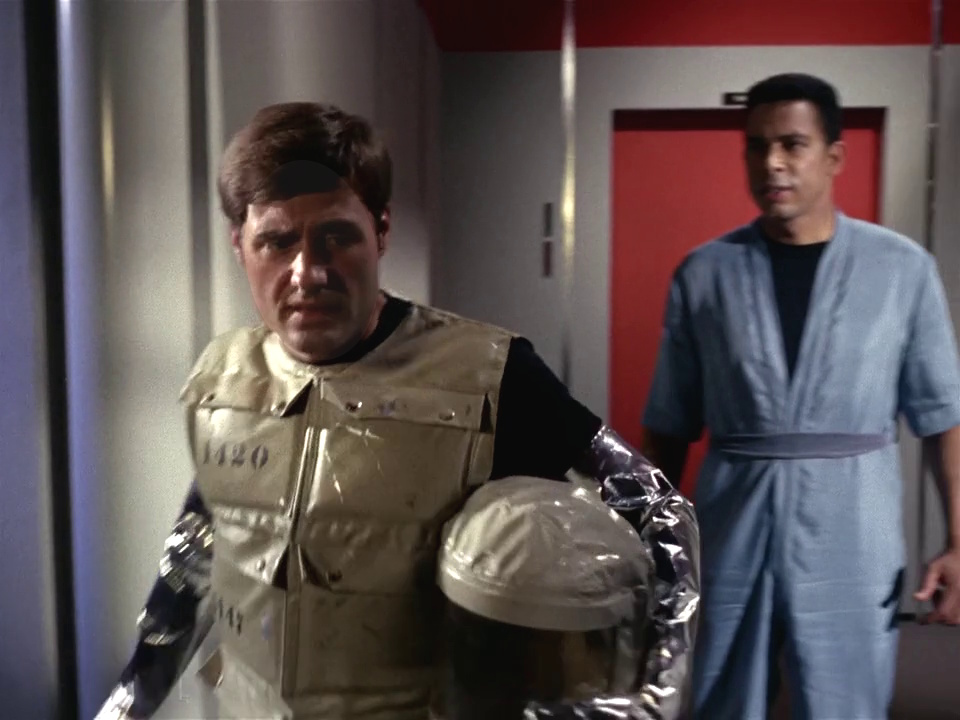
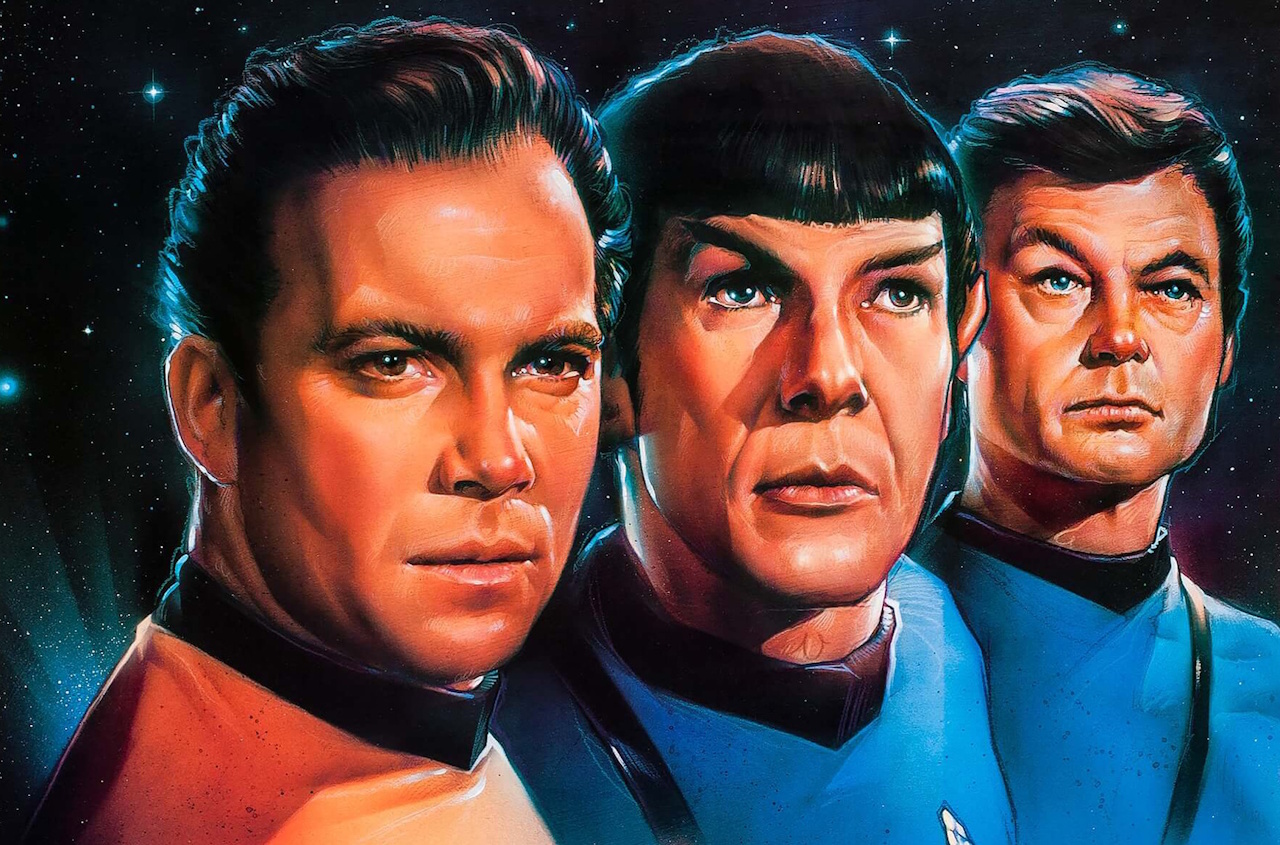

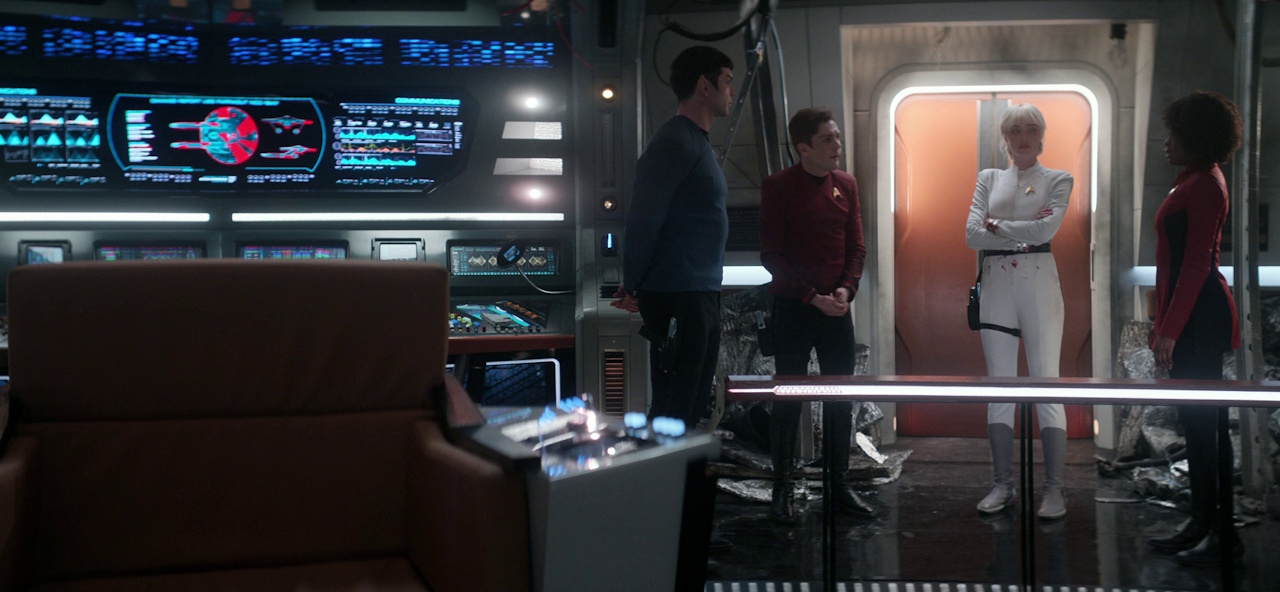
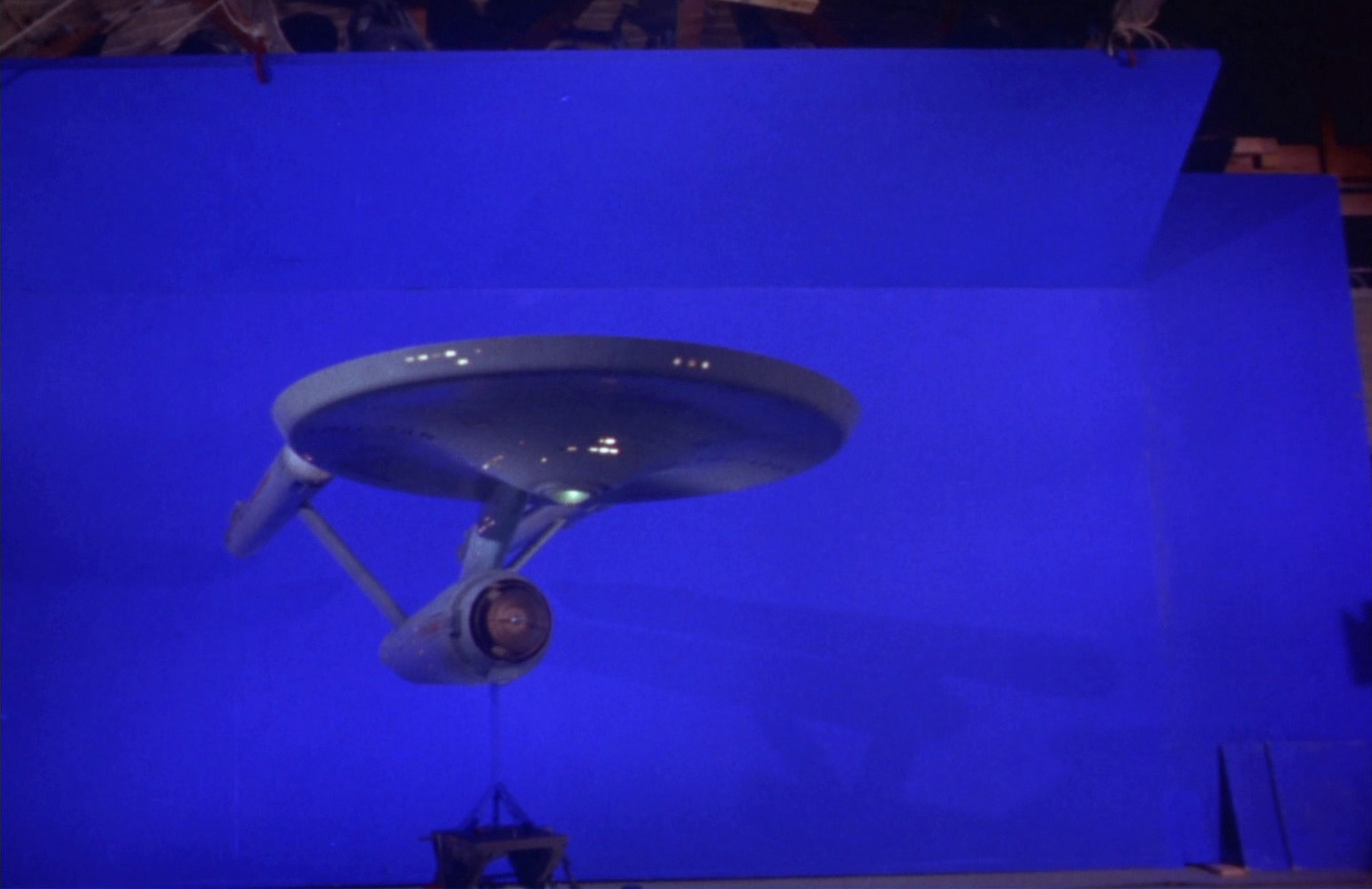
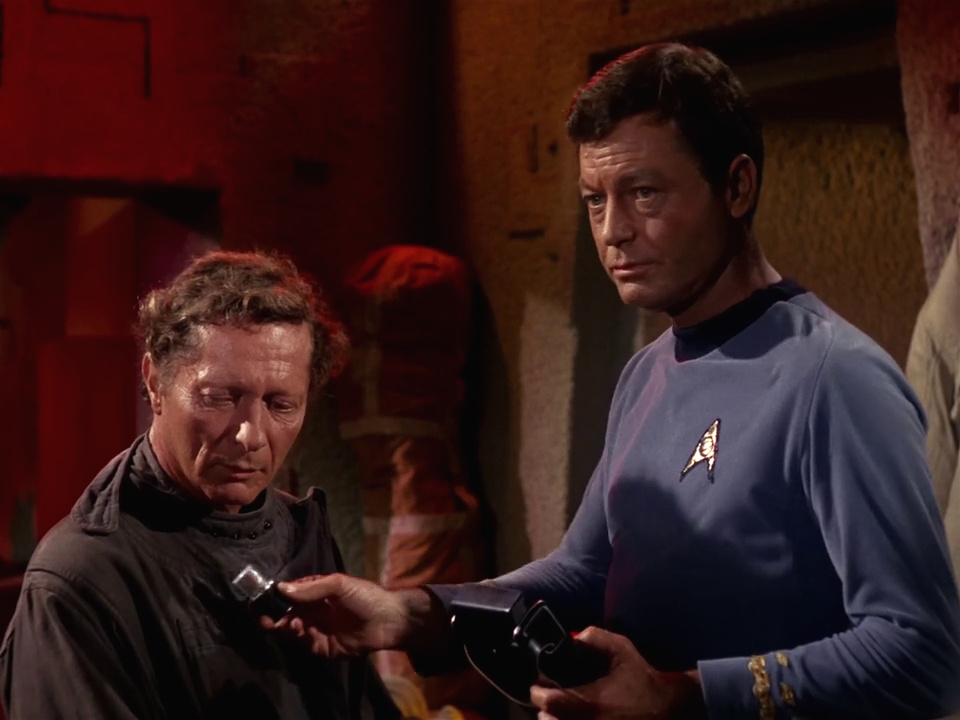
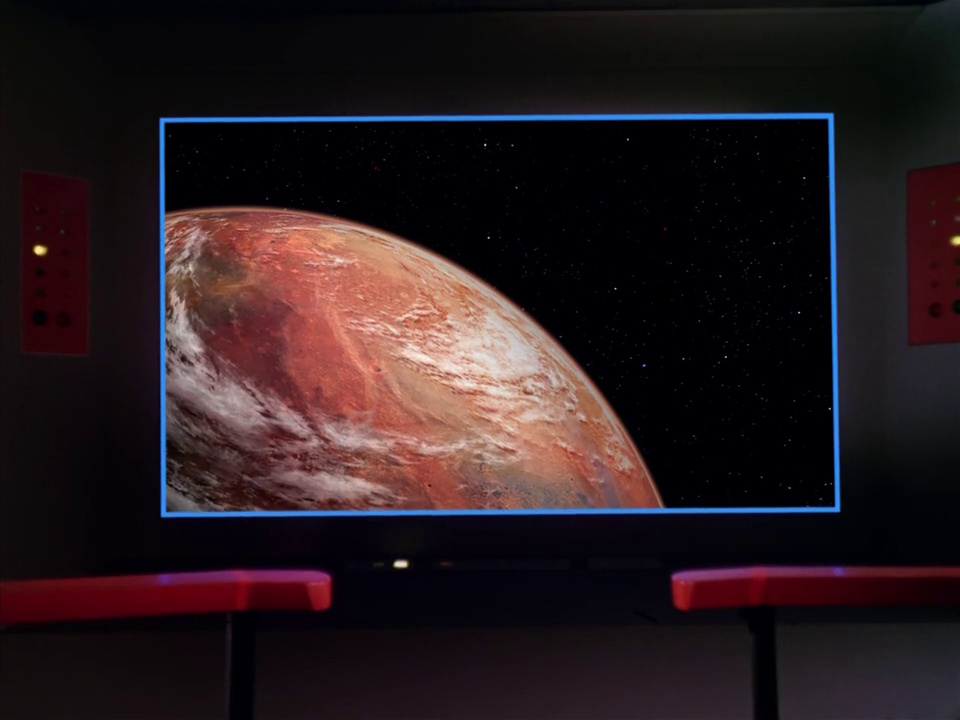



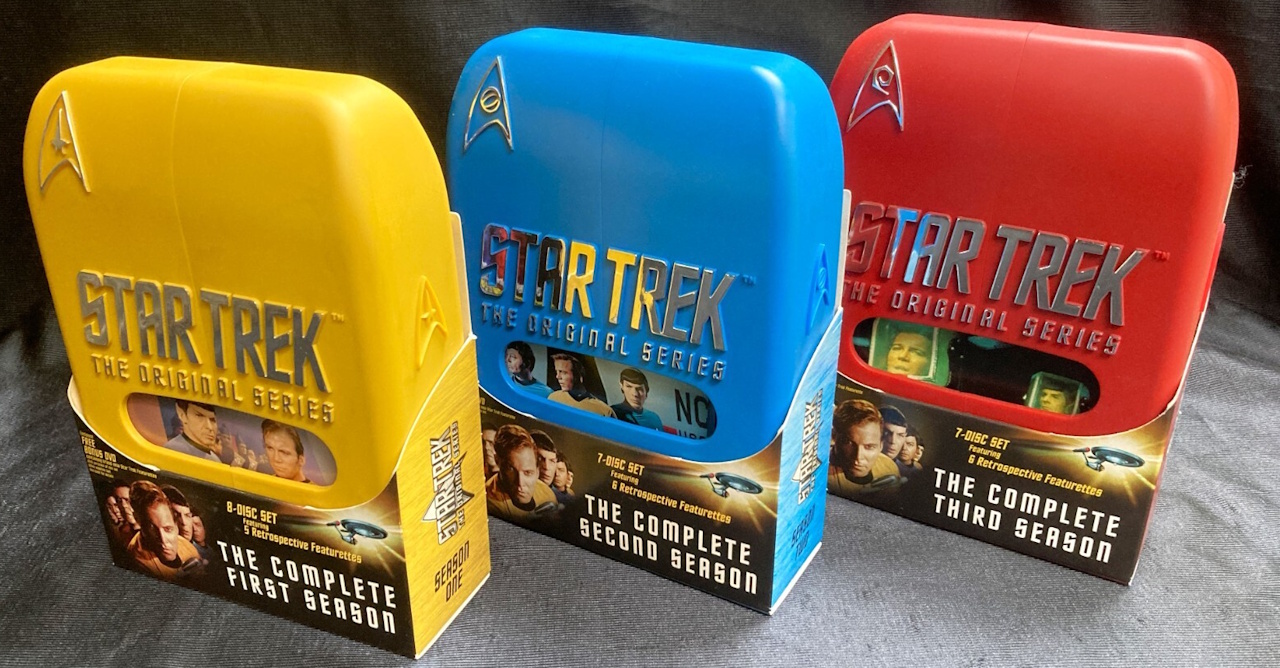
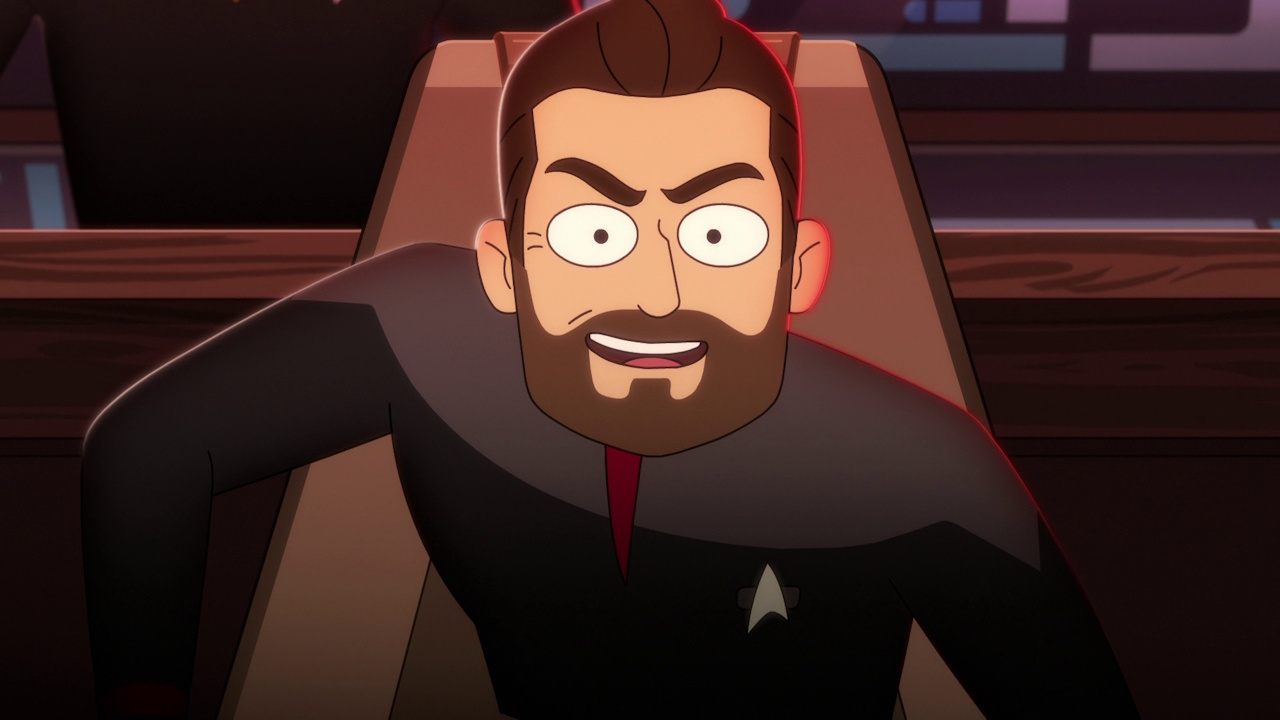
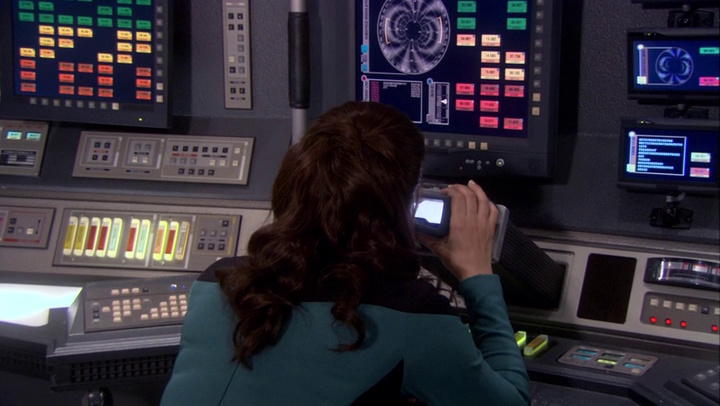
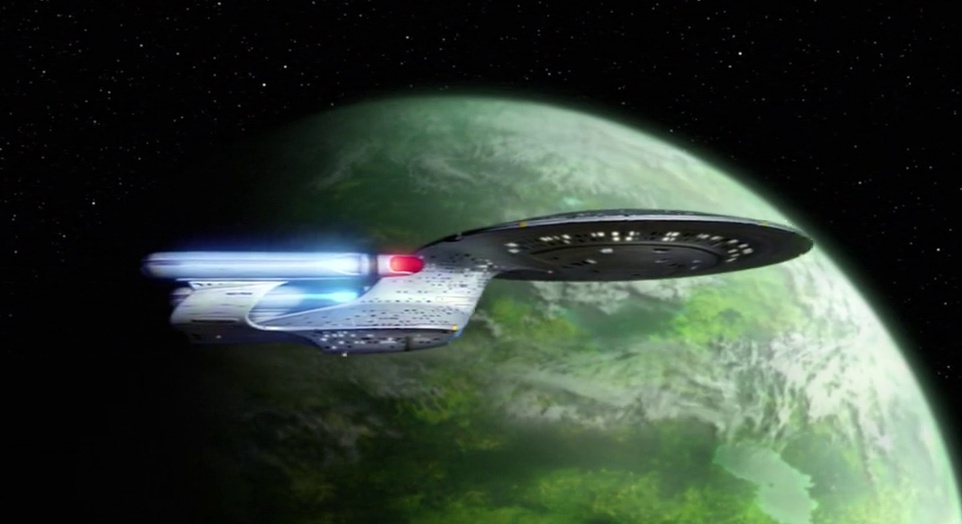

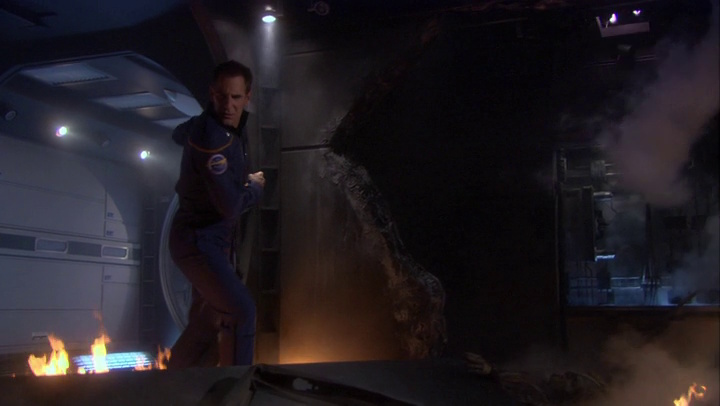
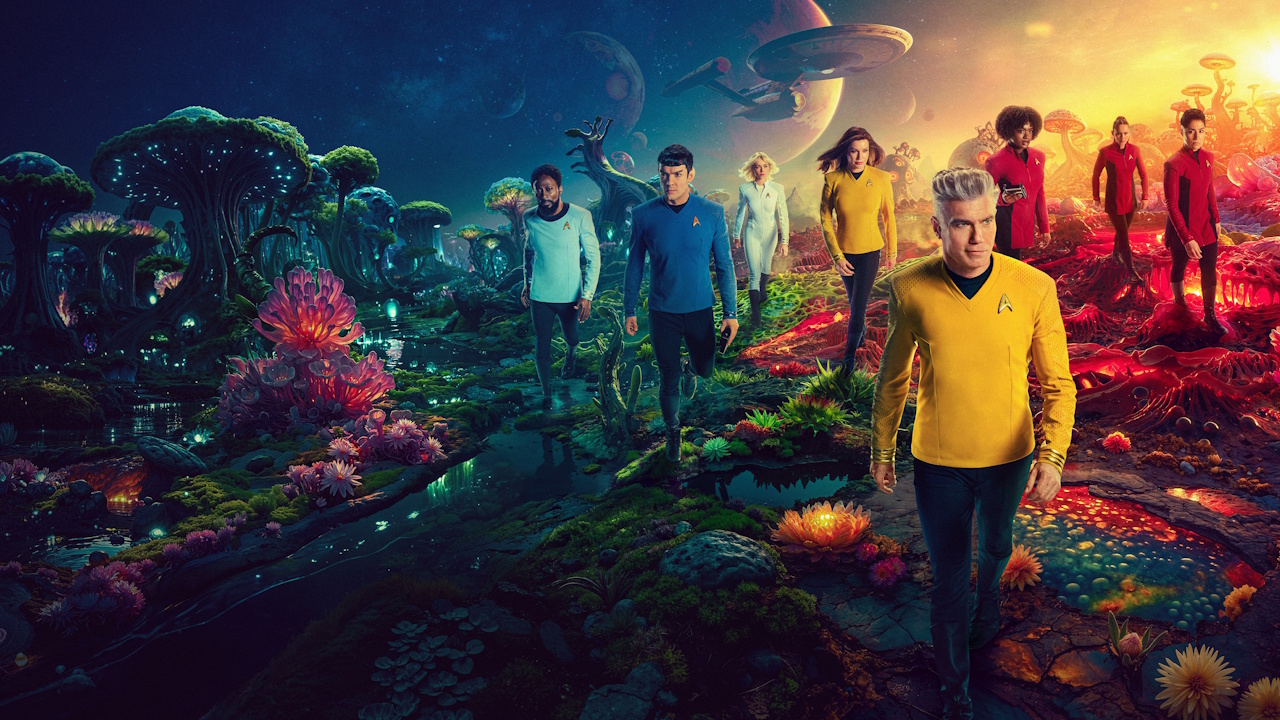
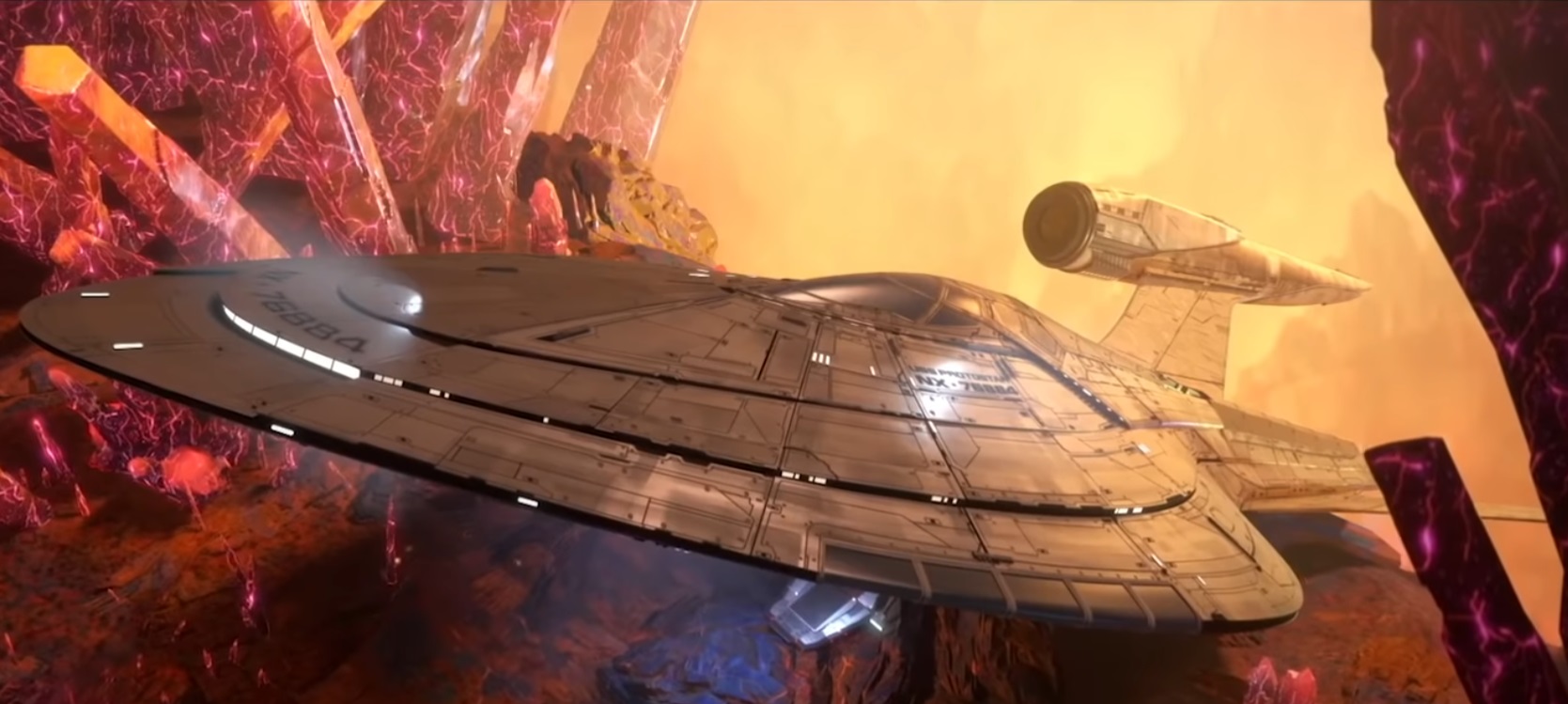




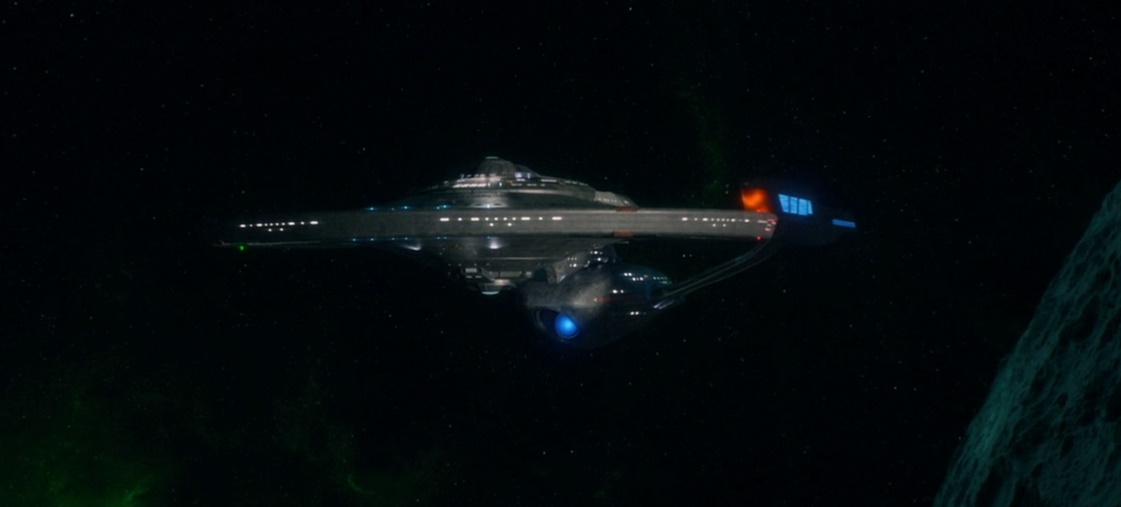
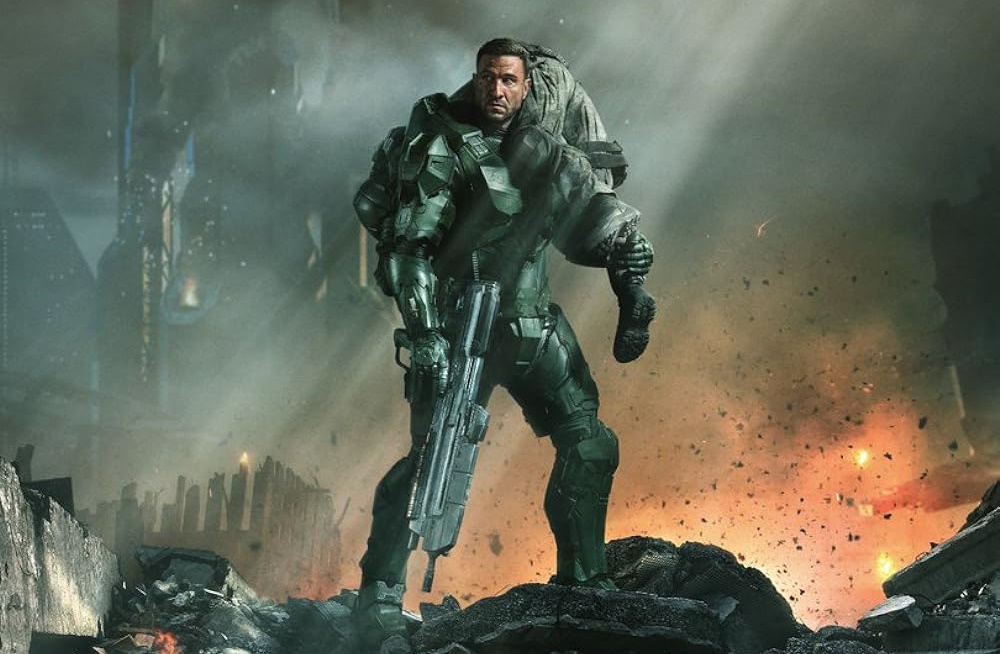


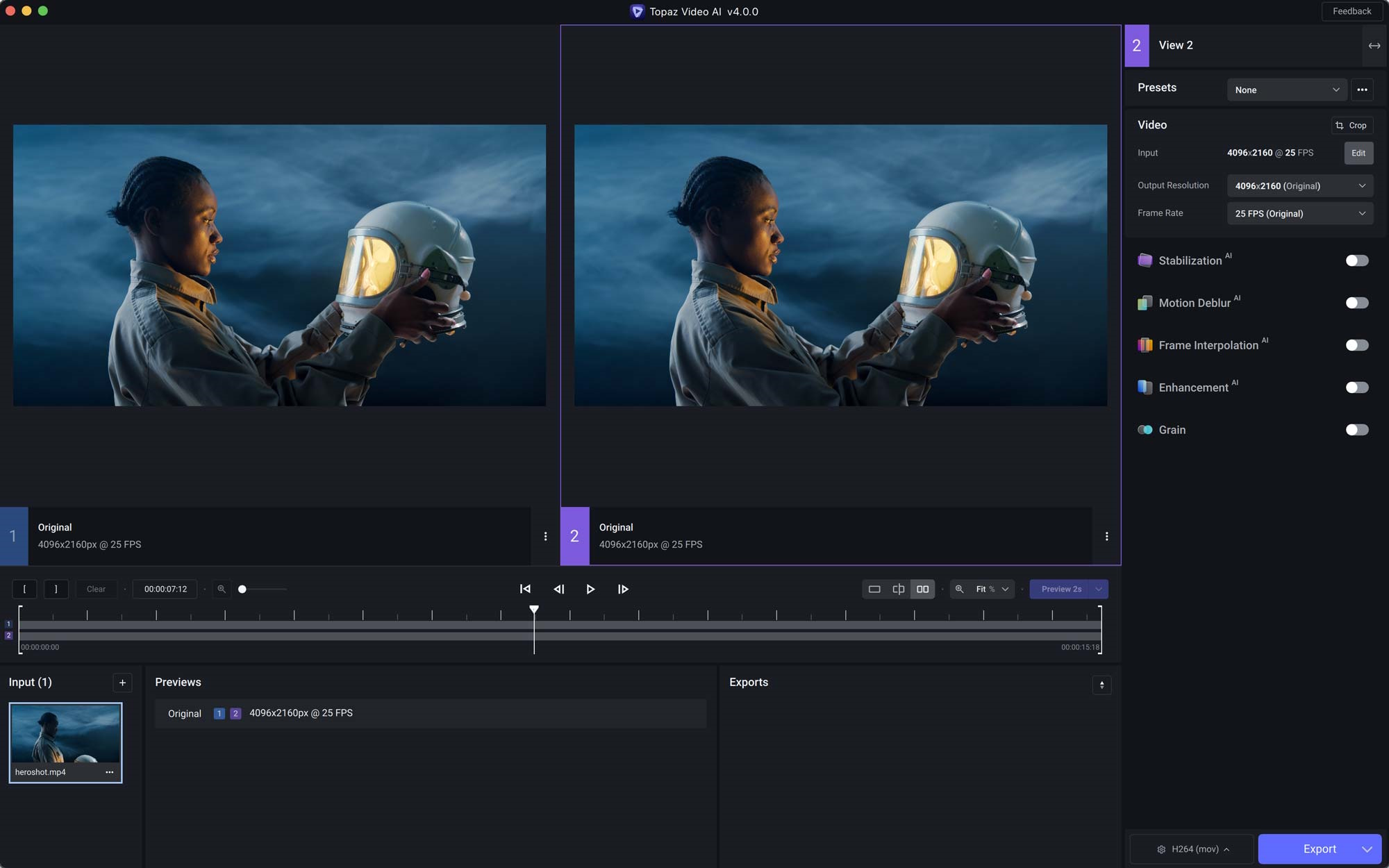
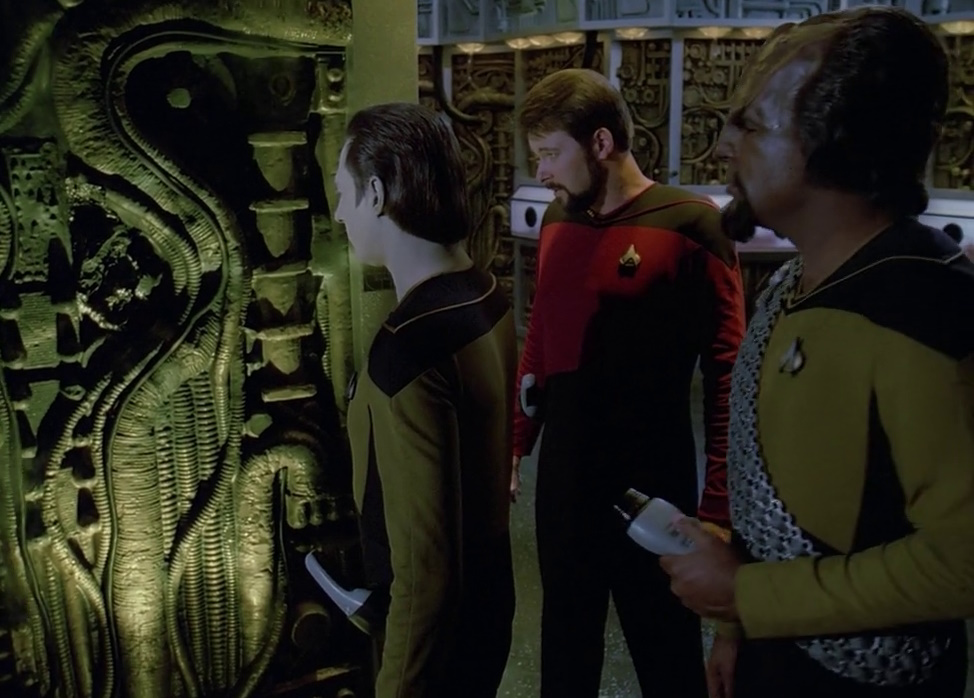
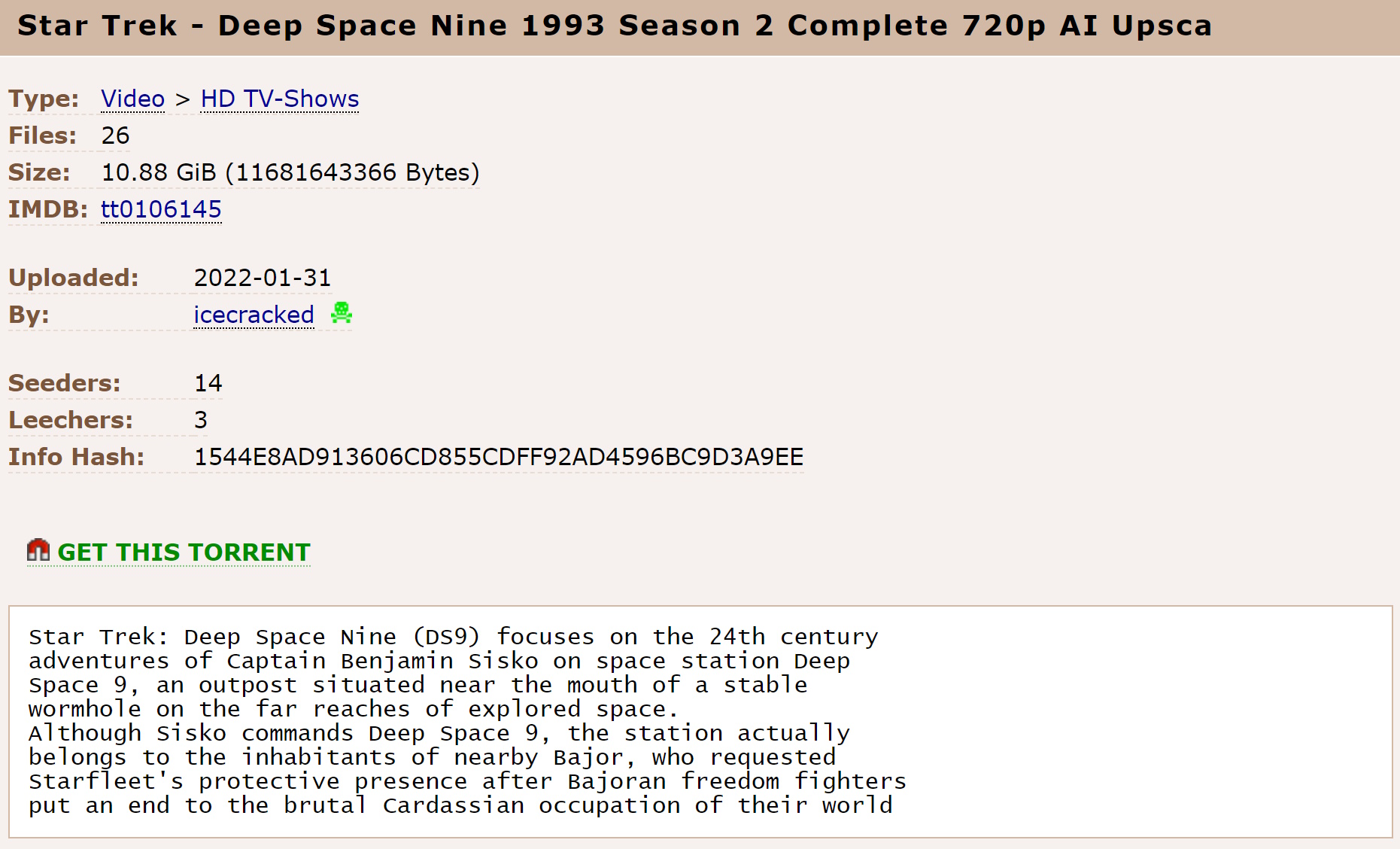
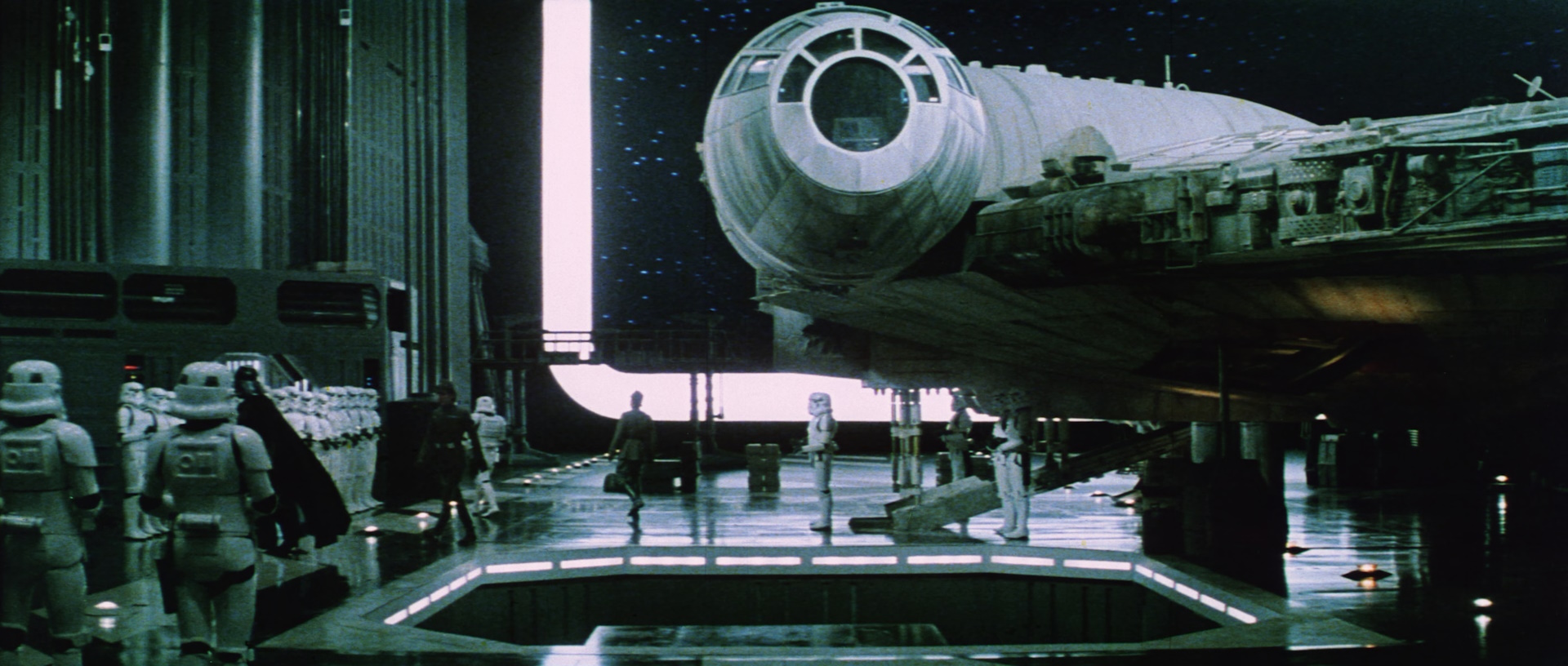
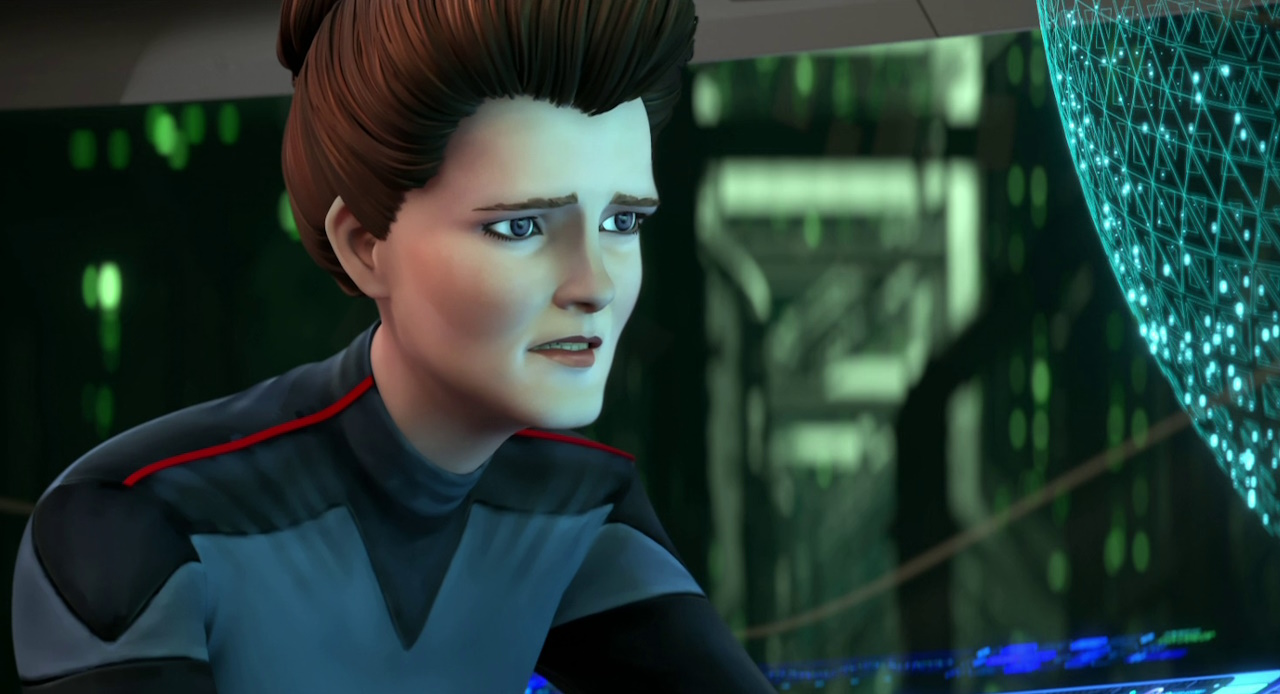
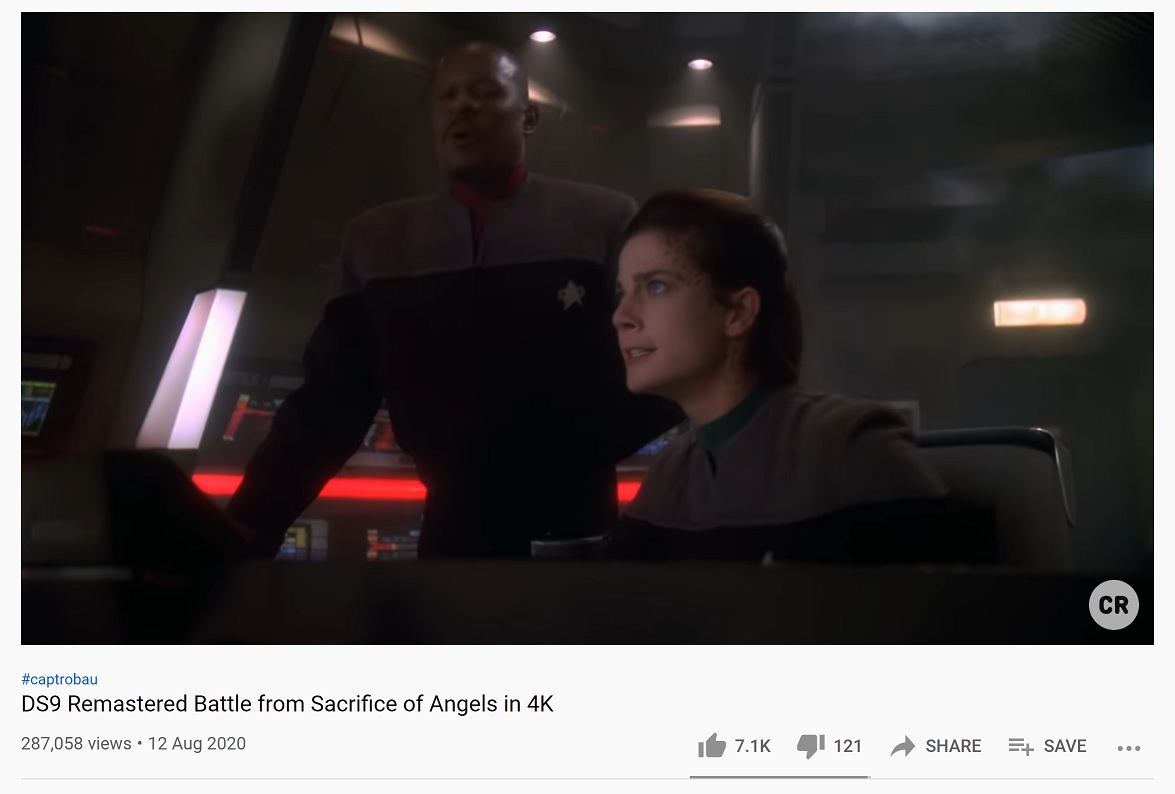


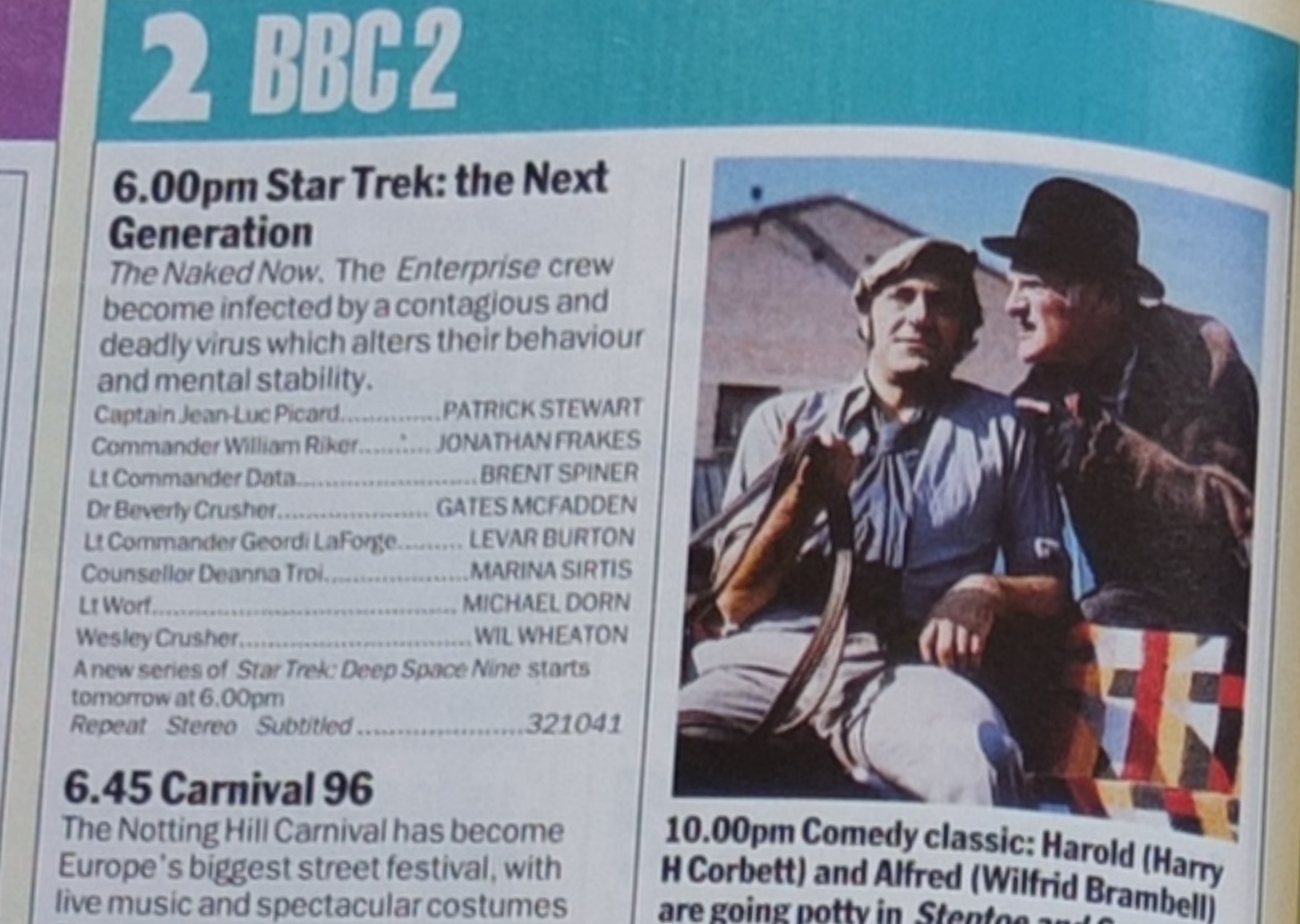
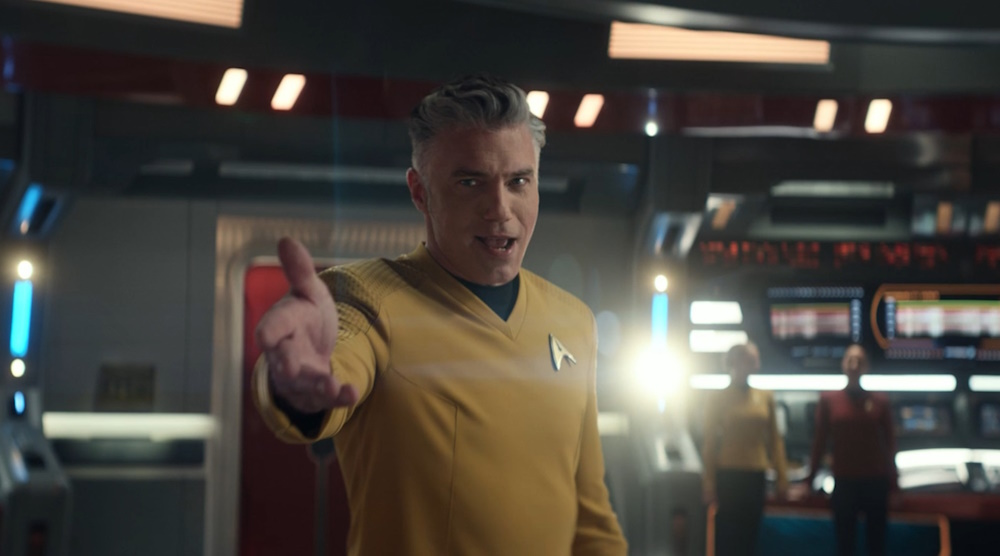
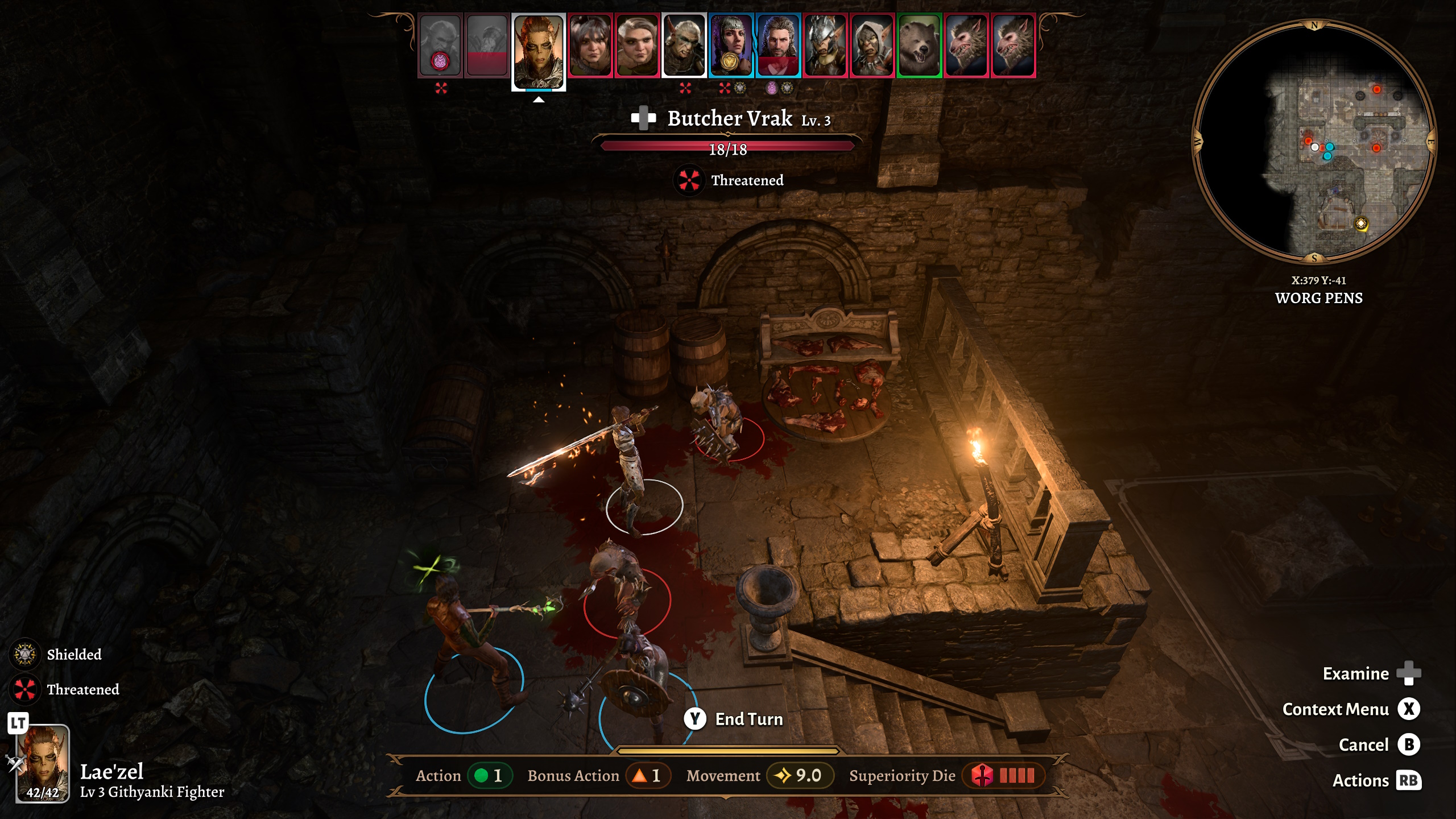
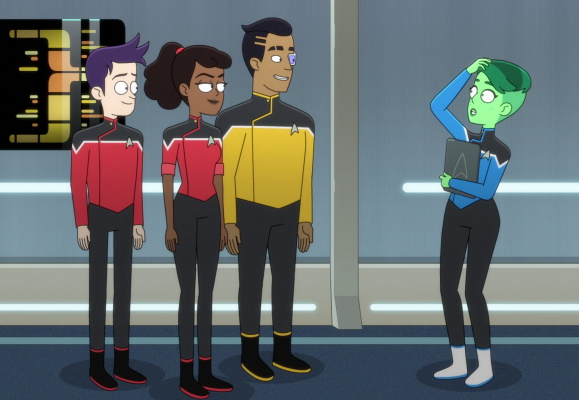
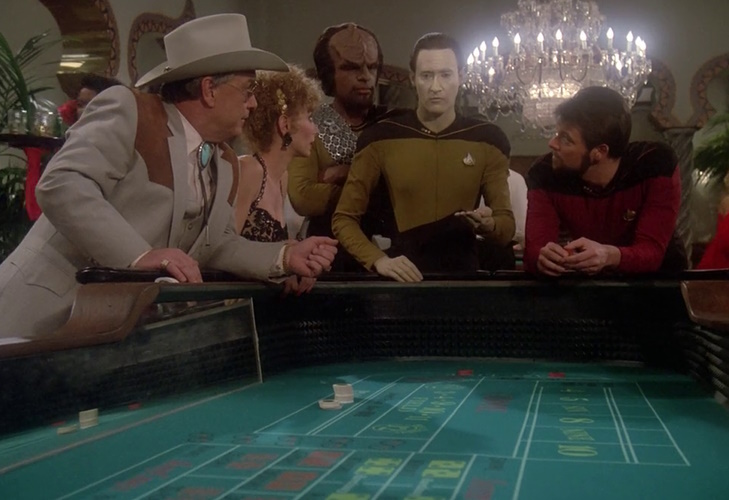
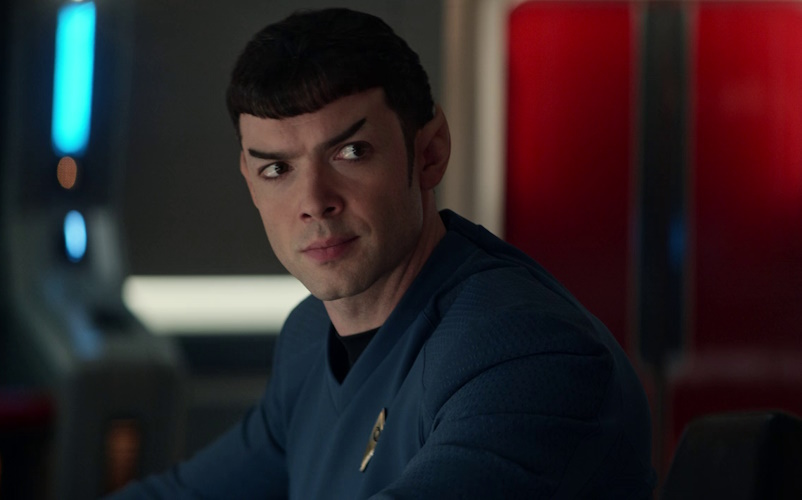
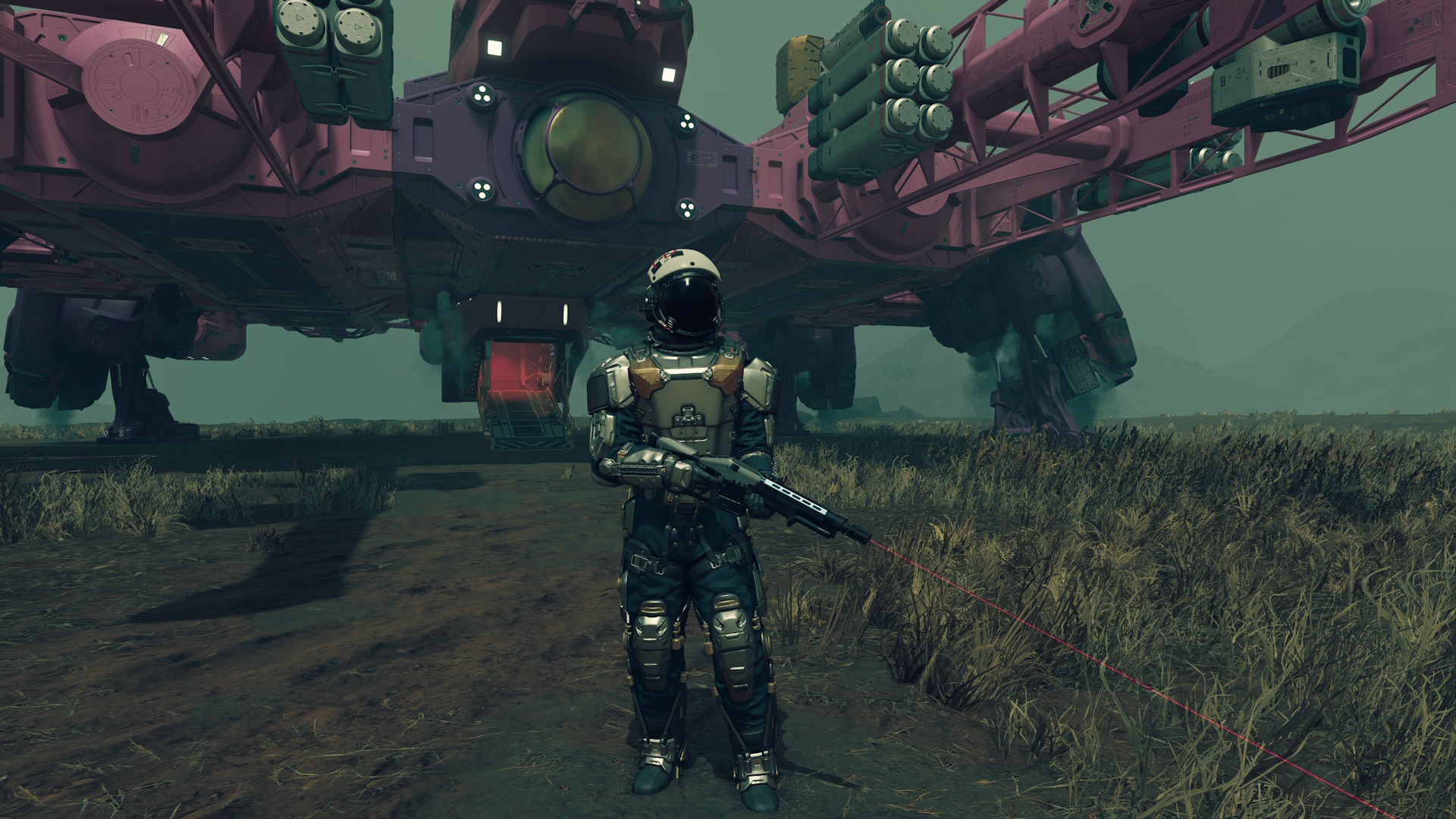
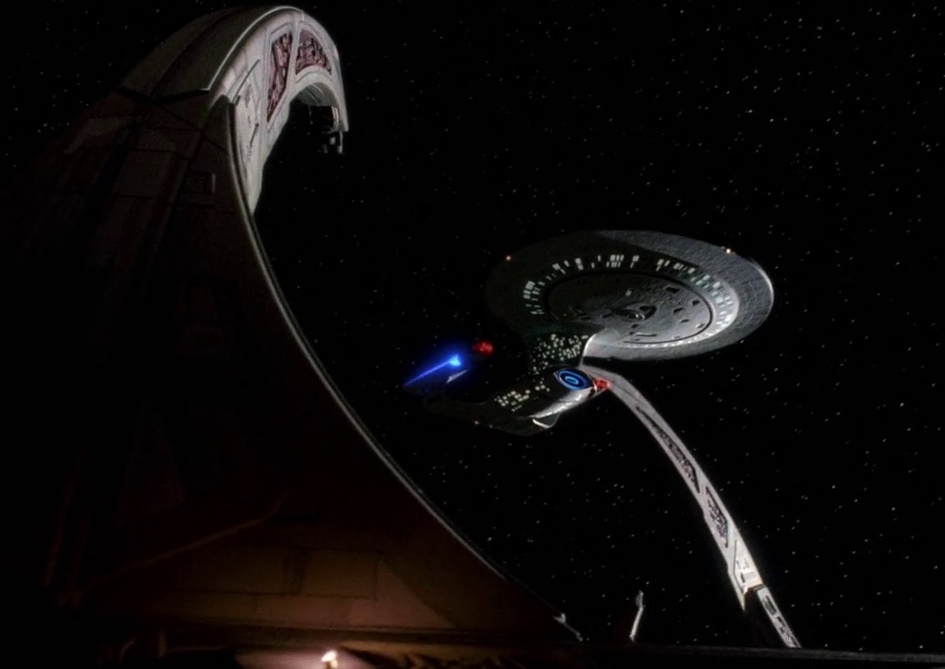


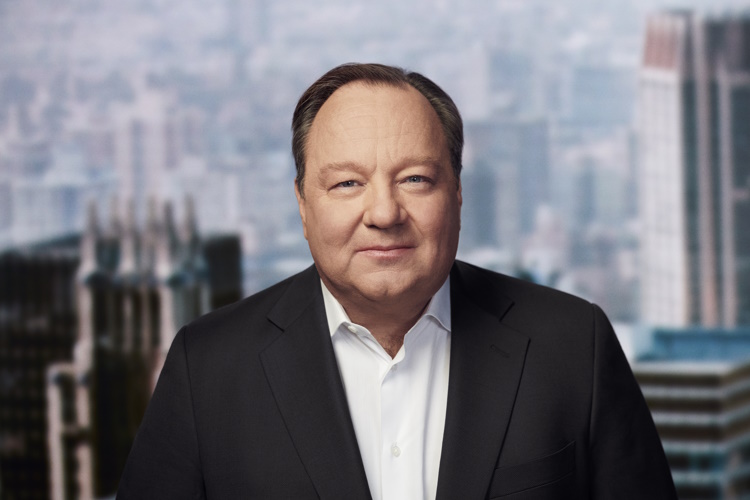


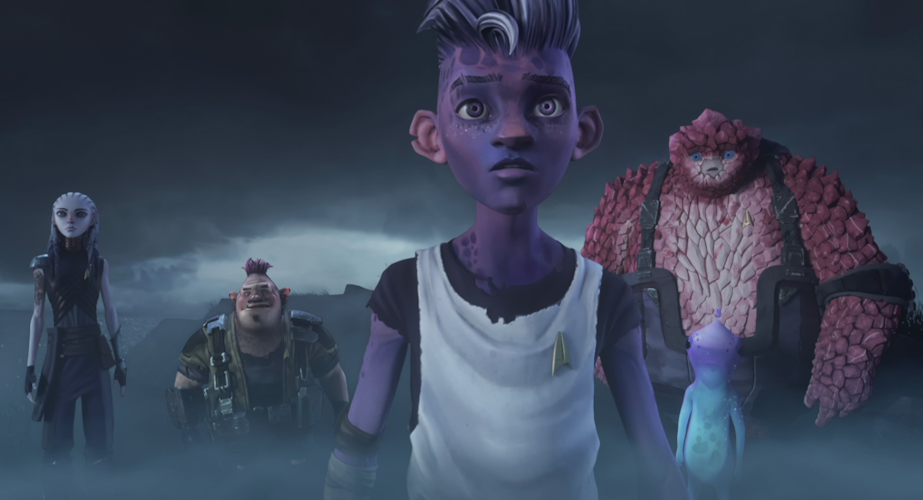
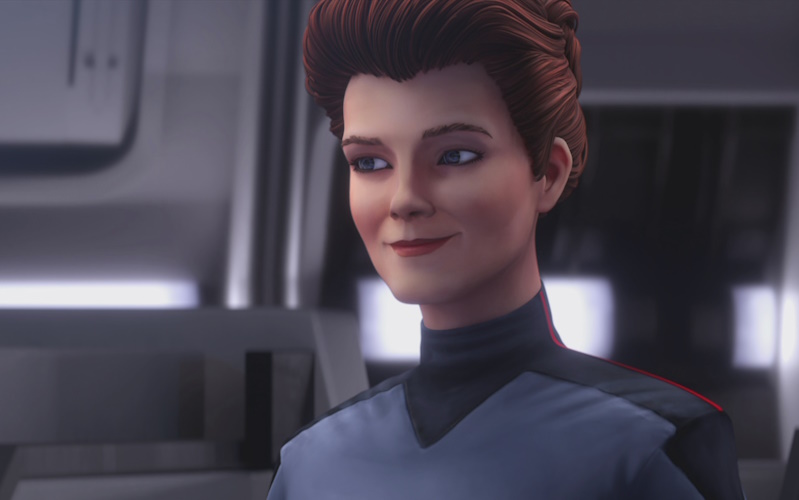
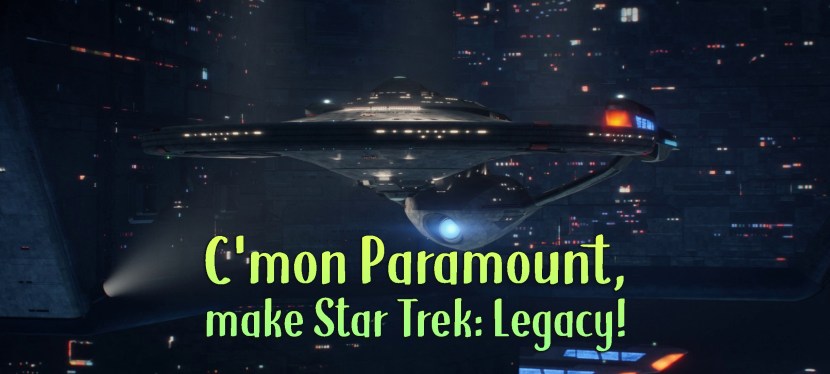

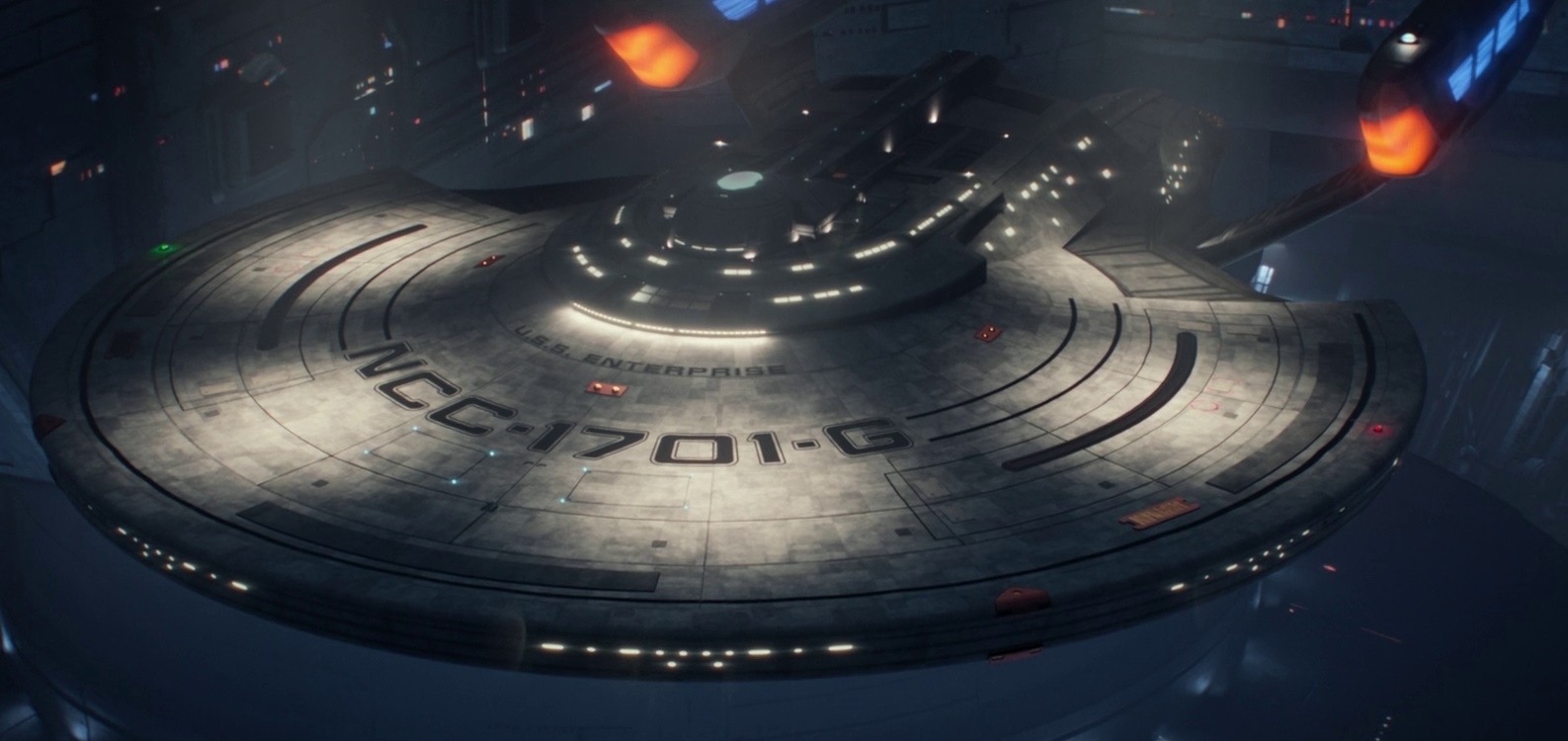

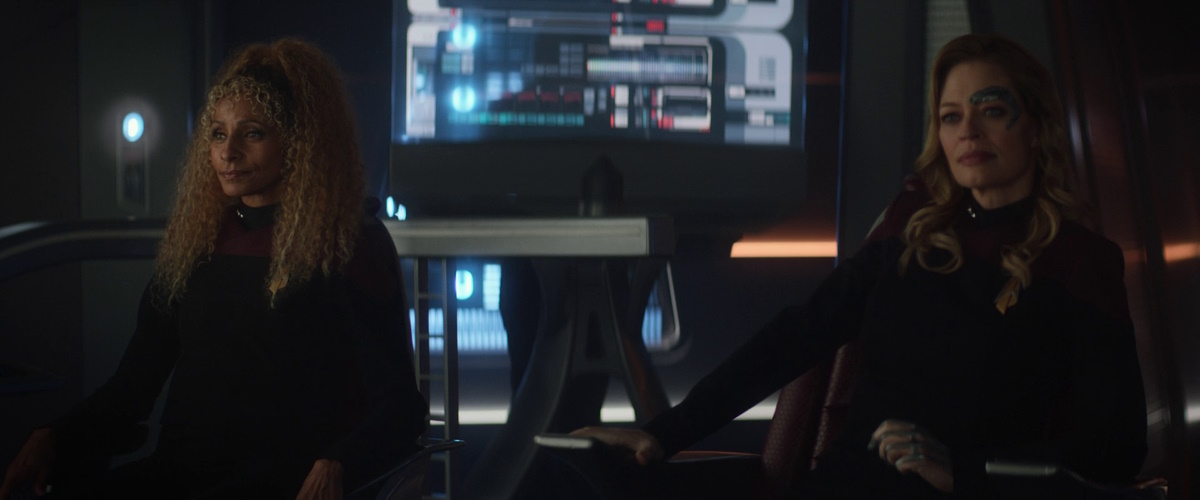
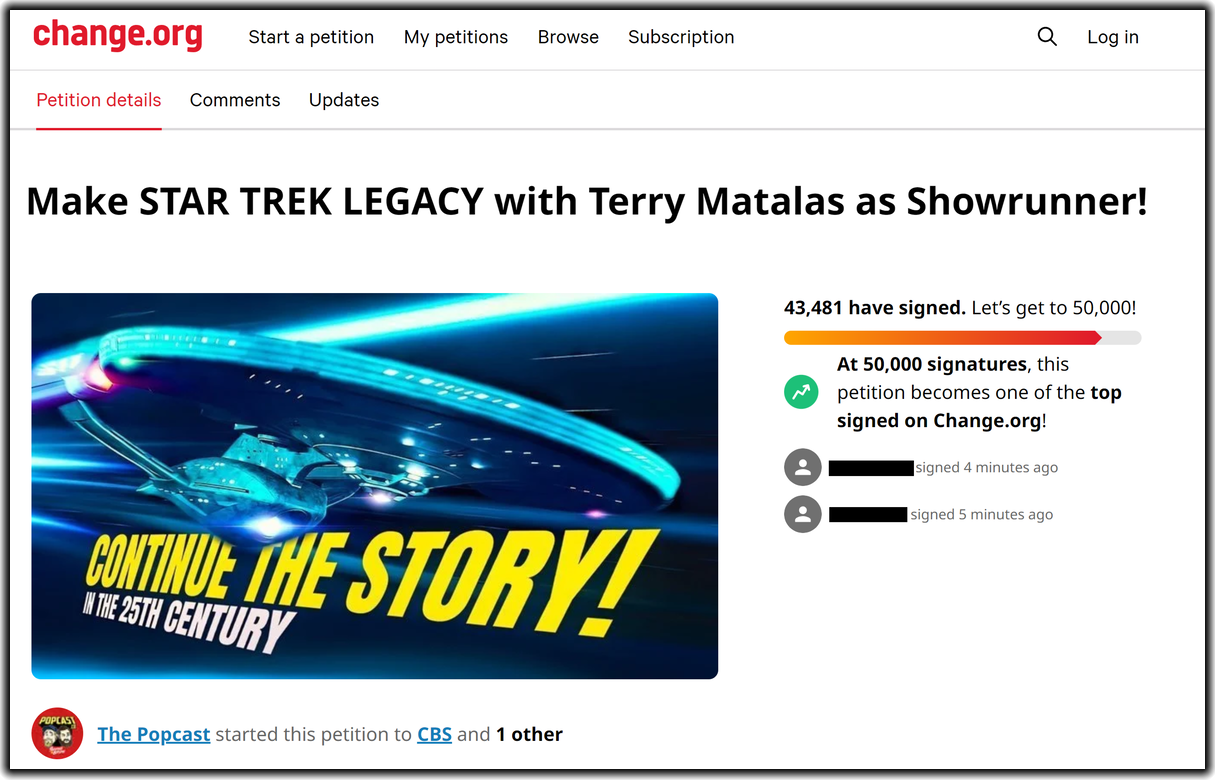


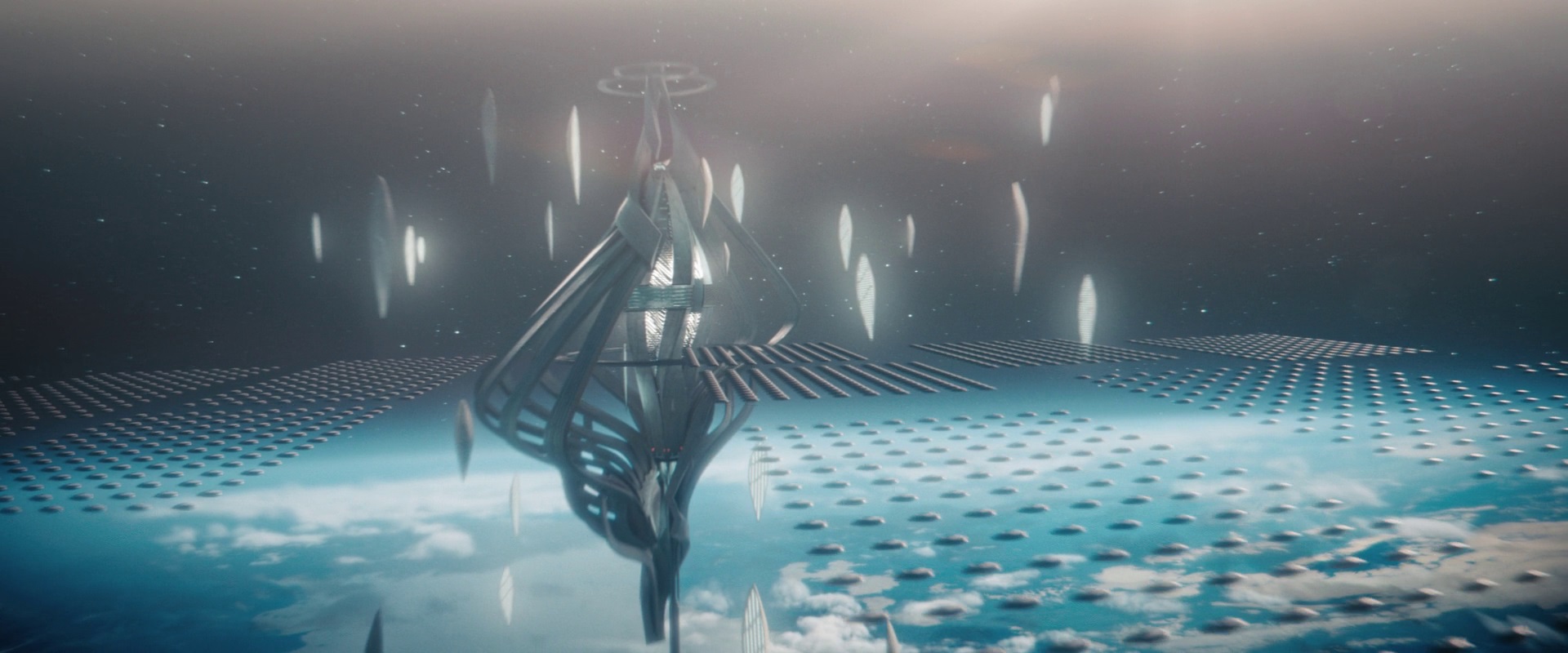


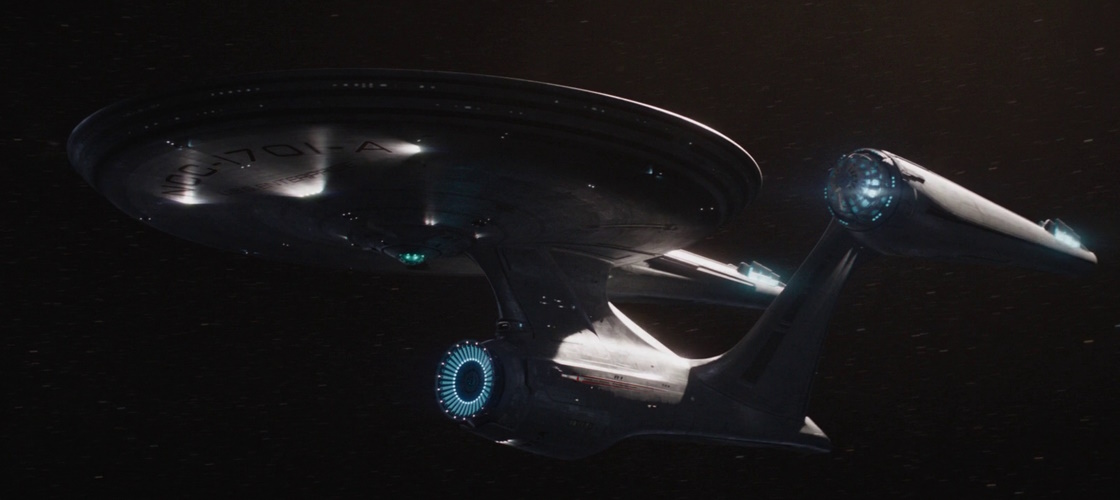


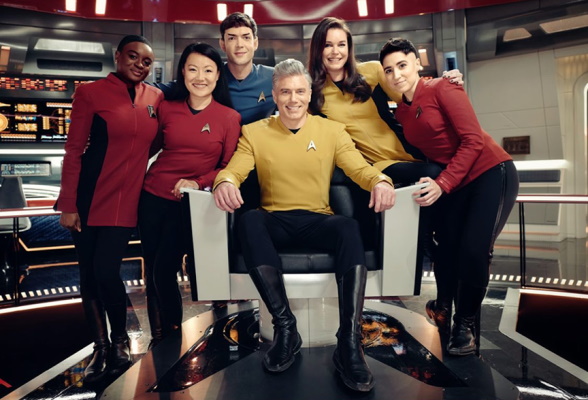
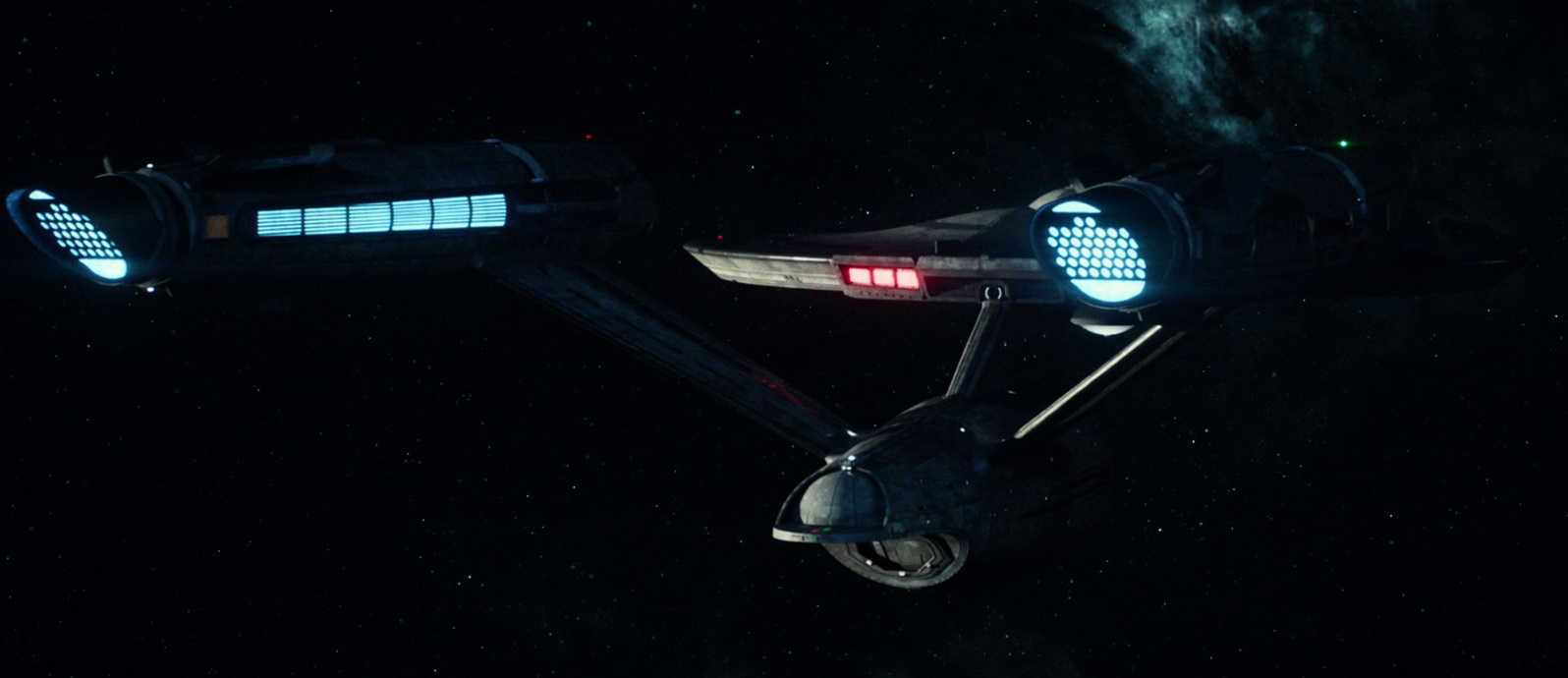


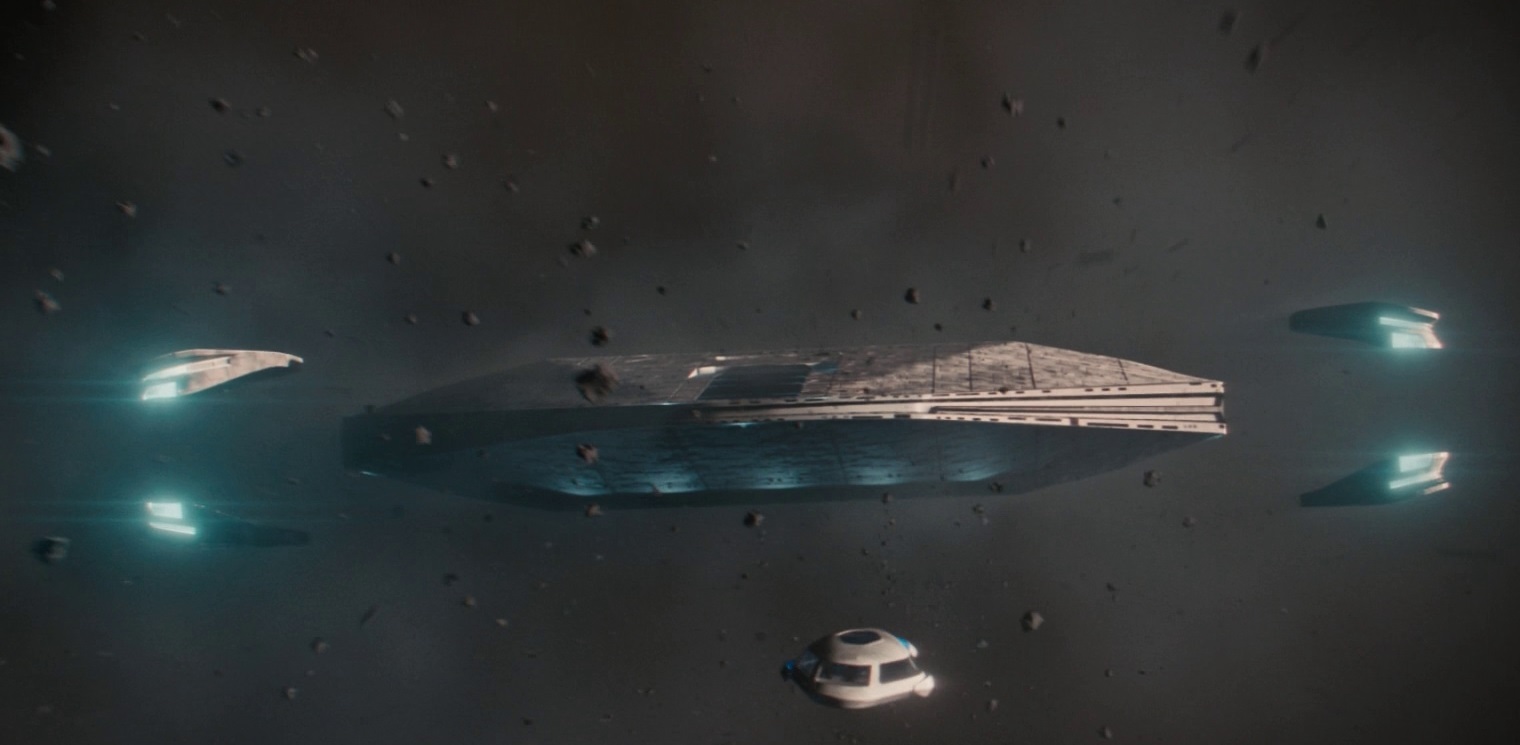

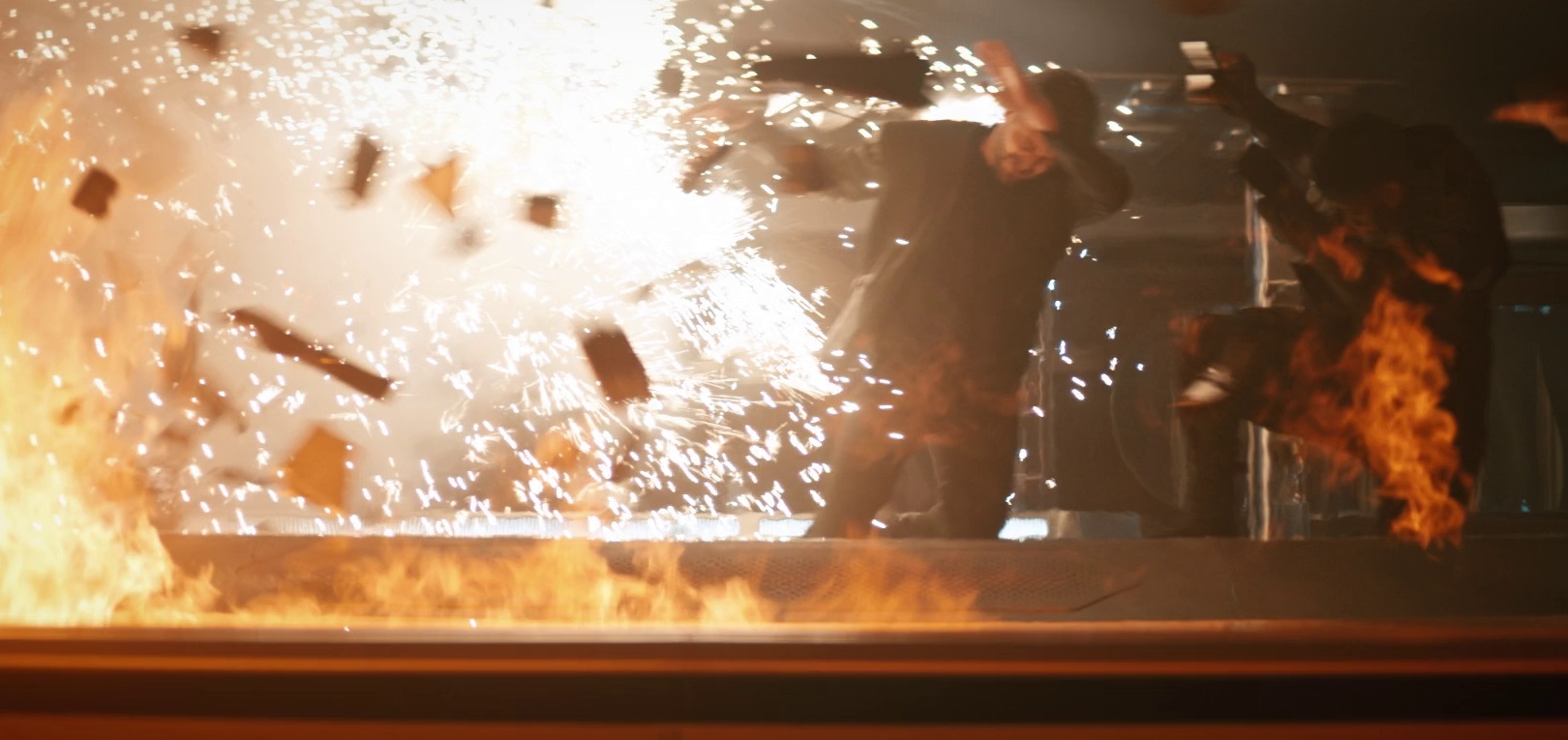

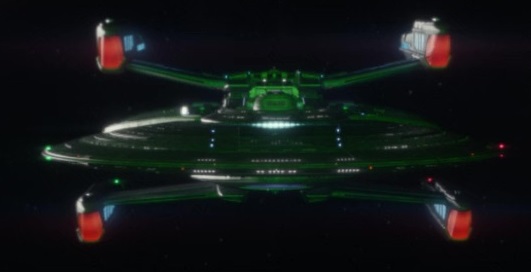










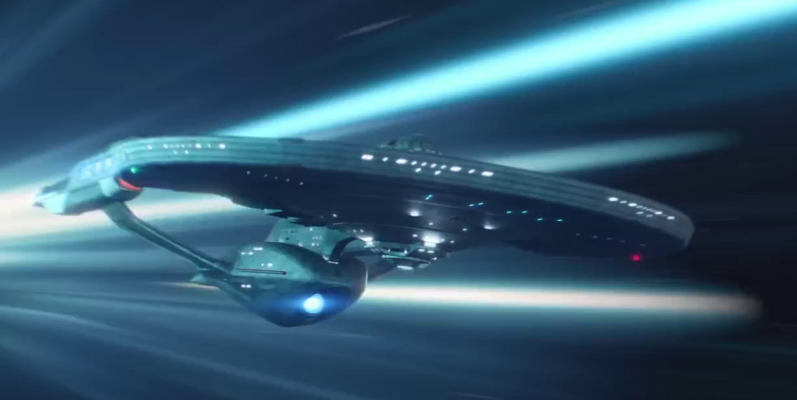




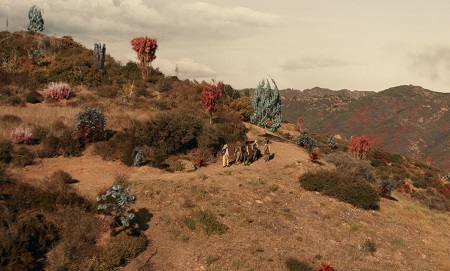







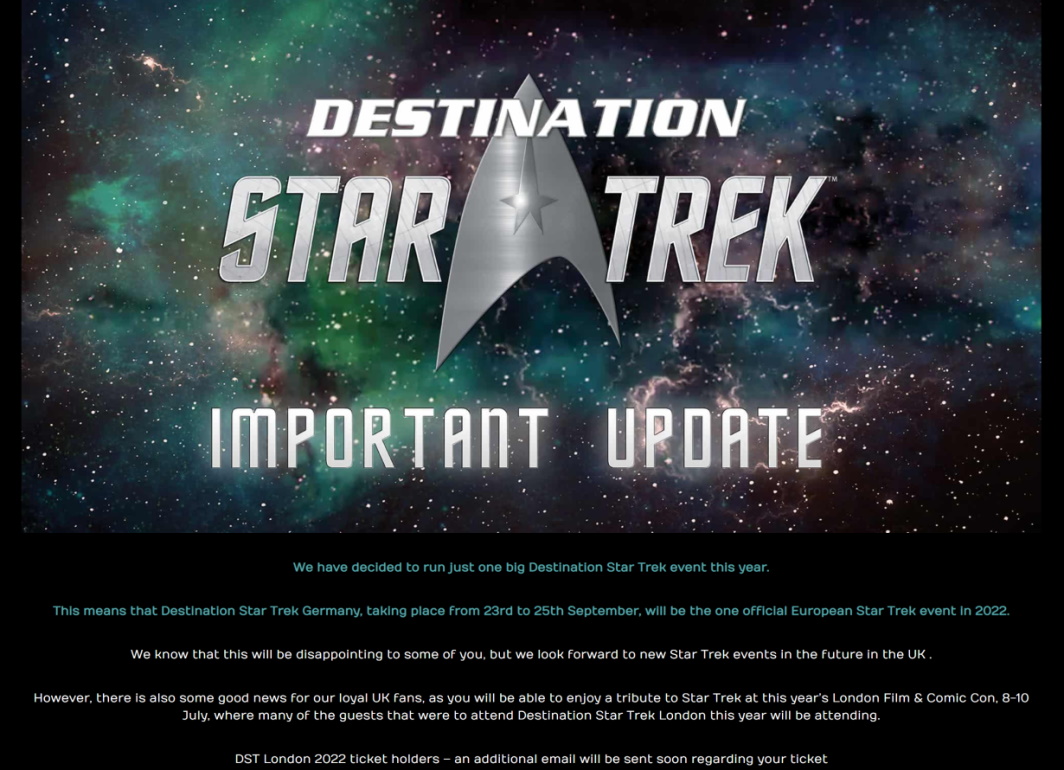
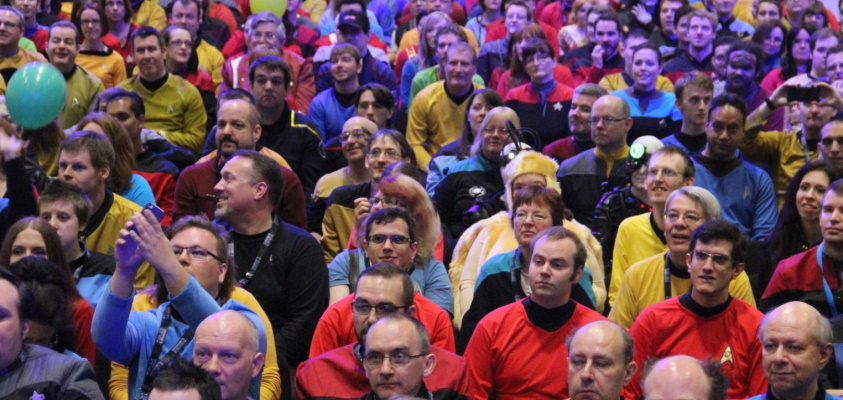

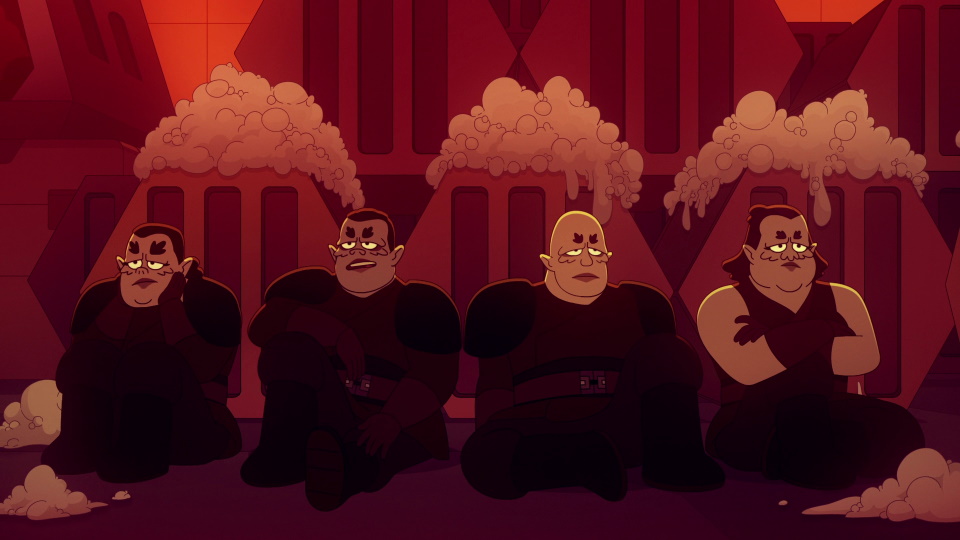


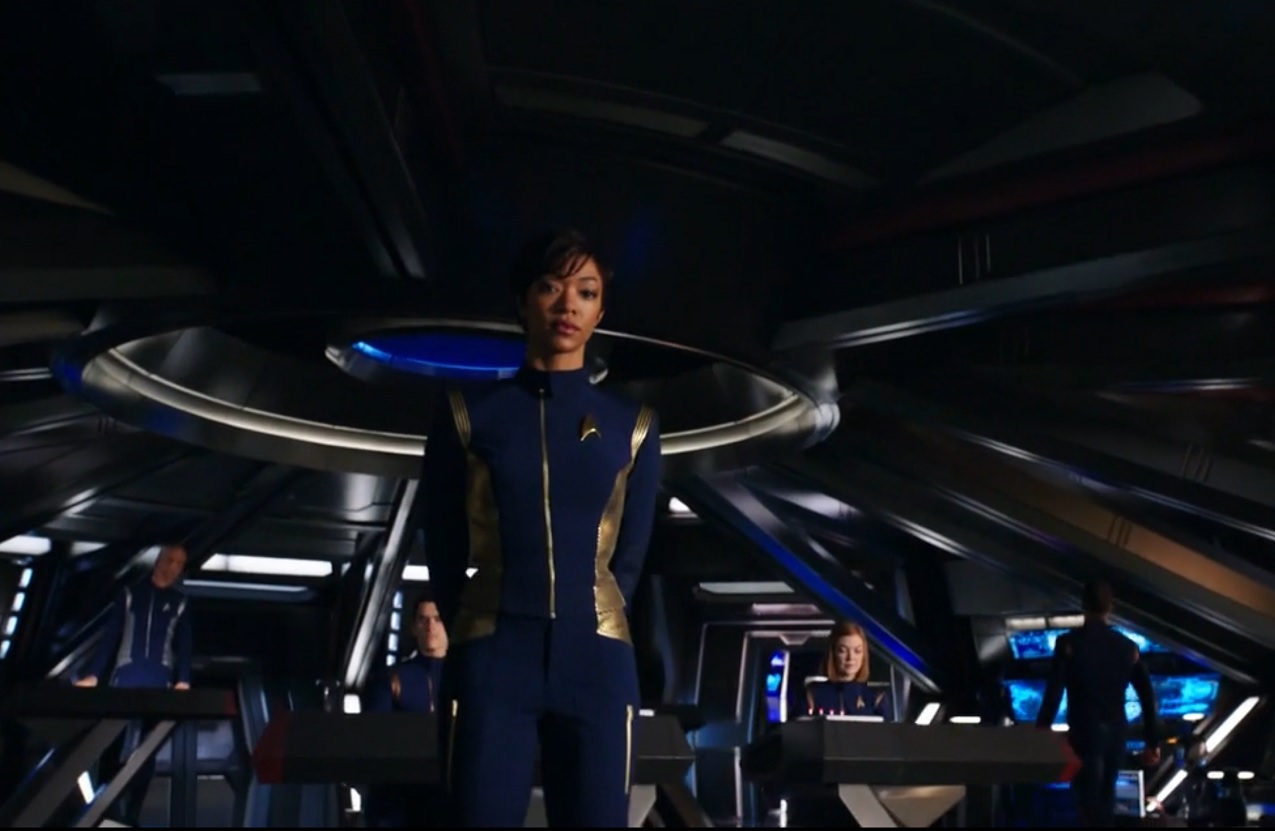



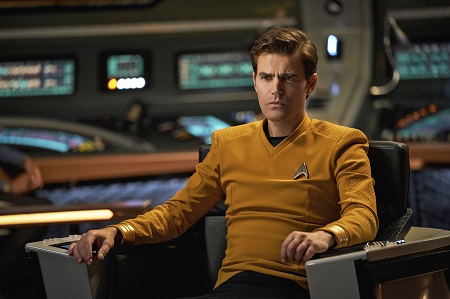

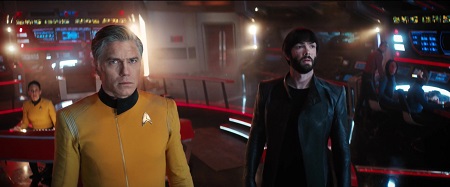


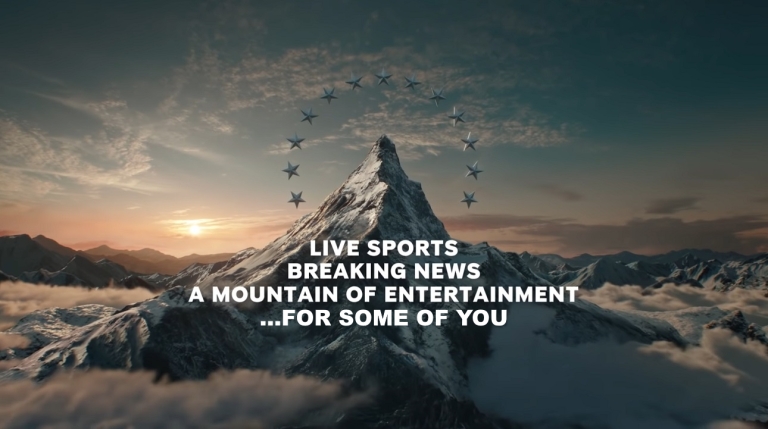

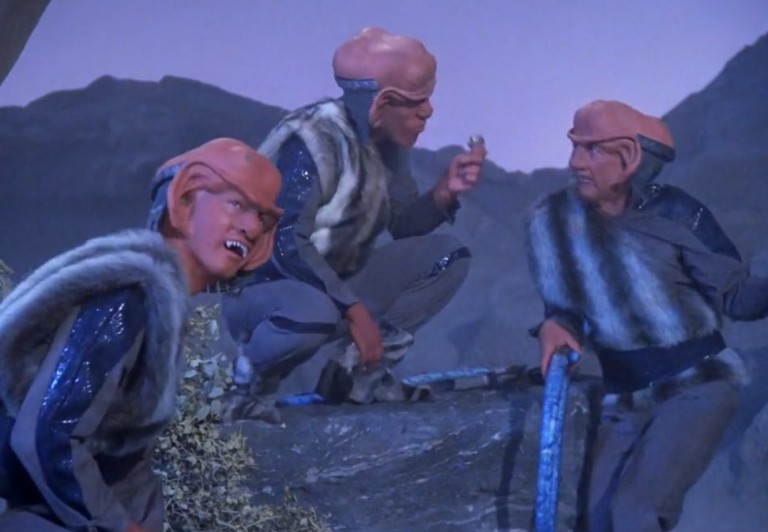

 Trekking with Dennis