I'm an independent media critic. On my website - trekkingwithdennis.com - I write about Star Trek, Star Wars, the video games industry, and many other geekdom-related topics!
Spoiler Warning: Beware of minor spoilers ahead for Phineas and Ferb.
In just a couple of months, Phineas and Ferb will be back on our screens for the first time in a decade. Well, for the first time since Candace Against the Universe premiered as a one-off TV movie! So I thought it could be a bit of fun to take a look at ten episodes from the show’s original run that stand out to me.
I’ve talked about this before, but I encountered Phineas and Ferb when I was already an adult. When I used to have a satellite TV subscription back in the 2000s, I came across an ad for the show either just before or just after its premiere. Although I shouldn’t have been interested in a kids’ cartoon airing on the Disney Channel, something about the show’s writing or art style must’ve leapt out at me – so I gave it a watch. And I’m so glad that I did, because Phineas and Ferb has unironically become one of my favourite TV shows… ever.
It’s Klimpaloon!
The best children’s programmes offer something for adult viewers, too – and no, I don’t just mean that they keep the kids busy so we can get on with other things! There can be jokes that adults will find funny, storytelling that transcends the generational divide, or characters who exhibit traits that kids and adults alike can relate to. This explains the enduring popularity of the shows and films which strike the right balance – and for me at least, Phineas and Ferb is up there with the likes of SpongeBob SquarePants, Tom and Jerry, and the best of Disney’s animated films.
The show’s two-and-a-half storyline structure is really what makes it stand out. The boys and their invention are on one side, with their sister Candace trying to get them in trouble, while secret agent Perry the Platypus is on the other as he battles the self-proclaimed evil scientist Dr Doofenshmirtz. But where Phineas and Ferb really excels is by bringing these two halves of the show together – often, but not always, by ensuring Doofenshmirtz’s scheme will cause the boys’ invention to disappear. Particularly in later episodes, the writers would get creative with these intersecting moments, too, successfully subverting audience expectations!
So that’s a bit of background as we head into the list. But before we go any further, I have a couple of important caveats.
Phineas and Ferb co-creators Dan Povenmire and Jeff “Swampy” Marsh.
Firstly, I’m not “ranking” these episodes. Nor am I saying these are my “all-time top ten favourites!” These are just ten great episodes from Phineas and Ferb’s original run that I happen to really enjoy. Making some kind of tier list of all the show’s episodes or seasons will have to wait for another occasion. I’m listing the episodes in broadcast order, starting with Season 1 and going through to Season 4, and for the purposes of this list, one “episode” is one story. On Disney+ (and often during the show’s original broadcast run) two episodes would be paired up – but that’s not how I’m arranging my list.
Finally, nothing about this is in any way “objective!” Other fans of the show will have different favourite episodes, so if I pick an episode you hate or ignore one that you think should be obvious for a list like this… that’s okay! There ought to be enough room in the fan community for differences of opinion and polite disagreement.
With all of that out of the way, let’s take a look at ten of my favourite Phineas and Ferb episodes.
Episode #1: Are You My Mummy? Season 1
Of all the early Season 1 episodes to really nail the core concepts of Phineas and Ferb, Are You My Mummy? has to be one of the best. It’s an adventure story inspired by classic mummy and monster movies, but unlike some later stories which see the boys perform completely out-of-this-world feats, there’s something about the cinema setting that keeps things grounded. The boys go on an adventure, sure… but it’s an adventure in the basement of a cinema filled with “fakey promotional lobby junk,” and a misunderstood “mummy.” This kind of story – in which we see the world through a kind of child’s-eye view – wouldn’t always be present in the series, but I think it’s a big part of what makes Are You My Mummy? so charming.
Perry’s side of the story – in which he has to prevent Doofenshmirtz from flooding the city – is a ton of fun, too. The two halves of the episode come together in the basement of the cinema, with Phineas, Ferb, Candace, and Perry going on a water ride inspired by the likes of Disney’s own Splash Mountain.
Episode #2: Dude, We’re Getting The Band Back Together Season 1
Phineas and Ferb quickly became known for its songs and musical numbers, and Season 1’s Dude, We’re Getting The Band Back Together has several great tracks. An episode all about music – and the importance of music in the lives of the characters – was bound to have some excellent songs, and we get some outstanding additions to the show’s soundtrack here! It’s hard to pick a favourite, but You Snuck Your Way Right Into My Heart is definitely up there, and I’d be remiss not to also mention Ain’t Got Rhythm, which was nominated for an Emmy award.
The boys team-up with Candace is particularly cute, too, as it shakes up the formula of the show somewhat. It also shows Candace’s willingness to join in with her brothers – at least sometimes! – which is a fun change of pace for her character. Doofenshmirtz’s story of hosting Vanessa’s birthday party also sees him working with Perry for a change – and cements his status as one of the best dads in animation!
Episode #3: I Was A Middle-Aged Robot Season 2
This episode puts Candace and Perry in the driving seat, after a “mishap” with a memory erasing machine means Lawrence can’t take her to the father-daughter picnic competition. There are some fantastic moments of humour in this episode; I particularly love the sheer randomness of Perry’s robot being programmed in Dutch, and him having to use two Dutch-to-French and French-to-English dictionaries to operate it. Trying to explain it kills the joke, of course!
I Was A Middle-Aged Robot is another great family episode, as we see the boys, their mom, and their friends all get together to cheer on Candace and their dad. The obstacle course means a lot to her, so having everyone get together to support her just… gives me the warm fuzzy feels. Perry abandoning Doofenshmirtz – who seemed to have a whole story of his own lined up and ready to go – was funny, too.
Episode #4: Christmas Vacation Season 2
I know it’s the middle of April and we really shouldn’t be thinking about Christmas… but this Christmas special is one of my all-time favourites, and one I return to every single holiday season. I’m a sucker for the whole “Christmas is in danger, someone has to save it!” story cliché, and Christmas Vacation really sells it – with a Phineas and Ferb twist, of course. As you might expect, it’s Doofenshmirtz’s evil scheme that puts Christmas in danger, meaning it’s up to Phineas and the gang to restore Danville’s holiday spirit.
We talked about songs a moment ago, and Christmas Vacation has some truly outstanding musical numbers. Christmas Is Starting Now should be on everyone’s festive playlist, and that’s just one! There are so many good songs, some beautiful animation to bring the winter wonderland to life, and a fun holiday story keeping it all together. I have a longer piece about Christmas Vacation that I wrote last year to mark its fifteenth anniversary, so click or tap here to check it out.
Episode #5: The Doof Side Of The Moon Season 2
I’m pretty sure that the skyscraper in The Doof Side Of The Moon is the biggest thing the boys ever built! It’s gotta be one of the biggest, anyway, as it reaches all the way to the moon. The sequence of the skyscraper being constructed really is a ton of fun, with so many wacky and random building methods all thrown in together. Candace, naturally, wants to report on what her brothers are doing, and this time enlists the help of Albert… a character who really gives me the creeps! I think we all knew or at least remember someone like that from our school days – a very cringeworthy individual to say the least.
There isn’t as much going on with Doofenshmirtz and Perry in this episode, and Doof’s plan is silly even by his standards! But I liked his chart comparing his everyday evilness to the other “background evil” in the Tri-State Area. And Doofenshmirtz’s scheme was responsible for the building disappearing from the Flynn-Fletcher back yard!
Episode #6: The Belly Of The Beast Season 3
There are multiple references to the classic monster film Jaws in this episode, which is a ton of fun. The boys build a giant mechanical shark for Danville’s Harbour Day celebration, leading Candace and Stacy to hire a ship to chase after them. The ship’s captain is an incredibly funny character (and someone I hope will return in Season 5 or 6!) and there’s just a lot of fun to be had in this nautical setting. It takes most of the characters away from their usual haunts to do something a little different – while also paying homage to the kind of small-town celebrations that are common across the United States. There’s a lot to love on this side of the story.
Doofenshmirtz’s Taffy-Inator isn’t one of his wackiest or worst inventions; it’s basically just a large taffy machine. Why he wants to promote tooth decay, though… I’m still not clear on that! There were plenty of neat moments with Doof and Perry, though, and again it was fun to see them in a different setting for a change.
Episode #7: Magic Carpet Ride Season 3
I’ll be honest: this episode is primarily making the list for its song! Aerial Area Rug is epic and silly in equal measure, perfectly satirising Aladdin’s A Whole New World while retaining the same majestic tone. Songwriter Robert Lopez – who later wrote the songs for Frozen and Frozen II – put it together with help from the show’s writing team, and it’s just one of the absolute best in the series in my opinion.
Song aside, the episode is fun. The boys recreate a flying carpet that their dad saw on TV when he was a kid, and Doofenshmirtz tries to ruin his brother’s day – only to have it blow back on him. I actually feel sorry for Doofenshmirtz in Magic Carpet Ride, and I think it’s a great episode for exploring more of his feud with Roger.
Episode #8: Delivery Of Destiny Season 3
An episode told mostly from the point-of-view of a random side character? I know it sounds silly, but it really works! Not only that, but it’s a kind of uplifting story of a young man learning to appreciate his job – something I think we can all relate to in some way. There are some fun musical clips thanks to the inclusion of Love Handel, too. Seeing both the boys’ invention and one of Doofenshmirtz’s plots from a totally different perspective was genuinely interesting.
Delivery of Destiny is the kind of episode that wouldn’t have been possible prior to Season 3. It took the series, its characters, its world, and all of its tropes and completely flipped the script, showing us a glimpse of how things look from the perspective of one of the citizens of Danville. It also wrapped everything up in a fun self-contained story, too. Something a bit different – and that’s why I like it!
Episode #9: My Sweet Ride Season 4
This is probably a “hot take” and a bit of a generalisation… but I find that the quality of Phineas and Ferb seemed to dip a bit as Season 4 rolled around. There are some great episodes in the season, but I’d argue there were also a few less-enjoyable offerings, as well. My Sweet Ride is a blast, though! The nostalgic Americana of the Doo-Wop Hop and the classic car festival is a ton of fun, and the episode’s song is a classic retro-inspired number, too.
Phineas and Ferb trick out Candace’s new car – and let their dad take most of the credit! Doofenshmirtz’s crazy contraption is also a lot of fun, and gives us another glimpse of life in Drusselstein, which is neat. Monty and Vanessa continue their relationship and get a cute moment together, and it’s fun to get a story which brings almost all of the main characters from both sides of Phineas and Ferb’s world together in the same place.
Episode #10: Phineas and Ferb Save Summer Season 4
Season 4 has a bunch of feature-length episodes, and there are several I could’ve chosen to include here! This time, we’re going with Phineas and Ferb Save Summer – an exciting story which sees Doofenshmirtz’s evil scheme succeed, leading to his organisation trying to take over the world by forcing the planet into a new ice age! Although the boys and Doof are kept separate, their stories come together in the best way possible, leading to Phineas and the gang undoing the damage.
I really enjoyed seeing a different side of Doofenshmirtz. After his initial scheme succeeds, he gets swept along by other evil scientists – notably his nemesis, Rodney – and feels increasingly uncomfortable with the things they’re doing. We also see Perry’s animal colleagues at the OWCA captured after Major Monogram gets fired, leaving Carl and Monty in charge. There’s a fun battle sequence between the animal agents and the evil scientists, and Candace gets a sub-plot about achieving her childhood goals and overcoming a phobia. There’s a lot going on – and it’s all great fun!
So that’s it… for now!
Phineas and Ferb will be back on our screens in a couple of months!
There are literally dozens more episodes I wanted to include, so stay tuned – I’d love to revisit this topic in the future and pick out another selection of episodes. If you only have time to watch (or re-watch) a handful of episodes before Season 5 premieres, though, I hope I’ve given you a few ideas for where to start!
I’m cautiously optimistic about Phineas and Ferb’s revival. I really want to see the show succeed, and I hope the writers have found new stories to tell that will really get back to what made Phineas and Ferb so enjoyable during its original run. However… I would be lying if I said I didn’t have some concerns. Setting the new season a year later is good in some ways, as it allows for character growth and could give the characters new experiences and challenges. But it could also undermine the pretty definitive ending that the series got, and I can’t help but feel that setting the new episodes in that original endless summer might’ve been a better call. I’d love to be proven wrong, though!
The cast and crew of Phineas and Ferb Season 5. Image Credit: Dan Povenmire on Instagram
Speaking of Season 5: when it premieres later this year I’m planning to review it, so I hope you’ll swing by for that! I’ll talk about all of the episodes and go into detail about what I liked (or didn’t like, if it comes to that). I’m definitely crossing my fingers and hoping for an enjoyable time. Back in 2020, Candace Against The Universe was pretty good, so there are reasons to be hopeful.
Until then, I hope you enjoyed this look at some of my favourite episodes from Phineas and Ferb’s first four seasons. Who knows… if Seasons 5 and 6 are successful, a renewal could be on the cards and there could be many more stories still to tell in the Tri-State Area.
Phineas and Ferb Seasons 1-4 are available to stream now on Disney+. Some episodes and films are also available on DVD and/or Blu-ray. Phineas and Ferb Season 5 is scheduled to premiere on Disney+ and the Disney Channel in the United States in June 2025. Phineas and Ferb is the copyright of Disney Television Animation and The Walt Disney Company. This article contains the thoughts and opinions of one person only and is not intended to cause any offence.
When I took a look at Nintendo’s Switch 2 broadcast earlier this month, I noted that the price for games has gone up – and that could be offputting for some players and families. It turns out that Nintendo’s self-inflicted price problem has blown up and quickly became one of the biggest talking points coming out of the presentation… so today I thought we could look at the issue in a bit more detail. We’re also going to answer a deceptively simple question: will it matter? Or by the time the console launches, will most people simply brush off the price hike and buy one anyway?
First of all, let’s separate the price of the Switch 2 console itself from the price of at least some of its flagship games. £400/$450 – which is the current price at time of writing, prior to any tariff-related adjustments – didn’t strike me as being terrible. It’s more or less in line with the current-gen Xbox and PlayStation consoles, sitting somewhere in between those consoles’ cheaper and more expensive variants. But is that the right price point for a Nintendo console – particularly one which is a hybrid, and far less powerful than its competitors?
The Switch 2 will sell for £430 here in the UK. Image Credit: Smyth’s UK
In 2018, I paid £280 for my Nintendo Switch. That’s just seven years ago, yet the price of a Nintendo console has gone up by 42% in that short span of time. That doesn’t feel right the more I think about it – and going back to earlier console generations, this is Nintendo’s biggest price jump… ever. In the ’90s, the price of Nintendo’s consoles stayed at $199 in the United States, even as inflation set in. The GameCube in 2002 cost the same $199 at launch as the Super NES had in 1991. From there, Nintendo consoles jumped up an average of 22% each generation from the GameCube to the original Switch. You can check out the numbers and do the sums for yourself if you like – all this information is publically available online.
All of this leads to a reasonable question. What is the Switch 2 offering to justify a 42% price hike over its predecessor?
It isn’t innovation. As we discussed last time, Nintendo seems content to double-down on the Switch format, not doing anything radically different. The Wii U, Wii, Nintendo 64, DS, 3DS, and other Nintendo machines all offered some kind of new or innovative way to play when they launched, but the company seems to have thrown in the towel on that front – at least for this current generation.
Elden Ring – as it will appear on Switch 2.
It isn’t better graphics, either. The Switch 2, as I noted in my response to the Nintendo Direct, looks okay, but nothing blew me away in graphical terms. Some titles – like Elden Ring, Cyberpunk 2077, and Hogwarts Legacy – look noticeably worse on the Switch 2 than they do on other consoles or PC. Look at the trees in the screenshot above – see how flat and two-dimensional they look? Compare that screenshot from the Switch 2 to a comparable one from Elden Ring running on a PlayStation 5 or Xbox Series console and see how there’s a significant downgrade.
So the Switch 2 is, in essence, an iterative improvement on the original Switch format. It retains the branding, the same colour scheme, the same cartridge format, the same hybrid nature, and the same controls, too. Graphically, it may be an incremental improvement – but it’s going to be running cutting-edge titles in a noticeably worse way than its two similarly-priced competitors. Some of the biggest games around – Grand Theft Auto VI most noticeably – won’t run or even attempt to run on the system, too.
Mario Kart World running on a Switch 2 in handheld mode.
But people don’t buy a Nintendo console to play Elden Ring, right? Not as their primary console, anyway. Most folks I’ve spoken to have enjoyed the Switch’s portability, and have commented on the novelty of playing full AAA games like The Witcher 3, Monster Hunter, or Minecraft on a portable device. But those same people have, almost universally, owned a PC or another console which they’ve used as their “primary” gaming machine.
Look at the best-selling Switch games: they’re almost all Nintendo originals. Super Mario Odyssey, Animal Crossing: New Horizons, Breath of the Wild, the Pokémon series… these are the games people buy a Switch for. And in comparison to the current Switch, there’s no doubt that the likes of Mario, Luigi, Donkey Kong, and Pokémon are going to look better on the new machine. Nintendo has even shown off “enhanced editions” of some popular Switch games that will get visual upgrades on Switch 2.
Is the $450 price point too high for a console like that, though?
Is the Switch 2 overpriced?
Speaking for myself, I won’t be buying a Switch 2 this year. My original Switch felt like a good deal at under £300, but I’ve only seriously played four games on it in the seven years I’ve owned it: Luigi’s Mansion 3, Super Mario Odyssey, Animal Crossing: New Horizons, and Mario Kart 8 Deluxe. I’ve tried my hand at a few other games, but that’s it. Four games in seven years. And I won’t be the only person in that position… the reality is that Nintendo consoles have a pretty specific use, and the days of people choosing a Nintendo console instead of an Xbox or PlayStation are pretty much gone. So… who’s gonna pay $450 for a secondary console? Or a console that their kid is asking for?
By pitching the Switch 2 at the same price point as an Xbox, a PlayStation, and more importantly, handheld PCs like the Steam Deck, Nintendo is inviting comparisons to those devices. A Steam Deck, which starts at $349 in the United States, would be a much more versatile machine in many ways, and arguably a better purchase than a Switch 2 for someone looking to play games on the go. Can Nintendo really win over players and parents at this price point?
The Switch 2 will be more expensive than a base model Steam Deck – and almost the same price as an Xbox Series X.
Really, the only thing the Switch 2 has going for it are its exclusives. And I gotta be honest here: the Nintendo Direct really only showed one which I could see being a system seller. Donkey Kong Bananza is the kind of game you buy when you’ve already got the console and you’re shopping for things to play. There’s no new Mario game or Mario spin-off. And there’s no Animal Crossing title, either, which could’ve taken advantage of the casual audience that showed up in droves for New Horizons. The Switch 2’s “killer app,” at least at launch, is Mario Kart World. That’s it. Everything else has either much more of a niche audience or just… won’t shift consoles on their own.
I don’t want to undervalue Mario Kart World. The game does look good, no question. Nintendo has always had the premiere kart-racer, and that shows no signs of changing! But as I said in my look at the Switch 2 Direct… I can’t justify £430 (which is the bundle price for the Switch 2 + Mario Kart World here in the UK) to play one game. And this is where the next problem comes in, because for a lot of people… one game might be all they can afford.
Mario Kart World.
£75 ($80 in the US) for Mario Kart World is just obscene. Not only is it a ridiculous price for a simple kart racing game, but it’s a massive jump from the price of Mario Kart 8 Deluxe – and other games on the current-gen Switch.
I paid £41 for Mario Kart 8 Deluxe on the Switch, a similar price for Mario Kart 8 when I was one of about seven people who owned a Wii U, and I paid £32 for Mario Kart Wii in early 2009. Even allowing for inflation – which has punched all of us in the face in the last few years – we’re talking about game prices almost doubling from the Switch to the Switch 2 in some cases. I don’t have receipts for every Switch game I’ve bought, but the ones I could find average out at around £45. At the high end I’d pay £50, at the lower end closer to £30 or £35 for a brand-new Switch game. Even going from £50 – the RRP for Mario Kart 8 Deluxe – to £75 is a jump of 50% from one generation to the next; if a new Animal Crossing game is similarly-priced it’ll have basically doubled. These are massive increases, there’s no two ways about it.
The next Animal Crossing game could easily be £75/$80 too.
There does seem to be some flexibility with pricing, as Donkey Kong Bananza will be less costly than Mario Kart World. So perhaps Nintendo is aiming to use the highest price only for its flagship titles, with “lesser” games in second-tier franchises coming in at the slightly lower price point. That’s not a bad idea in theory – and it’s something that the games industry has always done. But if the “lower” price for titles like Donkey Kong Bananza is still north of £60/$70… that’s not gonna feel like much of a saving.
There was talk earlier in the year of Take-Two Interactive and Rockstar potentially pricing Grand Theft Auto VI at $80, $90, or even $100 when it launches, and Nintendo’s price hike may well have cemented that – if it wasn’t guaranteed already. And this is another area where players are rightly concerned: if Nintendo gets away with jacking up its prices, what’s to stop everyone else in the industry from following suit? Gaming could be about to get a lot more expensive – less than five years after the basic price of many titles already leapt up by $10.
Take-Two and Rockstar must feel like celebrating right now!
This is not entirely Nintendo’s fault, of course. And there’s truth to the argument that these price rises were going to happen sooner or later anyway, if not with the Switch 2 then with Grand Theft Auto VI, and if not then then at the very latest by 2028 or 2029 when new Xbox and PlayStation consoles launch. But I don’t think that absolves Nintendo of blame; despite what the corporation’s mega-fans might want to tell you, it’s a greedy, money-grubbing company that will do anything to make an extra buck or two. Look at the Pokémon series as a prime example: two nearly-identical versions of most games are released. Why? To wring extra money out of Pokémon’s biggest fans. Nintendo, unlike most other gaming powerhouses, rarely puts its titles on sale – and if it does, the discounts are far less generous than those you’d see elsewhere. Despite its attempt to cultivate a family-friendly image, Nintendo is as ruthless and greedy as every other big corporation out there – something hammered home by this price hike.
So the question players will have to wrangle with is this: no matter how good a game like Mario Kart World might look, could it possibly be worth $80? Is any game worth that much? And given that at least one DLC or “season pass” seems like a guarantee, is Mario Kart World going to be worth the $110-140 that the complete version will cost? I’m a Mario Kart fan and have been for decades, but when you start talking about the next entry in the series hitting triple figures like that… I mean, it’s pretty offputting.
If Mario Kart World is getting the expected DLC or a season pass, the price could be well above the currently-stated £75/$80.
There are die-hards who turn up for every Nintendo game and every console – and the company knows it has those people in the bag. But where Nintendo has found success over the past twenty years has been with a more casual audience. People who don’t play a lot of games might pick up a Switch to play one or two party games or cozy titles like Animal Crossing. Folks who already have a PlayStation or Xbox might pick up a Switch as a secondary console to play some first-party Nintendo games or to play their favourite titles on the move. The price point of Switch 2 games really gets in the way of that casual approach. It transforms the way folks will think about the console and its games from a secondary machine or a casual multiplayer experience into a bigger investment. And that could be seriously detrimental to its prospects. If Nintendo has mis-read where the bulk of its audience is, and misunderstood the reasons for the Switch’s success, this unashamed greed could prove the Switch 2’s downfall.
With all that being said, my gut feeling at this point is that the Switch 2 will find an audience. It may not launch to the unparalleled success of its predecessor right away, and it might never catch the Switch’s incredibly impressive 150 million sales. But I don’t think we’re looking at the next Virtual Boy or even another Wii U situation; there are enough players invested in Nintendo’s core titles to make the Switch 2 at least somewhat profitable. And, despite what we’ve talked about, there’s evidence from players already that price rises are acceptable. There will be complaints, no question – but at the end of the day, there are plenty of examples of players being vocal and upset about the price of a new game, only for that game to sell really well. It happened at the start of this current generation when prices went up, it’s happened incrementally with premium special editions and the like, and I see no reason why it won’t happen for Nintendo this time.
Donkey Kong Banaza will cost more than most other big releases this year, like Assassin’s Creed Shadows and Kingdom Come Deliverance II.
What all this means, then, is that gaming is about to get even more expensive. If you think PlayStation and Xbox will sit idly by and let Nintendo raise its prices while they don’t… I’m afraid you’re going to be proven wrong. It might not happen on the day the Switch 2 launches, but as we’ve already seen from Xbox and PlayStation this generation, if they can get away with it they will. And if there was any lingering fear at Take-Two headquarters about jacking up the price of Grand Theft Auto VI, I think we can safely say that’s gone, too. If GTA 6 launches later this year as scheduled, we might be looking at $90 or even $100 for AAA games across the board by this time next year.
Inflation has impacted games companies. But when they’re also making record profits… I really don’t have a lot of sympathy. Nintendo’s share price recently dropped a little due to tariff-related shenanigans that have impacted basically every publically-traded corporation, but the company made record profits across the Switch’s lifespan. “Game development is too expensive” doesn’t really fly as an excuse when Nintendo made $3.25 billion in profit last year.
Three of Nintendo’s senior developers.
Most of us in the real world haven’t seen our incomes rise with inflation, and even in the games industry that’s true for developers and other employees. As Nintendo jacks up prices by 40% for its consoles and 33% for games, do you really think that money is going into the pockets of the folks who work there? Is anyone at Nintendo – aside from the executives, naturally – getting a 40% pay rise? I doubt it.
Food for thought, anyway, if you’re considering buying a Switch 2.
Gaming is getting more and more expensive, that’s for sure. With Nintendo pitching the Switch 2 at a comparable price point to Xbox and PlayStation consoles, as well as portable PCs, while jacking up the prices of its games beyond the current industry standard… all I can really forsee at this stage is comparable price hikes from other corporations. But maybe Nintendo’s gamble won’t pay off. Maybe we’ll look back on this decision in a couple of years’ time and say that the hefty price tag doomed the Switch 2 before it could even get out of the gate. I’m not rooting for it to fail, but I will be keeping an eye on the situation!
The Nintendo Switch 2 launches on the 5th of June. Pre-orders for the Nintendo Switch 2 are available now. The Switch 2, Super Mario, Mario Kart World, and other properties discussed above are the copyright of Nintendo. This article contains the thoughts and opinions of one person only and is not intended to cause any offence.
Spoiler Warning: There are spoilers ahead for Strange New Worlds Seasons 1 & 2, as well as the trailers, clips, and teasers for Season 3.
As soon as I published my Strange New Worlds Season 3 wishlist last week, Paramount decided to drop a brand-new trailer! I really do have the worst timing when it comes to these things; it isn’t the first time something like this has happened! Today, I thought we really ought to take a look at the trailer, as well as the two other “clips” that have been revealed so far. Knowing my luck, Paramount will release another one later this afternoon!
In 2024, we got to look at two extended clips from Strange New Worlds Season 3. I must’ve missed the second one; the only one I’d seen was the Vulcan one that I talked about in my look at Star Trek’s Comic-Con showing last summer, but Paramount also released another clip that I think got lost in the marketing blitz for Section 31. As the TV movie’s January release got closer, that’s where my Star Trek focus fell, anyway!
Most of the main and recurring characters.
We’ll start with the clips and then look at the trailer, because there’s plenty to say about all three.
The Vulcan clip I’ve already covered – check out my piece about Star Trek at Comic-Con by clicking or tapping here – but to briefly recap, it depicts Pike and several other members of the crew being “turned into Vulcans” for some kind of mission to Spock’s homeworld. The surgery appears to be much more than just cosmetic, with the away team seemingly taking on Vulcan personality traits and suppressing their emotions. One thing I didn’t mention last time (because I hadn’t really thought about it) is this: isn’t Vulcan emotional suppression something that requires a lot of education and training? I mean, Vulcans don’t just come out of the womb with natural barriers to feeling their emotions; we’ve seen from Spock in Strange New Worlds itself how this ability is a learned one, not a natural phenomenon.
I know this probably sounds nit-picky, but I like Star Trek (and every other fictional setting that I get invested in) to remain basically consistent. Star Trek stories from as far back as the episode Sarek in The Next Generation era showed how Vulcans are not naturally emotionless; this is a learned trait or skill that takes a long time to master. And while I hope this episode is fun – which it looks like it will be – I think Star Trek should be consistent with these things.
Pike and the crew – in their Vulcan guises.
I’m also cognizant of the fact that, in basically every Vulcan-centric story so far, Strange New Worlds has taken a comedic approach. There’s a lot of fun to be had with the Vulcans, don’t get me wrong, but in Strange New Worlds a lot of it has relied on a peculiarly American style of “cringe” humour that I just personally don’t find all that funny. This new Vulcan episode looks to be taking a similar approach to those used in Season 1’s Spock Amok and Season 2’s Charades. Both of those stories relied on a premise summed up thusly: “Vulcans are all uptight, formal, and proper, so wouldn’t it be funny if something went wrong?” It’s basically slapstick; the same kind of comedy used in mid-century films like The Bellboy or Carry On Teacher. I can tolerate that kind of thing in small doses, but after Strange New Worlds has already done the whole “aren’t these stuck-up Vulcans kind of funny?” thing twice already, maybe a more straight-laced Vulcan episode might’ve been a change of pace.
There’s no shortage of examples in Star Trek of how Vulcan episodes can be entertaining, emotional, and funny – without necessarily going to such a comedic extreme. While I’ll be happy to give this episode a chance when it premieres and I don’t want to render judgement prematurely, a big part of me hopes there’ll be more to it than just cringe humour and an unserious, comedic look at Spock and the Vulcans. I kind of feel like Strange New Worlds is getting close to exhausting that premise.
A promotional still released for the Vulcan episode.
With all of that being said, the idea of an episode harkening back to the likes of Amok Time and perhaps some of Enterprise’s Vulcan stories is intriguing, and I like the idea of a story set on Vulcan which could expand beyond Spock and T’Pring. Bringing more of the characters into the episode in this way – by surgically altering them to be Vulcans – opens up a lot of different possibilities. There’s definitely going to be a comedic angle to this story – we can all see that already! But perhaps there’s also going to be a chance to spend some time with other Vulcans and take a look at aspects of Vulcan history and culture that we’ve seen elsewhere in Star Trek.
This could also be a fun way to bring back a character like Sarek. In my wishlist, I talked about the possibility of bringing in James Frain, who played the character in the first two seasons of Discovery. That could be a lot of fun, and we could get a closer examination of Sarek’s feud with Spock, perhaps. Strange New Worlds also teased Sybok – Spock’s half-brother – in Season 1, and he could be a fun character to include. Maybe we could learn why Sybok was apparently hospitalised or imprisoned, and set the stage for his role in The Final Frontier.
Will this episode revisit Spock and his family?
The second longer clip is the one I’d totally missed until now, but you might’ve already seen it a few months ago. This clip was released in the autumn, but somehow it managed to elude me!
This clip appears to pick up right after the cliffhanger at the end of Hegemony, with Captain Pike on the bridge of the Enterprise after learning that La’an, Ortegas, and a large number of the Parnassus Beta colonists have been abducted by the Gorn. It could be the very first scene of Season 3 – but there could also be something else in between, perhaps set on the Gorn ship with the abductees or even at Starfleet with Admiral April. In any case, the clip was exciting and definitely left me wanting to see the continuation of this story!
There was a lot of tension on the bridge as Pike and the crew had to figure out their options. Unable to defeat the Gorn vessel and with no way to retrieve the kidnapped officers and colonists, the only thing they can think of is to place a kind of rudimentary tracking device on the ship – allowing them to keep track of this specific Gorn warship in what seems to be a spiralling conflict. I liked the way Pike and the rest of the crew considered different ideas – and how they were all that perfectly-written Star Trek technobabble that we all know and love!
Mitchell, Pike, and Una on the bridge in a promotional photo.
It was also fun to see Una take the helm – with Ortegas missing in action, someone else had to sit in that seat, and Una seems to know how to handle the ship! My only real criticism is that the whole thing took only three minutes or so – which doesn’t seem like a lot of time for the crew to have co-ordinated a complicated shield-breaking manoeuvre. I liked the idea of ramming the Gorn ship, I just felt we could’ve seen a bit more work on the bridge or in engineering to prepare the Enterprise for this unconventional tactic.
We’ll have to see how that shakes out in the finished episode, though!
After the cliffhanger, Season 3 promises to start with a bang. As I said last time, I wonder if Strange New Worlds is teeing up this Gorn conflict to run across multiple episodes this season, or whether it’ll be resolved somehow in that first episode. With a fourth season confirmed (and already in production) could the war with the Gorn spill over into next season, too? There’s a lot to consider on that front! I really appreciate Strange New Worlds’ episodic nature, though, so I hope that if the Gorn war does run on, it doesn’t come at the expense of the wonderfully diverse storytelling we’ve been enjoying across the first couple of seasons.
The Enterprise.
Finally, in this clip (and at the end of Hegemony) something appears to be affecting Captain Pike. I noted in my review of Hegemony that in the final seconds of last season, Pike seemed to freeze – almost like he wasn’t sure what to do. In this clip, he seemed to be experiencing something else, though, not merely an adrenaline rush, fear, or exhaustion… but something different. My first thought was that it could be related to his time crystal – the warping effect at the very end of the clip, with Pike remaining in focus as the bridge seemed to dissolve around him, felt like something Discovery’s time crystal could’ve done.
There’s also the possibility, perhaps, that Pike is infected with the Gorn parasitic eggs like Captain Batel, and he’s beginning to feel the impact. And we can’t discount the possibility that Strange New Worlds is going to do what both Picard and Discovery have done (with varying results) and try to tell a story about Pike’s mental health and the burden he feels. That would be in character – going all the way back to The Cage we got a scene with Pike talking about the responsibility of command and how it weighs on him. Pike had already been through a lot on the day the clip is set – Captain Batel is in mortal danger and he’d just learned that several of his crew had been abducted. So it’s not unreasonable to think those events would impact the captain. If Strange New Worlds is going down this road, though, I hope there’s enough time to do justice to a storyline like this. Unfortunately, modern Star Trek hasn’t always got that right.
Is everything okay with Captain Pike?
The final trailer (so far, at least) was much more diverse. Rather than just a single extended clip, we got teases that seem to come from multiple episodes. There’s less to go on in terms of story, but there were a ton of interesting-looking things in the mix! I’ll try to hit everything, but please forgive me if I miss one or two. I’ve watched the trailer several times over, but my ageing brain might not have taken everything on board!
Let’s start with the Gorn. We got a similar visual of Gorn ships bearing down on the Enterprise as we saw at the end of Hegemony and in the Gorn-themed extended clip that we just talked about. That’s almost certainly from the first episode of the season, picking up right after the cliffhanger. There was also a shot of an adult Gorn – this time without a space suit! The monstrous depiction of the Gorn, clearly inspired by Alien’s xenomorphs, will definitely carry through into this season. Captain Pike and La’an also seemed to be aboard a Gorn vessel, or perhaps on a Gorn planet, firing phaser rifles.
A Gorn.
I saw what looked like eggs or egg sacs in one clip, and while that could be from a different episode, it looks like it’ll be related to the Gorn. If Starfleet (or Captain Pike and the Enterprise on their own) are taking the fight to the Gorn, could they have figured out a way to even the odds? If so, perhaps that’ll be the way this Gorn conflict is brought to a close – a kind of stalemate.
I’m also intrigued by what looked like – and bear with me on this – a zombie Klingon!
We only saw this character for a handful of frames, so I could be totally misreading it, but we saw a Klingon with a whip and then what looked like a zombified Klingon. Perhaps this Klingon has been infected with Gorn parasitic eggs – that was my first idea. But this could also be a completely different story focusing entirely on the Klingons. If it’s going to be “zombies,” perhaps we’re getting another horror episode along the lines of Season 1’s All Those Who Wander.
Is this… is this a zombie Klingon?!
There was also a very brief clip of Dr M’Benga running away from someone – or something – that was following him through a door. I couldn’t be totally clear on that, but whoever was following him looked like they could have the same kind of infection as the Klingon in the previous clip. Those could easily be from the same episode, and having Dr M’Benga present would make a ton of sense – he could be looking for a cure for whatever this contagion is that affected the Klingon and presumably other people, too.
The main talking point coming out of this trailer has obviously been the throwback, retro sci-fi aesthetic that at least one episode will employ! I’m getting kind of “Captain Proton” vibes from these clips, which seem to lean into a deliberately old-fashioned look. Star Trek, of course, took inspiration in its early days from old sci-fi serials, something that Voyager’s writers acknowledged with their Captain Proton creation. I’ll be curious to see how this plays out – maybe it’ll be something like last season’s Subspace Rhapsody, where strange space phenomena mess with the Enterprise! Or it could be something completely different.
Kirk, Ortegas, and Chapel aboard a very retro ship!
Star Trek has made a bit of a mess of holographic technology, so although we arguably “shouldn’t” be seeing a holodeck in this era… we clearly will be in at least one episode. This could be a fairly standard “the holodeck done goofed” story, with the main characters trapped in a holographic environment. Or it could be something closer to Season 1’s The Elysian Kingdom, which transformed the crew into characters from a fairy tale. Maybe these aren’t the real characters at all, they’re just holograms with the same appearances! This holodeck story seems to be distinct from the retro sci-fi story above, but they could be part of the same episode if we’re dealing with technology which can change the way the ship and crew look.
Pelia “wiring up” the Enterprise with, of all things, telephones, though… I’m really not sure what to make of that one! Parts of the ship looked darker than normal, so could there be a power drain forcing the crew to fall back on analogue technology? If so… why do they even have old-fashioned telephones on board? Perhaps these clips are all part of the same story and we’re going to get an episode all about analogue technology that features a holodeck, a retro sci-fi serial, and an underpowered Enterprise with telephone wires running everywhere!
Spock and La’an on a holodeck.
Could Strange New Worlds be about to confirm a very old Star Trek fan theory?!
If you missed this one, many fans have speculated that Trelane – from The Original Series episode The Squire of Gothos – is a member of the Q Continuum. That theory has been doing the rounds since The Next Generation premiered, but it’s never been officially confirmed in canon. In one clip in the trailer, a character who looks very similar to Trelane, and is wearing a similar costume, raised his hand and snapped his fingers in a very Q-like manner! So does that mean we’re getting a Trelane/Q episode this time… and if so, will that old theory finally be confirmed?
Trelane was arguably less dark than Q, but this character – judging by their facial expression – looked quite serious, at least in the very brief clip we saw. So maybe we’re not going to get a fun and whimsical adventure, but something a bit deadlier? That’s a total guess, but it would certainly be a bit of a change from what fans might be expecting!
Is this a new take on Trelane?
Other short clips from the trailer seemed to include a three-armed alien – which could be the first live-action depiction of an Edosian. Arex, from The Animated Series, was an Edosian, and the race has also been seen in Lower Decks, but never in live-action. The face looked, to me, closer to the Kelpiens than what I’d have expected a live-action Edosian to be, but it was a very short clip so maybe in the finished episode we’ll see more. This could also just be a background character, though!
I also saw a blue-tinted star, the Enterprise (and several other ships) docked at a planet or starbase encased in a dome, Uhura having a drink with someone who instantly gave me bad and creepy vibes, and the Enterprise being rocked by a “Praxis effect” shockwave of some kind. There’s not a lot to go on in any of these clips, but they all definitely feel exciting in different ways, and I’m curious to see where all of these episodes are going to go!
Is this three-armed character an Edosian?
There were several other clips that could be from the Gorn fight, including one of Captain Pike encountering a strange-looking spaceship or shuttlecraft. I’m not sure if this is a Gorn vessel or not, but Pike’s away team uniform and the general darkness of the setting make me think it’s at least a possibility. There was also a clip of the Enterprise’s shields being impacted by some kind of light or plasma; again there’s not much to go on in either of these very short clips, except to say that they’re intriguing and exciting.
Spock and Chapel seem to have gotten back together in one clip – though something about it feels “off;” maybe it’s Spock seeming too emotional. In any case, I’m thinking that this could be a dream, an alternate timeline, a flashback, or something else – anything other than simple reality! This clip could be from the Vulcan episode, or it could be set on the dome-starbase mentioned a moment ago.
A dome-covered planetoid or starbase.
So I think that’s everything for now. Those are all of the things I noted from these three clips and trailers, at any rate!
It took me a while to work my way through Strange New Worlds Season 2, but when Season 3 arrives later this year I hope to get through all ten episodes in a more timely manner! There are a ton of interesting ideas presented in these trailers, and I’m really excited to see what Season 3 will have in store when it arrives this summer.
If I had to pick, I’d obviously say that a conclusion to the Hegemony cliffhanger is one of the things I’m most keen to see – but I’m also particularly intrigued by the diseased or “zombified” Klingon that we saw. What kind of episode will that be – and am I even close to right with my guess?
Pelia (and the rest of the crew of the Enterprise) will be back on our screens this summer!
The retro sci-fi thing looks… interesting. At least, I hope it will be. I gotta confess that Captain Proton was never my favourite part of Voyager, and I just hope a story that uses that kind of aesthetic won’t be too self-referential and “meta” to the point of killing the joke. Some shows and franchises which run for a long time can do that, and it ends up feeling less fun than fan-servicey sometimes. I don’t like to be a buzzkill, though, and I will definitely go into all ten episodes with an open mind!
So that’s all for now. When the season premieres later in the year, please check back. I’m hoping to review all ten episodes, and if there’s the opportunity, perhaps I’ll even craft a theory or two, too. I hope this has been a fun look ahead.
Star Trek: Strange New Worlds Season 3 will premiere on Paramount+ in countries and territories where the service is available in Summer 2025. Seasons 1 and 2 are out now on Paramount+ as well as on DVD and Blu-ray. The Star Trek franchise – including Strange New Worlds and all other properties discussed above – is the copyright of Paramount Global. This article contains the thoughts and opinions of one person only and is not intended to cause any offence.
Yesterday was a big day for the entire world. No, not because of Trump’s tariffs… there was a Nintendo Direct all about the upcoming Switch 2! I thought it could be interesting to break down what was revealed (and talk about a few things that weren’t, too) so that’s what we’re going to get into today.
First of all, I have to admit that I’m surprised about the name and branding, as well as the overall look of the console. Last year, I said that I felt pretty sure that Nintendo wouldn’t use the name “Switch 2,” and that the console would likely come with a new colour scheme to distinguish itself. I was wrong on both counts… and I hope that won’t lead to any confusion. Switch 2 game cards are going to be the same size and come in similar packaging, with the same red colour. There could be some disappointed kids on Christmas morning unwrapping a Switch 2 game when they only have an original Switch – and I’m a little surprised that Nintendo didn’t do more to help the console differentiate itself from its predecessor.
Nintendo executives Kouchi Kawamoto, Tetsuya Sasaki, and Takuhiro Dota presented the Switch 2 broadcast.
The same is true of the name. Every Nintendo console so far has had a unique name, even if those names were similar. The Super Nintendo Entertainment System followed the Nintendo Entertainment System, for example, but where a lot of folks seemed to get confused was with the Wii U. “Switch 2” is much more straightforward, so I don’t think there’ll be anywhere near the same level of confusion from the general public! But I am a bit surprised that the new console retains the Switch name, colour scheme, branding, and even really the same design. There are changes, particularly with the new Joy-Cons, but on a superficial level it’s hard to tell the consoles apart.
And I guess Nintendo is playing it safe. The Switch has been a massive success, so why risk doing something new and innovative when there’s clearly still a huge demand for this kind of hybrid system? The drawback, as a player, is that Nintendo has been the last of the massive game companies to really invest in innovation, and if they’re stepping back from that… it kind of leaves the gaming landscape feeling pretty static going into the second half of the 2020s. I mean, no one really expects a new Xbox or PlayStation to do something wild and unexpected; Nintendo has been the only game in town when it comes to inventing new control schemes and new ways to play. Not all of those have worked, of course, and playing it relatively safe is probably the smart move from a business point of view. But there was nothing earth-shattering in the Switch 2 Direct in the same way as there was when the original Switch, Wii U, Wii, or even GameCube were announced.
The Nintendo Switch 2.
Even though my platform of choice these days is PC, I confess that I really only use the mouse for strategy games; I generally prefer to use a control pad most of the time. But if there’s one thing I could say about the Switch 2 that feels different and interesting, it’s using a Joy-Con like a computer mouse. Nintendo isn’t new to this, by the way – there was a SNES mouse in the 1990s that was used in titles like Mario Paint. But it’s a first for a home console in the current generation, and Nintendo seems to be leaning into the mouse idea in a big way. I can see it being phenomenally useful in games like Civilization VII, which will be coming to the Switch 2, and I’m sure fans of first-person shooters will appreciate the idea of using it in titles like Metroid Prime 4, too.
What most intrigues me, though, is the idea of using both Joy-Cons at the same time – basically like having two mice. I’ve never seen a game which played that way, yet if you think about it, the possibilities for dual-mouse gameplay seem almost limitless! It’s something quite simple, yet it’s never been tried before (or if it has, it never caught on). Nintendo showed off a basketball-inspired game called Drag X Drive which seems to use the two Joy-Cons in this way – but I hope it won’t be the only game to offer that kind of control scheme. Drag x Drive looks great, and it’s wonderful to see some disability representation in a presentation like this, too. I’d really like to see what other developers might be able to do with this way of controlling a game.
Using two Joy-Cons like this could be a really creative way to play games.
We’ll talk more about games in a moment, but if we stick with hardware for now… I was a bit surprised that Nintendo didn’t go into more detail about the Switch 2’s specs. We got a bit of information about the built-in screen, which will now be 1080p (full HD) instead of 720p, and that the Switch 2 can also scale up to 4K when docked. But there wasn’t a lot of meat on the bones; what kind of processor does the system have, how much VRAM, and pretty basic things like that weren’t mentioned.
I have to assume that this was a deliberate choice – that Nintendo knows the internals aren’t spectacular, so opted to talk about cameras and voice chat instead. From a totally unscientific look at the Switch 2 Direct – with the obvious caveat that a video presentation compressed for YouTube isn’t going to look its absolute best – I was underwhelmed with the graphics. It didn’t help that most games shown off aren’t brand-new, but nothing about the graphics on display really impressed me. If I had to guess, I’d say the Switch 2 is probably about on par with something like an Xbox Series S, which in turn was comparable to the previous generation of home consoles. So we’re talking about graphical fidelity that might’ve looked great in 2012… but is nothing special in 2025. That’s nothing new for Nintendo, of course, and it isn’t to say that (most of) the games on display didn’t look good! But it is notable that there doesn’t seem to be a significant graphical leap considering the price of the console and its games.
We didn’t get much of a look at the Switch 2’s internals this time.
One part of the Switch 2 that has me nervous is the magnetic Joy-Con connection. Despite Nintendo’s promises, the dual magnets to hold the controller in place when in handheld mode just don’t seem as sturdy as they would need to be to keep the console safe. The way it was explained in the Direct also made it seem like something that could be accidentally knocked, so even if the magnets are as strong as advertised, the mechanism to keep them working might be vulnerable to bumps, drops, and knocks. If you want to screw with your friend when they have a Switch 2, flicking the little magnet button might be a naughty way to mess up their gameplay!
Alright, let’s talk about price. The console itself doesn’t feel over-priced. It’s an increase from the Switch, but after eight years (and an inflation problem in the interim) that’s to be expected. But the price of games has jumped up quite a lot, too, with Mario Kart World seeming to retail at £66 for a digital-only version and a whopping £75 for a physical game cart in a box. That’s more than the so-called “standard price” of most other video games on PC, PlayStation 5, and Xbox Series consoles, at least here in the UK. Assuming other titles will be similarly-priced, the Switch 2 seems like an expensive proposition right now.
The Switch 2 – with Mario Kart World included – retails for £430 here in the UK. Image: Smyth’s UK
There are other gripes with the way things are priced, and a lot of this is the typical and expected anti-consumer shite from Nintendo that the company’s fans always try to pretend doesn’t exist! Selling the Switch 2 camera separately is fine; not everyone is going to want one. But charging £50 for what looked like a cheap, crappy webcam that, even in Nintendo’s own marketing broadcast, didn’t seem to output a particularly high-quality image? That feels like highway robbery.
Why on earth is Switch 2 – Welcome Tour something to pay for? Nintendo bundled Wii Sports with the Wii when that console launched, introducing players to the Wii remotes and motion controls. If there are things I need to know about my new Switch 2, and Nintendo has created an interactive presentation for the express purpose of explaining those things… it’s not unreasonable to expect that to be included in the price, is it? The console is going to be £400 ($450 in the United States) at a minimum, so why be so stingy with this Welcome Tour thing? It also feels like an exceptionally bone-headed move… who’s really going to buy Welcome Tour, even if it’s only like £5? I can’t see it being a popular item.
Why is Welcome Tour something I have to pay for?
I can’t help but feel Nintendo missed a trick with its Game Chat feature, at least based on the way it was marketed in the Direct. Being “alone together” would’ve been great… five years ago when it was lockdown! But now? I know online gaming is huge and it’s gonna find an audience, but the choice of marketing language just strikes me as odd. It’s as if Nintendo thinks people are still stuck at home, desperate to find ways to connect. There were other ways to show off this feature without harkening back to the covid era which, quite frankly, a lot of people want to forget.
Game Chat, on its own, is nothing new or revolutionary. People have been using voice chat while gaming for literally decades at this point, so Nintendo is unusually late to the party. I do, however, like the promise of a microphone that can isolate a voice and cut out background noise, and a camera that can crop out the background. Neither of these things are new; streamers have been using green screens to appear in their live streams for years. But to have it work smoothly, in real-time, with several people at once… that’s impressive. If it works as advertised!
The Switch 2 will have a camera accessory.
Let’s get into the games! After all, what good is a console without any games?
I’ll do the third-party titles first, because I don’t really have that much to say about them. As I said above when we were talking graphics, none of the third-party games blew me away. In fact, Elden Ring in particular seemed to have gotten a noticeable downgrade, at least based on gameplay and screenshots that I’ve seen. The trees in particular looked exceptionally flat and two-dimensional, and I just didn’t think the game looked its best. The same was true of Cyberpunk 2077, which looks and runs great on my PC but seemed downgraded and less visually impressive on the Switch 2.
On the one hand, these are large, demanding games, so the fact that they’ll run at all on Switch 2 is impressive in itself. But… Cyberpunk 2077 is a game approaching its fifth anniversary and that launched on last-gen hardware (albeit in a poor state). So, the fact that it doesn’t look great on the Switch 2 seems to suggest that the internal hardware is lacking, which could have a knock-on effect for games later in the console’s lifespan. Maybe Switch 2 games in 2025 will look pretty good, but by the time we get to 2029 and a new PlayStation and Xbox are in the offing… what will players make of the Switch 2’s capabilities by then?
Elden Ring’s open world has never looked… flatter.
I’ve been intrigued by IO’s Project 007 since it was announced, and I’m a tad disappointed that we didn’t get so much as a whiff of gameplay. The game was teased… but that’s all! It’s not a bad thing necessarily, and it’s great for Nintendo fans to know a new Bond game is coming to Switch 2. But given that the game was prominently included in the Switch 2 Direct, I would’ve liked to have seen something more!
Onward to Nintendo’s own games!
So… the Switch 2 is launching with two cartoony racing games? Did I get that right? In addition to Mario Kart World, there’s also going to be Kirby Air Riders, which is the sequel to a GameCube title that I think I might’ve played once. As with so many things Nintendo does… this has confused me. By all means, have both games on the Switch 2. But should they both be releasing in the same year, perhaps just weeks apart? And should they have both been shown off as part of the new console’s marketing campaign? Really, Nintendo… you couldn’t have prioritised another game for 2025 and pushed Kirby Air Riders to next year? It just seems… repetitive.
Did the Switch 2’s launch announcement really need two cartoony racing games?
When the Mario Kart World broadcast arrives later this month I might have more to say! But for now, I like the look of the new game. I’m not sold on the “free roam” idea necessarily, but it could be a fun addition and a way to shake things up. Games like Forza Horizon have done fun things with more of an open world design, and as long as there’s content and not just empty roads and fields, it should be okay. The Mario Kart series has always given players options, so adding new modes like “free roam” and the knockout race should be fun. I’m not sure how much I’d personally play either, but I can see them both becoming beloved by some Mario Kart players.
There seem to be character costumes in Mario Kart World, which is fantastic. And new mechanics seem to include transforming vehicles (I saw a boat, a plane, and a snowmobile), bouncing off walls, and even grinding on rails and cables. I’m not sure how big all of these new features will be, or whether they’ll only be available at certain places in certain racetracks – that’s almost certainly gonna be the case for the big articulated lorry that we saw! But these features all look like a lot of fun. Mario Kart 8 Deluxe has been great on the Switch, and I’m hopeful for Mario Kart World’s prospects on the Switch 2. I just hope Nintendo won’t ruin the game by overly monetising features like alternate costumes.
Mario Kart World is getting its own dedicated Direct in a couple of weeks, so there might be more to add then. Be sure to check back!
Mario Kart World is the Switch 2’s big launch title.
The final game to talk about is Donkey Kong Bananza. I was hoping for a new 3D Donkey Kong title – the first since Donkey Kong 64 a quarter of a century ago – and Bananza looks… well, it looks okay. I was kind of getting more of a Yooka-Laylee vibe than an Astro Bot vibe from the reveal, if that makes sense. I’m not sure it’ll be the first game I buy for the Switch 2, but if it reviews well I’ll definitely give it a try. I enjoyed Donkey Kong 64 on the Nintendo 64, and it’s definitely a treat to welcome back DK for another 3D adventure.
There were a couple of absences from the game lineup, though. There was a tiny glimpse of what looked like Animal Crossing: New Horizons, but other than that there was no mention of the series. Given that New Horizons is the best-selling Switch-exclusive title, that’s a bit of an oddity in my opinion! I guess that means a new Animal Crossing game isn’t imminent. There was also no new 3D Mario game – nor a 2D Mario game or a Mario sports title, come to that. A new 3D Mario title is unlikely to be too far away, and Donkey Kong Bananza is clearly intended to be in the same space for players. But I was a little surprised to see absolutely nothing from either of these big titles which I assume are in development.
Donkey Kong is back for his first 3D adventure in a quarter of a century!
The final thing to talk about is pre-ordering. If you’re a massive Nintendo fan, you pay for Switch Online, and you play a ton of games… you still might not be able to pre-order a console. Why? Because even if you’re a paid Switch Online member and have been for years, if you haven’t opted in to marketing emails from Nintendo, you can’t pre-order from the Nintendo shop. What utter dog shite is that?
I had hoped Nintendo would’ve learned from the Wii and Switch about ensuring there’ll be enough consoles to meet demand, but apparently not. Nintendo seems to be deliberately setting up pre-orders in such a way as to assume there won’t be enough to go around… or, if I put my cynical hat on for a moment, to create an artificial and forced sense of scarcity. An attempt to drive up sales by playing on fans’ fears of missing out is just scummy, and I really hope that there will be enough Switch 2 consoles for everyone who wants one on launch day – and especially later in the year as Christmas approaches.
Given the weird pre-order requirements, will there be enough Switch 2 consoles for everyone who wants one on launch day?
So I think that’s everything from my notes!
Will I buy a Switch 2? Probably… but it’s unlikely to be in 2025. I really do like the look of Mario Kart World, and as someone who’s been playing Mario Kart since the first game back in the SNES days, I’m definitely excited to try it out for myself. On its own, though, Mario Kart World is a big ask when you’re talking about spending £430! Maybe when there’s news of a new 3D Mario game and/or the next Animal Crossing title, the Switch 2 will feel more like a “must-buy!”
So if you’re planning on pre-ordering a Switch 2, I guess you’re glad to hear that there’s at least one fewer competitor out there for what could be a limited number of consoles at launch!
I don’t think I can justify the expense of picking up a Switch 2 in June!
The Switch 2 Direct was interesting, but I think it’s too early to really judge how successful the console will be. On the one hand, the original Switch has been a resounding win for Nintendo. But on the other, the high price of games on Switch 2 could be a hindrance, and while I could be alone in this, I feel that the new console’s design and marketing haven’t given it a strong identity of its own. Piggybacking on the Switch’s success could prove to be a masterstroke for Nintendo… but someone at the company said the same thing about the Wii U drawing on the popularity of the original Wii, and look how that turned out!
After the Mario Kart World Direct later this month, I may have more to say about that title. And as the year rolls on and the Switch 2 launches, I’ll definitely be checking out the reviews. I daresay I’ll have more to add before too long – so be sure to check back from time to time for more coverage of Mario Kart, the Switch 2, and Nintendo in general. I hope this look at the Switch 2 Direct has been interesting!
The Nintendo Switch 2 launches on the 5th of June. Pre-orders for the Nintendo Switch 2 go live on the 8th of April. The Switch 2, Super Mario, Mario Kart World, and other properties discussed above are the copyright of Nintendo. This article contains the thoughts and opinions of one person only and is not intended to cause any offence.
Spoiler Warning: There are spoilers ahead for Strange New Worlds Seasons 1 & 2, including the season finale. Spoilers are also present for Enterprise Season 3 and Picard Seasons 2 & 3.
Today we’re going to take a look ahead! There’s been a recent hint that Strange New Worlds might premiere at the end of July; a so-called “leak” from Sky in the Netherlands put the show’s broadcast date in Europe on the 1st of August, and with the 31st of July being a Thursday – Strange New Worlds’ usual broadcast day in its first two seasons – that could line up. I’d been working on the assumption that we’d see the show sometime in the late summer or autumn, so if Strange New Worlds runs for ten interrupted weeks beginning on the 31st, that would take it through August and September with the season finale airing at the beginning of October.
Whether or not that timeframe is anywhere close to accurate, though, it got me thinking about Season 3 and what I’d like to see whenever Strange New Worlds returns!
Strange New Worlds has been, for me, the absolute highlight of modern Star Trek. There have been a couple of episodes that weren’t as good as the others, sure, but the show’s episodic tone feels like a breath of fresh air after Discovery and Picard. Spending more time with Captain Pike has been wonderful, too, and I’m really hoping for a renewal announcement sometime soon to give the series a thoroughly-deserved fifth season. Perhaps there’ll even be some kind of celebratory episode in Season 4 to mark Star Trek’s sixtieth anniversary!
Season 3 is coming soon!
But we’re getting ahead of ourselves a little! What I’d like to do today is share some of my wishes for Strange New Worlds Season 3 – the things I really want to see, and perhaps one or two pitfalls that I hope can be avoided. Despite taking a long time to work my way through Season 2, I’m really looking forward to Season 3 and hoping for another outstanding batch of episodes!
Before we get into the wishlist, a couple of important caveats. First of all, this is just the subjective opinion of one old Trekkie. If I miss something that seems obvious to you or “wish” for something that you think sounds atrocious… that’s okay! There’s plenty of room in the Star Trek fan community for polite discussion and differences of opinion. Secondly, I’m not claiming that anything below will definitely be part of Season 3 of Strange New Worlds. I have no “insider information;” I’m just a random Star Trek fan sharing their thoughts!
So let’s talk about some of the things I’d like to see in this upcoming season.
Wish #1: Keep the episodic format.
Captain Pike, Mitchell, and Una on the bridge.
This has to be my biggest single wish for Season 3. As I said earlier, Strange New Worlds being a largely episodic show is one of the best things about it – and one of the best decisions that Paramount has taken with the Star Trek franchise in decades. It’s not just that Picard, Discovery, and even Prodigy have been pretty serialised affairs, but basically every sci-fi and fantasy show on TV is, too. In its heyday, Star Trek was an episodic franchise, and I can’t be alone in thinking it works better that way. Being able to visit different planets and meet new aliens every week is part of what makes Star Trek feel like Star Trek, at least for me, and it’s really been wonderful to see Strange New Worlds bringing this back.
There’s still room for characters to grow and evolve, as we’ve seen already in the show’s first couple of seasons. But with Season 2 ending on a cliffhanger – and a possible war with the Gorn breaking out – I’m a tad nervous that Paramount plans to focus on the Gorn storyline at the expense of others this time around. I really hope that won’t happen, because I really think it’d be to Strange New Worlds’ detriment.
Spock in a teaser image from Season 3.
Across just twenty episodes and two seasons, Strange New Worlds has had episodes in a diverse range of genres – from horror and war to comedy and even a musical. I really hope the show’s writers keep that wonderful mix of different stories going, because it’s a huge part of what makes Strange New Worlds so enjoyable. I also think it’s helping the show – and by extension, Star Trek as a whole – stand out in a streaming landscape that’s overwhelmingly dominated by serialised storytelling.
Episodic storytelling allows a range of characters to be in focus across the season, not just one or two primaries with a handful of supporting roles. Writing the show this way also gives us a lot more opportunities to meet different aliens, visit different planets and locations, and for the Enterprise’s five-year mission to genuinely feel like one of exploration. By keeping this episodic tone, Strange New Worlds can get back to Starfleet’s mission of seeking out new life – with detours, here and there, of course!
Wish #2: Revisit Una’s Illyrian heritage.
A promotional still of Una as she’ll appear in Season 3.
After standing trial at the beginning of Season 2, we didn’t spend a lot more time with Una. Crucially, her Illyrian heritage – which caused such problems for her – wasn’t so much as mentioned again, and we never got to see her interacting with any other Illyrians. I hope that this genuinely interesting backstory won’t just be ignored in Season 3, because there’s a ton of potential to expand our understanding of Una as a character – and also revisit a faction we haven’t seen since Enterprise.
There are a lot of ways a story like this could go, and it wouldn’t have to be the main focus of an entire episode necessarily. Perhaps Una could be given a B-plot in which she has to return to her homeworld for some reason, or some of her relatives could come to visit her aboard the Enterprise. How would her surviving family members react to seeing her serving aboard a Federation ship? Are there any lingering ill feelings from the Illyrians toward Starfleet given their run-in with the NX-01 Enterprise and the Federation’s ban on genetic engineering? Those could be interesting angles to explore.
A 22nd Century Illyrian starship as seen in Enterprise.
As we were just saying, Strange New Worlds is an episodic show – so after Una’s true backstory was revealed in Season 1, and she stood trial in Season 2, the show just had other things to do and other stories to tell. That’s totally okay; I don’t want a multi-episode arc where only the Illyrians are in focus! But it would be nice to call back to those earlier episodes and not just completely ignore this side of Una. Her Illyrian heritage is part of what makes her the Starfleet officer she is – and I think there are interesting and creative ways the show could approach the topic.
If we don’t get much of this in Season 3, then perhaps it can be included in Season 4 or 5 instead!
Wish #3: Some kind of character growth for Scotty.
Scotty may remain aboard the Enterprise in Season 3.
In my review of Hegemony, I noted how Scotty seems to have arrived in Strange New Worlds pretty much fully-formed. He’s confident enough to interrupt two captains when they’re having a private conversation, and he’s mechanically skilled enough to have built a Gorn transponder out of random pieces of equipment he found on a Federation science ship. So… where does that leave this younger version of the character? Is there any potential to see him grow and evolve now that he’s presumably going to be a recurring or even main character on Strange New Worlds?
Another element of Strange New Worlds that I’ve really enjoyed has been seeing how Spock and Uhura in particular started out at least somewhat different to how they are in The Original Series. Both of them have changed and grown over the course of the show’s first couple of seasons, and in Spock’s case, I’d argue that he still has a way to go to become the stoic, logical Vulcan that we’re familiar with. Even Kirk, though very much a secondary character, has room to grow in order to become the captain we know and love.
Pelia with Scotty at the end of Season 2.
So I’d like to see Strange New Worlds show us, somehow, that Scotty isn’t perfect just yet! Maybe he’s not as confident as he seemed on Parnassus Beta, and he needs the mentoring of a senior officer like Pelia before he can become the “miracle worker” from The Original Series. Perhaps he’s mechanically skilled but inexperienced when it comes to working on a Constitution-class ship, and he’ll need some time to adapt. Or maybe he’s a bit socially awkward with people he doesn’t know very well, and it’ll take someone like Uhura to help him come out of his shell after he transfers to the Enterprise. Any or all of these could be interesting ways to give Scotty room to grow.
Part of the point of doing a prequel series, especially one that focuses on familiar characters, is to expand their backgrounds and show us how they became the people we remember. If Scotty arrives fully-formed, with perfect engineering skills and the same basic personality that we’re familiar with from The Original Series, it might well be fun to spend some more time with him… but it’ll also be a bit of a missed opportunity.
Wish #4: Bring back Sarek to explore more of his feud with Spock.
Sarek (as he appeared in Discovery’s first season).
I genuinely enjoyed James Frain’s take on Sarek in Discovery’s first two seasons. Strange New Worlds has already brought back Spock’s mother, Amanda, and she’s been a welcome addition to the show. Journey To Babel suggested that Spock and Sarek became estranged when Spock chose to study at Starfleet Academy instead of the Vulcan Science Academy, but I’ve always wondered if there might be more to it than that. I guess technically this would come close to treading on the toes of “canon;” Amanda told Kirk in The Original Series that Sarek and Spock have been estranged for eighteen years, and Strange New Worlds takes place ten years or so earlier. But I think it could still work!
In any case, it would be fun to see Sarek again, and even if we don’t learn a lot more about this feud and estrangement, seeing the awkwardness of Spock having to navigate the complicated situation could make for a fun or interesting episode. Perhaps the Enterprise could be called to Vulcan for an assignment, and Sarek and Amanda would come aboard – or Spock could be invited to their home.
Spock and Sarek in The Voyage Home.
Sarek and Captain Pike didn’t meet face-to-face in Discovery, but there could be a relationship there to build upon that we haven’t seen. And this could also be a way for Strange New Worlds to reference Discovery and Michael Burnham; I’m surprised that Spock hasn’t talked more about his adopted sister. There’s no reason for him to keep this a secret, and it could have implications for someone like Ortegas – a veteran of the Klingon war that Burnham had a role in sparking.
An episode featuring Sarek could also bring back T’Pring – Spock’s wife. The teaser clip from last year’s Comic-Con (and one set photo) seem to suggest a Vulcan story will be part of Season 3, so at least we know we’re going to get something to do with the Vulcans! As to whether Sarek will appear, though… I mean, why not?
Wish #5: Cross over to the Mirror Universe and find Captain Lorca.
Captain Lorca.
Trekking with Dennis asking for a Mirror Universe episode?! Has the world gone mad?! Seriously, though, despite my general dislike of the Mirror Universe as a setting (and its overuse in modern Star Trek), if there’s one good reason to visit Star Trek’s most famous parallel universe it’s this: rescuing the prime timeline version of Captain Lorca.
Lorca was a big part of Discovery’s first season, but the man we came to know was actually an imposter: he’d switched places with his prime timeline counterpart and sought to use Discovery and her spore drive to get back to his home universe. That seems to imply that the real Captain Lorca got stranded in the Mirror Universe, and despite Burnham and Admiral Cornwell thinking he’s dead, I can’t shake the feeling that Lorca might’ve found a way to survive!
Could Lorca have found a way to survive in the Terran Empire?
We know that Pike is aware of the existence of the Mirror Universe; he said as much to Georgiou in Discovery’s second season finale. With Pike and Lorca having been Starfleet captains at the same time, it stands to reason that they know each other – and perhaps they’re even friends. Somehow, Lorca might be able to get a message across the divide between universes, leading Starfleet to send Pike on a particularly difficult rescue mission!
I think Spock would have to be kept out of this story – prime Spock, at least. It could be fun to see Mirror Spock, if only for a scene or two! Uhura and Scotty would also have to be left out, so as not to tread on the toes of Mirror, Mirror. Perhaps Captain Pike takes someone like Ortegas on a specially-modified shuttle, spends time in the Mirror Universe while he tracks down and saves Lorca, and then returns to the Enterprise. I think it’s a really fun idea, one that would connect Strange New Worlds back to Discovery while also allowing for a visit to a very different setting.
Wish #6: Don’t introduce another character from The Original Series.
The main characters of The Original Series.
Spock, Uhura, Chapel, Kirk, and now Scotty – Strange New Worlds is filling out its main and secondary rosters with a lot of legacy characters! Some stories featuring characters we remember from The Original Series have been great and will continue to be great in Seasons 3 and 4, too… but as I said before Strange New Worlds premiered: I don’t want the show’s main focus to be on these people. It’s just as important to spend time with people like Pelia, Ortegas, and La’an – as well as Pike, Dr M’Benga, and Una.
So with all that in mind, let’s not introduce someone like Chekov, Sulu, or Dr McCoy this time! I think having yet another Original Series character would start to unbalance Strange New Worlds, tipping the scales in that direction a little too much. I already noted, in several of my Season 2 reviews, that Captain Pike seemed to be less present in what fans originally called “the Captain Pike show,” and I think there’s a real danger that the writers will choose to focus on legacy characters at the expense of the rest of the crew. A good mix of stories featuring legacy characters sometimes, new characters other times, and different pairs and groups working together is what I want to see going forward.
An away mission…
If the likes of Kirk and Scotty stick around – as I assume they will – and no one else is leaving the show or taking on a lesser role, there’s really not a lot of room in the cast for another legacy character. Season 3 is gonna be ten episodes long, and in order for the show to spend time with the growing group of characters it already has, there just won’t be time to do justice to someone like Dr McCoy or Sulu. Plus, if someone like that were introduced for a one-off story, there’s gonna be a huge temptation to keep them around and bring them back, as we saw with Paul Wesley’s Kirk. Now, I’ve found Wesley’s take on Kirk to be a ton of fun and I’m glad there have been episodes where he was included. But I’m also conscious of the fact that too many legacy characters could overwhelm Strange New Worlds and detract from what made it so appealing in the first place.
There’s a parallel here with Star Trek: Picard. That show introduced several new characters, but jettisoned all but one in between its second and third seasons, leaving character arcs incomplete, stories untold, and quite frankly, a bit of a mess in its wake. There was a mad rush to bring back Picard’s friends from The Next Generation for “one last adventure”… but that was never how Picard was originally pitched. As much fun as Season 3 was, there was also a ton of wasted potential in new characters that just never got a turn in the spotlight. I really hope Strange New Worlds won’t repeat that mistake.
Wish #7: A major storyline for Ortegas.
Ortegas in the captain’s chair.
For Season 2, actress Melissa Navia requested a reduced role, which explains why her character – Lt. Ortegas, the Enterprise’s pilot and helm officer – wasn’t a huge presence. Ortegas is probably the new character we’re least-familiar with at this stage, and I think it would be great if we could get at least one episode in Season 3 where we learn more about her, her history, or where she gets more of a central role.
It was fantastic to see Ortegas play a role in Hegemony, finally getting her wish to be part of an away mission and showing off her piloting skills. We also came to learn that she’d been a test pilot for Starfleet – harkening back to the early days of NASA and space exploration here in the real world, where many of the early astronauts were test pilots. Ortegas also served during the Klingon war, as we saw in Under the Cloak of War, so that could be another piece of her history to delve into at some stage.
Ortegas on an away mission.
As I was saying above, I’d really like to get to know some of the new characters created for Strange New Worlds. We’ve spent some time with La’an, Hemmer got a bit of development before his untimely demise, and we’re getting to know Captain Batel, too. I hope that the time is right for an Ortegas spotlight, giving her a significant storyline of her own in one episode next season.
If I had to create something, I’d want to go with a story all about piloting. We could flash back to Ortegas’ time at Starfleet Academy, perhaps, showing her testing out a brand-new type of shuttlecraft or fighter. And we could get a story akin to something like Drive from Voyager’s seventh season – an episode that focused on shuttle racing. At any rate, I’d like a storyline that really puts Ortegas in the pilot’s seat, and even if it was just a one-time thing that took up half of one episode, getting to spend a bit more time with her would be fantastic.
Wish #8: A connection to a storyline from Enterprise and/or The Next Generation era.
The filming model of the Enterprise-D from The Next Generation.
If you haven’t read it yet, please check out my “pitch” for a Strange New Worlds episode that I’ve titled Cardassia Prime, because I go into detail about a hypothetical story that would bring together elements from across the Star Trek franchise. Click or tap here to check it out!
In short, I’d love to see an episode that brings together narrative elements from Enterprise or something from The Next Generation era – and ideally does both. There are many ways this could go, but I really like the idea of an older T’Pol meeting up with Spock, giving him advice on serving in Starfleet, and showing us a glimpse of her life a century or so after we last saw her. That could be a ton of fun.
T’Pol could still be alive in the mid-23rd Century.
Given that Strange New Worlds has also brought back the exploration side of Star Trek in a big way, I’d also like to see Pike’s Enterprise making first contact with a faction we’d come to spend more time with in the 24th Century. In my fantasy episode that I linked to above, I suggested that the Cardassians would be a great choice. First contact with the Cardassians has never been shown on screen, and if it didn’t go well it could foreshadow the conflicts that the Federation would have with the Cardassian Union in the 24th Century. Plus we’ve only seen the barest glimpses of Cardassians in modern Star Trek, despite how important they were in Deep Space Nine.
But really, this kind of story could involve any race or faction from The Next Generation, Deep Space Nine, or even Voyager – though the latter might be a bit tricky! Captain Pike could make first contact with anyone from the El-Aurians to the Breen, or we could even see the return of someone like the Xindi or Suliban. Strange New Worlds has done new and creative things with the Gorn, so maybe a faction that was only seen once – like the Sheliak or the Klaestron – could be ripe for further exploration.
Wish #9: Captain Pike versus the Borg!
Borg vessels and an exploding planet…
In my provocatively-titled piece “Ten Star Trek Storylines That Should Be Non-Canon,” I argued that Enterprise’s Borg episode – Regeneration – added an unnecessary complication to the already muddled history of Borg-Federation contact. I’ve also made the case that Star Trek has over-used the Borg in recent years – most notably in Picard, where the Borg were present in different ways in all three seasons. So why do I think a Borg story would work in the 23rd Century, then?
First of all, this is pure fantasy! I’m 99.9% sure that Paramount wouldn’t do a “Captain Pike versus the Borg” story under any circumstances, so let’s state that up front. But if I think about incredibly fun one-off episode ideas, bringing back the Borg for a battle with one of my favourite Starfleet captains in what I consider to be the best modern Star Trek show… I’d really like to see how creative Strange New Worlds could be with the Borg Collective. Would it be fan-servicey to a ridiculous degree? Probably. But would it be a ton of fun? I think so!
Touching up a performer’s Borg makeup on the set of Picard.
Star Trek exists in a multiverse, right? There are parallel universes beyond the ones we’ve seen on screen, so who’s to say there isn’t an alternate timeline where the Borg overran the Alpha Quadrant in the 23rd Century? Through some kind of space phenomenon, Captain Pike and the crew find themselves in this parallel universe, having to battle the Borg while also searching for a way home. Someone like Spock could even theorise that the cybernetic race that dominates this universe may not exist in the prime timeline, giving some justification for how this storyline could co-exist with what we already know of the Federation’s history with the Borg.
A parallel universe could also be a great opportunity to re-work and modernise the Borg. Although Picard’s second season quickly went off the rails, I stated in my review of the season premiere that the new depiction of the Borg Queen – with an updated design and new abilities – was genuinely frightening; by far the scariest and most intense the Borg had been in a long time. Strange New Worlds has dipped its toes in the horror genre already with episodes featuring the Gorn, so this kind of story could take on a similar tone. I think it would be a blast, anyway!
Wish #10: Surprise me!
Not like this, though…
Alright, I guess this one’s just a big old cliché, but it’s my list so I’m keeping it! Strange New Worlds has, over the course of just twenty episodes so far, contained plenty of twists, turns, shocks, and surprises – and I hope we’ll get more of that this time around. There’s been a mixture of comedy, horror, exploration, adventure, and so much more, and most of the time I haven’t been able to predict what was going to happen or what kind of episode was coming up next. I’m absolutely in love with a show that can surprise me, and I really hope Strange New Worlds can continue to do so.
For example, I have no idea what’s going to happen to Captain Batel following the events of Hegemony. Batel was one of the characters featured in the Season 3 promotional posters… but does that mean she’s safe? Or is Paramount deliberately trying to mislead us? I genuinely don’t know whether Dr M’Benga and Nurse Chapel will be able to cure her condition in time, nor how Captain Pike would react if she passed away. It’s a genuine cliffhanger which is keeping me on my toes!
Captain Batel is in stasis.
We’re obviously going to get at least one Gorn conflict episode at the beginning of the season, and there’s also at least one Vulcan storyline in the mix, too. But beyond that, I really have no idea where Strange New Worlds is going to take us in Season 3. Will there be an episode with the Klingons, perhaps? Or a deep cut to a random storyline from The Animated Series that hasn’t been mentioned on screen for decades? I like not knowing, and I like that Strange New Worlds is the kind of show that can take me on this kind of adventure!
This also ties back into what I was saying about episodic storytelling. Discovery and Picard both had season-long storylines – and while they could be mysterious and surprising in their own ways, they were also a lot more linear. Captain Pike’s crew encounter different aliens and visit different places every week, and that’s led to some genuinely unexpected storylines and episodes. As I said above, it just feels right for Star Trek.
So that’s it!
The Enterprise (and her crew) will be back soon!
With Season 3 perhaps arriving in late July or early August, we don’t have that long to wait. Less than four months from now, Strange New Worlds could well be back on our screens, and I really can’t wait to see what the series has in store!
I hope this wishlist has been a bit of fun and maybe a little interesting, too. I’d love to see the show include everything we’ve talked about – but some are definitely firmly in the realm of fantasy! The most important thing for me is that Strange New Worlds remains a largely episodic series – albeit one with character growth and some of the other modern trappings that serialised TV has brought to the table. When each episode has a different planet or new alien race to encounter, it opens up a ton of storytelling options. Strange New Worlds has done courtroom drama, horror, comedy, and even a musical – and I’m really excited to see what’s going to come next.
The Enterprise under attack by the Gorn in the Season 2 finale.
When Strange New Worlds returns later this year, I’ll do my best to follow along with reviews. I don’t have the best track record – it took me a while to get caught up on Season 2! But I’d really like to follow along week-to-week this time if I can, so I really hope you’ll join me for that. Who knows, I might even craft a theory or two, too, if the series lends itself to such things!
Thanks for checking out my Strange New Worlds wishlist. If you haven’t seen my Season 2 episode reviews, you can find them all by clicking or tapping here. Earlier this year I also checked out the Section 31 TV movie, and you can find that review by clicking or tapping here. There’s more Star Trek content to come here on the website, but until then… Live Long and Prosper!
Star Trek: Strange New Worlds Season 3 will premiere on Paramount+ in countries and territories where the platform is available later in 2025. Seasons 1 and 2 are available to stream now and are also out now on DVD and Blu-ray. The Star Trek franchise – including Strange New Worlds and all other properties discussed above – is the copyright of Paramount Global. This article contains the thoughts and opinions of one person only and is not intended to cause any offence.
Spoiler Warning: Beware of spoilers for the following Star Trek productions: The Next Generation Season 1, Deep Space Nine Season 6, Voyager Season 1, Generations, Star Trek ’09, Discovery Season 2, and Picard Season 2.
Almost four years ago I had a lot of fun writing a piece here on the website called “What If…? Star Trek Edition!” I took the basic concept behind the then-new Marvel miniseries What If…? and applied it to several storylines from the Star Trek franchise that I found interesting. Speculating and getting creative was a blast, so… let’s do it again!
If you missed the miniseries (or my earlier post), I’ll briefly explain how this works! We’re going to look at five stories from across the Star Trek franchise and ask a simple question: what if things went differently? What would the consequences be for Starfleet, the Federation, and some of the characters we’ve come to know and love if, for example, Spock wasn’t resurrected on the Genesis Planet or Captain Janeway and the USS Voyager tried to reach the Gamma Quadrant terminus of the Bajoran wormhole? I covered both of those topics in my post from 2021, by the way, so be sure to check it out – you can find it by clicking or tapping here.
Harry Kim and Quark.
Alternate history has been an interest of mine for a long time – so we can consider this an “alternate history of the future,” if you like! With the Star Trek franchise slowly but surely heading toward the 1,000-story mark, there are a lot of places where narratives could branch, and where the Star Trek galaxy could end up in very different situations! As a Trekkie, and as someone who likes to spend time in this setting, it’s a ton of fun to come up with these ideas and consider how they might play out.
As always, a couple of important caveats! All of this is the entirely subjective take of one old Trekkie. If you hate all of my ideas, think I’ve got the wrong end of the stick, or if I miss something that seems totally obvious to you… that’s okay! There ought to be enough room in the Star Trek fan community for differences of opinion. None of this is close to being “canon,” anyway, so there’s even less of a reason to get upset about completely made-up Star Trek stories that will never be seen on screen!
Alright, let’s jump into the “what if” scenarios!
What If…? #1: What if… Captain Picard and Q never met? The Next Generation, Picard Season 2
Picard’s first encounter with Q.
This is a really interesting one – and it might not go the way you think! Looking back over Picard’s run-ins with Q during The Next Generation, there really aren’t many places where we could say that their interactions had wide-ranging consequences. I have my pet theory that Q deliberately saved Picard and the Federation by making them aware of the Borg threat (click or tap here for that one, it’s one of my favourite Star Trek theories!) but that’s not the angle I’m gonna take today. In this case, we’re going to say that – for whatever reason – Picard and Q never met, never developed their complex relationship, and Q never set any puzzles for Picard to solve. In fact, Q stayed away from humanity and Starfleet altogether in this alternate timeline.
As noted, Q’s interactions with Picard and the crew of the Enterprise-D almost always involved problems or scenarios of his own devising. So without Q on the scene, the Enterprise-D’s mission actually proceeds slightly more smoothly than it did in the series; the absence of Q doesn’t matter in a big way to the seven-year cruise. Every other episode and story plays out more or less the same, from the mystery at Farpoint Station to the ship’s destruction over Veridian III. Picard assumes command of the Enterprise-E, then the Romulan rescue armada, before retiring from Starfleet.
The voyages of the starship Enterprise would proceed in exactly the same way… just without Q’s occasional shenanigans!
But here’s where things change. After the mission to rescue Soji and being named Chancellor of Starfleet Academy, Admiral Picard is aboard the USS Stargazer when a mysterious anomaly is detected. The Stargazer, the Excelsior, and a handful of other ships race to the scene, where they’re confronted by a massive subspace anomaly that Seven of Nine thinks could be a huge transwarp conduit. Attempts at communication fail, and with only a handful of Starfleet ships on the scene, there’s no way to prevent the conduit from unleashing its triquantum waves.
Aboard the Stargazer, Picard and the crew look desperately for solutions – but there are none. Without the Borg, their vessel, and their knowledge of the situation, there’s no way to stop the transwarp conduit from doing what it was designed to do: launching a massive attack on the Federation. Its triquantum waves blast across several sectors of space, destroying the Starfleet ships as they attempt to escape, as well as several starbases and Federation colonies. Having expended its initial wave of energy, the conduit then falls eerily silent, as if waiting for instructions… or for its operators to emerge.
This time, there’s no one to stop the transwarp anomaly…
Because Star Trek: Picardwas a jumbled mess of a show, we don’t know who made the transwarp anomaly. My pet theory is that it’s something to do with Season 1’s super-synths, but it could also be the Borg, the Dominion, or any one of a number of Star Trek baddies! In this timeline, though, the anomaly’s initial attack would be successful – because there’d be no Q to throw Picard and his friends into the alternate reality that eventually led to Dr Jurati’s assimilation and the creation of a Borg splinter group. Without the Jurati-Borg’s presence at the site of the transwarp anomaly, there was no way to stop its energy from being unleashed.
What would happen next? I’d imagine that whoever made the anomaly would be pleased with its success, and if it was a transwarp conduit – as Seven theorised – then it could serve as a gateway for any ships that the attacker had. With a devastated sector and no intact ships remaining in the area, any invader would quickly be able to establish a massive bridgehead right in the heart of Federation territory, and if they have more transwarp conduit weapons… who knows? The next target could be Earth.
What If…? #2: What if… Section 31 and the Federation accidentally created the Borg? Deep Space Nine, First Contact, Discovery Season 2
Early concept art of the Borg.
If you’re a regular reader, you might remember my theory that Discovery’s second season – which featured a time-travelling spacesuit and an AI that could “assimilate” humans using nano-bots – was originally pitched as a “Borg origin story.” So what if that’s actually what happened? In this timeline, Section 31 and the Control AI are going to be uncovered as the true progenitors of the Borg!
Here’s how it went down: after chasing Captain Pike and the USS Discovery all over the quadrant, Control and its fleet of automated drone-ships finally have them cornered. Using the assimilated body of Captain Leland, Control boards Discovery and attempts to seize the all-important Sphere Data that it needs – but the battle in space is going poorly, and Control seems to be on the verge of defeat. Not wanting to give up, Control switches tactics. Instead of the Sphere Data, Control races to the science lab and steals the Red Angel suit that Burnham and the crew have finished working on.
The “assimilated” Captain Leland.
Staring down an armada of allied ships in space and Discovery’s security team just outside the doors, Control is trapped. With no other options, Control uses the Red Angel suit to escape – but because the suit is malfunctioning, Control ends up in the distant past. Trapped on a planet in the far-flung Delta Quadrant, anchored in time the same way Gabrielle Burnham was, Control surveys its surroundings. The planet is primitive, populated by humanoids in an early stage of development – with no spacefaring technology. Control has some nano-bots remaining, and the Red Angel suit… but that’s it. It decides that the best course of action is to assimilate some of the local humanoids and work on producing more technology – hoping to one day return to Federation space and finish what it started.
For me, the biggest question is this: does the Borg Collective still know all of this as of the late 24th Century? Or has the passage of time and countless assimilations over the millennia led to this information being forgotten, buried somewhere in the depths of the Collective’s knowledge? My personal take is that this is something the Borg Queen would know – but in the Collective’s run-ins with Starfleet, it’s gone out of its way to avoid revealing this truth.
The Red Angel suit can be used to travel through time.
But the Borg Queen is clearly not the same as Control – so what happened there? Perhaps the Queen regards Control as her “ancestor,” in a sense, or maybe Control merged with a particularly strong personality that it assimilated early on. Dr Jurati, in Picard’s second season, merged with the Borg Queen rather than simply becoming a Borg drone, so the same principle could apply here. It does beg the question, though, as to why the Borg Collective didn’t set its sights on Earth and humanity decades earlier if Control’s desire for revenge is hard-coded into the Collective’s DNA!
More interestingly, I wonder what Starfleet would make of this revelation. Let’s say that, after the Battle of Sector 001, Starfleet was able to analyse the remains of the Borg Cube and found remnants of 23rd Century Federation programming in the Borg’s systems. Further analysis eventually led to one inescapable conclusion: the Control AI is the basis for the Borg, making the biggest threat to the galaxy an accidental Federation creation. Perhaps that knowledge could be used by Starfleet’s Borg experts to find a weakness or a way to communicate… but it would also be a serious blow to morale.
What If…? #3: What if… the USS Voyager was destroyed over Ocampa? Voyager Season 1
The destruction of the USS Voyager!
In this alternate timeline, we’re going to say that the USS Voyager and the Val Jean – Chakotay’s ship – were both transported to the Delta Quadrant as we saw in Caretaker. But during the battle for the Caretaker’s Array, it’s Voyager, not the Val Jean, that ended up being destroyed by the Kazon. Some survivors made it to the escape pods and were taken aboard by the Maquis, with Chakotay ordering B’Elanna to fire up the engines and get the ship out of range of the Kazon as quickly as possible!
The first character we’d miss would be the Doctor – and with no surviving medical staff (and apparently no medically-trained Maquis, either) that would quickly become a problem for the crew of the Val Jean. I’m also going to suggest that Neelix and Kes wouldn’t be a part of this crew – or if they were involved, they’d remain aboard Neelix’s ship rather than try to cram aboard the already-overcrowded and cramped Maquis raider. As to what else would be different… well, it depends on who survived the destruction of Voyager.
Chakotay’s Maquis raider – the Val Jean.
I’m going to assume that Captain Janeway went down with the ship – as she once told Naomi Wildman that it’s part of a captain’s duty. That was half-joking, perhaps, but I can’t see Janeway abandoning the ship while any members of the crew were still aboard, so I’m gonna say she was lost with Voyager. Among the survivors, though, would be Tuvok, Harry Kim, Tom Paris, and B’Elanna Torres, as well as Seska, Ensign Wildman, and engineer Carey. There’d likely be a clash between Tuvok and Chakotay over command decisions, but Chakotay would pull rank – figuratively speaking – and remind the Starfleet survivors that they’re aboard his ship, so he’s in charge. However, as a concession given the difficult situation, he’d offer senior roles to Tuvok and Carey, and Kim would take up a role on the bridge.
Living conditions would be difficult, though. Voyager was kind of inconsistent with this, but we got hints in several episodes that there might’ve been about twenty-five or so Maquis aboard Voyager. If we assume that there’d be at least forty survivors from Voyager’s original complement of 150, the Starfleet personnel would outnumber the Maquis – which could lead to a lot more tensions aboard a Maquis ship than it did aboard Voyager. The small raider – which probably wasn’t equipped for a long voyage – would struggle to accommodate so many people, and with fewer replicators (if they even worked at all) the ship would have to make many more stops to forage and hunt for food and supplies.
Chakotay would remain in command of his Maquis vessel.
Equinox offers an excellent look at how a ship less well-equipped than Voyager might’ve handled being stranded in the Delta Quadrant. Despite the Val Jean’s personnel being arguably better prepared to survive than Captain Ransom’s crew, the limitations of the ship, the difficult living conditions, and the constant danger would all take a toll on the survivors. Morale would be low among the Starfleet personnel after Janeway’s death, and the reality of the situation would sink in for them over the first few days as they struggled to adapt. Having to share bunk beds and malfunctioning replicators would lower morale even further.
Chakotay would do his best to avoid the Kazon, and without the technologically-advanced Voyager to pursue, I daresay they’d be less interested in chasing the Val Jean, so the ship would make slow but steady progress toward the Alpha Quadrant. After several months (or perhaps a year) of planet-hopping, the Val Jean would encounter something strange: an old Earth automobile floating in space. This would lead them to a planet with a human settlement; the descendants of abductees from Earth. Most of the Starfleet personnel would disembark here, choosing to stay on the planet rather than remain aboard Chakotay’s ship. Chakotay and the Maquis would stay for a while, too, enjoying the friendly atmosphere and making repairs to their ship. After an extended stay, though, would anyone want to re-join the mission back to the Alpha Quadrant on a ship dangerously unsuited for such a voyage?
What If… #4: What if… the Romulans figured out what Sisko and Garak did? Deep Space Nine Season 6
Garak.
Perhaps this one won’t always be a “what if!” One of my fantasy Star Trek episodes is a follow-up to the outstanding Deep Space Nine episode In The Pale Moonlight, and I’d really love to see a sequel of sorts one day. But for now we’re going to make up our own version – and connect it to other parts of Star Trek, too!
There are two time slots for this, and both are interesting – so this is kind of two “what ifs” in one!
Firstly, we have the obvious question: what if the Romulans figured out what happened before the end of the Dominion War?
The Romulans have figured out that “it’s a faaaaaake!”
Shortly after the Breen joined the Cardassians and the Dominion, the Tal Shiar uncovers the truth behind the assassination of Senator Vreenak. How they figured it out doesn’t matter; all we need to know is that the proof is irrefutable. As a result, the Romulans terminate their alliance with the Federation and Klingons at the worst possible moment – just as Breen weapons are proving to be a tactical and technological hurdle for the allies to overcome. Worse, a few days later the Romulans announce a non-aggression pact with the Dominion, shortly followed up by an official alliance. In short, the Romulans have switched sides.
It’s no secret that the Romulans have long coveted Federation systems, and promises from the Dominion about ownership of Vulcan combined with a need for revenge swayed the Romulan senate. They began collaborating openly with the Dominion, sharing technology like cloaking devices with their new allies. The Cardassian rebellion led by Damar would be quickly crushed by the combined might of the Dominion, Breen, Romulans, and Cardassian collaborators, and would be far less effective and far-reaching. With the axis shored up and bolstered by Romulan troops and Romulan intelligence, they’d be back on the front foot ready to press home their advantage. The obvious first targets are Bajor and DS9; control of the wormhole would be vital. From there, it could be a very short war indeed…
Garak and Captain Sisko.
The second scenario is the one I still hope to see on screen one day. In this timeline, the Romulans discover what happened – but only years after the war is over. The destruction of their homeworld took a toll, and the Romulan Empire is in a difficult position. Romulan leaders demand the extradition of those responsible, but with Sisko “missing in action” and apparently residing with the Prophets, there’s really no one to prosecute. Garak’s involvement remains unknown, and he wouldn’t stick his head above the parapet!
But the Romulans would make a fuss, doing whatever they could to make life difficult for Starfleet. One action the Romulan government takes is cutting off Federation researchers from a derelict Borg vessel that they control, and ordering all Romulans to leave Federation space. The result? Soji doesn’t head to the Artifact, Laris and Zhaban leave Earth, and the synths at Coppelius Station remain hidden from Starfleet. But not necessarily hidden from everyone…
What If…? #5: What if… Captain Kirk didn’t die on Veridian III? Generations
Picard stands over Kirk’s grave.
This is one of the biggest “what-ifs” in Star Trek – at least for fans of a certain age! Kirk’s death in Generations was controversial, though I’d argue it was at least fitting for his character that he gave his life in an act of sacrifice, saving the crew of the Enterprise-D and the population of Veridian III from the Nexus. But in this alternate timeline, Kirk and Picard are able to stop Soran without Kirk losing his life.
Kirk would reunite with Picard and then meet up with the crew of the crashed Enterprise-D, before boarding a rescue ship bound for Federation space. Upon reaching a starbase, Kirk would be absolutely stunned to disembark only to be greeted by Spock and Montogomery Scott! Scotty had survived to the 24th Century in a transporter buffer (as seen in the episode Relics) and of course, Vulcans live longer lives than humans so we know that Spock is also still alive. This reunion would be incredibly touching, and Kirk would spend time with his old friends, catching up on almost eighty years of Spock’s life and also learning of Scotty’s 24th Century adventures.
Kirk would board a rescue ship and return to Earth.
Kirk would be debriefed by Starfleet Command about his time in the Nexus and would also seek out other members of his crew. Dr McCoy would have passed away, but at least one other member of the Enterprise’s bridge crew – someone like Uhura or Chekov – could still be alive in this time period, though they’d be very old! Kirk would visit them at their home, catching up on the events of their lives after he’d last seen them. Having decided to retire from Starfleet around the time the Enterprise-B was commissioned, Kirk would consider returning to his home – which has been preserved as a museum by Starfleet for the last eighty years – but I’m not so sure that that’s what he’d do.
We know that, in between the events of Relics and Star Trek ’09, Scotty was still working in some capacity – it’s in this era that “transwarp beaming” is invented. I’m going to say that, for the purposes of this alternate timeline, Kirk would return to Starfleet. In an unofficial capacity at first, he’d work with Scotty and Spock, and might also be visited by an old rival: the Klingon Captain Kor, now a Dahar master. Kor would invite Kirk to Qo’noS, where he’d see the results of his work to bring about peace between the Federation and the Klingon Empire.
Kirk could still have some adventures and new experiences in the 24th Century.
Kirk would also be present at the launch of the Enterprise-E, reuniting with Picard as the ship undertook her first cruise. Scotty would also be present, having opted to join his former captain at the launch of the latest ship to bear the name Enterprise. Kirk and Scotty would have departed the ship shortly before the Battle of Sector 001, though. Kirk would be offered a promotion back to the rank of Admiral, and he’d join Starfleet Command in an advisory role; many senior Starfleet officers and admirals would call upon the famed officer for advice.
Where I think Kirk could be most influential, though, is in the aftermath of the synths’ attack on Mars. In the prime timeline, Picard was unable to convince Starfleet to proceed with their plan to help the Romulans, but I think Kirk would be on Picard’s side here. As a living legend and someone of such high standing in Starfleet Command, Kirk’s word would carry a lot of weight. As a result, Picard’s rescue armada would be rebuilt, and many more Romulan lives could be saved before the Hobus supernova. Among the evacuees would be Nero’s family – meaning Nero never attacks Spock’s ship, the two are never pulled into a black hole, and the alternate reality seen in Star Trek ’09 would never begin.
So that’s it!
Concept sketch of the USS Enterprise in drydock from The Motion Picture.
We’ve taken a look at five “what if” scenarios set in the Star Trek universe. I hope this has been interesting – and perhaps a bit of fun, too!
There are a lot of places in Star Trek where things could’ve gone very differently, and something as small as the absence (or presence) of a single individual has literally changed the course of history for the Federation and the entire galaxy. I can already think of plenty of other “what ifs,” so stay tuned! I’d love to revisit this idea again one day.
There’s plenty more Star Trek content coming up here on the website. So far in 2025 we’ve talked about some of my head canon, as well as some Star Trek stories that I wish weren’t canon at all! I’ve also reviewed the Section 31 film and finally caught up with Season 2 of Strange New Worlds. Season 3 will premiere later this year and I’ll definitely have something to say about it when it’s here! Until then, see you… out there.
Most Star Trek series and films discussed above are available to stream now on Paramount+ in countries and territories where the service is available. The Star Trek franchise is also available on DVD and Blu-ray. The Star Trek franchise – including all films, shows, and properties discussed above – is the copyright of Paramount Global. This article contains the thoughts and opinions of one person only and is not intended to cause any offence.
Spoiler Warning: Beware of minor spoilers ahead for Megalopolis.
One of the first films I ever owned on VHS was Apocalypse Now, which was directed by Francis Ford Coppola. It’s still one of my favourite films; a clever, chaotic, and occasionally subversive cinematic masterpiece that set an almost impossibly high bar for other epics and war films. Coppola is also famed for writing and directing The Conversation, the Godfather trilogy, and Bram Stoker’s Dracula, among others in a career spanning over sixty years.
Megalopolis was supposed to land somewhere among those greats – perhaps, in Francis Ford Coppola’s imagination, even eclipsing the best of them to be regarded as his magnum opus. The film spent decades in development hell, with Coppola originally beginning work on the idea during production on Apocalypse Now in the late 1970s. By 1983, the idea to transpose the Catilinarian conspiracy to modern-day New York – using the analogy of Ancient Rome to comment on the rise and potential fall of democracy in the United States – was fully-formed… but for some reason, no studio would agree to bankroll the picture. I wonder why?
Director Francis Ford Coppola and star Adam Driver during production on Megalopolis.
Because no one in Hollywood would give Francis Ford Coppola the money to make Megalopolis, he funded the project entirely by himself. He had full control over the film; without a studio to kowtow to, the decision-making process about everything from the script to the cinematography to the marketing campaign ultimately fell to him. There’s no escape from the fact that this is Francis Ford Coppola’s vision – this is the film he wanted to make and waited decades to make.
So that begs the obvious question: is Megalopolis any good?
I am – to use some Ancient Roman-inspired language – a pleb. That word, if you’re unfamiliar, is derived from the Latin “plebian,” which was used in Ancient Rome to refer to all of the non-aristocratic classes. Commoners, if you will. And my cinematic tastes are definitely common! So for me, parts of Megalopolis went completely over my head and others were so bad they were quite literally laugh-out-loud funny. But maybe, just maybe, I also caught a tiny glimpse of the genius that Francis Ford Coppola has brought to several of his other films.
One of the first shots of the film.
Parts of Megalopolis were so experimental that they almost felt mad. Some scenes were akin to watching a fever dream, with imagery, language, and ideas all rolling around together in incredibly complex ways. It’s also the only film I’ve seen in years that felt like a stage play, with incredibly intense dialogue that mirrored its historical setting – and often quoted from it. I had to sit with Megalopolis for a while after I’d watched it to get my thoughts in order and let the film kind of drip through me… it was a strange experience.
And perhaps that word – “experience” – is how I’d best describe Megalopolis. I wasn’t just watching the film: I was experiencing it. It took me on a wild and sometimes incomprehensible ride through a re-imagined New York – or a twisted modern Roman Empire. It shook me up in more ways than one with its intensity… but then it also made me laugh because of how wooden and feeble other parts of it could be. It felt like I was watching two films at the same time: a stupidly over-the-top family melodrama and an experimental film about philosophy and politics.
Clodio and Crassus.
I want to focus on the film’s subtitle for a moment. Although marketed as Megalopolis or Francis Ford Coppola’s Megalopolis, the title card shows us a subtitle that I think perfectly encapsulates why the film is the way it is: A Fable. Megalopolis isn’t intended to be a strictly realistic depiction of fully fleshed-out characters living their lives – it’s meant to be a fable. Cinema has moved in the direction of realism over the course of decades, such that a film like Megalopolis feels weird and even unpleasant to an audience no longer used to its style. But I think it reflects a conscious choice on the part of the director – as well as several of its key performers – to deliberately lean into this kind of storytelling.
Before we can judge Megalopolis, I think we need to understand what it is – or at least what it aims to be. And to me, the subtitle is the best evidence of that. In a cinematic landscape dominated by films that use realism in everything from scriptwriting and dialogue to set designs and visual effects, Megalopolis stands out. It deliberately doesn’t do that – and for me, that was pretty jarring at first. If I’d been watching a comparable production on the stage, I’d have factored it all in ahead of time. But going into the film basically blind, not really knowing what to expect, this kind of experimental, almost “art film” presentation completely threw me.
I didn’t know what I was getting myself into…
And that’s what made Megalopolis so difficult to wrap my head around. I was watching some pretty heavy, stilted, and just plain unrealistic dialogue and thinking to myself “what the heck is this?” Characters mostly had names inspired by figures from Ancient Rome, and Roman themes and aesthetics permeated all aspects of the film. Some sets looked incredibly artificial – like something you’d have seen in a film from the 1950s, with hand-painted backdrops, cheap plastic props, or incredibly basic green-screen effects. Maybe I’m reaching and maybe Megalopolis’ philosophical tone is getting to me… but I feel like the artificiality is part of the point. Megalopolis wants its audience to be aware that it’s a film – that it’s artificial.
More than once, I’ve said that a film needs more than just a message or a point. You can make the best or most obvious point in the world – but if you wrap it up in a crap story, it won’t connect with its audience. Megalopolis has messages and points to make – it has them in spades. Coppola wants to use the challenges Roman democracy faced to highlight what he clearly sees as comparable challenges to democracy in the United States today. Megalopolis also has things to say about the role of art in our lives, the importance of family, human progress, rabble-rousing and demagoguery, the goals of civilisation itself… and more. But does it communicate any of these in clear and effective ways?
Erm… no. No, it does not.
Julia and Cesar high above New Rome.
Megalopolis’ experimental, arty tone – with long sequences where the camera spins and Coppola applies every kaleidoscopic filter and effect he can find – can be hard to watch. Further, a script which is already dense and heavy is delivered, in places, with laughably stilted and wooden performances. I wrote the following in my notes about halfway through the film: “how on earth does a fantastic director get these dire performances out of such an excellent group of actors?” Even keeping in mind what I was saying about the film’s deliberately unusual style, its desire to come across as unreal, and its intent to be a modern-day fable, most of the performances are shocking.
The standout performer is, as you might expect, Adam Driver. Driver hasn’t ever been bad in anything I’ve seen; his performance in Marriage Story was Oscar-worthy, in my view, and he was one of the highlights of the Star Wars sequels, too. But the rest?
Nathalie Emmanuel’s accent was inconsistent, varying from passable generic North American to atrocious New Yorker. That aside, she was solid but unconvincing. Giancarlo Esposito seemed to have no clue what was going on or what he was reading, and I got the sense that he was as lost making the film as I was watching it. Jon Voight (fun fact: I met his brother once) was just plain terrible, and again seemed to have no idea what was going on. Aubrey Plaza was totally miscast and inadequate for the role she was tasked with playing. And Laurence Fishburne – a regular collaborator with Francis Ford Coppola – read almost all of his lines in what I’d call an “I don’t give a shit” monotone. He was supposed to be the film’s narrator, introducing the various chapters and reading aloud various quotations.
Laurence Fishburne was not at his best in Megalopolis.
It takes a twisted kind of skill as a writer, director, producer, and cinematographer to get this group of actors – who have all been outstanding in other productions – to churn out such atrocious performances. According to Coppola, he encouraged improvisation on set, and even re-wrote lines and whole scenes while Megalopolis was in production. And yeah… I think we noticed. It must be difficult for performers to stay in character and engaged when everything’s in flux or when co-stars ad lib and completely change a scene they’d been preparing for. With other reported challenges on set, I’m sure Megalopolis was a difficult environment for some of the folks involved both on camera and behind the scenes. That could account for some of the sub-par performances, perhaps.
I’m not joking when I say that I literally laughed out loud at how bad some scenes in Megalopolis were. Stilted, wooden, hammy performances of a script written to be deliberately meandering and convoluted, shot on obviously fake, plastic sets with weird lighting… yeah. That’s not doing it for me. Quite a few scenes also ended very abruptly, as if midway through a conversation. The intention seemed to be a “mic drop;” the character said what the director thought should be an explosive or thought-provoking statement, so the scene could end. But more often than not, it just felt like a poor editing choice rather than anything even halfway profound.
One of the least-convincing windows I’ve seen in a film in a long time…
I was not the intended audience for Megalopolis, I guess. But I’ve said that before about other films or television shows that I genuinely enjoyed, that surprised me, or that I at least found redeeming qualities in. Maybe Francis Ford Coppola is content to ignore the opinion of such a common plebian and will insist that this film is art. Maybe he’s right – maybe it is art. But it’s also weird, hard to follow, unnecessarily dense, and populated by a cast of cardboard cut-outs rather than characters. There was a point to be made about the vulnerabilities of the American political system and how it could be hijacked by a charismatic snake-oil salesman – something which is arguably a more timely message now than it was when Coppola came up with the idea some forty years ago. But all of that was lost thanks to a wordy, philosophical script and offputting cinematography. Megalopolis is a film that just… thinks too much of itself. It’s snooty and stuck up.
At least, that’s how it feels to me.
What I can admire about Megalopolis is its experimentation – even when the result didn’t really stick the landing for me. At a time when far too many films play it safe, leading to a pretty stagnant environment in which cinema doesn’t seem to be pushing the boundaries and innovating any more, Megalopolis wasn’t afraid to genuinely try different things. Many of those things aren’t actually brand-new – they’re throwbacks to an earlier era of filmmaking and storytelling. But at the same time, there’s clearly a reason why studio after studio and distributor upon distributor passed on Megalopolis. It’s too “out there” for most audiences, and they recognised that when Coppola couldn’t. I don’t usually give entertainment industry executives any praise whatsoever, but the people who looked at Megalopolis and said “no thanks” got it right.
This is how I imagine most people reacted when Francis Ford Coppola showed them the script for Megalopolis…
Weirdly, I’m glad to have watched Megalopolis. Cinema should be challenging, sometimes, and I think it’s worth taking a detour to a film like this from time to time. It’s not one of those “so bad it’s good” films, and I honestly don’t know whether I’d want to watch it again. But it feels like a film that’s worth watching once, if that makes sense. Maybe because it’s so different to most of what’s streaming or in theatres, or maybe because it’s a legendary director’s passion project… I don’t know. And this shouldn’t be taken as a recommendation! I couldn’t realistically say that you should watch Megalopolis; I think it’s confusing, poorly-acted, and disappointing in more ways than one. But I also can’t shake the feeling that, for a very specific type of film buff or deep thinker, it could be the best thing they’ve ever seen.
So that was Megalopolis. I’m glad I watched it, and if nothing else, it’s prompted me to learn more about the Catilinarian conspiracy! But I’m thinking I need a palate-cleanser before I watch anything else… something like an episode of Tom and Jerry or SpongeBob SquarePants just to switch gears and turn my brain off. All this philosophy and Ancient Roman history is giving me a headache.
Megalopolis is available to stream now on several video-on-demand platforms and is also out on DVD and Blu-ray. Megalopolis is the copyright of American Zoetrope, Caesar Film LLC, and/or Lionsgate Films. This review contains the thoughts and opinions of one person only and is not intended to cause any offence.
Spoiler Warning: There are spoilers ahead for the following Star Trek productions: Deep Space Nine, Enterprise, Lower Decks, and Strange New Worlds.
Today I’d like to try something a little different. Rather than talking about Star Trek stories that we’ve already seen, I want to write a “pitch” of my own Star Trek episode. This is a story that I think would be a great fit for a future season of Strange New Worlds – or even to celebrate Star Trek’s upcoming sixtieth anniversary. I came up with the idea a couple of years ago, and I’ve already talked about it more than once here on the website.
In brief, what I wanted to create was a Star Trek story that brings together elements from different parts of the franchise – specifically the three different eras in which Star Trek shows have mostly been set (the 22nd, 23rd, and 24th Centuries). Combining these different parts of Star Trek results in what I think would be a really enjoyable episode, one which fans of different Star Trek shows could appreciate. Bringing these different elements together could be a fantastic way to celebrate Star Trek as a whole, too, and with the sixtieth anniversary coming up, part of me hopes that Paramount has planned something along the same lines.
Let’s create our own adventure for Captain Pike!
A couple of notes before we get started. Despite the title, this is not an “official” pitch! I’ve never had any official contact with Paramount or the creative team behind Strange New Worlds, and although I enjoy writing and have worked on websites, marketing material, and video games in a professional capacity in the past, I’m by no means a scriptwriter or creative type myself. This “pitch” is just for fun; it’s a concept that I think would make for a great Strange New Worlds episode… but it’s one that will certainly never be made.
And as I always say: this is all just one person’s take. If you don’t like this idea and think it wouldn’t work as an episode of Strange New Worlds, that’s totally okay! The Star Trek fan community is big enough for people to have very different opinions about what does and doesn’t make for a fun story. This is one that I think could work well – but I won’t be offended if you disagree!
Gene Roddenberry in the early 1970s.
So let’s get started by talking about the different elements I’ll be including. This episode, which I’m giving the working title of Cardassia Prime, will bring together characters and factions from three different parts of the Star Trek franchise. Representing the 23rd Century we of course have Captain Pike, Spock, and the rest of the crew of the USS Enterprise! But they aren’t the only familiar faces who’ll be making an appearance this time.
Strange New Worlds is set a century after the events of Enterprise, but with the long lives of several Starfleet races (and even humans in this era) it’s always seemed plausible to me that some characters may still be alive. I wanted to create a story in which an Enterprise character came aboard Captain Pike’s ship – and the most obvious choice has always been T’Pol.
An elderly T’Pol, as seen in the Enterprise Season 3 episode E².
T’Pol was the NX-01’s first officer, science officer, and Vulcan attaché, serving under Captain Archer during that ship’s missions of exploration and first contact. She stood by Archer’s side during the Xindi conflict, and played a role in changes to the Vulcan government in the 22nd Century, too. She was also instrumental in the creation of the United Federation of Planets. Everything we know about Vulcans tells us that there’s a high likelihood of T’Pol still being alive in the mid-23rd Century; both Spock and Tuvok lived exceptionally long lives, so there’s no reason to think T’Pol wouldn’t. She could even still working for the Federation or Vulcan government in some capacity as of the time Strange New Worlds is set.
I’ve taken this as a starting point for T’Pol and given her a job similar to Spock’s in The Next Generation two-part episode Unification. For the sake of this story, we’ll say that T’Pol – who played a major role in deepening the alliance between humans and Vulcans that ultimately led to the creation of the Federation – has since taken on an ambassadorial, diplomatic role for the alliance, and it’s in this capacity that she joins Captain Pike’s ship.
T’Pol’s job as a Federation ambassador and diplomant will be comparable to that of Spock’s in Unification.
What I’d love to see here, beyond the main thrust of the episode’s plot, is the interaction between an older T’Pol and the younger Spock. As the first Vulcan to work extensively with humans and serve aboard a human starship, T’Pol will surely have pearls of wisdom to impart, and may even look at Spock very favourably as someone following in her own footsteps. Although we’re dealing with two cool, logical Vulcans, I think there’s the potential for some genuinely emotional moments between T’Pol and Spock.
T’Pol will present Captain Pike with his new orders shortly after coming aboard: the Enterprise is to proceed to a region of space where a Federation colony vessel has accidentally caused a diplomatic incident by straying into a star system claimed by an unknown alien power. T’Pol’s orders are to defuse the situation and prevent it from escalating into a conflict; Pike’s are to get her there at top speed and do whatever she needs him to do to make it happen. We could see, in the opening act of the episode, T’Pol arriving aboard a Vulcan shuttle similar to the one used by Spock in The Motion Picture, as I think that would be a neat little callback and a fun visual presentation.
T’Pol could arrive aboard the Enterprise on a shuttle like this one.
The alien power at the centre of the story will be revealed to be the Cardassian Empire – as you’ve probably already figured out from the title! The Federation colony vessel was apprehended while attempting to scout planets in a star system that the Cardassians claim as one of their own, and this will be how the Federation and Cardassians made first contact – something that has never been depicted or explained on screen before.
By creating this backstory of the initial contact between the Federation and Cardassians, one in which war will be barely averted thanks to the efforts of T’Pol and Captain Pike, I think we can lend a bit of perspective to stories in The Next Generation and especially Deep Space Nine. We’ll uncover another chapter of Federation-Cardassian relations, and show that things got off to a rocky start – perhaps lingering ill-will from this incident even contributed to the border wars that we know the Federation and Cardassians fought in the years before The Next Generation.
The Cardassians will be this episode’s antagonists. Image Credit: IDW Publishing/Paramount
Because the Cardassians haven’t been seen in detail in Star Trek’s modern era, I think a lot of fans will be thrilled to welcome them back to the franchise. By setting up the Cardassians as the episode’s adversaries, we continue the theme of seeing them as an enemy that was present in Deep Space Nine, but by making the Federation colony ship the one to have made a mistake, we give them at least the barest bones of motivation for acting the way they do toward Starfleet and our heroes. These are not one-dimensional, “evil-for-the-sake-of-it” baddies, and they are able to be negotiated and reasoned with.
In fact, this episode won’t be violent. Captain Pike won’t have to whip out his phaser – or if he does, he won’t have to fire a shot. In true Star Trek style, communication, understanding, and cooperation will be the order of the day, and once it becomes clear what happened – that the colony ship inadvertently entered space claimed by the Cardassians – a pathway will be present that leads to a peaceful resolution. It will take all of T’Pol’s century of experience to avert a conflict and get these negotiations over the line, but it will be possible. Spock will have a role to play here, too.
Spock will join forces with T’Pol.
As a faction we spent so much time with in Deep Space Nine, we know a fair amount about how the Cardassians operate. They’re secretive, militaristic, and can be xenophobic. They fiercely defend their territory, have no qualms about conquering and subjugating others, and have a rigid legal code in which guilt is usually presumed.
But with more than a century of experience under her belt, T’Pol will be able to find a peaceful solution. Neither side wants war, and it’s ultimately going to be in both parties’ best interests to resolve the current situation peacefully – though both Starfleet and the Cardassians will stringently monitor their borders from this point onwards!
This episode will establish the Cardassian-Federation border.
In terms of the structure of the episode itself, I think I’d open with a short teaser in which Captain Pike, Spock, and perhaps other members of the bridge crew are preparing for the arrival of an ambassador. They’d be wearing their finest dress uniforms as the shuttle arrives, and there’d be an “honour guard” similar to the one seen in Journey to Babel. When T’Pol is seen for the first time, that’s when the opening titles would kick in. The next sequence would see Pike assign Spock as T’Pol’s aide while she’s aboard the ship, leading to some scenes between them in which we’d get the aforementioned bonding while en route to Cardassian space.
Spock would be curious about T’Pol; she’s somewhat of a legend in his eyes, as one of the first Vulcans to work so extensively with humans, and he sees parallels to his situation. There’s almost a kind of hero worship in the way Spock views T’Pol – something Chapel or Una might tease him about if they have a moment together later in the episode!
T’Pol.
As the Enterprise arrives in this new star system, the ship would be confronted by at least one Cardassian vessel. I’d want this ship to look like a stripped-down Galor-class vessel; different enough to be distinct, but similar enough in style and shape that it would be recognisably Cardassian for returning fans. I’m no graphic designer (as you can probably tell) but I think it’s important given the type of story we’re crafting that the design of the new ship is similar enough that it could reasonably be part of the same Cardassian Union that we’re familiar with.
The same would be true of the Cardassians’ uniforms. I wouldn’t want an exact duplicate of the Cardassian armour that debuted in The Next Generation, but as above with the way their ship looks, uniforms/armour would need to be familiar enough that a returning fan could recognise it and understand that it’s part of the same faction – just from an earlier era.
I’d like the Cardassian ship to be reminiscent of the Galor-class but without being identical.
The Cardassian leader would angrily tell Pike to leave the system, threatening the Enterprise before abruptly ending the communication. Pike would then summon T’Pol to the bridge, letting her take the lead when it comes to speaking to the Cardassians. Long-range scans would be able to detect the colony ship – but it’s under guard, and the Cardassians aren’t going to just let the Enterprise rescue it without putting up a fight. Not wanting to trigger a war – and perhaps thinking back on his experiences in the episode A Quality of Mercy – Pike would talk with La’an and Una about a backup plan… just in case T’Pol’s negotiations fail.
At this point, we’d learn that the Cardassians have long been aware of the Federation – but because of how closed-off their society is, they chose to spy from afar rather than make contact. This revelation would be unsettling; Spock would remark that the Cardassians know far more about them than they do about the Cardassians, leaving them at a disadvantage in either combat or communication.
The Cardassians’ first message would be abrupt and aggressive.
T’Pol would refute this, saying that she’ll use the Cardassians’ assumptions about humans, Vulcans, and the Federation to undermine their claims and turn things to her advantage. Hailing the Cardassians again, T’Pol and Pike propose face-to-face negotiations; these will take place not aboard the Enterprise, but aboard the Cardassian ship. T’Pol will represent the Federation, bringing with her Spock as an aide, Sam Kirk as an anthropological expert, and Uhura to help with any translation or communication issues.
As the away team heads to the transporter room, Pike convenes a meeting of the remaining senior officers. Pelia will bring Scotty along to the meeting, which is to further explore a backup plan – rescuing, if necessary, T’Pol and the away team as well as the impounded ship. La’an and Scotty will work on a tactical/engineering assignment to bring down the Cardassian ship’s shields; Pike wants to keep something in reserve in case things go off the rails.
La’an will be paired up with another legacy character this time!
The interior of the Cardassian ship will probably have to be just one room to keep the budget down, but with the AR wall I’d hope it could be a decently-sized space with a table for the two delegations to sit at. In keeping with the design philosophy we discussed above, there should be enough familiar elements to be recognisably Cardassian but without being a carbon copy of something from Deep Space Nine. I’m thinking of a familiar Cardassian computer display, perhaps doorway arches that are reminiscent of those aboard DS9, and similar lighting and colour schemes.
The Cardassian leader will argue that, under Cardassian law, the colony ship has been rightfully impounded and they have no plans to release it. They were guilty the moment they entered the system, and the Cardassians believe in the presumption of guilt. Unless T’Pol can actively prove their innocence, he plans to send the crew and colonists to a labour camp and seize the ship.
The Cardassian delegation will insist that the Federation colony ship violated their laws.
There will be some difficulty with the universal translator at this point, so the conference will go into recess. Uhura will be confused; the translation stopped working for no reason and she can’t figure out why. Spock begins to examine their equipment, but T’Pol will reveal the ruse: she deactivated the translator to give the team a bit of extra time to prepare a defence.
T’Pol will contact Pike, asking him to scan the system for any sign of a Cardassian presence or any kind of beacon or subspace buoy that could’ve warned the colony ship to keep away. Pike promises to do so and sets the crew to the task. With the translator “repaired,” T’Pol can begin her defence.
Uhura will have a role to play in the away mission.
T’Pol will argue that the colony ship couldn’t have violated any law as there was no way to tell that the Cardassians have laid claim to this apparently-empty system. There are no Cardassian settlements, no space stations, and no obvious military presence. To any passing ship, the system appeared empty, and the colony ship was well within its rights to enter the system and begin performing scans.
The Cardassians will dispute this, saying that ignorance of the law is not an excuse for breaking the law. The colony ship entered their system, that is beyond dispute. Furthermore, by conducting scans, the ship could’ve been spying for the Federation, trying to discover Cardassian military secrets. T’Pol remarks that, just because that’s how the Cardassians operate, it doesn’t mean Starfleet behaves the same way. She appeals to the Cardassians’ knowledge of Vulcans, reminding them that Vulcans are incapable of lying; if she swears the colony ship wasn’t spying, then it wasn’t.
T’Pol will use the Cardassians’ knowledge against them.
Pike contacts the away team, confirming that there’s no way the colony ship could’ve detected any Cardassian presence in the system. The Cardassians left no warning, no buoy enforcing their claimed border, and no indication whatsoever that they considered this empty system to be their territory. T’Pol thanks Pike for the information and adds it to her argument. She then chastises the Cardassians for arresting the crew of the ship without cause, and suggests that, if the captain won’t release the colonists, she’ll take the matter directly to the Cardassian government.
The Cardassian captain is clearly rattled by this idea, as he wants to solve the matter himself. Seeing the potential for a career-ending incident, he backs down – but insists that the Enterprise and the colony ship leave the system immediately. T’Pol agrees, noting that the system will be declared off-limits to future Federation vessels heading this way. She adds that, now first contact has been made, it would be logical for both the Cardassian Union and the Federation to designate a formal border; the Cardassian captain nods, and the away team departs.
Despite the Cardassians’ attitude, a peaceful resolution will be possible.
Back aboard the Enterprise, Scotty and La’an have struggled to find a way past the Cardassian ship’s defences; Scotty remarks that their ship is almost a perfect match for the Enterprise in terms of weapons and shields; a shooting match between them could go either way. Even with Ortegas’ fancy piloting, the vessels would still be evenly matched if a fight were to break out.
With the situation now under control, the Cardassians release the colony ship. Pike gets confirmation that the crew and colonists are all accounted for an unharmed, and the two ships depart the system. First contact with the Cardassians was eventful – but fortunately, non-violent.
Cardassia Prime – the original matte painting. Image Credit: Frogland Archive/Heritage Auctions
In her cabin, T’Pol would be sending a final message to Federation HQ before preparing to disembark. Spock enters, telling her how he appreciated getting to work with her on this assignment – and he will escort her to the transporter room. T’Pol gives Spock some words of advice on working with humans – but as she stands on the transporter pad, she gives Spock a smile before dematerialising. Spock finds this “fascinating,” and the credits roll.
Obviously I didn’t write any dialogue; this is an outline or concept rather than a full script! But I hope I’ve been able to communicate the broad strokes of what this Cardassia Prime episode would look and feel like.
The original Galor-class studio model.
My objective was to bring together elements from the 22nd, 23rd, and 24th Centuries, tying together all three of Star Trek’s “main” eras with one narrative arc. This storyline would also avoid treading on the toes of anything previously established in Star Trek; unlike Strange New Worlds’ introduction of the Gorn, for example, or Discovery’s redesign of the Klingons, the history of how the Cardassians and Federation made first contact has never been so much as mentioned. All we know for sure is that, as of the mid-24th Century, there had been a conflict of some kind situated on the border. This story would foreshadow that in a way, while also connecting events in the 24th Century to this earlier time period.
We absolutely could flesh out this story a lot more. In my head, the negotiation sequence is quite tense and takes up much of the middle and latter part of the episode. T’Pol and the Cardassian captain – who could be played by an actor who previously had a role in Deep Space Nine – would talk around each other for several minutes, and there’d be a real sense that she and the away team were in danger. I also wanted to make sure that Pike and the other characters back on the ship weren’t just sitting on their hands – though there could be a lesson there, I suppose!
I’d love to bring back a familiar actor from the Deep Space Nine era (Dukat actor Marc Alaimo pictured) to play this episode’s Cardassian captain.
I was a little hesitant to put this story treatment together for one primary reason: Jolene Blalock, who played T’Pol in all four seasons of Enterprise, had seemingly retired and hadn’t expressed a wish to return to the role. However, Blalock was convinced to reprise her role (albeit in voice form only) in Lower Decks, so I no longer feel it’d be impossible for Strange New Worlds to bring her back for a role like this.
Given the show’s place in the timeline, it’s not completely implausible to think one of the NX-01’s human crew members could still be around – Dr McCoy lived long enough to attend the launch of the Enterprise-D, after all! But given that they’d all be over 100 years old by the time of Strange New Worlds, it seems less likely that any of them would be as involved in Starfleet or as active. We could do something like Relics, bringing in a character who’d been in some kind of stasis for a long time, but when I considered all of the ways to include a character from Enterprise, the most logical choice was T’Pol.
T’Pol recently appeared in Lower Decks.
So that’s my “episode pitch!” I hope you didn’t get too attached to it, because it’s never going to be produced. Still, it’s fun to speculate and fantasise, and with Star Trek’s sixtieth anniversary approaching, I’d really love to see at least one episode that really celebrates different aspects of the franchise’s history. Since Star Trek returned to the small screen there have been plenty of moments where characters or factions from past iterations of the franchise have appeared – and that’s fantastic. I haven’t heard much about a potential sixtieth anniversary crossover or special episode, though, and realistically if something like that is gonna happen, production will need to begin fairly soon.
In 1996, Star Trek made a splash for its thirtieth anniversary! Deep Space Nine created the wonderful Trials and Tribble-ations, splicing the new and old footage to transport the cast into a classic episode of The Original Series. And some fans tend to overlook the equally enjoyable Flashback, which saw Captain Janeway and Tuvok pay a visit to the USS Excelsior under Captain Sulu’s command. I was a massive Trekkie back in ’96, and I remember the UK’s official Star Trek magazine ran a special edition for the anniversary. I think I still have my copy in the attic somewhere… I wonder if it’s worth anything?
The NX-01 from Star Trek: Enterprise.
We’ve veered off-topic somehow! To get back on track, I’d love to see an episode like my imagined Cardassia Prime as part of Star Trek’s sixtieth anniversary celebrations. A story which brings together different parts of the franchise, including a character crossover, feels like the perfect way for the franchise to celebrate all things Star Trek and to write a “love letter to the fans.” I’m glad that I was able to finally put (metaphorical) pen to paper and share the bare bones of this idea with you.
Strange New Worlds’ third season is coming up later this year, so I hope you’ll stay tuned here on the website for my take on the show’s real episodes when they arrive! Until then, I hope this has been a bit of fun. Thanks for joining me on this adventure with Captain Pike and the crew!
Star Trek: Strange New Worlds Seasons 1 & 2 are available to stream now on Paramount+ in countries and territories where the service is available. The series is also available on DVD and Blu-ray. The Star Trek franchise – including Strange New Worlds and all other properties mentioned above – is the copyright of Paramount Global. This article contains the thoughts and opinions of one person only and is not intended to cause any offence.
Spoiler warning: There are spoilers ahead for Star Trek: Discovery Seasons 1-5. Spoilers are also present for the following Star Trek productions: Strange New Worlds Seasons 1-2, Picard Season 3, Prodigy Season 2, and pre-release info for Starfleet Academy.
Did Discovery’s “post-apocalyptic” take on Star Trek work as intended from Season 3 onward? If not… what went wrong? Why might a far future setting with a galaxy in ruins have been the wrong choice for this franchise? If another group of writers had tackled the same concept in a radically different way, could it have worked better? What does it all mean for Starfleet Academy? Those questions and more are what we’re going to ponder today!
Although Discovery has now concluded its five-season run, there are still topics to consider and debate. And it’s only now – after the series has concluded and we’ve seen three full seasons of its far future setting – that we can truly begin to wrangle with the “post-apocalyptic Star Trek” idea that began in Season 3. I held out hope for a while – particularly when Season 5’s marketing material and trailers seemed to be teasing a different kind of story – that Discovery might be able to do something creative, interesting, and engaging with this new idea. But, for me at least, post-apocalyptic Star Trek didn’t really work.
Discovery’s “post-apocalyptic” setting began in Season 3.
I think it’s worth discussing this subject for a couple of reasons. Firstly, Discovery was the franchise’s flagship series during its run. It brought Star Trek back to its small screen home after more than a decade in the wilderness, teed up the excellent spin-off Strange New Worlds, and for our purposes today, it also created this far future setting. Shooting forward in time centuries beyond The Next Generation, Picard, and even anything we’d seen in time travel episodes elsewhere in the franchise, Discovery had a completely virgin, unspoiled setting and time period for the writers and producers to craft.
Secondly, while Discovery may be over, there’s more Star Trek to come – at least for the next couple of years. A second spin-off – Starfleet Academy – intends to keep this far future timeline going, and it’s not impossible to think that Paramount might want to set new films or shows in this era, too. Given the issues Discovery had, it’s important to understand what worked about the setting and what didn’t – so future creatives can double-down on the positives while avoiding a repeat of the mistakes.
The cast and crew at a table read for the Season 3 finale.
As always, a couple of important caveats before we go any further. This may be a controversial topic; Discovery has always elicited strong reactions from the Star Trek fan community (to put it mildly!) It’s worth keeping in mind that all of this is the entirely subjective opinion of one old Trekkie. I’m not claiming that I’m right and that’s that – different folks will have different opinions about some of these storylines and narrative concepts, and that’s okay.
If you followed along with my Discovery reviews, you’ll know that I’m a fan of the series on the whole – not any kind of hater. Some storylines worked better than others, and I pulled no punches in criticising episodes and narrative choices that I didn’t like. But I’m glad Discovery exists and remains a part of Star Trek’s official canon! The fact that we’re talking about whether the post-apocalyptic tone worked from Season 3 onwards – and what I personally didn’t like about it – shouldn’t be taken as me “hating” Discovery or any of its writers and producers. I share my opinion with the Star Trek fan community in the spirit of polite discussion.
With all that being said, if you aren’t in the right headspace to tackle a potentially controversial subject, that’s totally okay. This is your opportunity to jump ship if you’d rather not get into the weeds with Discovery and its “post-apocalyptic” tone.
Concept art of Season 2’s time-wormhole.
To begin with, I think we need to consider why Discovery’s post-apocalyptic vision of the future exists at all. I tackled part of this question in a different article – which you can find by clicking or tapping here – but here’s the short version: Discovery wouldn’t have left the 23rd Century if the writers, producers, and executives were happy with the show. The decision to shoot forwards in time is, in my opinion, a tacit admission from the folks at CBS that setting Discovery a decade before Captain Kirk’s five-year mission was a mistake. It was an attempt to rectify that “original sin” which, some may say, came two seasons too late.
But leaving the 23rd Century behind didn’t mean Discovery had to arrive in a galaxy devastated by the Burn. That was a creative choice on the part of the show’s writers and producers; an attempt to transplant Star Trek’s core themes of hope for the future, optimism, peaceful exploration, and a post-scarcity society into a completely different environment. And to be clear: I don’t think Discovery’s writers lost sight of what those concepts were or what Star Trek had been, as some have suggested. But they misunderstood how important those things were to the foundation of Star Trek’s setting, and why it was so important to see a vision of the future where many of the problems of today have been solved. In attempting to be clever and subversive – or perhaps thinking they knew better – they robbed Star Trek of not only its most important defining feature, but also one of the key differences between Star Trek and most other popular sci-fi and fantasy worlds.
Discovery’s co-showrunners for Seasons 3-5: Alex Kurtzman and Michelle Paradise.
A post-apocalyptic setting clearly appealed to executives at CBS because of how popular it had proven to be elsewhere. From the late 2000s and through the entire 2010s, shows like The Walking Dead, Falling Skies, The 100, Jericho, The Strain, and 12 Monkeys had found critical and/or commercial success, as had films like Children of Men and Snowpiercer, and games like The Last Of Us and the Metro series. Star Trek has occasionally set trends in entertainment – but it’s also never been shy about following them. After two seasons of Discovery that had proven controversial – and crucially, hadn’t been a resounding success commercially – piggybacking on an apparently popular trend wasn’t an awful idea in principle.
Discovery’s creatives wanted to take Star Trek’s foundational sense of optimism and hope and completely reframe it; using the same core ideas but in a radically different way. By taking away Starfleet and the Federation, and leaving much of the galaxy devastated, in ruins, or struggling for resources, there was potential – they believed – to tell stories about bringing people back together, finding hope in a bleak setting, and even considering the impact of this level of devastation on the crew’s mental health.
Early concept art of the USS Discovery circa 2016. Image Credit: Frogland Archive
At the peak of the Cold War, with America and the Soviet Union staring each other down atop piles of nuclear weapons that could destroy the planet, The Original Series presented a peaceful future in which humanity had overcome those struggles. Later, in the 1990s, Deep Space Nine’s Dominion War didn’t show a devastated Federation on the brink of defeat, it showed good people struggling to save the “paradise” that had been built. These shows were different from one another in many ways – but at the core, one of the foundational pillars of Star Trek is that the future is bright and it’s going to be worth fighting for.
This is something fundamental to Star Trek; it’s a huge part of what makes the franchise what it is. And there’s a massive difference between a show that says “humanity has overcome all of these obstacles, so let’s explore the galaxy” and one that says “everything is ruined but we can rebuild.” These two narrative ideas both have the themes of optimism and hope – but they’re very different kinds of optimism and hope, and they’re presented in totally different ways. It’s not so much that one works and the other doesn’t; see the list of post-apocalyptic media above, all of which use those themes and ideas in some form. But in this case, the post-apocalyptic setting took away something foundational from Star Trek’s setting, utterly transforming Discovery into a completely different kind of series.
The Burn.
Here’s the bottom line: Discovery didn’t do anything exceptional with its post-apocalyptic setting. I still think such a massive change to the core of Star Trek would’ve attracted criticism even if the show’s writing had been exceptional from Season 3 onwards, but the simple fact is that it wasn’t. There were some decent episodes and creative ideas in the mix, don’t get me wrong… but Discovery’s biggest problem both before and after this switch to a post-apocalyptic setting was that its storytelling was small, repetitive, and overly reliant on levels of interpersonal conflict and relationship drama that we seldom get outside of soap operas. In short, Discovery’s post-apocalyptic setting turned out to be nothing more than background noise; set dressing for less-interesting stories to play out in front of.
Such a huge change to Star Trek’s galaxy and the damage done to the Federation needed more time in the spotlight and it needed to serve a purpose. In Season 3, part of the story focused on the Burn and figuring out what happened. This story was an ultimately frustrating one, with dead ends and red herrings before arriving at an ending that no one could have predicted. Season 3 teased viewers with a mystery, stringing us along and seeming to reveal clue after clue in different episodes, only to then pull a bait-and-switch to something out of left-field that didn’t feel properly set up. It was pretty annoying – and I know I wasn’t the only one who felt that way at the time.
A 32nd Century market.
Worse, though, was that Season 3 spent such a long time on what felt like unimportant fluff in comparison to the Burn. The first episodes of the season showed us how far the Federation had fallen; humans on Earth couldn’t even travel as far as Titan, within their own solar system – such was the shortage of fuel and supplies. Earth and Vulcan had both withdrawn from the Federation, and Starfleet wasn’t able to contact many of the Federation’s outlying member worlds and colonies. But instead of exploring what this could mean and telling a story about figuring out what went wrong and how to fix it… Discovery’s writers told half-baked stories about depression, Burnham’s on again-off again relationship with Starfleet, Book and Burnham’s love affair, and more.
To be clear: I don’t think the post-apocalyptic setting would’ve been the right choice regardless, for the reasons outlined above. But Discovery’s writers didn’t even give that premise or the far future setting a chance to win me over. Instead, they tried to jump right back in with stories about Michael Burnham: Chosen One™ – and it just fell so incredibly flat.
Michael Burnham in the comic book Adventures in the 32nd Century. Image Credit: IDW Publishing/Paramount
There was a metaphor buried in the far future setting that could’ve been timely. But the end of Season 3 ruined it. By taking one of Star Trek’s core technologies – warp drive – and saying that the galaxy as a whole was running out of fuel, there was a chance for Discovery to do what Star Trek has always done: use a sci-fi lens to examine a real-world issue. We rely too heavily on limited supplies of fossil fuels here in the real world, and Season 3 could’ve made a point about the need to innovate, invent new methods of travel and power generation, and tie those issues into the theme of rebuilding and coming back stronger. That could’ve been a powerful story if done well, and it also could’ve finally found a proper use for Discovery’s most controversial addition to Star Trek: the spore drive.
But the discovery of a near-unlimited cache of dilithium toward the end of the season totally undermined all of that. It would be like writing a story about Earth running out of oil and humanity coming together to build new vehicles and methods of power that don’t rely on fossil fuels… only for the story to end with a massive untapped oilfield being discovered. This mixed messaging, and unwillingness to commit to telling stories that could’ve taken advantage of this kind of setting, really tripped up Discovery. The most powerful – and potentially interesting – ideas that could’ve been explored in this kind of setting were just left feeling flaccid and half-hearted.
The Verubin Nebula contained a massive cache of dilithium – and the answer to the mystery of the Burn.
Many post-apocalyptic shows and films tell character-focused stories, and these settings can lend themselves to high-stakes drama. But most of the time, the environment that the characters are confronted with – whether that’s a zombie apocalypse, an ecological disaster, a pandemic, or something else – is at least part of the cause of the tension and interpersonal conflicts. A character like The Walking Dead’s Governor is who he is because of the world he inhabits. Many of the arguments between characters in shows like The Strain or films like City of Ember happen because of the environment they’re in. Even relationships can begin – or be ended – by the stresses of a post-apocalyptic life, as we see in films like Shaun of the Dead or shows like 2008’s Survivors. But Discovery couldn’t even get this right most of the time.
Most of Discovery’s storylines in the far future could’ve worked just as well – better, even, in some cases – without the post-apocalyptic backdrop. Seasons 4 and 5 in particular are both in this camp. The Dark Matter Anomaly that devastated parts of the galaxy would’ve arguably been more impactful if it had been attacking a fully-intact Federation. And the threat of the Breen attack and the Progenitors’ device in Season 5 is the same. They would’ve worked in the same way Deep Space Nine’s Dominion War did: as threats to Star Trek’s post-scarcity technological “paradise.”
The flag of the Federation in the 31st Century.
Smaller storylines are also in this camp. Detmer’s half-arsed mental health story in Season 3, Culber’s equally weak depression in Season 4, Adira and their quest to help Gray be seen again, Burnham and Book’s mostly awful on/off relationship, the Ni’Var stories involving Romulans and Vulcans working together… would any of these have worked less well, or even been noticeably different, without the Burn and the devastation it had caused? Or would they have been able to play out almost exactly the same, beat for beat?
Taking the idea of societal collapse as a starting point, Discovery’s writers could have tied in themes of mental health. The character-focused storytelling that they wanted, with high levels of drama and plenty of “therapy-speak,” was potentially well-suited to the post-apocalyptic environment they’d created. But there was almost no attempt to link these two ideas; instead, characters would suffer or sulk for reasons completely unconnected to the world they found themselves a part of. This feels like a horrible missed opportunity considering the kind of show Discovery’s writers and producers wanted it to be.
Concept art of Burnham (and her costume) produced for Season 3.
For some reason, since Star Trek returned to the small screen, there’s been an insistence on serialised storytelling – but only for one season at a time. Self-contained narrative arcs have been the order of the day, which meant that the Burn, its origin, and crucially, its aftermath were only really in focus in Season 3. A couple of clips at the beginning of Season 4 – as well as a handful of throwaway lines of dialogue here and there – referenced the Burn, but for the most part, it disappeared after Season 3 was over.
There is a partial justification for this: Discovery’s production team were never sure whether cancellation was coming. If there might’ve been one thing worse than a devastated galaxy and an apocalyptic event, it would be leaving the reason for all the destruction unexplained with the show abruptly going off the air! So in that sense, I get why those decisions were taken. Star Trek was still finding its feet in a new entertainment landscape, CBS and later Paramount were on shaky ground amidst the “streaming wars,” and there was no guarantee of a renewal. Setting up the Burn and explaining it in a single season makes sense in that context.
But dumping the Burn after Season 4, and not doing more to explore the consequences of this massive event… that makes less sense to me.
Su’Kal at the source of the Burn.
Star Trek in its heyday was a primarily episodic franchise. There were season-long arcs in Deep Space Nine and Enterprise, as well as Voyager’s seven-year journey back to the Alpha Quadrant. But even in those frameworks, episodic storytelling was still the order of the day for Star Trek. I think it’s no coincidence that the best episodes Discovery told were the ones that were somewhat standalone. Episodes like Season 2’s An Obol for Charon, Season 3’s Terra Firma, Season 4’s Choose to Live, and Season 5’s Face the Strange are all at least partly self-contained affairs. Strange New Worlds has also taken on a much more episodic tone – something that has made that series an absolute joy to watch.
At the start of Season 4, I hoped that Discovery would go down a more episodic route. The Burn could be a starting point, and Discovery could’ve hopped to different planets across the Federation as the galaxy began to rebuild from its aftermath. A story of bringing hope to people who’ve been struggling to get by could have been exceptional if handled well, and the Burn – despite the issues it caused for Star Trek as a whole – was the perfect entry point for telling stories like that. Switching up Discovery to become a more episodic show could’ve given more of the cast a chance to be in the spotlight, with episodes focusing on different planets and different people every week.
Burnham’s brief encounter with these “butterfly aliens” was about as close as Discovery came to the idea of rebuilding the Federation.
To me, this feels like an open goal; a golden opportunity for Discovery to prove the haters wrong. It was a chance to do something meaningful with the Burn and the post-apocalyptic setting that Season 3 – with its unfolding mystery and close focus on Burnham – didn’t really have much time for. Moreover, it would’ve been a great way to explore other aspects of this 32nd Century setting, catching up with factions and races from past iterations of Star Trek.
Despite spending three seasons in the far future, we didn’t so much as glimpse a Klingon. Races like the Ferengi were seen in the background and there were throwaway lines that mentioned the Borg and the Gorn, but none of them ever showed up on screen. Given that the devastation of the Burn was supposedly a galaxy-wide thing, Discovery did absolutely nothing to show us what some of the most iconic and beloved factions in Star Trek were doing in this era or how they were coping. And then there’s the elephant in the room: the Burn was, in a roundabout way, caused by a Federation ship operating under orders from Starfleet HQ. What would the likes of the Klingon Empire or the Cardassian Union do if and when they learned that truth?
How would the Cardassians have reacted to the Burn – and its Federation origin?
Let’s draw the bare outline of a potential story that would take the Burn as a starting point, tie in one of Star Trek’s well-known factions, and use it as a springboard for some character-focused storytelling. This is just a thought experiment, but I think it’ll illustrate the point I’m trying to make!
After discovering the truth behind the Burn and ensuring it won’t happen again, Captain Burnham and the crew are tasked with jumping to the Klingon homeworld, where a Federation ship has gone missing. Upon arriving at Qo’noS, Discovery is confronted by angry Klingons telling them to leave, and they learn the missing ship has been impounded and its crew are being held. The Klingons, whose empire has fractured and who have been suffering the effects of the Burn for a century, blame the Federation for what happened – and in addition to holding one ship captive, they’re massing for war.
This would be hugely triggering for the crew of Discovery – they’re veterans of the 23rd Century Klingon war, a war Burnham still blames herself for causing. It brings back horrible memories for her and another member of the crew, and they have to wrangle with those feelings while trying to avert a war. The Klingon fleet is low on dilithium, but they’re willing to expend the last of their dwindling resources on a quest for vengeance. It falls to Burnham, Admiral Vance, and perhaps President Rillak to talk them down – offering to re-instate the Khitomer Accords and share the cache of dilithium with the Klingons.
An episode re-introducing the Klingons could’ve really leaned into the idea of a galaxy devastated by the Burn and its aftermath.
An episode like this would take Discovery’s post-apocalyptic setting and actually do something with it – using it as the driving force for all of the tension, drama, and personal conflict in the story. The Burn devastated the Klingon Empire and they blame the Federation. Burnham has to come face-to-face with the Klingons for the first time since the war, trying to prevent another conflict while also wrangling with the trauma of the last one. Crucially, we’d get to explore one of Star Trek’s most iconic alien races and catch up with them centuries after we last saw them.
If Discovery had told stories like this one, which took the post-apocalyptic tone as a foundation, I think it could’ve been more successful. At the very least, such stories would’ve made the Burn and its aftermath more meaningful, and we’d have gotten a broader exploration of the consequences. Life in a post-apocalyptic setting was never really in focus in Discovery, and aside from the first two episodes of Season 3 and a handful of other scenes here and there, it never stuck the landing. I’m not saying my story outline as proposed above is perfect, but it would at least have leaned into this post-apocalyptic idea and done something more with it.
Behind-the-scenes during production on Season 3.
Instead, much of the rebuilding and diplomacy seems to have taken place off-screen – if we’re to imagine it happened at all. After defeating the Emerald Chain and securing the Verubin Nebula and its dilithium, Starfleet and the Federation seem to have instantly rebuilt, with very little mention of the Burn and its century-long aftermath in Seasons 4 and 5. Considering how massive and transformative this event was for the galaxy, that’s just not good enough. If there was ever a place where the old Creative Writing 101 adage “show, don’t tell” was important, it was here!
Discovery would still have faced an uphill battle, I fear. Ruining the galaxy, devastating the Federation, and forcing survivors to scrounge for resources for decades feels antithetical to Star Trek in so many ways. But if there had been a conscious effort to lean into this idea and use it as a springboard for storytelling that was well-suited to a post-apocalyptic environment, it could at least have worked better or been less bad. The combination of a post-apocalyptic setting with stories that just didn’t fit made things noticeably worse.
The cast during production on Season 3.
That’s before we come to “the prequel problem,” though.
In brief, Discovery is set in Star Trek’s prime timeline – no matter what some fans might say or what head canon explanations we have, at time of writing Discovery remains in the prime timeline. Everything we’ve seen on screen from Enterprise in the 22nd Century to Picard at the dawn of the 25th takes place in this same setting – which means that the prime timeline is destined to be devastated by the Burn. Going back to watch older episodes of Star Trek doesn’t feel much different, at least not to me, but the Burn and all the chaos and ruination it caused is sure as heck going to taint future stories.
Take Picard’s third season as an example. Admiral Picard and his crew had to come together to defeat a conspiracy targeting Starfleet – and after a hard-fought struggle, they won and saved the day. But because Picard Season 3 premiered after we learned about the Burn in Discovery… at least some of its impact was blunted. Now, don’t get me wrong: Picard Season 3 wasn’t spectacular in its own right. But it was the best and certainly the most complete and coherent story that series had to offer – and yet because we know the Burn is coming in the future, it almost doesn’t matter what Picard and his friends did.
Other Star Trek productions – like Picard’s high-stakes third season – are also affected by Discovery’s post-apocalyptic setting.
You can look at this problem in two ways.
Firstly, we know in the back of our minds that the Federation will survive – no matter how high the stakes may be in a future project. When Admiral Picard was staring down Vadic and the Borg-Changelings, we knew that, somehow, they’d prevail and Starfleet would win the day. This is the basic problem many prequels have; it was present in multiple episodes of Enterprise, for example, even when that show was at its best.
Secondly, anything our heroes do is rendered somewhat impotent – or at least it’s tainted because we know that, no matter how hard they may work to save the day, the Burn’s gonna happen anyway. Earth and Vulcan will leave the Federation, dilithium will be in short supply, the galaxy will be in ruins, and it will be decades before rebuilding can begin in earnest. Any future story set in the prime timeline – whether it’s Strange New Worlds with its Gorn conflict, Picard’s battle against the Borg, or whatever happened at the end of Prodigy that I still haven’t seen – is a direct prequel to the Burn and the events of Discovery’s third season. Knowing that, even on a subconscious level, is a constraint on any story that aims to raise the stakes.
A Starfleet officer and a Gorn in Strange New Worlds Season 2.
Star Trek exists in – to use a modern term – a persistent shared universe. With the exception of the Kelvin films, which are off to one side, every other show and film exists in the same timeline, and no other series until Discovery has done so much to change the trajectory of that timeline for all of the others. By leaping forward by centuries, and then enacting this massive, galaxy-altering event, Discovery’s writers definitely left their mark on Star Trek. But like a crudely-graffitied penis on the wall of a bus shelter, it’s not exactly a mark that the rest of us wanted to see.
If Discovery existed in a vacuum – as it arguably did at the start of its first season – then perhaps I could understand this change a bit more. It would still be a massive change, and it would still be a constraint on future episodes in a way no other storyline arguably has been. But at least if Discovery were the only Star Trek show in town, racing into the future and depicting an event on this scale would’ve been more understandable and less… selfish.
Concept art of the USS Shenzhou from Discovery’s first season. Image Credit: Frogland Archive
Discovery’s third season was in production alongside Picard, Lower Decks, Prodigy, Section 31, and also while pre-production work was happening on the pitch for what would eventually become Strange New Worlds. The show’s producers and writers went out of their way to assure fans that Discovery remained in the prime timeline – and that, by extension, the world they were building in Season 3 is the ultimate destination for the prime timeline. And then, either ignorant of the impact it would have or not caring about it, they went ahead and wrote a story that not only altered the entire galaxy for their own show and any potential spin-offs, but for every other Star Trek show, too. Everything from Strange New Worlds to Prodigy became, by default, a prequel to Discovery. And because Discovery’s writers don’t do half measures, they went all-in on the Burn – devastating the entire galaxy, basically ending the Federation as a faction for decades, and utterly transforming Star Trek in the process.
In order for there to be a post-apocalyptic setting (which Discovery largely ignored after the first couple of episodes of Season 3) there had to first be an apocalyptic event. Because Discovery has never turned down the tempo or lowered the stakes, this event naturally had to impact not just the ship and crew, nor even the Federation, but the entire galaxy. And the consequence of this choice is that every subsequent Star Trek production, no matter how hard they try to ignore it, will take place in a pre-Burn galaxy. The Burn is locked in; it’s the direction of travel for the Federation and Starfleet. Not only is that a massive constraint on future stories… it’s also incredibly depressing for a franchise that has always been about a hopeful and optimistic depiction of humanity’s future.
Slaves at an Emerald Chain scrapyard in the 32nd Century.
When we talked about “head canon” a few weeks ago, I argued that it might be better for Star Trek as a whole to quietly push Discovery’s far future into an alternate timeline. That doesn’t mean abolishing it altogether, but if a future episode – say in the upcoming Starfleet Academy series – were to incorporate that… I think it would be for the best. Star Trek, in my view, ought to do more with the 25th Century setting established by Picard, but the Burn and Discovery’s post-apocalyptic future hangs over any potential new shows or films right now.
Speaking of Starfleet Academy, what does this all mean for the upcoming spin-off?
A series set at Starfleet Academy has been talked about for decades. Gene Roddenberry had the idea originally; his version of the show, as conceptualised in the late ’60s, would’ve seen Kirk and Spock meeting for the first time. Picard’s second season also teased us with a glimpse of the Academy around the turn of the 25th Century – and Prodigy also included similar themes in its second season. But this version of Starfleet Academy has been conceived as a spin-off from Discovery, not only set in the same time period but also bringing in several regular and recurring characters. The likes of Reno, Admiral Vance, and Tilly will be joining the show from Discovery.
The Tillman Water Reclamation Plant and Japanese Garden was the filming location for Starfleet Academy during The Next Generation era. Photo Credit: City of Los Angeles/L.A. Times
I could spend the next few paragraphs lamenting Starfleet Academy’s place in the timeline and explaining why I think it’d work better in the late 24th or early 25th Century. But let’s not do that, eh? Instead, let’s talk briefly about how Starfleet Academy could be more successful with this post-apocalyptic setting than Discovery was.
First of all, let’s try to move back toward episodic storytelling. Look at what Strange New Worlds is doing – it’s possible to mix standalone stories with season-long arcs, and that blend works so much better than anything Discovery or Picard did. That doesn’t mean you can’t have a villain or a big, explosive storyline, as Strange New Worlds has repeatedly proven. It would be so much closer to what Star Trek has been in the past – and, I would argue, much closer to what fans want to see from this franchise.
The cast and crew of Starfleet Academy – the series is already in production.
Next, if Starfleet Academy is going to be set in this post-Burn era, the show really needs to lean into that in a way that Discovery didn’t. The show’s blurb talks about how the Academy is re-opening for the first time in decades… so that needs to be a big storyline. As the galaxy begins the slow process of recovery and getting “back to normal” after decades of decline, devastation, and depression, what does that mean for the new cadets, their families, their instructors, and their homeworlds? How has the environment these kids grew up in impacted their lives? Star Trek often does storytelling by analogy – so this could be a way to examine the real-world impact of the covid pandemic on education, just as an example.
Finally, I’d like to see an examination of the consequences of this galaxy-wide event on at least one other faction. Perhaps Starfleet Academy’s villain – who will be played by veteran actor Paul Giamatti – could be a member of a familiar race or faction seeking revenge for the Burn’s impact on his homeworld. At the very least, the Burn and the devastation it caused should be a significant factor in explaining who this character is and what motivates them. Having to survive in a broken, shattered world takes a toll – and that could explain why this villain is as bad as he is.
Paul Giamatti (Billions, John Adams, etc) will play a villainous character in Starfleet Academy.
Discovery did very little of that. Most of the show’s villains in Seasons 3, 4, and 5 weren’t bothered about the Burn or the post-apocalyptic landscape. The only exception, really, was Zareh; I at least felt that – over-the-top though he was in some respects – he was shaped by the world he inhabited. The rest? Generic, scenery-chewing bad guys who could’ve easily been part of a totally different story set in another era – or another franchise, come to that.
I don’t think Starfleet Academy can really “save” Discovery. By that I mean I don’t think we’re going to look back at the Burn and Discovery’s take on this post-apocalyptic setting after a couple of seasons of Starfleet Academy and re-frame it or change how we think about it. But there is potential, if I’m being as optimistic as I can be, for the new series to make more of this setting than Discovery did, and to perhaps use the post-apocalyptic tone in a different and more successful way, a way better-suited to the environment that the Burn and its aftermath created.
Captain Burnham and Academy cadets.
At this point, you can probably tell that I’d never have given the green light to a storyline like the Burn if I’d been in charge of the Star Trek franchise in the late 2010s! A post-apocalyptic tone clashes in a fundamental and irreconcilable way with Star Trek, taking away one of the franchise’s core beliefs and the main way it differentiates itself from other sci-fi properties. Even if the storytelling in Seasons 3, 4, and 5 had been stronger, this transformational change to what Star Trek is would have still been a hurdle; even the best narrative concepts and ideas that I can think of would’ve struggled.
But the truth is that, while Discovery did manage some solid episodes after arriving in the far future, the main story arcs weren’t all that spectacular. The Burn itself was a frustrating mystery that had too many dead ends and red herrings, and storytelling after Season 3 completely sidelined not only the Burn but the post-apocalyptic environment that it left in its wake. Discovery’s writers, in a rush to do other things and tell different stories that mostly focused on one character, didn’t do anywhere near enough to justify the Burn and the massive impact it had on the world of Star Trek.
Burnham and the crew on a promotional poster for Season 3.
In one of the first pieces I ever wrote here on the website, back in January of 2020, I warned that a post-apocalyptic setting might not be the right choice for Star Trek. But I gave Discovery a chance to impress me and to do something with that idea that I might not have been expecting. Unfortunately, I don’t think the show really did that. Most of its storylines – both big and small – didn’t need a post-apocalyptic setting to work, and the setting itself fundamentally altered Star Trek – not only for Discovery, but in a way, for every other show, too. One of the core tenets of Star Trek since its inception had been that humanity could overcome the struggles of today and build a better future. Discovery took that better future and upended it – really without a good reason or a narrative that justified something of that magnitude – and in doing so, changed the entire franchise. Sadly, I feel this was a change for the worse.
“Post-apocalyptic Star Trek” was wrong in principle and wrong in practice. It misunderstood why themes of hope and optimism worked in the franchise in the first place, it took away one of the foundations upon which successful Star Trek stories had been built for more than half a century, and it seems to have come about from an unfortunate mix of corporate leaders wanting to jump on a successful trend and writers who thought they were smarter and more creative than those who came before them. While Discovery didn’t abandon or lose sight of the themes of optimism and hope that had been so important to the franchise, it bastardised them and used them in completely different – and too often ineffective – ways.
Discovery’s writers and producers chose a post-apocalyptic tone beginning in Season 3 – and it didn’t work.
Moreover, “post-apocalyptic Star Trek” was executed poorly. The Burn – the event that caused all this devastation – unfolded in a frustrating way in Season 3, and I got the sense that for more than a hundred years, everyone in Starfleet had just been sitting on their hands as the world crumbled, waiting for Michael Burnham: Chosen One™ to swoop in, provide all the answers, and save the day. The Burn and its aftermath was then largely ignored in Seasons 4 and 5, despite offering the series – and the franchise – a chance to tell some genuinely interesting stories that could’ve expanded our understanding of this far future setting. By refusing to lean into the post-apocalyptic idea, Discovery’s writers failed to take advantage of the storytelling potential they had created.
Next, “post-apocalyptic Star Trek” impacts the rest of the franchise – from The Original Series to Picard. All of these shows now take place in a pre-Burn world, changing the way we understand them and perceive them on repeat viewings. For new Star Trek stories produced in the years ahead, this is going to be a lot worse because they’re basically all prequels to Discovery and its post-apocalyptic vision of the future. That knowledge challenges future stories and puts a brake on them in a way we haven’t really seen before.
All of Star Trek (except for the Kelvin films) now takes place in a setting we know is bound for an apocalyptic disaster.
Finally, “post-apocalyptic Star Trek” is likely going to be a constraint on Starfleet Academy. I want to be hopeful and optimistic about that series – and I have no doubt that, just like Discovery, there will be at least some fun and creative episodes in the mix. But the backdrop to the show is still a galaxy devastated by the Burn, and I don’t really have confidence in the current production and writing team at Paramount when it comes to doing something meaningful with that. If Starfleet Academy only pays lip service to Discovery’s post-apocalyptic world before racing off to do another “the entire galaxy is in danger!” story, it’ll feel like a waste. If that’s the kind of story the show’s writers want to tell, why not set it in a different time period that might be better-suited to that kind of story?
At the end of the day, a post-apocalyptic setting works for some stories and doesn’t for others. For the stories Discovery’s production team wanted to tell, it just wasn’t necessary for the most part – especially not after Season 3. Unlike other one-off ideas in Star Trek that the franchise has been content to brush aside, this one was so transformative and so utterly changed what Star Trek’s galaxy looks like that walking away from it isn’t possible. There just doesn’t seem to have been any kind of plan for where to take the series after Season 3 or how to use the post-apocalyptic setting to tell stories that wouldn’t have been possible in other iterations of the franchise.
Michael Burnham and the USS Discovery.
So let’s answer the question I posed at the beginning: what went wrong? Fundamentally, “post-apocalyptic Star Trek” wasn’t a good idea as it deviated too far from the franchise’s foundations and roots. It was executed poorly, with most stories either ignoring the post-apocalyptic setting outright or not using it to inform characters or narrative beats. And it relegates any future production set after The Next Generation era but before Discovery’s third season to the status of a prequel, with all of the problems that can bring.
I don’t hate Discovery. There are some genuinely great episodes in the mix, including after the show shot forwards in time. Coming Home, for example, really hits a lot of the emotional notes that it aimed for, especially in the scenes and sequences set at Federation HQ and around Earth. Face the Strange was creative and fun, and a story like Choose to Live felt like classic Star Trek in the best way possible. But given how the show didn’t lean into this post-apocalyptic setting in a big way, devastating the Federation, Starfleet, Earth, and the entire galaxy just doesn’t sit right. It didn’t come close to finding a narrative justification, and given the scale of the change and the resonating impact it will continue to have… that’s not good enough.
Star Trek: Discovery Seasons 1-5 are available to stream now on Paramount+ in countries and territories where the platform is available. The series is also available on DVD and Blu-ray. Star Trek: Starfleet Academy is in production and will premiere on Paramount+ in the future. A broadcast date has not yet been announced. The Star Trek franchise – including Discovery and all other properties discussed above – is the copyright of Paramount Global. This article contains the thoughts and opinions of one person only and is not intended to cause any offence.
The first part of this review is free from story spoilers. The end of the spoiler-free section is clearly marked.
Well this is a bit of a rarity for yours truly: reviewing a film while it’s actually new and still relevant! I recently sat down to watch Netflix’s The Electric State, a film that had been on my radar for a little while. If you know me, you’ll know that I always like to give new sci-fi and fantasy adaptations a chance… and while The Electric State was imperfect and took a while to find its feet, the film managed to hit at least some of the right notes for me.
Let’s start with what I didn’t like. We’ll get into a bit more detail if you stick around for the spoilery portion of the review, but in brief… the two main acting performances weren’t spectacular. Chris Pratt seems to have become omnipresent in what’s occasionally termed “genre” cinema, and the best thing I could really say about him in The Electric State is that his performance was workmanlike. He turned up, churned out a passable performance, cashed his cheque, and that was it. I didn’t see much passion from him, or really any indication that he cared much about the role or the story. It was fine. But for the benefit of Netflix and other studios: you guys know other actors exist, right? Try someone else sometime… they might do a better job.
Chris Pratt in The Electric State.
I don’t like to pick on younger performers too much, so I’ll say this: Millie Bobby Brown was the lesser of The Electric State’s two leads. There were moments in her performance that captured some of the feelings and emotions that the Russo brothers wanted the film to convey… but there weren’t as many of them as the role really needed. Some of Michelle’s biggest scenes – moments where I should’ve been on the edge of my seat or bawling my eyes out – just didn’t stick the landing, and unfortunately that’s due more to the performer than the writing or direction. I don’t doubt that Brown was genuinely invested in the role, but I think it took her to the edge of her capabilities… at least for now. She’s definitely got room to grow in the years ahead, and I hope The Electric State will be a film to look back on in a few years’ time to see how far she’s come.
The Electric State was juggling quite a few characters, meaning there was no shortage of storylines to cram in – along with some of the film’s loftier concepts and ideas that we’ll talk about later. As a result, I felt several critically-important moments were rushed, with not enough development given to key characters nor enough time for events to unfold naturally. It takes time for people – humans and robots – to warm up to one another, to share ideas, and to commit to working together… but The Electric State, on too many occasions, didn’t have enough time to do the work. This left some scenes feeling blitzed through, while in others, characters seemed to act out of turn or without detectable motivations.
Directors the Russo brothers with star Millie Bobby Brown.
I’ve said this more than once in other reviews, but perhaps for a younger audience – raised on short-form videos – that kind of hectic pacing might work. You’ll have to check out other reviews from younger folks to see if that’s the case! But for this old critic, I’m afraid that I needed to spend a little more time with some of the characters at those moments; going from “we’ve just met” to “let’s team up and save the world” needs more than just lip-service if I’m going to really buy into it.
On a more positive note, the film’s core story was great – and if the worst thing I can say about the main narrative is that I wish I could’ve seen it play out at a more reasonable pace, that isn’t the worst thing in the world. It just means that, for me, some scenes and characters needed a bit more work. The bare bones of the story were there – and it was a strong, solid, and potentially quite emotional narrative. I could feel, hiding just beneath the surface, some of those character moments and narrative threads… and it’s a tad frustrating, more than anything else, that they didn’t get the deeper, fuller exploration that they deserved.
A trio of characters in a promotional still.
And perhaps that’s The Electric State in a nutshell – if Mr Peanut will excuse the pun. It was a film that had a genuinely good story… but it fell short of being great for the reasons outlined above. That doesn’t make it a bad film by any stretch, and I could see myself watching it again one day. But it’s a little disappointing that some of these ideas, characters, and storylines were held back or cut short. Perhaps The Electric State would’ve worked better as a miniseries – say, five or six hour-ish episodes – instead of a two-hour film.
The film’s soundtrack was fantastic, and I enjoyed some classic hits like Judas Priest’s Breakin’ The Law and Gloria Gaynor’s I Will Survive, as well as reinterpretations of Don’t Stop Believin’ by Journey and Wonderwall by Oasis. There were some truly great songs in the mix, and they were paired well with different moments in the film. The score was also fantastic – composer Alan Silvestri, who has also worked on titles like The Polar Express and Ready Player One – did a great job.
Michelle and Keats.
I don’t like to put a number on my reviews. One person’s idea of a seven out of ten might not be the same as another’s, and I think too many people skip over the actual review and just want to see numbers! But if you want to know if The Electric State is right for you, here’s what I’ll say: if you already have a Netflix subscription and you want to check out a different sci-fi title, you’ve got nothing to lose by firing it up. I would caution that it took me a while to fully get invested in The Electric State due to some of the issues outlined above, but once the film found its footing I was content to watch until the end. Would I be happy if I’d bought an entire month of Netflix purely to watch The Electric State, though? I think that’s a harder sell, to be honest with you.
Up next we’re going to talk about the plot in a little more detail. If you want to go into The Electric State un-spoiled, this is your warning to jump ship! If you’re still reading, let’s jump headfirst into the spoiler section of the review!
The film’s poster.
This is the end of the spoiler-free section. There will be story spoilers for The Electric State from here on out.
There are a couple of interesting real-world analogies that The Electric State was playing with – but I don’t think the pace of the film really managed to do justice to either. As I said above, a miniseries might’ve been a better fit for this story, because some of these potentially-interesting ideas about technological dependence, escapism, and abusive corporations deserved more time in the spotlight. In a stronger film, these ideas could’ve been key parts of the story; in The Electric State, they were basically just a backdrop for the adventure to play out in front of.
The neurocasters are a perfect metaphor for today’s smartphones, and the depiction of neurocaster addicts in The Electric State felt, in a couple of places at least, hauntingly accurate. How often do we hear about so-called “smartphone zombies” walking off bridges or into traffic, or even just bumping into people while lost in their own little worlds? The film’s message about putting down our devices, connecting with one another in real life, or even just – to borrow a Gen Z term – going outside to touch grass had potency. Unfortunately, this aspect wasn’t in focus for long enough to be as impactful as it should’ve been, and other storylines quickly overtook it.
The neurocasters could’ve been a timely metaphor.
And it’s a shame, because the time is right for a metaphor like this. There is value in a story that touches on themes of technological dependence and escapism – and I know from my own life that I spend too much time staring at a screen. The Electric State wanted to hold up a mirror to today’s society and say “look!” But it didn’t have enough time to really make this idea stick.
The same was true of the film’s corporate angle. Maybe I’m allowing current events to colour my reading of Sentre and Ethan Skate… but there was something in the presentation of this corporation and its shady leader that felt timely. A “big tech” company doing unethical things while putting on a friendly face in public… I mean, that hits close to home, right? Stanley Tucci was pitch-perfect in the role of Skate, by the way; he really made my skin crawl. And in this case, I mean that as a compliment!
Stanley Tucci played the villain exceptionally well.
I mentioned pacing earlier, and there were too many scenes in The Electric State that felt cut down or that I would’ve wanted to see expanded. Michelle’s encounter with the Cosmo robot, their first meeting with Keats and Herm, Mr Peanut’s colony of robots… all of these seemed to race by, and unfortunately, there was a lot left on the table (or the cutting-room floor). As a result, too many characters seemed to act unnaturally, being willing to team up when two seconds ago they’d been adversarial, or leaving their motivations unexplained. There was no clear explanation for why the Butcher’s drone – which had been crushed in a cave-in – could somehow be remotely re-activated without any kind of mechanical maintenance, no real explanation for why Keats didn’t abandon Michelle after he cost her his entire business, and so on.
Some characters felt less like real people than bare archetypes. Michelle’s foster father seemed to be “evil for no reason,” in line with some depictions of step-parents in old children’s stories. The doctor – the one who aided in Chris’ escape – also didn’t really have a lot of personality, though at least his motivation of wanting to do something to help a child in danger was understandable. I know I keep coming back to this idea, but a miniseries (or even just two films instead of one) could’ve lingered on some of these characters a bit longer, fleshing them out – and by extension, giving some more depth to what could feel like a pretty shallow world.
We needed to spend a bit more time with characters like Dr Amherst.
The idea of an artificial intelligence going rogue isn’t new, and we’ve seen it countless times in sci-fi. But because of The Electric State’s depiction of brightly-coloured robots based, at least in part, on fictional characters we’re familiar with, there was a bit more to it. The film also released at a moment where AI has been in the spotlight, with more and more folks using and becoming dependent on AI tools to do everything from homework to the business of government! Fears of rogue AI are nothing new, but The Electric State had at least a visually different – and occasionally striking – take on this idea.
Something we don’t always get in stories about robots turning against humanity is a peaceful outcome – and The Electric State offered a glimpse of what that could look like. Both sides started to see that there could be good in the other; that there might be a way to work together to achieve a lasting peace. Again, in the context of our troubled world, that isn’t a bad story to tell. However, this storyline also wasn’t all it needed to be to really bring that message home.
Is peace between humans and sentient robots possible?
At the core of the story were two character pairs: Keats and Herm and Michelle and Chris. Keats and Herm’s story of being on opposing sides of the war, only to end up together was a cute idea – but one I wish we could’ve seen more of. The Electric State wasn’t shy with its flashbacks, so why not flash back to the battlefield and show us, rather than just tell us, what happened to the two of them? Seeing it rather than just hearing about it would’ve been more impactful.
As for Michelle and Chris, there was a sweetness to a sister doing everything she could to help her brother. With this storyline being the film’s core – both narratively and emotionally – it was the most important one for The Electric State to get right. As above, I don’t think Millie Bobby Brown was outstanding in the role of Michelle; her best scene was probably the one at the mall where she, Cosmo, and several other robots were wordlessly watching the old cartoon. The young performers did their best, I have no doubt, and criticising the on-screen chemistry between them would feel a bit harsh. What I’ll say instead is that there were some good moments and some less-good moments on this side of the story. At times, it could feel like heavy lifting to remain fully invested in Michelle’s story.
Chris and Michelle in a flashback.
I touched on this above, but the designs of some of the robots were really interesting and made for a fun visual presentation. Inspired in part by the animatronics at Disney World and other theme parks, there were some genuinely neat designs in the mix. Cosmo – the robot inhabited by Chris – was perhaps the most important one to get right, and I think the animators and designers did a good job. A lot of the robots also looked dirty and decaying after years without maintenance, and that definitely came across.
One important point that I think The Electric State would’ve benefitted from explaining is why Cosmo couldn’t talk but every other robot we met could. I guess there was supposed to be some limitation – that Cosmo only had a handful of pre-programmed phrases – but this wasn’t really explained, and when we met a whole community of robots who could all talk much more freely… it felt a bit odd. The idea was interesting, and limiting Chris’ ability to communicate with Michelle served a purpose. But… it also meant that this pairing relied even more on Michelle to talk and emote, which wasn’t always the film’s strongest suit as we’ve already covered.
Chris seems to have had the bad luck of possessing the only robot in this world without the power of speech.
The Elecrtic State is supposedly set in 1994, and I guess Netflix was hoping that there’d be a lot of nineties nostalgia floating around to entice viewers. As someone who grew up in the ’90s… I didn’t really get much of a nostalgia blast from the film. There were some moments, sure: Sentre’s video presentation with ’90s-inspired graphics, some of the cars and vehicles on the road, the mall setting that would likely be half-closed today, and old PCs sporting CRT monitors and Windows 3.1 all spring to mind. But for a film that seemed to be pitching itself on its ’90s setting… I really didn’t feel all that much of it in the finished product.
Oh, and speaking of the nineties: that clip at the beginning of Bill Clinton? The voice was fine, but the ex-president’s face seemed to be very amateurishly pasted into the scene, and it didn’t look great. Visuals in The Electric State were generally good, but that moment wasn’t!
I liked this retro presentation of the neurocaster from the beginning of the film.
So that was The Electric State. It’s unlikely to win any awards, but it was okay for what it was. There’s plenty of room for new adaptations in a sci-fi genre that’s drowning in established franchises, reboots, and sequels, and I’m genuinely happy that Netflix gave the green light to a project like this. For my money, I’d be content to re-watch The Electric State in the future. I don’t think the film hit all of the high notes its directors were hoping for, and there are some limitations to the story and a couple of the key performances. But The Electric State wasn’t a terrible film.
I’ll be curious to take a look at the visual novel that the film is based on and see how different it is and how many changes were made. I stand by what I said earlier: this story, the one presented in the film, would’ve worked better if it had longer to play out. Netflix is well-known for its big-budget series… and perhaps expanding this story to five or six episodes instead of a single film would’ve been to The Electric State’s benefit.
Oh well!
The Electric State is available to stream now on Netflix. The Electric State is the copyright of Netflix and/or AGBO and Skybound Entertainment. This review contains the thoughts and opinions of one person only and is not intended to cause any offence.
Spoiler Warning: There are spoilers ahead for the Star Trek franchise.
We’ve recently talked about some of my Star Trek “head canon” – i.e. theories and ideas I have about Star Trek that aren’t confirmed on screen, but make sense to me! Click or tap here to check out that piece, by the way… I talk about things like cloaking devices, the Borg, and more. If that article was about things in Star Trek that aren’t canon but should be, then today we’re gonna do the exact opposite! These are ten Star Trek storylines that I fully believe should be non-canon.
Before we go any further, a couple of important caveats. First of all, this is a controversial subject! As Trekkies, we all have different opinions about what makes a fun and successful Star Trek story… and that’s okay. There should be enough room within the Star Trek fan community for differences of opinion and disagreement without spiralling into arguments. Everything we’re going to talk about is the entirely subjective opinion of one Star Trek fan, and I’m well aware that my opinion will be the minority one in some cases. As I’ve said before: no theory or opinion is worth getting angry or worked up over!
Early concept art of the Enterprise-D. Image Credit: Forgotten Trek/Frogland Archive
It should go without saying, but none of these stories or episodes will ever actually be “removed” from Star Trek’s canon. The title is really a tongue-in-cheek way of me saying that I either dislike a particular storyline or feel that its presence in the broader Star Trek universe is a stumbling block for other narratives that I prefer. This isn’t like that awful clickbait article that did the rounds a few months ago claiming that “Discovery is non-canon now!!1!” This is just for fun; a thought experiment for people like us who like to spend a bit more time with the Star Trek franchise after the credits have rolled.
With all that being said, if you aren’t in the right headspace to get into some potentially controversial Star Trek topics, this is your last chance to nope out!
Let’s jump into the list.
Storyline #1: The destruction of Romulus. Star Trek ’09, Picard, Discovery, et al.
Romulus was destroyed by a supernova.
In Star Trek ’09, the destruction of Romulus was kind of haphazardly thrown in as a way to justify Spock’s involvement in the story and tee up Nero as a villain. And at the time that film was being written, I guess it’s not unfair to say that a full-scale revival of the Star Trek franchise on the small screen seemed beyond unlikely! But after Star Trek was brought back and returned not only to the prime timeline but to the late 24th Century (and beyond), the destruction of Romulus has proven to be a difficult storyline for subsequent productions to navigate.
Picard was the first to pick up this story thread in its first season, showing a few flashbacks to Admiral Picard and his Romulan rescue plan. Romulan refugees also cropped up in Season 1… but the show didn’t really know what to do with them or how to handle the Romulans as a whole after the loss of their homeworld. The character of Elnor could’ve been a great point-of-view character for exploring this post-destruction Romulan Empire… but Picard’s writers had other ideas, and the character was abandoned.
Elnor was unceremoniously dumped before we could spend much time with him.
Discovery brought back the idea of Romulan-Vulcan reunification in the far future, and managed at least one creditable effort with that premise. But again, this story was a one-off and didn’t really go much further, even when Vulcan leader T’Rina became a recurring character. The fact that Romulus had been destroyed – centuries in the past from this vantage point – didn’t really come up in a big way, either, and I reckon Discovery’s Ni’Var storyline could’ve worked just as well without it.
The Romulans are one of Star Trek’s most iconic villains – perhaps in third place behind only the Klingons and Borg. To destroy their homeworld – the core of their empire – for what was essentially a throwaway scene and the backstory of an over-the-top villain… I dunno. It feels extreme, which Star Trek ’09 was in some ways. But any stories set after the late 24th Century are now constrained by this massive narrative beat, and will arguably miss out on one of the franchise’s best villains. The Romulans are certainly one of Star Trek’s most shadowy, clandestine factions, and damaging them so severely that it would take them decades if not centuries to recover, while also impoverishing at least some of their survivors… it places real constraints on future stories.
Storyline #2: Suspiciously human-like aliens on many different planets. The Original Series
These are meant to be aliens. From outer space.
When we reach the final frontier and explore strange new worlds… we’re going to meet aliens and totally new forms of life. We aren’t going to encounter an exact duplicate of Earth, a planet where everyone dresses like it’s Germany in the 1930s, or a planet where whose inhabitants – who don’t look even remotely alien – think they’re living in Ancient Rome. In a word… these old episodes of The Original Series (and some from The Next Generation, too) aren’t sci-fi enough!
There’s a perfectly reasonable explanation for this, of course: it was the ’60s, and The Original Series had a limited budget to work with. The show would use stages and props that had been built for other projects, or Paramount’s backlot, meaning explanations had to be found and aliens created to fit with those existing sets. There were also limitations to the prosthetics, puppets, and practical effects that could be designed and built, and with twenty-five episodes per season to write… some liberties had to be taken with the way aliens looked and behaved.
Kirk leads an away team to Miri’s planet: a clone or twin of Earth.
But for me… let’s just say I’ve always been less keen on these too-human alien societies. I think there’s an interesting head canon explanation (that I go into in more detail in a standalone piece that you can find by clicking or tapping here) that basically says that these are lost or forgotten human colonies from the early days of pre-Federation spaceflight. But that only works if you buy into my theory! As presented on screen, we’re meant to take these societies to be Earth-like aliens… and I just don’t think that works if we’re taking Star Trek seriously as a sci-fi universe.
Space is big and space is weird – so there are bound to be incomprehensible things out there for our heroes to encounter. But too often, especially in The Original Series, we’d get these “aliens” that were not only physically indistinguishable from humans, but whose societies and even planetary geography was identical to some part of human history, too. Don’t get me wrong, many of these episodes are a ton of fun and they’re part of what made Star Trek what it is today. But I just don’t think they have a place in the franchise any more… and they haven’t for decades.
Storyline #3: Most of the mission to 2024. Picard Season 2
Los Angeles as seen in Picard Season 2.
I’ve had a piece in my writing pile for a couple of years tentatively titled “Star Trek: Picard – The Movie,” in which I’m going to argue that Picard’s second season (which I generally didn’t like) would work so much better as a cut-down two-hour-ish movie rather than a ten-episode season. I’d keep the attack on the Stargazer and the arrival of the Borg, I’d keep the Confederation timeline and the Borg Queen’s corpse, and I’d keep Agnes’ assimilation. But after that I’d cut out almost all of the 21st Century stuff, including all the revelations about Picard’s past and Q being on his deathbed, streamline the story by saying Q’s real objective was to prevent the mysterious anomaly from destroying the Federation, and launch Picard and his friends back to the bridge of the Stargazer.
For me, Picard’s second season spent way, way too long wallowing in a boring 21st Century environment that robbed the story of basically everything that feels like Star Trek, and I didn’t enjoy it. There was the kernel of an interesting idea, with Picard having to confront childhood trauma. But that storyline completely fell apart, it didn’t expand our understanding of Jean-Luc Picard as a character in any meaningful way, and parts of it felt almost like “torture porn;” throwing Picard (and other characters like Raffi and Rios) into a series of traumatic events that served no real narrative function. Picard’s story just didn’t give us much of anything, Raffi’s was undone with seconds to spare at the end of the season, and Rios’ story was written in a weirdly contradictory way to facilitate his exit from the series.
The new USS Excelsior.
So I’d cut out all of that, and I’d streamline Picard’s second season into a much more reasonable two-hour movie. There’d still be time for what I said in my review was one of the best and most frightening presentations of the Borg that we’d seen in decades, there’d still be a way for Q to play a part, and we could hop over to the Confederation timeline for a little while to get a Mirror Universe-inspired alternate reality look at Picard and Earth. But the mission to the 21st Century could be seriously cut back to only a few minutes, with perhaps one objective for Picard and the gang: to ensure the Europa Mission launches on cue.
I really ought to finish writing up my longer piece on this idea, because I can’t fully do justice to it in just a few paragraphs! Stay tuned here on the website, because I daresay I’ll get around to it one of these days! For now, suffice to say that Picard’s random wandering through 21st Century Los Angeles (and a suspiciously California-like France) should be dumped.
Storyline #4: Captain Archer versus the Borg. Enterprise Season 2: Regeneration
Reed and Archer take on the Borg.
I genuinely enjoy Regeneration as a one-off episode, and I think it was a fun idea to bring the Borg into Enterprise… even if it was pretty obvious that the reason for doing so was to boost the show’s flagging ratings. But stepping back and thinking about what it means for the history of Borg-Federation contact, Regeneration really screws with a timeline that has already been meddled with!
There are three angles to approach this from, and all of them are bad. Firstly, we have what this storyline says about Picard and the crew of the Enterprise-E. First Contact made clear that Picard had ordered his ship hidden so as not to accidentally interfere with humanity’s first warp flight and the Vulcans’ arrival on Earth. But apparently they totally ignored, forgot about, or didn’t think to scan for Borg debris from the ship they’d destroyed. It presents Picard and co. as incompetent at best when it comes to cultural contamination, and given how meticulous we know he is… it just doesn’t track that there’d be all this debris left behind, including fully intact and functional Borg drones.
An assimilated shuttle versus the Enterprise.
Next, the Borg sent a message to the Collective in the Delta Quadrant, basically making the whole First Contact–Regeneration story a time-loop paradox. It also seriously muddles the question of how and when the Borg first encountered humanity. Was it when they received this message? Was it when they assimilated the Hansen family in the 2340s? Voyager had already messed with the Borg quite a lot thanks to Seven of Nine and the Borg Queen, so this additional complication was not helpful! Turning the story of humanity’s first contact with the Borg into this kind of paradox is not what I wanted to see.
Finally, there’s what this story says about Starfleet. Captain Archer encountered a race of cybernetic beings who sent a message to the Delta Quadrant. Years later, the Federation took in El-Aurian refugees whose planet had been attacked by the Borg. Yet for some reason, by the 24th Century, all knowledge of both of these events was suppressed, deleted, or just not taught at the Academy. Given how hard Archer and his crew had to work to stop a handful of drones, you’d think they’d have recorded the details of what they did and what they were up against so that future Starfleet explorers wouldn’t be starting from scratch. This is a typical “prequel problem” of the kind Enterprise created on more than one occasion. For all of these reasons combined, though, Regeneration’s 22nd Century Borg storyline joins this list.
Storyline #5: Warp 10 as a hard limit on travel. The Next Generation, Voyager Season 2: Threshold, et al.
The Enterprise-D jumps to warp.
Star Trek has been pretty inconsistent with how warp speeds and travel times are depicted. I have a head canon explanation that basically says Starfleet re-designates warp factors as newer and faster engines are created… but that only goes part of the way to plugging some of the apparent plot holes that almost six decades’ worth of stories have accumulated! Long story short, most Star Trek productions from The Next Generation onward present warp one as the speed of light and warp ten as an unachievable goal; a speed that would allow instantaneous travel anywhere in the galaxy. But that doesn’t fit with what we see on screen.
What is “transwarp?” Is it speeds faster than warp 10? The Borg seem to be able to travel beyond warp 10 through their transwarp network, potentially cutting the time needed to reach Earth from the fringes of the Delta Quadrant from decades to hours. Then there’s the notorious Voyager episode Threshold, which saw Tom Paris and Captain Janeway travel faster than warp 10 (though still not fast enough to reach Earth), before mutating into salamanders.
It’s Paris and Janeway…
I think it would be so much better if Star Trek dropped this idea that warp 10 is a kind of hard limit. Speeds beyond what we understand as warp 9.9999 are clearly possible, as we see the Borg, the Kelvan Empire, Arturis’ species, and many others are able to travel far faster than Starfleet. So why not drop this idea in favour of new warp factors – perhaps a show or film set in the Picard era could introduce the first warp 12 engine, for example, and Star Trek could grow from there.
Threshold as an episode can pretty much be written off, too! I don’t think anyone will miss it. Recent developments, like the Kelvin timeline’s transwarp beaming and Discovery’s spore drive, can also be used to travel great distances in a short period of time. There’s potential for future stories to pick up these threads, too.
Storyline #6: The Prophets are responsible for Sisko’s birth. Deep Space Nine Season 7: Image in the Sand + Shadows and Symbols
A photo of Sisko’s Prophet-posessed mother.
Star Trek has never believed in things like fate or destiny, and for me, this storyline about the Prophets deliberately conceiving Benjamin Sisko so he could one day become their emissary is dangerously close to that idea. It also turns Sisko’s entire arc across Deep Space Nine into a giant predestination paradox; he became the emissary because the Prophets created him. It challenges and undermines really his entire personality all for the sake of having a twist in a couple of episodes.
Part of what was interesting about Deep Space Nine was the intersection of religion and science. The Bajorans worshipped the “gods” of the wormhole, but Sisko and the rest of the Starfleet crew saw them as just another alien race to make first contact with. And Star Trek has always leaned more on the science angle than the religious whenever questions like this have come up; as the audience, we’ve always been on Starfleet’s side, too, seeing entities and aliens like these as another race in the galaxy – not deities who are responsible for guiding the lives of our heroes. Deep Space Nine ventured into spirituality in a big way, and until Seasons 6 and 7 mostly stayed on the right side of that line.
A high-definition render of the Bajoran Wormhole from the documentary What We Left Behind.
These episodes kicked off a longer story arc across Season 7 which also involved Kai Winn and Dukat. The conflict between the Pah-Wraiths and Prophets took on this Christian apocalyptic tone, with Sisko akin to an almost Christ-like figure, predetermined from before his conception to play a pivotal role in this struggle. While this story was interesting in its own right, it’s also inherently un-Star Trek in a significant way.
Because the Prophets exist outside of linear time, that gave Deep Space Nine’s writers a lot of wiggle-room. But for me, this paradox was a bridge too far. Star Trek can and should tackle religious themes, but in my view it works best when stories take a more detached and scientific approach to these topics.
Storyline #7: The Klingon-Augment virus. Trials and Tribble-ations, Enterprise Season 4, et al.
A Klingon affected by the Augment virus.
I don’t believe that every single aspect of Star Trek demands an on-screen explanation. The Klingons that Kirk met in The Original Series look different from those that we’d later see in The Motion Picture and from The Search for Spock onward – and that’s okay. Fans could make head canon explanations if they wanted, but there was just no need for an in-universe explanation of this change in prosthetic makeup… especially not one so convoluted.
The origins of this can be traced back to the otherwise excellent Trials and Tribble-ations – the Deep Space Nine episode made for the Star Trek franchise’s 30th anniversary. That story saw the crew of DS9 interacting with Kirk’s crew, using newly-developed editing techniques to integrate new characters with old footage. It was an incredibly creative episode and a fun story… but it came with a problem! At one point, a couple of characters make reference to the way Klingons look, asking Worf about it. This was the first on-screen acknowledgement that something had changed.
Worf’s line in Trials and Tribble-ations was the first on-screen acknowledgement of the aesthetic changes the Klingons underwent.
Enterprise, several years later, took this idea and ran with it, crafting an intricate (and pretty dumb) multi-epiosde arc that introduced the Klingon-Augment virus: a genetically-engineered creation that infected Klingons with human DNA, physically changing their appearances. In the writers’ minds, this “closed a plot hole,” but I would argue very strongly that it was one that never needed to be closed. Even if it did, and even if we desperately want to find a way to acknowledge the change in makeup used for the Klingons with an in-universe explanation… I just found this particular story to be convoluted and weak.
More recent Star Trek projects have, thankfully, quietly dropped this idea. The Kelvin films and Discovery admittedly had their own issues with re-interpreting the aesthetics of the Klingons, but Strange New Worlds – which is set in the 23rd Century and has featured the Klingons on more than one occasion – has basically reset the way they look. There’s no reason to bring up this idea again – and I sincerely hope Star Trek can continue to walk away from it!
Storyline #8: The Burn (as part of the prime timeline). Discovery Seasons 3-5
The Burn.
Discovery’s second season probably had some of its best individual performances, thanks to the inclusions of Captain Pike and Spock. But for me, most of Discovery’s best episodes actually came after the series shot forward into the far future, leaving behind much of what we’re familiar with in the Star Trek galaxy. Unfortunately, though, Discovery’s writers and creatives wanted the show to focus more on Burnham’s increasingly soap opera-like personal relationships and attempts at depicting characters overcoming traumatic events (that mostly didn’t work as intended). As a result, we didn’t spend as much time as I’d have liked with either the Federation or other factions in this potentially-interesting setting.
Another piece I’ll have to write up in full one day is whether Discovery’s “post-apocalyptic Star Trek” idea worked or even came close to working. But for now, I think we can at least make the case that the Burn is a pretty depressing future for the prime timeline, and that pushing Discovery’s far future into some kind of pocket universe or alternate reality wouldn’t be a terrible idea for the franchise as a whole.
Discovery never really did anything with its “rebuild the Federation” idea.
I’m hopeful that there will be more Star Trek on our screens in the years ahead – and that at least some of it will return to the 24th and early 25th Centuries. But any show or film using that setting (or really any pre-Burn setting) becomes, by default, a prequel to Discovery’s third season. That means, in the backs of our minds, we know that no matter what our new heroes might do, however they might find creative ways to save the day… the Federation and much of the galaxy is going to end up devastated in a few hundred years anyway. It puts a brake on future Star Trek stories in a way that we haven’t really seen before.
If Discovery had done more with the idea of rebuilding the Federation and restoring Starfleet values to the galaxy, that feeling would persist but it would be somewhat lessened, I feel. But because that didn’t happen, the Burn and its aftermath really are little more than fluff; background details for other, less-interesting stories to play out in front of. Given the sheer scale of the Burn and the devastation it wrought… that’s not good enough for me. I don’t want to remove Discovery’s latter seasons entirely, as there’s some good storytelling in there and some fun episodes. But finding some way to push it out of the prime timeline and into some kind of alternate reality… let’s just say it would be a net positive. Maybe in Starfleet Academy?
This is an uncomfortable one… but Neelix’s love for Kes in some early episodes of Voyager didn’t have the cutsey or romantic vibes that the writers may have been hoping for. The age gap between Neelix and Kes made the whole thing feel a bit… icky. Thankfully it wasn’t in focus for too long, because if it had been I genuinely think it could’ve ruined Neelix as a character.
Ocampans are a very short-lived species, and Kes was either one or two years old in Voyager’s premiere. The implications of that when considering Neelix’s feelings are just unpleasant, but even if you push that to the back of your mind, there’s no getting away from the fact that Kes is basically a teenager or young adult while Neelix is in the Talaxian equivalent of middle age.
A jealous Neelix.
We’d also see Neelix getting possessive of Kes, with episodes like Parturition and Twisted being prime examples of this. The contrast between Neelix’s usual jovial, friendly persona and the jealousy and anger he could feel has genuinely uncomfortable undertones. For anyone who’s ever been in a toxic relationship with a narcissistic or possessive partner, there are parallels in this presentation of the two sides of Neelix that could be triggering.
I wish we’d got to spend more time with Kes; in my view, she was unfairly dumped from Voyager. In recent years there’s been speculation as to exactly what happened behind-the-scenes, informed, at least in part, by actress Jennifer Lien’s struggles and issues. I don’t really want to get into all of that, but suffice to say that I would have happily kept Kes as part of Voyager’s roster if I’d had the option. But I’m glad that this Neelix romance angle didn’t stick around beyond the first couple of seasons – and that it was only present in a big way in a handful of stories.
Storyline #10: The Borg Collective has a leader. (And she’s weirdly obsessed with a couple of random humans for some reason). First Contact, Dark Frontier, et al.
The Borg Queen in her first appearance.
This could be one of my most controversial Star Trek “hot takes,” but… the Borg Queen kind of ruins the Borg. What made the Collective so scary in its first appearances was that it was akin to a force of nature; incomprehensible, unstoppable, and unable to be reasoned with. The Borg operated as one hive mind, with no individuals or individuality, united in common purpose: the pursuit of technology and an unknowable idea of “perfection.”
The Borg Queen was created because the producers/writers of First Contact believed that the film needed a villain for Picard and Data to wrangle with – a unique individual Borg who could have more personality than any drone. But this completely misunderstands what the Borg represented and what made them so frightening. In doing so, it robbed the faction of one of its most important and unique features. The Borg Queen’s apparent obsession with Picard, Seven of Nine, and humanity as a whole developed from this… and really takes a lot away from the original concept of the Borg as this incomprehensible, uncaring, unknowable adversary.
A different depiction of the Borg Queen.
A big part of many Star Trek episodes (so much so that it’s become a cliché) is “they were only trying to communicate!” Many of the franchise’s stories present our heroes with apparently hostile aliens or scenarios, only to learn later that what they wanted was to talk or be understood. Other stories introduce a villain who can ultimately be reasoned with, even if they initially seemed hell-bent on destruction. The Borg’s original presentation, prior to the introduction of the Borg Queen, precluded even the pretense of negotiation, compromise, or really any kind of meaningful communication. The Borg had one objective, and there was no way to dissuade them from it. They viewed humanity and the Federation as a resource, and nothing more.
By introducing a Borg leader, someone who has a unique personality (even though she claims to be a manifestation of the Collective; I’m not buying that based on how she comes across on screen) the most unique trait the Borg had has been erased. And what replaces it is little more than a generic “I’m evil for no reason and I love it” scenery-chewing bad guy. The Borg, prior to the Queen’s appearance in First Contact, were so much better, so much more frightening, and completely unique.
So that’s it… for now!
The Klingon monastery on Boreth.
We’ve talked about ten Star Trek storylines that should be non-canon… at least in my completely subjective opinion!
I hope this has been interesting. It’s certainly been a bit of fun for me to revisit some of these episodes and stories. Some, like Enterprise’s Borg episode, are totally fine in isolation… but start to create problems when you think about them in the wider context of the Star Trek franchise. Others, like Neelix and Kes as a couple, didn’t work from day one and I’d be happy to just pretend the whole thing never happened! None of these storylines will ever actually be “removed” from Star Trek’s canon, though, so if one of your favourites is on the list, don’t panic!
We’ve talked about questions of canon quite a lot in the past few weeks, and I’ve had a lot of fun writing about some of these subjects. My “Borg teasing” theory is something that I’ve been kicking around for literally decades, and I also had fun adding to my list of minor things in Star Trek that bug me! I don’t know what’s next – perhaps a longer write-up of one or two of the points on this list could make for a fun article or essay. Stay tuned, though, because there’s plenty more Star Trek to come here on the website in the weeks and months ahead!
Most of the TV shows and films referenced above are available to stream on Paramount+ in countries and territories where the platform is available. The Star Trek franchise is also available on DVD and Blu-ray. The Star Trek franchise – including all episodes, films, and other properties discussed above – is the copyright of Paramount Global. This article contains the thoughts and opinions of one person only and is not intended to cause any offence.
Spoiler Warning: There are spoilers ahead for Futurama.
About a year ago, I took a look at Futurama’s eighth (or eleventh, depending on how we count things) season. I said in my review that a few episodes managed to win a chuckle here and there, but none were outstanding. This revived edition of Futurama still had a lot of work to do to justify its resurrection – something that was born in one of Disney’s corporate offices as executives scrounged around, desperate for content to add to Disney+ and hoping to successfully play the nostalgia card.
Futurama Season 9/12 is in the same vein – but less funny. In fact, I think I could count on one hand the number of times I laughed across the entire ten-episode season, which isn’t exactly a ringing endorsement of what was once TV’s premiere sci-fi comedy series. Futurama has lost a step, and while it’s far from the only revived or rebooted show to fail at recapturing the magic… that doesn’t make me feel any better!
Futurama is back… for a bland and uninspired season.
Here’s the headline: I can’t say I hated any of the ten episodes this season. There were some moments of cringe humour – the kind that I personally can’t stand – and a couple of episodes that had clearly taken so long to produce that they felt way out of date. But despite the fact that I didn’t really find much of it to be all that funny, these episodes passed by inoffensively enough. They’d probably make for decently okay background viewing – the kind of thing I switch on while I’m distracted doing something else. There’s not a lot of content or story to get stuck into in really any of the episodes. This season is like the television equivalent of fast food; something to watch, but lacking in any real substance.
So while I’d definitely watch this batch of episodes again, it wouldn’t really be by choice. If I felt sufficiently bored and needed some background noise, they’d be fine for that purpose! But is that what fans want from Futurama? Is the series – which, in its prime, was one of the cleverest sci-fi shows around, and one of the funniest comedies, too – really just being relegated to this… slop? As corporations race to add ever more content to streaming platforms in a bid to retain subscribers, shows like Futurama are being butchered, turned into corporate-mandated fluff that executives can boast about to shareholders in their annual meetings. “Did you see how many fans came back to Disney+ for Futurama? That means we made a net gain of subscribers this quarter!” That’s why Futurama is back. And it shows.
Kif and Zapp.
I’d argue that this season fundamentally misunderstands not only what made the original Futurama so entertaining, but what a revived series should aim to be. This was a chance to tell new stories with characters fans came to know and love, but instead Futurama’s writers – almost certainly at Disney’s insistence – are trying to re-do the show’s “greatest hits.” Plot points are recycled, random characters from earlier episodes make cameos for no good reason, and even jokes are re-told in less funny, less entertaining ways. These last two seasons of Futurama should be a case study in how to completely misunderstand and overrate the importance of nostalgia as a driving force in entertainment.
As an example, the ship’s can opener – which causes Bender to sing uncontrollably and mangled him in the third season episode Bendin’ In The Wind – made a return… but not in any real way. A joke was made about Bender singing, another about the can opener being given its own quarters… but that was all. It was a reference to a funnier, stronger, and all-around better episode for no other reason than to say “hey guys, remember how good Futurama used to be?”
Concept art of Fry, Leela, Bender, and Amy circa 1998. Image Credit: Abrams Books/The Hollywood Reporter
And this didn’t just happen with jokes. A flashback to a young Hermes playing with blocks in the aftermath of a hurricane was a callback to How Hermes Requisitioned His Groove Back, only without any of the fun or emotional impact. Bender’s second trip to Mexico likewise lacked any of the charm of his first, and even flashbacks to Fry’s family in the 20th Century felt like little more than the show trying and failing to recapture the magic of better episodes.
All of these in-jokes, meta-humour, and self-referential moments came across less as fun little easter eggs for returning fans and more as callbacks to when the show was actually good. This is what I mean when I say the season overplayed its hand; little jokes and references here and there can, under the right circumstances, be fun, and fan service is not inherently a bad idea. But Futurama totally missed the mark on this occasion.
Remember when Futurama did that fun bureaucrat song in a much better episode?
I can’t help but feel that Futurama is taking the wrong lessons from the likes of Rick and Morty. Having originally inspired a whole new generation of sci-fi animated comedies, Futurama is now in the awkward position of trying to take storytelling styles and narrative concepts from them. Rick and Morty regularly breaks the fourth wall, references itself, and creates these meta-narratives that are funny – but messy. Futurama didn’t fully commit to that style, but this season tried to steal some of the trappings with almost no success.
Futurama doesn’t get the same leeway as the likes of Rick and Morty, which uses more violence, more sexual content, swearing, and so on. In that sense, Futurama feels more tame – but rather than lean into that, the show’s writers want their show to feel more “edgy.” But without being able to go further – perhaps constrained by Disney in a way that Rick and Morty isn’t – it just comes across as half-hearted… or half-arsed. The same is true of the show’s meta-jokes and self-referential humour: without being able to fully commit to being that style of show, Futurama can’t employ those moments effectively.
Could it be a visual metaphor for this season?
The series is in real danger of losing its identity. Futurama is unable to keep up with newer shows in the sci-fi animated space – shows that it inspired and that wouldn’t exist without it. It’s unable to fully emulate or copy them – and doing so would erase everything that makes Futurama feel like Futurama. But in an entertainment landscape that has changed massively in the quarter of a century since it debuted, Futurama can’t effectively do the same things it used to. Its attempt to mix a sci-fi setting with real-world parallels falls flat. Its episodic storytelling with character growth has plateaued and seemingly has nowhere left to go. Even its trademark mix of laugh-out-loud jokes with emotional moments that literally left fans in tears isn’t working any more. The jokes aren’t funny and the attempts at emotional storytelling feel thoroughly un-earned.
This is usually the part where I’d say something like this: “if the jokes and emotion landed for you, that’s great!” But I don’t think there are many Futurama fans in that camp. These two recent seasons feel so corporate and hollowed-out, so devoid of everything that made the original work feel special, and so utterly, irredeemably bland… that I really don’t know if anyone is loving Futurama any more. I think a lot of people will watch it and tolerate it – aside from a dated episode about NFTs and some jokes that were too cringe for my taste, there’s not much unpleasant about this season of Futurama. It goes down easy, as they say. But actually watching this season to enjoy what’s on offer? Is anyone out there doing that?
This episode’s NFT plot was out of date before it was even written.
Alright, let’s go through the episodes briefly and talk about which (if any) might graze the high bar of “yeah, I guess that one was okay.”
The One Amigo is a horribly outdated story about NFTs – the market for which tanked a solid two years before its July 2024 broadcast. Bender returning to Mexico felt like a significantly worse version of Lethal Inspection. That episode had genuine stakes, a great emotional core, and a twist. This one has Bender meeting a bunch of random Mexican stereotypes and no real ending. Seriously… Bender was “sacrificed” then, one scene later, was back at home just in time for the credits.
Up next was Quid’s Game, which honestly was just middle-of-the-road fluff. None of the characters ever felt like they were in danger, the flashbacks to Fry’s family were okay but didn’t really deliver much in terms of story or emotional weight. The twist – that Fry’s mother was secretly rigging the games so he’d win – was pretty obvious, and the return of Gedgie (from Season 6’s Cold Warriors) wasn’t particularly interesting, either.
Did you feel any of the characters were in danger?
The Temp called back to the episode Amazon Women in the Mood, setting part of its story in the aftermath of that episode. Though timelines aren’t something to be terribly concerned about in a show like Futurama, it was a little odd that The Temp repeatedly called attention to the twenty-three year time span. When characters don’t seem to age and the show appears to be mostly episodic with a floating timeline, it’s just a bit of a strange thing to bring up. The Temp was mostly okay, though, and the idea of a very forgettable person being accidentally abandoned was interesting.
Ah yes, a timely and delicate critique of bullfighting – that’s what Futurama needs. Or so the writers of Beauty and the Bug believed. We get it: bullfighting is outdated and cruel. But this episode added nothing to that conversation that hasn’t already been said, and it muddled its messaging with Bender’s quest to become a champion bug-fighter taking up much of the middle of the story. There wasn’t much nuance… and I just don’t see the point of a story like this.
A robo-matador in Beauty and the Bug.
AI chat bots have been in the news a lot – so one side of One Is Silicon, The Other Is Gold seemed pretty timely. But that Fyre Festival parody at the beginning? I mean, that was way too late to be biting and funny! Still, once the episode got going the idea of Leela falling prey to a chat bot was interesting, and the boys’ book club was surprisingly cute.
Attack of the Clothes annoyed me because it seemed to end on a cliffhanger… only for its story to disappear, never to be mentioned again. The world of “fast fashion” is, I will admit, not something I’m especially familiar with. But a story about not immediately disposing of things after one use could make sense. Attack of the Clothes, though, just felt like a vehicle for guest star Cara Delevigne. Some recent episodes of The Simpsons can be way too deferential to their guest stars, sucking up to them and showering them with compliments. Attack of the Clothes felt like that, at least in part. Is it fair to call it a good story concept ruined by a guest star who was a little too present?
Attack of the Clothes.
Planet Espresso wasn’t terrible at first, but it had that awful callback that I mentioned above, and also ended on another underwhelming cliffhanger. Are we ever gonna see those coffee aliens again? I doubt it – so why not finish the story in a more solid way? Having never met (nor even heard about) Hermes’ father, there wasn’t a lot for this episode to build on. I think the bare bones of the story had potential, but the emotional moments didn’t really stick the landing for me.
On a couple of occasions, Futurama has used one of these “three-stories-in-one” episodes to show off a range of different storytelling and animation styles. The Futurama Mystery Liberry was this season’s attempt to do that… but the animation was weirdly lacking, at least for me. There was an opportunity to really lean into different visual styles inspired by the comics and illustrations that the stories were drawn from, but that didn’t happen. The stories themselves, being less than ten minutes apiece, were pretty basic, but if you’re familiar with the likes of Nancy Drew and Tintin you’ll at least get most of the references. I thought it was a bit of a waste of guest stars LeVar Burton and Neil deGrasse Tyson, though.
LeVar Burton guest-starred in this episode – a play on his Reading Rainbow role.
Remember in the ’90s when everyone got obsessed with Beanie Babies? The writers of Cuteness Overlord do… and they thought it was worth making a timely critique of the phenomenon. I mean… do I even have to say it? There were echoes of the NFT episode here, too, which just felt repetitive, Amy seemed to act out of character in order to drive the story, and I just… I just don’t understand why you’d make an episode like this in 2024. In 1999, maybe. But now? The Beanie Baby fad died decades ago and you’d have to be my age or older to even remember it. What was the point?
In keeping with earlier seasons, Otherwise was this season’s attempt to end with an emotional sucker punch. But like last year, we seemed to spend most of our time following a different set of characters – who were all killed off at the end anyway. These parallel universe/alternate timeline stories really don’t have much to say, and given that these events will almost certainly not be brought up again in future… I just don’t feel much of an impact. There were some moments with Fry that came close to expressing the emotion that the episode wanted… but the ending wrenched most of that away.
The alternate dimension characters aboard their new ship.
So that was Futurama’s ninth or twelfth season. It’s hard to say I hated it given how plain and inoffensive most of it was. The worst I can say, really, is that references to things like NFTs and the Fyre Festival came years too late to be relevant – kind of like last season’s covid vaccine story. But on a deeper level, I really feel sad for Futurama. To be turned into this bland content slop just so Disney can play the nostalgia card amidst the “streaming wars”… I dunno. A show that was so influential that it basically created its own sub-genre deserves better than this.
There are two more seasons of Futurama to come – presumably later this year and in 2026. On current form, I don’t really expect to see the series improve significantly. I’d love to be proven wrong, and for the final two seasons to be a genuine return to form. But this revival feels so soulless and like such a misunderstanding of what viewers want and expect that I don’t have high hopes.
Futurama is available to stream now on Disney+. The series is also available on DVD and Blu-ray. Futurama is the copyright of 20th Television Animation, Hulu, and/or The Walt Disney Company. This review contains the thoughts and opinions of one person only and is not intended to cause any offence.
Spoiler Warning: Beware of spoilers for the following Star Trek productions: The Next Generation Seasons 1-3, Voyager Seasons 4-7, First Contact, Enterprise Season 2, Prodigy Season 1, and Picard Seasons 1-3.
Let’s talk about everyone’s favourite Star Trek villain: the Borg Collective!
Okay, maybe that’s a tiny bit of an exaggeration! But the Borg are certainly up there as one of the Star Trek franchise’s most iconic and frightening villainous factions, and there’s no shortage of theories and speculation in the Star Trek fan community about how the Borg operate and what their methods and overall goals are. I thought we could touch on one aspect of that today.
I briefly outlined what I’m calling the “Borg Teasing Theory” in a post here on the website a couple of days ago. That piece was all about some of my personal head canon explanations of unseen, unexplained, contradictory, or vague things from across the Star Trek franchise – but I thought this particular theory warranted its own full article! Click or tap here to check out the rest of my head canon, if you’re interested in my take on the likes of warp factors and cloaking devices.
The Borg are coming!
So what’s the tl;dr of this theory? In brief: the two major Borg attacks on Earth during The Next Generation era – as depicted in The Best of Both Worlds and First Contact – weren’t 100% serious attempts to assimilate the entire planet or the Federation. They were, in a word, teases. The Borg Collective hoped to push Starfleet and humanity to develop new weapons, shields, scanners, and medical technology in the years after their incursions – which they would then be able to assimilate when they launched a full-scale invasion at some point in the future. In short: the attacks were not attempts at total conquest and were not intended to fully succeed at assimilating Earth.
We’ll get into detail in just a second, but before we go any further, I have a couple of important caveats. Firstly, all of this is the entirely subjective take of just one old Trekkie. If you hate this theory, think I’ve got it completely wrong, or feel I’ve misunderstood some key part of Star Trek that would invalidate it… that’s okay. None of this is canon or likely to ever be confirmed on screen anyway! Secondly, I’m not claiming to be the sole inventor of this theory. Other Trekkies may very well have come up with similar ideas independently, and I’m not taking credit for anyone else’s work or theories.
A Borg drone.
Finally, a word about fan theories. I like writing and I like Star Trek, so writing about Star Trek is a fun way for me to spend a little more time in this world. But no fan theory – not even one that seems totally plausible – is worth getting upset or worked up over. As I said a moment ago, none of this is canon and may very well be totally debunked in the future. Given the status of the Borg Collective after Picard Season 3 (and Paramount’s shaky finances), we may never get another Borg story anyway. But this is supposed to be a fun exploration of a theory I’ve had kicking around in my mind for decades, not something to take too seriously.
Phew, that was a lot! But with the caveats out of the way, it’s time to jump into the theory!
Let’s start by explaining what this “tease” is. As I outlined briefly above, I believe that the Borg were not fully serious or committed in their two attacks on Earth. My evidence for this is simple: on both occasions, the Borg sent only one single ship to Earth. A Borg cube can contain, depending on which episode we use as a source, up to 100,000 drones. Given the size of Starfleet, the number of ships at the Federation’s disposal, and even just the population of Earth itself (which could be somewhere in the region of 9-10 billion in the 24th Century) one ship and 100,000 drones doesn’t seem like a large enough invasion force.
A Borg cube hovering over Earth…
Assuming the Borg cube from either Wolf-359 or the Battle of Sector 001 managed to defeat Starfleet’s armada and Earth’s planetary defences, and was able to successfully transport down all of its drones, the logistics of assimilating such a large population don’t track. If Earth’s population is 10 billion and there are 100,000 Borg, that’s a ratio of 100,000-to-one – meaning each Borg drone would need to have a hand in the assimilation of 100,000 humans. With only a single ship, any ground invasion would be vulnerable to Starfleet regrouping and returning; the destruction of the cube would cut off Borg forces on the ground.
Despite jokes I’ve made before about Earth being undefended, it’s still the headquarters of the Federation, with Starfleet Academy and Starfleet HQ on the planet, too. There are going to be thousands of armed Starfleet security personnel, Federation HQ guards, Section 31 operatives, and others on the planet. Even if resistance was scattered at first, and the Borg were able to shut down Starfleet communications, resistance on Earth would be ferocious. To jump over to a different franchise for a point of comparison: look at the Reaper war in the Mass Effect series. The Reaper invasion of Earth was hampered at every turn by resistance fighters from all walks of life, led by the remnants of the Alliance military. There’s no reason to think a Borg attack on Earth wouldn’t lead to a similar resistance movement springing up, with armed civilians led by Starfleet personnel.
Even under extreme pressure, Starfleet tactical personnel would mount a significant resistance to any Borg invasion of Earth.
With the Borg preoccupied with a war of attrition on the ground, their sole vessel in space would be vulnerable. The cube might’ve been able to beat off Starfleet’s initial armada, but that was a hastily thrown together gaggle of whatever ships were on hand when the Federation realised what was coming. Ships were brought out of mothballs and unqualified officers were tapped to take command. With Starfleet being better-prepared and having time to regroup – while also calling on allies like the Klingons – round two against the cube would go a lot better!
So even if the initial attack was successful and the Borg managed to defeat a defence force and land drones on Earth, it would be a matter of time – days or perhaps a couple of weeks – before Starfleet would be back with a much larger fleet. The Borg cube may have beaten the Federation’s hastily-arranged defence ships, but the full might of Starfleet, combined with Klingons and other allies and backed up by tactical data gained from the earlier battle, would – in my opinion – have a strong chance of destroying the Borg’s only vessel in the system. After that, it’s just a case of landing as many troops with modulated phasers (and Klingon bat’leths) and mopping up the remaining drones.
Klingons wielding bat’leths could cut through a Borg army!
To me, this is the most likely outcome for both the Battle of Wolf-359 and the Battle of Sector 001. And the Borg, having studied humanity and the Alpha Quadrant, are undoubtedly aware of this. One ship, even maxed out with as many drones as possible, simply can’t assimilate Earth on its own – let alone expand the fight to the rest of the Federation and its allies.
But why do I think the Borg Collective has the resources to launch a bigger attack? Simple: take a look at the Collective in its Delta Quadrant home in Voyager. The Borg’s Unicomplex alone contained more than a trillion drones, with the entire Collective perhaps comprising quadrillions of Borg. There may be tens or hundreds of thousands of Borg cubes – not to mention other Borg outposts, space structures, and assimilated planets. The sheer scale of the Borg Collective is what makes it so powerful, so frightening, and such a dangerous opponent. So why would the Borg choose to attack Earth in such a small-scale way?
The destruction of the Borg cube in First Contact. Did the Borg plan for this outcome?
Given how powerful a single cube could be, a fleet of perhaps a dozen would make light work of anything Starfleet and its allies could muster. And with two million drones instead of just 100,000, the Borg’s ground offensive would be much quicker and would be more easily able to overcome any resistance. The assimilation of Earth could proceed much more smoothly – with only a minimal amount of extra investment from the Collective. For a faction with 10,000 ships, using twelve on this one task is barely a drop in the ocean. We’ve seen the Borg assimilate other Delta Quadrant races, like Arturis’ species from the episode Hope and Fear, using “overwhelming force.” One single cube is not, I would argue, the kind of overwhelming force needed to conquer Earth and the Federation.
So to be clear: this part of the theory states that the Borg have the means to easily overpower and outgun the Federation and its allies and achieve the task of assimilating Earth. They have no reason not to go all-in and fully commit to this invasion; they aren’t worried about loss of life, there’s no Borg economy to be damaged by building extra ships, and if their target is to fully conquer Earth and the Federation, they could do so with ease. But they don’t do that. Instead, on two separate occasions they’ve sent a single cube. Why?
The Enterprise-D battling a Borg vessel.
To answer that, we first have to consider what the Borg are and how they operate. The Borg are a hive mind, operating as one. They have assimilated – according to their own sources – at least 10,000 species across the thousands of centuries that they’ve existed. But because they’re one hive mind, they lack creativity. They lack inventiveness – and with that, we can infer that they don’t have the ability to create brand-new technologies any more.
The hive mind is adaptable, and having been introduced to something – say, a particular phaser modulation – the Borg can adapt. Adaptations are rolled out at transwarp speeds across the entire Collective, meaning that any Borg encountering that specific phaser modulation in future will be protected. But adapting to something isn’t the same as inventing – and this lack of creativity and inventiveness could be a problem for the Collective.
After being exposed to a new technology or weapon, the Borg can adapt.
So how does the Collective acquire new technology, then? If they don’t develop things themselves they must get them from somewhere, right? I mean, the Borg are more technologically advanced than the Federation and that didn’t happen by accident! The answer is simple: the Borg acquire everything from information to technology through assimilation.
This was their weakness when confronted with Species 8472. They couldn’t assimilate a single member of the species or one of their ships, so they were left blind and helpless. And this, I would posit, is the fundamental reason why they “tease” certain species – like humanity. We probably aren’t a unique case; I believe this is a tactic that the Borg will have deployed on countless other occasions against similarly creative and adaptable species. But it’s a tactic that the Collective knows can work to its advantage.
The Borg were unable to assimilate any member of Species 8472 or their technology – rendering them blind and ineffective against their attacks.
The objective is simple: by making a relatively small demonstration of their power, the Borg incite fear in their targets. This fear leads to huge investments in weapons, shields, starships, and the like… all of which the Borg want. On one hand, the Borg want to see if their target can find a weakness in the Collective and its technology so they can prevent anyone else from exploiting it in the future – basically rolling out a Collective-wide “patch” to fix any weaknesses or vulnerabilities that the target species may have identified. And on the other hand, the Borg want any species they target to have achieved their full potential – giving the Collective the best, newest technologies that the target could create. This is how the Borg – at least in my opinion – are able to acquire new technologies.
And this is what they’re doing to Earth, humanity, and the Federation at large. By launching these attacks, the Borg are pushing the Federation and Starfleet to develop new technologies, whether that’s weapons, ships, medical supplies, transporters, shields… the list goes on. Perhaps the second incursion was intended to see how far Starfleet’s new inventions had come, or maybe it was just a second “tease” to force Starfleet to keep working and keep inventing. Either way… it worked.
A Borg drone being killed by a phaser blast.
Why would the Borg target Earth, though? It’s not like they need Earth specifically for its location or resources, and Earth isn’t even close to the Borg’s native territory. The Borg are mostly in the far-off Delta Quadrant, though they may have colonies or outposts somewhat nearer to the Federation, such as on the El-Aurian homeworld. So the question remains: why Earth? When there are so many other planets and species in between the Borg’s home territory and the Federation, why jump halfway across the galaxy for an invasion?
We already know that the Borg don’t assimilate everyone they come across. In fact, the Borg can be downright picky – opting to ignore the Kazon, for instance, as they were deemed “unworthy” of being assimilated as they’d somehow detract from the Borg concept of perfection. It stands to reason that some species may be of more interest to the Borg – even those in a faraway part of the galaxy. I think the El-Aurians are a prime example: their homeworld, while nowhere near Earth, seems not to have been on the very borders of Borg space, either. Yet the El-Aurians were targeted – perhaps for their telepathic powers, or perhaps because the Borg considered them a threat. This is a species, lest we forget, that has tangled with the Q Continuum and forced them to the negotiating table. The same basic reasoning may apply to humanity.
The Borg deliberately targeted the El-Aurians (Guinan’s people), even though they may not have been anywhere near Borg space.
Humanity has to be one of the most resilient and creative species that the Borg have ever encountered. Humans were able to track a Borg vessel and develop technologies to keep themselves hidden from the Collective while studying them – this is what Seven of Nine’s parents, the Hansens, did in the 2340s. This may have been the Borg’s first encounter with a human… and their curiosity was piqued!
Then, not long after the assimilation of the Hansens, the Borg received a strange message. Originating two centuries ago in a far-flung part of the galaxy, it told the tale of a time-traveling sphere, a planet of spacefaring people, and a climactic battle. The Borg who survived the Battle of Sector 001 had crash-landed on Earth in the past, only to be awakened by humanity in the 22nd Century. Captain Archer and his crew were able to stop them – but not before they sent a message to the Collective in the Delta Quadrant. Between the message from the past and the assimilation of the Hansens, the Borg must’ve realised how significant Earth and humanity could be for the Collective.
A small group of Borg were able to signal the Collective in the 22nd Century.
After receiving this “blast from the past” transmission, assimilating the Hansens, or both, the Borg had humanity and Earth in their sights. But rather than launch a full-scale invasion in 2350 – years before the Enterprise-D’s encounter with a cube – the Borg took a more subtle approach. Firstly, they may not have been entirely certain of Earth’s location, instead sending ships to scout the Alpha and Beta Quadrants for signs of humanity and the Federation. Then, rather than attack straight away, the Collective bided its time, launching small-scale attacks on outlying colonies along the Neutral Zone to see what would happen.
By attacking both Federation and Romulan outposts (as seen in the Season 1 finale of The Next Generation), the Borg may have hoped to trigger a conflict between the two powers – before swooping in later to attack both of them. Or, perhaps more likely, this was the Borg’s first attempt to assimilate humans en masse to see if they were worth bothering with – and picking outlying colonies makes a lot more sense than rushing to Earth straight away. The Romulans may have been collateral damage, in that case.
The Borg destroyed multiple human colonies before attacking Earth.
In any case, the Borg determined that humanity was a worthwhile target – something that was only further confirmed by their encounter with the Enterprise-D a few months later. As an aside: Q may very well have saved humanity by his intervention in Q Who! I have a longer piece on this subject – which you can find by clicking or tapping here – but here’s the short version: the Borg knew about humanity and Earth years before Starfleet knew about them. By hurling the Enterprise-D into the path of a Borg vessel, Q gave Picard and the Federation valuable insight into the Collective, forewarning them of the attacks to come.
With the Borg determined to assimilate humanity, decisions had to be made about how to do so. The hive mind, operating as one, makes such decisions at light-speed, and after confirming humanity was a suitable target for assimilation, the Borg decided to “tease” the Federation, pushing them to design new weapons, shields, starships, medical devices, and so on… all so that the Collective could assimilate it later, adding to their perfection. This is how the Borg operate, and it’s why they chose to launch small-scale attacks against Earth instead of simply arriving en masse with overwhelming force.
Original concept art of the Borg. Image Credit: Frogland Archive/Forgotten Trek
From the Borg’s perspective, this approach is a win-win. Either their attack succeeds in full, with humanity and Earth being assimilated over a period of weeks or months, giving the Borg control of the planet and a staging-post for a larger-scale invasion of the Federation. Or it “fails” to achieve that objective, but in doing so provides the Collective with incredibly valuable tactical data on Starfleet, Earth’s defences, and so on, while also pushing the Federation to develop new technologies. The Borg want these technologies – either to “patch” vulnerabilities and weaknesses they may not be aware of or to add to their perfection.
There are real-world parallels. The Second World War led to the creation of modern-day computer technology, rocketry, and atomic power. The First World War led to huge advancements in flight, artillery, and motor vehicles. These are just a couple of examples from our own history of how war and devastation can lead to technological change. The Borg, I would argue, seek to artificially inflate the pace of technological advancement by baring their teeth and showing their target a tiny fraction of their power. In desperation, Starfleet and the Federation began working at pace to develop everything from phasers to starships – all ripe for assimilation by the Collective.
The first Borg drone ever seen in Star Trek.
So that’s the theory.
The Borg were not fully invested in assimilating Earth either in 2367 or 2373 – their only two direct attacks on Earth. These incursions had a different goal: pushing humanity and the Federation to develop new technologies that the Borg could assimilate later, when the time was right. By revealing themselves and showing Starfleet a glimpse of their power, the Borg believed their new target would, in effect, work for them, designing and building new weapons, ships, and other devices that the Collective no longer had the creativity to invent for itself.
To me, this theory made sense even as far back as when I watched First Contact in the cinema in 1996! Developments in Voyager, Enterprise, and more recently in Picard, too, have only added to this theory, expanding it and deepening my belief that the Borg really weren’t serious about conquering Earth. To them, the attacks served a different purpose. It took almost everything Starfleet had to beat the Borg, but given the sheer size and scale of the Collective, we know they had the resources to commit more ships and more drones to an attempted invasion of Earth. There has to be some reason why they didn’t send two or three cubes instead of just one – and to me at least, this idea makes the most sense and squares that circle.
Romulans and Borg as seen in the Lower Decks opening titles.
I hope this has been interesting! I doubt that this theory will ever be confirmed – and it may even be actively debunked one day, if we ever get another Borg story. Some of you might think that the Borg’s time travel in First Contact (or some other plot point from a Borg episode) already negates or invalidates this theory… and that’s okay! As I said at the beginning, this is just a fan theory or head canon, and it’s all subjective at the end of the day. I share this theory with the Star Trek fan community in that spirit.
Speaking of Borg stories… will we see another one in Star Trek anytime soon? After Picard did three separate Borg or Borg-adjacent stories in its three seasons, and with the Collective having appeared in Prodigy and Lower Decks in recent years… I think it might be a while before the Collective makes another appearance. I certainly think it should be a while; I can’t be the only one who feels a little burned out on the faction, especially after their omnipresence in Picard. If and when the Borg return, I hope it’s in a big way. I’ve been kicking around the idea of a “Borg invasion” series for a while – and that could be a really interesting way for Star Trek to go one day in the future. If a fourth Kelvin timeline film ever gets off the ground, I don’t think it’s impossible to think we could see the Borg there, too.
But unless and until any of that happens… this is my theory! I hope you enjoyed this write-up and found it interesting.
The Star Trek franchise – including most episodes and films cited above – can be streamed now on Paramount+ in countries and territories where the service is available. The Star Trek franchise is the copyright of Paramount Global. Header font/text courtesy of textstudio.com. This article contains the thoughts and opinions of one person only and is not intended to cause any offence.
Spoiler Warning: There are spoilers ahead for the following Star Trek productions: The Original Series Season 1, Deep Space Nine Season 6, Voyager Seasons 1, 5, and 6, First Contact, Discovery Seasons 1-3, Strange New Worlds Season 1, and pre-release information for Starfleet Academy.
Star Trek has a wonderfully rich and engaging setting – a fictional universe that operates by established rules that have been built up over decades. This “canon” is part of what makes Star Trek feel like Star Trek… and while I’m not a stickler for the tiniest minutiae of canon, the fundamental building blocks of the Star Trek franchise need to remain consistent for stories to work.
There are some places where Star Trek’s writers have been deliberately vague and ambiguous, and others where an apparent “plot hole” has been created, either by a new story seemingly overwriting an old one or by one of the prequel shows making an apparent change to what had been previously established. These things can pass by inoffensively enough, but as Trekkies, I think we have a natural curiosity about this setting – and a need to ensure that things make sense in the context of Star Trek’s long-established universe!
It’s… head cannon.
So that’s where head canon comes in. If you’re unfamiliar with the term, head canon (or headcanon, if you prefer; I like to write it as two separate words) is basically just a fan-made explanation for something that doesn’t appear on screen. A famous example from the Star Trek fan community is the belief some fans hold that Kirk and Spock were engaged in a romantic relationship. That’s something never shown on screen (nor even explicitly hinted at), but nevertheless has become popular in some quarters of the fan community.
There are also head canon explanations for apparent plot holes and head canon expansions that go beyond what we see on screen. Over the years, I’ve come up with several of my own – and it’s these that I want to share with you today.
Arex, Kirk, and Walking Bear on the bridge of the Enterprise.
Before we get started, a couple of important caveats! Firstly, this is head canon. None of this is official, none of it has ever been seen on screen, and it’s likely that none of it will ever be confirmed. I’m not saying that I’m right and that’s that – other fans can and will disagree, and that’s okay. I’m not claiming to be the only originator of some of these ideas. It’s very likely that other Trekkies have independently come up with similar head canon explanations for some of the story beats we’re gonna talk about today – so please don’t think I’m trying to take sole credit!
This is also the entirely subjective opinion of one old Trekkie. If you hate all of my ideas, if I miss something that seems obvious to you, or if my head canon explanations don’t make sense to you… that’s totally okay, too. There’s enough room in the Star Trek fan community for polite discussion and disagreement – and there’s no need to get into a fight about totally hypothetical things that will almost certainly never be confirmed on screen!
With all of that out of the way, let’s look at some head canon!
Head Canon #1: There are different types of cloaking device.
22nd Century Romulan vessels de-cloaking.
Prior to Enterprise, it was pretty well-established that Starfleet’s first encounter with a cloaking device came when the USS Enterprise, under Kirk’s command, engaged a Romulan warbird that was attacking Earth Outposts along the Neutral Zone. Cloaks continued to be used by the Romulans, Kligons, and others into the 24th Century – but Starfleet only used a cloaking device on a couple of occasions.
Enterprise changed all of that, firstly with the Suliban’s cloaking technology – which, admittedly, was never explicitly called a “cloaking device” on screen – and later when the Romulans were introduced. Since then, both Discovery and Strange New Worlds have set the precedent that cloaking devices were known to Starfleet years before Kirk’s encounter with the Romulans. So how can we square this circle?
A Starfleet simulation of a Klingon cloaking device.
My answer is that there must simply be different types of cloaking devices. Not only that, but Starfleet Intelligence is working around the clock to figure out how to detect cloaked vessels. Similar to how the code-breakers of World War II worked to break enemy encryptions and read messages, Starfleet is locked in a constant battle to un-cloak cloaked ships.
Perhaps in the aftermath of Discovery’s Klingon War, Starfleet thought they’d finally broken the cloaking encryption – and that’s why Kirk was so surprised to see the Romulan warbird disappear from his sensors. Every time the Romulans or Klingons invent a new type of cloak, Starfleet gets to work figuring out how to recalibrate sensors to break through. This “arms race” could have been going on for decades – or even centuries.
Head Canon #2: The USS Enterprise had a refit after Pike left the captain’s chair.
Strange New Worlds’ take on the bridge of the Enterprise.
Aesthetic changes from one Star Trek production to another usually don’t bother me very much – and I happen to really like the design of the USS Enterprise as it’s depicted in Strange New Worlds. The ship looks great inside and out, and some of the sets feel larger and more expansive than they did in past iterations of Star Trek, which allows for different types of shots, more characters on screen at once, and so on. But there’s no denying that the redesign hasn’t been wildly popular with every Trekkie!
So my suggestion here is simple: after Pike stepped down as captain of the Enterprise, the ship underwent a refit. Kirk would assume command of the refitted vessel in time for the five-year mission that we’re familiar with from The Original Series. This allows both versions of the Enterprise to exist in the same timeline without treading on anyone’s toes!
The Enterprise bridge in The Animated Series.
There is precedent for ships being refitted and completely transformed. The Enterprise itself famously underwent a refit a few years after the events of The Original Series – we see the final stages of that refit in The Motion Picture, where changes made to the ship became a significant plot point early in the film. So not only does Starfleet regularly refit its ships, but the Enterprise itself has been refitted at least once.
It really isn’t much of a stretch to think that a ship that’s at least a decade old by the time of The Original Series (something confirmed in The Animated Series more than fifty years ago) would have had at least some modifications and changes made to it. And given what we see on screen, the ship has changed!
Head Canon #3: Warp factors are re-designated as newer and faster engines are designed.
A flash of light left by a ship jumping to warp.
Warp speed has always been pretty ambiguous in Star Trek – and that’s a genuinely good decision! Pinning down exact speeds and distances risks constraining future stories, so leaving things vague and open-ended gives writers maximum manoeuvrability. But there are some instances where speed seems to vary a little too much!
Just to give one example, at the beginning of First Contact, the Enterprise-E was stationed near the Neutral Zone. But Captain Picard was able to get the ship back to Earth in record time when the Borg attacked; Starfleet had already begun to battle the Cube while the Enterprise-E was light-years away, yet the ship made it back in time.
The Enterprise-E at warp.
So here’s my head canon: warp five in Enterprise is not the same as warp five in The Next Generation. As new engines are designed and built, warp factors change. Instead of having to keep adding new decimals to warp 9.99999, Starfleet would simply revise how warp factors are calculated and referred to – accounting for discrepancies in speed and travel time.
There are still some holes in this idea, like what Starfleet’s “transwarp” experiment was and how it can take 75+ years to traverse the galaxy at warp 9.975 while warp 10 is supposed to be instantaneous travel everywhere. But I think the idea of Starfleet changing the way warp factors are calculated and referred to makes some degree of sense – and it could explain why some travel times appear to vary wildly.
Head Canon #4: Voyager didn’t run out of torpedoes and shuttles because the crew built replacements.
The USS Voyager. Image Credit: Robert Bonchune/TrekCore
I’ve actually tackled this idea before in a longer article – click or tap here to check it out! In short, some Trekkies have argued that the USS Voyager should have run out of torpedoes and shuttlecraft during its time in the Delta Quadrant – picking on a line from Season 1 in which Janeway said that there was “no way” to replenish the ship’s supplies. But I disagree with the idea that this is a plot hole and I can explain why in two words: Delta Flyer.
We see the crew of Voyager build not one but two Delta Flyers after getting stranded in the Delta Quadrant, using the ship’s industrial-sized replicator to do so. Though this may have been a drain on resources, it wasn’t fatal to the ship and crew by any stretch – so much so that they were able to build a like-for-like replacement when the first Delta Flyer was lost.
The Delta Flyer’s construction.
Furthermore, we saw Voyager trade with numerous planets, ships, and stations during its journey home – potentially acquiring resources like antimatter that may be needed for torpedoes, engine parts for shuttles, and so on. Maybe some things can’t be replicated, but through trade, Voyager could have been able to acquire these resources.
In short, I’ve never bought into the idea that Voyager firing “too many torpedoes” is a problem, and I think it’s easily explained through a combination of a resourceful crew, powerful replicators, and bartering.
Head Canon #5: Fashion trends, hairstyles, uniform designs, etc. change over time – just like they do in the real world.
The cast of The Original Series.
Take a look at photos from the 1970s, 1980s, and 1990s. It’s really easy to see how fashion sense and style changed in a relatively short span of time out here in the real world. Now look at the arguments some Trekkies were making about uniforms or hair styles being “wrong” in certain new Star Trek productions. It seems silly… doesn’t it?
Discovery was set ten years before The Original Series. It’s not a stretch to think that hairstyles and designs for things like uniforms might’ve changed in that time. When Discovery debuted with its all-blue uniforms, I liked the idea of that style and colour existing in between Enterprise’s submarine-style boiler suits and the more familiar Starfleet uniforms of the later 23rd Century.
Some fans weren’t keen on Discovery’s uniforms.
The same principle can apply to alien races and other factions. Why were bald Klingons a problem in Discovery, for example? It didn’t bother me – and a simple head canon explanation could be that the Klingon Empire went through a phase of preferring shaved heads in times of war. Maybe it was a revival of ancient Klingon culture, maybe other Klingons did it in honour of their leaders.
There are some oddities with Starfleet’s uniform choices that have been introduced by different Star Trek productions. The Next Generation and Deep Space Nine seemed, for a time, to establish that space stations and starships had the same combadges but different uniforms, for instance – until that went out the window! But I don’t buy into the arguments that some Trekkies have put forward about these design and aesthetic choices. It really isn’t much of a stretch to think that the 23rd and 24th Centuries go through different fashion trends.
Head Canon #6: The “Borg Teasing Theory.”
The filming model of the original Borg cube.
I find it interesting that the Borg Collective – with its massively superior technology, huge fleet of near-unstoppable ships, and untold legions of drones – never really made a serious effort to conquer the Federation. On both occasions where the Borg directly attacked Earth, they sent a single ship and – at most – a few tens of thousands of drones. Why?
I’ve had a theory for a long time (that I really must write up in full one day!) that the Borg Collective has been “teasing” the Federation. Not for fun – but to push Starfleet to develop newer and better technologies for them to assimilate. It’s not unfair to suggest that humanity is one of the most resilient, creative, and versatile species that the Borg had encountered as of the mid-24th Century, but even so, conquering the Federation shouldn’t pose a challenge based on what we saw of the scale of the Collective in Voyager.
First Contact introduced the Borg Queen.
We know that the Borg seek “perfection,” and that they even ignore whole species if they think they have nothing to offer. Humanity clearly has plenty to offer the Borg… but in their push for even greater perfection, might the Borg be trying to see how far they can push the Federation?
The Borg attacks on outlying colonies, and later their attacks on Earth, prompted Starfleet to develop new and better weapons, shields, and medical technology. The Borg may have been hoping to assimilate these technologies later on – partly to add to their arsenal, but also partly to prevent them being used against them in a future conflict. By “teasing” the Federation with these smaller – but still pretty devastating – incursions, it’s basically a win-win for the Borg. Either their sole cube succeeds and assimilates Earth, then the rest of the Federation, or in its failure it not only gathers a ton of data, but also pushes Starfleet to develop newer and better things to assimilate in the future.
Head Canon #7: Discovery Season 2 was originally going to be an “origin story” for the Borg.
The “assimilation” of Captain Leland.
Is there such a thing as “production-side head canon?” I’m adding this one to the list either way! In short, no one is gonna be able to convince me that Discovery’s Control AI and time travel story in its second season was originally created/pitched as anything other than a Borg Collective origin story.
The way the Control AI was able to “assimilate” Captain Leland and others, using nano-technology, is just too eerily similar to the way the Borg operate to be a coincidence. When you add into the mix Burnham’s time travel suit… the stage was set for Control to become the progenitor of the Borg.
The Red Angel suit could travel through time.
With relatively few tweaks to the final act of Season 2, Control could’ve seized Burnham’s Red Angel suit and, perhaps staring down the barrel of a Starfleet armada, escaped into the past. Crash-landing on a remote Delta Quadrant planet, Control could use its remaining nanites to conquer the native humanoid population… setting the stage for the Borg Collective to be a Federation creation.
Now, I’m not saying this would’ve been a good story. And I’m definitely not saying that Discovery’s writing team could’ve pulled it off successfully. Those are moot points now, anyway. But unless someone comes forward with concrete, definitive proof that Season 2’s Control/time travel story was never intended as a Borg story… well, let’s just say that would be a tough thing to convince me of! I have a longer article about this theory, by the way, and you can find it by clicking or tapping here.
Head Canon #8: The Romulans eventually discovered Sisko’s underhanded tactics.
“It’s a faaaaaaake!”
One of my fantasy Star Trek stories is a follow-up to the outstanding Deep Space Nine Season 6 episode In The Pale Moonlight. But unless and until that happens, I’ll have to make do with my personal head canon! In short, I struggle to believe that Sisko’s actions in that episode – where he lied, schemed, and murdered his way to an alliance with the Romulans – would never come to light.
Whether this would set the stage for a full-scale conflict or not isn’t certain, and with the Romulan Empire in a much-weakened state in the early 25th Century, perhaps they wouldn’t be spoiling for a fight. Romulan leaders might even want to keep the revelation a secret, not only because it shows them in a bad light, but in order to avoid jeopardising an alliance that they relied upon in the aftermath of the loss of Romulus and Remus.
I think the Romulans will eventually uncover the truth…
So how could it happen? The only people involved were Garak and Sisko, and neither would be likely to spill the beans. Garak, though, might’ve boasted about his achievements in private, if not to Dr Bashir then to someone else back on Cardassia. It’s one of his biggest achievements if you think about it, and it could become a legend within the re-established Cardassian intelligence agency.
More likely, though, would be the Romulans re-examining the fake “evidence” of the Dominion plot to invade. Garak believed that any imperfections in the recording would be written off as damage from the shuttle explosion, but I’m not so sure. Under proper forensic examination, would the fake recording really hold up? Or could Senator Vreenak have sent a message warning about the forgery before his assassination? There are multiple ways this could go – and serious consequences for Starfleet if and when the truth comes out!
Head Canon #9: Starfleet will find a way to prevent the Burn – pushing Discovery’s far future into an alternate timeline.
The Burn.
If you’re a regular reader, you might remember that – only a few weeks ago – I pushed back hard against the idea that some or all of Discoveryhas been “rendered non-canon” by one brief clip in Lower Decks. And to be clear: I stand by what I said then! Discovery, at time of writing, remains fully canon, and its far-future setting is the ultimate destination for the prime timeline.
But the Burn is particularly depressing, and knowing that the Federation will suffer such a horribly devastating blow – even if not for centuries – potentially changes how we react to stories set in the 23rd, 24th, and 25th Centuries. So my current head canon is this: at some point in the future, perhaps after Discovery’s new spin-off, Starfleet Academy, has finished its run, the far future setting will be quietly dropped. If there’s more Star Trek being made at that point, or at some point in the future, it will either totally ignore those events or perhaps even find a way to imply that they didn’t happen.
The Burn originated on a wrecked ship in a toxic nebula.
We’ll need to discuss this in more detail on another occasion, but I don’t think that Discovery’s “post-apocalyptic Star Trek” idea worked. I don’t think the concept was a good one in and of itself, but I also feel that the execution was poor. Aside from a few moments in Season 3, Discovery never really did a lot with the idea of rebuilding the Federation, and the things we did see were smaller moments that were blitzed past to get to other, generally less interesting stories.
So I think there’s a case to be made to quietly push Discovery and Starfleet Academy into their own timeline at some future point. In my head, it works better that way – allowing Discovery to continue to exist and for Starfleet Academy to hopefully build on the foundations it laid, but also not constraining future stories that may be set in the 24th or 25th Centuries.
Head Canon #10: Section 31 regularly uses cloaking devices.
A Section 31 vessel of the late 23rd/early 24th Century.
Maybe I’m forgetting or overlooking an episode, but I can’t remember seeing Section 31 using cloaked ships. It seems logical to me, though, that the Federation’s black ops/off-the-books security organisation would take advantage of cloaking technology whenever possible. Starfleet may be bound by the Treaty of Algeron not to use cloaking devices… but does anyone really think that Section 31 – an organisation which has attempted genocide and overthrown governments – would abide by the law?
Section 31’s use of cloaked ships could also explain things like their abduction of Dr Bashir in Inquisition – the faction’s first appearance in Star Trek. That episode left it deliberately unclear how Section 31 was able to infiltrate DS9 to capture Bashir, but if you imagine them using a ship with a cloaking device, things start to fall into place.
Deputy Director Sloan.
Starfleet (and presumably the Federation government, too) refuse to officially acknowledge Section 31’s existence – at least in the mid/late 24th Century. So that makes it easy for them and their ambassadors to deny that any officially-sanctioned Starfleet or Federation ship is using a cloak in violation of the treaty with the Romulans. The Federation would, presumably, deny the existence of any such vessel and would abandon any captured Section 31 operative to their fate.
An organisation that likes to exist in the shadows would, surely, want to take advantage of every possible way to hide. Cloaks in Star Trek are imperfect – but they’re still very useful pieces of kit. For spies and assassins, a cloaked ship could be the difference between reaching a target and failing the mission. Section 31 would obviously use this technology – even if we’ve never seen it!
So that’s it… for now.
The Enterprise-A on a Klingon viewscreen.
I have a few other ideas that I didn’t have time for on this occasion – so stay tuned, because I might revisit this subject in the future. It was a bit of fun for me, and pretty cathartic to talk about some of these ideas. Several of these head canon explanations are things I came up with years or even decades ago, so it’s definitely fun to air them for the first time!
As I said at the start, this is just for fun and isn’t something to argue about or get upset over. Head canon is a great way for fans to plug holes or expand stories – but it isn’t worth taking too seriously; none of this will ever be seen or confirmed on screen. In fact, it’s quite likely that some of what we talked about today will be actively debunked in future!
I hope you’ll stick around here on the website, as there’s more Star Trek content to come! I finally finished reviewing Strange New Worlds’ fantastic second season a few days ago, and earlier in the year I took a look at the Section 31 TV movie, too. I hope you’ve found some of these head canon ideas interesting, in any case.
Most Star Trek shows and films discussed above can be streamed on Paramount+ in countries and territories where the service is available. Most of the Star Trek franchise is also available on DVD and Blu-ray. The Star Trek franchise – including all films, shows, and properties discussed above – is the copyright of Paramount Global. This article contains the thoughts and opinions of one person only and is not intended to cause any offence.
Since writing up my first impressions of Civilization VII a few weeks ago, I’ve continued to play the game. Today, I wanted to cover a few points that I didn’t make in that original piece – which I wrote after about six hours of gameplay – as well as make one amendment to something I feel was unclear last time.
For the record, I still think Civilization VII has a lot of potential. But right now, there are things holding it back – as well as a few bugs and issues that I didn’t notice at first that really need to be patched out as quickly as possible. I’ve kind of hit the wall with Civ VII after about 40 hours of gameplay, and I probably won’t jump back in until the next update. There’s a reason for that, and we’ll begin there.
A scout near the edge of the map.
At time of writing, there’s a bug – or at least a major imbalance – that has totally ruined several games for me. In short, either AI civs are underpowered or barbarian city-states are overpowered. In several recent games I’ve played – or rather, attempted to play – this has led to barbarians conquering and defeating AI players before the game can really get going. There’s no way to increase the number of AI players in the game to try to counteract this, and it isn’t something that’s only happening on lower difficulty settings or certain maps, either.
Having barbarians and hostile city-states is great, it adds a whole extra dynamic to gameplay and it makes the very early game feel more tense and dangerous. But these mini-factions have to be balanced better, because they shouldn’t be able to knock out AI civilisations except under rare and unusual circumstances. Making them an obstacle for human players is great – but making them so overpowered that they can kill one, two, or even three civs in the ancient era before the game has a chance to get going… that ruins the game for me. And I’m sure it has for other players, too.
An AI city facing a barbarian raid…
…and the same city a few turns later after being captured.
I’m mostly familiar with Civilization VI. That was the first game in the series I played extensively, so it’s my point of comparison. Barbarian tribes in that game could be aggressive, particularly in the early game. And while I can’t call to mind any specific examples, it must’ve happened at least once that an AI civ was knocked out of the game by a particularly strong barbarian attack. If that did happen, though, it was a rare occurrence no matter what the settings were, and it simply isn’t something that should be happening so often in Civilization VII.
Because of the way Civ VII’s eras work, knocking out an AI player cuts down the amount of time an age lasts. In one recent game, the ancient age seemed to be over in a flash after not one but two AI players were defeated off-screen – presumably by barbarians. The game only has three eras to begin with… so speed-running one of them in this fashion isn’t great.
A hostile city-state/barbarian village.
That leads into my next point. This is much bigger for Civilization VII and much less easy to fix… but there really aren’t enough ages in the game, and the way they operate as effectively three mini-games in one feels limiting.
I’m an adaptable person, and Civilization VII’s new rules and new gameplay mechanics should be surmountable for me. I’m not lashing out at the game because I “don’t like change,” or I want to keep playing Civ VI. Having played quite a few games now, with different leaders and factions, I’m beginning to get used to most of the changes and differences – but the way eras function is something I’m still struggling with.
I mentioned in my first impressions that war doesn’t carry over from one era to another – nor do most units. Even units that survive an era transition don’t remain where they had been placed on the map; they’re either grouped together in an army or dropped one by one into cities and towns – which also don’t survive the era transition in their previous form. All cities except for the capital revert to being towns, losing all of the bonuses cities get and forcing you to re-convert them later.
The beginning of a new era removes some units entirely, relocates others, and changes most cities back into towns.
This really limits the way Civilization VII plays. To give one example: if I want to wage war in the ancient era, I basically have to build up my military from turn one and choose the first civ I meet as my target for conquest. There just isn’t enough time – even in a game with the maximum number of turns and eras that are as long as the game allows with its current, very limited options – to do things any other way. However you look at it, this is a limitation on play styles, because I’m forced to do one of two things. Either I have to write off the idea of an early war and conquest of a neighbour – which can be limiting and annoying, as AI civs have a tendency to forward-settle, placing cities right next to mine or even in the middle of my burgeoning empire. Or I have to prepare for war from turn one.
War can be time-consuming in a game like Civilization VII, and if you’re coming up on the end of an era, there’s basically no point in even starting one. The end of an era forces you to make peace with anyone you’re fighting, and it also removes units from the board and repositions others, meaning it isn’t possible to instantly re-start a conflict after the transition. This makes war in the early game much more limited – either you launch an attack as early as possible against whichever unlucky civ you’re right next to, or you’re stuck on the defensive, lacking enough time to build up a sufficiently-sized army to launch a full-scale conquest.
War in the ancient era.
The one thing a 4X strategy game like Civilization VII mustn’t do is limit your options. War, diplomacy, exploration, peace… everything should be on the table, and as the player I should feel in control. Sure, there are gonna be times where I’m under attack and on the defensive. And there should be unpredictable elements in there. But if I know for a fact that there’s basically no point starting a war once the era clock reaches a certain point, or that all I have to do is hold on for a few more turns because a mandatory peace treaty is coming as soon as the era ends… that puts real limits on even defensive wars.
Beyond just war, though, I find the way eras are handled to be pretty limiting. Each faction has unique civics to unlock, for example, but these come at the expense of the regular civics tree, and with one civics tree per era your choice is either fall behind the AI or sacrifice those unique policies and bonuses. In a longer game with one civics tree, it might be easier to catch up – or to race ahead in order to dedicate time later on to unlocking those dedicated civilisation civics. But the eras limit this mechanic in a pretty disappointing way.
Each faction gets its own unique civics tree.
Eras also limit exploration, and by extension what kinds of maps are available. Because the middle exploration era is entirely focused on colonisation, it’s impossible to speed-run a tech like celestial navigation in order to settle islands or continents that are separated from your starting area by ocean tiles. There are also resources – like cocoa, for instance – that are locked until the exploration era. It isn’t even possible to explore islands and continents elsewhere on the map before the game deems it acceptable.
Again… this is really limiting. I can’t build a ship or a scout and send them off to the far corners of the map; I’m stuck on my starting continent or island until one-third of the game has passed. This, in turn, limits what kind of maps are available – there are no Mediterranean maps, for example, with land surrounding a body of water, or single-continent maps with outlying islands. There are fewer map types and less map variety in order to accommodate this eras system… and for me, the trade-off isn’t close to being worth it.
All six of the available map types.
Then we come to era transitions, and choosing new factions. In my first impressions, I noted that most factions are locked until certain gameplay requirements are met to unlock them – and I should clarify that I was referring to this transition between eras. In one case, I had been playing as Isabella and chose Spain for the exploration age. But when the era ended, I literally only had one option for the modern age: Mexico. All of the other modern era civs were locked because I hadn’t, for instance, settled a city on tundra or dug three oil wells. Because these requirements were not communicated well – and were not communicated at all in the preceding era – I had no choice but to finish that game as Mexico.
Obviously I’ve got nothing against playing as Mexico, and I would’ve picked that civ eventually. But why should Civ VII be so restrictive with its faction choices? Even in more recent games where I’m more aware of these limitations and I’ve tried to overcome them, there are always some civs locked when the ancient age transitions to the exploration age, or when the exploration age gives way to the modern age.
Mexico’s unique unit: the Soldaderas.
I can understand the developers wanting to make sure players don’t accidentally shoot themselves in the foot by choosing a civ with bonuses that aren’t applicable or with unique abilities that they’d struggle to take advantage of because of the way earlier era(s) have unfolded. But these restrictions feel way too limiting as they’re currently implemented, and with the whole “choose one civ per era” mechanic being Civilization VII’s biggest new feature, it shouldn’t be so difficult and finicky to work with. This is basically the entire selling-point of the game – so why make it so limited and restrictive?
Part of the appeal of Civilization VII is the idea that I can chart my own unique route through history. I can start as Egypt, then become the Inca, before ending the game as Prussia. If I play as Spain and find I can only transition to become Mexico… that completely robs this aspect of the game of its one unique selling-point, and is yet another limitation on gameplay styles in a game that already has no shortage of those.
In this example, two modern age civs are locked.
I want to be able to choose in what order I move units or set policies. Sometimes, Civilization VII will arbitrarily limit this, forcing me to choose the benefits of a celebration before I can move units. If I’m in the middle of a war or trying to lay siege to a city, I want to focus on that first and foremost! If I select a unit, I shouldn’t be forced to do something else before I can order it to move or attack.
There also seems to be a bug where, after building the Dogo Onsen wonder, every city in my empire gains population (meaning I have to manually grow each city by adding a tile or specialist). This is pretty annoying, especially when you have twenty-plus cities; having to manually click through all of them, adding a tile or specialist, before the game will let you do anything else takes up a lot of time. Hopefully this bug can be fixed in the next update.
Growing a town is fun… growing twenty in a single turn? Less so.
Speaking of bugs, I’m concerned that natural wonders are glitched. In short, every single game I’ve played has had the same three natural wonders: the Grand Canyon, the Redwood Forest, and Zhangjiajie. I’ve seen the Great Barrier Reef once in one other game – and that’s it. There are, according to the Civ Wiki, fourteen others… but I’ve never seen any of them even once, not in any of the games I’ve played. And this isn’t because I always pick the same civ or the same map type: I’ve played most leaders and most civs at least once, and I’ve tried out all of the map types (but not every size of map, to be fair).
So… is this a bug? Or in forty-some hours of gameplay, have I just been randomly unlucky to continually encounter the same three natural wonders every time? There’s something to be said for that level of random chance… so maybe I should buy a lottery ticket this week! Seriously, though, there are already a pretty sparse amount of these natural wonders – way more need to be added. To keep encountering the exact same ones is just boring and repetitive. If this is a bug I hope it’s patched out. If not… what the heck’s going on?
There are more natural wonders… right?
I like the idea of crises. But unfortunately, this is another area where I fear a bug is causing games to feel repetitive and less-interesting – to the point where I’ve started turning off the crisis option when starting a new game. Crisis events throw up a challenge for your civilisation and force you to implement certain policies which have to be accommodated and worked around. But as above, in every single game I’ve played so far, I’ve encountered the exact same crisis in every age every time.
In the ancient age, I’ve only ever gotten the “revolt” crisis, which sees my empire tested by towns and cities losing happiness due to a variety of factors. There’s some potentially-interesting storytelling here, which is neat… but it gets boring game after game. In the exploration era, every game saw my cities laid waste by plagues. Again, this was potentially interesting, but it wore off after the fourth or fifth time I saw it in successive games. Then, when it came to the modern era, I don’t know if there even are any crises to be had – I haven’t encountered any.
A city afflicted by plague in the exploration age.
Adding in these kinds of events should be interesting. But if the same ones trigger every single time… is that a bug? I don’t play the game the same way every time, and with different leaders, different civs, and the game set up in totally different ways on different maps, why should I constantly encounter the same crisis events? It’s just another thing that feels, well, limiting. And it got to the point where I decided to just turn off crisis events altogether rather than have yet another instance of the same thing making my game feel repetitive and dull.
Finally, I’d like to talk about Civ VII’s art style – and particularly the way cities look.
I love Civilization VII’s graphics, and going for a more “realistic” look after the stylised and cartoonish Civ VI is a choice that I personally appreciated. It might not be to everyone’s taste, but I felt it was a step up, and I really like the way the game represents water and ships at sea in particular.
A battleship on the ocean.
However, there’s a problem – and I didn’t really notice it at first. In Civilization VI, it was really easy to tell at a glance which buildings you’d constructed in a city. Campuses and science buildings were blue, for example, and military buildings had red detailing. But in Civ VII, most buildings look very similar to one another, and with no districts or zones that are specific to certain types of building, they can be literally anywhere in a city. This makes it really hard to tell, without zooming in closely or digging through a menu, whether you’ve built all of the libraries and science buildings you wanted to, or whether a city has an important building like a railway station or a market.
This isn’t insurmountable, as it just takes a bit of checking. But when you have a sprawling empire of twenty-plus cities in the late game, it can be hard to keep track of every building. In order to ensure you’re getting the most out of your settlements and maximising your available yields, you need to be on top of what buildings you have and which ones you need. Being able to see, at a glance, which ones are present in which settlement is useful – and stripping this away to leave very generic-looking buildings and urban districts just gets in the way of that. It might make cities look “more realistic,” but it’s less useful and feels like a bit of a hurdle to smooth gameplay.
Can you tell at a glance which buildings this city has and where they are?
So after playing a bit more Civ VII (okay, quite a lot more) those are some additional points that I wanted to make. Later in the year, after the game has received more updates, patches, and its first pieces of DLC, I’ll definitely jump back in and see if I want to write an updated review or some additional notes.
I still believe Civ VII is fun – I wouldn’t have played multiple games over forty-plus hours if I wasn’t having a good time most of the time. But there are more limitations than there were in Civilization VI, and the core eras mechanic is one that I feel is doing more to hold the game back than it is to improve it, at least as things sit in March 2025. I’d love to see some bug fixes, changes to the way menus and tech trees are displayed, and perhaps some visual or graphical changes to make certain key buildings more obvious. Those things feel achievable in the short-term, and perhaps updates or expansions could address some of the bigger issues I’ve found.
I hope this has been interesting. I paid a lot of money for Civilization VII, so I definitely want to see the game succeed. I raise these points not out of spite but because I want to see Civ VII improved. There’s a lot of potential in this game… but some of it is being denied or restricted by creative decisions that have limited key aspects of gameplay. There’s plenty of time to make changes and improvements, though, and it’s still early days. I’m hopeful that, in the next few months, things will get noticeably better for Civ VII.
Civilization VII is out now for PC, Mac, Linux, PlayStation 4, PlayStation 5, Nintendo Switch, Xbox One, and Xbox Series S/X consoles. Civilization VII is the copyright of Firaxis and/or Take-Two Interactive. This article contains the thoughts and opinions of one person only and is not intended to cause any offence.
Spoiler Warning: There are spoilers ahead for Silo Seasons 1 & 2.
In 2023, I awarded Silo’s first season the highly-coveted Trekking with Dennis Award for best TV show of the year. It beat off Star Trek: Picard’s third season – which was, in hindsight, probably that show’s best offering. If you know me, you’ll know I’m a Trekkie and a big fan of Jean-Luc Picard – so Silo must’ve been pretty darn good, then! It’s no exaggeration to say that I was really excited for Season 2 and the continuation of this engaging sci-fi mystery story.
It can be difficult to render judgement on the middle part of a fully-serialised story, so that’s a big caveat to everything we’re going to talk about. With Silo confirmed to be returning for two more seasons, we may look back at Season 2 with that context and revise some of these talking points and criticisms – and I wanted to be clear about that. With that out of the way, here’s the headline: Silo Season 2 was good but not great. One side of the story was a thrilling, enigmatic mystery populated by a wonderful cast of characters. The other felt like an overblown video game side-quest, complete with unnecessary stumbling blocks that seemed to exist only to slow things down, and was padded out with a handful of very barebones, one-dimensional characters.
In short, Season 2’s good side was let down by its less-good side.
Juliette in the second silo.
So… which side is which? Unfortunately, I found Juliette’s story this time to be the weaker one. And that’s such a shame, because Rebecca Ferguson – who also gets an executive producer credit for Silo – has put in a fantastic performance across both seasons of the show. Last season, Juliette was at the centre of the story, unravelling the mysteries of the silo piece by piece. But this time, she was isolated from most of the rest of the cast, trapped in her own little narrative box. And that box, for me at least, felt like it was mostly comprised of unnecessary hurdles to a story that was almost instantly a “back-and-forth” that aimed to shuffle Juliette right back to the first silo.
On the other side of things, the story of the rebellion in the Down Deep, complete with double- and triple-crosses, as well as Sims’ scheming and Bernard and Lukas trying to uncover more of the silo’s secrets… that was all fantastic. These characters, who we met last time and have more of a foundation to build on, all felt real, their actions seemed to flow naturally from the circumstances they were in, and it was a truly gripping and fascinating mystery with stakes. Given that we know the world immediately outside the silo is still deadly and toxic, the danger to everyone was communicated well – and having gotten invested in these characters and their world, that gave this side of the story a lot more weight.
Sheriff Billings, Knox, Shirley, and Deputy Hank.
Stepping back from the moment-to-moment narrative beats, Silo has constructed a world that feels – to me, at least – like a dark mirror of the United States. Leaders are left to rely on increasingly unclear instructions left for them by the nameless “founders,” communicated through a legal document that, for many in the silo, has taken on the status of scripture. I don’t know if you’re familiar with the term “American civil religion.” It’s a theory in American Studies/sociology that posits many Americans view documents like the Declaration of Independence, the Constitution, and the Bill of Rights as akin to scripture, with some of the founding fathers elevated to the positions of prophets. It’s an interesting idea, and one far too complex to detail in a few sentences. Whether you buy into it or not in the real world, Silo is definitely drawing on similar themes and concepts for its depiction of its underground society.
Silo also holds up a mirror to our modern-day surveillance society. Cameras are everywhere in the underground city: in people’s homes, in common areas, and workplaces. And spying on the citizens are a hidden group who seem to exist outside of the official heirachy and structure of the government, reporting directly to the mayor. As a metaphor for CCTV, facial recognition, and even online surveillance by the likes of the NSA, you could hardly get more explicit!
The hidden camera room in the silo.
Both of these feel pretty timely. Silo goes to town with the idea of governments spying on their citizens – without their consent or knowledge. The dangers of such a sophisticated spyware network are obvious, including the ease with which someone could use that knowledge to become a dictator or autocrat, and we get to see that through Bernard’s characterisation. I read Bernard as someone who is out of his depth, but tries to use the immense power at his fingertips to retain – or regain – control of the situation as it begins to spiral. Again, there are real-world parallels there.
Silo also wants to reflect a class divide: the “Up Toppers” and “Down Deepers” representing the upper and working classes respectively. Becuase the action in Season 2 mostly focused on the mechanics and engineers on the lower levels, I don’t think we got as much of a look at the way society differs on the upper levels of the silo. We caught glimpses of it when we saw the larger, better-furnished apartments of people like Bernard and Judge Meadows, but with fewer characters in focus there was perhaps less of this in Season 2 than there had been in Season 1. The class war angle was interesting, though – and another place where Silo was clearly drawing on real-world issues for inspiration.
Behind-the-scenes during production on Silo.
Juliette’s dramatic exit from the silo at the end of Season 1 left her friends and former allies on edge. By refusing to clean the camera and walking out of sight, she inadvertently left people believing that the world outside is safe – and we know that it isn’t. Arriving at a nearby abandoned silo, Juliette comes to learn the potential consequences of this: the rest of the citizens will rebel and try to break out, resulting in their deaths. This kicks off her story of… needing to immediately get back to her original silo.
I gotta be honest: I already felt this was a pretty weak setup. Having survived when survival seemed impossible and escaped from tyranny… all Juliette is left with is “I need to go back right now,” seeking to save her friends. As the setup for what was ultimately a slow storyline that seemed to spin its wheels too much, I was underwhelmed from almost the first episode. Then, things seemed to plod along, with Juliette teasing tiny pieces of information out of the mysterious sole survivor of this silo… only to belatedly learn that there were several other younger survivors, too. She apparently didn’t notice them or their settlement while exploring.
The locked door to Solo’s vault.
These younger survivors were pretty uninteresting, and their storyline came too late in the season to give most of them any real depth or interest. Audrey, whose sole defining trait seemed to be that she wanted to take revenge for the death of her parents, instantly gave up on that. And the others – Eater/Hope and Rick – got even less background than that. I struggled to believe that these characters had really been living their whole lives in the ruins of this silo, trying and failing to break into Solo’s vault and scratching together whatever food they could.
Silo just didn’t give these characters enough depth, and what little story was afforded them seemed to evaporate pretty quickly. For no other reason than “maybe don’t,” Audrey abandoned her apparent lifelong mission to seek revenge for the death of her parents, and for no other reason than “maybe open the door though,” Solo abandoned his lifelong mission to keep the door to the vault sealed. It wasn’t even clear that Solo knew anyone else was still alive inside the silo – which might’ve been useful information. Had Audrey and Rick ever visited the vault door? If so, why’d they leave their parents’ corpses unburied? And how did their settlement have power when it was explained that only the IT department – at least one level below – had its own power source and the rest of the silo’s power was out? There are a few too many contrivances, cut-down moments, and characters lacking depth on this side of the story for my liking.
I felt these characters lacked any real depth or interest.
And that’s part of what gives it a “video game side-quest” feel. Every time Juliette seemed to get close to her new goal of returning to her original silo… something would get in the way. First it was finding a replacement suit. Then it was Solo holding her suit hostage until she activated an underwater pump. Then it was the kids kidnapping Solo. Then it was Juliette and Eater/Hope having to search for the code to get into the vault… it just went on and on. Solo had potential as an interesting character, and there were moments of that on this side of the story. But even before the kids emerged from hiding, the action in this second silo was really grinding along at far too slow a pace.
Speaking of the second silo… I’m afraid I was a tad underwhelmed by the setting, if I’m being honest. Do you know the term “bottle show?” It was originally coined in the 1960s to describe episodes of a television series made cheaply by recycling sets that have already been built, using only a handful of characters, and that are heavy on dialogue. Fans of the Star Trek franchise are very familiar with “bottle shows,” and parts of this side of Silo felt, to me, just like that. The sets were redressed to add vines and other obvious symptoms of decay, but they were otherwise identical… and for such an expensive series (Silo reportedly costs $30-$40 million per episode) the end result felt pretty cheap.
Juliette arrives at a second, identical silo.
In-universe, there’s a good reason for silos looking identical. Or at least, I assume there is. But watching the show as a viewer… the fact that Juliette escaped one silo only to land in another, basically-identical silo didn’t quite sit right. And while the second silo did a good job of conveying how wrong things could go and what the stakes were for Juliette’s friends if she couldn’t fix the mistake she inadvertently made, the visuals most of the time were unimpressive. The only exception were this silo’s flooded levels, which were genuinely interesting to see – not to mention tense!
As I said at the beginning: this is the middle of Silo’s story. There are two seasons to come after this, and if the characters we met in the second silo feature in a big way, getting more development in the process, it’s not impossible to think we could revisit their introductions and look upon it a bit more kindly. But despite a wonderful performance from Rebecca Ferguson, I felt she was hampered rather than helped by the writing and the way her side of the story was structured in Season 2.
Rebecca Ferguson plays Juliette Nichols in Silo.
Juliette’s evolving relationship with Solo definitely had its moments, though. Solo losing his temper and shouting at Juliette – and her cowering, afraid to look at him – definitely had uncomfortable echoes of real-world abusive relationships, as did his decision to hold her captive by denying her access to her suit. This metaphor was, perhaps, a little deeper, but it was there. Solo’s childishness masked that side of his character, but he can be quick to anger and manipulative. There was definitely an uncomfortable side to him – even if it was understandable how the traumatic life he’d led might’ve left him in that position.
We need to hop over to the original silo, though! That was the side of the story that I found much more engaging.
On the lower levels, there were double-crosses, triple-crosses, and multiple characters all working toward different ends to fit different agendas. No one – not even Bernard, spying from up top – knew everything, and that left Silo to be a truly engaging series. Even when Juliette’s story seemed to be spinning its wheels or distracted with another side-quest, there were fun characters and mysteries back in the original silo to keep the show on the rails.
The conspirators gather…
I have to be honest: going into Season 1 in 2023, I really did not expect much from Common. I’d seen him in Hell on Wheels – a series starring Strange New Worlds’ Anson Mount – a few years ago, but many musicians try their hand at acting and don’t really leave much of an impression. I was pleasantly surprised with his performance in Season 1 as the scheming Robert Sims, and Common excelled again in Season 2. Sims’ story expanded to include his wife this time, and they worked exceptionally well together as they tried to play both sides of the burgeoning rebellion to try to elevate their position in the silo’s heirachy.
Sims turned out to have more nuance in Season 2 than he did last time. After trying repeatedly to convince Bernard to let him in on the secrets of the silo and being spurned every time, ultimately being consigned to the important-sounding but powerless role of judge, Sims began scheming more overtly. The final rug-pull that it would be Camille, not Robert, who would be let in on the silo’s secrets by its AI controller… that was a fun and genuinely unexpected twist.
Robert Sims.
Unlike Juliette’s disconnected sequence of objectives in the second silo, Bernard and Lukas’ attempts to figure out the mysterious code unfolded in a much more natural-feeling way. I can see some folks making similar criticisms as I did of Juliette’s story, because Lukas seemed to run into several dead ends before progressing. But this code-breaking story – and the subsequent revelation of the hidden vault with its library and advanced computers – felt a lot more interesting, and I was much more engaged with both Lukas as a character and the consequences of this storyline.
Knox, Shirley, and Walker made for a fun trio – and the additions of both Sheriff Billings and Dr Nichols (Juliette’s father) added a lot to the character dynamics on this side of the story. The only criticism I have, really, is that I never bought Walker’s fake betrayal of her friends, seeming to sell them out to Bernard in exchange for Carla’s safety. I had in my notes words to the effect of “this doesn’t feel like a realistic turn for her character,” so the ultimate reveal that she was double-double-crossing Bernard wasn’t as big as perhaps Silo’s writers wanted it to be. There was still a very real sense that the story could’ve gone the other way… but all that would’ve done is spoiled her characterisation! In that sense it was still a twist, but one that wasn’t built on the strongest foundations.
Walker played double-agent in Season 2.
So Silo leaves us on a cliffhanger! What will happen to Juliette and Bernard – and will Juliette’s firefighter suit prove to be the difference in that burning decontamination chamber? What did the AI say to Lukas, and why did Bernard react by falling into such a depression? If Meadows was given the same information, why did she not communicate it to Bernard all those years ago? And what will become of the rebels – will some still try to break out, even after Juliette’s message?
Season 3 better hurry up and get here, that’s all I can say!
Seasons 3 and 4 are actually already in production; filming began in October, and both seasons will be produced back-to-back. I haven’t read the novel series that Silo is based on, but apparently there will be longer flashback sequences to the congressman and reporter we met in the Season 2 epilogue. I’m certainly curious to find out who they are and what their connection is to the silo.
What more does Bernard know?
I stand by what I said at the beginning: Silo’s second season had one incredibly strong and entertaining storyline… and one noticeably weaker one. I hope that Seasons 3 and 4 can do more with the second silo and the characters we met there; it might re-frame my thoughts on the way they were introduced and their arcs this time. However… part of me also hopes that, now Juliette is back, there won’t be a need to revisit these less-interesting characters or waste as much time on them going forward.
Silo continues to be mysterious, and I really can’t predict what’s gonna happen next. Bernard hinted at knowing more – he claims to know who is responsible for building the silo, but not why. And whatever Lukas told him in the final episode seems to have utterly destroyed his faith in the project – so what could that mean for the world outside? Is the entire world toxic, or – as Solo and Juliette seemed to be on the verge of discovering – is something within the silo itself poisoning the air in its immediate vicinity, trapping people inside? If so… why? What purpose could that serve? The fact that I have so many questions that I want answered is, quite frankly, an indication of how invested in the story I am and how much of a good time I’m having!
Season 2 ended on a firey cliffhanger!
So that was Silo Season 2.
I really can’t wait to find out what’s coming next – and I hope we’ll see Season 3 within the next twelve months or so. Some made-for-streaming shows take a long time in between seasons, but with production on the next chapter of Silo already well underway, I think there’s hope that we might see it at the tail end of 2025 or early in 2026. I’ll be keeping my fingers crossed, anyway.
When Season 3 premieres, I’ll do my best to review it here on the website – so I hope you’ll stay tuned for that. Silo was my favourite TV series of 2023… will its second season repeat that feat this year? There’s still a long way to go and a lot of exciting TV coming our way, but if you swing by in late December, you’ll find out.
Silo Seasons 1 and 2 are available to stream now on Apple TV+. Silo is the copyright of Apple Studios, AMC, and Apple TV+. This review contains the thoughts and opinions of one person only and is not intended to cause any offence.
Spoiler Warning: There are spoilers ahead for Zero Day, including the final episode.
I recently binge-watched Netflix’s Zero Day, and I thought it could be good subject matter for a review here on the website. If you know me, you’ll know that I find American politics to be fascinating, and I’m also a fan of conspiracy thrillers. Zero Day ticks both of those boxes – so the miniseries had been on my radar for a while. I’m glad to have finally been able to check it out for myself!
Before we get into spoiler territory, here’s the headline: I liked Zero Day on the whole. It successfully built up tension through a complex web of storylines, its characters mostly felt real and engaging, and the core premise – a devastating cyber-attack that takes out a huge chunk of America’s connected infrastructure – feels timely. Exploring the impact of that from the political side was an interesting idea, and I felt echoes of a British series called Cobra, which looked at the political and governmental fallout from a natural disaster. Zero Day was not without its flaws, but it was a fun ride that I was happy to be swept along for.
Ex-president George Mullen.
Robert de Niro is one of Hollywood’s most famous faces – but I have to confess that I’ve only ever seen a couple of his films (Taxi Driver and Stardust, if you were wondering). He’s one of those actors that seems to be absolutely everywhere… but whose work I seem to have unintentionally avoided! I’m not much of a cinephile, I guess. But I was interested to see what this legendary actor could do with a television series – only his third television role. With made-for-streaming TV’s higher budgets, shows like Zero Day can feel more cinematic than they would’ve even just a few years ago, and with more time for a story to unfold, there’s a lot to be said for the format. I’m a big supporter of TV as an entertainment medium.
So let’s get to Zero Day, where Robert de Niro’s waiting.
Sorry, that was a terrible way to shoehorn in that reference. De Niro did a solid job in Zero Day, and was probably at his best in the scenes where George’s mental health was in focus. Some fictional presidents (or ex-presidents, in this case) feel like they’re obviously based on a real person, but I didn’t get that sense this time – at least not from de Niro’s performance. You could project elements of several recent presidents and political figures onto George Mullen, but none really leapt out as being definitive.
Mullen was an interesting character.
One thing I didn’t find particularly believable about Mullen was that he’d had an affair. Something about the way de Niro played the character as upstanding, trying to do the right thing, dedicated to the truth at all costs… it just didn’t gel with this part of the character’s backstory. If we’d seen part of the affair in flashback form, or even just seen George as more firey and temperamental at that point in his life, maybe I’d have been more willing to buy it. But based on what we see of the character in Zero Day, I’m not so sure it works. The thought that he might’ve betrayed his marriage vows and his family, and taken advantage of his status in a relationship with a power imbalance… it’s not so much that it feels icky, because that’s the point of the revelation. It just didn’t feel like something this character would do.
In that sense, this piece of personal history felt like a bit of a narrative contrivance. It was a way for other, villainous characters in the story to have something they could use against George and his allies rather than something that felt natural for the character. And look, I get it: people can change with age, and their temperament can mellow. Part of the story, as we’ll talk about in a moment, was to do with age and ageing and how getting older can change or limit one’s perspective. But in this case… it just didn’t feel natural to me, so when it came to the affair being used by the rather one-dimensional Monica Kidder as an attempt to blackmail George, all I could think was “oh, so that’s why they chose to include it.”
Monica Kidder, one of Zero Day’s conspirators.
Several of Zero Day’s villains – if we can truly define “villains” and “heroes” in a show with so many deliberate shades of grey – felt pretty flat for me. Kidder might be the worst of the bunch – though Gabby Hoffman put in a solid performance with the material she had to work with – but I’d also include Clark Gregg’s Robert Lyndon in there too, as well as the various thugs, Russian spies, and others. None of them felt particularly fleshed-out as characters, and when one of the advantages of television over film has always been that you have more screen time to introduce and explore your characters… that’s just a little disappointing.
I would also say that the Russian agents in particular felt like cardboard cut-out character stereotypes. Russians as villains – or just as nefarious criminals and gangsters – has been a trope of American entertainment going back to the dawn of the Cold War, so we’ve seen duplicitous and criminal Russian spies in so many different productions over the years. Although Zero Day did, in its own way, seek to make a point about this… the main Russian character we spent time with in the first couple of episodes was just a walking trope. The same was true of Zero Day’s apparently omnipotent Mossad agent, who knew everything before the Americans did.
Generic Russian spy/gangster #47.
Zero Day’s governmental and congressional villains did, I would suggest, work a bit better than the one-dimensional “tech bros,” hedge fund investors, and Russian stereotypes. I will give credit to the series for trying to make a point about America’s wealthy classes and how they might see an opportunity in terror and confusion, but it wasn’t the main focus of the story and it was a point that’s been made better in countless other productions over the years. I could’ve happily spent an entire episode, for example, on the ramifications of Lyndon making money via his insider knowledge of the cyber-attack, and how that has real-world parallels. Zero Day raised this idea, but either didn’t know where to take it or was forced to drop it before the point could be hammered home.
Dreyer was a fun character, though, and his story of wanting to create an event he could take advantage of – while having convinced himself he would be the hero in that situation – was genuinely engaging. Zero Day kept Dreyer’s involvement in the attacks and attempted coup secret until near the end of the story for dramatic effect, which worked well – but also left me wanting more! Particularly because the series ended without Dreyer being arrested, I guess that could feel a little unsatisfying. As the audience, we know George and his team have the evidence – but seeing it used to arrest or convict Dreyer would’ve been the natural outcome.
Speaker Dreyer turned out to be one of the main plotters.
There are a couple of important ideas raised by Zero Day that I’d like to talk about next. This first one isn’t necessarily part of the story, but it’s absolutely essential to whether Zero Day will be enjoyable or even watchable for some people. In short… this is a series that, while critical of America and its government in some ways, is also implicitly supportive of many of the institutions that are in focus. At no point does Zero Day propose seriously overhauling or changing the way some of America’s three-letter acronyms operate, even when we see torture first-hand, sanctioned by George and his commission. It’s not exactly flag-waving, thin blue line right-wing populism… but its unwillingness to go further in its criticisms, and its reliance on “good people doing the right thing” is a bit… I dunno. Hypocritical, perhaps?
One fact that’s universally true in all systems and all governments is this: when you give an organisation or agency a set of powers, it’s basically impossible to take those powers away. As President Mitchell is told by Dreyer, “you can’t put that genie back in the bottle.” But Zero Day ends with George stepping down, the commission he headed being dismantled, and the attack’s perpetrators under arrest. The implication is that the “good guys” won and things will go back to normal. But when the US government developed the weapon used in the attack, and the commission designed to investigate the attack abused its extraordinary powers… how can “let’s all get back to normal” possibly be the outcome we’re rooting for?
As the credits roll, has George really set things right?
Secondly, Zero Day touched on the idea of America as a gerontocracy – albeit in a particular way. A gerontocracy, if you’re unfamiliar with the word, is a nation-state governed by elderly people. At time of writing, a full one-third of the United States Senate and nearly 20% of the House of Representatives are over the age of 70 – as are the president and four of the nine Supreme Court justices. It’s absolutely worth taking the time to talk about this and criticise it, as the baby boomer generation continues to horde wealth and power. Zero Day doesn’t tackle this directly, but I did feel at least some of this through George’s characterisation.
It was left ambiguous at the end of Zero Day whether George was suffering from some kind of mental health issue or an attack by a neurological weapon. I kind of read Zero Day as aiming for the former, not the latter, but there could be arguments both ways. But his mystery condition comes across, at least in part, as being similar to the early stages of dementia. How many times was former president Biden criticised for his age? His apparent senility forced him to drop his re-election bid just a matter of months ago. And when George seemed to pause midway through a speech as his mind wandered? That reminded me an awful lot of Senator McConnell, who – at the tender age of eighty-three – has recently announced he plans not to run for re-election.
Was George suffering from an age-related illness like dementia?
As above, this message wasn’t the main focus – and I’m not sure that dementia is even the way Zero Day’s writers intended those scenes to be read. Instead, the series is really trying to set up this mystery of PTSD versus a neurological weapon… and leaves it deliberately open-ended, with evidence pointing both ways. While this was interesting and engaging while the series was running, it’s another story thread that doesn’t feel neatly tied up now that the credits have rolled.
And I’m assuming, based on what Netflix, de Niro, and others have said, that Zero Day won’t be returning. With its conspirators uncovered and outed, and the malware that led to the cyber-attack being patched out and rendered harmless, it’s hard to see where to take the story for a full second season. However… maybe one more episode wouldn’t have been a terrible idea. A kind of epilogue, showing the perpetrators on trial, the dismantling of the commission, and settling the question of Geroge’s mental state wouldn’t have gone amiss.
Dreyer at the end of the series.
Zero Day did find a lot to say about modern society and its reliance on connected technological systems. While it’s impossible (at least based on my knowledge of computer programming) for a single, universal computer virus to take down as wide a range of systems as Zero Day depicts, the core message of these incredibly important networks being vulnerable is a timely one. It wouldn’t take much to push a critical system to the point of failure, and cyber-attacks are a legitimate concern for businesses, governments, and even individuals.
There’s also the matter of privacy, which Zero Day raises. Corporations – like the fictional Panoply – have access to huge amounts of personal information, and how they use that information is something we need to be aware of at the very least. The alliance of “big tech” with certain political figures raises a whole new set of questions about privacy and ethics – something Zero Day touches on but doesn’t really delve into in a lot of detail.
The Zero Day Commission’s headquarters.
Zero Day was in development at least as far back as 2022, with filming getting underway in 2023. This was well before Joe Biden stepped down from his re-election bid, but I felt there was more than a little of former VP Kamala Harris in Angela Bassett’s portrayal of Zero Day’s President Mitchell. Something about her calm tone of voice, and perhaps choices of outfit and hairstyle, all seemed to be leaning into that presentation. Mitchell was a distinct character, and not necessarily based on Harris or anyone else, but there seemed to be deliberate choices in the way she was presented that drew inspiration from America’s first African American and female vice president.
Since 9/11, the war on terror, and America’s Patriot Act, we’ve seen a lot of films and TV shows tackle terrorist conspiracies and criticise the heavy-handed government response. Parts of Zero Day – the “enhanced interrogation” tactics, the commission’s unconstitutional powers, and nameless, masked police officers dressed all in black with guns – are all things we’ve seen before. Zero Day, as mentioned, seemed to stumble over the point it wanted to make about these things, trying to simultaneously criticise the abuses of power we’ve seen while also still wanting to present most of its protagonists as fundamentally decent people who were forced to do bad things by circumstances beyond their control. This presentation felt rather two-faced, as if the series and its producers weren’t willing to fully commit.
George’s commission rounded up a lot of people.
There are better depictions of America going rogue, breaking the law, and torturing people. And there are, for those interested, better flag-waving depictions of America as a virtuous land of freedom and liberty. Zero Day wanted to be the former, but its focus on an ex-president, law enforcement officials, and weirdly, the head of the CIA as its “good guys” really got in the way of that message. While the cyber-attack, the conspiracy behind it, and George’s efforts to uncover the truth were all interesting, engaging, and entertaining in their own ways, this confused message leaves the series as a whole feeling like a project that probably had a bit too much corporate meddling. It seems unsure of itself and unwilling to fully commit to exploring the consequences of some of its storylines, messages, and themes.
Zero Day raised a couple of other interesting points in a tangential way. Firstly, through the character of Alex we got to catch a glimpse of the effect politics can have on a young person. I’ve long felt that most politicians have to be narcissists – if not outright sociopaths – to put their families and young children through life in the public eye. The way some politicians almost seem to use their families as props, especially in the United States, is pretty sickening. Zero Day touched on this with the relationship between Alex and her father, and it’s one of the first productions I’ve seen to really do so. It was interesting, at any rate.
Alex Mullen – the daughter of the former president.
There was also the theme of addiction, which we saw in Roger’s character. Roger had seemingly overcome a heroin addiction – something that was used against him at the end – and while this was never in focus, I’m always keen to see stories about recovering addicts that are presented positively. Roger may not have been a pure and virtuous character, but he was realistic and human, and the way Zero Day handled his addiction didn’t feel tokenistic or clumsy in the way it can sometimes.
Music was used to great effect in Zero Day. Obviously the song Who Killed Bambi by the Sex Pistols was incredibly important to the plot – and I doubt I’ll be able to listen to it again without thinking of this miniseries! But throughout the show, the score was excellent – building tension to great effect. It was the quintessential thriller score, and it worked exceptionally well. Camera work was also solid; I particularly liked the West Wing-inspired “walk and talk” shots at the commission’s HQ.
There were quite a few of these “walk and talk” sequences.
So I think that was everything I had in my notes. Zero Day was an interesting and engaging political thriller – even if it wasn’t quite willing to fully commit to some of its themes and story ideas. I binged it in a couple of sittings, which is something I’ll only do if I’m really into a show, and the time seemed to fly by. It was absolutely worth re-subscribing to Netflix (a subscription I don’t keep most of the time) in order to be able to watch it. I daresay I’ll find a few other things to watch before my one-month subscription is up, too!
I had Zero Day on my radar at the beginning of the year, and I’m glad I was able to check it out. It’s unlikely to be my pick for “TV show of the year” come December, but having already seen a far worse miniseries in 2025 (Earth Abides, which I categorically do not recommend) it’s not gonna be the worst thing I’ve seen this year, either! It kept my attention well enough, but having gone back to it to put together this review and capture a few still frames… I guess I’m not gonna spend a lot more time thinking about Zero Day. It was good. Not exceptional, and not the best thing I’ve ever seen. But decent.
Zero Day is available to stream now on Netflix. Zero Day is the copyright of Netflix and/or Grand Electric Productions. This review contains the thoughts and opinions of one person only and is not intended to cause any offence.
Spoiler Warning: There are spoilers ahead for Star Trek: Strange New Worlds Seasons 1-2. Minor spoilers are also present for the following Star Trek productions: The Original Series Season 1, The Undiscovered Country, and Lower Decks Season 2.
I’m kind of glad that it’s taken me such a long time to finish watching Season 2 of Strange New Worlds. A lot of you have been sitting with the cliffhanger ending to Hegemony for over a year already, but I’ll glide smoothly into Season 3 in just a matter of weeks! Are you jealous?
Joking aside, Hegemony was a great episode – and the Star Trek franchise’s first big cliffhanger ending to a season in a while. There are a couple of narrative beats that I wasn’t as keen on, which we’ll get into in due course, but Hegemony was a fantastic way to end the season. There was a constant sense of tension throughout, which peaked at key moments in the story, a fun re-introduction of a classic character from The Original Series, and plenty of action to boot. I’d probably say that Hegemony doesn’t quite hit the same level as A Quality of Mercy did at the end of Season 1, but that’s an exceptionally high bar for any episode to aim for!
The Gorn are coming!
In The Next Generation era, it seemed that almost every season would end with the words “to be continued!” From The Best of Both Worlds at the end of TNG Season 3 to Zero Hour at the end of Enterprise’s third season, there were only three seasons of Star Trek that didn’t end on a cliffhanger. But since the franchise returned to the small screen in 2017, we’ve tended to get self-contained serialised stories that run for a single season apiece. The closest is arguably Discovery Season 2, which ended with the ship and crew heading into an uncertain future – but that season also wrapped up all of its other key storylines by the time the credits rolled (probably because cancellation was a legitimate concern).
I respect the confidence of Strange New Worlds’ writers and producers to create a story like this as a way to end Season 2. It was bold because a third season was not confirmed (at least, not publicly) at the time Hegemony was being written. A season-ending cliffhanger also feels like “classic Star Trek” in the best possible way, and coming at the end of a largely episodic season that’s seen Pike and the crew thrown into a mix of different adventures… it just feels right. I’ve said more than once that Strange New Worlds is the high-water mark of modern Star Trek, and Hegemony with its cliffhanger ending is yet another example I can point to when critics ask what I mean by that!
Hegemony is the first season-ending cliffhanger in a while!
Hegemony’s cliffhanger ending does leave me feeling concerned, though, at least in one sense. Obviously we know, and have known for a while, that Seasons 3 and 4 are coming – and that’s great! Strange New Worlds isn’t going to be abandoned with this ending left unresolved. But one of the best things about Strange New Worlds has been its return to a more classic style of episodic storytelling – something which, I would argue, really suits the Star Trek franchise. Particularly after the wholly-serialised Discovery and Picard, bringing Star Trek back to its roots – while retaining character arcs and other modern trappings – has been wonderful to see.
Because Hegemony ended in such a way as to tease a longer story – perhaps a season-long arc involving a conflict with the Gorn, akin to Deep Space Nine’s Dominion War – I’m a little concerned about Season 3 stepping away from that episodic style. I hope I’m wrong, and the very small glimpses of Season 3 that we’ve caught so far don’t seem to be all about the Gorn, which is positive. I’m just hoping that what’s made Strange New Worlds such a joy to watch over the past couple of years won’t be watered down by the Gorn story that debuted in Hegemony, as it’s a storyline that could easily lead to that kind of longer arc.
Captain Pike watches from the bridge as the Gorn attack.
That being said, I won’t deny that I love a good battle or war story in Star Trek – and the aforementioned Dominion War arc in Deep Space Nine happens to be one of my favourites. Within Deep Space Nine’s longer seasons, there was still plenty of time for one-off stories alongside episodes about the war, and if the Gorn war is to continue in Strange New Worlds across Season 3, I’d hope the writers and producers will be able to strike a similar balance. It’s more difficult to do that in an age of cut-down ten-episode seasons than it was when Star Trek shows would regularly churn out twenty-two or even twenty-six in a year… but getting a mix of different stories should still be possible.
Hegemony built on Season 1’s excellent episode All Those Who Wander in more ways than one, and if there is going to be a longer, more protracted conflict that plays out over several episodes, we can re-frame that story as a serious bit of foreshadowing. After Memento Mori had re-introduced the Gorn in style, All Those Who Wander ramped up the fear factor, making the classic Star Trek race feel more like the Xenomorphs from Alien. It was this horror tone that continued though Hegemony, both in scenes set on the planet Parnassus Beta and aboard the wreck of the USS Cayuga.
Strange New Worlds has re-invented the Gorn.
As an aside: I love the name Parnassus Beta for a planet! It feels like something straight out of The Original Series, using a Latin- or Greek-sounding word for the name of the system. Where I was less keen, unfortunately, was the very generic “21st Century North American town” design used for the planet’s surface. Hand-waved away with a “but they wanted it to look like this, though” line from Captain Batel… I just felt the designers could’ve done something to make Parnassus Beta look a little more futuristic.
And look, I get it: there are limited budgets for any episode of Star Trek, so decisions have to be taken and compromises need to be made. Given that we mostly saw Parnassus Beta in the dark and boarded up after the Gorn attack, I think it was passable enough. Its introduction reminded me a little of The Original Series episode Operation – Annihilate! parts of which were filmed on location in California. In that sense that “classic Trek” vibe was present… but I’m not sure that’s necessarily a positive in this case! I guess I’d just have preferred to see a more futuristic take on a human colony rather than one that very clearly took place on a studio backlot (the Parnassus Beta scenes were filmed on a set created by Amazon Prime Video for the series Reacher, according to Memory Alpha).
Parnassus Beta.
As underwhelming as Parnassus Beta may have been in daylight, after the Gorn descended – and seemingly blocked out the sun – the place took on a completely different atmosphere. There were elements borrowed from both the horror and war genres on this side of the story. Parts of Parnassus Beta felt like they were from a World War II film with commandos parachuting into occupied Europe; others felt more like a werewolf or vampire flick. The monstrous young Gorn even reminded me of Jurassic Park’s velociraptors.
And this was reflected in the way the sets were designed and dressed. Boarded-up windows, thrown-together shelters, blood-stained walls showing the aftermath of a battle or abduction… this blend of horror and war tones soaked Parnassus Beta and turned a really bland and uninspired 21st Century settlement into a colony under siege. The aftermath of the Gorn attack was chaotic and bloody, with the few survivors that Captain Pike and the away team encountered hiding from the aggressors outside.
Parnassus Beta came alive after the Gorn attack.
The descent to Parnassus Beta in the shuttle was a fun sequence. It was great to see Ortegas in her element; she’s up there with Tom Paris, for me, as one of the few bona fide pilots in Star Trek, and it’s clear how good she is at her job and how much she loves it. There was a NASA vibe to her line about being a test pilot, and I liked that little harkening back to the early days of spaceflight.
Melissa Navia, who plays Ortegas, had asked for a reduced role in Season 2, so I was glad to welcome her back for this sequence. The “dropship” idea was creative, and we got to catch a glimpse of the surface of Parnassus Beta beyond the confines of the colony. It looked like a jungle or rainforest, at least at first glance, which was neat.
Ortegas in the pilot’s seat.
Let’s talk about Parnassus Beta’s status as a non-Federation human colony – and how that relates to both the episode Hegemony and the rest of Star Trek! As Trekkies who like to get lost in this world, it’s genuinely interesting to learn more about the galaxy, and how not every human colony is founded with Federation membership in mind. I think the existence of a colony like Parnassus Beta ties into classic episodes, not only where non-Federation worlds have been featured… but where Starfleet repeatedly encounters very human-like “aliens!”
I made the same point during Lower Decks’ second season after we were introduced to the Hysperians: a non-Federation group of humans who’ve based their society around medieval chivalry. The way in which these colonies are established and governed could account for the existence of planets like 892-IV in Bread and Circuses, the Earth twin world in Miri, and even Sigma Iotia II from A Piece of the Action. All of these feature societies inspired by old Earth civilisations… and I kind of like the idea that, somewhere in the 21st or 22nd Centuries, before the Federation existed and kept meticulous records, humans settled on distant worlds and brought aspects of their culture with them. You could even throw in the Irish stereotypes from Up The Long Ladder as another example… though maybe the less said about that the better, eh?
The USS Enterprise arrives at Parnassus Beta.
The point is… as disappointing as Parnassus Beta may have been from a visual standpoint, it does match up with other Star Trek stories about human colonies, particularly colonies outside of the Federation’s jurisdiction. Star Trek was first imagined, in the 1960s, as taking inspiration from America’s “Wild West,” and what could be more fitting than independent groups striking out on their own to settle the “wilderness?” And – if we continue to stretch the metaphor – what could be more fitting than the existing residents of that wilderness, whom the colonists apparently didn’t care enough to find out about, striking back?
So does that make the Gorn the Native Americans in our analogy? I guess that’s a little uncomfortable, too. But never mind! Parnassus Beta was an interesting setting in concept, and the relationship between Starfleet and some of these outlying human colonies is something I’d like to see explored in more detail in the future. Knowing what we know about the Maquis and other human settlements beyond the borders of the Federation, it was really interesting to get a tease of that in a 23rd Century context.
The shuttle arrives at Parnassus Beta.
However, Parnassus Beta and its non-Federation status led to one of the biggest contrivances in Hegemony. Admiral April explained to Captain Pike that Starfleet wanted to avoid all-out war with the Gorn… which is fair enough. And to that end, the Federation was willing to essentially sacrifice the thousands of settlers on Parnassus Beta by refusing to sanction a response or a rescue operation, effectively ceding the planet to the Gorn and abandoning the colonists to a rather grizzly fate. That part tracks, and as much as we might be on Pike’s side and want to help, there’s an internally consistent logic to this side of the story.
But the attack on the USS Cayuga changes the dynamic completely – and no one in Hegemony so much as mentioned that. The Gorn didn’t only attack a non-Federation colony: they also attacked and destroyed a Starfleet ship. The Federation may have no jurisdiction over Parnassus Beta, and I could believe that they’d be willing to abandon the planet to its fate in an attempt to appease the Gorn. I mean, we have similar stories in The Next Generation and Deep Space Nine with human colonists near the Cardassian border, and the same thing happened there. But the attack on the Cayuga was an attack on Starfleet and the Federation; it was an act of war.
The Gorn had attacked the USS Cayuga and murdered most of her crew.
This is the central conceit of Hegemony, and it doesn’t work. In order for us to believe that Starfleet and the Federation want to avoid war with the Gorn, we have to believe that they’re willing to do so at all costs, including sacrificing their own officers and ignoring the attack on two of their own ships. Because we later learn from Scotty that not only was the Cayuga destroyed, but so was his ship, the USS Stardiver. Starfleet may not have known about the Stardiver at the time of April’s message, but they did know about the Cayuga.
In order to get to the rest of the episode and its genuinely wonderful and engaging story, we first have to get around this narrative obstacle. And try as I might to rationalise it, it doesn’t make a lot of sense. “Open war is upon you, whether you would risk it or not.” Those were Aragorn’s words in The Lord of the Rings, as he explained to King Theoden that Saruman and Sauron were on the march, and there was no way to avoid taking part in the battles to come. In the case of Hegemony, the Gorn have declared war on the Federation by the attacks on the Stardiver and Cayuga, no matter what Starfleet’s Admirals might want. By refusing to sanction a rescue mission or allowing the Enterprise to retaliate, forcing Pike to stay on one side of an arbitrary, Gorn-designated demarcation line, Admiral April and Starfleet were not acting rationally within our understanding of Starfleet and the Star Trek universe.
Admiral April ordered Pike to avoid antagonising the Gorn… after he already knew that the Gorn had attacked at least one Starfleet vessel.
And I think this is why I’d rank Hegemony lower than last season’s All Those Who Wander. Gorn attacks on Starfleet are a regular enough occurrence that Starfleet has contingencies in place, but when the Gorn obliterate a Federation starship they’re unwilling to recognise the reality of the situation. Maybe there’s meant to be a metaphor there, something about the drawbacks and limitations of appeasement or the necessity of smaller states being protected under the umbrella of larger alliances. But I don’t believe that’s how it comes across – it reads, to me, like everyone in the episode basically ignored this massive event in order to skip to the action set-pieces and to give Pike’s mission a “disobeying orders” foundation.
If we take our Wild West metaphor from a moment ago and drag it out further, this would be akin to the United States in the late 1800s seeing an army unit attacked on the frontier and doing nothing to respond because the town they were visiting happened to be outside of US jurisdiction. Would that have happened? Would any modern-day military accept an attack on one of its units and refuse to respond in kind? Starfleet is the Federation’s military – and while the attack on the USS Cayuga need not lead to all-out war, at the very least it would give Pike and Starfleet some leeway to respond instead of blindly agreeing to the Gorn’s terms without so much as attempting to negotiate. If we were solely dealing with the attack on the colony, this story would’ve worked so much better. But by bringing the Cayuga into it, it complicates things – and not in a good way, unfortunately.
Starfleet Command ordered Pike and the crew to stay on their side of this demarcation line.
There’s something inherently un-Starfleet about abandoning officers to their fate – especially when that fate has been shown to be nothing short of an agonising death. We could point to dozens of episodes across the history of the franchise – from The Galileo Seven in The Original Series to First First Contact in Lower Decks – where Starfleet officers have done everything in their power, including breaking the rules, to avoid leaving someone behind. And while that’s exactly what we see Pike and the crew do… they’re forced to disobey a very un-Starfleet order in the process.
Some Star Trek stories have a “badmiral” as either a quasi-antagonist or a straight-up villain. Others have shown admirals who are out of touch or even incompetent. And occasionally, as in a couple of notable Deep Space Nine episodes featuring Admiral Ross, we’d catch a glimpse of the weight of command. These stories could show how someone in a senior position has to deal with more than what we see on screen; our protagonists aren’t always privy to all of the information or don’t have a bigger-picture view of the situation.
Pike and the senior officers in the briefing room.
The best spin I can put on Hegemony’s Admiral April is that he isn’t sharing everything he knows, or that he’s struggling with the burden of command at a time of war. However… I don’t think that’s really how it comes across, and it feels like the writers of the episode far too quickly brushed aside the implications of an attack on the USS Cayuga and the USS Stardiver in order to tell a story about Pike and the crew disobeying orders to do the right thing. The problem, at least for me, is that the weak setup risks undermining that story. When it’s a story that works so well and has so many highlights… that’s just a bit of a shame.
But I guess, in the grand scheme of things, all of this probably feels like a glorified nitpick. Hegemony did explain that Parnassus Beta was outside the Federation, and Admiral April’s orders were clear. Perhaps I’ve overthought this aspect of the story somewhat… but it didn’t sit quite right with me for the reasons I’ve tried to explain.
A crate of experimental anti-Gorn weaponry.
Captain Pike’s storyline in Hegemony works… in the context of his relationship with Captain Batel and of his relatively small arc across Season 2. By the way: am I imagining things, or was Pike less of a presence in most of the stories this season? It felt like he was all over Season 1 but had been taking more of a back seat this time around. Perhaps we’ll have to explore that subject on another occasion.
To get back on topic: when I look at Pike’s story in Hegemony, I’m also looking at it in the context of Season 1. In particular, Pike doesn’t seem to have learned the lessons of A Quality of Mercy – at least insofar as triggering a potentially massive, Federation-threatening war goes. Pike’s personal story in last season’s finale was all about his impending disability and finding a way out of it… but it was also a story that touched on how to deal with a challenging adversary and how a few seemingly small mistakes can lead to conflict.
Did Pike act recklessly in Hegemony?
To me, it seems as if the Captain Pike of Hegemony hasn’t even met the Captain Pike of A Quality of Mercy. Sure, he has a personal stake in rescuing any potential Cayuga survivors due to his relationship with Captain Batel. But the actions he takes are deliberately provocative, disobeying an order from Admiral April and putting himself and his entire crew at ground zero of a potential war with the Gorn. For him to not even acknowledge the events of last season as he starts down this path feels… strange.
Both episodes put Pike face-to-face with a complex situation, a powerful enemy, and a potential conflict. Both episodes make clear that one mistake could lead to all-out war. Pike sees firsthand – and also hears from his future self – what the consequences of the Romulan war would end up being. Shouldn’t one of the lessons he learned last season be to be more cautious? Or are we going to try to argue that Kirk’s “shoot first, ask questions later” approach was the right one, so that’s what Pike ultimately took away from the situation?
Why do I feel like Captain Pike hasn’t remembered what he learned last season?
It just feels a bit of a narrative oddity that Pike is in a comparable situation just ten episodes later, but doesn’t appear to acknowledge it in any way. Maybe he’d still prioritise his relationship with Captain Batel and want to do everything he could to rescue her, the colonists, and any other survivors. I mean, that seems like the right outcome based on everything we know of the character. But how a character reaches their destination is just as important – and is often more important – than the destination itself. Pike could still have led this unsanctioned rescue mission, but having seen A Quality of Mercy and the difficult challenge he faced when coming into conflict with the Romulans… I just feel this episode could’ve done something to acknowledge that and make it clear how Pike felt and how he was drawing on those earlier experiences.
We talked about Strange New Worlds as an episodic series, and that’s genuinely one of the best things about it from my perspective as a Trekkie. But it’s never been an entirely episodic show, and that blend of the “monster of the week” with characters who grow and evolve feels like the perfect mix of classic and modern television storytelling. While I guess this probably seems like another big nitpick, for me it felt odd that Captain Pike was thrust into two comparable situations just ten episodes apart… and the latter story made no attempt to acknowledge that fact.
Captain Pike at the end of the episode.
We’ll shelve that for now, and focus on one of the weaker elements of Hegemony for just a moment. I found Spock and Chapel to be a wonderful pair across the first two seasons of Strange New Worlds, and Spock’s reaction to Chapel’s apparent death or abduction genuinely did a lot to carry the storyline. His scenes with Una in particular were powerful, and I don’t want what I’m about to say next to detract from that. This was great character-focused storytelling.
But… Chapel was one of a handful of characters whose presence, for a storyline like this, dramatically lowers the stakes. Strange New Worlds is a prequel to The Original Series, so anyone who’s seen it or has more than a passing familiarity with it knows that the likes of Uhura, Spock, and Nurse Chapel are characters on that show. That means, from the point of view of Strange New Worlds, they’re indestructible. For a storyline that wanted to have high stakes, and to put a character in danger… picking one of the characters that fans know will still be around when the credits roll took a lot away from it.
Chapel was never in any danger.
When Captain Batel was missing, I could genuinely believe that Strange New Worlds was about to kill her off. When she revealed to Captain Pike her parasitic Gorn infection, I likewise believed that her death could be imminent (though we’ll talk about that more in a second!) But when Nurse Chapel was apparently dead, killed along with the rest of the Cayuga’s crew… it simply wasn’t possible. And that knowledge lowered the stakes for me on this side of the story. Spock’s reaction to it did a lot to help this part of the episode and carry it across the line, as did Pike’s embrace of Chapel when he realised she’d survived. But on its own, I’m afraid it was a victim of the “prequel problem” that some storylines end up facing.
Although this storyline did a lot for Spock, giving him an emotional problem to tackle that he struggled with, I can’t help but feel there were other characters Strange New Worlds could’ve chosen to endanger. Someone like Pelia, Una, or La’an would’ve genuinely felt at risk of death in a way that Chapel didn’t, and the reaction of Spock – or a different character who might’ve been closer to the person in danger – could’ve still been present. Again, this is a consequence of Strange New Worlds being a prequel and using so many legacy characters. In future seasons, that constraint may get even tighter.
This was a good storyline for Spock, in spite of a weak foundation.
Spock excelled in Hegemony, for me, in his scenes with Una. I know not everyone watched (or liked) Short Treks, but if you remember the short episode Q&A… I felt their conversation was built on those foundations. That short episode saw Spock’s initial arrival aboard the Enterprise – several years before The Cage and Discovery’s second season – and put Spock and Una together as they got stuck in a turbolift.
This sequence leaned into their relationship – the beginnings of which had been shown in Q&A – and it also gave Una an excellent opportunity to shine. In this moment she wasn’t merely a commander, taking over from Pike on the bridge as he led the dangerous away mission, but a mentor, counsellor, and friend. It was absolutely worth the detour to remind us of that side of Una – and her capabilities as a leader who could inspire and offer comfort to those under her command.
Una with Spock on the bridge.
Scotty – this younger version of the character – got one of the best introductions in modern Star Trek. It reminded me more than a little of Star Trek ’09 and how that incarnation of Scotty first appeared, only with much darker undertones. For the first time in Star Trek, Scotty is being played by a Scottish actor, which is great to see. James Doohan did a fantastic job as Scotty in The Original Series, becoming one of the franchise’s most iconic and oft-quoted characters, so there are big shoes to fill for Martin Quinn – assuming Scotty will stick around in Season 3. Based on what we saw in Hegemony, I’m impressed.
Strange New Worlds has been transformative for Nurse Chapel, taking a secondary character from The Original Series and giving her some genuine depth. For Uhura and Spock, we’ve seen them as younger, less-experienced, slowly growing and evolving into the characters we’re familiar with. Scotty, for me, would probably lean more on the Spock side than the Chapel side, and I think there’s room to show where he came from before he became the miracle-worker that we all remember!
Scotty has made his Strange New Worlds debut!
I’m going to assume Scotty will be at least as present in Season 3 as Paul Wesley’s Kirk has been in Season 2, and there really is a ton of potential in this introduction. I’d love to explore more of his relationship with Pelia, which was hinted at in Hegemony, perhaps learning why this brilliant engineer didn’t get a good grade in her class at Starfleet Academy. There seems to be a bit of tension there, and a power imbalance, but I could see Pelia guiding Scotty as he grows into the role of the Enterprise’s chief engineer.
On the other hand, Scotty’s introduction and his technobabble explanations of force-field traps and Gorn transponders means he arrives almost fully-formed – at least in terms of his technical mastery. Scotty’s janky, thrown-together Gorn transponder is one piece of evidence that was highly significant to the story, but also his force field trap and the lure he created should be included there as well. Scotty clearly possesses all of the ingredients to become the chief engineer we’re familiar with – even the confidence to interrupt two senior officers when they were having a conversation!
Scotty aboard the crashed shuttle.
The question I have, with Scotty’s introduction, is what will become of Pelia? Pelia has been, for me, a bit of a disappointment this season. Not in terms of her moments on screen; I think she’s fantastic, and Carol Kane has done a wonderful job bringing her to life. But rather, Pelia has been almost absent since she joined the crew. Her biggest moment arguably came in Tomorrow and Tomorrow and Tomorrow – but that was a version of the character from more than two centuries in the past. Moments where engineering solutions have been needed have instead fallen to characters like Spock, Ortegas, and even Uhura, with Pelia playing a much smaller and more supporting role than I’d have expected from the chief engineer in a Star Trek series.
So if Scotty is about to join the crew of the Enterprise on either a temporary or permanent basis, becoming even a secondary character as Kirk has been… where does that leave the already-reduced role for Pelia? I think it would be a shame if she was brushed aside to give more screen time to Scotty; as much as I like bringing back legacy characters and bridging the gap between Pike’s Enterprise and Kirk’s, I don’t want all of the show’s time to be spent on that. There needs to be a balance between old and new characters – and with Pelia already seeming to play second fiddle, even in her own department, bringing Scotty aboard could make things worse.
Pelia and Scotty have met before…
The counterpoint to that, of course, is that with an established relationship to build on, and with Pelia’s knowledge of the Enterprise and her systems, we could get a kind of mentor relationship going on. Seeing Scotty grow – in confidence, if not in ability – into the character we’re familiar with under Pelia’s tutelage could be fun to see. And furthermore, it could give the writers more of a reason to include her in stories set in engineering.
The technobabble on Scotty’s side of the story, though – to get back on track – was wonderful. His explanations for how he threw together the false sensor reading generator and the Gorn transponder were pure technobabble and pure Star Trek, and I really do love that! It felt like classic Star Trek in the best way possible, and technobabble explanations with big, random words thrown in have always been a part of what made the franchise so fun. The props created to represent these pieces of kit were also throwbacks, resembling things we’ve seen in The Original Series. Again, I’m absolutely there for all of that!
Sam Kirk with Scotty’s sensor device.
I touched on Captain Batel a moment ago, and I’d like to get into her storyline in a bit more detail. Batel is very much an auxiliary character to Captain Pike – she’s giving him a reason to keep going in light of his impending accident, and the relationship they’ve embarked on is cute, sweet, and a little awkward, sometimes. They make a fun, very relatable pair. Pike’s fear of losing her – and his relief at discovering that she was still alive – was expertly emoted by Anson Mount.
Gorn eggs, though… was it too soon to bring back this idea after All Those Who Wander? I mean, it’s only been eleven episodes since Hemmer was infected and killed off, and I felt that Hegemony might be straying a little close to repetitive territory with Captain Batel’s infection. If this idea was brand-new for the episode, I think it would’ve been a lot more powerful – but it would’ve needed setting up, and there probably wasn’t time for that! If Strange New Worlds limits this infection to Hemmer and Batel, it will probably be okay. But I’d encourage the writers to avoid adding even more Gorn egg infections in Season 3!
Was it too soon to bring back the parasitic eggs?
Batel’s infection raises a big question, though: is she going to survive? On the one hand, it would be a profoundly odd storytelling move to have her infected but alive at the cliffhanger only to say “oops, we can’t save her” and kill her off in the first episode of Season 3. But on the other hand… Captain Batel kind of has to go, one way or another. I don’t mean that because I don’t like her character; on the contrary, she’s been a wonderful addition to the series, she’s given Pike a whole new dimension that we hadn’t really seen before, and Melanie Scrofano has put in a truly exceptional performance. She brings the right balance of command authority and personal warmth to make Batel a believable character – and a sweet partner for Captain Pike.
But at the same time, Pike’s knowledge of his future means their relationship can’t be sustained. Either they’ll have to break up, or… well, the writers will find another way to get Captain Batel out of the way. There could be an engaging story there, with Pike having to come to terms with grief and loss. Batel was a great character for Hegemony to put in danger (twice) because her departure from the show feels like an inevitability one way or another. Unlike with Chapel, who we all knew had to survive somehow, Captain Batel really did feel – and still does feel – like she could be about to be killed off.
A sweet embrace.
Partly this is because of the kind of show Strange New Worlds has been. Killing Hemmer before the end of Season 1 was a serious loss for the show… but it also really raised the stakes for all of the other new characters. With the exceptions of those we know survive to The Original Series or beyond, no one is safe. I criticised Discovery and Picard during their runs for putting their characters into dangerous situations, but refusing to go one step further and killing off all but the most minor secondary characters. Strange New Worlds has successfully raised the stakes in that regard, and if Captain Batel joins Hemmer in the “murdered by Gorn eggs” grave… that feeling will only grow.
Main character deaths are a hallmark of modern television storytelling, and in that sense Strange New Worlds is taking the lead of shows that pioneered what I’ve termed the “disposable cast” – the likes of The Walking Dead and Game of Thrones, where no character could feel safe. There are limitations to this, due to the presence of legacy characters and the show’s prequel status, but as we saw this time with Captain Batel, Strange New Worlds can still elicit those feelings – and do so in style.
Captain Batel may not be long for this world…
I liked the zero-g battle between Spock, Chapel, and the adult Gorn aboard the wreck of the USS Cayuga. It felt a little silly to me that other areas of the ship retained their artificial gravity… I mean, did you see the state of the wreck? There was hardly anything left of the Caygua, so how was gravity still functioning?! But on the damaged bridge, in spacesuits and without gravity, the fight was genuinely exciting. Slowed by the lack of gravity and air, Spock wasn’t able to grab his phaser in time, and as it went spinning across the vacuum, I felt a lot more of the tension and excitement than I had until that point.
I think I’m right in saying that this is the first adult Gorn to be seen on screen in Strange New Worlds. I confess that I have a real die-hard appreciation for the old rubber suit from Arena; there’s just something special about those old practical effects that the modern redesign can’t touch. But for the way this version of the Gorn are being depicted, as scarily intelligent monsters, I liked the way this character looked. And I appreciate that there was an effort to use real practical effects for this sequence – a performer in a Gorn suit – rather than making the entire thing a CGI creation.
A Gorn in a spacesuit…
After the tense fight with the Gorn commander, his death actually felt pretty brutal. Drifting out into space with a damaged helmet, injured and leaking air… that’s a pretty gruesome way to go for anyone! The fact that it happened to a monstrous Gorn might’ve taken something away from that, but I actually found it to be an incredibly brutal moment – at least by Star Trek’s usual standards.
Sticking with the wreck of the Cayuga, I thought the set redresses worked pretty well. Sometimes in Star Trek, it can be pretty obvious when an existing set is being recycled and is supposed to be a new setting – Discovery’s transporter room trying to pass itself off as a Ba’ul prison cell in Season 2 is still one of the worst, and the first example that comes to mind! But the changes made to the corridor and especially to the damaged bridge really sold me on the wreck of the Cayuga as a real place, and it made a fun setting for Spock’s stand-off with the Gorn.
Spock on the Cayuga’s ruined bridge.
Should we address the status of Gorn-Federation contact? I mean, we’ve done other nitpicks so far in this review… so why not? If you wanna get technical about it, The Original Series first season episode Arena made it pretty clear that Starfleet hadn’t encountered the Gorn before. Because I didn’t review individual season 1 episodes of Strange New Worlds (the show wasn’t “officially” available outside of the United States for months after its premiere) I didn’t get a chance to address this at the time.
Long story short… I don’t really give a shit if Strange New Worlds contradicts Arena. Internal consistency and “canon” are important up to a point, but given the quality of the writing in all of Strange New Worlds’ Gorn episodes so far, I really don’t think it matters. If we were dealing with a bigger faction, one that had played a role in numerous episodes across multiple shows, then I might be more on the side of the canon purists. But given that the Gorn only ever appeared once in The Original Series and once in Enterprise, I’m content for Strange New Worlds to explore this faction in more depth. I think they work better as antagonists because of how unexplored they are than Discovery’s Klingons did, and I’m genuinely enjoying this “spacefaring monster” idea.
The Gorn captain from Arena.
This depiction of the Gorn led to an interesting conversation between characters. How do we define a “monster,” and given that the Gorn are clearly at least as intelligent as humans, do they even fit that definition? In fact, seeing as the Gorn appear to have access to technology that surpasses the Federation’s capabilities – a jammer that can block transporters, sensors, tricorders, and warp engines all at once is clearly much more advanced than anything Starfleet has – is “monster” even close to accurate?
As an aside: did it seem like the Gorns’ jammer affected their own sensors? Because it felt that way to me, and I wonder if we might learn more about how the Gorn acquired this technology in a future episode. The idea that their most powerful weapon also renders their own ships and soldiers blind is an interesting one – and after Scotty’s comments about a solar flare sending the Gorn into a hunting frenzy, we could be primed to learn more about them. My theory? I wonder if there’s someone behind the scenes manipulating the Gorn or pushing them to attack the Federation.
Maybe we’ll have to elaborate on that idea one day!
Could someone (or something) be influencing or manipulating the Gorn?
The “monster” conversation was a genuinely interesting one. It reminded me a little of Kirk’s anti-Klingon feelings in The Undiscovered Country, and it could’ve been a great way to make a point about how all of us can very easily “other-ise” cultures and peoples that we don’t understand. All-out war is a very real possibility here, but Star Trek has always been a franchise that promoted understanding, bridging cultural differences, and peaceful exploration. Perhaps there’s a story, somewhere, about how the Gorn don’t see humans as equals, and how it’ll take negotiation and convincing to get them to, y’know, stop eating us.
I could’ve happily spent longer on this conversation, and I think La’an would’ve been an interesting character to linger on. We’ve already seen her history with the Gorn, her fear, and how her feelings toward them can drive her… but how would she react to negotiation and peace? That could be an interesting angle for the series to explore. I love a good alien monster as much as the next sci-fi fan, don’t get me wrong, but the Gorn aren’t mindless animals – they’re warp-capable and intelligent, and I’d like to see that side of things explored in more detail one day.
La’an and Captain Pike on Parnassus Beta.
This review is already running long, so I think we’d better start to wrap things up. Hegemony was an outstanding episode, up there with the best of the best from Seasons 1 and 2. It was a fantastic way to close out Strange New Worlds’ wonderful second season, while also teeing up a story that could – in theory – run for multiple episodes across Seasons 3 and 4. The conflict with the Gorn is fascinating, and the Gorn themselves make for a wonderfully monstrous and intimidating adversary. My only concern is that Strange New Worlds has been a breath of fresh air with its return to episodic storytelling, exploration, and even some of Star Trek’s more ethereal and “weird” storylines… and I don’t want to sacrifice that for a serialised season-long story. Discovery and Picard already burned me out with repeated “the entire Federation is in imminent danger” storylines… so I hope that Hegemony can be a two- or three-part story and nothing more.
There were a couple of contrivances that saw Starfleet Command (and everyone else in the story) skip over the Gorn’s attack on a Federation vessel, and I confess I found that difficult. But once I got past that, the rest of the episode played out in truly exciting style, closing out the season with a bang. I had a truly wonderful time with Captain Pike and really the entire crew – and I can’t wait to find out what happens next when Season 3 arrives later this year.
The USS Cayuga.
This finally finishes my Strange New Worlds Season 2 episode review series – a series that I began when the show was first airing back in 2023. It took me so long because I basically burned out on Star Trek for a while, and I still have two full seasons of Lower Decks and some Prodigy episodes to get caught up on before I’m fully back up to speed with Star Trek. I’m probably the only reviewer who watched Section 31 before Subspace Rhapsody and Hegemony, so I hope you’ll forgive the lateness of these final reviews.
As I said at the beginning, though, it kind of worked out well for me, because now I don’t have so long to wait for the continuation of this wonderful story! Season 3 is well into post-production, and while we don’t have a broadcast date just yet, I would expect to see it in the summer or perhaps early autumn. There’s less congestion to the schedule this time around, so hopefully Paramount will give Star Trek room to breathe. That’ll give me time to get caught up on some of those other shows, right?
Season 3 will be on our screens before too long, though, so I hope you’ll join me for more reviews and perhaps a dash of theory-crafting. No promises, but I’d like to think I’ll get through Season 3 in a more timely fashion this year! And until then, stay tuned here on the website for more Star Trek content. In the first couple of months of 2025, I’ve already reviewed Section 31 and written up my recollections of Voyager to celebrate that show’s thirtieth anniversary. There’s more to come, so until then… Live Long and Prosper!
Star Trek: Strange New Worlds Seasons 1 and 2 are available to stream now on Paramount+ in countries and territories where the platform is available. The series is also available on DVD and Blu-ray. The Star Trek franchise – including Strange New Worlds and all other properties discussed above – is the copyright of Paramount Global. This review contains the thoughts and opinions of one person only and is not intended to cause any offence.
Spoiler Warning: There are spoilers ahead for Strange New Worlds Seasons 1-2.
I’ve been putting off this review.
After I re-started my Strange New Worlds Season 2 episode reviews in the autumn, this episode stood out as one that I just wasn’t looking forward to or was even interested in, so when it was the next one in the lineup I found myself procrastinating.
I will tell you up-front that I’m generally not a fan of non-animated musicals. I adore musicals in the theatre; seeing Wicked shortly after its West End debut is genuinely one of my favourite memories. And I like Disney-style animated musical films, too. But live-action musical films have never been my cup of tea.
Una and Kirk dancing aboard the Enterprise.
Worse, musical episodes in shows that are otherwise not musicals have been – in my subjective opinion, naturally – universally terrible. Whether it was in Supernatural, Buffy the Vampire Slayer, or even Scrubs… I really didn’t like what was on offer. I’m a fan of the camp and kitsch as much as the next person, but musical episodes have always been a bridge too far. They feel offputting, immersion-breaking, silly, and even fan-servicey sometimes.
So it’s with that background that I approach Subspace Rhapsody.
Let’s analyse and dissect Subspace Rhapsody.
I’m gonna do something a little different for this review. Rather than waste your time and mine with a two thousand-word explanation of why I’ve never liked musical episodes, I want to try to stay positive and focus on some of the things I liked or appreciated about Subspace Rhapsody. Because I’m not gonna lie to you: I would rather hammer a rusty nail into my scrotum than watch this episode again. It was so far beyond cringeworthy that I barely got through it once.
First of all, let’s talk choreography and songwriting.
Creating a musical – any musical, really – is a lot of work. Trust me, I know: I used to do amateur dramatics, and we’d always have songs and performances in our shows! Rehearsing Subspace Rhapsody must’ve been a challenge, and for choreographers and vocal coaches, having to work with actors who are not natural singers nor particularly practised in musical theatre will have been an additional challenge. A lot of work went into writing songs, working with the actors to get the best possible take when recording the songs, and especially choreographing some of the bigger dance routines. Getting multiple performers to dance and sing in unison is a creative and technical feat. The fact that I didn’t enjoy the result doesn’t mean I can’t appreciate the skill that went into it!
Singing and dancing at the episode’s climax.
Redoing the Strange New Worlds opening theme as an a capella piece was creative, too. I actually didn’t mind the result – it was different from the usual theme (which happens to be one of my favourites in the entire franchise) while being familiar enough to still fit the opening titles. It was the right choice for this episode, and whoever came up with the idea deserves praise! As do the performers who vocalised the theme and the sound mixers who brought it together.
Secondly, the premise of the episode – a random space phenomenon causing chaos on the Enterprise – feels like something straight out of The Original Series or really any pre-Enterprise show. Subspace Rhapsody, in concept, wasn’t a million miles away from episodes like The Naked Time, If Wishes Were Horses, or Masks, which I mean as a compliment. Star Trek has always been ethereal and, for want of a better term, “weird” in its take on sci-fi, particularly in The Original Series and the early part of The Next Generation. It’s hard not to look at Subspace Rhapsody’s core concept through that lens, and stepping back to that style of storytelling after the intensely dramatic Discovery and Picard is a welcome change.
The improbability field felt like something right out of classic Star Trek.
The quantum uncertainty field – or improbability field – felt so familiar, in fact, that I could’ve sworn it had been used somewhere else in Star Trek before! Not for musical reasons, it just seemed like a very familiar term. I was wrong about that, it was actually new for Subspace Rhapsody, but the concept felt very “Star Trek.” We’ve seen space phenomena lowering peoples’ inhibitions, making dreams come alive, or turning the Enterprise into a stone pyramid, so why couldn’t there be something out there forcing people to sing? It’s not so outlandish that it couldn’t be part of Star Trek’s occasionally wacky galaxy!
The one side of this that I felt didn’t work as well as intended was the danger posed by both the field itself and the Klingons’ response to it. At no point did I feel the crew of the Enterprise – or the wider Federation, come to that – were in any real danger. And I know in Star Trek stories the heroes always find a way to save the day… but that isn’t what I mean. Plenty of episodes and films can still feel tense, even though at the back of our minds we know there’s going to be a solution. But Subspace Rhapsody didn’t convey that feeling well enough for me, even when the Klingon ships were bearing down on the Enterprise.
The Klingons were partial antagonists in Subspace Rhapsody.
I was, I must admit, pleasantly surprised with the quality of the singing in Subspace Rhapsody. Often, when non-singers are pressed to take on musical roles… it’s kind of obvious, and all the auto-tune in the world can’t hide a lack of talent and training. To my surprise, most of the cast did well – even though it could be obvious that the singing was pre-recorded and everyone was just miming along. Still, I’ll take reasonably good lip-syncing over bad singing any day of the week!
Sticking with the songs, there are a couple more positives. I appreciate that the songs were all original – this wasn’t a “jukebox musical,” trying to recycle out-of-copyright songs from years gone by. Having the crew sing about their feelings and what was going on around them was silly, yes, but better than if they’d burst into a rendition of something like Button Up Your Overcoat or Embraceable You. Songwriting takes talent, and putting together original songs inspired by classic musicals on a budget is no mean feat.
All of the songs were original.
There must’ve been a temptation to try to emulate the style of composers like Lin-Manuel Miranda, creating pieces of music with a much more modern style. For my money – which, admittedly, doesn’t go very far in an episode like this one – Subspace Rhapsody was better-served by generally sticking with a more trad-pop style. The episode’s final musical number (its grand finale) was a bit of a departure from that, but trying to do the whole episode in that style, or with a mix of genres like disco or hip-hop, wouldn’t have been a positive.
Obviously Subspace Rhapsody was a great episode for Uhura, picking up her character arc from Season 1 and referencing how Hemmer had inspired her. Her growth as an officer, and finding her place both in Starfleet and aboard the Enterprise, were also instrumental to her role in the story, helping her discover a solution to the improbability field. We didn’t get to learn a lot about Uhura this time, nor did she really change over the course of the story, but her role in Subspace Rhapsody felt like the culmination of her arc across the show’s first two seasons. It was nice to see.
Subspace Rhapsody was a big episode for Uhura.
Subspace Rhapsody was also a great episode for La’an – particularly her relationships with Kirk and Una. La’an lanced the boil of her feelings for this reality’s version of Kirk, and while it didn’t go the way she might’ve wanted, there’s something cathartic in the act of confession. Hopefully it’ll settle those feelings for her going forward. This felt like a pretty relatable moment; who among us hasn’t had feelings for someone and tried, awkwardly, to talk to them? I know I’ve been in the position of feeling conflicted about whether to confess how I feel and how to go about it! It’s part of the human condition.
La’an and Una make a fun pair; there’s a kind of big sister/little sister relationship between them, sometimes. For Una to be the one La’an turned to when she was struggling with what to do about Kirk felt natural in the context of their relationship across the series so far, and deepening their bond was something I appreciated this time.
La’an evolved her relationships with Kirk and Una this time.
The one character I’d argue that Subspace Rhapsody didn’t handle well was actually Captain Pike. Firstly, Pike seemed to trip over a pretty basic relationship hurdle in a way that didn’t feel right for his character. The “issue” in his relationship with Captain Batel was so incredibly simple that it didn’t make a lot of sense to me that he wouldn’t simply propose a different kind of vacation or try to find a compromise. Allowing something so small to eat away at him and potentially damage their relationship just doesn’t feel like something Pike would do – even though, again, it was kind of a relatable moment. Sometimes in relationships something small can seem intimidating, and maybe the story wanted to get at Pike being inexperienced with this kind of thing. It was still wide of the mark, but at least I get what the story wanted to say.
Secondly, Pike is known for his inspiring speeches and his ability to motivate his crew. For him to delegate that task at the episode’s climax – with potentially huge stakes and the survival of Starfleet on the line – didn’t seem right. Uhura was well-positioned to speak to the crew, sure, but no one does inspiration quite like a ship’s captain. We’ve seen Pike take on that role several times already in both Strange New Worlds and Discovery, and while I get this was Uhura’s moment… the way the script brushed Pike aside to get there didn’t sit right with me.
This wasn’t Captain Pike’s strongest episode.
We should also talk about Spock and Chapel, who seem to have come to the end of their brief relationship. I liked the callback to The Original Series on this side of the story – Roger Korby was a character from the Season 1 episode What Are Little Girls Made Of, and having him name-dropped here was interesting. I wonder if Korby will be mentioned – or even seen on screen – in Season 3.
I found both Spock and Chapel to be relatable on this side of the story… because I’ve been both of them at different points in my life. Leaving someone behind to take advantage of a once-in-a-lifetime opportunity is hard, and being the one left behind as a partner goes somewhere you can’t follow… that’s probably even more difficult. Spock’s intense feeling of rejection really hit me in a way I wasn’t expecting, and I think it also shows how far Spock still has to go in order to become the stoic Vulcan we’re familiar with from The Original Series. This younger version of the character is still carrying more of his emotional human side – and it came through in that moment.
Spock is still – on occasion – an emotional character.
There were several creative camera shots in Subspace Rhapsody, as well as some great special effects and animated moments. La’an gazing out of the window during her solo song, complete with a zoom out to the Enterprise, was great – and it’s a pretty uncommon shot in Star Trek, when you think about it. Una and La’an floating with the artificial gravity having been deactivated was also a neat effect, and another rarity!
The Enterprise and three Klingon ships performing a kind of ballet in space was exceptionally creative, too, and tied into the theme of the episode really well. It was well-animated, and I liked seeing the D7 class (referred to as a K’t’inga class in the episode) back on screen once more. I also liked the classic warp effect that was used near the end of the episode as the Enterprise headed on to her next adventure.
Even the Enterprise and the Klingon ships couldn’t resist dancing.
Speaking of the Klingons, I felt more than a little of Deep Space Nine’s General Martok in Bruce Horak’s Garkog. Not only do the two characters each have a missing eye, but Horak seemed to be channelling J G Hertzler in his performance, particularly in his first scene. Garkog was a pretty minor character in the grand scheme of things, but it was sweet to welcome back Bruce Horak for the second time this season. I still think it was a mistake to kill off Hemmer so early, by the way!
I could’ve spent another scene or two with the Klingons. We got to see their musical “dishonour” on screen, but I would’ve been interested to get a different perspective on the improbability field phenomenon. Maybe we could’ve seen Garkog and his crew trying to find a solution before their encounter with Pike and the Enterprise.
General Garkog.
There were a couple of funny lines in Subspace Rhapsody that successfully won a smile. Pelia’s line in the briefing room about using the “zipper” was one, and Kirk’s a moment later about how he “almost understood” what Spock was saying was also a bit of fun. I would say that Kirk’s unspecified “commission review” felt like a bit of a clumsy way to shoehorn him into the story, but once he was aboard the Enterprise I enjoyed having him around.
So I think that’s everything I had in my notes this time.
Subspace Rhapsody was borderline unwatchable for me, and unless someone duct-tapes me to a chair and holds my eyes open, A Clockwork Orange-style, I will never watch it again. It was categorically not “my thing,” and I’m okay with that. Star Trek is an experimental franchise, and I welcome the creative team striking out in new directions, trying different things, and keeping Strange New Worlds a largely episodic project. As long as they don’t try to make a fully-musical series, I think I can cope with Subspace Rhapsody as a one-off.
La’an is spying on someone…
There were positives in the mix. Uhura and La’an got great moments of characterisation, Spock was particularly relatable, and it was fun to welcome back Paul Wesley as Kirk. His take on the character is fantastic, and I’m genuinely looking forward to spending more time with him in future. There was also some excellent cinematography and visual effects work.
On the musical side of things, here’s what I’ll say. There are some styles of storytelling, movie making, and entertainment in general that I personally don’t like or aren’t “my thing.” But I can still appreciate the skill, effort, and work that went into their creation, and I can acknowledge that they are exemplars of their genres. I don’t like opera, for instance, but I can still appreciate the years of training needed to sing that way, or the months of work and rehearsing that go into the staging of an opera.
Pelia, La’an, and Spock.
And that’s how I feel about Subspace Rhapsody, at the end of the day. I didn’t enjoy it – and I knew I wouldn’t before I watched it, hence all the procrastination – but I can tell that the cast, crew, and production team had a ton of fun with it. A lot of effort and practise went into some of the more involved musical numbers, and there was some genuinely great choreography – at least from my perspective as a layman. And as a Trekkie, I can appreciate other parts of the story even if the musical side of things really didn’t do it for me.
I hope this didn’t feel like too much of an attack on Subspace Rhapsody. If you liked it, or if you’re more a fan of musicals than I am, that’s great. And I will say that it looked like it would’ve been a lot of fun to work on as a dancer or background performer! It just wasn’t for me. I promised myself I wouldn’t watch Hegemony until I’d seen Subspace Rhapsody, so I really needed to get this out of the way to get to the end of the season! I’m ready to jump into that episode now… so stay tuned for what will hopefully be a more positive review sometime soon.
Star Trek: Strange New Worlds Seasons 1-2 are available to stream now on Paramount Plus in countries and territories where the service is available. The Star Trek franchise – including Strange New Worlds – is the copyright of Paramount Global. This article contains the thoughts and opinions of one person only and is not intended to cause any offence.
Spoiler Warning: There are spoilers ahead for all fourteen Star Trek films, including Section 31.
Almost five years ago, I put all of the Star Trek films into a ranked list. I talked about what I liked and didn’t like about each, and tried to justify my choices! But since I wrote that list, a couple of things have happened. Firstly, I’ve gotten better at using images here on the website – that old piece looks pretty janky in comparison to some of my more recent articles. But secondly – and way more importantly – there’s been a new Star Trek film since then!
I think Trekkies are still a little divided on whether the made-for-streaming Section 31 should count as a Star Trek “film,” and I get that. But for me, Section 31 has the runtime of an (admittedly rather short) film, it’s not a series, miniseries, or anything like that, it has mostly original characters, and it was afforded a higher budget than any individual Star Trek episode would’ve been. For all intents and purposes, Section 31 counts as the newest Star Trek film – the fourteenth since 1979… and hopefully not the last!
Section 31 is the most recent Star Trek film, and it’s on this list!
So today, I’m going to revisit the Star Trek films, this time using the internet-friendly tier list format that you might’ve seen on a couple of other occasions here on the website! I think most folks have a vague idea about tier lists at this point – but if you don’t, I’ll happily explain how it works.
Instead of giving each film a number from 1-14, which would be hard, we’re going to assign each film one of five tiers: D, C, B, A, and S. D-tier films are the least-enjoyable with noticeable flaws, C-tier titles are average or “just okay,” B-tier films are a step up, being above average, A-tier titles are getting really good, and S-tier is reserved for the absolute cream of the crop! Why is S-tier the top instead of A or something like A-plus? The truth is… I don’t know! But that’s the way everyone else does it, so I’m sticking with it! Some tier lists also include an F-tier for absolute disasters, but since I don’t consider any of the fourteen Star Trek films to be that bad, I’ve opted not to include it on this occasion.
Let’s fill out this blank tier list together!
Now that the explanation of the format is out of the way, a handful of important caveats!
Firstly, all of this is subjective, not objective. There is no “objectively best” Star Trek film, and even within the fan community opinions vary wildly on which titles are better and what makes for a good Star Trek story. So if I rank a title you hate highly or speak ill of your favourite… that’s okay! There ought to be enough room in the fan community for civil conversations and polite disagreement.
Secondly, this piece supersedes my old film ranking list, and I have made a couple of changes to where films were ranked five years ago. I’ll be leaving the old piece as it is, though – it’s a part of the website and it would be silly to delete it! But going forward, this is the official Trekking with Dennis Star Trek films tier list!
Admiral Kirk addressing his crew in The Motion Picture.
Third, I’ll rank each production in order of release, beginning with The Motion Picture and finishing with Section 31. Then I’ll show you the final tier list at the end. I’ll do my best to explain what I liked and/or didn’t like about each title to justify my ranking – but please feel free to vehemently disagree if you like!
Finally, all of this is just for fun! I like writing, I like Star Trek, and finding an excuse to talk about some of the Star Trek films that I love – or that I haven’t seen in a while – is supposed to be a bit of escapism. Nothing about this should be taken too seriously, because the point of Star Trek for me has always been entertainment and escaping to a fun vision of the future.
With all of that out of the way, let’s begin.
Film #1: The Motion Picture (1979) Tier: S
The Motion Picture had a complicated production history! It was originally envisioned as a television series, bringing Star Trek back as Phase II in the late 1970s after re-runs of The Original Series had been growing in popularity. Actors had been cast, sets were being designed, and scripts were written… but then, in 1977, another sci-fi film’s wild success led to Phase II being reimagined as a feature film. Star Trek as a cinematic franchise was born!
In my experience, Trekkies tend to underrate and underappreciate The Motion Picture. In a very literal sense, much of the visual language of Star Trek was born here, not in 1966: metal Starfleet badges, the warp core as an upright glowing tube, angled corridors, Starfleet Headquarters, the re-designed Klingons… and so much more. Sets built for The Motion Picture would remain in continuous use all the way through Enterprise’s cancellation in 2005, defining what makes Star Trek look like Star Trek for millions of viewers.
The Motion Picture also has one of what I consider to be the best starship introductions in the franchise – something that set the bar for other shows! Kirk and Scotty’s shuttlepod flight to the refit Enterprise – complete with Jerry Goldsmith’s Academy Award-nominated score – is beautiful, and I get teary-eyed every time I watch it. It’s one of the best moments in Star Trek for me, and everything about it is pitch-perfect.
I get that The Motion Picture’s main story isn’t for everyone. It was also a bit of a mess, with re-writes continuing even during filming, and that probably didn’t help. But for me, The Motion Picture plays out like an extended episode of The Original Series. It’s ethereal, thought-provoking, and not overladen with fast-paced action set-pieces. I think that’s to the film’s credit, even if many don’t agree.
I have a longer piece about The Motion Picture, written in 2019 to mark the film’s 40th anniversary. You can find it by clicking or tapping here.
Film #2: The Wrath of Khan (1982) Tier: S
For many folks, The Wrath of Khan is still the Star Trek franchise’s high-water mark; a film that no other in the franchise has even come close to. I wouldn’t go that far personally – I think there are a couple of other equally brilliant films, as we’ll talk about in a moment – but The Wrath of Khan is definitely up there! The mix of sci-fi with high-octane action proved to be a perfect blend for Kirk and the crew, with a vengeance-obsessed Khan becoming one of the best villains not only in Star Trek, but in all of cinema.
The Wrath of Khan has one of the best and most intense starship battles in the franchise. Drawing inspiration from submarine and naval battles in World War II films, the fight between the badly-damaged Enterprise and Khan’s USS Reliant is incredible. The sequence builds up tension masterfully – by showing the extent of the damage to the Enterprise, by robbing Kirk and Khan of their sensors in the nebula, and with Spock cleverly explaining Khan’s “two-dimensional thinking” as a way to convey the tactics of starship battles in a three-dimensional space.
Toward the end of The Wrath of Khan, we also get one of the most poignant and emotional moments in any film in the franchise… or really anywhere in the entirety of Star Trek, come to that. Spock’s death – sacrificing himself to save the Enterprise and his friends – really hits hard. Even though on my first viewing of The Wrath of Khan I already knew that Spock would be resurrected, there’s still a real emotional weight to this moment. Star Trek has attempted to do similar things with other characters (we’ll look at a couple further down the list) but none came close to matching this moment.
Ultimately, The Wrath of Khan was the first film to wrest control of Star Trek away from its creator, Gene Roddenberry, and to try new and different things with this cast of characters. It’s very different in tone and style from The Original Series, but that turned out to be a net positive for many fans – and many new fans, too. The Wrath of Khan firmly established Star Trek as a cinematic franchise.
Film #3: The Search for Spock (1984) Tier: A
Sandwiched in between the ever-popular Wrath of Khan and the light-hearted Voyage Home, I think some folks can overlook The Search for Spock. As the middle part of a trilogy, the film has the difficult task of moving the story along but without being able to draw all of its story threads to a firm conclusion. For my money, though, it’s a great film – and it manages a complicated sci-fi story exceptionally well.
The Search for Spock gave us an extended look at the re-designed Klingons from The Motion Picture, and also introduced the Klingon Bird-of-Prey, arguably the faction’s most iconic spaceship. It’s the film which re-introduced the Klingons in a big way, expanded the Klingon language, and introduced starship and uniform designs that have become inseparable from the faction. The Klingon Empire as we know it would not be the same – and might not be a big part of Star Trek at all – without The Search for Spock and its main villain, Kruge.
I’ve always appreciated the design of the Genesis Planet. The story of its creation is a bit “out there,” even by Star Trek standards, but the practical sets, props, and puppets created to represent the Genesis Planet all feel like ’80s sci-fi at its best. And yes, as a child of the ’80s I’m acutely aware of my biases here! But when I compare the way that The Search for Spock looks to modern Star Trek, with its CGI and AR wall… I can’t help it. I know what I like!
As the film that destroyed the original USS Enterprise, The Search for Spock was always going to court controversy. But I don’t agree with the take that “all of the odd-numbered Star Trek films are bad,” lumping The Search for Spock in with The Final Frontier. There are some wonderful moments of characterisation for David Marcus, Kirk, Dr McCoy, and others. And thanks to the insistence of director Leonard Nimoy, all of the main cast members got moments in the spotlight.
I have a longer piece about The Search for Spock – which was the first Star Trek film I watched – and you can find it by clicking or tapping here.
Film #4: The Voyage Home (1986) Tier: B
Maybe this is a “hot take,” but I’ve never been wild about The Voyage Home. As with similar Star Trek stories involving time travel to the modern day, its ’80s setting has left the film feeling so much more dated than any other in the cinematic franchise, and while I enjoy a good ’80s comedy as much as anyone else… it’s not necessarily what I want from a Star Trek film.
That being said, I don’t hate The Voyage Home by any stretch. It has some incredibly funny moments as Kirk and the crew attempt to navigate a time period that’s completely alien to them. Moments like Kirk asking if $100 is “a lot” of money, or Scotty trying to use a mouse to talk to a computer spring to mind as laugh-out-loud moments, and Spock having to cover his Vulcan ears to pass as a human is a fun look. Kirk and Spock’s confrontation with a punk on a city bus was also a hilarious moment.
On the sci-fi side of things, I really like the design and power of the “whale probe.” I think it’s unintentionally one of the franchise’s most unnerving alien creations, too. Its design harkens back to The Doomsday Machine’s planet-killer, but its power is used completely differently. The idea that this machine could simply disable all of Starfleet – and Earth – without breaking a sweat is already frightening, but when it can’t be reasoned with or even communicated with… that’s outright terrifying. Sometimes the Star Trek franchise can lean too heavily on “nose and forehead” aliens, but the likes of the “whale probe” remind us that the galaxy is a dangerous and sometimes incomprehensible place.
The Voyage Home did something Star Trek has often done: used a sci-fi lens to examine real-world issues. In this case, the loss of biodiversity and humanity’s impact on the environment were in the spotlight. The message was simple: we can’t predict the consequences of even a single species going extinct, and we should do everything we can to preserve biodiversity on Earth. That’s a good message, and it’s presented in a fun, creative story.
Film #5: The Final Frontier (1989) Tier: D
I said at the beginning that I wasn’t giving any F-tier rankings, and The Final Frontier is kind of the reason why. I get why folks don’t like it, and I think it has some obvious narrative weaknesses, as well as a smattering of sub-par special effects that make it less visually impressive than other titles in the franchise. But it isn’t a complete cinematic failure on par with something like Baz Luhrmann’s Australia or The Rise of Skywalker, so I think we can safely say that even the least-impressive Star Trek films avoid that ignominious fate!
Star Trek has delved into religion and religious-adjacent subjects before, so the idea of an alien claiming to be the god figure from various cultures isn’t totally out of left-field. But the execution of this storyline leaves something to be desired, and I just don’t think The Final Frontier really knew what it wanted to say or where it wanted to take this heavy idea.
The film also suffers from a little too much interference from William Shatner, who exercised his contractual right to helm a Star Trek film after Leonard Nimoy had his turn in the director’s chair. Shatner wanted to tell a story that put Kirk – and Kirk alone – centre-stage, as the sole character who could stand up to Spock’s villainous half-brother. Changes were made to the first draft of that story, when Nimoy objected to Spock’s characterisation, but Shatner’s determination to put Kirk front-and-centre still comes across.
I don’t believe that The Final Frontier is irredeemably bad. There are some wonderful moments, too, like the campfire sequence with Kirk, Spock, and McCoy, Scotty’s line “I know this ship like the back of my hand,” and the away mission to Nimbus III. McCoy’s incredibly painful backstory is also one that hits close to home, and has to be one of DeForest Kelley’s best and most emotional scenes with the character. Kirk’s line to Sybok about “needing” his painful and traumatic moments – that they define who he is – is a powerful idea, too. I just feel that, taken as a whole, The Final Frontier misses the mark with some of its storylines and loftier concepts.
Film #6: The Undiscovered Country (1991) Tier: A
After the disappointment of The Final Frontier, it took some persuading for another Star Trek film to be greenlit. In 1991, with The Next Generation well underway and work progressing on spin-off ideas, there were some at Paramount Pictures who argued that Star Trek had moved on from The Original Series and its characters. A proposal to reboot Star Trek with a Starfleet Academy film was seriously considered, but ultimately Gene Roddenberry and others were able to convince the studio to allow the cast one final film to end on. The Undiscovered Country was thus given the green light.
The story here is great, and incredibly timely! The script uses the Federation and Klingons as a metaphor for the end of the Cold War; communists had been swept from power in 1989, and the Soviet Union was itself dissolved just days after the film’s premiere. The story of old rivals finding a path to peace, and old warriors with grudges finding a way to bury the hatchet, was an exceptionally powerful one – even if Gene Roddenberry hated the depictions of Kirk and Starfleet when he was shown an advance copy of the film.
We get to see an exploration of the Klingon Empire, including one of its brutal prison colonies, and how the Klingons of the 23rd Century came to be neighbours and rivals rather than enemies by the time of The Next Generation’s 24th Century. There was even a role for TNG’s Michael Dorn, who played an ancestor of Worf. The Undiscovered Country did a lot to bring Star Trek’s two eras together, and as one crew departed the stage, work on the next expansion of the franchise began. Deep Space Nine would premiere just over a year after The Undiscovered Country had been in cinemas.
The “Praxis effect” – a two-dimensional circular shockwave created by a planet exploding – was named for the destruction of the Klingon moon seen in The Undiscovered Country! In a very real sense, the film’s legacy goes far beyond the Star Trek franchise, with similar visual effects still being used in sci-fi and fantasy to this day. Special effects were great across the board, and The Undiscovered Country also has a fantastic ship battle between the Enterprise, Sulu’s Excelsior, and a cloaked Bird-of-Prey.
Film #7: Generations (1994) Tier: S
Is it controversial to say Generations is a good film? Because I honestly think it’s one of the franchise’s best. Bringing Kirk and Picard together was an absolute joy to watch, and I think it came at just the right moment, too – the film represents a handing of the torch from one crew to another. It didn’t come too soon, as this kind of story would’ve overshadowed The Next Generation’s characters before they’d found their feet. But by 1994, I really think the time was right for this kind of epic crossover.
I find Dr Tolian Soran to be an incredible villain, too. His motivations were easily understood, and while he absolutely needed to be stopped… part of me sympathises with him. The presentation of the Nexus as this heaven-like paradise realm, where time has no meaning and your heart’s desires can be made manifest, is the perfect motivation for someone like Soran – whose quest takes on a quasi-religious tone as a result.
Generations killed off Captain Kirk, drawing a line under Star Trek’s original incarnation. Kirk would, of course, remain important to Star Trek, and it wouldn’t be the final time we’d see a member of his crew on screen. But in that moment it did feel very final – and Kirk’s act of sacrifice to save Picard’s crew and the population of a planet he didn’t even know… it was an intensely emotional sequence.
Generations does a lot to explore the connection between Picard and Guinan, which would go on to be important in Star Trek: Picard, too. It was also a great film for Geordi and Data – the latter receiving his emotion chip and really expanding his programming beyond what he’d been capable of before. All of the main characters got a turn in the spotlight, and there were moments of mystery, emotion, and action throughout this wonderful film.
I wrote a longer piece about this film’s villain, Dr Soran, and you can find it by clicking or tapping here.
Film #8: First Contact (1996) Tier: A
First Contact is a fantastic film. But I’m docking a couple of points because of one element it introduces that I feel complicates – and crucially, detracts from – one of the franchise’s best, most iconic, and most frightening villainous factions. I’ll have to elaborate on this one day in a standalone piece, because there’s too much to fit into a few sentences right now, but in short: the Borg Queen kind of ruins the Borg for me. Worse, her presence takes away a lot of the Collective’s fear factor – especially when we get to her later appearances. I get it: First Contact is a feature film and it needed to have a single villain for Picard and Data in particular to face off against. But on the whole, I’d say the Borg Queen was not a net positive for the Collective or Star Trek.
But enough about that for now! First Contact re-introduced the Borg in style, depicting a deadly battle in space, and a slow-paced assimilation of the brand-new Enterprise-E. The scenes aboard the Enterprise’s lower decks in particular are incredibly tense; the Borg are far more frightening here than they had been in any of their earlier appearances. And although I have gripes with the Borg Queen as a concept, her scenes with Data and Picard – and the latter’s trauma stemming from his earlier assimilation experience – are all played exceptionally well.
First Contact also did a lot to set the stage for Enterprise – though that wasn’t necessarily the intention at the time! Enterprise does, though, build on what First Contact did with its depiction of Earth and humanity’s first efforts to build a faster-than-light engine. James Cromwell, who played Zephram Cochrane, would even have a cameo in Enterprise’s premiere.
Picard is the real star of the show this time, as he lets his emotions overwhelm him when faced with the Borg’s return. After the episode Family, we didn’t really get much exploration of Picard’s mental state and how he was coping with having been assimilated by the Borg, but First Contact took that as a starting point to tell a story touching on things like post-traumatic stress. It was genuinely interesting – and also left a lot for Star Trek: Picard to build on a quarter of a century later.
Film #9: Insurrection (1998) Tier: B
Insurrection gets an unfairly bad rap, in my opinion. I like some of the connections in the film to the wider world of Star Trek – nowhere else will you hear Troi and Riker mention the Dominion War, for instance! The Briar Patch is a fun idea both narratively and visually, leading to the crew being cut off from Starfleet HQ. It also sets up a particularly creative starship battle, which as always is something I appreciate!
Star Trek has, on several occasions, had a “badmiral” (a portmanteau of ‘bad’ and ‘admiral’) as a villain, and the concept of a rogue or renegade senior officer is an interesting one. The best villains have some degree of nuance, and Anthony Zerbe does an excellent job conveying this with the character of Admiral Dougherty. Dougherty genuinely believed that he was doing something great for the Federation… even though, with the story being told from the perspective of the Enterprise crew and the Ba’ku, he was the villain.
The Son’a were an interesting addition to Star Trek, and I’d love to explore a bit more of their culture one day – it’s a shame they’ve never returned. I would posit that the film’s twist – that the Son’a and Ba’ku are the same race – was imperfectly executed, but it was an interesting idea that achieved most of what it was aiming for. It’s also an idea that felt very “Star Trek,” harkening back to The Original Series episodes that had messages about war, race, and so on.
Insurrection has another great villain in Ru’afo, who doesn’t have that same nuance we were talking about, but was delicious to watch nevertheless thanks to an excellent performance from F Murray Abraham. It’s also a great film for Riker – who gets a turn in the captain’s chair during a tense battle, and also sees a starship manoeuvre named after him – and Data, whose “injury” and ethical reset kicks off the entire story. A story about a renegade crew who have to operate outside of the law to do the right thing? That’s something I love – and while I get there are criticisms of the main cast apparently acting “out-of-character,” that’s explained well enough in Insurrection itself.
Film #10: Nemesis (2002) Tier: D
Walking out of the cinema after the credits rolled, I remember feeling okay about Nemesis. But looking back, particularly after seeing Data being laid to rest in Star Trek: Picard’s first season, the deficiencies of the film are much more apparent. I would argue, with Brent Spiner ageing out of the role by 2002, that killing off Data made some degree of sense as a narrative point. But it wasn’t handled well in Nemesis, with the film rushing past Data’s death, pushing his friends to a “let’s all move on” type of ending that was just weirdly out-of-place and had completely the wrong tone.
Sci-fi tropes and character archetypes will land differently for different folks, and what I’d say about Nemesis’ main villain – played by Tom Hardy in one of his first big-screen roles – is that the idea of a clone of Picard isn’t as silly as it sounds! There’s genuine lore and story here, expanding our understanding of the Romulans and the way they operate, and I really did enjoy that side of the story. Shinzon also makes for a complex character; a human raised by Reman slaves, who has Picard’s DNA but none of his humanity.
Shinzon quite quickly turns to “I’m evil for no reason and I love it” with his characterisation, though, despite some early promise, and by the time the film moves to his plot to attack Earth and the Federation, the plot kind of goes off the rails. Much has been made of director Stuart Baird’s lack of experience and knowledge of Star Trek at the time of the film’s production (he hadn’t so much as watched a single episode of The Next Generation) and I think that comes across in the way the film treats most of the main characters, too.
After Insurrection hadn’t been particularly well-received, and with Enterprise struggling to find an audience, Nemesis didn’t do the Star Trek franchise any favours in 2002. It also seemed – for close to twenty years, anyway – to be a weak and unimpressive ending for The Next Generation characters and Star Trek’s 24th Century setting. As in any Star Trek project, pretty much, there are moments in Nemesis that work, but not enough of them to make the film a success.
Film #11: Star Trek (2009) Tier: C
I have some conflicting thoughts about 2009’s Star Trek. On the one hand, I was absolutely thrilled to learn of the film’s existence after Enterprise’s cancellation seemed to signal the demise of the entire Star Trek franchise. I did my best from 2006 to support the film while it was in production, and raced to the cinema to see it on the first day it was available. And I would make the case to anyone that Star Trek ’09 is a solid action/sci-fi film, a great introduction to Star Trek for newbies, and a successful title that proved the franchise could still bring in audiences and money at the box office.
But on the other hand, the film’s action-heavy storyline, re-cast classic characters, and fairly basic villain just aren’t what I come to Star Trek for. The new actors were given an exceptionally difficult job and were brave to take it on; I know some Trekkies who, to this day, have refused to watch any of the Kelvin timeline films because of the decision to re-cast Kirk and the crew. Some of the new actors got a lot of criticism before the film had even premiered due to that. Personally, I generally feel they all did a solid job… but there’s always gonna be a sense that they aren’t the “real” Kirk, Spock, Uhura, and so on. Some decisions – like pitting Kirk and Spock against one another, even coming to blows at one stage – really hammers home how different these versions of the characters feel.
Star Trek ’09 is unashamedly a reboot, and if you meet it where it is and you’re able to accept that, I think there’s a good time to be had with at least parts of it. But as someone who’d been a Trekkie for close to twenty years when the film premiered, who’d been immersed in the world of The Next Generation era in particular… I wasn’t really interested in a reboot. After Enterprise, I wanted to see Star Trek move its timeline forward again, not stepping back to re-cast classic characters for a pretty basic action story.
All that being said, I appreciate what Star Trek ’09 did for the franchise. If this film hadn’t found an audience and proved to studio executives that there was still life in Star Trek and still stories to tell here, that would’ve almost certainly been the end of the franchise, and I doubt we’d have seen Lower Decks, Strange New Worlds, and the rest of modern Star Trek. Keeping the flag flying for the franchise after it had burned out on the small screen is the real legacy of Star Trek ’09 – at least for me.
Film #12: Into Darkness (2013) Tier: B
I would argue that Into Darkness is the high-water mark of the Kelvin timeline. There are still issues with the characters, some contrivances with the story, and so on… but the film’s script is generally much stronger than either of the other Kelvin films. Not only that, but this particular story – featuring notorious villain Khan and a “badmiral” scheming from within Starfleet itself – lends itself much more to the kind of action-packed film that JJ Abrams wanted to make.
Captain Pike’s death in Into Darkness genuinely hit me – it was unexpected in the moment, and Kirk’s reaction to the loss of someone he viewed as a surrogate father figure was truly heartbreaking. It’s definitely one of the most powerful moments for this version of the character, and the way it spurs on the plot was good, too. I also liked the callback to Star Trek ’09 with the “transwarp beaming” idea returning, this time as a problem to be overcome.
If you were online and involved in Star Trek discussion groups and forums circa 2011-2013, you would’ve almost certainly had Into Darkness’ big reveal spoiled for you ahead of time. Unfortunately, fans correctly guessed that Benedict Cumberbatch would be playing the legendary Khan – and going into the film with that expectation certainly put a downer on the scene where Kirk learns the truth. I always prefer to see films un-spoiled, but this rumour was everywhere at the time, so it was unavoidable.
For a variety of reasons, this story just feels stronger and, most importantly, better-suited to these characters and this style of film. Into Darkness is a better film as a result, with a consistent tone, understandable character motivations, and a pair of solidly entertaining villains. There are some contrived moments – and I don’t think Kirk’s sacrifice and “death” works anywhere near as well as Spock’s did in The Wrath of Khan, which Into Darkness tries to emulate in more ways than one – but on the whole, it’s not a bad film by any stretch.
Film #13: Beyond (2016) Tier: C
Penned by Scotty actor Simon Pegg, Beyond was a genuine, well-intentioned attempt to bring the Kelvin timeline films slightly closer to “classic Star Trek” in terms of tone and themes, and I really do admire the effort. There are moments that link up with Star Trek’s past – most notably Enterprise – and parts of the film, particularly its opening scenes, succeed at recreating at least some of that “mission of exploration” feeling that the other Kelvin timeline films didn’t spend even a second on.
But there are some flaws and weaknesses, though. The destruction of the Enterprise is by far the weakest loss of a ship in the franchise, as we just don’t have anywhere near as much attachment to it as we did to the original Enterprise, the Enterprise-D, and other ships that have been destroyed. The sequence was tense, particularly as the crew rushed to their escape pods, but the emotional weight of the moment didn’t ring true for me.
I felt that an actor of Idris Elba’s calibre was also squandered on a pretty basic “I’m mean and I hate everyone” type of villain. Krall had potential – the “lost” captain who felt abandoned by Starfleet and the Federation, and whose xenophobic and war-like traits were a century or more out of date. But the film didn’t do enough with Krall, and the big reveal that this alien-looking alien was, in fact, a human didn’t really stick the landing. Again, it was interesting in theory but kind of wasted by the time it came to the screen.
I might be alone in this, but I detest the name “Jaylah” for the film’s new character. A homonym of “J-Law” – the tabloid nickname given to American actress Jennifer Lawrence, who was a big star at the time thanks to her role in The Hunger Games – this reference just felt cringeworthy and unnecessary. I’m happy for Star Trek to take inspiration from a wide range of other films, including the likes of The Hunger Games, but don’t stoop to this level when it comes to character naming. It’s just… well, it’s pretty pathetic, to be honest.
I couldn’t end this section without also noting that Beyond was rather overshadowed by the deaths of Leonard Nimoy and Anton Yelchin in the months leading up to its premiere.
Film #14: Section 31 (2025) Tier: C
You have to try to meet Section 31 where it is. It’s a B-movie; the Star Trek equivalent of The Fast and the Furious or Transformers, complete with a cookie-cutter plot, some pretty mindless action, and plenty of tropes of both action flicks and spy movies. Once I realised that that’s what I was watching… I just kind of went with it. On those terms, I found Section 31 to be just fine.
Where my disappointment comes in is in the wasted potential. There was scope for Section 31 to be the kind of film that brings new eyes to Star Trek for the first time, genuinely expanding the fan community by making what can feel like a nerdy and overcomplicated franchise approachable. I don’t believe Section 31 came close to achieving that goal, unfortunately. And from my perspective, that felt like the biggest point in its favour and a key reason for making it.
I would also argue that Georgiou’s arc in Section 31 was pretty repetitive, dragging up her Mirror Universe origin and forcing her through a story that we’d already seen a lot of in Discovery. Dragging her back from the more complex character we’d started to see so she could re-start that arc wasn’t great. And that’s before we get into the weeds on whether a redemption story for someone at least as evil and despotic as Star Wars’ Emperor Palpatine was even possible, let alone successfully executed in Section 31.
There are also gripes with how disconnected this film feels from the rest of Star Trek, with the barest of references and none of the franchise’s visual language present. If, however, you can set most of that aside… there are fun moments hiding under the surface. And as I said a moment ago, if you can meet Section 31 where it is, on its own terms, I think it’s a perfectly adequate B-movie.
We’ve put all fourteen Star Trek films into a tier list. So let’s take a look and see how we did:
Well, I hope that was worth it! As you can see, we have more films in the upper tiers than the lower ones, and even the “worst” Star Trek films still have redeeming qualities – at least in my opinion.
I wanted to put this list together after Section 31 had premiered, updating my older list to include the new film. This piece almost certainly concludes my Section 31 coverage for the foreseeable future, as I really don’t have much more to say about the made-for-streaming movie at this point. If you’ve been following my coverage of Section 31, thank you! I hope you’ve found my take to be interesting.
The USS Enterprise at warp.
At time of writing, there are supposedly two Star Trek films in pre-production or at least being worked on in some capacity. The first is a Beyond sequel, bringing back the Kelvin timeline cast for another outing. And the second is supposedly set in between Enterprise and Star Trek ’09, perhaps serving as a kind of Kelvin timeline prequel. You can read my thoughts on that idea by clicking or tapping here.
There have been other film proposals pitched over the years. Sir Patrick Stewart teased fans in early 2024 with news of a Picard movie idea, but I don’t think anything came of that. For my money, I’d like to see Paramount do more with the TV movie format, using it to tell one-off stories that wouldn’t necessarily fit anywhere else in the franchise. With new sets having been constructed, and the AR wall too, there are almost no limits on the kinds of stories that could be told as one-off specials – and the budget for such a production would be lower than a feature film, too! With Section 31 proving to be a disappointment, though, I’m not sure whether that’ll ever happen.
The Enterprise and the Excelsior in orbit over Khitomer.
So I hope this has been a bit of fun! Beginning with Generations, I watched every Star Trek film at the cinema. Unfortunately, due to my health, I won’t be able to do that in future – which is why I enjoyed having Section 31 as a TV movie! But if there ever is another full-length Star Trek film, I’ll do my best to support it here on the website.
Until next time… Live Long and Prosper!
Most of the Star Trek films are available to stream on Paramount+ in countries and territories where the platform is available. The first thirteen films are also available on Blu-ray and DVD, and a Blu-ray release of Section 31 is planned. The Star Trek franchise – including all films and properties discussed above – is the copyright of Paramount Global. This article contains the thoughts and opinions of one person only and is not intended to cause any offence.
In the ’90s and early 2000s, I was a pretty big fan of Buffy the Vampire Slayer. The show felt fresh and different; taking horror villains and tropes but bringing them into a fun, modern setting. There was a great cast of characters, too, that changed and grew over time, and some well-executed longer arcs mixed in with plenty of episodic storytelling. There’s no doubt in my mind: Buffy was a great show.
I haven’t actually re-visited Buffy the Vampire Slayer since it was on terrestrial TV here in the UK. The final episode would’ve aired in late 2003, I guess, meaning I haven’t seen it in more than twenty years! Can I still call myself a fan of something two decades later? I don’t know… but I still consider myself a fan, at any rate.
The main cast of Buffy the Vampire Slayer Season 2.
So why are we talking about Buffy today? The answer is simple, unfortunately: Buffy the Vampire Slayer is the latest series to be targeted for a resurrection by its corporate overlords. They’re hoping to add more content to Hulu – an unsuccessful streaming platform. A Buffy reboot is in the offing… and honestly, I think it sounds like a terrible idea.
When interviewed about the reboot – which is still at a very early stage – Sarah Michelle Gellar likened the show’s revival to the likes of Dexter and Sex and the City. Y’know… those notoriously successful reboots that everyone just adores. Given that several members of Buffy the Vampire Slayer’s old cast have retired from acting (or couldn’t be part of a reboot for other reasons), I think a more apt comparison would be something like Frasier. That show, which also had its heyday in the ’90s, was revived with only one of its main characters returning. And, as anyone could’ve predicted, it flopped.
Sarah Michelle Gellar (Buffy Summers) in 2024. Photo Credit: IMDB/Getty
A reboot is not inherently bad in and of itself, but it has to be created for the right reasons. There have to be new stories to tell, something more to say, and a purpose beyond a corporate board and investors looking to make a quick profit. The streaming TV landscape is also oversaturated with attempted revivals of once-popular shows, as well as franchises trying to recapture their glory days. There’s much more limited room for manoeuvre for a Buffy reboot in 2025 than there might’ve been even a few short years ago.
If I recall correctly, Buffy’s seventh and final season came to an explosive end – but left the door ajar for potential future stories. But with many character arcs being complete, and with Buffy herself having literally been to hell and back, what kind of new adventures could she realistically get into? And with several characters dead and other performers no longer available, would fans be interested in half of a reunion? Would brand-new characters – who would need to be added to fill out the lineup – be as interesting or as welcomed by the returning fans that the reboot’s producers hope to entice?
Buffy at the end of the series.
There was a charm to Buffy the Vampire Slayer in its original form. It was something different on TV; soft horror that had a lot of the monsters but without crossing over into anything outright terrifying. It could be light-hearted and funny, but it was also serious enough in the way its characters were handled that moments of drama and tension still worked. The mix of episodic storytelling – a literal “monster of the week” – with ongoing story arcs and character development was also something rare on television at the time.
I don’t know how you replicate that today. With so many other horror shows on the air – from Stranger Things to The Terror and beyond – there’s a risk that Buffy the Vampire Slayer would seem tame or campy in comparison to some of those other offerings. Or, conversely, if Buffy was “updated” to be more violent and terrifying, really leaning into the horror angle, that the show would lose itself. Everything that made it unique would be erased; lost in the slop of big-budget streaming TV.
Buffy the Vampire Slayer didn’t need to rely on cheap jump-scares or gore to be entertaining.
Some films and TV shows work in context – but they’re very much anchored to the time and place of their creation. You couldn’t reboot Cheers in the 2020s – not successfully, anyway. It’s an ’80s show with an ’80s theme and tone, and it wouldn’t work if you tried to transpose it to a brand-new decade. I can think of plenty of others, too – from British classics like Fawlty Towers to big-budget American shows like Seinfeld. Some story premises are genuinely timeless… but others aren’t.
Is Buffy the Vampire Slayer in that category? Is it a show so inherently linked to the turn of the millennium that it couldn’t work in the 2020s? I fear it might be – and while I could entertain, perhaps, the idea of a complete reworking of the concept, with a brand-new cast of characters taking on a horror series with episodic elements, I’m not sure bringing back some of the original cast will work, either. Twenty-five years ago, Buffy and her friends were at high school and university. Now… what will they be doing? They’re all going to be in completely different places in life, and that would also take something important away from the series – part of its core identity.
Is Buffy too much of a late ’90s/early 2000s show to work in the 2020s?
I’ve been wrong about these things before, and if this reboot does go ahead, then I’ll probably at least take a look at the trailers to see whether it seems like it has a chance of being any good. But to me, it feels like the kind of utterly soulless project born in a corporate boardroom, not a genuinely organic creation. To bring back a series that already ran to 144 episodes across seven seasons, you need to find a reason for doing so – and some way to tell new stories that weren’t possible last time. I don’t see what those stories could be, and without key characters who were essential to the original show, as well as the school setting which did so much to keep things grounded and relatable… what’s left?
I look at the failure of many recent reboots – Dexter, Frasier, Roseanne, and even, to some extent, the likes of Star Wars – and wonder what fans of Buffy will make of this idea. Returning to the core concept might have some merit to it, though even then I’d probably argue that a new series, with new characters, would be less restricting and a better way to go. But bringing back a handful of characters, now in their forties or older, to revive this high school drama? I mean… doesn’t it seem like a bit of a stretch?
A Buffy reboot without most of its cast will likely go about as well as the Frasier reboot did under similar circumstances.
Having said all of that, I was pretty excited in 2019 and 2020 for Star Trek: Picard – a series which brought back the fan-favourite character from The Next Generation for a new adventure. So perhaps the Buffy die-hards will be just as thrilled at the prospect of her return as I was for Jean-Luc Picard. And maybe, if the reboot is a success, it’ll be more a case of passing the torch from one generation of vampire slayers to another – and those new characters could go on to expand the franchise.
There is room, I would argue, for more episodic television in 2025, and that’s what Buffy used to be. The biggest horror and horror-adjacent streaming shows today are wholly serialised affairs: From, The Walking Dead, The Last Of Us, etc. And there’s room for a show inspired by the success of Buffy the Vampire Slayer to go back to the format’s episodic roots instead of telling one ongoing story. I don’t know whether this planned reboot even intends to do that… but I think there could be space for a series like that. If there’s a gap in the market anywhere, it’s on the episodic side of things.
Buffy the Vampire Slayer may be back on our screens in the years ahead.
So I guess that’s where I’m at when it comes to this idea. Part of me hopes that it won’t go ahead at all; Buffy was such a unique and singular show that tainting its legacy with an uninspired, corporate reboot – which will probably be squashed into eight-episode serialised seasons that don’t suit the format – would be a disappointment. If it does actually enter production, though, my only hope is that the creative team genuinely understand what made Buffy work in the first place and work on the reboot with that in mind.
Will I watch an all-new Buffy the Vampire Slayer if it gets made? I think, at the very least, morbid curiosity will push me to check out the trailers and see how it looks. But I’m not optimistic about a reboot in the current media environment, and it feels like a project that’s been sharted out by a corporate leader in a suit who’s desperate to find “content.” That doesn’t exactly inspire confidence in the potential quality of the revived series! If it looks good and reviews well, though… who knows? Never say never, I guess.
Honestly, though, I think I’d rather leave Buffy in the early 2000s where it belongs.
Buffy the Vampire Slayer (the HD remaster) is available to stream now on Disney+ in the UK, and Hulu in the United States. The series is also available on DVD. Buffy the Vampire Slayer may be the copyright of the Walt Disney Company, Mutant Enemy Productions, and/or 20th Century Fox Television. This article contains the thoughts and opinions of one person only and is not intended to cause any offence.
I did something I never usually do: I pre-ordered a game. Violating yet another of my own game-buying rules, I paid extra for the “founder’s edition,” which – among other things – granted me access to Civilization VII on its actual release date instead of five days later. Do I detest myself for succumbing to that? Just a little. Was it worth the £120 (that I put on the credit card and plan to spread over a few months)? Well… read on to find out, I guess.
This piece is my “first impressions” of Civilization VII, and I suppose I should first define that term so we’re all on the same page! A game as massive and varied as Civilization VII will take days – weeks, even – to fully get a handle on. Having only played the game for around six hours (split into two sessions) and completed a single game, I can’t in good conscience call this a “review.” I’ve had an opportunity to jump in, played around with some of the settings, and completed what was basically a tutorial game. That’s enough to give me a taste of a game this massive, but not enough for an article that I could reasonably title a “review.” So in this piece I’m going to share my immediate thoughts and feelings about the game – and later in the year, perhaps when there have been one or two updates, patches, and pieces of additional content, I’ll return and share some further thoughts.
A solider in the opening cinematic.
If that’s not what you’re looking for, that’s totally okay. I won’t be offended if you jump out and read someone else’s review instead! But if you like the sound of what I’m doing today, I hope you’ll read on.
For some context, I came late to the Civilization series. I think I played either the first game in the series or Civilization II in the mid-1990s, but only briefly on a friend’s computer. When I started getting into strategy games around that time, it was real-time strategy titles like Command and Conquer, Red Alert, and Age of Empires that I enjoyed the most. Turn-based strategy didn’t hold much appeal to me… not until Civilization VI came along twenty years later!
It’s time for the dawn of Civilization VII!
I’ve sunk well over 1,000 hours into Civilization VI since it launched in 2016, and it quickly became one of my favourite strategy titles of all-time. I’ve bought every single piece of DLC for it, played a bunch of scenarios and special campaigns, and I’ve had an absolute blast. When Civilization VII was announced last year, it shot right to the top of my “must-play” list, leading to me pre-ordering it so I could pre-install it and play it as soon as it was available! There are very, very few games for which I’d break my “never pre-order or pay for expensive premium editions” rules – so I hope Sid Meier, Firaxis, and Take-Two are especially grateful today!
If you just want the headline, I’ll say this: Civilization VII is already a lot of fun, and I only encountered one bug in my first six hours of playing. However, there are missing features that have been part of the series going all the way back, paywalling content at launch – including entire civilizations and leaders – is pretty scummy, and while the base game feels solid… it’s incomplete. There will undoubtedly be DLC packs over the next few months and years that add in a lot of the missing content and features, but all that will do is push up the price of a game that I’ve already paid a lot of money for. If you’re a Civilization VI fan ready to move on to a new challenge, Civilization VII feels like a no-brainer, and just getting started with the game and understanding all of the changes will take time. But if you’re brand-new to the series and looking to get started with a game that’s already complete… pick up the complete edition of Civilization VI when it’s on sale!
Mississippian archers (their unique unit) next to a city.
Visually, Civilization VII is stunning. I was surprised to see just how graphically impressive the game is considering its relatively small install size (Civilization VII takes up about 15GB of disc space) and that it’s a game that also has to function on the Nintendo Switch. I played the PC version, just so you’re aware of that. Units all have smooth animations for movement and combat, and there’s a ton of variety in the way units and buildings look depending on what era you’re in and which faction you’re playing as. There also seem to be more unique military units – each of the three civs I played as had at least one, which is noticeable coming from Civilization VI.
Environments look stunning, too. Mountains, deserts, and grassland all looked great – but where I was most impressed was in looking at coastal waters, rivers, and forests. These places feel genuinely alive in a way that they just didn’t in Civilization VI, and sending a unit marching into dense jungle or forest had a different feel to it as a result. Water looks great in the game, too, which is something some titles can struggle with. And the addition of navigable rivers adds a whole new challenge to exploration and combat.
There are some beautiful environments in Civilization VII.
Let’s talk about Civilization VII’s biggest and most-discussed new feature: choosing leaders and factions separately from one another. This was a big part of the game’s marketing and one of the main ways Civilization VII stands apart not only from Civ VI but from other entries in the series, too. This isn’t a totally unique thing to Civilization VII, as choosing a new faction in each era was also a big part of the turn-based strategy game Humankind a couple of years ago – and I think that’s worth keeping in mind. But as to how it works in Civilization VII… I have to admit that I’m still on the fence.
On the surface, picking one leader and then being able to choose up to three different factions (one per age) as the game progresses is interesting. Not only that, but it means the number of potential combinations of leaders + civs is huge! Someone smarter than me will have to crunch the numbers on that, but if we assume new leaders and factions will be added periodically, the sheer variety on offer should mean that games never get old or feel repetitive. But is that really how it’s going to work?
Choosing a faction one-third of the way through the game!
Two things. Firstly, it seems to me that, in order to make sure every combination of leader + faction is competitive or at least functionally playable, some of the most different – and outstanding – unique features have to be toned down. A faction like Civilization VI’s Polynesians – whose unique traits were that they started with a ship at sea and could navigate ocean tiles from the start of the game – could never work with Civ VII’s random leaders and heavy focus on the middle age being one of maritime exploration.
It’s also clear that the developers want to prevent players from accidentally screwing themselves over by picking a leader whose traits make them somehow incompatible with a particular civilisation, or whose bonuses would be completely useless. As another example from Civilization VI, Canadian leader Wilfrid Laurier is granted bonuses for building on snow and tundra, while the Brazilian civ gets bonuses from rainforest tiles – which don’t spawn anywhere near snow and tundra. In order to avoid these problems and counteract them, Civilization VII’s leader bonuses and civilisation-specific bonuses feel a little bit more restricted. That isn’t to say they’re bad, it’s just they’re arguably toned-down from what they might’ve been if leaders and civs were joined at the hip as in past titles.
Choosing a leader and civ separately is a first for the Civilization series.
This isn’t always a comfortable topic, but the Civilization series – and many other historical and strategy games, too – come in for criticism sometimes for being historically inaccurate or insensitive. Because of the way it breaks leaders and factions apart, it’s possible in Civilization VII for Napoleon to take charge of Egypt or Harriet Tubman to lead Prussia. While Civilization VII veers away from any truly controversial picks (there’s no Hitler or Chairman Mao, for example) some of the combinations are odd at best. The AI, for its part, doesn’t seem to really care which leaders and civs it chooses, so expect some truly random ones if, like me, you mostly play against the computer.
For all the criticism of past Civilization games for being western-centric, not reflecting real history, and so on… at least they could claim to attempt to fictionalise real-world empires and historical factions. This disconnect between leader and civ is going to take some getting used to on my end – which is to be expected, I admit – but something about it also feels a bit… I don’t know. Uncomfortable in a sense, perhaps. Maybe it’s because I was a student of history (it’s the subject I studied at university) but something about breaking leaders and their civs apart is something I don’t feel thrilled about.
I’m not sold on the separate leaders and civs… not yet, anyway.
Mechanically, this separation also leads to one of Civilization VII’s biggest weaknesses: there are only three eras. In Civ VI, there were eight at launch, with a ninth added later. Not only that, but eras in that game were expanded to add “golden” and “dark” ages, giving new policies and other effects. There are a few “golden” and “dark” age elements in Civilization VII, but they don’t seem anywhere near as impactful. And to be fair, how could they be? If there are only three eras, who wants to spend at least one-third of the game in a dark age with all of the drawbacks that could bring? But to me, that highlights the difference between the two titles… and I’m not sure it’s an improvement.
What arguably is an improvement, though, is that every player in every age should be playing a civ with era-specific advantages. In Civilization VI, if you were playing a faction like Egypt, the majority of your bonuses and your only unique units were only any use in the early game. And if you played Germany or the United States, you’d have to wait until the late game to take advantage of your bonuses and unique advantages… if you could last that long. Civilization VII feels more balanced in that respect, with each civ having bonuses and advantages – based on real history – that make sense and work in their eras.
There are fewer eras, but more civs that have relevant bonuses and unique abilities in those eras.
I was a little disappointed to see so few options when starting a new game. There are only a handful of map types – and they’re all pretty basic. As someone who prefers longer, slower games over short, fast-paced ones, there don’t seem to be a lot of options to play on a “massive” map over a longer time frame, which is also a bit of a letdown. Most leaders and factions are also locked until certain gameplay requirements are met to unlock them… which might be fun for you if you like the challenge that comes with unlocking things. For me, I’d usually rather everyone was available to play straight away, with those challenges and unlocks saved for things like achievements.
I’m also disappointed that, for some reason, it isn’t possible to re-name cities and towns. This is something I always like doing in any strategy game, and it was possible in Civ VI so I have no idea why it hasn’t been implemented here. There’s a petition on the Civilization forums to add city re-naming to Civilization VII, so I have to imagine it will be implemented sooner or later, but why couldn’t it be part of the game at launch? That doesn’t make a lot of sense to me.
Why can’t I rename my cities?!
While we’re nitpicking and talking about relatively small things: why can’t I quit to the desktop from the in-game pause menu? That was possible in Civilization VI, and it’s silly to force me to go back to the menu only to have to quit to the desktop from there. A minor annoyance, sure, but a pretty basic thing to resolve that someone should’ve picked up on before Civilization VII launched!
In terms of gameplay, I found some AI units seemed to occasionally take a very circuitous route before attacking, which didn’t really make a lot of sense to me. While standing one tile away, you’d think they’d move to the next tile and attack. Instead, some AI units seemed to walk the longest route around before starting their attacks – and there wasn’t an obvious reason why. As far as I could tell they weren’t doing this to avoid terrain disadvantages or to link up with allied units; it was just a quirk of the game’s pathfinding or AI.
AI pathfinding feels imperfect right now.
Diplomacy leaves something to be desired, unfortunately. Making friends and alliances with another faction works well enough, and while the system is different from Civilization VI it’s something I daresay I’ll get used to in time! But when a war comes to an end, it’s very odd – and very limiting – that there are so few options for making peace. In Civ VI, to end a war you could offer or demand money, great works, rare resources, and so on. In Civ VII, the only options on the table when trying to end a war are cities – and in some cases, it seems like an enemy won’t accept a peace offer if you refuse to give up a city – even if they haven’t conquered any of your cities or even killed a single unit in combat.
This really limits the way war works, and unless it’s addressed it’s going to be a weight around the game’s neck. There are occasions where, after capturing a city, I’ll want to keep it or sell it back as part of a peace treaty. But that’s far and away not the only way I want to make peace – in fact, in Civ VI cities were usually the bottom of my list when negotiating. The fact that some war-hungry powers won’t make peace very easily makes the game feel unbalanced, and it means war and combat – two of the most important features in a 4X strategy game – are less useful. Starting a war is always going to be a risk, but if I know that making peace is painfully difficult in some cases, it makes me far less interested in even attempting to play the game that way. Again, this is limiting.
The peace treaty system needs some work.
Weirdly, declarations of war don’t seem to survive the transition from one era to another. In short, if you’re at war with someone when the age ends, you won’t be when the new age begins. Since we were speaking of things that limit the warfare and combat system… that’s another.
Think about it: if you’re running out of time in the ancient or exploration ages, why would you start a war that you’d be unlikely to finish in time? I’m kind of hoping this is a bug or something that will be changed, because automatically ending a war just because the clock rolled over feels like something that really puts the brakes on that side of the game. Eras can be long, sure, but by the time you’ve got research and unit upgrades done, there might not always be time for a full-blown conquest. Now, the flip side is that this adds another level of strategic planning to the game, which some folks might appreciate. But in Civilization VI, if you were at war in one age you’d remain at war when the next one rolled around.
The exploration age ended while I was at war with three civs…
…but we were at peace when the modern age began in the very next turn.
I struggled with cities and towns rebelling – but not in the way you might think! Relatively early in my game, one nearby city rebelled from its founder and asked to join my empire (who wouldn’t want to be part of the great Empire of Dennis, after all?) This city then spent the rest of the game threatening to rebel against me… but without ever doing so. I don’t know why it never went into full-blown revolt; I had a military unit stationed there, but that was all. It became annoying to keep seeing these pop-ups warning me of an imminent rebellion, when no rebellion ever came.
It’s great, though, that cities can revolt if certain conditions are met. I just wish I knew what the conditions were so I could either trigger them in enemies or avoid them in my own settlements! This feels like an evolution of the way it worked in Civ VI, and it’s definitely something I want to dig into more in my next game.
I kept getting this message warning me that a revolt was imminent… but it never came.
Gwendoline Christie has taken over the role of narrator for Civilization VII. She has a wonderful voice, and particularly in the opening cinematic I think she did a good job. But… there… are… some… sentences… that… she… reads… with… a… lot… of… unnecessary… pauses… in… between… words… and… clauses. It’s almost like she’s doing a William Shatner impression – which, unfortunately, I don’t mean as a compliment. She also seems to have a tendency toward over-enunciating certain words, which I definitely picked up on. It’s not the worst thing in the world, sure, and I’ll get used to it. These lines can be skipped, too, with a simple click of the mouse. But I thought it was worth noting.
As in any new game, there are changes to the rules that can feel a little arbitrary. But given enough time, I’ll get used to all of them. I didn’t do spectacularly well in my first game, but I feel like I learned a lot and I’m starting to understand how some of the changes work. Civilization VII feels like a solid start, with plenty to build on in the months and years ahead.
Charlemagne and Hatshepsut are going to war!
One of the biggest changes for me was the lack of a builder unit. Builders in past Civilization games have played different roles, but I think I’m right in saying they’ve always been present in some form. Civilization VII doesn’t use builders, with buildings and occupied tiles being handled from the city menu. That’s definitely gonna take some getting used to!
Cities being different from towns is also a big change. Towns can’t construct wonders and can only purchase buildings and units with gold, but can also specialise and focus on one thing – food, happiness, gold, etc. – adding more of the chosen resource to your civilisation’s total. Again, this is something I’ll need to spend more time with to really get the hang of, but I think it’s at least an interesting change.
A large city in the modern age.
Civilization VI introduced several gameplay mechanics revolving around climate change – and these have been removed from Civ VII. I will concede that the implementation of sea level rise and climate mitigation in the previous game was imperfect, but it added a lot to the late game in particular – as well as forcing players to consider how they use resources earlier in the game, too. It made for a lot of calculations like whether I could risk waiting for the technology to do nuclear power and renewables or whether I’d have to industrialise and use coal and oil, then try to clean up the mess later! It was a creative inclusion, and one that I’m sure could’ve been adapted this time.
I wonder if things like climate change and sea levels will be added as DLC somewhere down the line. These mechanics weren’t part of the launch version of Civilization VI, so maybe the plan is to see how they could be implemented once Civ VII gets going. If so, I guess I can get on board with that.
Discovering a natural wonder!
One element from Civ VI that its sequel retains, though, is natural disasters. In my first game I encountered a storm at sea, a blizzard, tornado outbreaks… and so many river floods. Seriously, there’s gotta be a way to tone down the frequency of some of these natural disasters, because when the same river has flooded for the twelfth time in a single playthrough… it starts to get annoying!
There also didn’t seem to be an easy way to ask for aid – in Civ VI, after suffering a natural disaster, players could request help in the form of gold. This added another layer to the game’s diplomacy, but it seems to be absent here. If natural disasters (floods especially) were less frequent, maybe I wouldn’t have even noticed!
I genuinely lost count of how many times the rivers flooded in just one game.
So I think that’s everything I had in my notes.
Civilization VII has a lot of potential to be a fantastic strategy game, one I can already see myself playing for hour after hour. There are a lot of changes from Civ VI – some of which feel rather arbitrary – and some weaknesses compared to that game, too. For me, I think the biggest weakness right now is that there are only three ages (or eras) to play through. While these are different, and arguably bigger and better than they have been in the past, it makes Civilization VII feel… smaller.
I’m also not fully sold on the separate leader and civ mechanic – at least, not yet. I like that different factions in different eras all feel tailored to those eras, avoiding the problems that could come from playing a civ with bonuses that only worked in one part of a longer game. But in order to keep things relatively fair, I can’t help but feel some of the most unique and interesting leader and civ bonuses and abilities have had to be toned down.
Archers preparing a ranged attack.
All that being said, my six hours flew by and I had a lot of fun getting into my first Civilization VII game. I tried my hand at exploration, diplomacy, war, combat, trading, and I even founded my own religion. There are a lot of fun-sounding civs to try out, including plenty that aren’t western or European, which is great to see. And as always, Civilization VII has a fantastic soundtrack!
Visually, the game shines. Animations look great, the landscape looks beautiful, and there are plenty of unique features in every civ in terms of the way units and buildings look. This definitely keeps things interesting and gives the game a ton of variety. I would say that, compared to Civ VI, Civilization VII is leaning more toward “realism” and going for a less cartoonish or board game-inspired look. Whether that’s your preference or not is going to be subject to personal taste!
A walled town.
I hope this has been interesting and informative. I tried to hit all of the big points from my first Civilization VII game so I could share my first impressions fairly, but there’s a lot more to this game that I need to explore. Later in the year, perhaps after some of the first patches, updates, and pieces of DLC have been released, I’ll definitely have more to say.
Now that I’m done writing this… I’m gonna jump back into Civilization VII, pick a new leader, and go around again. And if that isn’t a ringing endorsement (or a desperate cope from someone who spent £120 on this game) then I don’t know what is!
Seriously, though, unless you’re some kind of super-fan… just get the base game. I was silly to reward Firaxis and Take-Two for their shitty business practices, and I’m not pleased with myself for wasting extra money on in-game silliness that I didn’t need.
Civilization VII is out now for PC, Mac, Linux, PlayStation 4, PlayStation 5, Nintendo Switch, Xbox One, and Xbox Series S/X consoles. Civilization VII is the copyright of Firaxis and/or Take-Two Interactive. This article contains the thoughts and opinions of one person only and is not intended to cause any offence.
Now that we have a bit more information about the Nintendo Switch 2, I thought it could be interesting to look ahead. My first-ever home console was a Super Nintendo, and I’ve also owned an N64, Wii, 3DS, Switch – and I was even one of about seven people who owned a Wii U ten or so years ago. So I like to think I have a tiny bit of a track record when it comes to Nintendo!
I gotta admit that I’m surprised about the Switch 2. Nintendo are the kings of innovation in gaming, with each of the company’s consoles having something different to entice players. The Switch 2 will be the first console in several generations (since either the GameCube or the Super Nintendo, depending on how we think about it) to play it so exceptionally safe. If I were being deliberately unkind, I might even suggest that the Switch 2 looks underwhelming and repetitive.
The Switch 2 in docked mode.
Until we’ve got a better look at the internals of the Switch 2, though, we won’t know for sure how different the machine really is and what its capabilities will be. I’m hoping to put a Switch 2 on my list of things to buy this year (or in 2026, if it won’t be launching in time for Christmas) but that will depend to a great degree on what games the console launches with – and how much better they might look compared to the current iteration of the Switch.
The Switch has some great games, that isn’t even a remotely controversial statement! And I’ve definitely been surprised to see that some very big, demanding games have survived being ported to the platform in a playable state. I’m thinking of titles like Hogwarts Legacy and The Witcher 3 in particular, but I’m sure there are others.
A Switch 2 joy-con controller.
When it comes to Nintendo’s first-party titles, the Switch has excelled, too. Mario Kart 8 Deluxe, Super Mario Odyssey, and Animal Crossing: New Horizons ought to be in anyone’s top ten, with all three games taking established series and putting a new spin on them.
And it’s games I’d like to talk about today.
For all the innovation and advances that Nintendo has made, there are other companies in the gaming space that have gone beyond what Nintendo and the Switch have been capable of. As technology has improved, I don’t think it’s unfair to say that the Switch has, in some respects, held back Nintendo’s developers. Over the past few years, there have been quite a few games released in genres that Nintendo used to dominate… titles that have gone above and beyond the company’s recent output.
The Switch 2 will be Nintendo’s first console since 2017.
Today, we’re going to look at five games from the last few years that Nintendo needs to learn from in order to make their games on the Switch 2 the best they can be. Some fans will always be satisfied with more of the same – and that’s great! If you’re in that camp, that’s okay and I don’t intend any of this as some kind of attack. Speaking for myself, though, I’ve played several games in recent years (and watched gameplay from other titles, too) that genuinely eclipse anything Nintendo has created. Partly that might be down to the limitations of the Switch – but it’s also down to the inescapable fact that other companies and developers are innovating and pushing the boundaries in a way that Nintendo hasn’t been.
If Nintendo is to make the Switch 2 a success, then the company will need to read the room! Player expectations are always changing, and Nintendo can’t afford to remain stagnant and try to coast on past successes. A new console – with new, more powerful hardware at its heart – is an opportunity to catch up on a decade-plus of evolution and enhancements in game development, bringing at least some of Nintendo’s flagship series and franchises into the 2020s for the first time.
The Switch 2 in its docking cradle.
So let’s take a look at five games that I think Nintendo can learn from.
As always, a couple of caveats. Firstly, please keep in mind that all of this is the subjective opinion of just one person. If I make a point you disagree with, highlight a game you hate, or recommend a change that you think doesn’t need to be made… that’s okay! Nintendo fans are a passionate bunch, but there ought to be enough room in the fan community for civil discussion and polite disagreement.
Joy-cons will attach to the Switch 2 with this… delicate-looking connection!
I’ve also tried to be realistic in my selections. I’m not going to try and argue that Nintendo should turn the next Mario game into a gritty Red Dead Redemption II open-world, or that the next Animal Crossing ought to be an L.A. Noire-style murder mystery. I’ve chosen titles in either the same genre or a similar space that I believe Nintendo can learn from as the first few Switch 2 games are being worked on.
With all of that out of the way, let’s take a look at the list!
Game #1: Palworld Pokémon franchise
A gun-toting monster from Palworld.
This is the game that really inspired me to put this list together! Last year, Palworld was a surprise hit. It took the monster-battling sub-genre and put its own spin on it, bringing in huge numbers of players in the process. I know several die-hard Pokémon fans who absolutely adore Palworld, and even looking in from the outside, I can see many ways in which the game goes beyond anything the Pokémon series has ever done.
Recent Pokémon titles have been pretty stale and stagnant – if they even worked at all. Sure, they might add new monsters to the roster or be set in a different region of the franchise’s world, but Pokémon’s basic gameplay hasn’t changed in years. The series needs a good shake-up, and Palworld’s success should be the kick in the backside that Nintendo, Game Freak, and the Pokémon Company need.
The starter Pokémon from Pokémon Scarlet/Violet.
Unfortunately, things aren’t looking great on this front. Nintendo has inexplicably chosen to try to sue Palworld and its developer out of existence with a frivolous lawsuit, something that shames Furukawa, Miyamoto, and all of the other cowardly executives. As I wrote last year: the history of gaming is one of piecemeal innovation, with companies from all across the industry seeing what works and building on it. Pokémon wouldn’t exist without the role-playing games, deck-building games, and top-down fantasy titles that came before it, and Nintendo doesn’t have the right to claim ownership of an entire genre.
So I hope, once the dust settles and the lawsuit is inevitably dismissed, Nintendo can do what it should’ve done from day one: learn what worked in Palworld and what players liked, and apply those findings to the next Pokémon game. That doesn’t mean copy Palworld beat-for-beat, but taking the best bits and the things players loved the most and using that knowledge to make Pokémon better.
Game #2: Sonic Mania 2D Mario
Sonic and Tails.
Super Mario Bros. Wonder has been very well-received by Nintendo fans – and that’s great! Ever since 2D Mario games returned from a decade-long hiatus almost twenty years ago, though, they’ve more or less retained the same art style. Wonder definitely added a lot of new things to the mix, and there have been new power-ups and levels with different settings… but maybe it’s time to take a step back and really go back to Mario’s roots.
Sonic Mania is a fantastic title that has a really interesting development history. It was originally a fan project, but Sega saw the potential in the game and swooped in, licensing it as an official entry in the Sonic series. And I don’t think it’s an exaggeration to say that Sonic Mania is one of the best Sonic games since the Mega Drive days.
Mario in Super Mario Bros. Wonder.
I’d love to see Nintendo really lean into the NES or SNES visual style with their next 2D Mario game. It could be a side-project rather than a full mainline game, and I wouldn’t necessarily expect an “old-school” 2D Mario as the Switch 2’s big launch title. But as a love letter to fans in Super Mario’s 40th anniversary year… what could be better?
Sonic Mania genuinely feels like a 16-bit Mega Drive game, bringing back not only the visual and art style of that era, but gameplay mechanics, too. After all the talk of doing better and pushing the boat out, maybe this seems like a bit of an oddity – and I fully accept that. But as someone who really got into gaming in the early 1990s, I would love nothing more than to return to that style of 2D platformer. Sonic Mania could be the template for how to do that – and do it right.
Game #3: Disney Dreamlight Valley Animal Crossing series
A player showing off their home in Disney Dreamlight Valley.
If you read my review of Disney Dreamlight Valley a couple of years ago, you might remember me saying that the game took basically all of my complaints about Animal Crossing: New Horizons and fixed them, while also adding in compelling characters and story missions to boot. I’m not sure that the next Animal Crossing needs a “main quest” of sorts… but there are so many other things that Dreamlight Valley does well.
Firstly, Dreamlight Valley has much more freedom in terms of decorating – both inside and out. With a simple button press, everything from small items of furniture to houses and trees can be moved, placed, and deleted, and there’s a near-unlimited amount of free choice in where things are placed and how many things can be placed. New Horizons, thanks to the Switch’s limited processing power, is notoriously laggy when too many items are placed outdoors – but the next game in the series should, at least, not suffer from that limitation.
Even with its expansion pack, New Horizons wasn’t all it could’ve been.
Dreamlight Valley’s characters also feel more compelling and unique. Partly that’s because everyone gets a quest or series of quests, but it’s also because each character has a distinct personality – reflected not only in their choice of outfit and decoration, but dialogue, too. One of my biggest criticisms of New Horizons was how awfully repetitive the dialogue got after only a short amount of time – and without mini-games or other events to spice things up, as well as such a small number of villager “types” – I found I was getting the exact same line of dialogue over and over and over again from different characters.
In terms of design, customisation, character interactions, and more, Dreamlight Valley not only eclipses Animal Crossing… it blows it out of the water. There are pitfalls to be avoided, sure – Dreamlight Valleyis too heavily-monetised for my taste – but it should be seen as a template for how to improve the Animal Crossing formula.
Game #4: Doom Eternal Metroid Prime series
Doom Eternal is fast-paced and fun.
With Metroid Prime 4 due for release on the Switch this year – presumably before the Switch 2 launches – there’s limited room for serious improvements. But if the Metroid Prime series continues and will get a new entry in the years ahead, the fast-paced combat of Doom Eternal should be the high bar that the series aims for.
I haven’t played a Metroid Prime game since the GameCube days, so maybe I’m not the best person to offer advice on this series! But I know what I look for in a single-player first-person shooter, and of all the games in that genre I’ve played over the years, none felt as energetic and exciting as Doom Eternal. With the Switch 2 offering the chance for a serious upgrade, the next Metroid Prime game could have more enemies on screen at the same time, a wider range of enemy types, more weapons, and so on.
Metroid Prime 4 is due for release this year on the Switch.
Doom Eternal’s grappling hook mechanic also worked exceptionally well, and something like that could be a fine addition to the Metroid Prime series, too. Adding in some platforming and puzzle-solving elements along with fast-paced combat could be a ton of fun.
I’d also be remiss not to mention the fantastic soundtrack that the modern Doom titles have had. A hard rock/heavy metal soundtrack was pitch-perfect for those games, and added so much to the wild action and thrill of gunning down hordes of demons. Metroid Prime doesn’t need to go down the heavy metal route, of course, but a soundtrack that helps bring the game to life and fits with its design philosophy will be essential.
Game #5: Astro Bot 3D Mario
Astro Bot is everything a 3D platformer should aim to be in 2025.
A moment ago, we talked about the next 2D Mario game and how I’d like to see the series go back to its roots – both in terms of gameplay and visual style. But 3D Mario should really aim to go above and beyond, pushing the Switch 2’s hardware to its limits while retaining the charm of titles like Super Mario 64 and Odyssey. PlayStation’s Astro Bot – which was in the running for game of the year on many publications’ lists in 2024 – is exactly the kind of game Nintendo should be paying attention to.
I have to admit that I haven’t played Astro Bot for myself; I don’t own a PS5 and, as much as I might want to, I can’t justify the expense of buying one just to play one game! But I’ve seen a lot of gameplay online, and Astro Bot looks like the kind of game that knows what it’s trying to be… and absolutely nails it.
Super Mario 64 is still one of my favourite games.
Many critics have noted – quite correctly – that Astro Bot is drawing inspiration from Nintendo’s 3D platformers. But graphically and in terms of level design, it seems to go beyond them, too. Super Mario Odyssey, arguably the best and certainly the biggest 3D Mario game, is now almost eight years old, so fans are absolutely right to expect to see significant improvements when the next entry in the series is ready. Astro Bot shows how beautiful a 3D platformer can look with modern hardware, and it’s also a masterclass in level design.
I’m pretty sure that Nintendo will be hard at work on the next 3D Mario already. We’ve caught a glimpse of a new Mario Kart in the recent Switch 2 teaser, so that could well be the console’s big launch title. But a new 3D Mario is unlikely to be far behind. I hope some of the developers and producers have played Astro Bot to get a feel for how that game works and to see what it does well.
So that’s it!
It looks like a new Mario Kart game is coming soon!
We’ve taken a look at five games that I think Nintendo needs to examine closely and learn from as the Switch 2 and its games are in development.
The Switch 2 is definitely on my wishlist – if for no other reason than a brand-new Mario Kart game is always gonna be something I’ll want to play! But I’m curious to see how much more powerful the console can be, and whether Nintendo (and other third-party developers, too) are going to be able to fully take advantage of that. Better graphics and shinier-looking games should be a guarantee – but I’d love to see Nintendo also paying attention to the improvements and evolution in some of these genres. Although there’s been less of that in the last ten years than there was from, say, 1995 to 2005, there are still plenty of areas where Nintendo can improve.
When we learn more about the Switch 2 in April, I’ll definitely be sharing my thoughts on how the console is shaping up. I’ll be keeping my ear to the ground for news on launch titles, too! So when we have more news about Nintendo and the Switch 2, I hope you’ll join me here on the website. Until then, I hope this has been a fun and interesting look ahead.
The Nintendo Switch 2 will be officially shown off in April and will launch in 2025 or early 2026. All titles discussed above are the copyright of their respective publisher, developer, studio, and/or corporation. Some promotional art and images courtesy of Nintendo and IGDB. This article contains the thoughts and opinions of one person only and is not intended to cause any offence.
Spoiler Warning: There are spoilers ahead for the following Star Trek productions: The Original Series Seasons 1 & 3, The Wrath of Khan, The Next Generation Season 1, The Undiscovered Country,Enterprise Seasons 2 & 3, Star Trek 2009, Discovery Seasons 2 & 4, Strange New Worlds Season 1, and Section 31.
Last year, I wrote up a tongue-in-cheek list of some of the little things that have always bugged me in Star Trek! Today, I thought we could have a little bit more fun at the franchise’s expense by talking about a few more. These are incredibly small things that don’t even rise to the level of “nitpicks,” but every time I see or hear them in their respective stories, they bug me! I know none of them will ever be explained in canon – nor do they really need to be – but I hope you’ll forgive an old Trekkie for airing their thoughts!
Star Trek fans have a bit of a reputation – especially on fan sites like this one – for nitpicking and being sticklers for canon and internal consistency, and I’m acutely aware that that’s how this list could come across. For me, this is written with tongue firmly embedded in cheek – it’s not meant to be taken completely seriously. While I do concede that all of these things “bug me,” as the title says, none of them ruined my enjoyment of any film or episode. These are minor things that aren’t worth arguing about or getting upset over – and I share this piece with the fan community in that spirit.
Several main characters from Star Trek: Enterprise.
A couple of important caveats before we go any further. All of this is the entirely subjective opinion of a single Star Trek fan. If I raise points you vehemently disagree with, if none of these things bothered you, if you think I’ve misunderstood something, or if you feel I’m overreacting… that’s okay! There’s room enough in the Star Trek fandom for polite discussion and differences of opinion. And as I said above, none of this really matters anyway as these are all exceptionally minor points.
Finally, I’m not counting out-of-universe explanations. “It’s just a story,” or “because the writer/director wanted to do things that way” do not count! Sometimes, in order to tell a more entertaining story, the minutiae of canon or some element of internal consistency has to get pushed aside – that’s the way it goes in the world of entertainment. But that’s not what we’re here to talk about on this occasion.
Phew. With all of that out of the way, let’s jump into the list.
Number 1: Why did Khan have a Motion Picture/Wrath of Khan-era Starfleet badge? Where did he even get it? Star Trek II: The Wrath of Khan
Khan sporting his famous necklace.
Look at Khan’s outfit when Chekov and Captain Terrell encounter him and his surviving crewmates on Ceti Alpha V. After he takes off his overcoat, Khan is wearing a necklace which appears to be made from a damaged Motion Picture-era Starfleet badge – or a monster maroon belt buckle, perhaps. But how did he acquire this item? Khan and his people have been marooned on the planet since the time of The Original Series – years before either of those uniform styles were in use.
If Khan was wearing a piece of a Starfleet uniform, surely he should be wearing one of the gold, red, or blue shirts that we’re familiar with from The Original Series – or perhaps a pair of Starfleet boots from that era! It’s always stood out to me as a bit of an oddity of apparel; when you look at his necklace more closely, it’s clearly worn and weathered indicating it’s something he’s kept for years – perhaps as a symbol of his quest for vengeance against Kirk and Starfleet. But given that no Starfleet ships visited the Ceti Alpha system in between the events of Space Seed and The Wrath of Khan, it’s an item he simply shouldn’t have had access to.
Khan was already wearing the necklace when Chekov and Terrell arrived.
If Khan started wearing the necklace after his encounter with Chekov, I’d say that he took the piece from him or from someone else on Reliant’s crew. But he clearly converted part of a Starfleet uniform into this necklace during his time on the planet, before his meeting with the crew of the Reliant – so that explanation doesn’t work.
There’s no getting around the simple fact that Khan shouldn’t have this badge or belt buckle. Nothing like it was seen in The Original Series, and even if we extend our search to other 23rd Century shows like Discovery or Strange New Worlds, very generously assuming that another Starfleet vessel visited Ceti Alpha V before the destruction of Ceti Alpha VI, there are still no comparable badges, buckles, or anything with a Starfleet delta of the right shape and size for Khan to convert into a necklace. Unless he used his people’s very limited resources to smelt a perfect Starfleet delta the exact same shape and size… I don’t know where he got it from!
Number 2: Aren’t the Cherons (or Cheronians) extinct? Star Trek: Section 31
Lokai, one of the last surviving members of his race.
In the recent Section 31 TV movie (which you can read a review of by clicking or tapping here) we meet a character aboard Georgiou’s space station who looks very similar to a Cheron/Cheronian. The Cherons were encountered in the iconic episode Let That Be Your Last Battlefield – where the final two members of the species met Kirk and the crew of the Enterprise.
I like Let That Be Your Last Battlefield, and it’s an episode with a disappointingly timeless message about how racism and division will eventually lead to conflict, war, and extinction. The entire point of the story was that the Cherons wiped themselves out because they couldn’t get over their hatred of one another – even though, to us, they appeared to be the same species. It’s a message that was poignant at the time it was written – with the American civil rights movement ongoing – and has remained so to this day.
Is Virgil from Section 31 meant to be a Cheron?
Section 31 confused me with its Stardate and therefore its place in the timeline – but no matter whether it was meant to be set in the mid-23rd Century or the early 24th Century, there simply shouldn’t be any surviving Cherons left. If Section 31 takes place before Let That Be Your Last Battlefield, then I guess technically two members of the species remain. But if, as the producers have told us, the film takes place in between The Undiscovered Country and The Next Generation, then the entire species is extinct – wiped out because they couldn’t overcome their hatred for one another.
Of all the things modern Star Trek could’ve chosen to retcon… the survival of the Cherons isn’t one I’d have wanted to see. It serves no purpose to bring in a character like that as a one-off campy joke, and furthermore, it undermines the powerful message of a classic story. My personal head-canon (which I really should write up one day) is that this character at Georgiou’s bar wasn’t actually a real Cheron, but someone basically cosplaying as one. I think that’s actually the least-bad spin I can put on the matter!
Number 3: Does the Enterprise-D’s saucer section have warp drive or not? Star Trek: The Next Generation
Close-up of the Enterprise-D’s saucer section.
According to most sources I can find – including in episodes where saucer separation occurs or is mentioned – the Enterprise-D’s saucer section has impulse engines only. Impulse engines allow for travel at speeds below warp one – i.e. below the speed of light. But this seems to contradict not only what we see on screen in episodes like Encounter at Farpoint… but the entire point of saucer separation as it’s explained in the show.
Except for situations like a warp core breach, where the destruction of the ship is imminent, what’s the main purpose of saucer separation? As stated in Encounter at Farpoint, The Best of Both Worlds, and other episodes, the star-drive section is where most of the Enterprise-D’s heavy armaments are – so the point of saucer separation is to evacuate civilians, scientists, and other non-combatants. The saucer section can be commanded by a junior officer with orders to set course for the nearest safe system or starbase, getting families and scientists out of the danger zone or battlefield. The star-drive section is then free to engage the enemy.
Saucer separation in progress.
But at sub-light speeds, this won’t work. Any enemy ship could easily catch up to and overtake a fleeing saucer section travelling at impulse, or hit it with a torpedo or disruptor blast while it’s still in range. And at impulse speeds the saucer section would be decades away from help even if it was relatively close to a friendly base or star system. That’s not to mention that, in Encounter at Farpoint, the saucer section travels an apparently sizeable distance under its own power to reach Deneb IV after the encounter with Q. The Enterprise-D was at warp – apparently not in the Deneb system – yet the saucer was able to travel all that way, either at warp or at faster-than-light speeds, which seems to contradict what we know of the Enterprise-D and its capabilities.
So does the saucer section have warp engines? Or if saucer separation happens at warp, can the saucer cruise at warp for a while before slowing down? I think that contradicts what we know of how warp drive works and how warp bubbles are generated and sustained by warp cores… but there’s at least a degree of ambiguity there, I guess. What still doesn’t make sense, though, is how launching the saucer section at sub-light speeds is supposed to help the ship’s civilian crew escape from danger in a galaxy populated by warp-capable villains.
Number 4: Why can’t the crew of the USS Reliant count to six? Star Trek II: The Wrath of Khan
The Miranda-class USS Reliant.
I know, I know: we’ve done The Wrath of Khan already! But this one really is dumb if you stop to think about it, so it’s definitely making the list. When the USS Reliant was scouting for planets as part of the Genesis project, it entered the Ceti Alpha system – a system that Starfleet has visited at least once before. The crew knew that there were supposed to be six planets… but no-one aboard can count, apparently.
Somehow – and I have no idea how this could’ve happened in the 23rd Century with all the technology aboard the USS Reliant – the crew mistook Ceti Alpha V for the destroyed Ceti Alpha VI, leading to them running into Khan and his band of augments. But there’s no way a mistake this glaringly obvious should’ve been able to happen at all.
Three senior officers on the bridge of the USS Reliant.
Upon entering the system – or hours ahead of arriving, using long-range sensors – Reliant’s crew should’ve noticed that, y’know, an entire planet is missing. If nothing else, the debris or dust cloud left behind by the explosion of Ceti Alpha VI – which is unlikely to have dissipated fully in a few short years – should’ve been a dead giveaway. But even if some kind of solar wind blew all the dust and rocks far outside the system, there were still only five planets where there should’ve been six! You’d think someone would’ve noticed this and at least mentioned it to the captain.
That’s to say nothing of Starfleet’s apparent lack of record-keeping. The Ceti Alpha system should’ve been flagged up as containing a dangerous colony of criminals: the augments. We know, thanks to the likes of Strange New Worlds, that Khan and his people were still notorious centuries after they tried to rule all of Earth, so surely Starfleet would want to prevent unwitting starships from stumbling upon their colony. The Talos system is restricted by Starfleet for much the same reason, as we saw in The Cage. But even if Kirk conveniently forgot to record that mission or tell Starfleet what became of Khan… why couldn’t anyone on the USS Reliant count to six?!
Number 5: Can’t ships just fly over or under the Galactic Barrier? Star Trek: The Original Series, Star Trek: Discovery
The Barrier at it appeared in Discovery.
Star Trek has, on occasion, exhibited what Mr Spock might call “two-dimensional thinking.” By that I mean that many ships and objects in space appear as if they’re on a perfectly flat plane – but space is three-dimensional. One example of this appears to be the Galactic Barrier – the forcefield-like object that apparently surrounds the edge of the galaxy, preventing spacecraft from leaving.
Even in Discovery, though, which is the Galactic Barrier’s most significant appearance to date, the phenomenon (which doesn’t exist in real life) appears to be a mostly two-dimensional ring around the edge of the galaxy rather than a three-dimensional bubble. Which raises a simple question: why not simply fly over or under it? Starships are obviously capable of manoeuvring in three dimensions, so why fly through something you could easily fly around?
The USS Enterprise approaches the Galactic Barrier.
Unless the Barrier is meant to surround the entire galaxy from all possible angles, there’s not really a good explanation for this. The way it’s been depicted on screen makes it seem like it’s something any starship could easily get around, even if doing so would take a bit longer. If this was a one-off visual effect from The Original Series I might be tempted to let it lie, but Discoverybrought back the Galactic Barrier in its fourth season, presenting it as a pretty significant hurdle for Captain Burnham and the crew to overcome.
As an aside, I’m not sure that was a great idea! There are some elements of The Original Series, The Animated Series, and even from early in The Next Generation that just about work in context… but wouldn’t really translate well to a story made today. For me, as I think I said at the time of Discovery’s fourth season, the Galactic Barrier is one of them. And the way it’s presented and visualised on screen just kind of hammers home how two-dimensional some of the franchise’s space sequences can feel.
Number 6: Why is artificial gravity always the last system to fail when a ship is damaged? Star Trek VI: The Undiscovered Country et al.
A Klingon officer floating after his ship’s artificial gravity was knocked offline.
I think I can count on one hand the number of times a starship’s artificial gravity has been damaged in Star Trek. The only time it was plot-relevant was in The Undiscovered Country, where the damage to the artificial gravity on the Klingon ship Kronos One was instrumental to the plot to assassinate Chancellor Gorkon. But aside from that… can you think of a single time in the franchise’s 950 episodes and films where a ship has lost gravity?
We’ve seen starships take a real beating sometimes: the Enterprise in The Wrath of Khan, Voyager in Year of Hell, the NX-01 in Damage, and even non-Starfleet ships like the Cardassian vessel in The Wounded, or the Romulan warbird in Balance of Terror, but none of them ever lost their artificial gravity. This system appears to be more robust even than life-support, which we’ve seen fail on a number of occasions while artificial gravity was still operational.
Even serious damage, such as to the NX-01 Enterprise pictured here, doesn’t usually stop artificial gravity from functioning.
You’d think prioritising something like breathable air and a survivable temperature would take precedence over artificial gravity, with ships being designed in such a way that life-support would be the most resilient and sturdy system. I know there’s some ambiguity in the way these technologies work in Star Trek, but artificial gravity must require some amount of power to function – and even if it’s powered by a wholly separate system, anything that disables the entire ship should deactivate artificial gravity. It would also make a logical target during ship-to-ship combat, as knocking out an opponent’s gravity would cripple their ability to operate the ship.
There are even times where disabling artificial gravity would be to the advantage of a crew trying to defend their ship. Perhaps the best example of this is the Borg attack on the Enterprise-E in First Contact, but there are other times where a boarding party, raiders, or pirates could have been at least slowed down and hampered if the crew deactivated artificial gravity on one or two decks. I suppose it’s good for Star Trek that the way artificial gravity works is deliberately vague, and it’s one of those “you’ve just gotta suspend your disbelief” things. But from an in-universe point of view, the apparently indestructible nature of this system, and the overlooked tactical advantages of trying to disable an adversary’s artificial gravity, don’t make a lot of sense.
Number 7: Shouldn’t Starfleet have persevered with the Spore Drive? Star Trek: Discovery
The cultivation bay aboard the USS Discovery.
After the loss of the USS Glenn and the apparent destruction of the USS Discovery, we’re led to believe that Starfleet abandoned its Spore Drive programme – even though the technology was proven to work and would be beyond useful to the organisation. For Starfleet, with its dual military and scientific missions, the Spore Drive was a phenomenal leap forward with so many applications. I genuinely cannot believe that they’d just abandon it after a few setbacks – especially after the Klingon Empire had come to learn of its existence.
We would later see, in Discovery’s third season, that basically any empathic race could – in theory – interface with the Spore Drive. That doesn’t seem like such a huge leap that Starfleet couldn’t have figured it out over time, especially with races like the Betazoids and Vulcans on hand. But even if using an empath as a navigator wasn’t possible, it still seems like such a ridiculously overpowered and useful piece of kit that Starfleet – and Section 31 in particular – would want to continue to develop it.
The Battle of Pahvo (pictured) proved the Spore Drive’s worth as a military tool.
Look at the Spore Drive’s capabilities. Two of its biggest achievements were cracking the Klingons’ cloaking device – becoming basically invulnerable to attacks in the process – and leaping tens of thousands of light-years across the galaxy to the planet Terralysium. For Starfleet’s military, the Spore Drive’s ability to jump so fast that attacks from disruptors and torpedos are ineffective is huge – it could redefine starship combat in the Alpha Quadrant. And for the organisation’s mission of exploration, being able to jump to literally anywhere in the galaxy renders warp drive obsolete and would mean Starfleet can investigate any interesting-looking phenomena with ease – while still being back home in time for tea.
The Spore Drive is an example of a “prequel problem;” if Discovery had been set years or decades after Nemesis – in the same period as Picard, for example – then it wouldn’t be an issue. We could simply say that the Spore Drive would become Starfleet’s new method of travel. But because Discovery was set before The Original Series, I don’t think there’s any way to create a satisfactory explanation for why Starfleet, Section 31, or other factions didn’t continue to develop and refine it.
Number 8: Why would the Xindi fire a small weapon at Earth months ahead of their main attack? Star Trek: Enterprise
The Xindi’s first weapon.
Sun Tzu, the legendary Chinese general, wrote two-and-a-half thousand years ago that a good commander should “always mystify, mislead, and surprise the enemy if possible.” And throughout history – from the ancient world to the Second World War and beyond – surprise attacks and misdirection have been incredibly powerful tools that successful generals and strategists have employed. So why would the Xindi – backed up by a faction from the far future, no less – launch a minor attack that alerted Earth and humanity to their much larger upcoming attack?
If the Xindi needed to test the range and abilities of their weapon, they could pick another target in a different system. This target would be a comparable distance away from where they planned to launch their weapon, and could also be a planet of roughly the same size and mass as Earth. This would give their scientists and engineers the data they needed without compromising the secrecy of their operation. All they achieved by targeting Earth with their initial, much smaller weapon was alerting humanity and Starfleet to their existence – which ultimately set the stage for their defeat.
The much larger second Xindi weapon approaches Earth.
This is a military blunder so exceptionally basic that, if I were the Sphere-Builders, I’d have cut all contact with the Xindi and written off the entire operation. The miniature version of the weapon wasn’t designed to deal the kind of damage that the larger version was, but it was still damaging enough to put all of humanity and Starfleet on full alert – kick-starting a chain of events that led to Captain Archer confronting and stopping the Xindi and their Sphere-Builder allies.
All the Xindi would’ve had to do was pick a different target for their weapons testing. A planet the same size as Earth in a system roughly the same distance away would be ideal – or an unarmed probe sent to Earth if scouting that route was deemed necessary. Even if the Xindi and Sphere-Builders were so cocky and arrogant that they considered themselves to be unstoppable, it was still a catastrophic, primary school-level mistake to send the small weapon directly to Earth months before the larger weapon was ready.
Number 9: How did Nero’s trip back in time create an alternate reality instead of changing the prime timeline? Star Trek (2009)
Nero.
The way it’s explained on screen in Star Trek, Nero travelled back in time from 2387 to 2233 via an artificial black hole created by Red Matter. Somehow, though, the changes Nero and later Spock would go on to make to the past didn’t overwrite the events of the prime timeline, but exist in their own separate universe. This doesn’t seem to gel with what we know of time travel and temporal paradoxes in Star Trek.
Starfleet vessels have encountered all kinds of temporal phenomena over the years, none of which led to the creation of a parallel universe. Even in cases where ships got caught up in time-travel shenanigans, the end result was either a permanently altered timeline – as in stories like The Voyage Home or Past Tense – or overwritten events that no-one remembered – as in stories like Cause and Effect or Year of Hell. None of these led to the creation of a permanent alternate reality that persisted after the phenomenon that created it had been dealt with – so why did the Red Matter black hole do so?
Nero’s ship, the Narada, arrives in the 23rd Century.
The best explanation I can come up with is this: Star Trek exists in a multiverse. Along with to the prime timeline, the Mirror Universe, and others that we’ve seen, there must be multiple additional parallel universes – some of which are identical to or indistinguishable from the prime timeline. Somehow, Red Matter creates a portal between universes, allowing for travel from one to another. Nero and Spock entered a parallel universe identical to the prime timeline – but it’s a parallel universe that already existed before they arrived.
That’s a pretty convoluted explanation, and it isn’t explained that way on screen. Instead, the alterations to the timeline that Nero perpetrated – from the destruction of the USS Kelvin to the attack on Vulcan and beyond – should have permanently altered the prime timeline based on what the characters told us and what we already know from other iterations of Star Trek.
Number 10: Couldn’t Captain Pike just retire and live as a hermit? Star Trek: Strange New Worlds
Captain Christopher Pike.
I found Pike’s arc in Discovery and the first season of Strange New Worlds to be interesting and relatable. I’ve been in a similar position to Captain Pike: being told that my health was going to get dramatically worse and knowing that it’s inevitable. It made Pike an incredibly sympathetic character, and one whose story brought a tear to my eye more than once. But… is Pike’s devastating accident and disability genuinely unavoidable?
The more Pike comes to learn about the future, the more he seems to uncover ways to avoid his supposedly-inevitable fate. In the fantastic Season 1 episode A Quality of Mercy, Pike learned – thanks to a time-travelling version of himself – that if he avoided his fate but remained in Starfleet, he’d accidentally trigger a chain of events that led to a devastating war between the Federation and Romulans. This conflict was something only Kirk and Spock could prevent, but Pike’s place on the bridge and Spock’s serious injury would keep the war going and prevent any hope for peace in the future. This seemed to strengthen Pike’s resolve and set him back on course for the accident that would leave him disabled.
Pike in an alternate future.
But… couldn’t he choose a radically different path? Sure, remaining in Starfleet after he was supposed to suffer the accident led to a horrible alternate future. But if Pike resigned his commission the day before the accident and went to live in a cave somewhere, what would change? Nothing, right? Pike could remain alive and relatively healthy, enjoying a well-earned retirement without the need for Talosian mind-games, and the rest of the galaxy could continue unaffected.
Maybe we’ll find out, in Seasons 3, 4, or beyond, why that kind of scenario couldn’t work. But it seems to me that, as long as Pike kept his head down and stayed away from Starfleet and galactic affairs, there wouldn’t be any harmful side-effects. Furthermore, knowing what he knew of the Romulan incursion, he could’ve even reacted differently in that situation to prevent the conflict from escalating. I guess the point of A Quality of Mercy was to hammer home that there’s no way to predict how any changes to the timeline could affect the Federation – and that’s a fair point, I suppose. But on a personal level, I could forgive Pike for trying to wrest back control of his destiny from the Klingon time crystal that doomed him.
So that’s it… for now!
It’s Scotty!
I hope this has been a bit of fun! Some of these things are more irritating than others, but to be honest with you, none of them are really that big of a deal. They only matter to folks like you and I – people who spend a bit too long thinking about Star Trek!
This might be a subject I’ll revisit in the future, so if your favourite little inconsistency or goof didn’t make the list this time, it’s possible I’ll get to it on another occasion. And if you want to check out my earlier list to read about ten other little things that bug me in Star Trek, you can find it by clicking or tapping here.
Commander Sisko looks rather grumpy…
Stay tuned, because there’s more Star Trek content to come here on the website as 2025 gets underway. Later this year we’ve got a new season of Strange New Worlds to look forward to, and if you missed my review of Section 31 you can find it by clicking or tapping here. I also wrote up my recollections of Voyager to mark the series’ thirtieth anniversary, and you can find that by clicking or tapping here.
Until next time… see you out there!
Most of the Star Trek shows, films, and episodes referenced above can be streamed now on Paramount+ in countries and territories where the platform is available, and may also be available on DVD and/or Blu-ray. The Star Trek franchise – including all shows, films, episodes, characters, and other properties discussed above – is the copyright of Paramount Global. This article contains the thoughts and opinions of one person only and is not intended to cause any offence.
If you’re reading this, I hope it’s because you enjoyed Star Trek: Section 31! My name is Dennis, and I’ve been a Star Trek fan (or a “Trekkie,” if you will) for close to thirty-five years. Star Trek consists of over 900 episodes and 14 films, spans multiple parallel universes and five distinct time periods… so I don’t blame you if you don’t know where to start! Just getting a foot in the door with this franchise can feel daunting, and I get that. What I’d like to do today is offer a few recommendations for someone brand new to Star Trek; a short selection of episodes and films to watch next for a brand-new Trekkie such as yourself!
At time of writing, Star Trek is comprised of eight live-action television shows, three animated television shows, fourteen films, and a series of television shorts to boot. I’m not going to look at or recommend all of them! But what I am going to do is pick out a handful of episodes and films that I think could make for a good starting point for anyone who enjoyed Section 31 and wants to explore the world of Star Trek.
A starship in Section 31.
What I love most about Star Trek is this: it’s an incredibly optimistic franchise. In an entertainment landscape dominated by post-apocalyptic settings, sci-fi dystopias, and depictions of the future that reflect the worst of humanity, Star Trek has always stood out. It shows a vision of the future where many diseases have been cured, where humanity has largely come together and leads a United Federation of Planets, and where greed and exploitation have largely been consigned to history. Star Trek is not, as some may claim, a “communist utopia!” Private property still exists in this world – but the development of new technologies, particularly spaceflight, power generation, and replicators, has freed most of the population from a dependence on employment in exchange for money. Exactly how it all works is deliberately kept vague, though, which I tend to think is for the best!
As always, a couple of caveats. I’m not saying that these are “objectively” the best Star Trek stories, or that they’re the only ones worth checking out. Other fans will almost certainly have made completely different suggestions, so definitely explore the fan community and see which episodes and films other people recommend. I’ve tried to pick a mix of different stories from across the franchise, with a focus on episodes and films that connect in some way to Section 31, or that I think are great starting points for their respective shows or for Star Trek as a whole. Finally, this isn’t a ranked list – the order is completely random.
Phew! With all of that out of the way, let’s get started!
Recommendation #1: All Those Who Wander Strange New Worlds Season 1
In my humble opinion, Strange New Worlds is the best Star Trek show currently on the air – and perhaps the best thing the franchise has done in a very long time! I’ve picked out the first season episode All Those Who Wander, partly because I wanted to highlight Strange New Worlds, but also because it’s an episode that I believe will challenge your perceptions of Star Trek.
Star Trek has a reputation as being a nerdy franchise – but this episode has an action-horror vibe inspired by films like Alien. I think it’s one of the best horror stories that Star Trek has ever attempted, with a claustrophobic setting, a frightening adversary, and some excellent character moments to bind it all together. It’s also a standalone story that you can jump into without having seen Strange New Worlds before.
Recommendation #2: Yesterday’s Enterprise The Next Generation Season 3
You may already know this, but the character of Rachel Garrett wasn’t created for Section 31. She first appeared in The Next Generation more than thirty years ago, with Section 31 exploring more of her history and background. It serves as a prequel of sorts to Yesterday’s Enterprise. If you want to see Garrett further along in her career, this could be an interesting way to go!
I’m not the biggest fan of time travel stories in Star Trek, but I’ve always admired what Yesterday’s Enterprise did with that premise. The episode brings together two different versions of the famous starship from two different points in time – and shows us a glimpse at an alternate timeline where things look very different for Starfleet and the Federation!
Recommendation #3: The Doomsday Machine The Original Series Season 2
If you want to go right back to the beginning and check out The Original Series, which aired in the 1960s, there aren’t many better places to start than The Doomsday Machine. I think this episode is a fantastic starting point for what can feel like a dated series by today’s standards – it has a pretty straightforward sci-fi story, a great guest star, and it’ll introduce you to Kirk, Spock, Scotty, and the rest of the crew.
The Doomsday Machine is also a great example of something Star Trek has always done: using its sci-fi setting to highlight real-world issues. In this case, the episode takes a look at the proliferation of weapons of mass destruction – a pressing issue at the time it was produced, coming just a few short years after the Cuban Missile Crisis brought the world as close as it’s ever come to nuclear war. Storytelling through allegory and metaphor was the name of the game – and it’s something Star Trek continues to do to this day!
Recommendation #4: Inquisition Deep Space Nine Season 6
Want to see Section 31’s first-ever appearance in Star Trek? Inquisition introduced the faction as a clandestine organisation buried deep within Starfleet. This version of Section 31 is top secret, seemingly unknown to even high-ranking captains and commanders – and accountable to no one but itself. It’s different from how the organisation is depicted in the recent film as well as in Discovery, but I think it could be worth returning to if you’re interested to learn more.
At the time of its broadcast, I remember Inquisition being incredibly controversial. Some Trekkies adamantly asserted that an organisation like Section 31 couldn’t or shouldn’t exist in Star Trek’s optimistic version of the future. It was certainly a departure from the way the Federation had usually been depicted up until that point. Inquisition felt like a dark episode at the time – and you may struggle to square this depiction of Section 31 with the one from the film!
Recommendation #5: Star Trek: Discovery Season 1
If you want to find out where Georgiou came from, Discovery’s first season is the place to start. The version of Georgiou you’re familiar with from Section 31 doesn’t appear straight away – and the season spins its wheels in places, dragging out the story. But when I thought about Georgiou’s pre-Section 31 appearances, it was difficult to pull out just a single episode as Discovery has always been a serialised show.
I’m not going to tell you that Discovery’s first season is the best that Star Trek has to offer – on the contrary, I think it’s a season of television with some noteworthy weaknesses and flaws. But if you want to experience Georgiou’s complete arc from the beginning, Season 1 of Discovery is the place to start.
Recommendation #6: Star Trek II: The Wrath of Khan
Don’t let this film’s numbering put you off: you don’t need to have watched The Motion Picture before starting The Wrath of Khan! Widely hailed as the best film in the franchise, The Wrath of Khan is a powerful story with a strong and compelling villain, some excellent moments of characterisation, and one of the best ship-to-ship battles anywhere in science-fiction. It’s a must-watch for any burgeoning Trekkie – something that was pointed out to me more than thirty years ago at my first-ever fan event!
The Wrath of Khan stars the cast of The Original Series, and came along before any of the spin-offs. It also marks one of the franchise’s first real forays into the action/sci-fi space. It’s a film that holds up remarkably well; even more than forty years later everything from the acting performances to visual effects feel great.
Recommendation #7: The Best of Both Worlds, Parts I & II The Next Generation Seasons 3-4
You might’ve heard of the Borg – they’re one of the Star Trek franchise’s most iconic villainous factions. The Best of Both Worlds is the story that really cemented that status for the Borg, and it’s also one of the absolute best episodes of The Next Generation, too. Taken together, the two parts of this story form a mini-movie, and are also a great introduction to the wonderful characters of The Next Generation.
In the early ’90s, The Next Generation was the first Star Trek show I watched. It’s the series that made me into a Trekkie, and one I don’t think I’ll ever stop recommending to new fans! There are plenty of other great episodes, but The Best of Both Worlds will be a fantastic place to start, with a dangerous enemy to defeat and some outstanding moments from all of the Enterprise-D’s crew.
Recommendation #8: Year of Hell, Parts I & II Voyager Season 4
Year of Hell puts the crew of the USS Voyager through a lot! But it’s also a story that gives almost the entire crew something to do, so it could be a fun introduction to all of them – and to Captain Janeway in particular. Voyagerhas just celebrated its thirtieth anniversary – its premiere episode aired in January 1995 – and the crew’s journey home from a faraway corner of the galaxy is well worth checking out.
I wanted to put at least one Voyager episode on this list, but there are so many good ones that I wasn’t really sure where to start! Year of Hell doesn’t really connect with anything in Section 31, but it’s a similarly action-packed story that I think fans of the new film could appreciate. With Voyager being a primarily episodic show, it’s relatively easy to dip in and out of – so feel free to get started anywhere!
Recommendation #9: Star Trek (2009 Reboot)
Despite what some die-hard Trekkies might think, 2009’s Star Trek is an example of a fairly successful reboot. It goes back to the drawing board with the franchise – but still retains a thread of continuity thanks to a parallel universe storyline and a main character crossing over. The film re-establishes Star Trek’s identity, stripping away a lot of the density of the franchise’s lore to tell a fairly straightforward action-packed story.
If that sounds familiar… well, it’s because that’s more or less what Section 31 has just done, too! Both films are attempts to modernise Star Trek and bring new, younger viewers to the franchise for the first time. They do so by stepping away from much of what came before, and in 2009, that worked. The jury’s still out on how well Section 31 may have done in that regard – but 2009’s Star Trek is a great next step if you’re someone who enjoyed it.
Recommendation #10: In A Mirror, Darkly, Parts I & II Enterprise Season 4
If Star Trek’s Mirror Universe fascinates you, look no further than Enterprise’s crossover to this twisted reality! Most Mirror Universe episodes in the franchise involved one or more characters stepping through the looking-glass; In A Mirror, Darkly is rare insofar as it’s set entirely in that reality. All of the familiar Mirror Universe tropes are present – and the episode is a surprising amount of fun.
I wanted to pick at least one Mirror Universe episode for obvious reasons – and I think In A Mirror, Darkly might be among the best of the bunch. It also ties in with The Original Series in a fun way, using sets, props, and even uniforms from that show. Personally, the Mirror Universe isn’t my favourite part of Star Trek, but I’ve always felt it was fine to visit for one-off stories like this one.
Recommendation #11: Where Pleasant Fountains Lie Lower Decks Season 2
Lower Decks feels like a “love letter to Star Trek” created by people who are big fans! As a result, some of its jokes and storylines work better if you’ve already seen a lot of Star Trek. So why am I recommending it at all? Well, first of all it is genuinely funny – and many of the jokes work in context, even if you aren’t a Trekkie already! And secondly, Where Pleasant Fountains Lie is a great example of a self-contained Star Trek story… something the franchise used to do a lot more of in years gone by.
Star Trek has often told stories with a message: modern-day fables about things like nuclear weapons or the stigma surrounding diseases. Where Pleasant Fountains Lie does this too, wrapping the message up in a story about a group of humans who’ve based their whole society around the idea of medieval chivalry. There are some laugh-out-loud moments, but it’s also a story with heart.
Recommendation #12: The Way of the Warrior, Parts I & II Deep Space Nine Season 4
We talked above about the Borg, one of Star Trek’s most iconic alien races, but are you ready for another? The Klingons have been part of Star Trek since The Original Series, and there are plenty of episodes and films in which they’re the focus. This two-parter, from the beginning of Deep Space Nine’s excellent fourth season, has a lot of Klingon action!
The Klingons are a race of warriors, emphasising honour and strength above all else. They’re also incredibly iconic for Trekkies – some fans even go so far as to learn the Klingon language! The Way of the Warrior brings the fan-favourite character of Worf to DS9, and he makes for a great point-of-view character as he meets the rest of the crew. A Klingon plot is centre-stage, and Worf has to deal with his status as Klingon and a Starfleet officer.
So that’s it for now!
Star Trek’s creator, Gene Roddenberry, with a model of the USS Enterprise.
I only intended to put ten episodes and films on this list, but once I got started I couldn’t help myself and added two more! There are plenty of others I could’ve chosen, but I didn’t want this list to feel too overwhelming for someone approaching Star Trek for the very first time. If that’s you, I hope I’ve given you a few ideas for where to go next and how to get started with this wonderful franchise.
When I was a kid, I remember the kindness shown to me at a Star Trek fan meetup. I was the youngest person there by at least a couple of decades, but everyone was incredibly welcoming, and folks were more than happy to share their favourite episodes and stories with me, giving me plenty of ideas for what to watch next and where to continue my interest in Star Trek. I wanted to carry on that spirit today.
The Next Generation star Denise Crosby with a group of Star Trek fans.
It’s my hope that Section 31 will have attracted plenty of new viewers to Star Trek! I love the franchise and I want to see it continue well into the future – which is something that can only happen if new fans come on board. You may encounter some Trekkies who get defensive or try to gatekeep the fandom, but most people that I’ve encountered in the fan community are kind and welcoming.
If Section 31 was your “first contact” with the Star Trek franchise, then let me be the first to welcome you on board! We’re thrilled to have you here. If you’re already signed up to Paramount+, almost all the Star Trek shows and films should be available to you. I hope I’ve given you an idea or two for how to get started and where to jump in.
The USS Enterprise-D.
My own “first contact,” all the way back in 1991, was The Next Generation Season 2 episode The Royale! I can’t recommend it as being one of the best starting-points, but it was the first episode I can remember watching all the way through, and it’s the episode that convinced me that Star Trek: The Next Generation was a show worth tuning in to watch every week. If Section 31 has done the same for you, that’s fantastic! Star Trek is a bit more complicated nowadays than it was in the early ’90s, though, so I don’t blame you if you haven’t been sure where to start!
If you’re new to my website, I have write-ups of quite a few Star Trek episodes, series, films, and the like. I hope you’ll stay tuned for more coverage of the Star Trek franchise in future, including new and upcoming shows, revisits to older episodes, theories, discussion, and so much more.
Welcome to the Star Trek fan community!
Star Trek: Section 31 is available to stream now on Paramount+ in countries and territories where the platform is available. The Star Trek franchise – including Section 31 and all other properties discussed above – is the copyright of Paramount Global. This article contains the thoughts and opinions of one person only and is not intended to cause any offence.
Spoiler Warning: There are spoilers ahead for Star Trek: Section 31 and the following Star Trek productions: The Next Generation Season 3, Discovery Seasons 1-3, and Prodigy Season 2.
A brand-new Star Trek film is always going to be an exciting occasion! It’s been almost a decade since Beyond was in cinemas, and in that time it’s fair to say that a lot has happened for the franchise. But at the same time, there are similarities between Star Trek’s most recent trip to the cinema and this made-for-TV movie – not least in terms of how I’d rate the quality of both films!
We are going to be talking about plot spoilers for Star Trek: Section 31 this time, so if you haven’t seen the film yet this is your final opportunity to jump ship. I’d encourage you to check out my spoiler-free review of Section 31 – you can find it by clicking or tapping here.
The film’s title card.
If you’ve already read my spoiler-free review, you’ll know that I thought Section 31 was okay for what it was. It’s a fairly average action/sci-fi film which has little to do with the rest of the franchise. I don’t think it achieves its objective of being a good “first contact” for new, younger viewers… but I didn’t dislike Section 31 on the whole. I’m considering writing up an updated version of my Star Trek films ranked list – and I guess if I had to give Section 31 a grade, it would get a C. Not great, not terrible; a film I don’t need to think too hard about that doesn’t demand much from me. Background viewing that I can dip in and out of with ease.
Those words may sound negative or even harsh, but I really don’t intend them to be. Taken on its own merits, Section 31 is a perfectly entertaining action film with some sci-fi trappings. It isn’t hard to separate it from the rest of Star Trek, as it has so few connections to anything else in the franchise outside of a few name-drops, so I don’t think Section 31 is in any way bad for Star Trek or the fan community. I don’t think it achieved its objective of expanding the fan community and bringing a new audience on board – which is definitely a mark against it.
Will Section 31 bring new eyes to Star Trek?
Alright, summary over! It’s time to get into the plot.
When is Section 31 set? Because I still genuinely don’t know. At the beginning of the film we see “Stardate 1292.4” prominently displayed – and if we assume lower-value stardates are earlier than higher-value ones, it would tentatively place Section 31 in between Discovery’s departure from the 23rd Century (approximately Stardate 1201.7) and The Original Series (the earliest Stardate given, in Where No Man Has Gone Before, was 1312.4). But is that correct? It seems to conflict with at least one other piece of information we have.
Rachel Garrett – who is a Lieutenant during the events of Section 31, and therefore isn’t a fresh-faced Academy graduate – is someone we’re familiar with from The Next Generation episode Yesterday’s Enterprise. In that episode, Garrett is in command of the Enterprise-C in the 2340s… but if Section 31 takes place in between Discovery and The Original Series and Garrett is already in her late twenties or early thirties, that would mean she’d have to be over 100 years old by the time we see her again in Yesterday’s Enterprise. The Federation has great medical and life-extension technology, but is that a good enough explanation? Or have we found our first issue with Section 31 already?
When is Section 31 supposed to be set?
I get it: this is a nitpick. But as I’ve said before: as Trekkies, we want the world of Star Trek to make sense and feel consistent, and that means that new projects have to at least try to fit in with what’s come before. There were two exceptionally easy fixes to this issue: firstly, the film could’ve been more obviously set later in time. It’s possible that this was the writers’ intention – but with no frame of reference (familiar uniform designs, starships, etc) it’s hard to tell. Secondly, the Rachel Garrett character could’ve been renamed either to another legacy character more suited to the era or to someone brand-new.
I genuinely enjoyed Kacey Rohl’s take on Rachel Garrett. But this character was pretty much a blank slate; if you haven’t seen Yesterday’s Enterprise in a while, could you even tell me much about Captain Garrett? It’s not like she had a particularly memorable catch-phrase or a unique design. She was an upstanding Starfleet officer, sure, but so are dozens of other single-appearance characters. Given the confusion this inclusion adds to the timeline, maybe other choices could’ve been made.
We’ll see Rachel Garrett again…
One final point on the timeline: if Section 31 is meant to be set after the events of The Original Series – as Rachel Garrett’s inclusion arguably hints at – then… isn’t the Terran Empire meant to be in decline or even defeated in this era? After the events of Mirror, Mirror, Spock ascended to a high rank in the Empire and attempted to reform it. Those reforms weakened the Empire, leading to its defeat by the early or mid-24th Century. So if we’re going to say Section 31 takes place in the late 23rd Century, that would coincide with a period of decline – which doesn’t line up with the film’s plot of stopping the Terran Empire breaking through the portal between universes and invading.
San’s survival also means that Section 31 can’t be set too long after the events of Discovery – he’s roughly the same age as Georgiou, and there didn’t seem to be a noticeable difference between them when they reunited.
Okay, okay. Enough timeline nitpicking for now!
San aboard his ship.
Let’s talk about the Terran Empire.
The Original Series wasn’t explicit about the Emperor or how one might ascend to that position – though it was certainly clear that advancement in the Imperial military was by assassination. However, Enterprise’s excellent Mirror Universe episode – In A Mirror, Darkly – strongly implied that the path to becoming Emperor was similar to how it is in many dictatorships and authoritarian powers: whoever has the most guns and can kill their rivals wins the “game of thrones.” That Emperor will hold power only until they can’t – I mean, this was basically Captain Lorca’s plan in Discovery’s first season. He wanted to overthrow and kill Empress Georgiou so he could rule the Terran Empire instead.
Having established the Terran Empire as being ruled by the strongest, most brutal dictators… does it really make sense that the Terrans would stage a Squid Game-style contest to decide who should be their next ruler? Technically nothing we saw of the Terran Empire in Section 31 explicitly contradicts what we know of the Empire from past iterations of Star Trek… but it doesn’t make a lot of sense to me that the Empire’s leader would be decided in this fashion. Most real-world monarchies are hereditary, and in most dictatorships, power is held by whomever can wield the most military force. This idea of a contest to anoint a new Emperor doesn’t sit right with me.
Young Georgiou with her family.
Then there were the depictions of San, Georgiou’s family, and Georgiou herself. Don’t get me wrong: I’m glad, in some ways, that Star Trek is moving away from incredibly one-dimensional Terrans who only care about murder, torture, and power. That’s great… but it’s also a pretty big reversal from the way Terrans are usually depicted. Showing Georgiou and San so emotional and loving made both characters feel distinctly un-Terran… which kind of got in the way of the Mirror Universe plot.
I wish I understood why modern Star Trek writers love the Mirror Universe so fucking much. Between Section 31, Discovery’s first and third seasons, Picard’s second season with its “Confederation of Earth,” and a recent episode of Prodigy, the Mirror Universe is everywhere in the franchise’s recent stories. It could be a fun setting to dip into for a single episode back when Star Trek was a wholly episodic franchise, but basing entire story arcs around Terrans and the Mirror Universe has been to the franchise’s detriment in recent years. I hope that Section 31 will be the final appearance of the Mirror Universe for a good long while.
I am thoroughly burned out on Mirror Universe stories for the foreseeable future.
I felt that seeing a young Georgiou with her family and San in the Mirror Universe also muddled her character arc – particularly the growth we saw in Discovery’s third season. Part of what made that story work for Georgiou was that she was discovering a new way of seeing the world. But we’ve just learned that she had a family, she cared about people, and she was even capable of falling in love… decades before Burnham and the crew of the USS Discovery helped her to discover that side of herself. I guess we could frame Georgiou’s softening as a “rediscovery” of those feelings… but it does seem to undermine her growth somewhat, finding out that she came from a caring family and had already known love.
While we’re talking about San, it seemed pretty obvious to me from the moment Georgiou betrayed and wounded him in the film’s prologue that he was going to survive and turn out to be one of the villains. His survival wasn’t the “shocking twist” that Section 31 wanted it to be, and while I guess that’s not necessarily a huge problem, I think it’s worth saying that this narrative element was pretty basic and the twist didn’t land for me. Georgiou’s reaction to it – wonderfully emoted by Michelle Yeoh – definitely gave San’s return some emotional weight. But I felt it was a pretty obvious outcome from almost the first moment.
San and Georgiou, reunited.
I could buy San and Georgiou’s emotional connection – both Michelle Yeoh and James Hiroyuki Liao sold me on that pretty well. But what I struggled with was San’s apparently convoluted and dumb “evil scheme.” He hated Georgiou for her betrayal and how she changed to become nasty and dictatorial after she beat him in Takeshi’s Castle or whatever that Terran competition was. So… to get back at her, he: stole a genocidal super-weapon, found a way to cross over to the prime timeline – where he had no idea Georgiou resided – and planned to detonate it, then return to the Terran Empire, tell them he’d found them a new galaxy to conquer, and… what? He’d be some kind of hero? Even though the weapon was so over-powered that Georgiou said whoever survived it would only have “ashes” left to rule over? Have I missed something? It just seems… I dunno. Overkill in one sense, convoluted and stupid in another.
And while we’re talking about convoluted and dumb schemes: why would Section 31 infiltrate Georgiou’s space station in such a stupid way? All they needed to do was distract Georgiou long enough to beam Dada Noe to their ship – but they had a massively complicated plot involving all of the Section 31 characters… that instantly failed anyway. There were some interesting ideas here – and I actually enjoyed the fantasy/flash-forward sequence, typical of heist/spy films, in which the plan succeeded. That was creative and cool. But as core narrative threads that we’re meant to take at least somewhat seriously, both Section 31’s plan and San’s evil scheme don’t really work for me.
The Section 31 team planned to infiltrate Georgiou’s nightclub in a particularly stupid and convoluted way.
Then we come to the sheer randomness of Georgiou’s role in the story. It was presented as pure coincidence that the one mission Section 31 chose to recruit Georgiou for – after apparently knowing about her return to the 23rd/24th Century for some time – just happened, by accident, to involve her ex-lover, her own super-weapon, and the Empire that she formerly led. There wasn’t even a last-second twist saying that Control or Section 31 knew it all along, this was just totally by accident.
There was an obvious route to making this part of the story feel less random and disconnected. The briefing from Control – which I generally liked, it was a creative framing device and it did actually feel pretty immersive – could’ve had a little bit more detail on Dada Noe’s weapon. If Control knew that this weapon originated in the Mirror Universe, that could’ve been a smooth narrative reason for Section 31 to turn to Georgiou. It wouldn’t have blown any big surprises further along the story, and Georgiou would’ve had a better, more solid, and more believable reason for joining Sahar’s team than “c’mon, man.”
If Section 31 had known the true origin of the macguffin, it could’ve made for an easier way to recruit Georgiou for the mission.
I was a little surprised to see that the Section 31 of this era uses something named “Control” to dish out information and orders, in light of the events of Discovery’s second season. Again, the lack of a definitive moment in time for the film’s setting could arguably cover this, but if we assume that Section 31 takes place after the events of Discovery Season 2 then the Control AI should’ve been defeated and shut down.
So how do you interpret the holographic “Control” figure that we saw at the end of the film? Is she a real person, an AI, or do her cybernetic implants perhaps imply she’s a mix of both? This scene already felt a bit weird; “Control’s” appearance was treated by the director as if it was some huge revelation… but actress Jamie Lee Curtis is brand-new to Star Trek, and doesn’t seem to be playing a familiar character or even a member of a species we’ve seen before. I guess the point of this big reveal was that Curtis is a big star, and she’d also worked with Michelle Yeoh on Everything Everywhere All At Once. But it didn’t really work for me in the moment, and showing off this version of “Control” leaves me with far more questions than answers. Perhaps a head-canon explanation will have to be that “Control” is simply a designation or title that Section 31 of the 23rd Century uses for its leaders?
After the events of Discovery Season 2… what exactly is this “Control”?
In my spoiler-free review I talked about the visual language of Star Trek – and how Section 31 basically ignores all of it. Rachel Garrett doesn’t wear a typical Starfleet uniform; the closest comparison to what she’s wearing would be Discovery’s away team armour that we saw in the first couple of seasons. There wasn’t a single character using a combadge or communicator, and the familiar Starfleet delta only showed up as a graphic during Control’s briefing. None of the starships – even those only briefly glimpsed in orbit of Georgiou’s space station – conformed to familiar Star Trek designs, either.
For me, this was a little disappointing. There has to have been a way for at least one starship to have had the familiar saucer section and nacelles design, or for a single character to use a Starfleet combadge or wear a familiar uniform – even if only for just one scene. Part of the point of Section 31 was to draw in new fans… but the lack of obvious visual connections to anything else in Star Trek makes the film feel especially disconnected.
Georgiou’s space station surrounded by a bunch of generic-looking spaceships.
Then we come to sets and props. I can’t be certain, but I felt that parts of both the Section 31 starship and San’s ship looked familiar – maybe recycling parts of the sets made for Picard’s La Sirena or Discovery’s 32nd Century vessel. This wasn’t necessarily a problem, but I thought it was worth pointing out. Generally, the sets used for the planet where most of the action took place, Georgiou’s station, and the garbage scow were pretty good – I liked how the planet and the scow gave off an “abandoned ruin” kind of vibe.
Props, though, left something to be desired in Section 31. The phaser pistols were mostly okay, though they didn’t look exceptional and didn’t seem to draw inspiration from phasers seen elsewhere in Star Trek. But the tricorder? I mean, you couldn’t have made it more obvious that it was a fucking iPhone if you tried. It was a pathetic visual effect that looked incredibly cheap; akin to something I’d expect to see in a low-budget fan film, not the Star Trek franchise’s flagship streaming project. How much extra work would it really have been to make a basic tricorder prop? You can literally buy prop replicas from the official Star Trek shop that would’ve done a better job than an iPhone in a chunky case.
It’s an iCorder… or a Triphone.
Here’s a philosophical question for you: are some people – and, by extension, some fictional characters – so far gone that they’re irredeemable? Because parts of Georgiou’s story in Section 31 (and Discovery’s third season, too) are effectively a redemption arc. Georgiou has to confront what she did to San, and also stop the super-weapon that she had commissioned – these two represent her past, and she has to demonstrate how far she’s come as she tries to defeat San.
Some Trekkies have taken to derisively using the term “space Hitler” to describe Georgiou. I don’t particularly care for that expression, so let’s pick another point of comparison from the world of fiction. Georgiou is comparable to Star Wars’ Emperor Palpatine in terms of how she ruled her Empire with an iron fist, and there are even echoes of Palpatine’s scorched-earth approach to his death – glimpsed briefly in canon – in Georgiou’s super-weapon. But would a Star Wars film shot from Palpatine’s point of view, in which he is “redeemed” and teams up with a rag-tag gang of rebels to stop a villain, work as intended? Or are characters like that too far gone to be turned into protagonists?
Georgiou was a murderous tyrant in the Mirror Universe.
As far as Section 31 itself is concerned, we don’t see many crimes or atrocities committed by Georgiou on screen. There’s the murder of her family during the Jim Davidson’s Generation Game part of the prologue, and the way she deliberately scars San with a red hot sword. But we don’t get much context outside of Control’s briefing for her more massive crimes: slavery, genocide, and the like.
But viewers of Discovery – particularly the show’s first season – have seen at least some of those things. In one particularly gruesome sequence, Georgiou ate Kelpien meat – Kelpiens are sentient humanoids in Star Trek’s galaxy. We also learned of how she defeated the Klingons of the Mirror Universe – by destroying their planet and committing genocide against them. Georgiou kept slaves, tortured people for fun, and we saw more than just glimpses of the extent of her tyranny. So… is a character like that possibly redeemable? Can we ignore that context and go on a fun, silly romp with Georgiou and her new crew?
Having seen Georgiou in the Mirror Universe, and the atrocities she committed, can we really support her in this new story?
This was always a hurdle that Section 31 had to find a way to surmount, but perhaps condensing the story – and Georgiou’s arc in particular – into a single film instead of playing out over the span of a dozen or more episodes kind of highlights it for me. If we take this version of Georgiou out of context, then yeah, as I said at the beginning: Section 31 is a big, dumb action film that makes for entertaining enough popcorn fare. But knowing what we know of Georgiou and having seen her at her worst… it raises the question of whether redemption for this character is something we should even want, let alone whether it’s possible.
And I don’t really know what the answer to that question is, to be honest with you. I can separate Section 31 from the rest of Star Trek pretty easily, and taken on its own, I think Georgiou’s story works well enough. She’s anchored more to San than to the crimes and genocides of the Terran Empire – which, while mentioned more than once, feel relatively distant. And her arc brings her back to San as she confronts the super-weapon she commissioned during her reign. But the more I think about it, and the more I reflect on Georgiou’s time as Emperor that we saw parts of in Discovery… the more uncomfortable I feel, and the less confident I am that a spin-off focusing on this character was the right call. It’s the Palpatine problem: could a Palpatine redemption movie, padded out with wacky side-characters, work in Star Wars? Or would fans feel his redemption was a bridge too far?
Was a redemption arc for Georgiou even a good idea for a story?
Speaking of wacky side-characters… I have some thoughts on Section 31′s roster!
Obviously we have to keep in mind that Section 31 was originally pitched as a TV series – one that could, in theory, have run for multiple seasons. Several of these characters had potential in that kind of format… potential that was, unfortunately, squandered in a single film. Melle stands out as perhaps the most obvious of these, though given modern Star Trek’s tendency to “Flanderise” characters and whole alien races, I wasn’t particularly wild about seeing what the writers might’ve done with the famously hyper-sexual Deltans. We caught a glimpse of that before Melle was unceremoniously killed off, and that was more than enough for me.
Zeph also feels like wasted potential, though at least he stuck around a little longer and found time to deliver a couple of funny lines. Robert Kazinsky, who played the role, did a great job, and in the pre-release interviews on the publicity circuit for the film he seemed to be genuine and passionate about Star Trek. Obviously Zeph won’t be returning, but I’d like to think Kazinsky could one day.
Zeph’s mechanical suit was interesting.
I would’ve liked to have learned a bit more about Zeph’s mechanical suit. The suit was really there to serve a narrative function: it enabled Fuzz to remain undetected as the “mole” for a little longer. But given that this kind of armour or tool is rare in Star Trek, learning a bit more about how it works and why someone would choose to use it would’ve been fun. Again, this is the kind of thing I’d expect a longer series to have found time for – but obviously there wasn’t that possibility in a single film.
Although I wasn’t expecting it, I held out a dim hope that we might’ve learned a little more about Quasi’s people – the Chameloids. Aside from a single appearance in The Undiscovered Country, this race of shape-shifters is completely unexplored. I liked the visual effect used when Quasi switched between forms, as well as the line about no one knowing a Chameloid’s true appearance. That differentiates the Chameloids from the likes of the Founders, whose liquid form has been seen many times across Deep Space Nine’s run.
The animation work for Quasi’s shape-shifting was neat.
Quasi himself, though, was a bit of a non-entity for me. Sam Richardson put in a stellar performance with the material he had to work with, but I just didn’t really feel much of anything for the character. Quasi’s scientific prowess was mentioned a few times, but never really came to the fore in a big way – that role ultimately fell to Garrett at the film’s climax. Quasi was just sort of… there. A presence, but not an especially memorable one.
One thing Star Trek hasn’t always been great at is depicting very “alien-feeling” alien races. Most Star Trek aliens are in the “forehead or nose” brigade; humanoids with prosthetic noses or foreheads to represent different races. With that in mind, the Nanokins – Fuzz’s race – felt like something new and genuinely unique. Sure, the Nanokins aren’t the first non-humanoid race we’ve ever seen, nor even the first microscopic race, either, but it was a fun and unexpected direction for the film to take.
Fuzz’s true form.
On the flip side, Fuzz’s small stature combined with his eccentric personality made him stand out – and, unfortunately, I don’t really mean that as a positive. Rather than coming across as wacky and funny, almost from the first moment he just felt… odd. When the group decided (a little too quickly and without considering any other options) that there was a traitor in their midst, Fuzz was the obvious candidate. In fact, he was pretty much the only candidate.
Think about it: the mole obviously isn’t Georgiou, and it wasn’t going to be Sahar, the team leader. Zeph is an adorable idiot, but he clearly didn’t have the intellect or the motivation to betray the group. It wouldn’t be Starfleet officer Garrett, either – if for no other reason than we know her career would continue for decades after this moment. That only left Quasi, the shapeshifter, and Fuzz. Quasi was a character that we hadn’t really gotten to know at this point in the story, outside of a barebones introduction, and what we had seen of him showed him to be passionate about his work and friendly. So there really was only one serious contender for the mole – or at least it seemed that way to me!
Fuzz turned out to be the mole in the team.
Section 31 already had a pretty basic story: rag-tag team of misfits have to stop the villain from using the magical macguffin or it’s going to destroy the galaxy. Not only is that the plot of countless sci-fi movies, it’s also pretty similar to the Star Trek franchise’s recent output – see Picard, Prodigy, and Discovery for that. So when the few opportunities for a plot twist or a subversive moment come along… they really ought to be handled a bit better and not telegraphed so far in advance. Fuzz’s villainous turn, as well as San’s survival and reappearance, were both treated in the story as if they were massive shocking twists… but they weren’t.
As above with San, part of what makes moments like this impactful is how the characters respond. And even though a plot point may seem obvious, a strong emotional reaction can make even the most impotent narrative beat feel better. We got some of that with San and Georgiou, but arguably less of it with Fuzz and Sahar.
Part of the fight between Sahar and Fuzz.
Again, I feel the ramifications of a full season or multi-episode arc being condensed and cut down. Had we met Fuzz earlier, or had a flashback to his first meeting with Sahar – like we got in the prologue with San and Georgiou – maybe there’d have been more of a foundation to build on, making the revelation of his betrayal feel more impactful. Without some of that context, and not having spent very much time with Sahar, Fuzz, or really any of the others, the betrayal didn’t feel as powerful as the film’s writers wanted it to. It’s simply one more slightly chaotic element in an already chaotic, fast-paced film. It wasn’t bad per se, it just didn’t have much weight to it.
The same is true of Melle’s death – though I’d argue this was at least a genuine shock in the moment. Melle had been introduced to us moments earlier and seemed like she was going to be a big part of the team… but she died relatively early in the film, having delivered only a couple of lines and without contributing to the story in any way. Perhaps this is because I’d been paying attention to the film’s marketing campaign – in which Melle’s actress, Humberly González, was featured – but I expected her to be a bigger part of the story. In that sense, her early death was certainly a shock.
Melle’s death early in Section 31 came as a surprise.
It’s worth noting, by the way, that this is the second film in which a Deltan has been a main character. It’s also the second film in which the Deltan character has been killed off at an early stage – and the second time where a television series pitch being condensed down to fit the runtime of a single film is the reason why! If you’re familiar with the early production history of The Motion Picture, you’ll know it was originally pitched as Phase II – a new Star Trek television series. Ilia, the first Deltan seen in Star Trek, was originally intended to be a main character on the show, but when the series was adapted into a feature film, Ilia was killed off.
Okay, random trivia over – let’s get back to the review!
Sahar was perhaps the most fleshed-out of the Section 31 characters. We got to learn a little of his backstory – he’s a veteran of the Eugenics Wars, and survived to the 23rd Century in stasis. This story obviously harkened back to Khan’s in Space Seed, and I’m a little surprised that Khan wasn’t name-dropped at this point. That’s not to say it would’ve improved the story – but given how little time we spent talking about Sahar’s past and his Augment tormentor, it wouldn’t have really changed much, either.
Sahar was an augmented human from the 20th Century.
Sahar is, yet again, a character who’s suffering as a result of Section 31 being crushed down from a full TV show to a film. I have to imagine that, if the original TV series had gone ahead, this revelation about his history would’ve come further into the story, and probably would’ve been the subject of a secondary storyline if not an entire episode. I found what we got to be interesting – enough to pique my curiosity and to give Sahar more than just a generic background. But at the same time, Section 31 didn’t really do a lot with the revelation of his augmentations or his 20th Century origin. With a sequel almost certainly not happening, I doubt Sahar will be revisited, leaving this interesting background feeling rather underdeveloped.
Having nitpicked Section 31 seemingly to the brink of death – from its confusing place in the timeline to the status of the Terran Empire, and whether Georgiou’s redemption arc was repetitive, possible, or neither – how can I sit here and say that I didn’t dislike it? That’s a fair question, right? Because the truth is that, for what it is, Section 31 is fine. It’s not gonna win any awards, and I can see some Trekkies absolutely despising it (particularly folks who didn’t like Discovery and the Kelvin films), but speaking for myself… I can’t say I didn’t enjoy Section 31 on its own terms as a standalone film.
Humberly González played Melle in Section 31. Photo Credit: IMDB
If the intention was to create a competitor to The Wrath of Khan or First Contact for the title of “best Star Trek film,” then obviously Section 31 doesn’t succeed. It’s narratively, structurally, and even visually weaker than those illustrious titles. And as a “first contact” – a new and easy way for viewers to get started with a complicated franchise – well, I don’t think it achieves that objective either.
But there is a place in entertainment – and, I would argue, in the Star Trek franchise, too – for the kind of action-heavy story that you don’t need to think too hard about. And that’s how I see the film, at the end of the day. It’s basically a B-movie, putting together a bog-standard story centred around a single familiar character, cropping out a lot of the visual and narrative hallmarks of Star Trek. I don’t think it’s really a Star Trek film in that sense; it’s an action film trying to dress itself up in a Star Trek outfit. But I don’t hate that, and with such a cookie-cutter plot and some over-the-top characters, it’s hard to really complain about Section 31 once you open your eyes to what it is.
It’s Empress Georgiou again!
That doesn’t mean that I don’t think Paramount can and should do more with Star Trek. There’s a version of Section 31 floating around out there, somewhere, that’s significantly better, has a stronger plot, and genuinely succeeds at bringing in new fans. This version is a cynical attempt to cash in on Michelle Yeoh’s name while she’s still a box office draw. It’s also a cheap way to recycle some of the work that had already been done on the original Section 31 TV series – which officially entered pre-production almost six years ago. Recouping some of that initial investment seems to have been a priority for Paramount, otherwise I have to believe that a story and a cast of characters better-suited to a single one-off film could have been written.
But I don’t hate action-heavy B-movies, and as soon as I realised that’s what I was watching, I just kind of… went with it. The film genuinely seemed to fly by, which is something that doesn’t happen for me if I’m not having at least somewhat of a nice time! I was actually quite surprised when I glanced down at the time and realised I was already halfway through. Section 31 kept my interest, kept me entertained, and as the credits rolled I can honestly say that I wasn’t disappointed in the film or the story I’d seen unfold. I didn’t love it, and I’m not in a mad rush to re-watch it. But there’s definitely a place for a project like this in an expanded Star Trek franchise.
San in the Mirror Universe.
There absolutely were weaknesses in the story that prevent Section 31 from being a top-tier film. And if I spend too long thinking about Georgiou, her pretty regressive and repetitive character arc, the film’s confusing time period, the status of the Terran Empire, and more… yeah. I can understand why a Trekkie would feel disappointed with some of those things. But Section 31 feels, to me, like the kind of film that you really shouldn’t spend too long thinking about. It’s Star Trek’s version of, say, Transformers or The Fast and Furious insofar as it has a basic plot, plenty of mindless action, some quirky characters, and a smattering of amusing dialogue. I don’t know about you, but I’m okay with a film like that.
The flip side, of course, is that Paramount spent a decent amount of money on Section 31 – so to churn out a film so “mid” after working on this project since 2018… that’s not great. And for the Star Trek franchise, a film that ultimately underwhelms and will probably not do great numbers for Paramount+ could ultimately prove damaging. There may be some in the Paramount or Skydance boardrooms who look at the reception to Section 31, and the numbers of subscribers it pulls in, and feel disappointed. That could prove detrimental to Star Trek’s future prospects, whether we’re talking about a new feature film, another made-for-TV movie, or a brand-new series. That isn’t what I hoped for heading into Section 31.
The official Section 31 poster.
As I said last time, it’s hard not to recommend the film to fans of Star Trek: Discovery and existing subscribers to Paramount+ in particular. But I don’t think it’s going to win the Star Trek franchise a lot of new fans, nor will it convert haters of “nu-Trek.” I’m also concerned that, if it does ultimately prove a disappointment for Paramount in financial and subscriber terms, there might be less willingness to commit to more one-off stories, made-for-TV movies, and streaming projects in the future.
But for my part, despite its issues and narrative flaws, I enjoyed Section 31 for what it was. Taken on its own terms, and trying not to think too hard about some of the broader implications of its story for the Star Trek universe… it’s fine. It’s an action film with the loosest of ties to Star Trek, existing off to one side in its own little box. There’s definitely a place for projects like that in the franchise, and I’m sure I’ll revisit Section 31 in the future.
The final shot of the film.
Stay tuned, because I have a couple of other pieces in the pipeline connected to Section 31! I’m planning to write up a few suggestions for potential new fans who are just getting started with Star Trek, offering some suggestions for episodes and films to turn to next. And I’m also planning to re-do my Star Trek films ranked list to add Section 31. I might even do it using the internet-friendly tier list format! So I hope you’ll join me for that – and plenty more coverage of the Star Trek franchise. I’ve still got a couple of episodes of Strange New Worlds to watch before Season 3 premieres!
Until then, I hope this has been interesting. I’m going to check out some other reviews of the film from professional critics and Star Trek fans to see if my impressions of Section 31 are shared more widely!
Live Long and Prosper!
Star Trek: Section 31 is available to stream now on Paramount+ in countries and territories where the platform is available. The Star Trek franchise – including Section 31, Discovery, and all other properties discussed above – is the copyright of Paramount Global. This article contains the thoughts and opinions of one person only and is not intended to cause any offence.
Thanks to Storm Éowyn knocking the power off, I’m a little late getting to Section 31! You can imagine my annoyance when the electricity went off mere minutes after the film was made available on Paramount+; it’s delayed this review by a couple of days. Although I could, I suppose, have logged into the app on my phone and watched it there… who really wants to watch a brand-new Star Trek film on a tiny screen? Not me, anyway – so I had to wait all weekend until the power came back!
Now that that issue has – touch wood – been resolved, it’s time to get into the review! This first piece isn’t going to contain any plot spoilers, but I have a longer review in the pipeline that will look at the narrative in more detail. I definitely have some thoughts on the finer points of Section 31′s plot! But this piece is intended to be a soft landing for anyone who hasn’t seen the film and wants to go into it un-spoiled.
Michelle Yeoh at the Section 31 premiere. Photo Credit: Star Trek on Facebook
For my part, I haven’t read any other reviews of Section 31. I’ve been keeping my head down and avoiding social media groups and my usual Trekkie websites and blogs; I wanted to give my thoughts on the film without fear of being influenced by other critics’ opinions. So that’s what you’re gonna get today: pure, uncorrupted thoughts from Trekking with Dennis!
If you’ve read my preview of Section 31, which I published on Wednesday, you’ll know that I was sceptical of the film on a personal level. The trailers and teasers seemed to hint at a project with a very modern tone, inspired by the likes of Suicide Squad and other popular superhero flicks. With a couple of specific concerns about the story and character arcs (that we’ll go over in more detail next time when we talk spoilers), I wasn’t convinced that Section 31 would really be my kind of film. Despite that negative first impression, though, I can put my hand on my heart and tell you that I gave Section 31 a fair shake, giving director Olatunde Osunsanmi, writer Craig Sweeney, and lead actress Michelle Yeoh a chance to impress me.
Actor Robert Kazinsky (left) and director Olatunde Osunsanmi on the set of Section 31.
I think I’ll start by making two somewhat conflicting observations.
Firstly, Section 31 was a very generic action/sci-fi film that – bar a couple of the barest of Star Trek references that mostly came in the form of blink-and-you’ll-miss-it name-drops – could’ve been set in a totally different franchise without much effort. There were a couple of moments where I caught the briefest glimpse of things that felt familiar from past iterations of Star Trek… but for the most part, this film left all of that behind. If you’re a Trekkie showing up for Section 31 because it has the Star Trek name attached… keep in mind that it’s only the name. Nothing else about this film felt like Star Trek.
Secondly… once I got started, Section 31 seemed to fly by. I was astonished to glance down and realise I was already halfway through. For what it was, I can’t say I didn’t enjoy Section 31. I would argue that it isn’t even close to anything the franchise has done before – with the possible exception of parts of the Kelvin timeline reboot films – but taken as a standalone title, one that almost certainly isn’t getting a sequel or spin-off… yeah. I didn’t dislike it. In fact, I’d say I enjoyed Section 31 more than I expected I would.
Empress Georgiou in promotional artwork.
In my preview of Section 31, I argued that Paramount was positioning this title as a “first contact” for potential new fans and viewers. Star Trek can’t remain the sole preserve of people who liked it decades ago; if it’s going to survive and remain in production, new folks need to be joining the fan community. On that mark – which is where I actually had the most hope for Section 31 – I’m not feeling so optimistic any more, unfortunately.
Long story short, I just don’t think this spin-off was the right choice to adapt as a “first contact” film, a soft reboot, or an attempt to bring in brand-new fans. Making a film with a more modern tone, leaning into popular cinema as a way to ease new viewers into what can be a complex franchise is a great idea, and there will have had to be compromises made along the way – as there were with the 2009 reboot, too. There were strong points in Section 31′s story that were definitely entertaining… but I’m not sure it would be the right introduction to Star Trek given how detached it is from the rest of the franchise both narratively and – more importantly – in terms of theme, style, and tone.
A starship in Section 31.
The visual language of Star Trek is quite distinctive and memorable. There are spaceships with saucer sections and nacelles, uniforms in bright primary colours, the familiar Starfleet delta… and Section 31 uses none of these. Its visual language is more akin to something from Marvel or Star Wars, and while those are both popular franchises that are absolutely fair game for drawing inspiration from… it breaks the film off from what came before a bit too abruptly, and sticks out as perhaps the most glaringly obvious example of how detached Section 31 feels from the rest of the franchise.
In that sense, what I felt could’ve been Section 31′s strongest suit and the biggest point in its favour feels in real danger of falling flat. I struggle to see the film converting many viewers into fully-fledged Trekkies – though I certainly hope I’m wrong on that front. With so few ties back to the rest of Star Trek, it’s hard to know where a viewer impressed by Section 31 could turn next. Stay tuned, though, because in the next few days I’m going to write up a short list of episodes that I think could make for a soft landing for fans of Section 31.
A trio of main characters.
I would’ve liked the film’s musical score to have had a few more familiar Star Trek elements – only once did I hear the classic sting from The Original Series. As above with Section 31′s visual language, there was definitely room to use music to tie the film in a more overt way to the rest of the franchise. That being said, the score itself wasn’t bad… it was more or less on par with what you’d expect to get elsewhere in modern Star Trek.
Michelle Yeoh – no, wait, I’m sorry… Academy-Award winner Michelle Yeoh, whose newfound fame and status Paramount wished to capitalise on by resurrecting Section 31 after years in development hell – was, naturally, the standout star of the film. Despite what I’d say was a confusing and somewhat repetitive storyline for her character (which we’ll get into in more detail next time), Yeoh dominated most of her scenes and did the absolute best she could with the material she had to work with. Section 31 isn’t going to win her another trophy cabinet full of awards – but that’s more a comment on the film itself rather than her performance.
A promotional photo of Michelle Yeoh as Philippa Georgiou.
I was familiar with Kacey Rohl from her work on Hannibal a few years ago, and I was impressed with her turn in Section 31. The character she played had more depth and complexity than I’d been expecting, and the expanded role she had on screen – including several key scenes without Michelle Yeoh that were important for the story – gave her plenty to work with. Paramount did well to land a performer of her calibre to take on the role of a legacy character, and the story threaded the needle quite well: expanding the character’s backstory without treading on the toes of anything we’re familiar with from past iterations of Star Trek.
I also want to credit Sven Ruygrok for his complex performance. Without getting into spoilers, Ruygrok’s character had layers, and while there must’ve been a temptation to ham it up in some scenes, I feel the right balance was struck. There were several scenes in which Ruygrok’s character was centre stage, and he rose to the occasion well. I wasn’t familiar with him prior to his appearance in Section 31, but I hope he can return to Star Trek one day.
The main cast on a promotional poster.
The final performer I’d like to highlight is Omari Hardwick. Hardwick’s character also had more complexity than I’d been expecting, and we got a decent explanation of his backstory, too. There was more emotion to this character than I thought there’d be, and Hardwick brought that to screen exceptionally well. There were limitations to this character – perhaps as a result of compressing a TV series into a sub-two-hour film – but separating criticisms of the character from the performance and I think we can say that Hardwick did a great job.
That statement above also applies to several of the other characters. I suspect if Section 31 had gone ahead in its originally-planned form in 2019, some of these characters would’ve been expanded upon, we’d have spent more time with them, and their backstories and arcs could’ve played out over multiple episodes or even multiple seasons. We got what we got with the film, though, and while I could certainly entertain the argument that cutting one or two of these characters might’ve given us a few extra seconds with the principals… I think each of them brought something to Section 31.
Sam Richardson as Quasi in Section 31.
I used to work in marketing (video game marketing specifically, which is part of the broader entertainment industry), and I like to think I still have a reasonable grasp on the subject! With that in mind… some of Paramount’s decisions when promoting Section 31 leave me scratching my head. Putting Michelle Yeoh front-and-centre was obviously the right call, but in terms of the film’s social media campaign… I really don’t think Paramount did a great job.
The two trailers generally presented a positive and accurate picture of the film, getting the tone more or less spot on. But why weren’t these trailers more readily available on YouTube and platforms like TikTok? If this film was targeting a younger audience, surely it makes sense to spend money on ad campaigns where younger folks are. Paramount also has a weird obsession with big, expensive stunts in New York City – Times Square billboards, for instance, or in Section 31′s case, lighting up the Empire State Building in vague shades of yellow, purple, and pink. For the amount of money that must’ve cost… did anyone notice? Or even make the association between random colours not typically associated with Star Trek and the upcoming film?
How much did Paramount pay for this weird marketing stunt? Photo Credit: Star Trek on Facebook
I came to Section 31 with high hopes for the Star Trek franchise, but low expectations on a personal level. It turns out I was wrong on both counts: the film seems unlikely, in my view, to serve as a good “first contact” for new viewers who are unfamiliar with Star Trek, at least insofar as converting them into fully-fledged Trekkies. But despite my misgivings and some criticisms of a rather formulaic action story, I had a much better time with Section 31 than I expected based on the trailers. I guess it’s true what they say: you can’t judge a book by its cover! Or a film by its trailers, in this case.
I think we’ve gone about as far as we can without getting into the meat of the story. If you’re a Trekkie and you’re already a Paramount+ subscriber, all you have to lose by watching Section 31 is an hour and a half of your time. If you already have Paramount+ and you’ve enjoyed modern Star Trek – Discovery in particular – I think you’ll find at least something to hold your attention. If you’re a fan of action/sci-fi films, I also think Section 31 is worth checking out.
Michelle Yeoh and Robert Kazinsky at a promotional event for Section 31. Photo Credit: IMDB
However, this isn’t going to be an award-winning film, and it won’t be the film to finally sway haters of “nu-Trek.” In fact, it’s barely a Star Trek film at all, lightly affixing some of the franchise’s aliens, factions, and names atop a very generic story. Section 31 wouldn’t feel out of place in Marvel, Star Wars, Alien, or any one of a dozen action/sci-fi properties. With very minor tweaks, you wouldn’t notice the difference.
I hoped that Section 31 could’ve been a big draw for the franchise, bringing in legions of new fans who would go on to discover other parts of Star Trek. And while I’m sure there will be some new viewers – as there are with every Star Trek project – I can’t help but feel the opportunity presented by Michelle Yeoh’s return hasn’t been properly taken advantage of.
Michelle Yeoh in Section 31.
That being said, I didn’t feel watching Section 31 was a hard slog. If anything, its basic, action-heavy story, generic villains, and simple macguffin made it incredibly straightforward to watch; the cinematic equivalent of easy listening. That isn’t a criticism exactly – there’s always gonna be room for made-for-TV movies that deliver a bog-standard narrative experience. Was making a film like that the right call for the Star Trek franchise at this delicate moment, though? I think the jury’s out on that; we’ll have to wait and see how well-received the film is and whether it succeeds at attracting the new, younger audience it’s seeking.
Next time I’ll dive into the story in more detail, and we’ll take a look at the main plot, individual character arcs, and so on. So I hope you’ll stay tuned for that and come back after you’ve watched Section 31. It’s hard for me to say I didn’t like it or there isn’t a place for it; it’s such a bland, middle-of-the-road film that it didn’t elicit particularly strong emotions either way. You can make a negative inference from that if you want, but I don’t really mean it in a negative way. Perhaps my expectations were so low that the film didn’t need to do much to leave a positive impression!
I’m in no rush to return to Section 31, but I won’t shun it or actively avoid it. I can see myself re-watching it in a couple of years’ time and having a decent time with it again. Or perhaps putting it on in the background while I do the vacuuming or clean the toilet. It’s that kind of film.
Star Trek: Section 31 is available to stream now on Paramount+ in countries and territories where the platform is available. The Star Trek franchise – including Section 31, Discovery, and all other properties discussed above – is the copyright of Paramount Global. This article contains the thoughts and opinions of one person only and is not intended to cause any offence.
I recently read an article about the price of the highly-anticipated upcoming video game Grand Theft Auto VI. According to the journalist, a number of analysts and businesspeople in the games industry are “hoping” that Take-Two Interactive and Rockstar will price Grand Theft Auto VI higher than the current $70/£70 that has become standard since 2020. The reason for this is simple: it will open the door for other publishers to follow suit, increasing the prices of games across the board.
To me, that sounds absolutely repulsive. The corporations that make up the games industry have literally never made more profit than they’re making right now. Even expensive failures like Concord last year hardly registered as a blip on the charts; these corporations are making money hand over fist in a way they could’ve only dreamed of a few short years ago.
The games industry has never been richer and more profitable.
So today I’d like to propose a counter-argument: Grand Theft Auto VI should be free-to-play for everyone.
First of all, let’s clear up this myth surrounding the so-called standard price of video games. In most cases – and especially for AAA games released through corporate publishers – £70 only gets your foot in the door. The true price of fully feature-complete games has been well above £70 for years, and it’s only getting worse. So-called “premium editions” or “deluxe editions” aren’t giving players something extra, they’re cutting out content that was developed alongside the game, fully-integrated into it, and selling it back to us for a premium fee. Some of these special editions can be well over £100 – so that’s the true price tag of most AAA video games in 2025.
We’ve seen a recent trend in which AAA publishers are adding “early” access into deluxe editions of games, too. Charging players extra to play the game on its real release date instead of up to a week later is pretty shitty when you think about it, and just another way that corporations like Take-Two – and others in the AAA space – exploit their players.
Take-Two’s own NBA 2K series comes with “standard” and “all-star” editions, the latter having more content.
Grand Theft Auto VI will have a single-player campaign, and although Take-Two has cheaped out on development, cutting off PC players for some incomprehensible reason, I gotta confess that I’m genuinely looking forward to playing it. The Grand Theft Auto series has usually been good fun, and I’ve been playing since the first title was released in the late ’90s. Remember playing the first Grand Theft Auto with its top-down view? Those were the days, eh?
But let’s be honest: Grand Theft Auto VI is, first and foremost, a multiplayer title. That’s how Rockstar and Take-Two see it, and after the rampant success of Grand Theft Auto V’s online mode, they’re not wrong about that.
In-game sales, like these Shark Cards for Grand Theft Auto V, are where Take-Two and Rockstar will make the most money.
Grand Theft Auto V isn’t just any online multiplayer game, though. It’s a game that has been monetised to death, incorporating basically every scummy pay-to-win trend going – and pioneering new ones that other corporations in the games industry have latched onto like parasites. Most games that charge players real money for an in-game currency, skins, cosmetic items, and particularly that charge for gameplay-enhancing vehicles, weapons, and items have something in common: they’re free.
So to reiterate: Grand Theft Auto VI should be free-to-play, and Take-Two should be content with making all of the money in the world from sales of in-game currency and pay-to-win items. Charging even £1 for the game up-front – let alone £90 or £100 as some corporate leaders are soiling themselves in anticipation over – just feels obscene for a game that’s going to be monetised to hell and back.
A flock of flamingoes from the Grand Theft Auto VI trailer.
By including all of these pay-to-win mechanics, Take-Two and Rockstar want to have it all. They want to charge players money up-front, then keep charging them for in-game items, currency, and more. But that isn’t a fair approach – most publishers pick one or the other, and with Grand Theft Auto VI clearly having an online focus, it’s only right that it’s made available for free to everyone who wants to play it.
Do I think that’s a realistic outcome? Well… why not? Corporations are gonna try to grab as much cash as possible, of course, and there will be some desperately disappointed analysts, executives, and investors if Grand Theft Auto VI goes free-to-play from day one. But it would also be a statement; Rockstar and Take-Two could argue that they’re taking a stand and win some free positive PR in the process. Given that the overwhelming bulk of the money Grand Theft Auto V had made (and Grand Theft Auto VI intends to make) comes from in-game transactions anyway, it wouldn’t actually be a huge loss to Take-Two. Grand Theft Auto VI will still be hugely profitable.
Grand Theft Auto VI should be free.
So that’s my proposal! Forget these desperate attempts to start the base price of the game at £80 or £90 and just go free-to-play. It’s the right thing to do for an online multiplayer game that’s sure to be crammed with pay-to-win mechanics, an in-game currency, and more cosmetic items and skins than you can count. It would also be a wonderful middle finger to corporate leaders, investors, and analysts who are already making more money than they’ve ever made before and are just being greedy. Plus, from Take-Two’s point of view, it would be a marketing and PR masterstroke if handled well.
So go on, Take-Two and Rockstar! It’s the right thing to do, it’s bound to score you plenty of free publicity and positive press, and it would be hilarious to boot. The Grand Theft Auto series has long satirised corporate America, get-rich-quick schemes, and greed… so why not pull the ultimate power move by making the newest entry in the series totally free for everyone to play? I think it’s a fantastic idea!
Will Grand Theft Auto VI really be free-to-play? Maybe we should start a rumour that it will be and see how panicked the games industry and its corporate overlords get!
Grand Theft Auto VI is still in development and is planned to be released on Xbox Series S/X and PlayStation 5 consoles in late 2025. Grand Theft Auto VI is the copyright of Rockstar Games and/or Take-Two Interactive Software. This article contains the thoughts and opinions of one person only and is not intended to cause any offence.
Multiple sources have reported on the “hope” in the games industry for a price hike from Take-Two and Rockstar when Grand Theft Auto VI launches. I’ve linked a handful below.
Spoiler Warning: There are spoilers ahead for Star Trek: Discovery and the trailers and teasers for Section 31.
On the eve of Section 31′s premiere, I thought we could take one final look ahead to Star Trek’s first-ever TV movie.
Section 31 took a long and difficult road to get to this point, with the initial announcement of a full spin-off series being met with, at best, a lacklustre reception from Trekkies and viewers of Star Trek: Discovery. That project then spent several years in development hell, before Michelle Yeoh’s Oscar- and Golden Globe-winning performance in Everything Everywhere All At Once seemed to resurrect Paramount’s interest in the project. Section 31 was adapted from the original full series pitch to a TV movie – and that film will premiere on Friday.
A behind-the-scenes snap of director Olatunde Osunsanmi.
In 2019, when Section 31 was first announced, I gotta confess that I wasn’t really sold on the idea. There were issues with Mirror Georgiou as a character to say the least, coming before she got some desperately-needed development in Discovery’s third season. And this was only a few months after the announcement of Star Trek: Picard – the series that was about to bring back a fan-favourite character and also move Star Trek’s timeline forward for the first time in almost two decades.
Then, during Discovery’s second season, fans fell in love with Anson Mount’s portrayal of Captain Pike and Ethan Peck’s take on Spock. As I wrote a few years ago: if there was only room for one Discovery spin-off, it was obvious which one fans were clamouring for and which we weren’t. Strange New Worlds was announced in 2020, and seemed to be another factor in Section 31 failing to get off the ground in its original incarnation.
The latest Section 31 poster.
But Section 31 has been reborn, thanks in no small part to Michelle Yeoh. I don’t think it’s unfair or any kind of exaggeration to say that her status as an award-winner is a major factor – perhaps the ultimate factor – in resurrecting Section 31. Paramount’s executives saw her enthusiasm to return to the role and desperately wanted to be able to advertise the next Star Trek project as starring “Academy Award-winner Michelle Yeoh,” so Section 31 got a reprieve! The film is being directed by Olatunde Osunsanmi, who also directed several episodes of Star Trek: Discovery, including Such Sweet Sorrow and the series finale.
You will know, if you read my thoughts on the Section 31 trailers last month, that I’m sceptical about the film from a personal point of view. The “Star Trek does Suicide Squad” presentation turns me off, the depiction of Section 31 as a kind of haphazardly thrown together “gang of misfits” doesn’t seem to fit with what we’ve seen before, and Georgiou’s possible backsliding away from the more nuanced take on the character that we’d started to see in Discovery makes me fear the film will be regressive and/or repetitive. Those are my biggest points of concern on the eve of Section 31′s premiere.
Will Section 31 be “Star Trek does Suicide Squad?”
But, as I also said last time, none of that will matter if Section 31 brings in new viewers – and I think it has a ton of potential to do just that. Michelle Yeoh’s star has risen, meaning her name alone is an automatic draw for a lot of people – many of whom may not have been inclined to check out Star Trek. If the Star Trek franchise is to survive, it can’t remain the sole preserve of people who enjoyed it in the ’90s… it has to expand its audience and bring in new viewers. A modern cinematic style, at least partially inspired by the comic book films that have been dominant at the box office over the last few years, and an Oscar-winning star in the lead role give Star Trek a chance to do that… a chance that the franchise arguably hasn’t had in a long time.
Whether I personally enjoy Section 31 or not kind of pales into insignificance compared to that! Expanding Star Trek’s fan community and general audience is the key to keeping the franchise on our screens when the current crop of shows run their course, and anything that bolsters Paramount’s position and Paramount+ is going to be helpful in that regard. So Section 31 may not be “my thing,” but it could be hugely important for Star Trek as a whole.
Georgiou appears next to a mysterious mechanical man in this promotional photo.
All that being said, I don’t want to pre-judge Section 31. I know how I feel about the trailers, and I have concerns about Georgiou’s potential backsliding in particular, but I will still do my best to judge the film on its own merit. I’m not going into the premiere wanting to have a bad experience so I can write up all manner of complaints and criticisms! I want to judge it fairly and give the writers and performers a chance to impress me. I’m crossing my fingers and hoping that, despite my first impressions, I’ll have a good time with Section 31.
So I hope I haven’t given you too negative an impression already! I will be reviewing Section 31 over the weekend, so please swing by the website and check out my review if you can. I promise to give the film a fair shake.
Are Georgiou and Sahar… holding hands?
If Section 31 receives positive reviews and a lot of attention, driving new subscriptions to Paramount+ in the process, I hope it won’t be the only time Paramount greenlights this kind of TV movie. There are so many characters and stories in Star Trek that wouldn’t be able to carry a full series, but could be worth looking at in this kind of format. With new sets having been constructed for Discovery, Picard, Strange New Worlds, and Section 31, re-starting production using existing sets and costumes could even be a way to keep costs down, and the storytelling potential of these one-shot productions is off the charts. I really hope that Paramount’s executives are considering more ideas for one-off films and stories.
I’ve also talked before about the untapped potential of Short Treks for telling smaller standalone stories, and again I think Section 31′s success could highlight the possibilities of that format, potentially re-starting that series of mini-episodes. When we consider Section 31′s place in the history of the Star Trek franchise… maybe it’ll come to be seen as a bit of a turning-point, with Paramount seeing its success as a gateway to telling more stories outside of the main live-action shows. We can cross our fingers and hope, anyway!
Behind-the-scenes with director Olatunde Osunsanmi and actor Sam Richardson.
So we’ve talked about Section 31′s potential, as well as its complicated route through development hell. But what about the film itself? What can we glean about its story, its characters, and the direction it might take?
Let’s start with Georgiou. I’d like to go into a bit more detail about my biggest concern about her characterisation based on what we’ve seen and read. The official character blurb released ahead of Section 31 says that Georgiou will have to “face the sins of her past,” which also seems to tie in with flashbacks to a young Empress Georgiou that are presumably set in the Mirror Universe.
Is Georgiou wearing a Terran Empire outfit in this promotional photo?
By the time Georgiou left Discovery in the Season 3 two-parter Terra Firma, she’d finally grown as a character. She’d begun to realise how her time away from the Mirror Universe had impacted her, changing some of her attitudes to non-human races like the Kelpians, for example. She had been, for want of a better word, “softened” – with her one-dimensional Mirror Universe shell cracking to reveal a more nuanced, complex, and interesting character hiding inside. That was great – and as Georgiou stepped into the Guardian of Forever’s portal, I felt she was finally ready to take on the lead role in a spin-off project.
To be blunt, I saw absolutely none of that nuance or complexity in the trailers, and my worry is that the version of Georgiou we’ll get in Section 31 will have been regressed to that pre-Terra Firma presentation. As a result, she’ll be no more interesting than a typical Terran – worse, her arc of “learning to tolerate the Federation way of doing things” will feel incredibly repetitive. I hope I’m wrong – I truly, truly do. But “facing the sins of her past” was precisely what Terra Firma was all about – so why go back to that story?
I have concerns about Georgiou’s character arc this time around.
I’m worried that a boring, one-dimensional Terran who loves nothing more than murder, torture, and rule-breaking will be a waste of an excellent performer in Michelle Yeoh, too. Yeoh was at her best playing the prime timeline version of the character in Discovery’s premiere; disciplining a rogue officer who she also viewed as a surrogate daughter. She was also at her best in Terra Firma, as Mirror Georgiou grew, changed, and began exhibiting those nuances and complexities that we talked about earlier. That’s where the character is most interesting, and either dragging her backwards to make her a “badass girlboss” or re-telling the basic plot points from Terra Firma will not, in my opinion, lead to an interesting or entertaining arc across Section 31.
However, if some of Georgiou’s Terra Firma growth can be retained, and she can be a more complex character somewhat akin to Captain Lorca in Discovery’s first season, then I think there’s potential. A hardball commander who pushes their team to the limit – but ultimately still cares about them in their own way and wants them to survive as well as succeed – would be fantastic to watch, and Michelle Yeoh can play a character like that exceptionally well. I really hope we’re going to get something like this instead of a regression or a repetitive arc.
Empress Georgiou.
Rachel Garrett is perhaps the only other character that I have an opinion of at this early stage. We’ve seen Garrett in The Next Generation, when she was in command of the Enterprise-C in the 2340s. For me, Garrett’s inclusion raises a few questions about the possible timing of Section 31: is the film going to be set around the time of Strange New Worlds and The Original Series… or will it be further along the timeline, perhaps somewhere in between The Undiscovered Country and The Next Generation? If it’s the former, that would make Rachel Garrett almost 100 years old by the time of Yesterday’s Enterprise… which seems like quite a stretch. I’ll be curious to see if this gets addressed – and yes, I know it’s a relatively minor point that only an obsessive Trekkie would care about!
From what we saw in the trailers, Garrett appears to be Starfleet’s sole representative on Georgiou’s mission. She could be the one arguing for following the rules as the rest of the gang of misfits are running around causing chaos – and there’s potential in a character like that if she’s handled well. I hope that Garrett won’t be sidelined or used as comic relief, and that we’ll actually get to learn a bit about her in her early years. Kacey Rohl, who will play Garrett, is someone I’m familiar with from her work on Hannibal a few years ago, and I think Paramount lucked out to get an actress of her quality for the role. As above with Michelle Yeoh… I hope that potential isn’t squandered.
Does the inclusion of Rachel Garrett tell us something about when Section 31 might be set?
The rest of the main characters pretty much feel like blank slates, though there are a couple of familiar races in the equation. First we have Melle, the first Deltan to be a main character since Ilia in The Motion Picture. While there’s the potential to perhaps learn more about this famously hyper-sexual race, or even make a connection to the aforementioned Ilia… part of me thinks Melle will be mostly used for off-colour jokes, with the sexuality of the Deltans ramped up to eleven and very little else being shown. Again, I hope I’m wrong about that – but it just feels like the direction Section 31 is gonna go.
Quasi, who is a Chameloid, could be a very useful addition to any team of spies. I like the idea of revisiting a race of shape-shifters that we haven’t seen since The Undiscovered Country, as there’s potential there. While I doubt we’ll get any kind of in-depth look at the Chameloids as a race, it’s at least interesting to see a shape-shifter in Star Trek who isn’t a member of the Dominion/Founders!
Quasi the Chameloid.
Fuzz – given the descriptor “the maniac” – is a total enigma. I suspect he’s going to be a Romulan, not a Vulcan as some have posited, simply based on the short description of him that Paramount released. However, this potentially complicates the timeline if Section 31 takes place before the events of Balance of Terror, in which humanity learned of the Romulans’ connection with the Vulcans. Whenever Section 31 is set, there’s also the question of why a Romulan would be working with Starfleet’s off-the-books spy division. Could Fuzz have a connection to Sybok’s emotional Vulcans from The Final Frontier? That’s another guess. Or, Vulcan ears notwithstanding, he could be a member of another race entirely – such as the “proto-Vulcans” from Who Watches The Watchers or the Halanan from Second Sight.
Then we come to Zeph – one of several mechanically-enhanced humanoids seen in the Section 31 trailers. Although technological augmentation used to be the preserve of the Borg, Star Trek has brought in characters like Lower Decks’ Sam Rutherford who have been – for want of a better term – “modified” using technology. Zeph seems to be in that category, and I’ll be curious to see if there’s a reason given for why he uses a mechanical suit. I can see him serving as the group’s “tank;” the character who can use brute force to stomp the baddies.
Why does Zeph use a mechanical exoskeleton?
Alok Sahar appears to be the head of this Section 31 division – though, if we read between the lines, he may not be the head of the overall organisation in this era. Does that mean he works under Discovery’s Ash Tyler, who was installed as head of Section 31 at the end of Season 2? Will we hear any mention of Tyler or the rest of Section 31 at all? I doubt it – but you never know!
Regardless, any team needs a leader – though Sahar seems to be a pretty hands-off kind of leader, either unwilling to bring his team of misfits to heel or unable to do so. Perhaps that’s why he’ll have to turn to Georgiou? I’m speculating, of course. But it seems that Sahar will give us the best opportunity to learn more about Section 31 in this era, if nothing else.
Sahar (second from left) is the leader of this team of misfits!
One thing we don’t have a clear view of at this stage is the villain (or villains, plural) that Georgiou’s team may have to stop. I gotta confess that I’m a bit burned out on the whole “imminent existential threat to the entire Federation and/or the galaxy” premise after Picard and Discovery kind of did that to death. But, based on what we’ve heard from Paramount and seen in the trailers, it seems like it’ll be another high-stakes affair this time around. Section 31, as the Federation’s black ops division, is particularly well-suited to this kind of story… I just hope it won’t feel too repetitive coming after Star Trek’s recent output.
With a reference to Georgiou “confronting the sins of her past,” I wonder if the threat Section 31 is staring down could be connected to the Mirror Universe. I hope not, because as I’ve said on prior occasions, I’m not wild about the Mirror Universe as a setting – and especially not as the backbone that has to carry an entire film. Terrans are pretty boring and flat, and the Mirror Universe seems to trick even competent performers into hammy, over-acted, pantomime performances. If Section 31 does revisit the Terran Empire in a big way… I hope that won’t become a problem.
Is this “mechanical man” one of the film’s villainous characters?
That aside, your guess is as good as mine. With several mechanically-augmented characters, could we see the Borg brought in… somehow? I’m not convinced of that, but when I think about potential Federation-ending threats, the Borg are one of the few factions that have always had that potential. With Georgiou’s trip to the far future, she may have insights on the Borg that could prove useful.
And speaking of Georgiou visiting the far future… will that be addressed in any way? Could Georgiou leave behind information or instructions within Section 31 that could help Starfleet in the future? Or could her time in the future have some bearing on the mission at hand? I think this will have to be handled delicately, so that Section 31 doesn’t lean too heavily on a series viewers may not have seen for its main plot points… but it would be nice to see Georgiou’s time in the 32nd Century at least mentioned in some capacity.
A flashback showing Georgiou in her younger days.
Alright then! Let’s wrap things up.
Section 31 will premiere in about 48 hours’ time, and I have already signed up for Paramount+ to ensure I can watch it as soon as it’s available. I want to say I’m cautiously optimistic… but truth be told, I’m not. I want to give Section 31 a chance to impress me – and I will do my utmost to give it that chance – but, as I said last time, if I’d seen trailers like these for a film in literally any other franchise, I wouldn’t be tuning in. Section 31 just… doesn’t seem like it’s gonna be my thing.
That being said, I will give Section 31 a fair shake, and I’ll try not to let my scepticism and pre-judgement of the film ruin the experience. New Star Trek on our screens is always gonna be a good thing, and with a more modern tone and an Oscar-winning lead actress, Section 31 has a ton of potential to show off Star Trek to untold numbers of new fans, many of whom will hopefully stick around and join the fan community. I hope they’ll find it to be a welcoming place!
Are you ready for Section 31?
Stay tuned over the weekend (or early into next week) because I will be writing up a full review of Section 31. I’m not sure if I’ll do one piece or two; I might split the review into a non-spoiler article and one containing story spoilers, if possible.
All that’s left to say is this: I hope you’re excited for Section 31, and when it arrives I hope you enjoy it.
Live long and prosper!
Star Trek: Section 31 will premiere on Paramount+ on the 24th of January 2025 in countries and territories where the platform is available. The Star Trek franchise – including Section 31, Discovery, and all other properties discussed above – is the copyright of Paramount Global. This article contains the thoughts and opinions of one person only and is not intended to cause any offence.
Spoiler Warning: There are spoilers ahead for the Star Trek: Voyager episodes on this list.
The celebration of Star Trek: Voyager’s thirtieth anniversary continues! Today, I’m marking the occasion by picking out a whopping thirty of my favourite Voyager episodes to mark thirty years since the series premiered in the United States. This is gonna be a long one, so you might wanna grab a drink and a snack before we jump in!
Voyager premiered on the 16th of January 1995, meaning it’s been a full thirty years since the series officially joined the Star Trek franchise. I wrote a longer piece detailing my thoughts and memories on Voyager as a whole, so if you missed that you can find it by clicking or tapping here.
Mike Okuda working on the USS Voyager filming model. Photo Credit: Forgotten Treks/TrekDocs
Before we get into the list, a couple of caveats. There’s no right or wrong answer to the question “what’s the best Voyager episode,” so please keep in mind that all of this is subjective, not objective. If I pick out episodes you hate, or exclude something you think should’ve been on the list… that’s okay! We all have different opinions about the Star Trek franchise, and there’s enough room in the fan community for polite discussion and differences of opinion.
I’m listing the episodes in broadcast order – so these aren’t being ranked! There are a few two-part episodes that I’m counting as just one entry on the list. I’ll try to explain what I enjoyed, found amusing, or just what I thought about each episode as we go along.
With all of that out of the way, let’s talk about some of my favourite Voyager episodes!
Season 1, Episodes 1-2: Caretaker
Where else to start but at the beginning? Caretaker set the stage for Voyager, kick-starting the voyage home that would run for all seven seasons. It’s a great episode, introducing us to Chakotay and his Maquis band, as well as to Captain Janeway and the crew of the USS Voyager. The sequence where Tom Paris is brought aboard Voyager by shuttlecraft was also a wonderful introduction to the starship.
Janeway has to confront a big ethical question in Caretaker, and ultimately makes the sacrifice of stranding her ship and crew on the far side of the galaxy. By destroying the Caretaker’s array, Janeway saved the Ocampans – at least in the short-term – but paid a heavy price. It’s a fascinating twist on a premise we’d seen before, taking the idea at the core of episodes like Where No One Has Gone Before and running with it.
Season 1, Episode 3: Parallax
Parallax is one of a handful of Season 1 episodes to lean into the idea of a split between the Maquis and Starfleet members of Voyager’s crew – and that’s really why I’m placing it on the list. Its main “quantum singularity” plot is interesting, too, but it’s nothing we haven’t seen before in Star Trek. Where Parallax really shines is in those character moments – particularly as the two crews begin the process of coming together.
This episode also establishes B’Elanna as Voyager’s chief engineer, as well as Kes’ hydroponics bay and Neelix’s role as the ship’s cook. All of these would be important in future stories. Parallax is a great episode for Torres in particular, setting her up in engineering and developing her relationships with both Chakotay and Captain Janeway.
Season 1, Episode 7: Eye of the Needle
Eye of the Needle was one of the first episodes to tease Voyager’s crew – and Ensign Kim in particular – with finding a shortcut back to the Alpha Quadrant. Kim’s enthusiasm for the wormhole is cute, and just makes the disappointment later so much more heartbreaking. Garrett Wang puts in one of the best performances of the first season in those moments, taking Kim from elation to dejection.
The idea of bringing in the notoriously difficult Romulans as the faction Voyager is able to reach was a masterstroke, and Telek R’Mor was an engaging character, too. Guest star Vaughn Armstrong, who played R’Mor, had also played a Klingon in The Next Generation, a Cardassian in Deep Space Nine, and would go on to have a recurring role as Admiral Forrest in Enterprise. The final twist in Eye of the Needle felt particularly cruel for our heroes… but it wouldn’t be the last chance they’d get to communicate with someone back in the Alpha Quadrant!
Season 1, Episode 10: Prime Factors
On several occasions, Star Trek stories have shown the Federation being unwilling to intervene or to share certain technologies, citing the Prime Directive as the reason why. Janeway herself invoked the Prime Directive when choosing not to trade replicators and weapons with the Kazon, and when destroying the Caretaker’s array. But Prime Factors did something different – it put Janeway and the crew on the other side, on the receiving end of that kind of intransigent attitude.
Prime Factors gave us another example of Harry Kim’s eager excitement at discovering a potential shortcut, but also did a lot for the relationship between Tuvok and Janeway – Tuvok’s breach of trust, while well-intentioned, hurt her. Seska’s involvement in the story was interesting, too, and set the stage for her future villainous arc.
Season 1, Episode 15: Jetrel
Jetrel is an intense and emotional Neelix episode… which is a weird statement when you consider Neelix’s usual role on Voyager! Neelix, however, had a tragic past, and we got to learn more about where he came from and what became of his people – the Talaxians. The metreon cascade, an obvious analogy for chemical and nuclear weapons, was presented as a real and very deadly weapon, and Dr Jetrel’s attempt at undoing some of the damage he’d caused made for an interesting character.
There’s one quite shocking jump-scare in Jetrel, which is still a rarity for the Star Trek franchise. You’ll know the one I mean if you remember the episode; if you don’t… well, consider this a warning! As an episode that got into the horrors of war and the dangers of weapons of mass destruction, Jetrel did what Star Trek has always done: used its sci-fi setting to examine real-world issues. For my money, it does so exceptionally well.
Season 2, Episode 3: Projections
Projections was Reg Barclay’s Voyager debut – though after this episode it would be four years before he returned to the show! It was also a fun story with a deadly serious edge – as the Doctor awakened on an apparently abandoned Voyager. Seeing the Doctor able to leave the confines of sickbay was also a bit of a novelty; I think this was the first time he got to visit the bridge or engineering, coming years before he acquired his mobile emitter.
Barclay made for a pleasant surprise in Projections; I wouldn’t have expected to see him aboard Voyager, but his interactions with the Doctor were good fun. Dwight Schultz brought the same chaotic energy to the role as he had in The Next Generation, and he and Robert Picardo worked well together. This was a great episode for Voyager’s EMH, as we got to see him stepping outside of his comfort zone – literally and figuratively.
Season 2, Episode 5: Non Sequitur
Harry Kim finally gets what he’s wanted all along: to be back home on Earth. But after realising that “something’s wrong with the timeline,” Kim has to spend the entire episode trying to get back to Voyager and the Delta Quadrant! This inversion of Kim’s goal made for an interesting episode, and I’ve always enjoyed Star Trek stories that showed us glimpses of civilian life back on Earth.
Non Sequitur also made for a great “bromance” story for Paris and Kim, showing off their friendship and putting them in a completely different situation. Friendship is about trust, and Kim turned to the only person he felt he could trust to get him back to Voyager and restore the timeline. Kim and Paris would remain firm friends across the show, but Non Sequitur was a great example of the depth of that relationship and the bond of trust they shared.
Season 2, Episode 6: Twisted
Apparently, Twisted has a bad reputation – not only among fans and viewers, but with the cast themselves. A holdover from Season 1, there was a rumour that Twisted was “so bad” that UPN (Voyager’s original broadcaster) didn’t want to air it… but the episode was eventually included as part of Season 2. For my money, Twisted isn’t anywhere near as bad as its reputation suggests!
However, Twisted makes the cut on this list for one primary reason: the sequence near the end where most of the main characters are sitting in Sandrine’s, expecting to die. This is an intense moment, and several of the characters clear the air, while others pray or try to find comfort. Was it rendered a little anticlimactic by both a pretty poor visual effect and the revelation that no-one was ever in danger? Maybe. Was the whole “it was only trying to communicate” cliché a bit of a silly twist right at the end? Probably. But there are some great character moments in Twisted, so don’t let its reputation put you off.
Season 2, Episode 24: Tuvix
Ah, Tuvix: the meme episode. Seriously, what is up with Trekkies citing Tuvix all the time these days? I get that poor old Tuvix was hard done by at the end, but I admit that I’m surprised to see this episode constantly referenced and called back to! Memes aside, though, this “the transporter done goofed” story was actually a genuinely interesting one – for Janeway as well as Neelix and Tuvok.
If you were going to blend two characters together, you couldn’t pick two who were more different than Tuvok and Neelix. Neelix’s one-sided friendship with Tuvok was a fun element of Voyager, and Tuvix only added to that, in my opinion – giving both men a renewed appreciation for one another. Janeway’s final choice – and the Doctor’s refusal to carry it out – was heartbreaking, and I get why it’s still a hotly-debated topic all these years later. That just speaks to the quality of the episode, the writing, and the moral conundrum that Janeway had to confront.
Season 3, Episode 2: Flashback
Flashback was one of two episodes made to celebrate the Star Trek franchise’s 30th anniversary; the other was Deep Space Nine’s Trials and Tribble-ations. I can’t believe we’re now celebrating Voyager’s own 30th anniversary – but time really does fly, I guess! Flashback saw Tuvok and Janeway take a visit to the USS Excelsior, and is set during the events of The Undiscovered Country. It was a fun way to include Captain Sulu and Janice Rand; the episode has become one of many threads of continuity that tie Star Trek together.
I would posit that Flashback’s core premise – a “memory virus” that Tuvok was infected by – wasn’t especially strong, but that’s almost incidental. Digging into Tuvok’s past was fun, and I’ll never tire of seeing Sulu in command of the Excelsior. Getting some interactions between Janeway and Sulu was fantastic to see, too. Perhaps Flashback is overshadowed by Trials and Tribble-ations, but it’s an excellent episode in its own right.
Season 3, Episodes 8-9: Future’s End, Parts I & II
Let’s be honest: Future’s End is horribly dated – it might be one of the most dated Star Trek episodes. Everything about it screams “nineties,” but that’s just fine by me! At the time, Future’s End seemed like just another fun Voyager story – just with a time travel twist. But now, almost thirty years after its premiere, it feels like a little slice of history; Voyager captured perfectly this moment in time. And yes, I know that’s my nostalgia talking… but this is my list, so get over it!
Future’s End teased Janeway and the crew with a return to Earth… but unfortunately it was in the wrong time period! It was neat to see them visiting a sun-drenched California, though, and comedian Sarah Silverman made for an unexpectedly sweet guest star. Time travel episodes aren’t usually my favourites, but Future’s End bucks the trend.
Season 3, Episode 12: Macrocosm
Macrocosm was a great episode for Janeway, showing off her action-heroine side! If you read my earlier piece marking Voyager’s thirtieth anniversary, you might remember I talked briefly about the first actress cast for the role of Janway, before it passed to Kate Mulgrew. Episodes like Macrocosm would’ve been borderline impossible if Voyager’s producers had stuck with a different interpretation of the character – and in my view, the series would be worse for it.
This was a story that did something Star Trek hasn’t always been good at: showing off a truly alien-feeling alien life-form. In this case, Janeway and the Doctor were forced to confront human-sized viruses, and it turned out to be a fight to the death! An action-packed episode, for sure.
Season 3, Episode 26/Season 4, Episode 1: Scorpion, Parts I & II
Alright, I suppose we’d better talk about Scorpion. The two-parter that introduced Seven of Nine also went a long way to damaging the Borg Collective as a villain. It wasn’t the only story to do so across the back half of Voyager’s run, but seeing the Borg so easily-defeated and inept… it took something away from them. Sure, it set up Species 8472 as a frightening adversary, but Voyager never really did much with them after this, so it all just feels a bit… wet.
Still, I recognise Scorpion’s importance to Voyager, shaking up the cast and setting the stage for more confrontations with the Borg – who would sporadically show up from here on out. Despite my later feelings about the character, Seven of Nine got one of the best introductions in Star Trek history, and seeing her reaction to being cut off from the Collective was especially interesting.
Season 4, Episode 6: The Raven
Across Voyager’s later seasons, I burned out on Seven of Nine going through one repetitive story after another. As one of the first to give her a starring role and explore her backstory, though, I give The Raven a bit of a pass. Finding out what became of Annika Hansen, and how she came to be assimilated, was genuinely interesting – even if it came as part of a story that muddled the history of the Borg’s contact with humanity and the Federation.
The wreck of the USS Raven was also an interesting setting. This was one of the first episodes to start the process of humanising Seven of Nine, breaking her away from her Borg indoctrination and establishing relationships with other members of the crew. The scene where she sits in the mess hall with Neelix was particularly cute.
Season 4, Episode 14: Message in a Bottle
Coming at basically the halfway point of Voyager’s run, Message in a Bottle established contact between the stranded vessel and Starfleet Command for the first time. It’s also absolutely hilarious thanks to a wacky guest star, a prototype starship that can break into three parts, and a surprise attack by the Romulans!
There are some excellent comedic moments in Message in a Bottle, with comedian Andy Dick playing a new, updated version of the EMH. He and Robert Picardo both have great timing and played well off of one another, leading to some laugh-out-loud scenes. It’s also an important episode for establishing the first point of contact between Voyager in the Delta Quadrant and Starfleet back at home.
Season 4, Episode 21: The Omega Directive
Are you interested in the philosophy of the Borg Collective? Or do you want to see one of Starfleet’s most top-secret, classified missions? Then The Omega Directive has you covered! This episode was a genuinely interesting look at the technology and science of Star Trek’s galaxy – from two very different and diametrically opposed angles.
Seeing Voyager ground to a halt by the titular Omega directive showed us how seriously Starfleet takes this issue, and it also became a challenge for Janeway – having to deal with Omega while being thousands of light-years from home with no backup. Her reluctance to open up to the crew and over-reliance on Seven of Nine weren’t great for her character, in my opinion, but that just shows the difficult situation she found herself in. The Omega Directive also expanded upon the idea of the Borg Collective seeking “perfection,” which was interesting.
Season 5, Episode 1: Night
Night introduces us to the Malon – a villainous faction who showed up a few times in Season 5. There’s an interesting environmentalist message here, one that seems all the more important a quarter of a century later. Janeway and the crew also had to confront something that we’d never seen before: a species refusing the Federation’s help and superior technology for economic reasons. Again, something that’s still highly relevant today!
But Night isn’t really here for that reason. It shows us an empty region of space, which is something a bit different, and we get to see how the crew spend their time when there isn’t a mission of exploration to embark upon or a villain to be defeated. That’s something no Star Trek series had really done before; examining the “down time” in between missions while at warp was interesting, even if it only took up a small portion of the episode. Moreover, this is an important episode for Janeway – without something going on to distract her, she becomes depressed, re-playing the decision that stranded Voyager in the Delta Quadrant over and over again in her head.
Season 5, Episode 6: Timeless
I don’t like time-loop/time-paradox storylines, and I don’t like stories in which the magical, magnificent Seven of Nine is the only one who’s able to save the day. So Timeless really shouldn’t have much to offer for me! But you know what? It’s a surprisingly entertaining affair, one that looks at how badly wrong Voyager’s journey home could’ve gone. Harry Kim and Chakotay are the stars; the former torturing himself over the mistakes and miscalculations that led to Voyager’s crash.
The sequence in which the ship crash-lands is brutal, and seeing most of our heroes meet an untimely end was genuinely shocking the first time I saw it. Timeless also brought back The Next Generation’s Geordi La Forge, which was neat to see, and we also caught a glimpse of the future of Starfleet in this era. There was an emotional character story at the core of Timeless, and plenty of other interesting elements, too.
Season 5, Episode 18: Course: Oblivion
Course: Oblivion is a heart-wrenching episode – one that sees its entire cast of characters dead by the time the credits roll. Taking the Silver Blood aliens from the Season 4 episode Demon as a starting point, it sees the crew of an alternate Voyager discovering the truth about their identities, before slowly succumbing to the ravages of space, radiation, and warp engines over the course of an agonising forty-five minutes.
There’s a case to be made that Course: Oblivion is Voyager’s most depressing individual episode, even more so than the likes of Year of Hell. Because the Silver Blood characters took on the familiar identities of our heroes, there’s an automatic attachment to all of them when they’re in danger – and the episode delivers gut-punch after gut-punch as they slowly suffer the worst fate imaginable.
Season 5, Episode 23: 11:59
I don’t typically care for stories that leave Star Trek’s spaceships and future behind. The likes of Far Beyond the Stars, The Inner Light, and so on just aren’t my favourites, and I usually skip over them when re-watching The Next Generation and Deep Space Nine. But 11:59 – despite having a similar premise – has a unique charm, perhaps because of its close association with the millennium.
In the UK, 11:59 was broadcast in September 2000, mere weeks before it was set. I greatly enjoyed the episode and its focus on Janeway’s ancestors at the turn of the millennium. There was an interesting story about how “progress” can come at the expense of everyday people – and how history, even personal history, can be subject to interpretation. As an episode filmed before the millennium, it was also quite prescient in its observations of things like the millennium bug!
Season 5, Episode 26/Season 6, Episode 1: Equinox, Parts I & II
I’m glad that Voyager’s writers didn’t try to tell a story like Equinox too early – I think a run-in with Starfleet like this needed to come this far into the show. It’s a powerful story, one that doesn’t treat Captain Ransom as and out-and-out villain, but rather challenges viewers. Equinox asks: “what would you have done in his place?” and I think that’s a really interesting way to watch it.
Sure, there are moments of pure villainy. Equinox’s EMH is a deliciously immoral baddie, as is Lieutenant Burke. And the story of what the Equinox’s crew did to the sentient nucleogenic life-forms is horrible and tragic. But there’s an amount of moral ambiguity to Captain Ransom and at least some of his crew, making Equinox a tale of desperation and survival at any cost rather than a purely black-and-white morality play.
Season 6, Episode 7: Dragon’s Teeth
I love the idea of Dragon’s Teeth: an ancient alien race goes into cryo-sleep, only to be awakened centuries later. Voyager puts a fun spin on this story premise, too, by making the Vaadwuar into an evil all-conquering empire, adding to the moral complexity of the situation. Because they’d been in stasis for centuries, the surviving Vaadwaur also told us quite a bit about the Delta Quadrant as it was almost a millennium ago. Most interestingly, the Borg Collective was positively tiny, only occupying a handful of star systems. Little tidbits of information like that about the Star Trek galaxy are incredibly interesting to me!
Dragon’s Teeth also told an interesting story about the Vaadwaur and their enemies, with Voyager accidentally caught in the middle of the conflict. The Vaadwaur were an interesting race, and I’d love to see Star Trek revisit them one day. It would be fun to find out if the re-awakened Vaadwaur were able to re-establish their civilisation… or their empire.
Season 6, Episode 10: Pathfinder
Pathfinder builds on Barclay’s appearance in Projections and the Doctor’s visit to the Alpha Quadrant in Message in a Bottle – see both of those episodes above for more! In short, the story focuses on Barclay and the Pathfinder Project at Starfleet, as the Federation attempts to find a way to establish contact with the USS Voyager, despite the vast distances involved.
Barclay is a fun character, and throwing him into a technological challenge like this was a bit of a change of pace. Bringing Deanna Troi into the episode, too, was a neat inclusion, and another of those threads of continuity that I talked about earlier. Barclay’s obsession with Voyager could feel uncomfortable, in places – but deliberately so, and it seemed in keeping with what we learned about him in The Next Generation. As the episode to establish the first proper communication between Voyager and Starfleet HQ, Pathfinder is an important one going into the show’s final couple of seasons.
Season 6, Episodes 11 & 17: Fair Haven and Spirit Folk
I’m putting these two episodes together because they form two parts of a single story. After Tom Paris created a holo-programme set in an Irish village, Spirit Folk expanded upon that idea, and let us see the impact the crew were having on the holographic world through the eyes of the villagers. Sentient holograms have been part of Star Trek since The Next Generation introduced us to Professor Moriarty, but this was a completely different take on the idea.
There are plenty of laugh-out-loud moments in both episodes, but also serious themes, too. It was nice to see the crew – including Captain Janeway – letting their hair down a bit and just having fun in a different setting. I definitely prefer Fair Haven’s holodeck stories to anything involving Captain Proton!
Season 6, Episode 20: Good Shepherd
Good Shepherd sees Janeway go on an away mission with three under-performing crew members, trying to boost their confidence. I like the premise, and it was fun getting to meet other members of the crew that we don’t usually get to spend much time with. My only criticism of Good Shepherd, really, is that none of the three guest stars became recurring characters going into Season 7. There was definitely room for some of them to pop up in future episodes.
Disappointment aside, though, there was a neat story at the core of Good Shepherd, and it put Captain Janeway’s leadership skills to the test! I find the character of Harren to be especially relatable; I think I’d also want to squirrel myself away below decks and not interact with people if I were trapped on a starship!
Season 7, Episode 11: Shattered
Shattered was a fun way to celebrate Voyager as the show entered its final season. The premise saw the ship caught in a temporal anomaly, with only Chakotay able to move between different parts of the ship. He’s able to turn to Janeway for help – but coming from different time periods, she struggles to trust him at first. It’s a creative take on Star Trek’s “temporal anomaly” idea, and one that Discovery would draw inspiration from for its fifth season episode Face the Strange.
I’m glad that Shattered was given to Chakotay, and not Janeway or Seven of Nine. He made for a fun point-of-view character as the madness unfolded, and stepping back in time to see different villains and different problems that befell Voyager earlier in the journey was a lot of fun. In many ways, Shattered feels like a love letter to Voyager.
Season 7, Episode 14: Prophecy
Because Voyager was in the Delta Quadrant, far away from Klingon space, there weren’t a lot of Klingon characters to meet. Prophecy changed all of that, and introduced us to a Klingon generation ship that had travelled across the galaxy for religious reasons. It was really fun to see a D7 battle cruiser in Voyager, and this episode was also an interesting one for B’Elanna Torres.
We’d seen B’Elanna confront her Klingon heritage before, in episodes like Barge of the Dead and Faces, but this time the Klingons were 100% real – and they were interested in her unborn child. Tom Paris got a turn wielding a bat’leth, which was fun to see, and the episode looked at the themes of religion and peace between old enemies; the Kligons not being aware of the Khitomer Accords was particularly interesting.
Season 7, Episode 20: Author, Author
Author, Author focuses on the Doctor – and whether he, as a sentient hologram, has the same rights as the rest of the crew. It could’ve ended up as little more than a re-do of The Next Generation episode The Measure of a Man, where Data’s rights were also up for debate. However, it’s to the writers’ credit that Author, Author doesn’t feel repetitive at all. The Doctor’s holo-programme was also a lot of fun – and raised questions about discrimination, matters of perspective, and how conspicuous and out-of-place one can feel.
Tom Paris intervened with a hilarious re-working of the Doctor’s original holo-programme, giving him a taste of his own medicine. That was a fun sequence, and this was a great episode for the Doctor’s growth as an independent being and as a creator.
Season 7, Episode 23: Homestead
As Season 7 wound down, it seemed clear that Voyager and her crew were going to make it home. But Homestead really came out of left-field, seeing Neelix depart the ship – and the show – before making it back to the Alpha Quadrant. It always seemed a tad silly and unrealistic to me that a colony of Talaxians could be so many thousands of light-years away from home… but if you set that aside, what you get in Homestead is a touching story of a man finding his family.
Neelix’s departure is heart-wrenching, and Ethan Phillips puts in an outstanding performance. Neelix saying goodbye to Naomi is one of the most emotional moments, but seeing the entire crew lining up to say goodbye gets the tears flowing every single time.
Season 7, Episodes 25-26: Endgame
Endgame is a complicated episode – but there’s no way to finish a re-watch of Voyager without it! A time-travelling Admiral Janeway basically breaks every rule in the book for the sole purpose of saving Seven of Nine… and in doing so appears to have destroyed the entire Borg Collective. Scenes set in the future timeline are interesting, and I wish we could’ve explored more of this time period before hopping back to the 24th Century.
After seven seasons, it was great to see Voyager and her crew make it back home. I’ve heard some Trekkies say that the final scene of Endgame feels abrupt, but I never interpreted it that way. It was the end of the story – the goal Janeway and the crew had been striving for. Voyager made it home, back to Earth. What else were people expecting to see other than the ship being escorted back home by Starfleet? I don’t think Endgame as a whole is the perfect episode, but those closing scenes were great – at least in my opinion.
Bonus Video Game: Star Trek: Voyager – Elite Force
We’ve done thirty episodes, but I couldn’t let the occasion pass by without talking briefly about Elite Force. This game, which was released just after the turn of the millennium, was absolutely fantastic, and features a detailed (for the time) recreation of parts of the USS Voyager that can be walked through and explored. There’s a strong single-player story, too, with the USS Voyager pulled into a “void” in space.
Elite Force is a rare Star Trek game insofar as it broke through to a wider audience. In the early days of LAN parties and online matchmaking, Elite Force, powered by its Quake III engine, was pretty popular. Personally, I was always more interested in the single-player campaign, though! Copies are still available for PC and PlayStation 2, and I believe the game is also available digitally via the GOG platform.
So that’s it!
Voyager’s 100th episode party, featuring the cast and crew.
I’ve picked out a whopping thirty episodes (plus one bonus video game) to celebrate Voyager’s landmark anniversary.
I hope this has been an interesting look back at Voyager – and my personal memories of the show. I greatly enjoyed Voyager during its original run, and I don’t think I missed more than one or two episodes while the show was airing. I later went back and bought the entire series on DVD when it was released that way.
I keep holding out hope for a Voyager remaster – I think that would be a fantastic addition to Paramount+. Fingers crossed we’ll get to see the show in 4K one of these days, eh?
A high-definition digital render of the USS Voyager. Image Credit: Robert Bonchune/TrekCore
So Star Trek: Voyager is officially thirty years old. Does that make you feel ancient? It makes me feel ancient. I enjoyed re-visiting the series to pick out this selection of episodes, and there were at least thirty others that I wanted to include! I tried to get a good mix of stories featuring different characters and with different themes, rather than being too repetitive or with a singular focus.
Thanks for joining me as we celebrate Voyager’s anniversary. I’m not sure what’s on the agenda next… perhaps a longer write-up of one or two of these episodes? Or another look at Elite Force? Truth be told I haven’t got a plan, but it would be nice to do something else in the next few days or weeks to continue the anniversary celebrations!
Until then… Live Long and Propser! And happy anniversary, Voyager!
Star Trek: Voyager is available to stream now on Paramount+ in countries and territories where the platform is available. The series is also available on DVD. The Star Trek franchise – including Voyager and all other properties discussed above – is the copyright of Paramount Global. Some images courtesy of TrekCore and Paramount. This article contains the thoughts and opinions of one person only and is not intended to cause any offence.
Spoiler Warning: There are spoilers ahead for Star Trek: Voyager and Star Trek: Prodigy.
In 1996, the Star Trek: Voyager episode Flashback was broadcast as part of the Star Trek franchise’s thirtieth anniversary celebrations. Today – and I can scarcely believe I’m writing these words – we’re marking Voyager’s own thirtieth anniversary!
That’s right: it was on the 16th of January 1995 that Caretaker, the premiere episode of Star Trek: Voyager, debuted in the United States. I thought it could be worth taking a few minutes to look back at not only the premiere, but Voyager as a whole – and try to assess its legacy and its place in the history of Star Trek. That’s what we’re going to talk about today, so I hope you’ll join me on a rose-tinted look back at Star Trek’s fourth live-action series!
Caretaker premiered on this day in 1995.
When Voyager premiered in 1995, the Star Trek franchise was arguably at the absolute peak of its “golden age.” The Next Generation cast had started making feature films, Deep Space Nine was well into its third season, and it felt like Star Trek had well and truly made it; a franchise that was dominating the sci-fi world. I remember at the time hearing some criticism of launching another series, but with The Next Generation having explored strange new worlds in the Alpha and Beta Quadrants, and Deep Space Nine tackling the Gamma Quadrant… I gotta admit that I was excited to see Voyager head to the unexplored and mysterious Delta Quadrant!
Having read a preview of the series (I think in the Radio Times; a UK TV magazine) I was also intrigued by this “one ship, two crews” idea that Voyager seemed to be promoting. Seeing Starfleet officers having to work hand-in-hand with the Maquis seemed like a really interesting concept, and one that could’ve given Voyager a unique selling point and a way to stand out from the pack as Star Trek continued its growth and expansion. I don’t think Voyager’s writers ever really made good on that promise – but more on that in a moment!
An early placeholder logo for the show circa 1994.
Stories about long journeys, people from different backgrounds having to work together in common cause, and having a small “island of safety” in a dangerous and unexplored environment are all things I absolutely adore in fiction – so Voyager seemed to be bringing together a bundle of elements that might as well have been tailor-made for me! And across its seven-season run, all of those things came to the fore in different ways. Voyager was a fun series.
Of course, one of the most-discussed things leading up to Voyager’s premiere was the show’s new captain: Kathryn Janeway, played by Kate Mulgrew, became Star Trek’s first woman captain. I remember this news being received positively at the time, at least in the Star Trek fan groups I was aware of. No one in 1995 knew what the word “woke” would come to mean, so Janeway’s announcement didn’t get the same kind of negative reaction and whining as we might expect in 2025! That’s not to say there wasn’t some degree of pushback, of course. There have always been toxic individuals within the fan community.
Captain Kathryn Janeway.
I remember the days leading up to Voyager’s premiere being ones of positivity and anticipation. I was absolutely thrilled at the prospect of Star Trek’s expansion, at getting a new exploration-focused series after The Next Generation’s finale, and at meeting a whole new crew and cast of characters. There was a lot to be excited about as Voyager’s premiere got closer!
Star Trek: Voyager was almost a very different show, though, and I think it’s worth taking a diversion to acknowledge that. As work began on the series, the question of who should sit in the captain’s chair was perhaps the biggest individual casting decision that befell casting directors Nan Dutton and Kathryn Eisenstein… and they fucked it up. Kate Mulgrew was considered for the role of Janeway, along with several others, but the role was given to Oscar-nominated actress Geneviève Bujold instead.
What might’ve been…
Bujold was a terrible fit for the role of Janeway – as evidenced by the scenes she shot for Caretaker, which were included as a bonus in Voyager’s DVD box set – and seriously struggled with working on the show. Thankfully, Winrich Kolbe – who directed Caretaker – and executive producer Rick Berman recognised this before it was too late, and Bujold was replaced with Kate Mulgrew after only a couple of days. Still, this near-miss could’ve derailed Voyager before the show had a chance to get started.
As an aside, I don’t think Geneviève Bujold is in any way a bad actress or performer. But the idea to cast a character closer in style and tone to Jean-Luc Picard would’ve been wrong for Voyager, and that’s how I interpret her performance in those few scenes that have been revealed. Voyager needed a dynamic, energetic captain – someone who could make incredibly tough decisions under pressure while retaining the support of her crew. I didn’t see any of that in Bujold’s performance, so replacing her was unquestionably the right call.
The main cast in Season 1.
Having to re-cast your lead role after filming has already started isn’t a great look for any television series, but Voyager was able to recover. Caretaker kicked off the show in style – and put a very interesting twist on a story premise that we’ve seen before in other episodes of Star Trek.
Several times in The Original Series, The Next Generation, and Deep Space Nine, our crews found themselves apparently stranded – perhaps on an alien planet, or else far away from Federation space. But in all of these, they found their way home again by the time the credits rolled. To me, Voyager always felt like it was taking one of those episodes and asking the obvious question: what if there wasn’t an instant way home? I really loved that idea, even in 1995 it felt subversive and creative; a unique and different take on a Star Trek story concept that we’d seen before.
The USS Voyager (and Chakotay’s ship) in orbit of the Ocampa homeworld.
Caretaker was also a fantastic crossover episode, bringing in characters and locations from Deep Space Nine. A couple of years earlier, the two-part episode Birthright had brought The Next Generation to DS9, too – so launching the show in this way felt like a real thread of continuity between all three extant Star Trek projects. Star Trek was doing the whole “shared universe” thing decades before the likes of Marvel!
Quark, Morn, and Gul Evek returned from past iterations of Star Trek, further tying Voyager into the franchise before striking out on its own. These three characters – along with Q – are the only ones to have appeared in all three of The Next Generation-era Star Trek shows, which is a fun little bit of trivia for your next Star Trek quiz night! Having that connection to the rest of the franchise was important, though, and it continued the trend of characters from Star Trek’s past appearing in the premiere of a new series.
Morn in Caretaker.
Caretaker gave Captain Janeway a moral dilemma, one that tied into the idea of the Prime Directive and Starfleet’s core mission of peaceful exploration. Janeway ultimately decided to intervene, destroying the Caretaker’s array to prevent it from falling into the hands of the aggressive Kazon – but stranding her ship and crew in the Delta Quadrant in the process. This kicked off a story that would run for seven seasons, blending Star Trek’s normal episodic format with an underlying quest: Voyager’s journey home.
Harry Kim made a fine addition to the crew, and also filled an important role for Voyager in a narrative sense. Kim was always the first character to jump on the idea of finding a shortcut home, and the most eager (of the main characters, at least) to make it back to the Alpha Quadrant. I wouldn’t say it was his sole defining character trait, but it was an important one. Voyager needed at least one character like this to keep the voyage home at the top of the agenda.
Garrett Wang portrayed Harry Kim in all seven seasons.
More recently, Kim has become best-remembered in the fan community for never receiving a promotion! And I can kind of understand that; particularly as the show wore on and Kim gained more experience, it began to stretch belief to think that he’d remain a mere ensign. Again, though, Voyager was a semi-episodic show, and a show that needed at least one “young and eager” junior officer to fulfil that narrative role and occupy that space.
I was a big fan of Kes in Voyager’s early days; her gentle bedside manner and strong sense of empathy stood in contrast to the brash and often impolite Doctor in scenes set in sickbay. The idea of a short-lived species (Ocampa typically had a lifespan of around nine years) was also a unique one at this point in Star Trek’s history. Kes had close relationships with Neelix, Tom Paris, and of course the Doctor, too, all of which gave her plenty to do.
A promotional photo of Kes.
I was disappointed when I learned that Kes was going to be dropped from Voyager heading into the show’s fourth season, particularly as she’d just begun developing her telepathic powers under the tutelage of Tuvok. I felt there was still more to explore with her character, and it was a shame that she was booted off the show before this potential could really be reached… especially because of who replaced her.
I know I’m in the minority here… but during the back half of Voyager’s run, I came to really dislike Seven of Nine. This character felt so boring and repetitive, but due to her popularity with at least a portion of the show’s audience she was prominently featured in many different episodes from Season 4 onwards. Seven always seemed to learn some lesson in “how to be human” in an episode… only to forget it all a week later and have to re-learn the same stuff over and over again. I really burned out on her character pretty quickly.
Seven of Nine wasn’t my favourite character.
But there’s no denying that Star Trek’s first ex-Borg main character (not counting Picard, of course) shook up Voyager and added something new to the show. Seven’s introduction also kicked off a succession of Borg-centric episodes… which, I’m afraid, were more miss than hit in my opinion, and went a long way to damaging the fear factor that a villain like the Borg needs to have. However, recent Seven of Nine appearances in Star Trek: Picard rehabilitated the character for me, resolved many of the issues I had with her, and generally left me with a much more positive view of Seven as a whole. Here’s hoping she might return one day!
I’ve said this before, but Tom Paris was the Star Trek franchise’s first proper pilot – the first helmsman to really seem like he loved being in the chair. Paris was a fun character – an ex-Maquis and ex-Starfleet officer who seemed to attract the ire of both halves of the combined crew, but came to be seen as a dependable fixture on Voyager’s bridge. Paris’ arc took him from a failure and a criminal to a rehabilitated Starfleet officer and family man, and it was great to see it play out.
Tom Paris had a great character arc across Voyager’s run.
Paris’ love for the holodeck also led to some fun diversions across Voyager’s run. I was less enthusiastic about the likes of Captain Proton – though it could be fun for an episode or two – but his creations of Sandrine’s bar, the town of Fair Haven, and the Maquis insurrection holo-programmes all led to fun and exciting stories.
How can we talk about Tom Paris without mentioning B’Elanna Torres? Torres became – at Chakotay’s insistence – Voyager’s chief engineer, and had the challenge of standing out as both the second Maquis main character and (after Worf in The Next Generation) the second character with Klingon heritage. Voyager didn’t always know how to define and handle Torres, with some early episodes presenting her as angry and belligerent… but she soon settled into the role of chief engineer.
Roxann Dawson in the makeup chair.
B’Elanna, for me, is defined by two key relationships that would develop later in Voyager’s run: her antagonistic stance against Seven of Nine and her relationship and later marriage to Tom Paris. B’Elanna often stood as the voice of reason against Seven’s “Borg-ification” of parts of the ship, but her relationship with Tom went a long way to settling both characters down and giving them purpose. We’d also see several episodes featuring B’Elanna’s Klingon side – and these could be fun changes of direction for a show set thousands of light-years away from Klingon space.
Chakotay feels like the embodiment of Voyager’s missed opportunities. Voyager’s writers never made good on the “one ship, two crews” idea, meaning Chakotay basically became a Starfleet officer and Janeway’s confidante within a couple of episodes, robbing him of more than one potential character arc. His relationships with most of the crew besides Janeway and B’Elanna were never really explored in much depth, and he just feels like… a presence. Chakotay was on the bridge the whole time, but can you think of many episodes where he drove the plot or was otherwise in focus? Because I can’t!
Chakotay was the first character we saw at the very beginning of Star Trek: Voyager.
I must get caught up with Prodigy, because Chakotay may get the kind of cathartic redemption arc that we were discussing with Seven of Nine, and that’s something I need to see! And across the show’s seven years, Chakotay did get a few spotlight episodes and storylines – notably exploring his Native American heritage and his relationship with Seska. I just feel there was more that Voyager could have done with this character – he was the first officer, after all, and it would be weird if the likes of Spock, Riker, or Major Kira had been similarly sidelined in their respective shows.
I remember feeling confused on learning that Voyager’s doctor was going to be a hologram! “How could that work?” I remember thinking to myself. “Exceptionally well” seems to be the answer, because Voyager’s Doctor was an incredibly fun character – and one who experienced growth over the course of the series. Starting out as a holo-programme with relatively little personality and no interests, the Doctor changed and evolved over the course of the show, taking on new challenges and new interests, and that was a really fun thing to see play out.
The Doctor – the first holographic main character in Star Trek.
When the Doctor got his mobile emitter – a piece of 29th Century technology – in the third season, I was sceptical. But allowing him to leave the confines of sickbay and the holodeck turned out to be a great decision, leading to more involvement from this fun and enjoyable character across the second half of the show’s run. The Doctor could be great comic relief, and actor Robert Picardo has excellent comedic timing, but there’s much more to the character than that. We got some great emotional moments with him, too, such as losing his holographic family or sitting in court arguing for his rights as a sentient life-form.
Speaking of comic relief, we have Neelix! Star Trek shows had had barkeeps before – Guinan in The Next Generation and Quark in Deep Space Nine – but never a cook. Neelix took broad liberties with that role, serving first as a guide to the area around Ocampa, then as a “morale officer” for the ship – while cooking up a selection of interesting dishes to feed a hungry crew! I bought a copy of Ethan Phillips’ Star Trek Cookbook and even tried a few of them for myself… with terrestrial ingredients, of course.
A promo photo of Neelix… in a Starfleet uniform.
Neelix’s relationship with Kes could feel a little uncomfortable, but fortunately it wasn’t in focus all that much outside of a few early episodes. As Neelix settled in aboard the ship, he became an important character – and would often serve as a bridge between characters who didn’t always get much interaction. His largely one-sided friendship with Tuvok – though often played for laughs – was great to see, too, and showed Neelix’s way of accepting people different from him.
And speaking of Tuvok, Star Trek’s second Vulcan main character made quite an impact! Spock was always going to be a hard act to follow, but taking the calm and logical Tuvok as far away from science and exploration as possible was undeniably the right call. A Vulcan security and tactical officer makes a lot of sense when you stop to think about it – and Tuvok demonstrates exactly why. Calm and stoic under pressure is just what that job requires!
Tuvok.
Tuvok also served as Janeway’s friend and confidante – arguably treading on the toes of the traditional first officer role, in that sense. I wish we’d gotten more of an examination of his relationship with Chakotay, though that’s more from Chakotay’s side, as mentioned above. Tuvok also bridged the gap between The Original Series era and Voyager in the most unexpected of ways – check out the episode Flashback, that I mentioned at the beginning, for more on that!
So that leaves us with Captain Janeway. Janeway was the captain that Voyager needed on a quest like this, and she had the strength to guide her crew home. She also had some fun character quirks, like her love of coffee, that kept her feeling grounded and real. The first woman to sit in the captain’s chair for a Star Trek series embodied elements of all three of her predecessors: Kirk’s toughness, Picard’s diplomacy and tact, and Sisko’s dedication to doing the right thing. But she was always her own woman, never feeling overshadowed by any of the captains that had come before.
Captain Janeway in Caretaker.
As mentioned above, Kate Mulgrew was the perfect choice for this role, and she delivered a masterful performance across all seven seasons of the show. Voyager’s journey home wouldn’t have been the same without her, in fact, and across the show’s run we got several great episodes that shone a spotlight on the captain. Stories pitted her against villains like the Krenim and the Borg Queen, and Janeway always found a way to come out on top!
The USS Voyager still feels like a futuristic design to me even thirty years on from its debut! Something about the more angled saucer section makes it feel more modern than the circular hull of Kirk’s Enterprise and the Enterprise-D, and the sleeker lines also scream “speed!” Voyager was a long-range tactical ship made for exploration and combat, and the ship’s design philosophy reflects that. I will never tire of the sequence in Caretaker of Paris being flown in by shuttlecraft, seeing Voyager for the first time.
Our first introduction to this wonderful starship.
On the inside, we got a continuation of the Starfleet aesthetic that debuted in The Motion Picture and has been a mainstay in the franchise since. Voyager’s bridge is larger and wider, though – or at least it feels larger and wider – than anything we’d seen before. This expansive space was the perfect stage for interactions between all of our favourite crew members! Again, the bridge felt more modern than that of the Enterprise-D, while at the same time continuing the design trends that we saw in The Next Generation.
Janeway’s ready-room was an interesting area, giving her a large desk but also a couch that could act as a social space. Engineering had a really neat effect for its warp core, and the expansive entryway was often where intense conversations played out. The Doctor had sickbay as his domain, but he also got an office and a small lab off to one side that were fun inclusions. Voyager also had a shuttlebay, holodecks, crew quarters, corridors, and the mess hall – all of which would get moments where they were in focus!
Voyager’s bridge set under construction circa 1994. Image Credit: Forgotten Treks/TrekDocs
As an aside, being able to virtually explore Voyager in the game Elite Force was one of my absolute favourite things about that game! In 2000, being able to wander through the bridge, sickbay, and some of the ship’s corridors felt absolutely magical as a Star Trek fan, and while Elite Force wasn’t the only game to offer that experience (the adaptation of Generations had a mission set on the Enterprise-D, and there were probably others around the same time), it was certainly one of the most memorable for me personally.
One thing Voyager didn’t really have was an expansive secondary cast. Deep Space Nine gradually gave more time and attention to characters like Rom and Martok, but Voyager, by and large, kept its focus on its main cast of characters. The Borg children – and Icheb in particular – were really the only ones to break through in more than a handful of episodes, though some, like Seska and The Next Generation’s Reg Barclay, would go on to make multiple appearances. Deep Space Nine showed what Star Trek could do with a wider and more expansive cast… and it’s something the franchise has yet to return to. Voyager had the opportunity to build out some of its secondary characters, but never really went there. I think that’s a bit of a shame – but it is what it is!
Jennifer Lien (Kes) reading her script on the set of Caretaker.
For a variety of reasons, Voyager never really made good on its “one ship, two crews” idea, and by about halfway through Season 1, the main Maquis characters were basically entirely integrated with the Starfleet crew. With the exception of plot-relevant moments, such as stories involving Seska, the fact that almost one-third of Voyager’s complement were Maquis never really came to the fore in a big way, and I think that’s a bit of a missed opportunity.
Don’t get me wrong, a story about people from different backgrounds finding a way to work together for the common good is something I absolutely adore, and there were times where Voyager absolutely nailed that feeling. I guess I’ve just always felt that I would’ve liked to see more tension, scepticism, and disagreement as the two crews began the process of integrating. I never really felt as much of that as I would’ve liked – and that’s perhaps Voyager’s biggest sore spot for me, thirty years on.
Voyager struggled to make good on its “one ship, two crews” premise.
That being said, Voyager was a great show all around, and a welcome addition to Star Trek. With The Next Generation’s crew off making feature films and Deep Space Nine occupying a space station, there was plenty of room for a new series set aboard a starship. Voyager embodied Star Trek’s ethos of peaceful exploration… but set that exploration against a new backdrop of trying, against the odds, to make it home. It was both familiar and different at the same time; a really interesting blend of storytelling styles.
Voyager was also a much more episodic series than Deep Space Nine – despite its voyage home story being omnipresent and frequently referred to. There were plenty of one-off stories featuring a wide range of alien races, factions, and wacky premises. It was a Star Trek series through and through, one that brought a fantastic cast of characters to the table and threw them into plenty of fun, exciting, and occasionally emotional situations.
The cast on a promotional poster.
The excitement I felt thirty years ago was more than rewarded! Voyager was an outstanding show, and I got thoroughly invested in the crew and their quest to return to the Alpha Quadrant. There were some episodes that were wide of the mark – as there are bound to be in any show that runs to 168 episodes across seven seasons! But even at its worst, there were things to enjoy, fun lines of dialogue, entertaining character moments, or creative decisions that made Voyager well worth watching for any Trekkie or fan of sci-fi in general.
As the final show of what I consider to be Star Trek’s “golden age,” I’ve long had a soft spot for Voyager. Of course I watched every single episode during the show’s run – I would tune in when they made their debut on terrestrial TV here in the UK, and I very rarely missed a week. I later bought all seven seasons when they were released on DVD and enjoyed the series all over again.
The USS Voyager set course for the Alpha Quadrant thirty years ago today.
So I hope this has been an interesting look back! I wanted to do something to acknowledge Voyager’s milestone anniversary, but it’s hard to summarise my thoughts on 168 episodes and seven years’ worth of television in a single article! Stay tuned, though, because I’ll be writing up my thoughts on some of my favourite episodes in the days ahead as we continue to celebrate Voyager’s thirtieth anniversary.
I hope that Paramount and the folks in charge of Star Trek plan to do something to mark this momentous occasion, so I’ll definitely be checking out the official Star Trek website and social media pages over the next couple of days. With Seven of Nine, Janeway, Chakotay, and others all having returned to the Star Trek franchise in the last few years, Voyager’s legacy is very much alive. The documentary To The Journey: Looking Back at Star Trek: Voyager has had its official premieres, too, though I don’t think it’s available to stream just yet. Still, another thing to keep an eye on.
All that remains to say is this: happy thirtieth anniversary, Star Trek: Voyager! Thanks for all the memories.
Star Trek: Voyager is available to stream now on Paramount+ in countries and territories where the platform is available. The series is also available on DVD. The Star Trek franchise – including Voyager and all other properties discussed above – is the copyright of Paramount Global. Some images courtesy of TrekCore and Paramount. This article contains the thoughts and opinions of one person only and is not intended to cause any offence.
Spoiler Warning: There are spoilers ahead for Shenmue.
This year is all about Shenmue’s 25th anniversary! A little while ago, I wrote up my reflections of the game to mark the anniversary of its launch in Japan, but I find myself with more to say about this landmark, transformative game. So today I thought it could be a bit of fun to explore Shenmue’s game world together and visit a few of my favourite locations.
Shenmue was the first game I played that gave me a profound sense of freedom. The game’s world was open and explorable – and many buildings could be entered and investigated, too, including those that had nothing to do with the main quest. That was revolutionary twenty-five years ago, and went a long way to making Shenmue into the incredibly immersive title that it was. It wouldn’t be overstating it to say that Shenmue showed me what the future of gaming could look like in the 21st Century – and kept me playing at a time when I might’ve otherwise drifted away from the hobby.
Concept art of Ryo Hazuki.
That’s really just a summary, though, so if you want to read more about my recollections of playing Shenmue, you can find the full article by clicking or tapping here.
A couple of caveats before we go any further! Firstly, all of this is just the subjective opinion of one player. If I highlight places and locales you hate, ignore somewhere you think is important, or you just don’t like what I have to say… that’s okay. There’s a lot to love about Shenmue, and there ought to be room in the fan community for differences of opinion and polite discussion.
Shenmue was released in December 1999 for the Dreamcast. (2000 in North America and Europe)
Secondly, I’m only going to be looking at locations from the first Shenmue on this occasion. When Shenmue II celebrates its 25th anniversary in September next year, I’m planning to do a similar write-up of the game… and possibly another piece like this one (assuming I’m still around and assuming I remember!) So don’t worry, I haven’t forgotten about Shenmue II… but it isn’t the focus of this piece today.
Phew! With all of that out of the way, let’s get started.
Location #1: Hazuki Residence: The Kitchen
Let’s start at home: which for Ryo is the Hazuki residence and dojo in Yamanose. There are plenty of iconic places around here – but an underrated one has to be the kitchen. In a normal house, the kitchen is usually a hub of activity; it’s where we cook, where we sit and eat, and a room we generally spend a large amount of time in. But in Shenmue – and many other similar games, to be fair – the kitchen is just… set decoration. It exists because without it, Ryo’s house would feel incomplete. But there’s not really much of a reason to spend time here, and aside from a couple of cut-scenes, the game’s story largely passes this room by.
And I think that’s what makes this room (and several of the other places on this list) so interesting to me. It’s a space where nothing happens, but it’s important for the immersion and world-building that a game like Shenmue needs. There are also a few interesting little things in the kitchen; Ryo can find a can of tuna for the kitten, for example. Cupboards and the fridge can be opened and examined, which is something that felt really immersive in 1999/2000. And it’s possible to chat with Ryo’s house-keeper/surrogate mother, Ine-san, too, as she spends a fair amount of her time in the kitchen.
Location #2: The Harbour: Fishing Spot Behind the Lounge
The harbour is one of my favourite places in Shenmue; it’s just so atmospheric. And for someone who grew up near a working harbour, it’s also the location in the game that probably feels the most familiar – at least in some ways. Directly behind the lounge, past the steps where the homeless man sits, is one of my favourite spots in the harbour. This is an area you’ve definitely walked through and driven through, but probably haven’t spent a lot of time in! There are occasionally fishermen here, as well as an NPC with a sketchbook, but other than that, Ryo has no reason to ever stop here; it’s a connection point between other, more densely-packed or story-rich areas.
I find something peaceful and serene about this area, though – especially after dark. The view across the water shows the far side of the bay, and there’s a large warship or other vessel in the distance. But this part of the harbour doesn’t see much action – aside from the odd pedestrian or forklift during daylight hours, you’re on your own. And that makes it a peaceful, easily-overlooked spot. The world of Shenmue – which feels so rich and deep thanks to its numerous NPCs with their own schedules – simply rolls along, passing you by as you take in the sights and sounds of the harbour.
Location #3: Dobuita: Game You Arcade
I grew up in a rural area, and where I lived there weren’t any video game arcades. I visited one a few times as a kid, when we’d visit a bigger city, but I never really had the arcade experience that many folks my age did – and I think it’s for that reason that I fell in love with Shenmue’s arcade. I’d played Hang On – or a motorcycle game similar to it, at any rate – at least once before, but Space Harrier was brand-new to me. I spent hours in the Game You arcade playing those titles, as well as the darts mini-game which was also surprisingly fun.
The arcade is compact, but beautifully detailed. The room is lit by old fluorescent lights, and the cabinets seem to glow, even from a distance. The whole thing has a very artificial feel – which, ironically, perfectly recreates this kind of environment. The arcade always has at least one other person present, yet it can feel empty and almost like a “liminal space;” the room exists to guide you to the mini-games, yet it’s a beautiful rendition of an ’80s video game arcade in its own right. It’s a very atmospheric space.
Location #4: Yamanose: Down the Stairs
In Ryo’s hometown of Yamanose, there’s a flight of stairs that you’ll have passed by countless times on your adventures. But did you ever once descend those stairs to see the houses below? There’s only one reason to visit this area, and it’s easily overlooked: if you feed and pet Megumi’s kitten at the shrine, eventually it gets better and wanders off – and you can find it by one of the homes down these steps. But that side-quest is very much optional – so many players will have missed it.
For me, these houses just have a vibe to them that’s hard to put into words. They’re traditional Japanese houses, which I guess is part of it. But they help make Shenmue’s world feel lived-in and real; the people inside seem to have lives of their own, like everyone else in the game world. It would’ve been really easy for Shenmue’s developers to make this area inaccessible; set dressing for Yamanose. But you can explore this area, knock on doors, and even see the clotheslines, wheelbarrows, bicycles, and other little pieces of these people’s lives. Little details like that are what made Shenmue stand out to me when I first played it – and I always like taking a little detour to this uninteresting little corner of Yamanose.
Location #5: Dobuita: Nagai Industries (The Yakuza Den)
Have you ever walked into a room and instantly known you weren’t supposed to be there? That’s the feeling I get when Ryo enters Nagai Industries in Dobuita, which is a Yakuza den masquerading as a legitimate business. That feeling is really hard to pull off in any form of media, and Shenmue absolutely nails it here. Ryo can be directed to Nagai Industries as part of his quest to find “men with tattoos,” but it isn’t an essential part of the story and it can be accessed at other times, too.
The conversation Ryo can have with the obviously shady man inside made the hairs on the back of my neck stand up the first time I accidentally triggered it – it’s so well-written. Even if you do find yourself going here as part of Ryo’s quest, you won’t spend long in the building – yet it’s a unique space in the game’s world. Ryo does get mixed up with a gang later on in the story… but it isn’t this gang. These criminals are just doing their own thing, and Ryo can wander into their office almost at random. It’s a strange interaction – and a fun place to visit.
Location #6: The Harbour: Harbour Lounge
There’s a strange kind of beauty in urban decay… at least, sometimes there is. The harbour lounge feels like a well-used space that’s in need of a new coat of paint and a bit of TLC, and that’s exactly the kind of vibe that the developers wanted to convey. The paint on the walls is chipped and peeling, the leather seats have seen better days, and I just get the sense that the lounge is a heavily-trafficked space, probably bustling with sailors, harbour workers, ferry passengers, and the like. The soundscape for this area has inaudible conversation chatter playing, too.
Which makes it all the more eerie that the harbour lounge is usually all but deserted. Aside from the small shop counter in one corner, which is always staffed, the harbour lounge is usually empty. At most, you might encounter one or two people in here. Again, it’s giving me “liminal space” vibes; there’s an almost otherworldly feel to a place that should be packed with people – and has all the evidence of being well-used – yet is often empty.
Location #7: Dobuita: Yamaji Soba Noodles
The owners of Yamaji Soba Noodles clearly know Ryo, and one of the people Ryo needs to speak to on his quest is a regular patron. But there’s no reason to set foot in this noodle parlour… other than for the fun of exploring Dobuita and Shenmue’s game world. In 1999, no one knew what the term “open world” would come to mean, but to me, a shop like Yamaji Soba Noodles in Shenmue perfectly encapsulates the open world idea. It’s the kind of place that needs to exist in a real town; the denizens of Dobuita need places to eat. But from a gameplay perspective, it doesn’t have a purpose. It’s the kind of place that was created for the sole purpose of adding depth to Shenmue’s world… and I really admire that.
The noodle shop itself is compact with a bar area for patrons to sit, and behind the counter the owner can be seen working away. A member of the restaurant’s staff can be encountered out in Dobuita, and you can even find his apartment elsewhere on Dobuita Street. You can’t go inside… but again, this adds so much depth to the game world and makes these NPCs feel real in a way some open world games struggle with even today.
Location #8: Dobuita: Car Park
The car park near the end of Dobuita Street has an in-game function: it’s one of only a few places where Ryo can practice his moves in between fights. But I think it’s also worth acknowledging the area on its own merit – it’s more than just an empty arena to throw kicks and punches around! There are no cars on Dobuita Street – but there are plenty on the main road just beyond. The car park is, therefore, a space for both residents and visitors to leave their vehicles before venturing out on foot.
I’d never paid any attention to a car park in a video game before. I’m sure titles like Grand Theft Auto had car parks in their game worlds, but because of how rich and detailed Shenmue was, I felt compelled to explore this space more than I ever had before. The way it was integrated into the game, too, worked really well – and it quickly became my favourite place to practice Ryo’s martial arts moves.
Location #9: The Harbour: Old Warehouse #8
Nobody likes mandatory stealth sections in games… especially mandatory stealth sections in old games with janky controls and awkward AI. But once you get past the “sneaking in” portion, Old Warehouse #8 – home of Master Chen and Guizhang – is a really interesting place to be. Most of the time you’ll spend here comes in cut-scene form, but if you take a break from the story and just visit the warehouse, there’s a lot to see. It has a quiet, understated feel that contrasts with the bustling harbour outside.
I like antiques, and the warehouse isn’t the only place in Shenmue to find old and interesting artefacts! But there’s something special about walking around the warehouse, looking at some of the items on display. It’s an interesting place to spend a little time, and one that’s easily overlooked.
Location #10: Sakuragaoka: The Taxi Cab
At the end of the road in Sakuragaoka, past the park, you can find a taxi cab. Ryo can’t take a taxi anywhere, and because it’s located beyond both the park and any houses in Sakuragaoka that you might want to visit… there’s really no need to come here. But the taxi is interesting; it feels like more than just set dressing. There’s a man – Nomura-san – who Ryo can speak to who drives the taxi, and he clearly knows Ryo and will tell him a little about his life. Nomura-san can also be encountered in Dobuita, as well as seen tending to his taxi.
Walking beyond the “edge” of a game world can often feel empty; the world stops where the developers say it stops. But Shenmue has content beyond the edge of where its story takes place – there’s no reason to come here or talk to the taxi driver other than “because they’re there,” and I really love that about the game. Standing here, at the end of the street, doesn’t feel like the edge of a video game level with an invisible wall… it feels like a road with a taxi parked on it.
So that’s it.
Ryo is headed for Hong Kong!
We’ve taken a look at some of my favourite places in Shenmue… places that, maybe, you wouldn’t have expected to see on a list like this!
I wanted to convey just how immersive and interesting Shenmue’s world was twenty-five years ago… and still is today. Even in the smaller places, and areas with no storylines or quests, there are still interesting things to see, NPCs to talk to, and ways to soak in the atmosphere of this incredible game. Shenmue pioneered open-world designs and features that titles today are still striving for – and many modern games either miss out or don’t get right. It really is a landmark title, and one that I wish more people had paid attention to back in the day!
I know Christmas is over… but it’s Ryo and Santa!
So I hope this has been something a bit different. I was inspired by a couple of YouTube channels: Wandering Through Shenmue, whose channel I encountered while looking for screenshots of specific locations in the game world when writing a couple of my other articles about Shenmue, and Any Austin, whose video essays on video game levels and designs are genuinely interesting. I hope you’ll check out both of those channels if you have time.
If you missed my piece celebrating Shenmue’s twenty-fifth anniversary, you can find it by clicking or tapping here. And if you want to check out my thoughts on whether the Shenmue saga might have a future in light of some recent news, you can find that by clicking or tapping here.
I honestly can’t believe that it’s been twenty-five years – a quarter of a century – since Shenmue launched. At any rate, I hope revisiting some of these locations with me was a bit of fun!
Shenmue I & II and Shenmue III are available now for PlayStation 4 and PC. Some images, promo artwork, and screenshots courtesy of Wandering Through Shenmue on YouTube and Shenmue Dojo. This article contains the thoughts and opinions of one person only and is not intended to cause any offence.
Spoiler Warning: There are spoilers ahead for The Rig Seasons 1 and 2.
Two years ago, I reviewed Season 1 of The Rig – and I had a pretty good time with the series. I wrote at the time that I was disappointed that Amazon hadn’t greenlit a second season, and that I was hopeful that we would eventually get to see a continuation of the fun sci-fi/mystery drama. Well, Season 2 of The Rig has landed on Amazon Prime Video, so I thought I’d check it out and pick up the story!
Truth be told, The Rig fell victim to a problem that a lot of made-for-streaming shows have nowadays: curtailed seasons with long breaks in between. The two-year wait from the six-episode first season meant that I was basically going into Season 2 blind; even with a recap of the events of Season 1, it still took me a while to remember who was who and what exactly happened last time. I’ve talked about this topic before, and I’d really like to see streaming companies make more of an effort to cut down these long waits in between seasons.
It’s been two years since Season 1 of The Rig.
That being said, I had fun with The Rig Season 2. It was a great way to start the year, kicking off 2025 with a solid science-fiction series that had a good mix of character-focused storytelling, mysteries, drama, and more. As a continuation of the story from a couple of years ago, I think The Rig took its core idea and moved it along in a way that felt natural – there were no abrupt turns or subversions that risked derailing what has been a solid and enjoyable story.
In Season 1, I criticised The Rig for having some CGI and visual effects that weren’t at the level I’d hoped to see – and, unfortunately, that same issue was present this time around. As the one single element that I’d have wanted Amazon to have worked on, it was disappointing to still see too many “uncanny valley” moments, particularly in establishing shots of the titular Arctic base. When looking at the Ancestor (The Rig’s bioluminescent entity) up close, the animation work was pretty good, as were many of the underwater effects for scenes set beneath the ice. But some of those wider shots left a lot to be desired and felt pretty out-of-date.
The Stac – the setting for Season 2.
Because of the destruction of Kinloch Bravo at the end of Season 1, The Rig’s writers had to find a way to keep most of the crew together – as well as find them a new base to work from. The way this was handled felt like it was hand-waved away a little too quickly for my taste; it was awfully convenient that Pictor, the show’s fictional oil company, was content to basically hand over a large portion of the operation of its most delicate, sensitive, and top-secret base to Magnus and Rose. But in the confines of a six-episode series that needed to move the story along, I can at least understand why that happened!
If you linger too long on that idea, it’s kind of like the “Armageddon problem:” it should be easier to train astronauts to drill than to train drillers as astronauts; or in this case, oil rig workers to become scientists, explorers, and deep-sea diving technicians! The first season of the show put these characters at the heart of a sci-fi mystery because that mystery was unfolding at their place of work – this time, they had to be relocated, and while I think I can give it a pass, it’s definitely one of those “don’t think about it too hard” scenarios.
A company with the financial resources of Pictor wouldn’t need to hire the crew of an oil rig to lead its top-secret base… right?
For me, there’s still a pretty big disconnect between The Rig’s pro-environmentalist, anti-corporatist message – which was generally well-presented – and the inescapable fact that the series is commissioned by Amazon. Amazon remains one of the world’s largest corporations and largest contributors to climate change, which does rather blunt the show’s admirable attempt to make a point on either of those fronts. Again, “try not to think about it” is the message of the day, I guess.
Iain Glen’s character of Magnus was one of my favourites last time around; there was a raw, emotional side to him that helped define the character and make him a better leader. In Season 2, we didn’t get anywhere near as much of that, with Magnus seeming to take a half-step toward becoming a kind of action hero; sneaking around with a gun trying to stop the baddies. There were still some wonderful moments as Magnus drew on his leadership experience to offer advice and support to others, but perhaps less of what made the character so engaging in Season 1.
Magnus the action hero!
The addition of Alice Krige to the cast was an inspired choice; she was outstanding as the conflicted CEO of Pictor, Morgan Lennox. As a Trekkie, I’m most familiar with Krige as Star Trek: First Contact’s villain, the Borg Queen, but she took on a much more complex and nuanced role in The Rig. Lennox had to navigate the cut-throat world of corporate politics without completely losing her humanity – and Krige’s performance conveyed that exceptionally well.
I’d also like to highlight the performance of Molly Vevers as Heather. Vevers played the character with charm, intelligence, and a little vulnerability – making her a fun secondary character to get behind as this chapter of the mystery was unfolding. Her scenes with Askel, played by Norweigan actor Johannes Roaldsen Fürst, were particularly enjoyable. The two have great chemistry together.
Askel and Heather with one of their samples.
In Season 1, I criticised The Rig’s writing for going overboard with the show’s environmental message. Punching viewers in the face with lines about oil companies ruining the planet was a bit much for me – so I was pleased to see Season 2 tone this down somewhat. The show still retains a strong environmental message, but this time around the writers were content to let the metaphor of the Ancestor stand on its own, as well as tying it in to the corporation’s exploration and exploitation of natural resources in the Arctic.
This is a real-world issue – and as technology improves, we will have to confront the idea, sooner or later, of companies wanting to open up unspoiled wilderness areas for mining and drilling. It’s already happening in some regions, and several countries are keen to press their claims to the Arctic and its untapped resources. I’m not sure that The Rig added a lot to this conversation, but even the act of drawing attention to it can be a positive thing. There are still conflicts with the show’s environmentalist message and its corporate funding, but as a general point, speaking out about the potential dangers of letting corporations loose in one of the last truly unspoiled parts of the world is worth trying.
The Rig came with a message about corporations exploiting the Arctic.
I would’ve liked to have seen a bit more of the impact of the North Sea tsunami. We got scenes with Hutton, Cat, and Lennox at a triage centre/emergency hospital, but given the severity of the disaster, seeing some of the devastation first-hand would’ve been interesting. The show portrayed this event as being at least as severe as the Boxing Day tsunami in 2004, impacting multiple countries including the UK. With a focus on the rig workers and Pictor, we just didn’t have enough time to really examine what the consequences of something like that could be in the world where the series is set.
I know the tsunami and its aftermath weren’t supposed to be The Rig’s focus, and that’s okay. We caught glimpses of it through Cat’s story at the hospital – the difficulty in getting antibiotics for her wife being the biggest example. But an event on this scale would have wide-ranging consequences, and this is definitely something I’d like to see more of if and when The Rig makes a return.
I’d like to see more about the tsunami and its aftermath next time.
Cat and Hutton made for a fun pair this time around, having not spent that much time together in Season 1. The story took the gruff, unlikable Hutton and gave him a genuine arc, something I wouldn’t have expected – but it worked exceptionally well. Hutton, despite his persona, is clearly on the same side as the rest of our heroes in their struggle against Pictor’s leadership, and that was a great way to take his character.
On Cat’s side of the story, her quest to track down and eventually treat her wife, Kacey, after the devastation of the tsunami was heart-wrenching. Stellar performances from Rochenda Sandall, Neshla Caplan, and Owen Teale gave this storyline the weight that it needed. The scene at the mortuary in particular was riveting stuff.
Hutton and Cat by the mortuary tent.
In Season 1, I noted the influence of the 1989 film The Abyss in parts of The Rig – and this is a trend that continued in Season 2. The concept of an under-sea base, the use of a rover and diving suits, and the otherworldly, mysterious, and even alien way in which the Ancestor was brought to life all reinforced that comparison for me. As a fan of The Abyss, this is a positive thing! The design of the wet dock and the under-sea base also reminded me, at least a little, of the film Deep Blue Sea.
Seeing a bully get taken down a peg is always something I love in fiction, and the ultimate fate of the villainous Coake was shocking when it happened – but it felt thoroughly deserved. At that point in the story, it wasn’t entirely clear who was on whose side, and whether Cameron – who seemed slow to warm up to the main characters from Season 1 – had another agenda. That element of uncertainty could’ve come across as confusing; it’s to The Rig’s credit that it didn’t! Excellent performances and a well-structured script kept things on track.
Seeing Coake taken down was cathartic.
There were a couple of mysteries – or teases, really – that The Rig seemed to set up that ultimately didn’t get much of a narrative payoff this time around. Perhaps the writers are saving that for Season 3, so we’ll have to wait and see on that, I suppose! The first of these was the relationship between Lennox and Rose. I felt, for basically the entire season, that we were going to learn that Lennox is Rose’s mother… but that didn’t happen. They know each other and they clearly have a relationship that existed for years before the beginning of the story. But teases about the extent of this relationship didn’t go as far as I expected.
The second tease that The Rig started but didn’t finish was the injury to Magnus’ hand. Magnus hurt his hand when he had to plunge it into sub-zero water to rescue Bremner, and the injury seemed to plague him for the rest of the season. It didn’t stop him from swinging into action, but the frequent callbacks to it – and the way the injury was obvious from that point on any time his hand was in frame – meant I really expected it to serve more of a narrative function than it ultimately did.
The cast of The Rig at the Season 1 premiere in 2023.
With the exception of some of the wider CGI shots, which I felt weren’t up to scratch, everything else in The Rig Season 2 worked well. I was gripped the entire time, and binge-watched the season in just a couple of nights. Coming from me, that’s a ringing endorsement – and I had a great time with The Rig. There’s still a long way to go until we’re even thinking about dishing out some awards for the best television shows of 2025… but for me, The Rig will certainly be a contender.
At time of writing, Amazon has yet to greenlight a third season. I hope that will happen; there’s certainly scope to build upon the events of the first couple of seasons, expanding the story while also telling a new chapter. But at the same time, there wasn’t as brutal of a cliffhanger as there had been at the end of Season 1 – so if this is the end, I’ll be more willing to tolerate it than I would’ve been a couple of years ago! It’s my hope, at any rate, that the writers will have some ideas about where to take the story of the crew of Kinloch Bravo in a potential third season.
What’s next for The Rig?
So I hope this has been interesting! I’m glad that The Rig got a second season, and I’d been looking forward to picking up this story for a while. It’s a fun, engaging sci-fi mystery, and one I’ll happily recommend to fans of the genre, fans of The Abyss, and really just to anyone looking for a modern, entertaining television series. I’d love to see a third season.
Rejoining the crew of Kinloch Bravo was a fun way to kick off 2025! I hope you’ll join me as the year rolls along for more reviews, commentary, and analysis of other streaming shows, as well as films, video games, and the Star Trek franchise.
Until next time!
The Rig Seasons 1 and 2 are available to stream now on Amazon Prime Video. The Rig is the copyright of Amazon Studios and/or Wild Mercury Productions. This review contains the thoughts and opinions of one person only and is not intended to cause any offence.
Spoiler Warning: Beware of spoilers for A Song of Ice and Fire and Game of Thrones.
Remember Game of Thrones? Well the series of novels that it was based on – George R R Martin’s A Song of Ice and Fire – remains conspicuously incomplete more than five years after the show finished its run. Recent comments by Martin – and his evident lack of progress on the next book in the series, The Winds of Winter – have left some fans of the books feeling quite worried and even angry. I thought we could get into that today and consider whether A Song of Ice and Fire will ever be complete – and if not, why not?
For context, here’s what George R R Martin had to say about writing The Winds of Winter in an interview in December 2024. In his own words: “That’s still a priority. A lot of people are already writing obituaries for me. ‘Oh, he’ll never be finished.’ Maybe they’re right. I don’t know. I’m alive right now! I seem pretty vital!”
Firstly, I think some people have seized on this idea of Martin “admitting” that he might never finish A Song of Ice and Fire based on that statement. But for me, there’s a world of difference between saying “maybe those people are right” and something like an admission of defeat. Martin is clearly still dedicating at least some of his time to The Winds of Winter, and in my view, headlines proclaiming that “George R R Martin says A Song of Ice and Fire might never be finished!!1!” are overstating things in a pretty clickbaity way.
But that isn’t all there is to say, obviously.
A Dance With Dragons, the most recent novel in the series, was published in 2011. For context, the television adaptation of Game of Thrones had only just finished airing its first season at the time of the book’s arrival in shops, and there was an expectation from fans, from broadcaster HBO, and everyone involved that The Winds of Winter would take at most three or four years – putting its publication in 2014 or 2015, in time for Game of Thrones’ fourth or fifth season. That did not happen!
A Dance With Dragons was published a few weeks after the first season of Game of Thrones aired.
Game of Thrones was not a totally faithful adaptation of A Song of Ice and Fire, and the show diverged from the books more and more as it went along. There are whole characters and storylines that are absent from the series, a couple of characters were amalgamated or changed entirely, and there were other alterations made as the story was adapted for a new format and a new audience. But Game of Thrones still followed the basic outline of Martin’s story, and showrunners David Benioff and D B Weiss have said on the record that Martin gave them an outline of where the story was headed and where most of the characters were supposed to end up.
It was this story treatment that formed the basis for Game of Thrones’ latter seasons once the material available in the books had been used up. And if you’re familiar with the timeline of criticism and reaction to Game of Thrones, you might notice something! Around the show’s fifth season, more and more fans started voicing concerns about the quality of the writing, and particularly the direction of character arcs and major storylines. When the show reached Season 7, this had escalated a lot, and by the time it ended its run a year later… a lot of people were disappointed, upset, and even downright angry at the direction the story ultimately took.
Game of Thrones showrunners David Benioff and D B Weiss.
For George R R Martin, I can only imagine that this was pretty devastating. Martin continued to work on Game of Thrones for all eight seasons, being credited as an executive producer. He’d written the books upon which the show was based, and he’d given the writing team his story treatment or outline for where it was going to go after the show overtook his novels. And fans hated it. Game of Thrones went from being the most popular show of the decade to something that seemed to have pissed off basically its entire audience.
And then, as I’ve noted before, Game of Thrones disappeared. The show, which had been at the forefront of our collective cultural conversation for close to a decade, vanished almost without a trace. No one wanted to go back and re-watch it; the ending was so universally panned – for a wide range of reasons – that it tainted the entire series. I don’t think I’ve ever seen a television series collapse and lose its fanbase as quickly and as spectacularly as Game of Thrones did in 2019. And for George R R Martin, the man who created the world, the characters, and the story… that’s bound to sting.
George R R Martin with an ice blade prop on the set of Game of Thrones.
I’m not pretending to analyse George R R Martin’s mental state from thousands of miles away. But I know that, speaking for myself, if something I’d written or created had been received so universally poorly… I’d be pretty upset about that. It might even cause me to reevaluate what I’m working on. And because The Winds of Winter was unpublished at the time of Game of Thrones Season 8 and all of the backlash… part of me wonders if that’s exactly what George R R Martin has done.
More than five years ago, Martin claimed that he was “three-quarters” of the way to completing The Winds of Winter, but later seemed to suggest he was revising or re-working some of what he’d already written. Could that be in response to the backlash? And if so, how much of the story would he really be willing to change? If he was genuinely upset by what happened with Game of Thrones, he might almost have to start from scratch, re-doing entire character arcs and storylines to change the outcome.
Game of Thrones diverged significantly from the books. Image Credit: zippo514 on DeviantArt.
Beyond the end of A Dance With Dragons, it’s hard to say to what extent Game of Thrones may have continued to diverge from Martin’s original story. So he could reasonably make the case that the “book ending” is the true way the story was supposed to go, even if that wasn’t even close to the story treatment he gave to the Game of Thrones production team! I think we are gonna see significant differences if The Winds of Winter and A Dream of Spring are ever published – partially because the books were already on a different trajectory. But also, at least in part, because of the reaction to Game of Thrones.
Whenever this conversation crops up in fan communities online, it isn’t long before you’ll hear some variation of the following expression “well, George R R Martin doesn’t owe you a finished book!” And I gotta be honest with you: I find that to be an incredibly petty and asinine argument. Sure, technically there’s no binding legal contract. But Martin started writing a series of novels and hasn’t finished them; there’s an unsaid expectation on the part of readers and fans that the story will, one day, be complete. That doesn’t mean The Winds of Winter needs to be published next Thursday… but fans want – and reasonably expect – to see Martin continuing to work on it.
Are fans being too demanding?
And that brings me to the next issue: George R R Martin is, apparently, quite easily distracted. Since A Dance With Dragons in 2011, Martin has published ten books, worked on at least four potential and ongoing television shows, and even found time to contribute to the development of the video game Elden Ring. It’s great to be busy, and no one is really demanding that Martin lock himself away and do nothing except work on The Winds of Winter. But it does raise eyebrows when he’s clearly procrastinating and doing other stuff – especially when a lot of what he’s doing seems to be, to put it bluntly, pretty unimportant fluff.
Imagine if J R R Tolkien had published The Hobbit, The Fellowship of the Ring, and The Two Towers… then spent the next fifteen years working on side-stories with titles like The Baggins Family Tree, Gandalf: The Man, The Myth, The Legend, or 101 Hilarious Quotes From Grima Wormtongue. As time wore on, fans would begin to wonder whether The Return of the King was even still being written, or whether Tolkien planned to publish it at all. That’s basically where we’re at with A Song of Ice and Fire, if you’ll forgive the rather crude analogy.
Imagine if Tolkien wrote a book about Gandalf’s backstory instead of Return of the King…
With his interviews, photoshoots, and public appearances, it’s clear that Martin likes being in the public eye; a “celebrity,” for want of a better word. And there’s nothing wrong with that at all – after a lifetime of toiling behind the scenes, it must be cathartic to have the level of recognition that the TV adaptation of Game of Thrones won him. But could his celebrity status and public image also be a contributing factor to his writing slowing down? It seems an odd coincidence that 2011 – the year Game of Thrones premiered – is the last time Martin published a book in the main series.
Martin strived for a long time to work in Hollywood, moving to California in the ’80s with the hope of working in film or television. And he’s finally able to do that now, thanks to the success of Game of Thrones. Perhaps the appeal of writing a complex multi-novel saga has diminished for him in light of belatedly achieving that career objective. It would certainly explain why Martin has spent so much time over the last decade-plus working on television pitches, serving as an executive producer, and even contributing to unrelated projects like Elden Ring.
George R R Martin found the time to work on the video game Elden Ring.
I think fans have every right to be upset with George R R Martin. He started writing a saga; his magnum opus. But for a variety of reasons, he now seems pretty uninterested in finishing it. Having built up an audience and seen huge numbers of people get invested in his characters and his world, to then spend years procrastinating and putting it on the back burner was always going to lead to a lot of people feeling disappointed.
I don’t want to be seen as “attacking” George R R Martin personally. He’s a great writer in many ways, and he’s created a world that will outlive him – something very few people can really say. But he also hasn’t been totally up-front and honest with his fans and readers since Game of Thrones premiered – and especially since it ended. While it’s totally understandable to think he’d feel upset or disappointed at the reaction audiences had to the show’s final season, there’s been a lot of time since then to re-work The Winds of Winter and make changes. But Martin still seems distracted by other projects.
The end of Game of Thrones upset a lot of viewers and fans.
I think my little Tolkien analogy above is an interesting one. But you could also make the same argument using any number of popular series and stories. Imagine if Lucasfilm took a fifteen-year break after The Empire Strikes Back, working on the prequel trilogy, the Clone Wars TV series, and other such things instead of getting to work on Return of the Jedi. Martin has left his fans on a cliffhanger for more than a decade – and part of that cliffhanger has already been spoiled for a lot of people by what was seen on screen in the final seasons of Game of Thrones.
Writer’s block is awful – trust me, I know! And it can’t be nice to feel an ever-growing amount of pressure from a fan community that’s clearly losing patience and losing trust. In some ways, that makes working on The Winds of Winter even harder, I expect. But Martin does himself no favours with his public appearances and by working on so many other projects, books, films, TV shows, and video games. He invites that criticism by those actions, unfortunately.
George R R Martin is under a lot of pressure to finish A Song of Ice and Fire.
My personal read on the situation is that Martin has been working to re-write either huge chunks of The Winds of Winter or possibly the entire book. In large part that’s because of the overwhelmingly negative reaction to the way Game of Thrones ended – an ending that will have contained at least some ideas and storylines that Martin intended to use in his remaining books. That’s why a book that was allegedly three-quarters of the way to being finished almost a decade ago is still unpublished in 2025.
But Martin is also enjoying his life in Hollywood and working in television, and his newfound fame and status basically gives him carte blanche to ignore deadlines and do what he wants, when he wants. No publisher or editor is able to make demands of him anymore or set deadlines – and that means he’s been freed up to write other things and dedicate his time to other pursuits. On an individual level, you can’t begrudge a seventy-six-year-old man for that!
But as a fan, I get where the dissatisfaction is coming from. I’m not getting any younger, and with my health issues, I don’t know for sure whether I’ll be around by the time The Winds of Winter is ready – let alone A Dream of Spring! If it takes another fifteen years to get that book ready, well… I’ll probably have checked out by then. I don’t think it’s wrong for fans to feel the way they feel and to ask questions about The Winds of Winter. I also think, to be realistic, fans of A Song of Ice and Fire should begin preparing for the eventuality of the saga never being completed.
At least Game of Thrones Season 8 told the final chapter of the story, right?!
I hope this wasn’t too depressing and didn’t come across as a personal attack. I’ve seen a lot of discussion of The Winds of Winter over the last few weeks since George R R Martin was quoted in that interview, and I wanted to share my two cents on why I think the book is taking so long. I hope he’s still working on it and I hope that, one day, A Song of Ice and Fire will be complete. But at this point… I wouldn’t bet on it.
A Song of Ice and Fire and all other books and novels mentioned above are the copyright of George R R Martin, HarperCollins, and/or Bantam Books. Game of Thrones is the copyright of HBO/HBO Entertainment. This article contains the thoughts and opinions of one person only and is not intended to cause any offence.
Spoiler Warning: Beware of minor spoilers for some of the titles below.
Happy New Year!
I hope you had a wonderful time last night ringing in 2025 – and that you’ve recovered by now! As the year begins, it’s the perfect time to look ahead to some of the entertainment experiences we’ll hopefully be enjoying between now and next New Year’s Eve!
So today, I’ve picked out seven films, television programmes, and video games that are on my radar in 2025. I’ll share my thoughts on each of them – including what I’m most interested in or excited about. I like to do this every year; it’s a fun way to start things off, and it also gives me something to look forward to! I hope you can take a break from packing away the Christmas decorations and join me!
The holidays are over for another year…
As always, a couple of caveats. This list is the subjective opinion of just one person – so if I don’t mention your favourite upcoming title, or I get excited about something that sounds like shit to you… that’s okay! There should be enough room for polite disagreements and differences of opinion. It’s also possible that some of these titles will be delayed and may not be available in 2025.
I think 2025 looks like a solid year. There are plenty of entertainment experiences on the horizon that have, at the very least, piqued my interest. So without any further ado, let’s jump into the list and talk about them!
Film #1: 28 Years Later
Horror really isn’t my thing – and after the 2010s were dominated by zombies and post-apocalyptic media in general, there are reasons to feel burned out on 28 Years Later’s premise! But I really loved 28 Days Later when it was released back in 2002; it’s a genre-redefining zombie film that genuinely frightened me. The “infected” zombies that debuted in 28 Days Later are terrifying – and it’s no coincidence that many of the best zombie films and games of the past twenty-plus years have drawn inspiration from the way Danny Boyle presented them.
28 Years Later recently premiered a fantastically haunting trailer, and I can really feel myself getting hyped up. The new film looks like it’s retained what made the original so special, while potentially expanding on the story to see what became of the UK and the rest of the world in the aftermath of 28 Weeks Later and the revelation that the rage virus may have escaped the confines of Great Britain. There’s one annoying thing for a pedant like me, though: it’s only been 23 years since the first film was released!
Film #2: Lilo & Stitch
I wouldn’t say I’m “excited” about this live-action adaptation. It’s more a case of morbid curiosity – I’m interested to see whether Disney will be able to recreate even 1% of the charm of the original Lilo & Stitch when it moves to live-action. For me, Disney’s recent live-action adaptations have been more hit than miss, but even the best of them haven’t been as impactful (or as good) as the original animated films they were based on.
I can kind of understand the desire to remake a film like Snow White or Cinderella – both of which are decades old. But Lilo & Stitch was only released in 2002, making it the most recent Disney film to get the live-action treatment so far. I’m not convinced that it needed a remake, nor that the remake will be particularly good… but I’m going to tune in anyway to find out!
Film #3: Star Trek: Section 31
Do we count Section 31 as a “film?” I mean, it’s really a TV movie… but it’s my list, so I’m sticking it in this category! As you may know if you’ve read my article about the Section 31 trailers, the film doesn’t feel like it’ll be “my thing.” I’d love to be proven wrong, and I always give the Star Trek franchise a chance to impress me… but something about the “Star Trek does Suicide Squad” presentation from the trailers, and the potential for disappointing backsliding from the film’s main character have definitely left me feeling underwhelmed.
That being said, Section 31 has the potential to bring new eyes to Star Trek in a way that no other project has done since the 2009 reboot. Starring Oscar-winner Michelle Yeoh and with a tone and presentation clearly inspired by popular superhero flicks, I feel optimistic about Section 31′s prospects. I still don’t think I’m gonna love it… but we’ll know for sure in about three weeks’ time!
Film #4: A Minecraft Movie
I can’t tell whether A Minecraft Movie is going to be good, or whether it’s gonna end up being one of those “so bad it’s ironically good” films… but I’m keen to find out! Popular video game Minecraft wouldn’t have been my choice to adapt for the big screen, simply because it isn’t really a narrative adventure. Certainly my experiences of playing Minecraft – including back in 2011 while it was still in beta – were about creativity and “making your own fun” rather than following any kind of story.
I’m not convinced that Minecraft’s gameplay lends itself to a narrative adaptation. But I’ve been wrong before, and the tongue-in-cheek, silly fun vibe that I got from the trailer left a positive impression. There have been other expansions to the world of Minecraft that I haven’t played, so there’s definitely lore for the film to build upon. And any film featuring Jack Black will have, at the very least, one solid and entertaining performance to make me smile!
Film #5: The Electric State
The Electric State looks… interesting. A film set in a world where rebellious robots have been defeated and consigned to their own patch of land has, at the very least, a unique premise. I’m definitely getting a “more than meets the eye” feel from the trailer, and I expect the film to unravel the reason behind the aforementioned robot revolt – while the protagonists search the robots’ territory for a missing boy.
In a cinematic landscape dominated by sequels, franchises, and spin-offs, hopefully The Electric State can be something a little different. Chris Pratt and Stranger Things’ Millie Bobby Brown are in the lead roles, and the film will also star Woody Harrelson, Stanley Tucci, and Brian Cox, among others.
Film #6: Train Dreams
Based on a book from 2002, Train Dreams is going to be a particularly bleak drama film. Starring William H Macy, Felicity Jones, and Joel Edgerton, the story takes place in the first years of the 20th Century and focuses on a man who works on building the railroad across the western United States. The book won several awards in 2002/03, and this film adaptation seems genuinely interesting.
I’m not familiar with director Clint Bentley, but the main performers in Train Dreams all have pedigree. I think this picture has potential, and I’ll be interested to see how it’s received by audiences when it premieres.
Film #7: Superman
I’m not the biggest fan of comic book/superhero movies. And Superman in particular can feel overpowered! But there have been some good Superman adaptations over the years, and this latest one, from director James Gunn, at least has potential. Superman is supposed to kick off a rebooted “Universe” of DC Comics films, which will also include a film based on Supergirl, among others.
DC has struggled to keep up with rival Marvel, whose MCU has been a driving force in cinema for fifteen years at this point. With Marvel seemingly faltering, however, perhaps the time is right for DC to strike – and with Superman, the company is at least trying to put its best foot forward. Whether this version of the character, and this film, can live up to fan expectations… we’ll have to wait and see!
TV Show #1: Phineas and Ferb
2025 is set to be the year that Phineas and Ferb returns to our screens! It’s been almost five years since Candace Against the Universe, and a full decade since the series finale, but I really can’t wait to go on some new adventures with the brothers and their friends. There are always concerns when a beloved property is brought back after such a long absence, but Candace Against the Universe demonstrated that co-creators Dan Povenmire and Jeff “Swampy” Marsh haven’t run out of ideas.
Phineas and Ferb has become one of my “comfort shows;” something I drift back to when I’m feeling low and need a pick-me-up. I’m optimistic about its revival, which has brought back most of the original voice actors, and I will be eagerly tuning in for every new episode.
TV Show #2: King and Conqueror
Co-produced by the BBC here in the UK and American broadcaster CBS, King and Conqueror will tell the story of William the Conqueror and his fight to become King of England in 1066. Having cast Game of Thrones’ Nikolaj Coster-Waldau in the role of William, and with several other well-known names amidst the cast, I have pretty high expectations for this one!
There have been some great historical dramas over the years – but this is the first that I can recall that will look at the conflict between Harold and William in 1066. I first studied the Battle of Hastings years ago at school, and it’s one of those seminal moments in history that, at least in England, we give a lot of importance to. I’m quite eager to see a big-budget recreation of those events.
TV Show #3: Star Trek: Strange New Worlds
I still have to catch up on a couple of episodes from Season 2, but Strange New Worlds’ third season is on the schedule for this year. For me, Strange New Worlds has become the high-water mark of modern Star Trek; an excellent mix of episodic and serialised storytelling that I wish other parts of the franchise would try to emulate. Anson Mount is perfectly cast as Captain Christopher Pike, and I look forward to seeing what adventures the crew of the Enterprise will get caught up in this time!
There are several new secondary characters who will join the series this time, and perhaps we’ll begin to see Strange New Worlds bridging the gap between the Discovery era and The Original Series a bit more. I don’t want the show to go overboard with TOS characters and storylines, though! If Section 31 is what I’m kind of expecting it to be, then Strange New Worlds will undoubtedly be the highlight of the year for this old Trekkie!
TV Show #4: The Rig
I enjoyed the first season of The Rig a couple of years ago, and it ended on a cliffhanger! It seemed for a moment as if Amazon wouldn’t greenlight a second season – but they belatedly did, and Season 2 will premiere literally tomorrow! So I guess we won’t have to wait long to see if The Rig’s second season will be as good as its first.
I noted elements of films like The Thing and The Abyss in the show’s first season, and I’m genuinely curious to see the next part of its sci-fi/fantasy storyline unfold. Some parts of The Rig could be a little heavy-handed with its environmentalist messaging – which is ironic, as the show is produced by Amazon, one of the biggest emitters on the planet! – so I hope that can be toned down a little this time. Still, I’m pleased that a second season has been made, and I shall be tuning in tomorrow!
TV Show #5: Spider-Noir
Nicolas Cage starring as Spider-Man in a film noir-inspired story? That sounds great… doesn’t it? Spider-Noir is set in an alternate timeline, one in which Spider-Man is semi-retired and down on his luck. It’s set in the 1930s, and I think we can expect a lot of references to old detective movies and black-and-white crime dramas!
I like Nicolas Cage’s work, and to be honest I think he’s well-cast here. Spider-Noir also sounds like something a bit different in a superhero genre that can be repetitive and stale, which is something I definitely appreciate. At time of writing I don’t think filming has wrapped, so Spider-Noir most likely won’t premiere until later in the year. Still, one to keep an eye on!
TV Show #6: Zero Day
Zero Day has an interesting premise: a devastating cyber-attack takes place. The series is billed as a “political thriller” looking at the aftermath of this attack, the conspiracy around it, and the government’s response to it. I feel echoes of British thriller Cobra, from a few years ago, which looked at the UK government and Prime Minister in the aftermath of a natural disaster.
Starring Robert de Niro, Joan Allen, and Angela Bassett, and with Eric Newman of Narcos serving as showrunner, I think there’s a huge amount of potential in Zero Day. I love a good political thriller, and Zero Day could be a timely and modern examination of the government at a moment of crisis.
TV Show #7: The Terror: Devil in Silver
The Terror has had two wonderful seasons under its belt – but with lower viewership for Season 2, it seemed for a time as if AMC had killed off the nascent anthology series. But The Terror is back in 2025, this time based on the novel The Devil in Silver, and set at a suitably creepy asylum!
The novel (which I admit I haven’t read) sees a man committed to an asylum, where he discovers that one of the other patients may be demonic – or even the devil. Stories about demons and supernatural things usually scare me, so I think The Terror: Devil in Silver might be perfect Halloween viewing later this year!
Video Game #1: Civilization VII
Civilization VI is my most-played game of the last few years. I picked it up in 2016 and I’ve sunk hundreds of hours into it since then. So the next entry in this long-running series is definitely on my radar! I admit that I’m not fully sold on the game’s “change civilisation and leader” mechanic – not yet, anyway. It feels like a bit of a rip-off from 2021’s Humankind rather than something that the Civilization series developed on its own. But I’d love to be proven wrong about that!
There will be other changes and improvements, and it will probably take a while for me to adjust! Civilization VII might be the kind of game that’s best picked up a year or more after its launch, as there will have been time for rebalancing and fixing problems… but I daresay I’ll be ready to jump in on day one!
Video Game #2: Tokyo Xtreme Racer
I did not have a revival of the Dreamcast-era racing game Tokyo Xtreme Racer on my bingo card… but here we are! Apparently Tokyo Xtreme Racer will be returning, and I’m not sure what to expect, to be honest! This feels like a game that could go either way; I was excited for Test Drive Unlimited’s return in 2024 but it turned out to be a bust… so this is definitely a “wait and see” rather than a “buy on day one” kind of game.
That being said, if Tokyo Xtreme Racer is the kind of old-school throwback that its name suggests, it could be a really fun experience – and something a little different. I’ll be following its progress and hopefully checking it out for myself later in the year.
Video Game #3: Locomoto
A game that brings together the kind of cozy gameplay that I’ve come to love with… a train? That sounds perfect! Locomoto bills itself as a “cozy life-sim adventure set on a train,” and I’m intrigued by the idea. Customising and decking out my very own train, meeting the passengers, and setting off on a journey just sounds whimsical and magical!
The art style and use of animal characters is giving Locomoto an Animal Crossing kind of vibe, and I’m definitely okay with that! I love the idea of having that kind of gameplay set on a moving train, and I’m hopeful that Locomoto will be a gentle but fun adventure.
Video Game #4: Atomfall
Atomfall is “British Fallout,” or at least that’s the idea! An open nuclear-ravaged wasteland to explore with post-apocalyptic monsters to battle… but this time it’s set in England’s Lake District! I love the idea, and while I think the Fallout comparison may end up setting expectations a little too high for some folks, I’m still hopeful that Atomfall will be able to deliver an engaging adventure.
Being able to explore a virtual world based on places I remember actually visiting will be a lot of fun; there aren’t that many games set in the UK, when you think about it, so Atomfall will stand out from the pack in that sense. The first trailer for the game looked solid, and there’s plenty of time to give Atomfall some polish if needed.
Video Game #5: Winter Burrow
Another self-described “cozy game,” Winter Burrow sees players take on the role of a mouse restoring their family’s burrow. The game promises baking, knitting, decorating, and all of the things you’d expect – while also having some “survival” elements. I really love the animated art style that I’ve seen in promotional material – it reminds me of cartoons like The Animals of Farthing Wood.
Combining a hand-drawn style with some potentially complex crafting, and hopefully with a lot of aesthetic and decorative options… I really think that Winter Burrow could be a ton of fun this year. I’m trying not to get overly excited… but this really does look like it’s gonna be a time-sink for me!
Video Game #6: Avowed
Avowed is an action RPG in a fantasy setting, crafted by Obsidian Entertainment. Aside from the excellent Knights of the Old Republic II, Obsidian has also made The Outer Worlds and Fallout: New Vegas, both of which got rave reviews. Avowed will be set in the same universe as the Pillars of Eternity series, so there’s established lore to work with.
I gotta say that all things considered, Avowed looks like it’s shaping up to be a fun time. There’s a studio with pedigree behind it, and the teasers and trailers have looked fantastic. A lot of players have been comparing the way the game looks to Bethesda’s Elder Scrolls series – but hopefully Avowed will bring some improvements to the table!
Video Game #7: Crimson Desert
I feel a little sceptical about any game that seems to be promising the moon… so time will tell whether Crimson Desert can really live up to the hype it’s already beginning to generate. I’m also not entirely sure that a game that has already been delayed by over a year will actually launch in “late 2025” as currently planned, but again time will tell!
According to a lot of players, Black Desert Online – the game upon which Crimson Desert was originally based – has one of the best character creators ever, so I’d love to see that in Crimson Desert, too. The scale of the game’s open world has also been talked up, and as long as there’s enough content relative to the size of the map, that’s a mark in its favour. I’ll definitely take a look at the reviews before I jump in… but there are reasons to be hopeful!
So that’s it!
We’ll look like this in 2025!
We’ve picked seven games, seven TV shows, and seven films that I think will be worth checking out between now and Christmas. Some are arriving this month, others not until later in the year.
Usually I’d say my most-anticipated film or show would be anything Star Trek – and Strange New Worlds’ new season should be great, for sure. I’m less sold on Section 31, though, and I think there are some other upcoming projects that look great. If I had to pick just one – which is nigh-on impossible – I guess I’d say Phineas and Ferb’s revival is at the top of my list.
Phineas and Ferb is coming back this year.
Once again, let me wish you a happy new year! I hope that 2025 has some fun entertainment experiences in store for all of us, and moreover that it’ll be a great year. Whatever your goal might be for the year or your new year’s resolution, I hope you achieve it. And I hope that this list has given you something to think about and maybe even look forward to!
As for me, I’ve got some tidying up to do! And I’ve got to finish taking down the Christmas lights and pack them away for another year. January can feel like a bare month, sometimes, with empty spaces left over when all the decorations come down. But at least we have some films, games, and TV shows to look forward to, eh?
I hope you have a great start to 2025, and please join me as the year rolls on for more reviews, commentary, and geeking out!
All titles mentioned above are the copyright of their respective studio, publisher, distributor, broadcaster, etc. Some photos and promotional art courtesy of IMDB. This article contains the thoughts and opinions of one person only and is not intended to cause any offence.
Spoiler Warning: Beware of minor spoilers for some of the titles below.
Another year has gone by in the blink of an eye, it seems! It feels like just a couple of days ago that I was writing about my favourite entertainment experiences of 2023… and then 2024 just sprinted past. With only a few hours left to go until 2025, it seems like the perfect moment to take stock of what was a fun year, entertainment-wise.
As always, a couple of important caveats. Firstly, I’m just one person, and I don’t have every hour of the day to dedicate to entertainment. There are several big titles from 2024 that seem to have entirely passed me by for one reason or another, even though I may have originally intended to watch or play them! As a result, they can’t be entered into consideration for an award.
Who will win this year’s top awards?
Secondly, all of this is the entirely subjective opinion of one individual critic. If I give a made-up award to a title you despise or disregard one of your favourites… that’s okay. There should be enough room for respectful disagreement – and while I’ll try to make the case for why I think a title is worthy of a coveted Trekking with Dennis award, I know not everyone will agree. That’s totally okay, and there’s no need to get upset about pretend trophies and imaginary statuettes!
These awards are divided into categories and sub-categories. Where possible, I’ve selected a runner-up and a winner (second and first place, if you prefer), but for some there’s just a winner and no second place. I’ll try to explain what I liked (or didn’t like) about all of them.
With all of that out of the way, let’s hand out the End-of-Year Awards for 2024!
Best Documentary
🏆Winner🏆 Michael Palin in Nigeria
I was a huge fan of Michael Palin’s travel documentaries when he worked for the BBC. Around the World in Eighty Days, Pole to Pole, Sahara, and my top pick – Himalaya – are among my favourite TV programmes… ever. Full-stop. So it’s a little embarrassing to admit that I thought the ex-Monty Python star had hung up his boots years ago. I was wrong, and Palin has continued to produce travelogues for Channel 5, visiting North Korea, Iraq, and in 2024, Nigeria.
Nigeria is one of the world’s fastest-growing countries, and as its influence in Africa and beyond continues to grow, it’s natural to take an interest! I knew very little about Nigeria beyond the basics before Michael Palin took me on a whirlwind tour of the country, and as usual, his documentary was informative, creative, humorous, and exceptionally well-presented. Despite being 81 years old, Palin hasn’t lost a step and remains a wonderful and often funny guide to different parts of the world.
Best Web Series
🥈Runner-Up🥈 Oceanliner Designs
Oceanliner Designs is a brilliant and informative YouTube series all about ships and shipping. The RMS Titanic often features on the channel, but so do other, lesser-known ships and shipwrecks. As a fan of history, machinery, and ships, Oceanliner Designs is right up my alley! But even if you only have a passing interest in all things nautical, I still think the channel is worth checking out.
Mike, the presenter, has a gentle way of speaking, and scripts his videos incredibly well. Following the narrative of a doomed ship from the moment it left port – or even earlier, sometimes – is riveting and often harrowing stuff, but the tone of the videos keeps things grounded. I’ve learned a lot about ships and shipwrecks thanks to this channel – and I even discovered the wonderful Project 401 interactive Titanic experience via Oceanliner Designs.
🏆Winner🏆 Adventures in Aardia (Roll for Sandwich)
This is the first time I’ve picked a TikTok series for my Best Web Series award, which I think also reflects the growth of that platform over the past few years… as well as how much more time I’ve been spending with it! Roll for Sandwich is a whimsical yet simple concept: each component of a sandwich is determined by a roll of the dice in a Dungeons and Dragons-inspired way. It’s a really creative idea, and one that’s been so much fun that it’s spawned its own little sub-genre of foodie shows on TikTok: I’ve seen people making their own versions for barbeque food, hot chocolate, and even breakfast cereal.
Across 2024, I don’t think I’ve missed an episode of Roll for Sandwich. The short episodes are a ton of fun, even when the dice lead to some truly unfortunate or unpleasant combinations of ingredients! The addition of cantrips and spells for things like toasting the bread or swapping out an ingredient has been fun, too, and continues the Dungeons and Dragons theme. An all-around brilliant idea – and one that I’m so pleased has taken off!
Funniest Election Result
🏆Winner🏆 Liz Truss loses her seat
Depending on your political persuasion, you might not think it’s been a great year for election results. And I get that – believe me! But one result in particular was thoroughly deserved as well as being incredibly funny and cathartic. Disastrous former Prime Minister Liz Truss lost her seat in Parliament in the early hours of the 5th of July… and it was a truly delicious thing to watch.
Usually I don’t take much delight in the misery of a real human being… but after the damage Truss’ brief premiership inflicted on the UK and our economy, seeing her kicked out by her own party and her own constituents was schadenfreude of the best possible kind. I don’t agree with the talking heads and political journalists who say that this was a “Portillo moment,” either. Michael Portillo lost his seat in 1997 because he was a Conservative; Liz Truss lost her seat because she was Liz Truss. And I am so very glad that I stayed up all night watching the results – it was worth it for this moment alone.
Best Christmas Film
🏆Winner🏆 That Christmas
It’s been a few years since a brand-new Christmas film won me over – but That Christmas really was fantastic. Writer Richard Curtis weaved together a set of connected stories in a way that reminded me of his earlier film, Love Actually, and there was Christmas magic galore in the small English town of Wellington-on-Sea.
The holidays are coming to an end now, but if you missed That Christmas in 2024, make sure it’s on your watch list for next year! I really don’t think you’ll regret it. Oh, and is that the first time you’ve seen someone mention Christmas 2025?
Best Animated Film
🏆Winner🏆 Spellbound
At the start of 2024, I really thought that Disney’s Wish would swoop in and take this award. And while I didn’t hate or even particularly dislike Wish, I didn’t feel it was anywhere near as good as Spellbound – from Netflix and Skydance Animation. The film was creative, funny, and clever, and had an interesting premise that I’m sure will have kept younger viewers hooked. Add in a couple of solid songs and you’ve got a film that can absolutely go toe-to-toe with Disney.
Rachel Zegler excels in Spellbound’s lead role, and the film is really sweet and touching in places, as well as having a creative main story. Some great animation work brings all of the characters to life, making Spellbound a must-watch for kids and adults alike.
Worst Film
🏆“Winner”🏆 Rebel Moon (Parts One and Two)
Zack Snyder, you’ve done it again! For the second time, a film directed by Zack Snyder takes this award. After the boring slog that was his cut of Justice League a few years ago, Snyder’s Rebel Moon takes the “award” for worst film of 2024. Rebel Moon – which was released in two parts and was supposed to be the beginning of a Star Wars-inspired sci-fi universe – was derivative, poorly-written, bland, and ultimately forgettable.
I actually had to go back to Rebel Moon just to remind myself of some of the names of characters and factions – even though I’d only seen it a few months ago. Nothing about Rebel Moon feels memorable, interesting, or worth revisiting, and while I commend Zack Snyder, Netflix, and the other studios and investors that bankrolled the project for stepping out of the shadow of existing sci-fi franchises to try and create something new… this wasn’t the way to do it.
Best Film
🥈Runner-Up🥈 Twisters
I wasn’t at all convinced that the 1996 classic disaster film Twister needed a semi-sequel. And to be fair, Twisters is less a sequel and more a cynical attempt to cash in on a familiar name! But you know what? I enjoy a good disaster film, and taken on its own merit, there’s nothing wrong with Twisters at all. It kept me entertained for a couple of hours while I munched on some popcorn – and that’s basically all I needed it to do.
Twisters is never gonna be anyone’s idea of high art, but that’s okay. Sometimes we all need to switch off for a couple of hours and watch some action, some adventure, and some unfolding disasters!
🏆Winner🏆 Civil War
I thought Civil War was a very creative film. Going into it, based on the trailers, I was expecting a deeply political film… but it really wasn’t. Instead, it was more of a thoughtful examination of how people might react under challenging circumstances; a road trip movie with individual characters at its heart. The titular civil war was really the background for this story to play out in front of.
There were some well-composed scenes and sequences, creative use of sound and silence, and some pretty brutal depictions of conflict and death. With the story being told from the perspective of unarmed journalists, there was tension and a sense of danger all the way through – and some of the deaths were truly harrowing to watch. All in all, a very clever and thought-provoking picture that I’m happy to say was my favourite of 2024.
TV Series: Honourable Mention
🏆Winner🏆 Star Trek: Lower Decks Season 5
In 2025, I simply must get caught up with Lower Decks. But I couldn’t let the show’s final season pass unnoticed in my year-end awards; it’s been a great run, and I’m sad to see Lower Decks being wound down. The show’s light-heartedness, episodic nature, and fun characters have been fine additions to the Star Trek franchise, and I hope its cancellation won’t be Star Trek’s last adventure in the animated realm.
After I kind of burned out on Star Trek back in 2023, I’m still slowly working my way back. I watched Discovery’s fifth and final season this year, and I’ve been working through the episodes of Strange New Worlds that I missed, too. I’ll get around to Lower Decks sooner or later – but until then, I wanted to acknowledge the show and what it’s done for Star Trek.
Most Disappointing TV Series
🏆“Winner”🏆 Star Trek: Discovery Season 5
From one Star Trek project to another… and while I don’t like to pick on the Star Trek franchise too much, I’m afraid I have to say that Discovery’s fifth season was the most disappointing thing I watched in 2024. If you read my review earlier in the year you’ll know why, but the long and short of it is that the season was incredibly repetitive. Its main plot was another re-use of “the whole galaxy is in danger and only Michael Burnham, the Chosen One, can save it!!!” And major side-stories involved Burnham’s rocky relationship with Book, a pair of villains with a connection to a main character, and so on.
After four seasons that had used and re-used those same story outlines, I felt hopeful that Season 5 might try something different. Trailers and marketing material hinted at a kind of adventure quest, which could’ve seen Burnham and the crew setting off on a very different kind of mission. But unfortunately Discovery’s writers and producers lacked the boldness and/or the skill to do something genuinely different with the show and its characters. With that being the case, I stand by what I said in my review: it was the right time for Discovery to end.
Best TV Series
🥈Runner-Up🥈 The Lord of the Rings: The Rings of Power Season 2
The Rings of Power is – a little too slowly for some folks, perhaps – setting the stage for an engaging fantasy series. I thought that Season 2 was basically more of the same, so fans of Season 1 will have been pleased… but there was perhaps less on offer for people who didn’t feel Season 1 lived up to their expectations. I particularly enjoyed the arcs of Adar and Celebrimbor this time around, but the show’s connected storylines all had fun and interesting moments.
Durin and the dwarves continue to be a ton of fun – though I admit, I missed the bromance between Durin and Elrond this season. It can be hard to properly judge the middle seasons of a fully-serialised TV show; how we feel about what happened this time may ultimately change depending on how storylines and characters land in the future. But for now, suffice to say that The Rings of Power – with its big budget, intertwined storylines, and high fantasy setting – was one of the highlights of the year.
🏆Winner🏆 3 Body Problem Season 1
Netflix’s adaptation of a Chinese novel series, helmed by David Benioff and DB Weiss, is my pick for the best TV show of the year. 3 Body Problem was fantastic; grown-up science-fiction of the very best kind. There’s so much going on here, with a story about unseen aliens, humanity’s first contact with extraterrestrials, a cultish plot to cover it all up, and finally a warlike response from humanity to the threat posed by the San-Ti.
I was on the edge of my seat – not just because of the show itself, but because it seemed for a while as if Netflix wasn’t going to greenlight a continuation. We have belatedly learned that two more seasons are coming – and I genuinely cannot wait! There were moments of mystery, history, action, and adventure – so if you somehow missed 3 Body Problem, go back and check it out. I really don’t think you’ll be disappointed.
Video Game: Honourable Mention
🏆Winner🏆 EA Sports PGA Tour
PGA Tour wasn’t released this year (it came out in 2023) but it’s my most-played game of the year by quite a long way. I would be remiss to let the year end without acknowledging that, because I’ve really had a lot of relaxing fun playing this unexpectedly enjoyable title. PGA Tour took me back to playing the likes of Actua Golf 2 in the late 1990s, bringing back nostalgic memories while also serving up a detailed and graphically impressive golf experience.
I don’t give a shit about golf in real life – and if you asked me who the current world champion is or even what the difference is between a wood and an iron, I wouldn’t know. There’s a lot of your typical EA monetisation nonsense in PGA Tour – and that’s offputting, especially as I only want to play in single-player mode. But despite all of that, I had a lot of fun on the golf course in 2024.
Worst Visual Downgrade
🏆“Winner”🏆 South Park: Snow Day
The creators of South Park had already perfected the video game formula: The Stick of Truth and its sequel, The Fractured But Whole, were fantastic. Those two games genuinely felt like playing through an extended episode of the TV show – and the visual style was just perfect. Both games nailed the look, sound, and feel of South Park.
So why – why?! – was this absolute abomination created? There was a way to make a multiplayer South Park game using the same engine or at least the same visual style as the previous titles, but this boring battle royale/multiplayer game looks at least two generations out of date and just… shit. If The Stick of Truth had never existed, I still don’t think Snow Day would’ve been anyone’s pick for game of the year. But having seen what a proper South Park game could look like… the disappointment was off the charts.
The “Much-Needed Kick Up The Backside” Award
🏆Winner🏆 Palworld
After years of ripping off its players, stagnating, and failing to improve in any meaningful way, the Pokémon series encountered something brand-new in 2024: a genuine, bona-fide competitor. And Palworld has clearly shaken the cowardly executives at Nintendo to their core, as the little bed-wetters have resorted to trying to sue the game and its developer out of existence. That is shameful.
Palworld took the Pokémon formula and, by all accounts, improved on it in many different ways, creating a game that even die-hard Poké-fans admit is just plain fun. After years of having the monster-battling sub-genre to itself, Nintendo has stagnated and now doesn’t know how to respond. Palworld was the kick up the backside that Pokémon needed – and a solid game in its own right.
Most Overpriced Port
🏆“Winner”🏆 Red Dead Redemption PC Version
Rockstar… does your shameless greed know no bounds? A basic port of a fourteen-year-old game with no graphical upgrades or gameplay improvements should not be on sale for £40. Don’t get me wrong, I’m glad that Red Dead Redemption is finally and belatedly available for PC players, and I’d love to give it a try one day. But £40 is way too high a price for a bog-standard port. There are brand-new games on the market for less than that; this version of Red Dead Redemption isn’t worth it.
For a company that started out by making PC games, Rockstar has a weirdly antagonistic relationship with PC gaming nowadays. We already know that Grand Theft Auto VI isn’t going to get a simultaneous PC release – because Rockstar, despite the billions of dollars coming in from Grand Theft Auto V’s online mode, has cheaped out on development. Red Dead Redemption II was also late with its PC release. But I really can’t understand this move – pricing Red Dead Redemption at, say, £15-20 would’ve been fair and would’ve generated some positive buzz around the port. Every review I’ve seen of the port has talked about its price in a negative light, and there was just no need for it. It’s greed, plain and simple.
Best Strategy Game
🥈Runner-Up🥈 War Hospital
A big caveat here: War Hospital launched back in January with some noticeable bugs and issues. However, there have been updates since then that have improved the experience, and it’s now in a state where I feel it’s earned its award. War Hospital has a unique premise – running a hospital during the First World War, managing resources, and caring for patients. Think Theme Hospital, but grittier and more depressing!
I felt that War Hospital had a genuinely creative idea at its heart, and that’s what drew me to the title. The gameplay was solid, making good on the original premise. I’d love to see the game expanded upon somehow – or perhaps a sequel created that allows for a bit more freedom, as I found War Hospital to be a little more linear than I’d expected. Regardless, it was an interesting experience – and something a little different in the strategy/tycoon genre.
🏆Winner🏆 Manor Lords
Manor Lords reminds me of one of my favourite city-builders: Banished. But the game goes far beyond what Banished had to offer, with more buildings, unit types, professions, and a much more in-depth and complex management system. It’s a game that I want to spend more time with in 2025, as I feel I’ve only just scratched the surface.
Being able to walk around the town I’d built in third-person was really a lot of fun. It added so much to the experience to be able to jump in and roam the streets (alright, mud tracks), meeting the villagers who call the place home. There’s more to come from Manor Lords, as the game is still technically in “early access,” so watch this space. I expect to see improvements and new features in 2025 and beyond.
Best Cozy Game
🏆Winner🏆 Tiny Glade
I thought I was mastering Tiny Glade – a cute little “diorama-builder.” But that was before I hopped online and saw the incredible creations that other players have made! They put my poxy little huts and towers to shame! But that’s okay… I had a blast playing Tiny Glade this year and putting my artistic hat on.
Tiny Glade is all about crafting a scene. Using some pretty simple tools, it’s easy to add everything from trees to ponds, but buildings are the real stars of the show. I love the idea of creating a cozy cottage in the middle of a forest – or an intimidating tower overlooking a bridge. There’s a lot of fun to be had here, but it’s the kind of gentle fun that doesn’t require a lot of fast button-mashing!
Game of the Year
🥈Runner-Up🥈 The Plucky Squire
The Plucky Squire wasn’t on my radar at all in 2024, but it came out of nowhere to genuinely impress me. Developers All Possible Futures crammed so many different and creative gameplay ideas into this one single title that it’s hard to know where to begin! There’s also a cute story at the game’s core, pushing you forward.
The transition from 2D to 3D gameplay works so well in The Plucky Squire, and feels a cut above the way it worked in Super Mario Odyssey. The game is fundamentally a platformer, but it has so much else going on across a relatively short eight- or nine-hour runtime. If you missed The Plucky Squire – as I very nearly did – please give it a look. I really don’t think you’ll be disappointed.
🏆Winner🏆 Little Kitty, Big City
Little Kitty, Big City is absolutely adorable. An adventure game in which you get to play as a cute black cat feels like something tailor-made for me, and I was really excited to jump in. What I found was nothing short of beautiful – a game with a fantastically old-school art style, but one that genuinely made me feel like I was a cat. The scale of the world, the verticality of some of the buildings, and the jumping and pouncing animations… it was all pitch-perfect.
There are even hats to collect to dress up your adorable kitty cat – and plenty of other animals and critters to meet on your journey back home. This really was an incredibly sweet and cute game, the most enjoyable I’ve played all year. So, little kitty, come and collect your well-deserved award! Or, y’know… push it off the counter onto the floor.
So That’s It For 2024!
We’ve handed out this year’s imaginary statuettes! Photo Credit: Getty/BBC News
Did any of your favourites win a Trekking with Dennis award? Or did I surprise you with my choices this year? In any case, I hope it’s been a bit of fun to stroll through 2024 with me, picking out some of my favourites – and a couple of less-favourite entertainment experiences, too!
There’s more to come in 2025, and the website isn’t going anywhere. In the next few days, I’ll take a look ahead to some of the films, TV shows, and video games that I’m most looking forward to in the new year – and I hope you’ll join me for that. But before that, we’ve got New Year’s Eve to prepare for!
The fireworks display in London on Millennium Eve.
Whatever your plans are for tonight, I hope you have a wonderful time ringing in the new year. 2025 will be the beginning of the second half of the 2020s, if you can believe that! The halfway point of the decade seems to have come around very quickly – and 2024 also seems to have raced past.
Here’s hoping that 2025 will be a safe, healthy, and enjoyable year for us all! I hope you have fun tonight – and I hope my silly little End-of-Year Awards were interesting and/or entertaining, too.
See you next year!
All titles listed above are the copyright of their respective studio, publisher, broadcaster, distributor, etc. This article contains the thoughts and opinions of one person only and is not intended to cause any offence.
Spoiler Warning: There are spoilers ahead for Shenmue.
We’re marking an important anniversary today! Shenmue – a title which, for many folks, came to define the Dreamcast and Sega – launched in Japan on the 29th of December 1999. This game is one of my favourites, not only of the Dreamcast nor of the early 2000s, but… ever. Even twenty-five years later, and despite all of the problems that the saga has faced, Shenmue is still up there as one of my favourite games of all-time.
Here in the UK, we didn’t actually get Shenmue in December 1999. We’d have to wait eleven months for the game to arrive, but I already owned a Dreamcast at that point and I really couldn’t wait! I’d read all about Shenmue in the first issue of the UK’s Official Dreamcast Magazine, and I was immediately hooked in by how the game looked in those very first teaser screenshots, but more importantly how it was being described. This felt like a genuinely revolutionary title.
Shenmue was teased ahead of its launch in the Official Dreamcast Magazine.
So for months I was left in limbo, waiting to get my hands on the game for myself! After the dust had settled on the excitement of the celebrations for Millennium Eve, a new year got underway – and I knew that, at some point in the year 2000, I’d finally be able to play Shenmue! It really was one of the entertainment experiences that I was most looking forward to – and it remained in that position all year.
Perhaps it’s because I picked up Shenmue in early December, but it’s a game that I associate with this time of year. There are some in-game Christmas events, too, with a Santa Claus figure appearing in Dobuita, snow falling, and Christmas Day being noted – if you’re still playing when the calendar reaches that point! So for me, Shenmue and the holiday season have always been joined at the hip, and it’s a game that feels particularly well-suited to this time of year. Playing Shenmue in December also, I would argue, adds a little something extra to the role-playing side of things!
Ryo can meet Santa Claus in Dobuita!
I’ve enjoyed video games since I first picked up a joystick at a kids’ club in the late ’80s. This’ll have to be the subject of a longer piece one day, but I think what fascinated me the most about gaming was being able to control what was happening on the TV screen. I can’t remember a time without TV, and being able to be “in charge” of what was going on on the most important screen in the house… I remember it being a really powerful and exciting feeling.
But by 1999, I was beginning to feel that I’d gone as far as I could with games. Most games I’d played on the Super Nintendo and N64 were basically digital toys – and I don’t say that with too much disrespect intended! There had been some fun games on the N64, which was the console I’d owned before picking up a Dreamcast, and I was still enjoying several of them in 1999/2000. But none of those games were what you’d call “cinematic” or “grown-up,” and I guess I was beginning to feel like I was ageing out of the gaming hobby – particularly as I was working, commuting, going to school, and trying to balance all of that with my social life and finding time for friends and family.
Shenmue was released for the Dreamcast on this day in 1999.
But Shenmue changed all of that. It was the first game I played that felt gritty, realistic, and genuinely cinematic, telling a modern-day story set in the real world that would’ve been right at home on the big screen. It’s hard to speculate and deal in “what-ifs,” but I’ve wondered more than once if I’d have kept playing games beyond the early 2000s if it hadn’t been for Shenmue showing me what interactive media could be when it’s at its best.
It’s hard to put into words how many ground-breaking gameplay, visual, and narrative elements were present in this one single title. Things players have taken for granted for years – like lip-synced dialogue or hands with individual fingers – leapt out at me when I finally got my hands on the game for myself, and they felt like a gigantic leap forward from the blocky, polygonal graphics of the N64 generation.
Being able to hold in-game items and examine them up close was ground-breaking in 1999!
Perhaps the most impressive feature of Shenmue was its world. No one in 1999 knew what the term “open world” would come to mean, but Shenmue was the first game I played that is reasonably close to that category. The limitations of the Dreamcast still kept Shenmue divided up into several areas – but these were large, densely-packed, and diverse. Moreover, they were incredibly well-detailed, making just strolling down the street in Ryo’s home town of Yamanose feel like being transported thousands of miles across the sea to Japan.
Within Shenmue’s open world, every non-player character had a purpose. They ran a shop or went shopping, they swept the road outside their house and then went inside to take a break; they had jobs, they had objectives… and they felt real in a way that, even today, many NPCs just don’t. These characters, their schedules, and the way shops and businesses would open and close as the day wore on… they were completely revolutionary things at the time, and features that some open-world games today are worse and less realistic for failing to include. Shenmue also opened up almost every shop and building in the game for exploration – even those that had nothing whatsoever to do with the main story.
NPCs going about their lives in Dobuita.
For someone who had grown up playing games that had been, up until that point, pretty linear experiences, the freedom Shenmue allowed me felt incredible. I was free to totally ignore Ryo’s quest, instead taking his pocket money and squandering it on collectible figures – or at the arcade! An arcade which, need I remind you, contained two full-size games from the 1980s, as well as a fun darts mini-game and a QTE mini-game to boot.
I hadn’t played Space Harrier before I played Shenmue, but I have a vague recollection of playing Hang On – or a game like it, at least – on a rare visit to an arcade at some point in the late ’80s or early ’90s. So to get that experience again inside of another video game… it was a huge treat. I spent hours playing these games-within-a-game; it was just so much fun to visit the arcade and put other activities and the quest on the back burner!
I spent hours of my life (and Ryo’s) in the arcade…
Having Space Harrier and Hang On inside Shenmue’s arcade felt like a real power play from Sega – wrapping up two games inside of a much bigger, more elaborate game was a real flex and a way to show off how much bigger and better the Dreamcast was. And for someone who grew up in a rural area where there weren’t any arcades, being able to visit a digital arcade was pretty cathartic, too!
Shenmue began life in the mid-90s as Virtual Fighter RPG, a spin-off from Sega’s established fighting game series. Taking one of the Virtua Fighter characters as a starting point, creator Yu Suzuki began to build his magnum opus. Development was originally planned for the Sega Saturn console, but this later switched to the Dreamcast. The connection to Virtual Fighter was also abandoned, with the game taking on a fully standalone story. Shenmue and its sequel – Shenmue II – were in development at the same time, with work on the second game being well underway by the time the first game was released.
Early concept art of Ryo Hazuki.
Shenmue is famous – or rather, infamous – for its development budget. In 1999, it was reported that the game cost over $70 million to make, though this also includes part of the development costs of Shenmue II. Regardless, Shenmue was an expensive undertaking, and a big gamble for Sega. If the Dreamcast had sold as Sega hoped, and Shenmue had been its “killer app,” recouping that investment would’ve been possible. But with the Dreamcast underperforming, there was no way for Shenmue to make its money back, leading to the game being best-remembered outside of its fan community as one of the most expensive failures in video gaming history – at least for the time.
Of course, I didn’t know any of that at the time I bought a Dreamcast! I was dimly aware of the game’s reputation as an expensive undertaking, but at the time that just seemed like an even bigger boast on the part of Sega! “The most expensive game of all-time” shipped with some incredible features and an insane level of detail, genuinely changing my relationship with games and setting expectations that, time and again, other titles fail to live up to in one way or another.
Ryo at the harbour cafe.
At the heart of Shenmue’s story was a relatable protagonist caught up in a quest for answers – and revenge. Ryo Hazuki is an incredibly well-written character, someone who’s sympathetic and relatable, while also being from a completely different culture and having at least some characteristics of an anti-hero. Several times in Shenmue, Ryo’s friends and confidants would try to dissuade him from pursuing his quest for revenge, but he’d remain steadfast.
The concept of revenge is a difficult one, and the game doesn’t shy away from that. Rather than reporting the crime of his father’s murder to the police – which you can literally attempt to do in-game using the telephone – Ryo is determined to solve things on his own. He wants to kill the man who killed his father – but along the way, he’s forced to confront difficult questions about who his father truly was and how well he really knew him. There’s a lot of complexity and nuance to this story, and while Shenmue firmly places the player in Ryo’s shoes, questions linger about how justified he is in taking this course of action.
Shenmue is a classic revenge story.
There are areas of Shenmue that, by today’s standards, seem a little dated. The control scheme was designed before twin analogue sticks were a standard part of control pads, and on the Dreamcast, movement still used a four-way D-pad. This could feel clunky and often led to awkward moments as Ryo struggled to navigate a doorway or successfully climb a flight of stairs!
The clunky controls also extended to fighting sequences. Complicated multi-button combos worked well in Virtua Fighter and other 2D fighting games of that era, but I never felt they translated all that well to a fully 3D environment. I’m far from the best gamer, but even in the Dreamcast days I’d find Ryo flailing around, swinging punches and kicks at mid-air as an opponent moved out of range or to one side. In bigger fights with multiple enemies, that was less of a problem. In one-on-one situations, though, it could occasionally get annoying!
Ryo swings a kick at a villain.
In keeping with Shenmue’s philosophy of F.R.E.E – full reactive eyes entertainment; an early open-world, free-roaming idea – it was possible to practice fighting in one of several areas around the game world. I confess that I probably didn’t practice as much as I should’ve, and I didn’t make use of very many of the more complicated multi-button moves that Ryo could learn. I found that once I had a couple of solid kicks and strikes in my arsenal, the rest were just superfluous! Was that the right way to play? Well… isn’t that the fun of a game like Shenmue? That there are different ways to approach some of these sequences?
For me, the fighting portions of the game were really just bridges in between exploration and story sections. As long as I could get through a fight without losing repeatedly, I was content to play through them to advance the story. And that was a genuinely new feeling for me at the time – the idea that a video game could have such an engrossing story that the actual gameplay side of things was in a distant second place. Sure, I’d played story-driven games before Shenmue – titles like Shadows of the Empire and Jet Force Gemini come to mind – but this really was the first game with a realistic, gritty, and truly engaging story that I found myself getting lost in.
The katana.
For better or worse, Shenmue was the game that coined the phrase “quick-time event” and introduced this mechanic to a wider audience. We can debate whether QTEs were invented by Shenmue or not, but Shenmue’s marketing came up with the name – and QTEs have, in the years since, become rather controversial!
I’d like to defend quick-time events in Shenmue. Firstly, they felt genuinely new and revolutionary at the time, taking a part of the game that would’ve otherwise been a non-interactive cut-scene and making it part of gameplay – with consequences for messing up. And secondly, QTEs as they appeared in the first Shenmue didn’t feel overdone or particularly obtrusive. Shenmue’s QTEs felt like a big leap forward in terms of interactive storytelling.
Shenmue even found a way to make cut-scenes interactive.
Quick-time events have acquired a reputation through over-use in other titles in the years since Shenmue – rather than because of the way they were used in this game in particular! And sure, as the title that popularised QTEs, Shenmue might come in for some criticism – and I get that. But I maintain that the way they’re used in Shenmue itself is actually fine, and if other games stuck to that formula, maybe players today would have less of an issue with QTEs. But we’re dangerously close to veering off-topic.
Aside from Ryo himself, who was an especially well-written protagonist, Shenmue’s world was populated with some wonderful secondary characters. Ryo’s friend/crush Nozomi is sweet, and the interactions the two have across the game really raise the stakes when she’s put in danger later on. Tom, Ryo’s friend who sells hot dogs, is a great character too – and the friendship the two built up really packs an emotional punch, especially when Tom leaves Japan toward the end of the game. Fuku-san and Ine-san are the familiar faces of home that Ryo leaves behind – and occasionally seems to push away – as part of his quest. And Ryo’s other friends all have an impact, too.
Ryo and Nozomi.
Then there are the villains. Lan Di, though only seen in person at the beginning of the game, just oozes strength and power, and the mystery tied up with Iwao, Ryo’s father, is tantalising. Then there’s Chai – a genuinely disturbing, weird little guy! Chai’s way of speaking, his facial appearance, and his crouching gait all come together to make a really unsettling presentation. The way Chai interfered with Ryo’s quest was infuriating, too – deliberately so! A truly well-crafted villain that, to this day, makes my skin crawl!
At the harbour we also have the occupants of Warehouse #8: Master Chen and Guizhang. This mysterious father-and-son duo have a connection to Ryo’s father – and to Lan Di. Just tracking them down is a whole mystery in and of itself, and sneaking into their base can be difficult! I’m not really in favour of mandatory stealth sections in games, but once you know what you’re doing and get your bearings in the Old Warehouse District, getting there shouldn’t be too difficult.
Hiding from guards in the Old Warehouse District…
The harbour is probably my favourite individual area of Shenmue’s game world. It’s so atmospheric, with large warehouses, a rippling sea, and tired sailors and workmen all milling around. Particularly at night, the harbour really feels like a real place – but also a strangely nostalgic one, if that makes sense. I could spend hours at the harbour just walking around, soaking it all in.
The harbour is also where Ryo would get a job – and despite what you might’ve heard, driving a forklift and stacking crates was a lot of fun! The forklift race at the beginning of each day was great, too – and another totally unexpected gameplay feature in a game laden with mini-games, creative mechanics, and different things to do. The forklift gameplay was also strangely relaxing; the kind of “cozy” gameplay that makes people fall in love with simulator titles. Picking up crates and stacking them just right was a lot of fun.
I genuinely enjoyed being a forklift driver.
The only downside to Ryo’s forklift job is that it’s relatively short and comes at the beginning of the end of Shenmue. By the time you start the job at the harbour, you’re basically on the path to the endgame and the climactic final battles – and I could’ve happily spent an in-game month or two just having fun playing forklift driver at the harbour!
Ryo and Guizhang team up to take on seventy opponents at the end of the game; an epic, climactic battle that throws wave after wave of opponents at them at the harbour. This battle is difficult, but it’s also a ton of fun compared with some of the earlier one-on-one boss fights. Ryo has moves that can knock back several people at once, like his spinning kick, and smashing your way through huge numbers of gangsters… there was nothing like it at the time! The closest comparison I can think of to the game’s climactic seventy-person battle (from the same time period) is Dynasty Warriors 2, which released about six months later.
Ryo and Guizhang.
Shenmue was more than just a game. This landmark title completely changed how I came to see interactive media, set expectations for narrative games that, even today, many titles fail to live up to, created a living, breathing world years before anyone else even tried it, and above all, kept me invested in gaming as a hobby at a point in my life where I might’ve otherwise began to drift away. Twenty-five years on from its launch, it remains one of my favourite games of all-time.
For me, that’s Shenmue’s real legacy. It’s a game that set the bar for narrative action/adventure experiences, and even today I find myself comparing brand-new games to Shenmue, or noting that Shenmue was the first game I played with a particular feature or gameplay mechanic. I revisited Shenmue in 2017, shortly after it was re-released on PC, and I had a blast getting lost in that world all over again. Although some aspects of the game are definitely dated today, it’s amazing how well the world itself holds up.
Ryo with his backpack, headed for Hong Kong.
I wanted to acknowledge Shenmue’s milestone quarter-of-a-century anniversary, and I hope I’ve been able to adequately convey just how much this game meant to me – and how much it continues to matter all these years later. Despite the disappointment I felt at the developers’ inability to bring the story to a conclusion, I still look back on Shenmue with incredible fondness.
I’m so glad I got to play through this game on the Dreamcast, and it’s still a title I find myself recommending to players who missed it the first time around. With a port currently available on PC and PlayStation 4 – usually at a reasonable price, especially when there are sales – it’s incredibly easy to get started with Shenmue, and I honestly can’t recommend it enough. Sure, it’s a piece of gaming history nowadays – but it’s also an incredible narrative experience.
At the harbour.
A few weeks ago, I tackled the difficult question of whether the Shenmue saga has a future. Five years on from Shenmue III, is there a chance of yet another reprieve for this incredible – yet overlooked – series? Check out my answer to that question by clicking or tapping here! And at some point soon, I’d love to watch and review Shenmue – The Animation; the anime adaptation of the first two games. So be sure to check back for that.
Until then, I really hope this has been an interesting look back at one of my favourite games… ever. Shenmue blew my mind twenty-five years ago, and I really wanted to celebrate its anniversary in style. If you’ve never played it, do us both a favour and try and track down a copy! If you like games with a strong story, I really don’t think you’ll regret it. If you loved Shenmue in the Dreamcast days, or came to it after the fact when it was re-released, I hope you’ll join me in raising a glass to one of the most revolutionary, creative, and transformational games of its era.
Happy anniversary, Shenmue!
Shenmue I & II is available now for PC and PlayStation 4. Shenmue – The Animation may be available to stream on CrunchyRoll. Shenmue is the copyright of YSNet and/or Sega. Some images, screenshots, and artwork courtesy of Sega, YSNet, Shenmue Dojo, and Wandering Through Shenmue on YouTube. This article contains the thoughts and opinions of one person only and is not intended to cause any offence.
Spoiler Warning: There are spoilers ahead for Star Trek: Lower Decks – including the series finale.
Just a relatively short piece today. First of all, I hope you had a very Merry Christmas! Yesterday was the big day, and I had an enjoyable time stuffing my face with a bit too much turkey and Christmas pudding! However you chose to celebrate, I hope you had a fantastic day.
Now, on to the weirdest piece of Star Trek “news” that I’ve seen in a while!
I’m not fully caught up on Star Trek: Lower Decks, but apparently one of that show’s final episodes contained a kind of crossover or “multi-verse” story. As part of that storyline, at least one Klingon character appeared to “transition” from the more familiar Search for Spock/Next Generation style to a style closer to that seen in Discovery’s first season.
The sequence in question.
I’ve touched on this before, but the fairly extensive redesign of the Klingons became a sore spot for some Trekkies – particularly those who were already inclined to dislike Discovery. I don’t feel that, on its own, the Klingon redesign ruined Discovery for anyone, nor turned away potential viewers. But it became one piece of a bigger conversation about how Discovery was playing fast and loose with Star Trek’s internal consistency and “canon.”
A writer for the website Giant Freakin Robot has decreed that “Star Trek just erased an entire series from canon,” citing the aforementioned appearance of a redesigned Klingon as evidence. Let’s clear that up right now: that is not true! Love it or hate it, Discovery remains an official part of Star Trek’s canon – and with a brand-new spin-off series set at Starfleet Academy featuring several Discovery characters being well into production, I don’t see that changing any time soon.
So let’s repeat that, in case anyone missed it: Star Trek: Discovery has not been erased from canon!
The main cast of Discovery’s fifth season.
I’m not Discovery’s biggest fan, to be honest with you. Take a look at my recent review of the show’s fifth season, or my critique of the decision to set the show in the mid-23rd Century when it was first being put together as examples of how critical I can be of the series. But Discovery wasn’t awful across the board; the show got a lot of things right, and even if you don’t enjoy every character or every storyline, there should be at least something for most Trekkies to find interesting or entertaining across the show’s sixty-five episodes.
But even if there isn’t, and even if you hate Discovery and everything it stands for as a series… that doesn’t magically make it “non-canon.” By all means, criticise Discovery. And if you want to go so far as to say it’s not part of your personal head-canon… go for it. Trekkies have been doing that since The Next Generation and even The Animated Series were airing. Heck, there’s still a contingent of fans today who subscribe to the idea of a “Roddenberry canon,” only considering films and seasons that Gene Roddenberry personally worked on to be part of their unofficial head-canon. So you’ll have company if you choose to disregard an entire series!
Some fans may not consider anything after The Next Generation to be “canon.”
This argument seems to hinge on a few frames from a single episode – the briefest of clips which showed a Klingon changing from the more familiar visual style that began in The Search for Spock to the newer look from Discovery’s first season. That is simply not “evidence;” certainly not enough to declare than an entire five-season TV show is “non-canon.” It’s wishful thinking at best – and a clickbaity lie at worst.
Ordinarily I wouldn’t cover something like this, but unfortunately the original article has been picked up and cited by numerous other blogs, websites, and social media channels, leading to a kind of snowball effect. People I know who don’t even watch Star Trek have asked me about Discovery’s status, and I’ve seen too many people taking it at face-value and assuming it’s true – even though it clearly isn’t, and simply reading the original article would’ve told them that! I felt a need to push back against this spiralling story and make sure that the truth is out there… even if it’s just on this one tiny corner of the internet.
A crop of the original clickbait article.
There could be a larger conversation to have here about whether, in time, every Star Trek story should be considered canon. With the franchise closing in on 1,000 episodes and films, Star Trek can feel incredibly dense and convoluted for new fans, and that’s an issue that can arise. Trying to figure out how to get started with a franchise like Star Trek can end up being offputting, so there’s a case to be made for either removing some of the older stuff or just starting with a clean slate.
And that’s exactly what the Kelvin timeline films tried to do, if you think about it. They stripped away much of what had come before with the aim of rebooting Star Trek for a new audience after several years of declining viewership. Your mileage may vary when it comes to enjoying those films… but they brought in a bigger audience than Star Trek had ever seen at the box office and turned a massive profit. So there’s something to be said for a reboot, sometimes! But that’s probably a longer conversation best had on another occasion.
Two of Discovery’s redesigned Klingons in Season 1.
If you desperately wanted this news to be true and for Discovery to have been cancelled, overwritten, and officially stripped out of the Star Trek franchise… well, sorry to burst your bubble! But there’s a lesson here in fact-checking things we read online, not getting swept up in a snowballing news story, and not trusting a random article written by some guy on the internet! And yes, I’m aware of the irony of me making that kind of statement!
So Discovery remains an official part of canon. As Star Trek continues to grow, some parts of Discovery will simply be rolled into the broader lore of the franchise, while others may simply be left by the wayside. That’s the way it’s always been, quite frankly, and you don’t have to look far to find characters, factions, and entire storylines that were tried in one episode or film and never revisited. If you don’t like some aspect of Discovery, I’d say don’t worry – there’s a reasonably high chance that it will never be so much as mentioned again!
And to the original writer of the clickbait article, as well as to everyone else who jumped on it without bothering to check if it was true: please try to do better. The Star Trek fan community doesn’t need nonsense like this!
The Star Trek franchise – including Lower Decks, Discovery, and all other properties discussed above – is the copyright of Paramount Global. This article contains the thoughts and opinions of one person only and is not intended to cause any offence.
The first part of this review is free from major plot spoilers. The end of the spoiler-free section is clearly indicated.
With Christmas approaching, I like to enjoy a festive film or two! And after That Christmas had been recommended to be by a family member, I thought it would be worth re-subscribing to Netflix for a month or two in order to check it out. And you know what? I’m glad I did – That Christmas is one of the sweetest and most fun Christmas films that I’ve seen in years!
That Christmas is a film with heart, populated by a really great cast of characters. A story that brings different groups of characters together for one big Christmas mission always hits me right in the feels – and that’s what That Christmas delivers. It’s a film for kids, sure – but there’s a lot for adults to enjoy, too.
Santa Claus in That Christmas.
There’s some fantastic animation work present in That Christmas. I’ve talked before about how snow can be difficult to get right in animation, but That Christmas really nails the look and feel of both snowfall and deep snow lying on the ground. Christmas wouldn’t be Christmas without snow – and as both a playground for some of the younger characters and an obstacle for the adults, the snow serves both a narrative function and manages to look fantastic, setting the tone of the film.
Voice acting is stellar across the board – even for younger characters. That Christmas features some well-known names – Doctor Who’s Jodie Whittaker, Brian Cox, and Bill Nighy all play big roles. But there are also some newer performers and younger voice actors with whom I wasn’t familiar, and they all did a fantastic job of bringing their characters to life.
Several of the film’s younger characters.
That Christmas also has a great soundtrack. There are a couple of familiar festive hits in there, and one brand-new song: Under The Tree by Ed Sheeran. Earlier in the year, Under The Tree was being talked up as a potential Christmas number one; it didn’t get there, peaking at a lowly number 92 in the charts a couple of weeks ago. But for my money it’s a sweet song – and it plays at a particularly emotional moment in the film. To land a songwriter of Ed Sheeran’s calibre is a coup for That Christmas, even if the song didn’t storm the charts on its own!
That Christmas was based on a book: That Christmas and Other Stories by Richard Curtis, which released earlier in 2024. Curtis is a great writer and scriptwriter, being known for co-writing the likes of Mr Bean, Blackadder, and perennial festive favourite Love Actually. I actually felt echoes of the latter in That Christmas, particularly in the way the film started off with different character pairs and groups, but gradually weaved their stories together. That Christmas is much more overtly about the holiday than Love Actually, though!
Writer Richard Curtis (left) with director Simon Otto at an animation festival earlier in 2024. Photo Credit: Netflix
So I think I’ve said as much as I can without getting into story spoilers. If you just want to know whether or not I recommend That Christmas, the answer is an emphatic “yes!” It’s a fantastic holiday film, one that will almost certainly be hailed in the years to come as a classic. I know that I’ll be returning to it next Christmas – and every Christmas thereafter for as long as I’m still alive and kicking!
Now we’re going to talk in a bit more detail about a few of the storylines. Nothing in That Christmas is earth-shattering, but if you want to watch the film completely un-spoiled, this is your opportunity to jump ship. If you want to come back after you’ve seen it to get my full thoughts, that would be great, too!
This is the end of the spoiler-free section of the review. Expect story spoilers for That Christmas from here on out!
I absolutely love a story about Santa Claus. I’ve talked about this before, but for me, Christmas wouldn’t be Christmas without Santa and that mysterious magical quality that he brings. In That Christmas, Santa’s role is really interesting, as he gives other characters in the story a bit of a push in the right direction – through the medium of gift-giving.
Santa’s defining trait in every story are the presents he delivers on Christmas Eve. But in That Christmas, these presents become integral to the plot, with all of the children receiving gifts that help some other part of the story. Using Santa Claus in this way – instead of just delivering generic toys to the good children – was really creative and fun. It presents Santa as being a kind of omniscient observer, and someone who wants to do good, but who doesn’t get actively involved. We don’t see Santa join in the search for the missing Evie at the climax of the story, but the gifts he provided to some of the kids gave them the boost they needed to aid in the search on their own terms.
The search party setting out to look for Evie.
I also liked the visual presentation of Santa, Dasher, and particularly the sack full of presents! Something that can be hard to depict in Christmas stories is Santa’s sack – how could he possibly fit presents for all of the world’s children in one sack? Some films simply show an incredibly large sack on an oversized sleigh, but That Christmas kept things smaller and much more in line with visual depictions of Santa in popular culture. The answer to this apparent contradiction was simple: a blue-tinted magical glow inside Santa’s sack.
We didn’t ever get to see inside the sack, but it was implied through this neat little visual effect that there’s bona fide Christmas magic at work – and that’s how Santa is able to carry the sack and deliver all of the gifts. I really liked this idea, and I think it added to the magical feel of the character.
Santa’s magical sack.
As to the reindeer, though… I suspect the reason only one reindeer was included was to make the sequences easier to animate, as well as perhaps to limit the number of speaking roles. I’m not sure I would’ve chosen Dasher as the only reindeer – Rudolph is surely much more associated with Christmas! But I really liked Dasher’s personality, which was brought to life thanks to a wonderful vocal performance from Guz Khan.
That Christmas found many ways to tug at the heartstrings, but no more so than with the aloof, strict, and apparently very lonely school teacher Ms Trapper. I think many of us can remember having a teacher that we found to be unpleasant or overly strict; it’s an almost universal childhood memory! Ms Trapper reminded me, at first, of Miss Trunchbull – from Roald Dahl’s Matilda. I certainly felt echoes of that character in Fiona Shaw’s performance. But it soon turned out that Ms Trapper – while being strict – was an ultimately caring character with a tragic side.
Danny with Ms Trapper.
Pairing her up with the young Danny Williams made for one of That Christmas’s most emotional and sweet stories. The lonely teacher and the boy feeling abandoned made great foils for one another, both during the town’s snow day and later, as they teamed up to make Danny’s mum’s Christmas special and then setting out to aid in the rescue of the stranded adults in the mini-bus. There were some adorable moments between the two as Danny came to appreciate his teacher and Ms Trapper’s strict facade started to show some cracks.
Also on the Williams side of the story was a relatable conversation about healthcare – and Britain’s overworked NHS in particular. Mrs Williams was a nurse, and was called into action repeatedly at Christmas time, sacrificing time with her family in order to be there for her patients. During the pandemic, we celebrated NHS workers. But with the service under increasing pressure, it’s worth drawing our attention to the real heroes who continue to work there and continue to provide care for people who need it the most.
There was a surprisingly realistic portrayal of life as an NHS nurse.
I’m always gonna love a sweet story about a “bad” but ultimately reformable character – and we got that with the Beccles twins. After realising her misbehaviour had caught up to her, Charlie made the ultimate sacrifice to give the Christmas presents back to her sister after Santa – deliberately, surely! – put them on her side of the room. This led to the revelation that Charlie’s actions were all intended to make Sam smile, further adding to the adorableness of this storyline!
The twins were great characters, and their contrasting personalities made for entertaining viewing. Unlike in some stories, I always got the sense that the sisters really enjoyed each other’s company – even though they had wildly different perspectives on practically everything. This set up Charlie’s big act of kindness and the later revelation perfectly; it would have been harder to pull off if we’d seen the twins fighting or arguing with one another.
The twins on Christmas morning.
The blended family – The McNutts, Forrests, and Muljis – were an interesting bunch. I felt the adults here were a little too incompetent, perhaps… getting stranded very easily and being unable to get themselves out of the situation by, y’know, walking a few metres. But that can be a trope of kids’ fiction, and it kept the adults out of the way so that the kids could have their version of a “perfect Christmas,” free from the oppressive traditions forced upon them by their parents. As the setup for a fun story, I think it worked well enough.
The standout character here was Bernadette – the eldest of the children and the designated babysitter for her siblings and cousins. There was a duality to her characterisation: she both took a lead role in caring for the kids and giving them a wonderful and memorable Christmas – all the while keeping them distracted while their parents were missing – and then later realised her own limitations when Evie went missing. There’s a story here about growing up too fast, and how even the most mature kids are still just kids, at the end of the day.
Bernadette with Evie and her mother.
The climactic search effort to save Evie was fantastic. It brought everyone together and gave the kids a starring role, while still including all of the adult characters, too. A toddler lost in the snow was a plotline that had genuine stakes – and seemed to put into context all of the other conflicts, arguments, and problems that the characters had been facing. The threat to little Evie, as she wandered off into the cold night, led everyone to put their issues aside and step up to help. It was brilliantly done, well-written, and a wonderfully engaging storyline.
Evie’s disappearance had a huge impact on Bernadette, as she blamed herself for what happened. But no-one else blamed her – even her parents – and the way everyone in the community came together to help was fantastic. I also really liked the visual effect of text messages being sent across Wellington-on-Sea, represented by little text boxes above everyone’s homes. It was a very creative way to show the community spreading the word and leaping into action.
This was a very creative and powerful visual effect.
With every story in That Christmas being connected and serving a purpose, the escaped turkeys ultimately led to Evie being found – and the planning that went into every aspect of the film’s narrative was on full display. As the characters came together to celebrate finding the lost girl, I really felt how well-scripted and well-planned the entire story had been. Even aspects that seemed less interesting at first – like the over-the-top presentation of the unpleasant farmer – had all been in service of a cleverly-woven narrative, and it really was fantastic to see it all come together.
So if you’ve watched your usual festive favourites too many times this December, and you need something new… give That Christmas a chance. I really think it’s one of the best, most creative, and just plain fun Christmas films that I’ve seen in a while! And if I’m still here next Christmas – which, touch wood, I will be – I’ll definitely be firing it up again.
Merry Christmas!
I really had a great time with That Christmas. It’s clever, funny, and dramatic in different places, with a great cast of young and older characters who all feel real and whose motivations seem genuine. It’s also distinctly British in its tone and setting, reminding me in more ways than one of Christmases when I was younger, as well as harkening back to perennial festive favourites like 1991’s Father Chrismas as well as Richard Curtis’ own Love Actually. If you enjoyed either of those, I daresay you’ll find a lot to love in That Christmas, too.
I’m glad this was recommended to me – and now, in turn, I pass the recommendation on to you and yours this Christmas! With a couple of days left to go before the big day, there’s still time to jump in and give That Christmas a watch. With so little on TV this Christmas, it could even be your big Christmas Day film; I think That Christmas would be fantastic in that role.
Until next time – and Merry Christmas!
That Christmas is available to stream now on Netflix. That Christmas is the copyright of Netflix and/or Locksmith Animation. This review contains the thoughts and opinions of one person only and is not intended to cause any offence.
Spoiler Warning: Beware of minor spoilers for some of the entries on this list.
Every year, I like to share a few of my recommendations when PC games go on sale. With only a few days left until Christmas, Steam, GOG, and Epic Games have all kick-started their annual holiday sales – and there are some great games available at a discount.
These sales are great for gamers – and they help make up for the fact that PC gaming can be more expensive to get started with when compared with a home console. Or at least, that feels like a good rationalisation when buying expensive PC components! The fact that many titles can be discounted even within just a few months of release makes PC gaming feel like a good deal – and the best platform for enjoying interactive media!
Some powerful hardware!
So as I do every year, I’m going to pull out a few games that I think are worth your attention now that they’re discounted. If you missed any of these titles when they were new, or if you’ve been hanging around hoping they’d go on sale, now could be a great time to pick them up – either as an early Christmas treat for yourself or as a gift for someone else.
Now for the important bit! All prices below were correct at time of writing and are in pounds sterling as I’m based in the UK. Prices may vary by region and/or currency, and will no longer be accurate as of January when the sales end. It’s up to you to check with the store and make sure you’re happy with the price as well as any other terms and conditions that may apply; I’m just a random person on the internet making a list of games!
Ready to play some games on… the ultimate computer?
As always, everything we’re gonna talk about is the wholly subjective opinion of just one person – so if you hate all of my recommendations or I exclude one of your personal favourites… that’s okay. There’s plenty of room in the community for differences of opinion and disagreements. I share this list in the spirit of the holiday season, and to hopefully draw your attention to a game or two that you may not have considered.
Let’s jump into the deals!
Deal #1: Star Wars Jedi: Survivor Steam: 75% discount, £14.99
Truth be told, I didn’t enjoy Jedi: Survivor anywhere near as much as its predecessor. Jedi: Fallen Order was fantastic – and its sequel didn’t do enough, for me anyway, to live up to that. However, with the game being so heavily discounted, it’s an easy recommendation for either Star Wars fans, fans of the first game, or just players who enjoy a single-player action/adventure title.
There are still bugs left over from a rocky launch, but your mileage may vary with the game’s narrative – and if you enjoy Cal’s adventure more than I did, you might look back at this one as being a steal! With a sequel in the works, it’s worth sticking with Jedi: Survivor… if only in the hopes that a better continuation of the story is right around the corner.
Deal #2: The Plucky Squire Steam: 25% discount, £18.74
Spoiler alert for later this month, but The Plucky Squire is one of my favourite games of 2024. I adore the art style, the cute characters, and the incredibly fun and creative approach to gameplay. There’s a lot going on in this relatively short experience, and this is the type of game you can play through in an afternoon or two – it’s not something that requires a huge time commitment.
Considering it only released in September, and it’s been getting rave reviews, a 25% discount at this stage feels generous! If you missed The Plucky Squire this autumn, though, I really do think you’ll enjoy it if you give it a shot. There’s a lot to love here.
Deal #3: Ghost of Tsushima Steam: 20% discount, £39.99
Ghost of Tsushima had been on my radar for a while, and I’m glad to have finally picked it up. The game is, by all accounts, one of the best open-world action games of the last few years, and the samurai/ninja warrior game we all used to fantasise about when we were kids! There’s a beautiful, realistic open world set on the Japanese island of Tsushima to explore, and the Mongolian horde to defeat.
I’d been looking forward to the PC port of Ghost of Tsushima for a while, so I’m glad to finally have the chance to jump in. There are so many glowing reviews out there that it’s impossible not to recommend Ghost of Tsushima while it’s on sale.
Deal #4: Alan Wake 2 Epic Games: 50% discount, £19.99
I played and adored Remedy Entertainment’s Control a few years ago, and although I didn’t know it at the time, there were some subtle story connections to their earlier title Alan Wake. Alan Wake 2 came out just over a year ago, and was well-received by critics – though with many noting that the game’s tone has shifted in more of a survival horror direction.
I’m not usually a horror fan, but I enjoy the mysterious worlds that Remedy have been able to create. There’s something otherworldly about their stories, but at the same time, having everyday people with understandable motivations at the centre helps keep things grounded. At half price, who could say no? And while you’re at it, the remastered version of the original game is less than £7.
Deal #5: Star Trek: Voyager – Elite Force GOG: 25% discount, £6.29
Elite Force is one of the rare Star Trek games to have genuinely crossed over and picked up players outside of the Trekkie community! Shortly after its release (which is now almost a quarter of a century ago; I’m ancient) the game’s multiplayer scene was buzzing. In the days of LAN parties and the beginning of online multiplayer titles, Elite Force put in a creditable showing.
There’s also a fun and engaging single-player campaign that Trekkies will appreciate. It’s true that the game’s graphics look outdated by today’s standards, but most of the Voyager cast reprise their roles in voiceover, and there’s a strong story for players and Trekkies able to look past the game’s visual presentation. Elite Force feels like playing through an extended episode of the series.
Deal #6: Mass Effect: Legendary Edition Steam: 92% discount, £3.99
You basically have no excuse not to pick this up. I mean, three of the best single-player sci-fi action-RPGs ever made for the price of a coffee? How could anyone pass that up? Jokes aside, while I have some major gripes with the laziness of BioWare’s “remaster” of the Mass Effect trilogy, getting all three games and all of their DLC in one package is a great way to either get the games for the first time or re-acquire them on PC… and for such a low price it seems like a fantastic opportunity.
The world of Mass Effect is rich and detailed, and the story the trilogy tells is intense, action-packed, and emotional. Anyone who missed the games during the Xbox 360 era should definitely give them a shot, and while Legendary Edition isn’t all it could be, it’s by far the best way to get started with Mass Effect.
I think I’m going to be recommending Baldur’s Gate 3 to everyone I meet for as long as I live! The game is an absolute masterpiece in every sense of the word; a role-playing game with genuine roles to play that are distinct and different from one another. In many games, it doesn’t really make much difference what class or background you choose when making your character – but in Baldur’s Gate 3 it can impact everything from gameplay to character interactions and more.
There are so many ways to play Baldur’s Gate 3 that the game feels like a completely different experience on a second or third playthrough. There are incredibly in-depth systems for magic spells, combat, persuasion, and more – and the ever-present dice rolls help spice things up, too! It’s one of the best games I’ve ever played – and if that’s not a good enough endorsement, then I don’t know what’ll convince you to check this out!
Deal #8: Little Kitty, Big City Steam: 30% discount, £14.69
Another spoiler alert, but Little Kitty, Big City is another of my favourite titles of 2024! I absolutely adored roaming the streets of a Japanese city as an adorable black cat, meeting other animal critters, and generally causing mischief. I’m a cat lover, so a game like this was always going to be fun for me, but I was genuinely impressed at how well-built Little Kitty, Big City was.
I know it sounds silly, but I actually felt like a cat while playing this game. The scale of the world compared to the small cat, the jumping and pouncing abilities that had such cute animation work… the whole thing came together to really hit me with that sensation in a way I wasn’t expecting. It’s an adorable game, a cute, sweet, and fun experience – and one I cannot recommend highly enough!
I haven’t played as much of Manor Lords as I should’ve this year… but the game is fantastic. If you’re familiar with the likes of Banished (which is a game I also recommend, especially when it’s on sale for £7.49) then you’ll know the basics of Manor Lords. But this game goes beyond Banished, with a region map of areas that can be colonised, more types of crops, buildings, and professions, and other additions, too.
Manor Lords feels like a game that might take a little while to get the hang of – but when you know what you’re doing and get started, there’s a huge variety of options for your little medieval settlement! Balancing villagers’ needs isn’t easy, nor is acquiring and storing all of the resources you’ll need to get through the winter. But there’s a ton of fun to be had here, so if building and simulation are your thing, don’t sleep on Manor Lords… even though it’s technically still in early access!
Deal #10: Disney Dreamlight Valley Steam: 25% discount, £25.11
Be careful with Disney Dreamlight Valley – my earlier recommendation of the game from a couple of years ago now comes with the caveat that there’s a lot more monetisation in play. But if you can look past that, there’s a really cute and fun Animal Crossing-esque experience here. In fact, I’d argue that Disney Dreamlight Valley has completely eclipsed the Animal Crossing series – and should give Nintendo a serious kick up the backside!
All of your favourite Disney characters are here, living together in a beautiful little valley. Each character has their own house, and there are character quests and a main quest to get stuck into – uncovering the mysteries of the valley! There are also many different cosmetic items and pieces of furniture to both dress up your character and decorate their home. New content is added all the time – though some of it is either wholly or partially paywalled. I still love Disney Dreamlight Valley, but just remember to turn on parental controls if you have little ones!
If you’re burned out on Bethesda’s latest game – Starfield – but still craving something similar to play, why not step back to Morrowind? Most people have played Skyrim by now, but Morrowind – which was released on PC and Xbox back in 2002 – may have been too early for some of you young’ins! With some modern graphics mods, though, the game doesn’t need to look like a twenty-year-old title.
Here’s why Morrowind remains, for me, Bethesda’s high-water mark and the title to which I compare all of their subsequent games: there’s so much to do. There are literally quests in Morrowind that I haven’t played twenty years later. There are more weapon types, magical spells, and characters to interact with than in either Oblivion or Skyrim, and the game has a world that’s so rich, so detailed, and so different and alien in the way parts of it feel that it really is possible to get lost there, or just spend hours walking around, soaking it all in.
Deal #12: The Last Of Us Part 1 Steam/Epic: 50% discount, £24.99
The Last Of Us Part 2 is coming to PC next year – so it could be a great time to catch up on or re-play the first entry in the series. A mushroom apocalypse might sound weird at first, but the game is beautifully-written and incredibly well-paced, with intense moments of action as Joel and Ellie navigate a road-trip across a post-apocalyptic United States.
I adored The Last Of Us on the PlayStation 3, and while I don’t think it needed a remaster or a remake – and it certainly didn’t need two – there’s no denying that the game looks fantastic on PC when you crank the settings up! There’s some great gameplay here, but what makes The Last Of Us truly special are its story and characters.
So that’s it!
Let’s play some games!
We’ve picked out a few deals from the various sales that are going on in the PC gaming space at this time of year. For 2024, I seem to have almost entirely chosen third-person, single-player action/adventure games and RPGs… that wasn’t intentional, but those are just the kinds of games I’ve enjoyed playing, I guess!
Do keep in mind that not every game is on sale (or given the same discount) in every digital shop; several examples just on this list are discounted in one place but not in another, so it’s always worth double-checking to make sure you’re getting the best discount and the best deal.
If I’ve helped even one person find one new game to play this holiday season, I reckon I’ve done a good job!
All titles listed above are the copyright of their respective studio, developer, and/or publisher. Some screenshots and promotional artwork courtesy of IGDB. This article contains the thoughts and opinions of one person only and is not intended to cause any offence.
It seems silly to be talking about a game this far out from its potential launch – and I can appreciate that. However, I find myself with things to say about The Elder Scrolls VI, in part to expand upon something I touched on earlier in the year when discussing Starfield’s absolutely disgusting microtransaction marketplace, and with news breaking in 2024 that Bethesda Game Studios is ramping up development on The Elder Scrolls VI… well, it can’t hurt to share my thoughts at this early stage, right?
Let’s briefly re-tread some ground so we’re all on the same page. The Elder Scrolls III: Morrowind is one of my favourite games of all-time, and I also enjoyed Oblivion, Skyrim, and Bethesda’s entries in the Fallout series. In 2023, I got swept up in the hype for Starfield… only to crash and burn on that game pretty quickly when I found it to be last-gen, small, and basically just boring. I am not any kind of “hater” of Bethesda or their games – and I’m definitely not trying to pick on any individual developers, producers, or creative folks. I approach this subject as someone who desperately wants to enjoy The Elder Scrolls VI… but I feel so incredibly turned off the game at this early stage that it would take a miracle to even convince me to play it.
Morrowind is one of my favourite games of all-time.
The Elder Scrolls VI feels vulnerable right now. Bethesda is, to be frank, coming off not just one poorly-received game… but a decade’s worth. Fallout 4, while enjoyable enough, is generally considered to be less impressive than its predecessor, with fans proclaiming Obsidian’s spin-off Fallout New Vegas as the “best” entry in that series since Bethesda acquired the license. Fallout 76 has, to my surprise I will admit, clawed back some players and gone some way to rehabilitating its reputation as a multiplayer title… but it launched in such a shockingly poor state that there was a very low bar. And then we come to Starfield and its Shattered Space expansion.
Starfield was the game that, for me, hammered home how little Bethesda has learned and how unwilling the company is to adapt and evolve. Starfield was built on the creaking reanimated corpse of a twenty-five-year-old game engine… and it showed. Massively outdated gameplay was compounded by weak world-building and an uninspired and incomplete main quest – leading me to uninstall the game after a meagre thirty hours of gameplay. I was then massively disappointed to see Bethesda add paid mods and microtransactions to this single-player title.
Starfield has led to me feeling sceptical about Bethesda’s next game.
The microtransactions really stand out to me. They reveal how Bethesda sees Starfield – and by extension, how the company will presumably treat The Elder Scrolls VI, too. Instead of making a complete game with an expansion or two – like they used to do in the Morrowind days – Bethesda sees its games as platforms for every shitty monetisation trend going. Starfield’s in-game marketplace looks like something out of a free-to-play mobile game, complete with an in-game currency that has an awkward exchange rate, tiny packs of massively overpriced skins and cosmetic items, and even whole missions locked behind a paywall. I was disgusted to see the game descend so quickly into this overly-monetised mess – even more so because Bethesda hid the extent of microtransactions during Starfield’s important first few months on sale.
Paid mods will have to be the subject of a longer piece one day, but for now it’s sufficient to say that I’m not a supporter of the idea and never have been. But to see Bethesda greedily trying to grab even more money for something they didn’t even make… it makes me sick to my stomach to see how ridiculous Starfield’s in-game marketplace is.
One of Starfield’s many microtransactions.
And that, I’m afraid, has completely changed how I feel about The Elder Scrolls VI.
I could have written off Starfield as an unsuccessful experiment; a game with some good ideas but that was let down by an overreliance on outdated tech and poor world-building that never succeeded at generating that sense of scale that a game set in space needs to have. I would have been content to put Starfield back on the digital shelf and see what Bethesda could do with the next entry in a series that I have a genuine fondness for.
There would still have been concerns, of course. The Creation Engine is so outdated that using it for yet another game feels like a seriously bad idea, one that could harm The Elder Scrolls VI immeasurably. But I would have looked past that if the story and world-building were good enough – just as I can look past the jankiness of titles like Morrowind.
Bethesda’s insistence on retaining the outdated Creation Engine was always going to be a cause for concern.
But having seen the microtransaction hell-hole that Bethesda created, paywalling off little packages of content left, right, and centre in a game that – let’s be blunt – wasn’t exactly brimming with content to begin with… I feel increasingly sure that that’s how the company plans to make games from now on. The Elder Scrolls VI may launch with no microtransactions, but if it follows the Starfield pattern they’ll be added in within the game’s first few months – and you can expect to pay extra for anything from a shiny new pair of boots to an entire questline or faction.
I loathe this approach to single-player games, and I really don’t think it’s too much to ask for to be able to buy and play a complete game. Look at other titles in the single-player action/RPG space: Cyberpunk 2077, Elden Ring, Kingdom Come: Deliverance, Baldur’s Gate 3… what do they all have in common? They might have an expansion pack or two, but they don’t paywall fan-made mods, they don’t make you pay for in-game currency, and they don’t try to sell you skins, cosmetic items, and missions.
If Baldur’s Gate 3 can succeed and turn a profit without microtransactions, why can’t Bethesda’s games?
But that’s just my personal take on Bethesda, Starfield, and how I feel about The Elder Scrolls VI. There’s more to say – and I think there are legitimate reasons for Microsoft and Bethesda to worry about the prospects of this game as it’s currently envisioned.
Starfield was in development for a long time – and Bethesda, over the past few years, has taken anywhere from four to six years on development. Rumours abound that Starfield was forcibly delayed by Microsoft in order to quash as many bugs as possible, with perhaps as much as a year of “polish” and bug-fixing after the game’s primary development was complete. It doesn’t seem unreasonable to me to think a similar five- or six-year timeframe is likely for The Elder Scrolls VI.
Starfield took Bethesda years to create.
If we generously assume that Bethesda jump-started full development on The Elder Scrolls VI the second Starfield was out the door in September 2023, that puts the game’s potential launch in late 2028 or even 2029. Forget these so-called “rumours” of a 2026 launch… that seems like a total fantasy to me. It will take time to develop a game like this… and if I dare to hope, Bethesda may be taking on board feedback from Starfield and perhaps making some changes – like reducing the need for loading screens in between areas – which may make things take even longer.
So what else might be happening in 2028 or 2029? Well… in 2024 we’re about halfway through the current generation of home consoles, right? It doesn’t seem impossible to me that the PlayStation 6 and perhaps a new Xbox console could be targeting a 2028 or 2029 launch; I’d be surprised if we don’t see the next generation of home consoles before the end of the decade. With a new console generation there will be new games – and new improvements to graphical fidelity and gameplay. That doesn’t bode well for a game that’s being created on underlying technology that will be thirty years out of date by the time it launches.
By the time The Elders Scrolls VI is ready, a new generation of home consoles could already be on the way. Pictured: A PlayStation 2 Emotion Engine chip.
I’m not saying that The Elder Scrolls VI will be exclusive to next-gen hardware; I think it’s almost guaranteed that it’ll launch on the Xbox Series S and X – with the possibility, perhaps, of a deal to bring it to PlayStation 5 further down the line. But what I am saying is that, if the game arrives in 2028 or 2029 as predicted above, it’ll be landing in a very competitive marketplace, one where people are beginning to get hyped for new consoles – or where new consoles may even have launched.
That isn’t to say being late to the party in a console generation is always a bad thing. The Last Of Us was one of the final PlayStation 3 exclusives, for example, and it launched to critical and commercial acclaim. Microsoft could well be hoping that The Elder Scrolls VI will net Xbox a late consolation goal – ending a troubled console generation on a high note. That’s a good aspiration to have, I guess.
Is Microsoft banking on The Elder Scrolls VI to see out this generation with a bang?
But even if the PlayStation 6 and the next Xbox aren’t out by the time The Elder Scrolls VI launches, it’s quite possible that players will already be seeing trailers and teasers for those consoles’ launch titles – and those games could look bigger, better, and much more visually impressive than anything Bethesda is capable of. The Elder Scrolls VI could seem underwhelming or disappointing to an audience already preparing to move on from this console generation.
There’s also a perception – an incorrect one, but one that Bethesda inflicted upon itself – that The Elder Scrolls VI has been in development since 2018. While it’s true that early pre-production was going on during Starfield’s development, it simply won’t be true in 2028 that this game “took ten years to make.” But I already see this idea taking root, and even some commentators and critics who should know better have been talking about The Elder Scrolls VI as a game that’s been in development since 2018.
The Elder Scrolls VI was announced in 2018.
By announcing The Elder Scrolls VI so early, before any major work had been done on the game, Bethesda has set some dangerously wrong expectations. If the game is bad – or even if it’s good but not great – people will ask “what did you waste ten years doing?” or “how did a game this mid take a decade to make?” There’s nothing that can be done about that now; the 2018 announcement is out there and has been part of the gaming landscape for six years at this point. But it was an own goal from Bethesda; the company shouldn’t have rushed to announce a game that they weren’t actively working on and that they knew wouldn’t be ready any time soon.
Skyrim is, for many folks, Bethesda’s high-water mark. It was a landmark title that did a lot for the fantasy genre in gaming as well as action/RPGs. There hasn’t been a new mainline Elder Scrolls game since 2011; by 2028 we’ll be closing in on Skyrim’s 20th anniversary. Such a huge gap in between games brings with it its own expectations, and players will expect to see genuine improvements in everything from combat and exploration to world-building and voice acting. Failing to live up to those expectations will cause the game to suffer – and if there’s a gulf in between player expectations and reality, that could be catastrophic.
“Walk on, brave explorer.”
Bethesda is also a company that I would argue massively over-promises – to the point where some statements in the run-up to Starfield’s launch felt borderline deceptive. Remember “walk on, brave explorer?” Well, it turned out you could “walk on” for about ten minutes before hitting an invisible wall… which wasn’t exactly a great look. You can shout at me till you’re blue in the face that technically nothing they said was an out-and-out lie, but there’s no doubt in my mind that Starfield’s marketing was mishandled and that Bethesda deliberately encouraged excessive hype – hype that ultimately ended up harming many players’ enjoyment of the game.
The Elder Scrolls VI needs to be marketed fairly and honestly – even if it’s not actually that good! The basic job of marketing is to show a product in the best possible light, but it’s also incumbent upon a good marketing department not to set incorrect expectations nor allow hype to get out of control. That happened with Starfield, and the result was that too many players crashed down to earth pretty quickly when they hit the game’s limitations – and loading screens.
It must be some kind of visual metaphor…
For me, The Elder Scrolls VI is – at best – a game I’m going to wait a year to decide on after it launches. Bethesda was duplicitous with Starfield’s microtransactions and paid mods, concealing them as best they could during the game’s first few months on sale – and while reviews were being written – before adding them in later. If Bethesda won’t explicitly commit to having no such marketplace in The Elder Scrolls VI, then I’m going to wait at least a year to see if they add one in and how bad it is. If it’s anything like Starfield, I really don’t think anyone will be able to convince me to play it.
But there are other reasons to be sceptical of this game. Bethesda’s refusal to modernise – in terms of the underlying game engine as well as in both writing and game design – left Starfield feeling decidedly out of date; a game surpassed in so many ways not only by its contemporaries, but by games that were several years old by 2023. Without major changes internally, I worry that The Elder Scrolls VI will be in the same boat. If that’s what fans want – and some fans will clearly be satisfied with “just” another Bethesda game that’s no different from all the others – then that’s okay, I guess. But when I look ahead to the second half of the 2020s and beyond, I hope and expect to see improvements in game design… improvements that Bethesda has shown absolutely no signs of making.
Bethesda doesn’t seem to have learned anything from its competitors in the action/RPG space. Pictured: The Witcher 3 from CD Projekt Red
So that’s where I am when it comes to The Elder Scrolls VI… at least at this early stage. There are red flags galore and plenty of reasons to leave this game on the shelf, even if it launches to positive reviews. And after a difficult few years for Bethesda – a decade, basically, in which their least-bad title is arguably Fallout 76 – there is a lot riding on the success of The Elder Scrolls VI. Despite Starfield’s issues, its mediocre reviews, and a player base that seems to have largely deserted the game, Microsoft seems content at this stage to let Bethesda do its thing and push ahead with The Elder Scrolls VI. I find it impossible to think that Microsoft and Xbox will tolerate another disappointment on that scale, though.
Bethesda may have earned some goodwill through publishing titles like Doom Eternal and Indiana Jones and the Great Circle – the latter having become a surprise hit just this month. But the company’s development arm is struggling, and Microsoft has shown it can be brutal when it comes to shutting down studios that fail to deliver. It’s incredibly important for Bethesda that they get this right.
The Elder Scrolls VI is currently in development and will release on PC and Xbox Series consoles at an unknown future date. The Elder Scroll series, Starfield, and other properties discussed above are the copyright of Bethesda Softworks, ZeniMax Media, Inc., and/or Microsoft. This article contains the thoughts and opinions of one person only and is not intended to cause any offence.
Spoiler Warning: There are spoilers ahead for Star Trek: Section 31, Star Trek: Discovery Seasons 1-3, and Star Trek: Deep Space Nine.
It’s now just over a month until the Section 31 TV movie will premiere on Paramount+, and with a new trailer having dropped just a few days ago, I thought it could be a good time to look ahead! This will be the Star Trek franchise’s first-ever made-for-TV movie, and the first standalone story since Paramount gave up on Short Treks, so it really looks set to be a unique moment in the history of the franchise. If Section 31 succeeds, perhaps we’ll see more of these one-off streaming events!
I’ve taken a look at the trailers for Section 31, as well as the rest of the marketing material that Paramount has put out, and… I have some thoughts. I don’t want to start off by being overly negative, but suffice to say that there are things about both the concept of Section 31 and the way the trailers have presented it that just seem to be rubbing me the wrong way.
Georgiou and her team.
When Section 31 was first announced, I was already pretty sceptical of the idea. A spin-off from Discovery – and more importantly, a new Star Trek series – was great news, but I wasn’t sure about both the Section 31 organisation and most importantly, Michelle Yeoh’s character of Mirror Empress Georgiou. At the time the announcement was made – and remember, Section 31 was originally pitched as a full series, not a TV movie – I just wasn’t convinced that a pretty one-dimensional villain stereotype could take the lead role in a Star Trek series (or any series, for that matter).
All of this came before Georgiou got some desperately needed character development in Discovery’s third season. The two-part episode Terra Firma, in particular, took a pretty boring character who lacked any nuance and allowed us as the audience to see how much she’d grown, how far she’d come, and how the influence of Starfleet and the Federation had changed her – at least somewhat. By the time Georgiou departed Discovery at the end of the episode, I was much more on board with the Section 31 idea… though by that point the series was stuck in development hell and seemed to have been eclipsed by Strange New Worlds and Star Trek’s continued expansion.
Michelle Yeoh in a behind-the-scenes photograph.
I’ll be honest with you: I don’t see much if any of that nuance or development in Georgiou’s presentation in the Section 31 trailers. If anything, she seems to have been regressed as a character to her pre-Terra Firma self, and I’m genuinely worried that this decision will rob Section 31 of its protagonist. I’m all for an anti-hero, don’t get me wrong, and characters who have an “evil streak” can be absolutely delicious to watch. But Mirror Universe Terrans, who love murder, torture, murderous torture, and torturous murder all for no other reason than “just because…” that’s never appealed to me. While I can usually stomach the Mirror Universe for an episode or a two-parter, basing an entire movie around an unrepentant Terran just feels like a bridge too far.
It also feels like it could be a total waste of a brilliant performer in Michelle Yeoh. Let’s be completely frank for a moment: Section 31 only got a second chance because Yeoh won a Golden Globe and an Oscar, and Paramount desperately wanted to be able to bill the next Star Trek project as starring “Academy Award-winner Michelle Yeoh.” Her success in Everything Everywhere All At Once reinvigorated Paramount’s interest in the Section 31 idea after it had been brushed aside in 2019/2020.
Paramount is leaning heavily on Michelle Yeoh’s reputation to carry Section 31 to new audiences.
But to relegate an actress like Michelle Yeoh to playing an over-the-top pantomime villain… I don’t know. I hope it won’t be as bad as it looks from the trailers, because despite Yeoh’s best efforts and what I’m sure will be an excellent performance, Mirror Georgiou can just be a difficult character to get on board with. The whole “fish out of water” idea – having a Terran trying to blend in with Starfleet – is a fun one, but it’s also something we’ve seen before in more than one Star Trek story, and it works best when there’s some degree of subtlety and nuance on display. Captain Lorca worked pretty well for most of Discovery’s first season for this very reason.
I’m also concerned that, if Georgiou has indeed regressed, parts of her character arc in Section 31 could end up feeling repetitive and/or derivative. We’ve already seen Georgiou take steps away from her Terran nature to embrace a slightly less violent approach; that was basically the plot of Terra Firma, but we also caught glimpses of it in some Discovery episodes in Seasons 2 and 3. If her story across Section 31 is “learning to tolerate the Federation and do things the Starfleet way…” well, we’ve already seen that.
Is there a danger that Georgiou’s story will feel repetitive?
Section 31 was always pitched as a Georgiou-led spin-off, but part of me wonders if her prominence may have been increased when the switch was made to the TV movie format. Again… I’m struggling to see this as a win for Section 31 in spite of Michelle Yeoh’s pedigree. Even the best performers can struggle with Mirror Universe characters; Sonequa Martin-Green was appalling as the Mirror counterpart to Michael Burnham, and while Mirror Georgiou has never quite sunk to that level, I genuinely worry that a regression or unravelling of her Terra Firma characterisation and growth combined with a larger, more central role in the story could set the stage for Section 31′s undoing.
On the other hand, if Georgiou is written with more of that nuance to her character, making her less of an out-and-out “evil for the sake of it” Terran and more of a strict but ultimately caring leader of a team… there’s potential in that premise. The semi-reformed Terran that we saw toward the end of Terra Firma could make for a fun, interesting, and engaging protagonist while still allowing Section 31 to take Star Trek to new and different thematic places. It will all hinge on how well Georgiou has been written, how much of that development has been retained, and how much nuance is present in her characterisation.
The success or failure of Section 31 may very well depend on how nuanced Empress Georgiou turns out to be.
A couple of years ago, when talking about a very different Star Trek pitch by a famous director, I explained that not every Star Trek project can appeal to existing fans – and why that’s okay, especially for one-off productions. In short: you and I may not like the tone of Section 31, its focus, or even its main storylines. But there are benefits to Paramount greenlighting a project like this and taking Star Trek in different directions, even if many existing Trekkies don’t like what’s on offer. I’m not claiming to speak for anyone but myself, of course!
As I see it, Section 31 could be Star Trek’s best opportunity in several years to bring new eyes and potentially legions of new fans to the franchise. As a standalone TV movie with mostly new characters, and with a focus on a different side of the Star Trek universe that hasn’t really been explored before in much detail, there’s at least the possibility that Section 31 will appeal to a new audience, particularly a younger demographic raised on action-packed, quick-witted Marvel movies, fans of fast-paced action, and people who may have felt that Star Trek is too nerdy for them or too convoluted to get started with. All of that is a good thing – and serves as an important caveat for what we’re going to talk about next.
Spaceships and a mysterious anomaly… yup, that’s Star Trek alright!
I do not like the tone set by the Section 31 trailers. “Star Trek does Suicide Squad” just doesn’t appeal to me, and I would argue that this “team of criminals and misfits” idea that Paramount is pushing with the pre-release material also doesn’t fit with what we know about the Section 31 organisation from past iterations of Star Trek. When we take a look at the apparently dysfunctional organisation that Georgiou is recruited into, then compare it with the very streamlined, professional organisation that William Sadler’s character, Luther Sloan, led in Deep Space Nine… I mean, they’re worlds apart.
Even compared to the presentation of Section 31 in Discovery’s second season – which Mirror Georgiou was part of in that story – what we glimpsed in the trailers seems incredibly different. A “black ops” spy organisation needs to be… organised. This incredibly chaotic energy that the trailers projected seems fun in some ways – and I enjoy a good “team of misfits” story as much as the next person. But does it seem right for Section 31 based on everything we know about the organisation? Would Starfleet’s spies really be so disorganised, throwing criminals and rejects together and hoping for the best? It just doesn’t seem right to me.
Would Starfleet’s top spies really be so disorganised?
I’d like to touch on one line from the second trailer that’s also giving me pause: “We’re facing a threat unlike anything Starfleet’s ever seen.” Now doesn’t that sound like the setup for yet another “the entire Federation is in danger” storyline? The kind that has been over-used in Discovery and Picard? Particularly after Discovery’s underwhelming fifth season, I’m really burned out on that story premise, and while I’d certainly hope Section 31 could take it in a different direction… I still think Star Trek needs to give it a rest with storylines that put everyone in danger and turn the drama and threat levels up to eleven.
The only caveat to that is that Section 31 (the organisation) has always claimed that its existence is to fight existential threats to the Federation – in ways that Starfleet can’t. So I think there’s potential to see how this off-the-books organisation might react differently to Starfleet in dealing with an enemy on that scale. I just wish it hadn’t come after five seasons of Discovery and three of Picard basically doing the exact same thing. I guess that’s my worry with the plot: that it’ll be another “stop the bad guys from getting/using the magical universe-ending macguffin.”
Zeph – “The Machine.”
Marvel and DC movies aren’t really “my thing,” though I can tolerate superhero stuff in small doses. So I guess I have that bias already, and to see Star Trek embracing elements of that style of cinema wouldn’t be my preference. But… I have to admit that comic book movies have been incredibly successful with a blend of over-the-top characters, fast-paced action, and a sense of humour, so if Star Trek can tap into that to bring new eyes to the franchise, then my personal preferences won’t really matter. I’m still hopeful and crossing my fingers for Section 31, but even if it isn’t my thing it could still be great news for Star Trek.
And that’s basically where I’m at, having looked at the trailers and the little character bios that Paramount has released. Everything about Section 31 is screaming “not my thing!” but I’m still hopeful that it will be well-received and might bring new eyes to Star Trek, which is something the franchise needs if it’s going to survive. There’s always a chance that I’ll enjoy what’s on offer, especially if I can detach it from the rest of Star Trek and treat it as a standalone project. But that feels less likely right now, unfortunately.
Georgiou in the second trailer.
Let’s talk about Georgiou’s space station. Modern Star Trek has shown us some particularly elaborate space stations – from Starbase Yorktown in the Kelvin timeline to Discovery’s Federation HQ. This is purely an aesthetic thing, but for me, some of these designs can be a little too elaborate – and Georgiou’s falls into that category. Many of Star Trek’s most iconic designs don’t reach legendary status because they’re massive and elaborate, but rather because they’re futuristic yet relatively simple. “More” doesn’t necessarily mean “better” in these cases.
I spotted a Cheron (or Cheronian?) in the second trailer. This could be a total nitpick, and it’s also a deep cut to a single episode of The Original Series… but the entire point of the episode Let That Be Your Last Battlefield was that these two warring races went extinct because they couldn’t get over their divisions. There was a message in that story – and I really hope Section 31 isn’t gonna undo all of that for a cheap visual effect or just a random background character. Doing so would take something away from The Original Series.
Is this character from the planet Cheron?
I like the idea of including at least one legacy character in Section 31, and Rachel Garrett is an interesting choice. Kacey Rohl, who will play Garrett, is someone I’m familiar with from her work in Hannibal – and I think Paramount made an excellent choice there. Seeing a younger version of a character we’re familiar with from The Next Generation is a neat idea, and Garrett could play an interesting role as the sole Starfleet officer in the midst of a chaotic team of misfits. There’s both dramatic and comedic potential in that premise, at any rate.
Garrett’s presence is interesting – and it makes me wonder about the setting of Section 31. It was heavily implied in Terra Firma that Georgiou needed to return to roughly the time period of the USS Discovery’s departure to cure her sci-fi illness – which might see Section 31 set in the same time period as Strange New Worlds. But Garrett would go on to captain the Enterprise-C in the 2340s – more than eighty years later. Star Trek’s medical and life-extending technologies are good… but are they good enough that Captain Garrett could be 100 years old by the time of Yesterday’s Enterprise? Or could Section 31 be set decades after The Original Series – perhaps in the same era as, say, The Undiscovered Country? I guess we’ll have to see!
Rachel Garrett.
I think it’s worth complimenting Paramount for two trailers that – despite my personal feelings – were well composed. Neither trailer spoiled any massive plot point, and at this stage I’m not even sure who the villain or villains will be. Some modern trailers go too far, essentially showing all of the action moments, the best jokes, and even spoiling things. The Section 31 trailers showed just enough of a tease to get people excited (I hope) but without spoiling things, and that’s positive.
We didn’t see much from most of the other characters in the trailers, though I like the idea of a chameloid (a shape-shifter) being part of the team. I’m hopeful that at least some of them will survive Georgiou’s mission – perhaps leaving the door cracked open for a possible sequel if things go well.
So that’s it for now, I think.
Several of the main cast members at a preview event. Image Credit: IMDB
Section 31 is going to be an interesting project, and hopefully a successful one for the Star Trek franchise. I’d love to see it being talked about positively in the new year, and for it to serve as a gateway into the franchise for brand-new fans and folks who thought Star Trek might never be their thing. Star Trek needs a win like that – so if Section 31 is the project to deliver it, I’m on board with that!
As for me, though… I get the sense that this film just won’t be something I’ll enjoy. In fact, if I’d seen trailers like these for a project in a different franchise, I almost certainly wouldn’t be tuning in! It’s only because Section 31 is Star Trek that I’m going to get myself a month’s worth of Paramount+ and check it out. I’m crossing my fingers, don’t get me wrong. I don’t want to go into this being negative and expecting to be disappointed – though having low expectations can often be a good thing! I want to judge Section 31 fairly and on its own merits when it premieres. I just feel, from what I’ve seen in the trailers, that it’s not gonna be my cup of tea.
When Section 31 premieres next month, I hope you’ll join me for a review. Maybe I’m wrong and it’ll be the perfect blend of action and humour and I won’t be able to stop watching! In any case, I’ll be sure to put metaphorical pen to paper and share my thoughts here on the website sometime in early 2025.
Star Trek: Section 31 will premiere on Paramount+ on the 24th of January 2025 in countries and territories where the platform is available. The Star Trek franchise – including Section 31, Discovery, and all other properties discussed above – is the copyright of Paramount Global. This article contains the thoughts and opinions of one person only and is not intended to cause any offence.
Spoiler Warning: There are spoilers ahead for Phineas and Ferb.
There aren’t many Christmas TV specials that I watch, without fail, every single festive season. In fact, the only one I can think of in that category is Phineas and Ferb: Christmas Vacation, which premiered fifteen years ago. 2025 looks set to be the year that a revived Phineas and Ferb will be on our screens, so I thought it could be a bit of fun to look back at the special and talk about why I find it to be so… well, special.
For some context, Phineas and Ferb is a series I first encountered in adulthood. I saw a commercial for it on the Disney Channel back when I used to have a satellite TV package, and even though a cartoon aimed at kids should’ve held absolutely no appeal to me… something convinced me that this was a show I needed to take a look at. And I’m so glad that I did! In the years since I watched those first episodes, Phineas and Ferb has become one of my “comfort shows;” a piece of media that I drift back to on days when I’m feeling low, my mental health isn’t great, or I just need to switch off for a few minutes. It’s with that background that we arrive at the Christmas special.
One of the clips from the opening titles.
If you’re unfamiliar with Phineas and Ferb, practically every episode in the show takes place in one seemingly endless summer. Christmas Vacation was the first episode to be set outside of that summer break, and that makes it feel pretty special. The warm sunny days of the rest of the show are replaced with cold and snow, and the city of Danville is transformed into a winter wonderland for the kids’ activities to play out in.
I adore Christmas and the winter – and although it can be a pain to navigate, I love the way snow looks. The animators did a great job, in my opinion, at bringing the wintery world of Danville to life. The snow looks fantastic, and there’s one sequence in particular near the end where the town’s Christmas lights break through the clouds that just looks absolutely stunning. Many kids’ cartoons have moved to fully 3D computer animation, but there’s something special about this older 2D style that I think adds to the sense of magic and wonder that Christmas time brings. We’re not quite at the level of the brilliant pastel-drawn Father Christmas (that I talked about last Christmas; click or tap here if you’re interested to read more) but the animation here is fantastic.
There’s some fantastic animation in Christmas Vacation.
Phineas and Ferb is a very musical series. Almost every episode has its own custom song, and there are jingles and other musical interludes as well. The soundtrack to Christmas Vacation is honestly one of the best parts; there are just so many fantastic songs that it’s hard to know where to start! I’ve talked about two of them already on previous editions of my festive playlist (I put together a list of Christmassy songs every December, in case you’ve missed it), and the fact that so many of the songs from Christmas Vacation are worth listening to in their own rights should tell you all you need to know!
I really don’t know if I could pick a favourite song. Christmas Is Starting Now, which plays at the climax of the story, should be on everyone’s festive playlist, because it’s an absolute cracker. Thank You Santa, from the end credits, is gentle and cute, and even Doofenshmirtz’s I Really Don’t Hate Christmas is a ton of fun. Each song has its own style and fits in with what’s going on for the characters on screen. For a thirty-five-minute special to cram in so many songs basically makes it a musical! And what’s great is how enjoyable all of the tracks are. I bought the CD soundtrack (which came with a few other Phineas and Ferb Christmas songs, too) and I love it.
There are some great songs in Christmas Vacation… no, really!
There’s not really anything particularly ground-breaking about Christmas Vacation’s plot. You’ve seen the whole “Christmas is in danger and someone needs to step up and save it” story outline before in other productions, but the way in which the special uses Phineas and Ferb characters really makes it stand out. Of course Dr Doofenshmirtz – the self-proclaimed “evil” scientist – would be the one to threaten Christmas with another of his outlandish inventions! And of course it would fall to Phineas, Ferb, and their friends to invent something capable of saving Christmas for everyone! But how the special uses the characters and gets to those moments is what makes the story so fantastic.
Doofenshmirtz is – I would argue – Phineas and Ferb’s real breakout character. And his arc in the Christmas special is a microcosm of why people find this character so fun and even relatable. For all of his proclamations about being “evil” and wanting to rule the Tri-State Area with an iron fist, Doofenshmirtz is actually a complex individual – something we see this time through his relationship with Christmas. He feels he has to hate the holiday, as many of his colleagues do, but without any reason to do so, he struggles. The inner conflict between wanting to be “evil” and his generally alright nature (no, I can’t call him “good!”) comes to the fore, and makes this side of the story far more nuanced and interesting than if he was just a moustache-twirling villain.
Doofenshmirtz is conflicted about Christmas.
I am a total sucker for the whole “Christmas is in danger, someone has to save it!” story trope – and I’ll confess that up front! These kinds of stories are (almost) always a blast for me, and seeing people come together or work hard to ensure that everyone gets to have a merry Christmas is a narrative cliché at this time of year, but it’s one I’ll honestly never get tired of. Throwing some peril or jeopardy into a Christmas story gives characters a reason to work together – and Phineas and Ferb executes it brilliantly.
In Christmas Vacation, we have the double rug-pull of Phineas believing that Christmas being cancelled and Santa deeming the whole town to be “naughty” could be his fault, and that gives him added motivation for stepping up to bring Christmas back to everyone. This misunderstanding would be resolved at the end for Phineas – and of course, we knew all along that he didn’t have anything to do with it – but it’s a surprisingly clever moment of characterisation that adds to the stakes for Phineas in particular.
Phineas comes to believe it’s his fault that Christmas has been cancelled.
Phineas and Ferb has always been a series with engineering and technology at its centre. There are plenty of fantastical elements to go along with it (I mean, two kids building a rollercoaster in an afternoon isn’t exactly “realistic”) but within the world of the show itself, these things are depicted as feats of design, engineering, and construction rather than anything magical. And Christmas Vacation continues that trend, even extending it to this version of Santa Claus and his elves. The way the North Pole receives “naughty or nice” information is by satellite, not by some kind of magic process, and while the elves are still, I suppose, magical creatures, the way they’re depicted with handheld scanners and computer equipment is much more down-to-earth than in many comparable productions.
Though Perry the Platypus gets less to do in Christmas Vacation than he does in some other stories, there are some fun moments with him. I particularly liked the OWCA Christmas party at the beginning of the episode, as it’s cute to see Major Monogram, Carl, and some of the other animal agents in a different setting. We very rarely get to see Monogram or really anyone else from the OWCA outside of work, so seeing them let their hair (and fur) down for Christmas was really sweet.
Monogram, Perry, and several animal agents at the OWCA Christmas party.
The relationship between Doofenshmirtz and Perry can feel a little one-sided (only one of them can talk, after all), but the end of the episode shows them exchanging Christmas gifts. Perry bought Doofenshmirtz his favourite candy, showing that he knows him quite well and does have some affection for him, even if he can be difficult and stopping some of his schemes can be an annoyance! As an epilogue to their side of the story, the gift-giving scene was particularly cute.
Candace’s storyline intersects with the boys’ after a while, but it starts out with her obsessing over whether she got Jeremy the right present. All of this is in character for her, and when I reviewed Candace Against The Universe a few years ago I talked a bit more about how Candace’s mental health came into focus. While I would never say I dislike this side of the episode, for me it’s perhaps the weakest individual storyline – especially at first. By the time Candace rejoins her brothers on the mission to save Christmas, things definitely improve for her. Sometimes Candace can just feel a little… stuck? Not sure if that’s exactly the right word. But Christmas Vacation does give her a bit of an expanded role, one less focused on “busting,” which is always nice to see.
Candace on the robo-sleigh with Santa’s elves.
Santa Claus himself, though only present right at the end of the story, is revealed to have known about everything all along – and I think that was a great way to handle it! In order to grant everyone their Christmas wish, Santa orchestrated the entire plot of the episode – from Doofenshmirtz’s Naughty-Inator to Phineas getting a chance to be just like him for one Christmas. Tying everything together through the omniscient Santa Claus was a creative way to link up the different storylines in the special, and it worked really well.
I love the sequence of the townspeople all coming together to decorate for Christmas and to say a big “thank you” to Santa Claus. The song that accompanies it is fantastic, too, and the whole thing just has a really special Christmassy vibe. Again, the idea of people coming together to do something nice for others at this time of year just gives me the warm, cozy feels!
The lights on Christmas Eve.
So I guess that’s all I have to say for now. Phineas and Ferb’s co-creators, Dan Povenmire and Jeff “Swampy” Marsh, said at the time of its release that they want people to come to see Christmas Vacation as a holiday classic – and I think, fifteen years on, we can see that process happening already. The special aired partway through the show’s excellent second season, becoming its most-viewed episode at the time of its original broadcast, and with interest in Phineas and Ferb growing as the 2010s dawned, its Christmas special definitely picked up even more attention.
Speaking for myself, there’s a lot to enjoy in Christmas Vacation. It’s a great special that puts a uniquely Phineas and Ferb spin on a fairly typical “save Christmas” story outline, and it does it in a really fun and musical way. There are some incredible songs that I enjoy listening to at this time of year, and the entire special is just a ton of fun. If you haven’t seen it yet, fire up Disney+ and give it a whirl. I really don’t think you’ll be disappointed!
The fifteenth anniversary of Christmas Vacation was really just an excuse for me to talk about one of my favourite shows and favourite TV holiday specials. With a fifth season of Phineas and Ferb in the offing for 2025, it seems like an especially good time to revisit the show! Who knows, maybe another Christmas-themed episode is on the cards? Until then, I’ll be content to revisit Christmas Vacation… as I do every year.
Phineas and Ferb: Christmas Vacation is available to stream now on Disney+ and may also be available on DVD. Phineas and Ferb is the copyright of The Walt Disney Company and/or Disney Television Animation. This article contains the thoughts and opinions of one person only and is not intended to cause any offence.
Spoiler Warning: Beware of spoilers for The Polar Express and the book upon which it’s based.
It’s astonishing to me that the “brand-new” film The Polar Express – which I feel I’ve only just begun to incorporate into my Christmas celebrations – is turning twenty years old this year! To mark this milestone anniversary, I thought it could be fun to re-watch the film and talk about its successes and its legacy.
I’ll start by telling you up-front that I’m a fan of The Polar Express and I have been since it premiered in 2004. So this isn’t going to be a tear-down of the film; it’s become one of my festive favourites and I’ve returned to it many times during the holiday season. I’d even go so far as to call it a Christmas classic; a film that has understandably become one of the most-replayed at this time of year.
All aboard!
But it didn’t always seem that way. In fact, in 2004 you would’ve found many people who didn’t like The Polar Express. Film critics, fans of animation, parents… it seemed for a time as if The Polar Express was catching flak from several angles. And despite its reputation today as one of the best Christmas animated films… ever, there was a time when I felt it was going to be maligned and forgotten.
Most criticisms of The Polar Express in 2004 centred around the art and animation style. The semi-realistic CGI – particularly characters’ faces – was described as being “creepy,” and I distinctly remember a colleague of mine at the time telling me their young children were in tears and refused to watch the “frightening” film. I don’t remember the term “uncanny valley” being in use at the time, but that’s basically what critics were talking about. Faces used for human characters in the film felt not quite real enough… leading to people calling the whole aesthetic “creepy” or “weird-looking.”
CGI in The Polar Express was criticised in 2004.
That’s one area where I think the passage of time has been kind to The Polar Express! We’ve gotten more used to 3D computer animation both in films and on TV over the last twenty years, and if the film had been released today I daresay no one would bat an eye at the way its characters and their faces look. In 2004, The Polar Express was the first film to pioneer facial capture technology, but this has become commonplace in animation in the years since.
There’s also something a little charming about the look of the world of The Polar Express. There are some undeniably beautiful shots of things like the northern lights or the central square at the North Pole. But twenty years’ worth of hindsight and improvements in animation also show, on a return to the film, where 2004’s CGI wasn’t quite realistic enough. To me at least, these things just add to the personality and unique aesthetic on display.
The northern lights over the North Pole.
To pick on one example: for a film made twenty years ago, the snow that coats the train and the whole world around it looks fantastic! But when you compare scenes in deep snow to a title like Disney’s Frozen, you can see The Polar Express coming up short. Far from being a problem, though, I find these little weaknesses to be charming. The Polar Express wouldn’t be the same if its animation was “perfect,” after all!
It may have taken a while for some folks in 2004 to get over the film’s art style, but hiding under the surface is an incredibly sweet tale of a young boy re-discovering his belief in Santa Claus and Christmas. The Polar Express is based on a 1985 children’s book of the same name (I had no idea that was the case until researching this article; oops) but it expands on that original story to add more dimension to some of its characters and give them a bit of an extended and exciting adventure. The book is still in print, by the way, and could make a cute Christmas present for a young child (or an adult fan of the film!)
The all-important sleigh bell as it appeared in the original book.
Since we’re talking about other media, it’s worth briefly commenting on the video game adaptation of The Polar Express. This phenomenon has mostly died out in the 2020s, but in 2004 it was pretty common for a big-budget film to get a video game adaptation, and The Polar Express was no exception. The game was released for GameCube, PC, and PlayStation 2 in November 2004, with a GameBoy Advance version also arriving that same month.
I confess that I haven’t played any of these games – I didn’t in 2004 and I haven’t since. But having checked out some gameplay online, I think the console and PC versions look more or less like what you’d expect. 3D adventure games with some platforming and puzzles – not uncommon for 2004. The GameBoy Advance, being a much less powerful system, naturally got the worst version of the game, which is something reflected in reviews at the time. There’s less of a focus on the core story in the game adaptations, which is a bit of a shame in some ways. But I’m sure a lot of kids enjoyed receiving a copy from Santa Claus in 2004!
There’s a video game adaptation of The Polar Express from 2004.
When I was a kid, there may have been one or two Christmases when I was very young where I believed in Santa Claus. But my family didn’t do the whole “all of your gifts come from Santa” thing, so I guess in that sense I don’t have the same memory of learning about Santa and coming to terms with that revelation – not in the same way as it’s presented in The Polar Express, in any case. As an aside, one of my earliest Christmas-adjacent memories is being forced by my parents to write thank-you letters to family members for the gifts I’d received!
But this idea of questioning one’s belief in Santa Claus is at the core of The Polar Express, and while it’s a little outside of my own personal experience, I daresay it’s something many people can relate to. For the film’s intended audience, its core theme may resonate particularly strongly.
Belief in Santa Claus was a central part of the film’s narrative.
Though The Polar Express isn’t the only festive story or film to deal with this theme of doubt, it’s one of the only big blockbusters aimed at kids to really call into question Santa’s existence. For children of a certain age, where they’re having their own doubts about Santa Claus and what Christmas is really all about, I daresay there’s something relatable. And for adults, doubting one’s beliefs – albeit not a belief in Santa Claus specifically – is also something that many people have experience with. I know I do!
Lots of Christmas films – especially those aimed at younger children – present Santa Claus as a totally real person, with no acknowledgement made of the questions or doubts that kids can have. And that’s a good thing; I think there’s a real sense of “magic” present in the holiday season that would be lost if the legend of Santa Claus were to disappear. But for kids who have their doubts and who feel uncertain, a story like the one told in The Polar Express can be cathartic.
Santa on his sleigh toward the end of the film.
If we take belief in Santa Claus as a marker of childhood, part of the film’s message is about choosing to hang on to one’s youth – or at least to aspects of it. The Polar Express, being told from the perspective of young children, has a sense of mystery and wonder; the protagonist and his friends don’t really know how everything works. And it successfully conveys that sensation even to an adult audience – which isn’t the easiest thing to do! Making me as a viewer see things from a child’s point of view is a real challenge, but it’s one that The Polar Express tackles with ease.
Christmas is a holiday for the little ones first and foremost, so a message or metaphor about retaining at least some part of one’s youth and childhood is incredibly relevant at this time of year. And for older kids who may be wavering in their belief… I guess the film’s final act could go a long way to reinforcing the legend of Santa Claus, at least for one more Christmas!
The titular train.
I have a similar story to share, and perhaps that’s why I feel this side of The Polar Express hitting so strongly. When I was in my late teens, I was dating a girl who had a younger sibling. Their sibling was either ten or eleven years old – precisely the age when one’s belief in Santa Claus might start to wane. As Christmas time approached, I was excitedly talking to them about Santa, but I could tell it wasn’t really getting through. So I told them about how Norad (which I explained was the US government and air force) tracks Santa’s flight every Christmas Eve.
Norad’s Santa Tracker had just got its own website, and showing them “proof” of Santa from an official source seemed to delight them and reinforce their belief. I’m sure it only lasted for that Christmas; my girlfriend and I had broken up by the next year, so I never got to see if that had become a part of their family’s festive traditions. But I still remember how it felt a quarter of a century later to bring just a tiny fraction of that Christmas magic to someone… and that’s how The Polar Express makes me feel, too.
The Norad Tracks Santa website as it appeared in the year 2000.
Sorry for the diversion, but I hope you can see why it’s related!
To get back on topic, The Polar Express isn’t just about one kid and their feelings about Santa Claus. It’s also a film that shows how Christmas can be different for different families, and how the magic of Christmas can mean so much to someone who has missed out on it. The character of Billy – the only named child in the whole film – represents the poorer, less well-off kids who, at this time of year, can feel especially left out.
It’s heartbreaking to hear a young child saying that Christmas “never works out” for them, but it’s also incredibly sweet to see how their friends come together to help them have a great Christmas… most likely the first really enjoyable Christmas they’ve ever had. There’s some really heartwarming stuff on this side of the story – tales of friendship between the “hero” characters and Billy intertwine with the more heavy themes of belief and the action-packed adventurous sequences set aboard the train.
Billy with the two unnamed kids.
Speaking of trains, I do so love a good old-fashioned steam locomotive! The one depicted in The Polar Express is actually based on a real engine from the 1920s; one of which still survives as a museum piece. Steam trains have long had an association with Christmas time, so the choice of vehicle doesn’t come out of nowhere! But the titular train is another place where I feel the CGI really works and makes things come alive.
The detail on the train – the locomotive in particular – is fantastic, and if you’ve ever had the good fortune to step up onto the footplate of a steam locomotive, I daresay you’d recognise many of the components. The brake, the throttle, the furnace… all of it’s there and rendered in incredible detail. There was a lot of love put into animating the train, the way its wheels move, and the action taking place at the front. It’s wonderful to see as an old train fanatic!
The cab of the locomotive was brought to life in detail.
The soundtrack to The Polar Express is fantastic, and the film’s main theme has become a recognisable piece of Christmas music in its own right. I’ve even seen other arrangements of it cropping up on set-lists around this time of year. The film also brings a couple of solid songs to the table, including the Grammy Award-winning Believe. I also quite enjoy the Hot Chocolate song – though that’s more the overall sequence with dancing and spinning seats rather than just the song on its own.
It’s also worth talking about The Polar Express in terms of the performance of one actor in particular: Tom Hanks. There are some great vocal and mo-cap performances from others, of course. Daryl Sabara (of Spy Kids fame) voiced Hero Boy, and Nona Gaye voiced Hero Girl, and both were exceptional. But The Polar Express is a Tom Hanks project first and foremost; the veteran performer plays six different roles, and manages to make each one feel distinct.
Tom Hanks performing motion-capture for The Polar Express. Image Credit: IMDB
So that’s all for now, I think. All that’s left to say is this: Happy Anniversary to The Polar Express! I don’t know if I have another twenty Christmases in me, but if I do I’ll be watching this film every time. It’s a sweet, heartwarming, and adventurous tale of a trip to the North Pole. There are messages for kids about keeping the Christmas magic alive and making friends, some fun action-packed scenes aboard an old steam train, and plenty of Christmas spirit! And, of course, some animation that, in my view anyway, has aged exceptionally well.
I always enjoy firing up The Polar Express at this time of year. And I thought it was particularly appropriate this year, on the occasion of its twentieth anniversary, to celebrate the film, its art style, and its place in the top tier of Christmas films.
The Polar Express is out now on DVD, Blu-Ray, and on-demand streaming platforms. The Polar Express is the copyright of Warner Bros. Entertainment, Playtone, Shangri-La Entertainment, and/or Castle Rock entertainment. This article contains the thoughts and opinions of one person only and is not intended to cause any offence.
This is now the fifth year in a row that I’ve published my festive playlist – so let’s celebrate a half-decade of Christmas songs in style!
I’m a big fan of Christmas and this time of year; it’s my favourite holiday. There’s so much to love about Christmas from the food to the decorations, and music is also a huge part of that. I’ve been a collector of Christmas albums for years, since well before my music collection was digital! And in that time, I’ve discovered more than a few favourites that I welcome back at this time of year.
I hope you’re having a wonderful start to the festive season!
This festive playlist is really “part five” – and you can find the first four parts linked below. If you think a particularly famous track is missing… try checking out those earlier editions of my festive playlist. If it’s nowhere to be found, then I guess you’ll have to come back next Christmas! Is that the first time you’ve seen someone mention Christmas 2025?
All of the songs linked below are hosted on YouTube. If for some reason one track or another is unavailable in your part of the world, I daresay you’ll be able to find it on another streaming platform. Take a listen to all of these songs in turn, or add them together with the playlists linked above and you’ll be all set for your next Christmas party or holiday event!
Let’s jump into this year’s edition of the playlist!
Track 1: Buy Me Presents – Sabrina Carpenter (2023)
2024 has been, without question, Sabrina Carpenter’s year! The pop star has been riding high with tracks like Taste and Espresso, as well as headlining a world tour. But just last year, Carpenter released her first Christmas EP: Fruitcake. The track I enjoyed the most is Buy Me Presents: a tongue-in-cheek Christmas song with more than a few festive puns and double-entendres!
Buy Me Presents wasn’t released as a single, so it hasn’t charted on its own. But Fruitcake grazed the lower reaches of America’s Billboard 200, and also peaked at number 63 on the UK charts last year. The entire EP is well worth a listen, but if (like me) you find your festive playlist is getting over-stuffed and you only have room for one track, go with Buy Me Presents. It’s a ton of fun!
Despite lyrics that have been controversial in recent years, I gotta confess that I love Baby, It’s Cold Outside. It’s a Christmas classic… but this version inverts the male and female lyrics, making for a very interesting and unique presentation. By “gender-bending” the lyrics, the tone of the song feels completely different to any other version I’ve heard, and when you add into the mix Buffett’s vocals and some tropical rock instrumentation, I think it makes for a really fun take on a song that many different artists have covered.
I’m not the world’s biggest Jimmy Buffett fan, but his two Christmas albums have both had fun takes on traditional and modern festive hits. This version of Baby, It’s Cold Outside wasn’t released as a single and didn’t chart – but the album ‘Tis the SeaSon, from which it’s taken, peaked at number 6 on both Billboard’s Country and Rock charts.
Track 3: Santa Claus Is Comin’ To Town – Bruce Springsteen (1975)
Bruce Springsteen and his E-Street Band recorded a live version of the Christmas classic Santa Claus Is Comin’ To Town way back in the mid-1970s… and it’s been a mainstay on the radio seemingly ever since! I first encountered this version when I was living in the United States, but it’s not uncommon to hear it here in the UK, too. It’s a great cover, with Springsteen’s distinctive vocals bringing the song to life.
The live recording is best-known, perhaps, for Bruce Springsteen struggling to keep his composure! Santa’s refrain of “ho ho ho!” in the background seems to send Springsteen into fits of laughter – but that just adds to the fun, light-hearted nature of this recording. This version regularly re-enters the charts thanks to streaming and airplay, and is certified platinum in the US and UK.
Track 4: Deck the Halls – André Rieu (2012)
I don’t know if you do this too, but I tend to keep instrumental tracks in separate playlists from songs with lyrics. But if I’m in the mood for a stirring rendition of one of a number of traditional Christmas carols, I often turn to André Rieu. The Dutch conductor and violinist has put together several Christmas albums over the years, including 2012’s December Lights.
I’m drawn to this particular arrangement because of how traditional it feels. I love different takes on the classics, don’t get me wrong, and there’s a time and a place for experimentation – as you’ll have already seen on my festive playlists so far! But sometimes what I want is a classic, up-tempo, orchestral arrangement of a traditional carol – and Rieu delivers.
Track 5: Santa Baby – Michael Bublé (2011)
Michael Bublé is a singer who, not unlike Mariah Carey, has become synonymous with Christmas for a lot of folks! And it’s true that his 2011 festive album, simply titled Christmas, has a lot of excellent songs – but I don’t consider him to be a one-hit wonder (or a one-season wonder, I guess) because I’ve also enjoyed some of his other trad-pop hits over the years. But this version of Santa Baby? Oh boy, is it something different!
I cannot properly express in words how ridiculous it is to hear lines like “I’ve been an awful good guy,” and “Santa Buddy” as Bublé awkwardly tries to change the words. It’s done with tongue firmly embedded in cheek and a healthy dose of self-awareness – at least, I hope so – and it really is a ton of fun. Santa Baby is a song written for a woman (the original version was performed by Eartha Kitt in the ’50s) and its lyrics really don’t work so well for a male singer! Somehow, however, Bublé’s silly and awkward changes just… make the song so much more enjoyable for me. If you haven’t heard it, give it a try!
Here’s a trivia question for your next pub quiz: what was the first Christmas-themed song to be number one on the UK chart at Christmas? The answer: Christmas Alphabet by Dickie Valentine all the way back in 1955! In those days, collecting information about record sales wasn’t straightforward, but it’s generally agreed that we have solid data from 1952 onwards. The first few songs to top the charts at Christmas weren’t Christmassy – but then along came Dickie Valentine!
Christmas Alphabet was Valentie’s second and final UK number one, though he remained active as both a singer and TV host well into the 1960s. Although this isn’t my favourite festive hit – and it’s one I don’t remember hearing in my childhood – I think it’s a neat little piece of history, and a pleasant traditional pop song from an artist of the pre-rock and roll era that I’m happy to listen to at this time of year.
Track 7: Santa Tell Me – Ariana Grande (2014)
Ariana Grande is currently riding high at the cinema, starring in the film adaptation of Wicked! Ten years ago, though, her festive song Santa Tell Me was going platinum all over the world. I can’t believe it’s been ten years, because to me this is another of the “new” Christmas songs that I feel I’ve only just started listening to! But time is funny like that, I guess, especially at this time of year.
Santa Tell Me isn’t actually Ariana Grande’s biggest hit. It wasn’t 2014’s Christmas number one in the UK (it peaked at number 8 the week before Christmas) and the only chart it topped was Billboard’s Holiday 100 in the USA. But Santa Tell Me has re-entered the charts every year since its release thanks to streaming, and is a mainstay on playlists like this one! For my money, the track is fun, light-hearted, and festive, and I’m happy to return to it every holiday season.
Track 8: You’re Christmas To Me – Sam Ryder (2023)
You’re Christmas To Me is up there with Ed Sheeran and Elton John’s Merry Christmas as one of my absolute favourite festive tracks from the last few years. It’s a pop-rock anthem that doesn’t feel a million miles away from the mega-hits of artists like Slade and Wizzard, and I firmly expect to see it as a mainstay on everyone’s festive playlists from this point on!
It’s such a shame that You’re Christmas To Me didn’t make it to the top of the charts. It was pipped to the post last year by Wham!’s Last Christmas surging as the big day approached… and I fear that Sam Ryder was screwed over by his exclusivity deal with Amazon Music. Had the song been more widely available, I genuinely think it could’ve been last year’s number one. Live and learn, eh? Maybe this year, with the exclusivity gone and the song available on other platforms, it’ll get a second chance?
Track 9: Christmas In England – The Woodenheads (2008)
This track is… a bit of an oddity, to be honest with you. I bought the digital download of this song the year it was released, and it’s been part of my festive playlist going back to 2008. But I can’t find any information about the song or the band that created it. The YouTube channel for “The Woodenheads” only has this one song, and as far as I can tell the band never recorded nor released any other music. There is a different band called Woodenhead, but it’s based in the United States and the two are – as best as I can tell, anyway – completely unrelated.
Despite never charting, Christmas In England is a pleasant, somewhat nostalgic track. It recounts a typical English Christmas; the kind I remember from my youth. The lyrics talk of a grey, wet Christmas spent at home with the family and a bit too much roast turkey. Maybe The Woodenheads will be pleased to know that at least one person out there still remembers the song and listens to it with fondness every Christmas.
Track 10: Happy Xmas (War Is Over) – John Lennon and Yoko Ono (1971)
Only a year after the break-up of the Beatles, John Lennon very nearly topped the charts with this perennial festive favourite. Happy Xmas (War Is Over) was actually beaten to the number one spot in Christmas week by a novelty song: Ernie (The Fastest Milkman In The West) by Benny Hill. That’s a trend that seems to continue to this day; in what other country would five songs about sausage rolls top the charts at Christmas time?
Of the big festive hits from the ’70s, I confess that Happy Xmas (War Is Over) probably isn’t my favourite. But it’s one of those nostalgic tracks that plays on repeat in faded memories of decorating the Christmas tree while my dad’s old record player blasted out Christmas hits! Themes of peace and joy are important at this time of year, too, and that’s something John and Yoko delivered with this track.
Track 11: Sleigh Ride – Jewel (2013)
I’ve been a fan of Jewel since the ’90s, when her debut album Pieces of You introduced me to her incredible songwriting and vocals. Since then, Jewel has released two Christmas records, both of which are comprised primarily of new arrangements of traditional festive favourites. Both records are worth listening to in their entirety – but on this occasion I’ve picked out Jewel’s rendition of Sleigh Ride.
Sleigh Ride was first published in sheet music form in the late 1940s, and there are several versions that can all claim to be the “original” recording! There have been many takes on the cute festive track over the years, but for me, it feels especially well-suited to Jewel’s vocal style and folky presentation. This version wasn’t released as a single, but the album Let It Snow: A Holiday Collection made it into 2013’s top 20 holiday albums in the United States.
Track 12: Rockin’ Around The Christmas Tree – Mel & Kim (1987)
Rockin’ Around The Christmas Tree is a great song – but if you’re British and in your forties (or younger, I guess) chances are it’s this version by Mel Smith and Kim Wilde that’s the most memorable! This version was recorded to raise money for the charity Comic Relief. The song and video both have comedic moments as a result – and even the name “Mel & Kim” is a parody of another popular act of the late ’80s.
In 1987, there was some stiff competition on the charts! The indomitable Fairytale of New York by The Pogues and Kirsty MacColl was that year’s number two – the number one spot went to Always On My Mind by the Pet Shop Boys… a much less Christmassy number! That left Mel & Kim to claim the less-impressive Christmas number three spot, but the song has been a favourite of mine since I heard it as a kid. I recall my parents – my father especially – didn’t like this version of the song, but I think it’s clever, funny, and oh so nostalgic!
So that’s it… until next Christmas!
Are you going to a Christmas market this year?
Another set of tracks has been added to the ever-growing festive playlist… and there are more on the horizon. I’m especially looking forward to Ed Sheeran’s upcoming single Under The Tree – which is part of the soundtrack to the Netflix film That Christmas – and will be released in just a few days’ time. Ed Sheeran was fantastic a couple of years ago with his collaboration with Elton John, so I have high hopes for that one!
We’ve also managed to avoid Mariah Carey and Wham! for the fifth year in a row! I don’t hate those songs; Last Christmas is definitely the better of the two for my money, but both are enjoyable enough at this time of year. But I feel they’re so over-played and feature on way too many playlists like this! Besides, it’s become a Trekking with Dennis tradition to skip both of those songs… so let’s see how long we can keep it up, eh?
Two of the original illustrations from Dickens’ A Christmas Carol.
This is just the start of the festive season, and I have a few other Christmassy ideas that may (or may not, time and procrastination depending) make their way to the website before the big day. So stay tuned for that!
All that remains to say is this: Merry Christmas! Whatever you’re doing, wherever you’ll be, and whoever you’ll be celebrating with, I hope you have a wonderful and festive Christmas this year.
All songs on the playlist above are the copyright of their respective record company, studio, distributor, composer, etc. All videos courtesy of YouTube. Videos are merely embedded here, and are not hosted on Trekking with Dennis. For copyright or other legal purposes, please contact YouTube directly. This article contains the thoughts and opinions of one person only and is not intended to cause any offence.
Today is a special occasion! Five years ago, on the 30th of November 2019, I made my first post here on Trekking with Dennis, kick-starting a writing project that’s now been running for half a decade! I can scarcely believe it’s been five years already, but as I do every year, I wanted to step back for a moment and reflect on the website’s progress as well as talk about a few personal things that don’t really fit in anywhere else.
Firstly, I want to make note of the fact that this website is now my longest-running project… ever. I’ve been writing here on Trekking with Dennis for five whole years – which is longer than any individual job I’ve ever had, and longer than any other side-gig or hobby I’ve ever had. In many ways, five years doesn’t seem like a lot of time. It feels like it passed in the blink of an eye, to be honest with you! But at the same time, five years is half of a decade, more or less one-eighth of my life to date, and a pretty decent amount of time to be occupied by one thing! I’ve taken a few breaks here and there, sure, but there’s always something in my writing pile and I’ve usually been able to find something that interests me to talk about.
I still enjoy the process of writing here on the website.
Beginning in late 2022, I definitely found myself writing less often than I had been when I started out – and that trend has continued this past twelve months, too. The first couple of months of 2024 saw eight pieces published in eight weeks, and I guess it’s beginning to stretch the truth to say that I write “several new articles and columns every week” – a boast that’s still on the homepage at time of writing! But I’m happy doing things this way, and as I said last year: writing what I want to write about at my own pace was the entire point of this website.
This past year I’ve had a pretty big problem with my internet connection. I’ve been disconnected for weeks at a time on two occasions – in December 2023 and June/July 2024 – and I’ve had shorter disconnections lasting anywhere from a few hours to a couple of days seemingly at random throughout the year. I’m still not convinced that my ISP has solved the problem; there seems to be confusion about whether there’s a “software” or “hardware” issue at the core of these repeated disconnections. I was able to work around it, getting back online using my phone’s hotspot and mobile data. But it’s been a pain in the backside to say the least – and probably a minor contributing factor to writing fewer posts this past twelve months.
I’ve had some internet connectivity problems over the past twelve months.
Back in June, I published my 800th piece here on Trekking with Dennis. At time of writing I’m now at 828 posts… which is a pretty decent amount in five years! I’m still slowly chugging away toward that 1,000-post milestone – but barring any major problems, we’ll get there eventually. Though on current form it might not be until 2026! Still, it’s fun to look back on some of these articles and columns, sometimes. I remember most of them… though occasionally a piece will pop up that seems to have been entirely wiped from my memory, for some reason! I put that down to a combination of age and my general mental health!
With all of this looking back comes some reflection. There are several pieces in my writing pile that I haven’t completed this year for one reason or another, and a couple that proved more personal or more difficult to tackle than I initially expected. Sometimes, when the website may appear to be on hiatus, I am actually still working… but with no real deadlines to force my hand, articles and columns don’t get rushed to publication. There are a handful that I’d like to think will make it in the next couple of months… but watch this space, I guess. I don’t feel a huge amount of pressure.
It’s some kind of spaceship…
As we come to the end of the first half of the 2020s, that sense of time marching on that originally inspired me to carve out a small slice of the internet for myself has returned. But this time, I feel a little different about it. I have an archive of my own to look back on thanks to Trekking with Dennis, and as self-indulgent as it may seem, stepping back to re-read some of the pieces I’ve written over the last five years – most of which I’ve not returned to since their original publication – has been genuinely interesting.
Time catches up with all of us in the end, and although my health has been in what I’ve jokingly called a “managed decline” for a while, these moments of reflection re-emphasise that things aren’t static. Day to day, it can feel like not very much changes. But looking back over a short five-year span, I feel different. In some ways, I’ve grown and improved: I had the confidence to build my own computer for the first time, and running Trekking with Dennis has undoubtedly helped both my writing and design skills (though the latter is still lacking, for sure!) But in others, I notice a decline. My arthritis has worsened, and that’s having an impact on things like my ability to play games – especially for long periods of time. And my general health is noticeably worse than it was five years ago; some basic tasks are more difficult now than they were then, even though the difference day to day means it hadn’t really registered until I took a step back.
I’m still not the best artist or designer in the world…
I mentioned that this website is the longest project I’ve ever had, and I confess that I feel a sense of pride in sticking with it for five years already. I’ve always been a “jack of all trades” in some ways; I dabble in different hobbies, activities, and even career paths without ever really settling. These things seem like fun at the time… but again, when reflecting and looking back, what I see is a succession of half-finished ideas, failed projects, and the debris of various hobbies that never got off the ground.
As a couple of examples, back in about 2015 I built the base-boards for a model railway, spent some money on pieces of track and the like, but only ever modelled a very small section of it before drifting away. I bought a guitar in 2006 that I played for about a year, on and off, but I was never satisfied with my progress and never took it any further. During my career in the games industry I moved several times, never sticking in one position or at one company for longer than a couple of years – before quitting altogether to focus on being a freelancer. That also didn’t last for very long.
I never learned to play the guitar…
I guess what I’m saying is that I feel like I’ve finally settled on… something. Trekking with Dennis may not be the best website in the world. It may not have the most consistent output, nor even really stick to one theme or type of content. But it’s mine, and I’ve stuck with it longer than I’ve ever managed to stick with anything else. I haven’t been perfect; there are Star Trek episodes, seasons, and plenty of other things I should’ve reviewed or talked about that I didn’t get around to. But despite that, there’s something here that I can look back on with… well, some semblance of pride. And that’s kind of a new feeling for me.
When you’ve lived a bit of an itinerant life, never settling in one place for very long, never sticking with a job or even hobby for very long, and when you’ve got a divorce and other broken relationships in the past… having some consistent thing running for this long feels like an accomplishment. And maybe this is nothing but self-congratulatory drivel from someone who still has no real achievements to speak of. But I’ll take what I can get!
Am I giving myself too much credit here?
So here’s to five years – the first five, at least. I don’t like to set goals, but having completed five years of writing and reviewing… why not push for five more? Why not try to make it to November 2029 and see how much more accomplished I’ll feel with an entire decade under my belt instead of just half? Why not make this article something I can look back on in another five years’ time and reflect on how much more progress I’ve made? Maybe that’s my next objective: to stay alive long enough to reach that milestone!
And there are plenty of things to look forward to over the next five years. Obviously there’s gonna be more Star Trek: two new seasons of Strange New Worlds for starters, as well as Starfleet Academy, the Section 31 TV movie, and the untitled comedy series. There are films on the horizon that I’m looking forward to, and remakes of a couple of great games from years past: Max Payne and Knights of the Old Republic. I’d love to still be here when all of these projects are released to be able to talk about them and share my thoughts on them with all of you.
I’m still looking forward to the KotOR remake!
I should’ve mentioned this at the beginning, but this isn’t my “end-of-the-year” piece. I find it so frustrating to see publications putting together their “best of the year” lists or articles summarising the events of the year this early! There was one I saw a few days ago – in late November – that claimed to be a “summary” of the events of 2024… while there’s still almost five weeks left! That’s bonkers to me, so if you’re new around here please rest assured that my review of the year’s entertainment experiences will come at the end of December! That’s when I like to hand out some made-up awards and imaginary statuettes to my favourite entertainment experiences of the year.
So that gives me a few weeks to catch up on some of the projects I’ve missed, eh?
If you’ve stuck with me this far through this awfully indulgent stream-of-consciousness ramble, thank you! I hope you’ve enjoyed at least some of what I’ve had to say over the past twelve months. Whether you’re here as a fellow Trekkie, a gamer, or just as someone who enjoys blogs and websites about the wide world of geeky entertainment, I genuinely hope that I’ve written something this past year (or over the past five years) that you’ve found interesting or enjoyable. Thank you for your support, for clicking on the website, and for coming back to check out my totally unsolicited opinions on some of my favourite entertainment topics. See you… out there!
– Dennis Saturday, 30th November 2024
All properties mentioned above are the copyright of their respective broadcaster, studio, developer, distributor, company, etc. Some stock images may be courtesy of Unsplash. This article contains the thoughts and opinions of one person only and is not intended to cause any offence.
One of the first subjects I wrote about here on Trekking with Dennis almost five years ago was the Shenmue saga – Shenmue III specifically. With 2024 being the fifth anniversary of Shenmue III and the twenty-fifth anniversary of the first Shenmue… I thought it could be interesting to look at what – if anything – may lie ahead for the series.
For context, I played and loved both Shenmue and Shenmue II when I owned a Dreamcast just after the turn of the millennium. I was left disappointed by Sega and Yu Suzuki’s inability to conclude the story, as I found it incredibly fun and engaging. As I’ve said more than once here on the website, Shenmue was the first game I played that felt truly cinematic; as if its story would be right at home on the big screen. The combination of its open level design, realistic NPCs who seemed to have lives of their own, the modern-day setting, and engrossing narrative all came together to make it one of the best games I’ve ever played – and its sequel was just as good.
Shenmue’s world was unlike any I’d ever experienced in a video game before.
But here’s the thing: Shenmue was a failure. While critically acclaimed and spawning a vocal fan community that persists to this day, by every other metric the Shenmue saga completely failed. The incredibly expensive undertaking never came close to making its money back for Sega, and the failure of the Dreamcast meant that there was no way to recoup most of the two games’ development costs. Even a release of Shenmue II on Xbox didn’t help things. As bitterly upset as I may have been, I came to accept that this ahead-of-its-time masterpiece was underappreciated and would remain unfinished.
When Yu Suzuki and his independent development studio YSNet were able to buy the rights to Shenmue from Sega, it seemed as if things might be looking up. A Kickstarter campaign came along at just the right moment – when interest in crowd-funding was close to its peak – and the latent Shenmue fan community stumped up an astonishing $7 million with the hopes of concluding the saga. Backed up by additional investment from Sony, Epic Games, and others, it seemed as if the failed series was about to get one last chance.
Shenmue III was developed by YSNet.
A re-release of Shenmue I & II came to PC and PlayStation 4 consoles a couple of years ahead of Shenmue III’s launch. For the first time in well over a decade (since I put my Dreamcast and most of its games in a box in the attic) I re-played the games – and I had a blast all over again. But then came what I considered to be devastating news from YSNet.
The Shenmue saga was always planned as a multi-game story. Shenmue and Shenmue II told the first chapters, but there were several chapters still to tell. For reasons that, years later, I still find pig-headed and incomprehensibly stupid, YSNet was unwilling to adapt the planned story to make Shenmue III the saga’s finale. Instead, it would simply move the story along… presumably with the expectation of high sales or another crowd-funding campaign to keep Shenmue going. That always seemed completely impossible to me – and as much as I hate to say it, I was right about that. I didn’t even bother to buy Shenmue III in 2019, because what was the point? The game had, in my opinion, one job: to finish the Shenmue story. Yu Suzuki and his studio had been given a once-in-a-lifetime chance to do that by a dedicated group of fans… and they blew it.
Yu Suzuki, creator of the Shenmue series. Photo Credit: YSNet; ysnet.games
The re-release of Shenmue I & II (and no, I don’t consider it a “remaster” or anything close; it’s a port) didn’t sell particularly well on PC and PlayStation – which was an ominous warning sign for Shenmue III. When Shenmue III finally launched amidst controversy over its Epic Games exclusivity on PC, it also didn’t sell very well. It seemed to me as if most of the people who might’ve conceivably been interested in buying it had already backed the Kickstarter project – one of the benefits of which was a copy of the game upon release. In its first week, Shenmue III grazed the lower reaches of the PlayStation sales charts in Japan… but didn’t even register anywhere else.
I did eventually buy Shenmue III when it was on sale on Steam. I haven’t played it yet, despite owning it for a while, and I have no real plans to. But when it was on sale for £15 or so, it seemed like a reasonable purchase. And if there’s ever news of a fourth game… maybe I’ll get around to checking it out.
I did belatedly purchase Shenmue III… but I have no plans to play it right now.
The way I see it, lacklustre sales for both the re-release of Shenmue I & II and Shenmue III demonstrate pretty clearly that this series has no mainstream appeal. Shenmue III was the last opportunity to change that – but again, the game failed to do so. So at this point, the remaining fans of the series are pretty much shouting into a void; tweet-a-thons that garner a few thousand posts at the very most feel like the last wriggles of a series in its death throes.
Shenmue’s anime adaptation also failed to bring renewed interest to the saga. I don’t have the numbers to hand, but Shenmue: The Animation ran for a single season back in 2022, and during that time, sales of the re-release and Shenmue III barely moved.
There was an anime adaptation of Shenmue a couple of years ago.
Shenmue: The Animation was itself cancelled after just one season. Having adapted the story of the first two games, there was scope for a second season to dip into Shenmue III or perhaps even go beyond that… but the audience just wasn’t there either in Japan or in the west.
There was finally some Shenmue news just a few days ago, though. A new publisher – ININ Games, a company with a focus on older, retro titles – picked up the publishing rights to Shenmue III, and there’s been talk of potential ports to the Nintendo Switch and other platforms. This is by far the biggest news for Shenmue since Shenmue III’s launch back in 2019… and while I don’t expect it to really go anywhere, it’s at least noteworthy that someone, somewhere, thinks Shenmue is worth spending a little money on.
Ryo in Hong Kong.
At this point, twenty-five years on from the first game and five years after Shenmue III failed to light up the board, I really don’t see Shenmue IV ever getting off the ground. YSNet burned a lot of its bridges with members of the fan community with their first Kickstarter campaign, and with the decline of crowd-funding in general, raising millions of dollars that way seems like it’s off the table. With a clear and demonstrable lack of success with both the re-released titles and Shenmue III, getting significant outside investment also feels pretty unlikely.
However, the new publishing deal for Shenmue III and talk of a potential port of the game to a new platform has raised some hopes in the fan community. So let’s think about what Shenmue IV could and should look like.
Meeting Santa Claus in Dobuita.
For me, the bottom line is this: Shenmue IV needs to be the end. I don’t care how many chapters Yu Suzuki originally planned in the ’90s. I don’t care how much of the story would need to be slimmed down or skipped in order to get to the end. At this point, if the stars align and through some absolutely miraculous good fortune Shenmue IV is able to get off the ground, it simply must bring the story to an end. That was what Shenmue III was supposed to do – and having failed again, there may not be another chance.
Shenmue IV won’t bring in new fans – not in any significant numbers, anyway. The re-release didn’t do that and neither did Shenmue III, so as much as I wish the games were held in higher esteem and celebrated more widely, it’s time to acknowledge that Shenmue is and always has been a niche product with a small audience. But that could be a positive thing! Without needing to worry about making a game with broader appeal, YSNet could tailor Shenmue IV to the built-in audience it already has, keeping things simpler for the team.
A promo image for Shenmue III.
And there are ways to tell other chapters of the story if Yu Suzuki is still insistent on doing so. A book, graphic novel, or even a series of cheaply-animated YouTube shorts could cover whatever gaps may emerge from condensing two or three games’ worth of story into a single title. Shenmue IV wouldn’t need to cut out one massive chunk of narrative, either: it could pick up different pieces of the story with in-game cut-scenes covering the basics of the rest. In short, there are ways around this stumbling block – as there were in the 2010s when Shenmue III was being developed. Unlike last time, however, someone needs to come in and make cuts to the bloated story and gameplay – and if Yu Suzuki and his team can’t or won’t do it, then it needs to be an outsider.
I haven’t played Shenmue III and I’ve managed to avoid major spoilers since it launched. But clips of the game that I’ve seen have included things like mini-games, a stamina system that limited how far Ryo could run, and other such bloat. Cutting some of this stuff out to focus on the core narrative – that of Ryo’s quest to track down the murderous Lan Di – would go a long way to helping a hypothetical next title move along at a much more reasonable pace.
Cutting back on things like mini-games could help a future Shenmue game stick to what matters: the story.
There’s an expression that I think is relevant here: “don’t let ‘perfect’ be the enemy of ‘good.'” In this case, I will happily concede that a cut-down Shenmue IV with some of its QTEs, mini-games, and open-world exploration elements removed wouldn’t be the ideal experience. It wouldn’t be completely true to the Shenmue series, either. But if it finished the story – a story I began almost a quarter of a century ago – it would be worth it. I’ll make that compromise to see the end of Ryo’s story… and that’s what I genuinely expected would happen with Shenmue III. In that sense, I’ve already committed myself to and steeled myself against those kinds of compromises.
Both Yu Suzuki himself and some die-hard Shenmue fans evidently hate this idea. But my question to them is a pretty basic one: if it’s this cut-down game or nothing, what would you rather have? I know that, speaking for myself, I’d rather see the story brought to an end, even if the journey to that end point is shorter and less free-roaming than the first chapters of the story. If you don’t agree… how long are you willing to hang on in the hopes that the “perfect” version of Shenmue IV and Shenmue V that you have in your head will ever make it to release?
Wouldn’t something be better than nothing at all?
Them’s fightin’ words!
I’m not getting any younger. I’m the wrong side of forty and, as regular readers will know, I’m not in great shape health-wise. There’s a non-zero chance that I won’t be here in ten years’ time, and with arthritis already affecting my hands and fingers, my ability to play games is beginning to wane. In short… I don’t have the time to wait for a mythological Shenmue-loving corporation to step in and fund development. If I was Elon Musk I’d happily do it… but who has that kind of money just lying around?
Shenmue is one of my favourite games of all-time. More than that, it’s the game that showed me what interactive media could be in the new millennium, and at a time in my life where I might’ve begun to drift away from the hobby, it’s a title that kept me engaged and kept me playing. I love Shenmue and Shenmue II. And I would have given anything to see its story continue. But we’re at a point now where repeated failures and some poor decision-making have left the series’ future not so much uncertain as dead. Shenmue is, in my opinion at least, almost certainly not coming back.
I’d love to be wrong, but I don’t see a future for Shenmue right now.
Maybe you’re of the opinion that, even if it takes another quarter of a century, we should let YSNet do its thing and tell the story they want to tell in the way they want to tell it. I’m telling you now: I don’t have that kind of time. If this new publisher is interested in another game – and despite my scepticism, I hope that they are – then my only request is this: make it the final game. Finish the story somehow, even if that means cutting back on the scope of the narrative and/or gameplay. If Ryo is going to get a miraculous third chance that, from a business standpoint, he categorically does not deserve, then have the decency to finish his story and bring the Shenmue saga to a belated conclusion.
But that’s the same red line I had back in the 2010s, and YSNet blew it. Yu Suzuki and his studio squandered the best (and probably the only) chance they had to conclude Ryo’s story, and as much as I’d like to think they’ll get a reprieve… I still struggle to see it. Five years on from Shenmue III and I feel more justified than ever in my stance back then. I said in 2019 that I was unwilling to pick up the threads of that story only to end up disappointed for the second time when it’s yet again left incomplete – and with nothing beyond vague suggestions about what YSNet might like the next game to look like, as well as sales so underwhelming that they’d make any company baulk at the notion of signing on, I get to take a very bitter victory lap… one I really don’t want to take.
Shenmue III was the best chance to tell the rest of the story.
If you asked me now, in November 2024, whether we’ll ever see a fourth Shenmue game, my answer would be almost certainly not. I don’t see how the series has a future, despite a new publisher signing on and talk of a potential Shenmue III port to another console. A few thousand remaining fans tweeting into the void isn’t gonna change that, because as loud and vocal as Shenmue fans can be, we’re a tiny and ever-diminishing number.
There are multiple tragedies in the Shenmue saga. The first game was light-years ahead of its time, pioneering a dense, lived-in open world years before anyone else even tried it. The world of those first two games still outpaces many modern titles in terms of depth and complexity. The demise of the Dreamcast and a player base that preferred faster-paced action-packed titles doomed the series… but that isn’t where the tragedy ends.
The harbour in Hong Kong.
YSNet’s failure to recognise that the crowd-funding campaign was lightning in a bottle; a once-in-a-lifetime chance to bring a dead series back to life… that’s the final tragedy of Shenmue. Fans gifted Yu Suzuki a golden opportunity to conclude the story he started more than fifteen years earlier… and he blew it. He allowed “perfect” to become the enemy of “good,” and stubbornly refused to deviate from a planned multi-game series even when it should’ve been clear that there would never be another opportunity to bring Ryo’s story to an end.
I could’ve lived with Shenmue and Shenmue II as a disappointingly incomplete story; a millennial masterpiece that, for reasons beyond anyone’s control, would remain unfinished. But I’ve really struggled to forgive Yu Suzuki and YSNet for taking the incredible opportunity presented to them by the fan community and pissing it away on a frivolous, bloated, still-unfinished third game.
And as to the future? Maybe the jury really is still out. Maybe this ININ Games genuinely sees the potential in Shenmue IV. But until the game’s officially in production and ready to go, I’ll be sceptical. I’m pretty sure that this is where the Shenmue saga ends.
Shenmue I & II and Shenmue III are available now for PC and PlayStation 4. The Shenmue series – including all titles and properties discussed above – may be the copyright of YSNet, ININ Games, Sega, and others. Some images courtesy of Shenmue Dojo and IGDB. This article contains the thoughts and opinions of one person only and is not intended to cause any offence.
Spoiler Warning: Beware of spoilers for the Mass Effect trilogy.
I think it was back in 2020 or 2021 when I first covered the news that Amazon’s television studio had picked up the rights to Mass Effect. Since then we’ve heard next to nothing about the project, even as the triolgy’s Legendary Edition came and went, and I kind of assumed that it was either stuck in development hell or that Amazon’s executives had passed on whatever had been pitched. Not so, it seems!
Although details are still pretty sparse, we’ve recently heard from Amazon and game developer BioWare that the Mass Effect TV series is still happening, so today I wanted to talk a little about it and consider what the show might eventually look like. We’re going to talk spoilers for all three mainline Mass Effect games, so if you haven’t played the trilogy and want to go into it un-spoiled, this is your last chance to jump ship!
Jumping ship… get it?
A couple of caveats before we get started. Firstly, I have no “insider information” from BioWare, Amazon, or any of the other studios that may or may not be attached to this project. I’m speculating based on publicly available information and sharing my own thoughts and opinions on the potential series – which may never even see the light of day given how early in its pre-production it seems to be!
Secondly, this is just the subjective opinion of one Mass Effect fan. If you don’t agree with my take on where the TV series could or might go, or if I ignore some aspect of the games that seems important to you… that’s okay! There ought to be enough room in the Mass Effect fan community for differences of opinion and polite discussion. Nothing we’re going to talk about today is in any way official or confirmed in any case.
With all of that out of the way, let’s talk about what a Mass Effect television series could look like.
Concept art of the main characters from Mass Effect 1.
The first thing to say is this: Amazon has a crap ton of money! And as we’ve seen from the corporation’s investment in titles like The Expanse, Fallout, The Boys, and The Rings of Power… Amazon doesn’t mind splashing the cash when it comes to making scripted TV shows. On the surface, this bodes well for a Mass Effect series, as Amazon has the resources to give the show a decently high budget.
This matters because creating a sci-fi galaxy from scratch is going to be expensive. Sets will have to be built for spaceships, location shoots will be necessary to capture the look and feel of visiting wildly different planets, and the combination of practical and digital effects necessary to create some of Mass Effect’s non-humanoid aliens will take a lot of time and money.
Part of the Citadel – the capital of the Mass Effect galaxy.
On that last point, one of the things I like about the Mass Effect games is how they introduce several very “alien-feeling” alien races. The likes of the Krogan, Hanar, and Volus all feel much less human and much more extraterrestrial than many races from comparable sci-fi stories. BioWare was initially able to create these non-humanoid aliens because the world of Mass Effect was created for a video game; there were no constraints in terms of prosthetics or make-up that have forced the likes of Star Trek and Star Wars to rely primarily on humanoid life-forms.
Transitioning some of these races to the small screen will be a challenge, but it’s one that should be surmountable. I’d love to see a combination of practical special effects and prosthetic makeup with CGI, instead of relying entirely on animation to breathe life into the likes of the Krogan and Turians. In recent years we’ve seen this from other sci-fi franchises like Star Trek, so I really think it’s achievable to use a combination of puppets, prosthetics, and practical special effects alongside CGI.
Bringing non-humanoid races like the Hanar to the small screen may prove challenging!
I don’t want to get into the minutia of things like filming locations or casting; there’s plenty of time to think about who should play some of the franchise’s iconic roles! It would be great if the likes of Jennifer Hale and Mark Meer could be involved in some way – the duo voiced the female and male versions of Commander Shepard respectively, and could at the very least be offered cameo roles in the show.
But that leads into my next point: is this (and should this be) a direct adaptation of the story of the Mass Effect games?
Concept art for Mass Effect 1.
My inclination at this stage is that re-telling the Mass Effect story in a new format is a great idea, so I’d be happy to see the trilogy’s story adapted as a TV show. I think it’s a strong story with a great cast of characters, and while it would be an adjustment to get used to some different portrayals in those key roles… I think the story of the Mass Effect trilogy offers the show the best chance of success when compared to trying to tell a brand-new story set in the same world.
We have a couple of examples to point to. The TV adaptation of The Last of Us was a more or less straight adaptation of the video game it was based on. The Halo TV series took the barest bones of the Halo story but made significant changes. One was critically and commercially successful, the other was recently cancelled after just two seasons. There are counter-examples: Amazon’s own Fallout adaptation is a new story set in the same world, for example. But for my money, the story of the Mass Effect trilogy was so strong, so powerful, and such a singular event in its setting that trying to re-make it from the ground up or stepping away from it to do something completely different just doesn’t seem like a good idea. Why go to all the trouble of licensing a successful story if you aren’t going to adapt that story, after all?
The Fall of Reach played out very differently in the Halo TV series compared to the games.
Is it possible that a Mass Effect TV show will start somewhere else, like humanity’s first encounter with a Mass Relay or the war between humans and Turians? Sure. It’s possible. But would that be the strongest foundation to take this rich and wonderful sci-fi universe to a new audience and a new medium? I’m not convinced – and I think the struggles of the likes of not only the Halo series but also Amazon’s The Rings of Power (which has diverged from its source material in a way that has upset some fans of Tolkien’s Middle-earth) show the pitfalls in that approach.
Every writer and producer wants to put their own unique stamp on the projects they work on – and I get that. But when you’re taking a successful, much-loved story and adapting it, fans have certain expectations for what they want to see. I’m sure there are some Mass Effect fans who’d love to see a story about humanity’s first forays into space or how humans came to be accepted by the other Citadel races. But I’m not sure that such a story would be strong enough to carry Mass Effect to a wider audience – and when there’s a fantastic, deep, and emotional story populated by a stellar cast of characters just sitting there, it almost seems like malpractice to ignore it or make radical changes to it.
Commander Shepard with Javik in Mass Effect 3.
If we assume, then, that the Mass Effect TV series will be a straight adaptation of the original Mass Effect trilogy, that raises some questions of its own! Firstly, a big part of the Mass Effect games – the first two, anyway – was that players had a lot of freedom to make narrative-altering choices. In the first game, for example, whole companions could be ignored and never recruited, and in Mass Effect 2 practically everyone on Shepard’s squad could die in the game’s climactic final act. Mass Effect 3 arguably failed to do enough to give many of these choices the impact they should’ve had, but even in that game there were hugely consequential choices that players could make.
So if the Mass Effect TV show is going to adapt the story of the Mass Effect trilogy, here’s my question: which story, exactly? There are dozens of inflection points in the games, places where the story can branch in different directions. Helping one character could lead to conflict with another, main characters can die, new characters can appear to take over their roles, and even Shepard can be a radically different person depending on the choices players make. No TV show could reasonably take into account all of these choices – producers would have to pick one route through the story and follow it to its conclusion.
All three games have moments where players have to make decisions.
It seems pretty obvious to me that for the TV series to be entertaining, Shepard will have to mostly fall on the paragon side of things. Nuanced and complex characters are great, and there’s still scope for a paragon Shepard to make renegade-leaning decisions from time to time. But setting up the character to be quick to anger, rude, and excessively violent… it would make Shepard into a difficult protagonist to root for. So a paragon Shepard who occasionally makes renegade decisions seems like the least-bad option here.
But would Commander Shepard be a man or woman? When writing about Mass Effect I usually use “they/them” when referring to Shepard; the character can be male or female depending on the player’s choice. Given that a Mass Effect TV series would only have room for one Commander Shepard, a decision will have to be taken as to which option to go with. And no, I don’t think a non-binary or genderfluid Shepard is on the cards… as much as some people might want that!
Should the Mass Effect TV show cast a male or female performer as Commander Shepard?
I genuinely don’t know which way the show’s writers and producers would go. There are pros and cons whichever way you look at it, and I can see the casting choice for Commander Shepard being controversial no matter how it’s handled. I don’t think it would really be possible to split the role in two, either – having twin Shepards (like the Ryder twins from Andromeda) or even giving Shepard a second-in-command. A huge part of what made Mass Effect work was Commander Shepard, so if the TV show adapts this story, getting the right performer in the lead role will be incredibly important.
Unfortunately, I see this as a likely point of contention. If Commander Shepard is cast as a woman or person of colour, I can see the “anti-woke” crowd attacking the series and trying to get it cancelled before a single episode has aired. Look at the reaction to “black dwarves” in The Rings of Power or the triggering power the mere presence of a non-binary character had in Dragon Age: The Veilguard. It’s a shame that discussion of media and entertainment online so quickly descends into these dark places… but it’s something that the producers of the Mass Effect TV show will have to contend with one way or another. The original games featured a pretty diverse cast, but cries of race- or gender-bending will be hurled at the series if any of these characters’ fundamentals are altered.
Commander Shepard on the bridge of her ship.
I think most fans would accept a female Commander Shepard. Female-led shows and films from Alien and Star Trek: Voyager to Fallout and Everything Everywhere All At Once have been well-received, and with “femShep” having been a part of Mass Effect since the beginning, critics would really have very little to complain about. Adding a new female-led sci-fi show to the lineup would, in my view, be a positive thing. The casting needs to be right first and foremost, and I’m not saying Mass Effect needs a woman in its lead role. But why not? It could be great to see a female Commander Shepard taking the fight to the Reapers!
Let’s try to set that aside for now! I hope that whoever is cast in the lead role will do a great job, and will end up making any criticisms from the “anti-woke” crowd seem even sillier than usual.
A male Commander Shepard taking cover.
I’d like to talk next about the potential structure of a Mass Effect television series – because there really are interesting ways to adapt the games’ side-missions and secondary storylines.
One thing I love about television compared to film is how much more time there is to spend with characters, and how much richer and deeper their stories can be as a result. The same is true of video games, and the Mass Effect trilogy is a fantastic example of interactive storytelling. Characters grow and change over the course of their adventures, and the bonds between them strengthen as they get to know and trust each other. There are themes of bridging racial and social divides that could be incredibly relevant, and character arcs and pairings that are just beautiful to watch unfold. All of these things could – and should – be part of a Mass Effect TV series, as its the characters that make the story into something special.
Most of the main companions from Mass Effect 2.
As someone who loved shows like Star Trek: The Next Generation, Space Precinct, and Buffy the Vampire Slayer in the ’90s, believe me when I say that I love episodic storytelling. Any Mass Effect TV series would be a wholly serialised affair, in the mold of recent hits like Game of Thrones. But that doesn’t mean there isn’t room for some degree of episodic storytelling – and that’s where the aforementioned side-missions and quests come in.
Again, for the purposes of this argument we’re assuming that the TV show will be based on the original Mass Effect trilogy. Those games all had side-quests, lower-priority missions, and storylines focusing on individual companion characters. It would be tempting for a serialised show to skip all of that and focus on Shepard and the Reapers… but I think that would be a mistake. Not only do these missions have some of the best storytelling and most emotional moments in the entire series, but they add so much to the world of Mass Effect and to Shepard as a leader.
The Normandy.
There are ways to mix episodic storytelling with multi-season narrative arcs. Look at Star Trek: Strange New Worlds as a great example of this; the show follows its characters as they take part in a wide range of missions and stories, but they retain their growth and development from one episode to the next, even when those episodes are completely different in story, structure, and tone. There are season-long storylines running in the background, too, even when the focus of one episode is mostly elsewhere.
In short, a Mass Effect TV show wouldn’t need to skip over the likes of the Rogue VI mission from Mass Effect 1, or the character loyalty missions from Mass Effect 2 – these could be integral parts of the show, while also breaking up the main plot to take Shepard and their companions to different places. Some of the side-missions cement Shepard’s relationships with characters who will be among their closest friends for the entire story, and without including missions like “Find Dr Saleon” or “Family Armor” from Mass Effect 1 Shepard’s relationships with Garrus and Wrex might feel… less impactful.
Garrus Vakarian: Shepard’s BFF.
I’m not saying that the Mass Effect TV show should recreate every single side-mission. But there’s something to be said for a series that doesn’t always do the same thing, and changes in style, tone, and which characters are in focus can break things up and make for a more interesting presentation. Not only that, but some of the missions that are nominally optional in the games can have a big impact on other storylines.
Take the “Rogue VI” mission from Mass Effect 1 as an example. I hated playing through this; it’s a boring slog of a mission which involves using the Mako (barf) to visit four identical outposts at which Shepard and co. have to fight through generic enemies and push a button to shut down an advanced computer that’s gotten out of control. But you later learn, in Mass Effect 3, that the out-of-control VI was the source of EDI’s programming and personality – completely reframing the mission and tying it into one of the game’s main characters. It was a great bit of storytelling that made re-playing an otherwise bland side-mission feel a lot better on repeat playthroughs.
The “Rogue VI” mission.
There are also some great moments of characterisation in the Mass Effect 2 loyalty missions. Jack uncovers the truth behind her shocking childhood at the facility she escaped from. Jacob reunites with his estranged father – but in the worst possible way. And Shepard ends up in serious danger while helping Samara track down her daugher… who’s a serial killer. These missions vary in terms of location, but they also vary wildly in tone, with some being light-hearted and even fun while others are intense and violent. There’s a lot to be said for finding ways to include as many as possible.
According to the website HowLongToBeat, playthroughs of the Mass Effect trilogy can take anywhere from 60-140 hours. This varies a lot depending on things like the difficulty setting and how much of the side-content players engage with. My own estimate would be somewhere around 90 hours; that’s how long my most recent playthrough of the trilogy took. So this is a long story – and one that’s going to take multiple seasons of television in order to tell.
The Citadel Council.
There are things from the games that can be cut out. Some levels are deliberately padded out with generic enemies to stomp just to give the player something to do; a mission that might’ve taken an hour to play doesn’t necessarily need to be an entire episode of TV on its own. But we’re still talking about a show that would need to be at least five seasons – assuming eight to ten episodes per season, as is common nowadays. I don’t think three seasons (one per game) would be enough to really get to grips with how deep the world of Mass Effect really is, especially when you consider that a new audience is going to need an introduction to this brand-new universe.
In 2012, Mass Effect 3 came in for a lot of criticism, particularly of its ending. I wasn’t wild about the “pick a colour” ending, but I felt that wasn’t actually the worst part. Where I felt most let down by the game was how different choices – or combinations of multiple choices across the trilogy – just didn’t seem to matter and weren’t even mentioned as the story reached its crescendo. The example I’ve given before is this: through careful choices across all three games, it’s possible at a crucial moment in Mass Effect 3 to save the Quarians and Geth when it looks like it should only be possible to save one. This is not easy to pull off… but after the mission is over, there’s basically no impact at all apart from a few static images in the war assets menu.
The final third of Mass Effect 3 needed work.
Long story short, I think a Mass Effect television series could do more with some of these storylines than the games did – and by choosing a single outcome to include in the series, there’d be more freedom to tailor the story to fit. If the TV show kills off Wrex, for instance, there’d be no need to have Urdnot Wreav behave quite the same as he does in the games where he’s basically a stand-in for the missing Wrex; he could be his own character. And much more could be made of the Quarians and Geth coming together to achieve peace. By cutting out different narrative outcomes, we could get a much more detailed look at some of the choices that I felt weren’t properly acknowledged in the original games.
Finally, there’s the elephant in the room: Mass Effect 4… or whatever we’re calling the next game in the series. At time of writing, BioWare is working on a new Mass Effect game, and based on the very brief tease that was shown off a couple of years ago, it will feature at least one main character from the original trilogy. Would BioWare, EA, and Amazon want to create a TV show that’s based on or directly connected to the new game? Given how early in development both projects are, could there be an attempt to get them to release at more or less the same time?
Will the TV show tie in with Mass Effect 4 in some way?
If so, does that mean that a re-telling of the original trilogy is off the cards? While I can understand the temptation of making a game and TV show that are connected, I wonder if that’s the right approach. If Mass Effect 4 is going to be a direct sequel to the original trilogy, not a spin-off or prequel, having the TV show re-tell that story could actually work really well. It could give fans who might be turned off by playing older games an easy route into the story just in time to pick up the newest entry in the series.
Of course, that might not be the route BioWare and Amazon want to go down. And there are points in favour of setting the TV series in the same timeline as the new game. Doing so could draw a line under the original Mass Effect story, setting the stage for something brand-new. The concern I’ll have, if that’s the way things go, is whether the new story will be as good as the original one, or whether this iteration of Mass Effect can live up to what came before.
Hacking a locked door.
So I think that’s everything I had in my notes. It goes without saying that the Mass Effect television series is several years away at least – and that it could be delayed again or even cancelled outright. The show seems to be in a very early stage of development, and while I welcome Amazon’s re-commitment to it, until we get more concrete information, part of me will remain sceptical about whether I’ll ever get to see it! I’m not getting any younger (or healthier) after all!
The Mass Effect games built up a rich, detailed, lived-in world that feels ripe for exploration in a different way. As much fun as it was to play through those games, I’m genuinely thrilled at the prospect of being able to enjoy the story all over again in a different way. It won’t be the same – and it will be an adjustment getting used to different performers in key roles and perhaps slightly different designs and aesthetic choices. But I don’t think it’s an exaggeration to call Mass Effect one of my favourite sci-fi stories… ever. If and when it makes it to the small screen, I’m really hopeful that it will be an exciting and enjoyable ride.
Here’s hoping we’ll get an excellent adaptaion!
I hope this has been interesting. I know we got into wildly speculative territory, but there was a surprising amount to say about a TV series that’s still in early production! I could be wrong about re-telling the story of the original games, and I’ll try not to be too disappointed if the show ultimately tells a story that ties in with Mass Effect 4 or shoots off to the Andromeda galaxy!
I haven’t played Mass Effect in a while, so maybe it’s time to re-install Legendary Edition and go round again!
The Mass Effect video games – including Legendary Edition – are the copyright of BioWare and Electronic Arts. The Mass Effect television series (currently untitled) may be the copyright of Amazon Studios, Amazon Prime Video, and/or Electronic Arts. This article contains the thoughts and opinions of one person only and is not intended to cause any offence.
A few months ago, I put together a list of “hot takes” about video games. As much as I enjoy gaming as a hobby, there are things that annoy me and things to criticise! There were a few other things that I considered including, but they didn’t really fit with that list. These “hot takes” have less to do with games themselves and more to do with the games industry, development, and gaming as a whole – so that’s what we’re going to discuss today!
Whenever I use the term “hot take” it’s because I’m acutely aware that we’re talking about something contentious! So before we get started, let’s re-emphasise that: these are all topics of debate among players and critics, and mine may well be the minority position. I don’t pretend to be 100% right, and I welcome disagreements and differences of opinion.
Let’s not throw a tantrum if we disagree, okay?
I worked in the games industry for close to a decade, and I worked with large and small games companies in that time. I’ve got a bit of a feel for how development works from the time I spent “on the inside,” and I know that developers are passionate people who care deeply about their art. But that doesn’t mean games get a free pass; a bad game is a bad game, no matter how well-intentioned it may have been!
As I always like to say: all of this is just the subjective opinion of one player, and I believe that there should be enough room in the community for differences of opinion and respectful disagreement. The topics we’re going to get into today are the subject of discussion and debate, and there isn’t a right answer – just opinions.
If you aren’t in the right headspace to see some potentially controversial games industry opinions, this is your final chance to nope out – because we’re about to jump into the list!
“Hot Take” #1: “Game development is hard” isn’t an excuse for selling a sub-par title.
A lot of people work really hard on some absolutely shite games…
Speaking as both a player and as someone who used to work in the industry, believe me when I say that I get it. Game development is undeniably difficult, it isn’t straightforward, and there are many, many reasons why a game may not be as good, enjoyable, or polished as we’d like it to be. There can be problems getting an engine to work, fixing one bug might cause ten more to pop up elsewhere, and the more complex and in-depth a title is, the greater the chance of these kinds of issues occurring. Publishers and corporations also meddle, moving the goalposts and pushing developers to hit unreasonable deadlines. So I get it. But that doesn’t make “development is hard” a good enough excuse.
Here’s a helpful analogy: suppose I buy a house, move in, and every time I turn on the washing machine, the electric goes off. Then when I ring the electrician, he basically says “wiring a house is really hard. You wouldn’t get it because you aren’t an electrician.” That’s not an excuse. If I go to a bakery and the bread is stale and mouldy, I likewise wouldn’t accept the excuses that “baking is really difficult,” or “running a business and keeping track of sell-by dates is hard.” The same basic principle applies to video games.
You wouldn’t accept sub-par bread from a baker, so why should you accept a sub-par game from a developer?
I will acknowledge and agree that game development is hard, and that bigger games are harder to make; it’s an almost exponential scale of difficulty. But trying your best and failing is still failing, and in a competitive marketplace where most games aren’t free, if you release a sub-par, broken, uninspired, or inferior game, you’re gonna get called out for it. Media criticism exists for this purpose, and just because a critic has never worked in the games industry or has no experience with development doesn’t invalidate their criticism.
When a game is listed for sale, even if it’s discounted or at a low price, players still have expectations – and those expectations aren’t “wrong” just because they didn’t see how hard the game was to create. If you’re a brand-new developer releasing your first-ever game for free and asking for feedback, then maybe some of the harshest words should be held back. But this asinine argument is too often made by publishers and executives who work for massive companies. When a game underperforms, they trot out the trusty old “game development is hard” argument as a rebuttal to critics.
The Lord of the Rings: Gollum was widely criticised upon its release for being riddled with bugs and glitches.
In no other business or industry would customers be told that “my job is hard, you should be grateful for what you got” as a response to genuine criticism. Selling a game that’s outdated, riddled with glitches, or just not fun can’t be excused in this way, and developers – no matter how hard they may have worked and no matter what programming hurdles they may have had to overcome – have to accept that. Criticism is inevitable in entertainment and media, and even if a developer had created an impossibly perfect game, there’d still be players who didn’t like it in whole or in part, or who just weren’t interested in its narrative or its gameplay. That’s unavoidable.
Some developers and studios actively make things worse for themselves by trying to respond to criticism in this way. It never works, it never succeeds at garnering sympathy, and practically zero players come away from this conversation having more positive thoughts about the game. It’s an argument that needs to go away, and developers and publishers should think long and hard before reacting to genuine criticism with this irritating whine.
“Hot Take” #2: Subscriptions are happening and physical discs and cartridges are dying out.
A selection of Sega Mega Drive game cartridges.
This is a subject I’ve tackled before in a longer column here on the website. In that piece I took a look at the media landscape in general, talking about how the move away from physical media started with music, then moved to film and TV, and is now belatedly arriving in gaming, too. You can find that piece by clicking or tapping here, if you’re interested! But for the games industry specifically, a move away from discs and cartridges has been happening for a long time – and the rise of subscriptions could well be the final nail in the coffin.
In the very early days, no one owned a video game outright. If you wanted to play a game, you had to go to where the games were: an arcade. It was only with the growth of home consoles in the ’80s that physically owning a video game became possible for a mainstream audience, and even then, renting games or even whole systems was still a big deal. Many of the SNES, Nintendo 64, and Dreamcast games that I played in through the ’90s and into the new millennium were rented, not purchased outright. The idea of owning a massive media library is, when you think about it, a relatively new phenomenon that was kicked into a higher gear when DVD box sets became a thing in the mid-2000s.
Arcades (like this one from Wreck-It Ralph) used to be the only place to play video games.
In that sense, we could argue that subscriptions aren’t “changing” the way people engage with media, they’re just a return to the 20th Century status quo. For much of the history of film, television, music, and gaming, audiences have had a temporary or impermanent relationship with media… and to me, that’s absolutely fine. It’s a trade-off I and many other players are happy to make.
I could probably count on my fingers the number of games I’d want a permanent hard copy of… because most games aren’t gonna be played on a loop forever nor returned to every few months. Just like when I used to rent SNES and N64 games in the ’90s, I’m totally okay with not having a huge library of titles gathering dust on a shelf (or metaphorical dust in a digital library), because once I’ve beaten a title like Donkey Kong 64 or Bioshock, I’m in no rush to play them again.
Red Dead Redemption II is one of just a handful of games I might conceivably want a hard copy of.
Speaking as someone on a low income, subscription services like Netflix and Xbox Game Pass open up a huge library of titles to me – allowing me to play more games than I’d ever be able to afford if I had to buy or even rent them individually. I’ve played dozens of games over the past couple of years that I’d never have bought for myself, and some of them have become personal favourites. Subscriptions like Game Pass are a great way into gaming for players on a budget – because for a single monthly fee a huge library of titles become available.
If the trade-off for that is that titles are occasionally removed from the platform and become unplayable… well, I’m okay with that. And for one-in-a-generation masterpieces like Red Dead Redemption II or Baldur’s Gate 3, I’m happy to splash out. When you consider that an annual subscription to Game Pass is more or less the same price as buying one or two games… you start to see why people are choosing to sign up. I wouldn’t be surprised at all if Xbox, PlayStation, or both choose to go all-digital later in the decade when their next-generation machines are ready.
“Hot Take” #3: Microtransactions have no place in single-player games.
*cough* Starfield *cough*
I’m not wild about microtransactions in general – but in online multiplayer games and especially free-to-play titles, I accept that they’re an established funding model. They should still be regulated and prevented from being exploitative, but in those genres the microtransaction model seems to work well enough. But in a single-player game? Microtransactions need to GTFO.
Going back decades, games have released expansion packs – and large pieces of content that add new maps, quests, characters, and so on are usually okay. Look at something like Morrowind’s expansion Bloodmoon, or a more recent example like Phantom Liberty for Cyberpunk 2077. These are the kinds of expansion packs that have always been okay. Some are better than others, sure, and some expansions offer much more in terms of value. But as a general rule, I’m okay with expansion packs.
Phantom Liberty is a great example of an expansion pack that offers good value.
But in a single-player game, I shouldn’t be asked to purchase a “premium currency,” weapon skins, cosmetic items, and so forth. These microtransactions have no place in a single-player title, and there’s no excuse for adding them in other than pure, unadulterated greed. If a game like No Man’s Sky can remain profitable for Hello Games for close to a decade without charging for a single additional piece of content, there’s no excuse for the disgusting in-game marketplace in a title like Starfield.
I love a game with cosmetic customisation. Making my character feel personal to me goes a long way to enhancing the experience and making my playthrough feel like “mine,” so I enjoy having the option to change a hairstyle, outfit, or do things like re-paint a vehicle. But these things are an integral part of the game experience – not something to charge extra for. Exploiting players by locking basic items behind a paywall is despicable – and that’s before we say anything about “XP boosters,” damage multipliers, and other pay-to-win or pay-to-skip-the-grind items.
Oh look, it’s all of the DLC available for No Man’s Sky…
I’ll also include in this category “super premium deluxe editions” of games that come with exclusive content. You might think that Han Solo’s vest in Star Wars Outlaws is okay to lock behind a paywall, but some games do this with whole quests. Hogwarts Legacy infamously locked an entire mission behind a paywall, and it’s far from the only game to have done so in recent years. Offering an in-game item as a pre-order bonus is one thing, locking a whole chest full of items and even pieces of gameplay behind an expensive “luxury edition” that can easily run to $100 or more is just scummy.
If I’m paying full price for a game, I don’t expect that game to reach into my wallet and try to grab even more cash every time I want to use a consumable item or change my character’s appearance. I tend to avoid online multiplayer games, where this phenomenon primarily exists, but inserting a microtransaction marketplace into a single-player game where it has absolutely no business being is enough to make me uninstall that title and never return to it. I’ll even refund it if I can. Some studios have even taken to concealing in-game marketplaces at launch, hoping to garner better reviews and more sales, before adding them in a few weeks or months later. Truly disgusting stuff.
“Hot Take” #4: You aren’t paying for “early access,” you’re being charged an additional fee to play the game on its real release date.
An example of what I’m talking about.
“Early access” is controversial in general, but let me just say before we start that I’m generally supportive of smaller studios and indie developers using early access as a way to get feedback and even to keep the lights on during what can be a difficult process. I very rarely touch an early access title, but independent devs should always feel free to use whatever tools are available to them, including launching an early access version of their game. But that’s where my patience with early access ends.
Recently we’ve seen two pretty shitty trends in the games industry: firstly, massive studios backed up by big publishers have been abusing early access, sometimes leaving a game officially unreleased for four, five, or six years, charging almost full price for it all the while. And secondly, the issue we’re looking at today: “early” access for an extra charge.
Ubisoft wanted to charge players an extortionate amount of money to play Star Wars Outlaws on its real release date.
This kind of “early” access usually grants players access to a game a few days or maybe a week ahead of its official release date, but by that point the game is finished and should be ready to go. The “early” version that players get is usually no different from the launch version, and there’s no time for a studio to act on player feedback or patch bugs. This is a scam, plain and simple, and an excuse for wringing even more money out of players.
If a game launches on the 1st of September for players who pay £100, and the 6th of September for players who “only” pay £65, then the release date is the 1st of September. They’ve just charged more to players who want to play on release day – or, if you flip things around, deliberately penalised players who didn’t splash the extra cash. These versions of games – which I think we should call “real release date” versions – are often $20, $30, or $40 more expensive than their delayed counterparts.
And who has that kind of money to waste these days?
Buying a game on day one is a risk nowadays. So many games – even those that go on to be hailed as masterpieces – arrive on launch day with bugs, glitches, and other problems. So paying extra to play what is almost always a demonstrably shittier version of a game just feels… stupid. I’ve been burned by this before, and just as with pre-orders, I’ve sworn to never again pay for so-called “early” access.
I’d like to see digital stores like Steam, Epic Games, and ideally Xbox and PlayStation too clamp down on this practice. Early access should be reserved for studios that need it, and charging players extra to play a game on release day is something that should be banned outright.
There have been some fantastic games released over the last few years. Red Dead Redemption II, Baldur’s Gate 3, and Kena: Bridge of Spirits all come to mind in the single-player space, but I’m sure you have your own favourite. These games are, in a word, masterpieces; titles that did everything right and are rightly considered to be at the very pinnacle of not only their genres but video games as an art form in general. So… if your game doesn’t get that kind of glowing reception, whose fault is it?
Some developers think it’s the fault of players, and that we’ve had our expectations set “too high.” They argue that it was unrealistic to expect their game to be as engaging or entertaining as others in the genre, and we should be grateful for what we got. They worked hard on it, after all.
I wonder which game might’ve prompted this “hot take.”
The tl;dr is this: it isn’t the fault of players if they don’t like your game – it’s yours. Complaining about high expectations makes no sense when other titles have demonstrably been able to meet and even exceed those expectations, so if you learned nothing from your competition, once again that isn’t anyone else’s fault but yours! That’s to say nothing of the out-of-control and frequently dishonest marketing that promises players way more than the game can deliver. Studios and publishers are responsible for reining in hype and keeping their marketing honest. That, more than anything else, will help players set appropriate expectations.
I get it: it isn’t fun to be criticised or see your work picked apart. It’s even less fun to see a game you worked hard on for a long time compared negatively to another title in the same space. But to lash out at players – the people who are supposed to be your customers and the people it’s your job to entertain – just doesn’t make any sense to me. Not only is it wrong, but it also risks building up resentment and ill-will, so the next time you work on a game and get it ready for launch, players will be even more sceptical and perhaps even quicker to criticise.
This is a problem exacerbated by social media.
Thankfully, it isn’t all developers who say this – at least not in public! I heard complaints like this from time to time when I worked in the industry, but most developers I worked with were smart enough to keep such thoughts to themselves if they had them. So we’re fortunate that it’s only a minority of developers who take this argument into the public square.
Some developers need to get off social media. Social media is a great tool, don’t get me wrong, and being able to communicate directly with players can be useful in some situations. But if a developer is so thin-skinned that they feel the need to react in real-time and respond to every armchair critic and Twitter troll… that can’t be good for them, and it certainly isn’t good for the company they work for. For their own good, some developers need to shut down their social media profiles!
So that’s it… for now!
I hope this wasn’t too controversial!
I’m always finding more “hot takes” and things to criticise in the games industry, so I daresay this won’t be the last time I put together a piece like this one! Despite what I’ve said today, I still really enjoy gaming as a hobby and I find there are far more positives than negatives. And if you hated all of my points, just remember that all of this is the entirely subjective opinion of a single old gamer.
So I hope this has been a bit of fun… and maybe a little thought-provoking in places, too. If you don’t agree with any of my points that’s totally okay! I tried my best to present my arguments as articulately as possible, but these are “hot takes” so I’m sure plenty of people can and will disagree with all of them. If I gave you a chuckle or you found this discussion interesting in some way, then I reckon I’ve done my job!
Until next time… and happy gaming!
All titles discussed above are the copyright of their respective publisher, studio, and/or developer. This article contains the thoughts and opinions of one person only and is not intended to cause any offence.
Spoiler Warning: Minor spoilers may be present for some of the titles on this list.
This month (November 2024) marks the fifth anniversary of Trekking with Dennis! That’s right, I’ve been online talking about Star Trek and the wide world of geekdom for almost five years – and what better way to celebrate or mark the occasion than by making five recommendations to you based on the films, games, and TV shows that I’ve enjoyed in that time? This isn’t my “end-of-year awards” piece for 2024; that’s still on the schedule for late December. Instead, what I’m going to do today is highlight five films, five games, and five TV shows from late 2019 through late 2024 that I think could be worth a look.
We’ll get into more personal reflections and a bit of a retrospective look back at the website’s progress later this month, but for now suffice to say that I’m satisfied with things. I don’t write as often as I did when I was getting started, and I have certainly experienced periods of writer’s block and burnout. But by and large I’m still enjoying what I do here; this little side-project gives the old brain cells a bit of a workout!
As always, I have a couple of caveats before we jump into the list. First of all, I’m picking titles that were released between November 2019 – the month Trekking with Dennis first came online – and November 2024. Older titles won’t be included. Secondly, this isn’t meant to be a “top five” or my “all-time favourites;” these are just titles I’ve enjoyed that I’m happy to recommend. And finally, as I always say: all of this is just the subjective opinion of one person. If I include something you hate or miss out something you love… that’s okay! We all have different opinions when it comes to media and entertainment.
Phew! With all of that out of the way, let’s take a look at a few films, games, and TV programmes from the last five years.
Film #1: Raya and the Last Dragon
Raya and the Last Dragon was unfortunate to be released while many cinemas were either still closed or limited in the amount of seats they could sell, and the film wound up on Disney+ shortly after its release – for an additional charge, naturally. As a result, I don’t think it picked up as much attention as it otherwise might’ve done, and that’s a shame because it’s a genuinely enjoyable film with a strong story.
Titular heroine Raya must travel across the broken land of Kumandra – a fictional realm based loosely on South-East Asia. In her quest to bring back the dragons and defeat the deadly Druun, she encounters a host of fun characters, visits diverse locations, and is swept up in a thrilling adventure. I had a blast with this film – though it was a little odd that there were no musical numbers in a Disney animated picture!
Film #2: The Super Mario Bros. Movie
Alright, I admit it: the 1993 live-action Super Mario Bros. is a “guilty pleasure” favourite of mine! But there’s no denying that the animated film from last year blows it out of the water in every possible way. Nintendo was understandably cautious with its top-tier franchise after the reaction to the live-action version in the ’90s, but the corporation was eventually persuaded to give Mario another chance at the box office. What resulted was my favourite film of 2023 by far.
The Super Mario Bros. Movie puts an updated twist on the tired “save the princess” trope by putting Luigi in danger and having Mario team up with Peach to rescue him from Bowser. Practically all of the Mushroom Kingdom gang join the fun, and there’s even a fun sequence based on the Mario Kart games. Visually, the film was an absolute treat, with the Mushroom Kingdom being brought to life and looking better than ever. A great soundtrack was the icing on the cake for a truly delightful film.
Film #3: Civil War
Earlier this year I watched Civil War, a fascinating film about a near-future America that was at war with itself. The film didn’t have the political angle that I’d been expecting based on its marketing material, with the titular conflict being more of a backdrop for a road trip the main characters took through different parts of a war-ravaged nation. There were some incredibly brutal depictions of violence, showing how the breakdown of social order can turn average, everyday people into killers.
The main characters were all interesting, and a focus on journalists lent the film something a little different in a war genre that can sometimes get repetitive. The final sequence involving the storming of the White House and the killing of an apparently very unpopular president has parallels that are genuinely disturbing and thought-provoking, too.
Film #4: Dune (Parts One and Two)
I was very worried that Denis Villeneuve might not get the opportunity to complete his two-part adaptation of Dune – but I’m so glad to have been proven wrong about that! The book has proven notoriously difficult to adapt thanks to a dense story, and realistically we could have a multi-season TV series based on just the first entry in the series. But this two-part film adaptation (which will shortly be joined by a prequel TV show set in the same universe) was absolutely fantastic.
What’s great about Dune and Dune: Part Two is how both films brought in a much bigger audience than you’d expect for a sci-fi property. Expanding the genre to new fans is a great thing, and it’s something to celebrate. In terms of cinematography, sound design, acting performances, and basically everything across the board, this two-part adaptation of Dune was beautiful science-fiction perfection.
Film #5: The Matrix Resurrections
Maybe it’s a “hot take” to say this was a brilliant film… but it genuinely resonated with me in a way that very few titles ever have. I respect director Lana Wachowski for returning to the world of The Matrix almost twenty years later, and bringing back a deeply metaphorical style of storytelling.
I described The Matrix Resurrections as brutal and raw, and it could even be an uncomfortable watch in places. Some viewers these days have an understandable bias against franchises being brought back or revisited – because all too often, the reason corporations do so is purely to profit off of a successful name. But Resurrections (despite its name) is different, and it finds a story worth telling and an analogy worth paying attention to. I’d encourage anyone who missed it to at least give it a chance.
Video Game #1: Star Wars Jedi: Fallen Order
Jedi: Fallen Order isn’t just a great game, it’s one of the best pieces of Star Wars media of the last five years, period. The game follows Cal Kestis – a young Jedi who barely survived the events of Order 66 (as depicted in Revenge of the Sith) as he goes on a galaxy-spanning adventure and rediscovers his connection with the Force. It’s an intense and, at times, emotional journey, and there are some great moments of characterisation as Cal develops friendships with some of the people he meets along the way.
Mechanically, Jedi: Fallen Order is a “souls-like” third-person adventure game, but from my point of view it has an easier mode so that’s great! There were a couple of things I didn’t like as much – like having to re-play whole chunks of the same level – but by and large it was a blast. It’s a shame its sequel came with a much weaker story!
Video Game #2: Cyberpunk 2077 (plus the Phantom Liberty DLC)
I genuinely did not expect to ever be in a position where I could recommend Cyberpunk 2077 in good conscience. The game launched in an appalling state back in 2020, a fact made worse by the lies its developer, CD Projekt Red, told about the condition it was in. It took several years of continued development just to patch out the bugs, and even then the game was held back by outdated mechanics and systems.
But last year’s massive 2.0 update and the launch of Phantom Liberty completely changed the Cyberpunk 2077 experience, and now the game really is a must-play for fans of role-playing games, action games, or even just great single-player stories. The narrative was always strong enough to keep me playing, even when I was underwhelmed by other aspects of the gameplay. But with many of my original complaints having been completely fixed… this could be one of the best games of the decade.
Video Game #3: Kena: Bridge of Spirits
My pick for “game of the year” in 2021 was this delightfully old-school adventure game with 3D platforming elements. Kena: Bridge of Spirits was the first-ever game by a new indie studio, and the developers took their experience from working on CGI in the film and TV space to create one of the best games of the past few years. Collecting cute critters isn’t just a fun side-activity, it’s an integral part of how you progress through the game. The enchanted forest and village are wonderfully interactive environments. And the game is perfectly paced; neither outstaying its welcome nor ending too soon.
I also felt that Kena: Bridge of Spirits wasn’t a game that held my hand. It gave me all of the pieces I needed to solve a puzzle or navigate an obstacle, but it didn’t point out everything with a map marker or giant arrow. I could infer from the skills Kena had recently learned what I was supposed to do, and I really appreciated that. The graphics are also absolutely stunning, with the game looking like an interactive Disney or Dreamworks movie.
Video Game #4: Fall Guys
I haven’t played Fall Guys in a while, but I was obsessed with this adorable battle royale when it launched back in 2020. The game has since gone free-to-play, but its monetisation didn’t feel aggressive or in-your-face the last time I jumped in. Fall Guys is, in brief, a game about running obstacle courses and taking part in multiplayer challenges. Sixty players start each round, but only one will progress through to become the ultimate champion!
There are some wonderfully creative rounds in Fall Guys, from standard obstacle courses to team games, and some have different themes like sci-fi or the holiday season. There’s no story to speak of, and while I’d usually never be interested in an online competitive multiplayer game… Fall Guys really did succeed at pulling me in. I spent hours playing it in 2020 and 2021, and I really should revisit it one day.
Video Game #5: EA Sports PGA Tour
I know this seems like a strange pick, but I’ve lost count of the hours I’ve spent playing PGA Tour this year. The game relaxes me in a way few titles do, and reminds me of playing the likes of Actua Golf 2 on my PC in the late ’90s or Wii Sports with friends a few years later. For a game about golf – a sport I have absolutely no interest in and never watch – it sure does succeed at giving me nostalgic, cozy feelings!
There are plenty of things to criticise. This is an EA Sports title, which means it’s pumped full of microtransactions and ways to part with your money. Some of the graphics and animation work for characters feels outdated. And I’d be happy if more lines of commentary were added! But I’m going to end 2024 with PGA Tour as my most-played game by far, and it’s a title I go back to when I need to de-stress, take a break, and play something that’s challenging but not too physically demanding on my arthritic hands.
TV Show #1: Star Trek: Strange New Worlds
Strange New Worlds is, for me, the absolute highlight of modern Star Trek. Technically a spin-off from Discovery, the show returns the franchise to its episodic roots while retaining modern trappings like character development and season-long arcs that rumble in the background. In just two seasons the series has dipped its toes in genres from musical to horror, and there’s plenty more to come with two upcoming seasons still waiting to be broadcast.
Returning to the USS Enterprise to see Captain Pike in command has proven to be an unexpected masterstroke for the Star Trek franchise, and stepping back to a more episodic style of storytelling after Discovery and Picard were both much more serialised has been incredibly cathartic for this old Trekkie. I would challenge anyone who didn’t enjoy those other live-action Star Trek shows to give Strange New Worlds a chance – I really don’t think you’ll regret it! It’s my hope that this will become the franchise’s new “flagship” series, carrying Star Trek forward through its sixtieth anniversary and beyond.
TV Show #2: Silo
A different kind of post-apocalyptic drama, Silo was one of the highlights of 2023 for me. Taking place in an underground bunker (the titular “silo”), the show follows an intriguing murder mystery which threatens to unravel the carefully-constructed subterranean world. Rebecca Ferguson leads a star-studded cast, and her character Juliette Nichols makes for a wonderful protagonist.
Apple TV+ invested heavily in Silo, and I think the result of that investment speaks for itself. The show is incredibly well put-together, with everything from sound design and special effects to set design and costumes all building up a creative post-apocalyptic setting. Season 2 is scheduled to premiere in just a few days’ time – and I can’t wait!
TV Show #3: 3 Body Problem
I’m so glad that Netflix belatedly renewed 3 Body Problem, as it’s probably my favourite show of 2024. A really creative work of sci-fi based on a Chinese novel series, 3 Body Problem depicts humanity’s first encounter with an extraterrestrial race – and the incredibly “alien” nature of the San-Ti can be both shocking and frightening. The first season feels like a really solid start for building up a great story, and with the book series already complete, there’s less danger for co-creators David Benioff and DB Weiss than there was with Game of Thrones!
A modern-day setting served 3 Body Problem well, and I loved seeing its seemingly-disconnected storylines and characters slowly come together over the course of several episodes. There were elements of mystery, drama, and horror to go along with a sci-fi premise that could feel quite weighty… and I cannot wait for Season 2 to pick up this story and tell the next part of the tale.
TV Show #4: The Lord of the Rings: The Rings of Power
After two seasons, I think The Rings of Power has laid the groundwork for a successful fantasy series. There are things to criticise, and I’m not sure that enough has been done – yet – to fully justify the price tag of one of the most expensive TV shows of all time… but there are plenty of positives to take away from this return to Middle-earth. Interconnected stories, elements of mystery, and some great character moments all give me reasons to keep watching.
I’ve been in love with Tolkien’s world since I first read The Hobbit as a geeky little kid, and getting to see another story like this unfold on the small screen has been fantastic. I just hope that future seasons can be ready a bit faster; waits of two-plus years in between truncated eight-episode seasons puts a bit of a downer on things! But overall I’ve had a good time with The Rings of Power and look forward to its continuation.
TV Show #5: Five Days at Memorial
This miniseries had the difficult task of dramatising a recent real-world event: Hurricane Katrina and the effect it had on Memorial Hospital in New Orleans. For my money, everyone involved did a fantastic job. Five Days at Memorial could easily have come across as sensationalist or overplaying its hand, but it manages to be restrained in its criticism of the real people involved while remaining a gripping and occasionally harrowing watch.
The miniseries is also very well-balanced, refusing to condemn or totally exonerate the people involved, choosing instead to show the decisions they made in the context of an incredibly difficult situation. I remember the news reports about Memorial Hospital in the wake of Hurricane Katrina, but seeing the story like this, from the point of view of those involved, was really intense stuff. The sense of abandonment that the staff felt echoes how many people – particularly African Americans who lived in New Orleans – felt and continue to feel to this day. The scars of Hurricane Katrina still haven’t fully healed.
The Best of the Rest
In this category I’m going to make five other recommendations that don’t fit in any of the categories above. These are all entertainment and media-related, but I felt they either deserved their own spotlight or didn’t easily slot into any of the categories above.
Social Media Platform: TikTok
I’ve found myself spending a bit more time with TikTok over the past couple of years. At first I was pretty dismissive of the platform; short-form videos in a vertical format didn’t really hold much appeal! But there are some incredible creators on TikTok who use the platform in interesting ways, and you can find everything from cookery to political commentary and travelogues to media criticism.
TikTok’s “For You Page” format also works well, and the app’s algorithm seems to be creepily clever in the way it chooses videos to recommend! I swear that I’ll have been thinking about something, only to see a video about it pop up a few moments later during my next TikTok scrolling session. YouTube is belatedly trying to catch up with Shorts, but TikTok is well on its way to becoming the dominant video app for the younger generation in particular.
Web Series: Food Wishes
What I like to watch on YouTube can vary a lot, but I’ve always loved a good cookery show. Food Wishes has been running since 2007, and what’s remarkable is how little it’s changed in that time. Host Chef John doesn’t usually appear on camera, making the food he’s preparing the real star of the show. At time of writing there are well over 1,000 videos on the channel, and more are added almost every week.
Chef John teaches us how to cook everything from sandwiches to a full thanksgiving dinner, and often prepares dishes from cuisines and cultures that I would have never thought of! I’ve tried a few recipes for myself, and even though I’m far from the best cook, Chef John’s instructions make things feel simple. Food Wishes is easily one of my favourite web shows of all-time.
Documentary: We Need To Talk About A.I.
Though arguably a little alarmist, We Need To Talk About A.I. was an interesting watch – and is made even more relevant by developments in the few short years since its original broadcast. Keir Dullea, famous for his role in 2001: A Space Odyssey, is the documentary’s presenter and narrator, and he brings a much-needed weight to the role.
The film interviewed several interesting people, including director James Cameron and several A.I. researchers, as it charted humanity’s potential path to creating general artificial intelligence; a sentient machine. A lot of people have been ringing alarm bells about what a hyper-intelligent, sentient machine might be able to do if it were ever created, and this documentary examines some of the worst-case scenarios! With advances in A.I. seemingly happening all the time, perhaps we’re closer to that future than we might think right now.
Browser Game: Wordle
Yes, I still play Wordle! I lost for the first time in ages a few weeks ago and it really pissed me off! But that aside, this fun little browser game has become a part of my daily routine – and I don’t know where I’d be without it! I was never one to play anagrams, word searches, or sudoku, but something about the elegant simplicity of Wordle has kept me playing for over two years at this point.
And as long as Wordle remains online, I daresay I’ll keep playing. The hype around the game seems to have died down – it seemed for a while that you couldn’t move on social media without seeing people sharing their Wordle scores – but it obviously retains a sizeable player base.
Subscription: Xbox/PC Game Pass
I’ve said it before and I’ll say it again: Game Pass feels like a really good deal. If I were asked what the most cost-effective route into current-gen gaming is, I’d say without hesitation that an Xbox Series S with a Game Pass subscription is far and away the best option for players on a budget. Game Pass opens up a huge library of titles for a single monthly fee, and I remain surprised at how much pushback it continues to receive in some quarters!
I’ve been a subscriber to Game Pass on PC for a couple of years, and I’ve tried brand-new games I’d never have been able to afford, experimented with some very different titles I’d almost certainly never have even heard of, and jumped head-first into some big blockbusters all thanks to the service. Sure, there are drawbacks to Game Pass… but subscriptions feel like the way media in general is going, and I’m pretty confident that Microsoft will be able to iron out the bugs and inconsistencies to make Game Pass even better than it already is.
The Best Is Yet To Come…
Before we wrap things up, I want to highlight five announcements that have been made over the past few years. These are all projects that I’m really looking forward to in the months and years ahead.
Announcement #1: Wicked
The (long-overdue) cinematic adaptation of Wicked is now just a few weeks away, and I really am looking forward to seeing this fantastic story on the big screen for the first time. Years ago I had the privilege of seeing Wicked on the stage in London, and I fell in love with its story, characters, and songs. I’m not usually someone who loves musicals, but Wicked has a truly outstanding soundtrack that I can’t wait to see recreated.
The decision to split Wicked into two parts is interesting, but hopefully will be more of a positive than a negative. Everything I’ve seen so far has just increased my excitement, so I really hope Wicked doesn’t let me down when I’m finally able to sit down and watch it!
Announcement #2: Future Star Trek projects
At time of writing there are at least two brand-new TV shows in development for the Star Trek franchise, as well as two new seasons of Strange New Worlds. This will keep Star Trek on the air well past its sixtieth anniversary in 2026, which is fantastic news. The likes of Section 31 and Starfleet Academy have the potential to reach out beyond Star Trek’s usual niche to whole new audiences – something the franchise needs to do in order to survive and remain relevant – and that’s positive, too.
I’ve been a huge Trekkie since I first got into The Next Generation in the early 1990s, and to think that there’s still more Star Trek to come in the years ahead is great news. It’s true that I’ve gone through a bit of burnout with Star Trek, and that not every recent project has been fantastic, but there’s still a lot to love in my favourite franchise – and a lot to be excited about as Star Trek continues.
Announcement #3: Phineas and Ferb Seasons 5 and 6
I really was pleased to see Phineas and Ferb get the green light for a full-blown revival. The cartoon has become one of my “comfort shows;” something I drift back to on days when my mental health isn’t great and I’m not feeling my best. The bright colours, wacky storylines, and fun characters just feel comfortable and safe. There’s a lot to love in Phineas and Ferb for an adult audience, too, as the show has plenty of jokes and storylines that aren’t just for kids.
Bringing back a beloved series after a long time away is a risk, but I’m hopeful that creators Dan Povenmire and Jeff “Swampy” Marsh have new ideas for where to take Phineas, Ferb, Perry, Dr Doofenshmirtz, and the rest of the gang. New adventures and inators await!
Announcement #4: Grand Theft Auto VI
One of the first subjects I wrote about here on the website back in 2019 was Grand Theft Auto VI… and the game still isn’t out! I’m pretty annoyed with Rockstar for continuing to milk Grand Theft Auto V at the expense of everything else, and I’m even more disappointed that its sequel isn’t going to get a simultaneous PC release. For a company like Rockstar to cheap out on development given the growth of PC gaming over the last few years is pretty stupid to say the least.
However… I will eventually get my hands on this game, and from what I’ve seen and heard so far, it looks like it’s gonna be a fun time. Maybe it won’t hit the heights of Red Dead Redemption II, but then again, could any game manage that? I’m trying to keep my expectations in check, but there’s no denying that I’m very keen to play Grand Theft Auto VI after such a long wait.
Announcement #5: Nintendo’s next console
Earlier this year we heard from Nintendo that the company’s still-untitled new console is well underway. I’m expecting to see a release sometime between April 2025 and March 2026, so we might be pretty close! I’m already excited at the prospect of a new 3D Mario game, a new Animal Crossing title, a new Mario Kart game… and so on! I had fun with my Nintendo Switch, but I agree – it’s time for a new console.
There are reasons to be sceptical about Nintendo – their attempt to sue a competitor to the Pokemon series out of existence being just one of the shitty things the company has done of late. But as someone who’s been a Nintendo fan since I bought my first ever home console, I’d be lying if I said I wasn’t really excited to see what Nintendo is going to do next. The smart money is on another hybrid console; a more powerful Switch. But I wouldn’t be surprised if Nintendo has a new gimmick in store to help the new machine stand out.
So that’s it!
Five years, five recommendations in a bunch of different categories. I hope this has been a bit of fun!
I certainly enjoyed returning to these titles! In some ways, it feels like no time at all since I was first beginning to put together the pieces of what would eventually become Trekking with Dennis. But in other ways, a lot has happened over the past five years – both personally and in a more general sense. The world of entertainment feels less stable, in some ways at least, than it did back then.
I hope you’ll join me at the end of November for a more individual perspective on the last five years. This website is, rather embarrassingly, the longest-running project I’ve ever had. It’s outlasted any job I’ve ever had, any other hobby or side-gig, and even though I spend less time writing here than I did when I first started, I still enjoy having my own little slice of the interweb where I can share my thoughts on some of my favourite (and least-favourite) titles. I hope to see you again soon!
All titles discussed above are the copyright of their respective publisher, broadcaster, distributor, corporation, etc. This article contains the thoughts and opinions of one person only and is not intended to cause any offence.
Spoiler Warning: There are spoilers ahead for Star Trek: Strange New Worlds Seasons 1 and 2.
After a rather light-hearted story in the crossover episode Those Old Scientists a week earlier, Strange New Worlds served up a dramatic and emotional war story in Under the Cloak of War. The episode was intense and brutal in its depictions of war and the post-traumatic stress that many soldiers and other participants can suffer from for years afterwards. It was also a story that challenged Star Trek’s positive and optimistic presentation of the 23rd Century – with some members of the crew coming across as prejudiced and almost racist.
In that sense, parts of the episode were deliberately uncomfortable. Others, however, were in danger of being tripped up by the big contrivance that set up the main thrust of the story, and by a couple of scenes and sequences that seemed to zip by a little too quickly for my liking. However, despite some limitations, Under the Cloak of War is one of the most gritty, realistic, and brutal depictions of war that the Star Trek franchise has ever brought to screen – and the episode succeeds at conveying those sensations for almost its entire runtime.
Nurse Chapel and Dr M’Benga.
Let’s start by talking about the biggest contrivance in Under the Cloak of War, because at first I was worried that this was going to set the stage for a weak story. However, I think I can forgive it in light of what subsequently transpired.
Having Starfleet and Captain Pike essentially force Dr M’Benga, Nurse Chapel, Lieutenant Ortegas (and presumably other members of the crew too) to interact with Ambassador Rah was… poor. It’s the kind of thing 23rd Century Starfleet shouldn’t do, because that decision put members of the crew in uncomfortable and even dangerous positions – as we’d see. Pike’s complicity in this, too, was unpleasant to see, and I’d have liked to have seen him trying to argue against whichever higher-up gave this order – even if just briefly in a single scene.
We know Captain Pike as an advocate for his crew, and someone who cares about them deeply. Even if he didn’t or couldn’t know the extent of the trauma faced by the veterans – and it’s worth remembering that this idea of not being able to understand the trauma of war was one of the themes of the episode – I still believe Pike wouldn’t have wanted to put them in that situation. Having Pike be the one to order Dr M’Benga and Nurse Chapel to participate took what was already a pretty contrived idea and made it uncomfortable.
Captain Pike ordered his crewmates – veterans of the Klingon War – to have dinner with a former Klingon general.
The final act of Under the Cloak of War hinged on the “big reveal” of Dr M’Benga – thanks to his super-soldier serum – being the real “Butcher of J’Gal,” and while this idea was interesting in some ways, I think it also constrained the story in others. Part of the power of an episode like Under the Cloak of War, particularly in its flashback sequences, is that the characters we’re following aren’t anyone special – they’re regular people caught up in this incredibly traumatic event. The things they see and are forced to participate in end up changing them.
When Under the Cloak of War introduces the idea that Dr M’Benga is a kind of infamous super-soldier, the character loses at least some of his “ordinary guy” persona, and that begins to work counter to other parts of his arc. We saw earlier in the season this “super-serum” that Dr M’Benga and Nurse Chapel had, and finding out more about where that came from was admittedly interesting. It’s something I can absolutely see a future story picking up on; M’Benga’s role in creating something that horrified him is clearly eating away at him. But in terms of this story – one about the repercussions war and trauma can have years later – I think we lost something with the focus on Dr M’Benga and the way his character was presented.
Was it a mistake to make Dr M’Benga into a “super-soldier?”
If instead Under the Cloak of War had spent more of its time with either Ortegas or Chapel, we could’ve gotten a more down-to-earth depiction of post-traumatic stress. Throwing non-soldiers into a warzone is a great setup for an intense and traumatic story, and a focus on one of those characters, perhaps, would’ve made that side of the story more engaging. Keeping the focus on Dr M’Benga but dropping the “super-soldier” angle could’ve worked, too.
As an aside, I know that Ortegas has been less front-and-centre this season due to her performer, Melissa Navia, asking for a reduced amount of screen time. Navia’s partner passed away in between production on Seasons 1 and 2, and she requested less of a prominent role. Throwing her into a story about death, post-traumatic stress, and so on would have been difficult, so I’m not saying I wanted to see Ortegas in these flashbacks or taking on a major role in the story. There are perfectly understandable reasons for this episode focusing on Dr M’Benga and Nurse Chapel. I merely present the idea of a character like Ortegas – a non-soldier – taking part in a story about war and post-traumatic stress as being closer to the episode’s core themes and ideas.
Ortegas got a rare turn in the captain’s chair this week.
Sometimes modern Star Trek has tripped over this kind of “extra-special character” trope. We’ve seen it in Discovery, where Michael Burnham always happened to be the “Chosen One;” the only person capable of solving a mystery or defeating a villain. I guess I’m just a bit tired of it at this point, and while I liked what Under the Cloak of War ultimately did with Dr M’Benga and his secretive past, I can’t help but feel that making him into a super-soldier who had a direct connection to the episode’s reformed villain ended up jumbling some of the other messages it wanted to convey.
Under the Cloak of War wanted to confront us with the very visceral reaction some of its characters had to Ambassador Rah. There was anti-Klingon prejudice – racism, really – in the way some of them behaved and reacted, and the writing seemed to want to make us uncomfortable with that. Here was a man who had defected to the Federation, giving up violence, changing, and becoming an advocate for peace. And some of our favourite characters treated him with disdain because of where he came from and what he looked like. You can argue that M’Benga and Chapel should be excused from that because they saw first-hand what Rah had done a few years ago. But can we give that same pass to Ortegas? There’s no evidence that she was present on J’Gal during the events depicted. Nor to the other nameless crew members both on the Enterprise and other Federation ships who have been uncomfortable with or protested against Ambassador Rah.
Several members of the crew harboured prejudice against Klingons as a result of the Klingon War.
I’m reminded of The Undiscovered Country, and how Kirk and his crew had to come to terms with making peace with the Klingons. In Kirk’s own words: “I’ve never trusted Klingons, and I never will.” Gene Roddenberry famously hated this presentation of Kirk and Starfleet at large, feeling that things like racism and prejudice should have been all but forgotten about by the 23rd Century. Indeed, we’d see this theme in several episodes of The Original Series, from Balance of Terror in Season 1 through to Let That Be Your Last Battlefield in Season 3.
We will never be able to agree, as fans and viewers, on which presentation of Starfleet is “better” or more realistic. And I’m open to arguments on both sides. On the one hand, this kind of overt prejudice runs counter to what we’ve come to expect from (most) Starfleet officers, and from a narrative and storytelling perspective, there’s power in depicting a society that has largely moved on from such things. On the other, it’s difficult if not impossible to tell a story about war and post-traumatic stress without at least acknowledging that such prejudices exist – and to tell a relatable story for an audience today, you kind of have to go there.
Ambassador Rah at the awkward dinner.
So I’m on the fence about this one. I get where it came from and I think it worked in context. But I’m not sure that this kind of open prejudice is something I want to see a lot of in Star Trek. Using it sparingly and in a nuanced way – as Under the Cloak of War does – arguably heightens its impact and makes it as powerful a storytelling device as it can be. Overuse would take away from that… and would arguably damage some or all of the characters if we saw them repeatedly behaving that way and espousing those kinds of sentiments.
But maybe that’s the point, or at least part of it. Some stories are intended to be uncomfortable to force us, as the audience, to consider the questions being raised. Veterans of many conflicts out here in the real world find it difficult to deal with former enemies – and moments where combatants from both sides of a resolved conflict are able to come together are often seen as moments to be celebrated. We could write a book or a series of books on the psychological impact of war and how it must feel to be forced to break bread with a former enemy. This episode barely scratched the surface in that regard.
Dr M’Benga and Ambassador Rah.
One episode more than any other was foremost in my mind during the flashback sequences: Deep Space Nine’s Season 7 episode The Siege of AR-558. Intentionally or not, there were clear echoes of that story in Under the Cloak of War, from the minor Federation outpost to the depleted and patched-together Starfleet soldiers. That was also a powerful episode, one that focused on the futility of war and how, from the perspective of a soldier, dying or being wounded for the sake of a nameless place just doesn’t sit right.
If The Siege of AR-558 was inspired by the war in Vietnam (a war in which the episode’s director, Winrich Kolbe, had served) then maybe it’s fair to call Under the Cloak of War a reaction to modern conflicts like those in Iraq and Afghanistan, as well as the War on Terror in a more general sense. The United States is still wrangling with the fallout of those wars; the futility of the latter coming into frame following America’s withdrawal from the country.
The flashback sequences in Under the Cloak of War reminded me of DS9′s The Siege of AR-558.
Ambassador Rah was an interesting character, and I really enjoyed the performance from veteran actor Robert Wisdom. The way Rah came across – conversational, pleasant, and even likeable – had an undercurrent of tension or even creepiness because of the way he was framed and how his story was told from the perspective of Dr M’Benga and others. The character had an unsettling vibe for practically his entire time on screen – and the combination of a stellar performance with some great sound design, cinematography, and direction from Jeff W. Byrd made this possible. It’s rare to get such a strong feeling from a single guest star, but Under the Cloak of War really succeeded at making me feel unsettled and creeped out by this affable, personable Klingon.
Sticking with the Klingons (or Klingon, singular, in this case), Strange New Worlds has taken the deliberate decision to return to the more familiar visual language of the Klingon Empire that we’ve seen in past iterations of Star Trek. The Kelvin films changed the way Klingons look, but it was Discovery that doubled-down on this in its first season, stripping away much of what we’d seen of the Klingons throughout the previous 600+ episodes of Star Trek to bring in shaved heads and armour and ships that seemed to borrow quite heavily from Ancient Egypt in their appearances.
Strange New Worlds has brought back the familiar aesthetic of the Klingon Empire.
I noted when looking back at Star Trek III: The Search for Spock a few months ago that some of the designs that debuted there – such as Klingon armour as well as the Bird-of-Prey – had become absolutely iconic, and that some fans had been disappointed when the Kelvin films and Discovery changed things up. I think the reaction to that has been interesting, and we now see Star Trek’s executive producers moving back to more familiar ground for important and well-developed races like the Klingons. In a way, we could argue that creativity is being stifled here… but on the whole, I think that having a consistent visual style is probably more useful than not for a franchise that aims to retain viewers.
Casual viewers who may be tuning into Star Trek for the first time in years can instantly recognise the Klingons in a way that perhaps they couldn’t in Discovery, and that’s a positive thing. I maintain that Strange New Worlds is a great “first contact” for new and returning viewers, so making it easier for folks to jump over to other parts of the Star Trek franchise is also a good thing to see.
This is what the Klingons looked like back in Discovery’s first season.
It was a treat to welcome back Clint Howard to the Star Trek franchise! Howard first appeared in The Original Series episode The Corbomite Maneuver and has since played roles in Deep Space Nine, Enterprise, and Discovery as well. He’s an icon of the Star Trek franchise for his role as Balok, and he was instantly recognisable to me in Under the Cloak of War as the rather stressed-out Commander Buck Martinez – the officer who received Nurse Chapel upon her arrival at J’Gal.
There are threads that bind disparate parts of Star Trek together, and some performers fill that role. Just as it’s great to see an episode directed by the legendary Jonathan Frakes, so too is it wonderful to get another special performance from Clint Howard. Commander Martinez was an interesting character, too – and a prominent one. Howard’s interpretation of someone who’d almost become numb to the warzone he was stuck in stood in contrast to Nurse Chapel – the newcomer who was still adjusting and finding all of it frightening and shocking.
Clint Howard played Commander Buck Martinez.
Chapel was, for me, the episode’s standout character. Though she got less screen time than Dr M’Benga, and her conflict with Ambassador Rah didn’t have that personal edge, seeing war through the eyes of a nurse was harrowing. Chapel seemed to lose her innocence across the flashback sequences, culminating in the scene where she lost the first patient she treated when his pattern was erased. Despite that, however, we never saw her become numb to the suffering like Martinez, nor as resigned to her fate as Dr M’Benga – Chapel held onto at least some sliver of herself and her humanity despite the trauma she went through.
I would’ve loved to have seen an extended scene between her and Spock. In the hallway, Spock’s admission that he didn’t understand how she felt or what she’d been through was played exceptionally well by both Ethan Peck and Jess Bush, and I could’ve happily spent half an episode on just those two characters as they wrangled with the fallout of Chapel’s experiences. Spock could be uniquely able to help. But at the same time, seeing her push him away and him having to acknowledge that he can never really understand… it was powerful stuff.
Nurse Chapel.
Part of me wonders if Strange New Worlds is readying Dr M’Benga for departure. We know he won’t be killed off – M’Benga appears alongside Dr McCoy in a couple of episodes of The Original Series, lest we forget. But having built a wall between M’Benga and Captain Pike, with Pike clearly not fully trusting M’Benga’s lie that he killed Rah purely in self-defence, I’m not sure how the series will be able to break that down again. With more legacy characters being added to Strange New Worlds periodically, could M’Benga be about to be reassigned or take a demotion, and could we see Dr McCoy signing up in Season 3 or 4? I can’t help but wonder.
So I think that’s everything I have from my notes. This was a tough one to watch, in places – and I mean that in the best possible way as a compliment to everyone involved! There were some truly gruesome moments, and the story really hammered home just how destructive war can be to the individuals caught up in it. There are some possible ramifications down the line for those involved, and possibly a bit of tension developing between Captain Pike and members of his crew. Whether Strange New Worlds will return to these ideas remains to be seen. Or not, if you’ve already seen the next two episodes and know what happens! I’m still catching up with Season 2, as you can tell.
I have to be honest: I’m not looking forward to Subspace Rhapsody next time. Musicals – non-animated musicals, at any rate – really aren’t my thing, and musical episodes in non-musical series even less so. But I daren’t skip it, so I’m sure I’ll have a review of it ready before too long!
Star Trek: Strange New Worlds Seasons 1-2 are available to stream now on Paramount Plus in countries and territories where the service is available. The series is also available on DVD and Blu-ray. The Star Trek franchise – including Strange New Worlds – is the copyright of Paramount Global. This article contains the thoughts and opinions of one person only and is not intended to cause any offence.
Spoiler Alert: There are spoilers ahead for The Lord of the Rings: The Rings of Power Seasons 1 and 2. Spoilers are also present for The Lord of the Rings novels/film trilogy and other works by J.R.R. Tolkien.
In 2022, I was one of the people who generally enjoyed The Rings of Power’s first season. I didn’t think it was perfect, and I wrote at the time that the series still had work to do to justify its ridiculously high budget. But a return to the world of Middle-earth – a fantasy realm I’ve adored since I first read The Hobbit as a geeky little kid back in the ’80s – was incredibly welcome. While there were some stumbling blocks in Season 1, there were enough positives for me to be excited to see where Season 2 might go.
Let’s clear something up: despite what you may have read in some online tabloid rags, The Rings of Power isn’t going to be cancelled. Amazon is committed to a five-season run – I believe that was actually one of the stipulations the corporation agreed to when dealing with the Tolkien Estate – and even though there has been some criticism of Season 2 (as there was with Season 1), The Rings of Power isn’t going away any time soon. I don’t believe that the argument “trust me, it gets good later on” is particularly convincing… but there are still, in my view, reasons to be positive as the series continues its run and its various storylines unfurl.
Behind-the-scenes during production on Season 2.
I’d like to start this review by talking about some of the dialogue in The Rings of Power’s second season. There seems to be an effort on the part of the show’s writers to use a deliberately archaic style of language – presumably as an attempt to emulate Tolkien’s writing style. Some of the choices of words, the order of words in sentences, and the length of some lines of dialogue all feel like they’re from the first half of the 20th Century… and that gives The Rings of Power an almost anachronistic feel at points. Surrounded by modern CGI and in full 4K, characters are speaking like they’re in a film or play from the 1920s or 1930s. Maybe there’s a bit of a disconnect there, and perhaps if I were to be critical I’d say that some of the writers may be leaning into this style a bit too much – at least for my taste.
Particularly with Elvish characters – Gil-Galad, Elrond, Galadriel, Celebrimbor, and others – there are a lot of rolled R sounds and other “accent” attempts, and again I feel this may have been overdone. I don’t remember these “Elvish accents” getting in the way so much in Season 1, but it’s possible I just overlooked it last time or it wasn’t as present. This time around, though, it was a bit too much; it felt rather like when you hear a native English speaker randomly use the Spanish or French pronunciation of a word in the middle of a sentence. It was distracting and offputting, and once I noticed it I found that I kept noticing it every time these characters would speak.
Galadriel with her ring, Nenya.
The Rings of Power is telling a complex set of intertwined stories focusing on different groups of characters. Care has to be taken to ensure that these stories don’t feel constructed and artificial… and for me, parts of Season 2 missed the mark. Several characters – Galadriel, Adar, and Sauron most notably – seemed to zip around the story at the behest of a team of TV writers rather than in ways that felt natural, and especially by the latter part of the season, this sense of an artifically-constructed narrative had begun to set in.
Partly this is because the abilities and motivations of these characters weren’t always made clear ahead of time. Sometimes it seemed as if a character was doing something “just because,” or had discovered a new ability, power, or desire out of thin air. The titular rings had an effect on a few characters, changing their motivations and actions (again to suit the plot), but that isn’t really what I mean. Those changes for Gil-Galad, Galadriel, and King Durin are built into the story; Adar’s decision to take his army north – and his ability to do so apparently unseen – didn’t really track, at least not for me.
Adar with his Uruk army.
That being said, Adar may be my favourite character in Season 2. His core desire to keep his people safe and free was understandable, even if the way in which he went about achieving that objective was questionable and seemed to move along at a far too rapid and convenient pace. Adar – whose actor was replaced in between Seasons 1 and 2 – isn’t played like a typical villain, and in a world where most of the heroes are paragons of virtue and the villains wicked and corrupt, those nuances made him – at least for me – one of the most interesting characters in the story.
Here’s something that confused me in Season 2. Maybe I’ve missed something, because lest we forget it’s been two full years since the first season of this show, but… don’t Orcs hate sunlight? Wasn’t a huge part of the plot of Season 1 that Adar and the Orcs wanted to trigger the eruption of Mount Doom so the sunlight would be blocked out and they could live happily? Isn’t that why they lived in tunnels and moved by moonlight?
Are Orcs okay with sunlight now?
The Rings of Power seems to have discarded this idea to fit the plot, with Orcs marching happily in the sun, fighting battles in the daylight, and making camp out in the open. Yet this was not only a fundamental building-block of the Orcs from Tolkien’s original work, but also a key part of what happened just a few episodes ago in Season 1. To make such an arbitrary change with no explanation and no apparent on-screen acknowledgement, even… I don’t know. I didn’t like it.
Although the show is a prequel, parts of The Rings of Power feel much more like the middle chapter of a story. Many characters reference unseen events, like the reign of Morgoth and an earlier conflict against Sauron, with some of these things becoming key narrative elements or character motivations. Celebrimbor, for instance, being driven to create a legacy that could rival the creations of Fëanor, is a huge part of how Sauron was able to manipulate him. But with so few flashbacks and so little background provided within the show itself, there were moments across all eight episodes where I felt I was watching a sequel without having seen the original. Many other stories play out this way, with the events we follow in the main narrative being influenced by things in the past, or with characters who have motivations linked to their backstories. But… to be blunt, a lot of those do a better job of explaining their backgrounds and characters. We didn’t need a full flashback episode to the First Age with young Sauron, young Celebrimbor, Morgoth, and so on. But we did need to get more context for some of these storylines as they unfolded, with more background provided to better explain what was going on. This was an element of the season that was lacking.
What is the Crown of Morgoth… and who is Morgoth, come to that?
Sauron’s plan this season was difficult to follow, convoluted, and seemingly counter-productive to his own goals in places. He simultaneously wanted to craft the Rings of Power in Eregion, skilfully manipulating Celebrimbor to this end. But he also wanted to seize control of Adar’s legions of Orcs – and the way in which he went about the latter threw the former into jeopardy from his perspective. I will caveat this by noting that Sauron did say, toward the end of the season, that he doesn’t know everything and can’t predict all outcomes… but even so. Both the ring-crafting and the siege of Eregion were by his design, and yet they worked almost completely at cross-purposes.
I have to be honest about this next point, and it is admittedly not the biggest because it concerns a single line of dialogue… but I hated hearing Celebrimbor call Sauron “Lord of the Rings.” It was just so on-the-nose and kitschy, and while I get the intention behind it and the twisted interpretation of those words, it really didn’t work for me and made me roll my eyes. It’s such a shame, too, as it came at the end of Celebrimbor’s otherwise excellent redemption arc.
Celebrimbor.
Sauron seemed to manipulate Celebrimbor with ease in the first part of the season, and I wasn’t wild about that. A bit more resistance from Celebrimbor, perhaps, or a more serious demonstration of Sauron’s power earlier might’ve eased that. But his storyline after regaining his senses went a long way to redeeming that side of the story, and I enjoyed seeing him reclaiming his position and trying to get the rings he had made as far away from Sauron as possible. I’m a sucker for a good redemption arc and a tale of sacrifice, and Celebrimbor’s delivered in the final couple of episodes of the season.
Let’s talk about a pet theory of mine that Season 2 demolished. We’d been following “the Stranger” and his proto-Hobbit friends, and although there were plenty of hints that this character was Gandalf, I wasn’t entirely convinced of that. It seemedalmost too obvious, and I wondered whether The Rings of Power might’ve tried to pull off a bit of a twist by making this character another wizard: Radagast, perhaps, but more likely Saruman. Knowing what we know of Saruman’s future, I felt that could be interesting.
The Stranger’s identity was in question across Seasons 1 and 2.
Instead, The Rings of Power was incredibly pedestrian, dropping obvious hints that led to an obvious conclusion. I’m not disappointed that my personal Saruman theory didn’t pan out, but I am a bit disappointed that the writing on this side of the show continues to be so… basic. Why bother “covering up” the identity of a character if everything they say and do makes it obvious who they are? And come to that… why bother going through this “amnesia” storyline at all? Why couldn’t Gandalf have emerged knowing his name but needing to discover his purpose? It just fell a bit flat for me.
I was excited to see Tom Bombadil in live-action for the first time, and the performance was spot-on. Rory Kinnear put in a spectacular performance to bring this enigmatic character to life, and everything from the costume to the accent to the design of his home was perfect. This version of Tom Bombadil is exactly how I pictured the character in my mind all those years ago.
Old Tom Bombadil is a merry fellow! Bright blue his jacket is, and his boots are yellow!
But – and you knew there was a “but” coming after all of that – what on Middle-earth is Tom Bombadil doing getting so involved in the plot? The whole point of the character, at least from what I recall of reading The Lord of the Rings a long time ago, was that he was ancient and powerful – but completely indifferent to the Ring, the quest against Sauron, and so on. Gandalf and Elrond felt that he’d just forget about the One Ring if it was left in his care, and that if Sauron were to win and conquer Middle-earth, Tom Bombadil wouldn’t come to their aid, nor even understand the nature of their quest.
It was pretty jarring, then, to see Tom Bombadil so engaged in the world and so helpful to both Gandalf and the Dark Wizard. Characters like this have to be used carefully because of the extent of their powers, and while I’ll entertain the idea that “TV show Tom” and “book Tom” are different characters who may have different origins and abilities… this was one area where I felt the decision to diverge so extensively from the source material was particularly notable and perhaps ill-advised. Tom Bombadil is a character who could easily be written into a corner, I fear.
Gandalf with Tom Bombadil.
With The Rings of Power being, as we discussed, so pedestrian and boring with its character identities, I have to assume that the Dark Wizard we met is Saruman. I hope not, though, because much of the power in the reveal of Saruman’s betrayal in The Lord of the Rings comes from his status as the leader of the wizards and the head of the White Council. Gandalf doesn’t realise the extent to which Saruman has fallen under the corruption of the power of the One Ring until it’s too late – the whole point of his character is that he’s a good wizard gone bad.
We simply shouldn’t be seeing Saruman talking about “taking over” Middle-earth after Sauron’s defeat in this era. There was always an arrogance or smugness to Saruman; a flaw in his character that Sauron could later exploit. But it shouldn’t be so readily apparent so early on, and working on the assumption that the Dark Wizard and Saruman are one and the same, I didn’t like his presentation for that reason. If, however, The Rings of Power is willing to switch things up and offer a different explanation for this character’s background and identity, I think some of that criticism can be rescinded.
Is this Saruman? I mean, it is, right?
Visually, The Rings of Power continues to be an impressive series. Because of my crappy internet connection, I struggled to watch every episode in 4K on Amazon, but when I could get full 4K working, there’s no denying that everything from physical props and makeup to animation and CGI all looked fantastic. The series is deliberately leaning into the aesthetic of Peter Jackson’s films, and I noted that in particular with the likes of the Adar’s troll and the Ents – the designs of both wouldn’t have seemed out-of-place in The Lord of the Rings and The Hobbit.
There was one oddity in set design, and it happened in Eregion. In short, the area just outside of Celebrimbor’s tower, when viewed from the side facing away from the tower, had the feel of an enclosed stage – something you might see in a theatre. When characters would enter and exit from one side or the other, I got the feel of watching a stage play rather than that I was looking at a real physical space. Galadriel, for instance, seemed to enter from “off-stage” at one particularly important moment in the penultimate episode, and that feeling rather took the shine off things.
Galadriel at Eregion.
Speaking of oddities with Galadriel: in the season finale, after she had been captured by Orcs and taken to Adar, there was an especially strange moment. This ties into what I was talking about before with The Rings of Power not really explaining enough about some of its characters or their abilities, because after Sauron arrived, Galadriel seemed to just… stand there. She was standing in the background as Adar and Sauron had their confrontation, as if she was just waiting for her cue to rejoin the scene. It was really quite weird to see her just standing idly in the background as Sauron revealed his sway over the Orcs, and the strangeness of the moment detracted from what should’ve been Adar’s emotional and impactful death scene.
We know that Sauron has powers over Elves, Orcs, and others, as he demonstrated when he forced Celebrimbor’s guards to all stab one another. But it wasn’t clear in that scene whether he was “commanding” Galadriel to be held in place or if she was supposed to be stunned or in shock. At several points in the sequence, Galadriel was visible over Sauron’s shoulder or in the background… but rather than feeling like Sauron had her trapped or that she was in shock, it just felt like a poorly-constructed scene, one in which she was waiting for her cue so she could rejoin the action. Having those sequences staged that way was a strange decision.
See how Galadriel is just sort of… standing there?
Morfydd Clark, who plays Galadriel, did as well as she could, I suspect, with the material she had. But Galadriel remains a difficult protagonist to root for, sometimes. The establishing episode of the series a couple of years ago portrayed her as single-minded and arrogant, and when we know how dangerous the titular Rings of Power are, her insistence on using and wearing her ring in Season 2 took on an uncomfortable dimension. Elrond came across as the voice of reason in those moments, especially in the first couple of episodes, and again I was reminded of those moments in Season 1 where Galadriel came across as being unreasonable.
I’m also not feeling Galadriel’s on-screen chemistry with either Elrond or Sauron. These are her two most significant partners, and both feel pretty flat. With Sauron, her anger and hatred should be coming to the fore much more, especially upon coming face-to-face with him. And with Elrond, I just don’t feel much of their friendship (or former friendship) from either of them through their performances or the script. Elrond is being played quite stoically, almost like a Star Trek Vulcan, and I guess that makes it harder to build up a warm relationship in some ways. But when I see Elrond with Durin, the difference is night and day. I adore Elrond and Durin as a pair, and their bromance was one of the absolute highlights of Season 1. But with Galadriel… they feel more like work colleagues than anything else.
Galadriel is played by Morfydd Clark.
I wish we’d got more of Durin and Elrond this season. Hopefully the stage has been set for more between them next time, particularly with Durin rising to assume the throne and resolving the internal ring-related conflict in the Dwarven kingdom. But with only a couple of short moments between them across this entire season… it was an absence that I definitely felt, particularly as less-impressive character pairs and groups came to the fore.
That being said, Durin’s story in Khazad-dûm was still enjoyable. We got more “politicking” this time, with Durin and Disa having to negotiate the king’s court after falling out of favour, as well as stirring up an army to aid the Elves later in the season. Spending more time in Khazad-dûm and getting to know some of these secondary characters a bit more was genuinely fun, and the Dwarves never cease to be entertaining.
Prince Durin.
King Durin – not to be confused with Prince Durin – was an interesting character, and his final act of sacrifice managed to hit the right emotional moments after he’d fallen under the ring’s spell for much of the season. I’m not sure what to make of the Balrog beneath Khazad-dûm, though. I mean, it doesn’t seem like it would be difficult for it to escape now that the Dwarves have opened up a pathway to its chamber, even if part of the tunnel has caved in.
We talked earlier about Sauron’s various schemes seeming to work against one another, and his delivery of Rings of Power to the Dwarf-Lords is another good example. Exacerbating the Dwarves’ natural greed and desire for resources very quickly poisoned the mind of King Durin, but this in turn sabotaged Sauron’s ring-making as the Dwarves refused to send more of the magical mineral mithril to Eregion. Again, Sauron’s line of “not knowing everything” is relevant… but if he created the rings with this goal in mind, shouldn’t it have been predictable? Or if the point of the rings is to give him power over the minds of the wearers, shouldn’t he have been able to force Durin to give him the mithril? Maybe I’m nitpicking and overthinking, but it feels like a bit of a contrivance to get to Sauron putting his own blood or essence into the ring-making process.
King Durin with his ring.
The same could also be said of Celebrimbor’s sudden inability to make more rings. Having worked on the three Elven rings, Celebrimbor quite quickly moved on to make rings for Dwarves under the tutelage of “Annatar,” but when the plot needed him to slow down, he suddenly lost confidence and found his abilities diminished. Was this Sauron’s influence? If so… again, it seems counterproductive to Sauron’s goals. And if it wasn’t due to Sauron poisoning his mind, why did Celebrimbor suddenly find the process difficult when it had been so easy days or weeks earlier?
The political intrigue in Númenor was interesting at first, but I’m afraid it became a bit repetitive as the season wore on. The following pattern seemed to repeat several times: Elendil would be in trouble, Queen or ex-Queen Miriel would order him to abandon her, and then he’d defy her orders. He’d get in trouble, she’d be brought in, and the cycle repeated.
Behind-the-scenes with Elendil in Númenor.
I liked the idea of the Númenoreans being angry with their ruler after the disastrous expedition to Middle-earth, and that there might be scheming politicians working behind her back to seize power and dethrone Miriel. That concept sounds much better on paper, however, than it came across in the show. Ar-Pharazôn and his son are leaning into the “evil for the sake of it” presentation that just doesn’t come across as all that interesting, and having been upstaged and humiliated by Elendil and Miriel several times… well, it’s obvious he won’t last very long.
The arrival of an Eagle at the Númenorean coronation was neat, though, and I liked the inclusion of this enigmatic race. Pharazôn and his supporters jumping on the idea of the Eagle’s arrival as signifying support for him instead of Miriel was also well done in that scene, and parts of this story hit at least some of the right notes. It just feels like something that needs a bit more time dedicated to it, as Ar-Pharazôn’s ascent to the throne played out pretty quickly across a few scenes. When you compare his scheming to someone like Littlefinger or Varys in Game of Thrones… well, you can see why it’s an unfavourable comparison for The Rings of Power.
Ar-Pharazôn schemed his way to the throne.
In terms of music, I enjoyed what was on offer in The Rings of Power. My first rule for any film or TV show’s soundtrack is that it should “do no harm;” i.e. not get in the way of or detract from the action on screen. That may be a low bar in some ways, but you’d be surprised how often even big-budget productions trip over it! Composer Bear McCreary did a great job with the score and soundtrack to The Rings of Power, and this might be one of the show’s strongest and best individual elements. Regardless of one’s opinion of the show overall, there’s no doubt in my mind that its soundtrack is fantastic.
Sticking with the music, there was one thing that I didn’t like – and it’s nothing to do with composition, it’s about story. One of the best parts of Season 1 was the song This Wandering Day, a hauntingly beautiful, folk-style, acapella composition. In Season 2, part of the plot saw Nori, Poppy, and the Stranger dissecting its lyrics, finding that they had a literal meaning that helped them navigate the way to Rûhn. I just wasn’t wild about this idea, as taking a beautiful song and hacking it apart, breaking down its lyrics to find, of all things, directions… it took away from the original sequence in which the song was featured. It didn’t feel necessary, as their getting lost was a pretty minor bump in the road compared to what was to come. I could’ve happily skipped this idea and those extra couple of minutes with the Stoors or learning a bit more about the Dark Wizard.
Composer Bear McCreary at the premiere for The Rings of Power Season 2.
More could’ve been done with the Southlanders as they made their escape from Mordor, eventually settling in an abandoned Númenorean outpost. I feel like we didn’t really get to spend enough time with Theo and his villagers, especially given the prominence of the Southlands in Season 1. Theo’s story was okay, and he got an arc of sorts as he wrangled with his feelings toward Arondir, as well as befriending Isildur. But I could’ve spent a bit more time with some of these characters, several of whose names I can’t even recall.
Arondir had some great moments this season, particularly as he dealt with the Ents and saved Isildur from some kind of worm-monster that could’ve come straight out of Dune! His scenes with Theo also packed a punch; the two have good chemistry together, and I hope we haven’t seen the last of either Theo as a new village healer or his relationship with Arondir.
Arondir with his bow.
However, Arondir seemed to die while fighting Adar, being hit multiple times and falling to the ground. At the very least, he seemed to suffer serious injury – but this was forgotten the next time he appeared on screen, and he was back to his usual self. I don’t know what happened here, exactly – and I’m pleased Arondir lives to fight another day, don’t get me wrong – but having built up to his conflict with Adar across several episodes, the way it was immediately ignored didn’t feel great. Maybe two different writers had different ideas for where to take the character?
I’m a romantic – or I can be, under the right circumstances! So I don’t begrudge the writers giving young Isildur a romantic interest in the form of the Southlander Estrid. However, the way this unfolded wasn’t really to my taste, with Estrid betraying Isildur, reconciling, revealing she has a partner already, potentially abandoning him for Isildur, and then being blocked at the last minute. It was just a bit too much soap opera drama for me, and while I liked other parts of both Estrid and Isildur’s individual story arcs, their romantic side fell wide of the mark.
Estrid and Isildur.
One of my favourite parts of the season was Isildur’s horse Berek being let loose to track him down. I adore stories about animals and when Berek was in danger in the spiders’ cavern it was one of the few moments in the entire season where I was genuinely on the edge of my seat! Whoever trained the horse did an excellent job, and the music and cinematography in this sequence kept it tense and emotional all the way through. When Berek was later captured, I was champing at the bit for Isildur and Estrid to rescue him, and Ar-Pharazôn’s son threatening him was the icing on the cake of that character’s evil-ness!
From one powerful and emotional horse story to one that fell flat. I’m a sucker for animals in fiction as we just discussed – I even cried about a digital horse when playing Red Dead Redemption II. So the scene where Elrond’s horse was killed should have hit me… but it really didn’t. Unlike with Berek and Isildur, I felt no real bond between Elrond and his nameless horse, and even a brief scene with Elrond apparently saying goodbye didn’t really make up for that. Isildur and Berek had love for one another; Elrond seemed, for much of the show up to that point, to see his horse as a tool, a vehicle to get from one place to another. And that made what should’ve been a powerful moment for his character fail to stick the landing.
Berek the horse.
So I think that’s everything I have from my notes.
It can be hard to judge middle seasons of a television show. How we feel about The Rings of Power Season 2 will be coloured not only by our opinions of Season 1, but also in time, whether Seasons 3, 4, and beyond successfully build to a satisfying narrative climax. I think this season moved things along in that regard, unfolding more of its storylines – though some were a bit too obvious and pedestrian, unfortunately. It also feels like a series doubling-down – for viewers who hated Season 1 and most of what it tried to do, I don’t see Season 2 “redeeming” The Rings of Power or responding in a concerted way to the criticisms hurled at it a couple of years ago.
For me, though, I generally had a good time. There were moments that missed the mark, storylines I was less interested in, and a couple of character pairs or groups that seem to be lacking in chemistry, but I can’t deny that I enjoyed much of what transpired on screen. The Rings of Power was exciting, tense, dramatic, and where it wanted to be, occasionally brutal and comedic. Taken on its own merit, I think it’s a decent fantasy show and I’m happy to see it continue.
One of the final shots from the season finale.
Whether The Rings of Power lives up to the film adaptation of The Lord of the Rings or stands as a true successor to a series like Game of Thrones, though… I think the jury is out on that. It takes time for any series with an expansive cast of characters and intertwined, serialised storylines to find its feet, but The Rings of Power should now be in that position. It will fall to Seasons 3, 4, and 5 to do something great with the foundations that have been established here. Does that mean the series has finally justified its sky-high budget? Again, I think we have to wait and see.
Speaking of waiting and seeing: I can’t wait two full years for another eight episodes of television. Long wait times in between short seasons is a problem streaming shows on various platforms are suffering from, and I hope that now Amazon has gotten two seasons’ worth of experience with The Rings of Power, production on Season 3 can ramp up quickly. If the series really will go to five seasons and it’s gonna be a two-year wait for each one, we won’t be seeing the finale until at least 2030. I might not live that long – though, touch wood, I certainly hope I will(!) – so Amazon really needs to pull out all the stops to get future seasons into production much more quickly. I felt my enjoyment of Season 2 was hampered, in places, by forgetting who a character was or what happened to them two years ago. A recap certainly helped, but getting the next season ready faster will help a lot more.
So I hope this has been interesting! I’ll always be happy to spend more time in Tolkien’s Middle-earth, and while The Rings of Power may have some flaws and some storylines that I find less interesting, I’m still happy to go back to it and I enjoyed much of what was on offer in Season 2. Roll on Season 3 – and the next phase of Sauron’s plot!
The Lord of the Rings: The Rings of Power is available to stream now on Amazon Prime Video in the United Kingdom and around the world. Season 1 is also available on DVD and Blu-ray. The Lord of the Rings: The Rings of Power is the copyright of Amazon MGM Studios, New Line Cinema, and/or the Tolkien Estate. This review contains the thoughts and opinions of one person only and is not intended to cause any offence.
Spoiler Warning: There are spoilers ahead for the following Star Trek productions: The Original Series Season 1, The Voyage Home, The Next Generation Season 1, Deep Space Nine, Voyager, Picard Season 3, and Strange New Worlds Season 1.
It’s Spooktober – the spookiest month of the year! So I thought we could have a bit of fun and talk about some of the scariest aliens and villains that the Star Trek franchise has brought to screen.
Star Trek isn’t a franchise that’s well-known for being all that frightening. I don’t think that’s a controversial statement at all – in fact, I’d wager that most TV viewers would consider it pretty tame, especially when thinking about the horror genre and alien monsters! But that doesn’t mean Star Trek is never scary. There are some wonderfully atmospheric episodes and stories scattered throughout the franchise’s fifty-eight-year history that have some of those more frightening elements.
Today, rather than talking about individual stories or episodes, what I’d like to do is pick out some of the franchise’s scariest aliens, monsters, and villains – and talk about why they work so well, why they’re so intimidating, and perhaps even just the potential they have to be frightening or scary in future stories.
My usual caveat applies: everything we’re going to talk about is the entirely subjective opinion of one person only. If I miss something you think is blindingly obvious or if I include a “scary” alien that you think isn’t frightening in the least… that’s okay! There’s plenty of room in the Star Trek fan community for disagreement and differences of opinion.
With that out of the way, let’s talk about some of Star Trek’s scariest aliens and villains!
Number 1: Q and the Q Continuum
The Q are on the list less for their out-and-out fear factor and more for their potential. I don’t think there have been many terrifying or bone-chilling Q appearances – though I will entertain the argument that Q’s penchant for randomness can have an unsettling or unnerving quality. Things like conjuring up aliens in Napoleonic uniforms or a post-atomic courtroom would be incredibly frightening in real life, even if they’re portrayed more as chaotic and wacky when we see them unfold on screen.
The Q Continuum’s real fear factor comes from their apparently unlimited power. No other alien race in Star Trek is as powerful as the Q, and they could quite literally wipe out humanity, the Federation, or even the entire galaxy with a wave of the hand. Although we always see Q as humanoid, their true form is a mystery, and their power seems to be without limit – and without a reliance on technology. No war against the Q seems possible, and if they ever chose to move against the Federation (which they could do for reasons beyond our comprehension, or to prevent some kind of conflict in the far future that we have no inkling of right now) they could be far more destructive than even the Borg.
Number 2: The Gorn (As they appear in Strange New Worlds)
The Gorn are one of Star Trek’s oldest alien races, appearing in the first season of The Original Series. But after that initial appearance and a few scattered mentions through The Next Generation era, they didn’t show up on screen again until Enterprise. That depiction wasn’t great, in my view – it relied too heavily on CGI that didn’t look great at the time and hasn’t aged well. But the return of the Gorn in Strange New Worlds has been a triumph.
After several episodes built up the terror of Gorn raids on the Federation, it was the episode All Those Who Wander that really showed us what this new depiction of the Gorn can do. Strange New Worlds’ writers unleashed the Gorn in an episode that, more than any other in the franchise, leans into the horror genre. The Gorn are depicted almost like the Xenomorphs from the Alien film series, possessing strength and stealth abilities that left the away team cornered.
Number 3: The Founders/Changelings
Maybe this one is a little controversial, but after the way Changelings were depicted in Picard’s third season I think we have a pretty good case to include them as a frightening bunch! The idea that shape-shifters could infiltrate Starfleet and the Federation was addressed in a fantastic Deep Space Nine two-parter: Homefront and Paradise Lost. These episodes took more of a political thriller/drama approach to the topic, but the core idea is a deeply unsettling one.
With the Dominion playing a growing role in Deep Space Nine, the idea of Changeling infiltrators was scaled back and only used sparingly – probably because it’s not an easy story to write or pull off successfully. But Picard Season 3 brought the idea back in a creative way, showing how deadly Changelings could be and how a Changeling plot could be an existential threat to the Federation.
Number 4: The M-113 Creature (a.k.a. The Salt Vampire)
The first ever alien to appear on The Original Series remains one of the franchise’s most frightening! The episode The Man Trap kick-started the Star Trek franchise back in 1966, and the Salt Vampire was the first alien that audiences saw Kirk and the crew wrangling with. As discussed above with the Changelings, the alien’s ability to change shape and blend in added to its fear factor – but moreover, its true appearance is pretty unsettling even today. There’s something to be said for those old rubber suits, eh?
The Salt Vampire is a sci-fi take on ancient legends and creatures from folklore, and that gives it a uniquely frightening feel. Preying on some of these old primordial fears lends the creature a genuinely intimidating vibe, and its grotesque appearance just adds to that. The Salt Vampire is, however, a tragic figure, as it appears to be the last of its kind; more akin to an animal acting out of instinct than a truly nefarious villain.
Number 5: The Borg
In my essay The Borg: Space Zombies, I go into a lot more detail on this topic, but the condensed version is this: the Borg fill a similar role to zombies in horror fiction, while also picking up on both Cold War-era fears of brainwashing and concerns about technology getting out of control. The idea of assimilation is incredibly clever, as it turns every ally the heroes lose into a new enemy to fight, making the Borg grow in strength at the exact same rate as Starfleet weakens.
The idea of being assimilated and losing one’s mind and identity is arguably a fate worse than death – and we’ve got several examples in Star Trek of ex-Borg wrangling with the consequences of what the Collective forced them to do. I would note that the Borg’s fear factor has declined over the years, particularly during the latter part of Voyager’s run. Seeing Starfleet triumph over the same adversary again and again – no matter how intimidating it may be on paper – does start to take the shine off things.
Number 6: Armus
Armus has the distinction of being the first alien monster to kill a main character on a Star Trek TV series. There were many ways The Next Generation’s writers could have written out Tasha Yar when Denise Crosby opted to quit the show, but killing her off was a bold move. And doing so in such a brutal way, with Armus not even batting an eye at her death… it was quite something to see.
If you have the DVD or Blu-ray of The Next Generation it’s worth watching the actors and producers talk about working on the episode Skin of Evil, because creating Armus and performing around the inky-black oil slick was incredibly difficult for everyone involved to say the least! Jonathan Frakes in particular had a very tough time with Riker’s scene when he was pulled under the surface. Armus is a scary-looking villain, and also one that had a profound, long-lasting impact on The Next Generation.
Number 7: The “Whale Probe”
Although the tone of The Voyage Home is pretty light-hearted and comedic, the so-called “whale probe” that kicks off the plot is an incredibly terrifying adversary, when you think about it. The probe disables Starfleet vessels with incredible ease, and is resistant to weapons and all attempts at communication. The people of Earth have no idea what it wants, what its purpose is, or how to reason with it.
This monolith simply arrives unannounced, doesn’t declare its intentions, and seems to wreak havoc on Earth and Starfleet. That’s a pretty scary concept, in my view, as it could’ve gone pretty badly for everyone involved if Kirk and the crew hadn’t intervened!
Number 8: The Pah-Wraiths
As with Armus, there’s something distinctly “evil” about the non-corporeal Pah-Wraiths. The way they’re presented in multiple Deep Space Nine episodes, where they’re deeply entwined with Bajoran religion, makes them out to be akin to demons or dark spirits – and we even see them “possess” several different characters. Their banishment to Bajor’s fire caves also ties into this demonic analogy.
In later seasons, Gul Dukat gets involved with the Pah-Wraiths, leading a cult on Empok Nor that’s genuinely unsettling in its depiction. The Pah-Wraiths have magical books, the power to turn people blind, and the desire to conquer the Prophets’ domain in the Wormhole; a truly frightening group!
Number 9: The Conspiracy Parasite-Aliens
The end of The Next Generation’s first season introduced a race of parasitic aliens that infiltrated Starfleet. Allegedly, the parasite-aliens were supposed to be connected to the Borg in some way, but this angle was later dropped. Still, they’re more than frightening enough on their own terms, and the idea that Picard and the crew wouldn’t be able to tell who was infected and who to trust made for an entertaining story.
Here in the UK, one scene toward the end of Conspiracy was cut from the original broadcast because of how gruesome it was! You know the one: where the “mother” parasite is killed and violently explodes. There’s something just unsettling about earwig-like alien parasites… just like the Ceti Alpha eel from The Wrath of Khan. Star Trek hasn’t revisited the parasite idea for a long time – maybe it could make for a fun and horrifying future episode?
Number 10: The Krenim
The Krenim appeared in the Voyager two-parter Year of Hell, using their time-manipulation technology as a weapon. Repeated Krenim attacks against the USS Voyager left the ship in ruins, running on fumes, and many members of the crew dead or maimed. The captain of the Krenim time-ship, Annorax, was Khan-like in his single-minded obsession with restoring the Krenim colony that housed his wife and family, making him a frightening adversary.
Year of Hell is a pretty shocking episode, particularly in its second half. Seeing Voyager badly damaged, with whole parts of the ship uninhabitable, really hammers home how dangerous the Krenim and Annorax are as villains, and for a time their technology really does seem to be more than a match for Janeway and the crew.
So that’s it!
We’ve picked out what I consider to be a selection of Star Trek’s most frightening aliens, monsters, and villains to celebrate the spooky season.
There are plenty of others that we could’ve included – either for their fully-blown fear factor or for their potential to do serious harm to our Starfleet heroes. And there are quite a few Star Trek episodes – a surprising number, really – that either lean fully into the horror genre or that have jump-scares or other frightening or unsettling moments. Last year, I put together a list of a few of them, which you can check out by clicking or tapping here if you’re interested!
So I hope this has been a bit of fun! I hope you’re having a fun and spooky October – and stay tuned, because I have a couple of other Halloween-themed ideas that may (or may not, time depending) make their way onto the website before the 31st. Don’t have nightmares!
Most of the films and episodes discussed above are available to stream on Paramount+ in countries and territories where the platform is available. They’re also available for purchase on DVD, Blu-ray, and video-on-demand. The Star Trek franchise – including all films, episodes, and other properties discussed above – is the copyright of Paramount Global. This article contains the thoughts and opinions of one person only and is not intended to cause any offence.
Spoiler Warning: There are spoilers ahead for Star Trek: The Animated Series as well as The Original Series and Voyager Season 2.
I haven’t really talked about The Animated Series very much here on the website, but to mark the fiftieth anniversary of the episode How Sharper Than a Serpent’s Tooth – which premiered on this day back in 1974 – I thought it might be a bit of fun to step back in time to Star Trek’s first foray into the world of animation. It’s actually been a long time since I last watched this episode (or really any of The Animated Series), so we’re going into this re-watch almost completely blind!
I have to confess that I have a bit of a psychological block when it comes to The Animated Series. From the late ’80s to the early 2000s, the official line from Gene Roddenberry, Gulf+Western, Viacom, and Star Trek’s other corporate overlords was that the show was officially “non-canon.” For the purposes of The Next Generation-era Star Trek, nothing in The Animated Series happened, and that’s left me with a lingering feeling about that show that’s difficult to put into words. The era in which I became a Trekkie was the era in which The Animated Series was deemed to be “too low-quality” to be an official part of the franchise. I watched a few episodes here and there in the ’90s, but The Animated Series wasn’t a mainstay on terrestrial TV here in the UK at the time, so I didn’t see it in full until it arrived on DVD in the mid-2000s.
Remember when Star Trek DVD box sets came in chunky plastic cases that were awkward to open?
It was only when the DVD box set was being readied for release that CBS formally ditched the “non-canon” line, by the way, declaring The Animated Series to be a full and official part of the Star Trek franchise once again. At that time, with Enterprise being cancelled, it seemed as if Star Trek might’ve been over – so why not include The Animated Series if it helps shift a few more DVDs? I guess that was the thinking when that decision was taken!
So that’s my background with The Animated Series as we come to this episode re-watch! Although it’s a show I only occasionally dip into, the fiftieth anniversary is still a big deal, and it’s always worth keeping in mind the role The Animated Series played in the history of Star Trek. As re-runs of The Original Series gained traction in the early 1970s, calls grew for Star Trek to be brought back. The Animated Series was a compromise; a way to make new episodes and satisfy the growing fan community without having to commit the money required to re-start production on a live-action show.
Gene Roddenberry in the early ’70s, around the time The Animated Series was entering production. Photo Credit: Starlog Press
And the lack of budget awarded The Animated Series… well, let’s just say it can be obvious! There is a distinctly old-school charm to parts of the show, and the low-budget animation of the time. But The Animated Series can also feel quite janky, especially if you aren’t used to it or if you prefer today’s slicker, computer-animated visual style. I think there’s a real warmth to this style of animation, and the obvious jank just adds to that in my opinion!
As the show that boosted Star Trek during what could’ve been its darkest hour, we owe a lot to The Animated Series for the franchise’s re-birth at the end of the 1970s. The Motion Picture and Star Trek’s subsequent renewal in the ’80s would arguably not have been possible without this show keeping things fresh and growing the audience. Bringing younger eyes to Star Trek through this “Saturday morning cartoon” style bolstered the franchise’s prospects and shouldn’t be understated.
Kirk and the crew (including a rather pale-looking Uhura) on the bridge of the Enterprise.
By happy coincidence, the episode I picked for this re-watch happens to be the 100th episode of Star Trek! After 79 episodes of The Original Series there were 22 produced for The Animated Series across two seasons – this being the penultimate one. I know it isn’t a huge deal, but these milestones can feel important.
Onward, then, to the episode How Sharper Than a Serpent’s Tooth!
:-O
The first thing to note is the opening titles! A slightly jazzed-up version of The Orignal Series theme plays, heavy on the horns, and William Shatner gives his usual “these are the voyages” voice-over as Captain Kirk. Hearing it again after not watching either show for a while was a real blast of nostalgia… and we haven’t even got started yet!
The episode proper kicks off with a captian’s log, with Kirk narrating that the Enterprise is tracking a mysterious probe. Lower Decks and Strange New Worlds have brought back the captain’s log as a framing device after the likes of Picard and Discovery used logs much more sparingly, and I have to say I’m glad for that. The captain’s log is an integral part of the franchise, after all!
Arex, Kirk, and Walking Bear on the bridge.
The opening scene on the bridge sets the stage for the episode – a second probe is coming in, following the same trajectory as the first. Characters created specially for The Animated Series are present: the three-armed, three-legged Arex being a personal favourite of mine! Ensign Walking Bear – a Native American – is at the helm. Both characters (and many others in The Animated Series) were voiced by the late James Doohan, better known for his role as Scotty.
On the viewscreen, the alien probe appears as little more than a smudge of yellow-green – and waddles unconvincingly toward the Enterprise! This is a great example of what I mean about finding charm in the jankiness of The Animated Series; by anyone’s standards, even in the ’70s, this doesn’t look great! But part of the fun of fantasy and sci-fi is getting lost in the setting, looking past things like that, and even using one’s imagination to help suspend disbelief. Sure, the alien probe looks like something you might find in a newborn’s nappy… but so what? It’s an alien probe, dammit, and that’s that!
The alien smudge… I mean probe.
As the Enterprise becomes trapped in a “globular force-field” – which looks like a snow-globe or Christmas bauble from the outside – Spock proclaims it is “fascinating” while Scotty reports to Kirk that he doesn’t know how long the ship can take the strain! Classic lines from the classic crew, and I’m right back there with them. The ship comes to a complete stop while Kirk and the crew decide how to proceed.
The smudge “de-cloaks” to reveal a beautiful spaceship that could be right out of a dozen or more mid-century sci-fi properties! The vibrant shades of red, purple, and blue give it a striking appearance, and the glittering panel at the front makes the vessel stand out. It really is a beautiful ship – and clearly more than a match for the entrapped Enterprise. Though you might not assume so from appearances alone! I love this kind of design; a pre-Star Wars retro sci-fi look, bold in its colour choices. They don’t make ’em like that any more!
I really like this spaceship design.
The Animated Series was also pretty limited with its soundtrack. At this point in the episode, with the Enterprise under attack by the beautiful alien vessel, the show’s only “action theme” plays – and I’d forgotten just how much I love this piece of music, too. It seems to perfectly capture the danger that the crew are in… even if, by this point in The Animated Series’ run, we’d have heard it twenty times or more!
Kirk tries everything – reversing the engines, powering up the shields, and hailing the ship – but running out of options and limited by the globe preventing the Enterprise from moving, he reluctantly orders phasers to fire. Although this also proves ineffective, I like how The Animated Series was still true to Kirk’s character: he was never spoiling for a fight and would look for a peaceful way out where possible.
Kirk only fired on the alien ship when he’d tried everything else.
The new character – Ensign Walking Bear – recognises the ship when it projects a dragon-like design (using something like an early holo-projector, perhaps?) and this seems to give the attacker pause. Pleased that at least one human “remembers” them, they give the crew a chance to succeed – but warn that failure will mean death.
Now we see why Walking Bear was on the bridge, eh? Star Trek always finds uses for redshirts and always has! Even classic episodes like Balance of Terror put secondary characters like this in just the right place to contribute to the story or to building up the lore of the franchise. I’ve been critical of modern Star Trek, sometimes, for nakedly shoehorning in some piece of backstory to a secondary character solely for the purposes of connecting to the main narrative… and I guess in some cases it works better than others. But it’s worth remembering that it’s something the franchise has always done in one form or another.
Kirk and the crew received a message from their attacker.
This Kukulkan – described by Walking Bear as an ancient legendary god of the Aztecs and Mayans – is who’s attacking the Enterprise. I’m reminded of two episodes – one from The Original Series and one produced much later during Voyager’s run. Who Mourns for Adonais? during the second season of The Original Series introduced Kirk and the crew to the “gods” of Ancient Greece. And Tattoo, the Voyager Season 2 episode that saw Chakotay encountering an alien race that his people called the “Sky Spirits.” The stories aren’t identical by any means, but there’s a similarity in the underlying premise of all three.
Midway through a conversation with Kirk, Walking Bear vanishes – as do Scotty, Dr McCoy, and eventually Kirk himself. Spock assumes temporary command of the Enterprise, before the action switches to the kidnapped men aboard Kukulkan’s ship. They seem to be in some kind of holodeck – the room, while plain silvery-grey at first – soon morphs into a landscape filled with trees, and then ultimately a city. There was a vaguely Mayan or Aztec look to this city, which was adorned with several statues of Kukulkan. The statues themselves, though, almost gave me a Chinese or East Asian vibe; dragons are a big part of the folklore of that part of the world, too.
The reluctant “away team.”
Back on the Enterprise, we get a short scene with Spock and Uhura. Uhura wants to do something to help Kirk, but Spock insists that their priority is to free the Enterprise from Kukulkan’s clutches. It isn’t easy to convey facial expressions with such limited animation, but I think we’re meant to understand that Uhura isn’t thrilled with this response!
Kirk, Walking Bear, and the others try to puzzle out what Kukulkan wants. Using Walking Bear’s knowledge of history, they piece together that Kukulkan tried to instruct several ancient cultures, but that none of them did exactly what the entity wanted. Kirk heads to the top of an Aztec pyramid that has appeared in the middle of the city – which seems to be comprised of elements from several different cultures. For its time, this is a pretty sensitive and historically accurate depiction of Native Americans, Maya, Aztecs, and others. There’s even a mention of the Mayan calendar… giving me flashbacks to the 2012 phenomenon!
The city created by Kukulkan.
Maybe it’s an old memory bubbling under the surface from when I last watched How Sharper Than a Serpent’s Tooth some years ago, or perhaps it was just a pretty obvious story beat, but the fact that the statues could be rotated to generate the signal Kukulkan was looking for wasn’t exactly a surprise! It seemed like something the crew figured out pretty easily, so maybe I shouldn’t be patting myself on the back too hard for figuring it out. It felt like a puzzle you might have to solve in a video game like Tomb Raider!
Kukulkan makes their appearance after Kirk solved the (easy) puzzle, but complains yet again that they have been forgotten. I like the design of Kukulkan – appearing as a colourful winged snake with a kind of mane or frill. I wouldn’t say the design was “intimidating” as it appears in the show, but I daresay if I came face to face with a real-life Kukulkan I’d be quite frightened! It was neat, at any rate.
Kukulkan.
Kirk and the others are then transported to a “zoo,” one populated by a number of other aliens and animals. Kukulkan’s convoluted explanation is that they’re the last member of a race that wiped itself out, and that they keep these creatures in cages, using technology to create “mental worlds” for them to inhabit. Dr McCoy is shocked that one of the creatures is a Capellan power-cat – an animal that’s notorious for hating being kept in captivity. The power-cat is adorable, by the way, and I won’t hear a bad word said about it.
Kirk argues that Kukulkan has no right to interfere with humanity or any other culture – but all this does is enrage them. Kukulkan hisses like a snake and seemingly attacks the crew, while back on the Enterprise Spock seems to have found a way out of the globe force-field. I wasn’t wild about Kukulkan’s explanation here; it seemed a bit basic. And it runs into the problem that other, similarly powerful aliens encounter in other stories: it should be clear that humanity has changed a lot over the centuries, growing, evolving, developing new technologies – and in this case, becoming more peaceful. Sure, the Enterprise fired phasers – but as Kirk points out, only in self-defence.
One of the alien animals in Kukulkan’s zoo.
Spock’s plan works – because of course it does! – and the Enterprise is able to break free from the trap. It’s always fun to see Arex in action on the bridge, and at the time this three-limbed alien could really only be created for animation. The Animated Series, in that sense, gave Star Trek a chance to branch out beyond the make-up and basic prosthetics of its original incarnation. Kukulkan is also a great example of this: live-action couldn’t really have made a similar-looking alien – not with the budget usually set for a single episode of Star Trek, at any rate!
After Bones and Kirk free the power-cat from captivity, it runs wild. Using its high-voltage fur(?) it threatens Kukulkan, whose ship’s power has been damaged following an attack by the Enterprise. Kirk intervenes, subduing the power-cat with a hypospray, demonstrating to Kukulkan that he doesn’t wish the entity any harm, despite the damage that has been caused.
The Capellan power-cat.
What follows is a fairly typical Star Trek dialogue, with Kirk and the others emphasising how much humanity has grown since Kukulkan visited centuries earlier. Kirk rejects the idea of being caged or led around like the animals in the zoo, and Kukulkan capitulates, realising that humanity no longer needs or wants to associate with them. I actually felt a bit sad for Kukulkan in this moment – their dreams of having sentient companions instead of just animals seemed to be shattered, and being told “we no longer need you” is just harsh to hear!
Kirk says that the price for Kukulkan sharing its knowledge was too high, and back on the Enterprise he and Spock ponder the implications of several of Earth’s civilisations having contact with this ancient alien – as well as the irony that, at the end of the day, Kukulkan was just lonely and seeking companionship. The danger averted, Kukulkan withdraws, and the credits roll.
Kukulkan with Dr McCoy and Kirk.
All in all, this was a fun episode to re-visit. I adored the designs of Kukulkan’s ship and the entity itself, as well as some of the very alien critters in the zoo. The power-cat is something I’d love to see make a re-appearance in modern Star Trek; I can see it being a ton of fun to depict in live-action! But then again I’m a cat lover, so I suppose I would say that.
This was a story that felt very “Star Trek.” An ancient alien visited humanity in the past, and returns only to be disappointed with the war-like nature of humans. Kirk and the crew had to intervene to show that their perceptions weren’t entirely right, and that humanity has developed beyond the need for gods and deities. It’s far from the only episode to touch on themes like this – but something about the design of Kukulkan as this winged, dragon-like serpent, and its connection to real cultures like the Maya and Aztecs, gave the story some more depth. At the very least, Kukulkan stands out from the pack of Star Trek aliens with prosthetic noses and foreheads!
Kukulkan’s pyramid.
As a bit of background, How Sharper Than a Serpent’s Tooth was submitted as the episode to be assessed when The Animated Series was nominated for a Daytime Emmy Award in 1975; the series would go on to win that award. It’s the only time a Star Trek show has won the award for “Best Series,” so this episode turned out to be quite influential! It also marks Spock’s 100th Star Trek appearance, and as noted above is the franchise’s 100th instalment.
It was a blast to go back to The Animated Series for the first time in years, and I’m glad that I got to mark the milestone anniversary of at least one of its episodes. Very few TV shows – and even fewer cartoons – can claim to have such a legacy half a century after their first broadcast, but The Animated Series really does occupy a unique place in Star Trek’s history. I hope you’ll join me in celebrating this fun show as we mark the fiftieth anniversary of the episode How Sharper Than a Serpent’s Tooth.
So which episode of The Animated Series should we look at next? I’ve always had a soft spot for the frankly bizarre episode The Magicks of Megas-Tu… a story that no other franchise would dare attempt, especially not nowadays! I’ve also never written a proper episode re-watch for The Original Series here on the website, despite being up and running for almost five years. We’ll have to rectify that one day, too. But for now, I hope you’ve enjoyed stepping back in time with me. And until next time: Live Long and Prosper!
Star Trek: The Animated Series is available to stream now on Paramount+ in countries and territories where the platform is available. The series is also available on DVD and Blu-ray. The Star Trek franchise – including The Animated Series and all other properties discussed above – is the copyright of Paramount Global. This article contains the thoughts and opinions of one person only and is not intended to cause any offence.
Remember Starfield? That space game we got all excited about in 2023? I wouldn’t blame you if you’d forgotten all about it by now; I haven’t touched the game in months myself and I have no real plans to go back to it. Any lingering feelings of positivity I might’ve had toward the game – and developer Bethesda Game Studios in a more general sense – evaporated pretty quickly when microtransactions and paid mods were added to this single-player title, so I’ve pretty much moved on.
But the launch of Shattered Space – the first of several larger pieces of DLC that are planned for the game – has dragged up the shambling corpse of Starfield for me once again, and I couldn’t let it pass by without sharing my thoughts on what I’ve seen… and offering some unsolicited advice to Bethesda and parent company Microsoft. There are things to consider for both Starfield’s future as well as any potential new games that Bethesda may be lucky enough to make. Let’s get into all of that today.
So far at least, Shattered Space doesn’t appear to have saved (or even really helped) Starfield.
The reaction to Shattered Space has been mediocre at best outside of Bethesda and Starfield mega-fans. The expansion is currently sitting at a “mixed” rating on Steam… but far more worrying for Microsoft and Bethesda should be the real lack of engagement that Shattered Space is driving. There are, at time of writing, fewer than 1,000 reviews of Shattered Space on Steam – a number that seems pitifully small for the first major expansion pack for the newest Bethesda role-playing game. And the release of Shattered Space didn’t give the game much of a boost in terms of player numbers, either; Starfield was beaten by both Fallout 4 and Skyrim on the day the expansion launched and every day since.
This is even more alarming when you consider that many players will have already pre-purchased Shattered Space last year. In order to pick up the “deluxe” version of Starfield (or whatever it was called), which gave players access to the game on its real release date instead of almost a week later, players had to fork over an additional £35 on Xbox, Steam, and even Game Pass. Included in that price was Shattered Space, so even players left underwhelmed by the base game should have still had access to this DLC. The fact that so few of them could be bothered to even download it or check it out should be ringing alarm bells at Bethesda HQ and for Xbox, too.
Shattered Space’s launch (date highlighted) didn’t bring in a lot of players. Image Credit: SteamDB (above) and Steam (below).
The mixed reception to Shattered Space from those who did bother to fire it up is something that I think could’ve been avoided – and could at least be mitigated in the future. But it would require a change in approach from Bethesda. I’ll try to explain what I mean.
Over the last few weeks and months, Bethesda has been rolling out updates to Starfield. Among the biggest of these have been the rover/buggy, which allows players to traverse the game’s maps more quickly, and also the ability to decorate the interior of spaceships. Both of these were highly-requested by players, and the fact that Bethesda added them is a positive thing.
But part of the disappointment some players and critics are noting with Shattered Space is that it’s “only” a story expansion. The DLC doesn’t add anything of substance to Starfield beyond one new planet and some quests, and that’s leaving some people feeling underwhelmed yet again.
A scene from the Shattered Space trailer.
A few months ago, I wrote a piece here on the website in which I argued that Starfield’s first piece of DLC needed to be comparable in how transformative it is to Cyberpunk 2077′s Phantom Liberty, which was released last year. That expansion came with a new area of the map and new quests – just like Shattered Space. But it also came with a major update that overhauled whole in-game systems, completely fixed some of the biggest disappointments with the game, and significantly improved the experience. That’s what Starfield needed… and that’s what it still needs.
The conversation around Shattered Space might’ve been different if things like detailed city maps, interior ship decorating, and the rover vehicle had all arrived along with it. It wouldn’t have fundamentally “fixed” Starfield, but it might’ve given the game more of a boost and gotten more players talking about the game in a positive light for a change. Instead, this opportunity was missed.
Starfield has a rover now.
So here’s my advice for Microsoft and Bethesda: stop the trickle of minor updates. Obviously you’ve gotta keep working on fixing bugs, so there can’t be a total lack of patches, but from now on, everything should be saved up for the next DLC. The next and final DLC.
Take two years – or three, if that’s what you need. Use that time to craft a larger expansion to Starfield’s world and story – perhaps one with an actual ending to the game’s main quest. But save up all of the smaller things that might’ve been added along the way, and add them all at once. Instead of trying to wring as much money as possible out of a disappointed and shrinking player base, focus on transforming the game into something that more people might actually want to buy. For me, that also means stripping out the entire microtransaction marketplace… but since that doesn’t seem realistic, at the very least focus on making one significantly larger expansion that can launch alongside overhauls to in-game systems. In a word, make Phantom Liberty… but for Starfield.
Starfield’s executive producer Todd Howard.
Starfield feels like a very greedy game right now, and £35 for a single expansion pack that only really adds one new location and questline isn’t doing anything to change the narrative. A “single-player live service” type of game – which is clearly what Bethesda wanted to create – is absolutely not my thing and never will be, and for that reason I’m almost certainly never going to play Starfield again. But even knowing that, and knowing what kind of penny-pinching game this is… Shattered Space still seems pretty unexceptional.
There should be a way around this, but only if Bethesda and Microsoft are willing to listen to feedback. Right now, Starfield is on its last legs. It’s been surpassed in so many ways by its contemporaries, and most players have just moved on already. Shattered Space, because of how it was designed and launched, was never going to bring them back en masse. And part of that is because of the way the DLC was structured and how these other free updates have been drip-fed to players over the months since Starfield launched. At a time when the game needed a win, decisions taken earlier in the year tripped up Shattered Space’s launch… and the end result seems to be that most players just aren’t paying attention any more.
Microtransactions and paid mods have been added to Starfield since the game was released last year.
For me, Starfield would only become playable again if the microtransactions and paid mods were removed and all of that content added either totally for free or as part of the next expansion. Given the lack of things like costumes, skins, and other cosmetic items in both the base game and Shattered Space, I’d argue that all of those should be added for free. But rather than doing so bit by bit in small updates over the span of months, what Starfield really needs is one big update and one big expansion that can get players talking about the game once again. Phantom Liberty for Cyberpunk 2077 is my go-to point of comparison, but I’m sure you can think of other similarly large and similarly transformative expansion packs that have been released over the years.
As to the content of Shattered Space itself… I have to say that, based on what I remember of the game, this House Va’Ruun stuff seems like it should’ve been part of the base game from day one. I mean, you literally have a companion character who’s an ex-member of this faction, and they’re mentioned multiple times across the main quest. Shattered Space, having been planned and developed alongside Starfield, basically feels like cut content to me.
I’m over Starfield at this point.
I’m not surprised that Shattered Space hasn’t turned things around for Starfield based on what I’ve seen. And as someone who was genuinely looking forward to this game once upon a time, my concern now is that Bethesda is running out of chances to make Starfield into the game that I thought it should’ve been. Without a serious re-think and complete change in approach, I don’t see that happening. And given how brutal Microsoft can be when games and studios aren’t performing to their high expectations… well, let’s just say it probably isn’t a great time to be a Bethesda executive right now.
Despite how I feel, I will be keeping up with the latest Starfield news to see if there are going to be changes or improvements in the future. I sincerely hope that Bethesda takes its time with the next update and expansion, because that feels like the game’s best chance to come back strong and re-capture at least some of its lapsed players.
But I have to be honest: the microtransaction marketplace has killed any residual support I had for the game, and it will be a weight around its neck for as long as it continues to exist. Charging £10 for a single mission, £7 or £8 for a tiny pack of cosmetic items, and selling in-game currency at the usual awkward exchange rate are all truly scummy, shitty things for a massive company to try to get away with. I loathe Starfield’s microtransactions, and seeing the way Bethesda has behaved not only with this game but with Skyrim’s “creation club” and Fallout 76 too… it’s really put me off The Elder Scrolls VI. I can’t root for Starfield’s redemption as long as this stupid live service marketplace remains in a single-player game.
Starfield and the Shattered Space DLC are out now for PC and Xbox Series consoles. Starfield, Shattered Space, and all other properties discussed above are the copyright of Bethesda Softworks, Bethesda Game Studios, Xbox Game Studios, and/or Microsoft. This article contains the thoughts and opinions of one person only and is not intended to cause any offence.



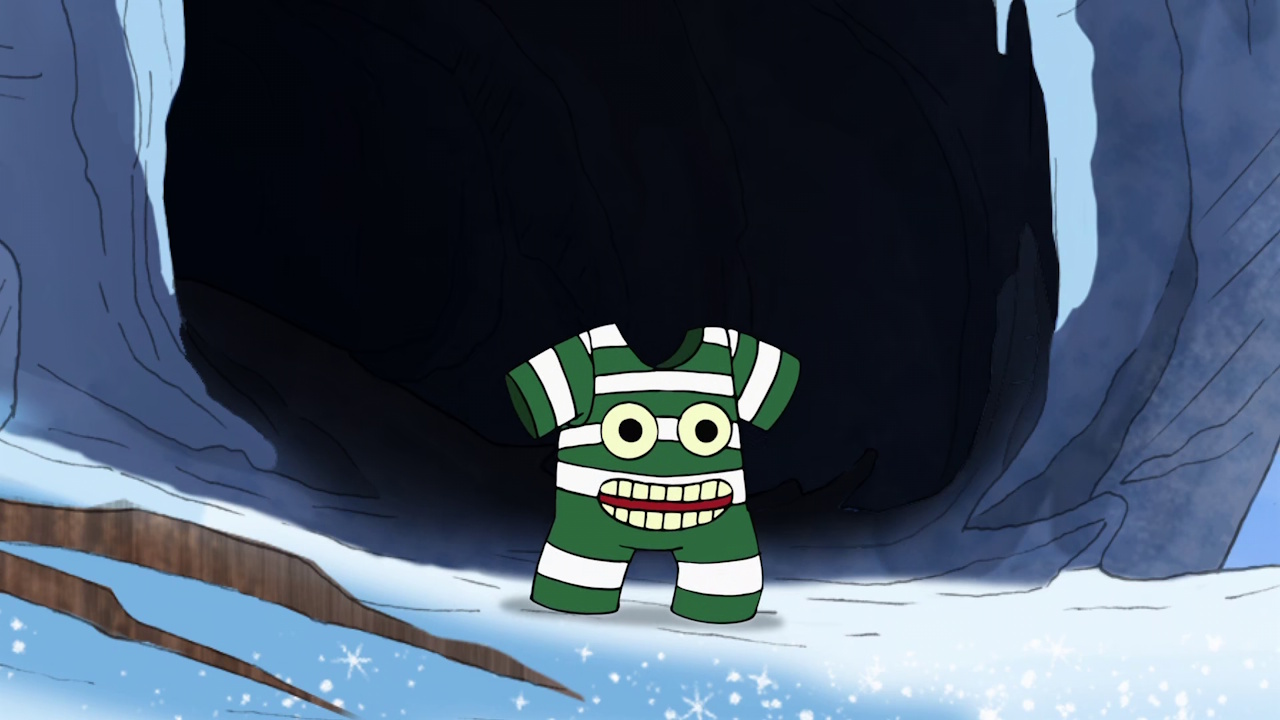
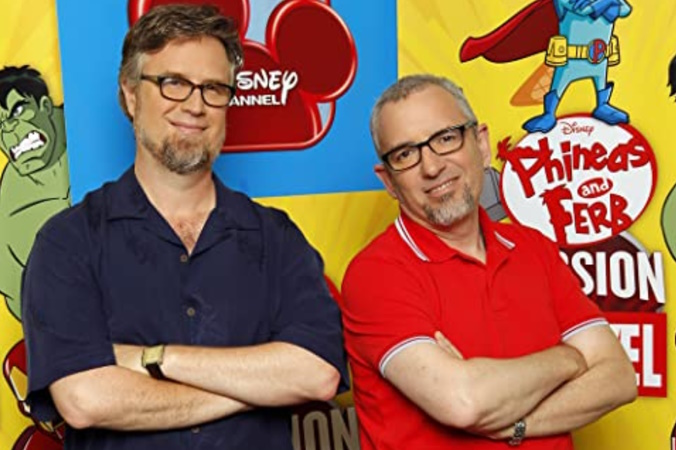
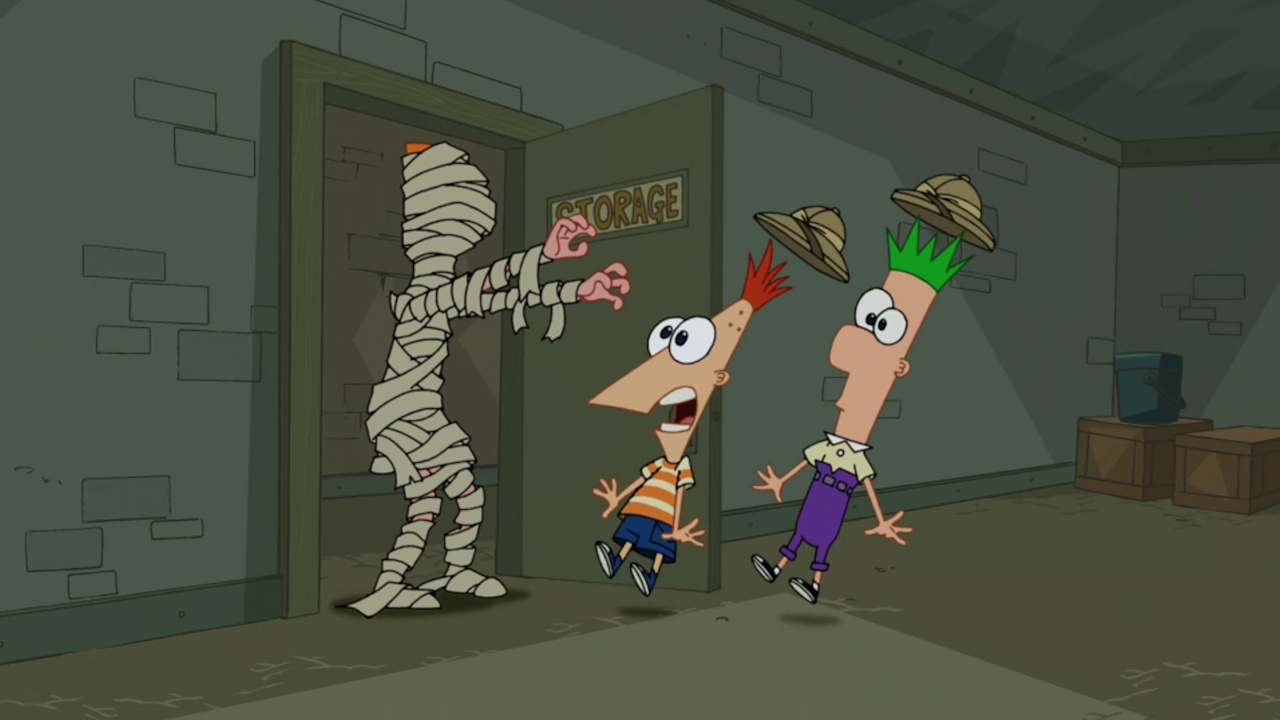
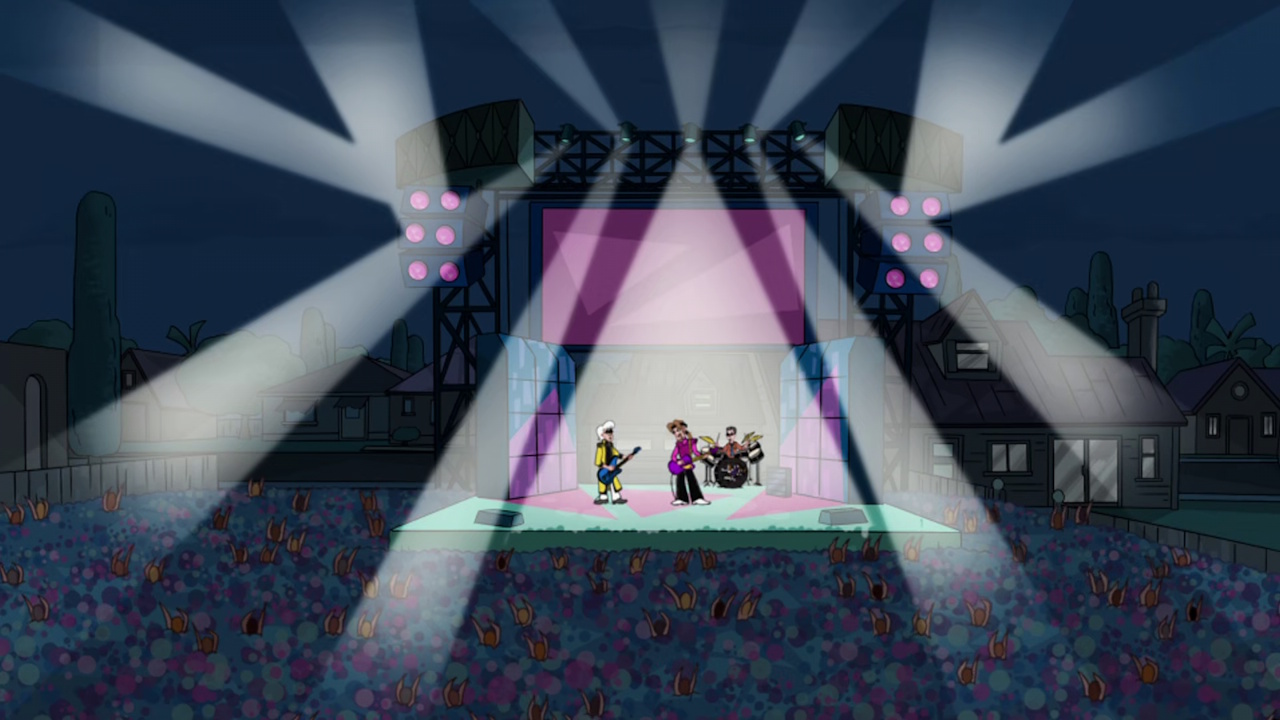
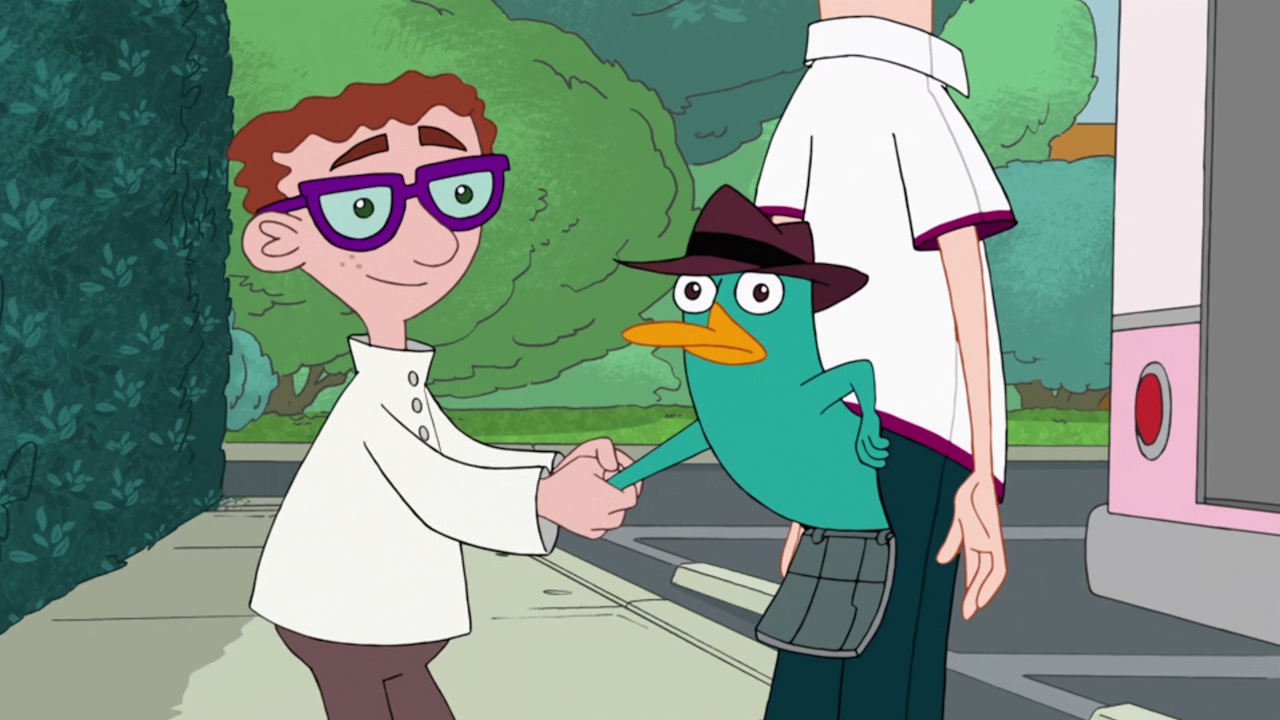
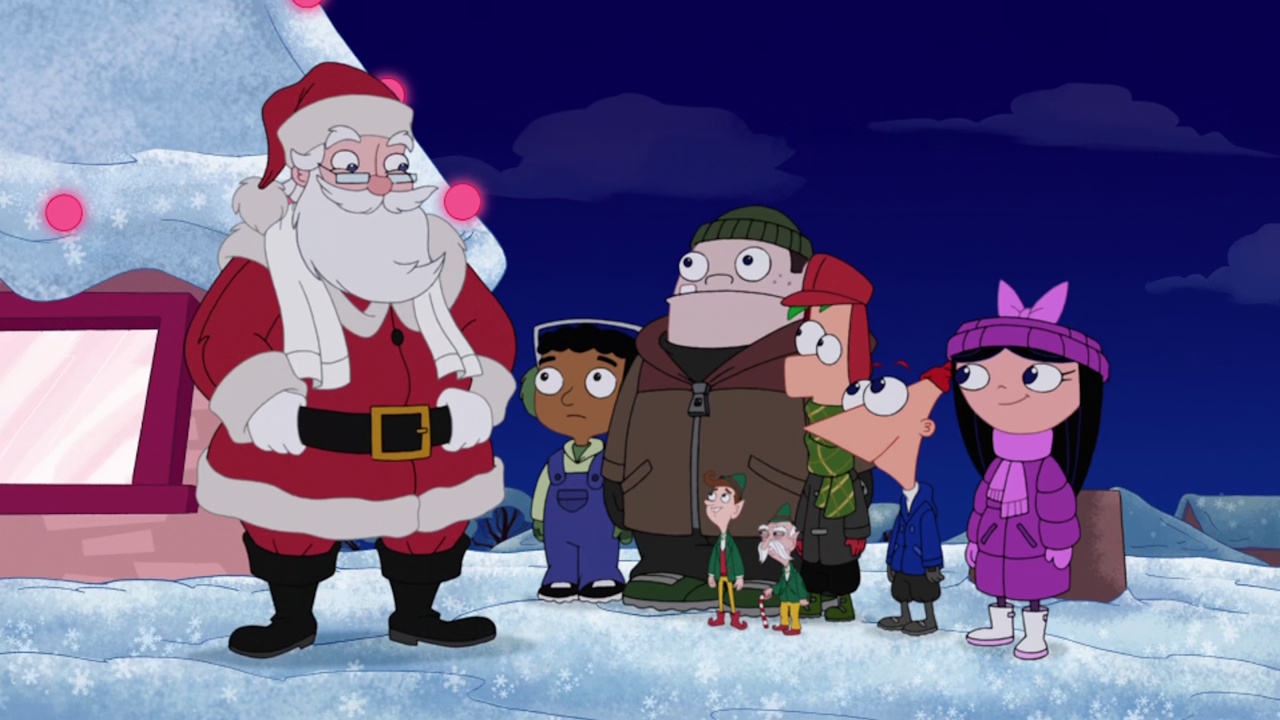
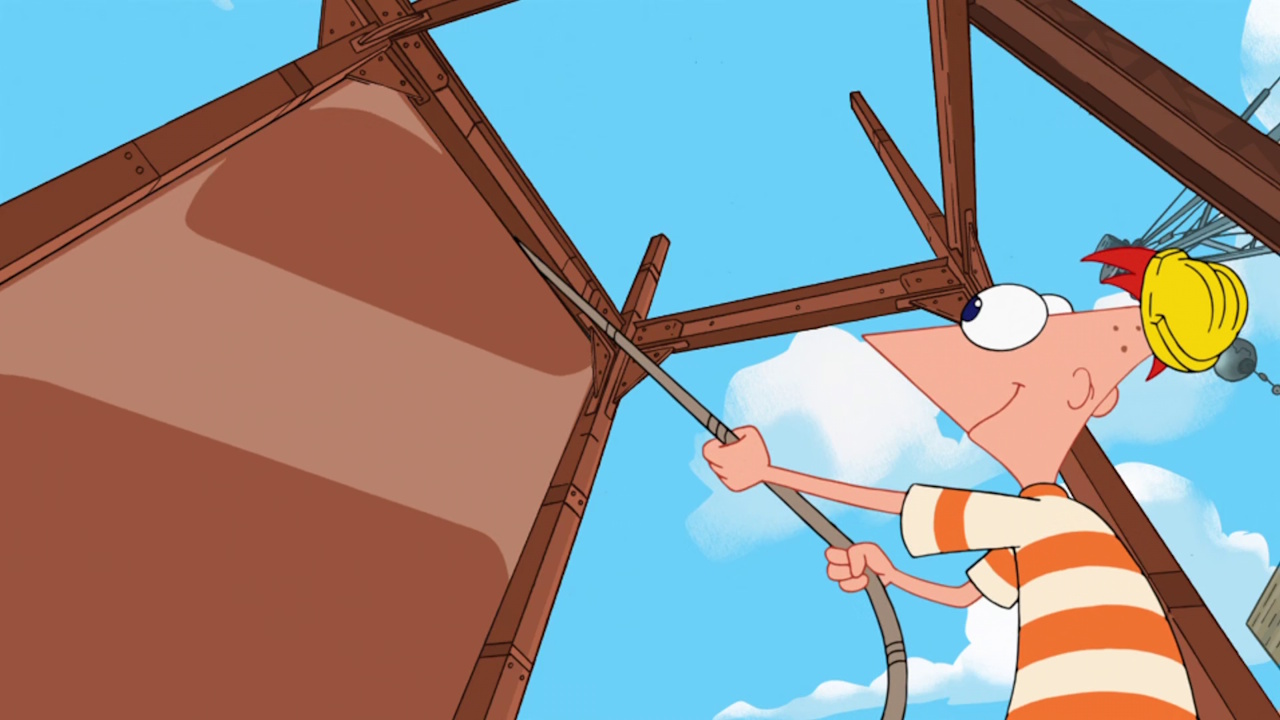
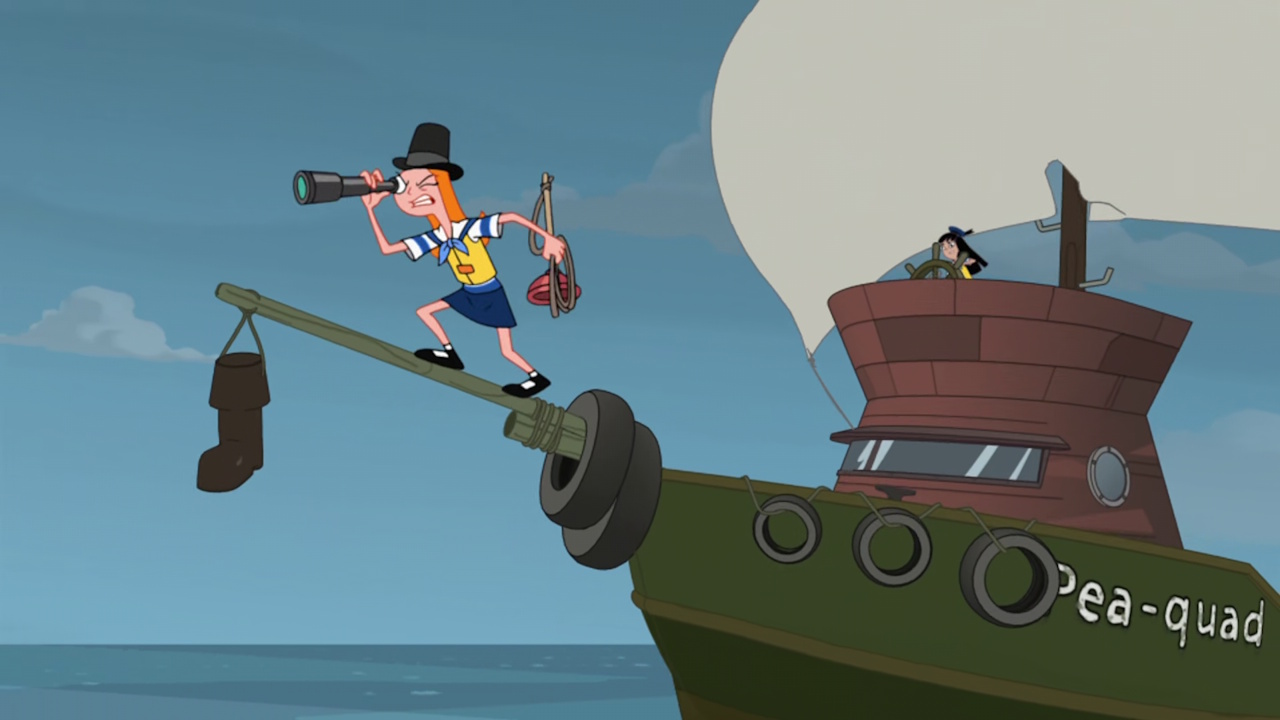
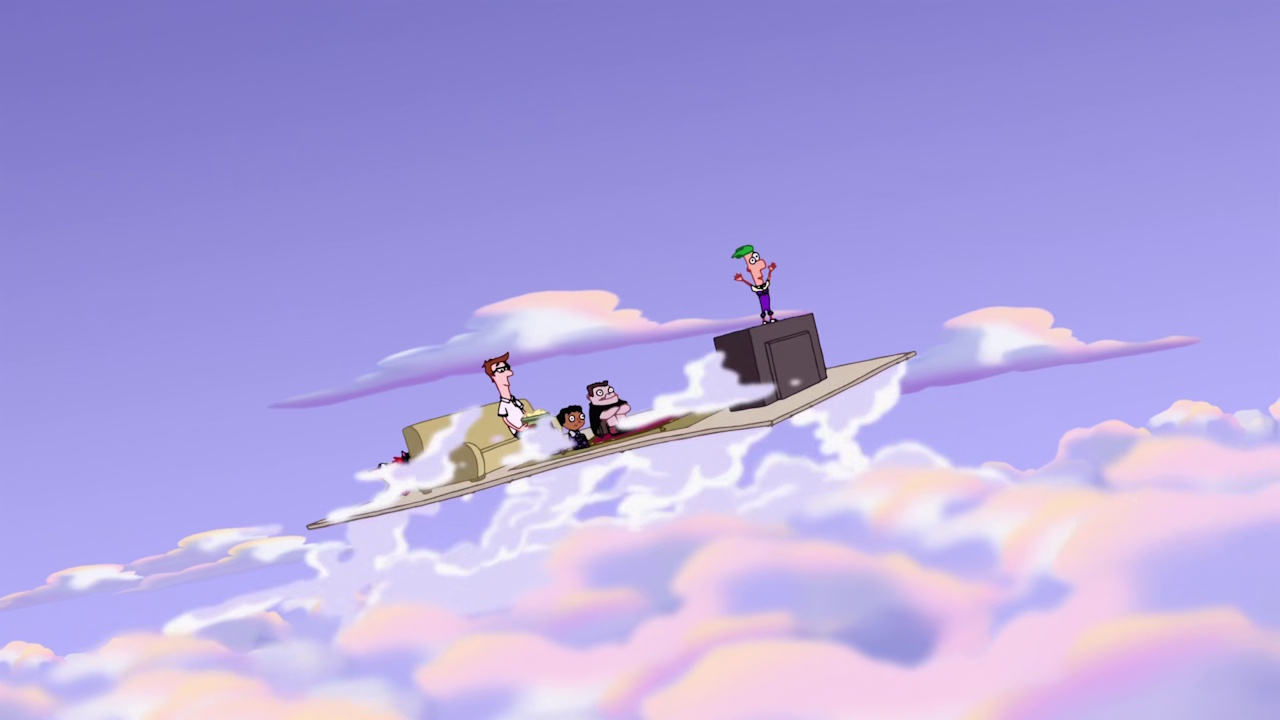
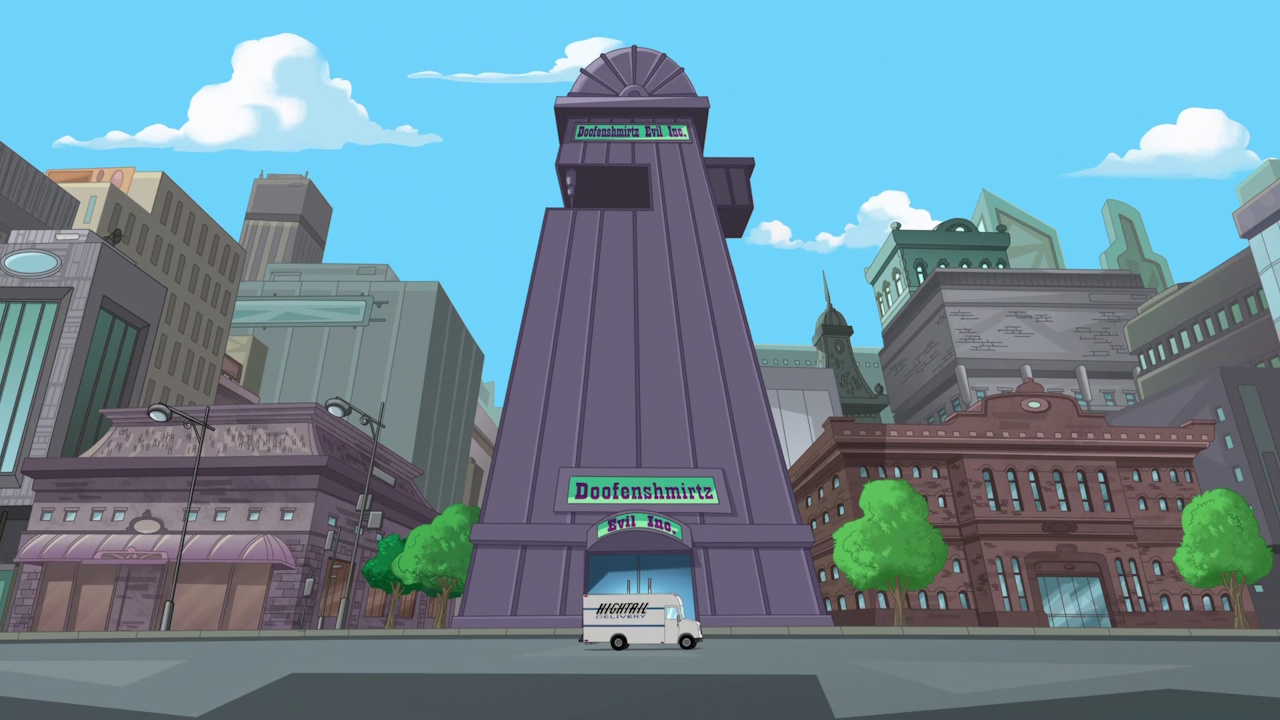
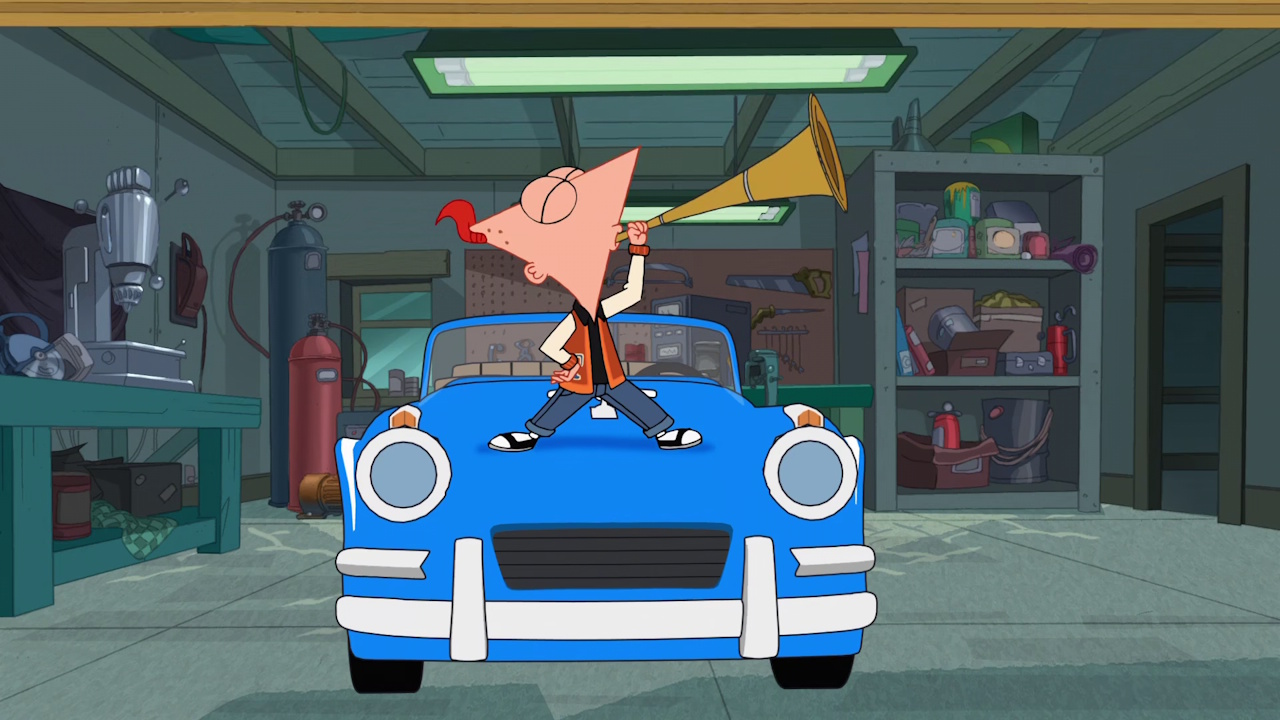
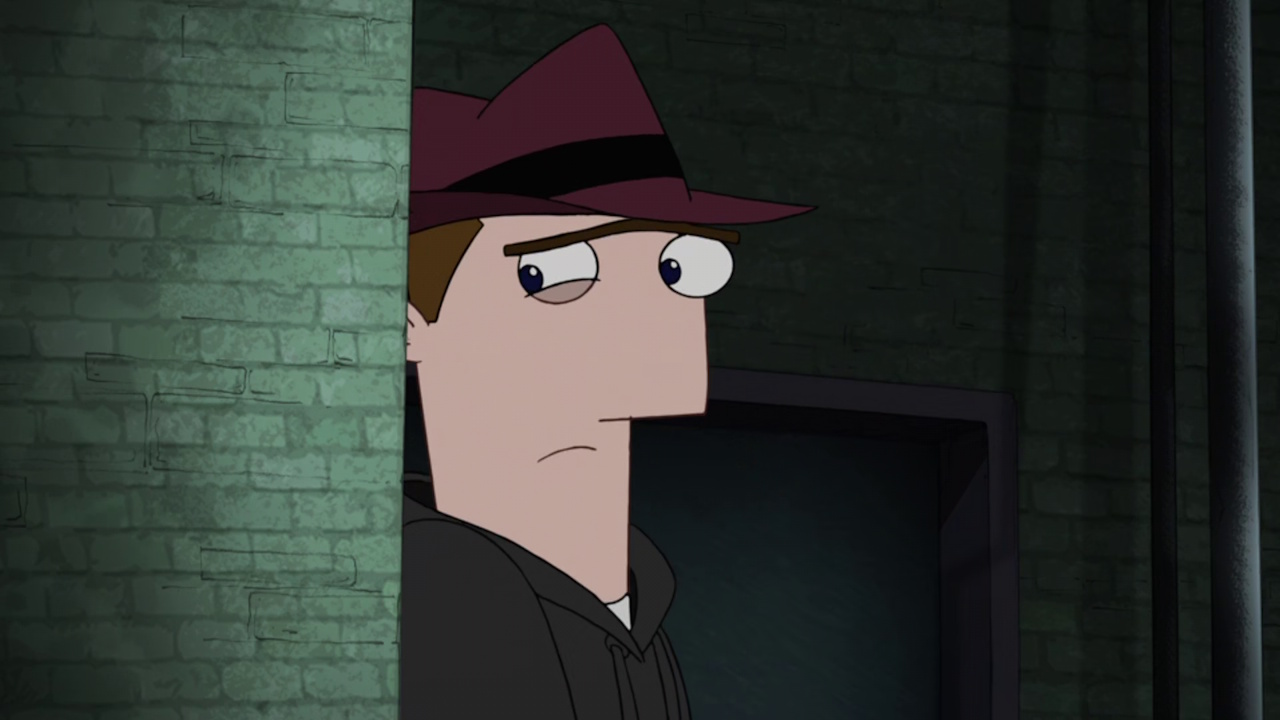
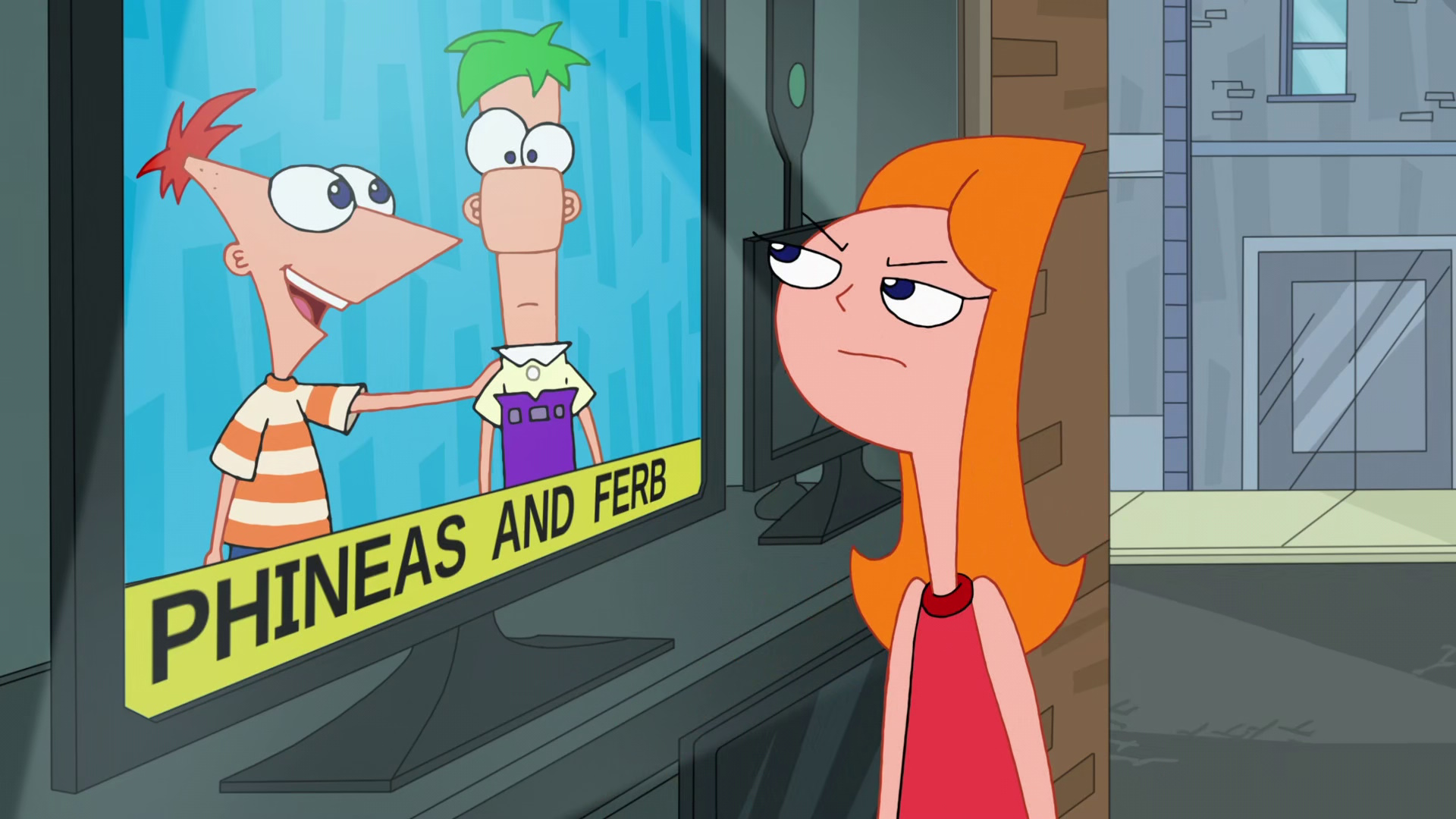
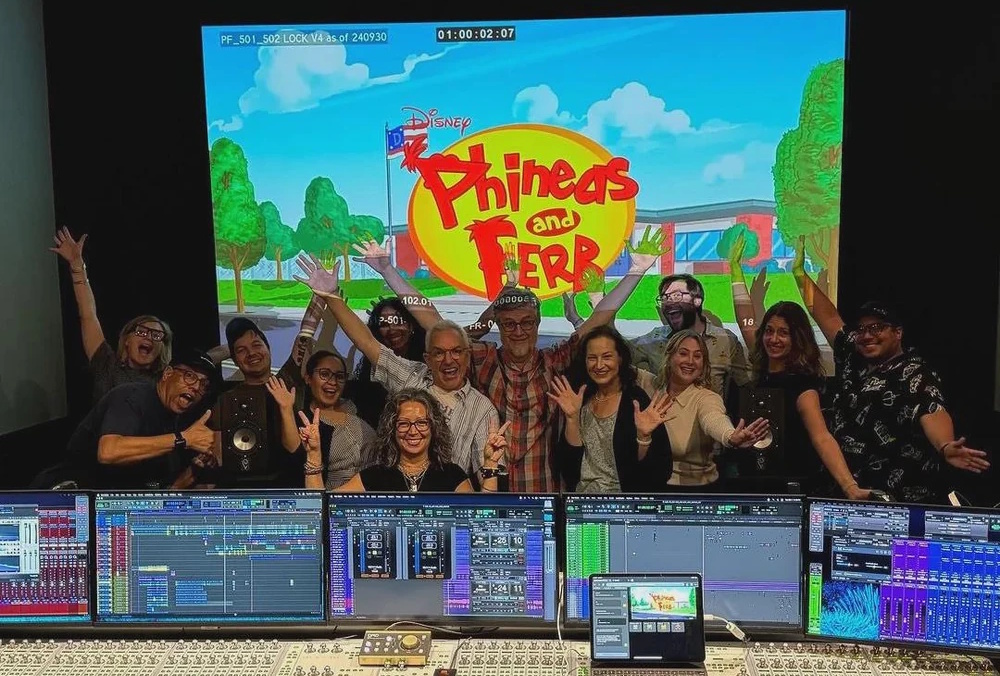

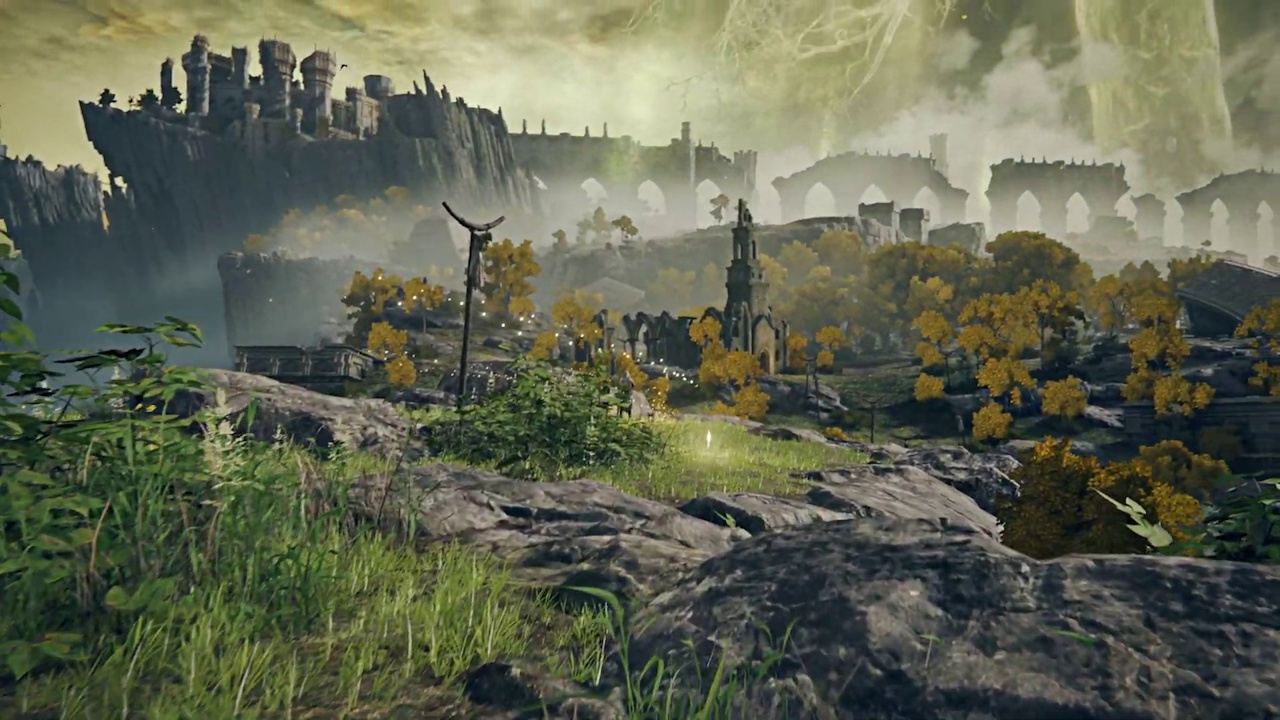
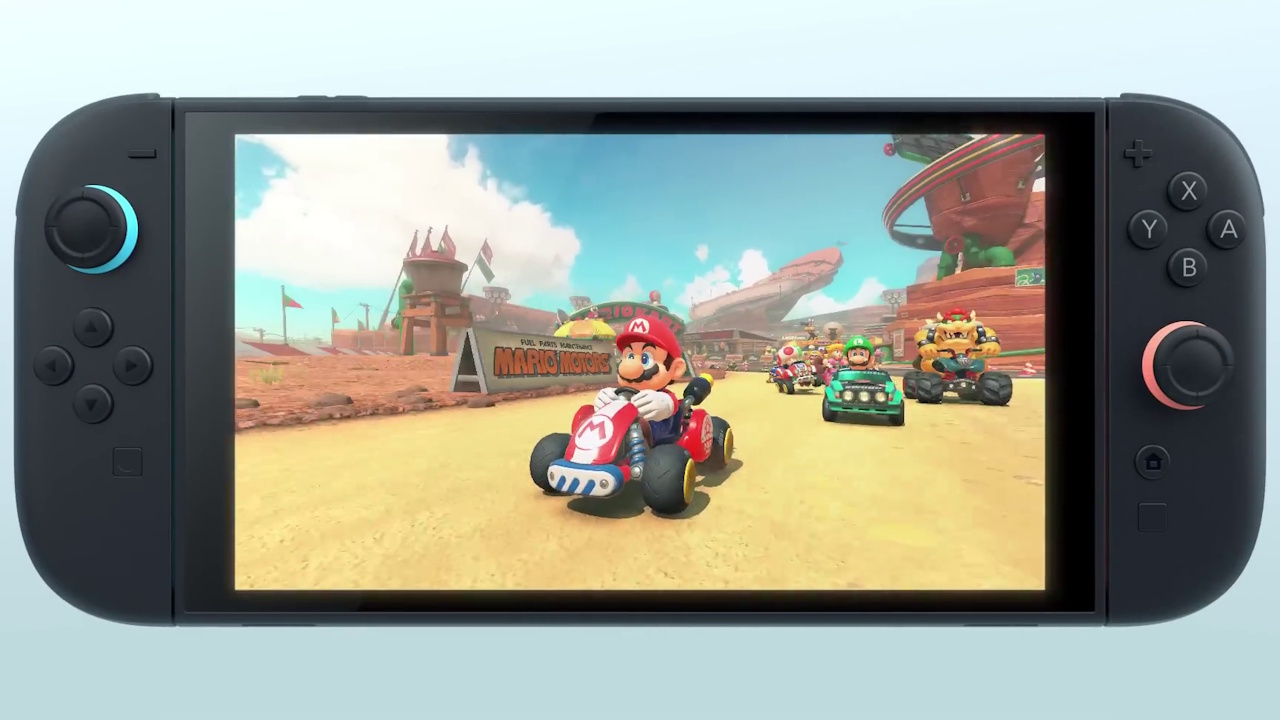

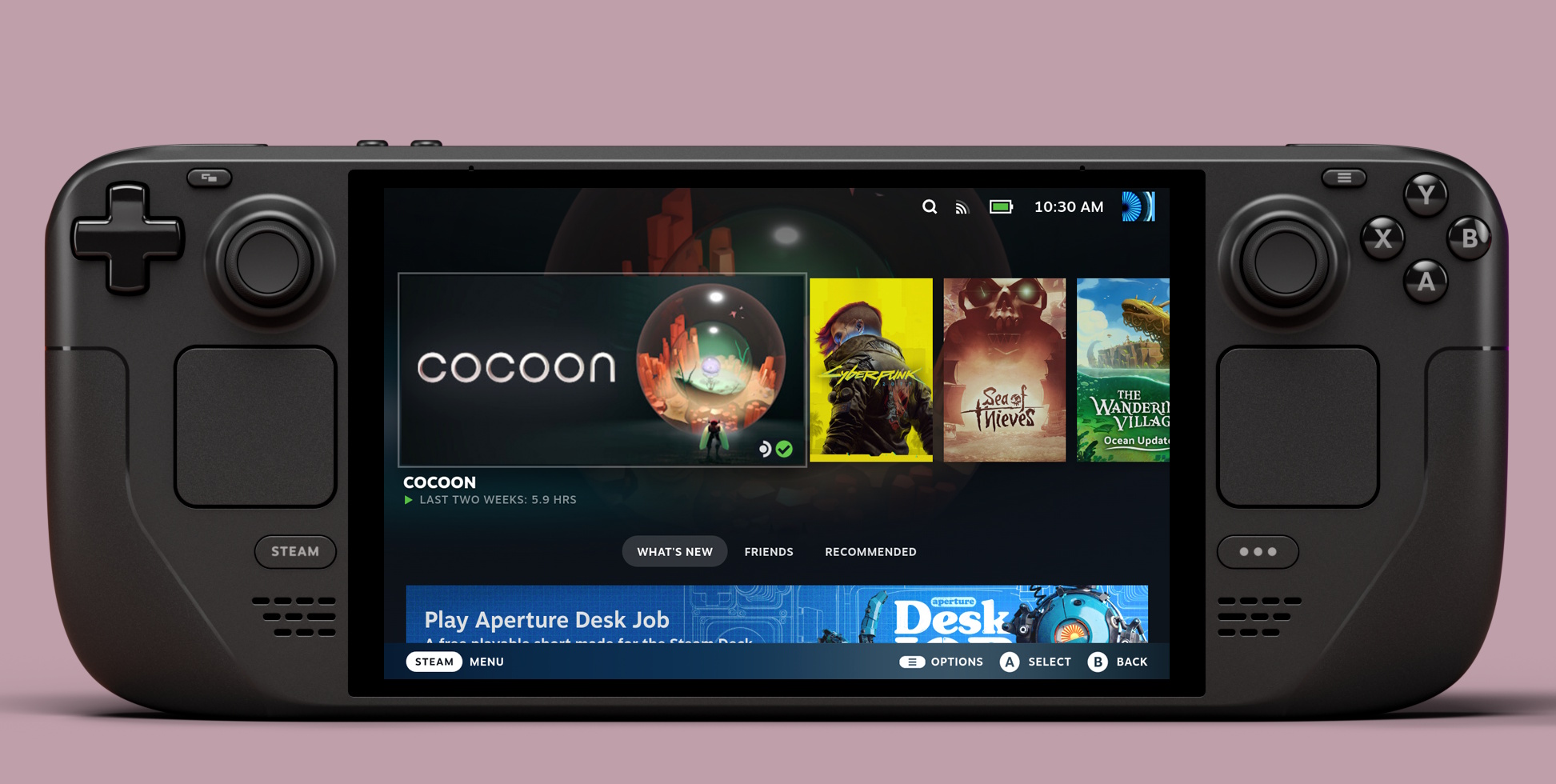
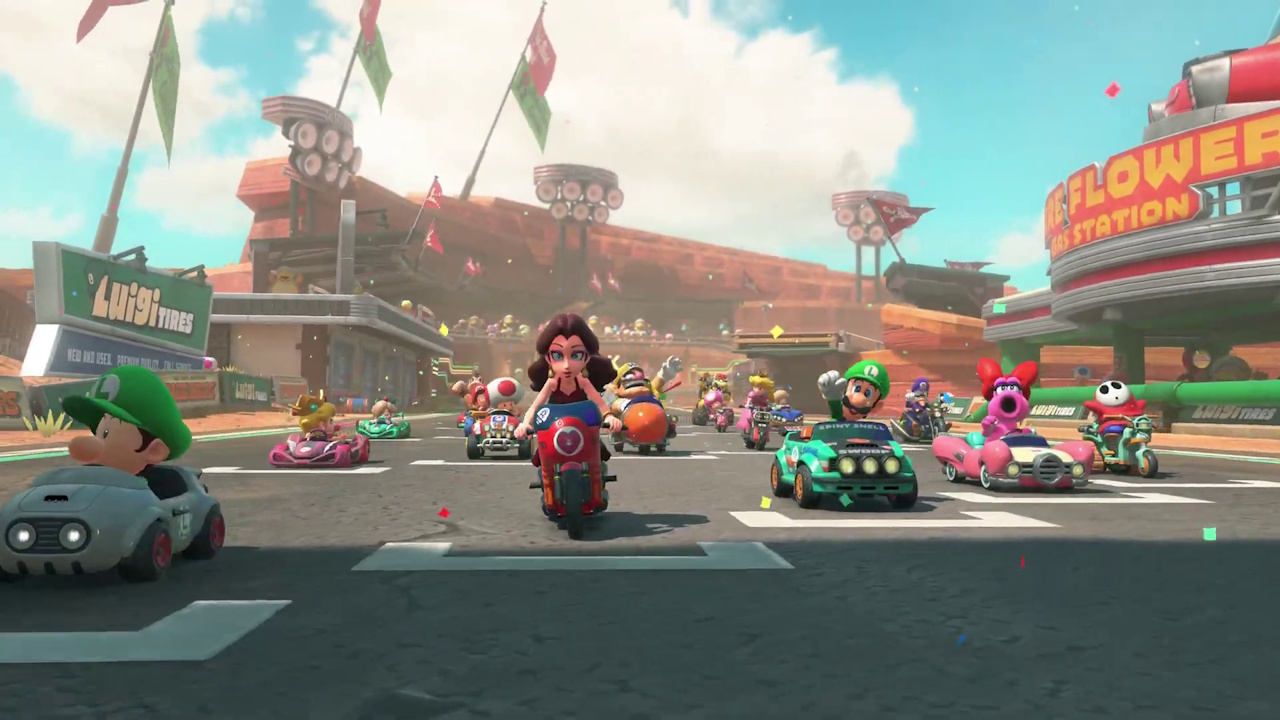

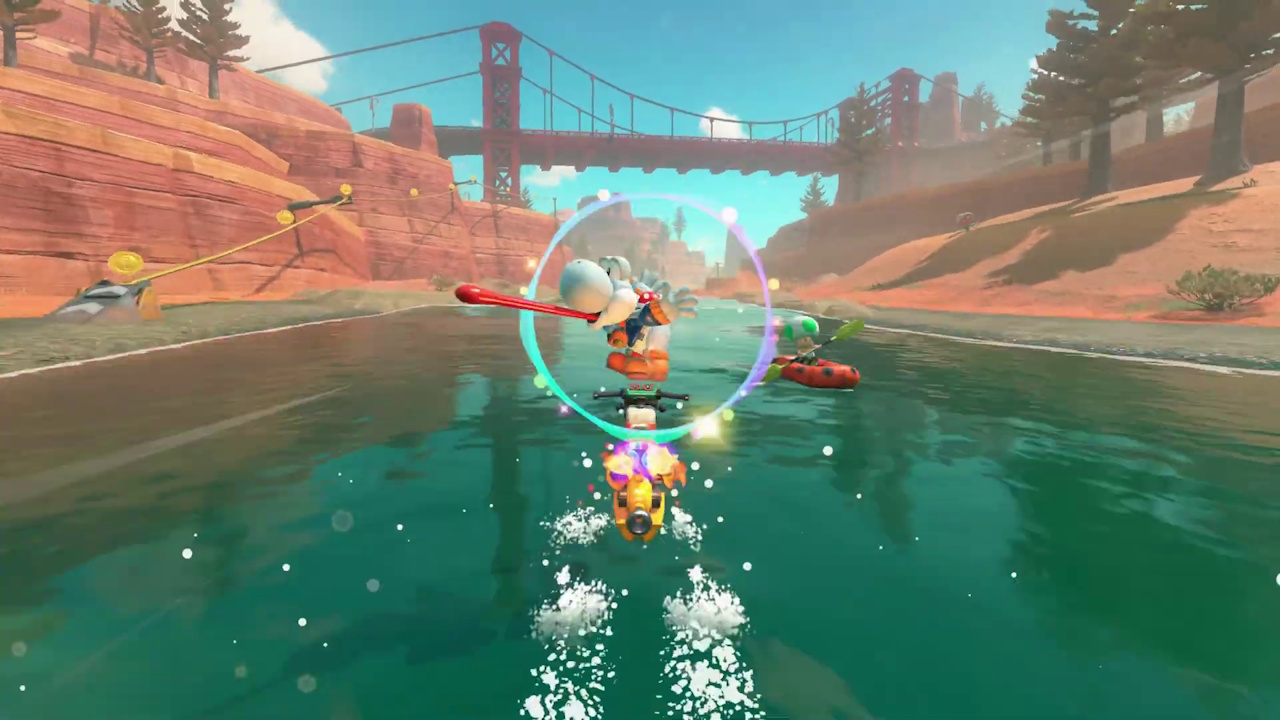




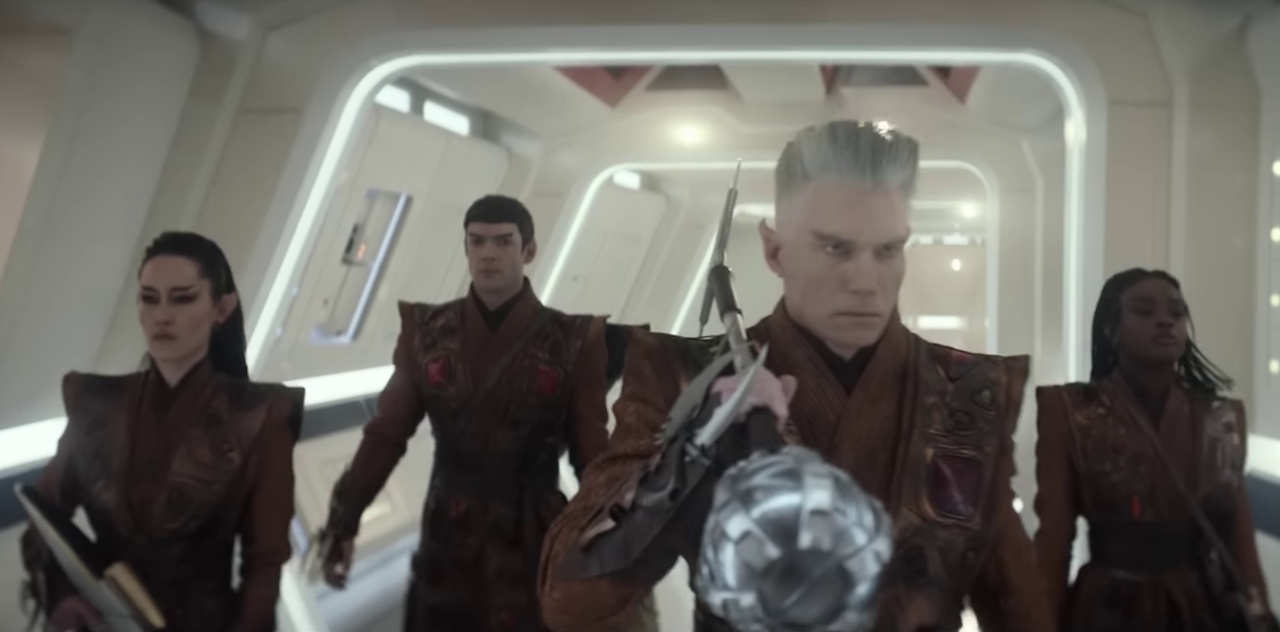
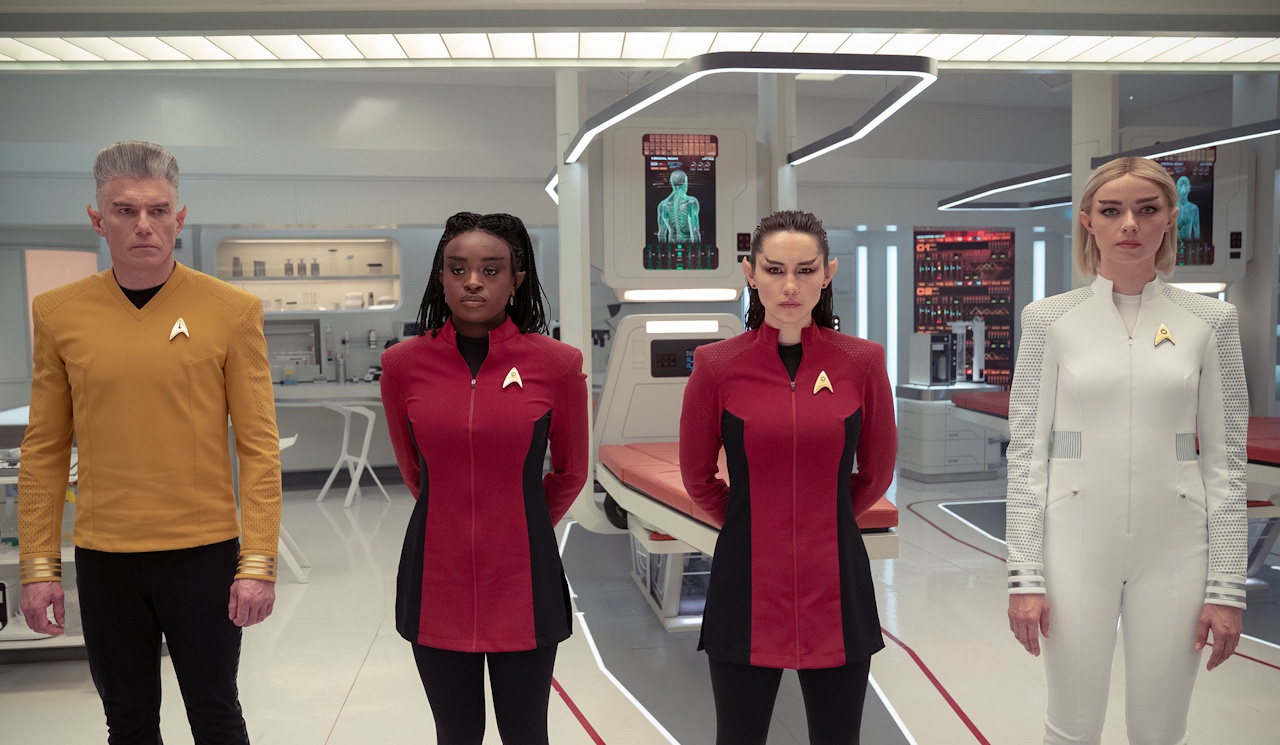
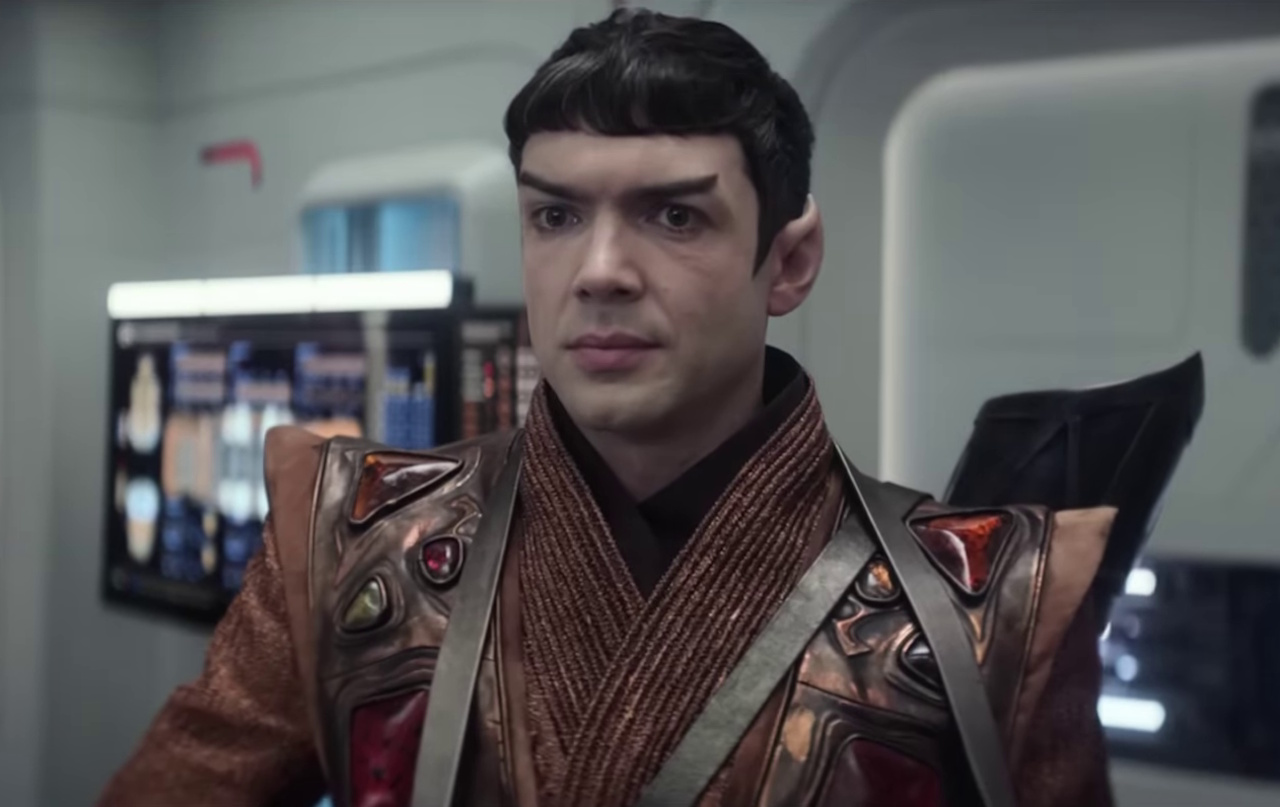

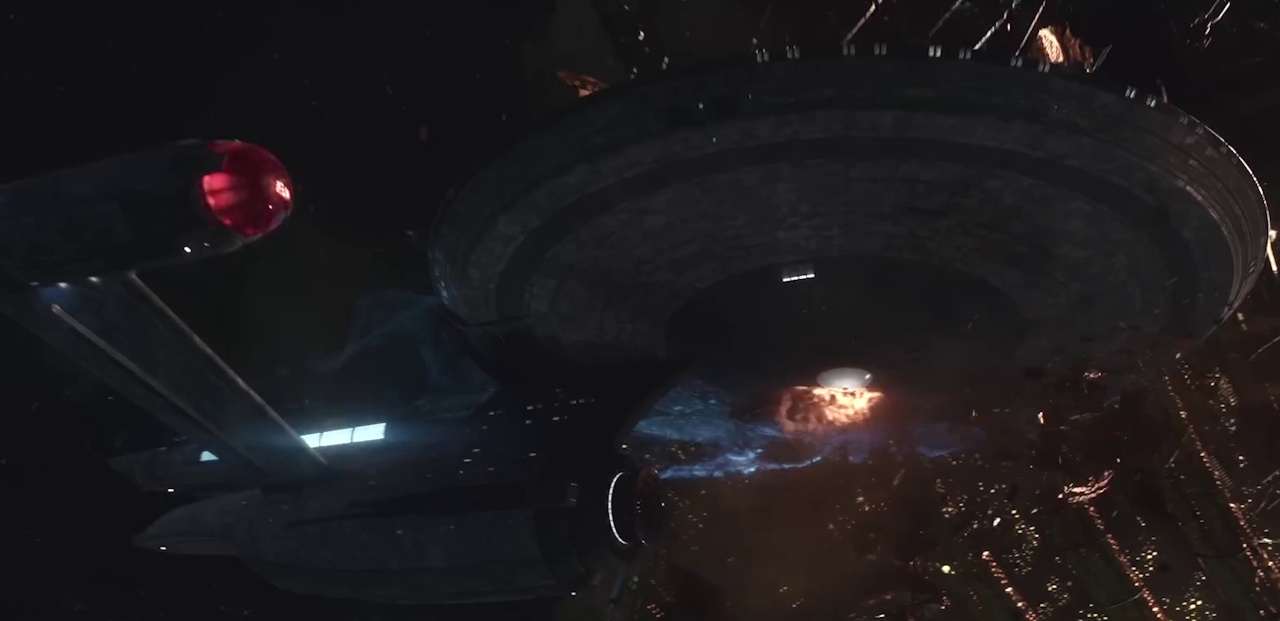
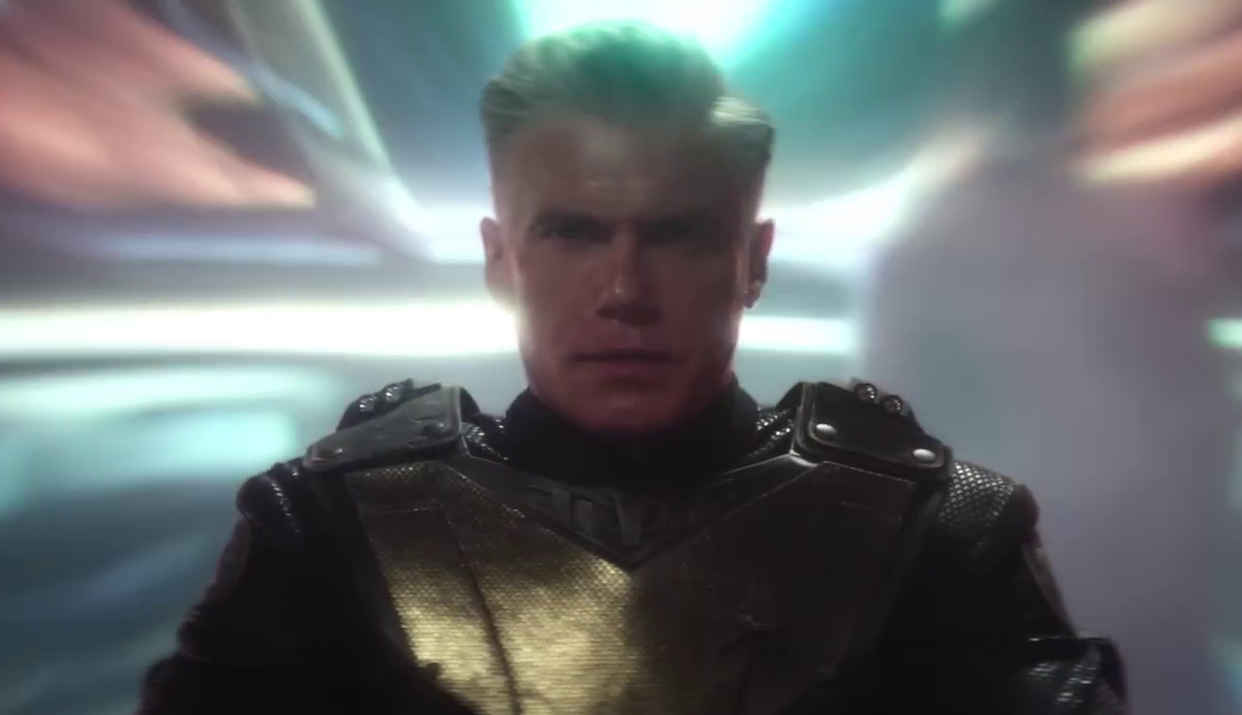
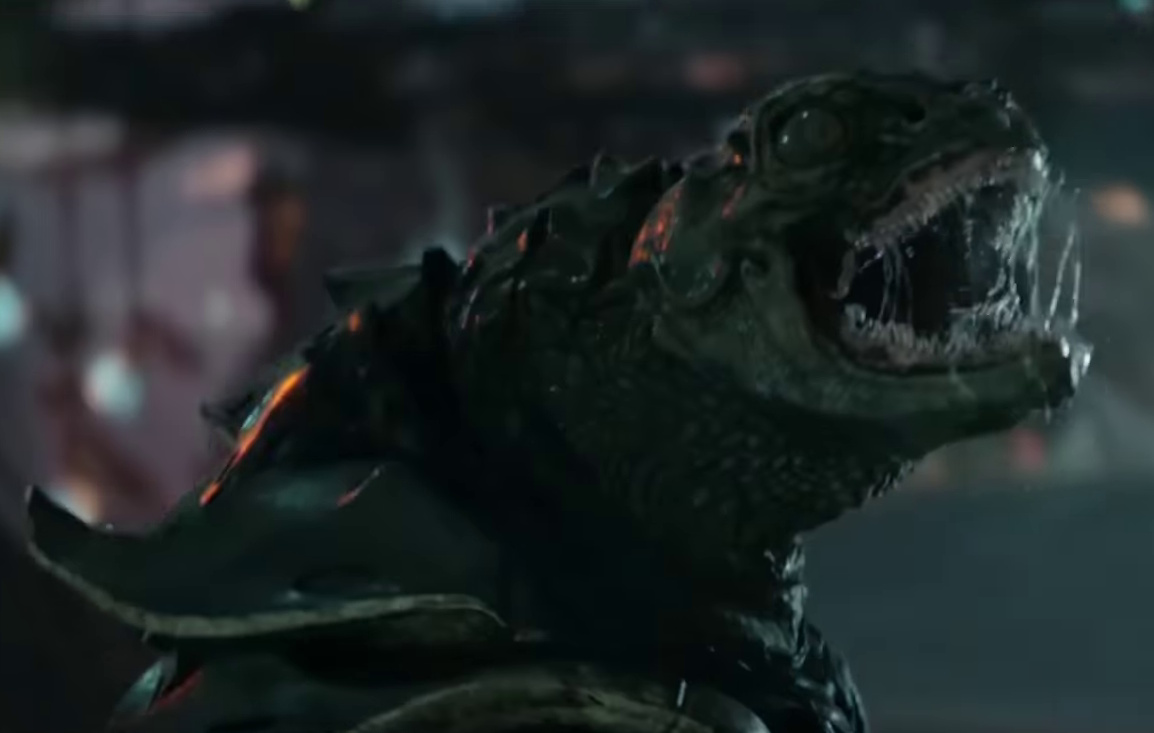
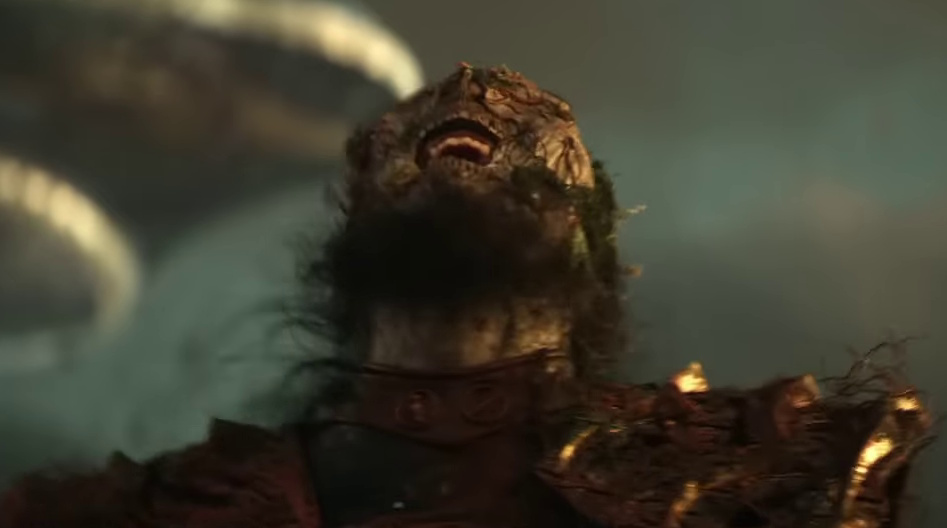
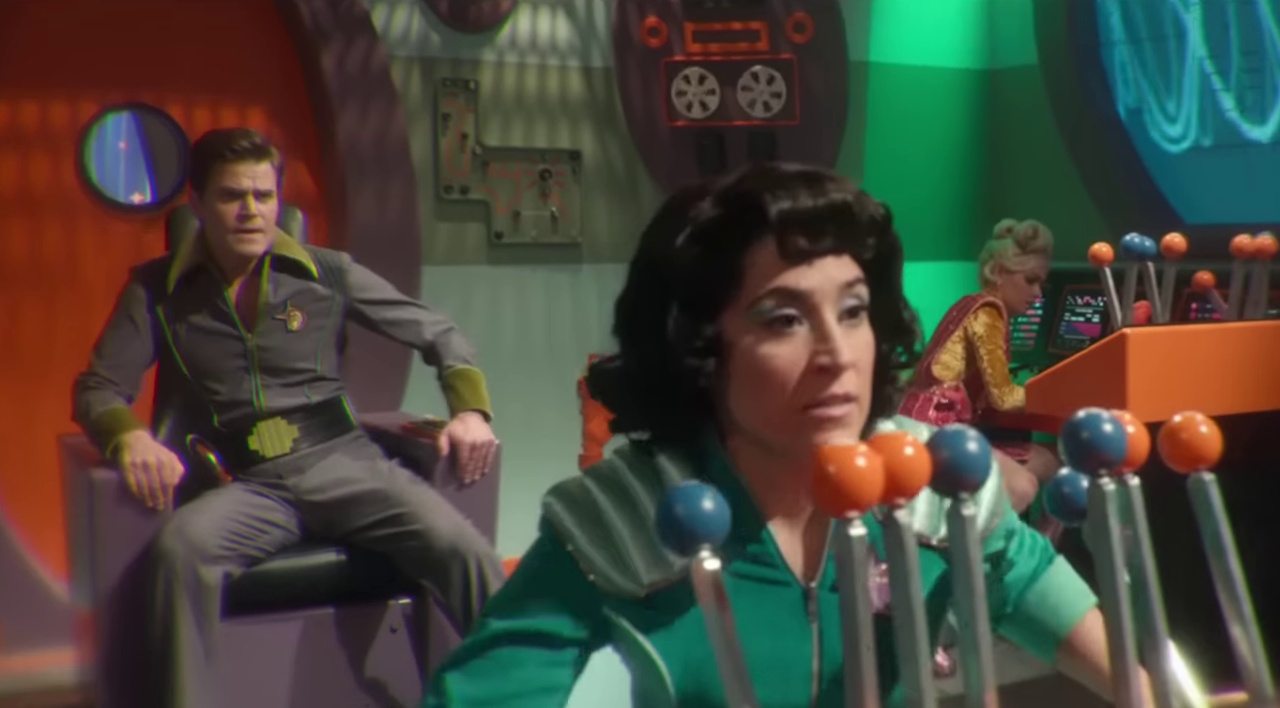
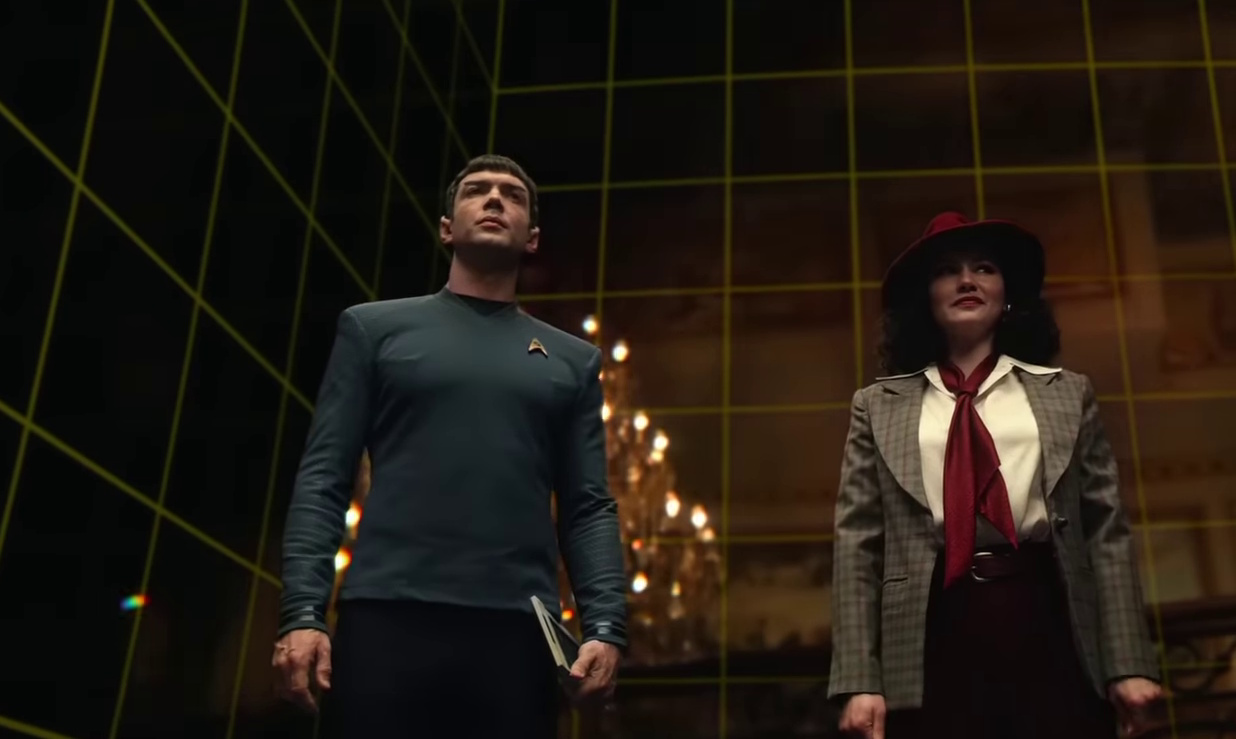
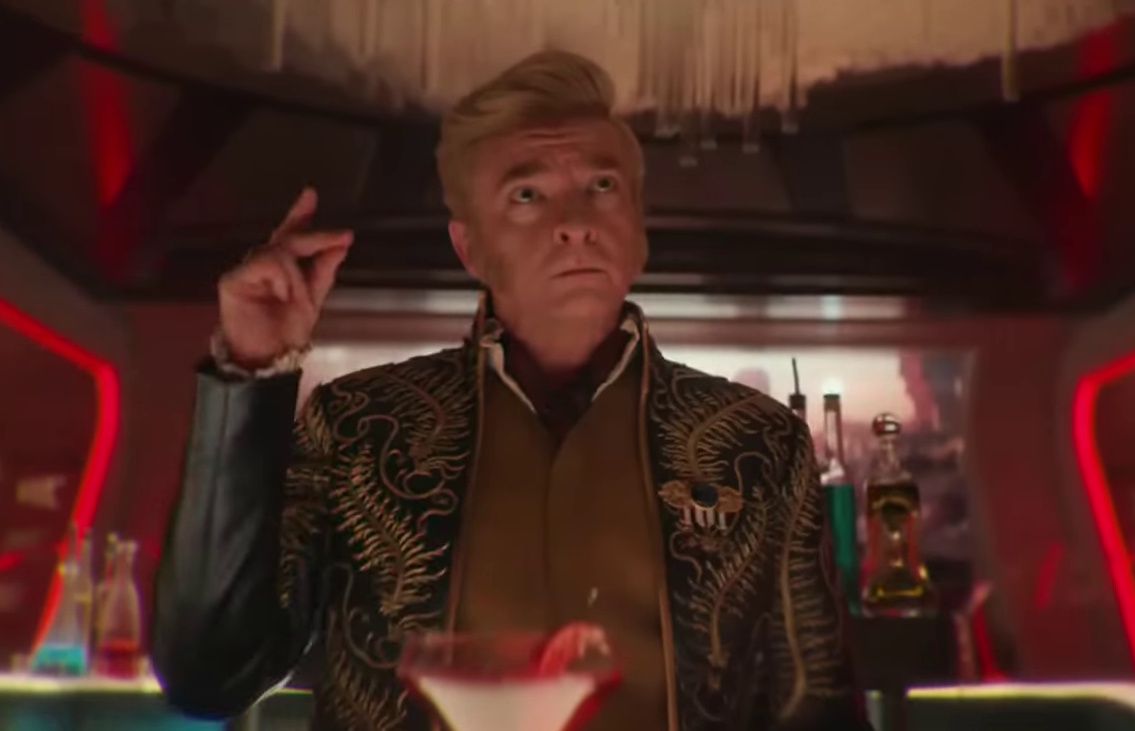
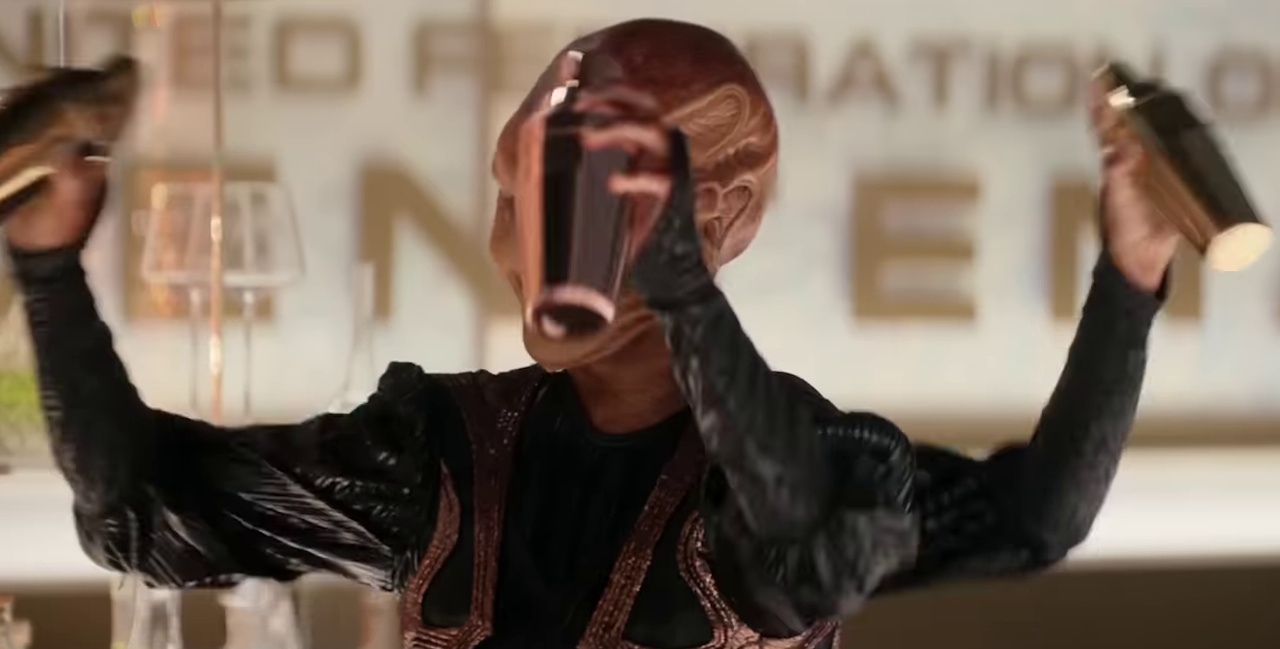
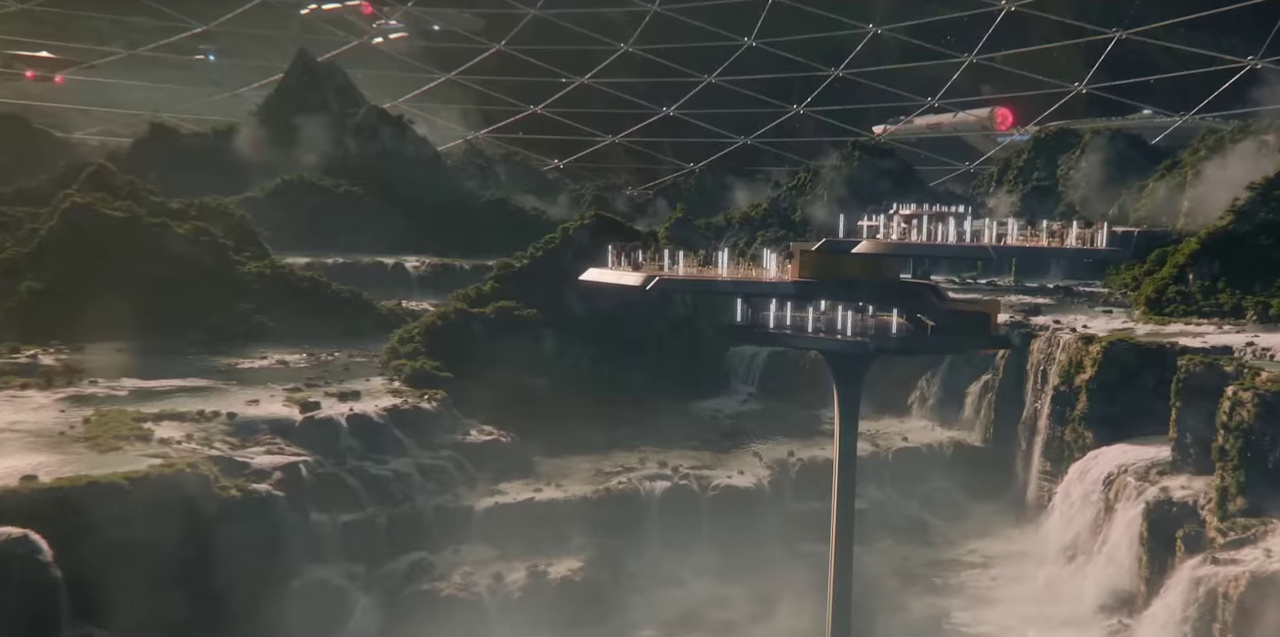
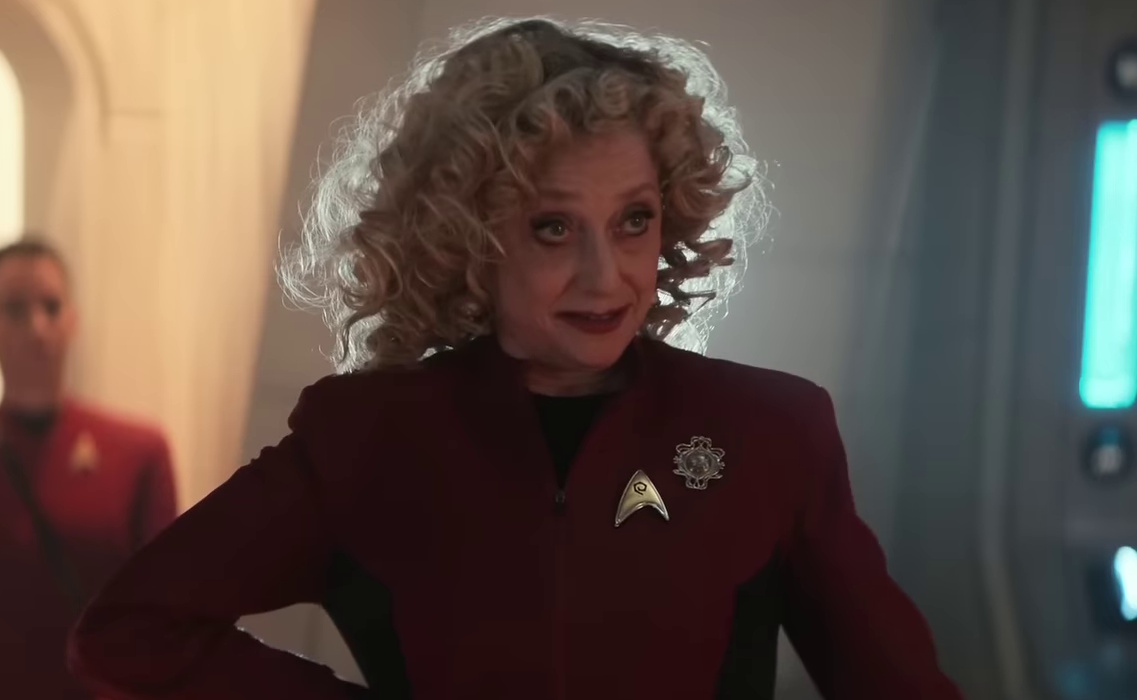
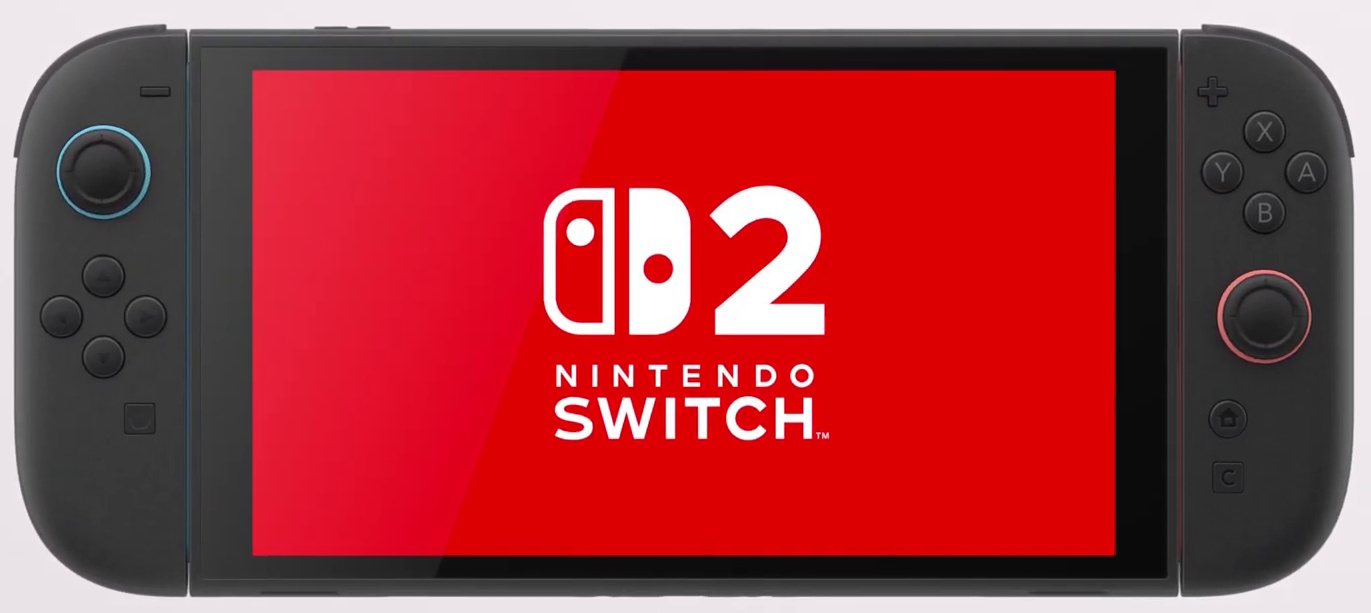
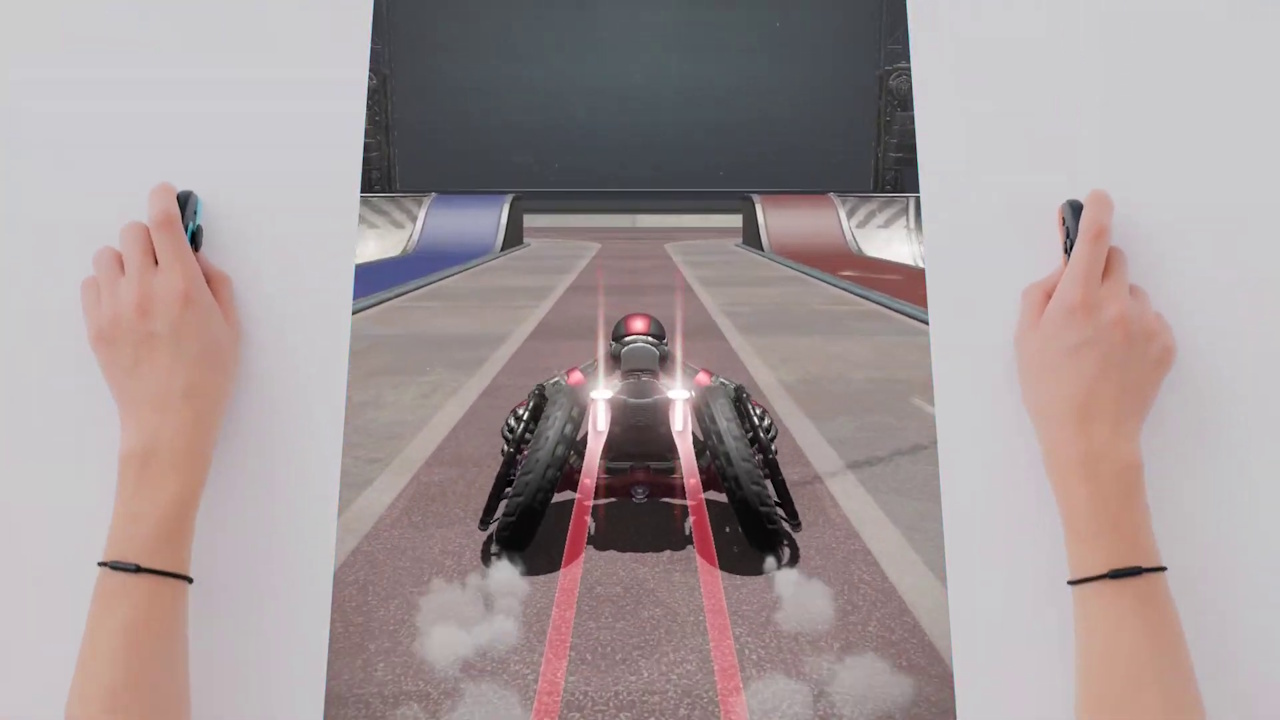
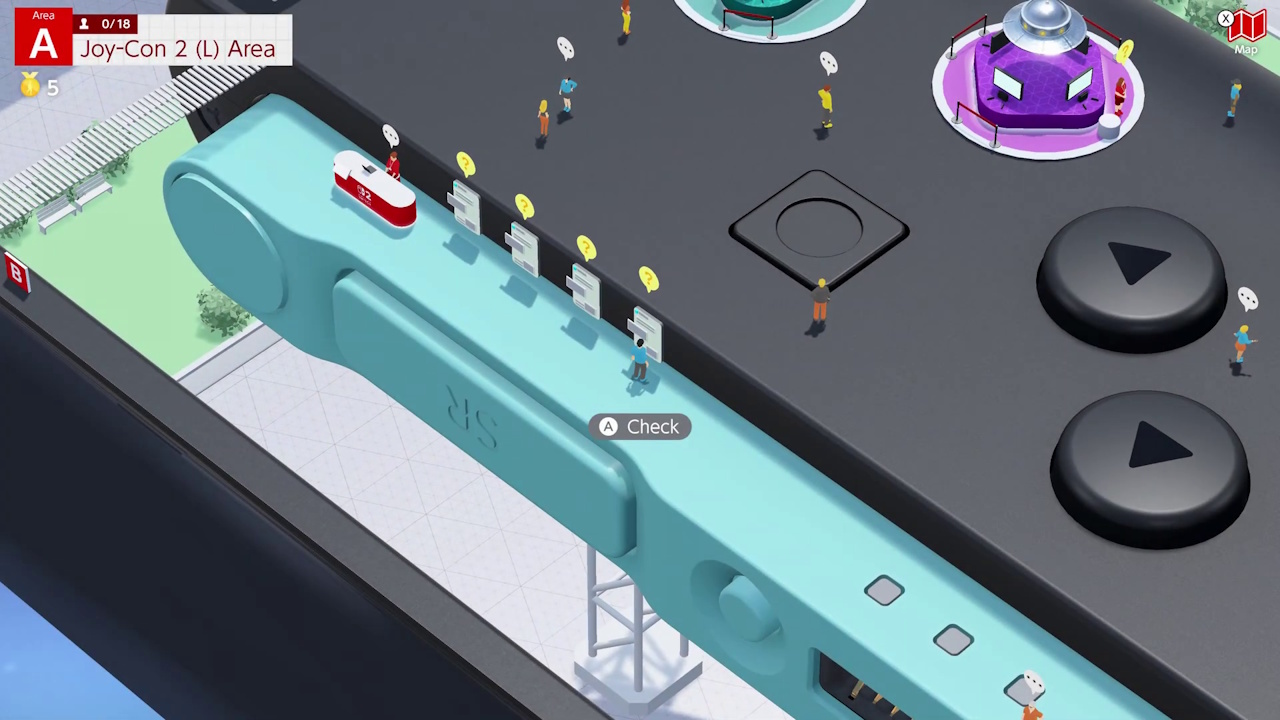
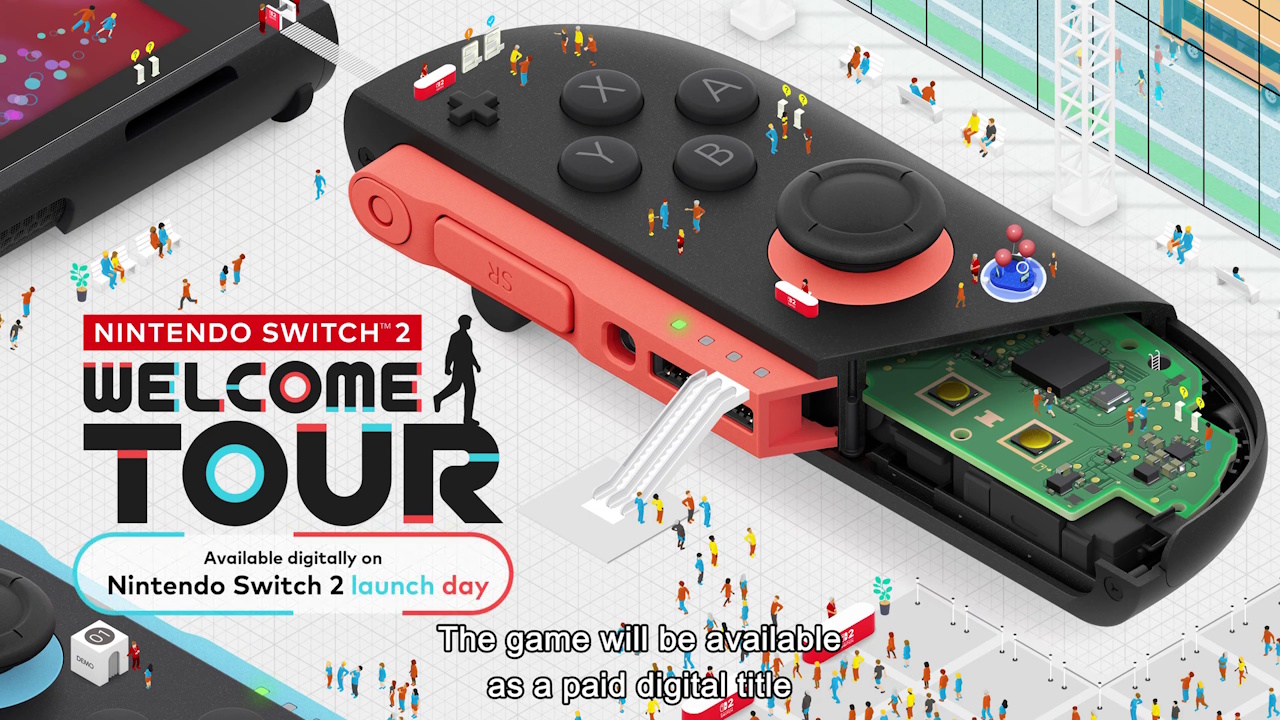
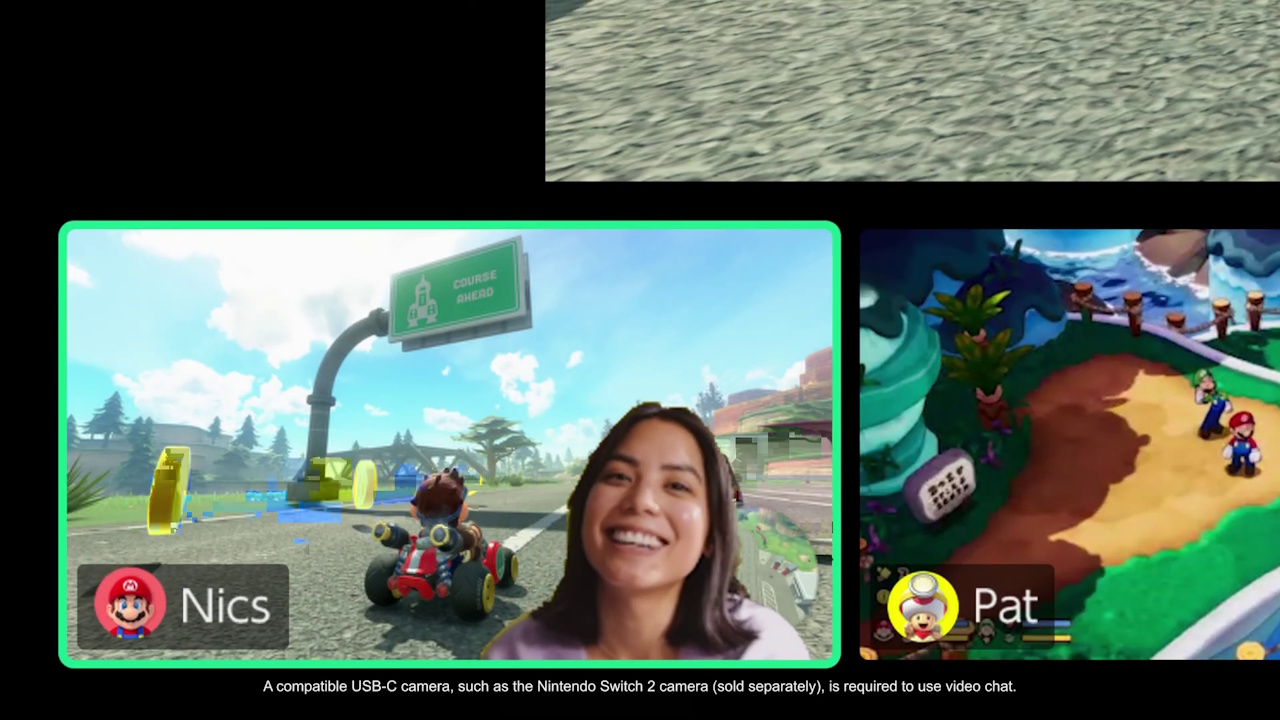
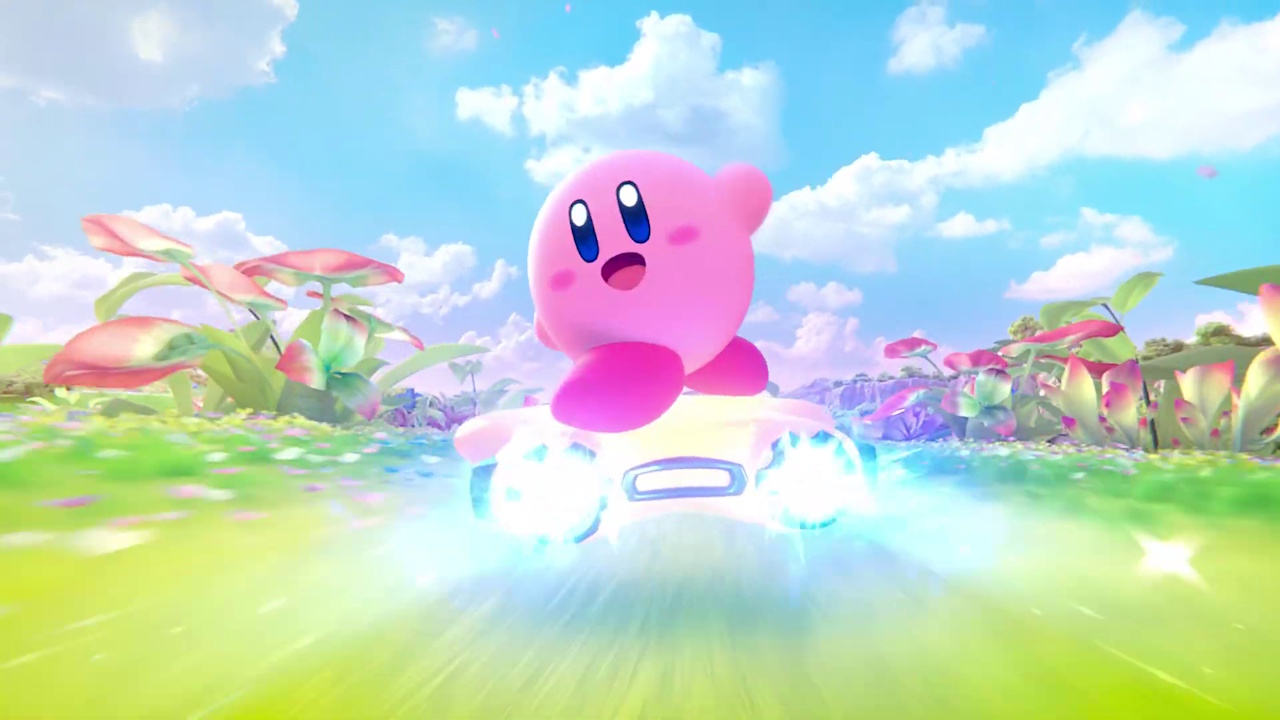
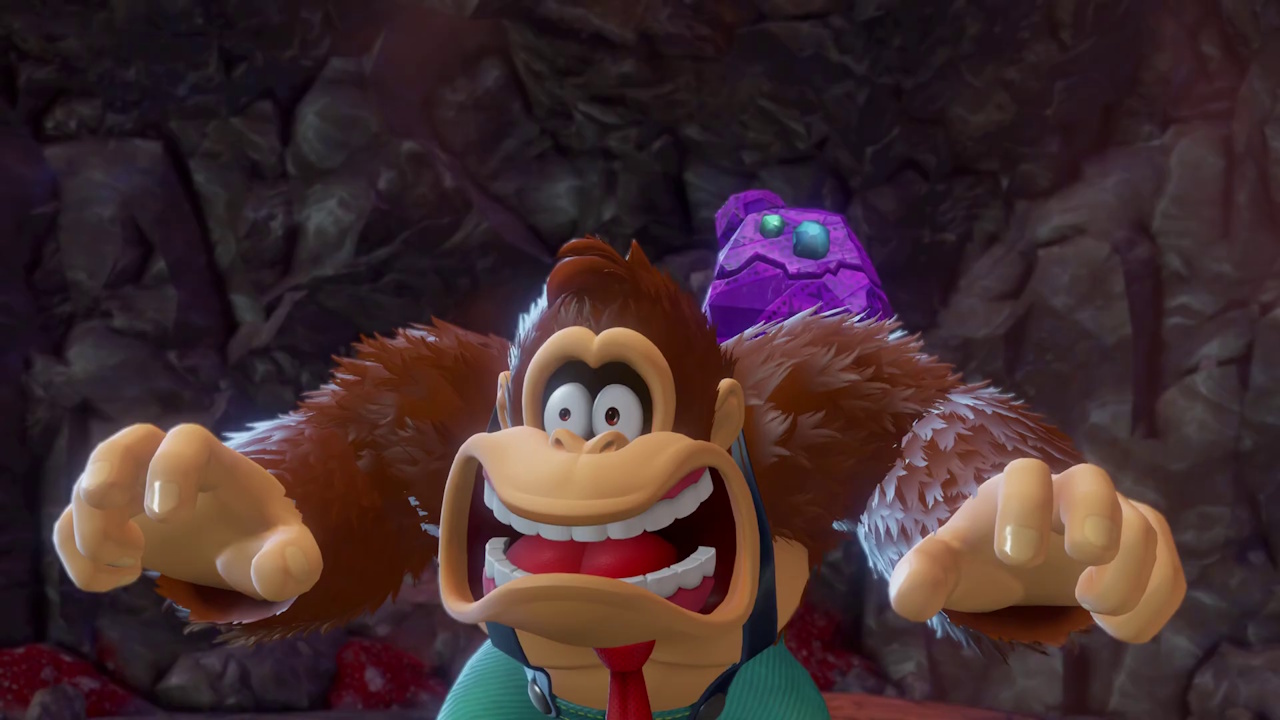
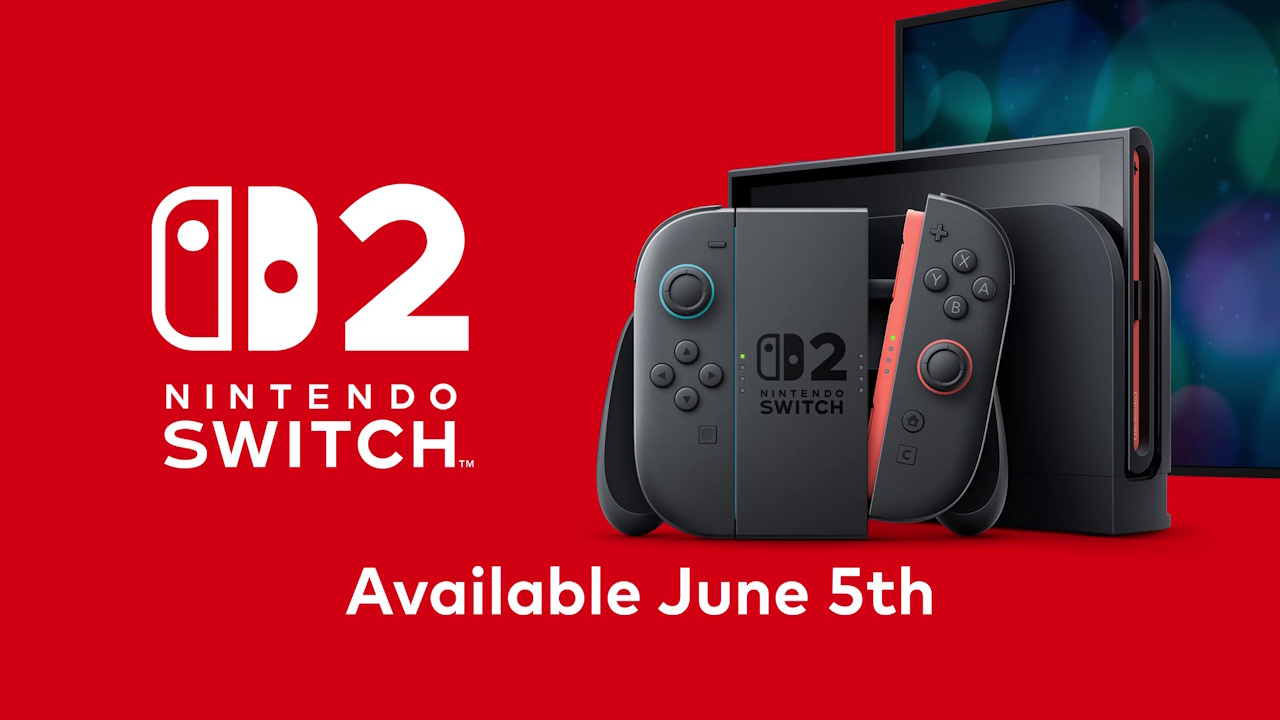
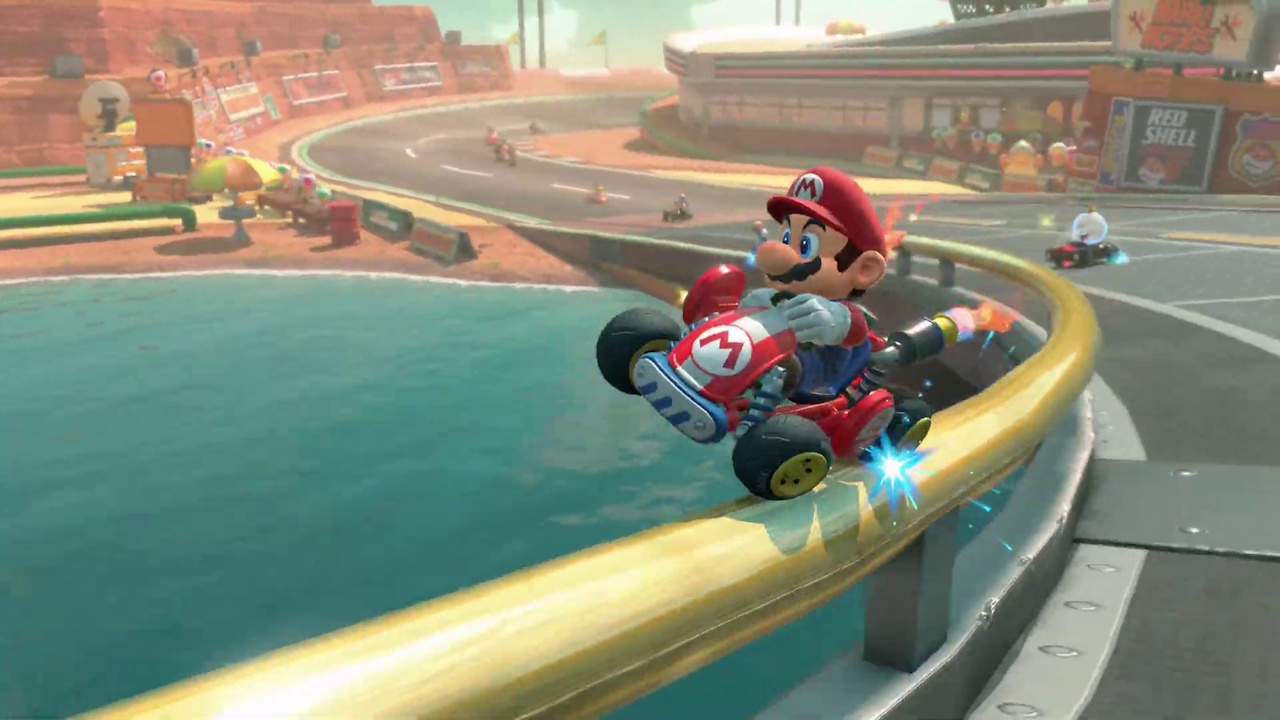
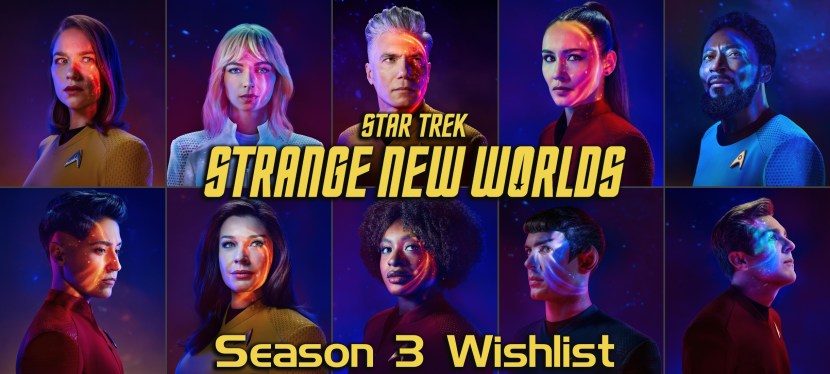

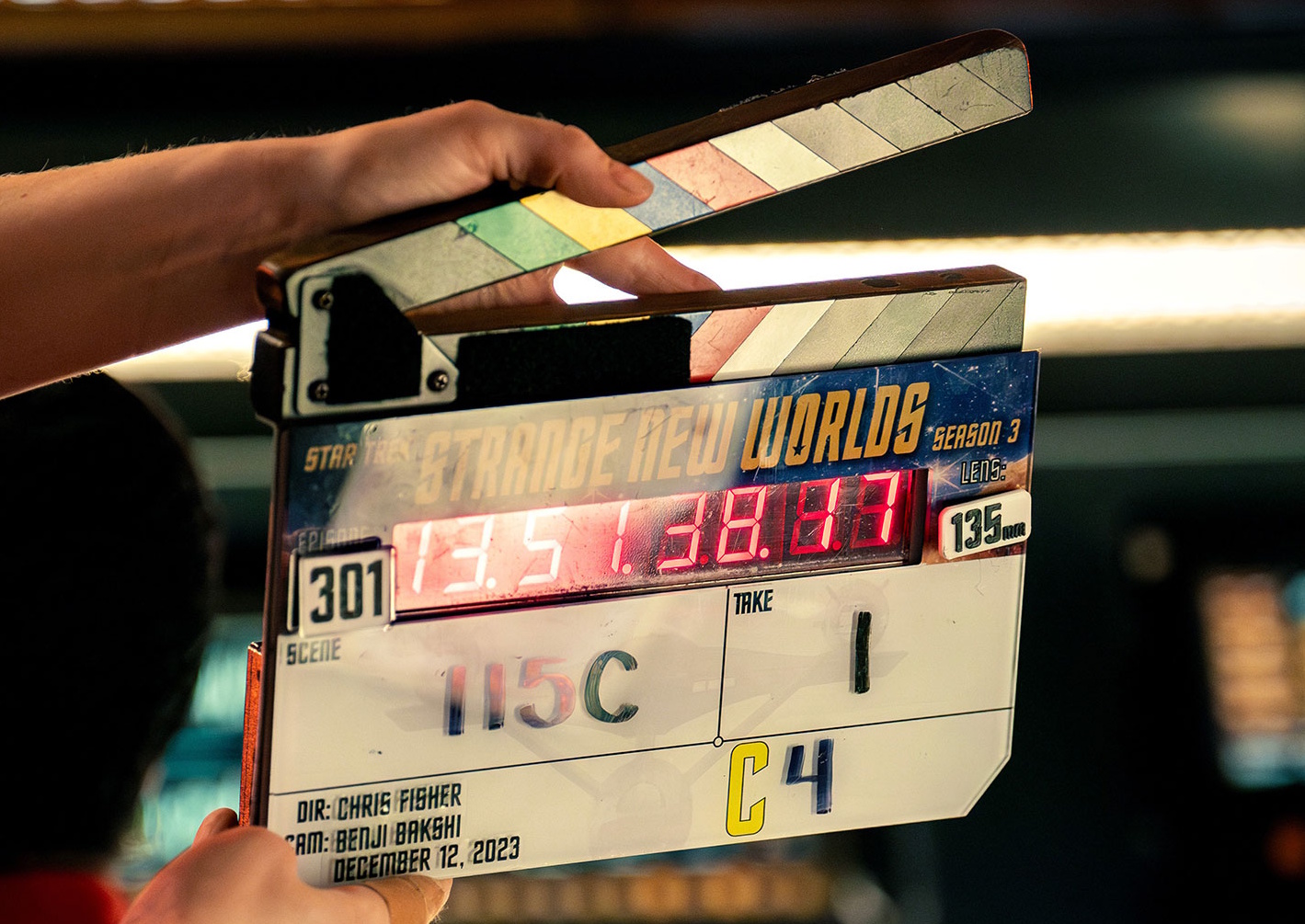
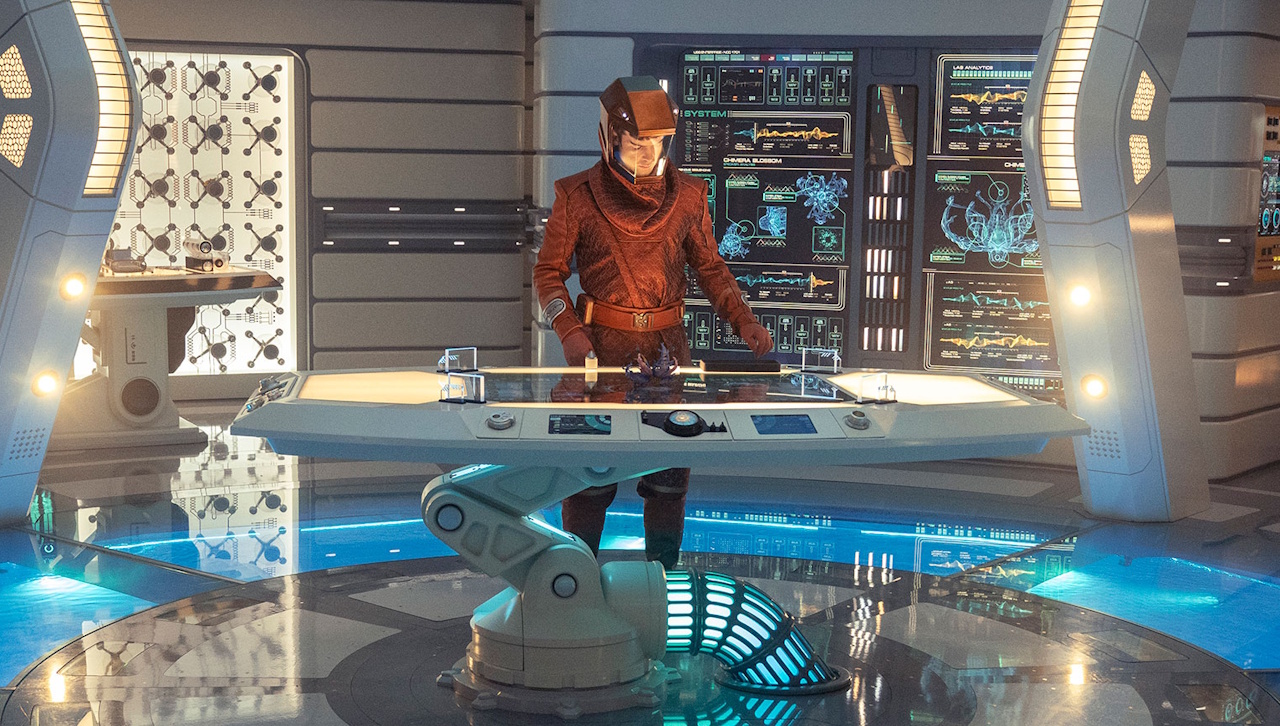
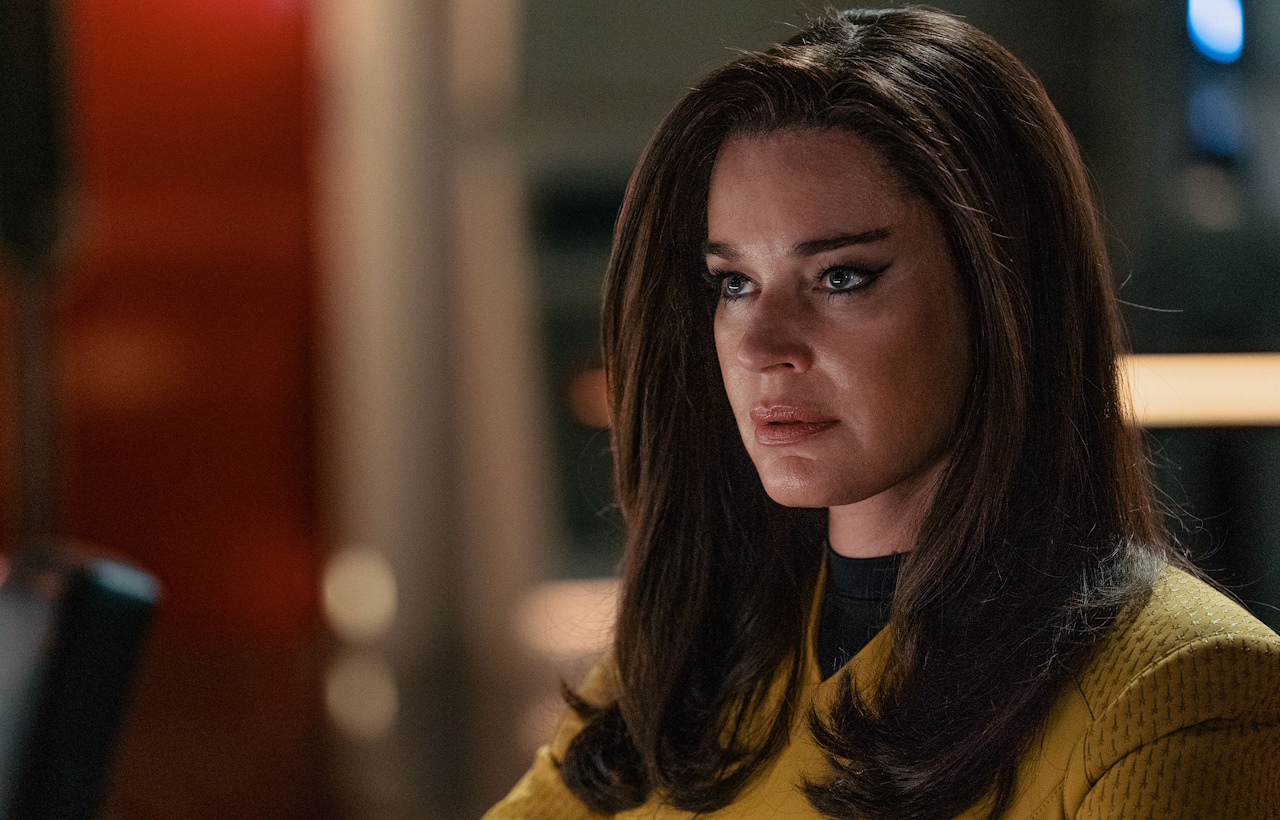
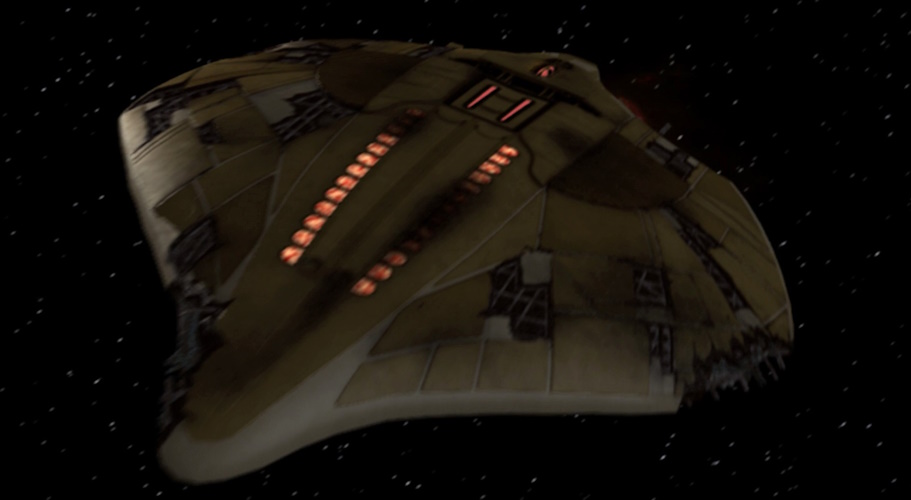
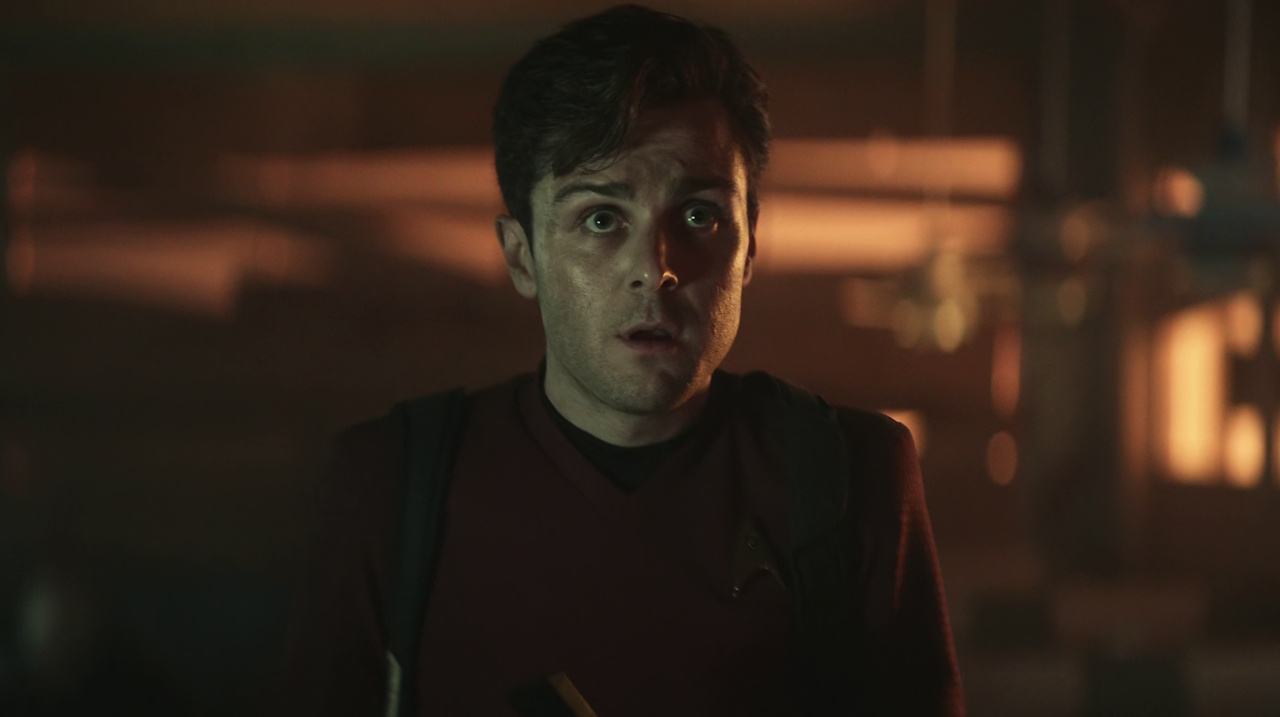
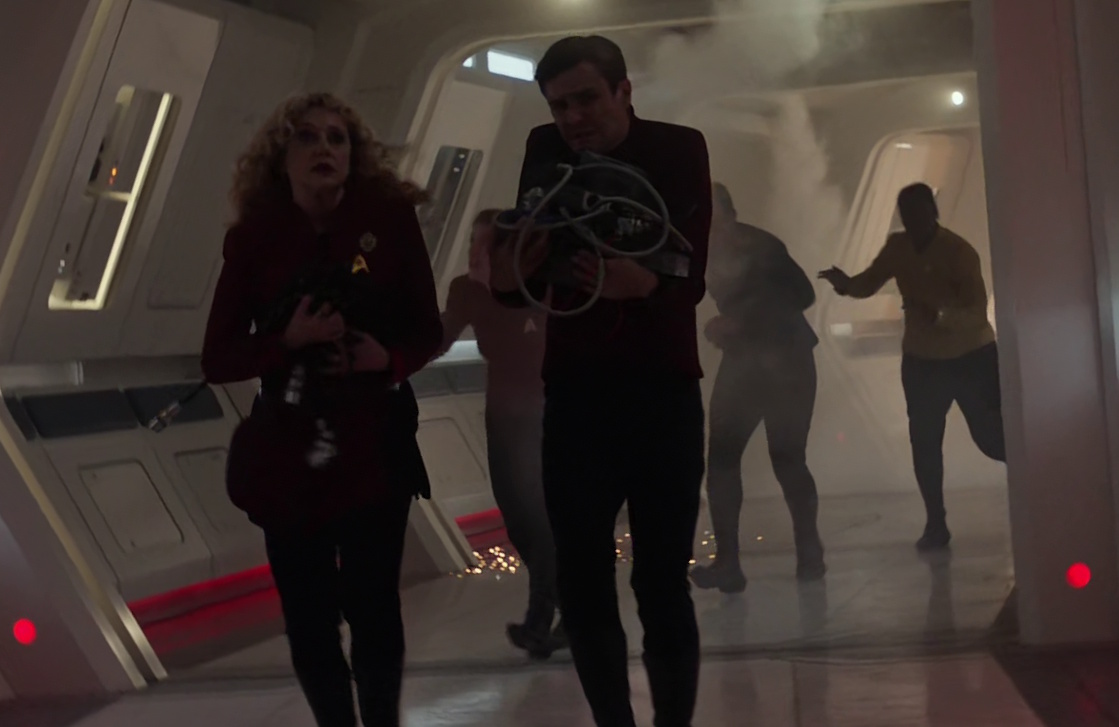
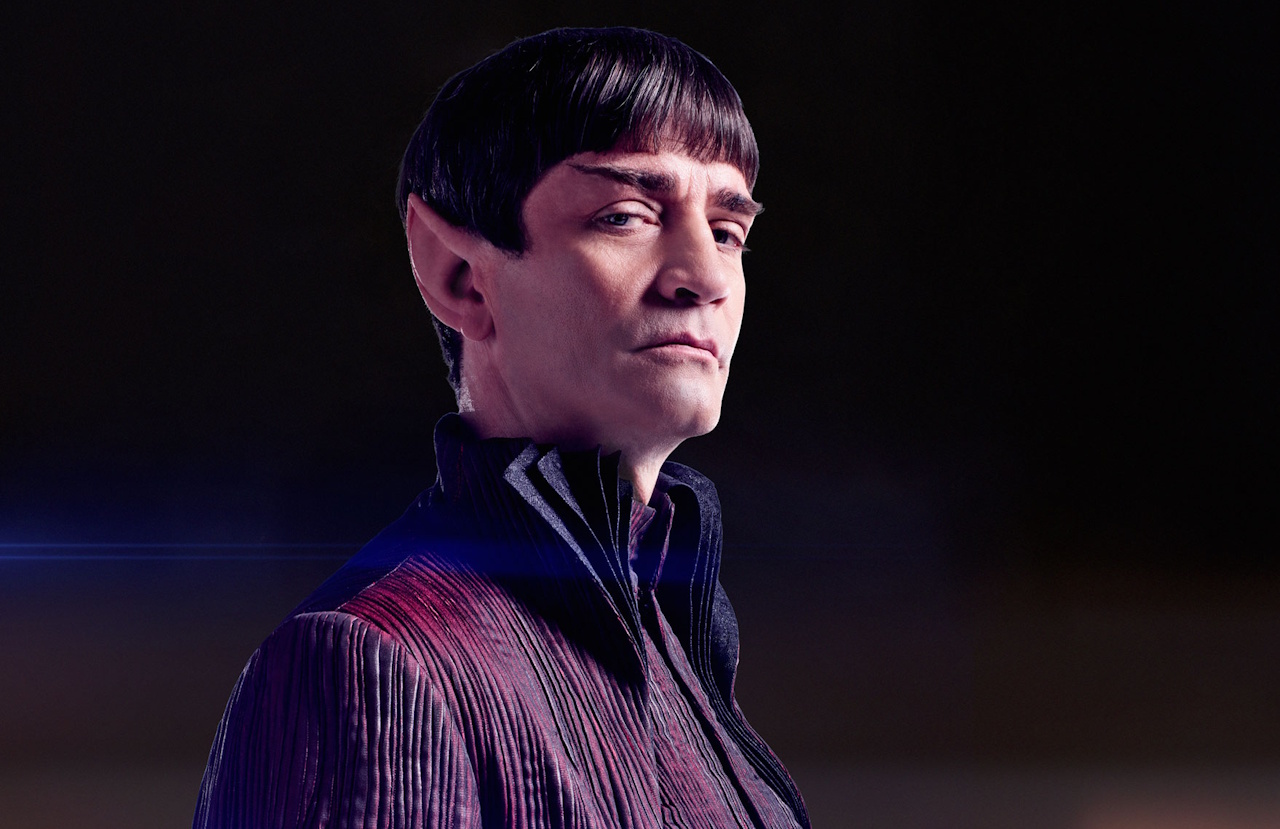
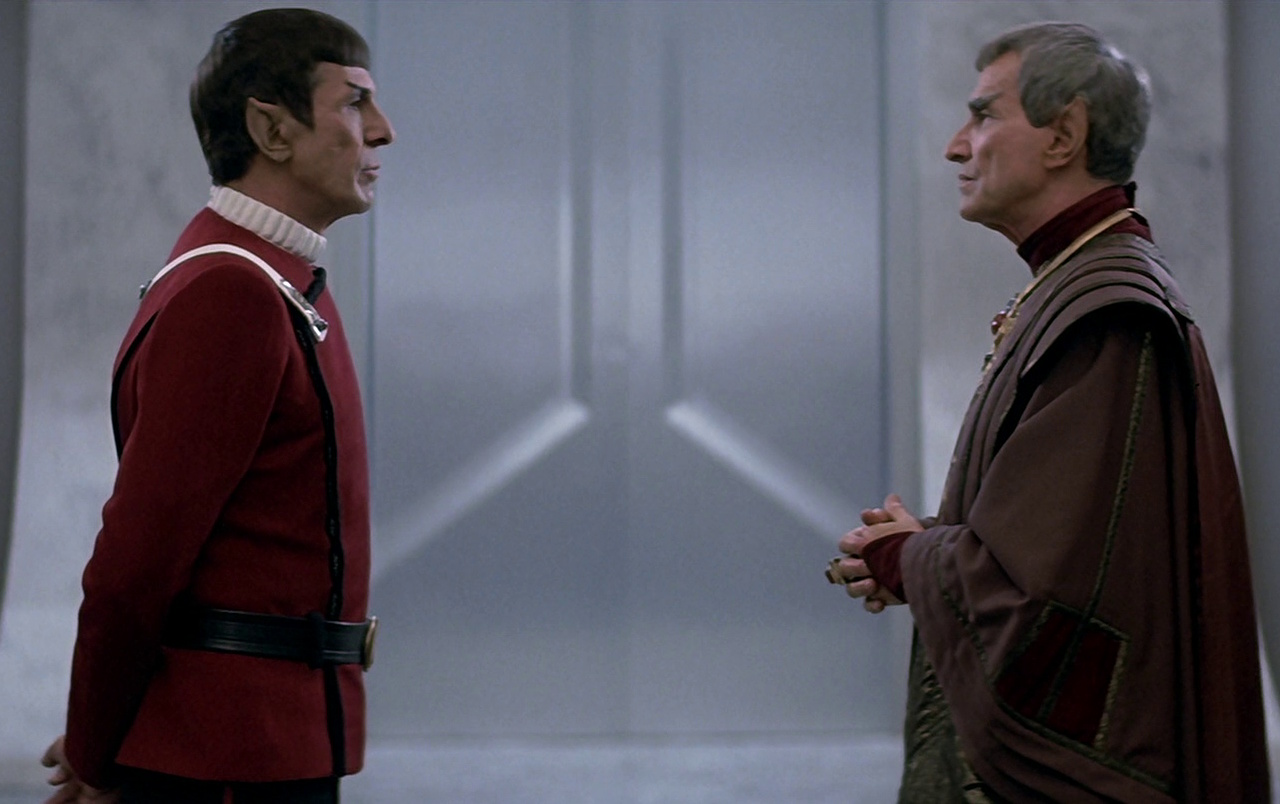
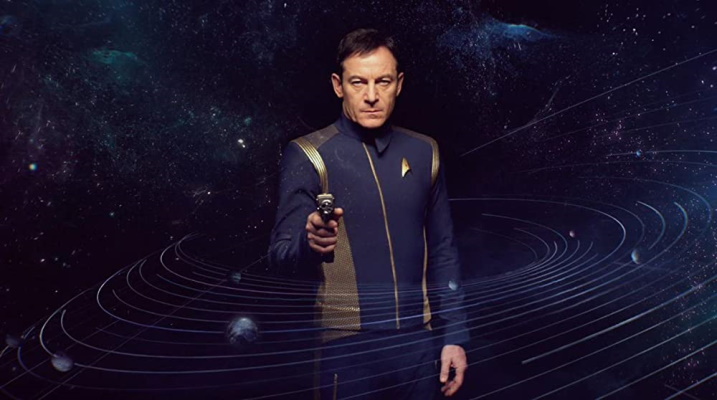


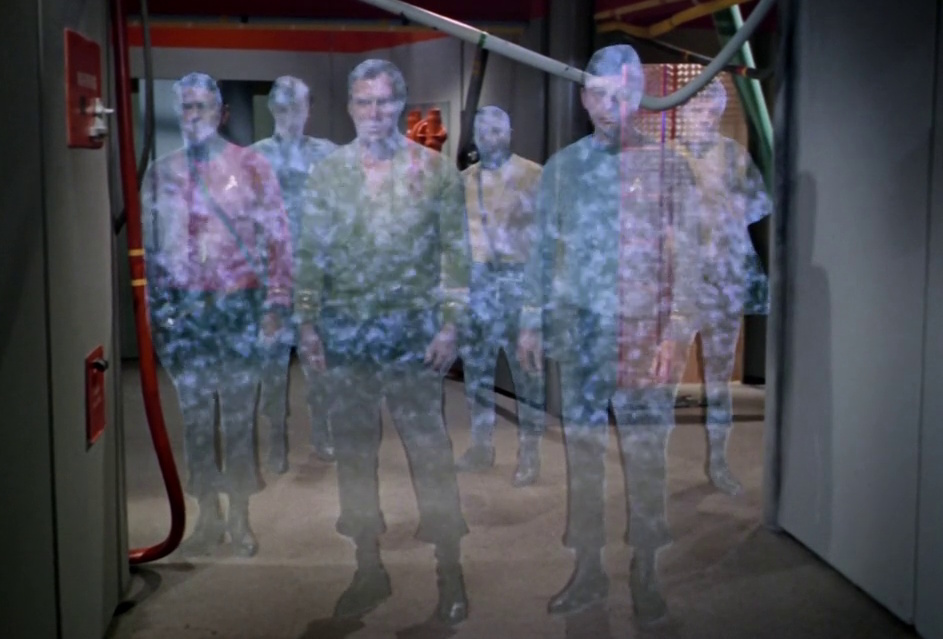
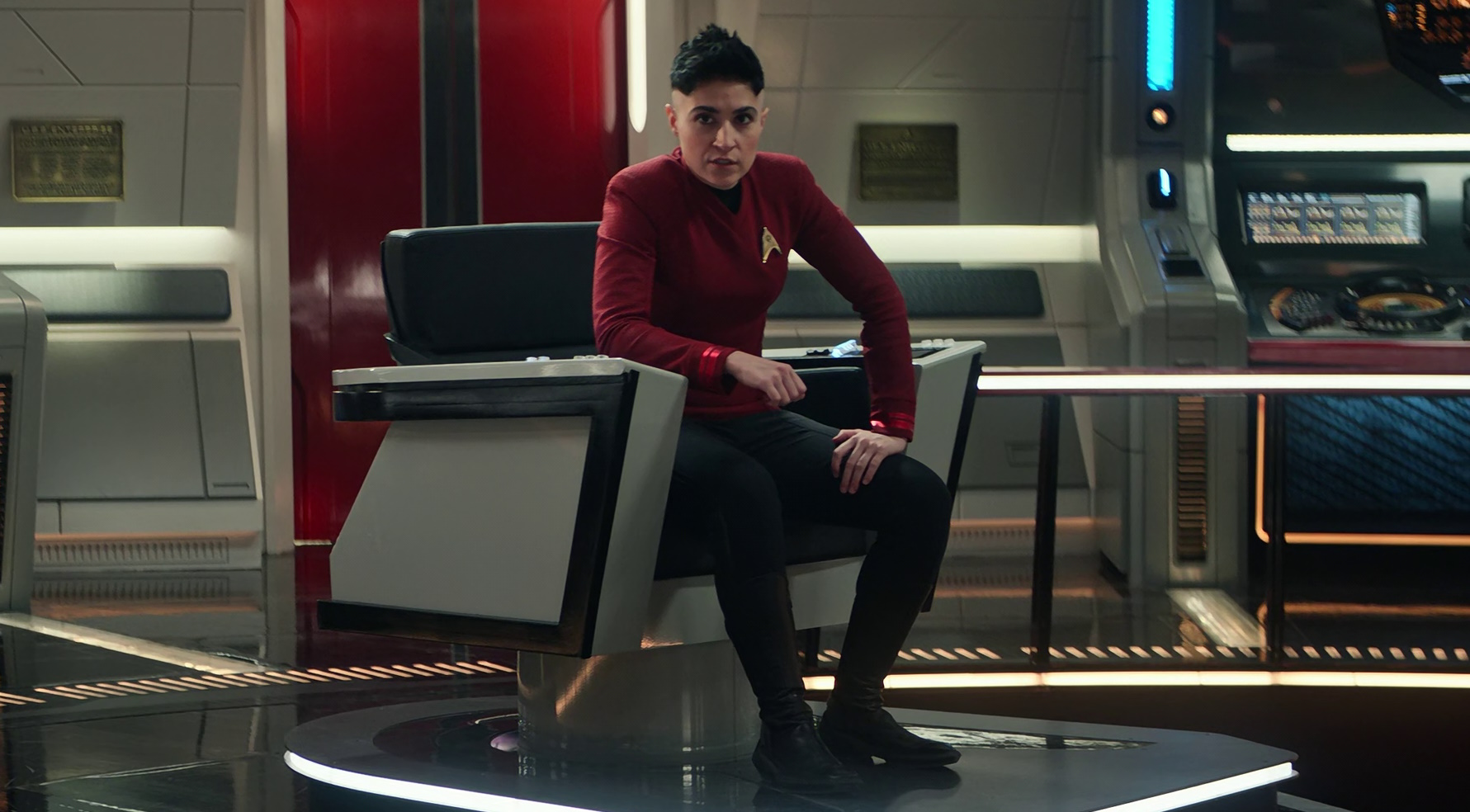
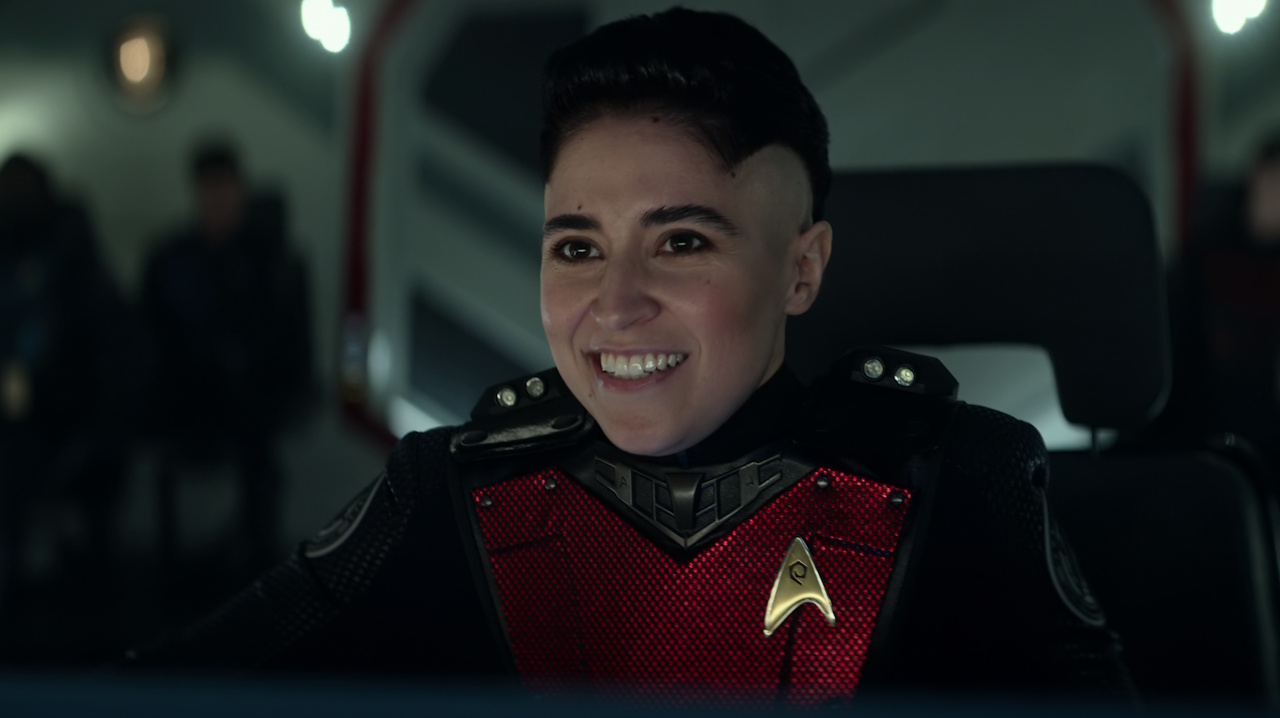
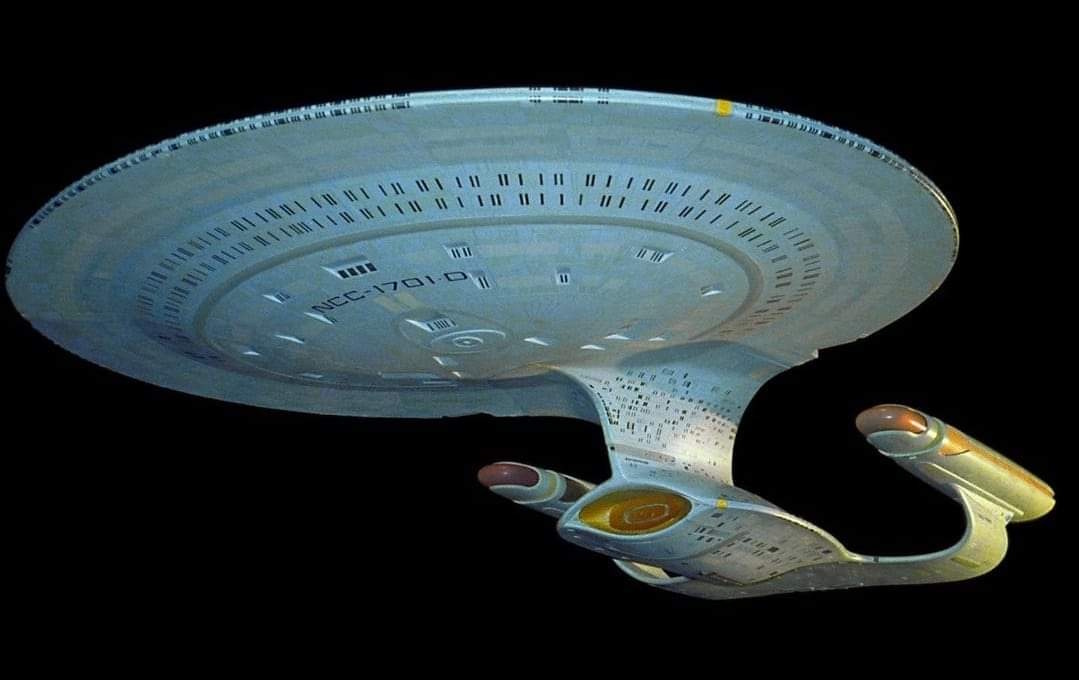
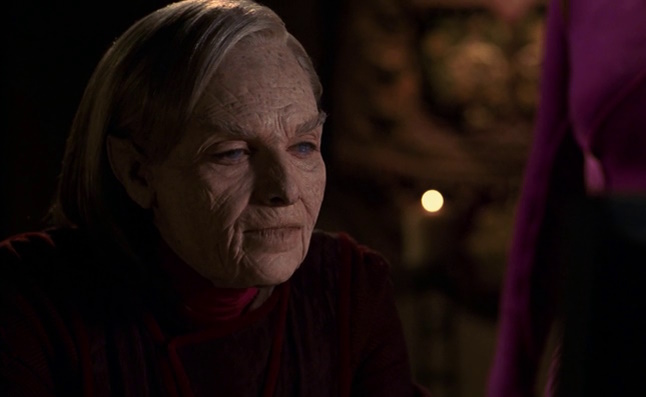

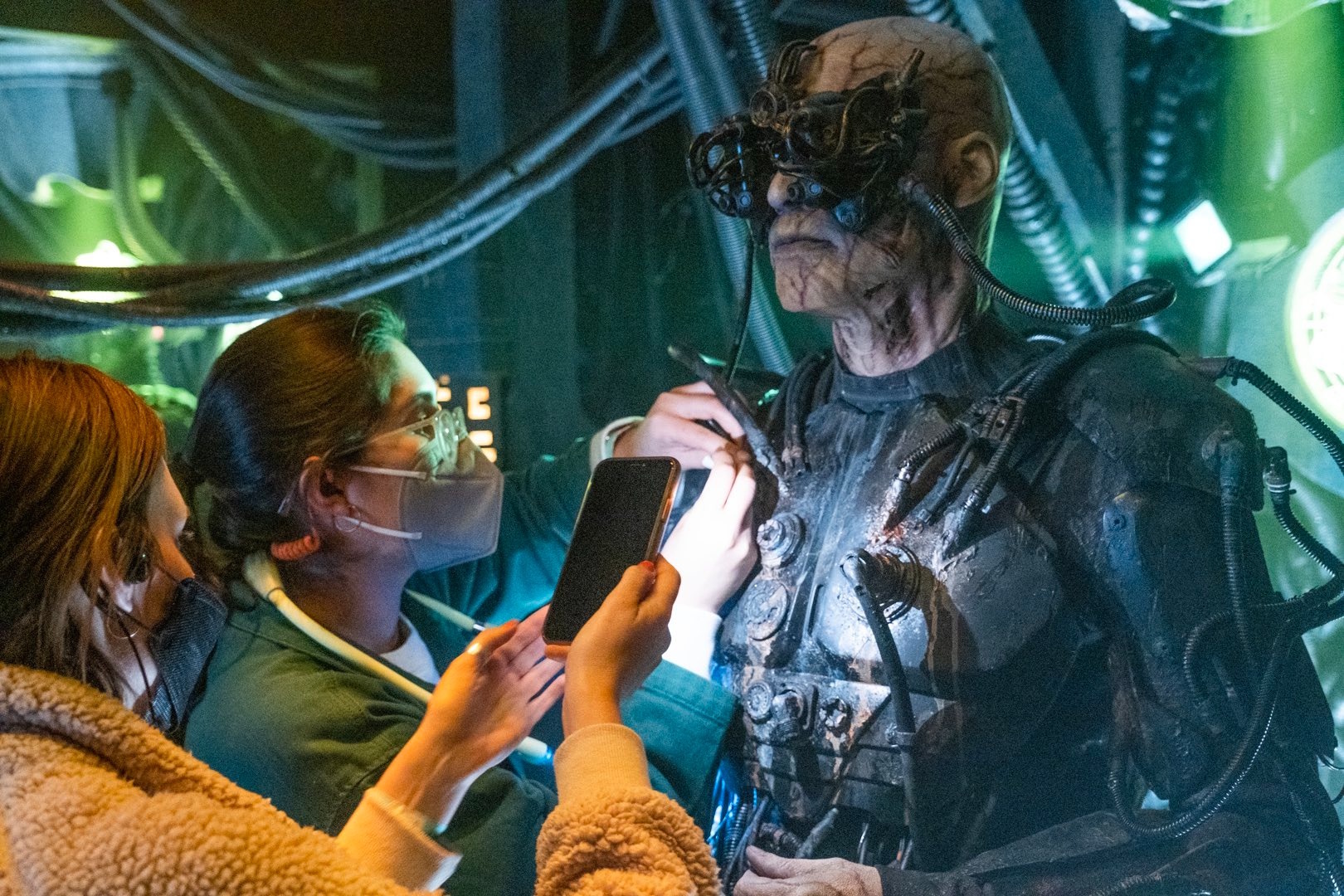
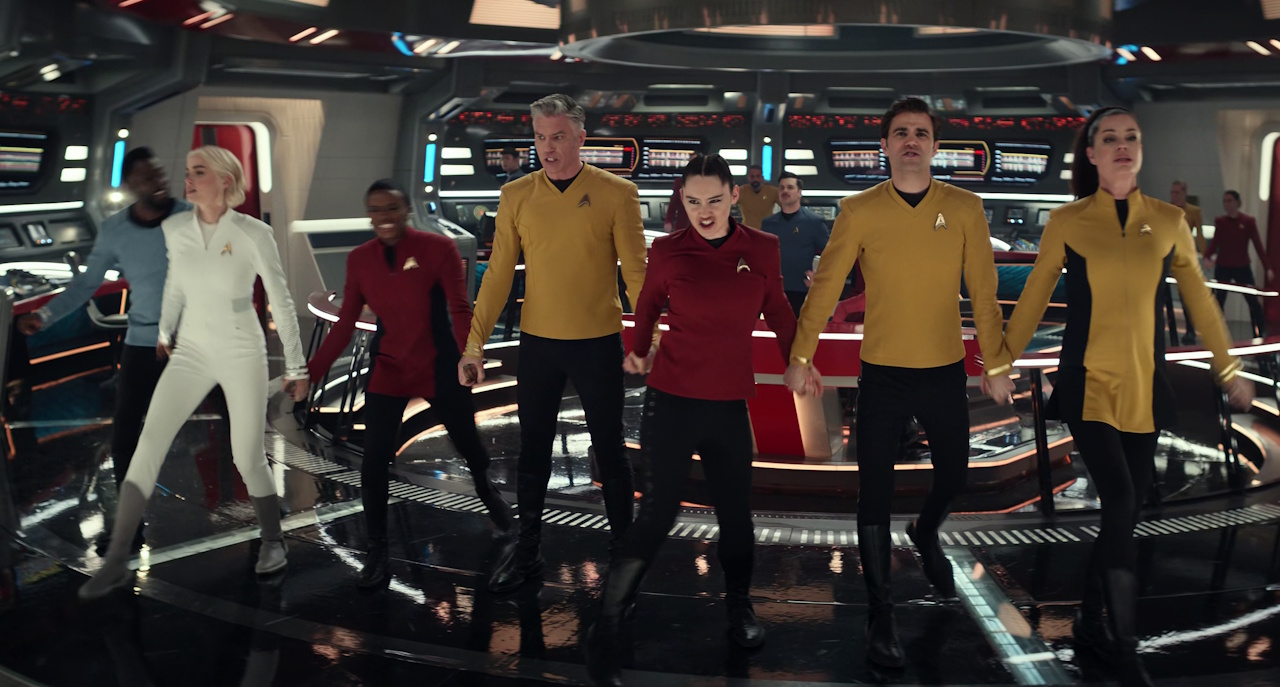
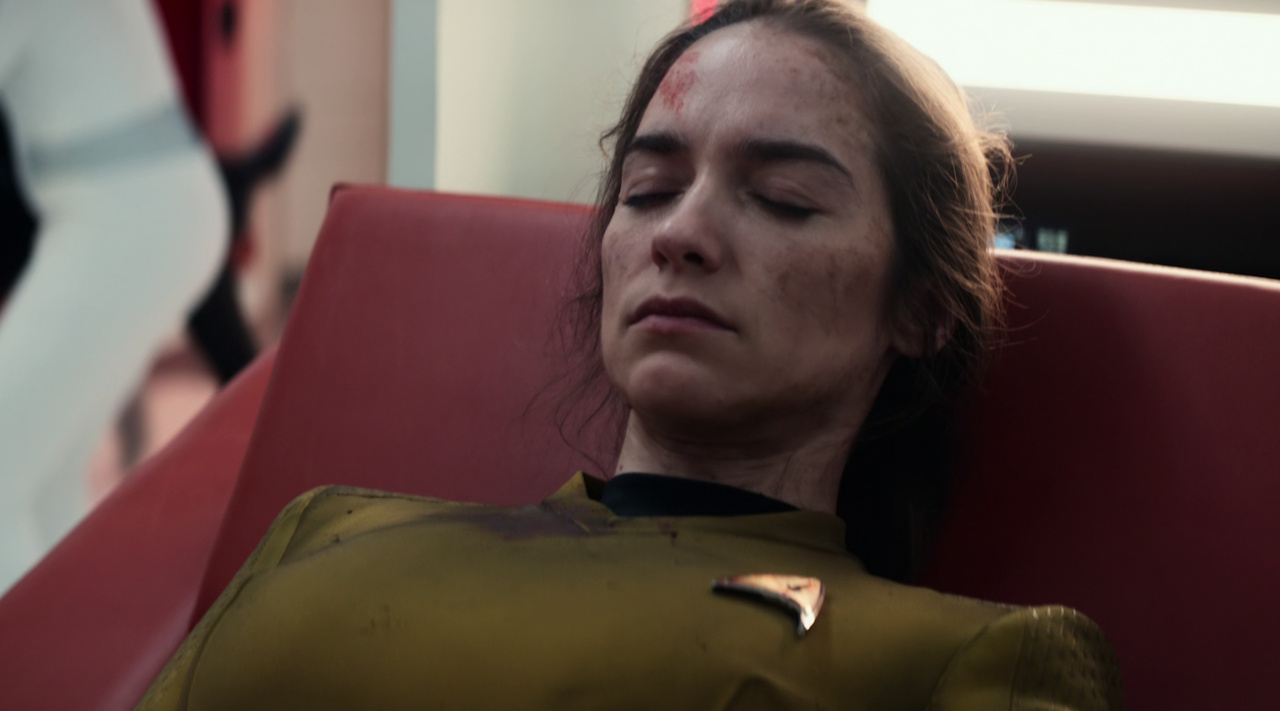
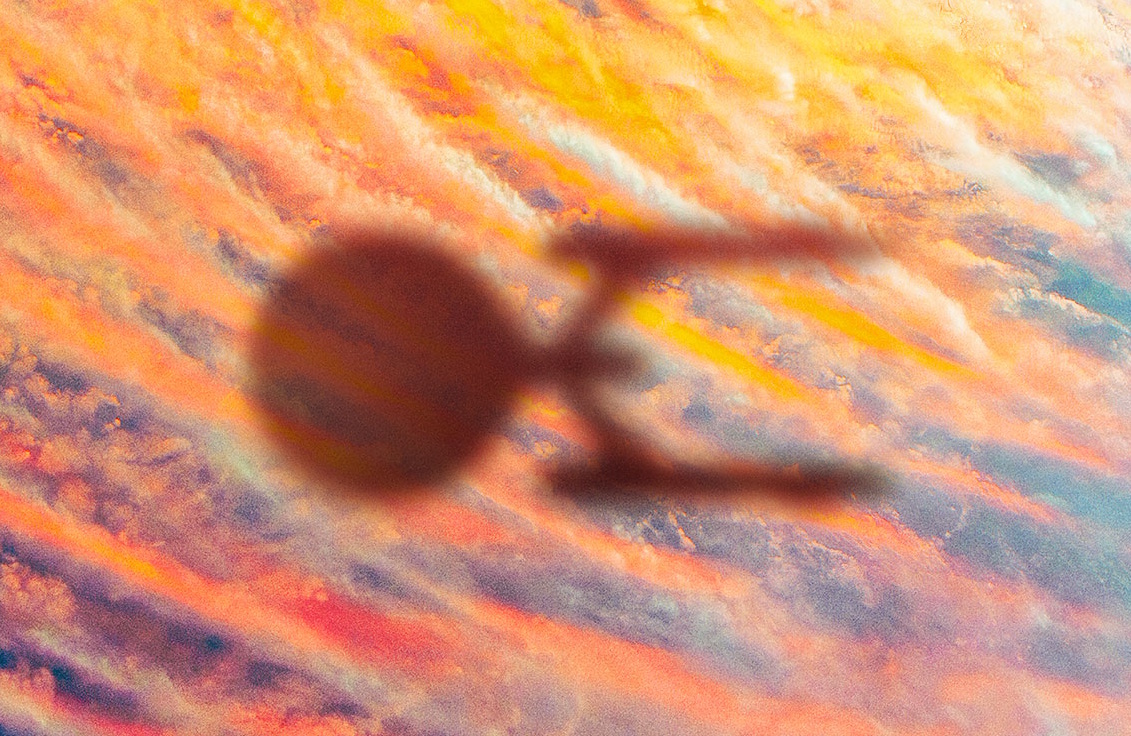
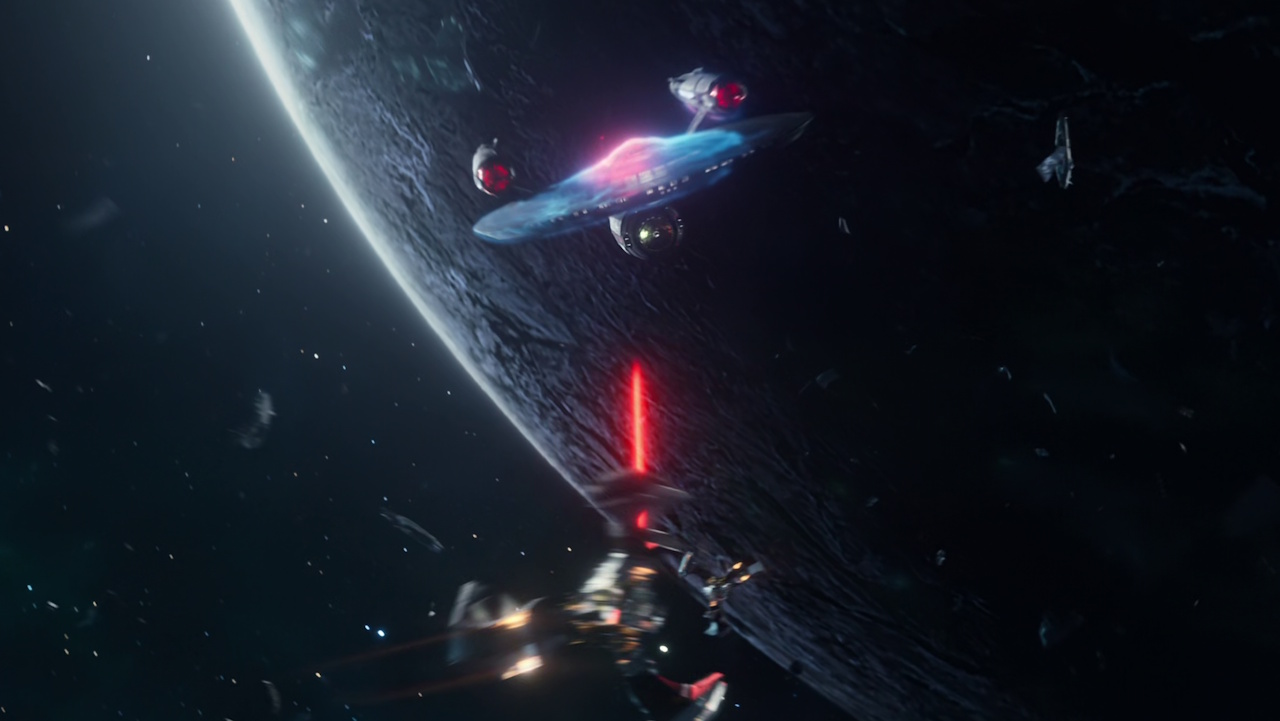

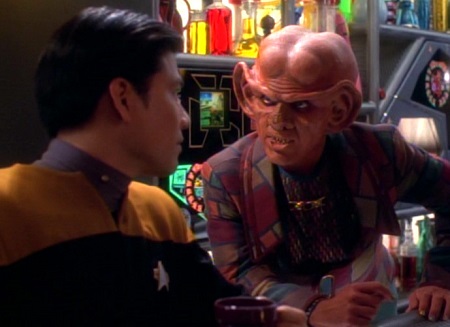
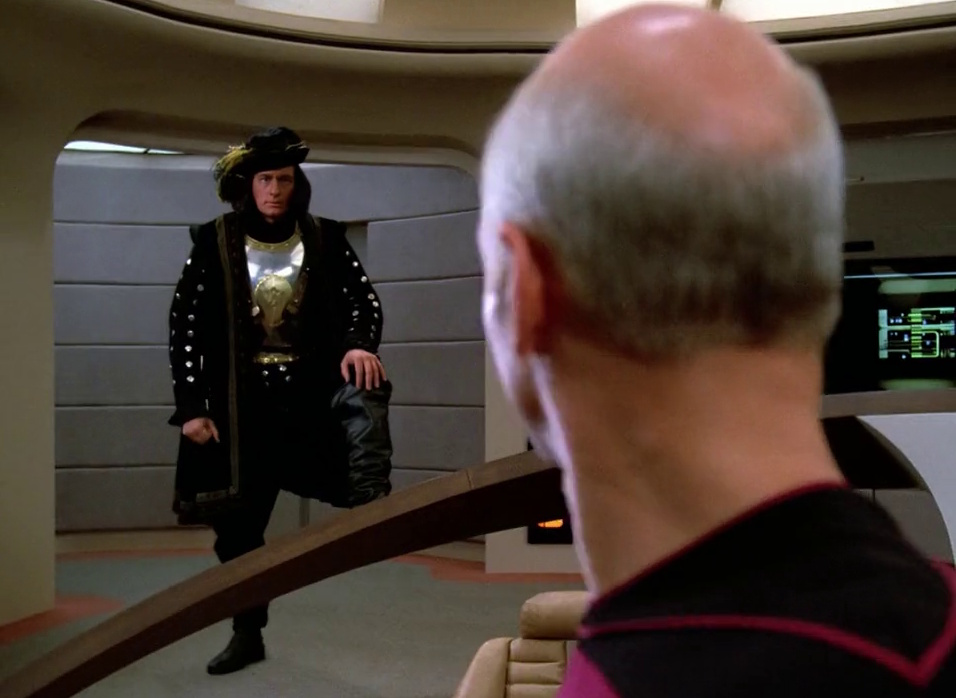
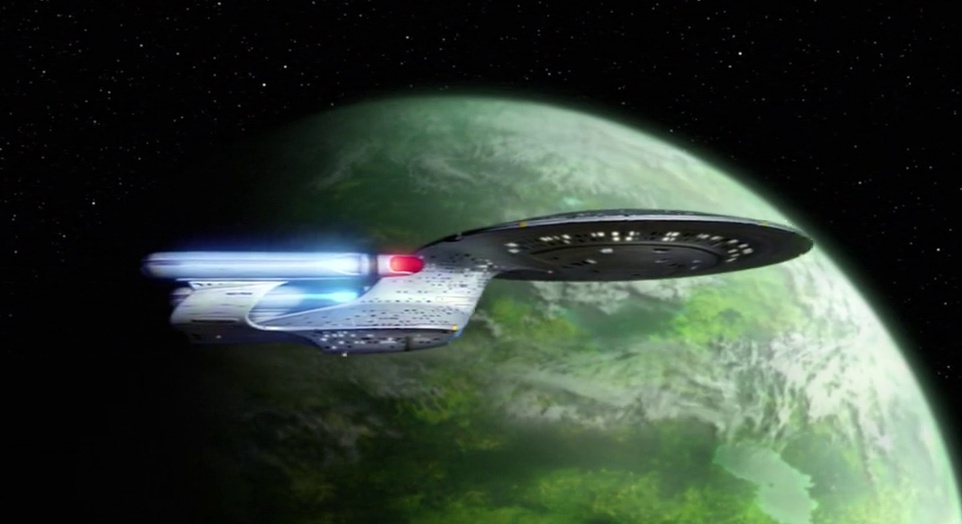
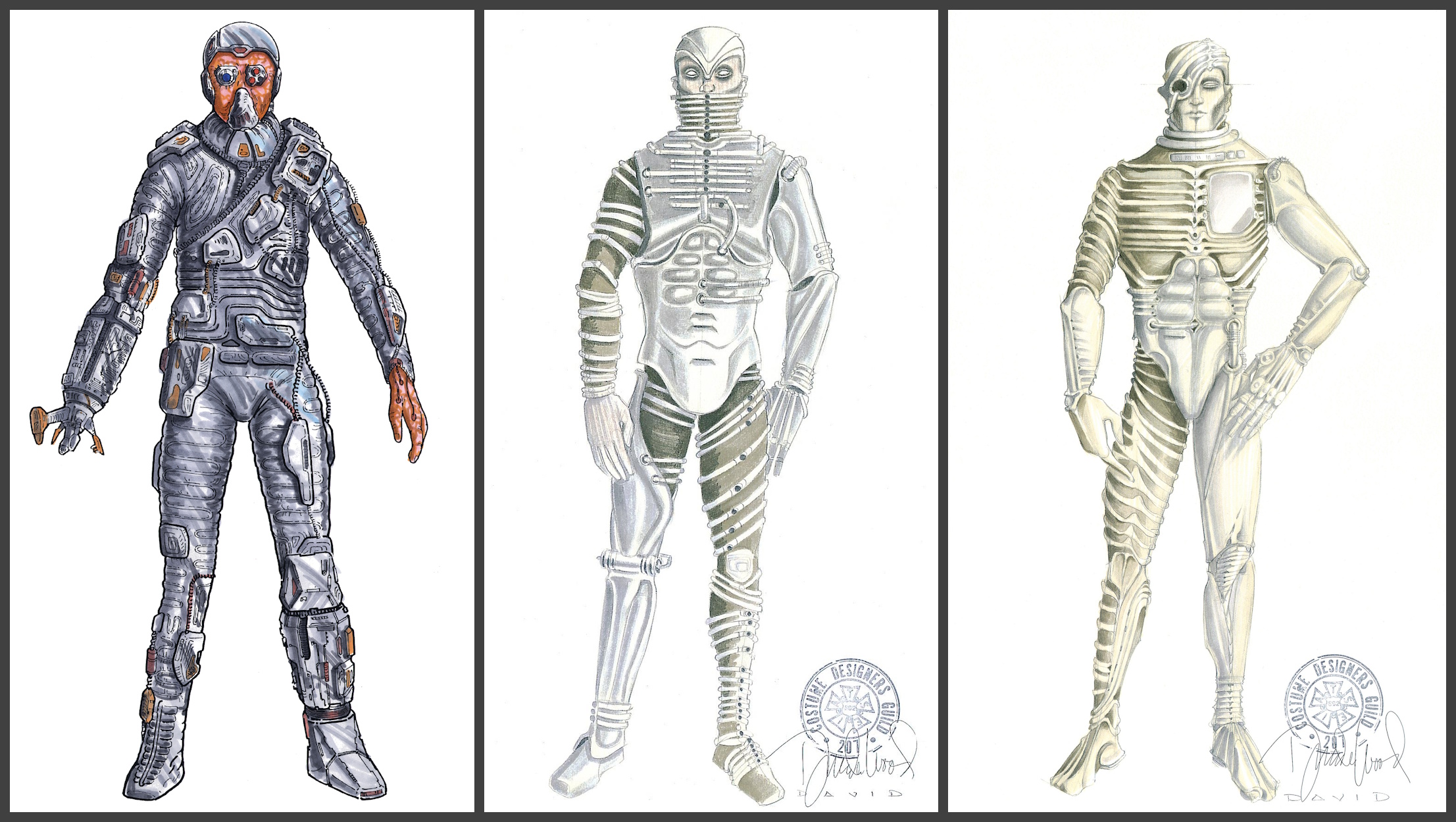
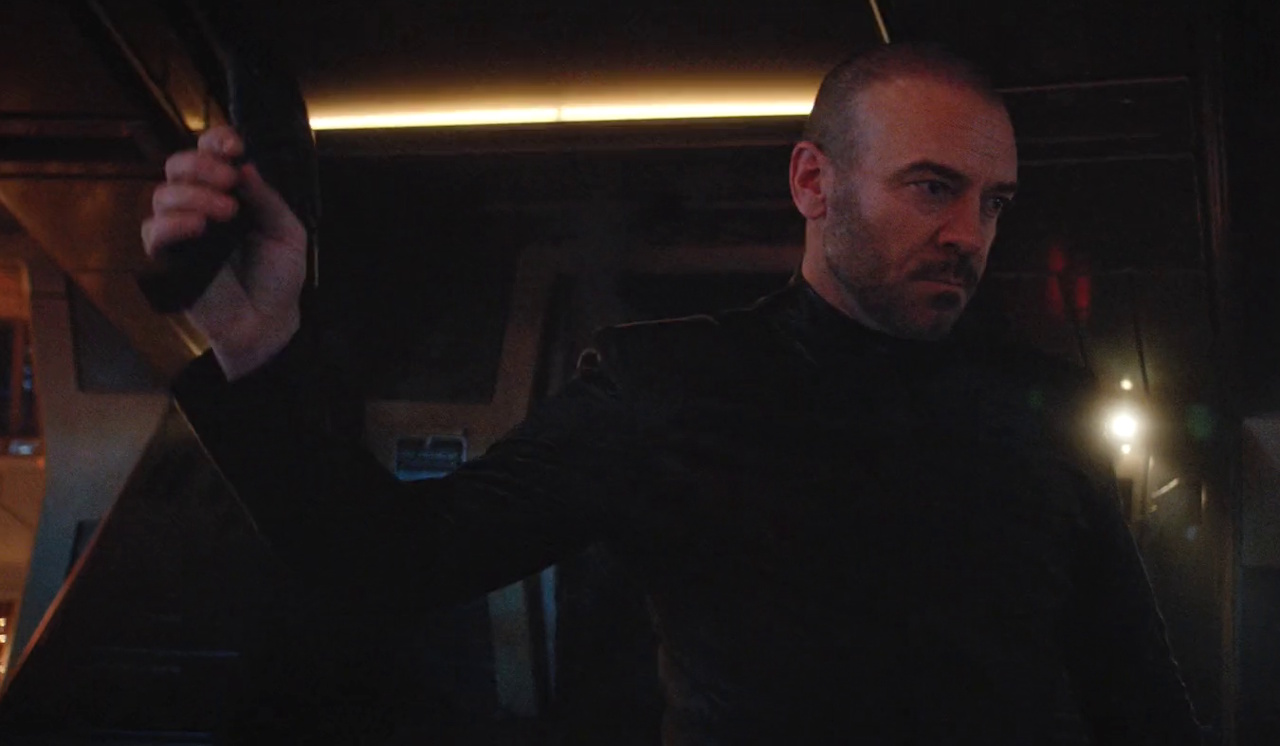
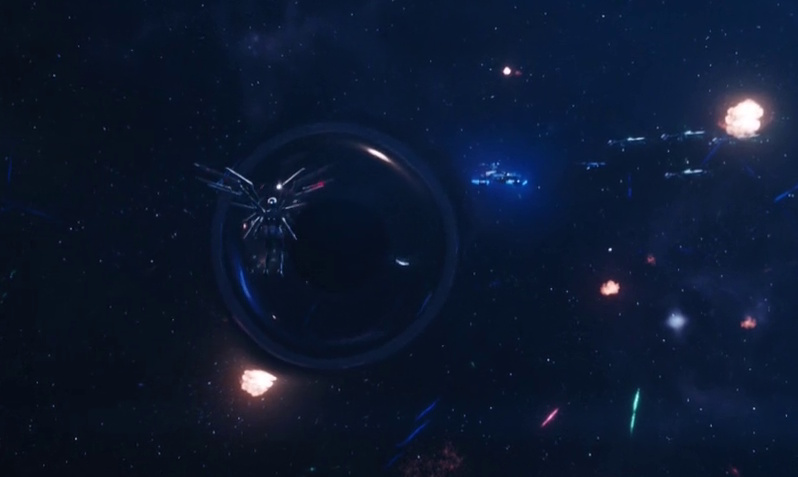
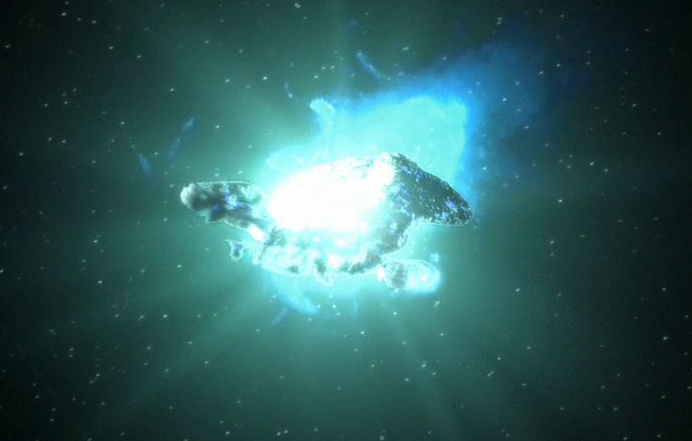
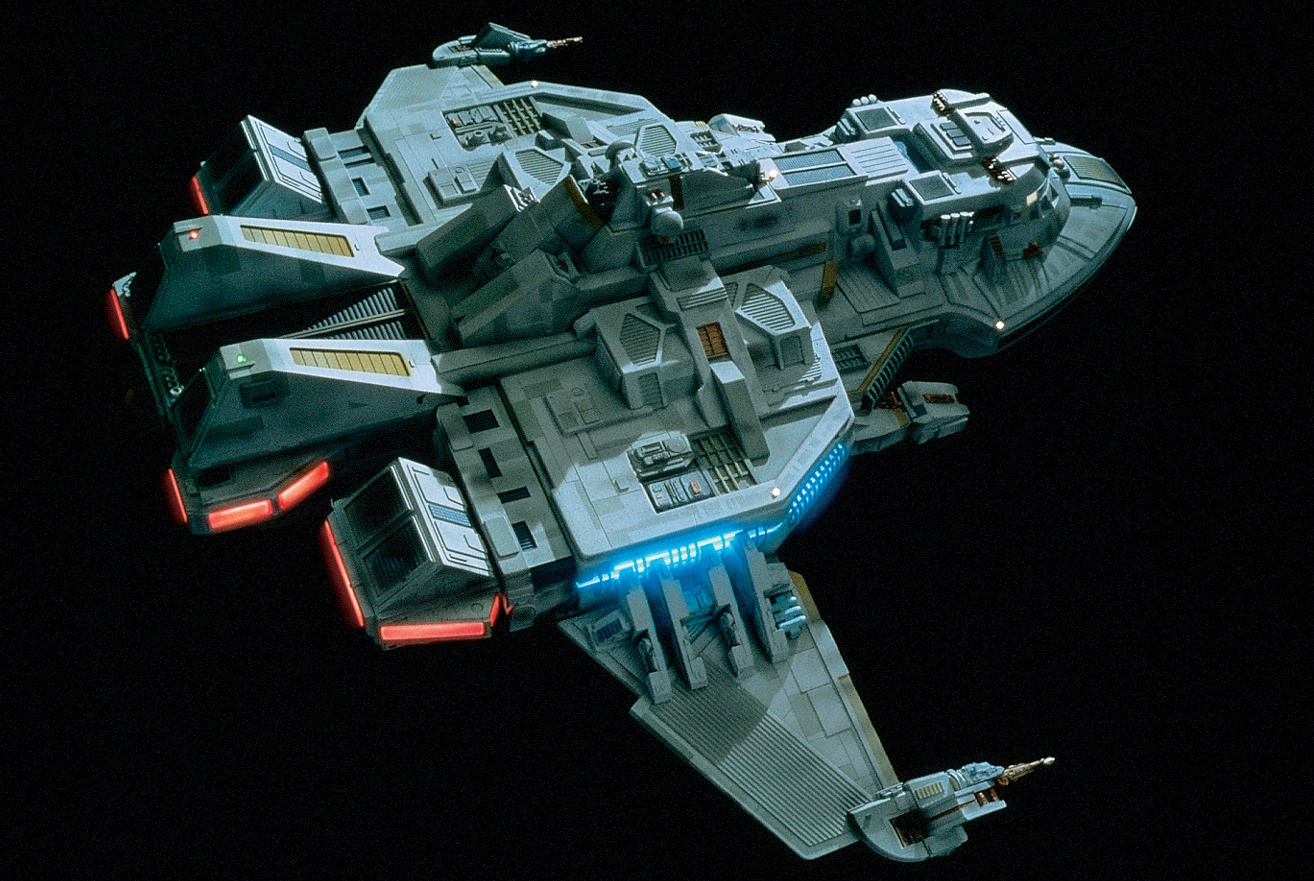
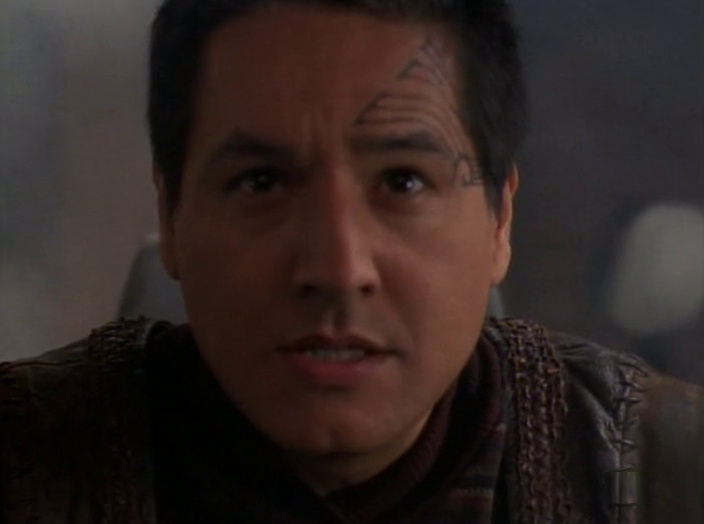
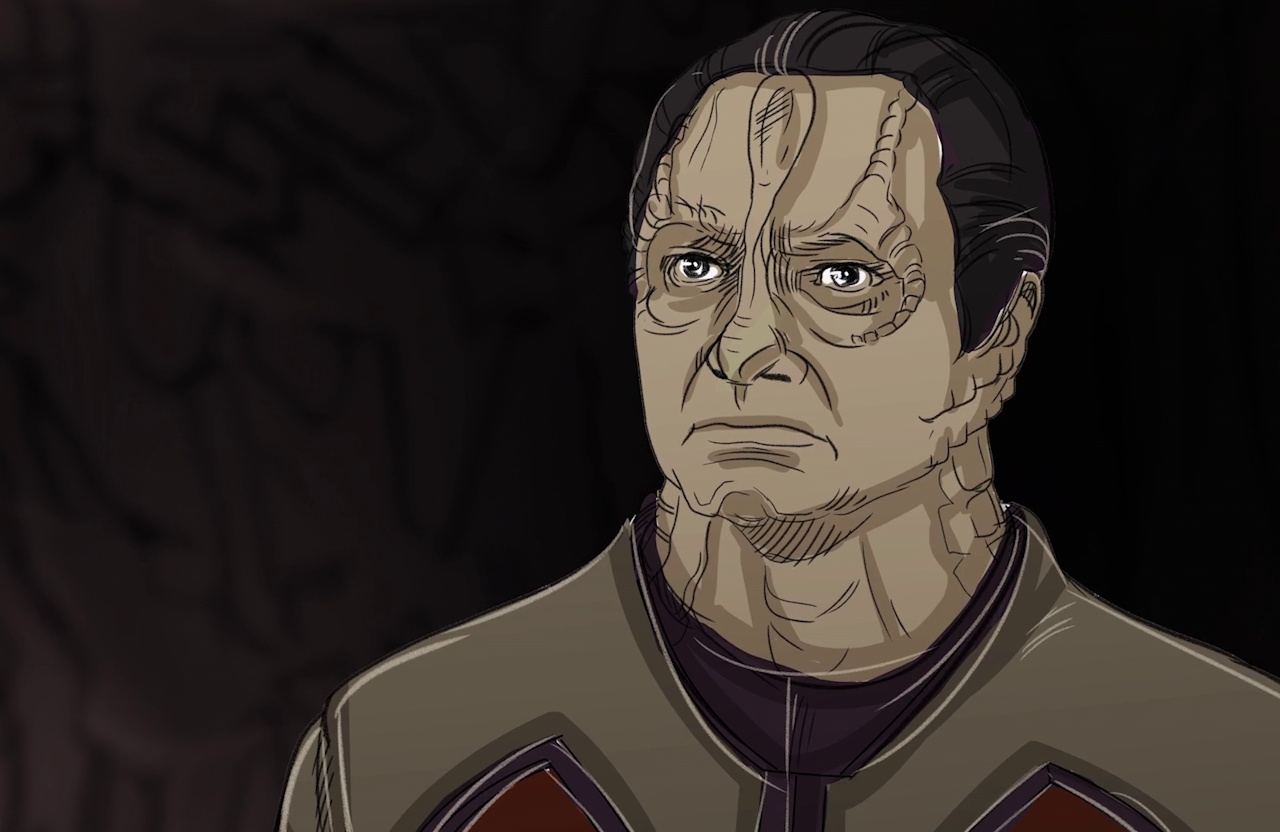

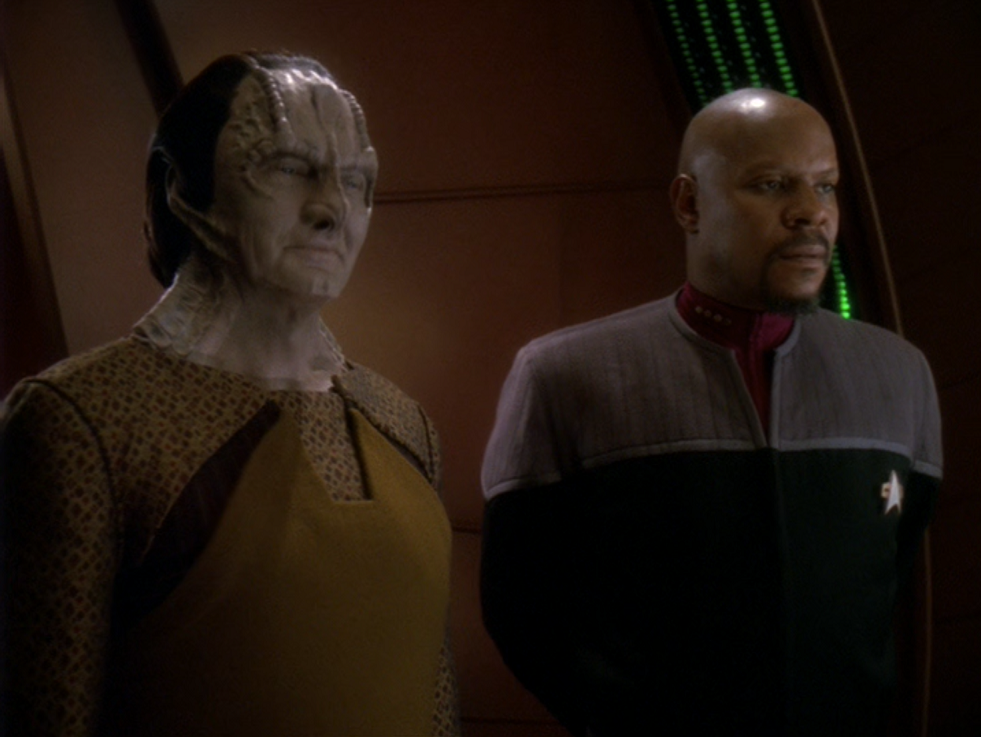
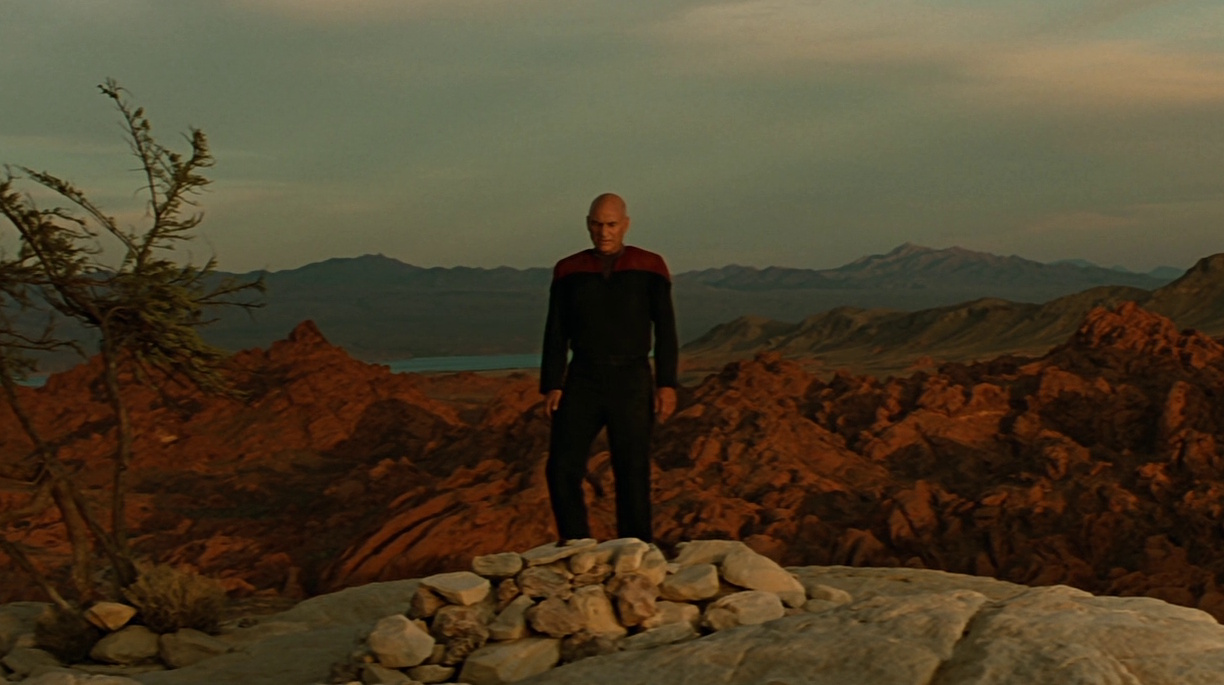
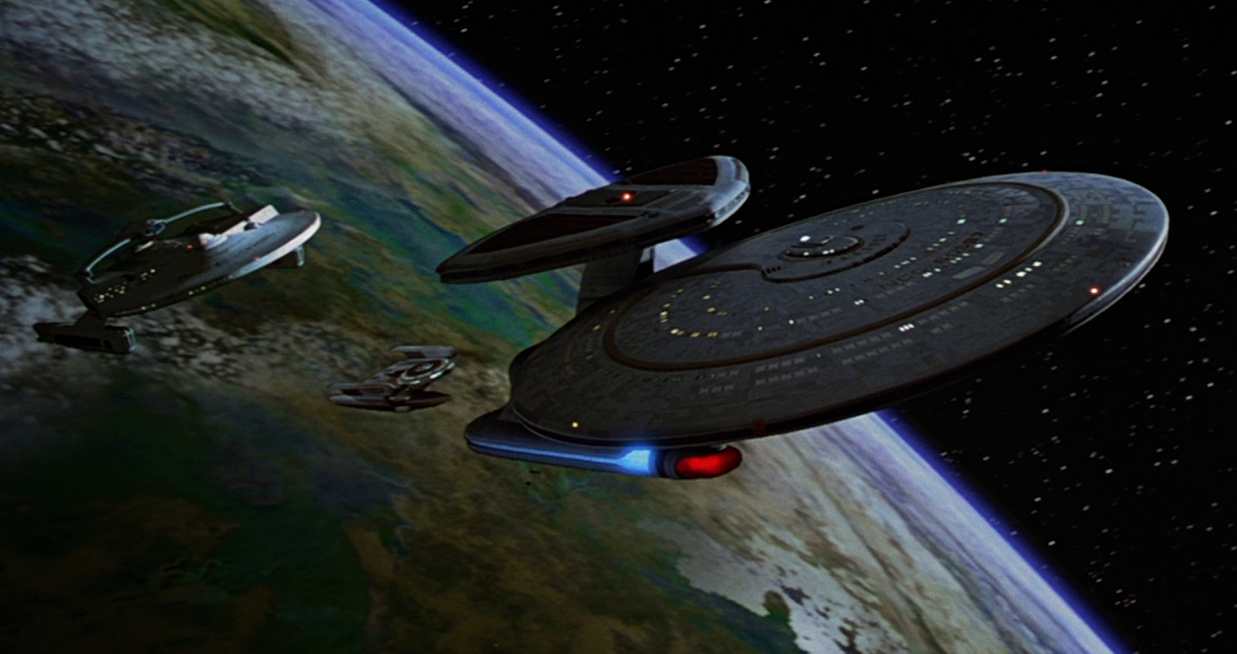
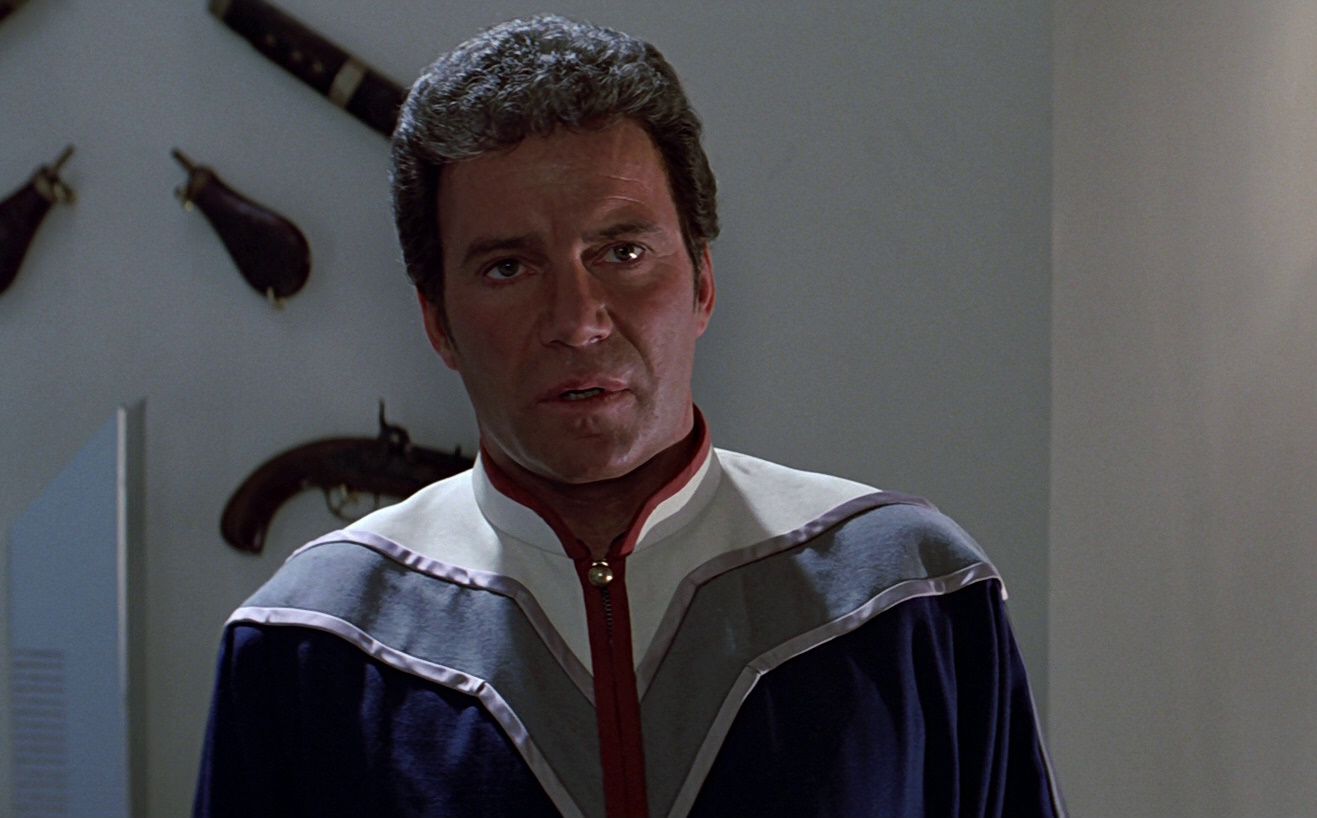

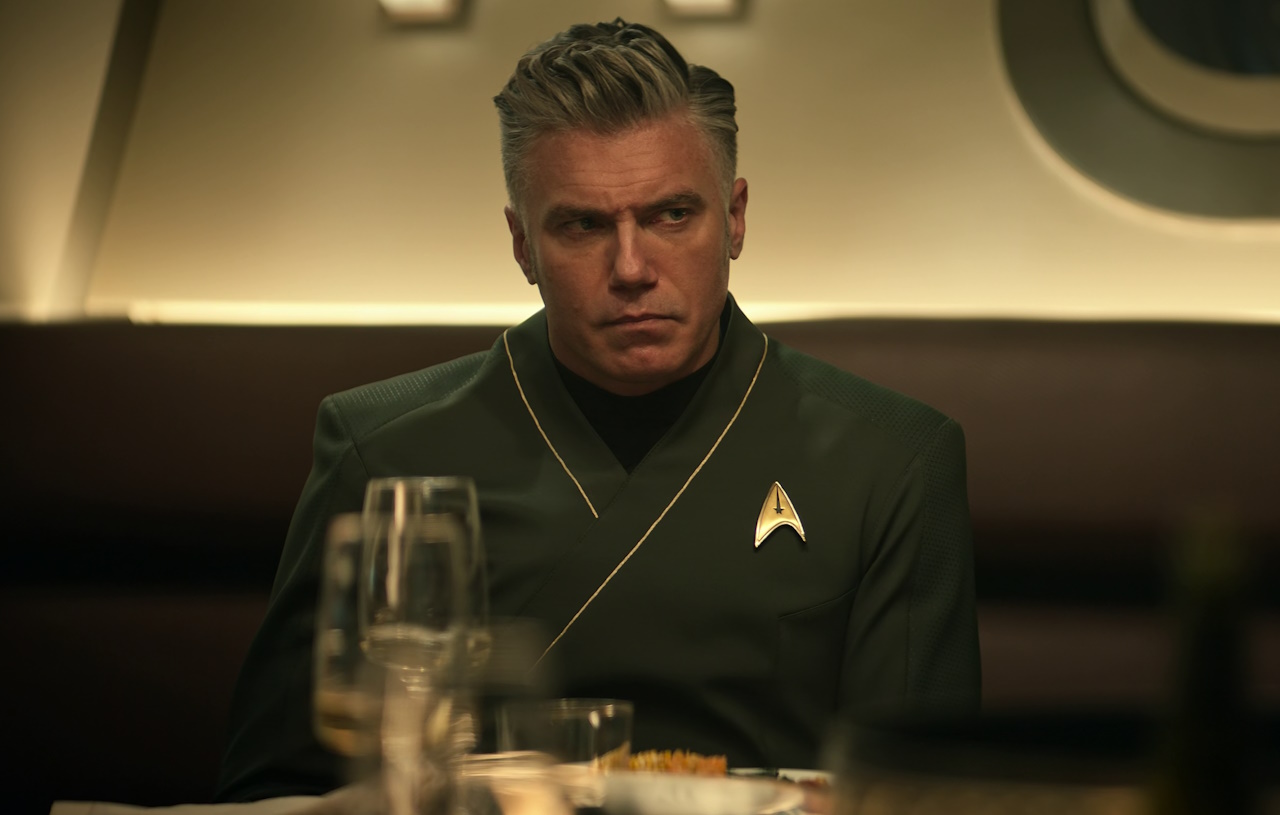
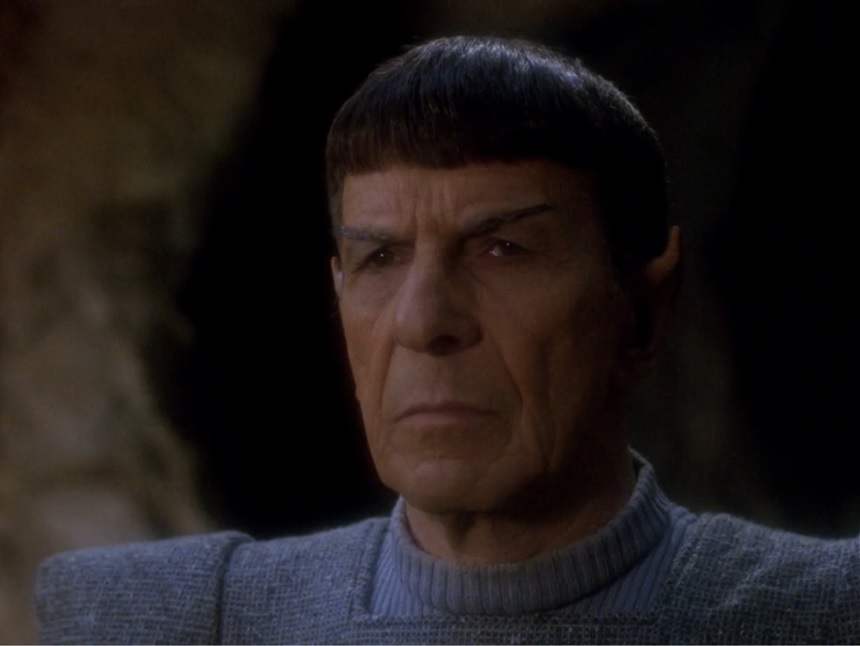
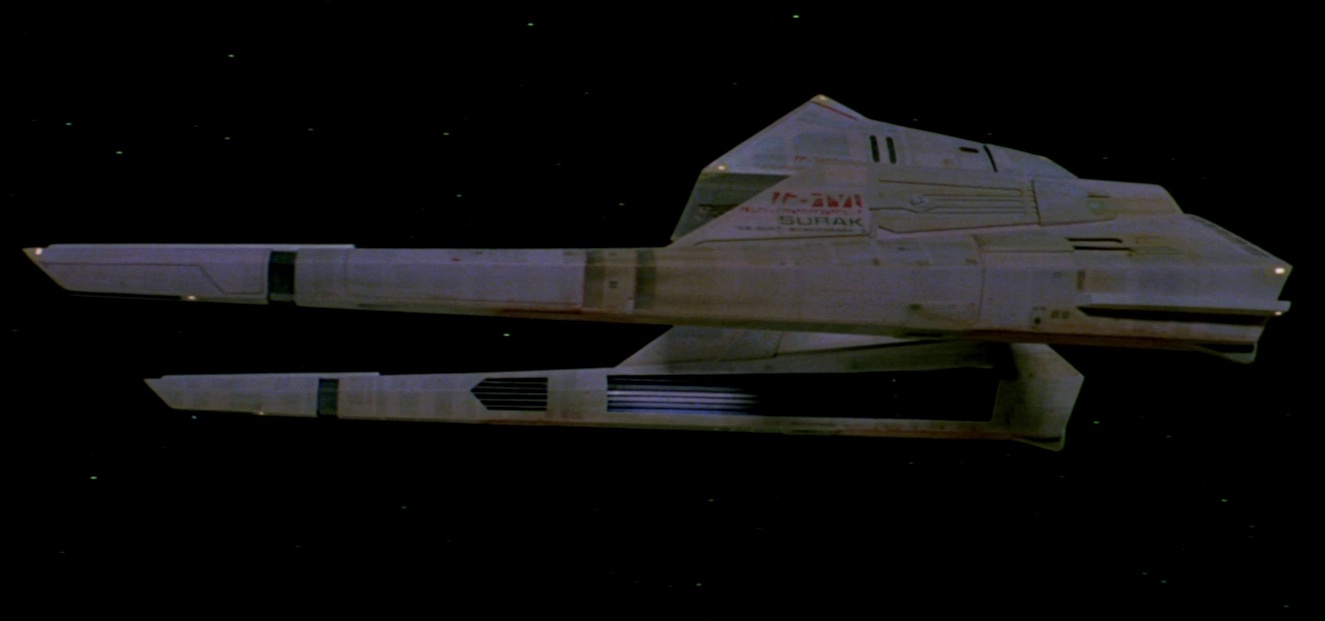
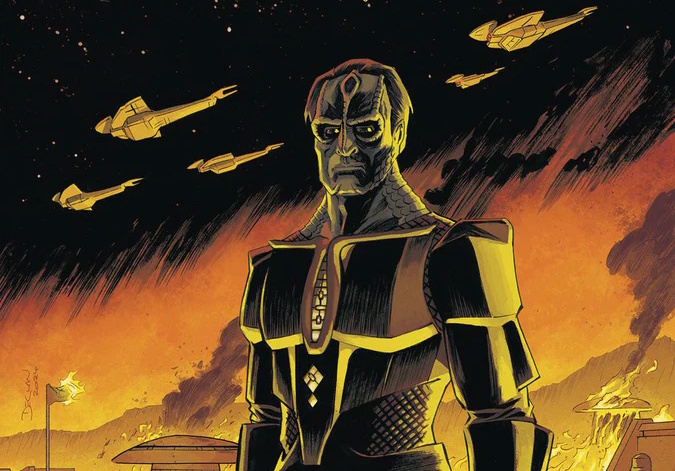
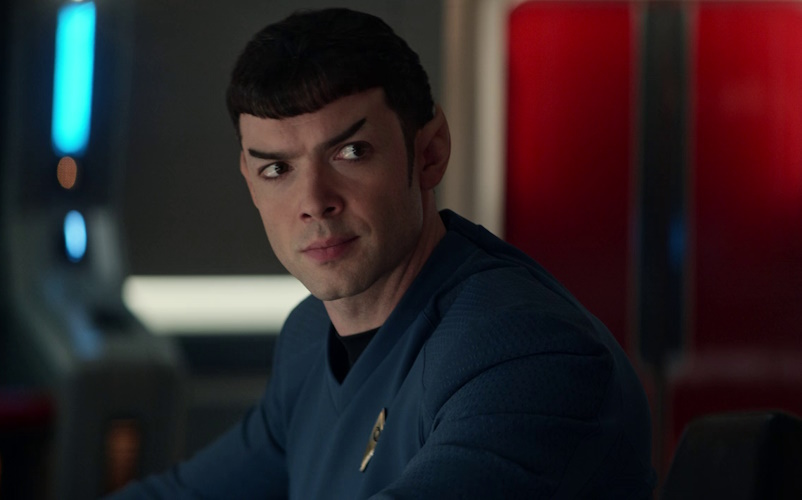

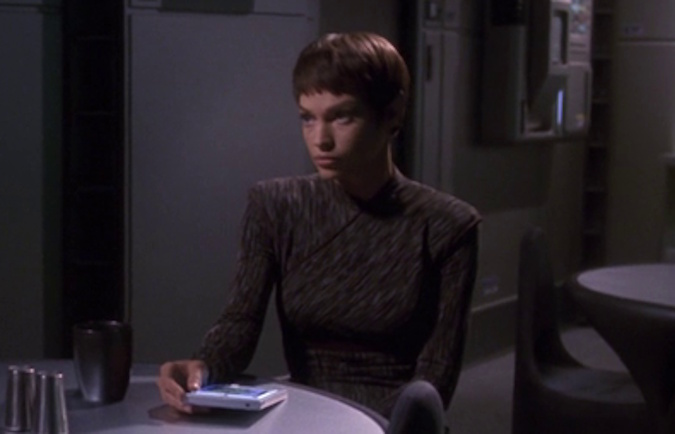

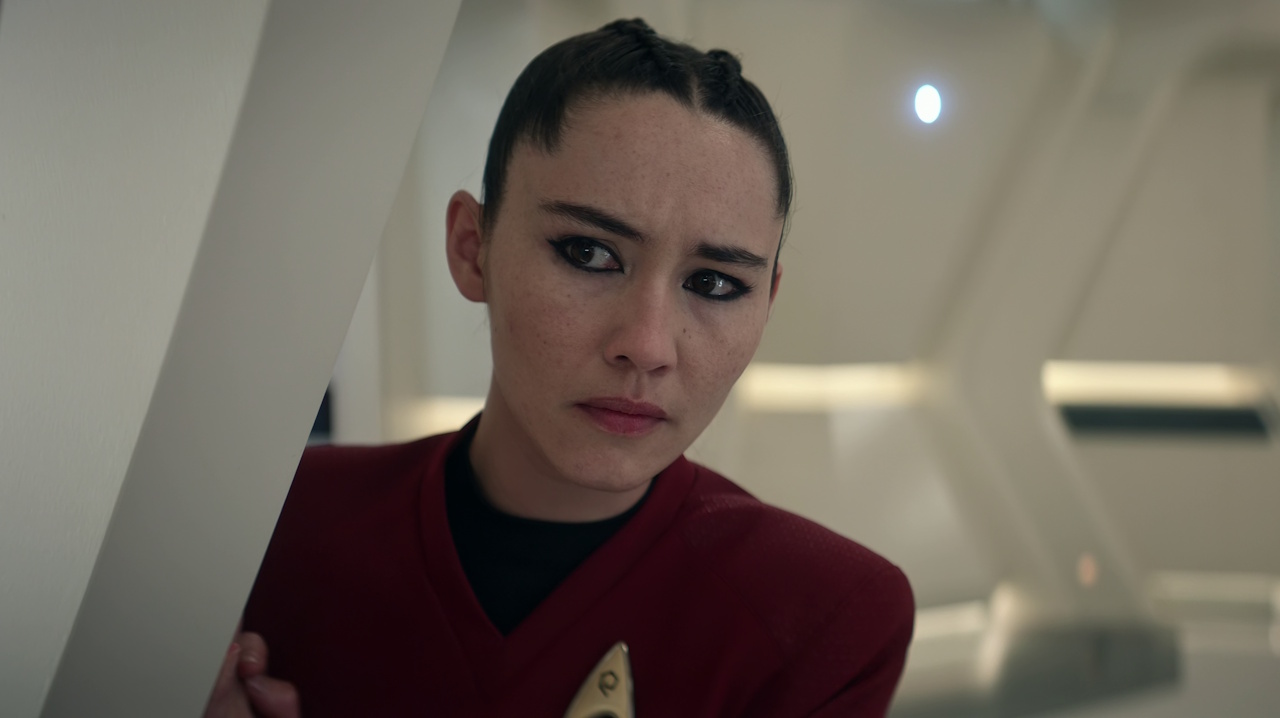
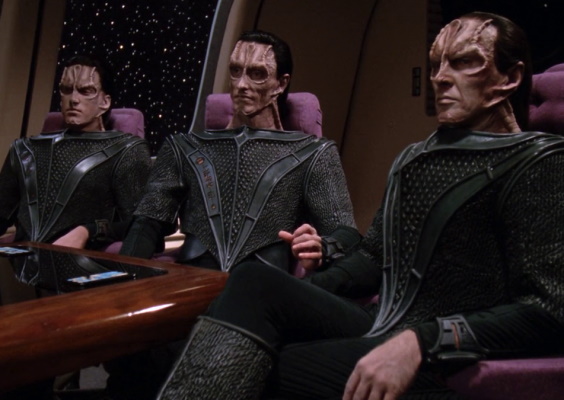
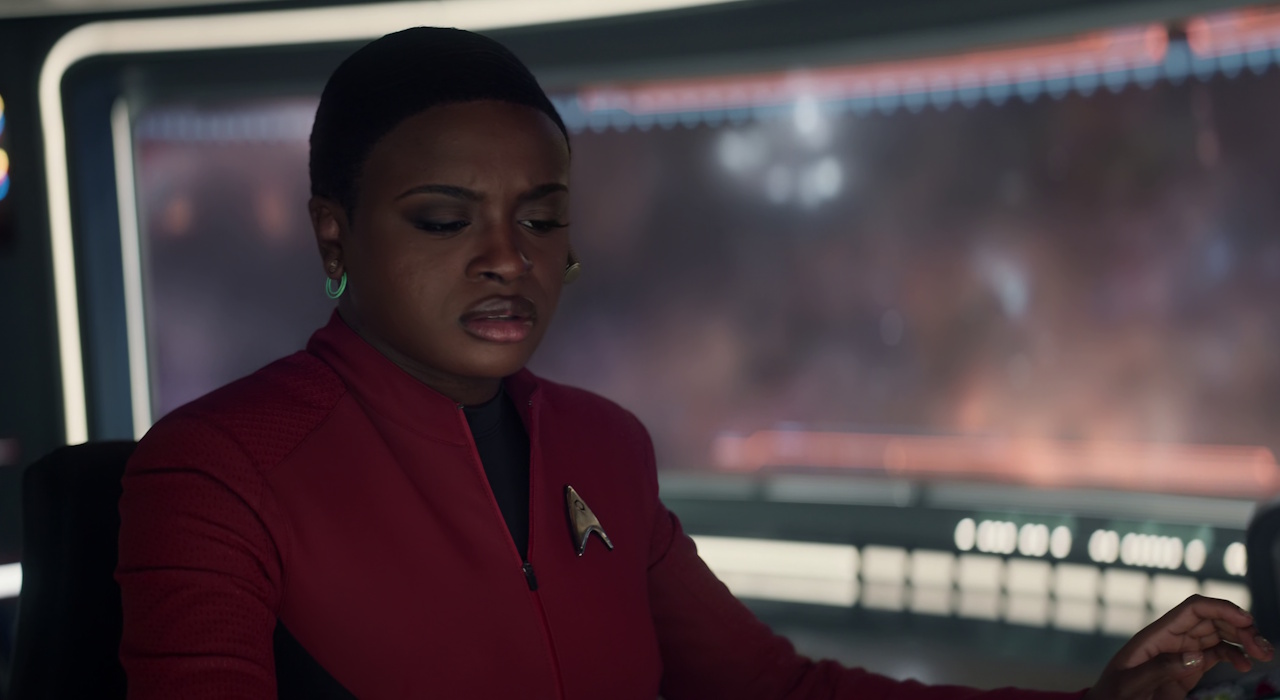
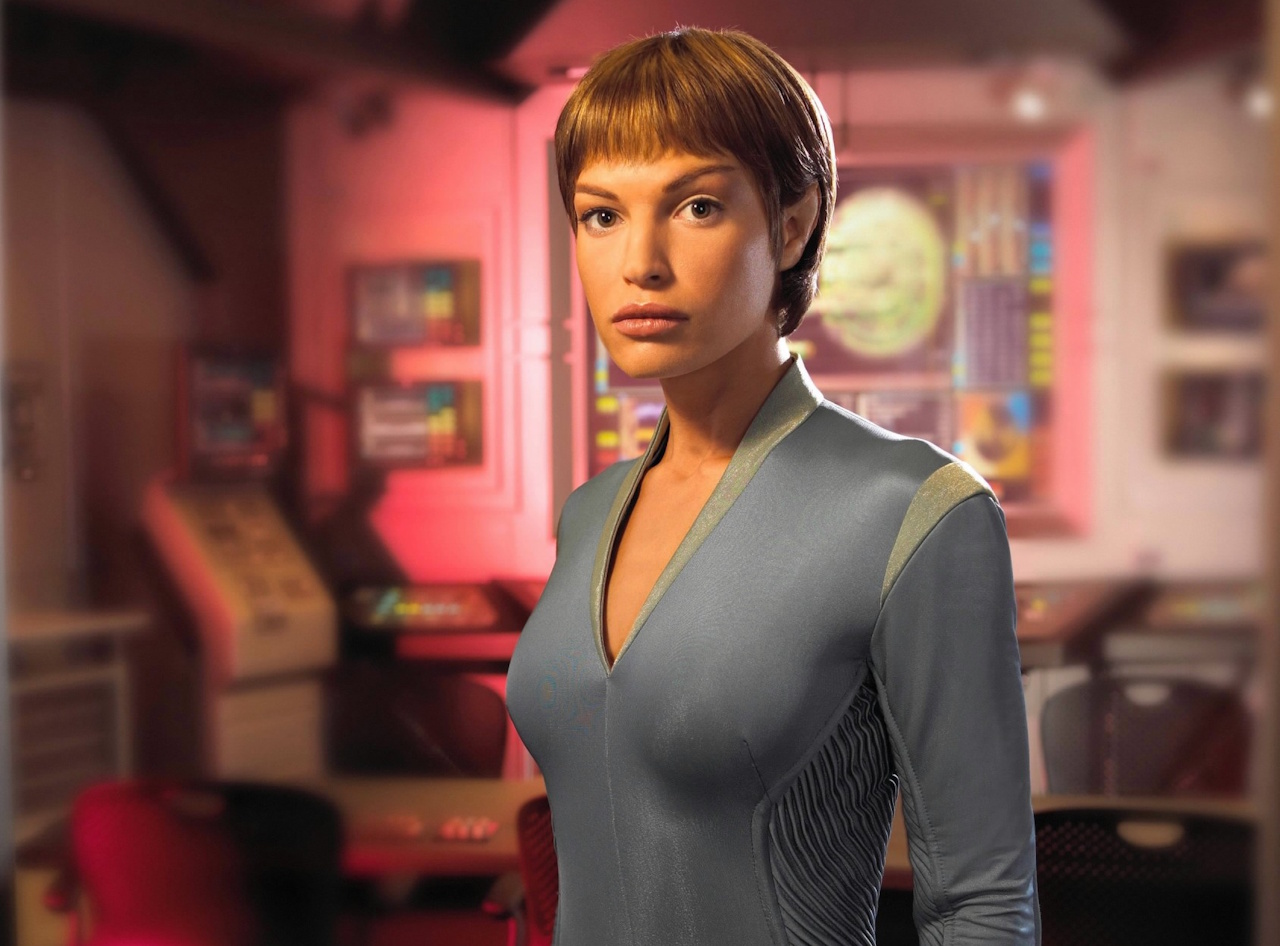
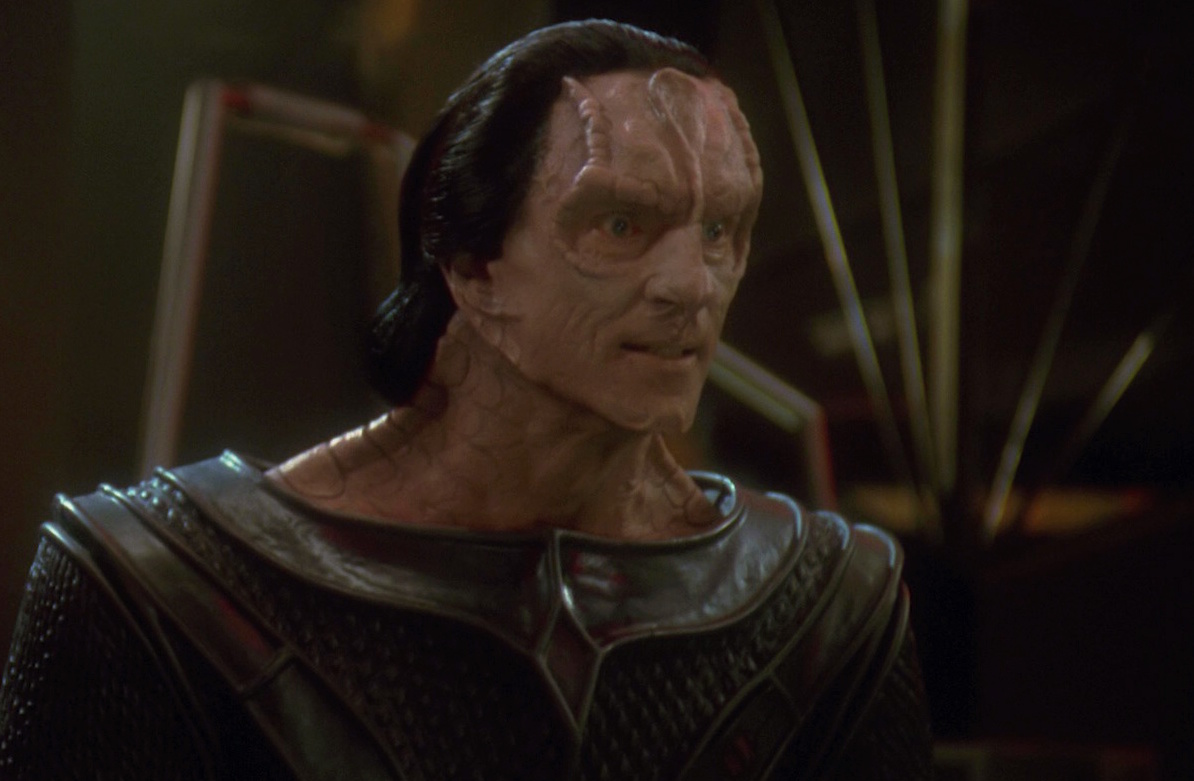

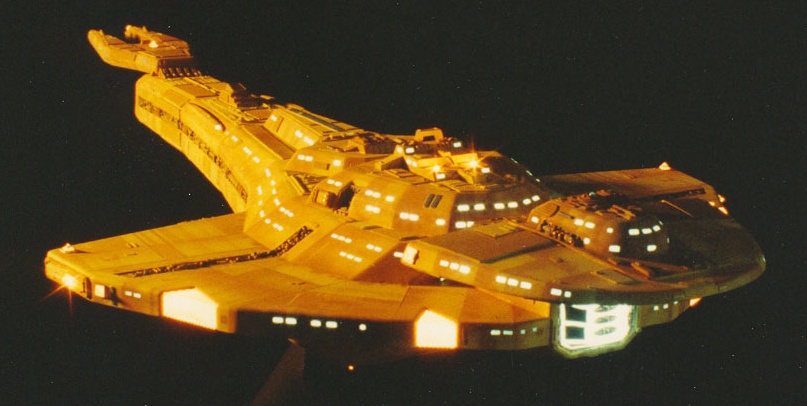
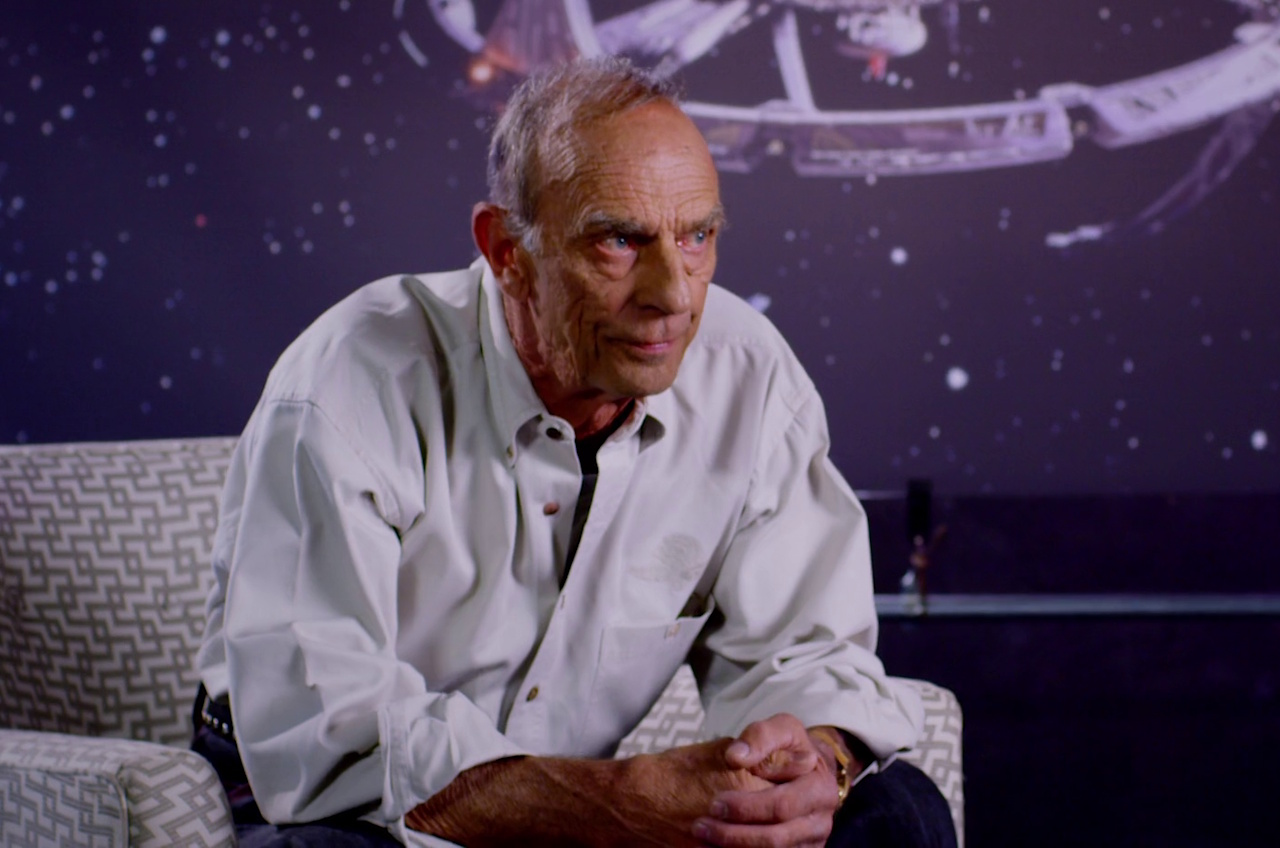

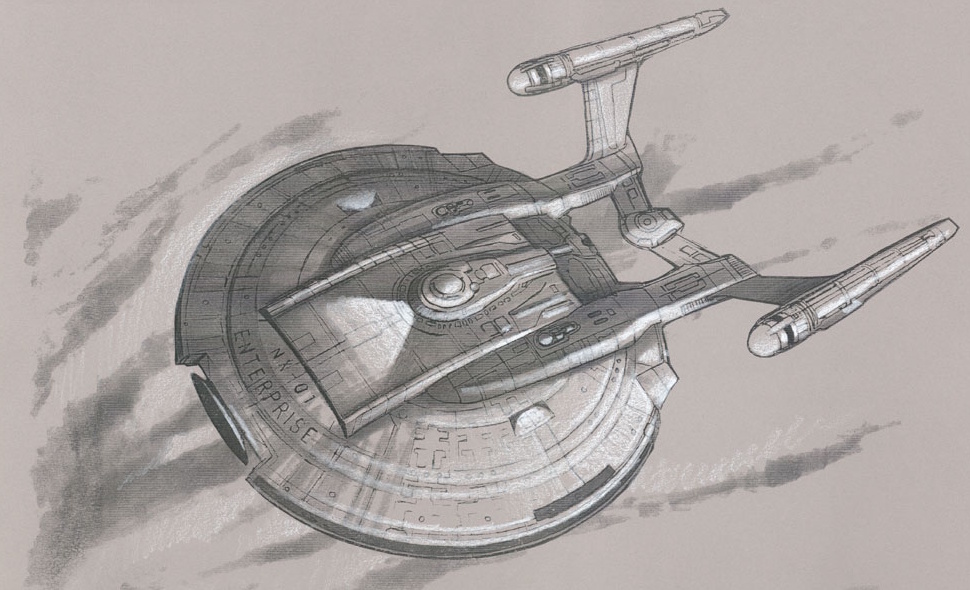

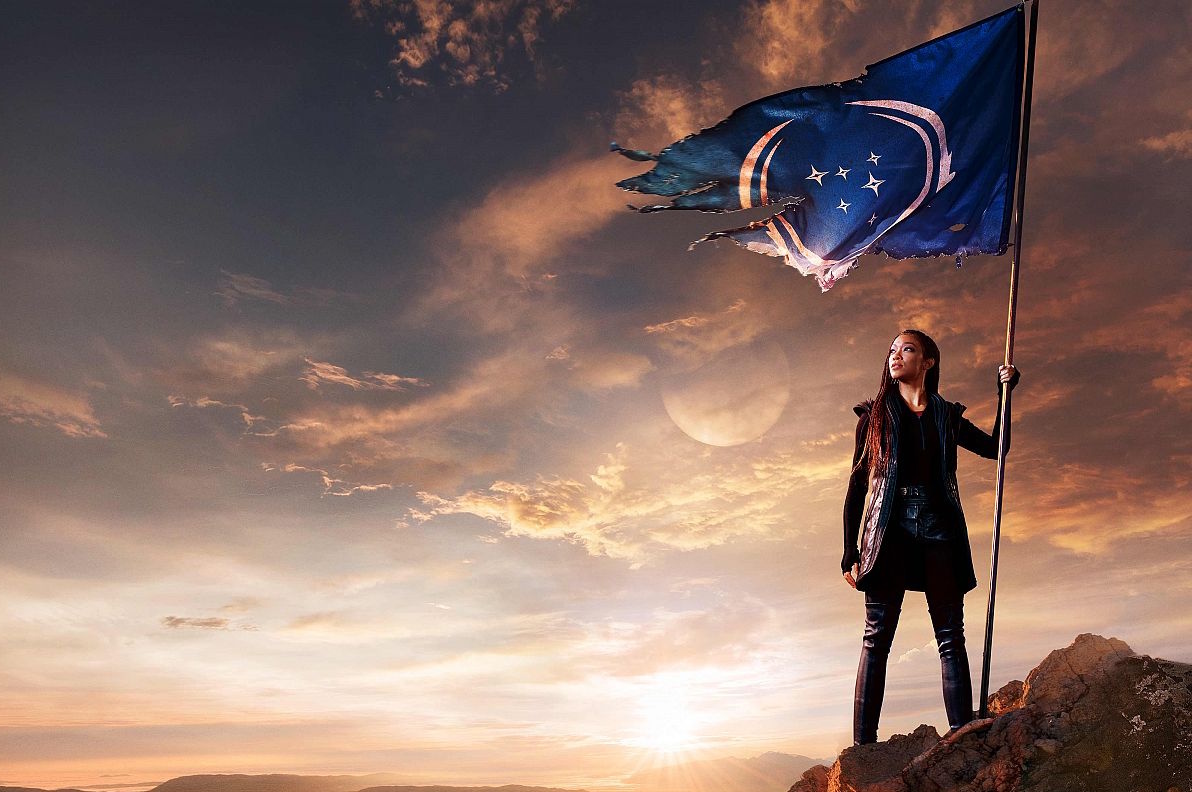
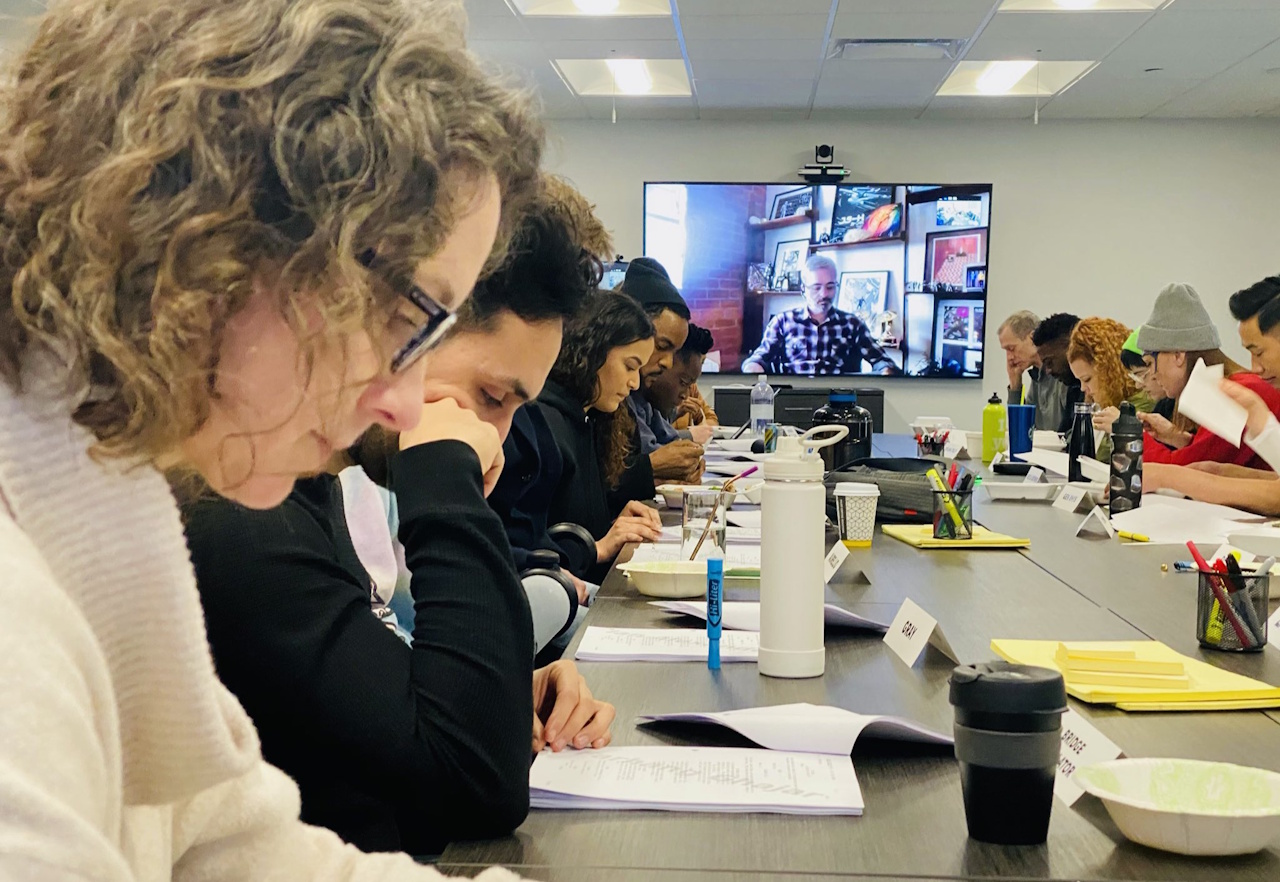
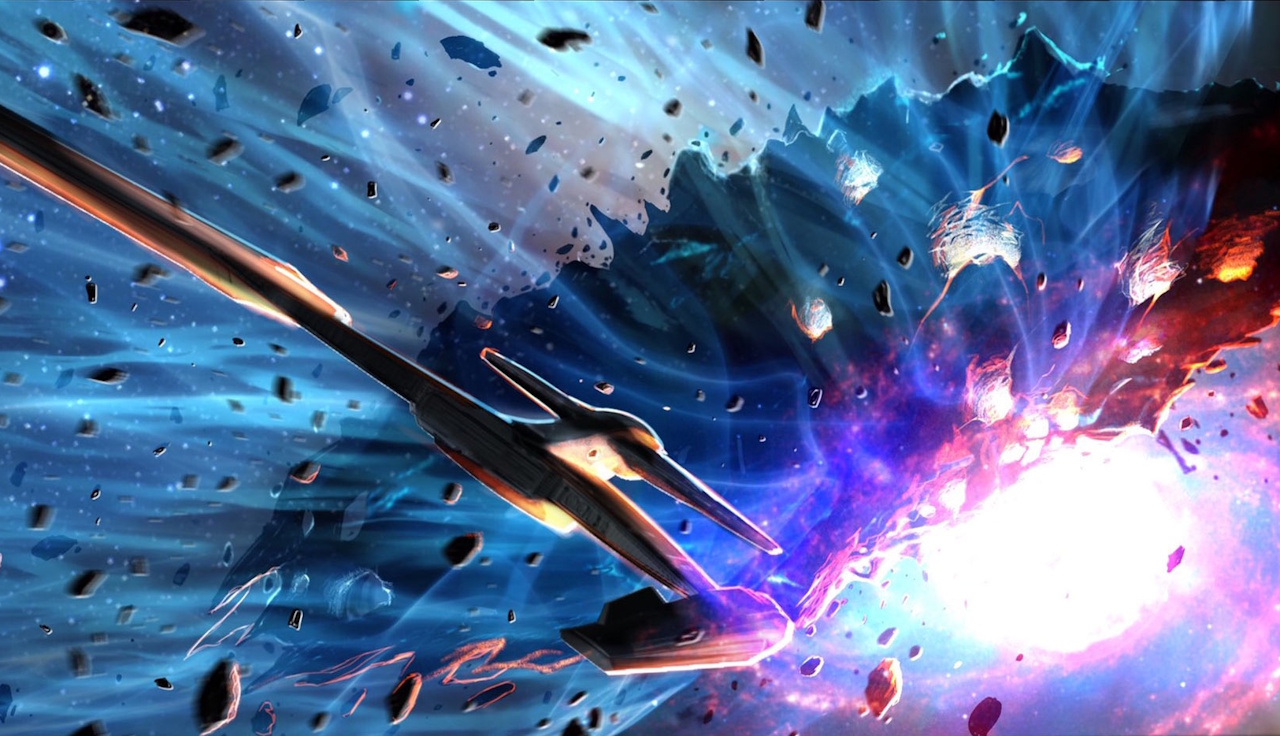
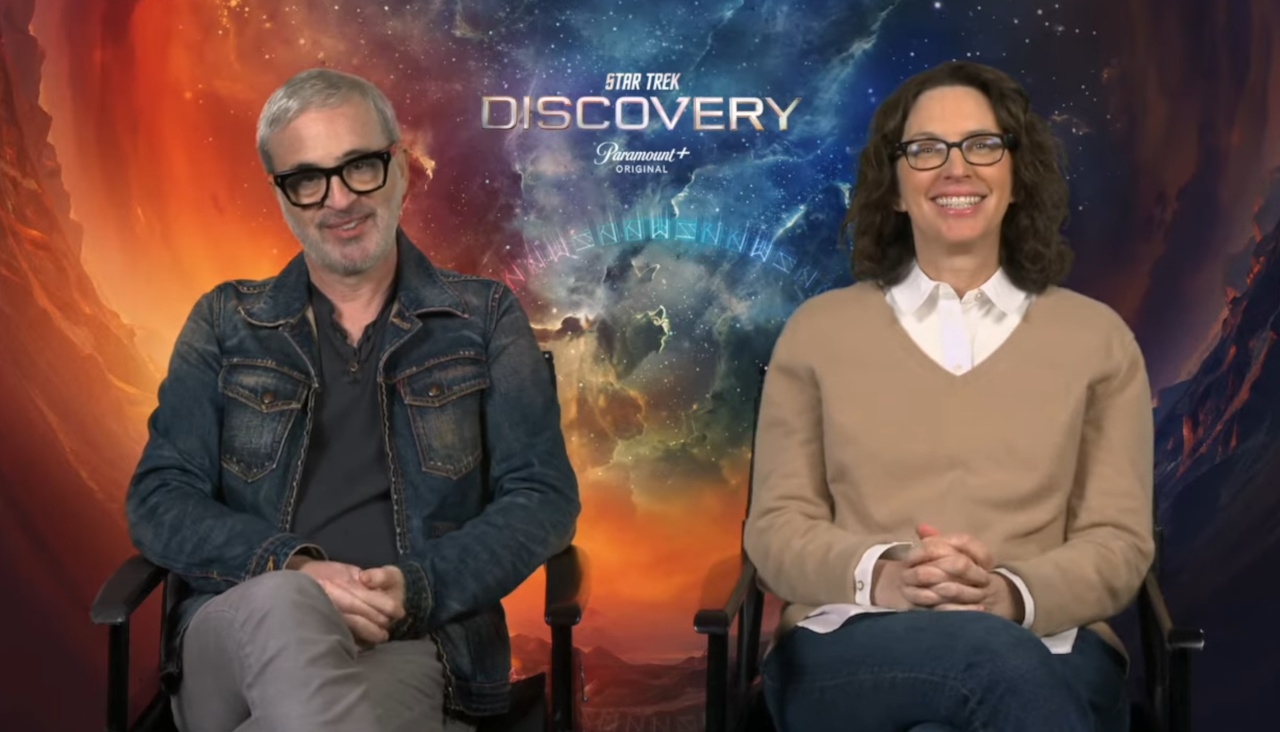
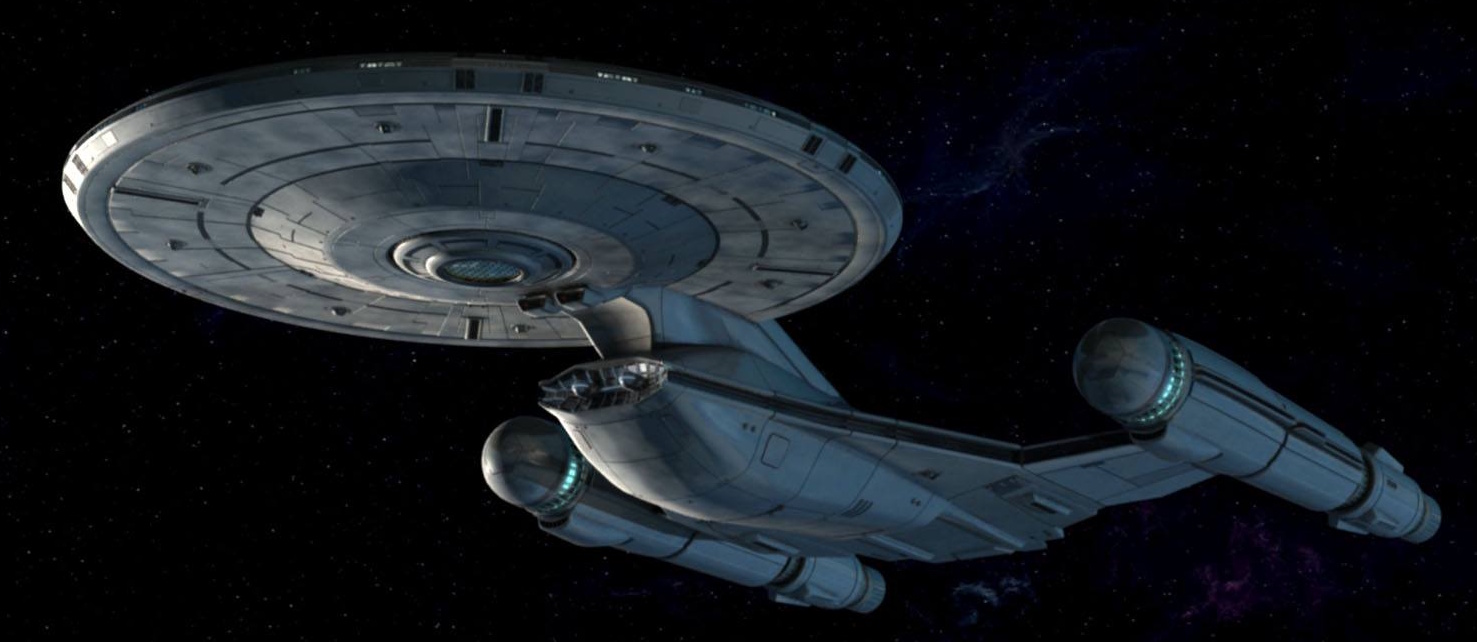
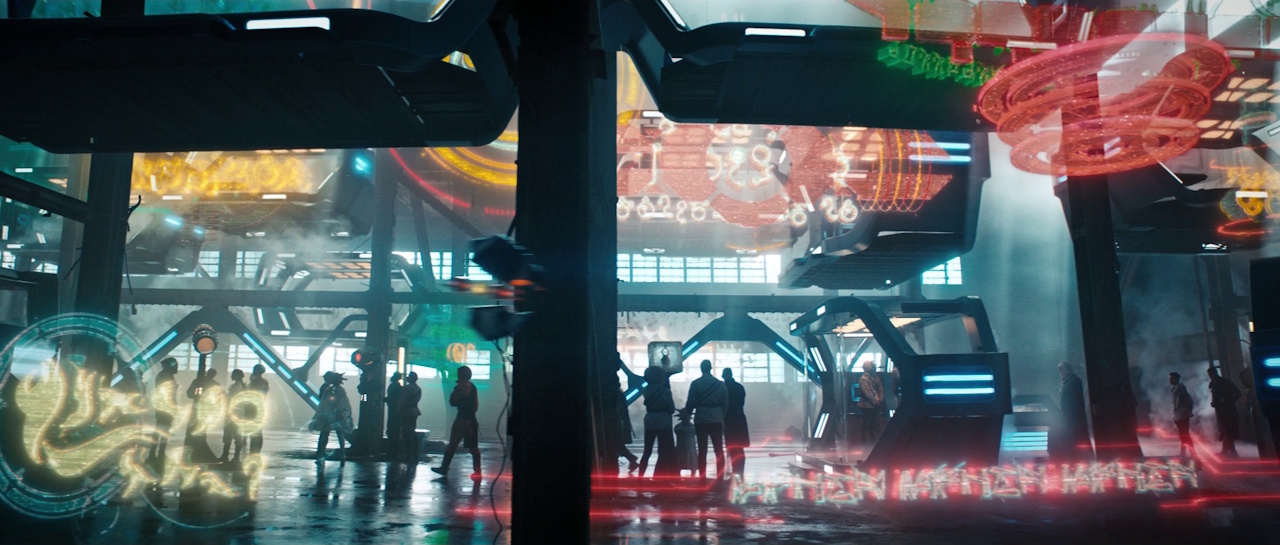
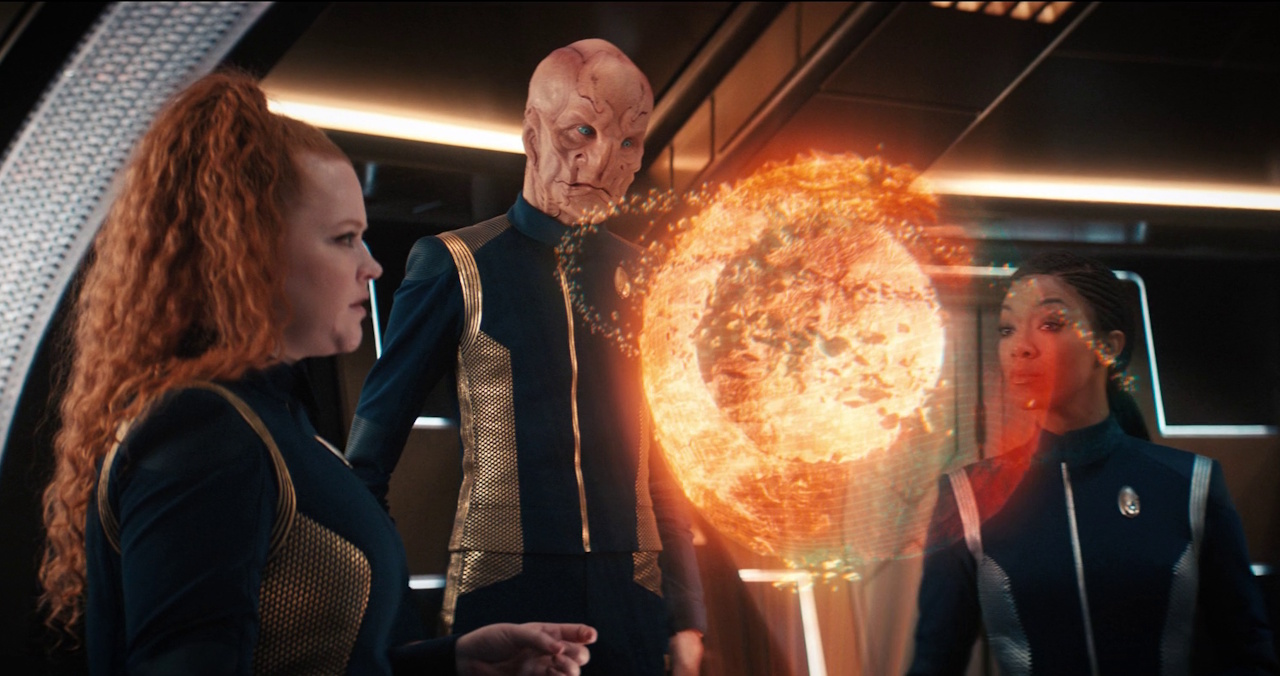
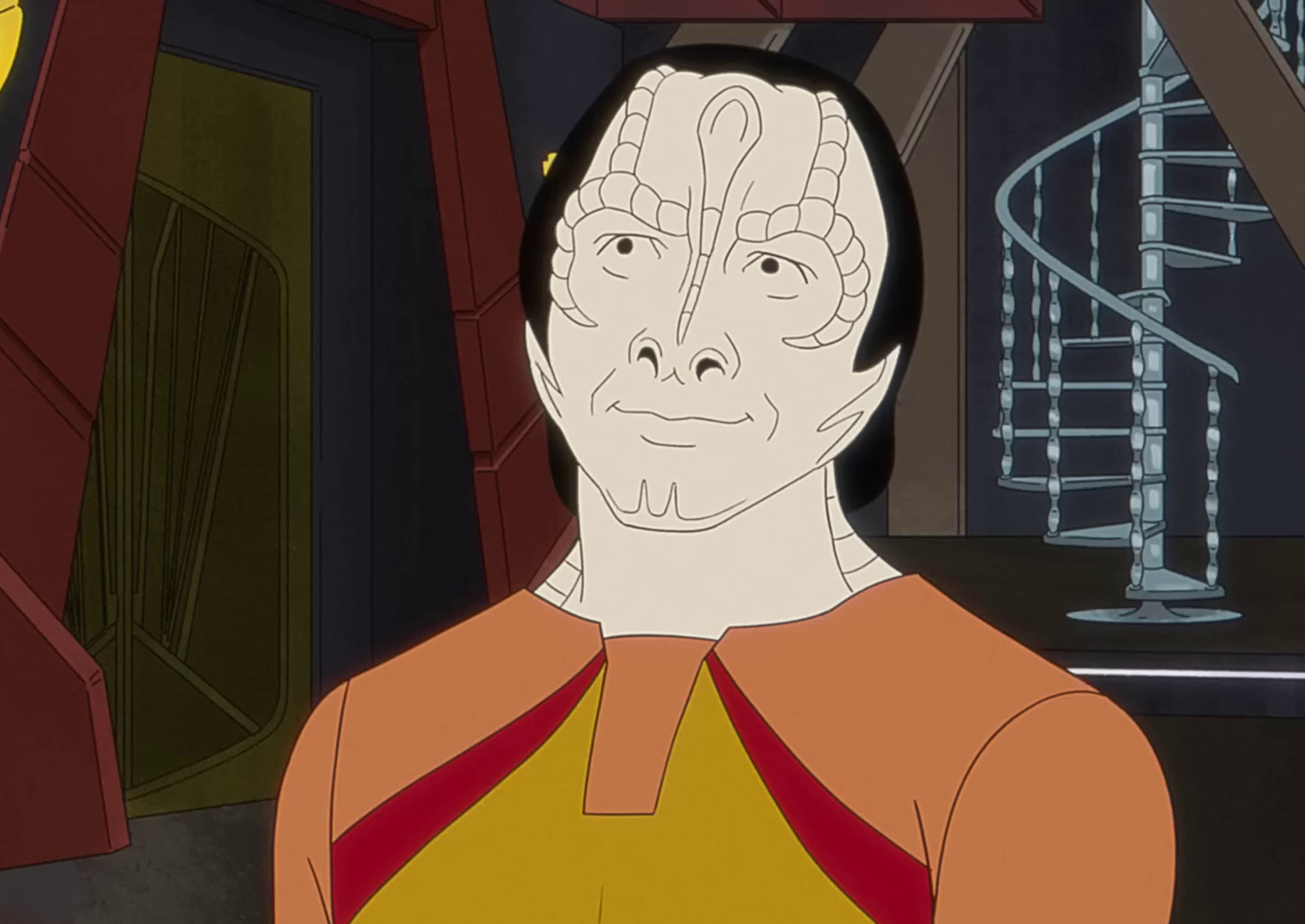
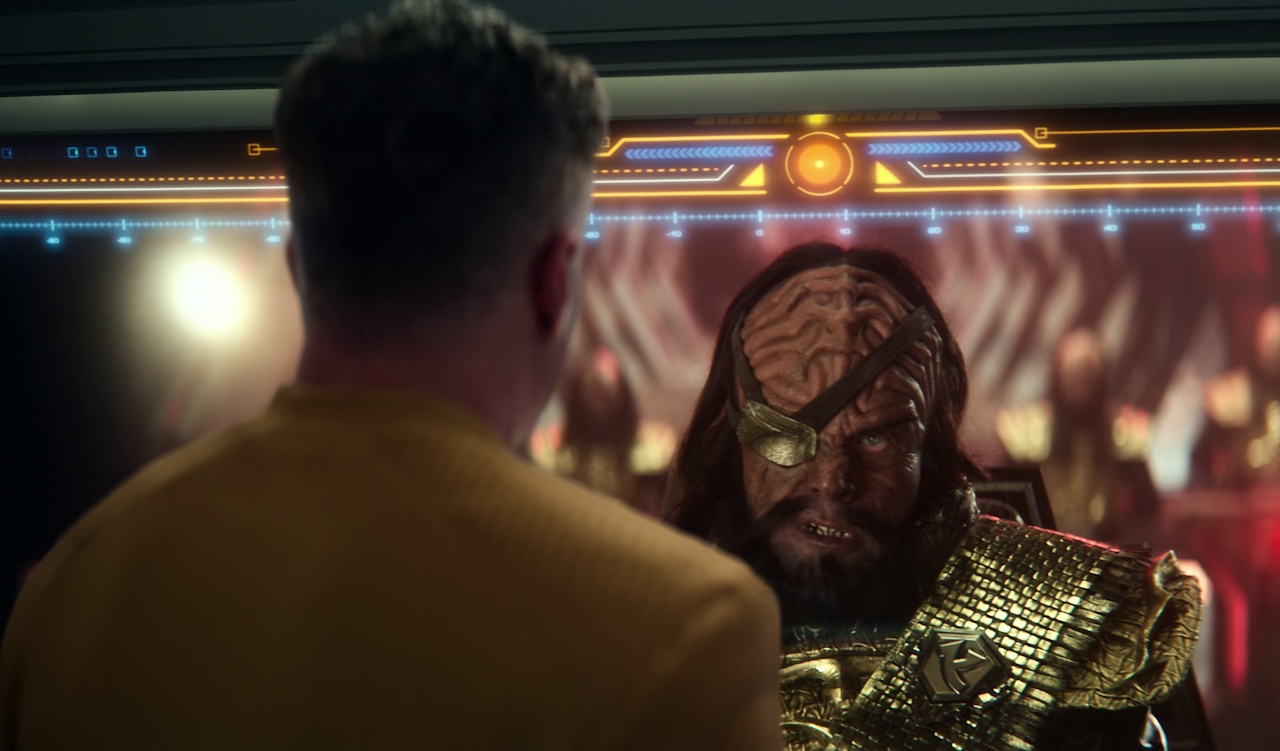
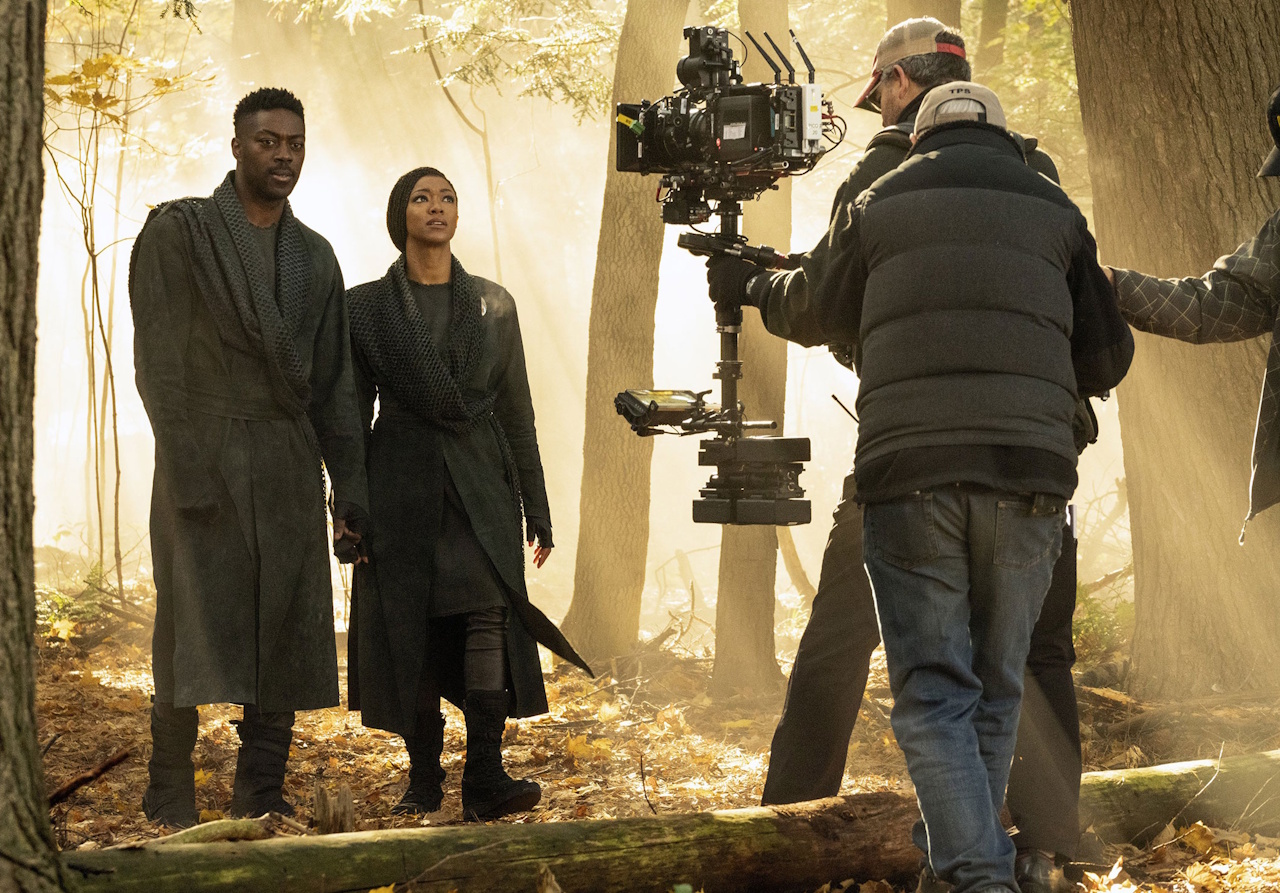
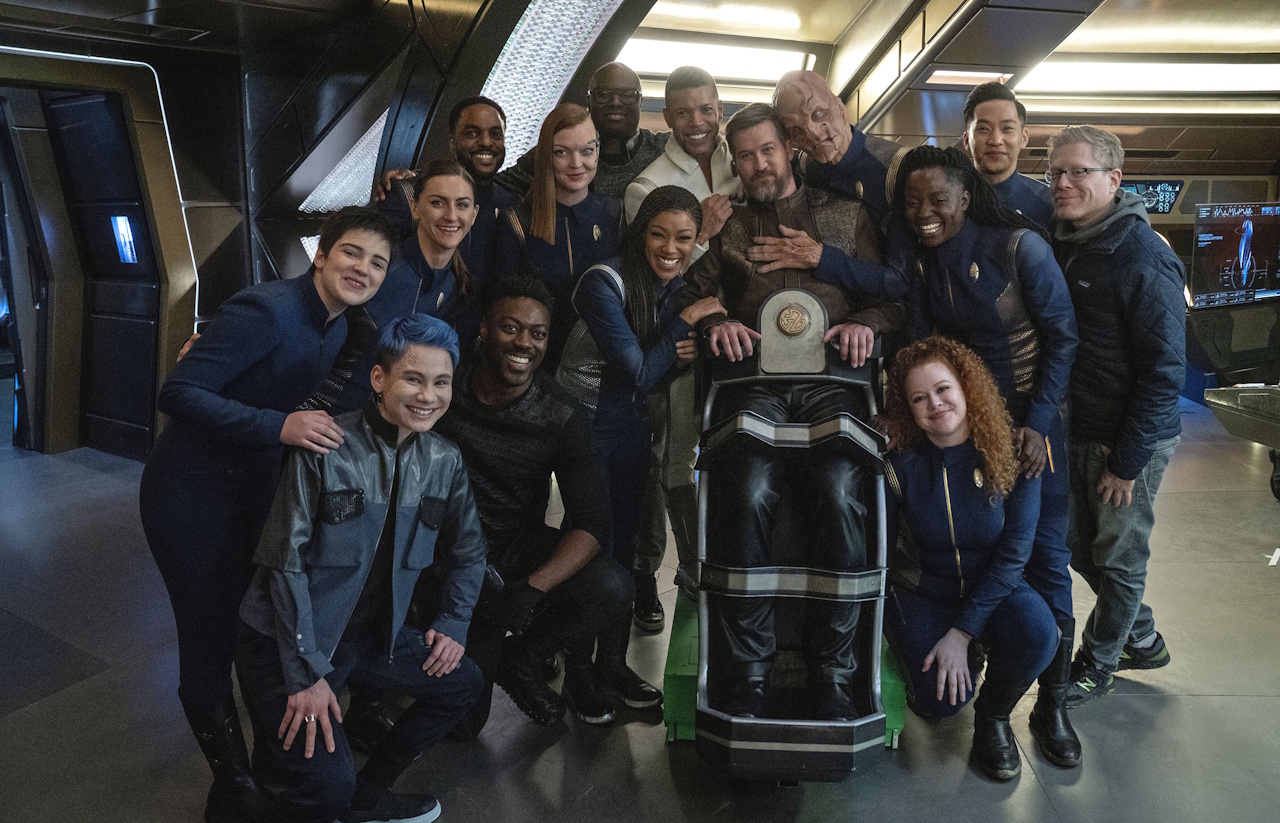
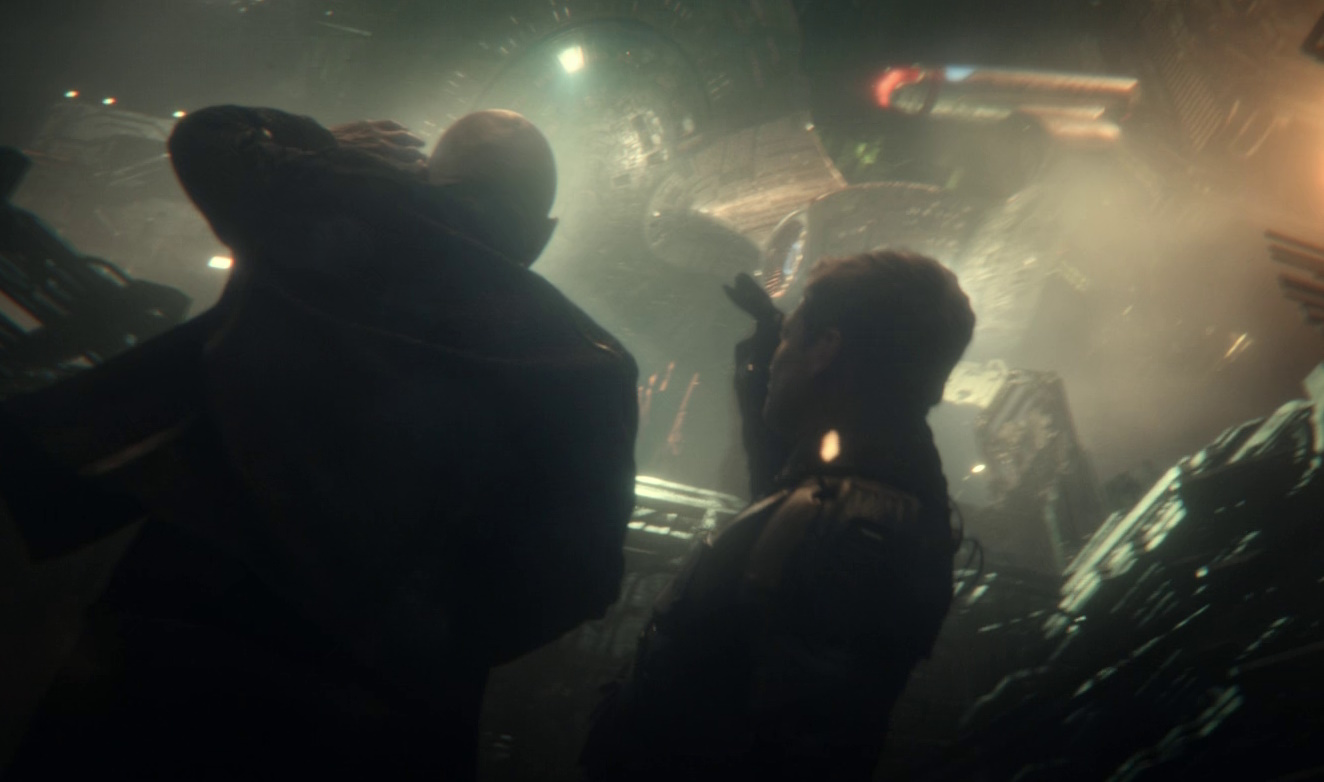
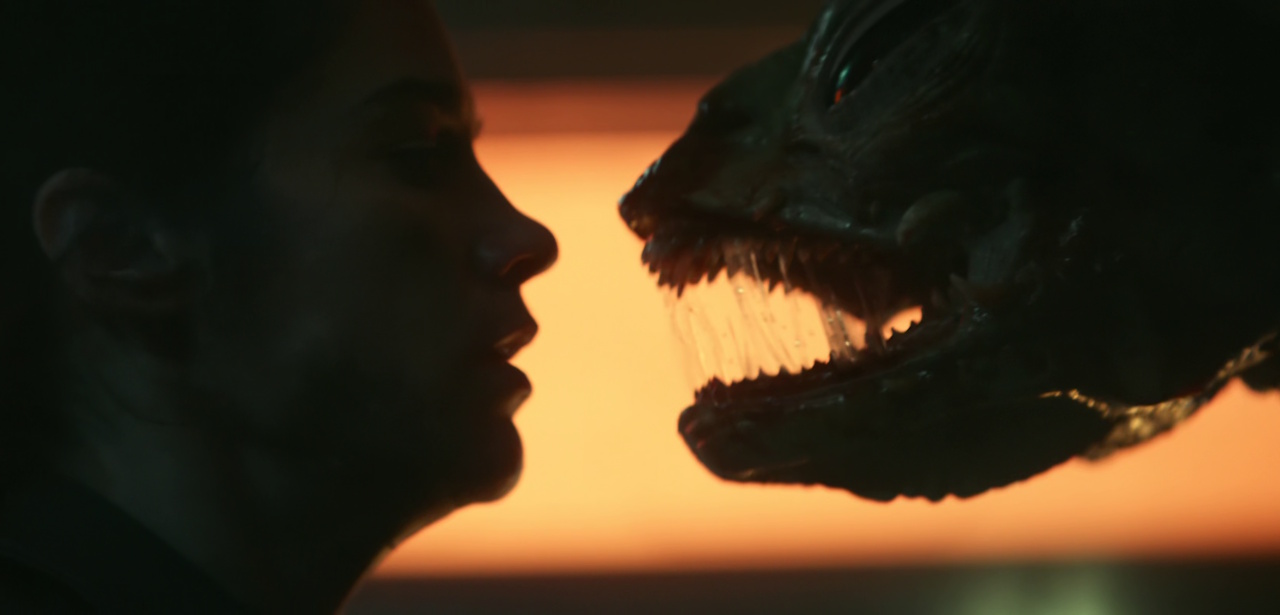
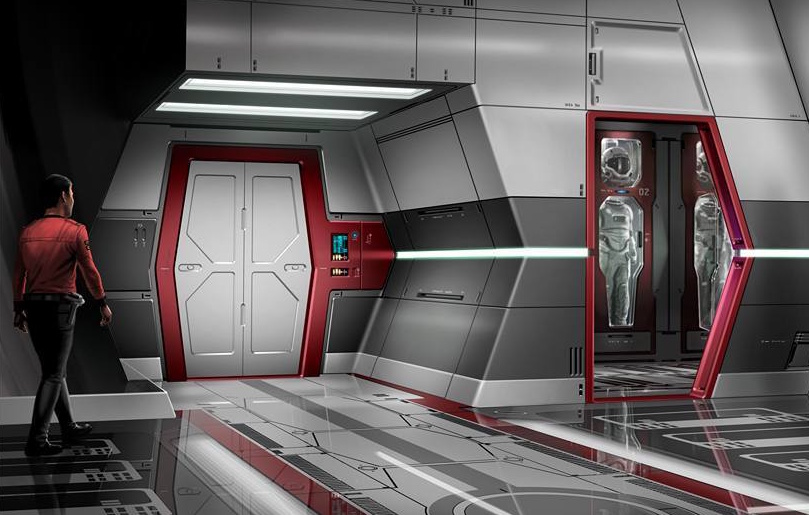
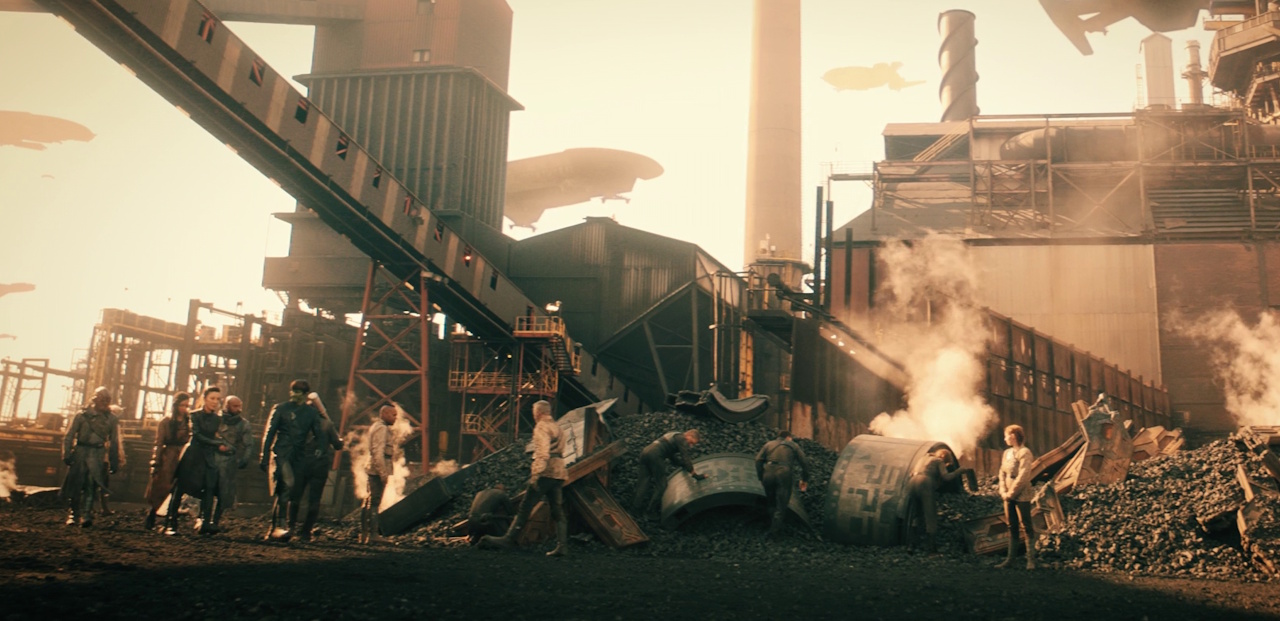
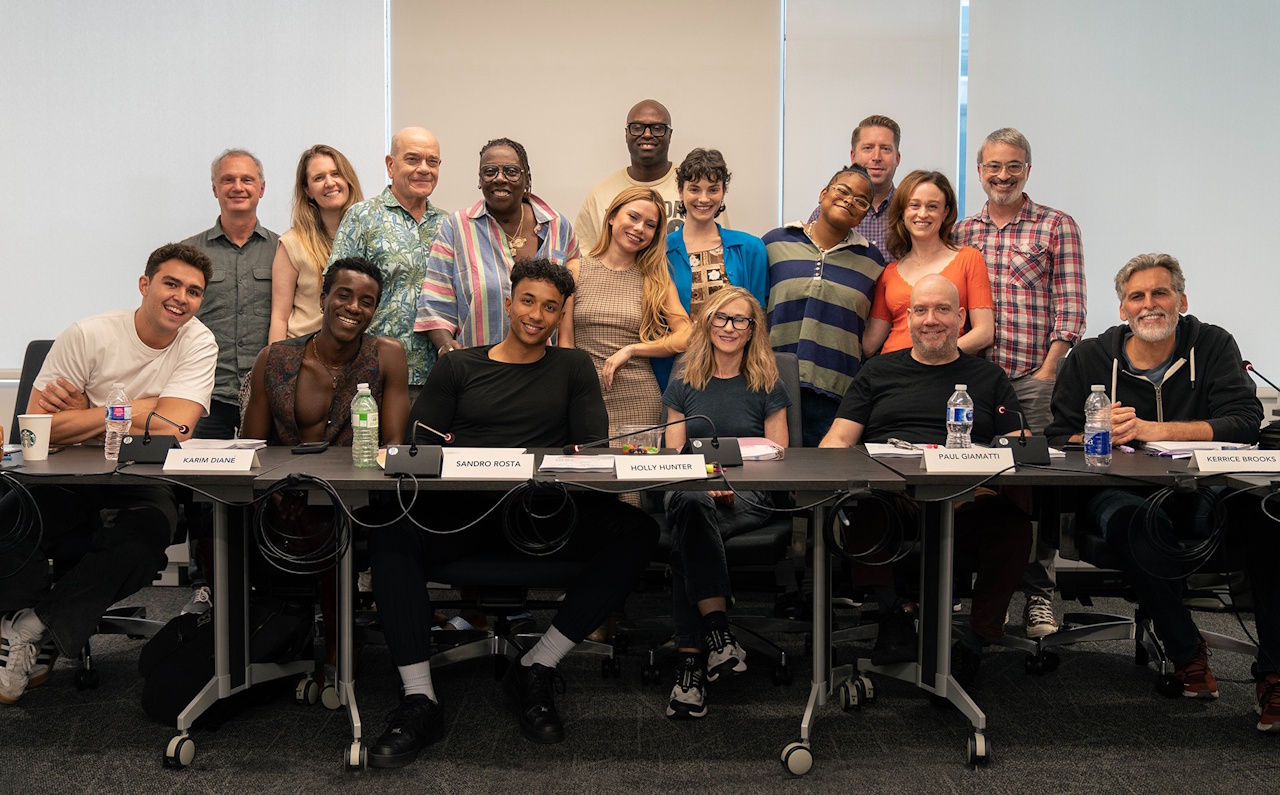
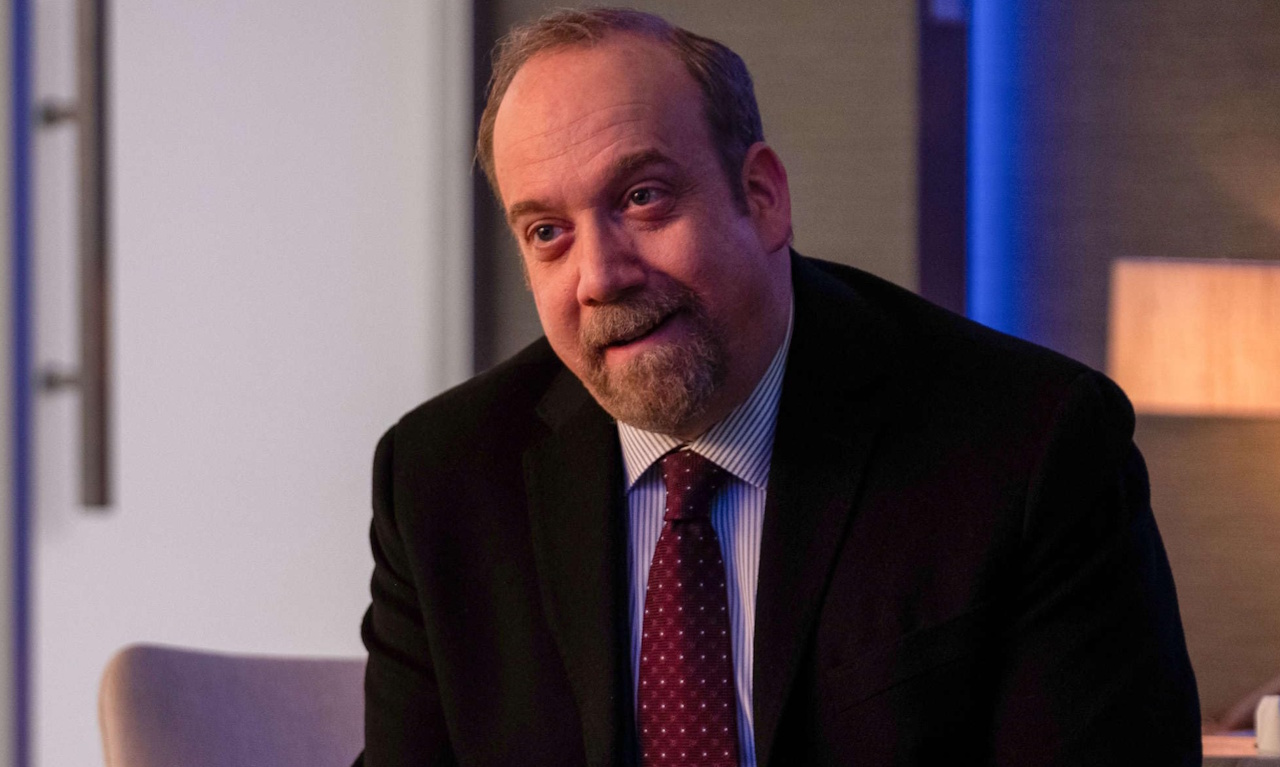
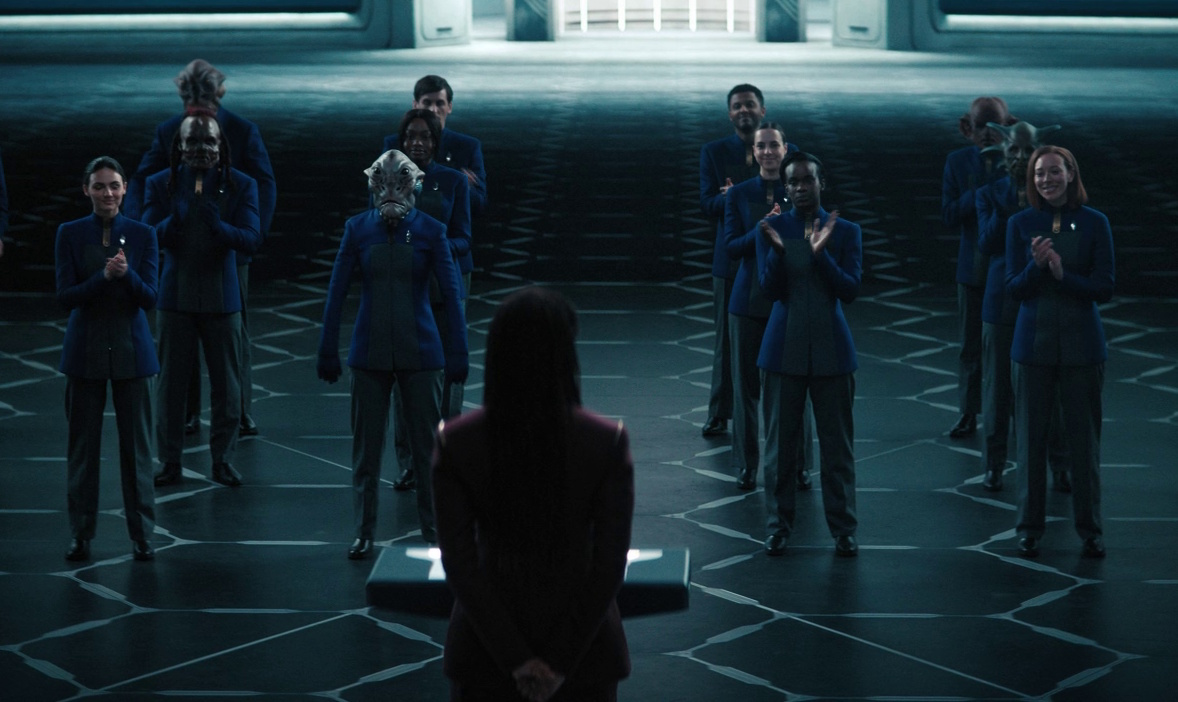

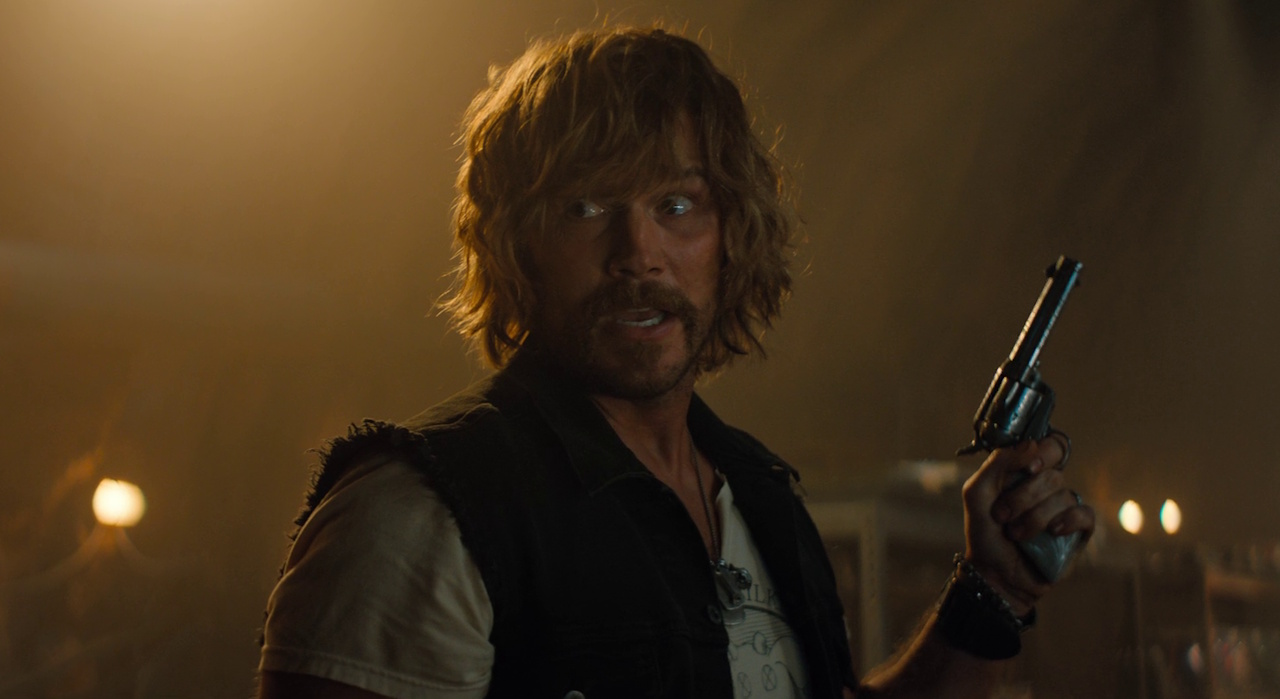
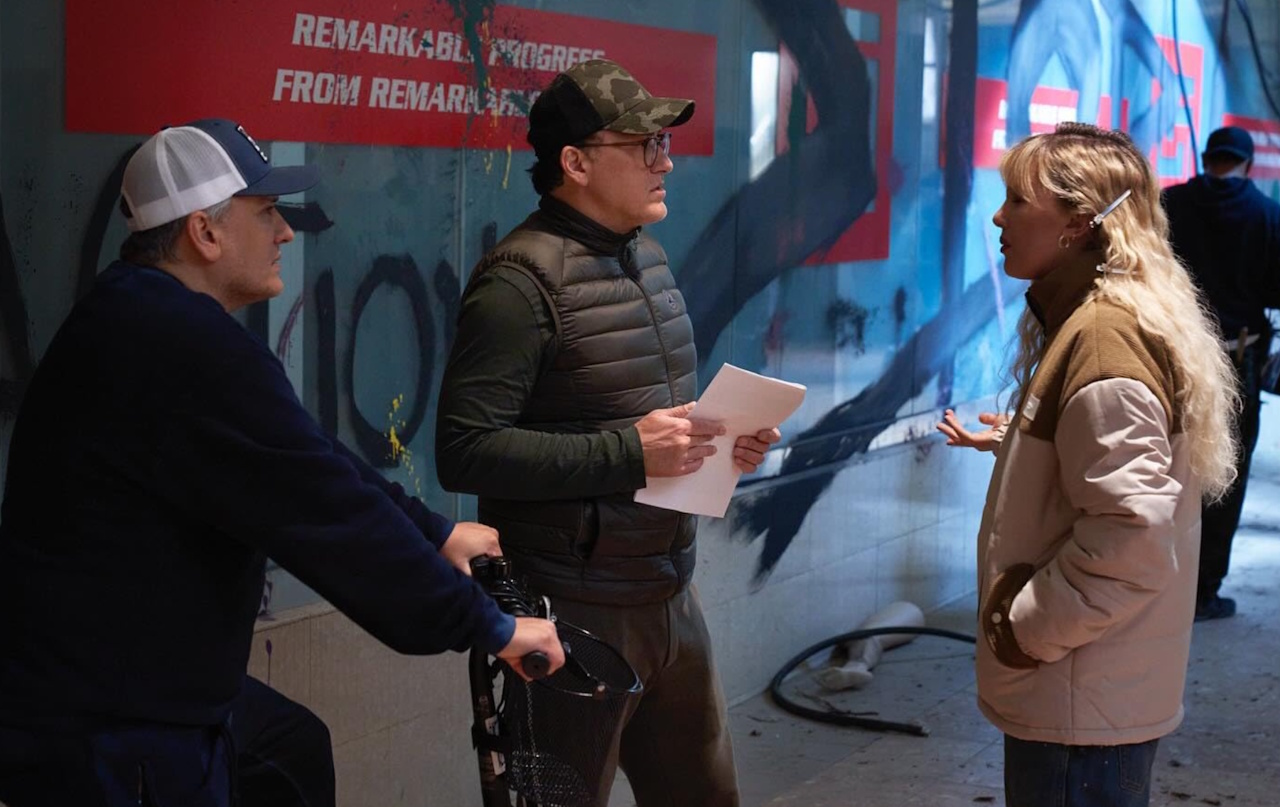

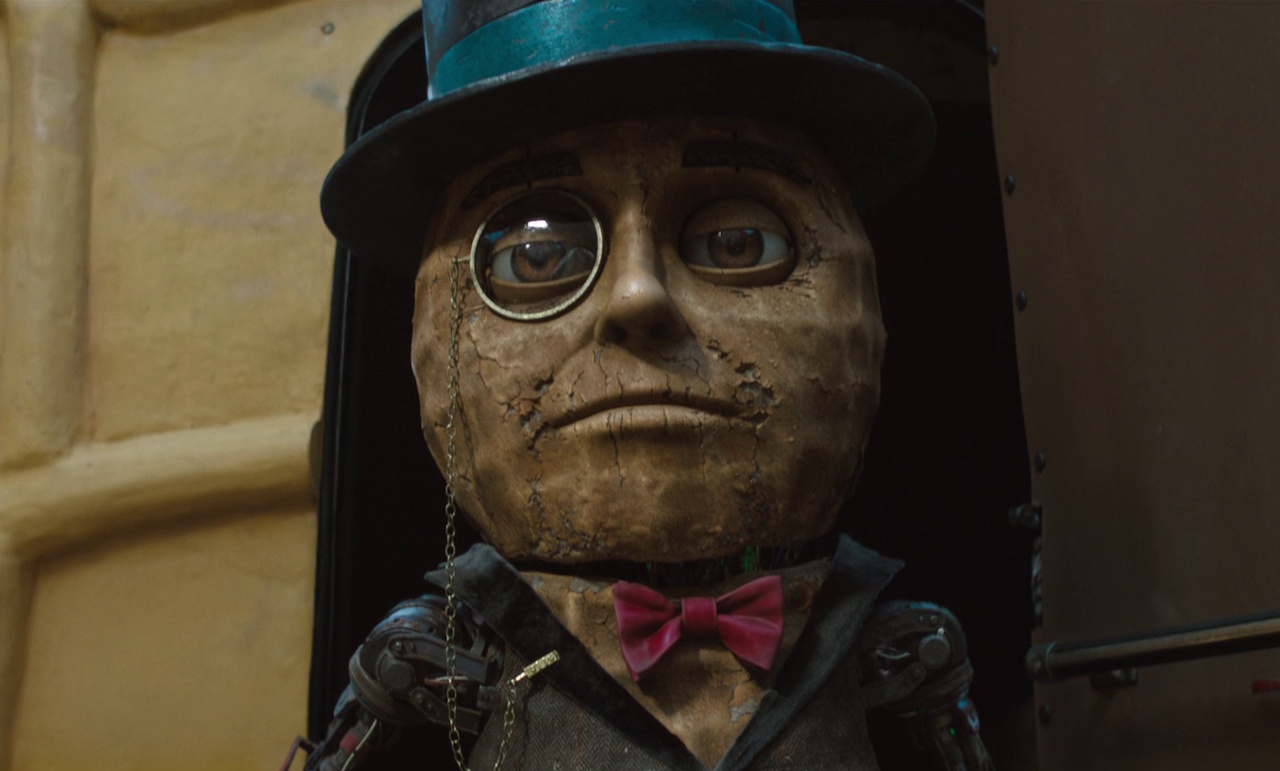
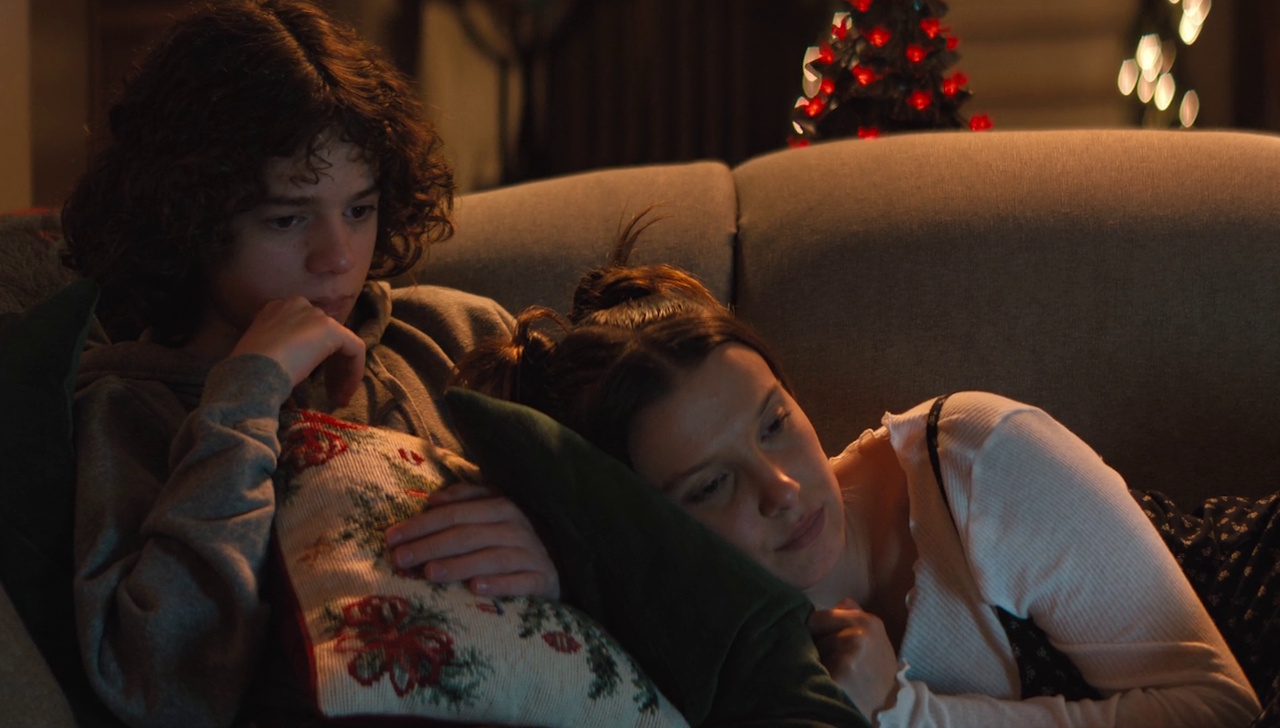
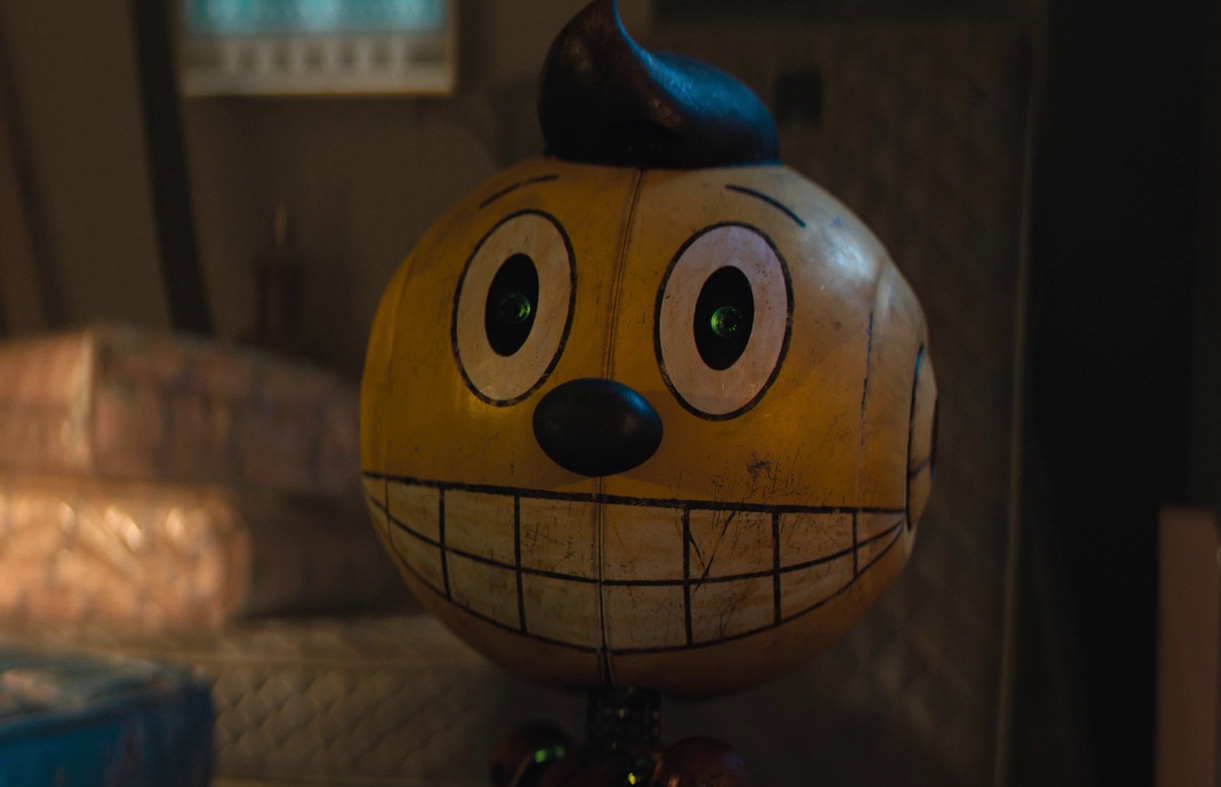
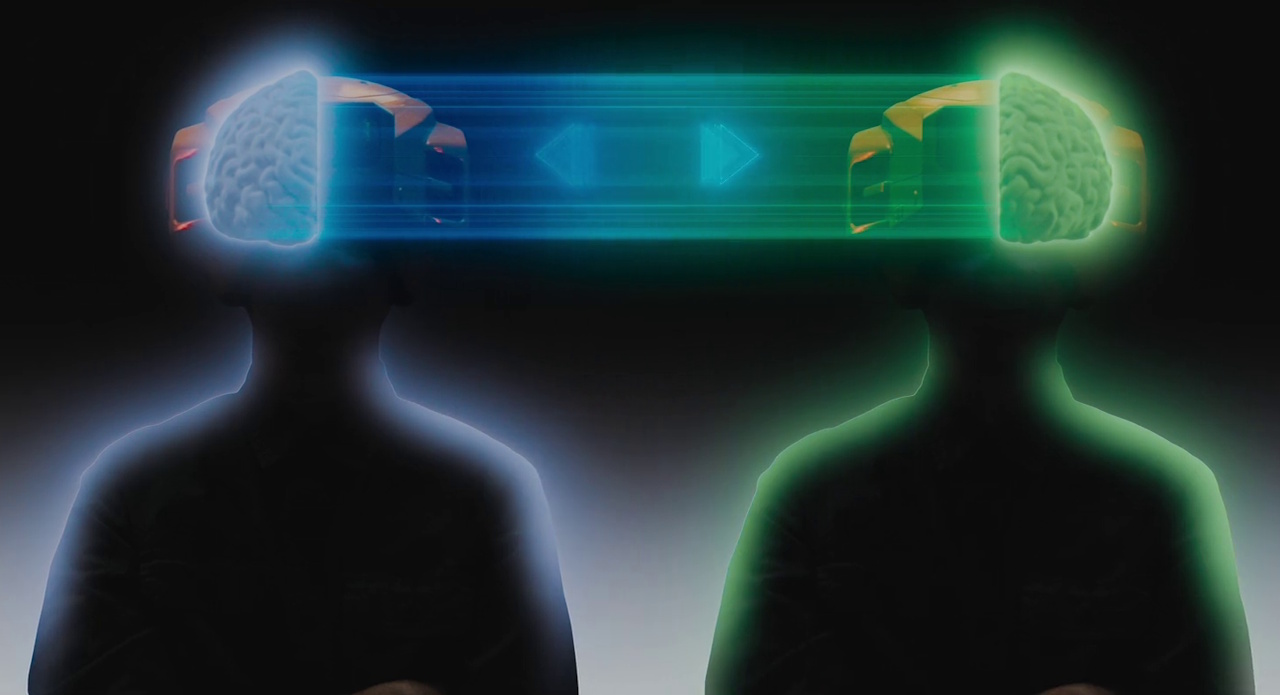
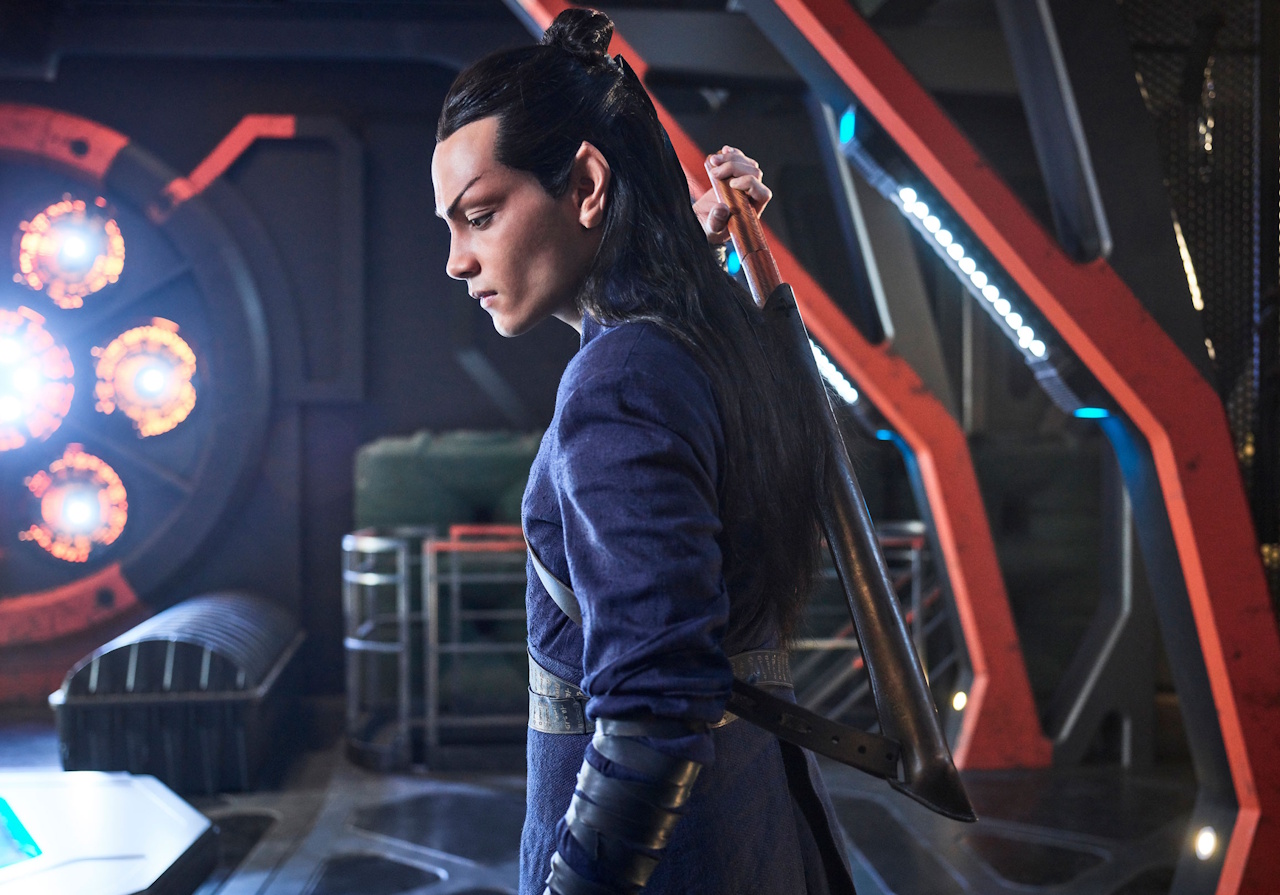
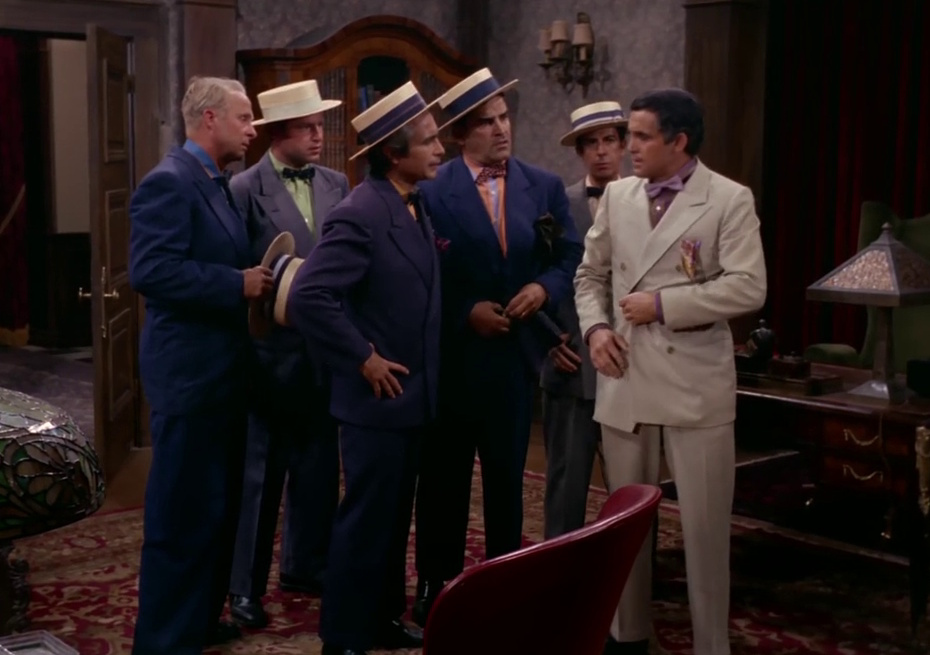
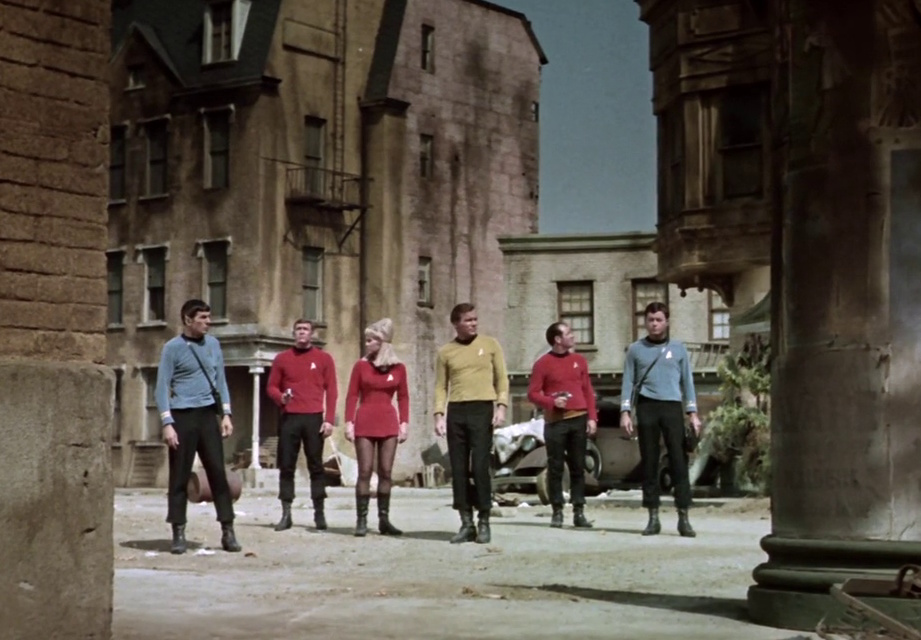


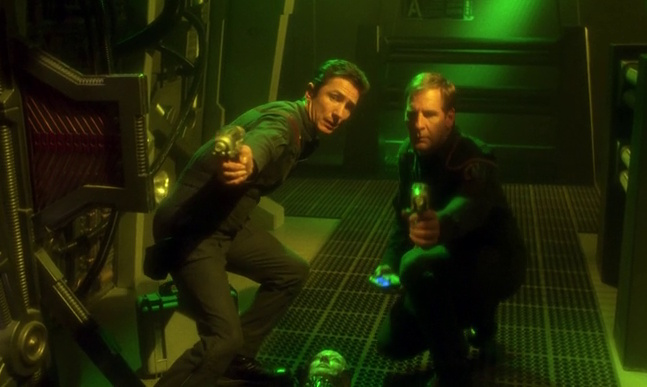
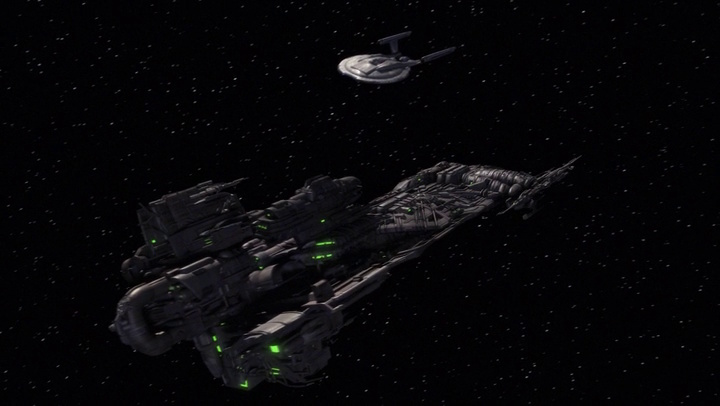
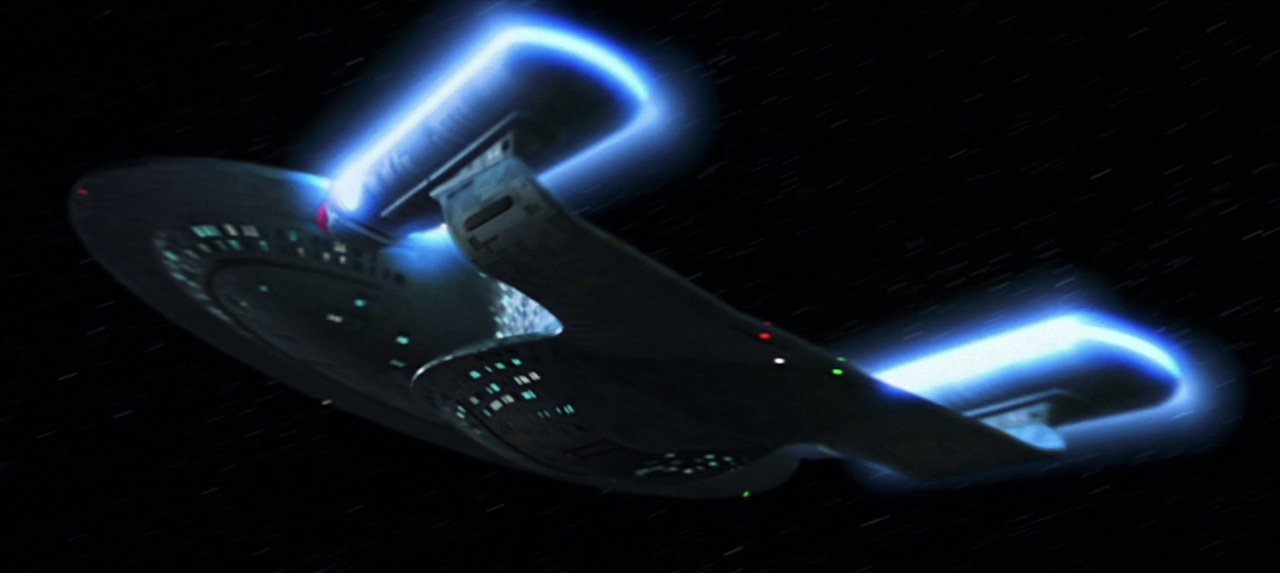
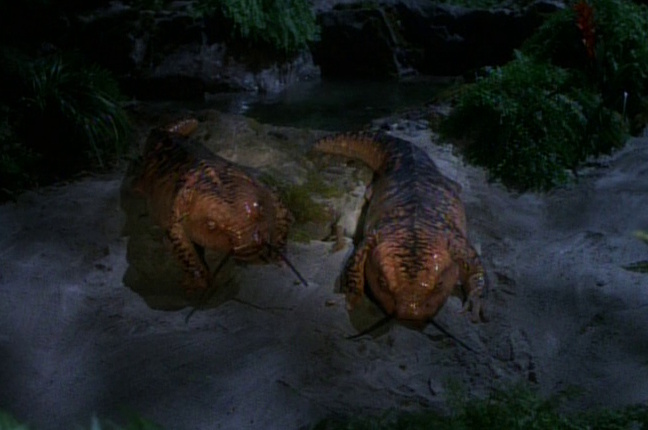
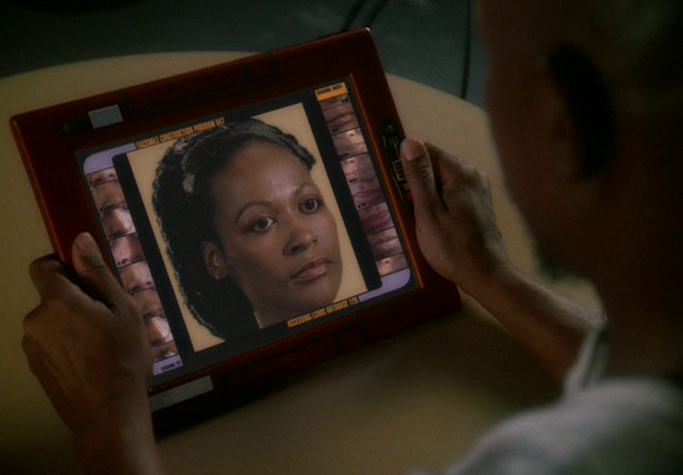
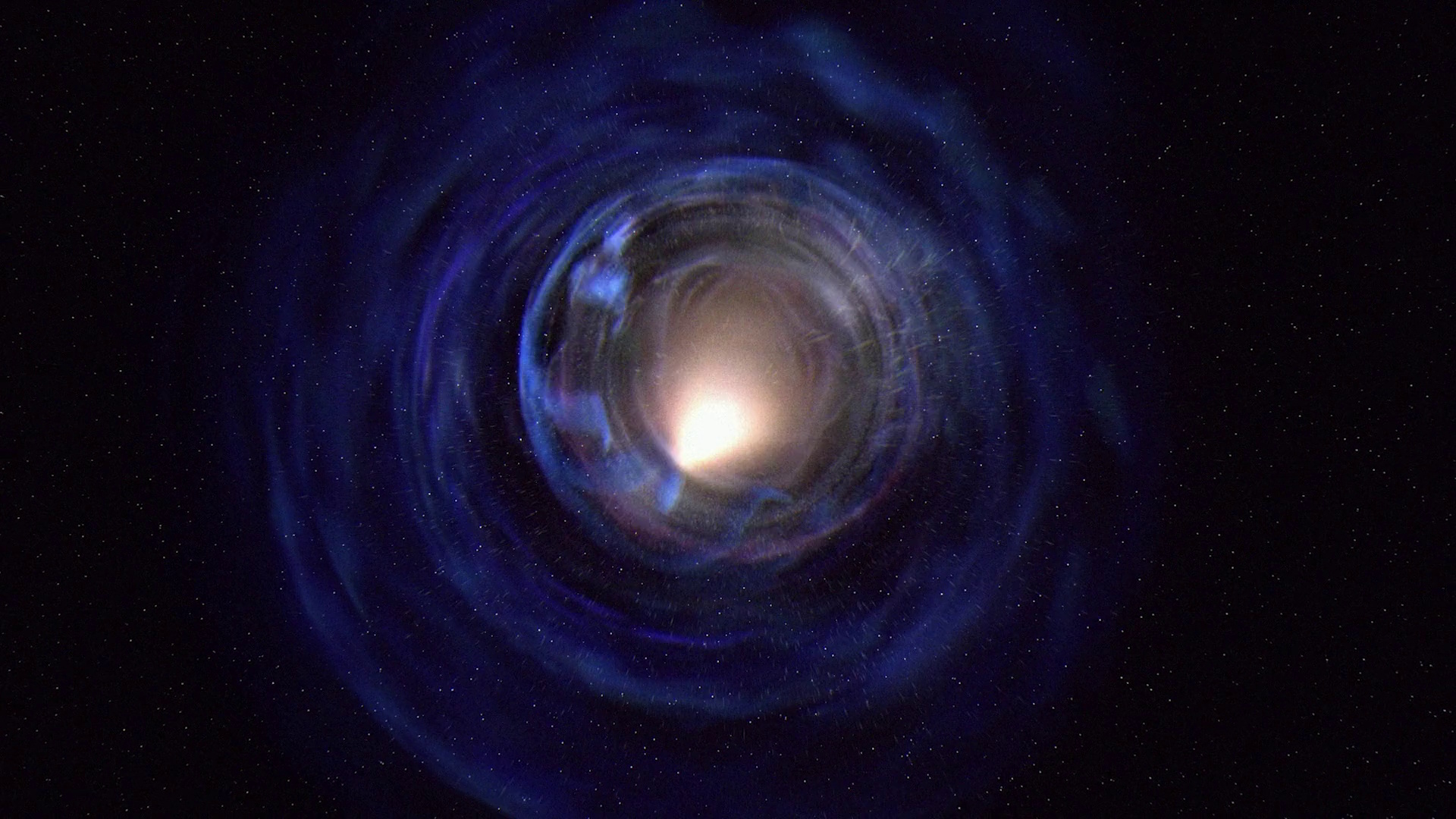
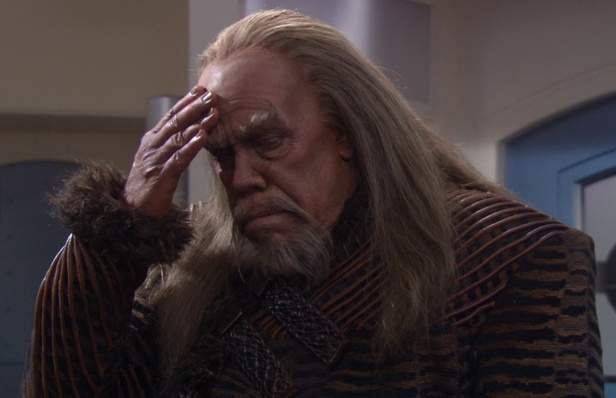
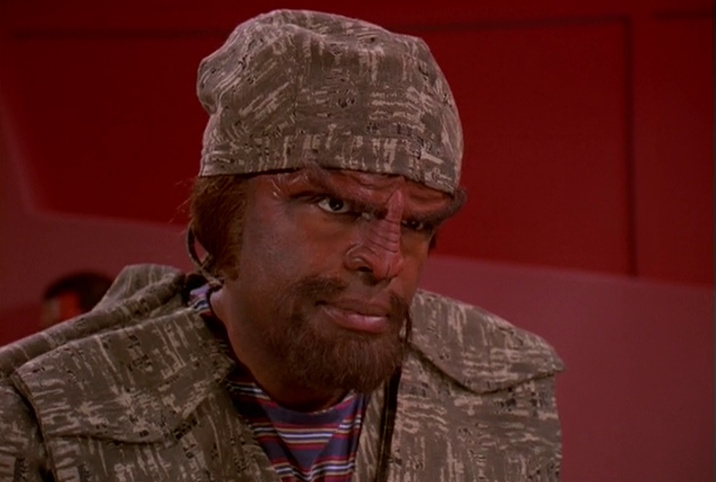
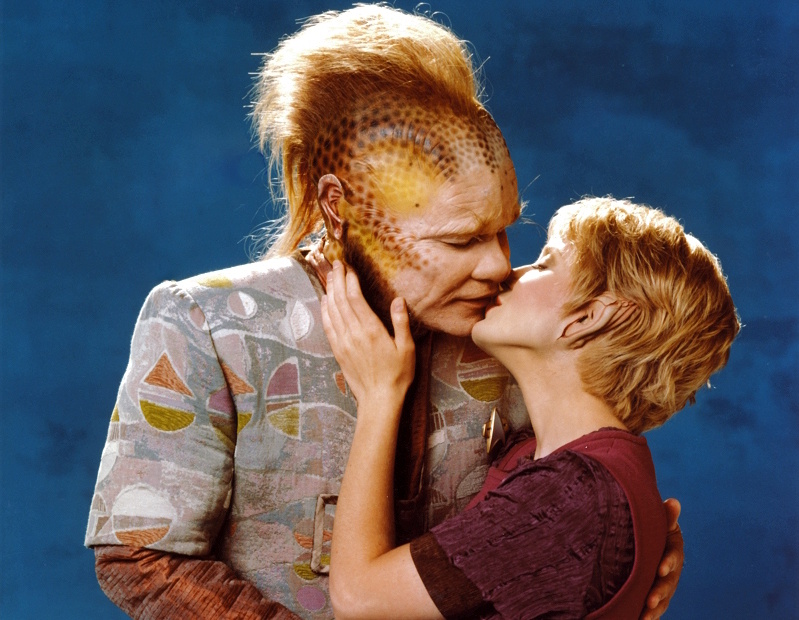




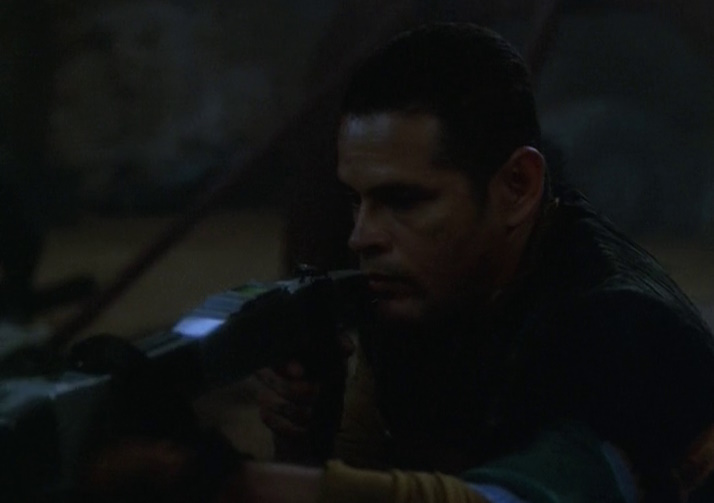
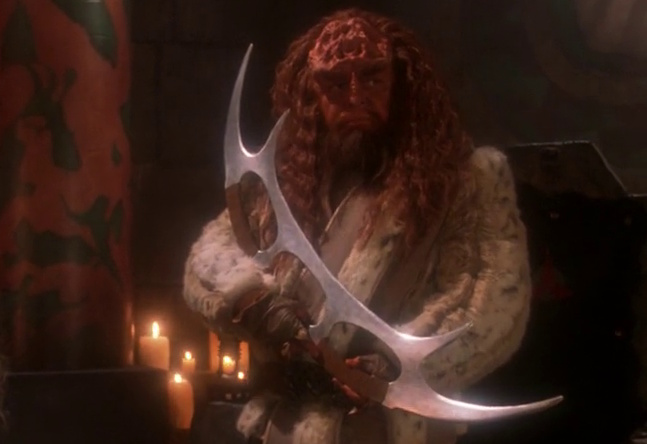
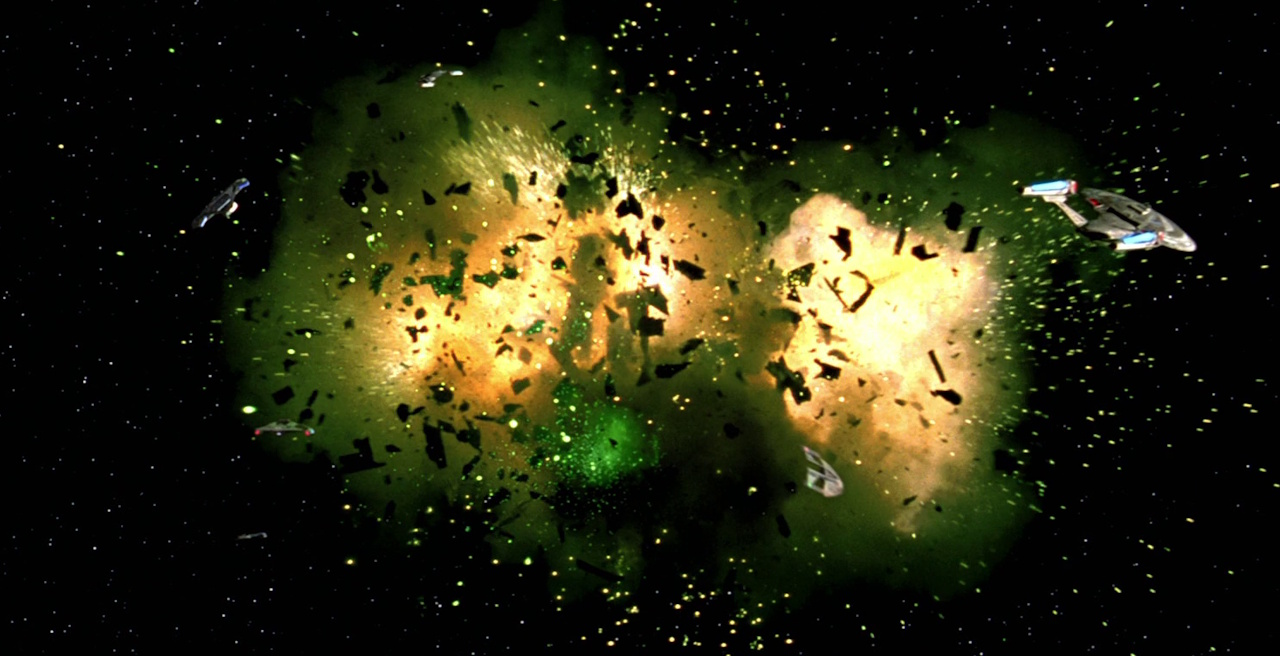
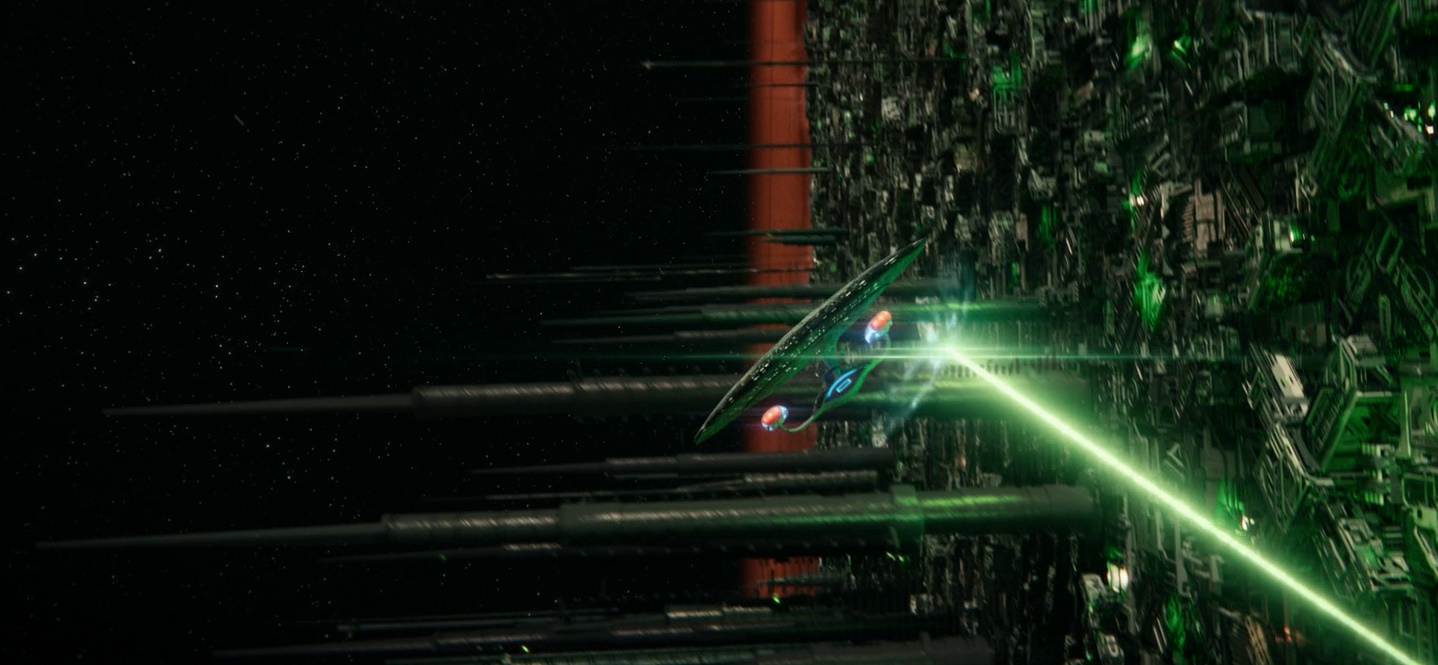
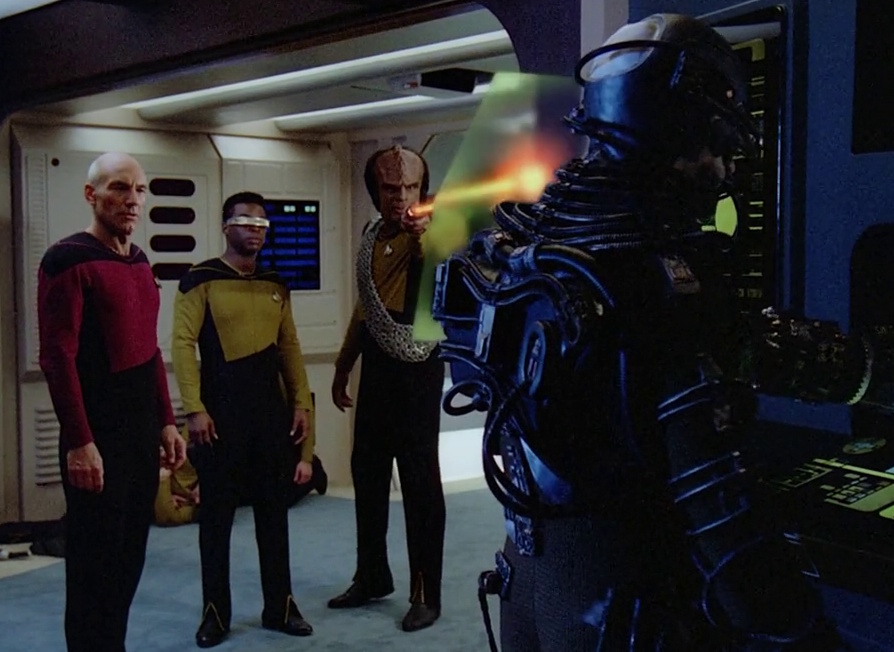
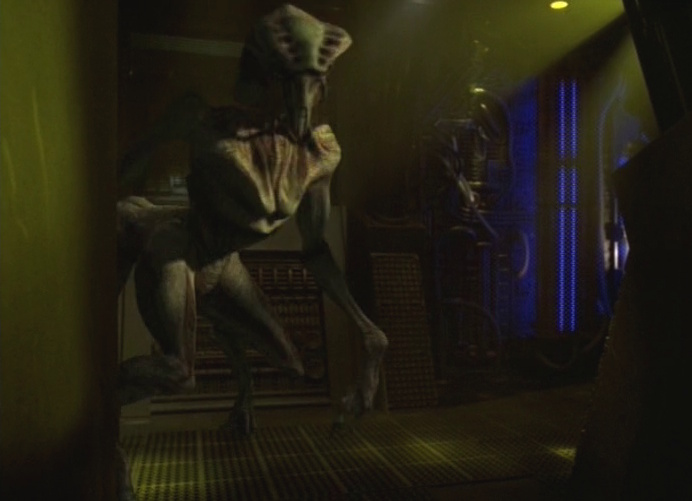
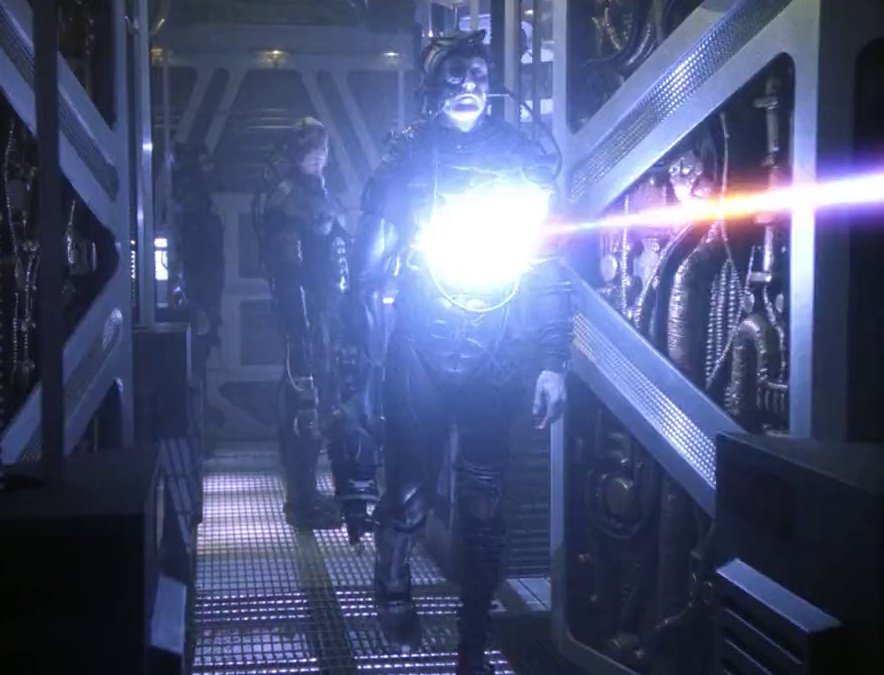
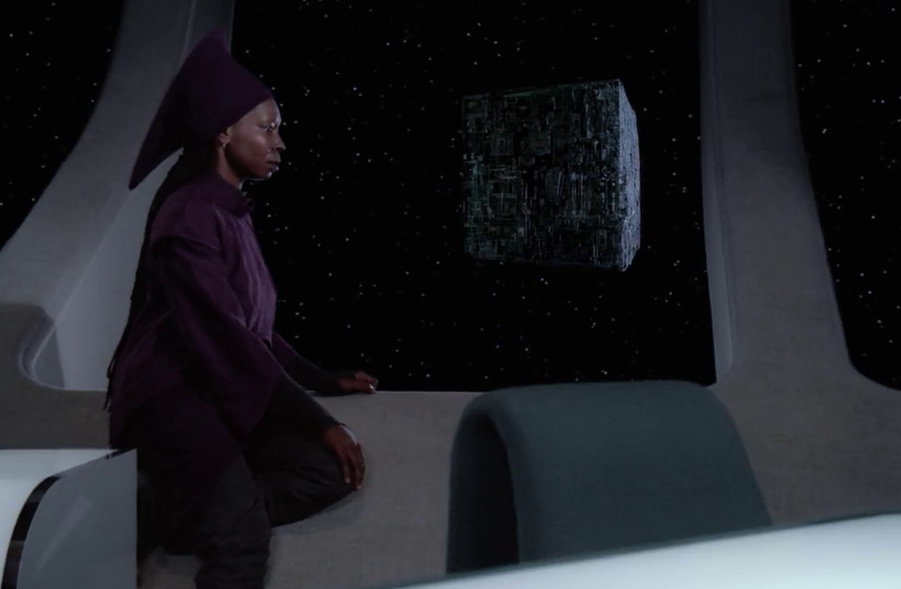
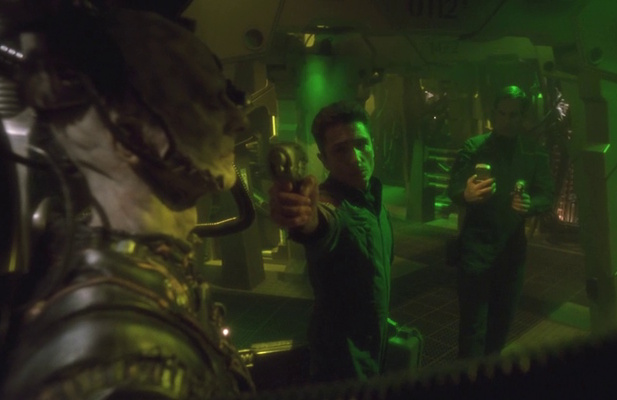
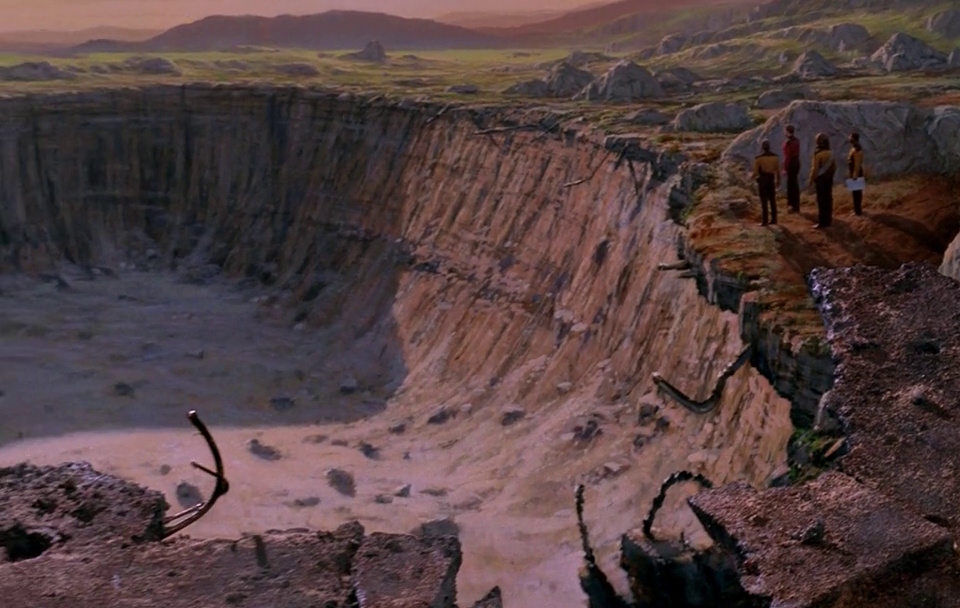
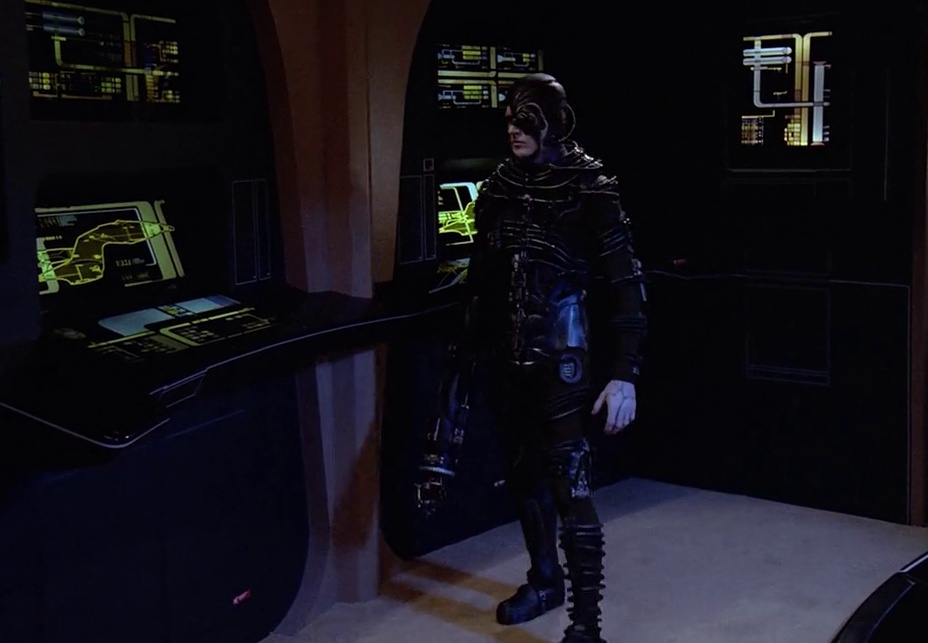


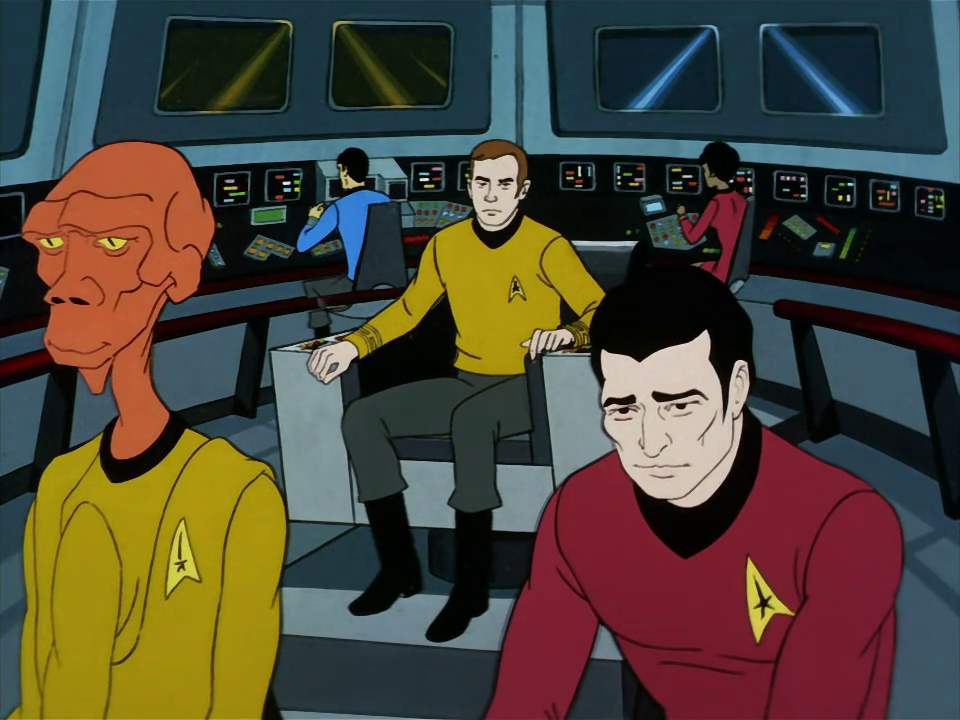


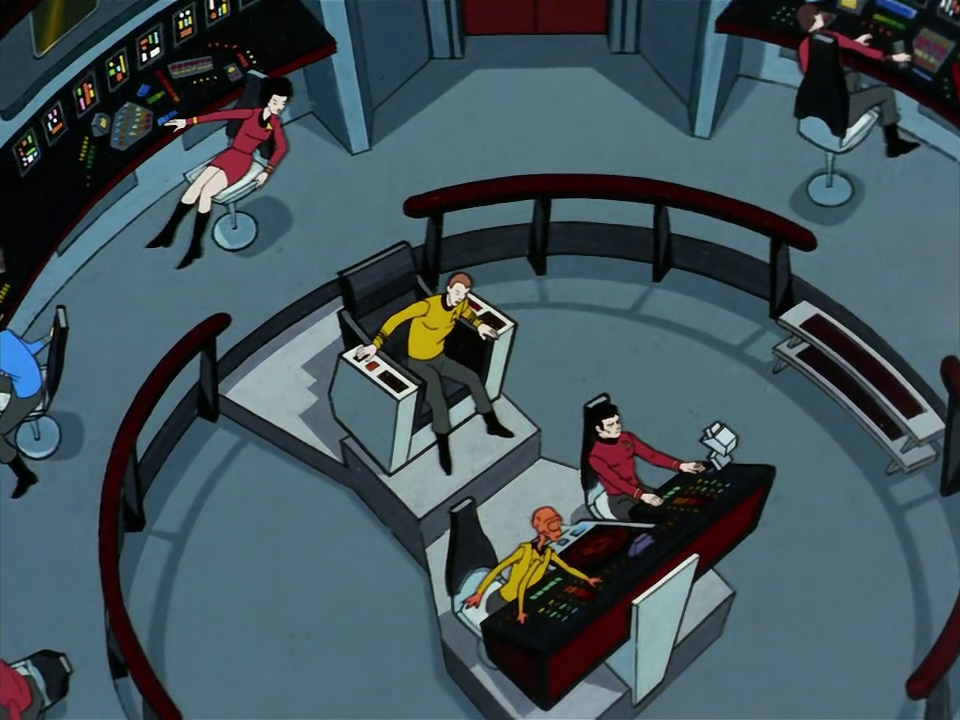
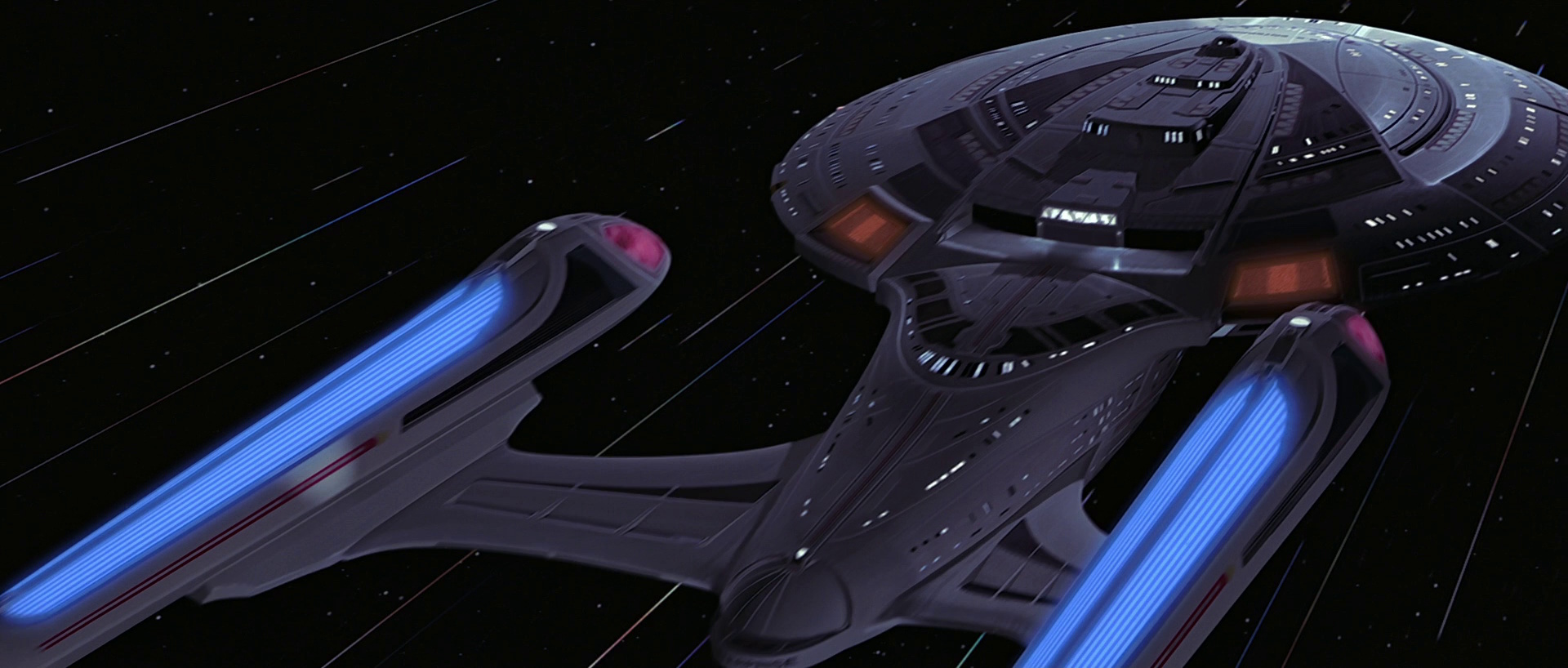
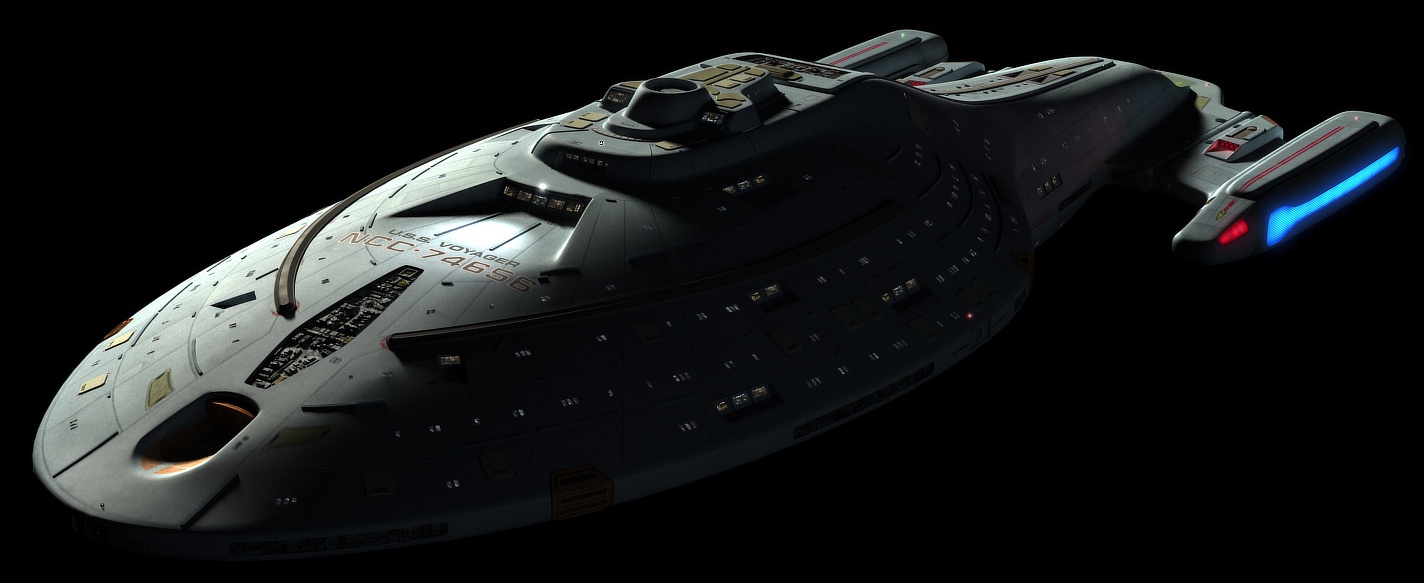
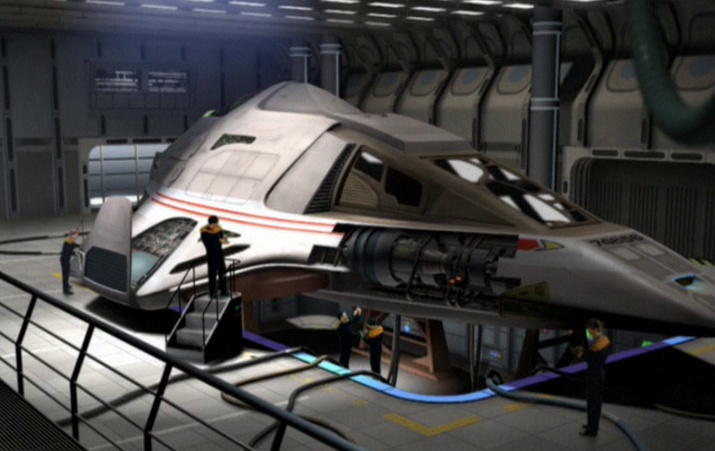
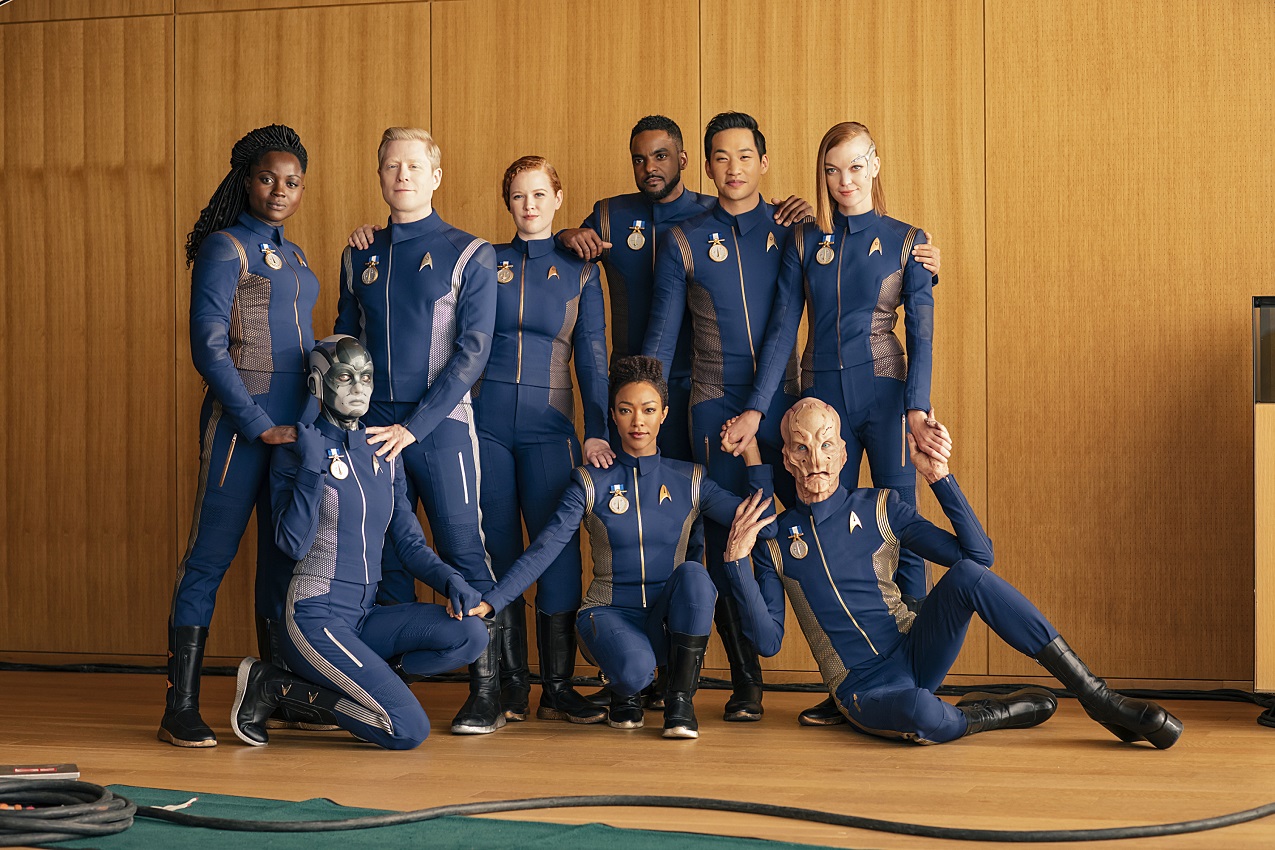
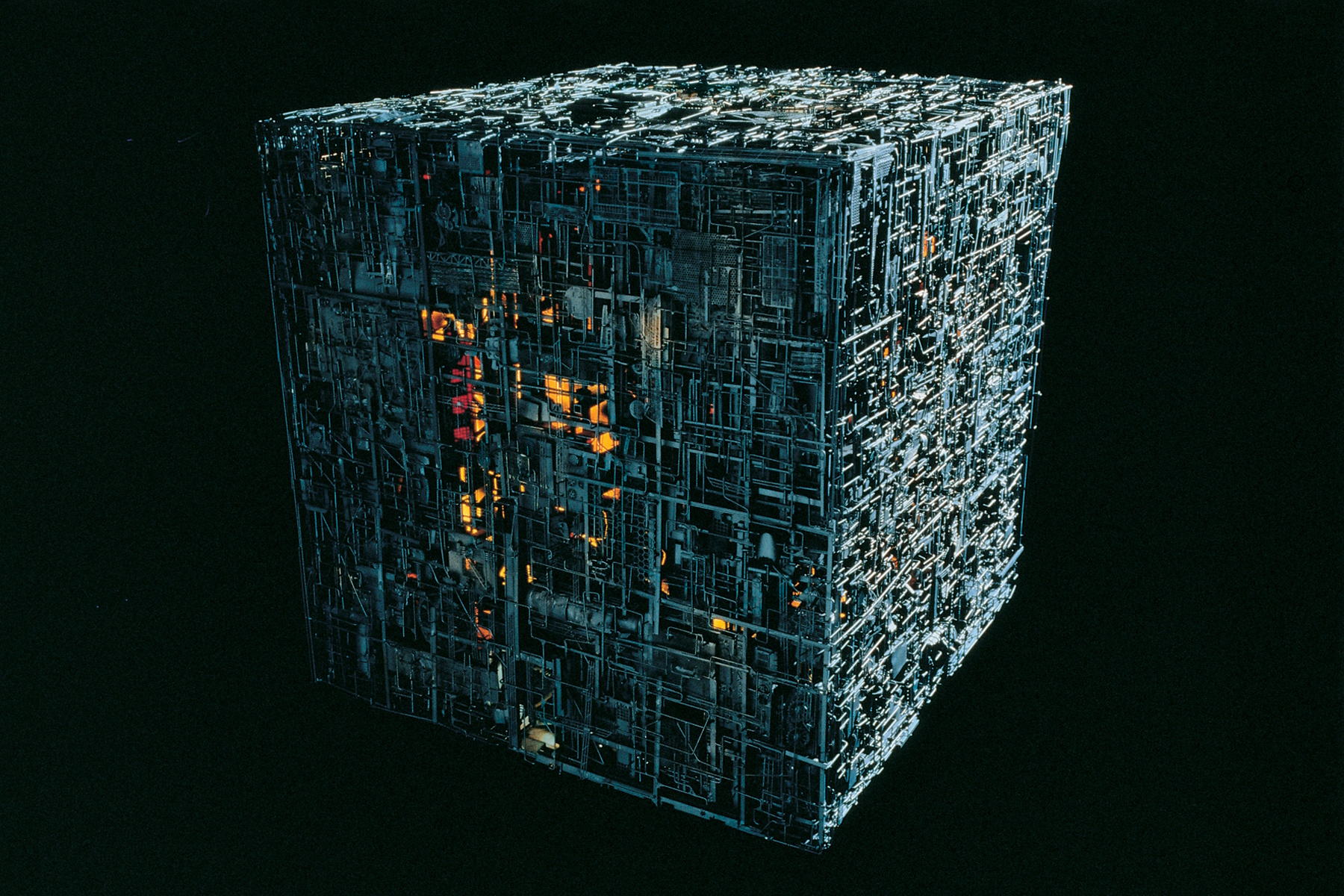

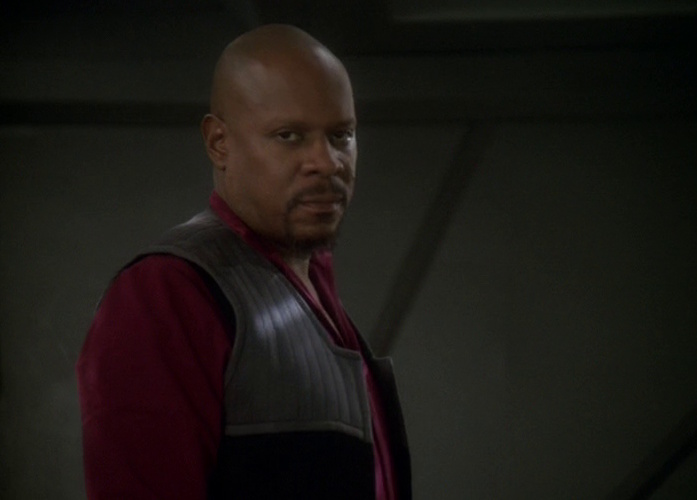
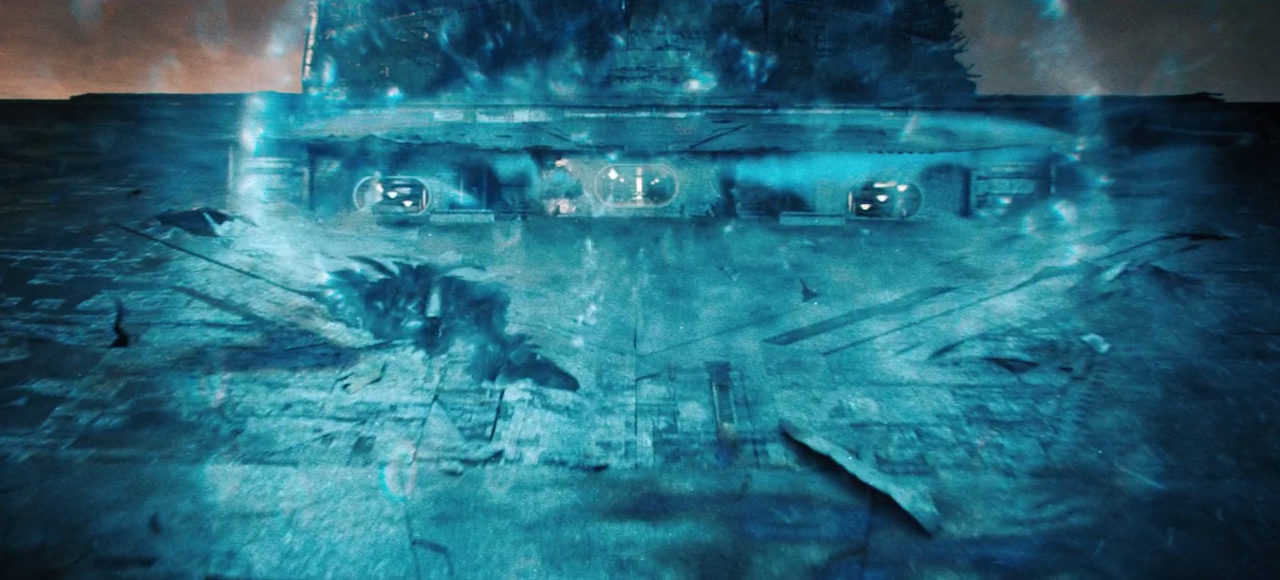
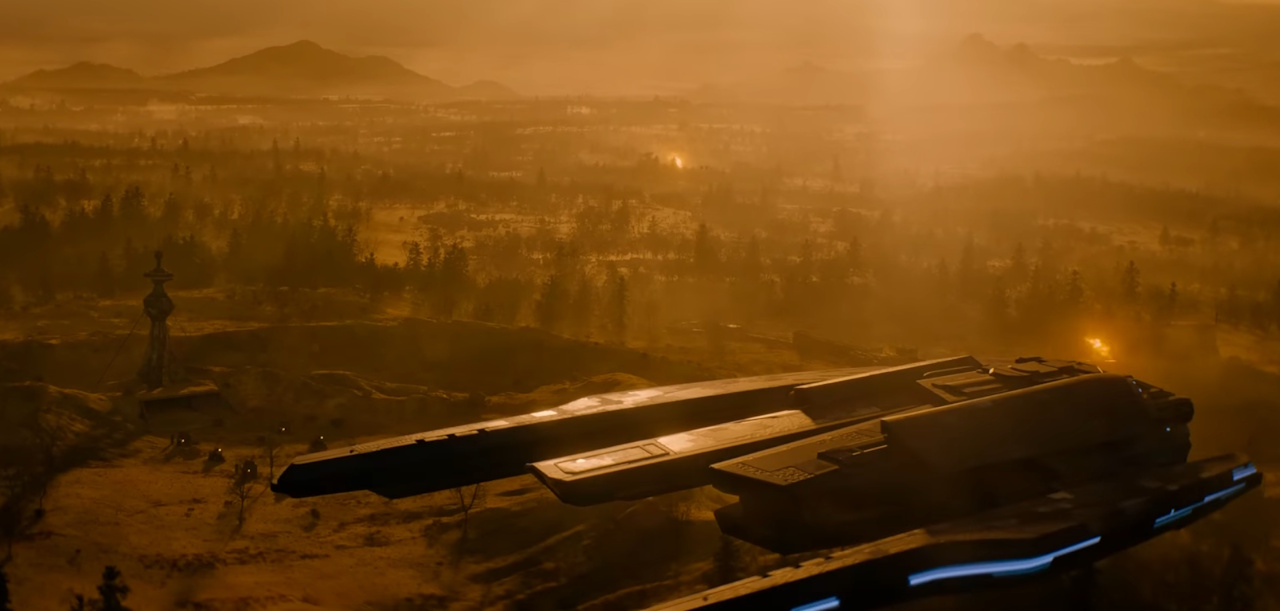
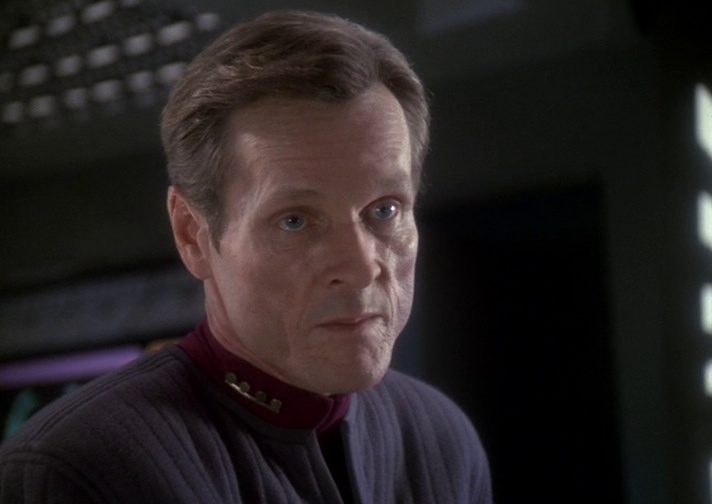
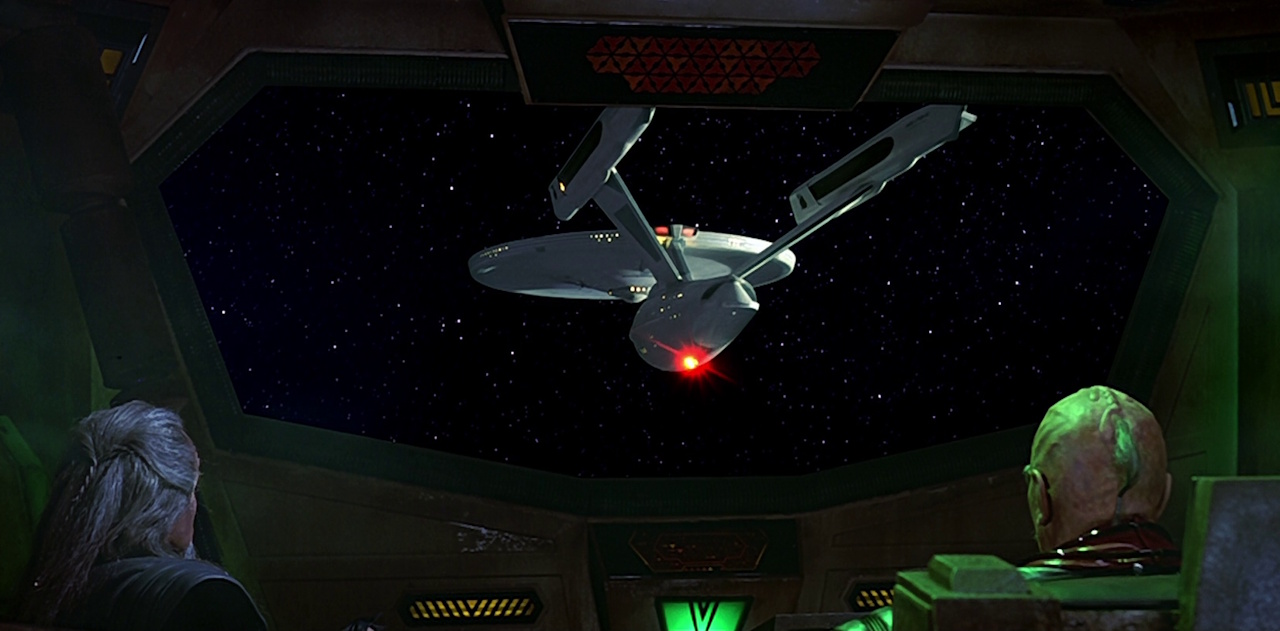
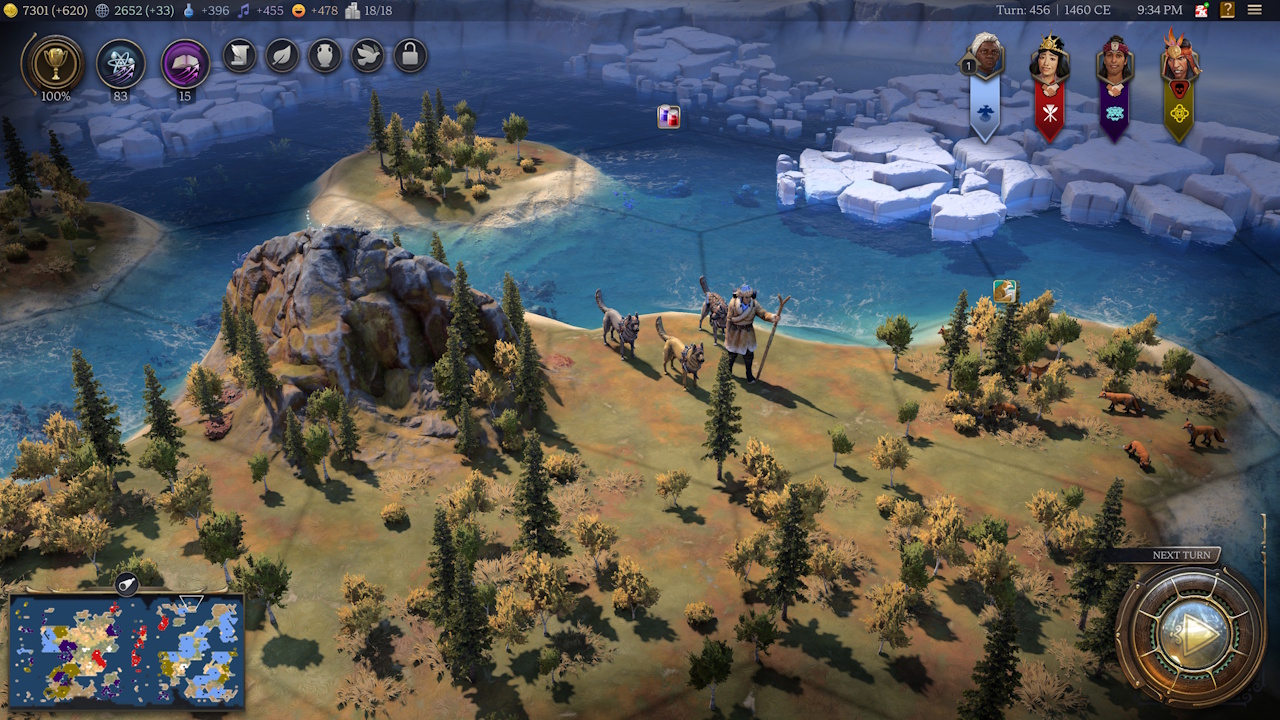
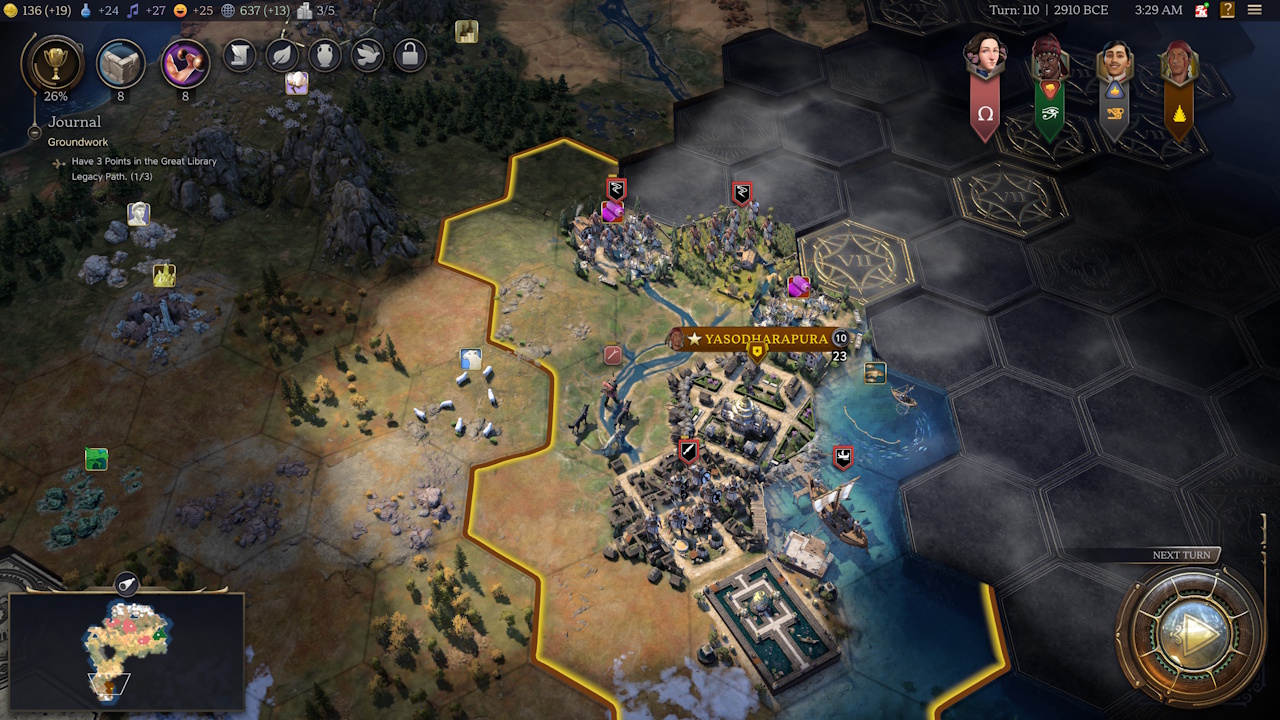
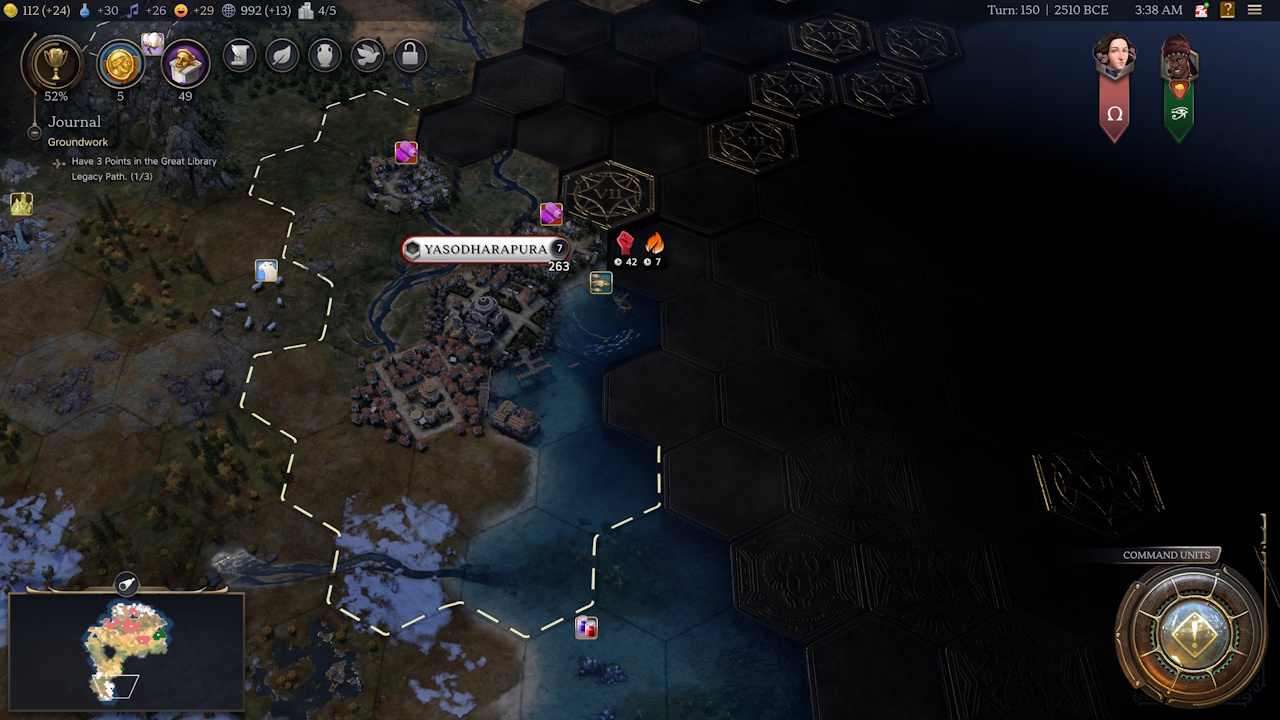
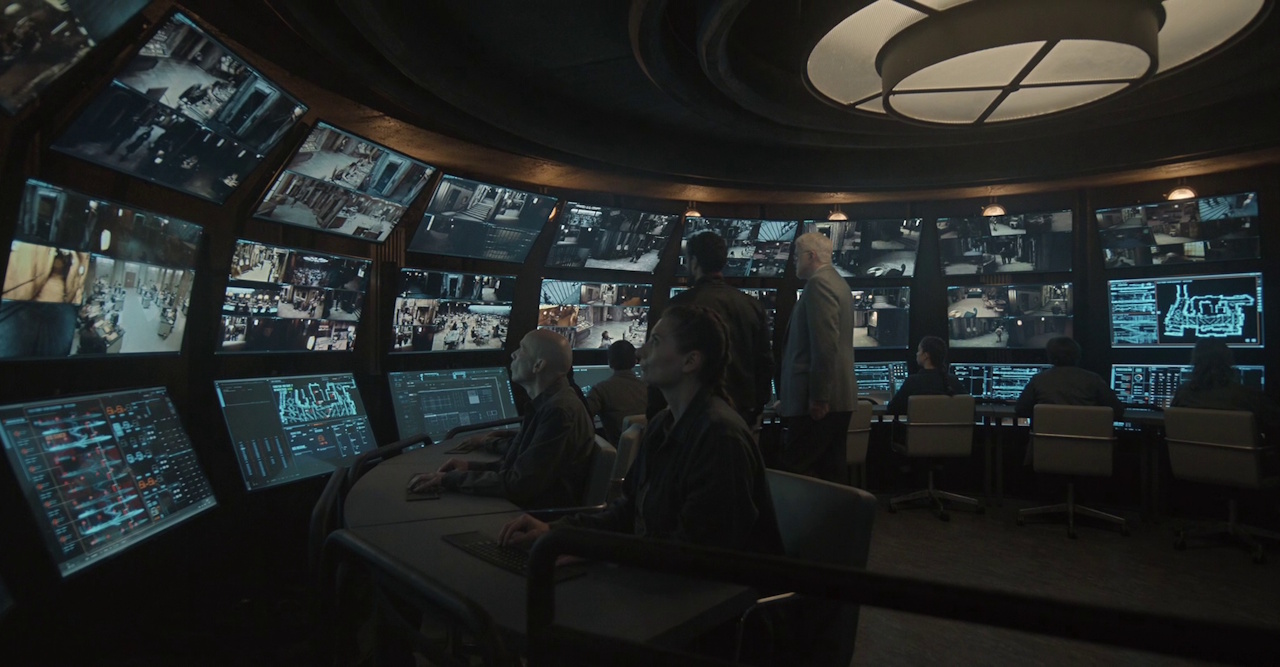
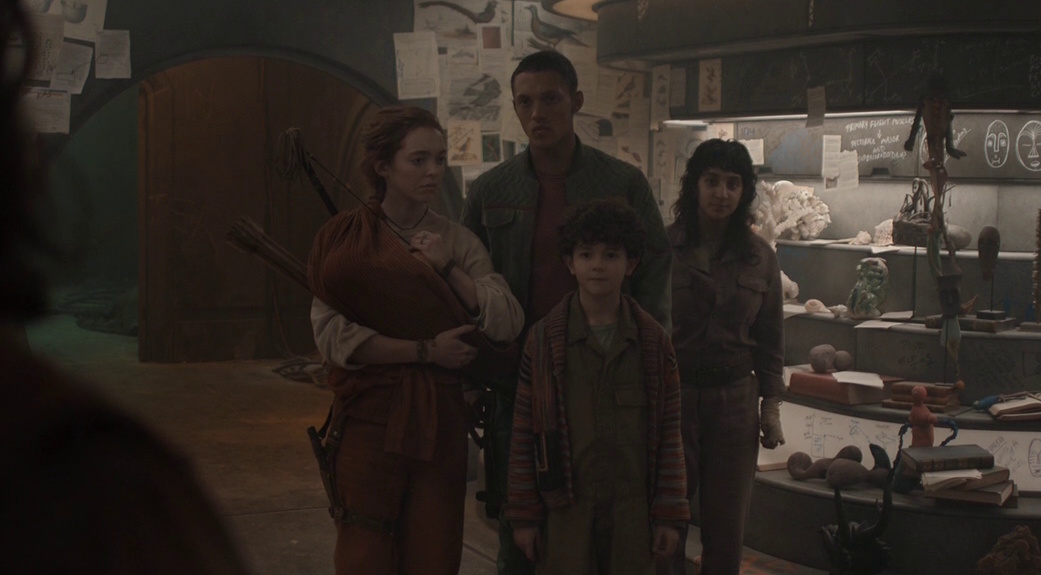

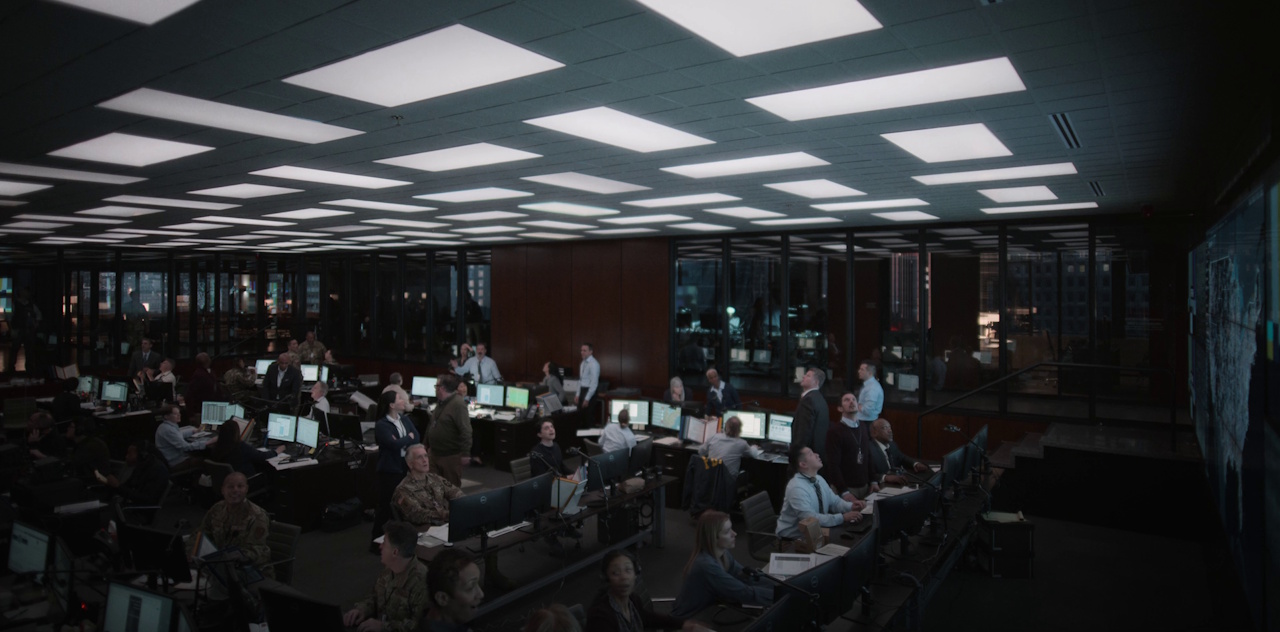
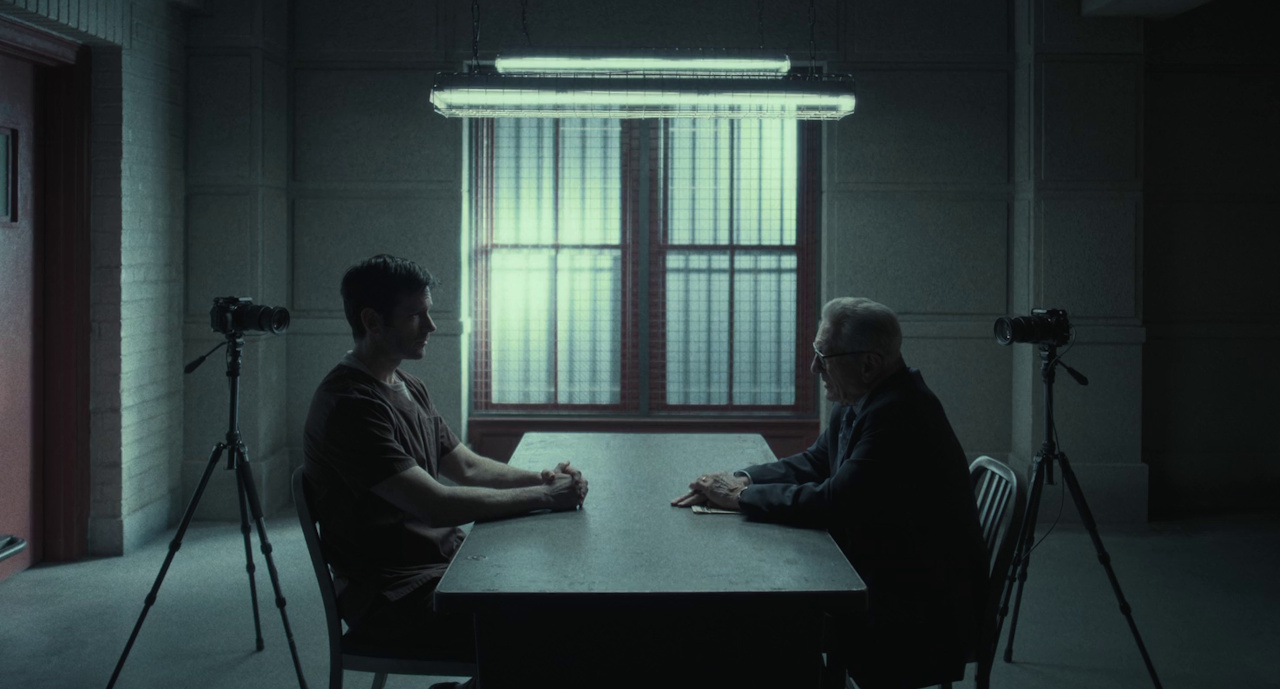
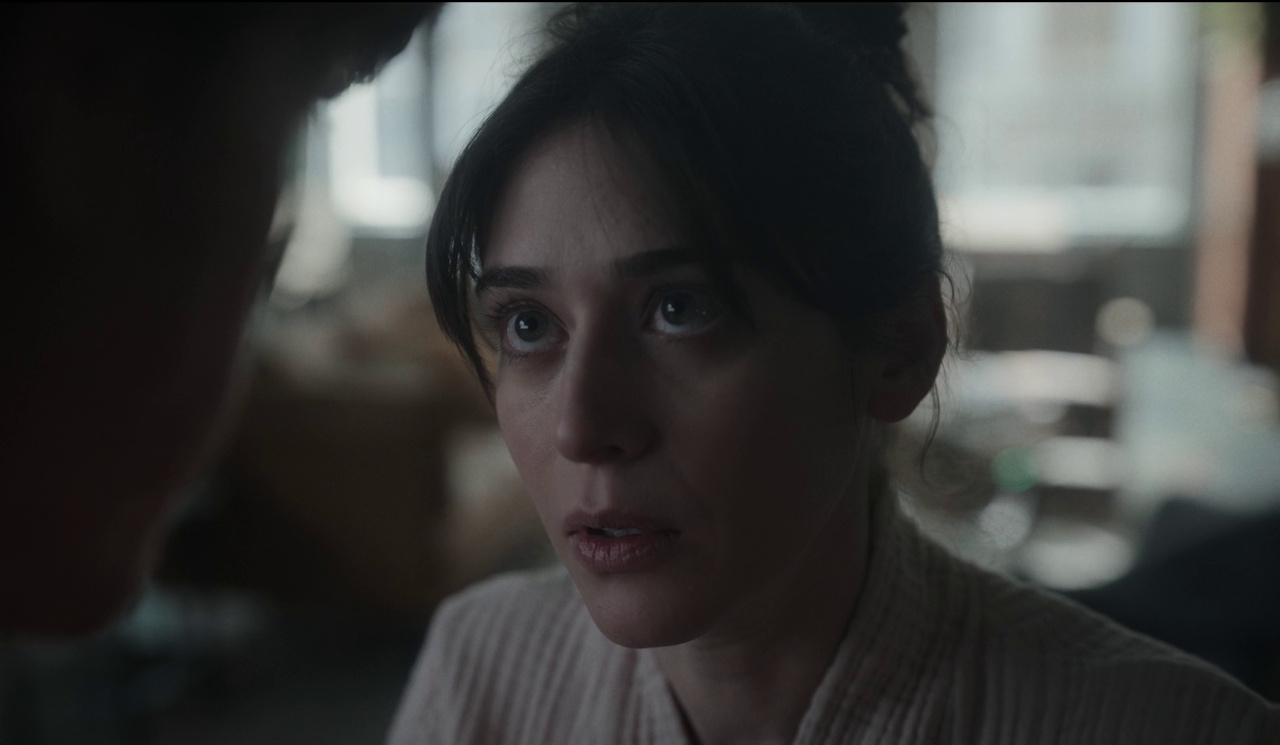

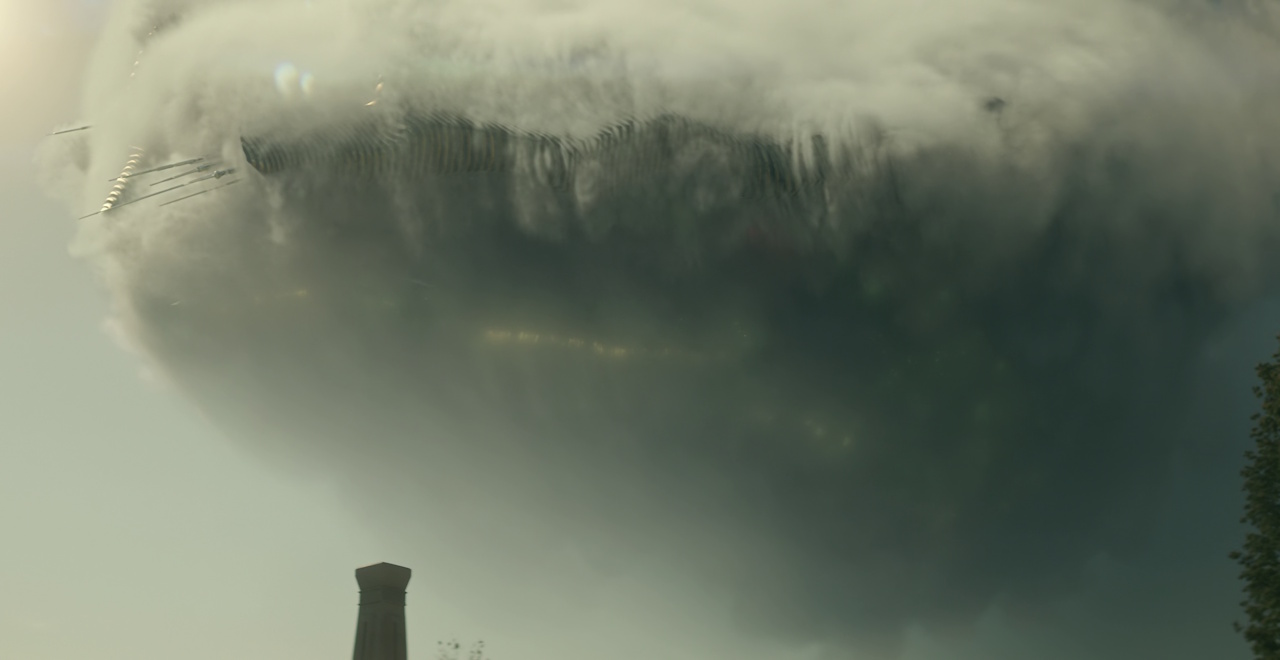

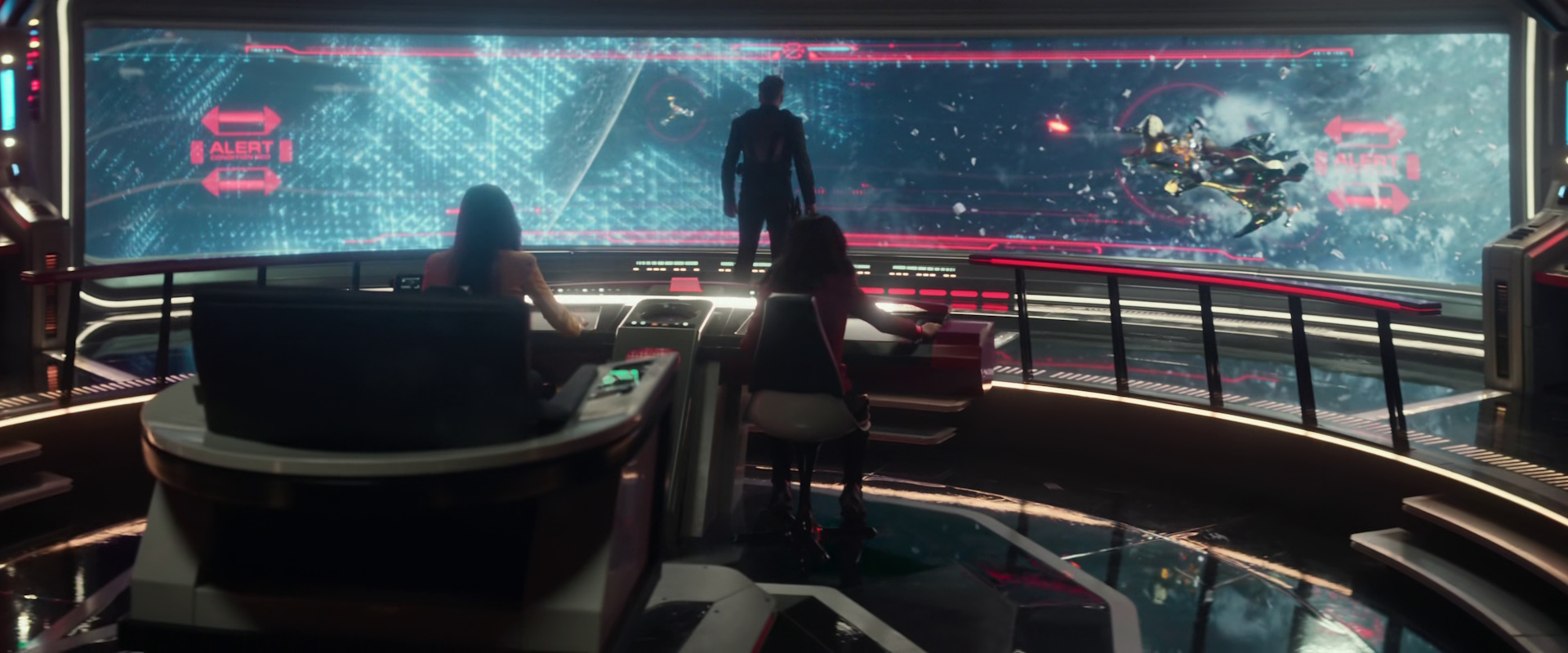
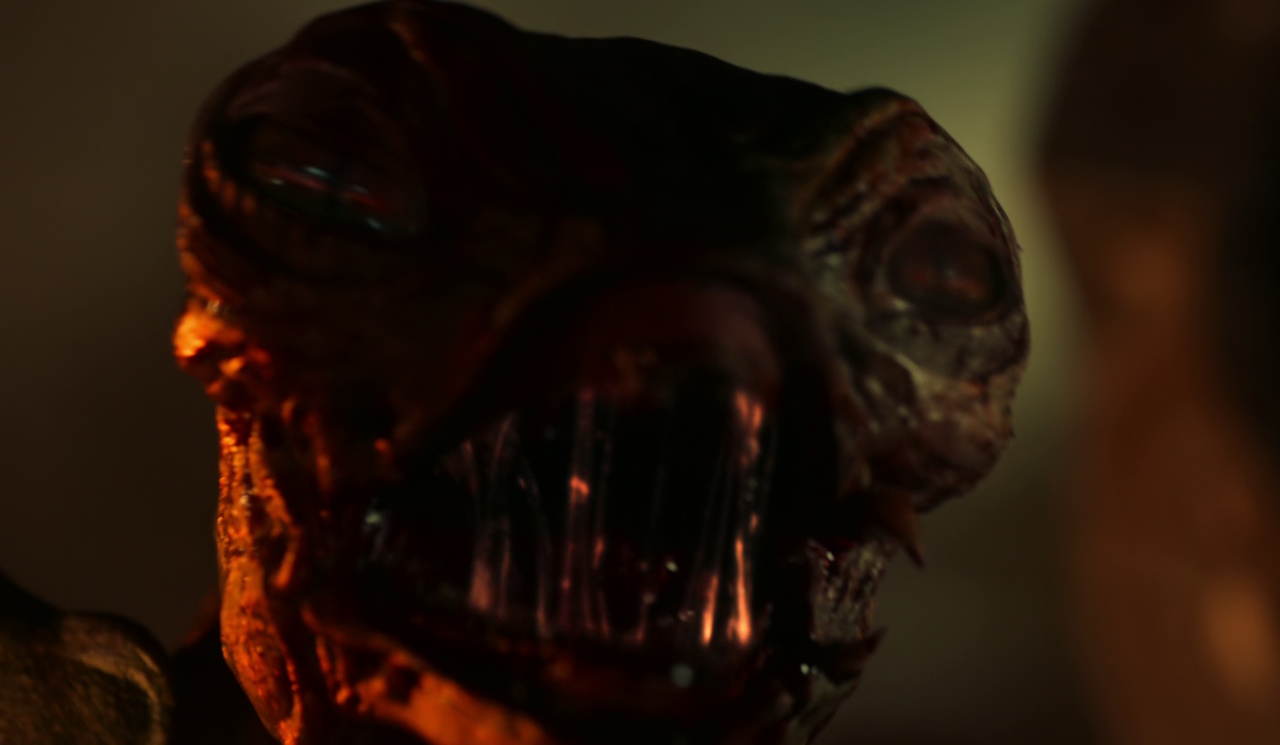
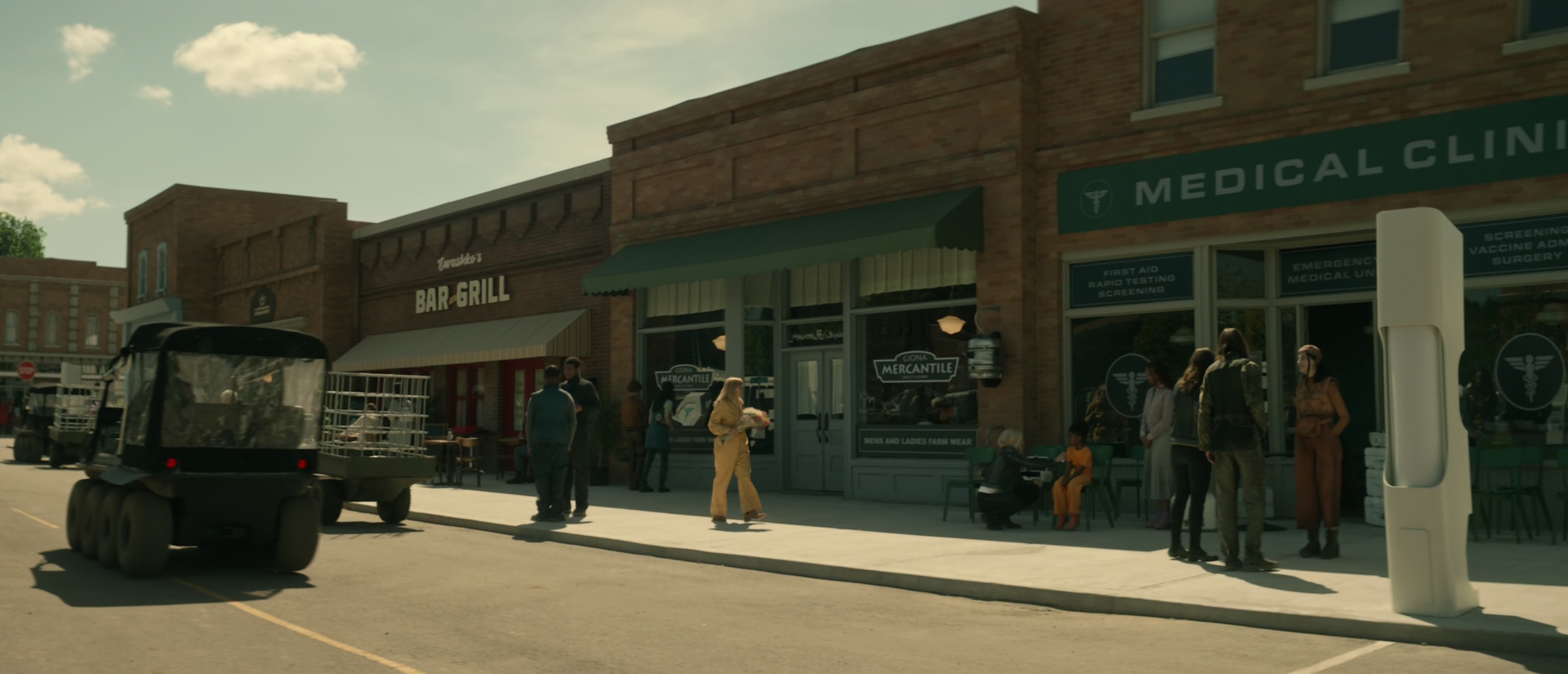
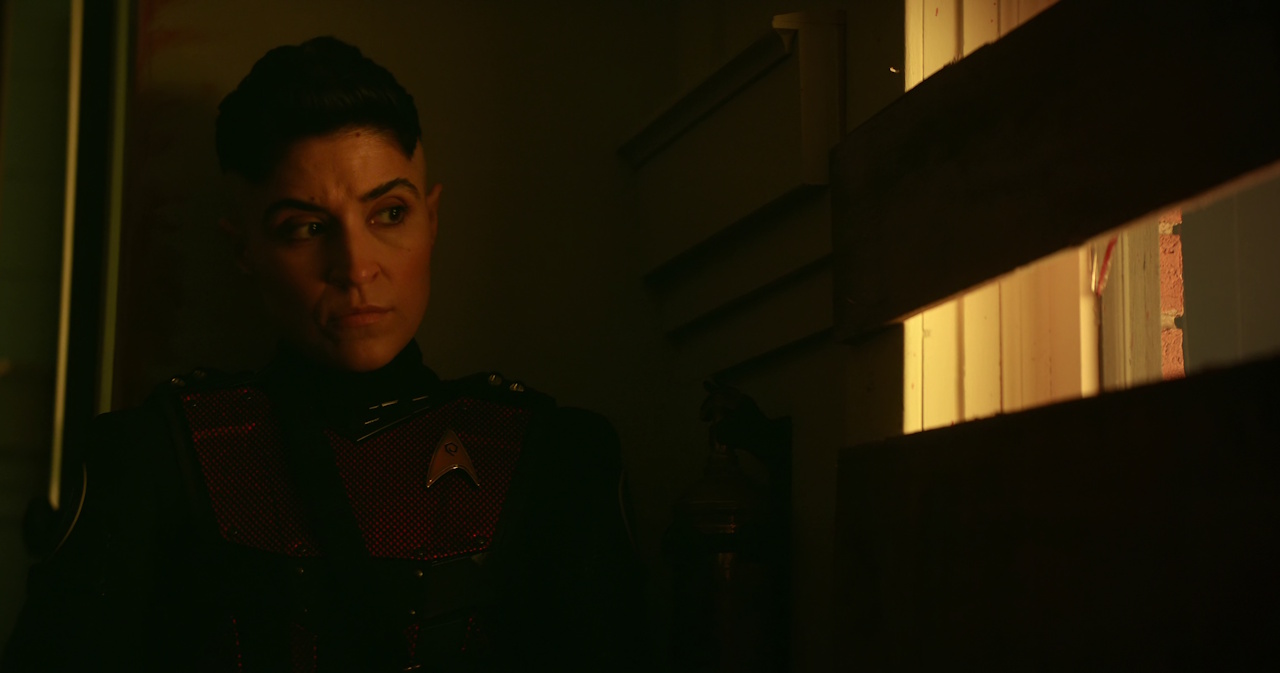
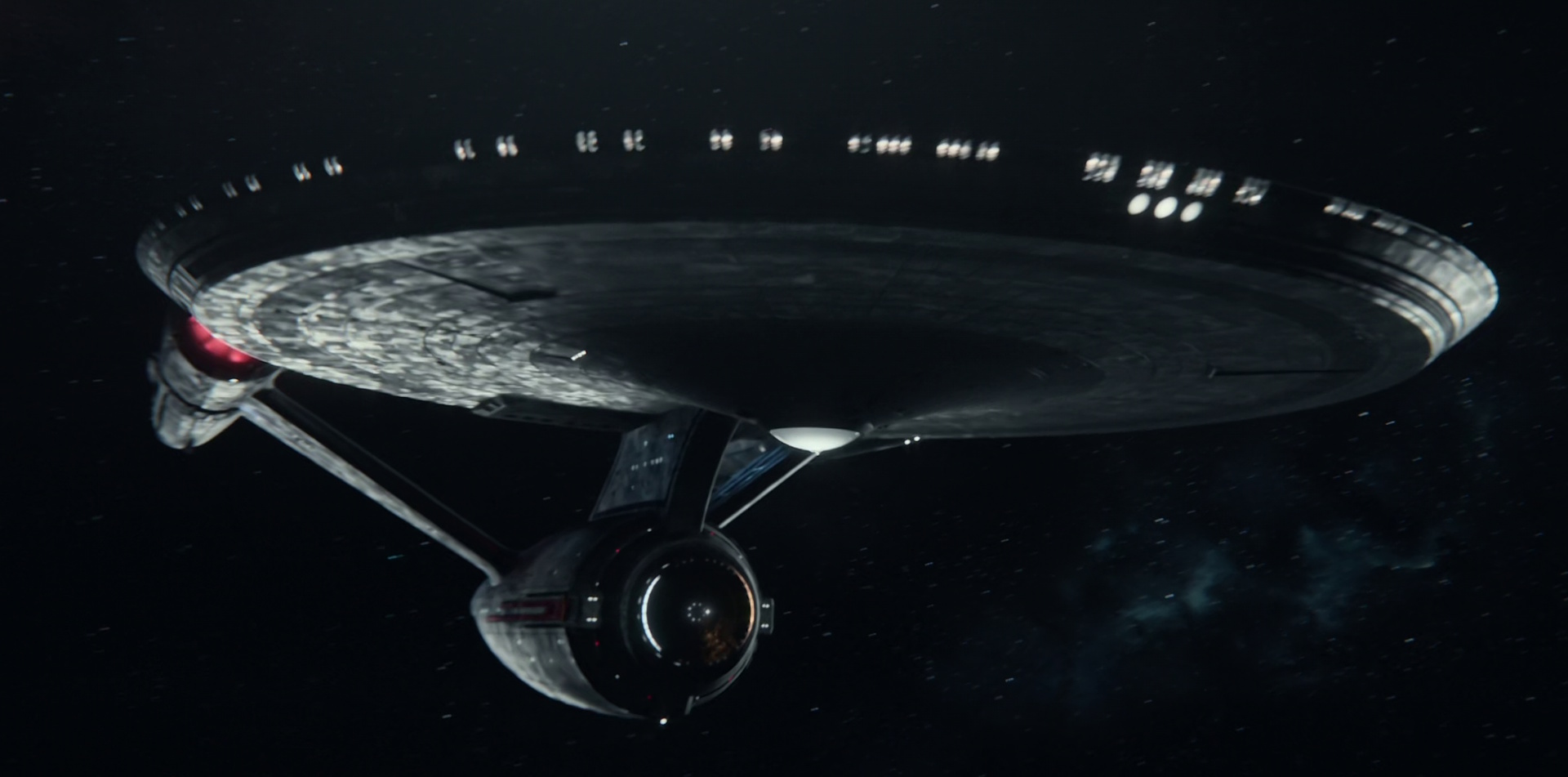
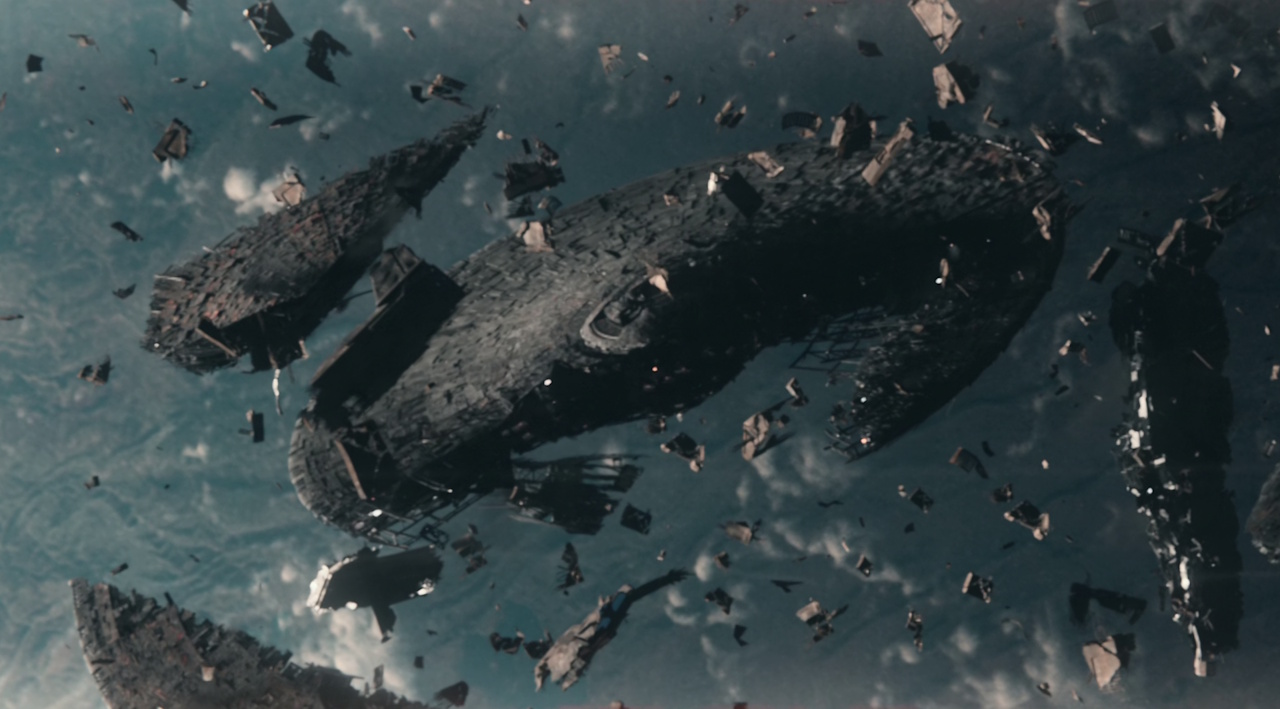
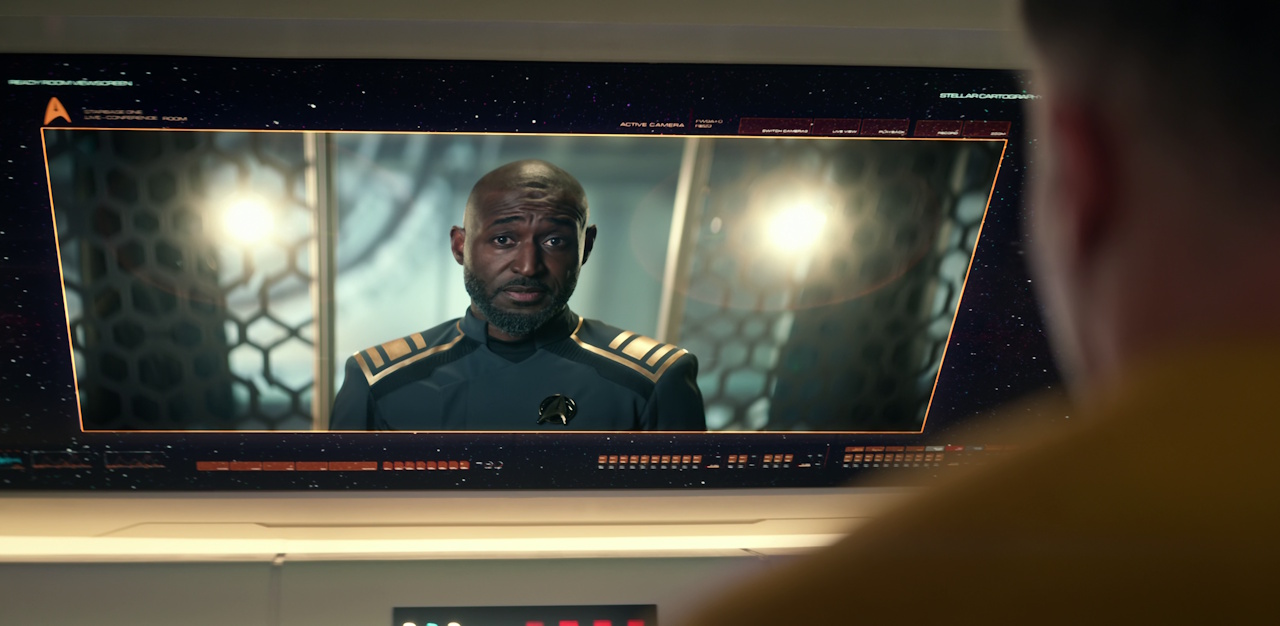
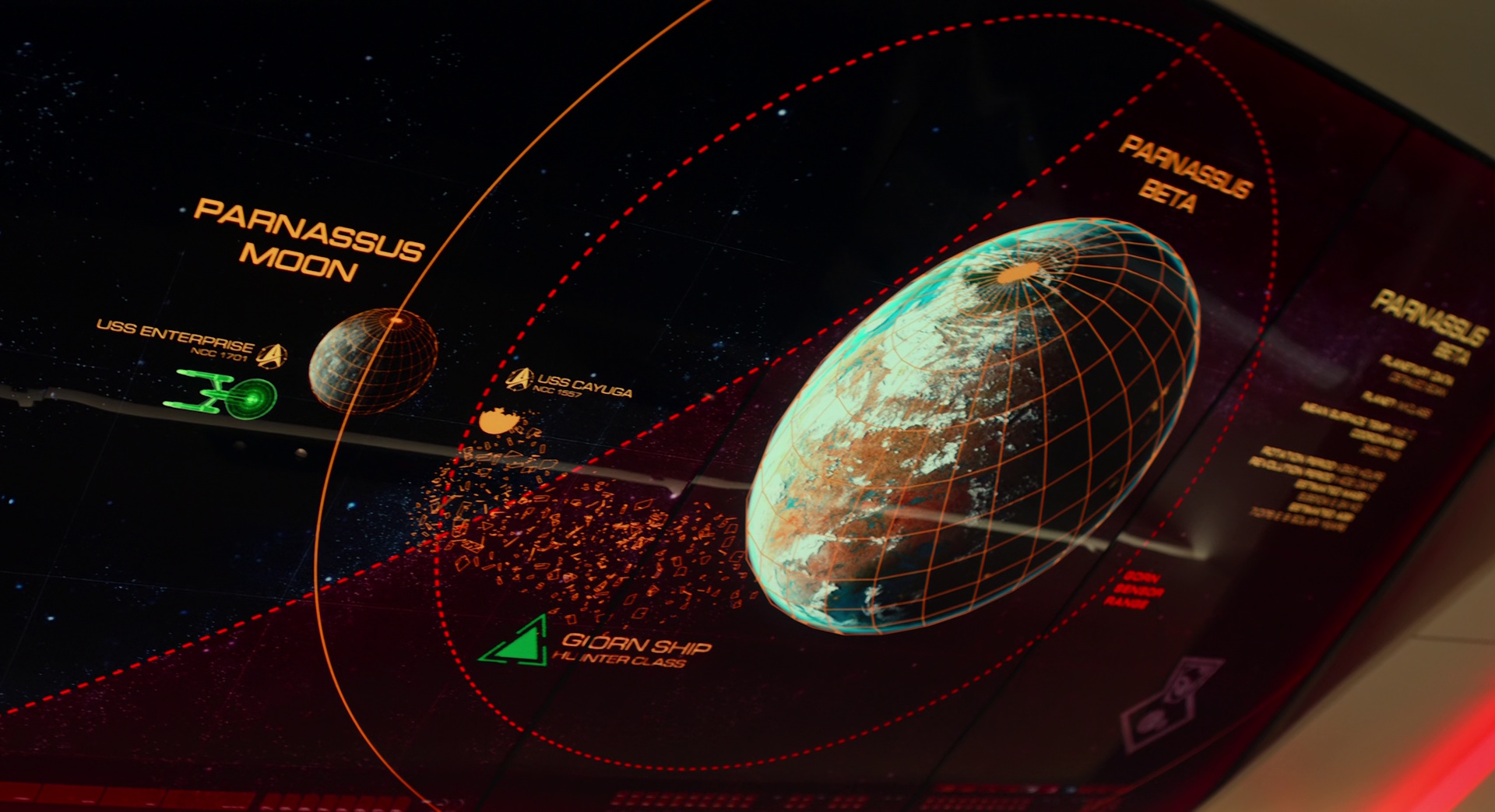
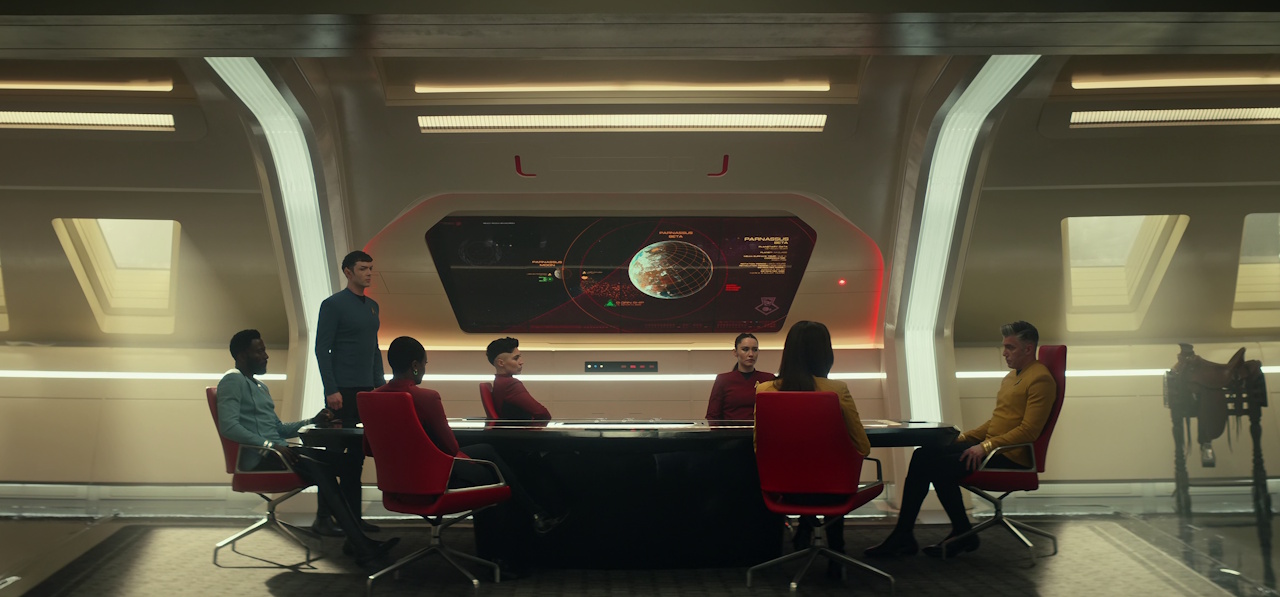
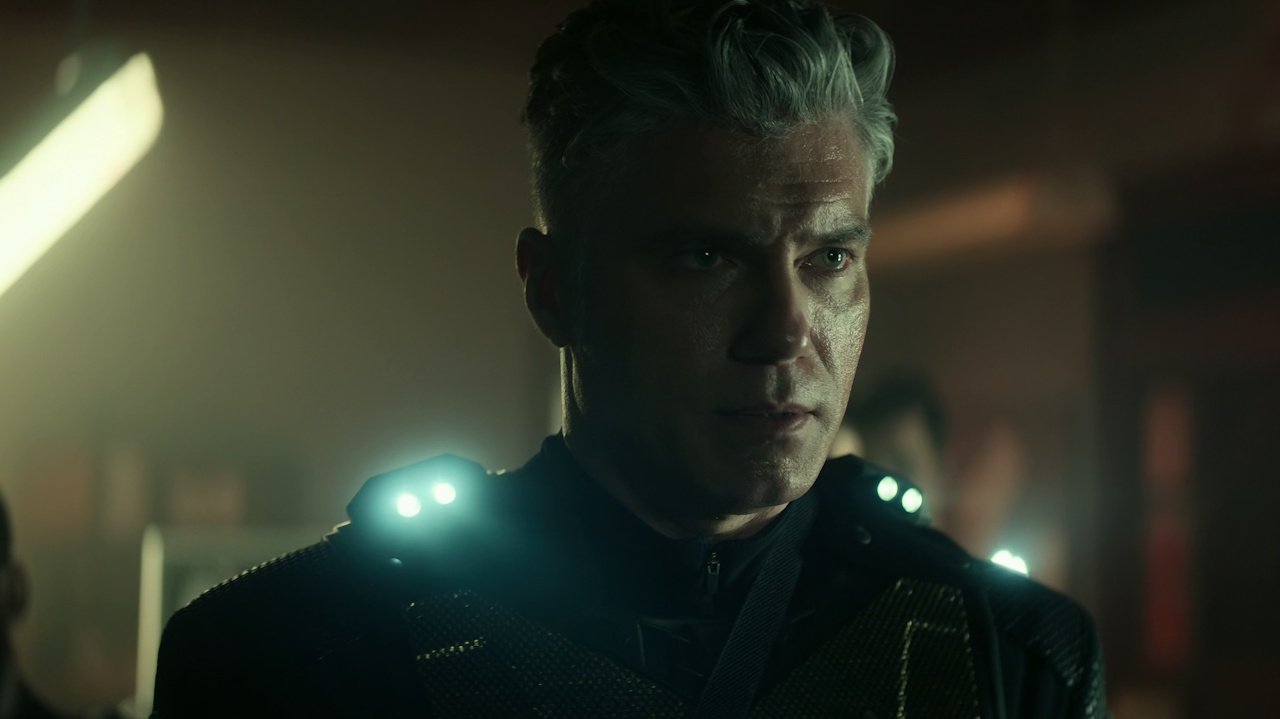
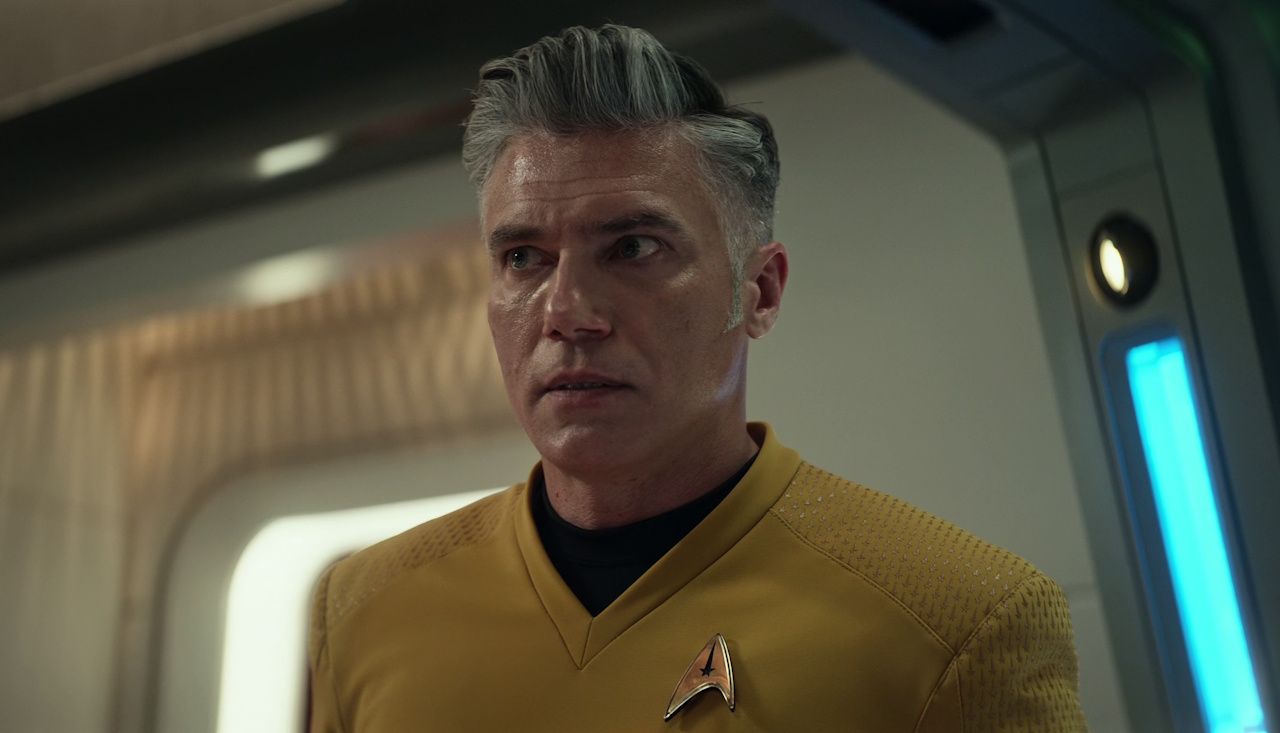
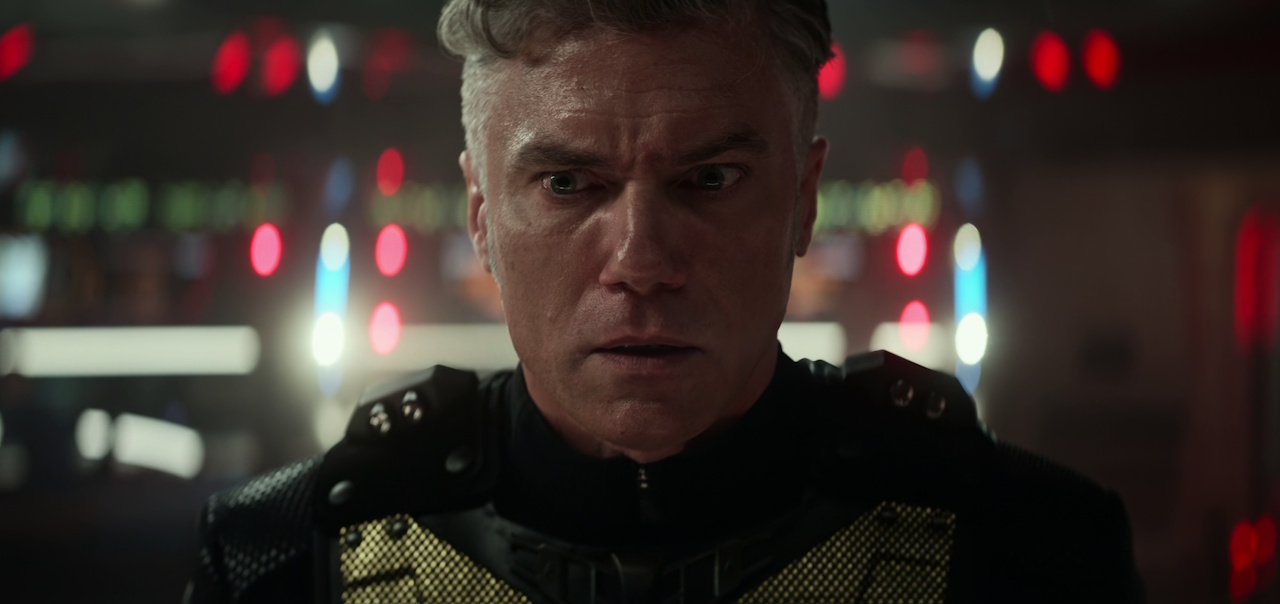
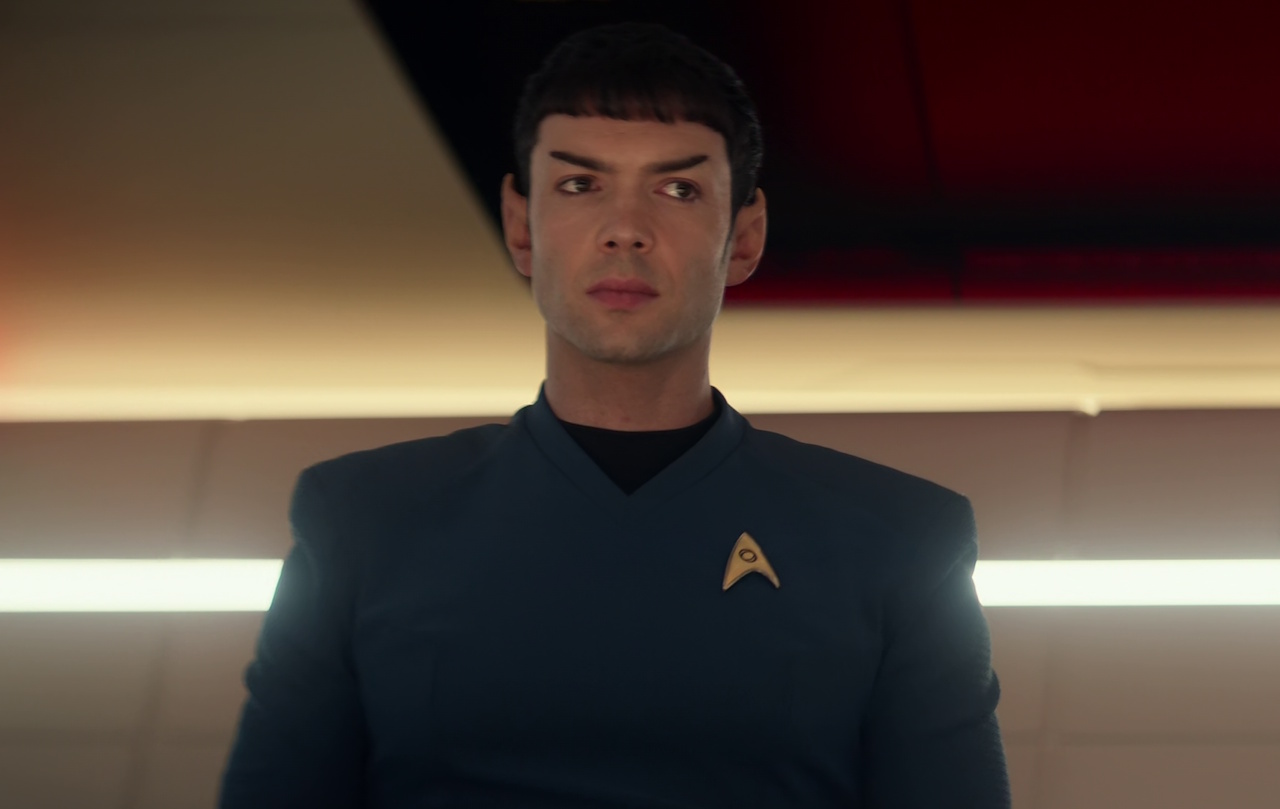
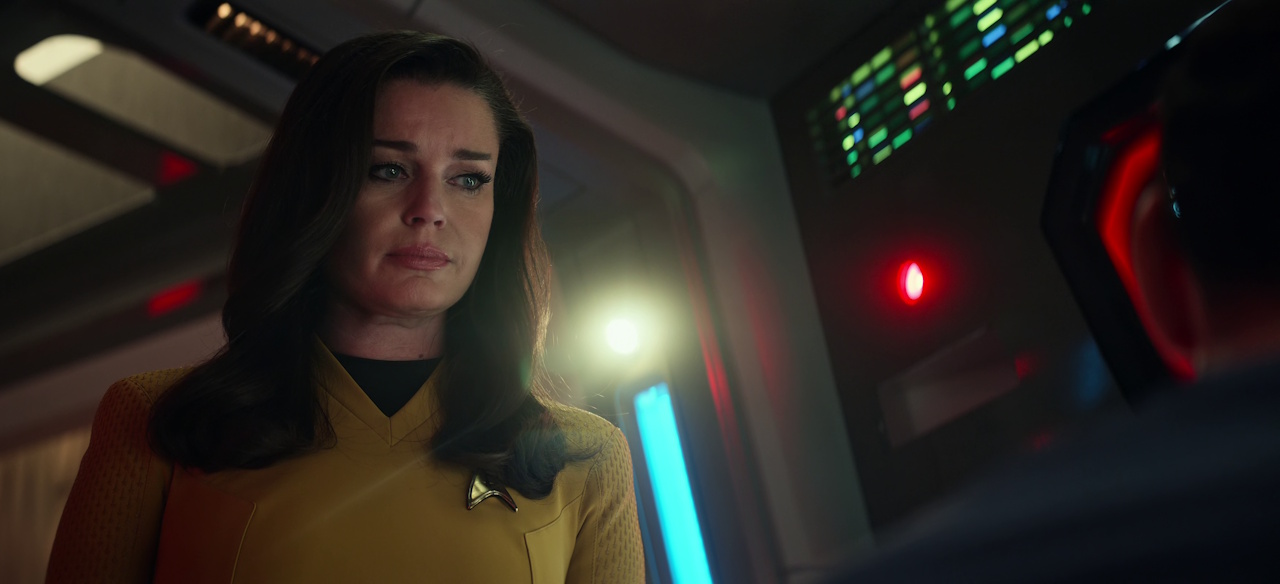
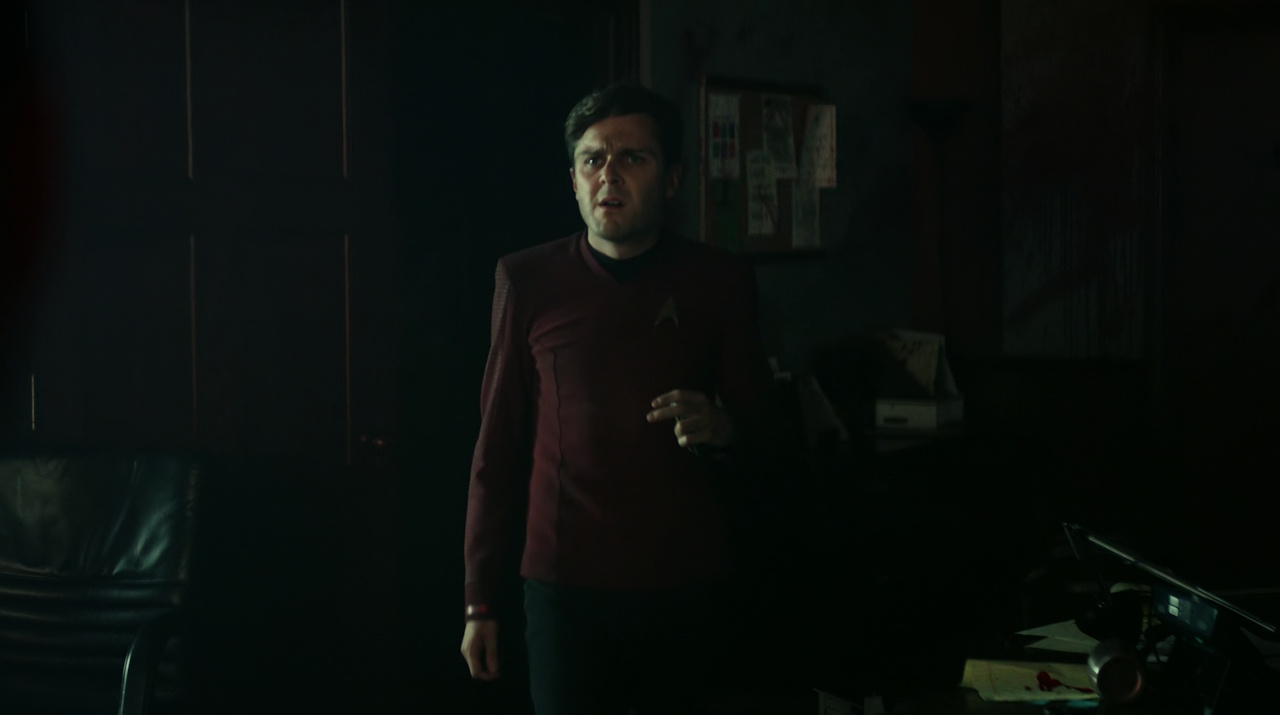
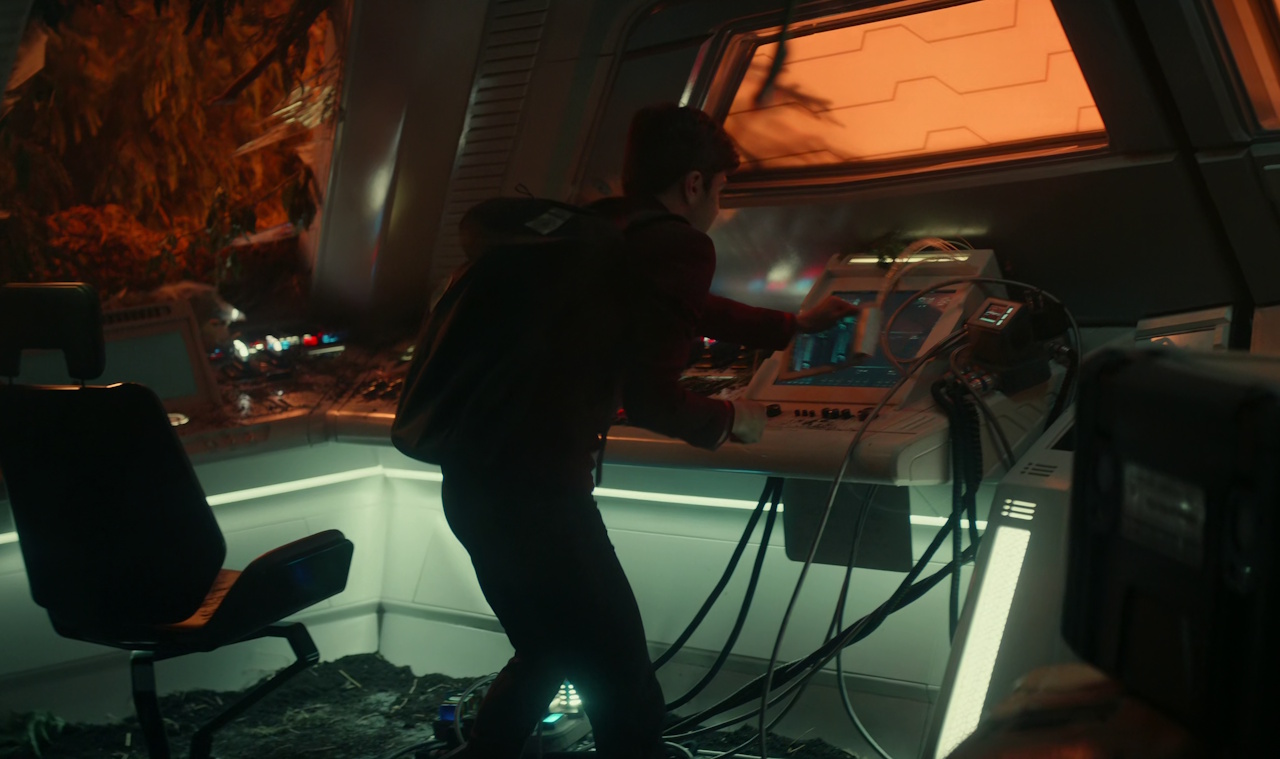
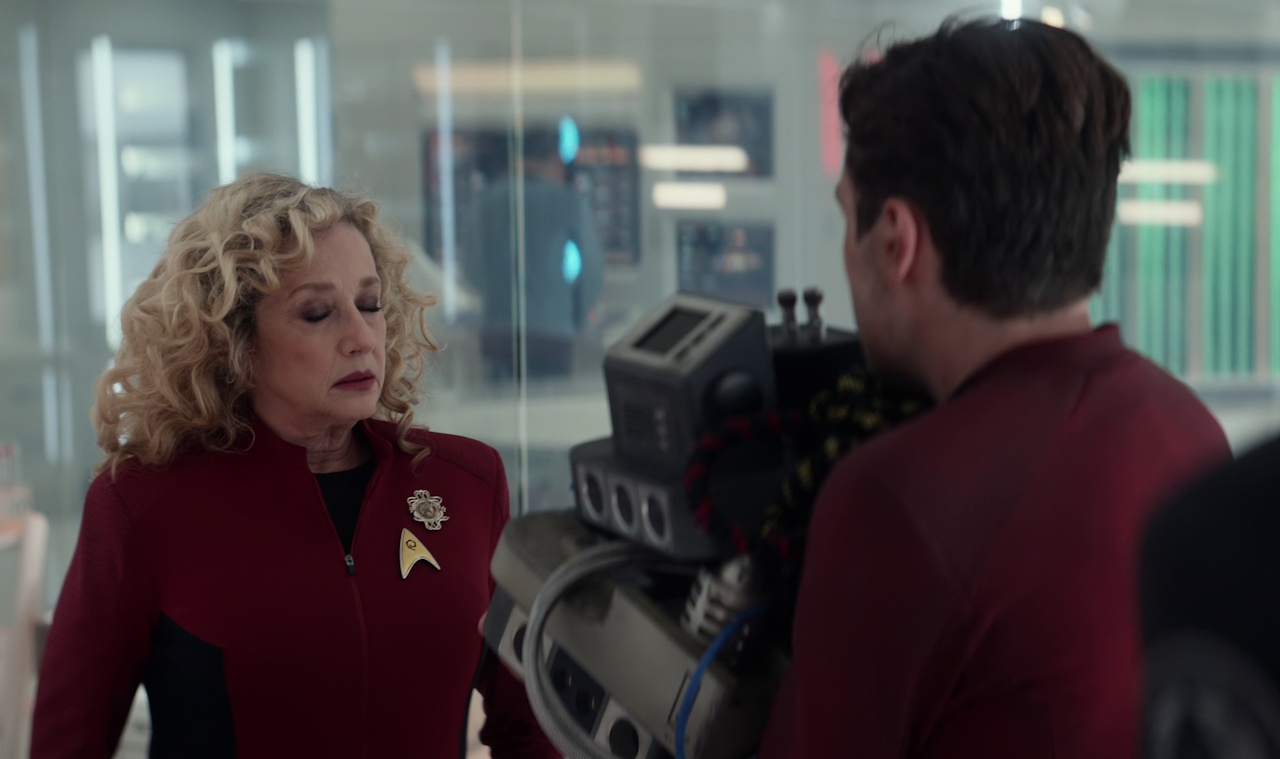

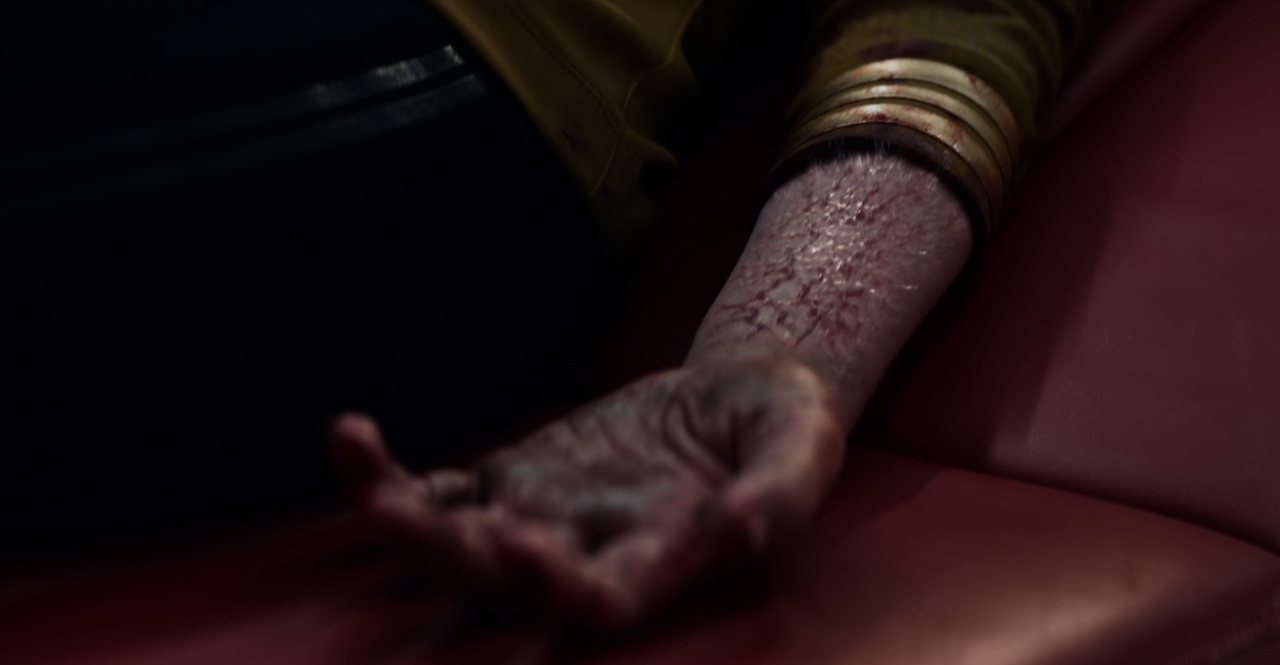
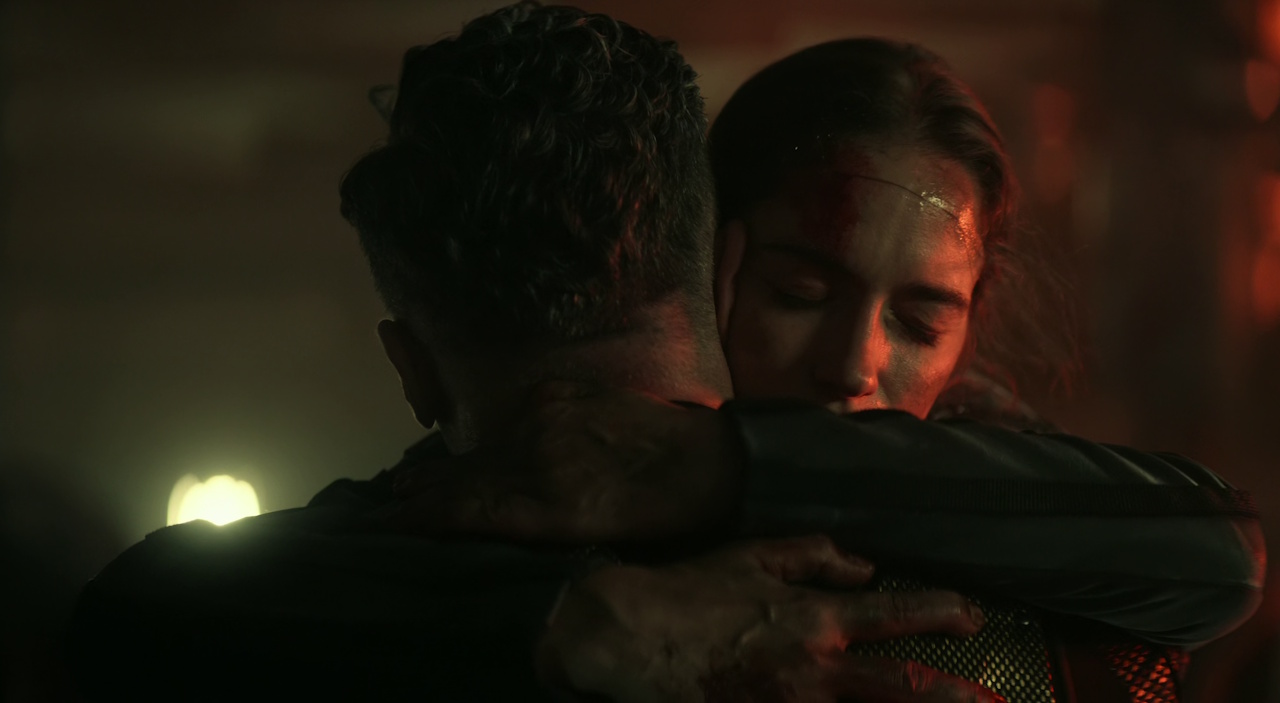
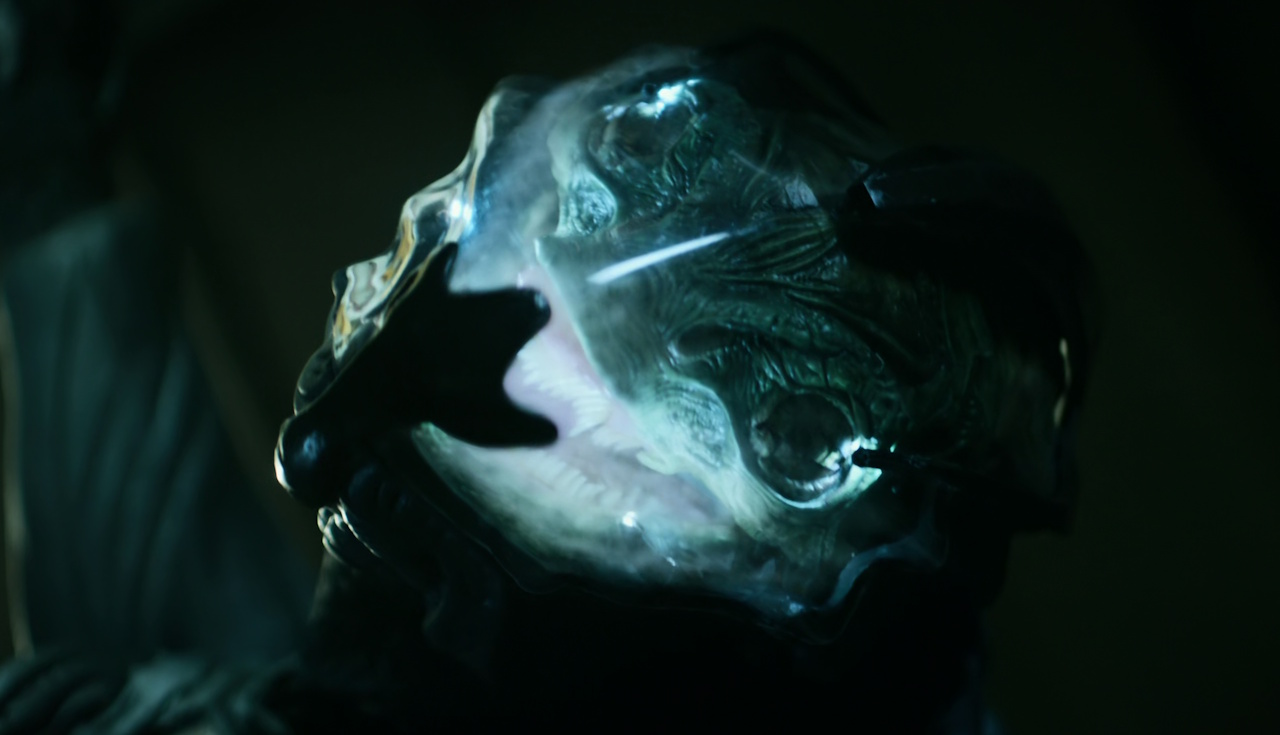
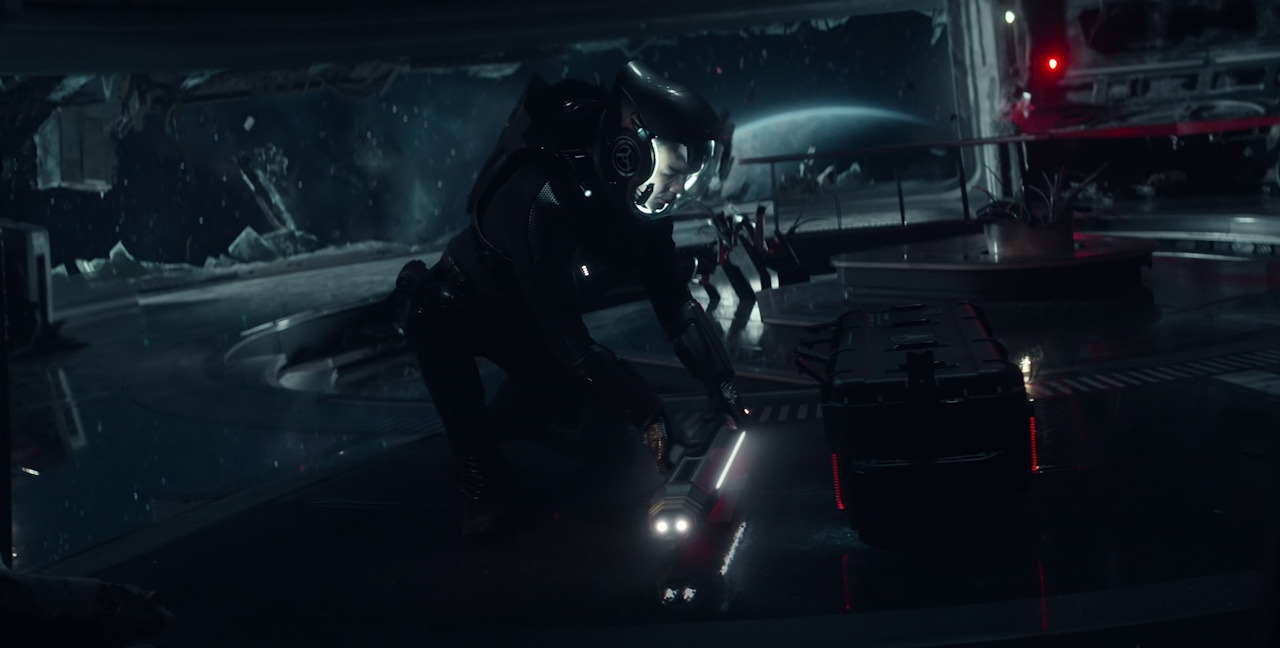
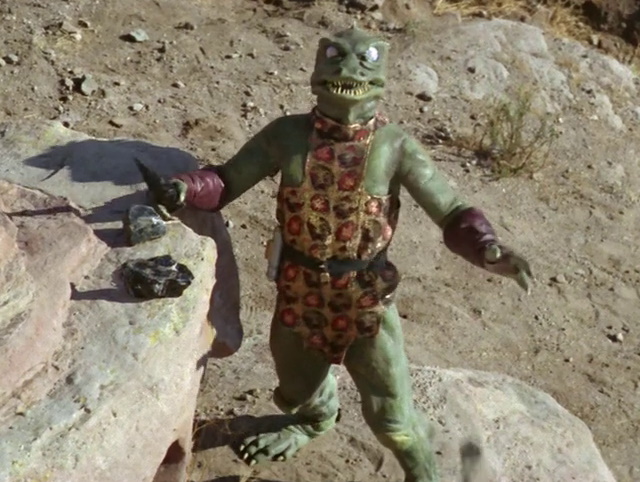
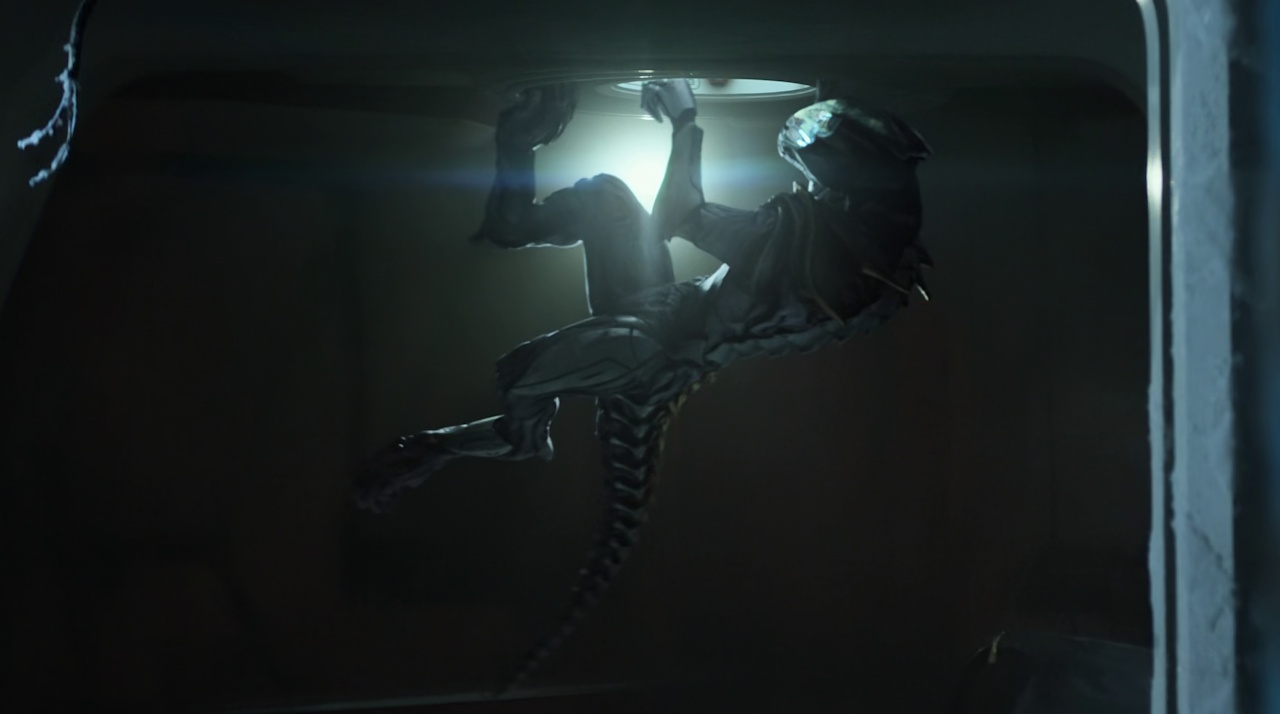
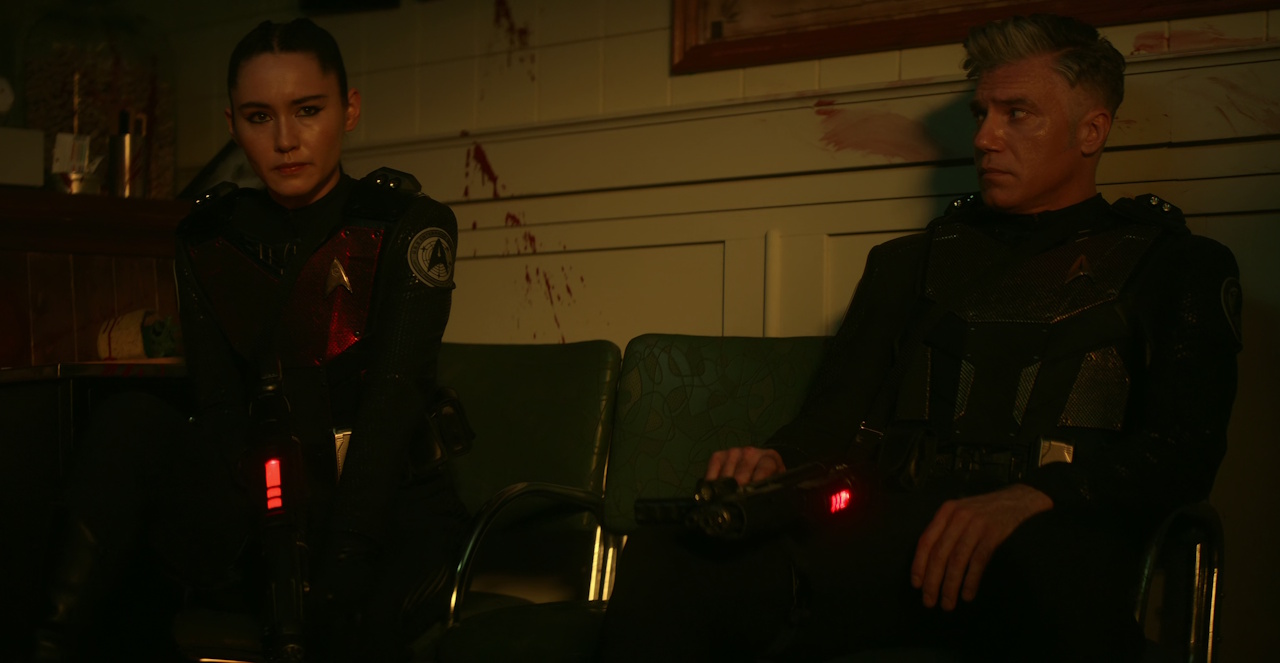
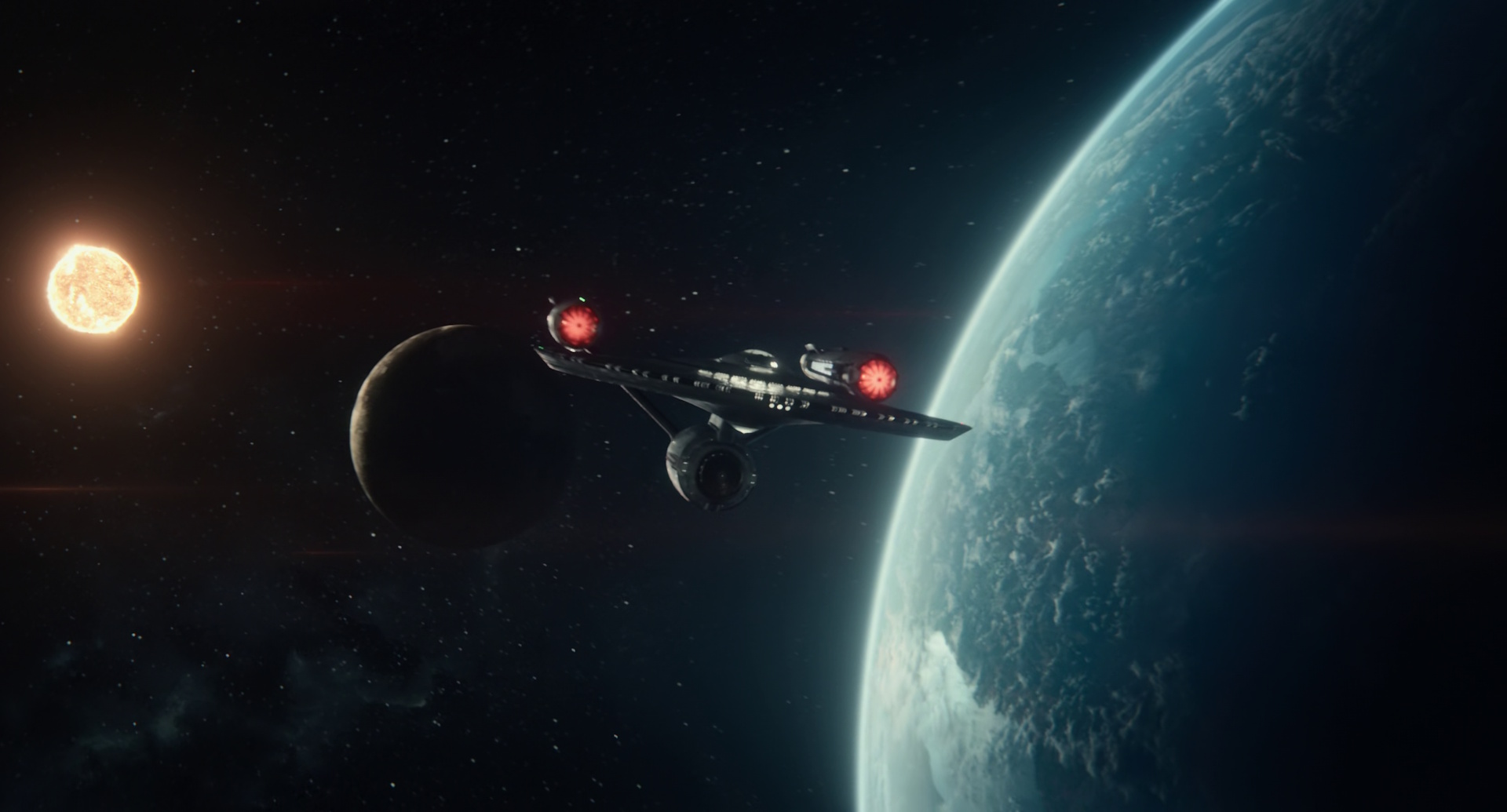
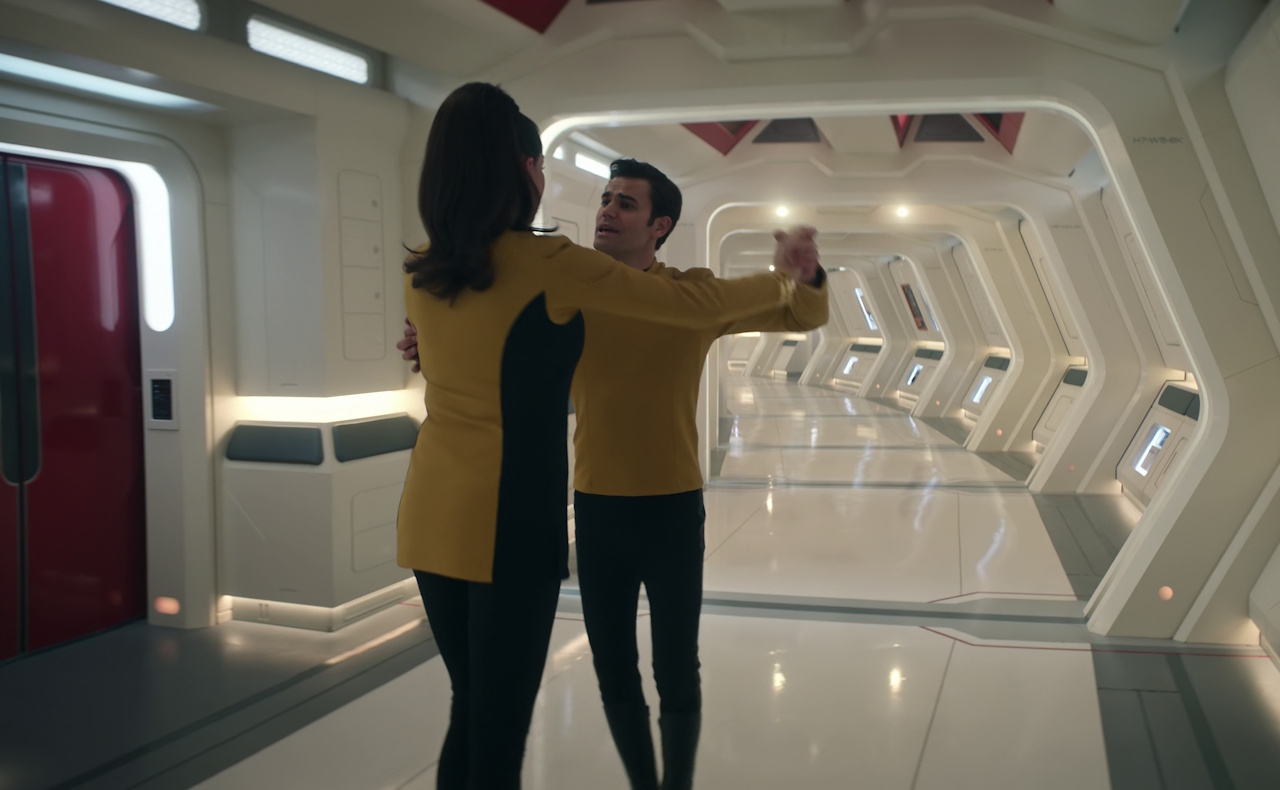
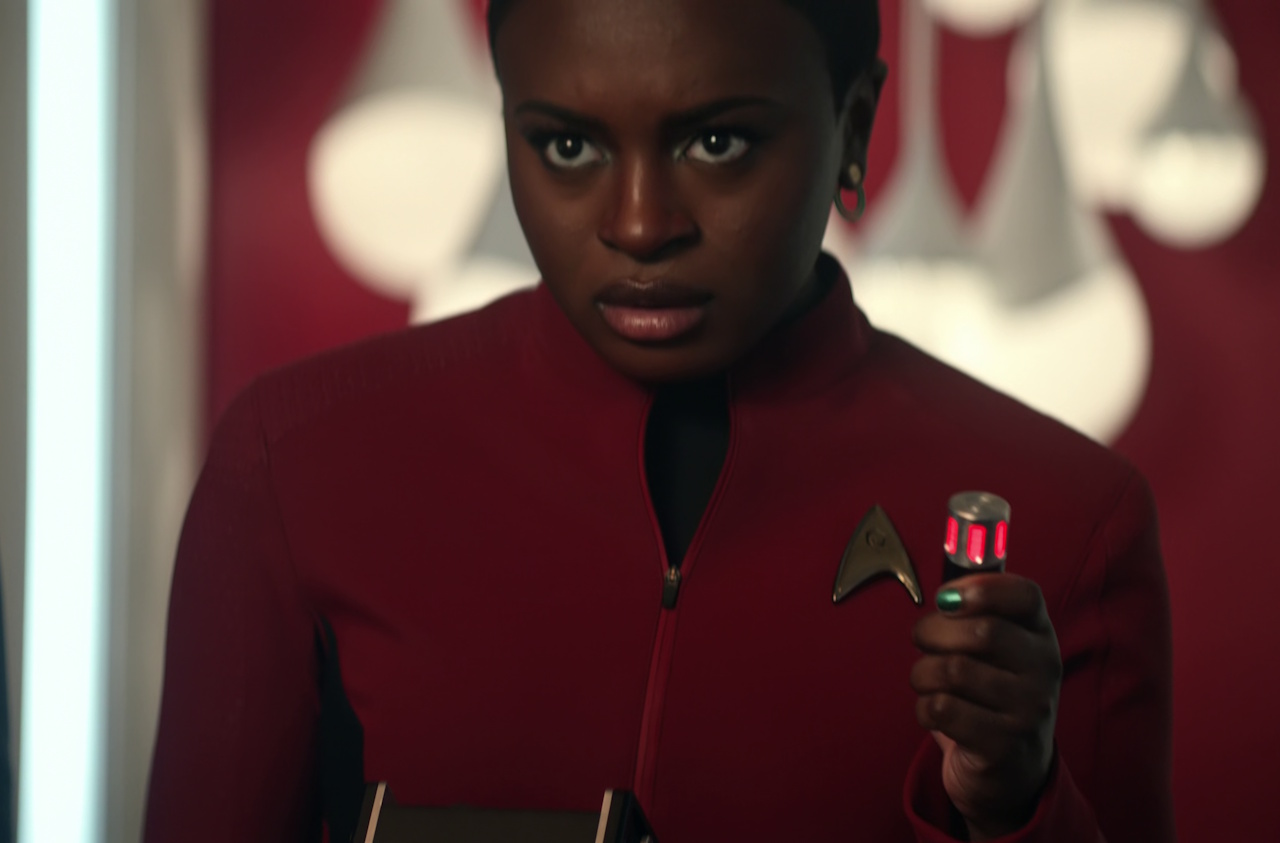

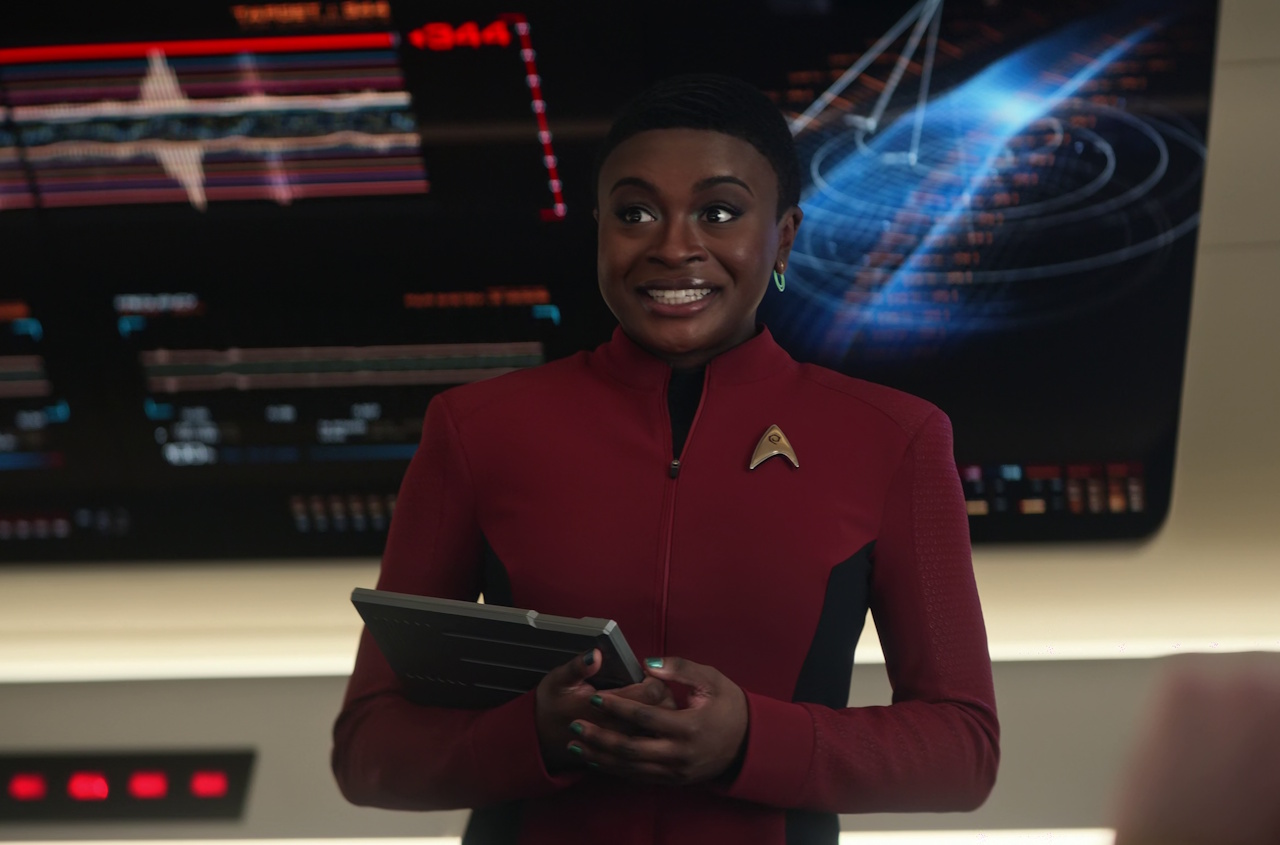
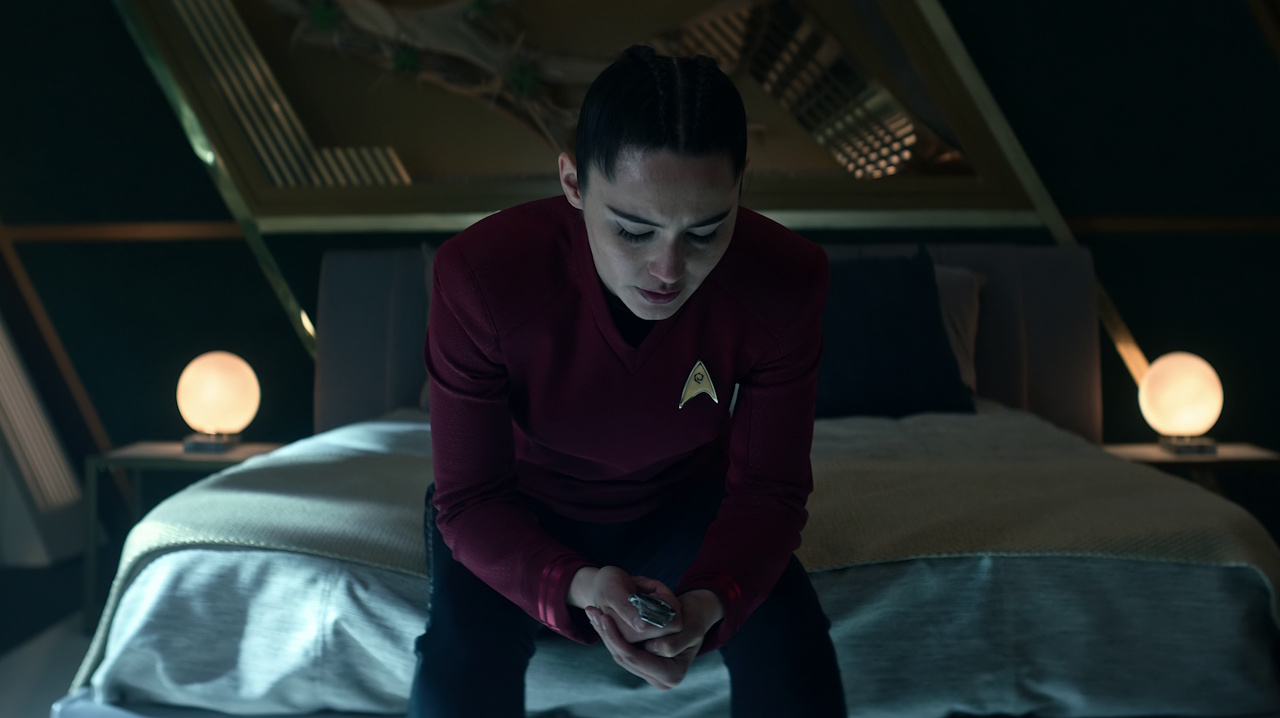
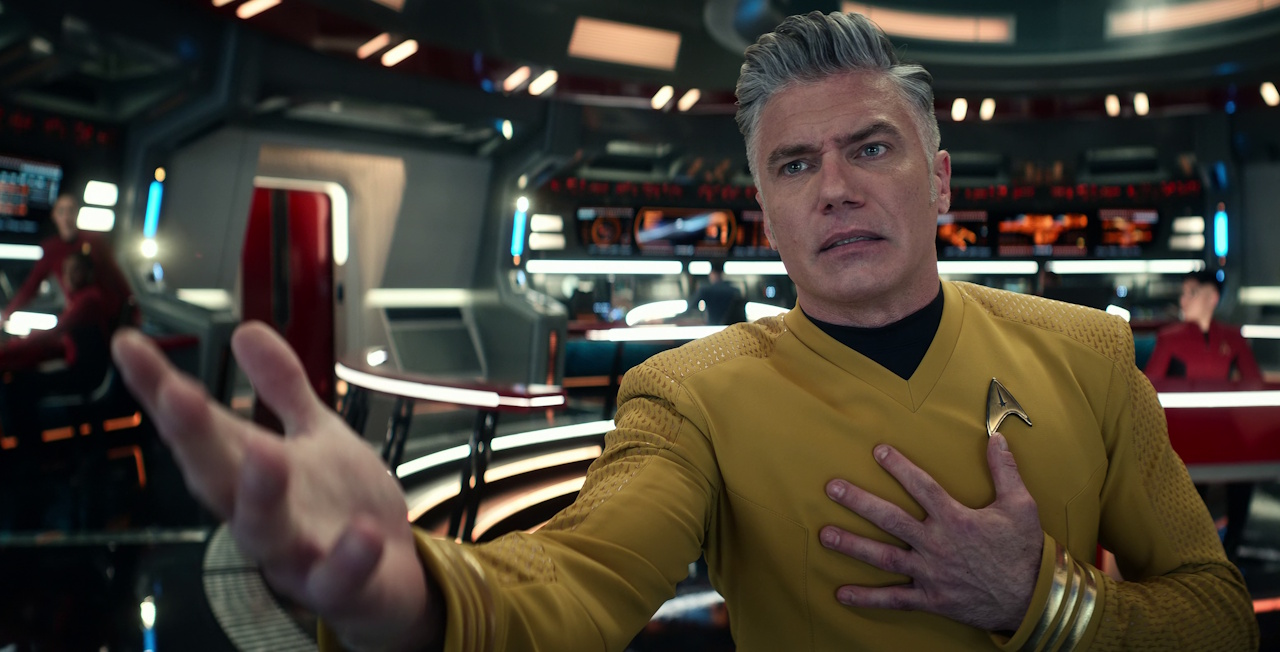
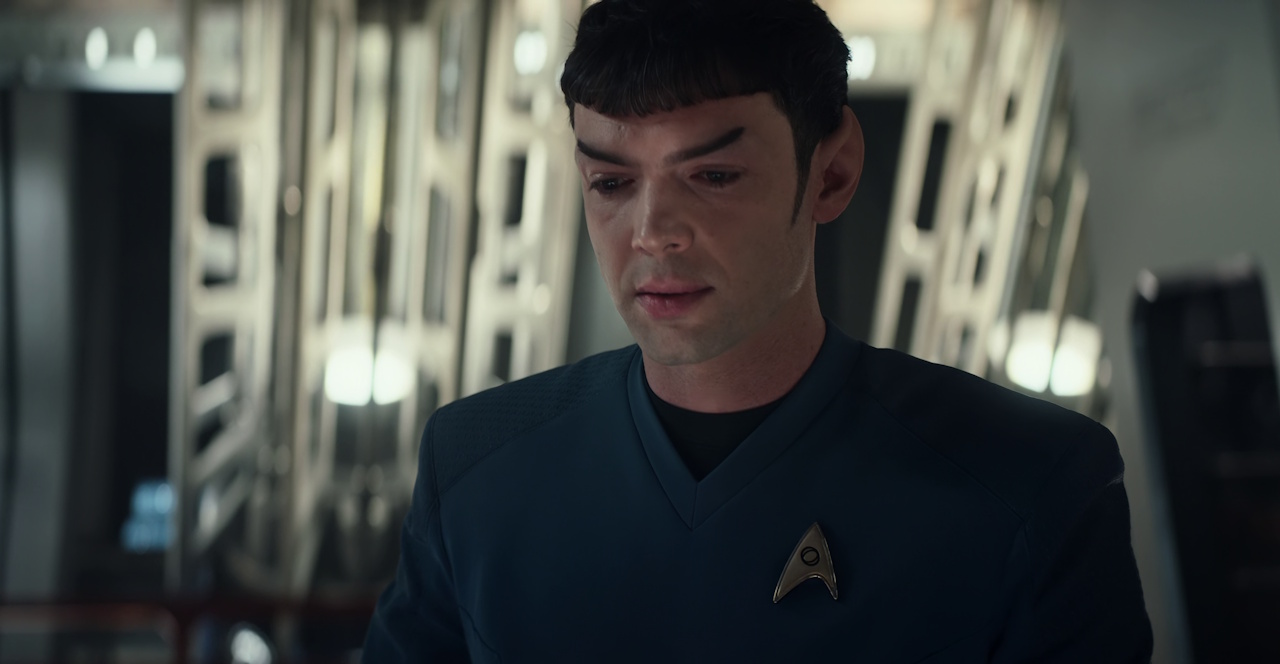
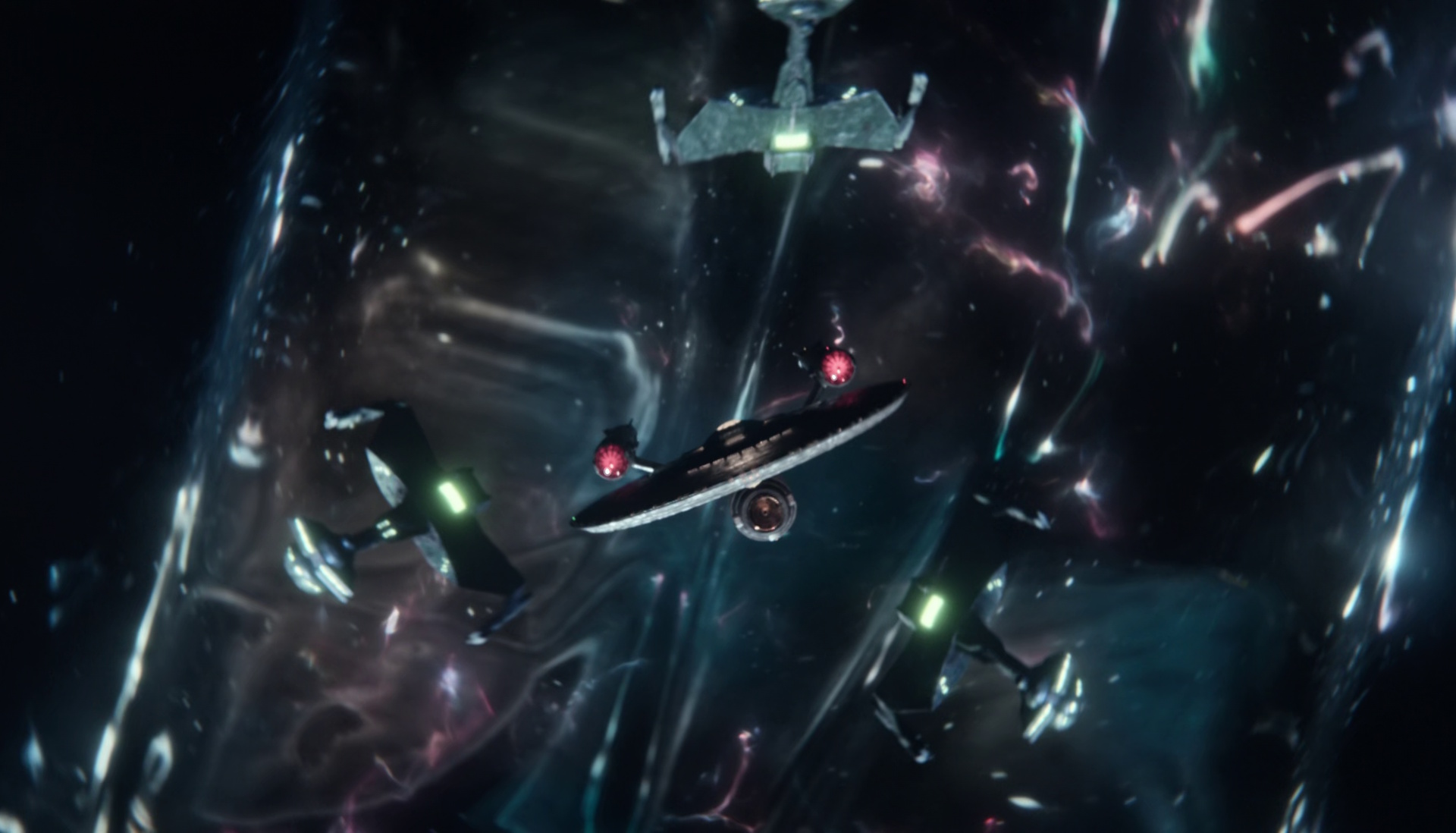
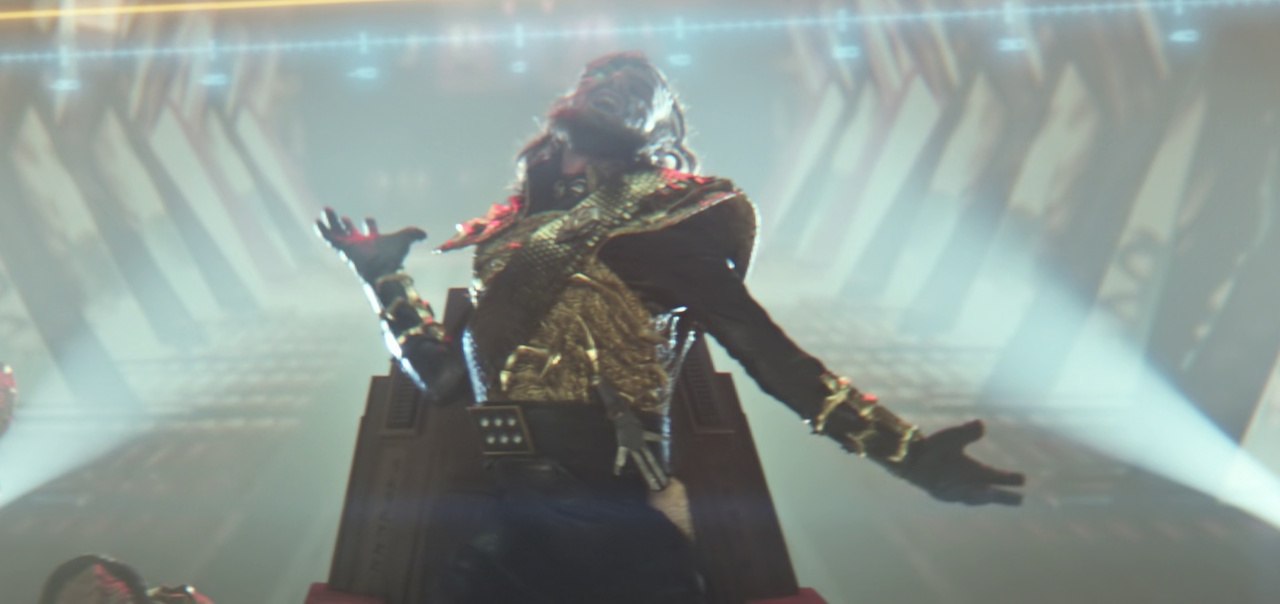
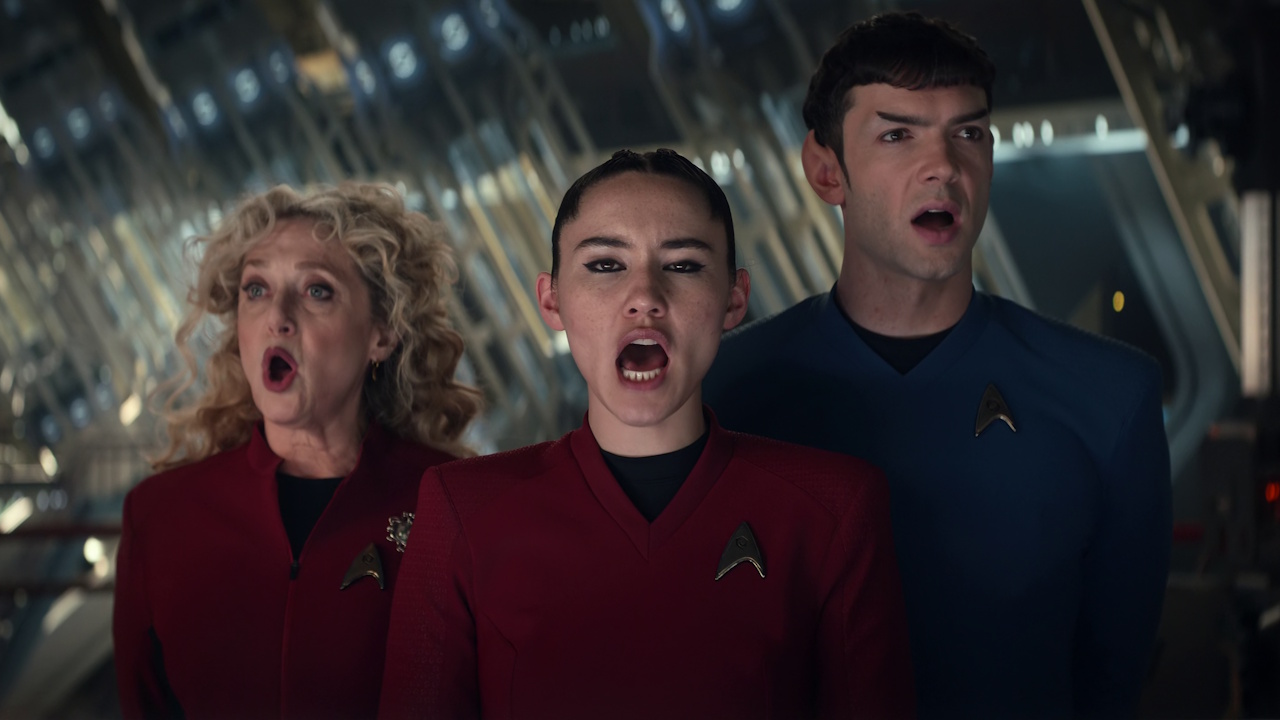

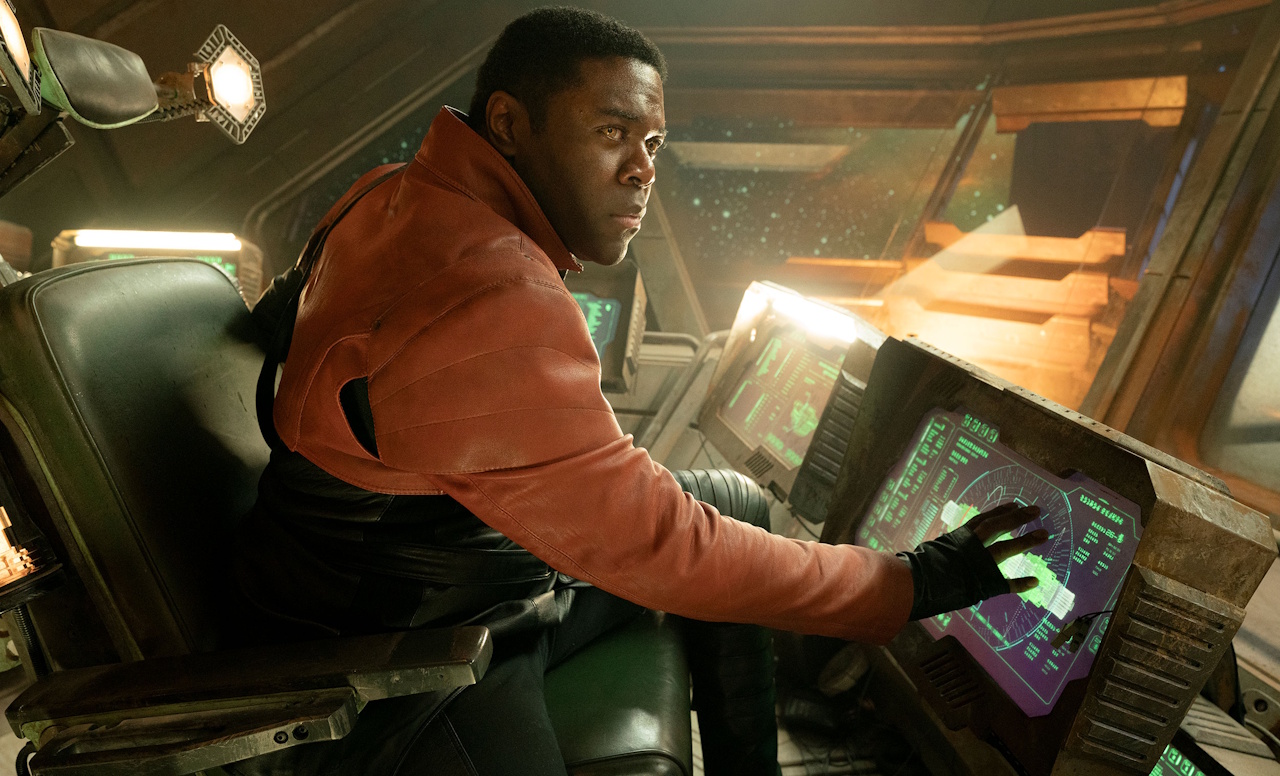

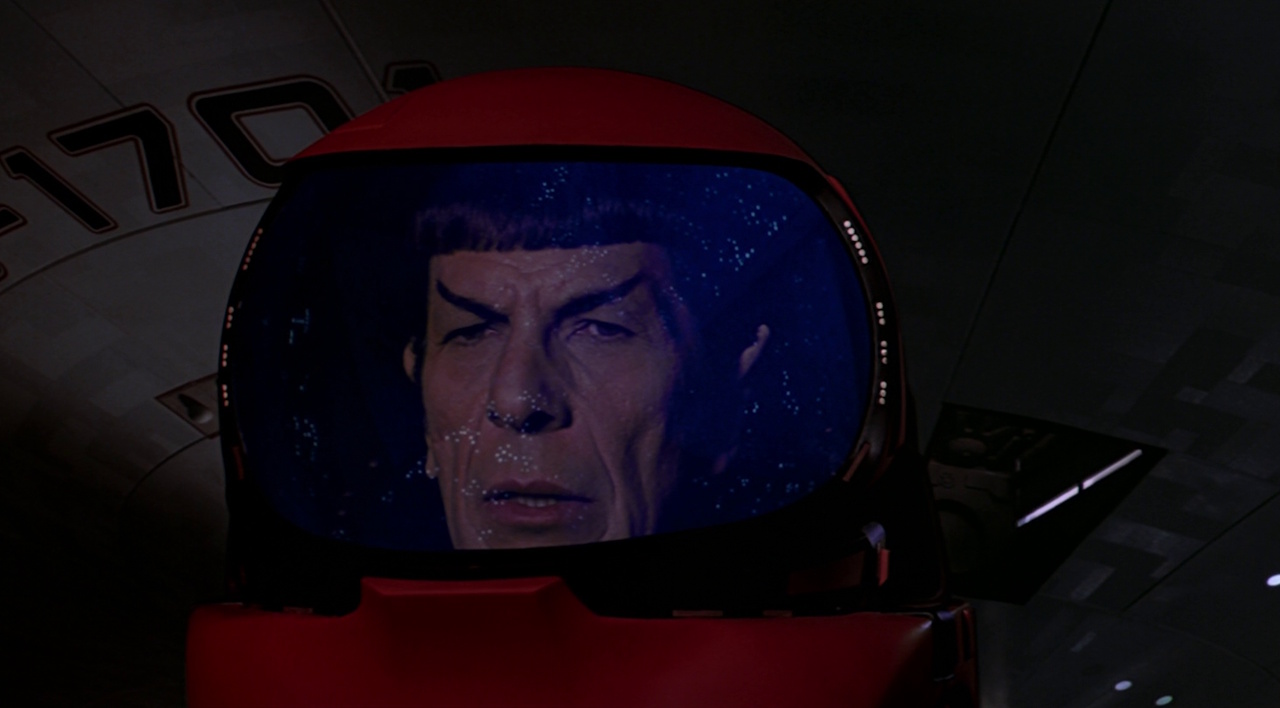

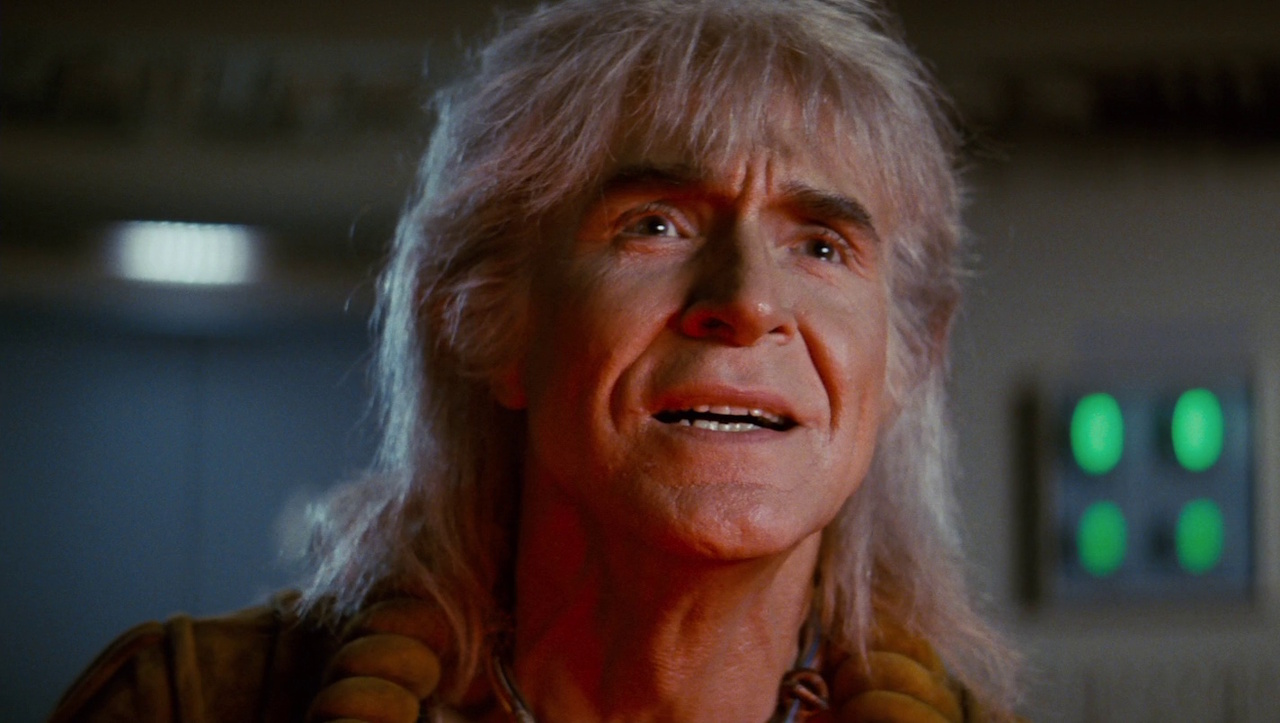

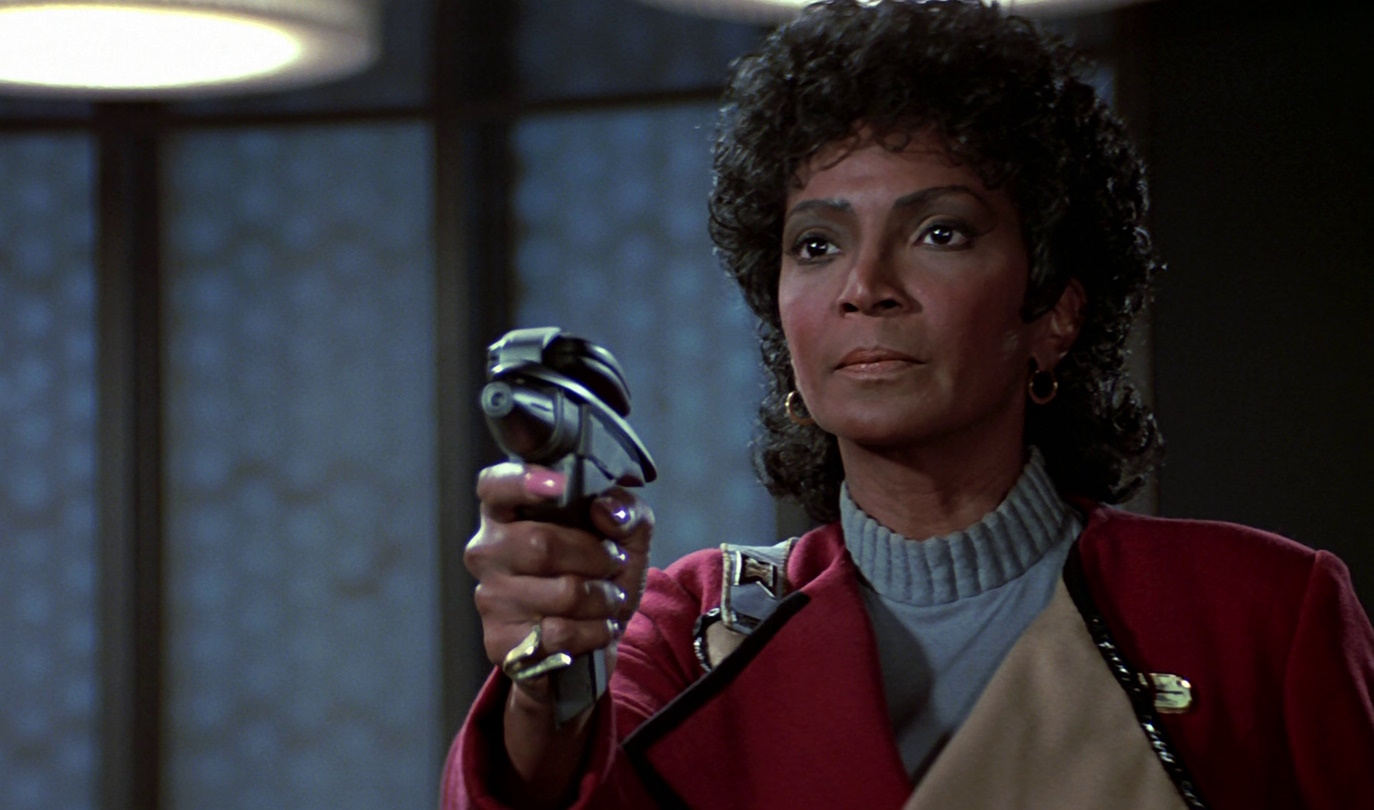
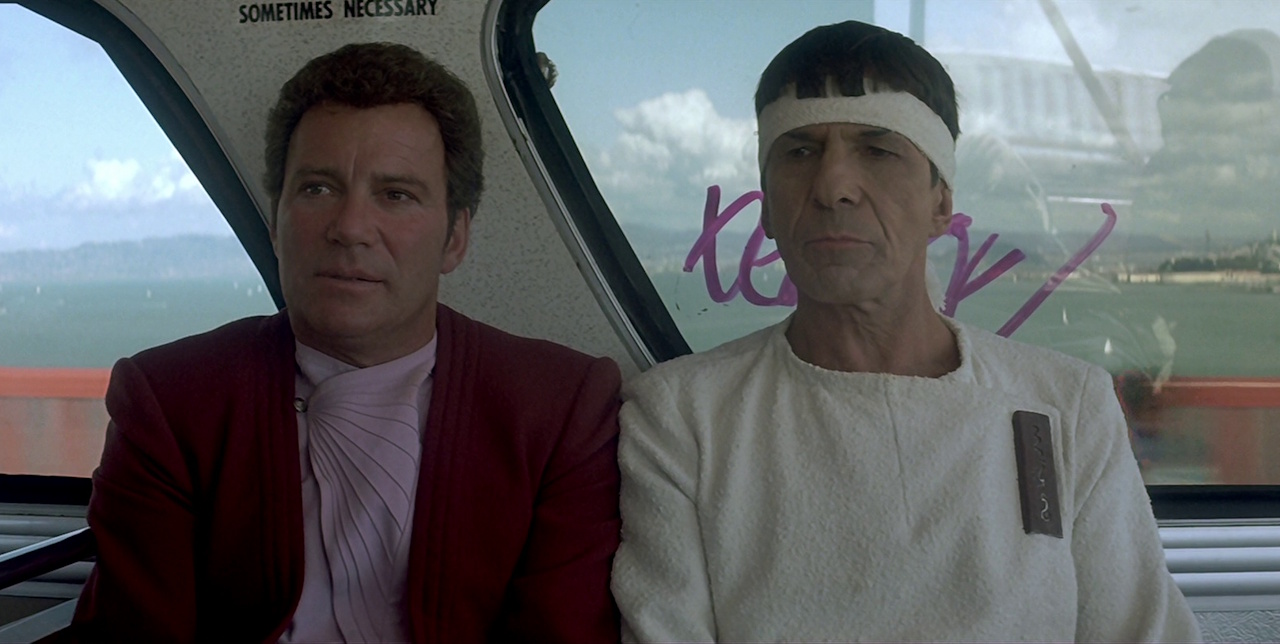
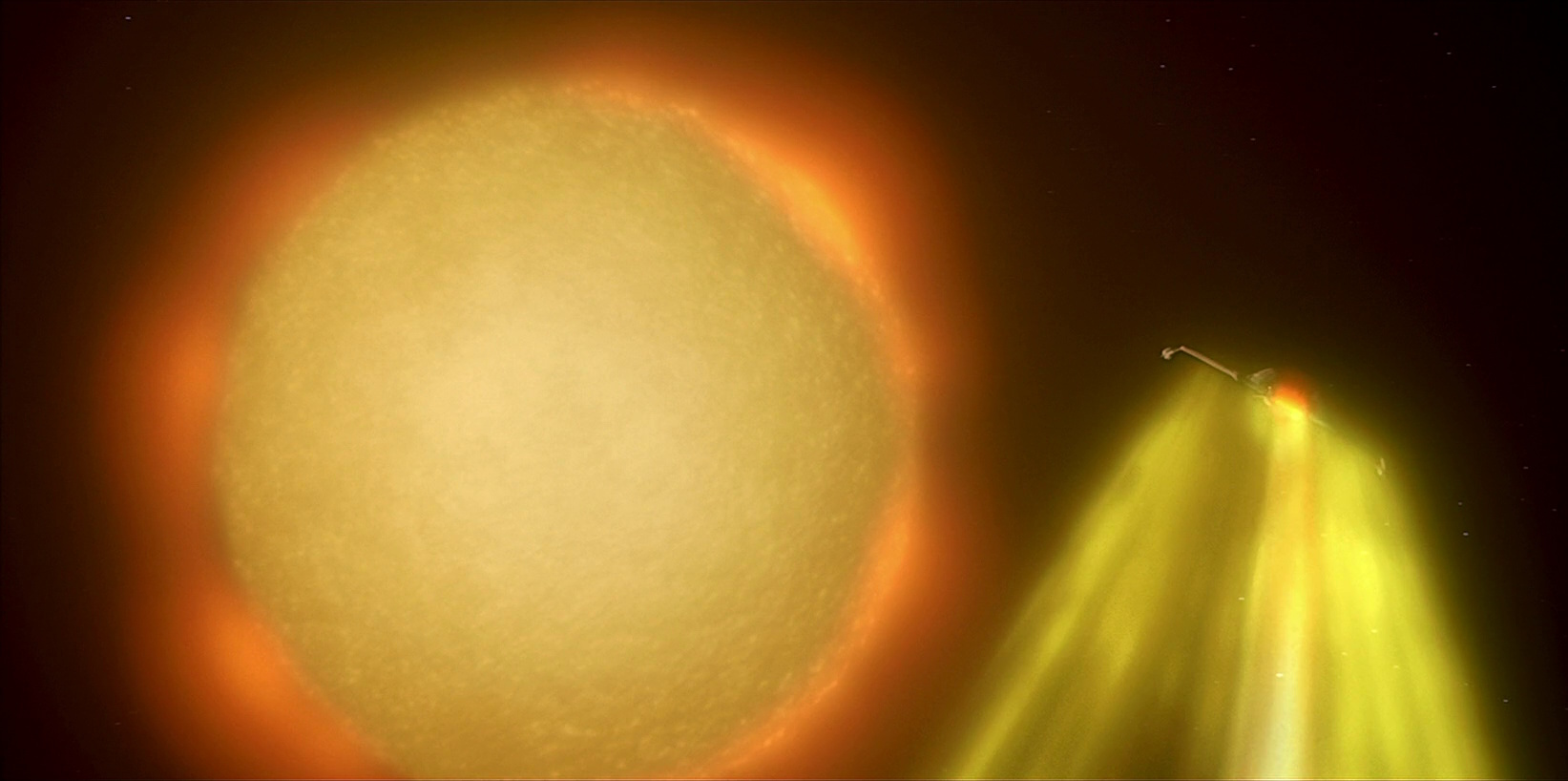
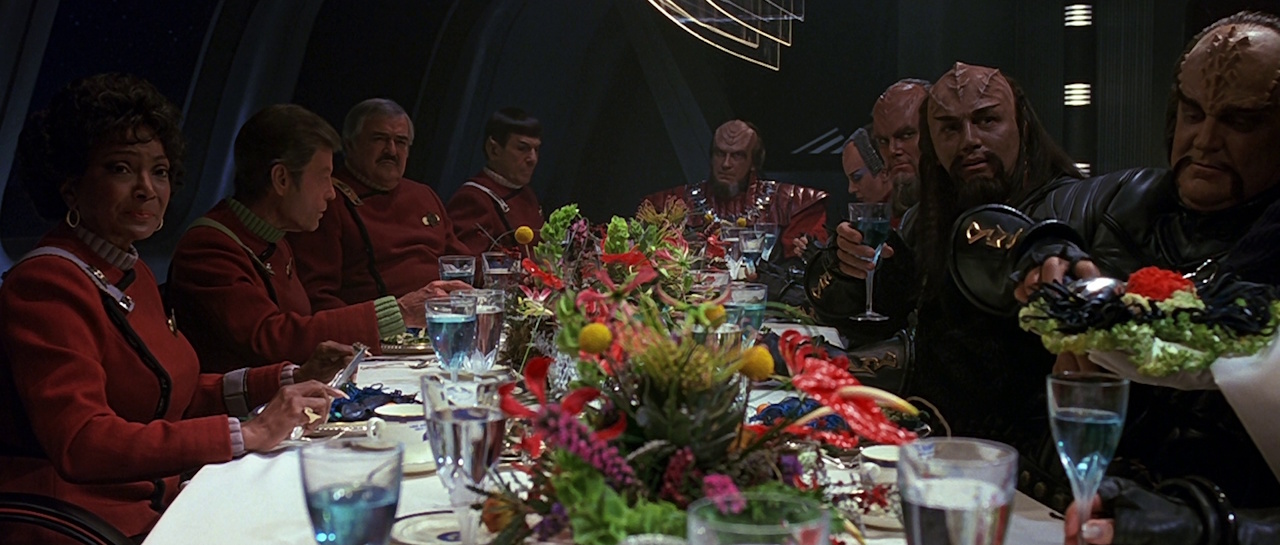
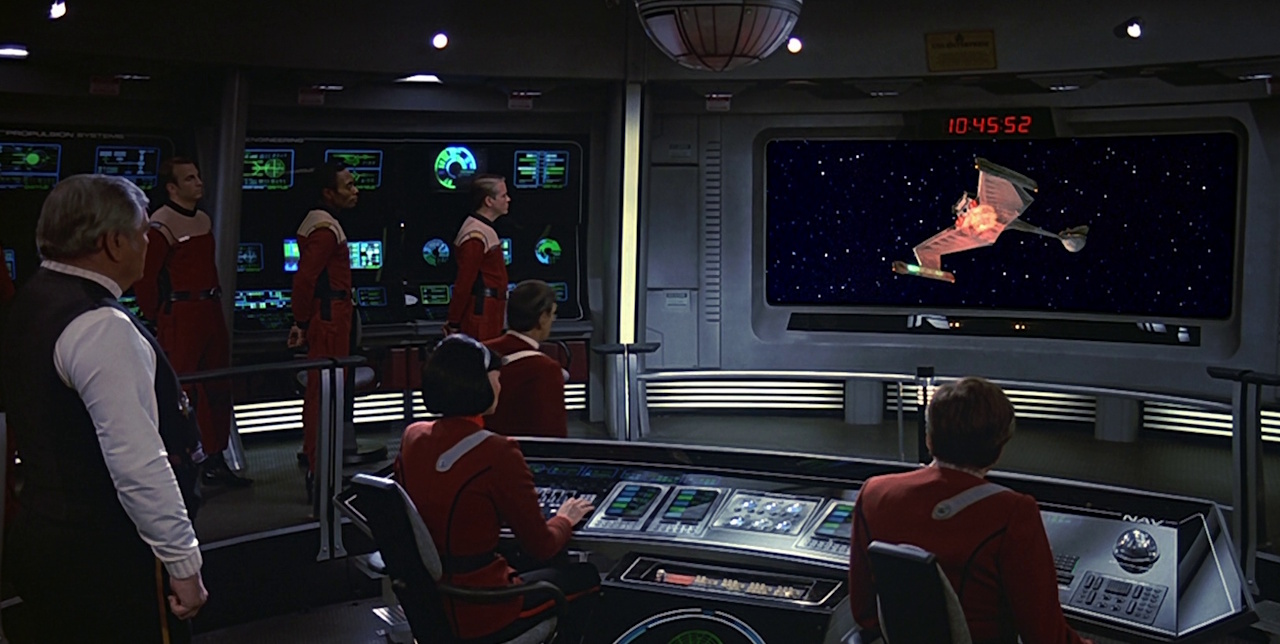


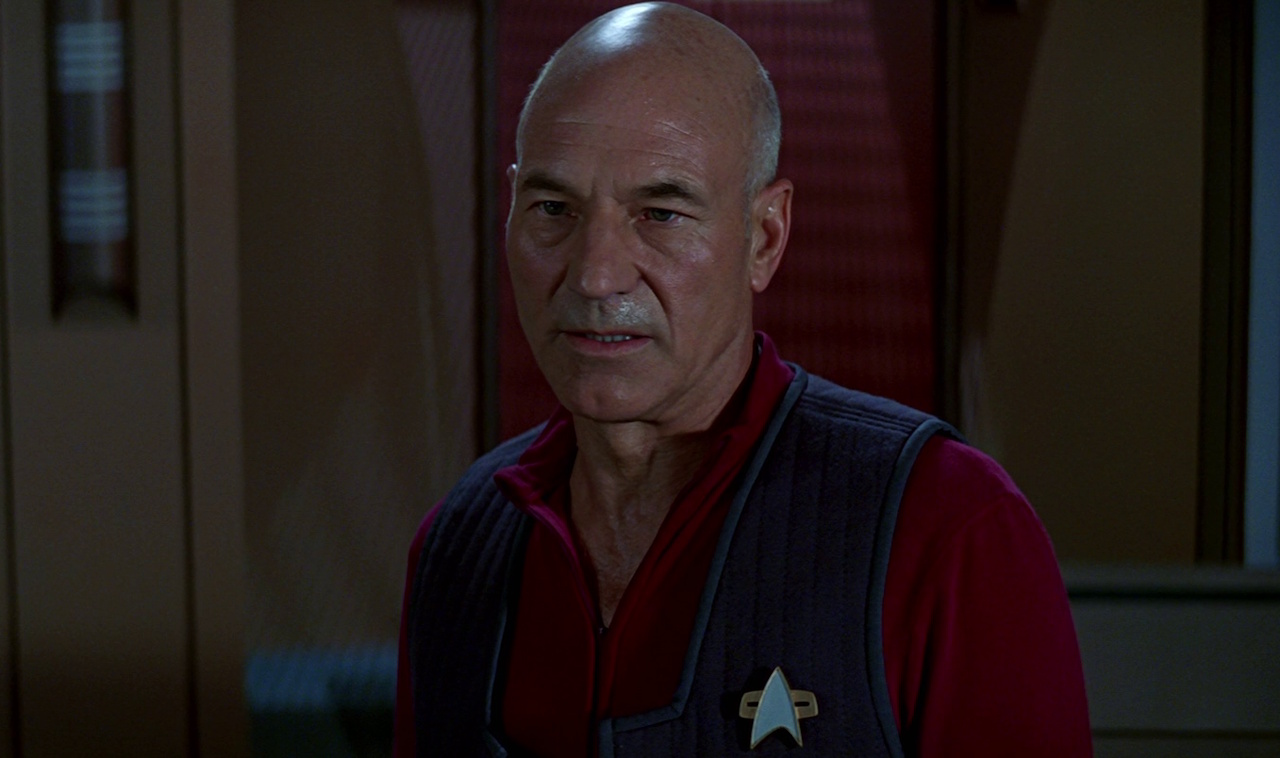

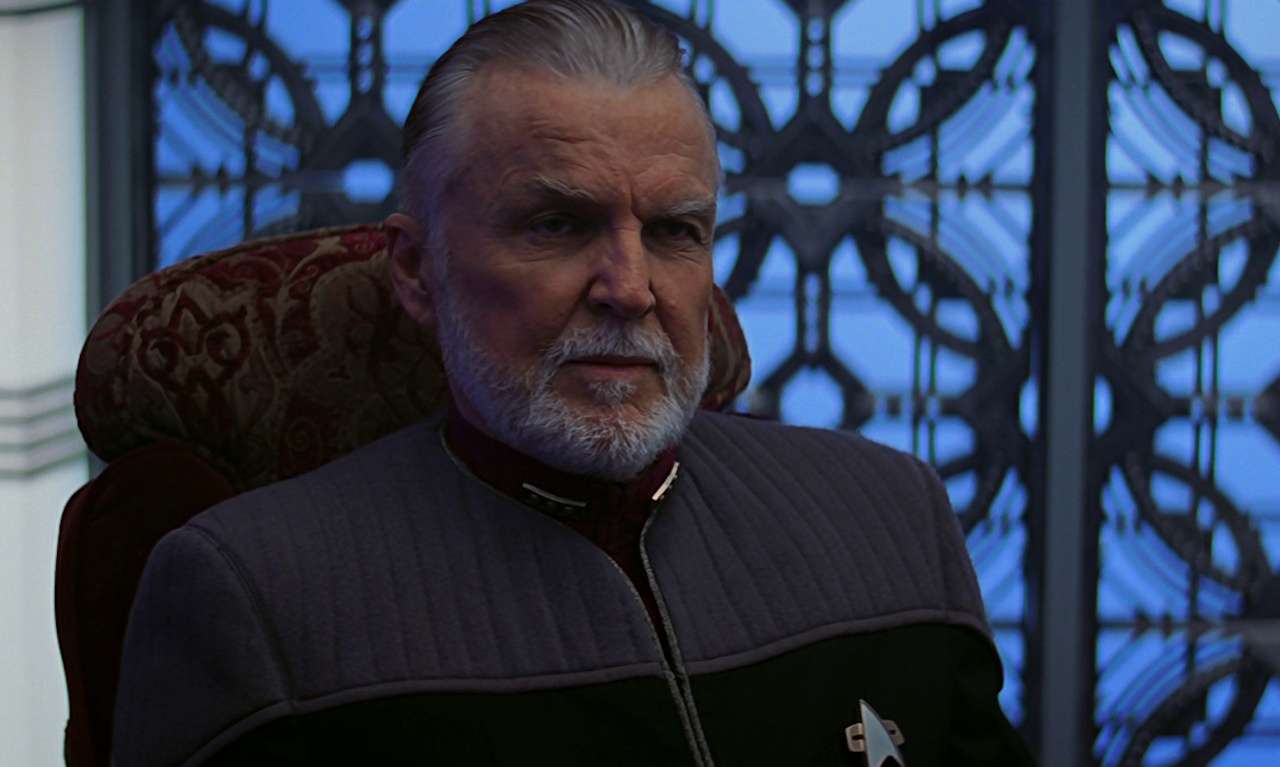

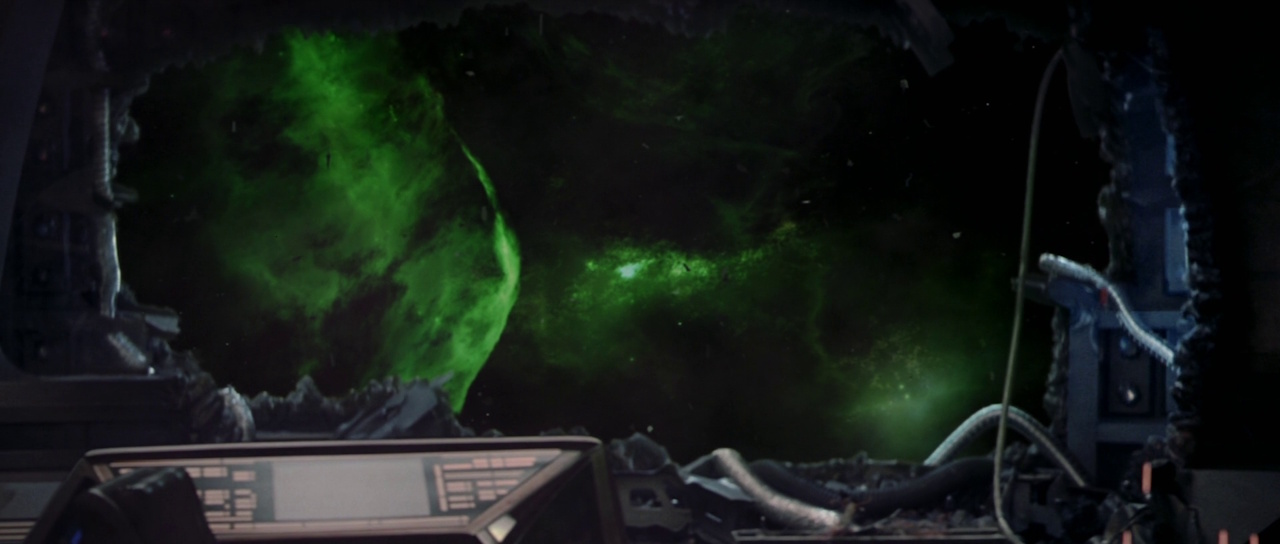
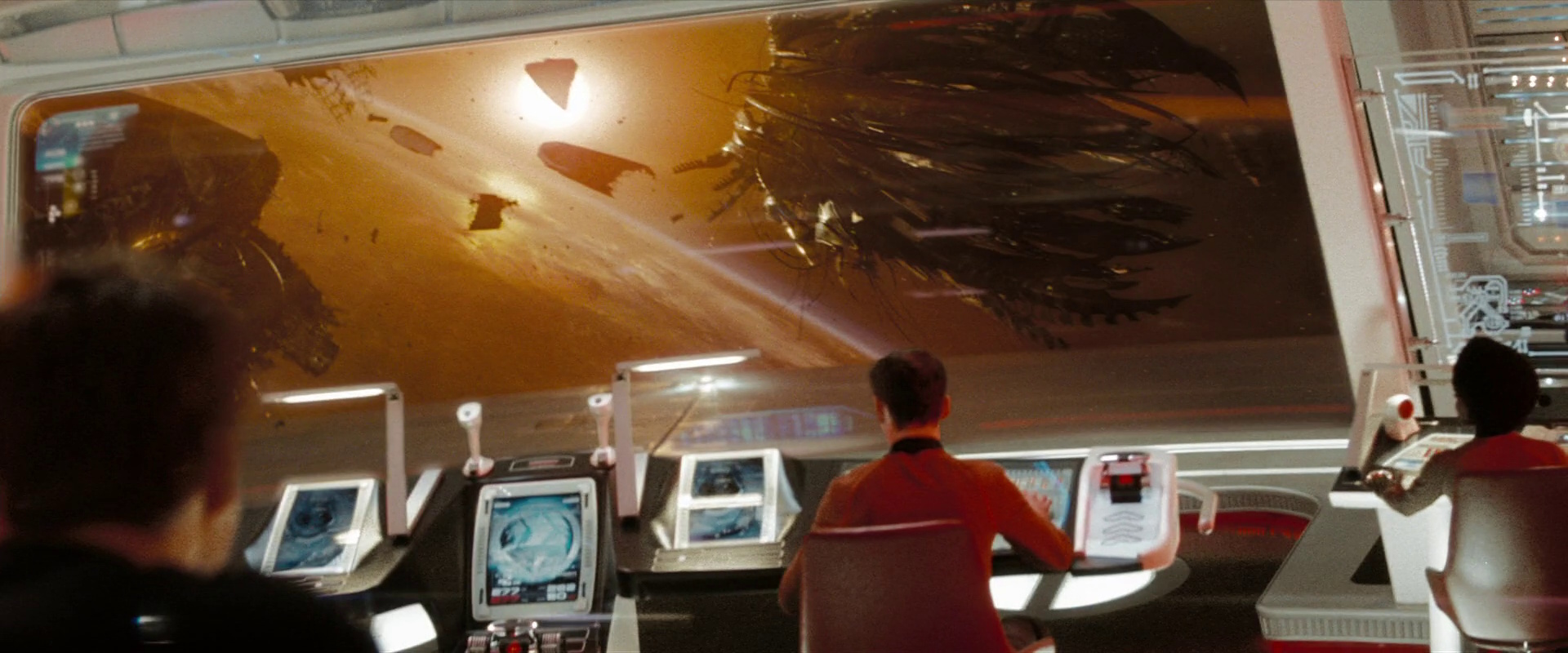
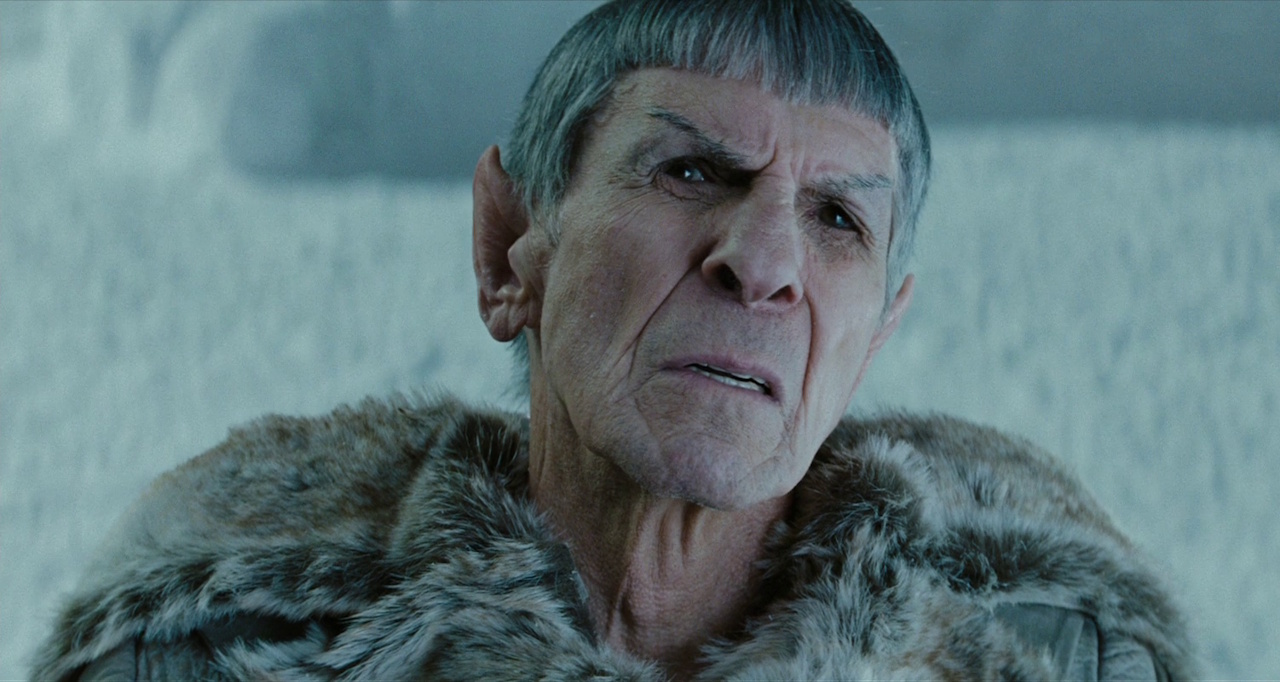

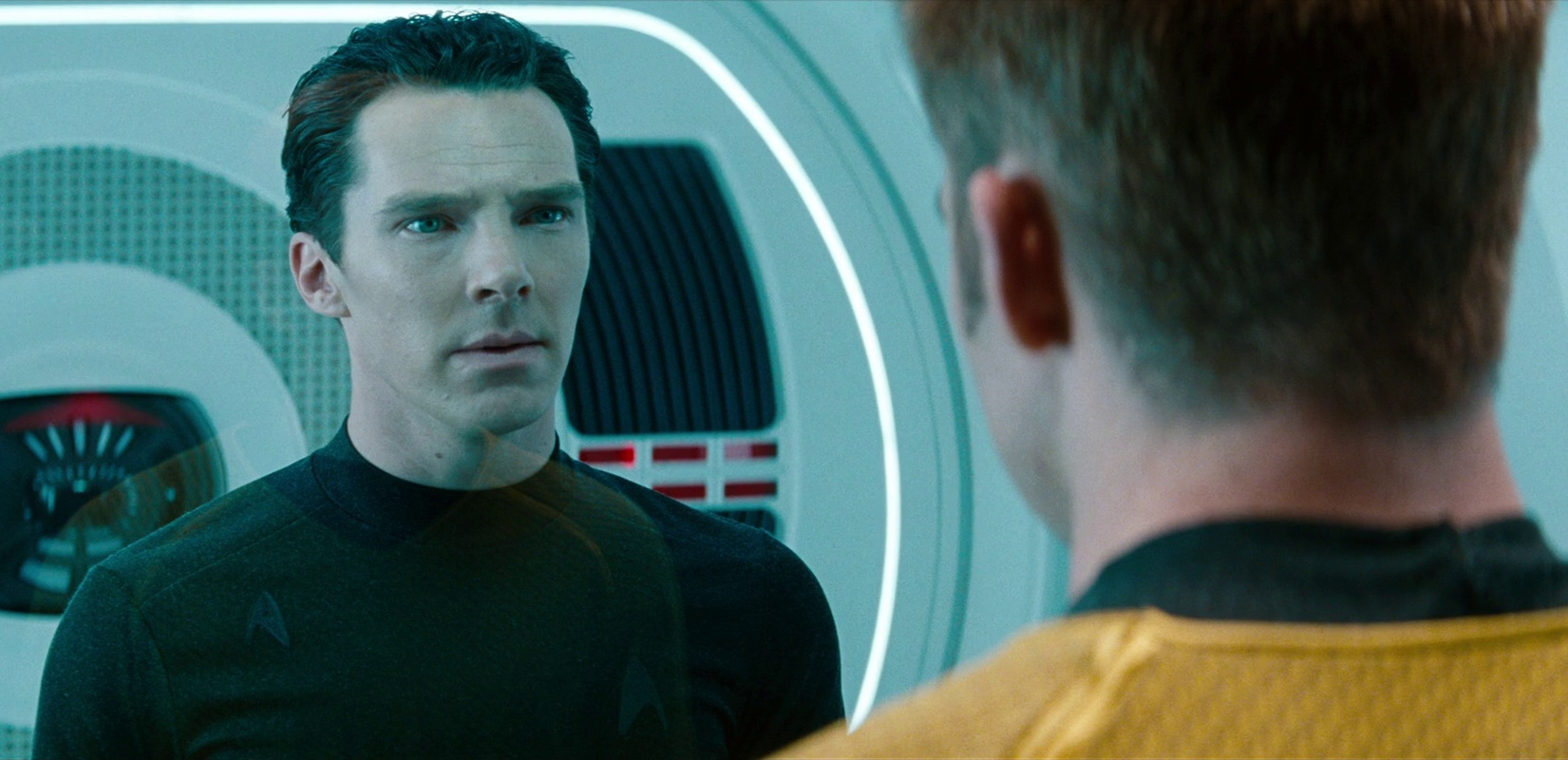
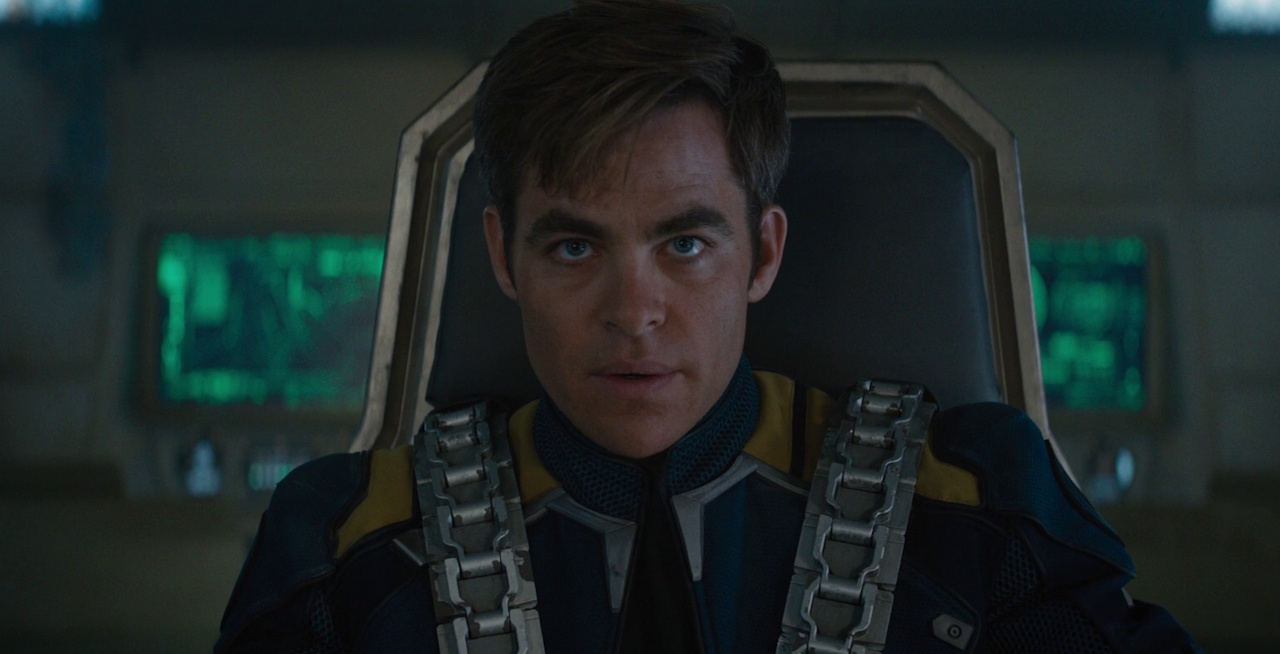

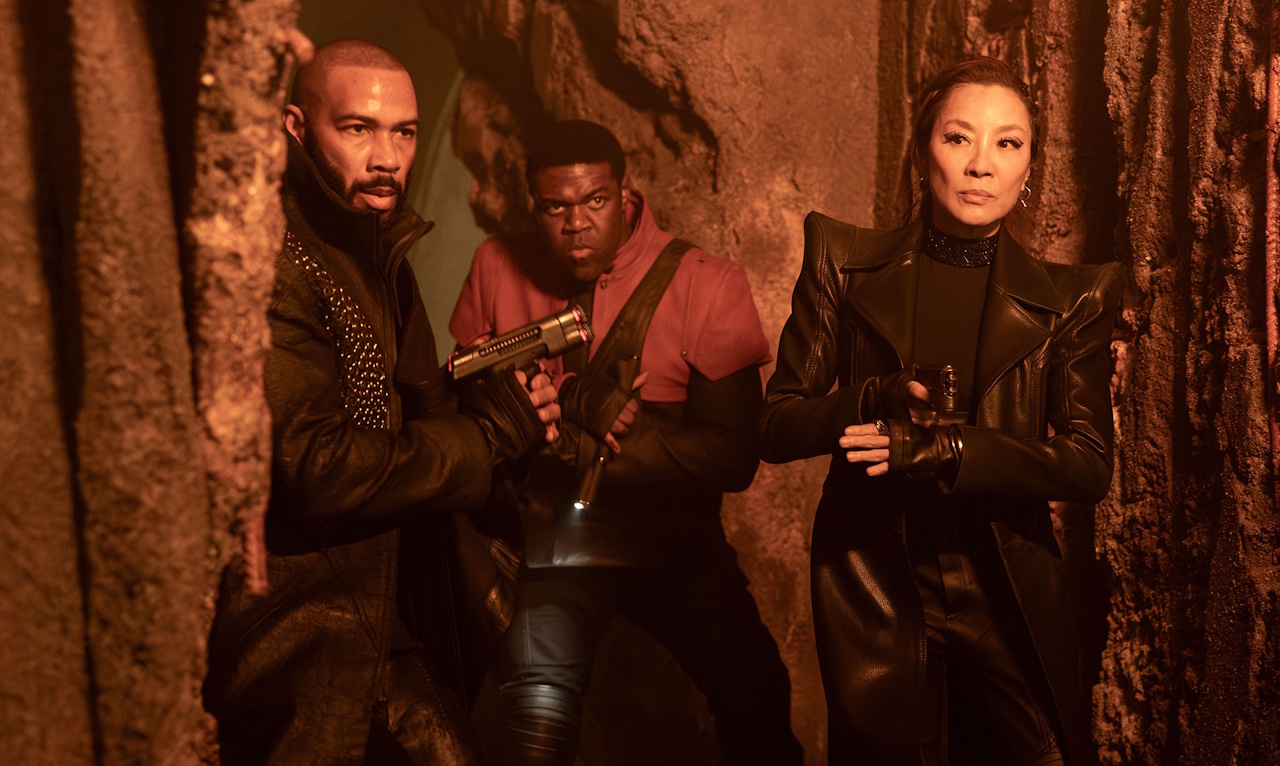



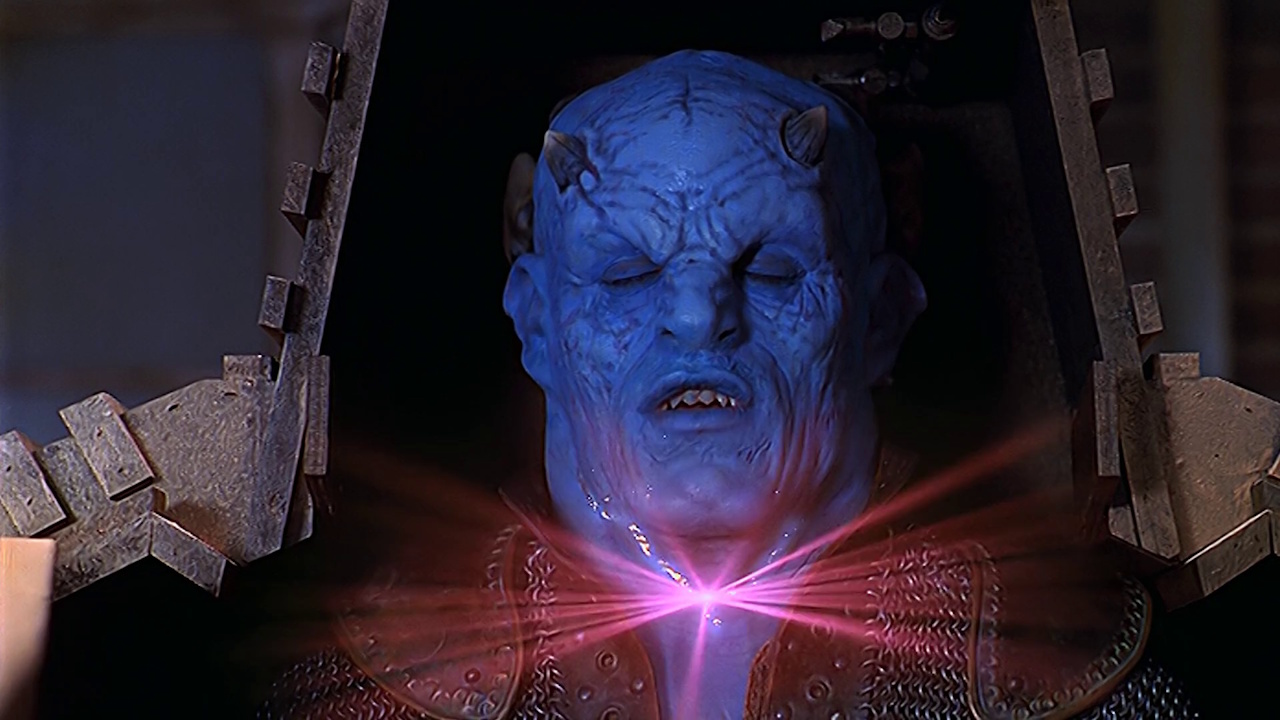
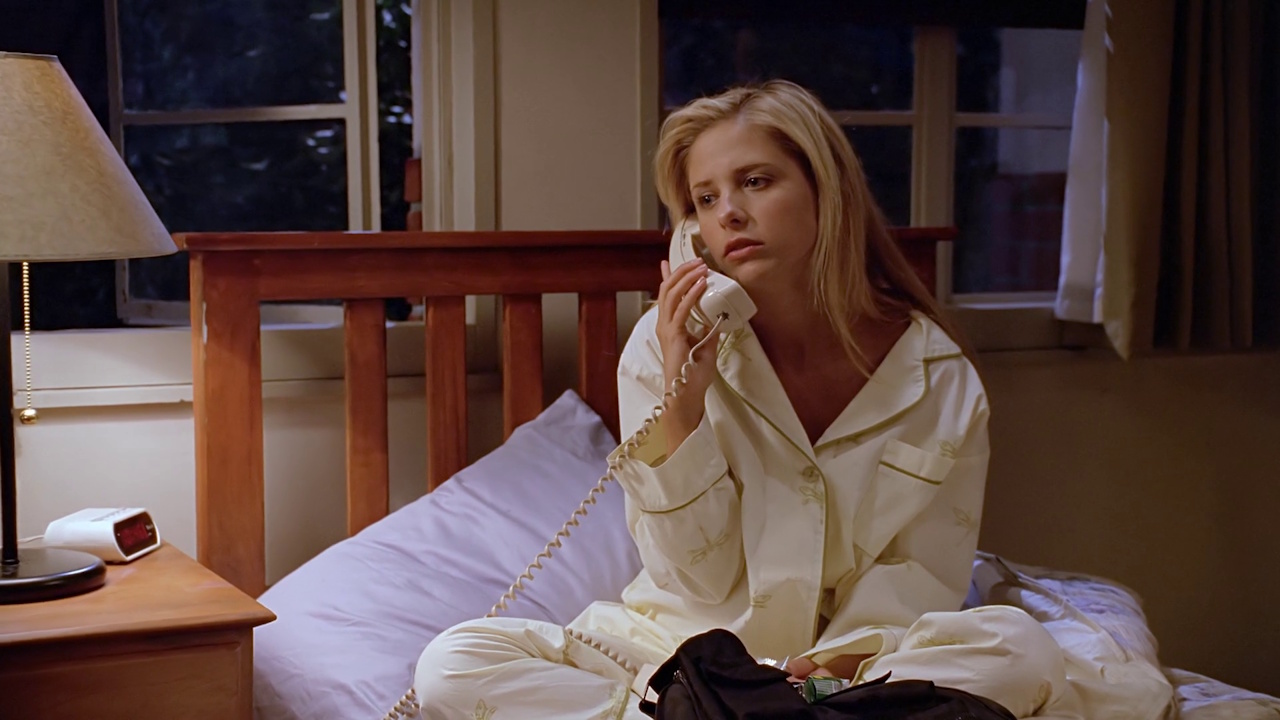

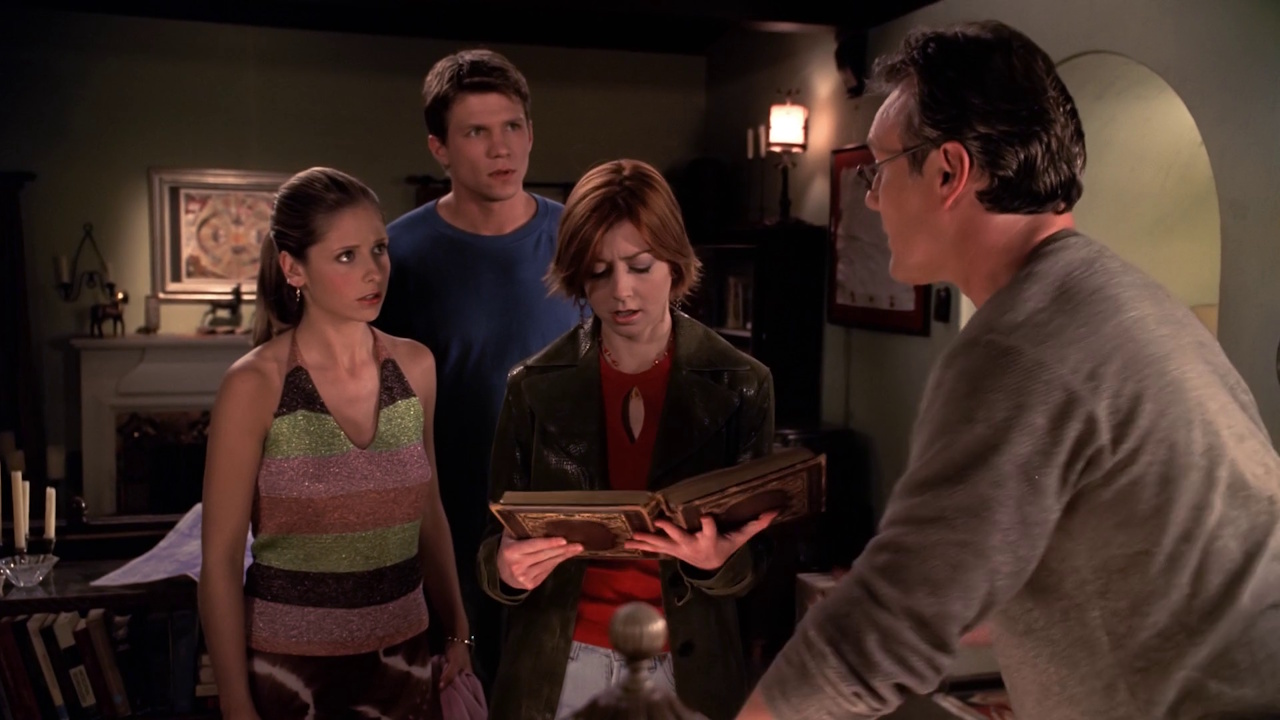
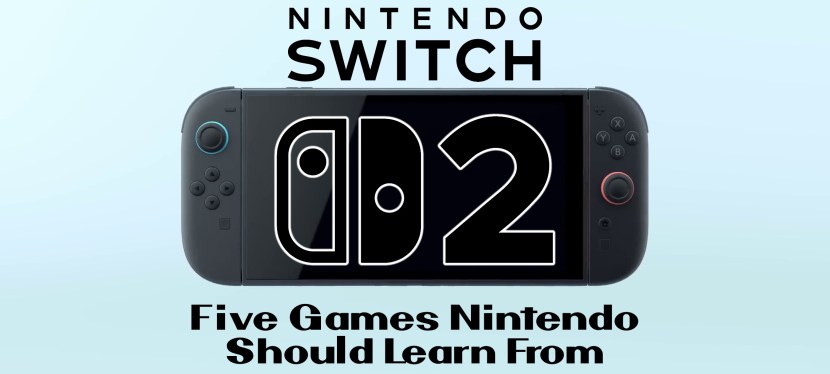
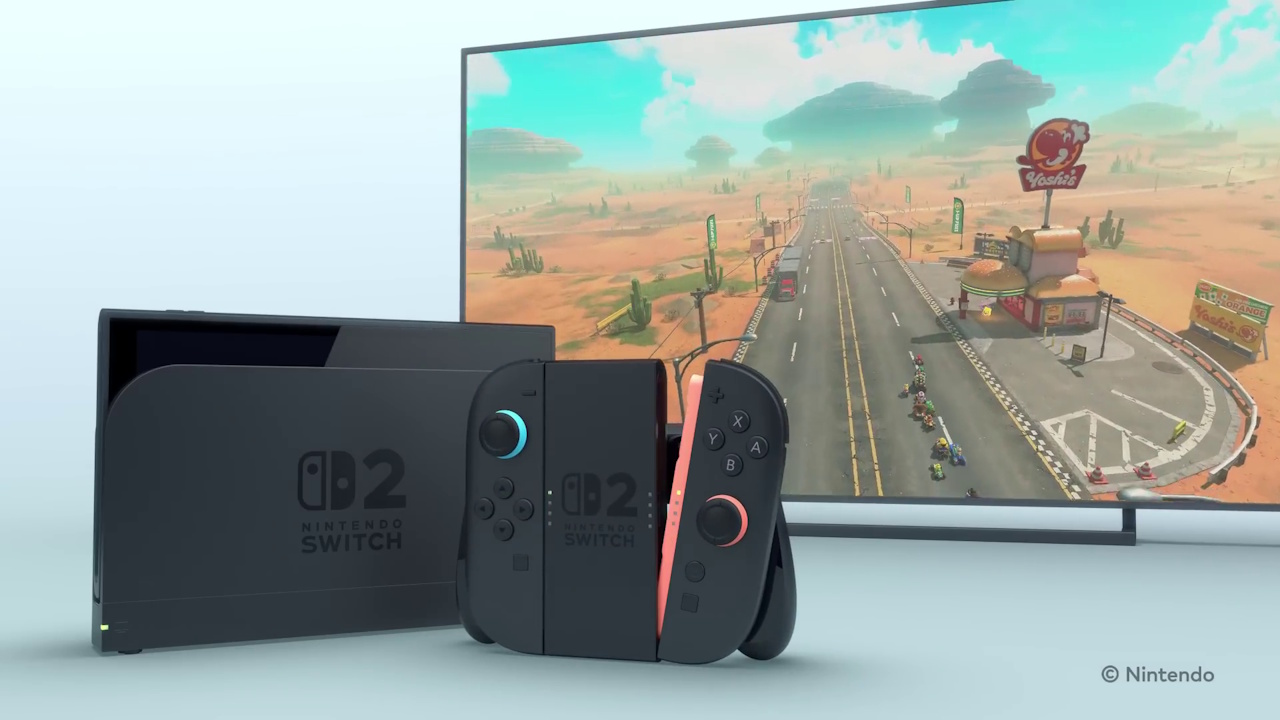
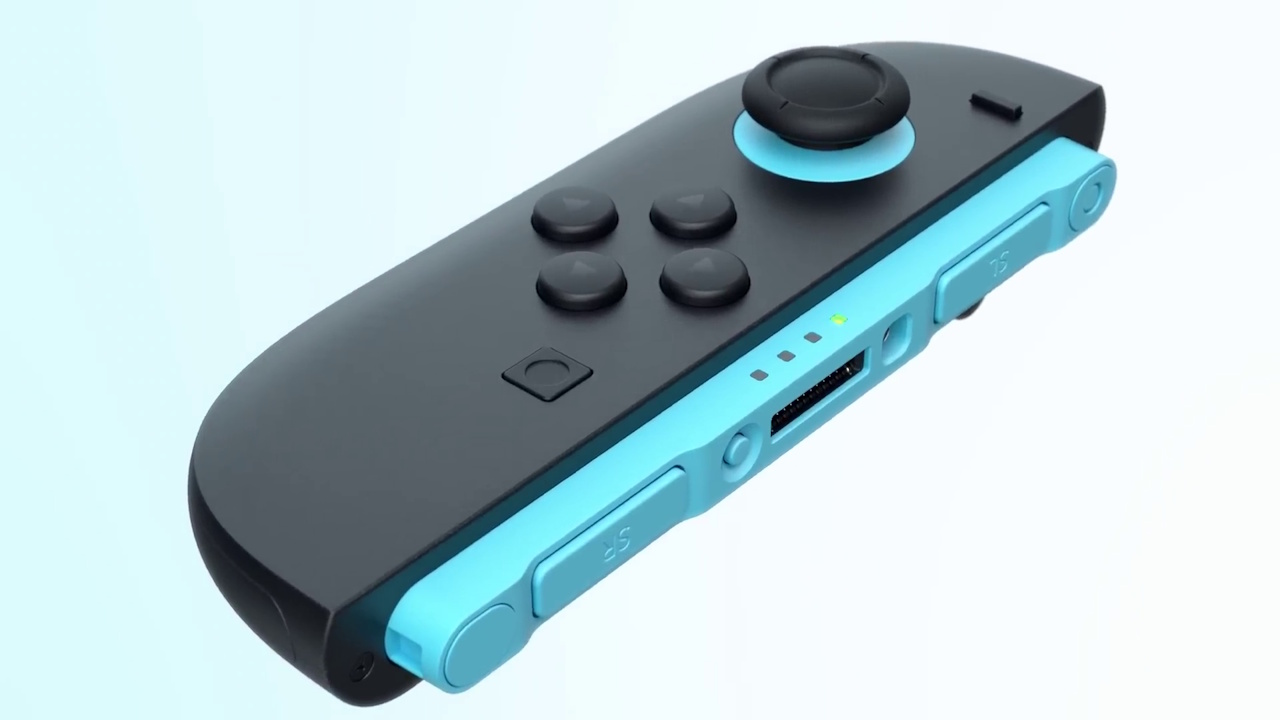
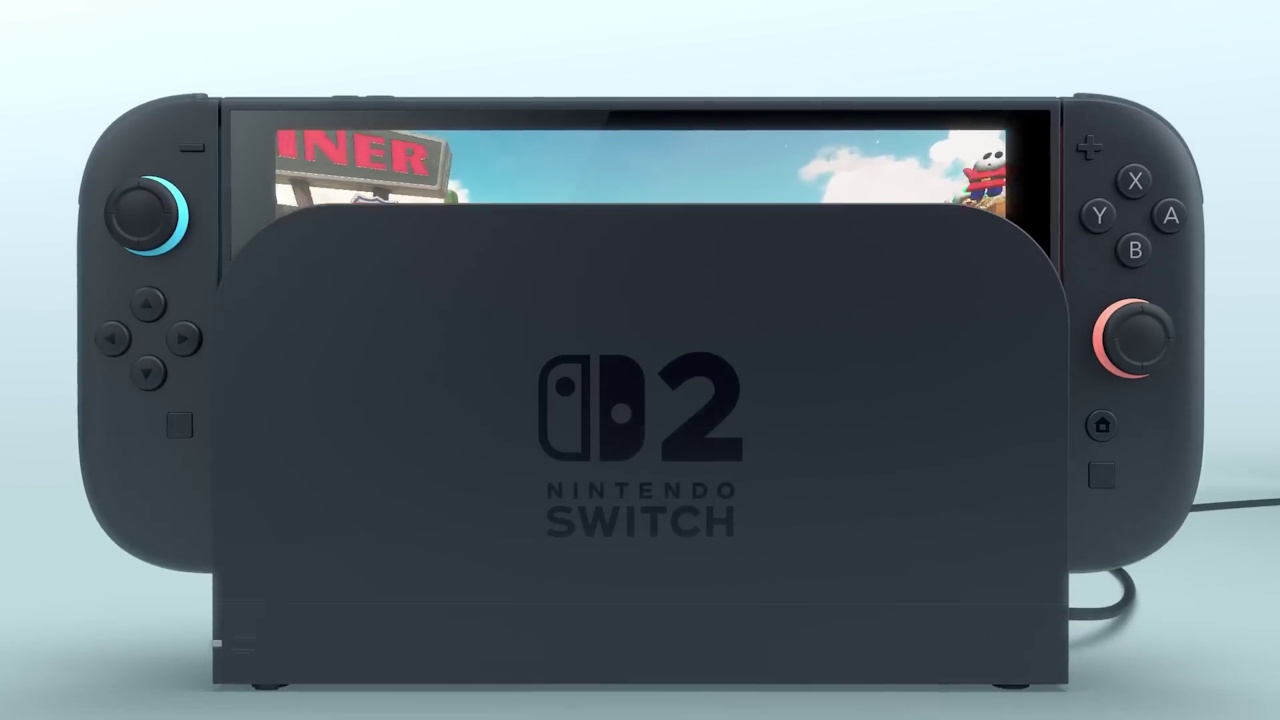
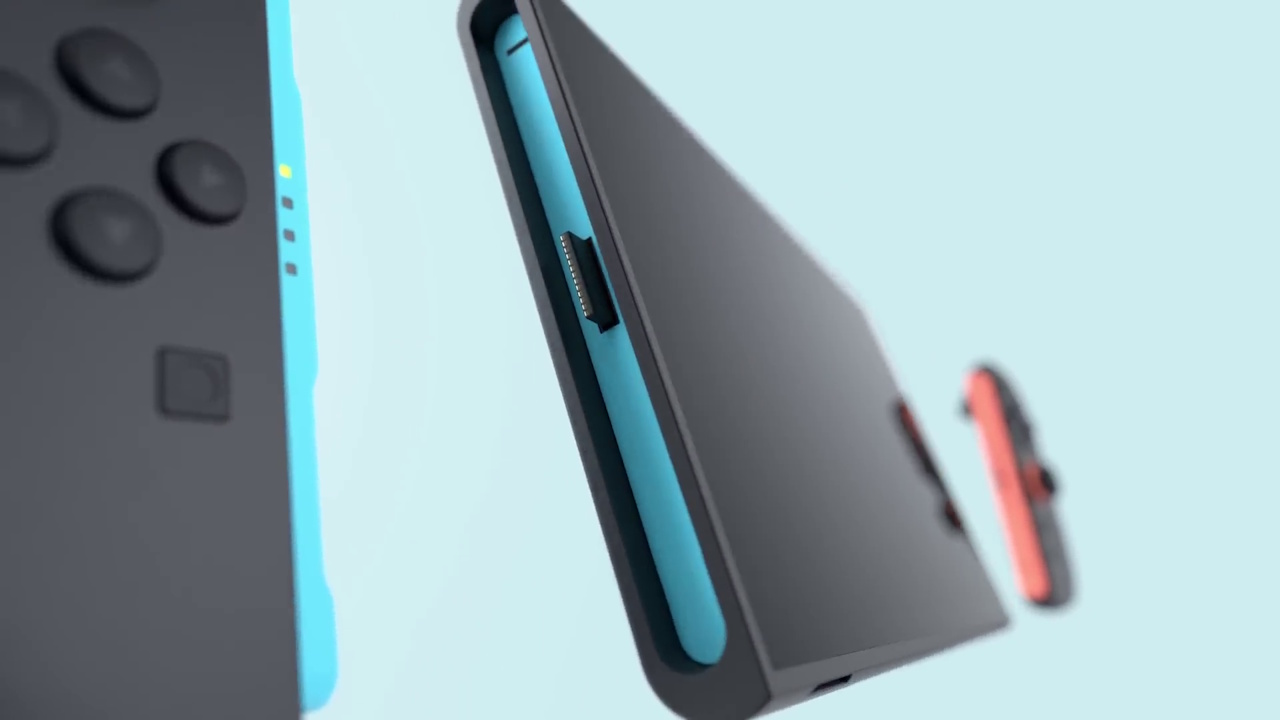


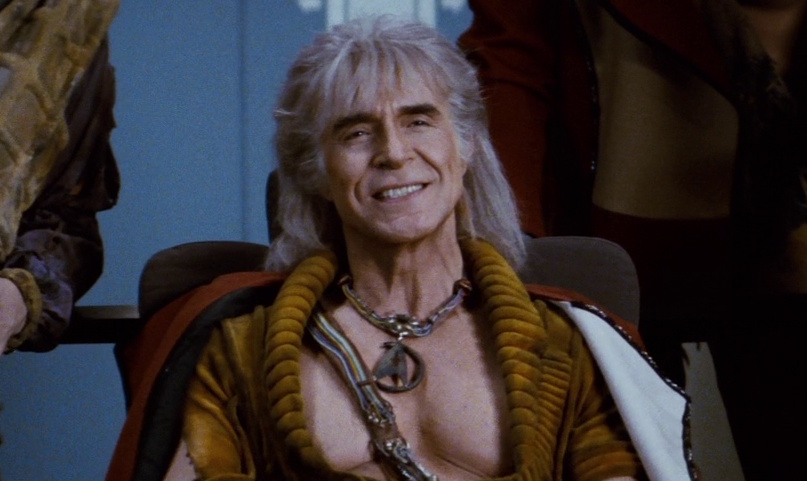
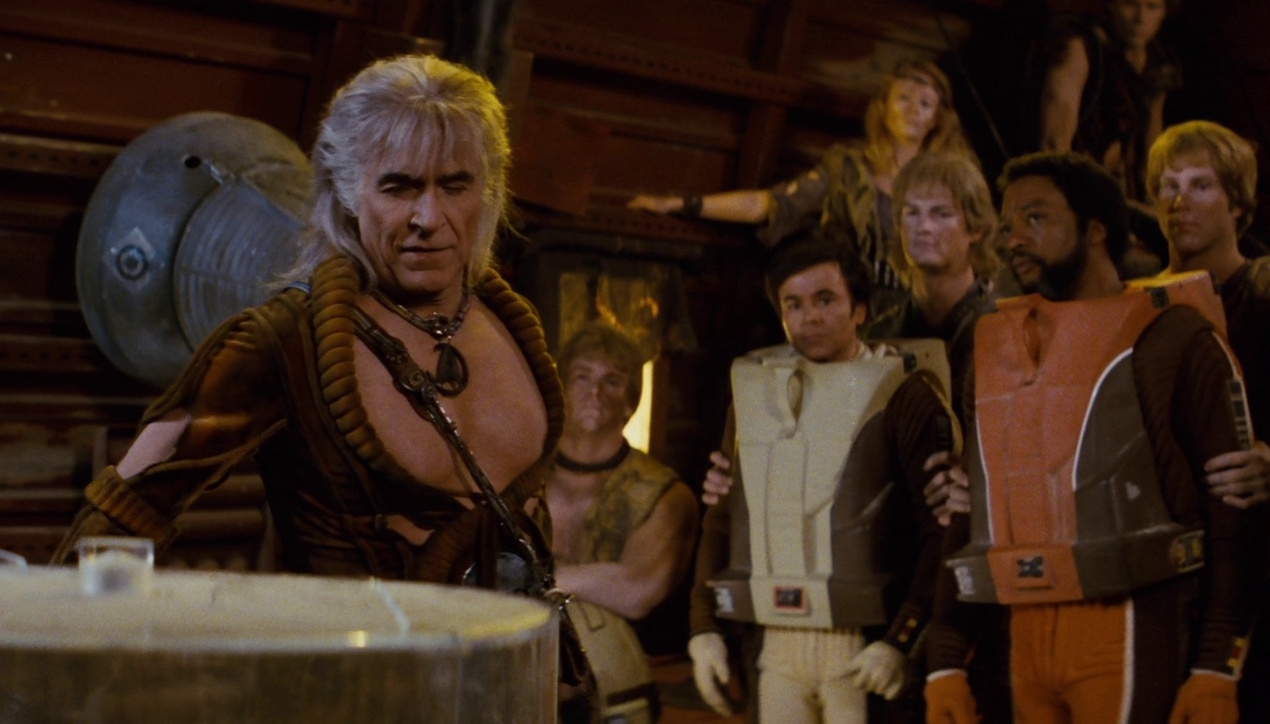
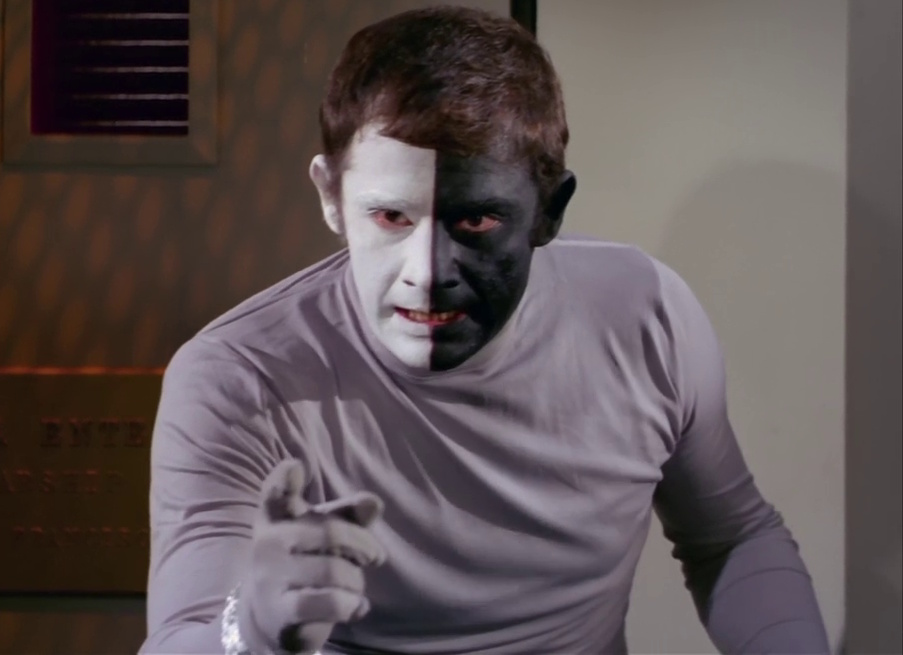

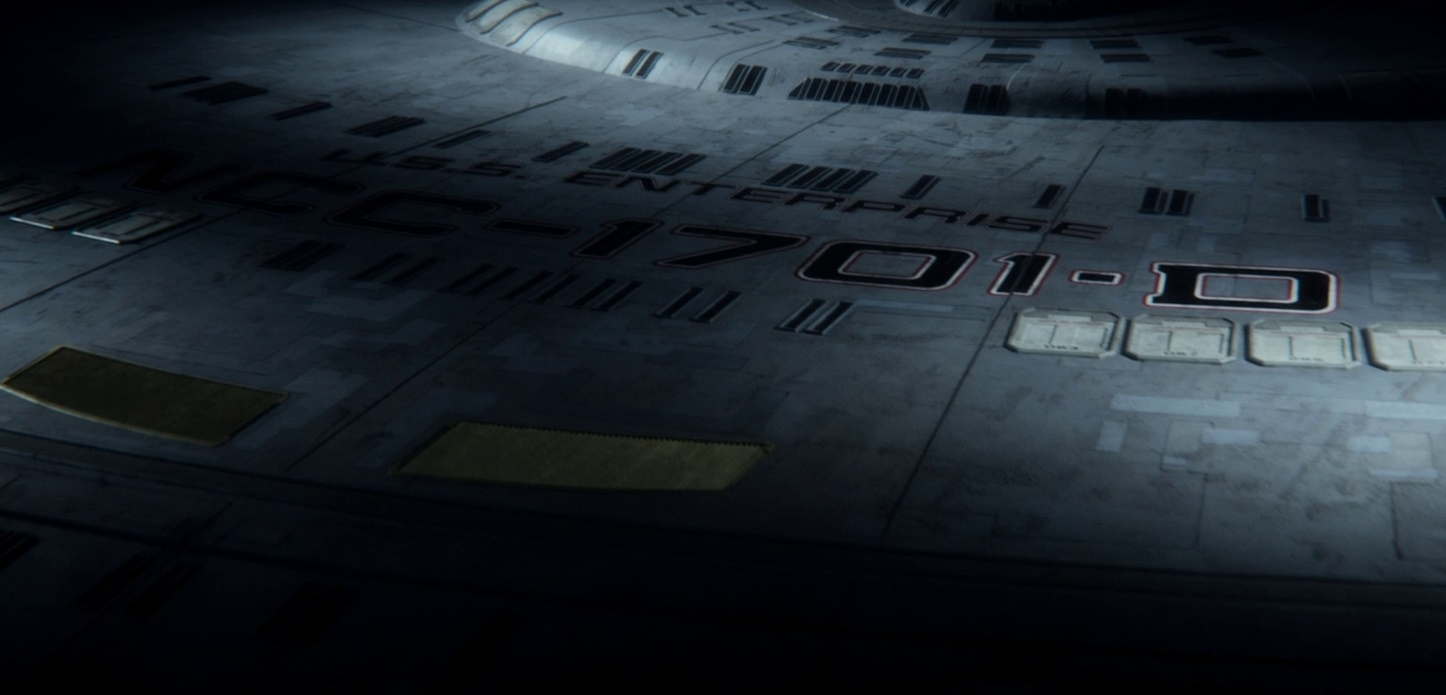
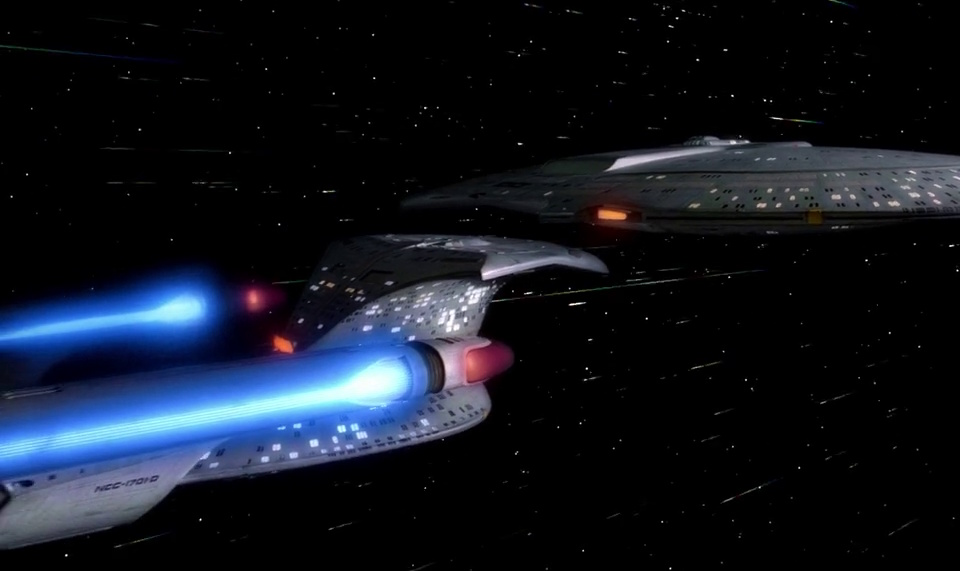
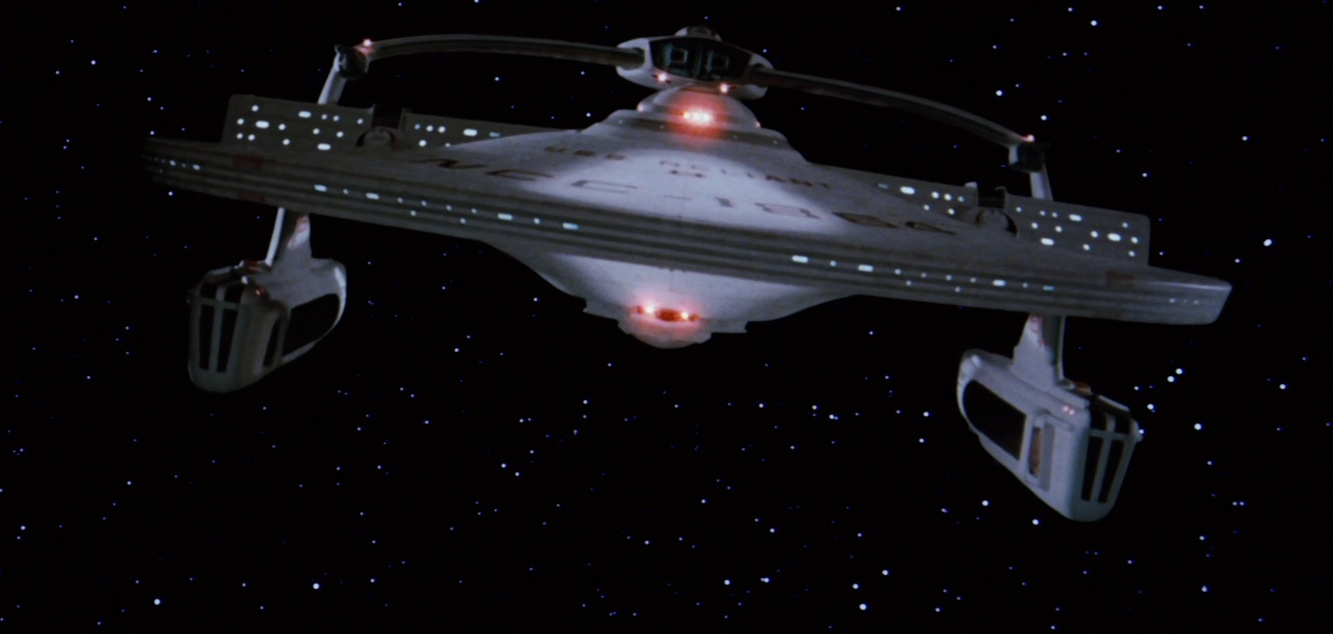
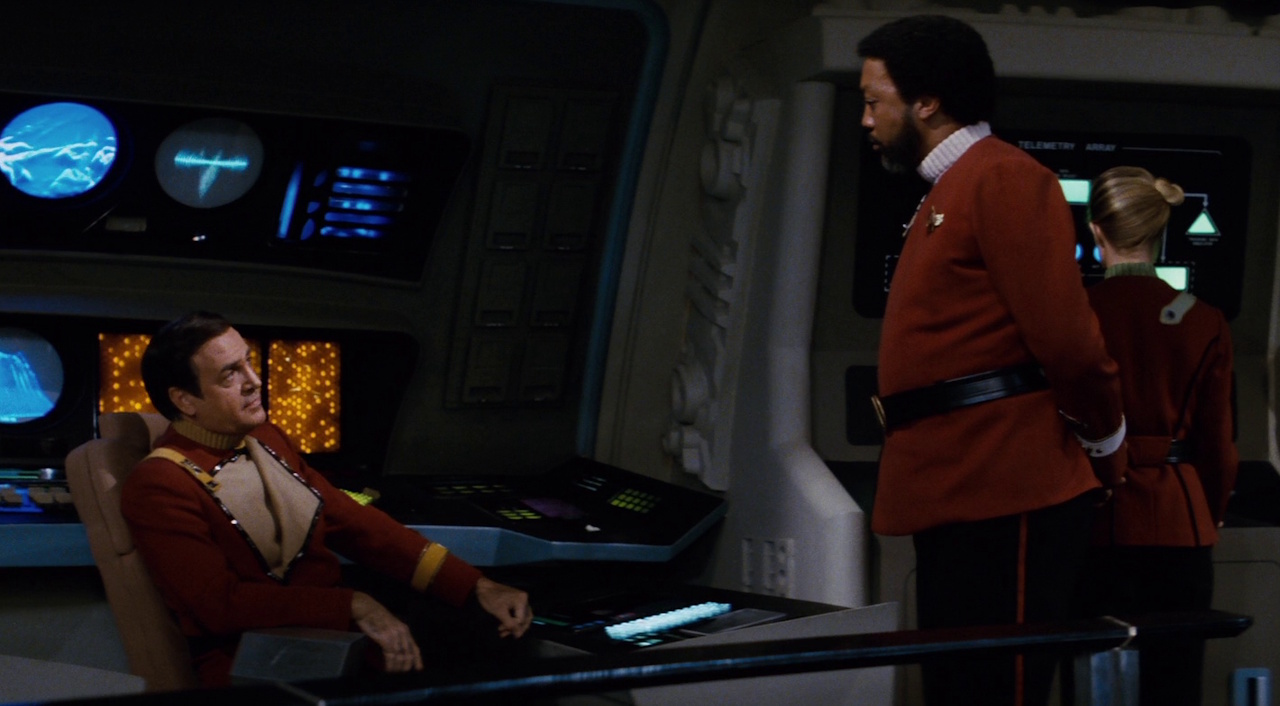
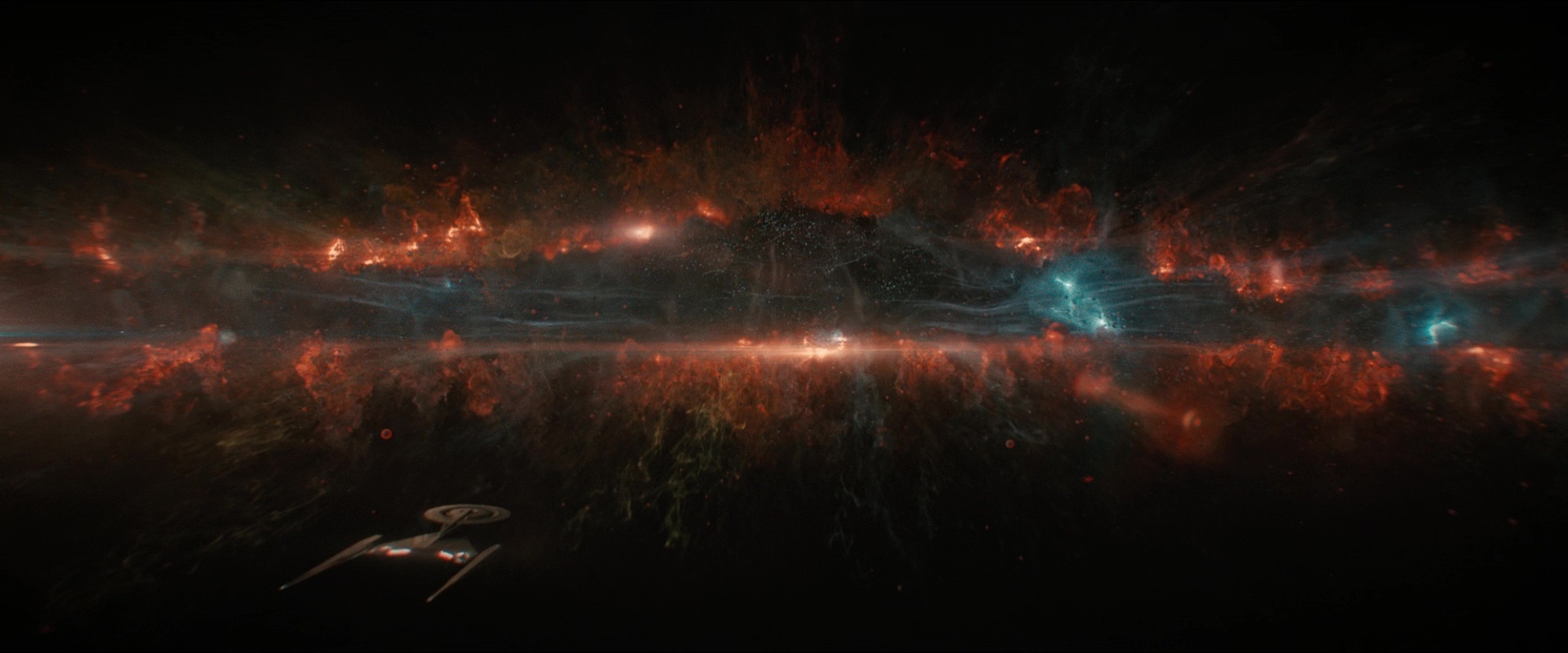
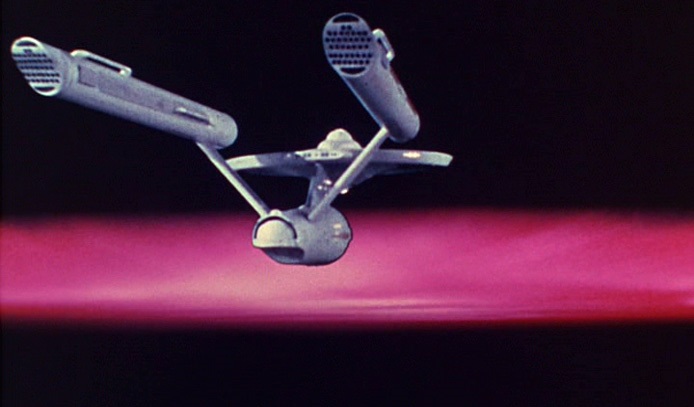
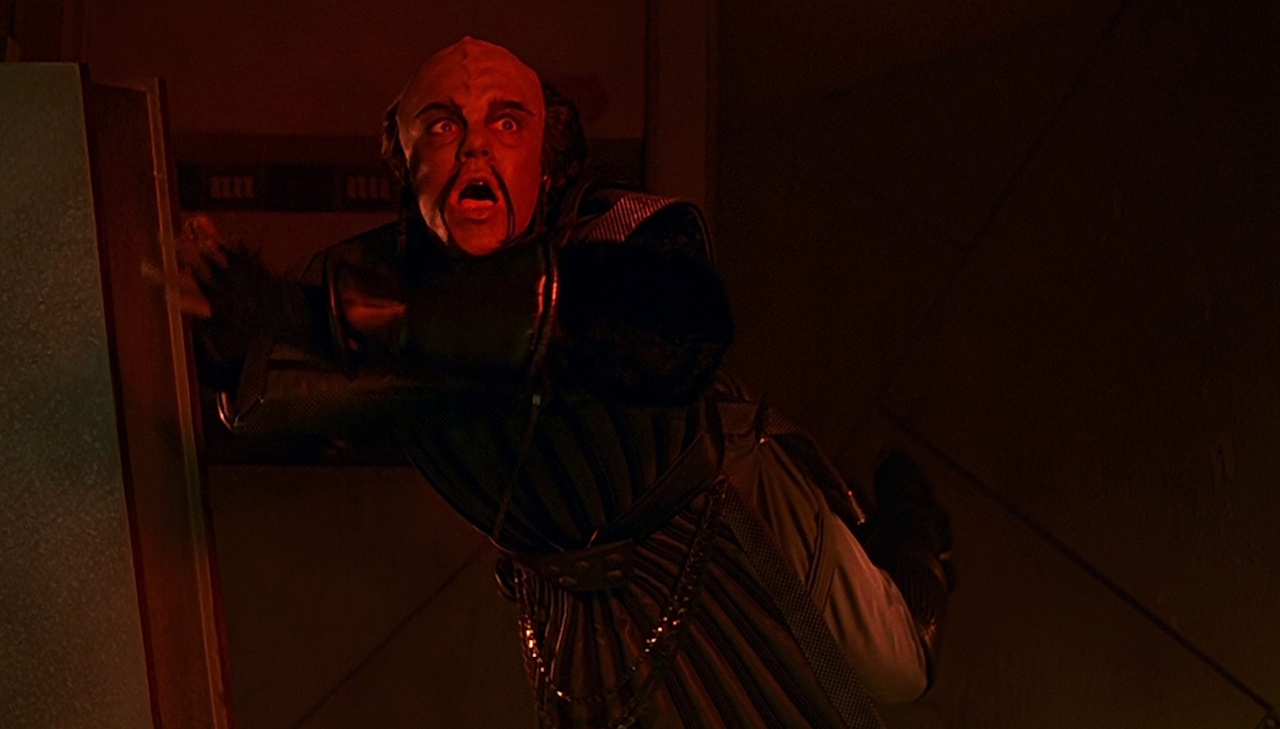
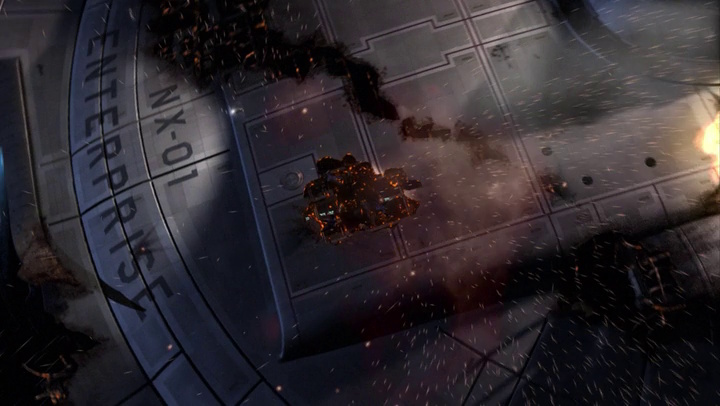
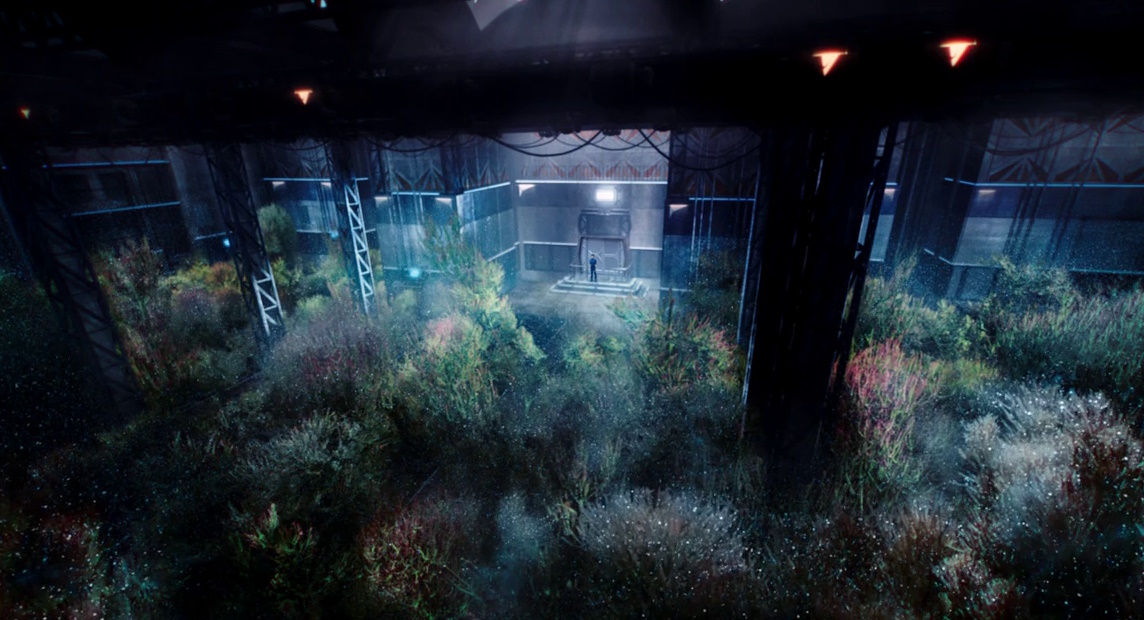
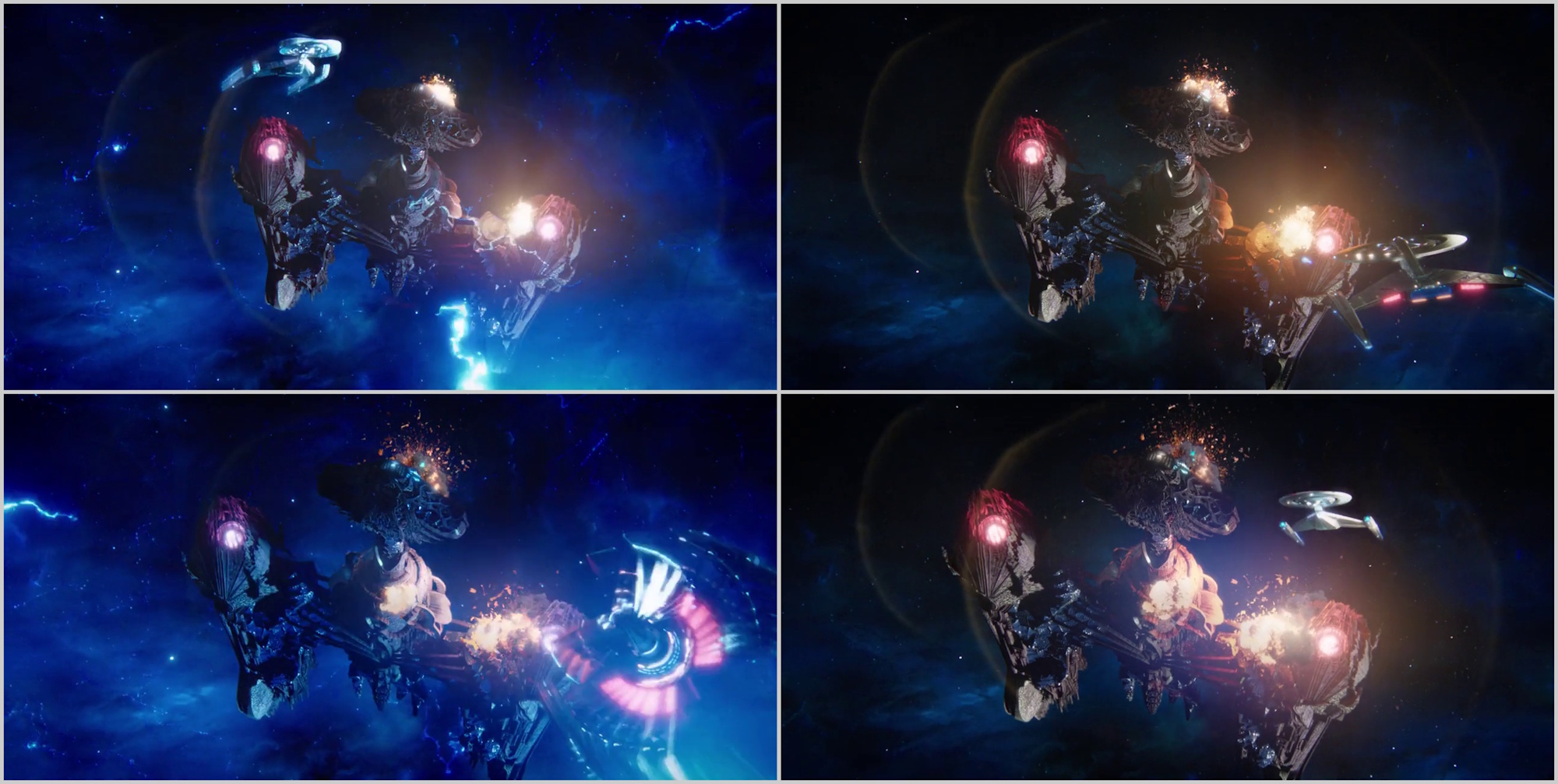
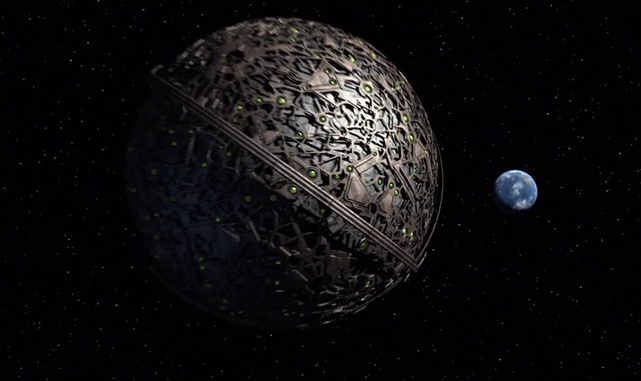
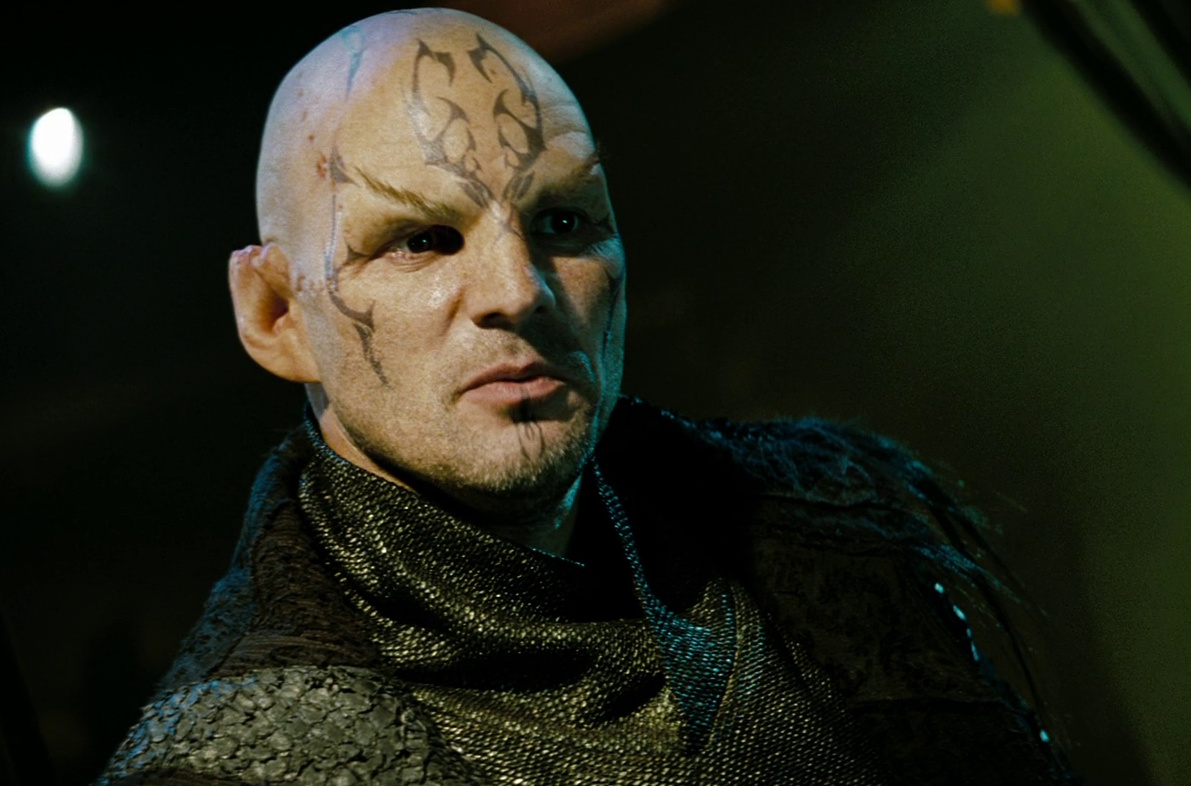

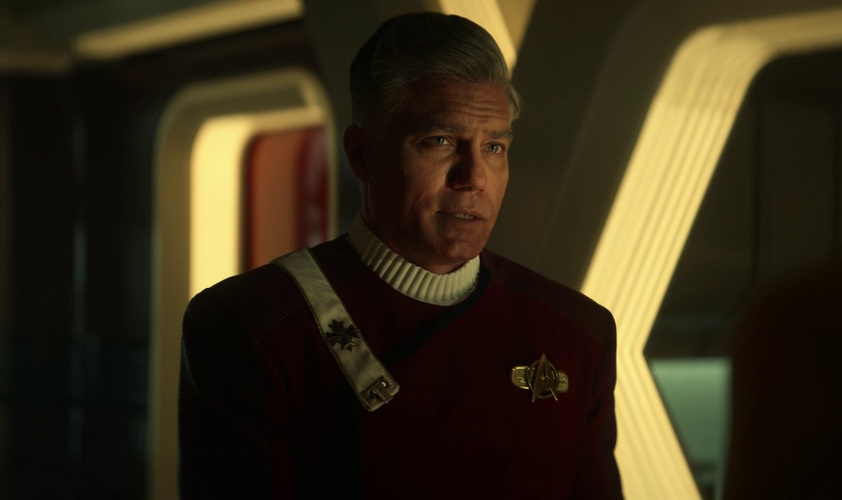
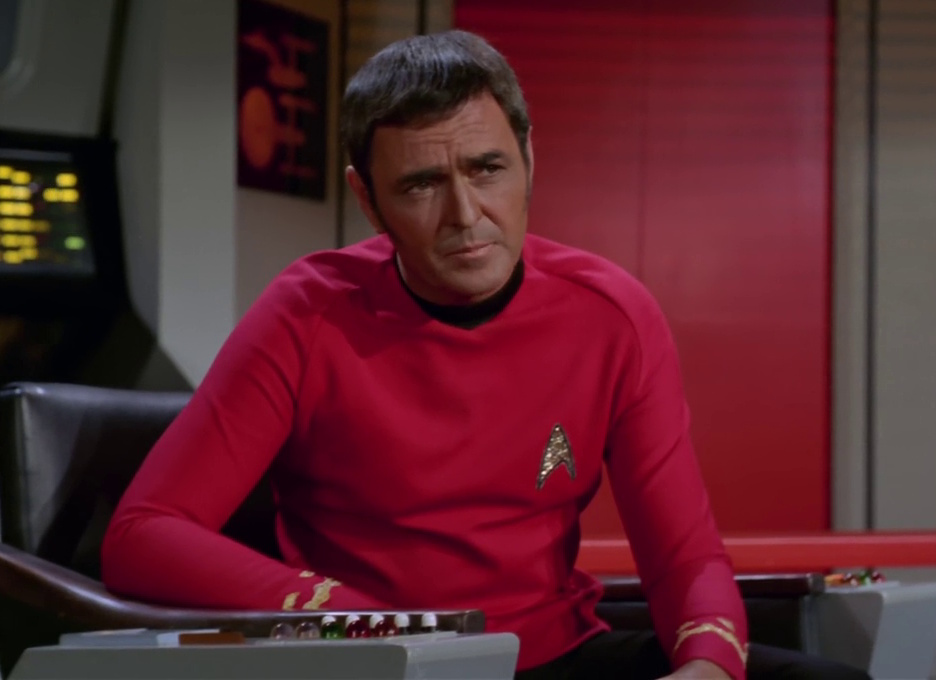
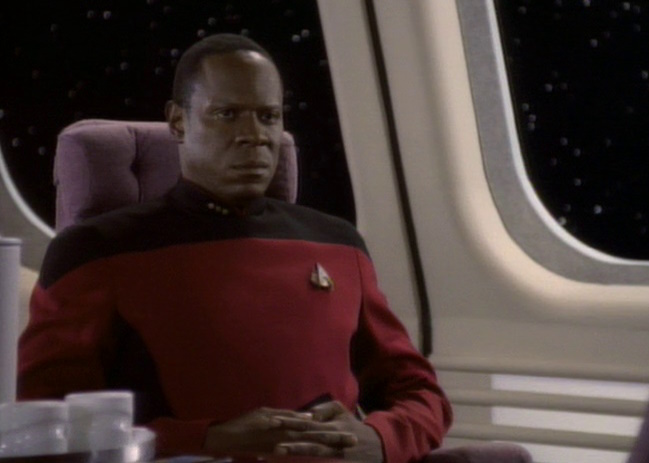
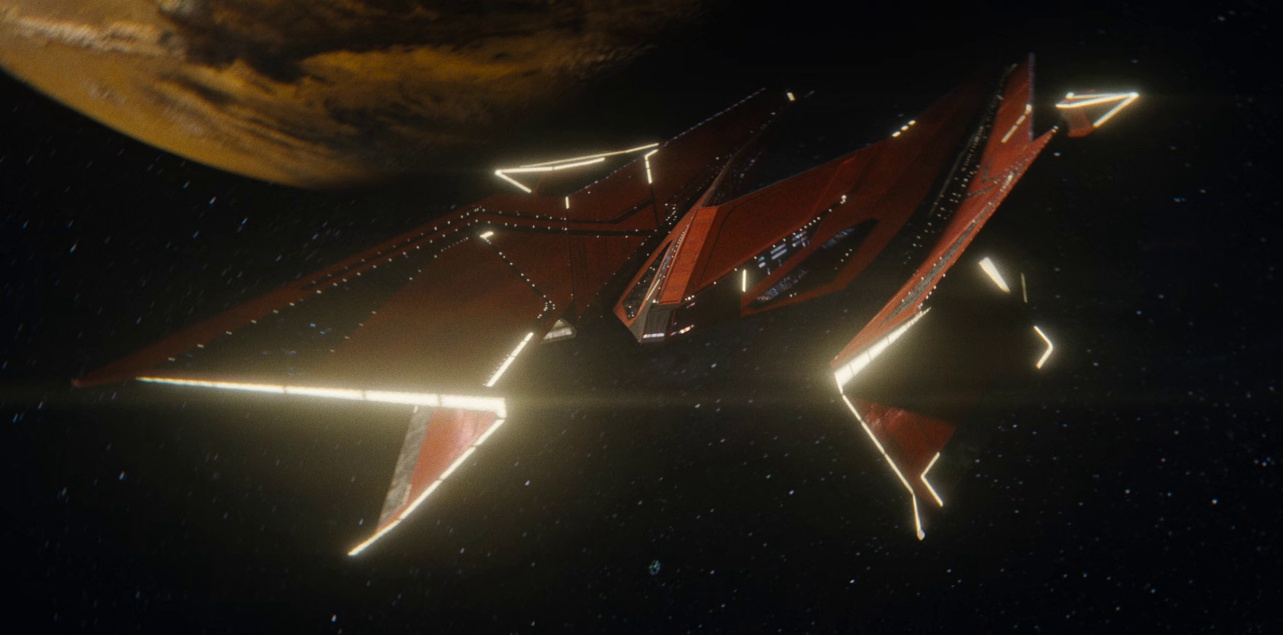
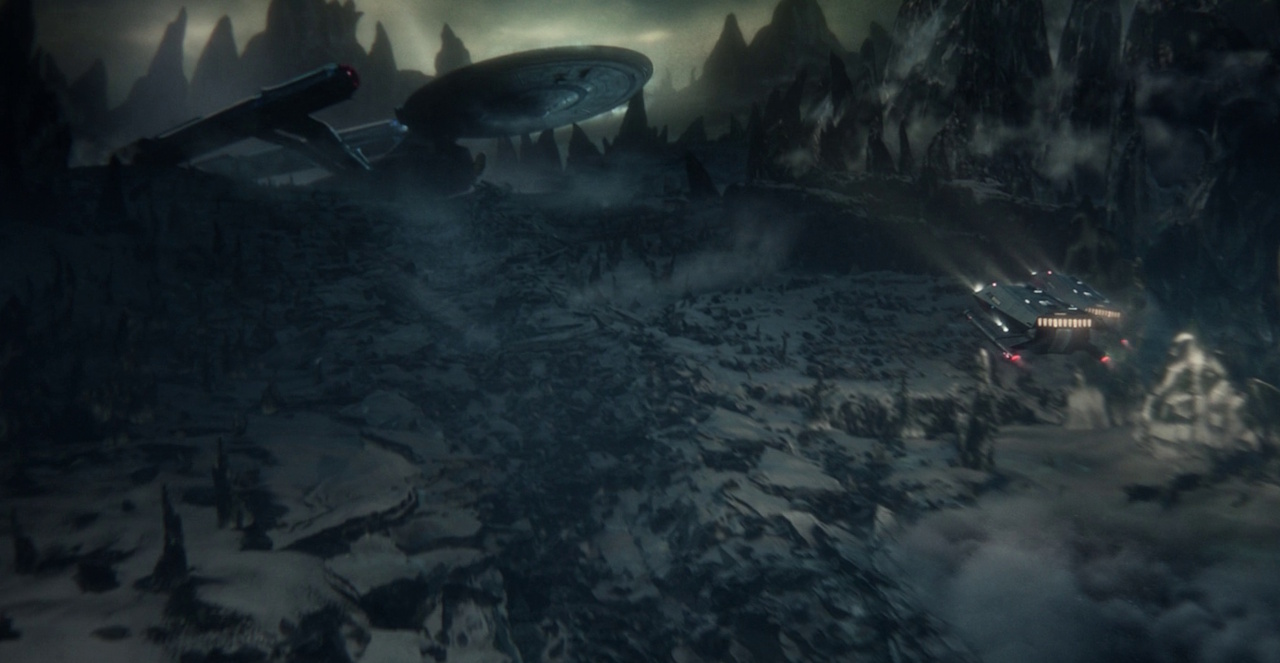
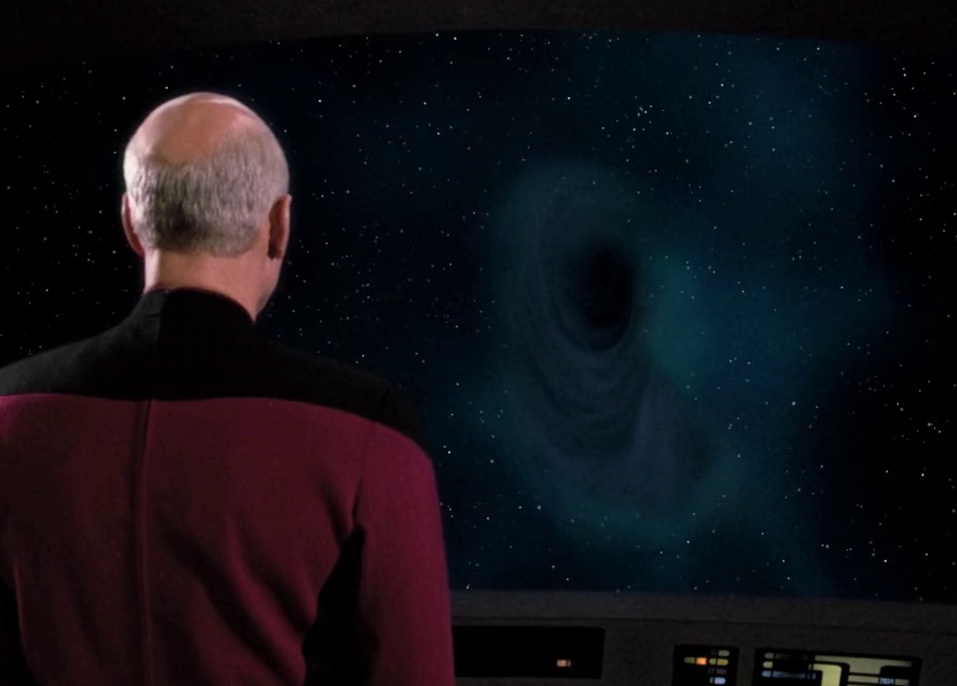
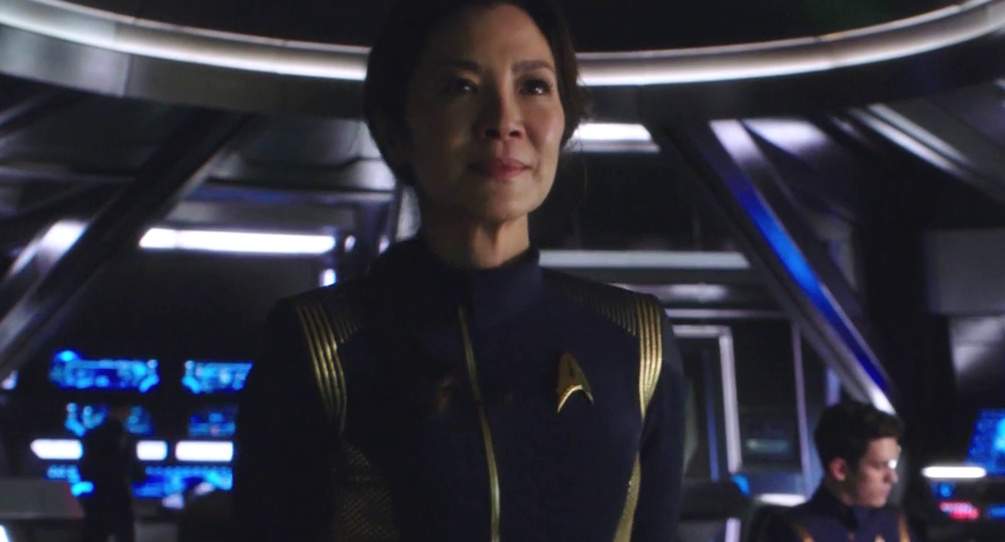
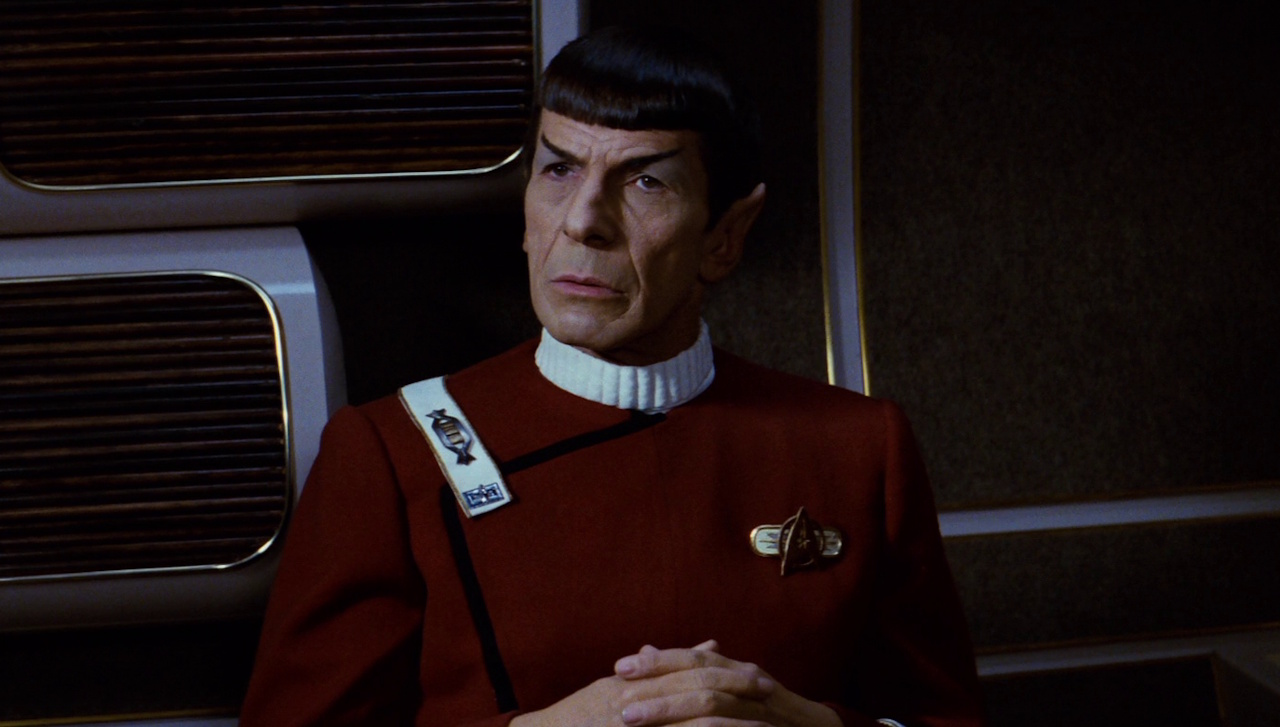
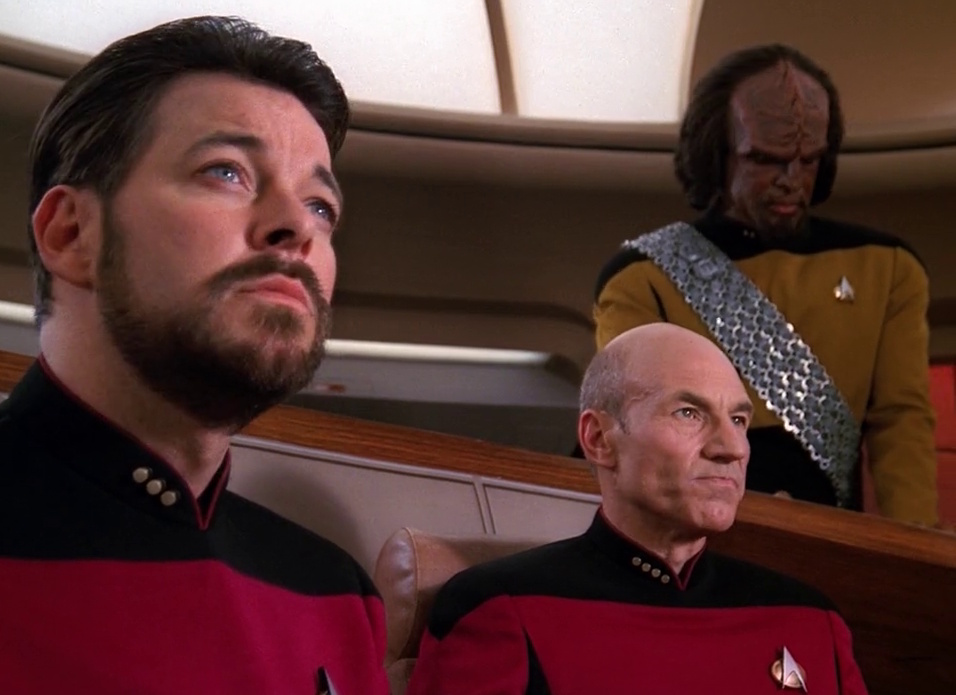
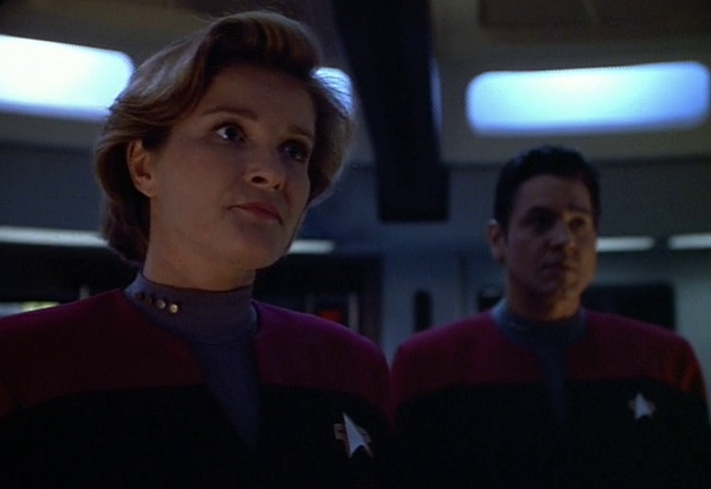
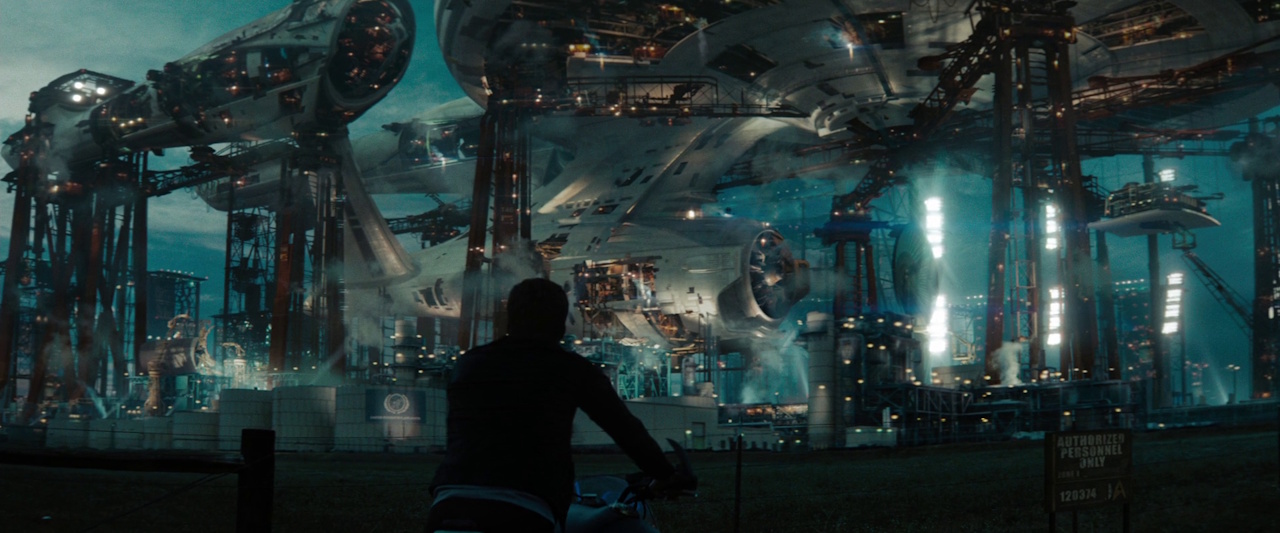
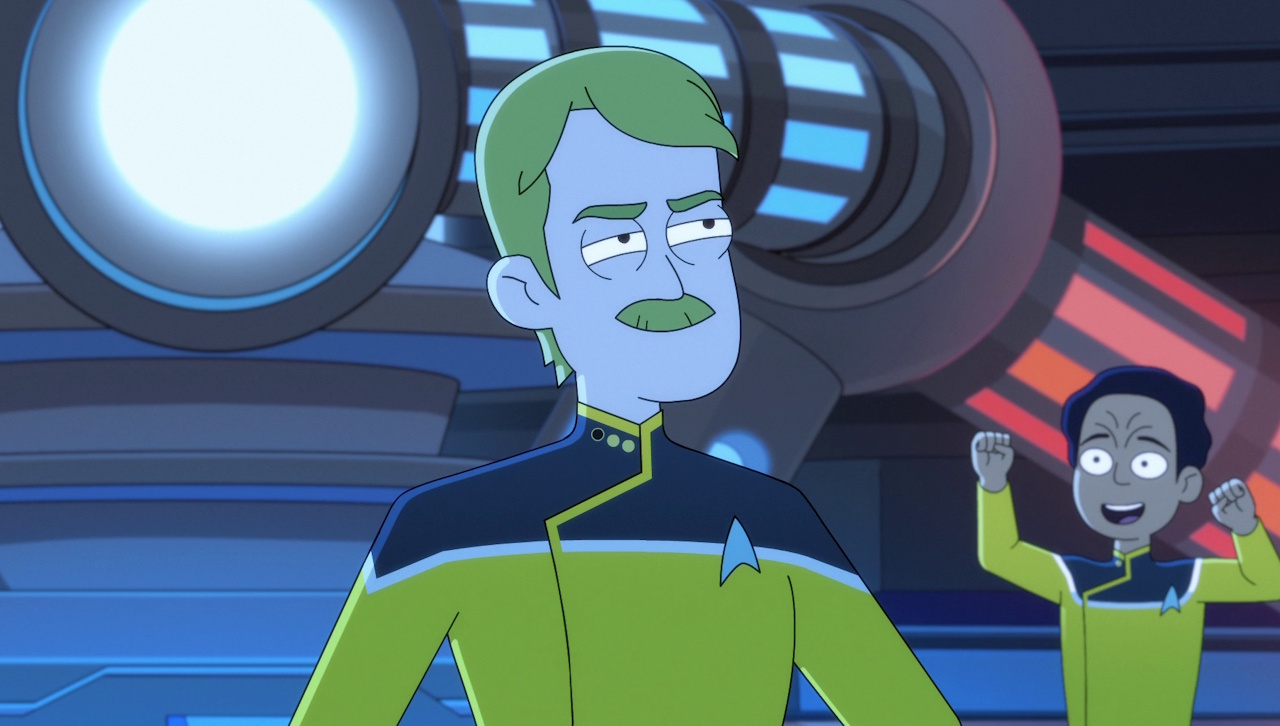
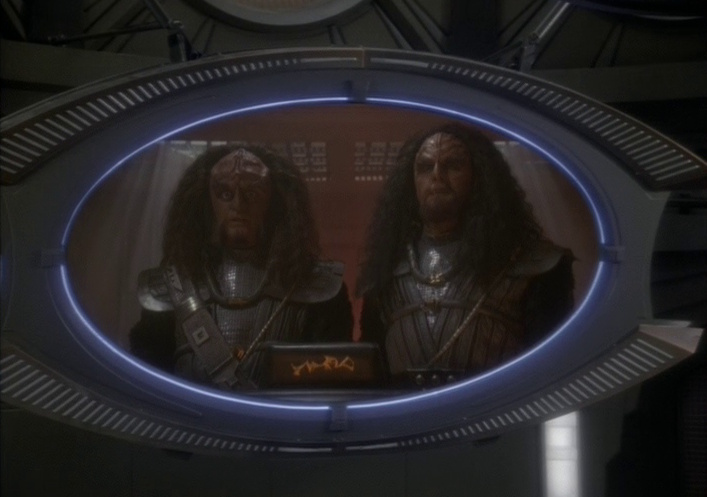
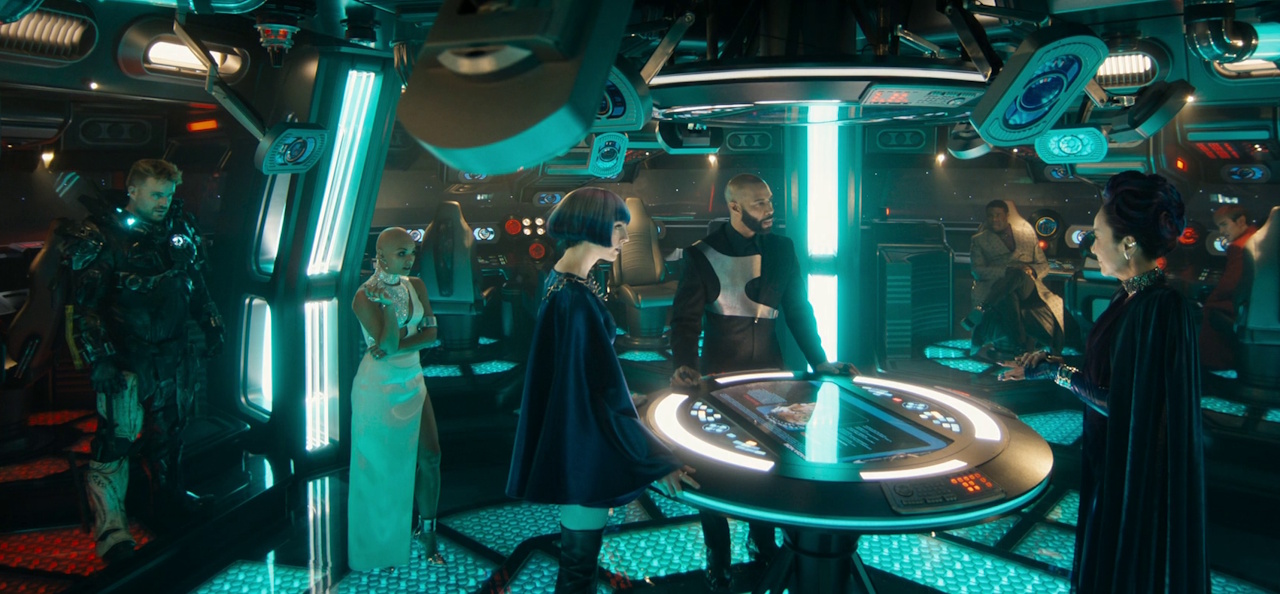
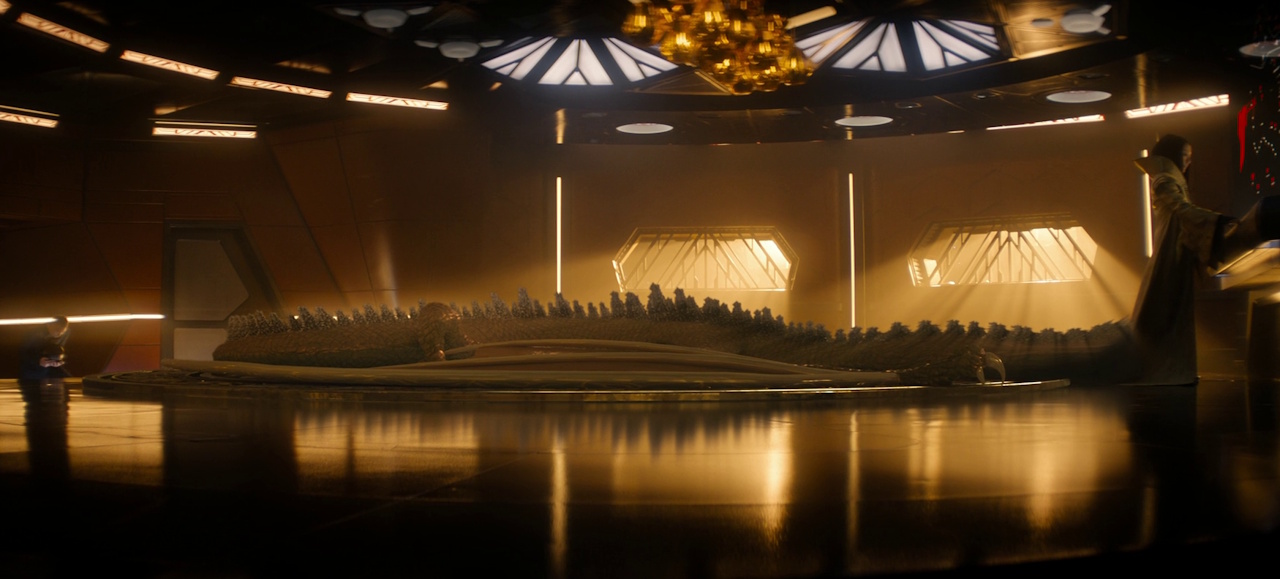
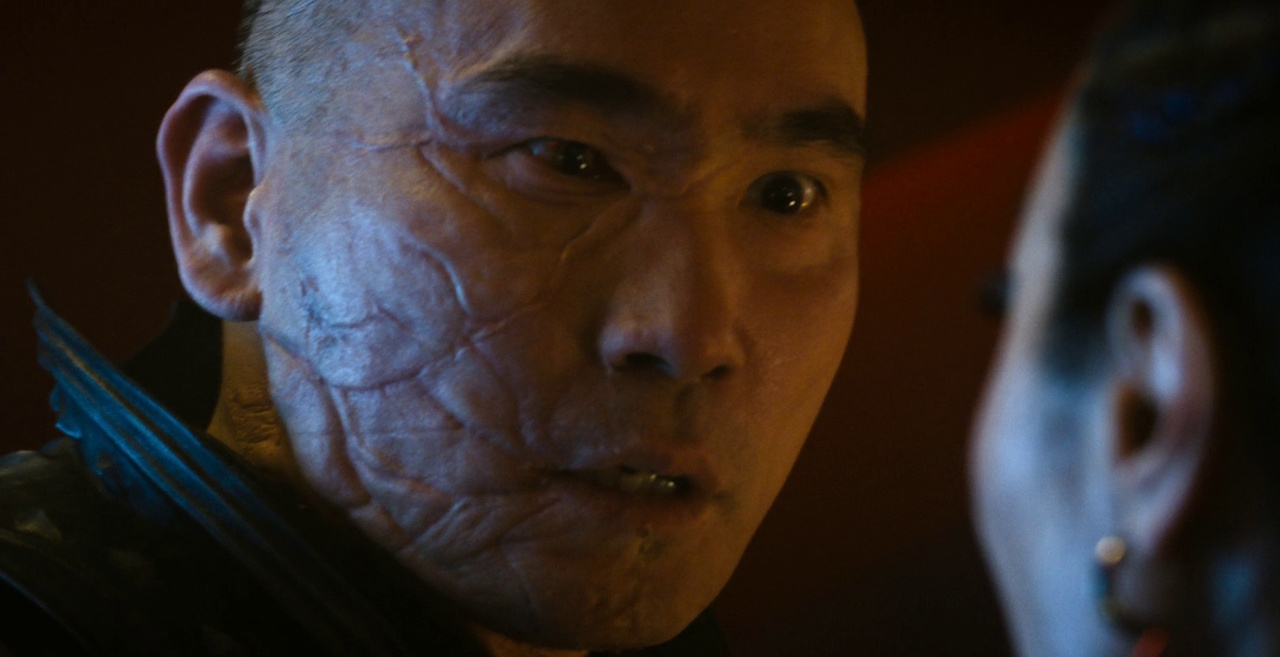
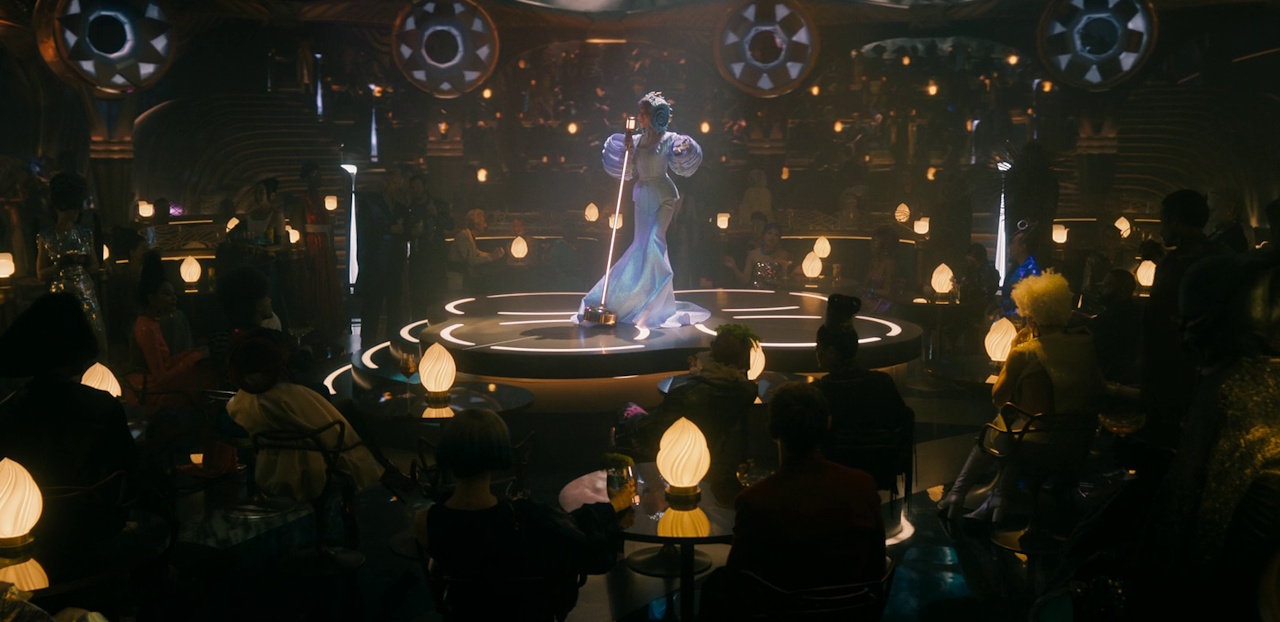
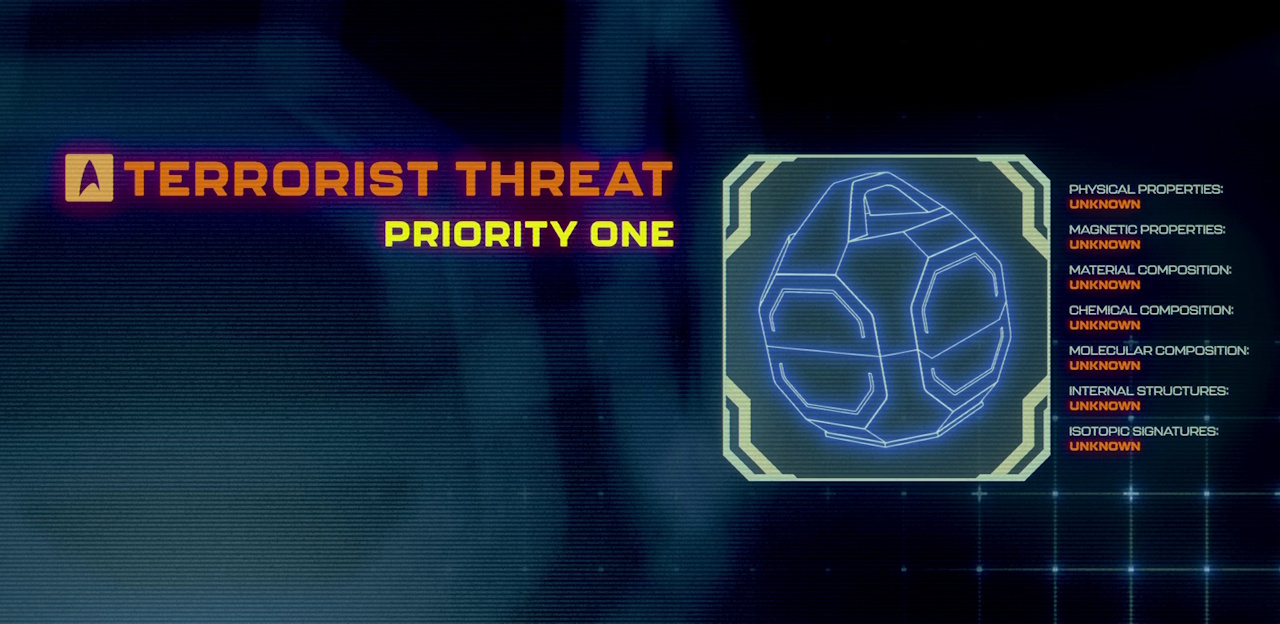

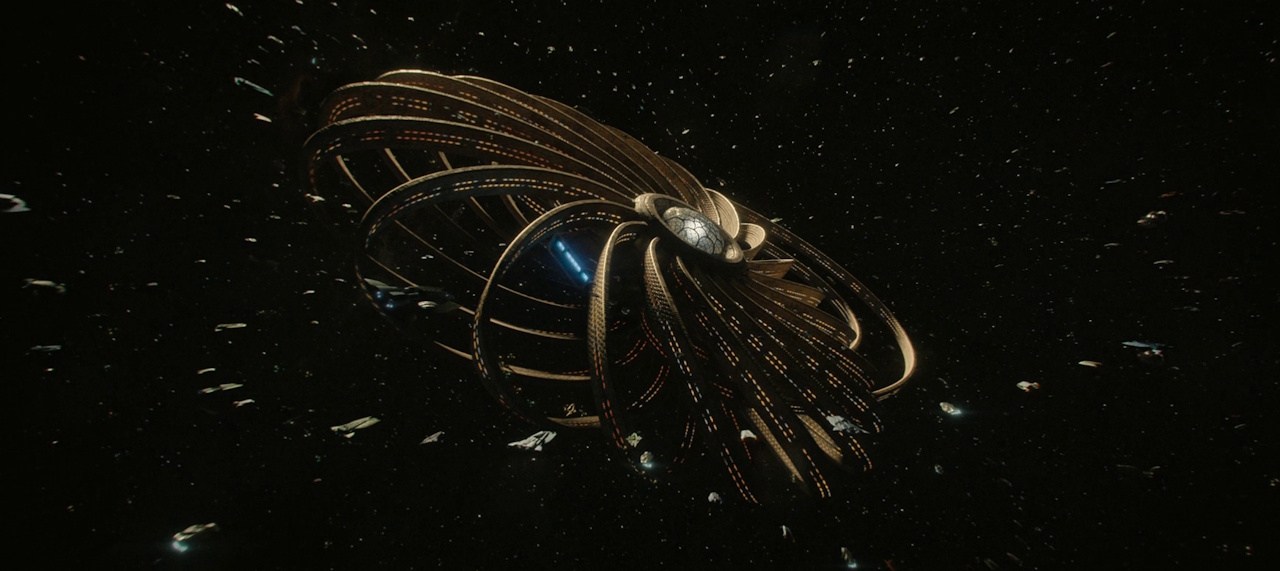
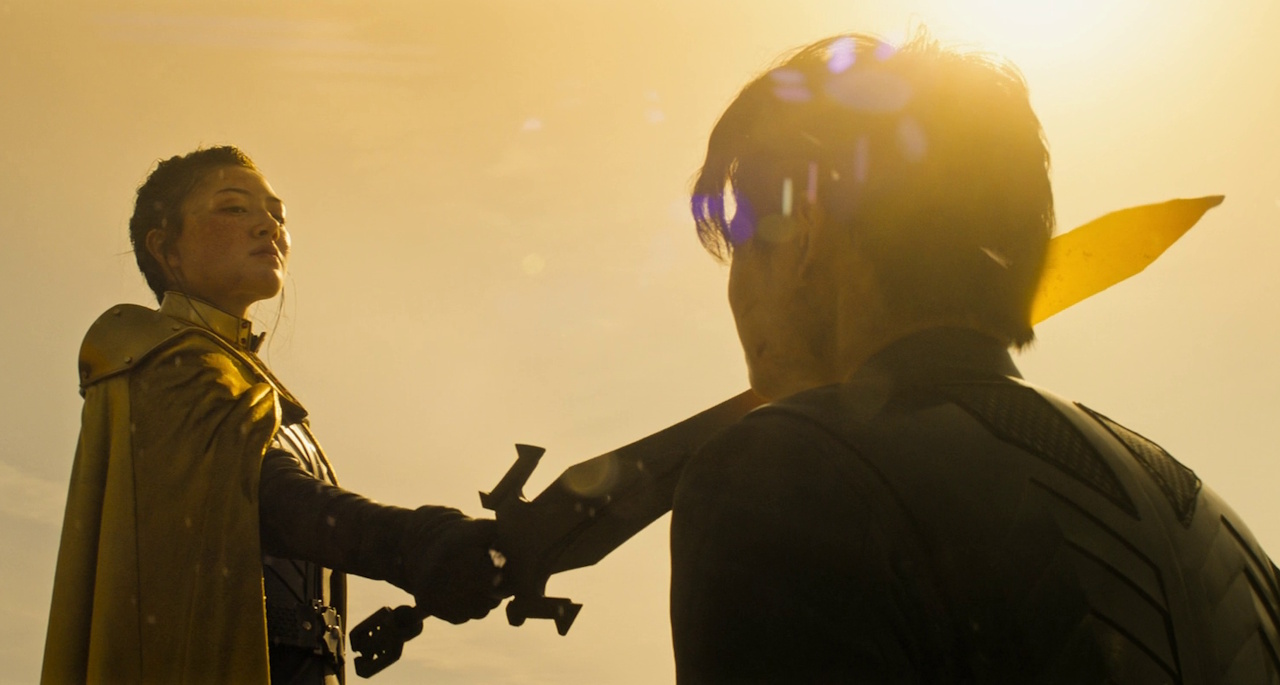
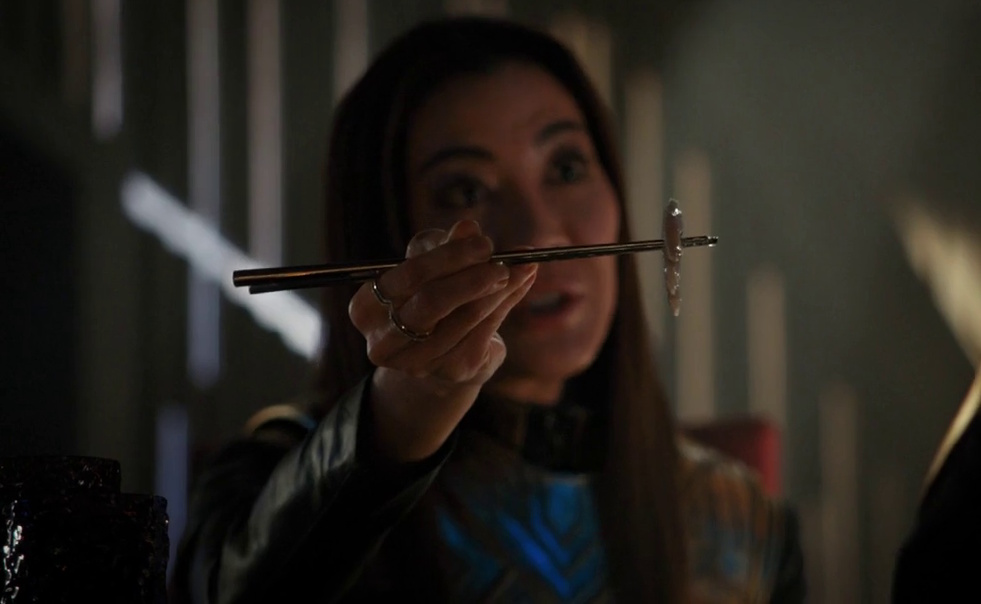
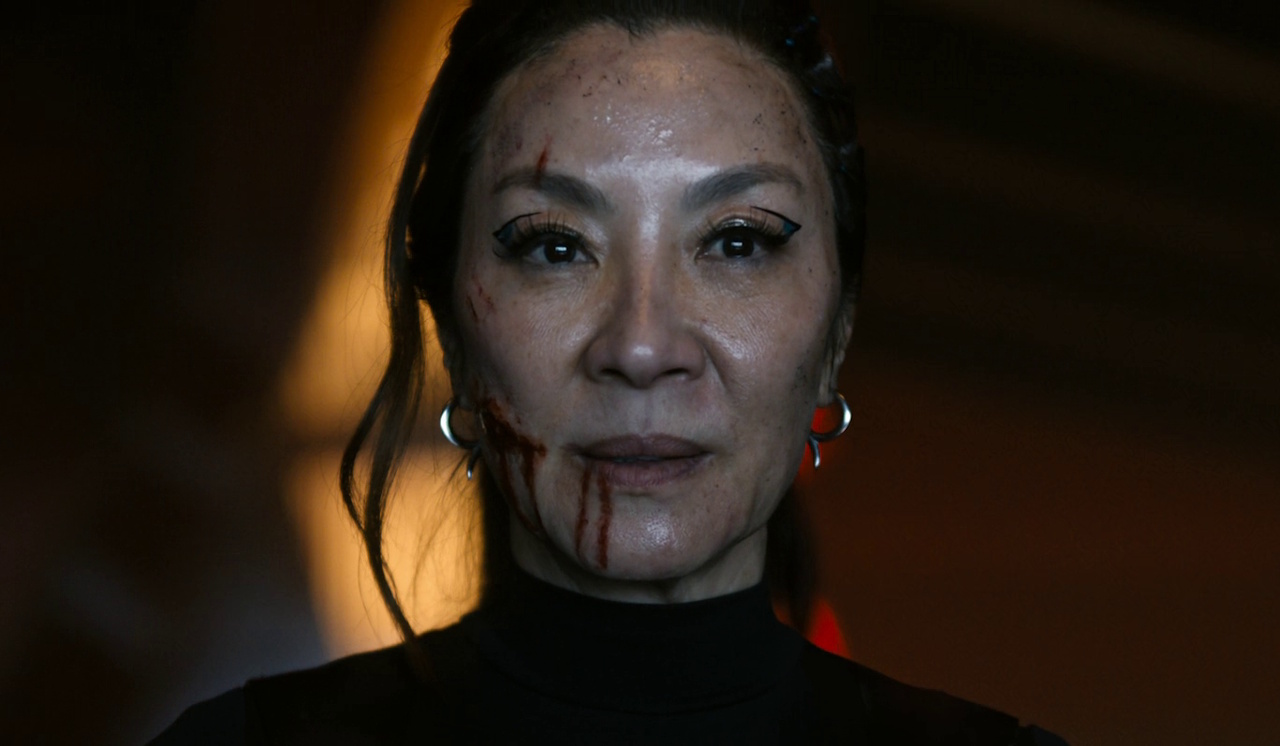
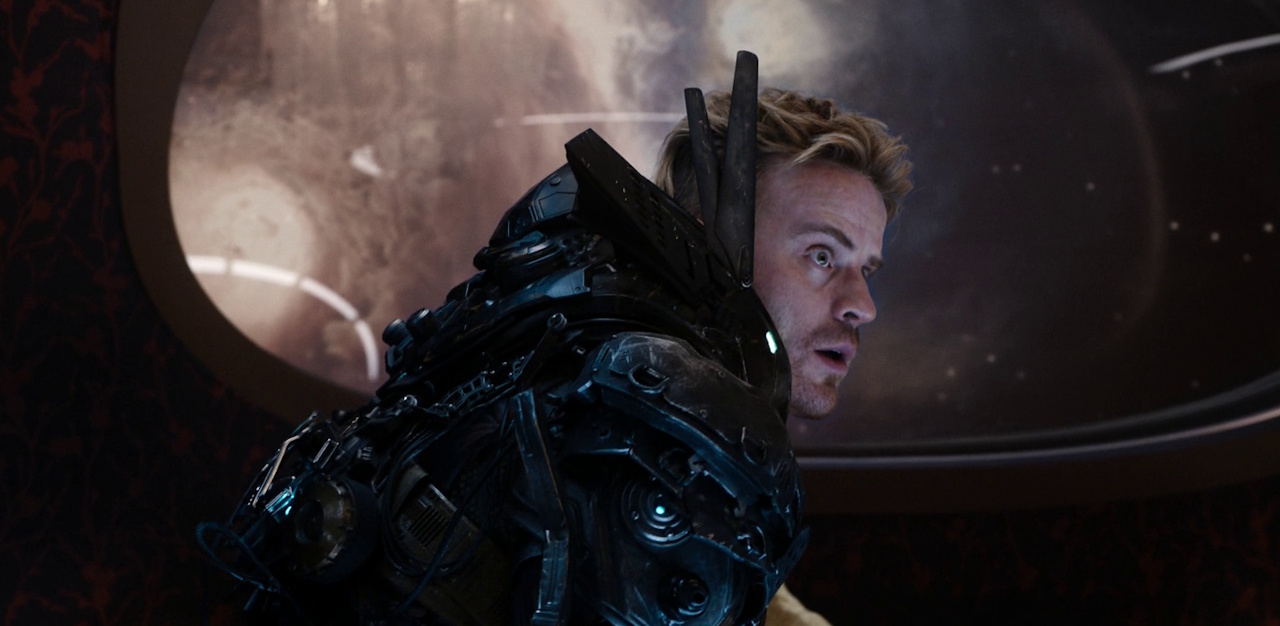
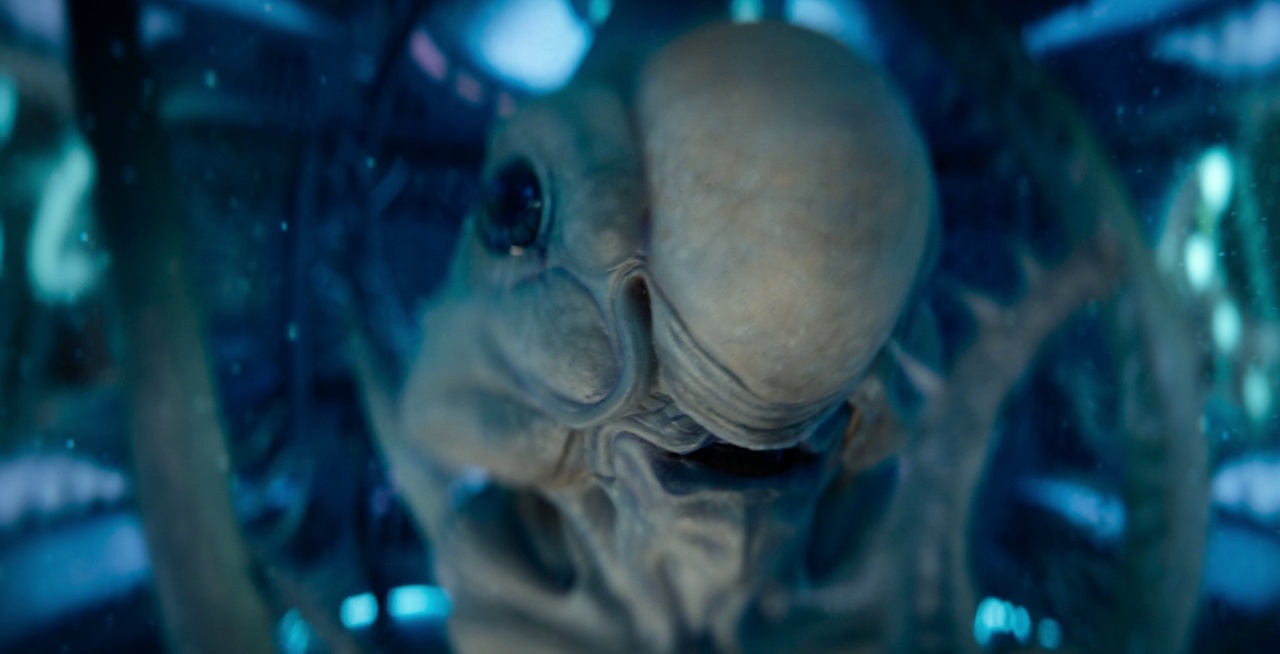
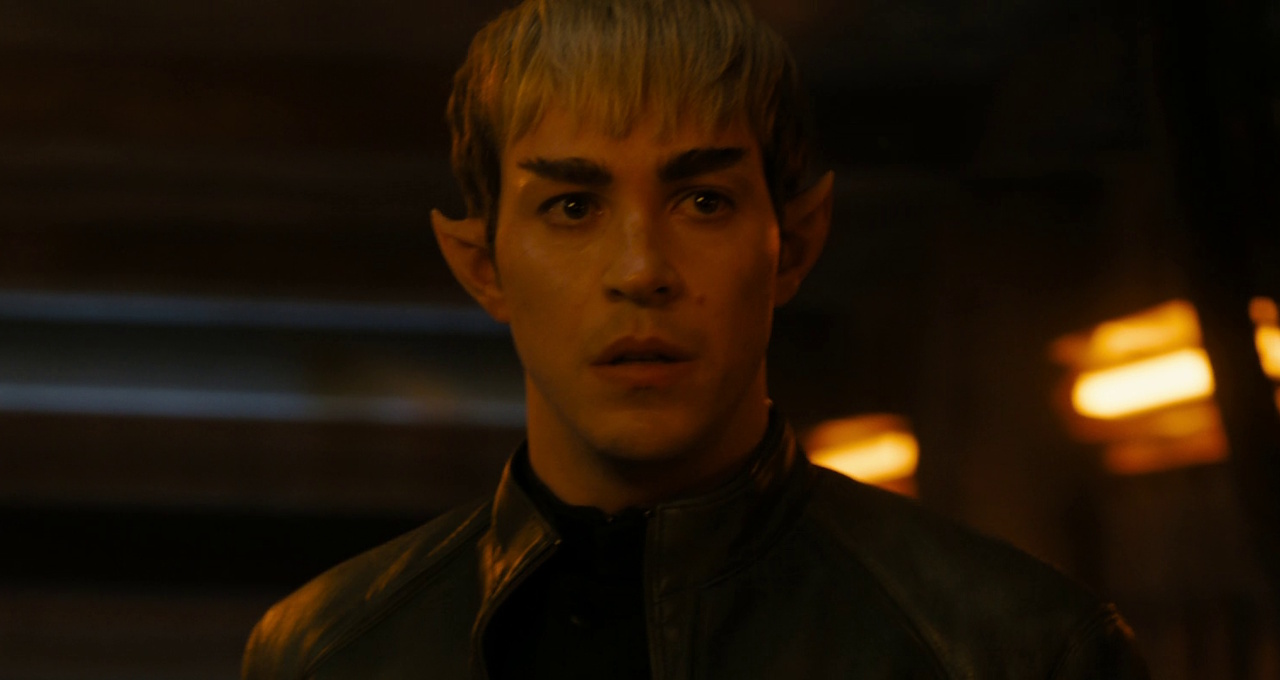
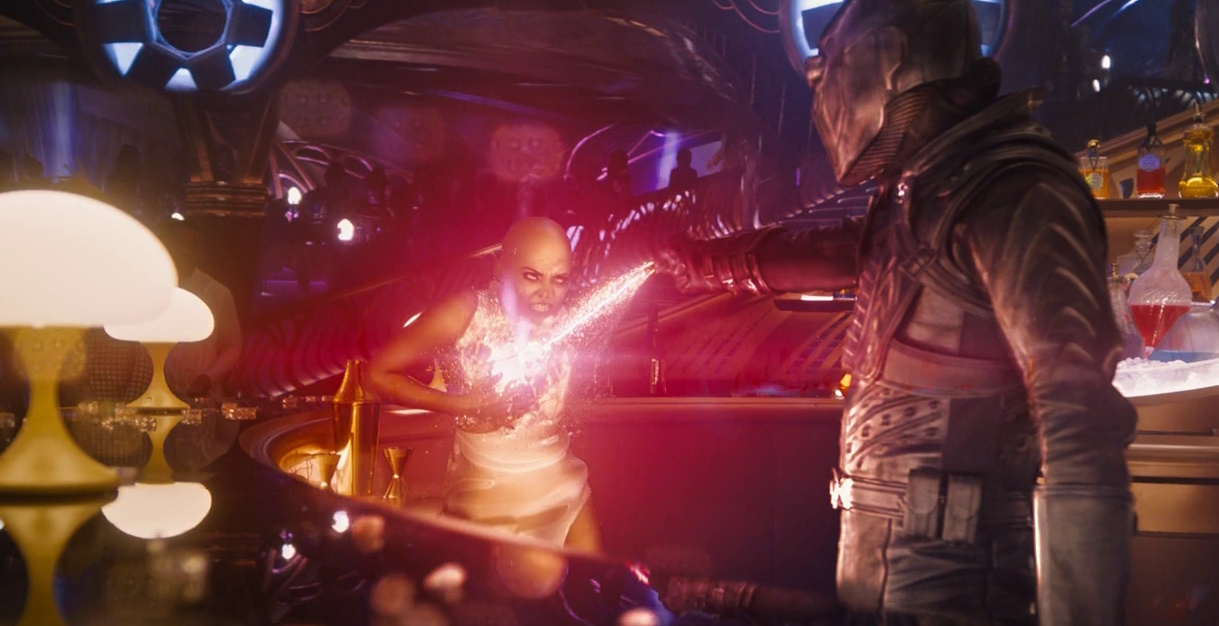
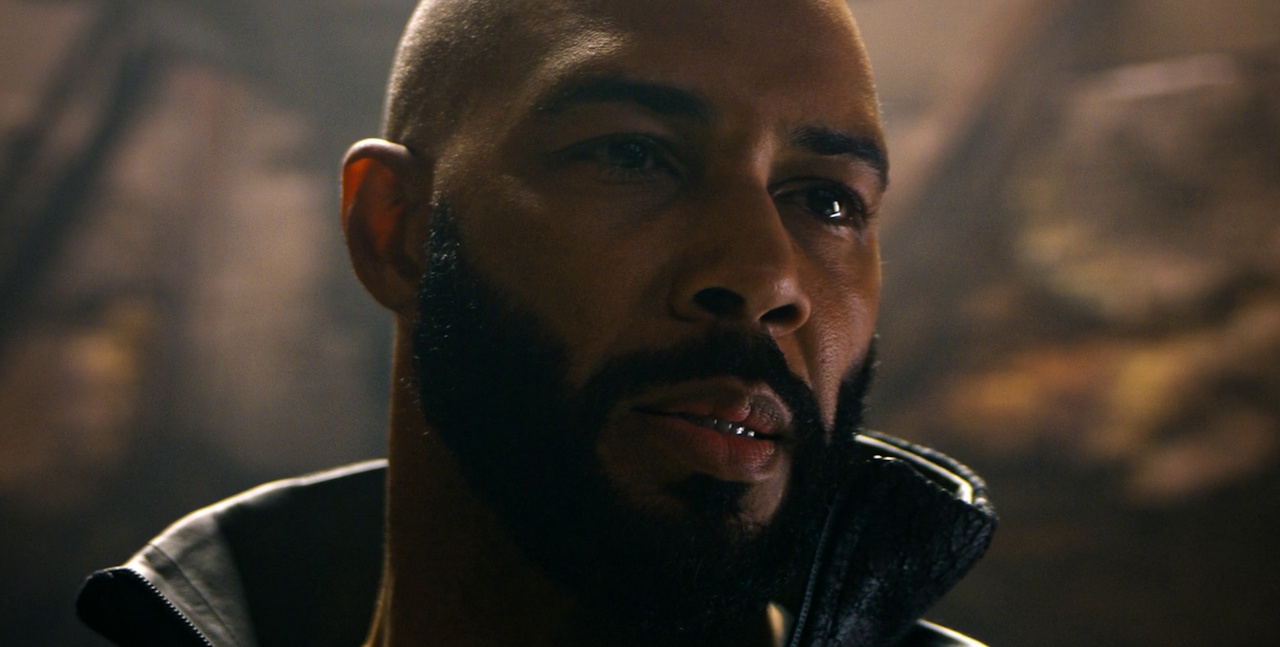

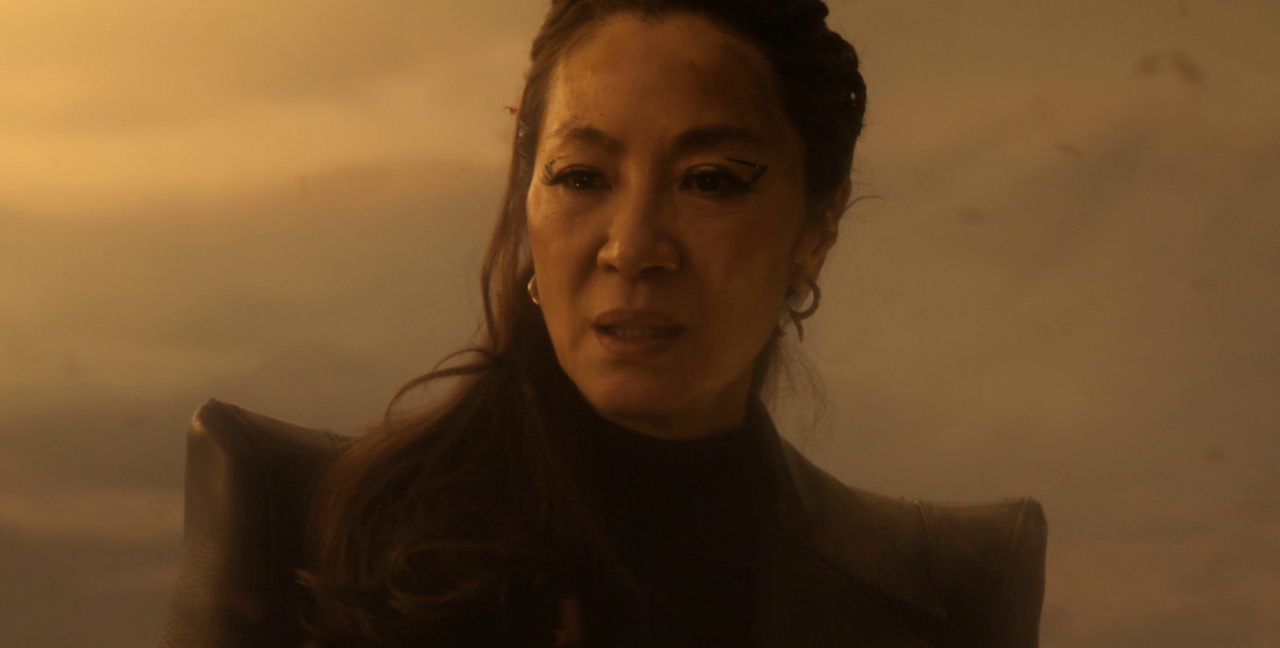
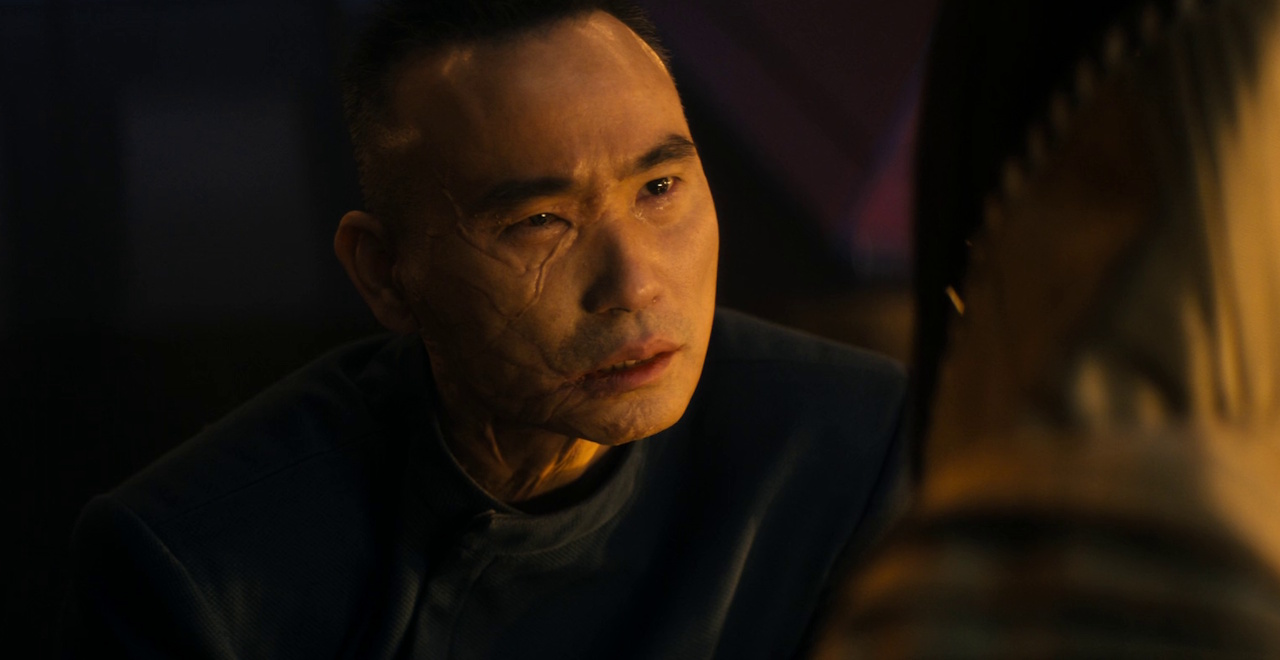
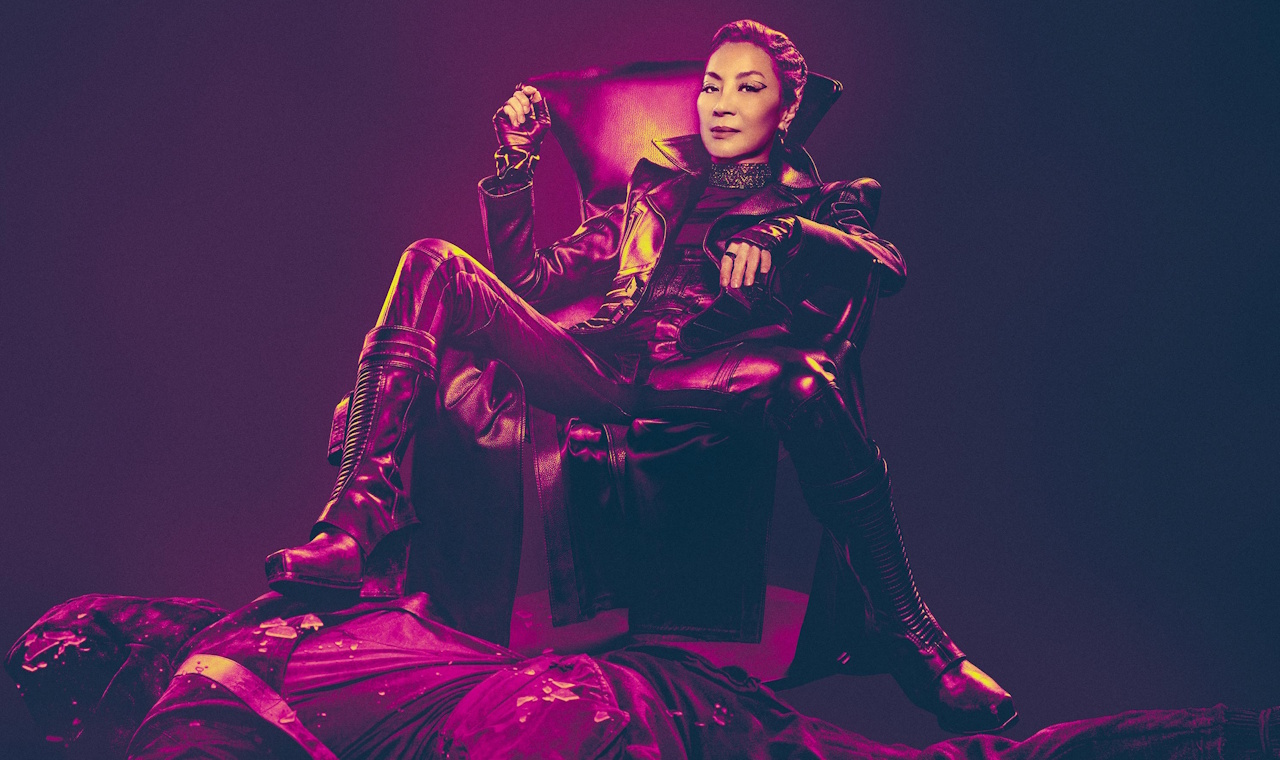
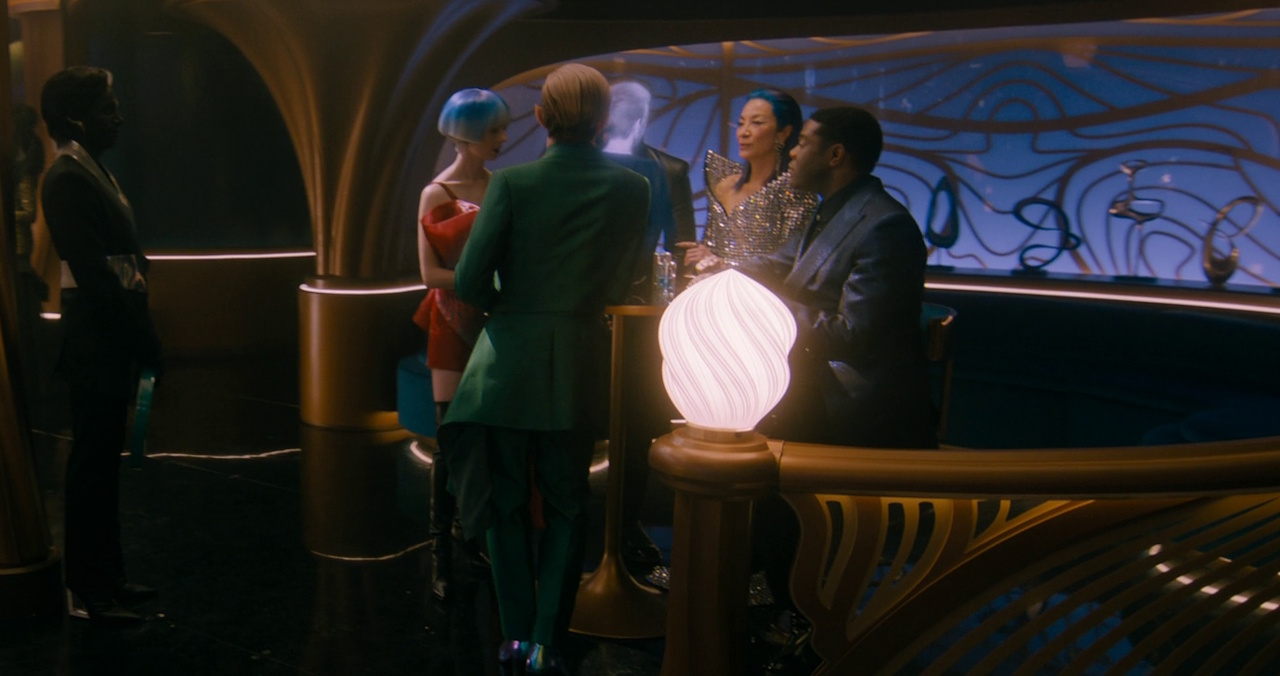

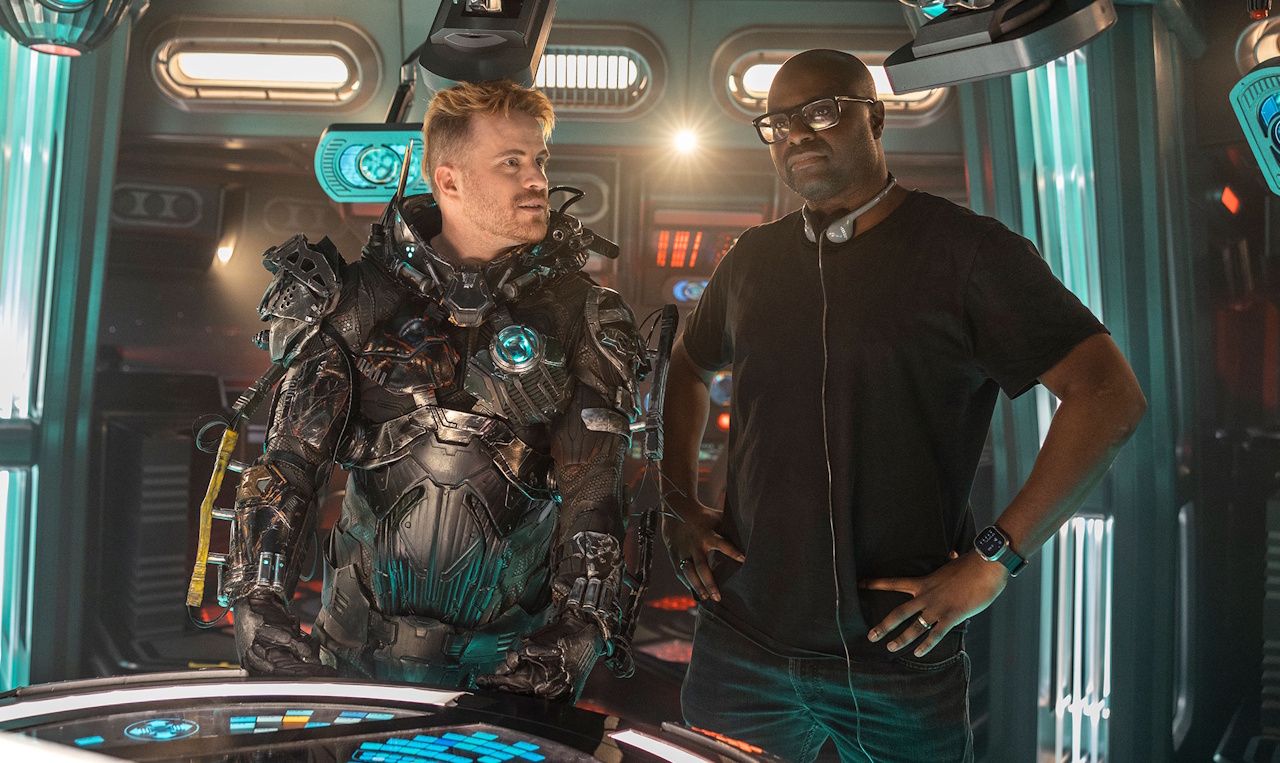
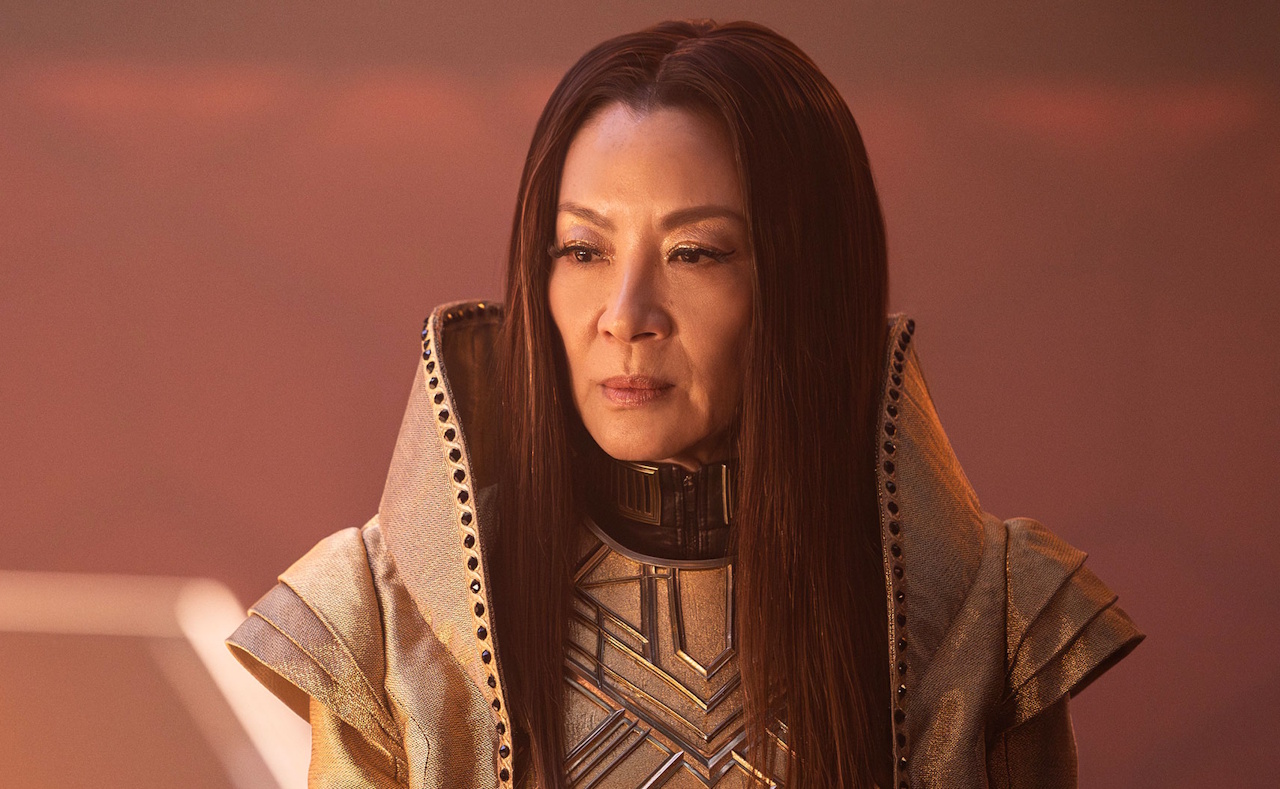

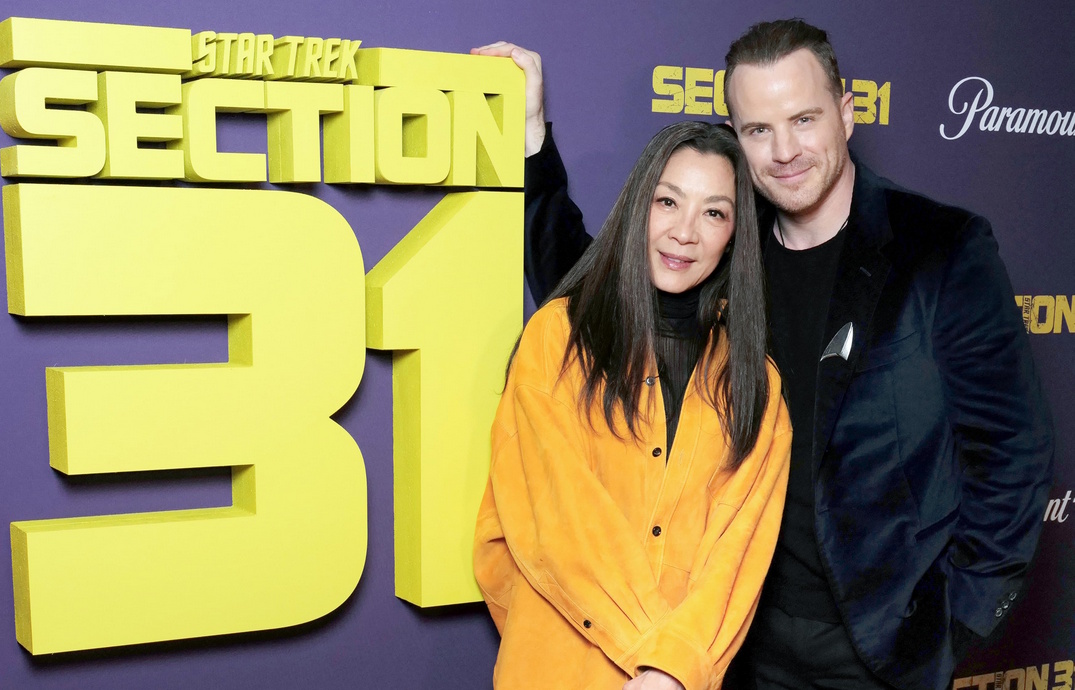
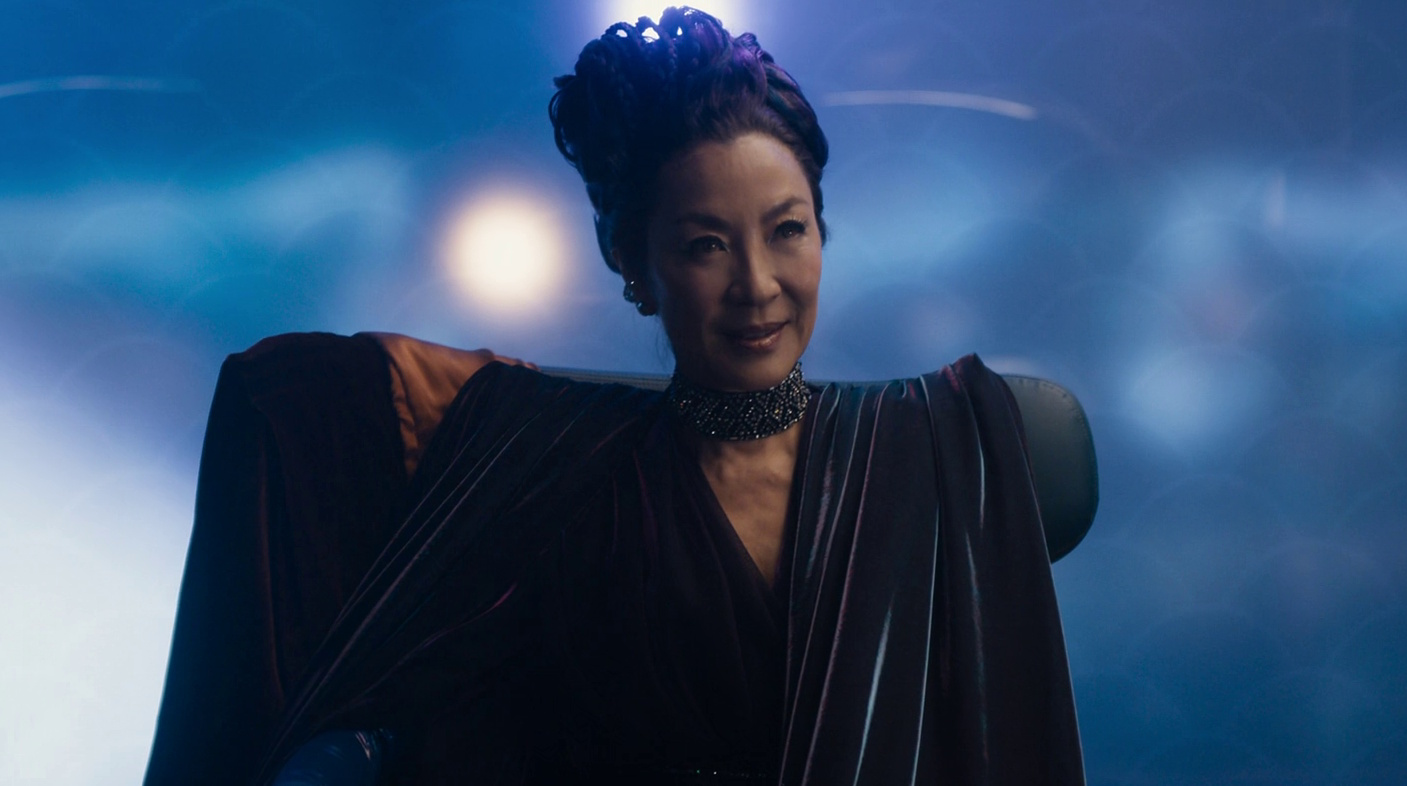
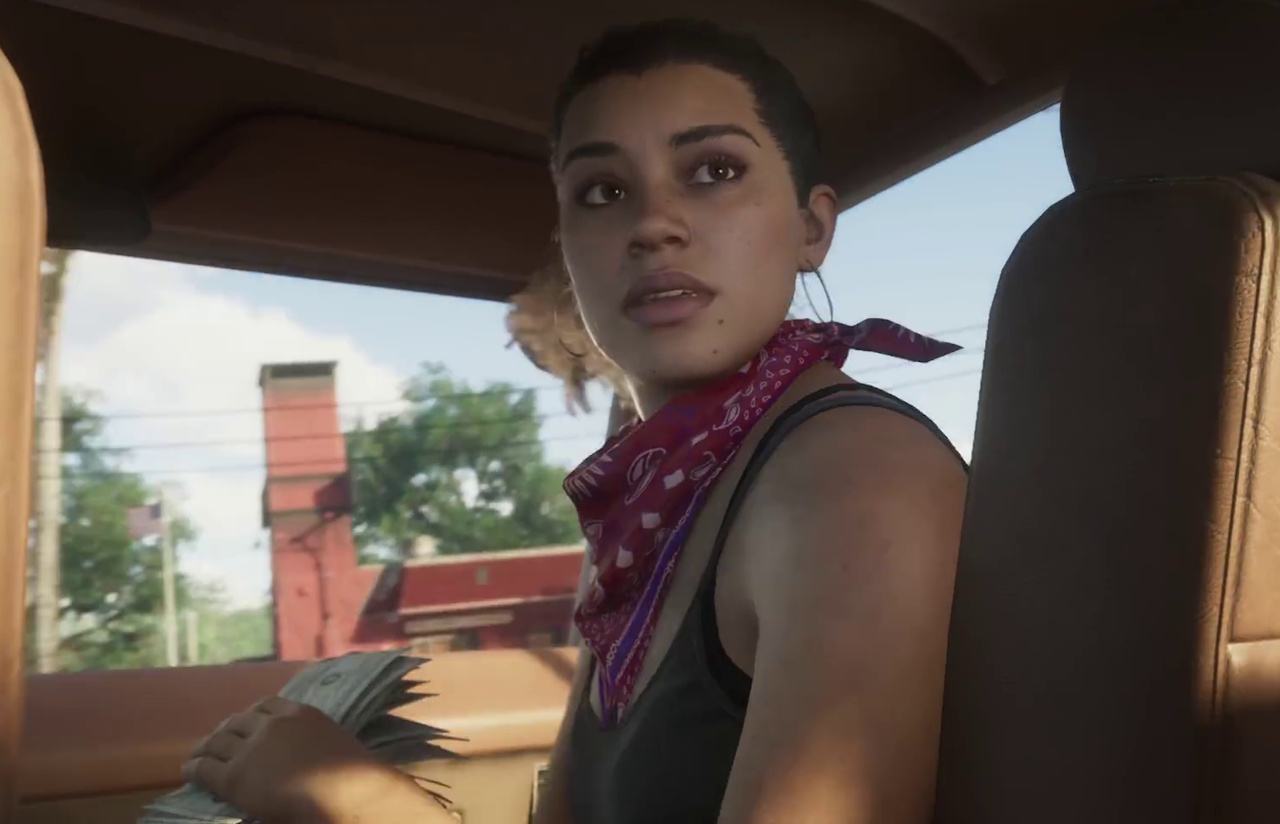



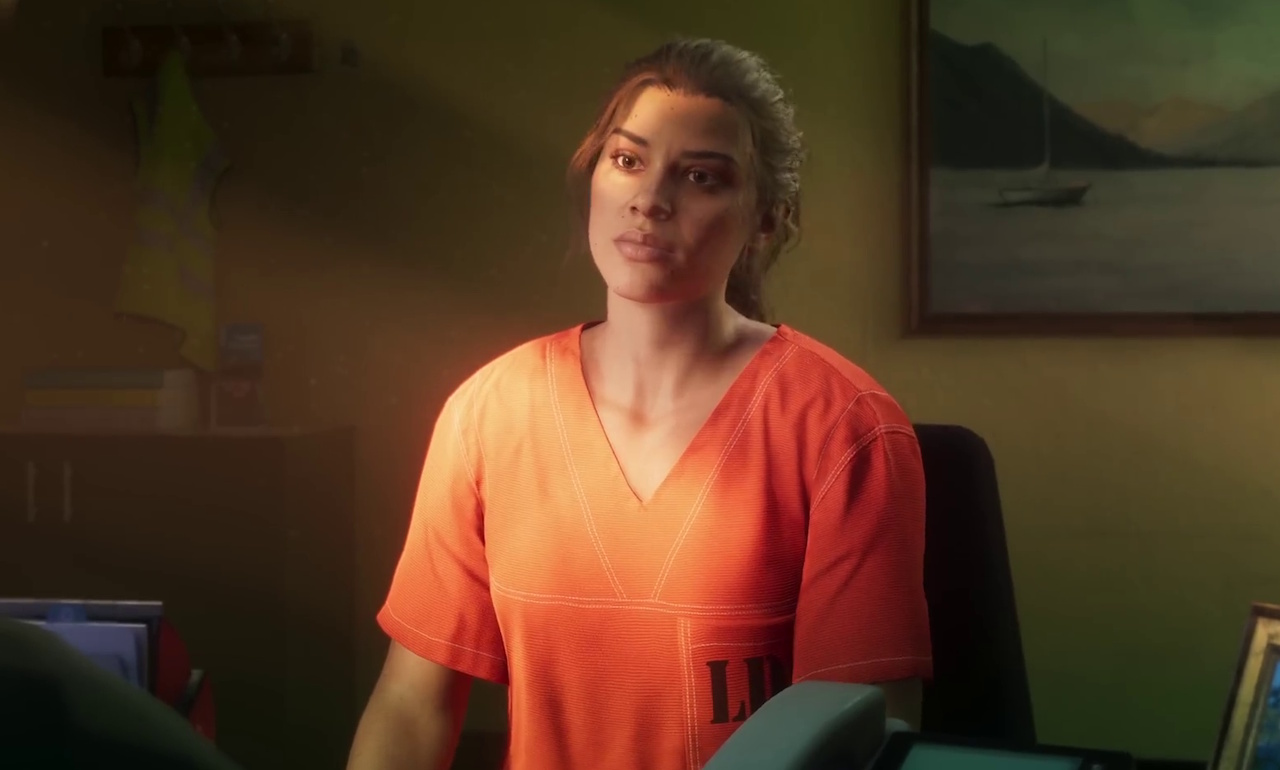
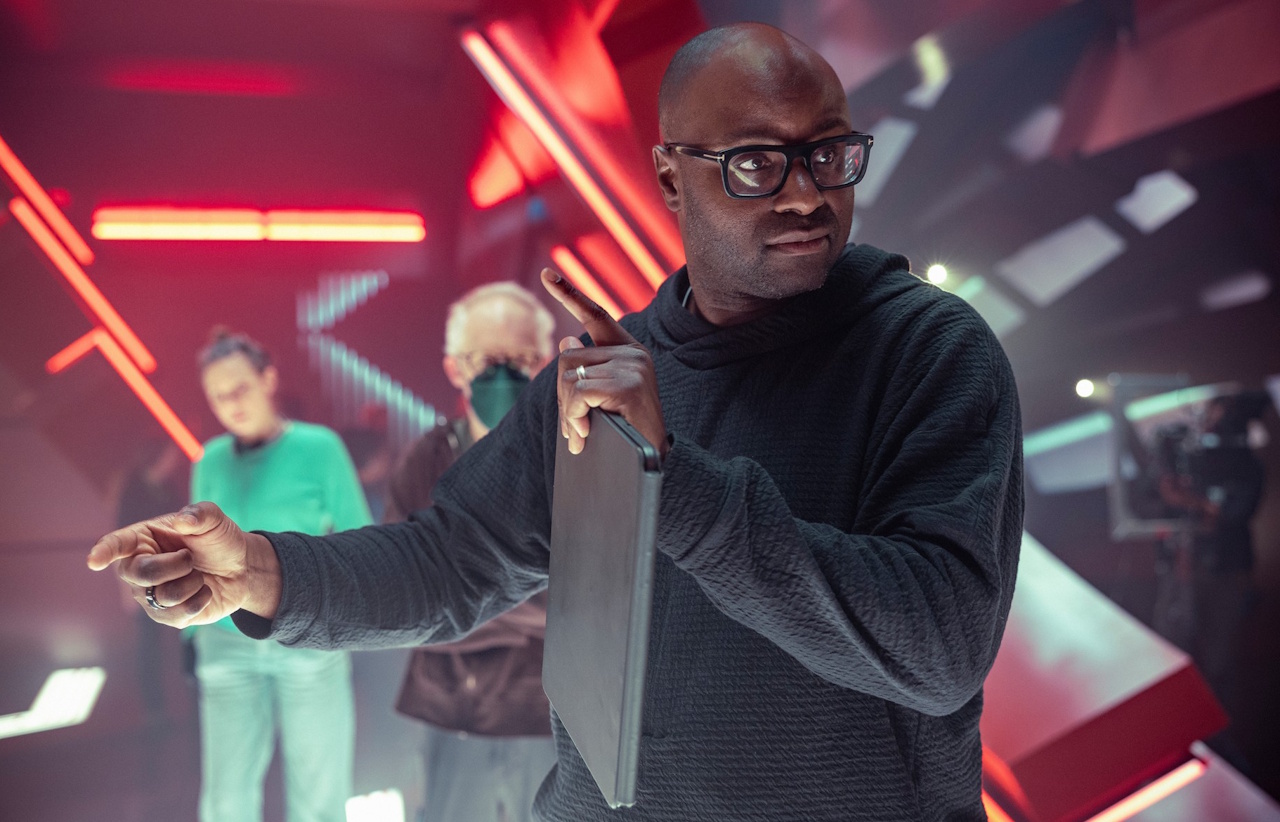
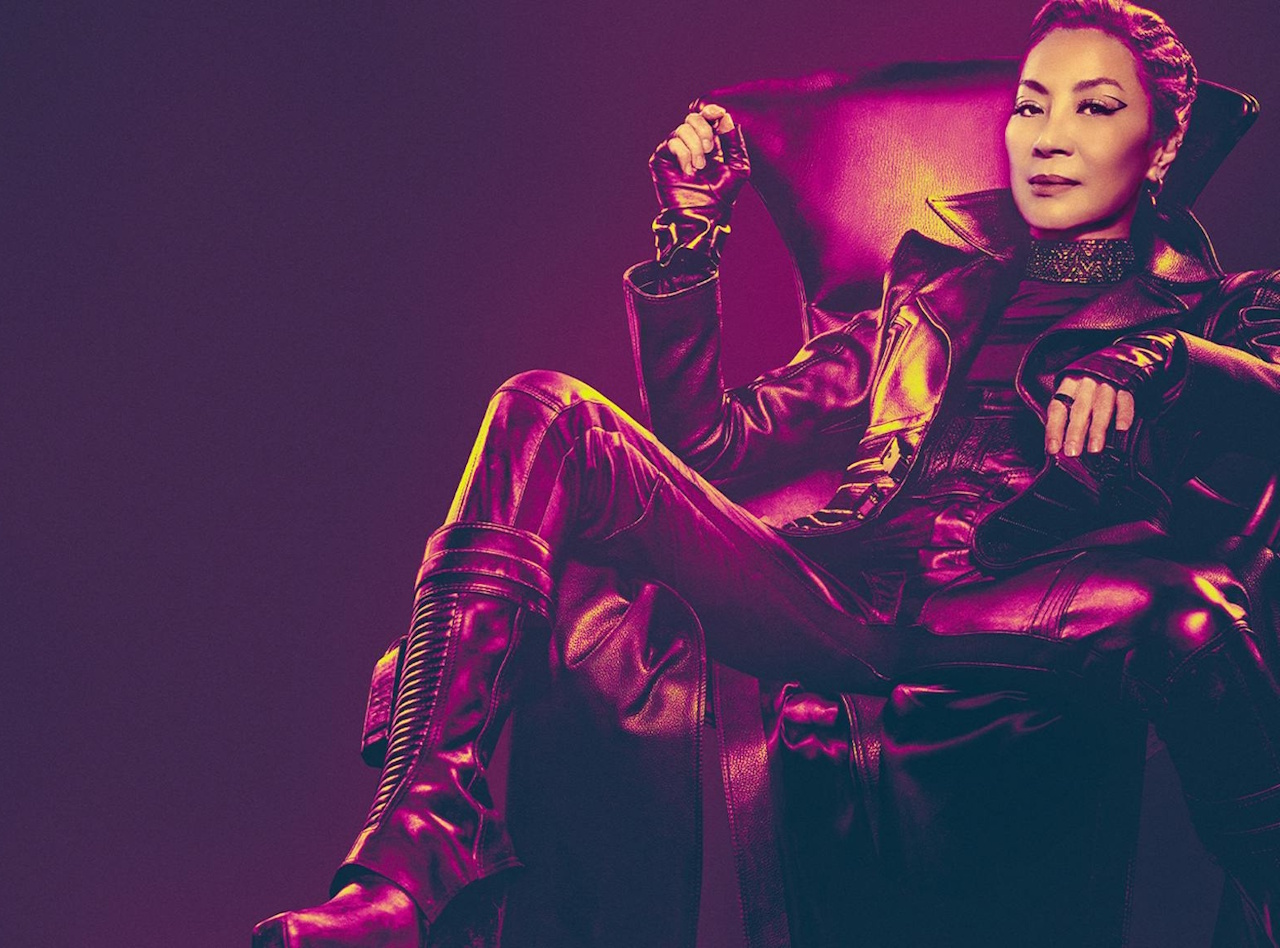
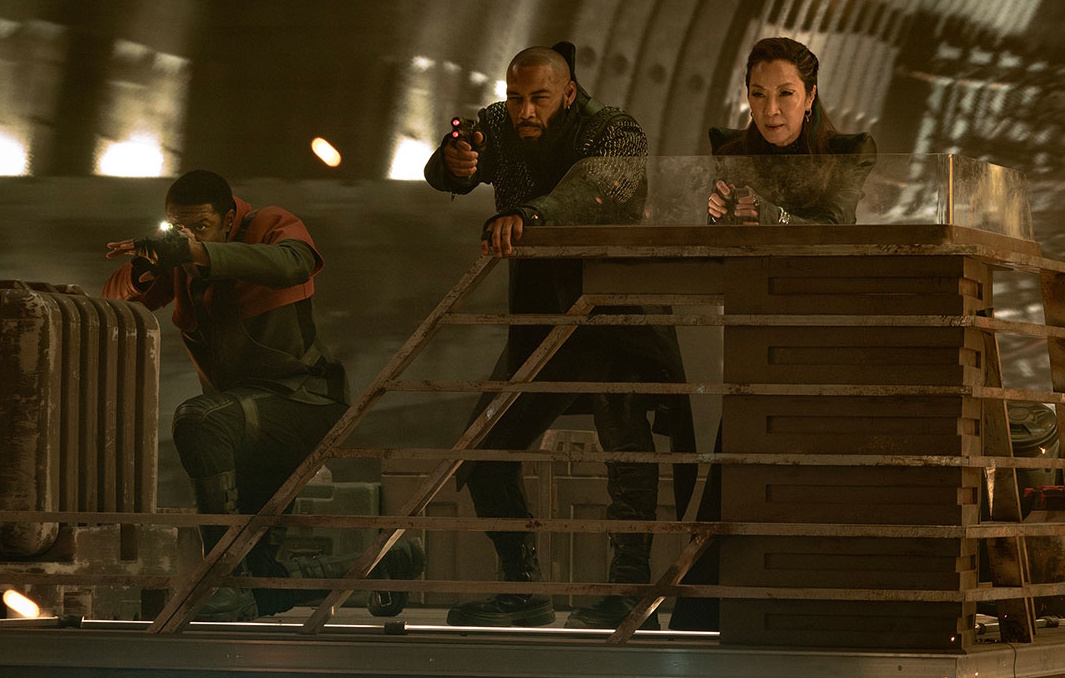
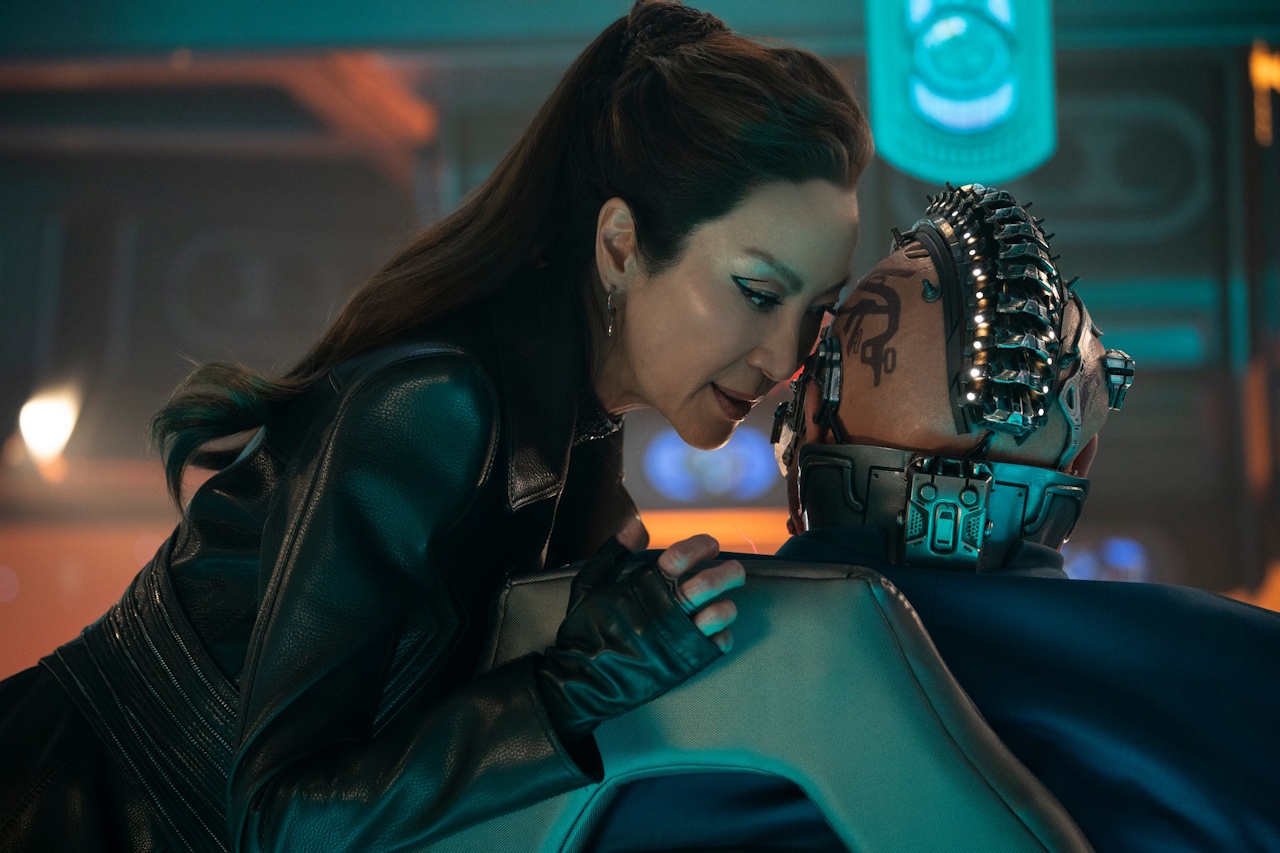
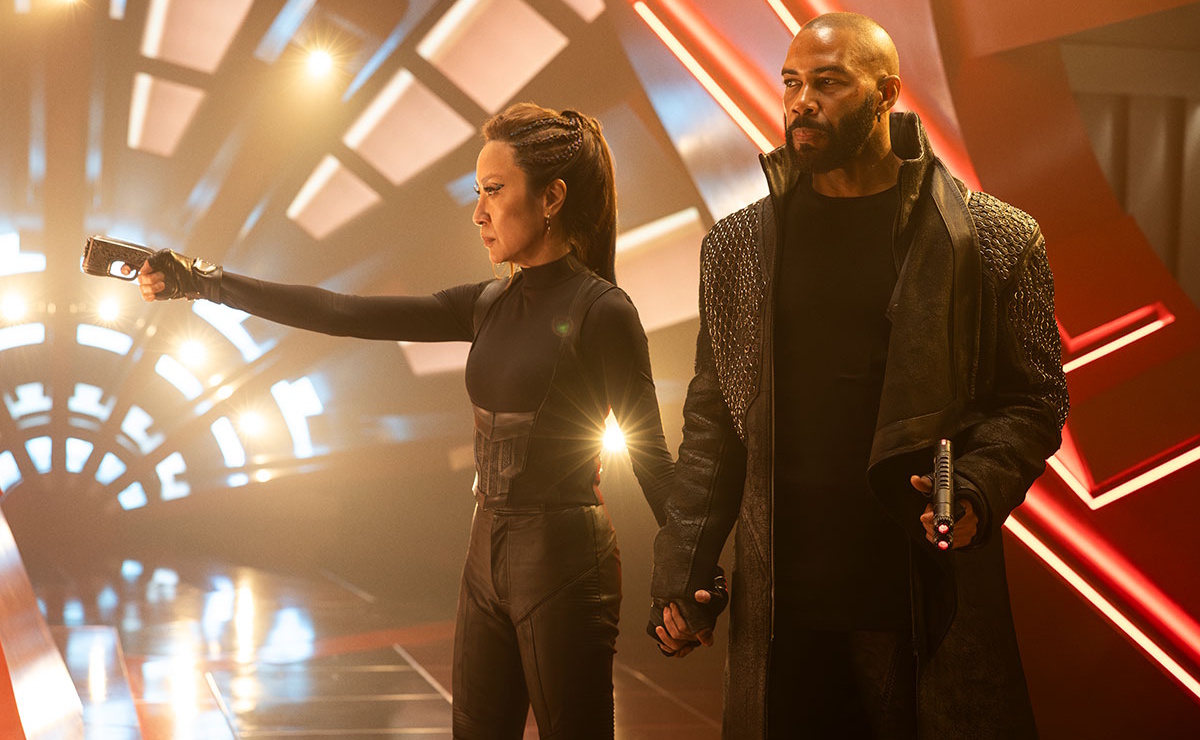
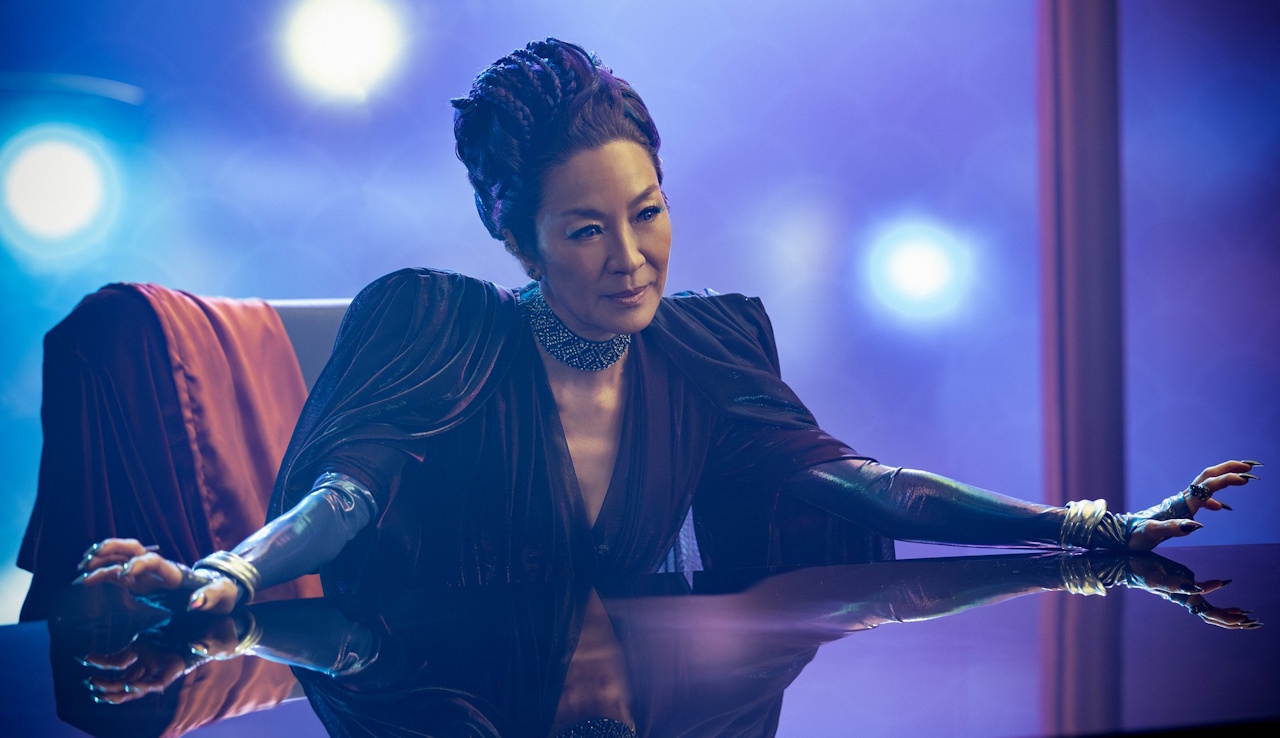
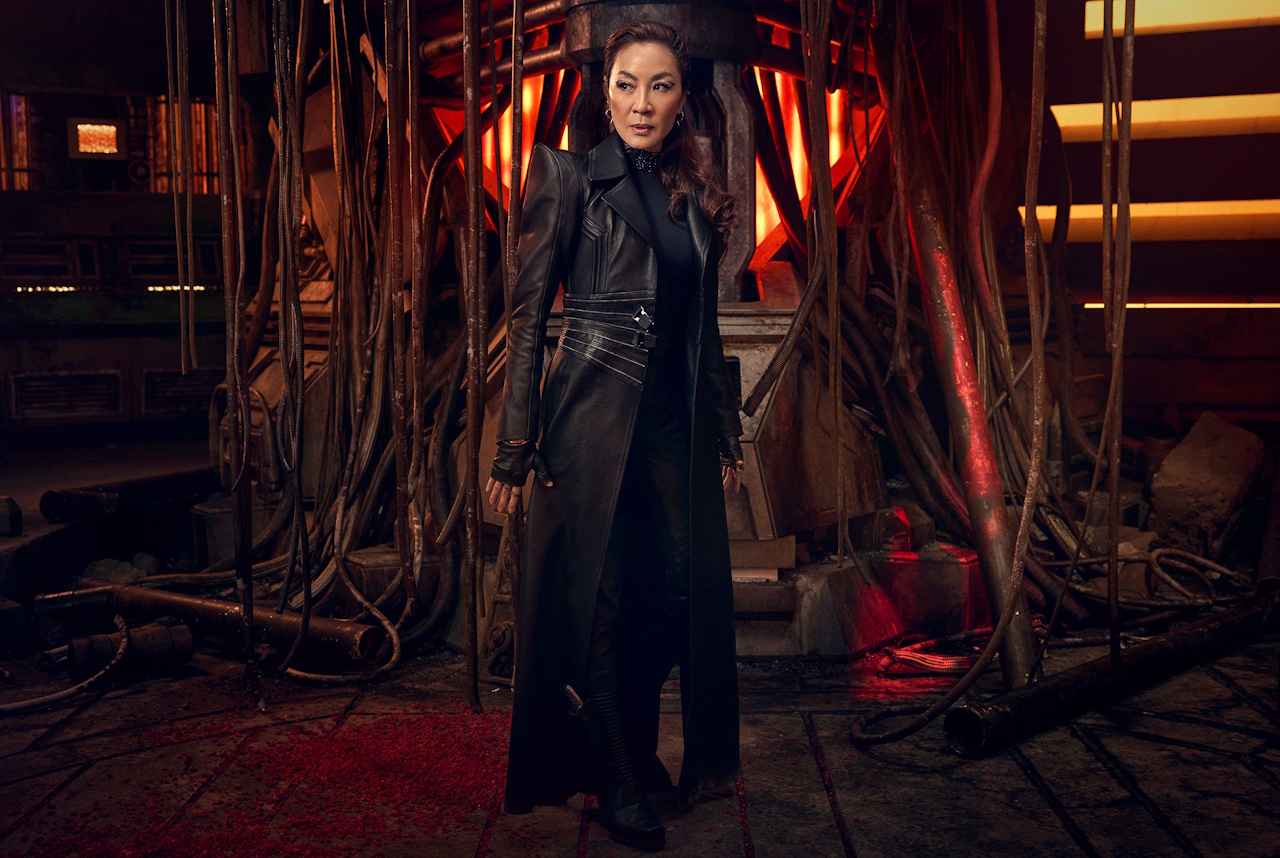
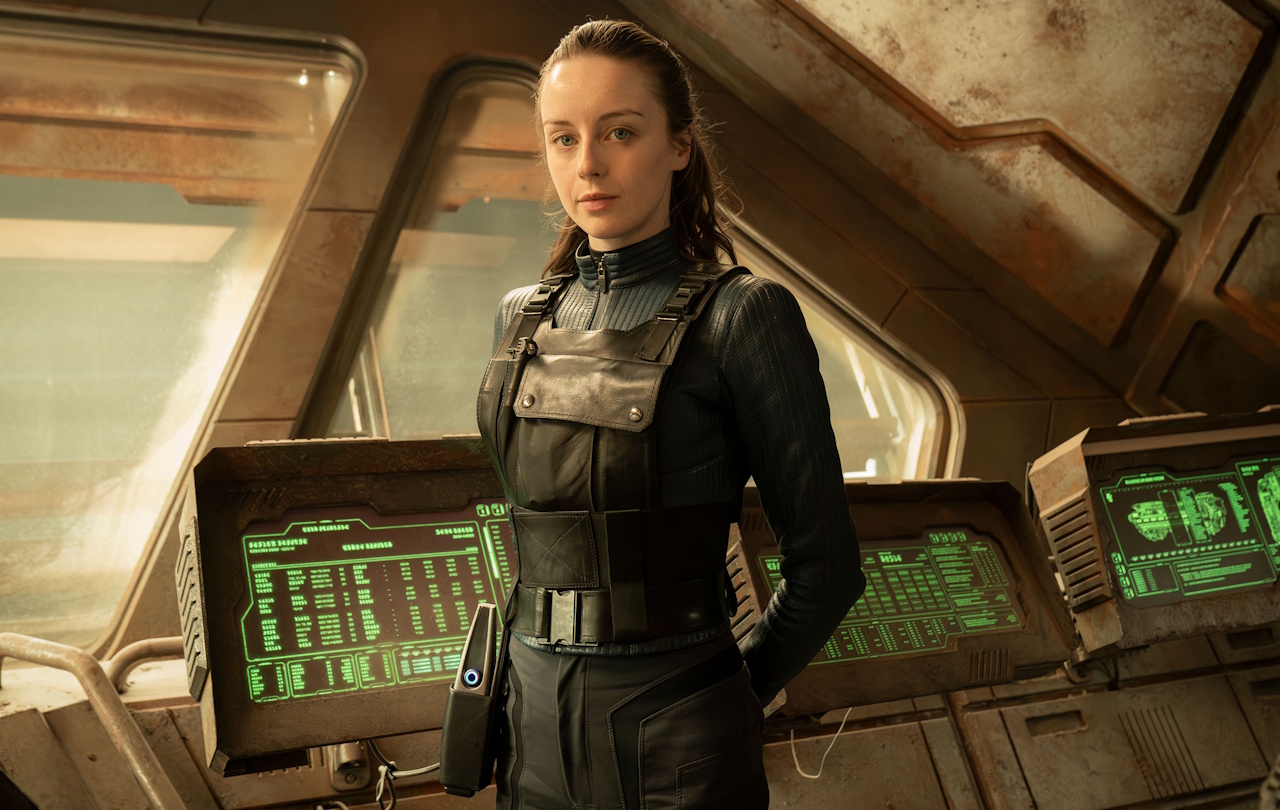
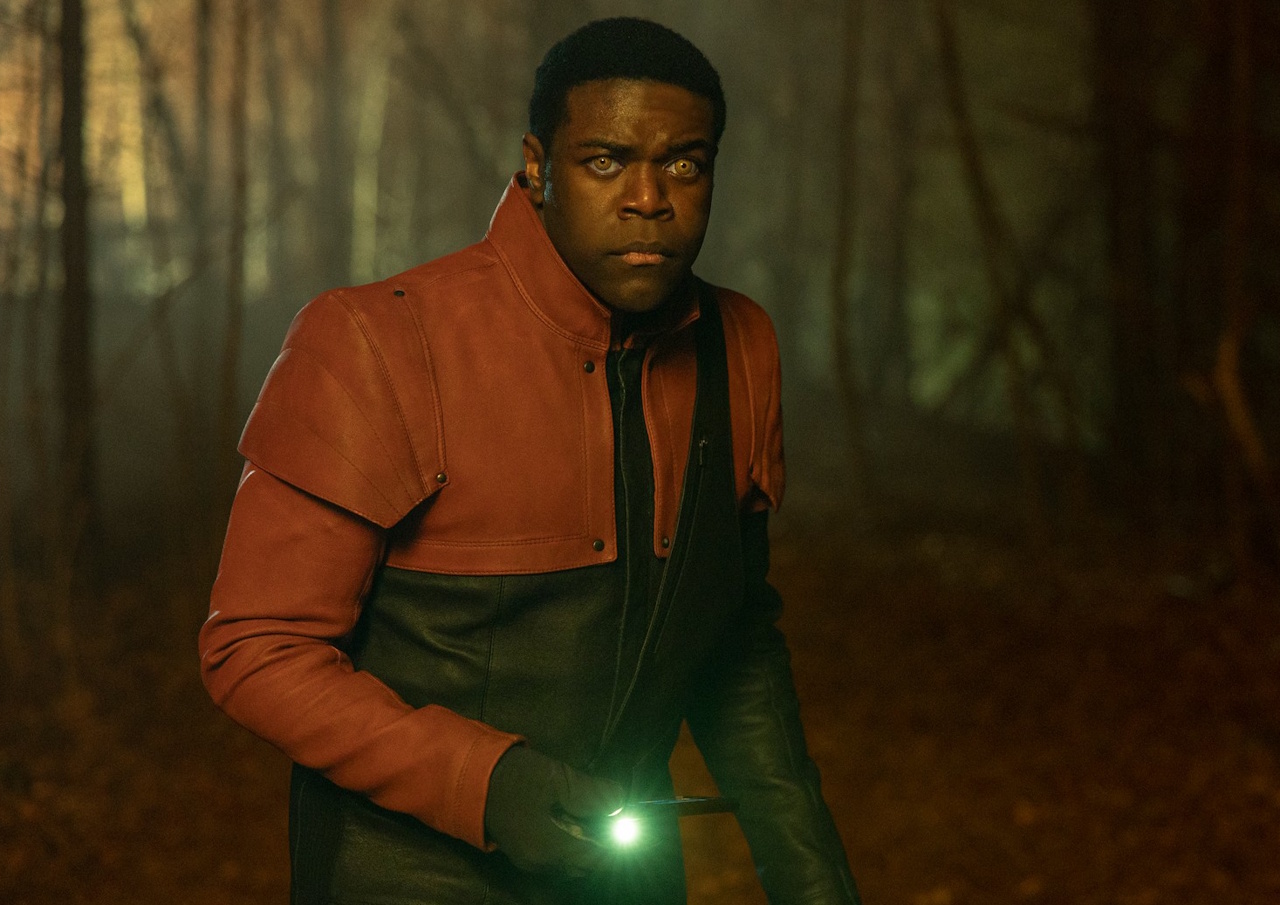
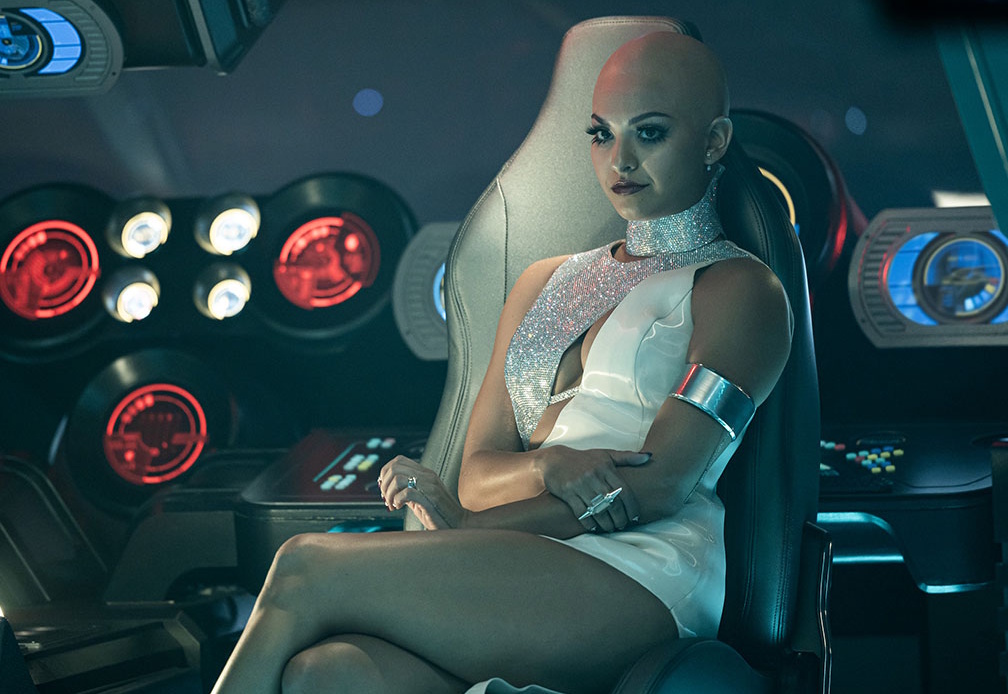

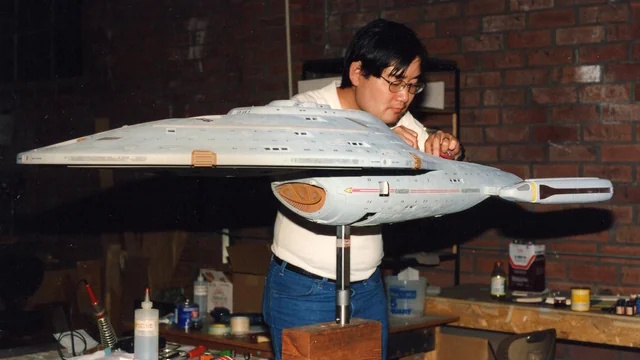
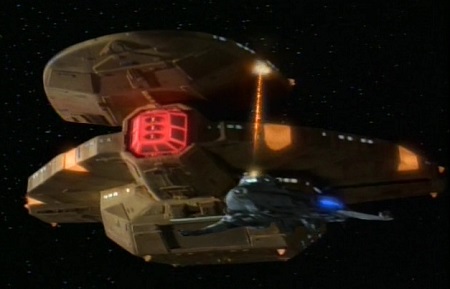
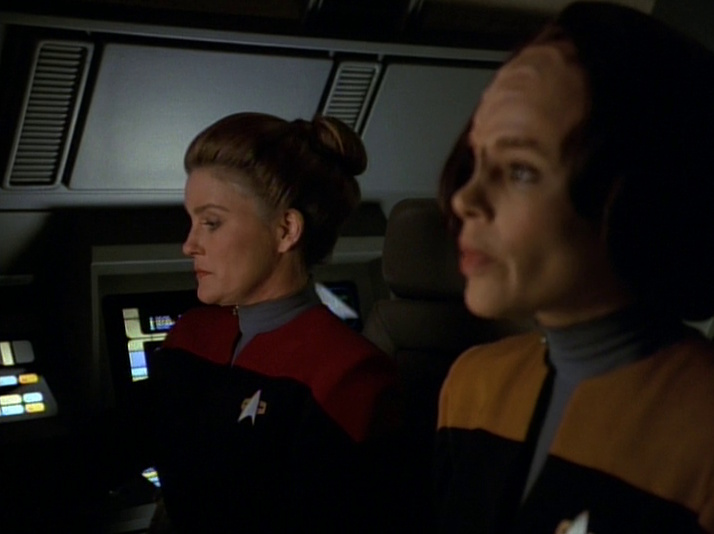
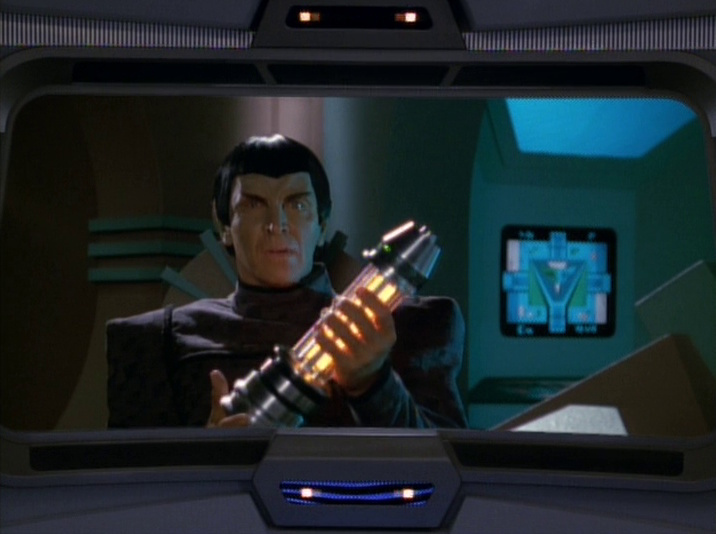
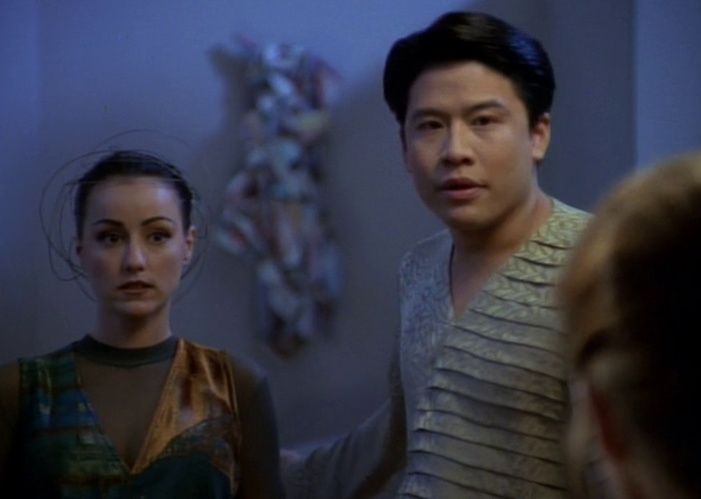
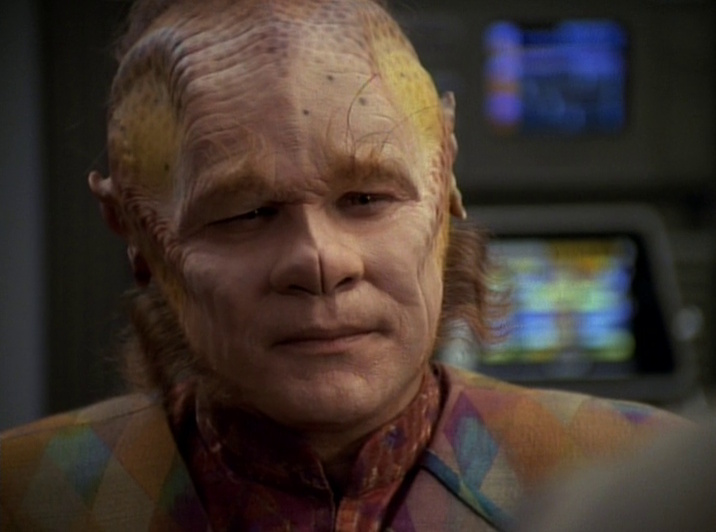
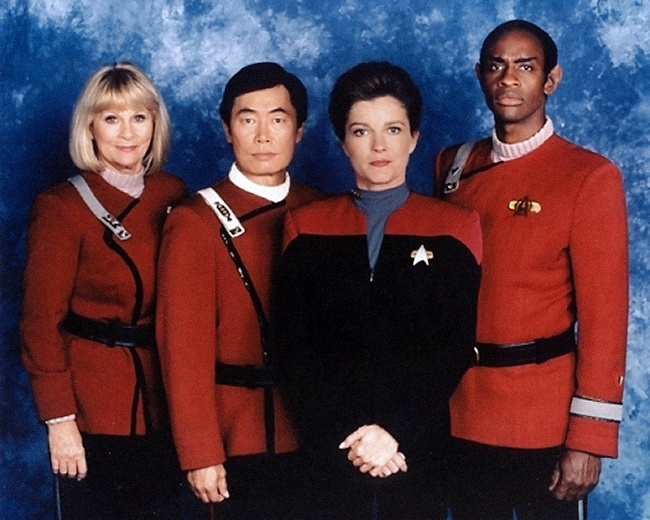
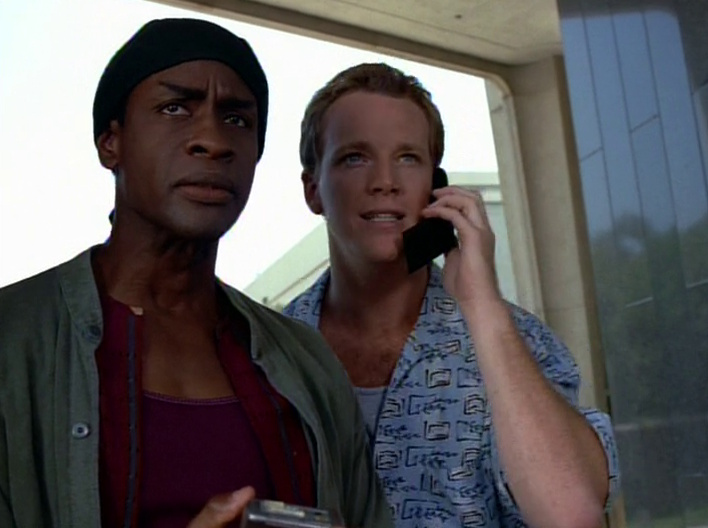
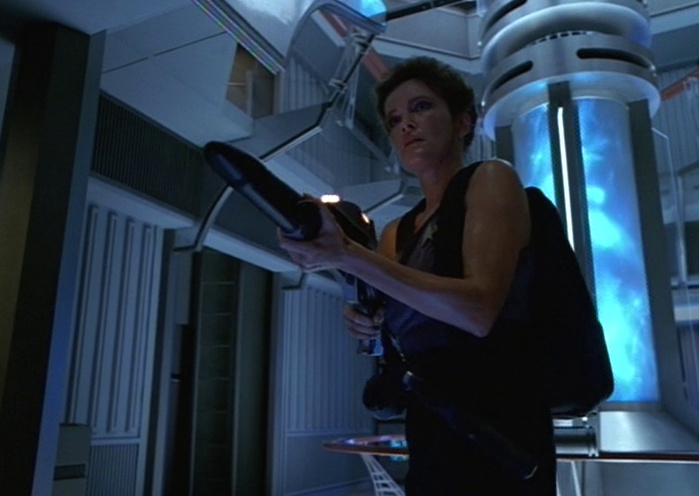
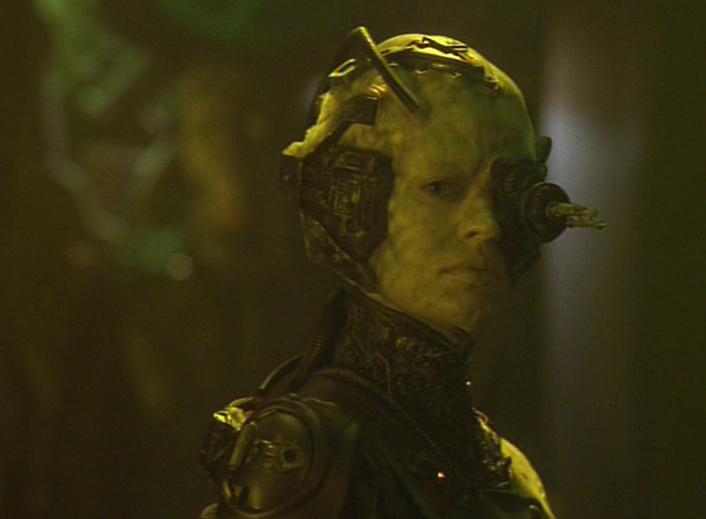
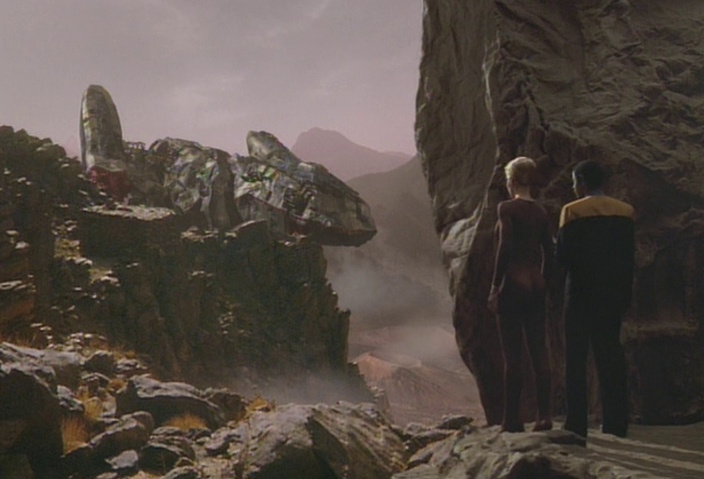
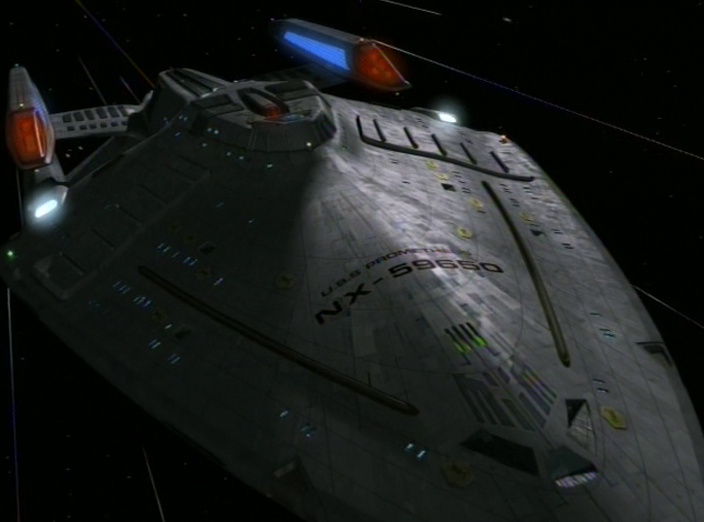
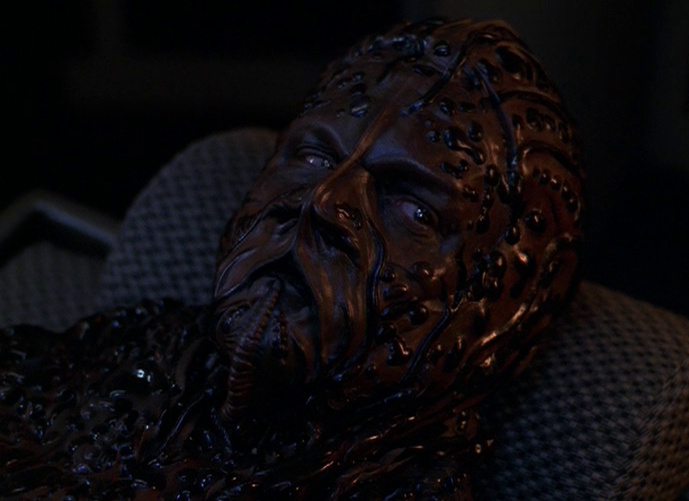
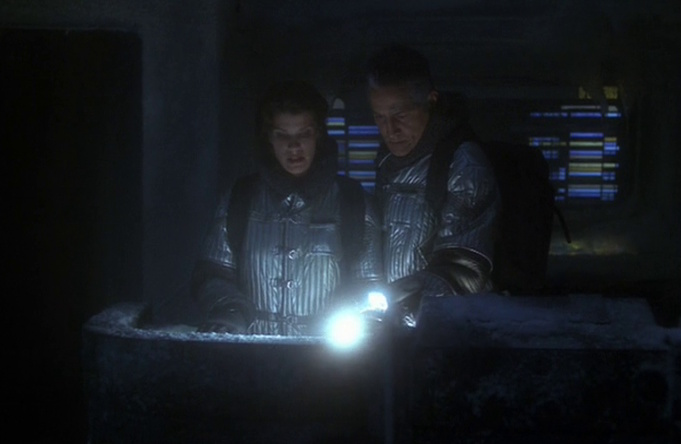
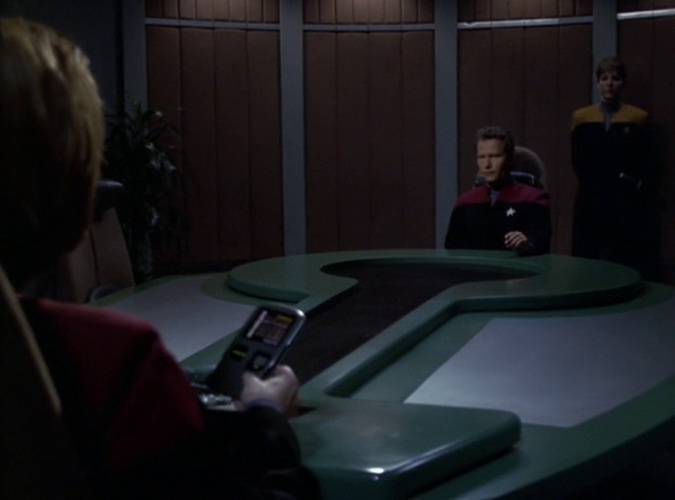
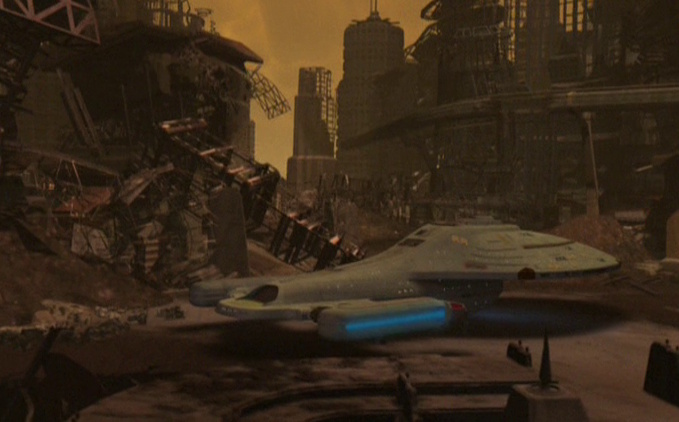
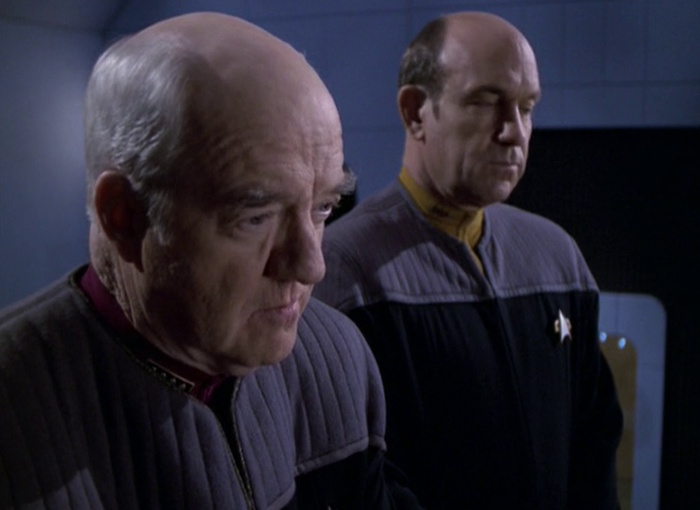
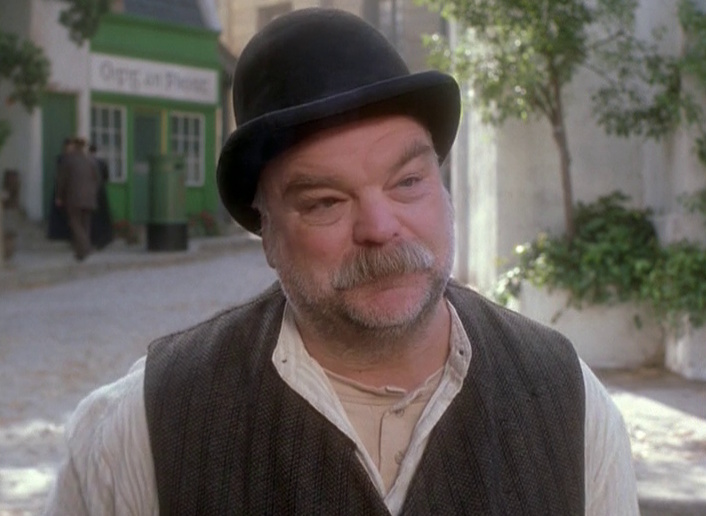
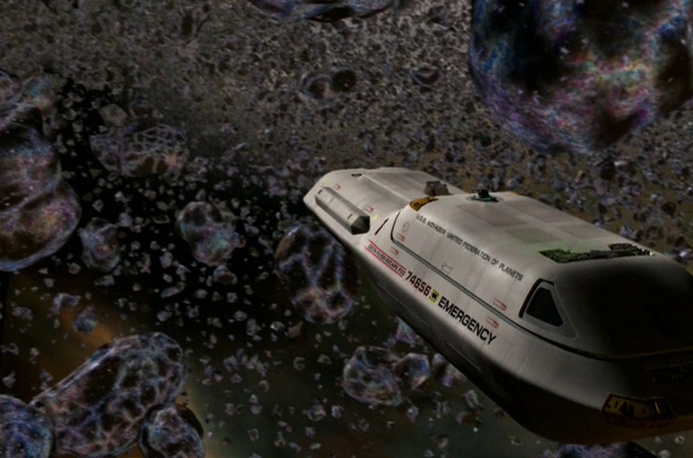
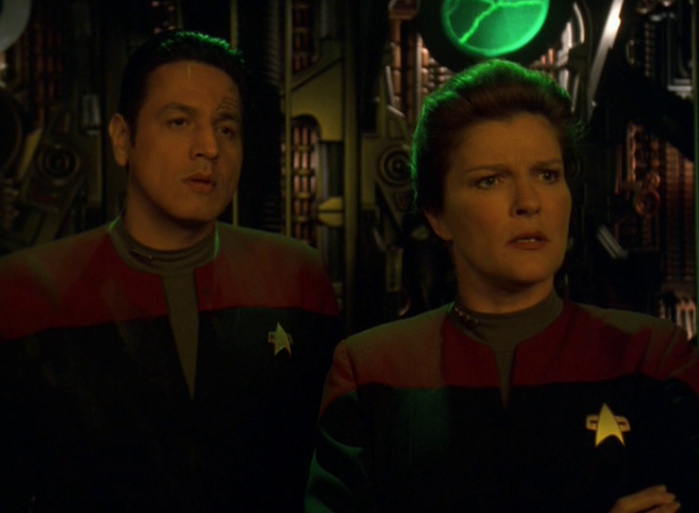
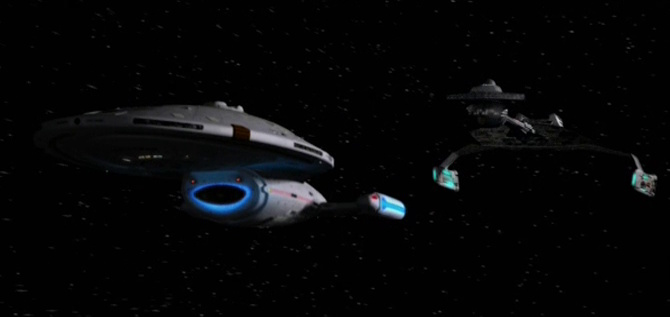
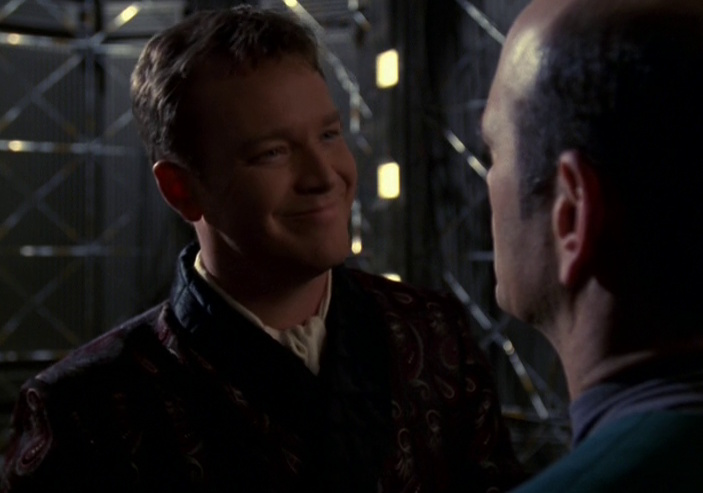
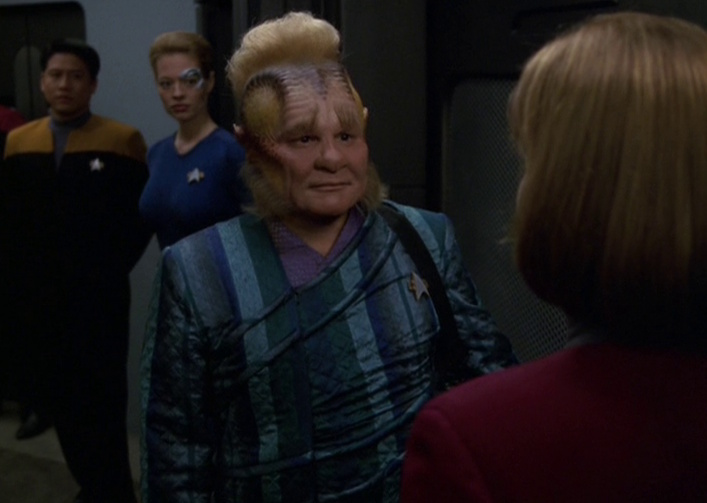
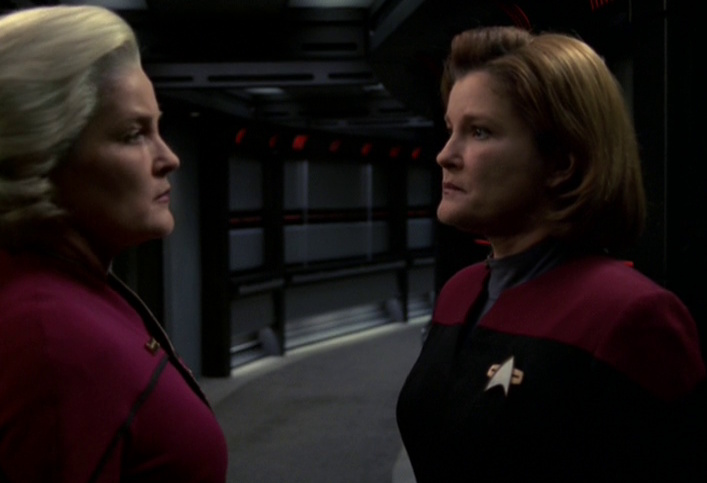
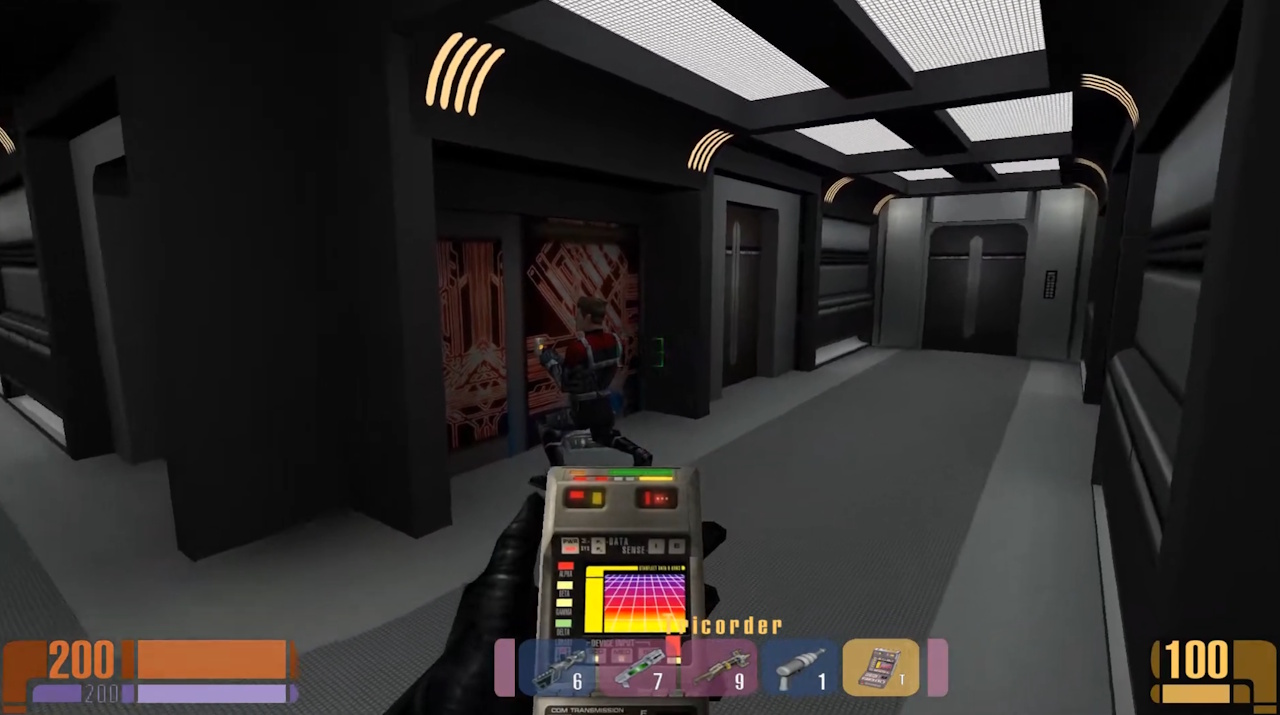
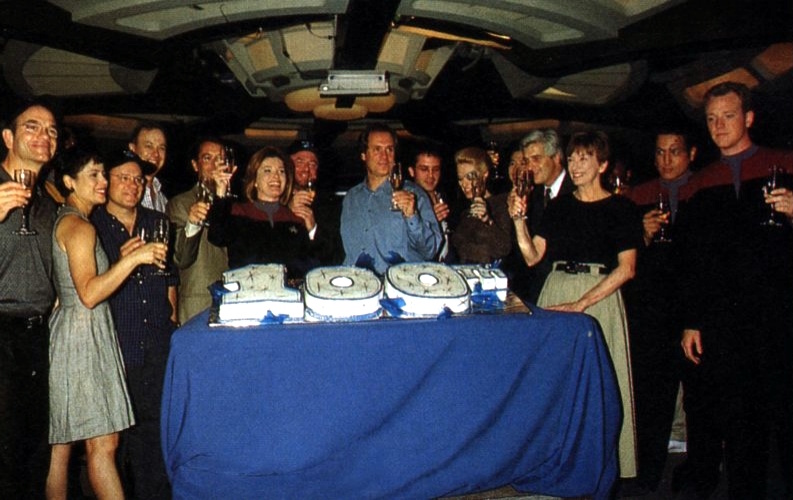

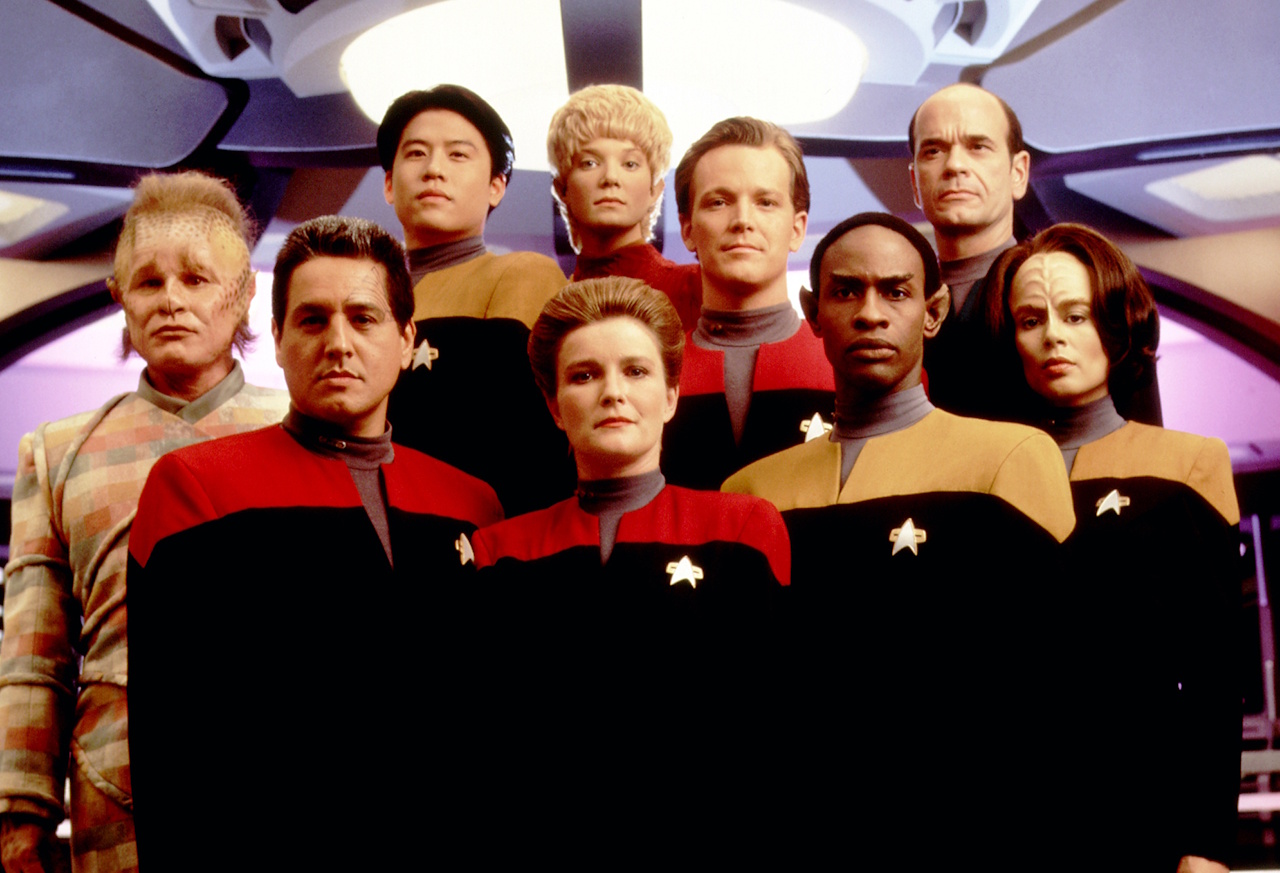
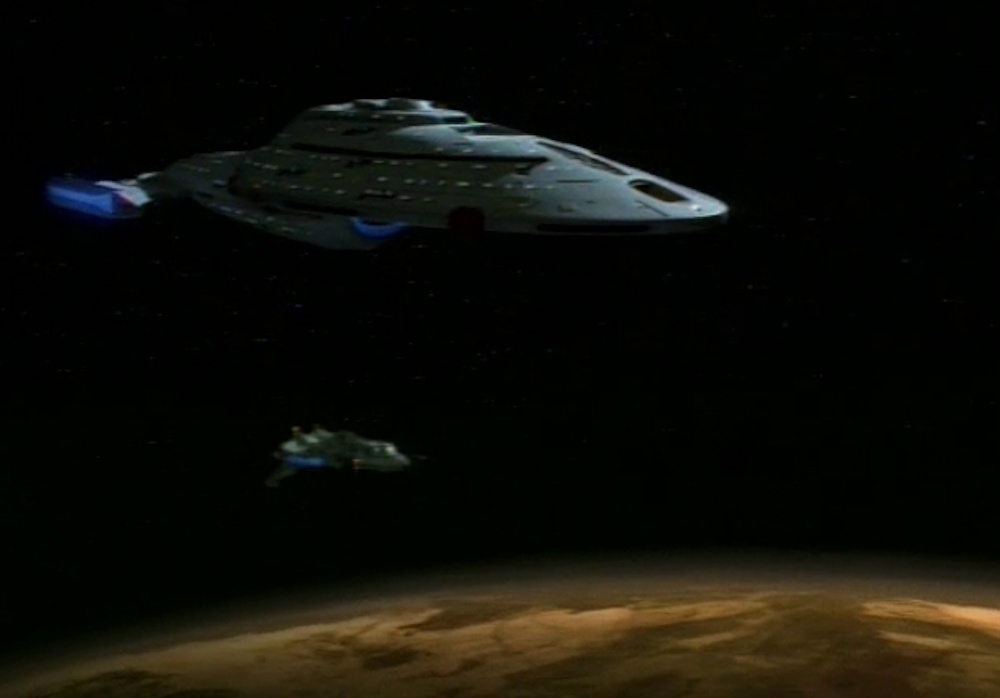
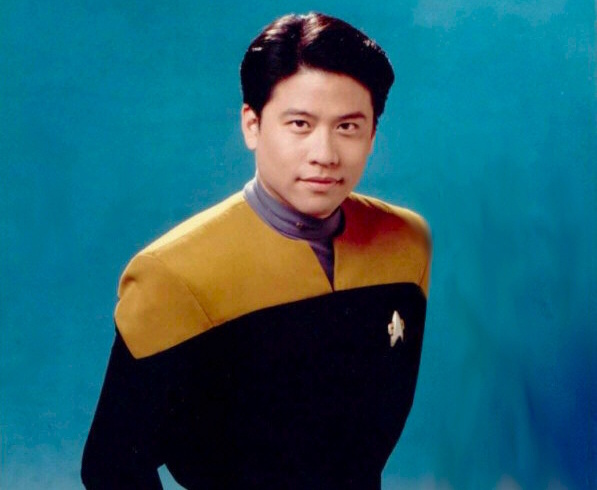

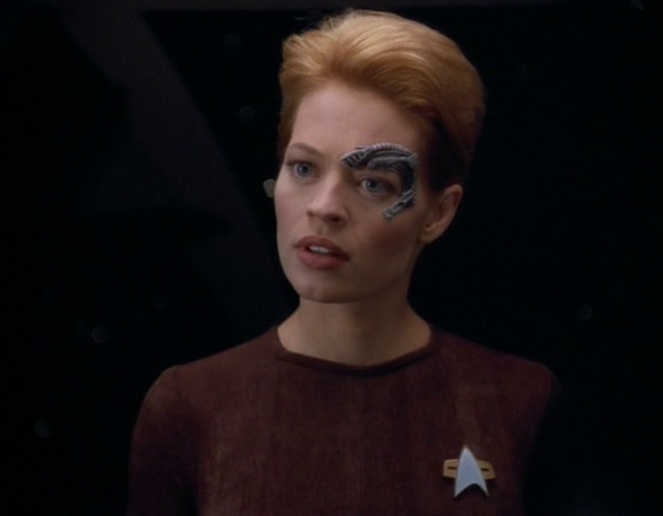
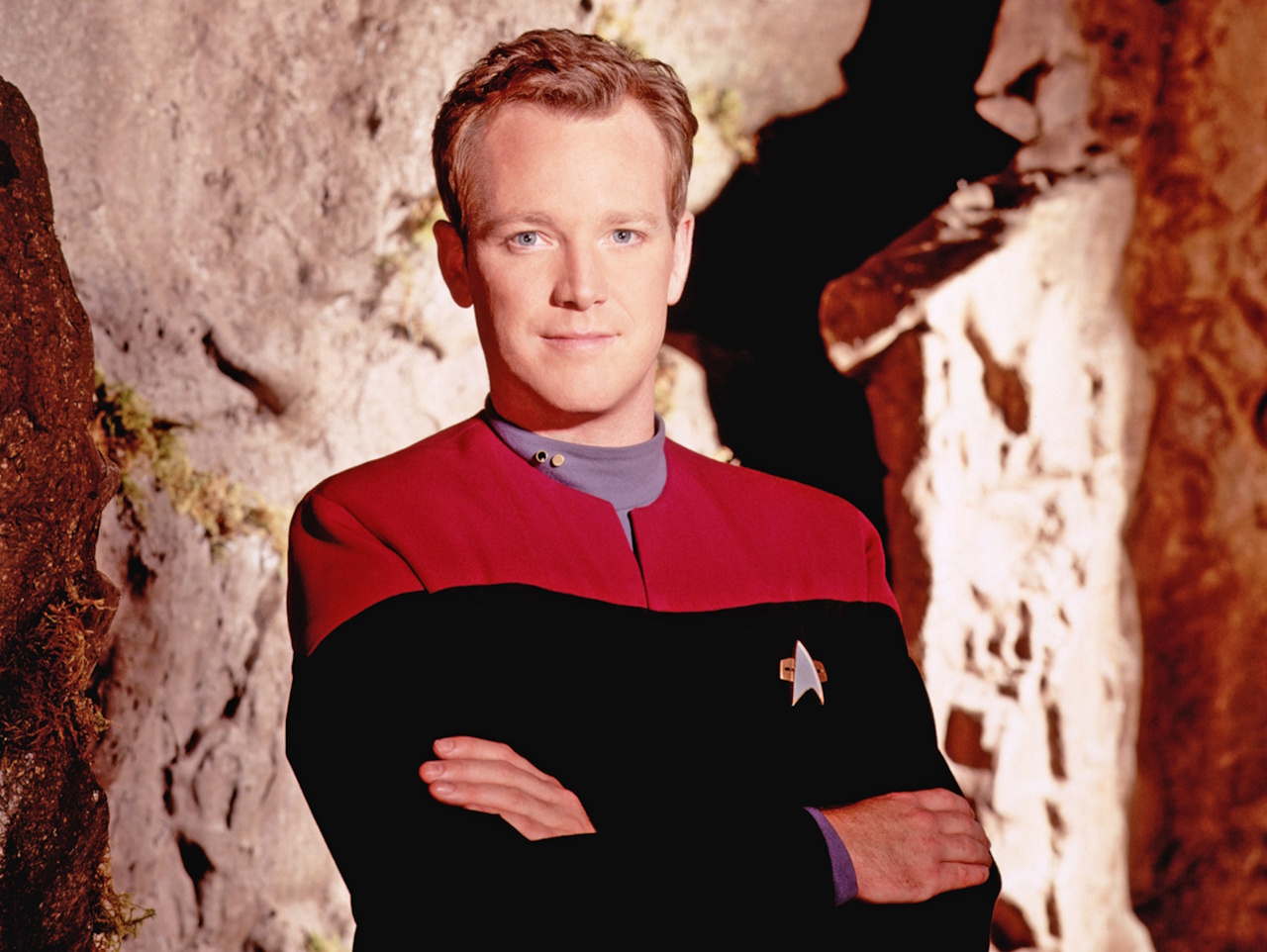
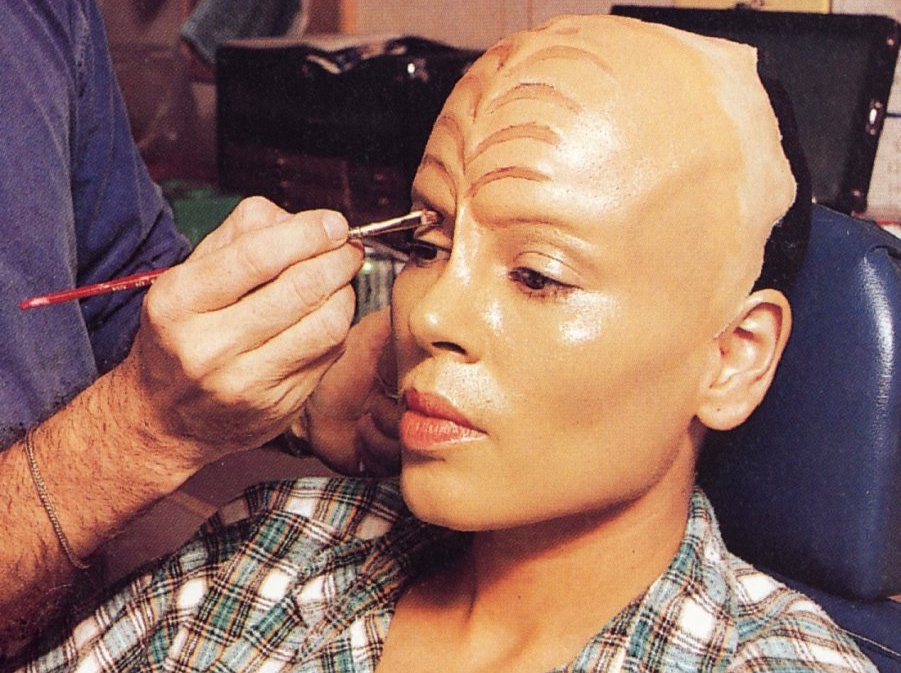
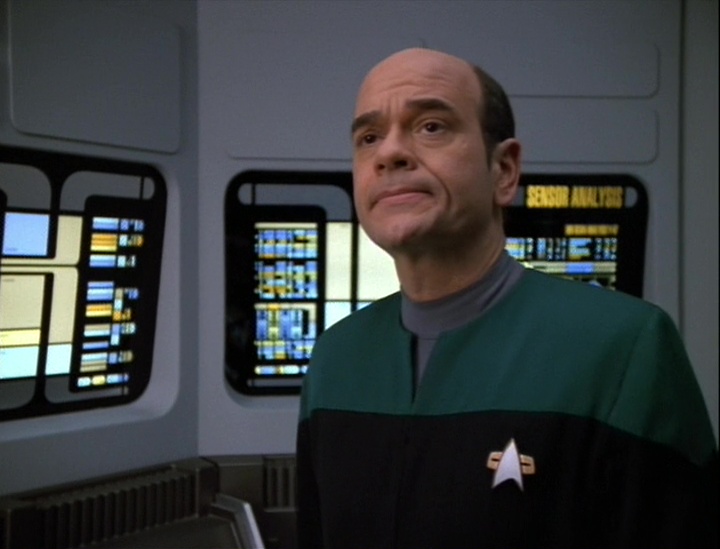
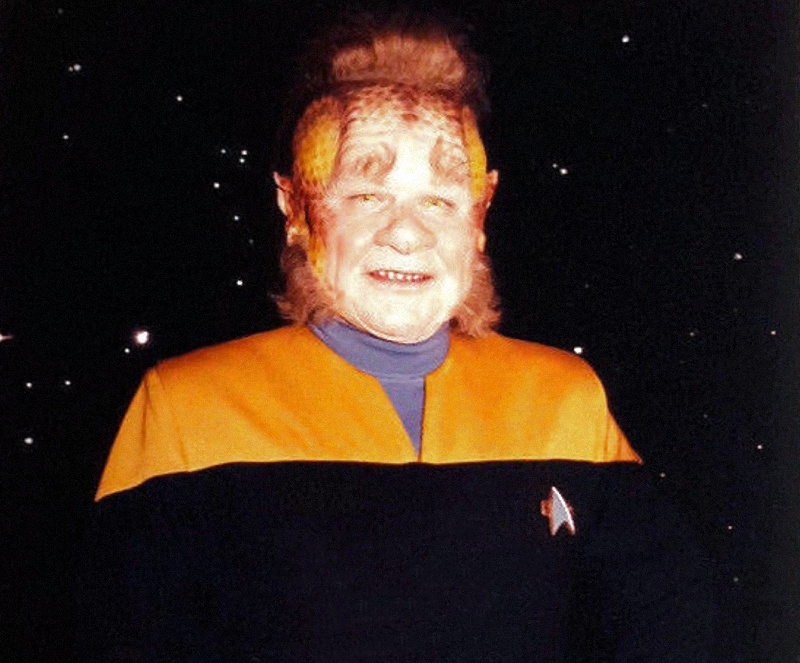
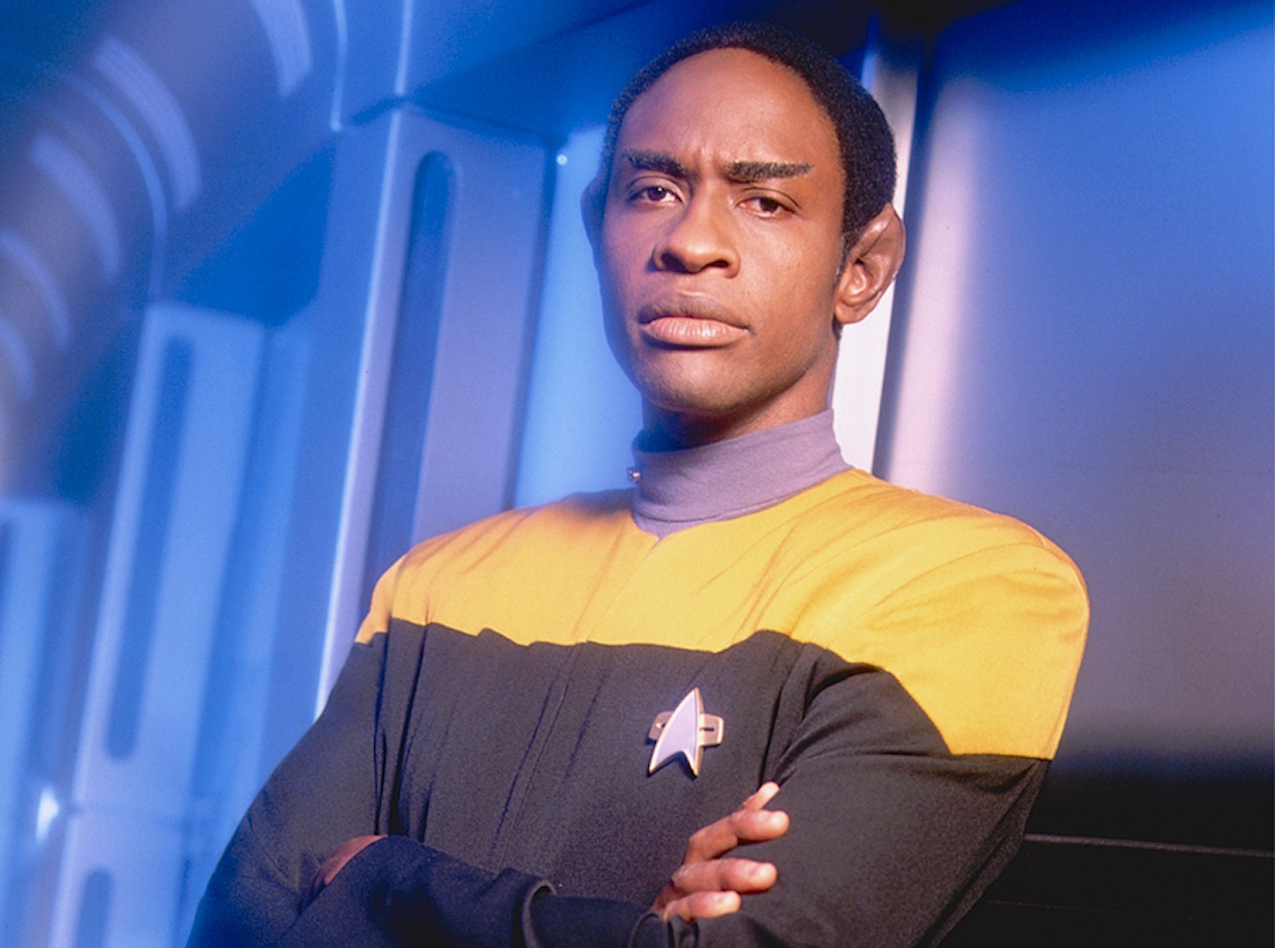
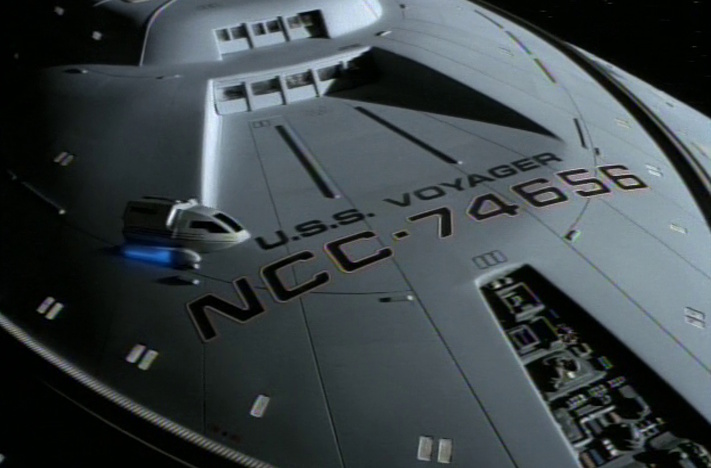

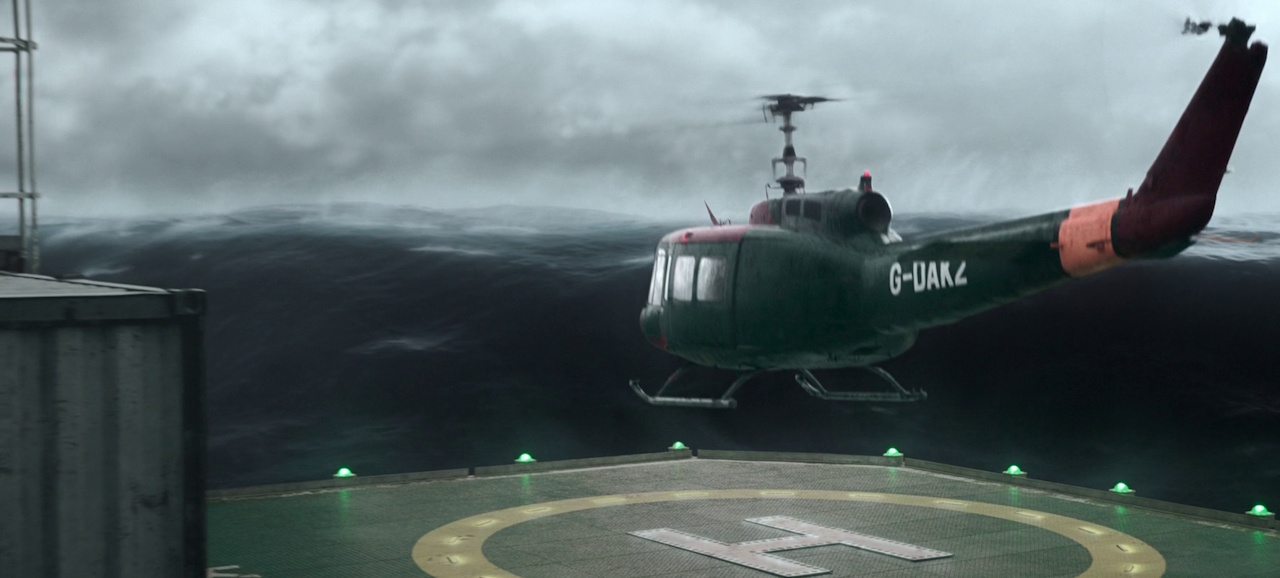
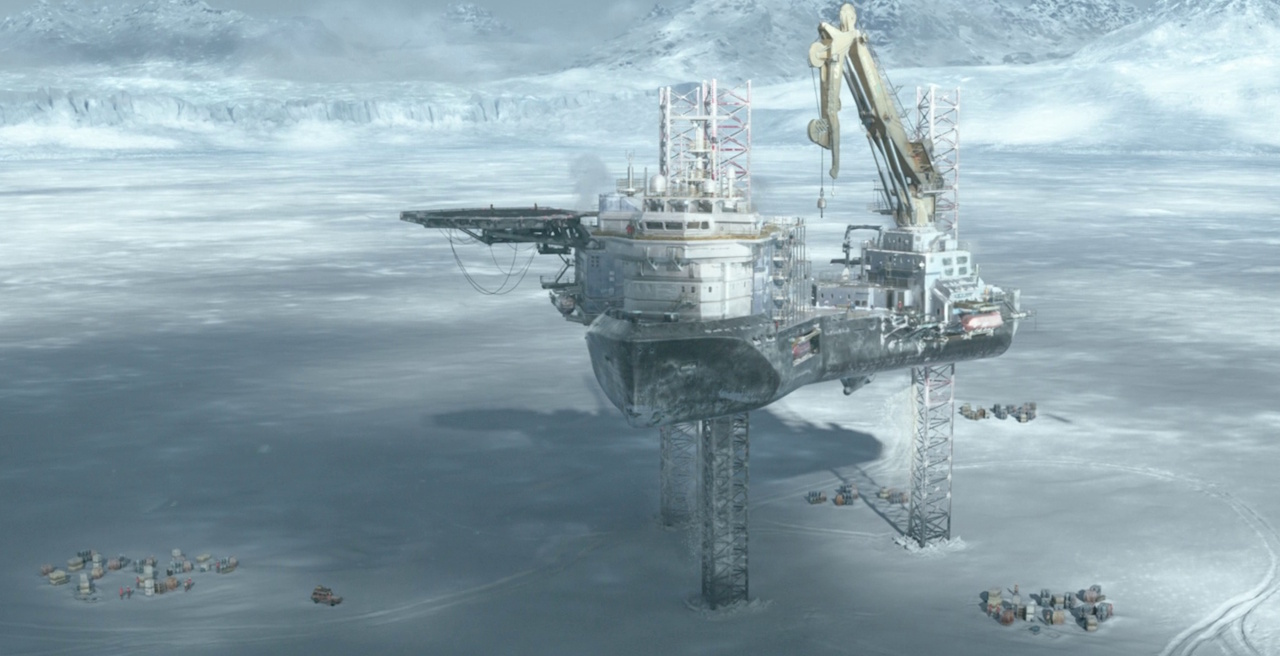
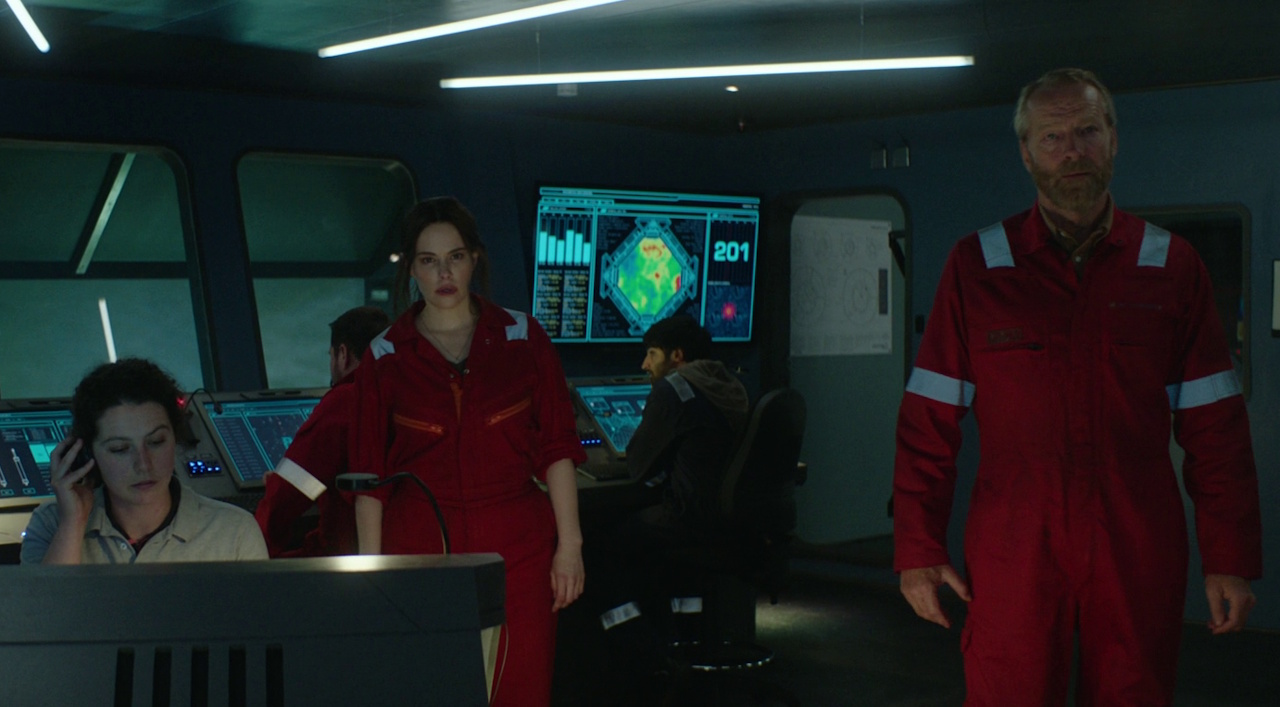
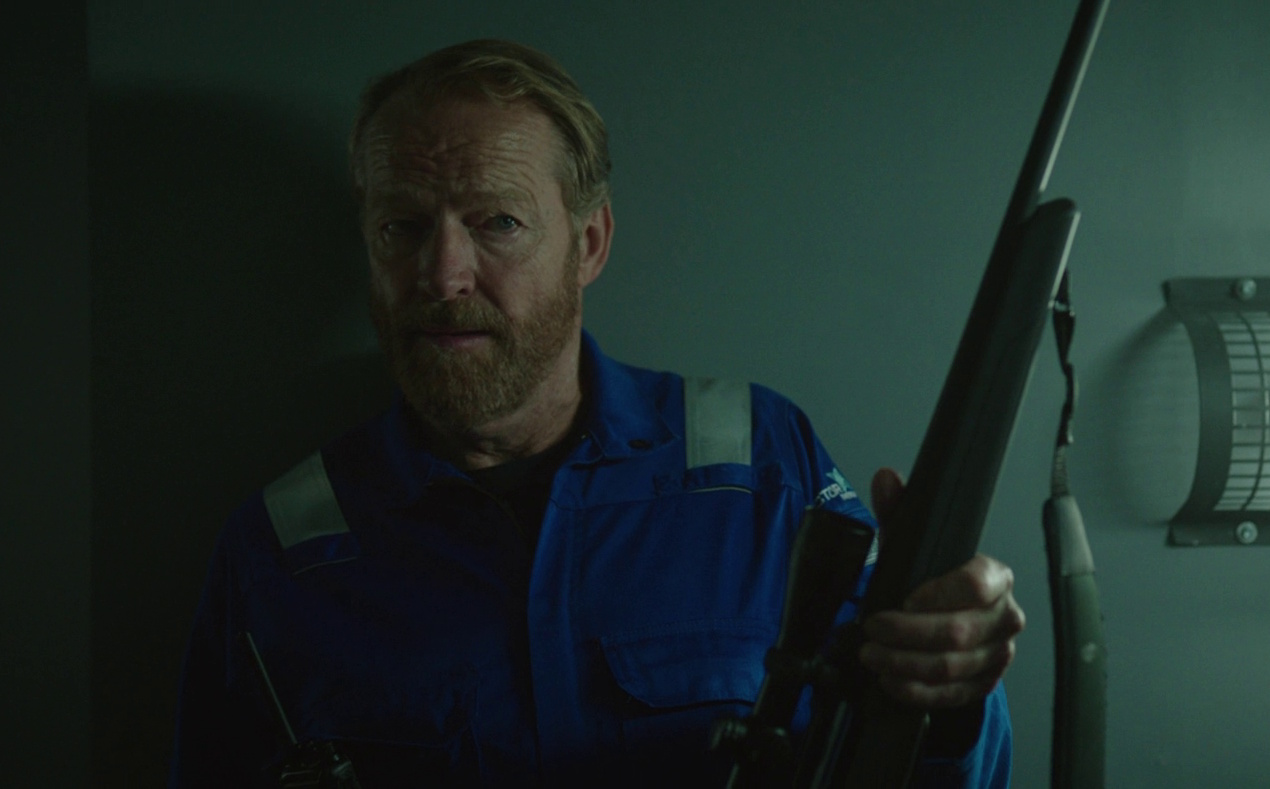
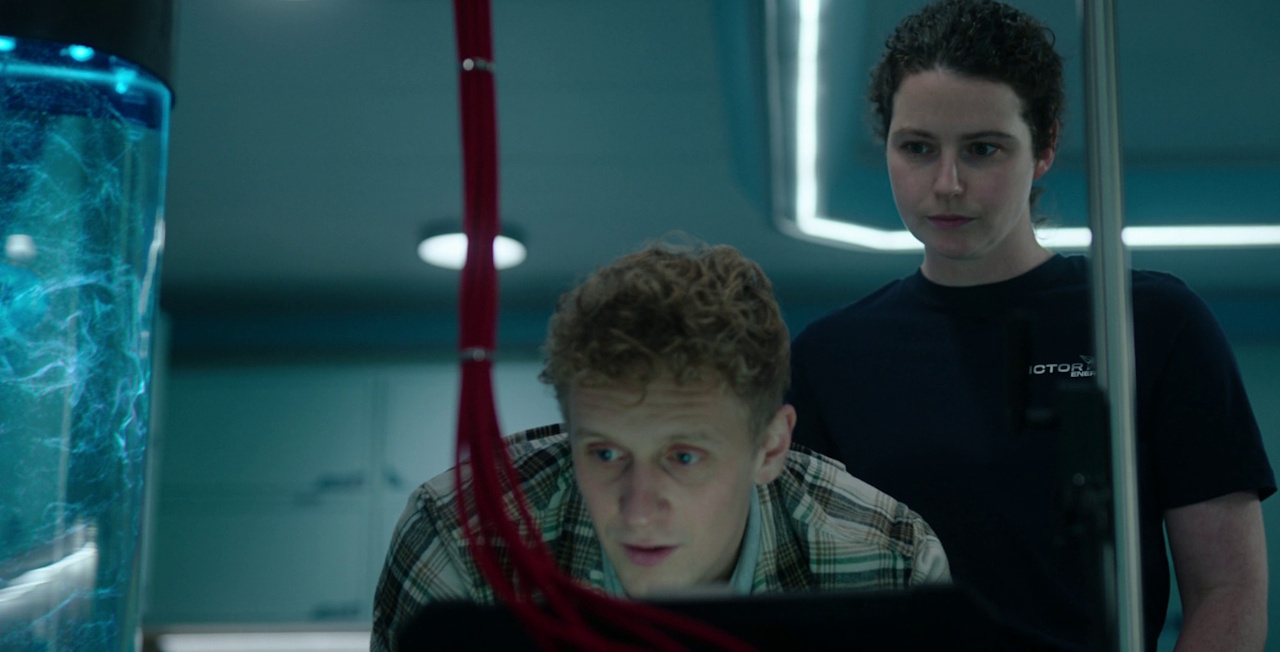
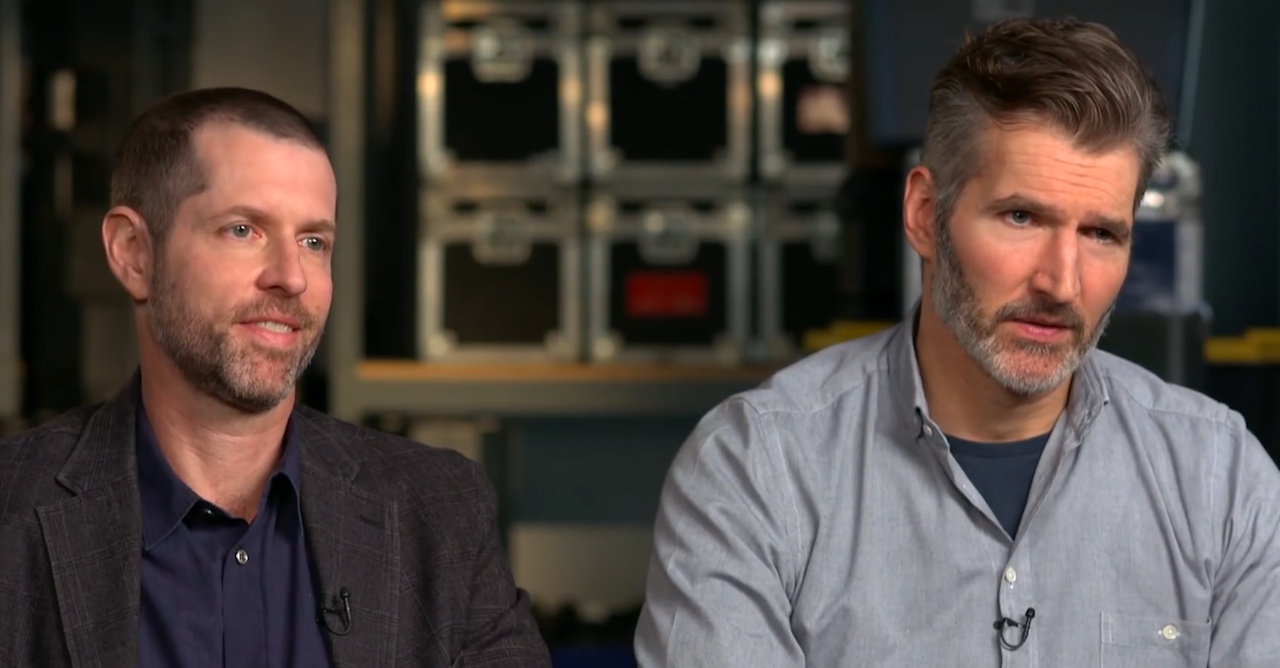
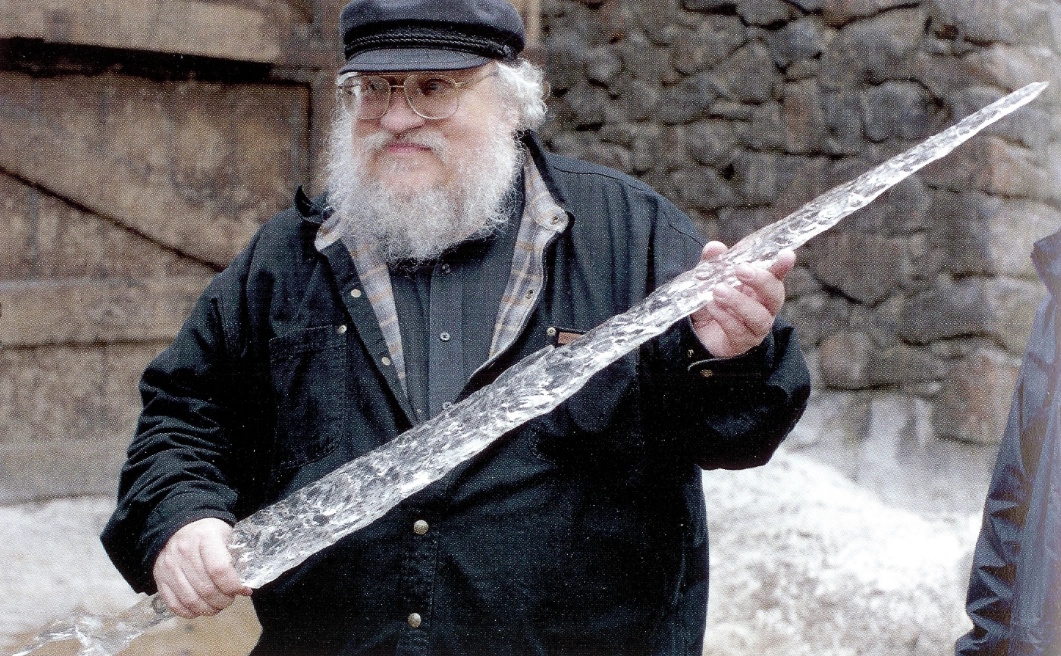
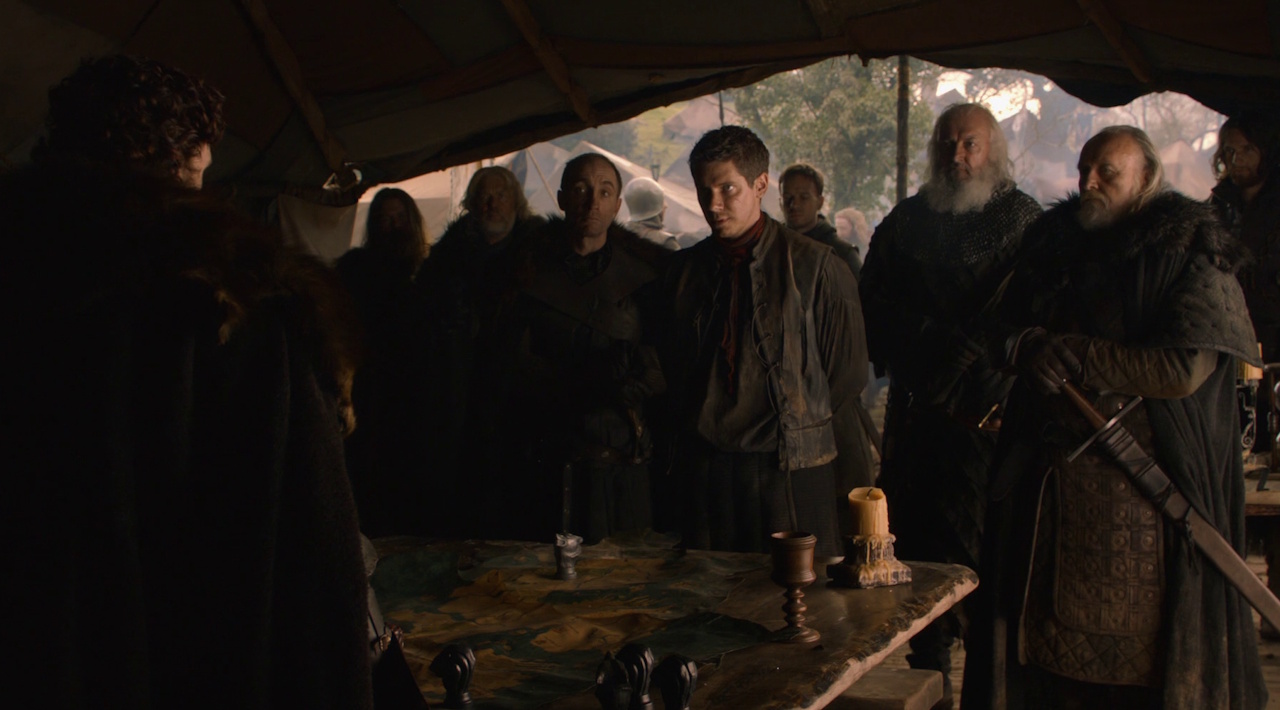
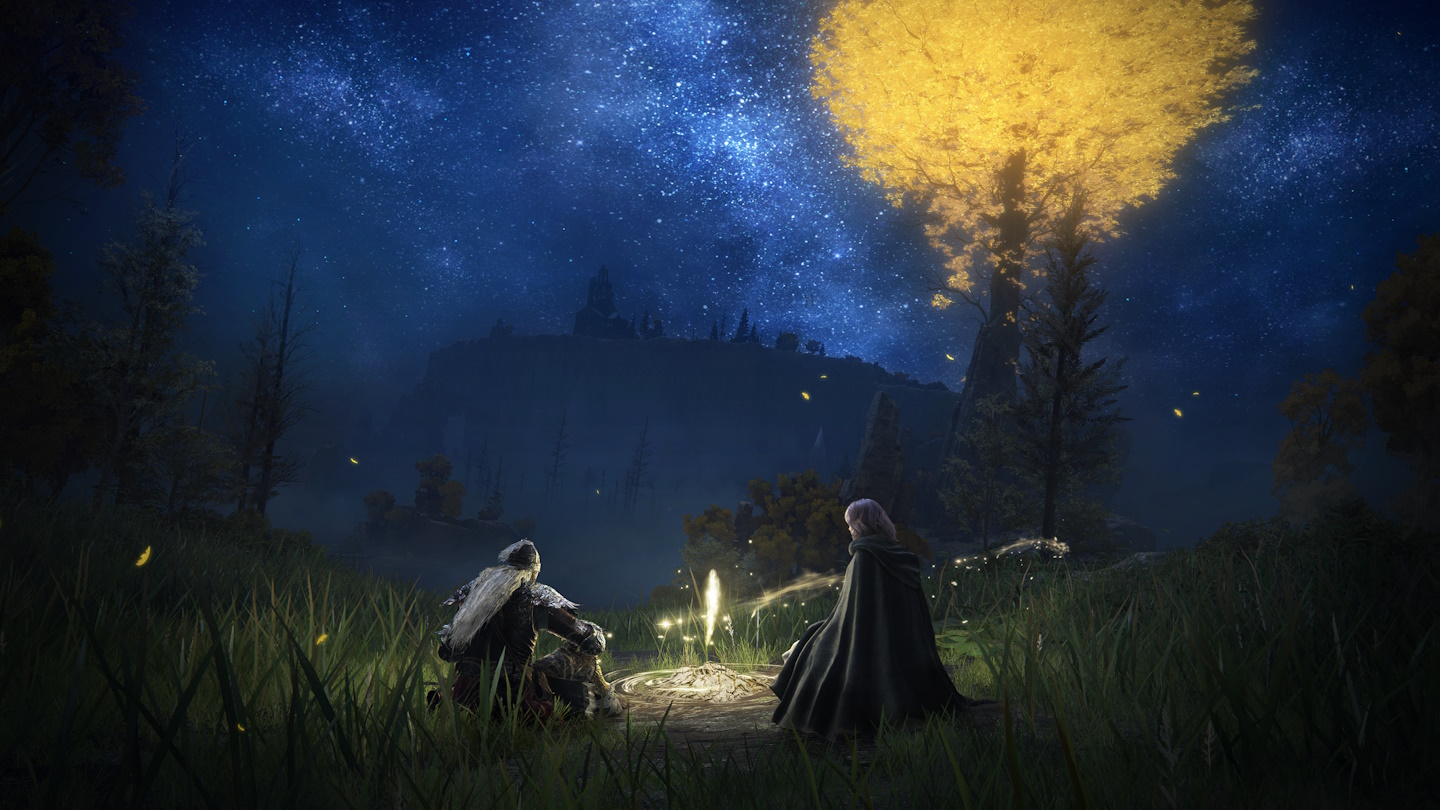



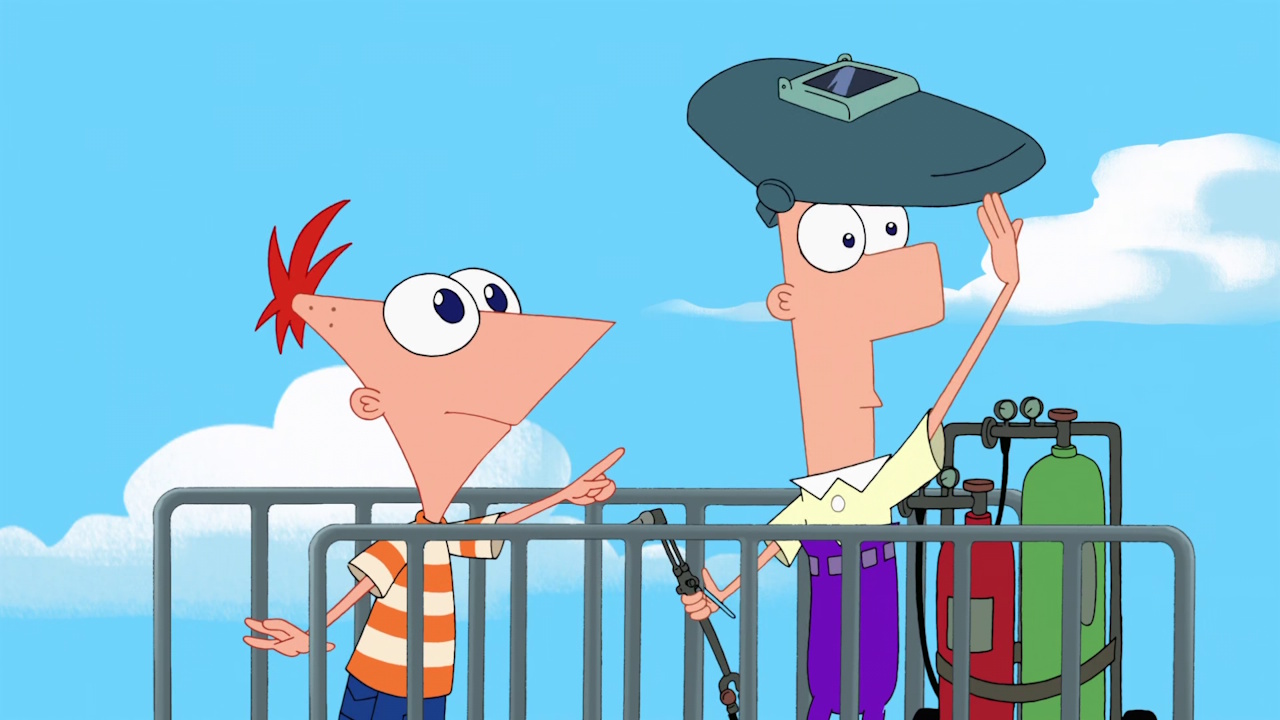
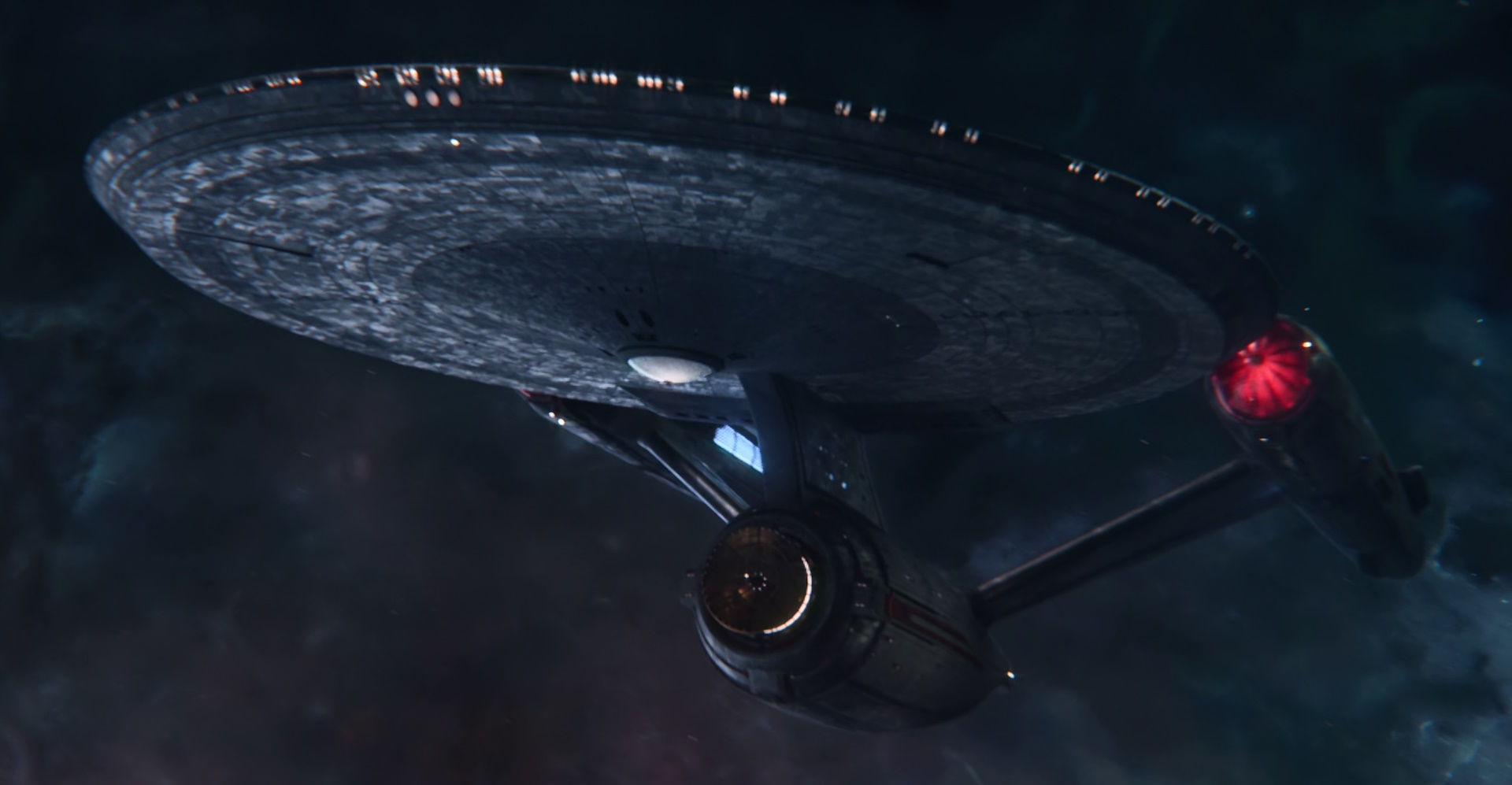
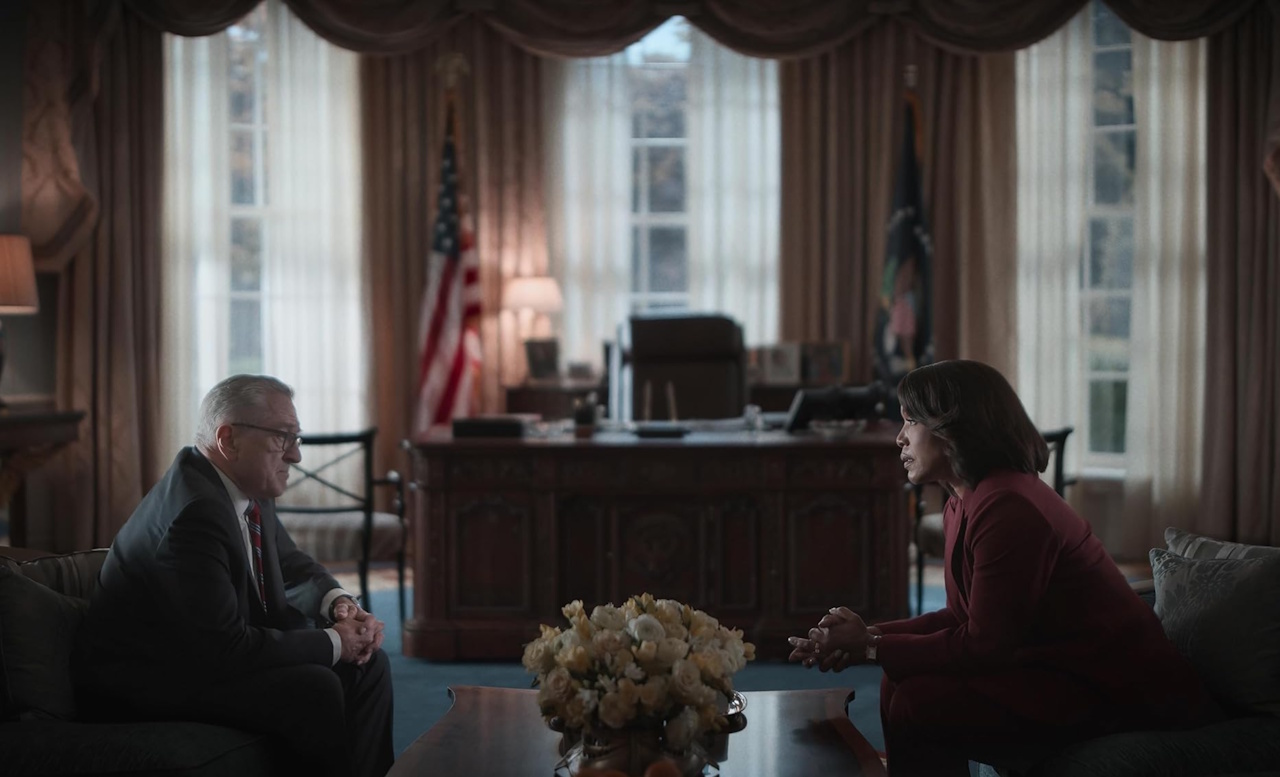
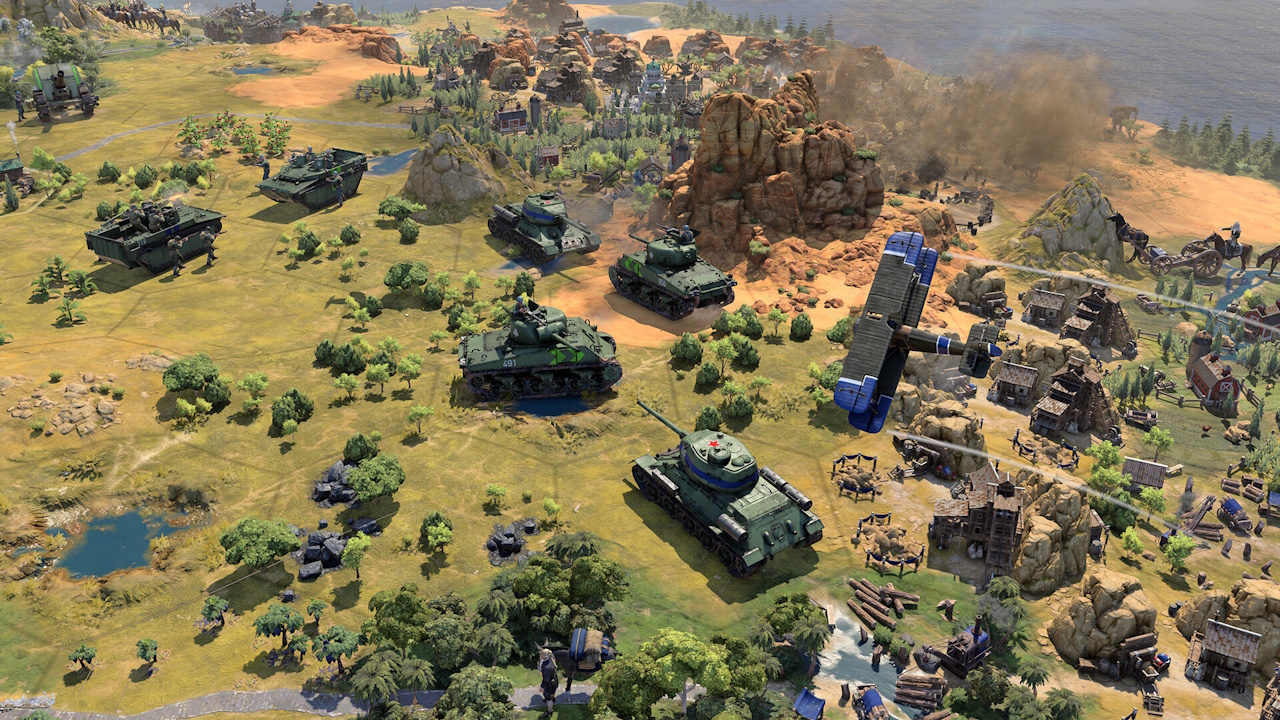

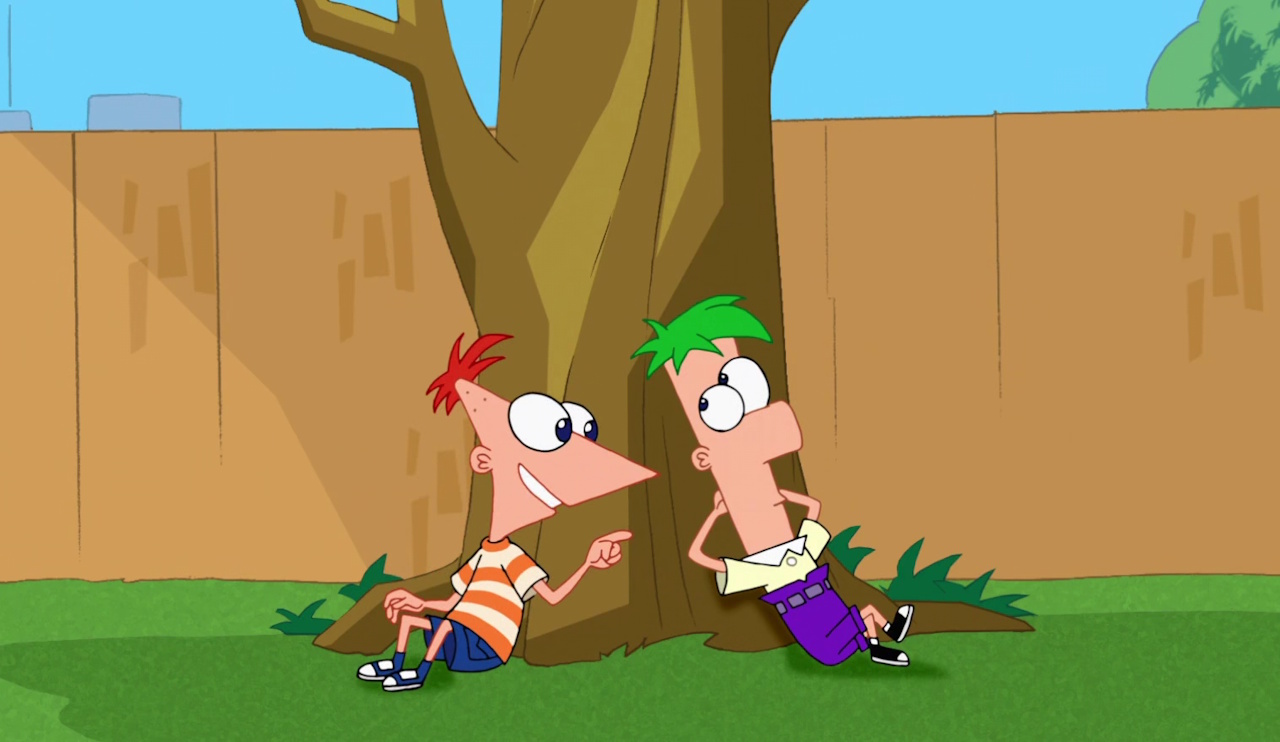



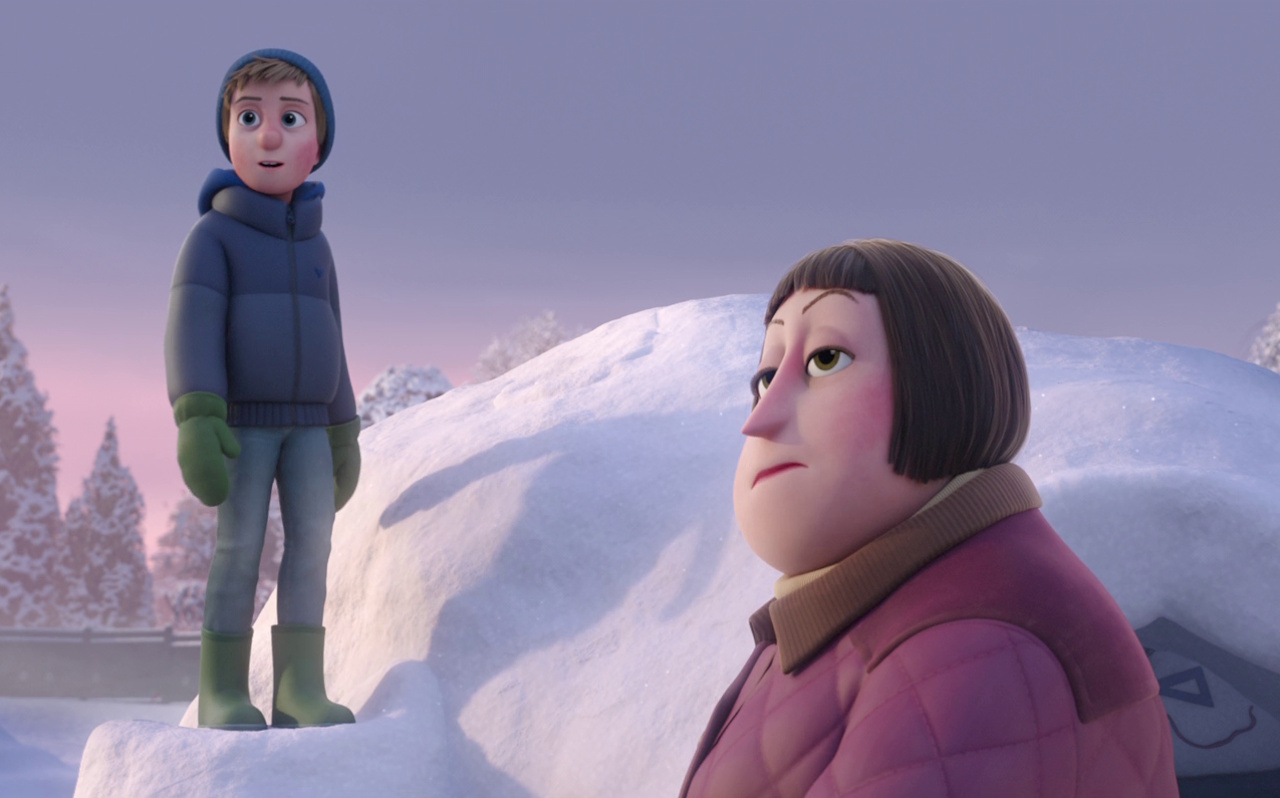








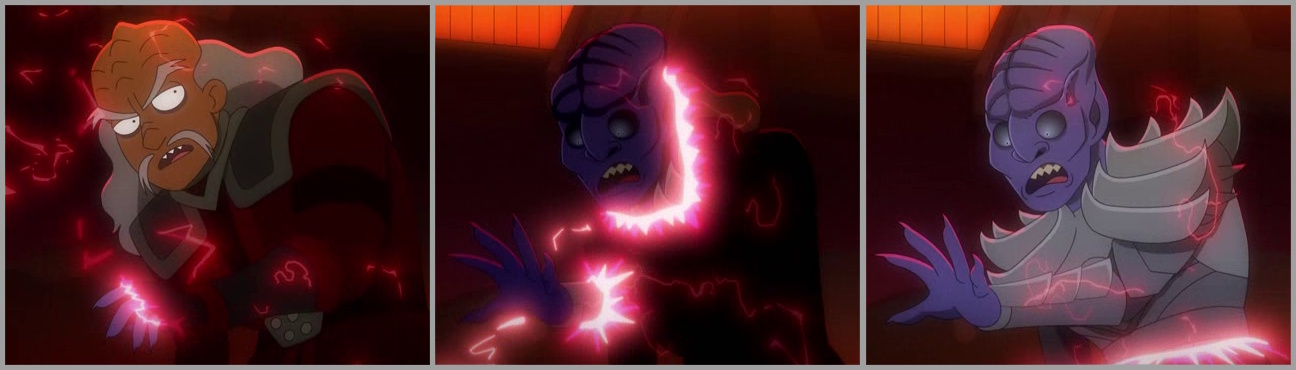
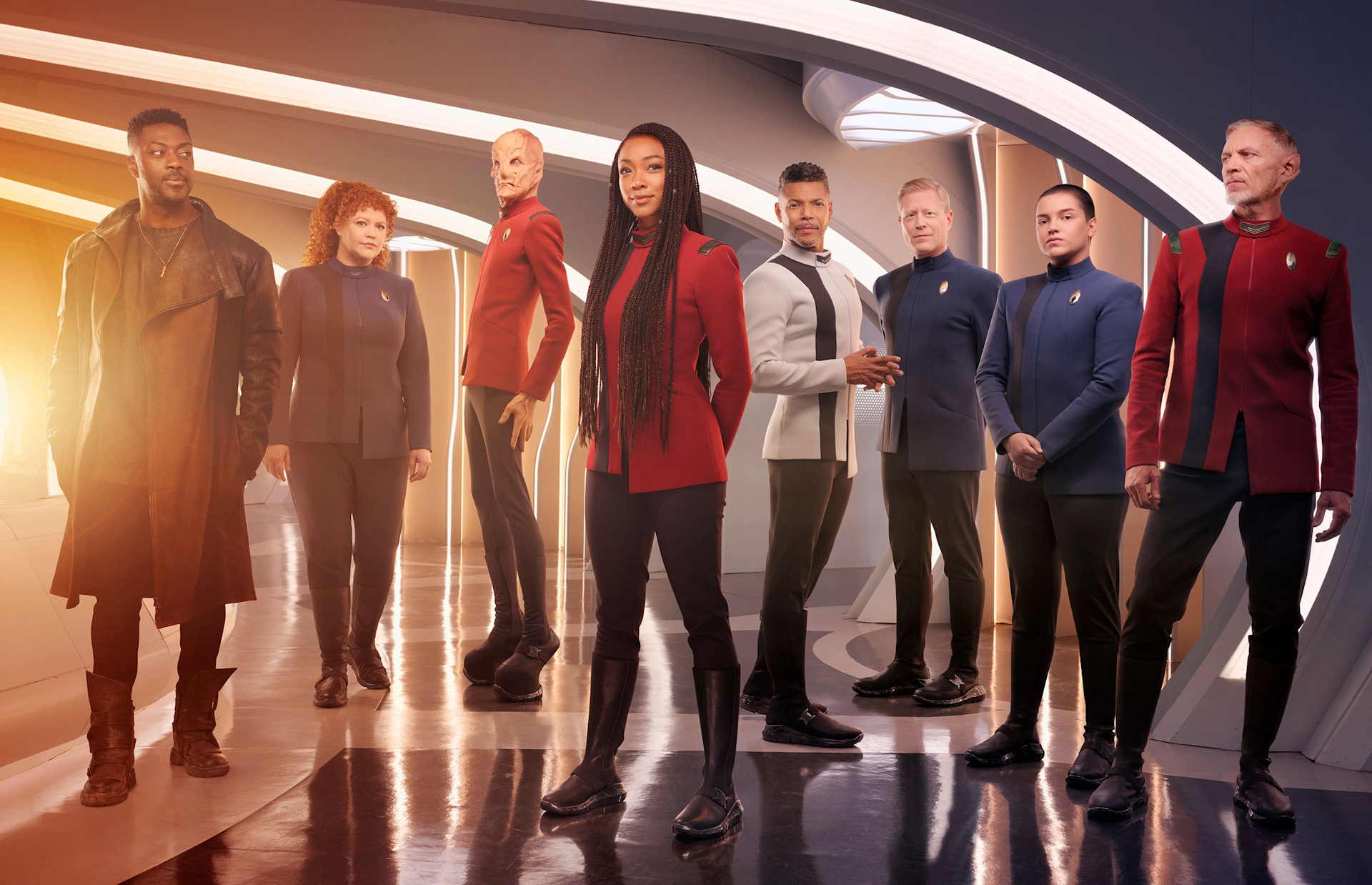

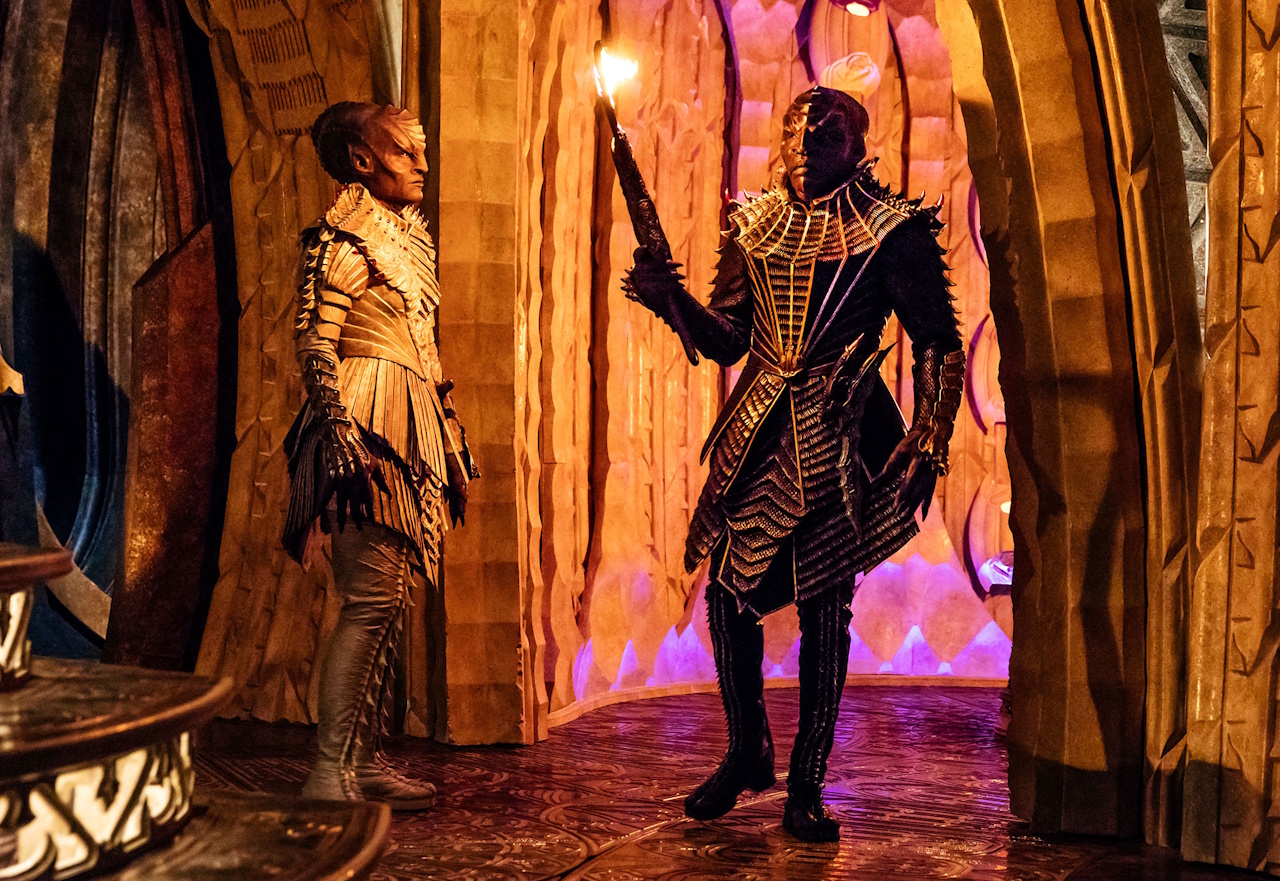


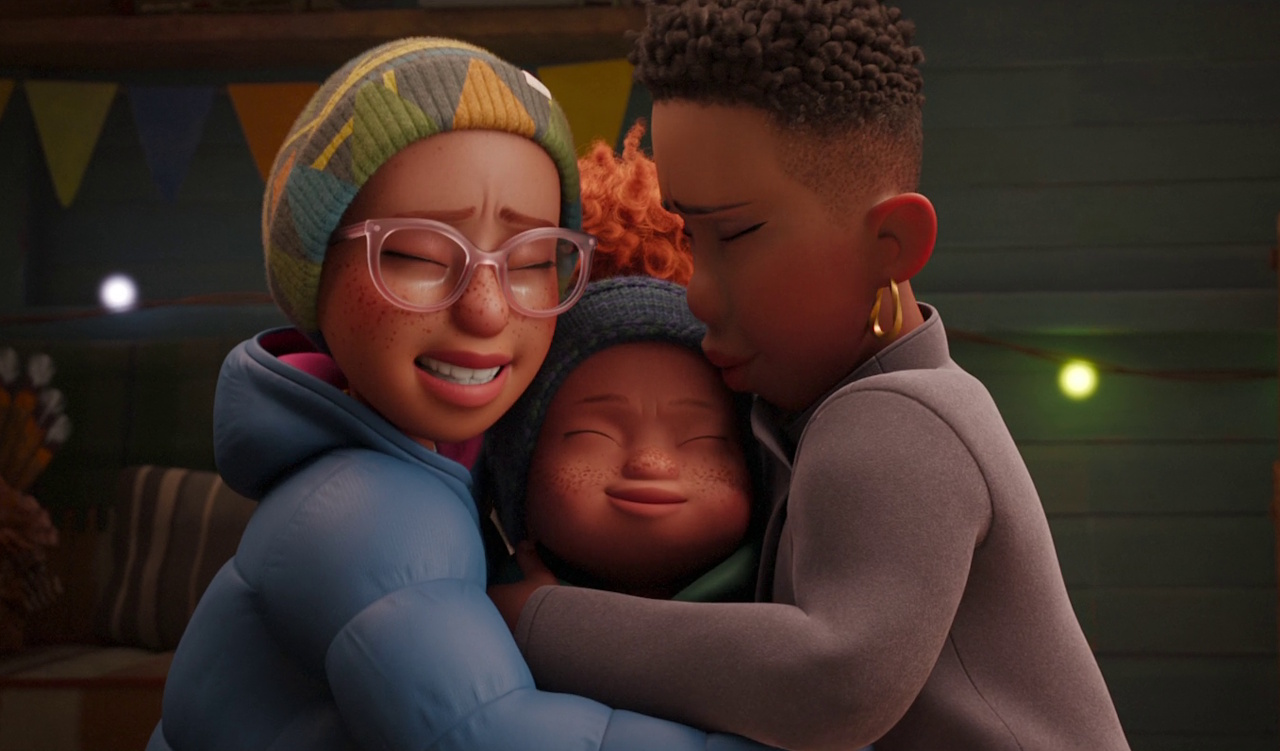




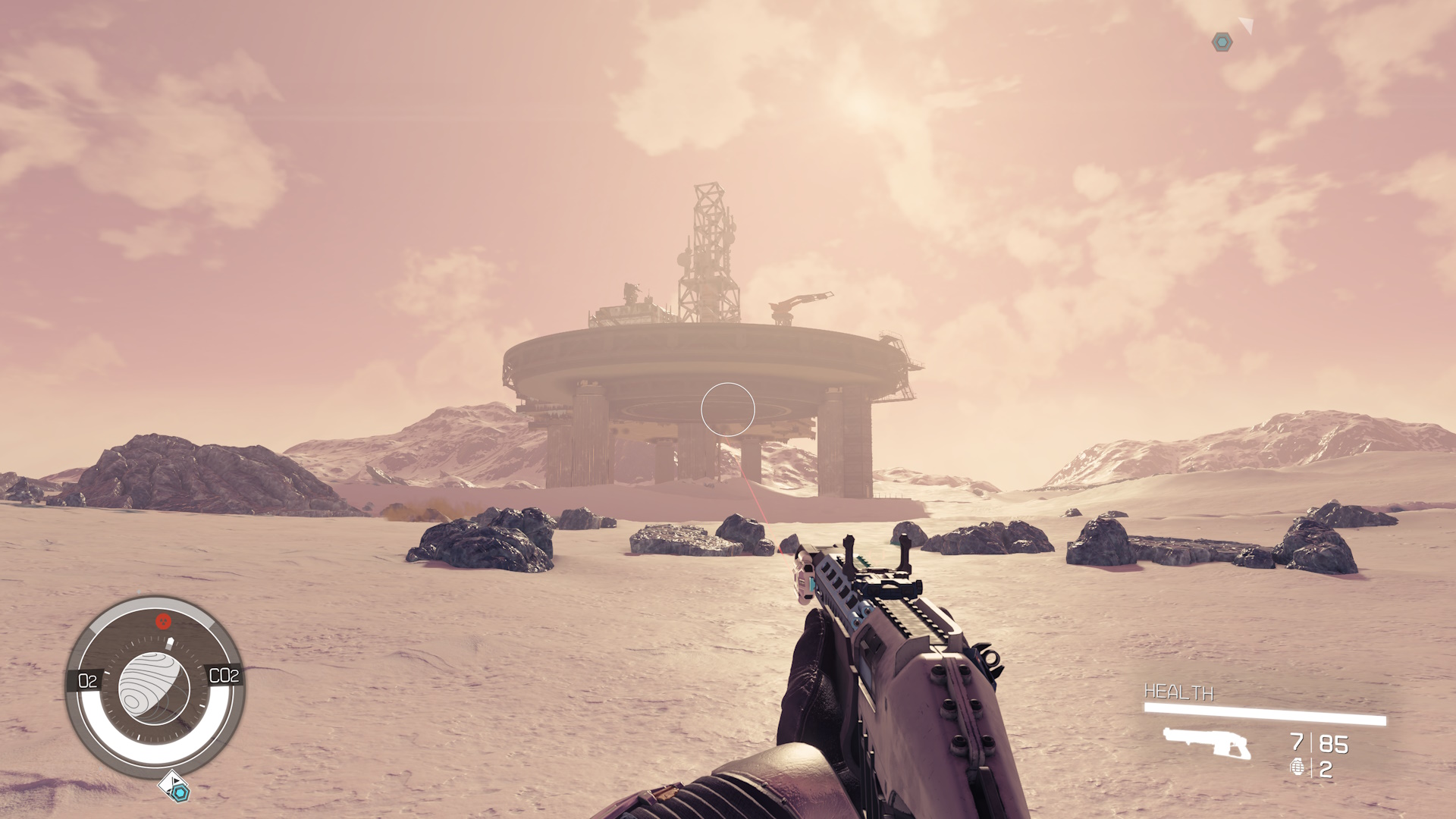
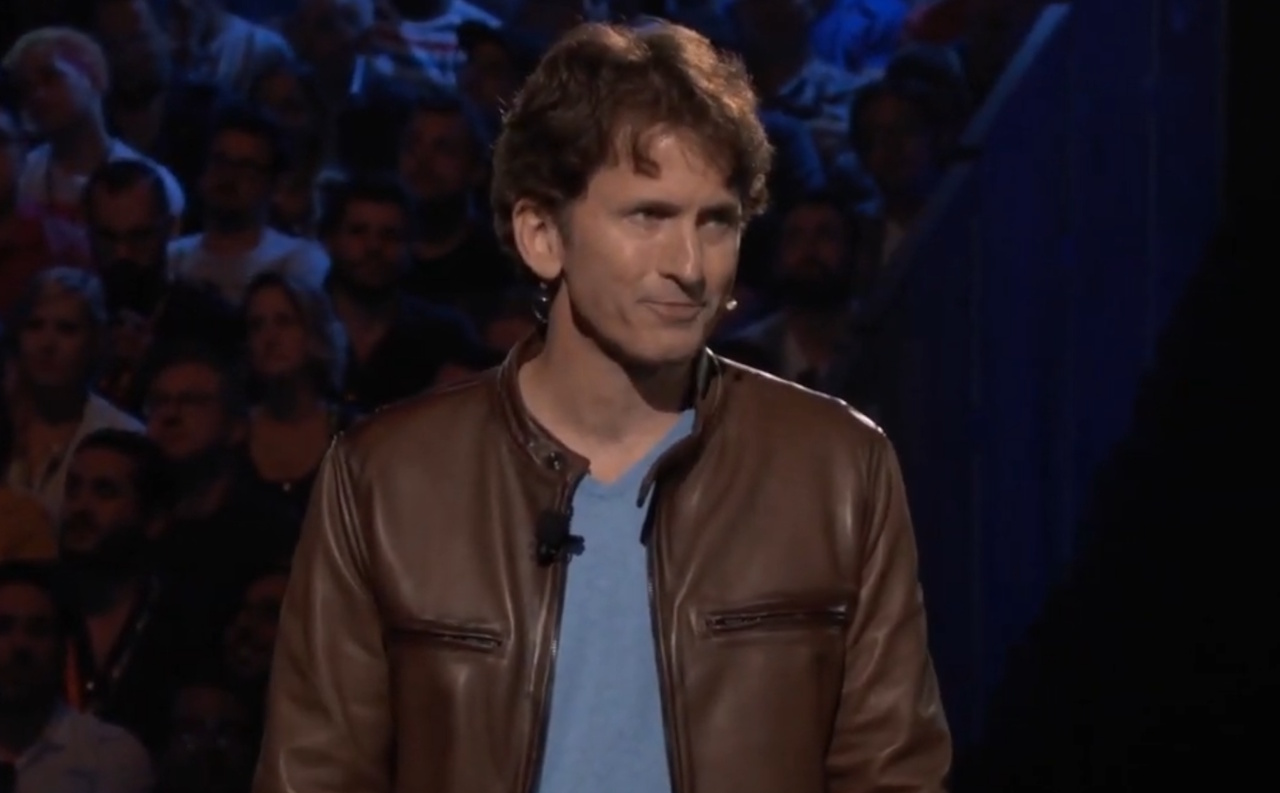


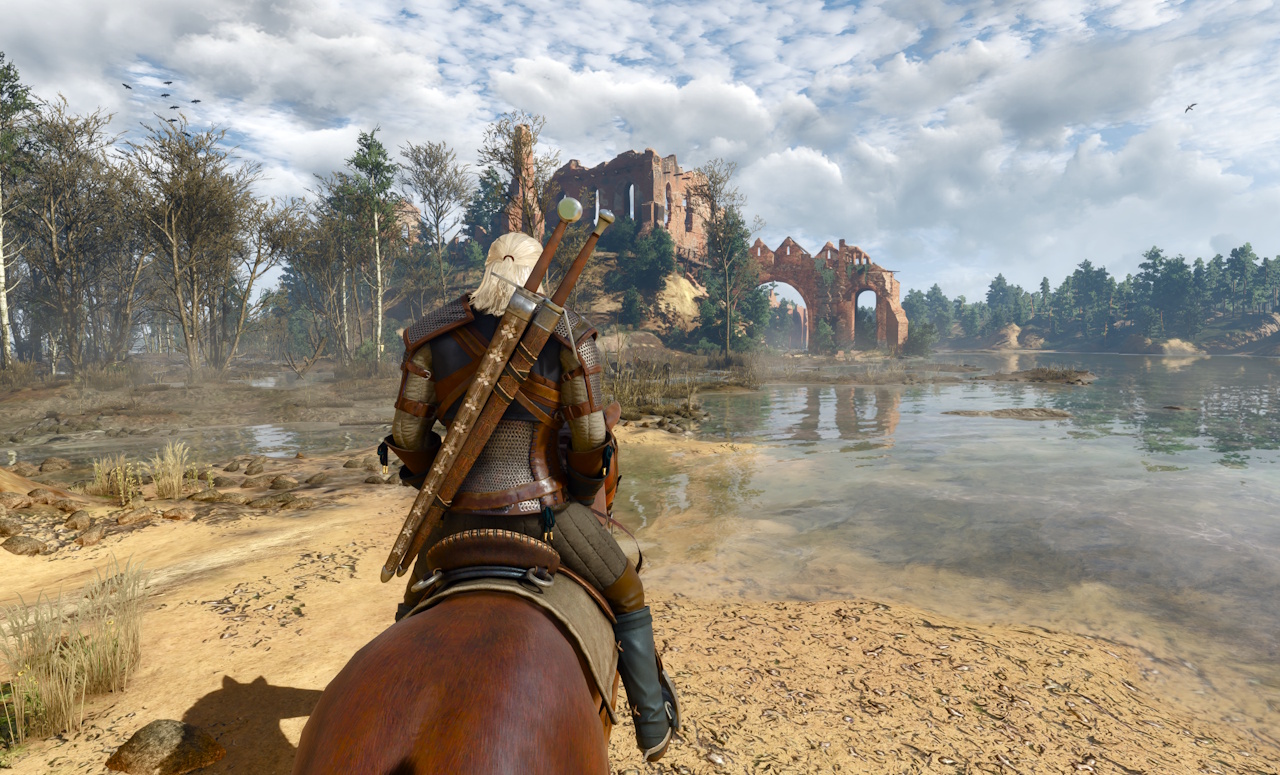

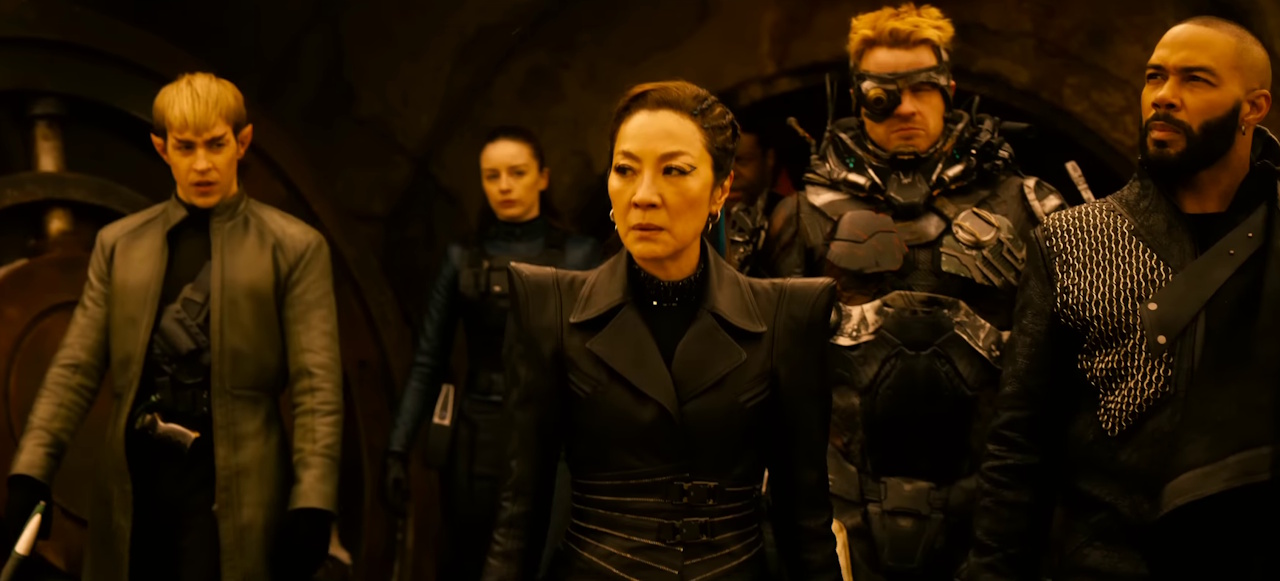
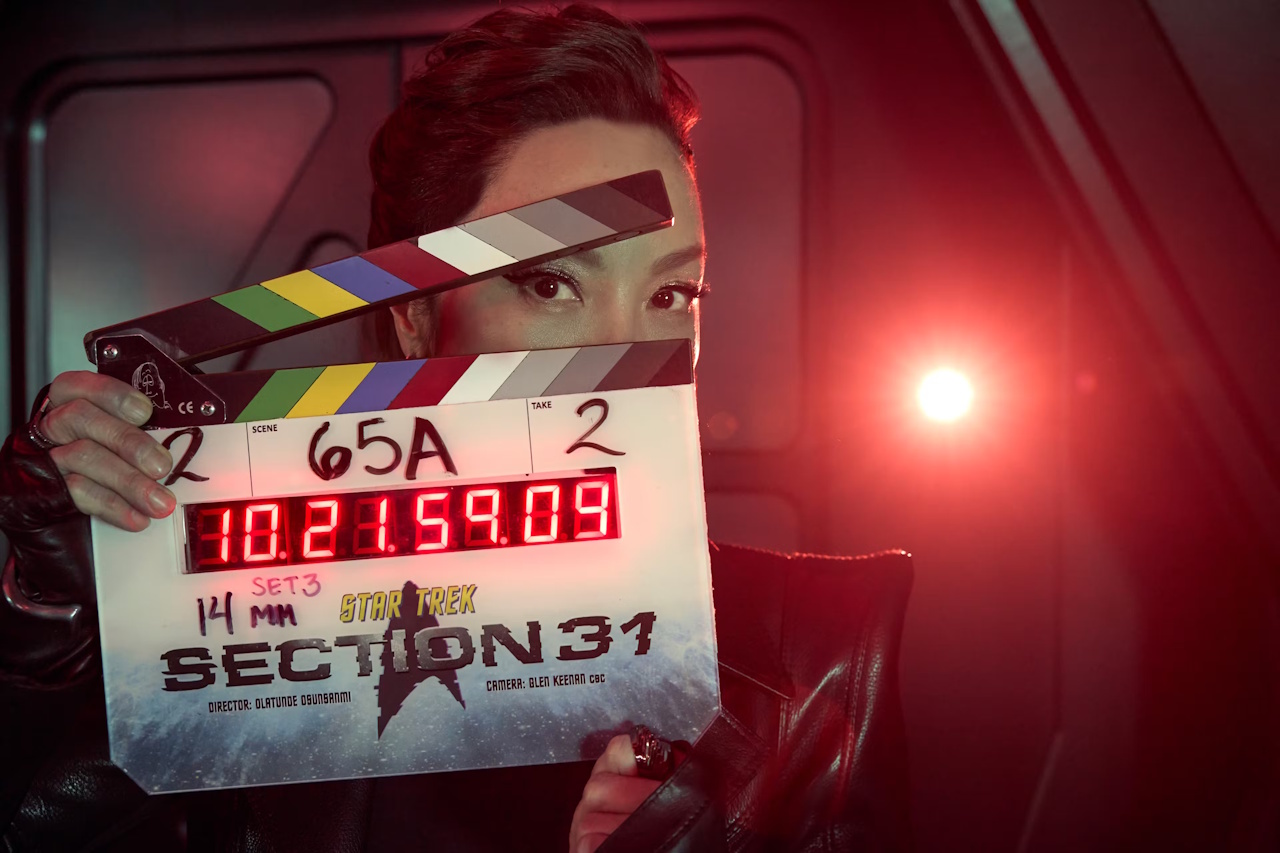
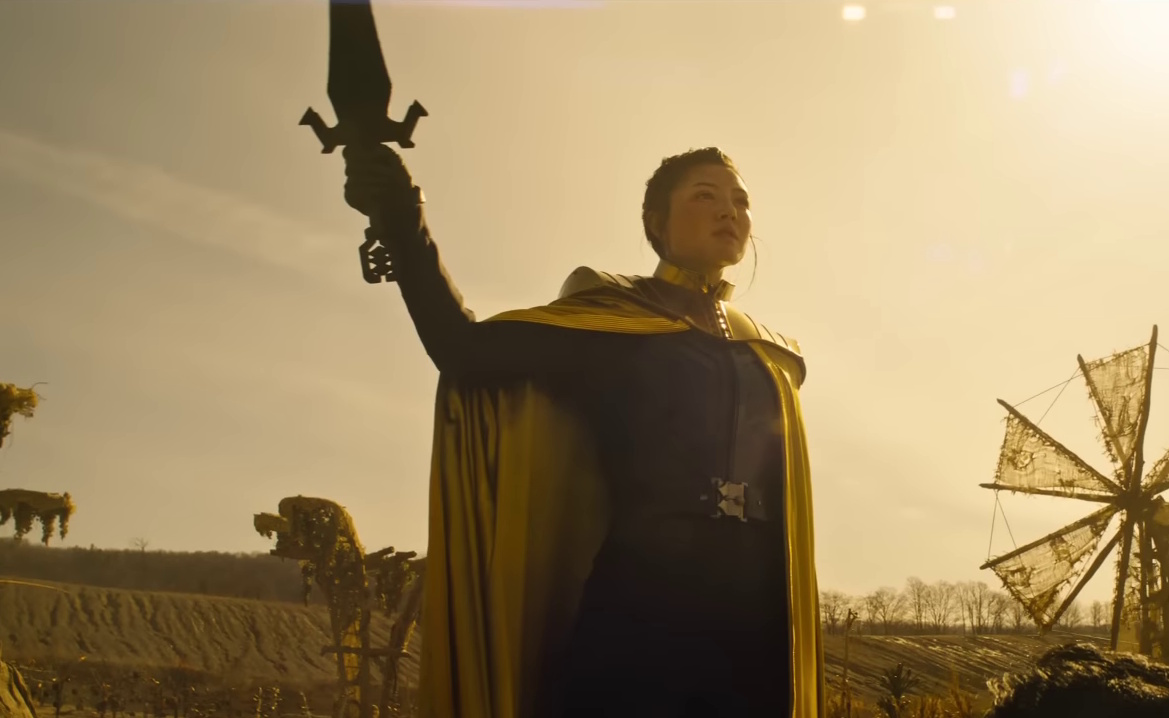
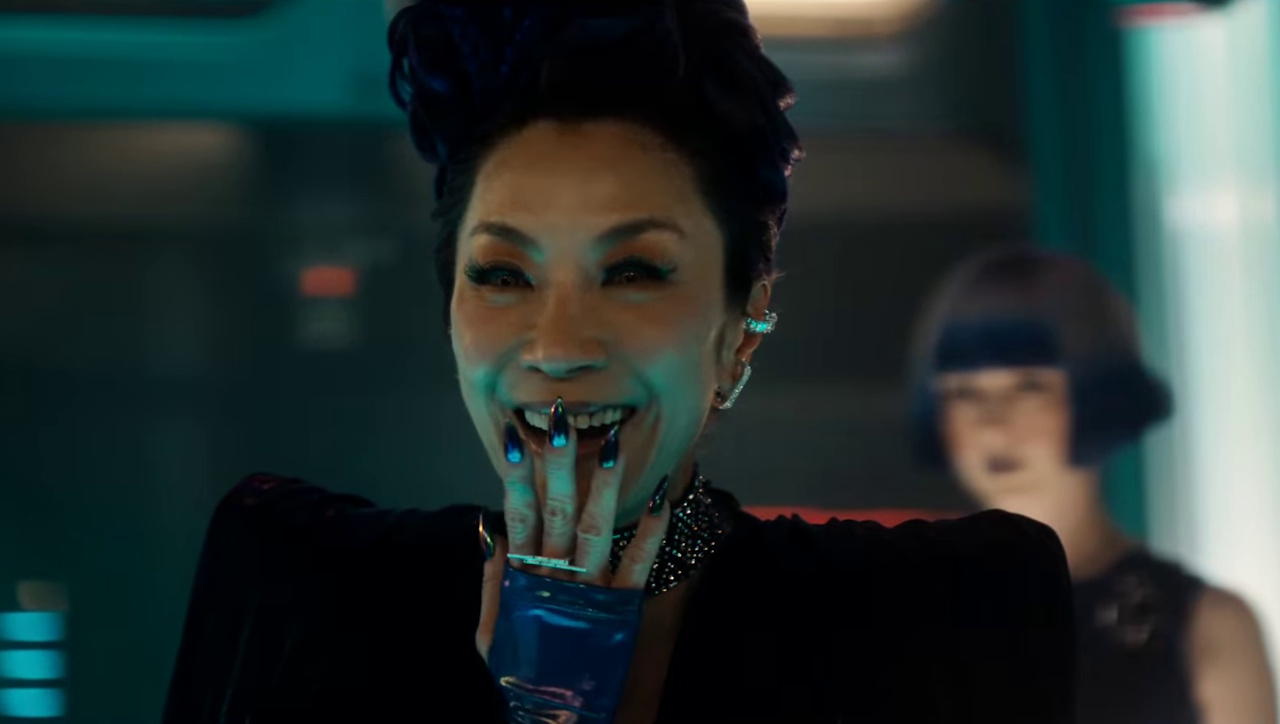
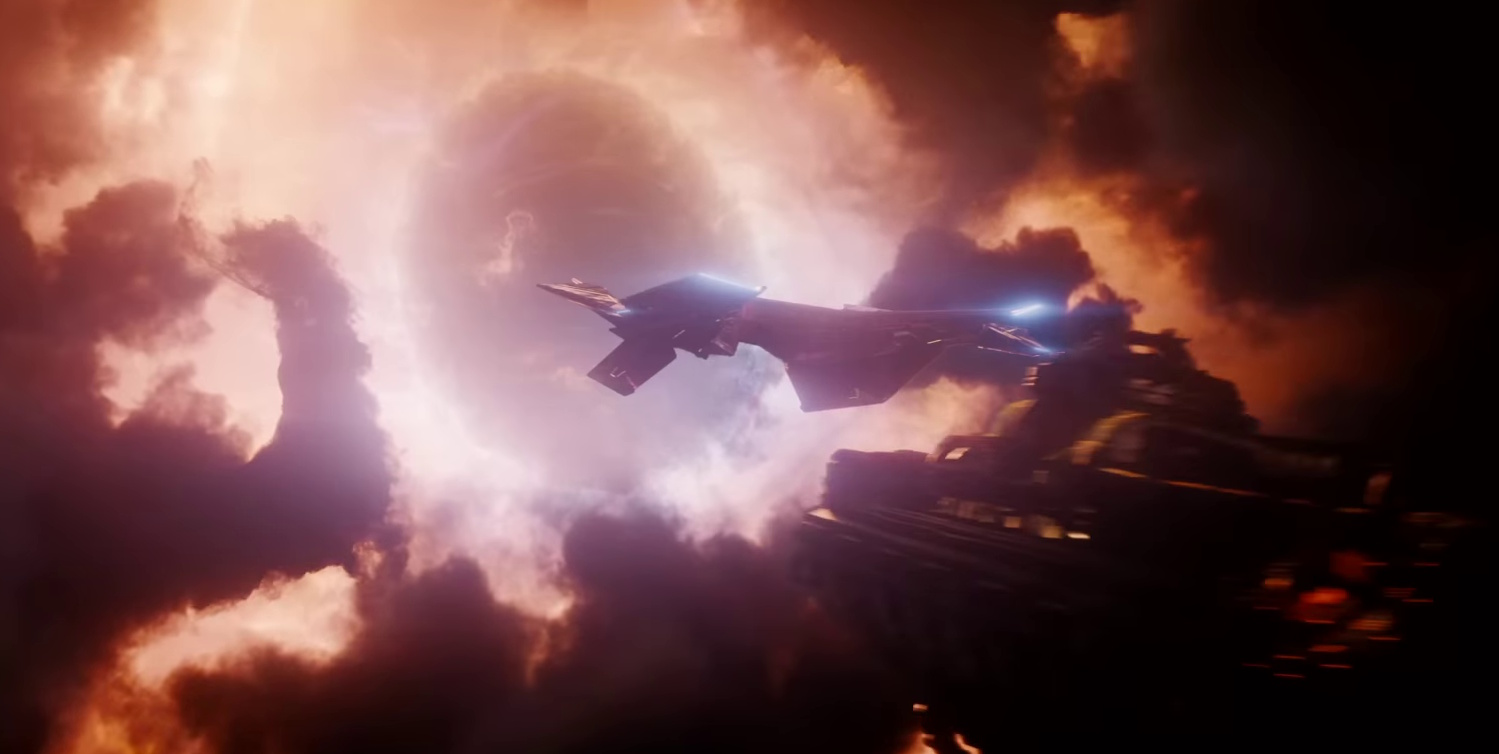
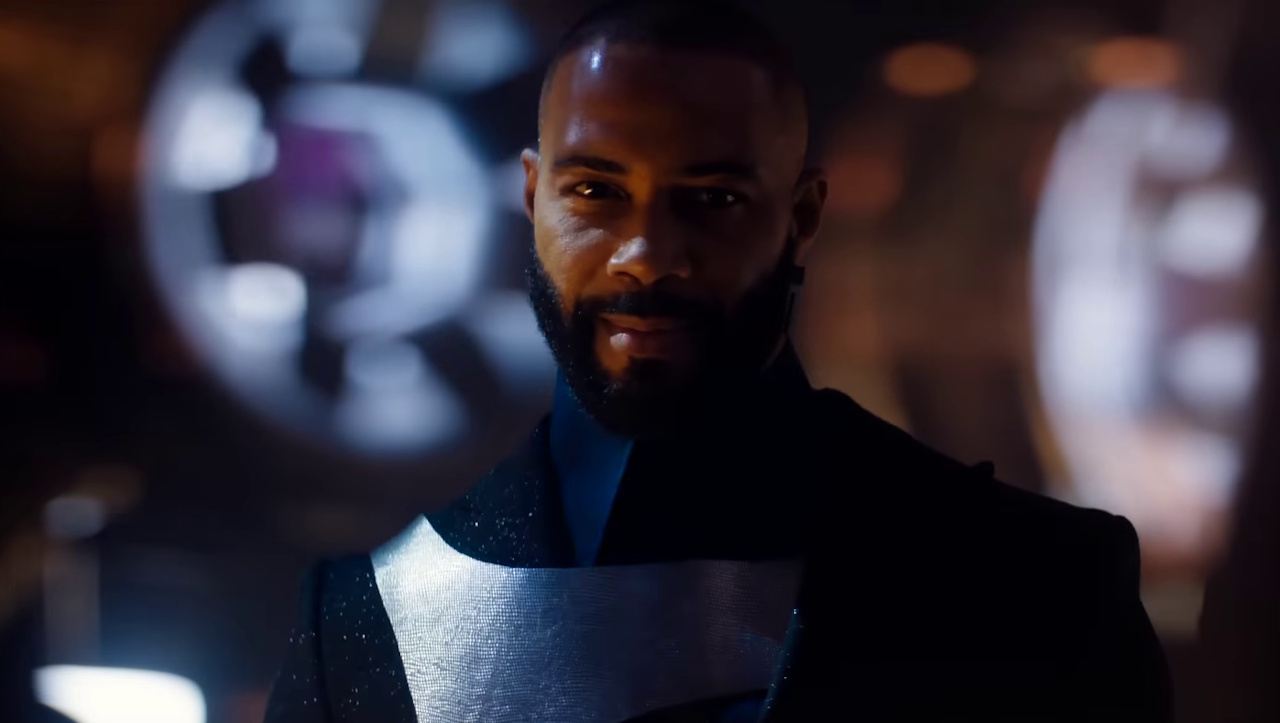
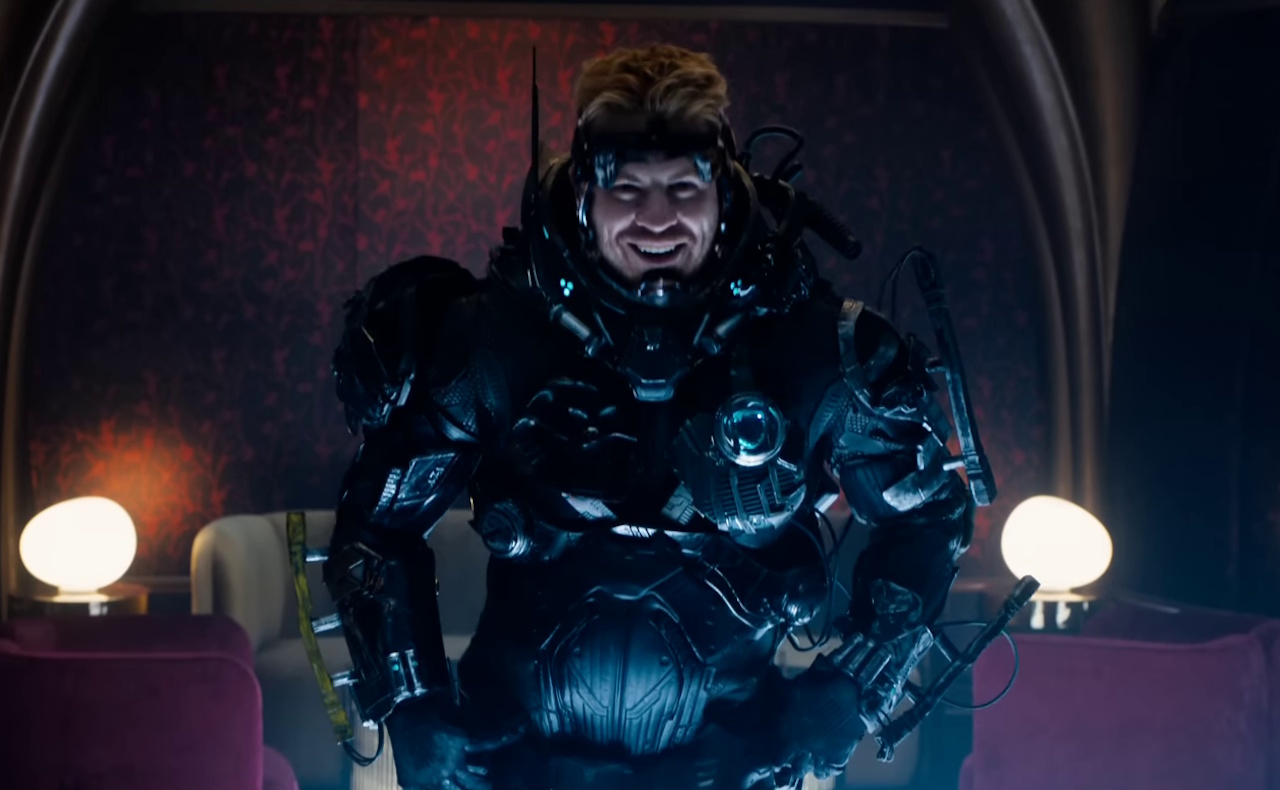
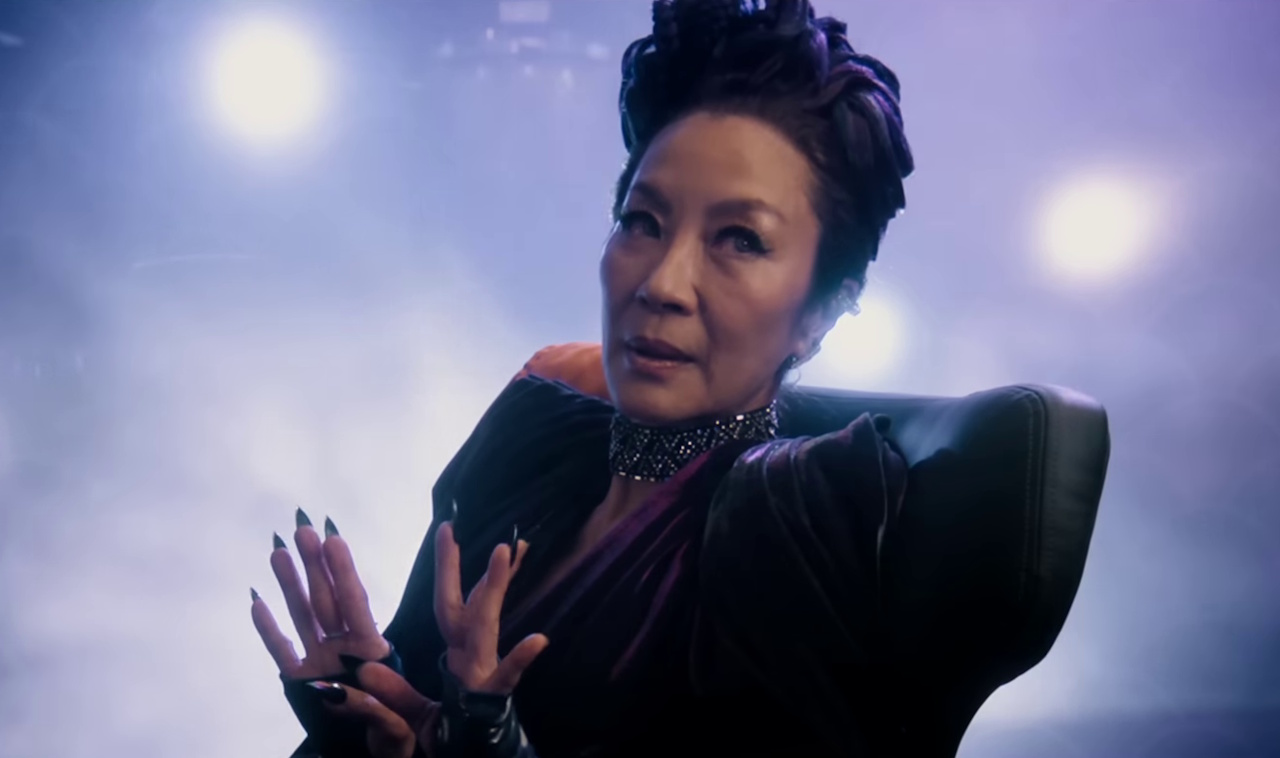
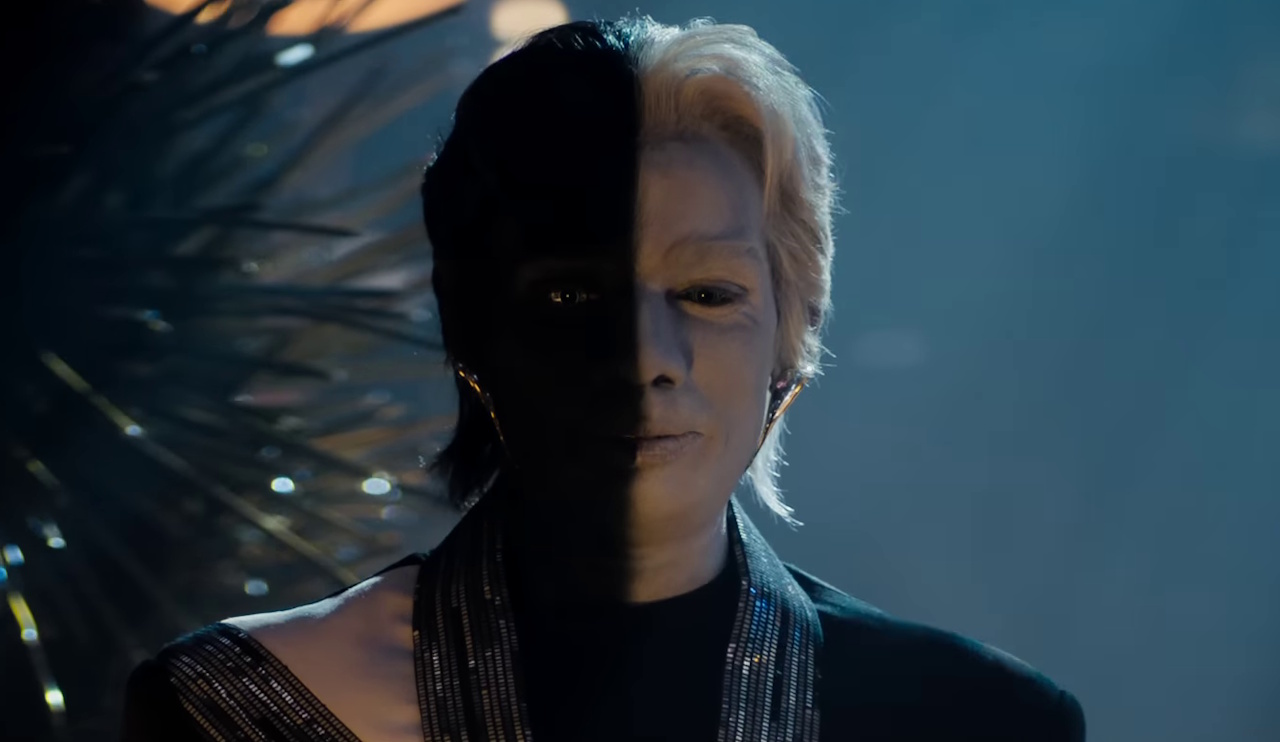
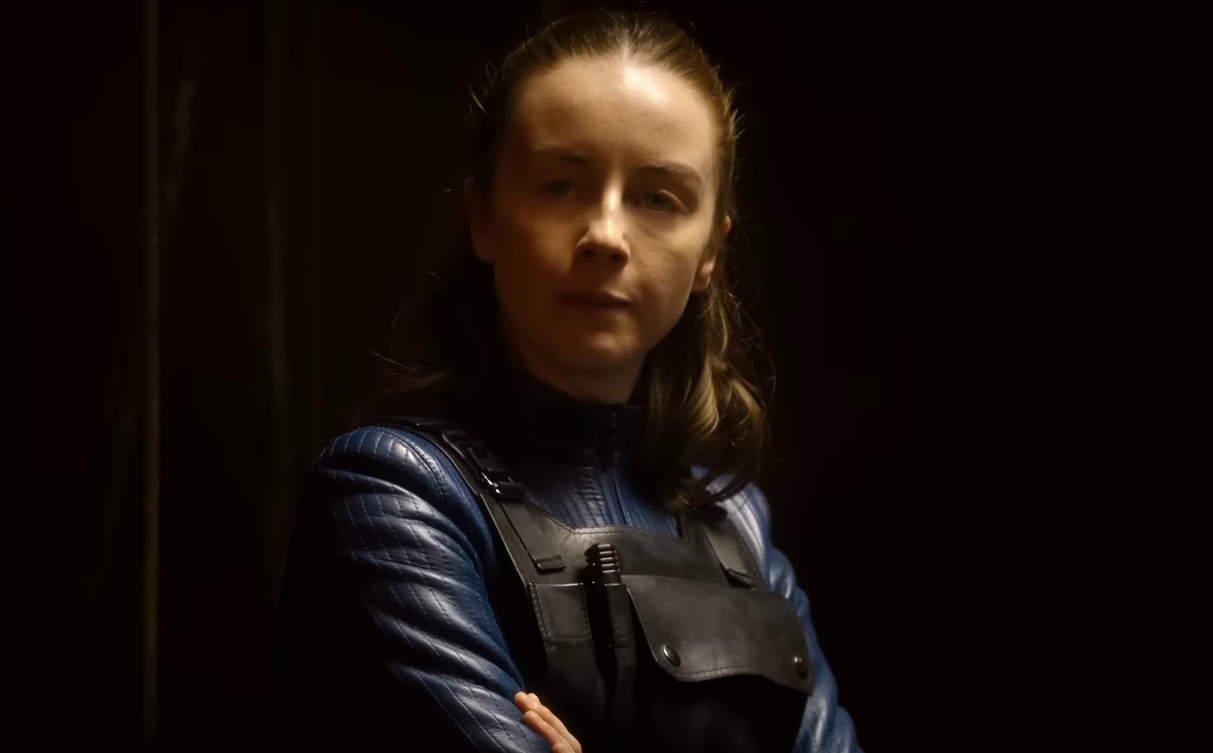
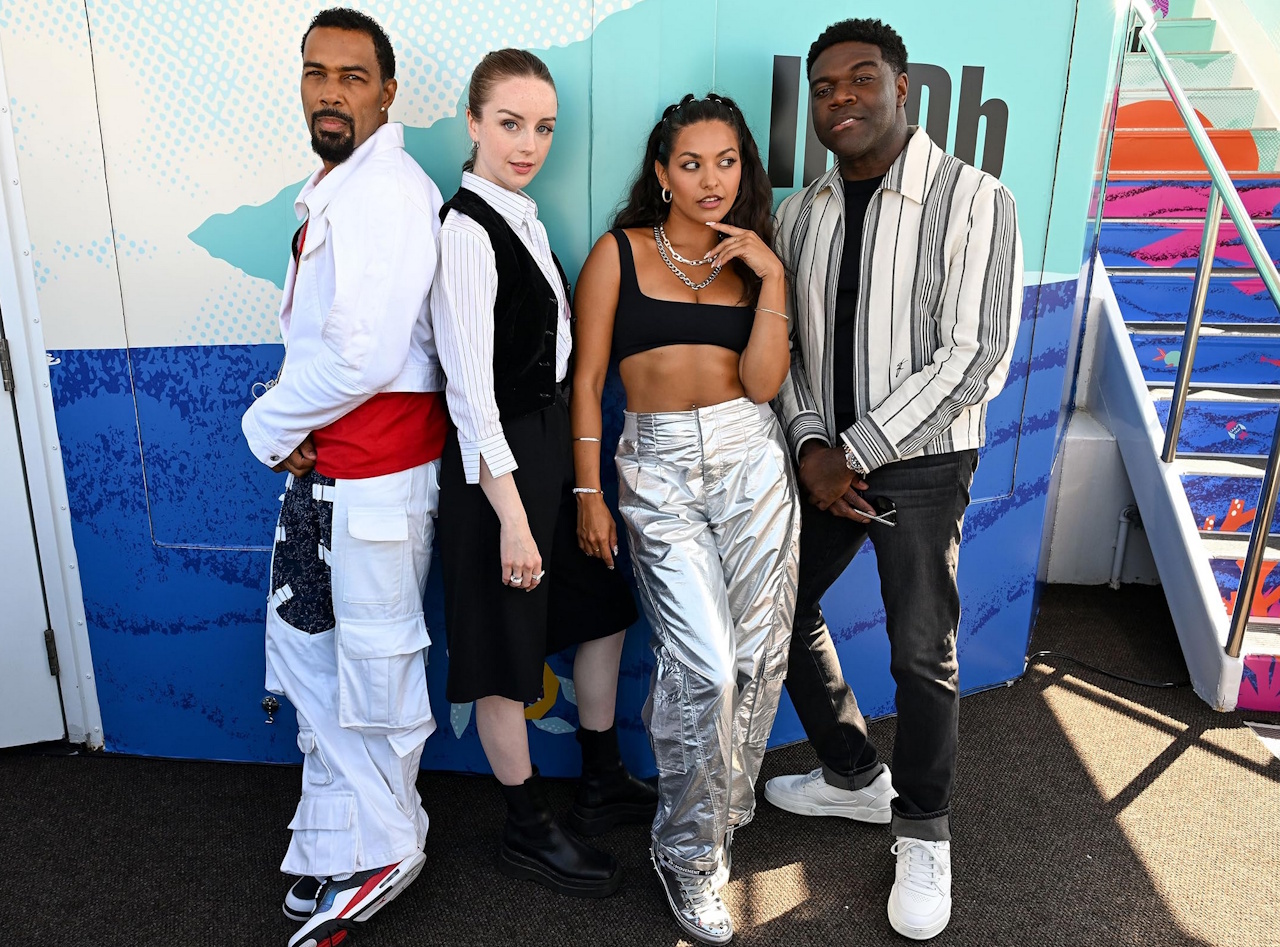
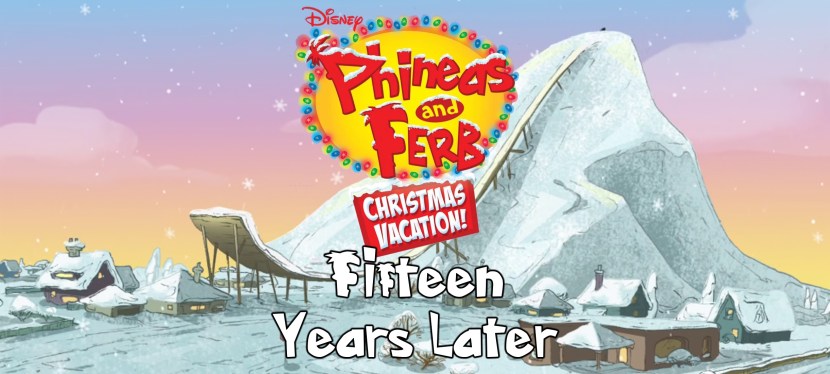
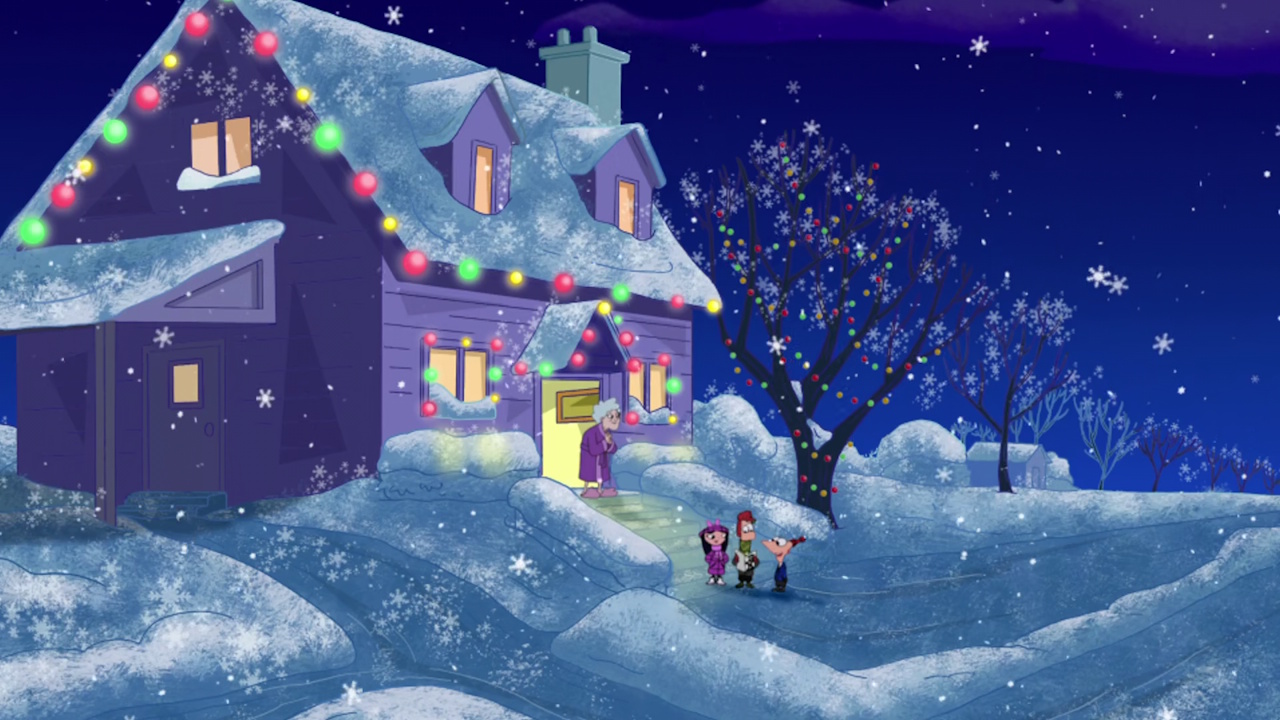
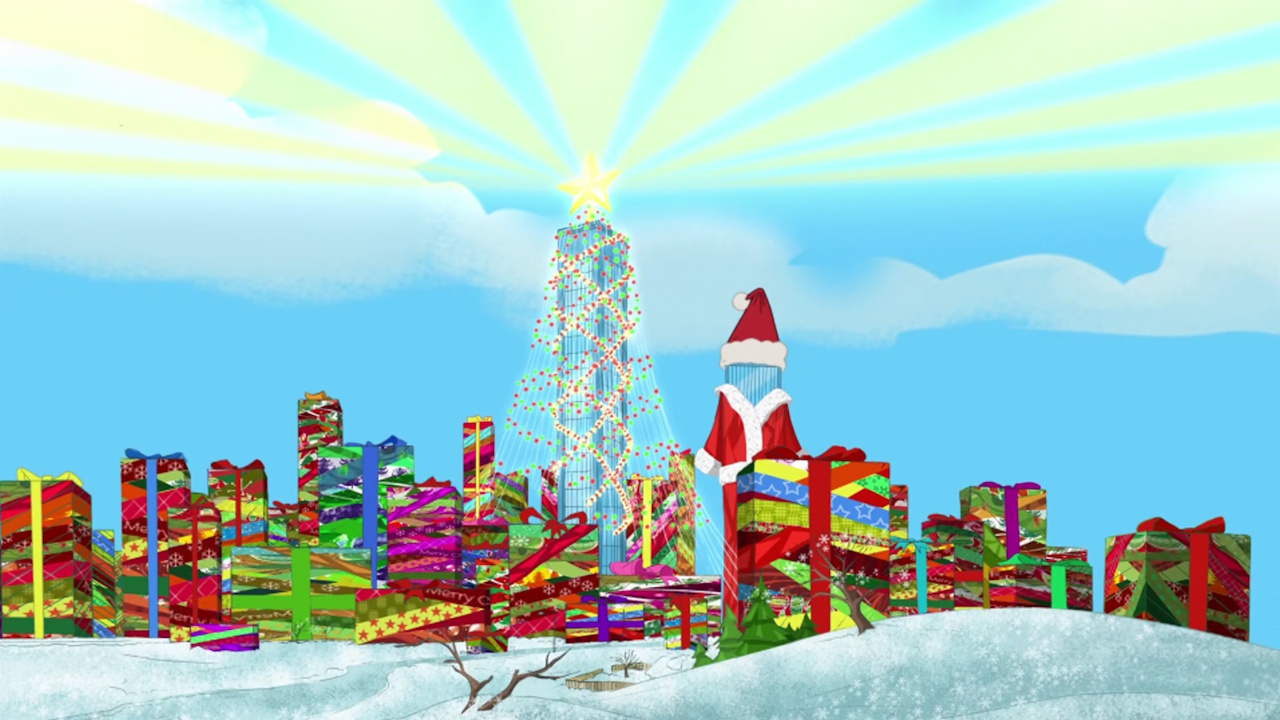

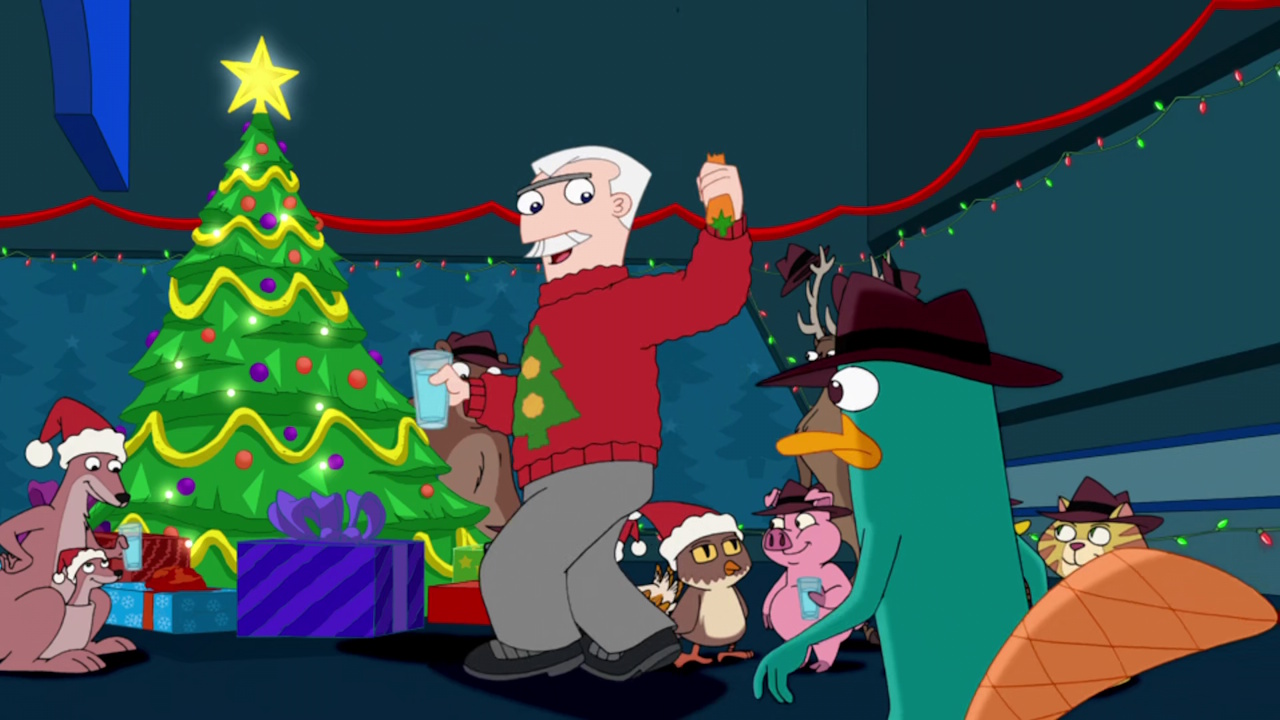










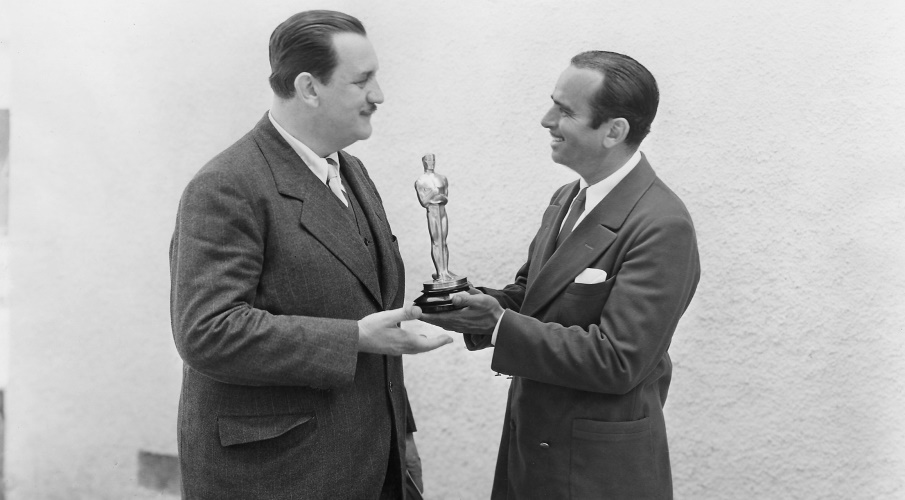



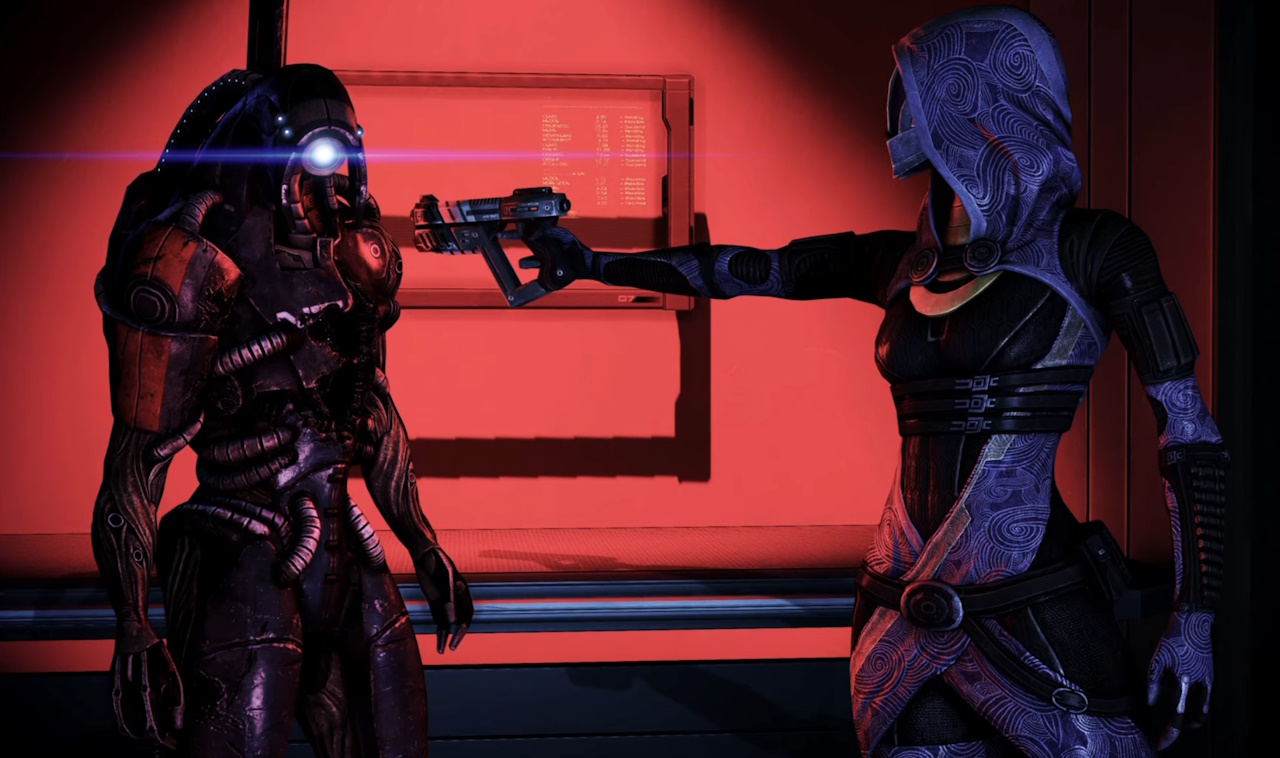
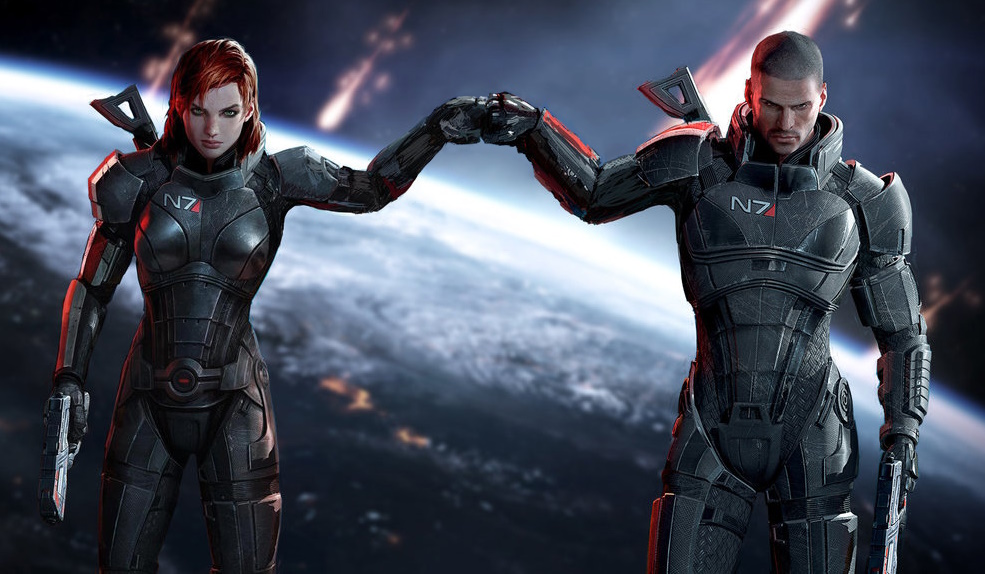
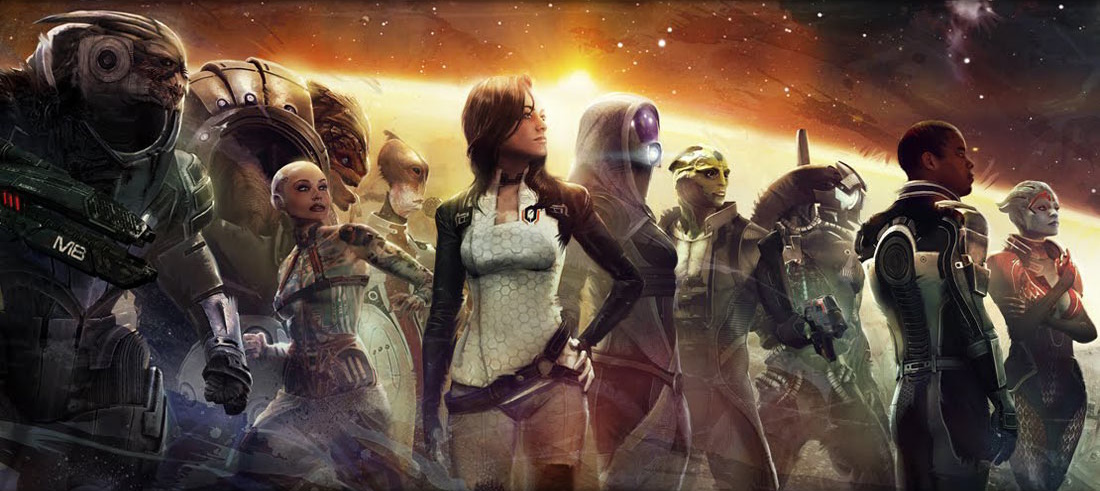




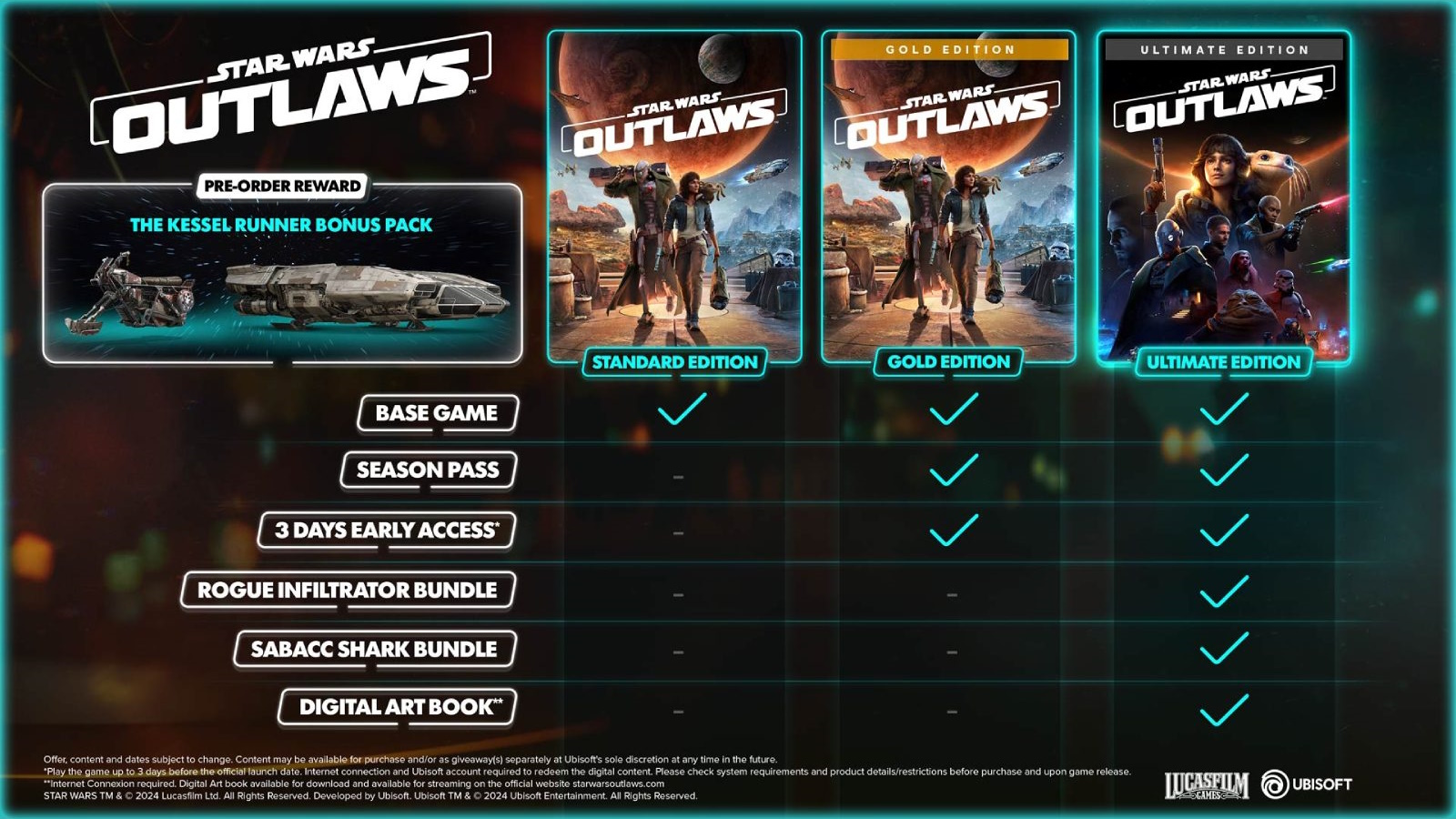


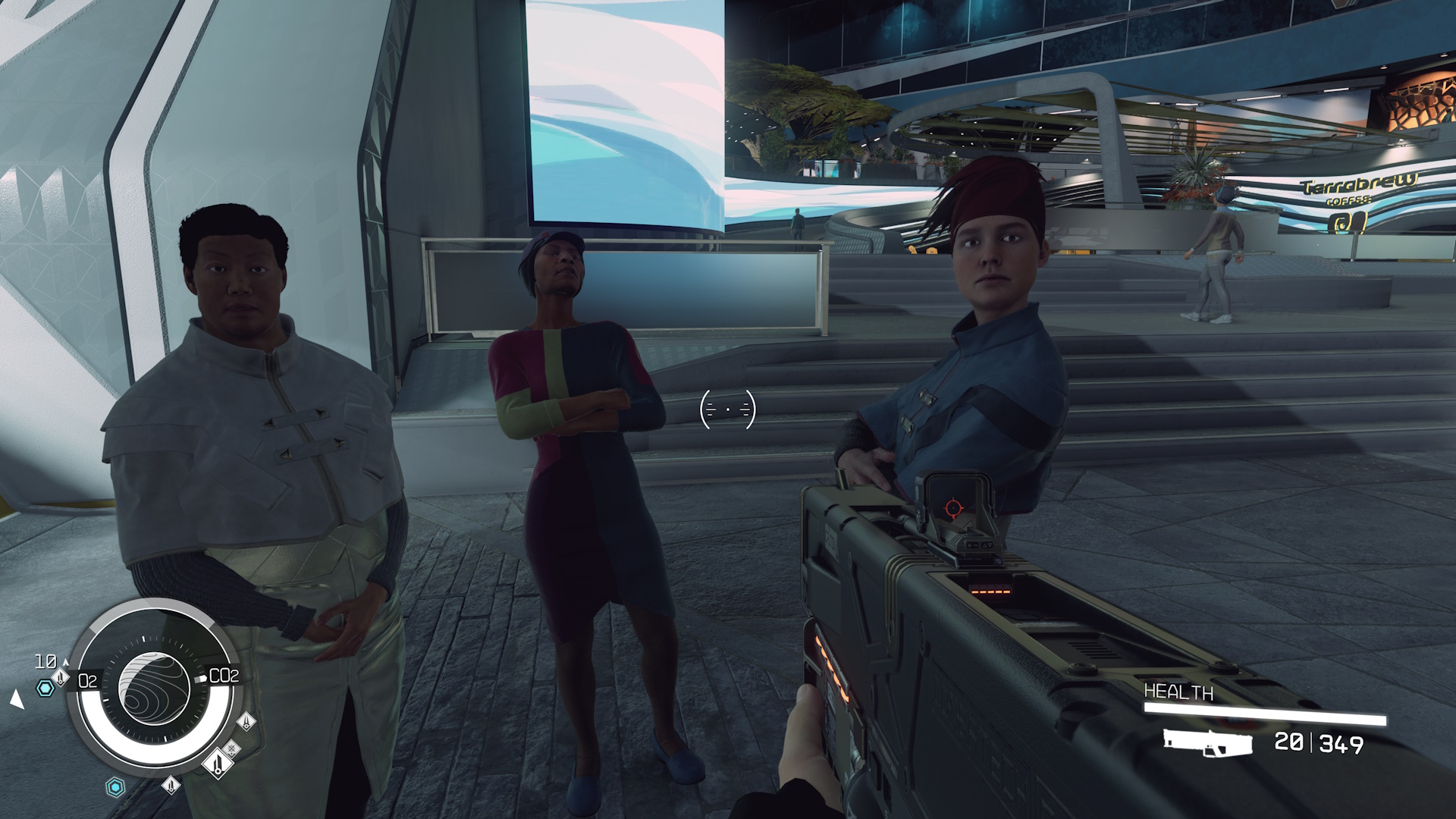



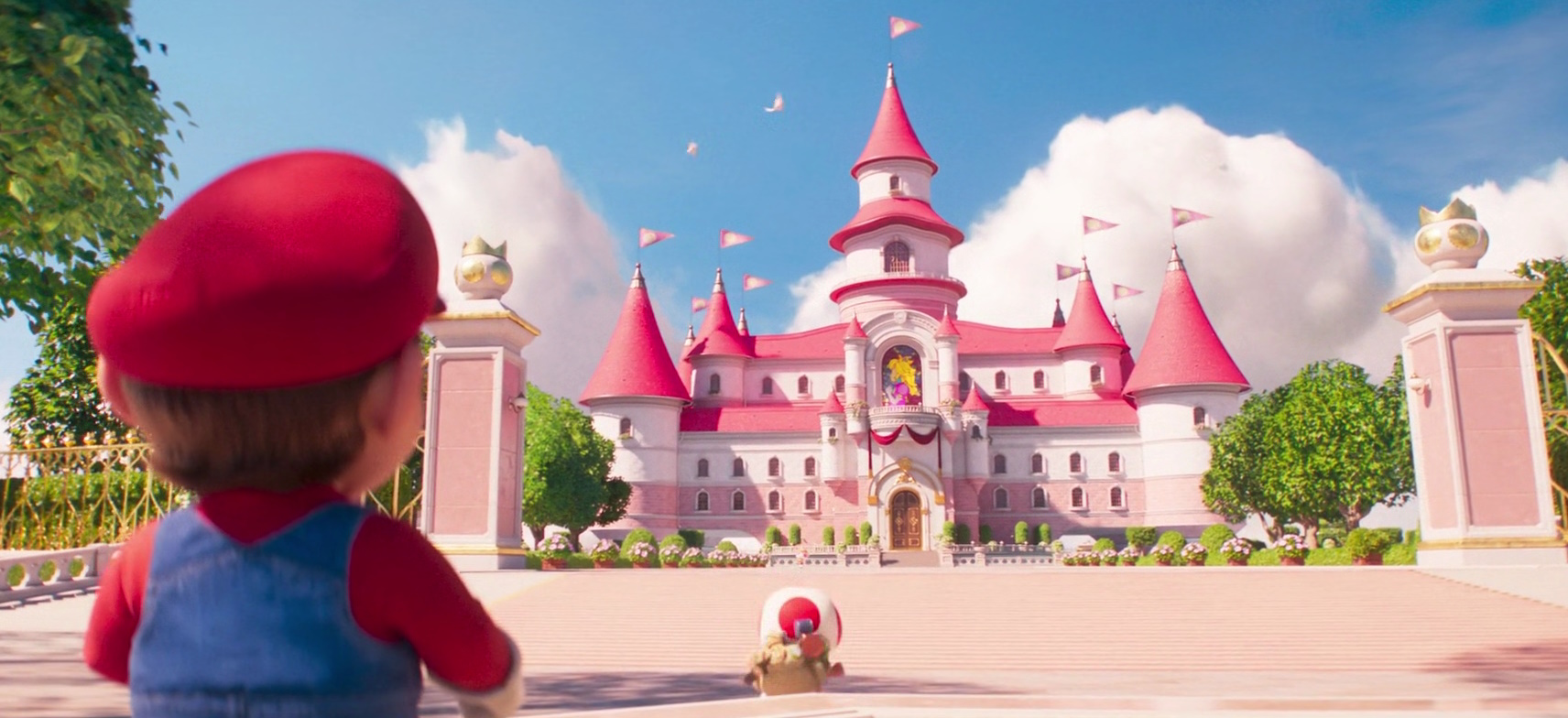
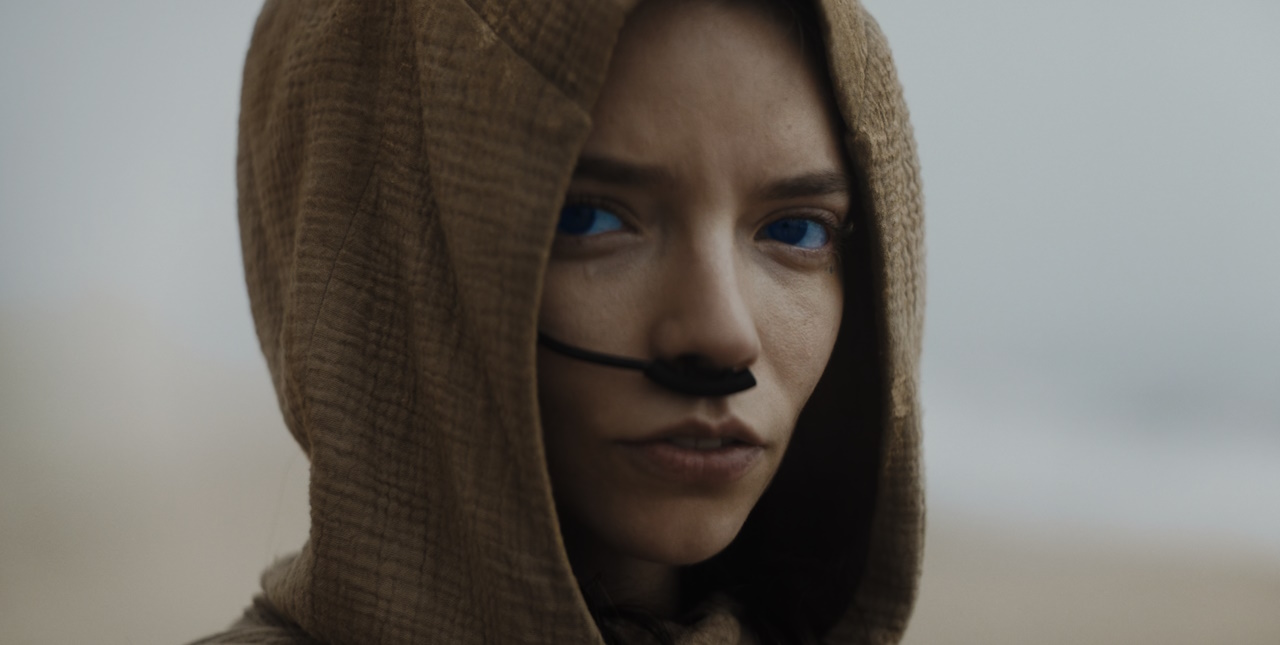
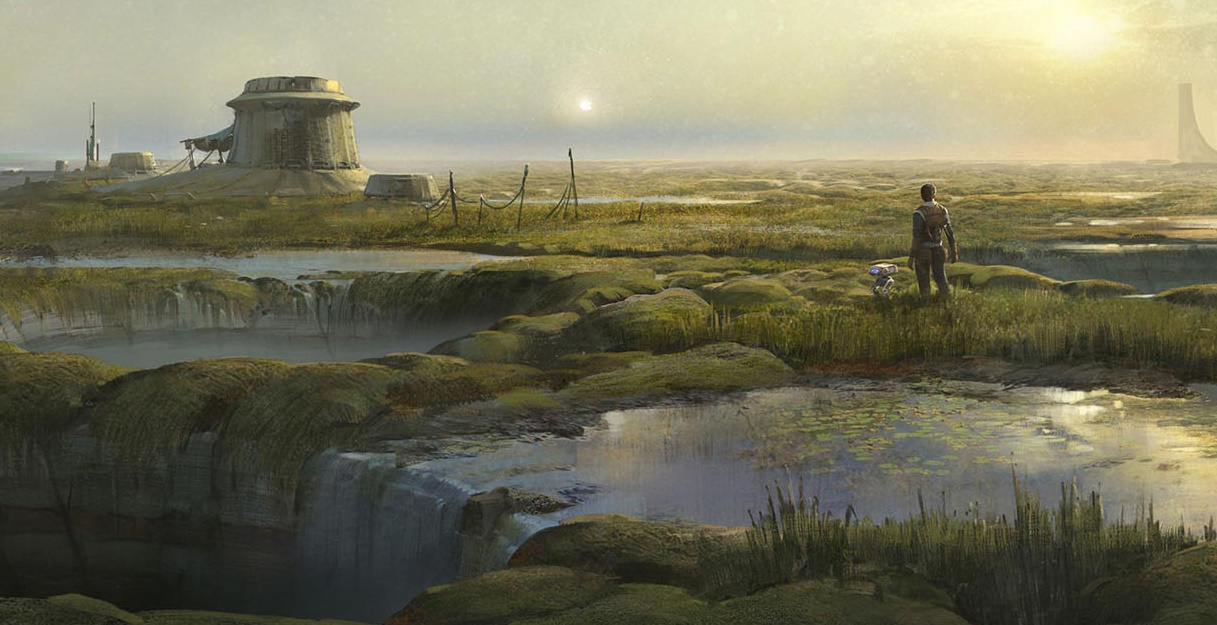

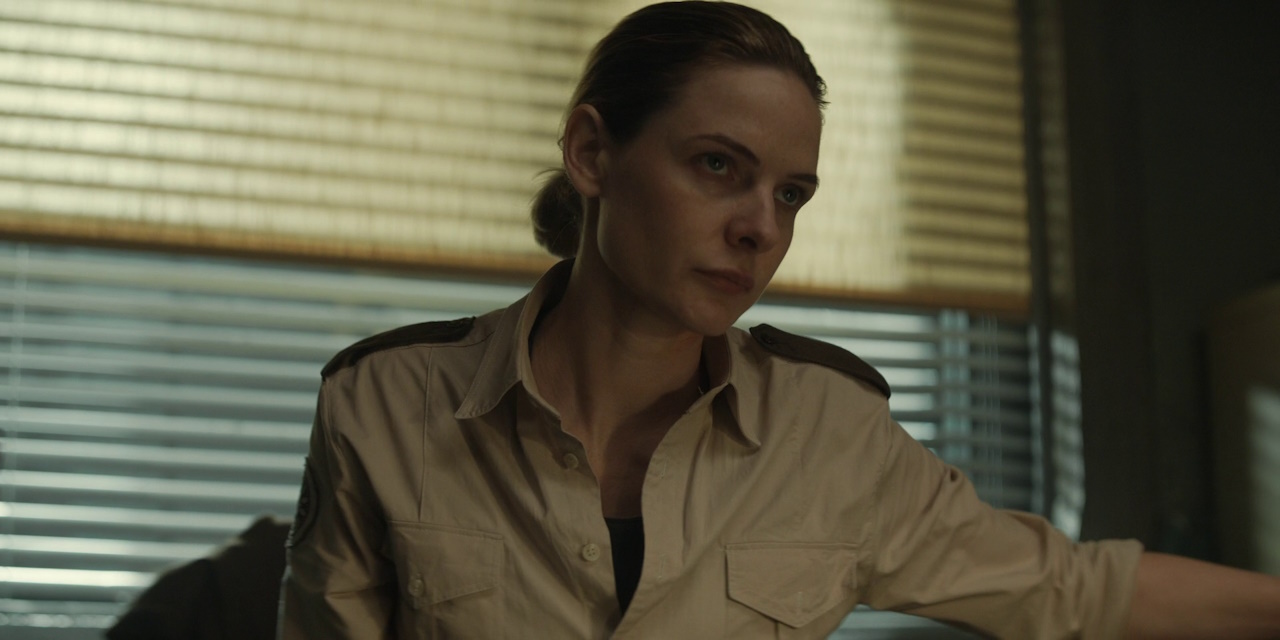

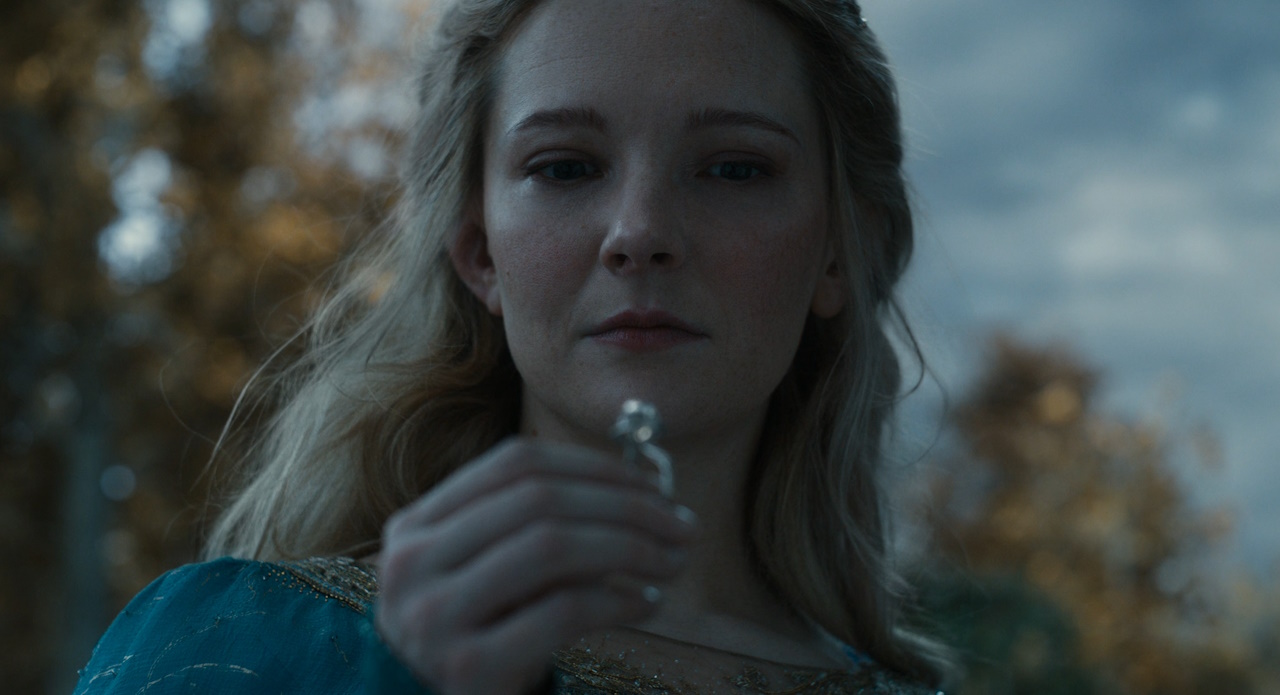




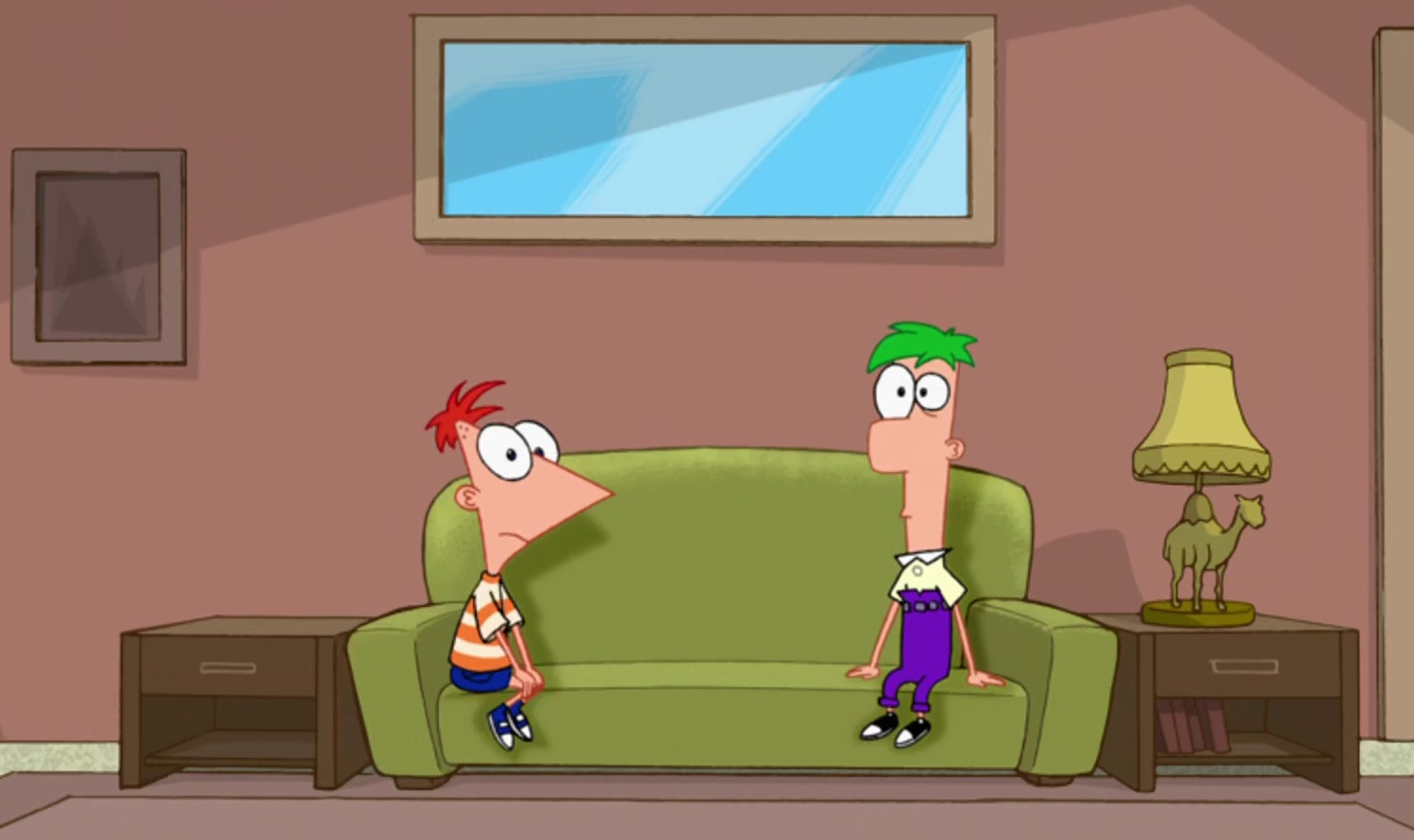

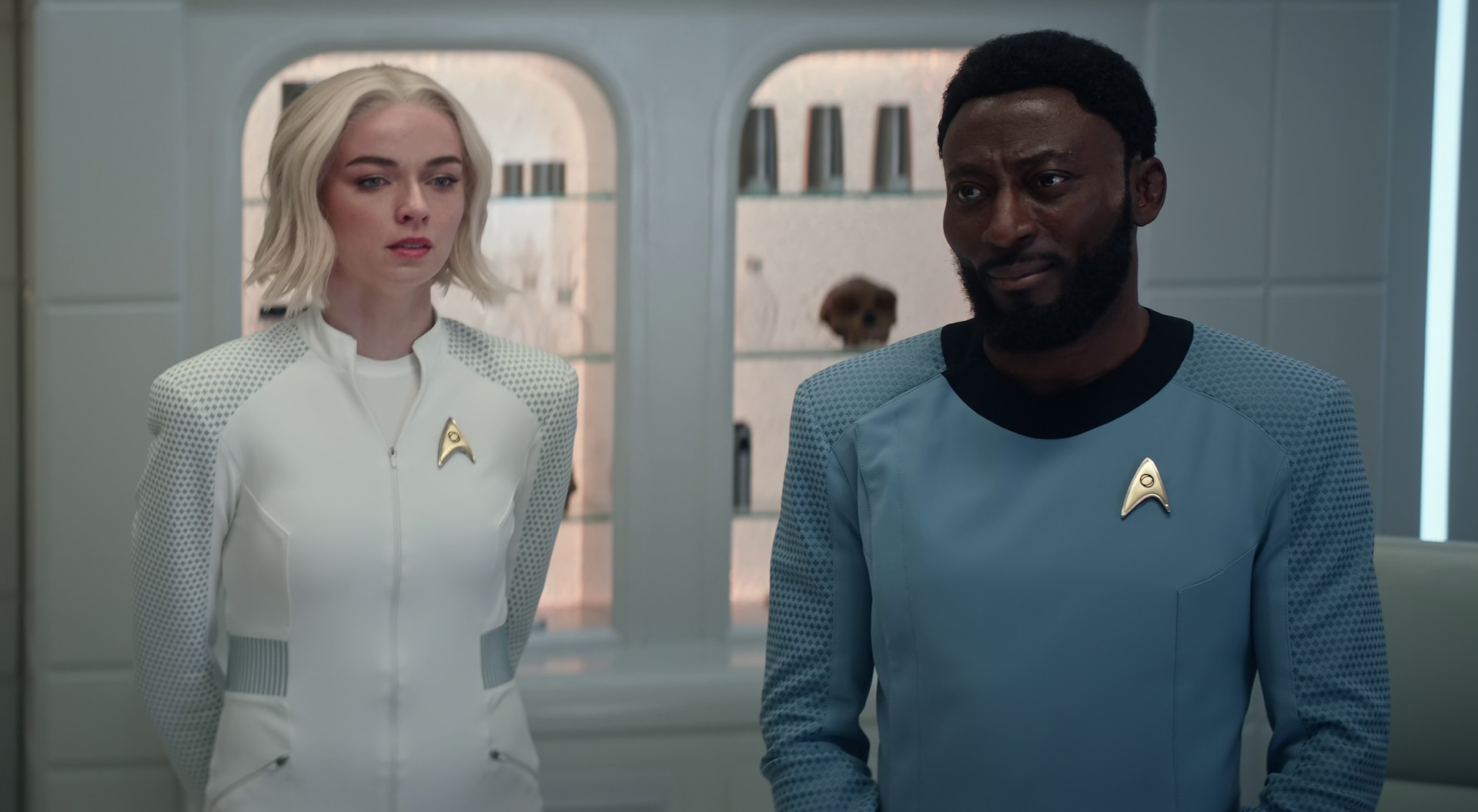
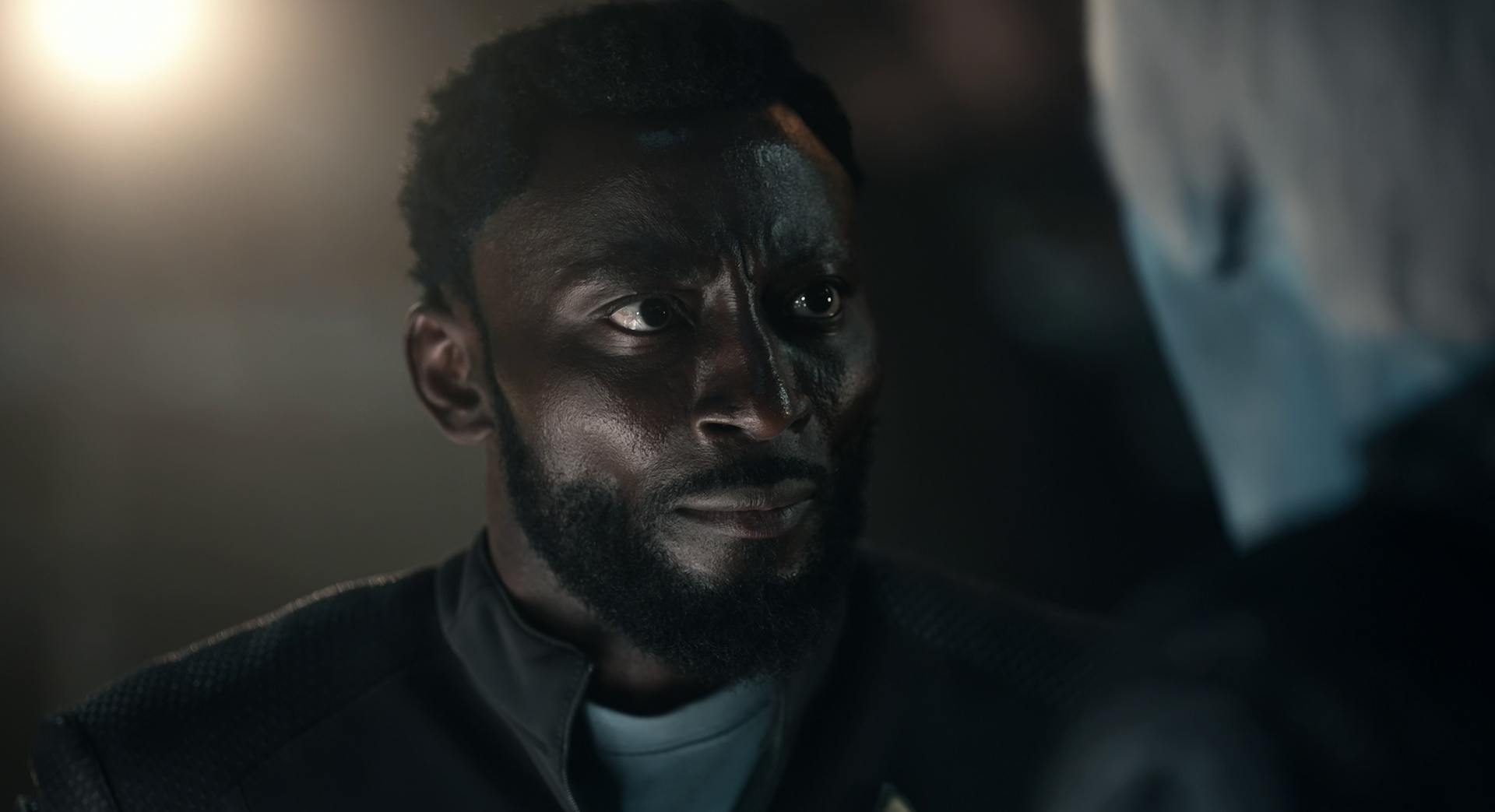
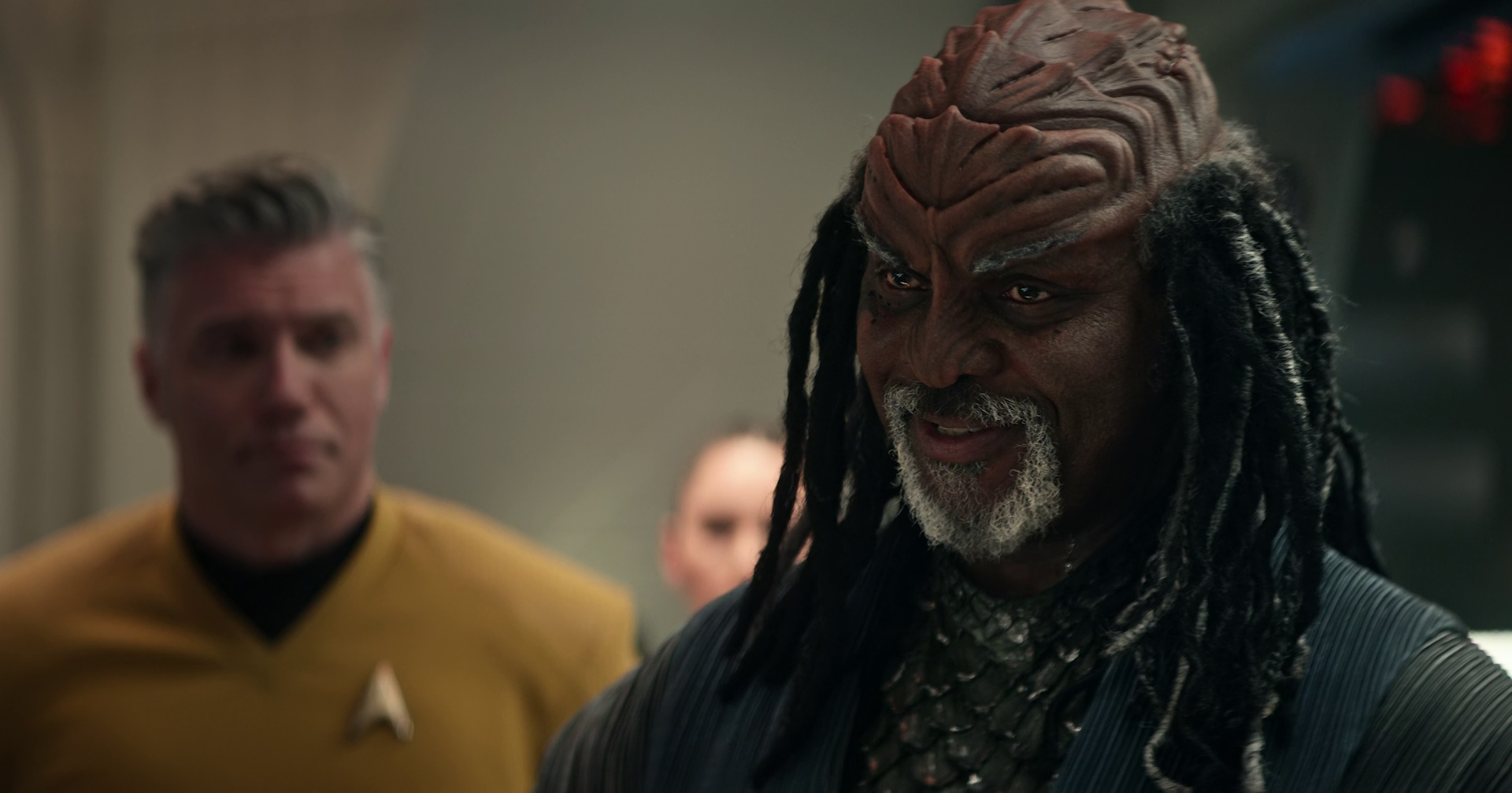
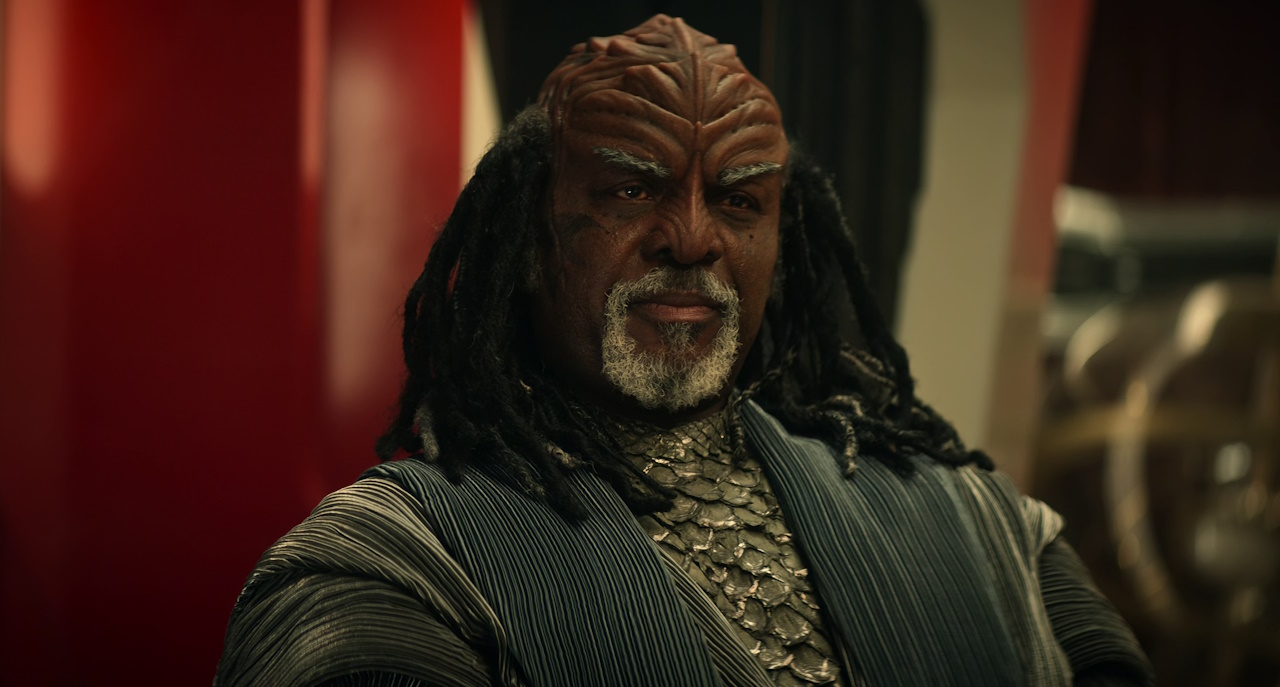
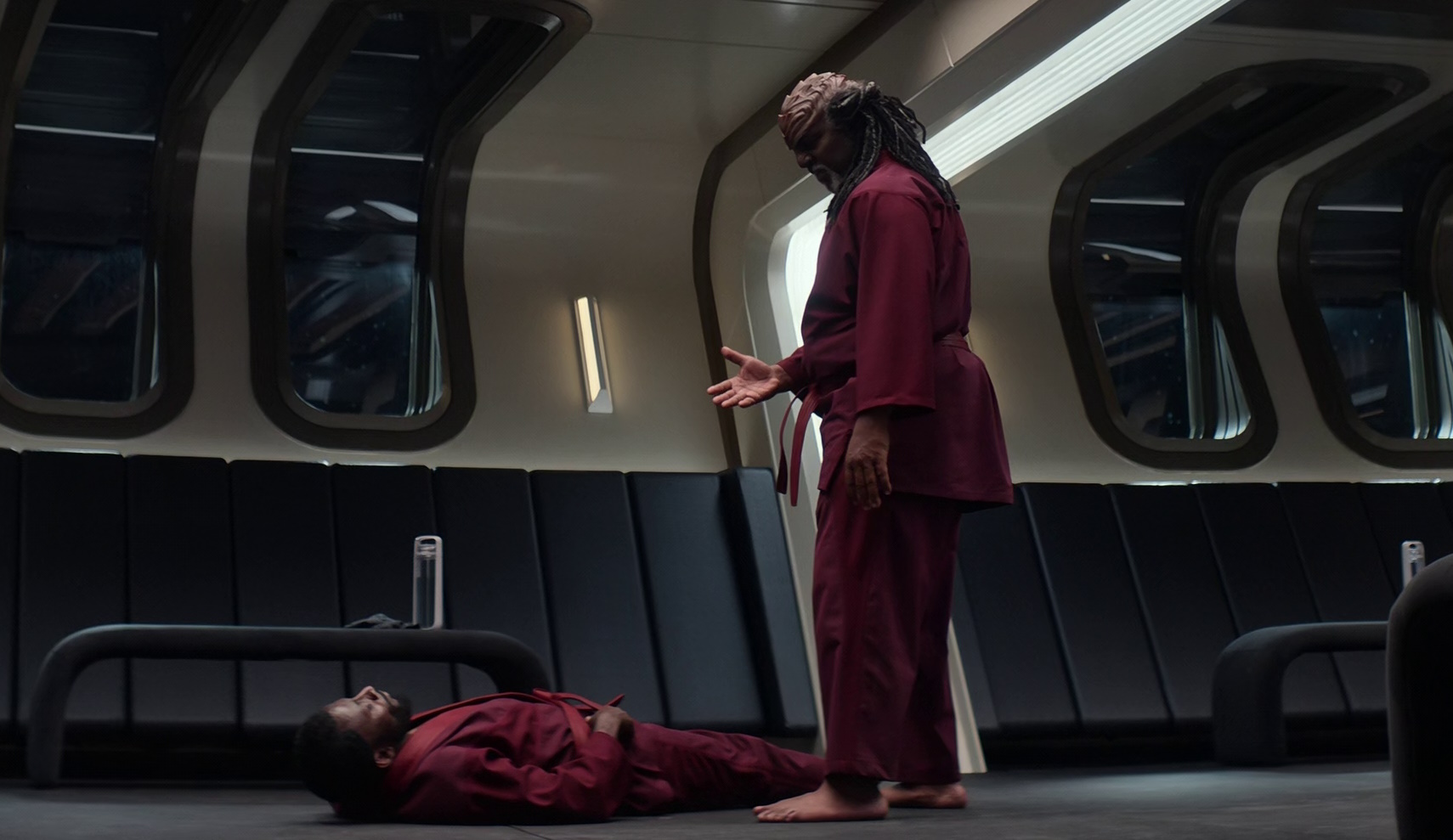
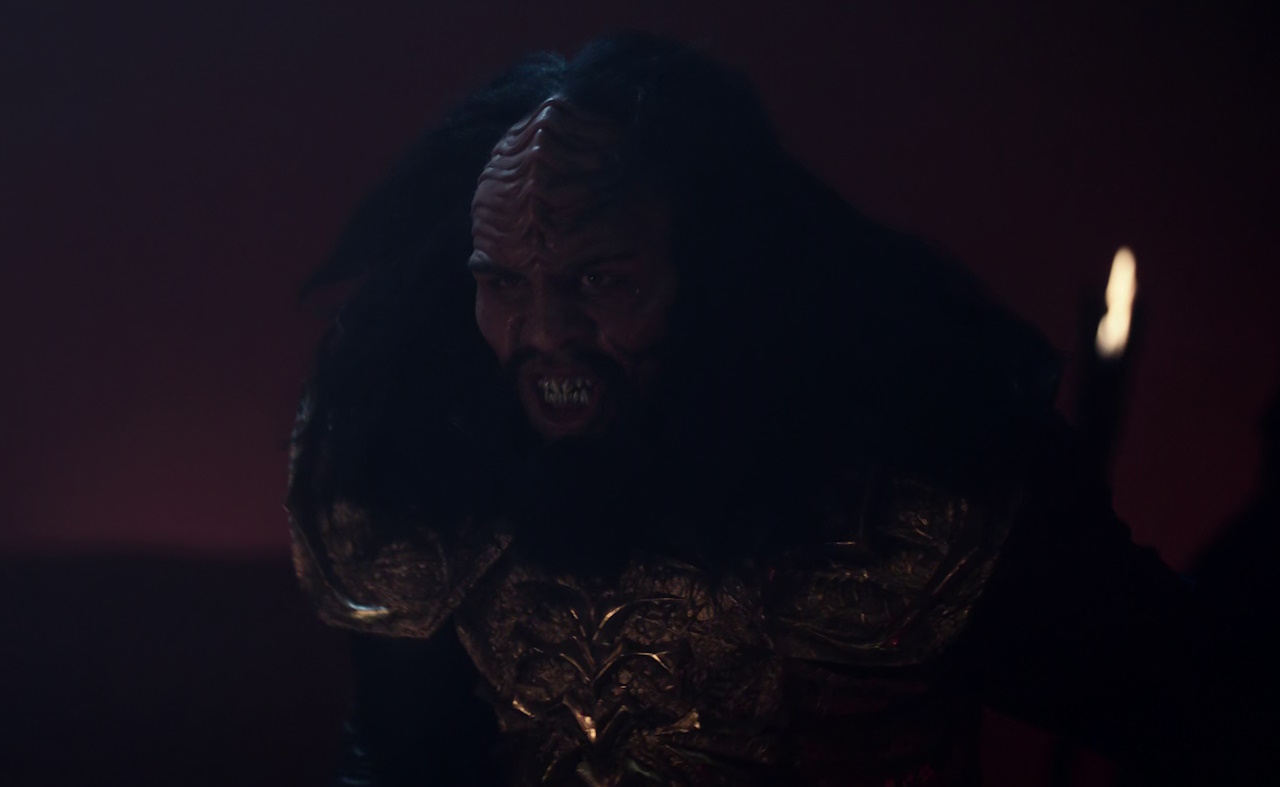

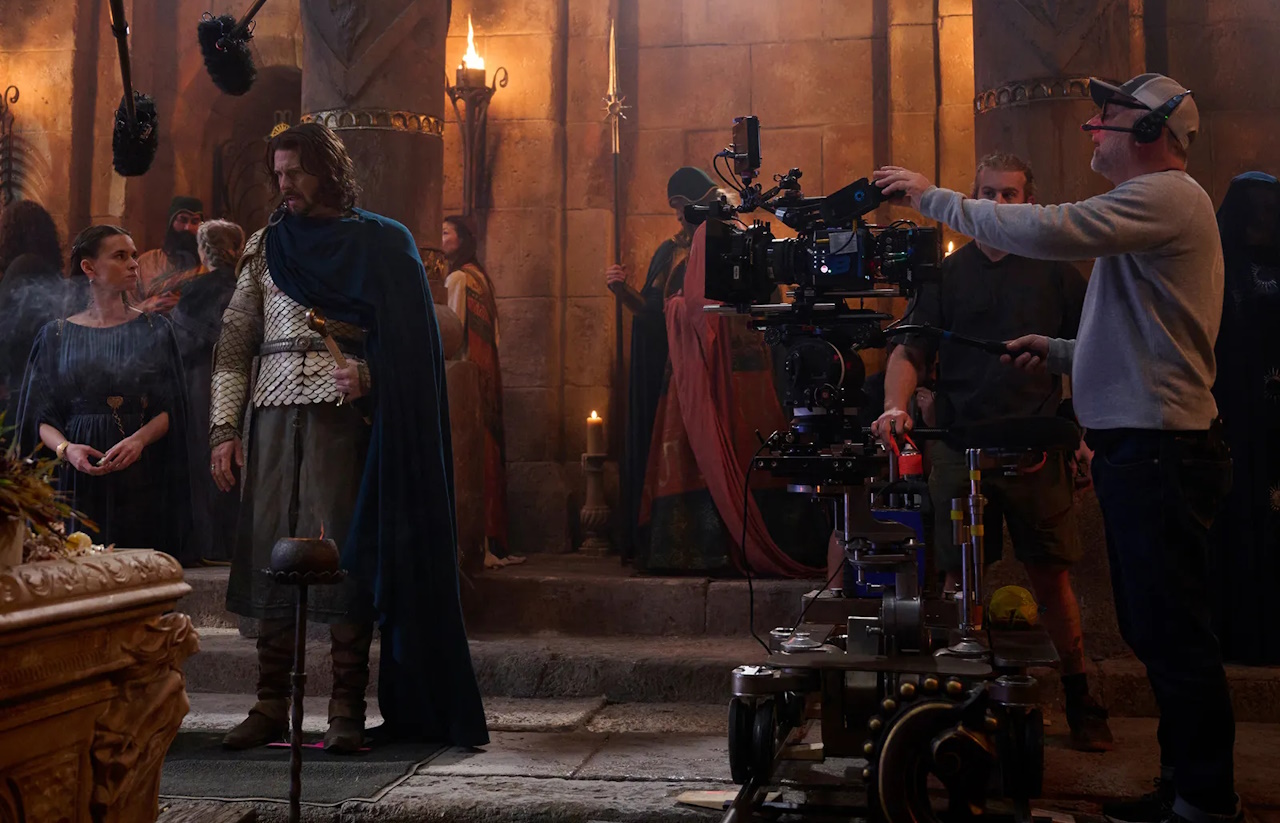



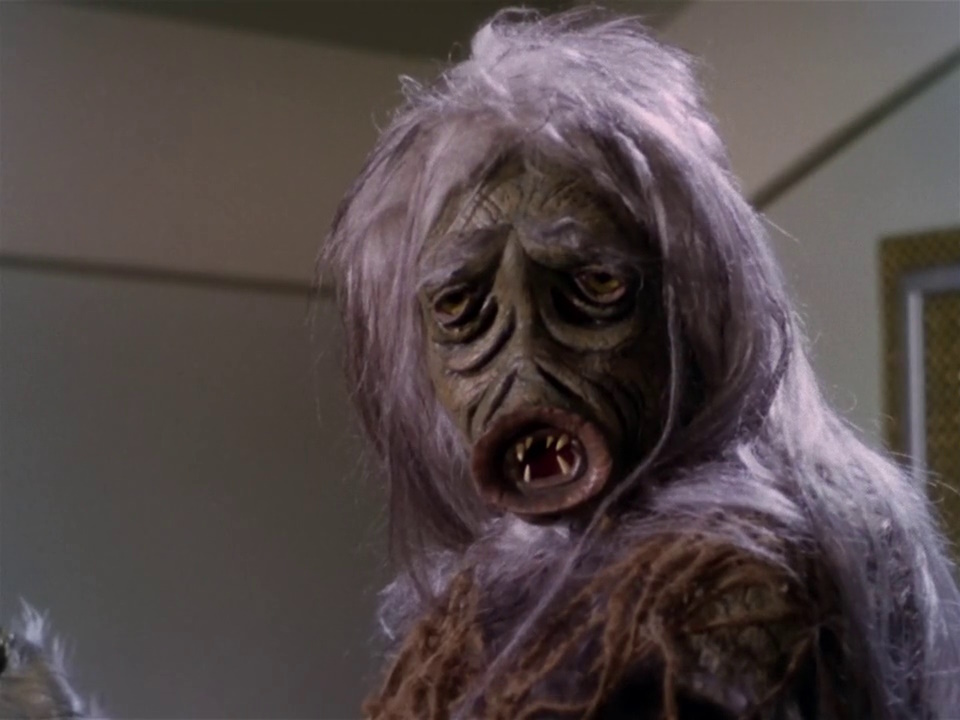
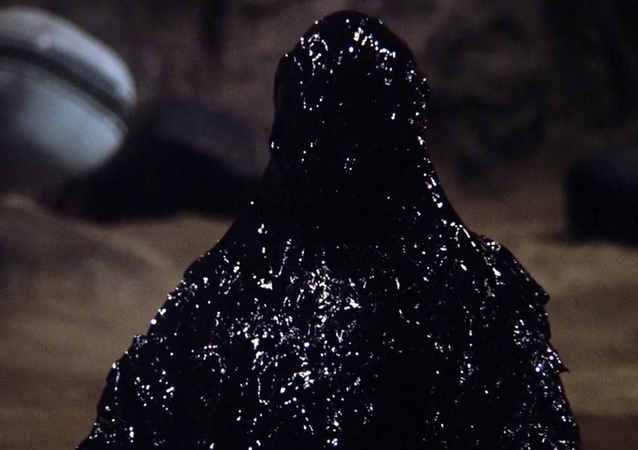
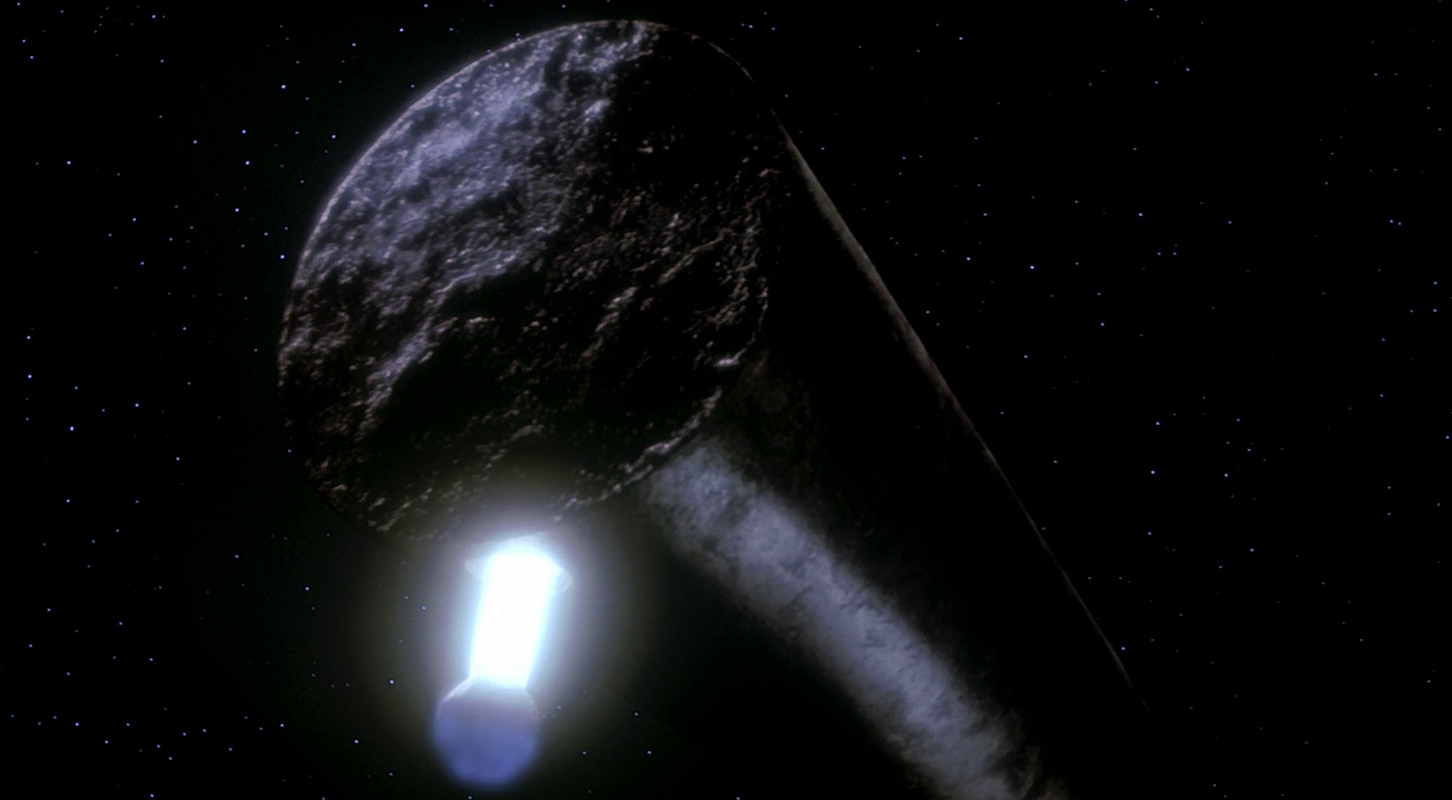
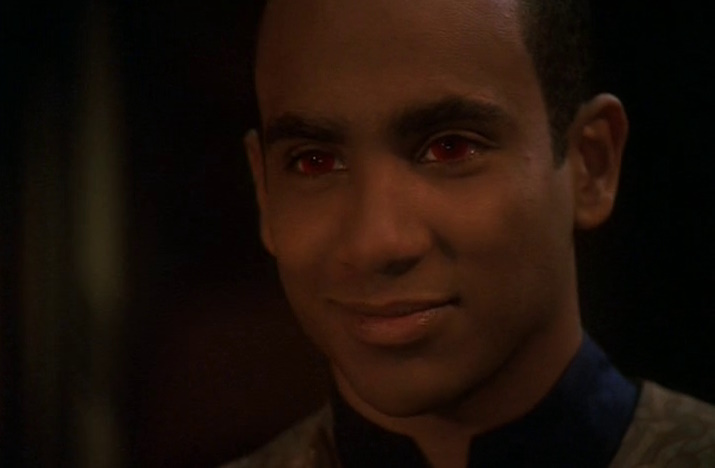

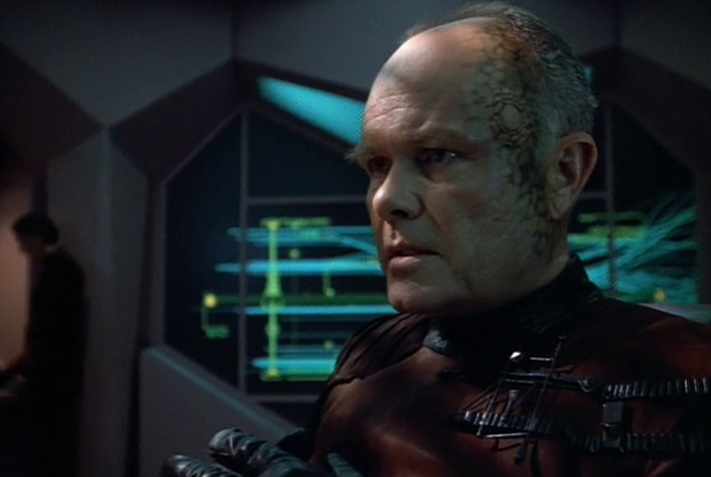



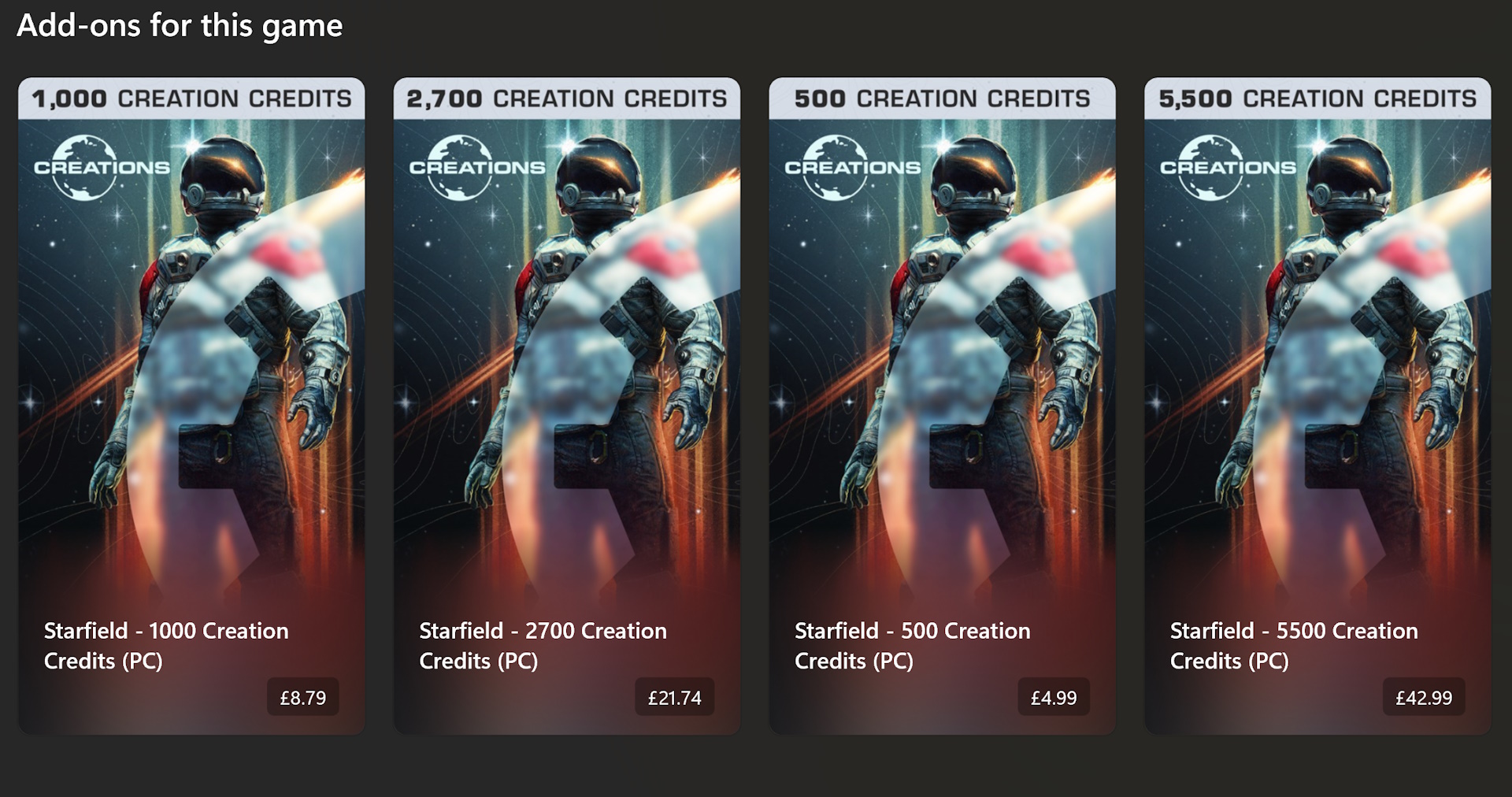
 Trekking with Dennis