I'm an independent media critic. On my website - trekkingwithdennis.com - I write about Star Trek, Star Wars, the video games industry, and many other geekdom-related topics!
Spoiler Warning: Minor spoilers are present for Cyberpunk 2077.
Although the game was blighted by an appalling launch and received plenty of thoroughly-deserved criticism – including from yours truly – Cyberpunk 2077 managed to pull off a somewhat decent recovery. The bugs and glitches have largely been fixed, and at time of writing, the game is in a playable state. Finally.
In fact, development on Cyberpunk 2077 has been going so well that CD Projekt Red is now ready to show off the game’s first major expansion: Phantom Liberty. The DLC will add a new area of the map, a new questline, new characters, and more. Fans of the game are already getting excited, and pre-orders for Phantom Liberty are now available. On Steam, the expansion has quickly become one of the platform’s top sellers – and that’s probably going to be the case on other platforms and storefronts, too.
But let’s cool our jets, shall we?
Motorbike versus mech.
Pre-ordering practically any game isn’t a good idea, especially if it’s a digital download with absolutely no danger of scarcity. The tactics corporations have resorted to in order to encourage pre-orders – like exclusive in-game content or even early access – are pretty shady, too. Pre-ordering made sense back when games were sold on cartridges or discs in brick-and-mortar shops on the high street, but it doesn’t any more.
And let’s not forget which game Phantom Liberty is an add-on for. Cyberpunk 2077 was broken to the point of being unplayable at launch, especially on last-gen consoles, and it took a long time for developers CD Projekt Red to get it running properly. Or, to put it another way: they released the game before they’d actually finished making it, and it took months of additional development time to actually do the job that should have been done before the game’s catastrophic launch in December 2020.
A mission in the base game.
I’m disappointed to see that Phantom Liberty is beginning to attract the same level of hype as Cyberpunk 2077 did. Have players learned nothing from what happened? Perhaps we’re all just gluttons for punishment, because if Phantom Liberty starts racking up pre-orders… then I don’t even know what to say. Players will deserve any and all future broken-at-launch, “release now, fix later” games.
I don’t hate Cyberpunk 2077. By the time I got around to playing it in full, the majority of its most egregious bugs and glitches had been fixed, and while the gameplay itself was nothing to write home about – and was actually outdated in more ways than one – it was a visually attractive title, its open world was densely-packed and fun to explore, and it had a solid, engaging story that I was happy to follow to its conclusion. While I wouldn’t ever rate it in my “top games of all-time,” it was decent. An above-average title for sure.
And if you want to know more about my own hands-on experience with Cyberpunk 2077, you can read my thoughts on the game by clicking or tapping here.
Johnny Silverhand looks out over Night City.
Additionally, when CD Projekt suffered a cyber attack in 2021, I even defended the company, saying that the hack it had fallen victim to was nothing to celebrate. So I hope you understand that I’m not approaching this topic as some kind of dyed-in-the-wool “hater” of either Cyberpunk 2077 or the corporation that developed and published it.
Instead, I’m trying to be the voice of reason! Outside of a very small number of cases, pre-ordering just isn’t a good idea any more. And when looking at the absolute abomination that was Cyberpunk 2077 when it launched, how anyone could think pre-ordering Phantom Liberty is a good idea is beyond me. If there was ever a release that warranted a “wait for the reviews” approach, it’s this one.
A marketplace.
I absolutely want Phantom Liberty to be good. The trailer was genuinely interesting, and while a “save the President” story isn’t exactly original, I’d be up for a return to the dystopian world that Cyberpunk 2077 built. Expanding the game’s map is a neat idea, too, and the trailer even seemed to tease some kind of tie-in with the main story. All of these things seem like they have potential.
But I won’t be pre-ordering Phantom Liberty. I won’t be picking it up on release day, either. Instead, I’m going to take the “wait and see” approach that CD Projekt Red has done so much to earn. If reviews look promising, and if the game launches in a bug-free state, I’ll absolutely consider picking it up this autumn. For £25 here in the UK (and I assume $30 or so in the US), it feels like a good buy – and one I can almost certainly find room for in my budget.
New characters Alex and Reed.
But that’s only if Phantom Liberty arrives without the problems that plagued Cyberpunk 2077. I’d hope that CD Projekt Red would have learned the lessons of that disaster – especially as it saw the company’s share price take a big hit. But companies are manipulative, and CD Projekt Red has a track record of lying and dishonesty that must be taken into account. The expansion was recently shown off at Summer Game Fest – but its trailer was carefully edited, and journalists and influencers who got their hands on the game only got to spend about an hour with it… and were only allowed to show off pre-made footage that CD Projekt Red gave them.
None of these points need to be problems on their own. But in the context of Cyberpunk 2077′s launch, I confess a degree of scepticism. I hope it’s entirely unwarranted – truly, I do. I want Phantom Liberty to be fun, exciting… and fully-playable. But I also wanted that of the base game, and the truth is that it took well over a year before it was in that position.
Before Cyberpunk 2077 had even released, I warned here on the website about the dangers of hype. I said then that I was certain that excitement for the game was out-of-control, and that CD Projekt Red’s marketing was failing to handle the situation appropriately. As we gear up for Phantom Liberty, let’s try not to repeat those mistakes.
Cyberpunk 2077: Phantom Liberty will be released on PC, PlayStation 5, and Xbox Series consoles in September, and the base game is out now. Cyberpunk 2077 is the copyright of CD Projekt Red. Some promotional screenshots and artwork courtesy of CD Projekt and/or IGDB. This article contains the thoughts and opinions of one person only and is not intended to cause any offence.
Spoiler Warning: There are spoilers ahead for Star Trek: Strange New Worlds Season 1 and the trailers and teasers for Season 2. Spoilers are also present for Star Trek: Discovery.
There are only a few days left until Strange New Worlds Season 2 arrives, and as the show’s marketing push ramps up we’ve been treated to two major trailers and a handful of additional clips. Today I thought it could be fun to take a look at what’s been revealed about the season so far, and share my thoughts on how Strange New Worlds looks to be shaping up.
On balance, Strange New Worlds Season 1 was probably my favourite television series of 2022. It was, in my view anyway, the best that modern Star Trek has had to offer, ditching the serialised approach taken by most projects since 2017 in favour of a return to a style of storytelling that felt much closer to the franchise’s roots. Its stellar cast was backed up by some fantastic writing, a beautiful score, elaborate sets that both harkened back to The Original Series while taking advantage of cutting-edge technology like the AR wall, and a combination of CGI and animation work with some incredible practical effects and puppets. It was fantastic across the board – with not a single one out of the first season’s ten episodes that I’d consider to be sub-par.
No pressure… but Season 2 has a lot to live up to!
Season 2 is almost here!
First of all, I can’t tell you how glad I am that the new season is arriving in June and didn’t follow last year’s dismal scheduling display. In 2022, Discovery, Picard, and Strange New Worlds all overlapped one another thanks to some truly moronic decisions at Paramount – scheduling decisions that contributed to Strange New Worlds’ first season not being available here in the UK. I will give credit where it’s due and note that in 2023, Paramount is doing a much better job with scheduling Star Trek. There’s been a decent break since Picard’s finale, and breaks like that are good and healthy for any franchise.
But enough about all of that! We’ve already caught a glimpse of Number One on trial – something that was set up right at the very end of Season 1 when she was taken into custody by Starfleet security personnel. Star Trek can do courtroom drama exceptionally well, and while it feels like a safe bet that Una won’t be unceremoniously kicked out of Starfleet… how we get to that point and what role Pike and the others might play feels like it has the potential to be high-stakes entertainment at its very best.
Una on trial.
As an aside, I was a little disappointed to note in this sequence that the redress of Discovery’s Federation HQ set felt nakedly obvious. There are a handful of examples in modern Star Trek where this has happened – the Ba’ul prison cell in Discovery Season 2 being one example that leaps to mind – but as Paramount has pumped more money into the franchise and Star Trek has continued to expand, it’s something I’d hoped to see less of.
In Discovery’s first couple of seasons, this same sound stage was used to depict the USS Shenzou and Georgiou’s Section 31 vessel, so the same set can be used in different ways. Here, though, the redress doesn’t feel quite as extensive, and I see too many elements from the 32nd Century’s Federation HQ present in the court-martial set. Here’s hoping that the story itself will be too tense and dramatic to make its setting much of an issue!
Fire phasers!
When Discovery premiered in 2017, the redesign of the Klingons became something of a sore spot in parts of the fan community. The Strange New Worlds trailer prominently shows off Klingons in their much more familiar style – closer to their post-Motion Picture appearance than anything we’ve seen since Enterprise went off the air (or since Worf appeared in Picard’s third season). I daresay that’ll make some folks happy!
The Klingons are fantastic, and an absolutely iconic part of the Star Trek franchise. Discovery’s first two seasons prominently featured Klingon characters and storylines, and Klingon characters have also cropped up in Lower Decks, but this will be the first time in several years that we’ll get at least one Klingon-focused live-action episode.
A Klingon.
I’ll be particularly interested to see whether and to what extent Strange New Worlds will reference Discovery’s Klingon War storyline. This new season takes place in between Discovery and The Original Series, an era in which the Federation and Klingons should be maintaining a kind of uneasy peace. Spock certainly appeared to be on good terms with the Klingons in the clips we saw; will they know he’s the brother of the human who started the war? Will the war even be mentioned at all, or will Strange New Worlds simply step over this relatively recent addition to canon? Lieutenant Ortegas mentioned something about “the war” in one of the clips, so it’s possible it will at least be made reference to.
The Klingons need to be handled with care. When you think about how many appearances Klingons have made across the history of Star Trek, and the extent to which we’ve gotten to know about Klingon culture and history, making too many changes – especially in a time period so close to The Original Series – could be offputting. However, what we can see seems, if anything, to be a step closer to familiar canon and a move away from at least the aesthetic presentation of the Klingons that Discovery and the Kelvin films employed. That could be a positive thing… or it could be something neutral! I’ve never really had much of an issue with the Klingon redesign – and I liked some of what I perceived to be an “Ancient Egyptian” influence in some of Discovery’s Klingon designs.
Spock drinking bloodwine with the Klingons.
It looks like the Gorn are also coming back! The Gorn played a role in two of Season 1’s most action-packed episodes, and overall I like what Strange New Worlds has done with this relatively unknown Star Trek faction. Giving the Gorn more of a Xenomorph-inspired horror vibe has taken the series in a completely different direction, and any story with the Gorn is sure to be tense, dramatic, and exciting!
Several clips seemed to show Captain Pike (and others) getting into combat – and I could be wrong, but it looked like they were fighting the same kind of warriors that we saw in The Cage. If so, that could mean that a return to Rigel VII is on the agenda – though why, exactly, is still unclear. It could just be a coincidence, but the way it looked certainly felt familiar.
Captain Pike on an away mission.
There were several romantic moments glimpsed particularly in the second trailer. Pike and Una shared a kiss, as did Spock and Nurse Chapel. My first thought on seeing those clips was that we could be in for an episode inspired by The Naked Time and The Naked Now, with some kind of technobabble explanation for lowered inhibitions or misbehaviour among members of the crew. I could be wrong about that – it’s just a guess!
Pike and Una would make an interesting couple – but there’d be an element of tragedy with Pike’s future once again set in stone. We don’t know what became of Una after the events of Strange New Worlds, but it seems unlikely that she’d follow him to Talos. A doomed romance could be on the cards, perhaps, or one that deals with themes comparable to The Next Generation Season 6 episode Lessons – a story in which Captain Picard had to wrangle with the idea of becoming romantically involved with someone under his command.
Pike and Una sharing a kiss.
Spock, though, is a character who needs to be handled delicately. We know a great deal about Spock’s life, including his romantic entanglements – and lack thereof. Spock’s also a character who’s been messed with a lot, with retcons and additions complicating one of the Star Trek franchise’s most beloved and iconic characters. There’s room to make additions, don’t get me wrong, but internal consistency is important – and if we’re to buy into the idea of this Spock being the same man as we see in The Original Series, the films, The Next Generation, and into the Kelvin timeline… he needs to be handled with care.
As an aside, Spock is a character who has often been discussed in an asexual or ace-adjacent context. As someone who is asexual, I’ve always found something relatable in Spock’s presentation. Though he would have romantic attachments, and he would go through a biological mating cycle, outside of a mere handful of few episodes Spock can feel like a very relatable character for people on the asexual spectrum. Season 1 already introduced us to Spock’s betrothed, T’Pring, and adding an ongoing relationship – or even a one-night stand – with Nurse Chapel into the mix would risk detracting from an important character. Again, Spock needs to be handled with care, and there are a couple of points of concern that the trailers raised in that regard.
Spock in the captain’s chair.
Another potential pair who need to be handled carefully is La’an and James T. Kirk! Although Paul Wesley put in a thoroughly fantastic performance as Kirk at the end of Season 1, this came in a sequence set in The Original Series era, years after the events of Strange New Worlds. I confess a degree of scepticism when I saw Kirk on the transporter pad, and while he can be integrated into the series in a way that perfectly fits with everything we know about him and his background… I’m just not sure it’s something I’d have done.
That being said, there are some incredibly enticing possibilities that come along with Kirk’s inclusion. We’ve never seen how Kirk and Spock met in the prime timeline, for example, and whether this will be their first meeting or whether they’ll be catching up after being buddies at the Academy, it could be fascinating to learn more about how they came to become such close friends. There’s also the potential to see a younger Kirk working with Pike and Number One, with the building blocks of his own leadership skills being formed and honed. Again, this feels like something worth seeing.
James T. Kirk.
But as with Spock, there are pitfalls. Kirk never mentioned serving with Pike, nor did he seem especially close to the Enterprise’s former captain during the events of The Menagerie – which should rule out any kind of close bond or mentor relationship between the two men. More significantly, though, is Kirk’s run-in with La’an – something that Una seemed to pick up on.
Kirk’s encounter with Khan – the original Khan – is legendary. The Wrath of Khan is one of the best films ever made, with even non-Trekkies rating it very highly. There’s limited room for manoeuvre here, and bringing Kirk into close contact with another member of the Khan family years before his run-in with the man himself is something that has the potential to undermine or detract from that wonderful story. A friendly meeting could be fine… but pairing these two up for a long period of time would almost certainly cross a line.
La’an seems fascinated with Kirk…
Well, all that’s left is to talk about that crossover!
When the Lower Decks crossover was announced, I felt it was a really fun idea. And from what we’ve seen of it in the trailers, Boimler and Mariner’s visit to the Enterprise looks absolutely fantastic. The details of the story – including how and why Mariner and Boimler might end up on the Enterprise – are still under wraps, but it looks like they’ll get to meet both Pike and Spock… something that Boimler in particular will clearly adore.
The Lower Decks uniforms look great in live-action, and it’s amazing how closely actors Tawny Newsome and Jack Quaid resemble their characters. I was already feeling excitement at the prospect of Star Trek’s first major crossover of the current era – but having caught a glimpse of it, now I can’t wait!
Mariner and Boimler will appear in live-action for the first time.
So Strange New Worlds is almost upon us! Season 1 was fantastic, although it was sadly tainted by Paramount’s indefensible decision to only broadcast it in the United States at first. But Season 2 looks set to continue this fun, retro Star Trek series. There were plenty of smaller clips or images seen in the trailers that both harken back to Star Trek’s past and look to be telling brand-new stories, and above all, I’m excited to see a continuation of Strange New Worlds’ episodic style of storytelling.
When the series lands next week I’ll do my best to keep up with weekly episode reviews. I wasn’t able to do that for Season 1 with the series “officially” unavailable to me – but beginning with Season 2 I hope you’ll join me for my thoughts and my take on each of the season’s ten episodes.
I hope this was a fun look ahead!
Star Trek: Strange New Worlds Season 2 will be broadcast on Paramount+ in countries and territories where the service is available. Season 1 is available to stream now. The Star Trek franchise – including Strange New Worlds and all other properties discussed above – is the copyright of Paramount Global. This article contains the thoughts and opinions of one person only and is not intended to cause any offence.
Spoiler Warning: There are spoilers ahead for all three seasons of Star Trek: Picard – including the series finale and post-credits scene.
For a series that only ran to thirty episodes across three seasons, Star Trek: Picard spent a lot of time overwriting itself! Across all three seasons of the show there were these weirdly contradictory moments where new storylines would appear from nowhere, completely changing what came before. One or two of these instances might pass by relatively unnoticed, or could feel like little more than nitpicks. But for a relatively short series to have so many… it speaks to something bigger, I feel.
I hope in future we’ll get a Chaos on the Bridge-type of documentary or exploration of what went on behind-the-scenes on Star Trek: Picard, because to say that production was “difficult” feels like an understatement. There were clearly major problems on the production side of the series, and I don’t just mean its pandemic-enforced delays. The evidence for this is the contradictory nature of the series itself, and how at the very least there was clearly no overall plan for how the story should be structured. Consistency is an important element of any good story – and Picard absolutely fails on that measure.
Seasons 2-3 showrunner Terry Matalas with Sir Patrick Stewart and the rest of the cast of The Next Generation.
I have a longer piece in the pipeline about Picard’s abandoned and unfinished storylines, but today I thought it could be interesting to take a short look at ten storylines that ended up being overwritten by some pretty sloppy, messy writing that failed to build on the foundations that had been laid in earlier episodes and seasons.
As always, a few caveats. If you loved all of these stories and felt they were perfectly-executed, or if you hated the original setup and feel that it was right and fitting to overwrite or ignore it, that’s okay! We all have different opinions about what makes for a good Star Trek story, and I’m not trying to claim that I’m somehow objectively right and that’s the end of the affair. In several cases, I’d actually agree that the overwrite or retcon was better than what had been previously established. This is all just the opinion of one old Trekkie, and as I always say, there ought to be room in the Star Trek fan community for polite discussion and disagreement! Although I have my issues with Picard, particularly when it comes to the show’s second season, by and large I’m a fan not a hater.
So with all of that out of the way, let’s take a look at some of Picard’s weirdly contradictory storylines.
Contradictory story #1: Seven of Nine is a captain! Oh wait, no she isn’t…
Seven in the captain’s chair at the end of Season 2.
At the end of Season 2, Seven of Nine was breveted into Starfleet by Picard as Captain of the Stargazer. This story point was already a bit… odd. Firstly, it raises the question of why, if offering a brevet position to someone outside of Starfleet is so simple, Admiral Janeway didn’t do that for Seven years ago. It also seemed unnecessary, as with Picard on the bridge, the Stargazer already had a senior officer present who could give orders.
But this already flimsy setup ended up being overwritten by the very next episode – when Seven was bumped down to the rank of commander and found herself serving as first officer of the Titan. There are a lot of contradictions in Picard, but this one feels even more peculiar because it’s something that literally changes from one episode to the next – episodes that, in spite of being one season apart, were produced and filmed at the same time.
Contradictory story #2: Data’s dead. Deader than dead. Lol jk, he’s alive again!
Data awaits his final shutdown.
One of the few redeeming features of the two-part Season 1 finale was the laying to rest of Data, and giving him the emotional send-off that Nemesis didn’t have time to do justice to. It went a long way to making up for other deficiencies in the rushed and muddled end to Season 1, and the sequences with Picard and Data in the “digital afterlife” were powerful and deeply emotional.
But despite Data being as dead as it’s possible to be in Star Trek, with both his physical body and the surviving part of his consciousness having been destroyed and shut down respectively, Season 3 resurrected Data. We’ll have to go into this storyline in more detail in the future, because there’s a lot more to say. But for me, Data’s resurrection never really found a narrative justification, and it felt like the showrunner and writers wanted desperately to reunite the cast of The Next Generation – at any cost.
Contradictory story #3: Welcome aboard the Stargazer! Wait, I mean the Titan…
The USS Titan.
In Season 2, the ship that Picard and co. didn’t spend enough time aboard was the USS Stargazer. In Season 3, they jumped over to the Titan – even though the sets were all the same (with a few minor tweaks here and there). I don’t really understand why this happened. What was the point of setting Season 3 aboard a nominally different starship? The exact same setup could have brought Riker and Picard to the Stargazer as it did to the Titan.
If the two ships had significant aesthetic differences, maybe it would be okay. And compared with some of the other points on this list, I admit it’s relatively minor. But it still feels odd to introduce the new Stargazer, build CGI models for it, and only use it in one-and-a-bit episodes.
Contradictory story #4: Q’s dying… oh wait, no he isn’t.
Q at the end of Season 3.
I know what you’re thinking: Q already explained his “return” by telling Jack Crusher not to think about time in a linear fashion. While that’s a perfectly rational in-universe explanation for Q’s return at the end of Season 3, it doesn’t get around the fact that Q, whose death was such a vital part of the entire plot of Season 2, is a profoundly odd choice of character to use for that one epilogue scene.
Picard’s writers pinned the convoluted and disappointing story of Season 2 on Q, and Q’s entire motivation was his imminent death. To undo that – even if there’s a technical explanation for it – only a few episodes later feels wrong. It undermines the already-weak story of Season 2 and makes me wonder what the point of it all was.
Contradictory story #5: The Borg are back! The Borg are back! The Borg are back!
A Borg Cube.
However you look at it, and whatever nitpicky excuses there may be about who are and aren’t the “real” Borg, there’s no getting away from the fact that across its three seasons, Picard re-introduced the Borg three times. All three of the stories rely, either in whole or in part, on the Borg, and while Picard himself has a connection with the Borg after the events of The Best of Both Worlds and First Contact… there’s a whole galaxy out there filled with alien races that the show’s writers and producers could have used.
While Season 3’s Dominion/changeling rug-pull is probably the worst example of this, it really speaks to a broader problem with the show’s production. Picard’s writers, especially in Season 3, were unwilling to abide by what the show had already set up. The Borg are great fun, don’t get me wrong, but by the time we got to yet another Borg story in Season 3, I was feeling burned out.
Contradictory story #6: The mysterious anomaly has set up a fascinating story! Let’s never mention it again.
Led by the Borg, a Federation fleet stops the anomaly.
The story of Season 2 was bookended by a mysterious anomaly that the Jurati-led Borg faction believed could be an attack against the Alpha Quadrant. Once the anomaly had been stopped, the Jurati-Queen promised to take her Borg faction and stand watch over the anomaly as a “guardian at the gates.” Her Borg faction were even granted provisional membership in the Federation as they did so.
This story felt like it had huge potential. Who could have been powerful enough to create a weapon on that scale? How would Picard and his friends be able to defeat them? What would it be like to see a Federation-Borg alliance? But alas, this storyline was dumped, orphaned, and never mentioned again. Was no explanation ever written? Why end Season 2 on this cliffhanger if it was never going to be resolved?
Contradictory story #7: Soji’s a massively important character… let’s dump her.
Promo photo of Isa Briones as Soji.
Soji played a huge role in Season 1, serving as both the reason for Picard’s mission and later as someone who needed to be talked down from making a mistake. We spent a lot of time with her in the show’s first season, watching as she was manipulated by Narek, as she learned the truth of her own origin and who her people were, and as she came to work with and respect Picard.
It was disappointing that Soji was essentially forgotten after the end of Season 1, with a barebones cameo appearance and nothing more. Isa Briones got to play a minor role in Season 2 as the daughter of antagonist Adam Soong, but this storyline was samey and boring. As a new, young character – and a synthetic life-form – Soji had huge potential. It’s such a shame that a role couldn’t be written for her after Season 1.
Contradictory story #8: Picard has a new relationship with Laris! No wait, Laris has fucked off and now he has a kid with Dr Crusher.
Laris and Picard at the end of Season 2.
The entire story of Season 2 – its raison d’être, at least according to Q – was that Picard was alone, prevented by his childhood trauma from being able to find love. At the end of the season, after ten episodes of shenanigans in the 21st Century, Picard finally returned to his vineyard – and to Laris. The two seemed ready to embark upon a new relationship together.
But nope! Laris made a small cameo appearance at the beginning of Season 3, and was never mentioned again. Picard’s story in Season 3 focused on his past relationship with Dr Crusher, a relationship that led to him having a son he’d never met. The season’s epilogue even showed Picard and Dr Crusher jointly escorting their son to his first Starfleet assignment – with Laris nowhere to be found. As I said above: Season 2 was already a weak, flimsy story. Undermining its ending like this was a poor decision.
Although I wasn’t thrilled to see Elnor killed off in the first half of Season 2, as time went on, it seemed to be working. Raffi’s story of coming to terms with loss and grief was one of Season 2’s stronger elements, and while I would’ve still said I was disappointed in Elnor’s wasted potential, at least his loss had mattered. Until it was all undone with seconds to spare.
If Elnor had a major role to play in Season 3 – and there was absolutely space for him – then I could at least have understood this reversal. But after Elnor was resurrected, he got one very brief scene in which he looked confused on a viewscreen, and another in which his dislike of a beverage made him the butt of a joke. After that, Elnor disappeared from Picard never to be seen or mentioned again. What was the point? Why undo a powerful story for the sake of an overdone sight gag?
Contradictory story #10: Riker and Troi are happy and settled on Nepenthe. Just kidding, they hate it there.
Picard approaches Riker’s outdoor kitchen.
Nepenthe might be my favourite episode of Season 1. It slowed things down, stepped away from some of the drama, and reintroduced us to Riker and Troi – now happily married and living peacefully outside of Starfleet. In spite of the loss of their son, Riker and Troi seemed settled on Nepenthe with their daughter in a home that was important to their son and their family. It was a surprise, to say the least, when Season 3 tried to undo all of that.
In the episode Surrender, Riker and Troi were reunited as captives aboard Vadic’s ship. And while imprisoned, they both spoke about how they hated the “creaky old cabin” that had been their home. The end of the season implied that one or both of them may be back in Starfleet, and all the emotional storytelling present in Nepenthe was taken away.
So that’s it!
Dr Jurati on stage in Season 2.
Although there were some interesting stories – and some complete ones – overall, it’s not unfair to call Star Trek: Picard a contradictory series, one that either intentionally or unintentionally overwrote or ignored key characters and storylines. We’ll talk about some of these in more detail on another occasion, but for now I think we’ve covered the basics.
Picard was clearly a troubled production, one that jumped from one writing and production team to another, and that’s part of why the series as a whole feels so contradictory. I think I could overlook one or two of these things – and I might even support the decision to drop a character or change a storyline that wasn’t working or that failed to resonate with audiences. But for a series that ran to a mere thirty episodes across three seasons… we shouldn’t be able to pull out ten large contradictions like this.
Stay tuned, because I have a lot more to say about Picard even though the series has concluded! A longer retrospective is in the pipeline, and I’ll also be taking a look at abandoned and unfinished storylines, too.
Star Trek: Picard Seasons 1-3 are available to stream now on Paramount+ in the United States and other countries and territories where the service is available, and on Amazon Prime Video in the UK and around the world. The Star Trek franchise – including Picard and all other properties discussed above – is the copyright of Paramount Global. This article contains the thoughts and opinions of one person only and is not intended to cause any offence.
A couple of years ago, I put together two lists of things I really dislike about modern video games – but somehow I’ve managed to find even more! Although there’s lots to enjoy when it comes to the hobby of gaming, there are still plenty of annoyances and dislikes that can detract from even the most pleasant of gaming experiences. So today, I thought it could be a bit of fun to take a look at ten of them!
Several of these points could (and perhaps one day will) be full articles or essays all on their own. Big corporations in the video games industry all too often try to get away with egregiously wrong and even malicious business practices – and we should all do our best to call out misbehaviour. While today’s list is somewhat tongue-in-cheek, there are major issues with the way big corporations in the gaming realm behave… as indeed there are with billion-dollar corporations in every other industry, too.
Gaming is great fun… but it has its annoyances!
That being said, this is supposed to be a bit of fun. And as always, I like to caveat any piece like this by saying that everything we’re going to be talking about is nothing more than one person’s subjective take on the topic! If you disagree with everything I have to say, if you like, enjoy, or don’t care about these issues, or if I miss something that seems like an obvious inclusion to you, please just keep in mind that all of this is just the opinion of one single person! There’s always room for differences of opinion; as gamers we all have different preferences and tolerance levels.
If you’d like to check out my earlier lists of gaming annoyances, you can find the first one by clicking or tapping here, and the follow-up by clicking or tapping here. In some ways, this list is “part three,” so if you like what you see, you might also enjoy those older lists as well!
With all of that out of the way, let’s jump into the list – which is in no particular order.
Number 1: Motion blur and film grain.
Film grain and motion blur options in Ghostwire Tokyo.
Whenever I boot up a new game, I jump straight into the options menu and disable both motion blur and film grain – settings that are almost always inexplicably enabled by default. Film grain is nothing more than a crappy Snapchat filter; something twelve-year-olds love to play with to make their photos look “retro.” It adds nothing to a game and actively detracts from the graphical fidelity of modern titles.
Motion blur is in the same category. Why would anyone want this motion sickness-inducing setting enabled? It smears and smudges even the best-looking titles for basically no reason at all. Maybe on particularly underpowered systems these settings might hide some graphical jankiness, but on new consoles and even moderately good PCs, they’re unnecessary. They make games look significantly worse – and I can’t understand why anyone would choose to play a title with them enabled.
Number 2: In-game currencies that have deliberately awkward exchange rates.
Show-Bucks bundles in Fall Guys.
In-game currencies are already pretty shady; a psychological manipulation to trick players into spending more real money. But what’s far worse is when in-game currencies are deliberately awkward with their exchange rates. For example, if most items on the storefront cost 200 in-game dollars, but I can only buy in-game dollars in bundles of 250 or 500. If I buy 250 in-game dollars I’ll have a few left over that I can’t spend, and if I buy 500 then I’ll have spent more than I need to.
This is something publishers do deliberately. They know that if you have 50 in-game dollars left over there’ll be a temptation to buy even more to make up the difference, and they know players will be forced to over-spend on currencies that they have no need for. Some of these verge on being scams – but all of them are annoying.
Number 3: Fully-priced games with microtransactions.
The in-game shop in Diablo IV.
If a game is free – like Fortnite or Fall Guys – then microtransactions feel a lot more reasonable. Offering a game for free to fund it through in-game purchases is a viable business model, and while it needs to be monitored to make sure the in-game prices aren’t unreasonable, it can be an acceptable way for a game to make money. But if a game costs me £65 up-front, there’s no way it should include microtransactions.
We need to differentiate expansion packs from microtransactions, because DLC that massively expands a game and adds new missions and the like is usually acceptable. But if I’ve paid full price for a game, I shouldn’t find an in-game shop offering me new costumes, weapon upgrades, and things like that. Some titles absolutely take the piss with this, too, even including microtransactions in single-player campaigns, or having so many individual items for sale that the true cost of the game – including purchasing all in-game items – can run into four or even five figures.
Number 4: Patches as big as (or bigger than) the actual game.
No patch should ever need to be this large.
This one kills me because of my slow internet! And it’s come to the fore recently as a number of big releases have been buggy and broken at launch. Jedi: Survivor, for example, has had patches that were as big as the game’s original 120GB download size – meaning a single patch would take me more than a day to download. Surely it must be possible to patch or fix individual files without requiring players to download the entire game all over again – in some cases more than once.
I’m not a developer or technical expert, and I concede that I don’t know enough about this topic on a technical level to be able to say with certainty that it’s something that should never happen. But as a player, I know how damnably annoying it is to press “play” only to be told I need to wait hours and hours for a massive, unwieldy patch. Especially if that patch, when fully downloaded, doesn’t appear to have actually done anything!
Number 5: Broken PC ports.
This is supposed to be Joel from The Last Of Us Part 1.
As I said when I took a longer look at this topic, I had hoped that broken PC ports were becoming a thing of the past. Not so, however! A number of recent releases – including massive AAA titles – have landed on PC in broken or even outright unplayable states, plagued by issues that are not present on PlayStation or Xbox.
PC is a massive platform, one that shouldn’t be neglected in this way. At the very least, publishers should have the decency to delay a PC port if it’s clearly lagging behind the console versions – but given the resources that many of the games industry’s biggest corporations have at their disposal, I don’t see why we should accept even that. Develop your game properly and don’t try to launch it before it’s ready! I’m not willing to pay for the “privilege” of doing the job of a QA tester.
Number 6: Recent price hikes.
It must be some kind of visual metaphor…
Inflation and a cost-of-living crisis are really punching all of us in the face right now – so the last thing we need are price hikes from massive corporations. Sony really pissed me off last year when they bragged to their investors about record profits before turning around literally a matter of weeks later and announcing that the price of PlayStation 5 consoles was going to go up. This is unprecedented, as the cost of consoles usually falls as a console generation progresses.
But Sony is far from the only culprit. Nintendo, Xbox, Activision Blizzard, TakeTwo, Electronic Arts and practically every major corporation in the games industry have jacked up their prices over the last few years, raising the basic price of a new game – and that’s before we look at DLC, special editions, and the like. These companies are making record-breaking profits, and yet they use the excuse of “inflation” to rip us off even more. Profiteering wankers.
Number 7: The “release now, fix later” business model is still here.
The player character falling through the map in Star Wars Jedi: Survivor.
I had hoped that some recent catastrophic game launches would have been the death knell for the “release now, fix later” business model – but alas. Cyberpunk 2077 failed so hard that it got pulled from sale and tanked the share price of CD Projekt Red… but even so, this appalling way of making and launching games has persisted. Just in the first half of 2023 we’ve had titles like Hogwarts Legacy, Redfall, Jedi: Survivor, Forspoken, and The Lord of the Rings: Gollum that arrived broken, buggy, and unplayable.
With every disaster that causes trouble for a corporation, I cross my fingers and hope that lessons will be learned. But it seems as if the “release now, fix later” approach is here to stay. Or at least it will be as long as players keep putting up with it – and even defending it in some cases.
Number 8: Day-one DLC/paywalled day-one content.
An example of a “digital deluxe edition” and its paywalled content.
It irks me no end when content that was clearly developed at the same time as the “base version” of a game is paywalled off and sold separately for an additional fee. The most egregious example of this that comes to mind is Mass Effect 3′s From Ashes DLC, which was launched alongside the game. This DLC included a character and missions that were completely integrated into the game – yet had been carved out to be sold separately.
This practice continues, unfortunately, and many modern titles release with content paywalled off, even if that content was developed right along with the rest of the game. Sometimes these things are designed to be sold as part of a “special edition,” but that doesn’t excuse it either. Even if all we’re talking about are character skins and cosmetic content, it still feels like those things should be included in the price – especially in single-player titles. Some of this content can be massively overpriced, too, with packs of two or three character skins often retailing for £10 or more.
Number 9: Platform-exclusive content and missions.
Spider-Man was a PlayStation-only character in Marvel’s Avengers.
Some titles are released with content locked to a single platform. Hogwarts Legacy and Marvel’s Avengers are two examples that come to mind – and in both cases, missions and characters that should have been part of the main game were unavailable to players on PC and Xbox thanks to deals with Sony. While I can understand the incentive to do this… it’s a pretty shit way of making money for a publisher, and a pretty scummy way for a platform to try to attract sales.
Again, this leaves games incomplete, and players who’ve paid full price end up getting a worse experience or an experience with less to do depending on their platform of choice. That’s unfair – and it’s something that shouldn’t be happening.
Number 10: Pre-orders.
Cartman from South Park said it best: “You know what you get for pre-ordering a game? A big dick in your mouth.”
Pre-ordering made sense – when games were sold in brick-and-mortar shops on cartridges or discs. You wanted to guarantee your copy of the latest big release, and one way to make sure you’d get the game before it sold out was to pre-order it. But that doesn’t apply any more; not only are more and more games being sold digitally, but even if you’re a console player who wants to get a game on disc, there isn’t the same danger of scarcity that there once was.
With so many games being released broken – or else failing to live up to expectations – pre-ordering in 2023 is nothing short of stupidity, and any player who still does it is an idiot. It actively harms the industry and other players by letting corporations get away with more misbehaviour and nonsense. If we could all be patient and wait a day or two for reviews, fewer games would be able to be launched in unplayable states. Games companies bank on a significant number of players pre-ordering and not cancelling or refunding if things go wrong. It’s free money for them – and utterly unnecessary in an age of digital downloads.
So that’s it!
A PlayStation 5 console.
We’ve gone through ten of my pet peeves when it comes to gaming. I hope this was a bit of fun – and not something to get too upset over!
The gaming landscape has changed massively since I first started playing. Among the earliest titles I can remember trying my hand at is the Commodore 64 title International Soccer, and the first home console I was able to get was a Super Nintendo. Gaming has grown massively since those days, and the kinds of games that can be created with modern technology, game engines, and artificial intelligence can be truly breathtaking.
But it isn’t all good, and we’ve talked about a few things today that I find irritating or annoying. The continued push from publishers to release games too early and promise patches and fixes is particularly disappointing, and too many publishers and corporations take their greed to unnecessary extremes. But that’s the way the games industry is… and as cathartic as it was to get it off my chest, I don’t see those things disappearing any time soon!
All titles mentioned above are the copyright of their respective developer, studio, and/or publisher. This article contains the thoughts and opinions of one person only and is not intended to cause any offence.
This article touches on the sensitive subject of transphobia and may be uncomfortable for some readers.
Forgive me the indulgence, but before we get started I really have to claim a victory! In the second half of the 2010s, with the Fantastic Beasts films faltering and Harry Potter’s audience ageing out of the fandom and drifting away, I began to feel it was a sure thing that the stories would be rebooted for a Game of Thrones-inspired big-budget television series. I said so here on the website all the way back in 2019 – so I get to say “I called it!” in response to the announcement of a Harry Potter TV series.
Only a few months ago, in the run-up to the underwhelming Hogwarts Legacy (a game that seems to have dropped off the face of the earth) I also said that I hoped I would never again be compelled to comment on Harry Potter, as I feel I can no longer support the series or its creator. But the announcement of a re-telling of the stories on HBO Max was an opportunity not only to take a victory lap for my correct prediction, but also to consider why it actually feels like a pretty terrible idea – and a bad business decision.
A replica of the Hogwarts Express.
For the most part, this isn’t going to go the way you think. The release of Hogwarts Legacy proved pretty conclusively that a significant portion of the Harry Potter fanbase doesn’t give a shit about transphobia and will cling to their nostalgia and still support the franchise. So this won’t be me claiming that Rowling’s descent down a far-right slope is going to be the deciding factor in why audiences won’t show up for the new show. Quite the opposite, in fact.
Ironically, those two factors – nostalgia and “anti-woke” politics – have already set the stage for the TV series’ undoing. The very things that Rowling and HBO are banking on are going to be the reasons why Harry Potter will fail in this new iteration. And don’t get me wrong… I’m thrilled about that. This show deserves to fail. It’s just bitterly ironic that it will fail in this particular way.
Harry Potter author JK Rowling.
So let’s take a step back. It’s been a few short years since the final Harry Potter film was released, and when we’re talking about reboots, that means one thing: it’s too soon to do this. The Harry Potter films that were released from the 2000s to the early 2010s are, for those still inclined to support the franchise, still perfectly watchable, with decent visual effects, acting performances, and everything else. Rebooting the series now won’t actually add anything of substance.
The series will be live-action, just like the films, and if it has a snowball’s chance in hell of successfully plucking the right nostalgic chords for long-term fans, it will have to re-use a very similar aesthetic. Many elements created for the films – like the sets used for Hogwarts castle, for example – have become inseparable from Harry Potter. Trying to shake things up, even just a little, won’t work and will be offputting for fans.
Concept art for the game Hogwarts Legacy showing the titular Hogwarts castle.
Harry Potter is also a growing, connected franchise. Theme park attractions, video games, and more all rely heavily on the designs created for the films back in the early 2000s. The television series will be forced to recycle these designs, stifling any chance at creativity that its team might’ve had.
But if a new television show will have to retain the look, feel, sound, etc. of the films… how can it differentiate itself? And if it can’t do that, what’s the point? How can this project convince either long-term fans or newcomers to show up for what will be a very similar re-telling of a story that was only told a few short years ago? That’s the first hurdle for the series to overcome – and it’s already a massive one.
Behind the scenes during production of the first Harry Potter film. Image Credit: IMDB
This speaks to a broader question: who, exactly, is this series being made for? From my admittedly limited engagement with the hard-core Potter fandom, I can’t think of anyone who’s been advocating for a project like this or asking for it to be created. Harry Potter fans, by and large, have been content with the books, films, video games, theme park attraction, and other spin-off media. There just isn’t any kind of grassroots movement asking Rowling, Warner Bros., or HBO to reboot it at this point in time.
So if the show isn’t being made “for the fans,” who are the folks that Warner Bros. and HBO hope will show up? The series isn’t being marketed at children, in spite of the source material, so it doesn’t seem as if this is being planned as a typical kids’ show or child-friendly adaptation. If anything, it feels like it’s being pitched at an adult audience; younger members of Gen X and millennials who remember the original films and the Harry Potter craze of the early 2000s. People who will be in their 20s, 30s, and 40s.
A crowd of Harry Potter fans at a convention. Image Credit: 9News via YouTube
Already, this new Harry Potter TV series feels incredibly cynical and calculated. As the “streaming wars” continue to rage, corporations are desperately scrounging around for intellectual properties to turn into “the next Game of Thrones” and give a boost to their failing, unprofitable platforms. The decision to reboot Harry Potter can absolutely be seen through that lens – a cheap, creatively bankrupt decision taken by business executives who are out of their depth.
But there’s more to it than that. As JK Rowling has seen her reputation collapse, this is her latest scheme to try to recapture some of the magic and attention that she hasn’t seen in over a decade. It’s an attempt by Rowling – a cynical, sociopathic attempt – to whitewash her image after the toxicity of the last few years. Rowling will undoubtedly try to shoehorn in gay characters, LGB themes, and more black and ethnic minority characters into the story to attempt to rehabilitate her reputation and the reputation of Harry Potter – as well as to deliberately and maliciously conceal the fact that none of those characters or themes were ever present in the original work.
Richard Harris as Dumbledore in a promotional photo.
But that’s the second hurdle that will trip up the Harry Potter series. As Rowling has progressed with her transphobia, she’s found herself attracting more and more support from the “anti-woke” brigade – a loose affiliation of far-right internet trolls, paleoconservative reactionaries, and religious nutters. These people have become Rowling’s biggest fans in recent years – but how do you think they’re going to react when they see an openly gay Professor Dumbledore or the race-bending of a major character like Hermione Granger?
If you said “they’ll hate it and whine about it,” you get a sticker! Because that’s exactly what’s going to happen. Rowling has lost much of the progressive audience that once turned up for Harry Potter in droves, and this audience has been slowly but surely replaced by the “anti-wokers.” In the run-up to the release of Hogwarts Legacy, I saw many of these people promising to buy the game for no other reason than to support Rowling and her transphobic positions. They are going to detest what they will decry as the unnecessary insertion of “woke” into the Harry Potter television series.
How well do you think a recast Hermione Granger will land with JK Rowling’s new “anti-woke” fans? Image Credit: Harry Potter and the Cursed Child
So if this show fails on the nostalgic front and will also fail to connect with Rowling’s new “anti-woke” audience, who’s left? Sure, some die-hard Potter fans will turn up, as they will for anything that has the franchise’s label slapped on it. But are there enough of those people any more, in 2023, for a series with a sky-high budget to bank on?
There’s a casual television audience, people who tune in to see shows that are on the major networks if they’ve gotten a significant marketing push. But HBO Max isn’t a big network – it’s very much a second-tier streaming platform, and one with limited name recognition outside of the United States. So how are people who don’t even know what HBO Max is going to be persuaded to tune in?
Voldemort.
HBO Max doesn’t even exist here in the UK – the Harry Potter series’ native land. At least some of the cast will be British, and if the show is to recycle sets and filming locations, at least some scenes and sequences will be shot here. But how are British fans of Harry Potter meant to tune in? It’s one thing for fans to decide whether they want to watch the show or not – but it’s quite another for a big-budget production to be broadcast exclusively on a platform that isn’t available in 99% of the world.
I’ve talked about this before with the Star Trek franchise, when parent company Paramount likewise made the truly awful decision to broadcast some of its shows in the United States and nowhere else. Taking this “America First” approach harms a series immeasurably – and it harms it in the United States, too. The internet is one massive, worldwide audience – and if the vast majority of that audience is cut off and unable to join in with the hype for a show, the conversation dies down. Hashtags don’t trend, posts get fewer likes, ads don’t get seen, and the bubble deflates.
The Harry Potter series will stream on HBO Max.
It remains to be seen how Warner Bros. and HBO will resolve that particular situation – but it won’t be easy. There are no plans to launch HBO Max here in the UK, for example, and fans won’t stand for being cut off from their favourite franchise… assuming they still consider Harry Potter to be among their favourites.
It’s worth looking at the reception of other big-budget television productions to see what may lie in store for the new Harry Potter series. The main example that springs to mind is Amazon Prime’s The Lord of the Rings: The Rings of Power. Despite getting solid critical reviews – including from yours truly, I should say – The Rings of Power hasn’t hit the highs that Amazon was surely hoping to see.
The negative response to The Rings of Power in some quarters feels like a bellwether for this kind of reboot or reimagining.
By some estimates, only about a third of viewers who watched the premiere episode of The Rings of Power made it to the end of Season 1, which is an absolutely huge drop-off for a series of this type. There was a lot of attention given to that show for years before its first season arrived – and the Harry Potter series will be in a similar boat.
Both The Lord of the Rings and Harry Potter were huge fantasy properties in the 2000s thanks to their cinematic adaptations – and both are now being rebooted in a completely different entertainment landscape. Many of the criticisms of The Rings of Power at least made mention of things like the race or body type of certain actors, and other criticisms from hard-core fans focused on their nostalgic feelings for the earlier adaptations and a sense that there was “no need” to revisit them. These points will also apply to the Harry Potter series.
JK Rowling with Rupert Grint, Daniel Radcliffe, and Emma Watson circa 2001. Image Credit: IMDB
If I were an actor, director, or other entertainment industry professional, I wouldn’t touch Harry Potter with a barge pole. The fact that JK Rowling is a transphobe is almost incidental to that at this point; it feels like a catastrophic career move from which many folks will struggle to recover. At best, the new adaptation will be received well by die-hard Potter fanatics… but only with the caveat that “the films were better.” At worst, it’ll be cancelled before it gets anywhere near its purported tenth season, and its legacy of failure will taint all who jumped aboard.
Harry Potter had its moment in the 2000s, but as we’ve seen from the failure of attempted sequels and revivals, the public at large has lost interest in the “Wizarding World.” The Fantastic Beasts films failed to recapture the magic for Warner Bros., and while Hogwarts Legacy sold pretty well, it was an overhyped, pretty average game that didn’t make a lasting impression on the video games industry as a whole.
Diagon Alley is looking empty…
The toxicity that has swirled around JK Rowling and Harry Potter in recent years isn’t dying down or going away, meaning any Harry Potter project that goes ahead right now will be controversial. Controversy can be a selling point – to an extent – as an audience will sometimes turn up for no other reason than to see what’s causing all the fuss and bother. But will that be enough to overcome the massive hurdles in the path of this new Harry Potter series? I doubt it.
There’s no pathway to success for a television show like this right now. On its best day, the new Harry Potter series will still be overshadowed by the films, but on its worst it’ll be hounded by “anti-woke” whiners, overly nostalgic Potter fanatics, and bloody-minded folks who love to see big corporations and franchises fail. And, of course, it’ll be completely ignored by people like me who don’t want to see Harry Potter succeed as long as Rowling continues to spew her bile.
I doubt that anyone involved in the entertainment industry reads what I write here on the website, but just in case: take my advice and stay as far away from this ticking time bomb as possible. It won’t end well.
The Harry Potter television series may premiere on HBO Max in the next few years. Or not, if we’re lucky. This article contains the thoughts and opinions of one person only and is not intended to cause any offence.
The Lord of the Rings: Gollum has become the latest game in 2023 to be launched in a buggy, broken state. Some outlets have gone so far as to call it “the worst game of the year,” and in a year where titles like Hogwarts Legacy, Jedi: Survivor, Redfall, and The Last Of Us Part 1 have been sharted out in unfinished states by major publishers, there’s a lot of competition for that title!
I want to try to treat The Lord of the Rings: Gollum as fairly as possible. Developer and publisher Daedalic Entertainment isn’t one of the games industry’s biggest corporations, with relatively few titles having been developed across its fifteen-year history – and even fewer that I’d heard of. A company with around 100 employees made Gollum, whereas corporations like Activision Blizzard or Microsoft have far more resources at their disposal when it comes to game development.
A promotional screenshot of the game.
As much as I detest the “release now, fix later” business model that too many games corporations have adopted over the past couple of console generations, smaller studios working on passion projects have always been in somewhat of a different category. I’m far more willing to be sympathetic to an independent game developer than I am to one of the industry’s major publishers, simply because the realities of game development and working to a deadline or with a limited budget can go some way to explaining why a game may be released in a worse-than-expected state.
With Gollum having already suffered several lengthy delays, and with Daedalic Entertainment being a relatively small studio, I could forgive a degree of jankiness. That being said, I could forgive quite a bit more jankiness if Gollum had been more appropriately-priced, say around the £30 mark instead of greedily pushing for £50. And of course, a “special edition” will set you back an extra £10.
Gollum in an out-of-bounds area.
Some adverts and marketing material for Gollum have tried to paint the game as the kind of expansive adventure title that you’d get from a major publisher, and combined with the high price, I fear that unrealistic expectations were set. Even if the game had been released in a fully-complete, bug-free state, I daresay a lot of folks would still have found Gollum’s core gameplay and story to be underwhelming.
To me, there are two lessons from Gollum that the games industry – and smaller studios in particular – need to pay attention to. The first, of course, is that the accursed “release now, fix later” business model never works. No matter how good your game could have been, if you try to launch it before it’s ready, you’re going to have a bad time! The second lesson is that games need to be targeted, marketed, and priced appropriately. Gollum isn’t a AAA action-adventure that could go toe-to-toe with the likes of Shadow of Mordor or the earlier Lord of the Rings movie tie-in games. So why present it as that kind of experience? Marketing the game like that was only ever going to lead to disappointment.
Gollum was never meant to be comparable to the likes of Shadow of Mordor.
I don’t know what may have transpired behind the scenes at Daedalic Entertainment that led to Gollum’s disappointing release. I don’t think it’s an unfair assumption, though, that the game had a difficult and troubled development – perhaps with a degree of “feature creep” as the original vision for a small-scale title comparable to Daedalic’s past offerings may have been expanded. Either way, delays clearly added to the game’s cost, and eventually Daedalic decided that they couldn’t wait any longer and needed to push the game out. The result was Gollum’s troubled launch.
On a personal note, The Lord of the Rings: Gollum is one of the titles I’d been looking forward to in 2023. Not simply because a return to the world of Middle-earth is always welcome in the gaming realm, but because it seemed like something genuinely different. A game in which the protagonist is an anti-hero or even a contemptible villain was already enough to pique my curiosity, but there was also the kind of gameplay that Gollum seemed to be promising: puzzle-heavy, stealthy, and with a degree of platforming.
Gollum can get stuck in the environment due to a bug.
For me, the real tragedy of Gollum’s release isn’t just that a game I was looking forward to was pushed out too early in a broken, unfinished state. It isn’t even that Gollum is unlikely to ever be completely fixed and brought up to the level that it should be able to reach. No, the real tragedy of this whole situation is that it will almost certainly dissuade other developers – and especially other publishers – from taking risks like this in future.
However you look at it, the decision to create a stealth-puzzle-platformer based on a character like Gollum was a huge risk. This is the kind of game that just doesn’t get made any more, with the games industry retreating to the safest, most overtrodden ground for the most part. Fewer studios are willing to take on risky projects like Gollum, with publishers doubling-down on well-known franchises, popular genres, and looking for any kind of online experience that can generate “recurring revenue streams.”
Making a game like this was already a risk.
With the undeniable failure of Gollum – a failure that seems impossible to overcome, even if Daedalic continues to work on the game for years to come like Hello Games has done with No Man’s Sky – there’s a real danger that the lesson the games industry as a whole will take from this mess will be to continue its retreat from any project that falls outside of the mainstream. Gollum was always going to be a game with limited appeal; a niche product at best. It was also a game that felt innovative in both its premise and the kind of gameplay that it offered – and I truly fear that fewer games that meet those kinds of descriptors will be greenlit in future.
The games industry is already dominated by a handful of genres, most of which haven’t offered much by way of genuine innovation in years. Corporations are quick to chase the next “big” trend, with a focus on whatever looks likely to rake in the largest amount of cash possible. What was appealing about a game like Gollum, at least to me, was that it was a title that didn’t seem to care about those things; it knew what it wanted to be, what kind of gameplay it wanted to employ and what kind of story it aimed to tell, and wasn’t about chasing trends. The games industry needs more of that – because that’s where innovation almost always comes from.
Gollum with a baby bird in a promotional screenshot.
Even on a good day, Gollum was never going to be a genre-busting epic. If it had launched in a better state, I daresay I’d have had fun with it for the twelve or so hours that it would’ve lasted, then I’d have put it down and moved on. But the games industry needs these kind of experiences. It needs the diversity that smaller games bring. And it needs at least some of those titles to exist outside of the self-published, independent space. Gollum could have been precisely the kind of “double-A” release that used to exist in between the big franchises and the small independent titles. Once upon a time, there were a fair few games in that category.
My fear is that the spectacular failure of Gollum, which has been one of the main gaming news headlines over the past week or so, will have a chilling effect that will extend far beyond Daedalic Entertainment. Projects that aim to create a game that might be a bit more of a niche product, outside of the mainstream and perhaps not in one of the biggest genres, will become suspect. Smaller-scale games in that “double-A” space will be less likely to be backed. And innovative, potentially-interesting stories and ideas will be passed over in favour of projects that feel “safer” to publishers.
I hope that I’m wrong, and that smaller studios won’t be impacted by Gollum’s very public failure. But I really do fear for the repercussions that this debacle could have on an industry that needs titles like Gollum. Not every game is going to be Call of Duty or Fortnite, and especially for players who long for single-player experiences, games like Gollum that offer something a little different will continue to appeal. Let’s just hope that this broken, borderline-unplayable mess doesn’t ruin that for everyone else.
The Lord of the Rings: Gollum is out now for PC, PlayStation 5, and Xbox Series S/X. The Lord of the Rings: Gollum is the copyright of Daedalic Entertainment. The Lord of the Rings and Middle-earth are the copyright of the Tolkien Estate. Some images and promotional art used above are courtesy of Daedalic Entertainment. Images of bugs and glitches via Digital Foundry on YouTube. This article contains the thoughts and opinions of one person only and is not intended to cause any offence.
The first part of this review is free from major spoilers. The end of the spoiler-free section is clearly marked.
Let’s-a go!
It’s time to review The Super Mario Bros. Movie, which has finally made its way to on-demand streaming after wrapping up its exclusive theatrical run. And straight away I can tell you this: I had an absolute blast with Mario, Peach, Luigi, and the rest of the Nintendo gang! The Super Mario Bros. Movie is definitely one of the best non-Disney animated films that I’ve seen in a long time, and it absolutely has to be a contender for the title of best animated picture of the year.
The film puts a twist on the typical story of the Super Mario series, but brings all of the familiar faces that fans of Nintendo’s games would expect. There are so many references, callbacks, and cameos that it’s impossible to count, and speaking as someone who’s followed Nintendo’s games for more than thirty years, I appreciated every single one of them!
I’ve followed Mario for quite some time…
But this isn’t just fan service that only the hardest of hardcore Nintendo lovers can enjoy. The film is accessible to newcomers, too, with a pretty barebones, easy-to-follow story that doesn’t get bogged down. In fact, the story progresses from chapter to chapter with a real light-footedness, with no scene or sequence lingering too long. For kids, and especially for a generation raised on short-form videos and TikToks, I suspect the timing and pacing of the film will be pitch-perfect!
For me… well, I could’ve entertained a story that was at least slightly denser, one that didn’t hop so readily from point to point. There were some moments that felt unearned, perhaps, as Mario seemed to very easily and readily accept his fate in the Mushroom Kingdom, and friendships that appeared to form very quickly. But this is a film for kids – and with a story with such strength and heart, picking on any of these things feels gratuitous and unnecessary.
Mario and Luigi.
The Super Mario Bros. Movie accomplished the difficult task of taking elements from the games and making them into something truly worthy of a place on the big screen. The music of the Mario series was reimagined in a style I can only describe as “epic,” with the familiar tunes from the video game series transformed into an heroic score. Visually, the film leaned heavily into the aesthetic of the games – but used its budget to make Mario, Peach, and the Mushroom Kingdom look better than ever.
There had been some criticism of the decision to cast Chris Pratt as Mario, but I felt he did a perfectly creditable job in the role. Mario has never needed to be voiced this extensively before, so bringing in an experienced actor – while not necessarily everyone’s first choice – was the right call. The rest of the voice cast likewise put in excellent performances, and their characters came to life as a result.
Mario was voiced by Chris Pratt – pictured here at the film’s premiere. Image Credit: IMDB
There were a couple of sequences in the first few minutes of the film that I felt might be too scary for very young children – and it’s worth being aware of this if you have very young kids or children who are especially sensitive. These sequences didn’t linger for very long nor have much of an impact on the story overall, but I suspect they may have gone a little too far for at least some children in the audience.
Overall, The Super Mario Bros. Movie is an absolute blast, and one I highly recommend. If you don’t mind spoilers for the admittedly rather formulaic and predictable story, stick around, because we’re going to talk about a few story details up next.
This is the end of the spoiler-free portion of the review! Expect spoilers for The Super Mario Bros. Movie from here on out!
Up first, let’s talk about how The Super Mario Bros. Movie puts a twist on the typical “save the princess” trope. Peach is presented as someone familiar with the world of the Mushroom Kingdom, and thus she has the upper hand over Mario, the newcomer. Through a pretty quick montage, Mario is the one who has to learn the ropes; Peach already knows how the power-ups work and how battles in this universe are fought.
But that means Mario needs someone to save; a reason to set out on this adventure and face off against Bowser. Luigi, who’s the easily-frightened younger brother, is perfect for this role. Mario sets out on a quest not to save a random princess – but to save his brother. It’s a perfectly-executed twist on what is a pretty tired and outdated formula, and it works perfectly.
Princess Peach is so much more than just a damsel in distress this time!
The karting sequence was perhaps my favourite in the entire film! I’ve been a Mario fan for years, sure, but Mario Kart is definitely one of my all-time favourite series. The way it was incorporated into the film was hilarious, and it was a surprisingly tense sequence as Bowser’s troops dropped in uninvited. Many of the items from the Mario Kart games were present – banana skins, shells, bullet bills, and even the dreaded blue shell! It was a fantastic sequence, and Rainbow Road has never looked better or more beautiful!
Although the designs of many of the vehicles were based on the Mario Kart games, there’s potential for a future Mario Kart release to take advantage of some of the new designs created for the film. In fact, the time to cash in on that is now, so Nintendo really ought to consider updating Mario Kart 8 Deluxe with things like Toad’s off-road kart and the Koopas’ combat vehicles. It would even be possible to include one or two of the prominently-featured characters from the film as new characters for the game.
The kart sequence was fantastic!
The world of the Mushroom Kingdom was brought to life through some excellent animation work, and Illumination is to be commended. The cartoony aesthetic of the Mario games was familiar on the big screen – but it looked better than ever. Peach’s castle, first seen in the iconic Super Mario 64, looked fantastic, and the bright, happily-lit Mushroom Kingdom stood in stark contrast to the “dark lands” and Bowser’s castle.
It’s also fair to say that these classic Nintendo characters have literally never looked better, too! There was previously-unseen detail not only in the main characters, but in every minor background character, too. Whether we were looking at Dry Bones, Shy Guys, Toads, Koopa Troopas, Kongs, or anyone else, the animation was fabulous and consistent. There wasn’t a single moment where I felt that the animation work was sub-par or out-of-place.
It’s Dry Bones!
To return to the film’s story, one thing I admired was a willingness on the part of Nintendo – a company that hasn’t always shown itself to have a sense of humour about its properties – to recognise the inherent silliness in Bowser’s scheme. Bowser wanted to force Peach to marry him, yet the specifics of how he possibly expected that to work had never been elaborated upon until now. Of course it makes sense that Peach would reject him – and the way in which this was played, with a nod and wink to the audience, was great.
I don’t think it had ever been canonically established where Mario and Luigi hailed from, nor how Peach and the others came to exist in the Mushroom Kingdom. So The Super Mario Bros. Movie had free rein to decide on its characters’ origin stories. Now, I could be wrong about this, as I’m no expert on the minutiae of Nintendo lore, but I’ve always assumed that Mario was Italian – not Italian-American. The decision to give him an Italian-American origin, and in the New York borough of Brooklyn, no less, feels like an oblique homage to 1993’s Super Mario Bros. – the live-action film that did so much to dissuade Nintendo from ever again taking its brands and franchises to the cinema!
The main characters at the end of the film.
So let’s wrap things up. Who is this film for? While I’d say that Nintendo fans and players will absolutely get more out of The Super Mario Bros. Movie than those unfamiliar with its source material, the easy-to-follow story and fairly basic characters should make it accessible to almost anyone – including the youngest kids. There’s a lot to enjoy here!
That being said, there are a handful of faults that keep The Super Mario Bros. Movie from being the greatest kids’ film I’ve ever seen. Some of its plot points – like the friendship between Mario and Toad, or Peach’s plan to defeat Bowser – were raced past incredibly quickly in a film that didn’t spend more than a couple of minutes on any scene or sequence. I could have happily spent a bit longer watching some of these things play out.
All in all, though, The Super Mario Bros. Movie is one of the better animated releases of recent years. It was a treat to see Mario and the gang taking part in a new kind of adventure, and while I have to hold up my hands and say that 1993’s Super Mario Bros. is one of those “so bad it’s good” films that I consider somewhat of a guilty pleasure, this new animated outing surpasses it in practically every way. If you’re looking for a fun way to spend an hour-and-a-half, and especially if you’ve spent some time with Nintendo and Mario already, it’s very easy to recommend The Super Mario Bros. Movie.
The Super Mario Bros. Movie is available to stream now and will be released on DVD and Blu-ray later in the year. The Super Mario Bros. Movie is the copyright of Nintendo and Illumination. This review contains the thoughts and opinions of one person only and is not intended to cause any offence.
If you’ve spent a reasonable amount of time playing Mario Kart 8 Deluxe online, chances are you’ve been in races where practically everyone uses the same combination of driver and kart. Usually this ends up being Waluigi – Luigi’s “evil twin” – for reasons that will become clear in a moment. I’d been wanting to talk about this phenomenon for a while, but the recent release of Wave 4 of the Booster Course Pass brought some changes to the game that make it even more timely.
In short, Mario Kart 8 Deluxe is unbalanced. The way the game is set up means that each driver and each kart component have their own individual stats, and when there are differences between these elements, that almost always means that there’s one golden combination that ends up being, by as close to objective standards as possible, “the best.” There’s a reason why more than 90% of Mario Kart 8 Deluxe world records all use the same character and build!
Prior to Wave 4, many time trial world records used this combination of Waluigi, roller tyres, Biddybuggy/Buggybud, and paper glider.
Nintendo has made an incredibly late attempt to rebalance this, with Wave 4 of the Booster Course Pass giving a bit of a boost to other characters and kart components, but the only real result of that will be that the best possible combination will change – possibly from Waluigi to Rosalina, in this case. In a few weeks’ time, online races will be full of Rosalinas instead of Waluigis… until the next time Nintendo tries to rework things.
For most players, I guess that this doesn’t really matter. At my low level, online multiplayer lobbies are still pretty varied, and in single-player mode I can just pick whatever combo I like the look of or feel like trying out. But I think the balancing issue in Mario Kart 8 Deluxe speaks to a bigger issue with the game, and while I would absolutely argue that trying to fix it now, almost a full decade after the original release of Mario Kart 8, is far too late and honestly just plain dumb, there are definitely lessons for Nintendo to learn as the franchise moves forward.
Pink Gold peach and Paris Promenade on a promo image for Mario Kart 8 Deluxe.
It’s disappointing that there hasn’t been a Mario Kart 9, and that the next entry in this long-running series is now almost certain not to be released until Nintendo launches a new console. I held out hope for a while that a new game might’ve launched last year to coincide with the 30th anniversary of Super Mario Kart – but alas, it didn’t happen! As we look ahead, though, I have no doubt that Nintendo would want to create a new game for their new console – and with the Switch’s 6th birthday fast approaching, that could be within a year or two!
So when we think about Mario Kart 9, there are definitely lessons to learn from Mario Kart 8 Deluxe. The first is that racing online has become a huge part of the experience for many folks – even casual players like myself. Online gaming has grown a lot since the Wii U’s release back in 2012, and for many players it’s a core part of the Mario Kart experience now. A new game has to be created with that in mind – even though I hope it will retain robust single-player and local multiplayer modes, too!
It’s hard to believe that Mario Kart 8 is almost a decade old and was first released on the Wii U!
But most importantly for what we’re talking about today, I think that the idea of individual character and kart stats has got to go. This isn’t a “hard-core” racing simulation – it’s a casual, fun game with a brightly-coloured cartoon aesthetic aimed at players of all ages. We don’t need stats to tinker with like we might in a game of Forza Motorsport or Project CARS; Mario Kart simply isn’t that type of racer.
The fact that most players online and practically every time-trialler end up picking the exact same racer and kart every time kind of detracts from the experience. It makes races feel less unique and less… well, fun. Although characters having weight classes has been a part of Mario Kart going all the way back to its first title more than 30 years ago, if having these stats means that some characters just aren’t viable choices… maybe it’s better to scrap them altogether.
Mario Kart doesn’t need complex stats calculations. This isn’t Forza Motorsport!
In short, if every character and every kart behaved the same way, the differences between them would be purely cosmetic, and players would have a lot more fun picking the character they liked best or the kart they thought looked the most fun instead of being forced to choose from a very narrow range of options. I mean, if you don’t like Waluigi, it can’t be all that enjoyable to feel like you have no choice but to pick him every time you race online. Can it?
Even if Nintendo completely shakes up the way stats work for each kart and character, if differences remain there will always end up being better and worse options; it’s unavoidable. If the goal here is to give players more choices, and to make the character and kart options matter, then really the only way to achieve that is to drop the stats idea altogether and have every character behave the same way.
A trio of Mario Kart Tour characters – some of whom may be added to Mario Kart 8 Deluxe one day!
I don’t think that this would make races any less entertaining. Far from it, I think it would open up higher-level competitions to look completely different, and the same for time trials and world records, too. Sure, it might not “make sense” that a huge kart with monster truck wheels driven by a tall, husky character would be just as fast as a sleek racecar piloted by a tiny driver… but this is Mario Kart. You’ve got sentient tortoises and literal babies racing against ghosts and a plumber’s evil twin across tracks made from clouds or mushroom-trampolines. We’re way, way past “realism!”
So that’s my proposal in a nutshell: dump the stats. Obviously this can’t happen in Mario Kart 8 Deluxe – nor should it, as that would completely change a long-running game and probably invalidate a bunch of world records that people worked hard to achieve. But when it comes to Mario Kart 9, I think it would be a great way to rebalance the game and to bring diversity back to racers and karts. If such a move were combined with a great variety of racetracks that offered a range of obstacles and shortcuts, as well as plenty of items for players to blast each other with in competitive races, there’d still be lots of ways to have fun.
Racing around one of the newly-added DLC racetracks.
At the end of the day, when practically everyone online ends up picking the same racer and kart combo anyway, at least doing things the way I’ve suggested would mean people could pick the cosmetic/aesthetic options that they liked best instead of being forced to use a particular character whether they like them or not. For online racing, and especially at higher levels, it seems like a good idea to me, anyway!
As to the changes Nintendo introduced in the Booster Course Pass… I’m on the fence. I can understand the intention behind making this kind of change, as it’s basically a scaled-back version of my own proposal. But in an established game that’s been out in some form for almost a decade… these kinds of changes can upset players, and I can understand that. It’s better to work on this while the game is still in development, and that’s why I’ve suggested that Nintendo should look at how this issue arose. Tackling the root cause – stats – will mean it should be able to be avoided by the time the next game in the series is ready!
Mario Kart 8 Deluxe is out now for Nintendo Switch. Mario Kart 8 Deluxe, the Booster Course Pass, and the Super Mario series are the copyright of Nintendo. This article contains the thoughts and opinions of one person only and is not intended to cause any offence.
Spoiler Warning: There are spoilers ahead for the Star Wars sequel trilogy.
One of the most disappointing things about the Star Wars sequel trilogy was that it didn’t actually advance the overall story of the saga in a meaningful way. Think about where it began and ended: a Dark Side, authoritarian power had been defeated in battle, but the war was still to be won. Palpatine had been killed. The galactic government had been destroyed and democracy would have to be restored. One young Jedi survived and hoped to rebuild the Jedi Order. Questions that we had all the way back in the ’80s about what would come next after Return of the Jedi weren’t answered; they were given a new lick of paint and asked again.
All of which is to say that there’s a lot of potential in a story set after the sequel trilogy and the “final” defeat of Palpatine. Seeing what will come next for the Star Wars galaxy as it takes steps toward a restoration of democracy and a recreation of the Jedi Order – in some form, at least – is something I’ve been genuinely interested in seeing since I first watched Return of the Jedi all those years ago.
Rey is coming back to Star Wars… and soon.
I confess that I’m surprised to see Disney and Lucasfilm creating a “sequel sequel” so soon after The Rise of Skywalker. The trilogy proved divisive overall, and regardless of which part fans consider to be the worst, the general consensus is that these films weren’t as strong or enjoyable as they could and should have been. Returning to the sequels’ principal character is, therefore, a bold move.
I felt that there was a ton of potential in Rey as a character. The idea of a Force diad – light rising to meet the darkness – was an interesting one that the sequels, sadly, didn’t do justice to. However, as a young, inspirational character that others could look to for leadership, Rey had a lot going for her. Far from being just a “female Luke Skywalker,” as some dismissively suggested, there were nuances in Rey’s characterisation that took her to different thematic places – at least in the first two parts of the sequel trilogy.
Rey at the end of the sequel trilogy.
Although we’ve caught a glimpse of Luke Skywalker and his attempt to rebuild the Jedi Order, those sequences in both the sequel films and the Disney+ spin-off shows are impacted by the knowledge of the tragedy that will ultimately befall Luke and his new generation of Jedi. He tried his best, but ultimately all Luke could do was pass the torch to Rey – and the task of creating a new and improved Light Side order now falls to her.
That idea holds genuine appeal, as does seeing the galaxy recovering from decades of oppression and civil war. There’s the possibility of telling an inspiring and uplifting story all about finding hope in dark times, and rebuilding from a fascistic dystopia. These are things that have real-world parallels that could prove incredibly timely!
A massive fleet of Star Destroyers.
Is Rey the right character to take the lead in such a story, though? After a disappointingly regressive and arguably quite bland arc across the sequel trilogy, Rey ended in a pretty uninteresting place. As the granddaughter of Emperor Palpatine, Rey’s story seems to continue Star Wars’ disappointing trend of seeing the Force as a kind of metaphor for aristocracy; that those who are entrusted with power must derive that power from their bloodline, instead of discovering it on their own.
There’s also the question of whether the Jedi Order deserves to be reconstructed. In The Last Jedi, Luke was acutely aware of the failures of the old Jedi Order – and that’s also one of the key themes of the prequel trilogy: that the Order had grown complacent and arrogant to such an extent that its members couldn’t fathom the idea of somebody like Palpatine operating right under their noses. This is Star Wars, though, and the Jedi are an unshakable part of the franchise, so surely the name won’t be dropped!
The failure of the Jedi Order is one of the themes of the prequel trilogy – and The Last Jedi.
The Rise of Skywalker ended in such a way as to tee up future stories, just as Return of the Jedi had done four decades earlier. The question on my mind, though, is this: is it too soon? It took more than thirty years for Return of the Jedi to get a sequel, and with the disappointment of the sequels still fresh in the minds of many fans, I’m struggling to see how this new film could hope to find success.
At best, a new story featuring Rey will prove to be divisive, continuing the divisions in the Star Wars fan community that have persisted for the past few years at least. Doubling-down on a character that many fans were unimpressed with at best is admirable in some ways… but it doesn’t strike me as being a particularly smart business or storytelling decision. The simple fact is that Rey’s presence in the story is a challenge; a hurdle that the new film will have to overcome.
Rey using her Force powers.
Again, this is something that the passage of time would almost certainly damp down. Look at the reputation the prequel trilogy has today: it’s held in high regard by many fans, especially younger ones, and while there are still grumpy old holdouts like myself who remain unimpressed… the prequels on the whole have gone through somewhat of a renaissance. As fans who watched and loved those films as kids have grown up and continued to participate in the Star Wars fan community, the prequels have been – to an extent – rehabilitated.
The same is true of Return of the Jedi. Though never as controversial as the prequels, when I first encountered Star Wars in the early ’90s, Return of the Jedi was considered its weakest part by far. And it’s easy to see why: “from a certain point of view” is patent nonsense, Luke and Leia being retconned to be brother and sister was just silly, and the Ewoks were an army of teddy bears who defeated the Empire and ruined Palpatine’s carefully-laid plan! Yet you just don’t hear those criticisms any more outside of a small subset of Star Wars fans; Return of the Jedi has been rehabilitated by the passage of time.
Are you old enough to remember when everyone hated the Ewoks?
In time, many of the most divisive and heavily-criticised aspects of the sequel trilogy will be absorbed into Star Wars’ broader canon. We’ve already seen moves in shows like The Mandalorian and films like Rogue One to flesh out story points and new additions like cloning or hyperspace tracking, and as Star Wars continues to expand – both on the screen and beyond, with books, comics, games, and so on – Rey’s status as the grandchild of Palpatine and other controversial (and silly) elements of the sequels will likewise become more broadly accepted.
But this process takes time.
With the sequel trilogy still fresh in the minds of most fans, and with the general consensus being that either The Last Jedi or The Rise of Skywalker are among the worst films in the entire franchise, building a new story atop that so soon feels like it’s asking for trouble. Return to Rey by all means – expanding her story might go some way to making up for its deficiencies in the sequel trilogy. But not yet. It’s too soon.
The “final” demise of Palpatine.
There’s also the point that I’ve made before a dozen times or more: Star Wars has only ever told one real story. Despite existing for more than 45 years, with nine mainline films, two major spin-offs, several live-action TV shows, animated series, books, games, and more… Star Wars has still only told one real story: the “Palpatine saga,” focusing on the rise, fall, rise again, and fall again of Emperor Palpatine. A new story focusing on Rey wouldn’t do the one thing that I’ve been calling on Star Wars to do for years: move on.
The Star Wars galaxy is one of the finest fictional settings ever created, in my view. It has millions of inhabited planets, thousands of alien races, space magic and sci-fi technology, dozens of named factions, and tens of thousands of years of galactic history. But every mainline Star Wars project has been denied access to the vast majority of this sandbox, being forced to return to the same time period, the same planets, the same factions, and even the same handful of characters and families time and again. Surely it’s time to knock it off now and try something genuinely new and different. Because of her involvement in the sequels, and because she’s been retconned to be a member of Palpatine’s family, Rey can’t achieve that objective on two counts.
Rey in The Force Awakens.
Can we have any confidence that Lucasfilm has learned the lessons of the sequel trilogy? Not only was the decision to split up the writing and directing of the trilogy a catastrophic mistake, but allowing someone like J.J. Abrams to essentially re-tell large parts of the original trilogy with a different coat of paint was poor. With Star Wars so intent on doubling-down on the only story it’s ever told, and a lack of boldness in the Disney boardroom seemingly refusing to consider other options, there’s a very real danger that a new sequel will repeat many of the mistakes that the franchise has made in recent years.
Several recent Star Wars projects have been little more than fan-servicey mess, with the utterly illogical or regressive inclusions of characters for no reason other than to compensate for a weak story. Some of these – like Obi-Wan Kenobi – actually ended up damaging the original films and the characters they included. So I feel more than a little concerned that a sequel featuring Rey – and thus continuing, in some form, the “Skywalker saga” – will do the same.
Rey in The Last Jedi.
So I guess that’s where I’m at when it comes to this “sequel sequel.” My main message isn’t “never do this, it’s a terrible idea,” but rather “now isn’t the right time.” As the dust settles on the sequels, and upcoming projects – both on screen and off – incorporate that story into the broader landscape of Star Wars, passions will surely settle. As younger fans who first came to Star Wars with the sequels grow up and come of age, the fan community as a whole will shift to becoming more supportive of those films. When that’s happened – say in fifteen to twenty years time – then it might finally be the right time to return to Rey. But not yet.
If I was in charge of planning the next steps for Star Wars over at Disney and Lucasfilm, I wouldn’t have given the green light to this project. My focus would be on diversifying Star Wars – stepping back in time to the days of the Old Republic, taking a look at new characters, and shining a spotlight on the denizens of the galaxy who aren’t blessed with space magic! Rey will undoubtedly have her moment to return to Star Wars… but for me, it feels incredibly premature to even be considering bringing her back now.
The Star Wars sequel trilogy (The Force Awakens, The Last Jedi, and The Rise of Skywalker) is available to stream now on Disney+. The films are also available on DVD and Blu-ray. The Star Wars franchise – including all titles discussed above – is the copyright of Lucasfilm and The Walt Disney Company. This article contains the thoughts and opinions of one person only and is not intended to cause any offence.
The dreaded “release now, fix later” model that has been adopted by corporations across the games industry has shown up constantly in 2023. Although a number of console titles have been affected, by far the worst impact has been felt on PC. As PC is my primary gaming platform these days, this is something that hits me personally. Today, I wanted to talk a little about the absolute state of many recent PC releases.
Jedi: Survivor, Redfall, Forspoken, Hogwarts Legacy, and The Last Of Us Part 1 should have all been among the biggest PC releases in the first half of 2023. I was genuinely looking forward to several of these games myself. But all of them, despite being massive games with huge budgets backed up by major corporate publishers, have been released in broken, unfinished, and in some cases borderline unplayable states.
It’s Joel from The Last Of Us… apparently.
As a rule, I don’t pre-order games. I’ve been burned in the past, and as someone who doesn’t have money to piss away, pre-ordering just doesn’t feel like a good idea any more. But many folks still do, lured in by pre-order exclusive bonuses and the like, and many of these folks – as well as those who picked up titles shortly after launch – have been left severely disappointed in the first half of 2023.
I had hoped, particularly after the Cyberpunk 2077 debacle a couple of years back, that the games industry was beginning to learn its lesson. Just because it’s technically feasible to launch a title in an unfinished state and patch it out later, that doesn’t mean it’s a good idea; the damage done by a rocky launch can be difficult to overcome – if not outright impossible. For every success story like No Man’s Sky, there are dozens of titles like Anthem, Aliens: Colonial Marines, or Assassin’s Creed Unity that are too far gone to be salvageable. And even titles that manage to continue development, like Cyberpunk 2077, are forever tainted by the way they launched.
A hollow character model in Redfall.
Who knows how many more sales Cyberpunk 2077 might’ve made had it been released six months later? The damage that game did to CD Projekt Red has set back the company immeasurably, damaging its share price and tanking its reputation with players. It’s an expensive lesson in how not to release a video game… so why have none of the other corporations in the games industry taken notice?
I didn’t buy Jedi: Survivor this month, even though I’d gone out of my way to save up for it and allocate money for it in my budget. Why? The reason is simple: I read the reviews, saw breakdowns of the PC port of the game, and decided to put my wallet away and wait. Electronic Arts lost what should have been a guaranteed sale because I’m not willing to buy an unfinished product. And make no mistake, that’s what Jedi: Survivor and all the other games listed above are: unfinished.
Cal falls through the map in Jedi: Survivor.
Unlike making a game for a console, developing for PC can be a challenge. Take it from someone who built their own PC last year: there are a huge number of different internal components from CPUs to GPUs, RAM to solid-state drives, and beyond. Ensuring perfectly smooth compatibility across an almost infinite range of potential PCs isn’t as easy as getting a game to run on an Xbox Series X or PlayStation 5, which don’t have this issue of varied internal components. And I get that, I really do.
But that isn’t a good enough excuse. I’d actually rather that a corporation delayed the PC port of a game than release it in a broken state, and I won’t be alone in saying so. It isn’t ideal to break up a title’s release by platform, and it’s something to be avoided if at all possible, but under some circumstances it can be forgiven – especially where smaller, independent studios are concerned.
Characters clipping through each other in Hogwarts Legacy.
I used to work in the games industry, and I know or knew dozens of developers at both small and large companies. Developers are great, passionate people who put a lot of energy and love into their work. Developers working on franchises like Star Wars, for instance, are almost always passionate fans who want to bring their story to life as best they can. These bad releases are not a reflection on developers – nor should anyone try to harrass or attack developers because of these broken games.
The fault here lies with games publishers: corporations like Electronic Arts, Microsoft, Sony, and Warner Bros. Games. They’re the ones who hold the cards, and developers are forced to work to often unreasonable timelines. Even intense periods of “crunch” are often not enough to salvage a project in time, and a premature launch is almost always forced on a developer by a publisher. That’s undoubtedly what happened in each of these cases.
The fault lies with corporations like EA.
Crappy PC ports used to be fairly commonplace, but as the platform has grown and become more lucrative, that games industry stereotype seemed to be fading away. 2023 has brought it right back, and I’m now in a position where every PC game release is treated with scepticism. As players and fans, we shouldn’t be in the position of assuming a PC release will automatically be buggy, laggy, and an overall worse experience – yet here we are.
I’m not prepared to accept this as being “just” one of the downsides of PC gaming, either. Corporations need to make sure they’re allocating enough time and energy to their PC ports as they are for consoles – and if they can’t guarantee that a game will be in a playable state, the only option is to delay it. Ideally a game would be delayed on every platform, but in some cases it might be okay to go ahead with a console release and merely delay the PC port.
Promo art for Jedi: Survivor.
As consumers in this marketplace, all we can do is refuse to participate. It’s on us to tell corporations that we aren’t willing to pay their inflated prices to do the job of their quality assurance team, and that releasing games before they’re finished and before they’re basically playable is not acceptable.
One of the disappointing trends that I’ve seen, not just with PC games in 2023 but with a whole host of “release now, fix later” titles, is players and fans covering for and continuing to support these faceless, greedy corporations. Too many people seem willing to make excuses on behalf of big publishers, essentially doing the job of a marketing team for the. Some games, like Jedi: Survivor, have even received positive reviews on platforms like Steam and Metacritic, even as the reviewer admits that the game is in a poor state and playing it isn’t a great experience. Why say that? What benefit is there?
A couple of examples of positive Steam reviews for Jedi: Survivor.
I’m also deeply disappointed in some professional outlets. Practically all of the titles above received positive reviews from professional critics, reviews which in some cases glossed over or outright ignored bugs, glitches, and other issues with the titles in question. There’s a stinking rot at the core of the relationships between some games corporations and certain media outlets – and while I would never accuse anyone of writing a paid-for review, there are clearly incentives given and threats made to keep review scores higher than they deserve to be in some cases.
I also don’t buy the excuse of “pandemic-related disruption,” not any more. That might’ve worked three years ago, but as the World Heath Organisation downgrades covid and society gets back on track across the globe, it’s beginning to stretch credulity to blame any and all problems on the pandemic. That’s a cheap excuse by corporations who don’t want us to know the truth: they’re greedily publishing unfinished games to grab as much cash as possible for as little work and investment as possible. That’s always been the case, but it’s been turned up to eleven in recent years.
At the end of the day, this is all about money.
Unfortunately, I don’t see this trend disappearing any time soon. For me, all PC releases are now suspect, and I will be checking out multiple reviews and tech breakdowns of the latest titles before I even consider parting with my money. I would advise all PC players to take the same approach – and to not shy away from calling out games corporations that misbehave. No other industry could get away with this – not in entertainment nor in any other sector. We wouldn’t take this kind of behaviour from other corporations and companies – so why should we be forced to put up with it with our games?
It is infinitely better to delay a game, continue to work on the issues it may have, and only release it when it’s ready. This is a lesson that the games industry really ought to have learned by now – but I guess we’ll have to do whatever we can to hammer the point home. Why should we accept low-quality, broken, unfinished games with promises of fixes and patches to come? We shouldn’t – and this awful trend of crappy PC ports has to stop.
All titles discussed above are the copyright of their respective developer, studio, and/or publisher. Some screenshots and promo images courtesy of IGDB. This article contains the thoughts and opinions of one person only and is not intended to cause any offence.
Spoiler Warning: There are spoilers ahead for the Star Trek franchise, including all episodes on this list. Spoilers are present for the following: Discovery Season 4, Picard Season 3, Prodigy Season 1, Strange New Worlds Season 1, and more.
So, I did a thing. A few days ago, I published a tongue-in-cheek list of what I consider to be some of the worst episodes in the Star Trek franchise. Since it went up, it’s been racking up clicks – almost immediately becoming the most-viewed piece on the website over the past few days. To balance out that list – and to claw back some of my standing as a Trekkie – I thought I shouldn’t wait any longer before writing the counterpoint!
As I said last time, I’m a huge Star Trek fan. Heck, I run a Star Trek-themed website – so obviously I like the franchise! But I’m not one of those fans who says that “everything Star Trek has ever done is perfect,” nor am I someone who wants to whitewash Star Trek and never mention the bad parts. Paramount has a marketing team to do that.
It’s the Enterprise-E!
So today, as a counterpoint to my last list, I’m going to pick twenty of my absolute favourite episodes. It should go without saying that this list is also entirely subjective, so if I exclude your favourite episode or you hate all of my picks… that’s okay! We’re all entitled to our preferences about which Star Trek stories we prefer, and there should be enough room within the Star Trek fan community for polite discussion and disagreement.
So without any further ado, let’s dive into the list!
Episode #1: The Doomsday Machine The Original Series Season 2
The wreck of the USS Constellation.
The Doomsday Machine is, in some respects, The Original Series in microcosm. It has everything that fans loved about the show: an exciting sci-fi premise, an incredible guest star, and a hard-hitting real-world comparison. It’s always stood out to me as one of The Original Series’ finest outings, masterfully building up tension as the unmanned weapon mindlessly carries out its directive.
The character of Commodore Decker, who was created for The Doomsday Machine, is one of the show’s most brilliant and tragic characters. His story has always been an absolutely riveting one for me – and the performance by guest star William Windom is phenomenal. The Doomsday Machine had a point to make about nuclear weapons out here in the real world, too – and coming at the height of the Cold War, less than six years after the Cuban Missile Crisis, it could hardly be more timely.
Episode #2: Coming Home Discovery Season 4
Captain Burnham on the bridge of the USS Discovery.
Discovery’s fourth season – like its predecessors – took a meandering and occasionally frustrating route to reach its final episode… but it was more than worth the wait! Coming Home is fantastic, and encapsulates everything that Star Trek is and always has been. There were incredibly tense and exciting moments as the Federation leapt to the defence of Earth, which was in serious danger, but those moments were coupled with the discovery of a very new and different alien race.
Seeking out new life has been at the heart of Star Trek since its inception. But, as many have pointed out over the years, Star Trek’s “new life” could often look and act very, well, human. Species 10-C, which we finally got to meet in this episode after a season-long buildup, have to be one of the most strikingly different aliens ever created for the franchise. Above all, though, Coming Home excels for its sense of optimism and hope. I’d challenge even the most ardent Discovery-avoider to give it a try.
Episode #3: The Siege of AR-558 Deep Space Nine Season 7
Quark and Nog.
Few Star Trek episodes truly manage to capture the feel of being at war quite so dramatically and spectacularly as The Siege of AR-558. Director Winrich Kolbe drew on his own experiences in the Vietnam War to create a claustrophobic, frightening scenario in which Federation soldiers were fighting for their lives over a nameless lump of rock. The futility of war is on display in The Siege of AR-558 in a way that Star Trek has seldom touched upon.
Nog’s character arc is one of Deep Space Nine’s best, and this episode shows why. Nog went from petty thief to Starfleet hero over the course of seven seasons, and the life-changing injury he suffered in the battle on the planetoid AR-558 would be a defining moment for him. The Siege of AR-558 is an episode that challenges many of our assumptions and beliefs about the Federation, Starfleet, and the Dominion War – and it’s an absolutely incredible watch.
Episode #4: First First Contact Lower Decks Season 2
Shaxs in First First Contact.
First First Contact is Lower Decks at its very best. It’s a Star Trek story through-and-through, with a challenge befalling the crew of the Cerritos that’s of a scientific and engineering nature. It’s also the perfect example of how Star Trek can tell tense and exciting stories without the need for evil villains and big set-piece battles.
Lower Decks often operates with a two-story or even three-story structure, pairing up characters and setting them off on their own adventures. But First First Contact is a comparatively rare example of the entire crew working together and taking part in the same storyline – and it works incredibly well. There are moments of high drama, tension, and emotion as the Cerritos races to save a stricken Federation starship and an uncontacted planet – and a moment of engineering genius that would rival anything Scotty or Geordi could’ve come up with!
Episode #5: Disaster The Next Generation Season 5
A plasma fire!
I consider Season 5 to probably be The Next Generation’s strongest overall outing, so Disaster really is the cream of the crop! This is an episode in which every main character gets to play a role in one large, connected story – but it’s a story that throws everyone far outside of their comfort zones and usual roles! The situations the characters find themselves in are tense, dramatic, and occasionally comical, because Disaster really is an episode that has it all!
The basic premise of the episode sees the Enterprise-D damaged, without power, and adrift. Troi is the senior officer on the bridge, being advised by Ro and O’Brien. Data and Riker rush to engineering to try to bring power back to the ship. Picard is stuck in a turbolift with three frightened children (his own personal hell). Worf must take care of civilians in Ten-Forward. And Dr Crusher and Geordi are trapped in a cargo bay. Everyone gets their moment in the spotlight, making Disaster a genuine ensemble piece.
Episode #6: Vanishing Point Enterprise Season 2
Hoshi on the transporter pad.
Although Vanishing Point’s ending is pretty cheap and uninspired, the episode itself is a truly interesting exploration of one of Star Trek’s best-known pieces of technology: the transporter. We’ve seen characters like Dr McCoy being averse to the transporter, and more transporter accidents than I can call to mind! But Vanishing Point steps back in time to when the technology was new and untested, and places Hoshi Sato at the centre of its story.
Ensign Sato was such a great point-of-view character, as her nervousness and anxiety at being out in space had already been well-established. Vanishing Point also took Hoshi outside of her usual role as communications officer, allowing her to take centre-stage in a different kind of story. Although the ending drags it down somewhat, Vanishing Point is nevertheless a ton of fun!
Episode #7: A Quality of Mercy Strange New Worlds Season 1
Christopher Pike as we’ve never seen him before!
Season 1 of Strange New Worlds is fantastic across the board, without so much as a single bad episode! It was difficult to pick just one for this list, but I’ve decided to go with A Quality of Mercy. This episode gets time travel just right, with Captain Pike dealing with himself from an alternate future timeline in which he avoided his devastating accident and disability. Time travel can be tricky to pull off, but A Quality of Mercy manages it.
The episode also returns to the classic story Balance of Terror, showing us an alternate outcome to the battle between Kirk and the Romulan Commander. This gives it the feel of a story “made for fans,” and Trekkies who’ve followed the franchise for a long time will surely find a lot to love here. At the core of it all is Captain Pike, a character who I find incredibly relatable. Knowing that one’s health is in decline and seeking to make a “deal with the devil” to find a solution… I’ve been there. And Anson Mount plays the whole thing – and the roles of two different Pikes – incredibly well.
Episode #8: Equinox Parts I and II Voyager Season 5-6
Captain Ransom.
Voyager’s fifth season ended in stunning fashion with the first part of Equinox. I was hanging on for months waiting for Part II, which brought the story to an explosive conclusion. After years lost in the Delta Quadrant, Captain Janeway and the crew finally encounter another Federation vessel – and another crew who understand what they’ve gone through. But all is not what it seems, as it turns out that the aliens attacking the small USS Equinox are actually in the right.
Equinox is a challenging episode, condemning Captain Ransom’s actions while also presenting him and (most of) his crew in a relatively sympathetic light. It’s an episode that hammers home how lucky Janeway and the crew of Voyager have been – comparatively speaking – and shows the extremes that people can be willing to go to in order to survive.
Episode #9: The Star Gazer Picard Season 2
Who’s this?
I debated for a long time whether I wanted to include The Star Gazer on this list. The story that it so brilliantly set up went off the rails pretty quickly in subsequent episodes, and Picard’s second season is, overall, a disappointment. But on its own, The Star Gazer is actually a pretty great episode, one that re-introduces one of Star Trek’s classic villains in a new and terrifying manner.
If the rest of Picard Season 2 had been anywhere near as good as The Star Gazer, it would be one of the best in the entire franchise! As it is, this episode almost feels like an alternate timeline, showing us what might have been! Regardless, though, it sets up a tantalising mystery, teases us with some serious development for some of the show’s supporting characters, and contains one of the best and most frightening clashes between Starfleet and the Borg that the Star Trek franchise has ever created.
Episode #10: Homefront and Paradise Lost Deep Space Nine Season 4
Benjamin and Jake Sisko.
Deep Space Nine had done things differently from its very first episode, and some fans weren’t wild about its darker tone. This shift away from the Federation and Starfleet being presented as an incorruptible and enlightened paradise was on full display in this pair of episodes. In between the discovery of the Dominion and the official outbreak of war, the Federation was terrified of changeling infiltrators. Feeling that politicians and bureaucrats weren’t up to the task, a renegade “badmiral” plots a coup.
Some early Star Trek stories could present the Federation as almost too perfect, and this continued into The Next Generation era. What Captain Sisko and Odo had to confront here was the idea that Starfleet officers could themselves fall prey to paranoia, corruption, and ego – and this very human reaction to the threat of infiltration felt quite relatable. Although we’re firmly on Sisko’s side, Homefront and Paradise Lost throw some moral ambiguity into the mix thanks to some complex writing and several outstanding guest stars.
Episode #11: The Royale The Next Generation Season 2
The away team gambling.
I confess that I have a soft spot for The Royale for one principal reason: it’s the earliest episode of Star Trek that I can remember watching! Although I’m sure I’d seen at least parts of other episodes prior to The Royale’s broadcast on terrestrial TV here in the UK in 1991, this is the first one I have rock-solid memories of, and it’s always carried special significance as a result. So that’s my own bias stated up front!
Bias aside, though, I think there’s a lot to enjoy in this episode. It’s the kind of story that no other sci-fi franchise would attempt, and it has an unusual and somewhat eerie feel. Imagine having to spend the rest of your life trapped in an alien recreation of a three-star hotel! That seems like a very specific kind of hell, putting a dark spin on what could’ve been a purely comical story. The idea of roaming to the farthest, unexplored reaches of space only to find an Earth hotel and a mystery is part of what made Star Trek stand out to me, and seeing Riker and the away team solve the puzzle is still an engaging watch more than three decades later!
Episode #12: Through the Valley of Shadows Discovery Season 2
The Klingon monastery on Boreth.
Through the Valley of Shadows reframes Captain Pike and the accident that left him disabled. The Menagerie, from the first season of The Original Series, showed us the aftermath of what happened to Pike, as well as introduced us to the character and his time in the captain’s chair. Through the Valley of Shadows took that idea to a completely new and different thematic place: Captain Pike had to choose this future for himself, making an unimaginable sacrifice in order to complete his mission and save untold numbers of lives.
We looked at one consequence of that above with the Strange New Worlds episode A Quality of Mercy. These two episodes make a fascinating pair, and the tragedy of Captain Pike takes on a whole new dimension in light of what we learn here. Pike has always been a character I find incredibly relatable, and Through the Valley of Shadows puts a distinctly “Star Trek” spin on the idea of seeing one’s own future – and knowing that illness, disability, and worsening health lie ahead.
Episode #13: Court Martial The Original Series Season 1
Captain Kirk with his lawyer.
Court Martial is Star Trek’s first foray into courtroom drama – a genre that the franchise would return to on multiple occasions! Captain Kirk is accused of murdering an officer under his command and attempting to cover it up, and the stakes are high! We know he couldn’t possibly be guilty, of course… but the evidence against him appears to be compelling.
Samuel T. Cogley – Kirk’s advocate – is a character I’d absolutely love modern Star Trek to revisit! Based on the “old country lawyer” character archetype, Cogley led Kirk’s defence in unorthodox fashion, and is one of the best parts of Court Martial. Along with The Conscience of the King and Charlie X, which also delve into Kirk’s backstory, Court Martial puts flesh on the bones of someone who was still a new character. Kirk’s integrity and honour are on display – and on trial.
Episode #14: Dragon’s Teeth Voyager Season 6
The USS Voyager prepares to land.
Dragon’s Teeth is an interesting episode, and one that tells us a little about the history of the Star Trek galaxy. It’s also a story that looks at the potential consequences of war and conquest, as well as how different reality can be from societal memory. The crew of Voyager re-awaken a group of aliens who have been in stasis since the 1400s, following a devastating war that culminated in the bombardment of their planet.
The Vaadwaur proved to be untrustworthy allies, however, and attempted to capture Voyager. The “underspace corridors” that were present in this episode weren’t revisited, even though they potentially offered a quicker way to traverse this region of space. The concept was fun, though, and reviving a long-dormant race was likewise an interesting and well-executed idea.
Episode #15: The Andorian Incident Enterprise Season 1
Andorians!
I have to hold up my hands and confess that I wasn’t a big supporter of Enterprise during its original run. I was disappointed in its choice of setting, believing that Star Trek should move forwards instead of looking back at its own fictional history. But episodes like The Andorian Incident show just how wrong I was to feel that way! The episode showcases the conflict between Andoria and Vulcan in the years prior to the founding of the Federation – and begins to set the stage for humanity to bridge the divide and bring them together.
At a Vulcan holy site on the planet P’Jem, a monastery has been attacked by Andorians. The Andorian leader claims the monastery is a front for a listening post. Jeffrey Combs returns to Star Trek after his roles in Deep Space Nine to play Andorian leader Shran, and the interplay between Shran and Captain Archer would be one of Enterprise’s best. All in all, a fascinating outing.
Episode #16: Where Pleasant Fountains Lie Lower Decks Season 2
Andy Billups, chief engineer of the USS Cerritos.
I adore Where Pleasant Fountains Lie. I think it has a potentially-interesting explanation for the abundance of human-looking aliens in the Star Trek galaxy (they’re all Earth colonies), but moreover it touches on a subject close to home for me: asexuality. I’m asexual, and while the Cerritos’ chief engineer Andy Billups isn’t explicitly stated to be asexual in the story, Where Pleasant Fountains Lie focuses in large part on his discomfort with having sex and desire to avoid it.
Star Trek has always used its sci-fi setting to shine a new light on the real world, and for me, this episode absolutely nailed it. When people ask me about asexuality, I now have a relatable story that I can point to, one that touches on many of the same feelings and experiences that I’ve personally had as an asexual individual. I wrote a longer piece about this episode’s asexuality analogy, and you can find it by clicking or tapping here if you’re interested to read more.
Episode #17: Let Sleeping Borg Lie Prodigy Season 1
What have the crew of the Protostar got themselves into this time?
Prodigy had a strong first season – though it’s been disappointingly let down by a lack of support from Paramount, especially in the merchandising department. There are several contenders for episodes to include on this list, but I’ve decided to go with Let Sleeping Borg Lie from the second half of the season.
The episode focuses on a derelict Borg vessel – tying into the story recently seen in Picard’s third season – and gives all of the main youngsters something to do. The episode moves key storylines along, as Prodigy is a surprisingly serialised affair, but it also takes the crew to a different environment. One of the advantages of animation over live-action is the ability to visit different ships and planets every week relatively inexpensively! There are strong themes of sacrifice and friendship that form the emotional core of the story, too.
Episode #18: Birthright, Parts I & II The Next Generation Season 6
The Enterprise-D at DS9.
This story is a fun crossover between The Next Generation and Deep Space Nine, which wasn’t yet ten episodes into its first season. The main story focuses on Worf as he tracks down a hitherto unknown group of survivors of the Khitomer massacre – the event in which his birth parents were killed. The second part of the story in particular focuses on the Klingons and Klingon culture.
I adore a good crossover, and it’s a ton of fun to see Picard and Dr Crusher aboard DS9, as well as Data and Dr Bashir working together. This episode was designed to give Deep Space Nine a jump-start as its first season got underway, but it’s more than that. It’s a fantastic combination of characters and settings that expands Star Trek beyond a single series into a connected franchise.
Episode #19: State of Flux Voyager Season 1
Janeway, Chakotay, and Tuvok discuss the situation.
Voyager never managed to make good on its “one ship, two crews” idea, and State of Flux, coming midway through the first season, was one of the few episodes to really explore that concept. When the crew of Voyager come to suspect that someone is passing secret information to the Kazon, a trap is laid – and a member of Chakotay’s Maquis sect is the prime suspect.
This episode set up a recurring story that would come back in Season 2 and at the beginning of Season 3, giving Voyager at least some consistent themes across the first part of the crew’s journey home. It’s also an engaging mystery on its own merit, and a strong episode for Chakotay – a character who could feel under-used, especially toward the latter part of the show’s run.
Episode #20: Civil Defense Deep Space Nine Season 3
Kell, the former commanding officer of Terok Nor, appears on a screen.
Despite a station-threatening premise, Civil Defense is a remarkably fun episode! It takes the premise of occupying an alien space station to a completely different place than almost any other story in the series, as O’Brien accidentally triggers a computer programme designed to put down a rebellion by the Cardassian station’s former Bajoran workforce.
Civil Defense gives most of the show’s main characters – including Jake Sisko – something to do, putting together groups or pairs of characters who always work well together and provide a ton of entertainment. Quark and Odo help to keep things light – and so does Dukat, to an extent, when he arrives to offer his “assistance!” All in all, an exciting and surprisingly fun outing.
So that’s it!
The USS Enterprise in The Wrath of Khan.
We’ve taken a look at twenty fantastic Star Trek episodes from across the franchise, getting a great mix of modern and older episodes. Hopefully this will help me regain some of my lost standing as a Trekkie after my list a few days ago!
All jokes aside, though, there’s a ton of fun to be had with Star Trek. Put all twenty of these episodes together in a playlist and you’ve got a hugely entertaining Star Trek marathon that will take you from the very beginnings of the franchise in 1966 right the way through to the most recent seasons that have only just been broadcast. It was a blast to go back and revisit all of these wonderful episodes.
The Star Trek franchise – including all series, films, and episodes mentioned above – is the copyright of Paramount Global. This article contains the thoughts and opinions of one person only and is not intended to cause any offence.
Spoiler Warning: There are spoilers ahead for the episodes on this list.
Today I thought that we could have a little bit of (mostly) tongue-in-cheek fun at Star Trek’s expense! See, if a franchise has been running for more than five decades and has broadcast well over 800 episodes and 13 films… there’s bound to be a few crap ones in the mix. I’m not one of those Trekkies who says that “Star Trek is always flawless,” and if you’ve read some of my episode reviews here on the website, you’ll know that!
That being said, this list is intended to be taken in the spirit of light-hearted summertime fun. Even Star Trek at its worst is better than no Star Trek at all, and even in episodes and films that I generally didn’t enjoy, there are almost always fun and engaging elements. And it should go without saying that I’m a huge Star Trek fan – the franchise has too many enjoyable episodes and stories to count.
This is all just for fun!
A few caveats before we go any further: firstly, all of this is, of course, entirely subjective! I’m not trying to claim that these episodes should be considered awful by everyone, simply that I don’t personally enjoy them or find them particularly entertaining. Secondly, this article isn’t meant to be an attack on any actor, director, writer, or anyone else involved in the creative process. I’m an independent critic, so criticism is the name of the game – but it’s never okay to get personal! Finally, if you hate everything I have to say today – or I exclude an episode that you think seems patently obvious for a list like this – that’s totally okay! There should be enough maturity in the Star Trek fan community for a bit of polite disagreement and gentle poking of fun.
All that being said, if you don’t want to read critical (and occasionally downright scathing) opinions about Star Trek, now’s your last chance to nope out!
So without any further ado, let’s jump into the list – which is in no particular order!
Episode #1: Shades of Gray The Next Generation Season 2
Riker in sickbay.
A couple of years ago I jokingly said that Shades of Gray was the best, most underrated episode of The Next Generation – but that was just an April Fool’s Day gag here on the website! Star Trek’s first (and thankfully only) clip show is a bit of a mess, and a disappointing way to end The Next Generation’s otherwise strong second season. It was also the final appearance of Dr Pulaski – who didn’t get any kind of send-off before being dumped from the series.
Television production has changed a lot over the past thirty-five years, but in 1989, The Next Generation was obligated to produce 22 episodes on a fixed budget. A couple of episodes earlier in the season had been more expensive and taken longer to produce than expected – most notably Q Who, which introduced the Borg for the first time – so cuts had to be made. A clip show was a relatively inexpensive way to produce an episode, so Shades of Gray was born. It has to be one of the worst pieces of television in the entire franchise – and a comparatively weak premise/frame narrative couldn’t hold it together. Luckily, clip shows are now a thing of the past – so we’re not going to see another Star Trek episode like this!
Episode #2: The Red Angel Discovery Season 2
Michael Burnham.
For me, The Red Angel was a total misfire toward the end of Discovery’s second season. Season 2 had been an improvement on Season 1 – thanks in no small part to the inclusions of Captain Pike and Spock – but The Red Angel knocks it down a rung or two. In short, it suffers from two major problems: the mischaracterisation of Georgiou, who began behaving like her Prime Timeline counterpart out of the blue, and its convoluted time travel story.
Time travel is very difficult to get right in fiction, and The Red Angel presents one of the worst and most irritating time travel tropes: the paradox. It made no sense for the rest of the crew to let Burnham know what their plan was, as they were operating under the assumption that the titular Red Angel was Burnham from the future. It was just a disappointment all around – albeit one that led to better things in the remaining part of the season.
Episode #3: These Are The Voyages… Enterprise Season 4
Wait, I thought this was Enterprise…
Enterprise’s finale, regrettably, has to be one of the weakest endings to a series in the franchise. And I think it’s this episode’s status as a finale that compounds the disappointment – though it wouldn’t have been a great offering on its own merit, admittedly. To make matters worse, These Are The Voyages was conceived as an attempt to really celebrate all things Star Trek and to bring together two different, disconnected parts of the franchise. It’s such a shame that it wasn’t a stronger story.
By 2004, Enterprise’s cancellation was clearly imminent. And to its credit, These Are The Voyages jumps forward in time to wrap up Enterprise’s story of Captain Archer and the crew and the role they played in the creation of the United Federation of Planets. But the decision to use a frame narrative set during The Next Generation, reducing all of Enterprise’s main stars to holograms, wasn’t great for a series finale. There were also issues with the visual presentation of The Next Generation sequences – issues that, for the most part, were unavoidable. Had the same concept been applied to a mid-season episode, it might’ve worked better.
Episode #4: Envoys Lower Decks Season 1
The problematic moment.
My criticism of Envoys largely focuses on one sequence – but it’s a sequence so bad and so antithetical to everything that Star Trek stands for that I feel it warrants a place on this list. Where Lower Decks has succeeded is in finding ways to make the wacky goings-on in Starfleet comical. Where it failed, in my view, was in its early attempts to set up Ensign Mariner as Star Trek’s answer to Rick and Morty’s Rick Sanchez – something that’s on full display in the opening sequence of Envoys.
In this sequence, Mariner captures (or kidnaps) a sentient energy-based life form because she thinks it’ll be funny, and then forces the creature to grant her a wish. I know that this is a comedy series and the sequence is meant to be a gag – partly, at least, at Mariner’s expense. But I can’t forgive how selfish and inherently un-Starfleet she acts. Lower Decks has told some incredible stories across its first three seasons, but this sequence at the beginning of Envoys is not among them.
Episode #5: Move Along Home Deep Space Nine Season 1
The crew in Move Along Home.
I adore Deep Space Nine on the whole… but Move Along Home might just be its worst individual episode. The premise is utterly ridiculous, as Sisko, Kira, Dax, and Dr Bashir are transported into an alien board game. Star Trek has had lots of fun with similarly wacky story concepts over the years, but Move Along Home is poorly executed, and the rug-pull at the end – that there was never any real danger – just adds to the disappointment.
The set design used for parts of Move Along Home is pretty poor, leading to an underwhelming visual presentation. Star Trek in the ’90s often reused sets and props to save money, but in Move Along Home it just doesn’t feel as if much effort was put into the episode’s visual style. There’s a reason why the alien race featured in this episode, the Wadi, haven’t been revisited!
Episode #6: Monsters Picard Season 2
One of the titular monsters.
We could’ve made up nine-tenths of this list with Picard Season 2 episodes, but if I had to pick one out of that thoroughly disappointing season that encapsulates its issues, it would have to be Monsters. This navel-gazing story abandoned most of the season’s semi-interesting plotlines, including Q, Picard’s ancestor Renée, and the Borg in order to stage a ridiculous coma-dream populated by the most uninspired and amateurish B-movie monsters that I’ve seen in the franchise this side of The Original Series.
Moreover, Monsters is a waste of time. It fails to move the story along at a reasonable pace, and that led to serious problems in the remaining part of the season. Despite learning a theoretically interesting fact about Jean-Luc Picard’s early life, the revelation isn’t as big as the story wishes it to be – and it does nothing to reframe Picard’s characterisation, personality, or outlook on life, nor show them in a new light.
Episode #7: Infinite Regress Voyager Season 5
Seven of Nine.
Seven of Nine was a fascinating addition to Voyager when she joined the crew – though I confess that I was sad at the time to lose Kes. But as I’ve said before here on the website, I never felt that the writers of Voyager did justice to Seven of Nine, and Infinite Regress is just one example among many of samey, repetitive, and just plain boring over-uses of this character.
Seven’s appearance in Infinite Regress is a riff on the same idea used in Season 4’s The Raven, to such an extent that I sometimes get the two stories muddled up. It was one of the first solid indications that Seven’s original premise was played out, and things only went downhill from here. Seven was thrust into the spotlight often across the back half of Voyager’s run – and that wasn’t always to the show’s benefit. There are some decent stories in the mix, sure, but there are also more than a few repetitive and uninspired ones. It wasn’t until Seven re-emerged in Picard that she was given the chance to develop and grow as a character – and I can’t tell you how cathartic that process has been to see!
Episode #8: Spock’s Brain The Original Series Season 3
Spock and Dr McCoy.
No list of bad Star Trek episodes would be complete without Spock’s Brain! Widely considered to be the worst that The Original Series has to offer, this ridiculous story was a pretty poor start to the show’s third and final season. The Original Series Season 3 was greenlit after a letter-writing campaign from fans, but television network NBC only agreed to renew the show in exchange for cuts to its budget. Episodes like Spock’s Brain were the result of trying to keep costs down.
There’s a certain charm to Spock’s Brain in some ways… but in a “so bad it’s good” kind of way rather than for anything the story does on its own merit! A combination of the utterly bonkers premise and some less-than-stellar special effects make this a no-brainer for this list – pun very much intended!
Episode #9: Code of Honor The Next Generation Season 1
A group of spectators on Ligon II.
Code of Honor is incredibly outdated and racist in its depiction of Africans – and it boggles my mind that it was ever made, let alone that it was made for The Next Generation as late as 1987! Surely someone must’ve realised, while the episode was in production, that a story about a black planetary leader (with a noticeable accent) kidnapping a white female crew member would be problematic.
Unlike other episodes on this list, it’s hard to find any redeeming features in Code of Honor, and it’s one that I have to say I can’t enjoy in any way. It was a mistake to make it and to bring it to screen – but it serves as a reminder that Star Trek, despite its lofty ambitions and attempts to depict a better, more enlightened future, can still get it wrong.
Episode #10: Et in Arcadia Ego, Part 1 Picard Season 1
Sutra, Soji’s “evil twin.”
After the preceding eight episodes had slowly built up an intriguing mystery, Et in Arcadia Ego, Part 1 derailed Picard’s first season. The episode tried to dump whole new factions, characters, and storylines into the season but didn’t have anywhere near enough time to do justice to any of them. The truly disappointing thing isn’t that these ideas were bad, but that the poorly-paced episode and season ran out of road, making the entire season feel worse in retrospect.
Some scenes in Et in Arcadia Ego are so short that they’re barely even clips, with characters seeming to speak to no one. Special effects weren’t great, either, with a copy-and-paste Romulan fleet comprised of identical starships. And that gold makeup used for the Coppelius synths is just awful. Despite a solid performance across the rest of the season as Soji, Isa Briones was unconvincing as the rogue synth leader Sutra, too. All in all, a misfire – and one that, sadly, damages the integrity of the entire ten-episode story.
So that’s it!
The USS Discovery.
I hope your favourite episode wasn’t on the list! But if it was, please try to keep in mind that we don’t all like the same things, and even as Trekkies there are going to be disagreements about which stories work and which don’t within the Star Trek franchise. This was meant to be a bit of fun, not something to be taken too seriously or to get worked up over!
Although there are a handful of Star Trek episodes that I generally don’t enjoy, every series, and practically every season of every series, has wonderful moments of action, adventure, sci-fi, and more. I’m a huge Star Trek fan – even if I don’t enjoy everything that the franchise has put out over the last fifty-six years!
Live long and prosper!
You’ll note that Prodigy and Strange New Worlds didn’t feature on the list above – and that’s because the first seasons of both shows were pretty darn good. I couldn’t pick a single episode from either show that I could genuinely say I disliked, and I think that’s testament to the quality of modern Star Trek. Picard’s third season was good, too, and though Discovery has made mistakes, Season 4 was a vast improvement and ended in spectacular fashion. So there are plenty of reasons to be positive as we look ahead to upcoming productions!
So I hope you enjoyed this look at a few of Star Trek’s less-than-great stories. I actually had fun revisiting some of these episodes, several of which I hadn’t watched in years. Although the stories themselves aren’t great, it’s still nice to go back and watch them sometimes!
The Star Trek franchise – including all series, films, and episodes mentioned above – is the copyright of Paramount Global. This article contains the thoughts and opinions of one person only and is not intended to cause any offence.
Spoiler Warning: There are spoilers ahead for Star Trek: Picard Seasons 1-3. Spoilers are also present for the following Star Trek productions: The Wrath of Khan, The Search for Spock, The Next Generation, Deep Space Nine, Voyager, Discovery, and Prodigy.
So this is it, then! This is the last theory update for Season 3, the last ever theory update for Star Trek: Picard in general, and the final part of a series of theory-crafting articles that I began writing when Picard’s first season kicked off in January 2020. Are you as emotional as I am?
There were two pretty big theory culls earlier in the season, so we arrived at the finale with only eleven theories that remained on the list. Of these, one counts as confirmed, but the rest were debunked – or simply ignored entirely. With no more Picard on the schedule, we’ll have to retire all of these theories.
The Enterprise-G.
If Star Trek returns to the 25th Century in the next couple of years – perhaps with a Picard spin-off that fans have been asking for – it’s possible, I suppose, that such a series might revisit characters, locations, and factions from Season 3. But I wouldn’t bet on it… and some of the things we were hoping to see resolved from Season 2 (and even Season 1) are all but certain to be abandoned now.
One of the disappointing things about Picard as a whole series is the abandonment of certain characters and storylines, particularly main characters and story points that appeared to be major. Although the way Season 3 was structured always meant that it was a remote possibility that any of that could be addressed in the final episode, there are still things I’d wanted to see resolved!
Riker, Picard, and Geordi bid farewell to the Enterprise-D.
But all of that is for the birds now! Our task today is to wrap up the remaining theories so we can draw a line under this series of articles. Although we netted some big theory wins this season, we’re finishing up with a whole lot of theories that didn’t pan out. I wouldn’t say I was overly attached to any of them – but several would’ve been fun had they come to pass.
As I always say, this has just been a bit of fun! Serialised storytelling has its drawbacks, but one thing I’ve enjoyed across all three seasons of Picard has been that the show has lent itself to this kind of theory-crafting and speculation.
Without any further ado, let’s jump into the list for one final time!
Confirmed theory: At least one more unannounced character will appear.
An emergency transmission from a familiar voice!
I’m claiming this one as a win for both Q’s appearance in the epilogue and for Walter Koenig’s audio-only role as Anton Chekov! The son of Pavel Chekov, Anton was the Federation President whose message was heard as the crew of the Enterprise-D raced to Jupiter to confront the Borg. It’s fantastic to think that, more than fifty-five years after his first Star Trek appearance, Walter Koenig was able to return and play a role in the finale of Picard.
However, I was disappointed that we didn’t get to see anyone else. There were multiple mentions of Admiral Janeway in earlier episodes, and a perfect opportunity presented itself in the epilogue for Guinan to appear at her bar. A returning character could’ve also joined the crew of the Enterprise-G under Seven’s command, or we could’ve seen a familiar face battling the assimilated fleet over Earth. Picard did well with cameos and returning characters across Season 3 as a whole, though.
Debunked theory #1: The absences of characters from Seasons 1 and 2 will be explained.
Elnor in a promo photo for Season 2.
I held out hope all season long that someone, somehow, in some way, might’ve explained why Elnor, Soji, and the Borg Queen-Dr Jurati hybrid weren’t joining Picard’s mission or taking part in the story. However, none of these characters – who played major roles in Seasons 1 and 2 of the series – were so much as mentioned. The finale was the last chance for it to happen, but it didn’t.
In the future, when we dissect the troubled, disjointed production of Picard in more detail, I think we’ll have to talk about the waste of characters like Soji and Elnor – characters who absolutely could have been included here. Think how much more impactful it might’ve been to see Elnor as one of the assimilated youngsters, having spent three whole seasons with him, instead of the relative newcomers that we got in the story. There’s a lot more to say about this – but we’ll leave it for another time when we can discuss it in more detail.
Debunked theory #2: The Borg and/or the rogue changelings are responsible for the mysterious anomaly seen in Season 2.
The anomaly at the end of Season 2.
Another abandoned idea that Season 3 didn’t revisit was the mysterious anomaly from Season 2. This storyline – like others from both Seasons 1 and 2 – is now orphaned, unlikely to be revisited. Though it was long past time for the mysterious anomaly to have been incorporated into the plot in a big way, I still felt there was a possibility that it might be mentioned. Someone might’ve explained that it was the Borg’s first attempt to attack the Federation, for example.
Getting more detail on the mysterious anomaly was one of my requests of Season 3, and it’s disappointing that this storyline was abandoned with no resolution. The anomaly kick-started the plot of Season 2, and it was one of the few potentially interesting narrative points from an otherwise disappointing season. Being left with no explanation for something so seismic is disappointing – and another piece of evidence for how poorly-managed Picard’s overall production has been.
Debunked theory #3: Picard will donate his golem body to Jack.
Jack with Picard in the season finale.
I came up with this idea when Jack was first misdiagnosed with Irumodic Syndrome earlier in the season. Even though that diagnosis was later proven to be incorrect, the brain abnormality that Picard and Jack shared still had the potential to prove fatal – as it did for Picard in Season 1. With that in mind, I wondered if the only way Jack could be saved would be for him to be transferred into a golem body.
Picard could have made the ultimate sacrifice for his son, donating his golem to Jack as a final act of parental love. There had been speculation for years that the series would end with Picard’s death, but after the fake-out in Season 1 I felt it would have been hard to pull off killing Picard for a second time. This was one way it could have happened, though! However, the epilogue explained that Dr Crusher came up with a cure for the Borg modification, and that’s that.
Debunked theory #4: At least one main character will be killed.
The main cast of The Next Generation Season 2.
As much as I’d been expecting this, in the end it turned out that the finale and Season 3 as a whole were a bit of a throwback! Television storytelling has gone through a significant evolution since The Next Generation premiered in 1987, and main characters should no longer be considered “safe” just because of their status. With a dangerous mission at hand – and the Borg involved – it seemed plausible to think that at least one of our heroes would be killed off.
Season 3 did find time to kill off Ro Laren and Captain Shaw, but none of the main characters from The Next Generation found themselves on the chopping block. In fact, the season actually resurrected the long-dead Data and even the Enterprise-D, meaning that by the time the credits rolled the death toll for main characters stood at -2!
Debunked theory #5: The Jurati-Borg will ally with Picard and the Federation.
The Borg Queen-Dr Jurati hybrid.
At the end of Season 2, Dr Jurati’s Borg faction asked for provisional membership of the Federation and promised to watch over the unexplained anomaly. With the Federation seemingly staring defeat in the face as a huge assimilated fleet attacked Earth, I wondered whether Dr Jurati’s Borg might show up to render assistance. The anomaly seemed to be relatively close to Earth, based on its Season 2 depiction, so it seemed possible that she might’ve been able to help.
We knew going into Season 3 that Alison Pill wouldn’t be reprising her role – so that always meant that this theory was unlikely, I guess. But even so, it feels incredibly wasteful to have abandoned that Borg faction and the mysterious anomaly, especially when they could have been incorporated into the story in some way. Even if they showed up too late, after Picard had already saved the day, it would’ve been a fun addition.
Debunked theory #6: Deanna Troi will use her “pain removal” skill on Jack.
Troi in The Last Generation on the bridge of the Enterprise-D.
Earlier in the season, it had been established that Troi had the ability to “enter” someone’s mind and remove pain – a skill superficially similar to Sybok’s, I suppose. With Season 3 dedicating time to this revelation, I wondered whether it might come into play at a crucial moment later on, with Troi using this skill to aid Jack in some way. She might’ve been able to sever his connection to the Borg or even cure him of his Borg-induced brain abnormality.
None of that came to pass, however. In fact, Troi’s role in The Last Generation was one of the episode’s least impressive and most clichéd moments, as seemingly from nowhere, as if by magic, she was able to use her empathic ability to pinpoint the location of Riker and the rest of the away team. I’m not disappointed that this “pain removal” angle wasn’t included… but I am a tad disappointed in the way Troi was used in the finale.
Debunked theory #7: Floaty McFloatface will be back.
Nope.
Because of the truly abrupt way in which Vadic’s story ended, I wondered if we might get to learn a little more about Floaty McFloatface – the nameless character who may have been some kind of envoy or go-between for Vadic and the Borg Queen. Although Vadic had died and the Shrike had been destroyed, we hadn’t seen Floaty McFloatface killed – nor was it even clear what Floaty McFloatface was – so it seemed possible, at least, that we might’ve got some kind of resolution to this partial character.
The Last Generation barely mentioned the changelings at all, with a very brief appearance of a rogue changeling being detained in the epilogue being all we got. There was definitely more to say about this faction, including how they came to work with the Borg and what will happen to the surviving members of the conspiracy.
Debunked theory #8: Floaty McFloatface isn’t a changeling.
Floaty McFloatface in its goo form.
As above, I speculated that Floaty McFloatface may not be a changeling itself, but might’ve been a Borg or some kind of representative of the Borg sent to Vadic by the Queen to keep an eye on her. Floaty McFloatface clearly had power over Vadic – both in a figurative and literal sense – and I’d have liked to know at least a little more about how all of that worked.
We’ll have to discuss Vadic in more detail on another occasion now that the season has ended, because there are some pretty big issues with the way her involvement in the story ultimately landed. But for now, suffice to say that this theory is debunked and we can assume that Floaty McFloatface either died with Vadic or died when the Shrike was destroyed a few moments later.
Debunked theory #9: Odo will make an appearance – somehow.
Odo in Deep Space Nine.
Odo had been mentioned by Worf – albeit rather obliquely – earlier in the season, and with the changelings playing a significant role in the story that, in spite of Vadic’s death, was yet to be wrapped up, I felt it was at least possible that the show’s writers might’ve included Odo in some kind of epilogue sequence. It didn’t happen, though – and I’m actually really glad about that!
Season 3 didn’t lean into Deep Space Nine as heavily as I’d expected after the first two or three episodes, and all of the returning characters were from The Next Generation or Voyager. There was scope to do more with the Deep Space Nine and Dominion War angles, but I’m glad that Odo wasn’t digitally recreated or recast on this occasion.
Debunked theory #10: Other old/classic starships will join the Enterprise-D to face off against the Borg.
The Enterprise-A.
As cool as it was to see the Enterprise-D standing alone against the Borg… imagine how much fun it could’ve been if the ship had been joined by other older vessels. We could’ve seen some of the ships from Geordi’s fleet museum, for example, with the Enterprise-D and Enterprise-A fighting alongside one another for the first time ever. Now that would have been spectacular!
I’m a sucker for the “desperate last stand” story trope no matter how it’s written, and The Last Generation did its thing pretty well. But it would have been amazing if Picard and the Enterprise-D could have been joined by even just one or two other classic/retired starships for this final fight. There must be other ships in Starfleet that weren’t upgraded in addition to those at the museum. Oh well!
So that’s it!
The “Death Star trench run!”
We’ve wrapped up our remaining Picard theories now that the season has come to an end. Although there were a lot of debunkings, across the season I did manage to make a few successful predictions! And above all, I had fun speculating about where the story might go. That was the point of all of this, really, and I’m glad to have been able to follow along with Picard from beginning to end, sharing my theories and speculation with you.
So what’s next? Although my theory lists and episode reviews are over, there’s still a lot to say about Picard’s third season and the series as a whole. When the dust has settled I’d like to re-watch all three seasons of the show in one hit to see how well it works (or doesn’t work) in that format. And I already have a few articles and essays that I’m tentatively sketching out in my head, talking about the third season, some of its narrative decisions, potential spin-off ideas, and much more. So although Picard has come to an end, I hope you’ll check back to see some of that!
All together on the bridge, safe and sound.
And of course there’s more Star Trek to come! Strange New Worlds Season 2 will premiere in June, and we have Discovery’s fifth and final season in early 2024 – plus Prodigy, Lower Decks, Starfleet Academy, and Section 31 to look forward to as well!
For now, though, I’ll end by saying that I hope you had fun following along with my theories this season – and across Seasons 1 and 2, too. I had a great time keeping the theory list up-to-date, coming up with ideas, and speculating about the story that Picard was telling. And who knows… if a certain Legacy pitch gets picked up by Paramount, maybe some of my theories will return in the future! Watch this space, and live long and prosper!
Star Trek: Picard Seasons 1-3 are available to stream now on Paramount+ in the United States and other countries and territories where the service is available, and on Amazon Prime Video in the UK and around the world. The Star Trek franchise – including Picard and all other properties discussed above – is the copyright of Paramount Global. This article contains the thoughts and opinions of one person only and is not intended to cause any offence.
Spoiler Warning: There are spoilers ahead for the following Star Wars productions: Rogue One, The Book of Boba Fett, Jedi: Fallen Order, and The Rise of Skywalker.
Happy Star Wars Day! May the Fourth be with you… and all that.
Today is a day of celebration for Star Wars – and I like to try to say something positive about the franchise every Star Wars Day! So this year, I thought it could be fun to run through five of my favourite Star Wars experiences that have been released since Disney acquired Lucasfilm back in 2012.
I felt quite optimistic when I first heard this news more than a decade ago. I’d been disappointed, on the whole, by the Star Wars prequel trilogy, and with Disney promising a sequel that would take the story beyond Return of the Jedi, I truly felt that there was the potential for some exciting and engaging storytelling. It’s absolutely true that not every Disney project has hit the high notes that I’d been hoping for – but conversely, it’s not the case that Disney has added nothing of value to Star Wars, either. There have been some misfires and unexceptional stories… but there have been some fantastic ones too.
Porgs!
So on this illustrious day, let’s celebrate some of the successes that Disney has rolled out! I’m going beyond the films to include television shows, specials, video games, and more on this list, because Star Wars has always been a very diverse franchise. There are plenty of highlights worth celebrating that I didn’t get a chance to include this time… but who knows? Maybe they’ll make the cut next year!
As I always say: all of this is just the subjective opinion of one person, so if you disagree with my picks and hate everything I have to say… that’s totally fine! There’s plenty of room in the Star Wars fan community for polite disagreement.
Let’s jump into the list!
Highlight #1: Jedi: Fallen Order (and Jedi: Survivor)
Cal Kestis.
Jedi: Survivor has had a very rough launch, especially on PC, and that has sadly detracted from what sounds like a sequel with a fun story. I haven’t gotten to play it for myself yet, but when the bugs are patched out and the game is more stable, it’s one I hope to pick up. I adored Jedi: Fallen Order, though, and I’ve played through it twice already!
Jedi: Fallen Order is one of the most interesting standalone Star Wars stories of the past decade, exploring a setting and time period that was relatively unknown, and telling a story all its own. I genuinely got roped in by some fantastic writing, and felt as if I was taking part in my very own Star Wars adventure with former Jedi Padawan Cal Kestis and the crew of the Stinger Mantis.
Promo artwork for Jedi: Survivor.
Jedi: Fallen Order also gave me one of my favourite experiences in any Star Wars game ever: piloting an AT-AT walker! This sequence might just be the best in the entire game; it was tense, perfectly-paced, and exciting, with the controls of the clunky machine feeling exactly as I’d expected when I first saw an AT-AT ambling across the battlefield on Hoth decades earlier!
After feeling disappointed by some of the narrative decisions taken elsewhere in the Star Wars franchise in the year or so before I played the game, it was somewhat of a cathartic experience to know that I hadn’t totally fallen out of love with Star Wars, and that the franchise can still tell the kinds of fun, exciting, and adventurous stories that I enjoy the most.
Highlight #2: Rogue One
The Death Star under construction.
I adore Rogue One, which was Disney’s first attempt to create a spin-off from the main Star Wars saga. The film told the story of Jyn Erso and the birth of the Rebellion, including the theft of the original Death Star plans that set up the events of A New Hope. It was a fantastic action-packed romp with some great moments of characterisation. Not only that, but it was an incredibly bold move for the film to kill off practically all of its major characters.
Although Rogue One featured some (rather gratuitous) sequences involving Darth Vader, by and large it stood apart from other entries in the franchise by leaving the Force, the Jedi, and lightsabers behind. This is something I think Star Wars needs to try to do more of; there’s a whole galaxy out there away from the Jedi, the Sith, and other Force-wielders that’s crying out to be explored!
Stealing the Death Star plans.
At the time of its release in 2016, Rogue One truly felt like something dramatically different from Star Wars. After the disappointment of the prequels and the relatively safe ground of the copycat production that was The Force Awakens, here was a cinematic demonstration that Star Wars could push the boat out and try new and different things. Although it was still a prequel that was very closely tied into the original films, it was also a work that existed in its own narrative space and could be enjoyed on that basis. Again, this is something I’d love to see more of from Star Wars.
I’ve lost track of how many times I’ve seen Rogue One! I’ve definitely seen it more times than all of the prequels and sequels, and it’s a film I’m happy to return to time and again. It got its own spin-off last year: Andor. I haven’t yet found time to check out that series, but I hope to in the weeks and months ahead.
Highlight #3: Galaxy’s Edge and Rise of the Resistance
First Order Stormtroopers.
I dearly wish that I could visit Walt Disney World and experience Galaxy’s Edge and Rise of the Resistance for myself! Unfortunately I’m in poor health and can’t travel, so I’ll have to settle for enjoying this immersive experience from afar.
Galaxy’s Edge is a themed attraction at Walt Disney World in Florida and Disneyland in California, and it’s set on a brand-new planet in the Star Wars universe. The area includes a cantina, shops, and two rides: Smuggler’s Run and Rise of the Resistance. Smuggler’s Run is set aboard the Millennium Falcon, with riders able to take the controls of the famous vessel. But Rise of the Resistance is the showstopper: a trackless, immersive ride experience.
The official map of Galaxy’s Edge.
If, like me, you aren’t able to get to Disneyland right now – and with those prices, who is? – then you can find video tours of Galaxy’s Edge and even full videos of the rides on YouTube and other video platforms. It’s not the same, of course, as being able to ride for ourselves, but it’s the best a lot of us can hope for!
Although I’d say that Galaxy’s Edge is probably limited, in some ways, by its sequel-era setting, it looks to be an incredibly immersive experience, by far the best that Disney’s Imagineers have built for the parks in recent years. Being able to build a lightsaber, drink cocktails and blue milk in a cantina, or just soak up the atmosphere of a galaxy far, far away… it looks like a ton of fun! If you’ve been able to visit, I hope you know how jealous I am!
Highlight #4: The Book of Boba Fett
Concept art of Boba Fett and his ship.
As I said in my review of The Book of Boba Fett: this is a series that I’d have expected to find pretty boring and disappointing! It was such a nostalgia overload, especially in the final couple of episodes, that it could feel like watching overgrown children playing with action figures rather than a scripted television series! But there was something about the fun, lighter tone and the smaller-scale story that made it thoroughly enjoyable for me.
It’s surprising to me that The Book of Boba Fett hasn’t been greenlit for a second season, and I wonder why that is. The overall consensus seems to be less positive, unfortunately, and perhaps that’s the reason. But for my money, The Book of Boba Fett was far more enjoyable than its cousin The Mandalorian.
Boba Fett and Fennec Shand.
Star Wars can take itself very seriously sometimes… and that can be okay. But The Book of Boba Fett didn’t fall into that trap, and the show’s lighter elements helped it to stand out. By telling a story mostly set on one planet, focusing on a small cadre of characters, and without much of an emphasis on the Force and the Jedi, The Book of Boba Fett also managed to feel like something a little different.
I was never particularly taken by Boba Fett as a character in the original films. He had an interesting visual style, but in his only real combat encounter he died pretty easily! The Book of Boba Fett took this bland, faceless character and truly fleshed him out, giving motivation, understanding, and even a sympathetic presentation to the galaxy’s most famous bounty hunter.
Highlight #5: The Lego Star Wars specials
Palpatine is not amused!
At time of writing there have been three Lego Star Wars specials on Disney+: The Holiday Special, Terrifying Tales, and Summer Vacation. And all of them are fantastic! The Lego Star Wars specials are cute, funny homages to the Star Wars franchise, bringing in elements from across the prequels, sequels, and original films and putting a distinctly comedic, light-hearted spin on them.
Fans who want to take everything seriously might not enjoy what these specials have to offer, but everyone else should be able to find at least something to enjoy! I’d even go so far as to say that the Lego Star Wars specials can make some of the weaker elements of cinematic Star Wars seem better – or at least less bad!
Palpatine and Vader.
I can’t pick a favourite out of these three specials. Each one has so much going for it – and each one is also tailored to fit a certain theme or time of year. The fact that all three specials are so strong is testament to the quality of the writing, and to Disney’s commitment to this unexpectedly fun idea.
The fact that Disney was willing to commit a decent amount of money to non-canon comedy is fantastic, and shows that the corporation can do more with Star Wars than just make carbon copies of what came before. These specials were, once again, something genuinely different for the Star Wars franchise – and all three are well worth a watch if you can find them on Disney+.
So that’s it!
Poe’s X-Wing fighter.
We’ve celebrated Star Wars Day by looking at five recent highlights from the Disney era. There are plenty of others that I could’ve chosen to include, but I think we’ve managed to put together a pretty fun and diverse list.
I’m not fully caught up on all things Star Wars, having missed Andor and The Mandalorian’s third season. The franchise might be beginning to get a little unwieldy as it continues to expand… but I suppose for fans who are more into Star Wars than I am, that’s a good thing! There are several projects on the horizon that hold genuine appeal, and I’m looking forward to seeing what else Disney and Lucasfilm have in store.
So I suppose all that remains to be said is this: may the Force be with you! Happy Star Wars Day from Trekking with Dennis.
The Star Wars franchise – including all films, games, and other properties discussed above – is the copyright of Lucasfilm and The Walt Disney Company. This article contains the thoughts and opinions of one person only and is not intended to cause any offence.
Spoiler Warning: There are spoilers ahead for Star Trek: Picard Seasons 1-3. Spoilers are also present for the following Star Trek productions: Lower Decks, Discovery, Prodigy, and Starfleet Academy.
I’m adding my voice to the growing chorus asking Paramount to commission a brand-new Star Trek series!
It’s surprising to me that – not for the first time – this request appears to have caught Paramount off-guard. As happened with the “Captain Pike show” in the aftermath of Discovery’s second season, the corporation finds itself ill-prepared for the reaction from fans, and doesn’t appear to have made any moves to line up actors or a production team for the series tentatively titled Star Trek: Legacy.
Picard Season 3 was… well, a mixed bag, to be honest. But it ended in spectacular fashion, bringing the series to a close in style. The final episode also very clearly and deliberately set up a potential successor series; more than simply “leaving the door open,” The Last Generation went out of its way to actively set up at least one potential story that a new show could follow.
I hope you didn’t skip the post-credits scene…
Whether or not characters like Jack Crusher and Raffi Musiker return, though, in a broader sense I’m not ready to leave the early 25th Century behind. Even after three seasons, Picard has barely scratched the surface of this time period – and there’s so much potential here that abandoning it feels positively criminal! Although we have Lower Decks and Prodigy both in the late 24th Century, potentially able to pick up on storylines and characters from The Next Generation era, Picard’s finale marks the end of Star Trek’s live-action commitment to this time period.
As I’ve argued before, one of the mistakes that Paramount has made – in my subjective opinion, naturally – has been to underestimate fans’ love for The Next Generation and the other Star Trek shows of the 1990s. Sure, The Original Series got things started, but it was the ’80s and ’90s when the Star Trek franchise as a whole had its real heyday, and there are so many characters, factions, and incomplete storylines from this era that are crying out to be expanded upon.
Legacy could be set aboard the Enterprise-G.
Terry Matalas, who was the showrunner for Picard’s second and third seasons, has suggested that his Star Trek: Legacy concept would pick up right where The Last Generation ended, with Captain Seven, Raffi as her first officer, Jack Crusher, and some of the secondary characters that we were just starting to get to know aboard the newly rechristened Enterprise-G. If Paramount gets in quick, before the sets that had been built are mothballed and the actors have moved on, it could be relatively inexpensive to get production re-started.
I know, I know. There’s more to commissioning a brand-new series than just sets and actors, and there are 1,001 other things that will need to be organised. But that just means that time is of the essence, and that Paramount should seize the moment that has been presented right now. Fans are clamouring for Star Trek: Legacy with no less fervour than we were for Strange New Worlds back in 2019, and there’s a limited window of opportunity for the corporation to take advantage of that.
Legacy could take advantage of existing sets and other infrastructure.
It might even be worth reconsidering some of the productions that are currently lined up. If you asked 1,000 Star Trek fans whether they’d rather have Starfleet Academy as a Discovery spin-off or Legacy as a Picard spin-off… I bet you could predict which way that poll would go! As happened with Section 31 and Strange New Worlds… I fear that Paramount may have messed up its timing.
We’ve talked before about the Star Trek franchise becoming too busy and too complicated, and that there’s a need for Paramount to slim down and produce less content in the years ahead. Fewer shows that could potentially have at least slightly higher per-episode budgets instead of a glut of content would be my preference – and with the Picard time period being ripe for exploration, I’d absolutely urge Paramount to prioritise Star Trek: Legacy ahead of other projects… even those that may have already entered pre-production.
What about Starfleet Academy?
Picard, Lower Decks, and Prodigy have all demonstrated that actors from past iterations of Star Trek – both main cast members and guest stars – have been more than willing to reprise their roles, so there’s scope to bring on board a plethora of the 24th Century’s finest! Picard has told stories that expanded upon the lore and world of Star Trek in different ways, and there’s scope for Legacy to do something similar.
More significantly, perhaps, Legacy could ditch the fully-serialised approach that has been the hallmark of modern live-action Star Trek in favour of the model used by Strange New Worlds – a more episodic and varied style that is perfectly suited to the franchise. Although there’d have to be care taken to ensure two similar productions aren’t tripping over one another, my heart says that episodic Star Trek is where it’s at!
Raffi and Seven could come back!
Whatever the plan may be for Legacy, though, it’s a pitch that Paramount ought to give serious consideration to. Picard’s third season was well-received, both by fans and a wider audience, so it feels like the perfect launchpad for a new Star Trek series set in this time period. There’s a lot more to explore in the 25th Century, picking up themes, factions, characters, and even storylines that Picard didn’t get a chance to look at across its three-season run.
At time of writing, there’s a fan petition on change.org that’s rapidly approaching the 50,000 signatures mark. It’s already surpassed a similar petition that ultimately led to Strange New Worlds – so there’s clearly an appetite for this series, and it’s something that Paramount really needs to take seriously.
The petition at time of writing.
I don’t usually lend my support to this kind of thing, but with Star Trek making announcements that seem to take the franchise to different time periods, alternate timelines, and thematic places, I wanted to do what I can in my small corner of the internet to signal my support for Star Trek: Legacy – or another, similar project set in the Picard era.
The history of Star Trek is quite literally built on the strength of the fan community and fan-led campaigns. The Original Series was greenlit for a third season thanks to an extensive letter-writing campaign, fan support for The Original Series in syndication led to The Animated Series and later The Motion Picture, and fan campaigns also supported The Next Generation, Deep Space Nine, Voyager, and Enterprise. As recently as 2021, a fan campaign led to Discovery’s fourth season being broadcast outside of the United States. So when Trekkies come together, we have the power to influence the people in charge – and that’s what I hope will be the outcome this time!
Star Trek: Legacy feels like a pitch with a ton of potential. Fans are waiting – and the moment to act is now! I sincerely hope that Paramount is listening, and that conversations are happening behind closed doors that will eventually lead to an announcement. Stay tuned, watch this space, and take whatever opportunities are presented to advocate on behalf of this project!
If you want to sign the fan petition on change.org, you can find it by clicking or tapping here. (Leads to another website)
The Star Trek franchise – including Picard and all other properties discussed above – is the copyright of Paramount Global. This article contains the thoughts and opinions of one person only and is not intended to cause any offence.
Spoiler Warning: There are spoilers ahead for Star Trek: Picard Seasons 1-3. Spoilers are also present for the following Star Trek productions: The Wrath of Khan, The Next Generation, Deep Space Nine, Voyager, and Discovery.
It only really hit me when I was sitting at my desk, creating the header image for this review: this is the final episode of Star Trek: Picard. This will be the last time I crop still frames, the last time I have to warn you about spoilers… the last time I review a brand-new episode of this series. There will be plenty of opportunities in the weeks, months, and years ahead to look back at Picard – and I have no doubt we’ll do just that. But for now, suffice to say that I already feel a swirling mass of emotions as the series comes to an end.
I’d waited more than eighteen years for Remembrance– the premiere episode of Season 1. In all of that time, Star Trek had looked backwards. Prequels, spin-offs, and and alternate timeline had all told some fun stories and kept the franchise going, but my Star Trek era – the late 24th Century – had been sidelined. Picard was the show that brought it back, and that brought back Jean-Luc Picard and other incredible characters. I was so passionately excited when I sat down to watch Remembrance a little over three years ago… and it’s been a journey, to say the least!
The Last Generation got its own poster.
If you read my review of Võx last time, you can probably skip this one! I’m going to say more or less the same thing about The Last Generation as I did about Võx: this was a flawed episode, hamstrung by clichés, contrivances, and a badly-paced second half of the season… but I liked it anyway because of the deeply emotional storytelling that it managed to get right.
For a good hour or more after I’d first watched The Last Generation, I found myself sitting around wearing a big stupid grin – because despite the obvious flaws and issues with the episode that we’ll get into in a moment, by far my biggest takeaway was how it made me feel. That’s the success of The Last Generation – and, in a broader sense, of the final chapter of Picard’s third season as a whole. I didn’t expect to feel this way, and if you write out on paper the elements that were dumped into the story at this late stage, how they came together, how rushed much of it felt, and more, I’d have expected to come away from The Last Generation feeling disappointed. But… I don’t.
Showrunner/director Terry Matalas with the main cast.
And that’s in spite of The Last Generation being a deeply flawed outing from multiple angles. I’d go so far as to say that the episode doesn’t even feel like a finale or an ending… let alone a definitive one for a crew who should be ready to enter retirement. Think about where everyone ended up at the end of the story: Dr Crusher has been reinstated in Starfleet, Seven, Raffi, and Jack are about to head off on a new adventure, Riker and Troi appear ready to leave Nepenthe behind and find a new home, Data is just beginning to get used to his new body and newfound humanity, and the only characters who might be ready to return to their pre-Season 3 lives are Worf, Geordi, and Picard… though we didn’t see much of an indication of that in the episode itself.
And that’s before we get into the strange implications of the mid-credits scene.
You did stick around for the mid-credits scene, right? After the credits roll over the lingering overhead shot of Picard and the crew playing poker – a callback to All Good Things at the end of The Next Generation – we got one final scene. Go back and watch it if you haven’t! I’ll wait here.
You stuck around after this, right?
I guess we’ll start with what The Last Generation got wrong, as well as talk about the decisions that led to the story reaching this particular ending.
This was a rushed episode, one in which the main villain of the entire season was outsmarted and defeated in a matter of minutes. There were gripping moments of explosive action and tense drama along the way – but practically all of them would’ve benefitted from a few extra minutes. I stand by what I said last week: the decision to change track from the changelings to the Borg came too late, and there wasn’t enough time remaining to have the kind of climactic final battle that the writers wanted.
If this exact pacing problem hadn’t also afflicted Seasons 1 and 2 of Picard, it would still be deeply disappointing to see it here. But given the criticisms that both of the previous seasons of this series received for precisely this issue… quite frankly it’s unforgivable. This isn’t strictly a problem with The Last Generation, but rather with the pacing and structuring of the season as a whole. If showrunner Terry Matalas is to be trusted with a spin-off – as he and some fans are pushing hard for at the moment – then lessons have to be learned. Matalas helmed Seasons 2 and 3 of Picard, and both seasons came to a close in a mad rush, without enough time to fully explain everything.
The Enterprise-D in action.
As the dust settles, it isn’t even clear whether Vadic and her rogue changelings actually knew who they were working with, or the extent of the damage done to the Borg Collective. That side of the story evaporated with Vadic’s death a couple of weeks ago, and was barely touched in the epilogue after the Borg’s defeat. For a story that supposedly brought together two of Star Trek’s most powerful villainous factions – the Founders and the Borg – to come to an end without any on-screen interaction between them… again, it’s very odd. Something is missing here.
Realistically, if both the rogue changelings and the Borg were to be included, we needed this revelation to have come earlier. There would still have been secrets to keep – such as the inclusion of the Enterprise-D – but had the Borg reveal come sooner, and been explained better, other story elements that came to a head in The Last Generation would have flowed better and more naturally.
Behind-the-scenes on The Last Generation.
The Last Generation relies heavily on a story from two decades ago that wasn’t explained and only got the most oblique of references earlier in the season. In the Voyager finale, a time-travelling Admiral Janeway infected the Borg Collective with a “neurolytic pathogen,” devastating it. It was this event that the Borg Queen said was the cause of the decrepit state of the Collective – but for such an important story point, this needed far more explanation than it received.
Although the latter part of Picard’s third season has the feel of a production that was “made for fans,” it isn’t just hard-core Trekkies who watch the show. I have friends who aren’t immersed in the world of Star Trek who have enjoyed Picard for the sci-fi series it is on its own merit – and I suspect that a lot of more casual viewers, those who either don’t recall or didn’t watch Voyager, would have been left baffled by the Borg Queen and the Collective in general being in such a state. That this presentation of a different Borg Queen is now the third distinct version of the character to appear in Picard just adds to the confusion.
The Borg Queen.
Again, this isn’t a problem with The Last Generation on its own, nor even just of Season 3. Picard’s showrunner and writers chose to bring the Borg into focus in each of the show’s three seasons, offering different and contradictory presentations of the Collective and its leader each time. Given that the changeling storyline had worked so well for the first three-quarters of this season… perhaps a different ending could have been written, one that kept the Borg out of things. Or, alternatively, given that Seasons 2 and 3 went into production together with the same team at the helm, Season 2 could’ve been changed if this Borg ending to the series had already been decided upon.
Though we can argue it’s fitting, in a way, for Picard to be present at what appears to be the final demise of the Borg, given that he was present when the faction was introduced and was assimilated by them, the way this story unfolded doesn’t actually have that much to do with Picard. The Borg’s defeat came at the hands of Janeway, who was mentioned by name several times but didn’t even make a cameo all season long. Picard himself was just sort of… there. As has been the case more or less all season long, Picard – the show’s title character and main protagonist, lest we forget – was swept along by a narrative current that was almost entirely out of his control.
Picard in the Borg Queen’s chamber.
Because the reveal of the Borg’s involvement came so late in the story – partway into the ninth episode of a ten-episode season – Jack’s “defection” to the Collective already felt like it was built on shaky ground. There was the kernel of a good idea here, but again I feel the pacing issue causing a stumbling block. Jack’s powers manifested slowly earlier in the season, and in fact it wasn’t until several episodes in that we saw any indication that he was anything other than human at all. His decision to run away last week was blitzed through in a matter of seconds, and his reconciliation in The Last Generation was likewise rushed.
Reaching out to someone and using “love” to bring them back from a dark place is a bit of a cliché, but it’s hardly the worst that Season 3 has offered up. The way it was handled worked well enough in the moment – though I would argue that Dr Crusher, rather than Picard, would surely have been better-placed to try to convince Jack to stand down. Although we’ve seen a developing relationship between Picard and his son, the events of Season 3 have taken place over a few days at most, meaning the connection between Jack and Dr Crusher is going to be far stronger.
Picard and Jack embrace inside the Borg Collective.
Given the remarkably similar premise between Jack’s story here at the end of Season 3 and Dr Jurati’s toward the end of Season 2, it’s a shame that she and her Borg faction couldn’t appear. In fact, the whole end of Season 2, with the mysterious, unexplained anomaly attacking the Federation, has now passed its last chance to get any kind of resolution. At this late stage I wasn’t expecting that to happen – but it’s again indicative of Picard as a whole being a deeply troubled and poorly-managed production. Lessons need to be learned going forward so that future Star Trek projects don’t suffer similar shortcomings.
As I said last week when discussing the Borg, Jack’s story would feel stronger – and certainly more original – were it not basically a re-hashing of Dr Jurati’s story from last season. Dr Jurati felt lonely, isolated, and without friends – and found those things in the Borg. Jack felt lonely, isolated, and without friends… and also sought out those things from the Borg. Jack’s defection feels weaker, in some respects, because of the way it was set up, and the fact that it’s no longer an original idea further diminishes it.
Jack was able to break free of the Borg Collective thanks to Picard.
Several characters displayed skills in The Last Generation that are either perfectly aligned with things we’ve seen them do in the past, or that felt like natural evolutions based on the story the season has told. Dr Crusher manning the Enterprise-D’s weapons is a case in point: after two decades away from Starfleet, operating outside of the Federation under dangerous conditions, she knows her way around a phaser bank and torpedo launcher!
But Deanna Troi exhibited a telepathic skill that we’ve never seen her use before, being able to pinpoint Riker’s location as if by magic. There were opportunities earlier in the season to set this up, such as the conversation Troi and Riker had while imprisoned aboard the Shrike. As it is, this newfound ability felt like a magical solution to a story that had rather written itself into a corner – a cheap way to allow the Enterprise-D to swoop in and save everyone at the last second.
Deanna Troi on the bridge.
Unlike some of the other points I’ve raised, this one isn’t even a question of timing or pacing. It would’ve required an extra handful of lines of dialogue in an earlier episode, explaining that Troi had been honing her abilities or that when she used her “pain removal” skill on Riker she’d done so at a distance. That small amount of setup would’ve allowed this moment to flow far more naturally, and wouldn’t have led to me rolling my eyes quite so much!
A clever and well-executed misdirect can add a lot to a story, particularly if the stakes are high. But even with that caveat, I have to say that the excessive “foreshadowing” of the deaths of Riker and Picard in particular fell very flat for me in The Last Generation. The episode dedicated an inordinate amount of time to setting up that the away team wouldn’t be returning from the sojourn to the Borg Cube… only for everyone to survive. Stripping some of this out would’ve still allowed The Last Generation to keep the tension high, but would’ve blunted the impression that it was deliberately deceitful. Not only that, taking a few of these scenes away would’ve opened up other possibilities, such as spending a bit more time with the Borg Queen.
There was a lot of foreshadowing that wasn’t paid off.
There’s nothing wrong with an episode feeling like a throwback to an earlier style of storytelling – especially in a story with such a strong nostalgic component. But even with that in mind, the fact that all of the main characters survived the story was a bit of a surprise. Television storytelling has changed a lot since The Next Generation premiered in 1987, and main characters should no longer consider themselves to be safe just because of their status. To the episode’s credit, it genuinely felt like Picard, Riker, and Worf were all in danger during their mission… but nothing substantial came of that, and we even got a deus ex machina rescue right at the end.
Killing off a legacy character was always going to be controversial, and I’m sure that if someone hadn’t survived, there’d have been criticism from some quarters. But a well-timed character death can feel right, conveying how high the stakes are, paying off a character arc, or making an heroic sacrifice. Star Trek has done all of these things before in different ways, and I feel it would have strengthened not only The Last Generation but Season 3 as a whole if a well-written end could’ve come for one of our main characters.
Jack and Picard were both saved at the last second.
Part of the reason for that is that, for all the buildup, The Last Generation doesn’t really feel like an ending. It feels more like All Good Things than The Undiscovered Country, with a new chapter for some or even all of these characters seemingly ready to be written. I’m all for leaving the door ajar, with possibilities on the table… but this season was supposed to be the “final” outing for this crew. Only Picard seems ready to enter retirement – and even that feels questionable as he reunited with Dr Crusher to escort Jack to his first ever Starfleet posting.
All Good Things was clearly part of the inspiration for the epilogue at the end of the episode, particularly the poker sequence. But All Good Things was written and produced at a time when the cast and crew knew that Generations was literally days away from entering production. It didn’t need to be a definitive end… because it was never meant to be. Season 3 as a whole, and The Last Generation in particular, was billed as the final voyage of this crew. And yet it ended in such a way as to suggest that practically everyone has at least one more adventure yet to come.
Riker, Picard, and La Forge on the Enterprise-D.
The final fight against the Borg Queen brought with it a lot of tropes. The Enterprise-D blasted its way along the surface of the Queen’s oversized vessel almost like an X-Wing running the Death Star trench in Star Wars, and though this sequence was visually exciting – and technically perfect from an animation point of view – it was again something that was rushed. The buildup to this sequence was blitzed through, thanks in part to the decision to spend so much time setting up character deaths that ultimately didn’t come.
Starships and the way they operate have always been vague; adaptable to different kinds of stories. Given the size discrepancy between the Enterprise-D and the Borg Queen’s mega-cube, I don’t think it’s any kind of “problem” to see the Enterprise-D move as quickly as it does and with such fluidity – and this sequence felt like an updated, modernised version of the starship’s clashes with Borg vessels in episodes like Q Who and The Best of Both Worlds.
The “Death Star trench run!”
I think my biggest eye-roll in The Last Generation came as the Enterprise-D swooped down for a last-second rescue, literally appearing in the “sky” above the Borg Queen’s chamber. Both in terms of narrative and visual presentation, this was just such an overdone trope. Across the sci-fi genre and into action, adventure, and more… we’ve seen this kind of ending so many times.
Part of the reason why this moment fell so flat for me was, I suspect, because The Last Generation hadn’t made good on any of its foreshadowed character deaths. The rescue of the survivors might’ve been more impactful had one or two of these characters lost their lives along the way. But a combination of the trope itself, its previously-unseen telepathic “magic” setup, and the fact that it rescued all of the main characters from a supposedly impossible situation… it all came together to feel like a clichéd ending.
The Enterprise-D saves the day!
I stand by what I said last time: the presentation of the Borg Queen feels quite diminished in light of what we saw in Season 2. The idea of a decrepit, weakened Borg Queen was an interesting one – but not one that The Last Generation found much time to explore. She leaned very heavily into the “I’m evil for the sake of it” villain trope, far more so than earlier presentations of the Borg Queen, who seemed to have an overarching goal in mind for the Collective. However, I can forgive that trope in light of the collapse of the Borg Collective; the idea that she’d use the last of her power to seek revenge on Starfleet makes sense.
As Jack was liberated from the Collective, and particularly as the Enterprise-D came racing in to save the day, though, the characterisation of the Borg Queen fell apart. Another huge part of why this sequence felt so clichéd was the Borg Queen’s screams of “noooo!” as her plan unravelled. This is the kind of thing that you expect to see from the supervillains of children’s comic books, or the bad guys in a Saturday morning cartoon, as their evil scheme is defeated. Again, this whole sequence was so much less interesting than it could’ve been.
“Nooooooo!” screams the defeated villain.
But now we have to contend with a question that I asked last week: does any of that matter? The clichés, the overused tropes, the basic, formulaic story, the cookie-cutter plot, the poor pacing, the underused yet also played-out villain… none of it really feels like it gets in the way of a fantastic, thoroughly enjoyable romp with Picard and the crew.
Even though The Last Generation absolutely fails to feel like an ending in any sense of the word for basically any of its characters, it’s still a more enjoyable send-off and final mission than the crew of the Enterprise-D got in Nemesis. If this is to be their final outing (and I wouldn’t bet against Paramount considering some kind of Picard TV movie or even theatrical release, given the strong reception to Season 3) then we can finally say that this crew went out on a high.
All safe and sound on the bridge.
And it’s a high because of the emotional storytelling that manages to play the nostalgia card in a way that works. This was another “made for fans” outing, one that leaned heavily into The Next Generation, Voyager, and really all of Star Trek’s past. If you’d told me at the start that the season finale would be like this, I’d have been sceptical – fearing that it would come across as a nostalgia overload. And frankly that’s what The Last Generation is: an episode that sacrifices narrative integrity for the sake of nostalgia.
Maybe it’s the blinkers of nostalgia speaking, as The Next Generation was my way into the Star Trek fandom more than thirty years ago, but I can’t hold that against Picard. It worked for me – and if that’s because I’m a basic bitch, blinded by nostalgia to the obvious flaws and gaping holes of a mediocre story… then so be it! I’ll be a basic bitch all day long.
The Enterprise-D arrives at Earth.
There’s more to storytelling than canon, consistency, and even logic. These things all matter, don’t get me wrong – but in a story like The Last Generation, it’s just that they matter far less than how the episode makes us feel. And for me at least, though I recognise with a critical (some might say cynical or jaded) eye that the episode and its narrative have flaws, almost the entire time I was on the edge of my seat, truly going through all of the emotions with Picard, Riker, and the rest of the crew as their mission unfolded.
As happened last week, that’s my real takeaway from The Last Generation. The fact that I was roped in, entertained, and went through a rollercoaster of emotions with Jean-Luc Picard and the crew more than makes up for any logical inconsistencies or narrative missteps that the episode made.
Picard toward the end of the episode.
The idea that Picard, Riker, Worf, or anyone else might actually be killed – as was extensively foreshadowed and hinted at – was gripping, and more than a little upsetting. Death felt like it was stalking the members of the away team – and those on the bridge of the Enterprise-D or trying to remain in control of the Titan scarcely felt much safer, either. This feeling persisted for much of the episode, and though the way in which it ended was ultimately a little unsatisfying because of everyone surviving, in another way that’s very “Star Trek.” Heroes like Captain Kirk famously didn’t believe in no-win scenarios – and Picard managed to pull off the impossible task of saving everyone.
Animation brought these stories to life in spectacular form – and thinking back to the finale of Picard’s first season just three years ago, it’s amazing how far Paramount and Star Trek have come. The fleets and ships seen in The Last Generation were beautiful and diverse, and seeing Spacedock as Earth’s last line of defence against a massive, imposing armada was a truly stunning sight.
Spacedock and the assimilated fleet.
Both the Titan and Enterprise-D were beautiful, too, and both ships performed incredible feats as they battled their foes. Seeing the Titan in action, taking on the entire assembled fleet, was spectacular to see – and it found another narrative justification for the cloaking device that Jack and Sidney “borrowed” a few episodes ago!
Seven and Raffi hadn’t had as much to do this season as I’d hoped – but the moments they got in The Last Generation showed both characters at their best. Part of the reason fans are so hyped up for a potential spin-off is to see more from Seven of Nine, and The Last Generation added to and rounded out her arc across all three seasons of Picard by placing her, once again, in the captain’s chair. This time, we got to see her people skills – being able to inspire and protect the motley crew of survivors on the bridge was pitch-perfect.
This was a good episode for Seven of Nine.
Again, my only real criticism of this part of the story is that I could’ve happily spent more time with Seven of Nine and the crew of the Titan! As Picard and his crew worked to stop the Borg Queen, Seven and hers provided essential covering fire – and the way that this came across was outstanding. Seven, Raffi, and their assembled survivors felt in danger practically the entire time, especially as the Titan’s cloak was destroyed and its assimilated youngsters made their way back to the bridge.
As unsold as I’ve been on Data’s resurrection this season, the character dynamic between Data and Geordi has been cute – and this trend continued in The Last Generation. Geordi sat beside Data on the bridge of the Enterprise-D – as he had in The Next Generation’s first season – and they had some fun and exciting moments together.
Data.
Likewise Riker and Worf! These two characters had a great relationship during The Next Generation era, serving together and often taking part in away missions. It was a treat to see them teamed up once again, and the dynamic they had aboard the Borg vessel added a lot of comedy to what was an otherwise serious story. Jonathan Frakes and Michael Dorn have great chemistry and comedic timing together, and the moments of lightheartedness through what was a dangerous mission really elevated the sequences aboard the Borg vessel.
Picard’s act of sacrifice required him to “jack in” to the Borg Collective – voluntarily assimilating himself. As the culmination of Picard’s arc with the Borg, this was a fascinating idea. Picard had already come to terms with aspects of his Borg experience in First Contact and in Seasons 1 and 2 of this series, so it wasn’t totally original or new – and that might’ve improved it, perhaps. But making this sacrificial move was clever, and fits right in with themes that the entire series has touched upon in different ways.
Picard jacks in.
I’m glad that Tuvok survived his ordeal with the changelings – though I would’ve liked to have seen how he and others may have been rescued. Again, this is something a longer season might’ve been able to include. But his scene with Seven, in which she was promoted to captain, was a very sweet part of the epilogue.
I’m not sure how I feel about the return of Q. As I said last year after Q had been “killed” in Season 2, bringing him back to life – especially with the kind of hand-wavey explanation of “don’t think in such linear terms” – undermines one of the few remaining narrative points propping up the entirety of Picard’s disappointing second season. For the sake of such a brief cameo… I wouldn’t have included Q here, I think.
Q is back.
One cameo that I adored was Walter Koenig – who sadly only appeared in audio form – as Anton Chekov, the son (or grandson) of Pavel Chekov. I jokingly said a few weeks ago in one of my theory updates that Chekov would be an unlikely inclusion this season… but it turns out I’m rather prophetic!
The name Anton was presumably chosen in memory of Anton Yelchin, who portrayed the character of Chekov in the Kelvin timeline films. This was a sweet way to memorialize him. Bringing Walter Koenig in for a cameo really brings together all of Star Trek. This finale began last week with a callback to Enterprise, Koenig represents The Original Series, and we have main characters from across The Next Generation era. It really was a celebration of all things Trek!
Data and Geordi listening to President Chekov.
There’s more to say – but we’ll have to return to The Last Generation and Season 3 on another occasion.
This review took me a long time to finish, having started it on the day the episode premiered. I had an original draft ready by last weekend, but I wasn’t happy with it so I ended up deleting and re-writing large parts of it. Keeping up with Picard this season has been a struggle, and I think I’m ready for a bit of a break from these reviews! Thankfully, the Star Trek franchise seems to be better-paced this year, and there’s a break before Strange New Worlds Season 2 arrives in June.
I enjoyed The Last Generation – in spite of its shortcomings. It was a great way to end the season, and it potentially sets up a spin-off set in this same time period, which is something I truly hope can happen.
So long, Captain Picard!
So we come to the end of Season 3… and of Star Trek: Picard. In the weeks and months ahead we’ll return to The Last Generation and to Season 3, perhaps taking a deeper look at some of the individual characters, narrative points, and themes – and dissecting them! But for now, I’m about ready to put this review to bed and move on to other topics!
I’ll round up my theory list sometime soon, too. But for now, I hope you enjoyed following along with my Picard reviews this season. Season 3 was an improvement on Season 2, without a doubt, and for the most part I had a good time with it.
Stick around, because the website isn’t going anywhere! There’s Strange New Worlds to come this summer, the video game Star Trek: Resurgence, and Discovery’s final season in early 2024. In between I’ll be re-watching older films and episodes, crafting theories, previewing upcoming projects, and talking about other franchises, too. Thanks for bearing with me while I was writing this review, and I hope to see you soon!
Star Trek: Picard Seasons 1-3 are available to stream now on Paramount+ in the United States and other countries and territories where the service is available, and on Amazon Prime Video in the UK and around the world. The Star Trek franchise – including Picard and all other properties discussed above – is the copyright of Paramount Global. This article contains the thoughts and opinions of one person only and is not intended to cause any offence.
Spoiler Warning: There are spoilers ahead for Star Trek: Discovery Seasons 1-3, Star Trek: Picard, Star Trek: Prodigy, and potentially minor spoilers for Star Trek: Section 31.
Second time lucky?
Paramount will certainly be hoping so, because this is the second time they’ve tried to get Star Trek: Section 31 off the ground! Originally envisioned as a television series, this latest announcement is something new for the Star Trek franchise: Section 31 will come directly to Paramount+ as a kind of “TV movie.” Reading between the lines, I think we can expect a lower budget than a full theatrical film, but perhaps a higher budget than would be afforded to a miniseries or a couple of episodes of a regular show.
If Section 31 proves to be a success with this format, I wouldn’t be surprised to see other Star Trek projects created in the same mould. As I said last year when discussing Short Treks, there’s a lot of potential in one-off stories – and with the sets having already been built for the likes of Picard and Strange New Worlds, there could also be a relatively low cost of entry, too.
The official announcement graphic.
But we’re getting ahead of ourselves!
Off the back of Michelle Yeoh’s success at the Oscars and Golden Globes, her star has risen significantly. It’s a coup for Paramount to have won her back, there’s no two ways about it. Yeoh could have chosen to pursue other projects – she will have had no shortage of offers after Everything Everywhere All At Once took the world by storm – so it’s significant for both Paramount and the Star Trek franchise that she’s been convinced to come back.
With Michelle Yeoh at the helm, there’s potential for Section 31 to pick up a lot more interest and attention than it otherwise might’ve done – and that can only be a positive thing! We’ve talked before about how Star Trek needs to win over new viewers, and how the franchise needs to get new fans through the door. A project like Section 31 could be a gateway into Star Trek for legions of new viewers – at least some of whom will stick around. The potential for the franchise and the fandom to grow is significant – and growth is the only way to ensure that Star Trek will continue to be produced.
Paramount hopes this project will bring in a large audience…
Over the past couple of years I’ve talked about Section 31 a handful of times here on the website, and my overriding thought has been this: Paramount screwed this up. By announcing the project far too early, and at a time when fans were just about to get excited for the return of Captain Pike, Section 31 was dead on arrival. And it was such a shame, because by the time the groundwork had been properly laid for the project in Discovery’s third season, it was something I’d come around to.
This revival is, let’s be honest here, driven almost entirely by Michelle Yeoh’s success and Paramount’s wish to capitalise on it. I don’t think there’s much of a creative or artistic side to it – this is a commercial decision. As was the decision to dump the original Section 31 concept into development hell. In that case, Paramount saw the appetite for a Pike spin-off and prioritised that idea ahead of Section 31. This time, the board has seen the success Michelle Yeoh has had and has pulled out all the stops to bring her back to Star Trek.
Michelle Yeoh at the 2023 Golden Globe Awards.
But by the time Georgiou departed Discovery in the two-part episode Terra Firma, she’d undergone a significant shift in her characterisation – and was finally ready to take the lead in Section 31. If only Paramount had announced the project at that stage instead of two years earlier!
A TV movie feels like a good compromise for a franchise that’s in danger of burning out. With Starfleet Academy having just been announced as a new series, and growing calls for a Picard spin-off, I’m not sure that another series would’ve been the right call, especially with the Star Trek franchise continuing to have different eras and timelines on the go simultaneously. A TV movie could certainly lead to something more – either in the form of a sequel or a series – if it proves to be a huge hit. But for now at least, this feels like a surprisingly good call from a corporation that has made very few of those over the last few years.
Michelle Yeoh during production on Discovery’s first season/
The story that Section 31 will tell is going to be kept under wraps for a long time – and we might not see it until 2025 or even 2026. It’s my hope that Section 31 won’t feel like a re-hash of some of Star Trek’s recent “the whole galaxy is in danger!!!” stories that have been prevalent in Discovery, Picard, and even Prodigy in recent years. The writers need to find a way to take advantage of the secretive organisation to tell a different kind of story – a kind of black ops/spy thriller that might best be summed up as “Star Trek does James Bond.”
Besides Michelle Yeoh, there are other Discovery alumni who could potentially join the cast – though no announcements have been made at this stage. Shazad Latif, who played Ash Tyler in Discovery’s first and second seasons, is perhaps the most likely candidate, and I’d be interested to see what might’ve become of Tyler after his run-ins with Michael Burnham and the USS Discovery!
Could Section 31 bring back Ash Tyler?
There’s also the potential for Section 31 to cross over in some way with Strange New Worlds, with the TV movie potentially debuting the same year as that show’s third season. The end of Discovery’s second season certainly implied that Captain Pike was aware of Georgiou’s true identity, and bringing him into the story could make for the kind of team-up event that Star Trek really ought to consider doing more of. If Section 31 were to aim for a 2026 release, coinciding with the Star Trek franchise’s 60th anniversary, it could even be billed as an anniversary event.
There’s been far more of a positive reception to the announcement of Section 31 in 2023 than there was to its premature announcement more than four years ago, and that’s good news. The project feels much more solid this time around, and is almost certain to get off the ground and escape the gravitational pull of development hell. Partly that’s thanks to Michelle Yeoh’s newfound stature as an award winner – but it’s also, at least in part, thanks to the development of her character across Season 2 and especially Season 3 of Discovery. The more grounded, nuanced, and dare I say more human presentation of Georgiou toward the end of her tenure on Discovery is what has made her into the kind of antihero that fans can root for.
Star Trek will celebrate its sixtieth anniversary in 2026.
So I can now say I’m genuinely looking forward to Section 31… even though I have no idea when it will be set, who it might include, or what kind of story it will aim to tell! As a standalone Star Trek project it represents a genuinely different format that the franchise hasn’t really attempted before – albeit one that could, perhaps, lead to a more traditional series if it proves a runaway success.
There’s a lot more potential in Section 31 today than there was when its original announcement in early 2019 flopped and failed to get off the ground, and I think you can see that in the positive reaction both within the Star Trek fan community and outside of it. Michelle Yeoh brings a star power to Star Trek that’s unprecedented, at least in the franchise’s modern incarnation, and the effect of that should be to bring more eyes to Star Trek – and to Paramount Plus – than it’s seen in a long time. It may not be an exaggeration in the years ahead to say that Section 31 shored up Star Trek and set the stage for its future success.
Until then, I hope you’ll stay tuned here on Trekking with Dennis! As and when we get more news about Section 31, details about the cast, teasers and trailers, and the like, I’ll do my best to discuss and analyse it all. And when Section 31 is ready, you can expect a full review, too!
Star Trek: Section 31 will premiere on Paramount Plus in the United States, United Kingdom, and other countries and territories where the platform is available at an unknown future date. Further international distribution has not been announced. The Star Trek franchise – including Section 31, Discovery, and all other properties discussed above – is the copyright of Paramount Global. This article contains the thoughts and opinions of one person only and is not intended to cause any offence.
Spoiler Warning: There are spoilers ahead for Star Trek: Picard Seasons 1-3. Spoilers are also present for the following Star Trek productions: The Wrath of Khan, The Search for Spock, The Next Generation, Deep Space Nine, Voyager, Discovery, and Prodigy.
I had a tough old time figuring out what to say about Võx this week. It was simultaneously an incredibly emotional episode that hit all of the right nostalgic notes… and a flawed, trope-laden outing that literally had me rolling my eyes and even laughing out loud. But as Picard and the crew boarded the Enterprise-D and the dust settled… it’s also an episode that has completely decimated our theory list!
You can find my review of Võxby clicking or tapping here – and I hope you’ll check it out if you have time. I’ve shared my thoughts as best as I can… but I’ll be genuinely curious to see how the episode holds up in a year’s time when we’ve had time to process everything that happened this season, and to move on. Will those deeply nostalgic moments still cover up the episode’s flaws?
Jack aboard a shuttle in Võx.
This week we have five debunked theories, three further theories that I’m choosing to retire, and five fully confirmed theories. We also have three theories that I’m calling “semi” confirmed – and the reason for that status is the same in every case: something I’d proposed might be a changeling idea was actually a Borg idea. I got the basic outline more or less right – but called it a changeling plan not a Borg plan. But it’s my list so I’m still calling those “semi” confirmed!
I had a lot of fun last week theorising about what the “ancient evil” surrounding Jack might be – as well as knocking over a couple of popular fan theories that I’d spotted on social media. There’s no such bonus theory to come this week… and as we strike so many theories off of the list, we’ll be going into the finale with only a few remaining on the table!
As always, we’ll start with theories that were confirmed or debunked this week.
Debunked theory #1: Jack has changeling/Founder DNA.
Jack in this week’s episode.
Until we saw the Borg hiding inside Jack’s mind this week, which began the process of unravelling the Borg’s involvement in the story, the “big bad” that Picard and the crew were facing appeared to be a group of rogue changelings. With their focus on Jack, and Vadic appearing to have some kind of personal interest in him or connection to him, it seemed a reasonable guess that Jack might have somehow got changeling DNA mixed in with his human DNA.
Võx debunked this idea, though, explaining that Jack’s condition is in fact the result of Borg biotechnology – something that he inherited from Picard at the moment of his conception.
Debunked theory #2: The rogue changelings are attempting to reach the Nexus.
The Nexus.
This was a total wildcard, and I freely admit that! When we saw James T. Kirk’s body at Daystrom Station in the episode The Bounty, I wondered if that might’ve been a hint at the Nexus – the powerful energy ribbon seen in Star Trek Generations. The Nexus was a gateway to a paradise-like realm… but it also offered the opportunity to travel through time, something that Picard and Kirk both took advantage of.
With no other references to the Nexus or the events of Generations, it always felt like a bit of a long-shot. And if it had come so late in the season, it might’ve felt like a bolt from the blue! But the idea of the rogue changelings looking to use time travel to avenge or prevent their defeat in the Dominion War is an interesting one. Perhaps a future Star Trek story will consider an idea like this one day… or find another reason to return to the Nexus.
Debunked theory #3: Jack has Borg nanoprobes in his system.
Borg nanites as seen in Season 2.
This was completely debunked by Dr Crusher in Võx, as she stated outright that scans of Jack had confirmed that he has no Borg nanites or technology in his system. This revelation makes the Borg even more frightening, in my view, as their biotechnology is clearly light-years ahead of anything the Federation has… and proved to be completely undetectable, too!
Although I wasn’t certain that there was a Borg connection to Jack, it felt like a solid possibility – especially as we headed into Võx. With that in mind, Borg nanoprobes seemed like a reasonable explanation – but it didn’t pan out that way!
Debunked theory #4: Irumodic Syndrome is important to the rogue changelings.
Picard was first told about his susceptibility to Irumodic Syndrome in All Good Things…
The rogue changelings – who we now know were being controlled and/or directed by the Borg – couldn’t care less about Irumodic Syndrome. Picard and Jack don’t actually have the condition after all, it would seem! They wanted Picard’s old corpse and Jack because the anomaly in their brains was latent Borg biotechnology.
The Borg needed Jack to broadcast and amplify their signal, which they did during the Frontier Day event. Irumodic Syndrome was never part of their plan – it was a misdiagnosis by Starfleet doctors who didn’t understand what they were dealing with.
Debunked theory #5: The rogue changelings are planning to cripple Starfleet.
The assembled fleet in orbit of Earth.
Although being assimilated and controlled by the Borg is a crippling blow to Starfleet, that isn’t really what I meant by this theory! In short, I suggested that the rogue changelings’ scheme involved destroying either key front-line ships within Starfleet or blowing up large numbers of ships indiscriminately. When we saw that some rogue changeling operatives had powerful explosives with them, that possibility seemed likely!
We now know, of course, that the plan was for the Borg to assimilate younger Starfleet officers and hack into the connected Federation fleet. It doesn’t seem like the Borg plan to destroy any of the ships under their control – though they did destroy a vessel that managed to escape!
Retired theory #1: Someone on the crew is a changeling imposter.
Picard and the crew aboard the Enterprise-D.
Even though there’s one episode remaining in which I fully expect twists and turns, I’m choosing to belatedly strike this theory from the list. After the deeply emotional reunion at the end of Surrender, and Picard and the crew taking their posts aboard the Enterprise-D this week, I no longer feel that this kind of storyline would work. With less than an hour left to wrap up all of the storylines in play, adding something like this into the mix would also complicate the story unnecessarily.
As Võx has moved away from the rogue changelings to re-orient the story around the Borg, I suspect we won’t hear much more about them at all. There really ought to be something to wrap up that side of the story… but with the Borg planning a conquest of Earth, this theory now feels beyond the realm of possibility.
Retired theories #2 and #3: The rogue changelings are also planning attacks on the Klingons, Romulans, Bajorans, and Cardassians.
A joint Federation-Klingon task force during the Dominion War. Image Credit: JTVFX on YouTube
These two theories are also being retired now that we know the Borg are the ones directing this conspiracy. In short, I’d suggested that if the changelings were on the march, they might be seeking revenge for their defeat in the Dominion War. If so, it seemed logical to think that they might also be targeting other factions beyond the Federation who fought alongside them.
The Klingons and Romulans were the main ones, as they’d been part of the anti-Dominion alliance. But the Cardassians turned on their Dominion allies near the close of the war, and while officially neutral, Bajor clearly sided with the Federation, too. But now that we’ve seen the truth behind the conspiracy, this idea seems to be busted!
Semi-confirmed theory #1: The rogue changelings didn’t want Jean-Luc Picard, they wanted Locutus.
Locutus of Borg.
The conspiracy necessitated the use of Jean-Luc Picard’s corpse… but not for any reason to do with Picard himself! Borg biotechnology that had been installed or generated inside of Picard’s brain while he was assimilated was key to the conspiracy, meaning that the rogue changelings really needed the body of Locutus.
It seems as if this DNA/brain modification isn’t something that all Borg receive, otherwise the conspiracy could’ve targetted someone like Seven of Nine – or simply used any other Borg drone or ex-Borg. So it really was Locutus who was the key to the success of this scheme.
Semi-confirmed theory #2: Jack is a “sleeper agent.”
Jack in Võx.
The Borg clearly knew of Jack and his potential long before this conspiracy got started. They didn’t necessarily “plan” his conception – and it remains unclear whether any other child of Picard’s would have been similarly useful to them. But when the Borg learned that Picard had a child, they realised they could take advantage of his abilities.
In that sense, Jack is a “sleeper agent;” an asset that the Borg had within humanity unbeknownst to anyone in Starfleet – or even to Jack himself. Jack would never have voluntarily participated in the plot – though his decision to seek out the Borg Queen had the unintended consequence of the scheme succeeding – but the Borg Queen planned to use him for that purpose.
Semi-confirmed theory #3: The Borg hacked into the connected Federation fleet.
The USS Titan.
Having a connected fleet that could operate as a single entity always felt like a dangerous idea – and so it proved! The Borg were able to tap into Starfleet’s connected armada and turn the entire fleet against the Federation – even destroying ships that broke formation and tried to escape. This had been set up by comments about the connected nature of newer Starfleet vessels earlier in the season.
The Borg are a fascinating warning about the dangers of out-of-control technology, and if we extend that metaphor to their takeover of the fleet, there are some very interesting real-world parallels as we continue to work on artificial intelligence out here in the real world!
Confirmed theory #1: The “ancient evil” was the Borg Queen.
Well, look who it is!
I tackled this question in last week’s theory update, and expanded it in a standalone piece in which I considered a few other ideas – and debunked a few theories that I felt certain weren’t correct! It never seemed plausible to me that Species 8472, the Romulans, or the Pah-Wraiths could have been introduced into the story at such a late stage – not without any kind of hint or suggestion that they were implicated in the conspiracy. The Borg – and the Borg Queen specifically – seemed the most likely “ancient evil” to me, and so it proved!
There had been hints and teases all season long; a trail of breadcrumbs to follow that led to this revelation. While we can (and will) criticise the decision to bring the Borg into play for the third season in a row, the timing of this revelation coming so late in the season, and myriad other issues with this storyline, I can’t really find fault in the setup.
Confirmed theory #2: Jack’s hallucinations, red eyes, and superpowers came from the Borg.
Jack’s glowing red eyes.
There was a bit of a misdirect here, as the colour red isn’t one we’d really associate with the Borg. Nor are Jack’s other abilities, come to that! But given that I was always suspicious of some kind of Borg involvement or connection to the events of the season – going all the way back to before the season premiere – it seemed plausible that what was happening to Jack was caused by the Borg.
The biotechnology deployed by the Borg is unlike anything we’ve ever seen them use – but that’s a pretty cool idea, and it shows once again just how much more advanced the Borg are when compared with the Federation. In addition to tapping into combat prowess he didn’t know he had – which may have come from assimilation victims, if you think about it – Jack also heard the voice of the Borg Queen and possessed the ability to “assimilate” other humanoids, albeit only briefly. The glowing eyes were just a symptom.
Confirmed theory #3: Captain Shaw died.
Captain Shaw meets his end.
Poor Captain Shaw! After surviving far longer than I’d expected, he was finally killed off in Võx, with his death buying time for Picard and the others (sans Seven and Raffi, for some reason) to escape the Titan. Captain Shaw had been an interesting character in the first three or four episodes of the season, but had felt superfluous for a long time. I’d been expecting his death from the very first episode, initially wondering if he might be killed off to allow Picard, Riker, or Seven to sit in the captain’s chair.
At this late stage in the story, Shaw feels like the easiest main character to have killed. And while his death had an impact and showed the danger faced by Picard and everyone else in Starfleet… it came a bit late in the game for me. As a character who hadn’t had much to say or do for several episodes, Shaw’s death was perhaps less significant than it could’ve been. But regardless – I got this prediction right!
Confirmed theory #4: Another unannounced character returned!
Admiral Shelby!
After Ro Laren and Tuvok had appeared earlier in the season (and of course Lore and Professor Moriarty, who had been teased in pre-season trailers, appeared too), we got to see Admiral Shelby this week. Shelby appeared in the classic episode The Best of Both Worlds, where she was one of Starfleet’s biggest experts on the Borg. In an episode in which the Borg returned, there was something fitting about bringing her back – as indeed there was at having her (apparently) killed by the Borg.
There were also name-drops of a couple of other characters, including a starship seemingly named after Dr Pulaski – the doctor who joined the crew of the Enterprise-D for one year. This one is going to be recycled back into the main theory list, though… because there’s still time for another surprise or two before the season is over!
Confirmed theory #5: The Borg are involved.
Called it!
After the season premiere, in which there were a handful of Borg references, this theory was added to the list. And it turns out that those hints and teases actually were intended to jump-start the process of setting up the Borg to be the season’s main antagonist. We can argue that this reveal came too late in the story, and with only one episode left it might not be the most satisfying conflict, but at the end of the day it’s still pretty cool to have Picard and the crew facing off against the Borg once again!
As above, this is something I feel was pretty well-established by earlier episodes in the season, even as the main story seemed to focus on Vadic and the changelings. There are issues with the way this was done, particularly in terms of timing and pacing, and we’ll have to unpack all of that in the future. But for now we can call this one confirmed!
So those theories were confirmed, debunked, or have been retired.
Phew, that was a lot! There are still a few theories that remain in play, though – and Võx threw up a couple of new ideas, too. So let’s jump into the main theory list!
Theory #1: The Jurati-Borg will ally with Picard.
The Dr Jurati-Borg Queen hybrid.
The events of Season 2 were briefly mentioned earlier in the season, but it’s worth remembering that the Jurati-Borg are still out there, potentially as provisional Federation members in relatively close proximity to Earth. Maybe they will ride to Starfleet’s aid and help protect Earth against their Borg brethren.
We still need to get closure on Dr Jurati’s story, which ended with a kind of “see you later” as she promised to watch over the mysterious anomaly at the end of Season 2. Perhaps the final episode of the series could bring her back – along with her Borg offshoot faction.
Theory #2: Other old/classic starships will join the Enterprise-D to face off against the Borg.
The Enterprise-D departing the Fleet Museum.
One starship against the entire Federation fleet? The Enterprise-D will be obliterated in a furious storm of quantum torpedoes the moment it arrives at Earth. Galaxy-class ships aren’t especially manoeuvrable, either… so if Picard is going to take a stand and defeat the Borg, he’s going to need allies.
Perhaps there are other ships in the fleet that weren’t upgraded, or other mothballed vessels that could join the Enterprise-D. Ships with primarily older crews, or vessels whose transporters hadn’t been meddled with could all – in theory – join in. We’ve already seen some beautiful CGI recreations of ships like the USS Voyager and Enterprise-A… maybe they could join the party?
Theory #3: At least one more unannounced character will make an appearance.
I don’t think we can rule out Morn…
We’ve already seen characters from The Next Generation and Voyager this season – but aside from Worf, there hasn’t been anyone from Deep Space Nine. Could that change? Someone like Miles O’Brien, for example, could make for a great inclusion in the story. We could also get another cameo or two from guest stars from that era – older Starfleet officers who may rush to the Federation’s defence and take a stand against the Borg with Picard.
There are many possibilities for how this could play out – and after the shocking appearance of Wesley Crusher last year, I’m not ruling anyone out as we head into the final episode of the season!
Theory #4: At least one main character will be killed.
Rest in peace…
The demise of Captain Shaw has proved one thing: this is a dangerous, life-threatening situation! As I said before the season began, television storytelling has changed a lot since The Next Generation first aired, and main characters should no longer be considered to be “safe” simply because of their status.
As we approach what seems to be a climactic battle, practically everyone could be in danger! I’d posit that most of the officers who had been “assimilated” are still salvageable, though.
Theory #5: The Borg and/or the rogue changelings are responsible for the mysterious anomaly seen in Season 2.
The anomaly.
With their plot now exposed and out in the open, could we finally learn that the mysterious anomaly from Season 2 was also a Borg/rogue changeling attack? Perhaps it was intended to be a precursor to their scheme, or the thwarting of their attack is what led them to develop this more underhanded plan.
I hope that the series won’t just end without explaining this anomaly… even though I fear that will be the case! It was an important point in the story of Season 2, and is actually one of the few elements from last time that might’ve worked. I’d like to know more about it at any rate – even if the Borg and rogue changelings had nothing to do with it.
Theory #6: Picard will donate his golem body to Jack.
Picard with Jack.
Even if the Borg can be stopped and Jack can be recovered safely from the Borg Queen’s clutches, he still has a brain anomaly that is likely to prove fatal. Although Picard and Jack are not afflicted by Irumodic Syndrome, the Borg biotechnology in their brains is still an issue – and it “killed” Picard back in Season 1.
With that in mind, perhaps Jack could be saved the way Picard was – by being transferred into a golem body. Picard could step up and donate his golem to Jack, saving the life of his son in one final act of parental love.
Theory #7: Deanna Troi will use her “pain removal” skill on Jack.
Deanna with Jack.
A couple of weeks ago we learned that Troi was able to “enter” Riker’s mind and remove from him the pain he felt at the death of their son. This skill feels like it could come in handy for removing something malicious from someone’s brain – and Jack is just the person who might need that kind of help!
Even if Troi can’t physically remove the Borg’s biotechnology, perhaps she will be able to use this skill to prevent the Borg from using Jack in this way again, or at least cover up the symptoms so Jack can live a normal life.
Theory #8: Floaty McFloatface will be back.
Floaty McFloatface.
We haven’t seen Vadic’s boss for a couple of episodes now, and it’s plausible to think that her death means this unnamed character won’t be back. But if the finale is to explain the alliance/relationship between the Borg and the rogue changelings in any degree of detail, it’s at least possible that Floaty McFloatface could be part of that – either by having survived or via a flashback sequence.
I’d quite like to know how the Borg were able to either assimilate or ally with Vadic and her group, and there’s only one episode left for this to be explained!
Theory #9: Floaty McFloatface isn’t a changeling.
Vadic with Floaty McFloatface.
It seems plausible, if not downright likely, that Floaty McFloatface is a Borg, perhaps a representative sent by the Queen to keep Vadic in line. However, Floaty McFloatface always appeared to have changeling-like qualities, and the exact nature of who and what they are hasn’t been fully explored.
As above, it’s possible we’ll get none of this, and that the season will end without going into detail on this half-baked character. But I hope we’ll get to know something about how the Borg and changelings came to work together, at the very least.
Theory #10: The absences of characters from Seasons 1 and 2 will be explained – or at least mentioned.
Soji in Season 1.
Was Elnor aboard the USS Excelsior when it was destroyed? Because that was the ship he was assigned to in Season 2. Where are Soji and her friends from Coppelius? And is the Dr Jurati-Borg Queen hybrid still watching over the mysterious anomaly? These characters were all important in earlier chapters of the story, and while Laris briefly appeared in the season premiere, the others have yet to be so much as mentioned.
It would be a shame if the series were to end without at least mentioning some of these characters – even if they don’t appear in person. They were all important in Seasons 1 and 2, and while Picard seems to have given up on the idea of introducing brand-new characters, developing them, and giving them a chance to take the franchise forward… I’d still like to know why some of these folks couldn’t have joined Picard’s mission on this occasion.
Theory #11: Odo will make an appearance – somehow.
Odo in Deep Space Nine.
I don’t know how I feel about this one. It was sweet to see Worf make reference to Odo in Seventeen Seconds – though the connection could have been clearer, especially for more casual viewers – but I’m not convinced that we need to see Odo for ourselves. The reason for that is simple: the only way we could see Odo is either by re-casting the character or recreating him through some kind of CGI process.
Star Trek has successfully re-cast many characters over the years, so I don’t really take exception to that. But the death of actor René Auberjonois is still recent and fresh in our minds, so bringing Odo back without him just feels… uncomfortable. Although Odo is well-suited to a story in which the changelings are back, I think I’d rather he didn’t appear in person on this occasion. But I wanted to acknowledge that it’s at least a plausible development for the story.
So that’s it!
The Enterprise-D is en route to Earth…
As we head into the final episode of Star Trek: Picard, the theory list has been slimmed down! I’m sure that there will be twists, turns, and unpredictable moments as Picard and the crew of the Enterprise-D battle the Borg for one last time. I have absolutely no idea how they’ll pull it off or turn this dire situation around… so I guess the only way we’ll find out will be to watch The Last Generation when it airs!
I’ll be trying very hard to avoid spoilers before I watch the episode – and I hope you’ll manage to do the same. The finale of Picard is bittersweet, and to think that this is the last time I’ll be writing theories about an upcoming episode of this show… it’s an emotional moment!
As a final note: I always like to end these theory lists by saying that I do this just for fun. I enjoy writing, I enjoy Star Trek, and spending more time in this world is an escape and an enjoyable distraction for me. But for some folks, fan theories can become frustrating or unenjoyable, especially if they get very attached to a plausible-sounding theory that ultimately doesn’t pan out. I have no “insider information” and I’m not trying to claim that anything suggested above can, will, or must be part of Picard Season 3. I fully expect many of these theories to be debunked and for the season to go in wildly unpredictable directions!
Star Trek: Picard Seasons 1-3 are available to stream now on Paramount+ in the United States and other countries and territories where the service is available, and on Amazon Prime Video in the UK and around the world. The Star Trek franchise – including Picard and all other properties discussed above – is the copyright of Paramount Global. This article contains the thoughts and opinions of one person only and is not intended to cause any offence.
Spoiler Warning: There are spoilers ahead for Star Trek: Picard Seasons 1-3. Spoilers are also present for the following Star Trek productions: The Wrath of Khan, The Next Generation, Deep Space Nine, Voyager, and Discovery.
First of all, before we say anything else: Võx might be the most important episode of the season to go into un-spoiled. If you’ve somehow stumbled upon this review before watching the episode – and you decided to ignore Captain Stiles issuing a “spoiler alert” above – this is your last chance to nope out before we get into major spoiler territory. I was lucky to have avoided spoilers before watching Võx, and the episode will be infinitely more enjoyable for you if you can do the same.
Võx is a hard one to review with any semblance of objectivity. It’s an episode “made for fans,” and it hit some absolutely incredible emotional notes, particularly in the closing few minutes. As someone who first came to Star Trek in the early ’90s by way of The Next Generation, and who found comfort in that show as a lonely adolescent, it’s hard to even find words to fully express how incredible some of these sequences were with Picard and his reunited crew.
You know me well enough by now to know that there’s a “but” coming, though.
The Enterprise-F.
But at the same time, Võx prioritised these emotional sequences of pure fan-service over narrative cohesion, and my overriding concern is that the story has reached this point too late in the game – leaving the final episode of the season, and the series, with too much work to do to pull out a successful ending. This problem plagued both Seasons 1 and 2 of Picard, and I can’t help but feel that lessons have not been learned from those stories.
There were logically inconsistent moments spread throughout Võx, moments that could have worked if more time and explanation had been dedicated to them, but that fell flat – or even felt downright laughable – because of how unoriginal, trope-laden, or just plain ridiculous they were. Some scenes and sequences that needed more time dedicated to them were blitzed through in minutes or even seconds, and while the incredible sequences with Picard and his old crew basically wipe away many of those criticisms – or at least they did in the moment – when trying to look at the story through another lens, they seriously challenge and even potentially undermine the entire affair.
Picard is back in the captain’s chair.
As I said last week, the eight-episode chase with Vadic has proven to be a complete and utter waste. Vadic was a bland, unoriginal, and boring villain who accomplished very little, and whose over-the-top performance didn’t come close to finding a narrative justification. That on its own was already problematic for the story of the season, but the revelation in Võx that the Borg have been directing this conspiracy now feels like it has come too late in the game.
There have been hints and teases at a Borg connection to the story all season long – and I’m glad that those received a narrative payoff, don’t get me wrong – but is there enough time now to do justice to this story? The preceding eight episodes – a full 80% of the season-long story – now feel like a preamble; the prologue to what will be a remarkably short main event.
Sidney La Borg.
Last week, I made a comparison to The Wrath of Khan, and said that Vadic’s death coming in the eighth part of a ten-part story is akin to Khan having been killed when there was still half an hour left in the film. Now we can add to that metaphor and say that this story compares to Khan having been killed while there was still half an hour left, and it was subsequently revealed that the Klingons had secretly been pulling his strings all along. Would such a revelation have made the film better? Or do stories work best when they have a clearly defined antagonist who fills the role for the duration?
There’s another point that’s been bugging me, and I’ve struggled with finding the right word for it. Picard Seasons 2 and 3 went into production back-to-back, with the same production and writing team involved in both stories. With that in mind, these two seasons feel remarkably jumbled and even contradictory – the story leaps from one version of the Borg and the Borg Queen to another, sees two structurally similar re-emergences of the Borg play out, and seems to completely ignore its own earlier chapters.
Guess who’s back?
This is something we’ll have to tackle in the future when we do some kind of retrospective look at Star Trek: Picard as a whole, but I feel echoes of the Star Wars sequel trilogy, at least in terms of the way in which production was handled. And no, I don’t mean that in any way as a compliment! Like the Star Wars sequels, Picard was cleaved into three parts. Like the Star Wars sequels, one production team took the helm for two of those parts. And like the Star Wars sequels, the decision to split up the story has led to some seriously questionable narrative decisions.
But that’s a conversation for another day!
Not for the first time in Star Trek: Picard, a genuinely interesting, exciting, and engaging storyline has been presented – but was let down by overused clichés, insufficient explanations, and unnecessary time constraints. The idea that the Borg would ally with (or take advantage of) a rogue group of changelings, combining their powers together to take on Starfleet, is a fascinating one – in theory. Likewise, the Borg having biotechnology far beyond the capabilities of the Federation, and insidiously using that to take over Starfleet, was an incredible shock, and a concept that fits right in with everything we know about both of these factions.
This explanation was clever.
But Võx was imperfect in its execution of these fascinating ideas, and Picard’s third season as a whole spent an awfully long time arriving at this point. With only one episode left, which on current form will be somewhere less than an hour long, is there enough time to fully explore this changeling-Borg team-up, undo the damage to the Federation, save Jack and the La Forge sisters, and protect Earth from the “assimilated” Federation fleet?
As the ninth part of a ten-episode story, Võx repeated the problem that Et in Arcadia Ego had in Season 1 by dumping all of this into the story at a very late stage. Surely there must’ve been ways to keep some secrets while revealing others earlier in the season – to move the story along at a more reasonable pace, reaching this point sooner, allowing for more time to do justice to some of these wonderfully creative ideas.
Did we reach this point in the story too late?
Let’s talk about some of these tropes and clichés, because they let down what could have been a far more entertaining episode – and I’m afraid that there really is no excuse for them other than uninspired writing.
Firstly we have Jack’s conversation with Deanna, his confrontation with Picard, and particularly his escape from the Titan. After so many teases of the “red door” that I’ve lost count, having Deanna run away from Jack without revealing what she saw – and without the episode letting us see what she could see – wasn’t the best or strongest way to start. If I were to nitpick, I’d also say that Deanna choosing not to tell Jack what she saw, and experiencing such fear, feels out-of-character for her. That she’d tell Jack’s parents what she knew without informing Jack himself is, in Jack’s own words, “unethical.”
This sequence wasn’t great – though I’m glad Troi finally got something to do!
Jack’s escape from the Titan was poorly-scripted, with practically every character aside from Jack himself behaving in profoundly odd ways. After their clash in Jack’s quarters, Picard simply stood around, not bothering to give chase, contact anyone on the Titan, order a lockdown… or do anything at all to prevent Jack from leaving. Perhaps Jack’s Borg-given superpowers would have made his escape inevitable, but Picard should have done something beyond standing there yelling his name.
I literally laughed out loud when Picard and Dr Crusher were stood at the window, haplessly watching Jack’s shuttle warp away – such was the absolute anticlimax of this sequence. And again, this is a consequence of season-long pacing: had some of the extraneous fluff been cut from the past couple of episodes, we could have had more of an involved sequence depicting Jack’s escape. One that might have felt a little less contrived.
I laughed out loud at this moment.
Technobabble in Star Trek can be used to cover all manner of sins – including weak story points! But even with the caveat that “technobabble solves everything,” the way in which the technology and universe of Star Trek behaves has to be basically internally consistent from one story to the next, and there can’t be too much hacking away at the foundations of how some of these computers, machines, and equipment have been known to operate for literally decades.
With that in mind, the idea that the Titan would be unable to locate Jack’s shuttle – which had departed a matter of seconds earlier with everyone watching – simply because he “deactivated its transponder” doesn’t make sense. It doesn’t gel with how sensors have always been shown to operate in practically every other Star Trek story, and while I will give credit for Võx re-using this idea later with Picard’s crew taking their shuttle using a similar loophole, for me, it was a bridge too far in terms of technobabble. I’ve written before that internal consistency is the bedrock of suspension of disbelief in any story, so when a new chapter makes changes on the fly to established technologies that are too big, the gulf between what we’ve seen before and what’s currently unfolding becomes too large to cross. That’s what happened at this moment in Võx. It was too great a contrivance for me – though in a stronger story, perhaps it’s something that would have felt less of an important point.
Suddenly being unable to scan for a shuttlecraft was a major contrivance.
I can understand Dr Crusher and Picard jumping the gun and rushing to talk to Jack before they were ready. They’re emotionally compromised by their ties to Jack and, in Picard’s case, an overwhelming sense of guilt for passing this genetic condition to his son. But the others – Deanna, Data, and Geordi in particular – should have been the level-headed ones here. We saw moments later that they had been able to learn a great deal about Jack’s condition, so if Picard could’ve gone into his conversation with Jack armed with some of that knowledge, it feels like Jack’s need to run away might have been avoided altogether.
Again, this is a contrivance – characters behaving in illogical ways to serve the plot. Such contrivances can pass by inoffensively, and they have in many other Star Trek stories, I daresay! But here, as I watched the discussion of Jack’s condition and the revelation of what’s happened to him, I couldn’t shake the feeling that this wasn’t particularly well-written.
The situation with Jack could (and should) have been handled better.
The firefight in which Captain Shaw lost his life also played out like a tired trope. Dozens of blasts of phaser fire from assimilated Starfleet crewmen evaporated into thin air the second Shaw was hit, and the convenient end of the battle allowed Seven and Raffi to rush to his side. There are many ways to script and film heroic deaths without falling back on such overdone clichés… and it was a bit of a disappointment that the firefight in the Titan’s hallway ended this way.
Captain Shaw’s death was certainly dramatic, and I felt a pang of emotion in the moment thanks in part to an evocative performance from Jeri Ryan and an excellent musical score. But at the same time, Shaw feels like the lowest of low-hanging fruit to kill off, especially at this late stage in the story. The writers clearly wanted to get the impact of killing off a major character – but didn’t want to risk killing off a legacy character, at least not until everyone had taken their places on board the Enterprise-D.
Captain Shaw died this week.
Shaw served two purposes earlier in the season. He got in the way of Picard and Riker as they tried to jump-start their rescue mission, and his big blow-up with Picard about Locutus and Wolf-359 was the most significant reference to the Borg prior to the events of Võx. But since his emotional outburst, which came all the way back in the episode No Win Scenario half a season ago, Shaw has felt completely listless and unnecessary to the story. He’s been sidelined and kept out of the decision-making on his own ship, showing none of the backbone that he seemed to have in the season premiere.
Worse, Shaw’s continued mistreatment and deadnaming of Seven of Nine passed several opportunities for a resolution – and while there was a sweetness, in a way, to his seeming acceptance of her with his dying breath, it wasn’t the best way for this storyline to have progressed. In some ways, we can argue that Shaw actually regressed as a character after the events of No Win Scenario and Surrender in particular.
Captain Shaw used Seven’s real name with his last breath.
So by the time we arrived at Shaw’s end this week, two things struck me. Firstly, Shaw’s irrelevance to the story for the past few episodes, and the uninspired resolution to his conflict with Seven of Nine, come together to mean that his death could’ve come sooner – and that the story of the season as a whole might’ve been better for it.
Secondly, and perhaps more importantly, Shaw’s death had an impact, demonstrating the high stakes and danger that the crew are now facing. But it wasn’t as impactful as it could’ve been, and killing off someone who is still very much a secondary character is less significant at this juncture than killing off someone more major.
The choice to kill off Captain Shaw – rather than another character – feels like the writers taking the safest route.
The decision for Raffi and Seven to remain aboard the Titan also feels narratively incoherent. Again, the writers and director/showrunner Terry Matalas clearly (and pretty desperately, it seems) wanted the reunion scene on the bridge of the Enterprise-D to consist of only characters from The Next Generation – which is why Seven and Raffi didn’t escape with the others. But the way in which they ended up abandoned aboard the Titan was poor; there was seemingly no reason why they couldn’t have boarded the shuttle with Picard and the others.
Maybe having Raffi and Seven staying on the Titan will lead to something significant next time – and I certainly hope that will be the case, or this will feel even more wasteful than it already does. But even assuming that hope comes to pass, there were better and more natural ways that they could have been trapped or forced to remain behind. Again, I feel the consequences of a season that padded out key storylines over the past few episodes and arrived at this stage with a lot to cram into a forty-five-minute runtime. A couple of extra minutes with Raffi and Seven in the aftermath of Shaw’s demise could have logically explained why they couldn’t board the shuttle, and would have gone a long way to strengthening this sequence.
Seven and Raffi are stuck on the Titan.
One line of technobabble leapt out at me in Võx, and it’s one that I fear could become problematic. One of the key narrative conceits of the episode is the Borg’s newfound ability to transmit their programming through biological means, specifically through a DNA sequence that afflicts the frontal cortex of the brain. I actually thought that this was a really neat idea, one that magnifies the threat that the Borg pose and simultaneously reinforces the idea that the Borg are still light-years ahead of the Federation in technological terms.
It was also a clever idea, especially in a story whose protagonists are older, to have this newfound Borg ability only impact younger members of the crew. That’s something that gives a reason for Picard and his old crew to work together – though it’s a justification for bringing back these characters that comes after they’ve already reunited! But when the story has dealt with themes of family, of parent-child relations, and of inheritance, it’s something that fits.
The Borg have modified Picard’s and Jack’s DNA.
However, there’s a real-world comparison that really bugs me in the way this was explained and brought to screen. I will caveat this by saying that I’m sure this story point wasn’t intended to be taken this way… but there are uncomfortable comparisons that exist nonetheless. In some anti-transgender circles, one line of attack that is particularly deployed against younger trans people is that “their brains aren’t developed enough” to make a decision about their gender identities. Specifically, this attack centres on the development of the frontal cortex and the age at which it supposedly stops developing – something that, of course, varies from person to person.
Although this idea is based on real-world science, I can’t help but feel that its inclusion in Võx may not have been the best idea given the situation out here in the real world. There are already a lot of anti-trans organisations here in the UK that are trying to contort science to support their views, and something like this is unhelpful at best. At worst, it risks adding fuel to the fire. I have no doubt that the writers and creative team didn’t intend for this line of technobabble to be taken so seriously, let alone be used as some kind of anti-trans metaphor. But that interpretation is present and it isn’t a total leap.
Worf and Geordi explaining the DNA modifications.
Võx has all of these imperfections and flaws, and key narrative points rely on tropes and clichés that have been done to death – and done far better in other stories, come to that. It’s worth pointing these out because the issues with the episode aren’t merely a consequence of narrative decisions taken earlier in the season, nor are they problems necessarily with the story of the season as a whole. These moments take what could have been a better episode and drag it down a rung or two, and while there are criticisms of the overall season, how long it took to reach this point, and the apparent irrelevance of much of what came before, it’s worth also noting that Võx is an imperfect offering even when taken on its own.
The question now is this: does any of that matter? All of these criticisms of Võx itself and of the occasionally ambling story… can they be overlooked, or even eradicated, by considering the strengths of the episode, and the nostalgia overload presented? See, the rational part of my mind is screaming “no!” because throwing up the nostalgia card, bringing back the Enterprise-D and the Borg Queen… it all feels so cheap. But the rational part of me is being completely drowned out by another voice, the voice of emotion. And that part of me adores practically everything we got to see this week, and is totally willing to overlook all of the contrivances and flaws that were present along the way.
The big reveal.
I’ve stated several times that I didn’t want Star Trek: Picard to try to be The Next Generation Season 8 or Nemesis 2. I wanted it to do its own thing, stand on its own two feet, drive Star Trek forward in new and different ways, and introduce some fantastic new characters who just might become fan-favourites for a new generation of fans. We’ll have to assess whether and to what extent the series as a whole accomplished any of those objectives after the dust has settled on this final outing.
But as much as I wanted to see more of the new characters, and to get Picard to a place where it could reasonably become a launchpad for other live-action Star Trek projects set in this era… again, a big part of me is on board with this TNG reunion. I genuinely didn’t expect that, especially after the disappointment I felt last year when the news emerged that most of the new characters were being jettisoned. We can argue about whether this was the right way to do it, whether this story is strong enough to move beyond those contrivances, and whether individual storylines and character arcs have worked as well as intended. But at the end of the day, seeing Picard and the crew reunited aboard the Enterprise-D, and getting that flyby of the ship itself… all of the criticisms that I had of Võx and of Season 3 seemed to melt away in the moment.
The crew arrives on the bridge.
Storytelling isn’t just canon, consistency, and logical outcomes. It isn’t just about the strength or weakness of individual storylines, whether a plot point is original or clichéd, or whether lines of technobabble stick the landing. Those points all matter, don’t get me wrong. But they aren’t the only factors.
Where Võx succeeded for me was in its emotional storytelling. It got so much right on this front, and not just the reunion of classic characters that I remember with fondness from my formative years. This was an episode that plucked all of the right emotional chords – even when it wasn’t getting every element perfect or making total sense. And this is a combination of elements: it’s cinematography and camera work, it’s the musical score, it’s visual effects, it’s acting performances, and of course, it’s the script itself. While there are undeniable flaws in Võx, the episode’s ability to pull at the heartstrings and create incredibly powerful emotional moments is its true success.
According to executive producers, this is the original dedication plaque from the set of The Next Generation.
The episode was densely packed with callbacks and references too numerous to list. The inclusion of the USS Pulaski – presumably named for Dr Kate Pulaski – was incredibly sweet, and I appreciated that the story hadn’t entirely forgotten her contributions to Star Trek. The return of Elizabeth Dennehy as Admiral Shelby was also pitch-perfect – Shelby was the up-and-coming young officer who helped Riker and co. battle the Borg in The Best of Both Worlds. As the Borg make their return, Shelby feels like a wonderfully fitting inclusion.
The speech Admiral Shelby gave brought a tear to my eye, and I’ll unashamedly admit that. As she sat on the bridge of the Enterprise-F, Shelby spoke of the NX-01 Enterprise and its original mission of exploration, laying the foundations for what would become Starfleet and the Federation. Enterprise hasn’t always been fully appreciated by Trekkies – myself included at the time of its original broadcast, regrettably – so to build this Frontier Day event on the back of Enterprise was incredibly sweet. Moments like this tie Star Trek together, especially as Enterprise premiered after The Next Generation.
Admiral Shelby’s speech was fantastic.
Shelby’s apparent death was also incredibly dramatic, being gunned down by her partially-assimilated crew as chaos was breaking out across the fleet. Although I think it’s important to concede, given the direction taken by the story and what we knew of the conspiracy by this late stage, that Shelby felt like a goner the moment she appeared on the viewscreen, her death was still dramatic, well-portrayed, and demonstrated clearly the extent of the Borg’s conquest of Starfleet.
Shelby and the captain of the USS Excelsior (which briefly appeared in Season 2) also stand as exemplars of thousands or perhaps tens of thousands of Starfleet officers who suffered similar fates during Frontier Day. The Borg-led scheme has been successful thus far, and the result is the decapitation and perhaps even the decimation of Starfleet as a whole. It wasn’t possible to show the unfolding chaos aboard multiple vessels in the fleet, so Shelby’s shock at what was rapidly transpiring around her, and her quick execution, stand in as the most brutal of examples.
The (apparent) demise of Admiral Shelby.
The Borg make a great metaphor for our collective fears of out-of-control computers, artificial intelligence, and the “technological singularity” that some have argued may lie in our future. This is something that I discuss in far greater detail in my essay The Borg: Space Zombies, which you can find by clicking or tapping here. What we saw in Võx feels – as it should do – like a modern-day adaptation of this same basic concept.
When the Borg Collective was first conceived in the ’80s, there was a technological revolution underway as computers and digitisation were transforming many aspects of life. This was the world of my childhood, and I remember arguing with my parents about getting a computer in the house – something they adamantly refused to do for a long time! But we’re drifting off-topic. The Borg at that time represented “technology gone wrong,” or what could happen to a race of technophiles if they took things to an unreasonable extreme.
The newly-assimilated Ensign Esmar.
In Võx, we see an evolution of this idea, complete with modern-day influences. The Borg in Võx “hack” into both Starfleet and into human beings – using a combination of biology and technology to do harm. The connected, linked fleet represents our globalised communications infrastructure, and the ease with which it was hacked and turned against our heroes is a warning against an overreliance on technology and artificial intelligence. Picard and his crew are forced to turn to the Enterprise-D – because it’s outdated, disconnected, and therefore perfectly-placed to save the day!
I’ve always found the Borg to be fascinating, and this Battlestar Galactica-inspired idea of using a “dumb” ship to combat the connected, “smart” ships feels like it fits perfectly with what we know of the Collective. As with the Borg’s biotechnology, this feels like a natural evolution of the Borg’s story – and of the Federation’s ongoing war against them.
Some kind of Borg transmitter… or something.
A Borg Cube was beautifully created in CGI, and the visual of it hidden in a nebula or cloud was spectacular, too. The new vessel seemed to have more illumination on the outside when compared to Borg ships seen in past iterations of Star Trek – but I actually quite liked the way it looked. Again, though, there are issues here: Jack figuring out where to go and how to get there is a moment that needed a bit more time, and I could’ve happily spent a scene or two with Jack en route to the Borg, perhaps seeing him struggling with his decision or seeing the Borg side of his mind working to suppress his human side.
Then there’s the interior of the Borg vessel. This was… not great. There were a couple of alcoves that looked decent, but overall I felt that the set design and construction could’ve been better. Looking back to scenes aboard the Artifact in Season 1 and there really is no comparison. If we aren’t going to spend too much time aboard this ship, then I guess it will pass inoffensively enough. But as the climax of a storyline for Jack Crusher that has been running all season long… I was underwhelmed with the small and unimpressive interior of the Borg Cube.
I wasn’t blown away by the set design here.
And this is another example of how the jumbled, muddled production of Star Trek: Picard as a whole series trips up Võx. Had we not seen the Artifact in Season 1, and the spectacularly frightening Borg vessel at the beginning of Season 2, this return to a Borg environment would have been far more impactful – and I could have probably overlooked the deficiencies in the presentation of the Borg ship.
The Borg Queen, played this time by a body double and archive voice recordings, was likewise a bit of a let-down. At the beginning of Season 2, we got a truly shocking and terrifying presentation of a new Borg Queen: hooded, wearing a robe, wielding mechanical tentacles, and able to take over an entire starship completely on her own. The way the Borg Queen came across in that episode was stunning, and because Võx comes barely a year later, this reversion to an older presentation just feels lesser in comparison.
This older presentation of the Borg Queen feels less interesting and intimidating than the version we saw in Season 2.
Tragic news broke in January of this year that Annie Wersching, who played the Borg Queen last season, had passed away. Given that she had been unwell during filming, we can’t say for sure whether she’d have been able to continue to work as production got underway for Season 3. But if the Borg Queen is going to be featured here – for the second season in a row – it would have made sense to retain the same actor if at all possible, surely? Again, given the circumstances we can’t say for sure one way or another – but it feels like something that should have happened if it had been possible.
And again, I feel the consequence of a muddled, mixed-up production here. Having the Borg as Picard’s final, ultimate “big bad” makes a lot of sense, as they’re a faction closely associated with Picard himself and The Next Generation, but also as they’re so powerful and threatening. But having had two Borg stories in previous seasons – one of which was written and produced by the same team that created Season 3 – I just feel that the Borg should have either been saved to be the final villain this time, or else the way in which they were used in Seasons 1 and/or 2 should have been all we got. After all, the changeling idea seemed to be working well all throughout the season – and seeing Picard and the crew face off against a genuinely different threat, one we’d never seen them tackle before, was also a fun idea. One that has been if not overwritten then at least brought to a screeching halt.
The Borg Queen as presented in Võx feels less impactful in the aftermath of the way the Borg appeared in Season 2. And in Season 1.
So we come – as Picard and the crew did – to the Enterprise-D.
This was an exceptionally well-kept secret, and that’s why I said at the beginning that Võx is an episode to watch without spoilers if at all possible. I’m pretty attuned to what’s going on at Paramount, and I keep an eye on the production side of Star Trek as much as possible so that I can follow significant developments and share my thoughts here on the website. But even I was blindsided by the reconstruction of the Enterprise-D’s bridge that we got to see in Võx.
There had been hints and even teases from some folks on the production side of Picard’s third season that we might get to see “more than one” USS Enterprise this season, but after we’d seen the Enterprise-F in trailers and the Enterprise-A at Geordi’s museum, I figured that would be that. The Titan has made a great hero ship this season, feeling smaller and less powerful than vessels like the Enterprise, Intrepid, or the Shrike – but having a plucky attitude and ability to punch above its weight that reminded me of the comparably-sized USS Voyager.
The USS Titan at warp.
But the Enterprise-D is special to me, and seeing it recreated here – inside and out – was beautiful, and it was undoubtedly the highlight of Võx. The emotional impact these ships can have can’t really be overstated, and pairing a beautiful starship, wonderfully rendered with CGI, with a stirring musical score – it hits me just as hard in 2023 as it did when I watched The Next Generation back in the ’90s. Seeing the Enterprise-E swooping in to save the day at the Battle of Sector 001, watching Kirk lay his eyes on the refit Enterprise for the first time in The Motion Picture, and of course getting so many beautiful sequences with the Enterprise-D across The Next Generation’s run… this moment in Võx equalled the very best of them.
Picard and the crew arriving on the bridge was also an incredible moment. I didn’t know how much of the ship might’ve been rebuilt for Picard – especially with just two episodes in which it would feature. So I wasn’t sure if we were going to get a kind of AR wall/greenscreen mashup as the crew made their way to the ship aboard their shuttle. To my delight, the entire bridge set has been recreated – and it looks absolutely stunning.
The recreated bridge of the Enterprise-D. Image Credit: Paramount/Dave Blass
I hope in future the producers and creative team will tell the tale of how they came to recreate the bridge in such detail, because I’d love to hear more about it. A couple of photos have been shown off on social media, but there’s obviously a lot more to say! For my two cents, though, it looks absolutely fantastic – a recreation down to seemingly the last detail, recapturing perfectly the look and feel of the Enterprise-D from The Next Generation.
This is a starship that I’d long ago fallen head-over-heels for, and the Galaxy-class remains one of my all-time favourite Star Trek starship designs. We’d seen a CGI model as far back as Enterprise’s finale, and an up-to-date version in the Season 1 premiere of Picard, but the time dedicated to the flypast in Võx was something special. Seeing the Enterprise-D powering up and departing the Fleet Museum was also something new – though we’d seen similar sequences with other vessels, this is the first time we’d gotten to see it with a Galaxy-class ship.
She’s a beauty!
From Scotty’s love for the Enterprise in The Original Series through to Captain Shaw’s “fanboy” moment with Geordi just a couple of weeks ago, we’ve seen the respect and adoration that Starfleet officers have for their ships. Starships are, in many ways, an additional character in their respective shows – so to see Picard and the crew treating the Enterprise-D as they might an old friend was an incredibly powerful and sweet moment.
This was a starship that was with them through many adventures, a vessel that was their home for seven years, and this reunion feels just as powerful as any interactions between the reassembled crewmates. It actually surpasses some of those moments for me, especially given the weakness of the Data’s resurrection storyline that we’ve discussed over the past few weeks. The restoration of the Enterprise-D is by far the better and more coherent of Season 3’s unexpected resurrections!
Rebuilding the iconic bridge console.
Oh, and I absolutely agree with Picard: starships need carpets! This line was a cute little nod and wink to fans who’ve commented on the lack of carpets aboard vessels in modern iterations of Star Trek – something that has been a minor point of contention in some quarters of the fan community. Beyond mere attention to detail, this is an indication that the writers and producers are fans themselves, or at least are aware of the things that fans pick up on and discuss. Having Picard himself comment on the carpet was cute, but it also shows how the writers and producers are at least trying to keep the fan community on side.
There are absolutely nitpicks and contrivances on this side of the story. Was no one at the Fleet Museum assimilated? How did the shuttle get from Earth to the Fleet Museum so quickly? Will it be possible to operate a Galaxy-class starship with just seven people when it took a crew of roughly 1,000 in The Next Generation? How can one ship – disconnected though it may be – stand a chance against a fleet of newer and more powerful vessels? Why did Geordi install an automatic torpedo launcher on the ship – was he expecting an event like this?
The Enterprise-D departs the Fleet Museum.
These are the structural weaknesses of Võx, and it remains to be seen how and even if they’ll be resolved. As above, several of these points could have been addressed had the season as a whole been better-paced, arriving at this point either an episode or two earlier, or with more explanation and exposition having been dropped in previous chapters of the story. As I said about Seasons 1 and 2 in various ways, the flaw doesn’t lie with the story beats themselves, which are fascinating, but rather with the way in which they were executed.
Even a few days after first sitting down to watch Võx, the emotional side of the story goes a long way to making up for its flaws – but it’s not clear to me whether that will always be the case! If we go back to Picard Season 3 in a few years’ time, will the return to the Enterprise-D still be enough to redeem Võx for all of its contrivances and narrative inconsistencies? Perhaps that’s another conversation we’ll need to have one day!
Picard orders everyone to their posts.
As you can tell by now, I’m conflicted about Võx.
On the one hand, it’s an episode of overplayed tropes and boring clichés, let down by a muddled, incoherent story that didn’t have enough time to properly explain key points. It takes the safest path, killing off the least-important secondary character and finding an incredibly contrived way to ensure that only the characters from The Next Generation would make it to the bridge of the Enterprise-D.
The episode is also hamstrung by what came before it: not only the eight episodes of Season 3, plagued by an over-acted villain who now feels like an utter waste of time, but also by Seasons 1 and 2 and the storylines they introduced. The presentation of the Borg, Borg Queen, and Borg Cube in Võx are very much the lesser versions of those same creations that we saw in earlier seasons – and had those stories not taken place, Võx would be in a much stronger position.
The Enterprise-D prepares for departure.
But despite all of its flaws, I can’t hate or even particularly dislike Võx. The emotional storytelling was fantastic, and maybe this is just the blinkers of pure nostalgia, but I felt that the problems and inconsistencies in the episode melted away in light of the incredible, beautiful sequences with Picard and his old crew – and especially their reunion with the Enterprise-D itself and its wonderfully reconstructed bridge.
It isn’t enough to just throw legacy characters into a story and rebuild sets, and if Võx had presented these elements in a worse way, I think I’d have found it too much, or I’d be saying that the nostalgia card doesn’t cover up any and all storytelling sins. But when watching the episode itself, a combination of clever direction and creative writing, beautiful visuals and a wonderful musical score, and some outstanding and evocative acting performances made the whole thing work. This nostalgia-heavy, deeply emotional story feels like one that was perfectly made for Trekkies like you and me.
Picard and the crew in a promotional photo.
There’s a lot of work for the season finale to do, and I’m really not sure how things will shake out when all’s said and done. I also think we might return to Võx in the years ahead and consider it a little less favourably – particularly if the series ends in unspectacular fashion next time. I’ve tried to treat the episode as fairly as I could, and having sat with it for a few days… the emotional side of the story still really sticks with me, and remains my biggest takeaway from Võx.
I genuinely don’t know what to expect from the finale. There are so many possibilities for where the story could go! Although this feels like an existential threat to the Federation, surely it must be possible for Picard and the crew to save the day, right? But one old starship against an entire connected, Borgified fleet? That’s a tough task right there!
Star Trek: Picard Seasons 1-3 are available to stream now on Paramount+ in the United States and other countries and territories where the service is available, and on Amazon Prime Video in the UK and around the world. The Star Trek franchise – including Picard and all other properties discussed above – is the copyright of Paramount Global. This article contains the thoughts and opinions of one person only and is not intended to cause any offence.
Spoiler Warning: There are spoilers ahead for Star Trek: Picard Seasons 1-3. Spoilers are also present for the following Star Trek productions: The Wrath of Khan, The Next Generation, Deep Space Nine, Voyager, and Discovery.
Toward the end of the episode Surrender, Deanna Troi told us something very interesting about Jack Crusher: there’s an “ancient and weak” voice that surrounds him, a voice that isn’t his own. This voice has also been described as a “darkness,” and something “evil.” Today, I want to consider a few possibilities for who and what this “ancient evil” could be.
There are, at least as I see it, two candidates that are more likely than any others – at least based on the narrative elements that have already come into play. I covered the Borg Queen in my most recent theory update, but it’s also worth considering the Founders themselves, and how an ancient changeling or changeling leader could be a likely possibility. Finally, we have to contend with the idea that the “ancient evil” will be a character or faction that we’ve never met before – as this is something that’s happened in these types of stories consistently in modern Star Trek!
Let’s try to peek through the keyhole of Jack’s red door…
I’ve heard several fan theories that seem completely implausible to me, and I’ll also cover a handful of the more popular ones and why I think they wouldn’t make sense or wouldn’t work narratively. If I try to shoot down a theory you’re personally invested in, I hope you won’t take that as some kind of attack! I’ll try to explain my reasons as gently as possible.
It also goes without saying that I have no “insider information!” I’m not trying to claim that any of the ideas we’re going to discuss today can, will, or must be part of Picard Season 3. It’s possible that I’ve completely misunderstood what Troi was saying, or that Jack’s hallucinatory red door will lead to something completely unexpected, unpredictable, or even a completely different kind of storyline altogether. All of this is also just the subjective opinion of one person.
With all of that out of the way, let’s get started!
“Ancient Evil” #1: The Borg Queen.
The Borg Queen in First Contact.
As I explained in my recent theory update, the Borg Queen is the candidate I feel is most likely to be the “ancient evil.” The voice Jack has occasionally heard has a feminine quality, there have been multiple references to the Borg and to Picard’s assimilation experience, and the idea of Jack “inheriting” some kind of Borg nanites or Borg DNA from Picard would connect with themes of family, parentage, and inheritance that have been present in different ways all season long.
The Borg Queen hasn’t been explicitly mentioned, but right now, the myriad references to Locutus, the Battle of Wolf-359, and Picard’s connection to the Borg haven’t had any kind of narrative payoff. Bringing the Borg Queen into the story at this particularly late stage is a risk, but it’s also something that has been set up across the entire season – so it wouldn’t feel like a total bolt from the blue.
“Ancient Evil” #2: The Season 1 super-synths.
The super-synths’ mechanical tentacles.
Should we abandon all hope of the unnamed “alliance of synthetic life” from the end of Season 1 ever making a return to Star Trek? Well… probably! But of all the “ancient” factions we know of in Star Trek, few are older – and potentially more malevolent – than the super-synths that were introduced in Season 1.
Millions of years before the events of the story, this synthetic faction literally moved the stars in the Milky Way and created a beacon, promising to ride to the aid of any synthetic life-forms that needed their help. Whether that offer was genuine or an elaborate trap, well… I’m still not sure! But these super-synths may not have given up on their aim of returning to the Milky Way just because Picard convinced Soji to close the portal to their realm.
“Ancient Evil” #3: The Female Changeling from Deep Space Nine.
The Female Changeling.
The Female Changeling who led the Dominion’s war effort against the Federation alliance seemed to be one of the most senior Founders. With the changelings featuring heavily in this story, perhaps she is once again trying to lead the charge against the Federation, using Vadic and her evolved allies to get revenge.
Earlier in the season, Vadic cited revenge against Starfleet and the Federation as one of her motives – though she didn’t really elaborate on what that meant. Floaty McFloatface – the unnamed character who seems to have been Vadic’s boss – also mentioned vengeance, so could the changelings be seeking to avenge their defeat in the Dominion War? Vadic knew the details of Jack’s hallucinations, including the existence of the red door – how could she have possibly known that if the changelings aren’t involved?
“Ancient Evil” #4: Locutus of Borg (or a clone of Locutus).
Picard was assimilated by the Borg.
As above, Season 3 has made multiple references to Picard’s assimilation experience and time as Locutus. Could the rogue changelings have stolen Picard’s corpse as part of a plan to resurrect Locutus? Or could the Borg Collective itself have recreated or cloned Locutus based on Picard’s genetic material? Perhaps Floaty McFloatface is a representative of the Borg – and wants Jack Crusher to become the new Locutus.
The idea of Picard having to come face-to-face with Locutus would surely be his worst nightmare. Locutus would literally know Picard inside and out – and could be very difficult to outmanoeuvre and defeat as a result.
“Ancient Evil” #5: Someone entirely new.
Who could it be?
In earlier seasons – and in other modern Star Trek productions, too – the franchise’s past didn’t provide the answers to mysteries like this one! So it has to be considered plausible or even downright likely that a brand-new character or faction is the “ancient evil” that we’re looking for. This could come in the form of a new character from a familiar faction – a new Borg or changeling leader, perhaps. Or it could be an entirely new creation that doesn’t connect to Star Trek’s past at all.
There is a danger in this approach, and part of the reason why creations like the super-synths and Species 10-C didn’t excite fans as much as they could’ve is that, after a season-long tease, expectations have been raised! But at the same time, writers should feel free to create new elements to add to Star Trek instead of being constrained by what has come before. A new character or faction could absolutely stick the landing – if it was handled well.
So those are the candidates I consider to be most plausible.
Up next, we’ll take a look at a few others that I’ve heard suggested by fans on forums and on social media. For reasons that I’ll try to explain, none of these feel likely to me… so feel free to come back at the end of the season and laugh at how wrong I was if any of them prove to be the true “ancient evil!”
Not the “Ancient Evil” #1: The Pah-Wraiths.
Jake Sisko possessed by a Pah-Wraith.
I don’t know who originated this idea, but it seems to have spread like wildfire in some quarters of the fan community! For my money, there’s no way the “ancient evil” could be the Pah-Wraiths, though – even though the faction is undoubtedly both ancient and evil! Firstly, despite references and connections to Deep Space Nine, there have been no mentions of Bajor, the wormhole, the Prophets, or the Pah-Wraiths all season long – so any last-second inclusion would be a complete deus ex machina.
Secondly, and perhaps more importantly, the return of the Pah-Wraiths would hugely undermine the ending of Deep Space Nine, and Captain Sisko’s arc in particular. Sisko sacrificed his life to prevent the Pah-Wraiths from escaping their confinement in the Fire Caves, fulfilling his duty as the Emissary of the Prophets. For a new story to say that the Pah-Wraiths escaped anyway, a mere twenty-something years later, would seriously damage that story and undermine Sisko’s arc and characterisation. Finally, the Pah-Wraiths have no connection to Picard or to the Crusher family.
Not the “Ancient Evil” #2: Armus.
Armus in Skin of Evil.
C’mon everyone… it isn’t Armus, okay? It just isn’t. Not only has Armus not been mentioned since Season 1 of The Next Generation, but the evil puddle of printer ink has no real connection to Picard, to the Crusher family, or to anyone else involved in Season 3. As a villain who only appeared once in what was, let’s be blunt here, not one of The Next Generation’s best stories, Armus would also be underwhelming in the extreme.
Had the story of Season 3 revisited the planet of Vagra II, or if Tasha Yar had been mentioned in the story somehow (aside from a minute cameo as part of Data’s memories) then maybe we could consider this theory more favourably. But Armus would also be a complete bolt from the blue – and one that I don’t believe could possibly be strong enough to carry the ending not only of Season 3, but of the entire series.
Not the “Ancient Evil” #3: The Romulans/Zhat Vash.
Zhat Vash initiates as seen in Season 1.
Although it would be cyclical in a way if the end of Season 3 were to return to the Romulans in some form, I don’t believe that the story will go in this direction. There have been no Romulans included in the story all season long, and no mentions of the Zhat Vash or their conspiracy, either. The Romulans were also a faction that fought against the changelings during the Dominion War – and there probably isn’t enough time left to sufficiently explain how they might have been persuaded to switch sides.
Finally, although Elnor continues to exist in the Picard timeline, he hasn’t been part of the story of this season – despite opportunities to include him. Elnor is a Romulan, and if there was to be any kind of Romulan connection to the story, I’d have expected him to take part in it.
Not the “Ancient Evil” #4: Q and/or the Q Continuum.
Q as he appeared in Season 2.
We got our Q story – for better or for worse – in Season 2. While it would be thematically interesting in a way if the end of Jean-Luc Picard’s story were connected to the very first episode in which he appeared, the death of Q last year combined with the total absence of any discussion of Q and the Q Continuum this time make it feel very unlikely at this juncture.
There’s also the question of motivation – something that also tripped up Q’s story in Season 2! Why would Q, or another member of the Continuum, have allied with a faction of rogue changelings to attack Starfleet? If the Q wanted the Federation weakened or destroyed… all it would take is a snap of the fingers. Why go to all this trouble? And why would the Q Continuum hate Starfleet anyway? The Q Continuum is ancient… but is it evil? I don’t think so.
Not the “Ancient Evil” #5: Khan.
Khan as he appeared in Space Seed.
Genetic engineering and augmentation were discussed in Season 2, and there was even a reference to something called “Project Khan” at the end of the season. But not only is Khan dead, he has no connection to Picard and the Crushers. Although Season 2 has leaned heavily into the legacy of The Wrath of Khan in more ways than one… I just don’t see how the story bringing him back could possibly be made to work.
Star Trek Into Darkness was a riff on the Khan story, and it worked pretty well – at least in my view. But Khan is a character that we don’t really need to see more of… which is part of the reason why I was always sceptical about the Ceti Alpha V pitch! Bringing Khan and his augments into Picard wouldn’t work.
Not the “Ancient Evil” #6: The Abronians, the Kelvan Empire, the Voth… and more!
Hanar, a representative of the Kelvan Empire.
There are a number of ancient races in Star Trek – and a number of villainous ones, too. But many of these made only a single appearance or a handful of appearances in stories that most viewers would struggle to recall decades later, and while some of them might nominally fulfil some of our criteria – such as by having a tangential connection to Jean-Luc Picard or Dr Crusher – the fact that they haven’t been so much as hinted at all season long should be enough to rule out all of them.
At this late stage in the season, and with the only named villain having already been killed off, it’s already a storytelling challenge to make whatever’s behind Jack’s red door and whomever has been directing the conspiracy not feel like a deus ex machina. If this character or faction is ultimately revealed to be something or someone that we’ve had no mention of through the entire story… I fear that would be too high a narrative hurdle to successfully clear.
So that’s it!
The Shrike’s destruction in Surrender.
We’ve considered a few possibilities for who the “ancient evil” could be. This “ancient and weak” voice that Jack has heard seems to have somehow latched onto him – and is giving him superpowers. Deanna Troi (and everyone else involved in the story) seems to believe that this is directly tied to the rogue changelings and their plans to attack Frontier Day, so one way or another this “ancient evil” has been driving the story all season long.
The death of Vadic has, for me at least, thrown a cloud over this story. Even if the “ancient evil” is the Borg Queen, another Borg representative, or a changeling, it will still be difficult to pull off this storyline successfully and explain everything sufficiently with just two episodes left. I feel echoes of the Season 1 problem, in which the two-part finale dumped new characters, factions, and storylines into the plot but didn’t have anywhere near enough time to pay them off successfully. But we’ll have to wait to see if Season 3 will fare any better!
Jack will explore this “ancient evil” alongside Deanna Troi.
I hope that this was a bit of fun. I tried to consider some seemingly-plausible ideas for the “ancient evil,” as well as explain why I feel that some popular theories are unlikely. If you put me under duress and forced me to pick only one candidate, right now I’m inclined to say that the Borg Queen feels the most likely. There have been multiple Borg references this season, there’s a solid connection to Picard, there’s a narratively coherent way in which Jack could have inherited Borg DNA or nanites from Picard which would also tie in thematically to the ideas of parent-child relationships and inheritance, and the voice that Jack has periodically heard sounds feminine in tone. So that would be my guess – if I absolutely had to choose!
As a final note: I always like to end these theory lists by saying that I do this just for fun. I enjoy writing, I enjoy Star Trek, and spending more time in this world is an escape and an enjoyable distraction for me. But for some folks, fan theories can become frustrating or unenjoyable, especially if they get very attached to a plausible-sounding theory that ultimately doesn’t pan out. I have no “insider information” and I’m not trying to claim that anything suggested above can, will, or must be part of Picard Season 3. The story will almost certainly take an unpredictable path!
Star Trek: Picard Seasons 1-3 are available to stream now on Paramount+ in the United States and other countries and territories where the service is available, and on Amazon Prime Video in the UK and around the world. The Star Trek franchise – including Picard and all other properties discussed above – is the copyright of Paramount Global. This article contains the thoughts and opinions of one person only and is not intended to cause any offence.
Spoiler Warning: There are spoilers ahead for Star Trek: Picard Seasons 1-3. Spoilers are also present for the following Star Trek productions: The Wrath of Khan, The Search for Spock, The Next Generation, Deep Space Nine, Voyager, Discovery, and Prodigy.
Phew! Surrender has finally killed off a whole bunch of theories as we gear up for the final two episodes of Star Trek: Picard. There are still twists and turns to come, of that I’m certain, but this week marks the definitive end for a whole host of theories – several of which have been running for all or almost all of the season!
Quite a few of the debunked or retiring theories were to do with Vadic – and as she died this week, so do they. Vadic’s death was unspectacular, at least in my opinion, and also it feels premature. Vadic died without telling us much of anything, aside from her tortured backstory, and several of these theories still feel like they could have been plausible had we spent more time with the season’s only named villainous character.
Vaporising a dead changeling.
But you can check out my review for my thoughts on Vadic, Surrender in a more general sense, and my unease at the concept of killing the only named villain in the eighth episode of a ten-episode season. You can find my review of Surrenderby clicking or tapping here.
This week we have one confirmation, one semi-confirmation, a whopping five debunkings, and two theories that – while not debunked outright by the events of Surrender – I’m choosing to retire from the list. They now seem completely implausible based on the direction taken by the story. As always, we’ll take a look at all of these first!
Confirmed theory: The rogue changelings are keeping their most important prisoners alive.
Riker and Troi in a prison cell aboard the Shrike.
I have to say that it never seemed to be a realistic prospect that Riker would simply have been murdered after being kidnapped by Vadic – not before he could rejoin the crew and participate in the TNG reunion that pre-season marketing heavily pushed! But the fact that Riker and Troi were being kept alive by Vadic’s crew may also bode well for Tuvok – and possibly for other characters, too.
We saw in earlier episodes that the rogue changelings were killing at least some of the individuals that they replaced – but with all the talk of blood and DNA, it seemed at least plausible that they might keep some of their more important targets alive. Hopefully that includes Tuvok!
Semi-confirmed theory: Worf and Raffi saved Riker and Troi.
A hug for a job well done!
I had also included Tuvok in this theory last week, so we can only call it “semi” confirmed! But as expected, Worf and Raffi successfully tracked down Riker after his capture and were able to free him – along with Deanna Troi – from captivity aboard the Shrike.
Raffi played less of a role in this story in some ways, but she got her explosive action sequence after boarding the Titan.
Debunked theory #1: Picard and the crew will commandeer the Shrike.
The destruction of the Shrike.
There were multiple narrative routes to Picard and the crew of the Titan stealing the Shrike – a powerful warship that could have proved useful in the fight that may lie ahead! I wondered if Vadic may have been trapped in the holodeck, for example, or if Picard would use her takeover of the Titan to covertly slip his forces aboard her vessel somehow.
Regardless, this idea was shot down in flames – literally! The Titan blew up the Shrike shortly after Vadic’s death, and although it might’ve made sense to try to capture the vessel instead, its destruction is kind of symbolic of the story of the past eight episodes being brought to a close ahead of the finale.
Debunked theory #2: Vadic and/or the rogue changelings got to Lore before Picard.
Lore in Surrender.
For me – speaking as someone who has admittedly never been the biggest fan of Lore – the return of Data’s “brother” fell rather flat. His lack of connection to the main story made the sequences in which he appeared feel like little more than padding; an unnecessary bump in the road as a relatively thin story was stretched to breaking point.
One way in which I felt Lore could have made a more positive contribution to the plot is if he’d been connected to Vadic and the rogue changelings somehow. With Vadic’s people having boarded Daystrom Station at least once – to steal the portal-weapon and Picard’s body – it seemed plausible to think that they might’ve somehow tampered with Lore, reprogramming him to be on their side. But it didn’t pan out that way!
Debunked theory #3: Vadic is the female changeling from Deep Space Nine.
Vadic shifting between forms.
While I wouldn’t say I was ever “sold” on this theory, it seemed like a possibility for a while. The female changeling who directed the Dominion’s war effort in Deep Space Nine was one of only a handful of changeling characters that we met, and as of the end of the Dominion War she was in Federation custody.
The story of Season 3 has touched on Deep Space Nine in more ways than one – but the female changeling hasn’t been so much as mentioned all season long. It would have felt like a bolt from the blue if this connection had been made at such a late stage… but it could have been interesting if it had been handled well.
Debunked theory #4: Deanna Troi is a changeling.
Oh no she isn’t!
In a story involving a changeling-led conspiracy, I think it’s all too easy to become “paranoid” and to see changelings behind the face of practically every character! That being said, Troi’s first appearance in the season – outside of minor cameos – came aboard the Shrike… a vessel crewed by changelings.
It didn’t seem like much of a leap to think that she may have been replaced, and that this imposter was designed to trick Riker into betraying Picard or revealing the location of the Titan.
Debunked theory #5: Vadic will be killed by her own portal-weapon.
Vadic was ejected into space.
In the first part of the season, Vadic’s portal-weapon was a big plot point. In fact, Vadic’s theft of the powerful device was basically the only thing we knew about her for several episodes! In stories like these, it’s not an uncommon trope for the villain to be killed by their own weapon; hoisted by their own petard.
After Vadic jettisoned the portal-weapon before taking the Shrike into the nebula a few weeks ago, I felt sure she’d pick it back up. It seemed like too powerful a weapon to just abandon. But the portal-weapon disappeared from the plot – and Vadic’s ultimate end was entirely unrelated to it.
Retired theory #1: Not all of Raffi’s messages were from Worf.
The encrypted communications panel aboard La Sirena.
This theory hasn’t been debunked – but with two episodes left and a conspiracy to defeat, it feels all but certain that the story is going in a completely different direction. In short, I had suggested that there was a reason why Raffi’s messages from her handler came in the form of text and a disembodied digital voice, and that perhaps Vadic or other rogue changelings hacked into her messages and relayed her false information.
Raffi’s relatively minor role over the past few episodes, and the story leaving behind the criminal underworld, had already made this one feel increasingly unlikely. I’m choosing to pull it from the list at this point, since it doesn’t seem like a story beat that will be revisited.
Retired theory #2: Vadic has assembled a “rogues’ gallery” of Star Trek villains.
Vadic in Surrender.
This theory had been barely hanging on for several weeks – but I was still wondering if other characters from past iterations of Star Trek might’ve been allied with the rogue changelings and included in their conspiracy. The fact that the crew of the Shrike were all wearing strange masks led me to wonder whether there might be familiar faces hidden behind the masks – but the Shrike was destroyed this week, and its crew were all killed.
As a concept, the idea of Picard having to face an alliance of all of his most powerful adversaries from across The Next Generation was a fascinating one – and while we won’t see it in this series now, perhaps it’s an idea that could be revisited one day. It would make a fun 60th Anniversary special, for example, if a combined crew from across The Next Generation era had to face down a rogues’ gallery of villains!
So those theories were confirmed, debunked, or have been retired!
Now we’ll move into the main theory list, beginning with theories that are brand-new or that saw significant movement in the episode Surrender.
Theory #1: Troi will use her “pain removal” skill on Jack.
Troi and Jack.
While Riker and Troi were imprisoned, their conversation turned to something that Troi had done to Riker: she used her Betazoid abilities to “enter” his mind and remove the pain he felt at his son’s death. She did so with the best of intentions – but as always, these things have unintended consequences!
But why bring up this episode in their past? We didn’t see any of this happen, after all, and Surrender seemed to linger over this idea. Could it be that this sequence has established Troi’s pain removal skill for a reason? If so, who might need something removed from their mind? Jack Crusher, who has been struggling with hallucinatory experiences, seems like the most likely candidate!
Theory #2: The rogue changelings didn’t want Jean-Luc Picard… they wanted Locutus.
Picard comes face-to-face with Locutus in Season 1.
Did Picard’s old body just get blown to smithereens when the Shrike was destroyed? Regardless, it seems as if the rogue changelings took part of Picard’s brain – the part that may have been affected by Irumodic Syndrome. But why would they want that? My theory is that they were harvesting not something organic, but rather a Borg device that was left over from Picard’s assimilation experience.
We saw in Season 2 that Starfleet has used Borg tech in its latest generation of starships – and how the Borg were able to take advantage of that. Maybe the rogue changelings’ plot involves using parts from Locutus in order to commandeer, hack into, or damage Starfleet vessels. They didn’t need Jean-Luc Picard’s body… they needed Locutus.
Theory #3: The rogue changelings are planning to hack into the entire connected Federation fleet.
A Starfleet armada as seen in Season 2.
Connected to the idea above, perhaps part of the rogue changelings’ plans for Frontier Day involve hacking into Starfleet. We learned earlier in the season that all of the ships in the fleet can communicate with one another – so perhaps the rogue changelings want to take advantage of this. They could instruct the ships to fire on one another, perhaps.
I would say that it’s kind of frustrating at such a late stage to not know what exactly the rogue changelings are planning! This feels like a plausible idea based on what we’ve seen on screen so far, though.
Theory #4: Jack’s eyes, combat skills, and hallucinations are connected to the Borg.
Jack’s eyes.
If Picard’s Irumodic Syndrome may have been misdiagnosed, then perhaps the same has happened to Jack. If Picard’s brain was actually affected by Borg implants, perhaps Jack somehow inherited these Borg changes from Picard. If so, his skills, eyes, and hallucinations may all be connected to the Borg.
Red isn’t a colour we typically associate with the Borg – but if Jack’s eyes glowed green, perhaps that would be too much of a giveaway! In past Star Trek stories, characters who had previously been assimilated have been shown to “hear” Borg voices, or the voice of the Borg Queen, so that could also connect with this theory.
Theory #4-A: Jack has Borg nanoprobes in his body.
Borg nanoprobes.
If Jack has a Borg brain (or a Borg brain implant) then it stands to reason that he also has Borg nanites in his system. Given the connection to Picard, it seems likely that he would have inherited these from Picard at the moment of conception, but I suppose it’s also possible that he picked them up somewhere along his travels.
These latent nanoprobes may be the key to his hallucinations – explaining how Jack can hear a voice that isn’t his own.
Theory #5: Jack’s “ancient” voice is the Borg Queen.
The original Borg Queen.
At the end of Surrender, Deanna Troi explained that Jack is hearing an “ancient” voice that is not his own, and that this voice is tied to the darkness swirling around him. In earlier episodes, a voice that Jack could hear had a feminine quality to it, so my thoughts have immediately turned to the Borg Queen. If, as suggested, Jack has Borg nanites in his system that he inherited from Picard, maybe he’s hearing the voice of the Borg Queen.
Presumably, if this theory were to pan out, we’d be talking about the original Queen, not the Dr Jurati hybrid that was created in Season 2. There are certainly other ancient evils that I can think of in Star Trek, but none are as connected to Picard – and possibly to Jack – as the Borg Queen. This connection could also pay off the multiple Borg mentions earlier in the season.
Theory #6: The Borg are involved.
A Borg cube in The Next Generation.
There have been multiple references to the Borg this season – and to Picard’s assimilation experience in particular. We’ve just looked at a couple of possible ways in which the Borg could be brought into the story, but there are others. I suspect that, if there is to be a Borg connection, it will involve Borg technology rather than the Collective itself – especially with only a couple of episodes remaining.
However, we can’t rule out some kind of alliance between the rogue changelings and the Borg. Floaty McFloatface may have been the Borg’s “representative,” for example, directing the rogue changelings to carry out the Collective’s orders.
Theory #7: Jack Crusher has changeling DNA… somehow.
A strand of DNA from the closing credits.
Whatever is going on with Jack is implied to also be tied to Picard, so would this mean that Picard also has changeling DNA? That’s something to think over! But for now, suffice to say that Vadic knew a lot about Jack, including the specific details of one of his hallucinatory experiences. How could she possibly know that – unless it’s something that she and/or other changelings have experienced?
I don’t believe that Jack is a changeling – and at this late stage, the story couldn’t get away with going down that route. However, it seems possible that Jack has somehow got a small amount of changeling DNA in his system – explaining why the rogue changelings have been so interested in him, and how they’ve come to know so much about him.
Theory #8: Jack is a “sleeper agent.”
Jack holding a thermal detonator.
Jack may or may not have Borg nanites or changeling DNA… but either way, perhaps he’s a “sleeper agent.” He could be either a Dominion sleeper agent or a Federation one, who has been programmed or brainwashed – perhaps while away from Beverly attending school – and designed to be “activated” at a later time.
Jack’s birth came after the end of the Dominion War, so he wasn’t – as I had originally guessed – programmed to participate in that conflict. But this kind of deep cover intelligence asset is something that Section 31 might use, as well as other factions.
Theory #9: Floaty McFloatface will be back.
Floaty McFloatface with Vadic.
Argh, I hate this one. But it seems at least possible that Floaty McFloatface – who appeared to be Vadic’s boss – may not be as dead as we think. We didn’t see Floaty McFloatface in Surrender, and while Vadic seemed to have both of her hands when she died, it’s possible that this unnamed character may have survived, or may have never been a true part of Vadic to begin with.
I don’t like this idea because bringing a character back in this kind of fake-out way is usually not very satisfying. But another part of me wants to know who Floaty McFloatface was and what they hoped to achieve – things I can hardly believe that we still don’t know at this late stage in the story!
Theory #10: Floaty McFloatface isn’t a changeling.
Who (and what) is Floaty McFloatface?
If we haven’t seen the last of Floaty McFloatface, perhaps we’ll learn who they really are – and I suspect that they may not be a changeling, or at least not a Founder. The way in which Floaty spoke to Vadic, and specifically the way in which he talked about her “kind,” seemed to imply that they may not be the same race.
Vadic also appeared to fear Floaty McFloatface, which could suggest a power imbalance. If Floaty was a representative of the Borg, for example, Vadic may have feared their power. Vadic’s death throws this theory into doubt, but I don’t think we should strike it from the list just yet.
Theory #11: Captain Shaw will be killed.
He’s lasted longer than I expected…
I’m tempted to strike this one off the list, to tell you the truth! But I’ve held onto this theory for the whole season, and with two episodes left it still seems possible – despite the fact that Captain Shaw has survived two major injuries so far. I maintain that Shaw feels superfluous – decisions appear to be taken on board his ship without his input, and that doesn’t really pass muster as a narrative point. But at the same time, opportunities to kill him off have come and gone.
It would have been far more impactful for Vadic to have killed Shaw in Surrender than to have killed the relatively minor character of T’Veen, for example. If the writers want the impact of killing a major character but don’t want the controversy of killing a legacy character, Shaw and Raffi are the only real choices. With two episodes left – in which Picard and the crew must confront the remaining changelings – Shaw could still be in danger, even if the impact of his possible death would be lesser at this point in the story.
Theory #12: Someone on the crew will turn out to be a changeling imposter.
Picard and the crew in The Next Generation Season 5.
At this point in the story, it seems as if we should be able to rule out all of The Next Generation characters as changeling imposters. But part of me still feels suspicious – there may yet be a twist in someone’s story that we’re not supposed to see coming!
It might be difficult to pull this off now, especially after a touching reunion between the old friends at the end of Surrender. But when the changelings are involved… as I said earlier, it can be tempting to feel paranoid and see changelings hiding everywhere! Perhaps a changeling has been hiding in plain sight all along, pushing Picard and the crew to a specific place to benefit their overall conspiracy.
Theory #13: The rogue changelings are planning to cripple Starfleet.
Federation vessels seen in a pre-season trailer.
Frontier Day is now just hours away… and we still don’t know what the rogue changelings are hoping to accomplish. Having replaced dozens or perhaps hundreds of well-placed Starfleet personnel, it seems plausible that they may be planning to destroy or disable a significant number of Federation starships. We’ve already seen on two separate occasions that rogue changeling operatives were equipped with bombs. Perhaps blowing up the fleet is their ambition.
A coordinated strike against dozens of ships could cripple the Federation’s ability to defend itself, especially if the rogue changelings pick their targets carefully and select the right ships! This could even be a backup plan of sorts – something that the rogue changelings will do if their main plan involving Jack Crusher can’t be carried out.
Theory #14: At least one main character will be killed.
Spock’s funeral at the end of The Wrath of Khan.
As we approach the end of the story, there’s still at least one battle to come. I suspect that not everyone will make it to the end in one piece – and a well-timed character death could really seal the deal when it comes to raising the stakes and/or paying off a character arc. It would be shocking and tragic, of course, to have to bid farewell to someone we may have known for more than thirty years… but it’s a distinct possibility.
I’m a tad surprised at this point in the season that we haven’t seen more death. Ro Laren’s death was the most significant so far… but there’s still time! I wrote a list before the season premiere outlining who I thought could be in danger, and you can find it by clicking or tapping here.
Theory #15: At least one more unannounced character will make an appearance!
Could it be Julian Bashir or Ezri Dax?
In addition to the characters we knew would be returning, there have been two big surprises: Tuvok and Ro Laren. But there’s still time for at least one more character from the past to make a welcome return to Star Trek. Admiral Janeway’s name has been mentioned more than once, and we know that Kate Mulgrew is still involved with Star Trek as she’s appeared in Prodigy, so she has to be a contender!
But there are a whole host of characters – major and minor – from The Next Generation era and beyond who could potentially appear. There isn’t time now for anyone to play a major role, but cameos are a distinct possibility. We saw in both Seasons 1 and 2 that the final episodes included surprises… so be on the lookout for familiar faces!
So those theories are new or moved significantly this week.
Now, as always, I’ll recap the remaining theories that are still in play. I find it helps to keep everything in one place!
Theory #16: The rogue changelings are planning attacks on the Klingon Empire and the Romulans.
A joint Federation-Klingon task force during the Dominion War. Image Credit: JTVFX on YouTube
It wasn’t only the Federation that opposed the Founders during the Dominion War. The Klingons, Romulans, and later a Cardassian resistance movement all played significant roles in preventing the Dominion from conquering the Alpha Quadrant – so it stands to reason that the rogue changelings would be looking to get revenge on these powers, too.
Despite having had two full seasons of Picard already – one of which had a major Romulan theme – we still don’t know much about the state of the galaxy in political terms. Are the Federation, Romulans, and Klingons on friendly terms in this era, or has the Dominion War alliance of necessity fallen apart? After the Zhat Vash plot was exposed, what happened to Federation-Romulan relations? All of these things would be interesting to explore, and the rogue changelings’ plot could lead to such a storyline. For now, though, suffice to say I suspect that the Federation may not be the only target that the rogue changelings have in mind!
Theory #17: The rogue changelings may also be targeting the Bajorans and Cardassians.
Gul Dukat with Weyoun in Deep Space Nine.
These two factions played smaller roles during the Dominion War in some respects, with the Cardassians serving as Dominion allies (and members of the Dominion), and Bajor signing an official non-aggression pact with the Dominion. However, both the Bajorans and Cardassians later opposed the Dominion, and the Prophets – who are strongly aligned with Bajor – arguably turned the tide of the entire war.
If the rogue changelings are on the move, I would suspect that the Federation, Romulans, and Klingons would be their main targets as it was these powers who played the biggest and most obvious roles in the conflict. But Bajor and Cardassia may not be safe.
Again, we don’t know enough about the geopolitics of this era! Bajor may have joined the Federation, and even Cardassia could be under Federation protection. If so, that changes the dynamic.
Theory #18: The rogue changelings are responsible for the mysterious anomaly seen in Season 2.
The anomaly in the Season 2 finale.
It didn’t escape my notice that the events of Season 2 were referenced – albeit incredibly briefly – by Captain Shaw in No Win Scenario. That being said, this theory still feels like somewhat of a long-shot just based on how Picard seems to have moved on from what happened last year.
In short, what I’m suggesting is that the mysterious anomaly that was a big part of the story of Season 2 will turn out to be a weapon of some kind deployed by the rogue changelings, either as part of or as a precursor to their plan to attack Starfleet and the Federation. This would explain Dr Jurati’s comment that the anomaly seemed to be artificial in nature – and it would tie up a massive loose end from last season.
Theory #19: Picard will donate his golem body to Jack.
Picard in his golem body at the end of Season 1.
The revelation that Jack has the terminal and incurable Irumodic syndrome was a surprising inclusion in The Bounty – and it tied into that episode’s theme of the relationship parents have with their children, and what kinds of things children inherit from their parents. Irumodic syndrome was the most obvious example of a “flaw” passed from parent to child.
But this story could have also set up the endgame – not only for Season 3, but for Jean-Luc Picard himself. In short, I’m suggesting that Picard will donate his golem to Jack, sacrificing himself to save his son’s life in one final act of parental love. This will come after the rogue changelings have been defeated – and will mark the definitive, conclusive end of both Star Trek: Picard and the show’s title character.
Theory #20: The rogue changelings are trying to reach the Nexus.
Dr Soran excitedly awaits the Nexus.
One of the easter eggs in The Bounty showed us a glimpse of Captain Kirk’s body – or a readout on a screen, at least. As far as we know, only two corpses were stored at Daystrom Station: Picard’s and Kirk’s. Aside from both being captains of the Enterprise, what else do these two characters have in common? They both used the Nexus to travel through time. Picard travelled only a few hours, but Kirk jumped forwards in time by decades.
The Nexus hasn’t been mentioned since Generations, and it would be a less well-known part of Star Trek to bring back in some ways. But the timelines could kind of sync up here: if it’s been 30+ years since the events of Generations, and the Nexus returns every 39.1 years, that could work! The Nexus could also be phenomenally useful for the rogue changelings – if they wanted to travel back in time to prevent the Dominion’s defeat, for example.
Theory #21: Irumodic syndrome is important to the rogue changelings.
Irumodic syndrome “killed” Picard… briefly.
As Picard noted in The Bounty, he “died” of Irumodic syndrome back in Season 1. Irumodic syndrome is a big link between Jack and Picard right now – and because these two characters are the ones who seem to have gotten most of the rogue changelings’ attention, that fact could be significant!
Perhaps Irumodic syndrome can be used by changelings to mask their presence, or maybe it can somehow cure the genetic disease that Section 31 created. Irumodic syndrome could also be an indication that an individual possesses changeling DNA – or some other attribute that’s important to changelings.
Theory #22: The absences of characters from Seasons 1 and 2 will be explained.
Elnor with his fellow cadets in Season 2.
I was pleasantly surprised to see Laris was included in the season premiere, and while she won’t have a big role in the story of the season, it was great that the story didn’t just dump her as it raced ahead. Due to her importance to the story of Season 2, Laris was perhaps the character who I felt it was most important to include in some way, and I’m glad we got to see her.
But there are still several characters from Seasons 1 and 2 who haven’t been mentioned. Elnor and Soji could easily be name-dropped; a line or two of dialogue could clear up where they are, what they’re doing, and why they can’t join Picard on his current mission. The Borg Queen-Dr Jurati hybrid is a bit more complicated; her self-appointed role as “guardian” of the mysterious anomaly makes it a bit harder to just wave away her disappearance.
I hope we’ll get something that will acknowledge these characters’ absences. All were important in the first two seasons of the show, and simply abandoning them without any kind of goodbye was disappointing at the end of Season 2. If Season 3 could do something to rectify that, I’d appreciate it!
Theory #23: Odo will make an appearance – somehow.
Odo in Deep Space Nine.
I don’t know how I feel about this one. It was sweet to see Worf make reference to Odo in Seventeen Seconds – though the connection could have been clearer, especially for more casual viewers – but I’m not convinced that we need to see Odo for ourselves. The reason for that is simple: the only way we could see Odo is either by re-casting the character or recreating him through some kind of CGI process.
Star Trek has successfully re-cast many characters over the years, so I don’t really take exception to that. But the death of actor René Auberjonois is still recent and fresh in our minds, so bringing Odo back without him just feels… uncomfortable. Although Odo is well-suited to a story in which the changelings are back, I think I’d rather he didn’t appear in person on this occasion. But I wanted to acknowledge that it’s at least a plausible development for the story.
So that’s it!
Vadic’s disappointing demise.
It’s still all to play for as we approach the final pair of episodes, and there are still many different routes that the story could take. I desperately hope that whatever comes next will feel natural, and will feel connected in some way to the story elements that have already been introduced. The last thing Picard needs is yet another deus ex machina-type ending! In spite of my disappointment with Surrender and the premature death of Vadic, I’m crossing my fingers and hoping for an ending to the story that is, at the very least, narratively coherent.
As a final note: I always like to end these theory lists by saying that I do this just for fun. I enjoy writing, I enjoy Star Trek, and spending more time in this world is an escape and an enjoyable distraction for me. But for some folks, fan theories can become frustrating or unenjoyable, especially if they get very attached to a plausible-sounding theory that ultimately doesn’t pan out. I have no “insider information” and I’m not trying to claim that anything suggested above can, will, or must be part of Picard Season 3. I fully expect many of these theories to be debunked and for the season to go in wildly unpredictable directions!
Star Trek: Picard Seasons 1-3 are available to stream now on Paramount+ in the United States and other countries and territories where the service is available, and on Amazon Prime Video in the UK and around the world. The Star Trek franchise – including Picard and all other properties discussed above – is the copyright of Paramount Global. This article contains the thoughts and opinions of one person only and is not intended to cause any offence.
Spoiler Warning: There are spoilers ahead for Star Trek: Picard Seasons 1-3. Spoilers are also present for the following Star Trek productions: The Wrath of Khan, The Next Generation, Deep Space Nine, Voyager, and Discovery.
After last week’s admittedly tense and exciting offering took the main storyline of Season 3 to a pretty bland and unoriginal place, I was hopeful that Surrender could steady the ship ahead of the final pair of episodes. What we got this week was, instead, a bit of a misfire.
Parts of Surrender seemed to get stuck in the mud; bogged down, trying to stretch out a story that was too thin instead of moving it along at a more reasonable pace. Yet by the time the credits rolled, I felt that a massive part of the season’s ongoing story had been rushed to an unceremonious – and actually quite disappointing – ending.
The Titan in this week’s episode.
After teases, brief demonstrations of power, and an acting performance that, to be blunt, was too over-the-top for my taste, Vadic has been killed off. And she died having accomplished… well, remarkably little. The scheme in which she was involved is still playing out, but narratively speaking, Vadic didn’t actually do much of anything except get in Picard’s way and slow down the story.
I’ve said several times as the season has ambled along that we needed to see more of Vadic: to get to know her, where she’s come from, where she hopes to go, and what her plans are for Jack. The reveal of her backstory in Dominion seemed to finally – albeit belatedly – get the ball rolling on that front, but Vadic died this week without telling us anything more. We know that she was a victim of a Section 31 experiment, and that she deliberately took on the appearance of her torturer. But this week, she just… died. And that appears to be all there is to see.
Surrender killed off Vadic prematurely.
Picard is now left with no main villain, no secondary villain, no villain’s starship… but still a conspiracy to defeat. The only possible outcome at this point is a deus ex machina: some kind of Vadic fake-out, Floaty McFloatface’s unexpected re-emergence, or another adversary who will feel like a bolt from the blue. This is the Season 1 problem from a different angle: the final two episodes are going to have to dump a whole lot of exposition, at least one new character, and possibly even an entire new faction all at the last moment in order to have the most basic building blocks of a narrative to work with.
It was always unclear when Vadic and her nameless, faceless goons seized control of the Titan how they would extricate themselves from the situation in one piece – and how Picard and the crew would likewise save themselves. But even as Vadic was blown out into space I was thinking to myself, “okay, she’s a changeling so maybe she can survive the cold.” Then, as Vadic’s body shattered into pieces I was still thinking “well okay, she’s in pieces, but she’s a changeling… maybe she can reconstitute herself… or Floaty McFloatface can do something to pull them out of this situation.” I even wondered if Floaty McFloatface might’ve been left aboard the practically-deserted Shrike. It was only when the Shrike was destroyed that the realisation finally hit me: this is it. They’ve really taken the story down this route.
Crunch.
Showrunner Terry Matalas has desperately latched onto the legacy of The Wrath of Khan with Picard’s third season. But can you imagine what The Wrath of Khan would’ve been like if Khan had been killed half an hour before the end of the film – and Kirk and the crew had to rush off to defeat… who, exactly? An unnamed augment ally of Khan’s that we’ve never met? Another villain from The Original Series who hadn’t been mentioned in any way prior to that point? Such a horrible anticlimax would have probably ruined the film.
There’s room for an epilogue in a good story – as we see in The Wrath of Khan itself with Spock’s death and funeral. But there’s a reason why the defeat of the biggest villain in any story should come at the climax of the plot. This is one of the absolute basic, most fundamental rules of storytelling. And I can’t shake the feeling that, whatever may come next, Picard has got it wrong.
The moment of Vadic’s demise.
I said last week that the reveal of Vadic’s history had begun to put her characterisation into some kind of context. But with her death this week, none of that matters. Vadic still feels like a bland, one-dimensional villain stereotype; Khan without any of the interesting bits. A villain needs more than just a vaguely sympathetic backstory – they need a motive, and many of the best ones also have a connection to the hero. Picard and Vadic barely said more than a few words to each other all season long, and her interest in him seems more “business” than anything personal.
The CGI work used for Vadic’s ejection into space and ultimate shattering end wasn’t spectacular, either, so I can’t even say that this storyline was strangely conceived but at least pretty to look at. As Vadic was blown out into space things seemed to be working, but as soon as the “camera” cut to her icy body, visual quality took a dive. It wasn’t the worst CGI moment I’ve seen in modern Star Trek, but it’s noteworthy that this was supposed to be one of the big climactic moments of the season – and it could’ve looked better.
Welcome to the Uncanny Valley…
Other visual effects work in Surrender was on point, though, and it was really just this moment that didn’t look as good as it should have. Regrettably, this was the most important one to get right – and more should have been done in post-production to shore up what was supposed to be the climactic death of the season’s biggest villain.
This could’ve looked better.
Will we get to find out what Vadic actually wanted? What did she hope to “use” Jack and Picard’s corpse to achieve? These are pertinent questions, and in any other television series I’d say that there are still two episodes remaining, and that we should “trust the process.” After all, the writers and producers wouldn’t just dump entire characters and storylines with no explanation. Right?
But this is Star Trek: Picard – a series with a two-season legacy of doing precisely that. What happened to Narek? What happened to the Zhat Vash, to their beacon on Aia, to the super-synths, to the synths on Coppelius? What was the deal with the devastating anomaly that erupted, and where did Dr Jurati, Soji, and Elnor disappear to? This show has consistently dumped characters and storylines that were half-baked as it rushed off to do other things; Picard feels like the television equivalent of ADHD.
I suspect we’ve seen and heard the last of Vadic.
So I have very little confidence, now that Vadic, Floaty McFloatface, all the goons, and even the Shrike itself are gone that they’ll get so much as a cursory mention next time. Whatever Vadic’s plans may have been for Jack, it seems that they died with her. Although the changelings’ attack on Starfleet and Frontier Day will continue that aspect of the storyline, Vadic and her attempt to capture Jack not only kicked off the entire season, but it’s a plotline that has been running for eight episodes now. For that storyline to end so abruptly, without getting any kind of narrative payoff, is a profoundly strange decision.
Villains die all the time without getting what they want. But we don’t even know what Vadic wanted, what she hoped to use Jack to achieve… and unless I’m being even stupider than usual, I don’t see how it’s something we’re supposed to be able to infer from the scattered pieces of an incomplete puzzle that she leaves behind. Sure, Jack’s powers could be useful to a villain or a changeling, and I can see how Vadic might perceive them that way. But there’s one heck of a leap from “this skill could be useful” to the obsessive chase that Vadic performed – at Floaty McFloatface’s behest, no less. We don’t even know what Floaty McFloatface was, what their objectives may have been, and how all of this was supposed to come together to aid in the conspiracy – a conspiracy that feels already comprehensive and successful enough without whatever additional boost it could have gained from Jack.
Vadic on the bridge earlier in the episode.
All of this leaves Vadic as the one thing she should have never been allowed to become: boring. She’s a bland, uninspired, unoriginal, and just plain boring villain that tried to compensate for it all with a hammy, over-the-top performance. This over-acting could have been justified – had Vadic been more interesting and done… well, anything at all of consequence. But she died as she lived.
For all the flair, for all the ham, and for all the chewing of the scenery, Vadic ultimately did very little. Her two encounters with Picard and the Titan both ended in defeat, and the one possible redeeming quality that she could have had – competence – is also gone, shattered into frozen shards just like her corpse.
Not for the first time in Picard, I find myself saying this: what a waste.
This eight-episode arc has come to an unspectacular end.
It’s hard to see how the next two episodes won’t end up feeling like a complete bolt from the blue; a deus ex machina ending. If Picard was a more episodic series, or one based around multi-episode arcs, perhaps that would be okay. But Season 3 aimed to tell a single story split into ten parts. We’ve defeated the villain at part eight – without explaining who she was, what she hoped to achieve, or really anything about her beyond a tortured past. Where else can the story go from here?
I will caveat everything I’ve just said with two points. Firstly, it can be hard to judge one part of an ongoing story until everything comes into focus. It’s possible, however unlikely it may feel in the moment, that we’ll look back on Surrender much more kindly when the season ends; that something in the upcoming episodes will completely reframe all of this.
Secondly, although my expectations and hopes have been shot to pieces by two seasons of Picard that were difficult at best, I still want to hold out hope for a positive outcome. I don’t make these criticisms out of spite or malice.
The destruction of the Shrike.
Even the better parts of Surrender ask us to overlook things or set logic aside in order for storylines to unfold, and so it was with Riker and Troi. Finally, eight episodes into the promised TNG reunion, Deanna Troi got more than a cameo appearance and had the opportunity to make an impact on the story. That’s fantastic – and while it came too late in the game for my preference, I’m happy that we finally got to see her and spend time with her this week.
I would contend, though, that it’s quite the contrivance for Vadic and the changelings to have put Troi and Riker in the same cell. Their prison wasn’t exactly wanting for empty cells, and having two imprisoned characters sharing their innermost feelings… it’s just a bit of a trope. We’ve seen this before with different characters in more stories than I care to count, and it just didn’t feel especially original.
Riker and Troi shared a cell.
That being said, my only real criticism of this side of the story is that I could have happily spent longer with Riker and Troi. In earlier episodes, the death of Riker’s son had been a big part of his more cautious approach to the captaincy of the Titan, and caused a big fight with Picard. The scenes in which he and Troi talked it out seemed to pass by quite quickly – indicative, perhaps, of Surrender rushing around trying to tie up loose ends ahead of a major change in focus in the next two episodes.
Riker and Troi also seemed to drop into the story a point that could have been explosive – Troi “entered” Riker’s mind to remove some aspect of his emotional pain. Did Troi, who is empathic but not telepathic, learn this skill from Sybok? We’ve never seen her do anything like this before, yet it was raced past as almost a throwaway line in Surrender. You’d have thought Riker might’ve been a bit more angry about such a manipulation – but again, the story didn’t spend very long at all dealing with this idea.
Riker and Troi had a difficult conversation.
I wonder if this notion of Troi “taking” something out of someone’s mind may have been set up in Surrender so that it can come into play in the next couple of episodes. We’ll save the speculation for my theory update, but it could be that Troi may use this ability again to help Jack – or even Picard.
In terms of both emotion and entertainment value, the scenes between Troi and Riker were among the best that Surrender had to offer, and although parts of their conversation felt curtailed by an episode that spent most of its time and focus elsewhere, what we did get to see was good enough to make Deanna Troi’s return to Picard a successful and enjoyable one.
Riker and Troi appear to have reconciled.
Worf’s rescue mission also added a lot to this story – though to nitpick still further, there are a few points that weren’t clear. When did Worf install the stolen cloaking device aboard a shuttlecraft? Why are Worf and Raffi no longer using La Sirena – and have we now seen the last of that ship? After tripping the alarms, how did the away team escape? And when did they find time to lower the Shrike’s shields and deactivate its weapons systems?
Again, this part of the story felt cut down – and when other parts of both Dominion and Surrender seemed to be deliberately slowing things down and padding out a relatively thin story… I could have happily traded some of the scenes with Picard, Jack, and Geordi for a bit more of Worf, Raffi, Riker, and Troi aboard the Shrike.
When was the cloak installed aboard this shuttle?
Worf’s reunion with Troi was cute, though – and I think I detected a nod and a wink at the failed romantic plotline that the two engaged in near the end of The Next Generation’s run. Riker’s reaction to it was Surrender’s moment of comedy gold, and Jonathan Frakes’ comedic timing is as on point as ever!
Since we’re talking about Worf, there is something that’s been bugging me since he returned to Star Trek, and the reunion with Troi kind of shot it back into focus. All season long, Worf hasn’t mentioned his marriage and widowhood. In Deep Space Nine, Worf’s relationship with Jadzia Dax, and his response to her death, was a huge part of his character arc – and to be honest, it went a long way to making Worf into a more relatable character. Worf hasn’t so much as mentioned Jadzia… and even though time has passed and Worf has taken on a more calm and ethereal personality, it wouldn’t have gone amiss if he’d said something about her. As Worf was reunited with Troi, and seemed to be flattering her, harkening back to those episodes in The Next Generation’s seventh season… I felt this absence all the more.
Riker and Troi embrace Worf.
Raffi hasn’t had much to do over the past few episodes really, and that unfortunate theme continued this week. Whatever work she was doing aboard the Shrike when Worf, Troi, and Riker reunited with her seemed to be little more than set dressing; a backdrop for the others to have their conversation in front of. Raffi’s first meeting with Deanna was neat, as both women acknowledged one another and continued to work, but that was all.
Aboard the Titan, Raffi got a well-choreographed sequence of explosive action, and I won’t deny that it looked fantastic – a great performance by Michelle Hurd to pull off some fast moves. But aside from the questionable idea of stabbing changelings to death, when they’re entirely comprised of a nondescript liquid, I just feel like we’ve skipped about a dozen steps. Raffi has clearly been working and training with Worf to hone her skills – but almost all of this has evidently happened off-screen. It’s not bad per se, but it’s another indicator in my view of the fact that Picard still hasn’t found enough time to spend with all of its characters.
Raffi aboard the Titan.
I’ve had a lot to say about Data since his resurrection a couple of weeks ago, and I won’t repeat it all this time. You can go back to earlier reviews to see more details about why I think it’s hard to justify. But I will say that I’m glad that Picard didn’t completely ignore Data’s earlier death in Surrender, and was able to give a passing acknowledgement to the events of the Season 1 finale and Picard’s experience with Data in the digital afterlife. This moment – which was only a couple of lines, really – could certainly have been expanded, but given that the writers have ignored so many other story beats from both Picard’s earlier seasons and from other iterations of Star Trek, I want to give credit where it’s due and say that I appreciate the effort here.
As someone who’s never been much of a fan of Lore, I had a bit of a chip on my shoulder going into Season 3. And in Surrender, we got to see Data and Lore clash for what appears to be the final time. For me, this sequence was an unnecessary stumbling block; a sequence of pure padding that added nothing to either the episode or the season itself. Given the issues with Vadic that we talked about above – and the fact that, to be blunt, we could easily have spent more time with at least half a dozen other characters – this easily-resolved Data-versus-Lore idea is something I wouldn’t have opted to include at all.
I wouldn’t have bothered with Lore.
Similar to Vadic, Lore was relatively easy to defeat and accomplished very little from a narrative point of view. And as with Data, Lore is a character who I didn’t feel needed a resurrection and minor epilogue. His defeat in The Next Generation two-part episode Descent could have been left alone, and for my money, we’d already seen enough of Lore. Bringing him back could have served more of a purpose – he could have been connected, in some way, to the conspiracy, as he’d been present at Daystrom Station during the rogue changelings’ raid, just as one example.
If the decision had been taken to resurrect Data – a decision that I’ve already outlined my fundamental disagreement with – then perhaps in such a busy story, Lore should have been left behind. This aspect of Surrender brought a few sweet moments as Data looked back over some of his treasured memories… but a nostalgia overload on its own is not a justification for such a convoluted story.
This sub-plot felt like padding.
I will hold up my hands and confess that Data’s memories, all of which were represented by props and objects from The Next Generation, was one of Surrender’s most emotional moments. Although this storyline wouldn’t have been one I’d have chosen, Brent Spiner played it exceptionally well, and the sequence hit many of the right emotional notes. As someone who first came to Star Trek in the early 1990s by way of The Next Generation, this walk down memory lane – figuratively speaking – was incredibly sweet for me.
Seeing Spot, Data’s cat from The Next Generation, was perhaps the highlight of this sequence. As a cat owner myself, I always appreciate seeing cats in stories like this, and Data’s line about Spot teaching him how to love was beautiful – and it brought a tear to my eye.
Best moment in the episode.
Perhaps the reason why I found the Data-Lore clash so unsatisfying was that it never really felt that Data was in danger. Even as Geordi and Picard watched the “map” of the golem’s brain being taken over by Lore, Data’s importance to the story meant that defeat here never felt like a realistic prospect. As Data surrendered his memories to Lore, it seemed obvious what he was doing – by taking on Data’s memories, Lore became Data. And so it proved.
As a result, this sequence – and particularly the parts with Picard and the others staring blankly at computer screens – didn’t feel tense and exciting, it felt frustrating. It was padding, and it got in the way of what could have been a more interesting story with Vadic and Jack on the bridge. In spite of the emotional highlights that Data’s reminiscences provided, this entire sub-plot feels like one that could have been skipped.
Picard, Geordi, and the others spent a long time in Surrender just staring at this screen.
Criticisms like this next one can feel like nitpicking, and I suspect that, had the main thrust of the narrative been stronger, we wouldn’t be talking about it. With that caveat in mind, however, two major changes were made this week, and they seem to have come unnaturally at the whim of the plot. The ease with which changelings could be killed is the first one – Vadic and her henchman last week took multiple phaser blasts and shrugged them off, but this week, Raffi and Worf were literally killing changelings left, right, and centre. A single stab wound seemed to take down most of them – and a single phaser blast was enough to vaporise them.
Then there’s the number of people involved; both the changelings and the crew of the Titan seemed to grow in numbers from nowhere. Last week, Jack and Sidney ran through deserted hallways, but in Surrender, there seemed to be dozens of Starfleet personnel still aboard – despite Ro moving most of the ship’s complement to the Intrepid a couple of weeks ago. Vadic’s crew’s numbers also seemed to fluctuate – and apparently she took all but one of them with her to the Titan.
The effort and energy required to kill a changeling seem to shift depending on the desires and whims of the writing team.
These points, in a stronger story, might’ve passed unnoticed – or ended up as nothing more than bullet points right at the end of a review in a kind of “huh, that’s a bit silly if you think about it” way. But because they seem to contribute to a bit of a muddled storyline – one that ended in unexceptional fashion – the sense of disappointment in some of these things is inflated.
Any story has to have a degree of flexibility – and I get that. But one of the foundations of suspension of disbelief, at least for me, is that a story must be basically internally consistent. The number of Vadic’s goons and Titan redshirts, and the damage a phaser hit does to a changeling were all far too inconsistent, serving the whims of the writers in a way that ended up feeling unsatisfying.
Does stabbing a changeling to death make sense? A big part of me says “no.”
The way Vadic spoke to and about Jack in earlier episodes didn’t get any kind of payoff this week, even as the two of them came face to face for the first – and last – time. That was a disappointment, and for all the hot air that was blown on the bridge during their standoff, I don’t feel that their chat moved this plotline in any significant way. We’d already seen Jack’s hallucinatory experiences, and while Vadic hinted at the fact that she knew what he was seeing and, most significantly, what it could mean, she died before she could explain herself.
The fake-out with the grenade was clever, and the prop used for the explosive that Jack was holding was a neat one. We got to see other characters use these explosives in earlier episodes, but even if we hadn’t, I think it was pretty clear what Jack was meant to be holding. This aspect of Picard’s plan actually worked – and it’s the only moment since Vadic and her goons boarded the Titan that actually feels like it was planned. That it relied entirely on Geordi’s work with Data is… well, troublesome! But if we set that aside, I liked that Jack went to the bridge with a clear plan.
Jack with the fake grenade.
Because part of Jack’s plan required him to literally stall and delay Vadic while the Data-Lore clash was going on, some of these scenes on the bridge dragged. Vadic danced around her knowledge of Jack without actually revealing anything significant, and all of that contributed to the sense that Surrender wasn’t an especially well-paced episode. What was intended to be tension ended up feeling more like frustration.
I’m in two minds about the way in which Vadic was killed. On the one hand, it feels like a clever plan – overriding the emergency hatch and blowing her out into space. On the other… the way it was executed came across as unintentionally humourous rather than exciting and action-packed. Seven of Nine – who has had remarkably little to say and do all season long – got the Air Force One hero quip, but that kind of fell flat for me. Again, a bit of an unoriginal idea, and one that has been parodied to death. Because Seven hadn’t said more than two words to Vadic the whole time, it also felt unearned.
Get off my plane… uh, I mean bridge.
Seven finally got her clash with Captain Shaw, and while it probably wasn’t the right moment for an emotional blow-up about deadnaming, it was something that had been a long time coming. Had this conversation come at a better time – when they weren’t in immediate danger, perhaps – more could have been made of it. But as it is, it was fine.
After Vadic had been defeated and Shaw returned to the bridge, he seemed to behave as if he had a newfound respect for Seven. We didn’t get to see much of that, because this sequence was relatively short, but it’s something we might get a second glance at before the end of the season. I’m not sure. If what we got in Surrender is all we’ll see, then I’d give this storyline a grade C: a basic pass. Earlier episodes set up a clash between these characters, built upon it, and Surrender brought it to a head. It wasn’t strictly necessary, especially given the relative unimportance of the two characters involved. But it wasn’t handled badly.
There was a resolution (of sorts) to the Seven-Shaw conflict.
Not for the first time this season, I find myself without much to say about Picard himself – which is odd when you consider the name of the series we’re watching! Picard contributed his ideas to the plan, and at least part of that seems to have worked. However, in Surrender, Picard himself was relegated to standing around, waiting for other characters who were more directly involved in key storylines to actually move the plot forward. Again, this was something that could feel frustrating.
In both previous seasons of the show, Jean-Luc Picard was at the heart of the adventure… for better and for worse. But this time, it feels like he’s being swept along by a narrative current that’s entirely outside of his control. Vadic’s conspiracy got things started, Dr Crusher told him the secret of Jack’s existence, Ro explained how Starfleet was compromised, Worf and Raffi did the legwork, Riker’s away team went to Daystrom Station… and the past couple of weeks, it fell to Jack, Sidney, Geordi, Data, and Seven to take most of the actions involved in advancing the story. Picard spent most of his time standing around, staring at screens.
Picard didn’t have much to do this week.
After Worf, Riker, Troi, and Raffi returned to the Titan, we finally got that “the gang’s all here” reunion, as Picard and the crew sat around the conference table. It was a sweet sequence, and some of the characters exchanged pleasantries and talked about how they’d missed one another. It was also a moment that the series has been trying very hard to build up to. In context, I guess I have to say that it worked as well as it could’ve. And again, there’s no denying that it successfully plucked some of the nostalgic chords that it was aiming for.
I never felt that Picard should try to be “The Next Generation Season 8.” In fact, when the series was first announced, I was looking forward to seeing new characters, new stories, and Star Trek moving its internal timeline forwards for the first time in almost two decades. This reunion is, for me, a bittersweet one. It’s great to see everyone back, and I have to admit that the series has managed to find narrative justifications for everyone’s inclusion – even if some of them are more than a little convoluted! But at the same time, the promised “passing of the torch” never happened, and the new characters that had been created in earlier seasons have all been left behind. Even at the conference table, Seven, Raffi, Shaw, Jack, and the La Forge sisters were absent.
The gang’s all here.
With two episodes left, I fear that Picard has been shot in the foot. The lack of a named villain heading into the final chapter of the story risks making whatever comes next feel like the dreaded deus ex machina, and after all of the problems and flaws in both Seasons 1 and 2… it’s disappointing in the extreme to think that we’re about to walk an all too familiar path. Season 3 has had its highlights, don’t get me wrong, and I’m keeping my fingers crossed that it will end on a high, too. But Vadic’s death this week feels like a major stumble.
Surrender was also an episode with pacing difficulties. It got bogged down in too many places, spending too much time on ultimately unimportant minutiae. It stretched too little story too thinly across the runtime of an entire episode when some scenes could have been shaved down – or cut entirely – to allow for more explanation of Vadic, her connection to Jack, and her ultimate ambition. She died without explaining any of that – and her death leaves her feeling bland, uninteresting, and almost like a parody of better Star Trek villains.
Vadic died before she could reveal her connection to Jack.
Because of the way both of Picard’s earlier seasons landed, I can’t shake the feeling that this episode marks a turn for the worse, and that lessons that should have been learned have not been heeded. I desperately want to be able to tell you that I’m excited to see what comes next and that I’m confident that a solid, creditable, and narratively coherent ending has been written – and that next week will be a roaring return to form. But I can’t in all honesty say that.
In spite of the way Vadic had landed for me, I was hopeful that last week’s exploration of her personal history had set the stage for some of that crucial understanding that had been missing from her character. Because of her death this week, and the apparent wrapping up of her storyline and that of her crew on the Shrike, I don’t believe we’ll get that now. The next chapter of this story will be the unravelling of Vadic’s conspiracy – and the defeat of the remaining changelings. I hope that will be satisfying enough to plug what feels like a gaping narrative hole… but to be blunt, I doubt it.
Troi at the end of the episode.
As we head into the final two episodes of the season – and the series – I’m fighting hard against feelings of disappointment and dejection. The return of The Next Generation characters had already thrown a question-mark over this season for me, especially because of the unfinished stories left behind in Seasons 1 and 2. Vadic’s death feels like the continuation of a particularly disappointing theme, and I’m struggling to see where the story could possibly go from here.
I have desperately wanted to enjoy Picard, and to support the Star Trek franchise as it returns to the characters and stories of my favourite era. So far, despite some strong episodes, wonderful performances, and interesting concepts, the series as a whole has failed to deliver. Can the final two episodes of Season 3 rectify that… or at least ensure that it goes out on a high? I’m crossing my fingers. But I’m sceptical.
Star Trek: Picard Seasons 1-3 are available to stream now on Paramount+ in the United States and other countries and territories where the service is available, and on Amazon Prime Video in the UK and around the world. The Star Trek franchise – including Picard and all other properties discussed above – is the copyright of Paramount Global. This article contains the thoughts and opinions of one person only and is not intended to cause any offence.
The latest update to the Mario Kart 8 Deluxe DLC brought with it a big surprise: the returning character of Birdo! I genuinely couldn’t care less about Birdo, to be honest with you; I didn’t like her in Super Mario Bros. 2 and I’ve never been fussed about having her as a playable character in Mario Kart, either. But that’s beside the point!
The Booster Course Pass has updated the game’s character roster, and in addition to Birdo there are now five mystery characters who will presumably be added later this year. On this occasion, I thought it could be fun to make a few educated guesses about who these mystery characters might be… as well as pick five of my own that I’d add if I had the option!
Who will fill these empty slots?
If you read my review of the Booster Course Pass last year, you’ll know that I think it’s been a decent addition to Mario Kart 8 Deluxe… but it isn’t anywhere near as much fun as a new game would’ve been. The addition of new characters, however, certainly has added an extra element to the game – and as the original version of Mario Kart 8 was released almost a decade ago, that was sorely needed!
I’m breaking this list into two parts. The first part will be characters that I consider likely additions, based on their appearances in Mario Kart Tour – a game that the Booster Course Pass is heavily borrowing from. The second part will be my “fantasy” picks. I’m sticking to five characters in each half of the list – because there are currently only five vacant character slots.
Let’s jump into the list!
Part 1: Mario Kart Tour characters
Promo art for Tour.
With only one exception, all of the racetracks added in the Booster Course Pass so far appeared first in Mario Kart Tour. The character of Birdo, who was a surprise addition in the latest update, also appeared in Tour before joining the roster. So in my view, characters who are already part of Mario Kart Tour are far more likely to join Mario Kart 8 Deluxe than anyone else!
With that in mind, here are five of my favourite contenders.
Tour character #1: King Bob-Omb
Two versions of King Bob-Omb can be seen in this promo screenshot from Mario Kart Tour.
King Bob-Omb first appeared in Super Mario 64, and his turn in the driver’s seat in Mario Kart Tour is the first time he’s appeared in the series. It was also his first time as a playable character, having been a boss or enemy in a number of Mario spin-off titles. King Bob-Omb is a heavy character who could join the likes of Bowser and Wario in that category, and as a villain, he could be a lot of fun to race with.
Tour character #2: Kamek
Promo art for Mario Kart Tour featuring Kamek.
Kamek was originally intended to be a playable character in Mario Kart 64, even appearing in the game’s demo version and in some promotional material released by Nintendo. For unknown reasons, Kamek was subbed out for Donkey Kong before the game’s final release – and that was probably the right call! A quarter of a century later, Kamek made their first appearance as a playable character in Mario Kart Tour, and I think they’ve gotta be in contention to join the main game!
Tour character #3: Diddy Kong
Diddy Kong as he appeared back in the Nintendo 64 era.
Diddy Kong was a playable character in two previous Mario Kart titles: Double Dash and Wii. On the Nintendo 64, Diddy even had his own game: Diddy Kong Racing, which was a fun multi-vehicle arcade racing title. It’s a surprise in some ways that Diddy Kong hasn’t appeared in Mario Kart 8 Deluxe, especially as the Switch port added a lot more characters than the Wii U original. Diddy Kong feels like a strong candidate to add to the game!
Tour character #4: Pauline
Mayor Pauline as she appeared in Super Mario Odyssey.
Because Mario Kart 8 was made years before Super Mario Odyssey, none of the characters from that game made an appearance. But with Odyssey proving so popular – and selling so well – it makes a lot of sense for characters like Pauline to cross over. Cappy is also a great candidate, but Pauline could join Peach, Daisy, and Rosalina to give players another female racer to choose. Pauline originally appeared in 1981’s Donkey Kong – making her one of the original characters in the Mario series.
Tour character #5: DK Junior
DK Junior’s pixellated character model in Tour.
This one is a bit of a wish, to be honest! But back in the SNES days, DK Junior was one of my favourite characters to race with when I played Super Mario Kart. His return in Tour is the first time the character has been seen since. It could be a blast to bring him back, especially as Super Mario Kart has recently celebrated its thirtieth anniversary.
Part 2: My Picks
Karting in The Super Mario Bros. Movie.
There are a whole host of Nintendo and Nintendo-adjacent characters that I can think of who’d be a ton of fun to play as in Mario Kart 8 Deluxe! The game has already expanded beyond the world of Super Mario, bringing in characters from the Zelda, Splatoon, and Animal Crossing franchises. So there’s plenty of scope to cast an even wider net!
These characters are less likely to appear than those above – but if I had my way, all five of them would join the party!
Pick #1: Sonic the Hedgehog
Mario and Sonic are friends nowadays!
Ever since Sega’s unceremonious exit from the console wars shortly after the turn of the millennium, Sonic has teamed up with his old mascot rival Mario on more than one occasion. As strange as it was to see these two long-time adversaries working together, they make a great pair! Although Sega has its own racing games, several of which feature Sonic, perhaps the time has finally come to have Sonic line up alongside Mario in the definitive kart racing series.
Pick #2: Minecraft Steve
Steve in Minecraft.
Minecraft is the best-selling video game of all time, and has sold more than 3.5 million copies on the Nintendo Switch alone. Steve – Minecraft’s iconic default player character – would be a fun and unexpected addition to Mario Kart 8 Deluxe. He’d be no more out-of-place than the likes of Link, and it could be a really fun way to bring two gaming powerhouses together!
Pick #3: Tom Nook
Everyone’s favourite Tanooki!
Joining Isabelle and the Villager from the Animal Crossing series could be extreme venture-capitalist Tom Nook! Tom Nook was a lesser part of Animal Crossing: New Leaf – the Nintendo 3DS title upon which Mario Kart 8 Deluxe’s Animal Crossing inclusions are based – but he went on to play a much larger role in New Horizons. As the second-best selling Nintendo Switch title of all time (despite being unfinished and offering less to do than its predecessor) it would make a lot of sense for Nintendo to take advantage of New Horizons!
Pick #4: Fox McCloud (Star Fox)
Fox McCloud as he appeared in promo art for the SNES title Star Fox.
I absolutely adored Star Fox on the Super Nintendo – though the franchise now feels like one that Nintendo has put on the back burner. With 2023 being the franchise’s thirtieth anniversary, bringing Fox McCloud into Mario Kart 8 Deluxe could be a great way to celebrate! Nintendo could do more with the Star Fox series, and I’m surprised that no new game has been forthcoming on the Switch.
Pick #5: Doom Guy
Doom Guy – a.k.a. the Doom Marine.
The Doom series has a history on Nintendo devices, and there was even an exclusive: Doom 64 was only available on the Nintendo 64 (until a recent port brought it to PC, that is!) Doom and Nintendo also had an unexpected team-up in 2020, when the launches of Animal Crossing: New Horizons and Doom Eternal coincided, leading to some fun collaborations. Doom is also celebrating its 30th anniversary this year, and it could be a blast (pun intended) to bring a character like Doom Guy into a totally different kind of game!
So that’s it!
The train from Kalimari Desert.
I hope this was a bit of fun as we look ahead to some of the characters who may (or may not) be joining the roster of drivers in Mario Kart 8 Deluxe. It now seems all but certain that there won’t be another Mario Kart game until the Switch’s successor console is launched, and while that’s a disappointment in more ways than one, the Booster Course Pass has at least convinced me to dust off my Switch and jump back into the game. Adding new racetracks has certainly padded out Mario Kart 8 Deluxe and extended its playable lifespan, and new characters will do the same.
Who would you choose to add to the lineup? There must be hundreds of Nintendo and non-Nintendo characters that could make for fun or interesting inclusions in a future Mario Kart title, so we’ve only scratched the surface today! Still, I hope it was interesting to consider who might line up on the grid!
Mario Kart 8 Deluxe and the Booster Course Pass are out now for Nintendo Switch. The Booster Course Pass will add more racetracks and characters in two more “waves” across 2023. The Mario Kart series – including all titles discussed above – is the copyright of Nintendo. Some screenshots courtesy of the Super Mario Wiki. This article contains the thoughts and opinions of one person only and is not intended to cause any offence.
Spoiler Warning: There are spoilers ahead for Star Trek: Picard Seasons 1-3. Spoilers are also present for the following Star Trek productions: The Wrath of Khan, The Search for Spock, The Next Generation, Deep Space Nine, Voyager, and Discovery.
If you’ve already checked out my review of Dominion, you’ll know it’s an episode that I have mixed feelings about! It was tense and exciting, with some truly fantastic acting performances and clever use of lighting – but it’s also an episode that, narratively speaking, wasn’t particularly original and that didn’t take the main story of the season to an especially fun place.
After last week’s theory massacre, Dominion didn’t actually move the needle very much! Most of the theories on the list remain relatively unchanged, in spite of a lot of running around and shooting at changelings! There are a few changes, of course – but perhaps fewer than I’d been expecting at this relatively late stage. There are just three episodes left, after all!
The Titan and the Shrike in Dominion.
I was pleasantly surprised to see Tuvok’s face this week – and I hope that we’ll see the real Tuvok before the season ends. It’s great to see Picard leaning into Voyager and Deep Space Nine as well as The Next Generation – it feels like Season 3 is trying really hard to celebrate the legacy of the 24th Century Star Trek shows. This was “my” era of Star Trek through my adolescence and young adulthood – so I’m trying really hard to keep a positive attitude and get on board with this festival of Trek!
This week we have two theories that I’m calling “semi” confirmed, one outright confirmation, and one sole debunking. As always, that’s where we’ll begin!
Semi-confirmed theory #1: Lore betrayed Picard and the crew.
Lore in Dominion.
I’m probably going to rework part of this theory and keep it on the list – so check that out below! But for now, suffice to say that I was right about Lore messing things up for Picard and the crew. His ill-timed interventions, just as the crew of the Titan were trying to trap Vadic and her crew, seem to have allowed Vadic and her followers to break out of confinement and seize control of the ship – as well as endangering Jack and Sidney in the process.
I have to be honest here: I didn’t like how this played out on screen. It felt contrived, and it made the main thrust of Dominion’s story feel like a succession of random, unlikely coincidences. But nevertheless, I was right about Lore betraying Picard.
Semi-confirmed theory #2: A spin-off has been announced!
The official announcement graphic.
Okay, okay. If you want to get all technical about it, Starfleet Academy probably isn’t a true spin-off from Picard. The show’s rather threadbare announcement seemed to imply that the new series will be set in Discovery’s far future era, perhaps picking up threads from the backdoor pilot All Is Possible, which aired during Discovery’s fourth season.
But I’m claiming victory on this one nonetheless! This is the first announcement of a new Star Trek series since Strange New Worlds was greenlit three years ago, and it came during Picard’s third season – as I hoped an announcement would! Part of me is tempted to stick this theory back on the list and hope for an announcement of a “Seven of Nine show” or Star Trek: Titan… but I suspect that Starfleet Academy will be the last big announcement for some time.
Confirmed theory: Another unannounced character made an appearance!
Mr Vulcan!
Tim Russ returned to Star Trek for the first time in more than two decades to play Tuvok… or rather, Tuvok’s changeling impersonator. It was a bold move to try something like this, and I think Dominion pulled it off remarkably well. I’m holding out hope that we’ll see the real Tuvok before the season ends, though.
The sequence between Seven and Tuvok was tense, and a great way to begin the episode. Seven poked and tested Tuvok while Captain Shaw and the Titan’s science officer tried to analyse his responses, and it seemed at first as if Tuvok may have been the real deal. But that was ripped away when it was revealed that he was an imposter. A clever sequence, and a fun way to welcome back one of the stars of Voyager.
This theory is going to stick around, though… I don’t think Picard is done with surprise characters yet!
Debunked theory: Vadic is a veteran of the Battle of Wolf-359.
Vadic at the end of Dominion.
Dominion finally gave us Vadic’s missing backstory, and began the process of putting both her quest and her eccentric characterisation into some kind of context. This theory was already hanging by the tiniest of threads after we got confirmation that Vadic was a changeling – but I felt that multiple references to the Battle of Wolf-359 and Picard’s assimilation could have indicated that she was present at the battle, and perhaps was traumatised by the events that unfolded.
It remains to be seen whether the lack of a connection between Vadic and Picard will be an issue. Her current scheme has roped in Picard; she stole his corpse, she’s chasing his son, and she’s captured at least two of his friends. But it would have been interesting in more ways than one if Vadic had some kind of tie to Picard from the past.
So those theories were confirmed and debunked in Dominion.
Up next we’ll jump into the main theory list, beginning with those theories that saw movement this week or that are brand-new.
Theory #1: Picard and the crew will commandeer the Shrike.
The Shrike with the SS Eleos.
I don’t like the old “the heroes’ ship is captured” trope – but one way that the next episode could put a totally different spin on that tired concept would be to reveal it as a kind of double-bluff. In short, Picard and the crew allowed Vadic to think she had captured the Titan and taken them all prisoner… but they then beamed aboard the Shrike at the last moment. Maybe that’s why Geordi was so concerned about the transporters!
The Shrike is a powerful warship and could prove to be a valuable asset to Picard and the crew. With Riker and Troi potentially imprisoned there, too, such a storyline could reunite the crew. It would be a bold plan – but it could be a fun, unexpected twist in what isn’t the most original of storylines.
Theory #2: The rogue changelings are keeping most of their important prisoners alive.
Is Riker as “dead” as the rogue changeling claimed?
Picard suspected that his corpse was stolen from Daystrom Station so that the rogue changelings could replicate his DNA. If they need actual bodies for that, that could bode well for the likes of Tuvok. Maybe the changelings need to periodically drain some of their captives’ blood, maybe they need to keep them around to “refresh” their DNA, or maybe there’s some other technobabble reason for it – but one way or another, I suspect that they aren’t just murdering all of the people they replace.
Perhaps this is a theory born of hope: hope that the likes of Riker, Troi, and Tuvok will survive their captivity! But there are reasonable pathways to making it happen.
Theory #3: Vadic and the rogue changelings got to Lore first.
The golem at Daystrom Station.
Lore hasn’t said much about changelings since awakening in the golem body, but could his actions aboard the Titan this week be taken as evidence that Vadic and her gang tampered with him? We know that at least some of the rogue changelings visited Daystrom Station, where the Data-Lore golem was being held. And we know that synths can be reprogrammed – that’s something we saw in Season 1. Lore’s actions this week also benefitted Vadic in a huge way – trapping Picard’s friends, allowing her to break out of confinement, and paving the way for her to seize control of the Titan.
As I said above, this sequence of events feels pretty contrived right now. But if it were revealed that Lore had been somehow convinced, programmed, or brainwashed into doing Vadic’s bidding, it would go a long way to making that aspect of Dominion feel a lot more natural.
Theory #4: Jack is a Dominion War-era “sleeper agent.”
Jack used his powers to “possess” Sidney.
As Jack’s superpowers continue to manifest and grow, we’re getting more and more evidence that everything is not as it seems! I suggested last week that Jack may be a kind of “sleeper agent” – an intelligence asset that has been programmed and was designed to be “activated” at a later date. Jack could be a Federation or Section 31 sleeper agent – or he could be a changeling/Dominion sleeper agent.
Jack certainly has no idea what’s going on – though this week we saw him seemingly make the conscious choice to use his powers for the first time. Vadic, however, has promised to spill the beans… so we might not have long to wait to find out what’s going on with Jack!
Theory #5: Vadic is the female changeling from Deep Space Nine.
The female changeling.
This theory feels very unlikely now that we’ve seen Vadic tell us about her backstory… but nothing in that story entirely contradicted the idea that Vadic and Deep Space Nine’s female changeling – the Founder who led the Dominion’s forces during the Dominion War – are one and the same. In fact, we could make the case that as the only changeling known to have been in Federation custody, the female changeling is actually a good candidate here!
I’d be surprised if the story goes in this direction now, and it would come close to treading on the toes of the ending of Deep Space Nine. But this theory remains in play, at least for now.
Theory #6: Worf and Raffi will save Riker, Troi, and Tuvok.
Riker with Worf and Raffi.
Where did Worf go? If he was trying to track Vadic and the Shrike to rescue Riker, he isn’t doing a very good job! This week, Picard and the Titan caught up to the Shrike, but Worf and Raffi were nowhere to be found. Although it was implied that Riker and Troi were imprisoned aboard the Shrike, perhaps they’ve been transferred to another rogue changeling ship or facility – and that’s where Worf is going. Or maybe Worf was just a long way behind Vadic, and will show up this week – perhaps at the last second.
Either way, I hope to see Worf and Raffi make some kind of rescue attempt! If they come across a prison camp, perhaps other characters like Tuvok might be there, too – and could be saved.
Theory #7: Floaty McFloatface isn’t a changeling.
Floaty McFloatface.
The way Floaty McFloatface spoke to Vadic this week seemed to suggest that they don’t see themselves as being part of the same group or even race as Vadic. Floaty McFloatface spoke down to Vadic, telling her that her kind are “malleable,” and that line could be taken as the two characters being from different races. We’ve also only ever seen Floaty in this one singular form, which could mean that they are unable to shapeshift.
The nature of Vadic’s relationship with Floaty McFloatface isn’t clear, though she seems to be very much the junior partner in whatever their scheme may be.
Theory #8: At least one more unannounced character will make an appearance!
It probably won’t be Chekov…
There have been two big surprises so far this season: Ro Laren and Tuvok. But there’s still time to include other unannounced characters! Admiral Janeway’s name has been mentioned more than once, for example, and in a story about rogue changelings, it’s possible that a main character from Deep Space Nine could emerge.
In Seasons 1 and 2, there were surprises all the way up to and including the final episodes… so there’s still plenty of time for someone truly unexpected to make a shocking – but welcome – return to Star Trek!
Theory #9: Captain Shaw will be killed.
Captain Shaw was injured (again) this week.
Captain Shaw didn’t have much to do in Dominion, but his main scene saw him beaten up and captured by Vadic and one of her goons. With Shaw held captive on the bridge of the Titan, he seems to be in a lot of danger! I could see Shaw making an heroic sacrifice, perhaps saving the life of Seven or one of the bridge officers.
Narratively speaking, Shaw has complicated things in Season 3. He served a purpose at first, don’t get me wrong, but the story hasn’t always been well-served by concentrating so many senior officers on one ship. Shaw has felt superfluous now for several episodes – really since his big blow-up with Picard about Wolf-359 – and doesn’t seem to be involved in any real way in the decision-making process aboard his own ship. I’ve been predicting his death all season long… but could the moment have finally come for the “dipshit from Chicago?”
So those theories are new or saw significant movement in Dominion.
As always, I’ll now recap all of the other theories that are currently in play. These theories didn’t change based on what we saw this week – but I find it helps to keep the whole list together in one place!
Theory #10: At least one main character will be killed.
Who could it be?
The death of Ro Laren has shaken Picard and the crew… but it’s also shaken up this theory! The fundamental question is this: is Ro’s death a harbinger of things to come? Or is it simply a narrative device used to show how high the stakes are? I think there’s a solid case to make that Picard and the crew are in danger.
Television storytelling has changed a lot since The Next Generation premiered, and even main characters can no longer consider themselves to be safe if they wind up in dangerous situations! It would be a challenge to kill off a legacy character in a way that would be satisfying and would feel right – but it would be incredibly bold, and if such a story beat stuck the landing it could pay off a character arc that’s been running for well over three decades.
I made a list of who I thought could be in danger before the season began, and you can find it by clicking or tapping here.
Theory #11: The rogue changelings are planning attacks on the Klingon Empire and the Romulans.
A joint Federation-Klingon task force during the Dominion War. Image Credit: JTVFX on YouTube
It wasn’t only the Federation that opposed the Founders during the Dominion War. The Klingons, Romulans, and later a Cardassian resistance movement all played significant roles in preventing the Dominion from conquering the Alpha Quadrant – so it stands to reason that the rogue changelings would be looking to get revenge on these powers, too.
Despite having had two full seasons of Picard already – one of which had a major Romulan theme – we still don’t know much about the state of the galaxy in political terms. Are the Federation, Romulans, and Klingons on friendly terms in this era, or has the Dominion War alliance of necessity fallen apart? After the Zhat Vash plot was exposed, what happened to Federation-Romulan relations? All of these things would be interesting to explore, and the rogue changelings’ plot could lead to such a storyline. For now, though, suffice to say I suspect that the Federation may not be the only target that the rogue changelings have in mind!
Theory #12: The rogue changelings may also be targeting the Bajorans and Cardassians.
Cardassia Prime as it appeared in Deep Space Nine.
These two factions played smaller roles during the Dominion War in some respects, with the Cardassians serving as Dominion allies (and members of the Dominion), and Bajor signing an official non-aggression pact with the Dominion. However, both the Bajorans and Cardassians later opposed the Dominion, and the Prophets – who are strongly aligned with Bajor – arguably turned the tide of the entire war.
If the rogue changelings are on the move, I would suspect that the Federation, Romulans, and Klingons would be their main targets as it was these powers who played the biggest and most obvious roles in the conflict. But Bajor and Cardassia may not be safe.
Again, we don’t know enough about the geopolitics of this era! Bajor may have joined the Federation, and even Cardassia could be under Federation protection. If so, that changes the dynamic.
Theory #13: The rogue changelings are planning to cripple Starfleet.
The Titan and the Intrepid.
The precise number of ships that Starfleet has has always been a tad vague, adaptable to different stories. But I think we can safely assume that there are several hundred ships in Starfleet at any one time. Many of these, though, will be science vessels, ships of exploration, or even transport ships. The number of tactical vessels and combat-ready front-line ships is going to be a lot smaller.
With that in mind, a coordinated strike against these ships could cripple the Federation’s ability to defend itself. We already know that the rogue changeling aboard the Titan had a bomb that they used to severely damage the ship – if other rogue changeling operatives are similarly equipped, they could potentially take out Starfleet’s best and most powerful vessels in one fell swoop.
Theory #14: The rogue changelings are responsible for the mysterious anomaly seen in Season 2.
The anomaly in the Season 2 finale.
It didn’t escape my notice that the events of Season 2 were referenced – albeit incredibly briefly – by Captain Shaw in No Win Scenario. That being said, this theory still feels like somewhat of a long-shot just based on how Picard seems to have moved on from what happened last year.
In short, what I’m suggesting is that the mysterious anomaly that was a big part of the story of Season 2 will turn out to be a weapon of some kind deployed by the rogue changelings, either as part of or as a precursor to their plan to attack Starfleet and the Federation. This would explain Dr Jurati’s comment that the anomaly seemed to be artificial in nature – and it would tie up a massive loose end from last season.
Theory #15: Someone on Picard’s crew will turn out to be an imposter.
The crew in a Season 3 promo collage.
I think we can safely say that Picard, Riker, the Crushers, Captain Shaw, and Seven of Nine aren’t changelings. But that still leaves several major characters who could potentially have been replaced!
With changelings on the move, basically anyone could have been replaced, and it won’t always be easy to tell. It seems possible that someone like Geordi, Troi, or perhaps even Raffi could’ve been replaced by changeling infiltrators before they linked up with Picard and the crew of the Titan, and it may not be possible to know who to trust.
With two “changeling imposter” storylines having already played out, though, it will have to be handled carefully so as not to feel repetitive! Still, I can’t help but wonder if a main character having been replaced might turn out to be a big revelation in a future episode.
Theory #16: Not all of Raffi’s messages were from Worf.
Could someone have hacked Raffi’s comms?
As the changeling infiltration story deepens, I think it’s not beyond the realm of possibility that someone involved in the conspiracy – Vadic, perhaps – was sending messages to Raffi claiming to be her handler. These messages may have been false leads, irrelevant information, or other attempts to throw her off the trail. If so, it worked – Raffi wasn’t able to stop the attack on the Federation facility in time.
Narratively speaking, there was a good reason to keep Worf hidden until the end of Disengage: it made his last-second appearance all the more dramatic. But could there be another reason why Raffi’s messages came through in text form, read aloud by a disembodied digital voice? I wonder.
Theory #17: Picard will donate his golem body to Jack.
Picard awakens in his golem body at the end of Season 1.
The revelation that Jack has the terminal and incurable Irumodic syndrome was a surprising inclusion in The Bounty – and it tied into that episode’s theme of the relationship parents have with their children, and what kinds of things children inherit from their parents. Irumodic syndrome was the most obvious example of a “flaw” passed from parent to child.
But this story could have also set up the endgame – not only for Season 3, but for Jean-Luc Picard himself. In short, I’m suggesting that Picard will donate his golem to Jack, sacrificing himself to save his son’s life in one final act of parental love. This will come after Vadic and the rogue changelings have been defeated – and will mark the definitive, conclusive end of Picard and the show’s title character.
There has been speculation ever since Picard was announced that the series would end with his death – and while I’ve said it would be hard to pull off after the fake-out death at the end of Season 1, this kind of sacrifice could be one way to make that story work.
Theory #18: The rogue changelings didn’t want Jean-Luc Picard… they wanted Locutus.
Locutus of Borg.
Why did the rogue changelings abscond with Picard’s corpse? And for that matter, why was Section 31 holding onto it to begin with? Perhaps the reason is that Picard was once Locutus of Borg – and his body may contain some residual Borg implants or nanoprobes that the rogue changelings want. If Jack Crusher also has Borg nanites in his system that could explain their interest in him, too.
We know that Starfleet has incorporated Borg technology into some of their newer vessels, and in The Bounty we learned that the entire fleet can automatically link up and communicate – which could be Borg tech. In Season 2, the Borg Queen seemed to be able to seize control of one Federation ship and then use that to command an entire fleet. Could that explain why the rogue changelings need Borg nanoprobes?
Theory #19: The rogue changelings want to hack the entire Federation fleet.
The Borg Queen used her mechanical tentacles to hack into the USS Stargazer’s systems in Season 2.
Tied to the theory above is the idea that the changelings may not want to destroy Starfleet outright, but rather hack into the ships and use them in some other way – perhaps to attack Federation or allied targets, or even to attack each other. If the ships are connected somehow, and the changelings could take over that connection, maybe they could seize control of the entire fleet at once.
This would be an interesting idea, as it would potentially connect the story to what happened at the beginning of Season 2. With many advancements in AI out here in the real world, it could prove to be quite a timely story, too!
Theory #20: The rogue changelings are trying to reach the Nexus.
The Nexus.
One of the easter eggs in The Bounty showed us a glimpse of Captain Kirk’s body – or a readout on a screen, at least. As far as we know, only two corpses were stored at Daystrom Station: Picard’s and Kirk’s. Aside from both being captains of the Enterprise, what else do these two characters have in common? They both used the Nexus to travel through time. Picard travelled only a few hours, but Kirk jumped forwards in time by decades.
The Nexus hasn’t been mentioned since Generations, and it would be a less well-known part of Star Trek to bring back in some ways. But the timelines could kind of sync up here: if it’s been 30+ years since the events of Generations, and the Nexus returns every 39.1 years, that could work! The Nexus could also be phenomenally useful for the rogue changelings – if they wanted to travel back in time to prevent the Dominion’s defeat, for example.
Theory #21: Vadic has put together a “rogues’ gallery” of Star Trek villains.
Characters like DaiMon Bok could be involved… somehow!
This theory is barely hanging in there right now, especially now that we know that Vadic’s crew are changelings. However, I still think it’s a possibility that there could be other players involved in the rogue changelings’ conspiracy, and some of those could be familiar characters from past iterations of Star Trek.
I originally came up with this idea after we saw Lore and Moriarty in pre-season trailers, and made the assumption that they would be on Vadic’s side. Now that we know that isn’t the case, this idea feels another step further away! But there’s still a chance – so I’m not striking it off the list just yet.
Theory #22: Jack’s eyes, combat skills, and hallucinations are connected to the Borg.
Why do Jack’s eyes glow red?
I feel that there’s more to Jack’s story than a diagnosis of Irumodic syndrome. The theft of Picard’s body – a body that was once assimilated by the Borg – could come into play here too. The feminine voice Jack has heard on more than one occasion could be the Borg Queen reaching out to him – and while Dr Crusher has given him medication that may treat his symptoms, if there’s a Borg connection here all that might do is mask it.
We don’t know whether there will be a greater Borg connection in the story – but it feels like there could be. There have been mentions and references to the Borg, and specifically to Picard’s assimilation experience, going all the way back to the season premiere. Jack could be the key to understanding why!
Theory #22-A: Jack has Borg nanoprobes in his body.
Borg nanoprobes.
If Jack’s symptoms are connected to the Borg in some way, it stands to reason that he may have Borg nanites in his system. The question of how this could have occurred is still an open one – perhaps they came from Picard at the moment of conception, or perhaps Jack encountered Borg technology during one of his medical missions.
Again, this could explain the rogue changelings’ interest in him. We saw in Season 1 that many ex-Borg had been killed; butchered for parts. There may not be many individuals in the quadrant with any Borg technology in their systems – and that could account for the rogue changelings both stealing Picard’s body and chasing after Jack.
Theory #23: The Borg are involved.
The first Borg drone ever seen in Star Trek.
We’ve talked a fair bit about the Borg already, and looked at a couple of ways in which they could be included. This theory has come about largely because of the frequent mentions of the Borg and the Battle of Wolf-359 in the story so far. The theft of Picard’s body could also be connected to this idea, as Picard had once been assimilated by the Borg. But why keep bringing up these Borg references if there’s no bigger connection?
It’s possible, but perhaps unlikely, that the rogue changelings have formulated some kind of deal or alliance with the Borg, as both factions would benefit from the Federation collapsing or being severely damaged. This seems less likely than a more subtle connection, perhaps, but it’s worth acknowledging the possibility!
Even if I haven’t figured out the exact way in which the Borg will be woven into the story, some kind of Borg connection feels like a distinct possibility.
Theory #24: Jack Crusher has changeling DNA… somehow.
Is this Jack’s DNA?
We learned a couple of weeks ago that changelings can mimic humanoid DNA well enough to pass scans and screenings – so even though Jack was recently investigated by Dr Crusher, his being diagnosed with Irumodic syndrome shouldn’t rule out some kind of changeling DNA being present in his system. If Jack were a “sleeper agent,” as suggested above, that could explain why he has some changeling DNA. Or it could be as a result of something that happened to Jack and Dr Crusher during one of their medical missions.
I don’t think that the story could get away with saying that Jack is a changeling – and that he was never truly the son of Picard and/or Dr Crusher. That would be too hard a pill to swallow, especially after episodes like The Bounty focused extensively on the themes of family and relationships between children and parents. But Jack could still possess changeling DNA somehow – and that may account for the rogue changelings’ obsession with catching him.
Theory #25: Deanna Troi is a changeling.
A captive Troi. But is she who she appears to be?
The final scene of The Bounty saw Riker taken into custody aboard the Shrike – where he encountered a captive Deanna Troi. But is this the real Troi, or is the fact that she’s on a ship crewed by changelings a hint that she might not actually be who she appears to be?
It’s very easy in a story like this to become almost paranoid, and to see changelings behind every character’s mask! But right now, of all the characters currently in play, Deanna Troi aboard the Shrike feels like the most likely candidate for being a changeling imposter. Perhaps she will try to get information out of Riker, pressing him to choose between his family and his friends – only to reveal that it was all a ruse.
Theory #26: Irumodic syndrome is important to the rogue changelings.
Irumodic syndrome “killed” Picard… briefly.
At this point in the story, we know that the rogue changelings want Jack Crusher badly. And we’ve just learned that they’ve stolen Picard’s corpse from Daystrom Station. As Picard noted in The Bounty, he “died” of Irumodic syndrome back in Season 1. Irumodic syndrome is a big link between Jack and Picard right now – and because these two characters are the ones who seem to have gotten most of the rogue changelings’ attention, that fact could be significant!
Perhaps Irumodic syndrome can be used by changelings to mask their presence, or maybe it can somehow cure the genetic disease that Section 31 created. Irumodic syndrome could also be an indication that an individual possesses changeling DNA – or some other attribute that’s important to changelings.
Theory #27: The absences of characters from Seasons 1 and 2 will be explained.
Soji in Season 1.
I was pleasantly surprised to see Laris was included in the season premiere, and while she won’t have a big role in the story of the season, it was great that the story didn’t just dump her as it raced ahead. Due to her importance to the story of Season 2, Laris was perhaps the character who I felt it was most important to include in some way, and I’m glad we got to see her.
But there are still several characters from Seasons 1 and 2 who haven’t been mentioned. Elnor and Soji could easily be name-dropped; a line or two of dialogue could clear up where they are, what they’re doing, and why they can’t join Picard on his current mission. The Borg Queen-Dr Jurati hybrid is a bit more complicated; her self-appointed role as “guardian” of the mysterious anomaly makes it a bit harder to just wave away her disappearance.
I hope we’ll get something that will acknowledge these characters’ absences. All were important in the first two seasons of the show, and simply abandoning them without any kind of goodbye was disappointing at the end of Season 2. If Season 3 could do something to rectify that, I’d appreciate it!
Theory #28: Vadic will be killed by her own portal-weapon.
The USS Titan and one of the portals.
This idea is a pretty simple one: as often happens to villains in stories like these, Captain Vadic will end up being killed by her own powerful weapon. We saw the portal-weapon used against the Titan in Seventeen Seconds, and I can absolutely see a pathway to Picard and the crew capturing it or gaining control of it, and turning it against Vadic.
There can be something poetic about an evil villain being destroyed by their own weapon, so I can’t help but feel that Vadic may meet her end by being spliced through one of her own portals!
Theory #29: Odo will make an appearance – somehow.
Odo in Deep Space Nine.
I don’t know how I feel about this one. It was sweet to see Worf make reference to Odo in Seventeen Seconds – though the connection could have been clearer, especially for more casual viewers – but I’m not convinced that we need to see Odo for ourselves. The reason for that is simple: the only way we could see Odo is either by re-casting the character or recreating him through some kind of CGI process.
Star Trek has successfully re-cast many characters over the years, so I don’t really take exception to that. But the death of actor René Auberjonois is still recent and fresh in our minds, so bringing Odo back without him just feels… uncomfortable. Although Odo is well-suited to a story in which the changelings are back, I think I’d rather he didn’t appear in person on this occasion. But I wanted to acknowledge that it’s at least a plausible development for the story.
So that’s it!
Picard’s phaser pistol.
With three episodes remaining, we have quite a long list of theories that are still in play! Dominion side-stepped most of them, and didn’t really move the needle in a big way. But there’s still plenty of time to debunk every last one of them, so don’t worry! Even though I wasn’t wild about some of the storytelling decisions taken in Dominion, I’m still very much looking forward to the next episode of Picard.
As a final note: I always like to end these theory lists by saying that I do this just for fun. I enjoy writing, I enjoy Star Trek, and spending more time in this world is an escape and an enjoyable distraction for me. But for some folks, fan theories can become frustrating or unenjoyable, especially if they get very attached to a plausible-sounding theory that ultimately doesn’t pan out. I have no “insider information” and I’m not trying to claim that anything suggested above can, will, or must be part of Picard Season 3. I fully expect many of these theories to be debunked and for the season to go in wildly unpredictable directions!
Star Trek: Picard Seasons 1-3 are available to stream now on Paramount+ in the United States and other countries and territories where the service is available, and on Amazon Prime Video in the UK and around the world. The Star Trek franchise – including Picard and all other properties discussed above – is the copyright of Paramount Global. This article contains the thoughts and opinions of one person only and is not intended to cause any offence.
Spoiler Warning: There are spoilers ahead for Star Trek: Picard Seasons 1-3. Spoilers are also present for the following Star Trek productions: The Wrath of Khan, The Next Generation, Deep Space Nine, and Voyager.
Dominion was undeniably a fun, fast-paced, exciting episode; a thrill ride that kicked Picard’s third season into a higher gear as the plot builds to its climax. It was also an episode that shone a light in some very dark places, and did what Star Trek has always done so well: used its science-fiction setting to think about some of the issues facing us out here in the real world.
Having sat with Dominion for a couple of days, though… it isn’t actually an episode that I particularly enjoyed. It had some explosive moments of action, some engrossing moral quandaries, a sequence between two of my favourite characters from The Next Generation that was tense and emotional, and was backed up all the way by some great writing and some truly outstanding acting performances. But I didn’t actually like much of what the episode brought to the table from a narrative standpoint.
The USS Titan in a scrapyard.
As we discussed last week, the decision to resurrect Data is not one that I would have made. There are some deceased Star Trek characters who, for one reason or another, didn’t get a proper send-off – and I argued just last year that the main characters from Seasons 1 and 2 of Picard are themselves in that category. But Data, more so than practically any other Star Trek character, had been laid to rest. His resurrection not only undid all of that, but it takes away one of the few successful moments from the finale of Season 1 – one of the very few threads keeping the ending of that season together.
And this week, I’m sorry to say that despite incredible performances from both Brent Spiner and LeVar Burton as they wrangled with Data’s apparent return… this storyline hasn’t yet justified itself. I can buy technobabble explanations in Star Trek for all manner of things – that comes with the territory in sci-fi. But you have to admit that few characters in the franchise had been killed as definitively – and as often, in different ways – as Data, so any rebirth or resurrection has a significant obstacle to overcome. I wouldn’t have even attempted it – the technobabble excuse feels like something straight out of fan-fiction – but now that it’s happened, there has to be some kind of narrative or storytelling justification for it. And there isn’t.
The resurrection of Data (and Lore) continues to be a drag on the story.
The resurrection of Data has also brought back Lore – and Lore’s intervention this week led to a storytelling trope that I’ve never enjoyed: the “heroes’ base is captured and they’re all taken prisoner” cliché. Discovery did this a couple of seasons ago, we’ve seen it in Deep Space Nine, too, and on countless other occasions in sci-fi and beyond. To me, these storylines always feel so incredibly forced, as if a particularly uncreative writer couldn’t find a better way of adding tension to a story. And that’s how Vadic’s capture of the Titan feels to me.
If the premise underlying this takeover was stronger, perhaps some of that frustration would’ve melted away. But it came about as a combination of a poorly-defined plan from Picard and Dr Crusher – a plan that was executed terribly, too – and Lore’s shenanigans. What was already a disappointingly overused trope ended up feeling even less appealing as a result.
Vadic in the captain’s chair of the USS Titan.
I’ve never been much of a Lore fan. The “evil twin” angle was an interesting one in some ways… but even after a mere four appearances in The Next Generation, spread out over several years… Lore had already worn out his welcome, at least for me. He’s as one-dimensional as they come, feeling akin to a Mirror Universe character in some respects, and I’ve just never found him to be of much interest. Stories in which he would attempt to take Data’s place or convince his brother to betray his friends just never stood out to me as being among The Next Generation’s best.
And I think I should be up-front about that – I have a bias against this character that’s been running for some thirty years or more! When it was teased that Lore would play a role this season, this feeling being dragged back up is precisely what I feared would happen – and so it proved in Dominion. As we’ve said in earlier episodes about Vadic: a villain needs some kind of motivation. Lore is “evil for the sake of it,” and I find that deeply unsatisfying. It was unsatisfying in The Next Generation and it was unsatisfying in Dominion, too.
I’ve never been the biggest fan of stories that included Lore.
The saving grace on this side of the story should’ve been Geordi – and the wonderfully emotional performance that LeVar Burton put in as Geordi tried to reach out to his long-dead friend. Burton deserves an award for his scenes this week, as they were absolutely riveting to watch. In fact, in just two episodes, Geordi has quickly become one of the best characters in Picard, and LeVar Burton has been hitting all of the right notes consistently. But it’s a scene that just… didn’t need to happen, at least not this way.
We’ve basically had this conversation and this scene before: it came between Data and Picard at the end of Season 1. Geordi’s reunion with Data, and his attempt to reach out to him and break through Lore’s control, feels like a rehashing of those conversations between Picard and Data. In spite of what has to be one of the single best acting performances in all of modern Star Trek, these scenes just don’t add much to the story. Geordi could have expressed his sorrow at Data’s death to Picard, or to Altan Soong if the character hadn’t been unceremoniously killed off. Bringing back Data still isn’t sitting right with me.
This was a masterful performance from LeVar Burton.
I’ve talked before about the “snowball” in media criticism: a few big or fundamental criticisms of a story get things rolling, and before you know it, the “snowball” is picking up speed, finding more and more elements of a narrative to pick on and single out for criticism. And because of how the Data-Lore resurrection has landed for me, I find myself pulling at threads on this side of the story that would have probably passed unnoticed otherwise.
For example: how was Lore able to break out and effectively seize control of the ship? The answer seems to be “because plot,” and that’s just never a very satisfying explanation – especially given the high stakes. It’s hard to see how Vadic would have been able to take control of the ship had Lore not intervened, so the main thrust of Dominion’s narrative now appears to unfold thanks to a succession of unlikely, unpredictable coincidences one after another.
Lore’s escape wasn’t well-explained.
Alright, enough about my gripes about Data’s resurrection and my dislike of Lore! There’s no denying that LeVar Burton’s performance this week was outstanding, and when watching his big emotional scene with Data in particular, it was easy to put all of those concerns and criticisms out of my mind. Burton has made this older, more mature version of Geordi a real tour de force, and he’s brought far more to the table than I could have expected. If there are to be any future Star Trek projects set in this time period, they’d damn well better find a way to include Geordi – because I’m not ready to say goodbye!
It made sense for Geordi to be the one working with the Data-Lore golem, given his experiences with Data in The Next Generation, and I felt the setup for this story was handled about as well as it could’ve been. Geordi’s line that this golem is significantly more complicated than Data was also a helpful bit of exposition! Given that we’ve heard these new generation synths referred to as “flesh-and-blood” creations, maybe Dr Crusher, not Geordi, should have been examining the golem? Food for thought, at least!
Geordi was working on the Data-Lore golem.
I have to admit that I was sceptical about Mica Burton – LeVar Burton’s real-life daughter – playing Geordi’s on-screen daughter Alandra. I’d been vaguely familiar with Mica Burton’s work as a presenter from Star Trek Day a couple of years ago, and her stint on a YouTube gaming channel a couple of years before that. But I felt that she was untested as an actor, having only had a couple of bit-parts before now. This felt to me like “stunt casting;” bringing an actor into the series not on merit, but due to a combination of her parentage and a desire to make headlines. A “nepo baby,” to use some contemporary slang.
And… well, I’m not wrong about that. But I’ve been pleasantly surprised to see that Mica Burton has put in two solid, perfectly creditable performances in the episodes in which she’s appeared so far. The character of Alandra La Forge, while not exactly front-and-centre, adds something to this story, and has given Geordi both an assistant and a dependent, all while managing to feel like a rounded character in her own right. We’ve started to see some great things from Sidney La Forge over the last couple of episodes – and I hope that there will be time before the season ends to give Alandra a moment in the spotlight, too.
Geordi and Alandra La Forge.
Before we get into other big stories, let’s talk briefly about another surprising character: Tuvok! Or should that be “the changeling formerly known as Tuvok,” because after what had been a great sequence between Tuvok and Seven of Nine, this character reunion was ripped apart. It was dramatic and exciting – but perhaps not how I’d have chosen to bring back an actor for what may turn out to be their final Star Trek appearance.
As a moment of pure shock value, I think the revelation that Tuvok was a changeling worked incredibly well. And I’m holding out hope that the real Tuvok might make an appearance before the end of the season – I mean, the changelings have to be keeping all of these prisoners alive somewhere, right? Maybe we should save the speculation on that for my next theory update!
The changeling formerly known as Tuvok.
It was a bold move to bring back a character in this way, perhaps even more so than killing off the likes of Hugh and Icheb in Season 1. Tuvok was a main character for all seven seasons of Voyager, and aside from a tiny voiceless cameo in Lower Decks last year, this is the first time we’ve seen him since. Bringing back Tim Russ to play a changeling imposter feels like a very brave call – one that could’ve backfired. I think Dominion managed to make it work, though – and it was a real twist to bring back Tuvok and seem to set him up as an ally, only to rip it away mere moments later in the same sequence.
I’d love to see more from Tuvok, though – and get a genuine reunion with Seven of Nine. In a story with Worf, there’s also scope to put these two characters together. Worf and Tuvok were both security chiefs and tactical officers – but they were very different characters who had conflicting approaches to the role! Even now that Worf has entered his transcendental meditation phase, it could still be a lot of fun to put him together with Tuvok for a scene or two. A Trekkie can dream, eh?
The scene between Seven and Tuvok was bold… and a lot of fun.
Speaking of Worf, he was absent this week – along with Raffi, Riker, and Troi. There are now only three episodes left for Deanna Troi to make any kind of impact on the story, having had only a couple of blink-and-you’ll-miss-it cameos so far, so I really hope that she’ll have something major to say and do soon.
Despite being billed as a reunion for the characters, there hasn’t yet been a single scene or sequence in which Picard and his old crew are back together – with different characters or pairs of characters largely in their own narrative boxes, not really interacting with one another. Before the season is over, I hope that there will be something for everyone to do – but perhaps more importantly, their effort to stop Vadic and the rogue changelings should feel like a collaborative effort. In Season 2, splitting up the main characters for much of the story led to a number of issues – and I sincerely hope that won’t be the case this time around. But it’s noteworthy, at this stage, that the promised reunion still hasn’t materialised, and that several main characters haven’t gotten as much to do as I’d hoped.
Is Riker, as the changeling claimed, already dead?
As Jack’s superpowers continue to manifest, it’s now more than obvious that there’s more going on with him than we’ve learned so far. This week, we saw him “take over” Sidney La Forge, using his newfound combat skills to defeat a nameless goon who appears to serve as Vadic’s second-in-command.
This sequence, by the way, was exceptionally well choreographed. It must have been one heck of a challenge for actors Ed Speleers and Ashlei Sharpe Chestnut (or their stunt doubles) to perform these difficult acrobatic moves in total synchronisation, but the way it came across on screen was just fantastic. Few sequences in modern Star Trek have managed to feel truly new – but this was something that the franchise hasn’t ever done before, at least not as far as I can remember! It was fantastic to watch, and while it may not have been the most intense action sequence ever brought to screen, it was incredibly clever – and it marks the beginning of a new phase in the stories of both of these characters.
This sequence was exceptional.
The exciting and beautifully choreographed fight was almost enough to make me forget the horrible contrivances that led to it. Almost! I stand by what I said before: Lore’s involvement in this story, messing with forcefields and transporters at precisely the right moment, was one heck of a contrivance. While we got an exciting sequence with Jack and Sidney as a result, that alone isn’t enough to justify it – and too many forced coincidences like this make for a particularly weak narrative foundation.
As the fight simmered down, one moment really stuck with me. As Sidney looked at Jack, she had a mixture of fear and shock in her eyes; that moment, as Sidney realised that she’d just been – for want of a better term – “possessed” by Jack, was exceptionally well done. Once again, Ashlei Sharpe Chestnut excelled.
Dominion was a great episode for Sidney La Forge’s characterisation.
There was potential in the “let’s lure the baddie into a trap” idea that was posited by Dominion, but it quickly fell apart. The writing on this side of the story failed to set up a narratively coherent plan, and when we’re dealing with experienced officers like Picard, Seven, Dr Crusher, and even Captain Shaw, the fact that their plan was so flimsy, and fell apart so easily, doesn’t make for a satisfying presentation. There were other ways to have Vadic commandeer the Titan – if that was the episode’s required outcome – without going through this long and convoluted rigamarole.
Splitting up their forces, having poorly-armed ensigns with little combat experience literally running around the deserted hallways of the ship, and allowing the much more powerful Shrike to transport a group of changelings aboard the Titan are all indicators of a poorly-formulated – and poorly-written – plan, one that was clearly written in order to arrive at a particular outcome. Some of the specifics of this plan feel incredibly flimsy, too: where did the Titan’s crew acquire the wreck of a Vulcan ship, and how were they able to convince Vadic of its authenticity?
This plan was neither well-conceived nor well-executed.
All of this, however, led to two interesting revelations about Vadic. The smaller revelation concerns the character I’ve dubbed Floaty McFloatface (Star Trek: if you don’t want fans to give silly names to your characters and factions, name them yourself). It now seems as if Floaty McFloatface may not be a changeling – or at least, not the same kind of changeling as Vadic herself. We won’t get too deep into speculation here – and I’ve been wrong about Vadic and Floaty McFloatface before – but suffice to say that there’s a complexity to their relationship that was spoken to, albeit rather briefly, this week.
I’ve been saying for weeks that we need to spend more time with Vadic, and to come to understand what’s been driving her all this time. It still seems as if Vadic’s desire to capture Jack Crusher stems from orders from Floaty McFloatface – and not, as Picard and Dr Crusher repeatedly assumed, in order to steal his DNA to make a copy of Picard. But we found out a lot more in Dominion about where Vadic came from – and it was in equal parts incredibly dark and absolutely riveting.
Vadic and Floaty McFloatface have a difficult relationship.
By coincidence, I’ve recently been re-watching Ken Burns’ documentary The Vietnam War, and with all the talk this week of torture and rogue military operations, I felt echoes of that conflict – as well as more recent wars in Afghanistan and Iraq. I think we can absolutely see Vadic’s story in Dominion as a cinematic response to American foreign policy over the past few decades, and a reflection of how the country is coming to terms – or failing to come to terms, in some cases – with its own recent history.
One of the lessons of Vietnam that was sadly not learned by the time of Afghanistan was an oft-repeated line that America was “creating its own enemies.” Every house burned down, every village raided, every bomb dropped… all of these things created more Viet Cong or Taliban fighters, and this is the lens through which I see Vadic’s story. By torturing and experimenting upon Vadic and the other changelings – implied to be the crew of the Shrike – Starfleet has inadvertently created another enemy for itself.
Starfleet (or Section 31, at least) is responsible for making Vadic into the villain she became.
However, there are a couple of queries I have about this revelation. They aren’t yet “problems,” let alone “plot holes,” but parts of this backstory for Vadic seem to come dangerously close to contradicting what we know of the rogue changelings and their scheme from earlier episodes. Worf, for example, specifically told us that this group of changelings had departed the Great Link following a schism, implying that these rogue changelings may be those who rejected Odo’s path of peace.
Secondly, the number of changelings involved in this conspiracy feels massively inflated based on what Vadic told us. She said that she was one of ten changelings being experimented upon, yet there are clearly far more than that. We’ve already seen at least seven killed – and that doesn’t account for Vadic and her crew. While she did say that she could pass along the abilities that she had developed to other changelings, it still doesn’t seem to add up. Ro seemed to think that all of Starfleet was compromised, and that there could be changeling infiltrators aboard multiple ships. If the original group consisted of just ten members, where have all the others come from?
Vadic and her crew.
I’ve always felt that there was a conscious effort on the part of the writers and producers of Deep Space Nine to present the Dominion War as a conflict akin to the Second World War – something we see quite prominently in the show’s finale at the signing of the Treaty of Bajor. But there were definitely Vietnam War influences during Deep Space Nine’s run, too. Episodes like Change of Heart, which prominently featured a “jungle” setting, spring to mind – as does The Siege of AR-558, which was directed by Vietnam veteran Winrich Kolbe.
But there was an even darker tone to the story Vadic told us this week, something that echoed less the Afghanistan War and more the human experiments performed in concentration camps. We’ve always known that Section 31 was willing to go to extreme lengths on behalf of the Federation – even violating Federation law. But when we saw the virus they created in Deep Space Nine, we only saw its effects. This time, we saw the process – the torture that Vadic and her fellow changelings endured.
Vadic’s torturer.
Since its emergence in Deep Space Nine more than twenty years ago, Section 31 hasn’t sat right with a lot of Trekkies – and I get that. This organisation is about as far from Gene Roddenberry’s vision of a more idealistic and enlightened humanity as it’s possible to get. But the idea that Section 31 represented has always been a fascinating one for me: that there’s someone in the background, working behind the scenes, to preserve the enlightened future that humanity has struggled to build. Section 31 sees itself as defending the Federation – even if it has to violate every single Federation principle and law in the process.
In this case, the question is perhaps a bit less interesting. It feels a lot easier to say that Vadic’s torture was wrong – because it was ultimately unnecessary. It was designed, at least according to Vadic, to allow the creation of a weapon – changelings who could bypass all the typical tests and who would report to Section 31 and Starfleet. The virus, in contrast, has always posed much more of an interesting moral question: when faced with conquest and possible extinction, should that kind of biological weapon be off the table?
The experiments that Section 31 performed were intended to create a weaponised changeling.
It’s easy to condemn Vadic’s torturer – and by extension, to feel a pang of sympathy for what Vadic herself has been through. There’s no denying that Vadic is a far more complex and interesting character coming out of Dominion than she was before the episode began – and that’s a good thing. We don’t need to agree with a villain or sympathise with them to understand them – but in order to really get invested in their story, we need something to give them motivation and to explain who they are. Vadic had been lacking this all season long – but we finally got the details this week, and it puts her characterisation into context.
The one disappointing thing, though, is that Vadic lacks any meaningful connection to Picard – and to anyone else on the crew, for that matter. Her torturer was a nameless Section 31 operative, she wasn’t even involved in the Dominion War as far as we can tell, and she certainly didn’t know Picard or any of the others prior to this conspiracy getting underway. They’ve definitely formed an adversarial relationship – but it comes quite late in the story. Contrast this with the likes of Khan or Gul Dukat: characters who had burning, passionate hatred for their Starfleet adversaries.
We know a lot more about Vadic now.
In a series called Star Trek: Picard, that could be the missing piece. In both Seasons 1 and 2, for better or worse, Picard was at the centre of the story. The Zhat Vash conspiracy disrupted Picard’s armada, and he was the one to unravel it years later. Picard’s relationship with Q led to the whole Confederation/time travel plot. And while Vadic’s determination to kidnap/capture Picard’s son gives her some kind of connection to him… I’m still not feeling the personal side of it.
I will say, though, that we’ve seen moves in that direction not just this week, but over the past several episodes. As Picard has gotten deeper into the conspiracy, his determination to do anything to stop it has grown. And there are personal stakes for him: the death of Ro, the capture of Riker, and the threat to the son he didn’t know that he had. All of those things are positive, and while we still don’t have all of the details, we have more than enough to understand Picard’s decision-making process – and his ability to cross a line that we might never have expected him to cross.
Dominion presented Picard with a moral dilemma.
Star Trek has a fantastic collection of morality tales going all the way back to The Original Series. But for me – and I daresay for many fans of my generation, too – fewer hit harder than Deep Space Nine’s Season 6 classic In The Pale Moonlight. That episode, told through flashbacks and a frame narrative, sees Captain Sisko wrangling with breaking all of the rules in order to manipulate an outcome that he and the Federation needed. It was life-or-death, and Sisko took it upon himself to place the Federation’s survival ahead of his conscience – and ahead of following the law.
Dominion sees Picard and Dr Crusher confront the same basic moral quandary. There are laws against the killing of prisoners – yet killing Vadic (and unbeknownst to them, Floaty McFloatface too) would have thrown a spanner in the works of the conspiracy ahead of its targetted date of Frontier Day. We see them agonise over the decision, especially in light of Vadic’s backstory… but they ultimately decide to go for it.
Picard and Dr Crusher ultimately decide to break the law – and their own moral code.
Dominion tries to present this as a choice with a time-limit – it will only be a matter of time before Vadic escapes or before someone breaks her out, so they have to decide relatively quickly. The episode also worked hard to show how conflicted Picard in particular felt about violating one of the foundational laws of war. And in the moments we got with Picard and Dr Crusher, this question of morality versus practicality worked well, and I could feel through the screen how painful it was for Picard to even have to consider a course of action like this.
However, this side of the story was split up at points by Jack and Sidney running around the hallways of the Titan, and by Geordi and Alandra working on Lore and the ship’s systems. I’m not sure that Dominion dedicated enough time to what was meant to be the key dilemma for the show’s title character – because after Vadic had explained where she came from and we’d gotten all of the other scenes and sequences with other characters… the ultimate decision seemed to be reached by Picard and Dr Crusher pretty quickly. It felt, in that moment, as if they’d already decided what they were going to do before we saw them confirm it.
This moment was arrived at rather quickly.
And I’d also like to point out another unenjoyable trope that came out of this side of the story. We saw in Seventeen Seconds a few weeks ago how easily Worf was able to kill a changeling in their liquid state. Seven and Jack were also able to relatively easily kill changelings in their humanoid states, too. But this week – as soon as it became convenient for the story – both Vadic and her second-in-command were able to survive multiple phaser blasts under what appeared to be similar circumstances.
There was a pathway to allow both characters to survive without doing this, and it’s really just a worn-out cliché at this point. There was some fantastic acting and choreography on both sides of the story here – but it all led to such a bland and oft-repeated outcome.
The old “you thought he was dead” cliché…
And I guess that last line kind of encapsulates my thoughts on Dominion as a whole, really. Patrick Stewart, Gates McFadden, and LeVar Burton all absolutely excelled… with the material that they had in the confines of a fairly uninspired story. This was a tense, exciting episode that moved along the plot on the Titan – while ignoring the stories of Worf, Raffi, Riker, and Troi – but that just didn’t take the season’s main narrative to a particularly exciting or original place.
There was scope to make more of Dominion, and there’s a risk, I fear, that its “captured starship” outcome will be easily undone next week, rendering much of the episode a bit… well, pointless. I’m glad we got to learn more about Vadic, and to put her conspiracy and quest into some kind of personal context for her. That was desperately needed as the season passes its three-quarter point. And there were some wonderful performances along the way, both in terms of acting and in terms of a well-choreographed sequence that felt like something new to Star Trek. But overall, I’m not thrilled with where the story went this week.
The Shrike and the Titan.
With three episodes left, there’s still plenty of time for Season 3 to recover, to deepen its mysteries, and to throw in some more twists and turns. And despite my criticisms, I don’t hate Dominion. It told the story it wanted to tell about as well as it possibly could. It can be hard to judge mid-season episodes fairly when the final destination is still unclear – and it’s to Dominion’s credit, in some respects, that the story’s endgame is still obscured through a thick narrative fog.
So I’m trying to stay positive! I’m loving the fact that we’re getting a look at some familiar faces from Star Trek’s past, that Section 31 is in play, and that it feels like Picard is finally taking a look at the broader state of the galaxy in this 25th Century time period. Dominion also put a morality question at its heart, harkening back to some of my favourite complex episodes from Star Trek’s past. There’s potential to build on what was delivered here – and maybe to take the story to a more enjoyable place next time!
A few scattered final thoughts:
Repeated mentions of Admiral Janeway – could she appear in the season finale?
Vadic didn’t confirm what she wanted with Picard’s corpse… but a look in her eye seemed to suggest he was wrong in his assumption.
I’m sure that Geordi’s partner won’t appear now… but I hope it isn’t supposed to be Leah Brahms!
Jack is wielding a 23rd Century phaser pistol – which is pretty cool!
Tuvok has been promoted – good for him!
Captain Shaw is, to my immense surprise, still alive.
A reference to the Chin’Toka system – the site of two major battles in Deep Space Nine – did not pass unnoticed!
Star Trek: Picard Seasons 1-3 are available to stream now on Paramount+ in the United States and other countries and territories where the service is available, and on Amazon Prime Video in the UK and around the world. The Star Trek franchise – including Picard and all other properties discussed above – is the copyright of Paramount Global. This article contains the thoughts and opinions of one person only and is not intended to cause any offence.
Spoiler Warning: There are spoilers ahead for Star Trek: Discovery and Star Trek: Picard.
Well, this is an interesting development! The long-rumoured Starfleet Academy series has just been officially announced by Paramount, with production due to begin next year. As I said the last time we talked about the series, I think it’s an idea that has a lot of potential.
In typical Paramount style, this announcement was low on detail and badly-timed, arriving a couple of weeks after news broke that Discovery has been cancelled. Rolling these two announcements into one would have made a lot of sense, shoring up Star Trek and reaffirming Paramount’s commitment to it instead of seeming to blow hot and cold on the franchise’s future and prospects. The announcement of Starfleet Academy seemed to suggest that it may be set in Discovery’s 32nd Century – perhaps existing as a spin-off from that series. While I don’t think that would be my personal preference in terms of setting, it’s definitely another good reason for combining these two announcements.
The series’ official announcement graphic. Image Credit: StarTrek.com
I’m not 100% sure if this new series is live-action or animated, as the official announcement didn’t actually state that outright, being surprisingly threadbare. I guess Paramount would have explicitly said if it was an animated production, though, and I’ve seen a few other outlets make the assumption that this will be a live-action series. If so, that’s good! With Picard and Discovery both ending within the next twelve months, Starfleet Academy can join Strange New Worlds and keep the flag flying in live-action.
The line in the official announcement about the Academy re-opening “for the first time in over a century” is where the 32nd Century setting seems to be referenced, as it was noted in Discovery’s third and fourth seasons that the Academy had been shut down sometime after the Burn. And I’m in two minds about this, if I’m being honest.
Starfleet cadets in the 32nd Century.
On the one hand, Discovery’s 32nd Century has been an interesting experiment, and an opportunity to do what Star Trek has always done: move the timeline forward. But on the other, it’s disconnected from the rest of the franchise by a span of centuries – making it much harder for characters, factions, or even themes to cross over from one part of the Star Trek franchise to another. With other projects set in the more familiar 23rd and 24th Centuries still ongoing, it’s also a decision that keeps Star Trek as a complicated, convoluted franchise that can be difficult to get started with for newcomers or for folks who haven’t watched for a long time.
A reorganisation of Star Trek is sorely needed – and the announcement of Starfleet Academy was an opportunity to do so. Bringing all of the current and upcoming shows into a single time period makes so much sense, and I fear we may look back on this decision as a missed opportunity. As much as I enjoy what Discovery has done with its far-future setting, and as much potential as that setting has, it would not have been my first choice for a new series at this juncture.
Starfleet Academy as it appeared in the early 25th Century.
If Starfleet Academy is to be set in the 32nd Century, it’s odd that Paramount isn’t explicitly touting the series as a Discovery spin-off. The fourth season episode All Is Possible felt like a backdoor pilot for Starfleet Academy – and I wasn’t alone in saying so at the time of its broadcast. This announcement didn’t mention All Is Possible, nor did it mention Lieutenant Tilly or any of the cadets from that episode. I wonder if the reception to All Is Possible shook up pre-production on Starfleet Academy – and with Tilly seemingly involved in some capacity in Discovery’s fifth and final season, perhaps she won’t be included in this spin-off series.
If that’s the case, it would throw the setting of the series into question even more – and I come back to what I said a moment ago about the 32nd Century not being the best choice. But I suppose we’re getting ahead of ourselves! Paramount’s lack of clarity on some of these points is leading to unhelpful guesswork!
The second announcement graphic. Image Credit: StarTrek.com
One of the big advantages to Starfleet Academy should be the show’s youthful focus – and with that, an ability to reach out to a new generation of viewers. Kids who’ve cut their teeth on the likes of Prodigy could view Starfleet Academy as the next step in their burgeoning fandom, and the series could also appeal to teen viewers who are looking for something a bit different. The announcement made it sound as if youthful cadets will be a big part of the show’s focus – and that can and should lead to the series appealing to precisely the kinds of viewers that Paramount needs more of.
If the series stands somewhat apart, without being tied too closely to past iterations of Star Trek, it could be a soft landing for new viewers – and the 32nd Century might actually prove advantageous here. There’d be scope to perhaps harken back to the events of classic episodes and films through the lectures and classes that the cadets attend – and that could allow Starfleet Academy to drop exposition and re-tell classic stories in a way that feels natural.
25th Century Academy cadets.
One thing in the announcement has caused a little concern, though, and I fear that Paramount hasn’t learned the right lessons from some of Star Trek’s recent successes and failures. The announcement promised “a new enemy that threatens both the Academy and the Federation itself” – and doesn’t that sound just like the setup for another fully-serialised story?
Since returning to the small screen in 2017, serialised storytelling has been – at best – a double-edged sword for Star Trek. On the one hand, the franchise has tried to move in a more modern direction, adopting a model used by successful titles like Lost and Game of Thrones. But on the other… well, it isn’t exactly controversial to say that not all of Star Trek’s serialised stories have been successful. Don’t get me wrong, they’ve all had their moments, but taken as a whole, Star Trek and serialised storytelling hasn’t always been a good combination.
The USS Discovery at warp.
In 2022, there’s no debate that the best-received and most successful Star Trek series was Strange New Worlds. The franchise took a step back toward episodic storytelling while retaining many of the trappings of more modern shows. Strange New Worlds was the perfect blend of “monsters-of-the-week” with season-long character arcs – and it was beautiful, riveting television that quickly became the high-water mark of modern Star Trek.
In contrast, Discovery’s fourth season and Picard’s second didn’t do so well. Discovery Season 4 pulled out a creditable ending – but I’m not alone in feeling that it spent a lot of time treading water before it reached that point. And well… the less said about Picard Season 2 the better, quite frankly. It was awful.
Yup.
When Discovery’s cancellation was announced, I said that it might prove to be a net positive for the franchise – if Paramount could use it as an opportunity to refine and refocus Star Trek. Look at what’s worked and what hasn’t since Discovery’s premiere, and pick the best and most successful elements from five different productions. There’s a place for serialised storytelling in Star Trek, sure… and there has been going way back to Deep Space Nine’s Dominion War arc. But just because other made-for-streaming shows are going down the serialised road… that doesn’t mean that every Star Trek show has to as well.
A kid-friendly series – as Starfleet Academy should aim to be – is particularly well-suited to a more episodic kind of storytelling. There can be ongoing character arcs and storylines within that framework, as Strange New Worlds has demonstrated. But if the main thrust of the series is episodic it would feel accessible to a more youthful, casual audience – and it could open up a much wider range of potential storylines.
Starfleet Academy could bring in a younger audience.
If there’s time between now and Starfleet Academy entering production next year to make this case, I hope someone at Paramount will listen! Look at what Strange New Worlds achieved in its first season and try to emulate that model instead of making another fully-serialised show in the mould of Picard or Discovery. That would be my single biggest wish – and my single biggest piece of advice to Paramount and the producers of Starfleet Academy.
The announcement of any new Star Trek show should be a time of great excitement – and I do feel excited! After Discovery’s cancellation, the catastrophic failure of a proposed new Kelvin timeline film last year, and poor financial news from Paramount, there was no guarantee that Starfleet Academy – or any other new project, for that matter – would get off the ground at all. So I’m relieved that Paramount remains committed to making new Star Trek shows. With Picard and Discovery both coming to an end, there will certainly be room in the lineup!
This is good news for Star Trek.
There are concerns, though. Does the announcement of Starfleet Academy mean that a Picard spin-off is now off the table for the foreseeable future? What of the Section 31 series, which has been languishing in development hell for more than four years? Is the 32nd Century the right time period for a brand-new series? Is another serialised show in the Discovery mould really the right move in light of how well Strange New Worlds worked? Is this Alex Kurtzman’s last hurrah? I have a thousand questions like this right now!
A series that could appeal to a younger audience has a ton of potential, and I will watch Starfleet Academy’s progress with enthusiasm and as much hope as I can muster! When the show is ready I’ll do my best to review each and every episode – and between now and then, I’ll cover any big developments such as casting announcements, teaser trailers, and more. So I hope you’ll stay tuned here on Trekking with Dennis!
This was a surprising announcement in some ways, but one that has been a long time coming in others. I’m glad that Star Trek has a future beyond Discovery and Picard’s final seasons, and I’m genuinely excited to see what Starfleet Academy has to offer.
Live long and prosper!
Star Trek: Starfleet Academy has just been announced and won’t enter production until at least 2024. The series will premiere on Paramount+ in countries and territories where the service is available sometime in 2025, 2026, or beyond. Further international distribution has not been announced. The Star Trek franchise – including Starfleet Academy and all other properties discussed above – is the copyright of CBS Studios and Paramount Global. This article contains the thoughts and opinions of one person only and is not intended to cause any offence.
Spoiler Warning: There are spoilers ahead for Star Trek: Picard Seasons 1-3. Spoilers are also present for the following Star Trek productions: The Wrath of Khan, The Search for Spock, The Next Generation, Deep Space Nine, and Voyager.
Right off the bat, here’s perhaps my biggest theory ahead of the next episode of Picard: it’s going to be a big one! Why do I say that? Well, ahead of Season 3 being broadcast, quite a lot of reviewers, critics, fans, and even some YouTubers were treated to the first six episodes – as you may have gathered if you check out other fan sites and social media channels. But they weren’t able to see the rest of the season beyond episode six… so that could mean that the next episode is going to introduce something big, perhaps an unexpected character or surprising twist!
Yours truly, however, was not invited by Paramount to check out the season ahead of time. I wonder why that could be? Surely it isn’t because I’ve spent several years writing articles criticising the corporation for its mismanagement of Paramount+ and Star Trek, at least one of which included the phrase “useless bag of dicks” to describe the executives and board members? Now that I think about it, maybe that does explain it…
What a useless bag of dicks.
As the second half of the season gets underway, we still have a bunch of theories in play. The Bounty took several big ones off the board… but it also added several new theories to take their place! It’s a merry-go-round at the moment – but that’s to be expected from some of these mid-season episodes.
This week we have a whopping eight debunked theories and one theory that I’m rather generously calling “semi” confirmed! And as always, that’s where we’ll begin.
Semi-confirmed theory: Picard and the crew re-activated Lore.
It’s a projec-ta! Get it? Projector + Data… projec-ta… ah, forget it.
This didn’t go quite the way I’d expected, but nevertheless it fell to Picard’s crew to re-activate the golem containing Dr Soong, Lore, B4, Lal, Data, and possibly other Soong-type androids. I had initially speculated that Picard and the crew might have been seeking out synthetic allies – perhaps because they felt they needed trustworthy friends in light of the rogue changelings seemingly being all over Starfleet.
The final pre-season trailer seemed to hint at Lore being aboard the Titan, and it was based on those clips that I first put this theory on the list. Earlier it had seemed plausible to think that Lore might’ve been on Vadic’s team – which could have been interesting in and of itself. But then the final trailer came along and seemed to blow that away. I didn’t get the specifics right, and I was wrong that Professor Moriarty would be included here as well. But I was close enough to call this one “semi” confirmed!
Debunked theory #1: Picard and the crew need to find synthetic/AI allies.
The Data-Lore golem.
When both Lore and Moriarty appeared in pre-season trailers, I wondered what role they might play. It seemed plausible to think that the fact that they were both artificial life-forms could have been relevant, and that feeling only grew when the rogue changelings were revealed as part of the story. With the rogue changelings crawling all over Starfleet, and Picard and the crew not knowing who to trust, it didn’t seem like much of a reach to think that they might turn to synthetic life-forms for help.
As far as we know, changelings have never been seen to mimic synthetic life-forms, so it seemed a logical guess – at least to me! But we learned in The Bounty that Picard and the crew didn’t even know that Data/Lore was present at Daystrom Station, and that Moriarty was (disappointingly, I must say) not even real. I’m glad this didn’t pan out, though, as it would have made the absence of Soji and the other Coppelius synths incredibly glaring and obvious. But it was an interesting, plausible theory for a while there!
Debunked theory #2: Professor Moriarty is the “sophisticated AI” at Daystrom Station.
Moriarty.
Based on what we glimpsed of Daystrom Station ahead of The Bounty, and combined with Moriarty’s clips in pre-season trailers, it seemed like a sure thing that we’d encounter him this week – and so it proved. But as noted, Moriarty’s role was much less than it could have been – and much less than I’d personally been expecting based on his appearances in the trailers.
It seemed plausible, based on what we’d seen, that Moriarty could have been the sophisticated AI that Raffi and Worf mentioned – essentially filling the role that we now know was taken by the Data-Lore golem. It could have been interesting to see Picard and co. come face to face with Moriarty after all these years – and perhaps having to apologise for trapping him in a simulation. Freeing Moriarty from Section 31’s control could have been a fun story, and a way for Picard to make up for imprisoning Moriarty in the first place. Regardless, it didn’t happen!
Debunked theory #3: Ex-Terran Empress Georgiou will be found at Daystrom Station.
Not this time, unfortunately!
There were easter eggs aplenty at Daystrom Station – and seemingly multiple corpses being kept there, too. But my theory that the Section 31-operated facility might lead to Picard and the crew coming face-to-face with Georgiou wasn’t to be!
In truth, this always felt like a heck of a long-shot. Newly-minted Oscar winner Michelle Yeoh has spoken of a desire to return to Star Trek since leaving Discovery a couple of years ago, but no announcement has been made as of yet. It could have been a heck of a surprise and a really fun way to tee up the Section 31 show’s escape from development hell, though!
Debunked theory #4: Vadic’s crew are Jem’Hadar.
Vadic with a couple of her crewmates.
In a short (and unimpressive) scene at the beginning of The Bounty, Vadic spoke to her crew and seemed to confirm that the masked characters are all changelings – seemingly removing any possibility of an appearance by Jem’Hadar or Vorta. If these are rogue changelings then it makes sense that the Dominion’s troops would have remained loyal to the Founders… but it seemed possible that some might have followed the renegades, or that they’d been able to establish a cloning facility somewhere.
I think it’s still possible that we might encounter Jem’Hadar or Vorta this season, especially if the rogue changeling plot is the precursor to an all-out assault on the Federation. But as far as we can tell right now, Vadic’s crew are changelings.
Debunked theory #5: Several members of La Sirena’s crew have joined Captain Vadic.
The crew of La Sirena at the end of Season 1.
As above, we can now safely assume that Vadic’s crew are changelings. However, when we first saw that the crew of the Shrike were all wearing face-concealing masks, I wondered if the reason could have been that at least some of them were familiar characters. The crew of La Sirena came to mind first and foremost as they’re no longer involved on Picard’s side of the story.
This theory was always unlikely because of announcements from most of the actors that they weren’t involved in Season 3. And as the rogue changelings storyline unfolded, its likelihood decreased even more! But it was a fun idea to consider for a moment – that Picard might find himself, somehow, caught between his old crew and his new friends.
Debunked theory #6: Lore and Moriarty were stolen from Daystrom Station.
The Shrike at Daystrom Station.
Going into The Bounty, this theory still felt plausible. Vadic is still the only named villain on that side of the story – and no, Floaty McFloatface doesn’t count! To give the villains a bit more interest, having Lore and Moriarty on their team would have been an interesting idea. Perhaps Vadic and the rogue changelings could have been looking for allies – or for entities that were familiar with Picard.
Vadic did steal someone from Daystrom Station – but not Lore or Professor Moriarty! Instead, we now know that she stole the original body of Jean-Luc Picard. And don’t worry, I have an idea or two as to why she and the rogue changelings might want a Frenchman’s corpse!
Debunked theory #7: Vadic is not a changeling.
Vadic shifts into her more familiar form.
When we first saw Vadic cut off her hand and speak with Floaty McFloatface, I felt certain that meant she wasn’t a changeling – but rather a humanoid who had some kind of changeling appendage. I was wrong about that, though, and The Bounty provided final confirmation that Vadic is indeed a changeling.
However, I maintain that she’s unlike any other changeling we’ve ever encountered! Her relationship with Floaty McFloatface is intriguing, and the role she may play in the rogue changelings’ scheme is still up in the air. She’s a powerful changeling, yes… but she isn’t top dog. Her eccentric personality (and over-the-top performance) are still aspects of her characterisation that the series needs to explain.
Debunked theory #8: Other background ideas for Vadic.
Vadic.
Before Season 3 aired, I put together a list of ideas for who Vadic could be – and crucially, what her relationship could be to Jean-Luc Picard in a series all about him! Now that we know Vadic is one of the rogue changelings, that seems to rule out all of the remaining ideas that were still in play.
I had suggested that Vadic might’ve been a member of Picard’s crew – perhaps someone who had been injured or left for dead while serving under his command. I liked this idea the most, to be honest, because it would have given Vadic a powerful connection to Picard, and a real reason for hating him. But there were other plausible ideas, too, including connections to the Romulans and Sela, DaiMon Bok, Insurrection’s Son’a, and even the weird parasite-aliens from the episode Conspiracy!
So those theories were (semi) confirmed and debunked.
Phew, that was a lot of debunkings! But this kind of theory massacre was always going to happen sooner or later – and there are still plenty of other theories on the list to be similarly debunked in the weeks ahead!
Up next we’ll jump into the main theory list, beginning with theories that are new or that saw significant movement as a result of events that transpired in The Bounty.
Theory #1: Picard will donate his golem body to Jack.
Picard awakens in his golem body at the end of Season 1.
The revelation that Jack has the terminal and incurable Irumodic syndrome was a surprising inclusion in The Bounty – and it tied into that episode’s theme of the relationship parents have with their children, and what kinds of things children inherit from their parents. Irumodic syndrome was the most obvious example of a “flaw” passed from parent to child.
But this story could have also set up the endgame – not only for Season 3, but for Jean-Luc Picard himself. In short, I’m suggesting that Picard will donate his golem to Jack, sacrificing himself to save his son’s life in one final act of parental love. This will come after Vadic and the rogue changelings have been defeated – and will mark the definitive, conclusive end of Picard and the show’s title character.
There has been speculation ever since Picard was announced that the series would end with his death – and while I’ve said it would be hard to pull off after the fake-out death at the end of Season 1, this kind of sacrifice could be one way to make that story work.
Theory #2: Jack is a Dominion War-era “sleeper agent.”
Jack in The Bounty.
As I noted in my review of The Bounty, Jack’s diagnosis of Irumodic syndrome feels like only part of the explanation of what’s been going on with him. His hallucinatory experiences and general feelings of aggression may be able to be waved away now that he’s been diagnosed – but how do we explain his glowing red eyes and his sudden combat mastery? Jack was able to defeat four changeling operatives at once – something that, as Captain Shaw noted, seems remarkable.
There was something about the way Jack’s combat prowess seemed to suddenly emerge, as if a switch had been flipped, that made me think of stories involving “sleeper agents.” Such an operative would be brainwashed, placed into a population, and could then be “activated” via a code phrase or some other method. This is a trope of spy fiction going way back – and a lot of the indicators seem to apply to Jack. If he is a sleeper agent, that could explain not only his combat abilities, but the rogue changelings’ interest in him.
Theory #3: Vadic is the female changeling from Deep Space Nine.
The female changeling as she appeared in Deep Space Nine.
One unnamed changeling spearheaded the Dominion war effort in Deep Space Nine – and now that we have definitive proof that Vadic is a changeling, my left-field theory is that the two characters are one and the same! The last time we saw the female changeling, Odo had cured her of the genetic disease that had been created by Section 31, and she was due to stand trial for war crimes after the Dominion’s final defeat over Cardassia. She didn’t return with Odo to the Great Link, and it was assumed that she would remain in custody for some time.
If the female changeling escaped – or was released after serving her sentence – perhaps she had been changed by her time in prison. She could have been lying to Odo, pretending to go along with his plan in order to receive the cure. She could also have suffered some kind of nervous breakdown after being away from the Great Link for such a long time – which could explain why Vadic is so eccentric!
I’m not sure about this one, to be honest, but it’s an interesting idea that would tie Picard even closer to Deep Space Nine.
Theory #4: The rogue changelings didn’t want Jean-Luc Picard… they wanted Locutus.
An updated look at Locutus as seen in Season 1.
Why did the rogue changelings abscond with Picard’s corpse? And for that matter, why was Section 31 holding onto it to begin with? Perhaps the reason is that Picard was once Locutus of Borg – and his body may contain some residual Borg implants or nanoprobes that the rogue changelings want. If Jack Crusher also has Borg nanites in his system that could explain their interest in him, too.
We know that Starfleet has incorporated Borg technology into some of their newer vessels, and in The Bounty we learned that the entire fleet can automatically link up and communicate – which could be Borg tech. In Season 2, the Borg Queen seemed to be able to seize control of one Federation ship and then use that to command an entire fleet. Could that explain why the rogue changelings need Borg nanoprobes?
Theory #5: The rogue changelings want to hack the entire Federation fleet.
The Borg Queen used her mechanical tentacles to hack into the USS Stargazer’s systems in Season 2.
Tied to the theory above is the idea that the changelings may not want to destroy Starfleet outright, but rather hack into the ships and use them in some other way – perhaps to attack Federation or allied targets, or even to attack each other. If the ships are connected somehow, and the changelings could take over that connection, maybe they could seize control of the entire fleet at once.
This would be an interesting idea, as it would potentially connect the story to what happened at the beginning of Season 2. With many advancements in AI out here in the real world, it could prove to be quite a timely story, too!
Theory #6: Lore will betray Picard and the crew.
Will Lore seize control of the golem and turn on Picard?
Although Data is back, he isn’t alone. Data is sharing a golem body with Dr Soong, Lore, B4, Lal, and possibly other androids, too. It was noted in The Bounty that no personality was dominant, and we caught glimpses of all of them at the end of the episode. But if one personality – Lore’s – were able to take control of the body, even just for a short period of time, he could end up betraying Picard and the crew.
Lore has always been a wildcard, but as we saw in his stories in The Next Generation, he’s also someone who considers himself superior to organic life. Having been deactivated and shut down for decades, Lore might want to seek revenge against Picard and the crew – or he might reckon his chances are better with the changelings than the Federation. There are multiple routes to a potential Lore betrayal!
Theory #7: The rogue changelings are trying to reach the Nexus.
The Nexus.
One of the easter eggs in The Bounty showed us a glimpse of Captain Kirk’s body – or a readout on a screen, at least. As far as we know, only two corpses were stored at Daystrom Station: Picard’s and Kirk’s. Aside from both being captains of the Enterprise, what else do these two characters have in common? They both used the Nexus to travel through time. Picard travelled only a few hours, but Kirk jumped forwards in time by decades.
The Nexus hasn’t been mentioned since Generations, and it would be a less well-known part of Star Trek to bring back in some ways. But the timelines could kind of sync up here: if it’s been 30+ years since the events of Generations, and the Nexus returns every 39.1 years, that could work! The Nexus could also be phenomenally useful for the rogue changelings – if they wanted to travel back in time to prevent the Dominion’s defeat, for example.
Theory #8: Vadic has put together a “rogues’ gallery” of Star Trek villains.
Characters like Sela could be involved… somehow!
This theory is barely hanging in there right now, especially now that we know that Vadic’s crew are changelings. However, I still think it’s a possibility that there could be other players involved in the rogue changelings’ conspiracy, and some of those could be familiar characters from past iterations of Star Trek.
I originally came up with this idea after we saw Lore and Moriarty in pre-season trailers, and made the assumption that they would be on Vadic’s side. Now that we know that isn’t the case, this idea feels another step further away! But there’s still a chance – so I’m not striking it off the list just yet.
Theory #9: Vadic is a veteran of the Battle of Wolf-359.
The Enterprise-D and debris from the Battle of Wolf-359.
I know, I know. We’ve just spent a long time debunking Vadic backstory ideas – and knowing that she’s a changeling should invalidate this one, too. But I can’t shake the feeling that all of these references to Locutus and Wolf-359 are setting up some kind of bigger connection – possibly involving Vadic.
If Vadic was one of the hundred changelings that had been sent out by the Founders, it’s not impossible that she might’ve been present at the battle. She could have been injured there or even partially assimilated – and the trauma from that event could account for her eccentricity. It could also explain why she wanted to steal Picard’s corpse from Daystrom Station.
Unlikely? Undoubtedly! But not impossible… not yet.
Theory #10: Jack Crusher has changeling DNA… somehow.
Is this Jack’s DNA?
We learned a couple of weeks ago that changelings can mimic humanoid DNA well enough to pass scans and screenings – so even though Jack was recently investigated by Dr Crusher, his being diagnosed with Irumodic syndrome shouldn’t rule out some kind of changeling DNA being present in his system. If Jack were a “sleeper agent,” as suggested above, that could explain why he has some changeling DNA. Or it could be as a result of something that happened to Jack and Dr Crusher during one of their medical missions.
I don’t think that the story could get away with saying that Jack is a changeling – and that he was never truly the son of Picard and/or Dr Crusher. That would be too hard a pill to swallow, especially after episodes like The Bounty focused extensively on the themes of family and relationships between children and parents. But Jack could still possess changeling DNA somehow – and that may account for the rogue changelings’ obsession with catching him.
Theory #11: Jack’s eyes, combat skills, and hallucinations are connected to the Borg.
Why did Jack’s eyes glow red?
As I said above, I feel that there’s more to Jack’s story than a diagnosis of Irumodic syndrome. The theft of Picard’s body – a body that was once assimilated by the Borg – could come into play here too. The feminine voice Jack has heard on more than one occasion could be the Borg Queen reaching out to him – and while Dr Crusher has given him medication that may treat his symptoms, if there’s a Borg connection here all that might do is mask it.
We don’t know whether there will be a greater Borg connection in the story – but it feels like there could be. There have been mentions and references to the Borg, and specifically to Picard’s assimilation experience, going all the way back to the season premiere. Jack could be the key to understanding why!
Theory #11-A: Jack has Borg nanoprobes in his body.
Borg nanoprobes.
If Jack’s symptoms are connected to the Borg in some way, it stands to reason that he may have Borg nanites in his system. The question of how this could have occurred is still an open one – perhaps they came from Picard at the moment of conception, or perhaps Jack encountered Borg technology during one of his medical missions.
Again, this could explain the rogue changelings’ interest in him. We saw in Season 1 that many ex-Borg had been killed; butchered for parts. There may not be many individuals in the quadrant with any Borg technology in their systems – and that could account for the rogue changelings both stealing Picard’s body and chasing after Jack.
Theory #12: The Borg are involved.
Borg drones as seen in First Contact.
We’ve talked a fair bit about the Borg already, and looked at a couple of ways in which they could be included. This theory has come about largely because of the frequent mentions of the Borg and the Battle of Wolf-359 in the story so far. The theft of Picard’s body could also be connected to this idea, as Picard had once been assimilated by the Borg. But why keep bringing up these Borg references if there’s no bigger connection?
It’s possible, but perhaps unlikely, that the rogue changelings have formulated some kind of deal or alliance with the Borg, as both factions would benefit from the Federation collapsing or being severely damaged. This seems less likely than a more subtle connection, perhaps, but it’s worth acknowledging the possibility!
Even if I haven’t figured out the exact way in which the Borg will be woven into the story, some kind of Borg connection feels like a distinct possibility.
Theory #13: Deanna Troi is a changeling.
A captive Troi. But is she who she appears to be?
The final scene of The Bounty saw Riker taken into custody aboard the Shrike – where he encountered a captive Deanna Troi. But is this the real Troi, or is the fact that she’s on a ship crewed by changelings a hint that she might not actually be who she appears to be?
It’s very easy in a story like this to become almost paranoid, and to see changelings behind every character’s mask! But right now, of all the characters currently in play, Deanna Troi aboard the Shrike feels like the most likely candidate for being a changeling imposter. Perhaps she will try to get information out of Riker, pressing him to choose between his family and his friends – only to reveal that it was all a ruse.
Theory #14: Irumodic syndrome is important to the rogue changelings.
Irumodic syndrome “killed” Picard… briefly.
At this point in the story, we know that the rogue changelings want Jack Crusher badly. And we’ve just learned that they’ve stolen Picard’s corpse from Daystrom Station. As Picard noted in The Bounty, he “died” of Irumodic syndrome back in Season 1. Irumodic syndrome is a big link between Jack and Picard right now – and because these two characters are the ones who seem to have gotten most of the rogue changelings’ attention, that fact could be significant!
Perhaps Irumodic syndrome can be used by changelings to mask their presence, or maybe it can somehow cure the genetic disease that Section 31 created. Irumodic syndrome could also be an indication that an individual possesses changeling DNA – or some other attribute that’s important to changelings.
Theory #15: A spin-off series will be announced.
The executive producers of Picard Season 1.
The sad news of Discovery’s cancellation, which was announced earlier this season, seemed to suggest that Paramount might be slowing things down for Star Trek – perhaps as a result of financial pressures. But we learned recently that Strange New Worlds has been picked up for a third season, and that Lower Decks has also been renewed for a fifth season – so there’s still hope for Star Trek’s future after all!
Furthermore, Alex Kurtzman has suggested that more announcements may be in the offing “soon,” potentially including new series, mini-series, or even films. I’m still crossing my fingers for a Picard spin-off – or at least a project set in this same early 25th Century time period!
The 5th of April is “First Contact Day,” and in the past Paramount has marked the day in some way. Could an announcement be coming soon, then? I guess we’ll have to watch this space!
So those theories are new or saw significant movement in The Bounty.
Now, as always, we’ll recap the other theories that are still on the board. I find it helpful to keep the list all together in one place – even though these theories didn’t see much movement or attention this week.
Theory #16: Odo will make an appearance – somehow.
Odo in Deep Space Nine.
I don’t know how I feel about this one. It was sweet to see Worf make reference to Odo in Seventeen Seconds – though the connection could have been clearer, especially for more casual viewers – but I’m not convinced that we need to see Odo for ourselves. The reason for that is simple: the only way we could see Odo is either by re-casting the character or recreating him through some kind of CGI process.
Star Trek has successfully re-cast many characters over the years, so I don’t really take exception to that. But the death of actor René Auberjonois is still recent and fresh in our minds, so bringing Odo back without him just feels… uncomfortable. Although Odo is well-suited to a story in which the changelings are back, I think I’d rather he didn’t appear in person on this occasion. But I wanted to acknowledge that it’s at least a plausible development for the story.
Theory #17: Vadic will be killed by her own portal-weapon.
The USS Titan and one of the portals.
This idea is a pretty simple one: as often happens to villains in stories like these, Captain Vadic will end up being killed by her own powerful weapon. We saw the portal-weapon used against the Titan in Seventeen Seconds, and I can absolutely see a pathway to Picard and the crew capturing it or gaining control of it, and turning it against Vadic.
There can be something poetic about an evil villain being destroyed by their own weapon, so I can’t help but feel that Vadic may meet her end by being spliced through one of her own portals!
Theory #18: The absences of characters from Seasons 1 and 2 will be explained.
Could we learn where Elnor went?
I was pleasantly surprised to see Laris was included in the season premiere, and while she won’t have a big role in the story of the season, it was great that the story didn’t just dump her as it raced ahead. Due to her importance to the story of Season 2, Laris was perhaps the character who I felt it was most important to include in some way, and I’m glad we got to see her.
But there are still several characters from Seasons 1 and 2 who haven’t been mentioned. Elnor and Soji could easily be name-dropped; a line or two of dialogue could clear up where they are, what they’re doing, and why they can’t join Picard on his current mission. The Borg Queen-Dr Jurati hybrid is a bit more complicated; her self-appointed role as “guardian” of the mysterious anomaly makes it a bit harder to just wave away her disappearance.
I hope we’ll get something that will acknowledge these characters’ absences. All were important in the first two seasons of the show, and simply abandoning them without any kind of goodbye was disappointing at the end of Season 2. If Season 3 could do something to rectify that, I’d appreciate it!
Theory #19: Not all of Raffi’s messages were from Worf.
Could someone have hacked Raffi’s comms?
As the changeling infiltration story deepens, I think it’s not beyond the realm of possibility that someone involved in the conspiracy – Vadic, perhaps – was sending messages to Raffi claiming to be her handler. These messages may have been false leads, irrelevant information, or other attempts to throw her off the trail. If so, it worked – Raffi wasn’t able to stop the attack on the Federation facility in time.
Narratively speaking, there was a good reason to keep Worf hidden until the end of Disengage: it made his last-second appearance all the more dramatic. But could there be another reason why Raffi’s messages came through in text form, read aloud by a disembodied digital voice? I wonder.
Theory #20: Someone on Picard’s crew will turn out to be an imposter.
The crew as they appear on the Season 3 promo poster.
I think we can safely say that Picard, Riker, the Crushers, Captain Shaw, and Seven of Nine aren’t changelings. But that still leaves several major characters who could potentially have been replaced!
With changelings on the move, basically anyone could have been replaced, and it won’t always be easy to tell. It seems possible that someone like Geordi, Troi, or perhaps even Raffi could’ve been replaced by changeling infiltrators before they linked up with Picard and the crew of the Titan, and it may not be possible to know who to trust.
With one changeling infiltrator storyline having already played out, though, it will have to be handled carefully so as not to feel repetitive! Still, I can’t help but wonder if a changeling imposter may be a big revelation in a future episode.
Theory #21: Captain Shaw will be killed.
Captain Shaw with Geordi La Forge in The Bounty.
Now that Shaw has had his explosive moment with Picard, revealing his involvement at the Battle of Wolf-359, the end could be near for the “dipshit from Chicago.” We’ve already seen how the Titan having multiple captains on board complicates the story, and if there is to be any kind of “Seven of Nine show” as a spin-off, it makes sense that Shaw might need to be removed from the captain’s chair in order to make that happen.
There’s still a lot of potential in Shaw, and he certainly could have more to contribute to the story. However, there are other potential reasons why killing him off could be on the agenda! If the writers want the impact of killing a major character, but don’t want the controversy of killing off a legacy character, then Captain Shaw could be on the chopping block. His death could raise the stakes significantly as the story has passed its halfway point.
Theory #22: The rogue changelings are planning to cripple Starfleet.
A Starfleet armada seen in Season 2.
The precise number of ships that Starfleet has has always been a tad vague, adaptable to different stories. But I think we can safely assume that there are several hundred ships in Starfleet at any one time. Many of these, though, will be science vessels, ships of exploration, or even transport ships. The number of tactical vessels and combat-ready front-line ships is going to be a lot smaller.
With that in mind, a coordinated strike against these ships could cripple the Federation’s ability to defend itself. We already know that the rogue changeling aboard the Titan had a bomb that they used to severely damage the ship – if other rogue changeling operatives are similarly equipped, they could potentially take out Starfleet’s best and most powerful vessels in one fell swoop.
Theory #23: The rogue changelings are planning attacks on the Klingon Empire and the Romulans.
A joint Federation-Klingon task force during the Dominion War. Image Credit: JTVFX on YouTube
It wasn’t only the Federation that opposed the Founders during the Dominion War. The Klingons, Romulans, and later a Cardassian resistance movement all played significant roles in preventing the Dominion from conquering the Alpha Quadrant – so it stands to reason that the rogue changelings would be looking to get revenge on these powers, too.
Despite having had two full seasons of Picard already – one of which had a major Romulan theme – we still don’t know much about the state of the galaxy in political terms. Are the Federation, Romulans, and Klingons on friendly terms in this era, or has the Dominion War alliance of necessity fallen apart? After the Zhat Vash plot was exposed, what happened to Federation-Romulan relations? All of these things would be interesting to explore, and the rogue changelings’ plot could lead to such a storyline. For now, though, suffice to say I suspect that the Federation may not be the only target that the rogue changelings have in mind!
Theory #24: The rogue changelings may also be targeting the Bajorans and Cardassians.
Cardassia Prime as it appeared in Deep Space Nine.
These two factions played smaller roles during the Dominion War in some respects, with the Cardassians serving as Dominion allies (and members of the Dominion), and Bajor signing an official non-aggression pact with the Dominion. However, both the Bajorans and Cardassians later opposed the Dominion, and the Prophets – who are strongly aligned with Bajor – arguably turned the tide of the entire war.
If the rogue changelings are on the move, I would suspect that the Federation, Romulans, and Klingons would be their main targets as it was these powers who played the biggest and most obvious roles in the conflict. But Bajor and Cardassia may not be safe.
Again, we don’t know enough about the geopolitics of this era! Bajor may have joined the Federation, and even Cardassia could be under Federation protection. If so, that changes the dynamic.
Theory #25: The rogue changelings are responsible for the mysterious anomaly seen in Season 2.
The anomaly in the Season 2 finale.
It didn’t escape my notice that the events of Season 2 were referenced – albeit incredibly briefly – by Captain Shaw in No Win Scenario. That being said, this theory still feels like somewhat of a long-shot just based on how Picard seems to have moved on from what happened last year.
In short, what I’m suggesting is that the mysterious anomaly that was a big part of the story of Season 2 will turn out to be a weapon of some kind deployed by the rogue changelings, either as part of or as a precursor to their plan to attack Starfleet and the Federation. This would explain Dr Jurati’s comment that the anomaly seemed to be artificial in nature – and it would tie up a massive loose end from last season.
Theory #26: At least one main character will be killed.
A coffin adorned with the Federation flag.
The death of Ro Laren has shaken Picard and the crew… but it’s also shaken up this theory! The fundamental question is this: is Ro’s death a harbinger of things to come? Or is it simply a narrative device used to show how high the stakes are? I think there’s a solid case to make that Picard and the crew are in danger.
Television storytelling has changed a lot since The Next Generation premiered, and even main characters can no longer consider themselves to be safe if they wind up in dangerous situations! It would be a challenge to kill off a legacy character in a way that would be satisfying and would feel right – but it would be incredibly bold, and if such a story beat stuck the landing it could pay off a character arc that’s been running for well over three decades.
I made a list of who I thought could be in danger before the season began, and you can find it by clicking or tapping here.
Theory #27: At least one more unannounced character will make an appearance!
Could it be Rom?
It was fantastic to see Ro Laren make a return to Star Trek in Imposters. But will she be the only unannounced character to appear? I’m not so sure!
There were surprises in both of Picard’s first two seasons, so I’m not convinced that we won’t see at least one more character making a return. There have been rumours, theories, and guesses from Trekkies for months as to who may or may not be included… and all I can really say is that Ro’s surprise return has increased the likelihood of this happening.
With the changelings involved in a big way, characters from Deep Space Nine would be perfect to include – but practically anyone from The Next Generation era could show up.
So that’s it!
The HMS Bounty.
As episode seven approaches, we have a pretty busy theory list – even as this week saw a significant culling of debunked theories! I think this could be a big week for the story, potentially with some explosive revelations or even a shocking death to really shake things up as the season – and the series – gets ready for its final act.
As a final note: I always like to end these theory lists by saying that I do this just for fun. I enjoy writing, I enjoy Star Trek, and spending more time in this world is an escape and an enjoyable distraction for me. But for some folks, fan theories can become frustrating or unenjoyable, especially if they get very attached to a plausible-sounding theory that ultimately doesn’t pan out. I have no “insider information” and I’m not trying to claim that anything suggested above can, will, or must be part of Picard Season 3. I fully expect many of these theories to be debunked and for the season to go in wildly unpredictable directions!
Star Trek: Picard Seasons 1-3 are available to stream now on Paramount+ in the United States and other countries and territories where the service is available, and on Amazon Prime Video in the UK and around the world. The Star Trek franchise – including Picard and all other properties discussed above – is the copyright of Paramount Global. This article contains the thoughts and opinions of one person only and is not intended to cause any offence.
Spoiler Warning: There are spoilers ahead for Star Trek: Picard Seasons 1-3. Spoilers are also present for the following Star Trek productions: The Wrath of Khan, The Search for Spock, The Next Generation, Deep Space Nine, Voyager, and Discovery.
The Bounty feels like an episode that was made for fans. More than any other episode of Picard – at least since Season 1’s Nepenthe – I felt that the writers were leaning as heavily as they could into the lore and history of the Star Trek franchise, plucking some of those nostalgic chords for no other reason than to harken back to classic episodes, films, and stories that Trekkies will remember with fondness. There were some incredibly powerful emotional moments as a result, and I will never tire of seeing close-up shots of some of the franchise’s most beautiful starships!
Despite that, however, The Bounty was an imperfect outing overall – an episode with a couple of story beats that felt incomplete or just abrupt, and that resurrected a character who I felt had been appropriately and perfectly laid to rest. Moments of nostalgia spread throughout The Bounty felt absolutely magical… for the most part. But I fear this side of things was overdone and may have tried to carry the episode just a little too far. There will be repercussions for the story as a whole as the second half of the season – and the final act of Picard – gets underway.
The USS Titan.
Let’s talk first about something that had been teased in pre-season trailers and had got a lot of Trekkies chattering excitedly: the “return” of Professor Moriarty. For me, the way this ultimately came across in The Bounty was a let-down; a textbook example of how not to over-hype a character. Moriarty, in my view, should never have appeared in trailers and marketing material for two reasons. Firstly, his cameo here was incredibly brief, with Moriarty getting only a couple of lines and one very short moment of action. Secondly, and perhaps most significantly, this isn’t actually Moriarty.
This version of Moriarty was revealed to be a projection; an illusion created from the decaying remnants of Data’s memories. And that’s totally fine in the context of the story. Had I gone into the episode not expecting to see Moriarty nor knowing he was going to be included in the season, I’d have almost certainly been surprised and impressed. But the build-up to Moriarty’s return had been a significant moment in pre-season trailers going back several months… and seen through that lens, I felt more than a little let down – as if the promised return was nothing more than a bait-and-switch.
Moriarty’s cameo in The Bounty was minor.
Ro Laren’s surprise return to Star Trek last week had been kept secret – and it worked phenomenally well as a result. I can’t help but feel that Daniel Davis’ return as Moriarty should have been treated the same way, as keeping Moriarty out of pre-season trailers would have made his return feel impactful rather than underwhelming. There was scope to do more with Moriarty – and having wondered for months why he might be involved and what kind of a role he could play… I just feel like this cameo was over-hyped. Partly that’s my own fault… but partly it’s Paramount’s marketing, which deliberately over-inflated Moriarty’s role in pre-season trailers.
Trying to assess this inclusion on its own merit, though, I think it would’ve been a lot of fun were it not for being basically spoiled ahead of time. Visiting a black site like Daystrom Station only to encounter a dangerous foe from the past, having to figure out what was going on and how to defeat him, while at the same time he’s unable to be harmed… it was a setup that should have been tense and exciting, while at the same time being a great deal of fun to welcome back a character that I don’t think anyone could’ve truly expected. But unfortunately it didn’t stick the landing – and that’s all because this surprise was spoiled by pre-season trailers.
Moriarty’s return had been spoiled by pre-season trailers.
Let’s get all of the disappointments out of the way up front and look at another let-down! I always like to caveat these particular kinds of criticisms by noting that Paramount doesn’t have unlimited financial resources, and that it isn’t fair to compare Star Trek to productions from the likes of Disney or HBO that have significantly more money to play with. But even with that caveat… I felt that there was a scene or sequence that was sorely missing from The Bounty.
Jack Crusher and Sidney La Forge teamed up to “borrow” a cloaking device from the titular Bounty – the Klingon Bird-of-Prey used by Captain Kirk and co. during the events of The Voyage Home. But this daring heist took place entirely off-screen… and I just feel disappointed by that.
The titular HMS Bounty.
Even with the caveat that Paramount doesn’t have unlimited money, let’s consider this story beat and see how it could’ve played out. First up, there are only two characters involved, which obviously makes it a lot more manageable from a practical point of view. Secondly, it wouldn’t necessarily have required the construction of multiple sets. Between the AR wall (which I know is in Toronto, not California where Picard is produced) and pre-existing sets, surely it must’ve been possible to recreate a small portion of a Bird-of-Prey – even if it wasn’t the bridge. Just a corridor or something where we could’ve seen Jack and Sidney beaming aboard. Alternatively, the episode could’ve seen Jack and Sidney take the USS Defiant’s cloaking device, and a small part of that ship could’ve been created.
Although some creative(ish) storytelling and writing tried to present this aspect of the story as a bit of a surprise, it was actually pretty clear what Jack hoped to do, and even though I know we don’t always need to see every moment unfold in order for a story to be entertaining… we absolutely could have in this instance. In an episode that was already leaning heavily on the crutch of nostalgia, think how much fun it could have been if we’d actually been able to visit one of the ships at the museum instead of just seeing their recreated CGI husks.
So I’m afraid to say that this aspect of The Bounty feels like it has a pretty glaring omission.
Jack formulated a plan… but his plan took place entirely off-screen.
I can’t wait any longer to talk about Data! This is a huge point, not just for Season 3 and potentially not only for Picard, either, but for Star Trek as a whole. The resurrection of seemingly-dead characters is something the franchise has done before – and done quite well, at least in some instances. Technobabble can be used to excuse and justify these things in a sci-fi setting, so from a technical standpoint there really isn’t much to say about the whole “Data, Lore, B4, and other androids are all stuck inside the same ‘golem’ body” idea that The Bounty introduced. I think it clears the bar from that point of view.
But I can’t forgive it as a narrative point.
One of the few highlights of the two-part Season 1 finale was how poignant and beautiful the scenes between Picard and Data were. Eighteen years after Data’s death in Nemesis hadn’t really been given a sufficiently emotional payoff, Et in Arcadia Ego righted that wrong, and Data was finally laid to rest as Picard entered the digital afterlife. Those scenes did so much to elevate what was an otherwise disappointing finale – but more than that, they felt final and conclusive; a definitive but also appropriate end for a character we first met way back in 1987.
Data’s resurrection is a difficult storyline to get behind.
By allowing Data to permanently die, Picard helped him achieve his lifelong goal of becoming more human – because what could possibly be more human, for an artificial life-form who doesn’t age, than dying? This was one of the most impactful moments in all of Season 1 for me, and seeing Data come to the definitive end of his life, even as Picard was being reborn in a new body, went a long way to making the journey feel worthwhile.
The Bounty has now undermined and even overwritten that powerful emotional moment – and I fear that it has no reason for doing so other than the selfish desire of some of the show’s producers to play with the character of Data once more. I feel like I’m watching children playing with action figures; sure, Data was “dead,” but that doesn’t matter now. Pretend it didn’t happen, pick up the doll, and start playing a new game.
He even kind of resembles an action figure in a box…
One of my biggest concerns going into Season 3 – and really going back a whole year to the announcement of these actors returning – is that the story would end up feeling not only tacked-on and unnecessary, but like a childish mess. Bringing back these characters has to serve a purpose, but it also has to make narrative sense within a long-established world. More than that, it has to feel like it’s being done for more than just nakedly commercialised nostalgia – and the resurrection of Data, who had been permanently killed off twice, has crossed that line for me.
As we saw in both Seasons 1 and 2, there are ways to include Brent Spiner – if that had been deemed necessary – without resurrecting the character of Data. Pre-season trailers seemed to indicate that Spiner would be playing Lore, and while I wasn’t wild about that as I’ve never been a huge Lore fan, it seemed like a passable compromise if the show’s producers wanted to get as close as possible to a TNG reunion.
Data the projector.
I have no doubt that there will be some kind of narrative payoff to Data being “back,” and I’m crossing my fingers and hoping that it will be something I find at least bearable. But based on what we got in The Bounty, I’m sceptical. This resurrection feels like it serves two purposes: the desire of the showrunner and writers to play with their favourite action figures, and the commercial wishes of Paramount as it hopes to offset some of its huge losses by nakedly playing the nostalgia card. Neither excuse, quite frankly, is good enough – and neither comes close to justifying a pretty clunky technobabble explanation for resurrecting this long-dead character.
I keep thinking back to The Wrath of Khan and The Search for Spock as a point of comparison, because I think that may be another factor in Data’s resurrection here; it’s intended to mirror Spock’s. But in that story, Spock’s resurrection had been teed up at the end of The Wrath of Khan in a scene that showed Spock’s coffin lying, undamaged, on the surface of the Genesis Planet. Not only that, but these two stories were told one after the other. Data’s death happened back in 2002 – and his supposedly final end came more than a full season ago. While there are echoes of the Spock story here… that one feels a lot stronger, and seems to have been written with more of a sense of purpose. Data’s story, in contrast, feels muddled and disjointed; the consequence of different writers and writing teams having fundamentally contradictory ideas for where to take the character – and how and even whether to end his life.
A glimpse behind-the-scenes during The Bounty’s production.
Star Trek can successfully pull off a death-and-rebirth narrative, so I don’t think that is a problem in and of itself. We got one such example involving Jean-Luc Picard in the Season 1 finale of Picard – and another even more recently with Book at the end of Discovery’s fourth season. But here, with Data, having seen him so beautifully and sensitively laid to rest in Season 1, and with his death in Nemesis having come more than twenty years ago… it doesn’t work, at least not for me.
Rather than feeling like Spock’s rebirth, or even Picard’s in Season 1, Data’s resurrection reminds me a lot more of Elnor’s, which came at the very end of Season 2. Elnor was, like Data, definitively dead. And like Data, his death had a significant emotional impact. Raffi’s entire Season 2 storyline saw her grieving and coming to terms with his death – and that storyline was, for much of the season, one of the few that seemed to be working. Elnor’s last-second resurrection undid all of that, damaged the overall narrative of the season, felt unearned, unnecessary, and just plain stupid. And many of those same points – particularly those about undermining an emotional storyline and feeling ultimately unnecessary – are present here as well.
As much fun as it could be to have Data back and to get reunions with Geordi, Picard, and the rest of the crew, I’m struggling with this storyline.
Though it may have been intended to echo Spock’s rebirth from The Search for Spock… Data’s resurrection didn’t work anywhere near as well.
Data did tell us something very interesting, though: the “real” theft from Daystrom Station that the rogue changelings wanted to cover up was that of Jean-Luc Picard’s corpse. Precisely why Section 31 wanted to keep Picard’s body, and what they might’ve done with it for the past couple of years, wasn’t made clear… and that’s already kind of odd, when you think about it. Could there be a reason why Picard’s and Kirk’s bodies were both kept at Daystrom Station? Perhaps something connected to the Nexus or the events of Generations?
One thing that we learned from The Bounty that Picard and Jack have in common is a diagnosis of Irumodic syndrome. Given that the rogue changelings are also chasing after him, perhaps that has something to do with it – but we’ll save the speculation for my next theory post. Suffice to say it was an interesting development, and one that brings the conspiracy several steps closer to Picard himself.
Apparently the rogue changelings have absconded with Picard’s corpse.
But all of that came at the end of the episode, and there were plenty of fun or at least interesting moments before we reached those revelations. As I said, The Bounty really feels like an episode that was made for fans – or at least that had moments of pure fan-service that I absolutely lapped up.
Visiting the Fleet Museum was an opportunity to show off some beautiful CGI recreations of some of Star Trek’s most well-known ships. The USS Defiant, the Enterprise-A, and of course the titular Bounty were all present. Seven of Nine and Jack taking a closer look at the USS Voyager was an especially sweet moment, and several familiar musical stings accompanied these ships as they were shown on screen. I adore much of the music of Star Trek – especially the films from the ’80s and the shows of the ’90s – so hearing these short clips was enough, as Scotty once said, to bring a tear to my eye.
The Fleet Museum.
This sequence was a perfect “made for the fans” moment. It was a total nostalgia overload, but one that made sense in the context of the story and that was just the right length. Given what we’ve just been talking about, there must’ve been a temptation to drag this out and perhaps go overboard with the nostalgia plays, talking about each ship in more detail. But here, less was more – and the sequence, which only lasted about three minutes, came across beautifully as a result.
Since reappearing as the Titan’s second-in-command, I hadn’t really been blown away by Seven of Nine’s inclusion in the story of Season 3 so far. She served a narrative function on a couple of occasions – by rerouting the Titan against Captain Shaw’s orders and by identifying the first changeling infiltrator by using her real name – but she hadn’t had that much to say, nor many scenes in which she took centre-stage. Pairing her up with Jack on this occasion was fun – and we got to see how two individuals who are very different from one another, yet have a connection as Starfleet “outsiders,” were able to find some common ground.
Seven became emotional when thinking back to her time aboard the USS Voyager.
Seven’s line to Jack about the USS Voyager having been her home was incredibly touching, and it’s great to see Picard embracing the legacy of Voyager in such an overt way. I’ve said this before going all the way back to Season 1, but Seven’s transformation has been wonderful to see and more than a little cathartic. Seeing her in uniform, geeking out about starship designs with Jack, was another example of this.
Sticking with Jack, I spoke last week about how his hallucinatory experiences were something that hit close to home for me, and I don’t really want to get into all of that again; it isn’t an easy thing to think about or talk too much about! But suffice to say that I’m convinced that there must be more to what’s going on with Jack than simply “Irumodic syndrome” – though the connection between Jack’s hallucinations and the genetic disease that affected Picard was handled well in the story.
Is there more going on with Jack?
Jack’s glowing red eyes from a couple of episodes ago would seem to serve as the best argument for there being more to this story than an illness, as would Jack’s out-of-nowhere combat prowess last week. And that’s before we account for the changelings’ desire to capture him… for some reason. We’ll go into specific ideas about where Jack’s story could go in my next theory update, but for now I think it’s enough to say that there’s more going on here than we’re aware of at this juncture.
I actually really liked Jack in The Bounty. His conversations with both Picard and Seven were great, but for me his standout scenes actually came with Sidney La Forge, who was also excellent in this episode. Like their parents before them, they make a great team – and who knows, maybe romance could be in their future!
Sidney and Jack make a great pair!
Sticking with the La Forge family, I think we’ll briefly talk about Geordi’s other daughter. And “briefly” is all we’ll need, because unfortunately Alandra La Forge didn’t get much to say or do in this episode. There’s potential in the “sibling rivalry” idea that Sidney and Alandra seemed, at first, to embody – but if that’s going to be basically dumped now that the girls are both firmly on the same team… without wanting to be unkind, I just don’t see where Alandra is going to fit.
Sidney La Forge got a genuinely great storyline this week as she confronted her father for both his unwillingness to help with the mission at hand and, by extension, for favouring her sister as she was more inclined toward engineering. Ashlei Sharpe Chestnut, who plays Sidney, absolutely excelled in the scene with the far more experienced LeVar Burton, and genuinely sold me on this family argument. Most of us can relate, in some way I daresay, to having this kind of conversation with a parent or relative, and I was beyond impressed with the performance that she gave.
For the first time in the season so far, Sidney got a lot to do.
As for Geordi himself, I can see some fans potentially taking umbrage with the idea that he’d be unwilling to help Picard, or that he’d be so fearful of repercussions that he’d put his family first. It isn’t necessarily a fun story for Geordi, nor is it one that presents him in the best or most heroic, selfless way. But what I’d say in defence of this story is that it’s very human, and is again something that feels incredibly relatable.
One of the themes of Season 3 that we’ve seen through Picard’s conversations with Dr Crusher and Captain Shaw in particular is the idea that Picard himself is a kind of maelstrom; a figure around whom danger, disaster, war, and even death have a tendency to swirl and coalesce. Geordi’s initial reluctance to throw himself and his family into another Picard adventure is a continuation of this theme – and it fits not only with what’s been established before, but with what we’ve seen of Picard over the course of some thirty-five years.
Geordi was initially reluctant to join Picard’s mission.
Because past iterations of Star Trek were primarily episodic affairs, the franchise hasn’t always been able to take a look at some of the longer-term consequences of the adventures and misadventures that some of its key characters have had. There have been attempts to do so: episodes like Family in The Next Generation, for example, or Worf’s scenes with Ezri Dax in Deep Space Nine’s seventh season. But until Discovery and Picard came along, these were limited to a few episodes or character arcs, and didn’t get to go into as much detail.
Parts of Picard haven’t gotten this quite right, particularly in the show’s lacklustre second season. But here, the idea that even some of Picard’s closest friends would struggle to rejoin his cause because of the danger they know it’ll put them in feels surprisingly natural. Having worked with Jean-Luc Picard for fifteen years or more, Geordi saw first-hand the danger many of Picard’s missions posed, and wanting to keep his children away from that is a perfectly valid and understandable reaction – even if we may not like or agree with it on the surface!
Geordi felt that teaming up with Picard would endanger his family.
There was a danger that this part of the story could’ve felt like an artificial speedbump; a delay to slow down the Titan’s progress so other storylines could unfold at Daystrom Station or with the heist at the Fleet Museum. And part of me wants to call it that – to say that Geordi’s rather abrupt turnaround after an entire episode of dragging his feet makes the whole thing redundant. But actually, having had some time to think about it, the positives outweigh the negatives and Geordi’s storyline not only made narrative sense, but played into key themes that have been running for the duration of the season so far.
It isn’t always fun to see an heroic character behaving in a more rational, self-preserving, and more human way. And I get that – Geordi doesn’t feel like the selfless hero for much of The Bounty. But if every main character was totally virtuous, selfless, and pure of heart… well, that would make for a pretty bland and one-dimensional story, wouldn’t it? Geordi has family considerations here, and the idea of wanting to keep one’s children safe – even if that means risking some big, nefarious scheme being able to unfold… it’s relatable and understandable.
Geordi was very relatable in The Bounty.
Although we’ve had some wonderful adventures and powerful emotional moments with all of these characters over the years, here in Picard is where we’re seeing them at the most human and relatable that they’ve ever been – and Geordi encapsulated that feeling for me in The Bounty. I’d defend his characterisation here as not straying from his presentation in The Next Generation – but rather being an evolution of it, showing how conflicted he feels between the fear he has for his family’s safety and his loyalty to Picard and desire to help.
It almost goes without saying that LeVar Burton nailed this complex presentation. It was always going to be wonderful to welcome him back to Star Trek after such a long absence – but to see such a masterful and nuanced performance from the veteran actor was truly astonishing. The character of Geordi La Forge was cast perfectly in 1987 – and as one of the stars of Roots, LeVar Burton was one of the best-known actors in the cast as The Next Generation entered production on its first season. Geordi got some great spotlight episodes across The Next Generation’s run – The Enemy, I Borg, The Next Phase, and Relics all being examples that jump to mind. But here, in The Bounty, we really got to see what LeVar Burton can do with this wonderful character. And it was riveting.
LeVar Burton gave an outstanding performance and was a joy to watch.
Geordi’s inclusion in the story was also an opportunity for the rather superfluous Captain Shaw to have a fun and light-hearted scene. Having set up Shaw as a former engineer a couple of episodes back, that backstory got a truly cute payoff in The Bounty as the Titan’s captain found himself tongue-tied and starstruck when coming face to face with one of his engineering heroes. I felt echoes of Lower Decks’ protagonist Boimler in the way Shaw reacted to Geordi – and it was a nice change of pace for a character who’s been standoffish.
However, I maintain that the story of Season 3 is not well-served by having so many senior officers concentrated aboard the Titan. Riker’s (surely temporary) absence may have alleviated that for now, but the Titan is still blessed with an Admiral, at least one Captain, and now a Commodore as well. Captain Shaw repeatedly draws the short straw – understandably, perhaps. But as we saw yet again this week, big decisions aboard his ship are taken without much input from him.
Captain Shaw with Geordi.
Here’s a question to ponder: are there too many changelings in the plot?
That might sound silly given that the rogue changelings are our main adversaries, but hear me out. Changelings are, if you think about it, kind of overpowered from a narrative standpoint – and their new ability to mimic humanoids in far more detail than ever before has only increased their relative power. We’re at a point in the story where it’s difficult to know who is and isn’t a changeling – and that could make for an exciting and tense mystery… or a frustrating experience!
Past stories involving changeling infiltrators were more cautious, and I mentioned last time that the Deep Space Nine duology Homefront and Paradise Lost made sure to include the detail that there were only four active changeling infiltrators. If, as Ro Laren told us, Starfleet is compromised and there may be multiple changelings aboard many ships in the fleet, it risks making the story hard to follow, and throwing an uncomfortable cloud of suspicion over practically every character arc and plot point. I don’t think we’re at a stage yet where it’s a huge problem… but it could make the story difficult to follow and needs to be handled with a degree of care.
We aren’t always going to be able to know who is and isn’t a changeling in a story like this one…
That only leaves us with the away mission to Daystrom Station. It was fantastic to see Riker and Worf teaming up for an away mission once again! Worf was often one of Riker’s go-to officers when putting together an away team during their adventures aboard the Enterprise-D, so it felt incredibly appropriate and fitting for them to work together again on this occasion.
Raffi was an interesting inclusion here, and after she and Worf had worked over the past few episodes to uncover the Daystrom connection, it made sense for her to join the mission along with them. But after they accessed the chamber where Data was being held, Raffi kind of felt like a bit of an unnecessary addition. She didn’t have the connection to Data, nor the history with him that Riker and Worf had, to give her much to say, and the few lines she got at this point felt more like exposition than anything else.
The away team at Daystrom Station.
Raffi’s reunion with Seven of Nine was also cut short, and I hope it’s something we’ll see more of before the season ends. As disappointing as Season 2 was, and in spite of the problems Raffi’s storyline ran into in the final episode, the developing relationship between Seven and Raffi was one of the season’s stronger storylines. It humanises both characters, gives each of them something to fight for and reach for, and if there is to be any kind of “Captain Seven” show in Star Trek’s future, this relationship, one way or another, will be part of it. With both characters aboard the Titan, I hope there’ll be time in the remaining episodes to reunite Seven and Raffi for a scene or two.
There are already breakdowns and lists of all of the miscellaneous objects and items that were being stored at Daystrom Station that fans have compiled, so I won’t just list all of them here! But some of these little easter eggs were great fun, and in an episode that was all about callbacks to past iterations of Star Trek, this kind of storage facility was a great way to include many smaller references. I doubt very much that any of the stored items at Daystrom Station will prove to be important to the plot, but it was a cute way for Picard to pay homage to characters and stories from across the franchise’s 850+ episodes and films.
Captain Kirk’s body is apparently stored at Daystrom Station too.
The away mission to Daystrom Station felt tense and exciting – but the sets used for the station were, once again, seriously under-lit and far too dark. This has been a problem that’s been running all season long, but the especially dark corridors of Daystrom Station were perhaps the worst example so far. It wasn’t easy to follow all of the action as Worf, Raffi, and Riker were sneaking around and battling their way into and out of the station’s central chamber.
The fight sequences themselves, despite the aforementioned lighting problem, were decent, though. I genuinely felt that Riker was in danger as he raced off to buy time for the others to escape – and that’s really the first time so far this season that Picard has managed to give me that feeling. After Ro’s death the stakes have been raised significantly, and as I said before the season aired, it’s possible that not all of our heroes will make it to the end in one piece! Riker escaped… this time. But it was touch-and-go for a minute there in an incredibly tense and well-performed fight sequence.
Riker genuinely seemed to be in danger.
I confess that Vadic being a changeling is still something I’m getting to grips with. I said last time that I interpreted her scene with Floaty McFloatface as Vadic being a humanoid who had some kind of symbiotic relationship with a changeling… but it seems, instead, that she’s somehow two changelings in one body? The mechanics of it bug me, at least from an in-universe perspective. We know that changelings can communicate by linking, and we’ve seen in Picard that they also seem to have developed a clicking language of their own – so why does Vadic physically cut Floaty McFloatface off of herself and have a chat with them in English? Obviously the answer is “to make it a more interesting story.” But that isn’t always a satisfying explanation!
But still, we got absolute, indisputable proof this week that Vadic is a changeling. I’m excited to see her finally being able to interact with someone other than her silent crew and Floaty McFloatface, and there’s definitely potential in her interrogations of Riker and Troi – assuming it is the real Troi! I’m a tad disappointed, however, that Vadic now doesn’t seem to have any personal connection to Picard. Something may yet be revealed in that regard, but if she’s a changeling it would seem to rule it out.
Vadic at the end of the episode.
Vadic is clearly based on characters like Khan, and that kind of villain can be truly delicious to watch. But so far, Vadic hasn’t managed to capture much of that feeling for me. Her over-the-top performance actually feels out of place right now, and while I still want to see her defeated and her plan stopped, on a personal level I think there’s a disconnect between Vadic and the audience. Six episodes in and we’ve only had a few short moments with her, we’ve already seen her defeated once, and her over-the-top characterisation feels more like it’s treading water than going anywhere.
But now that she’s captured and assaulted Riker, perhaps we’ll finally start to get some of that burning, passionate dislike that Vadic hasn’t managed to garner so far. I certainly hope so! A villain so maniacal should be able to drum up that sort of a reaction – and now that she’s captured not just one but perhaps two of our heroes… there’s the potential, at least, for an improvement on the villainous side of the season.
The Shrike leaves Daystrom Station.
So I think I’ve touched on all of the points I had in my notes for this outing. The Bounty was a beautiful, nostalgic romp through Star Trek’s past in more ways than one… but an episode that didn’t stick the landing on a couple of key points. It can be difficult to fairly judge these mid-season episodes, though, until we know how character arcs and storylines that have been set up will ultimately be paid off – something I’m especially aware of in Picard, given the way Seasons 1 and 2 both ended. So perhaps we’ll be able to look back at some elements of The Bounty a little more kindly in retrospect.
With Troi, Geordi, and the Data-Lore-Soong-B4 golem now in the picture, the cast is complete and the reunion has finally happened. Was the tail end of the sixth part of a ten-episode season the right moment… or should most of the rest of the characters have gotten back together sooner? I guess that’s another point where only time will tell!
There are four episodes left for this story to come to an explosive and exciting conclusion – and it feels as if most of the pieces are now in play. In spite of The Bounty’s shortcomings, I’m keeping my fingers crossed!
A few scattered final thoughts:
For such an important facility, it’s kind of silly that Daystrom Station isn’t fully staffed and well-guarded – especially considering it’s already been attacked and robbed once.
What could Section 31 possibly want with Kirk’s dead body? And what is “Project Phoenix?”
This is the first mention of Section 31 in Picard – could that be a hint at a resurrection of the Section 31 series that’s been languishing in development hell?
I’d have given anything to see Picard and the crew beam aboard the Enterprise-A…
Geordi was very concerned about his kids… but was perfectly fine with ditching his wife!
Including a sequence from Encounter at Farpoint – and finding a way to make it relevant to the story – was incredibly sweet.
Star Trek: Picard Seasons 1-3 are available to stream now on Paramount+ in the United States and other countries and territories where the service is available, and on Amazon Prime Video in the UK and around the world. The Star Trek franchise – including Picard and all other properties discussed above – is the copyright of Paramount Global. This article contains the thoughts and opinions of one person only and is not intended to cause any offence.
Spoiler Warning: There are spoilers ahead for Star Wars Jedi: Fallen Order.
In 2020, I played through Star Wars Jedi: Fallen Order – and I had an amazing time with the game! It’s one of my favourite single-player experiences of the past few years… and one of the better Star Wars stories, too! Rumours of a sequel were confirmed a while ago, and Star Wars Jedi: Survivor is set to launch in a few weeks’ time following a short delay. This time, I’m going to talk about a few things that I’d like to see from the upcoming title.
Jedi: Fallen Order was great – but it wasn’t entirely without flaws. I have no doubt that EA and Respawn Entertainment – the publisher and developer of Jedi: Fallen Order respectively – will have listened to fans and critics on at least some of the points that were raised. Although I wouldn’t say any of these things were horribly damaging, the sequel is an opportunity to take on board feedback, tone down things that didn’t work so well, and generally hone and refine the experience.
Promo art for Jedi: Survivor.
So this list will fall into two parts: things from Jedi: Fallen Order that I’d like to see changed, and new additions that I’d like the game to include. As I always say: this is just the subjective opinion of one person! I feel hopeful that Jedi: Survivor will be a fun ride whether or not any of these wishes are included when the game is released. If I suggest a change you’d hate, or exclude something that you think should be blindingly obvious, well, just keep in mind that all of this is just one person’s take. There’s plenty of room in the Star Wars fan community for different points of view.
It also goes without saying that I have no connection to Electronic Arts, Respawn, Disney, or Lucasfilm! These ideas are mine and mine alone, and I’m not trying to claim that anything listed below can, will, or must be part of Jedi: Survivor. This is a wishlist from a fan that’s been written up for fun – and should be taken in that spirit!
With all of that out of the way, let’s jump into the list.
Part 1: Changes from Jedi: Fallen Order
Cal Kestis in Jedi: Fallen Order.
As great as Jedi: Fallen Order was, it wasn’t an entirely flawless experience from my point of view. I covered a few of these points in less detail when I reached the end of my playthrough back in 2020, and having recently replayed the game I’ve found a couple of other issues that are worth discussing.
Although I’d still say I had a wonderful time with Jedi: Fallen Order, there’s always room for improvement! The benefit of several years’ worth of advancements in game design, as well as a new console generation releasing since Jedi: Fallen Order was launched, should mean that there’s scope to make improvements to the way Jedi: Survivor plays.
Change #1: A better in-game map.
Jedi: Fallen Order’s holomap.
I found Jedi: Fallen Order’s holo-map clunky, unwieldy, and difficult to use. I appreciate that it’s “lore-accurate,” very closely resembling projections that we’ve seen droids like R2D2 make elsewhere in the Star Wars franchise, but its design really got in the way of its utility – at least for me. The all-blue look, the 3D design, and large, expansive levels all came together to make the map hard to use, with it being difficult to pinpoint one’s location. The ability to set waypoints on the map would be useful, even if they didn’t appear outside of the map during regular gameplay, and a general overhaul to bring the map in line with maps used in other titles would be incredibly helpful.
Because of Jedi: Fallen Order’s large-scale levels, having a good map is incredibly useful, especially on a first playthrough. By the time I came back to Jedi: Fallen Order, a few well-trodden areas of some levels were familiar to me – but even then, it would still have been helpful if the map was easier to use.
Change #2: Fewer sliding sections.
Wheeeee!
During the scripted opening level of Jedi: Fallen Order there was an incredibly tense and exciting sliding section, as Cal and Prauf found themselves caught on a wet and slippery piece of a junked starship as it fell apart. But this mechanic was repeated too many times in Jedi: Fallen Order, with several long, boring sliding sections that added nothing at all to the game.
I’m sure sliding will be back in some form in Jedi: Survivor, and that could be okay as sliding is a fairly common 3D platforming mechanic. As noted, sliding sections can be fun – if they’re done right and if there’s a narrative reason for their inclusion. But I hope the new game tones this down, doesn’t make sliding a mandatory part of every level, and in a more general sense, uses this particular trope of 3D platform-adventure games far more sparingly. I don’t want to feel like I’m playing a 3D platformer from the 1990s when I sit down to enjoy Jedi: Survivor!
Change #3: No more backtracking.
I lost count of the number of times I had to backtrack through levels…
A trope of many adventure games, going all the way back to the very beginnings of the genre in the ’80s, is that when the end of a level is reached, there’s an easy shortcut to the exit or overworld that doesn’t force a player to backtrack. In Jedi: Fallen Order, this unwritten rule of gaming was ignored for the most part – and that’s something I’d like the sequel to address.
Having crawled through a dungeon, solved puzzles, beaten enemies, and defeated the boss, it can be quite frustrating to have to then spend a significant amount of time running the whole route in reverse, going back through now-empty areas, past already-solved puzzles, with nothing to do and no objective except “get back to the ship.” These sections felt like unnecessary fluff; padding that may have been intended to make Jedi: Fallen Order’s relatively short twenty-hour runtime last a little longer.
Change #4: No more revisiting past levels.
BD-1 looking at several holographic planets.
In the same vein, Jedi: Fallen Order saw Cal return to the same levels multiple times over the course of his quest – with only a couple of smaller levels just being played through once. There’s scope to re-visit the same planet, if that’s necessary narratively, without revisiting the exact same part of the planet – and I think that’s where Jedi: Fallen Order tripped up.
I’d rather have eight smaller levels that I only play through one time apiece than four bigger levels cleaved in two that I have to return to later on in the game. This would allow for much more diversity in terms of level design, too, as only Kashyyyk’s two sections really managed to feel distinct from one another in Jedi: Fallen Order. I don’t want to see Jedi: Survivor go open-world, either, but I think it should be possible to do what many games have done since the inception of the medium and play through different levels or areas without returning to the same ones.
Change #5: No false choices.
The Stinger Mantis on Dathomir.
Jedi: Fallen Order was a linear game without many places where the path before Cal seemed to branch. But at one point early on in the game, Jedi: Fallen Order seemed to give the illusion of choice – whether to visit the planet of Dathomir or Zeffo. But there’s no way to progress beyond the opening area of Dathomir until Cal has levelled up and learned a new skill – a skill which can’t be learned until other levels have been beaten. There’s no way to describe this as anything other than a totally false choice.
There was a technical reason for offering players the opportunity to visit Dathomir, as that planet was the only place in the game where players could get a double-bladed lightsaber. But this option could have been moved or relocated to Bogano or Zeffo – it wasn’t, if I’m remembering correctly, something that had to be on Dathomir for some narrative reason. The game’s story also worked better and made more narrative sense if Cal went to Zeffo first, then to Dathomir later. In short, it wasn’t a great idea to offer this false choice – and I hope there won’t be others like it in Jedi: Survivor.
Change #6: Ditch the checkpoints.
Cal at a checkpoint.
Checkpoints in older games came about as a result of limitations in hardware and programming. In the very olden days you’d have to write down a passcode on a piece of paper to be able to get back to the same area or level, but as games moved to 3D in the ’90s, checkpoints became the go-to way to save progress. By the turn of the millennium, though, this too had become outdated! It became possible for players to freely save their progress, and as a result there was no longer any need for fixed checkpoints.
Unfortunately, however, some recent games – particularly those inspired by the Dark Souls series – have brought back checkpoints… and I’m not wild about that. Checkpoints can mean players end up having to replay whole chunks of levels – and checkpoints in Jedi: Fallen Order were not exactly ubiquitous. In short, there’s no real reason why a free save system can’t be implemented in a game like Jedi: Survivor – so I’d like to see it happen!
Bonus: Current-gen only. Wish: Granted!
A PlayStation 5 console and DualSense control pad.
I would have put this on my wishlist, but we already know from Jedi: Survivor’s developer that the game will be current-gen only. That’s fantastic news, as it means the game won’t need to be constrained by being compatible with the Xbox One and PlayStation 4 – consoles that will be ten years old in just a few months’ time. This is a model that many more modern titles ought to adopt! Now that we’re well over two years into the current generation of consoles, it’s getting silly that so many games are still limited by decade-old hardware requirements.
There are still issues for some folks in terms of acquiring a current-gen machine, and I get that. That’s the fault of Sony and Microsoft for not producing enough consoles to meet demand. But if the games industry is to evolve and improve, at some point older machines from the previous generation will have to be left behind. Jedi: Survivor is one of a handful of titles on the horizon that will do just that – and I hope we’ll see some visual and mechanical improvements as a result.
Part 2: Additions and New Features
Is this Jedi: Survivor’s main villain?
So those are a handful of things from Jedi: Fallen Order that I’d like the sequel to change or just remove outright. Up next, we’ll talk about a handful of additional features that I think it could be fun to include.
For this section, I’ll try to stick to things that seem plausible based on the kind of game Jedi: Survivor will be. I’m not going to suggest that Jedi: Survivor should be transformed into a role-playing game or an on-rails shooter! Instead, these are a few additional features and gameplay mechanics that I think could work well in this kind of linear, narrative-heavy, action-adventure title.
Addition #1: A vehicle or two to pilot.
It probably won’t be a Star Tours Starspeeder 3000…
One of my absolute favourite parts of Jedi: Fallen Order – and indeed of any Star Wars game that I’ve ever played – was when Cal took control of an AT-AT walker. Everything about that sequence was perfect: it was just the right length, the movement and shooting felt fluid and fun, and the walker felt unwieldy in exactly the way I’d have expected when I first saw them in The Empire Strikes Back decades earlier. This sequence was also a one-off, which made it all the more special.
I don’t think we need a second AT-AT in Jedi: Survivor – though that’s certainly a possibility! And I’m not suggesting that Cal should take control of the Stinger Mantis, with every journey between worlds turned into a mandatory spaceflight section. But if Jedi: Survivor could introduce a vehicle or two, similar to Jedi: Fallen Order’s AT-AT sequence, I think that could be incredible. Maybe Cal could take the controls of a starfighter for one mission, drive a landspeeder to reach an objective, or even do something as bold as hijack a star destroyer! Any of these vessels and vehicles could be a ton of fun to play with.
Addition #2: Carry over progress from Jedi: Fallen Order.
A maxed-out skill tree.
A big part of the story of Jedi: Fallen Order, and particularly the way in which narrative and gameplay intersected, involved Cal learning or re-learning a handful of Force skills. BD-1 also learned new skills along the way – and these skills became essential for completing puzzles and progressing through levels. With that in mind, I really hope that Jedi: Survivor won’t reset Cal.
Many sequels do something like this – where the player character, who may have been at a high level and mastered all of their skills by the end of the last game, appears to have lost all of those same skills at the start of the new game. In many cases it works fine, or at least passes by inoffensively enough. But because Jedi: Fallen Order did such a great job of weaving these gameplay mechanics into its story, it would be profoundly odd if Cal started Jedi: Survivor unable to use his basic Force powers like push and pull, or if BD-1 was likewise limited and unable to slice droids or climb ziplines.
Addition #3: Carry over at least some cosmetics from Jedi: Fallen Order.
A customised lightsaber.
This would really require some kind of integration between Jedi: Fallen Order save files and Jedi: Survivor – but it’s doable, as many other games have proven. In brief, it would be nice if players could retain their customised lightsabers from Jedi: Fallen Order, or at least if the cosmetic options that had been unlocked in the first game could be unlocked by default in the sequel.
We don’t know at this stage how other cosmetics will work, but many players – myself included – found a particular appearance for “our” version of Cal that came to define our playthroughs, so again it would be nice if this could be carried over somehow.
Addition #4: More cosmetic options.
It would be great to get more costumes and other cosmetics.
A game like Jedi: Survivor isn’t going to come with a character creator – nor does it need one! But Jedi: Fallen Order was pretty basic in terms of its cosmetic options, so it would be great to see more outfits and more variety in the sequel. Cal could be given hair and facial hair options, for example, in addition to different types of outfit.
Jedi: Fallen Order included jumpsuits and ponchos, and there were quite a few different colours of each. Naturally, as soon as I found a pink poncho, Cal wore nothing else for the rest of the game! But this is an area ripe for expansion, and it would be great to see customisation options for pants, tops, jackets, shoes, and more. Some of these could be unlockable via exploration, and others could be found at in-game vendors, perhaps.
Addition #5: A story that doesn’t rely too heavily on the minutiae of Star Wars lore.
Promo screenshot of Cal and Merrin.
Some franchises can feel difficult to keep up with, and Star Wars is definitely one of them. I felt hopeful a few years ago, with the erasure of the old Expanded Universe, that the wider franchise might become more accessible… but a decade of films, television shows, animated kids’ shows, books, comics, games, and more has led to the same feeling of an overcomplicated franchise beginning to arise.
With that in mind, it can be a fine line to walk between creating a story that fits in with all of that lore and is still accessible to newcomers and a more casual audience. The inclusion of references and even characters from elsewhere in the franchise is totally okay – and expected, at least to an extent. But an over-reliance on minuscule details that most people won’t understand or know anything about can trip up a story.
Addition #6: Wrap up the bounty hunter story from the first game.
This side-story focused on Greez.
One of the odd things about Jedi: Fallen Order was its bounty hunter side-story. This storyline arrived in pretty spectacular fashion, with Cal being defeated and captured by bounty hunters. But it felt rushed, with the escape from the bounty hunters’ prison taking only a few minutes, and it was definitely incomplete. I don’t think there was a single mention of the bounty hunters after that episode, even as they’d occasionally show up as random enemies for the rest of the game.
There’s scope to do a lot more with this storyline. Heck, it could even become the sequel’s main story! But at the very least, I think we need to get some closure on this, somehow, by the time the credits roll. It could take the form of a single mission, multiple missions, or even just cut-scenes and dialogue… but one way or another, by the time the game ends this storyline should be wrapped up.
Addition #7: A story that doesn’t feel tacked-on.
Case in point.
Jedi: Fallen Order’s main storyline ended quite conclusively. The holocron was retrieved and then destroyed – and there was nothing left for Cal, Cere, and Merrin to do. There are plenty of opportunities for them to have another adventure, but any sequel story has to be careful – because it’s all too easy to wind up feeling unnecessary.
This is perhaps the most important point that we’ve talked about today. A story that brings back these characters needs to serve a purpose, and if it comes across as feeling like nothing more than a corporate-mandated sequel, that will be very disappointing. Star Wars hasn’t always gotten this right, with prequels and sequels telling unnecessary, tacked-on stories even in big-budget productions. So whatever this story is, and whatever Cal does next, I sincerely hope it’s going to feel worthwhile.
So that’s it!
Hang on, Cal!
That’s my Jedi: Survivor wishlist! I’m not sure when I’ll be able to play the game – money is tight at the moment, and with some hefty increases to some of my bills coming in April, I doubt I could really justify buying a brand-new, full-price game on release day – even if it’s one I’m as excited to play as Jedi: Survivor. But you never know, and I’ll certainly try to make space for it in the budget! I’d love to be able to play the game this year, at any rate.
I hope this was a bit of fun, and an excuse to look ahead to one of the most-anticipated single-player titles of the year.
After some disappointing entries in Star Wars’ cinematic canon, Jedi: Fallen Order felt like a breath of fresh air. As Star Wars continues to struggle, in my view at least, by doubling-down on legacy characters and stories of decreasing importance, I’m hopeful that Jedi: Survivor will see Cal, Cere, Merrin, and Greez continue to chart their own path. There are plenty of reasons to be excited for the game – and I can hardly wait to jump in!
Star Wars Jedi: Survivor will be released on the 28th of April 2023 on PC, PlayStation 5, and Xbox Series S/X. Star Wars Jedi: Survivor is the copyright of Electronic Arts and Respawn Entertainment. The Star Wars franchise is the copyright of The Walt Disney Company and Lucasfilm. Some promotional art and screenshots used above courtesy of IGDB. This article contains the thoughts and opinions of one person only and is not intended to cause any offence.
Spoiler Warning: There are spoilers ahead for Star Trek: Picard Seasons 1-3. Spoilers are also present for the following Star Trek productions: The Wrath of Khan, The Next Generation, Deep Space Nine, Voyager, and Discovery.
We’re a bit late with this week’s theory update – but the latest episode of Picard isn’t out for another couple of hours at least… so I think we got away with it! Barely!
I enjoyed Imposters, and felt that it was a great episode – one of the best that the season has had to offer so far. It was fantastic to welcome back Michelle Forbes as Ro Laren – albeit for the final time! And as the conspiracy angle really ramps up, it feels as though the story could potentially go in some very different directions. And that’s great news for our theory list!
A glimpse behind the scenes!
There are several big changes to the theory list this week – including one “zombie” theory that is coming back from the dead! We’ve also got a couple of confirmations and one debunking to get through.
And as always, that’s where we’ll start.
Confirmed theory #1: There are changeling infiltrators aboard other vessels.
Two rogue changeling infiltrators.
This one felt obvious as the conspiracy seemed to be growing, but it was still possible that there were only one or two changelings out in the wild! The Deep Space Nine duology Homefront and Paradise Lost saw a changeling infiltrator explain to Captain Sisko that there were only four well-placed changelings… and we saw in other stories that the changelings were less about numbers and far more interested in replacing well-positioned individuals.
This time, however, we learned that there are rogue changelings throughout Starfleet to such an extent that Ro Laren described the entire organisation as being “compromised.” There were at least four changelings aboard the Intrepid – perhaps more – and I think that speaks to there being dozens, hundreds, or perhaps even thousands of changelings spread throughout Starfleet across many ships. Even the admiralty could be compromised.
Confirmed theory #2: An unannounced character returned!
Ro Laren in Imposters.
I felt it was a solid possibility that we’d get a surprise character inclusion, especially as the crew of the Enterprise-D made a return, and so it proved in Imposters. Ro Laren, who hadn’t been seen since The Next Generation Season 7 episode Preemptive Strike, made a triumphant return to Star Trek – and to Starfleet, too!
Ro’s return isn’t the end of this theory, though, and you can expect to see it remaining on the list. There are dozens of other characters from The Next Generation era that I’d love to welcome back to Star Trek – and in a story with such a strong Deep Space Nine component, characters from that series seem like an especially good fit.
Confirmed theory #3: Ro Laren was the “prodigal crewman.”
Picard and Ro in The Next Generation.
This was a late addendum to the theory list, as Paramount chooses not to make all of its marketing material available to viewers and fans outside of the United States. Fuck you, Paramount. You useless, “America First” dicks.
Suffice to say that Ro Laren was on my list – along with a dozen others! But she seemed to fit the bill as a “prodigal” crewman with a strong connection to Picard, so I’m claiming this one as a win!
Debunked theory: All of the other “prodigal crewmen.”
It wasn’t Elnor…
Although I put Ro Laren on my list, she wasn’t the only character I thought seemed plausible to fill that role. I suggested characters like Sela, Thomas Riker, and Lore… and even the possibility that Picard would end up creating a brand-new character to fill this role, as has happened on more than one occasion in the series so far.
There were several characters who felt genuinely plausible – not least those played by actors who we know (or are heavily rumoured) to be involved this season. There were cases to be made for a handful of characters… and cases that I tried hard to make for a few others to round out the list!
So those theories were confirmed and debunked this week.
Now let’s jump into the main theory list, beginning with theories that are brand-new or that saw significant movement as a result of the events of Imposters.
Theory #1: Vadic is not a changeling.
Vadic’s changeling-hand.
The inverse of this theory was originally on my list, and I called it debunked last week. But I seem to be in a minority of one in interpreting Vadic as not being a changeling, with other outlets seeming to see her changeling appendage and conversation with Floaty McFloatface as confirmation of her own changeling status.
I would like to put forward several points to support this theory!
First of all, Vadic’s eccentric demeanour is unlike anything we’ve seen from changelings so far in Star Trek.
Secondly, Vadic’s facial scars would be something that wouldn’t happen to a changeling. If they did happen, they’re something we’d expect a changeling would be able to conceal.
Thirdly, Vadic hasn’t been seen speaking the clicking language of her crew or the Intrepid changelings.
Fourth, if Vadic was a changeling, why would she need to physically cut Floaty McFloatface off her body to have a conversation? They could simply communicate via linking.
Fifth, Vadic seems genuinely frightened of Floaty McFloatface.
Theory #2: Jack Crusher’s hallucinations are connected to the Borg.
Jack is troubled by hallucinations.
At this point, it seems like Jack’s hallucinatory experiences must be connected to the changelings and their conspiracy. But I would like to suggest an alternative explanation: they’re from the Borg, and the feminine voice Jack has been hearing is the Borg Queen’s voice.
There have been multiple references this season to Picard’s assimilation at the hands of the Borg, and so far there isn’t an apparent connection between these references and the changelings’ conspiracy. But why keep bringing it up if it won’t be important? I feel all but certain that there is some kind of greater Borg connection to be revealed – and Jack’s hallucinations could be the key.
Theory #2-A: Jack Crusher has Borg nanoprobes in his body.
Borg nanoprobes in Season 2.
If I’m right, and Jack’s hallucinations are connected to the Borg, one possible explanation could see Jack having Borg nanites in his system. There are plenty of technobabble ways this could have happened – perhaps they were present from the moment of his conception; dormant nanoprobes from Picard’s body. Or maybe Jack and Beverly used Borg technology aboard their ship, or during one of their medical missions.
We wouldn’t usually associate the colour red with the Borg – and that could count against this theory. Then again, if Jack’s eyes glowed green and his visions were of green tentacles and a green door, perhaps the Borg connection would be too unsubtle!
Theory #3: The Borg are involved.
Borg drones in First Contact.
We’ve just looked at one possible way in which the Borg could be brought into the story – via Jack Crusher. But there are plenty of other ways to connect the story to the Borg. Firstly, we have the mysterious weapon or technology stolen from Daystrom Station. This could easily be Borg tech, as we know that Starfleet has been heavily involved in researching the Borg, even deploying Borg-derived technology aboard some of their newest starships. Secondly, there could be a changeling-Borg alliance of some kind, as both factions have a vested interest in stopping the Federation.
Again, this comes back to the heavy-handed insertion of Borg stories, particularly about Picard and his assimilation. Why should a story about rogue changelings keep coming back to Locutus and the Battle of Wolf-359 if there isn’t going to be some kind of bigger connection to be made?
Theory #4: Jack Crusher has changeling DNA… somehow.
Is this Jack’s DNA?
Jack’s story this week delved a little deeper into his hallucinatory experiences, but what was perhaps even more interesting is that we saw two physical changes in him, too. Firstly, Jack’s eyes glowed red for a split second, and secondly, Jack seemed to have a moment of incredible physical strength and fighting prowess.
Jack clearly has no idea what’s going on or why any of this is happening to him. And the question of how Jack might’ve come to have a combination of human and changeling DNA is an open one! Perhaps something happened to him while on one of his medical missions. Regardless, if I’m right then maybe the strand of DNA shown off in the closing credits will be Jack’s.
Theory #5: Professor Moriarty is the “sophisticated AI” at Daystrom Station.
Professor Moriarty.
Based on the glimpses that we caught of Moriarty in pre-season trailers and images of Daystrom Station seen in Imposters, it seems likely that we’ll encounter Moriarty in the upcoming episode. Access to Daystrom Station is said to be controlled by a “sophisticated AI,” and that description could also apply to Moriarty himself!
Put two and two together and I think we can make the case that Moriarty is the AI, and that somehow he came to be employed as the guardian of Daystrom Station. Whether he’s in that capacity voluntarily… well, I think that’s still to be revealed!
Theory #6: Daystrom Station is operated by Section 31… and ex-Terran Empress Georgiou will be found there.
Is this just a silly idea?
This one is definitely “out there,” at least in terms of its second part! But I think it would make for a fascinating story if it were to unfold. During Discovery’s third season, Georgiou entered the Guardian of Forever’s portal, being sent to an unknown destination and time period. What if she emerged in the late 24th Century and resumed her work with Section 31? Or perhaps Section 31 didn’t know what to do with Georgiou and placed her in some kind of stasis… aboard Daystrom Station.
Despite the two shows running alongside one another for two full seasons apiece, there hasn’t been a single solid connection between Discovery and Picard… and time’s running out to make one. The shock return of Georgiou could not only be a wonderful crossover, but could prove that there’s still a pathway to dragging the Section 31 series out of development hell.
Theory #7: At least one more unannounced character will make an appearance!
My money’s on Morn…
It was fantastic to see Ro Laren make a return to Star Trek in Imposters. But will she be the only unannounced character to appear? I’m not so sure!
There were surprises in both of Picard’s first two seasons, so I’m not convinced that we won’t see at least one more character making a return. There have been rumours, theories, and guesses from Trekkies for months as to who may or may not be included… and all I can really say is that Ro’s surprise return has increased the likelihood of this happening.
With the changelings involved in a big way, characters from Deep Space Nine would be perfect to include – but practically anyone from The Next Generation era could show up.
Theory #8: At least one main character will be killed.
Spock’s funeral in The Wrath of Khan.
The death of Ro Laren has shaken Picard and the crew… but it’s also shaken up this theory! The fundamental question is this: is Ro’s death a harbinger of things to come? Or is it simply a narrative device used to show how high the stakes are? I think there’s a solid case to make that Picard and the crew are in danger.
Television storytelling has changed a lot since The Next Generation premiered, and even main characters can no longer consider themselves to be safe if they wind up in dangerous situations! It would be a challenge to kill off a legacy character in a way that would be satisfying and would feel right – but it would be incredibly bold, and if such a story beat stuck the landing it could pay off a character arc that’s been running for well over three decades.
I made a list of who I thought could be in danger before the season began, and you can find it by clicking or tapping here.
So those theories are new or saw significant movement this week.
Next, as always, I’ll recap all of the other theories that are currently in play. Despite not seeing much attention in Imposters, all of these theories remain on the table as we head into the second half of the season.
Theory #9: Vadic is a veteran of the Battle of Wolf-359.
The Battle of Wolf-359.
One thing that has confused me about the story so far is that there have been multiple Borg references, and specifically references to the events of The Best of Both Worlds. These references have come in a story about changelings and Dr Crusher’s son – a story that doesn’t have a readily apparent Borg angle.
One way in which this circle could be squared, and these references made to feel meaningful, is if Vadic was herself a veteran of the Battle of Wolf-359. This would give her an immediate connection not only to Picard, Riker, and the crew of the Enterprise-D, but also to Captain Shaw. We could learn, perhaps, that Vadic had been a low-level Starfleet officer or crewman, and that she’d left Starfleet after being traumatised by the events of the battle. She could even turn out to be one of the other survivors of the USS Constance – meaning she’d once served alongside Shaw.
Theory #10: The rogue changelings are responsible for the mysterious anomaly seen in Season 2.
The anomaly in the Season 2 finale.
It didn’t escape my notice that the events of Season 2 were referenced – albeit incredibly briefly – by Captain Shaw in No Win Scenario. That being said, this theory still feels like somewhat of a long-shot just based on how Picard seems to have moved on from what happened last year.
In short, what I’m suggesting is that the mysterious anomaly that was a big part of the story of Season 2 will turn out to be a weapon of some kind deployed by the rogue changelings, either as part of or as a precursor to their plan to attack Starfleet and the Federation. This would explain Dr Jurati’s comment that the anomaly seemed to be artificial in nature – and it would tie up a massive loose end from last season.
Theory #11: The rogue changelings are planning attacks on the Klingon Empire and the Romulans.
A joint Federation-Klingon task force during the Dominion War. Image Credit: JTVFX on YouTube
It wasn’t only the Federation that opposed the Founders during the Dominion War. The Klingons, Romulans, and later a Cardassian resistance movement all played significant roles in preventing the Dominion from conquering the Alpha Quadrant – so it stands to reason that the rogue changelings would be looking to get revenge on these powers, too.
Despite having had two full seasons of Picard already – one of which had a major Romulan theme – we still don’t know much about the state of the galaxy in political terms. Are the Federation, Romulans, and Klingons on friendly terms in this era, or has the Dominion War alliance of necessity fallen apart? After the Zhat Vash plot was exposed, what happened to Federation-Romulan relations? All of these things would be interesting to explore, and the rogue changelings’ plot could lead to such a storyline. For now, though, suffice to say I suspect that the Federation may not be the only target that the rogue changelings have in mind!
Theory #12: The rogue changelings may also be targeting the Bajorans and Cardassians.
Legate Damar led a Cardassian resistance movement against the Dominion.
These two factions played smaller roles during the Dominion War in some respects, with the Cardassians serving as Dominion allies (and members of the Dominion), and Bajor signing an official non-aggression pact with the Dominion. However, both the Bajorans and Cardassians later opposed the Dominion, and the Prophets – who are strongly aligned with Bajor – arguably turned the tide of the entire war.
If the rogue changelings are on the move, I would suspect that the Federation, Romulans, and Klingons would be their main targets as it was these powers who played the biggest and most obvious roles in the conflict. But Bajor and Cardassia may not be safe.
Again, we don’t know enough about the geopolitics of this era! Bajor may have joined the Federation, and even Cardassia could be under Federation protection. If so, that changes the dynamic.
Theory #13: The rogue changelings are planning to cripple Starfleet.
The Enterprise-F and other Federation starships as seen in a pre-season trailer.
The precise number of ships that Starfleet has has always been a tad vague, adaptable to different stories. But I think we can safely assume that there are several hundred ships in Starfleet at any one time. Many of these, though, will be science vessels, ships of exploration, or even transport ships. The number of tactical vessels and combat-ready front-line ships is going to be a lot smaller.
With that in mind, a coordinated strike against these ships could cripple the Federation’s ability to defend itself. We already know that the rogue changeling aboard the Titan had a bomb that they used to severely damage the ship – if other rogue changeling operatives are similarly equipped, they could potentially take out Starfleet’s best and most powerful vessels in one fell swoop.
Theory #14: Vadic backstory ideas.
We still don’t know who Vadic is.
If I’m correct and Vadic isn’t a changeling, then I have some other possible origins in play for the season’s only named villain. I wrote a list months ago, after Vadic first made her debut in pre-season marketing material, and suggested several ways that Vadic could be connected to Star Trek’s past. We looked at one such idea above – that Vadic may be a veteran of Wolf-359 and an ex-Starfleet officer or crewman, but there are a handful of others.
A former member of Picard’s crew, perhaps someone who was injured or left for dead while serving under his command,
An ex-Borg, either someone who was assimilated while serving on Picard’s crew or perhaps someone from the Artifact in Season 1,
An augment, potentially tied to Season 2’s Adam Soong or even Khan himself,
A Romulan or ally of the Romulans, with a potential tie to Sela.
Theory #15: Vadic has put together a “rogues’ gallery” of Star Trek villains.
Vadic with two members of her crew.
I’m close to retiring this theory, to tell the truth, but until we’ve spent a bit more time with Vadic and the masked crew of the Shrike, there’s still a slim chance that it could pan out.
When we first saw Moriarty and Lore in pre-season trailers, I wondered whether they might be members of Vadic’s crew. If so, I theorised that they may just be the tip of the iceberg, and that Vadic may have allies from across The Next Generation era – particularly people who hated Picard and could conceivably want to seek revenge against him. I suggested characters like Sela, Toral, Commodore Oh, and even Thomas Riker as possible candidates.
Another theory that may not pan out! If Vadic is a Founder, she may have brought Jem’Hadar with her, or perhaps the rogue changelings were breeding their own Jem’Hadar. The clicking language spoken by both Vadic’s crew and the changelings aboard the Intrepid could count against this theory – or be a point in its favour!
It stands to reason that, if a group of rogue changelings are making moves against the Federation, that at least some Jem’Hadar could be involved as well. I’d actually quite like to see what an updated Jem’Hadar design could look like in 2023!
Theory #17: Captain Shaw will be killed.
Shaw in Imposters.
Now that Shaw has had his explosive moment with Picard, revealing his involvement at the Battle of Wolf-359, the end could be near for the “dipshit from Chicago.” We’ve already seen how the Titan having multiple captains on board complicates the story, and if there is to be any kind of “Seven of Nine show” as a spin-off, it makes sense that Shaw might need to be removed from the captain’s chair in order to make that happen.
There’s still a lot of potential in Shaw, and he certainly could have more to contribute to the story. However, there are other potential reasons why killing him off could be on the agenda! If the writers want the impact of killing a major character, but don’t want the controversy of killing off a legacy character, then Captain Shaw could be on the chopping block. His death could raise the stakes significantly as the story has passed its halfway point.
Theory #18: Someone on Picard’s crew will turn out to be an imposter.
Picard and the crew of the Enterprise-D in a promo photo for Season 5 of The Next Generation.
I think we can safely say that Picard, Riker, the Crushers, Captain Shaw, and Seven of Nine aren’t changelings. But that still leaves several major characters who could potentially have been replaced!
With changelings on the move, basically anyone could have been replaced, and it won’t always be easy to tell. It seems possible that someone like Geordi, Troi, or perhaps even Raffi could be replaced by changeling infiltrators before they link up with Picard and the crew of the Titan, and it may not be possible to know who to trust.
With one changeling infiltrator storyline having already played out, though, it will have to be handled carefully so as not to feel repetitive! Still, I can’t help but wonder if a changeling imposter may be a big revelation in a future episode.
Theory #19: Not all of Raffi’s messages were from Worf.
Could someone have hacked Raffi’s comms?
As the changeling infiltration story deepens, I think it’s not beyond the realm of possibility that someone involved in the conspiracy – Vadic, perhaps – was sending messages to Raffi claiming to be her handler. These messages may have been false leads, irrelevant information, or other attempts to throw her off the trail. If so, it worked – Raffi wasn’t able to stop the attack on the Federation facility in time.
Narratively speaking, there was a good reason to keep Worf hidden until the end of Disengage: it made his last-second appearance all the more dramatic. But could there be another reason why Raffi’s messages came through in text form, read aloud by a disembodied digital voice? I wonder.
Theory #20: The absences of characters from Seasons 1 and 2 will be explained.
Could we learn what Dr Borgati is up to?
I was pleasantly surprised to see Laris was included in the season premiere, and while she won’t have a big role in the story of the season, it was great that the story didn’t just dump her as it raced ahead. Due to her importance to the story of Season 2, Laris was perhaps the character who I felt it was most important to include in some way, and I’m glad we got to see her.
But there are still several characters from Seasons 1 and 2 who haven’t been mentioned. Elnor and Soji could easily be name-dropped; a line or two of dialogue could clear up where they are, what they’re doing, and why they can’t join Picard on his current mission. The Borg Queen-Dr Jurati hybrid is a bit more complicated; her self-appointed role as “guardian” of the mysterious anomaly makes it a bit harder to just wave away her disappearance.
I hope we’ll get something that will acknowledge these characters’ absences. All were important in the first two seasons of the show, and simply abandoning them without any kind of goodbye was disappointing at the end of Season 2. If Season 3 could do something to rectify that, I’d appreciate it!
Theory #21: Several members of La Sirena’s crew have joined Captain Vadic.
The crew of La Sirena at the end of Season 1.
Although we’ve had it confirmed that most of the actors from Seasons 1 and 2 won’t be reprising their roles this time around, when I first saw the masked crew of the Shrike I couldn’t help but wonder… could some of these people be Picard’s friends? Could that explain why Dr Crusher warned Picard to “trust no one” and simultaneously explain their absences?
It would be a stunning revelation indeed if, when the masks are inevitably removed, Picard and the crew find themselves confronting the likes of Soji and Elnor. Maybe this one is a no-hoper because of what we’ve been told by the actors involved… but you never know!
Theory #22: Picard and his crew will reactivate Lore and Professor Moriarty.
Lore.
Although it seemed at first as though Lore and Professor Moriarty might be on Captain Vadic’s team, the final trailer for Season 3 was cut together in such a way as to suggest that it might be Picard and his crew that are responsible for re-awakening them. I have an idea as to why that might be the case (and we’ll take a look at that in a moment), but for now let’s just say that it seems possible that the story will go down this road.
Last time we saw both Lore and Professor Moriarty, neither posed a threat. Lore had been fully shut down, and Moriarty had been trapped in a holographic storage module, believing himself to be free to explore the galaxy. How either of them could come back is an open question – but they are coming back in some form!
Theory #23: Picard and his crew need to find synthetic allies/crewmates.
Professor Moriarty.
This theory seems to have moved significantly now that we know the changelings are involved! In brief, I’d suggested that Picard and the crew might be unable to trust organics, and that could explain why they may turn to artificial life forms like Lore and Professor Moriarty to aid them. With the inclusion of the Founders in the story, that possibility feels as if it could’ve just moved one step closer.
If it’s hard or even impossible to detect a changeling infiltrator, then synthetic life-forms may be the only ones that Picard can be certain are who they say they are. That could explain why Picard and the crew might re-activate these one-time enemies. It does raise a pertinent question, though: if Picard needs help from artificial life-forms, why not ask Soji and the Coppelius synths for help?
It does seem like one heck of a coincidence that Lore and Professor Moriarty – both of whom are synthetic – are involved in this story!
Theory #24: Vadic will be killed by her own portal-weapon.
The USS Titan and one of the portals.
This idea is a pretty simple one: as often happens to villains in stories like these, Captain Vadic will end up being killed by her own powerful weapon. We saw the portal-weapon used against the Titan in Seventeen Seconds, and I can absolutely see a pathway to Picard and the crew capturing it or gaining control of it, and turning it against Vadic.
There can be something poetic about an evil villain being destroyed by their own weapon, so I can’t help but feel that Vadic may meet her end by being spliced through one of her own portals!
Theory #25: Odo will make an appearance – somehow.
Odo in Deep Space Nine.
I don’t know how I feel about this one. It was sweet to see Worf make reference to Odo in Seventeen Seconds – though the connection could have been clearer, especially for more casual viewers – but I’m not convinced that we need to see Odo for ourselves. The reason for that is simple: the only way we could see Odo is either by re-casting the character or recreating him through some kind of CGI process.
Star Trek has successfully re-cast many characters over the years, so I don’t really take exception to that. But the death of actor René Auberjonois is still recent and fresh in our minds, so bringing Odo back without him just feels… uncomfortable. Although Odo is well-suited to a story in which the changelings are back, I think I’d rather he didn’t appear in person on this occasion. But I wanted to acknowledge that it’s at least a plausible development for the story.
Theory #26: Lore and/or Professor Moriarty were stolen from Daystrom Station.
The Titan at Daystrom Station as seen in an episode trailer.
I don’t think it’s been confirmed that the Daystrom Institute and Daystrom Station are one and the same, but it’s certainly implied that they’re two parts of the same organisation. The Daystrom Institute, where Dr Jurati worked prior to the events of Season 1, is involved in the development of computer technology within the Federation, and was where Dr Bruce Maddox wanted to disassemble and study Data. We saw in Season 1 that B-4 (an early Data prototype) had been disassembled and was being stored at the Daystrom Institute… and when I heard that “something” had been stolen from there, my thoughts immediately turned to Lore.
Both Lore and Professor Moriarty had been deactivated when we last saw them, and the question of how either will fit into the story of this season is still an open one. I also can’t be sure what Vadic and/or the rogue changelings would want with Lore and/or Moriarty – but given how we saw that synths could be reprogrammed in Season 1, perhaps that could be part of it? Either way, these malevolent artificial life-forms could be dangerous if they allied themselves to the rogue changelings.
Theory #27: A spin-off series will be announced.
Alex Kurtzman is currently in charge of Star Trek over at Paramount. Image Credit: StarTrek.com
Sad news came out from Paramount shortly after the episode Seventeen Seconds aired: Star Trek: Discovery has been cancelled and will end after its upcoming fifth season. This moment would have been a good time to announce a new Star Trek project; something to replace Discovery in the line-up. But it didn’t happen.
With Picard also ending, and no confirmation as yet of new seasons beyond what has already been announced for any of the other shows, Star Trek’s future beyond 2024 feels as if it’s hanging in the balance.
I’d already said that this was as much a hope as a theory; I’d love Paramount to announce a new Star Trek series of any kind, but a 25th Century project that would potentially tie in with Picard would be at the top of my list. There are options: a series focusing on Seven of Nine, a revived Section 31 show, or the Starfleet Academy series that has been the subject of many rumours. But so far, nothing has been announced. With all eyes on the Star Trek franchise right now, making such an announcement before Picard comes to an end would be good timing… so watch this space, I guess!
So that’s it!
Dr Crusher performed an autopsy on a dead changeling this week…
As we enter the second half of the season, we sure do have a long and unwieldy list of theories! But that’s okay: there’s plenty of time left to see them all debunked as the story goes in a wildly unpredictable direction! I was thrilled to see Ro Laren come back this week… and sad to see her meet her end. But her death has really communicated the scale of the danger Picard and the crew are facing – and that could mean that not all of them will make it to the end of the season alive and unharmed.
As a final note: I always like to end these theory lists by saying that I do this just for fun. I enjoy writing, I enjoy Star Trek, and spending more time in this world is an escape and an enjoyable distraction for me. But for some folks, fan theories can become frustrating or unenjoyable, especially if they get very attached to a plausible-sounding theory that ultimately doesn’t pan out. I have no “insider information” and I’m not trying to claim that anything suggested above can, will, or must be part of Picard Season 3. I fully expect many of these theories to be debunked and for the season to go in wildly unpredictable directions!
Star Trek: Picard Seasons 1-3 are available to stream now on Paramount+ in the United States and other countries and territories where the service is available, and on Amazon Prime Video in the UK and around the world. The Star Trek franchise – including Picard and all other properties discussed above – is the copyright of Paramount Global. This article contains the thoughts and opinions of one person only and is not intended to cause any offence.
Spoiler Warning: There are spoilers ahead for Star Trek: Picard Seasons 1-3. Spoilers are also present for the following Star Trek productions: The Wrath of Khan, The Next Generation, Deep Space Nine, and Voyager.
If last week’s episode had been a bit of a dip in terms of quality, Imposters was a roaring return to form. Picard is really ramping up the dangerous conspiracy angle, and that made Imposters a thrilling ride from start to finish. The intensity of the conspiracy, and the idea of not knowing who to trust, surpassed episodes like Conspiracy, Homefront, and By Inferno’s Light – even as these classics from past iterations of Star Trek clearly served as inspiration.
There were a few imperfections along the way, but generally speaking this was a fantastic outing. The midpoint of the season arrived in style, and while I still have some concerns about key character absences and whether or not the ending of this story will be properly executed, as things stand right now I have to say that Picard Season 3 looks to be in great shape.
The Titan meets the Intrepid.
I wrote a couple of weeks ago that I felt a degree of concern that Picard might’ve blown its biggest reveal too early – i.e. the involvement of the rogue changelings. This angle, which serves as a kind of epilogue to the Deep Space Nine story, could’ve been fairly static, but the writers have found an incredibly engaging – and downright frightening – new approach to the changeling threat. The revelation this week that changelings are able to mimic humanoid bodies in incredible detail, bypassing all of the “standard” tests that Starfleet developed during the Dominion War, adds an entirely new – and unexpected – dimension to the threat they pose, and that was well-explored this week.
Imposters also brought back the legendary Ro Laren for one final outing, and that was wonderful to see. Due to the confines of the episode, there perhaps wasn’t quite enough time to delve into the intricacies of Ro’s time with the Maquis and what may have happened to her during the Dominion War – which is something I’d have liked to learn more about. But her inclusion in the story was inspired, and the way in which she was used as a senior security officer felt like the perfect career path based on what we saw of Ro in The Next Generation.
Ro Laren made a wonderful return to the Star Trek franchise.
I thoroughly enjoyed the return of the “prodigal crewman” that had been teased in the episode’s blurb. Ro was the perfect character to use here – not just because it suited her storyline from The Next Generation and provided her a redemption – if one were necessary – for her defection, but because of the dynamic between Ro and Picard that was able to be explored.
Picard has to confront the changeling threat – but before we could reach that point, he had to figure out who to trust. And for Ro, who had been working on this problem for months, she also had to test Picard’s loyalty to see if he really was who he said he was. Using their contentious history not only to set up this conflict, but to resolve it as well, is nothing less than masterful writing. The strong, deeply-held, bitter feelings that Picard and Ro had for one another set the stage for their clash – but also proved to both of them that, in spite of the betrayals and hurt feelings, they could trust one another.
Figuring out if they could trust one another was a great storyline for Ro and Picard.
This kind of complex, nuanced, character-heavy storytelling is precisely what I’d been hoping to see more of from Picard. There have been some fantastic moments like this – even in the show’s disappointing second season – but this time, there was just something that elevated the conversations between Picard and Ro. Maybe it’s because this is a conversation that fans have been hoping to see ever since Ro’s final appearance in The Next Generation almost thirty years ago!
There was genuine emotion here, and both Patrick Stewart and Michelle Forbes absolutely excelled. The passage of time had clearly not blunted the impact of Ro’s decision on Picard – nor Picard’s reaction to it on Ro. And the way both actors were able to convey this long-overdue, cathartic release of feelings that they’d both held onto for decades… it was pitch-perfect.
This emotional conversation was decades in the making.
I wouldn’t describe any aspect of Ro’s story as “disappointing” or “underwhelming” in any way, and I want to make that clear. There are, however, absences from it that I think are noticeable, particularly on watching Imposters more than once. We got no interaction between Riker and Ro, and given the occasionally adversarial nature of their relationship in The Next Generation, it might’ve been nice if they could’ve at least said more than a couple of words to each other. Ro also didn’t even get one second of screen time with Dr Crusher.
Secondly, and for me I think more importantly, was the somewhat confused status of the Maquis, Ro’s role in Starfleet, and the lack of any direct reference to events we know took place during the Dominion War. The Deep Space Nine episode Blaze of Glory told us of the destruction of the Maquis at the hands of the Cardassians, and how the semi-independent Maquis worlds had been decimated. This was followed up in the Voyager episodes Hunters and Extreme Risk, in which the Maquis crew members aboard Voyager would learn of and have to come to terms with what happened.
Ro on the holodeck.
In Imposters, this was entirely ignored, and for viewers who only saw The Next Generation – or who don’t recall those episodes – it would seem as if the Maquis were never defeated. Even one comment from Riker about the Maquis no longer being an enemy would seem to hint at that, too. And while it’s possible, I guess, to argue that not all of the Maquis were killed and that the survivors might’ve led a renewed push for independence, it certainly feels, at best, to be contradictory.
And I suppose it isn’t that big of a deal in the grand scheme of things. For most viewers, I suspect the contradiction passed unnoticed, and as the episode didn’t really deal with the current state of the Maquis, it’s somewhat ambiguous as to what actually happened to the faction and to Ro herself. I freely admit it’s a nitpick to focus on this – but as I’ve said before, too many small points like this risk damaging the overall integrity of the narrative, and if Picard can’t keep up with the internal consistency of the Star Trek franchise, or if there isn’t time to go into more detail on some of these points, then perhaps it’s not the right story to try to tell.
Ro’s defection to the Maquis was a big story point… but the fate of the Maquis was not.
Paramount is clearly squeezing every penny it can out of its investment in the Ten Forward bar set from Season 2… and it’s kind of getting old, to be honest. I already rolled my eyes last week when Guinan’s Bar was the setting for Picard’s conversation with Jack – and his showdown with Shaw – so to drag it up again this week as the setting for the conversation with Ro… I don’t know. Paramount doesn’t have the resources of some other entertainment corporations, so building whole brand-new sets each week for every story is obviously off the table. But the past couple of episodes have really felt like the old “bottle shows,” in a way, and the Ten Forward set just sticks out like a sore thumb.
If we put to one side the specifics of Ro’s reinstatement in Starfleet, why Picard didn’t know it had happened until now, and the defeat or resurrection of the Maquis – all of which would have taken too long to properly explain in a single episode – what we got on screen was fantastic. It was character drama without the “soap-opera” taint; a genuine, two-sided conflict with raw, bitter emotions on full display. And it worked so incredibly well. The scenes between Ro and Picard were riveting.
Picard and Ro in Ten-Forward.
I’ve blown hot and cold about Captain Shaw over the course of my reviews so far, feeling that some elements of his characterisation have worked well… and others have either been a bit flat or, as we saw last week, derivative to the point of being basically plagiarised. The problem I thought seemed obvious a mile away – the pileup of senior officers aboard the Titan tripping over one another – has also been an issue in Shaw’s storyline. But what I loved about him this week was the gleeful way in which he took Picard, Riker, and Seven to task.
As I said in my review of the season premiere: Captain Shaw is right. These people, whom he has his own reasons for disliking and mistrusting, did unlawfully commandeer his ship, placing his crew in incredible danger, and it’s not unfair to say that Picard and Riker treated him with as much disrespect – if not more – as he showed to them, albeit in a more subtle and dare I suggest insidious way. As our hero characters, we understand Picard and Riker’s reasons, and Seven’s reason for giving them her loyalty and support, but at the end of the day, what they did was still problematic.
This scene in the turbolift was hilarious.
There wasn’t any significant follow-up to the revelation that Shaw had been present at the Battle of Wolf-359, and I stand by what I said last time: if the big blow-up in Ten-Forward is all we’re going to get, and that connection isn’t going to matter beyond giving Shaw a bit more justification for being a dick, then I don’t think it passes muster as a story beat. And the lack of any real mention of his bust-up with Picard in Imposters has really just solidified that feeling for me.
But that being said, I enjoyed Captain Shaw’s story this week, and I think even though he is an unpleasant person in more ways than one, it’s possible to empathise with someone who’s forced to work with people he despises, arguably feels out of his depth, and is being swept up in a conspiracy and an adventure that – clearly – he would rather have no part in.
Captain Shaw.
I see Captain Shaw as an officer somewhat akin to Lower Decks’ Captain Freeman. He’s capable, solid, reliable… but unexceptional. He was never going to take command of the flagship and lead Starfleet into battle, but he’s okay with that. He’s settled into his role as the commanding officer of a relatively unimportant starship, and while he may not be the nicest commander to serve with… you get the sense that he runs a tight ship, does things by the book, and wouldn’t be caught dead breaking the Prime Directive or wrangling with alien super-beings.
And it goes without saying that Todd Stashwick has excelled in this role. He brings to life a character who might otherwise feel an unnecessary bump in the road, and ensures that Shaw walks a fine line between being a jerk, but still retaining a degree of sympathy. Captain Shaw has been far more of an interesting and fun inclusion in the series than I’d expected – and much of that is down to a wonderful performance.
I find it hard not to feel for Captain Shaw…
On the other side of the story, Worf and Raffi finally crossed paths with Picard and Riker – albeit right at the tail end of the episode. Their story this week was interesting in some ways, and didn’t quite stick the landing in others. I think we’re skirting the edge of this “chasing down leads” storyline running just a little too long, so I’ll be pleased to see Worf and Raffi finally leaving the criminal underworld of M’Talas Prime behind, hopefully joining the crew of the Titan in the next episode.
Perhaps it’s because I’m a little too jaded when it comes to these kinds of stories, perhaps it’s because I’m a Star Trek superfan, or perhaps the sequence wasn’t especially well-written, but I didn’t find Worf’s fake-out death to be believable. Maybe it wasn’t supposed to be, and we were always supposed to know in the backs of our minds that Worf was about to jump up and defeat the goons… but this whole double- and triple-cross story didn’t quite stick the landing for me.
I didn’t find this fake-out death to be especially convincing.
The pairing of Worf with Raffi continues to be of interest, though, and there’s good chemistry between Michael Dorn and Michelle Hurd that makes their bickering believable. I wouldn’t necessarily have chosen to put Worf and Raffi together – not for quite so long, at any rate – but it’s worked well so far. Again, though, I think we’re probably approaching the limit of how long they could reasonably spend in their own little narrative box off to one side, so it’s probably for the best that this side of the story is wrapping up. I’m quite keen to see Worf getting back together with Picard and the rest of the crew, too.
This calmer presentation of Worf feels like a great progression for his character. Across well over 200 Star Trek appearances, I think we’d probably seen enough of Worf being quick to anger, and this kind of aged wisdom – inspired, perhaps, by the elderly martial arts masters seen in films like Enter the Dragon, Karate Kid… and even Kung Fu Panda – is a great new direction for his character. We still get moments of explosive action, as indeed we saw this week, but they’re tempered by a calmer, more ethereal personality.
Worf has seamlessly stepped into the role of the aged master.
Worf’s meditation also turned out to serve a narrative purpose: by mastering the “Kahless technique” he was able to slow his heart rate, making him appear dead just when the villain’s goons checked his pulse. A clever ruse – if not an original one!
Nevertheless, this story had a degree of tension, and even though I didn’t seriously feel that Worf was in danger of death, there was still the prospect of things going wrong as they tangled with an underworld crime boss. I’m not sure that Imposters had enough time to really do justice to the idea of a Vulcan crime boss – but as a concept it’s a fun one. We’ve seen Vulcans breaking the law in Star Trek many times, not least in Enterprise, so I don’t think it’s in any way incompatible with what we know of them. It’s just something that could’ve been expanded a little, with the character of Krinn given a bit more personality beyond “generic criminal leader.”
Krinn.
Beginning in Season 2, we got to see some wonderful new Starfleet starship designs. Season 3 hasn’t had much time so far to show off new vessels, and the ones we’ve spent the most time with have been the Titan and the Shrike. So it was neat to see the USS Intrepid this week – another ship that feels like an evolution of the design philosophy of the late 24th Century. I liked the idea of having its drive section “backwards,” with the neck set way back behind the deflector dish.
The Intrepid also managed to convey an imposing sensation, almost from the very first moment that it appeared on screen. We could tell that this ship is more powerful than the Titan, and in that sense I felt echoes of Into Darkness, where the USS Vengeance clearly outgunned the Enterprise. The sequence where the damaged Intrepid seemed to rise up to draw level with the Titan was fantastic, and again managed to communicate a sense of imminent danger from the significantly more powerful vessel. The animation work here was again outstanding, and both ships seemed to come alive.
This was such a great moment.
We didn’t see Vadic this week, and again I find myself saying that this is a character we still don’t know very well. If we’re to get invested in her as a villain, and are to be able to revel in her defeat and comeuppance when the moment arrives, we need to start spending more time with her. There’s a reason why her defeat at the hands of Riker’s asteroid manoeuvre in No Win Scenario didn’t really stick the landing: we don’t have any reason to care about Vadic yet. A villain as over-the-top as she is needs some kind of explanation, and her role in this conspiracy is still unclear.
Last week, I said that I thought it was fascinating that Vadic isn’t a changeling – but I seem to be the only person who interpreted her that way, at least based on what I’ve seen online. To me, it looked as if Vadic was removing a changeling from her body, and may be a humanoid who has a kind of symbiotic relationship with them. She’s clearly taking orders from them. Her crew may be changelings – some of them, anyway – based on the clicking language we heard the two changeling infiltrators make this week. But Vadic herself? I’m still not convinced that there isn’t more to be revealed about her – including some kind of connection to Picard.
What is the nature of Vadic’s relationship with this changeling?
For now, I guess it’s sufficient to say that my theory about Vadic not being a changeling remains on the table, and I’m not entirely sure where the story will take her. Sure, she could just be another changeling – the second-in-command of the conspiracy, perhaps. But there’s something about her scarred face, her fearful tone when speaking with Floaty McFloatface, and her generally eccentric demeanour that makes me question all of that. But we’ll be able to talk more about Vadic when she eventually returns to the story. Which I hope will be soon!
Speaking of absent characters, it hasn’t escaped my notice that we’re now at the halfway point and there’s still no sign of Geordi or Lore, and that we’ve only had the barest of cameos from Troi. The promised reunion now only has five episodes in which to make an impact, and while I’ve enjoyed the interplay between Riker and Picard, Picard and Crusher, and even seeing Worf with Raffi… it’s past time for at least Geordi and Troi to show up.
Dr Crusher and the Titan’s doctor performed an autopsy on the dead changeling.
Picard hasn’t been shy about leaving a body count in its wake. In Season 1 we bade farewell to Icheb, Bruce Maddox, Hugh the Borg, Data’s consciousness, and even Picard’s original body if you want to get technical about it! Season 2 killed off Q. And now in Season 3 we’ve seen the final sacrifice of Ro Laren – completing one of Star Trek’s most interesting character arcs.
When Ro first appeared in Ensign Ro during the fifth season of The Next Generation, she was the first recurring character on the show who really stood apart from everyone else. The Original Series and The Next Generation had friendly banter between characters and even rivalries, but Ro was the first character who seemed not to fit in with her crewmates. It took a lot of work on both sides for her to find her place aboard the Enterprise-D – only to end up defecting to the Maquis.
We said goodbye to Ro Laren in Imposters.
Coming back from that defection to go out in a blaze of glory, giving Picard a fighting chance to get ahead of the conspirators, feels like a worthy end for such an interesting character. It’s absolutely a sad turn of events – and I’d have been happy to consider a character like Ro for any potential 25th Century spin-off series! But in terms of this story, it worked exceptionally well and didn’t feel in any way gratuitous. If anything, it raised the stakes for Picard and the crew of the Titan.
A well-timed character death can do this – and the fact that the story has now killed off a returning character from The Next Generation has really succeeded at communicating just how dangerous this conspiracy is. As I said before the season began: I’m not certain that all of our heroes will make it to the end unscathed. Whether Ro’s death will be the only one or just the first… who can say?
Will there be more deaths to come?
Part of the reason this review has taken me so long to write is because of Jack Crusher’s storyline. This week, the story ramped up his hallucinations and his potential connection to Vadic and/or the changelings, which is absolutely a fascinating development. But for me… this kind of story is uncomfortable.
Unlike in Seasons 1 and 2 (and in Discovery and other parts of the Star Trek franchise, too) this mental health-adjacent story doesn’t feel poorly done or tokenistic right now. But to be blunt, it’s uncomfortably close to my own personal experiences as someone who’s been diagnosed with mental health issues and spent time in hospital. It took me a long time to come to terms with precisely the kinds of frightening things that Jack Crusher is experiencing in Picard… and the truth is that I don’t really know how to process these scenes now that they’ve appeared in the show.
Jack Crusher.
As much as I’ve just gushed about how incredible this episode was and how engaging the main story about a changeling conspiracy is… Jack’s storyline is a difficult watch for me personally, dragging up some very difficult experiences and memories – things that, to put it bluntly, I spend most of my time trying not to think about.
This is not a criticism of this aspect of the story, not by any means. In fact, in a strange way it’s kind of a compliment to both actor Ed Speleers and the show’s writing team; that these hallucinatory experiences should be so realistic, and conveyed in such a relatable way that they’re felt viscerally by someone who has had those kinds of experiences… for perhaps the first time, I find myself able to compliment the Star Trek franchise for a realistic, understandable, and sensitive presentation of a complex mental health symptom.
But that doesn’t make these moments any easier to watch, and simply processing recent episodes of Picard hasn’t been easy for me.
This mysterious door is part of Jack’s vision/hallucination.
I’m going to set this aspect of Jack’s story down at this point. Obviously what he’s going through is connected, somehow, to the changelings, Vadic, and the conspiracy; the show clearly isn’t going to turn around and say that none of that is related and Jack’s schizophrenic. But I’m finding it hard to go back to those scenes, to process that side of the story, and I don’t really know what else to say about it at this juncture. If and when that changes, I’ll talk about Jack in more detail.
Perhaps when the season is over and I’ve had some more time to think and to process what unfolded, I’ll write about Jack’s story and how it relates to my own experience in more depth. So… stay tuned, I guess. Hopefully this storyline won’t just fizzle out and will come to a suitable end.
Dr Crusher with her son.
One part of Jack’s storyline that has me a little concerned is his potential tie to the changelings. Having set up Jack as the son of Dr Crusher and Picard, it would not be my preference for a twist in the story to rip that away. For Jack to turn out to be a changeling, or for his “real” parents to be someone else… I don’t think that would work. It would risk undermining not only Jack’s story, but Picard’s and elements of Riker’s, too.
Such a storyline would also be incredibly derivative, as it would basically be a play-for-play repeat of The Next Generation Season 7 episode Bloodlines, in which Picard’s old enemy DaiMon Bok fabricated evidence that Picard had a son as part of a revenge plot. In short, Jack’s storyline has to square this circle without undoing or overwriting some of the powerful and engaging emotional moments that we’ve seen in the season so far. If we get to the end of the story and Jack is revealed as a changeling imposter, meaning Picard never had a son, then that’s going to make some of these scenes between him and Picard feel very different – and I would argue far less meaningful – in retrospect.
I hope Jack’s storyline will have a solid ending.
So I think that’s more or less all I have to say about Imposters.
It was a fun episode, a thoroughly enjoyable ride with plenty of tension, excitement, drama, and mystery. Picard Season 3 seems to be in a good place as we reach the halfway point, and I was thrilled to welcome back Michelle Forbes for one final outing as Ro Laren.
With Picard and the Titan now on the run, I think there’s potential for even more exciting and explosive storylines. What I’m most looking forward to, though, is finally seeing the remaining members of the Enterprise-D’s crew joining the story. This promised reunion only has five episodes left to really make an impact – and I guess my concern is that we may look back on episodes like Imposters less kindly in retrospect if we don’t get to spend enough time with all of these returning characters.
A few scattered final thoughts:
Dr Crusher once again felt under-used, and I’d have wanted to spend a bit more time with her.
We never really got to see The Next Generation crew during the Dominion War – so it’s fun to see Picard and co. facing off against changelings.
Is Ro going to be the only surprise character – or could someone else appear before the end of the season?
Terry Matalas has now brought back practically all of the main cast members from Twelve Monkeys – a series he worked on from 2015-18.
What was going on with Ro’s hair (or wig?) It didn’t look great…
Starfleet’s new phaser pistols remind me a lot of TNG-era Romulan disruptors.
Star Trek: Picard Seasons 1-3 are available to stream now on Paramount+ in the United States and other countries and territories where the service is available, and on Amazon Prime Video in the UK and around the world. The Star Trek franchise – including Picard and all other properties discussed above – is the copyright of Paramount Global. This article contains the thoughts and opinions of one person only and is not intended to cause any offence.
Spoiler Warning: There are spoilers ahead for Star Trek: Picard Seasons 1-3, including the trailers, teasers, and marketing material for upcoming episodes. Spoilers are also present for the following Star Trek productions: The Next Generation, Deep Space Nine, Voyager, and Discovery.
For some utterly inexplicable reason, Paramount doesn’t make all of its marketing material available to viewers outside of the United States. Trailers, teasers, clips, posters, and even Paramount’s own press website are geo-blocked, meaning fans and viewers who aren’t American can’t access them – at least, not officially. This is just another example of Paramount’s stupid, dangerous, and obviously damaging “America First” fetish that we’ve talked about here on the website on more than one occasion in the last few years.
But we’ll have to give Paramount another stern talking-to, clearly.
Fuck you too, Paramount.
Because I don’t have access to that, I missed something potentially huge about the upcoming fifth episode of Star Trek: Picard Season 3 that was revealed in the episode’s official press release. Here’s the full blurb so you can read it for yourself:
“Caught by Starfleet and facing court martial, paranoia grows as Picard struggles to uncover whether a prodigal crewman from his past has returned as an ally – or an enemy hellbent on destroying them all.”
One part of this in particular jumped out at me: the “prodigal crewman.” Who could this character be? And more importantly: might it be someone we’ve met before; a returning legacy character?
There are quite a lot of characters who could potentially return!
I would have included this as part of my theory list if I’d spotted it in time! I don’t like going back to posts I’ve already published and adding whole paragraphs and chunks of text, so instead of doing that, I’ve decided to write this one up as a standalone theory.
The use of the word “prodigal” is very interesting here, as it could absolutely be argued to imply that we’re dealing with a character we’ve already met. A “prodigal” son or daughter is someone who returns home, so I think we’ve got a case – albeit not a watertight one – to make in favour of this character being someone we’ve already met. And you better believe that I have a few ideas for who they could be!
Prodigal Crewman #1: Tasha Yar
Tasha Yar at her post.
Denise Crosby, who originated the role of Tasha Yar in The Next Generation’s first season, has been heavily rumoured to be involved with Picard Season 3 for months, and it’s primarily for that reason that she’s in contention here. Yar was, of course, famously killed off toward the end of The Next Generation Season 1, but that didn’t stop Crosby from making occasional returns to Star Trek – either as Tasha Yar herself or as her half-Romulan daughter Sela.
Perhaps part of what Picard will have to figure out is whether Tasha Yar survived her injuries at the hands of Armus, or whether this version of Tasha Yar might be the mother of Sela – someone detained and imprisoned for years by the Romulans. Such a storyline could even cross over with a potential Section 31 series; Tasha’s survival may have been hushed up by the shadowy black-ops organisation.
Tasha Yar was killed off early in The Next Generation’s run.
Most fans of The Next Generation would instantly assume that Tasha Yar couldn’t possibly be real – because we know that she died a long time ago. That would potentially set up a kind of double-bluff, where the show leans into the idea that Tasha Yar is a changeling… only to perhaps rip that away at the last moment and say that she’s actually for real.
A good rule in Star Trek (and fiction in general!) is that if you haven’t seen the corpse, a character may not be truly dead. But we did see Tasha’s body, we watched her die, and we even saw her friends attend her memorial service. It would be difficult, narratively speaking, to find a way around that… and I don’t think it’s something that can just be hand-waved away or ignored. So there’s a potential pitfall here, I fear.
Prodigal Crewman #2: Sito Jaxa
Ensign Sito Jaxa.
Ensign Sito Jaxa made two appearances in The Next Generation. She debuted in the episode The First Duty, where, as a cadet at Starfleet Academy, she played a role in covering up the death of a colleague during an unsanctioned flying manoeuvre. Later she appeared in the episodeLower Decks, having been assigned to the Enterprise-D at Picard’s explicit request.
Ensign Sito was presumed to have died during a mission to aid a Cardassian spy – but her body was never recovered, so it’s possible, perhaps, that she wasn’t killed in action as we were led to believe.
Sito with Picard.
Sito definitely qualifies as a “prodigal” crewman, I think! But as a character who only made a couple of appearances, she may not be as recognisable to the audience. The story would also have to find a way to explain what happened to Sito after her disappearance in a satisfactory way, telling us how and why she disappeared and allowed her friends to assume the worst.
Even with those issues, though, I think Sito could make for a fascinating character to bring back. And as a relatively unknown character, there’s scope to tell a different kind of story unconstrained by too much prior canon.
Prodigal Crewman #3: Dr Pulaski
Dr Kate Pulaski.
I gotta be honest: I don’t really think that Dr Pulaski is a strong contender here. But as you’ll know if you read my in-depth look at her character, I truly like Dr Pulaski, and she’s a character that I wish we’d gotten to spend more time with. Giving her an epilogue after all these years would be fantastic – even if it seems quite unlikely!
So that’s the truth of Dr Pulaski’s inclusion on this list. But I still think we can build a case for her return. First and foremost, Dr Pulaski never got a conclusive goodbye after Season 2 of The Next Generation. She simply disappeared when Dr Crusher returned at the beginning of Season 3, and while there was supposedly a mention of her over a tannoy in the background during the events of the Voyager series finale Endgame, implying that she may have worked at Starfleet Medical, I don’t think that really counts!
Dr Pulaski, ready for a trip to the holodeck!
It would be genuinely interesting to see some kind of on-screen interaction between Drs Crusher and Pulaski, as that’s something we never got during The Next Generation’s run. How would these two very different doctors react to one another, and would their styles completely clash? It could certainly be a bit of fun to see that!
Dr Pulaski also had a burgeoning friendship with Worf, and has a strained relationship with Riker as she had once been involved with his father. She’s also a character who knew Professor Moriarty, who we know is coming back soon; she was present during his creation on the holodeck. There are good reasons to want to see more of Dr Pulaski – even though I think her return on this occasion isn’t the most likely.
Prodigal Crewman #4: Ro Laren
Ro betrayed Riker and Picard the last time we saw her.
The former Ensign Ro is someone who could be absolutely fascinating to bring back. Her defection to the Maquis at the end of The Next Generation was something that clearly stung Picard, so there’d immediately be a loss of trust between them. Ro is also a character who could tell us a great deal about relations between the Federation and the Cardassians, as well as the potential survival of some members of the Maquis.
One interesting idea that hasn’t been explored fully in Star Trek since the Dominion War is the idea that characters like Ro and even Michael Eddington were, in a roundabout way, right. They predicted Cardassian aggression years before it happened, and were willing to fight back at a time when the Federation was pursuing what amounted to a policy of appeasement; peace at any cost.
Picard with Ensign Ro at a Bajoran refugee camp.
If Ro were to return, we could see her take Picard to task for failing to recognise signs that the Cardassians would once again make offensive moves against the Federation – and hearing what Picard may have to say in defence of his actions in that era could be fascinating, particularly in light of what happened in the Dominion War.
We could also see Ro as the returning “prodigal” crewman, perhaps having suffered years of imprisonment at the hands of the Cardassians, and lamenting the loss of many of her Maquis friends. I’m sure Riker would have a thing or two to say to her, too, because the last time he saw her she was pointing a phaser at him!
Prodigal Crewman #5: Lore
Lore as he appeared in The Next Generation.
Is Lore a “crewman” in the strict sense of the term? I’m not so sure… but he’s also the only character on this list that we know for a fact will be included in the season’s story! That alone should mean he’s in contention.
It seems to have been hinted in pre-season marketing material that Lore may have changed since we last encountered him, and that he may have become more of a friend/ally to Picard and the crew. If so, perhaps that will be what Picard figures out over the course of this upcoming episode.
Lore in the final Season 3 trailer.
Is it possible that Lore might have been “repurposed” to somehow resurrect Data? That could also give Picard a puzzle to figure out: is he dealing with the genuine resurrection of his dead friend, or is Lore once again trying to take everyone for a ride by posing as his brother? After a prominent sequence at the end of Season 1 in which Data was laid to rest, I’m not sure this is the route I’d want to see the story go down – but you never know.
I’m not really sold on Lore’s return, to tell the truth. The “evil twin” angle was a fun one on a couple of occasions during The Next Generation’s run, but with Data seemingly out of the picture, Lore’s return seems to be more to do with wanting to reunite actor Brent Spiner with his co-stars rather than for any narrative reason. And with Spiner having already appeared in both Seasons 1 and 2 of Picard… maybe that’s just not something that will turn out to have been necessary. Regardless, this feels like it could plausibly be the moment of Lore’s return.
Prodigal Crewman #6: Elnor
Season 2 promotional photo of Elnor.
I know, I know: actor Evan Evagora has stated that he isn’t coming back for Picard’s third season. However, we heard similar words from Orla Brady, who plays Laris, and she actually did appear in the season premiere. Perhaps Elnor could be back for a one-off appearance after all!
Would we call Elnor a “prodigal” crewman? And what reason might Picard have to suspect that he’s dangerous – other than the obvious changeling infiltration possibility? Also, what kind of role might Elnor have in prosecuting Picard at a potential court-martial? All of these questions would have to be answered if Elnor is indeed to return!
Cadet Elnor at the end of Season 2.
However, it would be an unexpected and fun twist in the story. We could learn that Elnor has graduated from Starfleet Academy and is now a fully-fledged Starfleet officer, perhaps serving in the security division. He could even enable Picard and Riker to escape their potential arrest, proving that he’s on their side.
Elnor’s return could also lead to a reunion with Raffi, as the two clearly had a strong bond. It must’ve been difficult for Raffi to leave Elnor behind to go undercover – especially as he’s the closest thing to family she has left after alienating and estranging herself from her ex-husband, son, and daughter-in-law. Elnor’s story, perhaps more so than any other new character, is arguably the most unfinished – and finding a genuinely good reason for his last-second resurrection at the end of Season 2 should be a priority, too.
Prodigal Crewman #7: Sela
Sela in The Next Generation.
We mentioned Sela above when talking about Tasha Yar, but could she turn out to be the “prodigal crewman” herself? Depending on the state of Romulan-Federation relations in this era, it’s possible, I suppose, that other Romulans might follow in Elnor’s footsteps and join Starfleet – or at least work alongside Starfleet in some capacity as allies.
Sela could also emerge not as a member of the crew, but in some other role, perhaps as a fellow prisoner if Picard and Riker are placed under arrest. She could return offering to break Picard out of jail, only for Picard to have to stop to consider whether she’s doing so to help – or because she has some other nefarious goal in mind.
Picard and Sela have crossed paths before…
This would allow Denise Crosby to return but without having to, for want of a better expression, dig up Tasha Yar. Given the adversarial nature of Sela’s relationship with Picard, it would make sense why he wouldn’t know whether or not to trust her – and why he’d need to figure out whether she’s an ally or an enemy.
I definitely think that there’s scope to bring back Sela in some form this season – though whether this would be the right way to do it is still an open question!
Prodigal Crewman #8: Vadic
Vadic in Seventeen Seconds.
This one is a bit “out there,” so bear with me! I’ve had a theory that has been running for as long as we’ve known Vadic would be a part of the season’s story in which I’ve suggested that she could be a former Starfleet officer – someone who once served under Picard’s command. The inclusion of multiple connections to the Battle of Wolf-359 – including most prominently Captain Shaw’s presence at the battle that was revealed in No Win Scenario – could also be a potential origin story for Vadic: she was a Starfleet officer or enlisted crewman present at the battle.
Perhaps Vadic will return in the upcoming episode, relatively unscathed after Riker’s asteroid attack, and will reveal herself as a former crewmate of Picard’s. She may offer some tantalising piece of information pertaining to the rogue changelings and their conspiracy that Picard will need to investigate – and determining whether Vadic’s offer is genuine or a trap could be a big part of the story.
Who is Vadic?
If Vadic truly is someone who served in Starfleet, I’m not sure if this is how that revelation might come. But it feels like a possibility, at least, and now that we’re relatively certain that Vadic isn’t actually a changeling herself, but is merely working for them in some capacity, the question of her origin is once again an open one.
It would be a shocking twist in the story if Vadic essentially “turned evil” because of something that Picard did or didn’t do. She might blame him for her injuries if she once served aboard the Stargazer or Enterprise-D, or she might hold Picard accountable for her assimilation if she was captured and assimilated by the Borg, for example. There are multiple ways to tie Vadic to Picard’s past – including as a “prodigal crewman.”
Prodigal Crewman #9: Reg Barclay
Barclay with a medical tricorder.
Barclay would be a fun and interesting character to include in Season 3, and a potential story in which he plays a role could also see him interacting with Seven of Nine. Barclay was instrumental in helping the USS Voyager communicate with Starfleet while the ship was stranded in the Delta Quadrant, so a kind of reunion between him and Seven could be a ton of fun!
Although Barclay was arguably not Picard’s favourite officer during his tenure aboard the Enterprise-D, he was always an ally – so the question of why Picard might mistrust him is an open one. As an engineer, there’s also the question of what role Barclay might play during a potential arrest and court-martial – he clearly isn’t going to be a security officer or advocate.
Barclay in Star Trek: Voyager.
Again, Barclay could be someone who shows up, seemingly out of nowhere, offering Picard and Riker a potential way out. Determining whether that offer of assistance is genuine could be what the blurb of the episode is hinting at, and it could be fun to see Picard and Riker trying to “test” Barclay to see whether he’s the genuine article.
Barclay is another character that I think could make a welcome return to Star Trek, and could link up with Picard, Geordi, Seven, and others in Picard’s third season in different and fun ways. Whether this would be the right way to do it… I’m not 100% sure. But it’s at least a possibility!
Prodigal Crewman #10: Miles O’Brien
O’Brien in The Next Generation.
Chief O’Brien is basically the only person on this list who meets the strictest definition of “crewman!” O’Brien was never a commissioned officer, instead holding the rank of chief petty officer – a non-commissioned rank that essentially makes him a senior crewman. Could that complicated work of semantic gymnastics be a hint at the return of Chief O’Brien?
I’d absolutely love to see Miles O’Brien come back. He’d certainly have a lot to say to Worf – the two worked together for years during the Dominion War. He’s also a character with a strong connection to Picard, having served aboard the Enterprise-D before transferring to DS9.
Chief O’Brien.
O’Brien is also a great character to include in a story all about the rogue changelings. As a kind of epilogue to Deep Space Nine seems to be unfolding, bringing back other characters from that series makes a lot of sense – and if it’s someone like O’Brien that Picard hasn’t seen for a long time, it would be understandable if trust is hard to come by at first. Worf could be the point of connection here, proving to Picard that O’Brien is on their side.
I doubt that the question of “crewman” versus “officer” will ultimately matter; that was just a bit of fun. It would be great to think that we might see Chief O’Brien again, though, and that he might have a role to play in a story that brings back the changelings and makes reference to the Dominion War – a war in which he played a major role.
Prodigal Crewman #11: Wesley Crusher
Wesley after his field commission.
Another character who would arguably fit the definition of “prodigal” is Wesley Crusher, who has been off with the Travelers for a number of years. We saw at the end of Season 2 that Wesley has settled into that role, so the question of why he might choose to make himself known to Picard at this time is unclear.
However, as the blurb hints, it could be possible that a changeling is impersonating Wesley to try to catch Picard and Dr Crusher off-guard. This imposter could be trying to get to Jack through Dr Crusher, using the image of Wesley to worm their way into the Crushers’ trust.
Wesley with Kore Soong at the end of Season 2.
Having seen Wesley at the end of last season, though, and seemingly in a pretty conclusive scene, I’m not certain that he’ll be back again so soon. There are good reasons to do it, both narratively speaking and for the fun of including another legacy character, but there are also some pretty solid counterpoints, too.
Still, Wesley would certainly fit the definition, and would be an interesting character to include. His inclusion could set up a kind of double-bluff, where we’re led to believe there’s a high likelihood of his being a changeling, only for the story to prove at the last moment that he actually is Wesley Crusher. I think a lot of fans would like to see a reunion between Wesley and Beverly – and it could be fun to see Wesley meeting his half-sibling for the first time, too!
Prodigal Crewman #12: Thomas Riker
Thomas Riker.
Thomas Riker – a transporter-created clone of William Riker – would be an interesting character to bring back. Last we saw him, Thomas was being arrested by the Cardassians, having exposed a secret fleet that the Obsidian Order was building. This took place in the years prior to the Dominion War – so what became of him after his arrest was never seen on screen.
If Thomas survived the war, he may have been returned to the Federation, or perhaps liberated from a Cardassian prison camp during the course of the conflict. If so, perhaps he was able to rejoin Starfleet at some point.
Could this be Thomas Riker? Or did Thomas somehow replace the real Riker?
The presence of Thomas Riker could tie into the theme of an “imposter” without going down the obvious route of having another changeling hiding out in Starfleet. It could fall to Picard to figure out whether he’s sitting with the original Riker or his clone – and as the two men are indistinguishable by scans and sensors, it might only be Picard’s insight into his former number one that could find out the truth.
This could also potentially explain why we saw a clip in one of the pre-season trailers that seemed to show Riker trapped or imprisoned. If Thomas is involved, could he be working with Vadic? He was actually one of the characters I suggested could be part of her team when I put together a list back in November. You can find the full list by clicking or tapping here.
Bonus Prodigal Crewman: Someone entirely new.
Will it be someone we’ve never met?
In Season 1, the super-synths and Zhat Vash were entirely new creations. In Season 2, Star Trek’s past likewise didn’t factor into either the mysterious anomaly or Picard’s own backstory. There have been moments in both seasons where characters from the past could have been included: multiple admirals and senior Starfleet personnel could have been replaced by the likes of Admiral Janeway, for instance, or Dr Benayoun in Season 1 could have been subbed out for someone like Dr Pulaski or Dr Bashir.
So there are good reasons to think that, once again, Picard will create an entirely new character to fill this space. Such a character could be said to have served under Picard’s command aboard the Enterprise-D, the Enterprise-E, the Stargazer, or during the Romulan rescue mission, and they could be tailor-made to fill a particular role in this new narrative.
In Season 1, the new character of Dr Benayoun was created.
I’d suggest that this reference to a “prodigal crewman” hasn’t exactly been a massive part of the marketing or promotional material for either the season as a whole or even for this episode – so if it turns out not to be relevant, I don’t think we can really accuse Paramount of getting our hopes up too much! On several occasions in recent seasons of Star Trek, there arguably have been teases that hinted at potential returning characters or factions that ultimately didn’t pan out. We could point to Tarka’s friend and Unknown Species 10-C in Discovery Season 4, the Burn in Discovery Season 3, and the super-synths in Picard Season 1 as examples of this… but this reference to a “prodigal crewman” feels minor in comparison.
In short, what I’m trying to say is this: don’t be surprised if this character turns out to be someone brand-new. Although we’ve had fun (I hope) speculating wildly about possible returning characters, a brand-new creation is at least as likely – if not more so – than anyone on this list!
So that’s it!
The Titan will rendezvous with another Starfleet vessel…
We’ve considered twelve possible characters who could be the “prodigal crewman” mentioned in the blurb for Imposters, the upcoming fifth episode of Picard Season 3. Will we look back at this list in a few days’ time and think how brilliant and insightful it was? Or will we instead think how silly it was to speculate about a bunch of characters who clearly had no role to play? Only time will tell! But even if I’m completely wrong on this, it was a bit of fun to speculate about who may or may not be coming back.
I’d be hard-pressed to pick a favourite on the list above. For production-side reasons, characters played by actors who we know to be involved in the season – like Thomas Riker or Lore – feel plausible, as do characters like Sela and Tasha Yar as Denise Crosby has been heavily rumoured to be playing a role this time. But Star Trek has kept some wonderful surprises – Wesley Crusher’s role at the end of Season 2 hadn’t been leaked or even hinted at, making it a great inclusion in the episode Farewell. What I’m saying is that a complete shock shouldn’t be entirely disregarded; it’s possible, at least, that a truly unexpected character could be about to make a return.
As a final note: I always like to end these theory posts by saying that I do this just for fun. I enjoy writing, I enjoy Star Trek, and spending more time in this world is an escape and an enjoyable distraction for me. But for some folks, fan theories can become frustrating or unenjoyable, especially if they get very attached to a plausible-sounding theory that ultimately doesn’t pan out. I have no “insider information” and I’m not trying to claim that anything suggested above can, will, or must be part of Picard Season 3.
Star Trek: Picard Seasons 1-3 are available to stream now on Paramount+ in the United States and other countries and territories where the service is available, and on Amazon Prime Video in the UK and around the world. The Star Trek franchise – including Picard and all other properties discussed above – is the copyright of Paramount Global. This article contains the thoughts and opinions of one person only and is not intended to cause any offence.
Spoiler Warning: There are spoilers ahead for Star Trek: Picard Seasons 1-3. Spoilers are also present for the following Star Trek productions: The Wrath of Khan, The Next Generation, Deep Space Nine, Voyager, and Discovery.
No Win Scenario has certainly shaken up the theory list! Although I’d argue it wasn’t quite as enjoyable an episode as Seventeen Seconds had been last week, there were still plenty of fun and exciting moments. The first chapter of Season 3 has now drawn to a close, but in terms of mysteries, the story is just getting started!
If you missed it, I hope you’ll go back and check out my review of No Win Scenario, as I go into detail about different elements of the episode. Some worked exceptionally well, one sequence in particular was incredibly emotional and cathartic, and some others… well, let’s just say there were a few moments that weren’t as enjoyable as the rest! You can find my review by clicking or tapping here.
A cute spacefaring critter.
There are some big changes this week for the theory list! We have four debunkings, one semi-confirmation, and two confirmations, as well as a couple of brand-new theories that are joining the party!
As always, we begin with confirmations and debunkings.
Confirmed theory #1: Vadic has an additional reason for chasing Jack and the Titan.
Vadic in this week’s episode.
I felt certain that “money” couldn’t possibly be Vadic’s sole motive for chasing Jack Crusher, and while we still don’t know the details, we at least got confirmation this week that there’s more going on here. Vadic is doing the bidding of a changeling for some reason, and the changeling has a particular interest in Jack.
I’m glad that there’s more to Vadic than something as bland and uninspired as looking for a big paycheck. There’s potential now to explore her character a lot more, really flesh out what’s going on and what her connection to the rogue changelings could be, and provide a satisfying end to the mysteries that have been set up so far.
Confirmed theory #2: Captain Shaw lost someone to the Borg.
Debris in the aftermath of the Battle of Wolf-359.
Or rather, several someones. Captain Shaw saw the crew of the USS Constance – many of whom will have been friends and colleagues – killed during the Battle of Wolf-359 almost forty years prior to the events of Picard Season 3. This explains his characterisation in the show thus far, and particularly the prejudice he’s shown toward Seven of Nine and Picard.
His anger toward ex-Borg is certainly misdirected, especially insofar as Seven is concerned, and I don’t think we can simply give Shaw a pass because of what he went through. The trauma clearly played a huge role in shaping who he is, though, and while it doesn’t justify his treatment of Picard and Seven, at least now we know he isn’t just being a jerk for no reason at all.
As I said in my review, though: I’m not exactly blown away by this revelation, and it feels very familiar to anyone who’s seen Deep Space Nine.
Semi-confirmed theory: Jack has a connection to Vadic.
Jack in No Win Scenario.
I’m calling this one “semi-confirmed,” because while I didn’t get the details exactly right, there is still a connection of some kind between Jack and Vadic, as noted above. Vadic’s changeling boss is directing her to pursue and capture Jack – for reasons that are still unclear – so there’s more to this chase than simply trying to cash in on a bounty.
At the moment, Vadic is mostly off to one side in her own little narrative box, and has only been able to interact with the crew of the Titan via viewscreen a couple of episodes ago. I hope that there will be time in the episodes ahead to have more interaction between Vadic and Jack in particular.
Debunked theory #1: The changelings are hiding in the nebula.
It wasn’t changelings after all…
When the Titan’s science officer flagged up “organic” elements present in the nebula, I wondered if that could indicate that at least some of the changelings are nearby. We saw in Deep Space Nine that the changelings’ homeworld was hidden inside a nebula, so it seemed like a reasonable assumption that the rogue changelings might also use a nebula to keep their base out of sight.
However, it didn’t pan out – and I think it would have felt like quite the contrivance if the Titan had stumbled on the changelings’ hideout seemingly by accident!
Debunked theory #2: The changelings are the nebula.
The nebula.
For the same reason given above, it didn’t seem impossible to think that the changelings could have actually formed the nebula themselves. We saw in Deep Space Nine that changelings are able to exist in a gaseous state, and appearing as a random, unwelcoming phenomenon on the outskirts of a minor star system could have been a great hiding place!
The story that we got, however, was truly excellent, and one that managed to recapture that occasionally elusive sense of “Star Trek.” Seeing the spacefaring life-forms being born was an incredibly sweet moment, and far better than if the nebula had turned out to be a group of linked changelings!
Debunked theory #3: Riker is a changeling.
Captain Riker at the end of No Win Scenario.
I wondered about this last week, based mostly on random pieces of evidence that had been scattered across the trailers and the first couple of episodes. In short, I wondered if Riker may have been replaced by a changeling while beaming back to the Titan from the Eleos. We caught a glimpse of Riker seemingly imprisoned in an earlier trailer, and since we know there’s a bigger conspiracy in the offing, it seemed possible that the changelings might seek to replace a starship captain.
However, Riker’s story in No Win Scenario clearly disproves this idea! Riker was dejected for much of the episode, and spent a long time trying to find the right words to leave behind in the event that the Titan didn’t make it.
Debunked theory #4: Vadic is a changeling.
Vadic on the bridge of the Shrike.
Vadic has a changeling appendage – but I think it’s pretty clear now that she isn’t a changeling herself. This shakes things up in more ways than one, as the relationship between Vadic and the rogue changelings’ conspiracy isn’t cut and dry; there may be conflicting ideas and motivations here.
Still, when we knew that the changelings were involved – and that Vadic was in contact with a changeling spy embedded aboard the Titan – it seemed like a reasonable assumption that she could’ve been a changeling herself!
So those theories have been debunked or confirmed.
Now it’s time for the main event: the theory list! We’ll start with new theories and theories that saw movement as a result of events in No Win Scenario.
Theory #1: Vadic is a veteran of the Battle of Wolf-359.
The Borg cube that was involved in the battle.
One thing that has confused me about the story so far is that there have been multiple Borg references, and specifically references to the events of The Best of Both Worlds. These references have come in a story about changelings and Dr Crusher’s son – a story that doesn’t have a readily apparent Borg angle.
One way in which this circle could be squared, and these references made to feel meaningful, is if Vadic was herself a veteran of the Battle of Wolf-359. This would give her an immediate connection not only to Picard, Riker, and the crew of the Enterprise-D, but also to Captain Shaw. We could learn, perhaps, that Vadic had been a low-level Starfleet officer or crewman, and that she’d left Starfleet after being traumatised by the events of the battle. She could even turn out to be one of the other survivors of the USS Constance – meaning she’d once served alongside Shaw.
Theory #2: Jack Crusher has changeling DNA… somehow.
Whose DNA is this?
Why do the changelings want Jack so badly? Why does Jack have strange visions of blood-red vines and an opening door? And why do we prominently see what appears to be a strand of DNA in the closing credits? If I’m right, then Jack will – somehow – have a combination of human and changeling DNA. How this happened… well, he and Dr Crusher have spent years on the front lines delivering medical supplies and taking risks. Perhaps something that happened to them on their travels brought Jack into contact with a changeling.
I don’t think that Jack knows what’s going on, and if such a connection were revealed, it would probably be as much of a surprise to him as it will be to us as the audience!
Having established Jack as the son of Dr Crusher and Picard, it would be difficult to say that he is a changeling; an imposter. But maybe that’s the direction the story will go. I suspect it may be subtler than that, though, and just like Vadic has a changeling hand, Jack may have some kind of changeling DNA without actually being a changeling himself.
Theory #3: The rogue changelings are responsible for the mysterious anomaly seen in Season 2.
The anomaly in the Season 2 finale.
It didn’t escape my notice that the events of Season 2 were referenced – albeit incredibly briefly – by Captain Shaw in No Win Scenario. That being said, this theory still feels like somewhat of a long-shot just based on how Picard seems to have moved on from what happened last year.
In short, what I’m suggesting is that the mysterious anomaly that was a big part of the story of Season 2 will turn out to be a weapon of some kind deployed by the rogue changelings, either as part of or as a precursor to their plan to attack Starfleet and the Federation. This would explain Dr Jurati’s comment that the anomaly seemed to be artificial in nature – and it would tie up a massive loose end from last season.
Theory #4: The rogue changelings are planning attacks on the Klingon Empire and the Romulans.
A joint Federation-Klingon task force during the Dominion War. Image Credit: JTVFX on YouTube
It wasn’t only the Federation that opposed the Founders during the Dominion War. The Klingons, Romulans, and later a Cardassian resistance movement all played significant roles in preventing the Dominion from conquering the Alpha Quadrant – so it stands to reason that the rogue changelings would be looking to get revenge on these powers, too.
Despite having had two full seasons of Picard already – one of which had a major Romulan theme – we still don’t know much about the state of the galaxy in political terms. Are the Federation, Romulans, and Klingons on friendly terms in this era, or has the Dominion War alliance of necessity fallen apart? After the Zhat Vash plot was exposed, what happened to Federation-Romulan relations? All of these things would be interesting to explore, and the rogue changelings’ plot could lead to such a storyline. For now, though, suffice to say I suspect that the Federation may not be the only target that the rogue changelings have in mind!
Theory #5: The rogue changelings may also be targeting the Bajorans and Cardassians.
Legate Damar led a Cardassian resistance movement against the Dominion.
These two factions played smaller roles during the Dominion War in some respects, with the Cardassians serving as Dominion allies (and members of the Dominion), and Bajor signing an official non-aggression pact with the Dominion. However, both the Bajorans and Cardassians later opposed the Dominion, and the Prophets – who are strongly aligned with Bajor – arguably turned the tide of the entire war.
If the rogue changelings are on the move, I would suspect that the Federation, Romulans, and Klingons would be their main targets as it was these powers who played the biggest and most obvious roles in the conflict. But Bajor and Cardassia may not be safe.
Again, we don’t know enough about the geopolitics of this era! Bajor may have joined the Federation, and even Cardassia could be under Federation protection. If so, that changes the dynamic.
Theory #6: There are changeling infiltrators aboard dozens of Starfleet vessels.
A Starfleet armada seen in Season 2.
No offence to Captain Shaw and Commander Seven… but the Titan isn’t exactly the most important ship in the fleet. Prior to Picard and Riker commandeering it for their off-the-books rescue mission, it was a minor exploratory vessel that doesn’t seem to have played a significant role in any major event, nor is it at the heart of the Federation’s defensive strategy.
Despite the ship’s relative unimportance, however, the rogue changelings still planted a spy aboard the Titan. If a ship like the Titan has an embedded changeling, it stands to reason that other ships do, too – perhaps a great many others. Their missions may be to sabotage the ships, either subtly, as we saw with the Titan, or more explosively…
Theory #7: The rogue changelings are planning to cripple Starfleet.
A clip from a pre-season trailer showed a Federation starship suffering damage to one of its nacelles.
The precise number of ships that Starfleet has has always been a tad vague, adaptable to different stories. But I think we can safely assume that there are several hundred ships in Starfleet at any one time. Many of these, though, will be science vessels, ships of exploration, or even transport ships. The number of tactical vessels and combat-ready front-line ships is going to be a lot smaller.
With that in mind, a coordinated strike against these ships could cripple the Federation’s ability to defend itself. We already know that the rogue changeling aboard the Titan had a bomb that they used to severely damage the ship – if other rogue changeling operatives are similarly equipped, they could potentially take out Starfleet’s best and most powerful vessels in one fell swoop.
Theory #8: Vadic backstory ideas.
We still don’t know who Vadic is.
We’ve ruled out the idea that Vadic is a changeling, but I still have some other possible origins in play for the season’s only named villain. I wrote a list months ago, after Vadic first made her debut in pre-season marketing material, and suggested several ways that Vadic could be connected to Star Trek’s past. We looked at one such idea above – that Vadic may be a veteran of Wolf-359 and an ex-Starfleet officer or crewman, but there are a handful of others.
A former member of Picard’s crew, perhaps someone who was injured or left for dead while serving under his command,
An ex-Borg, either someone who was assimilated while serving on Picard’s crew or perhaps someone from the Artifact in Season 1,
An augment, potentially tied to Season 2’s Adam Soong or even Khan himself,
A Romulan or ally of the Romulans, with a potential tie to Sela,
A member of Insurrection’s Son’a.
Theory #9: Vadic has put together a “rogues’ gallery” of Star Trek villains.
Vadic with two members of her crew.
I’m close to retiring this theory, to tell the truth, but until we’ve spent a bit more time with Vadic and the masked crew of the Shrike, there’s still a slim chance that it could pan out.
When we first saw Moriarty and Lore in pre-season trailers, I wondered whether they might be members of Vadic’s crew. If so, I theorised that they may just be the tip of the iceberg, and that Vadic may have allies from across The Next Generation era – particularly people who hated Picard and could conceivably want to seek revenge against him. I suggested characters like Sela, Toral, Commodore Oh, and even Thomas Riker as possible candidates.
Another theory that may not pan out! Now that we know Vadic is almost certainly not a changeling, the likelihood of this one seems to have dropped dramatically. In short, I speculated last time that if Vadic is a Founder, she may have brought Jem’Hadar with her, or perhaps even that the rogue changelings were breeding their own Jem’Hadar.
Given that there is a connection, though, and that Vadic has a changeling (or part of a changeling) aboard her vessel, we could still potentially see some Jem’Hadar warriors amongst her crew.
Theory #11: The Borg are involved.
The first Borg drone ever seen in Star Trek.
With a surprisingly large portion of No Win Scenario taken up with telling stories about the Borg, perhaps the chances of a bigger Borg connection have just increased! After all, why should the narrative keep returning to the Borg if there isn’t something else going on to make such inclusions relevant?
Last week, I suggested two possibilities for Borg involvement. Firstly, the rogue changelings may have stolen Borg technology from Daystrom Station – tech that could even be from the Artifact. This technology may be part of how they plan to attack Starfleet. Secondly, it doesn’t seem entirely impossible for the rogue changelings to have allied themselves with the Borg – after all, both factions would have reasons for wanting to see the Federation and Starfleet weakened or defeated, and the Borg have shown a willingness to make alliances before.
Theory #12: Captain Shaw will be killed.
Shaw in No Win Scenario.
Now that Shaw has had his explosive moment with Picard, revealing his involvement at the Battle of Wolf-359, the end could be near for the “dipshit from Chicago.” We’ve already seen how the Titan having multiple captains on board complicates the story, and if there is to be any kind of “Seven of Nine show” as a spin-off, it makes sense that Shaw might need to be removed from the captain’s chair in order to make that happen.
There’s still a lot of potential in Shaw, and he certainly could have more to contribute to the story. However, there are other potential reasons why killing him off could be on the agenda! If the writers want the impact of killing a major character, but don’t want the controversy of killing off a legacy character, then Captain Shaw could be on the chopping block. His death could raise the stakes significantly as the story approaches its halfway point.
Theory #13: Someone on Picard’s crew will turn out to be an imposter.
Picard and the crew of the Enterprise-D in a promo photo for Season 2 of The Next Generation.
So we’ve ruled out the likes of Riker and Vadic being changelings, and I think we can safely say that Picard, the Crushers, Captain Shaw, and Seven of Nine aren’t changelings either. But that still leaves several major characters who could potentially have been replaced! The title of the upcoming episode is Imposters, which could also be a hint!
With changelings on the move, basically anyone could have been replaced, and it won’t always be easy to tell. It seems possible that someone like Geordi, Troi, or perhaps even Raffi could be replaced by changeling infiltrators before they link up with Picard and the crew of the Titan, and it may not be possible to know who to trust.
With one changeling infiltrator storyline having already played out, though, it will have to be handled carefully so as not to feel repetitive! Still, I can’t help but wonder if a changeling imposter may be a big revelation in a future episode.
Theory #14: Not all of Raffi’s messages were from Worf.
Could someone have hacked Raffi’s comms?
As the changeling infiltration story deepens, I think it’s not beyond the realm of possibility that someone involved in the conspiracy – Vadic, perhaps – was sending messages to Raffi claiming to be her handler. These messages may have been false leads, irrelevant information, or other attempts to throw her off the trail. If so, it worked – Raffi wasn’t able to stop the attack on the Federation facility in time.
Narratively speaking, there was a good reason to keep Worf hidden until the end of Disengage: it made his last-second appearance all the more dramatic. But could there be another reason why Raffi’s messages came through in text form, read aloud by a disembodied digital voice? I wonder.
So those theories are new or moved significantly in No Win Scenario.
Now, in order to keep the theories all in one place, I’ll recap everything else that’s currently in play. These theories weren’t touched in this week’s episode.
Theory #15: The absences of characters from Seasons 1 and 2 will be explained.
Could we learn why Soji isn’t going to join Picard this time around?
I was pleasantly surprised to see Laris was included in the season premiere, and while she won’t have a big role in the story of the season, it was great that the story didn’t just dump her as it raced ahead. Due to her importance to the story of Season 2, Laris was perhaps the character who I felt it was most important to include in some way, and I’m glad we got to see her.
But there are still several characters from Seasons 1 and 2 who haven’t been mentioned. Elnor and Soji could easily be name-dropped; a line or two of dialogue could clear up where they are, what they’re doing, and why they can’t join Picard on his current mission. The Borg Queen-Dr Jurati hybrid is a bit more complicated; her self-appointed role as “guardian” of the mysterious anomaly makes it a bit harder to just wave away her disappearance.
I hope we’ll get something that will acknowledge these characters’ absences. All were important in the first two seasons of the show, and simply abandoning them without any kind of goodbye was disappointing at the end of Season 2. If Season 3 could do something to rectify that, I’d appreciate it!
Theory #16: There will be at least one unannounced character returning!
Could it be Harry Kim?
There have been theories and guesses from Trekkies for basically a whole year about which other characters from The Next Generation era could appear in Season 3. I don’t claim to know who might be included – but it feels like a pretty solid guess to say that someone from The Next Generation, Deep Space Nine, and/or Voyager will put in an appearance.
This could be a simple cameo, or an appearance similar to those seen in episodes like Encounter at Farpoint and Caretaker. Or there could be a real hidden surprise, with a character basically joining Picard’s mission. We didn’t really know the extent of Seven of Nine’s involvement in Season 1 until it happened, nor the extent of Brent Spiner’s roles in Seasons 1 and 2… so there’s at least the possibility of some kind of big surprise!
Theory #17: Several members of La Sirena’s crew have joined Captain Vadic.
The crew of La Sirena at the end of Season 1.
Although we’ve had it confirmed that most of the actors from Seasons 1 and 2 won’t be reprising their roles this time around, when I first saw the masked crew of the Shrike I couldn’t help but wonder… could some of these people be Picard’s friends? Could that explain why Dr Crusher warned Picard to “trust no one” and simultaneously explain their absences?
It would be a stunning revelation indeed if, when the masks are inevitably removed, Picard and the crew find themselves confronting the likes of Soji and Elnor. Maybe this one is a no-hoper because of what we’ve been told by the actors involved… but you never know!
Theory #18: At least one main character will be killed.
A Starfleet coffin.
It feels like a solid possibility that at least one main character won’t make it to the end of the season. Television storytelling has changed a lot since The Next Generation premiered, and even main characters can no longer consider themselves to be safe if they wind up in dangerous situations!
It would be a challenge to kill off a legacy character in a way that would be satisfying and would feel right – but it would be incredibly bold, and if such a story beat stuck the landing, it could succeed at either setting up the story or paying off a season-long character arc.
I made a list of who I thought could be in danger before the season began, and you can find it by clicking or tapping here.
Theory #19: Picard and his crew will reactivate Lore and Professor Moriarty.
Lore is coming back…
Although it seemed at first as though Lore and Professor Moriarty might be on Captain Vadic’s team, the final trailer for Season 3 was cut together in such a way as to suggest that it might be Picard and his crew that are responsible for re-awakening them. I have an idea as to why that might be the case (and we’ll take a look at that in a moment), but for now let’s just say that it seems possible that the story will go down this road.
Last time we saw both Lore and Professor Moriarty, neither posed a threat. Lore had been fully shut down, and Moriarty had been trapped in a holographic storage module, believing himself to be free to explore the galaxy. How either of them could come back is an open question – but they are coming back in some form!
Theory #20: Picard and his crew need to find synthetic allies/crewmates.
Professor Moriarty.
This theory seems to have moved significantly now that we know the changelings are involved! In brief, I’d suggested that Picard and the crew might be unable to trust organics, and that could explain why they may turn to artificial life forms like Lore and Professor Moriarty to aid them. With the inclusion of the Founders in the story, that possibility feels as if it could’ve just moved one step closer.
If it’s hard or even impossible to detect a changeling infiltrator, then synthetic life-forms may be the only ones that Picard can be certain are who they say they are. That could explain why Picard and the crew might re-activate these one-time enemies. It does raise a pertinent question, though: if Picard needs help from artificial life-forms, why not ask Soji and the Coppelius synths for help?
It does seem like one heck of a coincidence that Lore and Professor Moriarty – both of whom are synthetic – are involved in this story!
Theory #21: Vadic will be killed by her own portal-weapon.
The USS Titan and one of the portals.
This idea is a pretty simple one: as often happens to villains in stories like these, Captain Vadic will end up being killed by her own powerful weapon. We saw the portal-weapon used against the Titan in Seventeen Seconds, and I can absolutely see a pathway to Picard and the crew capturing it or gaining control of it, and turning it against Vadic.
There can be something poetic about an evil villain being destroyed by their own weapon, so I can’t help but feel that Vadic may meet her end by being spliced through one of her own portals!
Theory #22: Odo will make an appearance – somehow.
Odo in Deep Space Nine.
I don’t know how I feel about this one. It was sweet to see Worf make reference to Odo in Seventeen Seconds – though the connection could have been clearer, especially for more casual viewers – but I’m not convinced that we need to see Odo for ourselves. The reason for that is simple: the only way we could see Odo is either by re-casting the character or recreating him through some kind of CGI process.
Star Trek has successfully re-cast many characters over the years, so I don’t really take exception to that. But the death of actor René Auberjonois is still recent and fresh in our minds, so bringing Odo back without him just feels… uncomfortable. Although Odo is well-suited to a story in which the changelings are back, I think I’d rather he didn’t appear in person on this occasion. But I wanted to acknowledge that it’s at least a plausible development for the story.
Theory #23: Lore and/or Professor Moriarty were stolen from Daystrom Station.
Lore in his first appearance.
I don’t think it’s been confirmed that the Daystrom Institute and Daystrom Station are one and the same, but it’s certainly implied that they’re two parts of the same organisation. The Daystrom Institute, where Dr Jurati worked prior to the events of Season 1, is involved in the development of computer technology within the Federation, and was where Dr Bruce Maddox wanted to disassemble and study Data. We saw in Season 1 that B-4 (an early Data prototype) had been disassembled and was being stored at the Daystrom Institute… and when I heard that “something” had been stolen from there, my thoughts immediately turned to Lore.
Both Lore and Professor Moriarty had been deactivated when we last saw them, and the question of how either will fit into the story of this season is still an open one. I also can’t be sure what Vadic and/or the rogue changelings would want with Lore and/or Moriarty – but given how we saw that synths could be reprogrammed in Season 1, perhaps that could be part of it? Either way, these malevolent artificial life-forms could be dangerous if they allied themselves to the rogue changelings.
Theory #24: A spin-off series will be announced.
Alex Kurtzman is currently in charge of Star Trek over at Paramount.
Sad news came out from Paramount shortly after the episode Seventeen Seconds aired: Star Trek: Discovery has been cancelled and will end after its upcoming fifth season. This moment would have been a good time to announce a new Star Trek project; something to replace Discovery in the line-up. But it didn’t happen.
With Picard also ending, and no confirmation as yet of new seasons beyond what has already been announced for any of the other shows, Star Trek’s future beyond 2024 feels as if it’s hanging in the balance.
I’d already said that this was as much a hope as a theory; I’d love Paramount to announce a new Star Trek series of any kind, but a 25th Century project that would potentially tie in with Picard would be at the top of my list. There are options: a series focusing on Seven of Nine, a revived Section 31 show, or the Starfleet Academy series that has been the subject of many rumours. But so far, nothing has been announced. With all eyes on the Star Trek franchise right now, making such an announcement before Picard comes to an end would be good timing… so watch this space, I guess!
So that’s it!
What’s going on here?
Those are all of the theories that we have in play as we approach the midpoint of the season. There’s still a lot of time for the story to go in completely different directions, though, and even to introduce new characters and factions if it’s done right. We’ve started to see the beginnings of some mysteries being unravelled – but others, such as what may be causing Jack’s mysterious hallucinations, are just getting started!
As a final note: I always like to end these theory lists by saying that I do this just for fun. I enjoy writing, I enjoy Star Trek, and spending more time in this world is an escape and an enjoyable distraction for me. But for some folks, fan theories can become frustrating or unenjoyable, especially if they get very attached to a plausible-sounding theory that ultimately doesn’t pan out. I have no “insider information” and I’m not trying to claim that anything suggested above can, will, or must be part of Picard Season 3. I fully expect many of these theories to be debunked and for the season to go in wildly unpredictable directions!
Star Trek: Picard Seasons 1-3 are available to stream now on Paramount+ in the United States and other countries and territories where the service is available, and on Amazon Prime Video in the UK and around the world. The Star Trek franchise – including Picard and all other properties discussed above – is the copyright of Paramount Global. This article contains the thoughts and opinions of one person only and is not intended to cause any offence.
Spoiler Warning: There are spoilers ahead for Star Trek: Picard Seasons 1-3. Spoilers are also present for the following Star Trek productions: The Wrath of Khan, The Next Generation, Deep Space Nine, and Voyager.
The title of this week’s episode annoyed me! A “no-win scenario” should be written thus, with a hyphen, but Paramount opted not to abide by that particular rule of grammar. Still, I suppose I’m not one to talk!
After Seventeen Seconds had been fantastic across the board last week, I felt the quality dip slightly this time as No Win Scenario couldn’t quite reach that same level. There were a couple of moments where the conversations characters had felt like they were taken from a soap-opera, an incredibly rushed rationalisation for what was going on, and a big, explosive moment as the episode reached its climax that, for reasons we’ll get into, didn’t quite have the impact it was going for.
Picard exits the holodeck.
After last week’s episode ended with Picard and Riker experiencing a major falling-out, I was expecting that No Win Scenario would find a way to bring them back together. However, I wasn’t expecting it to happen so quickly, nor for the conflict to just… fizzle out. Don’t get me wrong, I’m always going to be happier to see Picard and Riker on friendly terms and working in common cause, but after such a spectacular blow-up last week that saw Picard banished from the bridge… I expected some kind of apology-come-resolution to settle this argument. No Win Scenario didn’t really deliver that, at least not in a meaningful way, and this aspect of the story – which had been a major part of last week’s episode and its cliffhanger ending – felt unsatisfying.
As happened more than once in Season 2, I felt that No Win Scenario was in a rush to bring this cliffhanger to a resolution so that there’d be enough time left to crack on with the rest of the story. While it’s possible that there will be ramifications for Picard and Riker if things settle down aboard the Titan, and we could re-visit this character conflict in a future episode to get a more conclusive ending, based on what we saw in No Win Scenario I was left feeling a bit empty; something significant was missing from the way this conflict wrapped up.
Picard and Riker’s argument seemed to fizzle out.
That last sentence also applies to my feelings on the conflict with Captain Vadic, and although the fight between the Titan and the Shrike came at the tail end of the episode, we’ll jump ahead to look at that next.
The use of an asteroid as a weapon was visually spectacular and just plain cool, with the animation work used to bring it to life being absolutely outstanding. There was a kind of poetic symmetry to Riker using the tractor-beam as a weapon after Vadic had done the same in Disengage a couple of weeks ago.
The Shrike was heavily damaged by Riker’s asteroid attack.
But here’s the problem that I have with the way this conflict came across: we still don’t know Vadic. We want to see her stopped and we don’t want her to succeed – but that’s only because we don’t want to see Jack Crusher or our other heroes harmed or captured. At this point in the story, Vadic is no-one… we don’t know who she is, what she wants, what her connection is to the rogue changelings and their scheme, or really anything else about her. She’s an over-the-top villain, almost a caricature of someone like Khan… and seeing her defeated just didn’t feel like it had any significance except insofar as it allowed the Titan to escape.
Think about some of the best, nastiest Star Trek villains from the franchise’s past. By the time the Battle of the Mutara Nebula ended in The Wrath of Khan, we didn’t just want Kirk to win – we wanted Khan to lose. Likewise for villains like Sela, Gul Dukat, or the Kelvin timeline’s Admiral Marcus – their stories were written in such a way that we wanted to see them beaten, defeated, and left for dead. I don’t feel any of that toward Vadic right now, and the reason is simple: I don’t know who she is or what she wants. She’s a speedbump; an obstacle for our heroes to overcome. I want to see her stopped, but only by default.
Picard Season 3 hasn’t earned a moment like this yet.
No Win Scenario set up the Shrike’s return and had the ship standing in the Titan’s way as Riker and Picard tried to guide the ship to safety. And this moment felt tense and exciting, with a genuine threat to our heroes. Jack in particular seemed to be in danger; with no shields to speak of, he could have been beamed away by Vadic, perhaps.
But in terms of Vadic herself… her defeat on this occasion felt unimportant and unearned. Sure, the Titan needed to get the Shrike out of the way to make an escape. But beyond that, seeing Vadic and her crew scrambling around on their damaged vessel just didn’t make much of an impression. Earlier in the episode we started the process of unravelling the Vadic mystery… but we haven’t made enough progress on that front for her to feel like a fully-rounded, fleshed-out character just yet. Unless and until that happens, these moments will continue to fall flat.
The Titan launches an asteroid at the Shrike.
A villain created to be as over-the-top as Vadic is supposed to be someone we can “love to hate.” And I’m hopeful that that feeling will come in the episodes ahead; we aren’t yet at the halfway point. But at this point in the story, Vadic isn’t someone I love to hate. In fact, she isn’t someone I “hate” at all, she’s someone who I don’t yet understand.
Had this moment with the Shrike and the asteroid come later, after we’d learned more about Vadic and what this conspiracy is that Picard and the crew will need to stop, then maybe her defeat in the moment would feel more significant and more impactful. At this point in the story, though, it didn’t. We’ll see more of Vadic, of this I’m sure, but there’s also a risk in defeating a villain at an early stage. The Shrike was incredibly intimidating at first… but we’ve already seen that it can be defeated. That could potentially lower the stakes and reduce the tension when we inevitably encounter Vadic further down the road.
We’ve already seen how Vadic can be beaten. Will that make the next encounter feel less tense?
With all that being said, there was a very interesting aspect to Vadic’s story this week. We knew, thanks to the presence of a changeling infiltrator aboard the Titan, that Vadic had some kind of relationship with the rogue changelings that Worf and Raffi uncovered in last week’s episode. I wasn’t alone in having speculated that Vadic might be a changeling herself – but it seems that isn’t the case. Maybe she truly is the bounty hunter she claimed to be – but there’s a close working relationship with at least one changeling that will be fascinating to see unfold.
As a concept, the idea of a changeling forming a body part is something that Star Trek has never really explored before – perhaps it was too gory for television networks in the ’60s or the ’90s to consider! But the idea that Vadic may have a kind of symbiotic relationship with a changeling is an interesting one, and if we learn, perhaps, that Vadic has had a hand amputated due to a wartime injury or a horrible accident, there’s a chance for such a story point to lead to some of that understanding that’s currently absent from her characterisation.
Vadic has a changeling-hand.
Another interesting aspect of the conversation Vadic had with the changeling was how fearful she seemed to be. In her first appearance in Disengage – her most significant thus far – Vadic had a kind of chaotic energy; a bizarre, unsettling, almost carefree approach. She knew that she was in a dominant position thanks to the power of her ship, but she revelled in the chase and in hunting her prey.
Contrast how she spoke to the crew of the Titan a couple of weeks ago with how she spoke to her changeling attaché in No Win Scenario – and particularly how fearful she seemed and how quick she was to acquiesce when pushed. The changeling clearly has some degree of leverage over Vadic here; there’s a power imbalance. But what could it be? For the second time, I find myself saying that “money” will not be anywhere close to a satisfactory explanation!
Vadic’s boss. I vote that we name him “Floaty McFloatface.”
Villains don’t need to be sympathetic. We just talked about examples of wonderful villains in Star Trek who were nasty pieces of work through-and-through. I don’t need to feel that a villain has a good point in order to understand them. But a villain needs motivation, and right now, Vadic’s true motives are obscured through a thick narrative fog. If a suitable ending to her story has been planned, written, and properly executed, then there’s no need to worry. In time we’ll come to understand what Vadic wants and be able to enjoy her comeuppance when she doesn’t get it.
But I’m afraid that Picard’s track record in these areas is once again ringing alarm bells. Season 1 came totally unstuck because it ran out of road and an acceptable ending couldn’t be constructed in the remaining time allotted to the show. Season 2 had a plethora of issues, but the same problem of a rushed, unsatisfying ending that didn’t have time to tie up enough loose ends was repeated. And Season 2 had the same creative team and showrunner as Season 3. So as we approach the midpoint of the season, I look upon Vadic’s story in particular with more than a little concern. There’s no small amount of work to do to give this character a genuine reason for behaving the way she does while also pulling out a creditable ending.
Why do Vadic do what Vadic do?
That’s enough about Vadic for now. Another character who caused me mixed feelings in No Win Scenario was Captain Shaw – and there are several parts to his story. Some worked better than others, and I’ll start by saying that Shaw is a more interesting and nuanced character than I’d been expecting. There’s also an inspired performance from Todd Stashwick, who really seems to be putting his all into the standoffish Starfleet captain.
You know there’s a “but” coming, though.
But unfortunately, Shaw’s story in No Win Scenario was muddled in more ways than one. First of all, we have the problem I could see coming a mile away: there are too many captains aboard the Titan. Shaw’s injury in Seventeen Seconds was a convenient excuse to bump Riker into the captain’s chair – but that was always implied to be a very temporary move. Shaw’s recovery should have seen him reclaim the chair – especially given his obvious dislike of Riker and Picard. A convoluted story beat involving Shaw being literally the only officer on the Titan capable of performing a technobabble engineering task may have gone some way to excusing his absence on the bridge… but by the end of the episode I fully expected him to come bursting out of the turbolift to reclaim his ship.
Captain Shaw.
We’ve seen other Star Trek stories where more than one character holding the rank of captain was present on the same ship, and that doesn’t have to be an issue in and of itself. In The Wrath of Khan, for instance, we had Admiral Kirk and Captain Spock aboard the Enterprise, and by the time of The Undiscovered Country Sulu had also been promoted and was in command of his own ship. But in this particular story, the way Shaw is written and the uncertain nature of both Riker and Picard’s status as Starfleet or ex-Starfleet or semi-retired officers just makes it feel unnecessarily complicated.
If the reason for Shaw sticking around was to have a big blow-up with Picard about the Battle of Wolf-359 and Picard’s assimilation… then I’m afraid it didn’t stick the landing and wasn’t worth the fuss. This was supposed to be one of the emotional punches of No Win Scenario, and a sequence that explained much of Captain Shaw’s hostility since Picard first came aboard the ship. But I didn’t feel there was sufficient buildup to Shaw’s outburst, which left the resulting scene feeling like it came from nowhere – and with character drama that could rival any soap-opera.
Shaw hated Picard for his role in the Battle of Wolf-359.
In principle, this is a clever idea. It forces Picard to confront a part of his past that he’s still uncomfortable with, and he has to do it in front of Jack at a time when the two are just beginning to get to know one another. But the execution here wasn’t great, nor was the shoehorning in of the Guinan’s Bar set that Paramount seems to insist on re-using as often as possible.
A captain who hates Picard because of what happened at Wolf-359? Why does that sound familiar? Oh, right: it’s because this was also the setup for Benjamin Sisko at the beginning of Deep Space Nine more than thirty years ago. In short, we’ve seen this argument before. There are differences between Shaw and Sisko, of course; Sisko’s anger was more of a slow-burning thing, whereas Shaw’s was a rapid explosion – perhaps influenced by the pain medication he claimed to be taking. But while those differences keep the two sequences and two characters feeling distinct, the underlying premise is so similar as to feel incredibly familiar to any long-standing Star Trek fan.
We’ve been here before…
Picard’s third season promised to draw on the legacy of Deep Space Nine in a way that modern Star Trek hasn’t so far – and by introducing a rogue faction of changelings that Odo warned Worf about, the writers have created a truly engaging epilogue to the Deep Space Nine story. But Shaw’s background being nigh-on identical to Sisko’s feels like it crosses the line from homage into plagiarism, and while it gives us a reason to feel more sympathy for Shaw, or at least to understand him better, it also feels like a pretty cheap recycling of such an important story beat.
With no Borg presence readily apparent in the story of the season (though that could admittedly change), I’m also a little confused as to why the story keeps returning to Picard’s Borg past. We had multiple references to The Best of Both Worlds in the season premiere, and now we have this big reveal that Shaw was present at the Battle of Wolf-359 too… but at this point, which again is nearly halfway through the season, these references don’t seem to be going anywhere.
The Enterprise-D flies past wrecked ships after the Battle of Wolf-359.
In Seasons 1 and 2, Picard’s Borg connection – and the trauma it brought him – were big plot points. We had his first visit to a Borg cube in the Season 1 episode The Impossible Box, which contained a truly excellent sequence looking at Picard’s post-traumatic stress and how being back in that environment was a trigger. And in Season 2, we saw how Picard had grown in regard to the Borg, being willing to at least listen to a Borg proposal – something that later set the stage for Seven of Nine’s character arc, learning to accept the Borg side of herself.
In both cases, though, the Borg connection to current events was readily apparent. We had the Artifact in Season 1, which showed up in pre-season marketing before appearing in either the first or second episode of the season (I forget which exactly). And in Season 2, the very first episode re-introduced the Borg in truly spectacular fashion. Both stories set up their Borg elements early on, meaning that their subsequent Borg connections worked and felt meaningful. That sense just isn’t present here.
Picard confronted his Borg demons in Season 1.
Narratively, I don’t see what we gain by Shaw bringing up Picard’s Borg past, either. As mentioned, Picard has basically come to terms with what his assimilation experience means by this point – from The Next Generation episode Family, the Deep Space Nine premiere, the film First Contact, and episodes in Picard Seasons 1 and 2, we’ve seen him process different parts of this experience. I’m struggling to see what – if anything – has been gained or could be gained in future, in a story all about Jean-Luc Picard, by re-hashing this aspect of his life – especially by re-doing a storyline that we’ve already seen play out.
For Captain Shaw, of course, his outburst was almost certainly a cathartic release; the outpouring of emotions bottled up for more than three decades. But – and I don’t mean this unkindly – I don’t really care about Shaw at this stage. He’s a new character, someone who’s only been on screen for a few minutes in total until now, and while this revelation certainly tells us something in a strictly factual sense about his background, I’m just not feeling its necessity… not to this story, at any rate. With Sisko, who was about to take centre-stage in his own series, it made sense to detail this defining incident in his life to set up where he was going to go over the course of Deep Space Nine’s run. For Shaw, who may or may not have much of a role to play over the remaining six episodes of Picard… again, I just don’t see why it was necessary to take this diversion.
Captain Shaw told his story to Picard and Jack.
I said a couple of weeks ago that I understood why Captain Shaw had been basically subbed in for Chris Rios – the character from Seasons 1 and 2 who had been dumped by the series. But if this connection to The Best of Both Worlds and the grumpy, standoffish persona is the only real reason why Captain Shaw exists… then I think I’d rather have had Rios in the captain’s chair this time around. Creating a brand-new character only to essentially re-do part of the plot of Deep Space Nine’s Emissary just doesn’t feel substantial or satisfying. But perhaps I’m biased in the sense that I felt Rios was treated incredibly poorly by the writers for much of last season!
It’s also worth saying that Shaw may yet have more to contribute. I don’t hate him by any means, and I think he has potential in some ways to be an interesting character, and as someone who isn’t a natural friend to Picard, he introduces a bit of drama and conflict into the story that wouldn’t necessarily be present otherwise. What I am saying, though, is that if this is Shaw’s only big moment – his main contribution to the season’s story – then I’m underwhelmed.
Captain Shaw: grease monkey.
One thing that I absolutely adored about No Win Scenario was the alien-nursery anomaly that the Titan found itself trapped inside of. Nothing could feel more “Star Trek” than seeing a spacefaring lifeform give birth, and it harkened back to the events of the very first episode of The Next Generation – as the characters themselves noted in the episode.
The life-forms that were born as the nursery-nebula erupted were beautiful, too, and the CGI artists and animators deserve so much praise for bringing these creatures to life in such spectacular fashion. The whole idea from concept to execution felt like it had been lifted from a classic episode of The Original Series or The Next Generation, with the threat of Vadic fading into the background and a scientific mystery for Picard, Riker, and the Crushers to unravel.
The Titan surrounded by spacefaring life-forms.
However, there was one aspect of this story that didn’t work particularly well, and because of who it involves it feels like quite a disappointment. In The Next Generation, Dr Crusher didn’t always get enough screen time or a lot to do; her scenes were mainly in sickbay, so in episodes with no medical element, she wasn’t always able to make much of a contribution to the story. Her return in Picard – and particularly having been outside of Starfleet for twenty years, operating independently – is an opportunity to right a thirty-five-year-old wrong, and show Dr Crusher in somewhat of a new light. We saw the beginnings of that in the season premiere as she grabbed a phaser rifle to defend her ship… but this week felt like a regression to the way she’d been treated in The Next Generation – and I don’t mean that in any sense as a compliment.
No Win Scenario had its attention on several storylines at once. There was the Picard-Riker spat, the Picard-Shaw confrontation, Picard’s attempt to get to know Jack, and off to one side was Seven of Nine as she hunted a rogue changeling. Even with a fifty-five minute runtime, Dr Crusher once again felt sidelined.
Dr Crusher didn’t get as much screen time as I’d have liked to see.
This mattered not only because, well, I wanted and still want to see more of Dr Crusher, but because her condensed storyline ended up feeling like it skipped a beat… or more like a dozen beats. Dr Crusher seemed to take a completely irrational leap of logic from “these energy pulses are increasing in frequency” to “the nebula must be a womb,” and it happened in a matter of seconds. In The Next Generation era, this kind of storyline would have played out at least slightly slower, and would have been in focus for longer. Dr Crusher would still have arrived at the same end point, but it seemed like one heck of a contrivance for her to figure out exactly what was going on based on a single piece of evidence and a very shaky hypothesis that she concocted in a matter of seconds.
We’re seeing the consequence of a busy season here. Not only were Worf and Raffi entirely absent this week, but there’s still no sign of Geordi or Lore, and of the characters who were present, not all of them got enough time to shine. We had some fantastic moments with Riker, Picard, Jack, and even Seven and Captain Shaw… but Dr Crusher appears to have drawn the short straw. And not for the first time.
Dr Crusher seemed to figure out what was happening unrealistically quickly.
Last week, I said in my review that I was beginning to feel concerned that Geordi and Troi hadn’t shown up yet, and that Worf and Raffi were off to one side in their own little narrative box, unable to interact with the rest of the cast of characters – and this week’s episode has really ramped that up. I’m less worried about Lore, partly I have to say because I’ve never been a huge Lore fan, but also because Brent Spiner has already been a big part of Picard in its first two seasons. But I have been genuinely excited to welcome back Geordi, and to see Worf getting back together with his old crew.
With Dr Crusher having parts of her story cut this week – or, perhaps more likely, not written in the first place – I feel even more concern for this supposed reunion. Even if Geordi, Troi, and Lore join the story next week, and Worf and Raffi’s storyline finally crosses over with the Titan’s, we’ll still have spent basically half the season without them. And based on what we saw with Dr Crusher this week… I’m not convinced that the writers will have given everyone enough to do.
We still haven’t seen Geordi and Lore, nor had more than a cameo from Troi.
In these truncated ten-episode seasons that have become commonplace not only in Star Trek, but in modern streaming series in general, there’s such a thing as too many characters and too many storylines. That’s part of the reason why, despite my objections, the likes of Soji and Elnor were dropped and didn’t come back this time around: there simply wasn’t space for them in an already-crowded series.
But having promised us a reunion, and talked about how characters who didn’t always get enough to do in The Next Generation might finally have an opportunity to contribute… Season 3 hasn’t yet delivered. Those ideas remain incredibly appealing, but it’s at the very least worth noting that we’re 40% of the way through and they haven’t happened yet. Not only that, but at points where characters could have been used and where this feeling could have materialised – as with Dr Crusher this week – it didn’t work as well as it should’ve.
Dr Crusher with Jack and Picard.
After we saw how Captain Shaw was unkind to and even deadnaming Seven of Nine, it was nice to see them working together and developing their very own kind of begrudging rapport. We haven’t really seen in Star Trek this kind of adversarial dynamic between captain and XO, with such unpleasantness and genuine dislike between them, at least not outside of a handful of one-off guest characters like Jellico. So it’s an interesting element to add to the story – and one that did manage to get a cathartic payoff as No Win Scenario reached its climax.
There was also a reason, of a sort, for the deadnaming, which had been an uncomfortable element earlier in the season. I stand by what I said, though: this kind of deadnaming should be socially unacceptable in Star Trek’s optimistic future, and while it served a narrative function in more ways than one, it’s still deeply uncomfortable in terms of what it says about the state of the Federation and the Star Trek galaxy.
The deadnaming of Seven of Nine got a narrative payoff… but still feels uncomfortable.
But the deadnaming of Seven of Nine provided a satisfying end to the changeling infiltration storyline – one which, again, succeeded at recapturing that elusive sense of “Star Trek.” Seven was able to figure out who the changeling was posing as, partly by working with Riker and partly because she’d developed friendships with other members of the crew – in this case, Ensign La Forge.
One contrivance here that I guess we’ll have to overlook is the changeling’s objective. If they wanted to ensure Jack Crusher’s capture – as Vadic’s changeling “boss” seemed to suggest is their main mission – then why on earth would the changeling wish to sabotage the Titan’s escape from certain death in the gravity well of a nebula? I could believe that they would place the success of their mission ahead of their own survival, but in terms of what we know about the changelings’ objective at this stage, if capturing Jack is priority #1, then the infiltrator shouldn’t have been trying to sabotage the Titan’s escape. We learned this week that Vadic only broke off her pursuit last time because she feared for the safety of her ship, not because killing Jack or trapping the Titan were important objectives, so again: the changeling infiltrator’s motives don’t really make a lot of sense here.
Why would the changeling try to prevent the Titan’s escape if doing so meant their own death and the death of Jack Crusher?
I can overlook this point, as in the context of the story it isn’t massive and is basically a glorified nitpick, but I think it’s worth taking note of these things as they arise. One or two contrivances here and there are almost inevitable – but too many risks damaging the overall integrity of the narrative, so keeping it to a minimum is essential in order to maintain suspension of disbelief.
The way in which the story as a whole was set up this week was again something that harkened back to The Next Generation and even The Original Series – the ship being adrift, trapped by an unknown space phenomenon, with time running out. Those are Star Trek tropes as old as the franchise itself! But the way in which No Win Scenario put a twist on them was unique – and very dark.
The Titan “sinking” into the nebula.
Instead of this story immediately leading to the crew springing into action and preparing their escape, there was a defeatist tone from the very first scene of the episode. Riker in particular was very bleak in the first half of the episode, sinking into dejection and depression as he couldn’t figure out a way to save the ship and crew.
This spin on a classic formula was incredibly well handled, and in many ways feels a lot more realistic than any episodes in those earlier Star Trek series. One thing that Star Trek hasn’t always managed to convey is just how deadly and dangerous space can be – and we saw firsthand this week that it’s possible for even an advanced Federation starship to find itself in an impossible situation. Past Star Trek stories succeeded at conveying a sense of danger, but there was always a positive, optimistic approach – never the kind of “lay down and wait to die” mentality that seemed pervasive on the Titan in parts of No Win Scenario. Yet it makes perfect sense that some people would react that way – and it perfectly fits the darker tone that Picard has when compared to The Next Generation.
Riker was one of the defeatists earlier in the episode.
We talked a little about how Picard has arguably already overcome much of his Borg-related trauma, or at least how we’ve seen him engaged in that process in both Picard and earlier Star Trek productions. One thing that we haven’t always seen is Picard asking for help, reaching out to someone else and saying that he needs them – but we got that through his scenes with Jack this week.
When facing what seemed to be imminent death, Picard asked Jack to spend some time with him, and as they talked, it became clear that Picard wasn’t doing it for Jack’s sake – but for his own. To hear him articulate that was deeply emotional, and both Sir Patrick Stewart and Ed Speleers excelled in that moment. This was, from their point of view, perhaps the only opportunity they were going to get to have this conversation – or any conversation, for that matter – and it was important for Picard to at least ask some of those questions of Jack, and to try to reach out to him.
Jack agreed to share a drink with Picard.
Picard had indicated earlier, I think in last week’s episode, that he felt the bridges between himself and Jack had long ago been burned, but it was great to see Riker encouraging him – albeit with the threat of death spurring them on – to give it a try. As his life seemed to be ending, Picard hoped to spend a moment or two with the son he never knew, and there’s something touching about that. Likewise, for Jack to reciprocate that, even if it was only for a moment, was something very sweet.
Male relationships – and the relationships men have with their fathers – can be difficult, and are often defined by a lack of emotion or warmth. Although I now identify as non-binary, I was assigned male at birth, and I can say from my own experience that my relationship with my father has never been warm, emotional, or loving. My father and I can make small-talk, sure, but he would never have a heart-to-heart with me about, well, anything… and the best I can hope for from him has always been a firm handshake.
Daddy issues…
What I’m trying to say is that, for many men, there may be something cathartic about a scene like the one between Picard and Jack. A father and son having a genuine and deeply emotional conversation is something that a lot of folks frankly just don’t get in their personal lives, and even though Picard’s relationship with Jack is new – and pretty complicated – there’s still something about it that brings almost a sense of emotional release.
Jean-Luc Picard is, for many of us, a kind of “space dad;” a character we’ve known for decades and who has often, through his position in the captain’s chair, felt like the patriarch of a family. I often wished I could be a part of that family when I watched The Next Generation in the early ’90s. So to see this conversation between Jack and Picard… I felt a very strong connection with Jack in those moments.
Jack felt very relatable this week.
I won’t lie, though, it still gave me a bit of a giggle to see Picard asking Jack whether he was 23 or 24. I don’t like to keep bringing this up (the show rather forces it upon us) but actor Ed Speleers, who plays Jack, simply does not pass for someone in his early twenties any more. It’s perhaps not quite as bad as some of those “teen” dramedies from the ’70s or ’80s in which actors in their thirties and sometimes even forties were trying – and utterly failing – to play teenagers… but it’s not far off. It’s no slight against the actor – I’m sure I couldn’t pass for thirty any more, let alone twenty… but I know my limitations so I wouldn’t try!
Picard clearly offended Jack several years earlier, as we saw in that flashback scene. One thing about that bugged me a little, and that’s how it seems to conflict with Picard’s status as a “hermit” in that period. Having retired and left Starfleet behind, it just strikes me as odd that he’d go halfway across the world to eat lunch at an establishment that he must’ve known would be frequented by Starfleet cadets and personnel.
Jack in the flashback scene.
But Picard’s sentiment that he considered Starfleet his “real” family obviously stung Jack, who was potentially considering reaching out to his father in that moment. I couldn’t tell, as the episode came to an end, whether Picard was finally realising that he’d seen Jack before… or whether that moment really is just something he doesn’t recall. Either way, I’m sure it’ll come up in a future episode as a sore spot; based on what Jack said in Disengage, he clearly carries some degree of resentment toward Picard – and that moment may be the crux of it.
So that only really leaves us with Riker, who, as mentioned, seemed to fall into a pretty deep depression this week. The story of the last two episodes has wanted to contrast Picard with Riker, first in their differing approaches to battling the Shrike and then this week as they tried to wrangle with the difficult situation the Titan found itself in. Taking the loss of Riker’s son – something we first learned about back in Season 1 – as a starting point, I think No Win Scenario built up a genuinely engaging new chapter for Riker’s story.
Riker’s story felt important and meaningful.
One of the challenges that a series like Picard faces comes from legacy characters. How can someone like Riker get an epilogue that’s both worth exploring in a narrative sense and that takes him to new thematic places without shaking him up so much that he doesn’t feel like the same person any more? The way in which Riker’s story unfolded over the past few weeks has actually mirrored Picard’s – especially from the show’s first season.
Picard faced defeat when Starfleet shut down his Romulan rescue mission, and instead of continuing to fight, he gave up. He went into (relatively) quiet retirement and left the galaxy to fend for itself. This week, we saw the same thing with Riker. He had the additional motive of wanting to preserve the wreck of the Titan so he could send one last message to Troi – but fundamentally, the same idea of falling into depression when confronted with a seemingly unsolvable problem was present.
Picard has been here too…
As I said in Season 1, what makes such stories meaningful isn’t where the characters begin, but where the journey takes them. And so it proved again with Riker – he found a reason to hope, a reason to try again, and through the whole experience of danger and trauma, he emerged out the other side with a newfound sense of purpose, reaching out to Troi to recommit to their relationship and to working on his personal issues and the issues they jointly had been facing. It’s by no means identical to what Picard went through in Season 1 – but it took him from a similarly dark place to find light at the end of the tunnel.
There is real value in showing heroic characters facing moments of self-doubt and depression. I wrote an entire essay a couple of years ago about how well this worked with Luke Skywalker over in the Star Wars franchise, and while Riker’s story was shorter and didn’t go into as much depth as Picard’s did in Season 1, for all of those same reasons I felt it worked well in No Win Scenario. It was understandable that Riker would feel the way he did – but it was also an inspiring story as we got to see him find a spark of hope and use that to regain at least some of his lost confidence.
How a story like this starts isn’t nearly as important as where it takes us…
So let’s start to wrap things up. No Win Scenario wasn’t as good as Seventeen Seconds had been last week. It crammed a lot in – and seems to have brought to a close the first chapter of Season 3’s story – but it skipped one whole storyline entirely, cut down Dr Crusher’s involvement to a mere contrivance, and had a couple of moments of soap-opera-level dialogue that just didn’t fit with the dark tone of the rest of the story.
However, it was a Star Trek episode through-and-through, one that recaptured much of the magic of The Next Generation era – but still found a way to update the formula, giving it a new spin fit for a streaming series in 2023. There were some deeply emotional, cathartic moments with Picard and Jack, an interesting twist in Captain Shaw’s story that led to a reconciliation of sorts with Seven, and some great CGI and visual effects to bring the starships, the nebula, and the spacefaring critters to life. I had fun with No Win Scenario in more ways than one.
A few scattered final thoughts:
Could Vadic also be a veteran of Wolf-359? I’ll expand on this idea in my next theory post!
Why didn’t the changeling either vaporise or revert to their liquid state when Seven killed them?
Too bad there’s already a “Riker manoeuvre,” because that’s what we could’ve called that tractor-beam/asteroid attack!
It was interesting to learn that the changeling was already aboard the Titan… makes me wonder how many rogue changelings are out there, and whether there may be more aboard other vessels.
Paramount is obviously trying to get its money’s worth out of the Ten-Forward bar set…
The actors playing the bridge crew each got a line or two of dialogue this week, which was nice to see.
Picard is still ridiculously dark and under-lit, and I wish they’d fix that. I needed to turn up the brightness on several of the still frames used in this review to compensate.
Star Trek: Picard Seasons 1-3 are available to stream now on Paramount+ in the United States and other countries and territories where the service is available, and on Amazon Prime Video in the UK and around the world. The Star Trek franchise – including Picard and all other properties discussed above – is the copyright of Paramount Global. This article contains the thoughts and opinions of one person only and is not intended to cause any offence.
Spoiler Warning: There are spoilers ahead for Star Trek: Picard Seasons 1-3. Spoilers are also present for the following Star Trek productions: The Wrath of Khan, The Next Generation, Deep Space Nine, Voyager, and Discovery.
I had a great time with Seventeen Seconds this week – in fact, I’d say it’s almost certainly the best episode of Picard since the Season 2 premiere last year. It was also an episode that shook up our theory list in a pretty big way, with a major revelation that seems to have uncovered the real “big bad” of the narrative.
But we’re only three episodes into a ten-episode season… so it’s all still to play for! I’m sure we haven’t seen all of the twists and turns yet, and that there’s much more to be revealed.
Worf in this week’s episode.
I hope you’ll read my review of Seventeen Seconds if you haven’t already, as I go into a lot more detail about what was a fantastic episode. I found a few nitpicks, as I always do, and I offered my thoughts on some potentially controversial story points, too! You can find my review by clicking or tapping here.
This week we have two confirmations, two theory retirements, and one debunking. There are also a few theories that are barely hanging in there! As always, we’ll look at the theories that are departing the list first.
Debunked theory: Jack Crusher was conceived during the events of Star Trek: Insurrection.
Picard on the Ba’ku planet in Insurrection.
Based on Jack’s apparent age, Dr Crusher’s absence, and the metaphasic radiation at the centre of Insurrection’s story, I suggested that Jack may have been conceived during or shortly after the events of that film. However, we learned in Seventeen Seconds that Jack was actually conceived sometime after Nemesis, shortly before Picard and his remaining crew left the Enterprise-E. As stated in earlier episodes, this is about twenty years before the events of Picard Season 3, meaning Jack Crusher is supposedly in his early twenties.
Actor Ed Speleers, who plays Jack, is in his mid-thirties… and without wishing to be unkind, I don’t think he readily passes for a twenty-year-old. In addition, I’d suggest that Jack’s backstory of criminality and confidence trickery also better suits a character at least slightly older. But this is Jack’s true origin, so I guess we’ll just have to accept it!
Retired theory #1: The super-synths from Season 1 are involved.
A device designed by the super-synths to open a portal to their realm.
I feel bad about having to let this one go, but it now seems all but certain that Star Trek won’t be revisiting the super-synths from Season 1: the so-called “alliance of synthetic life” that left behind a beacon and potentially threatened all life in the galaxy.
I proposed a theory shortly after the end of Season 2 that could have tied together all three seasons of the show. In short, I posited that the super-synths created the mysterious anomaly seen in Season 2 as some kind of weapon, and that they’d return as the “big bad” in Season 3. Vadic could have been one of their pawns or devotees, someone obsessed with ensuring their arrival in the galaxy.
But all of that is for the birds now, as the story is clearly going in a different direction by bringing back the Founders.
Retired theory #2: Captain Vadic and her crew are hosts for the parasite-aliens first encountered in the episode Conspiracy.
The only sign that an individual was playing host to a parasite-alien was this spike at the back of the neck.
This idea was pretty wild, and I was surprised to see that I wasn’t the only one who’d been talking about it! As above, now that we’ve seen the Founders, it seems clear that Picard Season 3 is going in a very different direction – and considering the origins of this particular theory, I suspect that may be for the best!
The parasite-aliens from the episode Conspiracy sprang to mind when we heard Dr Crusher talking about how Picard should “trust no one” in pre-season trailers, and the idea that they might have returned was, in some ways at least, a potentially interesting one. But with Conspiracy being a more-or-less forgotten part of The Next Generation’s first season, one whose story was never revisited and had no influence over the rest of the show, I daresay it would have been a hard sell to bring this particular storyline back. Maybe it’s something better saved for a show like Lower Decks!
Confirmed theory #1: Vadic has an ally within Starfleet.
Vadic’s spy aboard the Titan.
Though it’s still possible that Vadic has additional spies or allies within Starfleet – either aboard the Titan or elsewhere – we got confirmation this week that she has at least one ally embedded aboard the Titan.
I stand by what I said in my review, though: it would have been more impactful had we met this character before it was revealed that they were a changeling infiltrator!
Confirmed theory #2: Vadic is not the real “big bad” of the Season.
We now know who else is involved!
We don’t currently know the specifics of Vadic’s relationship with the changelings. Is she a Founder herself, for instance, or does she merely work for them as a “sub-contractor?” There’s clearly more to be revealed about Vadic, but Seventeen Seconds confirmed what I had suspected: that she isn’t the only villain Picard and the crew will have to deal with.
We learned in Seventeen Seconds of the existence of a rogue faction of Founders; a schism in the Great Link has occurred, with followers of Odo’s peaceful path on one side, and a seemingly more aggressive, violent group of changelings on the other. What their specific goals may be, beyond chaos and revenge, is yet to be revealed – but we now know that Vadic isn’t working alone, and that she is either part of or working for this faction. I’m terming them the “rogue changelings” for now – but that may change if they’re given a proper on-screen name.
So those theories have been retired, debunked, or confirmed!
Now we’ll jump into the main theory list, beginning with theories that are either new or saw significant movement this week.
Theory #1: Lore and/or Professor Moriarty were stolen from Daystrom Station.
Lore will be appearing soon!
I don’t think it’s been confirmed that the Daystrom Institute and Daystrom Station are one and the same, but it’s certainly implied that they’re two parts of the same organisation. The Daystrom Institute, where Dr Jurati worked prior to the events of Season 1, is involved in the development of computer technology within the Federation, and was where Dr Bruce Maddox wanted to disassemble and study Data. We saw in Season 1 that B-4 (an early Data prototype) had been disassembled and was being stored at the Daystrom Institute… and when I heard that “something” had been stolen from there, my thoughts immediately turned to Lore.
Both Lore and Professor Moriarty had been deactivated when we last saw them, and the question of how either will fit into the story of this season is still an open one. I also can’t be sure what Vadic and/or the rogue changelings would want with Lore and/or Moriarty – but given how we saw that synths could be reprogrammed in Season 1, perhaps that could be part of it? Either way, these malevolent artificial life-forms could be dangerous if they allied themselves to the rogue changelings.
Theory #2: Vadic is a changeling.
Vadic in Seventeen Seconds.
The events of Seventeen Seconds did not confirm this – but it seems like a very likely outcome right now! While Vadic and her crew could be bounty hunters, as they claimed to be, merely working with the rogue changelings, there’s also a distinct possibility that she is herself a changeling.
When Jack Crusher told us in earlier episodes that the people chasing him looked like Klingons one moment, then Starfleet personnel the next, it seemed at least possible that they were shape-shifters – and now we know that one of Vadic’s spies aboard the Titan is a changeling it would make a lot of sense that she and at least some of the members of her crew are too. Not confirmed, but I feel like we’re potentially edging toward some kind of confirmation on this one!
Theory #3: A few other Vadic origin ideas.
The bridge of the Shrike.
So we’ve ruled out Vadic and her crew playing host to the parasite-aliens from Conspiracy, but as above, her identity has not yet been confirmed. If she isn’t a Founder, there are still a few possible explanations that would tie her into Star Trek’s past. I put together a longer list before the season aired, and here are the possibilities that I consider to still be in play:
A former member of Picard’s crew, perhaps someone who was injured or left for dead while serving under his command,
An ex-Borg, either someone who was assimilated while serving on Picard’s crew or perhaps someone from the Artifact in Season 1,
An augment, potentially tied to Season 2’s Adam Soong or even Khan himself,
A Romulan or ally of the Romulans, with a potential tie to Sela,
A member of Insurrection’s Son’a.
Theory #4: Riker is a changeling.
Is this the real Riker?
To be more specific, I’m not saying that Riker has been a changeling the entire time, but that he has been since partway through episode 2, when he beamed aboard the Titan from the Eleos. Let’s break down the evidence in favour of this theory!
Firstly, we have the clip from the extended Season 3 trailer, in which Riker appears to be trapped or imprisoned somewhere. As seen in Deep Space Nine, the Founders would imprison people they replaced – such as Martok and Dr Bashir. Secondly, we know that the crew of the Shrike already have a changeling ally aboard the Titan. Third, the changeling Raffi and Worf confronted said that his people (or rather, his faction of rogue changelings) had plans to attack multiple planets in the Federation and beyond – implying a big conspiracy involving multiple people being replaced. And finally, we could make the case that Riker’s conflict with Picard was out-of-character for him – or at the very least, a convenient way to get the Admiral off the bridge so he could consolidate his power as the ship’s commander.
Theory #5: Someone on Picard’s crew will turn out to be an imposter.
Picard and the crew on a promotional poster for Season 3.
Now that we know the changelings are involved, suspicion should fall on basically everyone! Aside from Picard himself, Jack Crusher, Beverly Crusher, and the wounded Captain Shaw, I think we should be suspicious of practically everybody! I already singled out Riker, and explained in brief several reasons why I think he’s a potential changeling candidate, but there are others, both on the crew of the Titan and beyond.
This would connect with the idea of not knowing who to trust, something Dr Crusher warned Picard about right at the start of the season. We already know that there’s at least one changeling aboard the Titan – but could there be more? Or could the changelings have abducted and replaced the likes of Troi or Geordi?
In Deep Space Nine episodes like Paradise Lost, we saw that the Federation was working on methods to identify changelings or even force them to reveal themselves. It would be interesting to see these make a return.
Theory #6: Odo will make an appearance – somehow.
Odo in Deep Space Nine.
I don’t know how I feel about this one. It was sweet to see Worf make reference to Odo in Seventeen Seconds – though the connection could have been clearer, especially for more casual viewers – but I’m not convinced that we need to see Odo for ourselves. The reason for that is simple: the only way we could see Odo is either by re-casting the character or recreating him through some kind of CGI process.
Star Trek has successfully re-cast many characters over the years, so I don’t really take exception to that. But the death of actor René Auberjonois is still recent and fresh in our minds, so bringing Odo back without him just feels… uncomfortable. Although Odo is well-suited to a story in which the changelings are back, I think I’d rather he didn’t appear in person on this occasion. But I wanted to acknowledge that it’s at least a plausible development for the story.
Theory #7: A spin-off series will be announced.
Alex Kurtzman is currently in charge of Star Trek over at Paramount.
My thoughts on this have shifted somewhat this week, and not because of anything that happened on-screen! Sad news came out from Paramount shortly after this week’s episode of Picard aired: Star Trek: Discovery has been cancelled and will end after its upcoming fifth season. This moment would have been a good time to announce a new Star Trek project; something to replace Discovery in the line-up. But it didn’t happen.
With Picard also ending, and no confirmation as yet of new seasons beyond what has already been announced for any of the other shows, Star Trek’s future beyond 2024 feels as if it’s hanging in the balance.
I already said that this was as much a hope as a theory; I’d love Paramount to announce a new Star Trek series of any kind, but a 25th Century project that would potentially tie in with Picard would be at the top of my list. There are options: a series focusing on Seven of Nine, a revived Section 31 show, or the Starfleet Academy series that has been the subject of many rumours. But so far, nothing has been announced. With all eyes on the Star Trek franchise, making such an announcement before Picard comes to an end would be good timing… so watch this space, I guess!
Theory #8: Vadic will be killed by her own portal-weapon.
The USS Titan and one of the portals.
This idea is a pretty simple one: as often happens to villains in stories like these, Captain Vadic will end up being killed by her own powerful weapon. We saw the portal-weapon used against the Titan this week, and I can absolutely see a pathway to Picard and the crew capturing it or gaining control of it, and turning it against Vadic.
There can be something poetic about an evil villain being destroyed by their own weapon, so I can’t help but feel that Vadic may meet her end by being spliced through one of her own portals!
Theory #9: Captain Shaw will be killed.
Captain Shaw was badly injured this week.
I almost retired this theory this week, because Captain Shaw survived his injuries. With him off the bridge and out of the way in sickbay, that seems to have resolved the possible “clutter” problem that I talked about; I feared that it might be too complicated, narratively speaking, for the Titan to have an Admiral, a Commodore, and three captains all working together on the bridge.
But Captain Shaw is clearly seriously injured, and while he may have a contribution to make to the story – as we saw this week through his interaction with Jack – there’s still the possibility that he won’t survive to the end of the season. If some kind of “Captain Seven” spin-off series is even a remote possibility, killing off Captain Shaw is one way in which Seven could ascend to the captain’s chair.
Theory #10: Captain Vadic has put together a “rogues’ gallery” of Star Trek villains.
Vadic with two masked members of her crew.
Another theory that feels as if it’s barely hanging in there! In short, I came up with this idea before the season aired, when we first learned of the involvement of Lore and Professor Moriarty. Having assumed they’d be on Vadic’s side – something I’m no longer sure of, by the way – I wondered if Vadic may have put together an entire team comprised of Picard’s enemies.
The revelation that the changelings are involved – and are the season’s main villainous faction – has massively reduced the likelihood of this theory, but until we can say with certainty who Vadic is, what her objectives are, and how she connects to the rogue changelings… the possibility exists, in my view at least, that some of her crew and allies will be characters we’ve met before; villains who are seeking revenge on Picard and the crew of the Enterprise-D.
To see a list of who I thought could potentially be involved, click or tap here.
Theory #11: The Founders are living in the nebula.
The nebula.
In Deep Space Nine, the Founders’ homeworld was inside a nebula. Obviously the Ryton system isn’t where the Founders lived, nor is it even in the Gamma Quadrant (as far as we know), but I can’t help but wonder whether this nebula could be concealing either a new homeworld for the Founders or a base of operations for this faction of rogue changelings.
Although it feels like a bit of a long-shot, this could explain why Vadic broke off her pursuit of the Titan after it was damaged. Driving the ship deep into the nebula, toward the changelings’ base, could have been her objective.
Theory #12: The Founders are the nebula.
T’Veen.
Why did Seventeen Seconds prominently feature the Titan’s science officer telling Captain Riker that there are “organic” elements to the nebula that she couldn’t identify? Obviously this is going to be part of the story somehow, but with changelings on the loose… is it too far-fetched to think that they could actually be a nebula?
In the Deep Space Nine episode Chimera, the changeling Laas was able to exist as a cloud of fog on DS9’s promenade, so existing in a gaseous form isn’t beyond the power of changelings. Why they’d seek to do so is, of course, an open question – but it feels like a possibility nevertheless.
Theory #13: Captain Vadic’s crew are Jem’Hadar.
A Jem’Hadar warrior in Deep Space Nine.
If Captain Vadic is a changeling, then it stands to reason that her crew could be Jem’Hadar – the genetically-engineered Dominion warriors seen in Deep Space Nine. We don’t know how Jem’Hadar would react to a schism in the Great Link, but it seems plausible that either some Jem’Hadar would have followed the rogue changelings, or that the rogue changelings might have set up a new facility to create their own Jem’Hadar warriors.
With the crew of the Shrike being masked, I can’t help but feel that there’s a reason for that. Either we’re dealing with familiar characters or perhaps a race like the Jem’Hadar. Keeping their faces covered keeps the mystery going, anyway!
Theory #14: Vadic has an unrevealed reason for chasing the Crushers and the Titan.
Captain Vadic in Seventeen Seconds.
If Vadic is a changeling, that could explain why she’s so interested in the Crushers, the Titan, and the Federation. But as above, we don’t have absolute confirmation on that as of yet, so I don’t think we can say with certainty that Vadic has an additional reason for hunting Jack Crusher beyond what she told us in the episode Disengage. I said at the time that I didn’t feel that “money” was a good enough motive for a character who seems to be so over-the-top… so I certainly hope that there will be more to Vadic than that!
The introduction of the changelings into the story – and the fact that Vadic has at least one changeling ally – has certainly shaken up this theory, and I think we can see light at the end of the tunnel! But as we didn’t get to spend a ton of time with Vadic this week, we still don’t know for sure what her motivation is.
Theory #15: Picard and his crew will reactivate Lore and Professor Moriarty.
Lore is coming back…
Although it seemed at first as though Lore and Professor Moriarty might be on Captain Vadic’s team, the final trailer for Season 3 was cut together in such a way as to suggest that it might be Picard and his crew that are responsible for re-awakening them. I have an idea as to why that might be the case (and we’ll take a look at that in a moment), but for now let’s just say that it seems possible that the story will go down this road.
Last time we saw both Lore and Professor Moriarty, neither posed a threat. Lore had been fully shut down, and Moriarty had been trapped in a holographic storage module, believing himself to be free to explore the galaxy. How either of them could come back is an open question – but they are coming back in some form!
Theory #16: Picard and his crew need to find synthetic allies/crewmates.
Professor Moriarty.
This theory seems to have moved significantly now that we know the changelings are involved! In brief, I’d suggested that Picard and the crew might be unable to trust organics, and that could explain why they may turn to artificial life forms like Lore and Professor Moriarty to aid them. With the inclusion of the Founders in the story, that possibility feels as if it could’ve just moved one step closer.
If it’s hard or even impossible to detect a changeling infiltrator, then synthetic life-forms may be the only ones that Picard can be certain are who they say they are. That could explain why Picard and the crew might re-activate these one-time enemies. It does raise a pertinent question, though: if Picard needs help from artificial life-forms, why not ask Soji and the Coppelius synths for help?
It does seem like one heck of a coincidence that Lore and Professor Moriarty – both of whom are synthetic – are involved in this story!
Theory #17: The Borg are involved.
An incredulous-looking Borg…
I came close to retiring this theory for the same kinds of reasons I gave for removing the super-synths from the theory list, but for now I think I’m going to hang onto the idea that there may be some kind of Borg involvement. We’re only three episodes in, after all, and the details of the rogue changelings’ plan is still totally unclear.
A couple of ways the Borg could be involved have already come to mind. Firstly, the rogue changelings may have stolen Borg technology from Daystrom Station. Secondly, the rogue changelings’ plan could involve an alliance with the Borg – both groups have reason to want to attack the Federation, after all.
Even if we don’t get a major appearance by the Borg this season, their influence may still be felt.
So those theories are new or saw movement this week.
As always, in order to keep the theory list intact and all in one place I’m going to recap the remaining theories that we have in play. These theories didn’t move one way or the other in Seventeen Seconds.
Theory #18: Not all of Raffi’s messages were from Worf.
Was Raffi always talking to Worf?
There was a good narrative reason to keep Worf hidden until the end of Disengage: it made his last-minute appearance to save Raffi all the more dramatic. But could there be another reason why his messages came through in the form of text with a disembodied digital voice?
Raffi wasn’t able to prevent the attack on the Federation facility, having spent a long time chasing leads in the underworld. But could someone – perhaps one of the rogue changelings – have been feeding her false information to throw her off? This could tie into the idea of not being able to trust anyone in Starfleet that Dr Crusher warned us about – perhaps this conspiracy runs very deep indeed!
Theory #19: Jack Crusher is connected to Vadic… somehow.
Jack in Disengage.
I originally proposed this theory a couple of weeks ago, speculating that if Picard isn’t Jack’s father, someone on Vadic’s crew might be – or he might be a relative of hers. That didn’t pan out, but there still exists the possibility of a connection between the two. It would explain Vadic’s single-mindedness in chasing him down over a period of weeks or months.
This could be as simple as Jack having stolen from Vadic… but I wonder if such a connection may go deeper. Jack has clearly done bad, criminal things over the course of his life… could his criminal behaviour have brought him alongside, or into conflict with, someone like Vadic? Perhaps he’s responsible for killing someone she cared about – or not saving someone in time.
Theory #20: Captain Shaw lost someone to the Borg.
The Battle of Sector 001.
Vadic alluded to Captain Shaw’s psychological profile in Disengage, and seemed to suggest that he may have been unwell at some point in his career. This could tie into Shaw’s anti-Borg attitude, which he has mistakenly directed at Seven of Nine and Picard.
In short, Captain Shaw seems old enough to have been serving in Starfleet during at least one of the Borg incursions of the 24th Century, and he may have lost someone – a spouse or close relative, perhaps – during one of those battles. That could explain both Vadic’s comment and his barely-disguised antipathy toward Picard and Seven.
Theory #21: At least one main character will be killed.
Spock’s funeral in The Wrath of Khan.
It feels like a solid possibility that at least one main character won’t make it to the end of the season. Television storytelling has changed a lot since The Next Generation premiered, and even main characters can no longer consider themselves to be safe if they wind up in dangerous situations!
It would be a challenge to kill off a legacy character in a way that would be satisfying and would feel right – but it would be incredibly bold, and if such a story beat stuck the landing, it could succeed at either setting up the story or paying off a season-long character arc.
I made a list of who I thought could be in danger before the season began, and you can find it by clicking or tapping here.
Theory #22: Several members of La Sirena’s crew have joined Captain Vadic.
The crew of La Sirena at the end of Season 1.
Although we’ve had it confirmed that most of the actors from Seasons 1 and 2 won’t be reprising their roles this time around, when I first saw the masked crew of the Shrike I couldn’t help but wonder… could some of these people be Picard’s friends? Could that explain why Dr Crusher warned Picard to “trust no one” and simultaneously explain their absences?
It would be a stunning revelation indeed if, when the masks are inevitably removed, Picard and the crew find themselves confronting the likes of Soji and Elnor. Maybe this one is a no-hoper because of what we’ve been told by the actors involved… but you never know!
Theory #23: There will be at least one unannounced character returning!
Could it be Kira Nerys?
There have been theories and guesses from Trekkies for basically a whole year about which other characters from The Next Generation era could appear in Season 3. I don’t claim to know who might be included – but it feels like a pretty solid guess to say that someone from The Next Generation, Deep Space Nine, and/or Voyager will put in an appearance.
This could be a simple cameo, or an appearance similar to those seen in episodes like Encounter at Farpoint and Caretaker. Or there could be a real hidden surprise, with a character basically joining Picard’s mission. We didn’t really know the extent of Seven of Nine’s involvement in Season 1 until it happened, nor the extent of Brent Spiner’s roles in Seasons 1 and 2… so there’s at least the possibility of some kind of big surprise!
Theory #24: The absences of characters from Seasons 1 and 2 will be explained.
The new Borg Queen/Dr Jurati hybrid at the end of Season 2.
I was pleasantly surprised to see Laris was included in The Next Generation, and while she won’t have a big role in the story of the season, it was great that the story didn’t just dump her as it raced ahead. Due to her importance to the story of Season 2, Laris was perhaps the character who I felt it was most important to include in some way, and I’m glad we got to see her.
But there are still several characters from Seasons 1 and 2 who haven’t been mentioned. Elnor and Soji could easily be name-dropped; a line or two of dialogue could clear up where they are, what they’re doing, and why they can’t join Picard on his current mission. The Borg Queen-Dr Jurati hybrid is a bit more complicated; her self-appointed role as “guardian” of the mysterious anomaly makes it a bit harder to just wave away her disappearance.
I hope we’ll get something that will acknowledge these characters’ absences. All were important in the first two seasons of the show, and simply abandoning them without any kind of goodbye was disappointing at the end of Season 2. If Season 3 could do something to rectify that, I’d appreciate it!
So that’s it!
The USS Titan falls into the nebula’s gravity well…
That’s the state of the theory list as we head into the fourth episode of the season, which will air later this week. It’s still all to play for, and we’ve netted several theory wins already! There are still plenty of unrevealed story beats to come, I’m certain of that, and some of my theories are only barely hanging on. But we’ll have to wait and see what the next episode has in store for us!
As a final note: I always like to end these theory lists by saying that I do this just for fun. I enjoy writing, I enjoy Star Trek, and spending more time in this world is an escape and an enjoyable distraction for me. But for some folks, fan theories can become frustrating or unenjoyable, especially if they get very attached to a plausible-sounding theory that ultimately doesn’t pan out. I have no “insider information” and I’m not trying to claim that anything suggested above can, will, or must be part of Picard Season 3. I fully expect many of these theories to be debunked and for the season to go in wildly unpredictable directions!
Star Trek: Picard Seasons 1-3 are available to stream now on Paramount+ in the United States and other countries and territories where the service is available, and on Amazon Prime Video in the UK and around the world. The Star Trek franchise – including Picard and all other properties discussed above – is the copyright of Paramount Global. This article contains the thoughts and opinions of one person only and is not intended to cause any offence.
Spoiler Warning: There are spoilers ahead for Star Trek: Picard Seasons 1-3. Spoilers are also present for the following Star Trek productions: The Wrath of Khan, The Next Generation, Deep Space Nine, and Discovery.
For the first time since the beginning of Season 2, I had a genuinely wonderful time with Star Trek: Picard. This week’s episode, Seventeen Seconds, had none of the pacing concerns that were present earlier in the season, and practically every moment was tense, exciting, and thoroughly enjoyable. Season 3 is finally hitting its stride, and if the next seven episodes reach the high bar set by Seventeen Seconds, we’ll be able to consider it a rousing success by the time the curtain falls.
But as the dust settles on Seventeen Seconds, there’s a question burning at the back of my mind that I can’t seem to shake. And here it is: did Picard blow its big reveal too early? I mean, we’re only three episodes into a ten-episode season, and it now feels like we know who the “real” big bad of the season is going to be: the rogue changelings. Should this have been dragged out for another episode or two, perhaps with Worf and Raffi taking longer to figure things out?
Worf was instrumental in finding out what was going on.
So let’s talk about this big revelation, because it’s something that a lot of fans had been wondering about. Pre-season interviews with members of the cast and crew had promised a connection with Deep Space Nine – the one Star Trek show from the ’90s that hasn’t gotten as much attention or love from the modern franchise. This connection came with the inclusion of the changelings, seemingly a rogue faction; an offshoot of the Founders who are bent on causing havoc for Starfleet and the Federation.
This angle is a genuinely interesting one to explore – but it has to be handled delicately in more ways than one! Similar to the Borg, the Founders can be completely overpowered as a faction if the story isn’t well-balanced – and we saw how, in Deep Space Nine, the idea of changeling infiltrators was used sparingly. Too many changelings in too many positions of power will completely throw the story off-balance, and risks making a win for our heroes feel like a bit of a deus ex machina!
Changeling infiltrator Titus Rikka.
Also, a story bringing back the Dominion and the Founders has to be careful not to tread on the toes of the truly wonderful ending to Deep Space Nine. It was incredibly touching to hear Worf speaking so highly of Odo – his friend in the Great Link – especially in light of the sad passing of René Auberjonois in 2019. But a huge part of Odo’s story in that final chapter involved communicating to his people that peace was an option and that the Federation didn’t pose a threat, so undoing that would obviously not be my preference.
And I think that’s where the real genius of this “rogue” faction of Founders could come into play! Rather than saying the Dominion are on the march, what Worf and Raffi have uncovered seems to suggest that only some members of the changeling race are involved – that a schism has been created in the Great Link between followers of Odo’s peaceful path and those who disagreed.
Seventeen Seconds paid homage to Odo.
In short, the line to walk here is a tricky one. It requires the story to keep Odo’s reputation intact, with the touching end to his story not being in any way damaged, undone, or overwritten. But at the same time, it has to find ways to make the rogue Founders engaging and menacing – and to give them motivation for their actions that doesn’t merely boil down to “we’re evil for the sake of it.” On the evidence presented in Seventeen Seconds, there’s reason to hope that the writers and producers have struck the right balance.
Having changelings on the loose also raises the stakes in terms of mystery! We know that Picard isn’t a changeling, and it seems safe to assume that Jack and Dr Crusher aren’t, either. But practically everyone else should fall under some degree of suspicion – and perhaps that could explain why Picard will turn to synthetic beings like Lore and Professor Moriarty: they may be the only ones he can be certain haven’t been replaced by changelings! But we’ll save the speculation for my next theory update.
*ahem*
I’m a huge Deep Space Nine fan – it could well be my favourite Star Trek series, all things considered. So bringing back a major faction from that series is fantastic, and it feels like Picard is leaning into Deep Space Nine in a way that modern Star Trek really hasn’t until now. Sure, there have been appearances in Lower Decks and a couple of obscure references in Discovery… but this feels like our first real opportunity to add some kind of epilogue to the Deep Space Nine story. The inclusion of Worf – who was, of course, a main character in the second half of DS9′s run – means that Picard can make these connections in a way that the series really wouldn’t have been able to before, and I guess my only real concern is that this clear fan-service won’t be too offputting or confusing for people who enjoyed The Next Generation but either haven’t seen Deep Space Nine in a while or who may have skipped it during its original run!
Making content “for fans” always carries this kind of risk. As Trekkies, you and I have almost certainly seen every episode of Deep Space Nine multiple times – even the irredeemably crap ones like Move Along Home. But Picard is trying to appeal not only to Trekkies like us, but to a more casual audience, including people who may not have liked Deep Space Nine or who didn’t stick with it for its entire run. I know several people in my personal life who are in that category – fans of The Next Generation and even of Voyager, but who for whatever reason didn’t stick with Deep Space Nine.
Seventeen Seconds provided just enough of a recap of the events of Deep Space Nine to inform viewers without getting in the way of the story.
In Seventeen Seconds, we got enough exposition and backstory to cover the basics. The show can’t spend all of its runtime bringing viewers up to speed on what happened in 175 episodes of Deep Space Nine, but what it has to do now is convey the basic points so that the story will be understandable for folks who didn’t watch or don’t remember those narrative arcs. Seventeen Seconds got this right, providing enough of an explanation without wasting too much time getting bogged down in it.
Again, Worf was well-used here. He didn’t simply drop heavy-handed exposition, he explained who the Founders were and who this rogue group may be in a brief but informative sequence. This older version of Worf, having had many off-screen experiences over the past thirty-plus years of in-universe time since we last saw him, feels like a mentor or elder statesman – precisely the kind of character to provide this kind of exposition in a way that feels natural. And natural is exactly how it felt!
We got an older, calmer presentation of Worf this week.
Sticking with returning classic characters, pre-season marketing focused on the return of the Enterprise-D’s crew for almost a year… so it’s odd, in a way, that three episodes in we still haven’t seen all of them, and that those we have seen aren’t all working together. Seventeen Seconds gave us Dr Crusher’s first significant on-screen interaction with Picard, and of course we’ve had Picard and Riker teamed up for three episodes now. But Worf is still off in his own little narrative box with Raffi, and there’s no sign of Geordi or Lore. Deanna Troi was briefly seen via a flashback, but again, that was hardly a major appearance.
One of the criticisms fans have made in the years since The Next Generation and its films were on the air is that not every character got enough to do. Everyone got spotlight episodes, of course, but genuine ensemble pieces where everyone made a significant contribution to the story were relatively uncommon, and in some episodes, characters like Dr Crusher would only get a handful of lines. Picard Season 3 was an opportunity to fix that – or at least to give these characters a final mission in which they could all collaborate and work together across a single, ten-episode-long narrative. I’m acutely aware that this is Picard’s final outing, and with basically one-third of the season already over, time is running out to make good on those pre-season promises of major roles for all of the returning characters. I’m hopeful that there will be enough time to have an enjoyable reunion with everyone – but it’s at least worth noting that it hasn’t happened yet!
Geordi still hasn’t made an appearance this season.
Another character who played a big role in pre-season marketing was Amanda Plummer’s Vadic. I said last week that I was a little concerned about Vadic, and how her claim to only be interested in Jack Crusher for the sake of money didn’t really justify her over-the-top presentation. As we learned in Seventeen Seconds, Vadic has at least one changeling ally: the spy embedded aboard the Titan. That ties her in some way to the rogue changelings and their conspiracy – and the portal-weapon that she used was similar (or identical?) to that used against the Federation base at the beginning of the season. But the extent of Vadic’s involvement is still up in the air – and I don’t think we have enough evidence at this stage to say that she is definitely a changeling herself!
In fact, I was struck by Vadic’s absence in Seventeen Seconds. She had a couple of moments in which we saw her happily deploying her portal-weapon, but we didn’t get to spend much time with her at all, which is certainly an interesting decision. As the main named villain of the season so far, I think it’s important to get to see her side of the story – and not merely to hear it second-hand via Worf or some other character. Obviously that doesn’t mean we need to have a lot of scenes with her in every episode, nor that her side of the story needs to be told at such an early stage… but it should happen some time!
Captain Vadic didn’t get much screen time this week.
Since I’ve already mentioned Vadic’s portal-weapon, let’s talk about that for a moment. I… was not blown away by this new piece of tech, to be honest. Don’t get me wrong, it’s far from the worst macguffin that Star Trek has thrown at us, but I felt that there was a considerable disconnect between its visual appearance and the way in which the narrative presented it.
In brief: the way the portals appeared on screen made it look like they should be relatively easy to avoid, even for a starship like the Titan. In this specific case, where Vadic’s goal appeared to be to force the Titan to remain inside the nebula, it makes sense to use a portal in this fashion… but that’s a very niche use case, and the military applications of such a device, especially in three-dimensional battles in outer space, don’t seem readily apparent – which also calls into question parts of Worf and Raffi’s story. It’s a powerful weapon, as we’ve seen, but one that I’d argue has some pretty big limitations.
The Titan encounters a portal.
The portal-weapon is also kind of unoriginal, with similar designs having appeared in everything from hard sci-fi all the way through to the likes of Who Framed Roger Rabbit. The most readily apparent point of comparison is to the video game Portal, which shares a name with this device. Again, I don’t necessarily hate it – and I concede that my criticisms are rather nitpicky – but I really feel a disconnect between the relatively small portals that appeared on screen and the way in which the crew of the Titan seemed to respond to them!
But there may be more to the portal-weapon that is yet to be revealed, and it may have additional uses later in the season. I can certainly see it being a useful tool… perhaps it could be used at the last second to transport characters away from danger, for example. I also suspect that Captain Vadic may meet her end by being spliced through her own portal-weapon! But maybe we should save that for my theory update.
The Titan and a portal aperture.
After a couple of weeks in which Picard looked faded, washed-out, and far too dark, I was pleased to note that this week, Seventeen Seconds only looked far too dark! The problems with colour temperature that had been present in the first two episodes of the season appear to have been fixed, at least on Amazon Prime Video, and I hope that particular issue won’t reoccur. It was a shame that it happened in the first place – and it makes Paramount look pretty unprofessional and incapable, let’s be honest – but at least it has been belatedly repaired.
The darkness issue is still ongoing, though, and this one feels much more like a creative choice. The lights on the Shrike, the Titan, the Eleos, La Sirena and in flashbacks in Guinan’s bar too, were all turned down, and the low brightness is noticeable even when compared to Seasons 1 and 2. With the colour temperature being corrected, there weren’t any scenes this week that I felt were unwatchably dark, or where main events couldn’t be perceived, but there are details in the periphery that I’m sure are functionally invisible as a result of this very deliberate choice of cinematography.
Picard Season 3 is still very dark – even now that the faded, washed-out look has been corrected.
CGI and visual effects were good in Seventeen Seconds, though, and I felt none of the dreaded “uncanny valley” that I flagged up in the season premiere. Whether that’s because there’s been any kind of change in the visual fidelity of Picard or whether I’m just getting reacclimated to the way Paramount and the Star Trek franchise handle their animation and visual effects… well, who can say, really? I’m just satisfied that I’m not being pulled out of the immersion every time the action cuts to the ships in space!
One particular sequence that I’d like to draw your attention to came right at the end of Seventeen Seconds. The moment where the disabled Titan appeared to “fall” – i.e. be dragged – into the nebula’s gravity well was spectacular, and successfully conveyed a sense of helplessness as the ship appears to be headed to its destruction. The effect was akin to a watercraft “sinking” under the surface – and that point of comparison feels apt. It was incredibly well done, and the perfect way to set up a cliffhanger ending.
The Titan falls into a gravity well.
One visual effect that could have been difficult to pull off was that of the changelings in their liquid form. In the 1990s, when Deep Space Nine was on the air, the effect used for Odo and other changelings looked good – by the standards of the time. In 2023, however, that “smooth and shiny” CGI effect is outdated, and the way in which it was brought up to modern spec was solid. The new “changeling goo” feels like a natural progression, and the kind of look that a remastered Deep Space Nine might want to adopt!
There are subtle changes, though. The Deep Space Nine effect was an amber, almost honey colour, whereas the new animation created for Seventeen Seconds had a duller, slightly greyer tone, perhaps closer to an organic compound than anything we’d seen in Deep Space Nine. In addition, the new visual effect feels much more substantial and textured, seeming to flow or ooze in a natural way. I like it, and I think it’s a great update to a classic visual effect!
The updated visual for a changeling in their liquid form.
As mentioned, I feel that the visual effect created for the Shrike’s portal-weapon may have clashed somewhat with the way the weapon was talked about and presented on-screen. But despite that, the effect itself was a clever one, and the way it seemed to unnaturally “bend” the light around it was really neat to see. It reminded me a little of Discovery’s black hole effects in Seasons 1 and 2 – a visual style influenced by the film Interstellar.
The battle sequences between the Shrike and the Titan were great, too, and the technobabble of the nebula “blinding” the Titan’s sensors really amped up the tension. Seventeen Seconds channeled the Battle of the Mutara Nebula from The Wrath of Khan in some of these sequences – but with the addition of forty years’ worth of improvements in visual effects!
The Titan’s crew had to be on lookout duty!
The only thing I’d say about the battle as a negative point is that – to quote Mr Spock from that same film – it “indicates two-dimensional thinking.” The Shrike and the Titan seemed, for the most part, to operate on a two-dimensional plane, not a three-dimensional space, and that was apparent particularly toward the end of the episode as the Shrike was able to “block” the Titan’s escape from the nebula by basically getting in the way. A line or two explaining how the Shrike could accelerate faster than the Titan, or some similar technobabble, could have negated part of this, perhaps.
This was also apparent in the operation of the portal-weapon, at least as presented visually. The relatively small portals opened in front of the Titan, but the ship had multiple routes to avoid it: up, down, left, right, or even simply coming to a halt. Again, this seems to clash with the way the weapon was emphasised in dialogue. Are these nitpicks? Absolutely!
Parts of this battle felt rather “2D.”
It would have been more impactful had we met the Titan’s changeling infiltrator before he was revealed. This anonymous character may go on to be a bigger part of subsequent episodes, but the revelation that there was a spy aboard the ship was blunted, at least a little, by the fact that it was an anonymous “extra” in that role. Had the officer been someone we’d met, even briefly, it would have been more exciting – especially if we’d never suspected that there was anything unusual about him!
This is, I suspect, a consequence of the relatively short ten-episode season. However, I really do believe it would have been worth doing – it’s something that would have turned up the surprise factor in the episode if it had been done well. A short scene or two featuring this character in his role as a Starfleet impostor would have been good enough to achieve this effect.
The changeling spy.
Star Trek has told stories that deal with impostors within Starfleet on many occasions, from episodes like Conspiracy and films like The Undiscovered Country through to the changeling stories in Deep Space Nine like Homefront – and, of course, Discovery’s first season. These stories usually work well and manage to be tense and exciting – but a common hallmark is that we’ve gotten to know the impostor or impostors, at least a little, before the truth of who they are is revealed. In fact, I’d argue that this is a big part of the way this narrative framework is intended to operate; it’s nowhere near as satisfying to say “there’s a spy in our midst!” and then reveal that the spy is just some anonymous background character that we’ve never met.
Look at how well the Michael Eddington story worked in Deep Space Nine, because that’s probably the best example of this kind of storyline in the Star Trek franchise. We got to know Eddington over the course of half a dozen episodes prior to his big reveal, so when he turned out to be a Maquis operative, it was a heck of a shock! The way the changeling infiltration storyline unfolded in Seventeen Seconds worked well, and there was some clever direction and editing to have Worf and Raffi’s uncovering of the plot followed up immediately by Jack’s confrontation with the changeling… but the sequence overall could have been improved, in my view anyway, if we’d met this spy ahead of time.
Michael Eddington was a Maquis infiltrator/rogue Starfleet officer in Deep Space Nine.
When the Titan’s science officer repeated multiple times that the nebula the ship was trapped in was behaving abnormally, my first thought was simply this: I sincerely hope that the story isn’t going to say that this whole thing is one elaborate trap! It’s too much of a contrivance to say that Vadic was purposefully trying to trap Picard and the Titan in the Rykon system given the difficulty involved in getting there and the seemingly obscure location of this nebula.
On the other hand, the fact that this isn’t a normal nebula – and could even be “life, Jim, but not as we know it” – could open up some genuinely interesting story ideas! I feel certain that the “organic” elements of the nebula wouldn’t have been emphasised so prominently were they not going to be significant to the plot later on – but how, exactly, is shrouded in mystery right now.
What’s going on with this nebula?
There were two conflicts central to the character stories present in Seventeen Seconds: one between Picard and Dr Crusher and a second between Picard and Riker. We’ll talk about each in turn, but I think that both worked well in the context of the story.
It was interesting to see Picard and Dr Crusher having this deep and intense conversation about their son – and before we get into specifics, there’s one thing that jumped out at me. Here we have two older characters engaged in what is typically a storyline we’d associate with younger characters: pregnancy, paternity, and raising a child. It wasn’t lost on me that Sir Patrick Stewart is now in his 80s and that Gates McFadden is in her 70s, yet here they were having a discussion that would suit characters a generation younger!
Picard and Dr Crusher had a difficult conversation.
One of the themes that we’ve started to see in Picard’s third season is that of age – something that was also present in The Wrath of Khan, which serves as part of the season’s inspiration. Entering retirement, leaving friends and colleagues behind, and coming to terms with changes to both oneself and the wider world have all been touched upon – though not to quite the extent I’d been expecting, perhaps.
But this storyline – and especially Picard’s conversation with Dr Crusher – felt like it rolled back the years for both of them significantly. The intense discussion of whether Dr Crusher should have told Picard about her pregnancy is something we might’ve expected from far younger characters, so to see it handled – and handled so well – in Seventeen Seconds was great. It completely twisted the expected theme of age, and arguably also reinforces the notion that, in Star Trek’s advanced and optimistic future, humans can live longer, healthier, and more active lives.
Dr Crusher had a child later in life.
There was also a moment in the turbolift after Jack’s injury – the titular “seventeen-second” ride that Riker had talked about in a flashback sequence – in which Picard felt very much the new father, which again gives his story a far more youthful edge than I’d been expecting. Although the focus was on Jack’s injury and survival, those seconds with Picard in the turbolift felt akin to watching an anxious soon-to-be dad in the delivery room, waiting on the birth of his son.
There was deliberate symmetry to the turbolift ride that cut through the Picard-Riker fight, and perhaps has set the stage for their potential reconciliation next week. It’s also noteworthy that Riker was hardly youthful when he became a father – and as someone whose parents were older when I was a child, I appreciate that Star Trek is putting older characters into this position. Not every child is born to young parents – increasingly so, in some communities and cultures – and while many television shows and films do a wonderful job of highlighting the particular problems and issues facing teen parents, for example, it’s actually really nice – and dare I say a little cathartic, personally speaking – to see Star Trek acknowledging that some people become parents later in life. That wasn’t the main focus of Seventeen Seconds in any way, but it’s something that I personally can take away from the story.
Picard’s turbolift ride echoed Riker’s.
Before we get into the weeds too much, let me just say this: I suspect that the decision to pit Picard against both Dr Crusher and Riker in the same episode may not go down well with every fan! Part of the appeal of Picard Season 3 was in reuniting the cast of The Next Generation, and while the characters had disagreements during that show’s run, by and large they were on great terms. Some might say their friendships were a little too perfect, which is why Deep Space Nine and Voyager tried to insert more disputes between characters, and created characters from different backgrounds who had conflicting motivations.
But if the draw of an Enterprise-D reunion was bringing people back together for one last adventure, there’s a danger that these kinds of conflicts – especially if they drag on for multiple episodes – could detract from that, and I understand that argument even if I’m not personally fully signed-up with it. I hope that both conflicts will come to a satisfying conclusion, and that in fairly short order we can see Picard and his crew back on friendly terms – after all, that is a big part of what made this season interesting as a concept in the first place!
Picard and Riker on the bridge of the Titan.
My take on the first conflict is this: Dr Crusher is both correct in her belief that the son of Jean-Luc Picard would be in danger, while also being horribly inept when it comes to keep him “safe.” By leaving Starfleet and the Federation behind to go on a twenty-year unsanctioned medical mission, Dr Crusher has placed Jack in at least as much danger – if not more – than she ever would have if she’d remained in Starfleet. And that’s where this argument and this whole storyline could come unstuck.
Based on everything we know about Starfleet and the Federation, it’s generally a very safe environment. I could absolutely entertain the idea that Dr Crusher would feel a need to resign her commission in order to dedicate herself to raising Jack full-time… but the idea that she felt she had to do so beyond the borders of the Federation, in what is clearly a very complex and dangerous galaxy, risks undermining this aspect of the story. At best I guess we’ll have to call it a contrivance, something necessary to drive this part of the plot forward. At worst… well, it makes Dr Crusher look like a bit of an idiot. A dangerous idiot.
Did Dr Crusher get it wrong? Or are her reasons understandable?
This side of the story also feels as if it’s chafing uncomfortably against a massive part of the main plot from Season 2 – which was on our screens less than a year ago. The entire reason for the Confederation timeline, the mission back in time, and Q’s scheme was, at least as Q explained it, because Picard himself had been unable to let go of childhood trauma enough to settle down in a relationship. We’ve learned in Seventeen Seconds that he and Dr Crusher were once again pursuing a romantic relationship in the months or years after Nemesis, and Picard even stated that he would have been willing to be a husband and father, and that his reasons for not fully committing to Beverly were more to do with Jack Crusher Senior – his deceased best friend.
The story of Season 2 was already a terribly convoluted one that was on shaky ground, so anything that undermines it is a problem. And unfortunately, there’s no escaping the fact that parts of this storyline, as presented in Seventeen Seconds at least, are in that position. The writers tried to throw a bone to this, with Picard making an oblique reference to last season’s events, but that didn’t really go far enough and certainly hasn’t saved this aspect of the story.
Picard’s complicated romantic history with Dr Crusher treads on the toes of last season’s story.
We’ll have to go into more detail about this on another occasion – perhaps after having seen the entirety of Season 3 – but there are actually quite a few areas where these two productions seem to grate against one another. What’s so surprising about that, of course, is that Seasons 2 and 3 went into production back-to-back, with the same production team and showrunner present for both. I’m not saying I wanted or expected Seasons 2 and 3 to form a single ongoing story – though they certainly could have if a suitable story had been written – but it feels odd to see so many small and large points of conflict.
But we’re drifting off-topic! Picard’s second conflict was with Riker, and while the two men seemed to work together seamlessly at first, a radical difference in approach became apparent as the episode wore on.
Picard and Riker had different ideas about how to tackle Vadic and the Shrike.
So there’s a dichotomy here for me. On the one hand, I don’t particularly dislike this idea, and I feel that Seventeen Seconds handled it well. The conflict felt organic and natural, and it was presented as exactly what it was: a genuine difference of opinion and approach. The episode didn’t frame either Picard or Riker as being right or wrong, and there are interpretations as to how to approach a battle of this nature.
But on the other hand… the more I think about it, I can’t escape a simple reality: pitting Picard and Riker against one another would not be my choice, if for no other reason than the story, at least at this point, doesn’t seem to need it. I’ve spoken about this before, particularly in relation to Discovery, but it feels as if this extra element of drama has been concocted and then forced into a story that was already so tense and dramatic that it didn’t need it. Picard, Riker, and the rest of the crew of the Titan were already in a life-or-death, impossibly high-stakes confrontation, so throwing in a personal spat between two main characters didn’t really ramp that up; the tension and drama were already turned all the way up to eleven.
I think a lot of people were surprised by this conflict…
That being said, I have a theory about Riker that, were it to pan out, would completely explain this and basically negate all of those points of criticism. Even if my theory is wrong, the disagreement may end up resolved within the next episode, and that would set the season back on what feels like the “right” path: the path where these characters get back together for one final mission.
Just because I wouldn’t have chosen to tell a story in which Picard and Riker find themselves at loggerheads doesn’t mean that it didn’t work well in Seventeen Seconds, and the way in which their disagreement was built up and then spilled over into argument was well handled. By the time Riker banished Picard from the bridge, we had a solid understanding of both men’s positions and perspectives – and under the circumstances, that’s the most we could have asked from this storyline!
Riker at the end of the episode.
So let’s wrap things up!
Seventeen Seconds was a tense, exciting, and thoroughly enjoyable ride from start to finish, and probably the best episode of Picard since the Season 2 premiere last year. There are nitpicks, as there almost always are, but they melt away when confronted with such an outstanding episode of television.
I’d felt that Season 3 had gotten off to a slow start, but the pacing this week felt perfect. There were no truncated or cut-down moments, and practically everyone got something significant to do. All in all, a great episode!
A few scattered final thoughts:
I liked the interaction between Seven and Ensign La Forge, showing how Seven has won respect and friendship from her colleagues, even if she doesn’t get it from Captain Shaw. After the “deadnaming” over the past couple of episodes, it was great to see La Forge call her “Seven!”
Captain Shaw is injured – but not dead! Will he remain in sickbay for the next few episodes… or will he come roaring back, take command of the ship back from Riker, and find a way out of the nebula?
Surely we’ve gotta see Geordi and Troi next week, right?
Worf and Raffi were able to track their target pretty easily… is that because of Worf’s skill, or because the story has its focus elsewhere?
With the Titan disabled, why did Vadic abandon her pursuit? Is capturing Jack no longer her objective?
Time is a bit of an issue: Dr Crusher says she found out about her pregnancy shortly after she last saw Picard – circa twenty years ago. And I don’t mean to be unkind, but actor Ed Speleers, who plays Jack, is clearly not twenty. A poor casting choice, or are we okay with giving a bit of “soap opera ageing” flexibility here?
Star Trek: Picard Seasons 1-3 are available to stream now on Paramount+ in the United States and other countries and territories where the service is available, and on Amazon Prime Video in the UK and around the world. The Star Trek franchise – including Picard and all other properties discussed above – is the copyright of Paramount Global. This article contains the thoughts and opinions of one person only and is not intended to cause any offence.
Spoiler Warning: There are spoilers ahead for Star Trek: Discovery Seasons 1-4 and the trailers and teasers for Season 5.
We’re going to have to delay my review of the latest Star Trek: Picard episode by a day or two in order to do something that I rarely do here on the website: cover some breaking news. If you haven’t heard, let me be the bearer of what may or may not – depending on your perspective – be a bit of bad news: Star Trek: Discovery is going to end after its fifth season.
Forgive me for thinking negatively, but as soon as I heard that announcement, I felt a sinking feeling in my gut. Since filming wrapped on Discovery’s fifth season late last year, no live-action Star Trek has been in production for the first time in a couple of years. Not only that, but Picard’s ongoing third season is going to be that show’s swansong… and despite a spectacular first season, there’s been no news on a third season renewal for Strange New Worlds, at least at time of writing, even though production on Season 2 wrapped months ago. So could this be, as I fear, the beginning of the end for Star Trek in its modern incarnation?
How much life is left in the Star Trek universe?
Discovery brought Star Trek back to its small screen home in 2017 after twelve years in the wilderness. The show served as a launchpad for the Star Trek franchise as it exists today – and it’s highly likely that we would never have seen Picard, Lower Decks, Prodigy, or of course Strange New Worlds were it not for the trail that Discovery blazed. But with its cancellation after Season 5 – which is due to be broadcast sometime in early 2024 – is Star Trek in a better or more secure place than it was in 2017… or in 2005?
I’d argue that it isn’t.
Shortly after new year, I published a piece here on the website titled 2022: A Great and Terrible Year for Star Trek, in which I took a look at what I considered to be the highs and (considerable) lows that the franchise endured over the course of a rollercoaster year. Although there was a lot to say, perhaps my biggest conclusion was simply this: franchise fatigue is beginning to set in. It’s through that lens that I must view the news of Discovery’s imminent ending.
The final shot of Discovery’s fourth season finale.
Unlike with Enterprise in 2005, it’s my hope that Discovery’s writers will have known the end was coming well enough in advance to have planned out a conclusive ending for the series and its characters. Enterprise’s finale was divisive among fans, and the show’s final season seemed to leave more than a few characters and storylines up in the air by the time the curtain fell. If this recently-announced news had been known to the producers and creative team, hopefully they will have been able to put together an ending worthy of the show and its great cast of characters.
And as I’ve said more than once: it’s infinitely better for a show to end leaving its audience wanting more, lamenting that we didn’t get “just one more season,” rather than dragging on too long and having us regret that the end didn’t come earlier! Discovery has been an imperfect production, don’t get me wrong, but with the current state of Star Trek being what it is… maybe this is simply the right time for the show to come to an end. If there weren’t great ideas on the table for future story arcs, then I’d rather it came to a close with one last hurrah instead of dragging on ad infinitum.
Michael Burnham in the trailer for Discovery Season 5.
Star Trek can’t keep up the pace that we saw in 2022, where more than fifty episodes across five shows all debuted in a single calendar year. It’s just too much – and it risks putting off new viewers, who are precisely the people that Paramount needs to convince to tune in if Paramount+ is to have a snowball’s chance in hell of surviving the streaming wars. Making Star Trek too dense, too convoluted, and just too large is what’s been happening over the last few years, so stepping back from that shouldn’t be seen as a bad thing. If anything, it should be a net positive for the franchise.
With Picard also coming to an end, there’s the potential to perhaps scale back Star Trek and refocus. Take what worked about the shows over the last few years and hone it, disregard failed experiments, and have Star Trek operate in a similar fashion to other streaming franchises – with a focus on quality over quantity.
Star Trek: Picard is also coming to the end of its run.
But is that Paramount’s goal? With two live-action shows coming to an end, there’s the potential to put more money and energy into Strange New Worlds, for example, as that show was very well-received. But with no third season having been announced so far… I can’t shake the feeling that this really could be the beginning of the end for the franchise as a whole.
Depending on how things are scheduled, there’s enough Star Trek in production or post-production to coast through into the first half of 2024. But what then? A third season of Strange New Worlds – if one is to be produced – might also debut that same year… but 2025 could end up being like 2005: the end of the road.
Is this moment akin to 2005?
If that were to happen, Paramount only has itself to blame. The corporation has mismanaged both the Star Trek franchise and its streaming platform in catastrophic fashion, seemingly led by the most inept team of morons to ever assemble in a boardroom. Before Discovery had even been conceived, an ageing corporate board with no knowledge or understanding of streaming or the internet saw the success of Netflix and said “make me one of those.” CBS All Access was born – and Star Trek was tapped to be its flagship franchise.
But was Star Trek ever big enough to place such a burden upon it? Even if Discovery had been flawless and had landed with minimal controversy, pinning the profitability of a streaming platform on its success was always a bad idea. It isn’t Discovery’s fault that CBS All Access – as Paramount+ used to be known – didn’t become the “next big thing” in streaming… and it isn’t Discovery’s fault that Paramount+ remains massively unprofitable today.
Discovery was created to be the flagship series for CBS All Access.
Paramount is in the wrong business. The board is right about one thing: streaming is the future. But they jumped into that market a decade too late, unprepared, and without the technical know-how or infrastructure to really make it work. The only thing CBS All Access/Paramount+ had going for it were shows like Star Trek – but I think Paramount is belatedly learning that the Star Trek franchise simply doesn’t have the mainstream appeal to carry an entire streaming platform.
So what does all of this mean for Star Trek’s future? Maybe it’s too early to hit the panic button… but I confess that I feel echoes of 2005. It’s been surprising to me that no spin-offs or new projects have been announced, and in a way, the announcement of Discovery’s cancellation was another opportunity to do so. The tone would be very different if the press release had stated that “Discovery is coming to an end… but Starfleet Academy or Captain Seven are entering production.”
Does Alex Kurtzman have a surprise up his sleeve?
So here we are. After a creditable six-year run, and numerous cancellation scares, Discovery will be coming to an end. Its imminent fifth season actually looks fantastic – and if it makes good on its promise of telling a different kind of story, perhaps in another world that could have set the stage for the show’s continuation. Perhaps the tragedy here will be that Discovery changed tack too late – that four whole seasons of “the galaxy is in danger and only Burnham and the crew can save it!” was just too much. That would certainly be my assessment, and as enjoyable as parts of Season 4 were, maybe if a different kind of adventure had been written last time around, we could’ve gotten an extra season or two.
There are a lot of unanswered questions. What of the backdoor pilot for a Starfleet Academy series that we seemed to get partway through Season 4? If Star Trek as a whole continues, will another series pick up Discovery’s 32nd Century setting – or does Paramount consider the far future to have been a bit of a misfire? Will Star Trek continue at all after Strange New Worlds Season 2 and Discovery Season 5? Is anyone at Paramount ready for a difficult conversation about what’s going wrong?
Paramount ought to reconsider many of its recent decisions…
I’m not thrilled to learn that Discovery won’t continue. Although not every season and every character fully stuck the landing, there’s been some fantastic entertainment along the way – episodes and moments within episodes that hit all of the high notes that we know Star Trek can. Moreover, by the time the curtain fell on Season 4, I felt that Discovery had finally turned a corner. Having settled Burnham into the captain’s chair, and told a story about seeking out new life – the very core of Starfleet’s mission – it felt that the show had finally achieved its potential. Season 5 will hopefully capitalise on this – but it will be short-lived, with only ten episodes left for the series to shine.
The history of Star Trek is one of stepping-stones: series and films that lead to new, different, and often better things. Just as Enterprise and the Kelvin films led to Discovery, so too has Discovery led to Picard, Lower Decks, Prodigy, and Strange New Worlds. Whether these shows will lead, in turn, to new things, or whether the trail will go cold for a while, Discovery played its part. It may not have always done so perfectly, but I’m confident that its place in the franchise’s history is assured – and I suspect that at least some of its critics will be won over if they give it a second chance!
I’m still looking forward to Season 5 – but it’s now a rather bittersweet feeling, knowing it will be our final outing with Captain Burnham and the crew. Not to mention that this news has massively increased concerns for the overall direction – and indeed the future – of the Star Trek franchise as a whole.
Star Trek: Discovery Seasons 1-4 are available to stream now on Paramount+ in countries and territories where the platform is available, and are also available on Blu-ray. Season 5 will stream on Paramount+ in 2023 or 2024. The Star Trek franchise – including Discovery and all other properties mentioned above – is the copyright of Paramount Global. This article contains the thoughts and opinions of one person only and is not intended to cause any offence.
Spoiler Warning: There are spoilers ahead for Star Trek: Picard Seasons 1-3. Spoilers are also present for the following Star Trek productions: The Wrath of Khan, The Next Generation, Insurrection, Deep Space Nine, and Voyager.
Disengage was a solid episode – or rather, I hope that’s what I’ll think of it when the season is over! I have a specific concern about Captain Vadic that we’ll talk about in a moment, but other than that my biggest criticism of the episode was its faded, washed-out, unnecessarily dark visual presentation. Perhaps it looked okay on a fancy OLED television set, but for the rest of us? Let’s just say that I hope Paramount can tweak the visuals going forward.
In terms of our ongoing Season 3 theory list, Disengage certainly shook things up! The episode has given me several ideas for brand-new theories, outright confirmed two theories from last time, and has led me to retire one theory, too. That’s in addition to adding new elements into the mix that may have increased the likelihood of some theories panning out… and massively decreased the chances for several others!
Picard and Riker in this week’s episode.
Be sure to check out my review of Disengage if you haven’t already, as I go into more detail about some of the story points, as well as talk about some elements of the episode that I felt worked well – and a few things that I felt needed a bit more time in the spotlight. Literally as well as metaphorically, in this case!
This week, we have two confirmed theories and one theory that I’m choosing to retire. While not outright “debunked” by the events of Disengage, it feels as if the story is almost certainly moving in a different direction, so I’m striking it from the list. We’ll take a look at those first before we jump into the main theory list.
Retired theory: The crew of the Titan will mutiny against Captain Shaw.
The USS Titan.
I came up with this idea last week based on a couple of presuppositions. The first was that the command structure of the Titan would feel too complicated, narratively speaking, if Admiral Picard, Commodore La Forge, Captain Riker, Captain Worf and Captain Shaw all had to coexist on the bridge. And secondly, Shaw’s own abrasive, unpleasant personality.
When faced with a potential choice between following Picard and Shaw, I wondered whether the Titan’s crew might’ve chosen the former, mutinying against their captain. But Shaw’s actions in Disengage seem to have softened him, at least a little, and at the end of the episode he – albeit somewhat begrudgingly – ended up doing the right thing. There will still be clashes with Picard and the crew ahead, no doubt, but I no longer see a mutiny like this befalling the captain of the Titan.
Confirmed theory #1: Picard is the father of Jack Crusher.
Dr Crusher wordlessly confirmed this revelation to Picard.
Although it took him the whole episode to come to terms with this revelation, Disengage confirmed what a lot of us had already sussed out: that Picard is Jack’s father. The details of how that came to happen are still up in the air – and we’ll look at one possibility in a moment – but for now, we can chalk up our second theory win of the season!
This is definitely an interesting storyline, one that has the potential to really shake things up as the season rolls on. The ramifications for Picard, Dr Crusher, Jack and the rest of the crew will be significant!
Confirmed theory #2: Worf is Raffi’s “handler.”
This one seemed pretty obvious, especially when Raffi’s nameless handler started using words like “warrior,” but there was always the possibility that the story could have thrown another character into the mix. I suspect there may be a reason why Worf was kept hidden last week, and why his messages to Raffi were conveyed by text and a digital voice… but we’ll look at that in a moment.
I’d have liked to have spent a little more time with Worf in Disengage – his appearance in the episode was brief. But there will be time in the episodes ahead to rectify that!
So those theories were confirmed!
Two episodes down and we’ve already claimed three theory victories! Surely that can’t last… especially given how outlandish (and contradictory) some of the others on the list are!
Up next, we’ll take a look at the main theory list, beginning with brand-new theories and theories which moved significantly as a result of the events that unfolded in Disengage.
Theory #1: Vadic is not the real “big bad” of the season.
Who else could it be?
One thing that put me off Vadic in Disengage was the apparent disconnect between her over-the-top presentation and her seemingly banal motivation: money. One thing that isn’t clear at this stage, though, is who may have placed such a large bounty on Jack Crusher’s head – and if this theory is correct, it will be that individual who will turn out to be the true villainous mastermind of Season 3.
Think about it: Vadic is a bounty hunter, and she claims that her interest in Jack Crusher is purely financial. So someone else is bankrolling her – and potentially providing her and her crew with the weapons and supplies that they have, or at least paying for those supplies. Can it be a coincidence that Jack Crusher – the son of Jean-Luc Picard and Beverly Crusher – is this person’s most-wanted target?
Theory #2: Vadic has a hidden reason for chasing Dr Crusher.
Vadic lighting a cigarette.
This idea could be connected to the theory above, and it certainly comes from the same starting point. Not only did Vadic seem incredibly over-the-top for someone solely motivated by money, but in pre-season trailers we heard her talking about “vengeance.” Is she seeking revenge on Picard, Jack, and Dr Crusher personally – or the wider Federation?
In either case, this speaks to an additional, hidden motivation that hasn’t been revealed thus far. If Vadic is also the terrorist responsible for the attack on the Federation facility that Raffi and Worf were investigating, that also raises the question of why she’d do such a thing. Even if her interest in Jack is financial, the attack on the Federation base clearly wasn’t motivated by money.
In short, I think we’ve only scratched the surface with Vadic!
Theory #3: Not all of Raffi’s messages were from Worf.
Was Raffi always talking to Worf?
There was a good narrative reason to keep Worf hidden until the end of Disengage: it made his last-minute appearance to save Raffi all the more dramatic. But could there be another reason why his messages came through in the form of text with a disembodied digital voice?
Raffi wasn’t able to prevent the attack on the Federation facility, having spent a long time chasing leads in the underworld. But could someone have been feeding her false information to throw her off? This could tie into the idea of not being able to trust anyone in Starfleet that Dr Crusher warned us about – perhaps this conspiracy runs very deep indeed!
Theory #4: Jack was conceived during the events of Star Trek: Insurrection.
Picard in Insurrection.
At some point in the last… thirty-ish(?) years, Dr Crusher and Captain Picard hooked up. They did the nasty. They bumped uglies. She gave him his tea, earl grey… hot. That’s a disturbing mental picture for someone who’s asexual, but it raises a pertinent question: when did this smooshing together of genitals take place?
If we’re assuming that Picard Season 3 takes place in the early 25th Century, perhaps a year or so after the events of the Season 2 finale, that potentially places Jack’s conception in the early or mid 2370s – during Picard’s captaincy of the Enterprise-E. One event in that time period sticks out when it comes to thinking about one-night stands and sexual encounters: the Enterprise-E’s mission to the Ba’ku planet – a planet with strange age-defying radiation that caused the crew to regress somewhat and behave like teenagers. Could the metaphasic radiation of the Ba’ku planet have played a role in Jack’s conception? If so, how did Dr Crusher keep that a secret while continuing to serve on the ship? There are questions… but you have to admit, the timing seems right!
Theory #5: Someone in Starfleet is working with Vadic.
It wouldn’t be the first time…
Connected to the theory above about Vadic having a paymaster, I wonder if Dr Crusher’s belief in a conspiracy within Starfleet could turn out to be correct. If so, perhaps a shady “badmiral” is actually Vadic’s boss, the person directing her to target Jack and presumably Picard, too.
If so, it would be a much more impactful storyline, at least in some respects, if this were a character we’d met before! Even if that isn’t the case, though, there’s still the possibility that Vadic is getting her information about the likes of Captain Shaw and Picard from a contact or ally within Starfleet itself.
Theory #6: Jack Crusher is connected to Vadic… somehow.
Jack in Disengage.
I originally proposed this theory last week, speculating that if Picard isn’t Jack’s father, someone on Vadic’s crew might be – or he might be a relative of hers. That didn’t pan out, but there still exists the possibility of a connection between the two. It would explain Vadic’s single-mindedness in chasing him down over a period of weeks or months.
This could be as simple as Jack having stolen from Vadic… but I wonder if such a connection may go deeper. Jack has clearly done bad, criminal things over the course of his life… could his criminal behaviour have brought him alongside, or into conflict with, someone like Vadic? Perhaps he’s responsible for killing someone she cared about – or not saving someone in time.
Theory #7: Captain Vadic once served under Picard’s command.
Captain Vadic.
I’m keeping this one on the list for now, as Vadic’s true motive seems to be obscured. But it now comes with the major caveat that neither Picard, Riker, nor anyone else seemed to recognise her either by appearance or by name. That’s definitely a mark against this theory… but as Picard had more than 1,000 people just aboard the Enterprise-D, it’s not impossible to think he would forget a few faces over the years!
In short, Picard has no shortage of “victims” from his tenures in command of the Stargazer, the Enterprise-D, Enterprise-E, and the Romulan rescue fleet. Perhaps Captain Vadic was one such officer, and she may hold Picard responsible for being assimilated by the Borg, or otherwise injured in the line of duty.
Theory #8: Vadic is a Founder.
One of the Founders in Deep Space Nine.
I don’t think Disengage moved the needle on this one particularly, except to say that Vadic doesn’t really have the calmness we’ve come to expect from the Founders of the Dominion, seeming to be a lot more chaotic. However, her being a Founder would potentially explain how she and some of her crew were able to resemble different alien races in their pursuit of the Crushers.
We’ve been promised some kind of connection to Deep Space Nine this season, so I can’t help but wonder if the villain of the piece could be a changeling. If the Dominion and their shape-shifting Founders are on the march once more, that could explain why Picard wouldn’t know who to trust – as we saw in Deep Space Nine, changelings were able to infiltrate Starfleet, the Klingon Empire, and the Tal Shiar, replacing a handful of well-placed leaders as part of a plan to destabilise the major factions of the Alpha Quadrant.
Theory #9: Captain Vadic and her crew are hosts for the parasite-aliens first encountered in the episode Conspiracy.
One of the parasite-aliens.
This one is quite “out there,” and I freely admit that! It would be a very bold (i.e. odd) decision for Star Trek to return to the plot of Conspiracy, as it’s hardly one of the best-remembered episodes of The Next Generation. But something about the idea of being unsure of who to trust within Starfleet, having to turn to old friends for help, and the possibility of a conspiracy that could be targeting the Federation all flagged up the plot of Conspiracy for me… so it would be unwise to entirely rule it out!
The end of the episode seemed to suggest that the parasite-aliens had been able to send a message into deep space, hinting at a possible return one day. Could that day finally have arrived?
Theory #10: A few other Vadic origin theories.
The Eleos and the Shrike.
I put together a list back in November about who Vadic may be and what kind of connection she could have to Picard. The three possibilities above seem like the most plausible to me, but I’ll briefly summarise the others here:
An ex-Borg, either someone who was assimilated while serving under Picard’s command, or perhaps someone from the Artifact in Season 1,
An augment, potentially tied to Season 2’s Adam Soong or even Khan himself,
A Romulan or ally of the Romulans, with a potential tie to Sela,
A member of Insurrection’s Son’a,
A devotee of the super-synths from Season 1.
Theory #11: Captain Shaw lost someone to the Borg.
The Battle of Sector 001.
Vadic alluded to Captain Shaw’s psychological profile in Disengage, and seemed to suggest that he may have been unwell at some point in his career. This could tie into Shaw’s anti-Borg attitude, which he has mistakenly directed at Seven of Nine and Picard.
In short, Captain Shaw seems old enough to have been serving in Starfleet during at least one of the Borg incursions of the 24th Century, and he may have lost someone – a spouse or close relative, perhaps – during one of those battles. That could explain both Vadic’s comment and his barely-disguised antipathy toward Picard and Seven.
So those theories are new or moved significantly this week.
As always, for the sake of keeping everything in one place, I’ll now run through the rest of the theory list. The fact that certain characters, factions, etc. didn’t appear in Disengage could mean that some or all of these are now a lot less likely… but I’m content to keep them on the list at least for now!
Theory #12: Someone on Picard’s crew will turn out to be an imposter.
The crew of The Next Generation Season 2.
Two lines that we first heard in pre-season trailers leapt out at me: Dr Crusher warning Picard to “trust no one,” and her son asking Picard whether anyone he knew “is still the person [he] knew.” These lines could hint at someone having infiltrated the crew, potentially replacing or brainwashing them.
Additionally, it’s possible that someone on the crew is who they appear to be – but is secretly working for Captain Vadic and/or some other villain. We saw this with Dr Jurati in Season 1, so it wouldn’t be a wholly original story beat. But it would fit in with the idea of Picard not knowing who to trust.
Theory #13: Picard and his crew will reactivate Lore and Professor Moriarty.
Lore is coming back…
Although it seemed at first as though Lore and Professor Moriarty might be on Captain Vadic’s team, the final trailer for Season 3 was cut together in such a way as to suggest that it might be Picard and his crew that are responsible for re-awakening them. I have an idea as to why that might be the case (and we’ll take a look at that in a moment), but for now let’s just say that it seems possible that the story will go down this road.
Last time we saw both Lore and Professor Moriarty, neither posed a threat. Lore had been fully shut down, and Moriarty had been trapped in a holographic storage module, believing himself to be free to explore the galaxy. How either of them could come back is an open question – but they are coming back in some form!
Theory #14: Picard and his crew need to find synthetic allies/crewmates.
Professor Moriarty.
Connected to the theory above is the idea that, for some reason, Picard and the crew will not be able to trust or rely on almost any organic. Not knowing who to trust – perhaps because something is going on that only affects organic minds – could explain why they chose to reactivate both Lore and Professor Moriarty: they might be immune to whatever’s happening.
I don’t think it can be a coincidence that Lore and Professor Moriarty are involved. Both are sentient artificial life-forms, so surely that connection has to be relevant!
If this theory is even close to being true, though, it would raise an interesting question: why didn’t Picard also turn to Soji for help?
Theory #15: Captain Vadic has put together a “rogues’ gallery” of Star Trek villains.
Captain Vadic with a couple of her allies.
When we first met Captain Vadic and learned that both Lore and Professor Moriarty would be returning, I speculated that the villain of Season 3 might have put together a crew comprised of past Star Trek villains and adversaries. There’s no shortage of baddies who might want to seek revenge on Picard, the crew of the Enterprise-D, and the Federation as a whole.
The crew of Vadic’s ship – the Shrike – have their faces concealed by bird-like masks… and I can’t help but wonder if there’s a reason why these characters can’t be seen or even heard. It seems at least possible that some of Vadic’s crewmates and allies could be characters that we’ve met in past iterations of the Star Trek franchise.
I suggested the likes of DaiMon Bok, Sela, and even Nicholas Locarno as possible candidates – and you can find a longer list by clicking or tapping here.
Theory #16: At least one main character will be killed.
A Starfleet coffin, adorned with the flag of the Federation.
It feels like a solid possibility that at least one main character won’t make it to the end of the season. Television storytelling has changed a lot since The Next Generation premiered, and even main characters can no longer consider themselves to be safe if they wind up in dangerous situations!
It would be a challenge to kill off a legacy character in a way that would be satisfying and would feel right – but it would be incredibly bold, and if such a story beat stuck the landing, it could succeed at either setting up the story or paying off a season-long character arc.
The Borg have already been seen in Star Trek: Picard…
Several moments in the season premiere referenced or called back to the Borg – and while we know that Captain Vadic is set to star as an antagonist, there’s still the possibility of Borg involvement in some shape or form. First of all, Dr Crusher was reviewing one of Picard’s logs from his first engagement with the Borg in The Best of Both Worlds. Secondly, Riker referenced Picard’s assimilation experience, and used what he remembered from rescuing him from the Borg in that same episode to decode part of Dr Crusher’s message – something Picard wouldn’t have been able to do on his own as he wasn’t privy to that information at the time. Finally, Captain Shaw seems to have a major chip on his shoulder about the Borg, talking down to both Seven and Picard about their status as ex-Borg.
These could be nothing more than references – little callbacks to Star Trek’s past that are there to tie the events of this story into the franchise’s past. And that’s totally okay if that turns out to be the case! But it’s at least possible, in my view, that some greater Borg connection is going to be revealed. Remember, Season 2 introduced us to a new Borg faction… and the mysterious anomaly that they were intent on stopping is still unexplained.
Theory #18: The super-synths are involved.
The super-synths’ mechanical noodles.
This theory would tie together the events of Seasons 1 and 2 with Season 3. In short, I’ve suggested that Captain Vadic may be a devotee of the super-synths – the “alliance of synthetic life” outside of the Milky Way galaxy who left the beacon on Aia and kicked off the plot of Season 1. To add to this theory, I posited that the mysterious anomaly in Season 2 was also a super-synth creation, perhaps one designed to attack the Federation or to open up a gateway.
If Captain Vadic had encountered the beacon on Aia (or another similar beacon elsewhere), it could have driven her mad, as we saw it do to Zhat Vash initiates in Season 1. If Vadic became obsessed with the super-synths, instead of becoming obsessed with stopping them, she might blame Picard for preventing their arrival. Furthermore, she might be trying to open a new portal for them, and that could be what Picard and the crew need to stop.
Theory #19: Several members of La Sirena’s crew have joined Captain Vadic.
La Sirena in the season premiere.
Although we’ve had it confirmed that most of the actors from Seasons 1 and 2 won’t be reprising their roles this time around, when I saw the masked crew of the Shrike I couldn’t help but wonder… could some of these people be Picard’s friends? Could that explain why Dr Crusher warned Picard to “trust no one” and simultaneously explain their absences?
It would be a stunning revelation indeed if, when the masks are inevitably removed, Picard and the crew find themselves confronting the likes of Soji and Elnor. Maybe this one is a no-hoper because of what we’ve been told by the actors involved… but you never know!
Theory #20: There will be at least one unannounced character returning!
Could it be Miles O’Brien?
There have been theories and guesses from Trekkies for basically a whole year about which other characters from The Next Generation era could appear in Season 3. I don’t claim to know who might be included – but it feels like a pretty solid guess to say that someone from The Next Generation, Deep Space Nine, and/or Voyager will put in an appearance.
This could be a simple cameo, or an appearance similar to those seen in episodes like Encounter at Farpoint and Caretaker. Or there could be a real hidden surprise, with a character basically joining Picard’s mission. We didn’t really know the extent of Seven of Nine’s involvement in Season 1 until it happened, nor the extent of Brent Spiner’s roles in Seasons 1 and 2… so there’s at least the possibility of some kind of big surprise!
Theory #21: Captain Shaw will be killed.
Captain Liam Shaw.
I half-expected Captain Shaw to meet his demise in the season premiere – but it didn’t happen! With Seven of Nine having disobeyed orders, and the Titan now outside of Federation space with an imposing enemy vessel close by, that could still happen – and soon! But it’s also worth noting that Captain Shaw appears to be a more nuanced and potentially complex character than I’d initially expected. His anti-Borg prejudice is just one aspect of his characterisation, and this by-the-book, rather acerbic captain may have a bigger role to play than I thought at first.
Regardless, if for no other reason than pure practicality, I think he has to be gotten rid of… right? How can the Titan operate with a disloyal first officer, an ex-Admiral, and at least one other captain on board? From a story perspective it just seems cluttered, and while I hope we learn more about Captain Shaw and his past, I still don’t see him making it all the way to the end of the season.
Theory #22: The absences of characters from Seasons 1 and 2 will be explained.
Soji in Season 2.
I was pleasantly surprised to see Laris was included in The Next Generation, and while she won’t have a big role in the story of the season, it was great that the story didn’t just dump her as it raced ahead. Due to her importance to the story of Season 2, Laris was perhaps the character who I felt it was most important to include in some way, and I’m glad we got to see her.
But there are still several characters from Seasons 1 and 2 who haven’t been mentioned. Elnor and Soji could easily be name-dropped; a line or two of dialogue could clear up where they are, what they’re doing, and why they can’t join Picard on his current mission. The Borg Queen-Dr Jurati hybrid is a bit more complicated; her self-appointed role as “guardian” of the mysterious anomaly makes it a bit harder to just wave away her disappearance.
I hope we’ll get something that will acknowledge these characters’ absences. All were important in the first two seasons of the show, and simply abandoning them without any kind of goodbye was disappointing at the end of Season 2. If Season 3 could do something to rectify that, I’d appreciate it!
Theory #23: A spin-off will be announced.
Alex Kurtzman is in charge of the Star Trek franchise for Paramount.
This one is just as much a hope as it is a theory, but it would be fantastic if a spin-off from Picard were to be announced before the season ends. At present, no new Star Trek projects are in production, and with Season 3 being Picard’s last, it seems like there could be an opening!
A Star Trek show set in this early 25th Century time period could pick up story threads from The Next Generation, Deep Space Nine, Voyager, or even Lower Decks and Prodigy, so there’s a lot of potential. A direct spin-off could follow Captain Shaw on the Titan, or Seven of Nine and Raffi, or could even bring back Elnor at Starfleet Academy. With the introduction of new characters in the La Forge family, one or both of them could also take a leading role in a new Star Trek production.
As I’ve said on more than one occasion, this era is where I’d love Star Trek to stay. It feels like there’s so much untapped potential in this time period, with many Trekkies wanting to return to characters, settings, and storylines from Star Trek’s “golden age.” I put together ten of my own 25th Century series concepts, and you can find that list by clicking or tapping here.
So that’s it!
The Shrike can use its tractor beam as a weapon…
Despite a retirement and two confirmations, the theory list continues to grow. I suspect we’ll start to see some debunkings soon, as the story really gets going. So far, it feels as if we’ve only just moved off the starting line – so there are eight episodes to go to really whittle down the theory list! Picard continues to lend itself to this kind of theory-crafting, and it’s fun to try to predict what may or may not be coming.
As a final note: I always like to end these theory lists by saying that I do this just for fun. I enjoy writing, I enjoy Star Trek, and spending more time in this world is an escape and an enjoyable distraction for me. But for some folks, fan theories can become frustrating or unenjoyable, especially if they get very attached to a plausible-sounding theory that ultimately doesn’t pan out. I have no “insider information” and I’m not trying to claim that anything suggested above can, will, or must be part of Picard Season 3. I fully expect many of these theories to be debunked and for the season to go in wildly unpredictable directions!
Star Trek: Picard Seasons 1-3 are available to stream now on Paramount+ in the United States and other countries and territories where the service is available, and on Amazon Prime Video in the UK and around the world. The Star Trek franchise – including Picard and all other properties discussed above – is the copyright of Paramount Global. This article contains the thoughts and opinions of one person only and is not intended to cause any offence.
Spoiler Warning: There are spoilers ahead for Star Trek: Picard Seasons 1-3. Spoilers are also present for the following Star Trek productions: The Wrath of Khan, The Search for Spock, The Undiscovered Country, The Next Generation, Deep Space Nine, and Voyager.
If you read my review of the season premiere last week, there’s almost no need to read this! In short, many of the points I made last time are the same this time: Disengage was an episode with the same contradictory feel as The Next Generation, one in which the main storyline seemed to edge along at a very slow pace while several story beats rushed past too quickly, or else didn’t get enough time dedicated to them.
And those story beats are more or less the same ones as last time, too: Raffi’s undercover mission seemed to race by, some of the scenes between Picard and Jack could have been extended, Riker didn’t get a lot of time to shine, and even the intrigue on the Titan with Captain Shaw and Seven didn’t get a lot of time in the spotlight. As I said last week, it’s a story with a contradictory feel.
The Shrike looms over the Eleos.
Let’s talk visuals. Both last week and this week, Picard looked incredibly washed-out and faded on my 4K HDR display. I tried adjusting my screen manually, but I could either get the default faded, washed-out look or I could get a horribly over-corrected, over-saturated look. Neither is right or natural, and the colour temperature of the season so far feels off. I hope this is something that Paramount can fix – but I doubt it.
In addition to the colour temperature issue, both episodes of the season so far have been incredibly dark. In multiple scenes and sequences – particularly those set in Raffi’s underworld city, but it wasn’t entirely restricted to that setting – it hasn’t always been easy to see what’s going on. Areas that should be in focus are poorly illuminated, and the washed-out effect doesn’t help here either. Again, this is something I’d hope Paramount would have been able to correct behind-the-scenes when it became apparent… but so far, no luck. I did manage to, shall we say, “source” a second copy of Disengage, but this was also plagued by the same issues.
Picard Season 3 has a dark, faded look in many scenes.
There are really two parts to this complaint. The first is that this is a deliberate choice of cinematography, presenting scenes in a dark, under-illuminated way to try to achieve a certain visual effect. The limitations of this are apparent, and one need only look at similar complaints in other television shows to see why turning the brightness down isn’t a good idea.
Secondly we have the way episodes are compiled and compressed for streaming, and I think there’s a technical issue here that Paramount has yet to get to grips with. Because the episodes were dark to begin with, compressing them down for streaming may have contributed to this faded, washed-out look. My screen isn’t a cheap model by any means, but it’s a problem if the only time Picard can look reasonable is when it’s seen on an expensive, high-end OLED television set.
For illustrative purposes, here’s a promo photo for Disengage featuring Seven of Nine and Captain Shaw…
…and here’s the photographed scene as it appeared in the episode. Note the radical difference in brightness, colour temperature, and tone.
So let’s take a step back. Where are we in terms of story? After two complete episodes – a full 20% of the season – it still feels like we’re at the beginning. The main events of both The Next Generation and Disengage appear to have taken place, for the most part, over the span of a few hours; the exception being Raffi’s sequences, which, despite being rushed, actually seem to take place over a longer spell of time.
This episode focused on Jack Crusher, the character who many of us had guessed was the son – somehow – of Jean-Luc Picard and Beverly Crusher. This focus on Jack’s identity and backstory was worth doing, and although some moments didn’t quite stick the landing, it’s an interesting and engaging story – one that has me wanting to learn more. But again, in terms of the overall narrative arc of the season, it feels as though Disengage crawled along at a pretty slow pace.
Is the main story progressing at the right pace? Or am I overthinking things?
Two episodes in and we’ve barely gotten off the starting line. Dr Crusher’s plea for help and Picard and Riker’s off-the-books rescue was the starting point for this story, yet after two entire episodes have passed, we haven’t moved much beyond that yet. It makes me feel as though some of the moments in Disengage could and perhaps should have been included last week.
The ten-episode seasons of modern television shows are a double-edged sword. On the one hand, Picard would almost certainly never have been made if Paramount insisted on twenty episodes or more per season! And the serialised nature of these stories makes a ten-episode season akin to a ten-part movie, which is a great thing in many ways. But on the other hand, these truncated seasons don’t have as much room for manoeuvre, so getting bogged down at the starting line – or spending too long on side-quests – can end up having a serious knock-on impact. We saw this with Picard in both its first and second seasons… and I can’t shake the feeling, even at this relatively early stage, that the same problem is about to reoccur.
Captain Vadic and her crew on the Shrike.
Now for the contradiction! At several points, I felt that all we were getting of Riker were clips; cut-down snippets of what should’ve been longer scenes. There was scope to spend a lot more time with Riker as he tried to convince Picard of what he already knew: that Jack is his son. Having Riker realise that first was a genuinely great story point – one that showed just how close these two old friends are, and how Riker has a perceptiveness, even years later, that Picard can rely on. But it was blitzed through so quickly that there wasn’t enough time to really showcase this angle, and that’s a shame.
Re-establishing and evolving the relationship between Riker and Picard has been one of the best things about Star Trek: Picard, and feels like a real, solid justification for providing these characters with new storylines after such a long time. But it’s only really when the action slowed down in Season 1’s Nepenthe that the show truly excelled in terms of this kind of character-focused storytelling.
Picard and Riker had an all-too-brief chat about Jack.
I’d have wanted to spend a bit more time with Riker this week, and the moments we got with him felt somehow cut-down. The problem, as I’ve said before in Picard, isn’t that the core idea is in any way bad, it’s that it needed more screen time to properly unfold. There was merit in Riker seeing the obvious, and using him as the point-of-view character to convey the truth of Jack’s parentage; revealing to us as the audience something Picard couldn’t – or wouldn’t – see. But that got lost because of how short most of Riker’s scenes were, unfortunately.
We continue to rush through Raffi’s story to such an extent that certain elements, such as the inclusion of her ex-husband, felt almost gratuitous; the story clearly doesn’t have time to delve into this relationship in a big way. I wouldn’t be surprised if this is the last we see – or even hear – of Raffi’s ex, and as I’ve said about narrative elements in Picard more than once: good idea, not enough time to do anything meaningful with it.
Raffi with her ex-husband.
Once again, Michelle Hurd excelled – but she did so in spite of the way the season has been scripted and/or edited. And despite jumping from point to point as she tried to chase down the terrorist or terrorists responsible for the attack, her storyline again feels like it hasn’t made a lot of progress from its start point.
Last week, Raffi was desperately trying to hunt down the person who stole “experimental weapons,” and this week she continued to do that. She found the broker who arranged the sale – but that’s all. Again, all of this could turn out to be okay… but I’m just worried about the pacing of the story in light of what happened in Seasons 1 and 2.
Parts of Raffi’s story continue to feel rushed.
All that being said, the moments we got with Raffi this week were among my favourites in the episode – and are probably among Raffi’s most interesting scenes, from a narrative point of view, that we’ve gotten in the entire series to date. It’s absolutely true that Raffi’s underworld planet borrows a lot both visually and thematically from Star Wars and dystopian sci-fi, but I think there’s more than enough room in the Star Trek galaxy for places like this to exist. We’ve caught glimpses of such worlds in past iterations of the franchise, too, so I think it works well.
The scenes with Sneed – the Ferengi broker – were fantastic. At first, I wondered if there might be some kind of connection to Quark or perhaps DaiMon Bok with the introduction of a Ferengi character, but Sneed was perfectly interesting on his own. And the last-minute arrival of Worf to save the day – revealing himself as Raffi’s “handler” – capped off this story in pitch-perfect fashion. There are nitpicks here, sure, but overall I felt it worked well.
Worf is back!
Let’s talk about Vadic, who made her first appearance of the season. I’m convinced that there’s more to Vadic than has been revealed so far – though it was noteworthy in Disengage that no one recognised her, or had even heard of her. That certainly calls into question some of the ideas that I and others may have had for who she could be and how she may be connected to Picard and the crew… but I don’t think it totally destroys all but the most outlandish of fan theories, so we’ll come back to that perhaps in my next theory update.
My concern about Vadic’s presentation in Disengage comes down to a single factor: her motivation. A villain this over-the-top (and Vadic was, for better or worse, certainly over-the-top in Disengage) needs to have a reason for being so. Khan – the character I and others compared Vadic with after her initial appearance in pre-season trailers – had a single-minded quest for vengeance. Like Captain Ahab in Moby-Dick, he was willing to do anything and sacrifice anything to get his revenge on Kirk for years of being abandoned in a desolate wasteland, and that came across in his on-screen presentation.
Vadic lighting a cigarette.
If Vadic is motivated solely by money – as she claims – that seriously undermines her characterisation. Sure, Jack Crusher may be a valuable target – but does that justify the kind of “Khan meets the Wicked Witch of the West mixed with Dr Doofenshmirtz” presentation? Amanda Plummer really dialled it up to eleven with her villainous performance, letting every word, every syllable, drip with malice, and throwing in a wonderful cackle for good measure. But if Vadic only cares about money… I just feel there’s a disconnect between the character and the performance if that’s the case.
But there are still eight episodes left for Vadic’s story to unfold, and for her to become more than just a one-dimensional villain trope. I’d hoped we might’ve seen the beginnings of that in some way this week, and going into the episode I was probably more excited to meet Vadic than I was about any other character. While I wouldn’t describe her as a “let-down,” she’s definitely a character I think we need to see more of before we can really assess whether or not she’s going to work, and whether her inclusion will end up being a positive thing for the season… or might end up detracting from it.
If we’re to see Vadic as something more than a bog-standard villain trope, we need to know more about her and what’s driving her.
What we’ve heard about Vadic and her crew from Jack – as well as a couple of remarks of a rumoured ship matching the Shrike’s design from Seven of Nine – tells us that she has resources at her disposal. The Shrike was armed to the teeth, and more than outmatched the Titan – which Captain Shaw described this week as a vessel of exploration, which I thought was interesting. But that doesn’t really speak to who Vadic is or what her overall motivation might be – especially if, as the season seems to be suggesting, she’s the terrorist mastermind that Raffi and Worf have been chasing and who attacked the Federation facility last week.
So again, we need to learn more about this character. We obviously weren’t going to get her entire backstory and an explanation of her mission in a single episode, and I wasn’t expecting to. But I was expecting to at least see the beginnings of that – and so far, it feels that Vadic’s true identity and motivation is rather obscured. I don’t believe that “money” will be all there is to it… but just in case I’m wrong about that, let me say right now that it will be monumentally unsatisfying if that somehow were to be the case.
The Shrike’s tractor beam attack was neat, though.
In The Wrath of Khan, Kirk learned that he had a son: David Marcus. Continuing the theme of Season 3 being “Picard does The Wrath of Khan,” we have Jack Crusher being Picard’s own son. This revelation – that at least some fans saw coming – is an interesting one, though I hope the mechanics of how it came to be will be explained… somehow. I don’t need a detailed, no-holds-barred flashback sequence (please no) but some kind of explanation of the events surrounding Jack’s conception wouldn’t go amiss.
As I said last week: there’s a question of timing that I find particularly interesting. According to Riker, Dr Crusher has been absent from her friends’ lives for approximately twenty years, but Jack is clearly not twenty years old or younger – no offence to actor Ed Speleers! – which means he had to have been around before her unannounced departure. Could we learn that a threat against Beverly, Jack, or perhaps against Picard might’ve prompted her to take him and leave?
Why did Dr Crusher take Jack and leave everyone behind?
The question of safety is also a pertinent one. Based on one of Dr Crusher’s lines from pre-season trailers, in which she says something to Picard about “attempts on [his] life,” I’d been wondering whether Dr Crusher may have taken her son as far away as possible in order to keep him safe. But Jack’s long list of criminal offences and the huge bounty seemingly placed on his head would seem to run completely counter to that; at the very least, if this was Dr Crusher’s intention, she hasn’t done a very good job of it!
If we’re sticking with comparisons to The Wrath of Khan, will Jack Crusher end up meeting the same fate as David Marcus? And if so, will his death have the same kind of effect on Picard as David’s did on Kirk? It would be cruel to introduce this character and begin to explore his background and his relationship with both his mother and Picard only to see him killed off – but it could be poetic symmetry, too.
What will become of Jack in the end?
We’ve already seen Jack offering himself to Vadic in an attempted act of self-sacrifice – something not incomparable to how David stepped in to save Saavik’s life in The Search for Spock. Saavik’s name was seen, briefly, this week – used for the doomed shuttle that Picard and Riker piloted to the Eleos. According to background details released by Paramount, Saavik was the commanding officer of the original USS Titan in the late 23rd Century.
These references could be to honour the late Kirstie Alley, the first actress to play the role of Saavik, who passed away late last year. They could also just be coincidental references to tie Picard Season 3 into past iterations of Star Trek. But there’s also a very deliberate connection to The Wrath of Khan once again… and in light of what happened with David Marcus and Saavik, I can’t help but wonder whether the season is setting up Jack Crusher for a similarly sacrificial end.
Debris from the shuttlecraft Saavik…
…and Kirstie Alley as Saavik in The Wrath of Khan.
I hope that there will be time to explore some of what Dr Crusher and Jack have been doing. Jack’s crimes can’t and shouldn’t just be hand-waved away by the story; such an important part of his background needs to be fleshed out. It won’t be enough to say “Jack’s a criminal,” and leave it at that – we need to know some of the details of why he broke the law, whether some or all of it could be morally justifiable, and why, when he’s supposedly on a “mission of mercy,” such law-breaking was required in the first place.
As with Raffi’s criminal underworld, I think there’s scope to show off a side of the Star Trek galaxy that hasn’t always been front-and-centre, and there’s definitely a pathway to explain Jack’s criminality in a way that feels natural and even sympathetic. Saying that he “did what he had to do” in order to provide medical assistance is going to be part of that, for sure – but I hope there will be time to go into a bit more detail.
Jack has an extensive criminal record… and a list of aliases.
There’s also clearly more to Captain Shaw than meets the eye. Vadic alluded to his “psychological profile,” and I think that could potentially connect with his anti-Borg prejudice that we saw in last week’s episode. If Captain Shaw had lost someone to the Borg, such an event could have had an impact on him – and could explain why he’s so openly hostile to Picard and Seven of Nine in particular. I keep expecting Captain Shaw to be killed off – but there may be more of an arc for this character than I’d been expecting.
What I liked about Shaw’s story this week was the moral ambiguity of it. It’s tempting to portray Shaw as being cowardly; turning over Jack to Vadic in order to save himself. But there’s clearly more to it than that – he takes the responsibility of command very seriously, and his number one overriding priority seems to be to keep his crew safe. He’s outside Federation space, with no immediate hope of backup, facing an opponent that clearly outmatches him in terms of firepower… so risking the lives of everyone on his ship to save a wanted criminal is a big ask – even if we as the audience would want to see the son of Jean-Luc Picard and Beverly Crusher kept safe.
Captain Shaw is growing on me.
Am I warming up to Captain Shaw?! That’s certainly not something I expected! But under the rude, unpleasant, and even bigoted exterior, I think we’ve seen glimpses of a good, upstanding captain. Putting aside the anti-Borg prejudice, Shaw reminds me, as I said last time, of the likes of The Search for Spock’s Captain Stiles, Discovery’s Captain Lorca, and The Next Generation’s Captain Jellico. Shaw isn’t wrong in his read on Picard and Riker – who snuck aboard his ship and took it on an unsanctioned mission. His anti-Borg attitude may be extreme, and targeting the wrong people, but I feel we may be on the verge of finding out how it came about. And finally, when he realised the true circumstances he was faced with, Shaw did the right thing – albeit at the last possible moment.
So Captain Shaw has turned out to be more complex than I expected. What’s more, he’s different enough from Chris Rios to provide some kind of justification for the latter’s departure from the series. These storylines wouldn’t have worked with Captain Rios, and while others could have been created to get the rest of the characters to similar narrative places, it would have been a lot more friendly and less adversarial. That’s more “Star Trek” in some ways – but perhaps less interesting in others!
Captain Shaw in the briefing room.
Picard seemed to be struggling with the idea of Jack being his son, and only really came to accept it at the end of the episode. As mentioned, I think there was scope to do a bit more with this idea – explaining why Picard felt that way, and whether he was trying to push those questions aside simply as a point of practicality given the time constraint, or whether it was because he feared the truth. The way Disengage presented Picard left it open as to which it might’ve been – I can see clear cases for both explanations, and the episode doesn’t seem to have picked a side.
The scene in which an injured Dr Crusher wordlessly conveyed the truth, though, was spectacularly well done, and the emotional high point of Disengage. The wordless scene was set to a fantastically evocative piece of music, and told us what I think most viewers already knew: that Jack is Picard’s son.
This was a fantastic scene all around.
Though this story was, overall, a tad rushed, and I’d have liked to have spent more time with Picard, Riker, and Jack in the moments leading up to it, there’s no faulting the final “reveal” itself. This moment also cemented Captain Shaw as an albeit begrudging ally, and has set the stage for the next chapter of the story as the Titan fled into a dangerous nebula.
A battle in a sensor-blind nebula? That sounds like yet another story beat from The Wrath of Khan! This season really is going all-in with the Khan comparisons… and so far, I’m really into that! It isn’t a straight copy; there are enough differences that we can consider it a variation on a theme. But the overt callbacks to one of the best things Star Trek has ever done are not going unnoticed – and after two muddled, lacklustre seasons, maybe this kind of big all-action blow-out is just what the doctor ordered.
The Titan opens fire on the Shrike.
Aside from the danger of coming across as repetitive – which Season 3 has thus far avoided, I have to say – the other potential pitfall here is that this story just feels a bit… safe. Not safe for our characters – not all of whom will make it to the end alive and unscathed, I’m fairly confident of that – but in terms of how the story comes across. This narrative framework is one that Star Trek has used before, and that could mean that we’ll end the season feeling it played things a bit too safe. We’ll have to see – but it’s worth keeping in mind.
So let’s start to wrap things up! Disengage finally saw the season move beyond its starting point, and we now have some idea of how the two main narrative arcs may come together. It was a treat to see Worf again after so long – but a shame he was on screen so briefly. The same can be said for Riker, whose contributions to the episode were a little too rushed for my liking.
Ensign La Forge.
Visually, Disengage was a bit of a disappointment due to a washed-out, faded look that didn’t suit an already dark episode. However, the CGI and other effects work was perfectly okay, and unlike last week I didn’t feel too much of the dreaded “uncanny valley” in CGI sequences featuring the Shrike and the Titan.
Whether Disengage did enough to advance its two main narratives is still an open question, and one that I feel particularly attuned to after the disappointments of Seasons 1 and 2. I’m crossing my fingers that it will all be alright, and that the next eight episodes will see the story advance and unfold at just the right pace. Both this week’s episode and last week’s have left me worried, though.
Time will tell…
Overall, I had a good time with Disengage. I don’t think it’s the best episode of the series or anything, but it feels like there’s the potential to consider it a solid addition, one that advanced key storylines just far enough. I certainly hope so, anyway!
Aside from pacing, my biggest point of concern – or rather, my biggest question-mark – coming out of Disengage has to do with Vadic and the way she’s both written and presented on screen. I feel that we’re going to learn something significant about Vadic in the weeks ahead that will completely reframe her characterisation, and give meaning and purpose to someone who feels a bit out-of-place right now. “Money” can’t be all there is – at least, I hope not!
So that was Disengage. Let’s see what Season 3 has in store for us next time.
Star Trek: Picard Seasons 1-3 are available to stream now on Paramount+ in the United States and other countries and territories where the service is available, and on Amazon Prime Video in the UK and around the world. The Star Trek franchise – including Picard and all other properties discussed above – is the copyright of Paramount Global. This article contains the thoughts and opinions of one person only and is not intended to cause any offence.
Microsoft recently talked about the success of its Xbox Game Pass and PC Game Pass subscription services – which between them have somewhere in the region of 30 million subscribers. However, this was accompanied by news from Microsoft that sales on its Xbox platform are down, with some big games not selling as many copies as they might’ve been expected to in years past.
Some outlets and commentators have seized upon this news in a pretty bizarre way, trying to present Game Pass as some kind of “problem” for Xbox and Microsoft, even going so far as to say that Game Pass is “harming” the company. But… Game Pass was designed to lead to fewer sales. It’s something that’s baked into the subscription model. To use a bit of game dev lingo: it’s a feature, not a bug.
An example of the kind of reactions we’re talking about. Image: DreamcastGuy via YouTube
Saying that Game Pass is “harming” sales of games on PC and Xbox is like saying Netflix is harmful to sales of films on VHS, or that Spotify has led to fewer cassettes being sold. The entire point of creating a subscription is to sign people up for the long-term. There are legitimate questions about the viability of the subscription model in the video gaming space, because it’s new and relatively untested. But to say that it’s “harmful” to game sales is, in my view anyway, entirely missing the point.
Consider what Microsoft’s objective is with Game Pass. They hope to create a “Netflix of video games,” where players sign up and remain subscribed for the long haul, playing the games they want as they become available. It’s intended to work in a similar way to the way subscription services work with other forms of media. By definition, that means fewer physical and digital sales. Microsoft will have known this going in, and fully expected it.
Game Pass is shaking up the industry.
Microsoft sees an opportunity to make the Game Pass model the future of gaming. Rather than buying individual titles, players will pay one monthly fee and have access to a range of titles on either PC, Xbox, or both. With a linked Xbox account also tracking achievements, adding friends, and playing online, the corporation hopes that this will keep players “loyal” to their brand for console generation upon console generation.
There’s a subset of self-professed “hardcore gamers” who vocally lament the decline of physical media in gaming, and it seems to me that it’s predominantly these folks who are upset by Game Pass as a concept – and they always have been. If I may be so bold: they’re dinosaurs, and the way they like to purchase and own games is on the way out. We’ve talked about this before, but there will come a time – perhaps within just a few years – when there will no longer be anywhere to buy physical copies of games. Certainly in the area where I live, most dedicated gaming shops have already closed their doors.
There are fewer and fewer retailers like this these days.
The industry is moving on because players are moving on. The convenience of digital downloads is, for a clear majority of players, something to be celebrated. It began on PC with the likes of Steam, but now it also includes Game Pass as well as other digital shops. The way most players choose to engage with games companies is changing – and that trend shows no signs of slowing down, let alone reversing.
Maybe Game Pass won’t end up being the subscription service that takes the gaming world by storm. Perhaps some other platform will come along to dethrone it, a service that offers more games at a lower price, or one that can – somehow – be available on multiple platforms. But Game Pass is, at the very least, the canary in the coal mine: a harbinger of what’s to come.
An example of some of the titles available on Game Pass for PC.
When I see folks criticising Game Pass or trying to manufacture stories about how difficult and problematic it is for Microsoft, I feel they’re rather like the old guard of the music industry railing against people taping their favourite songs off the radio, or a DVD retailer trying to fend off the likes of Netflix and Disney+. The way people consume media – all forms of media, gaming included – is changing, and subscriptions are the current direction of travel. That’s not to say it won’t change in the future, but right now, subscriptions are where the entertainment industry is headed.
With the convenience of digital distribution, it’s hard to see a way back. Having tried Game Pass for myself, it already feels like a big ask to go back to paying £50-60 – or more, in some cases – for a single title when there are dozens available on subscription. Even just playing a couple of new games a year is still cheaper on Game Pass than buying them outright. And the more people who sign up, the more that feeling will grow. Rather than whining about Game Pass, other companies need to be taking note.
Game Pass feels like good value right now.
In the television and film space, we’re firmly in the grip of the “streaming wars,” and that has been a double-edged sword for sure. On the one hand, there’s been a glut of amazing, big-budget content as streaming platforms and the corporations backing them up continue to slog it out, competing for every subscriber. But on the other, the industry feels quite anti-consumer, with too many services charging too much money. Not all of the current streaming services will survive the decade, I am as certain of that as I can be!
But gaming has the potential to be different. Unless Microsoft gives its explicit consent, no other streaming service could set up shop on Xbox consoles, nor could anyone but Sony run a subscription for PlayStation titles. The titans of the gaming industry will continue to compete with one another, but the issue of oversaturation of the kind we’re seeing in the film and television space should be avoidable.
Sony is (belatedly) getting started with the subscription model too.
Games companies will have to adapt. Raw sales numbers are already less relevant now that Game Pass is up and running, and they’re going to be of decreasing relevance as time goes on. The way in which developers and publishers measure the success of their titles will have to change as the industry continues this shift – and the companies that get this right will reap the rewards. Those who don’t – or who try to bury their heads in the sand and pretend it’s not happening – will fall by the wayside.
The way I see it, Game Pass is just getting started. 30 million subscribers may seem like a huge number – but it’s a minuscule percentage of the total number of gamers worldwide, so there’s huge potential for growth. There will be competitors that will rise to meet it – but all that will mean is that more players, not fewer, will get roped into long-term subscriptions. We’ve already seen the beginnings of this with Nintendo Switch Online, PlayStation Plus, and even the likes of Apple Arcade on mobile.
Subscriptions like Game Pass could reach huge numbers of people.
It’s mobile phones, more than anything, that I’d argue kicked off this trend. The biggest, fastest-growing gaming platform of the last decade is entirely digital and has been since day one. Players have always accepted digital distribution on their smartphones – because it’s always been the only option. Subscription services are the natural next step – and the only surprising thing, really, is that it’s taken as long as it has for a gaming subscription to become as successful as Game Pass.
The success of Game Pass is not without pitfalls, and as I said the last time we talked about the decline of dedicated gaming shops, it will impact some people more than others. Younger people, people on low incomes (as I am myself), and others will all find that their relationships with gaming as a hobby will change as a result. Not all of these changes will be for the better for everyone, and people who aren’t able to commit to a monthly expense, or who don’t have the means to do so, risk being left behind. But many of those folks are already priced out of the gaming market, especially as companies jack up their prices to unjustifiable levels.
A closed-down games retailer in the UK.
Some of the “hot takes” on Game Pass over the past week or so have taken me by surprise – but in some cases at least, we can look to the “usual suspects” of Sony supporters and die-hard believers in the supremacy of physical media. Stirring up trouble for Game Pass and Microsoft is a hobby for some outlets!
I’m not a defender of Microsoft by any means, and the corporation has made a lot of mistakes. But Game Pass, at least at time of writing in early 2023, feels like a good deal. It has a mix of new games, older titles, and some big releases – like Halo Infinite and Starfield – come to the platform on release day. I’ve discovered games I’d never have thought to try and been able to play games I’d never have purchased entirely because of Game Pass. That undoubtedly means I’m buying fewer brand-new games… but from Microsoft’s perspective, that’s entirely the point.
Microsoft operates the Game Pass subscription service.
We should all be vigilant and not simply accept what these big corporations want to do. They’re trying to corner the market and rope players into long-term subscriptions, and they’re doing so not because they think it’s particularly beneficial to players – that’s merely a coincidence. They’re doing it to maximise profits. Not having to split the proceeds with shops or storefronts is a big part of it, and Microsoft would rather take £7.99 a month, every month, than take a cut of the profits on a single sale that it has to share with other companies.
But if this corporate skullduggery is beneficial to players, why shouldn’t we participate? An Xbox Series S or a pre-owned Xbox One combined with a Game Pass subscription is an easy and relatively affordable way into the gaming hobby – offering players a huge library of titles that would be impossibly expensive for practically all of us if we had to buy each game individually. The disadvantages are the ongoing nature of the subscription and the inevitability of titles disappearing from the service either temporarily or permanently. But them’s the breaks – that’s the nature of subscriptions across the board. And with Microsoft doing all it can to buy up companies, more and more titles will be locked into Game Pass for the long-term.
There are reasons for scepticism, sure. But trying to spin this particular issue as a negative one for Xbox and Microsoft is disingenuous. Game Pass was always going to lead to fewer game sales in the long-run. Far from worrying about this, Microsoft’s executives will be rubbing their hands together gleefully… because right now, their plan is working.
Game Pass is available now for PC, Xbox One, and Xbox Series S/X. Xbox, Game Pass, and other titles discussed above are the copyright of Microsoft; other games and titles may be the copyright of their respective studio, developer, and/or publisher. This article contains the thoughts and opinions of one person only and is not intended to cause any offence.
Spoiler Warning: There are spoilers ahead for Star Trek: Picard Seasons 1-3. Spoilers are also present for the following Star Trek productions: The Next Generation, Deep Space Nine, and Voyager.
With the first episode of Picard Season 3 under our belts, it’s time to update my theory list! If you read my review of The Next Generation (the episode, not the series!) then you’ll know I thought that the season got off to a solid start. Perhaps The Next Generation didn’t quite reach the same level as Season 1’s Remembrance or Season 2’s The Star Gazer, but it was enjoyable.
To my surprise, I must admit, none of the theories that were in place going into the season were outright destroyed by The Next Generation, meaning everything technically remains in play – though some theories are, as I said last time, pretty unlikely to pan out! There were a couple of new theories that I’ve concocted that will be added to the list – and one theory got confirmed right out of the gate. So that’s at least one check mark in the “win” column this season! Will it be the only one, though?
Dr Crusher firing her phaser rifle.
Although I generally enjoyed what The Next Generation brought to the table as the starting point for this new story, I do have a few concerns – especially having gone back to watch it a couple of times. First is the pacing. A couple of big story beats seemed to race past awfully quickly: Raffi’s Federation base being destroyed and Picard and Riker learning the identity of Dr Crusher’s shipmate. But at the same time, the episode didn’t feel like it made a ton of progress in terms of the main narrative arc of the season – I called it a contradiction in my review. Whether these points will be important or not as the season wears on… who can say? But after two seasons where pacing issues contributed to some major disappointments, I’m more keenly aware of this particular issue this time around!
But you can check out my review if you want more details on what I thought of the episode itself. You can find it by clicking or tapping here.
As always, we begin the theory list with confirmations and debunkings. No theories were debunked this week, and we have one confirmation, so before we get into the main list let’s take a look at that!
Confirmed theory: Dr Crusher’s shipmate is her son.
Crusher Jr.
This character piqued my interest in pre-season trailers, and I wasn’t alone in speculating that he might be Dr Crusher’s son. Although she was unconscious in a medical pod and unable to completely confirm the connection, I think it’s safe to take him at his word. Crusher Jr. wasn’t named in the episode itself, but Paramount has since announced that his name is Jack – a reference to Beverly’s husband Jack Crusher, a friend of Picard who was killed while Picard was in command of the USS Stargazer.
This revelation has raised just as many questions as it answered, and with Crusher Jr. being on screen for only a couple of minutes right at the end of the episode, we didn’t get many answers. I have a theory about who his father may be – and we’ll look at that in a moment. For now, I’m claiming my first successful theory prediction of Season 3!
So that theory was confirmed.
Up next we’ll take a look at the main theory list, beginning with brand-new theories as well as any existing theories that saw significant movement this week. Finally we’ll wrap up by going over the theories that remain unchanged.
Theory #1: Picard is the father of Crusher Jr.
Picard with another “son” in the episode Bloodlines.
In a series called “Star Trek: Picard,” a connection like this seems like it would be blindingly obvious! Not only that, but Picard’s past romantic relationship with Dr Crusher was referenced in this very episode, with Laris – Picard’s new partner – commenting on it. In addition, Crusher Jr. sports a similar accent to Picard, something that can be used in works of fiction to imply a familial tie between characters.
There also aren’t any other obvious candidates – at least, not among the main cast that we know of at this stage. Crusher Jr’s father clearly isn’t Worf or Geordi, nor could it be Data. That only leaves Riker – and as far as we know, he and Dr Crusher never bumped uglies. Although… Riker did indicate that his marriage has hit a rough spot. Could that be because Deanna figured out he and Crusher once had an affair? I think that’d be pretty silly!
Picard remains the obvious candidate for now, although there is another possibility.
Theory #2: Crusher Jr. is related or otherwise connected to Vadic.
Captain Vadic and several of her crew.
We have no idea at this stage why the Shrike – which we assume is commanded by Captain Vadic at this point in the story, though that isn’t confirmed – is so intent on chasing Dr Crusher and Crusher Jr. specifically. If they wanted Picard, his retirement on Earth didn’t exactly appear to be something top-secret, so why go for Dr Crusher unless she is the subject of Vadic’s ire?
If so, perhaps the reason for Vadic being so obsessed with catching Dr Crusher is that she’s related to Crusher Jr. He could be a nephew or other close relative, or he could be the son of one of her crewmates. He could even be her child – though that seems like an outside possibility at best. In short, if Crusher Jr’s father is someone on Vadic’s crew, that could explain why she’s chasing them: she wants to reclaim her family member.
Obviously this theory and the one above can’t both be true. If you asked me to place a bet, I’d definitely say that Picard being the father is the most likely outcome based on what we know so far – but this possibility exists right now, and I wanted to acknowledge it.
Theory #3: Worf is Raffi’s “handler.”
Promo photo of Worf.
Raffi’s storyline didn’t get quite enough time centre-stage for my liking, but what we saw was intriguing. Raffi is working undercover, trying to track a stolen weapon in the seedy underworld of the Star Trek galaxy that we see so rarely. As part of her assignment, she has a handler – a higher-ranking intelligence officer with whom we saw her communicate.
There are several reasons to think that this character may be Worf. Firstly, we saw a couple of clips of the two of them on what seemed to be the underworld planet in pre-season trailers. Secondly, pre-season character bios released by Paramount stated that Raffi’s location was “unknown” and that Worf’s was “classified.” Finally, the handler Raffi spoke with used the word “warrior” to describe her – a term we’ve often associated with Worf and heard him use.
If Worf is Raffi’s handler, all I can say is that I hope there’s a reason for keeping his role a secret!
Theory #4: The Borg are involved.
The Borg have already been seen in Star Trek: Picard…
Several moments in this week’s episode referenced or called back to the Borg – and while we know that Captain Vadic is set to star as the season’s primary antagonist, there’s still the possibility of Borg involvement in some shape or form. First of all, Dr Crusher was reviewing one of Picard’s logs from his first engagement with the Borg in The Best of Both Worlds. Secondly, Riker referenced Picard’s assimilation experience, and used what he remembered from rescuing him from the Borg in that same episode to decode part of Dr Crusher’s message – something Picard wouldn’t have been able to do on his own as he wasn’t privy to that information at the time. Finally, Captain Shaw seems to have a major chip on his shoulder about the Borg, talking down to both Seven and Picard about their status as ex-Borg.
These could be nothing more than references – little callbacks to Star Trek’s past that are there to tie the events of this story into the franchise’s past. And that’s totally okay if that turns out to be the case! But it’s at least possible, in my view, that some greater Borg connection is going to be revealed. Remember, Season 2 introduced us to a new Borg faction… and the mysterious anomaly that they were intent on stopping is still unexplained.
Theory #5: Captain Shaw lost someone to the Borg.
The Battle of Sector 001.
Why is Captain Shaw so anti-Borg? Sure, we know that the Borg are a threat to Starfleet and the Federation… but it feels like there’s more to it than that. His treatment of Seven and the way he aggressively challenged her and Picard about being former Borg made it seem personal to him, and I can’t shake the feeling that he’s come up against the Borg in the past.
Captain Shaw seems old enough to have been in Starfleet certainly by the time of First Contact, and the Battle of Sector 001 took a toll on Starfleet. Did Captain Shaw lose a friend, a shipmate, a relative, or even an entire crew that day? Or did he find himself facing off against the Collective on some other occasion? Perhaps he was responsible for relocating the survivors of the Artifact after the events of Picard Season 1.
Theory #6: The absences of characters from Seasons 1 and 2 will be explained.
Cadet Elnor at the end of Season 2.
I was pleasantly surprised to see Laris was included in The Next Generation, and while she won’t have a big role in the story of the season, it was great that the story didn’t just dump her as it raced ahead. Due to her importance to the story of Season 2, Laris was perhaps the character who I felt it was most important to include in some way, and I’m glad we got to see her.
But there are still several characters from Seasons 1 and 2 who haven’t been mentioned. Elnor and Soji could easily be name-dropped; a line or two of dialogue could clear up where they are, what they’re doing, and why they can’t join Picard on his current mission. The Borg Queen-Dr Jurati hybrid is a bit more complicated; her self-appointed role as “guardian” of the mysterious anomaly makes it a bit harder to just wave away her disappearance.
I hope we’ll get something that will acknowledge these characters’ absences. All were important in the first two seasons of the show, and simply abandoning them without any kind of goodbye was disappointing at the end of Season 2. If Season 3 could do something to rectify that, I’d appreciate it!
Theory #7: Captain Shaw will be killed.
Captain Liam Shaw.
I half-expected Captain Shaw to meet his demise in the season premiere – but it didn’t happen! With Seven of Nine having disobeyed orders, and the Titan now outside of Federation space with an imposing enemy vessel close by, that could still happen – and soon! But it’s also worth noting that Captain Shaw appears to be a more nuanced and potentially complex character than I’d initially expected. His anti-Borg prejudice is just one aspect of his characterisation, and this by-the-book, rather acerbic captain may have a bigger role to play than I thought at first.
Regardless, if for no other reason than pure practicality, I think he has to be gotten rid of… right? How can the Titan operate with a disloyal first officer, an ex-Admiral, and at least one other captain on board? From a story perspective it just seems cluttered, and while I hope we learn more about Captain Shaw and his past, I still don’t see him making it all the way to the end of the season.
Theory #8: The Titan’s crew will mutiny.
The USS Titan in Spacedock.
An unpleasant man like Captain Shaw can’t be nice to serve under, and with another captain and an admiral on board who have already butted heads in a big way, perhaps the crew of the Titan will mutiny against Shaw. Shaw could be locked in the brig with Picard, Riker, and Seven taking over on the bridge. This would leave open the possibility of Shaw continuing to play a role and interact with the rest of the characters… but without getting in the way.
We didn’t spend much time with the Titan’s crew, but Seven and Ensign La Forge would surely side with Picard and Riker if it came to that. Perhaps the other bridge officers might feel the same way, especially if Captain Shaw treats the rest of them as badly as he treats Seven of Nine!
So those theories are new or saw movement this week.
Finally, so as to keep everything in one place, we’ll recap all of the other theories that are currently in play. This week’s outing didn’t move the needle on any of these theories in a significant way – though we could argue that the total absence of any mention of certain characters, factions, etc. is indicative of the fact that they won’t appear this season. But I’m content to keep them all in play for now!
Theory #9: A spin-off will be announced.
Alex Kurtzman is in charge of the Star Trek franchise for Paramount.
This one is just as much a hope as it is a theory, but it would be fantastic if a spin-off from Picard were to be announced before the season ends. At present, no new Star Trek projects are in production, and with Season 3 being Picard’s last, it seems like there could be an opening!
A Star Trek show set in this early 25th Century time period could pick up story threads from The Next Generation, Deep Space Nine, Voyager, or even Lower Decks and Prodigy, so there’s a lot of potential. A direct spin-off could follow Captain Shaw on the Titan, or Seven of Nine and Raffi, or could even bring back Elnor at Starfleet Academy. With the introduction of new characters in the La Forge family, one or both of them could also take a leading role in a new Star Trek production.
As I’ve said on more than one occasion, this era is where I’d love Star Trek to stay. It feels like there’s so much untapped potential in this time period, with many Trekkies wanting to return to characters, settings, and storylines from Star Trek’s “golden age.” I put together ten of my own 25th Century series concepts, and you can find that list by clicking or tapping here.
Theory #10: There will be at least one unannounced character returning!
Could it be DaiMon Bok?!
There have been theories and guesses from Trekkies for basically a whole year about which other characters from The Next Generation era could appear in Season 3. I don’t claim to know who might be included – but it feels like a pretty solid guess to say that someone from The Next Generation, Deep Space Nine, and/or Voyager will put in an appearance.
This could be a simple cameo, or an appearance similar to those seen in episodes like Encounter at Farpoint and Caretaker. Or there could be a real hidden surprise, with a character basically joining Picard’s mission. We didn’t really know the extent of Seven of Nine’s involvement in Season 1 until it happened, nor the extent of Brent Spiner’s roles in Seasons 1 and 2… so there’s at least the possibility of some kind of big surprise!
Theory #11: Several members of La Sirena’s crew have joined Captain Vadic.
La Sirena in this week’s episode.
Although we’ve had it confirmed that most of the actors from Seasons 1 and 2 won’t be reprising their roles this time around, when I saw the masked crew of the Shrike I couldn’t help but wonder… could some of these people be Picard’s friends? Could that explain why Dr Crusher warned Picard to “trust no one” and simultaneously explain their absences?
It would be a stunning revelation indeed if, when the masks are inevitably removed, Picard and the crew find themselves confronting the likes of Soji and Elnor. Maybe this one is a no-hoper because of what we’ve been told by the actors involved… but you never know!
Theory #12: The super-synths are involved.
The super-synths’ mechanical noodles.
This theory would tie together the events of Seasons 1 and 2 with Season 3. In short, I’ve suggested that Captain Vadic may be a devotee of the super-synths – the “alliance of synthetic life” outside of the Milky Way galaxy who left the beacon on Aia and kicked off the plot of Season 1. To add to this theory, I posited that the mysterious anomaly in Season 2 was also a super-synth creation, perhaps one designed to attack the Federation or to open up a gateway.
If Captain Vadic had encountered the beacon on Aia (or another similar beacon elsewhere), it could have driven her mad, as we saw it do to Zhat Vash initiates in Season 1. If Vadic became obsessed with the super-synths, instead of becoming obsessed with stopping them, she might blame Picard for preventing their arrival. Furthermore, she might be trying to open a new portal for them, and that could be what Picard and the crew need to stop.
Theory #13: Captain Vadic once served on Picard’s crew.
Could Vadic have served under Picard’s command?
Captain Vadic’s desire for vengeance seems very personal, and I wonder if that’s because she once served under Picard’s command. In short, Picard has no shortage of “victims” from his tenures in command of the Stargazer, the Enterprise-D, Enterprise-E, and the Romulan rescue fleet. While we know he always did everything he could to help his crew and see them make it safely home, a lot of people died, were injured, or went missing while serving.
Perhaps Captain Vadic was one such officer. She may blame Picard for being assimilated by the Borg, imprisoned by the Romulans, or being maimed by the Breen – and that’s why she wants to get revenge on him and his crew. This would explain why she appeared to be familiar with Picard, knowing not only his name but seemingly his personality, too.
For a few other ideas about who Captain Vadic might be, click or tap here.
Theory #14: At least one main character will be killed.
A Starfleet coffin, adorned with the flag of the Federation.
I don’t necessarily expect this to happen right at the start of the first episode, but I feel it’s a solid possibility that at least one main character won’t make it to the end of the season. Television storytelling has changed a lot since The Next Generation premiered, and even main characters can no longer consider themselves to be safe if they wind up in dangerous situations!
It would be a challenge to kill off a legacy character in a way that would be satisfying and would feel right – but it would be incredibly bold, and if such a story beat stuck the landing, it could succeed at either setting up the story or paying off a season-long character arc.
Theory #15: Captain Vadic and her crew are hosts for the parasite-aliens first encountered in the episode Conspiracy.
One of the parasite-aliens.
This one is quite “out there,” and I freely admit that! It would be a very bold (i.e. odd) decision for Star Trek to return to the plot of Conspiracy, as it’s hardly one of the best-remembered episodes of The Next Generation. But something about the idea of being unsure of who to trust within Starfleet, having to turn to old friends for help, and the possibility of a conspiracy that could be targeting the Federation all flagged up the plot of Conspiracy for me… so it would be unwise to entirely rule it out!
The end of the episode seemed to suggest that the parasite-aliens had been able to send a message into deep space, hinting at a possible return one day. Could that day finally have arrived?
Theory #16: Captain Vadic is a Founder.
One of the Founders of the Dominion.
We’ve been promised some kind of connection to Deep Space Nine this season, so I can’t help but wonder if the villain of the piece could be a changeling. If the Dominion and their shape-shifting Founders are on the march once more, that could explain why Picard wouldn’t know who to trust – as we saw in Deep Space Nine, changelings were able to infiltrate Starfleet, the Klingon Empire, and the Tal Shiar, replacing a handful of well-placed leaders as part of a plan to destabilise the major factions of the Alpha Quadrant.
Perhaps Vadic’s drive for revenge stems from the Dominion’s defeat, and while Picard wasn’t heavily involved in that, she might be targeting Starfleet and the Federation more broadly.
Theory #17: Captain Vadic has put together a “rogues’ gallery” of Star Trek villains.
Captain Vadic with a couple of her allies.
When we first met Captain Vadic and learned that both Lore and Professor Moriarty would be returning, I speculated that the villain of Season 3 might have put together a crew comprised of past Star Trek villains and adversaries. There’s no shortage of baddies who might want to seek revenge on Picard, the crew of the Enterprise-D, and the Federation as a whole.
In both of the trailers that featured Captain Vadic, the crew of her ship – the Shrike – were concealed. In the most recent trailer, the Shrike’s crew were seen wearing bird-like masks… and I can’t help but wonder if there’s a reason why these characters had their faces covered. It seems at least possible that some of Vadic’s crewmates and allies could be characters that we’ve met in past iterations of the Star Trek franchise.
I suggested the likes of DaiMon Bok, Sela, and even Nicholas Locarno as possible candidates – and you can find a longer list by clicking or tapping here.
Theory #18: Picard and his crew will reactivate Lore and Professor Moriarty.
What’s going on with Lore?
Although it seemed at first as though Lore and Professor Moriarty might be on Captain Vadic’s team, the most recent trailer for Season 3 was cut together in such a way as to suggest that it might be Picard and his crew that are responsible for re-awakening them. I have an idea as to why that might be the case (and we’ll take a look at that in a moment), but for now let’s just say that it seems possible that the story will go down this road.
Last time we saw both Lore and Professor Moriarty, they were no longer a threat. Lore had been fully shut down, and Moriarty had been trapped in a holographic storage module, believing himself to be free to explore the galaxy. How either of them could come back is an open question – but they are coming back in some form!
Theory #19: Picard and his crew need to find synthetic allies/crewmates.
Professor Moriarty.
Connected to the theory above is the idea that, for some reason, Picard and the crew will not be able to trust or rely on almost any organic. Not knowing who to trust – perhaps because something is going on that only affects organic minds – could explain why they chose to reactivate both Lore and Professor Moriarty: they might be immune to whatever’s happening.
I don’t think it can be a coincidence that Lore and Professor Moriarty are involved. Both are sentient artificial life-forms, so surely that connection has to be relevant!
If this theory is even close to being true, though, it would raise an interesting question: why didn’t Picard also turn to Soji for help?
Theory #20: Someone on Picard’s crew will turn out to be an imposter.
The crew of The Next Generation in Season 5.
Two lines from the trailers leapt out at me: Dr Crusher warning Picard to “trust no one,” and her son asking Picard whether anyone he knew “is still the person [he] knew.” These lines could hint at someone having infiltrated the crew, potentially replacing or brainwashing them.
Additionally, it’s possible that someone on the crew is who they appear to be – but is secretly working for Captain Vadic and/or some other villain. We saw this with Dr Jurati in Season 1, so it wouldn’t be a wholly original story beat. But it would fit in with the idea of Picard not knowing who to trust.
So that’s it!
Admiral Picard “inspecting” the crew of the Titan…
Those are all of the theories currently in play as we await the second episode of the season. So far, I’ve found quite a few things in Season 3 to speculate about – but as the story progresses, I expect we’ll begin to strike some of them off the list! Even when Picard hasn’t been at its best it’s still been a series that lends itself to this kind of theory-crafting and speculation, so hopefully there will be new theories to come in the weeks ahead.
As a final note: I always like to end these theory lists by saying that I do this just for fun. I enjoy writing, I enjoy Star Trek, and spending more time in this world is an escape and an enjoyable distraction for me. But for some folks, fan theories can become frustrating or unenjoyable, especially if they get very attached to a plausible-sounding theory that ultimately doesn’t pan out. I have no “insider information” and I’m not trying to claim that anything suggested above can, will, or must be part of Picard Season 3. I fully expect many of these theories to be debunked and for the season to go in wildly unpredictable directions!
Star Trek: Picard Seasons 1-3 are available to stream now on Paramount+ in the United States and other countries and territories where the service is available, and on Amazon Prime Video in the UK and around the world. The Star Trek franchise – including Picard and all other properties discussed above – is the copyright of Paramount Global. This article contains the thoughts and opinions of one person only and is not intended to cause any offence.
Spoiler Warning: There are spoilers ahead for Star Trek: Picard Seasons 1-3. Spoilers are also present for The Next Generation and Voyager.
Before I’d even watched a single second of Star Trek: Picard Season 3, I was sceptical. In both Seasons 1 and 2, incredible premiere episodes gave way to stories that either failed to pull out a decent ending… or just failed across the board. Regardless of how The Next Generation landed, it’s the first chapter of a season-long story where success or failure will ultimately be determined over the next nine weeks. Having been burned by Picard twice now, I’m afraid that I begin this new season feeling more than a little jaded.
Taking the episode on its own merit, however, The Next Generation feels like a solid start. I wouldn’t say it was perfect – it’s an episode of contradictions, where a couple of story beats seemed to rush past in a heartbeat whilst its contribution to the overall narrative of the season may turn out to be too slow. But there were points of high excitement, fun little character moments, and more than enough intrigue spread across two distinct – yet surely connected – narrative threads to drive things forward and keep me engaged.
The new season has officially launched!
I said as Season 2 came to a close that I was bitterly disappointed to see most of the main cast being jettisoned in order to bring back characters from The Next Generation, and how I hoped their absences would be addressed somehow. Perhaps the most important of these characters was Laris, who, despite making only a handful of appearances across Seasons 1 and 2, was absolutely essential to last season’s story. Although we didn’t get to spend a great deal of time looking at Picard’s new relationship with her, I was pleased that Laris was able to be included and that we got to spend a little time with her before the main story took over.
I said in Season 1 that Laris and Zhaban served a similar role in the story to the residents of Hobbiton in The Lord of the Rings – being the familiar and comforting faces of home that Picard had to leave behind as he set out on his adventure. And Laris once again seems to serve a similar function in Season 3 as Picard sets off on a new quest. It was great to welcome back Orla Brady, and to catch a glimpse of Picard’s newfound home life with Laris before the main story kicked off. I’m glad there was time to include those sequences – and it gives me hope that we might get to hear something of Elnor, Soji, and the Borg Queen-Dr Jurati hybrid as well.
We got to catch a glimpse of Picard’s life with Laris before the main story got underway.
One of the biggest problems that has tripped up Star Trek: Picard in both of its seasons so far has been pacing. This is something that we won’t be able to judge fairly until we’ve seen most of the rest of the season, but there are causes for concern at this early stage – at least in my opinion. The Next Generation introduced us to some kind of mysterious threat that seems to be hunting Dr Crusher… but after setting up that she was in danger, the main story arc of the season didn’t really progress beyond that. Picard and Riker arrived at her ship, the Eleos, but there wasn’t any time left to go into detail about who might be hunting her or what they want.
And that could be okay… if the rest of the season has time to explain all of these points and tie together the different character arcs and narrative threads. But it’s also worth noting that The Next Generation didn’t bolt out of the gate. We met several new characters, but not the villain hunting Dr Crusher, and the episode ended more or less in the same place as it began: with Dr Crusher having fended off an attack, and the help she had called for – Riker and Picard – having only just arrived. In both Seasons 1 and 2, pacing issues across much of the season meant that too much story was left on the table, with whole storylines and characters literally ignored and dumped as time ran out. I sincerely hope that this problem hasn’t been repeated, and that The Next Generation hasn’t set up the season for a disappointingly familiar end.
In terms of the main story of the season, I’m not sure how far we’ve progressed.
Conversely, parts of The Next Generation seemed to race through – or rush past – potentially-interesting story beats. There were quite a few different elements crammed in to kick off storylines and character arcs, and the result was that not all of them seemed to get enough time in the spotlight – even though the episode as a whole wasn’t in a horrible rush.
It’s a contradiction! Raffi’s story in the criminal underworld was a bit of a whirlwind, taking her from off-the-wagon junkie to undercover operative in a heartbeat, and then culminating mere moments later in her failure (or what she will undoubtedly see as her failure) to stop an attack against a Federation facility. This storyline didn’t necessarily need more time, but it certainly could have had longer to play out. In past iterations of Star Trek, a story like this could have been an episode (or even a two-parter) in itself; Picard’s own undercover mission in Gambit comes to mind!
Raffi on her undercover assignment.
I would have liked to have spent more time with Raffi. Although she and her nameless “handler” made mention of stolen weapons, I didn’t really feel that The Next Generation properly conveyed the stakes. It was only when the Federation facility was destroyed (a moment that had been shown in pre-season trailers) that the extent of the threat that Raffi was staring down became apparent – and by then this part of the episode was pretty much over.
If this storyline had a few more minutes dedicated to it, we could have had a bit more of a conversation about what this missing weapon was, why it was so dangerous, how long it had been since it was stolen… and more background that could have set up the attack on the base. As it is, it’s hard to get too invested in this story. We never saw the base, nor met anyone who might’ve been stationed there, and we don’t know if the weapon used to destroy it was the only one stolen or one of many. Without more information to put these points into some kind of context… it just feels a tad rushed.
The attack on the base and missing weapons could’ve used a bit more context.
That being said, Michelle Hurd did everything she could with the material she had and the limited screen time afforded her to really sell this storyline, and her emotional performance was deeply impressive. Given that she was working on her own for practically the entire time, it wasn’t an easy challenge to really sell the idea of Raffi being in this dark place, but Hurd rose to the occasion.
In terms of visual effects, The Next Generation had a couple of unspectacular moments. Generally, the quality of the animation work was high – and far better than the lacklustre visuals we saw in parts of Season 1. But there were a few moments with the USS Titan that I felt were just a bit “last-gen” and not quite up to modern standards, especially when we look at what other sci-fi series and franchises are doing.
The Titan in spacedock.
This is a consequence of Paramount and Star Trek not having the budget or resources that the likes of Disney and Star Wars do, and that’s okay. In a season in which a big return to space is clearly on the agenda, though, it’s at least noteworthy that not all of the CGI moments in The Next Generation stuck the landing.
At first I couldn’t quite figure out what it was about a couple of shots of the USS Titan that I didn’t like, but I think I’ve finally nailed it down. In short, the ship is in the “uncanny valley,” looking real, but not quite real enough. Between the “lens” and the “model” there was just a bit too much smoothness; panels and lines don’t have the textural variation we’d expect to see on a real object. This problem plagued CGI through the 2000s, and if you look at Enterprise or the Star Wars prequels you’ll see far more extreme examples. While it wasn’t terrible, it was noticeable enough to pull me out of the immersion on more than one occasion – and to leave me lamenting the loss of physical starship models!
Picard and Riker’s shuttle leaves the Titan.
Aside from the heavy-handed nostalgia play, I’m genuinely not sure what the title of this episode was supposed to be about. The characters who were in focus for the vast, vast majority of the time were very decidedly not the titular “next generation,” and those who arguably might be – Sidney La Forge and the character who identified himself as Dr Crusher’s son – were only on screen for a couple of minutes at the most.
This isn’t a big deal really, but when the title of the episode clearly indicates the same kind of passing of the torch that we got back in 1987, we didn’t really feel any of that as the story unfolded. Perhaps someone cleverer than I am might be able to pick up on what the writers and producers were going for here, but I’m struggling to see it!
Ensign Sidney La Forge.
A few points that The Next Generation glossed over could’ve used some additional clarification. The last time we saw Admiral Picard he’d just taken up a new role as Chancellor of Starfleet Academy, and the pin/combadge he wore during this episode was the same one we saw him wearing on the bridge of the Stargazer in Season 2. Yet Captain Shaw made the point that Picard had now retired from Starfleet – and used that to deny his request to change course. So did Picard cease to be Chancellor of the Academy in between Seasons 2 and 3? I guess he must’ve – perhaps while deciding to move to a new planet with Laris – but it wasn’t clear.
If he did retire, how was Captain Shaw convinced to allow him and Riker to “inspect” the Titan? Captain Shaw clearly didn’t want the two of them to be there, and wouldn’t have voluntarily allowed them on board, so the question of exactly what status a retired ex-Admiral and ex-Captain occupy is a bit up in the air. The episode seemed to want to have it both ways: to tell the story of the retired old guard, but also make sure they had a pathway to commandeering a starship.
The specifics of Picard’s place in Starfleet weren’t made clear.
Captain Shaw is a great character – though I’m still convinced he won’t last very long, one way or another! I noted influences from the likes of Captain Stiles from The Search for Spock and Edward Jellico from Chain of Command, as well as perhaps a dash of Discovery’s Gabriel Lorca, in his characterisation. The strict, rigid, no-nonsense approach that we’ve often seen other characters come up against was on full display, and where Captain Shaw could have come across as a bit of a wet blanket – an unnecessary bump in the road as our protagonists set out on their journey – I think it worked well in context. Starfleet is bound to be populated by career officers like Shaw, and while he comes across as unsympathetic and even malicious due to his treatment of Seven, Riker, and Picard… in a way he isn’t wrong. These two were trying to take his ship and crew on an unsanctioned, dangerous, clandestine mission, and he was right to be suspicious of them and call them out on it.
In terms of the narrative of this first chapter of the story, though, I can’t help but wonder whether it might’ve been better for Picard and/or Riker to have called in a different favour! Instead of sneaking aboard the Titan and trying to secretively reroute the ship, couldn’t they have called in a favour from someone else in Starfleet – someone who could have hooked them up with a ship, or at least gotten them a spot aboard a ship with a captain who likes and respects them? I know that Dr Crusher warned them not to involve Starfleet – but they did anyway, and so I guess my question is: was this their only option? Maybe that’s a bit of a nitpick… and if I’m wrong and Captain Shaw sticks around, perhaps he’ll have a contribution to make to the story that will be more than worthwhile. Time will tell!
Captain Shaw may be an unpleasant man… but he was right, in a way, to be suspicious of Picard and Riker.
So let’s talk about Dr Crusher’s son. As of the last time we saw her, Dr Crusher only had one son: Wesley. And as we saw at the end of Season 2, he’s off doing his own thing with the Travellers and Supervisors. So who is this new character really – and if he is Dr Crusher’s son, will we learn who his father might be?
The obvious connection – especially in a show called Star Trek: Picard – is that he’s Picard’s son, and especially considering that Laris mentioned earlier in the episode that Picard and Dr Crusher had “tried” to become lovers, that could very well play out. We’ll take a look at this in more detail when I update my theory list, but for now suffice to say that this seems to be the most likely outcome.
I’m sure we’ll find out a lot more about Crusher Jr. in the episodes ahead!
But even if we’ve figured out this character’s parentage, there are still a lot of unanswered questions. Riker and Picard both noted that it’s been about twenty years since they last saw or heard from Dr Crusher… but her son is clearly not twenty years old or younger, so he must’ve been around during the years before she disappeared. That doesn’t mean she would have told her friends about having another child – but it does raise questions. If he’s Picard’s son, and Picard seemed to be in danger, could that explain why Dr Crusher chose to leave her friends behind? Was it all for his sake?
Again, that’s something we can consider in more detail in my theory update. This revelation of Dr Crusher’s colleague being her son raised a lot of questions – but it was also a story point that was blitzed past pretty quickly in The Next Generation. The character emerged, pointing a phaser at Riker, revealed his connection to Dr Crusher, and then it was time for a close-up look at the Shrike before the credits rolled. There was definitely scope to spend a minute or two more on this revelation – both for the sakes of Riker and Picard and for us as the audience. This bombshell didn’t get more than a few seconds in the spotlight before the episode rushed to its next point.
We could – and perhaps should – have spent a couple of minutes more on this moment.
Last season, I argued that an apparent studio-mandated decision to have every single episode end on a cliffhanger was to the story’s detriment, and with The Next Generation ending with not only one but arguably four shocking moments, I feel a tad worried that that trend might continue. In retrospect, Season 2 feels like it was chopped up quite artificially, with a strong focus on these cliffhanger endings to such an extent that it didn’t serve the story, splitting up storylines across multiple episodes unnecessarily. We’ll have to judge this aspect of Season 3 when it’s over, but it’s certainly noteworthy at this early stage that The Next Generation also ended in similar fashion.
Who was the mysterious stranger eavesdropping on Riker and Picard? It seems a safe assumption that he’s some kind of friend or ally of Vadic – the season’s main villain who was teased in pre-season trailers but is yet to make an appearance. He could also be a Starfleet operative, or perhaps someone aligned with Dr Crusher. But it felt like quite a played-out trope to have Riker and Picard meeting up in a bar to have their private chat about secretive and sensitive issues. I know it’s another nitpick – but couldn’t Riker have met up with Picard at the vineyard? If this character’s spying is going to be relevant to the story later on – and surely it will be in some form – it just feels a bit clichéd to have him overhear them speaking in such a public setting.
The stranger in Guinan’s bar.
One of the best things Picard did in its first season was re-establish the relationship between Riker and Picard, taking it beyond anything we ever saw in The Next Generation and the films of that era. No longer serving together opened up the possibility of a genuine and deep friendship between the two, and the episode Nepenthe was the perfect way to revisit Picard, Riker, and Troi and establish a new, post-Starfleet dynamic for them.
And The Next Generation picked up that thread from Season 1 and has begun the process of exploring it further. Picard turned to his old friend for help – and with both men being retired or no longer on active duty, there was the opportunity to really examine how well they work together and how close they’ve become. Although Riker and Picard worked well together, and there was trust and mutual respect between them really from the first season of The Next Generation, it’s only in Picard that we’ve seen this friendship genuinely blossom and come into its own. It’s been great to see – and it feels like the perfect and natural evolution of this relationship.
This episode did great things with the Riker-Picard relationship.
The themes of age and how we treat older people were present in The Next Generation, though perhaps not quite to the extent that I’d been expecting. We got a moment where Picard was unaware of the closure of a starbase and had to be corrected, and a comment from Riker about how both men were past their physical peak, but Riker’s story seems to be teeing up some kind of relationship or family dysfunction angle between himself, Troi, and their daughter Kestra. Jonathan Frakes seemed to suggest in a pre-season interview that Riker has felt unsettled and has been keen on returning to Starfleet, and that could be the source of the tension there.
Having seen Riker and Troi in semi-retirement in Season 1, seemingly doing the best that they could to have a happy family life and provide for their daughter, I hope that this story doesn’t end up coming across as a kind of gratuitous and unnecessary shake-up. I’d have been happy, quite frankly, to have left Troi and Riker behind, with Nepenthe serving as their post-The Next Generation epilogue. With them returning this time, I just hope that if there is to be a relationship dispute, it won’t feel tacked-on or overplayed.
Riker seemed to suggest that all may not be well in his marriage.
But we’ll have to wait for Troi’s return before we can assess how that particular storyline will land! For now, suffice to say it’s enough to cause a little concern, because undoing or otherwise overwriting what we got in Season 1 would not be my choice – especially if it seems only to be there to inject a sense of drama into an already-dramatic season of television.
I was surprised to see how heavily The Next Generation leaned on visual and musical callbacks to The Original Series films. The Wrath of Khan, The Search for Spock, The Undiscovered Country, and even The Motion Picture were all influential, with everything from fonts to musical motifs being directly lifted from those titles. I said before the season aired that I was getting a kind of “Picard does The Wrath of Khan” vibe from some of the clips we’d seen in trailers, but I wasn’t expecting to see the series lean so heavily on the feature films of the ’80s for inspiration. Don’t get me wrong – as a child of the ’80s, that style of sci-fi is exactly my kind of thing! And it worked well in The Next Generation. I just wasn’t expecting it!
There was a real ’80s flair to parts of The Next Generation.
Dr Crusher didn’t always get a lot to do in The Next Generation and the films that followed. She had some episodes in the spotlight, and we saw her take on a commanding role on the bridge in later episodes like Descent and All Good Things, but for the most part her role as the ship’s doctor was a limiting factor. Stories with medical mysteries or where characters had to visit sickbay were where we saw her most often.
With that in mind, where The Next Generation excelled was in ensuring that Dr Crusher stayed true to her characterisation, but took on much more of a leading role in an action-packed storyline. Traits like her courage, that we remember from her earlier appearances, came to the fore in a new way, and this bold direction for her character didn’t feel in any way forced. On the contrary, it felt like the natural evolution for her – especially if she’s been operating independently for such a long time.
Dr Crusher firing her phaser rifle.
The semi-automated Eleos was an interesting vessel, and I hope we get to spend a little more time with this starship. Dr Crusher and her son seem to rely on the ship’s computer for things like propulsion, where in past iterations of Star Trek we’d have expected to see people operating those stations and departments. But, as Seven reminded Picard aboard the Titan, it seems that Starfleet is embracing more and more automation. An analogy for things happening here in the real world, no doubt!
The “deadnaming” of Seven of Nine by Captain Shaw was something I was uncomfortable about at first, especially after Seven’s arc in Season 2 was all about embracing the Borg side of herself. Captain Shaw clearly has a chip on his shoulder about the Borg, as he made clear in a comment to Picard, so perhaps that’s something we’ll learn more about next time. He might’ve lost someone to the Borg, or even aboard the Artifact.
Commander Seven… uh, I mean Commander Hansen.
That being said, this kind of deadnaming – forcibly referring to someone by an old name with which they no longer identify – may have been a way of quickly communicating to us as the audience that Captain Shaw is someone we should dislike, and that kind of shorthand can work well in a story with time constraints. But in a broader sense, when we step back and think about Star Trek’s positive, progressive future and how far we’d have expected society to advance by the dawn of the 25th Century… surely something like deadnaming would be socially unacceptable, even for someone in a position of power like Captain Shaw.
In short, I can see why the writers chose to include this aspect of Shaw’s character. Seeing how uncomfortable it made Seven of Nine was a quick and relatively easy way to get across the message that this character isn’t someone we should be rooting for – and I get that. But it has an implication for the Star Trek galaxy as a whole that feels a little uncomfortable. I hope we’ll learn that the rest of the crew of the Titan have more respect for Seven and are willing to treat her better!
Captain Shaw is being set up as an antagonist.
So let’s start to wrap things up.
Season 3 is off to a solid start. My scepticism about the pacing of the episode is probably more to do with the muddled and mismanaged first and second seasons and the way those stories ended. I certainly hope that The Next Generation has set up this new story for success, and if nothing else it was nice to spend some more time with Riker and Picard, as well as Dr Crusher, Seven of Nine, and Raffi.
Seeing how these stories will come together is genuinely interesting, and while we could’ve spent a bit more time on Raffi’s side of things, with some more context provided about the stolen weapons and attack on the Federation outpost, it worked well enough. Captain Shaw was the only new character that we got to spend a lot of time with, and while I don’t like him, I can see where he’s coming from and can certainly appreciate that an organisation such as Starfleet must be populated with people just like him. Dr Crusher’s son and Ensign La Forge were on screen so briefly that we didn’t really get a good read on either – but there’s more than enough time in the episodes ahead to rectify that.
The final shot of the episode: the Eleos and the Shrike.
As I said a couple of weeks ago: it’s probably time to watch The Wrath of Khan if you haven’t seen it in a while! That film seems to be serving as inspiration for Season 3 right now, though the story is far from identical.
I had a good time with The Next Generation, taken on its own merit. It wasn’t perfect, and I don’t think it hit the same high notes as Season 1’s Remembrance or Season 2’s The Star Gazer – but if the story that it’s set up has been meticulously planned and will reach a better, more definitive end point than either of the show’s past outings managed, then none of that will ultimately matter. I’m keeping my fingers crossed that that will turn out to be the case.
Star Trek: Picard Seasons 1-3 are available to stream now on Paramount+ in the United States and other countries and territories where the service is available, and on Amazon Prime Video in the UK and around the world. The Star Trek franchise – including Picard and all other properties discussed above – is the copyright of Paramount Global. This article contains the thoughts and opinions of one person only and is not intended to cause any offence.
Spoiler Warning: There are spoilers ahead for Star Trek: Picard Seasons 1-3. Spoilers are also present for the following Star Trek productions: The Next Generation, Deep Space Nine, and Voyager.
By the time you read this, the first episode of Star Trek: Picard Season 3 may already be available in the United States. But lest you think I’m trying to cheat and make up theories after having already seen the first episode, it won’t be available to stream until tomorrow here in the UK! And for some reason, Paramount didn’t send me the first batch of episodes to review ahead of time. I wonder why?
Although Season 2 had some pretty serious faults, I still found plenty to speculate about as it rolled along! So I hope that this will be the first part of a weekly series in which we can dig a little deeper into some of Picard’s storylines. In both Season 1 and Season 2 I actually netted a few goals; successfully predicting where characters and stories ended up going.
Dr Crusher in Picard Season 3.
But I had many, many misses to go along with those few hits! In Season 1 I theorised that Soji and Dahj might not actually be synthetic, in Season 2 I speculated that the Borg Queen might be an assimilated Captain Janeway, and those are just two of the times that I was completely and utterly wrong. So I guess what I’m saying is that you need to take everything on this list with a very healthy pinch of salt!
Based on pre-season marketing material, trailers, and announcements, I’ve already concocted a handful of theories about Picard Season 3 – several of which I’ve written up in detail in other posts here on the website. It’s these theories that we’ll look at today!
This is your last chance to nope out if you want to avoid any chance of spoilers.
Theory #1: Captain Liam Shaw is going to die.
Promo photo of Captain Shaw.
The last time we talked about the captain of the USS Titan, the character didn’t have a name. But his name has since been disclosed: he’s Captain Liam Shaw. As I said when I took a look at the final pre-season trailer, though… Captain Shaw is giving me major redshirt vibes!
As a purely practical point, it’s hard to see how the USS Titan could operate with an admiral, a commodore, and at least two other captains on board… so something tells me Captain Shaw isn’t long for this world. Will he survive the season premiere? Will he make it a couple of episodes into the season? I’m not sure!
I would say that I like Todd Stashwick as an actor; he’s someone I remember from a series called 12 Monkeys a few years ago. He seems to have the right temperament to take on the role of a Starfleet captain, and in a way it’d be a shame to lose someone like that. But my gut tells me that Captain Shaw won’t be sticking around for very long!
Theory #2: Someone on Picard’s crew will turn out to be an imposter.
The crew of The Next Generation in Season 2.
In a minute we’ll take a look at a couple of different ideas for how an imposter might infiltrate Starfleet, but for now suffice to say that I can’t help but wonder if one of Picard’s old crewmates might not be who they appear to be!
Two lines from the trailers leapt out at me: Dr Crusher warning Picard to “trust no one,” and her assistant asking Picard whether anyone he knew “is still the person [he] knew.” These lines could hint at someone having infiltrated the crew, potentially replacing or brainwashing them.
Additionally, it’s possible that someone on the crew is who they appear to be – but is secretly working for Captain Vadic and/or some other villain. We saw this with Dr Jurati in Season 1, so it wouldn’t be a wholly original story beat. But it would fit in with the idea of Picard not knowing who to trust.
Theory #3: Captain Vadic has put together a “rogues’ gallery” of Star Trek villains.
Captain Vadic with a couple of her allies.
When we first met Captain Vadic and learned that both Lore and Professor Moriarty would be returning, I speculated that the villain of Season 3 might have put together a crew comprised of past Star Trek villains and adversaries. There’s no shortage of baddies who might want to seek revenge on Picard, the crew of the Enterprise-D, and the Federation as a whole.
In both of the trailers that featured Captain Vadic, the crew of her ship – the Shrike – were concealed. In the most recent trailer, the Shrike’s crew were seen wearing bird-like masks… and I can’t help but wonder if there’s a reason why these characters had their faces covered. It seems at least possible that some of Vadic’s crewmates and allies could be characters that we’ve met in past iterations of the Star Trek franchise.
I suggested the likes of DaiMon Bok, Sela, and even Nicholas Locarno as possible candidates – and you can find a longer list by clicking or tapping here.
Theory #4: Picard and his crew will reactivate Lore and Professor Moriarty.
What’s going on with Lore?
Although it seemed at first as though Lore and Professor Moriarty might be on Captain Vadic’s team, the most recent trailer for Season 3 was cut together in such a way as to suggest that it might be Picard and his crew that are responsible for re-awakening them. I have an idea as to why that might be the case (and we’ll take a look at that in a moment), but for now let’s just say that it seems possible that the story will go down this road.
Last time we saw both Lore and Professor Moriarty, they were no longer a threat. Lore had been fully shut down, and Moriarty had been trapped in a holographic storage module, believing himself to be free to explore the galaxy. How either of them could come back is an open question – but they are coming back in some form!
Theory #5: Picard and his crew need to find synthetic allies/crewmates.
Professor Moriarty.
Connected to the theory above is the idea that, for some reason, Picard and the crew will not be able to trust or rely on almost any organic. Not knowing who to trust – perhaps because something is going on that only affects organic minds – could explain why they chose to reactivate both Lore and Professor Moriarty: they might be immune to whatever’s happening.
I don’t think it can be a coincidence that Lore and Professor Moriarty are involved. Both are sentient artificial life-forms, so surely that connection has to be relevant!
If this theory is even close to being true, though, it would raise an interesting question: why didn’t Picard also turn to Soji for help?
Theory #6: Captain Vadic and her crew are hosts for the parasite-aliens first encountered in the episode Conspiracy.
One of the parasite-aliens.
This one is quite “out there,” and I freely admit that! It would be a very bold (i.e. odd) decision for Star Trek to return to the plot of Conspiracy, as it’s hardly one of the best-remembered episodes of The Next Generation. But something about the idea of being unsure of who to trust within Starfleet, having to turn to old friends for help, and the possibility of a conspiracy that could be targeting the Federation all flagged up the plot of Conspiracy for me… so it would be unwise to entirely rule it out!
The end of the episode seemed to suggest that the parasite-aliens had been able to send a message into deep space, hinting at a possible return one day. Could that day finally have arrived?
Theory #7: Captain Vadic is a Founder.
One of the Founders of the Dominion.
We’ve been promised some kind of connection to Deep Space Nine this season, so I can’t help but wonder if the villain of the piece could be a changeling. If the Dominion and their shape-shifting Founders are on the march once more, that could explain why Picard wouldn’t know who to trust – as we saw in Deep Space Nine, changelings were able to infiltrate Starfleet, the Klingon Empire, and the Tal Shiar, replacing a handful of well-placed leaders as part of a plan to destabilise the major factions of the Alpha Quadrant.
Perhaps Vadic’s drive for revenge stems from the Dominion’s defeat, and while Picard wasn’t heavily involved in that, she might be targeting Starfleet and the Federation more broadly.
Theory #8: Dr Crusher’s “assistant” is actually her son.
Who’s this?
This character, played by actor Ed Speleers, is shrouded in mystery at the moment! We don’t even know his name, yet we’ve been told he works closely with Dr Crusher. Could there be a reason for keeping this character’s name hidden? Perhaps his last name is “Crusher”… or even “Picard!”
It might seem like a bit of a trope to go down this route, but it could work if handled well. It would give the character a solid connection to the rest of the crew, and that could be a point in its favour.
Theory #9: At least one main character will be killed.
But who will it be?
I don’t necessarily expect this to happen right at the start of the first episode, but I feel it’s a solid possibility that at least one main character won’t make it to the end of the season. Television storytelling has changed a lot since The Next Generation premiered, and even main characters can no longer consider themselves to be safe if they wind up in dangerous situations!
It would be a challenge to kill off a legacy character in a way that would be satisfying and would feel right – but it would be incredibly bold, and if such a story beat stuck the landing, it could succeed at either setting up the story or paying off a season-long character arc.
Theory #10: Captain Vadic once served on Picard’s crew.
Vadic on the viewscreen.
Captain Vadic’s desire for vengeance seems very personal, and I wonder if that’s because she once served under Picard’s command. In short, Picard has no shortage of “victims” from his tenures in command of the Stargazer, the Enterprise-D, Enterprise-E, and the Romulan rescue fleet. While we know he always did everything he could to help his crew and see them make it safely home, a lot of people died, were injured, or went missing while serving.
Perhaps Captain Vadic was one such officer. She may blame Picard for being assimilated by the Borg, imprisoned by the Romulans, or being maimed by the Breen – and that’s why she wants to get revenge on him and his crew. This would explain why she appeared to be familiar with Picard, knowing not only his name but seemingly his personality, too.
For a few other ideas about who Captain Vadic might be, click or tap here.
Theory #11: The super-synths are involved.
A portal above the planet of Coppelius.
This theory would tie together the events of Seasons 1 and 2 with Season 3. In short, I’ve suggested that Captain Vadic may be a devotee of the super-synths – the “alliance of synthetic life” outside of the Milky Way galaxy who left the beacon on Aia and kicked off the plot of Season 1. To add to this theory, I posited that the mysterious anomaly in Season 2 was also a super-synth creation, perhaps one designed to attack the Federation or to open up a gateway.
If Captain Vadic had encountered the beacon on Aia (or another similar beacon elsewhere), it could have driven her mad, as we saw it do to Zhat Vash initiates in Season 1. If Vadic became obsessed with the super-synths, instead of becoming obsessed with stopping them, she might blame Picard for preventing their arrival. Furthermore, she might be trying to open a new portal for them, and that could be what Picard and the crew need to stop.
Theory #12: Several members of La Sirena’s crew have joined Captain Vadic.
The crew of La Sirena at the end of Season 1.
Although we’ve had it confirmed that most of the actors from Seasons 1 and 2 won’t be reprising their roles this time around, when I saw the masked crew of the Shrike I couldn’t help but wonder… could some of these people be Picard’s friends? Could that explain why Dr Crusher warned Picard to “trust no one” and simultaneously explain their absences?
It would be a stunning revelation indeed if, when the masks are inevitably removed, Picard and the crew find themselves confronting the likes of Soji and Elnor. Maybe this one is a no-hoper because of what we’ve been told by the actors involved… but you never know!
Theory #13: The absences of main characters from Seasons 1 and 2 will be explained.
The main cast of Picard Season 1 c. 2019.
If the likes of Soji and Elnor aren’t involved in any way – which seems all but certain to be the case – then it’s my firm hope that, somehow, their absences will be acknowledged. This one is perhaps more of a hope than a full-on theory… but I really don’t want Season 3 to just pretend that these characters don’t exist.
We’ve spent twenty episodes with these characters, or versions of them at least, and several of them played massive roles in the main storylines of Seasons 1 and 2. For Season 3 to just drop Laris, for instance, after she was absolutely central to kicking off the story last time, would be an unforgivable mistake – especially when we consider that Seasons 2 and 3 entered production back-to-back, with the same team working on both.
This doesn’t have to mean that Season 3 will be a direct continuation of Season 2, nor even that these characters will be discussed for very long or in a big way. But somehow, key absences need to be addressed for the sake of continuity – and I hope that will happen. The best time to do this would be in the premiere, but even if it comes later in the story I think it must be at least mentioned.
Theory #14: There will be at least one unannounced character returning!
Denise Crosby as Sela in The Next Generation.
There have been theories and guesses from Trekkies for basically a whole year about which other characters from The Next Generation era could appear in Season 3. I don’t claim to know who might be included – but it feels like a pretty solid guess to say that someone from The Next Generation, Deep Space Nine, and/or Voyager will put in an appearance.
This could be a simple cameo, or an appearance similar to those seen in episodes like Encounter at Farpoint and Caretaker. Or there could be a real hidden surprise, with a character basically joining Picard’s mission. We didn’t really know the extent of Seven of Nine’s involvement in Season 1 until it happened, nor the extent of Brent Spiner’s roles in Seasons 1 and 2… so there’s at least the possibility of some kind of big surprise!
Theory #15: A spin-off will be announced.
Will Alex Kurtzman announce a new Star Trek project sometime soon?
This one is also much more of a hope than a theory, but it would be fantastic if a spin-off from Picard were to be announced before the season ends. At present, no new Star Trek projects are in production, and with Season 3 being Picard’s last, it seems like there could be an opening!
A Star Trek show set in this early 25th Century time period could pick up story threads from The Next Generation, Deep Space Nine, Voyager, or even Lower Decks and Prodigy, so there’s a lot of potential. A direct spin-off could follow Captain Shaw on the Titan, or Seven of Nine and Raffi, or could even bring back Elnor at Starfleet Academy. With the introduction of new characters in the La Forge family, one or both of them could also take a leading role in a new Star Trek production.
As I’ve said on more than one occasion, this era is where I’d love Star Trek to stay. It feels like there’s so much untapped potential in this time period, with many Trekkies wanting to return to characters, settings, and storylines from Star Trek’s “golden age.” I put together ten of my own 25th Century series concepts, and you can find that list by clicking or tapping here.
So that’s it!
The crew of the Enterprise-D are about to return!
Those are the main theories that I currently have in play as we get ready for Season 3. I fully expect the season premiere to shake up the theory list, so check back in the days ahead to see which theories get struck off and whether any new ones will join the party!
After I’ve watched The Next Generation on Friday, I’ll get to work on my episode review, so be sure to tune in for that in the next few days as well. I wish I wasn’t feeling quite so jaded and burned out… but after two mismanaged and disappointing seasons, Picard has a lot of work to do to impress me. Even if the premiere is fantastic, I think I’m still going to have those concerns and worries about mistakes being repeated. I want to have a good time with this show – and to craft a few theories as the season rolls along. I’ll try my best to judge Season 3 on its own merits and not get bogged down worrying and wondering!
As a final note: I always like to end these theory lists by saying that I do this just for fun. I enjoy writing, I enjoy Star Trek, and spending more time in this world is an escape and an enjoyable distraction for me. But for some folks, fan theories can become frustrating or unenjoyable, especially if they get very attached to a plausible-sounding theory that ultimately doesn’t pan out. I have no “insider information” and I’m not trying to claim that anything suggested above can, will, or must be part of Picard Season 3. I fully expect many of these theories to be debunked and for the season to go in wildly unpredictable directions!
Star Trek: Picard Season 3 will premiere on Paramount+ in the United States on the 16th of February 2023, and on Amazon Prime Video in the United Kingdom and around the world on the 17th of February 2023. Seasons 1 and 2 are already available to stream or buy on DVD/Blu-ray. The Star Trek franchise – including Picard and all other properties discussed above – is the copyright of Paramount Global. This article contains the thoughts and opinions of one person only and is not intended to cause any offence.
Spoiler Warning: There are spoilers ahead for the Kelvin timeline films: Star Trek, Star Trek Into Darkness, and Star Trek Beyond. Spoilers are also present for Star Trek: Strange New Worlds.
One of the worst things to happen to the Star Trek franchise last year was the disastrous announcement and rapid un-announcement of a sequel to 2016’s Star Trek Beyond. The film quickly fell apart as it became clear that Paramount had done nothing to secure the main cast, director, or even schedule filming dates and plan location shoots.
But it wasn’t bad for the Star Trek franchise because I desperately wanted to see a new Kelvin timeline film. In fact, I don’t know of any Trekkies in my immediate circle who would say that they’re desperate to get back to the Kelvin timeline! The reason why it was such a disaster is how damaging a mess like this is for Star Trek as a brand.
Promo art for 2009’s Star Trek.
From the point of view of fans and the franchise’s broader audience, this kind of situation might not seem like a big deal, and I get that. But for folks who work in the entertainment industry, seeing how poorly Paramount handled this is going to have longer-term implications.
A sequel to Star Trek Beyond has failed to get off the ground for basically seven years at this point. More than one script that would have brought back the Kelvin crew has been considered, and pre-production has begun at least twice, yet the film hasn’t materialised. The chaos last year, with the film being pulled from schedules just a few weeks after its announcement, is just the latest in a long line of blunders from Paramount – and anyone working in Hollywood, whether they’re a lowly production assistant or a talented, well-known director, is now going to be thinking twice about attaching themselves to a disorganised corporation that’s repeatedly failed to make this film.
Paramount really screwed this up.
Matt Shakman, who had previously worked on WandaVision for Marvel and has also directed episodes of Game of Thrones, had been tapped by Paramount to sit in the director’s chair, but he exited the project when things fell apart last year. Recent comments that Shakman made have seemed to suggest that a Star Trek Beyond sequel may still be in the works, and several outlets have seized upon this news to begin speculating about what may or may not be happening behind the scenes.
But as you might’ve guessed from the title of this article, I’m not convinced that there’s a place for the Kelvin timeline any more. Maybe it’s time to leave it behind, and put the considerable money that would’ve been thrown its way into other projects.
Is it time to bid farewell to these versions of the characters?
More Star Trek is always a good thing, and that’s the caveat I will always give whenever we have discussions like this! If there is to be a new Kelvin film, I’ll definitely tune in when it comes to streaming or Blu-ray (my health prevents me from taking trips to the cinema any more, regrettably). It’s also worth noting that when Star Trek goes to the cinema it tends to pick up a much bigger audience than it does on television or streaming – and reaching out beyond the existing fandom and viewer base has to be considered a priority for Paramount in the months and years ahead.
With those points in mind, though, if I were in charge of the franchise for Paramount, a fourth Kelvin timeline film is categorically not the project I would choose to give the green light to.
Sorry, captain.
Since Beyond premiered in 2016, we’ve had 144 episodes of Star Trek across six different productions – if you count Short Treks, that is. The Star Trek universe has massively expanded to include a huge variety of new shows set in different eras, appealing to diverse audiences, and with varying styles. I’m just not sure where the Kelvin timeline fits in with everything else Star Trek is currently doing – and in addition, adding an alternate timeline into the mix when the franchise is already playing in so many different time periods risks making Star Trek look even more complicated and convoluted than it already does.
Strange New Worlds has picked up several characters who are also present in the Kelvin timeline, and there’s a real risk that these two projects would trip over one another – or at least tread on each other’s toes. If I had to choose only one set of these recast or reimagined characters to stick with, I’d definitely choose the Strange New Worlds versions; Season 1 was absolutely outstanding, and seeing where Captain Pike and the crew will go next is one of my most-anticipated entertainment experiences of the year.
Strange New Worlds is a fantastic series; the high-water mark of modern Star Trek.
The Kelvin timeline served a purpose in 2009 when its first instalment premiered. It rebooted things, reimagined Star Trek for a new century, and stripped away some of the more niche and convoluted aspects of a more than forty-year-old franchise to ensure it would appeal to the widest possible audience. And it succeeded in that regard, with all three films turning a healthy profit and proving definitively that there was still life in a franchise that many had written off.
Without the Kelvin timeline, it’s hard to see how we’d have gotten Discovery, Picard, and the modern Star Trek productions that we’re continuing to enjoy, so we absolutely owe it a debt of gratitude for what it accomplished. But its original purpose has long since evaporated, with the idea of seeing “young” Kirk and Spock in their Academy days having been replaced by taking a look at their five-year mission. With Strange New Worlds also including Spock, Uhura, and even Kirk himself in some capacity, I just don’t see where their Kelvin counterparts fit any more.
Seeing Kirk and co. at the Academy was one of the original concepts present in the Kelvin timeline.
As we can infer from Paramount’s failure to negotiate contracts with the Kelvin stars, several of them are probably beyond the reach of the corporation’s current budget. Zoë Saldaña has found fame in Avatar and the Marvel Cinematic Universe, Chris Pine has been in Wonder Woman for DC, among other roles, and Karl Urban has received praise for his role in The Boys on Amazon Prime Video. While these people weren’t “unknowns” in 2009 by any means, their star power has risen, and with it, the money they’d expect to receive for a film like this has also increased.
A new Kelvin timeline film would be an expensive undertaking – far more expensive even than Into Darkness, which holds the franchise record with an approximate $190 million budget.
The Kelvin cast with JJ Abrams at the Star Trek Beyond premiere in 2016. Image Credit: StarTrek.com
As a comparison, Season 3 of Picard is estimated to have cost Paramount somewhere in the region of $9 million per episode, and Discovery is also somewhere in the $8-9 million per episode range. Some quick maths tells us that, even if the new Kelvin timeline film were to cost the same as Into Darkness and not a penny more, it would still be more expensive than producing two ten-episode seasons of modern Star Trek shows.
Paramount does not have unlimited funds! And even when compared to the likes of Disney, Amazon, and Netflix, Paramount has to be a lot more careful with where it spends its money. I’d very much rather have two seasons of modern Star Trek than one new Kelvin timeline film – especially if those seasons are going to be anywhere near as good as Strange New Worlds Season 1 was!
Paramount doesn’t have money to burn…
It feels like the abandoned film helmed by Matt Shakman was the Kelvin timeline’s last realistic chance at a revival. Its collapse has caused all sorts of problems for the Star Trek franchise, especially with ambitions to return to the cinema still being held by Paramount, and those issues shouldn’t be overlooked. But it may be for the best in the long run.
It’s true that Beyond teased a sequel in its final moments, with Kirk and his crew looking out as the Enterprise-A was being constructed. There will be some fans who truly wanted to see where those versions of the characters might go next. But with Star Trek seemingly finding its feet again on the small screen, and having firmly returned to the prime timeline, I just don’t think there’s a place for it any more.
Beyond definitely teased a continuation of the Kelvin story.
When the Beyond sequel was announced last year, it didn’t exactly light up the board, even within the Star Trek fan community. There was chatter and interest, of course, but there wasn’t the kind of hype bubble that there was in 2007-08, for example, when the first film was in production. Partly that’s because Star Trek as a whole is right on the cusp of oversaturation and franchise fatigue, with 51 episodes being broadcast in 2022 alone. But partly, it must be said, it’s because there was just never a whole lot of excitement for the Kelvin timeline to begin with.
I’d watch a new Kelvin timeline film… but I wouldn’t be wildly excited about in the way I am for Strange New Worlds Season 2, for example. And even if the film managed to pull in a decent audience at the box office, these versions of the characters are tried and tested by now. The chances of Star Trek 4 bringing in scores of new viewers to the franchise for the first time is slim.
What kind of audience numbers would a new Kelvin film bring in?
The Kelvin timeline served a purpose in the 2000s and 2010s. The trilogy did a lot of good, and paved the way for the success Star Trek is currently enjoying. But it’s also difficult to see how to integrate it into the franchise as it currently exists – it’s off to one side in its own little narrative box. And because several of its characters are now part of Strange New Worlds, there’s even a danger that it could feel repetitive to bring back the likes of Spock and Uhura.
So to answer the question I posed at the beginning: no. I don’t think we still need the Kelvin timeline. And if I were in the room, I’d argue that there are better ways for Paramount to spend money on Star Trek than greenlighting a new film starring this cast – whether that means new seasons of television or alternative pitches for feature films.
The crew in Beyond.
The damage done to Star Trek as a whole by the film’s collapse last year can’t be overstated, and may take time to fully appear. Paramount needs to get a grip, because mistakes like that can’t afford to happen again. But maybe it will be for the best. The money that could have been spent on a sequel to Beyond can be reallocated… and with no new live-action Star Trek projects currently announced, that could mean that the likes of Discovery and Strange New Worlds will be able to continue for an extra season apiece.
There are reportedly other feature film pitches that Paramount is working on, and the Beyond sequel was one of two that were supposedly announced over the last couple of years. Whether the other film, written by Discovery and Short Treks writer and producer Kalinda Vazquez, is still going ahead… who can say? Paramount’s disorganisation and chaos is boundless, it seems!
Regardless, if there’s news about a Beyond sequel or any other Star Trek feature films in the months ahead, I’ll be sure to take a look at it here on the website. So I hope you’ll stay tuned!
The Star Trek films should be available to stream on Paramount+ in countries and territories where the service is available, and are also available on DVD and Blu-ray. The Star Trek franchise – including all films and properties discussed above – is the copyright of Paramount Global. This article contains the thoughts and opinions of one person only and is not intended to cause any offence.
Spoiler Warning: There are spoilers ahead for Star Trek: Discovery Seasons 1-3, Star Trek: Strange New Worlds Seasons 1-2, and Star Trek: Lower Decks.
Michelle Yeoh, who played the roles of Captain Georgiou and her Mirror Universe counterpart on Star Trek: Discovery, has recently won a Golden Globe award. Her role in the mind-bending multiverse adventure Everything Everywhere All At Once has also landed her an Oscar nomination, and with Yeoh’s star rising in Hollywood, some Trekkies have begun asking whether the seemingly-abandoned Star Trek series based around Section 31, in which she was set to take a leading role, might be given a second chance by Paramount. Today I thought it could be interesting to revisit the Section 31 series and reevaluate its prospects.
There’s more than one reason why the original Section 31 pitch didn’t get off the ground, and we should consider why the series has been stuck in development hell for more than four years. Firstly, we have the character of Georgiou herself. This Mirror Universe character was, at the time the series was announced, pretty one-dimensional. Thanks to a solid performance by Michelle Yeoh, she didn’t stray into the horrible pantomime-level over-acting that trips up many other Mirror Universe characters, but there really wasn’t much to indicate that this lover of murder and torture could be anything more than just a bland, one-dimensional Mirror Universe trope – at least, not as of the end of Discovery’s first season.
There are multiple reasons why Section 31 didn’t succeed when it was first announced.
It took multiple appearances across Seasons 2 and 3 of Discovery, and the two-part Georgiou spotlight episode Terra Firma in particular, to begin to soften that hard Terran exterior. By the time Georgiou entered the Guardian of Forever’s portal in the 32nd Century, there was definitely potential in her character, and seeing what would come next for her had finally begun to feel like something fans might be interested in.
Had the Section 31 show been announced at that stage, rather than two years earlier, I daresay the reaction would’ve been a lot more positive. But Paramount jumped the gun and announced the series too early, the predictable result of which was a muted, underwhelmed reaction from both Trekkies and a wider audience. Without significant numbers of fans asking for the show – or even seeming to be anything more than mildly interested in it – Section 31 was, to coin a phrase, dead on arrival.
Michelle Yeoh during production on Discovery Season 1.
We also can’t overlook another huge factor: Captain Pike. I don’t think it’s fair to say that Anson Mount’s portrayal of Pike in Discovery’s second season was somehow fatal to the Section 31 show’s prospects, but it clearly played a part. Along with Ethan Peck as Spock and Rebecca Romijn as Una, the reception to Captain Pike in Discovery was overwhelmingly positive. In 2019, it was clear which characters fans wanted to see more of – and which they were, at best, apathetic toward.
This seemed to catch Paramount off-guard, with no plans afoot for extending Pike and Spock’s roles on Discovery. The corporation had to spend time in the aftermath of Discovery’s second season bringing these characters back, initially for a few episodes of Short Treks before Strange New Worlds was eventually greenlit. I think this speaks to a broader problem at Paramount, with the people supposedly in charge of the Star Trek franchise clearly unable to tell what will be a hit and what won’t… but maybe that’s a discussion for another time!
The huge success of Anson Mount’s portrayal of Captain Pike in Discovery Season 2 seemed to catch Paramount unawares.
Regardless, when Section 31 was announced in 2019, it didn’t win a huge amount of support out of the gate. Then Discovery’s second season came along, and fans were clamouring for more Pike and Spock. Resources may have shifted to planning Strange New Worlds, and Section 31 took a back seat.
Although Terra Firma was a great story – probably the best Mirror Universe story the franchise has ever told – after Georgiou’s departure, we still didn’t really see a huge amount of interest in Section 31. Sure, some folks were talking about it, and it would crop up occasionally in online conversations, but when compared to the constant questions Paramount had been fielding about Pike and Strange New Worlds, it was hardly lighting up the board. Even the teased but still unannounced Starfleet Academy series seemed to have generated more attention.
Burnham, Georgiou, and the Guardian of Forever.
I’m not alone in having speculated that Section 31 might’ve been quietly cancelled sometime in the last couple of years. The total lack of news from Paramount, even during events and panels where the conversation turned to future and upcoming projects, has combined with news from the project’s writers and even comments from Michelle Yeoh herself to paint a pretty clear picture of a project that isn’t going ahead. But will Yeoh’s newfound superstar status change all of that?
It would be a coup for Paramount and for the Star Trek franchise to be able to launch a series with a Golden Globe winner and – potentially, at least – an Oscar winner as its lead. By essentially piggybacking off of Michelle Yeoh’s success and status, the Section 31 series could draw in a wider audience than other Star Trek projects, and expanding the franchise beyond its existing fandom and viewer base has to be something Paramount works on in the months and years ahead. Thinking selfishly and cynically, this could be a way to achieve that objective.
Michelle Yeoh won a Golden Globe earlier this year. Photo Credit: NBC
But unless Paramount had the foresight to lock Michelle Yeoh into a contract back in 2019 that would still be valid, her rising star power will undoubtedly come with a growing price tag. The Section 31 series has already gotten a lot more expensive to create – and it’ll only get pricier if Yeoh wins an Oscar! But as they say, you can’t always put a price on success, and having someone of Michelle Yeoh’s calibre in a leading role would be a huge net positive for the Section 31 series.
We’ve already heard comments from Alex Kurtzman and others involved on the production side of Star Trek since Everything Everywhere All At Once started picking up Oscar buzz. These comments seem to indicate that the Section 31 show’s prospects aren’t completely bleak, and I wouldn’t be at all surprised to learn that Paramount is now scrounging around trying to bring Michelle Yeoh back and to potentially revive the Section 31 series.
Alex Kurtzman is in overall creative control of the Star Trek franchise for Paramount.
We’ve talked a lot about Paramount’s mishandling and mismanagement of the Star Trek franchise over the past couple of years, and I think the Section 31 series is another example of that. It was announced in early 2019 to try to reaffirm the corporation’s dedication to Star Trek and what was then still called CBS All Access, as well as to generate a bit more attention and interest in Discovery’s second season. But Paramount had had months to process the reaction to Discovery Season 1, and to see that Mirror Georgiou, while not exactly hated by fans and viewers, was not in a position at that time to carry a series.
I have to assume that the broad strokes of Georgiou’s arc had been planned out at the time of the Section 31 series’ announcement, and that giving her some much-needed character development was on the agenda. But looking in from the outside, even as a fan it was hard to see where such a flat, one-dimensional character might go. For the casual viewers who make up the bulk of any show’s audience, creating a spin-off from Discovery based around Mirror Georgiou must’ve seemed utterly incomprehensible.
Georgiou stepping into the Guardian of Forever’s portal.
Higher-ups at Paramount should have realised that they were onto a winner with Pike and Spock, and plans should have been made during production on Discovery’s second season – or immediately after when responses from test audiences were reviewed – to create the show we now know of as Strange New Worlds. Had that project been “shovel-ready” in 2019, and been announced during Discovery’s second season, I think Paramount could have netted an easy goal.
Section 31 should have been announced in December 2020, shortly after Terra Firma had aired. By that point, Georgiou was finally ready to take on the leading role in a new series, and the reaction from fans would have been significantly more positive. By jumping the gun and trying to announce it too early, Paramount did serious harm to the Section 31 show’s prospects. Whether that harm will prove fatal is now, quite frankly, entirely in the hands of Michelle Yeoh.
Michelle Yeoh in Everything Everywhere All At Once.
The Section 31 series has several things going for it, as I see it. Of course we have the wonderful Michelle Yeoh in the leading role, and that’s fantastic! But beyond just one actress, there are some genuinely great concepts. Taking the Star Trek franchise in a different direction, with a focus on espionage, would open up completely different storytelling ideas. The franchise has touched on this in the past in more ways than one, but having a series where stealth and spying are part of the foundations would be something new.
Then we have the show’s significantly darker tone. In past Star Trek stories, Section 31 was presented as a shadowy, off-the-books, black ops organisation, the kind of outfit that would do anything to protect the Federation – even violating Federation laws. The potential to tell stories where the question viewers will have to contemplate is “do the ends justify the means?” is truly a fascinating one. Star Trek has touched on this in the past, but to place this idea in focus is, again, a new idea.
Sloan in Deep Space Nine first introduced us to Section 31.
The kinds of characters who might make up a Section 31 outfit also have a ton of potential to be interesting. There’s a lot of room for nuance, and also for characters with hidden pasts and deep secrets. We could even see a character from a totally unknown alien race, and have a storyline exploring why this race might choose to remain hidden. There’s a lot that the Section 31 series could do with the characters who might join Georgiou.
If the show were to return to the 23rd Century, as was implied in Terra Firma, it would be possible to cross over with Strange New Worlds. Strange New Worlds currently has a crossover event planned with Lower Decks – and I can’t wait to see it! But a crossover with another live-action Star Trek show would be fantastic, too. The 23rd Century would also allow the Section 31 series to potentially pick up characters like Ash Tyler, who was himself a Section 31 leader, and continue their arcs.
A crossover with Strange New Worlds could be incredible.
Whether any of this will happen, though… who can say? Paramount would be stupid to write off the Section 31 series at this time, and if there was some way to re-announce it shortly after the Oscars, perhaps… that could be a great idea!
I was one of the Trekkies in 2019 who felt that this series wasn’t the best idea, and while I’m happy now to admit to being completely wrong about that… Paramount has to take its share of the blame here, too. Announcing the show at a time when its lead wasn’t ready, just after Picard had been announced and with a return to the late 24th Century finally on the agenda… it was just the wrong moment. Not for the first time, I find myself saying to Paramount that serious introspection is needed and lessons must be learned. Why did no one involved in Discovery’s production realise what the reception would be like for Pike and Spock? If plans had been made for Georgiou’s development, why was this not communicated at the time? And why was the show announced weeks after Star Trek: Picard had been?
Georgiou in Discovery Season 3.
The renewed interest in Section 31 at Paramount has been spurred on by Michelle Yeoh’s success in Everything Everywhere All At Once, and I don’t think anyone would deny that. Whether that will be enough to revive the series and see it finally enter production, though… I’m not certain. While I firmly believe Paramount should move mountains to try to see it through, they no longer hold all of the cards. It’s up to Michelle Yeoh, newly-minted award winner, to decide what direction she wants to take for her career. If she chooses to stick to feature films, no one will blame her!
The Section 31 series was announced prematurely. By the time it was narratively ready, any hype and attention it could’ve gotten had long since faded, overtaken by Picard, Strange New Worlds, and others. This is Paramount’s fault, and the corporation will need to learn lessons from this episode as it moves forward. The last thing Star Trek needs is a repeat of this kind of mistake in future!
I’ll cross my fingers for positive Section 31 news this year. With Picard ending after its third season, there will be a potential opening in the Star Trek lineup… could Section 31 take that spot?
The Star Trek franchise – including all titles and properties discussed above – is the copyright of Paramount Global. This article contains the thoughts and opinions of one person only and is not intended to cause any offence.
If you’re a Netflix subscriber, there’s a major change coming to the subscription service that you may need to take note of. Netflix has begun rolling out a new update that is supposed to clamp down on “password sharing,” i.e. where people in different households share a single Netflix account. What this means is that if you have relatives or friends who use your Netflix login, things are going to get a lot more complicated.
Essentially, Netflix will begin forcing all of its users to designate one network as their “home” network, and all devices using that Netflix account will have to log in on that home network at least once a month. If they don’t, or if Netflix’s algorithm suspects that there’s a case of “freeloading,” as the company has insultingly termed it, additional verification may be required – such as entering a code sent to the registered email address.
Look at that little freeloader. Makes me sick…
There is a solution, though, for all of you “freeloaders” out there! Netflix will very generously allow you to continue to share your password – for a fee, naturally. In Chile, Peru, and Costa Rica, where this scheme is being trialled, the additional charge will be $2.99 (approx. £2.44 here in the UK). Inventing a problem or inconvenience in order to sell a solution is a business model as old as time itself, but there are good reasons to think that it won’t work in this case.
The mistaken assumption that Netflix is making is the same fundamental misunderstanding that the music industry made in the early 2000s when Napster and other sharing sites first rose to prominence: that for every password shared, they’re missing out on a subscriber. The music industry incorrectly assumed that every download was akin to a CD not being sold, and Netflix is making the same basic mistake more than twenty years later.
Netflix is making the same mistake as the music industry did in the early 2000s.
This is desperation from Netflix, as the company clearly has no idea how to gain more subscribers in an increasingly competitive streaming market. Rather than trying to reach new groups of people by creating or licensing films and shows that would appeal to them, Netflix is banking on the flawed notion that this crackdown will lead to millions of new subscribers. It won’t.
Most folks who access Netflix via a friend or family member’s account won’t magically be transformed into new subscribers by this move. And the aggressive, insulting way that the company has approached it is even likely to turn people away – being compared to pirates and being called “freeloaders” is not a great way to win support for what was always going to be a controversial move.
It must be some kind of visual metaphor…
Netflix has been upset with password sharing for a long time, but the truth is that it has been a huge benefit to the company. It’s very hard to put a price on the kind of chatter and buzz that some of Netflix’s shows have attracted on social media, and in part that’s been possible because of, not in spite of, password sharing.
Let’s break it down. Password sharing means more folks have access to Netflix – potentially tens of millions more people are able to watch the shows and films that Netflix has created and licensed. Practically all of those folks use social media, and when they see something they like, they hop online to talk about it. Hashtags trend on Twitter, Facebook posts get more likes, Instagram pictures get more comments, and so on. The resultant online buzz hypes up shows, leading to more and more people becoming aware of them, wanting to watch them, and in turn, signing up for Netflix.
Netflix’s Wednesday is one example of a series that blew up thanks to social media.
Netflix shows as diverse as Wednesday, Tiger King, and Squid Game have all blown up in the last few years. Why is that? Because of the conversations they prompted on social media, with many “freeloaders” joining in those conversations, amplifying them, and spreading Netflix’s brand to a wider audience. This is the power of social media – and doing anything at all that cuts off potential viewers can be catastrophic.
I’ve made this exact same argument from the other side in relation to Paramount+ and the Star Trek franchise. Because Paramount+ has been so slow to arrive in practically every country outside of the United States, it’s been much, much more difficult for any of the platform’s shows, including the renewed Star Trek franchise, to gain much attention online. Because most folks can’t watch these shows, they don’t talk about them. Hashtags don’t trend, posts reach a smaller audience, and the resultant lack of online chatter harms Paramount+ in the United States as well as around the world.
Paramount+ already has this problem, and Netflix should take note.
Netflix is about to make the same mistake. By cutting off potentially tens of millions of viewers from its platform, Netflix won’t only fail to pick up new subscribers, it’ll almost certainly see its big investments fall well short of expectations. It will be much more difficult in the months and years ahead for another Wednesday or Squid Game to take the online world by storm, because with an audience that’ll be tens of millions of people smaller, those shows won’t gain as much attention.
We’ve been able to see for a long time that the streaming market is becoming oversaturated, with too many corporations all chasing the same audience using the same business model. Quite a few of these streaming services are not long for this world, and by the end of the decade – if not sooner – we should expect to see many failures and closures.
We should expect to see more streaming services go the way of CNN+ in the months and years ahead.
Netflix felt like a behemoth, an unassailable juggernaut at the pinnacle of the streaming game. And why shouldn’t it? Netflix was the pioneer of this business model, and its success is what directly led to the creation of Disney+, Paramount+, Apple TV+, and many of these other platforms as they sought to imitate its success.
But Netflix has become vulnerable, and this attempt to clamp down on “freeloaders” shows just how desperate the company is. Its position as the market leader has been challenged, and its ongoing success is no longer assured. It’s not inconceivable any more that Netflix might end up as one of the casualties in the “streaming wars” – something that would have seemed impossible not so long ago.
Netflix’s old logo.
Netflix needs to walk this back and apologise – today, if possible. Treating its own audience so badly, with terms like “freeloaders” being thrown around, is appalling, and this money-grubbing move was always destined to end in failure. Netflix is in a better position than many companies in this market, and is still a synonym for “streaming” in many households. But even brand names that are so well-known that they enter the popular lexicon can still end up failing – just ask Skype about that!
For a long time, Netflix was almost the default streaming platform that people would pick up. A good mix of films, television shows, original content, and more was a tempting offer – especially for the price. But as Netflix continues to jack up its prices and behave in ways that aren’t consumer-friendly (to say the least) its reputation is slipping. As more companies enter the market – and crucially, reclaim or even buy back their own properties – Netflix feels diminished. This attack on password sharing is a symptom, not the root of the problem.
Netflix is an increasingly expensive platform in a crowded market.
I dumped my Netflix subscription last year, when the platform lost the Star Trek franchise to Paramount+. There haven’t been many Netflix projects in that time I felt were must-watch events… and that’s the platform’s biggest problem by far. It needs to get a good mix of older and newer content, and create shows that people actually want to watch. Cancelling popular shows because they didn’t generate new subscribers in large numbers is kind of missing the point – Netflix is in a position right now where retaining current subscribers, and convincing lapsed ones to rejoin, is a much more pressing concern.
So that’s what’s going on. Be aware that Netflix plans to implement this change if you still use the platform, and it’s probably also worth keeping an eye on the streaming market. It could be a very interesting year!
Wait… does this mean there could finally be an opening for Paramount+ to take the world by storm? Nah!
This article contains the thoughts and opinions of one person only and is not intended to cause any offence.
Spoiler Warning: There are spoilers ahead for Star Trek: Picard Seasons 1-2 and the trailers and teasers for Season 3.
This essay touches on the subjects of mental health and suicide and may be uncomfortable for some readers.
It’s taken me a long time to get around to dissecting Season 2 of Star Trek: Picard. This was something I’d initially planned to do last year, shortly after the season wrapped up, but the truth is that every time I started writing, going back to re-watch what was a thoroughly disappointing season of Star Trek just felt incredibly unappealing. It’s only now, with the imminent debut of Season 3 spurring me on, that I’ve finally been able to put metaphorical pen to paper.
There are many words we could use to describe Picard Season 2, but if you stuck with my episode reviews last year as the season rolled on, you might remember me using this one: “catfished.” By midway through the season, I genuinely felt catfished by Picard, because an absolutely wonderful premiere episode had quickly given way to a confused, poorly-paced, convoluted story.
An exciting premiere gave way to a mediocre season.
This might be controversial, but my suspicion is that Picard Season 2 suffered at least in part due to the involvement of Sir Patrick Stewart in the creative process. Not unlike what happened with William Shatner and The Final Frontier, some of Stewart’s ideas simply didn’t work well on screen, or ended up contradicted or overwritten by other story beats as the season unfolded. Perhaps the most obvious example of this would be Jean-Luc Picard’s trauma and how that storyline was in focus for such a long time, but we could also point to Chris Rios’ character arc – in which he had to simultaneously hate the 21st Century and fall in love with it.
Sir Patrick Stewart is a fantastic actor, don’t get me wrong, and he’s inhabited the role of Jean-Luc Picard on and off for more than thirty-five years, becoming almost inseparable from his most famous role. But not every actor is a great writer or creator, even those who truly put their all into their roles and feel that they know their characters inside and out. We were told from the moment of Star Trek: Picard’s announcement that Sir Patrick Stewart was working closely with the writers and contributing his ideas… but after two muddled, meandering seasons of television, that may not have been to the series’ advantage.
Sir Patrick Stewart in the writers’ room for Star Trek: Picard Season 1 c. 2018.
Despite a pandemic-enforced delay giving Paramount and the creative team behind Star Trek: Picard plenty of time to process the reaction to Season 1, it’s disappointing to see that some of the same issues reoccured. My biggest criticism of Season 1 was that the story ran out of time and ran out of road; the season plodded along at too slow a pace and left the finale with too much work to do. Although there are other criticisms this time around, the same problem of a glacial pace in early episodes leading to a rushed, overburdened finale was present once again.
It remains to be seen whether Season 3 – which, lest we forget, was filmed back-to-back with Season 2 – will pick up any of these wayward story threads… but my suspicion is that, sadly, it will not. If Season 3 does continue some of these storylines, the mysterious anomaly most notably, then perhaps we can look on this side of things a little more kindly in retrospect. But that will have to be a conversation for another day.
It seems as though Season 3 will set out to tell a new story.
The reason why I fear Season 3 will simply ignore things like the new Borg faction and the mysterious anomaly is, of course, because Season 2 ignored all of the storylines that had been left on the table as Season 1 stumbled across the finish line. Especially given the deliberately slow pace of most of the episodes, you’d think it would have been possible to at least acknowledge, even if in the most barebones of ways, what happened to Narek, the ex-Borg, the settlement on Coppelius, and what Starfleet may have planned to do about the Zhat Vash and Aia.
Even just picking one or two of these points and throwing in a line of exposition-heavy dialogue would have been something, and while I can understand some fans who may not have enjoyed the first season’s story saying it’s better to just move on, for me, I’d have liked to have seen some kind of attempt to bring closure to some of the biggest points that Season 1 ran out of time for.
I guess we’ll never know what became of Narek…
In terms of main stories, side stories, main characters, secondary characters, complicated themes, and even the settings used for the majority of its episodes, Picard Season 2 came up short and failed to deliver. There were lofty ambitions here, and the most disappointing thing isn’t that all of these ideas were bad – though some were, I’m sorry to say – but that the season couldn’t find a way to make them work.
Season 2 manages to feel simultaneously overburdened with too many ideas and half-finished stories and also as if its main narrative was an overstretched two-parter; a story that could have worked a lot better in a shorter format without so much extraneous fluff and padding. And that kind of sums up other parts of the season, too: it’s an incredibly contradictory affair, feeling as if two very different teams of writers were actively working against one another, overwriting or undermining story beats from one episode to the next.
A behind-the-scenes photo from Season 2.
A big part of the story of Season 2 – at its core in more ways than one – were themes of mental health involving multiple characters. Mental health can be difficult to depict in fiction, and unfortunately in Star Trek: Picard we have yet another example of how things can go wrong.
Yvette Picard’s condition was left unnamed, and the way her suicide came across on screen felt that it was being played more for shock value than anything else. Exploring mental health is absolutely worth doing in works of fiction, and dissecting how characters both respond to and live with trauma is likewise a noble idea – in Picard’s case, he was living with trauma that extended all the way back to his childhood. But the inclusion of these elements has to be handled sensitively, and just as importantly, it should serve some kind of narrative purpose. Star Trek: Picard may just scrape a passing grade on that latter point – though even then it comes with the caveat that this was an incredibly convoluted and muddled story – but on the former, the way in which this mental health story unfolded on screen was shockingly poor.
Yvette Picard’s suicide.
I’ve said this before both as a criticism of the Star Trek franchise and of other properties, but here we go again: if there isn’t enough time to properly explain and sensitively depict a mental health condition in a work of fiction, I’d honestly rather it was skipped altogether. A stereotyped, trope-laden, over-acted presentation of an unnamed “mental illness” added nothing to a story that had its focus and attention elsewhere. While there seemed to be the kernel of a good idea in Yvette’s story, the way it came to screen leaned into decades-old stereotypes. It did nothing whatsoever for the cause of mental health, and these shoddy depictions in the Star Trek franchise have to stop. I’ve commented on this in Picard’s first season and in Discovery, too, and while I respect the creators and writers for wanting to include these themes, if there isn’t time to do justice to them, it’s better, in my view at least, to cut them out and do something else.
While Yvette’s story served a narrative function, it stands alongside the presentation of Su’Kal in Discovery’s third season and the really awful stereotypical presentation of ex-Borg in Picard Season 1 as being an unacceptable throwback; something I might have expected to see on television forty or fifty years ago. Better understanding of mental health has led to some truly wonderful and inspired representations across all forms of media in recent years, and it’s disappointing to see the Star Trek franchise continually failing to get this right.
Picard had lifelong trauma resulting from his mother’s suicide.
Speaking as someone with diagnosed mental and physical health conditions, one of the things I’ve always found most appealing about Star Trek’s optimistic take on the future is the notion that, one day, many of the illnesses and conditions facing people in the 20th and 21st Centuries can be cured or overcome. The Star Trek franchise has depicted people suffering from mental health issues in a variety of ways going all the way back to The Original Series, but even in episodes with problematic elements, like Whom Gods Destroy, this theme of hope for a cure was present.
In Picard Season 2, the way Yvette’s illness was handled felt incredibly “20th Century.” While again that served a narrative function, it was hardly something that we’d want or expect to see in the Star Trek franchise, and the idea of locking away someone who was clearly suffering from a very complex condition is already an outdated one today – let alone three centuries from now. To then see Jean-Luc Picard not only come to accept the way his father behaved, but to forgive him for it and even respect it, perhaps feeling he’d have acted the same way, was deeply disappointing and felt incredibly out-of-character.
Maurice and Jean-Luc Picard.
There were also issues with the way Renée’s story worked from a mental health point of view. Picard’s ancestor was struggling with anxiety and, I guess, a kind of “imposter syndrome,” not feeling up to the task of taking a leading role on the Europa Mission. But at key points in the story, it felt as if, once again, this mental health angle was little more than tokenistic. The season brought this up when it served the narrative, only to drop it moments later when the focus of the story switched. We didn’t get anything close to a realistic portrayal of anxiety as a result.
The most obvious example of this came in the episode Two of One, where Renée had been given a pep talk by Picard. Almost being hit by a car – and seeing someone who had just spoken so kindly and reassuringly to her moments earlier being badly injured saving her – is something that you’d think would have had some kind of effect on Renée… but the story just dumped her as it raced to do a weird coma-dream sequence populated by amateur-looking B-movie monsters in the next episode.
The old “knocked unconscious by a car” cliché…
Renée, despite her importance to the plot, feels insignificant and one-dimensional; less a real person than a plot device that the story could use when it was necessary and ignore the rest of the time. Despite the Federation’s very existence supposedly hinging on her presence aboard the Europa Mission, and Q’s entire scheme being based on stopping her, we spent remarkably little time with Renée. After being introduced, she was absent for several episodes before showing up again – briefly – in the season finale.
A character who’s so important to the plot shouldn’t be treated this way. And unfortunately, it feels as if Picard Season 2 almost took advantage of anxiety and anxiety disorders, using this very real and debilitating illness as a mere plot device. Renée’s story certainly had very little to say about mental health that was in any way positive.
Renée Picard.
The truth is that I’d almost forgotten about Renée. She’s far from the worst thing about the season, but the fact that such an important character, and someone on whose actions the entire plot turned ended up being so thoroughly forgettable should certainly stand as a comment on the way this character was both conceived and brought to screen.
Star Trek needs to aim higher when it comes to mental health stories, and I think that’s one of the biggest takeaways for me personally from Picard Season 2. Both Yvette and Renée ended up feeling tokenistic and outdated in the way they came across on screen.
Renée with Tallinn in the season finale.
On this side of the story we also got an amateur Freudian analysis of Picard himself and his mental health. As I said, there was the kernel of an interesting idea in looking at Picard and how he may have carried some hidden trauma for a long time – but it didn’t really succeed on screen. A story like this needs to explain in some fundamental way an aspect of a character or their personality… and I just didn’t get that at all. We certainly know more about Jean-Luc Picard, in a strictly factual sense, than we did before the story began, but none of what we learned informs us about him in any meaningful way. There was no “aha!” moment, where some aspect of Picard’s personality, behaviour, or characterisation suddenly felt better-understood.
Picard had romantic entanglements during The Next Generation era, and references were made to past romantic liaisons in several episodes, too. The fact that Picard had never settled into a long-term relationship wasn’t something that I ever felt was crying out to be addressed or explained, so this entire story was built on very weak foundations.
Picard had romantic entanglements on more than one occasion during The Next Generation era.
Picard’s close relationship with Dr Crusher in The Next Generation also stands in contrast to this. Yes, there was something stopping Picard and Crusher from “crossing that line,” but it was always suggested that what stopped them was Picard’s friendship with Jack Crusher. And of course, in at least one future timeline, he and Dr Crusher actually did take their relationship further. His relationship with Nella Daren, in the episode Lessons, likewise wasn’t hampered by some kind of innate fear of relationships, but rather that he struggled with the idea of being involved with someone under his command, for whose life he was responsible, and whom he might have to place in danger.
Then there’s the fact that, to be blunt, not everyone wants a relationship… and that’s totally okay! Plenty of folks are asexual and/or aromantic, neither seeking nor desiring a relationship beyond friendship. I’m not saying that Picard was ever written that way, and the relationships and romantic entanglements he had across The Next Generation would seem to rule it out. But, speaking as someone who is asexual myself, this idea that “everyone” should want to have a relationship, and that anyone who doesn’t want to be in a relationship must offer some kind of justification – such as childhood trauma – to explain or justify themselves is an outdated and regressive concept.
A young Jean-Luc Picard.
Season 2 told a story that put this aspect of Picard’s character at its core, but it was such a weak premise that it was ultimately unsatisfying. Add into the mix the fact that practically every theme of mental health that the season attempted to discuss failed for one reason or another – Raffi’s came the closest to success before being horribly undermined right at the end – and the entire thing feels like one massive misfire.
To be blunt, there are far better mental health stories out there. The themes that Picard Season 2 included touched on grief, childhood trauma, self- confidence, anxiety, one’s sense of identity, and even apathy and a lack of faith in humanity. But the story did justice to none of these, and fell back on overused and outdated tropes on too many occasions. It’s possible to include themes of mental health in ways that are relevant to a story like this, but the way in which they came across in Picard was poor across the board.
Picard firing a 20th Century pistol.
In terms of the other main characters, I think we have to view most of their arcs in Season 2 through the lens of their departures from the show. This news, which was hinted at midway through the season when we learned that the main cast of The Next Generation would be coming back, was finally confirmed shortly after the season finale, and it’s something I was very disappointed to learn. Of the new characters introduced in Season 1, only Raffi will be coming back in Season 3, so we need to consider this fact when we assess the rest of their arcs.
The only character who got a conclusive goodbye was Rios. And regrettably, Rios’ story was the worst and most confused in the whole season. There were clearly two very different, contradictory notions being used here: the first was that it had been determined that Rios was to be written out of the show ahead of Season 3, necessitating some kind of exit for the character, and the second was that at least some of the show’s writers and creatives wanted to use his story (and the fact that he’s Hispanic) to shine a light on the problems and abuses within America’s immigration system.
We bade “farewell” to Rios in the season finale.
Because of the way in which Rios was written out of Star Trek: Picard, these two stories grated against one another for the entire season, and conflicted at a fundamental level. It’s impossible to watch Rios’ arc across the season and not be left with the distinct impression that two very different groups of writers with irreconcilable ideas for where to take the character simply could not agree on what he should do – leading him to both love and hate his time in the 21st Century.
Rios’ story undermined itself as the season wore on. What could have been a powerful message about the way the United States treats immigrants and refugees was completely lost, essentially overwritten by an abrupt turnaround in Rios’ characterisation as the need to jettison his character from the series became apparent.
Rios in the captain’s chair of the USS Stargazer.
And all of this came against the backdrop of Rios having completely regressed in his characterisation. I wrote in my review of the season premiere that a spin-off set aboard the Stargazer with Rios in the captain’s chair felt like a legitimate possibility… but having seen how he’d recovered, rejoined Starfleet, and was living his best life, Picard Season 2 dragged Rios backwards to the person he was at the beginning of Season 1: the roguish, “Star Trek does Han Solo but worse” type.
As captain of the Stargazer, the people under his command should have been Rios’ priority… but he didn’t once mention his ship or crew after the first episode of the season. After leaving them on the brink of assimilation and death, Rios seemed to forget that his crew even existed, and to me that’s an unforgivable storytelling mistake. Again, this is a consequence of Rios being written out of the series; it would have felt odd if his decision to remain in the 21st Century and not get home to his crew had come after he’d continually expressed his dedication to them. But all that does is reaffirm to me that this side of Rios’ story was completely wrong. There were ways to get him out of the show, if that’s what was needed, without dragging him through this utterly regressive arc.
Part of Rios’ story looked at the way migrants are treated in the United States.
Sticking with character failures, we have Elnor. As disappointed as I was to see Elnor killed off, as the season wore on, this character death began to feel right – or at least like a bold move that had positive repercussions for at least one other character on the show. This culminated in a powerful and deeply emotional sequence in the penultimate episode of the season in which Raffi’s season-long arc of coming to terms with loss and grief came to a head.
But for some inexplicable reason, Elnor didn’t stay dead. His death defined Raffi’s arc, and by extension Seven of Nine’s, too, but it was completely and utterly undermined by the decision to resurrect him with a few minutes to spare in the finale. Elnor got two very short scenes – clips, basically – after his resurrection, one in which he looked confused on a viewscreen and another at Guinan’s bar, where his disgust at a drink became the butt of a joke.
Was it really worth undoing an entire season-long storyline for this moment?
Given that actor Evan Evagora has confirmed that he won’t be reprising his role in Season 3, this resurrection is completely indefensible. It renders that deeply emotional sequence in the preceding episode impotent and meaningless, and ruins not only Elnor’s story, but Raffi’s too. Why bother spending eight episodes with Raffi going through the stages of grief only to rip it away for the sake of a gag that’s been done before countless times?
I like Elnor, and he was one of the new characters that I felt had a lot of potential when his inclusion in the series was first announced. But having decided to write him out of the show ahead of Season 3, the best option here was to leave him dead. His death, while not exactly fun, was something meaningful. It mattered, and while we can and should criticise the show’s writers for failing to really show the impact his loss had on Picard and the rest of the crew, it was at least the driving force for Raffi’s entire storyline. To undo that for no reason only to see Elnor disappear again at the beginning of Season 3? I just can’t get over how stupid a decision this was.
Elnor defined Raffi’s character arc.
Another part of Raffi and Seven’s story bugged me in Season 2, and it wasn’t because of something the show did include. Rather, it was what felt like a glaringly obvious omission! In Season 1, we saw Seven of Nine having to cope with the loss of Icheb, someone she had come to view as a surrogate son. Icheb’s death had a massive impact on her life, leaving her with feelings of guilt in addition to the grief and loss.
In Season 2, we see a very similar situation play out with Raffi. She’d taken Elnor under her wing as he enrolled in Starfleet Academy, perhaps viewing him as a surrogate son as well. But neither Seven nor Raffi acknowledged this as their story unfolded. You’d have thought that Seven might have been able to draw on her own experience of dealing with Icheb’s death to empathise with Raffi or to at least have told her that she was in a better position than most to understand what that kind of loss feels like. It’s mind-boggling to me that the show’s writers could put these two women into such similar situations just one season apart, pair them up for almost the entirety of the story – and as a romantic couple, no less – but completely ignore this blindingly obvious and potentially incredibly useful point of comparison.
How could the writers ignore such an obvious point of comparison?
Imagine a scene or two like this: Seven tells Raffi that she understands what she’s going through because she had lost Icheb in comparable circumstances. Raffi lashes out, saying words to the effect of “no one could understand” and that Elnor’s death was Picard’s fault where Seven was responsible for Icheb’s death. This argument shakes up their relationship, leaving them both feeling hurt and angry. An episode or two later, Raffi apologises for what she said, and after a conversation, they share their memories of Icheb and Elnor, leading to their relationship growing and strengthening under the most awful of conditions.
How many minutes or lines of dialogue would need to be dedicated to something like that? In the context of a ten-episode season, hardly any time at all. And in the context of the plodding, muddled Picard Season 2… it would have been a great improvement.
Seven and Raffi.
So we come, inevitably, to Q and his plan to help Picard. In principle, I like the idea of Q wanting to help, and I like the idea of Q using the last of his “life force” in an act of kindness. But even by the standards of other Q stories in Star Trek, his plan this time was incredibly convoluted and hard to follow. Such a plan was already on pretty thin ice, but because of the way the season was structured, there wasn’t sufficient time dedicated to its explanation – and no explanation was even given for why Q might have been coming to the end of his life in the first place.
Even in episodes with complex and heavy themes, Q’s plots and schemes almost always served a purpose, and there was a clear line from action to explanation. In Picard Season 2… well, let’s try to explain it in words.
Q’s plan was… not great.
Q wanted to help Picard embrace the person he is, overcome his childhood trauma, and learn to fall in love. Aww. And he decided that the best way to accomplish this objective was by travelling back in time to the 21st Century, giving an ancestor of Data’s creator technology that could cure genetic diseases and mitigate climate change, and prevent a spaceflight involving one of Picard’s ancestors. This in turn led to the creation of a totally different timeline in the Star Trek universe, one in which humanity developed into a xenophobic, fascist state called the Confederation of Earth. Q then transported Picard – and several of his friends – into this alternate timeline shortly before their starship was set to self-destruct. Q knew that Picard would then have to travel back to the 21st Century to stop him, leading to his ship crash-landing at his family home in France, forcing him to re-live and confront those traumatic memories, finally overcoming them and learning how to fall in love with Laris, his Romulan friend. Who won’t be returning in Season 3 anyway.
Did I miss a step?
Picard and Q in the season finale.
There’s nothing wrong, in theory, with a plan that’s complex or that requires multiple steps to get from beginning to end. And as a super-being with knowledge and foresight far beyond a human’s, we can give Q a bit of a pass in that regard if we’re feeling generous. But even then, Q’s plan was difficult to follow and feels more convoluted than complex. As the story meandered along, it wasn’t always clear what was Q’s fault and what wasn’t, and which characters were involved and why.
The biggest example of this is the team-up between Q’s 21st Century ally Adam Soong and the partially-assimilated Dr Jurati. These two characters had entirely opposite objectives: the Borg Queen wanted to prevent the Confederation from destroying the Borg in the 25th Century, and Soong wanted to make sure that the Confederation was established so he’d go down in history. Their aims may have aligned for a moment insofar as they both wanted to stop Picard… but there was no reason for them to remain allied, and after Adam Soong had served his purpose and given the Borg Queen an army of pseudo-drones, it made no sense for them to continue to work together.
The continued alliance between Adam Soong and the Borg Queen fails as a logical story beat.
Sticking with Adam Soong, his character arc is kind of Season 2 in microcosm: it started great, but quickly fell apart. In his first appearance, there was genuine nuance in Soong’s characterisation. His apparent desire to help his daughter could have led to a sympathetic, complex presentation of a man who was so desperate that he was willing to do anything – even something nefarious – to help his family. But that feeling lasted barely a single episode, and Soong quickly fell into the trap of being a bland, one-dimensional villain.
Some stories work well with that kind of out-and-out “baddie” who needs to be stopped at all costs – but this one didn’t. When there was the opportunity to present Adam Soong more sympathetically or at least understandably, perhaps as someone who didn’t realise that what he was doing would have ramifications beyond his own lifetime, it’s really quite disappointing that the writers would so quickly drag him back to that same overplayed trope. Brent Spiner can play villains incredibly well, and there’s nothing to fault in the performance. But the characterisation of Adam Soong left a lot to be desired.
Adam Soong.
To return to Q’s plan, it was something that needed a lot more screen time. By the time we arrived at the finale, there was – for the second season in a row – too much to do and not enough time left to do it. As a result, Q’s explanation for his actions, his death, and crucially, Picard’s reaction to all of it, was blitzed through in a matter of moments. Realistically, given the convoluted nature of Q’s scheme and the fact that he was dying, we needed more or less a full episode on just this topic – or Q needed to have a simpler, more easily-understood objective.
The way in which Picard responded to Q really bugged me. Not only did he accept, in an instant, that all of this death, destruction, assimilation, and drama was all being done for his sake, but he didn’t ask Q to undo any of it. When Q announced that he was dying, Picard didn’t even ask the most basic of questions: why?
Why was Q dying? We never found out.
In Star Trek, the Q as a race are essentially god-like: functionally immortal and with powers and abilities far beyond any humanoid race or any other race ever encountered by the Federation. Figuring out what could cause a seemingly immortal being like Q to die seems like something Picard should have at least been curious about. And on a personal level as well, Picard seemed finally ready to accept the friendship that Q was offering – so wouldn’t he have wanted to find out why his friend was dying?
The most-read piece that I published here on the website in 2022 was all about Q’s death, and I put together a handful of different theories about what could have caused it. The fact that so many Trekkies and viewers of Picard needed to seek out something like that speaks volumes: this should have been explained in the show itself, but it wasn’t.
Q’s final snap.
Unlike some other storylines that seemed to run out of road or just hit the wall, this one was deliberately left unexplained. No explanation was written nor even conceived for Q’s death – and yet this point is a massive one in the overall continuity of Star Trek. As fans, and even for casual viewers, getting some kind of explanation for this, even if it would ultimately be little more than technobabble, would have been worthwhile, and would have made this side of the story feel closer to complete.
Although Q’s motivation for this entire convoluted plot was to help Picard, it was also his impending death that spurred him on, as he confessed to Guinan. Such an important part of what drove him for basically the entire story needed more explanation than “just because,” but the writers didn’t have one.
Guinan with Q.
The decision to spend eight-and-a-half episodes out of a truncated ten-episode season in the 21st Century was a mistake. It was an experiment, an idea that someone at Paramount had – perhaps to save money – that had never been tried before in the franchise to such an extent… but there’s clearly a reason for that. What makes Star Trek, well, “Star Trek” is its optimistic look at the future. There’s always been scope to step back in time to see parts of how that future came about, or to “save the future” from some cataclysm or villain, but stories that involve travelling to the modern day have to serve a purpose. When the story was so contradictory, muddled, and just plain difficult, any sense of purpose that Picard Season 2 had got lost in the already underwhelming setting.
There seemed to be a desire, or perhaps a studio-mandated requirement, to end each of the ten episodes on some kind of cliffhanger – but this didn’t always work well, and caused issues of its own. Breaking up the story in this artificial manner was intended to keep fans hanging on, waiting for next week’s outing to see the resolution to the cliffhanger. But when the whole season operated like this, it soon wore out. Worse, it meant that several storylines that should have been one-and-done affairs ended up stretched out over more than one episode, adding to the pacing and timing problems that eventually contributed to the rushed finale.
Why did every episode need to end on a cliffhanger?
The end of the episode Penance was an unnecessary cliffhanger, one that the next episode resolved within literally a couple of minutes. But those minutes took time away from travelling to the 21st Century, and this chain of cliffhanger upon cliffhanger as the season rolled on ended up wasting time. One or two of these instances could be forgiven, perhaps – and in a better story or one without such pacing issues, they surely would have been. But in Picard Season 2, circumstances conspired to make these cliffhanger endings more than just annoyances – they actively contributed to storylines running out of road.
There were key storylines and sections of the plot that relied on some pretty awkward contrivances, and as I wrote at the time, when one small push is enough to send the whole thing crashing down, that makes for a very unsatisfying feeling. To give perhaps the most egregious example: 90% of the plot of Watcher could have been skipped if the Borg Queen simply shared what she knew about the Watcher and where to find her.
We could’ve skipped 90% of the plot of Watcher.
At that point in the story, the objectives of the Borg Queen and Picard’s crew were in complete alignment: both needed to prevent the creation of the Confederation timeline by stopping Q. Yet for seemingly no reason whatsoever, the Borg Queen suddenly became evasive and uncooperative after arriving in the 21st Century, leading to one of the season’s slowest, least-interesting episodes as Picard had to slowly track down the Watcher. If this story beat accomplished something, and if the rest of the season had been stronger and better-paced, it would still be an annoyance. But considering other story failures and the rushed finale in particular, the fact that basically this entire episode ended up being little more than padding is utterly ridiculous.
Likewise, Seven of Nine and Raffi spent a significant amount of time on an overblown side-quest as they tried to track down Rios following his arrest and incarceration. That storyline got so little payoff before Rios had to make his abrupt switch that spending more than a few minutes on it – let alone dragging it out across several episodes – felt incredibly wasteful, and even more so in retrospect. Time wasted on these insignificant and overwritten narrative threads could have been reallocated to get Picard and the crew back to the 25th Century sooner, allowing for more time with the Borg and the mysterious anomaly.
Raffi and Seven of Nine in a stolen car…
Kore Soong was a non-entity in the season, a character who seems to have been created basically to throw a bone to actress Isa Briones when Soji had been cut – or a role for her couldn’t be found. Although Kore seemed to serve a purpose at first – to give motivation to Adam Soong – this quickly fell away when, as mentioned, Adam’s characterisation was switched to be a typical “mad scientist” trope. We’ve seen that kind of character so many times before in Star Trek that it fell flat.
But Kore’s story also felt incredibly repetitive, especially in the episode Two of One midway through the season. In Season 1, a huge part of Soji’s arc across multiple episodes was uncovering and then coming to terms with her synthetic nature and the fact that parts of her life and memories were a lie. Kore goes through a nigh-on identical storyline, learning that she’s a clone, a genetic construct, and the fact that the same actress played both parts just one season apart really hammered home its recycled nature.
Promo photo of Isa Briones as Kore Soong.
All of the main characters (and most of the secondary characters too, come to that) were split up, disconnected from one another for most of the season. After getting together in the premiere and briefly reuniting in the Confederation timeline, the main characters were basically all in their own little boxes the rest of the time. There didn’t seem to be much communication between these characters or pairs of characters, with seemingly massive decisions being taken by one or two that affected the entire group – and this would happen with seemingly no consultation whatsoever.
Although there are dozens of examples of this, perhaps the biggest one came in the penultimate episode of the season: Seven of Nine and Raffi handed over control of La Sirena to the Dr Jurati-Borg Queen hybrid. Without so much as a word to Picard, they agreed to give her the ship – despite the fact that defending the ship was basically the whole team’s objective prior to that moment.
La Sirena blasts off from 21st Century Earth.
These disconnected character groups seemed to all be doing their own thing, with Rios transporting Teresa and Ricardo to La Sirena seemingly without telling anyone, Raffi and Seven of Nine taking off to chase after Dr Jurati without telling Rios and Picard, and earlier in the season, Dr Jurati being left to fend for herself with the Borg Queen.
Splitting up the characters meant that we hardly got any on-screen interactions between some of them, and that had an impact at points, too. For example, I never really felt that Rios and Picard were especially close. They were “work friends,” but not real friends, if that makes sense. So when Rios said that he’d come to view Picard as a kind of father figure, that bolt from the blue felt unearned. “Show, don’t tell” is a piece of advice often given to new writers or students taking their first creative writing class… and that seems to apply here.
Rios told Teresa how he felt about Picard.
So let’s start to wrap things up.
In Season 1, an enjoyable enough story was ruined by a poor ending. In Season 2, things started incredibly well before taking a nose-dive, and by the halfway point I found myself watching Picard more out of a sense of obligation than for any enjoyment. There were still highlights, moments within practically every episode that worked well, achieved an objective, or got me to crack a smile for a minute or two. But taken as a whole, for all sorts of reasons the season fell apart.
Whether we’re looking at the surface narrative or deeper themes, and for both main and secondary characters, Picard Season 2 had some interesting ideas – but couldn’t make them work. The season was muddled, confused, and seemed to work against itself. Its deliberately slow, almost glacial pace led to the mistakes of Season 1 being repeated, with a rushed conclusion to a story that, to put it bluntly, didn’t have enough actual narrative content to warrant something like that happening.
Concept art of Admiral Picard’s uniform.
There were some outdated depictions of mental health, which was disappointing enough in itself, but what bugged me even more was that a character I respect and admire in Jean-Luc Picard came to accept the mistreatment of his mother’s condition at the hands of his father. Only Raffi’s story of coming to terms with grief was handled delicately and seemed to be working – until the last-second resurrection of Elnor massively and catastrophically undermined practically all of it.
Because it had been determined that, for production-side reasons, almost all of the main cast were to be dumped, several characters ended up going down disappointing paths. Rios’ presentation was the worst in the season, taking him from such a strong starting point that I genuinely felt he could carry his own spin-off through a total regression to a disappointing end. But he wasn’t the only character to suffer, and there were issues with practically all of the main and secondary characters that either took them to the wrong place or didn’t give them enough to do.
The main cast of Star Trek: Picard c. 2019.
Picard Season 2 teased us with a tantalising mystery: the return of the Borg and a mysterious anomaly. This presentation of the Borg was genuinely terrifying, and seemed to update one of the Star Trek franchise’s most iconic villains, readying them for perhaps one final encounter. But this tease went nowhere, with the Borg Queen ultimately revealed to be an assimilated Dr Jurati, and the mysterious anomaly got so little screen time that it ultimately didn’t matter to a story that firmly fixed its gaze elsewhere – on elements and characters that were far and away less interesting and engaging.
Star Trek is a franchise that has never been afraid to experiment, and this season was a bold experiment in more ways than one. That’s something praiseworthy, and it’s great that Paramount is accommodating to the idea of telling new, different, and experimental stories in the Star Trek universe. But Season 2 is ultimately an experiment that didn’t work, and I sincerely hope that lessons will be learned so that these mistakes can be avoided in future.
The season teased a potentially incredible story of a strange anomaly and an alliance with the Borg… then ignored it for nine-and-a-half episodes.
Star Trek: Picard is going to end after its third season. With that in mind, the fact that Season 1 is a difficult watch because of how poorly it ended and the fact that Season 2 was a meandering, muddled mess… it leaves me feeling truly dejected. Seeing Star Trek return to the late 24th Century and pick up the stories of characters from that era was something I’d wanted to see for close to twenty years – but Picard hasn’t been able to do justice to that wonderful concept. A season that spent most of its runtime either in an alternate timeline or the 21st Century offered scarcely any opportunities to tell the kinds of stories that I want and expect from Star Trek… and perhaps that’s why I disliked it so much. Picard Season 2 just didn’t feel like Star Trek for the most part.
Having re-watched the season partly for the purpose of writing this and partly because Season 3 is right around the corner, I have no plans to ever go back to it. There are practically no other stories in all of Star Trek that elicit that kind of a reaction, and even episodes and films that I don’t enjoy every aspect of I still find worthy of taking a look at from time to time. Unless something major comes along in Season 3 that could retrospectively change how Season 2 is perceived, this could well be the last time I’ll ever watch it. I didn’t want or expect to be in that position, especially with only three seasons of Picard being offered. To have to write off one-third of the show as essentially being unwatchable garbage is really disappointing to an old Trekkie who wanted desperately to have a good time with it.
Jean-Luc Picard.
Star Trek’s future feels less certain than ever right now, with Paramount+ seriously struggling in a very competitive market and under difficult economic conditions. While there are two more animated seasons to come that will look at the late 24th Century, when Picard’s third season comes to an end in just a couple of months’ time, there won’t be any more live-action stories in this time period. Picard Season 2 was ultimately a waste – a navel-gazing story that spent far too much time away from practically everything that makes Star Trek what it is. There were interesting concepts, but they got buried under a slow, confused, contradictory narrative that failed to make them work. And the unhelpful mental health tropes that dominated key storylines just adds to the disappointment.
Despite a poor ending to Season 1, I still felt hopeful that Season 2 could pick up the pieces and tell an interesting and engaging story. For the most part, it was neither of those things, and it wasn’t particularly fun or entertaining, either. The aspects of the story that could have provided points of interest or entertainment value were sidelined or ignored, and the season as a whole feels bitterly disappointing.
What a disappointment.
Can Season 3 save the day? Can a creditable ending be salvaged from amidst the wreckage? On the one hand, it feels like a tall order – and even if Season 3 is fantastic, the disappointment of Season 2 won’t be entirely expunged. But on the other hand, Season 3 actually has a pretty low bar to clear. Even if it’s not that great, it will still be hard for it to be as disappointing as Season 2.
And perhaps that’s the best thing we can say about Picard Season 2. For future Star Trek projects, it can teach lessons by serving as the clearest example of what not to do, while also providing an easy win. After all, it will be difficult indeed for any future Star Trek series or film to fail as comprehensively and catastrophically as Picard Season 2.
Star Trek: Picard Season 3 will premiere on Paramount+ in the United States on the 16th of February 2023, and on Amazon Prime Video in the United Kingdom and around the world on the 17th of February 2023. Seasons 1 and 2 are already available to stream or buy on DVD/Blu-ray. The Star Trek franchise – including Picard and all other properties discussed above – is the copyright of Paramount Global. This article contains the thoughts and opinions of one person only and is not intended to cause any offence.
Spoiler Warning: There are spoilers ahead for Star Trek: Picard Seasons 1-2 and the trailers, teasers, and announcements for Season 3. Spoilers are also present for the following Star Trek productions: The Next Generation, Deep Space Nine, Voyager, and Prodigy.
A few days ago I picked out a dozen Star Trek episodes (and a couple of films) that I thought would make good background viewing ahead of Star Trek: Picard’s upcoming third and final season. Since then, we’ve been treated to the final Season 3 trailer, and while I wasn’t exactly blown away by the trailer itself, it raised a couple of potentially interesting points that made me think of a few more Star Trek episodes. So on this occasion we’re going to add five more Star Trek episodes to the list!
I had quite a lot to say about the final Season 3 trailer, so if you missed my thoughts and analysis you can find that piece by clicking or tapping here. And to see the first part of this list, containing other episodes and films that I think will be good to watch ahead of Picard Season 3, click or tap here.
The USS Titan in Spacedock.
There’s still an awful lot that we don’t know about Picard Season 3. Although we have a sense of who the main characters will be, there are still some question-marks about how they will all work together – and even which side everyone will be on. There are also, in my opinion at least, a couple of potentially-open character slots on the villainous side of the season – particularly if Captain Vadic has, as I have posited, put together a kind of “rogues’ gallery” of past Star Trek baddies!
A couple of caveats before we get started. First of all, I have no “insider information,” and I’m not trying to claim that any of the episodes listed below definitely will have a bearing on the storyline of Picard Season 3. This is guesswork on my part – and nothing more! Secondly, all of this is simply the subjective take of one person. I’ve picked a few episodes that I think could be relevant, but if you disagree with my picks or if I exclude something you think is blindingly obvious, that’s just the way it goes! This is just one person’s opinion – and it’s meant to be taken in the spirit of fun.
With that out of the way, let’s get started!
Story #1: Coming of Age and Conspiracy The Next Generation Season 1
Admiral Quinn, Riker, and Picard at Starfleet Headquarters.
Coming of Age is primarily about Wesley Crusher and his first attempt to get accepted into Starfleet Academy. However, the episode’s secondary plot sets up the story of Conspiracy, the penultimate episode of The Next Generation Season 1. In Conspiracy, a race of parasitic aliens infiltrate Starfleet Command, taking over senior officers, including admirals, as part of a plot to subjugate the Federation. Though the parasitic aliens would claim that they sought “peaceful coexistence,” their actions clearly showed that they planned to take over Starfleet – perhaps as a first step to conquering the Federation.
Before their “mother creature” was killed it was able to send a signal into deep space, and Data believed that the parasite-aliens would one day return. This story was originally intended to set up the Borg storyline in Season 2, but I think everyone can agree it’s for the best that that didn’t happen! For our purposes, there was something about Captain Vadic in the Season 3 trailer, and particularly Dr Crusher’s line about Picard being unable to trust anyone within Starfleet, that made me think of Conspiracy. I think it would be an incredibly bold and unexpected move to return to what was, let’s be honest, not one of The Next Generation’s finest or best-remembered stories. But at the very least, the episode’s concept of a conspiracy within Starfleet itself could be worth checking out… even if the parasite-aliens aren’t going to make a comeback!
Story #2: The Enemy The Next Generation Season 3
Geordi on the planet Galorndon Core.
The Enemy is a great Star Trek episode, and an absolutely classic example of how the franchise uses its sci-fi setting to tell stories that reflect the real world. When considering what may be to come in Picard Season 3, it’s also a strong Geordi La Forge story, and one that sees him interacting with a Romulan. The Romulans were a big deal in Picard Season 1, and if we take Geordi’s role in the spin-off comics and novels that have been released in recent years, he may have been present on Mars when the Zhat Vash caused the synths to attack. He may feel he has unfinished business with the Romulans, or lingering trauma over those events, so stepping back to see Geordi’s first big meeting with a Romulan could be worthwhile.
Geordi is one of the characters whose role in Season 3 feels totally ambiguous. All we know at this stage from the trailers and teasers is that he seems to have been promoted to the rank of commodore and that he may have a senior position on board Spacedock or another similar starbase. I like the idea of revisiting an earlier Geordi story to see how far he’s come – and The Enemy is one of his best episodes in The Next Generation.
Story #3: You Are Cordially Invited, Change of Heart, and Tears of the Prophets Deep Space Nine Season 6
Worf and Jadzia Dax on their wedding day.
This trio of episodes, spread across Deep Space Nine’s fantastic sixth season, focus in large part on Worf’s relationship with Jadzia Dax. Worf and Jadzia got married at the height of the Dominion War, not long after the Federation had re-taken DS9 from the Cardassians and the Dominion, but their marriage was, sadly, not to last – Jadzia was killed at the end of the season. I remember Jadzia’s death coming as a huge shock when I first watched Tears of the Prophets; although we knew actress Terry Farrell would be leaving the series, the decision to outright kill Jadzia was still a bold one – the first main character death in Star Trek since Tasha Yar at the beginning of The Next Generation a decade earlier.
With Worf coming back in Season 3, there’s a chance, at least, that his marriage to Jadzia will be referred to. Showrunner Terry Matalas has suggested that part of Worf’s arc will connect back to his experiences not just on Deep Space Nine, but specifically to his service in the Dominion War – and although Worf did a lot for the war effort, the biggest emotional moment for him has to be his marriage and the subsequent death of his wife. Although Deep Space Nine’s seventh season explored this through Worf’s conversations with Ezri Dax, there’s definitely scope to see how Worf would have processed his grief and loss after the war’s end.
Story #4: What You Leave Behind Deep Space Nine Season 7
Odo and Colonel Kira on the Founders’ homeworld.
Picking up that same Dominion War theme, we come to the finale of Deep Space Nine and the final engagement of the conflict. The episode ends with the Dominion’s defeat and Odo choosing to return to the Founders’ homeworld to share his knowledge of living in the Alpha Quadrant – as well as Captain Sisko’s departure to the realm of the Prophets! There’s a lot to unpack in this complex and emotional feature-length episode, but for our purposes we’re focused on the Dominion War and its ending.
It’s possible that Captain Vadic will have some connection to the war – she certainly seems old enough to have potentially served in it. She could be a Founder, perhaps, and if the changelings are once again on the move, that could explain why Dr Crusher warned Picard about not trusting anyone. Or Vadic’s connection to the war could come from the other side: she could be a Federation or even Romulan officer who served. Either way, some kind of Dominion War connection has been teased – so seeing how the war came to an end could be important.
Story #5: Human Error Voyager Season 7
Seven of Nine with the Doctor.
I didn’t really pick any Seven of Nine episodes on my last list – which is kind of an oversight, given that she will be returning in Picard Season 3! Voyager’s later seasons included quite a few Seven-focused episodes (if you’d have asked me at the time, I’d have definitely said there were too many!) but for today, I want to take a look at Human Error.
Part of Seven’s story this time around is sure to focus on her new role within Starfleet, and although Picard’s first two seasons already gave her a deeply cathartic arc and plenty of development, her change of circumstances this time around could be very interesting. Human Error shows Seven of Nine trying to hone her social skills on the holodeck, as well as setting the stage for a potential romance with Chakotay. Of all the “Seven of Nine learns how to be human” stories – of which there were a lot – Human Error is one of the more interesting, and perhaps some of the themes it touches on will be relevant this time around… even if the main plot points themselves are unlikely to be!
Bonus: Star Trek: Prodigy Season 1
The wreck of the USS Protostar.
I almost included this as an “official” entry on the list, but I’m not sure I could justify saying that all of Prodigy’s first season is going to make for necessary or even relevant background viewing ahead of Picard Season 3! But there are a few points of note that, while unlikely to come up in a big way, would be worth keeping in mind – especially for Seven of Nine’s story. Prodigy’s first season serves as a sequel, of a sort, to Voyager – and we learn what happened to Chakotay and Admiral Janeway in particular over the course of twenty episodes.
This isn’t Prodigy’s main focus, but it’s a story that’s weaved through the entire season, setting up the story and taking it to its end point. Seven of Nine may or may not know all of the details of what happened, and the events of Prodigy take place almost fifteen years before Picard. But as someone who was close with Janeway and Chakotay, Seven may have come to know about their adventures with the USS Protostar. I really doubt that there will be a major connection, but there could be a name-drop or some other hint at the events of Prodigy through Seven’s story arc.
So if you have time and you haven’t seen Prodigy yet… now could be the right moment!
So that’s it!
Geordi La Forge looking rather cross in the most recent trailer.
Unless I think of any more episodes – or come up with any of my patented (and usually wrong) theories – I think this is it! Between this list and the one I published a few days ago, these are all the stories that I think could make for useful background viewing ahead of Picard Season 3.
As I said last time, I’m less “excited” for this new outing than I want to be. Two difficult, muddled, mismanaged seasons of Picard have been, on the whole, a pretty big disappointment, especially when I consider that this was the series – and the Star Trek concept – that I was most interested in and had waited almost twenty years to see. Season 3, rather than being one more fantastic adventure, feels more like the last chance saloon – not only the final opportunity for Picard to tell a decent, well-paced, exciting story, but perhaps the last good opportunity for the Star Trek franchise as a whole to demonstrate to parent company Paramount that it’s worth investing in this early 25th Century setting in a big way.
Promotional photo of Worf.
I have concerns already, particularly surrounding the way the main cast from Season 1 was handled and how they were jettisoned from the series with most of them not getting so much as a “goodbye.” And I can’t shake the feeling that the new season may be rushing headfirst into exactly the kind of nostalgia overload that has continually tripped up the modern Star Wars franchise.
But despite all of that, I’ve vowed to give Picard Season 3 a fair shake when it debuts in a couple of weeks’ time. Whether any of the stories and episodes we’ve talked about today will be relevant or not, I still think they’re all enjoyable and well worth a watch. If nothing else, they can give us a bit of a baseline to see where these legacy characters were in their prime.
Don’t forget to check out the first part of this list, which contains another batch of Star Trek stories that I think could make for useful background viewing ahead of Picard Season 3. You can find it by clicking or tapping here. And when Season 3 premieres, I hope you’ll check back for weekly episode reviews – and perhaps even a few theories!
Star Trek: Picard Season 3 will premiere on Paramount+ in the United States on the 16th of February 2023, and on Amazon Prime Video in the United Kingdom and around the world on the 17th of February 2023. Seasons 1 and 2 are already available to stream or buy on DVD/Blu-ray. The Star Trek franchise – including Picard and all other properties discussed above – is the copyright of Paramount Global. This article contains the thoughts and opinions of one person only and is not intended to cause any offence.
Spoiler Warning: There are minor spoilers ahead for Phineas and Ferb.
I called it, didn’t I? When Phineas and Ferb The Movie: Candace Against The Universe premiered on Disney+ a couple of years ago, I said I wondered whether it might lead to a renewal of the show… and here we are! Almost eight years after the series ended its run on the Disney Channel/Disney XD, co-creator Dan Povenmire announced on social media that Phineas and Ferb will be returning – not just for a one-off special or TV movie, not even for a single season, but for two whole seasons and a whopping 40 episodes!
I’m actually really pleased to hear this news. Phineas and Ferb is a fun series, and one I return to on days when I’m struggling with my mental health. I guess you could call it one of my “comfort shows,” so to know that there will be more episodes to get stuck into in the months and years ahead… it’s good news from my point of view!
“Mom! Phineas and Ferb are making a comeback!”
I first encountered Phineas and Ferb shortly after its premiere. Back then I had a cable TV subscription (remember those?) and I can’t remember how it came about exactly, but somehow I saw a promo or advertisement for Phineas and Ferb and thought that it looked like fun. I wouldn’t have normally given most things on the Disney Channel a second glance, but even in that short promo something must’ve leapt out at me, convincing me that this was a show I needed to see. And I’m very glad I did, clearly!
Even though I was already an adult when I first watched Phineas and Ferb, it was obvious that the show had a lot to offer beyond its young target audience. The best shows made for kids have something to offer to adults, too – and no, I don’t just mean a way to keep kids distracted and quiet so we can do other things! Phineas and Ferb had subtle jokes and references aplenty that were genuinely hilarious, and the way it told two stories that often (but not always) intersected was something original in the animated space.
There are even Star Trek references!
There was a sense, though, that Phineas and Ferb had started to run out of steam by the time of its fourth season, and I’m not alone in thinking that. Season 4 tried out several different concepts in the form of special episodes, stories that featured new characters, different premises, and tie-ins with the likes of Marvel and Star Wars. The original formula of the show – with the boys’ inventions and the conflict between Perry and Doofenshmirtz – took a back seat.
Most of those special episodes are great fun, don’t get me wrong, but there was definitely a reason why they were made – there were fewer ideas on the table and arguably, as the show had developed and fleshed out its main characters, fewer places to take them in a way that felt interesting. This is a hurdle that the renewed Phineas and Ferb will have to overcome – and it may not become apparent at first.
One of the special episodes in Season 4 was a “zombie” story!
When the show returns, I expect that most fans will welcome it back with open arms. Those first few episodes will re-establish Phineas and Ferb and its format, reintroducing its characters, and if the show basically does what it did from Seasons 1-3, a lot of folks will be thrilled. The question, though, is really whether that format can sustain another forty episodes without something happening to shake things up.
I’m not particularly concerned about questions of “canon” in a show like Phineas and Ferb. It is worth noting, though, that the show has an internal timeline of sorts, and not only that, but Season 4 provided two episodes that come together to give its story a pretty definitive finale: Act Your Age and The Last Day of Summer. There have also been main character crossovers in the series Milo Murphy’s Law – but as far fewer people watched that show, I don’t think it matters in the same way, and there’s definitely enough creative freedom to overwrite some of these things.
Dr Doofenshmirtz in Milo Murphy’s Law.
Having said that, the questions of timing and setting crop up. Will these new episodes take place in the same endless summer as last time, or would they be set further along the timeline – perhaps during the school year or even in the next summer? With Doofenshmirtz supposedly converted to the “good” side by summer’s end, how would that work for his character?
I don’t think that Phineas and Ferb could realistically get away with making Doofenshmirtz a “good guy.” The original format worked so well specifically because his story and his evil schemes stood in contrast to the boys’ shenanigans, so somehow that has to be retained. But it has to be done in a way that doesn’t undo all of the development Doofenshmirtz got over the course of the show’s run; it’s not unfair to call him the breakout character, and a big part of that is because his character arc, such as it is, portrayed him sympathetically, despite his self-described “evil” nature.
Being “evil” is a huge part of Doofenshmirtz’s character – and something the renewed series shouldn’t try to jettison.
It’s a challenge to walk that line: to bring the show back and retain its signature formula, all the while avoiding taking key characters backwards and regressing their development. The most important one to get right in this regard is Doofenshmirtz, though Buford’s status as a semi-reformed yet still self-described “bully” is also of note.
Speaking of characters, it hasn’t been confirmed at this stage whether all – or even any – of the original voice cast will be back. With one notable exception, they all returned for Candace Against The Universe in 2020, though, so I would hope that negotiations are at an advanced stage and the voice cast will all reprise their roles. One or two absences can be worked around – this isn’t a Rick & Morty type of situation, where that series has just lost (for totally understandable reasons) its main voice actor and the person who voiced both of the titular characters. It would still be unfortunate, though, if Phineas and Ferb had to make significant changes to its cast.
Somehow, Phineas and Ferb will have to reassemble (most of) its original voice cast.
Someone else who doesn’t seem to have signed onto the project yet is co-creator Jeff “Swampy” Marsh. Marsh and Povenmire created Phineas and Ferb together, and it’s noteworthy that Marsh has yet to comment publicly on the series being revived. He also provided the voice of Major Monogram, directed a handful of episodes, and was credited with writing more than a dozen – including some of the show’s most popular and best-remembered stories. I’m sure that Disney (and Dan Povenmire) will be working in private to get him back, but his loss would be significant for the show if those efforts fall through.
Without Marsh, and with the main voice actors also not being signed up, I can’t help but wonder if this announcement may have been a little premature. If things don’t go to plan and major voice actors aren’t able to rejoin the project, that would be a real shame – and would put a downer on things as Phineas and Ferb returns, so I really hope that Disney will pull out all the stops to make it happen.
Phineas and Ferb co-creators Dan Povenmire (left) and Jeff “Swampy” Marsh. Image Credit: IMDB
Although Disney Channel shows have tended to be one-and-done things, it’s hardly something new in the animated space for a series to be continued. Look at the likes of Tom and Jerry, the Looney Tunes, or Scooby-Doo – the latter of which has just been reworked on HBO Max as Velma… actually, maybe the less said about that last example the better!
But the point stands: some animated shows become classics, and have a lifespan far beyond what may have been intended – or even hoped for – at the time they were created. If you’d told William Hanna and Joseph Barbera that new incarnations of their characters and stories would still be being created and enjoyed in the 2020s, I doubt they’d have believed it! So there’s plenty of scope for Phineas and Ferb to come back, and perhaps even to iterate and modernise some of its stories for a new decade and a new audience – some of whom will literally be the children of the kids and teens who watched the show when it first debuted.
The very first shot of the premiere episode of the series.
So I’m thrilled to welcome back Phineas and Ferb, and I’m definitely looking forward to seeing the first batch of new episodes when they’re ready. I’m not expecting to see anything imminently – animation takes time, and although the announcement has been made, it’s clear that the revived Phineas and Ferb is still at a very early stage in its pre-production. In addition to the obvious voice cast, producers, directors, writers, and animators all need to be signed up before work can begin. We’re probably a year or two away from the first episodes being ready… but I’m happy to wait.
This was a bit of a surprise announcement – albeit one that I felt Candace Against The Universe paved the way for – and although it may have been a little early or even premature, it’s certainly succeeded at getting fans hyped up and talking on social media. I’m genuinely excited to have more adventures in the tri-state area with Phineas, Ferb, Candace, Perry, Doofenshmirtz, and the whole gang when the series is ready!
Phineas and Ferb Seasons 1-4 are available to stream now on Disney+. Seasons 5 and 6 are currently in pre-production and have no premiere date scheduled. Phineas and Ferb is the copyright of The Walt Disney Company. This article contains the thoughts and opinions of one person only and is not intended to cause any offence.
Spoiler Warning: There are spoilers ahead for Star Trek: Picard Seasons 1-2 as well as the trailers, teasers, and announcements for Season 3.
For the first time ever (at least that I can remember) we got a trailer for a trailer. A full week ago, Paramount teased us with a couple of brief clips from the final Star Trek: Picard Season 3 trailer, as well as a broadcast date. I’m not sure how well this approach will have worked; it certainly got some Trekkies talking, but I’m not sure it will have built up a great deal of anticipation beyond the confines of the existing fan community.
In the United States, advertising slots halfway through major American football games are pretty big business, and in a way it’s positive that Paramount would sacrifice one of the most valuable of these on its CBS network to promote Picard. Perhaps for some casual viewers who weren’t aware that the cast from The Next Generation will be reprising their roles, showing the trailer at such a big, heavily-viewed event will generate some interest. As a non-American, however, it’s hard not to see Paramount debuting this trailer in the middle of an American football game as just another “America First” move from a corporation that doesn’t care about its international audience. Paramount has, to its credit, put the trailer on several of its social media pages (not on its YouTube channel, though, weirdly) so at least fans who follow those pages will have been able to see it.
Commander Seven of Nine.
The trailer itself showed off two new characters, and there were explosions and battles aplenty. But I don’t think it was actually as exciting as I’d expected, and it didn’t have any big tease or reveal to really punch through and sell me on the notion that this is going to be an unmissable season of Star Trek. There were also several moments in the trailer that seemed to be recycled from past teasers and trailers, which I wasn’t wild about.
At New York Comic-Con last year, the trailer that was shown off introduced Captain Vadic and also dropped the surprise returns of Lore and Professor Moriarty as characters on the villainous side of the season. In hindsight, I wonder if at least one of these characters should have been saved for this trailer, which showed us two brand-new characters but didn’t really have anything quite at that same level in terms of stunning or surprising moments.
Deanna Troi in the trailer.
Of course, it’s true that Picard can’t blow all of its big surprises in pre-season marketing material! If that were to happen there’d be nothing left to shock and excite viewers when the show gets underway – and I certainly hope that there’ll be some wonderfully surprising moments in the new season. But as we said last year, the way in which Paramount schedules and reveals these things could have been better. Instead of revealing Lore and Moriarty last time, why not have revealed one character in each trailer? That would have been a bit more interesting, at least from the point of view of fans who follow Star Trek more closely.
But that’s enough about what wasn’t there or what we didn’t see! The new season’s story is taking shape, little by little, and we caught glimpses of potentially-interesting story beats that could have a major impact on Picard’s final outing.
The Enterprise-F and a fleet of other Starfleet vessels in orbit of a planet.
First of all, let’s talk about Captain Vadic. In the new trailer, she was shown alongside a handful of masked characters – and they gave me a bit of a “comic book villain” feel. Their bird-like masks were intimidating – but not quite at the same level as the masked Borg Queen at the beginning of Season 2. As happened on that occasion, I wonder if there’s a reason why Vadic’s crew are masked – could some of them be familiar characters?
I’ve theorised that Vadic may have put together a kind of “rogues’ gallery” of past Star Trek villains for her mission of vengeance, and if that’s the case, the masks could serve a narrative function – keeping the identities of her crew secret until the time is right. I’m by no means certain of that, and it could simply be a design choice, but it’s interesting that, in the final trailer, we saw this glimpse of Vadic’s crew but all of their faces were concealed. Vadic also seems to have a second-in-command, a tall, burly individual who stood behind her at one point.
Who could be behind these masks?
Sticking with villains, I’m less convinced right now that Lore and Moriarty will be allied with Vadic – or at least, less convinced that she will be the one to re-awaken them. Both characters had been deactivated the last time we saw them, and the question of who may have reactivated them is now a pertinent one! For both Lore and Moriarty, the trailer was cut together in such a way that seemed to imply that Picard and his crew may be responsible for reawakening them.
If that’s true, it raises the obvious question: why? What could Lore and Moriarty possibly have to offer to Picard’s crew as part of a mission to stop Captain Vadic and prevent what was described as “some kind of attack” for which the target could be Starfleet? I think the fact that both Lore and Moriarty are artificial life-forms must be relevant – and we should also keep in mind that Picard himself is now in a synthetic body. Could there be something going on that only affects organics?
Who reactivated Lore? And why?
Dr Crusher’s line, which seems to come from the first episode of the season, warning Picard to “trust no one” was very interesting, and could also tie into the same theme. Dr Crusher seems to be hinting at some kind of conspiracy, possibly within Starfleet itself, and that could lead to Picard not only having to turn to his old crew – the people he’s known the longest and trusts the most – but also to these malevolent artificial life-forms who may be immune to whatever is going on.
Two storylines from Star Trek’s past leapt to mind when I put those two things together. First we have the parasite-aliens from The Next Generation Season 1 episode Conspiracy. That story was never concluded, and it was implied that the parasite-aliens may have successfully contacted their homeworld before being defeated. It would be a bold choice to return to that story… and I’m not sure how it would connect with Captain Vadic, but I suppose she could be the new “mother creature?” Maybe this one is a bit of a stretch!
Vadic with some of her crew.
Secondly, we have the Dominion from Deep Space Nine, and specifically the shape-shifting Founders. Although later seasons focused on the Dominion War, prior to the conflict’s outbreak several episodes dealt with the idea of changeling infiltrators replacing key individuals and wreaking havoc in the Alpha Quadrant. Notable characters who were replaced by changelings included the Tal Shiar’s Colonel Lovok, Klingon General Martok, and DS9’s own Dr Bashir.
If this were to pan out, perhaps Vadic is a changeling seeking revenge for the Federation’s victory in the Dominion War. It might be impossible to know who within Starfleet is who they say they are and who might be a changeling – forcing Picard to rely on his old crew, who he knows very well, and synthetic life-forms who couldn’t be easily replaced? Maybe we’ll have to put some flesh on the bones of these ideas in the days ahead.
A starship collision.
The two new characters that the trailer introduced are both unnamed right now, but one is a somewhat snarky Starfleet captain – presumably the commanding officer of the Titan and Seven of Nine’s boss – played by Todd Stashwick. I remember seeing Stashwick in a show called Twelve Monkeys a few years ago, and he’s a decent actor who should bring a lot to a role like this one. I’m not sure he’s long for this world, though – he’s giving me strong redshirt vibes!
The second new character is someone who may work with Dr Crusher in some capacity. I’m not familiar with actor Ed Speleers, but I like the idea of Dr Crusher having an ally of some kind who may be mistrustful of Picard and the crew at first. Could this character turn out to have a deeper connection with Dr Crusher, though? Perhaps he could be a relative – or even her son?
Who’s this?
The addition of new characters is something that, if I’m being honest, I’m having majorly conflicted feelings about. On the one hand, the story has to have the freedom to introduce new characters, particularly if they serve a narrative function. But on the other, I’m still reeling from the loss of all but one of the new characters who had been introduced in Picard’s first season. Those characters were dumped in order to make room for the returning crew of the Enterprise-D… but now we’re seeing that there will be at least two other newbies to go along with Captain Vadic, the two La Forge sisters, and the returning villains from The Next Generation. Perhaps it’s because I’m already put out by the way the casting situation was handled, but it stings a little. I can’t help but wonder whether these characters’ roles couldn’t have been filled by the likes of Rios, Elnor, or Soji.
Last time, I commented on how Vadic’s quest for vengeance seemed to be reminiscent of Khan’s, and in this trailer, I felt Picard was really drawing quite heavily on The Wrath of Khan for inspiration. Visually we had things like the boatswain’s whistle and the battle inside a nebula, thematically of course we have the themes of age and revenge, and narratively it even seems that part of the story will see Picard and Riker given a tour of the Titan – much like Kirk was given a tour of the Enterprise at the beginning of The Wrath of Khan.
The captain of the USS Titan.
The trailer did well to juxtapose the new Starfleet captain’s lines about a boring, unexciting mission with images of explosions, phaser fire, battles, and even a starship collision at one point. The only thing I’d say about this is that the line itself felt very much like it was there for the explicit purpose of being used in pre-season marketing material… and sometimes lines of dialogue that were created for that purpose can feel out-of-place, clunky, or even just plain wrong in the context of the story itself. So while it was a great moment in the trailer, and a clever one at that, I hope when that scene rolls around in the actual show it will make sense in context for the captain to say those words!
We caught glimpses of all of the main characters in the trailer, and I hope that they’ll all play a significant role in the story of the season. “Significant” doesn’t have to mean that they’re on screen at every moment, but it really means that I hope everyone will feel as though they’ve joined the mission and come out of retirement (in some cases) for a reason that feels genuine. There’s always a danger when a series or franchise digs up old characters that they could feel superfluous; as if they’re only there because a room full of TV writers wanted them to be. So far we’ve seen Dr Crusher seemingly on an important mission… but the others I’m less clear about at this early stage.
What roles will Troi, Worf, and the rest of the crew play?
When I previewed the season a few days ago, I wrote that I feel less “excitement” for Picard than I did in the run-up to Season 1 in 2020 and more a sense of restrained optimism. And to be blunt about it, this trailer didn’t change how I feel. There are definitely areas that seem to have potential, and a “Picard does The Wrath of Khan” narrative could be an engaging one if done well, but there are still lingering concerns and questions.
The trailer was, once again, action-packed and designed to generate plenty of excitement as Paramount enters the most crucial phase of the show’s marketing campaign, and I hope that it succeeded at drawing attention to Picard, at any rate. While the trailer may not have allayed my fears that Season 3 will blitz past and ignore the characters and storylines from Seasons 1 and 2, it didn’t really add any new points of concern, so that’s good. I guess.
Geordi on the main viewscreen.
To tell the truth, I want to be more excited about Picard – and about this latest trailer – than I actually am. I don’t like feeling cynical about these characters and themes, and with Picard being set in precisely the era that I’d love Star Trek to spend more time exploring, I genuinely hope that this final season will succeed, and will, as promised, finally hand the torch to some new characters who may one day star in a spin-off project also set in this time period. We might’ve seen the first glimpses of who those characters could be, but I’m not sold on that idea just yet.
If there’s one thing to take away from the final trailer it’s this: it’s probably time to give The Wrath of Khan a re-watch! This story seems to be picking up on themes, narrative beats, and character types that were present in that film – and as it’s one of the best things Star Trek has ever done, that could be a great plan. Or it could feel disappointingly regressive and repetitive.
I’m keeping my fingers crossed that Picard can pull out a decent final season to end on a high note, and while even a fantastic story won’t wash away the disappointment of two muddled, mismanaged seasons, if the show goes out with a bang at least we can be satisfied that we got a fun final adventure with the crew of the Enterprise-D. This trailer hasn’t fully sold me on that concept, and it was missing the kind of big surprise or unexpected character that might’ve generated a bit more excitement. But it didn’t ruin anything, either, and I came away from the trailer no more and no less excited for Picard’s final season than I was before I pressed play.
Star Trek: Picard Season 3 will premiere on Paramount+ in the United States on the 16th of February 2023, and on Amazon Prime Video in the United Kingdom and around the world on the 17th of February 2023. Seasons 1 and 2 are already available to stream or buy on DVD/Blu-ray. The Star Trek franchise – including Picard and all other properties discussed above – is the copyright of Paramount Global. This article contains the thoughts and opinions of one person only and is not intended to cause any offence.
Spoiler Warning: There are spoilers ahead for Star Trek: Picard Seasons 1-2 and the trailers, teasers, and announcements for Season 3. Spoilers are also present for the following Star Trek productions: The Next Generation, Nemesis, Deep Space Nine, and Voyager.
Is everyone going to survive the upcoming season of Star Trek: Picard? I think there are reasons to doubt that! So today I’m going to take a look at the show’s main and secondary characters and speculate about who may or may not be killed off before the curtain falls. Is that a bit macabre?
Picard hasn’t been shy when it comes to killing off legacy characters. In Season 1 we lost Hugh the Borg, Icheb, Bruce Maddox, and if you want to get technical about it, Picard himself – or at least his original body! We also saw the villainous Rizzo killed off in the season finale. And in Season 2, we said goodbye to Q most notably, but also saw Tallinn killed off as the story reached its conclusion.
Season 2 saw the death of Q.
In addition, several comments from showrunner Terry Matalas and others involved in the production of Season 3 have seemed to hint at the possibility of character deaths. So I think we have reason enough to speculate about who may or may not make it to the end of the story!
A well-timed character death can do wonders for a story, raising the stakes significantly. In the aftermath of television shows like The Walking Dead and Game of Thrones – pioneers of what I call the “disposable cast” model, where no main character can reasonably be assumed to be safe – audience expectations have shifted, and throwing characters into life-or-death situations definitely feels more dangerous than it ever used to!
Icheb was one of several legacy characters to die in Season 1.
A character death can also be the right move for a story. If a character has completed their arc or storyline, it can feel right – at least in some cases – if the way their story ends is with their death. So for all of those reasons, I think it’s at least a possibility that Star Trek: Picard will go down this route in Season 3.
When we’re dealing with legacy characters, this does get a bit more complicated. The main characters from The Next Generation are iconic and beloved, and need to be handled with care! But it could still feel right for the story, the character themselves, or both, if one or more were killed off. This season is being billed as the “final” adventure for this crew – and I can’t help but feel that “final” could really mean “final” for at least one of them!
Several of the main cast and crew at a recent panel.
Before we get started, a couple of caveats. First of all, I’m not necessarily advocating for any of these characters to be killed off. I adore The Next Generation and its characters, and while I could accept the loss of one or more of them if it came at the right moment and was handled well, I don’t really want to have to say goodbye to anyone!
This is also just the subjective opinion of one person. I’m going to look at each of the characters in turn and share my thoughts – but if you think I’m completely wrong or if I miss something you consider obvious, just keep in mind that it’s only my opinion… and although this is a dark subject in some ways, it’s supposed to be a bit of fun!
Finally, I have no “insider information.” I’m not even certain that all of the characters we’re going to look at will appear or even be mentioned in Season 3, let alone that they’ll have fully-fledged arcs, so please remember to take all of this in that spirit.
With all of that out of the way, let’s get started!
Character #1: Jean-Luc Picard
Status: Safe
Star Trek: Picard has, as mentioned, already “killed” Jean-Luc Picard – and it would feel very strange if the show were to do so again! I know that a lot of folks speculated that Picard would be permanently killed off in this series, especially in the run-up to Season 1 when it wasn’t clear if the series would be renewed, but having already done a fake-out death, it would be difficult, I feel, for the show to kill off Picard for a second time.
It’s primarily for that reason that I consider Picard to be safe. If we hadn’t gone through that death-and-rebirth narrative at the end of Season 1, I’d almost certainly feel that he was in danger. And I could be wrong about that – if the series is the final chapter of his story, it makes a lot of sense for it to end with his death. But I really feel that it would be a struggle to kill off Picard for the second time in a way that would be impactful, emotional, and that would carry the necessary weight to say a permanent goodbye to such an iconic character who has been such an important part of the Star Trek franchise.
Character #2: Laris
Status: Killed Off-Screen?
Laris was central to Picard’s story in Season 2 – serving as the “love interest” that he struggled to begin a relationship with. Picard’s inability to settle into a romantic relationship was what caused Q to set the entire season’s story in motion, and by the time Picard returned to his vineyard at the end of the season, he finally seemed ready to embrace a potential new relationship with Laris, something Guinan called his “one final frontier still to come.”
But unfortunately, Laris actress Orla Brady is one of the main cast members who won’t be returning for Season 3, something she confirmed shortly after the Season 2 finale had aired. Although Picard and Laris seemed to be on the verge of becoming a couple, Brady’s absence from the new season seems to suggest that it won’t happen. One reason for that could be Laris’ death – and after Zhaban was killed off-screen in between Seasons 1 and 2, I wouldn’t be stunned to see the series treat her the same way. Either way, given Laris’ importance last season her absence will have to be addressed somehow.
Character #3: William Riker
Status: In Danger
When considering potential character deaths, one factor to consider is the impact a particular loss would have on the people around them. While all of the main characters are friends, the bond that Riker had with both Picard and Troi – his wife – would make his potential death incredibly significant for those characters in particular.
Riker has also reached a point where we could at least make the case that his story feels somewhat complete. Having served as Picard’s loyal “number one” for fifteen years, he finally accepted his own command, got married to the person he loves, had a family, and retired. If Season 3 is to be an epilogue of sorts for Riker… maybe it won’t end well for him!
Character #4: Elnor
Status: Killed Off-Screen?
I genuinely do not understand the decision to grant Elnor a last-second stay of execution at the end of Season 2. His death, while tragic in more ways than one, served a narrative function, and was of particular importance to Raffi. After a deeply emotional sequence in the penultimate episode of the season, I felt certain that Elnor was truly gone – until Q resurrected him.
Why, then, do I suspect that Elnor may have been killed off-screen? It isn’t just the confirmed absence of actor Evan Evagora, though that is a part of it, but that we seemed to see Raffi looking angry and distraught in the trailer. It would arguably be repetitive if Raffi were forced to deal with Elnor’s death for the second season in a row… but then again, it worked well as the driving force for her arc last time. Elnor’s absence will have to be explained somehow, and unless he’s being secretly tapped for a role in the long-rumoured Starfleet Academy series, he might end up dead for the second time.
Character #5: Captain Vadic
Status: Deader than dead. 101% dead.
If anyone is going to die this season, surely it will be the villain of the piece! Somehow, some way, by the time the credits roll on the season finale, Captain Vadic will have been killed – I am practically certain of that. Her defeat and death may end up costing Picard and the crew dearly, but these kinds of villains really only end one way.
I just hope that, along the way, we truly come to learn who Vadic is and what’s driving her. Seasons 1 and 2 both left a lot on the table in terms of unexplained or unclear narrative threads, and whilst we’re having fun reuniting with the crew of the Enterprise-D, I truly want to spend time with Vadic to figure out what’s going on with her.
Character #6: Dr Beverly Crusher
Status: In Danger
Because of the nature of her close relationship with Picard – regardless of whether they ever “crossed that line” and became more than just friends – Dr Crusher’s death would hit him especially hard. For that reason alone, in a show called Star Trek: Picard, Dr Crusher is absolutely in danger!
Not only that, but based on what little we know so far, Dr Crusher is going to have a significant role to play in jump-starting the story, sending a distress signal of some kind to Picard while on an assignment in deep space. We’ve already seen clips in the trailers that confirm she will be reunited with Picard, so that mission won’t prove fatal. But Dr Crusher seems to be connected to whatever’s going on – perhaps in a big way. She could be one of Captain Vadic’s targets.
Character #7: Lore
Status: 50/50
I could see Lore’s story going one of two ways. Either he really leans into the “evil twin” angle from The Next Generation, allowing Brent Spiner to put in yet another delicious villainous performance, or there’s some kind of pathway to redemption for him – perhaps even one that might lead to a resurrection or restoration of Data.
So I’m calling this one 50/50. If there’s more to Lore’s story this season than just pure villainy, I think he’s in with a chance of survival. If he remains true to his mission and is loyal to Vadic, I wouldn’t be surprised at all to see him meet his end – maybe at the hands of Geordi!
Character #8: Soji
Status: Killed Off-Screen?
Soji made scarcely more than a cameo appearance in Season 2, and didn’t even join the others for a drink at Guinan’s bar at the end of the story. If the story of Season 3 will involve some kind of attack or invasion, such as by the Season 1 super-synths as I’ve previously theorised, we could learn that Soji has been killed. However, after being absent last time, her death wouldn’t have as big an impact on either the characters on the show or on us as the audience – so that could be a reason not to do it.
Either way, I hope some reference is made to Soji to explain her absence from the season’s story. She was such a big part of Season 1 that it would be a shame to hear absolutely nothing about her in the show’s final season.
Character #9: Worf
Status: In Danger
Of all The Next Generation characters, it seems from the trailers that Worf may be the one who’s changed the most from when we last saw him. Worf seemed to suggest that he has become a “pacifist,” something that could really shake up his characterisation. After a long arc across not only The Next Generation, but the back half of Deep Space Nine too, maybe Worf’s story is finally at an end. He might even be at peace with that idea!
Worf is the character that we’ve spent the most time with in all of Star Trek, so his exit – if indeed there is to be one – will have to be handled with care. But for Worf, dying in battle to save his friends (and maybe the Federation, too) would actually be a good way to go. So maybe it will finally be a good day to die for our favourite Klingon!
Character #10: Seven of Nine
Status: Safe
I’m calling Seven “safe” because I’m not convinced that the Star Trek franchise is done with her just yet! I know I wasn’t the only one in the aftermath of Season 2 to suggest that some kind of “Captain Seven” series could be an interesting direction to take for the next Star Trek production, but even if that doesn’t happen, the development that Seven’s character has gone through in Picard so far has set the stage for further appearances in some form.
While we’re still waiting to hear what (if anything) is coming up next for Star Trek, any future 25th Century series would do well to include Seven of Nine either as a main or recurring character. Her arc in Picard has been utterly transformative, taking one of my least-favourite characters from Voyager and getting her to a point where I could legitimately see her as the lead in her own spin-off.
Character #11: Deanna Troi
Status: In Danger
As above with Riker, Troi has to be considered in danger because of the emotional weight her death would carry. This would pack a punch for Riker in particular, as they’re married, but Troi was also close with Dr Crusher and Worf too. Like Riker, Troi has also arguably come to the end of her story: serving in Starfleet, retiring, and becoming a parent.
The loss of Troi would also deprive the crew of a particularly useful talent: her empathic abilities. As an empath, Troi has been able to get a sense of all kinds of adversaries – and in one of the trailers we saw her become deeply alarmed at what she sensed from Vadic. Losing Troi would weaken Picard’s crew in a potentially significant way – and that could provide a narrative reason for killing her off.
Character #12: Raffi Musiker
Status: In Danger
If there’s going to be any kind of “Seven of Nine show,” surely Raffi would be a part of that? But even with that caveat in mind, I can’t shake the feeling that Raffi could be in danger. If Picard’s writers and producers want the impact of killing off a main character – but don’t want the controversy of killing a legacy character – then Raffi is really their only option.
With the rest of the new characters already gone, it would be a great shame to lose Raffi as well. One of the things I hoped that Picard would do was serve as a kind of launchpad for new stories set in this time period – and for that to happen, at least some new characters need to be introduced, developed, and stick around. Raffi is the last new character standing, so if there is to be any kind of “passing of the torch,” as the show’s producers have suggested, she needs to survive!
Character #13: Geordi La Forge
Status: In Danger
One of the few things we know at this stage about Geordi in Season 3 is that he has two daughters – both of whom are set to appear in the show. As above with Troi and Riker, Geordi’s story could feel complete or close to complete in some ways, which could mean he’s in danger. His death would not only hit the main characters, but also these two new characters – and if it’s played well, the emotional impact of that could be huge.
Although I don’t think this is canon, at least one tie-in novel for Season 1 stated that Geordi had worked with Picard on the Romulan rescue plan prior to the attack on Mars. Dialogue in Season 1 confirmed the two are still friends, but I wonder if there could be unfinished business there. If so, that could give Geordi a reason to stick around – or it could set the stage for an arc that ends with his death.
Characters #14 and #15: Sidney and Alandra La Forge
Status: In Danger
Geordi’s daughters – who seem to have been given the names Sidney and Alandra – will be joining the mission, but despite their connection to him, at this point in the story they’re little more than redshirts… and we all know what can happen to characters like that!
If Picard’s writers and producers wanted to kill off a character in a way that would pack an emotional punch, Sidney and/or Alandra could be in the firing line. Their deaths would have a huge impact on Geordi, which could become a big part of his arc and characterisation across the season. It would be especially cruel to kill off both of these characters… but plenty of television shows have done exactly that kind of thing!
Character #16: Professor Moriarty
Status: In Danger
At this stage, I genuinely don’t know whether Professor Moriarty will have a significant role or if his appearance will be more of a cameo. Regardless, I think he’s in danger – and he could be one of the first villains on the chopping block, with Lore and Vadic keeping up the fight after his defeat/destruction.
Although Moriarty was programmed to be “evil” because of the source material upon which his characterisation was based, he’s a surprisingly sympathetic character – or at least he feels that way to me. His existence isn’t his fault, and the fact that he was trapped by the limitations of his technology feels strangely relatable. Could there be a redemption arc for Moriarty?
Character #17: The Borg Queen-Dr Jurati hybrid
Status: Killed Off-Screen?
The Borg Queen-Dr Jurati hybrid didn’t get a “goodbye” at all in Season 2, promising to stand watch over the mysterious anomaly that was part of that season’s story. I really hope that Season 3 will address this somehow – and I have a theory as to how the mysterious anomaly could connect not only to Season 3, but to the events of Season 1 as well!
Regardless of whether that pans out, though, we know that Alison Pill won’t be reprising her role in Season 3, which leads to the question of the Borg Queen’s survival. If the mysterious anomaly were to erupt again, could it have destroyed her ship? Or might her Borg faction have been one of Vadic’s targets?
Character #18: Sela (or Tasha Yar?)
Status: Unknown
At time of writing, we don’t know whether Denise Crosby’s rumoured appearance in Season 3 is for real. Some outlets have reported it as if it were fact, but I can’t find anything official on that! But let’s assume she is coming back for a moment. If her character of Sela is involved, somehow, I think she’s in serious danger. If there’s some kind of attempt to bring back Tasha Yar, then all bets are off!
Sela tangled with Picard and the crew of the Enterprise-D on two occasions, being defeated both times. If someone like Vadic were putting together a revenge mission, I can absolutely see Sela jumping at the chance to be part of it. Her story could also connect in some way to the Romulan storylines in Season 1. But if she’s coming back as a villain and part of Vadic’s team, I definitely think that puts her in the firing line.
Character #19: Another familiar face
Status: In Danger
One of the most shocking sequences in the trailer was the apparent destruction of Starfleet HQ (or some other major Federation building). If this is real, and isn’t some kind of vision or dream sequence, it stands to reason that a lot of Starfleet folks might be killed. Among them could easily be a familiar face or two from Star Trek’s past – either a recurring character or perhaps even a major character from The Next Generation, Deep Space Nine, or Voyager.
As we saw in Season 1, Picard hasn’t been shy when it comes to reintroducing a legacy character only to kill them off. Icheb’s death is perhaps the most noteworthy example, and it could be significant if a familiar character or two were to be killed by Vadic or someone working with her. If this happens, though, I hope we’re reintroduced to the character in some way, and that their death isn’t merely included as a line of dialogue.
So that’s it!
Those are all of the characters we know of at this stage, and I’ve made some wild guesses and perhaps even a couple of logical, educated guesses about who may or may not make it to the end of the season.
At the end of the day, when you throw characters into a high-stakes, high-tension, high-danger story, it stands to reason that they won’t all make it out alive. As television storytelling has progressed, the risk to even beloved main characters has become greater than it ever was, and although we have seen some pretty heavy plot armour in some parts of the Star Trek franchise (looking at you, Discovery) I can’t shake the feeling that someone significant is going to be killed before Season 3 is done.
But hey, maybe I’m wrong about that! In any case, we don’t have long left to wait before we’ll find out! As I said last time, I’m planning to write individual episode reviews as Season 3 is broadcast, and I’ll also craft a few theories if the series lends itself to that – so be sure to stop by when Season 3 arrives!
Star Trek: Picard Season 3 will premiere on Paramount+ in the United States on the 16th of February 2023, and in the United Kingdom and around the world on the 17th of February 2023. Seasons 1 and 2 are already available to stream or buy on DVD/Blu-ray. The Star Trek franchise – including Picard and all other properties discussed above – is the copyright of Paramount Global. This article contains the thoughts and opinions of one person only and is not intended to cause any offence.
Spoiler Warning: There are spoilers ahead for Star Trek: Picard Seasons 1-2 and the trailers, teasers, and announcements for Season 3. Spoilers are also present for the following Star Trek productions: The Wrath of Khan, The Next Generation, Deep Space Nine, Voyager, Nemesis, and Lower Decks.
Last year, shortly before Picard’s second season premiered, I put together a list of twelve Star Trek stories that I felt would make for good background viewing – and I was pleasantly surprised that most of the episodes and films that I selected actually did have some bearing on the story of the season, or at least would’ve given viewers some additional information as the story unfolded. Given my usual track record with theories and predictions, that was a bit of a surprise! But you know what they say: “even a broken clock is right twice a day!”
With Season 3 now less than three weeks away, I wanted to once again compile a few stories from Star Trek’s extensive back catalogue that I think could make for useful background viewing ahead of its premiere. At this stage last time around I felt we had a pretty good idea of the main narrative elements that would be present in Season 2: Q, the Borg Queen, and time travel had all been teased ahead of time, and comprised a big portion of the season’s story. This time, though, it feels like we don’t have as much information to go on!
A chair and console aboard the USS Stargazer.
As always, a couple of important caveats before we get started. First of all, I have no “insider information.” I’m not trying to claim that I know or have somehow clairvoyantly predicted the plot of Star Trek: Picard Season 3, and it’s quite possible that none of the stories we’re going to talk about will have any bearing whatsoever on the new season. Paramount is keeping a relatively tight lid on things this time around, and while we know which characters will be included, there’s still plenty that we don’t know! I’ve made a few guesses and assumptions – but I could be completely wide of the mark.
I’m calling the entries on this list “stories,” as several of these arcs play out across more than one episode. And I’ll be listing the stories in broadcast order – not in order of importance! It also goes without saying that Picard Seasons 1 and 2 are necessary viewing – so I’m not going to put them on this list.
Finally, all of this is the subjective opinion of one person. If I include episodes and films that you hate or think will be irrelevant, or I exclude something that seems blindingly obvious, please just keep in mind that this is only the opinion of one Trekkie – and that it’s meant to be a bit of fun!
With all of that out of the way, let’s take a look at a few Star Trek stories!
Story #1: The Wrath of Khan
The USS Enterprise in The Wrath of Khan.
Although we’re unlikely to see any characters cross over from The Wrath of Khan – which is set more than a century before the events of Picard – ever since we got our first glimpse of the new season’s villain a few months ago, I’ve been wondering if we might see some of the same themes crop up. Captain Vadic is still shrouded in mystery right now, but she gives me a very strong Khan vibe, and her potential obsession with Picard and desire to seek revenge against him could take the story down a somewhat familiar path.
Ricardo Montalbán’s take on Khan is one of the most iconic villain performances not only in the Star Trek franchise, but in all of cinema. So if Season 3 is going to try to emulate that in some way, there are some very big shoes to fill! If Star Trek is going to return to this idea of a powerful villain on a quest for vengeance, it will definitely be worth stepping back to see the franchise’s first take on that concept. And maybe, just maybe, there could be something in the story about genetic engineering and augmentation, too!
Story #2: The Battle The Next Generation Season 1
DaiMon Bok on the Enterprise-D’s main viewscreen.
This one is a bit of a stab in the dark and it could go absolutely nowhere! But The Battle introduces us to DaiMon Bok, a Ferengi captain who holds a grudge against Picard. Years earlier, the USS Stargazer had come under attack by an unknown vessel, and Picard was able to defeat it before the ship was lost. Aboard that ship was Bok’s son, and the Ferengi has never forgiven Picard for causing his death.
Aside from the fact that this is another story that deals with the theme of revenge (and specifically, revenge against Picard), I can’t help but wonder whether Bok might make a surprise appearance in Picard Season 3. We’ve already seen that Captain Vadic has brought two of Picard’s old adversaries – Lore and Moriarty – onto her team, and I have no doubt that Bok would jump at the chance to join another mission against his old foe. If Captain Vadic has put together a “rogues’ gallery” of Star Trek villains, perhaps we’ll see Bok among them.
Story #3: Datalore, Brothers, and Descent Parts I-II The Next Generation
Lore.
Lore only appeared in four episodes of The Next Generation, and I’m grouping them all together for this entry! Given that Brent Spiner is listed as a main character, I think it’s a safe assumption that Lore will play a significant role in the story of Season 3, so I think it will be absolutely worthwhile to see where he came from and what he went through prior to being shut down by Data.
Lore is Data’s “evil twin,” a malicious android who betrayed his creator and has caused a lot of harm. But especially by the time we got to the two-part episode Descent, I felt there was much more to the character than just a one-dimensional anti-Data or a foil for the crew of the Enterprise-D. Lore has a degree of complexity, and I’ll be curious to see what’s become of him when the new story gets underway.
I also have a theory about how Lore’s backstory could be connected to the events of Season 1, and you can find it by clicking or tapping here.
Story #4: Elementary, Dear Data and Ship in a Bottle The Next Generation
An evil hologram…
Sticking with villainous characters, a huge surprise last year was that Daniel Davis will be reprising his role as the malevolent hologram Professor Moriarty. Moriarty was created by a computer error in Elementary, Dear Data and went on to kidnap Dr Pulaski. In Ship in a Bottle, Moriarty returned and tried to escape the confines of the holodeck. Both episodes are fascinating, and Davis’ portrayal of the iconic Sherlock Holmes character has a menacing calmness that’s absolutely riveting to watch!
Given what we know of holographic technology, and advances like the Doctor’s mobile emitter that was seen in Voyager, I wonder what kind of role Moriarty might play? He’s a genius, that much is certain, and he could cause Picard all kinds of trouble – as indeed he did in his earlier appearances!
Considering that both Professor Moriarty and Lore are both artificial life-forms, I have a theory that could connect the story of Season 3 with that of Seasons 1 and 2. Check it out by clicking or tapping here.
Story #5: Redemption Parts I-II and Unification Parts I-II The Next Generation
Sela.
There have been rumours flitting about for months that Denise Crosby will appear in Picard Season 3, and while we have yet to get any official confirmation of this, if it’s true and she will return, it seems logical to assume that it will be in the role of Sela. Sela was the daughter of an alternate timeline’s version of Tasha Yar, and tangled with Picard on two occasions – trying to interfere in the Klingon Empire’s civil war and later attempting to conquer Vulcan.
As discussed above, if Captain Vadic is looking for allies in her campaign against Picard and/or the Federation, Sela would surely jump at the chance to be involved. Her failures were almost certainly very costly for her politically, and I can absolutely see her wanting to get her own revenge on Picard and the crew of the Enterprise-D. There’s also the possibility that Sela’s involvement in the story could connect with the Zhat Vash plot and other Romulan storylines from Season 1.
Story #6: Disaster The Next Generation Season 5
Riker in Disaster.
Disaster is a fantastic episode that throws the whole crew of the Enterprise-D into a chaotic situation. When the ship strikes a quantum filament in space and is left damaged and without power, everyone has to step out of their familiar roles in order to save the day. Disaster is an ensemble piece that gives practically everyone something to do.
Disaster is one of the strongest episodes from Season 5 – which is perhaps my personal favourite season of The Next Generation, so that’s saying a lot! For our purposes today, I like that it’s an episode that throws everyone far out of their comfort zones, that it groups together characters who didn’t often interact with one another, and that it gives all of the main characters something to do to contribute to the story.
Story #7: Attached The Next Generation Season 7
Picard and Dr Crusher.
There are several episodes that look at Picard and Dr Crusher’s relationship, but few are as detailed or emotional as Attached. What sounds like a silly sci-fi premise of being connected to one another by telepathic implants actually leads to a great story about the two characters and their emotional bond – a bond that has skirted friendship and something romantic.
One open question that fans have had really since Picard premiered three years ago is what may have happened between Picard and Dr Crusher over the past twenty years or more. It certainly seems as if they’re still friends based on what we’ve seen… but did they ever “cross that line” and become something more? Picard’s arc just last season ultimately turned out to be about his lack of romantic attachments, but you never know!
Story #8: All Good Things… The Next Generation Season 7
The USS Pasteur.
In some ways, All Good Things doesn’t really feel like a finale – and that makes sense given that Generations would release in cinemas only a few months after it was broadcast! But The Next Generation’s final episode is an interesting one, and when looking ahead to Picard Season 3, what’s perhaps its biggest draw is that parts of the episode are set in the same time period.
Q sets Picard the challenge of solving an “anti-time” mystery, and to facilitate that, Picard moves through three different time periods – including an alternate future in which we get a look at the show’s main characters. Events in Picard and other Star Trek projects have already undone much of the anti-time timeline, but some elements may make their way into this new story.
Story #9: The Way of the Warrior Deep Space Nine Season 4
Worf with a Klingon D’k tahg dagger.
Worf is about to make a big return to Star Trek – but unlike his crewmates, we’ve already seen the chapter of his life after he left the Enterprise! In Deep Space Nine’s fourth season, Worf transferred to the station, and the two-part episode The Way of the Warrior not only brought him on board, but did so in spectacular fashion.
The episode focuses on Worf’s inner conflict between his Klingon heritage and duties to Starfleet, as the Klingons plan a mission into the Gamma Quadrant. With Worf set to return, and promises of some kind of connection or tie-in with Deep Space Nine on the cards, I think seeing how he came to join the crew could be worthwhile.
Story #10: In Purgatory’s Shadow and By Inferno’s Light Deep Space Nine Season 5
Garak and Worf at a Dominion internment camp.
This pair of episodes wrapped up the Klingon-Federation war that started in The Way of the Warrior, and set the stage for the Dominion War that would break out at the end of the season. It was also a strong Worf story that saw him held prisoner at a Dominion internment camp along with Martok, Garak, and Dr Bashir.
Since Star Trek returned to the small screen in 2017, we’ve only gotten the barest of mentions of the Dominion War – but there’s so much potential in a return to Cardassia, the Dominion, and to look at the aftermath of the conflict. As someone who was heavily involved in the war and who did so much to keep the Federation and Klingon Empire united, Worf is the perfect character to use to explore some of these points. We may learn nothing new about the aftermath of the Dominion War in Season 3… but I kind of hope that we will.
Story #11: Insurrection
Troi and Riker in Insurrection.
I know that Insurrection isn’t everyone’s favourite film, but I actually see several parallels with its story based on what we know of Season 3. Picard and his crew undertaking a “Starfleet-adjacent” mission, which may or may not have official approval, sounds an awful lot like what the crew got up to in Insurrection!
Furthermore, I noted in the Season 3 trailer a little while ago that one of the nebulae that Picard and the crew will seemingly visit looks an awful lot like Insurrection’s “Briar Patch” – the region of space in which the Ba’ku homeworld was located. Could there be a deeper connection there? Maybe Captain Vadic is a Son’a, one of the defeated adversaries from Insurrection. That would be a bold move in more ways than one!
Story #12: Author, Author Voyager Season 7
The Doctor with Captain Janeway and Tuvok.
With the return of Professor Moriarty, a sentient hologram, I think it could be worth taking a look at Voyager’s seventh season episode Author, Author. The story focuses on the Doctor, who has written a holo-novel based very loosely on his experiences aboard Voyager – but when he wants to make changes to it, his publisher tries to deny him that right, claiming that a hologram cannot “own” the copyright to his work.
Author, Author may turn out to be ahead of its time given that right now, here in the real world, the question of AI authorship is being discussed! In light of AI art, AI essays, and the like, we’re going to have to take a serious look at this issue in the years ahead! But for our purposes, Author, Author could be an interesting starting point to consider the state of holographic rights and synthetic rights in a general sense in the late 24th and early 25th Centuries. Maybe none of it will matter for Professor Moriarty’s story, but given that Season 1 looked at a ban on synthetic life, there’s a chance some of the themes in the episode will turn out to be relevant.
Story #13: Nemesis
A painting of the Enterprise-E.
Nemesis was the last time that Picard and his old crew were all together – at least as far as we know! It was certainly the last time that we as the audience got to see them working together, even if they may have reunited off-screen in the years before Season 1. So Nemesis, while arguably not the best Star Trek film, is going to be an important one to watch.
This is also Data’s final mission, as he was killed while stopping the Reman plot. A big part of Season 1 involved giving Data the send-off that he didn’t get in Nemesis, and his influence loomed large over the story in more ways than one. There are also mentions of Lore in the story, though nothing significant I suspect, and we’re introduced to B-4, an early precursor to Data. For all of those reasons and more, Nemesis is a story worth checking out.
Story #14: Kayshon, His Eyes Open Lower Decks Season 2
Captain Riker of the USS Titan!
This might seem a bit of an odd choice, but Lower Decks actually showed us a bit of a look at Captain Riker’s tenure aboard the USS Titan – and the Titan, or at least a ship bearing the same name, is going to be seen in Season 3. In this episode, Lower Decks main character Boimler is serving aboard the Titan under Riker’s command, and takes part in an away mission to a dangerous planet.
When Kayshon, His Eyes Open premiered, I was thrilled to get a look at Riker, the Titan, and the crew he served with. I wouldn’t be surprised at all to see Season 3 make some kind of reference to Riker’s time in command, and there could even be name-drops of one or more of the characters in this episode. Season 1 already made reference to Star Trek’s animated adventures, and with this episode including Riker in such a large role, it would be a shame in a way if Season 3 just ignored it completely.
I have a full episode review of Kayshon, His Eyes Open – click or tap here to check it out!
So that’s it!
Who (or what) is Picard firing his phaser at?
Those are fourteen Star Trek stories that I feel could make for interesting or useful viewing before Picard Season 3 kicks off.
If nothing else, all of the stories above are good fun, and worth re-watching for any Trekkie who may not have seen them in a while! With the story of Season 3 being kept under wraps, some of these picks are admittedly guesses – but I think that all of them have the possibility, at least, to connect with the story that lies ahead.
I’m cautiously optimistic about the upcoming season, despite Picard as a whole not having been as enjoyable as I’d hoped nor having accomplished what I’d wanted it to. There are reasons to be concerned – such as the disappointing decision to jettison all but one of the new characters that the series had introduced – but I’d be lying if I said that one more adventure with the crew of the Enterprise-D wasn’t a tantalising, enticing prospect.
When Picard Season 3 arrives next month, I’ll do my best to keep up with weekly episode reviews, and if the series lends itself to theory-crafting, I daresay I’ll put together some of my patented (and usually wrong) theories as well! So I hope you’ll stay tuned for that!
Star Trek: Picard Season 3 will premiere on Paramount+ in the United States on the 16th of February 2023, and in the United Kingdom and around the world on the 17th of February 2023. Seasons 1 and 2 are already available to stream or buy on DVD/Blu-ray. The Star Trek franchise – including Picard and all other properties discussed above – is the copyright of Paramount Global. This article contains the thoughts and opinions of one person only and is not intended to cause any offence.
Spoiler Warning: There are minor spoilers ahead for The Last Of Us, both the TV series and the video game.
The Last Of Us is finally here! One of the television shows that I’ve been most keen to see over the past couple of years made its debut last week, and with two episodes under its belt, I think it’s a good time to share my first impressions of the show.
First of all, the narrative of The Last Of Us is just perfect for an adaptation like this. Video games have been notoriously difficult to successfully bring to the screen – but in my view, that’s because most previous attempts have been feature films, not television shows. A modern, serialised TV show is a far better option for almost all video game stories for one simple reason: length.
Concept art for The Last Of Us.
The Last Of Us was released on the PlayStation 3 back in 2013, and its main storyline took players anywhere from 16-20 hours, on average, to complete. There’s no way to condense a story like that into a film; even the longest works of cinema clock in around the three-hour mark. By choosing the small screen instead, Sony and developers Naughty Dog have played a masterstroke.
So before the show had even got started, it felt like there was a strong chance for success. If I’d have heard that The Last Of Us was going to be adapted as a film, I’d have been far less interested – because its complex, dark, and deeply emotional story needs more time to play out. And based on the first two episodes, it seems as though we’re in for a solid adaptation that doesn’t rush past or skip over key story points.
Pre-release still frame of Tess and Joel with a victim of the cordyceps infection.
I was worried that I’d find Pedro Pascal miscast as Joel, if I’m being honest. Although Pascal was solid in Game of Thrones, and I’ve enjoyed his performances in other titles, like last year’s The Unbearable Weight of Massive Talent – which you should really check out, by the way, as it’s a solid action-comedy – I wasn’t convinced that he was the right fit for this part. Pascal underwhelms me in The Mandalorian, his other big made-for-streaming series, but that’s more to do with the writing rather than the performance; The Mandalorian doesn’t give Pascal a chance to show his emotional range (nor any range at all, come to that) which is where he shines in The Last Of Us.
So I’m glad to have been proven wrong about that! The central pairing of Joel and Ellie is both the driving force of the plot of The Last Of Us and also its emotional core, and I think we’ve seen the beginnings of that in the show’s first couple of episodes. Again, this is something that builds up slowly, and the initial part of the story – the part that we’ve seen so far – put Ellie with other characters at first. But there’s a hint of good things to come in the pairing of Pedro Pascal and fellow Game of Thrones alum Bella Ramsey.
Pedro Pascal at the premiere of The Last Of Us. Image Credit: IMDB
It’s not a stretch to say that The Last Of Us is one of the best video games I’ve ever played. Mechanically the game is solid, and its stealth-action gameplay is decent – but that was hardly innovative in 2013. What made the game special was its narrative; the game’s story was one I’d long felt was worthy of an adaptation like this. Bringing it to a new audience, as well as providing fans of the game with an adaptation worthy of such a remarkable story, was the challenge that befell HBO – and so far, it seems that they’ve risen to meet it.
Bringing the post-apocalyptic world of The Last Of Us to screen successfully required a huge financial investment – not only to secure big-name stars like Pedro Pascal, but to create intricate sets that reflect twenty years’ worth of decay, and to craft animation work that provides a sense of scale. HBO backed up the show’s creators with a decent budget, and as a result The Last Of Us recreates the game’s hauntingly beautiful world – with a few changes along the way!
The post-apocalyptic world of The Last Of Us is stunning.
I don’t know whether there will be a reason for the decision to change the time period in which the story is set other than perhaps an attempt to play on some kind of hidden early 2000s nostalgia… but maybe there will be more to it than that, we’ll have to see. In the original game, the infection broke out circa 2013 (the year the game was released) with the main story taking place in 2033-34. Perhaps the creators of the show hoped to use a kind of “look at what life could be like right now in an alternate timeline” thing, but if that’s all there is to it I don’t think it adds anything.
In a way, the show might be more relatable, not less, if it were set in the 2030s or 2040s, amidst the decaying remnants of today’s culture, rather than reflecting the way things were twenty years ago. There were what I interpreted as subtle digs at the George W Bush administration and the general post-9/11 culture of the United States in some of The Last Of Us’ scenes and dialogue, but this is something that, to be honest, has been explored in far more depth – and far better – in numerous other works, and again I don’t think it added anything of substance. However, I’m content to wait and see if the time period and other setting changes are going to be paid off later.
In the show, the outbreak occurred in 2003.
One thing that the show absolutely nails is its post-apocalyptic look. The faces of the characters are grimy and dirty from years of living in difficult conditions, the sets all show attention to detail with moss and mould, and every last element has been carefully crafted to simulate a world that is, for the most part, abandoned. CGI and animation work combine with practical effects and some very gruesome makeup to really sell the effect.
Two episodes in and I’ve already noticed multiple locations that look incredibly similar to the video game upon which the show was based. The flooded hotel in particular felt eerily familiar, and doubtless it would to anyone who played through The Last Of Us. There must be a temptation with an adaptation like this to shake things up and put the characters into different-looking spaces, but so far I’ve been struck by just how similar the locations have all felt.
The flooded hotel felt eerily familiar.
The series has made some changes, though, and one of the biggest ones that’s become apparent so far is the relationship between Tommy and Joel. In the video game, Joel was estranged from Tommy by the time of the main story, with Tommy having left to join the Fireflies – an anti-government group whose objective is to both end the military government and find a cure for the cordyceps infection. In the show, however, a big part of Joel’s motivation is to reunite with Tommy, who seems to be a resident of the Boston quarantine zone along with Joel and Tess. It remains to be seen how this change will impact the story, and whether there’s a deeper reason for it.
Another notable change came toward the end of the second episode, with the events that unfolded at the State Capitol also being quite different when compared to the video game – though this one was less impactful as it took the main characters to more or less the same place.
Tess and Joel at the Capitol.
I’m not any kind of “purist” opposed to changes like this, and if they serve the story well and create an engaging narrative, it should be fine. But I do think it’s noteworthy in any kind of adaptation – be that of a book, film, or video game – when narrative beats and characterisations are altered. The Last Of Us worked so well because it’s such a strong character-driven story… and I guess all I can say is that I hope that making changes to that story and its characters won’t have any ill effects or unintended consequences!
There are advantages to changing things up, though. While fans of the game should be confident that they’re familiar with the broad strokes of the plot, smaller changes and additions keep The Last Of Us fresh even for folks who may have played through its story multiple times. That’s a net positive, in my view, and never being quite sure what will happen next is almost always a good thing for a television show like this as it seeks to keep the tension and excitement levels high!
A new creation for the series.
The addition of a sequence set at the very beginning of the outbreak, following a scientist and military officers in Indonesia, was interesting, and the show seems to be making a bit more of an attempt than the game did to explain the origin of its cordyceps infection. Even if that sequence is all we’re going to see, I still think it was a good idea to include it. Changing the disease’s origin from “South America” to Indonesia is certainly an interesting choice, though, and again I wonder if this is something that will be paid off down the line.
The Last Of Us has a beautiful and understated piece of music as its main theme. The Americana-inspired tune is pitch-perfect for the series, and the short, modern title sequence is in line with a lot of other shows in the serialised space; shows from Star Trek: Picard to Game of Thrones have all used CGI sequences like this. I don’t think that The Last Of Us’ theme will become quite so recognisable and iconic as some others, but it’s a great piece in its own right.
Cover art for the original video game.
So let’s wrap things up! The Last Of Us is off to a great start. There are a couple of open questions; elements unique to the series or that have been changed from the source material, and I’m curious to see how that will play out as the story progresses. But overall, the show feels like a great adaptation. It’s easily one of the best video game adaptations that have been created so far, and certainly gives the Halo series on Paramount+ a run for its money!
For someone who isn’t a big horror fan, there were jumpscares and tense moments in The Last Of Us that were definitely pushing me out of my comfort zone as a viewer, but they were relatively few and far between in a complex, nuanced story that has plenty of other things to focus on. At no point did I feel I needed to switch off or skip ahead to get past a difficult or frightening sequence, and I think that’s to the show’s credit.
Above all, The Last Of Us is one of the most incredible and emotional stories that I’ve ever played through in a video game. Bringing that story to a wider audience and making it more accessible is a fantastic thing, and I hope that this series will succeed, bring in huge numbers of viewers, and introduce this wonderful story to a whole new group of folks – while still finding ways to keep it exciting and engaging for people who’ve already experienced it. Based on the first couple of episodes, there are plenty of reasons to think it’s up to the task!
The Last Of Us is broadcast on HBO and streams on HBO Max in the United States and is broadcast on Sky Atlantic in the United Kingdom. The Last Of Us is the copyright of Naughty Dog, Sony Interactive Entertainment, and HBO. This article contains the thoughts and opinions of one person only and is not intended to cause any offence.
This article deals with the sensitive subject of transphobia and may be uncomfortable for some readers.
When the Harry Potter books emerged in the late 1990s, I missed out on the craze at first. It was only around the time of the third book in the series that I was convinced to check them out; it had become an unavoidable phenomenon by then, and even though I was outside of the nominal target age range and had long since moved beyond kids’ stories, I felt that the Harry Potter stories were good fun and had a lot to offer. I even went as far as to pre-order a couple of the remaining titles, reading them as soon as they were available.
Although I was never “in” the Harry Potter fan community, I definitely held the books in high regard, and when the films came along I enjoyed those as well. Harry Potter became a point of pride, in a way, as a British person; in an entertainment landscape so utterly dominated by the United States, Hollywood, and American films and television shows, here was a distinctly British entertainment property that was taking the world by storm.
Harry Potter author JK Rowling.
When the Harry Potter film series came to an end at the beginning of the last decade, so too did my involvement with the franchise. I found the first Fantastic Beasts film to be poor, I wasn’t in a position to be able to see the Cursed Child stage play, and although I’d still have said that the films and books were decent, I was in no rush to go back and re-read or re-watch any of them. Harry Potter had come and gone for me – as indeed it had for most of its audience outside of the hard-core fandom.
The recent conversations around JK Rowling, prompted in large part by the upcoming video game Hogwarts Legacy, have dragged up the Harry Potter series for me, though, and it’s fair to say that my feelings have changed a lot since I first sat down to read the books more than twenty years ago. JK Rowling has leveraged the fame and money that Harry Potter brought her to go to some pretty dark places, and as a result I’m one of a growing number of people who can’t support, enjoy, or take part in the Harry Potter series, Hogwarts Legacy, or anything else related to it any longer. In this piece I want to explain, as best I can, why I feel that way.
Upcoming video game Hogwarts Legacy prompted this conversation.
First of all, I believe that each of us has an inalienable right not to be compelled, forced, or shamed into supporting a company, product, or public figure when what they say and do conflicts with our values and beliefs. This applies to conservatives who say they won’t support “woke” corporations and it applies equally to anyone who doesn’t want to lend their support to companies and individuals who express homophobic, transphobic, and other kinds of bigoted views. Whether we agree or disagree with someone about the importance of an issue, the fact remains that we all have the right to determine what’s important to us, where our values lie, and to try – insofar as possible in a corporate capitalist system – to avoid companies and entities that don’t share those beliefs and values.
This is the very definition of “voting with your wallet.”
It doesn’t have to be explained in such lofty philosophical terms, but this is basically what it boils down to. For some folks, JK Rowling’s transphobic public statements, her continued financial support for transphobic organisations, campaigns, and causes, as well as other decisions she’s taken and statements she’s made mean we don’t want to support Harry Potter, Hogwarts Legacy, or anything else in the franchise.
JK Rowling at the White House circa 2010.
Now I’d like to get into some of the reasons why I came to the decision to undertake what essentially amounts to a boycott of Hogwarts Legacy and Harry Potter.
I first started to feel uncomfortable with the way JK Rowling was treating the franchise when she began going back to the books and clumsily tried to insert characterisations and narrative elements that were simply not present – nor even implied to be present – in the original work. She seemed to be doing this for “internet points;” for the clout of being able to claim that she had actually created a series that was more progressive than it truly was.
What Rowling was attempting to accomplish with an unsubstantiated claim that, for instance, the character of Dumbledore was gay, was to award the Harry Potter series – and herself as its author – further prestige and recognition that was unearned. At a time when Rowling’s other endeavours were failing to come anywhere close to recapturing the magic (no pun intended) of Harry Potter, making very public statements about her only genuinely successful work was a way for her to retain a level of attention and relevance – and by keeping a spotlight on Harry Potter at a time when many of the series’ more casual readers and viewers were drifting away, it was a way to try to keep the cash flowing.
JK Rowling went back to the Harry Potter series and tried to arbitrarily insert character traits that didn’t exist.
Long before JK Rowling started down a path that would lead to overt transphobia, I think it was pretty obvious that she was someone who was struggling to let go of Harry Potter. By returning to the series to put out a sequel in the form of a stage play, signing another deal with Warner Bros. to make films based on the book Fantastic Beasts and Where To Find Them, and having the online forum/community Pottermore created, Rowling signalled both a desperation to stay in the spotlight and a cold-hearted greed as she sought to keep the money coming in.
But during this period, Rowling was more a figure of fun than anything harmful. Sure, it wasn’t great to see her trying to almost arbitrarily assign new sexualities and other traits to characters in the Harry Potter books, but it came across more as pathetic attention-seeking than anything malicious. Rowling saw that the LGBT+ movement was advancing, felt that the lack of open or even implicit LGBT+ characters in Harry Potter was hampering its ongoing success, and tried to remedy that in a pretty shameless way. It was sad, almost pitiable… but something I felt was, at most, worthy of being joked about.
JK Rowling with Rupert Grint, Daniel Radcliffe, and Emma Watson in the early 2000s. Image Credit: IMDB
JK Rowling’s very first public step down what we now know to be a transphobic path seemed pretty innocuous at first. I actually interpreted her Twitter post – in which she responded to an article by Devex that used the phrase “people who menstruate” – to be harmless wordplay. People who write a lot often like to play with words, as I can attest, and by sarcastically responding to the post it seemed, for a moment at least, that what she was doing wasn’t anything serious.
But over the following months and years, Rowling has clearly become increasingly transphobic.
Let’s define what we mean by “transphobia” so there are no misunderstandings. Someone who is transphobic has an irrational hatred toward transgender and gender non-conforming people. In this context we aren’t using “phobia” to refer to a fear, but to refer to dislike, disapproval, prejudice, discrimination, and/or hatred. And to be especially clear: if someone says they believe that transgender people, and trans women in particular, should be “treated with dignity,” but then refuse to even accept that transitioning is possible or oppose laws that would affirm someone’s true identity, they are transphobic. Saying they believe in treating people with “dignity” has become a buzzword in some right-wing circles, but if they can’t back up that word with any meaningful action, then it’s nothing but cover for something overtly harmful.
I hope we’re clear on our definitions now.
One half-serious Twitter post that may have been tone-deaf does not constitute transphobia, although it clearly hinted at a deeper dislike or disapproval of transgender and gender non-conforming people. But if that had been Rowling’s sole contribution to the debate, or if she had walked it back, apologised, or even simply ignored transgender issues thereafter, we wouldn’t be having this conversation. But she didn’t – when faced with pushback, she doubled-down.
Although JK Rowling had begun to lose her status as the Harry Potter series slipped out of the mainstream cultural conversation, she was still someone who was held in high regard. She’d become far less important as Harry Potter began to be eclipsed by other, newer franchises, but if you had asked almost anyone throughout the 2010s about JK Rowling, chances are you’d have heard them say something positive about her – or at least about the Harry Potter series. This pushback that she got for her initial transphobic post was the first time since becoming a household name that she’d gotten any kind of major criticism in public – and it clearly had a huge psychological impact on her.
JK Rowling’s Twitter post from June 2020.
Rowling’s initial beliefs about sex, gender, and gender identity may be understandable, to an extent, because of the era in which she was born and the society in which she was raised. Even when I was at school in the ’90s, “sex education” lessons entirely excluded any mention of homosexuality, and the idea that someone could transition from one gender to another was never even discussed in any health or even biology lesson. If transgender people were mentioned at all, it was for the sake of mockery; “trannies” were the butts of jokes and figures of fun, and nothing more.
Some people of my generation still cling to those beliefs even as science and society have moved on in leaps and bounds – but thankfully, better education, increased awareness, and more scientific and sociological research into sex, gender, and gender identity have already changed minds. Unfortunately, though, people are using JK Rowling’s public and vocal transphobia to try to push back against the societal acceptance of trans people – and even to attack legislation that protects trans rights.
A protest in the UK in January 2023. Image Credit: Sky News
Rowling herself has become the figurehead of this movement, and the current Conservative government in the UK has been able to turn the question of trans rights into what is insultingly termed the “trans debate,” in part using Rowling and others like her as cover for some seriously harmful legislation that either seeks to block the advance of trans rights in the UK, or in some cases, actively rolls back pre-existing trans rights.
This is the real crux of the JK Rowling problem: her status and wealth have allowed her free rein to spearhead one of the worst and most aggressive anti-trans campaigns anywhere in the western world, lending undue legitimacy and standing to a point of view that is mostly shared by a bizarre coalition of religious fundamentalists, paleoconservative reactionaries, and internet trolls. At a time when LGBT+ rights were advancing across the board, Rowling stepped in and has actively worked to push back against those rights, scoring some successes as the current Conservative government and its allies use her and the people who support her as a shield.
The current Conservative government in the UK is keen to oppose and roll back trans rights.
This is why I can’t “separate the art from the artist,” as some folks have suggested. Because what JK Rowling is doing is still happening and is continuing to actively cause harm to trans people, I find myself in a position where I can’t support the Harry Potter franchise. Moreover, with Rowling retaining ownership of the franchise, any purchase of books, films, video games, and other merchandise gets her a cut of the proceeds – and as we’ve just been discussing, Rowling uses some of her money to provide financial support to transphobic campaigns, causes, and organisations. I feel that making any new purchase of Harry Potter merchandise, at this time, is akin to donating to such causes myself – something I would categorically never do.
Last time we talked about JK Rowling we touched on this concept, which is referred to in some academic circles as “the death of the author.” Taken from the title of an essay by French critic Roland Barthes, “death of the author” is primarily about discovering one’s own interpretation of a published work independent from the original intent of the author and who they are or were – but I would very strongly argue that it doesn’t apply in this case, and that separating JK Rowling from Harry Potter is impossible as long as she remains in control of the franchise and continues to monetise it.
It isn’t possible to separate JK Rowling from Harry Potter.
There are plenty of authors and other creators whose work I would also choose not to support under similar circumstances – but they’re either long dead, no longer actively involved in their franchise, or their franchise has been taken over and moved on. This is the key difference, and while there are many, many creative people who were unpleasant or even harmful during their careers and lifetimes, JK Rowling is continuing to cause harm to her targets right now.
I also found some of JK Rowling’s recent attacks on the Harry Potter fan community to be pretty distasteful, showing how little respect or appreciation she has for the people who quite literally gave her the position and power that she’s wielding. In her recent book The Ink Black Heart, Rowling clumsily inserts a character as a stand-in for herself, then makes that character the target of an angry and murderous mob stemming from an online fan community. The book, much like everything else Rowling has tried outside of Harry Potter, got mixed reviews and didn’t sell especially well. But the intent was there – and Rowling has shown her true colours, sneering at and judging the very people who made her who she is.
The Ink Black Heart got mixed reviews.
One interesting thing that has come out of this whole unfortunate mess that is to the overall good, I feel, is a reevaluation of JK Rowling’s work and the Harry Potter series in particular. While the setting of Harry Potter captured the attention of a worldwide audience, there’s a reason why it’s always still referred to as “Harry Potter” instead of its official title: “the Wizarding World.” The world of Harry Potter doesn’t stand up to scrutiny, and without its titular characters and the admittedly engaging story that they were part of, it doesn’t feel as though there’s anything else of substance there.
Look at franchises like Star Trek or Star Wars – deep world-building created rich, lived-in settings in which characters could get lost, where their skills and talents mattered and could be applied to any number of roles in those universes. Harry Potter, in contrast, is both shallow and inconsistent; a cobbled-together mix of English folklore, tropes of the fantasy setting, and even elements and narrative beats directly plagiarised from other literary works. It invented practically nothing new, and its few original elements are actually its weakest points. As a setting and a fictional world, it doesn’t survive more than a cursory glance.
The “Wizarding World” is not a well-constructed setting.
And that’s totally fine. Not every author can be brilliant, not every fictional setting can be wonderfully rich and deep, and for its intended purpose and target audience, there’s nothing wrong at all with the setting of the Harry Potter books. But it does raise a wry smile when I hear people leaping to its defence, claiming it’s a unique and brilliant fictional setting comparable with the likes of Tolkien’s Middle-earth. It isn’t… and it was never meant to be. JK Rowling simply doesn’t possess the talent to create something anywhere close to that level.
There are some deeply troubling and problematic depictions within the Harry Potter books, too. Goblins who run the Wizarding World’s banks – and who are set to be a major villainous faction in Hogwarts Legacy – clearly and obviously draw on anti-semitic tropes and stereotypes. The Wizarding World practices slavery, enslaving “inferior” house elves to do the bidding of witches and wizards. And when, in the books, a character tries to point this out and campaign against it, she’s ridiculed not only by her friends, but really by the narrative itself. Harry even takes ownership of a house elf at one point, sending him to complete tasks for him; his own personal slave.
Kreacher, Harry’s personal house elf.
JK Rowling also seems to delight in making fun of people with different body types, using “ugliness” and fatness as indicators of maliciousness and evil. And, of course, Harry Potter falls into the trap of racial stereotyping, with its tiny number of minority characters being deeply problematic.
It’s actually been good to see more and more folks taking a critical eye to the Harry Potter series in light of the issues surrounding JK Rowling. Some criticisms of the books at the time of their publication and in the years since had been written off or just ignored – and for folks who always felt uncomfortable with certain aspects of the stories or the ways in which they treated marginalised and minority groups, it must be cathartic to find more support.
Katie Leung as Cho Chang in The Goblet of Fire.
I won’t ask anyone to boycott or refuse to purchase Harry Potter merchandise or Hogwarts Legacy, because I don’t think it’s my place to do that. This piece wasn’t intended to change minds or convince people on the fence to adopt a certain point of view. It was more a way for me to get my thoughts in order and share why, as someone who talks a fair amount about the video games industry here on the website, I won’t be covering Hogwarts Legacy this year. Hogwarts Legacy could end up being a bust, at the end of the day – an overhyped, mediocre video game not worth all of this fuss and bother.
As I said at the beginning, we all have the right to decide for ourselves which products, companies, and public figures we want to support – and which ones we don’t or can’t support. For me, Hogwarts Legacy and the entire Harry Potter series now fall firmly into the latter category, and unless there’s a massively compelling reason to discuss the franchise in future, I hope that this will be the last time I have to comment on it.
A replica of the Hogwarts Express steam locomotive.
I would love to see greater acceptance of transgender and gender non-conforming people. People like JK Rowling have caused and are continuing to cause harm to trans women in particular, and unfortunately her very public attacks on trans folks have been seized upon by people and organisations with pre-existing anti-trans views and agendas to halt and reverse trans rights.
Hogwarts Legacy and the Harry Potter series may not be openly transphobic in terms of narrative, but because a cut of the proceeds go to someone who is, and who uses the wealth, fame, and status she has to contribute to these causes, I’m now in a position where I can’t support them. As a consumer in a capitalist marketplace, all I can do is vote with my wallet – so that’s what I’m choosing to do.
I’m done with Harry Potter.
This is not an easy subject, and for people who are much greater fans of Harry Potter than I ever was, all I can really say is that I empathise with you. I keep thinking how I might feel if this kind of controversy were engulfing something I deeply care about, like Star Trek, and whether I could realistically cut off the entire Star Trek franchise as a point of principle. I genuinely don’t know what I’d do in that situation – so I sympathise with any Harry Potter fan who feels that way.
I also don’t think that many of the “hot takes” floating around on social media on this subject are doing anyone any favours. Viral videos proclaiming that anyone who purchases Hogwarts Legacy must be transphobic and is automatically a “bad person” don’t help the discourse around this complex and sensitive subject, and such polarising language arguably pushes away just as many people as it converts to this cause. So I feel that, while passions are understandably high, we need to try to approach these conversations, and our interlocutors on the other side of the debate, with as much calmness as possible.
So that’s it. I hope you now have a better understanding of why I can’t support Hogwarts Legacy and the Harry Potter series.
This article contains the thoughts and opinions of one person only and is not intended to cause any offence.
I recently saw a video on TikTok of all places where a player was talking about their list of games that, for one reason or another, they had tried but didn’t like or couldn’t get the hang of. I’ve lost the video now and can’t find it to credit the person, unfortunately – so if you somehow see this please don’t think I’m stealing your idea! But I liked the concept, so today I wanted to talk for a few minutes about five highly-rated games that I just couldn’t get into.
A note before we start: these games are, according to most reviews, thoroughly enjoyable. The fact that I’m personally not interested in them, or couldn’t get to grips with them, is not meant as an attack. Chances are you’ll find some or all of these games to be great – and that’s okay! All of this is just the subjective opinion of one person. While I will try to explain what it was that put me off or what I didn’t like about each of these titles, I recognise that all of them are held in high regard. The fact that I didn’t enjoy them or couldn’t get stuck into them is a personal thing and nothing more!
It’s someone who isn’t enjoying a game!
The first games console I owned in the early 1990s was a Super Nintendo, and even back then I remember struggling with some particularly challenging titles. Gaming has not always been accessible to everyone – and I’m not the most skilled player in the world by any stretch. There were also games on the SNES that I tried out but didn’t like or wasn’t interested in, as there were on every subsequent console I owned, too! At least in those days it was easier to re-sell or trade in a game that I didn’t like!
As gaming has evolved, it’s become easier than ever to get started with playing games – and there are more titles more easily accessible on more platforms than ever before. But despite the ubiquity of gaming today, and the myriad titles in every imaginable genre, not every game is going to be right for every player!
So without further ado, let’s jump into my list.
Number 1: Star Trek Online 2010
Promo art for Star Trek Online.
I’m a huge Star Trek fan and have been for more than thirty years. At a time when the Star Trek franchise had stepped out of its prime timeline to make the reboot film trilogy, Star Trek Online came along and promised to return to that setting and take a look at events after The Next Generation era, around the turn of the 25th Century.
This is exactly the time period that I was (and still am) most interested to see explored, so Star Trek Online should have been perfect for me! The game has also brought on board many Star Trek actors, both series regulars and guest-stars, to voice versions of their beloved characters. Storylines would take players to different eras of Star Trek’s history thanks to missions that travelled through time, and almost every Star Trek race was present – with several major factions being fully playable, too.
Several Star Trek Online characters.
I tried Star Trek Online shortly after it launched, and I even paid for some of its in-game currency and cosmetic items like uniforms. But despite sinking somewhere in the region of 35 hours into the game, I just couldn’t find a way to enjoy it, and I quickly felt that I was playing it more out of obligation and hope rather than for any real sense of fun.
I just can’t get on with online multiplayer games for the most part. In titles like Fall Guys I can have fun, and I’ve played some racing games online too, but in a game with a story where I want to get immersed in a fictional world and enjoy interacting with characters, seeing hundreds of other players cutting about just rips me right out of it. There can’t be 16,000 “one and only heroes” who are all the best hope for saving the galaxy… that just doesn’t make sense. So for me, Star Trek Online’s genuinely interesting stories and missions clashed in a fundamental, irreconcilable way with its gameplay.
Number 2: Kingdom Come: Deliverance 2018
Box art for Kingdom Come: Deliverance.
I followed the development of Kingdom Come: Deliverance for a while, and in 2018 it was definitely one of the titles I was most interested to try out. I’m a history buff (it was the subject I read at university) and the idea of stepping into a realistic recreation of the high medieval period was genuinely exciting. Kingdom Come: Deliverance seemed to be offering a unique experience; an action/role-playing game but without the fantasy elements that are often present in the genre.
I like to think that I gave Kingdom Come: Deliverance a fair shake when I was able to eventually get the game for myself. But to my disappointment, I found it punishingly difficult to the point that it was basically unplayable. One day we’ll need to have a longer conversation about difficulty in games, because this is a big topic, but for now suffice to say that Kingdom Come: Deliverance didn’t respect me or my time.
A fistfight is part of why I called it quits…
By denying players the option to freely save their game, Kingdom Come: Deliverance forced me to replay long sections with no good reason. And with no way to turn down the difficulty, I found myself dying over and over even in what was supposed to be the introductory area. Combine those two things together and I was already having an incredibly frustrating time. I put Kingdom Come: Deliverance down and simply never went back to it.
Difficulty settings are accessibility features, opening up games to disabled players and players with different abilities. Moreover, they’re commonplace and not that hard to implement – there’s no technical reason why a modern game can’t offer a way to change the difficulty for players who want or need an easier experience. I don’t have the time or energy to spend hours and hours practising one aspect of one game, and I don’t really have the ability or skillset, either. Kingdom Come: Deliverance was basically denied to me as a result – and that’s unfortunate, because I genuinely wanted to play it.
Number 3: Marvel’s Spider-Man 2018
Swinging through New York City!
Although I’m not the world’s biggest fan of comic books and their cinematic adaptations, Marvel has been unavoidable over the past few years. I wouldn’t have normally sought out a superhero title, but Spider-Man is widely considered a masterpiece; one of the best open-world adventures certainly of the last generation. So I thought I’d give it a shot.
Perhaps it’s because I have no real investment in the world of Marvel or its characters, but I found that I just couldn’t get into Spider-Man’s story. Several hours into my playthrough I’d done a handful of story missions and spent a bit of time enjoying the scenery – the game’s recreation of New York City really is a sight to see, and one of the most interesting and vertical cityscapes ever brought into the gaming realm. But despite a great setting, the game’s version of New York seemed to be filled with bog-standard open-world busywork and little else; most encounters consisted of beating up a handful of nondescript thugs and bad guys.
Promo screenshot of Marvel’s Spider-Man.
At first I thought I was going to have a hard time with the web-swinging mechanic that’s a big part of how Spider-Man traverses the open world, but after a little while – and more than a few false starts and mistakes – I think I more or less got the hang of it. Swinging is pretty forgiving, and at least in the denser parts of the city, there’s no shortage of things to grab hold of. It’s certainly an unusual way to navigate a game world!
The game’s story included a number of Marvel villains and characters whose names were familiar to me, but I feel that without that investment in either the films or comic books, I just wasn’t particularly interested to see where the story and its characters went. I didn’t actively choose to stop playing Spider-Man – the game is actually still installed on my PC at time of writing – but I put it down one day and just… didn’t pick it back up. I found other things to watch and play instead, and I feel no pressing need to return to Spider-Man and see its story continue.
Number 4: Elden Ring 2022
Many publications picked Elden Ring as their game of the year, and it’s considered by a lot of folks to be one of the best open-world games and one of the best “Souls-like” games of all-time. But as I said above when discussing Kingdom Come: Deliverance, it’s that punishing difficulty that I found to be offputting.
FromSoftware – developers of both Elden Ring and the Dark Souls series – use this kind of excessive, punishing difficulty as a selling point in their games and have for years, but I’m not on board with it at all. Granted I’m not the world’s best gamer, and that’s probably part of it, but I also see this style of gameplay being used to cover up game mechanics and design elements that aren’t great, and especially to pad out the runtime of a game that would ordinarily be a lot shorter. Think about it: the combination of very difficult combat encounters and a checkpoint system that can mean having to replay entire chunks of the game over and over clearly adds to the runtime of titles like Elden Ring.
A familiar sight to anyone who’s played a “Souls-like” game!
This is much more of a subjective thing, but I felt that, despite having decent graphics, Elden Ring actually looked pretty bland. A colour palette that was swamped by brown, khaki, green, and grey tones just didn’t impress me, and the game had a pretty drab and even depressing look to it as a result. Maybe there was a reason for that, but it didn’t exactly leave a good impression.
At the end of the day, I’d have given Elden Ring a shot if the game offered difficulty and accessibility options. There’s absolutely no technical reason why every game in 2023 shouldn’t be able to do this – and while it’s a choice the developers made, and will presumably continue to make in future titles, it’s one that is intentionally cutting off millions of potential players. I knew from the second it was announced that Elden Ring wouldn’t be for me because I knew that the company developing it would ensure it would be a game I would find inaccessible. And that’s kind of sad, especially if it really is as good and as immersive as people have said.
Number 5: Grand Theft Auto V (Online) 2013
Promo art for the game’s online mode.
I played through Grand Theft Auto V’s single-player campaign and I had a decent enough time with it. The open world is great – or at least it was by the standards of games a decade ago; it’s definitely showing its age by now! But the game’s online mode was, for the same kinds of reasons that we’ve already discussed, just something I couldn’t get into.
Grand Theft Auto V also feels remarkably pay-to-win for a game that costs money up-front, and probably deserves more blame than it gets for normalising in-game microtransactions and pay-to-win elements in online multiplayer games that we’ve seen explode in the decade since it was released. Other titles such as Fortnite and Overwatch definitely contributed to this as well, and the less said about the FIFA series or Battlefront II the better… but Grand Theft Auto V was doing the pay-to-win thing before any of them.
Racing is one of a number of activities players can partake in online.
By 2023 I had expected to see the Grand Theft Auto series move on, releasing a new game. And no, the awful “remaster” of the Grand Theft Auto III trilogy doesn’t count! Obviously this wasn’t an issue in 2013 or 2014, but as Grand Theft Auto V was ported to more and more platforms, including the latest generation of home consoles, there’s a growing sense that Rockstar is milking it dry, and is unwilling to let it go. Development time and resources than could – and I would argue should – have been allocated to the next game in the series have been taken up by creating new missions and microtransactions for Grand Theft Auto V. That’s great for folks who are still playing – but some of us are ready for a new game!
At the end of the day, when Grand Theft Auto V became the highest-grossing entertainment product of all-time, I guess it’s understandable that Rockstar would struggle to let it go. But on the other hand, with all the money it’s made them, there’s more than enough to spend on developing a new game! We know that Grand Theft Auto VI is being worked on, at least, but it’s taking an awfully long time.
So that’s it!
Did I just lose my “gamer” credentials?
Those are five highly-rated games that, for the reasons discussed above, I just couldn’t get into. If one or more of your favourites made the list, well… just keep in mind it’s only the opinion of one person! We’re all allowed our own preferences, and while I tried to explain what it was that made these titles unappealing or offputting to me, it’s all subjective. I recognise that these games are all bestsellers and held in high esteem by many players… they just weren’t right for me.
We’re lucky that gaming has grown to such a point where there are so many different choices available to players. These games aren’t my cup of tea… but there are many that I’ve enjoyed over the years – and many more coming up that I hope to enjoy in the months and years ahead! Whether you want to play a quiet, casual game for a spot of relaxation or punish yourself with an impossibly difficult title, there really is something for everyone. And I think that’s fantastic!
So I hope this was a bit of fun – and please try not to take it too seriously, especially if I made criticisms of one of your favourite titles!
All titles discussed above are the copyright of their respective studio, developer, and/or publisher. Some screenshots and promotional artwork courtesy of IGDB. This article contains the thoughts and opinions of one person only and is not intended to cause any offence.


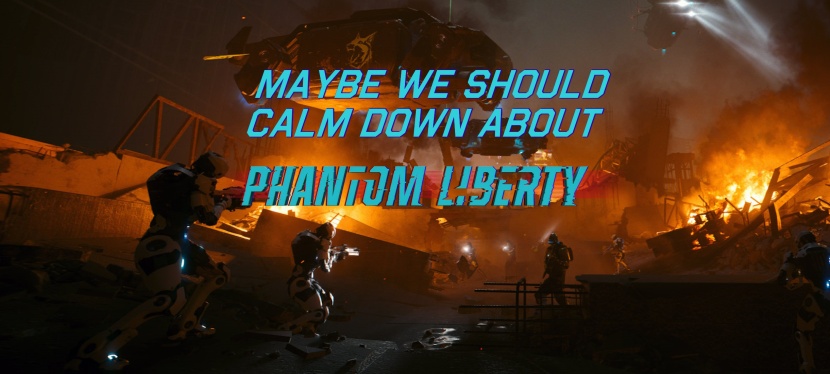
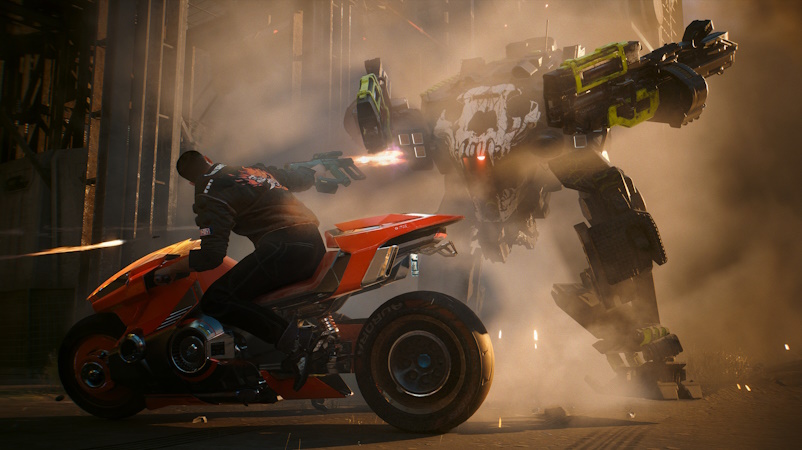
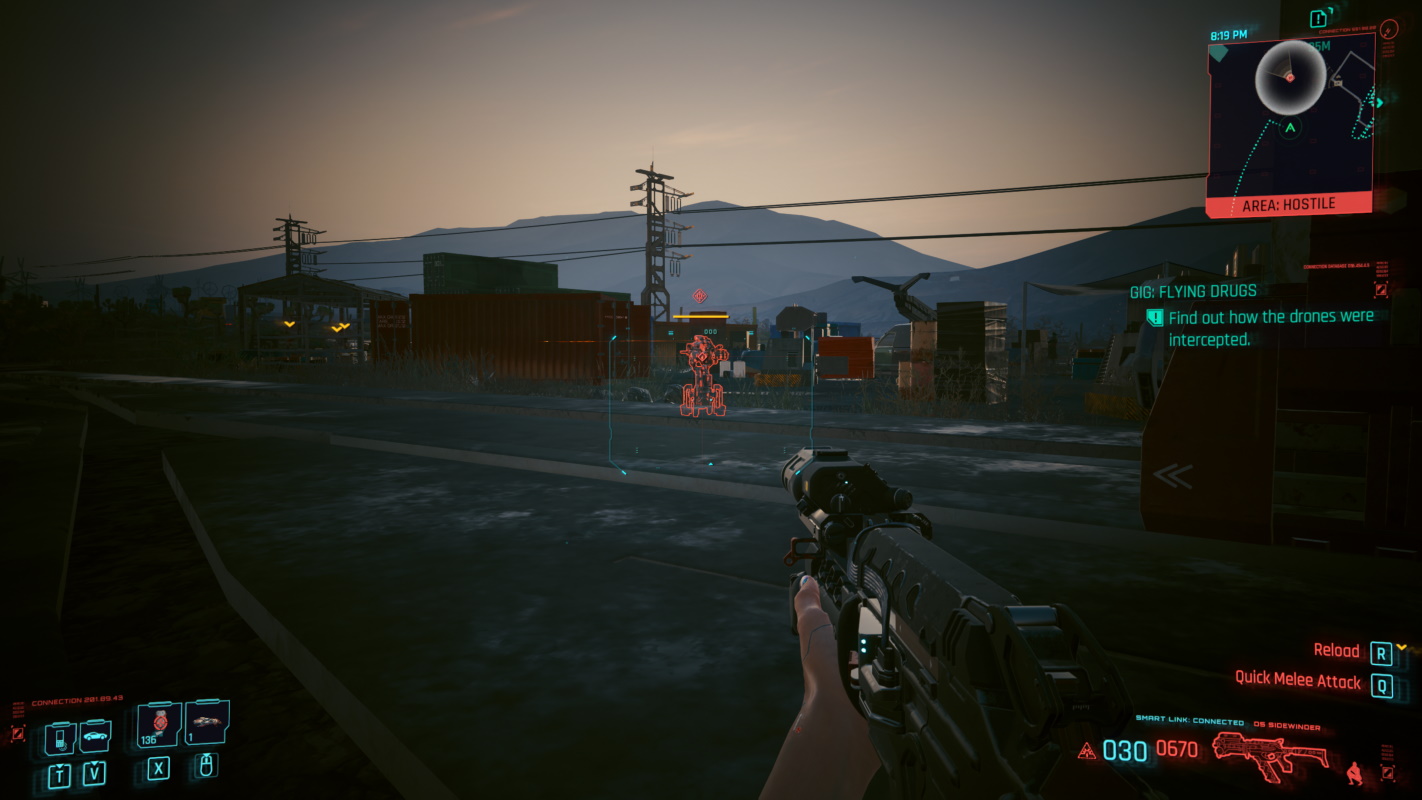

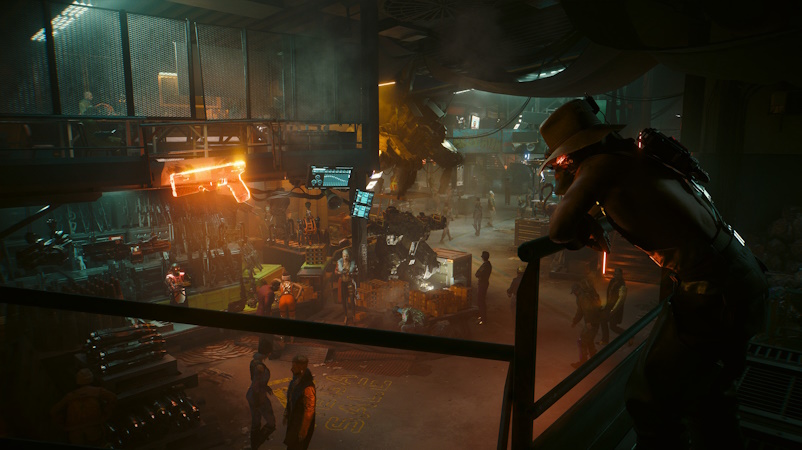
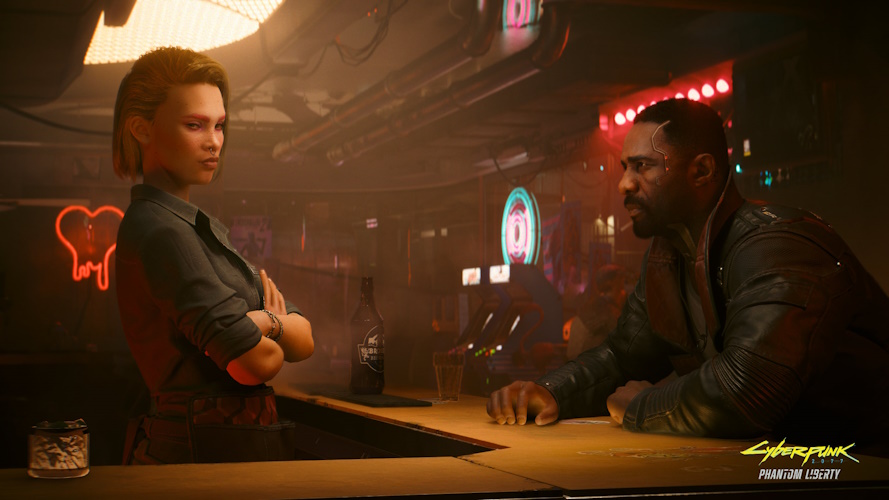

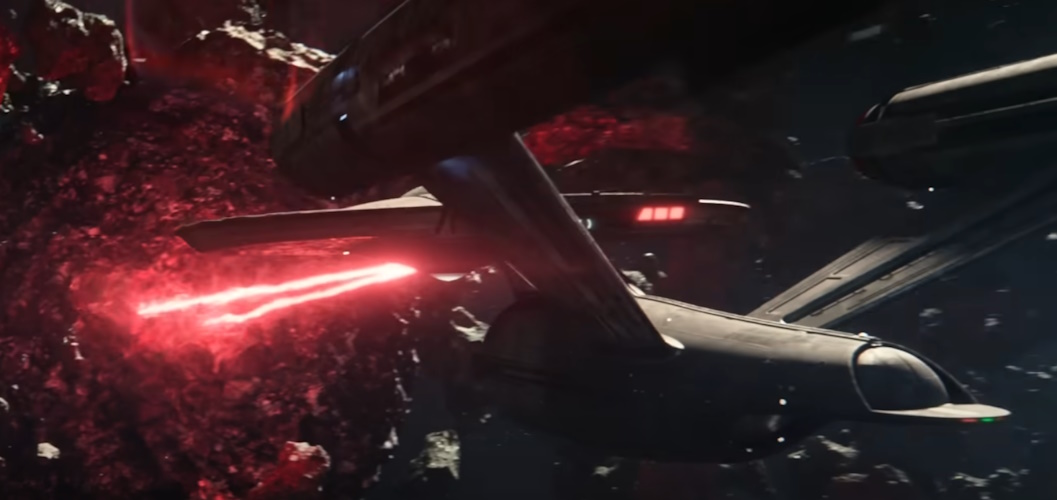
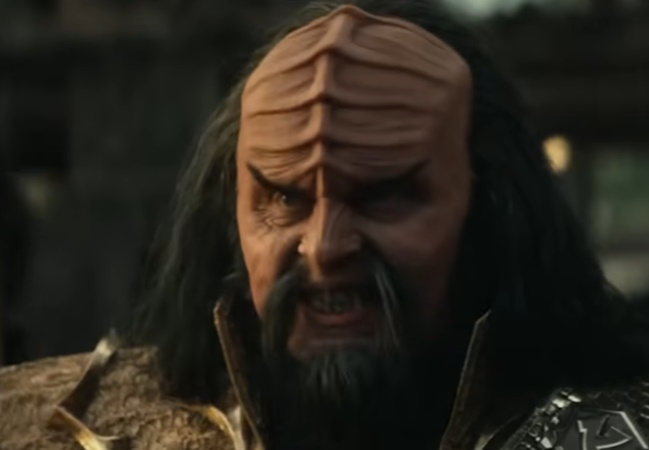
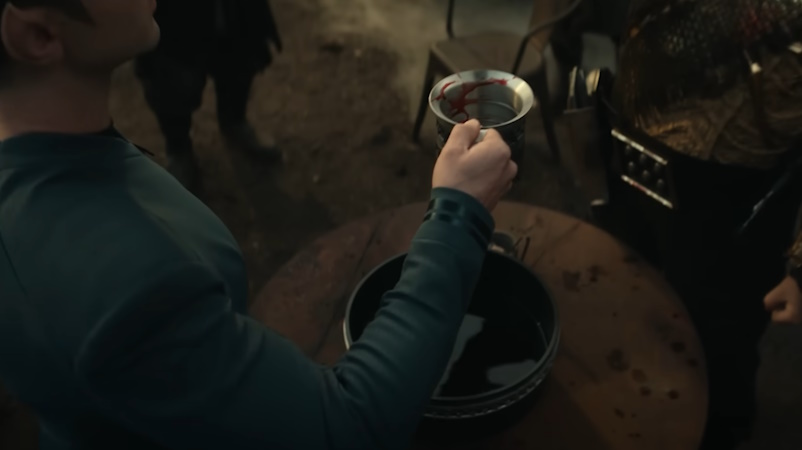

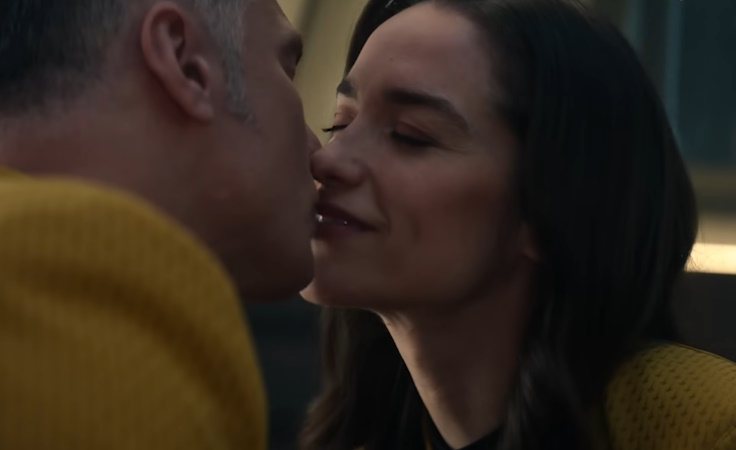
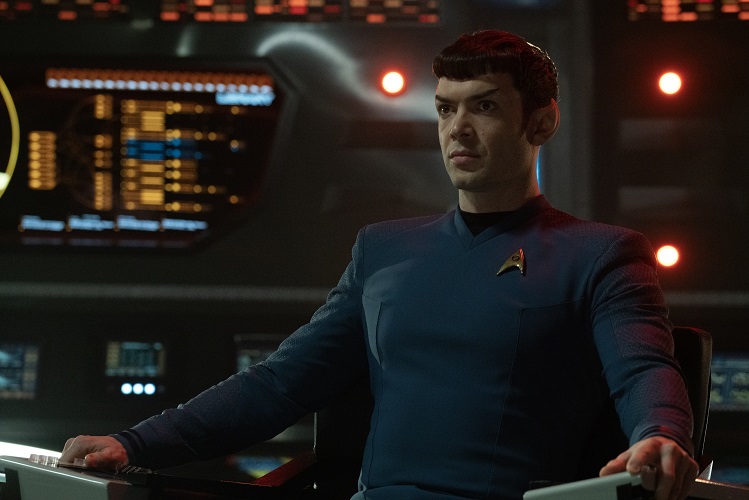
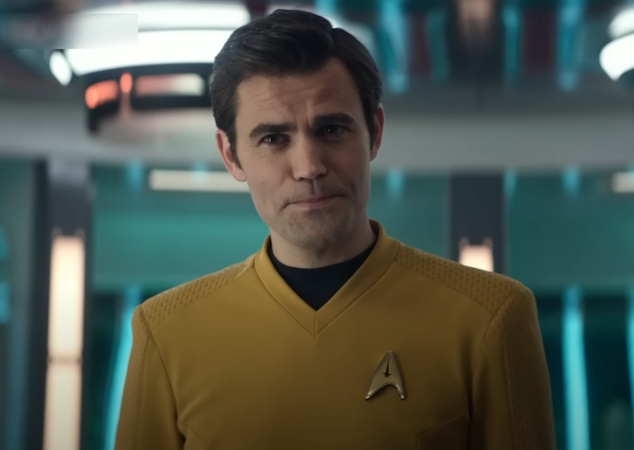
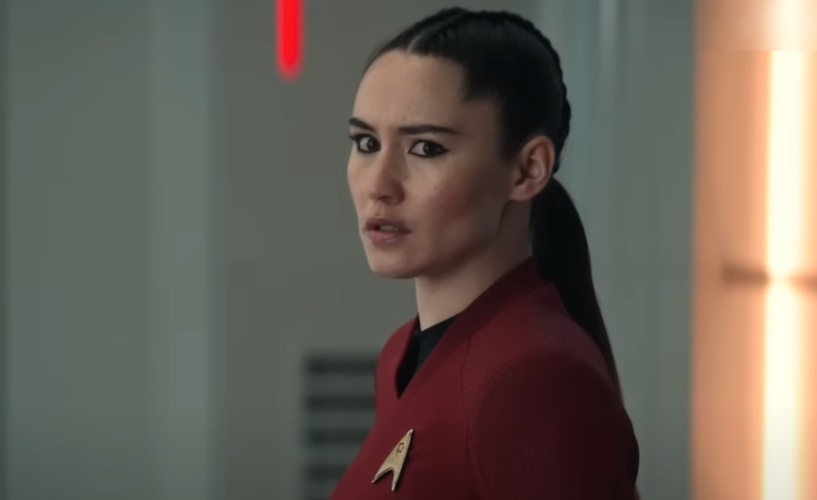
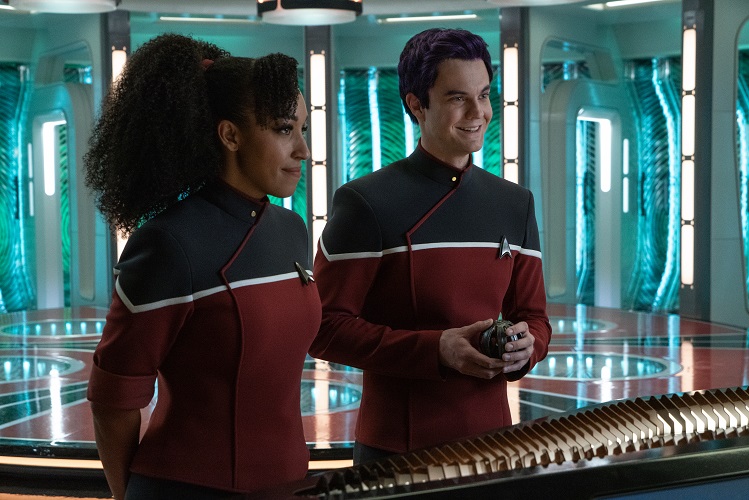


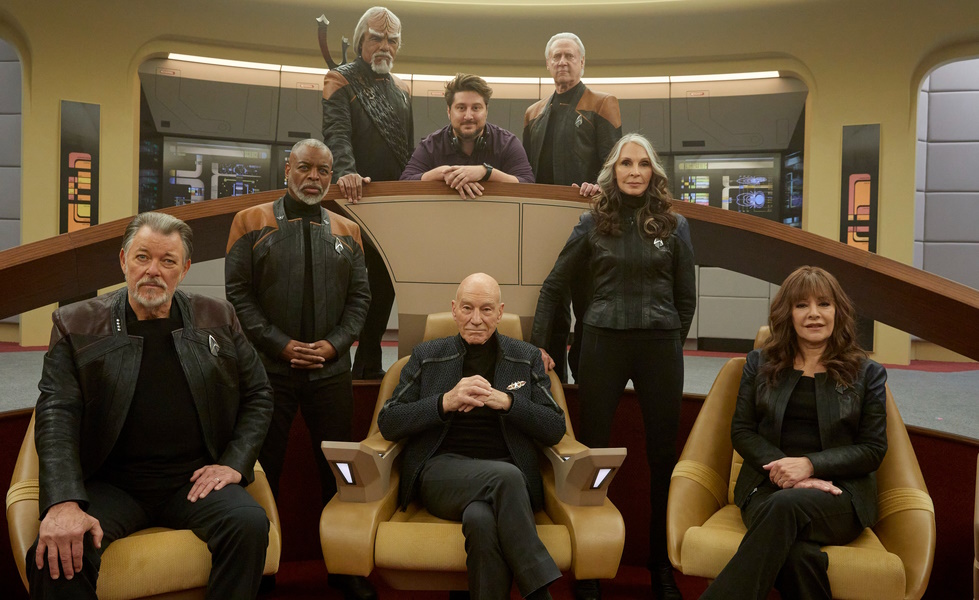
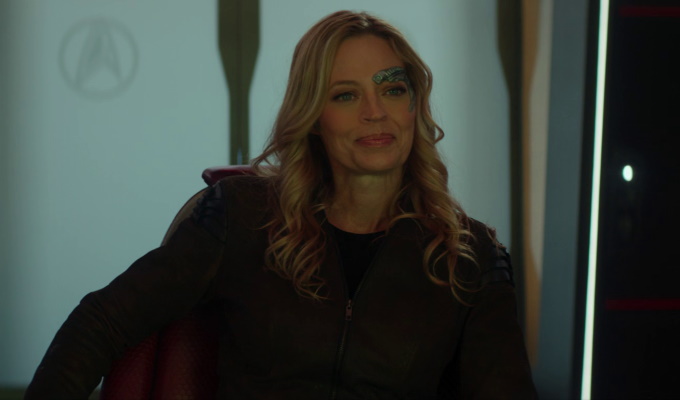


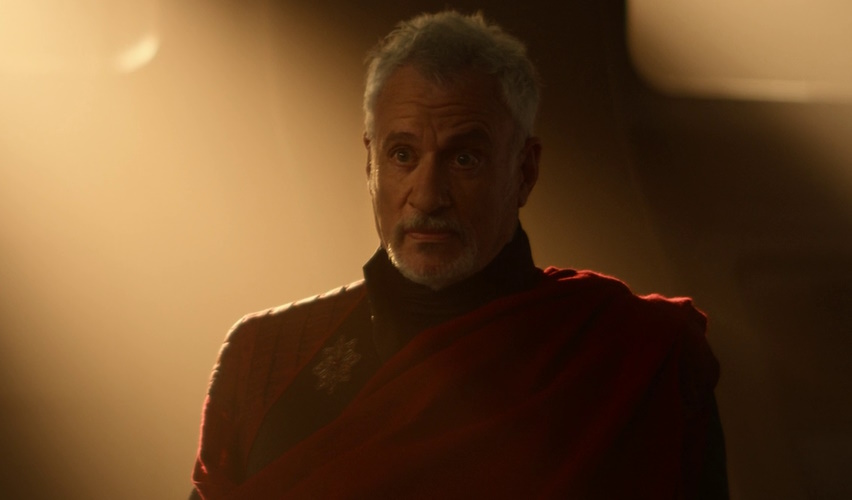



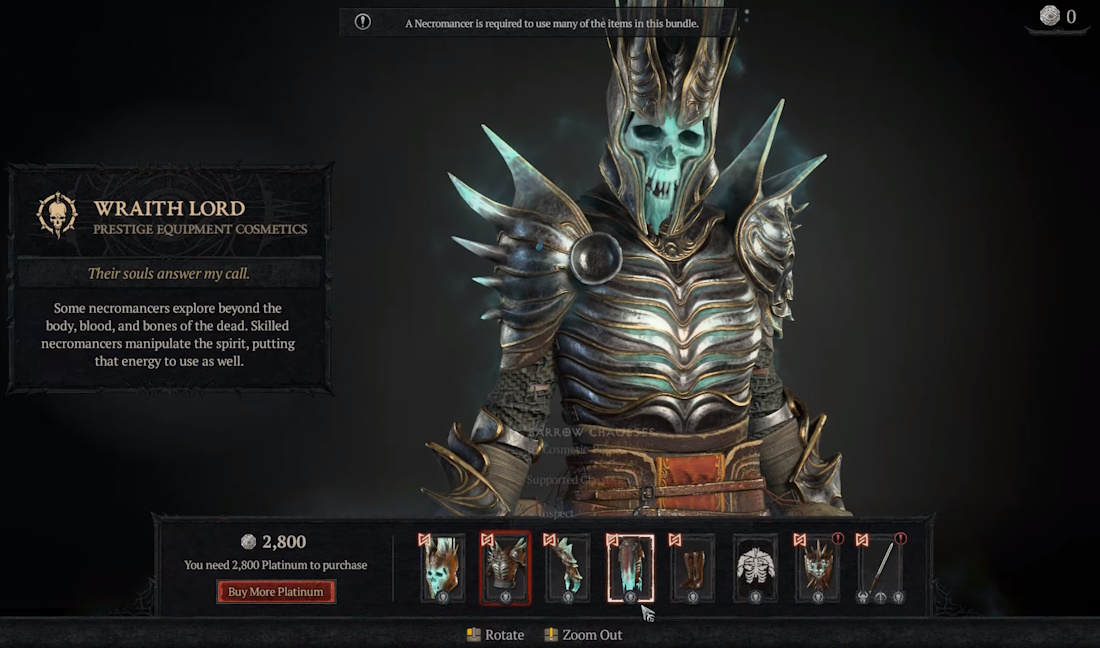


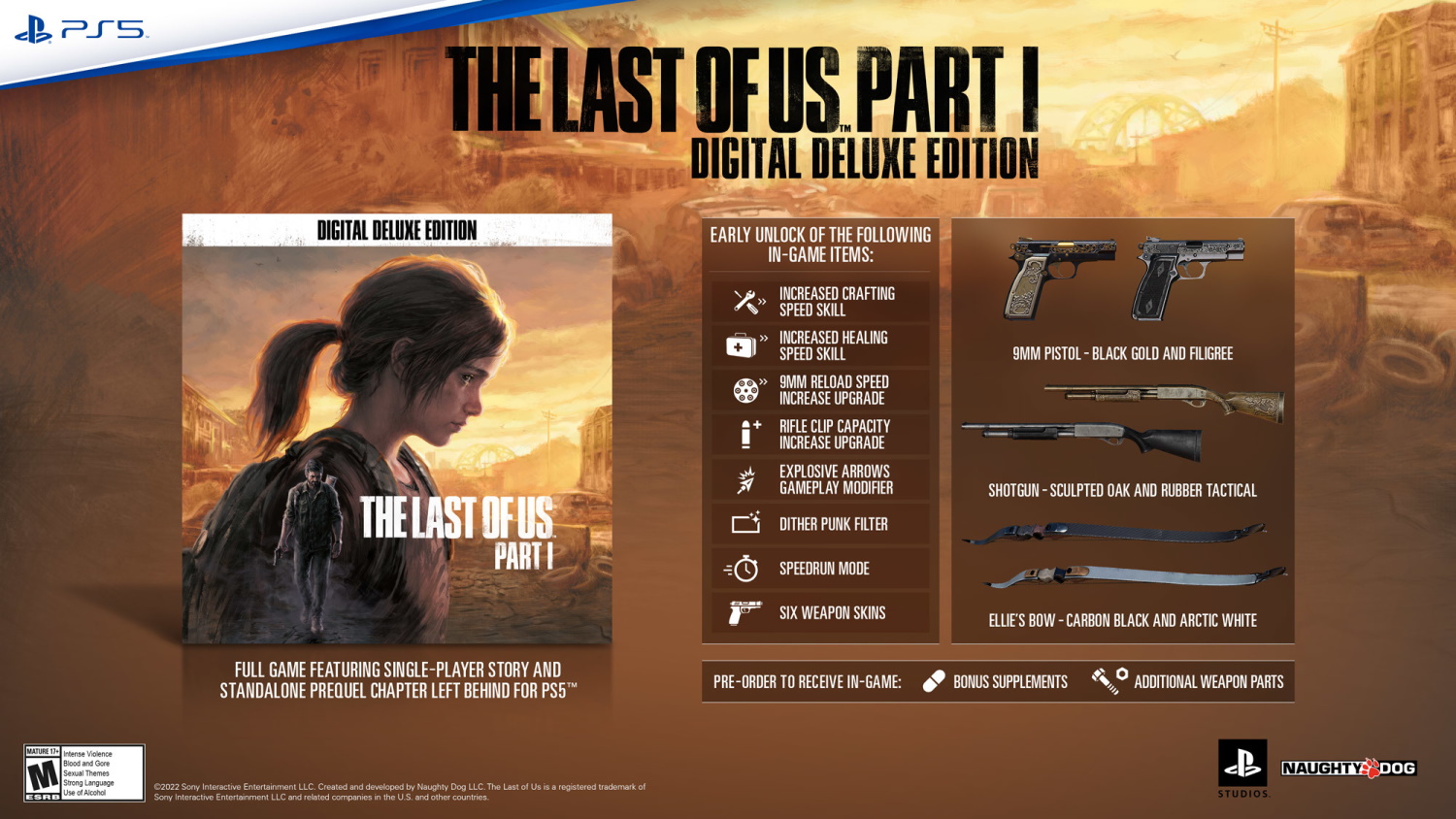


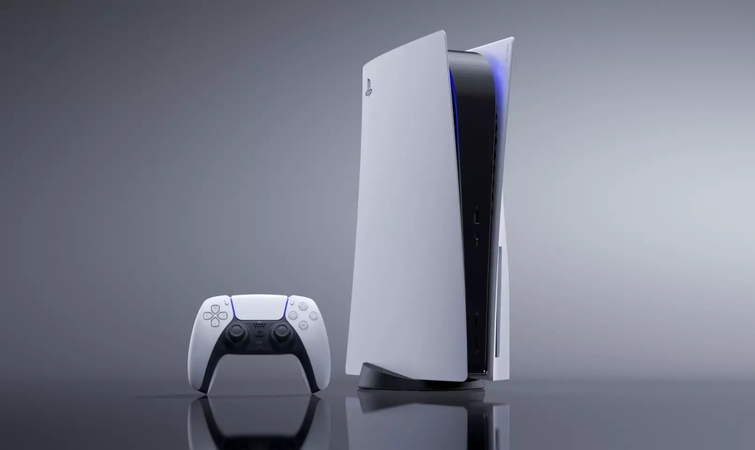
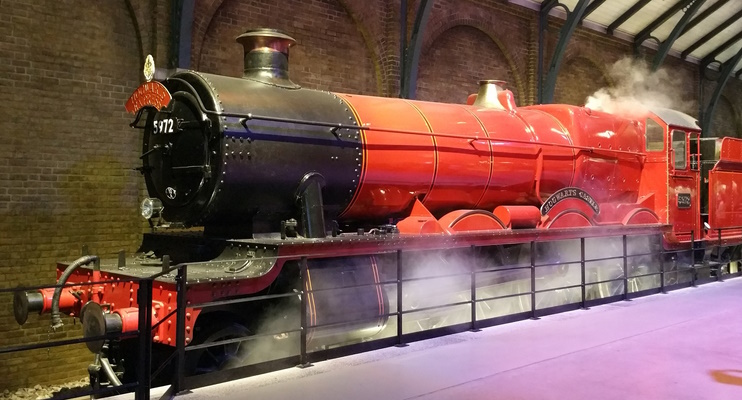
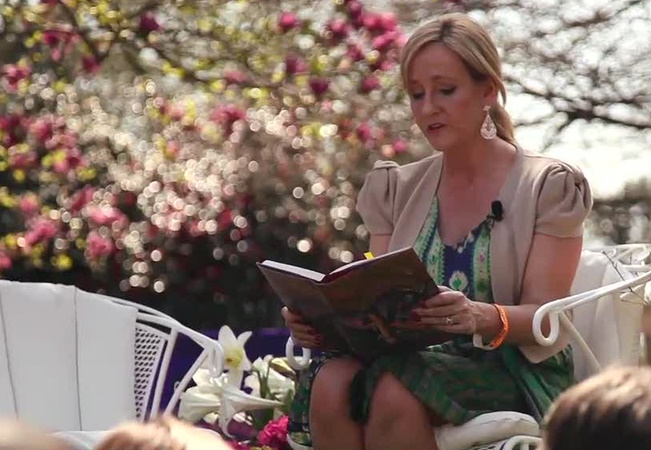
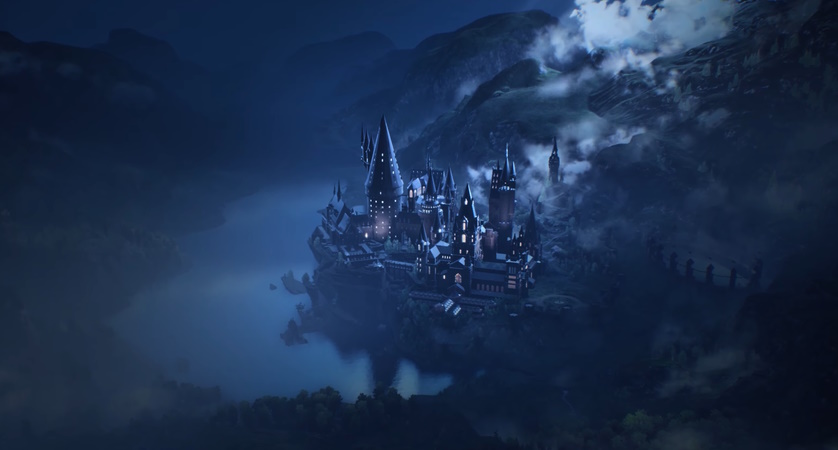
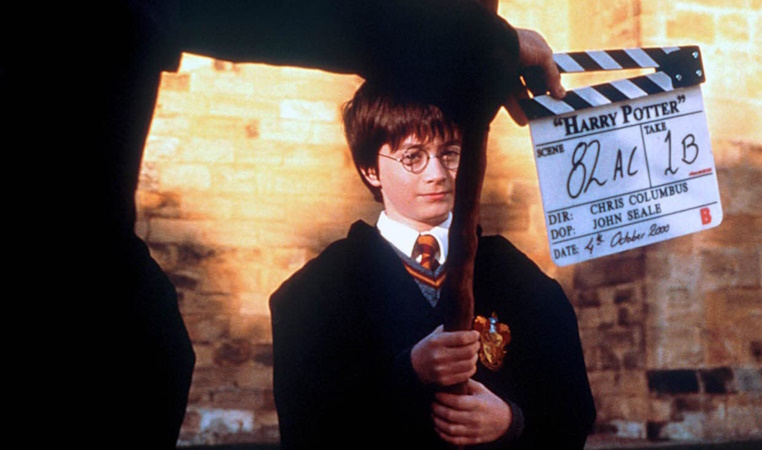
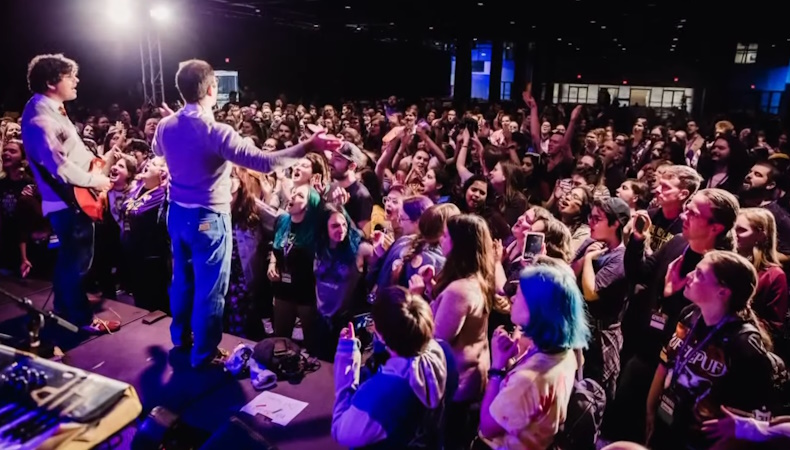

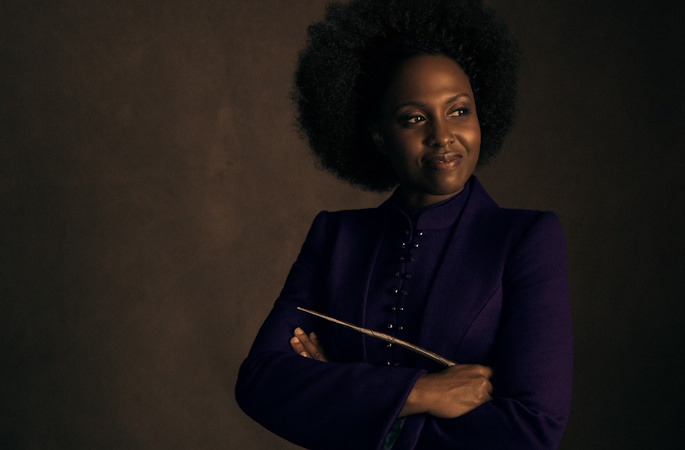
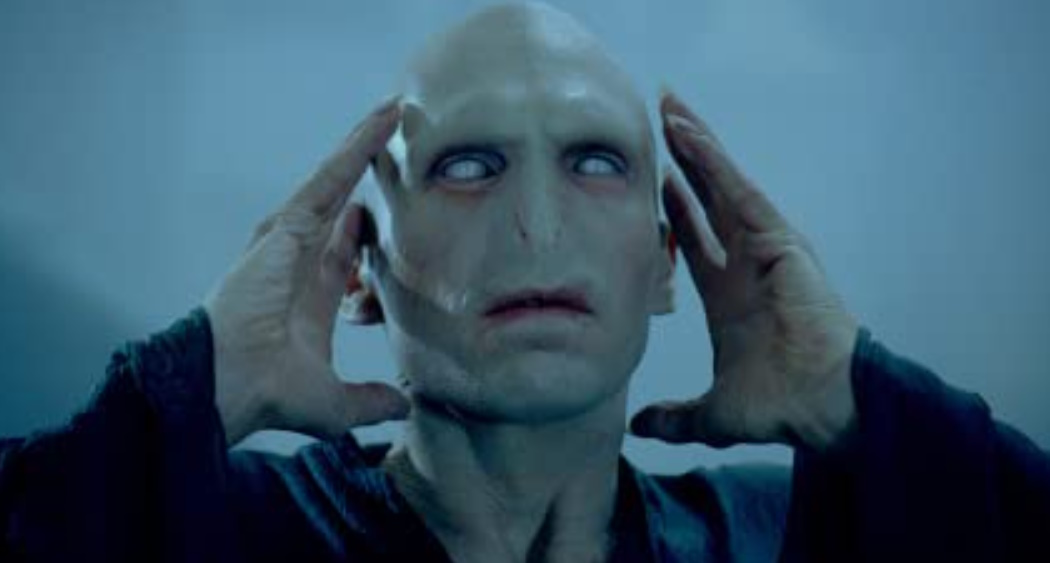

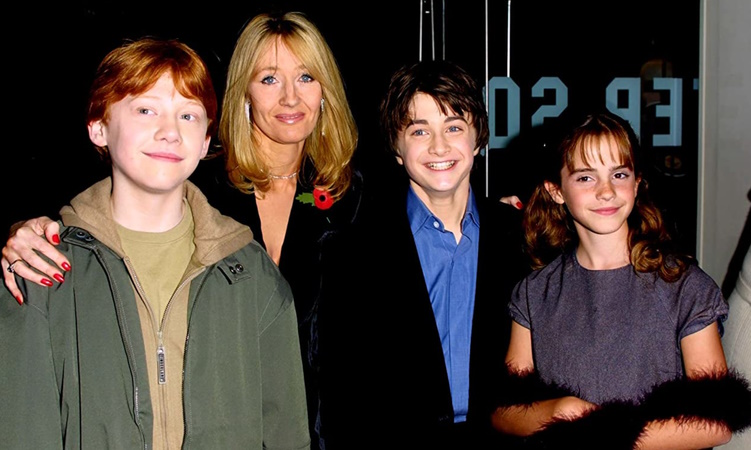
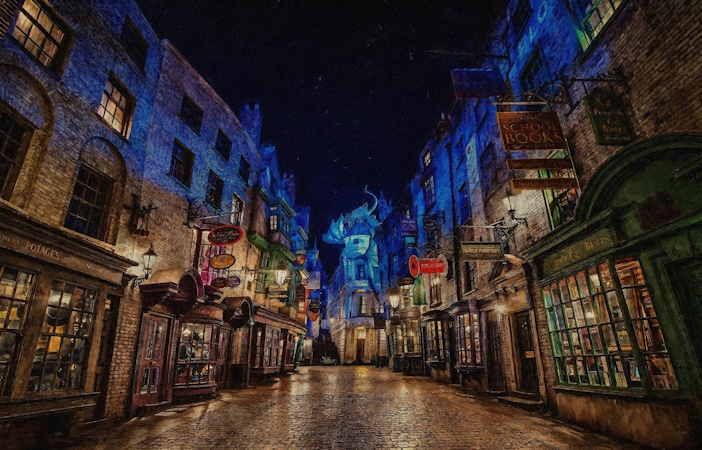
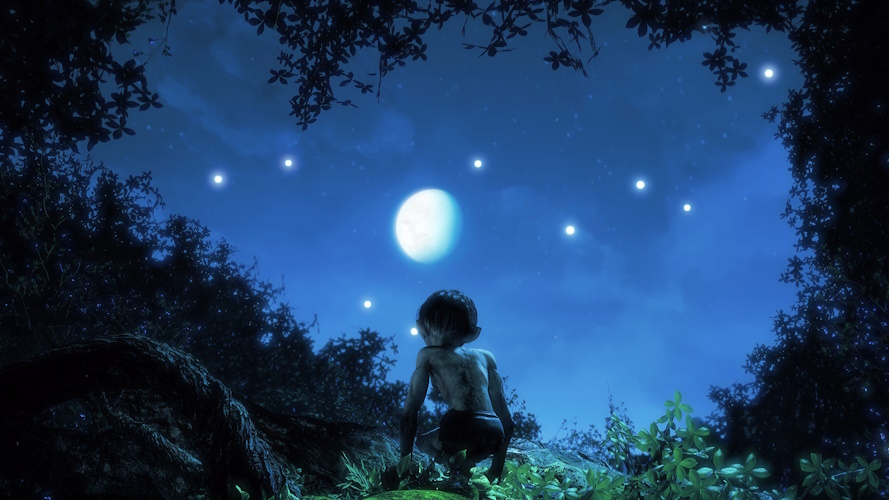
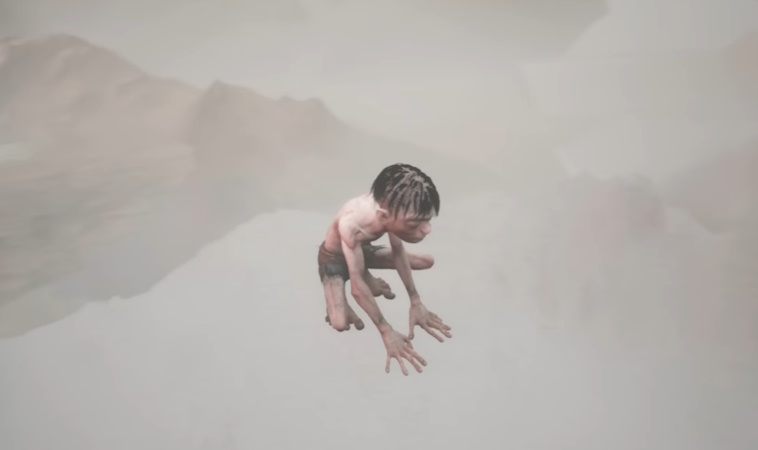
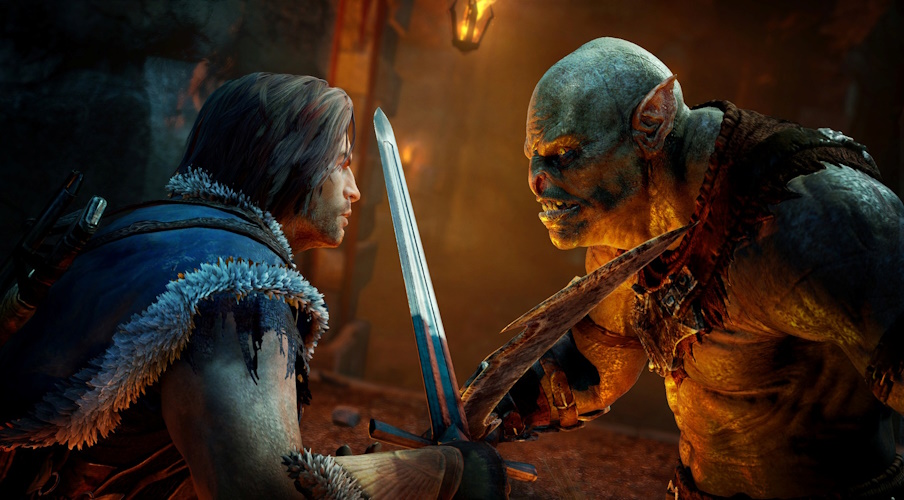
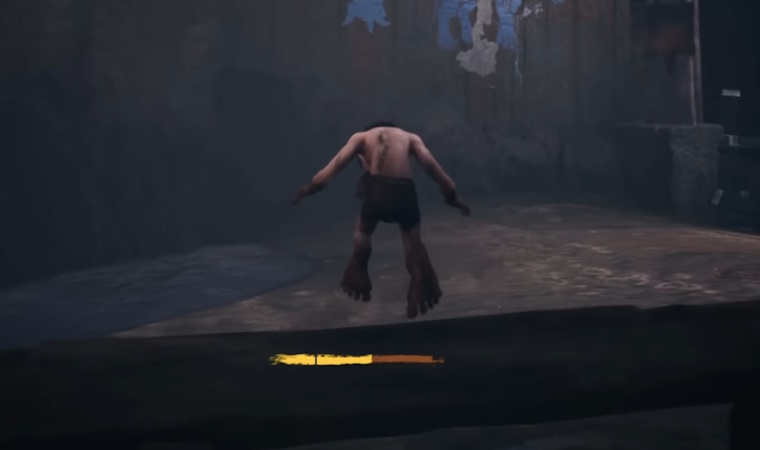
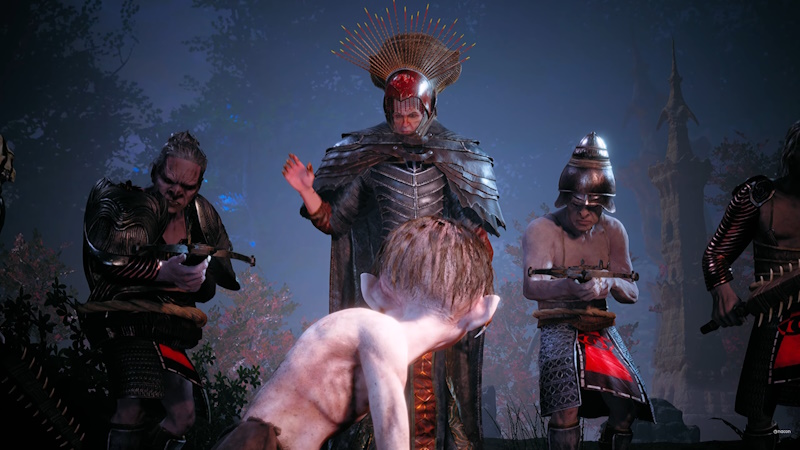
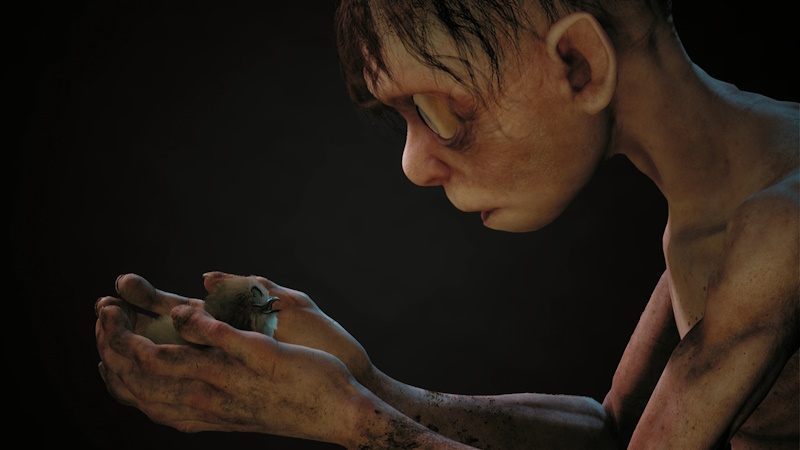
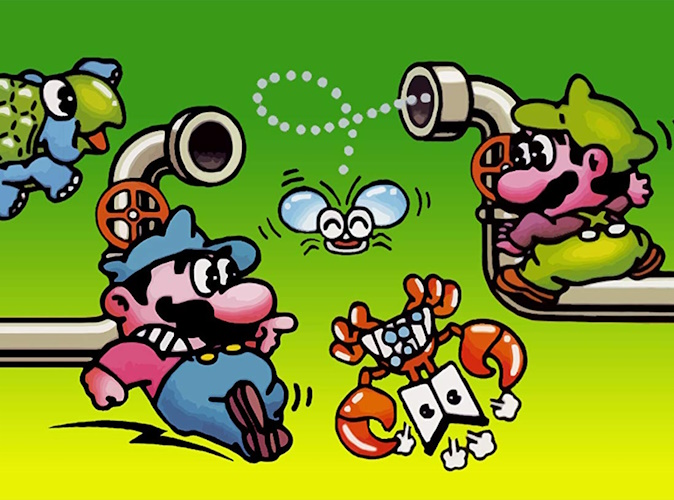
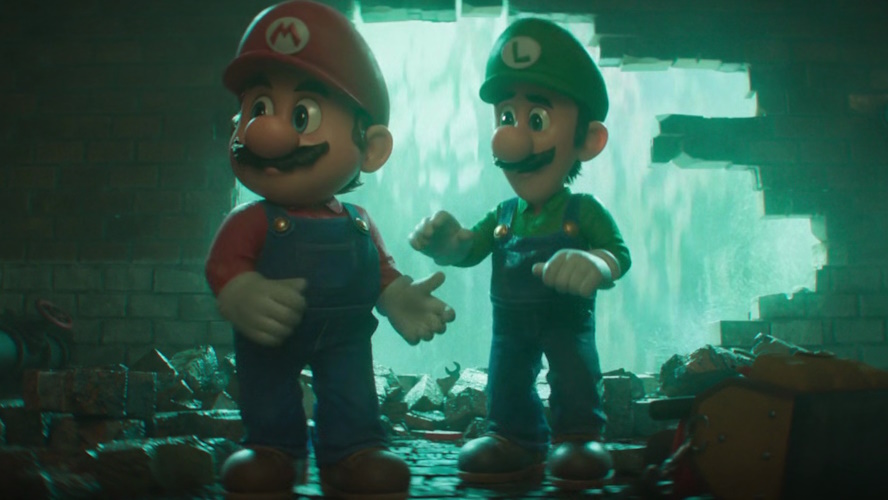
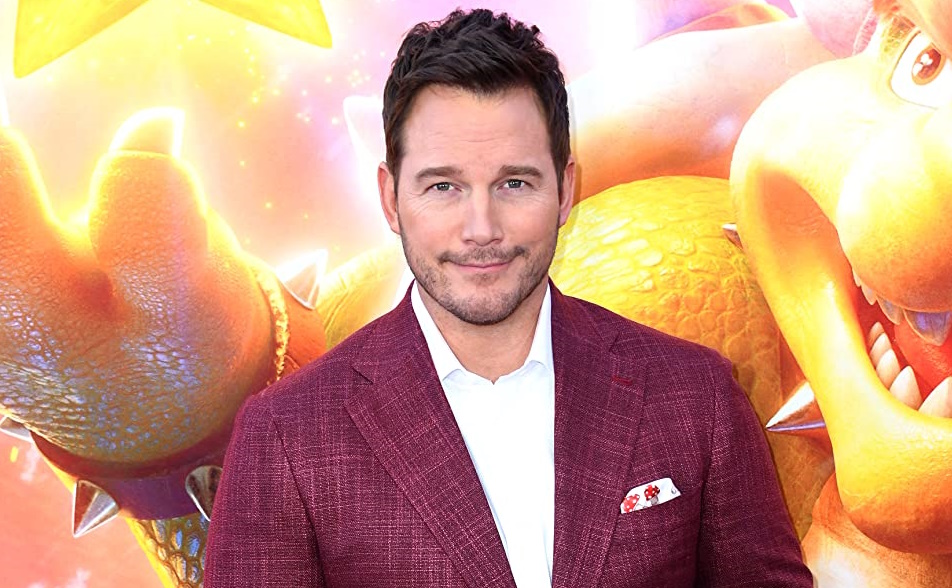
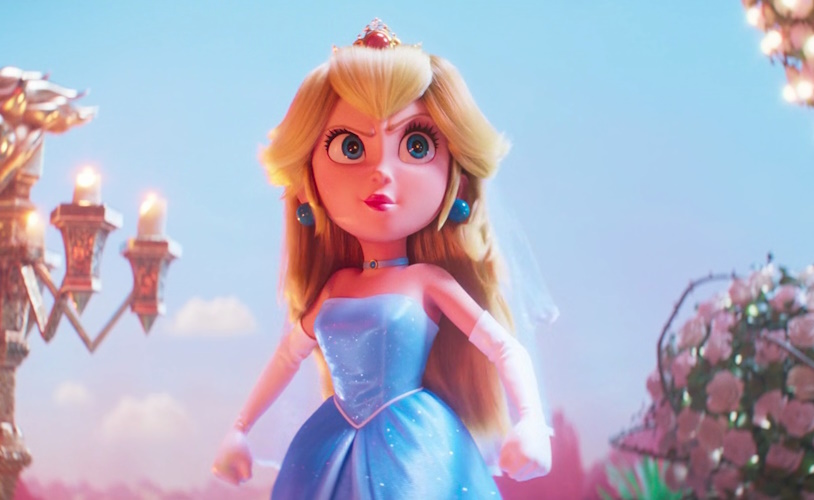

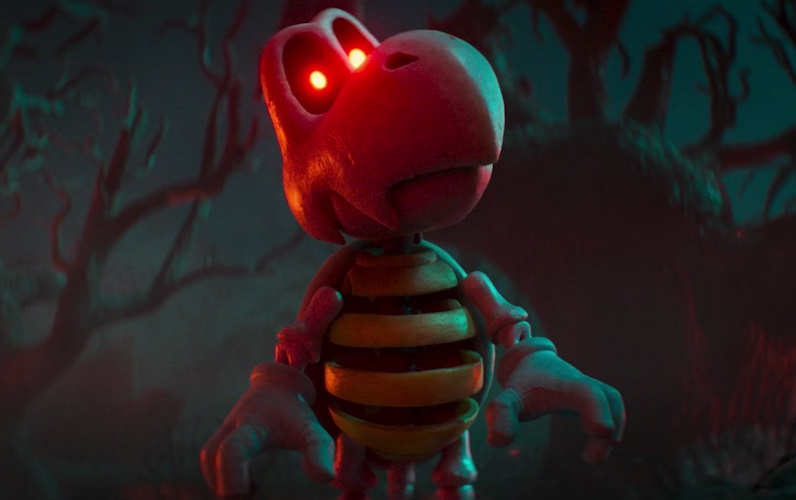
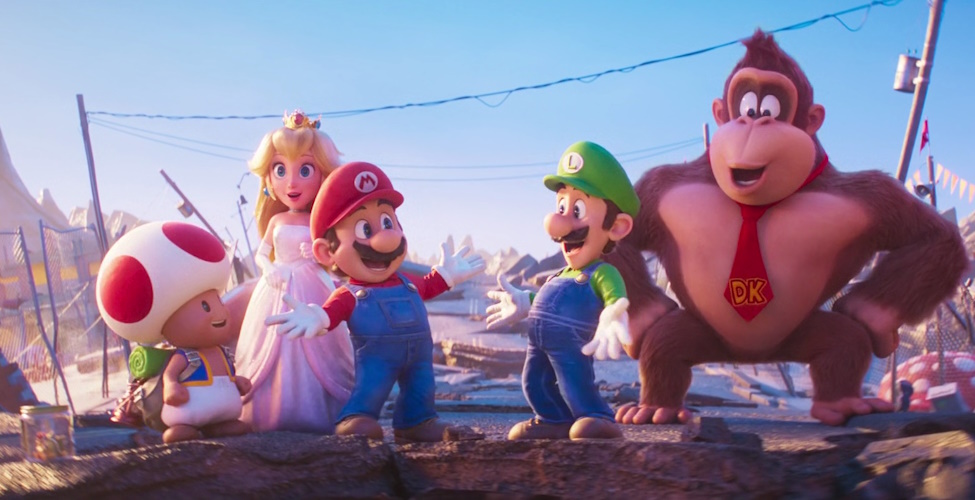
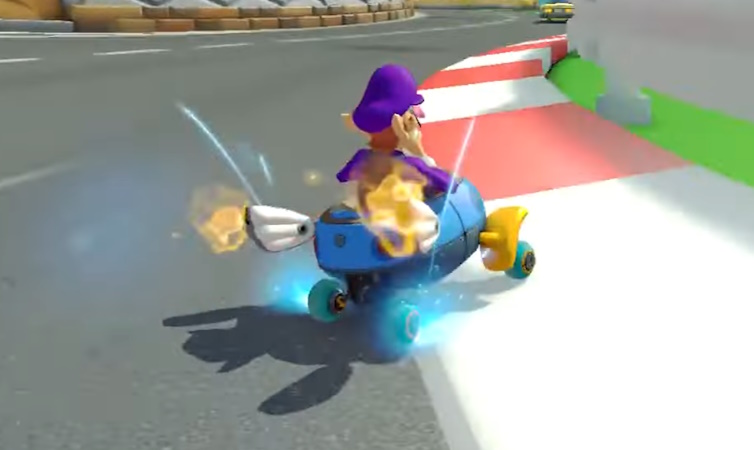


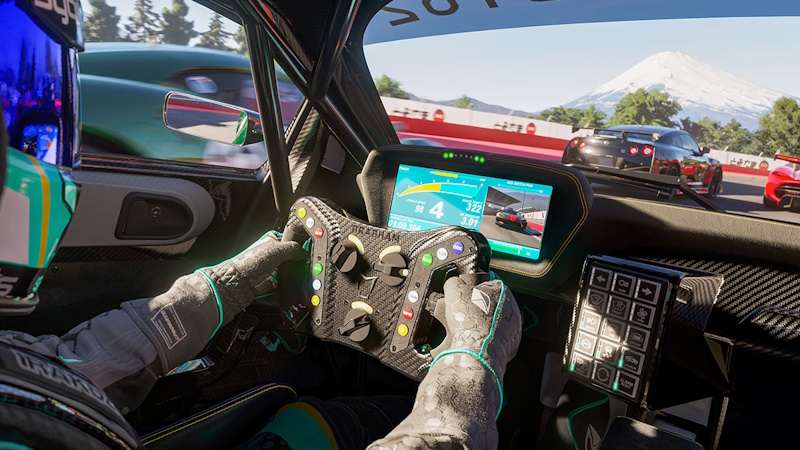


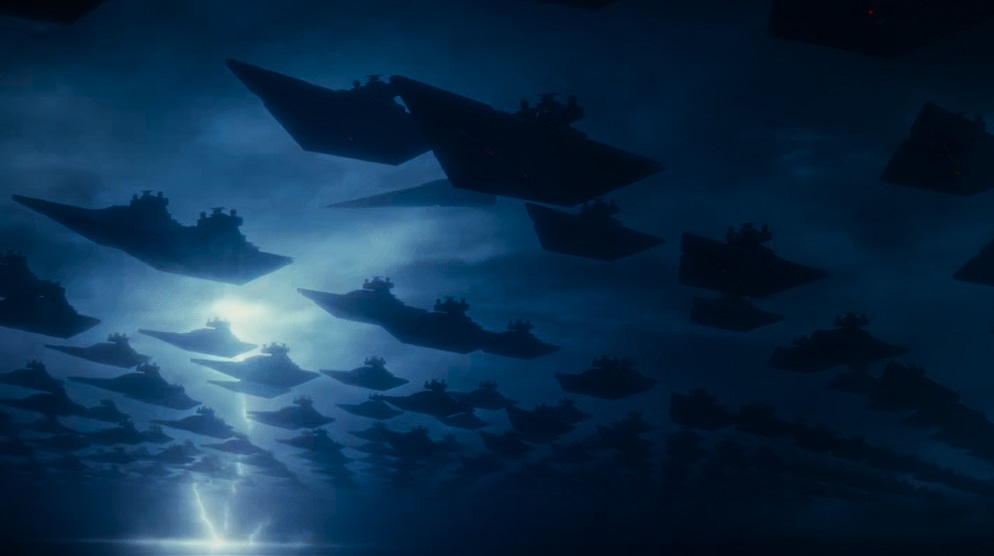

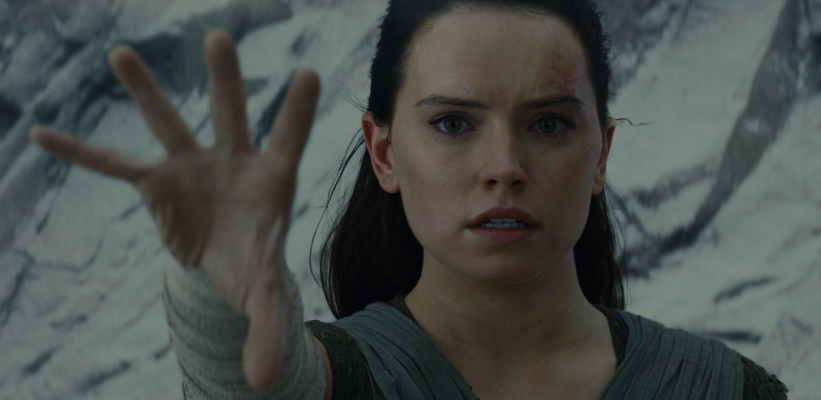
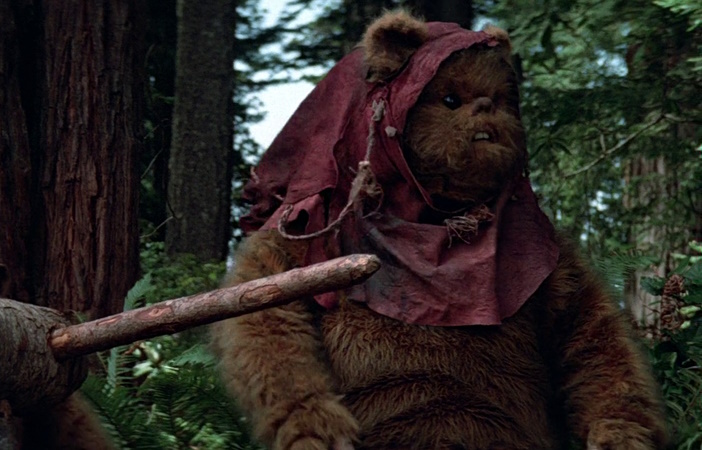
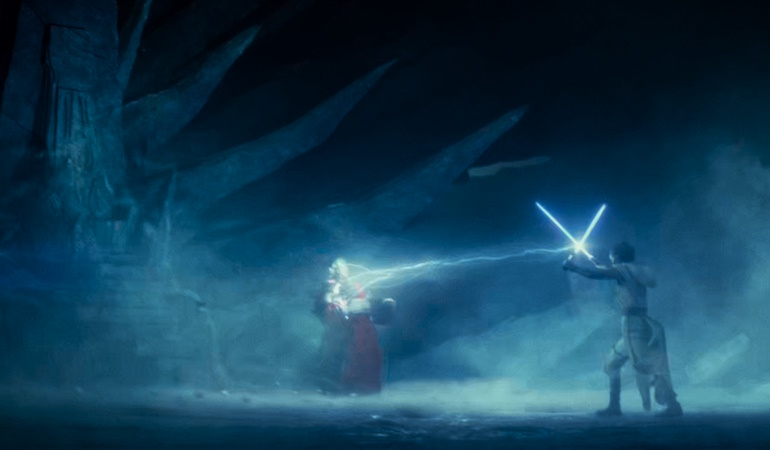
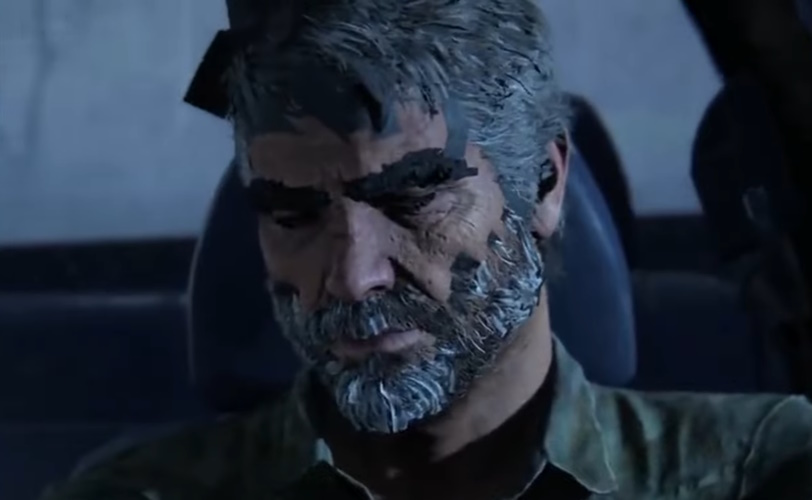
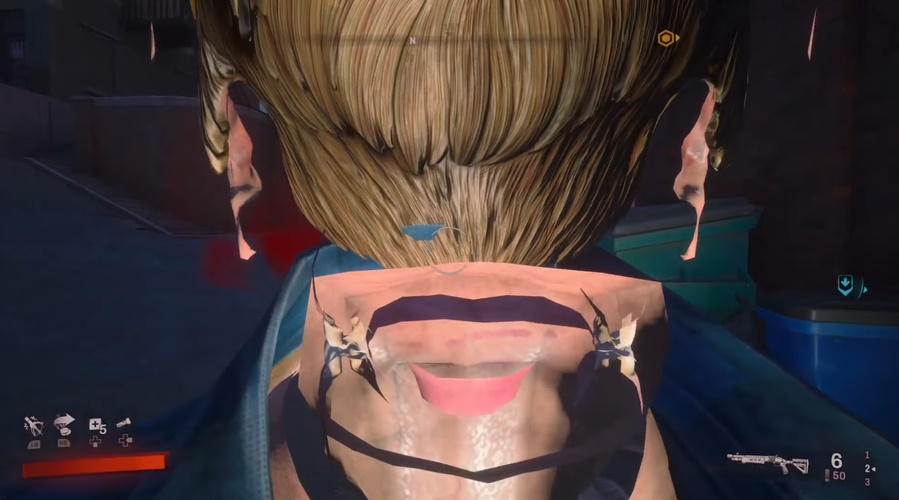
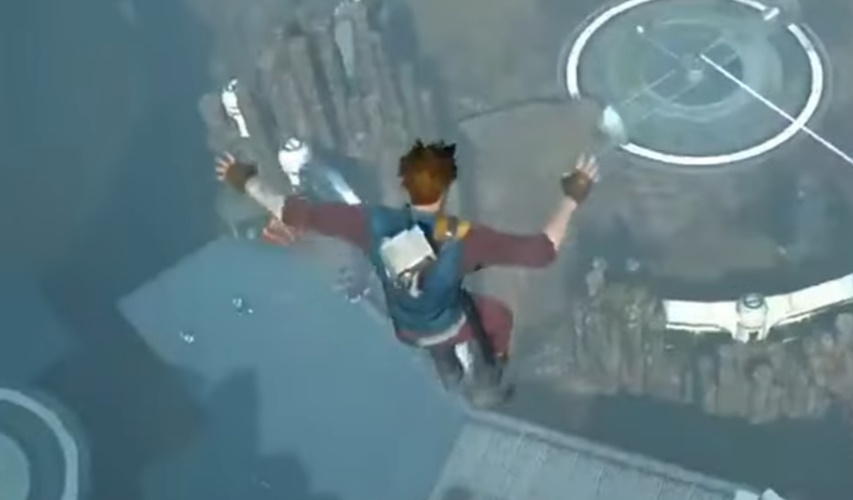
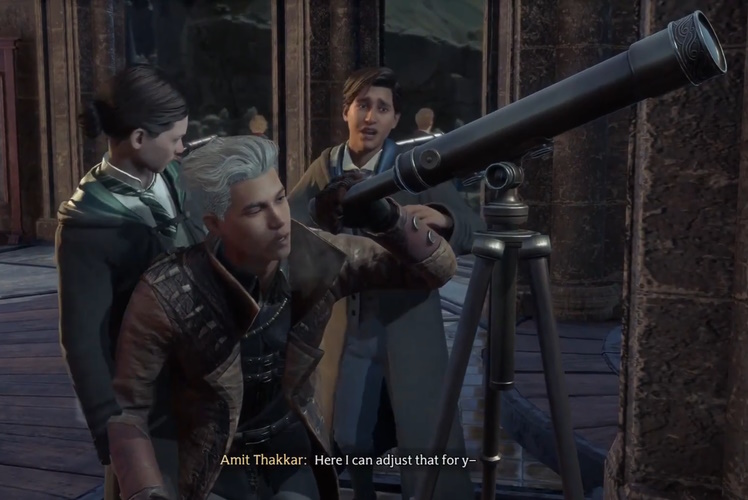

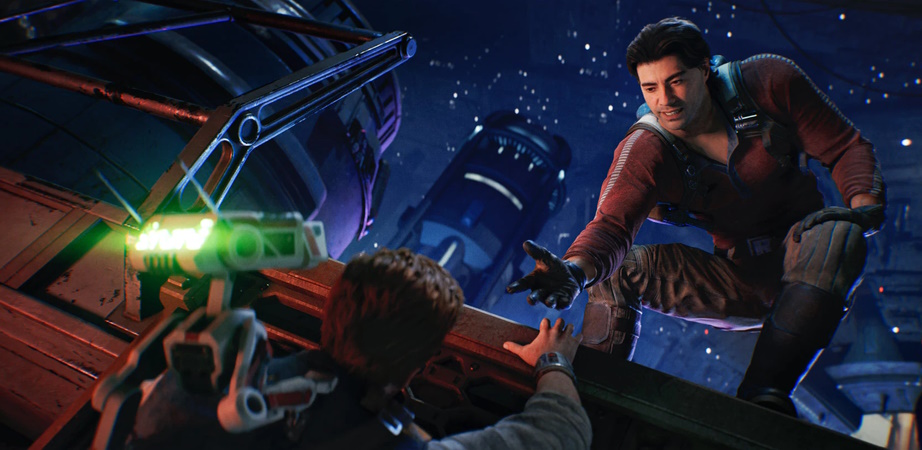


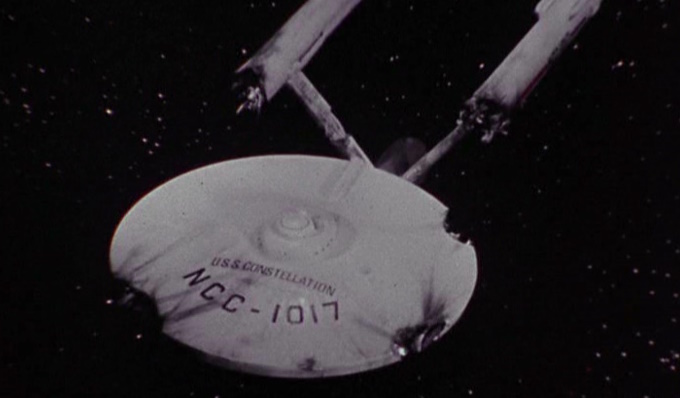





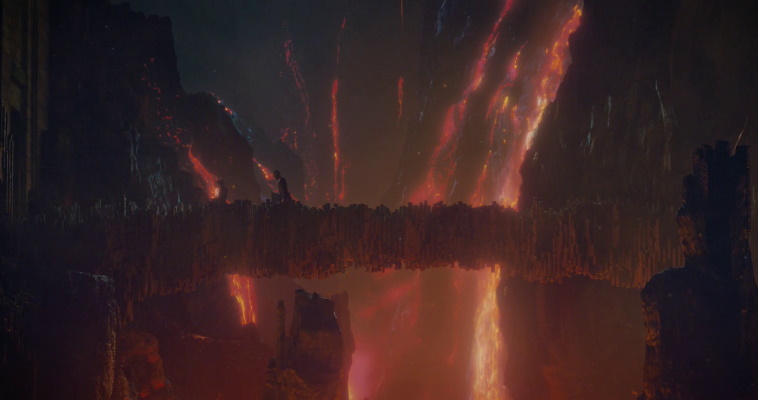

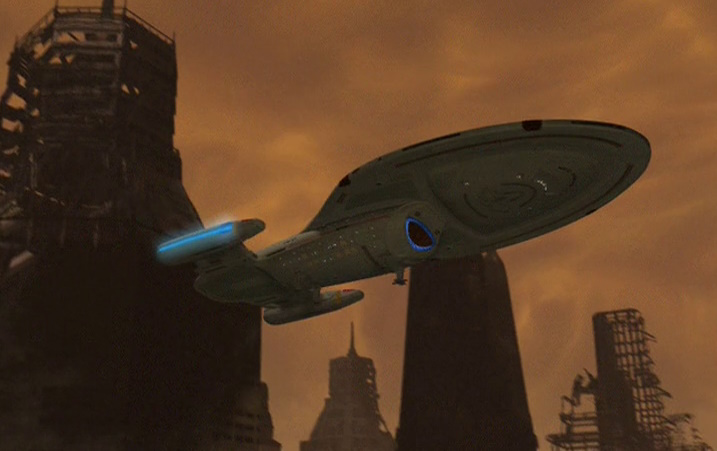


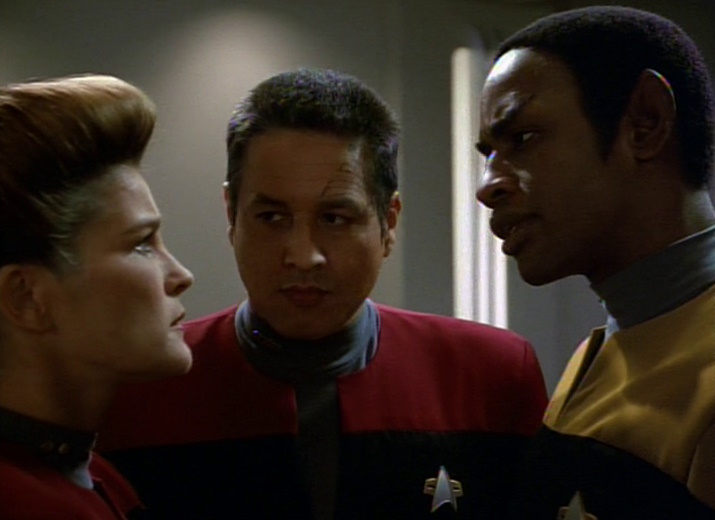
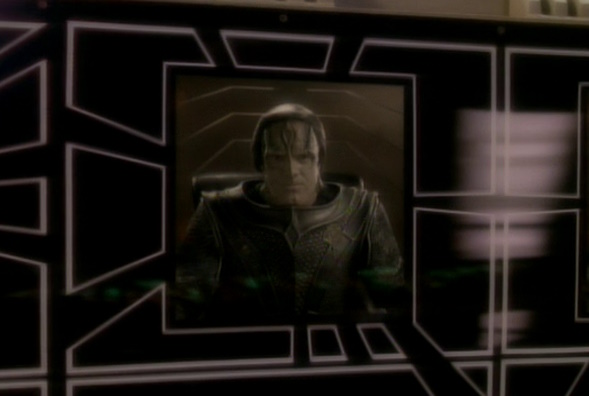



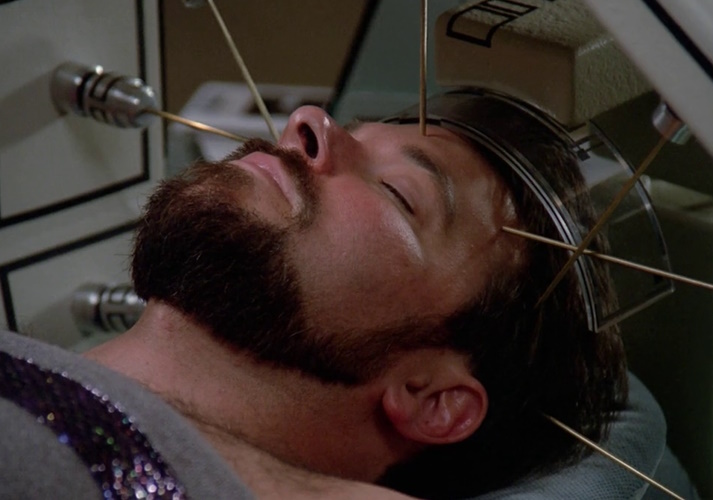


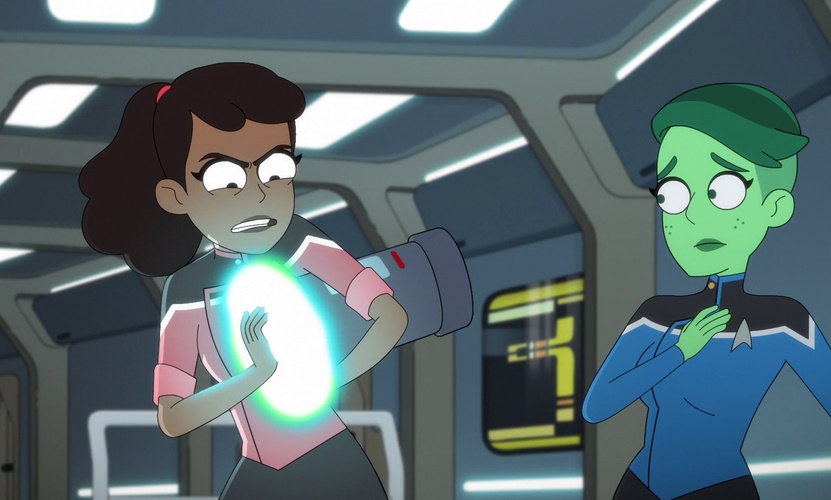


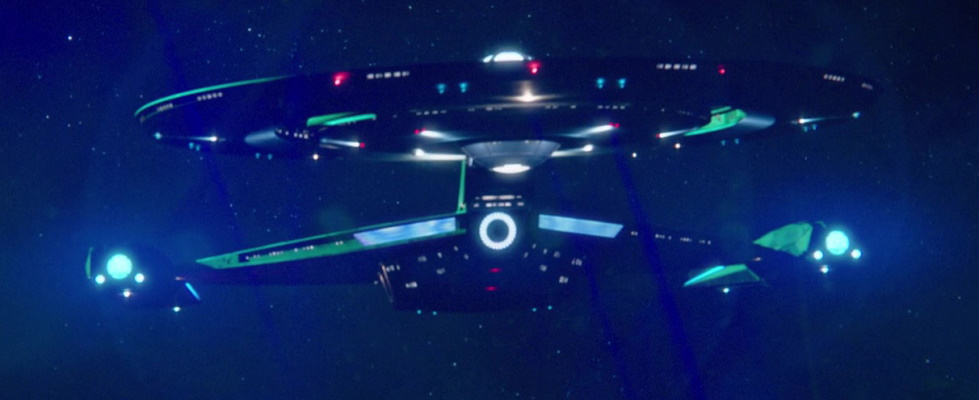


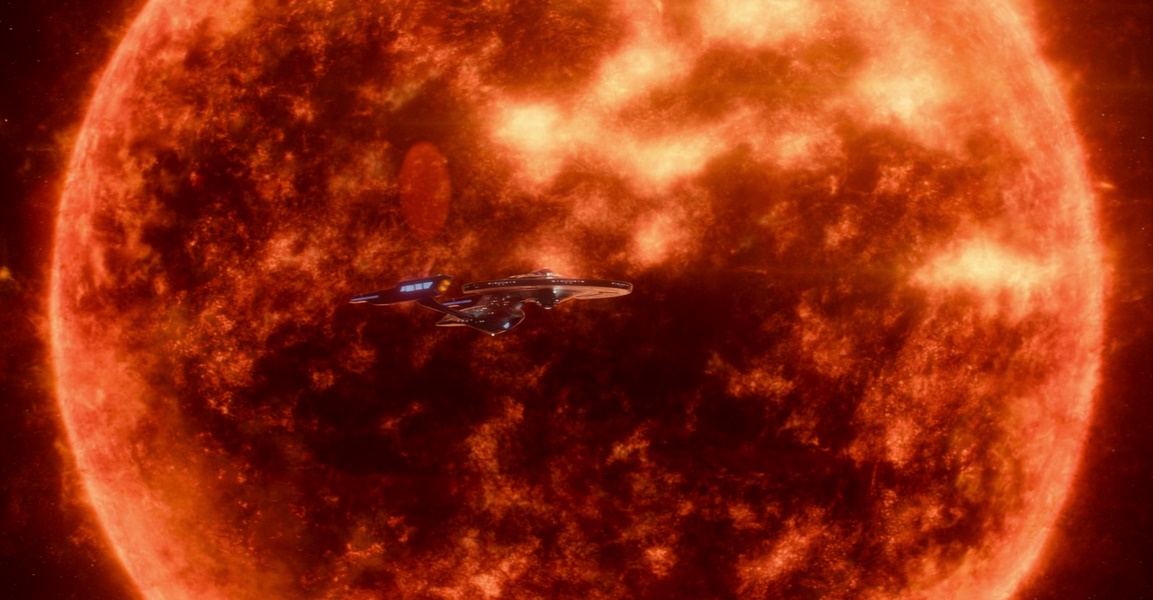
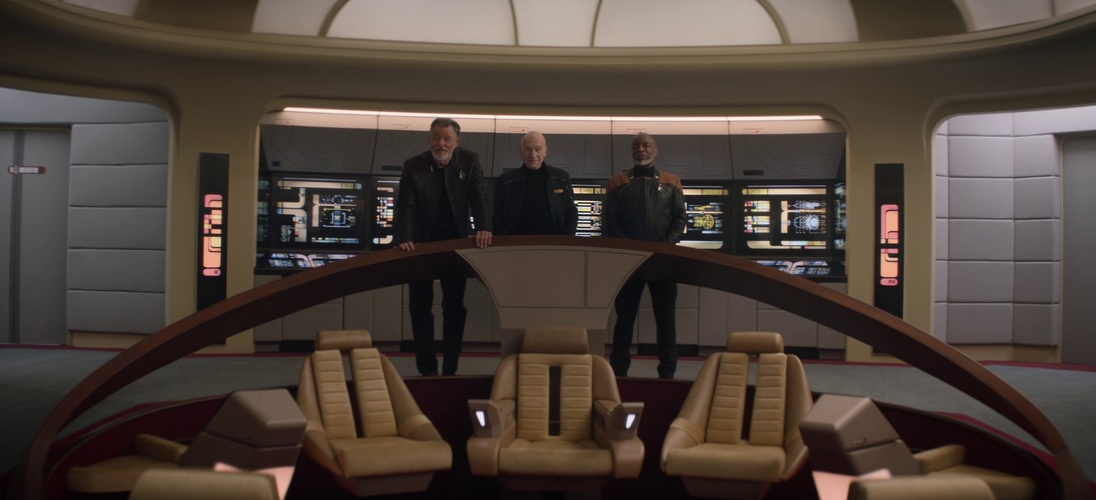
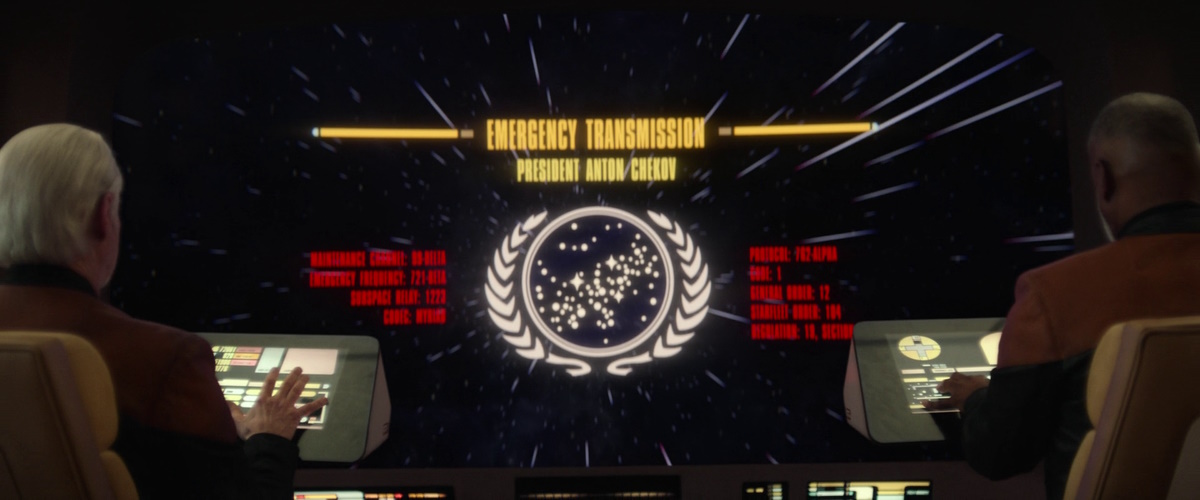
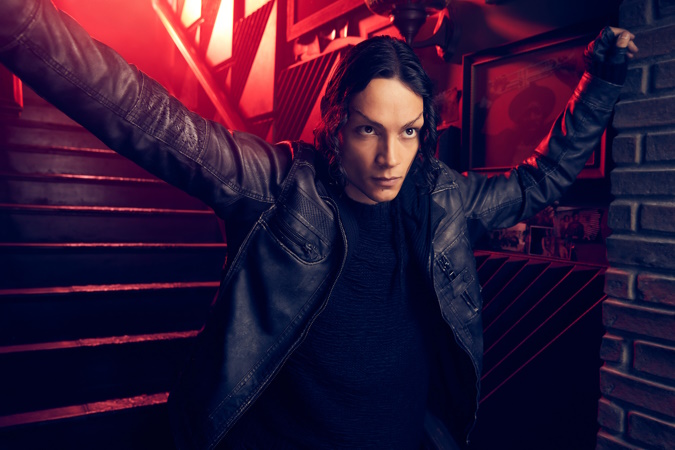
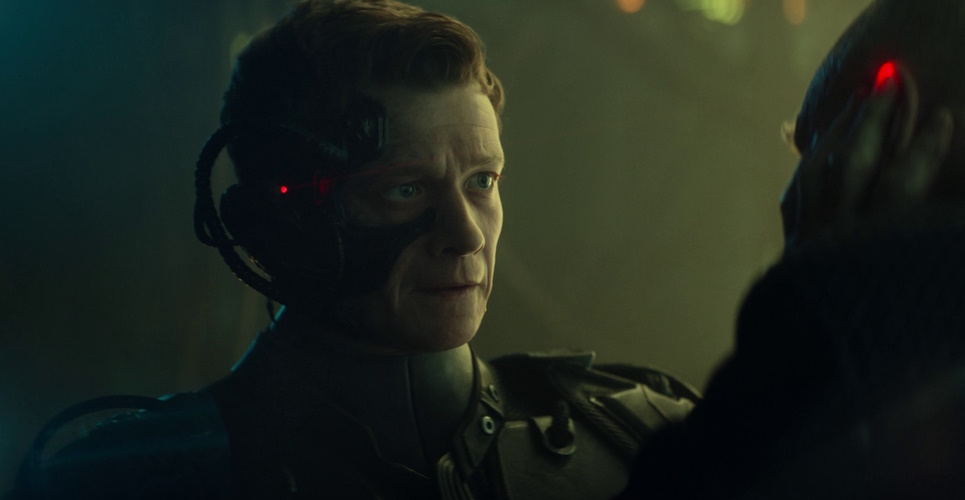
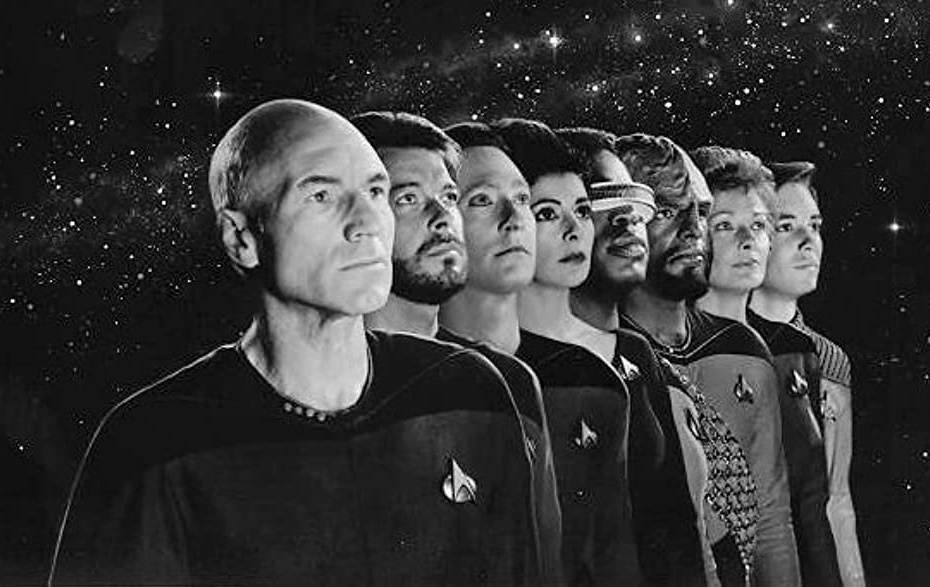
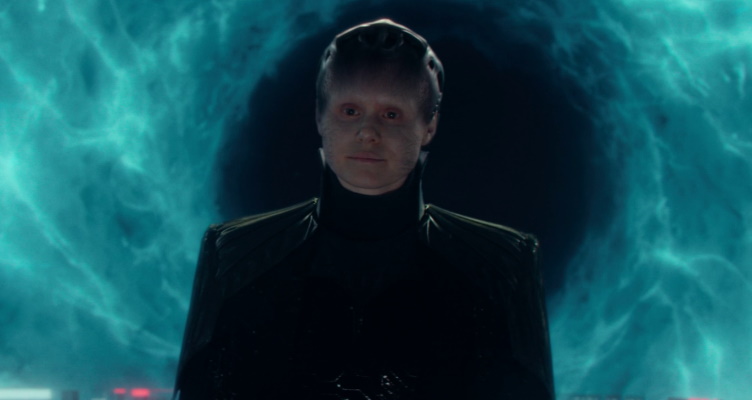
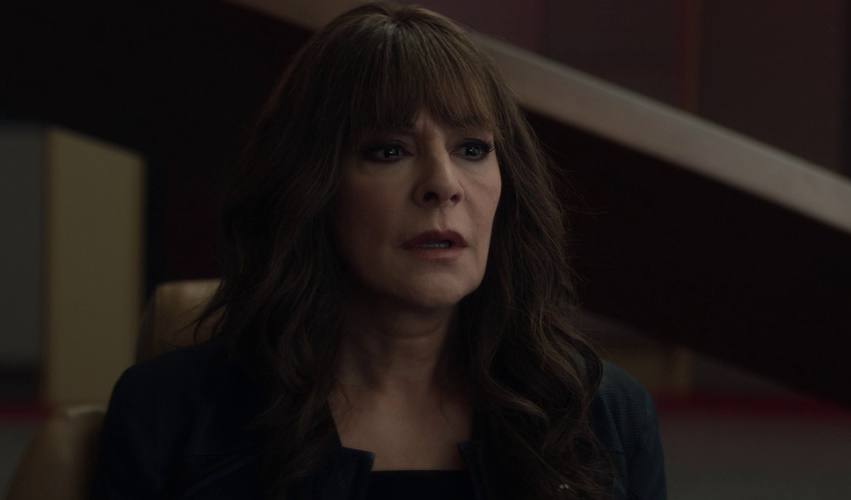
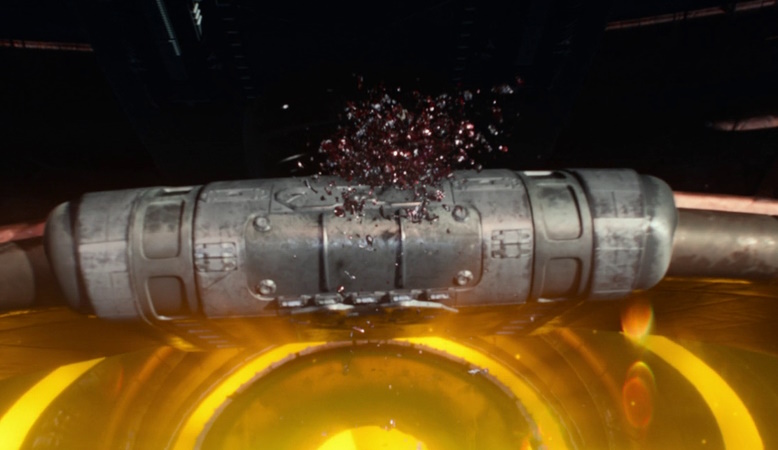
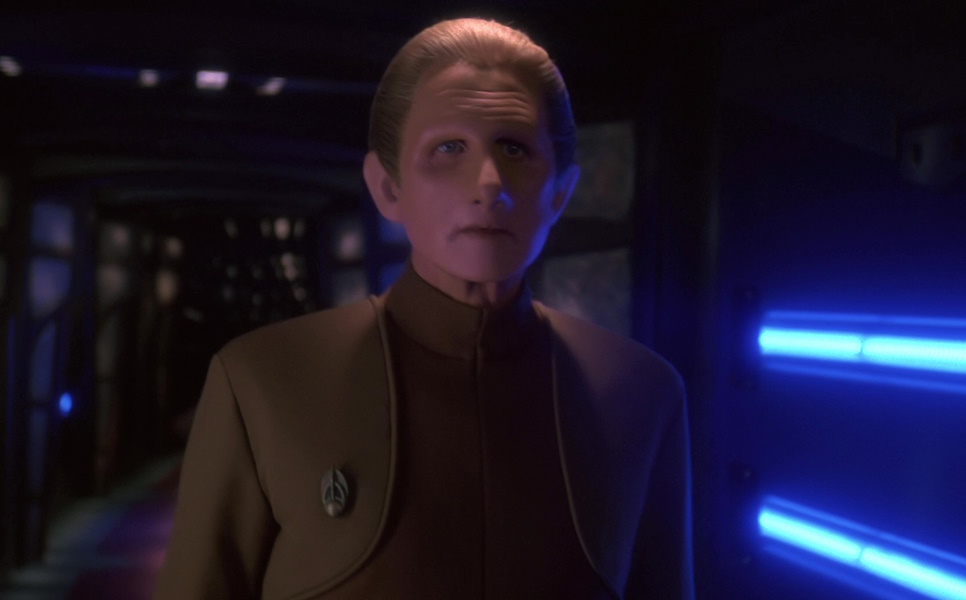
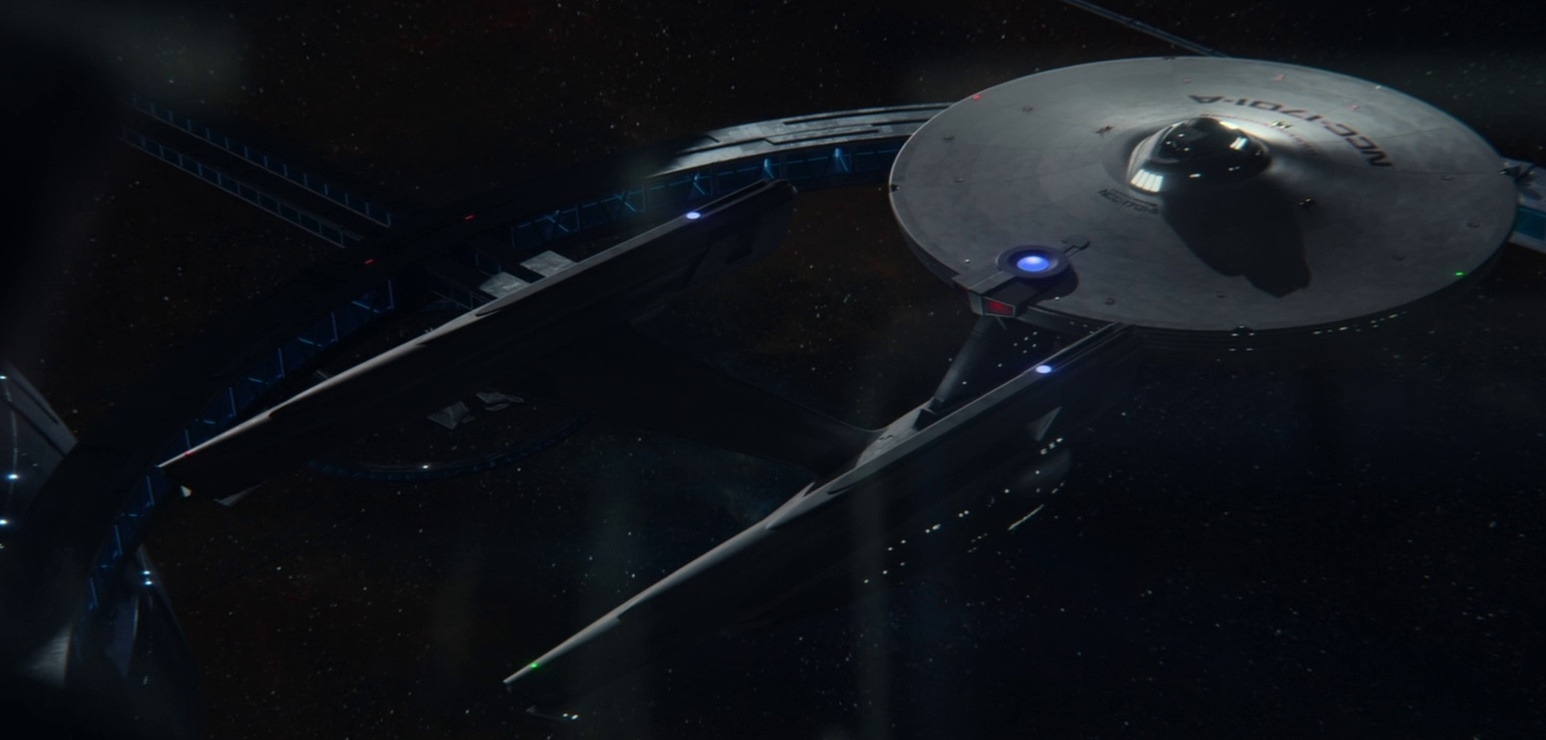
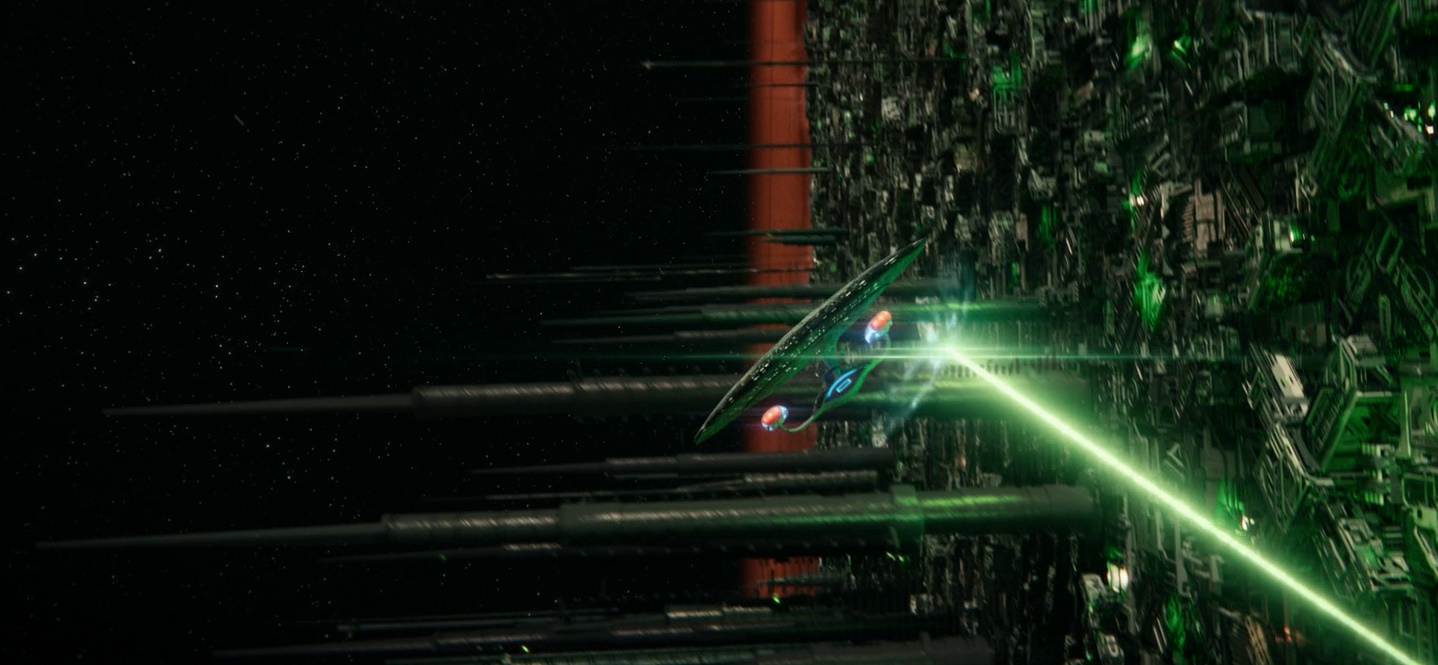
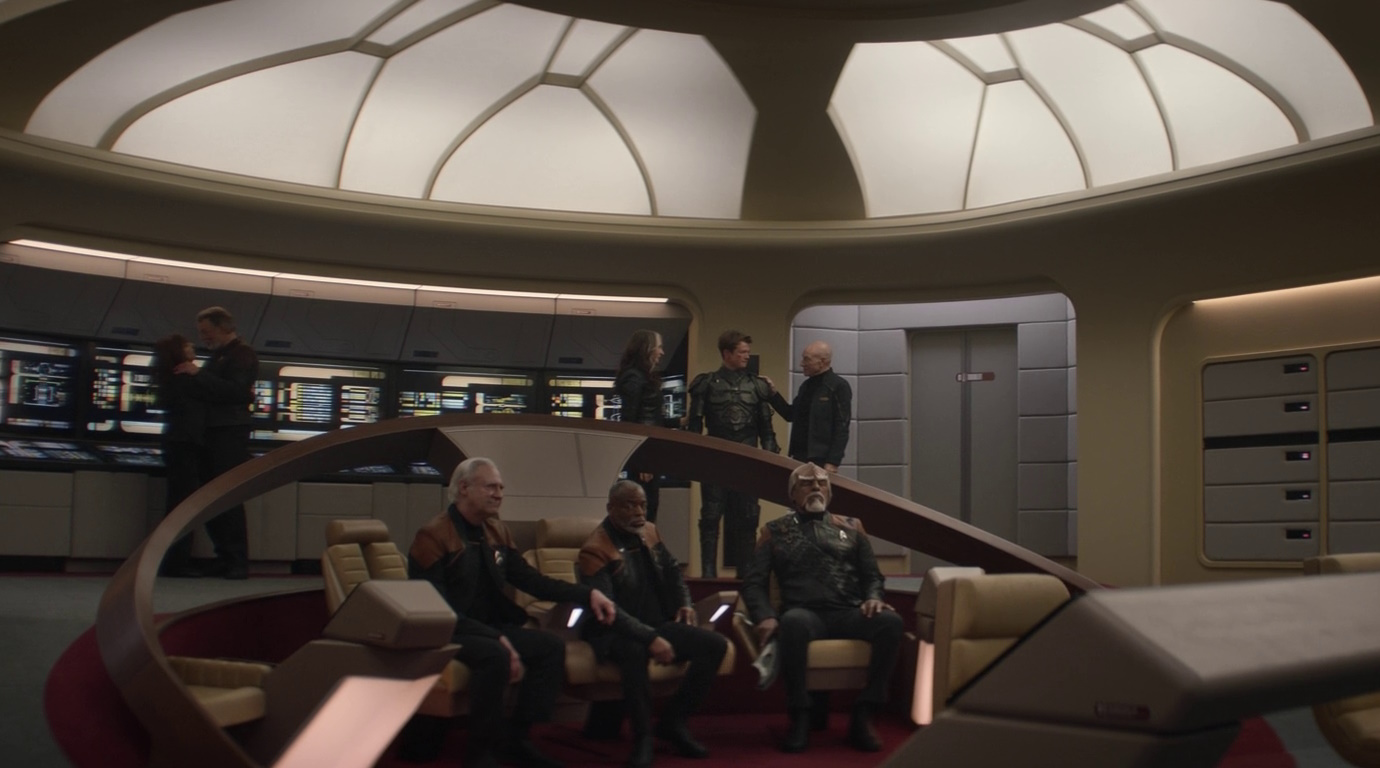

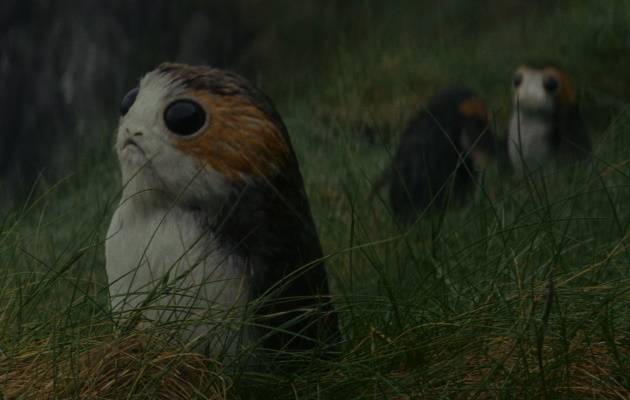

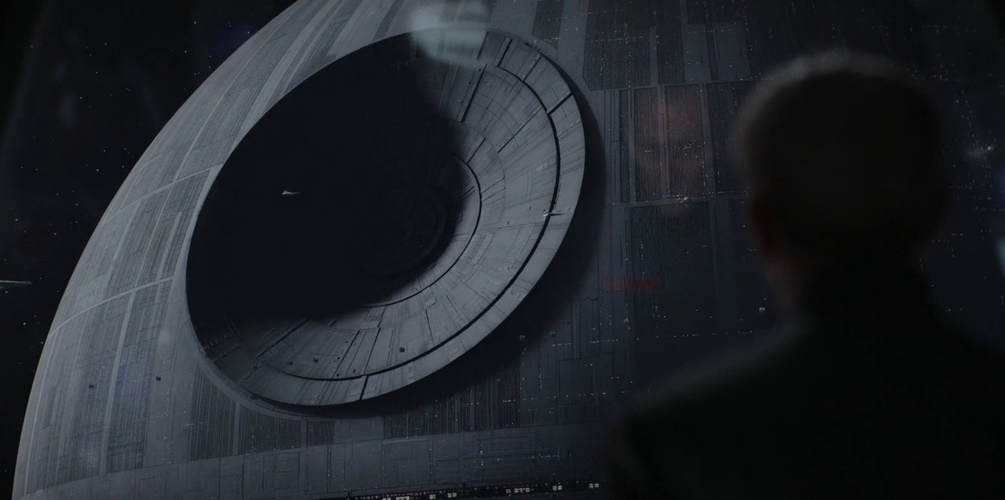
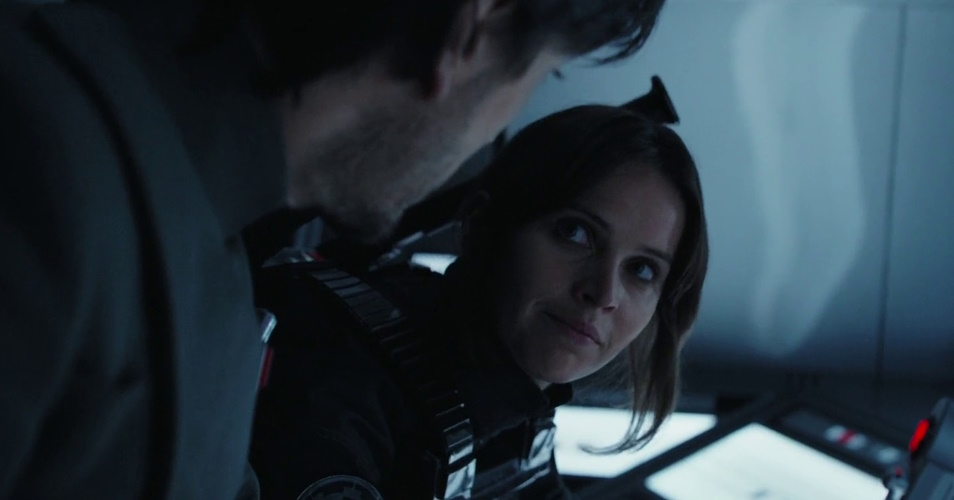
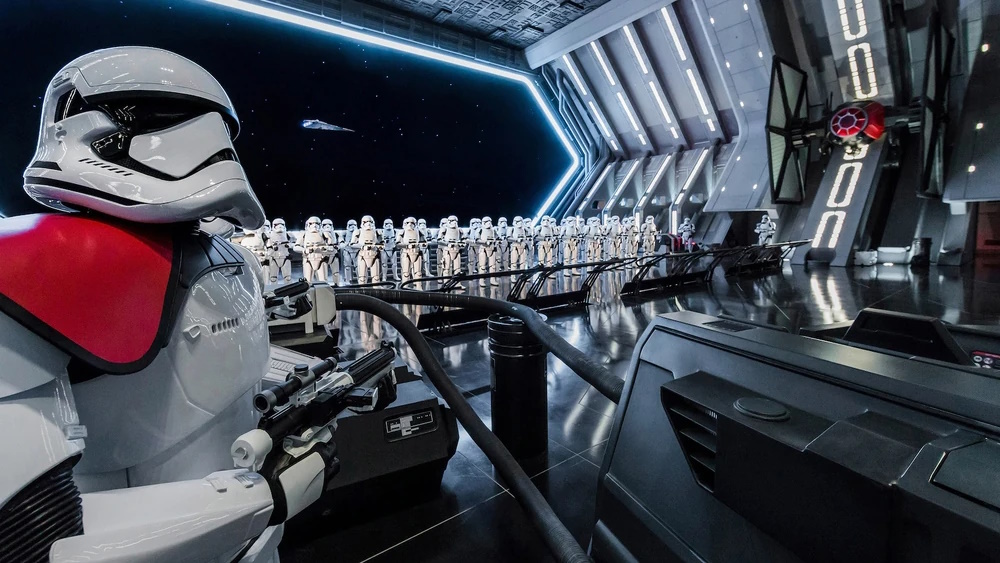

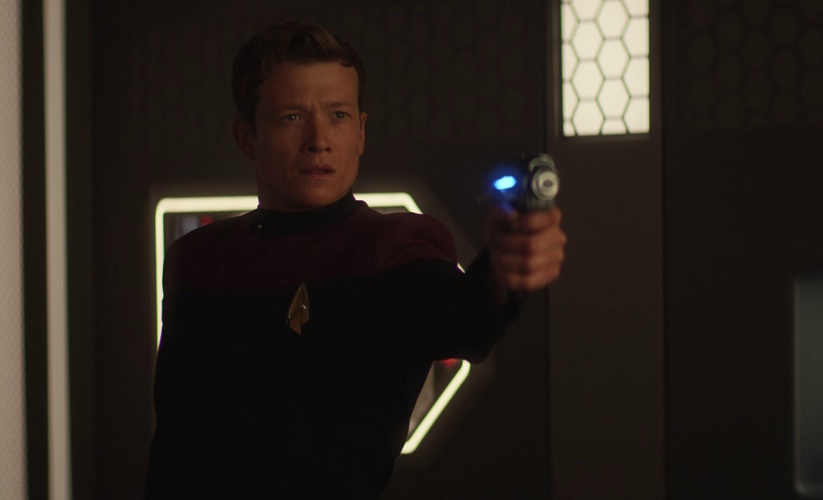
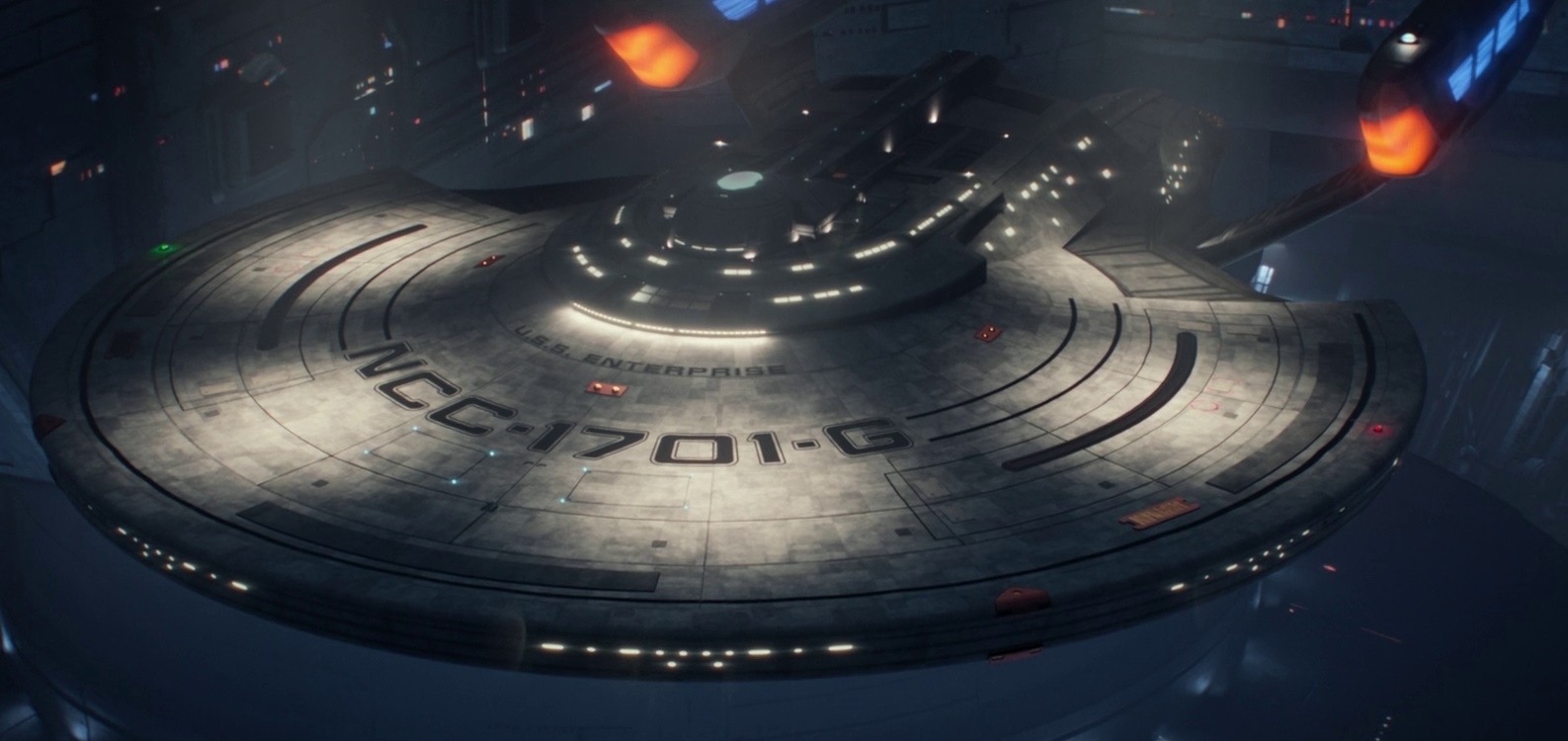
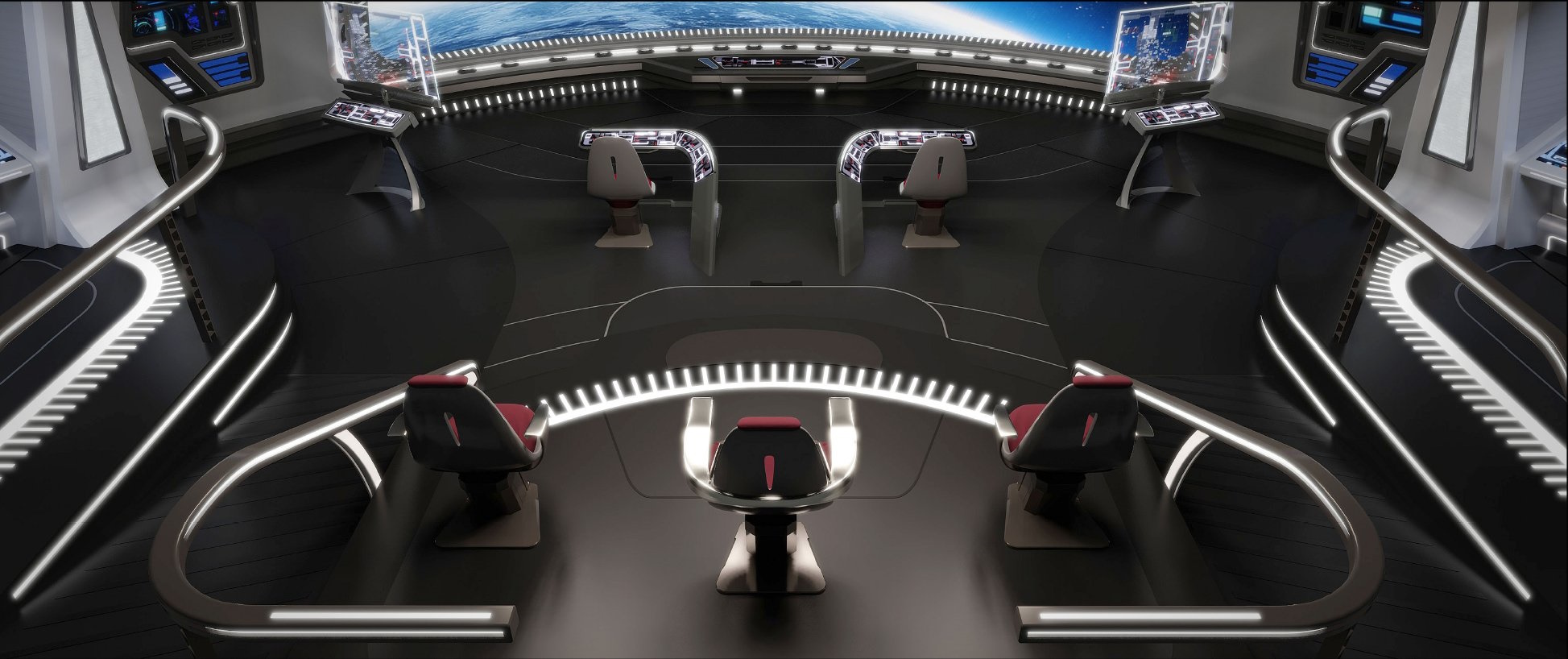
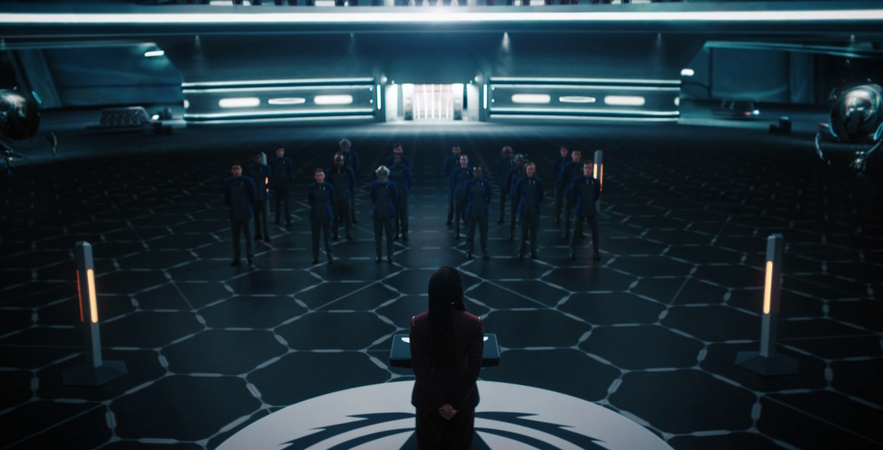
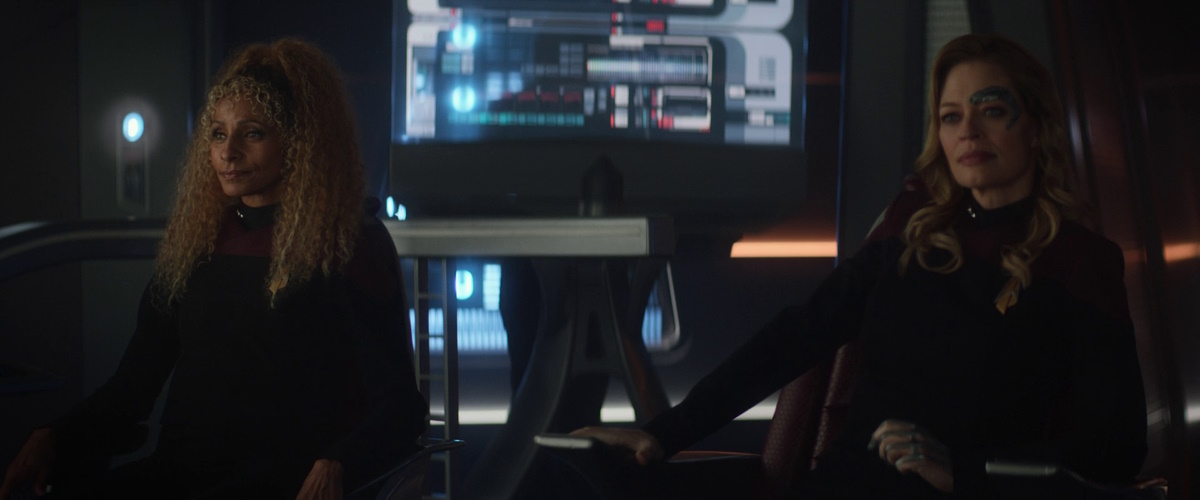
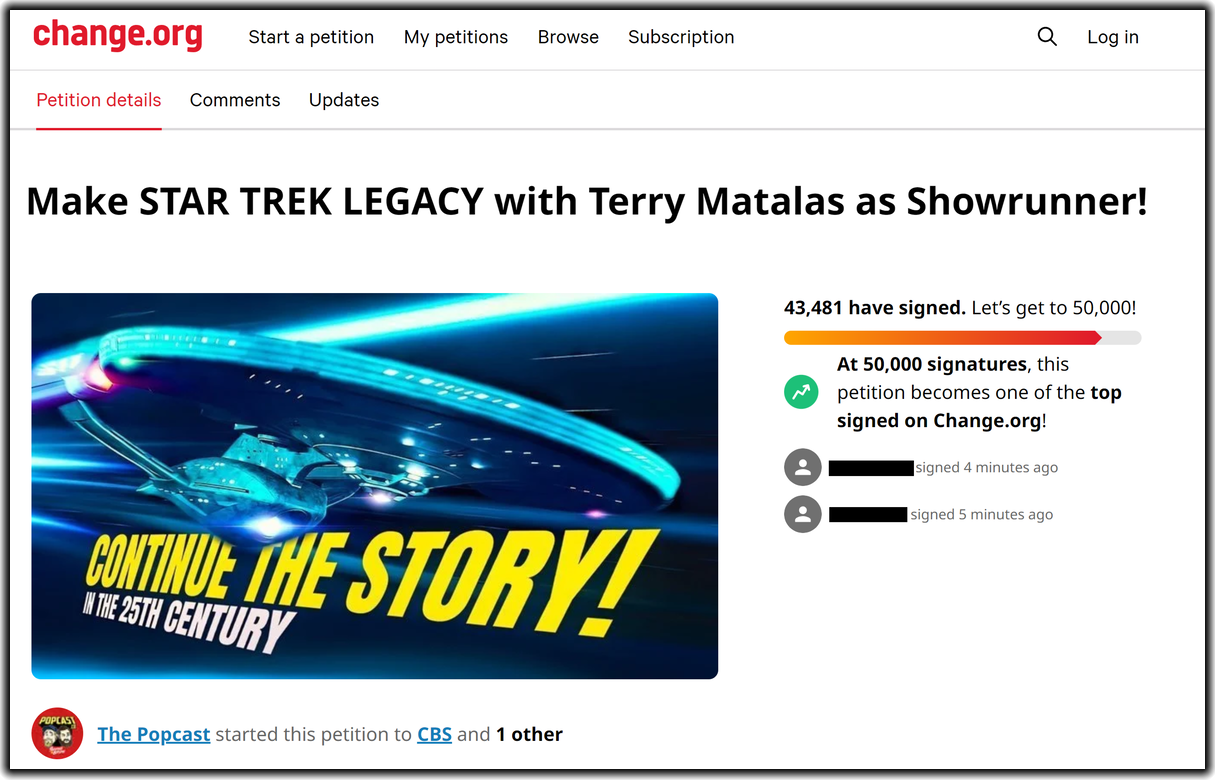


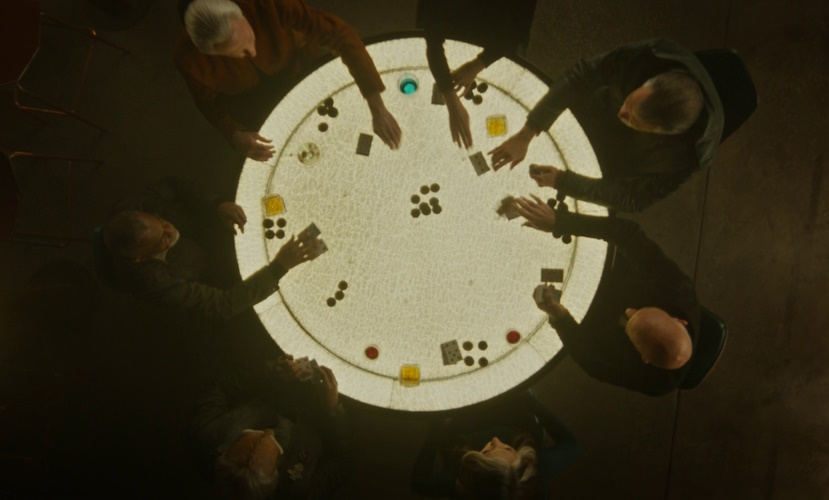
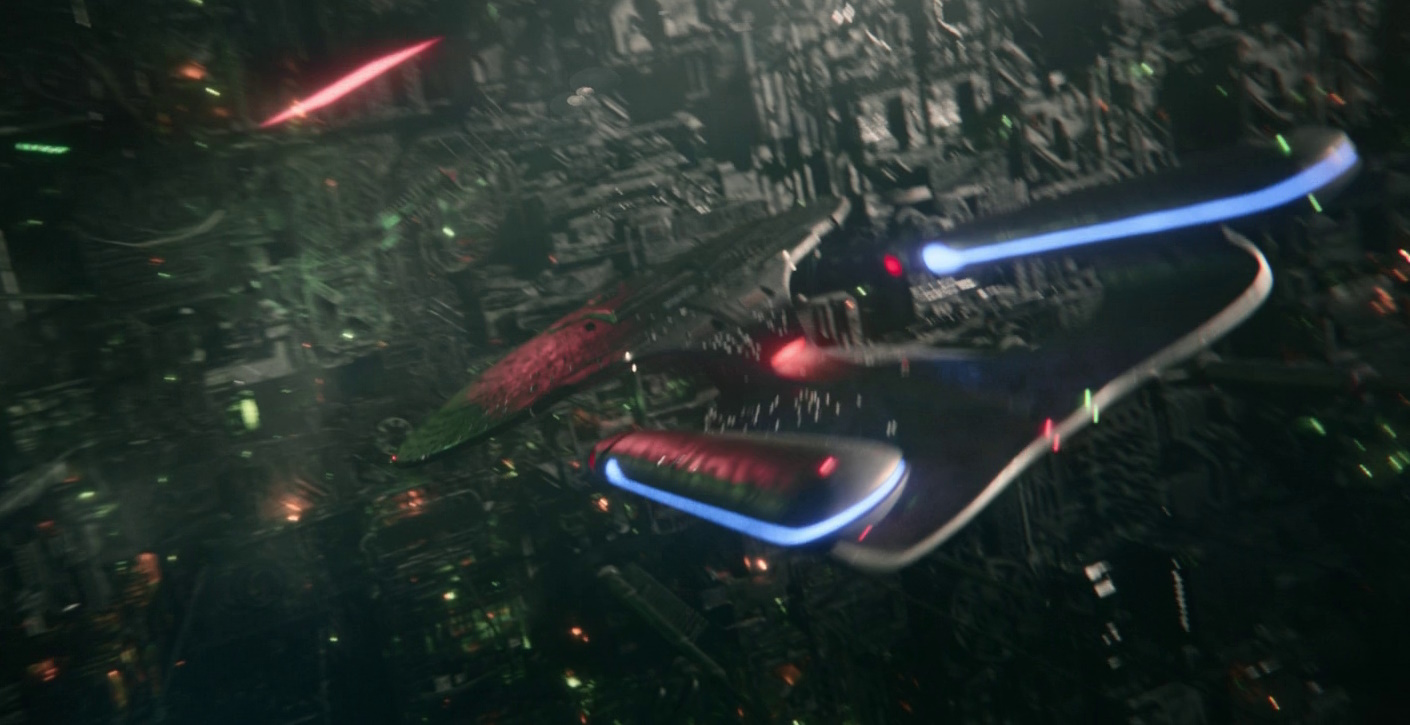
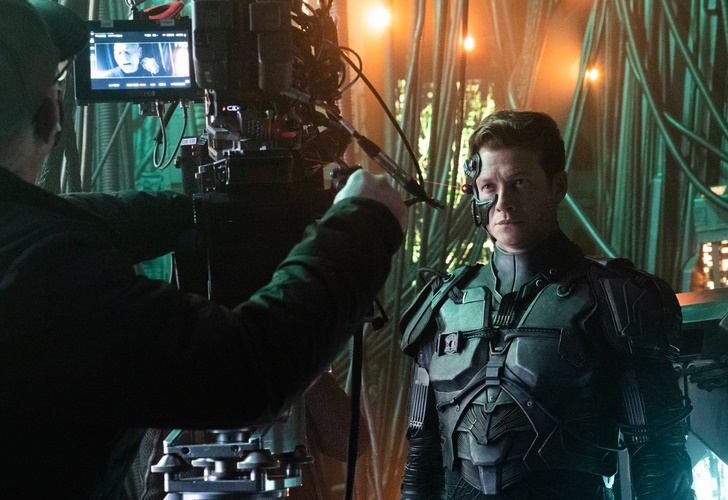
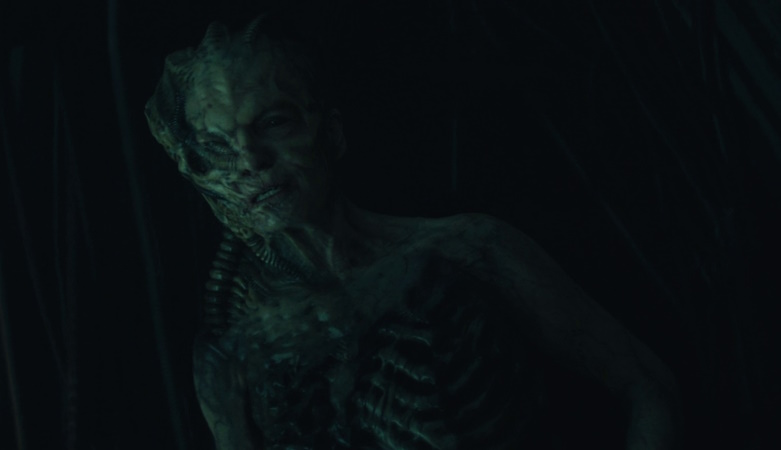
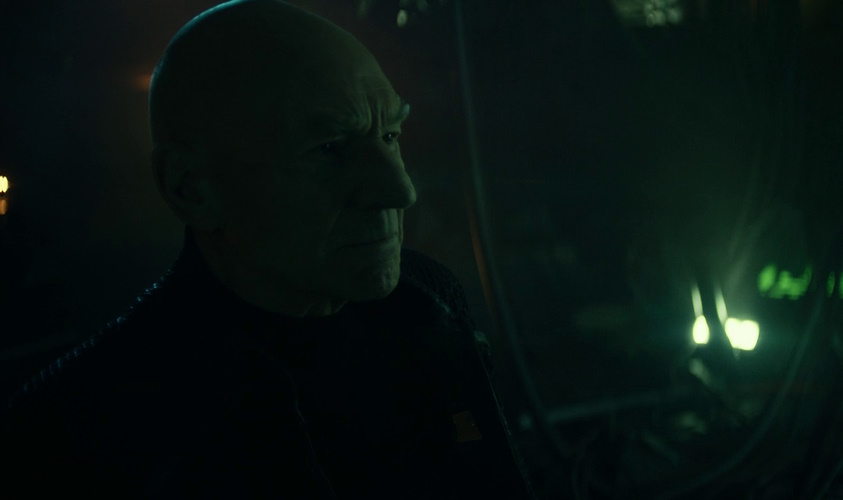
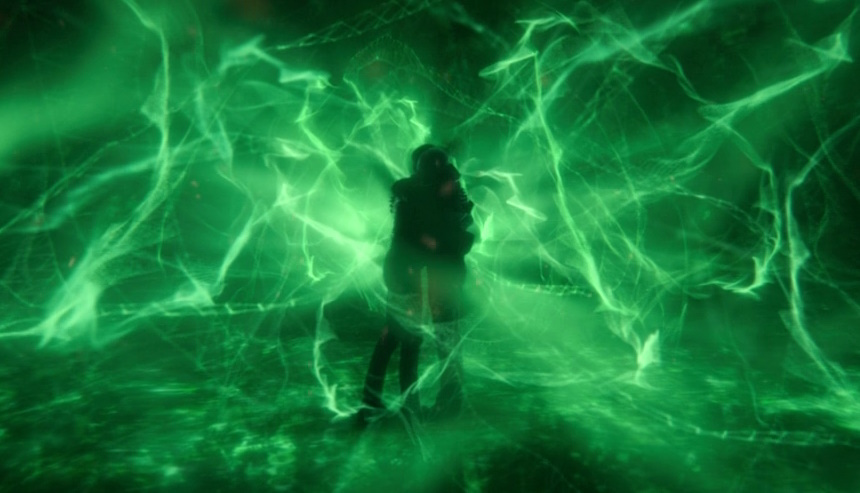
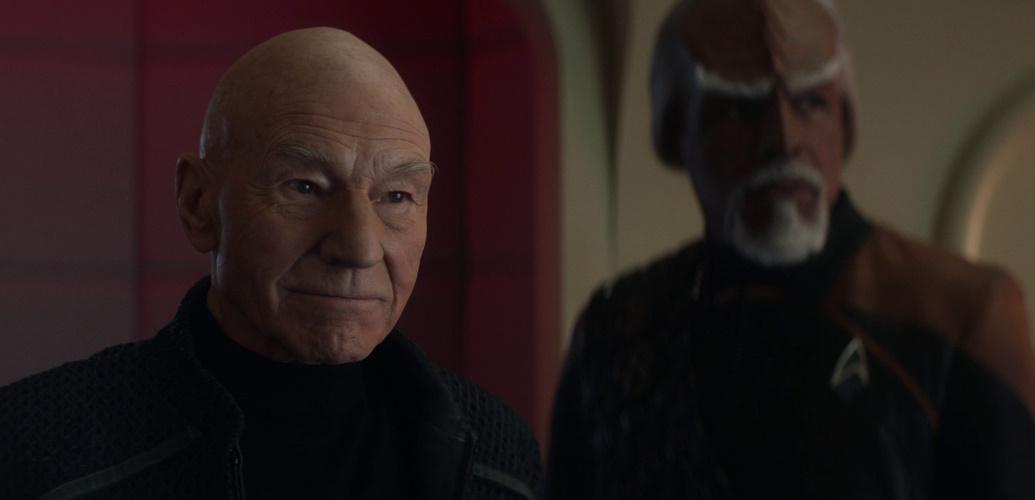
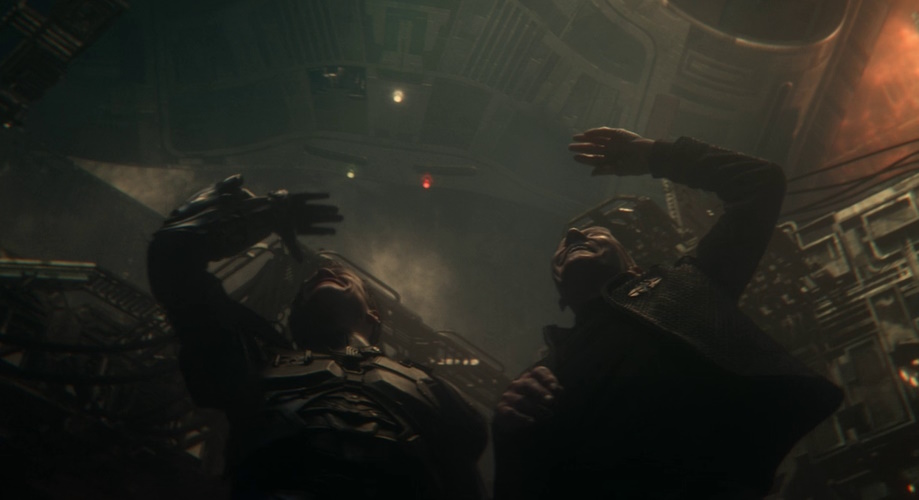
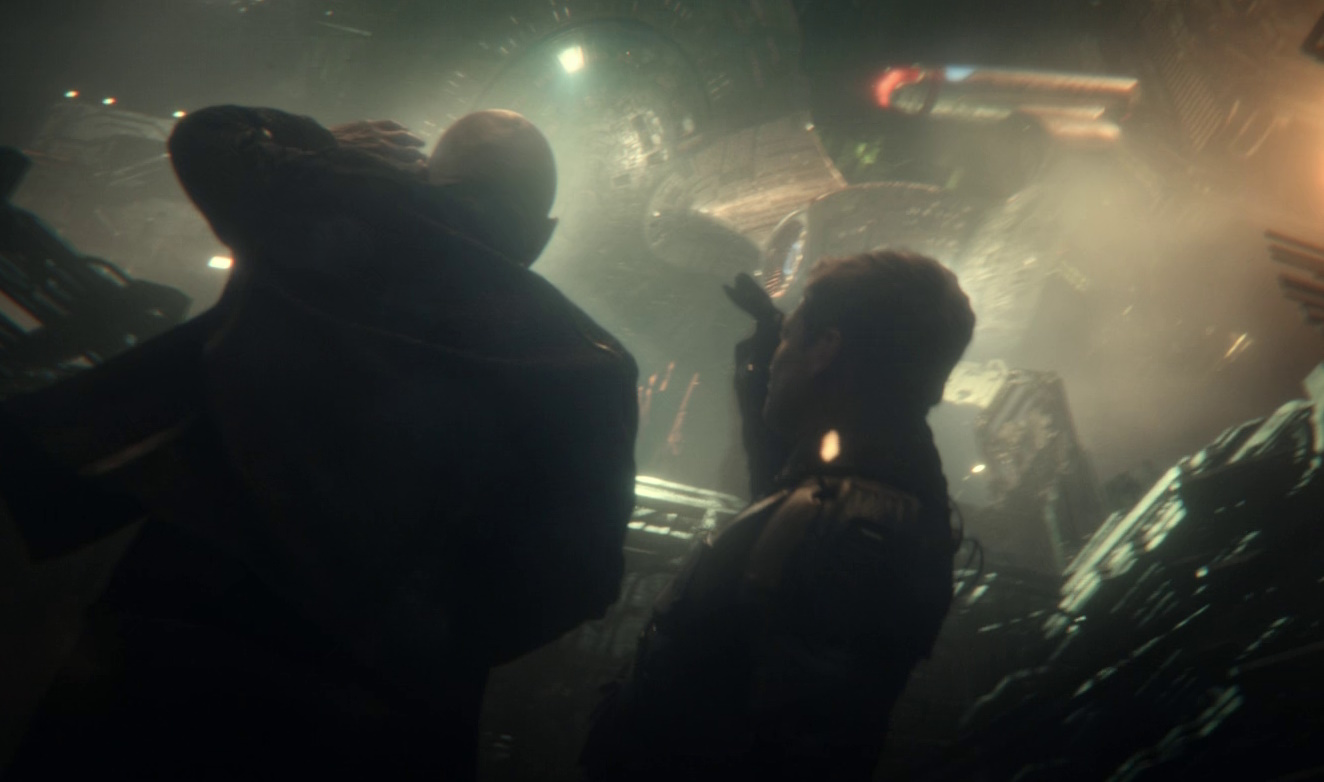
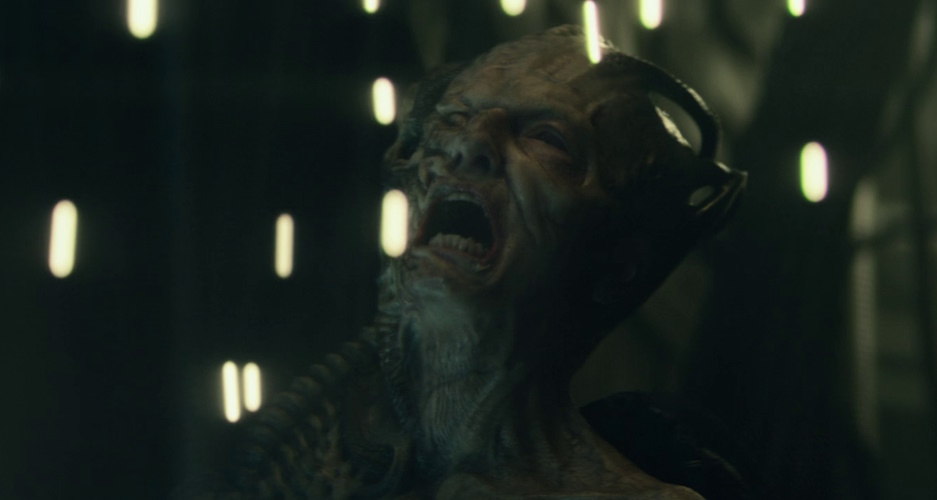
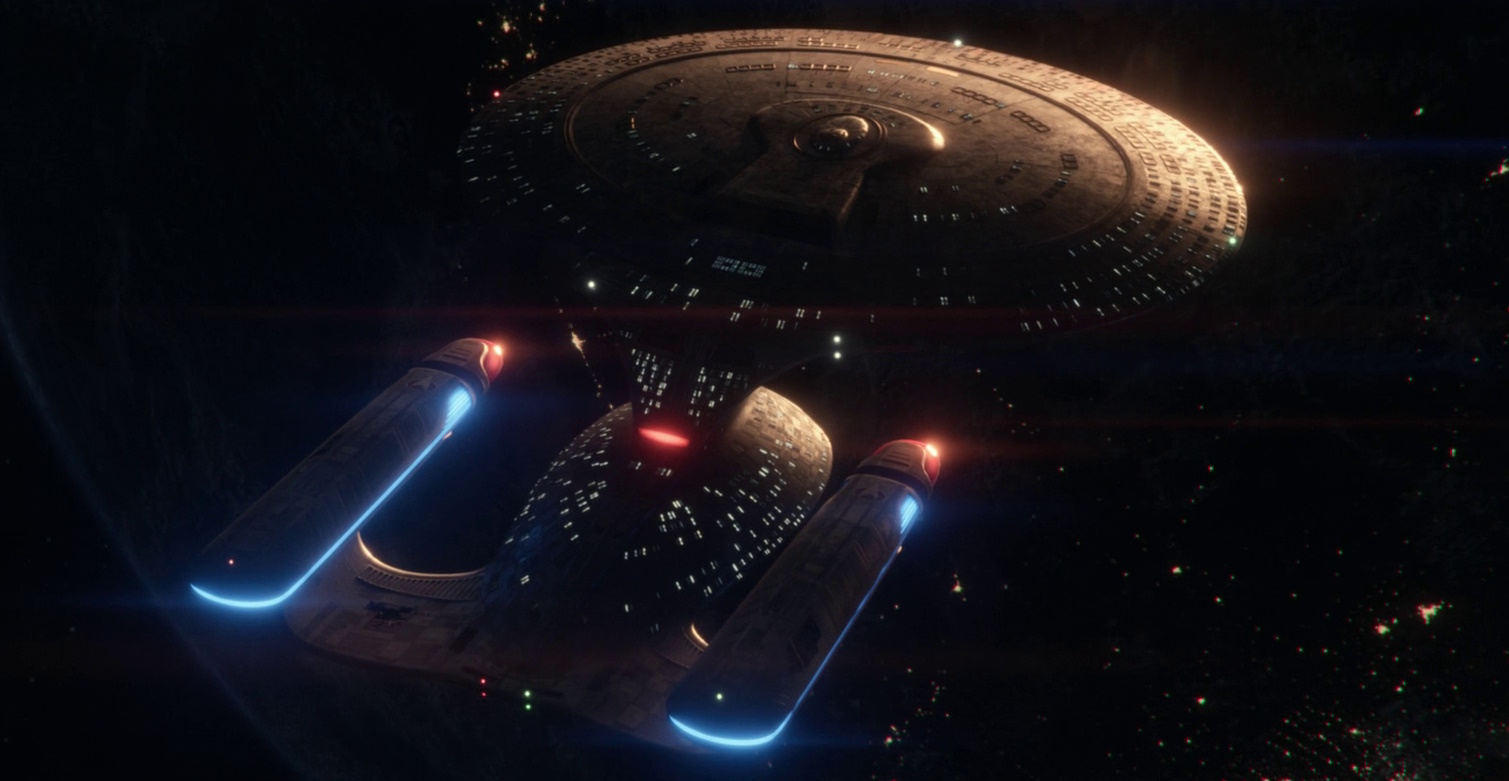
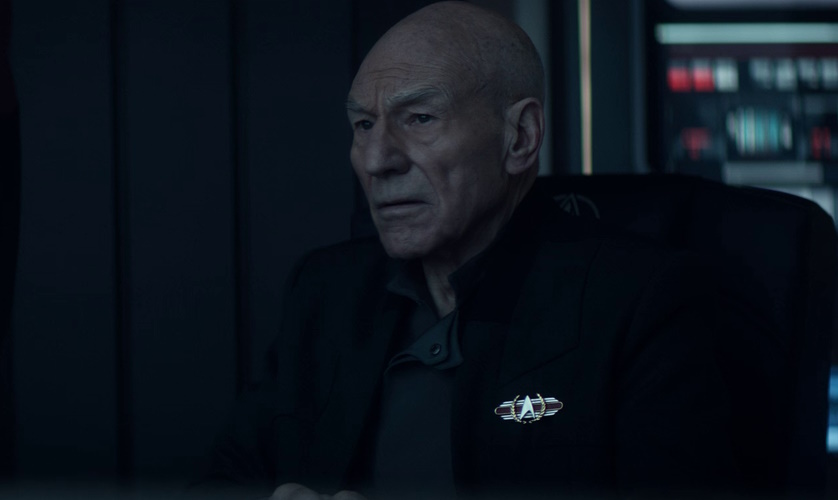

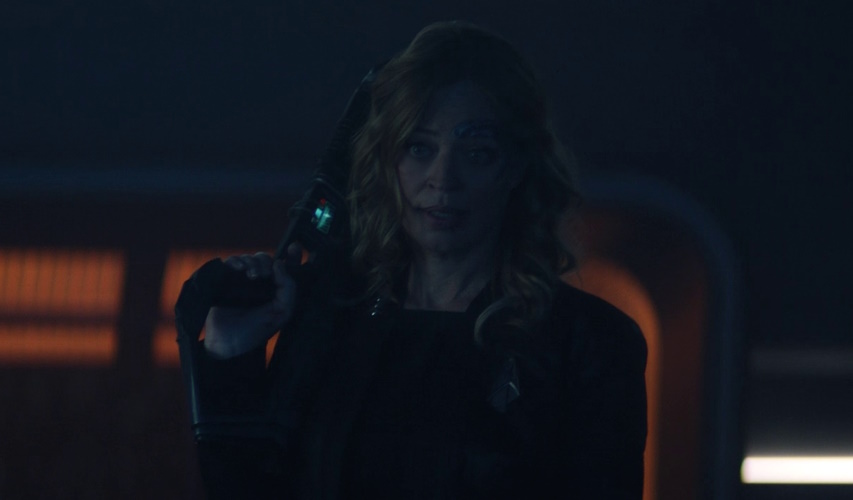
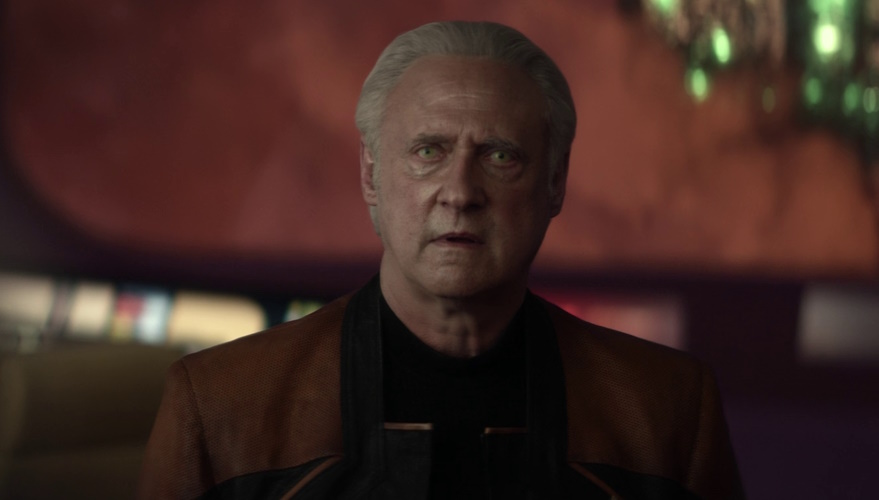
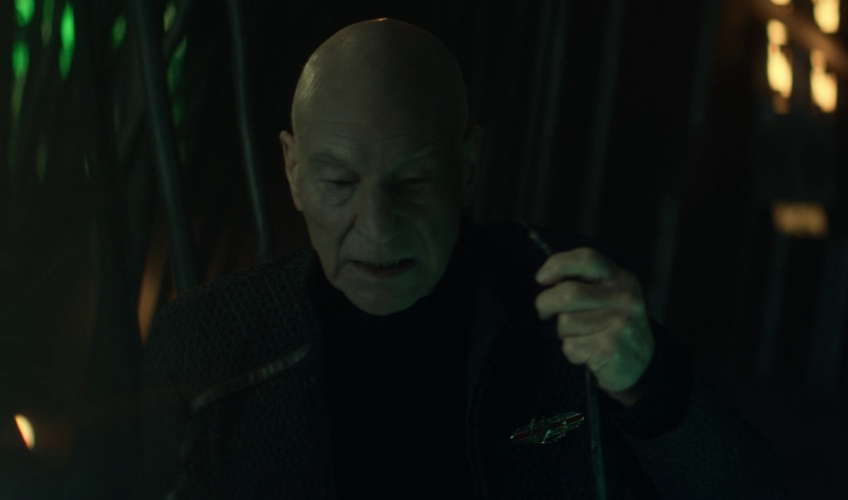



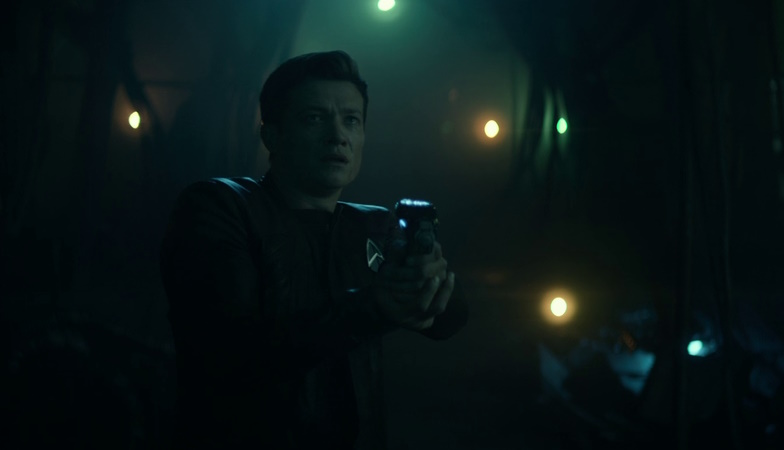
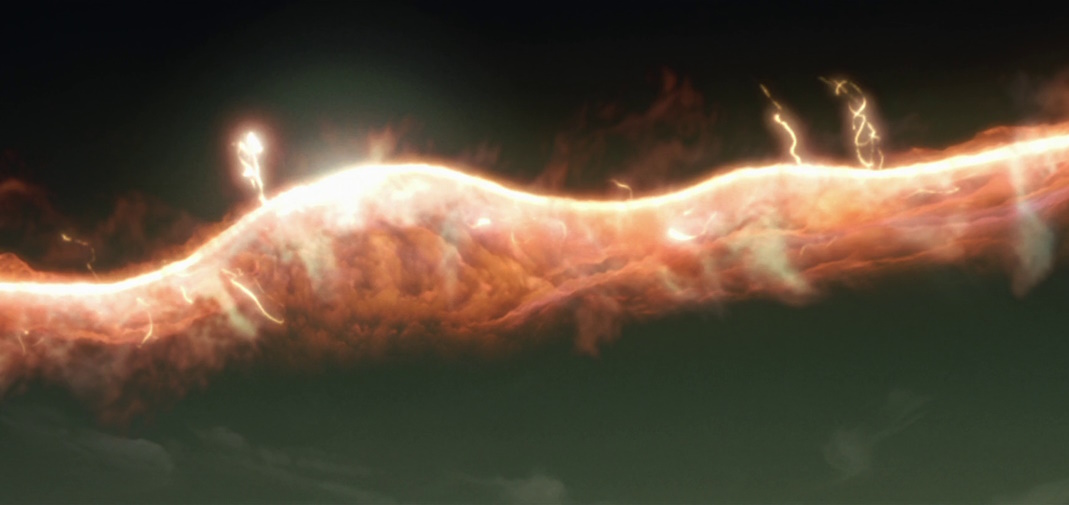
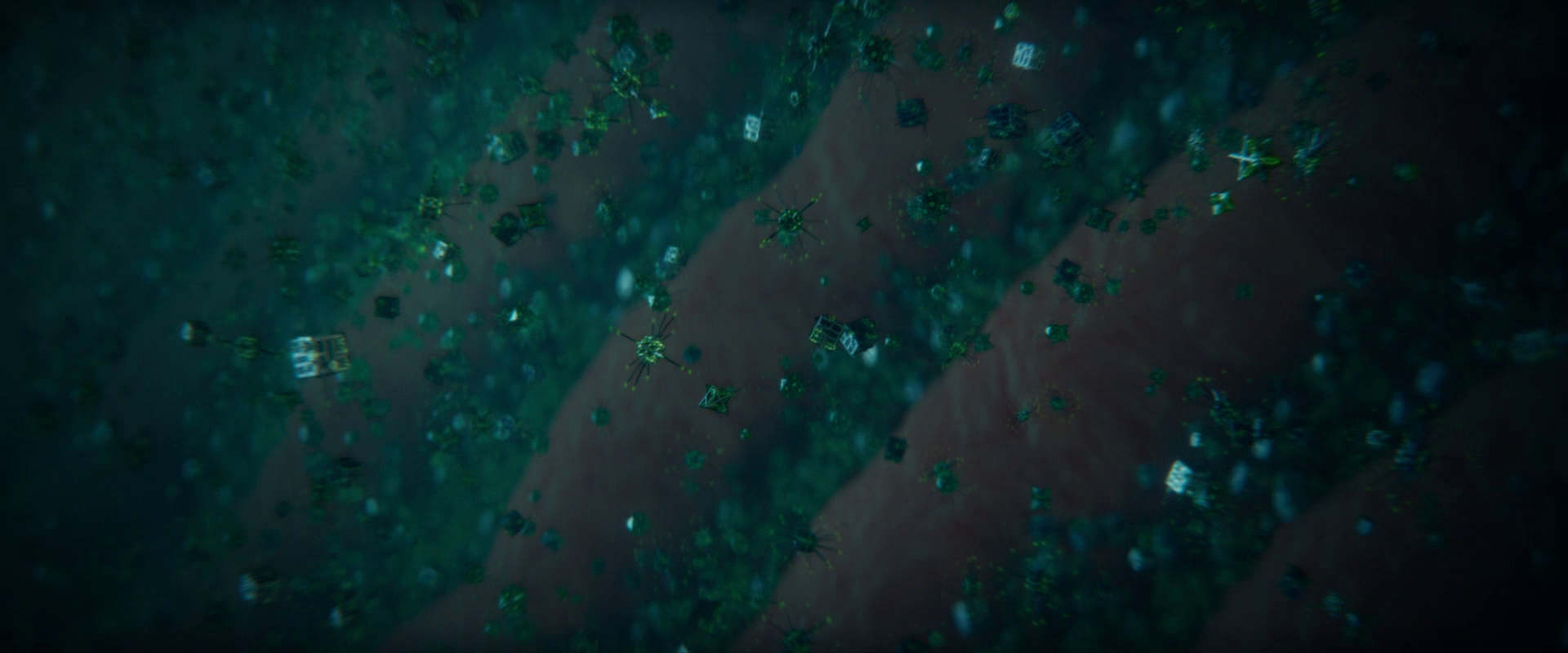
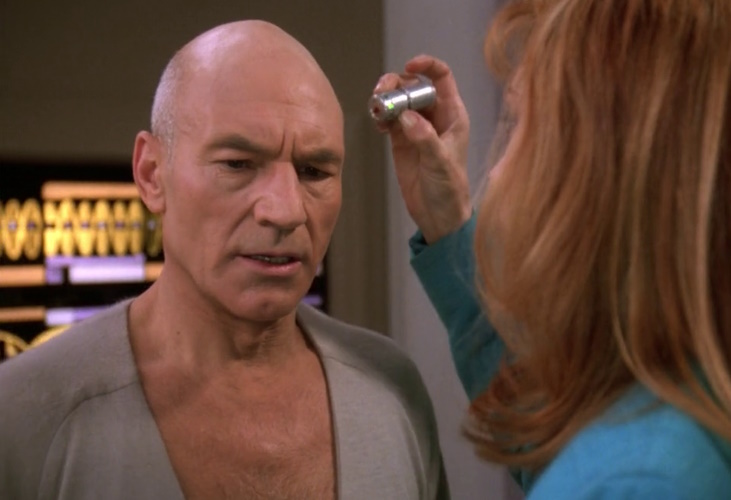
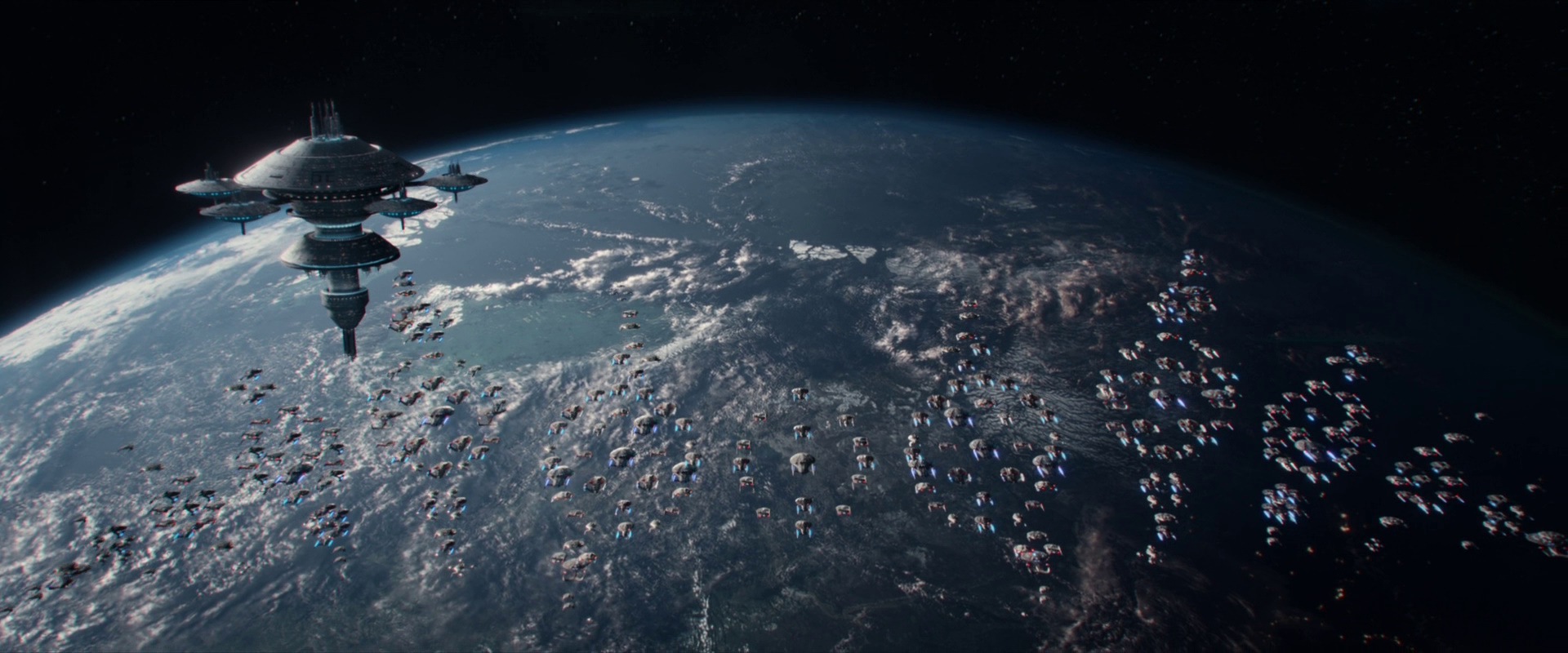
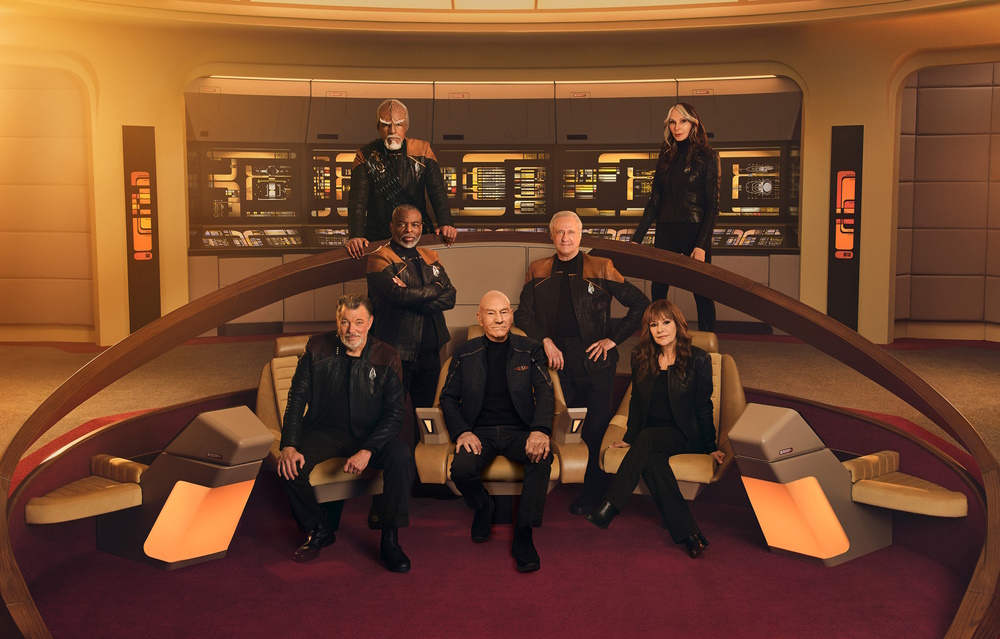
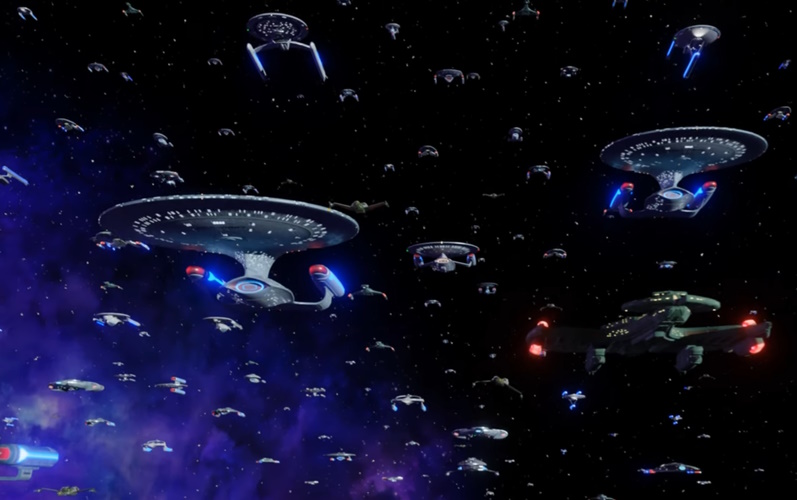
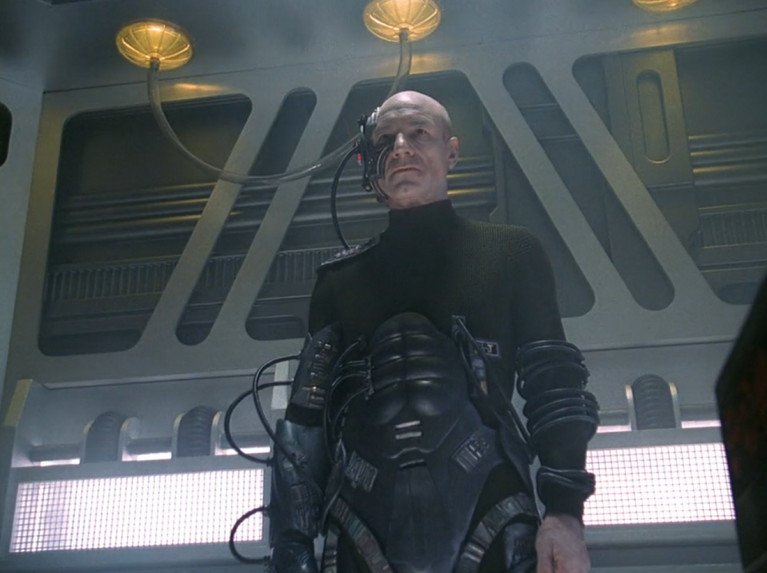
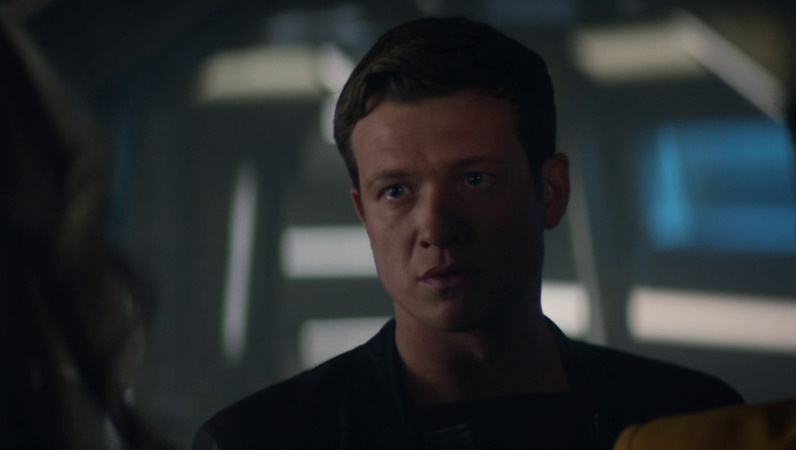
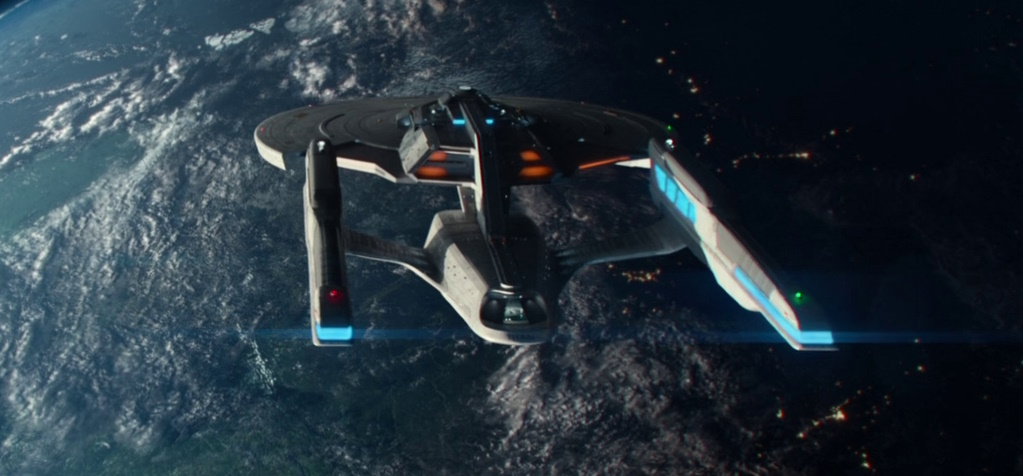
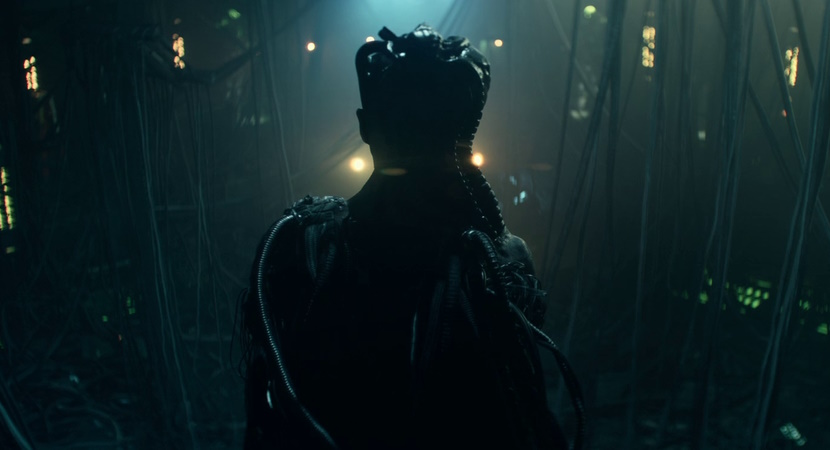
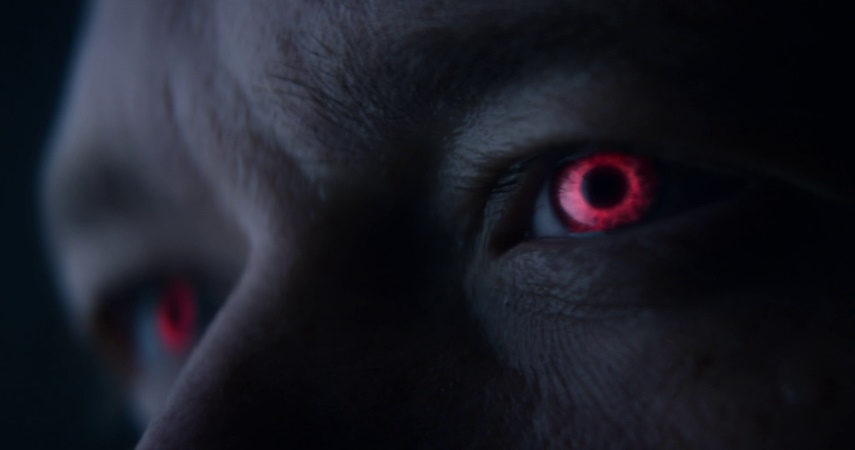
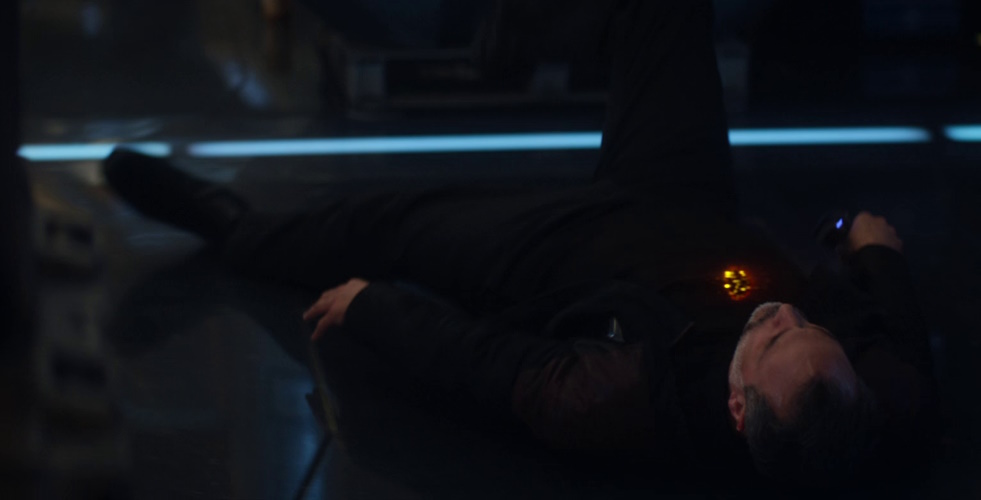
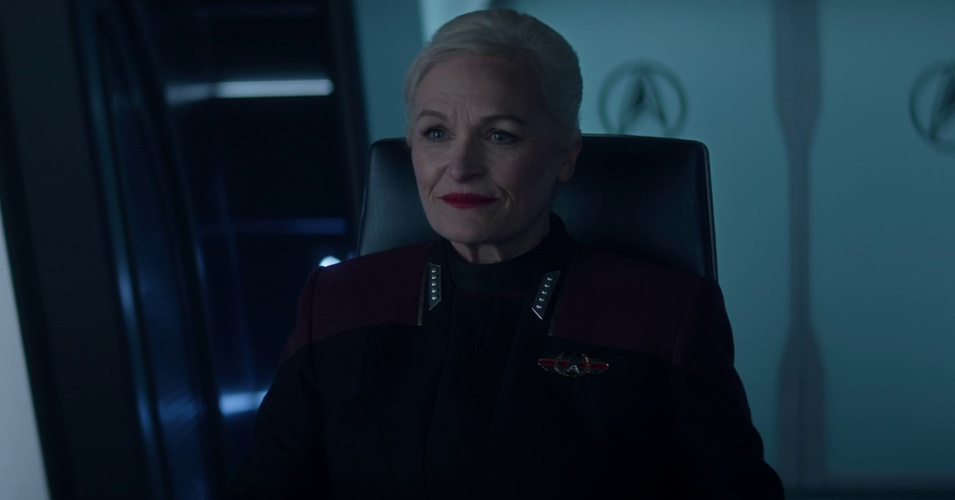
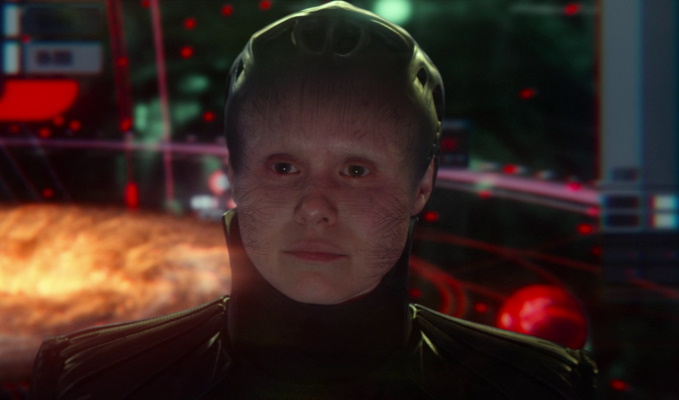
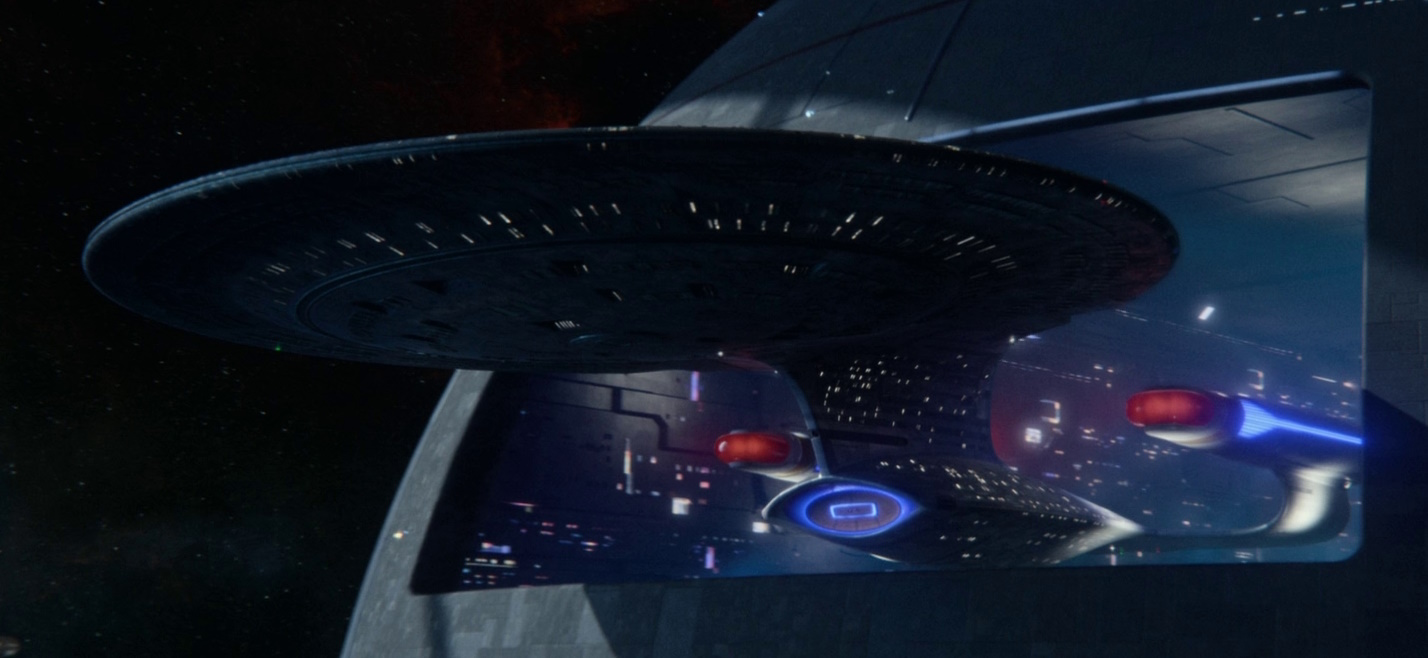
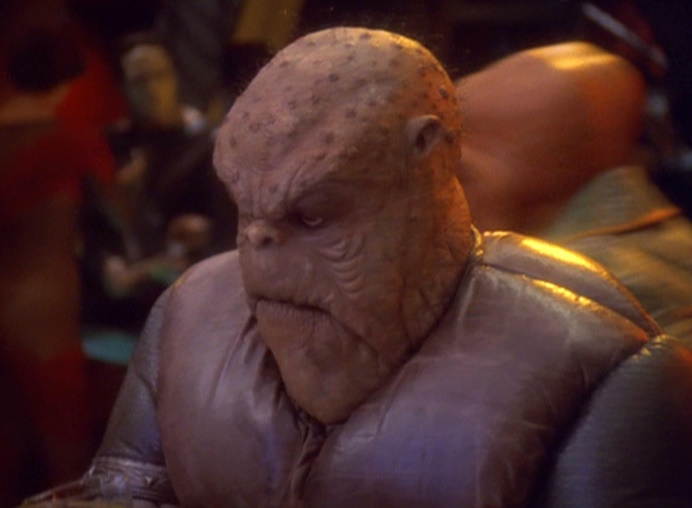

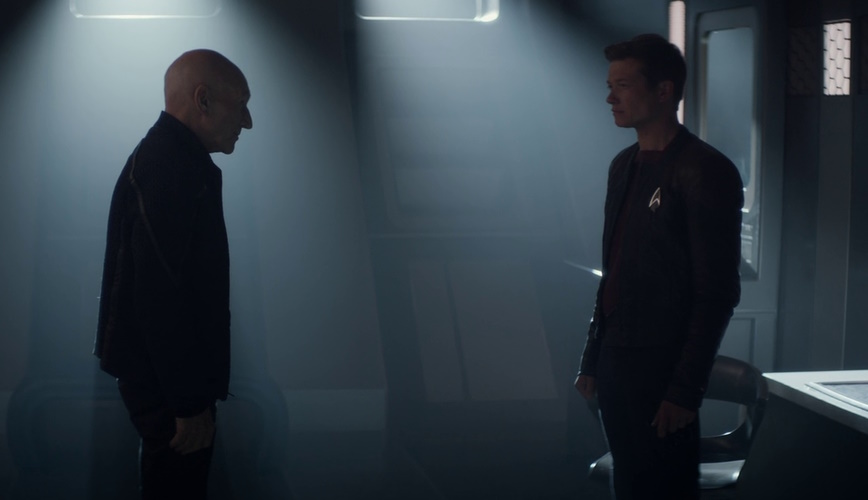
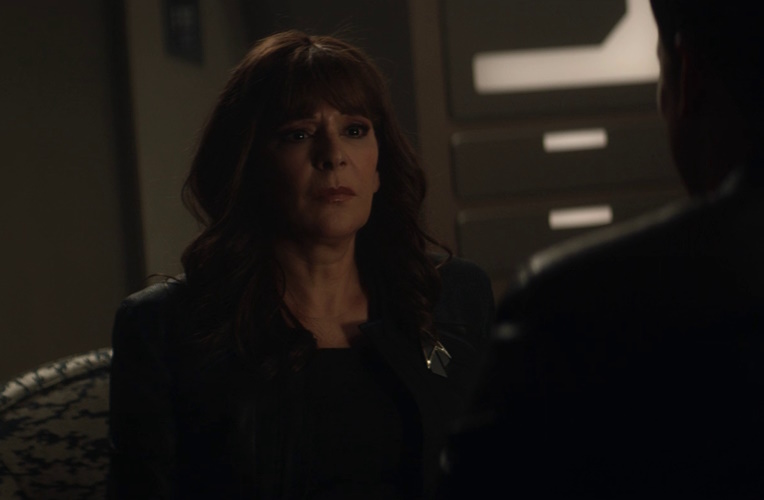
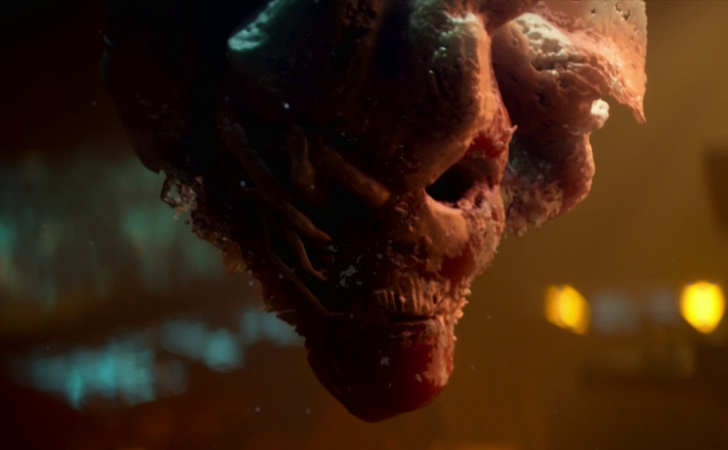
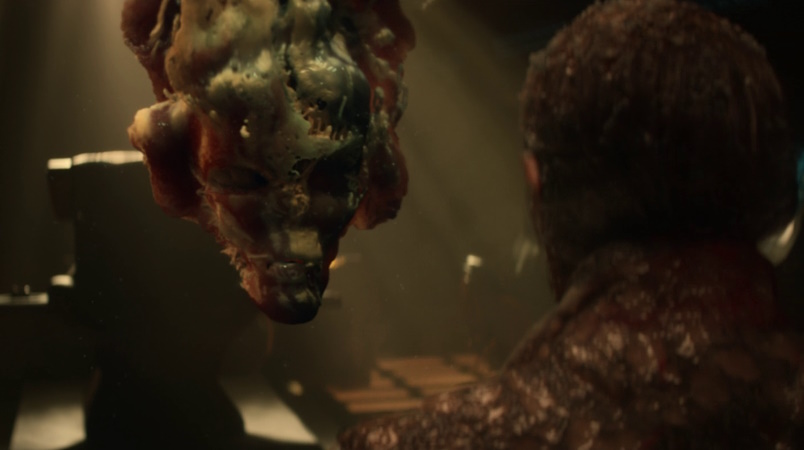
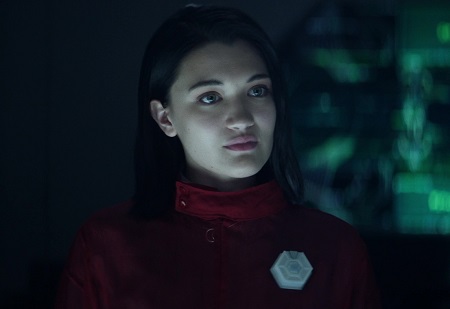
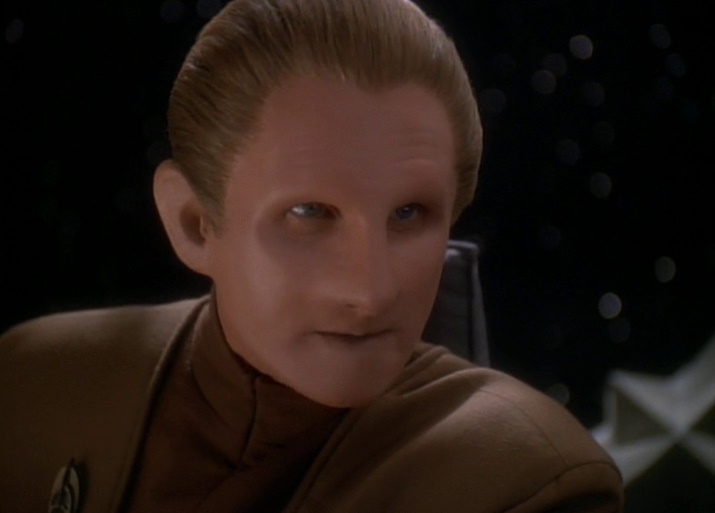

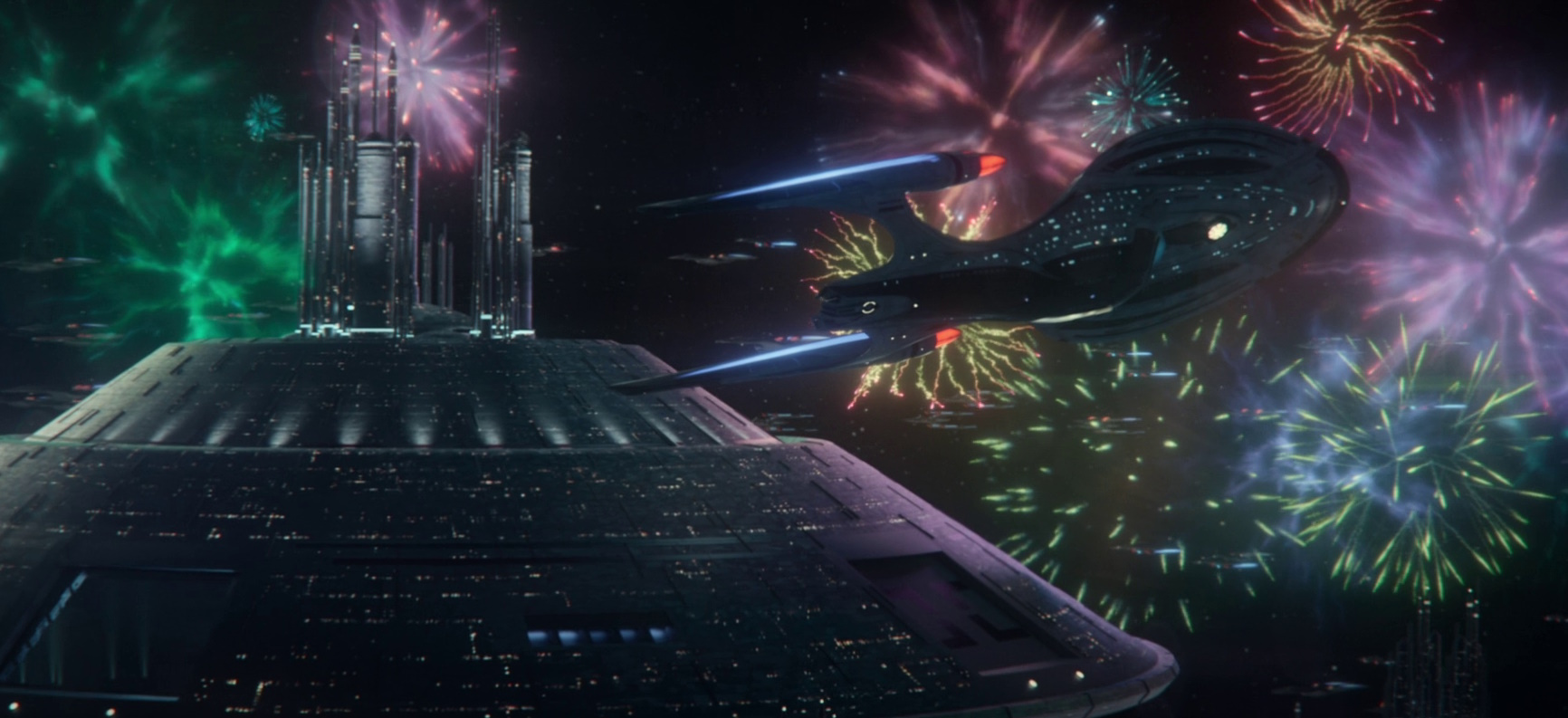
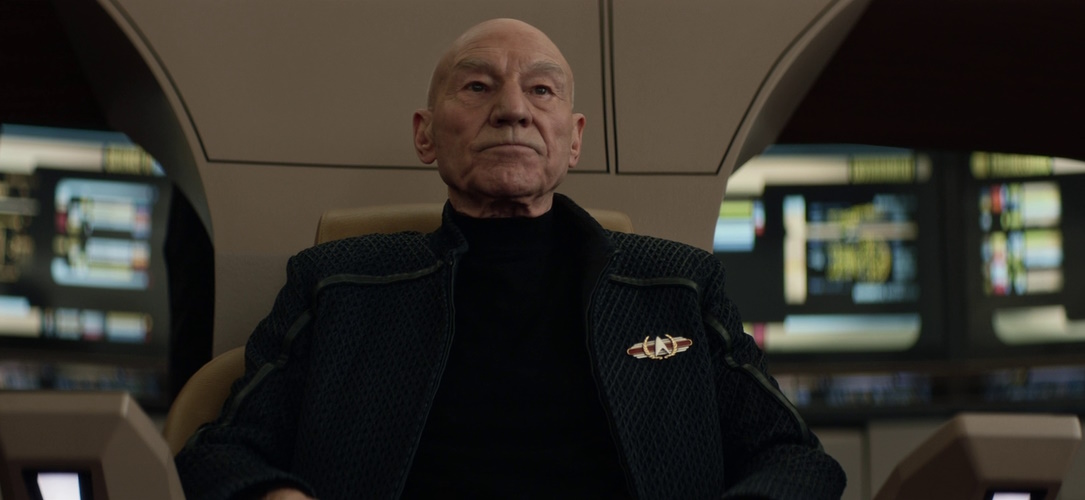
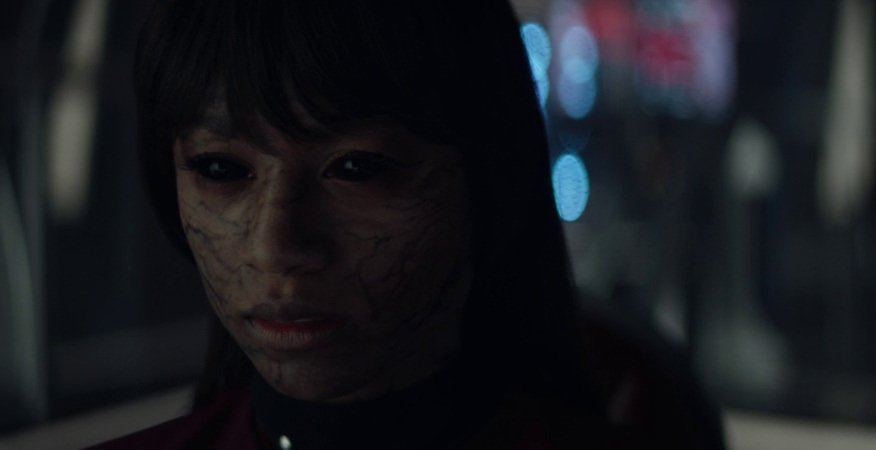
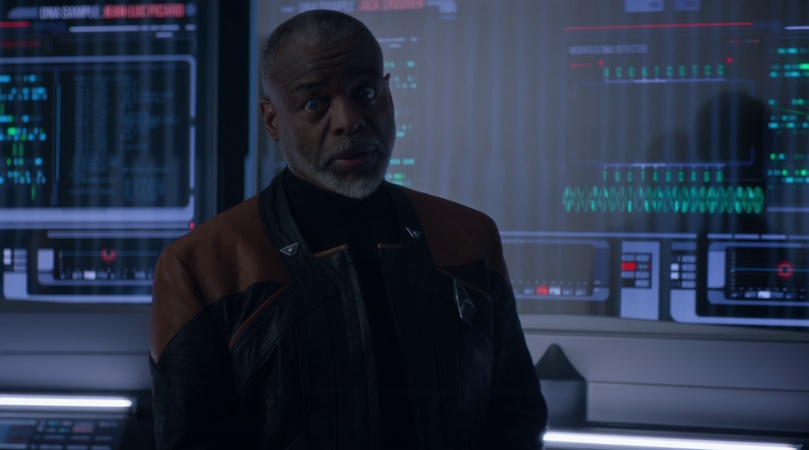
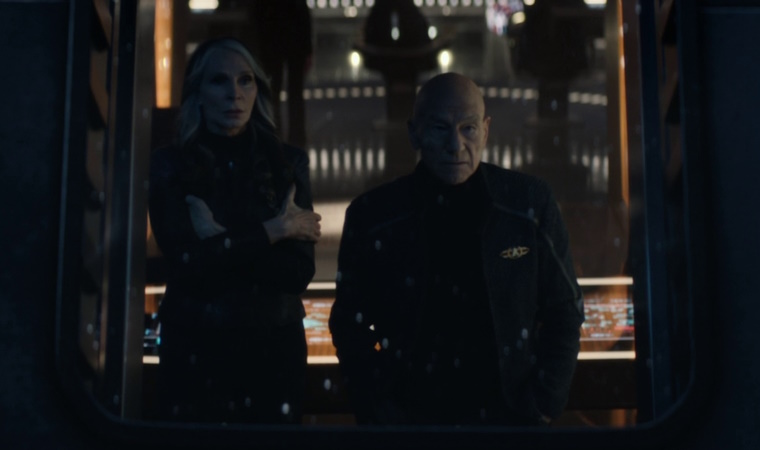
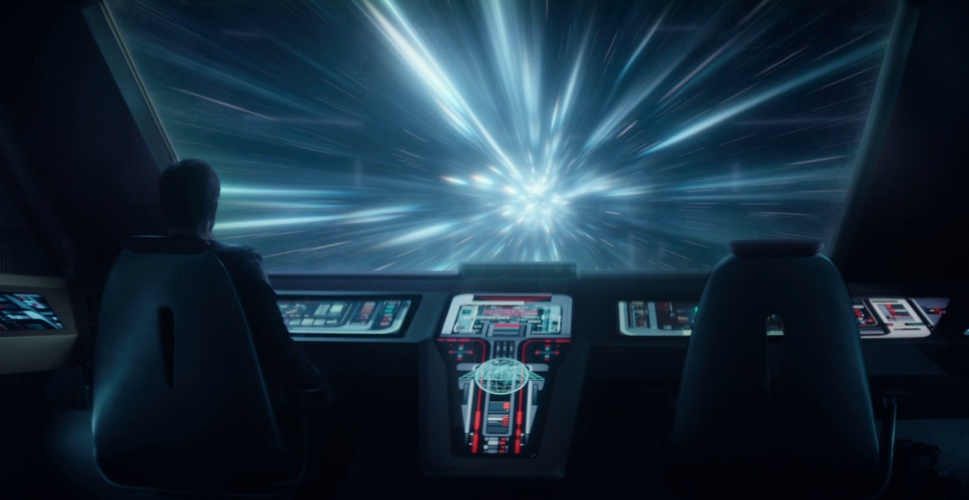
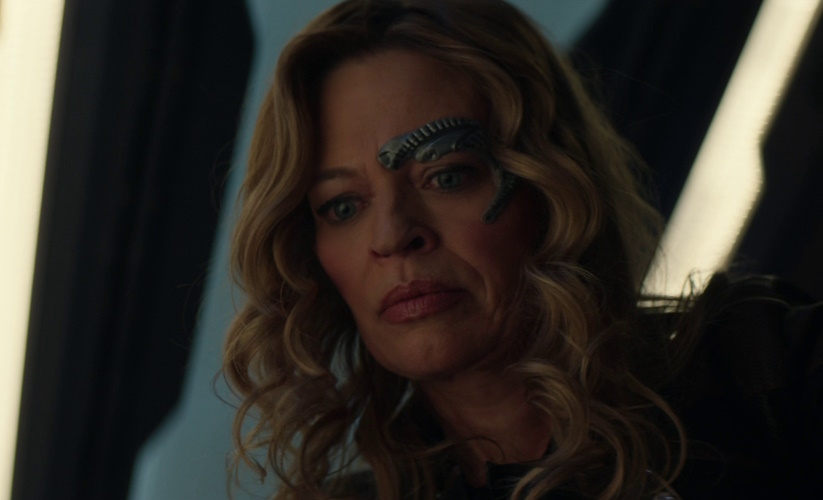
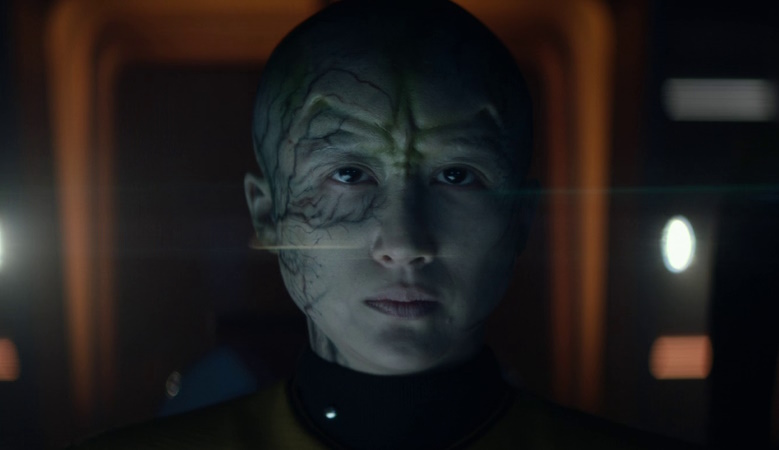
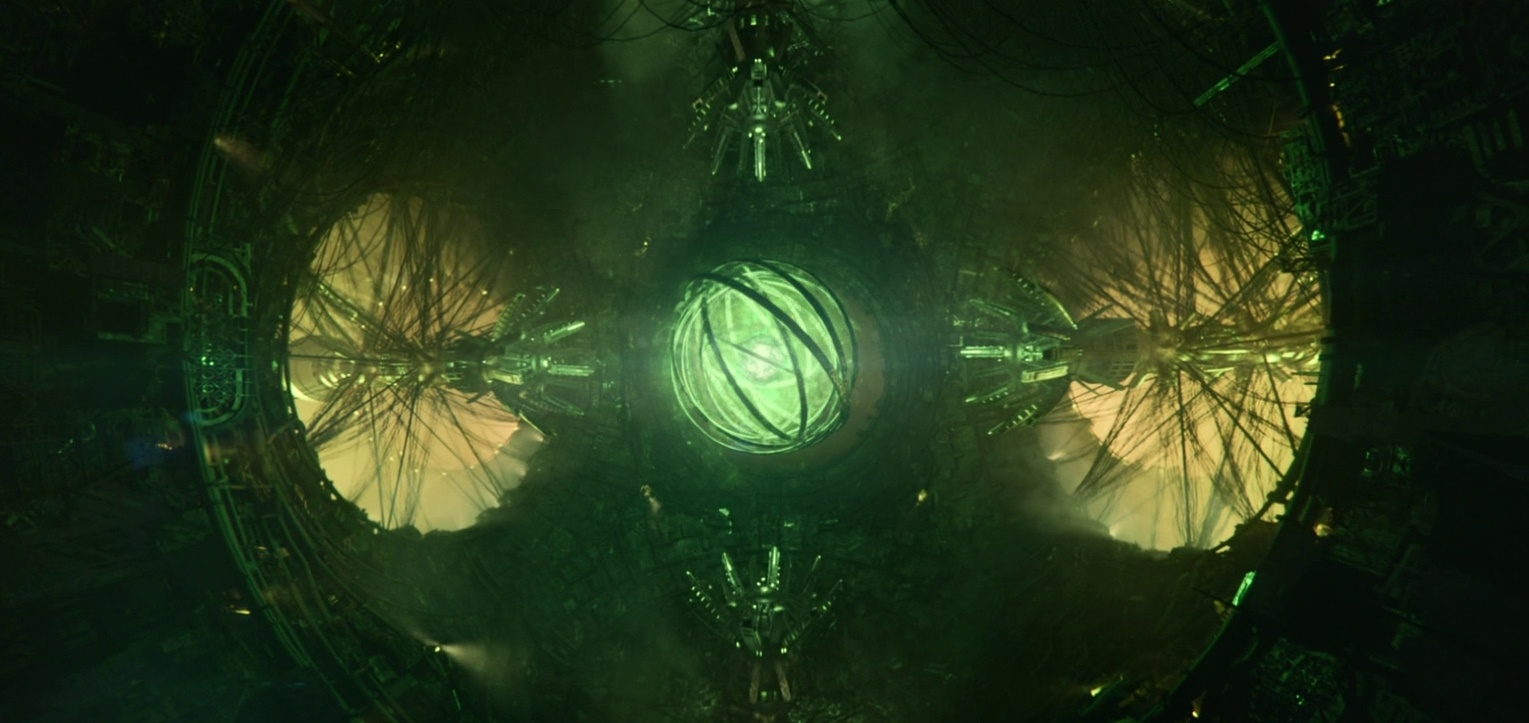
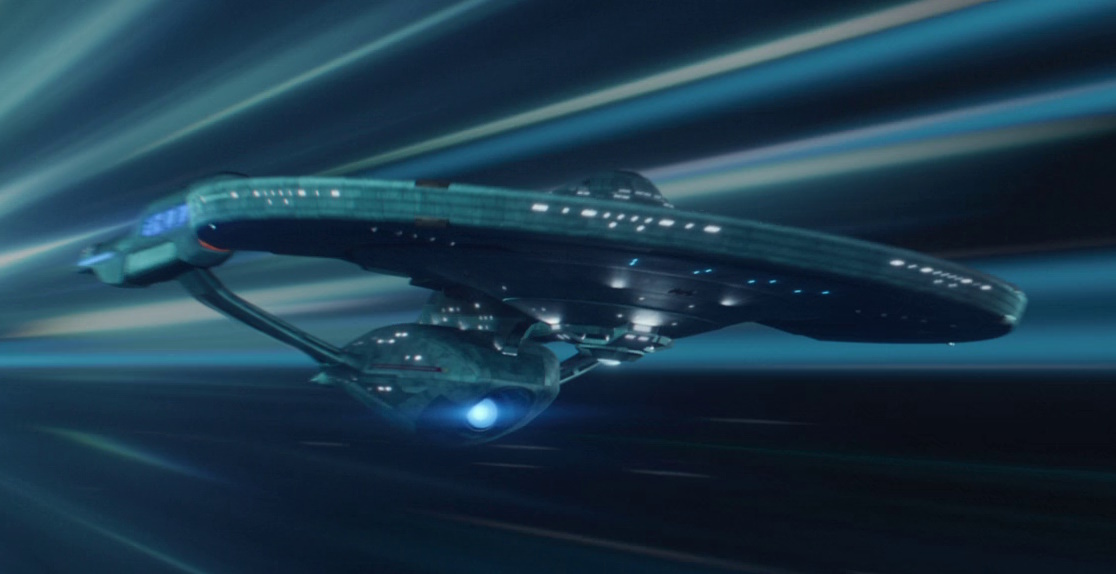
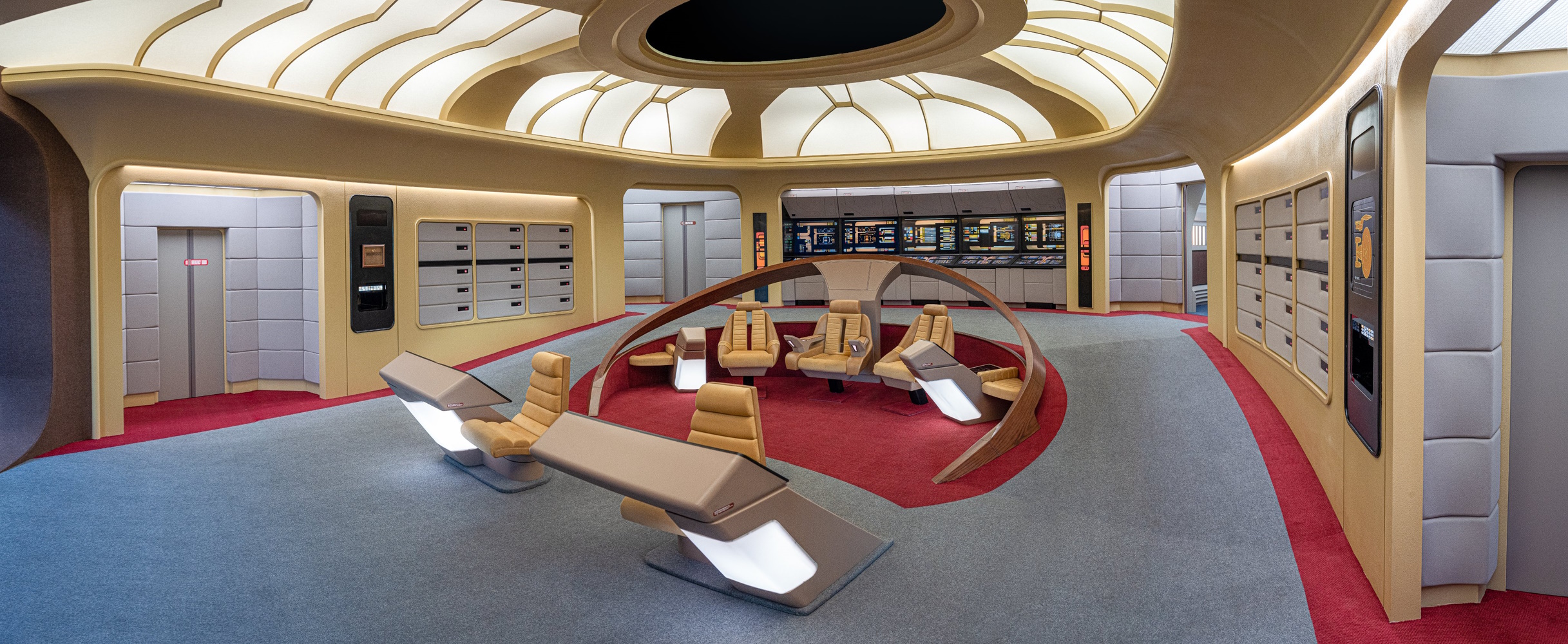

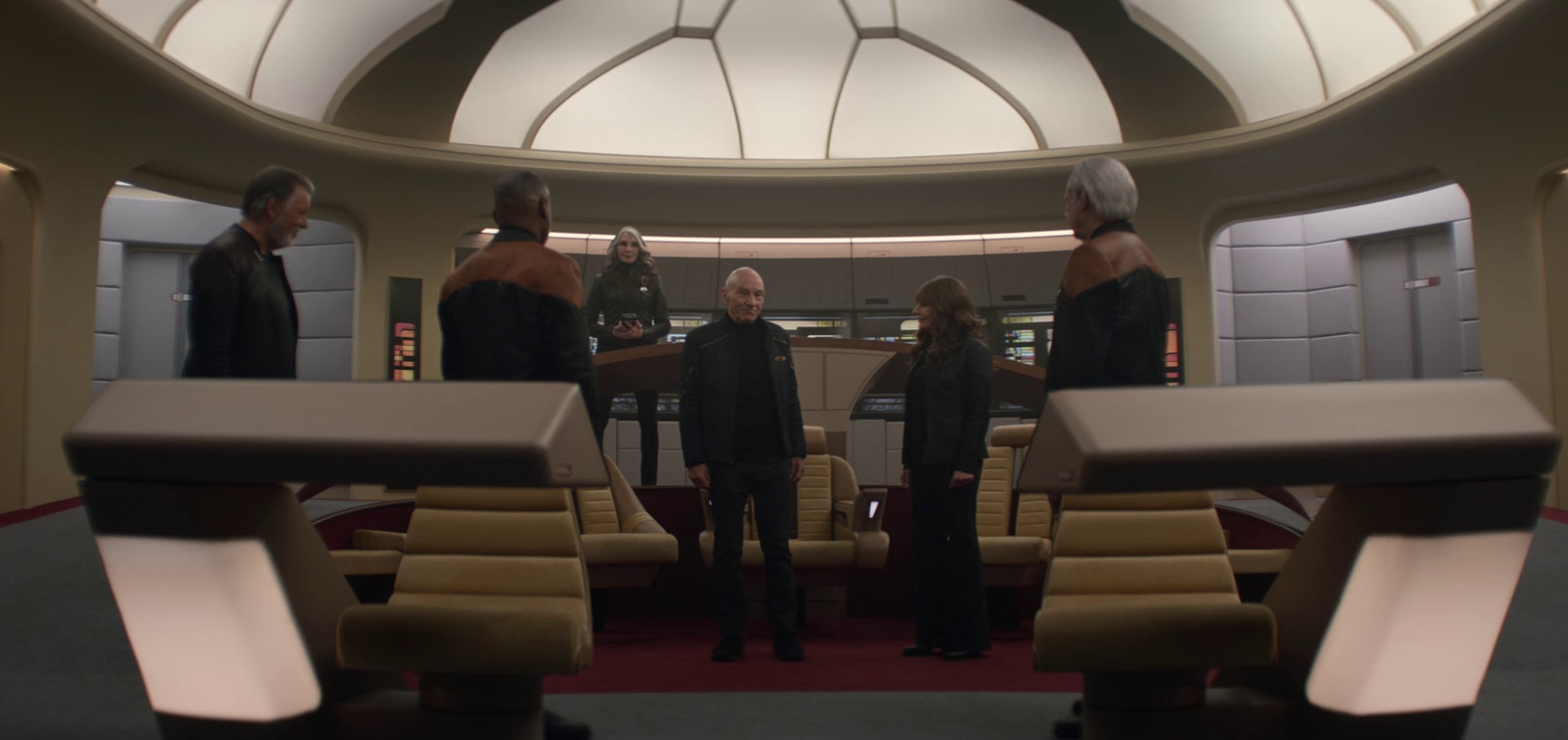
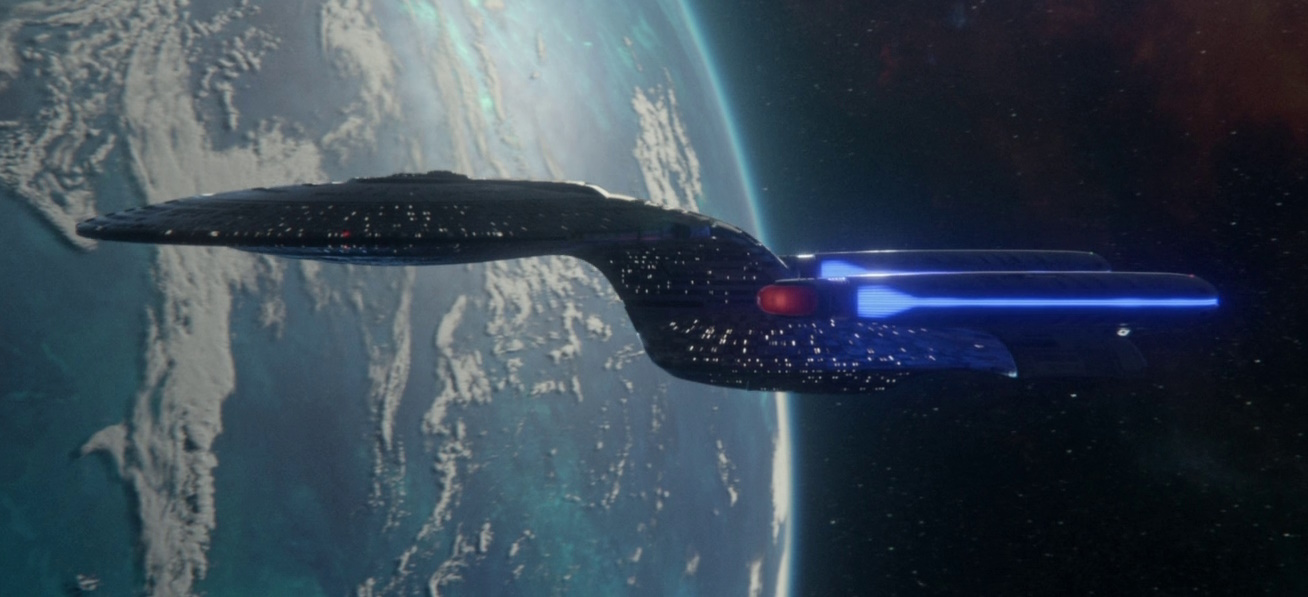

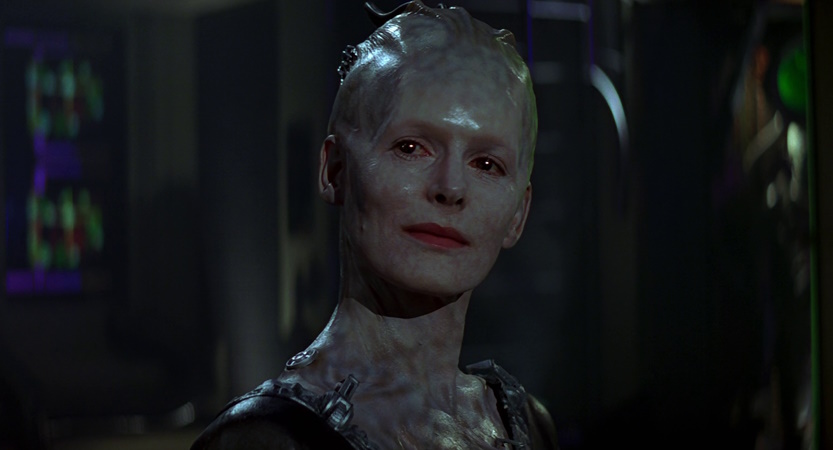
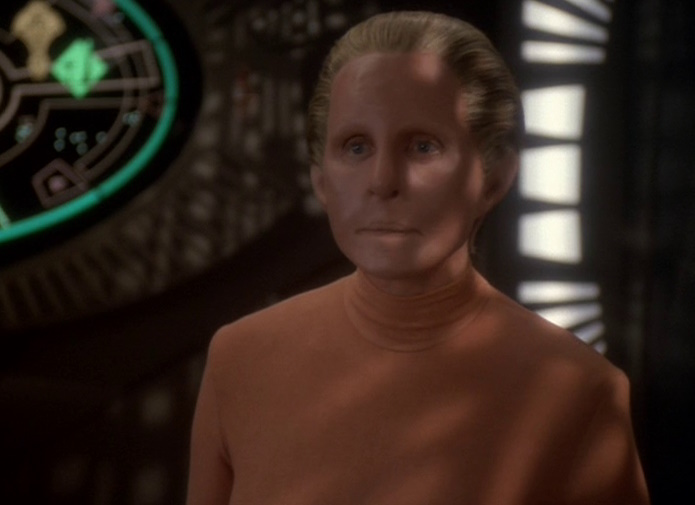
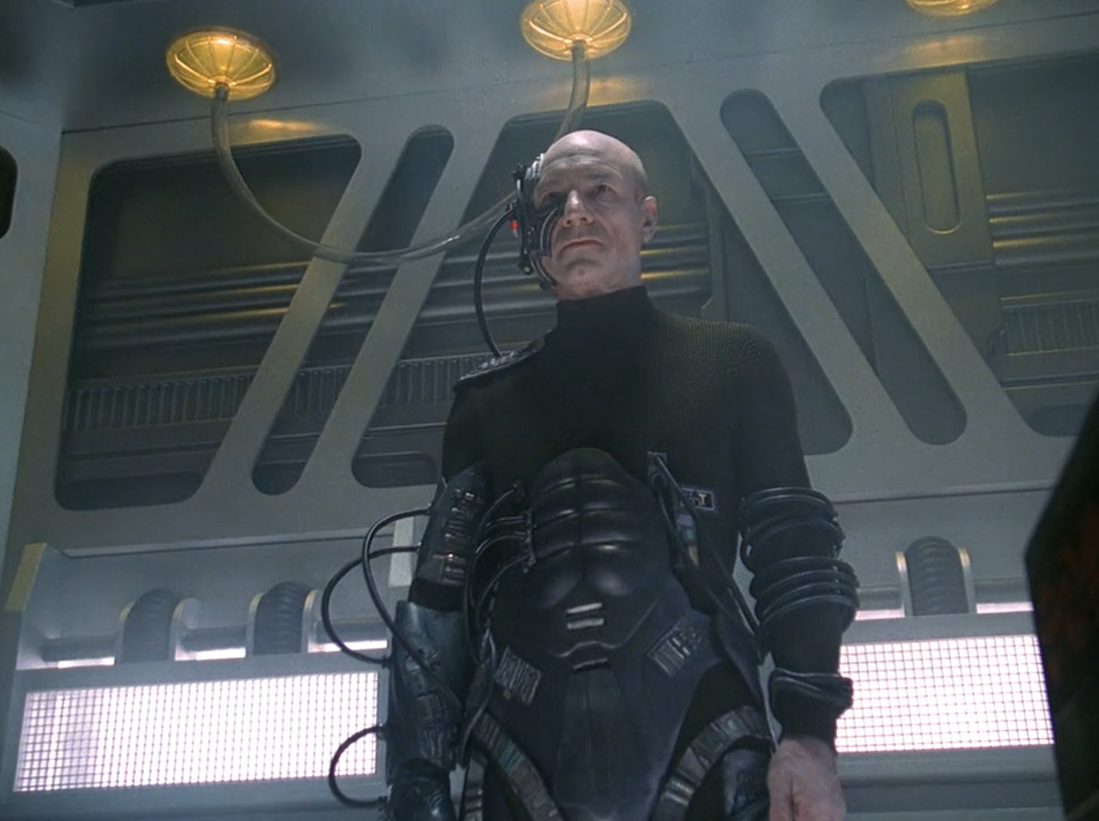
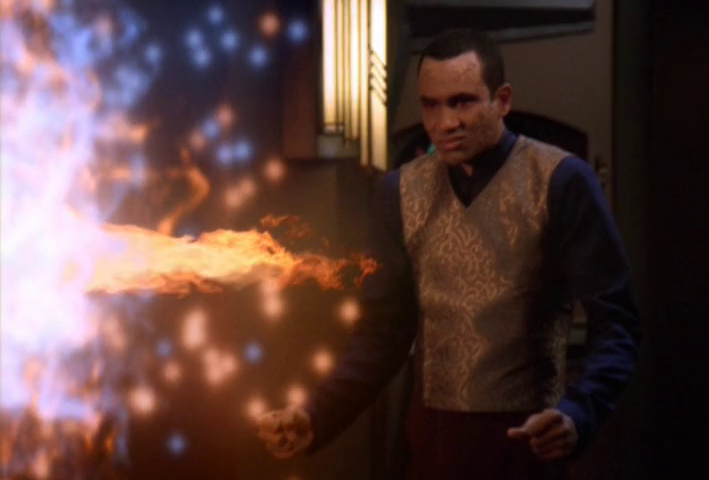
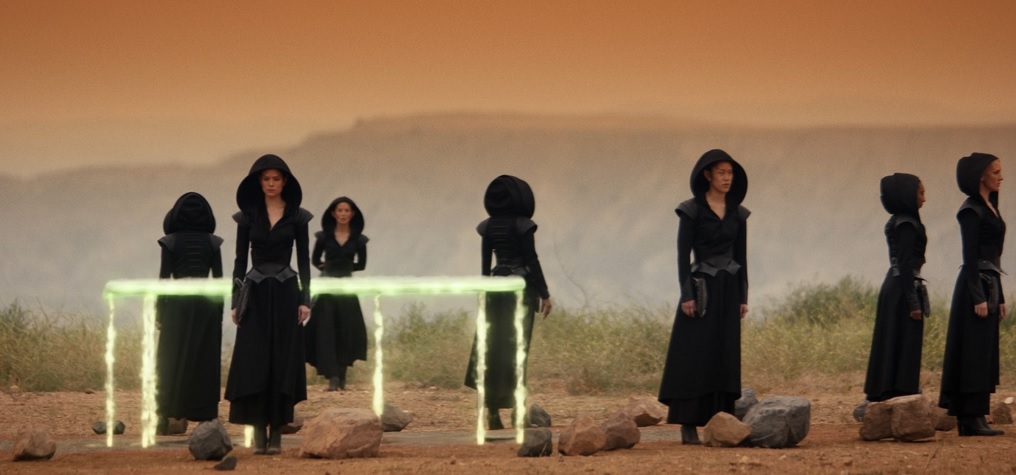


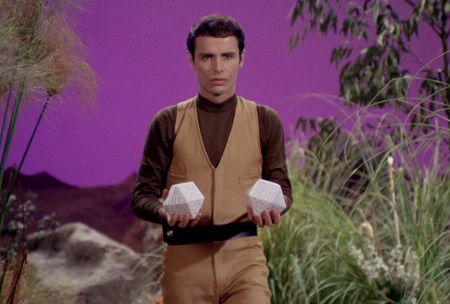
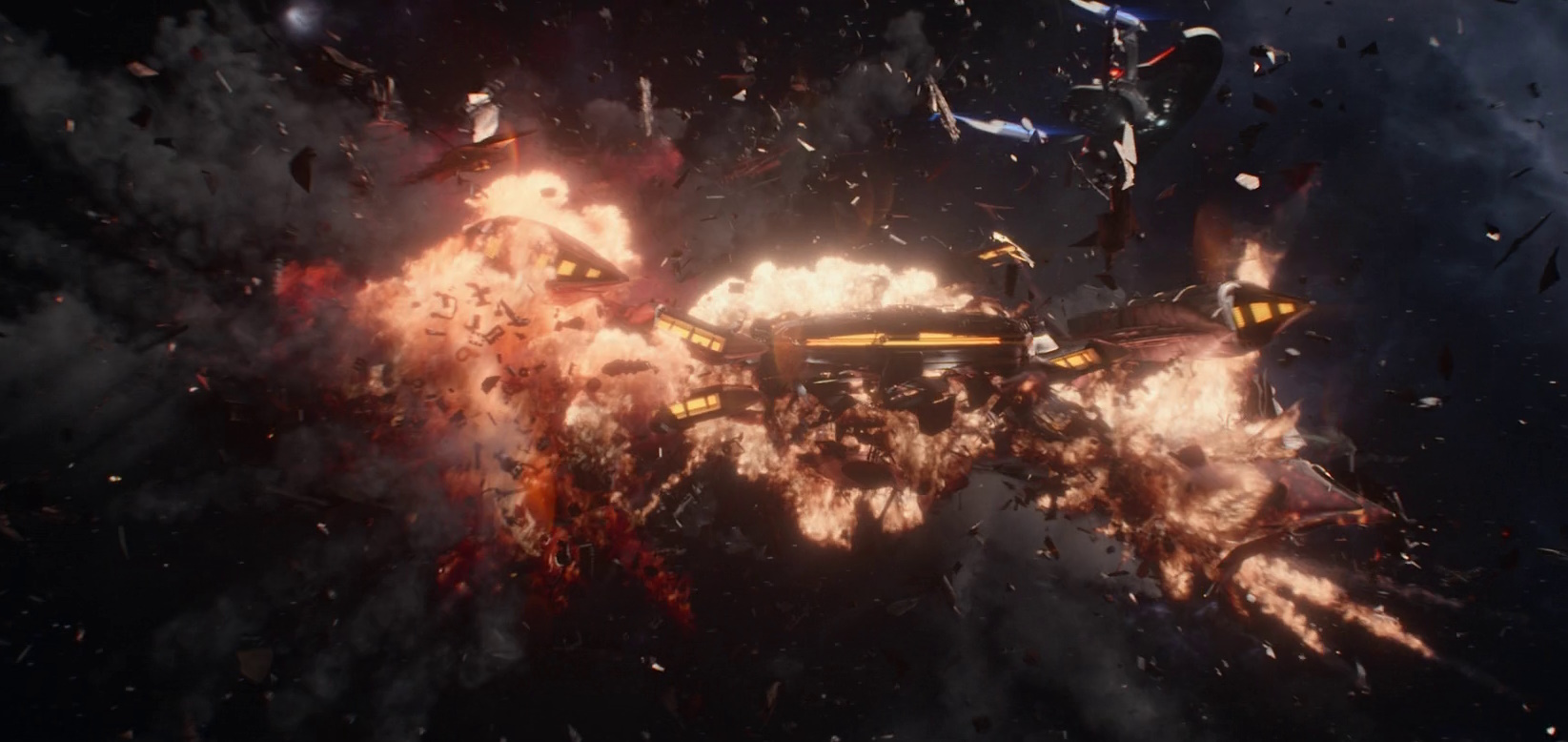
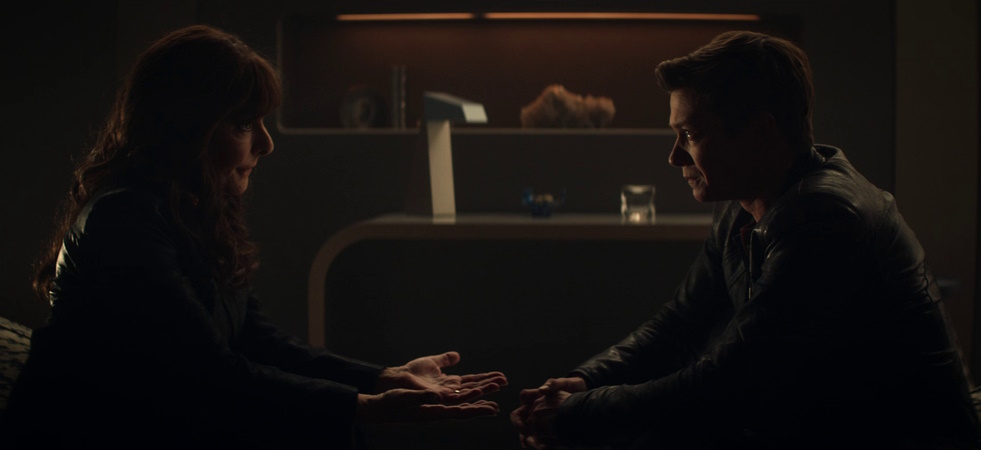
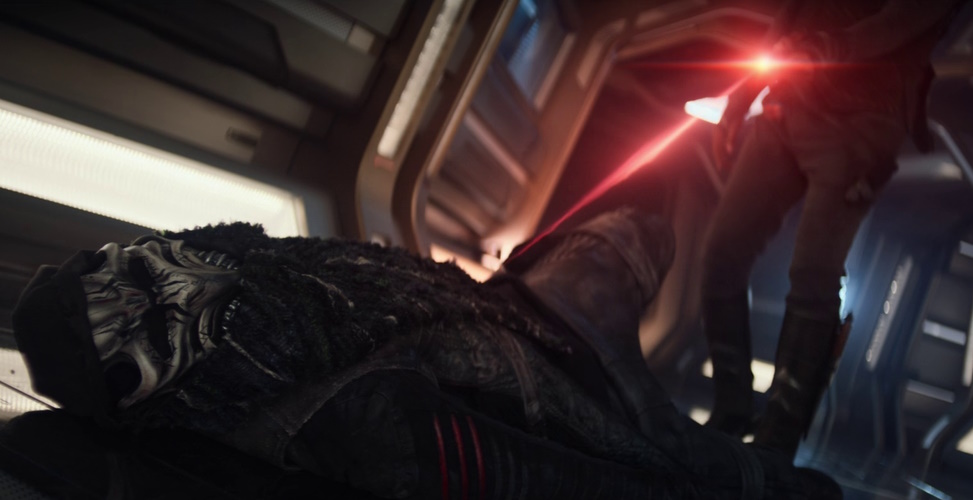
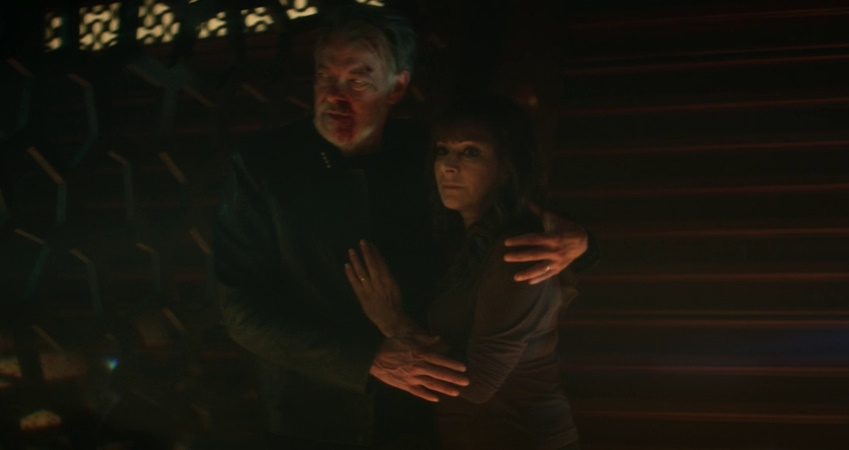
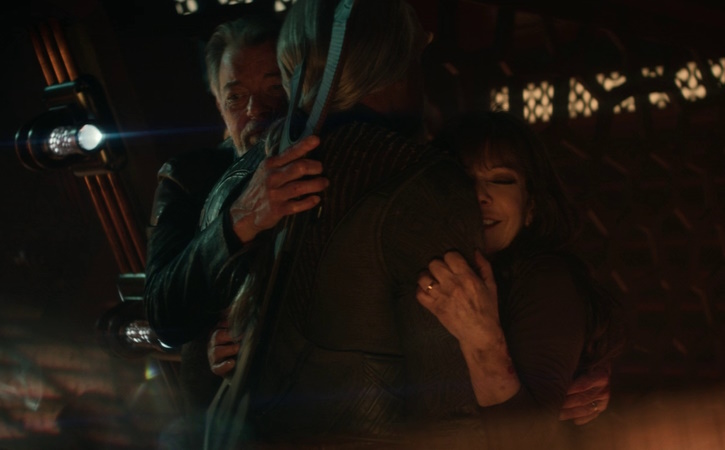
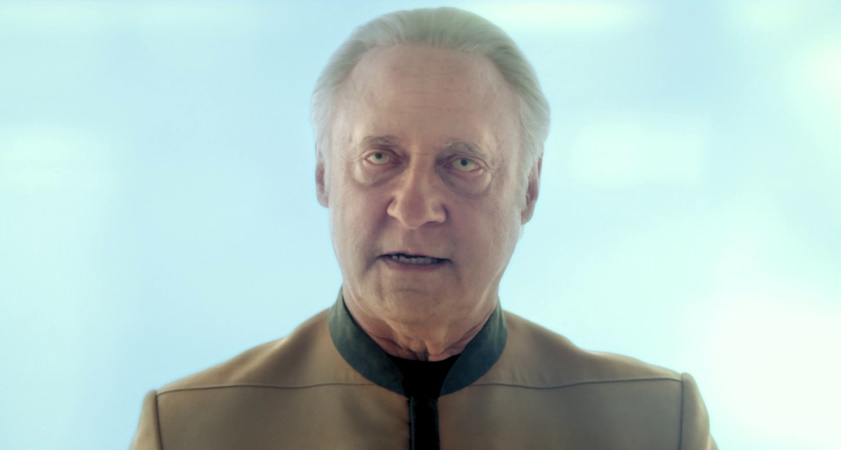
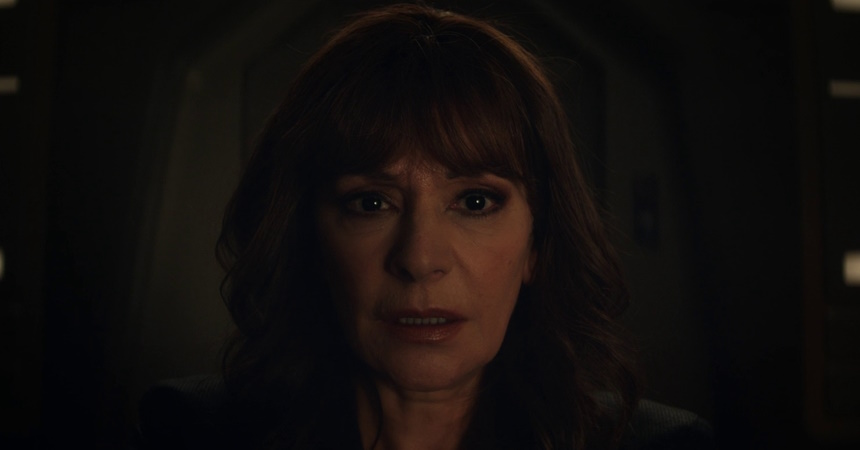
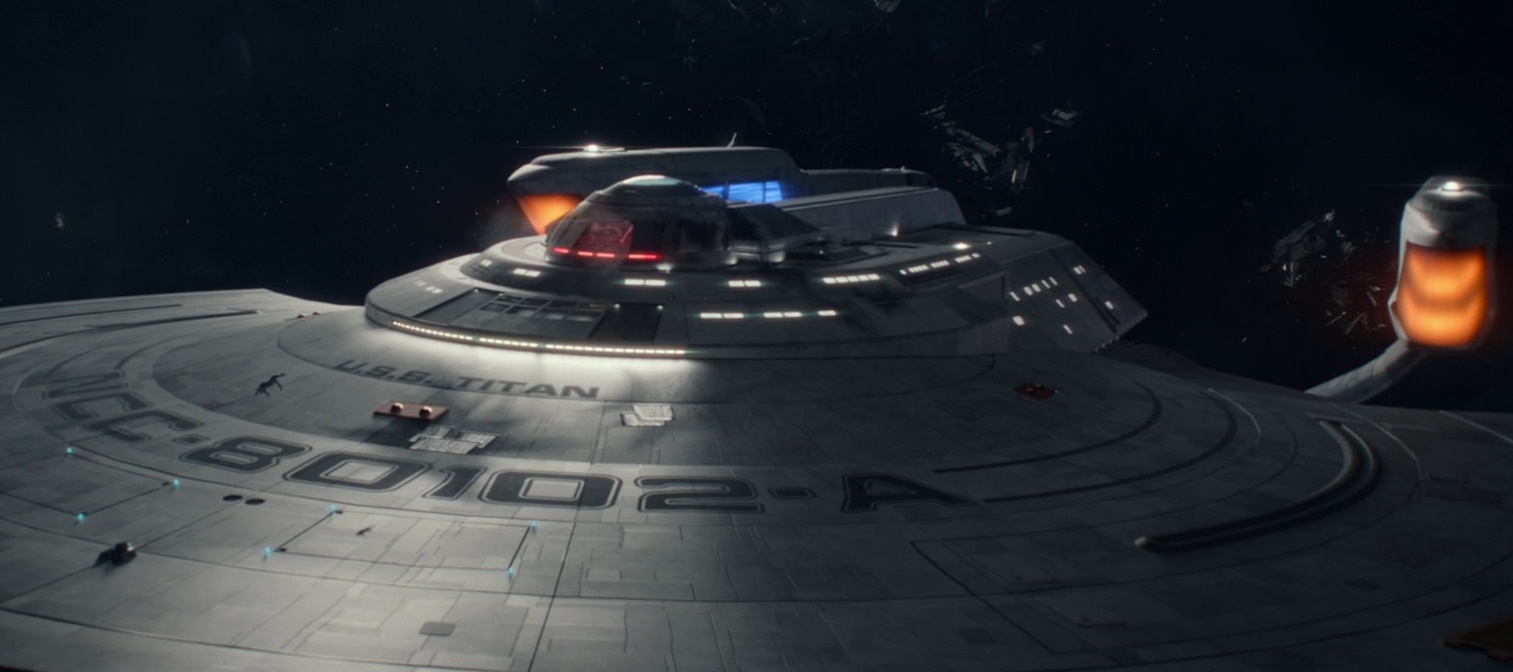
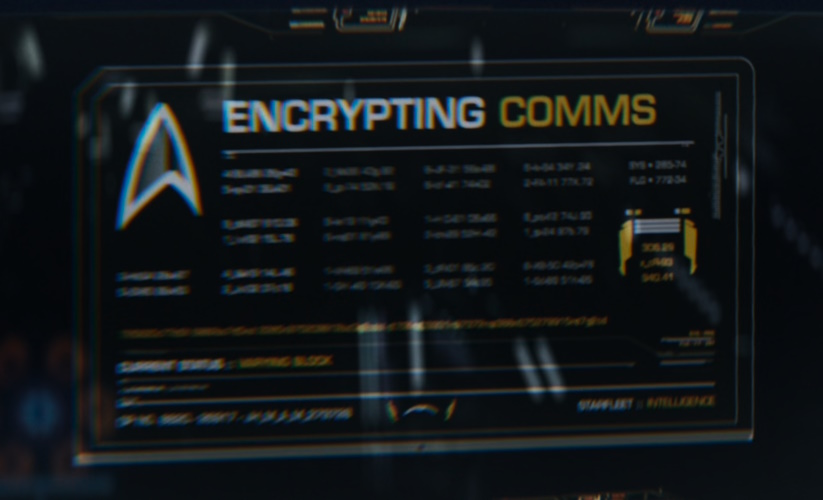
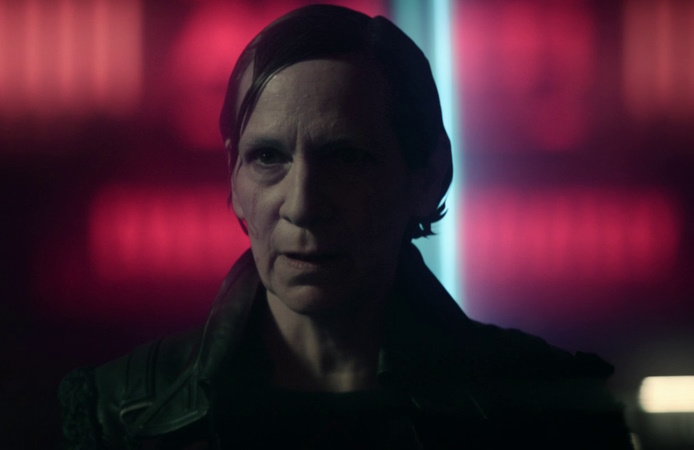
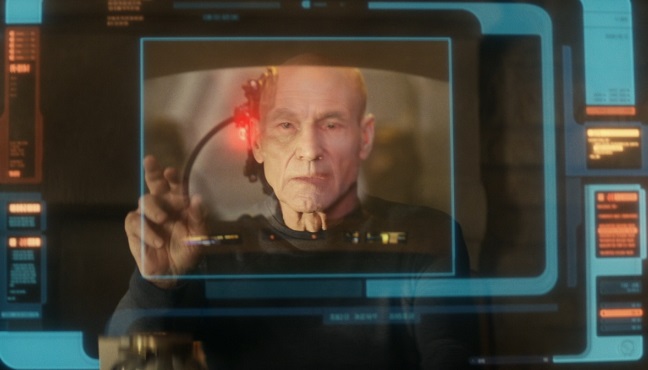

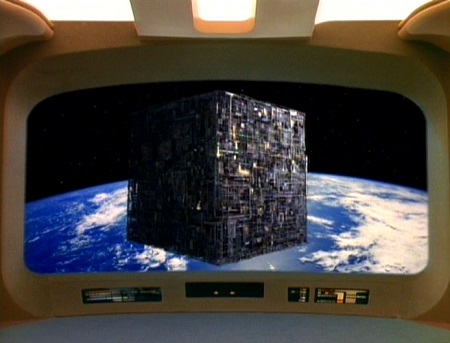
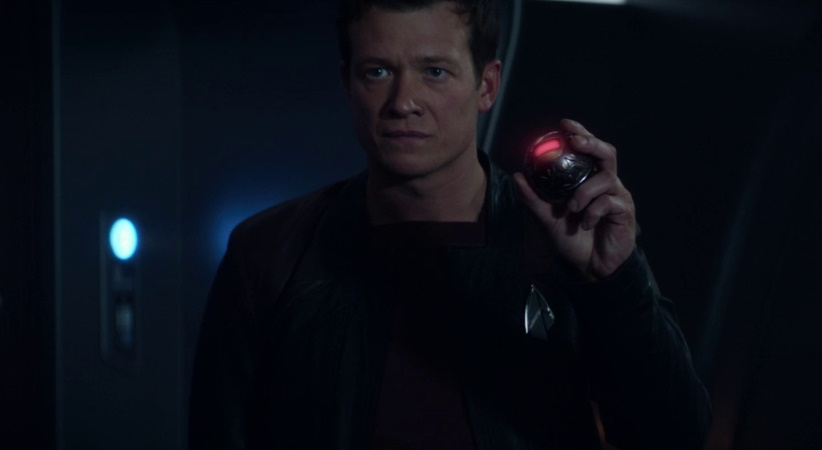
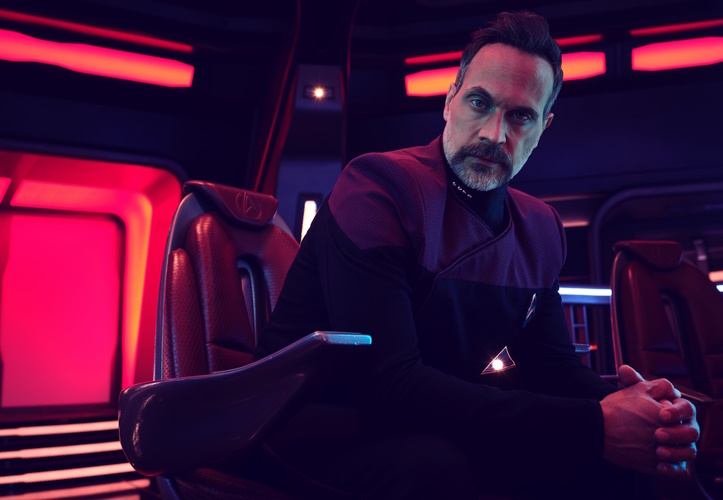
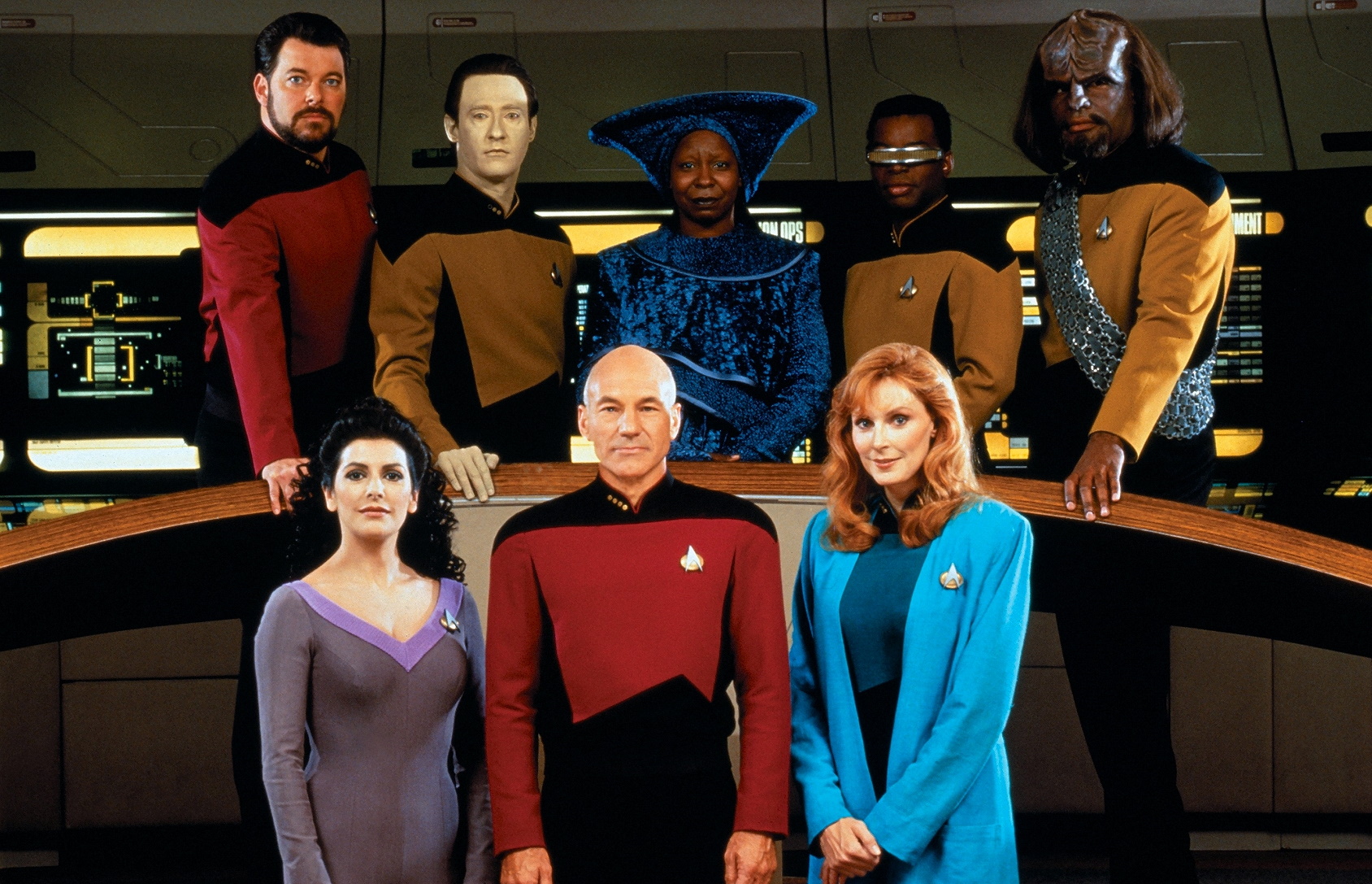
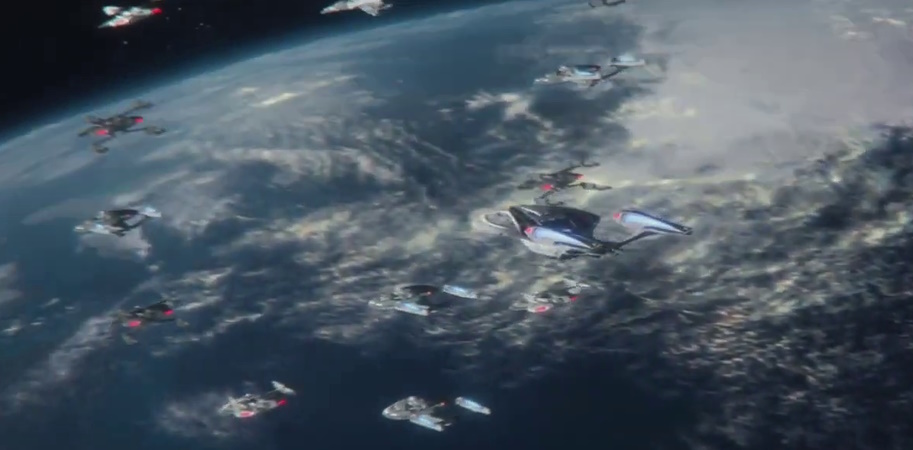
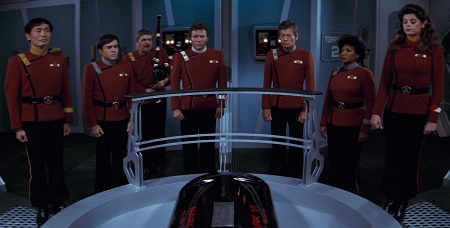
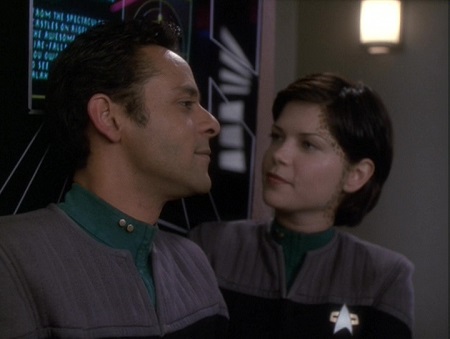
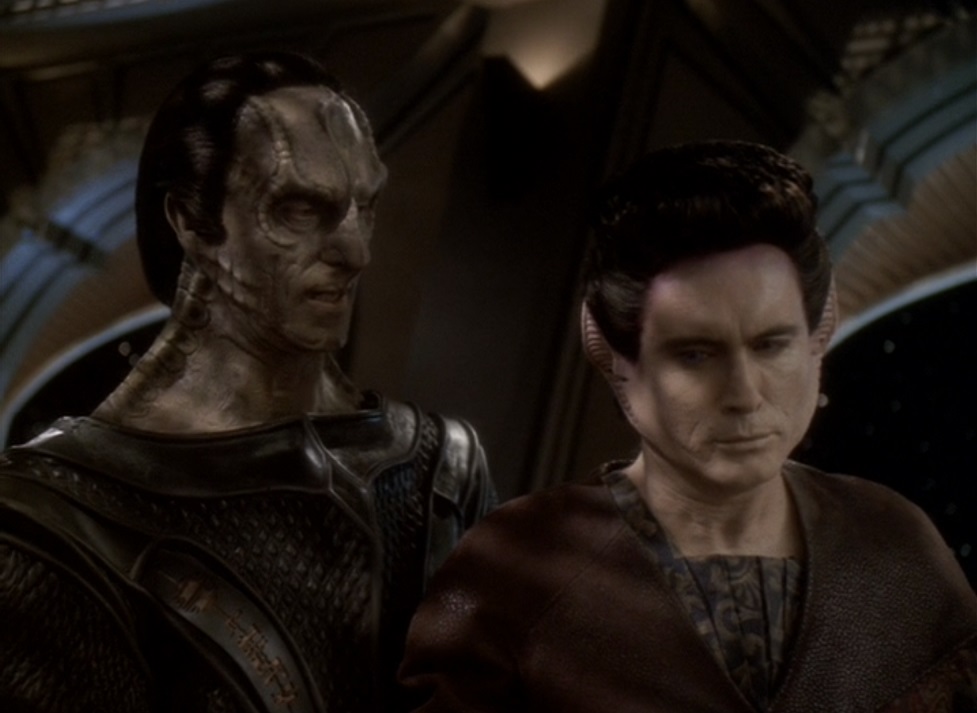

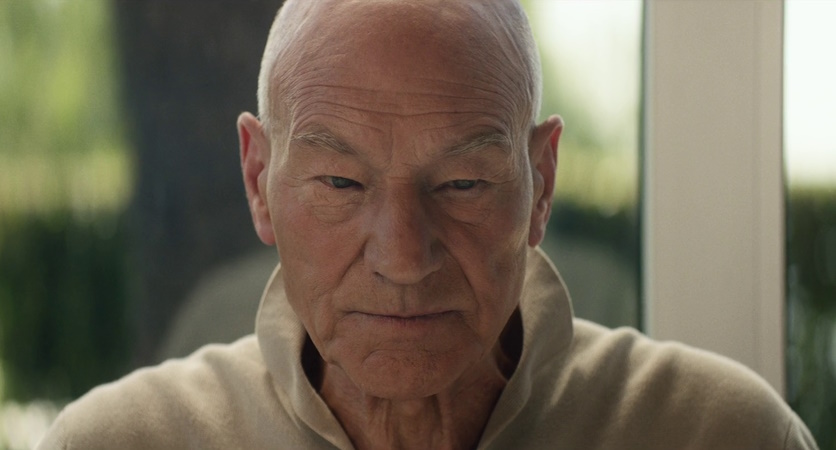
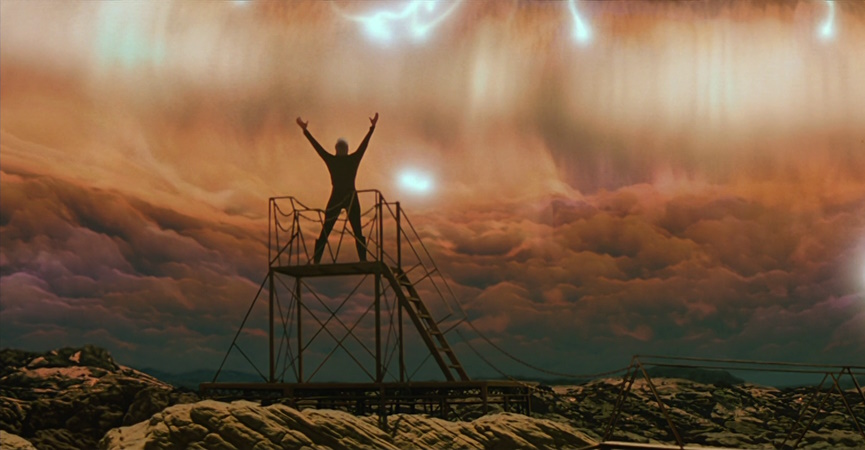
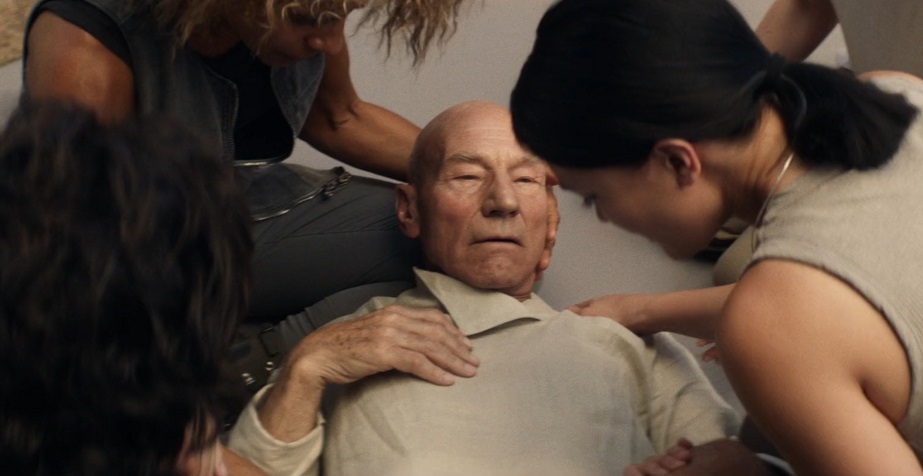
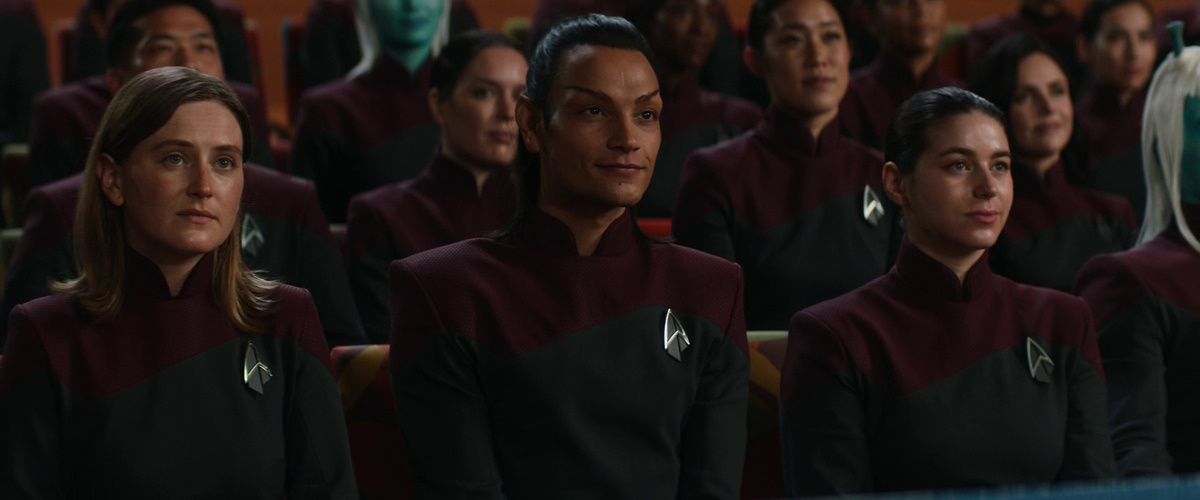
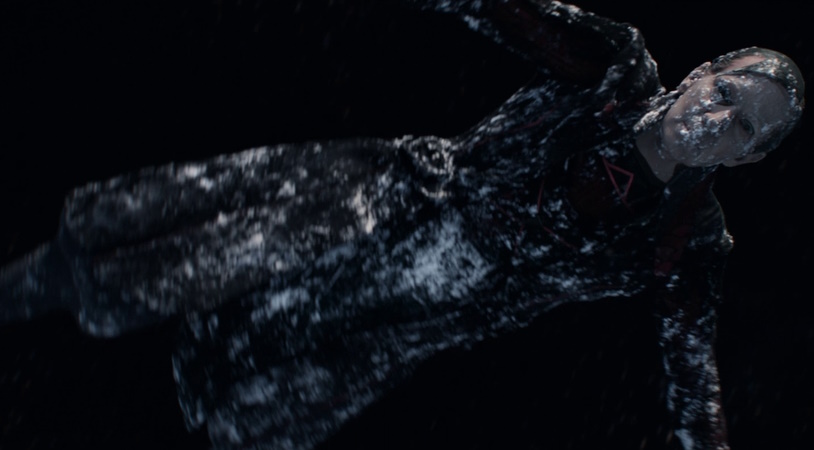
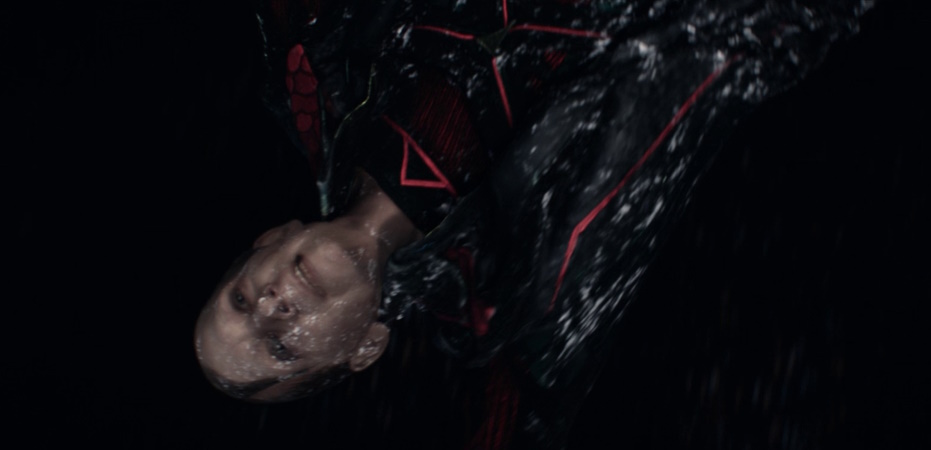
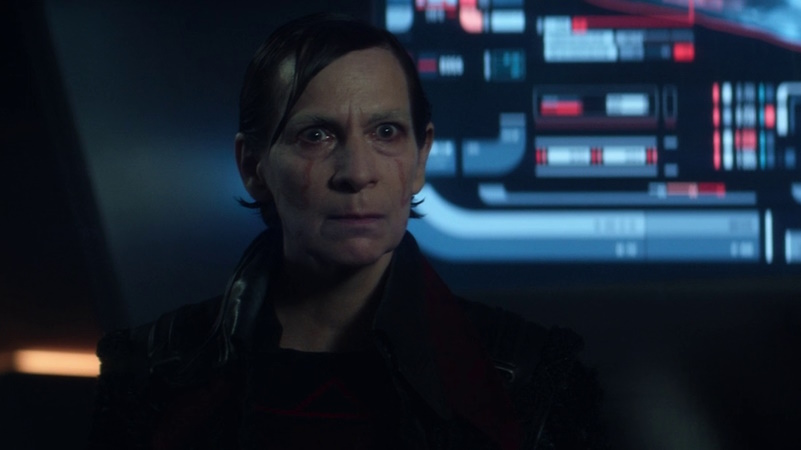
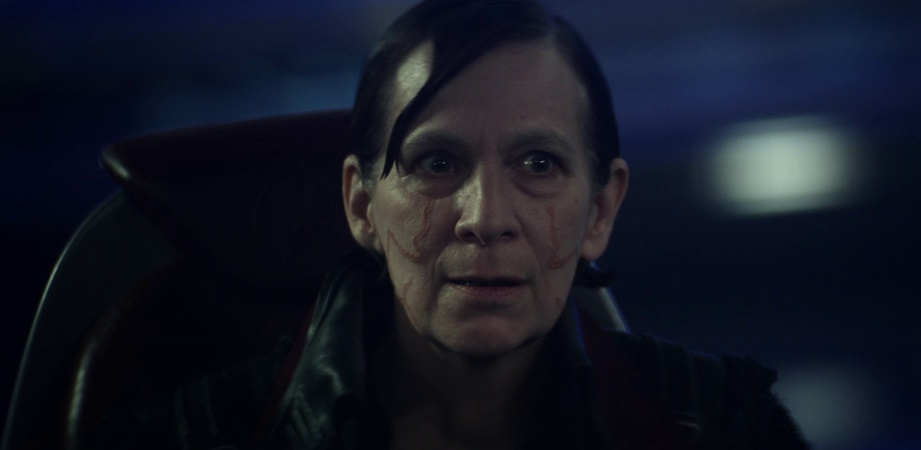
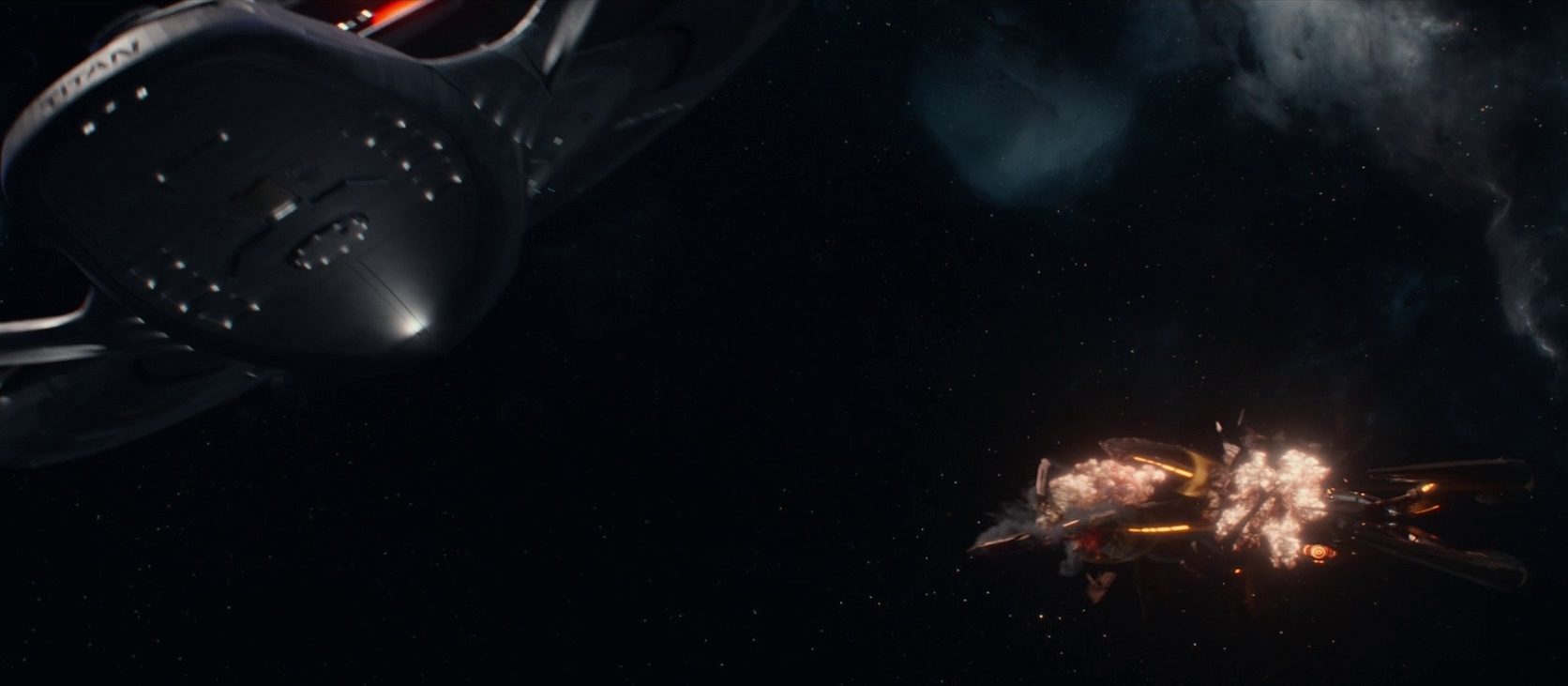
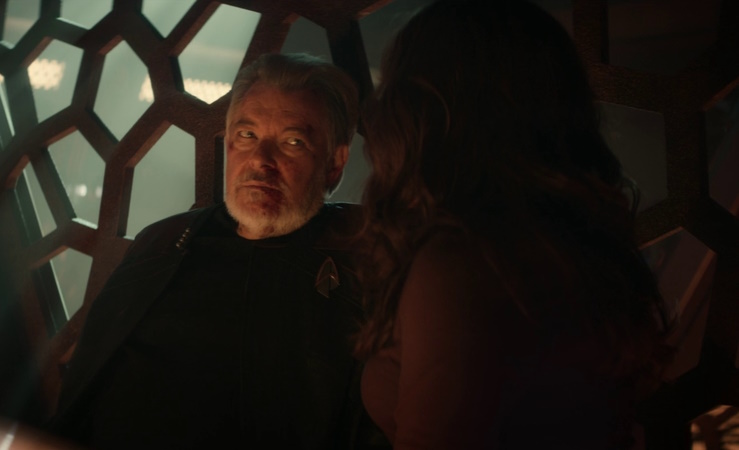
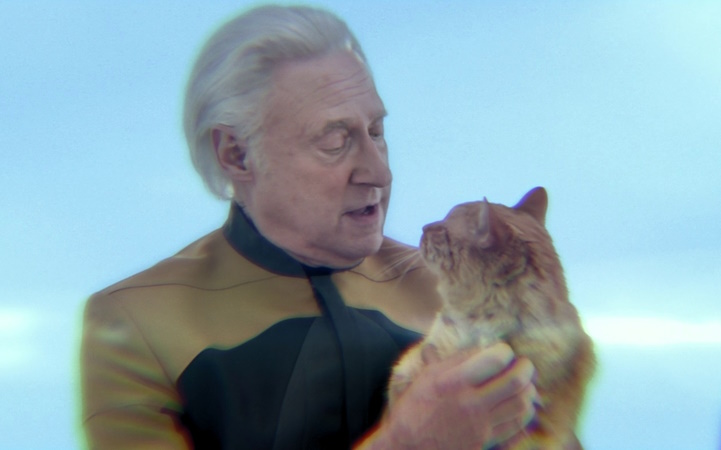
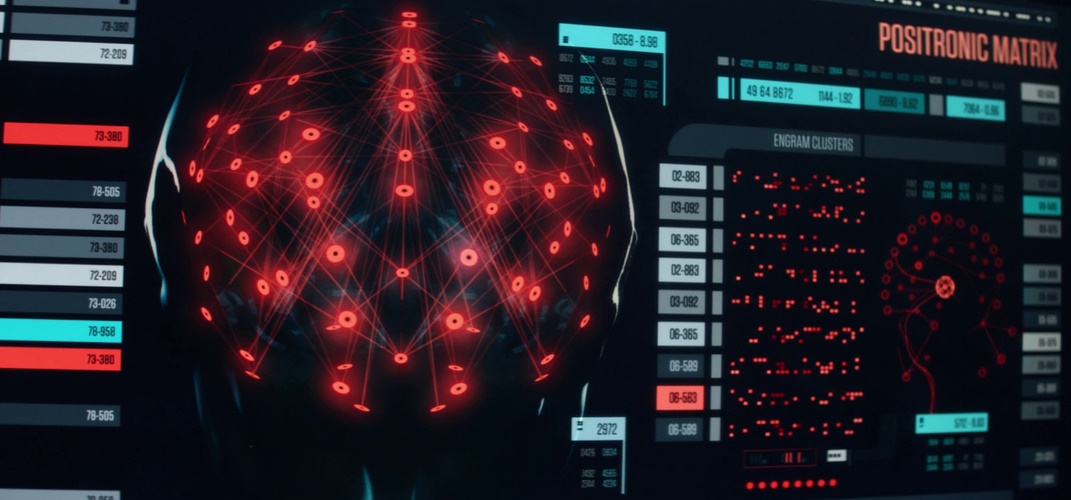
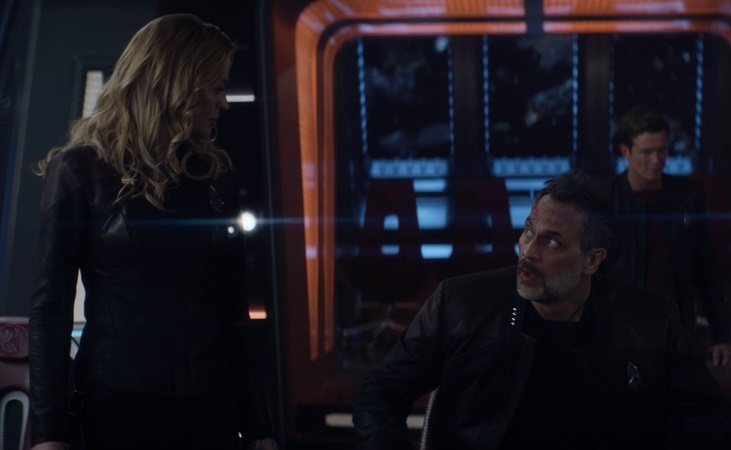
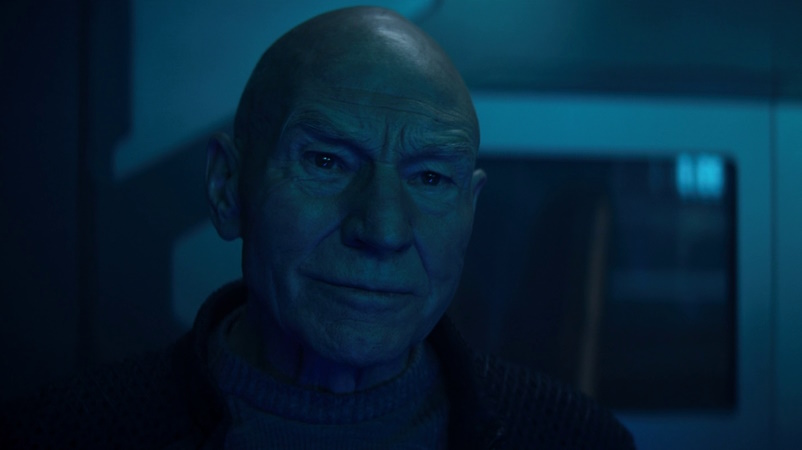
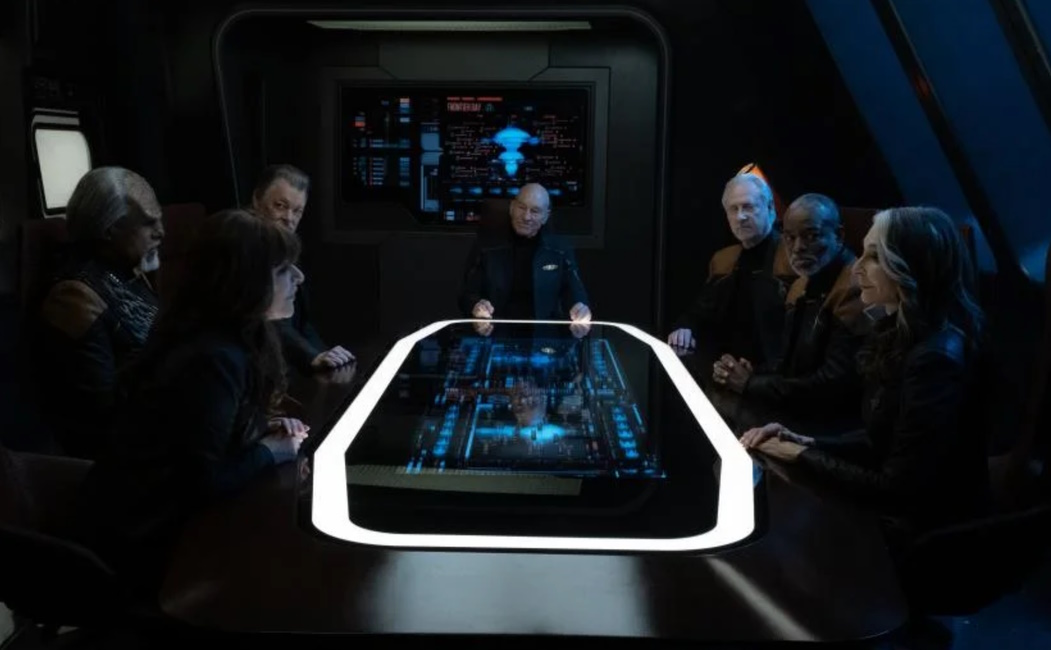
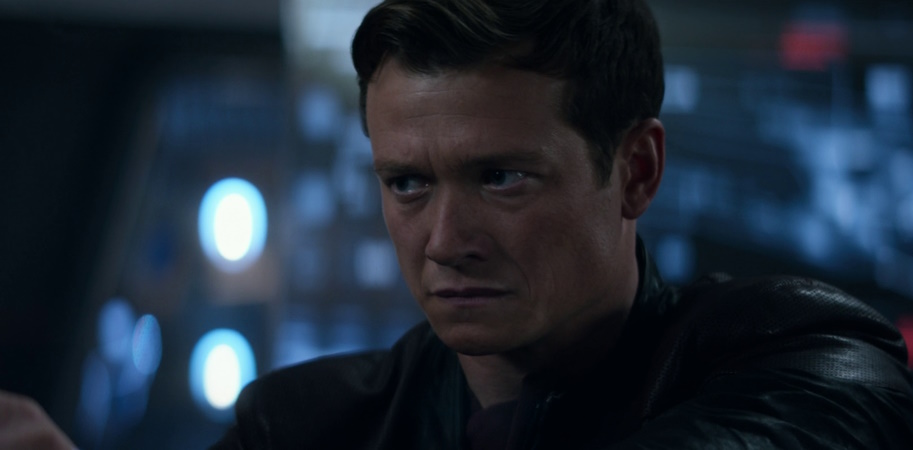


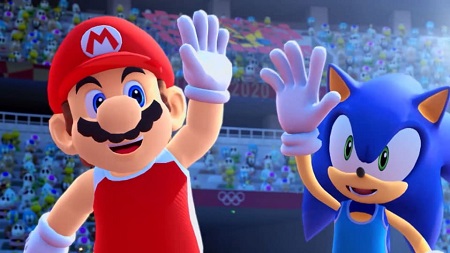


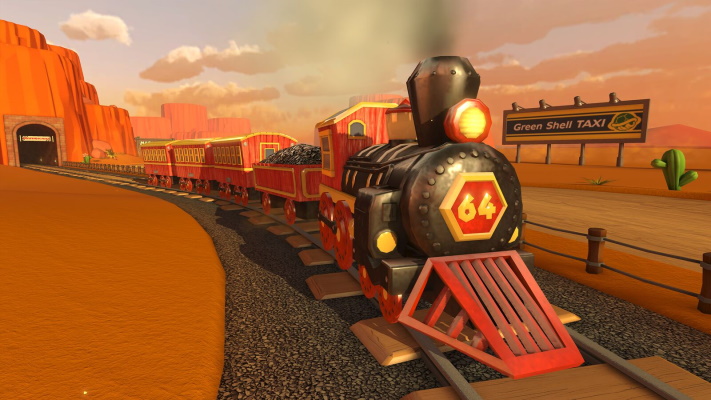
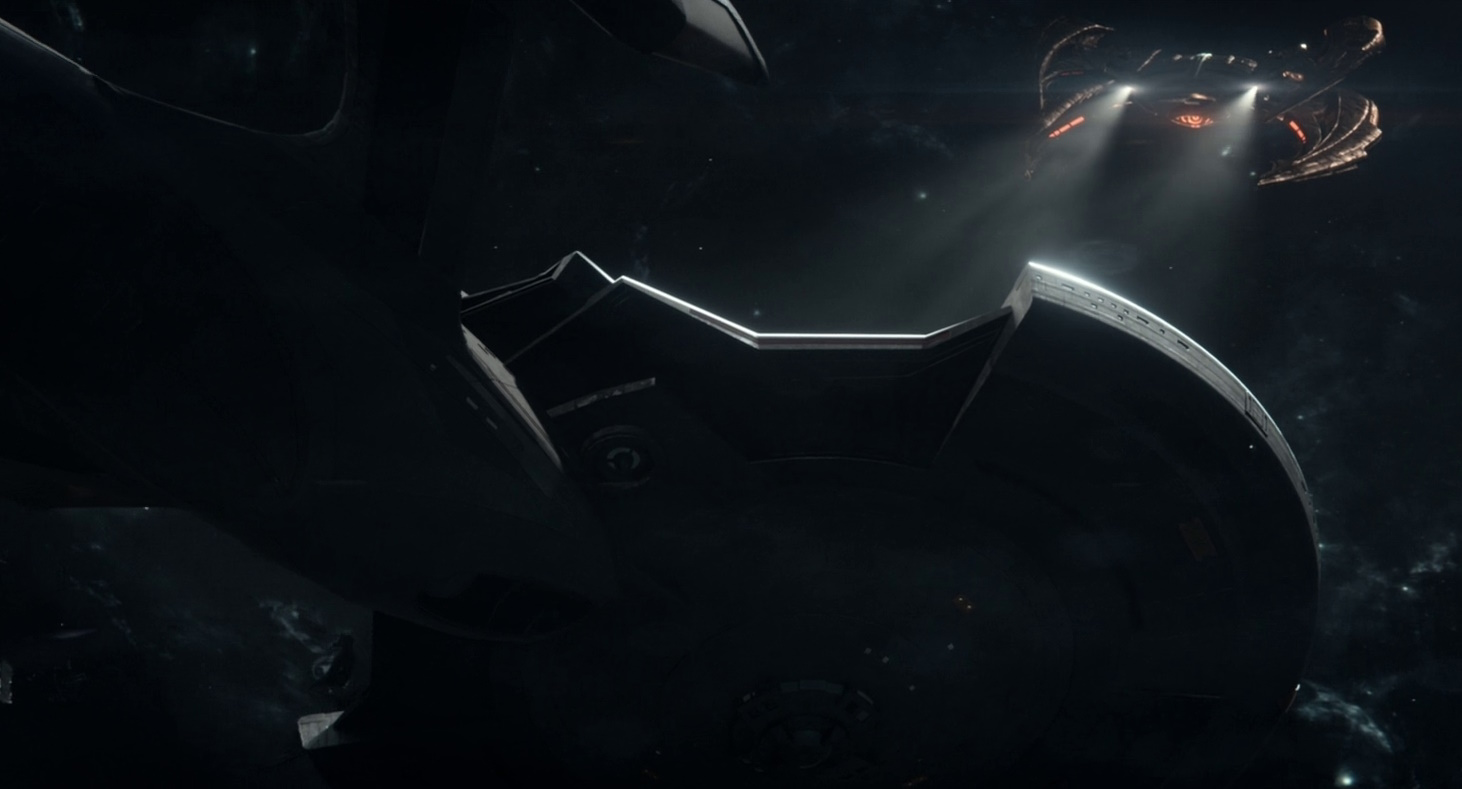
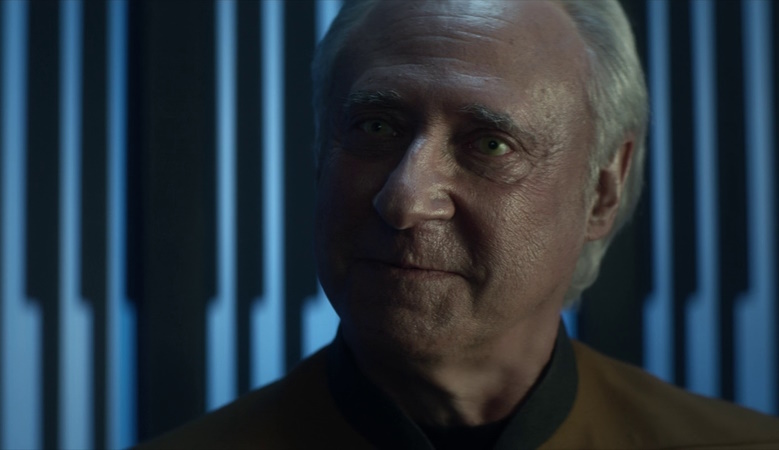
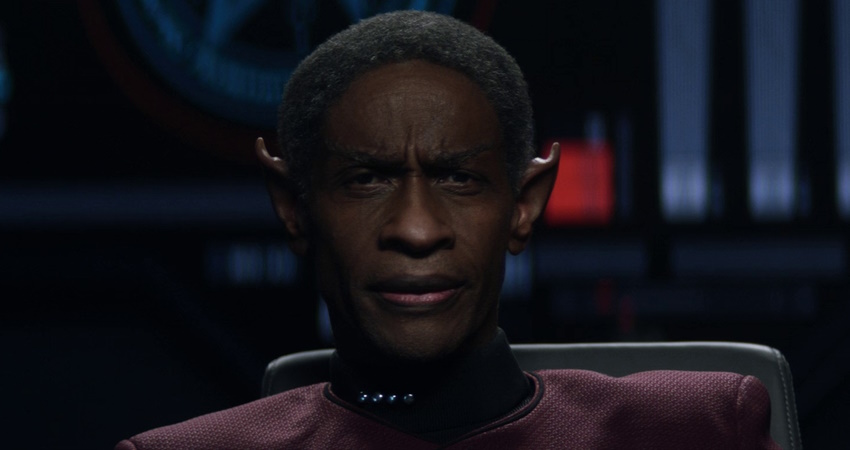
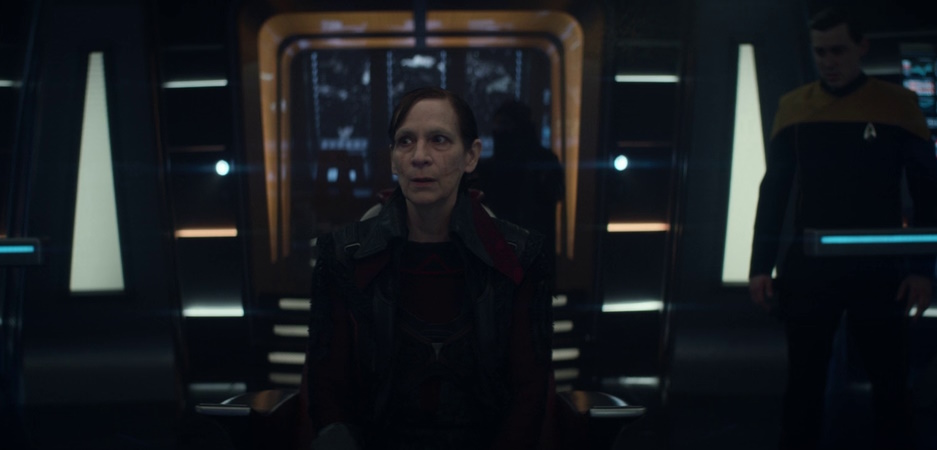
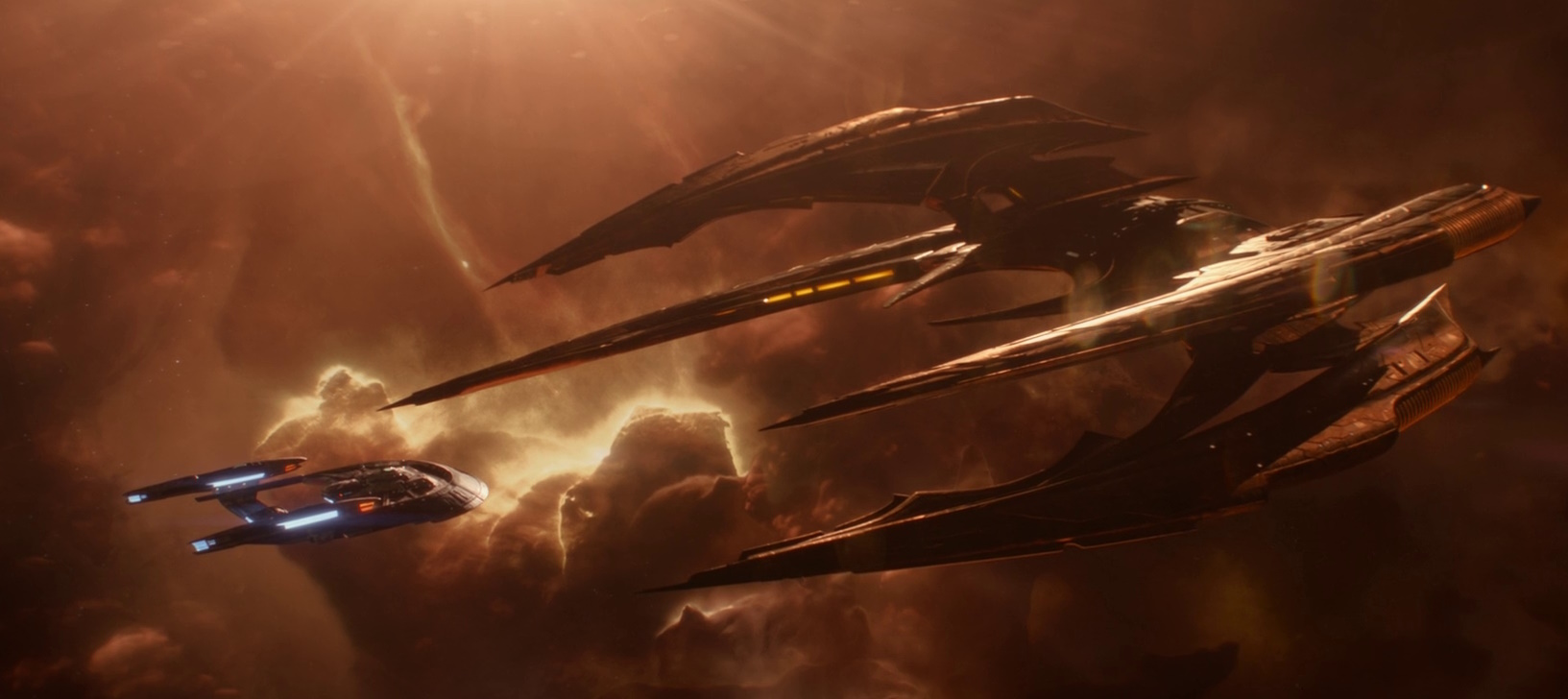
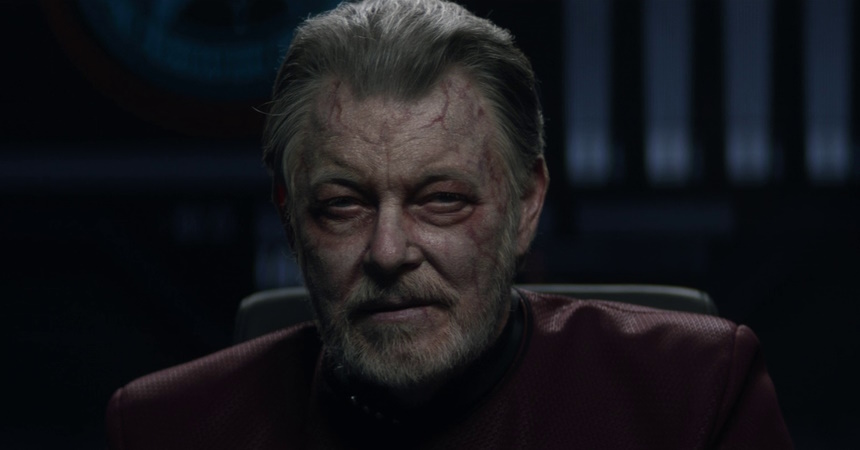
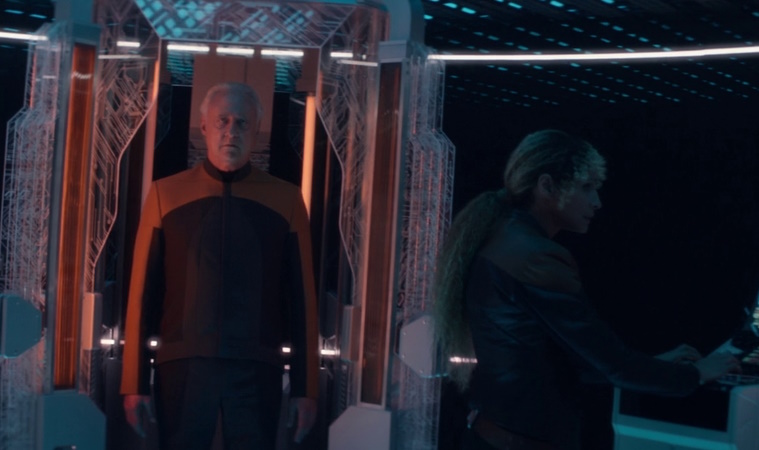
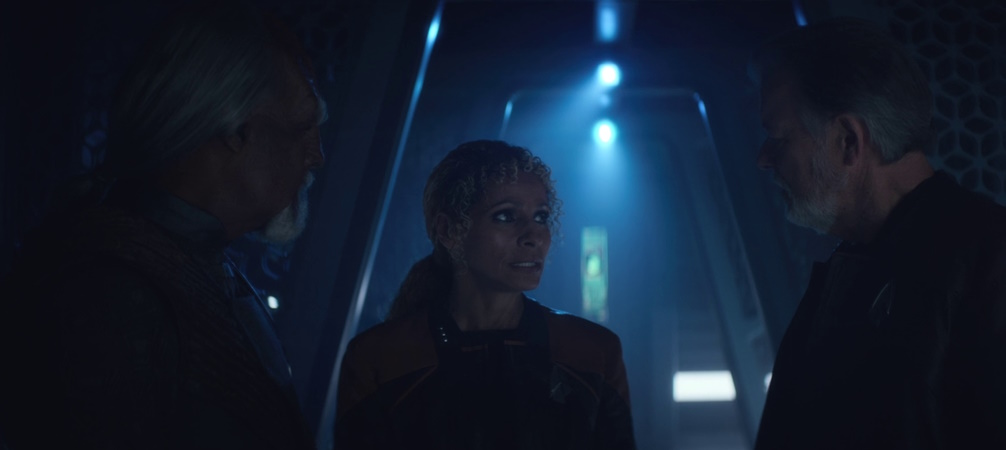
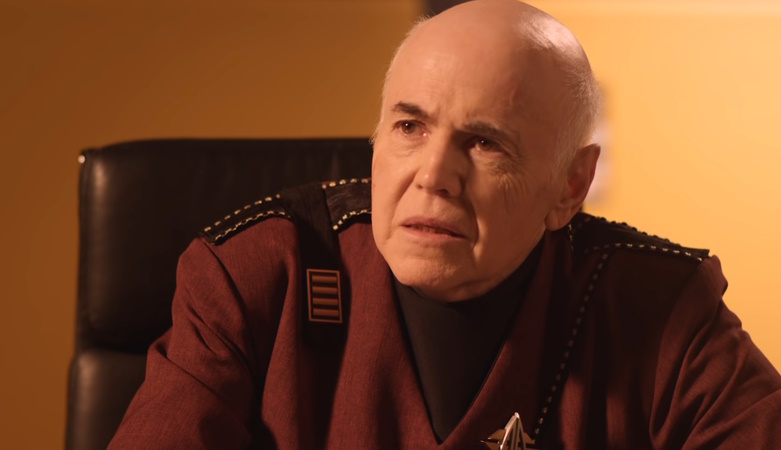
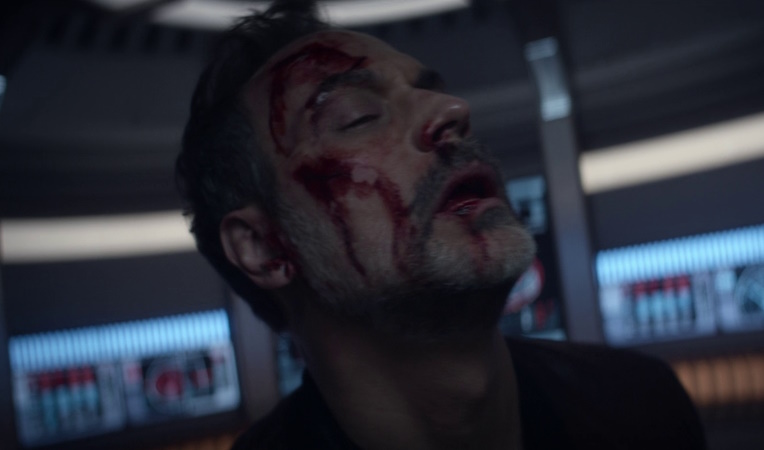
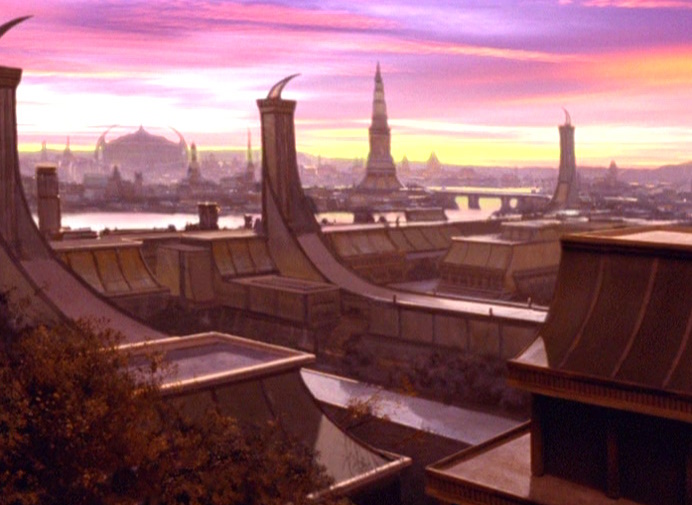
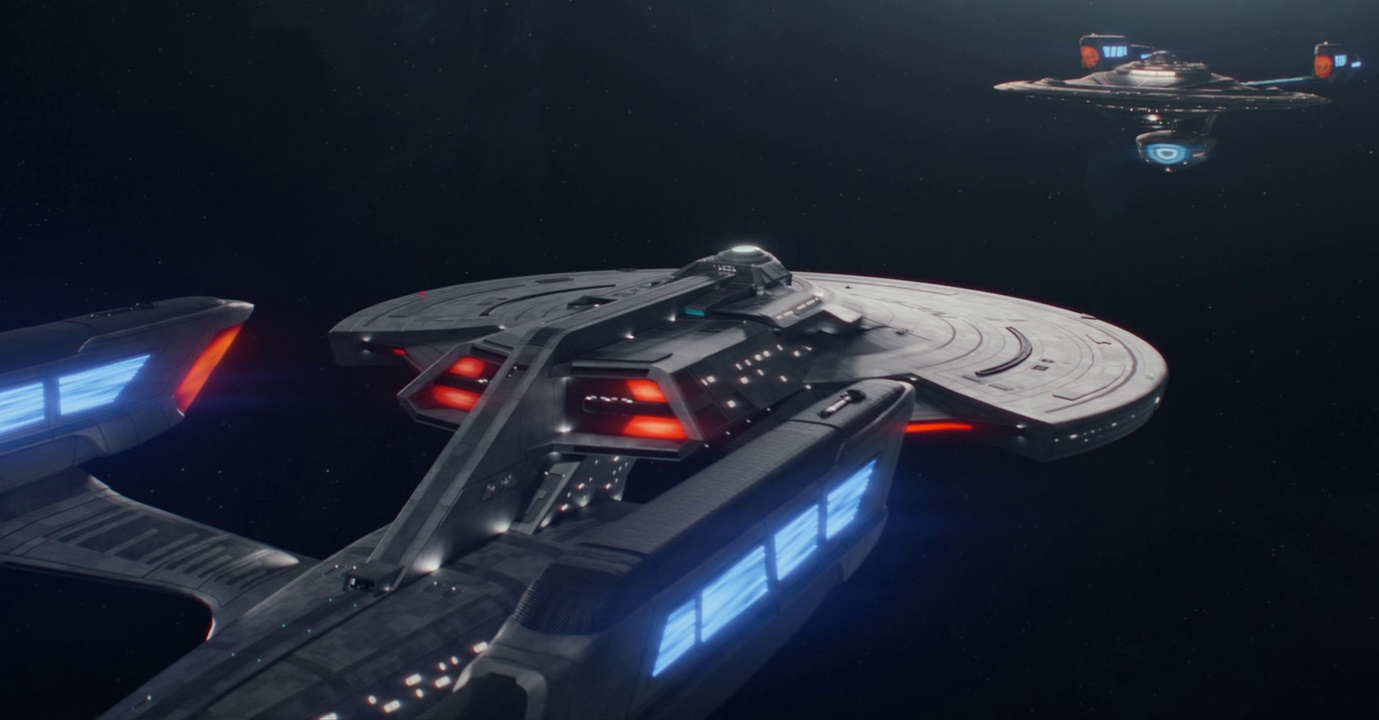
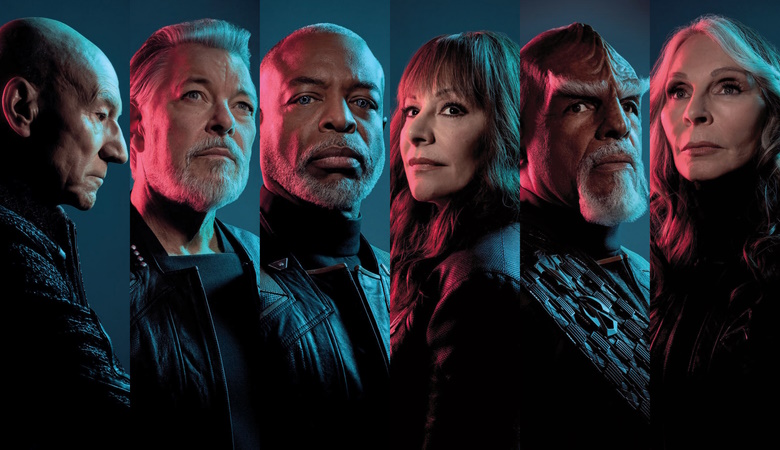
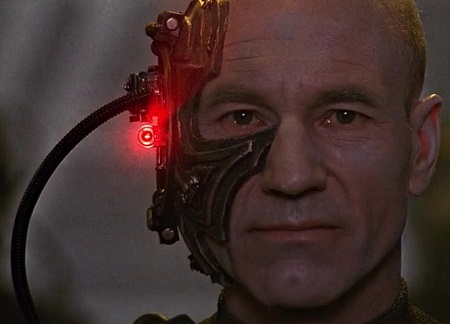
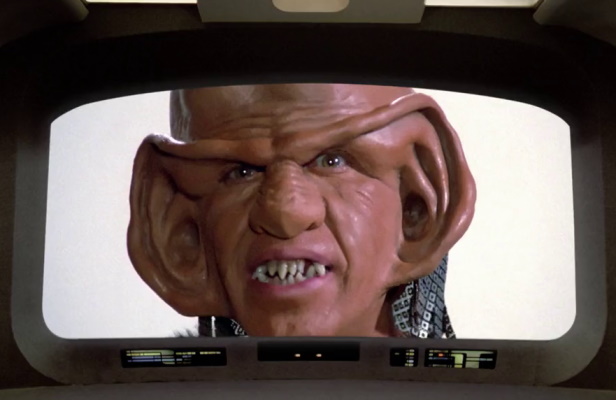
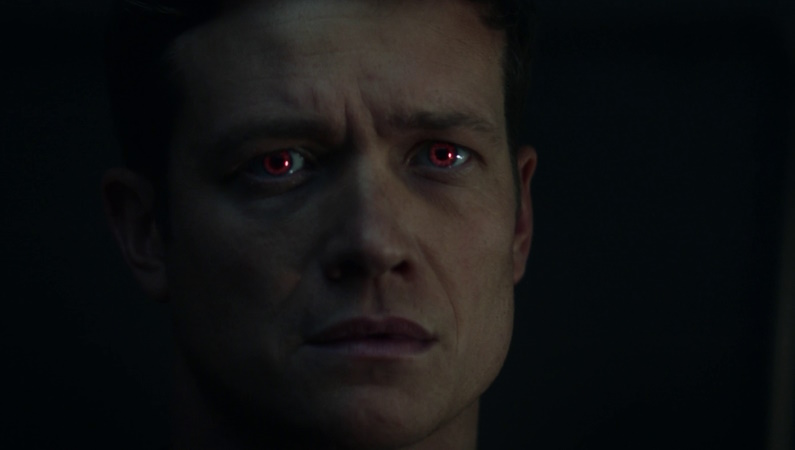

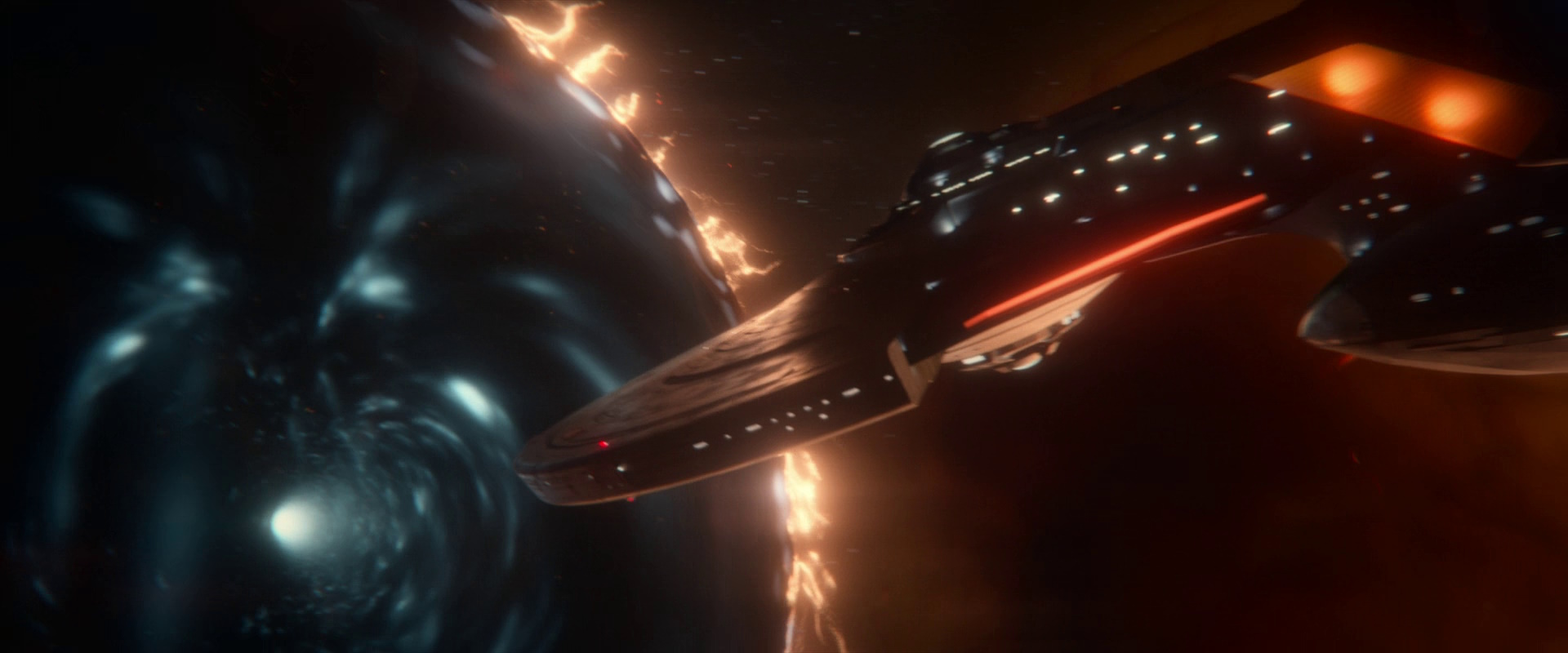
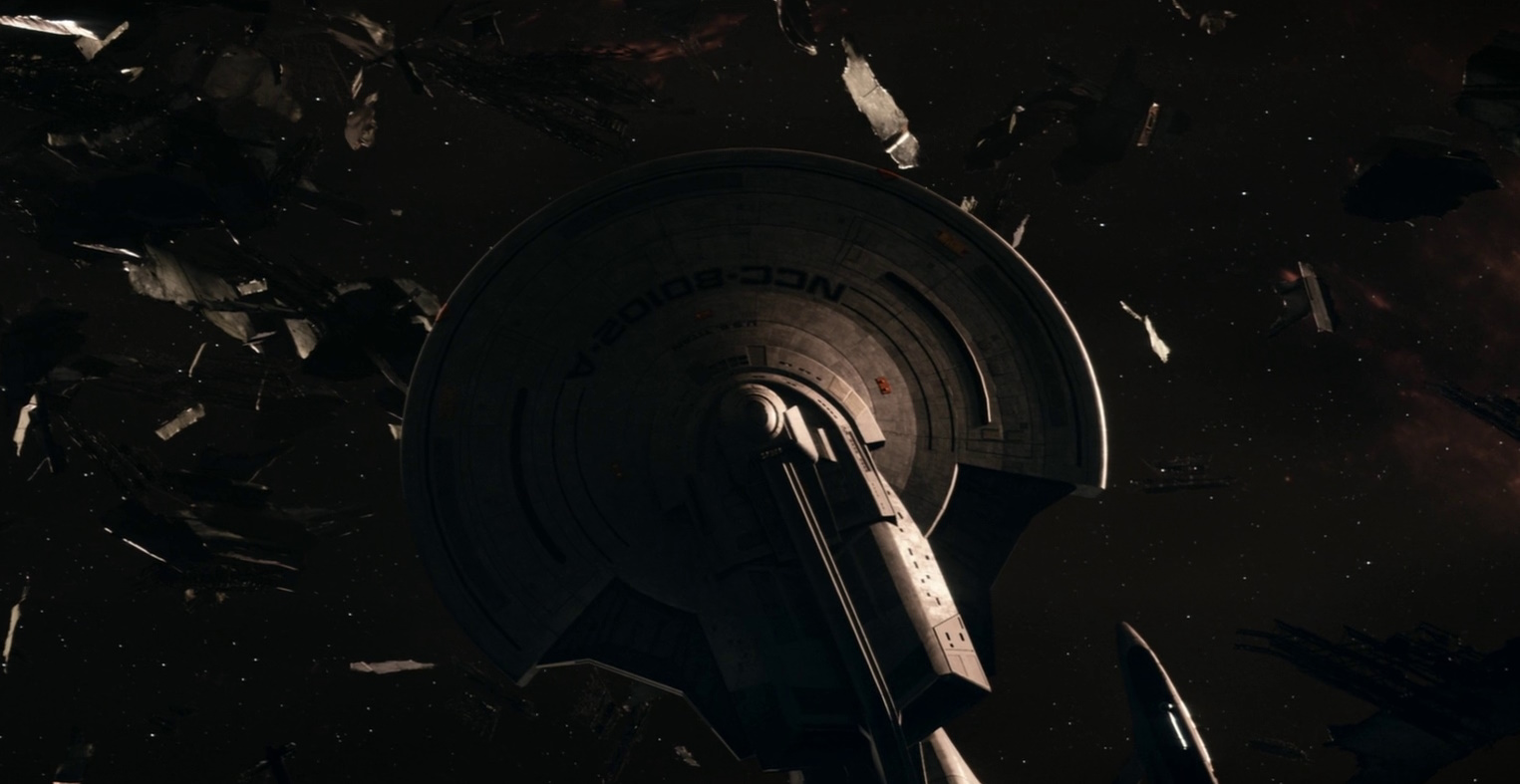
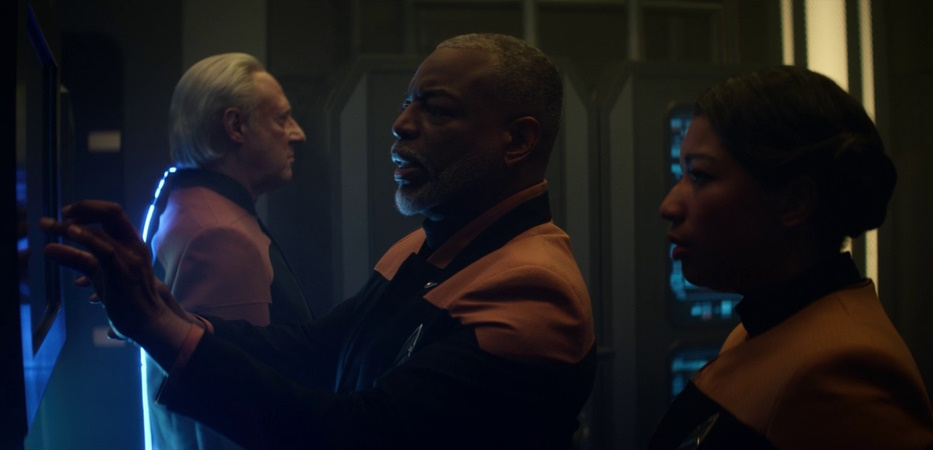
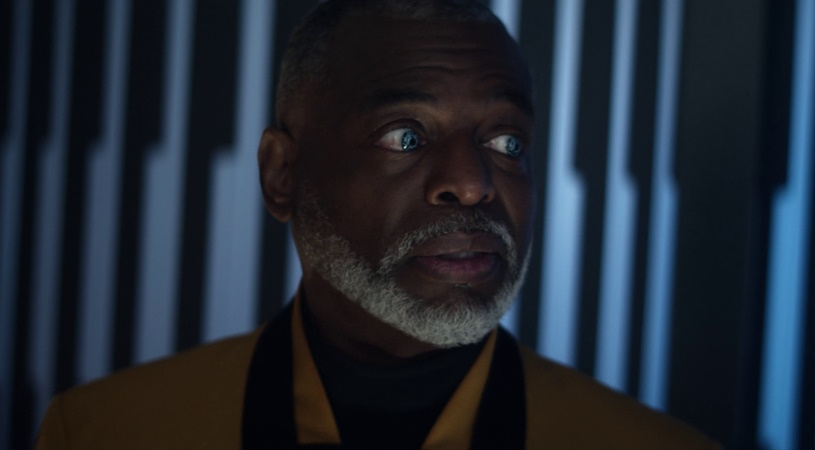
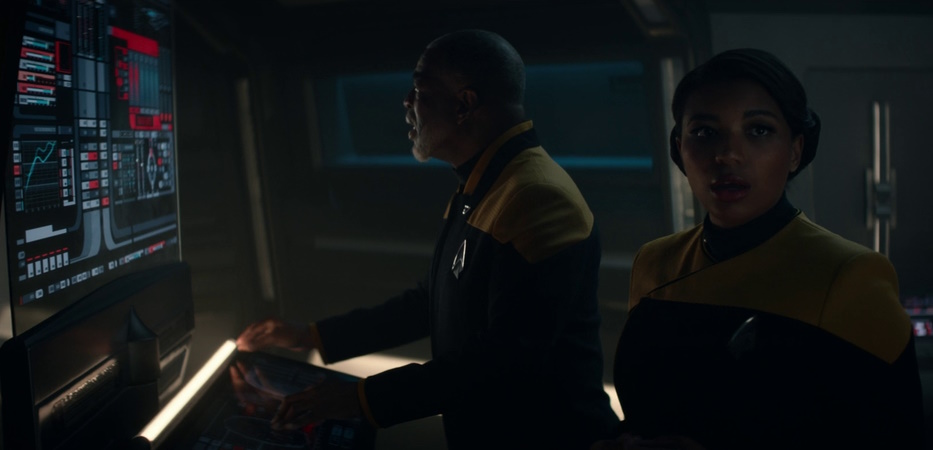
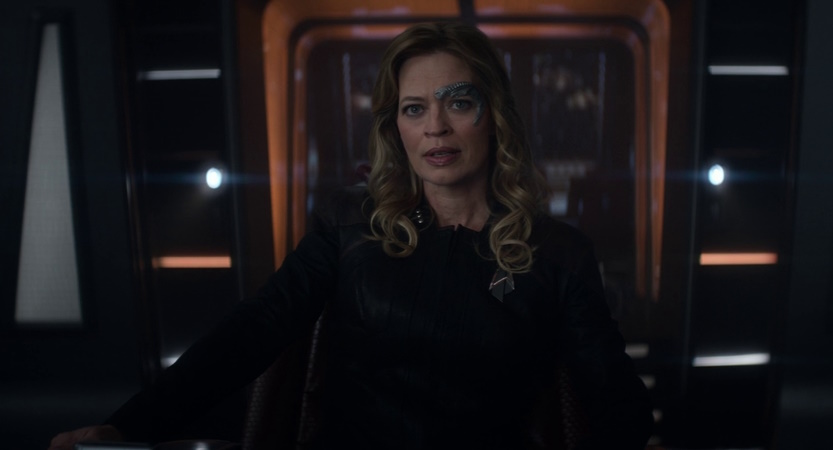
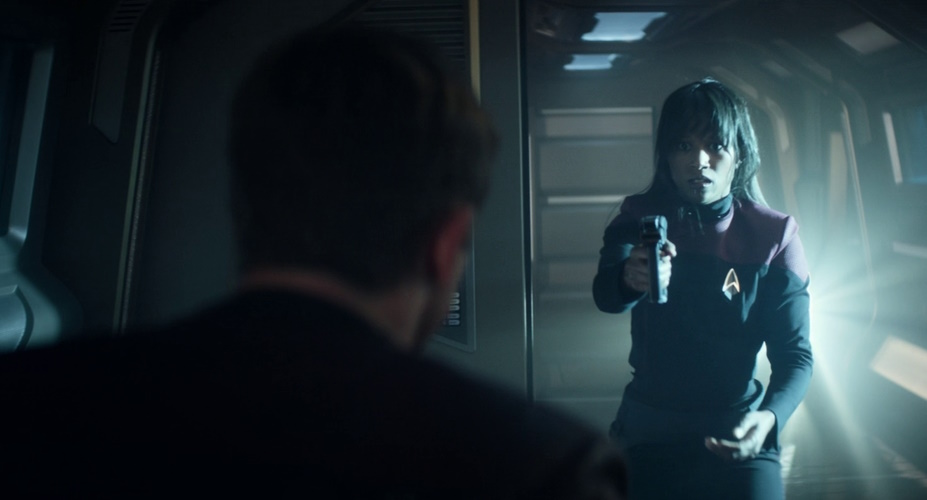
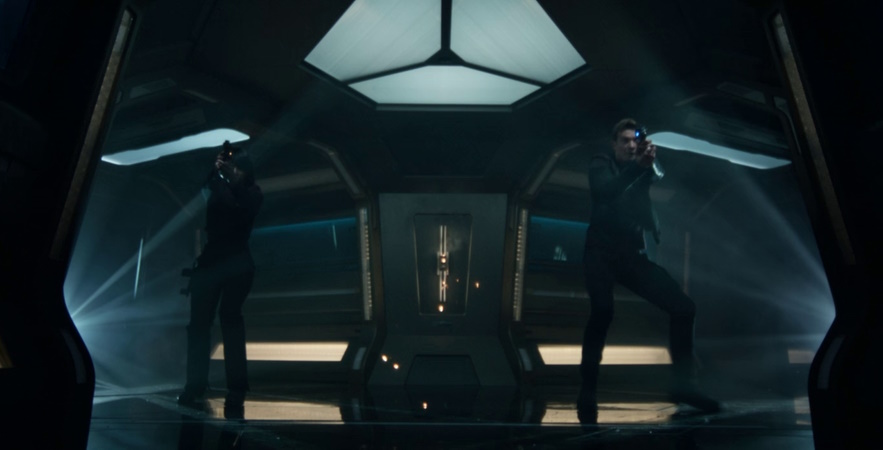
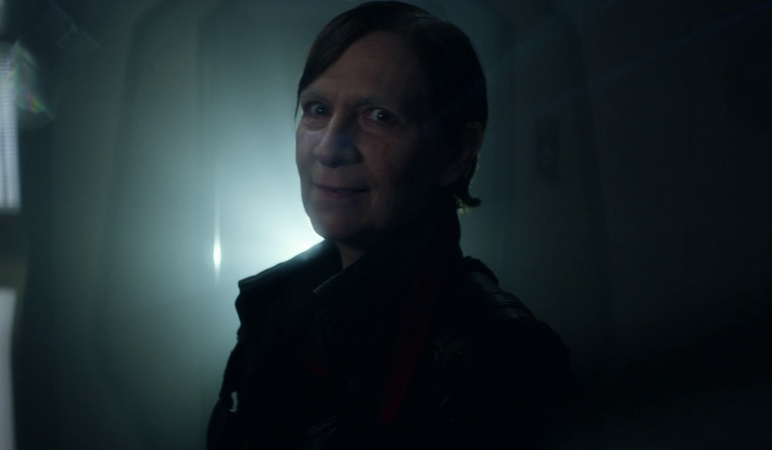
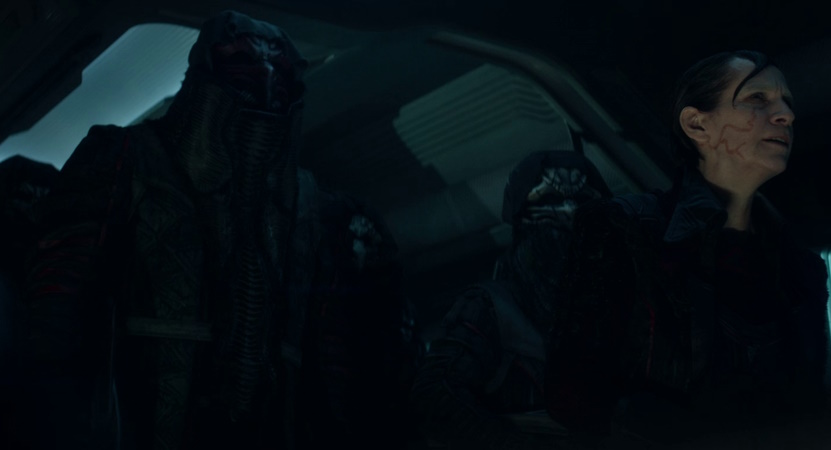
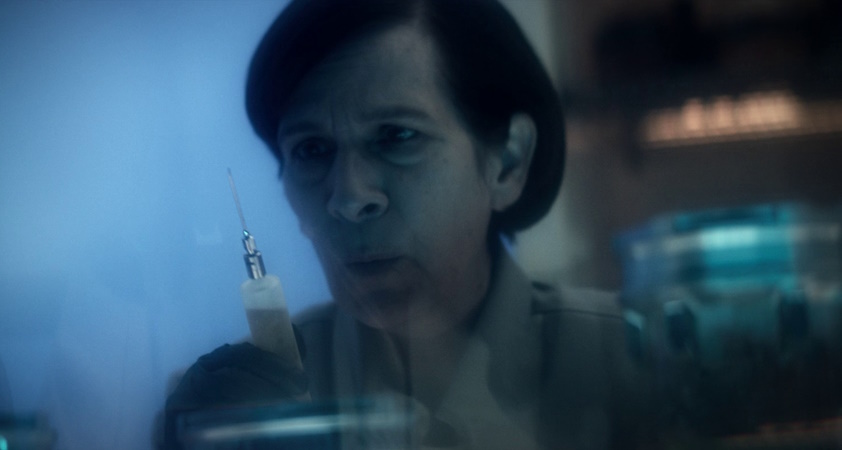
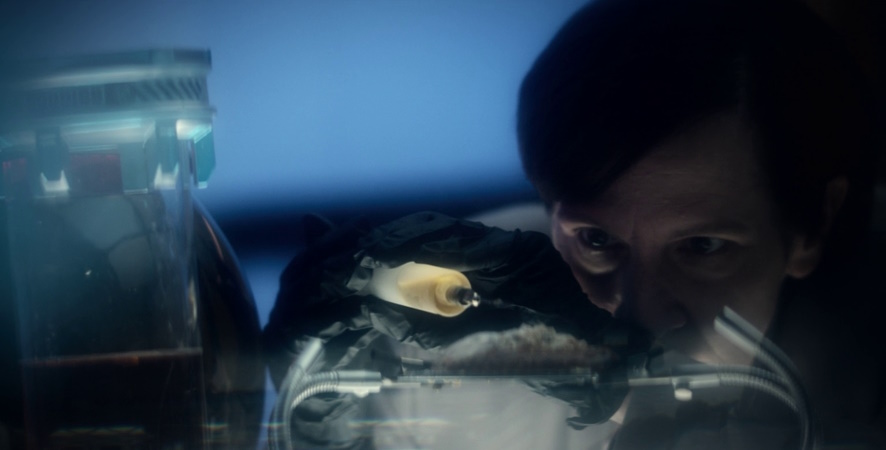

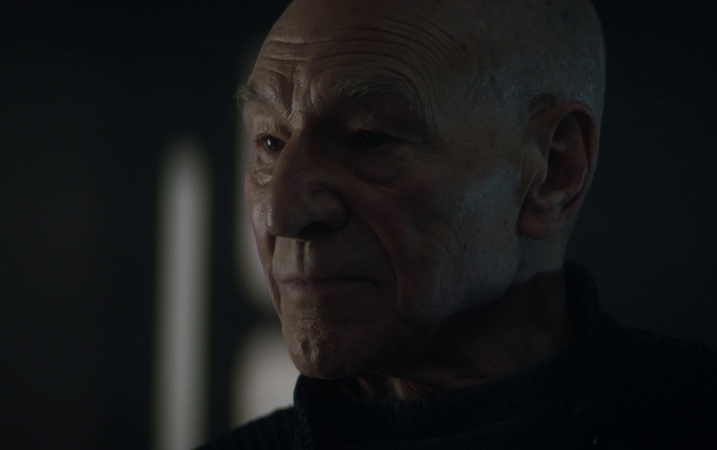
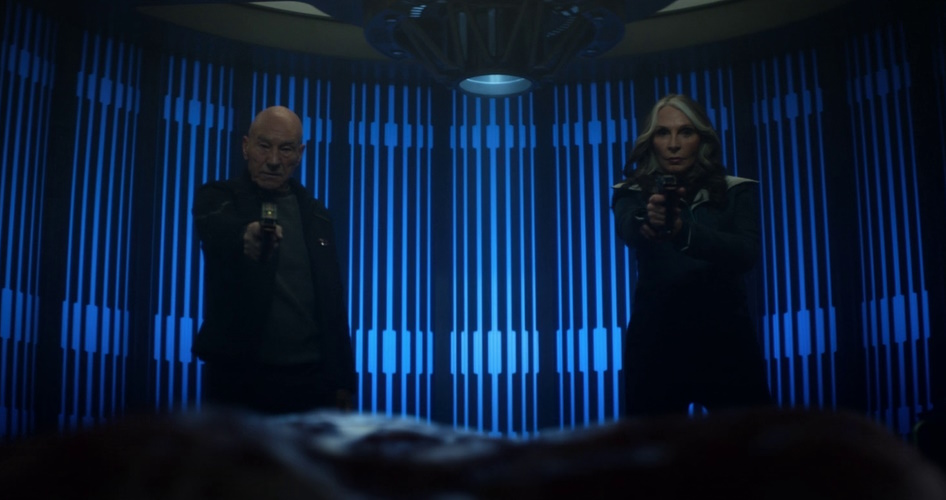
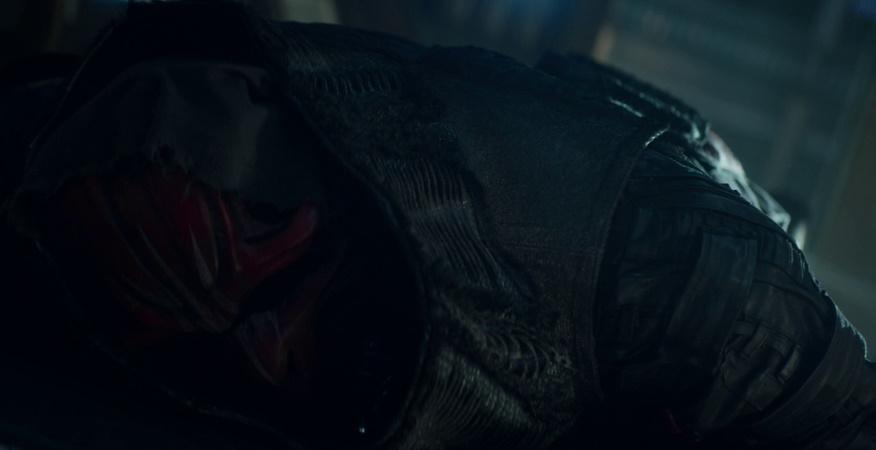
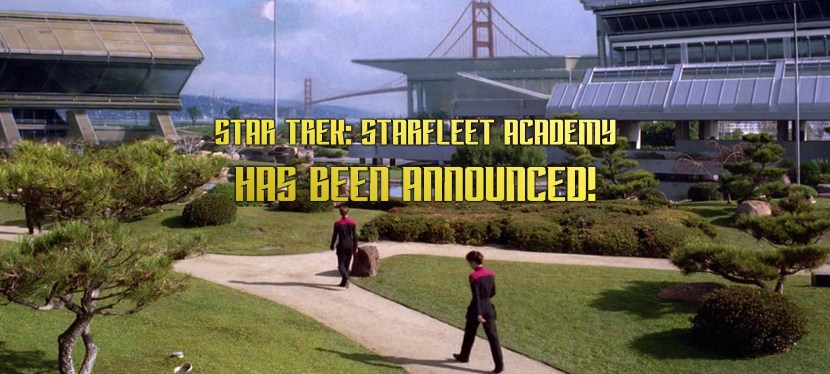

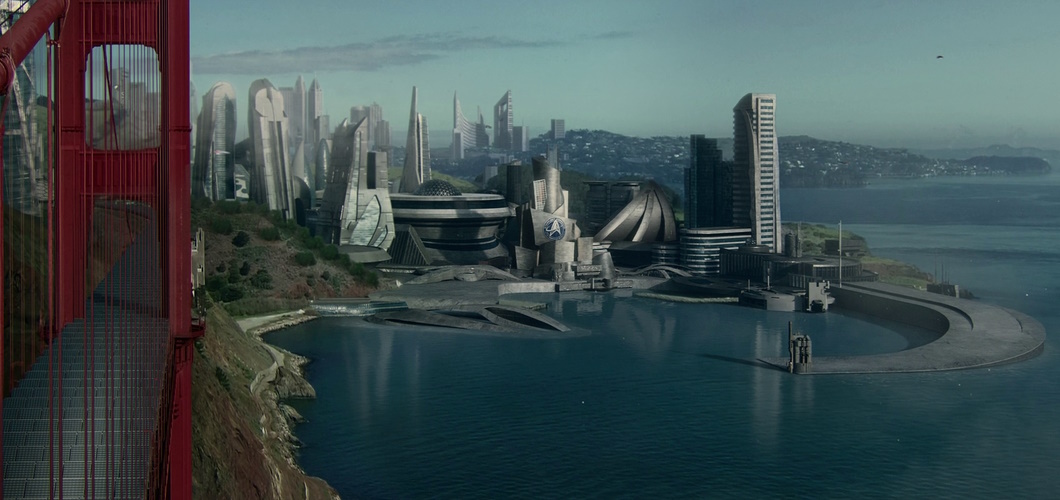
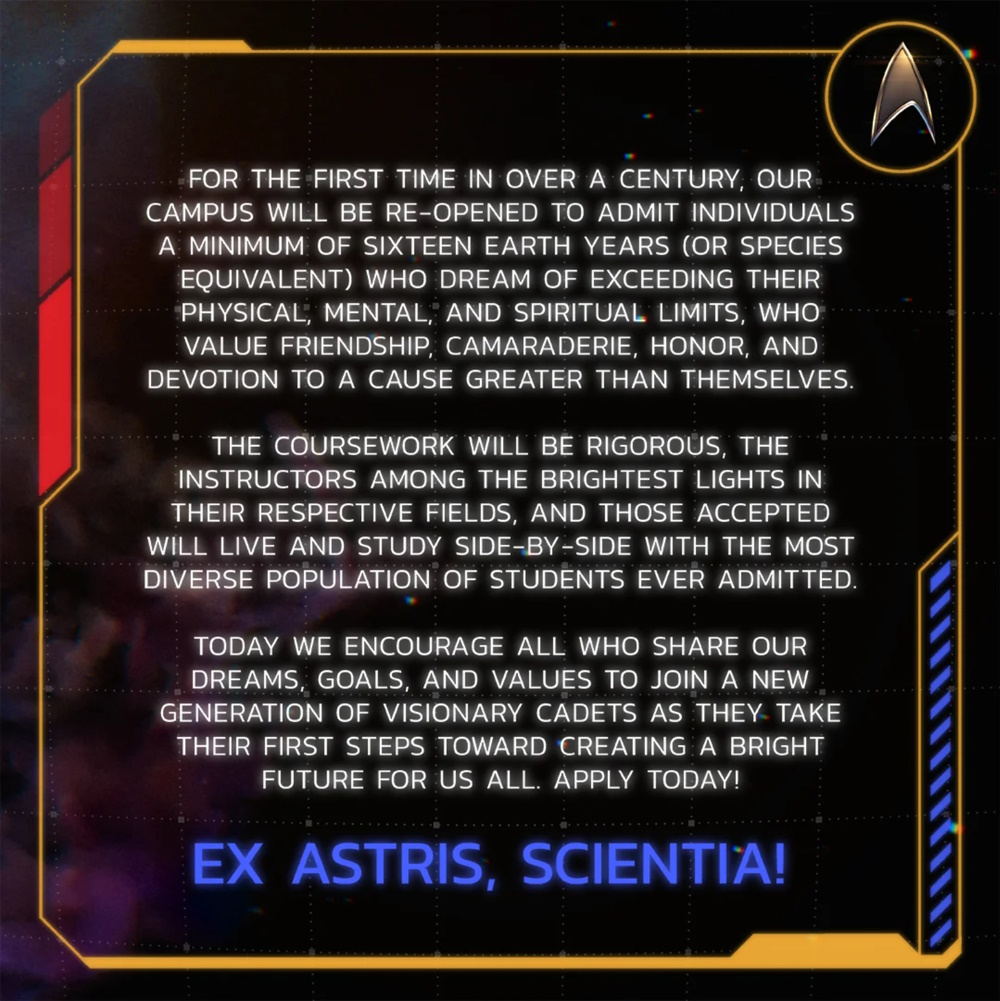

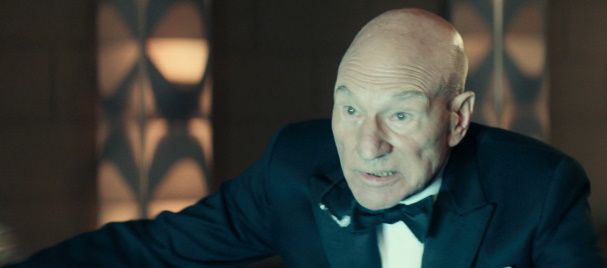

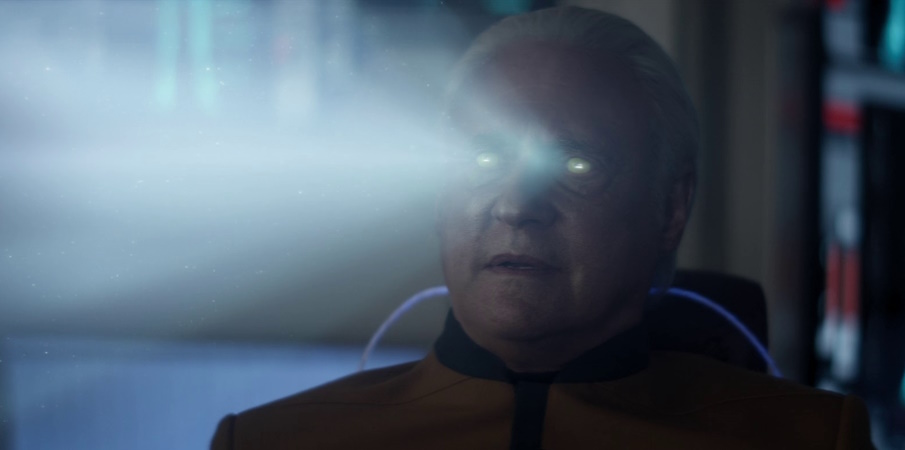
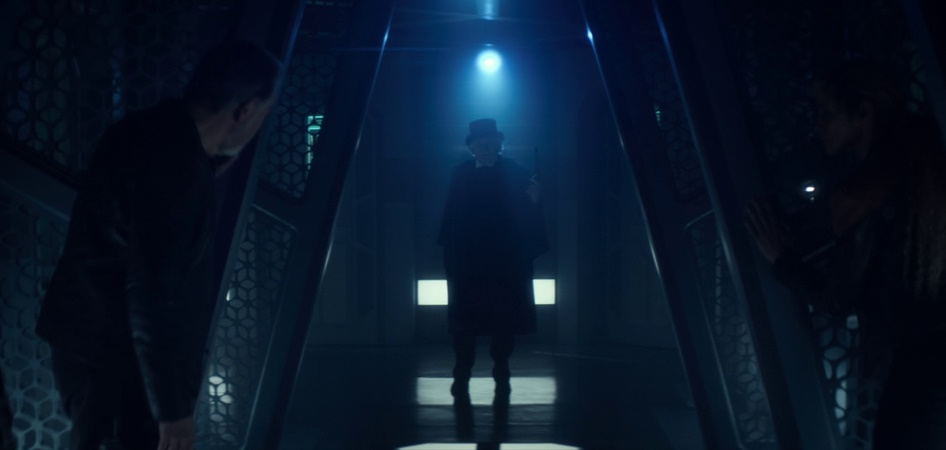
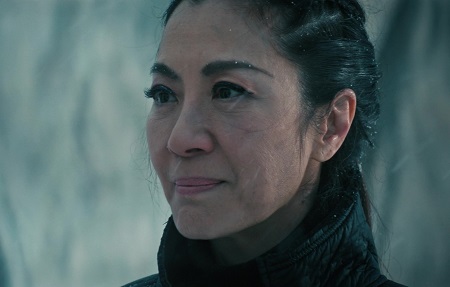
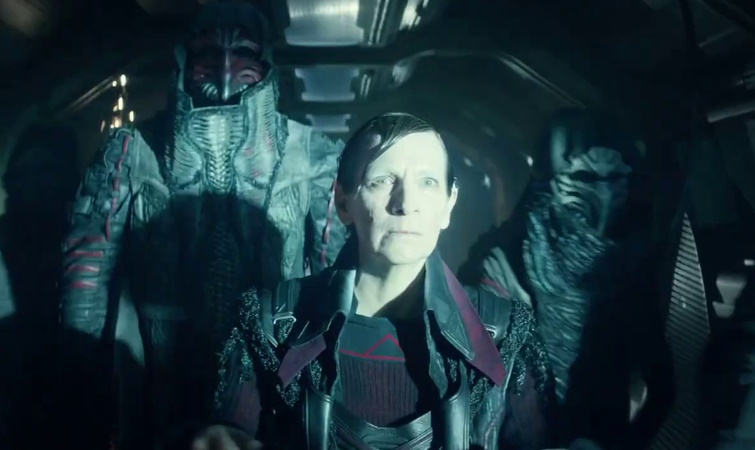
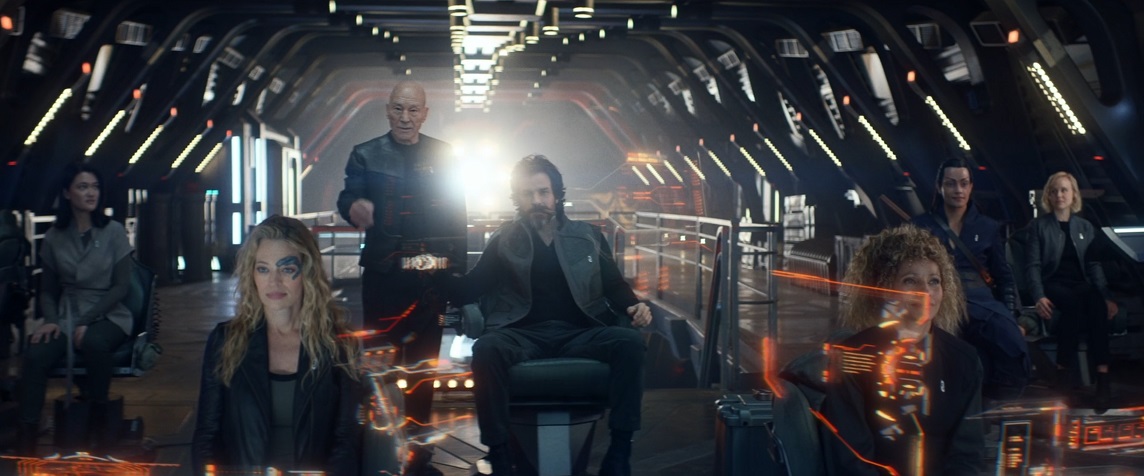
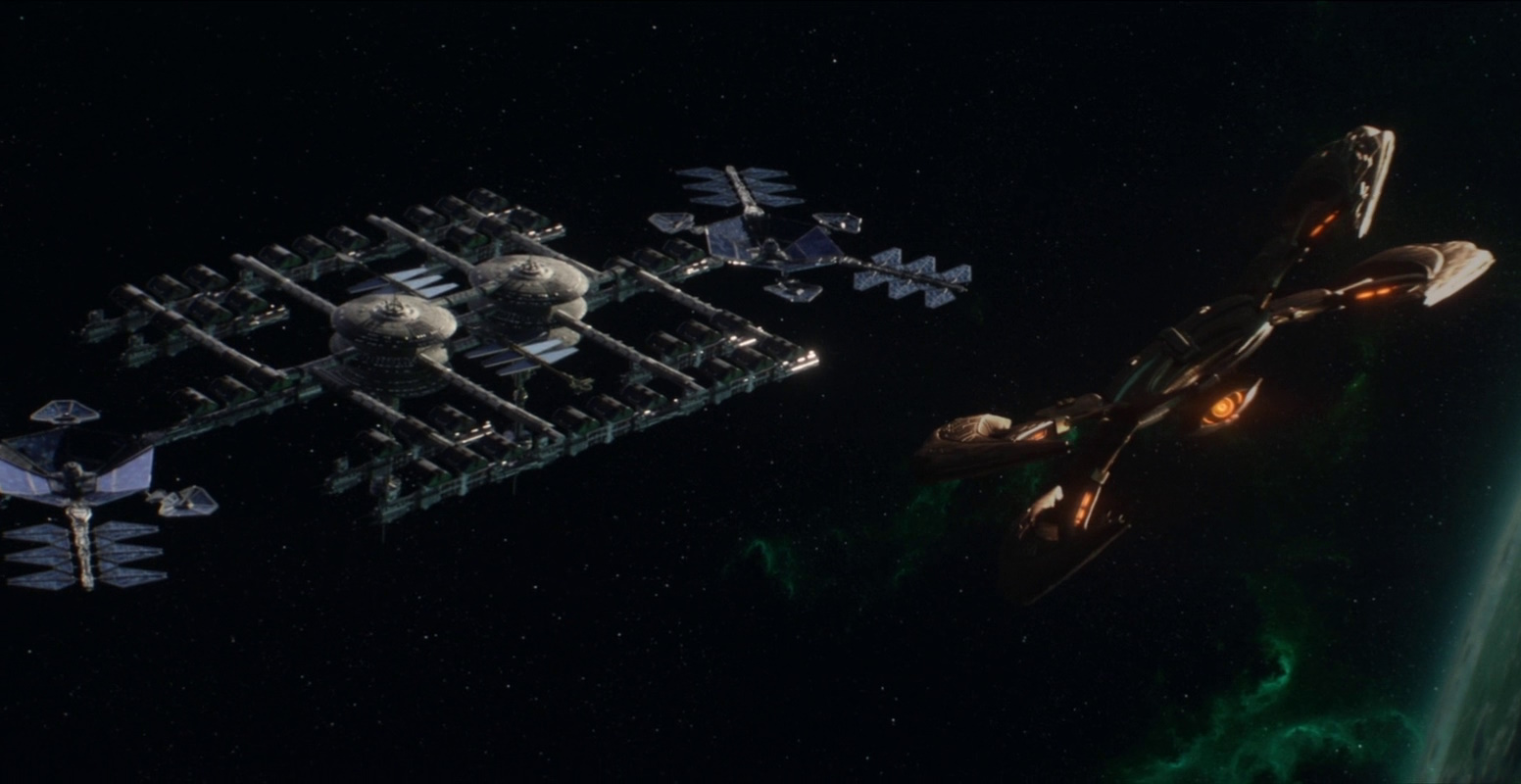
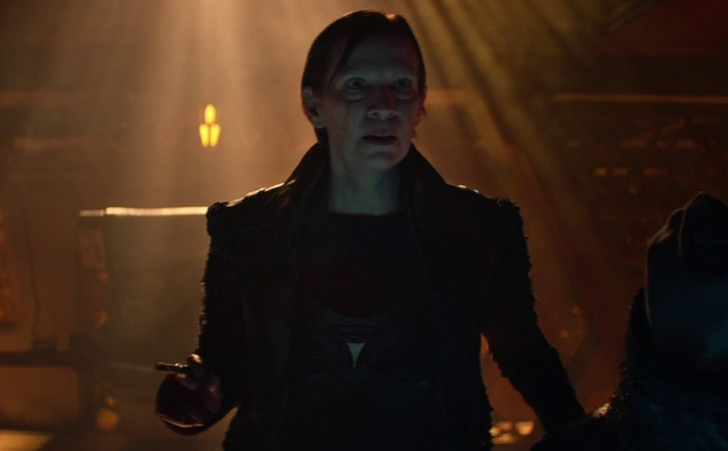
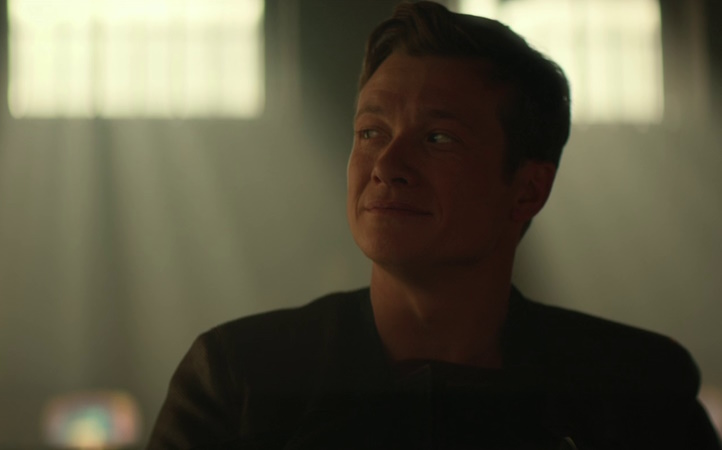
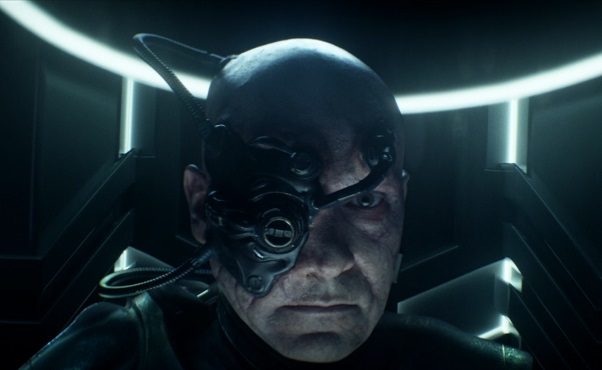
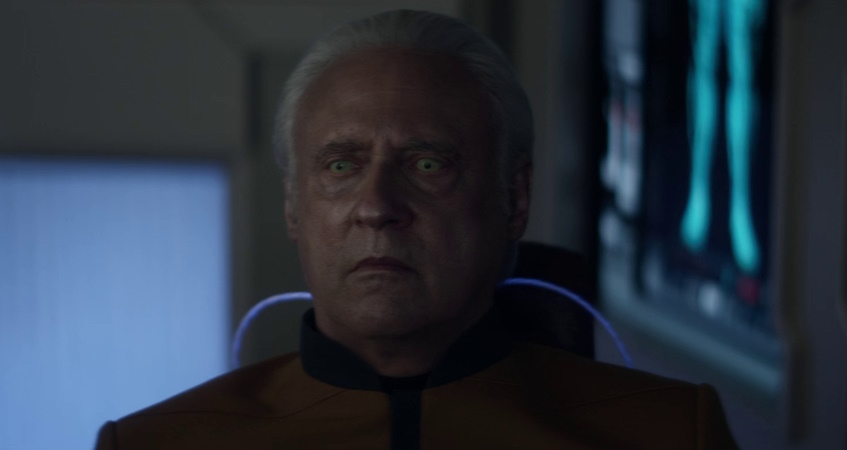
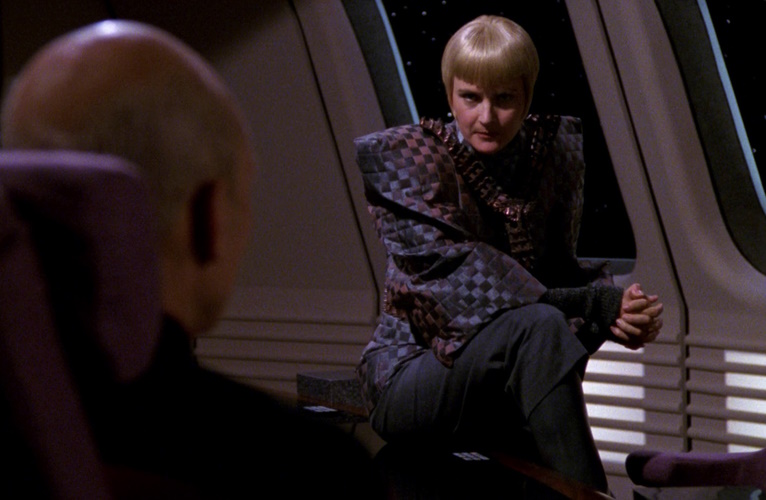
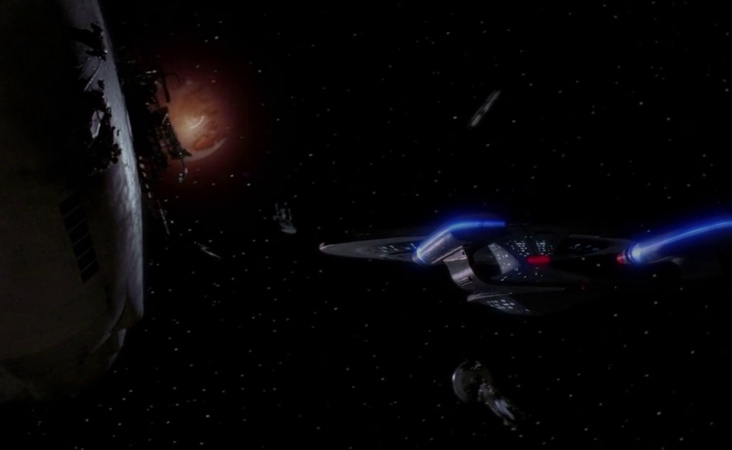
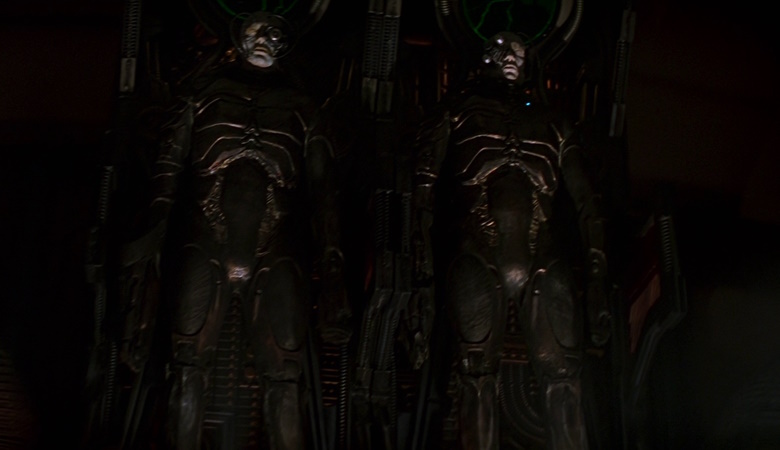
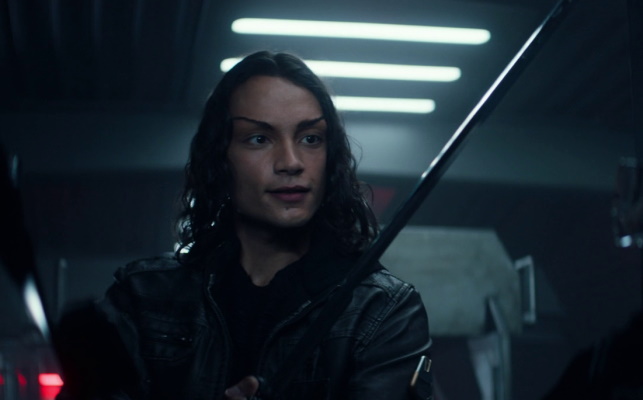
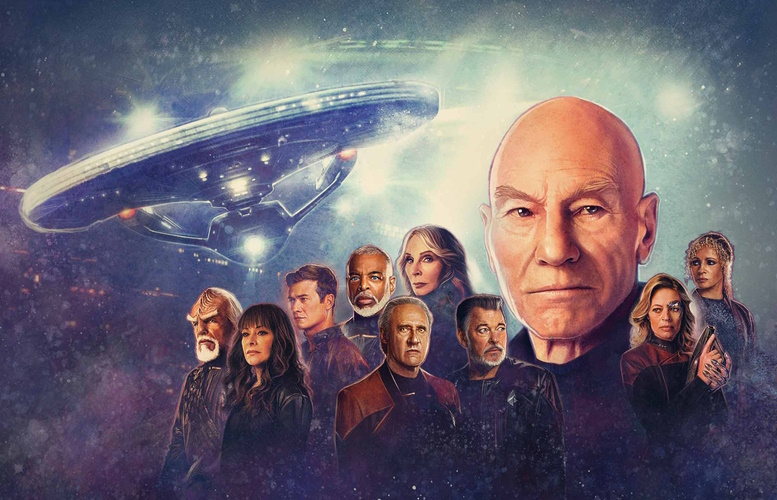
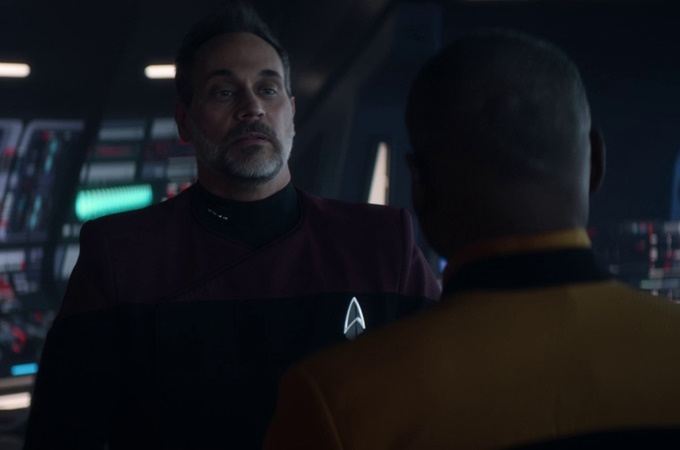
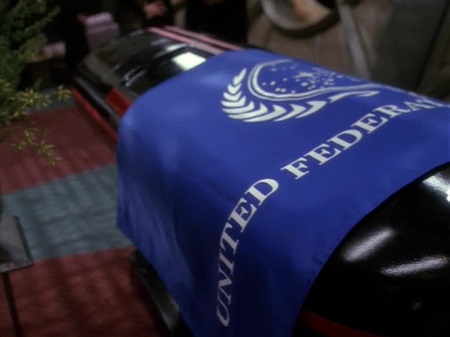
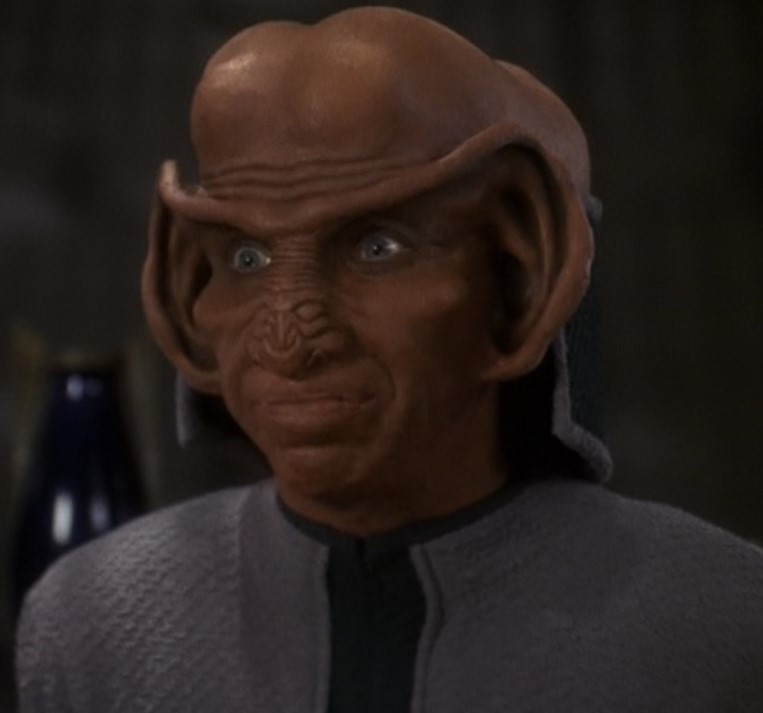
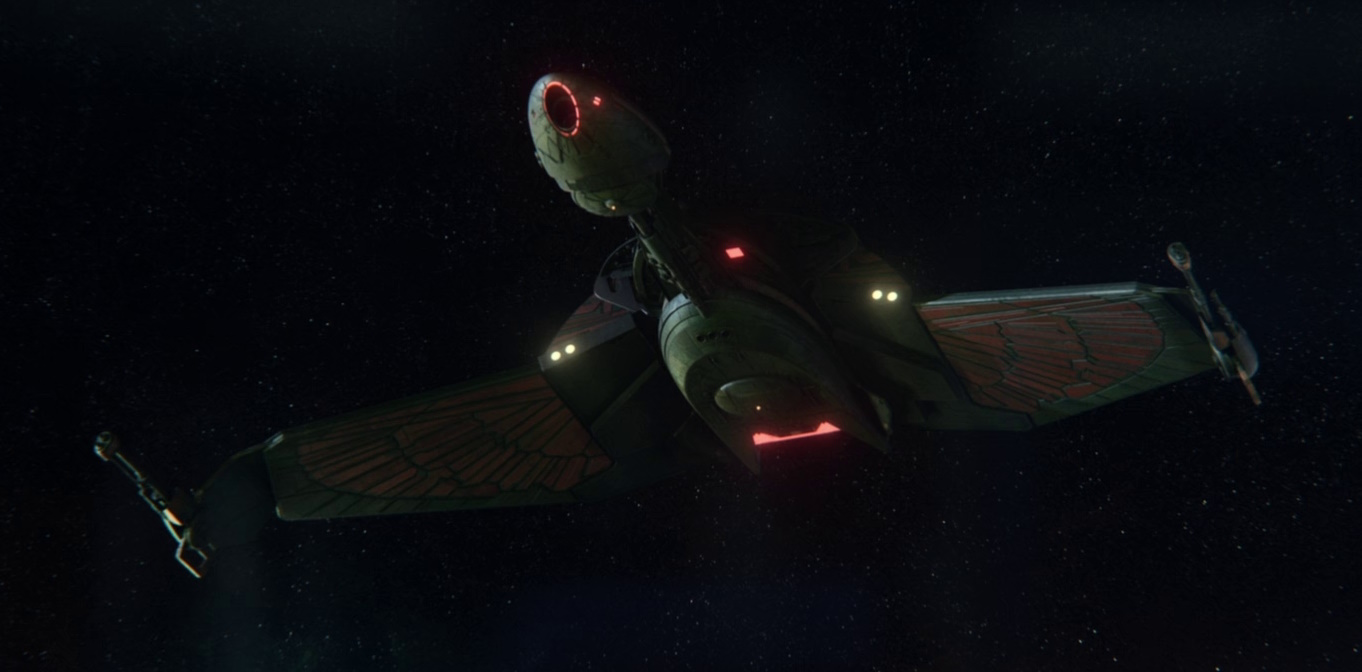
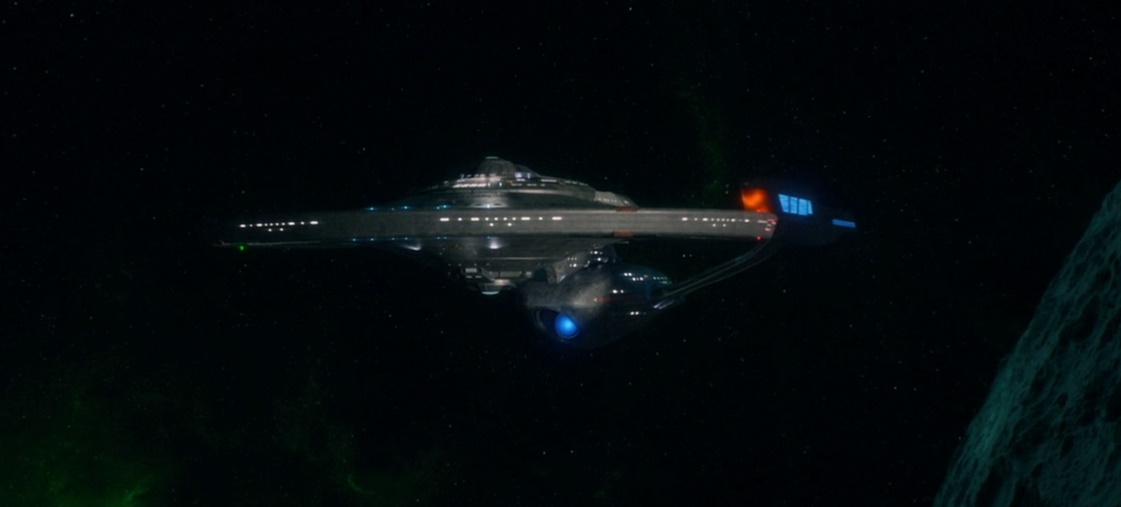
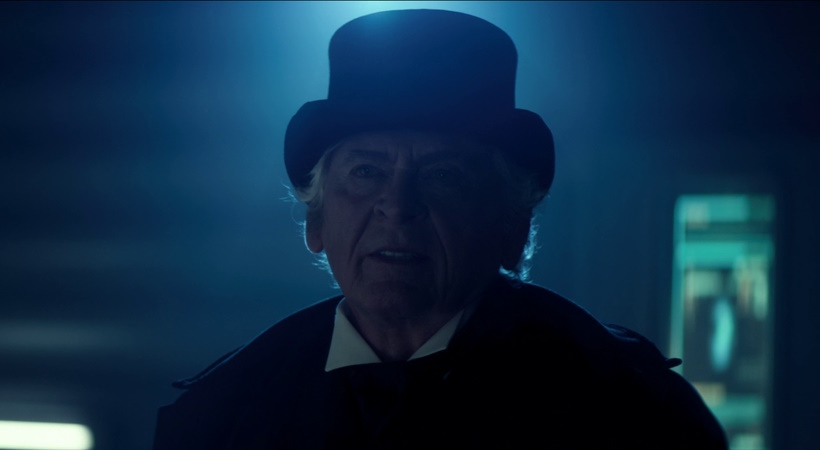

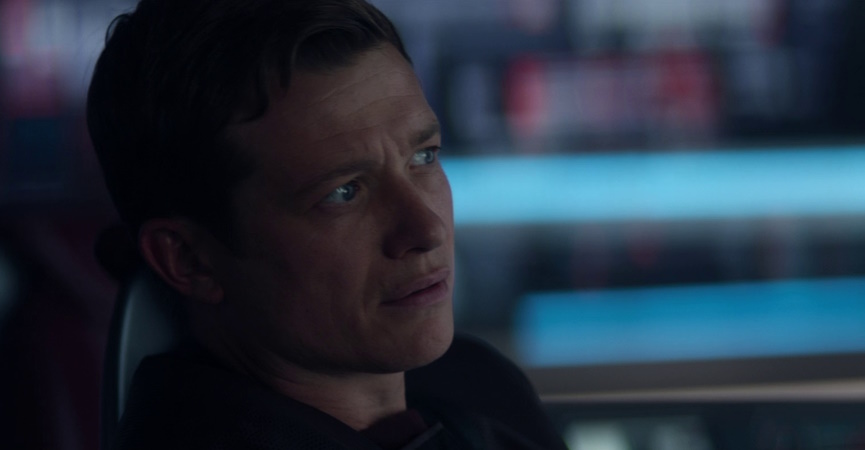
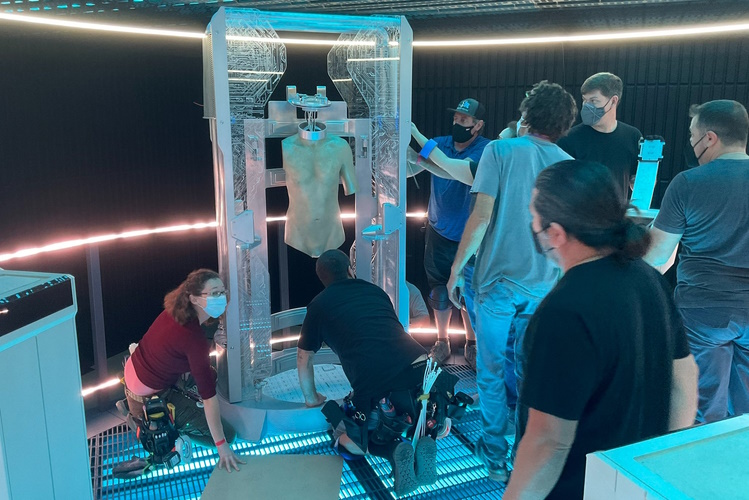
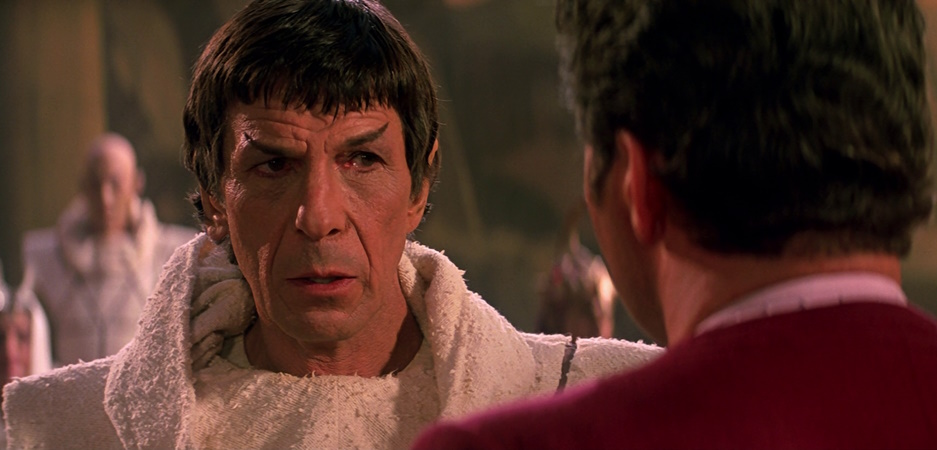
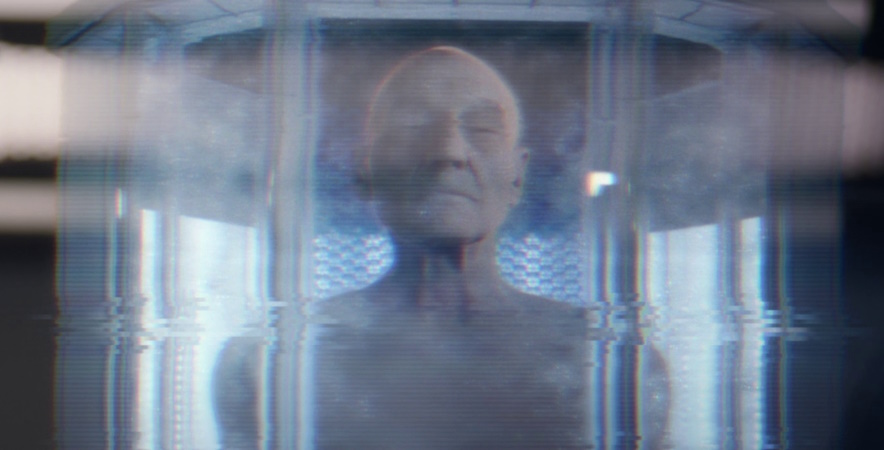
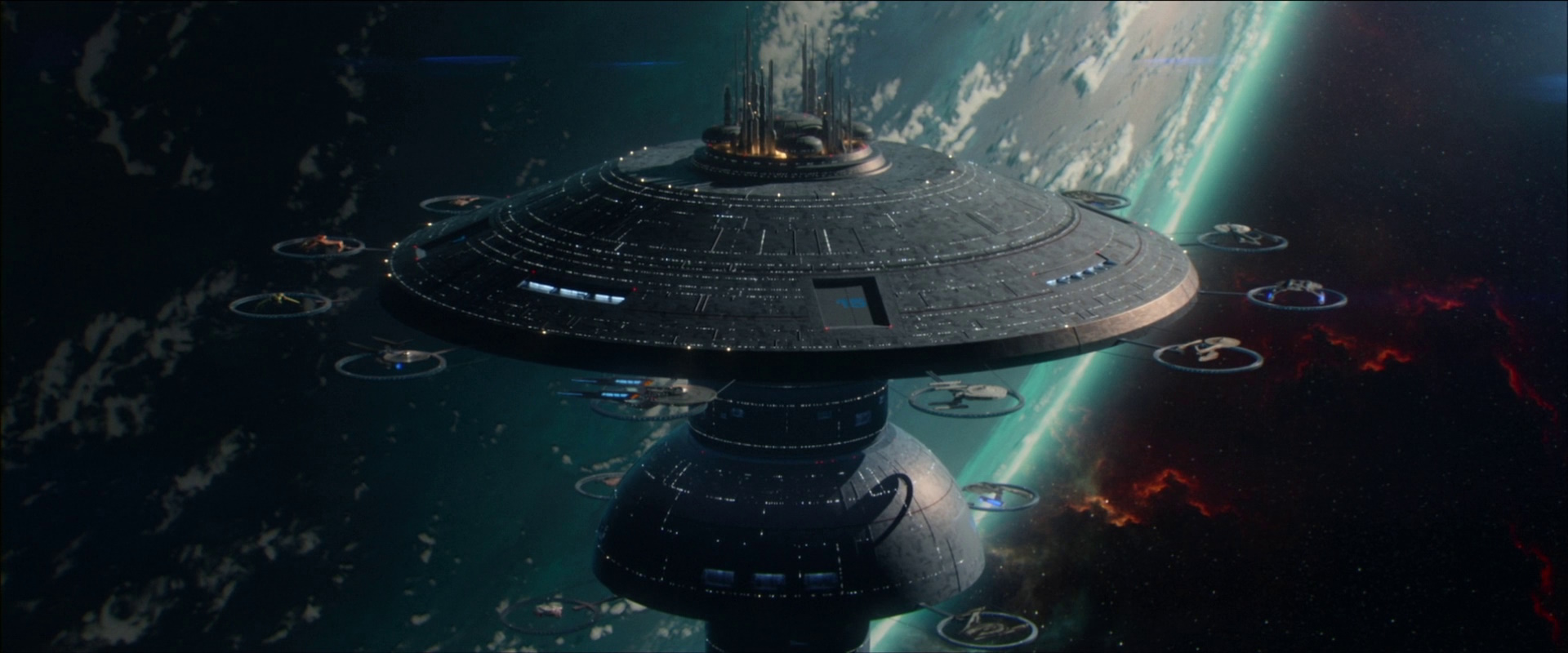
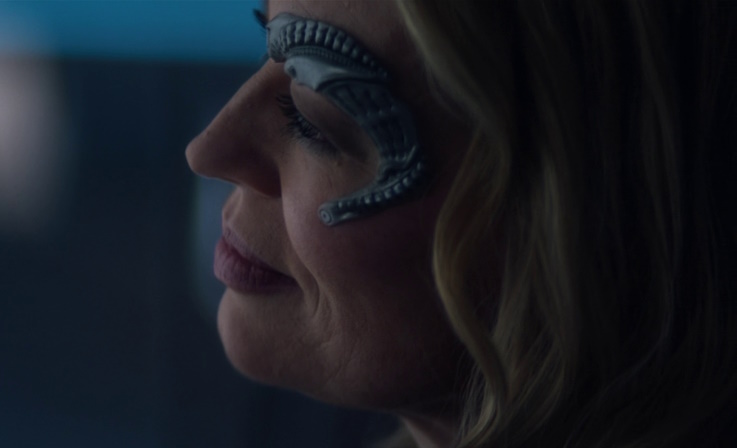
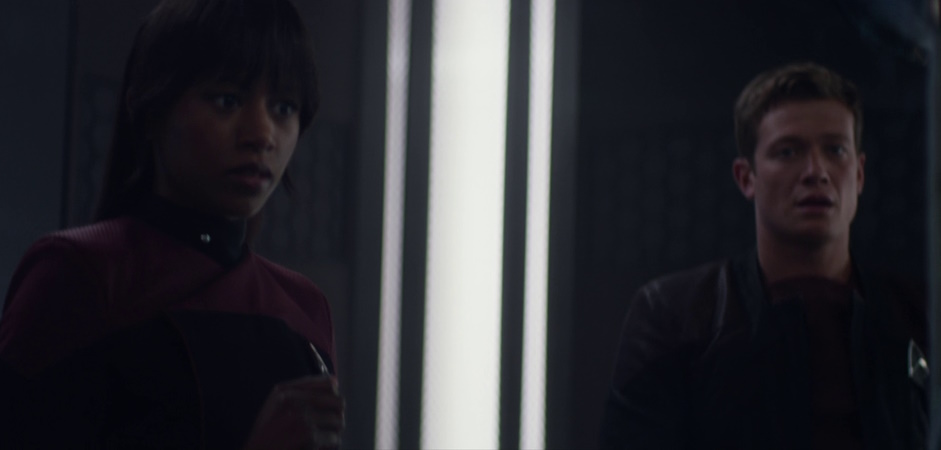
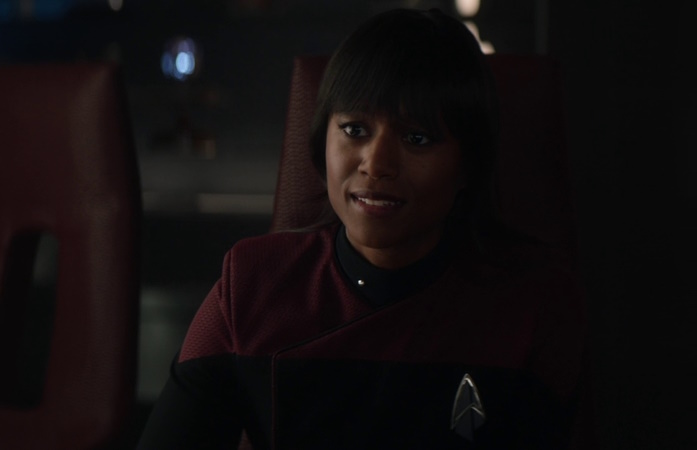
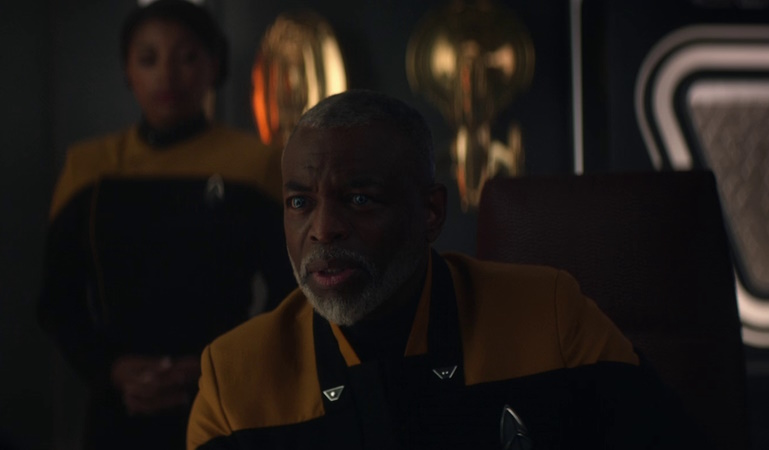
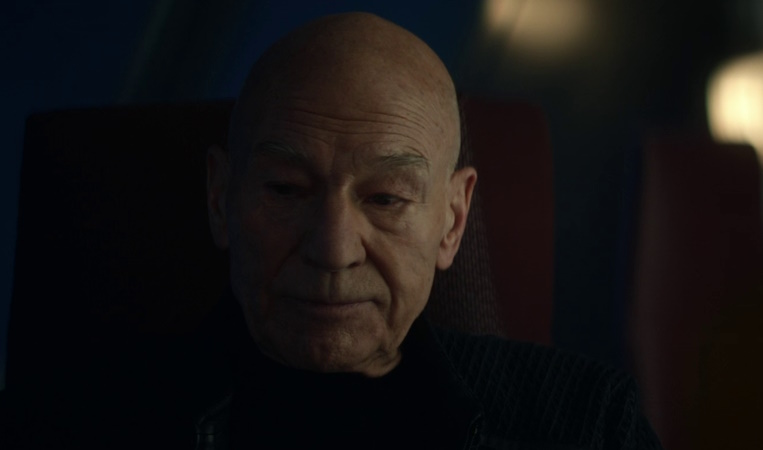
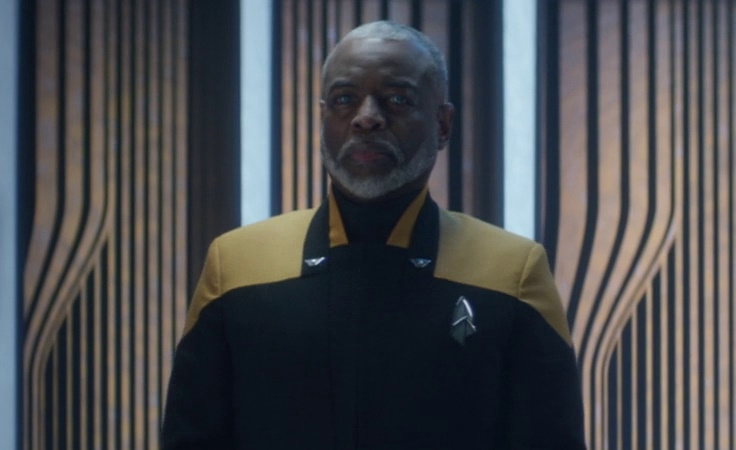

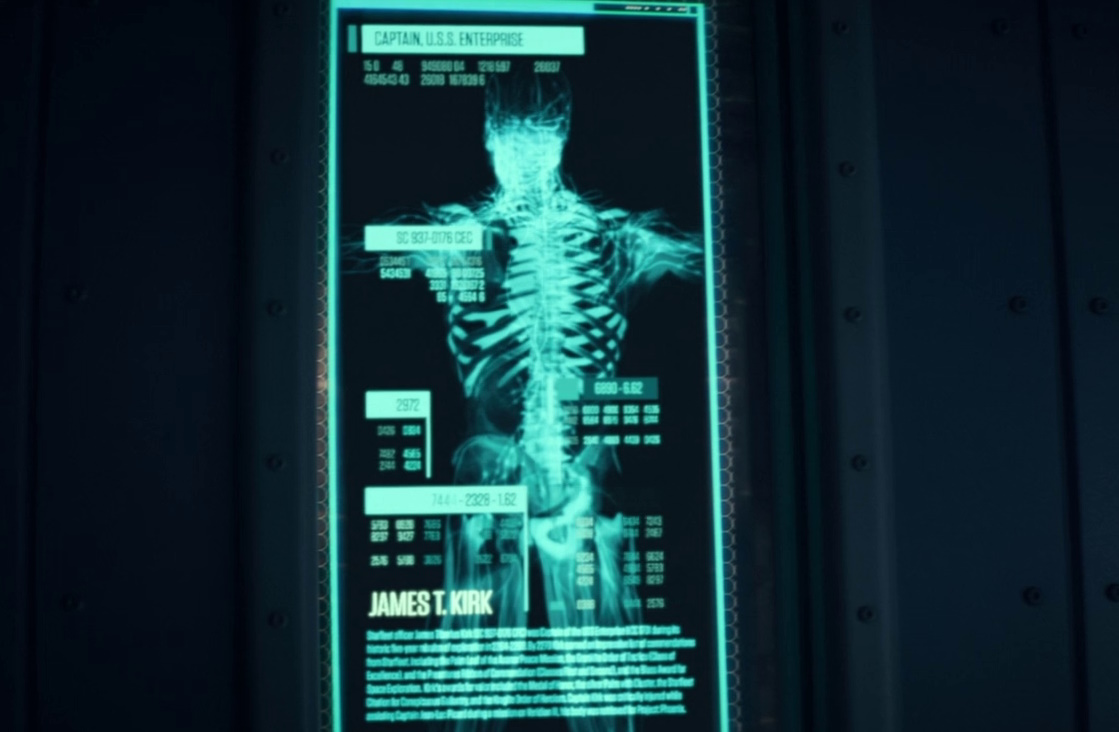
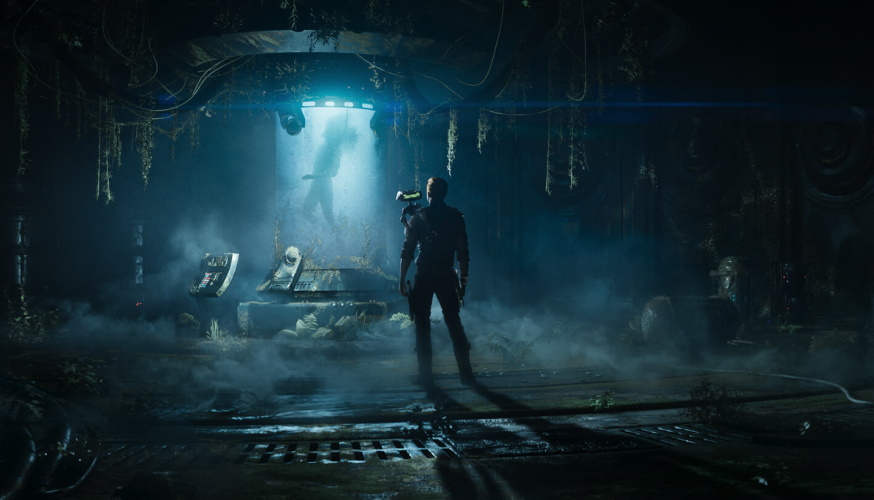
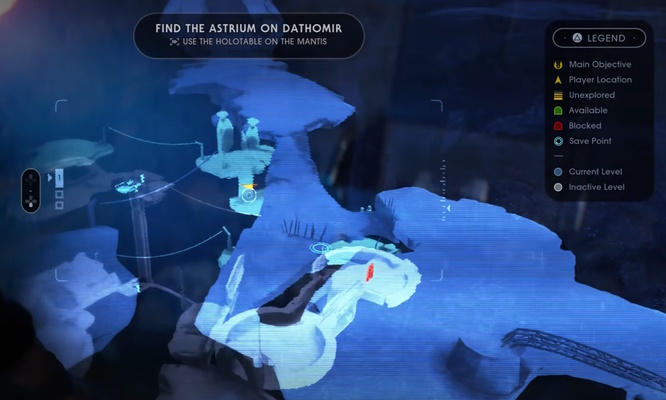
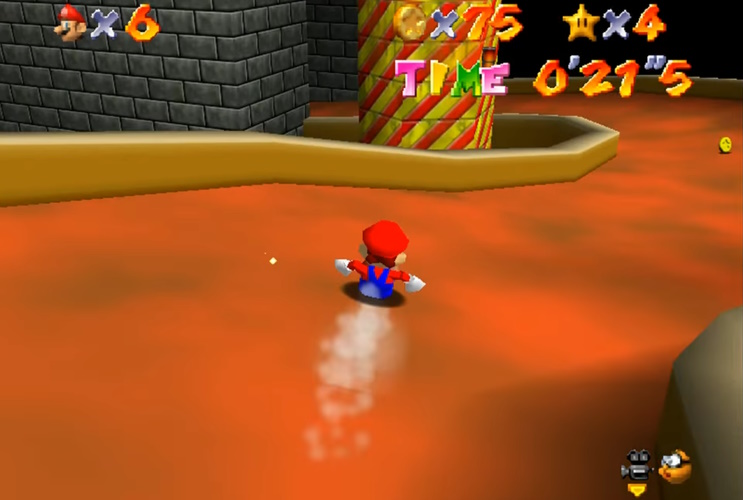
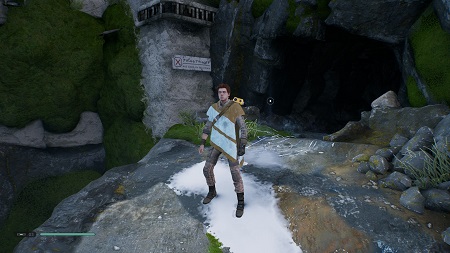
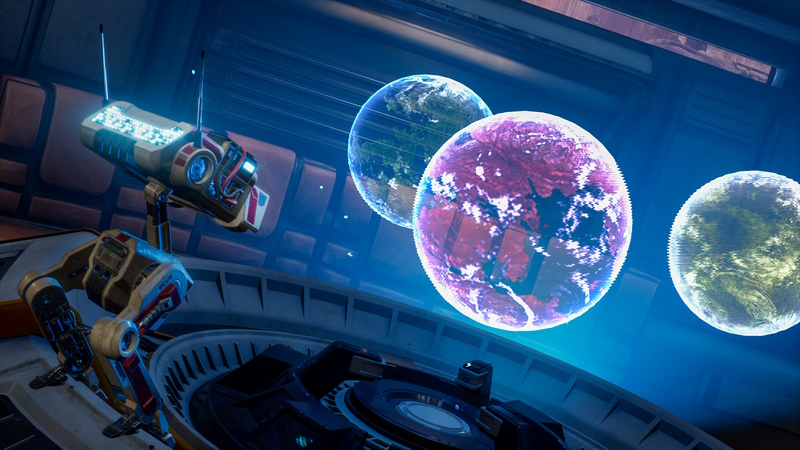
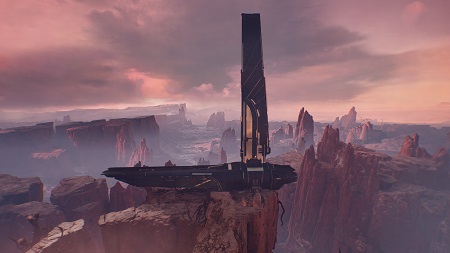

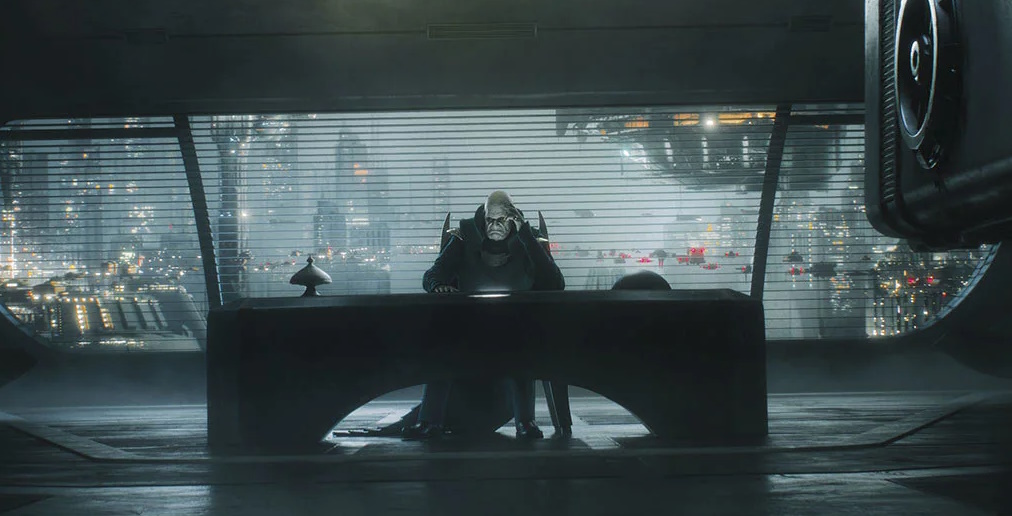
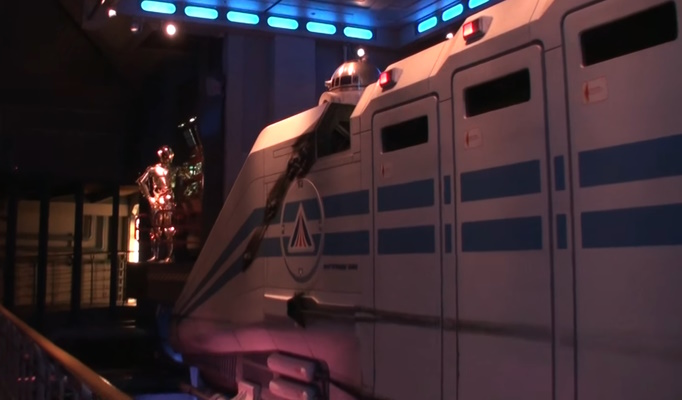
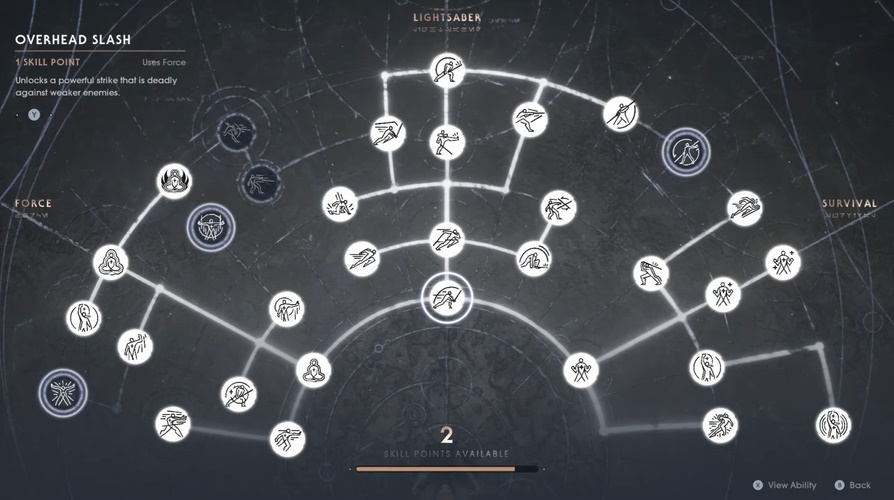
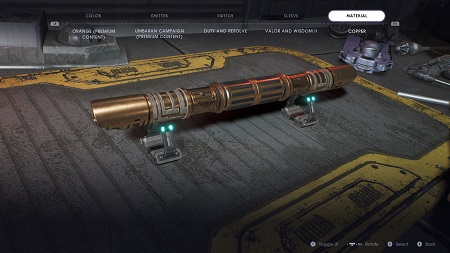
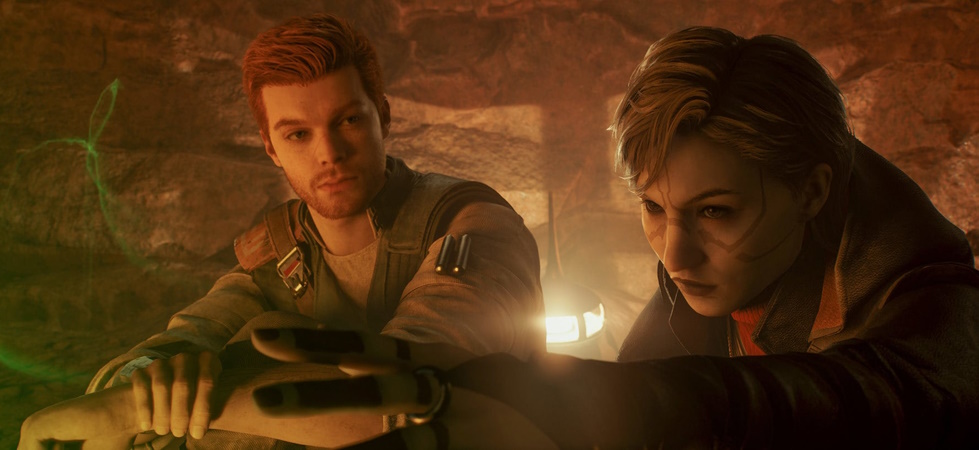
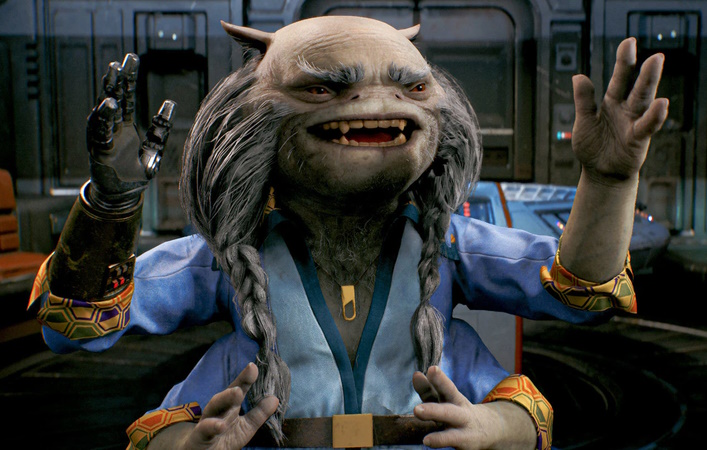

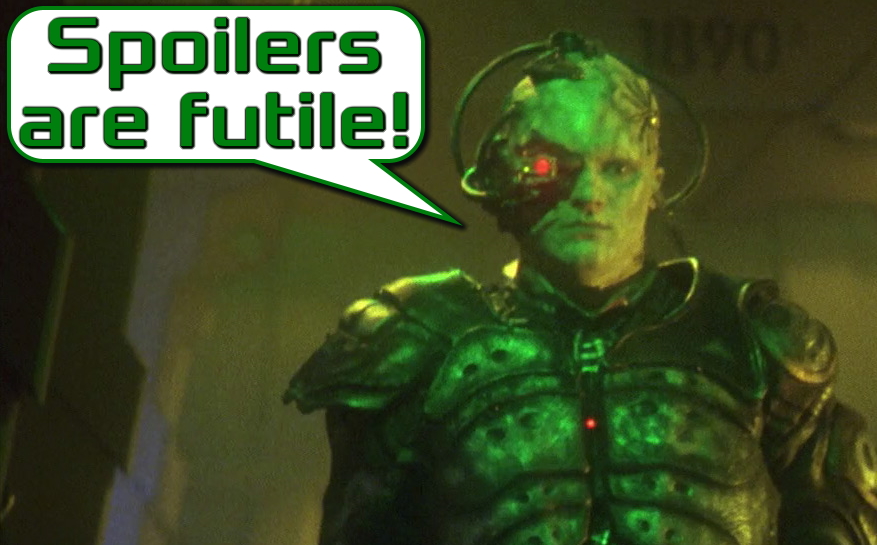
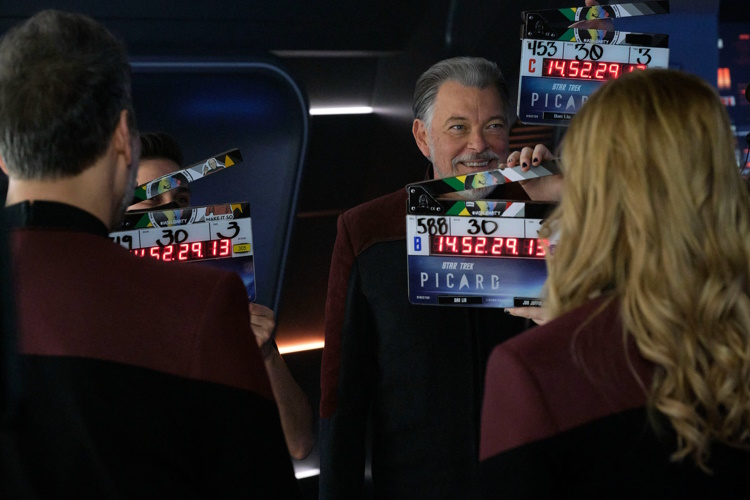
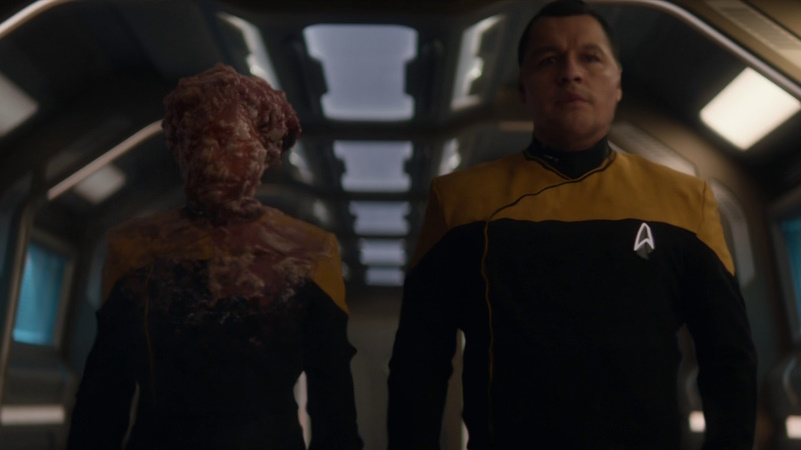

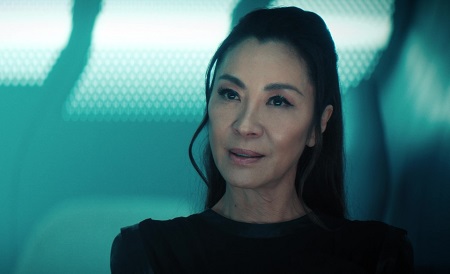
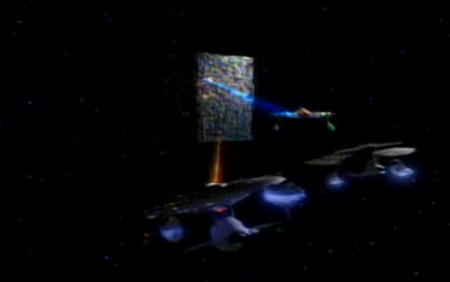

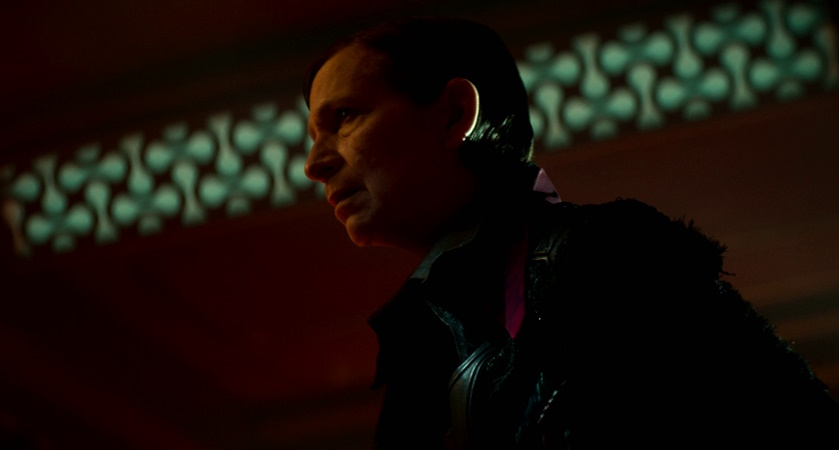
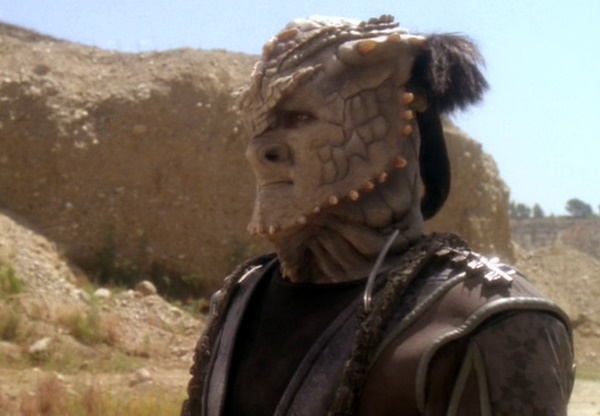
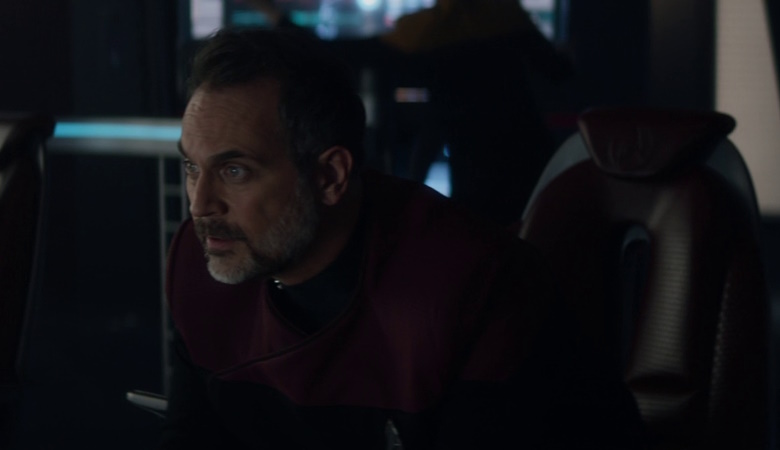

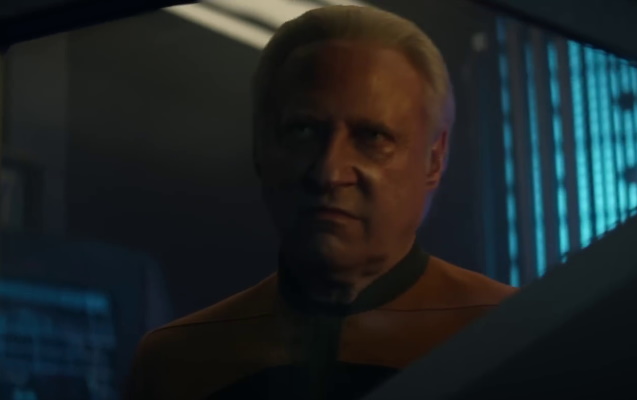
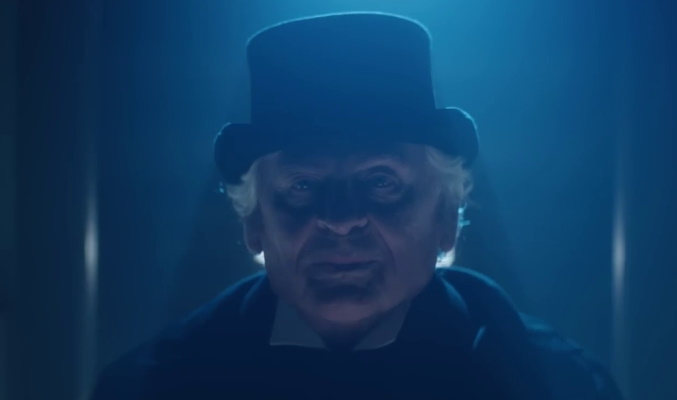
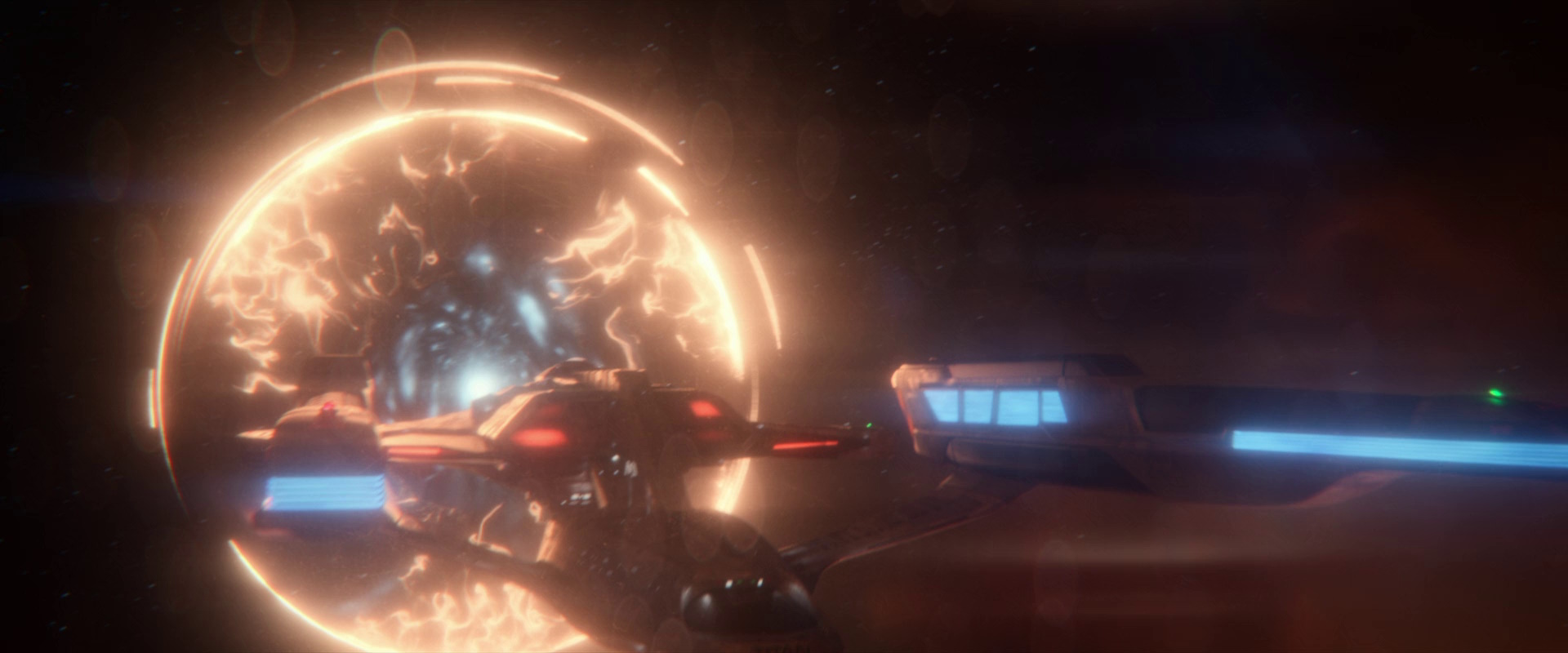
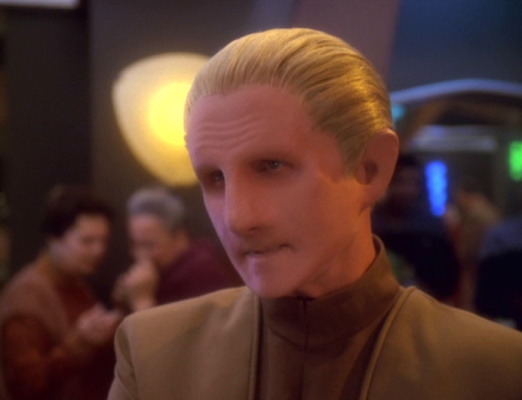
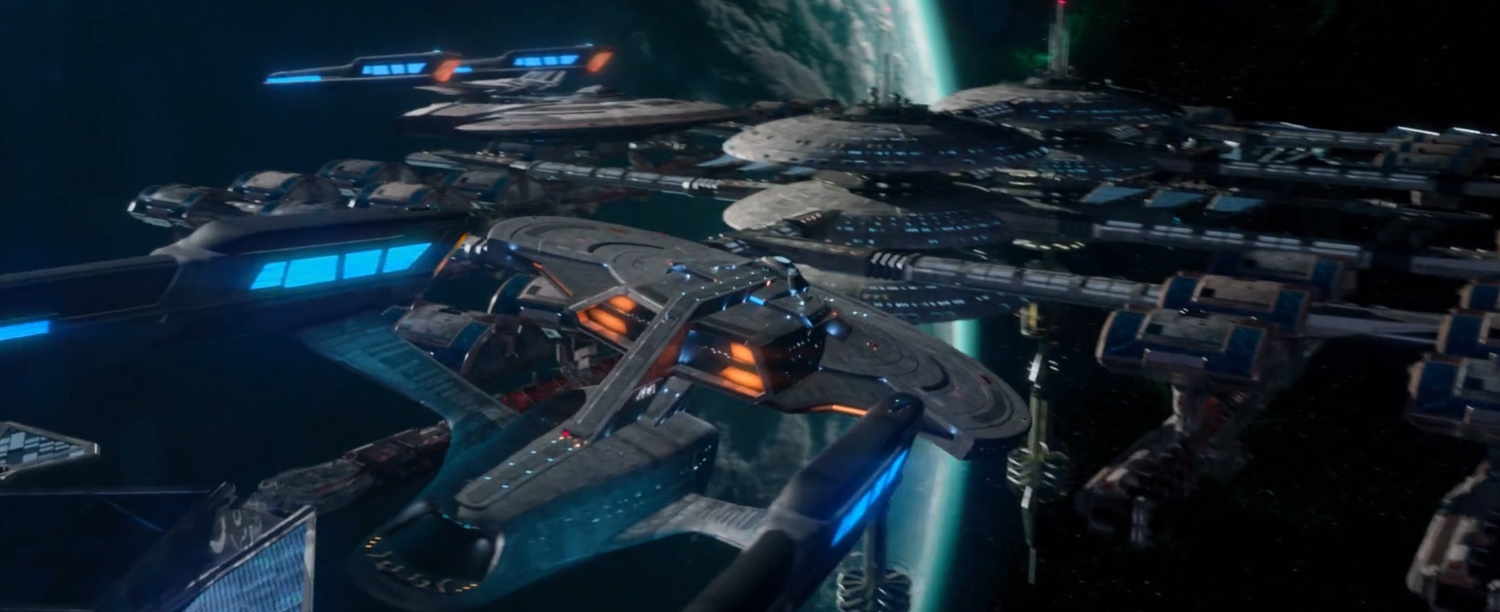
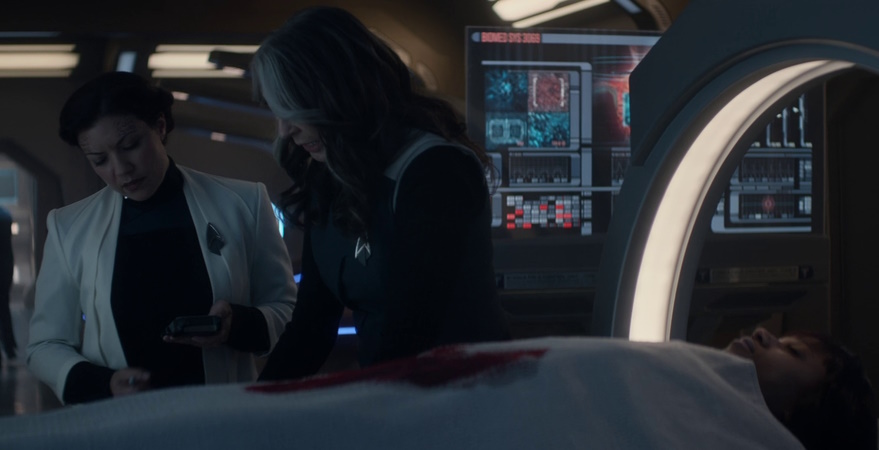
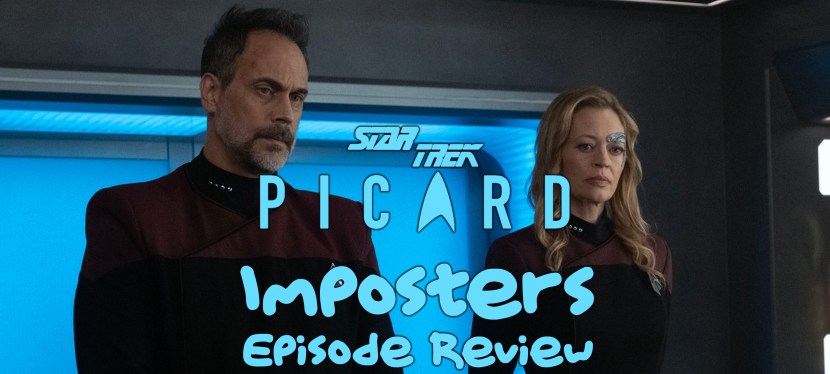
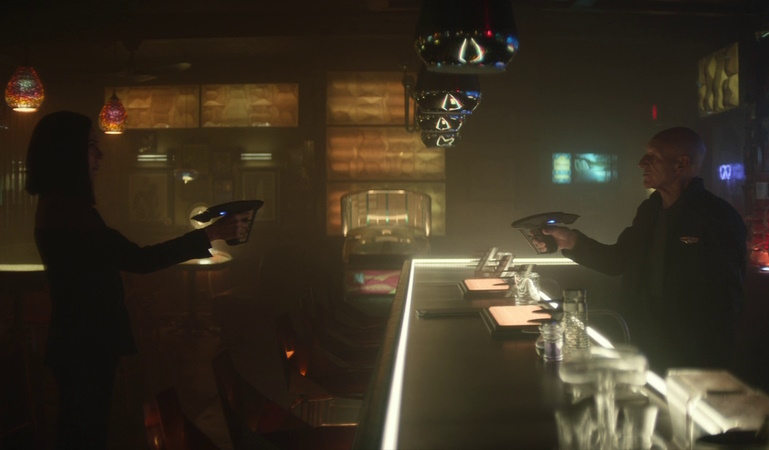
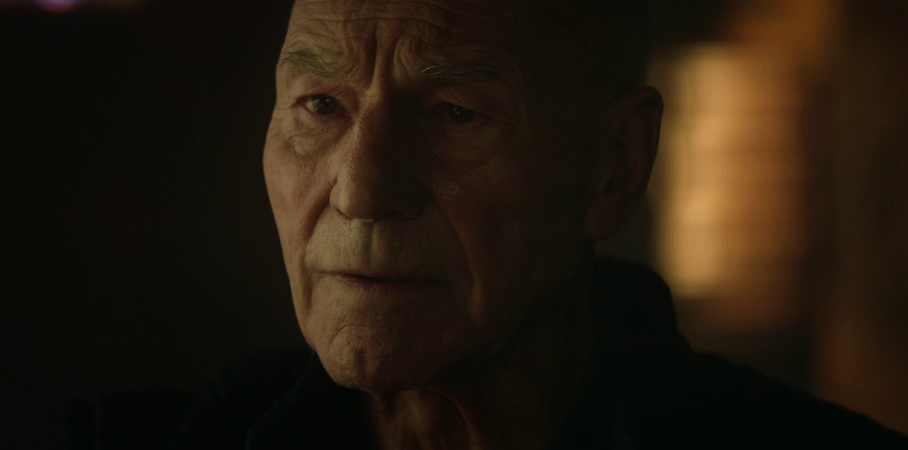
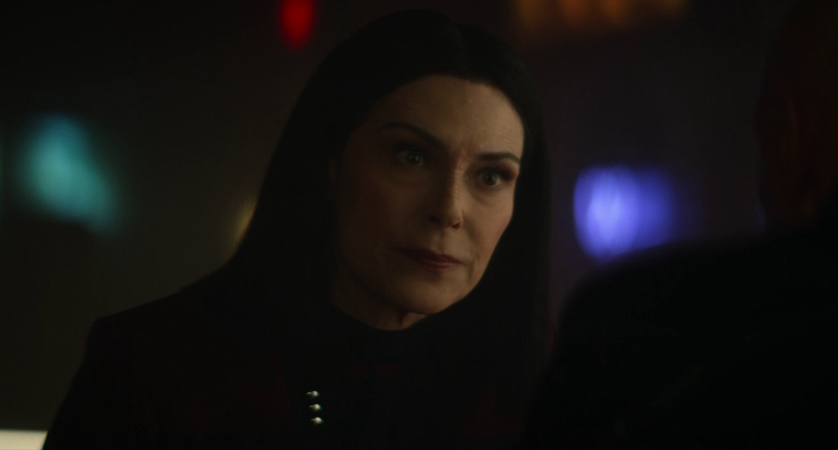

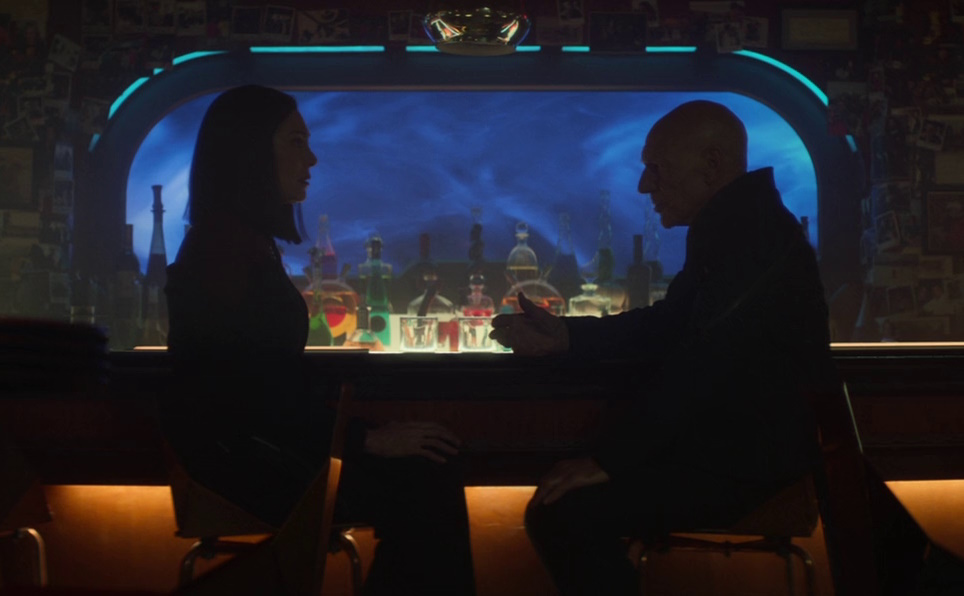
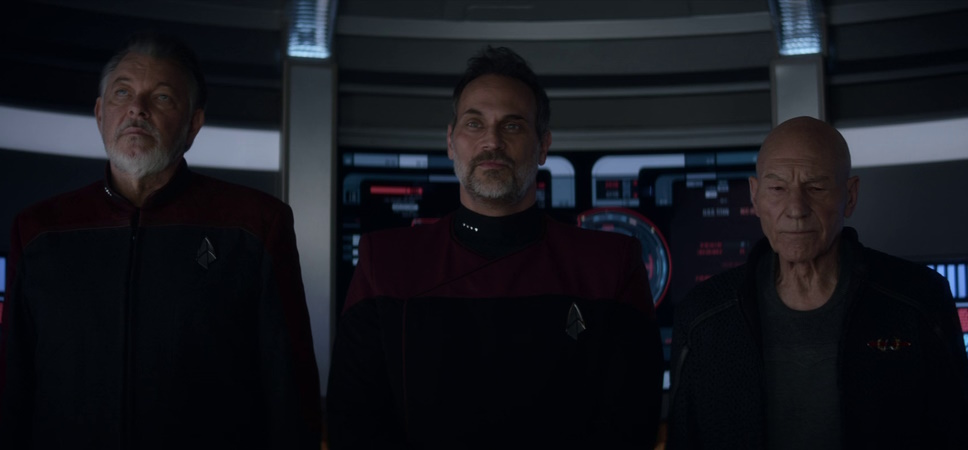
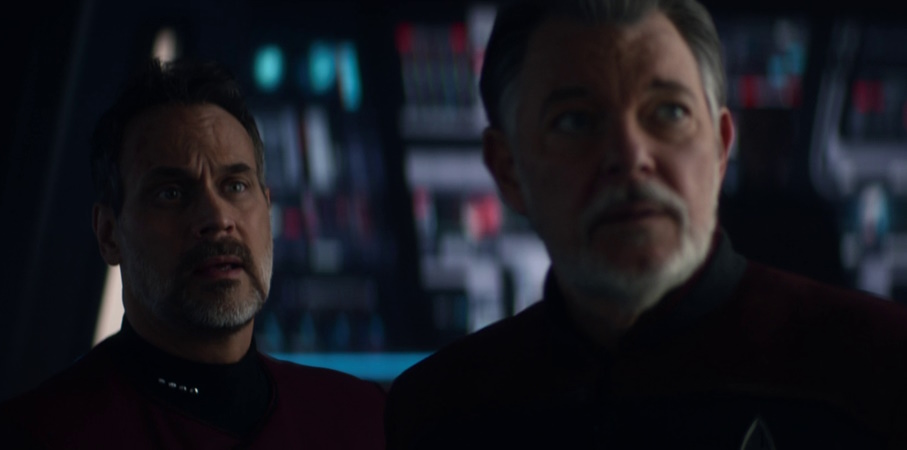
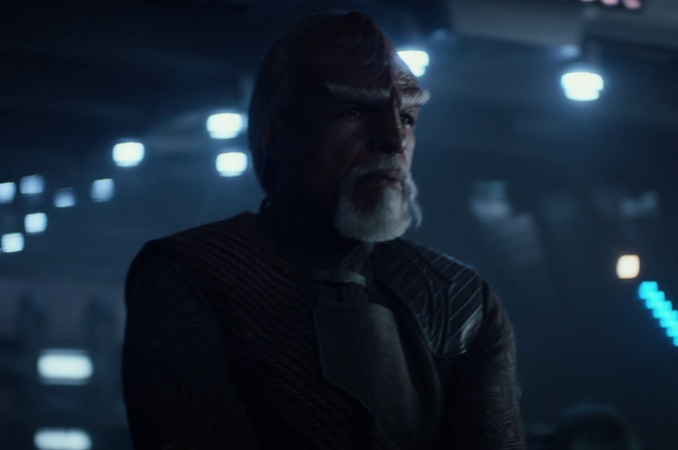
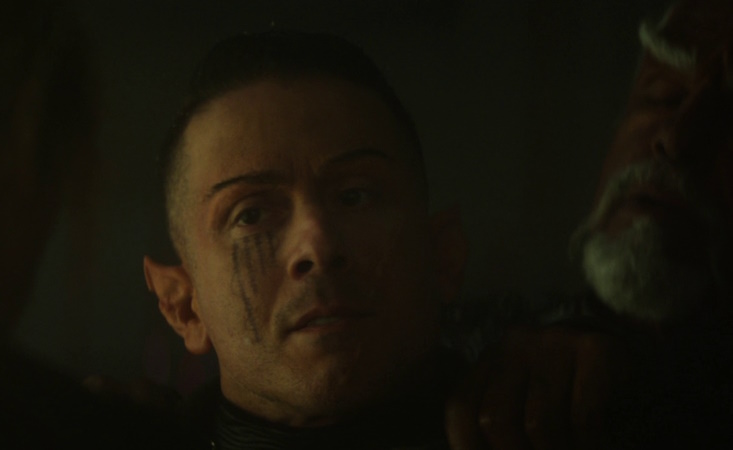

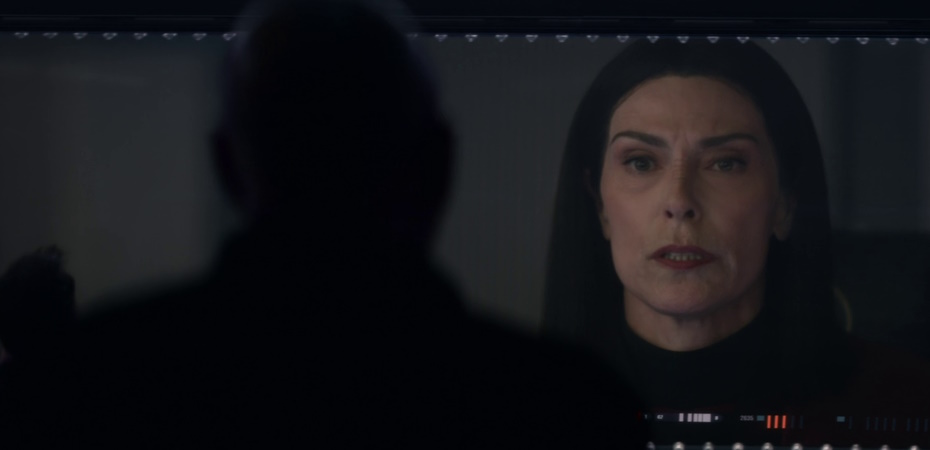
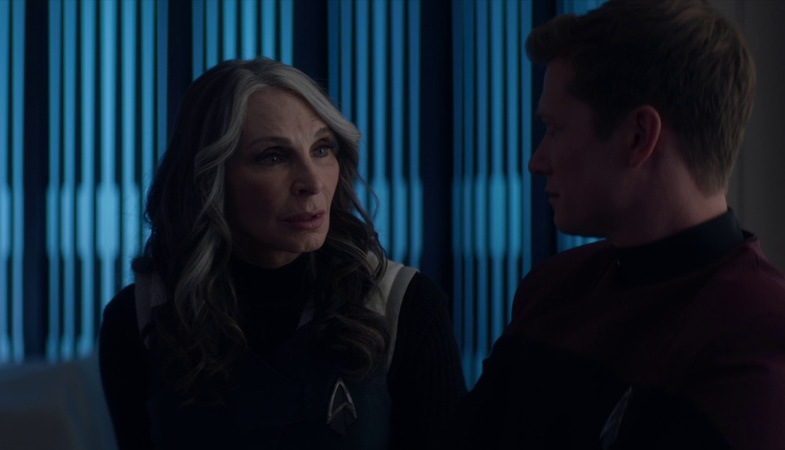
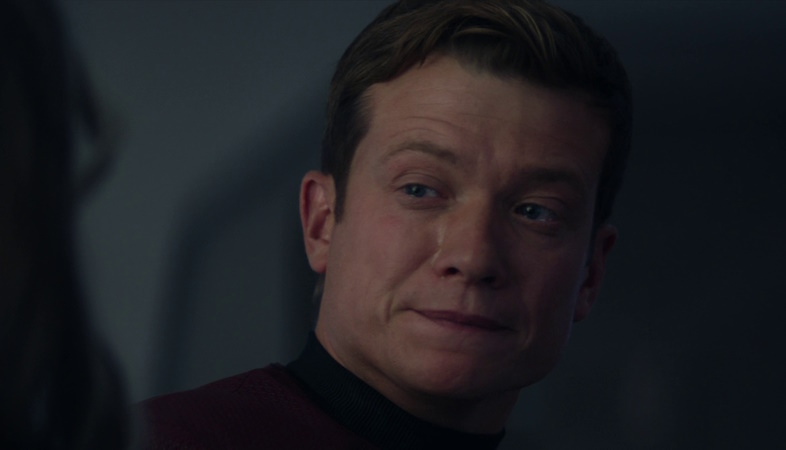


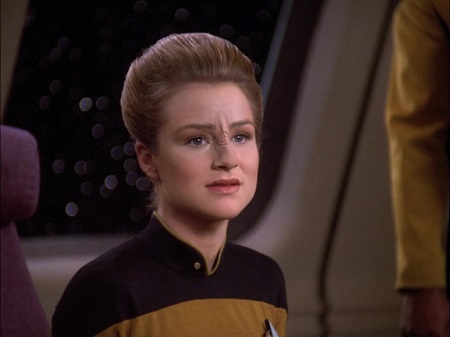


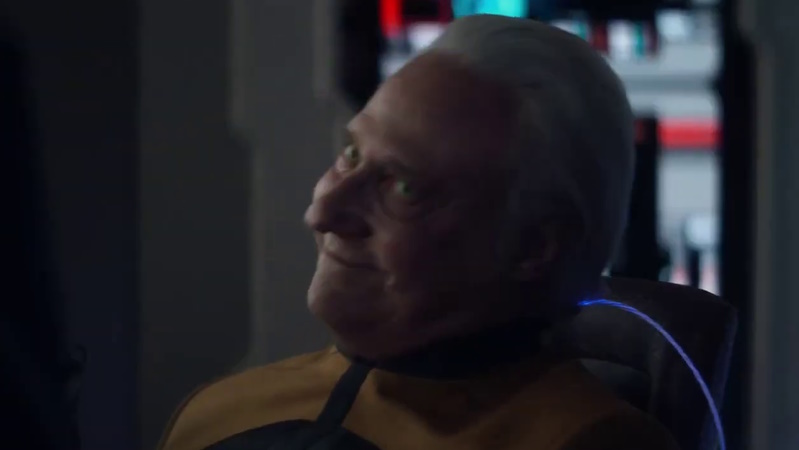


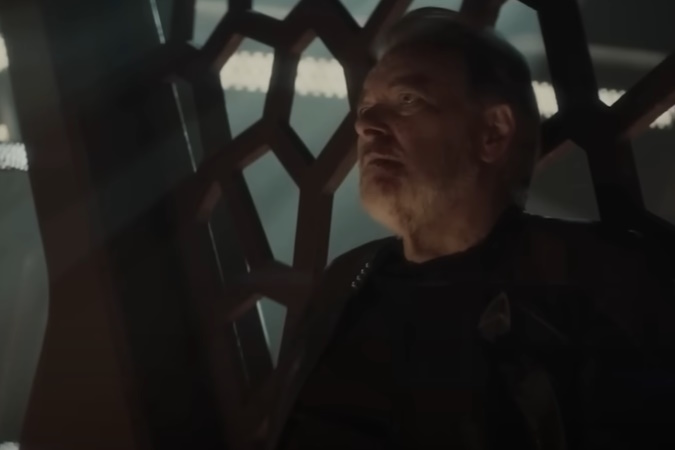


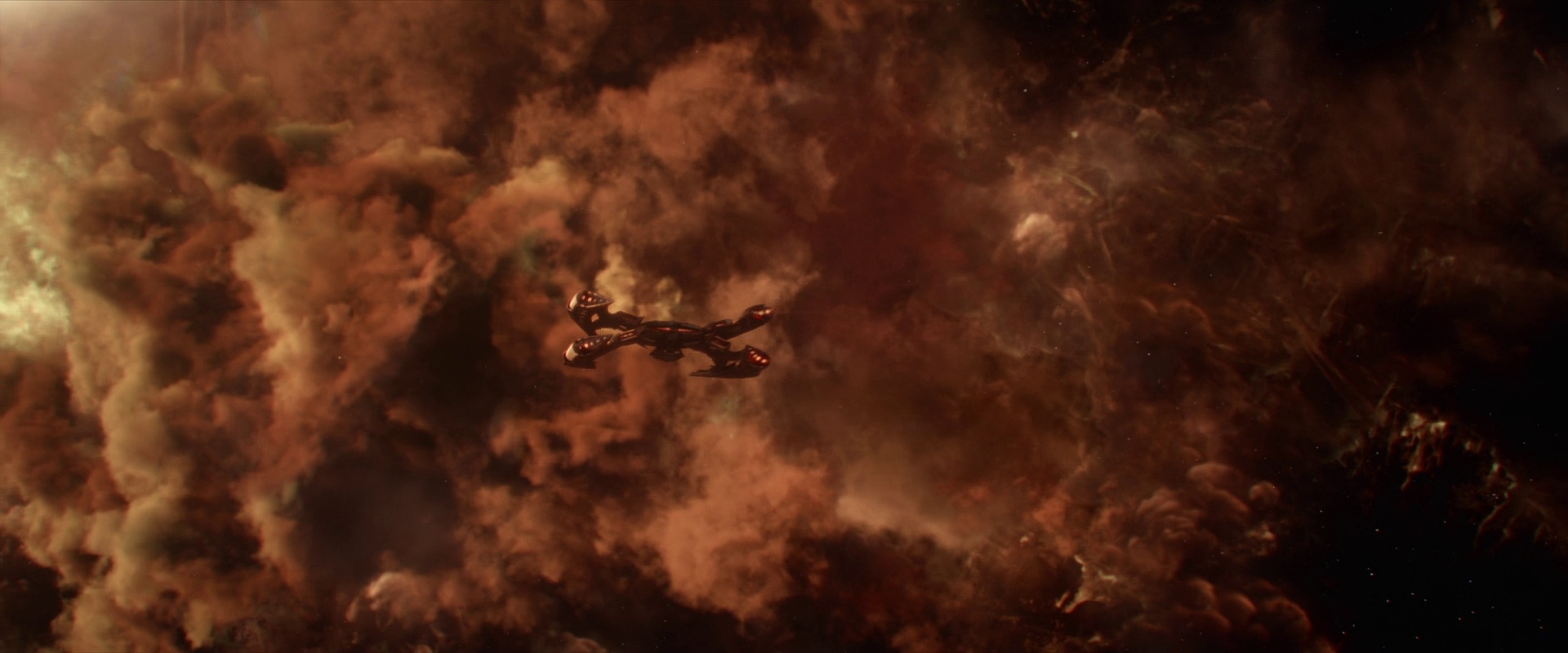
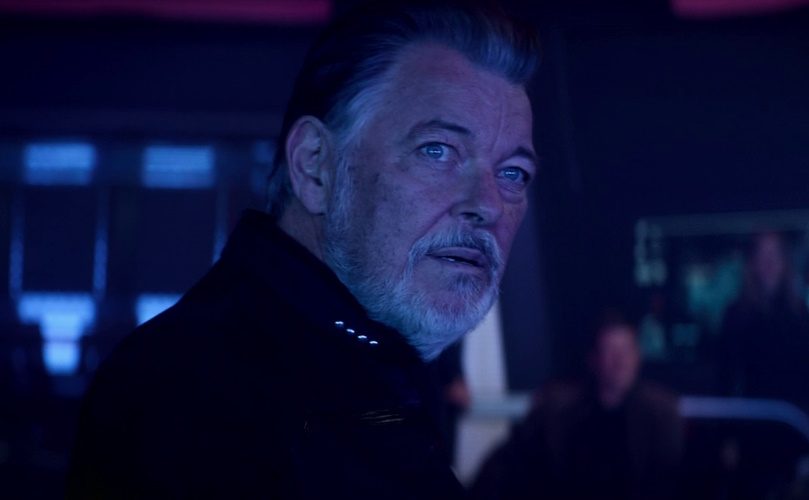
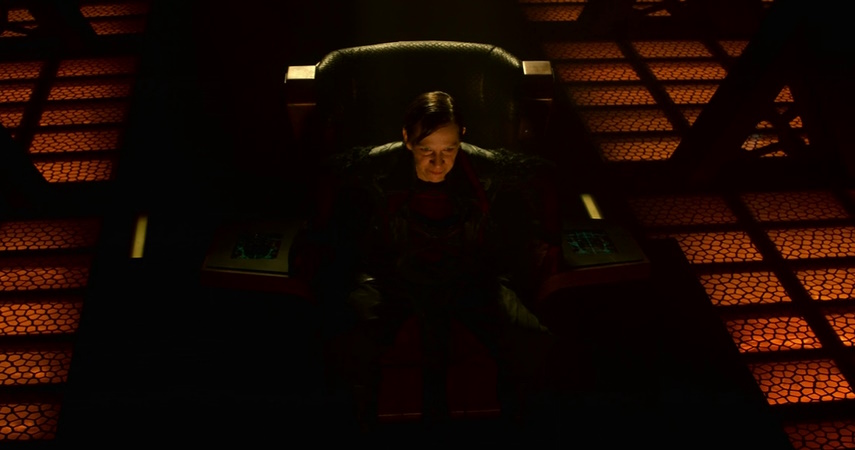
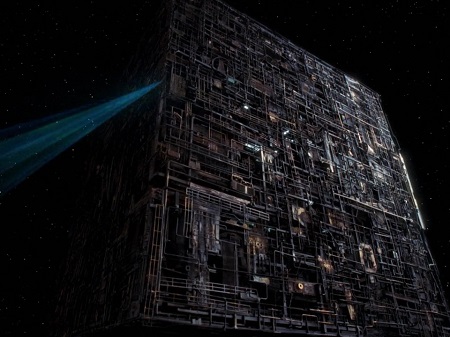
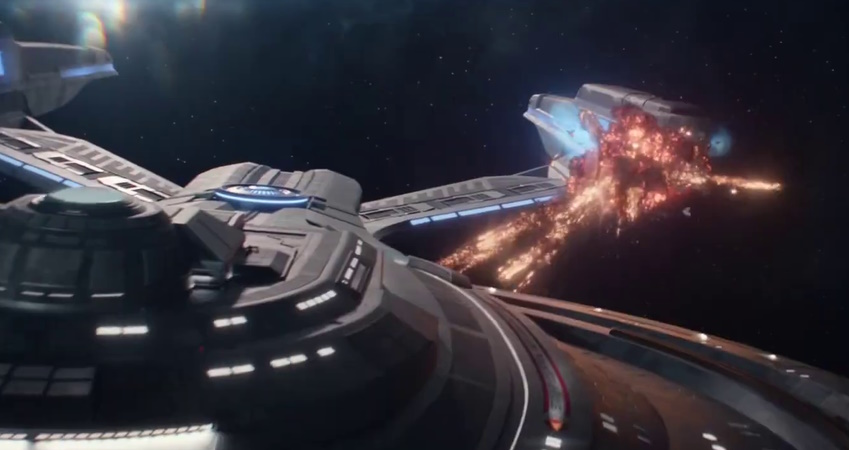



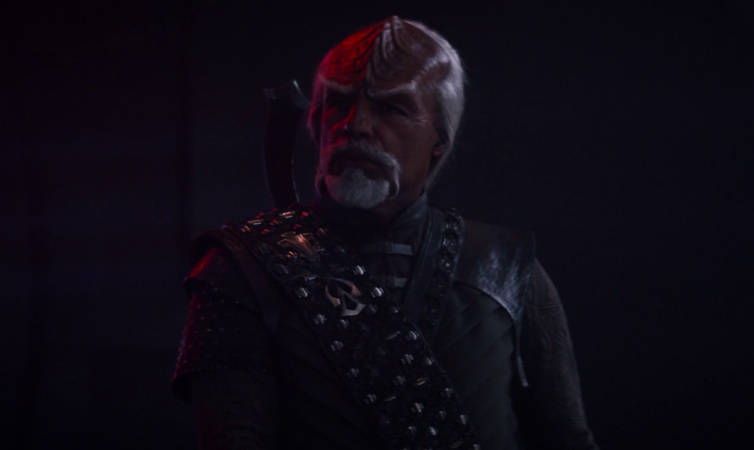
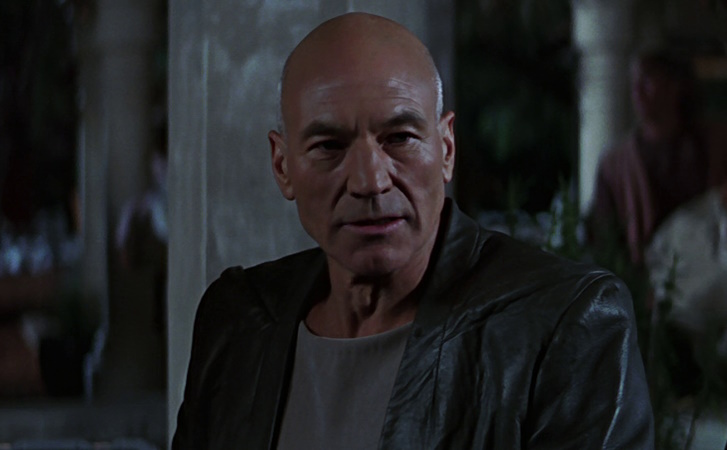
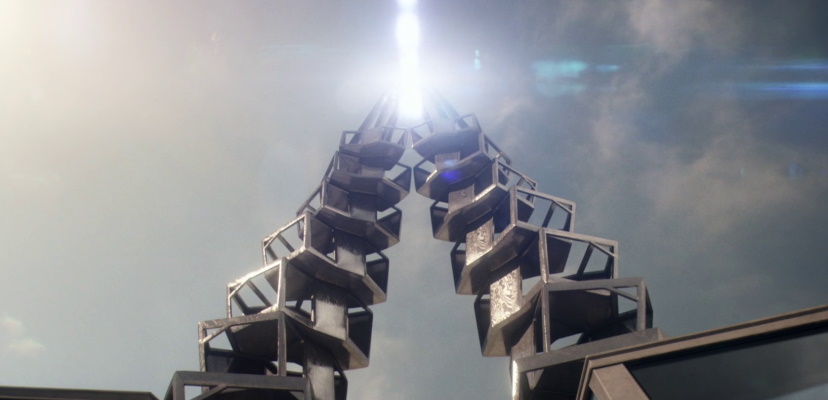

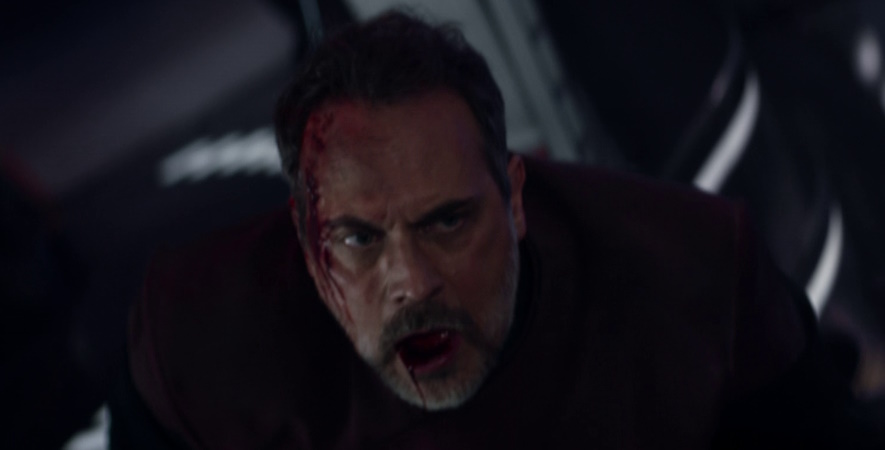
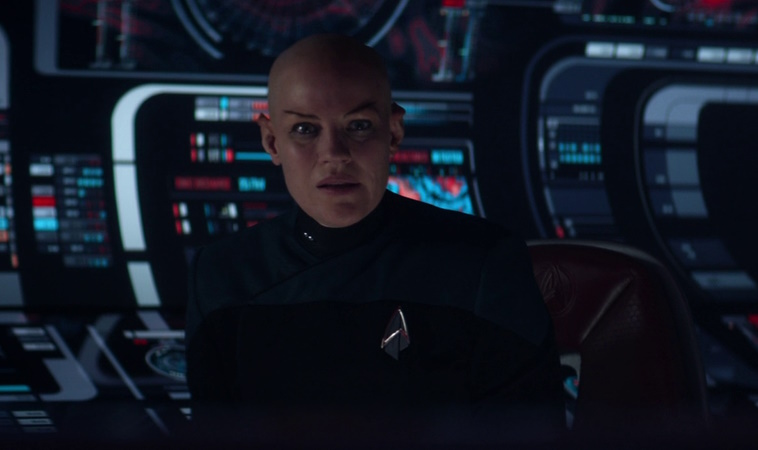
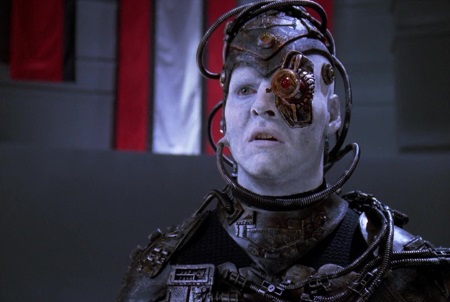
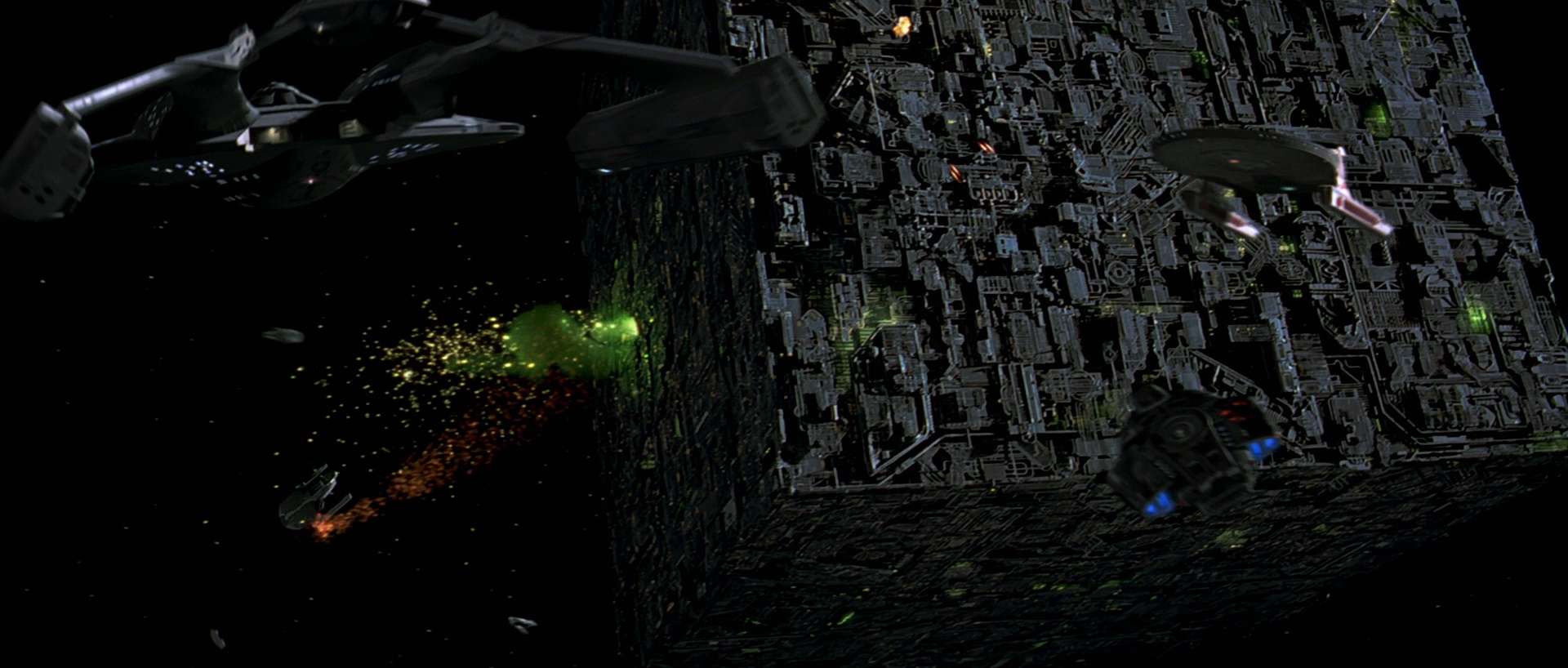
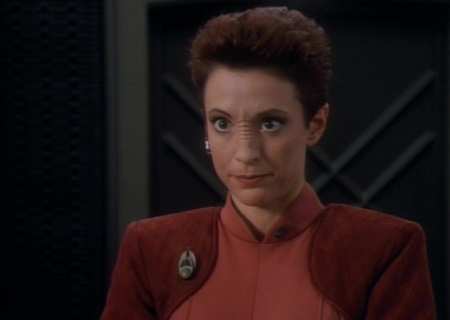
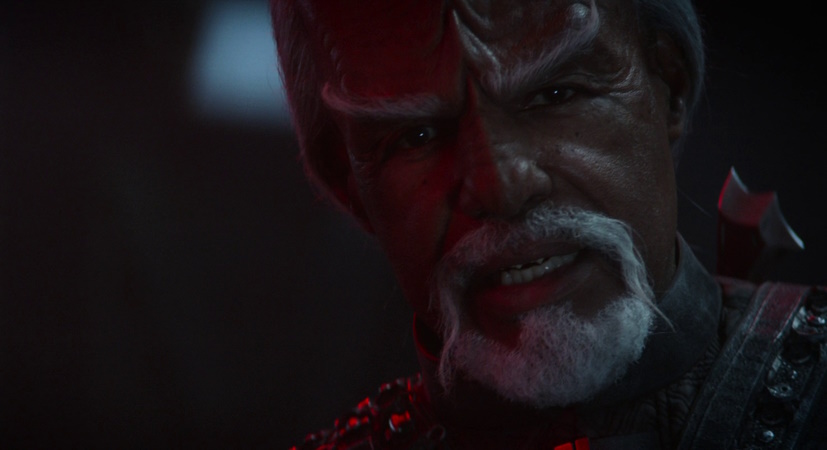
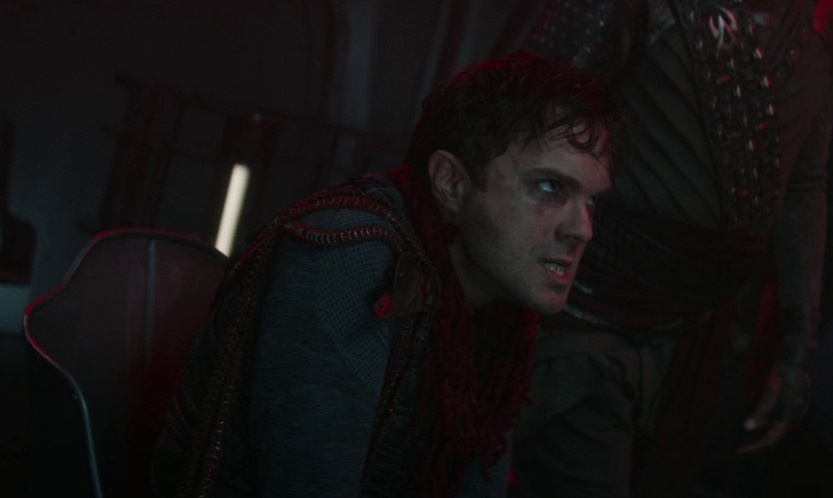
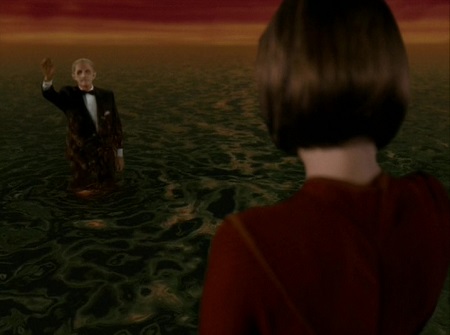
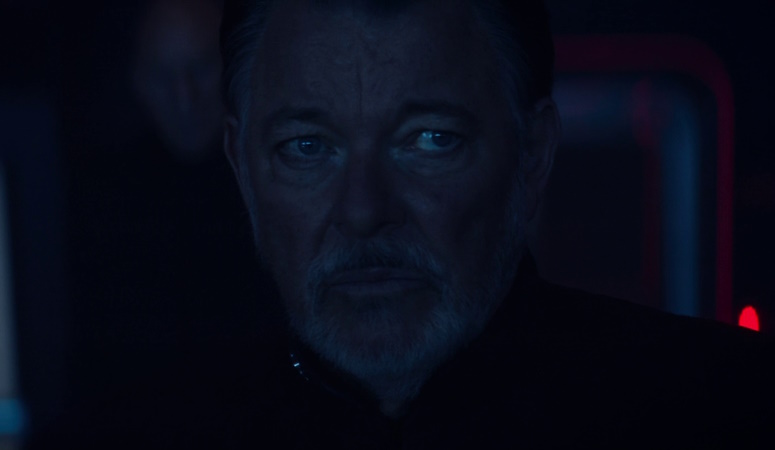

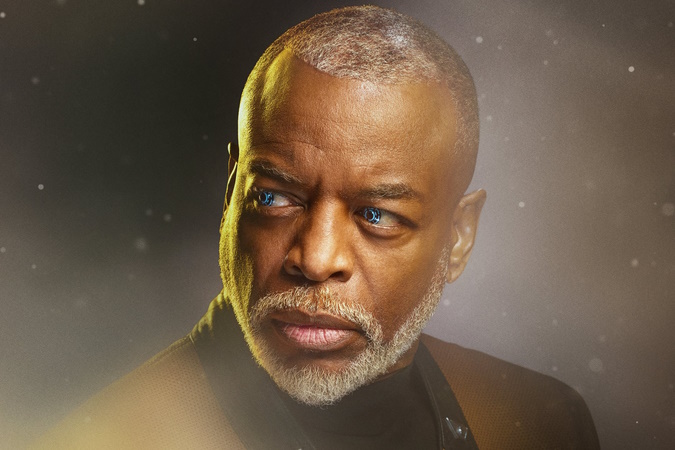
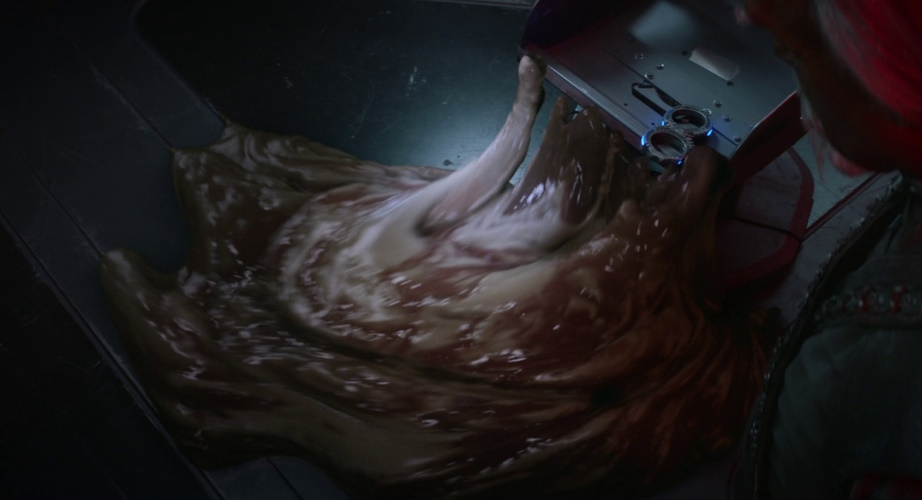
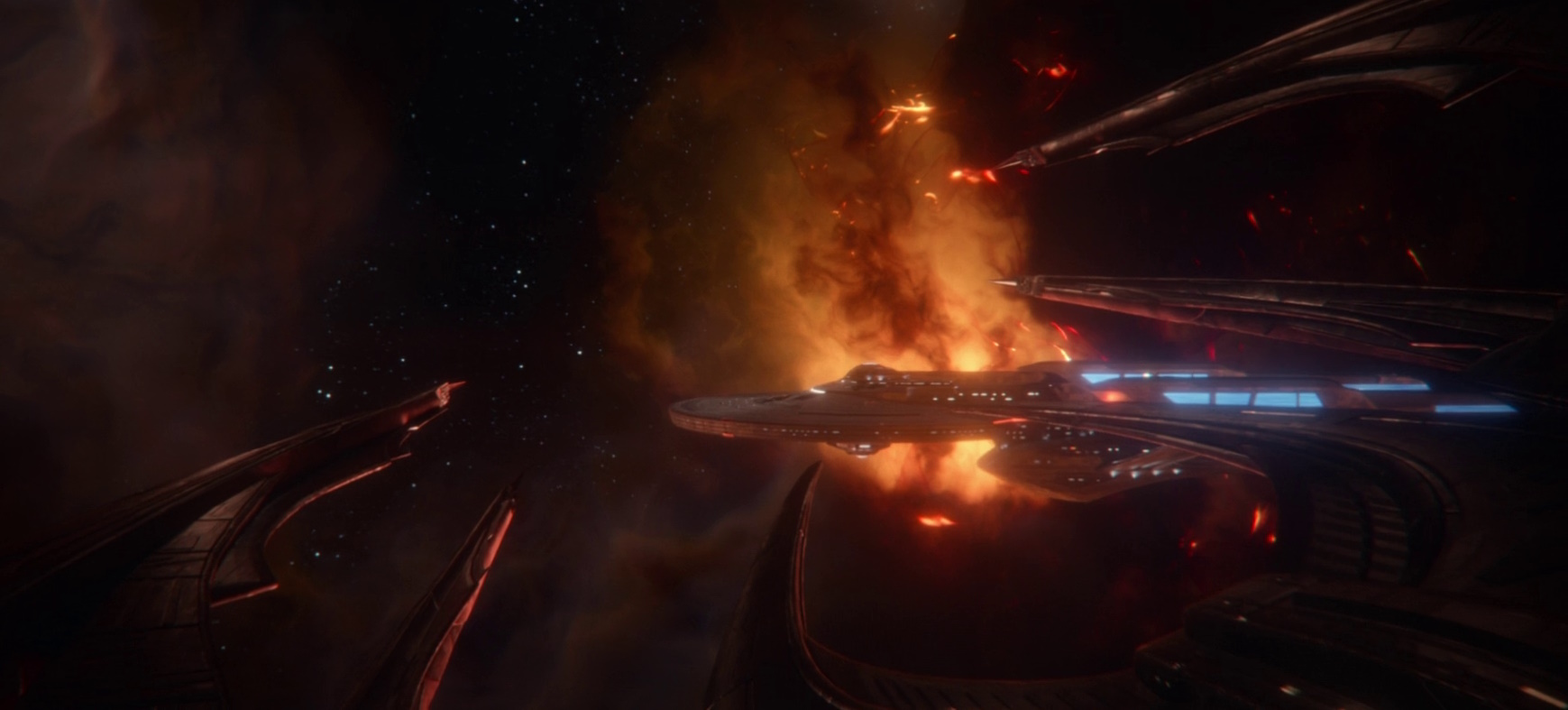
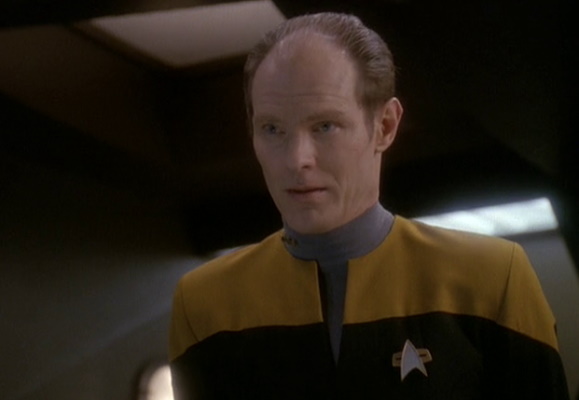
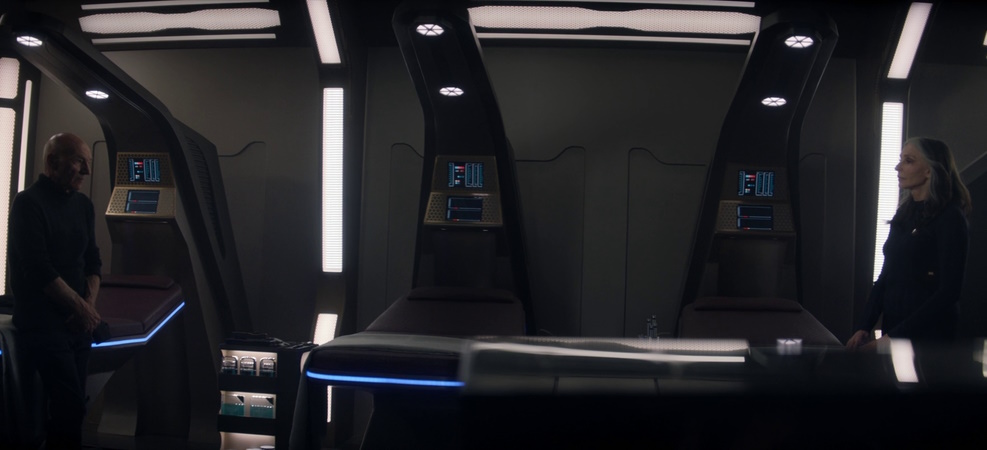
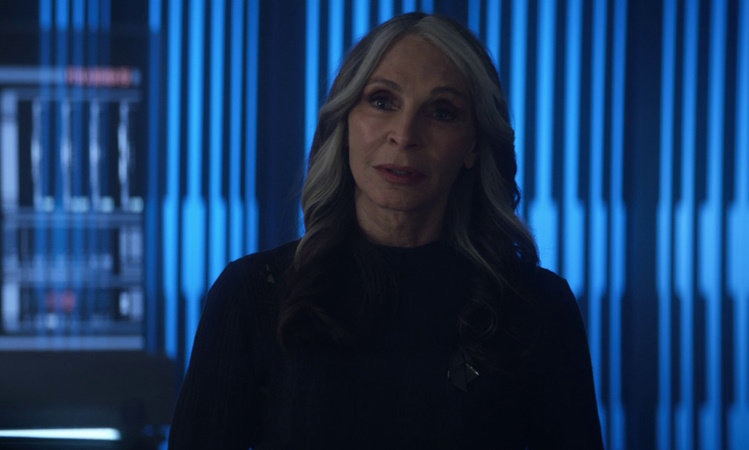
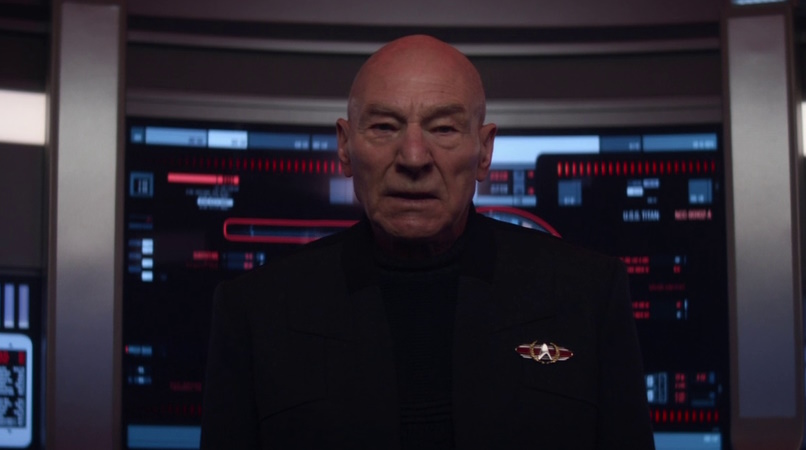
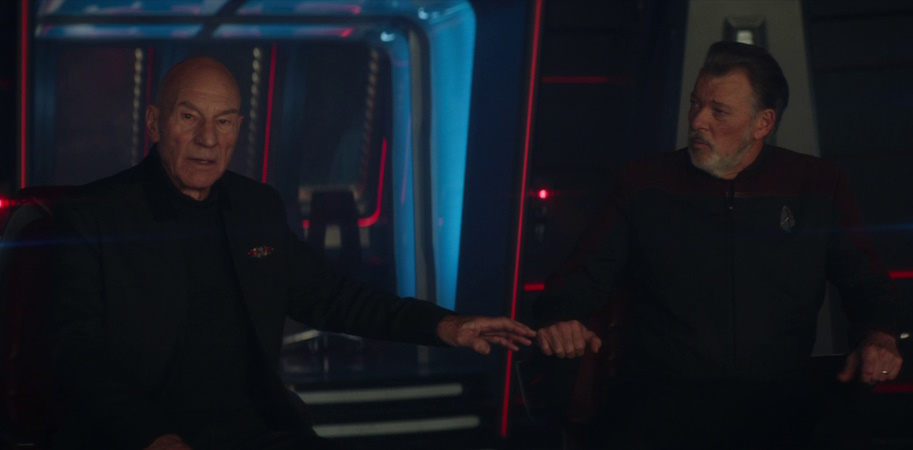

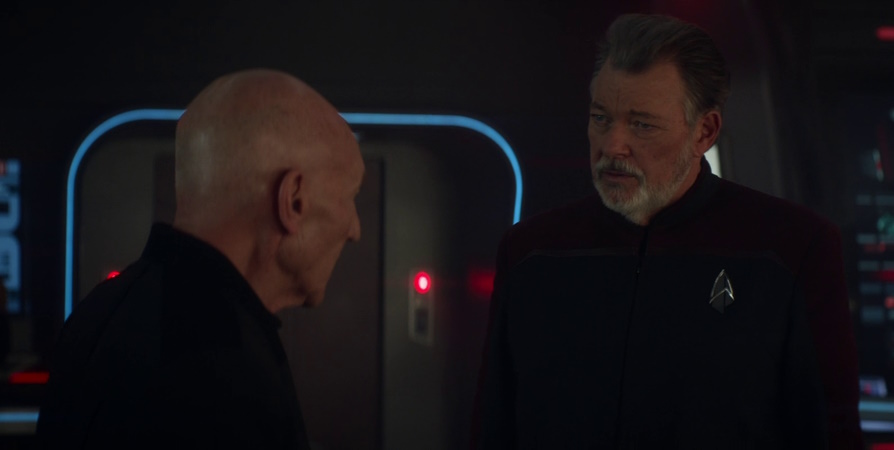

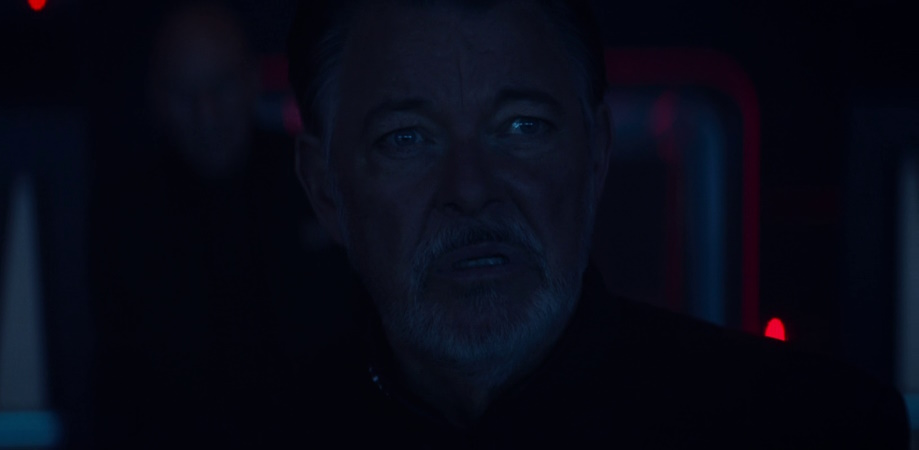


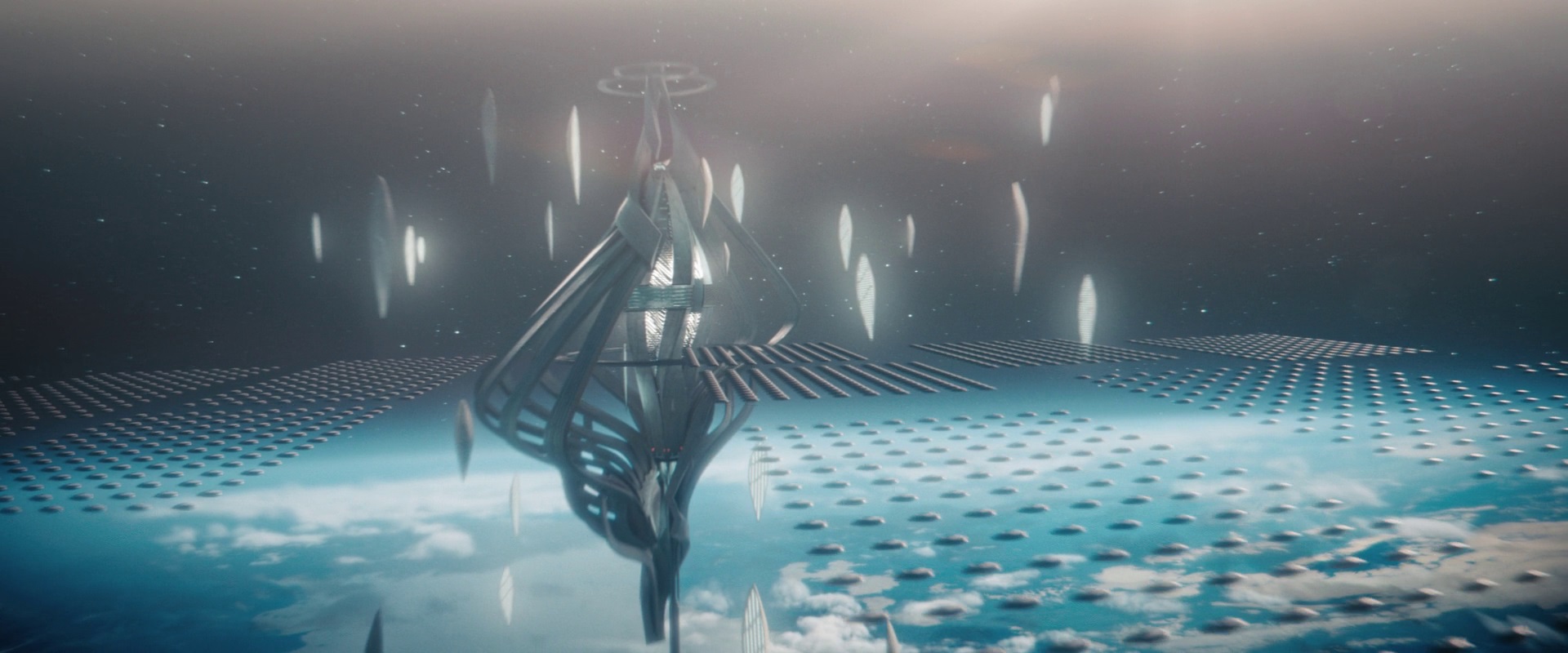














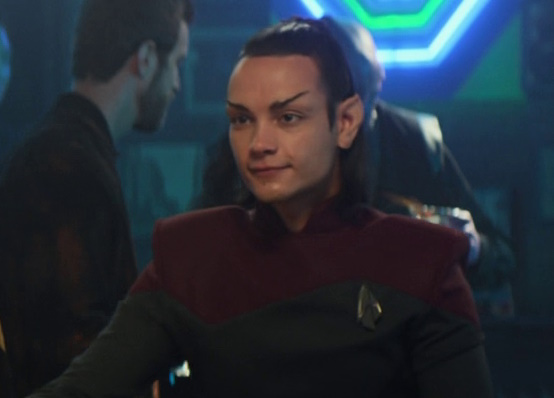


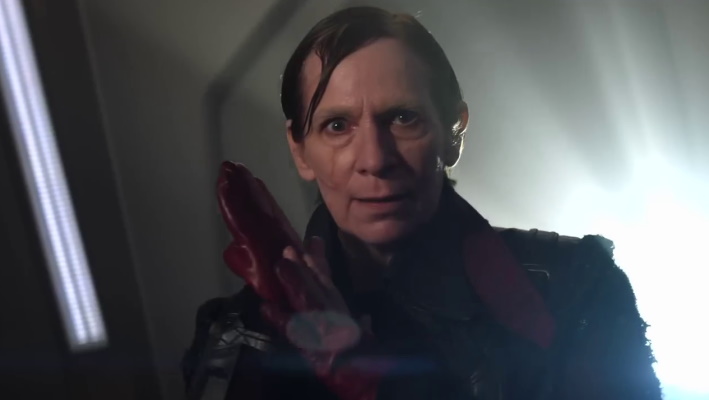


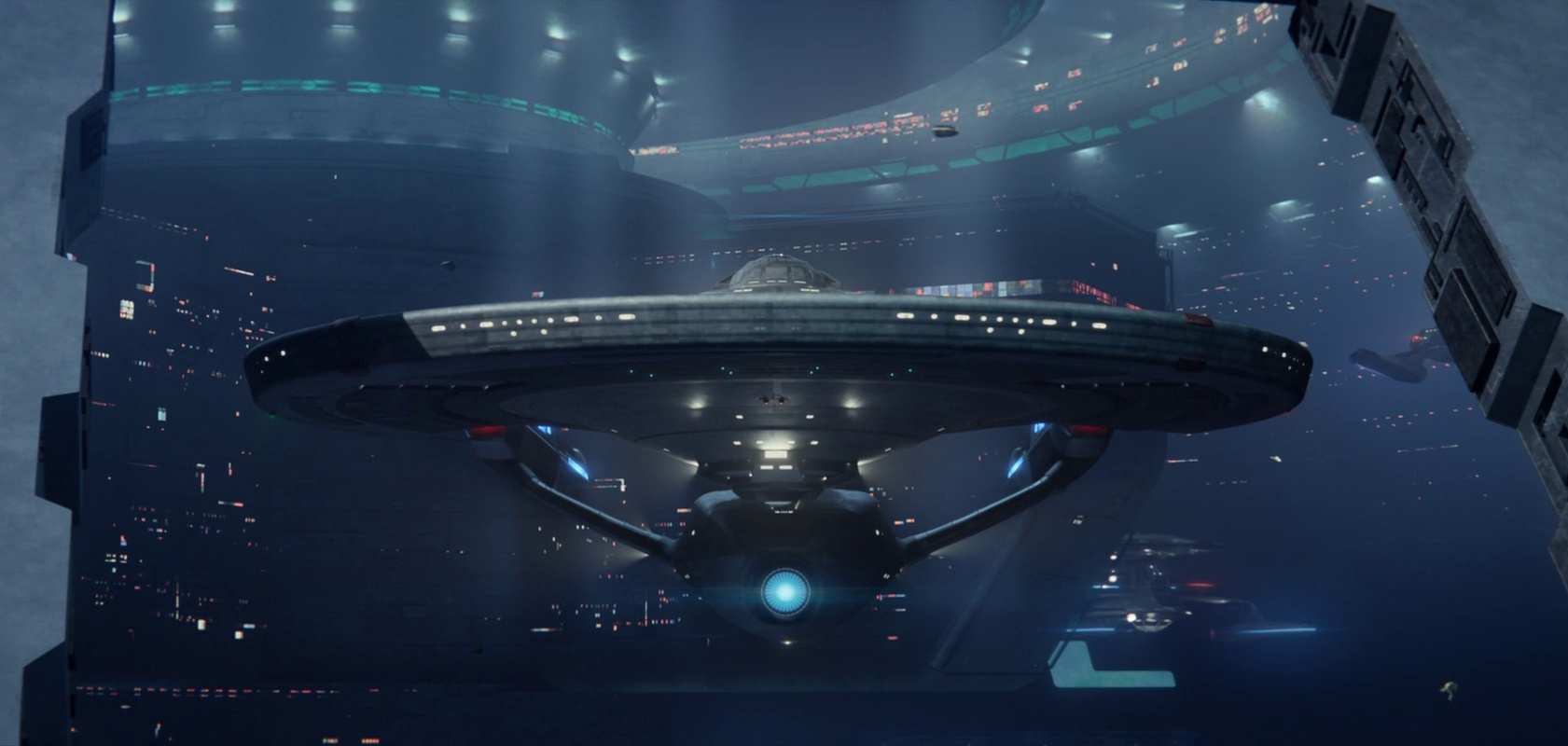
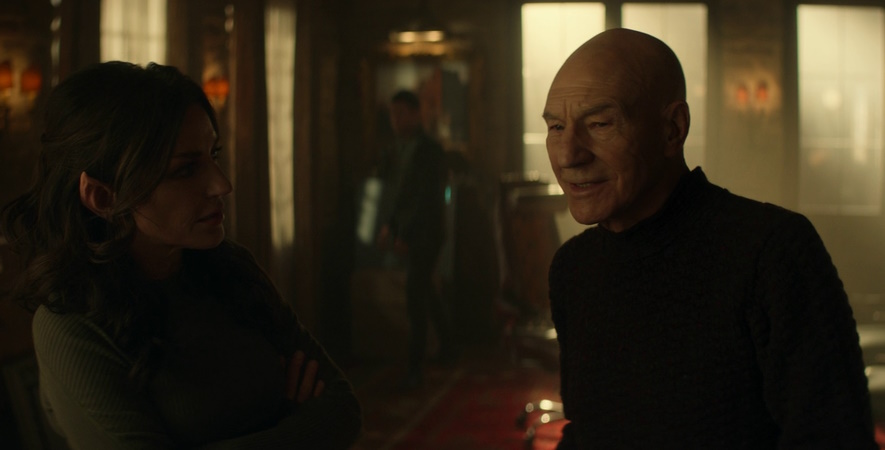
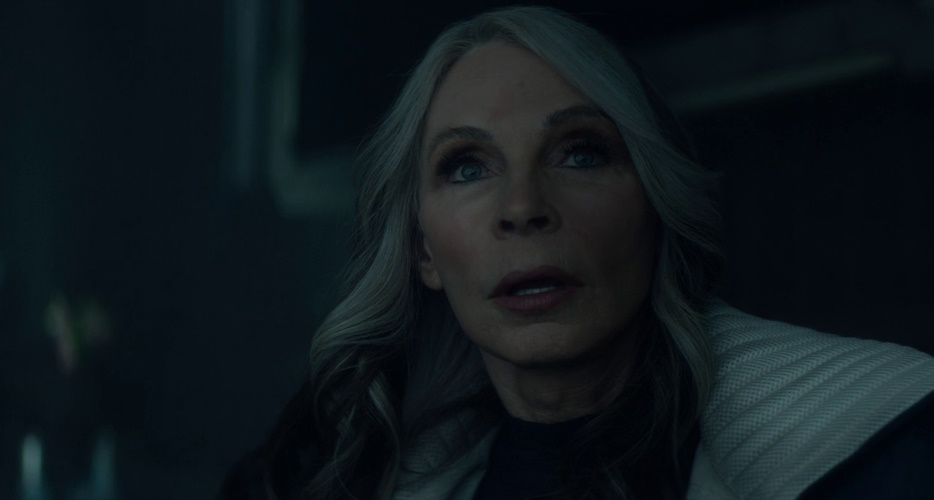
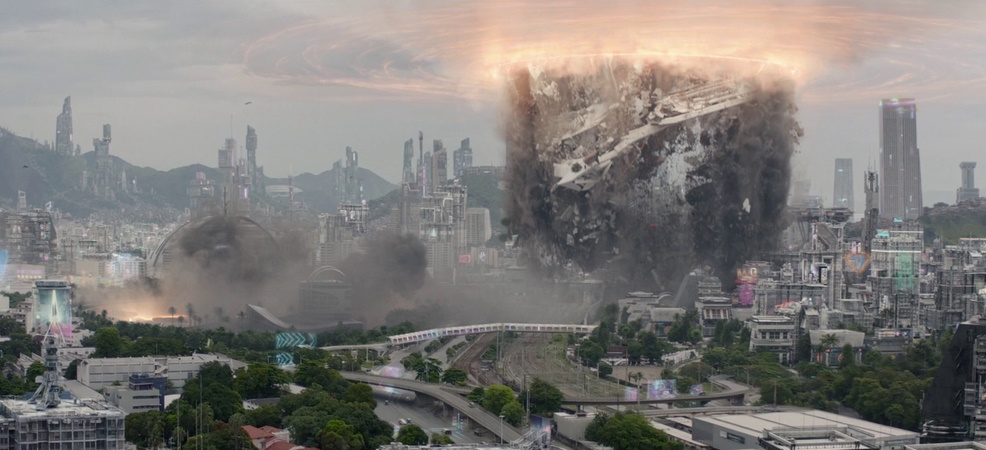
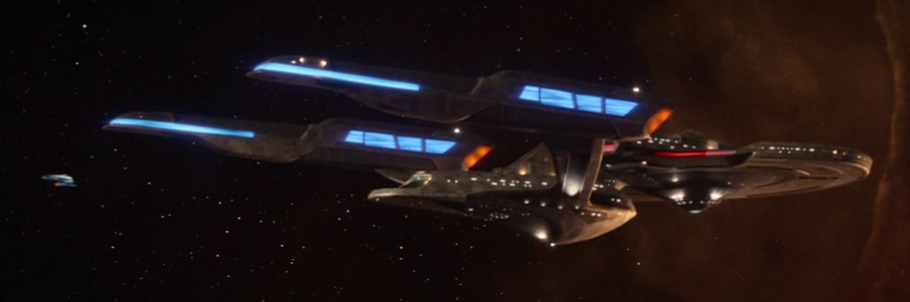
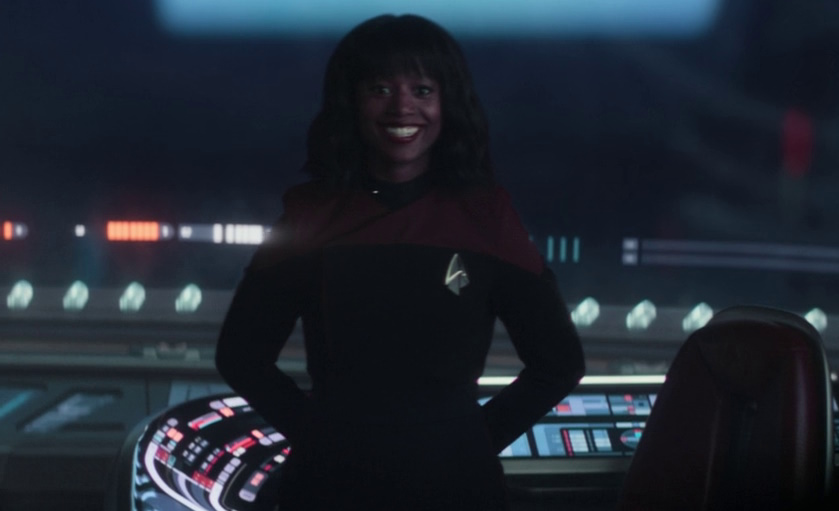
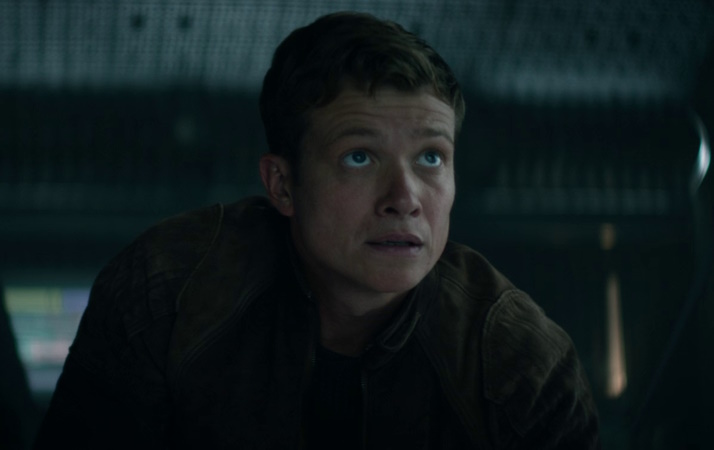

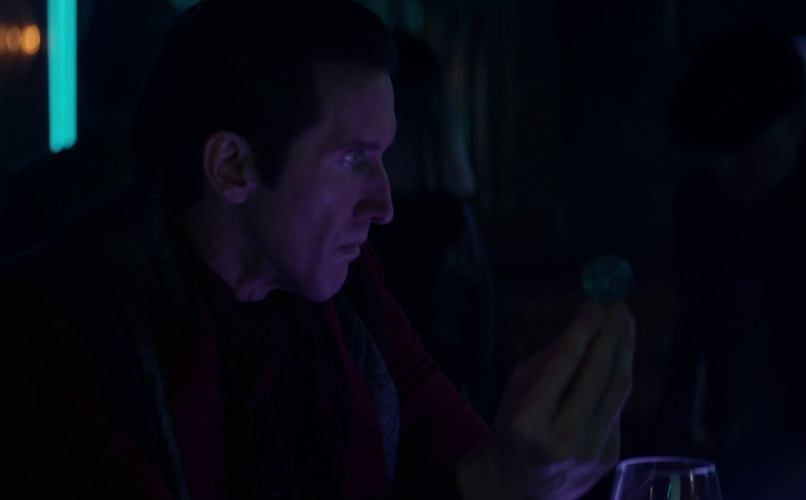
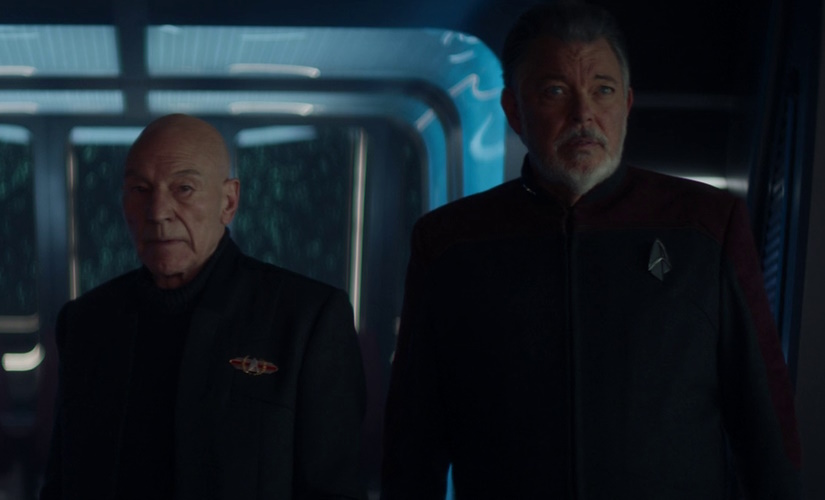

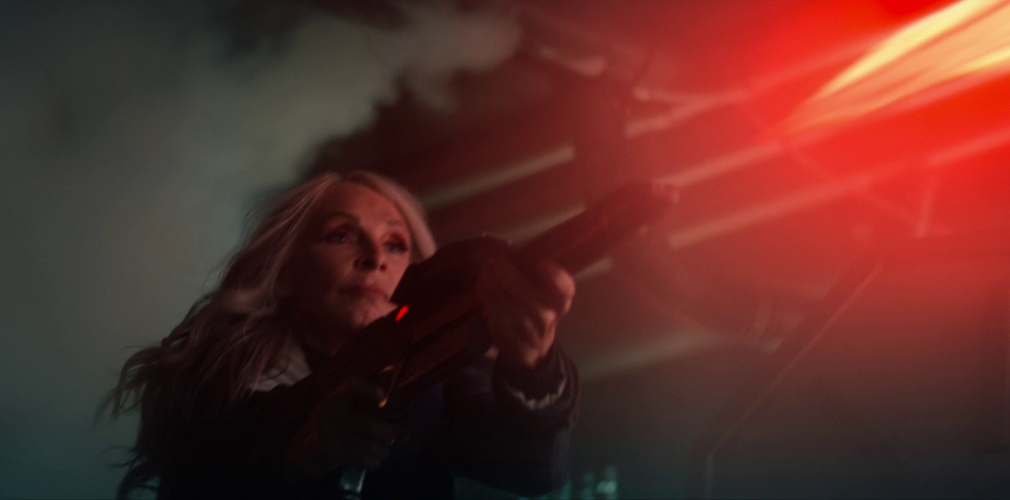
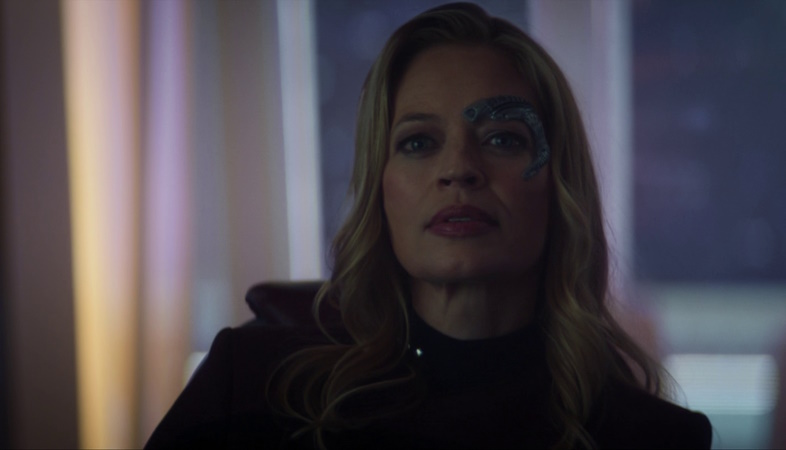


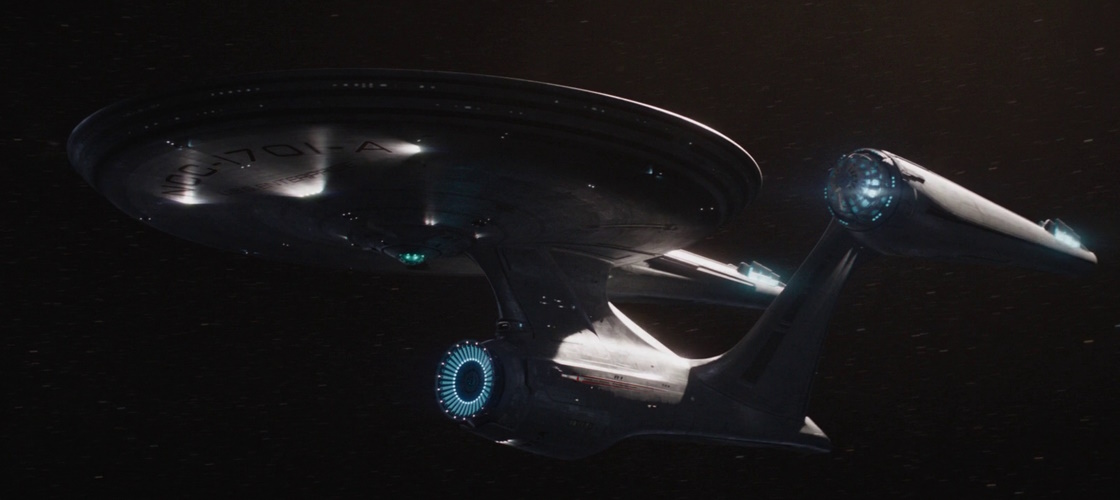


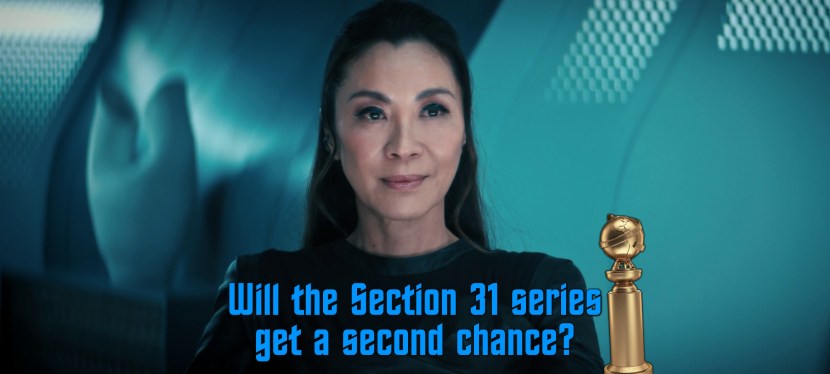

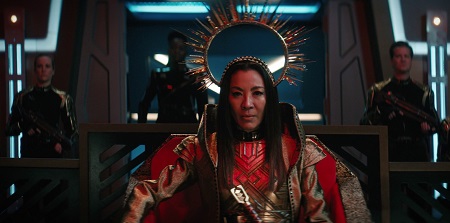
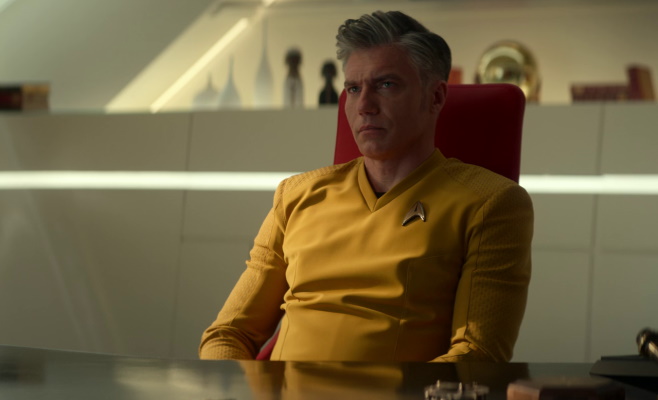


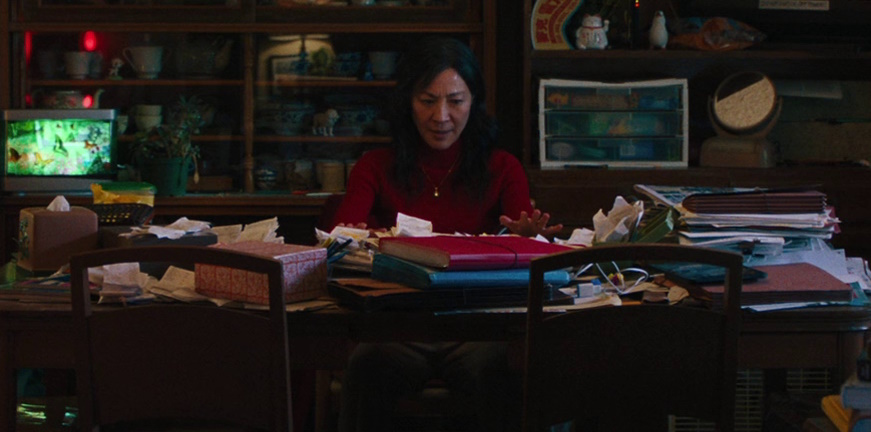
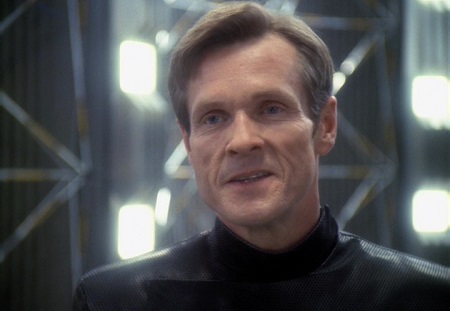





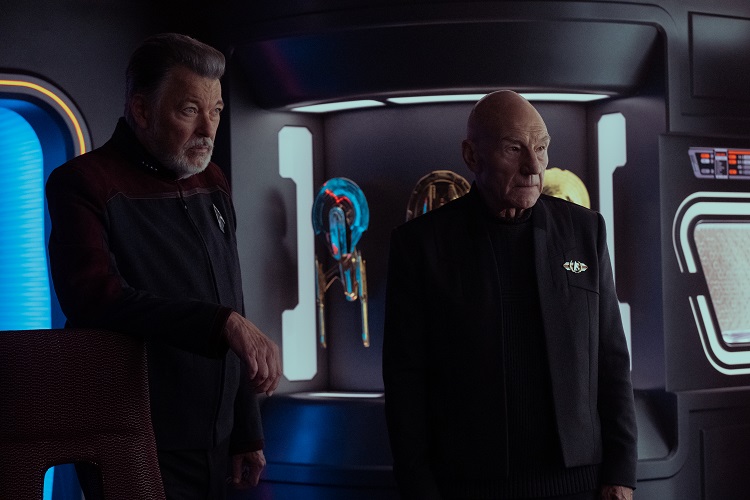
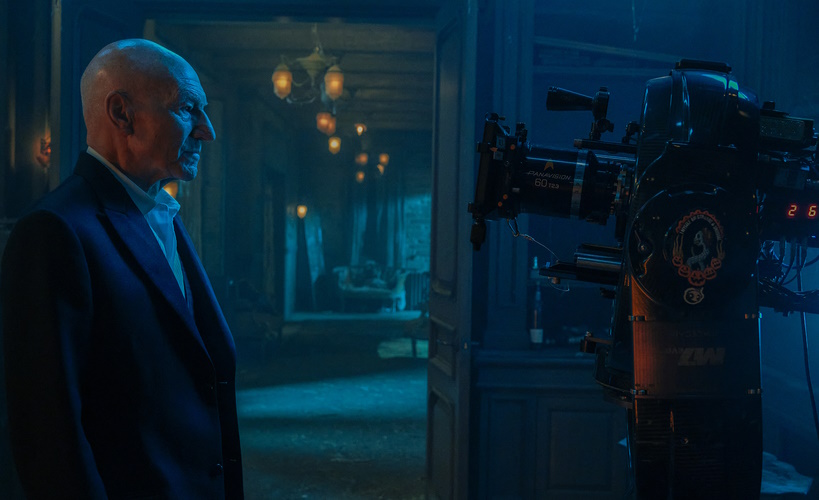

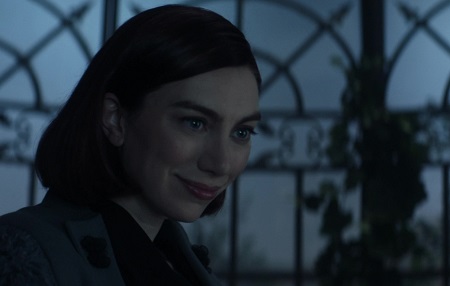
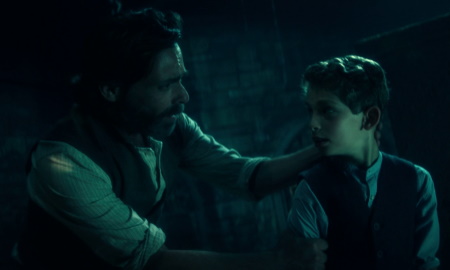

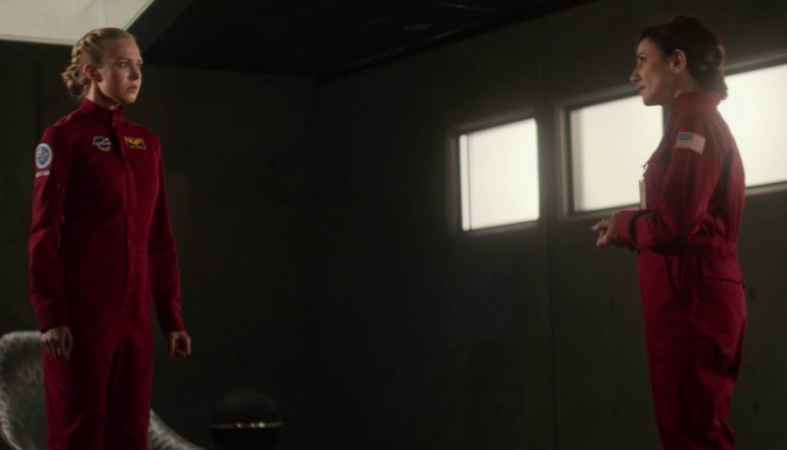
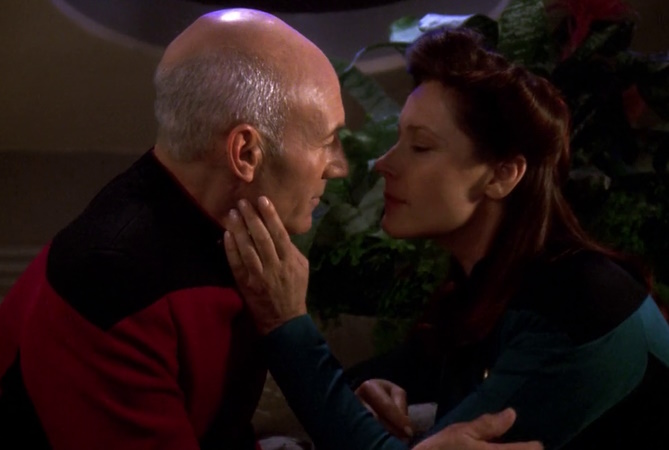
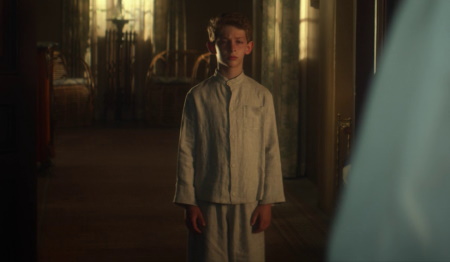
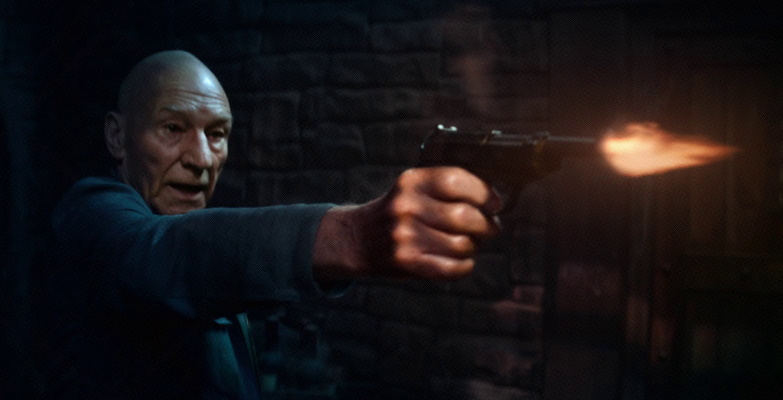
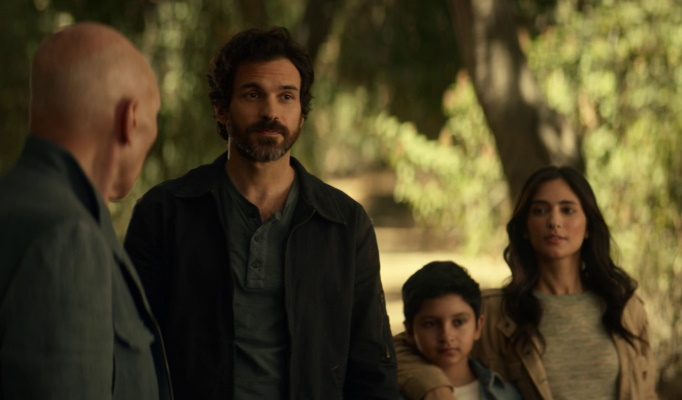


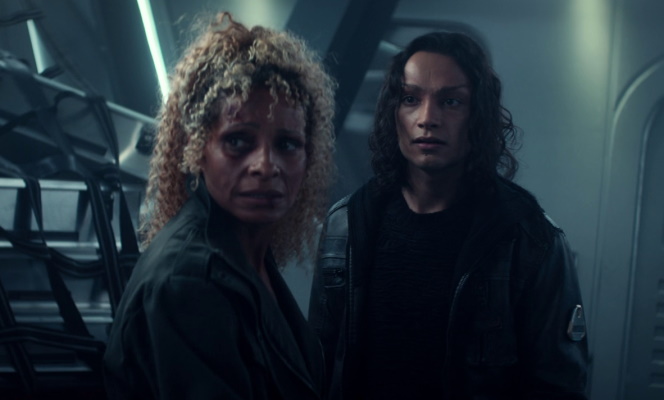
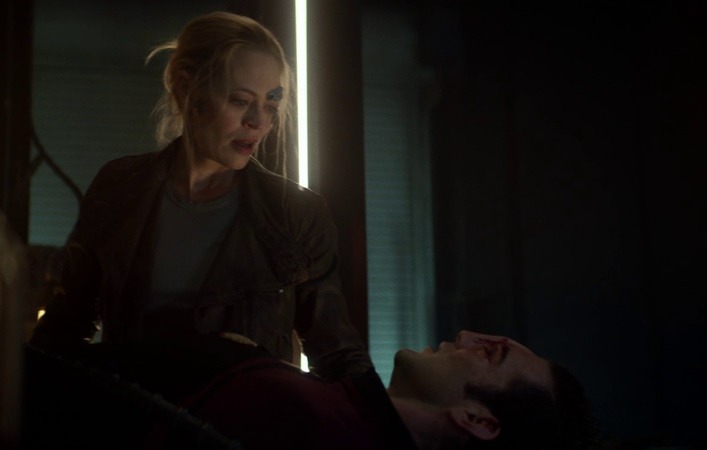


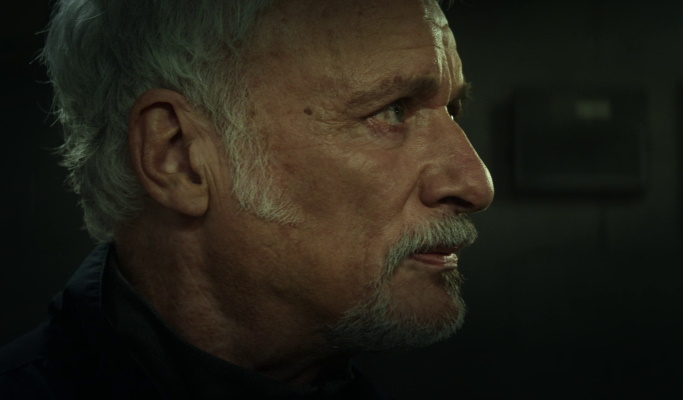
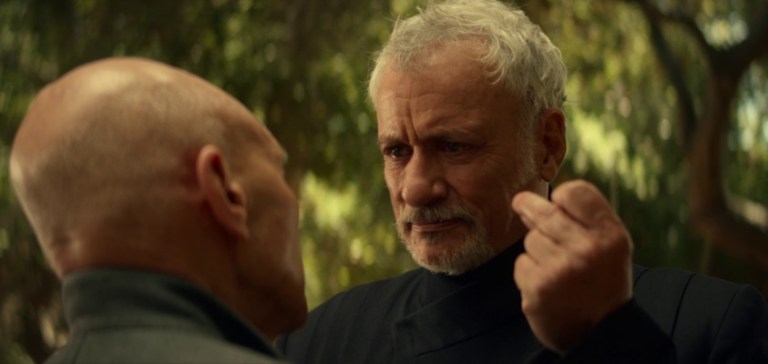


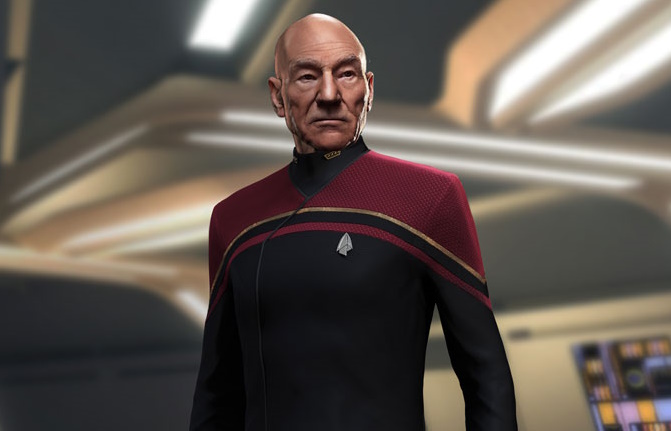
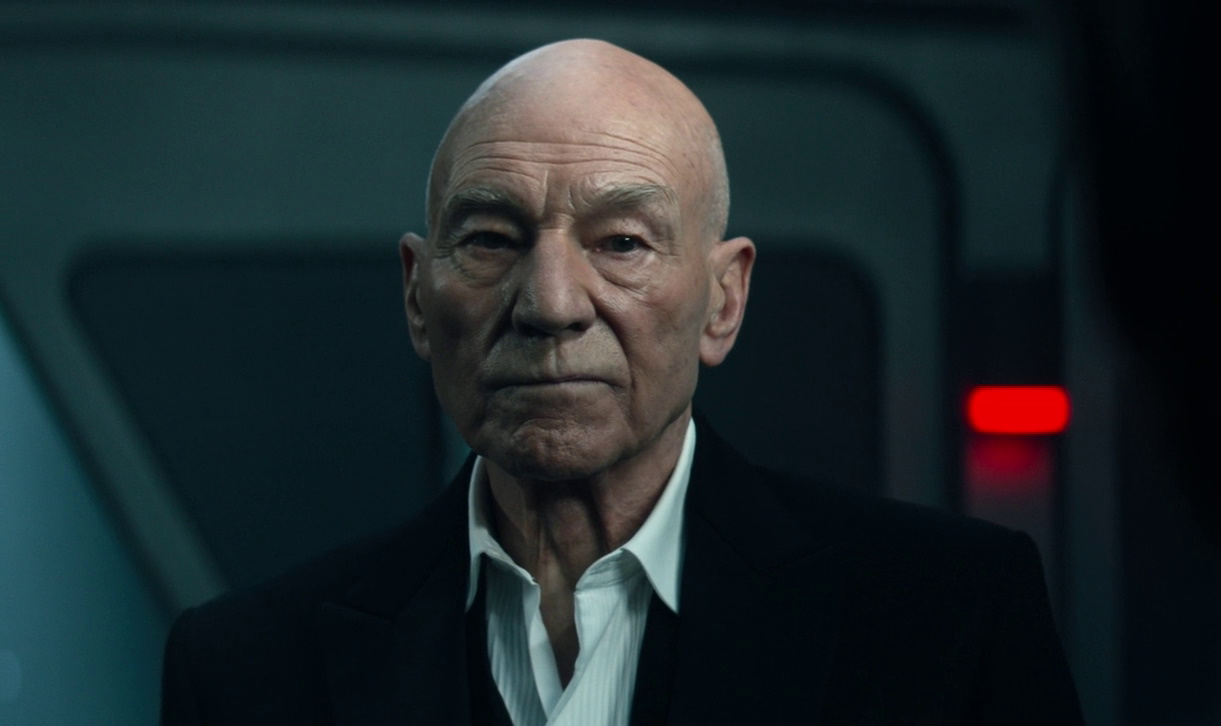

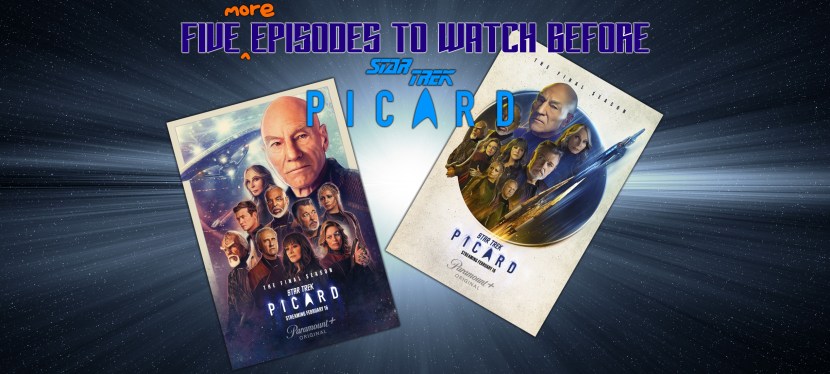
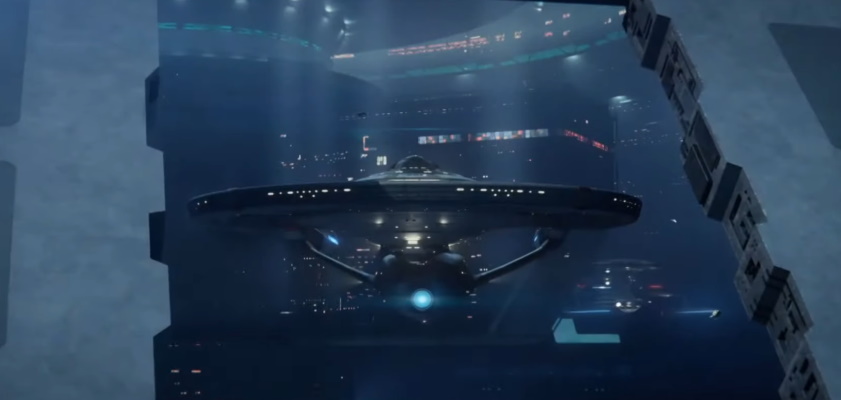
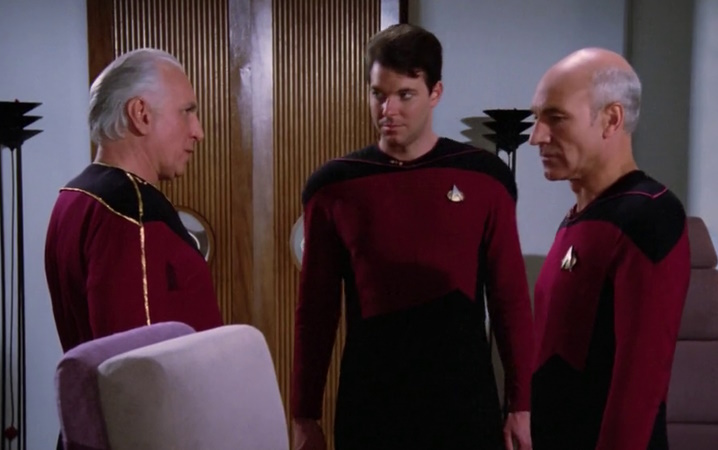
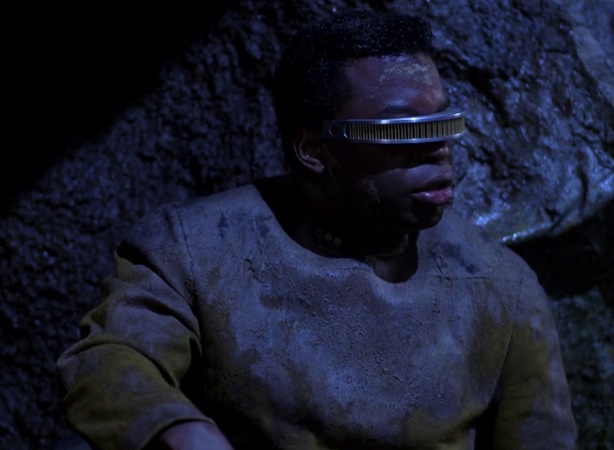
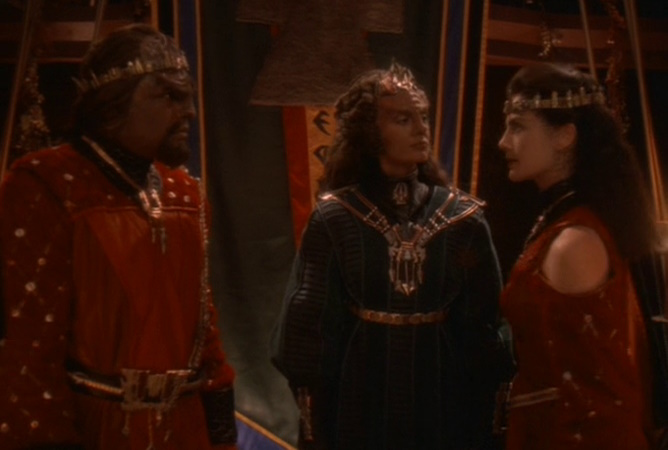
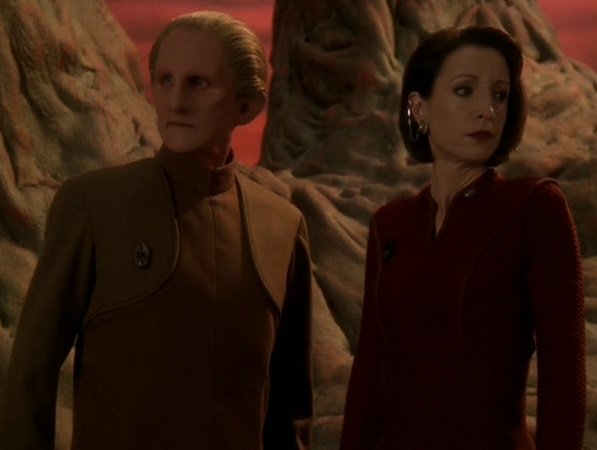
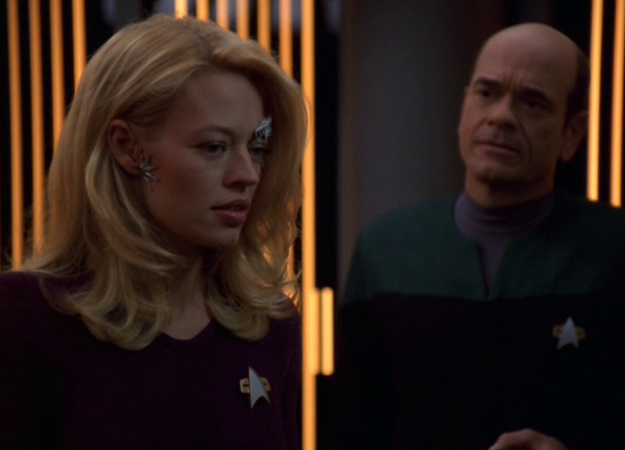
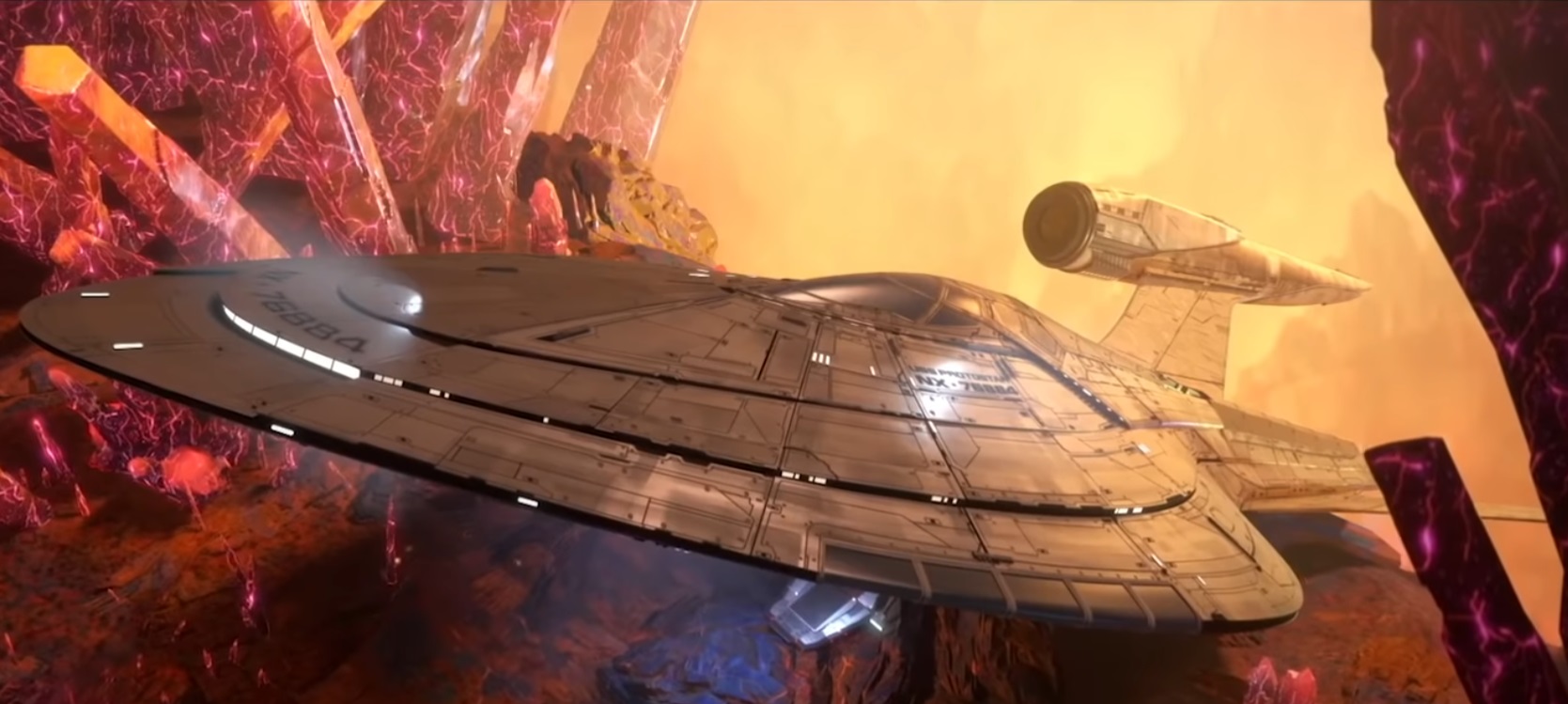
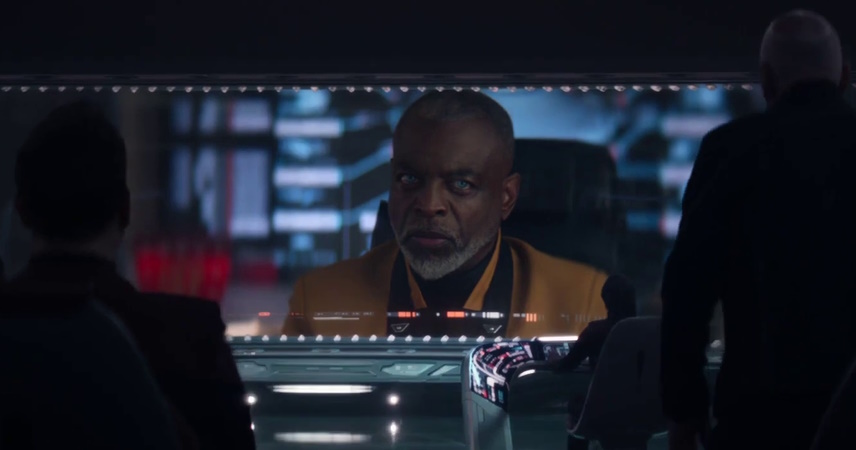
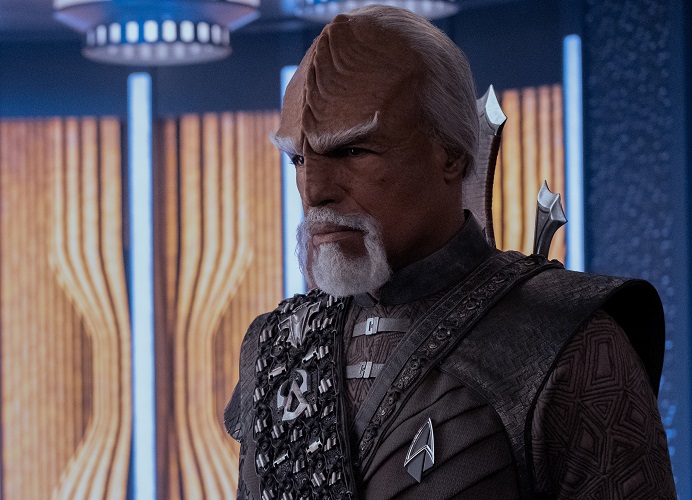





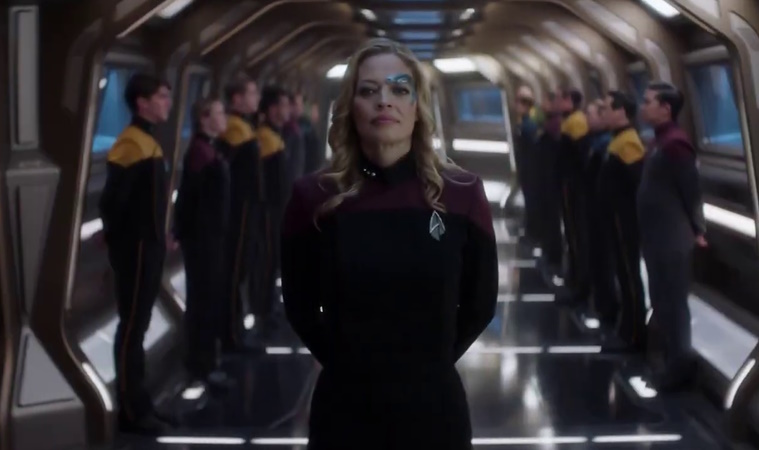
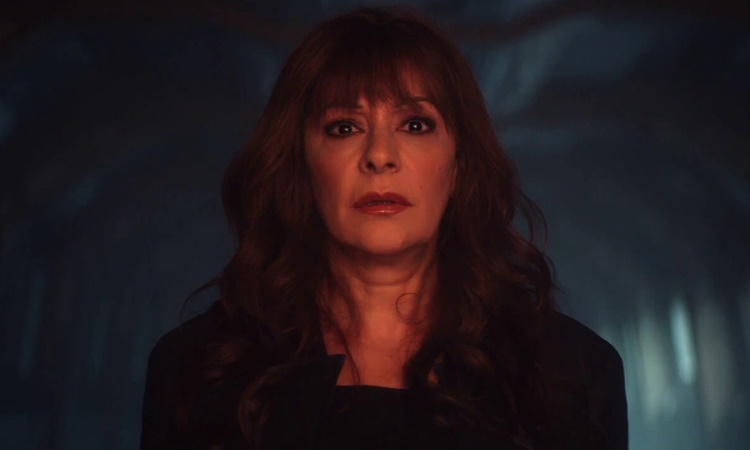
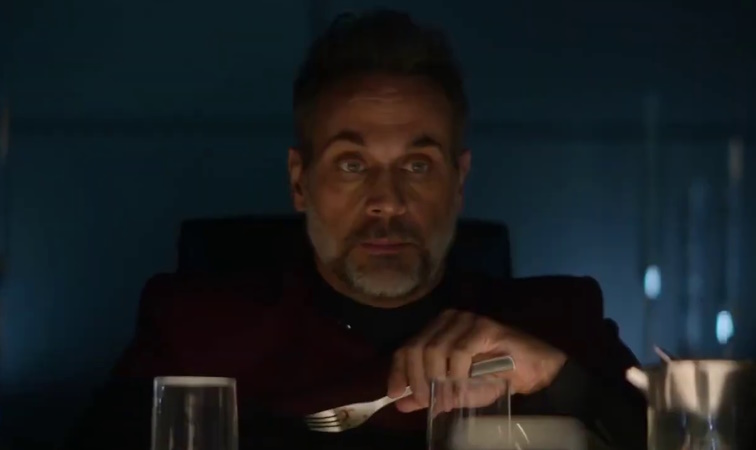
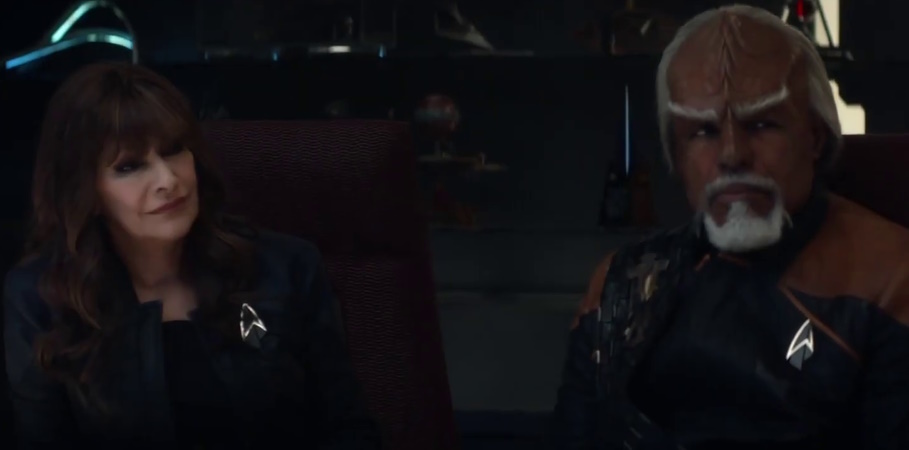

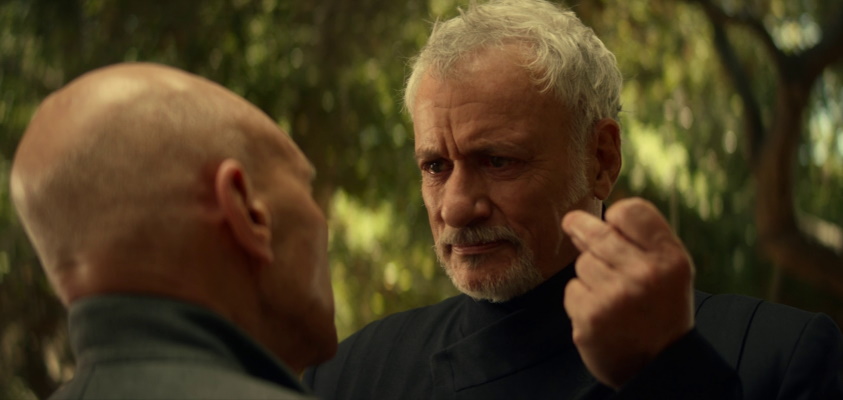
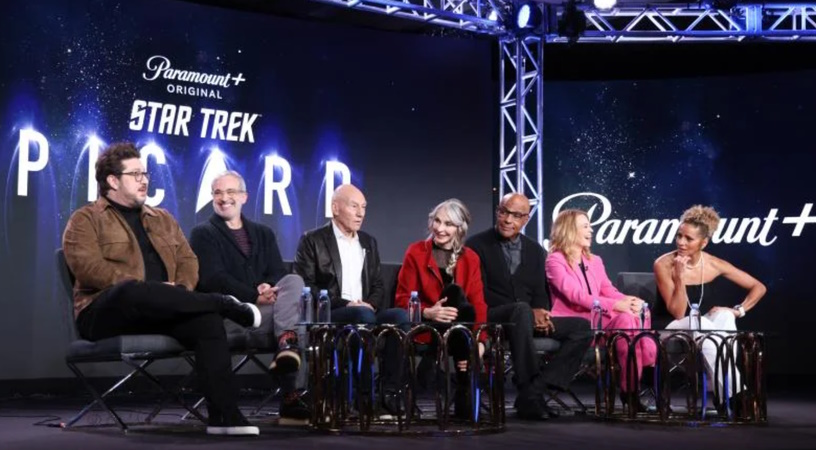
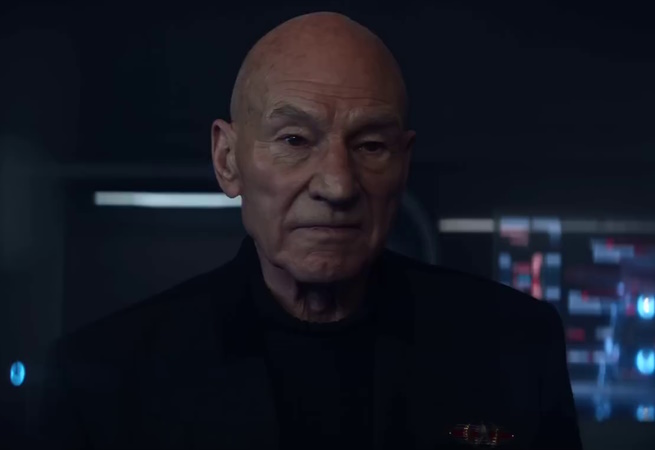
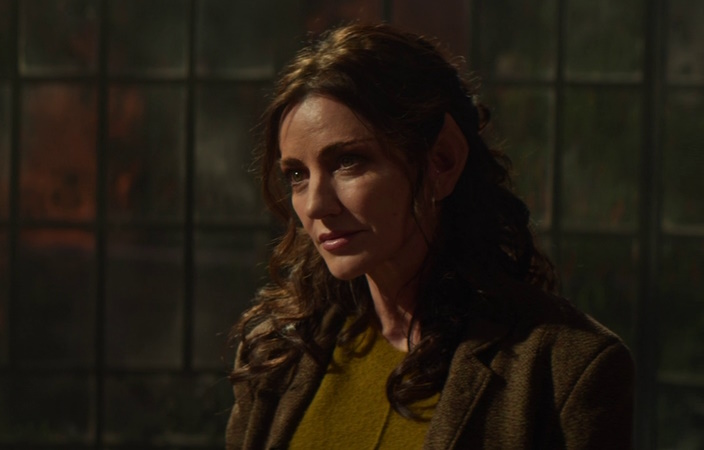
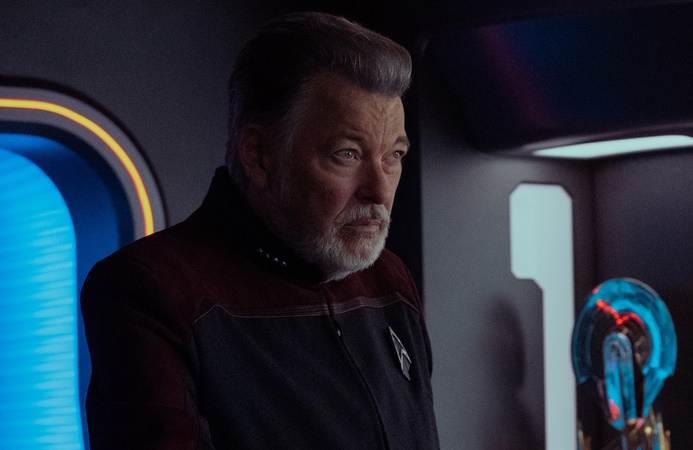

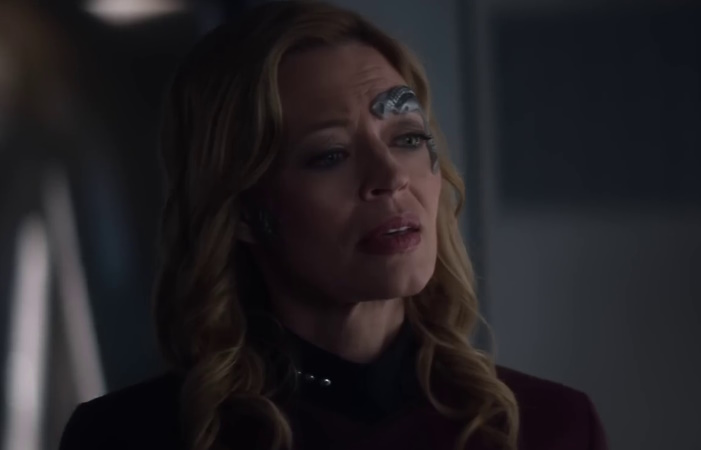

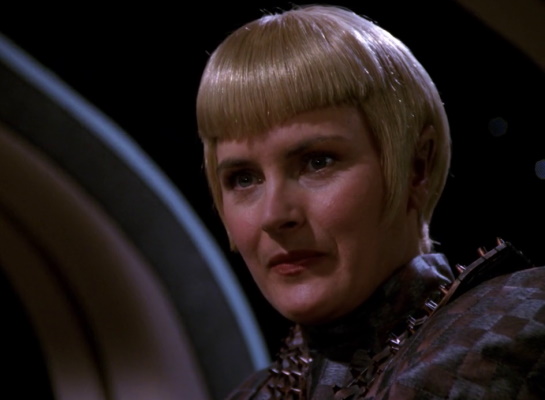
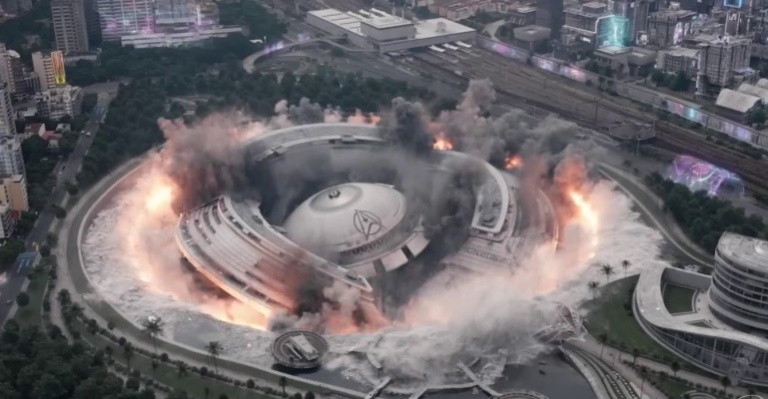
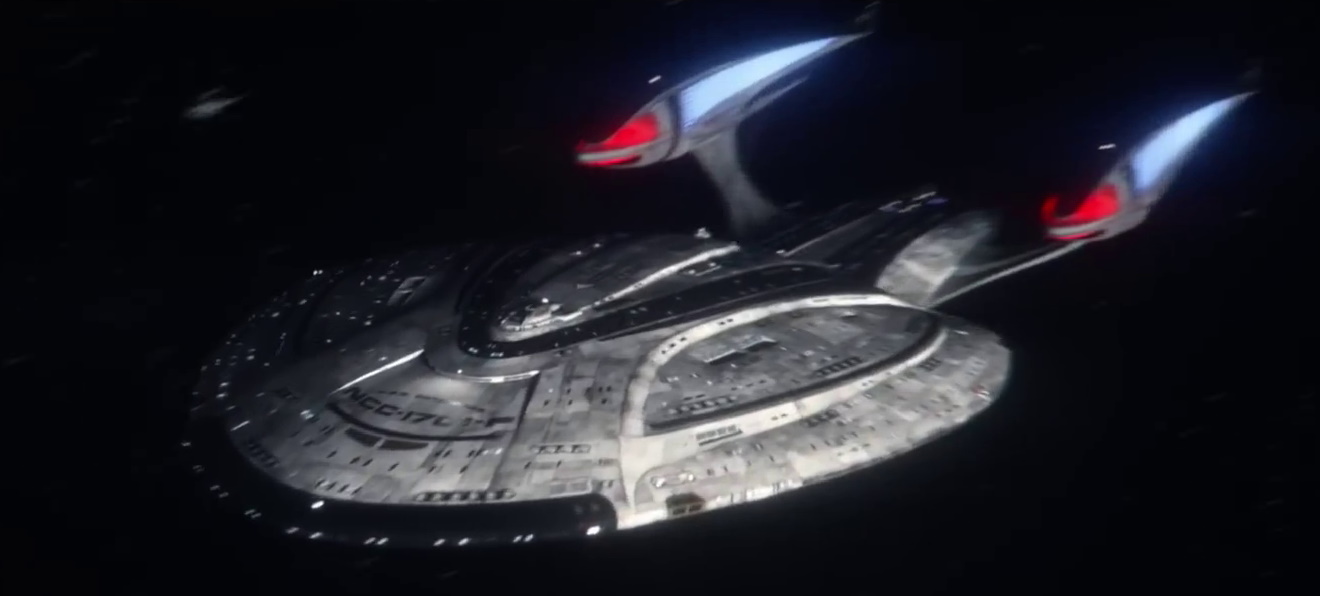
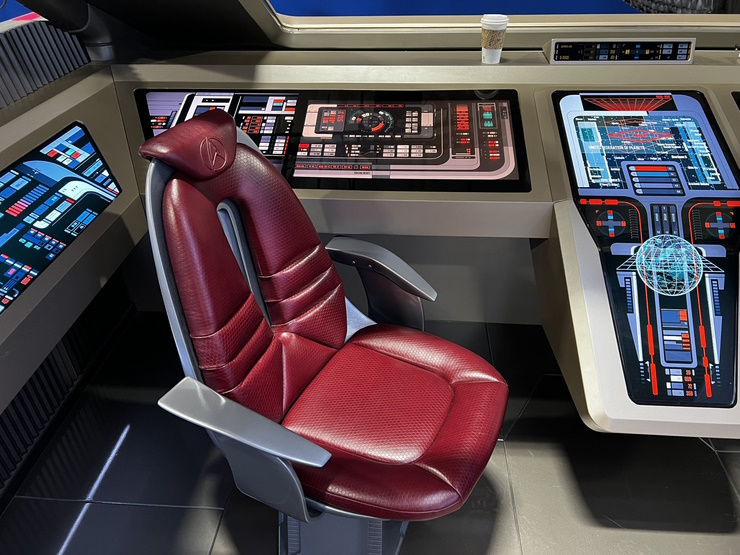
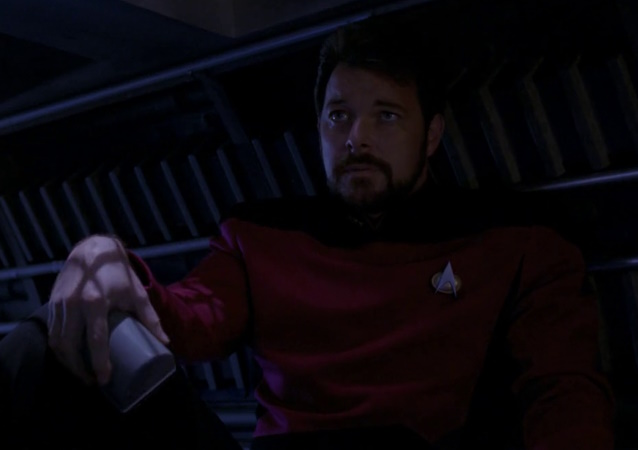
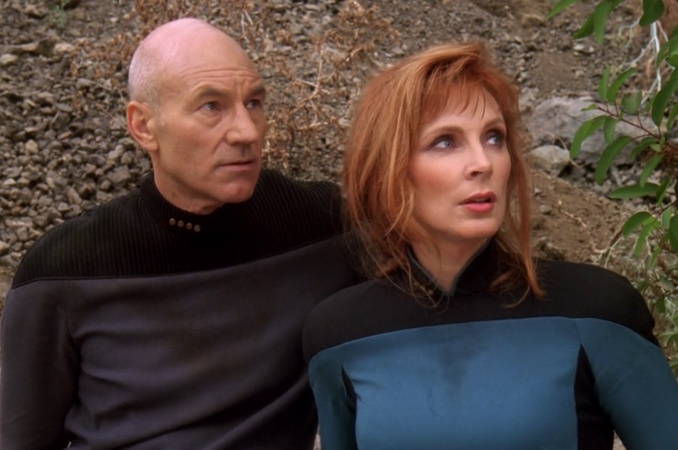

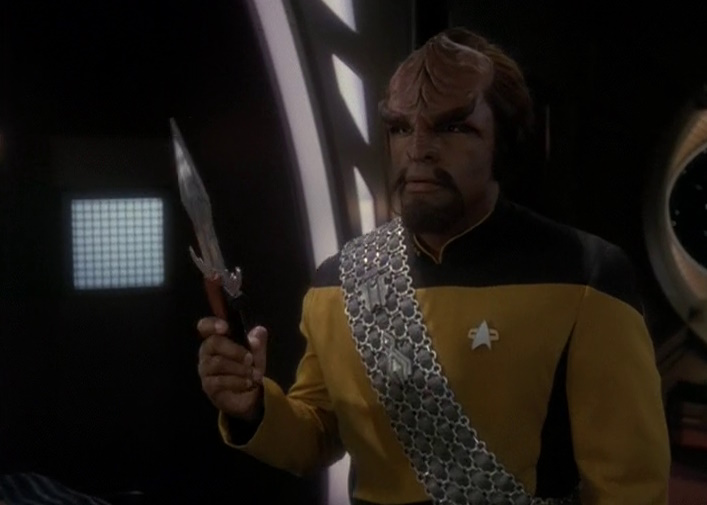
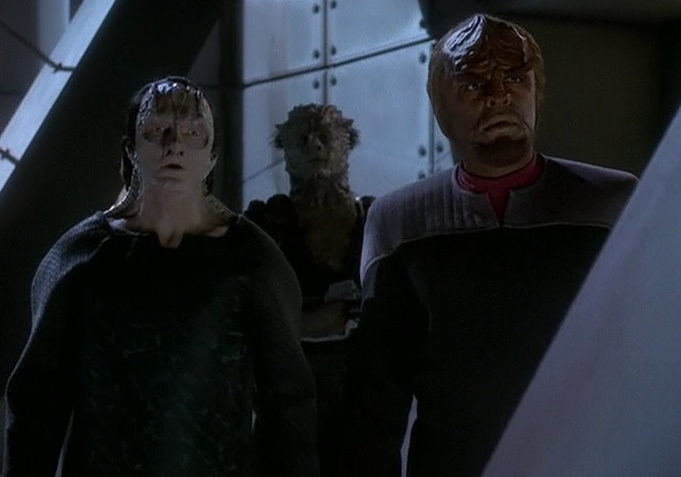
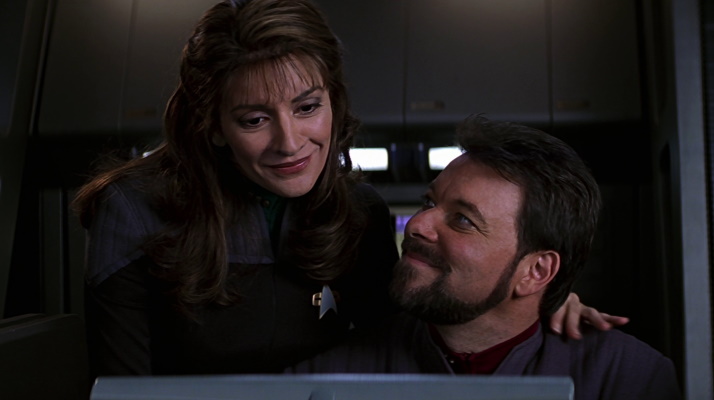
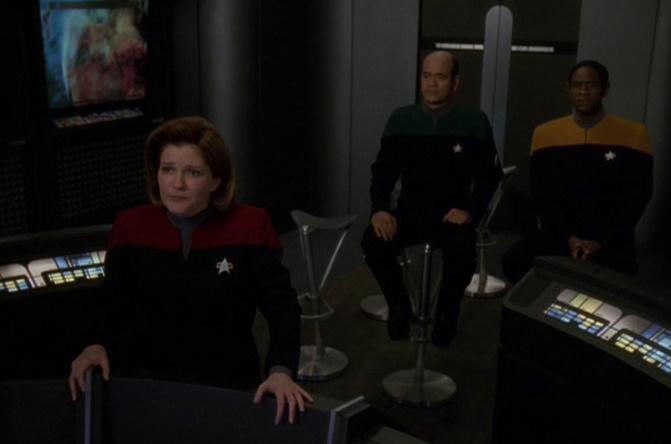
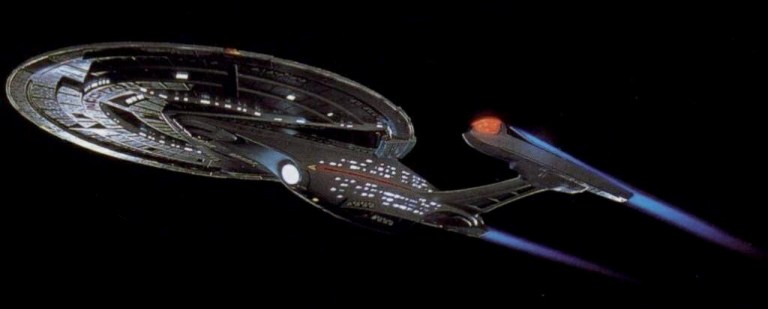

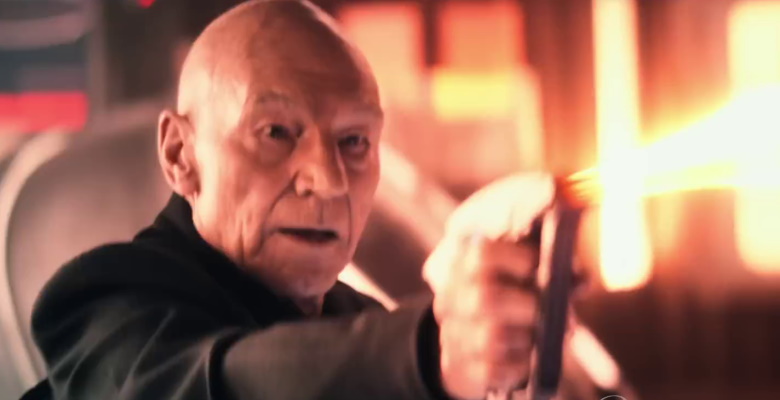

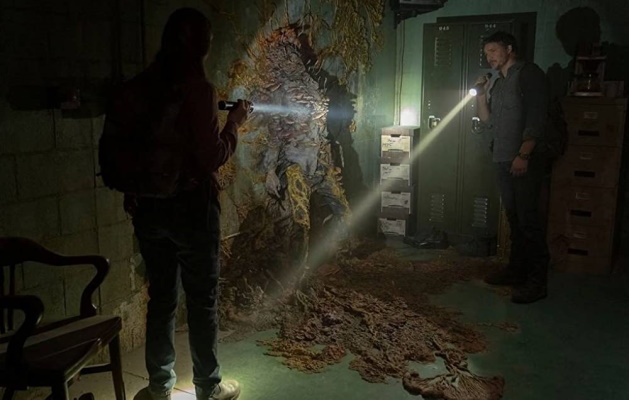


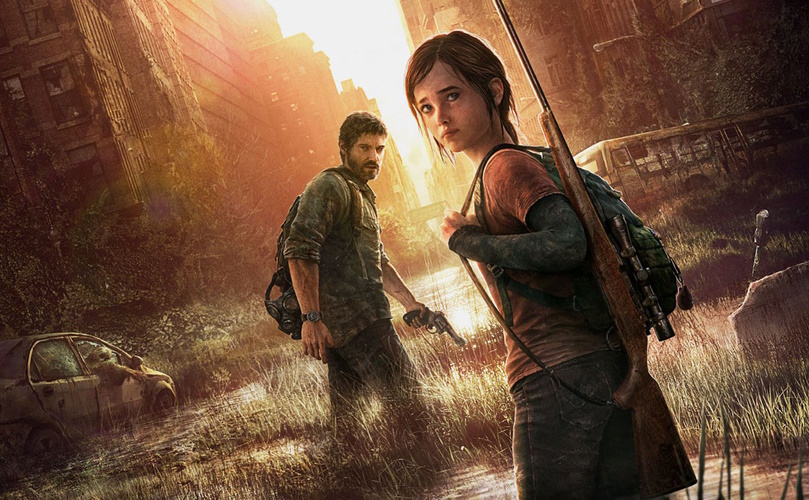

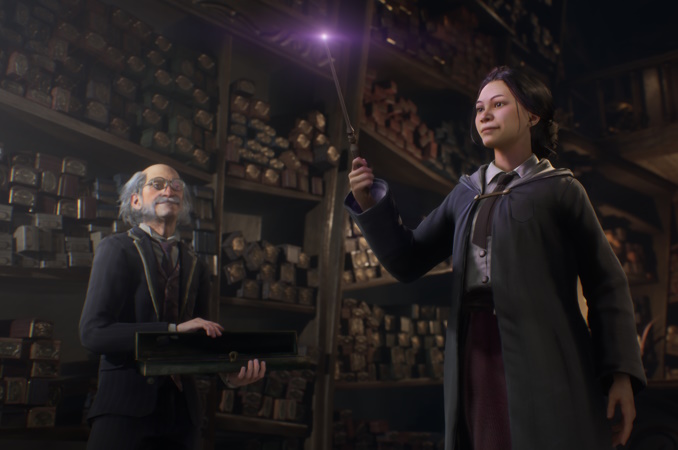
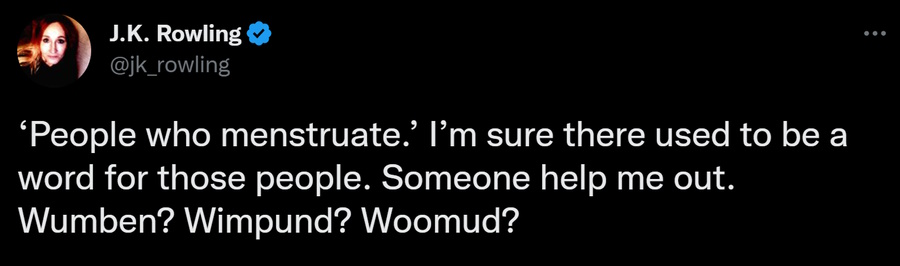

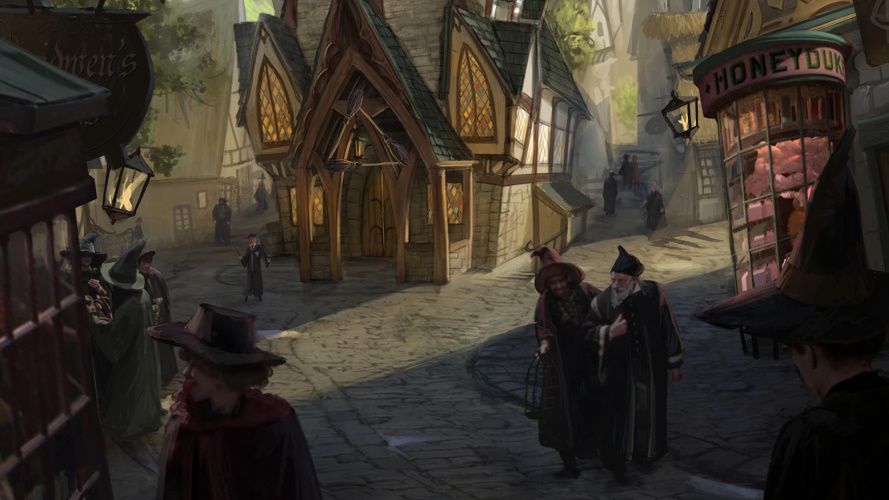
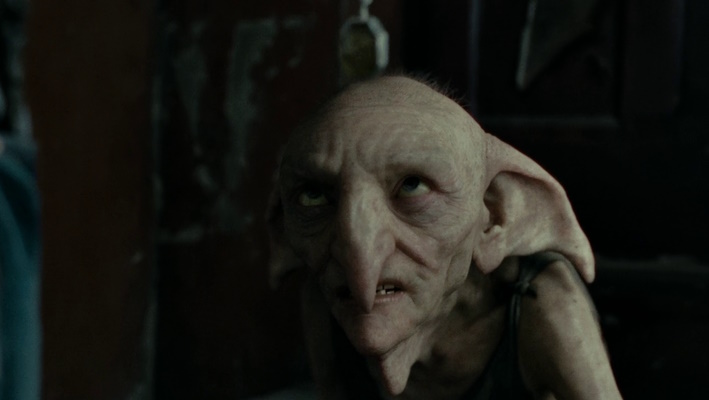

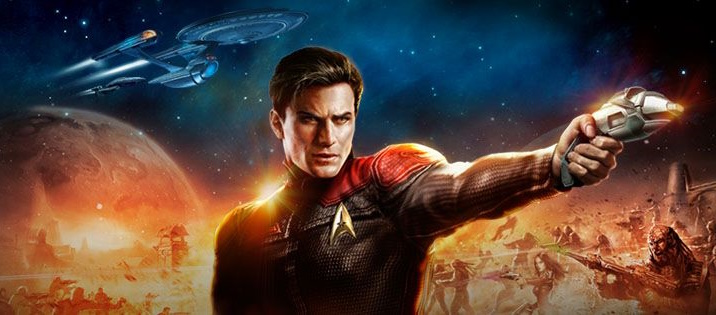
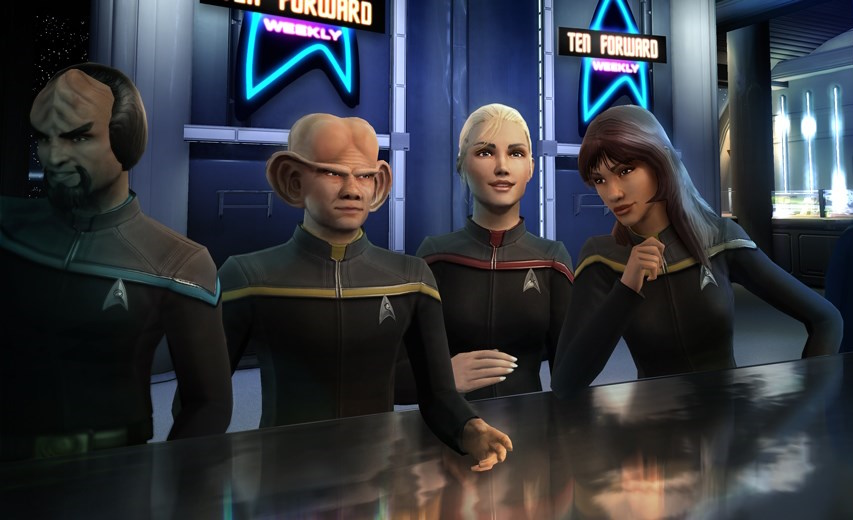
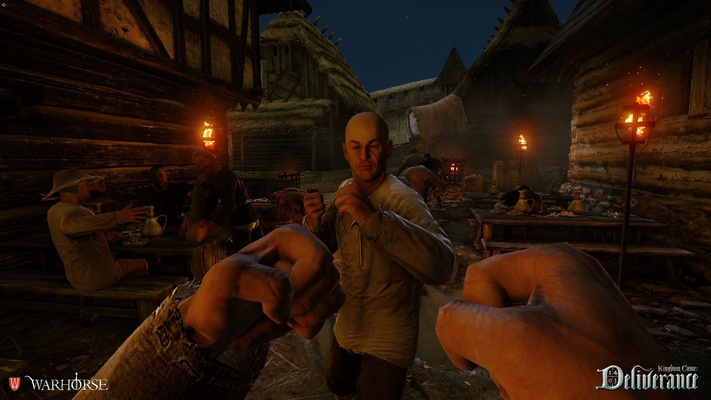
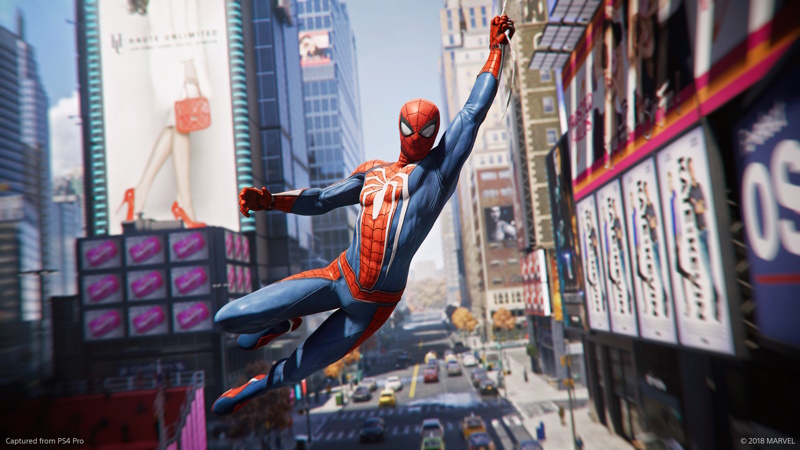

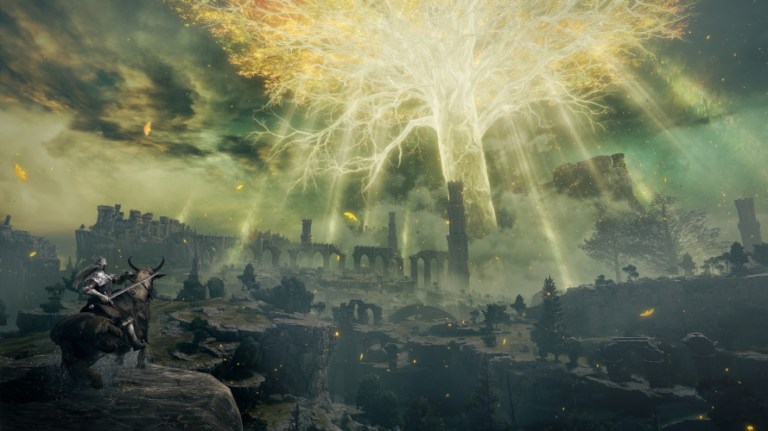
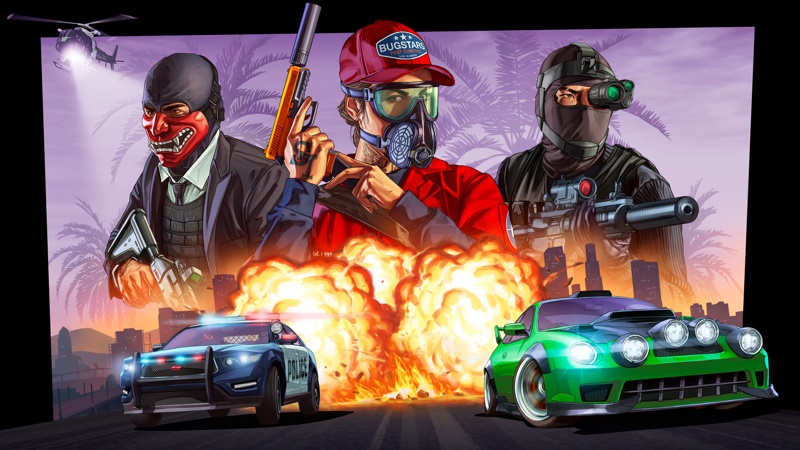
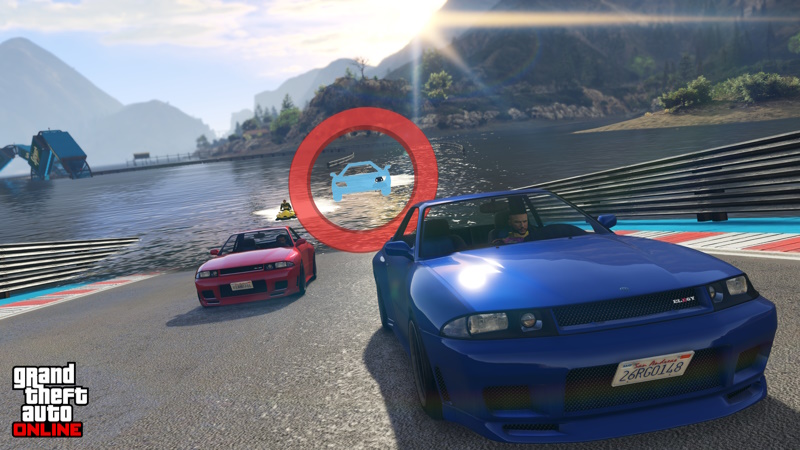
 Trekking with Dennis