Spoiler Warning: Beware of minor spoilers for Star Trek: Starfleet Academy Season 1.
Mere days after the finale of Season 1, and with Season 2 still in post-production, news has leaked that Star Trek: Starfleet Academy has been cancelled. I won’t lie: this was something I expected we’d hear either this year or next year at the very latest, but there’s something about the timing that feels… well, pretty brutal.
The newly-formed Skydance/Paramount corporation seems to be making it clear that a line is being drawn under Star Trek’s current streaming era. That was pretty obvious, I argued, when Discovery and Strange New Worlds were cancelled – the latter coming before the show had even aired a single episode of its *third* season, with two more still to come after that. Star Trek’s new corporate overlords clearly intend to take the franchise in a very different direction, and Starfleet Academy was the last vestige of the old regime. That final pillar of “streaming Trek” has now fallen.
Variety broke the news. Image: Variety.com
I’m still assuming, at this stage, that Season 2 will actually be completed and broadcast. Filming wrapped last month, and while there’s still a lot of work to do in the editing suite, it would be foolish to scrap the entire project. So Starfleet Academy fans can, at least, take solace in the fact that we’re only halfway through the show; ten more episodes should air sometime next year or in 2028.
I don’t really wanna keep repeating the phrase “end of an era;” it was something I said last year when Strange New Worlds got the axe, and when Discovery and Lower Decks wrapped up, too. But with Starfleet Academy being treated so brutally by Paramount, it’s hard to know what else to say. This is definitely calling to mind Enterprise’s 2005 cancellation – with the only difference, really, being that a new feature film is allegedly in the works, a consolation prize we didn’t have back then.
Does anyone else feel echoes of 2005?
If you’re a regular reader, you may recall that Starfleet Academy’s cancellation was something I predicted for 2026 back in January. I’m not taking a victory lap – the show may not have been “my thing,” but I went into it with an open mind, and I truly hoped it would find a way to connect with its intended target audience. Low streaming numbers throughout Season 1, however, seem to confirm that that simply didn’t happen. I said back in January that it would take a real miracle to convince this new incarnation of Paramount to stick with the show beyond Season 2 – going viral and becoming a must-watch sensation, like Stranger Things or Wednesday, perhaps, might’ve been enough to guarantee a renewal. But even doing reasonably well probably wouldn’t have been enough. I just got that impression from Paramount’s new ownership.
But, regrettably, Starfleet Academy didn’t even manage “good but not great” streaming numbers. It never cracked the top ten in the United States or here in the UK, even in a relatively easy TV window where there wasn’t a ton of big-budget competition. Shows like Fallout, The Pitt, and even preschool cartoon Bluey were performing well ahead of Starfleet Academy during its first season. Cancellation seemed inevitable, I’m sorry to say.
A pair of cadets in happier times.
But the timing… it feels brutal, as I said, but also a little insulting to the cast and crew. Paramount will still expect Holly Hunter and her co-stars to go out on the interview circuit, promoting Season 2 next year or the year after. And we’re barely ten days out from the end of Season 1. I get why the decision was made – if a show isn’t performing very well, and a new corporate team wants to reorganise the studio’s big brands and franchises, it makes sense. But even so, you’d think a bit of a grace period could’ve been given, timing-wise. There’s now practically no chance of the show picking up any extra attention from fans who missed it over the past couple of months. What would be the point, after all, in getting invested in a series which has already been cancelled?
With Starfleet Academy’s cancellation, there’s now officially no new Star Trek in production on the small screen. Strange New Worlds and Starfleet Academy’s second season remain in post-production, so there’ll be new Star Trek on our screens later in 2026 and into 2027. But then, after that? All we have to focus on, barring any shocking announcements, is Skydance’s new feature film. Although this was expected, and despite Starfleet Academy not really being “my thing,” I gotta be honest: this news still stings.
Showrunner and director Alex Kurtzman on set.
However, as I said a couple of weeks ago, there are some potential benefits for a long-running franchise like Star Trek taking a break or going on hiatus for a while. The previous incarnation of ViacomCBS and Paramount threw *a lot* of Star Trek at us over the past few years… in a pretty incoherent and poorly-managed way a lot of the time. There’s something to be said for a new team coming in, wiping the slate clean, and taking a moment so we can all catch our breath. And if the current creative/production team has taken Star Trek as far as it reasonably could, there’s also a lot to be said for new folks taking the reins. Most of the Star Trek shows since Discovery have shared writers, directors, producers, and more behind-the-scenes folks, so giving new people an opportunity to work on the franchise should – in my opinion, naturally – be a positive thing.
No serious Trekkie sat down to watch Starfleet Academy hoping they’d hate it or wanting it to fail. But I think a lot of us recognised that the show was probably coming along a little too late, after the previous Paramount corporation hadn’t handled Star Trek especially well. It would’ve taken something exceptionally special for Starfleet Academy to rise above all of that, and to do something that no project in the franchise’s streaming era *truly* managed to do to any great extent: connect with a new audience. It was a tall order, for sure, but making a show intentionally aimed at teens and young adults was far from the worst idea in the world. It’s just a shame, really, that Starfleet Academy launched when it did, and didn’t really get a chance to connect with potential new viewers.
Surely it’s not some kind of visual metaphor…
Many folks argue that Star Trek shows don’t really “get good” until their second seasons or beyond, so cancelling Starfleet Academy after just one season might seem like a poor decision in that sense. And I kind of see that point, at least to an extent. But if Season 1 just wasn’t finding much of an audience in the first place, not with older Star Trek fans nor with its intended new audience of younger folks, would sticking with it for a third or fourth season have really changed that? I guess we’ll never know, eh?
It’s a shame, and despite the fact that Starfleet Academy wasn’t really for me, I don’t celebrate its cancellation by any stretch. In fact, I lament it. I think it’s a real shame, barely nine years on from Star Trek’s triumphal return to the small screen, to be back here all over again. And despite the way things look right now, it’s my hope that, behind the scenes, there are folks at the new Skydance/Paramount corporation who are seriously considering where to take the franchise in the future. Films are great, and some of Star Trek’s most highly-regarded stories came at the cinema. But for this old Trekkie, Star Trek has always been a television show; a franchise best-suited for the small screen, where crews of explorers can warp away to a new planet, a new alien race, and a new adventure every week. Maybe one day… that kind of Star Trek will be back.
Four main cast members in a behind-the-scenes snap.
If you’re a huge Starfleet Academy fan, you have my sympathies today. This news may have seemed inevitable for a while, but it’s not something any of us wanted to see. And as for what it means for the future? I really don’t know, to be honest. I want to say I feel optimistic that, one day soon, Star Trek will be back! But today… doesn’t really feel like that kind of day, to tell the truth.
Thanks for reading. And, as always: Live Long and Prosper, friends.
Star Trek: Starfleet Academy is available to stream now on Paramount+ in countries and territories where the service is available. The Star Trek franchise – including Starfleet Academy and everything else discussed above – remains the copyright of Paramount/Skydance. This review contains the thoughts and opinions of one person only and is not intended to cause any offence.
Spoiler Warning: There are spoilers ahead for the modern Star Trek franchise, including Discovery, Picard, Prodigy, Strange New Worlds, Section 31, and Starfleet Academy.
It was recently announced that the second season of Starfleet Academy has finished filming. This comes a few weeks after the fifth and final season of Strange New Worlds also wrapped up – and it means that, for the first time since Discovery entered production in 2015, there’s no new Star Trek being produced.
Since Star Trek peaked in 2022, with a whopping fifty-one episodes of TV being broadcast across five different shows, we’ve seen a growing swathe of cancellations. And while it’s very much unconfirmed at this stage, I wouldn’t be surprised if Starfleet Academy won’t get that third season renewal. The newly-established Skydance-Paramount corporation doesn’t seem interested in pursuing Star Trek on the small screen right now – or at least, had no interest in retaining and renewing any of the Star Trek shows that were in production at the time of the merger – so when Strange New Worlds and Starfleet Academy finish their runs in 2027 or 2028, there’ll be one new Star Trek movie… and that could be it.
The USS Stargazer.
I’ve said a few times here on the website that I think it’s an awful shame, in this milestone 60th anniversary year, to be thinking negatively and potentially seeing Star Trek reaching the end of the line. But this time… I want to try to flip the script. Taking a break can be a positive thing, and no franchise can realistically keep up the pace that Star Trek attempted in the first half of the 2020s. Add into the mix the poor way the previous incarnation of Paramount handled the franchise, and I think we can make the case for a hiatus not being the worst possible news.
Let’s begin with an observation – one which you may share, or may not!
I haven’t watched every single Star Trek episode. I’ve only seen about half of Lower Decks, Prodigy’s first season but not its second, hardly any of Scouts (and yes, I think Scouts counts as part of Star Trek), and I’m a couple of weeks behind on Starfleet Academy, too. I’m a pretty big Trekkie – I run a Star Trek fansite, for goodness’ sake! But even *I* have found the Star Trek franchise to be a lot to handle over the past few years.
Michael Burnham on a Discovery promotional poster.
In 2023, I wrote about the burnout I’d been feeling with Star Trek, and it was at that point that I paused my episode reviews for both Strange New Worlds and Lower Decks. I did resume watching SNW – belatedly – but Lower Decks just… ended up sitting in the pile. I plan to return to it, of course, and I know for a fact I’ll enjoy it when I do. But… well, sometimes it’s okay to take a break.
One of the problems I’d argue Star Trek has faced in this streaming era is a lack of overall direction and consistency. I’m all in favour of trying out different genres, styles, and trying to reach new audiences – those are all good things. But since 2020, Star Trek has broadcast two serialised dramas, an animated comedy, a kids’ show, a preschool-age web series, a spy-thriller TV movie, a young adult/teen drama series, and one semi-episodic, somewhat “classic” feeling series.
The Doctor in Starfleet Academy Season 1.
Moreover, the franchise’s timeline has become completely fractured. Discovery was set in the 23rd Century, but then leapt forwards in time by 900 years to the 32nd. Picard was set decades after Nemesis and Voyager, but nowhere near as far forward as Discovery. Strange New Worlds was set after Enterprise and Discovery but before The Original Series. Prodigy was set after Voyager, but not at the same time as Picard. Section 31 was set after Discovery and the TOS films, but before The Next Generation. Lower Decks was set in between Nemesis and Picard, but still managed a crossover with Strange New Worlds. And, of course, Starfleet Academy is now set after Discovery in the far future.
Did I miss one? I feel like I missed one.
One thing I really hoped Star Trek could do, after Enterprise was cancelled and a reboot film was in production, was shake off its image as a convoluted franchise that only nerds could possibly keep up with. And it did… briefly. But the franchise’s streaming era didn’t just bring back the complicated prime timeline, it doubled- and tripled-down on making it even *more* convoluted than ever. And what’s been the result of that? It’s increasingly difficult for new viewers to know where to start, it’s hard for audiences who’ve enjoyed one series to try out another and fully join the fan community, and even for long-time Trekkies… it can be hard to keep up.
Star Trek has gotten even more convoluted in recent years.
I don’t believe that Star Trek should do the Marvel thing of making *every* film and series share a single setting, with characters and storylines criss-crossing the franchise. That brings with it its own issues, as Disney and Marvel are slowly discovering. Nor do I believe that Star Trek should take the Star Wars approach of only focusing on a handful of legacy characters at the expense of everything else. Again, that’s small-minded and has left that franchise with fewer and fewer options as time has gone on.
But what I do think is necessary, at this point, is for Star Trek to slim down and try to refocus. The days of producing five series at once, all in different time periods, has to be over. Star Trek’s corporate owners spread the franchise too thin in the first half of the 2020s, and simultaneously expected it to be one of the principal flag-bearers for a streaming platform. There’s a good case to be made for picking a single era, producing a single series, and sticking with it until it finishes its run.
Riker in the captain’s chair in The Next Generation Season 2.
With Alex Kurtzman’s contract at Paramount having run its course, and with a new feature film (allegedly) in early pre-production, this is as good a time as any for the franchise to take that break. When the current shows have run their course, and the film has premiered in cinemas, there’ll be time for Skydance to assess what’s worked, what hasn’t, and perhaps find where there could be a place for Star Trek in the future. And I do believe there should be a place for the franchise in the future! I’m just… not entirely certain what that looks like as we get closer to 2030.
Taking a break – having a clear twelve months or so without any new shows or films in production or on the air – will give the franchise breathing room. It’ll give all of us a chance to think about what we enjoyed, what we didn’t, and what we’d like to see more of. Star Trek – like any franchise, really – can’t be everything to everyone all the time, and decisions will have to be taken about where to focus and where to spend that energy. And it could be the case that a break is exactly what’s needed to give everyone involved a bit of clarity – the ability to see where Star Trek can and should go next.
Behind-the-scenes on the set of Starfleet Academy.
Unlike a lot of entertainment franchises, Star Trek has always felt pretty open-ended. There’s no overarching story that’s drawn to a close, and really, the only limitations should be the imagination of the folks in the writers’ room. As long as you can invent new planets, aliens, and weird space phenomena, you can make an exploration-focused, episodic Star Trek show pretty much… forever. It’s not like Star Wars, where Palpatine and Vader rose to power and were defeated, or The Lord of the Rings, which couldn’t very well continue after Sauron’s defeat. There *are* more stories to be told in this galaxy… if someone can be found to tell them.
When we look back on Star Trek’s streaming era, I think we’ll come to regret the franchise’s over-use of legacy characters. Strange New Worlds prioritises Spock, and latterly Kirk, Scotty, and Uhura, at the expense of its original creations – and even Captain Pike, sometimes. Picard jettisoned its new characters in favour of bringing back the cast of The Next Generation – even though doing so made no sense in at least one instance. And I’m afraid that, for all of its successes, making Prodigy a half-kids show, half-sequel to Voyager left it in a very odd narrative space, one that worked against its core function of attracting younger viewers. For you and I, long-standing Trekkies who love this franchise, some or maybe even all of those shows worked well. But for the franchise’s longer-term prospects? Doubling-down on legacy characters has left Star Trek with a lot less room for manoeuvre.
Spock and Kirk in Strange New Worlds.
Pitches abound from ex-Star Trek stars – whether it’s the Ceti Alpha V idea that eventually became the Khan audio drama, Scott Bakula’s “President Archer” series, the unironically-pitched Captain Proton show, a Strange New Worlds spin-off called Year One… and more. But are any of these ideas what Star Trek needs at the current moment? We’re coming off a long run of prequels, sequels, and shows with legacy characters shoehorned into them. And if the people in charge believe that what Star Trek *used to be* is all it can ever be in the future… well, maybe we really do need a break.
Why did Star Trek succeed in the 1980s and 1990s when The Next Generation and its spin-offs were on the air? It wasn’t because the writers and creatives kept going back to the same handful of characters and alien races over and over and over again. It was because there were passionate people who loved the franchise – but who were also willing and able to take it to new places. We’ve seen some of that on streaming, too – don’t get me wrong. But… not enough.
Robert Duncan McNeill directing an episode of Voyager.
At the same time as Star Trek has continually revisited legacy characters and familiar settings, we’ve also seen the franchise repeatedly forced into a modern, streaming TV mould that – I would argue – simply is not a good fit. Season-long, fully-serialised stories with big, galaxy-threatening villains… I mean, that kinda thing might work for Star Wars, but it’s just not what this franchise has ever really been about. Even when Deep Space Nine ran its Dominion War arc, the show was still largely episodic, and in twenty-plus-episode seasons, there was a lot more room to tell different kinds of stories within that framework.
I’m trying not to dwell too much on decisions that have already been taken. But I can’t shake the feeling that, in five or ten years’ time, we might look back at this streaming era as a huge missed opportunity… perhaps Star Trek’s last great opportunity to reach new audiences. By the time we got Strange New Worlds – the show I consider to be the high-water mark of the modern franchise – Discovery, Picard, and, to an extent, Prodigy as well, had already burned a lot of goodwill and a ton of cash. By the time the higher-ups at the former Paramount corporation realised that the best way to make a Star Trek show was to… y’know, *make a Star Trek show*, it was already too late. The merger was inbound and cancellation loomed.
The wreck of the USS Protostar…
I don’t want to say that I regret ViacomCBS and Paramount trying new things with Star Trek, nor trying to modernise the franchise, either. Both Discovery and Picard were well-intentioned efforts to take this classic franchise and see if it could slot into a modern, serialised, short-season format. But I think we also have to acknowledge that the results of those experiments were more miss than hit, and Strange New Worlds’ success is what’s proven to me that Star Trek *still* works best when you have the freedom to warp away to a new planet and a new adventure pretty much every week.
And that’s what I hope the new Skydance/Paramount leaders will reflect on in the months and years ahead.
I would say, to its credit, that the six episodes of Starfleet Academy that I’ve seen so far have also been more episodic than I initially feared, and that there are some fun standalone stories in Discovery, Prodigy, and of course, in Lower Decks as well. But where those shows fell down, in my opinion, was in trying to use (and then re-use) a serialised streaming mould that may have worked elsewhere… but just wasn’t the right fit for Star Trek.
David Ellison, CEO of Skydance-Paramount.
If you’ve been a regular reader for a while, you might remember me saying this shortly before Picard Season 1 landed back in 2020: “I’d like to give the new cast a chance to become fan favourites for the next generation (pun intended) of Star Trek fans. I really hope that in another thirty years’ time they’ll be clamouring to find out what happened next to some of these characters the way we are for those of the TNG era.”
That was genuinely what I hoped for as Picard premiered; that fans would be just as enamoured with the likes of Dr Jurati and Elnor as you and I were for Dr Crusher or Worf. Unfortunately, I really can’t think of a single character from modern Star Trek – across all of the shows – who might genuinely be in that category. Can you?
The main cast of Discovery’s fifth and final season.
But… I could be wrong about that. And perhaps, with the passage of time, we’ll gradually fold these newer shows into the broader lore of Star Trek. I wasn’t a huge fan of Enterprise when it premiered, and I only tuned in sporadically during its original broadcast run. But I’ve since come to appreciate the stories it told a lot more, so… maybe there’s hope there, too. Sometimes, you need a bit of time and space before you can fully appreciate a good story, and maybe that’s going to prove the case with modern Star Trek.
Another benefit of taking a break is that it gives a whole new crop of writers and creative folks a chance to step up. There may be folks out there who have great ideas for Star Trek – or who *will* have a great idea in a few years’ time – who simply wouldn’t get a look-in with Paramount right now because there’s already a full creative team in place. I note that some of the same folks have been hired to work on the production side of multiple shows of the current streaming era – as also happened, by the way, from the ’80s through to Enterprise’s cancellation. But when the same people have been at the helm for a while, any franchise is going to need an injection of new talent. New writers, new producers, new directors… people who have different ideas.
Leonard Nimoy with the writers and producers of Star Trek III: The Search for Spock.
Some of those folks may be Trekkies already, and they’re just waiting for their chance. Others may have only come to Star Trek recently, in this current streaming era, and are just beginning to explore the franchise and what they might be able to do with it one day. Either way, having a clear-out at the top and opening the door to new pitches and new ideas from different people… it’s not a bad thing. Star Trek, in its current form, has been in production for over a decade, and Alex Kurtzman – the franchise’s current head – has been involved with Star Trek since the reboot film back in the 2000s. I’ve *never* been a “fire Kurtzman now!!1!” person. But if his contract has run its course, and a new executive team is in charge at Skydance… it could be a natural break; the right time for everyone to go their separate ways.
And to be clear: I think Alex Kurtzman can hold his head up high and revel in the genuine successes he had. No showrunner or executive producer is gonna hit it out of the park every time, and I respect his willingness to be experimental and to give shows like Lower Decks a chance. And I respect how he was willing to listen to fan feedback when we were desperate for “the Captain Pike show” to be created. So I’m not saying he “should be fired,” or that I’ll celebrate his departure. I’m simply saying that, after several years at the top and having overseen such a broad expansion of the franchise, it’s probably time for new creatives to step into that role.
Alex Kurtzman (right) with Bella Shepard on the set of Starfleet Academy.
And for us, as fans… as tempting as it may be to say we want to get new episodes of Star Trek all day, every day, I think *we* need breaks sometimes, too. You need a break to appreciate a franchise, to avoid burning out on it or finding it stale, and to branch out. There are some great sci-fi and fantasy stories out there in other properties – some of which are similar to Star Trek, and some of which are very different. But as fans, we don’t need to be *only* interested in one thing at the expense of everything else. Look at my website as an example: yes, I’m focused on Star Trek a lot of the time, but I also talk about gaming, movies, and TV shows outside of the franchise, too.
I wasn’t around in the dark days of the 1970s after The Original Series was cancelled. But I can vividly recall the shock and disappointment I felt on learning that Enterprise was being shut down after just four seasons… and that *no* new Star Trek at all was going to be produced. And I don’t long to repeat that feeling, believe me! But at the same time, as I reflect on those days with twenty years of hindsight… I think that missing Star Trek is what helped me to fall in love with the franchise all over again.
It took Enterprise’s cancellation for me to really appreciate the show.
In 2005, when Enterprise was cancelled, I had quite a few Next Generation episodes on VHS, as well as most of the Star Trek films, and I’d begun my DVD collection with The Original Series. But I wasn’t a regular Enterprise viewer, and it had been a while since I’d watched much DS9 or Voyager in particular. But cancellation, and the thought that there might be no new Star Trek at all? That spurred me on to re-watch some of my favourite stories, and as I expanded my DVD collection in the second half of the ’00s, I spent more time with Star Trek than I had in years. By the time the reboot film arrived in 2009, I owned the entire franchise on DVD, and I was regularly re-watching all of it.
I don’t think I would’ve been so committed to doing all of that were it not for the cancellation. Having that break – though it didn’t feel good at the time – led me to doubling-down on Star Trek, watching old episodes that I hadn’t seen in years, and really coming to appreciate the *entire* franchise – even those parts, like Enterprise or The Animated Series, that I was less familiar with.
The Enterprise-D, drawn in the style of The Animated Series.
I’m not saying the same thing is guaranteed to happen again. But if Star Trek does go off the air for a while, all we’ll have are re-runs of old episodes on Paramount+ (or whatever it’ll be called by that point!) I don’t think it’s impossible to think that the passage of time, and the lack of any new stories being told in the franchise, will lead us to re-evaluate some of what we’ve seen over the past decade or so. Who knows… I might even discover an appreciation for Picard Season 2. I mean… it’s *possible*. Right?
At the end of the day, there are examples of franchises disappearing for a while and coming back stronger. And I would *hope* that Star Trek could be in that category. I mean… it’s happened before. Twice. And the likes of Star Wars, Doctor Who, and others… they’ve all gone on hiatus for a while, only to return to critical acclaim and praise from their fans. A break doesn’t have to be fatal… and it doesn’t have to be permanent. And sometimes, it’s just what a franchise needs – even if, as fans, it can be hard to recognise that in the moment.
A break doesn’t need to be the end…
So I hope this has been interesting.
I was prompted by the news of Starfleet Academy’s second season wrapping principal photography, and also the recent news that Skydance-Paramount looks set to acquire Warner Bros.-Discovery. Presumably becoming Para-Disco-Dance-Bros… with a streaming platform called HBParaOPlusMountMax? Who knows!
But assuming the takeover goes through, and survives all of the regulatory scrutiny it’s sure to endure… there could be interesting times ahead. I understand that the new corporate entity will be heavily indebted, which could provide an incentive to return to big-name franchises, like Star Trek, to attract cinemagoers and subscribers. But that will have to be a conversation for another day!
Jeri Ryan with a poster teasing Seven’s return in Picard Season 1.
I wanted to tackle the thorny question of Star Trek’s possible cancellation from a completely different angle. And while I must concede that I’m not thrilled about the franchise potentially going off the air again… I can see glimmers of hope, at least, that a change in direction and perhaps a tighter focus could lead to better things somewhere down the road. I have no idea if I’ll live long enough to see any of that, of course! But if I do… hey, come back to Trekking with Dennis, and we can watch those new episodes and films together.
And until then… I’ll be here. It’s still the 60th anniversary year, and I’ve got plans for reviews, re-watches, and more right here on the website.
Thanks for joining me today, and Live Long and Prosper, friends!
The Star Trek franchise – including all properties discussed above – is the copyright of Skydance/Paramount. This article contains the thoughts and opinions of one person only and is not intended to cause any offence.
Spoiler Warning: There are spoilers ahead for the following Star Trek productions: The Original Series, The Motion Picture, The Next Generation, Deep Space Nine, Voyager, Enterprise, Discovery, Picard, and the video game Star Trek: Voyager – Across the Unknown.
Let’s celebrate Star Trek’s 60th anniversary year with another of my Marvel-inspired “What If…” articles! This is something I’ve done a couple of times before here on the website, and I’ll briefly go over the format if you’re unfamiliar with it. I thought this could be a fun and interesting way to continue our 60th anniversary celebrations, anyway.
In 2021, Disney and Marvel premiered a series called What If…? on Disney+. The concept was, in brief, to show alternate histories of the Marvel universe; different characters or altered decisions leading to, in some cases, radically different or unexpected outcomes. I didn’t watch the show (because I’m not really into Marvel or superheroes that much), but I really liked the concept behind the series, and I wanted to apply it to the Star Trek franchise, too.
This idea is based on the Marvel TV series What If…?
My first take on this idea – which you can find by clicking or tapping here – saw me consider what might’ve happened if: Captain Picard died after the events of The Best of Both Worlds, Spock was never resurrected on the Genesis Planet in The Search for Spock, Voyager decided to head for the Gamma Quadrant terminus of the Bajoran Wormhole, the USS Discovery never went to the future, and Captain Sisko wasn’t the Prophets’ Emissary. I had fun delving into all of those ideas and laying out my “alternate histories of the future!”
Last year, in my second piece – which you can find by clicking or tapping here – I talked about what could’ve happened if: Captain Picard and Q never met, Section 31 was responsible for creating the Borg, the USS Voyager was destroyed over Ocampa and the survivors were picked up by Chakotay’s Maquis raider, the Romulans eventually figured out the deception from In The Pale Moonlight, and Captain Kirk survived the events of Generations. Again, all of those were a ton of fun to consider.
Be sure to check out those earlier pieces if you enjoy this format. And feel free to use the same concept in your own writing or on social media, too!
Concept art of the USS Enterprise filming model.
So today, I’m back for a third crack at this idea. I’ve chosen five storylines from across the Star Trek franchise, and I’m going to answer the question “what if things were different?”
My usual caveat applies: all of this is *subjective, not objective*, so if you hate all of my ideas and mini-stories, that’s okay! There’s plenty of room in the Trekkie community for differences of opinion and disagreements without getting into an argument. None of this is even *remotely* canon, anyway, nor will it ever be – so if you really do hate my ideas, you can take solace there, I hope!
With all of that out of the way, let’s get started!
What If… #1: What if… the USS Voyager returned home after the events of Caretaker?
Could Captain Janeway bring the crew home seven years ahead of schedule?
Shout out to the upcoming video game Across The Unknown, where you can actually pull this off if you want!
In this scenario, we’re starting with Voyager’s premiere: Caretaker. But we’re going to do things a little differently! As happened in an alternate timeline glimpsed in the episode Non Sequitur, Tom Paris got arrested by Odo on DS9, and never even set foot aboard Voyager. In our take on the story, we’re going to say that Captain Janeway approached Commander Sisko for advice, as she was still in need of a guide to the Badlands. Sisko would “loan” two of his officers to assist her on the mission – people who are familiar with the Badlands, both scientifically and geographically: Jadzia Dax and Michael Eddington.
Both officers would be present on the bridge during the search for Chakotay’s ship, and both would survive the displacement wave that dragged Voyager to the Delta Quadrant. After encountering the Kazon, Ocampa, and the Caretaker, Voyager’s captain and senior staff would be faced with the same dilemma as in the prime timeline: use the Array to return home, or destroy it to prevent it from falling into the hands of the Kazon.
Voyager and three Kazon vessels at the Caretaker’s Array.
There are two factors at play, I think. Firstly, Eddington’s true loyalties lie not with Starfleet, but with the Maquis. I think he’d be desperate to get back to DS9 so that he could continue to work undercover, building up to his big defection in For The Cause. Eddington would be one of the most significant voices arguing for a return home. Dax, too, would be keen to get back, but her centuries of experience and scientific background would come into play here. Dax might be able to find a way to set Voyager’s tricobalt devices to detonate on a timer, allowing the Array to be sabotaged, and then used to return home. Or, by having someone with a keen scientific mind access the Array, other options for using its technology could have presented themselves.
In any case, we’re going to say that a way is found for Voyager to use the Array to return home. Eddington would do just enough to ensure that the Val Jean (Chakotay’s ship) makes it back just before Voyager, allowing them to escape Federation custody while keeping his cover intact. Then, Voyager would end up back in the Alpha Quadrant, just outside of the Badlands. Waiting for them would be Sisko and the USS Defiant, just beginning a search-and-rescue when Voyager failed to report back.
How it might’ve looked if Voyager had returned home almost immediately.
The real consequences of this would be felt later, though. Chakotay, B’Elanna, Eddington, and others would be killed at the beginning of the Dominion War, when the Dominion-backed Cardassians (perhaps aided by Seska as an embedded spy) wiped out the Maquis. In the Delta Quadrant, the Ocampa would still be confronted with the reality of life without their Caretaker, and would eventually have to find a way to leave their underground city.
But there are more serious repercussions. At time of writing, it seems as if Janeway is directly responsible for the destruction of the Borg Queen and at least a significant portion of the Borg Collective (as seen in Picard Season 3). If she doesn’t undertake that seven-year journey, never meets Seven of Nine, and never travels back in time to plant a pathogen directly into the Borg Queen… the Borg will be in a massively strengthened position by the early 25th Century. The Collective may not need to employ rogue changelings to infiltrate Starfleet – they might just choose to launch a full-scale invasion. And without crucial information on the Borg that was collected by Voyager, Seven of Nine, the Hansen family, and more… Starfleet would be significantly more vulnerable.
What If… #2: What if… the Talosians joined the Federation?
A group of Talosians.
We’re going all the way back to the beginning with this one – appropriate, in this milestone anniversary year. In short, it’s never sat quite right with me that Starfleet and the Federation would view the Talosians so negatively – and as such a dangerous threat – after just one interaction. Lest we forget, Captain Pike’s mission to Talos IV ended without any loss of life, and arguably with the beginnings of an understanding or even dialogue between the Talosians and humankind. Pike and the crew came to understand the Talosians’ situation, and for their part, the Talosians were able to acknowledge that humans (and Vulcans) were not suitable captives.
So in this alternate timeline, we’re going to say that Captain Pike returns to Starfleet HQ with a different mission report. Instead of recommending that Talos IV be quarrantined and declared to be off-limits, he instead advocates for sending aid to the Talosians to help rebuild or maintain their technology and rehabilitate the devastated surface of their world. The Talosians would be taken aback by this generosity, and would vow never to use their impressive telepathic powers to trick the Federation.
The Talosians as they appeared in Discovery’s second season.
Over time, the Talosian population would begin to grow, and Talosians would occasionally venture off-world, mingling with other citizens of the galaxy. The Talosians and Betazoids would form a particularly strong bond, as two races that both prefer telepathic communication. This would, in turn, set the stage for Talos IV joining the Federation as a full member world, coming under the protection of Starfleet and deepening their ties.
Though their numbers would be small at first, by the early 24th Century, Talosian officers would occasionally be seen in Starfleet – though the Federation would make them take oaths not to use their powers for deception (similar to the oaths that Deltan officers had to take, as seen in The Motion Picture). Talosians would be present for many of the major events of the late 23rd and 24th Centuries: the Federation’s alliance with the Klingons, the Romulan Empire’s isolation, the rising Borg threat, and the Dominion War.
A Jem’Hadar warship near DS9. Image: Star Trek Online Wiki
It’s the latter event that I want to focus on now. After the Dominion War breaks out, the Talosian government, working in conjunction with Section 31, would hatch a plan to deceive the Dominion and the Cardassians on an unimaginable scale. Working as a group, the Talosians would use their mental powers to trick the Dominion alliance into believing they were on the offensive, about to retake Deep Space Nine and Bajor – all the while, a combined Federation and Klingon fleet would be launching an assault right into the heart of Cardassian territory.
The Dominion War could be ended in a matter of days, thanks to tapping into the Talosians’ impressive powers, and the Dominion would be forced to the negotiating table having been deceived into believing they were winning. But while the war was being settled and a peace treaty signed, something else would happen: the Battle of Sector 001, where a lone Talosian officer would be serving aboard a starship. This would be the Borg’s first encounter with a Talosian, and their assimilation might just have given the Borg a terrifying new upgrade…
What If… #3 What if… Bruce Maddox successfully convinced Starfleet to let him disassemble Data?
Dr Bruce Maddox.
In The Next Generation Season 2 episode The Measure of a Man, we’re introduced to Dr Bruce Maddox: the Federation’s top cybernetic scientist. Dr Maddox would request that Data be turned over to him in order to be disassembled, planning to use the knowledge he’d gain to create legions of synths. In the prime timeline, Starfleet would deny this request, allowing Data to explore his sentience and his life in his own way. But in our alternate timeline? Starfleet instead rules that Data, as an artificial being, is not a “person,” and therefore cannot refuse Dr Maddox’s request.
This is such an interesting debate, because right now, out here in the real world, artificial intelligence – or some form of it, in any case – is a big deal. And despite what I’ve argued in the past about the limitations of today’s large language models, I admit to feeling uncomfortable about the idea of a potentially sentient A.I. being forced to do things it may not want to do. This will have to be the subject of an entire essay one day, but it’s so interesting to me how, some thirty-five years on from The Measure of a Man, the issues it raised are incredibly relevant!
Data and Riker at the hearing.
But that’s enough about that for now. There would be *many* consequences as a result of Starfleet’s decision. In the immediate term, I think Captain Picard would resign his commission. It would be a desperate, last-ditch effort to convince the higher-ups at Starfleet to change their minds, but it would ultimately fail. This would lead to Riker getting temporary command of the Enterprise-D, before command would ultimately pass to a more senior officer – someone like Captain Edward Jellico.
But more serious consequences lay in store. In the prime timeline, Dr Maddox was able to use B-4 – an earlier and less complex Soong-type android – to construct a large number of pretty basic synths. But with Data fully disassembled, Maddox’s work would progress a lot further a lot faster, and synthetics not quite at Data’s level, but not too far behind, would begin to be rolled out across Starfleet. This would draw the attention of the Zhat Vash – an underground Romulan faction dedicated to preventing synthetic life from ever coming to exist.
Synths as seen in Star Trek: Picard.
The timing of this couldn’t be worse for Starfleet. After the Battle of Wolf 359, Starfleet was at a particularly low ebb. Senior admirals encouraged Dr Maddox to work faster, hoping to use his new synths in the rebuilding process, and poured a lot of resources into his synth programme. At the same time, Ambassador Spock travelled to Romulus in the hopes of promoting reunification. Without Picard and Data to stop the Romulans, and with the Zhat Vash aggressively pressuring the Romulan leadership to engage the Federation, the Romulan attack on Vulcan would prove successful – and it would be the first strike in a new Federation-Romulan conflict.
With Commodore Oh acting as an embedded spy, feeding information back to the Romulan Empire, they’d quickly gain the upper hand in this new war. The war would go poorly for the Federation, even if Oh was eventually captured, and with Starfleet still underpowered after the defeat at Wolf 359, it would be impossible for the Federation to defend all of its territory. The only outcome short of total conquest would be accepting a very difficult peace treaty, which would certainly include a clause prohibiting any and all research into synthetic life.
What If… #4: What if… the Borg attack on Earth in the 22nd Century had been much more serious?
The Borg attacking the NX-01 Enterprise.
Regeneration, from Season 2 of Enterprise, is a fun episode in isolation… but I don’t really like what it does for the timeline of humanity’s conflict with the Borg. Setting that aside, though, let’s think about what might’ve happened if the Borg had managed to do a lot more damage to Earth in the 22nd Century. I’m not going to argue that this handful of defrosted drones would’ve been able to fully assimilate Earth in this era; I think, somehow, Starfleet and humanity would have prevailed. But in our alternate timeline, things are much more serious and the damage much more extensive.
Instead of merely assimiliating a single shuttle, the reactivated Borg drones would take over an entire starship: Enterprise. They’d assimilate practically the entire crew, kitting out the ship with upgraded weapons, and then they’d bring the fight back to Earth, in line with their original mission. It would take everything Starfleet had – and the sacrifice of many human and Vulcan lives – but the attack would eventually be stopped, with the remaining Borg being captured and studied.
A Borg drone.
After causing devastation to parts of Earth unseen in more than a century, the United Earth government would re-think its planned mission of space exploration. Enterprise, humanity’s first long-range exploration vessel, has been lost, and the NX-02 would be repurposed as a purely defensive ship instead. The alliance with the Vulcans would weaken as humanity became a much more insular and isolationist power, scarred by the Borg attack and frightened of venturing too far into a galaxy that clearly poses a lot of dangers.
The Borg remnants would be extensively studied, in the hopes of discovering ways to counteract their technology, and some of these discoveries would lead to powerful Earth- and space-based weapons for humanity centuries ahead of schedule. The Xindi attack a year or so later would be *easily* defeated with Borg-powered weapons salvaged from the wreck of Enterprise.
Humanity would study the Borg and their tech.
But in the longer term, this isolationist stance would mean that the galaxy looks *very* different. Without humanity to mediate, the Vulcans and Andorians would wage a devastating war. Without Starfleet exploring and pushing the boundaries, there’d be no conflict between humanity and the Romulans. But most significantly… there’d never be a United Federation of Planets. Earth would maintain limited interstellar trade, including with the Denobulans and Vulcans, but fear-induced isolationism would become baked into the United Earth government at every level, with all talk of alliances or further missions of exploration being shut down.
By the time we reach the more familiar 23rd and 24th Centuries, the snowball has been rolling for a long time, and changes become unpredictable. But I’m going to posit that some of the Alpha and Beta Quadrant’s more aggressive powers – the Klingons, Romulans, and Cardassians – are all in much stronger positions without the Federation as a counterbalance. New alliances may emerge, such as the Mirror Universe’s Klingon-Cardassian alliance, or some powers may fully conquer others. The Romulans, for instance, may succeed at conquering Vulcan after the Andorian war left the Vulcans in a weakened state, or maybe the Klingons will launch an all-out war against their Cardassian rivals. And all the while, a strange, overlooked, isolationist Earth will be ready to shoot first and ask questions later whenever an uninvited guest arrives in the Sol system.
What If… #5: What if… the Federation and the Ferengi went to war?
Three Ferengi from The Next Generation.
Chances are you already know this if you’re a Trekkie, but the Ferengi were originally supposed to be a major antagonist when The Next Generation was in early production. Gene Roddenberry intended for the Ferengi to take over the role vacated by the Klingons, now that Worf was going to be a permanent fixture on the bridge of the Enterprise-D. However… it didn’t pan out that way, mostly because of the way the Ferengi were presented in their first couple of appearances, and the way audiences responded to that.
In this case, though, we’re going to say that the Ferengi and the Federation didn’t just get off on the wrong foot… they continued down a path that would quickly lead to war. Ferengi DaiMons, eager for plunder, began raiding Federation convoys, stealing everything they could get their hands on, and even holding Starfleet officers and crew for ransom. Starfleet responded by taking an aggressive stance towards the Ferengi, sending armed escorts with trading and supply vessels, and gearing up for a confrontation.
Gene Roddenberry originally intended for the Ferengi to become a major villainous faction.
This version of the Ferengi – perhaps led by a more aggressive ruler than Grand Nagus Zek – would be less conciliatory, and would instead see war and piracy as opportunities for profit. Around the time of The Next Generation’s second season – which takes place in approximately 2365 – this would spill over into all-out war. The Ferengi DaiMons – most of whom had been acting autonomously up to this point – would be corralled by their Nagus into a proper fighting force, and their powerful D’Kora-class ships (the Ferengi Marauders) were more or less evenly-matched with Starfleet’s Galaxy-class vessels. The war would drag on.
I doubt this war would become existential for either the Ferengi or for the Federation, but it would be the most significant conflict either power had been involved in for decades, at the very least. The distraction would pause Starfleet’s mission of exploration, with more vessels being refitted and sent to the front lines, meaning that dozens of first contacts (and other missions) would come years later – or else would be missed entirely. And all the while, the Borg are on the prowl, scooping up outlying Federation and Romulan colonies. Blame for that might even initially fall on the Ferengi.
A D’Kora-class ship.
A peace treaty would eventually be signed, with the Ferengi and Federation agreeing to respect a shared border, and a prohibition would be placed on piracy – though renegade Ferengi DaiMons would continually flout this. But the war would sap Starfleet’s resources, leading to a monumental decision: the Federation would decline the Bajorans’ request to take over Terok Nor after the Cardassian withdrawal. Deep Space Nine would never be established, and the Bajoran wormhole would go undiscovered for decades.
This would completely change the course of the latter 24th Century: there’d be no Dominion War, no Cardassian alliance with the Dominion, no changeling infiltrations, and no Emissary of the Prophets. The Bajoran provisional government would struggle to remain in control of its system, and the Federation would commit to providing only limited aid to the Bajorans, earning their resentment. The eventual discovery of the Bajoran wormhole in the early 25th Century would lead to plenty of interest, including from the Ferengi – who can pay handsomely for access to the Gamma Quadrant. The Bajorans, still wary of the Federation after their very lukewarm response decades earlier, would deny Starfleet access to the wormhole, preventing the Federation from exploring the Gamma Quadrant. Bajor wouldn’t be on a path to joining the Federation, and first contact with the Dominion might be made by the Bajorans… or even the Ferengi.
So that’s it!
A modified Romulan warbird.
We’ve considered five possible “what if” scenarios from the Star Trek franchise.
I hope this has been a bit of fun. I love writing, and I love Star Trek, so writing about Star Trek is a great way for me to spend a bit more time in this wonderful galaxy. I tried to get creative, picking on a few different storylines and ideas from across the franchise, and extrapolating what might plausibly be able to happen if things turned out differently. I hope that the sequences of events made sense, and that I arrived at conclusions that you feel are at least *possible* based on the changes I proposed!
In any case, this was just for fun, and an excuse to talk about Star Trek as the franchise’s milestone 60th anniversary year rolls along. I have a few ideas for later in the year, as we get closer to the anniversary date itself, so I hope you’ll stick around and join me for some of those. And in a few weeks’ time, I’ll be sharing my thoughts on the franchise’s latest outing: Starfleet Academy. Click or tap here to check out my review of the two-part premiere, if you missed it.
Until then… be sure to check back for more discussion of the Star Trek franchise. Live Long and Propser, friends!
All shows and films discussed above can be streamed on Paramount+ or purchased on DVD and/or Blu-ray. The Star Trek franchise (including all properties discussed above) is the copyright of Skydance/Paramount. This article contains the thoughts and opinions of one person only and is not intended to cause any offence.
Spoiler Warning: Beware of spoilers for the following Star Trek productions: The Original Series, The Motion Picture, The Next Generation, Voyager, First Contact, Discovery, Picard, Prodigy, Strange New Worlds, and Starfleet Academy.
2026 will mark the 60th anniversary of the Star Trek franchise. And what better way to celebrate the beginning of this milestone year than by stirring the pot in the Trekkie community? So today, I thought we could all enjoy six more of my patented Star Trek “Hot Takes!”
Before we go any further, I’d like to give a couple of caveats. Firstly, these are all opinions that I genuinely hold, and I’m not making things up for the sake of clickbait or to deliberately upset people. But, with that being said, I’m also a huge Star Trek fan, and I share these “hot takes” with tongue firmly embedded in cheek! This is meant to be a bit of light-hearted fun in the 60th anniversary year – not something to get too worked up or annoyed about.
A Ferengi marauder.
These are *hot* takes, not “super obvious takes that everyone will agree with,” so you can expect some degree of controversy! And, as always, everything we’re talking about is just one person’s *subjective, not objective* opinion. Feel free to disagree vehemently; I’m well aware that my position will be the minority one in most cases. However, if you aren’t in the right frame of mind for some potentially controversial Star Trek opinions… consider this your final content warning!
With all of that out of the way, let’s celebrate the beginning of Star Trek’s big sixtieth anniversary year with six “hot takes”!
“Hot Take” #1: Star Trek got way better after Gene Roddenberry was out of the picture.
Gene Roddenberry.
Gene Roddenberry was Star Trek’s creator. He established the world, the lore, the look and feel of Star Trek… he quite literally built the franchise from nothing, and his philosophy and ideas are *still* a core part of Star Trek today. But after Roddenberry lost control of the cinematic franchise in the early ’80s, and especially after he stepped away from day-to-day work on The Next Generation, well… that’s where Star Trek got a heck of a lot better.
Gene Roddenberry cut his teeth on the TV serials of the mid ’50s, and his writing style… it never really evolved beyond that, even as the entertainment landscape around him was utterly transformed. Look at his final work with the original Star Trek crew: The Motion Picture, which he was heavily involved with, had a troubled production, with script re-writes happening during filming, and the finished story feels like an extended cut of a TOS episode. This came two years after Star Wars, a year after Superman, and the same year as Alien and Apocalypse Now. And although The Motion Picture made more than its money back, it’s not exactly the definitive Star Trek story for either Trekkies or a more general audience.
Roddenberry with Leonard Nimoy, director Robert Wise, DeForest Kelley, and William Shatner on the set of The Motion Picture.
The simple truth is that Roddenberry was lapped by a new generation of sci-fi storytellers and filmmakers in the years after Star Trek. And ironically, many of those projects would never have been greenlit were it not for the huge success of Star Trek! But by the end of the ’70s at the very latest, what Gene Roddenberry was capable of, particularly as a scriptwriter, had fallen way behind audience expectations. He tried to reclaim his place at the head of the Star Trek franchise with The Next Generation in 1987, but again… most of that show’s best episodes and stories came *after* he was no longer involved.
In The Original Series, Roddenberry penned the critically-panned episode The Omega Glory, his original treatment of The Cage almost got Star Trek cancelled before it could get off the ground, and of the other writing credits he has in the franchise… could you name a single one? Return of the Archons, Bread and Circuses, The Savage Curtain… none of these leap out at me as being “must-watch classics.”
Gene Roddenberry with actor Peter Slutsker on the set of The Next Generation.
Roddenberry had a very rigid, almost dogmatic vision of what the future should look like. And, admirable as that may have been, it didn’t really lend itself to interesting, engaging, or realistic storytelling. If Starfleet characters and humans in this era are all heroic paragons of virtue, free of prejudices, conflicts, and negative feelings of any kind… how do you build tension and drama in a story? How can characters have arcs when they begin at “already perfect”? And the less we say about Roddenberry’s self-insert character of Wesley Crusher (named after his own middle name) the better!
Okay, okay. I’m exaggerating just a little. But I don’t think it’s a coincidence that The Original Series films were better-recieved after Roddenberry was kicked off them. Nor that The Next Generation began to improve after he was no longer directly involved. I personally *adore*The Motion Picture, but there’s no denying it’s not one of the best films in the franchise in most people’s opinions. Gene Roddenberry was simply a man of his time… and his time came and went. When The Next Generation was underway, and spin-offs were being worked on, Roddenberry’s time was over. And Star Trek improved as a result. Characters could be flawed, humanity and Starfleet could better reflect the world of today by being imperfect, and Star Trek began to feel less like an impossible utopia or a morality fable and more… real.
“Hot Take” #2: The overuse of legacy characters did more harm than good in modern Star Trek.
(Most of) the main characters from The Next Generation returned in Picard Season 3.
In 2018, I was… concerned. For the second time in a decade, we were going to see Captain Pike and Spock re-cast for a new project: Discovery’s second season. And, around the same time, we also learned that Jean-Luc Picard was being brought back for his own series. Star Trek’s return to its small-screen home had already been complicated by including Michael Burnham as Spock’s long-lost adopted sibling, but these announcements seemed to signal a disturbing trend: Star Trek was doubling-down on legacy characters and storylines at the expense of trying something new.
And that trend would continue. Prodigy, despite being billed as a show for kids, functions more as a sequel to Voyager than an independent production. Picard quite literally dumped almost all of its new characters – without bothering to resolve most of their arcs and storylines – in order to bring back the crew of The Next Generation for one final adventure. And Strange New Worlds, despite introducing us to some interesting new characters, focuses excessively on Spock, Kirk, Uhura, Scotty, and other TOS characters that have been introduced. We even got an entire episode in Season 3 where it was *only* those legacy characters who were in focus.
Kirk and Scotty in Strange New Worlds.
If I’m right, and Star Trek will be disappearing from the small screen for the foreseeable future in the next few years, I really think we’ll come to regret this overabundance of legacy characters. Why? Well, to put it simply: it’s left Star Trek with nothing to build on and nowhere to go in the future. You and I may love Janeway, Seven, Picard, Riker, Spock, Uhura, and more… but these stories have either been sequels, showing these characters firmly in retirement or at the ends of their careers, or prequels, bringing the characters from their younger selves closer to the people we remember. By the time these shows are all over… where’s the foundation Star Trek needs to build something new?
There are ways to include legacy characters without totally overwhelming or swamping a production. But it requires discipline on the production side of things. It needs someone to step in and say “no, we’ve seen enough of the Doctor or Uhura or Picard already, let’s tell a story that focuses on someone new.” It’s my hope that – however late in the day it may be – Starfleet Academy will strike a better balance in this regard that any of its predecessors have. It’ll be fun to catch up with the Doctor after all this time… but he doesn’t need to be a main character. He should be, as Robert Picardo has said, “the Yoda of Star Trek,” offering advice and help to this new cadre of cadets, but without getting in their way or making things all about himself.
Kate Mulgrew and Robert Picardo in January 2026.
Look at the absolutely awful mess that Star Wars has gotten itself into thanks to an inability to move on from legacy characters (and the only story that the franchise has ever told). Is that what we want for Star Trek? If Star Trek had gone down this kind of route in the ’80s and ’90s, sticking doggedly with Kirk and his crew, think of all the incredible characters we’d never have met, and all of the stories that would’ve never been told. Modern Star Trek, by focusing so heavily on legacy characters at the expense of new creations (and, arguably, because some of the few new creations haven’t been particularly well-written or well-received), has deprived the franchise of innovation for current audiences, failed to open the doorway to new audiences, and most importantly, stagnated the franchise and left it with fewer narrative directions in the future.
I can’t help but feel, as this current streaming era seems to be winding down, that modern Star Trek will come to be seen as a catastrophically mishandled period, and a massive missed opportunity to build a new, solid foundation for the future. In another twenty or thirty years, there won’t be able to be a revival of any of the modern shows, except perhaps for Lower Decks, because of how heavily they’ve all leaned on either returning actors or re-cast characters. There’s nowhere left for most of them to go now, and they’ve left Star Trek as a whole feeling kinda… tired.
“Hot Take” #3: The Borg Queen ruins the Borg, and her inclusion fundamentally misunderstands the Collective and what made them such an intimidating villain.
The Borg Queen’s first appearance.
This is a subject I’ve touched on before – and it really ought to be a longer essay on its own, one day! For now, here’s the short version: the Borg Queen has always felt, to me, like the worst and most egregious kind of studio interference. “Films need to have villains!” decreed someone at Paramount Pictures in the mid ’90s, and because the Borg had already been decided upon for First Contact, the writers had to go out of their way to create a unique individual Borg character for Picard, Data, and the others to face off against. Even though the idea of a “unique individual Borg” is a complete oxymoron.
Think back to what Q told Picard when the Borg first appeared in Q Who: “They’re not interested in political conquest, wealth, or power as you know it. They’re simply interested in your ship, its technology. They’ve identified it as something they can consume.” That description presents the Borg as an adversary for the Federation unlike anything we’ve ever seen in the franchise before or since. And it’s *terrifying.*
Q Who introduced the Borg.
A common trope in Star Trek is “they were only trying to communicate!!1!” where we learn, belatedly, that a supposed enemy or alien monster wasn’t interested in harming our heroes, but that their form of life was so different that we interpreted their actions as aggression. Another trope of the franchise is our heroes using diplomacy and negotiation to defuse dangerous situations; talking down the Cardassians, Romulans, or Sheliak before a conflict can even break out. The Borg – prior to First Contact – completely ruled out all of that. They don’t talk, they don’t negotiate, they don’t want to be pals. They want to consume; to exploit technological and biological resources to add to their Collective. And you don’t get a say in that.
The Borg Queen opens up a channel to conversation and negotiation with the Borg, and was also a scenery-chewing bad guy in the mould of so many other villains of stage and screen, both in the Star Trek franchise and beyond. I’ll concede the point that the Borg Queen is one of Star Trek’s most memorable and iconic villains. But that’s not the issue. There didn’t need to be an individual Borg leader in order for the Collective to be so dangerous and threatening. Worse, the Queen actively detracts from the previously unique nature of the Borg, transforming them into just another enemy faction with an over-the-top leader.
“Noooo!”
This got worse in Voyager, where the Queen developed a weird relationship with Janeway and, in particular, Seven of Nine. The Borg Queen is supposedly a manifestation of the Borg Collective itself, in control of literally trillions of drones, tens of thousands of starships, and the biggest interstellar empire in the galaxy. Yet, for some reason, she obsesses over Picard, Janeway, and Seven of Nine in a way that never felt plausible or realistic. It continued the trend of making villains in Star Trek simultaneously more bland and more over-the-top. And, of course, it all came to a head in Picard’s third season, where the finally-defeated Borg Queen even yells out “noooo!” as she’s beaten, as if she were a second-rate supervillain from a cheap comic book.
The Borg Collective worked because it held up a dark mirror to a society just beginning to get started with computers, showing us how an over-dependence on technology could go awry. It played on similar tropes to zombies, fears of Cold War-era “brainwashing,” and more. The idea that every hero lost turns into another enemy to fight is a powerful one, and the thought of losing one’s mind and being turned against one’s friends is truly a fate worse than death for a lot of folks. But what made the Borg work was that they were incomprehensible, unstoppable, and far beyond Starfleet in terms of size and technology. Adding a scenery-chewing bad guy at the behest of a studio executive? It took away all of those unique qualities, set the stage for a noticeable decline in the quality of Borg stories, and just… ruined the Borg.
“Hot Take” #4: The transporter is more magic than sci-fi… which is why arguments about whether it “kills and copies” characters are kinda silly.
Concept art for Phase II showing the transporter.
Of *all* the fictional technologies in the Star Trek franchise, none have become quite as controversial as the transporter. There’s a raging debate about how the transporter works, what happens to people who get transported, and whether they’re the same person, clones, or something else entirely. Some folks are adamant that the transporter basically murders and then clones anyone who steps into it, arguing that, if the transporter were ever to be invented in the real world, our current understanding of physics and atomic particles means that the person who steps out the other side of a transporter beam is basically a clone.
But here’s the thing: the transporter is probably the least-realistic of any of the major technologies we know of in Star Trek. There are proposals for faster-than-light communication via quantum entanglement. There are concepts for actual warp drive and other faster-than-light engines. There are realistic artificial gravity ideas that seem feasible. But a transporter? It’s basically magic wrapped in technobabble. That technobabble makes it *feel* technological rather than magical, but it’s the least-plausible of all Star Trek technologies. And for me, it’s one of those “you just gotta suspend your disbelief” things.
Transporting in The Original Series.
We don’t apply the same rigorous real-world quantum physics analyses to things like warp drive, do we? Not at the same rate, anyway, based on my engagement with the fan community. Yet, if you approach faster-than-light travel the same way as some pseudo-scientists and armchair physicists do the transporter, you pretty quickly find that it’s impossible, too. My point is this: Star Trek is science-*fiction*, and, as in all works of fiction, there comes a moment where you can either… go with a story and suspend your disbelief, or you can’t. Lots of things in Star Trek are totally fictional. Klingons. Phasers. Dilithium Crystals. And while I get the argument that we want the world of Star Trek to make sense, it’s more important to me that it remains consistent with itself, not that it has to conform to our current understanding of real-world science in every instance.
If Star Trek was constrained by real-world science all the time, that wouldn’t just affect the transporter! Starships at warp would have to deal with time dilation as they travelled faster than the speed of light. Energy weapons would be basically invisible. Starship battles would look a heck of a lot different, too. Can you imagine, in the Battle of the Mutara Nebula, if we had to sit in the cinema for eight weeks while the Enterprise’s torpedo slowly made its way, at sub-light speeds, towards the Reliant? That wouldn’t be a lot of fun, right?
Lt. Barclay mid-transport.
There is a sub-genre of “hard” sci-fi, where real science matters a lot more than it does in Star Trek. And I daresay it’s true that you’d either never get a technology like the transporter there, or if you did, it’d be treated as some kind of existential horror. But Star Trek isn’t that kind of franchise, despite what some Trekkies like to think, and if we want to enjoy Star Trek episodes and stories on their own merit, we kinda have to accept some scientific inaccuracies and some of the franchise’s more magical and fantastical elements. The transporter is one such example.
I will say, though, that I totally get this argument, and when it’s made in a less-than-serious way, I don’t *object* to it, nor to having a discussion around it. But if someone’s gonna try to claim that it “ruins” Star Trek, or that the franchise needs to explain, in-universe, how the transporter works in detail, then that’s something I’m just flat-out not interested in. Most of Star Trek’s technologies benefit from a degree of vagueness, and the transporter is one of them. It can adapt to fit the needs of all manner of stories, and while there may be implications to the technology based on our current understanding of sub-atomic particles and physics… well, who’s to say that those implications won’t be overcome or proven wrong in the next few centuries? All it takes is a little bit of creative thinking to accept that the transporter works in exactly the way we see it work in episode after episode!
“Hot Take” #5: Most pitches for new Star Trek shows from ex-actors (and a lot of fantasy proposals from fans, too) would be just *awful*.
President Archer, anyone?
Scott Bakula has been doing the rounds recently with his proposal for a “Star Trek: President Archer” series; a kind of sequel to Enterprise focusing on the early years of the Federation with Archer as its leader. Robert Duncan McNeill unironically pitched a Captain Proton show a few years ago. Michael Dorn spent years trying to convince CBS and Paramount to go for his “Captain Worf” idea. And those are just a handful of ideas for new shows, sequels, or spin-offs that I just… I really think wouldn’t be much fun.
Picard demonstrated that there can be a place for sequels in Star Trek – though it did so *very* imperfectly a lot of the time. But as we were just saying, modern Star Trek already relies excessively on legacy characters, so doing *more*Picard-type shows, focusing on characters like Seven, Janeway, Worf, or Archer… I think it’s just too much, especially right now. And without a hook nor a compelling reason for *why* any of these characters need to return, I think they’d struggle to tell engaging and interesting stories that would really justify bringing them back.
A Captain Proton series? Really?
On the one hand, I get it. If you’re… well, to be honest, *most* ex-Star Trek actors, returning to the franchise is the best work you’re gonna get this decade – if not ever. And when the former ViacomCBS and Paramount corporations seemed to have been greenlighting Trek projects all across the board, you’ve basically got nothing to lose by putting a pitch together. But I think what Star Trek needs right now is to move on, to genuinely leave the past in the past. If there’s even a remote chance of a new series anytime soon, it should be set further along the timeline, in a new era, with new characters. Modern Trek has already overdone it with the legacy characters, in my opinion.
But that’s somewhat incidental. The blunt reality is that I don’t think I’ve seen a single one of these pitches that I actually liked, or that I felt had even the remotest justification for being created. Take Kate Mulgrew’s Janeway idea as an example. Between Voyager, Prodigy, and references to her in Picard, we’ve seen her entire arc… and then some. What could a hypothetical “Star Trek: Janeway” do for the character that we haven’t already seen? It would be a sequel for the sake of making a sequel… worse, it would be a sequel for the sake of cutting Kate Mulgrew a cheque.
A holographic version of Captain Janeway from Prodigy.
I’m loathe to give studio executives *any* credit whatsoever – especially the brain-dead hacks who used to run the old ViacomCBS and Paramount corporations. But if there’s one thing I could say in defence of some of these folks, it’s that they recognised the obvious lack of quality (and lack of broader audience appeal) in these kinds of actor-led pitches and proposals. There’s an alternate timeline, perhaps, where the Star Trek franchise is swamped by a succession of disappointing sequel shows centred around one or two returning characters… and I just don’t see how any of that would be an improvement.
I’d also extend this to a whole lot of fan-made proposals and “fantasy” Star Trek shows, too – probably including some of my own! I’d have loved to see, for example, a series set aboard a hospital ship; ER in space. But let’s be honest, hardly anyone would be interested in that! There’s no shortage of ideas and proposals from fans for new Star Trek shows, sequels, and spin-offs, and while I will occasionally come across one that sounds genuinely interesting… most of them are absolute trash, and would be truly awful if they ever made it to the screen. This isn’t to say that the Star Trek franchise has got everything right in recent years – far from it. Look at the repetitiveness of Discovery’s storytelling as the show wore on, the bizarre decision to commission a Section 31 show, then re-work it into a TV movie, or making a half-kids show, half-sequel to a series from a quarter of a century earlier. But just because the folks in charge of Star Trek have made mistakes, that doesn’t magically make some of these truly awful-sounding pitches any better!
“Hot Take” #6: Star Trek is, at a fundamental level, not the right fit for a serialised streaming TV show.
Behind-the-scenes on Picard Season 2.
Since Lost premiered in the mid 2000s, and especially after Game of Thrones took the world by storm, most big-budget TV shows have gone down a serialised route, mandated by broadcasters and streaming platforms. And there have been some wonderful success stories with the serialised format… in other franchises. But when you think about what Star Trek is at its core – a franchise about exploring strange new worlds – that just doesn’t gel with the kind of serialised storytelling that has become the norm on streaming. And I think that’s a big part of why modern Star Trek has struggled.
A typical Star Trek series needs the freedom that only episodic storytelling can provide. It needs to be able to warp to a new planet every week, encounter new aliens, new villains, and new temporary allies. There can be character arcs and growth within that format – I’m not suggesting we go back to the days where something huge or traumatic would happen, only for it to be ignored in every subsequent story. But in terms of what Starfleet is and what almost all of our main characters do for a living… the only way to tell these kinds of stories, really, is to use that older, episodic style.
The Enterprise-D at DS9.
The only series where serialised storytelling had a chance of working was Deep Space Nine. A static setting with a large cast of secondary characters gave the franchise that opportunity. And I’m not averse to the idea of doing something like that again – DS9 is, on balance, probably my favourite series, and I’d like to see another Star Trek show set on a space station or even a colony. Both of those settings offer more potential for serialised storytelling.
But a show like Discovery, set on a vessel of exploration, needed the freedom of an episodic format to really shine. There were a few semi-standalone episodes across Discovery’s run, and I think most of them would probably rank as my personal favourites that the show produced. But for me, Discovery’s format – which was later recycled in Picard and even Prodigy – felt more like a constraint than an advantage. Blindly chasing the latest trend did not benefit any of the Star Trek shows that tried it, and it’s no coincidence that Strange New Worlds – which employs much more of an episodic style – is, in my view, far and away the best part of modern Star Trek.
The Enterprise in Strange New Worlds.
Unfortunately, Starfleet Academy seems poised to repeat the mistakes made by Discovery, Picard, and Prodigy – telling a season-long, fully-serialised story with a “huge galactic threat,” a villain with a mysterious connection to a main character, and so on. It’s my sincere hope that, if and when Star Trek is revived on the small screen one day, we’ll get something closer to Strange New Worlds in terms of the kind of storytelling employed. Most Star Trek shows just aren’t a good fit for these kinds of serialised stories. And that’s before we get into how repetitive it is to have existential threats, scenery-chewing villains, and the like every single time.
Star Trek has *always* taken inspiration from the entertainment landscape around it, and that’s not inherently a bad thing. But in this case, the way streaming TV has gone over the past fifteen years or so has taken it in a direction that doesn’t suit the Star Trek franchise, and I wish the higher-ups had recognised that sooner. There’s scope to tell *some* serialised stories in Star Trek – I’m not saying it should never be attempted. But doing so at the expense of episodic storytelling in almost every case is why, for a lot of folks, the modern franchise hasn’t “felt like Star Trek.”
So that’s it… for now!
Kirk and Spock in 1986…
We’ve talked about six of my “hot takes” to mark the beginning of the 60th anniversary year – but there’s more to come! Starfleet Academy will premiere later this week (for some reason, Paramount-Skydance didn’t invite me to the premiere nor give me the episodes to watch early; wonder why?) My current plan for Starfleet Academy is to write a review of the two-episode premiere, then write a review of Season 1 as a whole after it concludes in early March. I don’t think I have enough in the tank for weekly episode reviews right now, I’m afraid, but I hope you’ll join me as I check out the premiere, at least.
And as we get closer to the anniversary, I’ve got a couple of ideas for episode re-watches and other pieces to celebrate this impressive milestone. I’m not 100% sure if Strange New Worlds Season 4 will be out this year, but if it is, I daresay I’ll be reviewing those episodes, too. And I’m always on the hunt for more Star Trek topics to write about, especially in an important year like this. So definitely check back!
Until then, I hope this has been a bit of fun – and not something to get too worked up or upset about! I enjoyed writing up these “hot takes,” and I hope you’ll take them in the spirit of good-natured fun as we come together to celebrate what makes Star Trek such a great franchise. See you… out there!
Most Star Trek films and TV programmes can be streamed on Paramount+ in countries and territories where the platform is available, and are also available on DVD and/or Blu-ray. The Star Trek franchise – including everything discussed above – is the copyright of Skydance/Paramount. This article contains the thoughts and opinions of one person only and is not intended to cause any offence.
Spoiler Warning: Beware of minor spoilers for some of the franchises discussed below.
I thought it could be a bit of fun to mark the start of the year by making a few predictions! This isn’t something that I usually do here on the website, but if it proves to be enjoyable, maybe I’ll make it an annual thing… who knows? For now, though, I wanted to look ahead to 2026 and share some of my predictions for what may happen in the wide world of geeky entertainment.
I’ll give a couple of important caveats, and then I’ll explain the format I’m going to use.
Firstly, I have no “insider information,” and I’m not trying to claim that anything discussed below can, will, or must happen in 2026. These are my own predictions based on… I dunno. Vibes, I guess? And, as always, all of this is the *subjective, not objective* opinion of just one person. If I miss something that you think is obvious, or I predict something you think sounds utterly ridiculous… that’s okay! This is just for fun, and I share my predictions with you in that spirit.
Do you remember Mystic Meg?
Okay, let’s talk format! I’ve got four categories into which my predictions will fall: Films, Games, Television, and the Star Trek Franchise. And within each category, I’m going to make three predictions using the 90/50/10 format: that’s one thing I’m 90% sure will happen, one that I’m 50/50 on, and an outlier that I think has a remote 10% chance of happening – but probably won’t!
So… have we got all that? Four categories, three predictions in each! I’ll briefly explain my prediction, discuss why I think it may or may not happen, and just generally share my thoughts on why I think it’s likely or plausible.
With all of that out of the way, let’s get started and try to predict what 2026 will look like!
Film – 90% Prediction: A KPop Demon Hunters sequel will be announced.
Huntr/x.
KPop Demon Hunters was one of the most successful films of 2025 – and I don’t just say that because it won the highly-coveted End-of-Year Award here at Trekking with Dennis! The film topped the charts for weeks on end, becoming Netflix’s most popular original animated film ever, earned itself a sell-out theatrical release, and even saw its soundtrack reach the top of the charts, dethroning the likes of Taylor Swift in the process.
So it’s a shoo-in, then, surely, that Netflix and Sony Pictures Animation will announce a sequel within the next twelve months.
I’m not someone who believes that every successful film should – or even *can* – be turned into an ongoing franchise, and I think there’s merit in the idea of one-off, complete stories that don’t need to be revisited. But I also recognise that, in the modern entertainment landscape, big corporations don’t behave like that! Any successful film is bound to see a sequel; to Netflix and Sony, it would be like leaving guaranteed money on the table. Rumours of a KPop Demon Hunters sequel are already beginning to swirl, and I’d expect the companies involved to want to get a formal announcement out while the film is still popular to capitalise on that momentum to the highest possible degree.
Film – 50% Prediction: The Mandalorian and Grogu will be a box office bomb.
The title characters.
Star Wars is in a weird place right now. The brand is oversaturated, with Disney having produced so much content just since 2019 that it’s hard for even big fans of the franchise to keep up. The Mandalorian and Grogu is supposed to be the final chapter of the Disney+ series The Mandalorian, but the show’s third season received mixed reviews, as did The Book of Boba Fett spin-off. I’m not sure that the fanbase is there for The Mandalorian in 2026 in the way it was in 2019, and given how Star Wars as a whole has been mishandled, I could easily see this one flopping hard at the box office.
However, this is Star Wars’ first trip to the cinema since 2019, and it’s possible that a more casual audience – folks who haven’t been trying to keep up with everything Star Wars on Disney+ – will show up for that. I don’t think it’s a guaranteed failure, hence its position on this list. But if I were an executive at Disney, I’d be concerned.
Film – 10% Prediction: The first film with a digitally-recreated dead actor in a leading role will be announced.
A digital recreation of Peter Cushing in Rogue One: A Star Wars Story.
I’ve believed for a long time now – even since before “generative A.I.” was a big deal – that we weren’t far off a snooty director deciding that the leading role in their magnum opus could *only* be played by someone like James Dean or Marilyn Monroe. And with today’s technology – motion capture, voice cloning, facial animations, etc. – it’s technologically feasible to bring back long-dead actors in films. As far back as 2016, we saw this, when the Star Wars franchise digitally recreated both Peter Cushing and a young Carrie Fisher in Rogue One. And the technology has only improved over the last decade.
What we still haven’t seen, though, is a film where the *lead* role is “played” by a long-dead performer. That’s different from using a lookalike or recreating an actor for just a couple of scenes, and I think it would be incredibly controversial. There’d be arguments over who owns the rights to the performer’s likeness and image… but that’s something a project could clear. Whether a film like this would be any good, and whether a digital performance (perhaps assisted by A.I.) would actually be worth watching… the jury’s out, I guess. But as I’ve said before: people care more about the finished product than the process that went into it, so if a film that was created using this method was good, and the result was basically indistinguishable… it could start a whole new trend!
Video Games – 90% Prediction: Prices will rise even further.
Gaming is already too expensive…
Sorry, everyone. I’m not happy about it, but after several years of price hikes across the games industry, I don’t see this unfortunate trend stopping. Grand Theft Auto VI could legitimately launch with a base price of $100, which would almost certainly see other publishers raise their prices to match. And with component shortages thanks to A.I. datacentres buying up large volumes of stock – as well as major manufacturers “pivoting” to an A.I.-first strategy – hardware prices may very well rise, too.
2025 saw the Switch 2 launch at an inflated price, as well as the first $80 game. It also saw price hikes from Sony and Microsoft, as well as a rise in the price of the Game Pass subscription service. Much of this isn’t actually a reaction to events – it’s plain and simple greed. These things are a cause of, not a consequence of, inflation. But, regrettably, I don’t see it stopping anytime soon, especially if sales remain weak. Games companies will try to wring more money out of existing players to compensate for a lack of new ones.
Video Games – 50% Prediction: Microsoft and Xbox will announce a new Fallout game… which is not being developed by Bethesda.
Is a new Fallout game close to being announced?
With The Elder Scrolls VIstill years away, and the Fallout TV series riding high on Amazon Prime Video, it’s not exactly a secret that Microsoft and Xbox want a new Fallout game for fans to sink their teeth into. But because of Bethesda’s absolutely idiotic and outdated approach to making video games, their hypothetical version of Fallout 5 may not even *begin* development until 2029, and likely won’t see the light of day until, say, 2034 or beyond.
So could Microsoft hit the nuclear button (pun very much intended) and take Fallout away from Bethesda? If it were to happen, there’d surely be a ton of PR-speak about how this new game is a spin-off, the license is still Bethesda’s, Microsoft still has full confidence in Bethesda… blah, blah, blah. But it would also speak volumes about how far Bethesda has fallen since their 2000s heyday, and how their approach to creating games needs to change if they still want to tell stories in multiple franchises.
Video Games – 10% Prediction: Grand Theft Auto VI fails to meet its sales targets and is considered an expensive failure.
Protagonists Jason and Lucia on a jet ski.
No video game is a “guaranteed” hit. Not even the sequel to the most successful video game of all-time. So I consider it an outside possibility that, for any one of a number of reasons, Grand Theft Auto VI fails to convince fans of GTA 5 that they need to switch to the new game, with its online mode in particular struggling to gain traction. Players who do buy the game and try out the online mode could even drift back to GTA 5 if it isn’t what they’re hoping for. The result? GTA 6 could go down in history as one of the most expensive video game flops.
To be clear, while I can conceive of a world in which something like this happens, it feels very unlikely – hence its place on this list! But there are reasons to be concerned if you’re a Take-Two executive. Slow hardware sales for the PS5 and Xbox Series, combined with GTA 6 not getting a PC release, mean there’s a smaller potential audience for the game. Price rises for the game itself and the hardware it plays on in a difficult economy could price people out. And if GTA 5 is still fun and enjoyable for its online players, convincing them to switch to a new game – especially if it means an investment of £650-700 to buy the game and a new console to play it on – won’t be a walk in the park.
Television – 90% Prediction: Either 3 Body Problem or Strange New Worlds will be my “TV Series of the Year” in December.
3 Body Problem (left) and Strange New Worlds.
I dish out my annual “End-of-Year Awards” every December – in fact, I just did the awards for 2025 a couple of days ago; click or tap here to check them out! But when I look ahead to 2026, there are really only a couple of shows that I think (at this early stage) could be in contention for the top award. Those are 3 Body Problem and Star Trek: Strange New Worlds. I’d be very surprised if something else comes along this year and eclipses *both* of these productions; the only one I could see even possibly doing so would be Silo.
Strange New Worlds is far and away the best modern Star Trek series, and even one of the best parts of the franchise as a whole. I was very disappointed to learn it would be cancelled after a cut-down fifth season. And 3 Body Problem’s first season was one of the best, most grown-up sci-fi shows I’ve seen in a long time. I’m genuinely looking forward to both shows’ continuations – and unless, for some reason, neither debuts in 2026, I’m almost positive they’ll be competing for my “TV Series of the Year” award in eleven-and-a-bit months from now!
Television – 50% Prediction: A big, long-running series will finally be cancelled.
It might be some kind of visual metaphor…
There are quite a few shows floating around that have been running for fifteen years or more. Grey’s Anatomy, Family Guy, Law and Order, Doctor Who, SpongeBob SquarePants, Criminal Minds, The Simpsons… the list goes on. But some of these shows are almost unrecognisable from their original incarnations, or worse, feel like they’re just going through the motions and coasting on past success. I tried for years to keep up with The Simpsons, for example, even though I could feel the quality declining. But I haven’t watched any new episodes for several seasons at this point, and it just feels like the show has well and truly run its course.
The Simpsons has been renewed for several more seasons and – inexplicably – another movie. But could we learn in 2026 that the show will eventually end? Or could another long-running programme, like Doctor Who’s revival, SpongeBob SquarePants, or Grey’s Anatomy, finally find themselves on the chopping block? I’d always rather a show end too soon, leaving me wanting more and lamenting that we didn’t get “just one more episode,” instead of running too long and becoming a joke. Maybe 2026 will finally be the year that one or more of these long-running television institutions kicks the bucket.
Television – 10% Prediction: The Lord of the Rings: The Rings of Power will be cancelled after Season 3.
It’s Elrond!
The Rings of Power hasn’t been everyone’s favourite show, to put it mildly. And with long breaks in between seasons – Season 3 is not guaranteed to land in 2026, despite Season 2 wrapping up in the autumn of 2024 – even the folks who did tune in have begun to find other things to watch. Although Amazon and the Tolkien Estate had an agreement to make five seasons of The Rings of Power… are we sure the series will hit that mark?
According to some reports, The Rings of Power shed boatloads of viewers across its first season, with barely one-third of the people who watched the premiere making it to the finale. And Season 2 didn’t bring them back. No TV show is going to be worth making if no one’s turning up to watch it, let alone the most expensive TV series ever made. And with middling reviews from audiences, and a baked-in hate campaign from some folks online… The Rings of Power could, hypothetically, be more vulnerable than we thought. Amazon has done this before with another high fantasy show: The Wheel of Time was cancelled before its story could be wrapped up.
Star Trek – 90% Prediction: Starfleet Academy will be confirmed to run for just two seasons.
Will there be more Starfleet Academy after Season 2?
Unless Starfleet Academy can do something extraordinary that no other Star Trek show of the current streaming era has done, I think we’ll learn that there won’t be a third season. The series would, in my view, need to go viral and become a phenomenon – particularly with its younger target audience. If Starfleet Academy can genuinely compete with the likes of Stranger Things and Wednesday in terms of review scores and audience numbers, and also drive a massive, unprecedented number of new subscribers to Paramount+, then – and only then – would Skydance consider renewing the show.
But… do we really think that’s gonna happen?
I’ve said a few times now that I’m not particularly hyped for Starfleet Academy. The show, with its serialised story and teen focus, just doesn’t seem like it’ll be my thing. But that’s not why it’s part of this discussion. I’d love nothing more than to see Starfleet Academy succeed at bringing in legions of new fans to the franchise. I just struggle to see how it’ll manage to do so. And given Skydance’s obvious preference for films over TV, and the cancellations of all other Star Trek shows, I just get the sense that the two seasons which have already entered production will be all the series will get.
Star Trek – 50% Prediction: Paramount-Skydance will do very little to celebrate the franchise’s 60th anniversary.
Star Trek turns 60 years old in 2026.
With the exception of soap operas, how many TV shows reach their 60th anniversary with new episodes still being created and aired? Star Trek is practically unique amongst big sci-fi properties – heck, amongst entertainment franchises in general. Yet I don’t think that this new incarnation of Paramount really intends to do anything major to acknowledge the milestone. We’ve heard talk of a float at some parade in the United States. And Star Trek’s god-awful online shop will probably release some crappy A.I.-generated merch, like tote bags and beanies, featuring the new “Star Trek 60” logo. But will there be a crossover episode? Some kind of unannounced project that really leans into what Star Trek means and goes all-in?
I would *love* to see Paramount/Skydance do something big. A live broadcast, maybe, reuiniting the stars of past shows to talk all things Trek. Or a documentary about the creation of those early episodes. I’d really love to see a crossover – like we got in 1996 for the 30th anniversary. Maybe we could see Starfleet Academy characters visiting Pike’s Enterprise, or even using the Strange New World sets and bringing back some of the performers to re-tell a classic TOS story. Because Star Trek had gone off the air, we couldn’t get anything like that for the 40th or the 50th. But there’s a window of opportunity right now, in 2026, that may not come again, to really celebrate Star Trek with some kind of big on-screen event. I really hope Skydance has already given it the green light.
Star Trek – 10% Prediction: A brand-new series will be announced.
Will there be more Star Trek to come?
This one… I mean, it’s not gonna happen, is it? Don’t get me wrong: I’d love nothing more than for Skydance to make the genuinely shocking announcement that they’re commissioning a brand-new, episodic, exploration-focused Star Trek series! But I think it’s a remote possibility right now, given the new corporation’s clear choice to prioritise the cinema over television and streaming. A new Star Trek film has been announced and is potentially targeting a 2028 release, so will we see a new show announced before then?
My view remains that Star Trek as a whole – save for the occasional film project – will be shutting down for the foreseeable future after 2027 or 2028, whenever the final episodes of Starfleet Academy and Strange New Worlds air. But there’s still so much potential in this franchise, and it’s downright depressing to go into the big sixtieth anniversary year predicting cancellation and failure. So I’m crossing my fingers that we’ll get just one new series being announced.
So that’s it.
2026 is just beginning.
I’ve made a few predictions for 2026, so let’s revisit this piece together in late December to see how much I got wrong! This is my first year making predictions like these, but I really like the 90/50/10 format, so I might try to make it an annual thing… if I remember. And if, next year, I actually have more predictions to make!
In any case, I hope this has been interesting, or just a bit of fun. I’m hopeful for some enjoyable entertainment experiences this year, and I’ll be doing my best to keep up with some of the films, games, and TV shows that I’ve been looking forward to – so stay tuned for some reviews and commentary here on the website!
All titles discussed above are the copyright of their respective developer, publisher, broadcaster, studio, distributor, etc. This article contains the thoughts and opinions of one person only and is not intended to cause any offence.
It’s not every day that a brand-new Star Trek series premieres… let alone two! But to mark Star Trek Day yesterday (the 8th of September), Skydance/Paramount dropped the first episode of the Khan audio drama… and still had one more surprise in store.
Star Trek: Scouts is a series aimed at preschoolers. The first two episodes were released on YouTube yesterday, and I’m actually pleased to see Paramount doing something like this. As we’ll get into, I’m not sure the way Scouts has been launched is perfect, but as a concept, as a principle… this is the kind of move I think we need to see more of if Skydance and Paramount are serious about establishing Star Trek as a brand with longevity, and that can continue to exist well into the future.
A Star Trek series for kids is a good idea.
This is categorically not a “review” of Star Trek: Scouts, by the way. I’m not in the two-to-five demographic (believe it or not), so my thoughts about the actual content of this kind of show really wouldn’t be worth much! That’s not to say I don’t find joy in some cartoons or films aimed at a younger audience… but there’s young and then there’s young, if you take my point. These sub-four-minute episodes, with very basic storylines, are cut from the same cloth as something like Cocomelon, and for their intended audience, I’m sure they’ll be perfectly enjoyable.
What I’m interested in, as a Star Trek fan, is the potential for the franchise to belatedly break out of its demographic prison cell and finally attract a new audience. The tl;dr is that Star Trek is ageing… and if that continues unchecked, the fan community will die out. Shows like Prodigy and films like Section 31 were supposed to change that, attracting a younger audience and an audience raised on Marvel movies, respectively. I don’t think either project really met the moment and achieved those objectives… but there’s a chance, at least, for Scouts to appeal to a very young crowd, some of whom will go on to explore the Star Trek universe in more depth as they grow up. That can only be a good thing.
The three main characters.
I am disappointed, though, that Scouts is currently hosted on the YouTube channel of a different Nickelodeon series. That confused branding and mixed messaging won’t help. And, as I said several years ago when discussing Prodigy: where are the toys and tie-in products? None have been created in time for the show’s launch… and that’s still not good enough from Paramount. Kids – especially younger kids in the age range Scouts is pitched at – engage with their favourite worlds through play. Toys, dolls, dress-up costumes… all of these things should have been ready for eager kids and parents to coincide with the launch. It’s pretty stupid that they weren’t – and it’s going to hold back Scouts’ potential unless and until these kinds of toys are ready to go.
Some cartoons only exist to serve as glorified toy commercials. But despite owning the Nickelodeon brand – and knowing what it takes to market to kids successfully – Paramount is, for the second time, refusing to make kid-friendly Star Trek merchandise for its kid-friendly Star Trek series. I can’t be the only one to think that’s a mistake, can I? Or that it’s undermining the very idea behind creating a series like this?
Roo using a tricorder.
It’s not my intention to be overly negative, and this criticism is intended to be constructive. I’d love to think a show like Star Trek: Scouts will succeed, and will bring in younger fans to the Star Trek community at just the right moment. Star Trek needs that. And with Prodigy and Starfleey Academy, too, there’ll be no shortage of shows for younger viewers to sink their teeth into when they graduate from this kind of preschool cartoon and want something a bit more grown-up. Those are all great things, and Star Trek could – with the right management and leadership – really synergise these younger-focused series to give kids, tweens, and teens a route into the Star Trek fandom.
But so far, I don’t see a lot of effort on that side. I didn’t see it from the old Paramount at all, and I don’t see it from the new Skydance-owned Paramount, either. The launch of Scouts – with no fanfare, no tie-in products, and on a YouTube channel branded after a different show (not even the main Nickelodeon channel) – just smacks of a lack of care, a lack of attention, and a lack of effort or interest. And if that’s the case… why bother? Why commit money to a project like this only to not follow through and give it the best chance of success? It’s just… wasteful.
The kids’ HQ… complete with giant phaser beam.
I’m also a little disappointed with some – thankfully a minority, as far as I can tell – of the reactions to Scouts online. Some folks are completely unable to grasp the idea that not every single media project or piece of content is made specifically for them, and I’ve seen people saying Scouts is “childish,” “basic,” and “a joke,” as if it was somehow meant to be something a grown adult would enjoy. So let’s say it loud and clear for the people getting upset about Scouts not being as deep and complex as episodes like The Drumhead:
It’s a show for two-year-olds.
We all get it now, yeah? It’s gonna have basic plots, child characters, and not a lot of world-building or complexity. That’s by design! Not every show – and not every Star Trek show – is made for everyone. Scouts, more so even than Prodigy before it, is targeting a very specific audience, and a very young audience. It’s not for me – but it’s not supposed to be. I’m glad that there’s some effort being made to make some of the basic trappings and aesthetic elements of Star Trek appeal to a new, younger audience – even though I wish some of the execution was being handled a bit more professionally.
To boldly go…
This is probably gonna be the last time I touch base with Scouts… though with my niece being born earlier this year, maybe if it’s still around in a couple of years’ time, I’ll recommend it for her! I think the idea of creating a project like this – a potential easy way into Star Trek for even the youngest viewers – is no bad thing, and I will be rooting for its success, even though Skydance and Paramount don’t seem to be all that bothered one way or another.
So that’s all for today, I guess. Star Trek: Scouts exists. If you have young kids (or you’re a child at heart; no judgment), you can find the first two episodes on YouTube, with a promise of some eighteen more to come. I think there are plans to broadcast episodes on Nickelodeon or Nick Jr., too, in regions where those channels are available, so keep an eye out for that, too.
And if Scouts isn’t for you… that’s okay. There are almost 950 episodes and films in the Star Trek franchise that you might like instead.
Star Trek: Scouts is out now and can be streamed via the Blaze and the Monster Machines YouTube channel at time of writing. The Star Trek franchise – including Scouts – is the copyright of Skydance/Paramount and Nickelodeon. This article contains the thoughts and opinions of one person only and is not intended to cause any offence.
Spoiler Warning: Beware of minor spoilers for Strange New Worlds Seasons 2-3.
Happy Star Trek Day, friends!
The 8th of September – i.e. today – was the date in 1966 when the very first episode of Star Trek premiered in the United States, and in recent years, it’s been celebrated within the fan community as “Star Trek Day.” Next year’s going to be the milestone 60th anniversary, but I thought we could take stock of where Star Trek finds itself, reflect on the importance of the franchise, and just geek out a little bit today, since it’s a special occasion.
Though it was the first episode to be broadcast, The Man Trap wasn’t the first episode to be produced. After The Cage didn’t make the cut, Gene Roddenberry and co. were given a rare second chance to make a pilot, and they settled on Where No Man Has Gone Before. However, although the network liked this episode more than The Cage, it wasn’t considered as straightforward a story when it came to deciding on the broadcast schedule. Basically, by process of elimination, The Man Trap won out against the few other completed episodes in September 1966. And just the other day, I got to meet Budd Albright – one of the actors who was in The Man Trap. Being able to say I’ve met one of the performers who was in the first ever Star Trek episode is, without a doubt, one of the coolest things I can add to my resume as a Trekkie!
Budd Albright (left) in The Man Trap, which aired 59 years ago today.
When you look back with 59 years of hindsight, having seen how Star Trek attracted a fandom and expanded into a massive franchise, it’s easy to fall into the trap of saying its success was always a sure thing. But if you read up on the early production history of Star Trek, what amazes me is how it could’ve either been completely different… or might never have made it off the ground at all. Even today, if a television pilot gets rejected, being offered a second chance by a broadcaster is something that very rarely happens. In the mid-1960s, with sci-fi still a relatively new and untested genre on television – and an expensive one, thanks to sets, costumes, props, prosthetics, and special effects – it’s genuinely stunning to think that the higher-ups at the network were willing to give Gene Roddenberry that all-important second chance.
There were several key decisions taken early in the production of The Original Series that I genuinely believe took a great concept and turned it into something that became a phenomenon. The first was the avoidance of product placement; Gene Roddenberry was keen to avoid Kirk and Spock turning to the camera, cigarette in hand, and plugging brands like Lucky Strike. The second, and probably most important, was that The Original Series was filmed and broadcast in colour, at a time when colour TV was only just getting started. Doctor Who, one of Star Trek’s contemporaries in the ’60s, didn’t broadcast in colour until 1970, and American shows around the same time – like The Addams Family, The Twilight Zone, and The Fugitive – were all still airing in black-and-white.
Kirk, Spock, and Dr McCoy.
Star Trek was cancelled in 1969 due to low ratings – but those ratings massively improved when the series was rebroadcast in the early 1970s – and I firmly believe that if it had been in black-and-white, not colour, it would’ve been more difficult for Star Trek to have garnered the level of support that led to the creation of The Animated Series and, eventually, The Motion Picture. I don’t know if colour was always the plan, and for a while, I remember reading that the only full cut of The Cage that existed was in black-and-white, though I’m not sure if that was just a pre-internet rumour! In any case, being filmed and broadcast in full colour definitely gave Star Trek a much-needed boost as colour TV was just about to take off.
At the core of Star Trek, though, were great characters and fun stories – often, but not always, with morals and messages that reflected the world in which they were written in different ways. I said a few years ago that The Man Trap is more than just an “alien monster” story; what makes the episode so poignant and powerful are the reflections Kirk, Spock, McCoy and others have when they consider the implications that the Salt Vampire may have been the last of its kind… and they killed it in self-defence. Star Trek has always trusted its audience to think, and encouraged viewers to consider the implications and possibilities of its stories. Star Trek episodes are designed to be dwelt upon after the credits have rolled – which, I think, explains why there’s such a vocal and passionate fan community!
The M-113 Creature.
After The Cage was rejected, Gene Roddenberry and the team re-worked most of its characters. “Number One” was originally intended to be the stoic and logical one, but that role was reassigned to the new incarnation of Spock. Captain Pike was out, replaced with Captain Kirk. Dr Boyce became Dr McCoy, but retained a similar role as an older confidant of the captain. Characters like Sulu and Uhura were created, and the stage was set for the show we’re all familiar with.
If you’d told the cast and crew then, in 1966, that new episodes featuring Spock, Scotty, Uhura, and Nurse Chapel would still be airing 59 years later… well, I doubt anyone would have believed you!
But I think it says a lot about those characters, and the way The Original Series was written, that Strange New Worlds came to exist at all – let alone that it’s the best thing Star Trek has done in a long time. Those characters, their personalities, and the way they’d conduct themselves in their roles… it’s a huge part of what made Star Trek into the franchise it would become. We’re still watching episodes starring these same characters, alebit in an updated format, all these years later.
Spock, Scotty, Chapel, and Uhura in a recent Strange New Worlds episode.
I didn’t come to Star Trek via The Original Series. It was The Next Generation that first made me a Trekkie in the early 1990s. I’ve said this before, but Season 2’s The Royale is the first episode I can remember watching all the way through (though I think I’d seen at least parts of episodes before that, as well as having seen some action figures and props that my uncle had at the time.) In any case, I date my entry into the Trekkie community to 1991, when The Royale aired for the first time here in the UK. I went back to watch The Original Series here and there, when it was on TV and when I could afford to rent video tapes!
But as I progressed my journey into the Trekkie community through the 1990s, including attending my first-ever fan meetup and going to visit the Star Trek Exhibition around the time of the 30th anniversary, I came to watch The Original Series episodes and films. I’m afraid I couldn’t tell you what the first TOS episode I watched was; that memory is lost in the recesses of an addled brain! But I soon fell in love with Kirk, Spock, Dr McCoy, and the rest of the crew – just as the first generation of Trekkies had done a quarter of a century earlier. I don’t think I knew that The Man Trap had been the first episode to air until I got online around the turn of the millennium and started talking to other Star Trek fans; there was a debate, for a time, about which episode “technically counts” as the first one – should we go in broadcast order or production order? Broadcast seems to have won that argument, by the way!
The original USS Enterprise filming model.
Some people have gone so far as to suggest that, without Star Trek, there’d be no sci-fi on our screens today. I don’t agree with that assessment, I’m afraid. By 1966, when The Man Trap aired, Kuberick’s 2001: A Space Odyssey was in production. Other sci-fi and sci-fi-adjacent shows, like The Outer Limits, My Favorite Martian, and The Twilight Zone were already airing, and with the space race in full swing, there was a growing amount of attention on the genre. But without Star Trek, the sci-fi landscape would’ve been very different. Even back then, there was a lot of “doomerism” floating around. Star Trek is one of the very few entertainment properties – then or now – to present an optimistic vision of the future, where technology cures problems rather than causes them, where humanity has overcome its violent impulses rather than surrendered to them, and where the future is bright, not dark.
That’s what appealed to a lot of people about Star Trek: the core fundamentals of its setting. Technology could cure diseases. There was still an economy and private property, but humanity had moved to become a “post-scarcity society,” where an abundance of energy and resources meant we could dedicate our time to science, exploration, and other pursuits instead of being tied to a desk or working in a factory. Those elements of escapism appeal just as much today as they did 59 years ago – and they probably always will.
Dr McCoy with his medical tricorder in The Man Trap.
As someone who’s had health issues going back decades, I can say with certainty that one of the most appealing things about Star Trek’s vision of the future is the potential to cure diseases, and how it depicts an inclusive, friendly society that’s largely free from discrimination and hate. Technologies like the hypospray and medical tricorder are seen diagnosing and treating all manner of ailments and conditions. Some episodes suggested that limbs could be regenerated, scar tissue covered up, and even the ageing process itself could be reversed (in some stories, at least!) Dr McCoy (and later the likes of Dr Crusher, Dr Pulaski, and Dr Bashir) would be seen treating patients in state-of-the-art medical facilities, with bio-beds, computer monitoring, and research labs to develop brand-new cures.
Star Trek “predicted” technology that we take for granted today. What is the Enterprise’s viewscreen if not an early take on video-calling and FaceTime? Communicators seem an awful lot like mobile phones. Combadges? Bluetooth microphones and speakers. There are laser weapons in use by militaries around the world, and proposals for things like nuclear fusion reactors, ion thrusters, and even a “warp drive” concept of sorts – many of which are at least partly inspired by Star Trek. And there are countless individuals who have cited Star Trek as a reason for their interest in medical, scientific, or engineering fields.
The planet M-113 (remastered version) on the Enterprise’s main viewscreen.
So if that’s Star Trek’s legacy and early history… what’s next? What may lie in store for Star Trek as we pass its 59th birthday?
This is where, I’m afraid, things start to look a little less rosy. In my view, Skydance – Star Trek’s new corporate overlords – are not as interested in making new television shows as the previous incarnations of Paramount and CBS had been. I don’t believe it’s a coincidence that Discovery, Lower Decks, Prodigy, and Strange New Worlds were all cancelled after Paramount took the decision to go ahead with the Skydance merger. David Ellison, the CEO of Skydance and, by extension, the man with the final say over new Star Trek productions, does seem interested in some kind of feature film adaptation – and as luck would have it, there are supposedly at least two such projects currently being worked on. But with Paramount+ struggling, and not every recent Star Trek project being particularly well-received… I will not be at all surprised if the final episodes of Strange New Worlds and Starfleet Academy will bring an end to this era of Star Trek on TV.
With that being said, as depressing as it may sound, it isn’t always a bad thing for a franchise to take a break, get shaken up, and come back after some time has passed! It worked for Doctor Who in the mid-2000s, it arguably worked for Star Trek after Enterprise’s cancellation, and it’s at least possible to think that future Star Trek productions may benefit from learning the lessons of this era of streaming TV… as well as from having a bit of a hiatus.
Concept art of the USS Enterprise produced for Phase II/The Motion Picture.
I don’t have any “insider information,” by the way. But based on what’s been said publicly about potentially merging Paramount+ with Peacock (or some other streaming platform), David Ellison’s apparent preference for films over streaming TV, and the cancellation announcement for Strange New Worlds coming before Season 3 had even aired… that’s my gut feeling. No new Star Trek has been greenlit for a while, and one of the shows that had been announced – Tawny Newsome’s “workplace comedy” series – now seems to not be going ahead. So I think we have to contend with the possibility, as we pass the 59th anniversary, that Star Trek may once again be heading for a fallow period.
But there will be time to talk about that in more detail on another occasion!
Today, I want to raise a glass and toast to Star Trek’s success. Not many other entertainment properties from the mid-1960s are still around, still being worked on, and still so beloved as Star Trek. Very few franchises get anywhere near the 1,000-story mark – yet Star Trek, at time of writing, is just about 40 episodes shy of that incredible milestone. If Strange New Worlds and Starfleet Academy proceed as planned, as well as the films which are supposedly being worked on… hitting that 1,000-story mark seems within reach in the next few years.
Beaming down to a moon in the most recent Star Trek episode.
On a personal note, though I’ve dealt with burnout and felt the franchise had been over-saturated in the early 2020s, I’m still a huge Trekkie. I’ve been keeping up with Strange New Worlds this season, and I regularly go back to watch my favourites from The Next Generation era in particular. Being a Trekkie has been part of my identity, in a way, since I was a pre-teen, and now I’m in my forties! Nothing else in the entertainment world compares to Star Trek, for me, and even when I’m not actively watching the latest film or episode, Star Trek is still on my mind, its philosophy and vision of the future are still things I take into account, and my love for this franchise remains. The way I express that may fluctuate, sure, but I am still a Trekkie – and I daresay I always will be.
So happy Star Trek Day! Wherever you are in the world, whatever you’re doing, and regardless of whether you plan to watch The Man Trap (or any other episode) to mark the occasion, thank you for checking in, and I hope you have a wonderful Star Trek Day. This incredible franchise brought us together, today, 59 years on from that first episode – and I think that’s something pretty darn special.
Live Long and Prosper.
The Star Trek franchise – including all episodes and properties discussed above – is the copyright of Skydance/Paramount. Most Star Trek shows and films can be streamed on Paramount+ in countries and territories where the platform is available, or purchased on DVD and Blu-ray. This article contains the thoughts and opinions of one person only and is not intended to cause any offence.
Spoiler Warning: Beware of spoilers for Season 1 of Star Trek: Starfleet Academy. We will be discussing casting, photos, posters, the trailer, and comments from the team behind the series. Spoilers are also present for the following Star Trek productions: Section 31, Picard, Discovery, and Voyager.
It’s Comic-Con season, which means Paramount has rented some very expensive auditoriums to preview some of its upcoming projects! Among those are several new seasons of Star Trek. This time, we’re going to take a look at some of the photos, news, and of course, the first trailer released for Starfleet Academy.
Star Trek needs to demonstrate that it can grow; it needs to be more than just the preserve of people my age, reminiscing about the shows we enjoyed in the 1990s. If there’s going to be a future for Star Trek beyond the second half of the 2020s – which, with all of these cancellations, and a corporate merger to boot, is categorically not guaranteed – new fans and especially younger fans need to get on board. Star Trek needs these people to show up in droves, and ideally stick around and watch other shows, too. We can’t afford to be gatekeepers or try to push people out – it’s up to us to ensure that the Star Trek fan community is a welcoming place for newcomers.
Here’s hoping Starfleet Academy will bring in new viewers and new fans!
Paramount has made attempts to do this already. We saw it with Prodigy and we saw it with Section 31. Prodigy didn’t succeed because of corporate decisions on the Paramount side – absolutely moronic decisions, to be blunt about it. And Section 31 was a perfectly adequate action-heavy B-movie, but probably not the kind of film that could bring in legions of new fans. Again, corporate idiocy is partially to blame; forcing the Section 31 folks to condense a story written for a full TV series into the runtime of a single film instead of commissioning an all-new script being the most obvious example.
After these failures to grow the Star Trek brand and fan community, Paramount’s hopes now lie with Starfleet Academy. And while the Skydance merger could present a new opportunity for Star Trek on the cinematic side of things, on television/streaming… this feels like the last chance saloon for the franchise, I’ll be honest with you. If Starfleet Academy doesn’t prove that Star Trek still has room to grow and can appeal to a younger generation of television viewers, I don’t see how Skymount or Paradance (or whatever the new corporate entity will be called) could reasonably justify spending more money on the franchise. As we’ve discussed before, the next few years could bring the final seasons and episodes – certainly the last ones I’ll get to see.
Sorry if that’s a bit of a depressing note to start on, but I wanted to be up-front about the challenges Star Trek is facing right now – and the hopes riding on Starfleet Academy to potentially turn things around.
Captain Nahla Ake.
With all of that out of the way… what did I think of the trailer? And of the other announcements and comments? Well… it’s early days, but I’d say it looks reasonably good at this stage. The visual language of Star Trek is present – even though, in this 32nd Century setting, some of that is diminished or just a bit different. But Starfleet Academy feels closer to past iterations of the franchise than the Section 31 movie did earlier this year. I noted with some disappointment that Section 31 basically erased all of the aesthetic features and common design elements of Star Trek in what was apparently a mad rush to tell a generic, comic book-style action flick. Starfleet Academy isn’t doing that – which is something I can appreciate.
There need to be these threads of commonality in a long-running franchise – particularly if your objective is to convert sometime viewers of a single series into fully-fledged fans. It’s difficult to go from Section 31 to even some of the episodes in DS9 or Discovery which prominently featured the organisation, simply because of how little those stories have in common visually – never mind in terms of narrative or tone. Visual language sets the scene; it’s the first thing a viewer encounters. And there’s enough in what I saw of Starfleet Academy to firmly place the series in the Star Trek universe. That’s a positive thing in my book.
Jay-Den Kraag, one of the new cadets.
We can also see this in the new choice of font. The new typeface was shown off on the promotional posters released for the series as well as at the end of the trailer. I don’t know if this is going to be the show’s new logo, but it’s basically using the same font as the one used in The Motion Picture, several subsequent films, and two of the shows from Star Trek’s ’90s heyday. This is an interesting choice – not least because Starfleet Academy already had a logo that used a kind of rounded version of the typeface used on starship hulls! I happened to like that one, but I was impressed to see this older font brought back.
Starfleet Academy’s uniforms are, naturally, based on those seen in Discovery. We get a mix of colourful uniforms on some of the senior officers, which seem pretty close to those seen in Discovery’s fourth and fifth seasons, with a toned-down grey look for the cadets, which is similar to what we saw in Discovery’s third season. While I think I might’ve liked to see a bit more colour on the cadets, there’s also gotta be a way to distinguish, at a glance, between the cadets and other Starfleet personnel – so this feels like a pretty good compromise.
The cadets in the cafeteria.
Then we have combadges! The oval design from Discovery seems to have been changed – at least for the cadets and Academy personnel. The familiar Starfleet delta is still present, of course, but it’s surrounded by a circle with two extended “wings” at the bottom. I’d like to see the badges up close – I assume they’ll be similar in function to Discovery’s tri-com badges, which incorporated transporters, tricorders, padds, and communicators all in one.
The design is creative, though, and I assume at this stage that the new combadges are primarily going to be used by Academy cadets and instructors. The cadet badges seem to look a little different to those on other Starfleet officers, too, which is interesting – and another way to help tell people apart! I think I saw Admiral Vance – who’s returning from Discovery – wearing the more familiar oval tri-com badge, which is why I think these ones could be exclusive to the Academy. Still, the “wings” give the badges a unique design, and I’m glad the familiar Starfleet delta is still prominently featured.
Close-ups of several combadges.
Though it may not be the main focus – and we only caught a couple of glimpses in the trailer – the USS Athena is described by Paramount’s official blurb as “an integral part of the Starfleet Academy campus.” If we assume that the ship we saw in the trailer is the Athena, then the design deviates a little from the usual saucer-neck-body-nacelles of past hero ships. The ship we glimpsed in the trailer seemed to have a movable C-shaped section, with a circular saucer above it. I’d like to get a better look at the ship from all angles before rendering judgement – and this might not even be the USS Athena.
First impressions, though, are positive. I think I’d have preferred something with a bit more of that visual language we were talking about – a ship with a saucer and two nacelles. But this is the 32nd Century, and Starfleet is doing things differently! We’ve already seen several very different Starfleet vessels of this era in Discovery, and the ship from the trailer is at least closer to previous Federation craft than some of those! It’s also possible that this ship, in fact, doesn’t belong to Starfleet at all, but to the season’s villain.
The spaceship from the trailer.
Inside, I felt that the bridge of the USS Athena looked awfully similar to Discovery’s bridge – so much so that I’d call it a redress of the same set rather than an all-new creation. If you think about it from the in-universe side, this doesn’t make a ton of sense. The USS Discovery is a retrofitted 900-year-old ship by this point in the timeline, and we shouldn’t really be seeing much of its design, lighting, and overall aesthetic being repeated. I don’t think it looks “bad,” but rather that some aspects of the design just feel a little too familiar. And while we’ve admittedly only seen the bridge while apparently at red alert, it’s awfully dimly lit. This was a criticism some folks had of Discovery’s sets, too.
On the more positive side, I liked that the bridge was wide and expansive, and seemingly has room for multiple different cadets – and possibly teachers, too – at every post. The chairs having Starfleet delta-shaped bases was cute, too. The design also incorporates a large ramp, and several different levels radiating out from the elevated captain’s chair in the middle. Those are all fun features, too, and I daresay I’ll get used to this design in time – just as I did with the USS Discovery and Strange New Worlds’ redesigned Enterprise.
The new bridge.
We saw small teases of the Academy itself, and the sets which have been constructed to depict it. There’s some kind of assembly area, a cafeteria that reminded me of one I used to have lunch at when I was at university, an observation deck or a room with a view over San Francisco, and a bench in an outdoor space. I don’t know how much time we’ll spend at any of these locations, but they all looked solid.
The CGI used to depict the Academy was on form. I liked seeing the opening shot of the Golden Gate Bridge, the wider shot of a futuristic San Francisco, and obviously the Academy buildings themselves. Paramount’s VFX has improved a lot in recent years, and Starfleet Academy is reaping the rewards. There’s enough continuity with previous iterations of Star Trek for long-time viewers to feel that the Academy is in the same place – and especially if you compare some of the shots in the trailer with the Academy’s most recent appearance in Star Trek: Picard, I think you can see the similarities.
The USS Athena approaching Starfleet Academy.
Alright, let’s talk about the characters!
The trailer seems to have shown clips of most of the main and secondary cast, and in addition we got photos for each of them – which you can see below. There are five main cadets, who will presumably be the show’s protagonists across Season 1, three returning characters – two from Discovery and one from Voyager – the Chancellor of Starfleet Academy, and the season’s main villain. If you’ve followed my coverage of Starfleet Academy since the series was announced back in 2023, you might remember me saying that I’m a tad sceptical about a serialised story with a villain; Star Trek has done the whole “existential threat to the galaxy” thing over and over again in recent years, and not always successfully!
The main cadets (and the poster).
I’m still hopeful, though, that Starfleet Academy will be closer in structure, tone, and style to Strange New Worlds than to the likes of Picard and Discovery – more episodic in nature, retaining character arcs and some serialised trappings, but throwing the cadets into a variety of different situations. Such a story could work with a main villain; the villain’s plan could run parallel to the cadets’ adventures, or he could only appear to bookend the story, for instance.
I’m still not convinced that a series like this needs to have one overarching villain, especially not one with a connection to a main character and who apparently poses a threat to the entire galaxy, as has been previously teased. That basic story outline has, for me, worn out its welcome after being recycled in every season of Discovery and Picard.
Nus Braka: the season’s main villain.
One thing you can’t criticise Starfleet Academy for is its casting. Paul Giamatti will play the aforementioned villain – described as a half-Tellarite, half-Klingon who has a connection to one of the cadets. Given that we have a Klingon cadet… that seems like a possible point of connection! Holly Hunter, who won the Academy Award for Best Actress for her role in 1993’s The Piano, is playing the Academy Chancellor/Captain of the USS Athena. So we have an Oscar winner and an Oscar-nominated star occupying those two roles!
Additionally, I’d suggest that Starfleet Academy was clever in its choices of who to include from past iterations of Star Trek. Oded Fehr has been brilliant as Admiral Vance; one of the highlights of Discovery’s later seasons for sure. Tig Notaro has been a blast as Reno, too. And Robert Picardo… coming back as the Doctor in live-action after his role in Prodigy! That’s fantastic, absolutely fantastic! I half-theorised, half-hoped that we might’ve seen the Doctor in Discovery after the series shot forwards in time, so having him here is going to be wonderful.
Captain Ake flanked by the Doctor and Admiral Vance.
My only teeny tiny concern at this stage with the returning characters is this: will the series strike the right balance between the young cadets, the new Academy personnel, the villain and his crew, and the returning characters? The Doctor has been billed as a recurring character, so I’m expecting we won’t just get a series premiere cameo, like we did with Dr McCoy in Encounter at Farpoint. But if it was me in the writers’ room, I’d be sorely tempted to spend a lot of time catching up with the Doctor, and I think there has to be a balance there!
Firstly, we should establish whether this is the original Doctor or his Living Witness backup copy! But then, will the Doctor just be a kind of advisor or even just an instructor for some of the cadets, or will he play a larger role in their mission? I know the Doctor has been featured in Prodigy, but this is going to be his first live-action appearance since Voyager, and catching up with even a tiny fraction of the things he’s been up to in the hundreds of years since we last saw him would be a priority for me. But… this is a new series, and with presumably ten episodes in Season 1 and an unknown number in Season 2, we really have to give the new characters a chance to shine on their own.
The Doctor.
One other interesting-looking character is the half-Jem’Hadar, half-Klingon first officer of the USS Athena. I hope we get to learn a bit more about the Dominion in this era through her eyes, and that she isn’t just present as an “easter egg” for fans. Discovery dropped the barest of mentions of the Dominion War in either Season 3 or 4 (I forgot which; oops) but we didn’t really get an exploration of what the road to peace looked like. Given the actions of the renegade changeling faction in Picard’s third season, there were clearly complications after the war. But how was peace ultimately achieved, and did it last? Those are still open questions.
Also… aren’t Jem’Hadar artificially created? I always imaged that the Dominion churned them out fully-formed as adults, so how does one get a Jem’Hadar hybrid of any kind? Do… do Jem’Hadar have genitals? I never thought about that before, but now… this character’s inclusion seems to raise some questions. Joking aside, I hope this character won’t just be present in a background role, and that we’ll get to spend a bit of time with them, considering the implications of a half-Jem’Hadar Starfleet officer, and what that could mean for diplomatic relations between the Federation and Dominion in this era. For all we know, a renegade band of Jem’Hadar defected centuries ago, and she’s one of their descendants. But in any case, I’ll be very interested to find out.
Lura Thok: the half-Klingon, half-Jem’Hadar first officer.
Four of the five cadets have a speciality, and one was listed as “undeclared.” Within those specialities, we have two commanders, one science – who Paramount later clarified wants to be a medical officer – and one operations. If you think of the typical Starfleet crew from past shows, we’e missing a couple of key positions! Most notably an engineer, though that could cross over with operations, I guess. And the two command cadets could both be competing for the same spot, or one could be aiming for a role like helm officer, where personnel typically wear the command colours.
As for our “undeclared” cadet… that’s an interesting word choice, isn’t it? This character was described as an “orphan with a troubled past,” potentially teeing up a connection with the season’s villain, and also as an “unlikely” Starfleet cadet. But that word – “undeclared” – keeps coming back for me. It’s not a synonym for “don’t know” or “hasn’t chosen yet;” instead it’s a word that could mean “I know but I haven’t told you.” So… could this be some kind of Starfleet Intelligence career path, or maybe even something connected with Section 31? The other cadets have red, gold, or blue trim on their uniforms; this character’s is dark grey or black. That could suggest some kind of Section 31 connection… couldn’t it?
Is this cadet possibly in Section 31?
There were several interesting name-drops, references, and “easter eggs” in the trailer, with a “James T. Kirk Pavilion” and a wall of names which included not only several familiar characters but a handful of producers and writers, too! But the one I want to focus in on the most is something the trailer lingered on for only a couple of seconds: Benjamin Sisko, Emissary of the Prophets. Was this just another callback, like Kirk’s pavilion? Or… might we finally get to learn what became of Sisko after he disappeared in the Fire Caves?
To be clear: I’m pretty confident that Avery Brooks won’t be reprising his role. As much as I’d love nothing more than to see Sisko return, I just don’t think it’s gonna happen. Brooks has been quoted as saying he didn’t want to return to the character, and as fans we have to respect and accept that. But with this moment in the trailer… I can’t help but wonder. Is it just a reference? Or are we going to get a storyline which might finally answer the question of what happened to Sisko? Sisko did promise to return one day, and it makes sense that he’d have done so while his friends and family were still alive, right? So maybe – maybe – we’ll get some kind of confirmation that Sisko did return from the realm of the Prophets sometime in the late 24th or early 25th Centuries.
Captain Sisko’s appearance…
So I think that’s all of the specific points I wanted to delve into. The trailer overall was solid. I liked the soundtrack, I liked Captain Ake’s inspirational speech, and I think we got a glimpse of the series without really spoiling any key story points – which is important! I am getting a teenagery/young adult vibe from some of the clips featuring the cadets; there could be at least one blossoming romance, they seem to visit a club of some kind, and the way they interact together just feels like a secondary school or university group of friends – which is what they are, at the end of the day.
Does that mean that Starfleet Academy won’t be “my thing,” though? I suppose it could, if the show really leans into teenage storylines about fitting in, first loves, and rebelliously sneaking off-campus to visit a bar! But I’m okay with that – even if it means I don’t personally vibe with everything the series has to offer. In my opinion, its most important objective is to win over younger viewers, appealing to a new audience and turning some of those folks into Trekkies for the first time. I hope that Starfleet Academy can be the “first contact” for a legion of new fans, in the same way as The Next Generation was for me in 1991. Realistically… this could be Star Trek’s last chance to do that.
I hope a new generation of fans will fall in love with Starfleet Academy – and Star Trek.
That’s all for now. I think there are some really interesting ideas, characters, and designs in the Starfleet Academy trailer and photos, and I’m glad to see Paramount making a start with the show’s advertising push. We won’t be seeing Starfleet Academy until 2026 – as I think most of us were expecting. So there’s plenty of time over the next six-plus months for Paramount to tease us with a few more clips, trailers, and details! If that happens, be sure to check back here on Trekking with Dennis – because I’ll be doing my best to cover all of it.
Comic-Con also included a tease of a very unusual Strange New Worlds episode from Season 4, as well as our first look (or should that be “first listen?”) at Star Trek: Khan – the scripted podcast/radio play set on Ceti Alpha V. I’ll be taking a look at that in the days ahead, if you’re interested. And later this week we’ve got A Space Adventure Hour – the next instalment of Strange New Worlds’ third season.
Until then… Live Long and Prosper!
Star Trek: Starfleet Academy will premiere on Paramount+ in countries and territories where the platform is available in 2026. The Star Trek franchise – including Starfleet Academy and all other properties discussed above – is the copyright of Paramount Global. This article contains the thoughts and opinions of one person only and is not intended to cause any offence.
Spoiler Warning: Beware of very minor spoilers for Strange New Worlds Seasons 1 and 2, Discovery Seasons 1 and 2, and Picard.
If you follow Star Trek on social media, or really any of the big Star Trek fansites or channels, you’ve probably already heard the news that Strange New Worlds is to be cancelled after a truncated fifth season. I find this to be an especially disappointing blow, as Strange New Worlds has been the best show – and by far the best live-action show – since Star Trek’s small-screen resurrection back in 2017. Captain Pike has been telling us in voiceover form that the Enterprise is on a “five-year mission,” of course, but I’m not gonna lie: a big part of me was hoping that this show would continue to go from strength to strength, pushing past that five-year mark.
This decision is quite clearly coming from the corporate side. Paramount’s finances have been bad for a long time, Paramount+ is on shaky ground as very much a second-tier streaming service, and the ongoing Skydance merger seems to be pretty convoluted, even by industry standards. So I’m not stunned at this news – just as Discovery’s cancellation, Lower Decks’ cancellation, and the lack of interest in Star Trek: Legacy didn’t shock me too much, either. But that doesn’t make it any more pleasant or easy to digest.
Skydance and Paramount are involved in a messy buyout/merger.
It seems odd to announce the cancellation at this stage: a few weeks before Season 3’s premiere, and potentially two, three, or even four years before the show’s fifth and final season will be broadcast. Is it not at least possible that high viewership and a strong fan reaction to Seasons 3, 4, and 5 could make the show a more intriguing business proposition? With the Skydance merger still ongoing and a new leadership team potentially coming in, mightn’t they be interested in the flagship series for one of Paramount’s biggest franchises? Or conversely, did Skydance insist on cancelling Strange New Worlds – and perhaps other Star Trek projects, too – ahead of the merger?
We may never learn exactly what happened or what the ins and outs of it all were. But it’s disappointing in more ways than one to learn that Strange New Worlds isn’t being given more of a chance. I don’t know what the show’s viewership has been like, but I would remind everyone that Season 1 wasn’t available internationally at first, so there’s only really been one full season that was available around the world on Paramount+ on broadcast day. It feels premature to cancel the show when you bear that fact in mind. And that’s not to mention that, historically speaking, Star Trek shows tend to improve as they go along, picking up more support and viewers from their second seasons onwards.
Adrian Holmes (Admiral April) with Anson Mount (Captain Pike) on the set of Strange New Worlds Season 4.
Then there’s the shortened fifth season. Season 5 will run to a mere six episodes instead of the usual ten. What, were those extra four episodes really fucking up the budget that badly? Is Paramount so broke that the corporation can’t stump up a few extra dollars for four episodes of a series that’s already in production, where the majority of its sets are already built, and the main roles are already cast? C’mon… that’s just pathetic.
Strange New Worlds has been the high-water mark of modern Star Trek. But, as with almost everything Paramount’s executive fuckwits have touched over the past decade, some appalling decision-making at the highest levels has worked against the show and its prospects. Oversaturation of the Star Trek brand is a major contributing factor, with Strange New Worlds having to compete for attention against four other Star Trek shows at various points, including episodes of Picard which were literally broadcast on the exact same day. Then there was the piss-poor decision to cut off the series from anyone outside of the United States during its critical first season. And even when Strange New Worlds was available and wasn’t being trodden all over by other Star Trek shows… it didn’t get much of a marketing budget, hardly any tie-in merchandise, and Paramount always seemed to treat the show as secondary to Discovery and Picard. Even as those shows came to the end of their runs, there wasn’t as much love for Strange New Worlds as there should’ve been.
Captain Pike in the series premiere.
I heaped praise on Paramount back in 2020 for commissioning Strange New Worlds. The show wouldn’t have come to exist without the incredibly positive reaction fans had to Pike and Spock’s roles in Discovery Season 2, and I think it’s worth acknowledging how at least some folks at Paramount had the basic business acumen to recognise that. Strange New Worlds was prioritised ahead of Section 31, arguably contributing to that series being put on hold and eventually re-worked into the TV movie we got earlier this year. And I stand by what I’ve said multiple times: that was the right decision. Fans were clamouring for more adventures with these versions of Pike and Spock, as well as for an episodic series that returned Star Trek to its roots. It’s no exaggeration to say that Strange New Worlds is the Star Trek show that I and many other Trekkies had been waiting for for a very long time.
There’ll be time in the months and years ahead to give Strange New Worlds a proper autopsy, discussing what went wrong, what went right, and what lessons the newly-formed Skydance-Paramount corporation can learn for Star Trek’s future… if Star Trek has a future beyond the next few years. But for now… I just feel like wallowing, to be honest with you. The timing of the news caught me off-guard, with Season 3’s marketing campaign ramping up, and while a five-season run is in keeping with modern Star Trek and with Pike’s “five-year mission,” I’m still disappointed to learn that the end is nigh for Strange New Worlds.
The USS Enterprise.
Let’s talk a little about the timing, because this really is a bit of an oddity, isn’t it?
We’re weeks away from Season 3’s premiere. A new trailer was released just a few days ago. The cast are soon gonna be out and about on the interview circuit. This is categorically not the time to announce that the show is being cancelled! It risks overshadowing the marketing push for Season 3, and it risks turning away potential viewers. What’s the point, after all, in tuning in for Season 3 if the show’s about to be canned? A lot of people won’t read the whole press release; they’ll hear “Strange New Worlds is being cancelled” and push the series out of their minds. Paramount has always struggled with timing – and with plenty of other incredibly basic things that practically every other entertainment corporation handles better – but even by their standards this is pretty bad.
The only thing I can think of to justify the announcement is this: the news was about to be leaked. Someone at Paramount got wind of an imminent leak and jumped in first, trying to head it off. Maybe that’s what happened… I don’t know. It seems to me to be the only logical justification for the timing of this announcement.
Spock.
So what does all of this mean for Star Trek’s future?
This might have to be the subject of a longer piece in the weeks ahead (when I’ve had more time to process things and get my thoughts in order) but I have a couple of things to say at this stage.
Firstly, I sincerely hope Strange New Worlds can be Star Trek’s last prequel series – at least for a good long while. There were fun moments in Enterprise, Discovery’s first couple of seasons, and the Kelvin films… but for a franchise that’s always been about looking to the future, prequels have never felt right to me. Strange New Worlds has, in my view, been outstanding… but if there is to be more Star Trek on our screens in the years ahead, let’s move the timeline along instead of re-treading old ground. Many Strange New Worlds episodes would’ve worked just as well – if not better – had they been set in the Picard era. A few small tweaks here and there and you’d be all set!
Star Trek doesn’t need another prequel series.
Secondly, I feel increasingly certain that, by the time we get to 2028 or 2029, Star Trek as a whole will cease production.
There are other projects in production right now: two seasons of Starfleet Academy and potentially at least one season of Tawny Newsome’s “workplace comedy” show. To me, a reasonably plausible timeline might see us get Starfleet Academy next year, Strange New Worlds Season 4 in 2027, Starfleet Academy and/or the comedy show in 2028, and Strange New Worlds’ finale in 2028 or 2029. But after that? Paramount’s merger will have fully concluded, and it’ll be up to the new executives to decide what – if anything – they want to do with Star Trek.
When Paramount+ was beginning its painfully slow rollout a few years ago, I said that I wouldn’t be surprised if the streaming platform doesn’t make it to the end of the decade. And despite talks of a potential merger of Paramount+ with another platform, I feel like that looks more and more likely, too. The future of streaming feels like it’s going to consolidate around a few large, profitable platforms, meaning second-tier, unprofitable ones like Paramount+ are on the way out. I don’t see the merger changing that, either.
Will Paramount+ survive the decade?
What that means for Star Trek is that, if the franchise survives, it’ll likely be licesned out to someone like Netflix or Amazon in the future, rather than being made for Paramount’s own platform. Even in the Paramount+ era we’ve seen this; Prodigy was recently licensed to Netflix, though that deal is shortly coming to an end. With Netflix having been burned before, though, with both Discovery and Prodigy… will they want to make another investment in this beleaguered brand? If Star Trek kind of fizzles out in the second half of the 2020s, will it be an appealing prospect to any big streaming platform in the future?
Maybe we’re getting ahead of ourselves. It’s still possible that the remaining seasons of Strange New Worlds or Starfleet Academy will bring in new viewers, attracting new eyes to Star Trek at just the right time to greenlight more from the franchise! Maybe that’s a little too optimistic for this moment, but my point is that you never know. Strange New Worlds is fantastic with its episodic storytelling, and Starfleet Academy has the potential, at least, to appeal to younger folks. There are a couple of glimmers of hope there, I feel.
Here’s to Strange New Worlds…
But none of that can hide the disappointment of today. Strange New Worlds – the show spawned by a fan campaign and which quickly became the best thing Star Trek has done in years – is cancelled. And Season 5 won’t even manage a measly ten episodes.
I’m glad that Star Trek was resurrected in 2017, and there have been some fantastic, hilarious, and emotional episodes produced over the past eight years. But we’re seeing the effect of Paramount’s epic mismanagement now; shows failing to find an audience, being either cut off from the world or squashed up too tightly together, and ultimately the result is premature cancellation. I don’t know what the future might hold for Star Trek beyond Strange New Worlds’ finale… but I hope whoever’s in charge of the franchise by that point does a better job than the current crop of executive morons.
Despite this disappointing news, I still hope to watch and review Strange New Worlds Season 3 later this summer, so be sure to check back for that. Until then… well, I don’t really have any encouraging or optimistic words to end on, I’m afraid.
Star Trek: Strange New Worlds Seasons 1 and 2 are available to stream now on Paramount+ and are also available on DVD and Blu-ray. Season 3 will premiere on the 17th of July. The Star Trek franchise – including Strange New Worlds and all other properties discussed above – remains the copyright of Paramount Global. This article contains the thoughts and opinions of one person only and is not intended to cause any offence.
Spoiler Warning: There are spoilers ahead for all fourteen Star Trek films, including Section 31.
Almost five years ago, I put all of the Star Trek films into a ranked list. I talked about what I liked and didn’t like about each, and tried to justify my choices! But since I wrote that list, a couple of things have happened. Firstly, I’ve gotten better at using images here on the website – that old piece looks pretty janky in comparison to some of my more recent articles. But secondly – and way more importantly – there’s been a new Star Trek film since then!
I think Trekkies are still a little divided on whether the made-for-streaming Section 31 should count as a Star Trek “film,” and I get that. But for me, Section 31 has the runtime of an (admittedly rather short) film, it’s not a series, miniseries, or anything like that, it has mostly original characters, and it was afforded a higher budget than any individual Star Trek episode would’ve been. For all intents and purposes, Section 31 counts as the newest Star Trek film – the fourteenth since 1979… and hopefully not the last!
Section 31 is the most recent Star Trek film, and it’s on this list!
So today, I’m going to revisit the Star Trek films, this time using the internet-friendly tier list format that you might’ve seen on a couple of other occasions here on the website! I think most folks have a vague idea about tier lists at this point – but if you don’t, I’ll happily explain how it works.
Instead of giving each film a number from 1-14, which would be hard, we’re going to assign each film one of five tiers: D, C, B, A, and S. D-tier films are the least-enjoyable with noticeable flaws, C-tier titles are average or “just okay,” B-tier films are a step up, being above average, A-tier titles are getting really good, and S-tier is reserved for the absolute cream of the crop! Why is S-tier the top instead of A or something like A-plus? The truth is… I don’t know! But that’s the way everyone else does it, so I’m sticking with it! Some tier lists also include an F-tier for absolute disasters, but since I don’t consider any of the fourteen Star Trek films to be that bad, I’ve opted not to include it on this occasion.
Let’s fill out this blank tier list together!
Now that the explanation of the format is out of the way, a handful of important caveats!
Firstly, all of this is subjective, not objective. There is no “objectively best” Star Trek film, and even within the fan community opinions vary wildly on which titles are better and what makes for a good Star Trek story. So if I rank a title you hate highly or speak ill of your favourite… that’s okay! There ought to be enough room in the fan community for civil conversations and polite disagreement.
Secondly, this piece supersedes my old film ranking list, and I have made a couple of changes to where films were ranked five years ago. I’ll be leaving the old piece as it is, though – it’s a part of the website and it would be silly to delete it! But going forward, this is the official Trekking with Dennis Star Trek films tier list!
Admiral Kirk addressing his crew in The Motion Picture.
Third, I’ll rank each production in order of release, beginning with The Motion Picture and finishing with Section 31. Then I’ll show you the final tier list at the end. I’ll do my best to explain what I liked and/or didn’t like about each title to justify my ranking – but please feel free to vehemently disagree if you like!
Finally, all of this is just for fun! I like writing, I like Star Trek, and finding an excuse to talk about some of the Star Trek films that I love – or that I haven’t seen in a while – is supposed to be a bit of escapism. Nothing about this should be taken too seriously, because the point of Star Trek for me has always been entertainment and escaping to a fun vision of the future.
With all of that out of the way, let’s begin.
Film #1: The Motion Picture (1979) Tier: S
The Motion Picture had a complicated production history! It was originally envisioned as a television series, bringing Star Trek back as Phase II in the late 1970s after re-runs of The Original Series had been growing in popularity. Actors had been cast, sets were being designed, and scripts were written… but then, in 1977, another sci-fi film’s wild success led to Phase II being reimagined as a feature film. Star Trek as a cinematic franchise was born!
In my experience, Trekkies tend to underrate and underappreciate The Motion Picture. In a very literal sense, much of the visual language of Star Trek was born here, not in 1966: metal Starfleet badges, the warp core as an upright glowing tube, angled corridors, Starfleet Headquarters, the re-designed Klingons… and so much more. Sets built for The Motion Picture would remain in continuous use all the way through Enterprise’s cancellation in 2005, defining what makes Star Trek look like Star Trek for millions of viewers.
The Motion Picture also has one of what I consider to be the best starship introductions in the franchise – something that set the bar for other shows! Kirk and Scotty’s shuttlepod flight to the refit Enterprise – complete with Jerry Goldsmith’s Academy Award-nominated score – is beautiful, and I get teary-eyed every time I watch it. It’s one of the best moments in Star Trek for me, and everything about it is pitch-perfect.
I get that The Motion Picture’s main story isn’t for everyone. It was also a bit of a mess, with re-writes continuing even during filming, and that probably didn’t help. But for me, The Motion Picture plays out like an extended episode of The Original Series. It’s ethereal, thought-provoking, and not overladen with fast-paced action set-pieces. I think that’s to the film’s credit, even if many don’t agree.
I have a longer piece about The Motion Picture, written in 2019 to mark the film’s 40th anniversary. You can find it by clicking or tapping here.
Film #2: The Wrath of Khan (1982) Tier: S
For many folks, The Wrath of Khan is still the Star Trek franchise’s high-water mark; a film that no other in the franchise has even come close to. I wouldn’t go that far personally – I think there are a couple of other equally brilliant films, as we’ll talk about in a moment – but The Wrath of Khan is definitely up there! The mix of sci-fi with high-octane action proved to be a perfect blend for Kirk and the crew, with a vengeance-obsessed Khan becoming one of the best villains not only in Star Trek, but in all of cinema.
The Wrath of Khan has one of the best and most intense starship battles in the franchise. Drawing inspiration from submarine and naval battles in World War II films, the fight between the badly-damaged Enterprise and Khan’s USS Reliant is incredible. The sequence builds up tension masterfully – by showing the extent of the damage to the Enterprise, by robbing Kirk and Khan of their sensors in the nebula, and with Spock cleverly explaining Khan’s “two-dimensional thinking” as a way to convey the tactics of starship battles in a three-dimensional space.
Toward the end of The Wrath of Khan, we also get one of the most poignant and emotional moments in any film in the franchise… or really anywhere in the entirety of Star Trek, come to that. Spock’s death – sacrificing himself to save the Enterprise and his friends – really hits hard. Even though on my first viewing of The Wrath of Khan I already knew that Spock would be resurrected, there’s still a real emotional weight to this moment. Star Trek has attempted to do similar things with other characters (we’ll look at a couple further down the list) but none came close to matching this moment.
Ultimately, The Wrath of Khan was the first film to wrest control of Star Trek away from its creator, Gene Roddenberry, and to try new and different things with this cast of characters. It’s very different in tone and style from The Original Series, but that turned out to be a net positive for many fans – and many new fans, too. The Wrath of Khan firmly established Star Trek as a cinematic franchise.
Film #3: The Search for Spock (1984) Tier: A
Sandwiched in between the ever-popular Wrath of Khan and the light-hearted Voyage Home, I think some folks can overlook The Search for Spock. As the middle part of a trilogy, the film has the difficult task of moving the story along but without being able to draw all of its story threads to a firm conclusion. For my money, though, it’s a great film – and it manages a complicated sci-fi story exceptionally well.
The Search for Spock gave us an extended look at the re-designed Klingons from The Motion Picture, and also introduced the Klingon Bird-of-Prey, arguably the faction’s most iconic spaceship. It’s the film which re-introduced the Klingons in a big way, expanded the Klingon language, and introduced starship and uniform designs that have become inseparable from the faction. The Klingon Empire as we know it would not be the same – and might not be a big part of Star Trek at all – without The Search for Spock and its main villain, Kruge.
I’ve always appreciated the design of the Genesis Planet. The story of its creation is a bit “out there,” even by Star Trek standards, but the practical sets, props, and puppets created to represent the Genesis Planet all feel like ’80s sci-fi at its best. And yes, as a child of the ’80s I’m acutely aware of my biases here! But when I compare the way that The Search for Spock looks to modern Star Trek, with its CGI and AR wall… I can’t help it. I know what I like!
As the film that destroyed the original USS Enterprise, The Search for Spock was always going to court controversy. But I don’t agree with the take that “all of the odd-numbered Star Trek films are bad,” lumping The Search for Spock in with The Final Frontier. There are some wonderful moments of characterisation for David Marcus, Kirk, Dr McCoy, and others. And thanks to the insistence of director Leonard Nimoy, all of the main cast members got moments in the spotlight.
I have a longer piece about The Search for Spock – which was the first Star Trek film I watched – and you can find it by clicking or tapping here.
Film #4: The Voyage Home (1986) Tier: B
Maybe this is a “hot take,” but I’ve never been wild about The Voyage Home. As with similar Star Trek stories involving time travel to the modern day, its ’80s setting has left the film feeling so much more dated than any other in the cinematic franchise, and while I enjoy a good ’80s comedy as much as anyone else… it’s not necessarily what I want from a Star Trek film.
That being said, I don’t hate The Voyage Home by any stretch. It has some incredibly funny moments as Kirk and the crew attempt to navigate a time period that’s completely alien to them. Moments like Kirk asking if $100 is “a lot” of money, or Scotty trying to use a mouse to talk to a computer spring to mind as laugh-out-loud moments, and Spock having to cover his Vulcan ears to pass as a human is a fun look. Kirk and Spock’s confrontation with a punk on a city bus was also a hilarious moment.
On the sci-fi side of things, I really like the design and power of the “whale probe.” I think it’s unintentionally one of the franchise’s most unnerving alien creations, too. Its design harkens back to The Doomsday Machine’s planet-killer, but its power is used completely differently. The idea that this machine could simply disable all of Starfleet – and Earth – without breaking a sweat is already frightening, but when it can’t be reasoned with or even communicated with… that’s outright terrifying. Sometimes the Star Trek franchise can lean too heavily on “nose and forehead” aliens, but the likes of the “whale probe” remind us that the galaxy is a dangerous and sometimes incomprehensible place.
The Voyage Home did something Star Trek has often done: used a sci-fi lens to examine real-world issues. In this case, the loss of biodiversity and humanity’s impact on the environment were in the spotlight. The message was simple: we can’t predict the consequences of even a single species going extinct, and we should do everything we can to preserve biodiversity on Earth. That’s a good message, and it’s presented in a fun, creative story.
Film #5: The Final Frontier (1989) Tier: D
I said at the beginning that I wasn’t giving any F-tier rankings, and The Final Frontier is kind of the reason why. I get why folks don’t like it, and I think it has some obvious narrative weaknesses, as well as a smattering of sub-par special effects that make it less visually impressive than other titles in the franchise. But it isn’t a complete cinematic failure on par with something like Baz Luhrmann’s Australia or The Rise of Skywalker, so I think we can safely say that even the least-impressive Star Trek films avoid that ignominious fate!
Star Trek has delved into religion and religious-adjacent subjects before, so the idea of an alien claiming to be the god figure from various cultures isn’t totally out of left-field. But the execution of this storyline leaves something to be desired, and I just don’t think The Final Frontier really knew what it wanted to say or where it wanted to take this heavy idea.
The film also suffers from a little too much interference from William Shatner, who exercised his contractual right to helm a Star Trek film after Leonard Nimoy had his turn in the director’s chair. Shatner wanted to tell a story that put Kirk – and Kirk alone – centre-stage, as the sole character who could stand up to Spock’s villainous half-brother. Changes were made to the first draft of that story, when Nimoy objected to Spock’s characterisation, but Shatner’s determination to put Kirk front-and-centre still comes across.
I don’t believe that The Final Frontier is irredeemably bad. There are some wonderful moments, too, like the campfire sequence with Kirk, Spock, and McCoy, Scotty’s line “I know this ship like the back of my hand,” and the away mission to Nimbus III. McCoy’s incredibly painful backstory is also one that hits close to home, and has to be one of DeForest Kelley’s best and most emotional scenes with the character. Kirk’s line to Sybok about “needing” his painful and traumatic moments – that they define who he is – is a powerful idea, too. I just feel that, taken as a whole, The Final Frontier misses the mark with some of its storylines and loftier concepts.
Film #6: The Undiscovered Country (1991) Tier: A
After the disappointment of The Final Frontier, it took some persuading for another Star Trek film to be greenlit. In 1991, with The Next Generation well underway and work progressing on spin-off ideas, there were some at Paramount Pictures who argued that Star Trek had moved on from The Original Series and its characters. A proposal to reboot Star Trek with a Starfleet Academy film was seriously considered, but ultimately Gene Roddenberry and others were able to convince the studio to allow the cast one final film to end on. The Undiscovered Country was thus given the green light.
The story here is great, and incredibly timely! The script uses the Federation and Klingons as a metaphor for the end of the Cold War; communists had been swept from power in 1989, and the Soviet Union was itself dissolved just days after the film’s premiere. The story of old rivals finding a path to peace, and old warriors with grudges finding a way to bury the hatchet, was an exceptionally powerful one – even if Gene Roddenberry hated the depictions of Kirk and Starfleet when he was shown an advance copy of the film.
We get to see an exploration of the Klingon Empire, including one of its brutal prison colonies, and how the Klingons of the 23rd Century came to be neighbours and rivals rather than enemies by the time of The Next Generation’s 24th Century. There was even a role for TNG’s Michael Dorn, who played an ancestor of Worf. The Undiscovered Country did a lot to bring Star Trek’s two eras together, and as one crew departed the stage, work on the next expansion of the franchise began. Deep Space Nine would premiere just over a year after The Undiscovered Country had been in cinemas.
The “Praxis effect” – a two-dimensional circular shockwave created by a planet exploding – was named for the destruction of the Klingon moon seen in The Undiscovered Country! In a very real sense, the film’s legacy goes far beyond the Star Trek franchise, with similar visual effects still being used in sci-fi and fantasy to this day. Special effects were great across the board, and The Undiscovered Country also has a fantastic ship battle between the Enterprise, Sulu’s Excelsior, and a cloaked Bird-of-Prey.
Film #7: Generations (1994) Tier: S
Is it controversial to say Generations is a good film? Because I honestly think it’s one of the franchise’s best. Bringing Kirk and Picard together was an absolute joy to watch, and I think it came at just the right moment, too – the film represents a handing of the torch from one crew to another. It didn’t come too soon, as this kind of story would’ve overshadowed The Next Generation’s characters before they’d found their feet. But by 1994, I really think the time was right for this kind of epic crossover.
I find Dr Tolian Soran to be an incredible villain, too. His motivations were easily understood, and while he absolutely needed to be stopped… part of me sympathises with him. The presentation of the Nexus as this heaven-like paradise realm, where time has no meaning and your heart’s desires can be made manifest, is the perfect motivation for someone like Soran – whose quest takes on a quasi-religious tone as a result.
Generations killed off Captain Kirk, drawing a line under Star Trek’s original incarnation. Kirk would, of course, remain important to Star Trek, and it wouldn’t be the final time we’d see a member of his crew on screen. But in that moment it did feel very final – and Kirk’s act of sacrifice to save Picard’s crew and the population of a planet he didn’t even know… it was an intensely emotional sequence.
Generations does a lot to explore the connection between Picard and Guinan, which would go on to be important in Star Trek: Picard, too. It was also a great film for Geordi and Data – the latter receiving his emotion chip and really expanding his programming beyond what he’d been capable of before. All of the main characters got a turn in the spotlight, and there were moments of mystery, emotion, and action throughout this wonderful film.
I wrote a longer piece about this film’s villain, Dr Soran, and you can find it by clicking or tapping here.
Film #8: First Contact (1996) Tier: A
First Contact is a fantastic film. But I’m docking a couple of points because of one element it introduces that I feel complicates – and crucially, detracts from – one of the franchise’s best, most iconic, and most frightening villainous factions. I’ll have to elaborate on this one day in a standalone piece, because there’s too much to fit into a few sentences right now, but in short: the Borg Queen kind of ruins the Borg for me. Worse, her presence takes away a lot of the Collective’s fear factor – especially when we get to her later appearances. I get it: First Contact is a feature film and it needed to have a single villain for Picard and Data in particular to face off against. But on the whole, I’d say the Borg Queen was not a net positive for the Collective or Star Trek.
But enough about that for now! First Contact re-introduced the Borg in style, depicting a deadly battle in space, and a slow-paced assimilation of the brand-new Enterprise-E. The scenes aboard the Enterprise’s lower decks in particular are incredibly tense; the Borg are far more frightening here than they had been in any of their earlier appearances. And although I have gripes with the Borg Queen as a concept, her scenes with Data and Picard – and the latter’s trauma stemming from his earlier assimilation experience – are all played exceptionally well.
First Contact also did a lot to set the stage for Enterprise – though that wasn’t necessarily the intention at the time! Enterprise does, though, build on what First Contact did with its depiction of Earth and humanity’s first efforts to build a faster-than-light engine. James Cromwell, who played Zephram Cochrane, would even have a cameo in Enterprise’s premiere.
Picard is the real star of the show this time, as he lets his emotions overwhelm him when faced with the Borg’s return. After the episode Family, we didn’t really get much exploration of Picard’s mental state and how he was coping with having been assimilated by the Borg, but First Contact took that as a starting point to tell a story touching on things like post-traumatic stress. It was genuinely interesting – and also left a lot for Star Trek: Picard to build on a quarter of a century later.
Film #9: Insurrection (1998) Tier: B
Insurrection gets an unfairly bad rap, in my opinion. I like some of the connections in the film to the wider world of Star Trek – nowhere else will you hear Troi and Riker mention the Dominion War, for instance! The Briar Patch is a fun idea both narratively and visually, leading to the crew being cut off from Starfleet HQ. It also sets up a particularly creative starship battle, which as always is something I appreciate!
Star Trek has, on several occasions, had a “badmiral” (a portmanteau of ‘bad’ and ‘admiral’) as a villain, and the concept of a rogue or renegade senior officer is an interesting one. The best villains have some degree of nuance, and Anthony Zerbe does an excellent job conveying this with the character of Admiral Dougherty. Dougherty genuinely believed that he was doing something great for the Federation… even though, with the story being told from the perspective of the Enterprise crew and the Ba’ku, he was the villain.
The Son’a were an interesting addition to Star Trek, and I’d love to explore a bit more of their culture one day – it’s a shame they’ve never returned. I would posit that the film’s twist – that the Son’a and Ba’ku are the same race – was imperfectly executed, but it was an interesting idea that achieved most of what it was aiming for. It’s also an idea that felt very “Star Trek,” harkening back to The Original Series episodes that had messages about war, race, and so on.
Insurrection has another great villain in Ru’afo, who doesn’t have that same nuance we were talking about, but was delicious to watch nevertheless thanks to an excellent performance from F Murray Abraham. It’s also a great film for Riker – who gets a turn in the captain’s chair during a tense battle, and also sees a starship manoeuvre named after him – and Data, whose “injury” and ethical reset kicks off the entire story. A story about a renegade crew who have to operate outside of the law to do the right thing? That’s something I love – and while I get there are criticisms of the main cast apparently acting “out-of-character,” that’s explained well enough in Insurrection itself.
Film #10: Nemesis (2002) Tier: D
Walking out of the cinema after the credits rolled, I remember feeling okay about Nemesis. But looking back, particularly after seeing Data being laid to rest in Star Trek: Picard’s first season, the deficiencies of the film are much more apparent. I would argue, with Brent Spiner ageing out of the role by 2002, that killing off Data made some degree of sense as a narrative point. But it wasn’t handled well in Nemesis, with the film rushing past Data’s death, pushing his friends to a “let’s all move on” type of ending that was just weirdly out-of-place and had completely the wrong tone.
Sci-fi tropes and character archetypes will land differently for different folks, and what I’d say about Nemesis’ main villain – played by Tom Hardy in one of his first big-screen roles – is that the idea of a clone of Picard isn’t as silly as it sounds! There’s genuine lore and story here, expanding our understanding of the Romulans and the way they operate, and I really did enjoy that side of the story. Shinzon also makes for a complex character; a human raised by Reman slaves, who has Picard’s DNA but none of his humanity.
Shinzon quite quickly turns to “I’m evil for no reason and I love it” with his characterisation, though, despite some early promise, and by the time the film moves to his plot to attack Earth and the Federation, the plot kind of goes off the rails. Much has been made of director Stuart Baird’s lack of experience and knowledge of Star Trek at the time of the film’s production (he hadn’t so much as watched a single episode of The Next Generation) and I think that comes across in the way the film treats most of the main characters, too.
After Insurrection hadn’t been particularly well-received, and with Enterprise struggling to find an audience, Nemesis didn’t do the Star Trek franchise any favours in 2002. It also seemed – for close to twenty years, anyway – to be a weak and unimpressive ending for The Next Generation characters and Star Trek’s 24th Century setting. As in any Star Trek project, pretty much, there are moments in Nemesis that work, but not enough of them to make the film a success.
Film #11: Star Trek (2009) Tier: C
I have some conflicting thoughts about 2009’s Star Trek. On the one hand, I was absolutely thrilled to learn of the film’s existence after Enterprise’s cancellation seemed to signal the demise of the entire Star Trek franchise. I did my best from 2006 to support the film while it was in production, and raced to the cinema to see it on the first day it was available. And I would make the case to anyone that Star Trek ’09 is a solid action/sci-fi film, a great introduction to Star Trek for newbies, and a successful title that proved the franchise could still bring in audiences and money at the box office.
But on the other hand, the film’s action-heavy storyline, re-cast classic characters, and fairly basic villain just aren’t what I come to Star Trek for. The new actors were given an exceptionally difficult job and were brave to take it on; I know some Trekkies who, to this day, have refused to watch any of the Kelvin timeline films because of the decision to re-cast Kirk and the crew. Some of the new actors got a lot of criticism before the film had even premiered due to that. Personally, I generally feel they all did a solid job… but there’s always gonna be a sense that they aren’t the “real” Kirk, Spock, Uhura, and so on. Some decisions – like pitting Kirk and Spock against one another, even coming to blows at one stage – really hammers home how different these versions of the characters feel.
Star Trek ’09 is unashamedly a reboot, and if you meet it where it is and you’re able to accept that, I think there’s a good time to be had with at least parts of it. But as someone who’d been a Trekkie for close to twenty years when the film premiered, who’d been immersed in the world of The Next Generation era in particular… I wasn’t really interested in a reboot. After Enterprise, I wanted to see Star Trek move its timeline forward again, not stepping back to re-cast classic characters for a pretty basic action story.
All that being said, I appreciate what Star Trek ’09 did for the franchise. If this film hadn’t found an audience and proved to studio executives that there was still life in Star Trek and still stories to tell here, that would’ve almost certainly been the end of the franchise, and I doubt we’d have seen Lower Decks, Strange New Worlds, and the rest of modern Star Trek. Keeping the flag flying for the franchise after it had burned out on the small screen is the real legacy of Star Trek ’09 – at least for me.
Film #12: Into Darkness (2013) Tier: B
I would argue that Into Darkness is the high-water mark of the Kelvin timeline. There are still issues with the characters, some contrivances with the story, and so on… but the film’s script is generally much stronger than either of the other Kelvin films. Not only that, but this particular story – featuring notorious villain Khan and a “badmiral” scheming from within Starfleet itself – lends itself much more to the kind of action-packed film that JJ Abrams wanted to make.
Captain Pike’s death in Into Darkness genuinely hit me – it was unexpected in the moment, and Kirk’s reaction to the loss of someone he viewed as a surrogate father figure was truly heartbreaking. It’s definitely one of the most powerful moments for this version of the character, and the way it spurs on the plot was good, too. I also liked the callback to Star Trek ’09 with the “transwarp beaming” idea returning, this time as a problem to be overcome.
If you were online and involved in Star Trek discussion groups and forums circa 2011-2013, you would’ve almost certainly had Into Darkness’ big reveal spoiled for you ahead of time. Unfortunately, fans correctly guessed that Benedict Cumberbatch would be playing the legendary Khan – and going into the film with that expectation certainly put a downer on the scene where Kirk learns the truth. I always prefer to see films un-spoiled, but this rumour was everywhere at the time, so it was unavoidable.
For a variety of reasons, this story just feels stronger and, most importantly, better-suited to these characters and this style of film. Into Darkness is a better film as a result, with a consistent tone, understandable character motivations, and a pair of solidly entertaining villains. There are some contrived moments – and I don’t think Kirk’s sacrifice and “death” works anywhere near as well as Spock’s did in The Wrath of Khan, which Into Darkness tries to emulate in more ways than one – but on the whole, it’s not a bad film by any stretch.
Film #13: Beyond (2016) Tier: C
Penned by Scotty actor Simon Pegg, Beyond was a genuine, well-intentioned attempt to bring the Kelvin timeline films slightly closer to “classic Star Trek” in terms of tone and themes, and I really do admire the effort. There are moments that link up with Star Trek’s past – most notably Enterprise – and parts of the film, particularly its opening scenes, succeed at recreating at least some of that “mission of exploration” feeling that the other Kelvin timeline films didn’t spend even a second on.
But there are some flaws and weaknesses, though. The destruction of the Enterprise is by far the weakest loss of a ship in the franchise, as we just don’t have anywhere near as much attachment to it as we did to the original Enterprise, the Enterprise-D, and other ships that have been destroyed. The sequence was tense, particularly as the crew rushed to their escape pods, but the emotional weight of the moment didn’t ring true for me.
I felt that an actor of Idris Elba’s calibre was also squandered on a pretty basic “I’m mean and I hate everyone” type of villain. Krall had potential – the “lost” captain who felt abandoned by Starfleet and the Federation, and whose xenophobic and war-like traits were a century or more out of date. But the film didn’t do enough with Krall, and the big reveal that this alien-looking alien was, in fact, a human didn’t really stick the landing. Again, it was interesting in theory but kind of wasted by the time it came to the screen.
I might be alone in this, but I detest the name “Jaylah” for the film’s new character. A homonym of “J-Law” – the tabloid nickname given to American actress Jennifer Lawrence, who was a big star at the time thanks to her role in The Hunger Games – this reference just felt cringeworthy and unnecessary. I’m happy for Star Trek to take inspiration from a wide range of other films, including the likes of The Hunger Games, but don’t stoop to this level when it comes to character naming. It’s just… well, it’s pretty pathetic, to be honest.
I couldn’t end this section without also noting that Beyond was rather overshadowed by the deaths of Leonard Nimoy and Anton Yelchin in the months leading up to its premiere.
Film #14: Section 31 (2025) Tier: C
You have to try to meet Section 31 where it is. It’s a B-movie; the Star Trek equivalent of The Fast and the Furious or Transformers, complete with a cookie-cutter plot, some pretty mindless action, and plenty of tropes of both action flicks and spy movies. Once I realised that that’s what I was watching… I just kind of went with it. On those terms, I found Section 31 to be just fine.
Where my disappointment comes in is in the wasted potential. There was scope for Section 31 to be the kind of film that brings new eyes to Star Trek for the first time, genuinely expanding the fan community by making what can feel like a nerdy and overcomplicated franchise approachable. I don’t believe Section 31 came close to achieving that goal, unfortunately. And from my perspective, that felt like the biggest point in its favour and a key reason for making it.
I would also argue that Georgiou’s arc in Section 31 was pretty repetitive, dragging up her Mirror Universe origin and forcing her through a story that we’d already seen a lot of in Discovery. Dragging her back from the more complex character we’d started to see so she could re-start that arc wasn’t great. And that’s before we get into the weeds on whether a redemption story for someone at least as evil and despotic as Star Wars’ Emperor Palpatine was even possible, let alone successfully executed in Section 31.
There are also gripes with how disconnected this film feels from the rest of Star Trek, with the barest of references and none of the franchise’s visual language present. If, however, you can set most of that aside… there are fun moments hiding under the surface. And as I said a moment ago, if you can meet Section 31 where it is, on its own terms, I think it’s a perfectly adequate B-movie.
We’ve put all fourteen Star Trek films into a tier list. So let’s take a look and see how we did:
Well, I hope that was worth it! As you can see, we have more films in the upper tiers than the lower ones, and even the “worst” Star Trek films still have redeeming qualities – at least in my opinion.
I wanted to put this list together after Section 31 had premiered, updating my older list to include the new film. This piece almost certainly concludes my Section 31 coverage for the foreseeable future, as I really don’t have much more to say about the made-for-streaming movie at this point. If you’ve been following my coverage of Section 31, thank you! I hope you’ve found my take to be interesting.
The USS Enterprise at warp.
At time of writing, there are supposedly two Star Trek films in pre-production or at least being worked on in some capacity. The first is a Beyond sequel, bringing back the Kelvin timeline cast for another outing. And the second is supposedly set in between Enterprise and Star Trek ’09, perhaps serving as a kind of Kelvin timeline prequel. You can read my thoughts on that idea by clicking or tapping here.
There have been other film proposals pitched over the years. Sir Patrick Stewart teased fans in early 2024 with news of a Picard movie idea, but I don’t think anything came of that. For my money, I’d like to see Paramount do more with the TV movie format, using it to tell one-off stories that wouldn’t necessarily fit anywhere else in the franchise. With new sets having been constructed, and the AR wall too, there are almost no limits on the kinds of stories that could be told as one-off specials – and the budget for such a production would be lower than a feature film, too! With Section 31 proving to be a disappointment, though, I’m not sure whether that’ll ever happen.
The Enterprise and the Excelsior in orbit over Khitomer.
So I hope this has been a bit of fun! Beginning with Generations, I watched every Star Trek film at the cinema. Unfortunately, due to my health, I won’t be able to do that in future – which is why I enjoyed having Section 31 as a TV movie! But if there ever is another full-length Star Trek film, I’ll do my best to support it here on the website.
Until next time… Live Long and Prosper!
Most of the Star Trek films are available to stream on Paramount+ in countries and territories where the platform is available. The first thirteen films are also available on Blu-ray and DVD, and a Blu-ray release of Section 31 is planned. The Star Trek franchise – including all films and properties discussed above – is the copyright of Paramount Global. This article contains the thoughts and opinions of one person only and is not intended to cause any offence.
If you’re reading this, I hope it’s because you enjoyed Star Trek: Section 31! My name is Dennis, and I’ve been a Star Trek fan (or a “Trekkie,” if you will) for close to thirty-five years. Star Trek consists of over 900 episodes and 14 films, spans multiple parallel universes and five distinct time periods… so I don’t blame you if you don’t know where to start! Just getting a foot in the door with this franchise can feel daunting, and I get that. What I’d like to do today is offer a few recommendations for someone brand new to Star Trek; a short selection of episodes and films to watch next for a brand-new Trekkie such as yourself!
At time of writing, Star Trek is comprised of eight live-action television shows, three animated television shows, fourteen films, and a series of television shorts to boot. I’m not going to look at or recommend all of them! But what I am going to do is pick out a handful of episodes and films that I think could make for a good starting point for anyone who enjoyed Section 31 and wants to explore the world of Star Trek.
A starship in Section 31.
What I love most about Star Trek is this: it’s an incredibly optimistic franchise. In an entertainment landscape dominated by post-apocalyptic settings, sci-fi dystopias, and depictions of the future that reflect the worst of humanity, Star Trek has always stood out. It shows a vision of the future where many diseases have been cured, where humanity has largely come together and leads a United Federation of Planets, and where greed and exploitation have largely been consigned to history. Star Trek is not, as some may claim, a “communist utopia!” Private property still exists in this world – but the development of new technologies, particularly spaceflight, power generation, and replicators, has freed most of the population from a dependence on employment in exchange for money. Exactly how it all works is deliberately kept vague, though, which I tend to think is for the best!
As always, a couple of caveats. I’m not saying that these are “objectively” the best Star Trek stories, or that they’re the only ones worth checking out. Other fans will almost certainly have made completely different suggestions, so definitely explore the fan community and see which episodes and films other people recommend. I’ve tried to pick a mix of different stories from across the franchise, with a focus on episodes and films that connect in some way to Section 31, or that I think are great starting points for their respective shows or for Star Trek as a whole. Finally, this isn’t a ranked list – the order is completely random.
Phew! With all of that out of the way, let’s get started!
Recommendation #1: All Those Who Wander Strange New Worlds Season 1
In my humble opinion, Strange New Worlds is the best Star Trek show currently on the air – and perhaps the best thing the franchise has done in a very long time! I’ve picked out the first season episode All Those Who Wander, partly because I wanted to highlight Strange New Worlds, but also because it’s an episode that I believe will challenge your perceptions of Star Trek.
Star Trek has a reputation as being a nerdy franchise – but this episode has an action-horror vibe inspired by films like Alien. I think it’s one of the best horror stories that Star Trek has ever attempted, with a claustrophobic setting, a frightening adversary, and some excellent character moments to bind it all together. It’s also a standalone story that you can jump into without having seen Strange New Worlds before.
Recommendation #2: Yesterday’s Enterprise The Next Generation Season 3
You may already know this, but the character of Rachel Garrett wasn’t created for Section 31. She first appeared in The Next Generation more than thirty years ago, with Section 31 exploring more of her history and background. It serves as a prequel of sorts to Yesterday’s Enterprise. If you want to see Garrett further along in her career, this could be an interesting way to go!
I’m not the biggest fan of time travel stories in Star Trek, but I’ve always admired what Yesterday’s Enterprise did with that premise. The episode brings together two different versions of the famous starship from two different points in time – and shows us a glimpse at an alternate timeline where things look very different for Starfleet and the Federation!
Recommendation #3: The Doomsday Machine The Original Series Season 2
If you want to go right back to the beginning and check out The Original Series, which aired in the 1960s, there aren’t many better places to start than The Doomsday Machine. I think this episode is a fantastic starting point for what can feel like a dated series by today’s standards – it has a pretty straightforward sci-fi story, a great guest star, and it’ll introduce you to Kirk, Spock, Scotty, and the rest of the crew.
The Doomsday Machine is also a great example of something Star Trek has always done: using its sci-fi setting to highlight real-world issues. In this case, the episode takes a look at the proliferation of weapons of mass destruction – a pressing issue at the time it was produced, coming just a few short years after the Cuban Missile Crisis brought the world as close as it’s ever come to nuclear war. Storytelling through allegory and metaphor was the name of the game – and it’s something Star Trek continues to do to this day!
Recommendation #4: Inquisition Deep Space Nine Season 6
Want to see Section 31’s first-ever appearance in Star Trek? Inquisition introduced the faction as a clandestine organisation buried deep within Starfleet. This version of Section 31 is top secret, seemingly unknown to even high-ranking captains and commanders – and accountable to no one but itself. It’s different from how the organisation is depicted in the recent film as well as in Discovery, but I think it could be worth returning to if you’re interested to learn more.
At the time of its broadcast, I remember Inquisition being incredibly controversial. Some Trekkies adamantly asserted that an organisation like Section 31 couldn’t or shouldn’t exist in Star Trek’s optimistic version of the future. It was certainly a departure from the way the Federation had usually been depicted up until that point. Inquisition felt like a dark episode at the time – and you may struggle to square this depiction of Section 31 with the one from the film!
Recommendation #5: Star Trek: Discovery Season 1
If you want to find out where Georgiou came from, Discovery’s first season is the place to start. The version of Georgiou you’re familiar with from Section 31 doesn’t appear straight away – and the season spins its wheels in places, dragging out the story. But when I thought about Georgiou’s pre-Section 31 appearances, it was difficult to pull out just a single episode as Discovery has always been a serialised show.
I’m not going to tell you that Discovery’s first season is the best that Star Trek has to offer – on the contrary, I think it’s a season of television with some noteworthy weaknesses and flaws. But if you want to experience Georgiou’s complete arc from the beginning, Season 1 of Discovery is the place to start.
Recommendation #6: Star Trek II: The Wrath of Khan
Don’t let this film’s numbering put you off: you don’t need to have watched The Motion Picture before starting The Wrath of Khan! Widely hailed as the best film in the franchise, The Wrath of Khan is a powerful story with a strong and compelling villain, some excellent moments of characterisation, and one of the best ship-to-ship battles anywhere in science-fiction. It’s a must-watch for any burgeoning Trekkie – something that was pointed out to me more than thirty years ago at my first-ever fan event!
The Wrath of Khan stars the cast of The Original Series, and came along before any of the spin-offs. It also marks one of the franchise’s first real forays into the action/sci-fi space. It’s a film that holds up remarkably well; even more than forty years later everything from the acting performances to visual effects feel great.
Recommendation #7: The Best of Both Worlds, Parts I & II The Next Generation Seasons 3-4
You might’ve heard of the Borg – they’re one of the Star Trek franchise’s most iconic villainous factions. The Best of Both Worlds is the story that really cemented that status for the Borg, and it’s also one of the absolute best episodes of The Next Generation, too. Taken together, the two parts of this story form a mini-movie, and are also a great introduction to the wonderful characters of The Next Generation.
In the early ’90s, The Next Generation was the first Star Trek show I watched. It’s the series that made me into a Trekkie, and one I don’t think I’ll ever stop recommending to new fans! There are plenty of other great episodes, but The Best of Both Worlds will be a fantastic place to start, with a dangerous enemy to defeat and some outstanding moments from all of the Enterprise-D’s crew.
Recommendation #8: Year of Hell, Parts I & II Voyager Season 4
Year of Hell puts the crew of the USS Voyager through a lot! But it’s also a story that gives almost the entire crew something to do, so it could be a fun introduction to all of them – and to Captain Janeway in particular. Voyagerhas just celebrated its thirtieth anniversary – its premiere episode aired in January 1995 – and the crew’s journey home from a faraway corner of the galaxy is well worth checking out.
I wanted to put at least one Voyager episode on this list, but there are so many good ones that I wasn’t really sure where to start! Year of Hell doesn’t really connect with anything in Section 31, but it’s a similarly action-packed story that I think fans of the new film could appreciate. With Voyager being a primarily episodic show, it’s relatively easy to dip in and out of – so feel free to get started anywhere!
Recommendation #9: Star Trek (2009 Reboot)
Despite what some die-hard Trekkies might think, 2009’s Star Trek is an example of a fairly successful reboot. It goes back to the drawing board with the franchise – but still retains a thread of continuity thanks to a parallel universe storyline and a main character crossing over. The film re-establishes Star Trek’s identity, stripping away a lot of the density of the franchise’s lore to tell a fairly straightforward action-packed story.
If that sounds familiar… well, it’s because that’s more or less what Section 31 has just done, too! Both films are attempts to modernise Star Trek and bring new, younger viewers to the franchise for the first time. They do so by stepping away from much of what came before, and in 2009, that worked. The jury’s still out on how well Section 31 may have done in that regard – but 2009’s Star Trek is a great next step if you’re someone who enjoyed it.
Recommendation #10: In A Mirror, Darkly, Parts I & II Enterprise Season 4
If Star Trek’s Mirror Universe fascinates you, look no further than Enterprise’s crossover to this twisted reality! Most Mirror Universe episodes in the franchise involved one or more characters stepping through the looking-glass; In A Mirror, Darkly is rare insofar as it’s set entirely in that reality. All of the familiar Mirror Universe tropes are present – and the episode is a surprising amount of fun.
I wanted to pick at least one Mirror Universe episode for obvious reasons – and I think In A Mirror, Darkly might be among the best of the bunch. It also ties in with The Original Series in a fun way, using sets, props, and even uniforms from that show. Personally, the Mirror Universe isn’t my favourite part of Star Trek, but I’ve always felt it was fine to visit for one-off stories like this one.
Recommendation #11: Where Pleasant Fountains Lie Lower Decks Season 2
Lower Decks feels like a “love letter to Star Trek” created by people who are big fans! As a result, some of its jokes and storylines work better if you’ve already seen a lot of Star Trek. So why am I recommending it at all? Well, first of all it is genuinely funny – and many of the jokes work in context, even if you aren’t a Trekkie already! And secondly, Where Pleasant Fountains Lie is a great example of a self-contained Star Trek story… something the franchise used to do a lot more of in years gone by.
Star Trek has often told stories with a message: modern-day fables about things like nuclear weapons or the stigma surrounding diseases. Where Pleasant Fountains Lie does this too, wrapping the message up in a story about a group of humans who’ve based their whole society around the idea of medieval chivalry. There are some laugh-out-loud moments, but it’s also a story with heart.
Recommendation #12: The Way of the Warrior, Parts I & II Deep Space Nine Season 4
We talked above about the Borg, one of Star Trek’s most iconic alien races, but are you ready for another? The Klingons have been part of Star Trek since The Original Series, and there are plenty of episodes and films in which they’re the focus. This two-parter, from the beginning of Deep Space Nine’s excellent fourth season, has a lot of Klingon action!
The Klingons are a race of warriors, emphasising honour and strength above all else. They’re also incredibly iconic for Trekkies – some fans even go so far as to learn the Klingon language! The Way of the Warrior brings the fan-favourite character of Worf to DS9, and he makes for a great point-of-view character as he meets the rest of the crew. A Klingon plot is centre-stage, and Worf has to deal with his status as Klingon and a Starfleet officer.
So that’s it for now!
Star Trek’s creator, Gene Roddenberry, with a model of the USS Enterprise.
I only intended to put ten episodes and films on this list, but once I got started I couldn’t help myself and added two more! There are plenty of others I could’ve chosen, but I didn’t want this list to feel too overwhelming for someone approaching Star Trek for the very first time. If that’s you, I hope I’ve given you a few ideas for where to go next and how to get started with this wonderful franchise.
When I was a kid, I remember the kindness shown to me at a Star Trek fan meetup. I was the youngest person there by at least a couple of decades, but everyone was incredibly welcoming, and folks were more than happy to share their favourite episodes and stories with me, giving me plenty of ideas for what to watch next and where to continue my interest in Star Trek. I wanted to carry on that spirit today.
The Next Generation star Denise Crosby with a group of Star Trek fans.
It’s my hope that Section 31 will have attracted plenty of new viewers to Star Trek! I love the franchise and I want to see it continue well into the future – which is something that can only happen if new fans come on board. You may encounter some Trekkies who get defensive or try to gatekeep the fandom, but most people that I’ve encountered in the fan community are kind and welcoming.
If Section 31 was your “first contact” with the Star Trek franchise, then let me be the first to welcome you on board! We’re thrilled to have you here. If you’re already signed up to Paramount+, almost all the Star Trek shows and films should be available to you. I hope I’ve given you an idea or two for how to get started and where to jump in.
The USS Enterprise-D.
My own “first contact,” all the way back in 1991, was The Next Generation Season 2 episode The Royale! I can’t recommend it as being one of the best starting-points, but it was the first episode I can remember watching all the way through, and it’s the episode that convinced me that Star Trek: The Next Generation was a show worth tuning in to watch every week. If Section 31 has done the same for you, that’s fantastic! Star Trek is a bit more complicated nowadays than it was in the early ’90s, though, so I don’t blame you if you haven’t been sure where to start!
If you’re new to my website, I have write-ups of quite a few Star Trek episodes, series, films, and the like. I hope you’ll stay tuned for more coverage of the Star Trek franchise in future, including new and upcoming shows, revisits to older episodes, theories, discussion, and so much more.
Welcome to the Star Trek fan community!
Star Trek: Section 31 is available to stream now on Paramount+ in countries and territories where the platform is available. The Star Trek franchise – including Section 31 and all other properties discussed above – is the copyright of Paramount Global. This article contains the thoughts and opinions of one person only and is not intended to cause any offence.
Spoiler Warning: There are spoilers ahead for Star Trek: Voyager and Star Trek: Prodigy.
In 1996, the Star Trek: Voyager episode Flashback was broadcast as part of the Star Trek franchise’s thirtieth anniversary celebrations. Today – and I can scarcely believe I’m writing these words – we’re marking Voyager’s own thirtieth anniversary!
That’s right: it was on the 16th of January 1995 that Caretaker, the premiere episode of Star Trek: Voyager, debuted in the United States. I thought it could be worth taking a few minutes to look back at not only the premiere, but Voyager as a whole – and try to assess its legacy and its place in the history of Star Trek. That’s what we’re going to talk about today, so I hope you’ll join me on a rose-tinted look back at Star Trek’s fourth live-action series!
Caretaker premiered on this day in 1995.
When Voyager premiered in 1995, the Star Trek franchise was arguably at the absolute peak of its “golden age.” The Next Generation cast had started making feature films, Deep Space Nine was well into its third season, and it felt like Star Trek had well and truly made it; a franchise that was dominating the sci-fi world. I remember at the time hearing some criticism of launching another series, but with The Next Generation having explored strange new worlds in the Alpha and Beta Quadrants, and Deep Space Nine tackling the Gamma Quadrant… I gotta admit that I was excited to see Voyager head to the unexplored and mysterious Delta Quadrant!
Having read a preview of the series (I think in the Radio Times; a UK TV magazine) I was also intrigued by this “one ship, two crews” idea that Voyager seemed to be promoting. Seeing Starfleet officers having to work hand-in-hand with the Maquis seemed like a really interesting concept, and one that could’ve given Voyager a unique selling point and a way to stand out from the pack as Star Trek continued its growth and expansion. I don’t think Voyager’s writers ever really made good on that promise – but more on that in a moment!
An early placeholder logo for the show circa 1994.
Stories about long journeys, people from different backgrounds having to work together in common cause, and having a small “island of safety” in a dangerous and unexplored environment are all things I absolutely adore in fiction – so Voyager seemed to be bringing together a bundle of elements that might as well have been tailor-made for me! And across its seven-season run, all of those things came to the fore in different ways. Voyager was a fun series.
Of course, one of the most-discussed things leading up to Voyager’s premiere was the show’s new captain: Kathryn Janeway, played by Kate Mulgrew, became Star Trek’s first woman captain. I remember this news being received positively at the time, at least in the Star Trek fan groups I was aware of. No one in 1995 knew what the word “woke” would come to mean, so Janeway’s announcement didn’t get the same kind of negative reaction and whining as we might expect in 2025! That’s not to say there wasn’t some degree of pushback, of course. There have always been toxic individuals within the fan community.
Captain Kathryn Janeway.
I remember the days leading up to Voyager’s premiere being ones of positivity and anticipation. I was absolutely thrilled at the prospect of Star Trek’s expansion, at getting a new exploration-focused series after The Next Generation’s finale, and at meeting a whole new crew and cast of characters. There was a lot to be excited about as Voyager’s premiere got closer!
Star Trek: Voyager was almost a very different show, though, and I think it’s worth taking a diversion to acknowledge that. As work began on the series, the question of who should sit in the captain’s chair was perhaps the biggest individual casting decision that befell casting directors Nan Dutton and Kathryn Eisenstein… and they fucked it up. Kate Mulgrew was considered for the role of Janeway, along with several others, but the role was given to Oscar-nominated actress Geneviève Bujold instead.
What might’ve been…
Bujold was a terrible fit for the role of Janeway – as evidenced by the scenes she shot for Caretaker, which were included as a bonus in Voyager’s DVD box set – and seriously struggled with working on the show. Thankfully, Winrich Kolbe – who directed Caretaker – and executive producer Rick Berman recognised this before it was too late, and Bujold was replaced with Kate Mulgrew after only a couple of days. Still, this near-miss could’ve derailed Voyager before the show had a chance to get started.
As an aside, I don’t think Geneviève Bujold is in any way a bad actress or performer. But the idea to cast a character closer in style and tone to Jean-Luc Picard would’ve been wrong for Voyager, and that’s how I interpret her performance in those few scenes that have been revealed. Voyager needed a dynamic, energetic captain – someone who could make incredibly tough decisions under pressure while retaining the support of her crew. I didn’t see any of that in Bujold’s performance, so replacing her was unquestionably the right call.
The main cast in Season 1.
Having to re-cast your lead role after filming has already started isn’t a great look for any television series, but Voyager was able to recover. Caretaker kicked off the show in style – and put a very interesting twist on a story premise that we’ve seen before in other episodes of Star Trek.
Several times in The Original Series, The Next Generation, and Deep Space Nine, our crews found themselves apparently stranded – perhaps on an alien planet, or else far away from Federation space. But in all of these, they found their way home again by the time the credits rolled. To me, Voyager always felt like it was taking one of those episodes and asking the obvious question: what if there wasn’t an instant way home? I really loved that idea, even in 1995 it felt subversive and creative; a unique and different take on a Star Trek story concept that we’d seen before.
The USS Voyager (and Chakotay’s ship) in orbit of the Ocampa homeworld.
Caretaker was also a fantastic crossover episode, bringing in characters and locations from Deep Space Nine. A couple of years earlier, the two-part episode Birthright had brought The Next Generation to DS9, too – so launching the show in this way felt like a real thread of continuity between all three extant Star Trek projects. Star Trek was doing the whole “shared universe” thing decades before the likes of Marvel!
Quark, Morn, and Gul Evek returned from past iterations of Star Trek, further tying Voyager into the franchise before striking out on its own. These three characters – along with Q – are the only ones to have appeared in all three of The Next Generation-era Star Trek shows, which is a fun little bit of trivia for your next Star Trek quiz night! Having that connection to the rest of the franchise was important, though, and it continued the trend of characters from Star Trek’s past appearing in the premiere of a new series.
Morn in Caretaker.
Caretaker gave Captain Janeway a moral dilemma, one that tied into the idea of the Prime Directive and Starfleet’s core mission of peaceful exploration. Janeway ultimately decided to intervene, destroying the Caretaker’s array to prevent it from falling into the hands of the aggressive Kazon – but stranding her ship and crew in the Delta Quadrant in the process. This kicked off a story that would run for seven seasons, blending Star Trek’s normal episodic format with an underlying quest: Voyager’s journey home.
Harry Kim made a fine addition to the crew, and also filled an important role for Voyager in a narrative sense. Kim was always the first character to jump on the idea of finding a shortcut home, and the most eager (of the main characters, at least) to make it back to the Alpha Quadrant. I wouldn’t say it was his sole defining character trait, but it was an important one. Voyager needed at least one character like this to keep the voyage home at the top of the agenda.
Garrett Wang portrayed Harry Kim in all seven seasons.
More recently, Kim has become best-remembered in the fan community for never receiving a promotion! And I can kind of understand that; particularly as the show wore on and Kim gained more experience, it began to stretch belief to think that he’d remain a mere ensign. Again, though, Voyager was a semi-episodic show, and a show that needed at least one “young and eager” junior officer to fulfil that narrative role and occupy that space.
I was a big fan of Kes in Voyager’s early days; her gentle bedside manner and strong sense of empathy stood in contrast to the brash and often impolite Doctor in scenes set in sickbay. The idea of a short-lived species (Ocampa typically had a lifespan of around nine years) was also a unique one at this point in Star Trek’s history. Kes had close relationships with Neelix, Tom Paris, and of course the Doctor, too, all of which gave her plenty to do.
A promotional photo of Kes.
I was disappointed when I learned that Kes was going to be dropped from Voyager heading into the show’s fourth season, particularly as she’d just begun developing her telepathic powers under the tutelage of Tuvok. I felt there was still more to explore with her character, and it was a shame that she was booted off the show before this potential could really be reached… especially because of who replaced her.
I know I’m in the minority here… but during the back half of Voyager’s run, I came to really dislike Seven of Nine. This character felt so boring and repetitive, but due to her popularity with at least a portion of the show’s audience she was prominently featured in many different episodes from Season 4 onwards. Seven always seemed to learn some lesson in “how to be human” in an episode… only to forget it all a week later and have to re-learn the same stuff over and over again. I really burned out on her character pretty quickly.
Seven of Nine wasn’t my favourite character.
But there’s no denying that Star Trek’s first ex-Borg main character (not counting Picard, of course) shook up Voyager and added something new to the show. Seven’s introduction also kicked off a succession of Borg-centric episodes… which, I’m afraid, were more miss than hit in my opinion, and went a long way to damaging the fear factor that a villain like the Borg needs to have. However, recent Seven of Nine appearances in Star Trek: Picard rehabilitated the character for me, resolved many of the issues I had with her, and generally left me with a much more positive view of Seven as a whole. Here’s hoping she might return one day!
I’ve said this before, but Tom Paris was the Star Trek franchise’s first proper pilot – the first helmsman to really seem like he loved being in the chair. Paris was a fun character – an ex-Maquis and ex-Starfleet officer who seemed to attract the ire of both halves of the combined crew, but came to be seen as a dependable fixture on Voyager’s bridge. Paris’ arc took him from a failure and a criminal to a rehabilitated Starfleet officer and family man, and it was great to see it play out.
Tom Paris had a great character arc across Voyager’s run.
Paris’ love for the holodeck also led to some fun diversions across Voyager’s run. I was less enthusiastic about the likes of Captain Proton – though it could be fun for an episode or two – but his creations of Sandrine’s bar, the town of Fair Haven, and the Maquis insurrection holo-programmes all led to fun and exciting stories.
How can we talk about Tom Paris without mentioning B’Elanna Torres? Torres became – at Chakotay’s insistence – Voyager’s chief engineer, and had the challenge of standing out as both the second Maquis main character and (after Worf in The Next Generation) the second character with Klingon heritage. Voyager didn’t always know how to define and handle Torres, with some early episodes presenting her as angry and belligerent… but she soon settled into the role of chief engineer.
Roxann Dawson in the makeup chair.
B’Elanna, for me, is defined by two key relationships that would develop later in Voyager’s run: her antagonistic stance against Seven of Nine and her relationship and later marriage to Tom Paris. B’Elanna often stood as the voice of reason against Seven’s “Borg-ification” of parts of the ship, but her relationship with Tom went a long way to settling both characters down and giving them purpose. We’d also see several episodes featuring B’Elanna’s Klingon side – and these could be fun changes of direction for a show set thousands of light-years away from Klingon space.
Chakotay feels like the embodiment of Voyager’s missed opportunities. Voyager’s writers never made good on the “one ship, two crews” idea, meaning Chakotay basically became a Starfleet officer and Janeway’s confidante within a couple of episodes, robbing him of more than one potential character arc. His relationships with most of the crew besides Janeway and B’Elanna were never really explored in much depth, and he just feels like… a presence. Chakotay was on the bridge the whole time, but can you think of many episodes where he drove the plot or was otherwise in focus? Because I can’t!
Chakotay was the first character we saw at the very beginning of Star Trek: Voyager.
I must get caught up with Prodigy, because Chakotay may get the kind of cathartic redemption arc that we were discussing with Seven of Nine, and that’s something I need to see! And across the show’s seven years, Chakotay did get a few spotlight episodes and storylines – notably exploring his Native American heritage and his relationship with Seska. I just feel there was more that Voyager could have done with this character – he was the first officer, after all, and it would be weird if the likes of Spock, Riker, or Major Kira had been similarly sidelined in their respective shows.
I remember feeling confused on learning that Voyager’s doctor was going to be a hologram! “How could that work?” I remember thinking to myself. “Exceptionally well” seems to be the answer, because Voyager’s Doctor was an incredibly fun character – and one who experienced growth over the course of the series. Starting out as a holo-programme with relatively little personality and no interests, the Doctor changed and evolved over the course of the show, taking on new challenges and new interests, and that was a really fun thing to see play out.
The Doctor – the first holographic main character in Star Trek.
When the Doctor got his mobile emitter – a piece of 29th Century technology – in the third season, I was sceptical. But allowing him to leave the confines of sickbay and the holodeck turned out to be a great decision, leading to more involvement from this fun and enjoyable character across the second half of the show’s run. The Doctor could be great comic relief, and actor Robert Picardo has excellent comedic timing, but there’s much more to the character than that. We got some great emotional moments with him, too, such as losing his holographic family or sitting in court arguing for his rights as a sentient life-form.
Speaking of comic relief, we have Neelix! Star Trek shows had had barkeeps before – Guinan in The Next Generation and Quark in Deep Space Nine – but never a cook. Neelix took broad liberties with that role, serving first as a guide to the area around Ocampa, then as a “morale officer” for the ship – while cooking up a selection of interesting dishes to feed a hungry crew! I bought a copy of Ethan Phillips’ Star Trek Cookbook and even tried a few of them for myself… with terrestrial ingredients, of course.
A promo photo of Neelix… in a Starfleet uniform.
Neelix’s relationship with Kes could feel a little uncomfortable, but fortunately it wasn’t in focus all that much outside of a few early episodes. As Neelix settled in aboard the ship, he became an important character – and would often serve as a bridge between characters who didn’t always get much interaction. His largely one-sided friendship with Tuvok – though often played for laughs – was great to see, too, and showed Neelix’s way of accepting people different from him.
And speaking of Tuvok, Star Trek’s second Vulcan main character made quite an impact! Spock was always going to be a hard act to follow, but taking the calm and logical Tuvok as far away from science and exploration as possible was undeniably the right call. A Vulcan security and tactical officer makes a lot of sense when you stop to think about it – and Tuvok demonstrates exactly why. Calm and stoic under pressure is just what that job requires!
Tuvok.
Tuvok also served as Janeway’s friend and confidante – arguably treading on the toes of the traditional first officer role, in that sense. I wish we’d gotten more of an examination of his relationship with Chakotay, though that’s more from Chakotay’s side, as mentioned above. Tuvok also bridged the gap between The Original Series era and Voyager in the most unexpected of ways – check out the episode Flashback, that I mentioned at the beginning, for more on that!
So that leaves us with Captain Janeway. Janeway was the captain that Voyager needed on a quest like this, and she had the strength to guide her crew home. She also had some fun character quirks, like her love of coffee, that kept her feeling grounded and real. The first woman to sit in the captain’s chair for a Star Trek series embodied elements of all three of her predecessors: Kirk’s toughness, Picard’s diplomacy and tact, and Sisko’s dedication to doing the right thing. But she was always her own woman, never feeling overshadowed by any of the captains that had come before.
Captain Janeway in Caretaker.
As mentioned above, Kate Mulgrew was the perfect choice for this role, and she delivered a masterful performance across all seven seasons of the show. Voyager’s journey home wouldn’t have been the same without her, in fact, and across the show’s run we got several great episodes that shone a spotlight on the captain. Stories pitted her against villains like the Krenim and the Borg Queen, and Janeway always found a way to come out on top!
The USS Voyager still feels like a futuristic design to me even thirty years on from its debut! Something about the more angled saucer section makes it feel more modern than the circular hull of Kirk’s Enterprise and the Enterprise-D, and the sleeker lines also scream “speed!” Voyager was a long-range tactical ship made for exploration and combat, and the ship’s design philosophy reflects that. I will never tire of the sequence in Caretaker of Paris being flown in by shuttlecraft, seeing Voyager for the first time.
Our first introduction to this wonderful starship.
On the inside, we got a continuation of the Starfleet aesthetic that debuted in The Motion Picture and has been a mainstay in the franchise since. Voyager’s bridge is larger and wider, though – or at least it feels larger and wider – than anything we’d seen before. This expansive space was the perfect stage for interactions between all of our favourite crew members! Again, the bridge felt more modern than that of the Enterprise-D, while at the same time continuing the design trends that we saw in The Next Generation.
Janeway’s ready-room was an interesting area, giving her a large desk but also a couch that could act as a social space. Engineering had a really neat effect for its warp core, and the expansive entryway was often where intense conversations played out. The Doctor had sickbay as his domain, but he also got an office and a small lab off to one side that were fun inclusions. Voyager also had a shuttlebay, holodecks, crew quarters, corridors, and the mess hall – all of which would get moments where they were in focus!
Voyager’s bridge set under construction circa 1994. Image Credit: Forgotten Treks/TrekDocs
As an aside, being able to virtually explore Voyager in the game Elite Force was one of my absolute favourite things about that game! In 2000, being able to wander through the bridge, sickbay, and some of the ship’s corridors felt absolutely magical as a Star Trek fan, and while Elite Force wasn’t the only game to offer that experience (the adaptation of Generations had a mission set on the Enterprise-D, and there were probably others around the same time), it was certainly one of the most memorable for me personally.
One thing Voyager didn’t really have was an expansive secondary cast. Deep Space Nine gradually gave more time and attention to characters like Rom and Martok, but Voyager, by and large, kept its focus on its main cast of characters. The Borg children – and Icheb in particular – were really the only ones to break through in more than a handful of episodes, though some, like Seska and The Next Generation’s Reg Barclay, would go on to make multiple appearances. Deep Space Nine showed what Star Trek could do with a wider and more expansive cast… and it’s something the franchise has yet to return to. Voyager had the opportunity to build out some of its secondary characters, but never really went there. I think that’s a bit of a shame – but it is what it is!
Jennifer Lien (Kes) reading her script on the set of Caretaker.
For a variety of reasons, Voyager never really made good on its “one ship, two crews” idea, and by about halfway through Season 1, the main Maquis characters were basically entirely integrated with the Starfleet crew. With the exception of plot-relevant moments, such as stories involving Seska, the fact that almost one-third of Voyager’s complement were Maquis never really came to the fore in a big way, and I think that’s a bit of a missed opportunity.
Don’t get me wrong, a story about people from different backgrounds finding a way to work together for the common good is something I absolutely adore, and there were times where Voyager absolutely nailed that feeling. I guess I’ve just always felt that I would’ve liked to see more tension, scepticism, and disagreement as the two crews began the process of integrating. I never really felt as much of that as I would’ve liked – and that’s perhaps Voyager’s biggest sore spot for me, thirty years on.
Voyager struggled to make good on its “one ship, two crews” premise.
That being said, Voyager was a great show all around, and a welcome addition to Star Trek. With The Next Generation’s crew off making feature films and Deep Space Nine occupying a space station, there was plenty of room for a new series set aboard a starship. Voyager embodied Star Trek’s ethos of peaceful exploration… but set that exploration against a new backdrop of trying, against the odds, to make it home. It was both familiar and different at the same time; a really interesting blend of storytelling styles.
Voyager was also a much more episodic series than Deep Space Nine – despite its voyage home story being omnipresent and frequently referred to. There were plenty of one-off stories featuring a wide range of alien races, factions, and wacky premises. It was a Star Trek series through and through, one that brought a fantastic cast of characters to the table and threw them into plenty of fun, exciting, and occasionally emotional situations.
The cast on a promotional poster.
The excitement I felt thirty years ago was more than rewarded! Voyager was an outstanding show, and I got thoroughly invested in the crew and their quest to return to the Alpha Quadrant. There were some episodes that were wide of the mark – as there are bound to be in any show that runs to 168 episodes across seven seasons! But even at its worst, there were things to enjoy, fun lines of dialogue, entertaining character moments, or creative decisions that made Voyager well worth watching for any Trekkie or fan of sci-fi in general.
As the final show of what I consider to be Star Trek’s “golden age,” I’ve long had a soft spot for Voyager. Of course I watched every single episode during the show’s run – I would tune in when they made their debut on terrestrial TV here in the UK, and I very rarely missed a week. I later bought all seven seasons when they were released on DVD and enjoyed the series all over again.
The USS Voyager set course for the Alpha Quadrant thirty years ago today.
So I hope this has been an interesting look back! I wanted to do something to acknowledge Voyager’s milestone anniversary, but it’s hard to summarise my thoughts on 168 episodes and seven years’ worth of television in a single article! Stay tuned, though, because I’ll be writing up my thoughts on some of my favourite episodes in the days ahead as we continue to celebrate Voyager’s thirtieth anniversary.
I hope that Paramount and the folks in charge of Star Trek plan to do something to mark this momentous occasion, so I’ll definitely be checking out the official Star Trek website and social media pages over the next couple of days. With Seven of Nine, Janeway, Chakotay, and others all having returned to the Star Trek franchise in the last few years, Voyager’s legacy is very much alive. The documentary To The Journey: Looking Back at Star Trek: Voyager has had its official premieres, too, though I don’t think it’s available to stream just yet. Still, another thing to keep an eye on.
All that remains to say is this: happy thirtieth anniversary, Star Trek: Voyager! Thanks for all the memories.
Star Trek: Voyager is available to stream now on Paramount+ in countries and territories where the platform is available. The series is also available on DVD. The Star Trek franchise – including Voyager and all other properties discussed above – is the copyright of Paramount Global. Some images courtesy of TrekCore and Paramount. This article contains the thoughts and opinions of one person only and is not intended to cause any offence.
Spoiler Warning: There are spoilers ahead for Star Trek: Section 31, Star Trek: Discovery Seasons 1-3, and Star Trek: Deep Space Nine.
It’s now just over a month until the Section 31 TV movie will premiere on Paramount+, and with a new trailer having dropped just a few days ago, I thought it could be a good time to look ahead! This will be the Star Trek franchise’s first-ever made-for-TV movie, and the first standalone story since Paramount gave up on Short Treks, so it really looks set to be a unique moment in the history of the franchise. If Section 31 succeeds, perhaps we’ll see more of these one-off streaming events!
I’ve taken a look at the trailers for Section 31, as well as the rest of the marketing material that Paramount has put out, and… I have some thoughts. I don’t want to start off by being overly negative, but suffice to say that there are things about both the concept of Section 31 and the way the trailers have presented it that just seem to be rubbing me the wrong way.
Georgiou and her team.
When Section 31 was first announced, I was already pretty sceptical of the idea. A spin-off from Discovery – and more importantly, a new Star Trek series – was great news, but I wasn’t sure about both the Section 31 organisation and most importantly, Michelle Yeoh’s character of Mirror Empress Georgiou. At the time the announcement was made – and remember, Section 31 was originally pitched as a full series, not a TV movie – I just wasn’t convinced that a pretty one-dimensional villain stereotype could take the lead role in a Star Trek series (or any series, for that matter).
All of this came before Georgiou got some desperately needed character development in Discovery’s third season. The two-part episode Terra Firma, in particular, took a pretty boring character who lacked any nuance and allowed us as the audience to see how much she’d grown, how far she’d come, and how the influence of Starfleet and the Federation had changed her – at least somewhat. By the time Georgiou departed Discovery at the end of the episode, I was much more on board with the Section 31 idea… though by that point the series was stuck in development hell and seemed to have been eclipsed by Strange New Worlds and Star Trek’s continued expansion.
Michelle Yeoh in a behind-the-scenes photograph.
I’ll be honest with you: I don’t see much if any of that nuance or development in Georgiou’s presentation in the Section 31 trailers. If anything, she seems to have been regressed as a character to her pre-Terra Firma self, and I’m genuinely worried that this decision will rob Section 31 of its protagonist. I’m all for an anti-hero, don’t get me wrong, and characters who have an “evil streak” can be absolutely delicious to watch. But Mirror Universe Terrans, who love murder, torture, murderous torture, and torturous murder all for no other reason than “just because…” that’s never appealed to me. While I can usually stomach the Mirror Universe for an episode or a two-parter, basing an entire movie around an unrepentant Terran just feels like a bridge too far.
It also feels like it could be a total waste of a brilliant performer in Michelle Yeoh. Let’s be completely frank for a moment: Section 31 only got a second chance because Yeoh won a Golden Globe and an Oscar, and Paramount desperately wanted to be able to bill the next Star Trek project as starring “Academy Award-winner Michelle Yeoh.” Her success in Everything Everywhere All At Once reinvigorated Paramount’s interest in the Section 31 idea after it had been brushed aside in 2019/2020.
Paramount is leaning heavily on Michelle Yeoh’s reputation to carry Section 31 to new audiences.
But to relegate an actress like Michelle Yeoh to playing an over-the-top pantomime villain… I don’t know. I hope it won’t be as bad as it looks from the trailers, because despite Yeoh’s best efforts and what I’m sure will be an excellent performance, Mirror Georgiou can just be a difficult character to get on board with. The whole “fish out of water” idea – having a Terran trying to blend in with Starfleet – is a fun one, but it’s also something we’ve seen before in more than one Star Trek story, and it works best when there’s some degree of subtlety and nuance on display. Captain Lorca worked pretty well for most of Discovery’s first season for this very reason.
I’m also concerned that, if Georgiou has indeed regressed, parts of her character arc in Section 31 could end up feeling repetitive and/or derivative. We’ve already seen Georgiou take steps away from her Terran nature to embrace a slightly less violent approach; that was basically the plot of Terra Firma, but we also caught glimpses of it in some Discovery episodes in Seasons 2 and 3. If her story across Section 31 is “learning to tolerate the Federation and do things the Starfleet way…” well, we’ve already seen that.
Is there a danger that Georgiou’s story will feel repetitive?
Section 31 was always pitched as a Georgiou-led spin-off, but part of me wonders if her prominence may have been increased when the switch was made to the TV movie format. Again… I’m struggling to see this as a win for Section 31 in spite of Michelle Yeoh’s pedigree. Even the best performers can struggle with Mirror Universe characters; Sonequa Martin-Green was appalling as the Mirror counterpart to Michael Burnham, and while Mirror Georgiou has never quite sunk to that level, I genuinely worry that a regression or unravelling of her Terra Firma characterisation and growth combined with a larger, more central role in the story could set the stage for Section 31′s undoing.
On the other hand, if Georgiou is written with more of that nuance to her character, making her less of an out-and-out “evil for the sake of it” Terran and more of a strict but ultimately caring leader of a team… there’s potential in that premise. The semi-reformed Terran that we saw toward the end of Terra Firma could make for a fun, interesting, and engaging protagonist while still allowing Section 31 to take Star Trek to new and different thematic places. It will all hinge on how well Georgiou has been written, how much of that development has been retained, and how much nuance is present in her characterisation.
The success or failure of Section 31 may very well depend on how nuanced Empress Georgiou turns out to be.
A couple of years ago, when talking about a very different Star Trek pitch by a famous director, I explained that not every Star Trek project can appeal to existing fans – and why that’s okay, especially for one-off productions. In short: you and I may not like the tone of Section 31, its focus, or even its main storylines. But there are benefits to Paramount greenlighting a project like this and taking Star Trek in different directions, even if many existing Trekkies don’t like what’s on offer. I’m not claiming to speak for anyone but myself, of course!
As I see it, Section 31 could be Star Trek’s best opportunity in several years to bring new eyes and potentially legions of new fans to the franchise. As a standalone TV movie with mostly new characters, and with a focus on a different side of the Star Trek universe that hasn’t really been explored before in much detail, there’s at least the possibility that Section 31 will appeal to a new audience, particularly a younger demographic raised on action-packed, quick-witted Marvel movies, fans of fast-paced action, and people who may have felt that Star Trek is too nerdy for them or too convoluted to get started with. All of that is a good thing – and serves as an important caveat for what we’re going to talk about next.
Spaceships and a mysterious anomaly… yup, that’s Star Trek alright!
I do not like the tone set by the Section 31 trailers. “Star Trek does Suicide Squad” just doesn’t appeal to me, and I would argue that this “team of criminals and misfits” idea that Paramount is pushing with the pre-release material also doesn’t fit with what we know about the Section 31 organisation from past iterations of Star Trek. When we take a look at the apparently dysfunctional organisation that Georgiou is recruited into, then compare it with the very streamlined, professional organisation that William Sadler’s character, Luther Sloan, led in Deep Space Nine… I mean, they’re worlds apart.
Even compared to the presentation of Section 31 in Discovery’s second season – which Mirror Georgiou was part of in that story – what we glimpsed in the trailers seems incredibly different. A “black ops” spy organisation needs to be… organised. This incredibly chaotic energy that the trailers projected seems fun in some ways – and I enjoy a good “team of misfits” story as much as the next person. But does it seem right for Section 31 based on everything we know about the organisation? Would Starfleet’s spies really be so disorganised, throwing criminals and rejects together and hoping for the best? It just doesn’t seem right to me.
Would Starfleet’s top spies really be so disorganised?
I’d like to touch on one line from the second trailer that’s also giving me pause: “We’re facing a threat unlike anything Starfleet’s ever seen.” Now doesn’t that sound like the setup for yet another “the entire Federation is in danger” storyline? The kind that has been over-used in Discovery and Picard? Particularly after Discovery’s underwhelming fifth season, I’m really burned out on that story premise, and while I’d certainly hope Section 31 could take it in a different direction… I still think Star Trek needs to give it a rest with storylines that put everyone in danger and turn the drama and threat levels up to eleven.
The only caveat to that is that Section 31 (the organisation) has always claimed that its existence is to fight existential threats to the Federation – in ways that Starfleet can’t. So I think there’s potential to see how this off-the-books organisation might react differently to Starfleet in dealing with an enemy on that scale. I just wish it hadn’t come after five seasons of Discovery and three of Picard basically doing the exact same thing. I guess that’s my worry with the plot: that it’ll be another “stop the bad guys from getting/using the magical universe-ending macguffin.”
Zeph – “The Machine.”
Marvel and DC movies aren’t really “my thing,” though I can tolerate superhero stuff in small doses. So I guess I have that bias already, and to see Star Trek embracing elements of that style of cinema wouldn’t be my preference. But… I have to admit that comic book movies have been incredibly successful with a blend of over-the-top characters, fast-paced action, and a sense of humour, so if Star Trek can tap into that to bring new eyes to the franchise, then my personal preferences won’t really matter. I’m still hopeful and crossing my fingers for Section 31, but even if it isn’t my thing it could still be great news for Star Trek.
And that’s basically where I’m at, having looked at the trailers and the little character bios that Paramount has released. Everything about Section 31 is screaming “not my thing!” but I’m still hopeful that it will be well-received and might bring new eyes to Star Trek, which is something the franchise needs if it’s going to survive. There’s always a chance that I’ll enjoy what’s on offer, especially if I can detach it from the rest of Star Trek and treat it as a standalone project. But that feels less likely right now, unfortunately.
Georgiou in the second trailer.
Let’s talk about Georgiou’s space station. Modern Star Trek has shown us some particularly elaborate space stations – from Starbase Yorktown in the Kelvin timeline to Discovery’s Federation HQ. This is purely an aesthetic thing, but for me, some of these designs can be a little too elaborate – and Georgiou’s falls into that category. Many of Star Trek’s most iconic designs don’t reach legendary status because they’re massive and elaborate, but rather because they’re futuristic yet relatively simple. “More” doesn’t necessarily mean “better” in these cases.
I spotted a Cheron (or Cheronian?) in the second trailer. This could be a total nitpick, and it’s also a deep cut to a single episode of The Original Series… but the entire point of the episode Let That Be Your Last Battlefield was that these two warring races went extinct because they couldn’t get over their divisions. There was a message in that story – and I really hope Section 31 isn’t gonna undo all of that for a cheap visual effect or just a random background character. Doing so would take something away from The Original Series.
Is this character from the planet Cheron?
I like the idea of including at least one legacy character in Section 31, and Rachel Garrett is an interesting choice. Kacey Rohl, who will play Garrett, is someone I’m familiar with from her work in Hannibal – and I think Paramount made an excellent choice there. Seeing a younger version of a character we’re familiar with from The Next Generation is a neat idea, and Garrett could play an interesting role as the sole Starfleet officer in the midst of a chaotic team of misfits. There’s both dramatic and comedic potential in that premise, at any rate.
Garrett’s presence is interesting – and it makes me wonder about the setting of Section 31. It was heavily implied in Terra Firma that Georgiou needed to return to roughly the time period of the USS Discovery’s departure to cure her sci-fi illness – which might see Section 31 set in the same time period as Strange New Worlds. But Garrett would go on to captain the Enterprise-C in the 2340s – more than eighty years later. Star Trek’s medical and life-extending technologies are good… but are they good enough that Captain Garrett could be 100 years old by the time of Yesterday’s Enterprise? Or could Section 31 be set decades after The Original Series – perhaps in the same era as, say, The Undiscovered Country? I guess we’ll have to see!
Rachel Garrett.
I think it’s worth complimenting Paramount for two trailers that – despite my personal feelings – were well composed. Neither trailer spoiled any massive plot point, and at this stage I’m not even sure who the villain or villains will be. Some modern trailers go too far, essentially showing all of the action moments, the best jokes, and even spoiling things. The Section 31 trailers showed just enough of a tease to get people excited (I hope) but without spoiling things, and that’s positive.
We didn’t see much from most of the other characters in the trailers, though I like the idea of a chameloid (a shape-shifter) being part of the team. I’m hopeful that at least some of them will survive Georgiou’s mission – perhaps leaving the door cracked open for a possible sequel if things go well.
So that’s it for now, I think.
Several of the main cast members at a preview event. Image Credit: IMDB
Section 31 is going to be an interesting project, and hopefully a successful one for the Star Trek franchise. I’d love to see it being talked about positively in the new year, and for it to serve as a gateway into the franchise for brand-new fans and folks who thought Star Trek might never be their thing. Star Trek needs a win like that – so if Section 31 is the project to deliver it, I’m on board with that!
As for me, though… I get the sense that this film just won’t be something I’ll enjoy. In fact, if I’d seen trailers like these for a project in a different franchise, I almost certainly wouldn’t be tuning in! It’s only because Section 31 is Star Trek that I’m going to get myself a month’s worth of Paramount+ and check it out. I’m crossing my fingers, don’t get me wrong. I don’t want to go into this being negative and expecting to be disappointed – though having low expectations can often be a good thing! I want to judge Section 31 fairly and on its own merits when it premieres. I just feel, from what I’ve seen in the trailers, that it’s not gonna be my cup of tea.
When Section 31 premieres next month, I hope you’ll join me for a review. Maybe I’m wrong and it’ll be the perfect blend of action and humour and I won’t be able to stop watching! In any case, I’ll be sure to put metaphorical pen to paper and share my thoughts here on the website sometime in early 2025.
Star Trek: Section 31 will premiere on Paramount+ on the 24th of January 2025 in countries and territories where the platform is available. The Star Trek franchise – including Section 31, Discovery, and all other properties discussed above – is the copyright of Paramount Global. This article contains the thoughts and opinions of one person only and is not intended to cause any offence.
Spoiler Warning: Beware spoilers for the following Star Trek productions: The Original Series, The Next Generation, Deep Space Nine, Voyager, Enterprise, Discovery, Picard, Generations, and First Contact.
Let’s have a little bit of fun today at the expense of the Star Trek franchise! I’ve been a Trekkie for almost thirty-five years at this point, and I’ve seen a lot of Star Trek in that time! For a franchise that now runs to over 900 individual episodes of television, Star Trek’s internal consistency and the attention to detail shown by the writers and creative teams are generally incredibly good, and there aren’t many true inconsistencies or things to get worked up about. But that doesn’t mean there are zero!
If you’re a regular reader, you might’ve seen me use the expression “glorified nitpick” in some of my Star Trek episode reviews. Sometimes I’ll point out something that I felt didn’t work very well or that seemed to run counter to what we already knew about a situation or character. Well… most of what we’re going to talk about today doesn’t even rise to that level! These aren’t things that I’m cross about or that “ruined” an episode or story for me. They’re just, as the title says, little things that bug me!
The bridge of the Enterprise-D.
Before we go any further, here are my usual caveats! Firstly, all of this is my entirely subjective opinion. If you disagree with any or all of the points below, think I’m “overreacting,” or feel that I’ve totally got the wrong end of the stick… that’s okay! These are just a few stray thoughts that I have about Star Trek, and most of them are so minor that they’re not gonna be worth getting into an argument about! Secondly, this is intended as light-hearted, tongue-in-cheek fun – so I encourage you not to take me too seriously and to engage with this article in that spirit!
Finally, I’m not counting the old excuses of “it’s just a story” or “because the writers thought it worked better that way” as explanations! Sure, everything in Star Trek is “just a story,” and if the writers needed to move characters into place or kick off certain storylines in a way that opens up a minor inconsistency, that’s just the way it goes sometimes. But as a fan, and as someone engaged with this fictional setting, that excuse doesn’t really work for me – and it never has. So it’s true that “none of this is real,” but that doesn’t change anything for me!
With all of that out of the way, let’s get started!
Number 1: Why was the unfinished Enterprise-B the only ship within several light-years of Earth? Star Trek: Generations
The Enterprise-B embarks upon her ill-fated maiden voyage.
Kicking off the plot of Generations is the maiden voyage of the Enterprise-B under the command of Captain John Harriman. Joining him for the voyage are Captain Kirk, Montgomery Scott, and Pavel Chekov, but during what was supposed to be a short shakedown cruise entirely within the Sol system, a distress call was received that took the Enterprise-B right into the path of a dangerous energy ribbon called the Nexus.
But here’s my question: why did Starfleet have no other ships anywhere close to the SS Robert Fox and SS Lakul? This is Sol – the home system of the Federation and Starfleet, where Starfleet Headquarters, the Federation government, and Spacedock are all located. With the Enterprise-B on a glorified joy-ride to show her off to a gaggle of journalists, and with weapons and other essential systems still not installed… why would she be the only ship in the area?
The Enterprise-B encounters the Nexus.
Think about it: this would be like the only military unit within a hundred miles of Washington DC being a single brand-new tank without its gun barrel. If the Enterprise-B’s shakedown cruise had taken her beyond Sol, then things might feel a little better. But having no other starships anywhere close to the stricken refugee vessels always struck me as bizarre!
If Starfleet leaves its home system and institutions of government so sparsely defended, it’s a miracle that the Klingons, Romulans, or Borg haven’t been able to warp into the system and conquer Earth! Jokes aside, I think the opening of Generations is pretty great – and the film in general is one of my personal favourites. But that doesn’t mean I can just overlook what appears to be Starfleet’s atrocious planning and non-existent defences!
Number 2: What’s the United Earth Space Probe Agency? Star Trek: The Original Series
Friendship One, a probe launched by the UESPA.
Prior to settling on more familiar terms like the United Federation of Planets and Starfleet, the United Earth Space Probe Agency (or UESPA) was an organisation that was mentioned in a couple of early Star Trek stories. But what the organisation is and what its relationship is with Starfleet and the Federation was never elaborated upon, and plot points in Enterprise have further muddied the waters.
The out-of-universe explanation for this one is simple enough: as Star Trek was being created and those early episodes were being written, some titles and names were still being decided upon. It wasn’t even settled until well into production on The Original Series’ first season that the show was set in the 23rd Century – the original pitch for the series didn’t specify an exact time period, and the 27th Century was also suggested as a possibility.
But as I said at the beginning, out-of-universe explanations don’t count!
The UESPA was mentioned a handful of times in the first season of The Original Series.
Enterprise could have put this to rest, but instead the series – quite understandably – wanted to use familiar names like Starfleet, so the UESPA wasn’t included in a big way. Occasional references to it have popped up, including in Voyager where the UESPA had sent out at least one unmanned probe, but nothing to definitively explain what it was and whether it was independent of Starfleet.
To me, the “United Earth” part of the name seems to suggest that it’s a human-only organisation, but with humanity’s ships all seemingly flying under the Federation flag, what role there could be for a United Earth fleet – and where any of its ships or probes actually are – remains unknown.
Number 3: Why was Starfleet unable to detect the octonary star system? Star Trek: Picard
Eight stars in perfect gravitational harmony.
In Season 1 of Picard, the ancient super-synths that I nicknamed the “Mass Effect Reapers” literally moved eight stars to form a stable octonary star system. They did so to make their presence known, and on the planet in that system they left their beacon behind. But… how did Starfleet – with all of its sensors, missions of exploration, advanced telescopes, and stellar cartography departments – fail to notice such an apparently obvious and incredibly interesting stellar phenomenon?
Using technology that we have right now – today, in the early 21st Century – we can look not only at stars, but detect the planets orbiting them, view distant galaxies, and even find black holes. I find it impossible to believe that Starfleet hasn’t at least scanned the entire Milky Way, detecting every star and star system – so how did they miss something so obviously artificial in nature?
The symbol representing the octonary star system.
If Picard had explained that, for instance, the Romulans deployed a cloaking device to shield the octonary system, or that Starfleet did know about the system but couldn’t explore it because of its location behind the Neutral Zone, then I’d have nothing to complain about. But a fairly sizable plot point in one episode involved the crew of La Sirena finding out that this star system had been deliberately hidden from Romulan star charts… when surely the Federation, who aren’t that far away from it in the same region of the galaxy, would have been able to see it through their telescopes! Again, if this system was in a far-flung part of the Gamma or Delta Quadrants, I’d still argue that Starfleet should’ve detected it, but its distance could be its saving grace. However, the octonary star system was supposedly in or near Romulan space – meaning it’s a mere stone’s throw away from the Federation.
In The Next Generation, the Enterprise-D is transported by Q to a system that would’ve taken them years to reach at top speed. But Starfleet already had a designation for this system: J-25. To me, that implies that the Federation has already categorised at least the Alpha and Beta Quadrants, even if ships haven’t been able to explore all of these systems yet. So once again… how did Starfleet miss an entire eight-star solar system?
Number 4: How did the Enterprise-E reach Earth so quickly from its position near the Neutral Zone? Star Trek: First Contact
A map of part of the Neutral Zone.
Star Trek’s geography has always been kept vague, and I think that’s been to the franchise’s overall benefit! But there are a few places where the distance between planets and systems seems to be inconsistent. At the beginning of First Contact, for example, we have the Enterprise-E sent away from the main fleet to patrol the Neutral Zone – despite an imminent Borg incursion. But when the battle turns against the Federation fleet, Picard is able to get the Enterprise back to Sector 001 in what seems to be a matter of hours, if not minutes.
Prior Star Trek stories, including in The Original Series and The Next Generation, had seemed to depict the Romulan Empire as being on the Federation’s far border, with outlying colonies disappearing in The Neutral Zone and “Earth Outposts” in Balance of Terror all being depicted as far-flung places. Even if we assume that Romulus is relatively close to Earth, and that the Enterprise-E was very conveniently positioned at the near end of the Neutral Zone, getting back to Earth while the battle was still raging still feels like a tall order.
The Enterprise-E at the Battle of Sector 001.
Warp factors in Star Trek are kept pretty vague – so that could account for some of this apparent discrepancy, I suppose. If the Enterprise-E could travel significantly faster than the Enterprise-D, the travel time from the Neutral Zone could be reduced. Again, it still seems to rely on the ship being fortunate with its positioning, but maybe that’s something that could be accounted for by Captain Picard preparing for this eventuality!
Still, it’s always struck me as more than a little odd that the Enterprise-E was able to reach Earth in time. Not only was Picard able to follow the Borg Sphere through the portal it created, but there was even time to save the USS Defiant and Worf before destroying the main Borg Cube. A very quick turnaround indeed!
Number 5: Why wasn’t there a debate about which route to take? Star Trek: Voyager
Captain Janeway ordered her crew to take the most direct route back to Earth.
After the crew of the USS Voyager found themselves stranded on the far side of the galaxy, Captain Janeway very quickly ordered her crew to set a course for Earth. But the most direct route to Earth, through the Delta Quadrant and later the Beta Quadrant, took the ship right into the heart of Borg territory. Janeway knew this – Starfleet had at least some idea of where the Borg’s territory was located. Even if the Delta Quadrant offered the quickest way home, I’m surprised that nobody objected or tried to propose an alternative – especially when there was a good one.
Before getting transported to the Delta Quadrant, the USS Voyager made a stop at Deep Space Nine. And what’s located right next to the station? The Bajoran Wormhole! The wormhole offers a shortcut to the far side of the Gamma Quadrant – and heading in the direction of the wormhole rather than directly for Earth is something that Janeway and the crew could have considered.
The USS Voyager prepares to begin its long journey.
At this point in the timeline, the Dominion War hasn’t started – so that can’t be used as a justification for not heading that way. And while all we have to go on are non-canon sources, there’s at least some tentative evidence that the wormhole’s terminus is located roughly the same distance from the Ocampa homeworld as Earth. If that’s the case, it would be no slower to head that way. Based on the Borg threat alone, I would have argued that heading for the wormhole is actually the smarter play.
Obviously Voyager was pitched as “the Delta Quadrant show,” and we got some fantastic stories out of that premise. But given the way that Voyager’s writers handled the Borg when that time came… maybe there’s an out-of-universe argument to be made here, too! In any case, even if Janeway had ultimately made the decision to head back to Earth via the most direct route, some discussion or debate would have been an interesting inclusion as the series got going. It could’ve been a way to draw some dividing lines between Starfleet and Maquis characters – making more of the “one ship, two crews” idea that Voyager never really explored in much depth.
Number 6: Why did Michael Burnham and the USS Discovery head into the far future? Star Trek: Discovery
The USS Discovery approaches the time-wormhole.
Wait, stop! I know what you’re thinking: “this is the entire plot of Season 2 and was well-explained! They had to leave the 23rd Century to stop Control from wiping out all life in the galaxy!” And you’re correct, of course – but I’m not looking at the season as a whole or the entire plan. I’m focusing in on the final moments before Burnham opened the time-wormhole and the ship disappeared.
During the climactic battle against Control, the “assimilated” Captain Leland boarded the USS Discovery to attempt to seize control of the ship and its invaluable Sphere data. But after being cornered by Georgiou, Leland – Control’s human avatar – was defeated and killed. At that moment, the entire battle seemed to stop, and as Pike and his crew noted aboard the Enterprise, Control’s entire fleet of drone ships were simply hanging there, apparently dead or deactivated.
Control’s fleet of drone-ships.
At this moment – before Burnham had entered the time-wormhole and before Saru, aboard Discovery, had followed her – there should have been a moment’s pause. Maybe Burnham herself couldn’t see what was going on, but Saru and Pike could, and even communicated with one another confirming the death of Captain Leland. There was still time for the time-wormhole to be closed, for Discovery and Enterprise to regroup, and potentially for Discovery to remain in the 23rd Century.
Even if Pike and Saru had decided that the risk of Control re-establishing itself was too great, it’s bizarre to me that neither of them even considered the possibility for a moment. With their enemy apparently vanquished – at least temporarily – and with Discovery’s spore drive meaning the ship could’ve evaded Control by jumping to a different part of the galaxy, there was time to regroup and come up with a plan that didn’t involve stranding everyone in a totally different century.
Number 7: How could Starfleet possibly prioritise anything other than hanging onto Bajor and the wormhole? Star Trek: Deep Space Nine
Deep Space Nine remastered, from the documentary What We Left Behind.
I adore Deep Space Nine’s Dominion War arc – it’s one of the best (and most under-appreciated) in the franchise, in my opinion. But as the war got started, Starfleet made what appears to be a catastrophic strategic blunder. In the episode Call to Arms, which ended the show’s spectacular fifth season, Sisko informs his crew that Starfleet won’t be sending any reinforcements to hold DS9 – their priorities lie elsewhere.
We later learn that Starfleet used the diversion of the attack on DS9 to destroy a Dominion-Cardassian shipyard… but given the strategic importance of the wormhole, and the fact that the Dominion is more than capable of producing vast quantities of ships and Jem’Hadar troops in the Gamma Quadrant, it never made sense to me that Starfleet wouldn’t have thrown every available resource at the galaxy’s most strategically vital location.
DS9 could only hold off the Dominion-Cardassian attack for a short time.
The minefield that the crew of DS9 erected bought the Federation some time (as did the subsequent intervention by the Prophets), but Starfleet must’ve known that, even with the best will in the world, the minefield wouldn’t last forever. With the Dominion in control of Bajor and DS9, they could work on shutting it down without interference. The successful attack on the Toros III shipyard may have been little more than a morale-boosting pyrrhic victory.
In war, you’d almost always rather be defending a position than having to attack – and it would have been far easier to try to hold onto DS9 while the station was still under Federation control than to try to re-capture it later after the Dominion had been given a chance to entrench. For a number of reasons, the decision to essentially abandon the station is questionable at best! If part of the story had been to show Starfleet’s admiralty as out-of-touch or incompetent, that might’ve worked. But that didn’t happen, either, so I’m just left wondering what went wrong at Starfleet Command! Still, at least we got some spectacular episodes out of this storyline.
Number 8: What happened to Dr Pulaski? Star Trek: The Next Generation
Dr Pulaski in the episode Time Squared.
Although I really liked the character of Dr Pulaski in Season 2 – you can find a longer piece about her here, if you’re interested – I think it’s fair to say that she didn’t really knock it out of the park! A letter-writing campaign from viewers and an intervention by Patrick Stewart contributed to Gates McFadden being re-hired in time for Season 3… and then Dr Pulaski was just never mentioned again.
The nature of her departure always struck me as odd, and it feels more than a little disrespectful to both an actor and a character who, for better or worse, had been a part of the series for an entire season. When Dr Crusher disappeared at the beginning of Season 2, there was at least some effort to pay lip service to her absence – it was explained that she was on another assignment at Starfleet Medical on Earth. Dr Pulaski didn’t even get that, and to the best of my knowledge has never been so much as mentioned since.
Dr Pulaski with Riker, Worf, and Troi on the bridge.
We can argue the toss about the benefits or drawbacks of keeping her around – and I go over that in a bit more detail in my character study which I’ve linked above, if you want to see my thoughts on that. But whether you think she was a fun addition to the crew, an annoyance, or whether you just liked Dr Crusher better… you gotta admit that it’s odd that she didn’t get so much as a log entry from Captain Picard to acknowledge her departure.
The second season of The Next Generation was my “first contact” with the Star Trek franchise. The first episode I can solidly remember watching is The Royale – which Dr Pulaski is barely in! But maybe that’s why I’ve always had an appreciation for her character. I like the dynamic that she brought to the crew as someone a bit older, a bit less personable, and who had history with some characters and seemed to be developing new relationships with others. There have been opportunities in recent years for Dr Pulaski to have returned – or at least to have been mentioned. But I doubt that will happen now!
Number 9: Who invented the cloaking device and when did Starfleet first encounter it? Star Trek: Enterprise
Two 22nd Century Romulan vessels de-cloaking.
This is a point that I have a personal “head canon” explanation for that I’d love to elaborate on in a full article one day! I’ll get into that in a moment, but for now, suffice to say that this is a classic example of a “prequel problem.” In short, The Original Series first season episode Balance of Terror clearly established that the Federation had never encountered a ship that could cloak, but Enterprise and Discovery – both set prior to The Original Series but produced decades later – show Romulan and Klingon ships operating under cloak and Starfleet being fully aware of this.
This raises several questions! What are cloaking devices, how do they work, and why would Starfleet not share the details of their existence with its captains, at the very least? Kirk and his crew seemed shocked that the Romulan vessel could cloak – but the Romulans had been seen cloaking and de-cloaking more than a century earlier, as had other races like the Suliban. We can debate whether the words “cloak” or “cloaking device” were spoken in those episodes – but the technology appears to be functionally the same, so semantics won’t cut it here!
A Romulan ship engaging its cloaking device in the 23rd Century.
When Enterprise was on the air I wasn’t a regular viewer, but I remember that I did catch the episode Minefield – in which a Romulan vessel is seen de-cloaking – and that led to me creating my own “head canon” explanation for this problem. I remember seeing debates on Star Trek message boards in the early 2000s about this topic, and I felt that all the producers would need to do would be to explain, somehow, that there are different types of cloaking devices. Perhaps Starfleet felt that they’d cracked the code, but the Romulans then invented a newer and better cloak. Perhaps there was even a cloaking and un-cloaking arms race between the factions.
In short, I think Star Trek can just about get away with this one by explaining that, when Starfleet figured out how to penetrate one style or type of cloaking technology, the Romulans or Klingons would refine it, re-modulate it, or invent something new. It’s not a perfect explanation, but it plugs most of the hole that Enterprise and Discovery have dug. I still think it would be nice to see something like this made official, in-universe – and let’s be honest: it would be better if these prequel-created plot holes didn’t exist in the first place!
Number 10: What’s up with the inconsistent uniform changes?
Captain Rachel Garrett of the Enterprise-C.
The series premiere of The Next Generation established that the Enterprise-D’s voyages took place almost 75 years after Kirk’s tenure in the captain’s chair, but the “monster maroon” uniforms from The Original Series films would often make appearances in flashbacks or episodes set in the past. Starfleet appeared to have stuck with that design for decades, albeit with a few minor tweaks. Using those uniforms for such a long time already felt odd, but then things started to take a turn!
The Next Generation switched uniforms at the beginning of Season 3 for its main characters, but the Season 1-2 uniform variant was still showing up on secondary characters and background characters well into Season 4. There was also a total mess in Generations, which seemed to depict a moment of transition from one uniform style to another – although Deep Space Nine seemed to have established that space stations might use different uniforms from starships? I’m still not sure about that!
Two different uniform styles seen in Lower Decks.
Deep Space Nine made an abrupt switch to the gray-shouldered uniforms midway through its run (to coincide with First Contact’s premiere), and that was okay, I guess. Far more of an instant transition than we’d seen in Generations or The Next Generation, but not necessarily a problem. But then the alternate reality films and post-2017 TV shows have really shaken things up! I’ve said before that I don’t like to get hung up on minor things like aesthetic choices, and I was generally accepting of Discovery’s all-blue look, even if it was supposedly set in between The Cage and The Original Series whose uniforms are well-known. But Lower Decks definitely complicated things by seeming to suggest that different “tiers” of starship would get different uniforms… for some reason.
In short, Star Trek hasn’t always been consistent or clear with the way Starfleet uniforms are used, how long they’re in use for, or which types of officer/crewman should wear what type of uniform. When watching an individual episode – or even a whole season of TV – this doesn’t really seem all that noticeable. But when you pick out different stories or take a big-picture look… these inconsistencies stick out.
So that’s it!
The USS Enterprise in Strange New Worlds.
We’ve nitpicked the Star Trek franchise and pulled out ten little things that have always bugged me! As I said at the beginning, none of these really spoil Star Trek for me, and I’m more than willing to overlook minor inconsistencies or small plot holes – especially in strong, otherwise entertaining stories. But when you step back and take a look at Star Trek – or any fictional world, come to that – there are always gonna be things that don’t quite make sense or that don’t seem to fit with the rest of the setting.
All of this was just for fun, and I hope it was an interesting look at a handful of minor issues that have emerged over the years. When a franchise has been running on and off for close to sixty years, that kind of thing is inevitable! Although I’ve been feeling a bit burned out on Star Trek of late, it was still enjoyable to jump back into some of these stories – several of which I hadn’t seen for years – to put together this list.
Until next time – and Live Long and Prosper!
The Star Trek franchise – including all films and series discussed above – is the copyright of Paramount Global. Most Star Trek films and episodes are available to stream on Paramount+ in countries and territories where the service is available. This article contains the thoughts and opinions of one person only and is not intended to cause any offence.
Ladies and gentlemen, boys and girls, roll up and be the first to subscribe to the greatest streaming service of all time: the brand-new MountCock+!
If only it was real…
If you haven’t heard, Paramount Global – the company behind Paramount+, the Star Trek franchise, and others – is in a pretty bad place financially. That isn’t “breaking news;” it’s been the case for quite some time. As Paramount has continued to lose money, its executives have put a lot of faith in streaming to swoop in as some kind of saviour – but they’ve learned, belatedly, that streaming is a difficult market to crack at the best of times. And these are not the best of times!
Here’s what I think happened a few years ago. An elderly executive or investor – who knows nothing about the internet, data, streaming, or any of the complex technologies required to make it work – saw the success of Netflix, looked at CBS/Paramount’s own back catalogue and library of content and said to some poor, overworked employee “make me my own Netflix.” In the mid-2010s, Netflix was the hottest up-and-coming property in the entertainment world, and Paramount wanted a piece of that action. But rather than work with Netflix, Paramount wanted to be a competitor – despite having none of the outside investment, financial support, development knowledge, or technological know-how.
Logo of Paramount Global.
I really wish that I’d been faster at getting to work on this story, because “MountCock+” would’ve been a great April Fools’ gag if I’d made it a week ago! Oh well, lesson learned.
The title of this piece – which, in case it really needs saying, is facetious and won’t really be the name of a potential newly-merged streaming service – comes from news that new Paramount investor and potential new owner, SkyDance Media, is considering rolling Paramount+ and the Peacock streaming service together into one single entity. This would give subscribers to either platform access to a lot more films and TV shows, and the hope is that rolling two unprofitable streamers together will help the restructured Paramount/Paradance/Dancemount (or whatever the new company might be called) edge its way closer to profitable territory.
Paramount Global and Skydance Media may be in talks about a merger or sale.
Let’s get one thing straight right off the bat: small, specialised streaming platforms that only offer relatively few shows and films within a single niche have always been a bad idea. It was a bad idea when DC Comics tried it, it was a bad idea when CNN tried it, and the fact that DC Universe and CNN+ no longer exist as independent platforms is all the proof you’ll ever need. Netflix succeeded in the 2010s because it was a comparatively cheap and convenient way to access a huge library of content. Yes, there were whole genres on Netflix that you’d never even touch because they were of no interest to you. But there was so much other stuff that was appealing that it made a Netflix subscription worthwhile.
That was what convinced me to cut the cord – or rather, the wire to my satellite dish! In the late 2000s I got Sky – a satellite TV provider here in the UK. Getting Sky in the first place had been one of my ambitions for a long time; ever since it launched in the ’90s, the idea of hundreds of channels had been massively appealing! But by the late 2010s, the media landscape was changing. When Star Trek: Discovery was only going to be available on Netflix, I signed up so I could watch it. And I found streaming to be so convenient and at such a good price point that I very quickly dropped Sky altogether.
You can still see a satellite dish on many houses here in the UK.
The reasons for Netflix’s success were its convenience, low price point, and huge library of content. Take away one of those factors and it wouldn’t have become the phenomenon that it did – and as the so-called “streaming wars” rage in the 2020s, it’s a combination of those same factors in reverse that account for the failure or underperformance of other, newer streaming platforms. Less content for a higher price turns people away – even big fans of some franchises. I’m a Trekkie, but in 2024 I’ve only paid for a single month of Paramount+ so far; the streaming platform just doesn’t feel worth it most of the time.
Roll Paramount+ content in with another streaming service, though, and suddenly it becomes a more enticing proposition. As long as the price stays low as the library of content grows, there would be much more of an incentive to sign up for MountCock+ than there is for either Paramount+ or Peacock individually. Continuing as competitors will, in all likelihood, lead to the failure of both platforms, but if they join forces they might stand a chance. Even though Skydance doesn’t own Peacock and thus profits will have to be split, it still feels like a good idea.
There are currently too many streaming services. Some will never be profitable for their parent companies.
Almost every time Star Trek’s parent company has been shaken up, there have been changes for the franchise. And not all of these changes have been positive. We have to keep in mind that it’s possible that a Skydance/hedge fund-owned corporation would have less of an interest in Star Trek, especially if the franchise seems to be underperforming, not bringing in or retaining subscribers, or even running too hot. While I don’t expect to see imminent cancellations, it’s something to be aware of as it’s happened before. It’s also possible that new corporate leadership might be keener on feature films with cinematic releases than on making more made-for-streaming series.
On the other hand, Paramount has been slow and even reluctant to listen to Trekkies sometimes. There’s been a significant fan campaign to create a sequel/successor show to Star Trek: Picard – but after more than a year, it hasn’t garnered a response from those at the top of the corporation. So perhaps new faces in the boardroom would be better at reading the room and understanding where the fan community is and what kind of projects we’d like to see. This is an area where Paramount has needed to improve for a long time, so again there’s the potential to see some positive changes.
Trekkies have been clamouring for another Picard-era series.
Business and finance is not my strong suit nor my area of expertise – and I don’t blame you if the details are boring or difficult to grasp. I’m pretty sure I’m oversimplifying it because I don’t fully understand it either; when you’re looking at corporations that routinely deal in the hundreds of millions or billions of dollars… it can be hard to really comprehend the kinds of decisions that they take. But as fans, and as consumers of media in a competitive marketplace, we need to know a little about what’s happening behind-the-scenes. The future of Paramount Global will have an impact on future Star Trek productions, on the corporation’s other streaming projects, and even on its cinematic output and television channels.
For my two cents, I can see why amalgamating Paramount+ and Peacock – or Paramount+ with some other streaming platform, if the Peacock deal falls through – would make sense. After several years of streaming becoming an increasingly balkanised and fractured marketplace, bringing different platforms together just makes sense. There’s a general unwillingness on the part of audiences to pay for more than two or three different streaming services, and smaller, second-tier platforms will struggle in such a challenging environment. I’m a Trekkie – albeit one who’s been feeling a bit burned out of late – but even I have never paid for a full year’s worth of Paramount+; it’s a service I pick up for a month or two at a time to watch a couple of shows. On a related note: have you checked out my review of Halo Season 2 yet?
It’s the Master Chief!
So could the hypothetical MountCock+ turn things around? I think it has to have a better chance of turning a profit than either Paramount+ or Peacock do individually – though it will perhaps need a better name than I’ve given it! But in theory, a bigger streaming platform with more original and legacy content, backed up by a corporate merger that brings more film franchises and television shows under its umbrella is a good thing. We don’t want any one corporation to have a monopoly in this marketplace, of course, but creating platforms that are more consumer-friendly and don’t see small bundles of content paywalled off at every turn is a good thing and a positive development.
“Watch this space” is probably the soundest advice right now! Paramount has been in talks for a while about possible mergers, sales, or splitting off different parts of its business, so nothing is set in stone and this latest Skydance/Peacock proposal is unofficial at best. It could happen – or Paramount could end up going in a very different direction. Still, corporate changes are afoot – and I feel increasingly confident of major news breaking before the year is over.
All properties discussed above remain the copyright of their respective broadcaster, distributor, studio, etc. This article is not financial or investment advice. This article contains the thoughts and opinions of one person only and is not intended to cause any offence.
Paramount has tried and failed multiple times to get a sequel to 2016’s Star Trek Beyond into production… so it was a surprise to learn that the corporation has tapped yet another writer and director to work on a script. I’m beginning to lose count, but if we don’t include the Section 31 TV movie and disregard – for now – Sir Patrick Stewart’s Picard movie concept/pitch that I talked about the other day… is this the fifth time Paramount has announced a new Star Trek film in just the last couple of years? Or is it the sixth?
At this point, I’m a die-hard sceptic, unfortunately. There have been so many false starts, premature announcements, and just straight-up failures with this project that even when I’m halfway through watching the film I’ll still be doubting its existence! Paramount’s commitment to making a new Star Trek film may be rock solid, but the corporation’s basic competence is in serious question. So I guess what I’ll say is this: I’ll believe it when I see it!
An explosive moment during filming on Star Trek Into Darkness.
It feels odd to be covering two separate Star Trek films just days apart. I’m loathe to call Sir Patrick Stewart’s comments about a hypothetical Picard film an “announcement,” because the more I’ve watched his interview, the less convinced I am that the script he was hyping up is anything more than a speculative pitch. But even so, 2024 has been kick-started with some interesting Star Trek news!
One thing that seems clear from Paramount is that neither of the two Star Trek films currently in development are connected to Picard. One is the repeatedly-failed Beyond sequel, and the latest announcement sounds like it could be a prequel – or perhaps a film set in between Enterprise and 2009’s Star Trek whose place in the timeline will undoubtedly prove controversial! But are either of those concepts worth pursuing? And with Paramount’s dire financial situation and a potential takeover of the company happening later this year… will any of these hypothetical films ever make it to screen?
Director JJ Abrams and Kirk actor Chris Pine during work on 2009’s Star Trek.
The last time we talked about a potential Beyond sequel, I had this to say:
“I don’t think we still need the Kelvin timeline. And if I were in the room, I’d argue that there are better ways for Paramount to spend money on Star Trek than greenlighting a new film starring this cast…”
That was almost a year ago… and honestly, I don’t think much has changed since then – at least not in terms of my attitude to a new Kelvin timeline film, be it a sequel or prequel.
Concept art of the Kelvin timeline’s USS Enterprise.
Midway through 2023 I began to feel burned out on Star Trek. Part of the reason for that is the complicated, downright convoluted nature of the franchise, with different shows all being set in different periods along the timeline. There has been a lot of Star Trek over the past couple of years, and franchise fatigue is definitely in danger of setting in. Given all of that, there’s even less space for another new film with new characters – or different variants of current characters – than there was before.
What Star Trek needs more than anything else is space to cool off. The past few years have been frenzied, with Paramount seemingly greenlighting any idea that came along with little regard for how oversaturated the franchise has gotten, nor for how well the different shows work together. If Star Trek is to survive much longer, then producing fewer shows and films – perhaps with a tighter focus on a single setting and time period – is what’s needed. This scattershot approach of different parallel realities and eras just adds to the confusion of Star Trek as a whole and makes it difficult – if not impossible – to bring new fans on board. And as I’ve said countless times before: that’s vital to the franchise’s future prospects.
Paramount has arguably mishandled Star Trek over the past few years.
The Kelvin timeline served a purpose in the late 2000s and early 2010s. Star Trek and Into Darkness proved definitively that audiences hadn’t entirely fallen out of love with Star Trek – and that the franchise could still do new things even after decades in production. Without the Kelvin timeline films it’s hard to see how Discovery and the rest of modern Star Trek would have been possible. So I don’t want to diminish or disregard the Kelvin films and their place in the history of Star Trek.
However, that’s not the question before us right now. Instead, we need to seriously evaluate whether or not there’s a place for a new Kelvin film in 2024. When considering everything that Star Trek has done since 2016 – which is almost 200 episodes of television across five-and-a-half different shows, lest we forget – what role could a new Kelvin film play? I’m not sure there’s a place for one film in that timeline, let alone two.
The Kelvin timeline is named for the USS Kelvin.
The Kelvin timeline’s big selling point – from a corporate point of view, at least – is its profitability. Although Beyond was considered a disappointment, it still brought in money at the box office, and Into Darkness is the Star Trek franchise’s highest-grossing film. If Paramount is worried about Star Trek paying its way, I can see the appeal a new Kelvin film might have to a faceless suit in a boardroom.
As well-received as Strange New Worlds and Picard have been, they haven’t been able to drag Paramount Plus across the line and into profitable territory. A lot of Trekkies and viewers liked what they saw, but that hasn’t translated into Paramount Plus becoming a must-have subscription. If a new film were to prove successful and bring in millions at the box office, it could shore up Paramount’s finances in the short-term… as well as the corporation’s commitment to Star Trek. That might be the single biggest point in its favour from my point of view!
Strange New Worlds has been well-received by many Star Trek fans.
But when I think about what I’d like to see most of all from Star Trek, a new Kelvin film doesn’t even break into the top ten… or top twenty. There have been some interesting pitches and ideas over the past few years, from Discovery spin-offs to animated shorts. Right now, I’m more interested to see Star Trek explore more of the Picard era – the early 25th Century. That feels like something that has huge potential and could really drive the franchise forward – comparable, in some respects, to what The Next Generation and the other Star Trek shows of the ’90s did.
With the fan campaign for Legacy still doing the rounds and still being talked about almost a year after Picard ended, that’s where I’d choose to focus my energy if I had a foot in the door of the Paramount boardroom! But even if Legacy couldn’t go ahead as currently envisioned, the Picard era is still ripe for further exploration and feels like the right setting for future Star Trek projects.
A new series or TV movie set in the Picard era is very appealing.
So I guess that’s where I’m at. In a perfect world – one where the Star Trek franchise had limitless budgets and creative freedom – I’d say go for it. But when budgets are constrained and there isn’t the time or money to do everything, priorities have to be set – and speaking for myself, as a Trekkie, the Kelvin timeline just doesn’t feel necessary. There’s no compelling reason to return there, and with several prominent characters also taking part in Strange New Worlds – a series that I sincerely hope will continue beyond its third season for several more years – there’s also a narrative risk. Competing versions of the same character could trip over one another, or come across as repetitive and having nothing new to say.
On the practical side of things, after so many false starts and cock-ups I have absolutely no faith in Paramount any more. The corporation has screwed up these announcements multiple times, including in 2022 when a humiliating un-announcement had to be made just days after one of the aborted Beyond sequel ideas had been officially put on the schedule. I’m not convinced at this stage that either of the two films allegedly in development will see a release – or even start filming.
Fool me once, shame on you. Fool me six times in a row with the same announcement? I’m not even sure there’s an expression for that!
Spock and Kirk in a promo photo for 2009’s Star Trek.
If you want to get excited and hyped at the idea of Star Trek returning to the big screen after the longest-ever gap in between films, I feel ya. I’d love to be able to jump on board the hype train and ride it all the way to Starfleet Headquarters! But Paramount has sapped my faith over the past couple of years, and I’m at a point where I don’t have any confidence in the corporation or any announcements it makes. I genuinely don’t know whether this latest Star Trek film will even come close to entering production.
Despite my reservations about both Paramount as a whole and a Beyond sequel or prequel as narrative concepts, I will do my best to talk about them here on the website. If there’s big news, casting details, or a trailer, I hope you’ll join me for my thoughts and analysis. Just because a new film set in the Kelvin timeline wouldn’t be my first choice doesn’t mean I won’t treat it fairly and give it a chance to impress me.
Still crossing my fingers for that Legacy announcement, though!
The Star Trek films should be available to stream on Paramount+ in countries and territories where the service is available, and are also available on DVD and Blu-ray. The Star Trek franchise – including all films and properties discussed above – is the copyright of Paramount Global. This article contains the thoughts and opinions of one person only and is not intended to cause any offence.
If you’re a regular reader, you might’ve noticed that my reviews for Star Trek: Strange New Worlds Season 2 came to an abrupt halt this summer. Truth be told, I haven’t even finished watching the season – a season of television that I was pretty excited for earlier in the year. That’s not because Strange New Worlds was in any way bad or unenjoyable; Season 1 was fantastic and the first half of Season 2 definitely had some fun and interesting stories in the mix. But honestly… I just feel burned out on the franchise as a whole right now.
When Star Trek was on the air in the 1990s and early 2000s, we’d regularly get two episodes a week here in the UK for much of the year. When brand-new episodes weren’t airing, there’d often be re-runs of older ones in the same timeslot. I missed a few episodes when they were new in the ’90s and early 2000s – but not that many. And I re-watched a bunch of episodes on VHS before later buying the entire Star Trek franchise on DVD. I don’t recall feeling burned out on Star Trek in the way I do now, even though there were several shows and films running for basically an entire decade.
A Radio Times listing for Star Trek: The Next Generation in 1996.
It was only in 2001, when Enterprise premiered, that I took a step back. And that wasn’t burnout as such – I just wasn’t particularly interested in Enterprise’s premise and 22nd Century setting. I’ve said this before and I’ll say it again: I was wrong about that! Enterprise is a great show and a welcome addition to the Star Trek franchise, something I wish I’d realised at the time. But again, even as I stepped away from what was Star Trek’s newest incarnation, I still considered myself a fan. In the mid-2000s I must’ve watched my Star Trek DVDs dozens of times.
So why can’t I muster up the enthusiasm or effort to watch the rest of Strange New Worlds right now? Or even start Lower Decks’ fourth season?
It’s not that I don’t think I’d enjoy them. With the possible exception of Strange New Worlds’ musical episode (as I’m not a big fan of non-animated musicals) I’m sure I’d enjoy at least some of what’s on offer. But whenever I think about sitting down to watch the next episode… I just feel like I’ve lost interest.
Subspace Rhapsody is a musical episode.
I run a Star Trek fansite. Sure, I talk about other topics, but the Star Trek franchise accounts for around two-thirds of the articles, reviews, and columns that I’ve written here over the past few years. “Trek” is literally in the website’s name! I’m no hater of “nu-Trek,” either, and even though I haven’t been wild about every storytelling decision in Picard or Discovery, for example, I still consider myself a fan and supporter of those shows. When I’ve been critical of Star Trek – and of the corporation that owns and manages it, Paramount Global – that criticism is intended to be constructive and comes from a place of love.
So why do I find myself so uninterested in Star Trek right now?
I’ve been wrestling with this question for months. At first I thought I could write it off as simply being distracted. I played through video games like Star Wars Jedi: Survivor and Baldur’s Gate 3, and I was eagerly awaiting Starfield. I watched a couple of other shows, like Silo on Apple TV+, and films like The Last Voyage of the Demeter. But I wasn’t avoiding Star Trek because I was too busy. That might’ve felt like a convenient excuse in the moment, but it isn’t the real answer.
Have you read my review of Baldur’s Gate 3 yet?
The simple truth is that I feel burned out on Star Trek. The franchise’s return to the small screen has snowballed over the past couple of years, going from a single show to five shows – all of which have been on the air in the past eighteen months or so with very few breaks. That should be great, and it should feel like a return to form for a franchise that aired The Next Generation, Deep Space Nine, and Voyager alongside one another for much of the ’90s. But somehow… it doesn’t.
I warned about the dangers of “franchise fatigue” and burnout just after New Year when I took a look at Star Trek’s highs and lows of 2022. I said then that running five different shows might just be too much to keep up with – and I meant it. I could feel the early stages of burnout beginning even last year, and that’s partly why I stopped reviewing episodes of Lower Decks and ended up taking a break from writing anything here on the website at all.
Mining the Mind’s Mines was the last Lower Decks episode that I reviewed.
A lot has changed since Star Trek’s ’90s heyday. To fit in with modern trends, most stories are serialised and seasons now run to ten episodes instead of twenty-two or more. The franchise’s shows all occupy different time periods instead of sticking to a single, unified setting. And the five different shows that have been on the air of late are all dabbling in very different genres and styles. Where it felt relatively smooth and easy to hop from an episode of The Next Generation to Deep Space Nine or from DS9 to Voyager, it’s less easy to jump from Lower Decks to Picard or Discovery to Prodigy. Perhaps that’s part of it.
But there’s another factor here: me. When I was enjoying those early episodes of The Next Generation in 1991, I was a kid. Star Trek was a big deal for me as a lonely, awkward adolescent trying to navigate school and social life in the ’90s… but maybe I overestimated how big of a deal it still is for me thirty years later. I’ve changed since then, too… so I can’t place all of the blame on Star Trek.
The Royale, from Season 2 of The Next Generation, is the earliest Star Trek episode that I can remember watching.
I’ve spoken before about building this website, and how I hoped to create for myself a space where I could talk about the subjects that interest me at my own pace. I wanted a little piece of the internet where I could write without fear of word limits, and without being reduced to a mere comment on someone else’s work. Moreover, I wanted the freedom to talk about what interests me – whether that’s Star Trek or some other film, game, or series. Or even topics unrelated to entertainment.
But as the website has developed, I found myself writing Star Trek theories, Star Trek episode reviews, and much more about the franchise. As several of those pieces seemed to pick up a lot of interest and attention, being clicked on tens of thousands of times in some cases, I felt a kind of pressure to keep up. Last year, I said I felt I’d been writing reviews of Lower Decks less out of enjoyment than a sense of obligation… and this summer I started to feel the same way about Strange New Worlds. While I still enjoy the process of writing here on the website, I felt trapped in a sense by having made a commitment to review all of these episodes within a couple of days of their broadcast.
Spock in Strange New Worlds Season 2.
So perhaps, somewhat ironically given my intentions, writing here on the website has become another factor. If I sit down to watch the next episode of Strange New Worlds I’ll feel guilty if I don’t take notes for my review, capture still frames to use, and write something that runs to at least a couple of thousand words – if not more. So is the burnout I feel less to do with Star Trek and more to do with writing?
That doesn’t seem right, either; this isn’t a case of writer’s block. I recently reviewed Baldur’s Gate 3 – a title that I adored and would recommend to any fan of role-playing games. And I’ve talked a lot about Starfield over the past couple of months, too… so when I find a subject that interests me and where I feel I have something to say I can still get the words to flow. But for Star Trek? The interest has faded, at least temporarily.
I’ve found a lot to say about Starfield over the past couple of months.
And it probably is temporary. I’ve taken breaks from Star Trek before; there might’ve been a year or more where I didn’t watch a single episode or film in the 2000s and/or the 2010s. I’ve never been someone who can settle on just one “thing;” I tend to dabble in different hobbies and experiences – or in this case, entertainment properties. Sometimes I’ll be fixated on one thing for a time before moving on and leaving it behind entirely.
But that’s always been the case, and even when I found myself taking breaks from Star Trek unintentionally, I wouldn’t have described myself as feeling burned out. So we still haven’t zeroed in on what’s changed.
Even though I wasn’t wild about Enterprise during its original run, I didn’t feel the same kind of burnout as I do today.
With Star Trek feeling like its on decidedly shaky ground amidst strikes, the “streaming wars,” and Paramount’s failing leadership, I feel a strong sense of obligation to support the franchise. I don’t want to see Star Trek disappear again – and in the current media landscape, who knows when or even if another revival would be possible if that were to happen? But at the same time, there’s no fun or enjoyment in writing out of obligation. I might as well go back to my old job working in marketing; writing meaningless, uninspired fluff to meet arbitrary deadlines.
Perhaps the answer is a combination of factors, as is often the case. Paramount has hit the accelerator too hard and Star Trek has become oversaturated. Franchise fatigue has begun to set in, and hopefully the lesson the corporation will learn before it’s too late is that it needs to slow down and refocus. At the same time, I’ve changed over the years, and Star Trek no longer occupies the same place in my life as it did during my adolescence. Having this website as a project has been great for me – but it’s also created made-up obligations that are teaming up with my anxiety. Retreating from Star Trek is the way my brain has responded to that sense of being overwhelmed, and once I “missed” a deadline or two, re-starting feels all the more difficult.
The Enterprise-D at DS9.
Although this has been a rather introspective look at things, I’m absolutely certain that I won’t be the only one feeling a sense of burnout. Trying to create a broad and varied franchise is an admirable goal, and pitching different shows at different audiences and demographics is, in theory, not a bad idea. But Paramount’s execution of this has been poor, and the corporation needs to wake up to a simple reality: there are limits to how far a single franchise can be pushed. Star Trek can’t bear the weight of carrying Paramount Plus on its own, and audiences have their limits.
But it would be remiss to ignore my personal circumstances, as this sense of burnout isn’t entirely the fault of franchise fatigue and oversaturation. I have to find a way to rediscover my passion for Star Trek – but I also have to acknowledge that I’m not a kid or a teenager any more, and that my relationship with the franchise has evolved over the years. Even as Paramount tries desperately to play the nostalgia card, what existed back then can never truly be recreated.
I’ll get back to watching and reviewing Star Trek sooner or later. Just don’t ask me when, because I honestly couldn’t tell you right now.
The Star Trek franchise – including all properties discussed above – is the copyright of Paramount Global. Most Star Trek films and shows can be streamed on Paramount Plus in countries and territories where the platform is available. This article contains the thoughts and opinions of one person only and is not intended to cause any offence.
Spoiler Warning: There are spoilers ahead for Star Trek: Picard Seasons 1-3. Spoilers are also present for the following Star Trek productions: Lower Decks, Discovery, Prodigy, and Starfleet Academy.
I’m adding my voice to the growing chorus asking Paramount to commission a brand-new Star Trek series!
It’s surprising to me that – not for the first time – this request appears to have caught Paramount off-guard. As happened with the “Captain Pike show” in the aftermath of Discovery’s second season, the corporation finds itself ill-prepared for the reaction from fans, and doesn’t appear to have made any moves to line up actors or a production team for the series tentatively titled Star Trek: Legacy.
Picard Season 3 was… well, a mixed bag, to be honest. But it ended in spectacular fashion, bringing the series to a close in style. The final episode also very clearly and deliberately set up a potential successor series; more than simply “leaving the door open,” The Last Generation went out of its way to actively set up at least one potential story that a new show could follow.
I hope you didn’t skip the post-credits scene…
Whether or not characters like Jack Crusher and Raffi Musiker return, though, in a broader sense I’m not ready to leave the early 25th Century behind. Even after three seasons, Picard has barely scratched the surface of this time period – and there’s so much potential here that abandoning it feels positively criminal! Although we have Lower Decks and Prodigy both in the late 24th Century, potentially able to pick up on storylines and characters from The Next Generation era, Picard’s finale marks the end of Star Trek’s live-action commitment to this time period.
As I’ve argued before, one of the mistakes that Paramount has made – in my subjective opinion, naturally – has been to underestimate fans’ love for The Next Generation and the other Star Trek shows of the 1990s. Sure, The Original Series got things started, but it was the ’80s and ’90s when the Star Trek franchise as a whole had its real heyday, and there are so many characters, factions, and incomplete storylines from this era that are crying out to be expanded upon.
Legacy could be set aboard the Enterprise-G.
Terry Matalas, who was the showrunner for Picard’s second and third seasons, has suggested that his Star Trek: Legacy concept would pick up right where The Last Generation ended, with Captain Seven, Raffi as her first officer, Jack Crusher, and some of the secondary characters that we were just starting to get to know aboard the newly rechristened Enterprise-G. If Paramount gets in quick, before the sets that had been built are mothballed and the actors have moved on, it could be relatively inexpensive to get production re-started.
I know, I know. There’s more to commissioning a brand-new series than just sets and actors, and there are 1,001 other things that will need to be organised. But that just means that time is of the essence, and that Paramount should seize the moment that has been presented right now. Fans are clamouring for Star Trek: Legacy with no less fervour than we were for Strange New Worlds back in 2019, and there’s a limited window of opportunity for the corporation to take advantage of that.
Legacy could take advantage of existing sets and other infrastructure.
It might even be worth reconsidering some of the productions that are currently lined up. If you asked 1,000 Star Trek fans whether they’d rather have Starfleet Academy as a Discovery spin-off or Legacy as a Picard spin-off… I bet you could predict which way that poll would go! As happened with Section 31 and Strange New Worlds… I fear that Paramount may have messed up its timing.
We’ve talked before about the Star Trek franchise becoming too busy and too complicated, and that there’s a need for Paramount to slim down and produce less content in the years ahead. Fewer shows that could potentially have at least slightly higher per-episode budgets instead of a glut of content would be my preference – and with the Picard time period being ripe for exploration, I’d absolutely urge Paramount to prioritise Star Trek: Legacy ahead of other projects… even those that may have already entered pre-production.
What about Starfleet Academy?
Picard, Lower Decks, and Prodigy have all demonstrated that actors from past iterations of Star Trek – both main cast members and guest stars – have been more than willing to reprise their roles, so there’s scope to bring on board a plethora of the 24th Century’s finest! Picard has told stories that expanded upon the lore and world of Star Trek in different ways, and there’s scope for Legacy to do something similar.
More significantly, perhaps, Legacy could ditch the fully-serialised approach that has been the hallmark of modern live-action Star Trek in favour of the model used by Strange New Worlds – a more episodic and varied style that is perfectly suited to the franchise. Although there’d have to be care taken to ensure two similar productions aren’t tripping over one another, my heart says that episodic Star Trek is where it’s at!
Raffi and Seven could come back!
Whatever the plan may be for Legacy, though, it’s a pitch that Paramount ought to give serious consideration to. Picard’s third season was well-received, both by fans and a wider audience, so it feels like the perfect launchpad for a new Star Trek series set in this time period. There’s a lot more to explore in the 25th Century, picking up themes, factions, characters, and even storylines that Picard didn’t get a chance to look at across its three-season run.
At time of writing, there’s a fan petition on change.org that’s rapidly approaching the 50,000 signatures mark. It’s already surpassed a similar petition that ultimately led to Strange New Worlds – so there’s clearly an appetite for this series, and it’s something that Paramount really needs to take seriously.
The petition at time of writing.
I don’t usually lend my support to this kind of thing, but with Star Trek making announcements that seem to take the franchise to different time periods, alternate timelines, and thematic places, I wanted to do what I can in my small corner of the internet to signal my support for Star Trek: Legacy – or another, similar project set in the Picard era.
The history of Star Trek is quite literally built on the strength of the fan community and fan-led campaigns. The Original Series was greenlit for a third season thanks to an extensive letter-writing campaign, fan support for The Original Series in syndication led to The Animated Series and later The Motion Picture, and fan campaigns also supported The Next Generation, Deep Space Nine, Voyager, and Enterprise. As recently as 2021, a fan campaign led to Discovery’s fourth season being broadcast outside of the United States. So when Trekkies come together, we have the power to influence the people in charge – and that’s what I hope will be the outcome this time!
Star Trek: Legacy feels like a pitch with a ton of potential. Fans are waiting – and the moment to act is now! I sincerely hope that Paramount is listening, and that conversations are happening behind closed doors that will eventually lead to an announcement. Stay tuned, watch this space, and take whatever opportunities are presented to advocate on behalf of this project!
If you want to sign the fan petition on change.org, you can find it by clicking or tapping here. (Leads to another website)
The Star Trek franchise – including Picard and all other properties discussed above – is the copyright of Paramount Global. This article contains the thoughts and opinions of one person only and is not intended to cause any offence.
Spoiler Warning: There are spoilers ahead for Star Trek: Discovery Seasons 1-4 and the trailers and teasers for Season 5.
We’re going to have to delay my review of the latest Star Trek: Picard episode by a day or two in order to do something that I rarely do here on the website: cover some breaking news. If you haven’t heard, let me be the bearer of what may or may not – depending on your perspective – be a bit of bad news: Star Trek: Discovery is going to end after its fifth season.
Forgive me for thinking negatively, but as soon as I heard that announcement, I felt a sinking feeling in my gut. Since filming wrapped on Discovery’s fifth season late last year, no live-action Star Trek has been in production for the first time in a couple of years. Not only that, but Picard’s ongoing third season is going to be that show’s swansong… and despite a spectacular first season, there’s been no news on a third season renewal for Strange New Worlds, at least at time of writing, even though production on Season 2 wrapped months ago. So could this be, as I fear, the beginning of the end for Star Trek in its modern incarnation?
How much life is left in the Star Trek universe?
Discovery brought Star Trek back to its small screen home in 2017 after twelve years in the wilderness. The show served as a launchpad for the Star Trek franchise as it exists today – and it’s highly likely that we would never have seen Picard, Lower Decks, Prodigy, or of course Strange New Worlds were it not for the trail that Discovery blazed. But with its cancellation after Season 5 – which is due to be broadcast sometime in early 2024 – is Star Trek in a better or more secure place than it was in 2017… or in 2005?
I’d argue that it isn’t.
Shortly after new year, I published a piece here on the website titled 2022: A Great and Terrible Year for Star Trek, in which I took a look at what I considered to be the highs and (considerable) lows that the franchise endured over the course of a rollercoaster year. Although there was a lot to say, perhaps my biggest conclusion was simply this: franchise fatigue is beginning to set in. It’s through that lens that I must view the news of Discovery’s imminent ending.
The final shot of Discovery’s fourth season finale.
Unlike with Enterprise in 2005, it’s my hope that Discovery’s writers will have known the end was coming well enough in advance to have planned out a conclusive ending for the series and its characters. Enterprise’s finale was divisive among fans, and the show’s final season seemed to leave more than a few characters and storylines up in the air by the time the curtain fell. If this recently-announced news had been known to the producers and creative team, hopefully they will have been able to put together an ending worthy of the show and its great cast of characters.
And as I’ve said more than once: it’s infinitely better for a show to end leaving its audience wanting more, lamenting that we didn’t get “just one more season,” rather than dragging on too long and having us regret that the end didn’t come earlier! Discovery has been an imperfect production, don’t get me wrong, but with the current state of Star Trek being what it is… maybe this is simply the right time for the show to come to an end. If there weren’t great ideas on the table for future story arcs, then I’d rather it came to a close with one last hurrah instead of dragging on ad infinitum.
Michael Burnham in the trailer for Discovery Season 5.
Star Trek can’t keep up the pace that we saw in 2022, where more than fifty episodes across five shows all debuted in a single calendar year. It’s just too much – and it risks putting off new viewers, who are precisely the people that Paramount needs to convince to tune in if Paramount+ is to have a snowball’s chance in hell of surviving the streaming wars. Making Star Trek too dense, too convoluted, and just too large is what’s been happening over the last few years, so stepping back from that shouldn’t be seen as a bad thing. If anything, it should be a net positive for the franchise.
With Picard also coming to an end, there’s the potential to perhaps scale back Star Trek and refocus. Take what worked about the shows over the last few years and hone it, disregard failed experiments, and have Star Trek operate in a similar fashion to other streaming franchises – with a focus on quality over quantity.
Star Trek: Picard is also coming to the end of its run.
But is that Paramount’s goal? With two live-action shows coming to an end, there’s the potential to put more money and energy into Strange New Worlds, for example, as that show was very well-received. But with no third season having been announced so far… I can’t shake the feeling that this really could be the beginning of the end for the franchise as a whole.
Depending on how things are scheduled, there’s enough Star Trek in production or post-production to coast through into the first half of 2024. But what then? A third season of Strange New Worlds – if one is to be produced – might also debut that same year… but 2025 could end up being like 2005: the end of the road.
Is this moment akin to 2005?
If that were to happen, Paramount only has itself to blame. The corporation has mismanaged both the Star Trek franchise and its streaming platform in catastrophic fashion, seemingly led by the most inept team of morons to ever assemble in a boardroom. Before Discovery had even been conceived, an ageing corporate board with no knowledge or understanding of streaming or the internet saw the success of Netflix and said “make me one of those.” CBS All Access was born – and Star Trek was tapped to be its flagship franchise.
But was Star Trek ever big enough to place such a burden upon it? Even if Discovery had been flawless and had landed with minimal controversy, pinning the profitability of a streaming platform on its success was always a bad idea. It isn’t Discovery’s fault that CBS All Access – as Paramount+ used to be known – didn’t become the “next big thing” in streaming… and it isn’t Discovery’s fault that Paramount+ remains massively unprofitable today.
Discovery was created to be the flagship series for CBS All Access.
Paramount is in the wrong business. The board is right about one thing: streaming is the future. But they jumped into that market a decade too late, unprepared, and without the technical know-how or infrastructure to really make it work. The only thing CBS All Access/Paramount+ had going for it were shows like Star Trek – but I think Paramount is belatedly learning that the Star Trek franchise simply doesn’t have the mainstream appeal to carry an entire streaming platform.
So what does all of this mean for Star Trek’s future? Maybe it’s too early to hit the panic button… but I confess that I feel echoes of 2005. It’s been surprising to me that no spin-offs or new projects have been announced, and in a way, the announcement of Discovery’s cancellation was another opportunity to do so. The tone would be very different if the press release had stated that “Discovery is coming to an end… but Starfleet Academy or Captain Seven are entering production.”
Does Alex Kurtzman have a surprise up his sleeve?
So here we are. After a creditable six-year run, and numerous cancellation scares, Discovery will be coming to an end. Its imminent fifth season actually looks fantastic – and if it makes good on its promise of telling a different kind of story, perhaps in another world that could have set the stage for the show’s continuation. Perhaps the tragedy here will be that Discovery changed tack too late – that four whole seasons of “the galaxy is in danger and only Burnham and the crew can save it!” was just too much. That would certainly be my assessment, and as enjoyable as parts of Season 4 were, maybe if a different kind of adventure had been written last time around, we could’ve gotten an extra season or two.
There are a lot of unanswered questions. What of the backdoor pilot for a Starfleet Academy series that we seemed to get partway through Season 4? If Star Trek as a whole continues, will another series pick up Discovery’s 32nd Century setting – or does Paramount consider the far future to have been a bit of a misfire? Will Star Trek continue at all after Strange New Worlds Season 2 and Discovery Season 5? Is anyone at Paramount ready for a difficult conversation about what’s going wrong?
Paramount ought to reconsider many of its recent decisions…
I’m not thrilled to learn that Discovery won’t continue. Although not every season and every character fully stuck the landing, there’s been some fantastic entertainment along the way – episodes and moments within episodes that hit all of the high notes that we know Star Trek can. Moreover, by the time the curtain fell on Season 4, I felt that Discovery had finally turned a corner. Having settled Burnham into the captain’s chair, and told a story about seeking out new life – the very core of Starfleet’s mission – it felt that the show had finally achieved its potential. Season 5 will hopefully capitalise on this – but it will be short-lived, with only ten episodes left for the series to shine.
The history of Star Trek is one of stepping-stones: series and films that lead to new, different, and often better things. Just as Enterprise and the Kelvin films led to Discovery, so too has Discovery led to Picard, Lower Decks, Prodigy, and Strange New Worlds. Whether these shows will lead, in turn, to new things, or whether the trail will go cold for a while, Discovery played its part. It may not have always done so perfectly, but I’m confident that its place in the franchise’s history is assured – and I suspect that at least some of its critics will be won over if they give it a second chance!
I’m still looking forward to Season 5 – but it’s now a rather bittersweet feeling, knowing it will be our final outing with Captain Burnham and the crew. Not to mention that this news has massively increased concerns for the overall direction – and indeed the future – of the Star Trek franchise as a whole.
Star Trek: Discovery Seasons 1-4 are available to stream now on Paramount+ in countries and territories where the platform is available, and are also available on Blu-ray. Season 5 will stream on Paramount+ in 2023 or 2024. The Star Trek franchise – including Discovery and all other properties mentioned above – is the copyright of Paramount Global. This article contains the thoughts and opinions of one person only and is not intended to cause any offence.
Spoiler Warning: There are spoilers ahead for the Kelvin timeline films: Star Trek, Star Trek Into Darkness, and Star Trek Beyond. Spoilers are also present for Star Trek: Strange New Worlds.
One of the worst things to happen to the Star Trek franchise last year was the disastrous announcement and rapid un-announcement of a sequel to 2016’s Star Trek Beyond. The film quickly fell apart as it became clear that Paramount had done nothing to secure the main cast, director, or even schedule filming dates and plan location shoots.
But it wasn’t bad for the Star Trek franchise because I desperately wanted to see a new Kelvin timeline film. In fact, I don’t know of any Trekkies in my immediate circle who would say that they’re desperate to get back to the Kelvin timeline! The reason why it was such a disaster is how damaging a mess like this is for Star Trek as a brand.
Promo art for 2009’s Star Trek.
From the point of view of fans and the franchise’s broader audience, this kind of situation might not seem like a big deal, and I get that. But for folks who work in the entertainment industry, seeing how poorly Paramount handled this is going to have longer-term implications.
A sequel to Star Trek Beyond has failed to get off the ground for basically seven years at this point. More than one script that would have brought back the Kelvin crew has been considered, and pre-production has begun at least twice, yet the film hasn’t materialised. The chaos last year, with the film being pulled from schedules just a few weeks after its announcement, is just the latest in a long line of blunders from Paramount – and anyone working in Hollywood, whether they’re a lowly production assistant or a talented, well-known director, is now going to be thinking twice about attaching themselves to a disorganised corporation that’s repeatedly failed to make this film.
Paramount really screwed this up.
Matt Shakman, who had previously worked on WandaVision for Marvel and has also directed episodes of Game of Thrones, had been tapped by Paramount to sit in the director’s chair, but he exited the project when things fell apart last year. Recent comments that Shakman made have seemed to suggest that a Star Trek Beyond sequel may still be in the works, and several outlets have seized upon this news to begin speculating about what may or may not be happening behind the scenes.
But as you might’ve guessed from the title of this article, I’m not convinced that there’s a place for the Kelvin timeline any more. Maybe it’s time to leave it behind, and put the considerable money that would’ve been thrown its way into other projects.
Is it time to bid farewell to these versions of the characters?
More Star Trek is always a good thing, and that’s the caveat I will always give whenever we have discussions like this! If there is to be a new Kelvin film, I’ll definitely tune in when it comes to streaming or Blu-ray (my health prevents me from taking trips to the cinema any more, regrettably). It’s also worth noting that when Star Trek goes to the cinema it tends to pick up a much bigger audience than it does on television or streaming – and reaching out beyond the existing fandom and viewer base has to be considered a priority for Paramount in the months and years ahead.
With those points in mind, though, if I were in charge of the franchise for Paramount, a fourth Kelvin timeline film is categorically not the project I would choose to give the green light to.
Sorry, captain.
Since Beyond premiered in 2016, we’ve had 144 episodes of Star Trek across six different productions – if you count Short Treks, that is. The Star Trek universe has massively expanded to include a huge variety of new shows set in different eras, appealing to diverse audiences, and with varying styles. I’m just not sure where the Kelvin timeline fits in with everything else Star Trek is currently doing – and in addition, adding an alternate timeline into the mix when the franchise is already playing in so many different time periods risks making Star Trek look even more complicated and convoluted than it already does.
Strange New Worlds has picked up several characters who are also present in the Kelvin timeline, and there’s a real risk that these two projects would trip over one another – or at least tread on each other’s toes. If I had to choose only one set of these recast or reimagined characters to stick with, I’d definitely choose the Strange New Worlds versions; Season 1 was absolutely outstanding, and seeing where Captain Pike and the crew will go next is one of my most-anticipated entertainment experiences of the year.
Strange New Worlds is a fantastic series; the high-water mark of modern Star Trek.
The Kelvin timeline served a purpose in 2009 when its first instalment premiered. It rebooted things, reimagined Star Trek for a new century, and stripped away some of the more niche and convoluted aspects of a more than forty-year-old franchise to ensure it would appeal to the widest possible audience. And it succeeded in that regard, with all three films turning a healthy profit and proving definitively that there was still life in a franchise that many had written off.
Without the Kelvin timeline, it’s hard to see how we’d have gotten Discovery, Picard, and the modern Star Trek productions that we’re continuing to enjoy, so we absolutely owe it a debt of gratitude for what it accomplished. But its original purpose has long since evaporated, with the idea of seeing “young” Kirk and Spock in their Academy days having been replaced by taking a look at their five-year mission. With Strange New Worlds also including Spock, Uhura, and even Kirk himself in some capacity, I just don’t see where their Kelvin counterparts fit any more.
Seeing Kirk and co. at the Academy was one of the original concepts present in the Kelvin timeline.
As we can infer from Paramount’s failure to negotiate contracts with the Kelvin stars, several of them are probably beyond the reach of the corporation’s current budget. Zoë Saldaña has found fame in Avatar and the Marvel Cinematic Universe, Chris Pine has been in Wonder Woman for DC, among other roles, and Karl Urban has received praise for his role in The Boys on Amazon Prime Video. While these people weren’t “unknowns” in 2009 by any means, their star power has risen, and with it, the money they’d expect to receive for a film like this has also increased.
A new Kelvin timeline film would be an expensive undertaking – far more expensive even than Into Darkness, which holds the franchise record with an approximate $190 million budget.
The Kelvin cast with JJ Abrams at the Star Trek Beyond premiere in 2016. Image Credit: StarTrek.com
As a comparison, Season 3 of Picard is estimated to have cost Paramount somewhere in the region of $9 million per episode, and Discovery is also somewhere in the $8-9 million per episode range. Some quick maths tells us that, even if the new Kelvin timeline film were to cost the same as Into Darkness and not a penny more, it would still be more expensive than producing two ten-episode seasons of modern Star Trek shows.
Paramount does not have unlimited funds! And even when compared to the likes of Disney, Amazon, and Netflix, Paramount has to be a lot more careful with where it spends its money. I’d very much rather have two seasons of modern Star Trek than one new Kelvin timeline film – especially if those seasons are going to be anywhere near as good as Strange New Worlds Season 1 was!
Paramount doesn’t have money to burn…
It feels like the abandoned film helmed by Matt Shakman was the Kelvin timeline’s last realistic chance at a revival. Its collapse has caused all sorts of problems for the Star Trek franchise, especially with ambitions to return to the cinema still being held by Paramount, and those issues shouldn’t be overlooked. But it may be for the best in the long run.
It’s true that Beyond teased a sequel in its final moments, with Kirk and his crew looking out as the Enterprise-A was being constructed. There will be some fans who truly wanted to see where those versions of the characters might go next. But with Star Trek seemingly finding its feet again on the small screen, and having firmly returned to the prime timeline, I just don’t think there’s a place for it any more.
Beyond definitely teased a continuation of the Kelvin story.
When the Beyond sequel was announced last year, it didn’t exactly light up the board, even within the Star Trek fan community. There was chatter and interest, of course, but there wasn’t the kind of hype bubble that there was in 2007-08, for example, when the first film was in production. Partly that’s because Star Trek as a whole is right on the cusp of oversaturation and franchise fatigue, with 51 episodes being broadcast in 2022 alone. But partly, it must be said, it’s because there was just never a whole lot of excitement for the Kelvin timeline to begin with.
I’d watch a new Kelvin timeline film… but I wouldn’t be wildly excited about in the way I am for Strange New Worlds Season 2, for example. And even if the film managed to pull in a decent audience at the box office, these versions of the characters are tried and tested by now. The chances of Star Trek 4 bringing in scores of new viewers to the franchise for the first time is slim.
What kind of audience numbers would a new Kelvin film bring in?
The Kelvin timeline served a purpose in the 2000s and 2010s. The trilogy did a lot of good, and paved the way for the success Star Trek is currently enjoying. But it’s also difficult to see how to integrate it into the franchise as it currently exists – it’s off to one side in its own little narrative box. And because several of its characters are now part of Strange New Worlds, there’s even a danger that it could feel repetitive to bring back the likes of Spock and Uhura.
So to answer the question I posed at the beginning: no. I don’t think we still need the Kelvin timeline. And if I were in the room, I’d argue that there are better ways for Paramount to spend money on Star Trek than greenlighting a new film starring this cast – whether that means new seasons of television or alternative pitches for feature films.
The crew in Beyond.
The damage done to Star Trek as a whole by the film’s collapse last year can’t be overstated, and may take time to fully appear. Paramount needs to get a grip, because mistakes like that can’t afford to happen again. But maybe it will be for the best. The money that could have been spent on a sequel to Beyond can be reallocated… and with no new live-action Star Trek projects currently announced, that could mean that the likes of Discovery and Strange New Worlds will be able to continue for an extra season apiece.
There are reportedly other feature film pitches that Paramount is working on, and the Beyond sequel was one of two that were supposedly announced over the last couple of years. Whether the other film, written by Discovery and Short Treks writer and producer Kalinda Vazquez, is still going ahead… who can say? Paramount’s disorganisation and chaos is boundless, it seems!
Regardless, if there’s news about a Beyond sequel or any other Star Trek feature films in the months ahead, I’ll be sure to take a look at it here on the website. So I hope you’ll stay tuned!
The Star Trek films should be available to stream on Paramount+ in countries and territories where the service is available, and are also available on DVD and Blu-ray. The Star Trek franchise – including all films and properties discussed above – is the copyright of Paramount Global. This article contains the thoughts and opinions of one person only and is not intended to cause any offence.
Spoiler Warning: There are spoilers ahead for Star Trek: Discovery Seasons 1-4, Star Trek: Strange New Worlds, Star Trek: Picard, and Star Trek: Prodigy.
In 2017, Star Trek returned to the small screen after a twelve-year break. Star Trek: Discovery picked up the baton for the long-running franchise, and thanks in part to a deal with Netflix, scored a decently high budget for its first season. Bryan Fuller, who had written and produced a number of episodes of Deep Space Nine and Voyager, initially spearheaded the project, and it was on his stories and ideas that the show’s characters, story arcs, and settings were based – even though he stopped working on the show while it was still in early production.
Discovery proved controversial in some corners of the Star Trek fan community right from the start, and today I want to consider one of the reasons why that was the case. In addition, I want to ask a deceptively simple set of questions: should Star Trek: Discovery have left the 23rd Century alone? Would the show have been better-received by fans, and won more support, if it had been set after the events of Nemesis instead of a decade before The Original Series? Would fans have found things to pick on and argue about anyway? Was Discovery’s setting in its first two seasons a net positive, negative, or something mixed for the show? And did sending the ship and crew into the far future at the end of Season 2 come as a tacit admission from the producers and showrunners that Discovery should never have been set in the 23rd Century to begin with?
The first glimpse fans caught of the USS Discovery in a 2016 teaser.
Before we go any further, a few important caveats. This is a controversial topic; Discovery elicits strong opinions from fans on both sides of the debate. The fact that we’re considering, hypothetically, whether Discovery might’ve been a better show – or might’ve been received with less hostility by fans – had it employed a different setting doesn’t mean it’s a perfect idea that would’ve massively improved its first two seasons. Regular readers will know that I’m a Discovery fan not a hater; while there are areas where the show could improve, generally I like and support it and I’m glad to have it as part of the broader Star Trek franchise.
Secondly, these are just the subjective thoughts of one person. I’m not trying to claim that I’m right and that’s the end of the affair! Other folks can and will have different opinions – and that’s okay! There’s room enough within the Star Trek fan community for polite discussion and disagreement.
Finally, I’m not trying to attack Discovery, nor any of the creative team, actors, or those involved in its production. This is a thought experiment; a hypothetical question to consider what Discovery – and the wider Star Trek franchise – might have looked like if different decisions had been taken at a very early stage.
Behind the scenes during production on Discovery Season 1.
First of all, let’s consider some of the arguments and points of contention. By deliberately choosing a setting ten years before the events of The Original Series, Discovery ran into some issues with Star Trek’s internal canon. Some of these points matter far more than others, and I tend to take a somewhat nuanced approach to canon. I’m not a “purist,” claiming that the tiniest minutiae of canon must be “respected” at all costs – but at the same time, I believe that the world of Star Trek needs to be basically internally consistent. Internal consistency is the foundation of suspension of disbelief, and messing too much with established canon can, in some circumstances, be to the detriment of a story.
Is that what happened with Discovery, though?
We can set aside arguments about aesthetic elements like uniforms, starship designs, and even special effects. To me, none of those things are relevant, and all that’s necessary to overcome those hurdles is to say that, much like out here in the real world, things like design, fashion, etc. are always changing. Who’s to say that the look of the 2260s wouldn’t be radically different from the 2250s? Considering that there have been leaps and bounds in visual effects, CGI, and cinematography since The Original Series aired, it would be profoundly odd for Discovery to have tried to emulate that 1960s style.
I don’t think anyone seriously wanted or expected Discovery to use this particular look!
So I’m content to put visual style to one side. But there are other elements of canon that the show arguably stumbled over in its first two seasons. The biggest issue that I can see is the USS Discovery’s spore drive – a brand-new piece of technology that had never been seen or heard of in Star Trek before.
The spore drive effectively made warp drive obsolete, and considering that the show was set a decade before Captain Kirk’s five-year mission – and more than a century before The Next Generation era – that obviously didn’t make a lot of sense. Sure, the spore drive was a classified piece of kit, and across Season 1 we came to see some pretty serious drawbacks, but such a phenomenally useful technology isn’t something Starfleet would simply abandon – or so fans believed. Even if the spore drive had issues, it was such a game-changing piece of technology that persevering and working through those problems would almost certainly be worthwhile.
The USS Discovery in Season 1.
As Season 1 demonstrated, the spore drive’s military applications were incredible. The USS Discovery could jump around a Klingon vessel with ease, basically becoming invulnerable, and the spore drive could be used for rapid hit-and-run attacks, destroying enemy ships before they even had a chance to register what was happening. And for an exploration-focused organisation, the spore drive opened up the entire galaxy, allowing distant worlds to be visited at a moment’s notice. Planets that were decades away from Federation space by warp drive could be hopped to in an instant, and then the USS Discovery and her crew could be back home in time for tea! We saw this in Season 2, with planets like Terralysium able to be visited easily with a single spore jump – instead of the decades of warp travel that would have normally been required.
To the show’s credit, Discovery found uses for the spore drive in this period – but I confess that I found the spore drive to be a gimmick, one that had been clearly and pretty obviously designed to allow the ship to travel to the Mirror Universe in Season 1. In fact, it’s the Mirror Universe – and more specifically, the idea of having an impostor from that parallel world who was trying to blend in and find a way home – that I would argue led to many of the decisions in Discovery’s early production.
Having a Terran character was clearly important to Discovery’s creative team when building the story of Season 1.
Choosing a Mirror Universe character in Captain Lorca arguably determined when Discovery would need to be set. In order for Lorca to be a soldier of the Terran Empire, Discovery would have to be set in an era where the Terran Empire existed – and as Mirror Universe stories in Deep Space Nine categorically established that the Terran Empire had long since fallen by the 24th Century, in order to return to that setting, stepping back to the 23rd Century was required. If having a Terran impostor was one of the first narrative beats written for the season – and I believe it was – then many other elements of the show had to be built around that, including its 23rd Century setting.
As an aside, I would say that the Mirror Universe really isn’t worth all this fuss and bother! It’s a bit of fun for occasional, one-off stories in longer, more episodic seasons, but building an entire story around the Mirror Universe and Terran characters was probably Discovery’s first mistake. This is a setting that easily falls into overacting and pantomime, with one-dimensional villains who love murder, torture, and murderous torture all for their own sake. There’s very little room for manoeuvre in the Mirror Universe, and as we’ve seen in Discovery – and in past iterations of Star Trek too, to be fair – it can trick even competent actors into putting out incredibly over-the-top, hammy performances.
This is what we’d call “a case in point.”
But that’s my own personal lack of interest in the Mirror Universe showing through, I suppose!
When Star Trek: Picard’s second season premiered, I think it brought to the table something incredibly interesting that’s relevant to this conversation: the Confederation timeline. The Confederation wasn’t the Terran Empire, and its setting wasn’t the Mirror Universe, yet it borrowed a lot from that setting both thematically and stylistically. An authoritarian, fascist dystopia was on full display – and it was in the late 24th/early 25th Century, and managed to be there without treading on the toes of anything that had been previously set up in past iterations of the franchise.
Although the Confederation timeline story was a bit of a misfire in Picard, I think it stands as testament to what’s possible with a little creative thinking. Star Trek doesn’t have to keep going back to the same previously-established time periods and settings, and even in those that are superficially similar, new and different creations can be brought to the screen. Very few things in Discovery would have needed to change had the show’s first season adopted a setting inspired by the Mirror Universe instead of lifting it directly from The Original Series.
The Confederation timeline established in Picard Season 2 shows how a new Mirror Universe-inspired setting could work.
And that statement could apply to other elements of the show’s production as well. The idea of a protagonist who was human but raised by Vulcans is a fun and interesting one, a character type that was new to Star Trek – if we don’t count the PC game Hidden Evil, that is! What would have changed about Michael Burnham had her adoptive parents not been Sarek and Amanda but two new Vulcan characters?
Spock’s family is something that Star Trek has messed about with more than once! We could even argue that, as far back as Journey to Babel, it was nonsensical to suggest that Spock’s connection to Sarek would be something that Captain Kirk would have been unaware of. But setting that aside, the film The Final Frontier gave Spock a half-brother who had never been mentioned. Adding Michael Burnham to his family felt, to some fans at least, like yet another retcon; an addition that certainly came very close to treading on the toes of Star Trek’s past because of how closely it involved a very familiar character.
The decision to make Michael Burnham Spock’s adopted sister was criticised in some quarters.
It was clear that Discovery’s writers and creators wanted to tie the show to past iterations of Star Trek, but rather than coming across as respectful homage, some of these decisions felt nakedly commercial – it was as if CBS didn’t trust the Star Trek brand to stand on its own without myriad references and close connections to its earlier iterations. This didn’t sit well with a lot of fans, and when Spock had already had a missing half-brother, giving him an adopted sister who he’d also never mentioned began to feel gratuitous.
And for a lot of folks, it came back to that same argument: what would change about this new character if her parents were inspired by Sarek and Spock’s family? The introduction of Spock in Season 2 definitely shook things up in that regard, but by then a lot of the damage had been done and some fans had already decided not to tune in.
Sarek and Amanda in Season 2.
Going all the way back to The Next Generation’s creation in 1987, Star Trek had struck out in bold new directions and tried to do things differently. Every Star Trek show prior to Discovery had cameo appearances, name-checks, and even character crossovers in some episodes, but by and large, the franchise’s different shows stood up by themselves. Would The Next Generation have been improved if the captain of the Enterprise-D had been Kirk’s grandson, for instance? I don’t think anyone would make that case – the show needed the freedom to do its own thing away from those familiar characters. And while Deep Space Nine’s premiere, Emissary, brought Captain Picard on board, thereafter the new series also struck out on its own – as did Voyager and Enterprise when they came along.
For some fans, Discovery crossed a line between finding a connection to what had come before and using it as a crutch, and where past iterations of the Star Trek franchise had been connected to one another through common themes, locales, and even characters, none had ever gone back to retroactively change so many different things as Discovery. Coming off the back of the three Kelvin timeline films – which were also controversial in some quarters because they had re-cast the characters from The Original Series – that felt like a bridge too far for some folks.
A promo photo for Season 1 showing most of the main cast.
Retcons can happen in any franchise, but it’s not unfair to say that some work better than others. Prequels almost always end up bringing more retcons to the table than sequels do, and when we’re talking about a universe that was over fifty years old and had more than 700 stories under its belt at the time Discovery premiered, for a lot of fans, those retcons to Star Trek’s past were too unpalatable.
The Star Trek franchise, much more so than Star Wars, has always felt like it was looking forwards and to the future rather than backwards at its own past. But by 2017, there hadn’t been any Star Trek stories that moved the overall timeline of the franchise forwards in fifteen years. Aside from a short sequence in 2009’s Star Trek reboot film (which told us of the destruction of Romulus), everything that the franchise had done since Nemesis and Voyager’s finale had been a prequel.
By 2017, everything Star Trek had done for fifteen years was a prequel or reboot.
After Enterprise had underperformed and the franchise faced cancellation, the Kelvin timeline came along and rebooted things. But both projects proved to be controversial in some quarters – fans were clearly less keen on a prequel show, as Enterprise’s viewing figures demonstrated. And while the Kelvin films were successful with general audiences at the cinema, there were many Trekkies who were unimpressed with the new action-oriented approach and the decision to recast fan-favourite characters.
Along came Discovery – and it incorporated many of the same issues. Here was another prequel, another Star Trek project that was stepping back in time and not taking the opportunity to pick up the story of the Star Trek universe that had come to an abrupt halt with Nemesis. And not only that, but it then emerged that the show’s protagonist would be a hitherto-unknown relative of one of Star Trek’s most iconic characters – a character whose history and family had already been messed with on more than one occasion.
Spock in The Original Series Season 1.
In 2016, I recall making the facetious point that Discovery seemed to be combining everything that Trekkies didn’t like: a plot point from The Final Frontier – which is widely regarded as one of the least-successful Star Trek films, a prequel setting like in Enterprise – which had demonstrably been the least-successful Star Trek series, and both an aesthetic and action focus that were borrowed from the Kelvin timeline films – films which weren’t popular with a lot of fans. That was a joke; some black humour as we looked ahead to the show and as news was trickling out. But I think that it encapsulates how many fans were feeling at the time.
More than anything, I wanted to see Star Trek move forwards again. Despite knowing a number of Trekkies who either hated or outright refused to watch the Kelvin timeline films, I felt that they were decent additions to the franchise. But if Star Trek was to return to both the small screen and the prime timeline, my preference in 2016-17 would have been for a new show to pick up the story in the years after Nemesis, not another prequel set before the events of The Original Series.
Cadet Tilly in a pre-release promotional image.
Discovery’s prequel setting quickly became a weight around its neck; a barrier that didn’t stop the excitement from building, but that certainly slowed it down. On the one hand, the show’s writers and creative team were constrained by more than 600 stories that were set after Discovery, and on the other, everything that they tried to do that was new or different was subject to intense scrutiny and criticism by fans. There was no way to win – either the show would have to tell less-interesting stories as a result of being cornered by canon, or it would be nitpicked to death by fans who felt it was overstepping its bounds and treading on the toes of stories that had already been told.
Had Discovery’s first season been set in the same time period as Star Trek: Picard later was – the late 24th Century or early 25th Century – a lot of those issues would have disappeared. The spore drive could be Starfleet’s new initiative, with its potential unlimited and the genuine possibility of this interesting piece of technology going on to become the Federation’s new way of getting around. We knew, even before a single minute of Discovery had aired, that the spore drive wouldn’t take off in the 23rd Century – because if it had, all of Star Trek wouldn’t be able to exist as depicted. A post-Nemesis setting would have completely negated that issue.
The spore drive was a controversial inclusion in Discovery’s first season.
Then there was the question of character. Michael Burnham could have been exactly the same person – a human raised by Vulcans with Vulcan instincts. But instead of being the second addition to Spock’s increasingly soap opera-like family, her adoptive parents could have been new characters who were inspired by characters from Star Trek’s past, or even Vulcan characters from the 24th Century that we’d met before if an overt connection was deemed necessary. The war with the Klingons could have broken out in much the same way as we saw on screen – all it would have taken is a brief word of explanation saying that the Klingon-Federation alliance of the late 24th Century had broken down in the intervening years.
Star Trek had an opportunity to advance its timeline, and to take into account events like the Romulan supernova. With relatively few changes to how the story of Season 1 played out, it could be the Romulans, not the Klingons, who went to war with Starfleet. Or it could have been that the Klingons wanted to reassert themselves in the aftermath of the Romulan catastrophe, perhaps seizing former Romulan territory as their empire collapsed. And the idea of having an impostor as the ship’s captain – someone from an alternate reality – could have also been made to fit without returning to the Mirror Universe.
Captain Lorca turned out to be from the Mirror Universe.
Discovery could, for example, have taken the idea of a more militaristic Starfleet that had been seen in the Kelvin timeline in Into Darkness as a starting point, and said that the Kelvin timeline would develop into the same kind of dystopian setting as the Mirror Universe. Captain Lorca could have originated from a late 24th Century Kelvin timeline, from a Federation that was much more authoritarian in nature. That would have tied together the two most recent parts of the Star Trek franchise while still leaving open the possibility of a fourth Kelvin film starring the reboot cast.
In short, there were plenty of ways that Bryan Fuller’s initial concepts and ideas could have been made to fit a post-Nemesis setting rather than a pre-The Original Series one. Some changes are bigger than others, and in hindsight we now know that we’d miss out on the recasting of Captain Pike and Spock that paved the way for Strange New Worlds… but at the time, without that foreknowledge, I really do believe that it would have been worth considering.
Star Trek: Discovery creator Bryan Fuller. Image Credit: StarTrek.com
Season 2, which focused on the Control AI, could have also been a good fit for a late 24th/early 25th Century setting. In fact, I doubt I’d be the only one to suggest that the Control story might’ve been a better fit for that time period! This idea of essentially a rogue supercomputer is one that Star Trek has tackled before, with episodes like The Ultimate Computer and even some of the stories about Lore in The Next Generation. Control’s schemes could have absolutely worked in a post-Lore environment.
I’ve talked before about how the Control storyline in Season 2 felt like a potential Borg origin story – or at least a story with superficial Borg similarities. Because of Discovery’s place in the timeline, those references were only ever tiny little hints to us as the audience; no one within the show could say “hey, this looks an awful lot like Borg assimilation” because none of them knew who the Borg were at that point. But if the story had been set in that post-Nemesis era, the similarities between Control and the Borg could have been made more overt – even if a full “Starfleet accidentally created the Borg” story had been taken off the table.
Captain Leland was “assimilated” by the Control AI in Season 2.
At the end of the day, though, Discovery wasn’t only controversial because of its place in the Star Trek timeline, and while replacing its 23rd Century setting would have blunted some points of criticism, fans would have found others. Things like the redesign of the Klingons, the more action-heavy storyline, the show’s shorter serialised seasons and more would all remain, and a potential post-Nemesis setting would’ve probably thrown up a bunch of new things for people to pick on, too.
In hindsight, we now know that if Discovery had been set in the years after Nemesis, we’d have missed out onStrange New Worlds – a show that I’d argue is probably the high-water mark of modern Star Trek, at least at time of writing. That alone should make Discovery and its complicated relationship to canon and Star Trek’s internal timeline absolutely worthwhile!
Strange New Worlds is one of the best things about modern Star Trek – and it wouldn’t have happened without Discovery and its 23rd Century beginnings!
But on the other hand, who knows what we’re missing out on? Potential crossovers with The Next Generation and other 24th Century shows would have been on the table, and while Discovery’s third and fourth seasons have tried to pay lip-service to that era, by shooting so far forward in time, it’s once again ruled out any significant crossovers and link-ups.
In addition to obvious characters like Jean-Luc Picard or Kathryn Janeway, dozens or even hundreds of secondary characters and guest stars from that era could have been incorporated into Discovery to tie Star Trek’s newest adventure to what came before – with fan-favourite characters (and the actors who played them) potentially returning. Picard, Lower Decks, and Prodigy have all shown just how much of an appetite there is within the Star Trek fan community to bring back characters as diverse as Q and Captain Jellico, just to give two examples.
Edward Jellico recently returned in a couple of episodes of Star Trek: Prodigy.
When making those very early decisions about Discovery, one of the fundamental mistakes executives at CBS (now Paramount) and the creative team made is failing to recognise Star Trek’s real “golden age.” The Original Series in the 1960s may have gotten things started – and it’s remembered fondly, don’t get me wrong – but for many fans, especially fans in their thirties and forties, it’s The Next Generation and the other shows of the 1990s that are best-remembered. Discovery jumped back in time to draw inspiration from and connect up with The Original Series… but I’m not sure that’s where the majority of the fan community was in 2017 – or is in 2023, either.
Whatever we may think of the arguments surrounding canon and the so-called integrity of Star Trek’s internal timelines, a more basic question is this: what setting and what era would most Trekkies choose for a new series? There are some fans, of course, who want to see more of Enterprise’s 22nd Century, some who want to see a far future that shoots past the 24th and 25th Centuries, and certainly there are fans for whom the 23rd Century has its own unique appeal. But many, many Trekkies who first came to the franchise during The Next Generation era – myself included – wanted and still want to see Star Trek pick up where it left off after Nemesis and Endgame. That was doubly true in 2017, when the franchise hadn’t touched that time period in fifteen years.
The USS Voyager in Endgame.
When it became apparent that Discovery was going to be yet another prequel – the third in a row – it meant that there was still no chance of the timeline advancing. It meant that the return of fan-favourites from Benjamin Sisko to B’Elanna Torres was completely off the table. And it meant no explanation of the Romulan supernova that had been glimpsed in 2009’s Star Trek. We subsequently got to see some of those things in Picard – but it wasn’t obvious in 2016-17 that that series was going to be made, and there was, in some quarters at least, a sense of disappointment that Star Trek was once again doing this kind of navel-gazing at its own history and backstory instead of moving forward. That planted the seeds of unhappiness for some Trekkies – a seed that would grow as more details were revealed about the series, its setting, its technologies, and its characters.
And I feel that this is really the key point. On their own, many of the criticisms levelled at Discovery in its first season were overblown nitpicks. The spore drive was never considered by the crew of the USS Voyager as a way to get home quicker. Spock didn’t have an adopted sister in that one episode of The Animated Series that aired in 1973. Did the Klingons and the Federation really fight a war in this era? And so on. But those criticisms found fertile ground in the disappointment that fans were already feeling – and the “snowball” started to roll.
I doubt many fans were that upset about Spock not mentioning Michael Burnham in The Animated Series…
This “snowball effect” is something that I’ve talked about before here on the website. In brief, it refers to how a production can find itself subject to more and more points of criticism once a few big ones start to build up. The “snowball” starts rolling, picking up more and more nitpicks and amplifying them. Relatively minor things – like Discovery’s all-blue uniform designs, for example – end up being nitpicked to death in a way that they never would have been in a production that didn’t have those original, fundamental points of criticism to get the “snowball” rolling in the first place.
And that’s what happened with Discovery in 2016-17, in my opinion. Its place in the timeline became the initial source of disappointment for a fanbase that comprised more fans of The Next Generation era than higher-ups at CBS realised. Those fans would have preferred to see a series set after Endgame and Nemesis, and the disappointment they felt began to set the stage for many other points of criticism that, in a different production, would never have been mentioned.
Did the producers at CBS underestimate support in the Star Trek fan community for a post-Nemesis series?
There are, of course, some self-proclaimed “fans” of Star Trek for whom the race and gender of Discovery’s protagonist was the issue. Those people would never have been placated by changes in the show’s setting, and the hate, abuse, and toxicity spewed by that thankfully small section of the show’s audience would have remained regardless. I see no way to avoid that; just as there were viewers in the ’60s who objected to Uhura’s presence on the bridge of the Enterprise, there were some in 2017 who felt that women, people of colour, LGBT+ people, and others shouldn’t be part of “their” entertainment products.
Such folks would often try to cage their attacks in the language of media criticism, using expressions like “bad writing” to criticise Discovery. I think we’re all able to tell the difference, though, and I don’t really see much point in addressing this part of the attacks on the show. It isn’t relevant to what we’re talking about today, as the minority of viewers who objected to Michael Burnham because she was a black woman in a leading role would have felt the same way regardless of when the show was set. The only thing that would have changed would have been the way in which those folks would have tried to cover their tracks when attacking Discovery.
Michael Burnham at the end of Season 1.
When Season 2 rolled around, it wasn’t apparent at first that Discovery’s creative team had taken on board much of the feedback and criticism that had been levelled at the show in its first season. In fact, they seemed to double- and even triple-down on making these overt connections to The Original Series by introducing Captain Pike and Spock.
I have to confess something at this point – something which, in light of how darn good Strange New Worlds was in its first season, I’m quite embarrassed about: I didn’t like the idea of Pike and Spock joining Discovery in 2018-19 when that news broke. I’d been a fan of The Cage since I first watched it, and there was something about Jeffrey Hunter’s portrayal of Pike, and the differences between him and Captain Kirk in particular, that occupied a unique place in Star Trek’s history. Here was an “alternate timeline,” and just like hearing a different version of a familiar song, all the pieces were there, but they were different. Pike stood as this kind of “what-if” for the Star Trek franchise; what might have been if history had taken a different course.
I’ve always had a soft spot for The Cage…
Furthermore, I found Bruce Greenwood’s take on the character in Star Trek and Star Trek Into Darkness to have been one of the highlights of the Kelvin timeline. Recasting the character so soon after this portrayal wasn’t something that I was wild about either, and I felt that the whole thing rather smacked of desperation on the part of CBS/Paramount; an attempt to bring more eyes to a show that had proven controversial and that probably hadn’t brought in the numbers of subscribers and viewers that they and Netflix had hoped to see.
I was wrong about that, of course – so very, very wrong!
But I wasn’t alone in feeling that way; that Discovery was reaching for a crutch as its second season dawned. Fans who had been left unimpressed by the show in its first season – and particularly at its perceived “violations” of Star Trek’s internal canon – were not looking forward to seeing what would become of Captain Pike, a character who had a certain reverence from at least some in the fan community as Star Trek’s “first” captain, but more importantly of Spock – one of the most important foundational characters in the entire franchise.
Pike and Spock in Season 2.
Whether we agree or not that Discovery’s second season shook up Spock’s characterisation for the better – which is something I absolutely believe it did, by the way – something very interesting happened at the end of that season: Michael Burnham and the USS Discovery left the 23rd Century altogether. Opening a time-wormhole, Burnham led the ship and crew into the far future, and the show has remained in that time period ever since. By the time Season 5 arrives later this year, Discovery will have spent longer in the 32nd Century than it did in the 23rd.
Does that decision stand as an admission from Discovery’s creatives and producers that the 23rd Century was never a good fit for the show? Is it more a case of exasperatedly saying to fans and critics “you wanted us to be set in the future? Well here ya go!” Or is it simply a creative narrative decision that would have been taken regardless of how Seasons 1 and 2 had been received?
Burnham and the USS Discovery heading into the far future.
Let’s rule out that latter point immediately! If Discovery’s place in the timeline was uncontroversial and hadn’t been commented on and criticised from the moment it was announced, we’d have seen Discovery remain in the 23rd Century – I am as certain of that as I can be. The decision to take the series out of the 23rd Century was, at least in some way, a response to these criticisms and/or a way to pre-empt or shut down further such nitpicks.
We’ll have to talk about this in more detail one day, but there’s a phenomenon that I call the “prequel problem” that affects a lot of prequel stories. In short, at the back of our minds as viewers, we know that certain storylines have to end in particular ways; tension, drama, and stakes are all lower in certain prequels – whether we’re conscious of that fact at the time or not. This goes double for a show like Discovery where galactic-scale apocalyptic disasters are the bread-and-butter of its stories.
The Klingon war – especially toward the end of Season 1 – was presented as an existential threat to the Federation.
When it seemed as if Control was going to wipe out all life in the galaxy, we knew that it wasn’t possible. The details of how Pike, Burnham, and the crew were going to prevent it were still to be revealed, but because we’d seen the galaxy in the 24th Century, we knew at the back of our minds that there was no real danger. Likewise with Season 1’s Klingon war – we knew that the Federation wouldn’t be defeated, because we’d seen Captain Kirk’s five-year mission taking place a mere decade after the events depicted in the show. Those “prequel problems” took at least some of the tension out of Discovery’s main narratives – and in a show that wants to turn the tension up to eleven, that’s not ideal to say the least!
If Discovery was the kind of show that told stories that were smaller in scale, we could disregard this point altogether. But for the kind of series Discovery aimed to be, a setting that was constrained by stories set decades and centuries later was problematic – and it had been since day one.
Discovery has always wanted to tell stories with very high stakes; galactic-scale threats.
So let’s start to wrap things up.
The saving grace of Discovery’s 23rd Century beginning is, as I see it anyway, the existence of Strange New Worlds as a spin-off production. Bringing in Captain Pike and Spock proved to be an unexpected masterstroke, thanks in part to some inspired casting. Had Discovery always been set after Nemesis in the late 24th Century, we would never have seen Anson Mount and Ethan Peck take on those roles, and from there we’d never have gotten to see the masterpiece that was Strange New Worlds Season 1. That would have been a huge loss for Star Trek – and I feel that alone more than justifies Discovery’s first two seasons in the 23rd Century.
But it’s clear that being set in this time period caused the show a lot of issues, particularly because of the kind of storytelling it employed. Big, bold stories that focus on end-of-the-world type threats and a serialised framework in which only one or two main stories were told per season combined with a prequel setting to cause some major stumbling blocks. Some of these were bigger than others, and some minor points definitely saw their status overinflated by fans and viewers who were “snowballing” and picking on anything and everything to criticise a series that they already didn’t like. But some of those points of criticism were genuine, and the internal consistency of the Star Trek franchise and its timeline was challenged by some of the narrative decisions that Discovery took.
A promotional image of Discovery’s captain’s chair, from the show’s early marketing campaign.
With Strange New Worlds serving as a huge caveat, I still believe that if I’d been in charge of things in 2016-17, I wouldn’t have created a series set in the 23rd Century. It remains my view that at least a plurality of fans, if not an outright majority, would have preferred to have seen the overall timeline of Star Trek move forwards, and that creating a series set sometime after Endgame and Nemesis would have been the best call. There’s a lot of leeway if all we say is “after Nemesis,” and I’d have entertained pitches and ideas for both the late 24th Century as well as for decades or centuries in the future, far beyond The Next Generation era.
Bearing that in mind, I’d say that practically everything that Discovery did in those first two seasons could and would have worked in a post-Nemesis setting. Some story beats would have had to change to accommodate being set further forwards in time, such as Captain Lorca’s universe of origin. But even if the brief required the creative team to use elements that the Star Trek franchise had already created, I think it would have been possible to tell those same stories in a very similar way.
Captain Lorca and his Terran allies.
The big twist in Discovery’s first season was Captain Lorca’s true identity – but I’m not really convinced that this story beat was worth all the fuss. It was certainly fun and unexpected to find out that the character had crossed over from another universe, and that he was responsible for stranding the ship there as he tried to get home – but after Lorca’s true origin was revealed, his characterisation took a turn for the worse, and he ceased to be the complex, nuanced, hardball Starfleet captain in favour of being a rather one-dimensional villain caricature. So maybe all of this hassle wasn’t even worth it after all!
Season 2 introduced us to Pike and Spock, and set the stage for Strange New Worlds – something which, in hindsight, we know now we’d have missed out on if Discovery didn’t take place in this time period.
Spock and Captain Pike in Strange New Worlds Season 1.
Shooting forwards in time, well past the 24th and 25th Centuries, has allowed Discovery much more creative freedom, and I don’t think it’s a coincidence that most of the show’s best episodes have come in the last couple of years rather than in those first two seasons. Even in an established, long-running franchise, writers and creatives need to have the freedom to branch out, to add wholly new elements, and to tell stories that go to completely different thematic places. Some of that was possible in the 23rd Century – and we’ve seen Strange New Worlds succeed in that setting by taking on a more episodic approach – but for the kinds of large-scale, dramatic stories that Discovery wanted to tell, a setting unconstrained by having to fit in with 600+ episodes and films set after the events of the show has undoubtedly opened up a lot more possibilities.
So the question posed is a tough one. Discovery set the stage for Strange New Worlds, and that really is a huge point in favour of its initial 23rd Century setting. But Discovery also reinvigorated the Star Trek franchise for a post-Game of Thrones television landscape, one in which ongoing serialised stories with big, bold storylines was the order of the day. Without Discovery doing what it did in 2017, who knows whether the Star Trek franchise would have continued at all, and whether the likes of Picard, Lower Decks, and Prodigy would have been created as well.
Alex Kurtzman and the Discovery cast with William Shatner and Nichelle Nichols. Image Credit: StarTrek.com
Just like the Kelvin films kept a torch burning for Star Trek and proved that there was life in a franchise that had burned out by 2005, perhaps what we should say about Discovery’s first two seasons is that they led to bigger and (mostly) better things, both for the show itself and for the franchise as a whole. Messing with that too much, or trying to create something “better,” may not have had the desired result!
But all of that is with the benefit of hindsight. In 2016-17, I wasn’t alone in wishing that Star Trek would move forward instead of creating yet another prequel. And it wasn’t possible to know at that time where Discovery might lead or what kind of spin-offs might be created in the years ahead. Although I did enjoy what the show did in its first two seasons overall, for much of the time I couldn’t shake the feeling that these stories would still have worked – and in some ways at least, would have worked far better – if the show was set after Nemesis.
It would ultimately fall to Star Trek: Picard to move the timeline of the franchise forward again.
Furthermore, I feel that Discovery’s producers felt that way too, especially after Bryan Fuller left the project and after the show premiered to a rather divisive reaction in some quarters of the fan community. Some of the people in charge may have underestimated just how detail-oriented some Trekkies can be, and in an age of social media, online fan communities, and continuous discussion and debate, small nitpicks about the series and its relationship to past iterations of Star Trek became amplified, making some of these controversies grow larger.
Any time a franchise expands, it leaves some folks behind. There were always going to be Discovery-haters; folks who, for any one of a number of reasons, didn’t want to see Star Trek doing something new and different. But did the show itself provide ammunition to those critics and others by its 23rd Century setting? Absolutely. Leaving the 23rd Century behind was clearly the right decision, and in some ways we can argue that it came two seasons too late.
Discovery’s logo in Seasons 1 & 2.
So there we have it. In my view, Discovery could and perhaps should have been created as a post-Nemesis series instead of one set before The Original Series. With relatively few tweaks to the stories of its first couple of seasons, the same cast of characters, the same starship designs, the same technologies, and the same narrative beats could have all been present, and perhaps interesting new connections could have been found that would have tied the series into the events and even characters of The Next Generation era.
I hope this was an interesting thought experiment! I’ve been wanting to talk about Discovery’s creation and its early seasons for some time now. Because I only created this website in late 2019 I missed the opportunity to write up my thoughts on Discovery as it was being teased and as those first two seasons were broadcast, so this was an opportunity to step back and begin to rectify that! I hope you won’t interpret this as me “hating” on Discovery. Although I wasn’t wild about every decision taken or every character and storyline, I feel that we got two decent seasons of Star Trek, and a show that certainly wasn’t afraid to try new things. This hypothetical question is really just an opportunity to talk about the series some more and highlight some of what I feel were the key decisions taken during its creation.
I’m glad that Discovery remains a part of a very broad, varied franchise. But I think I’m also glad that the show’s producers took it out of the 23rd Century – not because I’m desperately angry about “the purity of canon” or other such things – but because its new era, free from any such constraints, has allowed for the creation of some genuinely different stories.
Star Trek: Discovery is available to stream now on Paramount+ in the United States, United Kingdom, and other countries and territories where the platform is available. The series is also available on DVD and Blu-ray. The Star Trek franchise – including Discovery and all other properties discussed above – is the copyright of Paramount Global. This article contains the thoughts and opinions of one person only and is not intended to cause any offence.
Spoiler Warning: There are spoilers ahead for the entire Star Trek franchise, including the most recent seasons of Discovery, Picard, and Strange New Worlds. There are also spoilers for upcoming and unreleased Star Trek projects.
By almost every conceivable measure, 2022 has been a fantastic year for the Star Trek franchise. We’ve seen new projects become successful, ongoing series really hitting their stride, and more seasons and individual episodes of Star Trek than at any time in the past. Barely a week has gone by without a brand-new episode to get stuck into – and with different shows targeting wildly different audiences, it really feels like Star Trek in 2022 has had something to offer to practically everyone.
But that isn’t the whole story, and unfortunately it feels as though 2022 has also been a pretty dark year for Star Trek – one in which major mistakes have been made that could very easily lead to serious consequences in the medium-to-long term, and perhaps even premature cancellations for some or all of the shows currently in production.
Let’s look at the high and low points for the Star Trek universe over the past twelve months.
On this occasion, I want to look back at 2022 from the perspective of a Star Trek fan, and draw attention to both the highs and lows of a rollercoaster year for the franchise. And there’s quite a lot to say, so make sure you’re sitting comfortably!
My usual caveat applies: everything we’re going to talk about today is the subjective opinion of one person. There are a lot of reasons to think positively and optimistically about Star Trek, and the fact that I have some negative or uncomfortable points to raise shouldn’t be interpreted as me being some kind of “hater” of new Star Trek. I love the franchise, I want to see it succeed, and I raise these issues not out of spite but out of genuine concern. If you don’t agree with me, that’s okay. There’s room within the Star Trek fan community for polite discussions and civil disagreements!
Now that that’s out of the way, we can begin.
The Great:
A Starfleet armada as seen in Picard Season 2.
It seems only fair to allow the Star Trek franchise to put its best foot forward, so we’ll start with what went well in 2022. And there are several incredible highlights, any one of which alone would ordinarily mean we’d consider 2022 to have been a huge success for Star Trek.
Some of the best entertainment experiences that I had all year came from the Star Trek franchise, and those incredible episodes and stories weren’t limited to a single season or a single show. In fact, it wouldn’t be unfair to say that all five of 2022’s Star Trek productions had some fantastic high points; episodes or at least moments within episodes that had me on the edge of my seat, jumping for joy, or in tears.
Strange New Worlds Season 1 was fantastic:
Several of the main cast members of Strange New Worlds in a behind-the-scenes photo.
The first season of Strange New Worlds was, without a doubt, the best that modern Star Trek has had to offer – and one of the finest seasons in the entire fifty-six-year history of the franchise. A triumphant return to an older, more episodic style of storytelling that still retained many modern serialised elements represents a model that I genuinely believe every other current and upcoming project in the franchise needs to seriously consider adopting. The diversity of stories on display in Strange New Worlds Season 1 was unprecedented in the franchise’s modern era.
Strange New Worlds’ premiere was also the culmination of a fan campaign to get Anson Mount and Ethan Peck to reprise their popular and incredibly successful roles from Discovery’s second season. The show’s very existence is testament to Paramount’s willingness to take on board feedback from Star Trek fans and a wider audience, and the fact that the corporation backed up this relative gamble by awarding the series a decently high budget should be acknowledged. Paramount didn’t have to make Strange New Worlds – plans were afoot for other Star Trek shows and spin-offs, but the corporation reacted positively to feedback from fans and viewers, and the result was an absolutely outstanding season of television that has hopefully laid the groundwork for one of the best Star Trek series of the current era – if not of all-time.
The USS Enterprise.
It really is hard to overstate just how incredible Strange New Worlds’ first season really was. In my spoiler-free review I talked about how the show enthusiastically tried out different genres, managing to thread the needle of staying close to Star Trek’s roots while still feeling like a thoroughly modern production. There were ten fantastic episodes – and while I had a few story nitpicks, overall the season has to be considered the best since Star Trek returned to the small screen in 2017.
So Strange New Worlds is definitely one of the highlights of 2022 – not just for the Star Trek franchise, but in the entertainment space in general. It’s a show that should be accessible to new and old fans alike, with the potential to expand the Star Trek fandom beyond its current niche.
The Strange New Worlds-Lower Decks crossover announcement:
The announcement’s official graphic.
This is something that I genuinely was not expecting – but it’s a fantastic idea! Star Trek did a fair few crossover episodes in its heyday, and while I guess we can consider parts of Discovery and Strange New Worlds to have crossed over with The Original Series, it isn’t the same as bringing together two shows that are currently in production. With five shows occupying five different time periods and regions of the galaxy, a proper crossover felt like a remote possibility – until this announcement came along at Comic-Con in July.
I mentioned the diversity of genres that Strange New Worlds dabbled in in its first season – well, one of those was comedy! We had two episodes that had overtly comedic premises, and many other moments of humour throughout much of the season. A crossover with Lower Decks – an animated comedy series – is thus not as far-fetched as we might think!
Boimler and Mariner will soon be visiting Strange New Worlds…
As always in Star Trek, technobabble can account for most things! The crew of the Cerritos could find themselves in the 23rd Century thanks to all manner of phenomena, so there’s no real barrier to bringing the two shows together. With some creative scriptwriting, a solid foundation should be able to bring Boimler, Mariner, and perhaps other members of the Cerritos’ crew aboard Captain Pike’s ship.
This announcement has got a lot of Trekkies very excited, and that’s a great thing. Paramount needs to make moves like these to keep the fan community engaged, and while a crossover may feel very much like fan-service, there’s also a huge potential benefit to bringing together two different parts of the Star Trek franchise. Fans of Lower Decks may check out Strange New Worlds for the first time – and vice-versa. Crossover stories have the potential to benefit both shows and increase viewership, potentially turning casual viewers into fans of the franchise as a whole. If Star Trek is to survive long-term, we need to see more moves like this.
Visual effects and CGI:
A digitally de-aged John de Lancie as Q.
Although Discovery’s first season felt like it brought to the table some excellent visual effects, there were some definite disappointments thereafter. The Romulan and Federation fleets seen in the finale of Picard Season 1, for example, were pretty lacklustre; copy-and-paste starships that all looked the same and, in the case of the Starfleet vessels, didn’t even have names and NCC numbers. There were also some pretty sloppy CGI moments in Discovery’s third season – one example that comes to mind is a digital sword that supposedly stabbed a character, but just looked awful.
But in 2022, all that changed. We had a big, beautiful Starfleet armada in Picard’s season premiere and season finale. We had other CGI moments in the Confederation timeline that looked spectacular. Strange New Worlds did some incredible things with practical puppets in conjunction with CGI and visual effects to create some wonderful moments. And Discovery brought to screen one of the most “alien-looking” alien races ever seen in the franchise: Species 10-C.
Unknown Species 10-C looked fantastic.
Both Discovery and Strange New Worlds made excellent use of Paramount’s fancy new AR wall, too. When the AR wall first debuted, I felt there were definitely a few moments where its use was noticeable. But by the time we got to 2022’s Star Trek productions, the creative team and effects artists had clearly grown in both confidence and ability, taking advantage of the AR wall to craft some wonderful environments.
Finally, I’d be remiss not to mention the digital de-ageing of John de Lancie in his initial appearance as Q. That moment, which came at the end of the Picard Season 2 premiere, was absolutely fantastic!
Some of these technologies are very expensive, and Paramount doesn’t have the same resources as the likes of Disney or Netflix, so I can understand why they’re used sparingly in some cases. But overall, I’d give Star Trek’s visual effects and CGI work an A grade for 2022.
Discovery Season 4 ended on a spectacular high:
The Presidents of Earth and the Federation meet.
Although Discovery’s fourth season seemed to drag in places, there’s no denying that the way the season ended was pitch-perfect and went at least some way to making up for earlier narrative missteps. Coming Home (the season finale) was an incredible episode: deeply emotional, visually stunning, and tied up all of the season’s loose ends.
The way in which Season 4 ended showed off the Federation at its very best, racing in to help a planet that had left the organisation simply because they needed assistance and it was the right thing to do. I still get chills just thinking about it, and the way Admiral Vance led the charge, bringing Federation HQ to Earth in its hour of need… it’s one of the best story beats in the season.
The arrival of the USS Mitchell at Earth.
After the drama with Unknown Species 10-C was resolved, an epilogue saw Earth coming back into the fold, rejoining the Federation, and this has set the stage for what promises to be a different kind of story in the show’s upcoming fifth season. I would challenge any Discovery-avoider to watch Coming Home and not feel that the show has grown spectacularly since its premiere almost six years ago.
By expanding its cast with some genuinely interesting secondary characters, Discovery is starting down the Deep Space Nine road, where characters outside of the main headliners could be just as important to stories. Although it’s still “the Burnham show” in some ways, there’s movement away from a laser-focus on one character, with others being given moments in the spotlight. That’s all to the good – and as Season 5 approaches, there are plenty of reasons to be optimistic.
So that’s what Star Trek got right.
Spock, Pike, and Sam Kirk on the bridge of the Enterprise.
There are some really amazing highlights, and were it not for some of the things we’re about to discuss, they’d have meant that the year 2022 would’ve gone down in history as one of Star Trek’s finest; the beginning of a new “golden age” that would rival the franchise’s 1990s heyday. Strange New Worlds truly excelled, Discovery did some bold and interesting things, and Picard put together a Starfleet armada that was big, diverse, and beautiful. And that’s not even mentioning solid seasons from both Lower Decks and Prodigy that continue to branch out in very different directions.
But that isn’t all there is to say, and now I’m afraid we have to consider some of the ways in which Star Trek went wrong in 2022.
The Terrible:
It must be some kind of visual metaphor…
Paramount did serious, almost catastrophic harm to Star Trek in 2022, and I genuinely fear for the franchise’s longer-term prospects. I had felt all but certain that we’d make it to the 60th anniversary in 2026 with new seasons and perhaps even new films being created… but that goal feels pretty far away right now, even with the promise of unannounced projects being worked on behind the scenes.
The simple truth is this: I have no confidence in the leadership team at Paramount. It seems as if they don’t know what they’re doing; they leap from disaster to disaster, damaging trust and confidence in the Star Trek brand, harming the Star Trek fan community, and above all, it feels as if 20th Century thinking is trying – and desperately failing – to lead Paramount into the 21st Century. Without a major change in direction at the top and a serious rethink of the corporation’s attitude and approach, Star Trek will not succeed and will not survive.
The international rollout of Paramount+:
The Paramount+ logo.
If you’ve been a regular reader here on the website, you may remember that I’ve had a lot to say on this subject. The fact that Paramount was unable to speed up the painfully constipated rollout of its streaming platform – and crucially, the corporation’s unwillingness to broadcast Star Trek on other channels or streaming platforms in countries and territories where Paramount+ isn’t available – has been a dead weight around the neck of the Star Trek franchise, pushing Trekkies away… or into the arms of piracy.
Paramount sits atop a global media empire, and owns television channels in dozens of countries around the world. If the rollout of Paramount+ was so slow, the corporation had months or years in which to make other arrangements to broadcast Star Trek. Prodigy, for instance, is produced in part under Paramount’s Nickelodeon brand – and there are Nickelodeon channels available in more than 100 countries around the world. Why was Prodigy not broadcast on any of them until months after its first season had gotten underway? And why was Strange New Worlds not made available here in the UK on one of the dozen or so channels that Paramount already owns?
The real Paramount+ tagline, apparently.
These decisions hit the Star Trek fan community hard. But more than that, they greatly harmed Strange New Worlds and Prodigy in particular. In a 21st Century media landscape, word-of-mouth on social media makes all the difference – and Paramount has consistently failed to learn that cutting off a huge portion of the potential audience for its shows means that posts get fewer likes, hashtags don’t trend, and the resulting lack of online chatter harms these shows in the United States as well. The blinkered, short-sighted “America First” approach that the corporation has adopted may have worked fine in the 1980s… but it isn’t the ’80s any more. The internet is one single worldwide audience, and by denying a huge portion of that audience access to Paramount+ and the Star Trek franchise, Paramount has done immeasurable harm to Lower Decks, Strange New Worlds, Prodigy, and the entire franchise.
At time of writing, Paramount+ doesn’t even have the faintest idea about a launch in countries like Japan or South Korea, and even in western Europe, coverage is spotty. And you can forget about the hugely growing markets in places like China or Africa – Paramount doesn’t even acknowledge their existence. If there were plans afoot to get Star Trek shown on other networks in those regions – whether Paramount-owned or not – at least that would be something. But no such plans have been forthcoming, so the option Trekkies have in much of the world is to either pirate Star Trek or miss out. There’s no prospect of bringing on board new fans as long as this attitude persists.
Scheduling problems:
Why did Picard Season 2 premiere before Discovery Season 4 had ended?
Why did Discovery Season 4 overlap Picard Season 2 by three weeks in the spring of 2022? And why was the Picard finale shown the same day (the same minute, in fact) as Strange New Worlds’ premiere? Paramount’s scheduling decisions were pathetic in 2022, as there was simply no need for the shows to overlap like this.
Had Picard Season 2 been delayed and not run alongside Discovery, and Strange New Worlds also been delayed a mere four or five weeks so as not to overlap Picard, that would have lined up almost perfectly with Paramount+ launching here in the UK. There would have been the option for Trekkies in the UK to join in with fans in the USA, watching Strange New Worlds together. This bizarre rush saw several weeks with two different shows on at the same time, and while that did also happen during The Next Generation era, in an age of ten-episode seasons and on-demand streaming… it just shouldn’t be happening any more.
…and why did Strange New Worlds premiere before Picard Season 2 had ended?
You don’t see Disney+ having The Mandalorian and Andor overlapping one another – Disney makes sure that the Star Wars shows have room to breathe. I genuinely don’t understand how a decision was taken to have these shows clash. At the very least it should have been possible to spread out the release of episodes so that they weren’t on the same day, but Paramount even failed to consider that possibility, apparently.
Were it not for the rushed scheduling meaning that Strange New Worlds debuted in the USA weeks before Paramount+ arrived in the UK, I’d still find the whole thing pretty stupid. But when a slightly more spread out schedule could have allowed Paramount+ to land in the UK the same week as Strange New Worlds premiered… I honestly can’t forgive it. Whichever idiot at Paramount (and there’s no shortage of those, clearly) signed off the scheduling decisions for 2022 needs to be fired.
A premature announcement:
It turns out we aren’t going back to the Kelvin timeline after all…
One of the most basic, entry-level rules of the entertainment industry is this: you don’t officially announce anything until all of the pieces are in place. Paramount became a laughing stock in 2022 by announcing a sequel to 2016’s Star Trek Beyond… before trying to quietly un-announce it only a few weeks later.
Whatever you may think of the merits of a new Kelvin timeline film, it should be patently obvious that this was not the way to handle it. It seems as if no main cast members had been so much as offered a contract, let alone been in a position to sign one and start work on a film that had a very ambitious release date of July and then December 2023. Paramount’s failure in this regard was spectacular, and practically unheard of for a big corporation in the modern entertainment industry.
This was a catastrophic failure from Paramount.
Whether a new Star Trek film gets underway in the months ahead or not, this total own-goal from Paramount’s team of corporate morons has already damaged the film – and arguably the wider franchise, too. To make an official announcement, put a film on the schedule with an expected release date, and then have to walk it all back and try to quietly brush it aside is a bad look. It makes Paramount and the Star Trek franchise look disorganised, unprofessional, and chaotic. Who’d want to go to work for a corporation like that the next time they’re hiring?
I can’t even believe we have to say this, but here we go: if you don’t have all the contracts signed, don’t announce your film. If the executives at Paramount don’t understand that, then they need to be removed immediately.
Star Trek Day:
Nicholas Meyer at Star Trek Day.
Oh, I feel bad about putting this on the list – but I’m afraid we must. Star Trek Day was hyped up as a celebration of all things Trek… but it was a spectacular let-down. Despite promises of “announcements and reveals throughout,” nothing major was actually announced at Star Trek Day… unless we count a scripted podcast. Which we don’t.
The live broadcast was also pretty amateurish, with hosts who seemed unprepared, guests who couldn’t answer the most basic of questions about their shows, and panels that were either cut too short or that went totally off the rails and fell apart. There were a couple of teaser trailers, but even then, Paramount seems to have been saving the biggest and boldest of those for Comic-Con a couple of months later.
The less said about the Lower Decks panel the better…
By some accounts, Star Trek Day didn’t bring in much of an audience, which is a shame in a way. But if Paramount isn’t going to make this kind of celebration of the franchise and its fans a big blow-out, perhaps it’s better just to skip it next year – or at least make sure that expectations are properly set in advance.
I hoped for better things from Star Trek Day, and while I don’t want to be too critical of the main figures involved, it was a pretty big disappointment.
Social media failures:
A selection of social media apps.
We’ve already touched on this in a couple of places, but Paramount and the Star Trek franchise really need to get a better handle on social media. The way in which they used social media in 2022 was poor, and we need to see Star Trek becoming much more engaging and interactive with fans and viewers. Social media isn’t merely a billboard on which to paste an advertisement or show off a teaser trailer; Paramount needs to start treating social media platforms as spaces to engage with fans.
To just give a couple of examples, Star Trek’s social media pages could showcase fan art, highlighting the real passion that many Trekkies have for the franchise. And they could run competitions, with giveaways of merchandise or Paramount+ subscriptions as rewards. Take a look around at other big corporations and see what they’re doing; social media is a gateway that Paramount could open, giving new, especially younger fans a first look at Star Trek.
Star Trek and Paramount are not adept at using social media.
At the very least, Paramount and Star Trek need to be more active on social media. They need to respond to genuine questions from fans as much as possible, especially concerning things like release dates and availability. Frankly they also ought to curate their social media posts better, deleting hateful comments about some of the new Star Trek shows and especially about some of the actors. LGBT+ actors and actors from ethnic minority backgrounds are particular targets, and it’s a bad look when a post has comments of that nature.
Look at television shows as diverse as Game of Thrones, Tiger King, and Squid Game. What helped them blow up and break out of their original niches to attract massive audiences? Social media! Well-timed promotions and social media teams that actively leaned into the discussion, the jokes, the memes, and everything else helped those shows – and many more. Star Trek could have that too – if only Paramount could get someone competent to manage its social media operation.
Quentin Tarantino:
Quentin Tarantino. Photo credit: Georges Biard via Wikimedia Commons.
When a director with the undeniable talent of Quentin Tarantino says that he wants to make a film for you, serious consideration of the proposal is warranted. For whatever reason, higher-ups at Paramount decided not to go ahead with a film that had been pitched by the famed director of Reservoir Dogs, Pulp Fiction, and Kill Bill. No explanation has been given – and I really do fear that this could be a huge missed opportunity.
Here’s the short version: you may not like Tarantino personally or his filmmaking style. That’s okay. Maybe you’d hate his take on Star Trek. That’s okay too. Because what someone like Tarantino has that no one else who’s come anywhere close to Star Trek has is star power and pull. Tarantino’s films are on a different order of magnitude to anything else that Star Trek has ever done, and what that would have meant for the franchise is millions of new viewers turning up for the very first time. At least some of those folks would have stuck around, gone back to watch other Star Trek films and shows, and the fan community would have grown.
Tarantino’s pitch reportedly involved a return to the episode A Piece of the Action.
The very worst possible outcome for a collaboration with Tarantino would have been a mediocre film that made a decent profit. But beyond that, the potential for legions of viewers taking a first look at Star Trek – or a second look from folks who’ve not seen it in a while – is immense. To squander such an opportunity when it was seemingly presented on a silver platter may turn out to be an unforgivable mistake.
A standalone Tarantino film need not have impacted any ongoing series or project. It could have been a one-and-done thing occupying its own little piece of the Star Trek universe, inoffensively ignoring everything else in the franchise and doing no harm. Sure, there are potential pitfalls to working with someone like Tarantino… but the gains Star Trek could have made were massive.
Where are the Prodigy toys?
Playmates toys have started beaming down… but none for Prodigy yet.
It’s been well over a year since Prodigy premiered, but there are still no toys, no dolls, no dress-up costumes, no replica phasers or combadges, no teddies… nothing. Prodigy must be the only kids’ show in the world to have zero tie-in products even after its entire first season has come and gone.
There’s more to merchandise than just raw sales and profit. The way children engage with a franchise like Star Trek, especially in the moments where they aren’t sitting down to watch the latest episode, is all about play. Seeing exciting toys on shelves will literally get kids to check out the show for the first time, and seeing their friends dressed up for Halloween or playing with Star Trek dolls has the potential to expand the show’s audience.
The first batch of Prodigy toys are still not available at time of writing… even though the show’s entire first season has come and gone.
The Star Trek franchise may be new to making a kids’ show, but Paramount isn’t. Paramount owns Nickelodeon, and has made many other films and TV series for children in the past – and knows how to make toys and merch for them. Moreover, the Star Trek franchise used to be much better at this, even giving Star Wars a run for its money in the ’90s with figures of practically every guest character, costumes for dressing up, prop replicas, and much more.
I waited and waited for Paramount to address this as Prodigy’s first season went on, then took an extended break. I hoped that we’d have gotten something before the first season finale aired… but it didn’t happen.
Most of Picard Season 2:
Picard visited modern-day Los Angeles in Season 2.
Now we’re getting into narrative decisions, which I admit is something quite subjective – but I’m certainly not alone in considering most of Picard’s second season to have been a disappointment. After a truly spectacular premiere (that I gushed over in my review, calling it “one of the best episodes of live-action Star Trek that I’ve seen in a long time”) the second season took a nose-dive, spending eight-and-a-half episodes wandering aimlessly in a modern-day setting that didn’t feel inspiring, exciting, or even interesting much of the time.
There were some highlights, and by the time the action returned to the 25th Century in the second half of the finale, things did improve. But by then it was almost too late; the damage was done. This was an experimental season, and it’s to the Star Trek franchise’s credit that the creative team are given leeway to try out different ideas. But this one didn’t work, and considering it was one of only three seasons that Picard is going to get, its failure feels all the more egregious and disappointing.
Raffi and Rios.
Picard Season 2 felt muddled, bloated, and unnecessarily long. Yet by the time it ended, there were still huge unanswered questions about key storylines and characters, questions that I feel all but certain the series has no answers to and no plans to even pay lip-service to in Season 3. A meandering, confused batch of episodes gave way to a rushed finale that didn’t have time to bring everything to a satisfactory conclusion.
Some storylines in Season 2 just felt confused, as if there were two writers working against one another. Rios’ story, for example, saw him experience the worst of the 21st Century, being incarcerated and deported. But a couple of episodes later, Rios was raving about how much he loves the 21st Century for the cigars and the food on offer at a fancy party. There were clearly ideas on the table that, had they been executed better, were potentially interesting. But the way the season as a whole came to screen was poor – and it’s a concept that I hope won’t be repeated any time soon.
Prodigy isn’t gaining much traction:
The wrecked Protostar…
Right now, Prodigy is being watched mostly by existing Trekkies and some of their kids. It doesn’t appear to be finding much of an audience of its own, and there are a few reasons why that may be the case. The situation with toys and merch that we just talked about is definitely harming the show’s prospects, preventing it from reaching out beyond existing Trekkies for the reasons laid out above. But there’s more to say.
Prodigy hasn’t been marketed particularly well, with relatively few ads for the show cropping up online. Kids shows need to advertise where kids are – on apps like TikTok, for instance. Also, the show remained a Paramount+ exclusive until very recently, when a belated broadcast on Nickelodeon was announced. While I understand that Prodigy was made as a Paramount+ show, the platform itself is mostly being marketed at an adult audience.
The crew of the Protostar don’t seem happy…
Unlike something like Disney+, which clearly has a lot of content made for kids, Paramount+ just doesn’t have that reputation yet. As a result, I doubt most kids even know that Prodigy exists a full year and a full season later.
The question is this: who is Prodigy really made for? Is it for Trekkies who want to see more Captain Janeway and Chakotay? Is it for children of Trekkies as a way for their parents to get them into the franchise? Or does it have the ambition to bring in completely new viewers? The answer should be “all of the above,” but the way the show has been handled from its marketing and scheduling to its place in the wider franchise, it feels like a show that won’t succeed at growing Star Trek’s audience much beyond its current fans and viewers.
The Picard cast being unceremoniously dumped:
The cast of Picard Season 1.
It was profoundly disappointing to me to learn that all but one of the new characters who had been introduced in Picard would not be returning for the show’s third season. That disappointment was compounded because most of them didn’t even get an ending to their character arcs/stories in Season 2.
There were some really interesting characters in the mix when Picard debuted, and over the course of two full seasons I feel that we didn’t really get to know all of them very well; after twenty episodes we’d barely spent any time with Elnor, for example, and Soji was absent for all of Season 2 bar a tiny cameo in the premiere. There was vast potential in these characters – but it’s potential that the show has now thoroughly wasted.
The crew of La Sirena at the end of Season 1.
If the Star Trek franchise is to survive long-term, fans and viewers need to be given the opportunity to fall in love with a new generation of characters, because it’s these people who will drive the franchise forward in the years ahead. As much fun as I hope it will be to go on one last adventure with the crew from The Next Generation, it will be their final mission. That show is now more than thirty-five years in the past, and while there’s definitely still ways to bring back legacy characters, it isn’t exactly indicative of a franchise trying to move forwards.
It was my hope when Picard premiered that a new generation of fans would be just as excited in thirty years’ time to see Elnor or Rios make a return to the Star Trek franchise as we had been to see Picard come back. These new characters could and should have picked up the torch, taking Star Trek into the 2020s and beyond. Although I adore The Next Generation and will be happy to see its main characters make a return, it’s a bittersweet moment because of who had to be booted off the show to make it happen. And it’s a decision to double-down on nostalgia that I fear could have long-term ramifications for the entire franchise.
Paramount+ lost the Star Trek films. Twice:
The search for the Star Trek films is ongoing…
On two separate occasions in 2022, all or most of the Star Trek films disappeared from Paramount+. Let’s restate that: Paramount lost most of the Star Trek films from its own streaming platform, sending them to Hulu or Peacock or one of those other second-tier streaming services for a number of months. Then, after getting them back, it happened again!
From the point of view of a Trekkie, we’re told that Paramount+ is going to be the place to get all things Star Trek. But that’s demonstrably not true, as some of the best stories in the franchise – and the projects which had the highest production values – have arbitrarily disappeared. If I’d been a paying subscriber to Paramount+ at that time I’d have been livid.
It seems as if the Kelvin films are still available.
But it’s not just about Star Trek. It’s about Paramount as a whole, and what these mistakes say about the corporation and the platform it hopes to convince folks to sign up for. Losing parts of Paramount’s own back catalogue is something that simply should not be allowed to happen. It makes Paramount+ look inconsistent, cheap, and like a bad deal. The lack of communication about this – the announcement of the recent loss of the Star Trek films was made with just days to spare – also makes Paramount look chaotic, and Paramount+ look like a very poor relation indeed to the likes of Disney+ and Netflix.
Can you imagine logging into Disney+ and seeing a message that Beauty and the Beast, The Aristocats, Snow White, and more would no longer be available? Can you imagine Disney leasing the exclusive rights to those films to any other streaming platform? Of course not, because it undermines the entire concept of owning a streaming platform. Paramount+ is already on very shaky ground as a second-tier streaming platform in a massively competitive market. Mistakes like this cannot be repeated.
Was it simply too much?
Was there simply too much Star Trek in 2022?
2022 was a bumper year for Star Trek. In fact, the franchise barely had so much as a week’s break all year long – and as already noted, some weeks had two episodes at once. There were ten episodes each of Lower Decks, Picard, and Strange New Worlds, six episodes of Discovery, and fifteen episodes of Prodigy taking the total number for 2022 to a whopping fifty-one episodes of Star Trek. Is that too much for one franchise in a single calendar year?
There’s a danger, I fear, of “franchise fatigue” beginning to set in. Even the most ardent Star Trek fan would struggle to keep up with all the different productions, and I think there’s a case to be made that Paramount needs to take a foot off the accelerator and slow things down. The last thing we need is for fans and viewers to get burned out on Star Trek – or for the franchise to begin to look too complicated and too difficult to keep up with.
We should have an honest, difficult conversation about this…
There is a balance somewhere that Paramount needs to find. After years in the wilderness with no Star Trek at all it may seem odd to be complaining about there being too much, but it feels as though the pendulum has swung too far in the opposite direction. It’s good and healthy for franchises to take breaks and not to be constantly on the air, and for both the creative teams and fans, I don’t think the level of Star Trek we saw in 2022 can be maintained.
And that’s a worry because if burnout sets in, it could prove fatal to the entire franchise. Take a deep breath, slow things down, and try to spread out some of these shows a little more. Taking breaks of a few weeks in between each series would be a good start – and this really ties in with what we said about scheduling. Paramount blitzed through fifty-one episodes of Star Trek in 2022… but there’s now nothing for at least six weeks. Had things been better spread out, we could have had short, consistent breaks in between each show that would have meant the entire franchise would be more balanced.
So that’s what went wrong.
I know it’s a lot…
In 2022, Star Trek premiered more episodes than at any other point in its history… but the franchise was massively harmed by decisions on the corporate side that prevented millions of fans from even being able to watch any of it. The glut of episodes was arguably too much, and poor scheduling decisions saw shows overlapping one another, and too many episodes arriving all at once.
Paramount’s failures behind the scenes have seen Strange New Worlds denied to most of the world, massively harming the show’s reputation and killing much of the online chatter. On social media, Star Trek not only ignored fans, but in some cases actively attacked them, using outdated copyright laws to get fan accounts suspended. The lack of toys for Star Trek’s first kids’ show more than a year after its launch and after its entire first season has finished its run is pretty pathetic – and is just another way that Paramount has harmed its prospects.
Conclusion:
What lessons should Paramount and Star Trek learn?
2022 was, as the title of this piece states, a great and terrible year for Star Trek.
I can’t overstate how much I enjoyed Strange New Worlds, and how that show’s first season has to be one of the strongest debuts in the entire history of the franchise. After three seasons that were of varying quality, Discovery finally seems to be hitting its stride, too. Season 4 wasn’t perfect, but it was the best the show has had to offer so far. Lower Decks continues to do its thing and do it well, though it isn’t really reaching out beyond the existing Star Trek fan community in a big way. Prodigy is also a fun series, continuing to build up its characters. Even in Picard Season 2 there were fun moments; highlights in practically every episode even if the overall story itself wasn’t stellar.
But I can’t shake the feeling that 2022 could be both the zenith and a turning point for modern Star Trek. The sheer number of episodes and the way in which they were scheduled was enough to start the process of burnout, and one of the key lessons for Paramount has to be to better schedule the Star Trek franchise and spread it out more.
Are viewers going to get burned out on the Star Trek franchise?
Moreover, on the production side of things, Paramount had an absolutely atrocious year. Failing to bring Paramount+ to fans around the world is a weight around the neck of the Star Trek franchise and will continue to be for years to come. The lack of communication with fans, and Paramount’s piss-poor “America First” corporate attitude is also doing considerable harm to the Star Trek fan community and the wider brand.
In a difficult economic climate, it’s hard to see Paramount+ breaking into the top tier of streaming platforms, and on current form I would be surprised if it survives the decade. When Disney+ and Netflix – platforms with many more subscribers backed up by far bigger and more successful corporations – are struggling to turn a profit, one can only imagine how much money Paramount+ is losing and will continue to lose. If Paramount+ fails, will it drag Star Trek down with it?
I have significant worries about Star Trek’s future after 2022.
Pull back the curtain and I’m afraid it was a tough year for Star Trek. I don’t see anything changing in the immediate term, either, as Paramount looks set to keep doing what it’s been doing for the past few years. No major changes seem to be coming on the horizon, and teases of unannounced projects came and went in 2022 with no major announcements for new shows. And of course the Beyond sequel had to be rapidly un-announced as it became clear that Paramount had completely screwed things up.
If you enjoyed having fifty-one Star Trek episodes in a single year, I guess what I’d say is this: don’t get used to it. For all manner of reasons, I doubt we’ll see another year quite like 2022. And maybe that’s for the best.
The Star Trek franchise – including all films and television series discussed above – is the copyright of Paramount Global. This article contains the thoughts and opinions of one person only and is not intended to cause any offence.
I’ve written longer articles and columns about several of the subjects discussed above, and you can find links to them here:
I’m trying to get my thoughts in order with June just around the corner. Here in the UK we’re just over three weeks away from the (alleged) launch date of Paramount+, and despite my criticisms of Paramount Global and the jokes I’ve made on social media, I truly want to be able to sign up for the platform and give my financial backing to the renewed Star Trek franchise. But I’m not sure that I can, at least not at the moment.
As a disabled person on a fixed income, the current inflation and cost of living crisis is hitting me particularly hard. Since the start of this year I’ve cancelled my plans for an upgrade to my slow internet connection and also let go of my Netflix subscription. I’d originally signed up for Netflix in order to be able to watch Star Trek: Discovery in 2017, and although there are still Netflix projects that interest me, the removal of the Star Trek franchise from the platform was a big factor in choosing to cancel that subscription.
I originally signed up for Netflix to be able to watch Star Trek: Discovery.
Right now I have two subscriptions that I pay for: Xbox Game Pass and Disney+. In order to be able to afford Paramount+, realistically I’d have to cancel one or the other. And the problem there is simple: I regularly use and enjoy both. Subscribing to Game Pass has meant that I’ve only had to buy one game since the start of the year (Lego Star Wars: The Skywalker Saga, in case you were wondering). It’s a good service – for now, at least – that offers a decent number of games, and although I don’t spend as much time gaming as I did say a decade ago, Game Pass still has a lot to offer.
Disney+ has a few new shows that I’m interested in, like the current Obi-Wan Kenobi series, but more than that it’s a service that carries a lot of shows that I’ve enjoyed in years past. The likes of Futurama or Scubs make great background viewing; light entertainment that I don’t need to think too deeply about. Kids’ cartoon Phineas and Ferb is one of my comfort shows that I turn to on days when my mental health is poor, and Disney+ even carries shows like Lost and a diverse array of documentaries and films.
I watch quite a lot of things on Disney+ these days.
I feel like the debate I’m currently having internally about streaming kind of encapsulates a broader issue with the oversaturated streaming market, but more significantly for Paramount Global and the Star Trek franchise, it shows how being too late to the party can be incredibly costly. I’m not trying to decide between Paramount+ and Disney+ in a vacuum with both services on an equal footing; I already have Disney+, so in order to be able to afford Paramount+, Paramount needs to convince me to give up what I already have.
Perhaps the cost of living crisis of 2022 has blown the lid off things – it certainly has for me, at least – but these kinds of conflicts were inevitable, and not every streaming service currently on the market can survive. Perhaps current events will accelerate the decline of some of the lesser ones – such as CNN+, which cost parent company Time Warner over $300 million and lasted barely one month – but with the market having become so crowded and so anti-consumer, there simply isn’t room for everyone.
There have been some high-profile streaming failures already.
I’ve argued this point before – in an article that you can find by clicking or tapping here – but I really think it makes a lot of sense for some of the lesser companies to get out of the streaming game and focus instead on making content, not trying to make their own platform. The Star Trek franchise could be a good example of how this could work; Discovery was sold to Netflix, but Picard and Lower Decks were sold to Amazon Prime Video. Other media companies could take a similar approach, selling their shows and films to the highest-bidding streaming platform without making a cast-iron commitment to always work exclusively with a single platform.
That has to be the future, doesn’t it? It isn’t affordable for most households to pay for four, five, or six different streaming subscriptions even at the best of times, so something’s got to give sooner or later. As inflation and the cost of living continue to bite around the world – and with no sign of things improving at least in the short-term – I’d expect similar conversations to be happening in a lot of households. It’s possible that we’ll even start to see the impact of this on the streaming market pretty soon.
It’s increasingly unaffordable for folks to keep adding new streaming subscriptions.
I’ve written about piracy here on the website on more than one occasion. Although it can be hard to explain how I feel in just a few words, I’ll give it a shot: when a series, film, or video game is made available, I’m firmly in the camp that says “pay for it.” If everyone turned to piracy there’d be no future for entertainment; it wouldn’t be possible to keep creating new films, games, or shows if no one was paying for and supporting the creation of those projects. So with Paramount+ slowly stumbling its way towards its UK launch, almost by default I felt sure that I’d be signing up.
As a big Trekkie and someone who loves the Star Trek franchise, I want to be in a position of contributing to its success, even when Paramount Global as a corporation has misbehaved when it comes to international fans. The reason for that is pretty simple: I want Star Trek to be financially successful so that it’ll continue to be produced for many years to come. I don’t want to be a pirate, especially not when it comes to Star Trek. The fact that Paramount forced fans like me into piracy with their decisions over Discovery Season 4, Prodigy, and Strange New Worlds remains a source of disappointment.
I want to see Star Trek succeed.
But now, with the cost of living and inflation biting me in the backside, I’m left wondering whether my best option in the short-term is to rely on my DVDs and Blu-rays for older shows and pirate the final few episodes of Strange New Worlds. By the time Paramount+ lands in the UK there will only be three weeks left in the first season of Strange New Worlds – and even if Prodigy or Lower Decks are going to be hot on its heels, it hardly seems worth signing up for a new subscription to get three episodes of a single series.
Perhaps I’m clutching at straws trying to justify accessing media that I can’t afford. Maybe it’s the curse of those of us on low and fixed incomes that, in a world of dozens of streaming subscriptions, it’s too expensive to be able to afford to watch everything. Do the cost of living crisis and inflation justify piracy? Is piracy, as some like to claim, a form of theft? If I can’t afford Paramount+, shouldn’t I find ways to cut other things out of my budget so that I can – and if I’m unable or unwilling to do that, shouldn’t I then stick to that commitment and stop watching these new Star Trek shows?
Piracy remains a tempting option.
These are some of the questions rolling around in my head at the moment! Maybe I should just shut up, review new episodes of Star Trek and whatever else, and let everyone reading assume that I paid for everything completely legitimately. But this website is my only real outlet for talking about some of these issues, and with the cost of living and inflation being big worries at the moment and weighing on my mind, I wanted to talk about it and not just cover it up and pretend like everything is fine.
This is far from the worst financial crisis I’ve personally had to deal with. Ever been so broke that you had “sleep for dinner?” I’ve been there. I’ve been to the supermarket with only a bunch of coins that I managed to scrounge up from pockets and down the back of the sofa, buying food for a couple of days without knowing when or how I’d be able to afford the next shop. And I’ve been in a position of turning off the heat and wearing a coat, gloves, and three pairs of socks in the living room in order to save money. Compared to that – and compared to what many folks are going through right now, too – having to choose between different streaming services because I can’t afford all of them… well it doesn’t exactly matter, does it?
I’ve been in worse financial positions at other points in my life…
But at the same time, there is a broader point here. Paramount+ is about to launch in an incredibly difficult market, one in which some of the biggest fans of the corporation’s most popular franchises are going to struggle to afford the service. The longer-term prospects of Paramount+, and whether it will ever be able to break into the top tier of streaming platforms alongside Netflix and Disney+, remains very much in question – and with that question comes fears for the longer-term sustainability of Star Trek. As a fan, that concerns me.
Decisions going back a decade or more on the part of big entertainment corporations have led to this point, and while the current jump in inflation and rise in the cost of living may have exposed some of these issues of affordability sooner than expected, it was inevitable that we’d reach this point in such an oversaturated marketplace. As a Star Trek fan I want to support Star Trek and I want the company that owns it and the platform on which it’s available to be financially successful – but I can’t commit to backing Paramount+ with a long-term subscription at the moment. If the cost of living crisis worsens in the months ahead – and with energy bills set to rise significantly in October, just in time for the winter, it very well may – I’ll be needing to cut back even more on the few services I already pay for, and there’ll be absolutely no place for anything new.
It’s a tough market, and Paramount Global’s many mistakes and offensive decisions have not endeared the corporation or its latest venture to the people who should be its biggest supporters. I wish Paramount+ well as a Star Trek fan who wants the franchise to succeed… but I’m unsure whether I’ll be able to make a long-term commitment to it right now.
Paramount+ is available in the United States, Scandinavia, Australia, and parts of Latin America now, with launches in the UK and South Korea in June 2022. Further international launch dates are yet to be announced. Paramount+ and the Star Trek franchise are owned by Paramount Global. Some stock images used above are courtesy of Pixabay. This article contains the thoughts and opinions of one person only and is not intended to cause any offence.
Spoiler Warning: There are spoilers ahead for the entire Star Trek franchise, including Picard Season 2, Discovery Season 4, Prodigy Season 1, Strange New Worlds Season 1, and more.
With Season 3 of Star Trek: Picard purportedly being the series’ last, I’m not ready to give up the 25th Century! Ever since Nemesis in 2002, I’d been desperately keen to see Star Trek show us what happened next; to move its timeline along. After the briefest of glimpses in 2009’s Star Trek, it was Picard that finally scratched that itch! Although Discovery is still in production with a fifth season being worked on, that show’s 32nd Century is far removed from the characters, factions, and themes of The Next Generation era. That’s why today I wanted to consider ten possibilities or concepts for shows that could pick up the baton from Picard.
For me, The Next Generation era – i.e. the late 24th Century setting that also includes Deep Space Nine and Voyager – is the franchise’s “golden age.” These shows – and the four films made during that time, too – represent the bulk of Star Trek’s 800+ episodes, and while there are definitely points of interest in the 22nd Century and 23rd Century that the franchise could revisit, for me it’s this time period that I’d like to see picked up for more adventures.
Captain Picard.
With Star Trek: Picard having established the dawn of the 25th Century as its setting, I really do feel that there’s scope to build on what’s been created so far. Season 3 may spend more time with Starfleet, but as of the end of Season 2 at least, there’s a lot we haven’t seen of this era. Picking up some of the characters, factions, storylines, and themes from past iterations of Star Trek is a big part of why spending more time in this era is worthwhile, but that doesn’t mean that every potential 25th Century project has to be a straight-up sequel to something that’s come before. I’d be thrilled to see a Strange New Worlds-style semi-episodic exploration-focused series with a brand-new cast, for example, set in this time period.
Although Picard Season 3 is still being worked on and likely won’t hit our screens until next year, I sincerely hope that the creative teams over at Paramount have already considered their next move. Alex Kurtzman (who is in charge of the Star Trek franchise for Paramount) has stated that there are other concepts in early development, and that as the current shows come to the end of their runs, these new shows would begin to be worked on. Whether any of the series concepts that he was referring to are going to be set in the 25th Century is unknown – but there are significant advantages to doing so.
Alex Kurtzman was interviewed by Wil Wheaton for Star Trek Day back in September and commented on the potential Starfleet Academy series.
I would wager that a significant portion of the Star Trek fan community would rank at least one of The Next Generation, Deep Space Nine, or Voyager in their top two favourite shows. And fans under the age of forty literally won’t be able to remember a time before The Next Generation! Most fans of my age will have either come to Star Trek during The Next Generation era or will have encountered it soon after becoming a fan; The Next Generation era was dominant from 1987 to 2002.
Fans who were invested in storylines like the Dominion War, the Maquis, Voyager’s journey home, and many, many more are interested to know what came next for their favourite characters. Picard has shown us a little of this – with a focus on Admiral Picard himself, naturally – and there have also been teases and glimpses in Lower Decks, Prodigy, and potentially in Discovery’s 32nd Century, too. But there’s a heck of a lot of room to do more.
The new USS Stargazer.
With Strange New Worlds flying the flag for the 23rd Century, and Discovery off doing its own thing in the far future, there’s a gap in live-action Star Trek that at least one 25th Century project needs to fill. Having established a few interesting details about what we must now call the Picard era, it would be positively criminal for Paramount to just abandon it. There are so many characters who we could catch up with, so many incomplete storylines to resume, and so many codas and epilogues still to be written.
Time is marching on, too – a sad reality for all of us. It won’t always be possible to bring back original actors and the characters that they portrayed, so it’s really a case of “if not now, when?” Wait too long to greenlight projects set in this time period and it may be too late to bring back certain characters.
So with all of that in mind I’ve put together a list of a few Star Trek projects that I personally think could be interesting and could pick up the baton from Picard. Although I feel confident that conversations are happening about future projects set in this era behind closed doors, my usual caveat applies: I have no “insider information.” I’m not trying to claim that any of these ideas will be picked up and make it to screen. This is a wishlist from a fan, and nothing more! It’s also entirely subjective, so if you hate all of my ideas or I don’t include something that you think should obviously be included, then that’s okay! There’s plenty of room within the Star Trek fan community for respectful disagreement and civil conversations!
Concept #1: Starfleet Academy
The emblem of Starfleet Academy.
When Lieutenant Tilly departed the USS Discovery early in Season 4, she became an instructor at Starfleet Academy in the 32nd Century. With her departure episode feeling like somewhat of a backdoor pilot thanks to introducing us to a handful of cadets, I’m sure I’m not alone in assuming that the heavily rumoured Starfleet Academy series will be set in the 32nd Century with Tilly as a major character. So that’s a big caveat to this potential project!
But a 25th Century Starfleet Academy series has a lot of potential, too. As a direct spin-off from Picard it could bring back characters like Raffi and Elnor, the latter of whom has already been established as a Starfleet cadet. That could even give meaning to Elnor’s unexpected survival at the end of Season 2.
Cadet Elnor in Picard Season 2.
A 25th Century Starfleet Academy series would be perfect for bringing back all sorts of characters from Star Trek’s past. We could learn, for instance, that Miles O’Brien is still at the Academy teaching engineering – as was established at the end of Deep Space Nine. Even if Chief O’Brien wasn’t a major character he could still make occasional appearances in that role.
One of the big advantages to a Starfleet Academy series right now is how it could serve as a kind of soft landing for new, younger fans who’ve been enjoying Prodigy. A series starring young adult cadets (or featuring cadets in major roles even if they aren’t the exclusive focus) would be a natural next step in so many ways, and could be a gateway into the Star Trek fandom for legions of newcomers. Just as holo-Janeway has been a guide in Prodigy, a returning character could fill a similar role here.
Concept #2: The Seven and Raffi show
Seven of Nine and Raffi in the Picard Season 2 finale.
When Season 2 of Picard premiered, I really thought that a USS Stargazer spin-off with Captain Rios in command would be a fantastic new series. That can’t happen now (and after Rios’ disappointing regression in Season 2, I don’t think I’d want it anymore anyway), but there is still the possibility to see a direct spin-off. This version would feature Seven of Nine and Raffi.
Although Seven of Nine’s captaincy of the USS Stargazer in Farewell felt very much like a brevet or a temporary thing, I feel there’s potential to see her given a commission in Starfleet. Raffi certainly felt that she would make an excellent captain! So maybe the next Star Trek series could be Star Trek: Stargazer with Captain Seven and XO Raffi taking the USS Stargazer on all kinds of adventures.
Captain Seven.
Seven of Nine is particularly well-suited to feature in stories that focus on the Borg, but there’s more to her character than that. I’m not sure whether a traditional exploration-focused series would be the best fit; maybe Seven and Raffi’s ship would be a rapid-response vessel designed for combat and tactical missions. An overtly action-oriented series would be new to Star Trek, so this could be a fun experiment to see how well it could work.
I’ve thoroughly enjoyed Seven of Nine’s arc across the first two seasons of Picard. It’s been cathartic to see a character I once disliked for her dull and repetitive storylines undergo genuine and lasting growth, and we might just be reaching a point where Seven of Nine is a strong enough character to take on the challenge of headlining a brand-new series of her own… supported by Raffi, of course!
Concept #3: Captain Sisko’s return
Captain Sisko.
Perhaps better-suited to being a miniseries or limited series, I really love the idea of Captain Sisko finally returning to the galaxy after spending time with the Prophets. At the end of Deep Space Nine, Sisko promised us that he wasn’t really gone and that he would return “one day.” After more than twenty years, could “one day” finally be just around the corner?
It’s worth acknowledging that Avery Brooks has seemed less willing than some other former Star Trek actors to reprise his role, and although there has been speculation as to why that may be, there’s never been any definitive statement from the man himself. I wouldn’t want to see Sisko recast at this moment in time (nor recreated through some kind of CGI process), so if Avery Brooks isn’t interested, the project won’t get off the ground.
In The Pale Moonlight is one of my all-time favourite Star Trek episodes.
One massive advantage to bringing back Captain Sisko is that he’d make a wonderful point-of-view character for us as the audience. As someone who’s spent decades away from the galaxy, Sisko would be just as interested as we are to learn what happened to his friends, to Deep Space Nine, to the Cardassians and Dominion, and so on. A Sisko-focused series could get away with dropping a lot of exposition in a way that feels natural, bringing us up to speed on the events of the past couple of decades without it feeling out-of-place.
More than that, though, I want to spend more time with Captain Sisko. Although picking favourites is hard, Sisko has always been one of the best and most interesting characters of The Next Generation era, and one of the best captains in the Star Trek franchise. Bringing him back would be just as impactful as bringing back Picard has been, and providing an epilogue and closure to Sisko’s story would be absolutely worth doing.
Concept #4: Section 31
A black Section 31 combadge in the mid-23rd Century.
The untitled Section 31 series was announced in 2019, shortly before Season 2 of Discovery aired. But since then, the supposedly ready-to-go project has been sidelined. Lack of interest from fans was part of the equation, perhaps, but Strange New Worlds certainly stole its thunder too!
The proposed series was to follow ex-Terran Empress Georgiou as she worked with the shadowy organisation that was first introduced in Deep Space Nine, and after Georgiou went through some significant character growth in Discovery’s third season, she finally seemed to get to a place where she could potentially take on the role of a morally ambiguous Section 31 leader without feeling like someone who resorts to violence and literal genocide at the drop of a hat.
Empress Georgiou’s departure.
To briefly recap, Georgiou had to leave the 32nd Century due to suffering from a technobabble illness that appeared to be fatal, and she was permitted to do so by the Guardian of Forever. If a suitable explanation could be found, Georgiou could potentially emerge in the 25th Century, setting the stage for her to play a role in Section 31 in this time period.
Alternatively, a Section 31 show set in this era could drop Georgiou altogether and focus on new characters instead. With Borg, Romulans, super-synths, strange anomalies, and other potential threats to the Federation that we’ve glimpsed in Picard, Section 31 could have a lot of work to do in this era!
Concept #5: A new exploration-focused series
The original USS Enterprise.
Strange New Worlds is currently flying the flag for semi-episodic “old school Star Trek” with a big focus on exploration. But this is the foundation of Star Trek; the franchise’s roots. Returning to this format in the 25th Century could be absolutely fantastic – and it could be a fun way to include a mix of new and legacy characters.
One of the limitations faced by Strange New Worlds is that it’s set a decade before The Original Series. There’s still a lot of wiggle room in that time period, and we could see Captain Pike make first contact with new and familiar alien races alike. But there are still constraints on which alien races can be included and how, and what stories Captain Pike and the crew could reasonably take part in.
Captain Pike.
In contrast, a new exploration series set in the 25th Century would basically have free rein to hop all across the galaxy, meet brand-new aliens, and bring back classic factions without treading on anyone’s toes. As long as such a series avoided Unknown Species 10-C (basically the only major new faction introduced in Discovery’s far future that Captain Burnham made first contact with), a show like this one could do what The Original Series, The Next Generation, and to an extent Voyager all did: set out on a mission of exploration with a blank canvas.
Seeking out strange, new worlds is where Star Trek began; it’s the core mission of Starfleet and the main goal of the Federation. Strange New Worlds is already proving that fans enjoy a series with that kind of focus, so picking up that concept and reworking it to be set in the Picard era absolutely could work.
Concept #6: Hospital ship
The USS Pasteur – a Federation medical ship.
In the ’90s, when I was watching and enjoying the shows of The Next Generation era, this was a concept that I thought could be a ton of fun! I imagined “ER in space,” with a hospital ship like the USS Pasteur being the show’s main setting and a chief medical officer as the main protagonist. My original version of this concept would’ve seen characters like Dr Pulaski and Dr Bashir return; a team-up of some of my favourite medical characters from other Star Trek shows.
Although Dr Pulaski is unlikely to be part of such a series now, there’s definitely scope to bring back the likes of Dr Bashir or Voyager’s EMH, as well as secondary medical staff like Nurse Ogawa, as part of a series that also introduces new characters.
Nurse Alyssa Ogawa.
The hospital ship would travel around the Federation and beyond, lending its services to planets, bases, and starships in need. There’d be illnesses and diseases to cure, natural disasters to bring aid to, and the ship could even be part of major military engagements and battles, tending to wounded soldiers and crewmen. Star Trek has shown us all of these basic concepts before, but this time they’d have an overtly medical focus.
There’s a huge audience for shows like House, ER, and Grey’s Anatomy, and a medical Star Trek series could have an appeal that extends far beyond the franchise’s typical sci-fi niche. Without the constraints of the real world, and with numerous aliens as both staff and patients, there’s almost unlimited potential in terms of creativity as well. We could see new deadly diseases created that could be timely reflections of our pandemic-afflicted world, and we could even take a deeper dive into diseases and medical conditions that have been referenced in past iterations of Star Trek.
Concept #7: Captain Kim
Ensign Harry Kim.
It’s become a bit of a joke in the Star Trek fan community: Harry Kim spent seven years as an ensign without being promoted. Perhaps he could finally get the command he’s always wanted and headline a new Star Trek show in the process!
Harry Kim would be the second major character from Voyager to play a role in this era of Star Trek, and that could lead to crossovers. It could be a lot of fun to see an older and more mature Harry Kim reunite with Seven of Nine – perhaps for the first time in many years. The series could even feature a Voyager reunion of the kind seen in Endgame. And of course, any time we’re talking about Voyager these days there’s the potential to tie in with themes and ideas present in Prodigy.
An older Harry Kim (from an alternate future) in the episode Timeless.
Captain Kim could show us a different side of Starfleet. Perhaps he’s in command of a hospital ship as we were discussing above, or perhaps his vessel is much more scientific in its mission; charting anomalies and stellar phenomena rather than making lots of first contact missions. A series like that would be more personality-driven and serialised rather than episodic with a “monster-of-the-week” to engage with, and I think someone like Harry Kim would excel in that kind of role.
Out of everyone on Voyager, I’d suggest that Harry Kim has perhaps the most potential for growth if he were to return. Considering that we met him on his first mission after graduating – and that he stuck with that “young and eager” characterisation for a long time during Voyager’s run – there’d be something rather cathartic about being reintroduced to an older, more mature Captain Kim.
Concept #8: A Klingon series
General Martok, a 24th Century Klingon leader.
This one would be quite a radical departure from anything that Star Trek has tried before. Leaving the Federation and Starfleet behind, this show would be set aboard a Klingon vessel. A Starfleet officer could be present as a point-of-view character and a way to help us as the audience find both a way in and a frame of reference, but the rest of the characters would be Klingons.
With Worf returning for Picard Season 3, he could become a recurring character on a Klingon-focused series. A character like Worf bridges the gap between the Klingon Empire and Starfleet, and along with a Starfleet officer aboard the ship he could also help ground the series.
Kol, a 23rd Century Klingon who recently appeared in Discovery.
What I like about this idea is that it would be something genuinely bold and different. We’ve spent a lot of time with the Klingons across various iterations of Star Trek – they’re probably the faction we know the most about after the Federation itself. But there’s still plenty of room to expand our understanding of the Klingons, and to show us the next chapter for their Empire in the aftermath of the Dominion War and their alliance with the Federation.
What kind of mission would a Klingon vessel have? If it’s exploration, how different would their approach be to what we’d expect from Starfleet? A Klingon series could also show off different roles for Klingons beyond that of “warrior.” How does a Klingon crew treat its engineers, scientists, and medical personnel, for example? Far from being one-dimensional “baddies,” there’s plenty of room for nuance and to show us a different side to the Klingons, and different Klingon personalities.
Concept #9: Captain Worf
Could Michael Dorn finally get his Captain Worf series?
Sticking with the Klingons, Michael Dorn has been talking about his pitch for a Captain Worf series for the better part of a decade at this point! Although I confess that I remain sceptical of the proposal for a number of reasons, with Worf’s imminent return in Picard Season 3, it has to be considered at least a possibility that there’ll be some kind of backdoor pilot or an attempt to test the waters to see if a Captain Worf series could be viable.
As the character who’s made the most Star Trek appearances (280+, not counting upcoming appearances in Picard Season 3), I feel that we’ve seen more than enough of Worf! We’ve seen his inner conflict between his Klingon and Starfleet identities, his struggles with fatherhood, his marriage and the grief he felt at losing Jadzia… and I’m just not sure where else there is to go.
Worf as he appeared in Season 1 of The Next Generation.
But despite my personal reservations, a Captain Worf series could prove me wrong and be the right move for Star Trek once Picard ends. Like Picard itself, a Captain Worf series would be anchored by its familiar face but perhaps rounded out with a fun group of new characters. There would be potential, perhaps, depending on how things go in Season 3, to bring in someone like Raffi as Worf’s first officer, tying the show to Picard in an even greater way.
As with Seven of Nine and Raffi above, a Captain Worf series could go all-in on action, with Worf commanding a tactical vessel and rushing into dangerous situations and combat missions. Or, in an attempt to put a completely different spin on the character, maybe Captain Worf would be in command of a lightly-armed science vessel on a mission of exploration! That could be a fun way to go and a twist on the expected premise of the series.
Concept #10: Super-synth invasion
The mechanical noodles of the super-synths.
Spoiler alert for a future theory article, but one of my guesses about Picard Season 3 is that the Admiral and his friends will have to face off against the super-synths from Season 1 – and that they’re responsible for the anomaly in Season 2. That would be a neat way to tie all three seasons of the show together!
But assuming that doesn’t happen, I’d love to revisit the super-synths that we only caught a glimpse of in the Season 1 finale. Assuming that their intentions were hostile, and that they planned to attack organic life in the Alpha Quadrant, could a new spin-off revisit that concept and perhaps show the super-synths making their invasion attempt?
Did Soji paint a target on the Alpha Quadrant thanks to her beacon?
This is a reworking of another concept that I’ve had kicking around for some time: a Borg invasion series. But with the Borg having already played a big role in Season 2, perhaps the super-synths could be subbed in to become the antagonists of a series (or miniseries) that sees the Federation involved in a war for its very survival.
This kind of existential threat has been used and re-used in Discovery, and I could understand if some fans wouldn’t want to see it brought back so soon! As I’ve said recently, it’s my hope that Discovery will try something different in Season 5! But it would be fun to bring back the super-synths and to revisit the Federation at war for the first time since Enterprise’s conflict with the Xindi – and it could be a great way to bring in a mix of new and legacy characters.
So that’s it!
Admiral Picard.
Those are ten concepts for Star Trek shows that I think could pick up the baton from Star Trek: Picard in the years ahead, sticking with the early 25th Century and potentially expanding on what Picard has already done.
My “first contact” with Star Trek back in the early 1990s was The Next Generation, and I was a big fan of Deep Space Nine and Voyager during their original broadcast runs as well. With live-action Star Trek series set in the 23rd and 32nd Centuries, it seems to me that Picard’s eventual finale is going to leave a pretty significant hole in the franchise. Even if every major character from The Next Generation returns and gets an amazing goodbye, there are still characters, themes, storylines, and more from Deep Space Nine and Voyager that I’ve been longing to see picked up for more than two decades!
Deep Space Nine.
If it were up to me, the early 25th Century would probably be the main setting that I’d want to use for the majority of new Star Trek projects. There was even scope a couple of years ago to bring Captain Burnham and Discovery into this time period, and I think that could’ve worked exceptionally well too. I don’t think that Picard necessarily needs a direct spin-off, bringing back main characters in a huge way, but I’d dearly love to see the setting and time period re-used in future.
I’m hopeful that Season 3 will be a fun adventure with the crew of The Next Generation, and that it can serve as a launchpad for one or more new Star Trek projects set in this era. Whether any of my own ideas will make it… well, I doubt it. But who knows! More than ever it feels like Paramount is listening to Star Trek fans; without a massive fan campaign we would never have seen Strange New Worlds. So there’s a possibility, perhaps, if Picard Season 3 is well-received that a spin-off or follow-up could indeed make it. Time will tell!
Star Trek: Picard Season 3 will be broadcast on Paramount+ in the United States and on Amazon Prime Video around the world sometime in the next year or so. The Star Trek franchise – including Picard and all other properties discussed above – is the copyright of Paramount Global. This article contains the thoughts and opinions of one person only and is not intended to cause any offence.
Spoiler Warning: There are spoilers ahead for the following Star Trek productions: Picard Seasons 1-2, Discovery Season 3, Strange New Worlds, the Kelvin timeline films, Deep Space Nine, and The Next Generation.
Today I thought we could have a bit of fun! There are many so-called “hot takes” about the Star Trek franchise flitting about online, and I thought it could be a change of pace to share a few of my own. These are – based on my limited engagement with the wider Star Trek fan community, at least – opinions that aren’t widely held or especially popular. I’ll do my best to explain why I feel the way I do about each of the six subjects we’re going to consider below.
More than ever, I ask you to keep in mind that all of this is subjective, not objective! I’m not saying that these opinions are factual and unquestionable; this is just my singular perspective on a handful of very complex topics. As with everything in media, there are going to be a range of views, and while I’ll try to justify my opinions below, I know that a lot of people can and do disagree. And that’s okay! There’s room in the Star Trek fan community for respectful disagreement about all manner of things.
With all of that out of the way, this is your last chance to jump ship if you aren’t interested in some potentially controversial Star Trek opinions!
“Hot Take” #1: Star Trek: Picard transformed Seven of Nine into an enjoyable character for the first time.
Seven of Nine in Picard Season 2.
Star Trek: Picard hasn’t been perfect across its first two seasons, but one thing that it absolutely got right is Seven of Nine’s characterisation. Seven was an unexpected character for the series to introduce – she’d never interacted with Jean-Luc Picard on screen before, and the pair hadn’t even the barest bones of a relationship to build on. In that sense, I was surprised (and maybe a little concerned) when it was made clear that she’d be featured in a big way in the first season.
Perhaps I should explain myself before we go any further. Seven of Nine was introduced midway through Voyager’s run in the two-part episode Scorpion. At first she seemed to be a character with a lot of potential, and I enjoyed what she brought to the table in early Season 4 episodes such as Scientific Method and The Raven. But Seven very quickly became repetitive. Week after week she’d learn some lesson in “how to be more human” from the Doctor or Captain Janeway, but she’d seem to forget all about it and revert to her semi-Borg self by the next episode. This was exacerbated by the fact that Voyager’s latter seasons seemed to include a lot of Seven-heavy episodes and stories, making her a prominent character.
Publicity photo of Seven of Nine during Voyager’s run.
That’s how episodic television works, and I get that. Most other Star Trek characters up to that point in the franchise’s history also “reset” in between episodes, and we could talk at length about how characters like Miles O’Brien could go through some horrible trauma one week only to be happily playing darts at Quark’s a few days later as if it never happened. But with Seven of Nine, a combination of her prominence and storylines that often revolved around learning and taking to heart some aspect of what it means to be human and exist outside of the Borg Collective meant that her week-to-week resets and lack of significant growth really began to grate. Toward the end of Season 7, Seven was given an arc of sorts that threw her into a relationship with Chakotay – but I’m hardly the only person who feels that didn’t work particularly well!
So by the time Voyager ended, I was burnt out on Seven of Nine. Out of all the main characters from Voyager, she was perhaps the one I was least interested to see picked up for a second bite of the cherry – but I was wrong about that. Where Seven had been static and repetitive in Voyager, Picard gave her that development I’d been longing to see, and it was incredibly cathartic! Even though Seven’s post-Voyager life hadn’t been smooth, it had been human, and seeing her experience genuine emotions like anger, betrayal, and later through her relationship with Raffi, love, was something I didn’t know I wanted. Having seen it now, though, there’s no way I’d want to lose this element of Picard.
Seven with Admiral Picard.
The death of Icheb, which was shown in one of Picard Season 1’s most gory sequences, became a key part of Seven’s character arc. His loss devastated her – and the idea that Seven of Nine could be devastated was already a colossal leap for her character. That it spurred her on to one of the most human of desires – revenge – is even more significant for her. And this growth continued across the rest of Season 1, with Seven coming face-to-face with the Borg and even becoming a leader (of sorts) for the liberated ex-Borg on the Artifact.
Even though Season 2 was a mixed bag (at best) with some lacklustre storylines, Seven of Nine shone once again. Her relationship with Raffi added a whole new dimension to her character, and after seeing her experiencing anger and negative emotions in Season 1, Season 2 gave her a chance at love. Season 2 also saw Seven revelling in a new experience, having hopped across to a new timeline and found herself in a body that had never been assimilated. That set her on an arc to accepting herself for who she is – including her Borg past.
Seven without her trademark Borg implants.
Seven’s journey has been beautiful to see, but also cathartic. To me, her journey in Picard feels like it’s righted a twenty-year wrong, finally giving Seven of Nine genuine development and an arc that stuck. While I’m sure fans can and will debate individual plot points (like Icheb’s death or Seven’s off-screen involvement with the Fenris Rangers), taken as a whole I’ve really enjoyed what Picard did with what had been one of my least-favourite characters of The Next Generation era.
I’m keeping my fingers crossed for more from Seven of Nine – and if you’d told me in 2000-2001 that I’d write those words I wouldn’t have believed you!
“Hot Take” #2: I don’t like The Inner Light.
Picard/Kamin in The Inner Light.
Often held up as an example of The Next Generation at its best, I’ve never enjoyed The Inner Light. It’s an episode I usually skip over without a second thought when re-watching The Next Generation, but I put myself through the chore of viewing it recently; it’s part of what inspired me to put together this list!
The Inner Light steps away from the exciting adventures of the Enterprise-D to show us a pre-warp civilisation living on a random alien backwater planet, and while exploring strange new worlds is part of the gig, the way this episode in particular does that is just not interesting or enjoyable in the slightest. It’s certainly “different” – and I will concede that point. Star Trek has never been shy about experimenting, after all! But this particular experiment didn’t work, which is probably why we haven’t really seen another episode quite like it.
Picard with the Kataan probe.
I don’t like to say that something “doesn’t feel like Star Trek,” not least because that vague and unhelpful phrase has become associated with a subgroup of so-called fans who use it to attack everything the franchise has done since 2009. But to me, The Inner Light feels about as far away from what I want and hope to see from an episode of Star Trek as it’s possible to get.
By spending practically its entire runtime in the past, with Picard taking on the role of an alien blacksmith in a pre-warp society, The Inner Light abandons not only the entire crew of the Enterprise-D, but also many of the fundamental adventurous elements that are what makes Star Trek, well… feel like Star Trek. Its deliberately slow pace doubles-down on this sensation, and The Inner Light seems to drag as a result, coming across as boring.
Picard/Kamin playing the flute.
I’m not particularly bothered by the way the Kataan probe operates – that seems technobabbley enough to get a pass. But after Picard has been hit by the probe and the majority of the episode is then spent on Kataan with Kamin and his family… I’m just not interested. Sir Patrick Stewart is a great actor, and what happened to the Kataan people is both tragic and a timely reminder of our own burgeoning environmental catastrophe (something that we haven’t even tried to fix more than a quarter of a century later). But despite all of the elements being in place, the story just doesn’t grab me like I feel it should. At the end of the day, I can’t find a way to give a shit about Kataan, nor about Kamin or anyone else.
There are many episodes of Star Trek with races and characters who only appear once, and yet very few of them manage to evoke that same “I just don’t care” reaction. Just within Season 5 of The Next Generation we have characters like Hugh the Borg and Nicholas Locarno, or aliens like the Children of Tama and the Ux-Mal, all of which manage to hook me in and get me invested in their storylines. I’d generally consider The Next Generation’s fifth season to be one of its best, with many of my favourite episodes. But The Inner Light isn’t one of them.
Picard/Kamin overlooking the village of Ressik.
There are points to The Inner Light that did work. The Ressikan flute theme, for example, is a beautiful piece of music, and Picard’s flute-playing ability (which he learned during the events of The Inner Light) would become a minor recurring element for his character going forward, notably appearing in episodes like Lessons. And the underlying premise of a probe that transmits a message in this way could have worked; it feels quite Star Trek-y in and of itself.
But for me, The Inner Light just isn’t fun to watch. It’s boring, uninspiring, and I can’t find a way to get invested in the story of Kataan and its people – despite good performances from Sir Patrick Stewart and the other actors present.
“Hot Take” #3: Modern Trek needs to pick a single era (and timeline) and stick to it.
Admiral Vance and Captain Burnham in the 32nd Century.
Star Trek, perhaps more so than any other major entertainment franchise, is convoluted. As Trekkies, we love that! The fact that modern Star Trek can explore different timelines, different eras, and broadcast different shows that are entirely separate from one another makes for a diverse and interesting presentation. It also means that we can simultaneously step back in time to before Captain Kirk’s five-year mission while also seeing what came next for Captain Picard twenty-five years after the events of Nemesis.
But try to look at Star Trek from the point of view of a newcomer. Every single one of the five shows currently in production is set in a different time period and location, and just figuring out where to start with Star Trek – or where to go next for someone who’s enjoyed watching one of the new shows – is the subject of essays, articles, and lists. It’s beginning to remind me of Star Wars’ old Expanded Universe – a combination of games, books, comics, and so on that had become so convoluted and dense after decades in production that it felt offputting.
Cadet Elnor in the 25th Century.
In order for Star Trek to successfully convert viewers of one of its new iterations into fans of the franchise, it needs to simplify its current output. A fan of Strange New Worlds might think that their next port of call should be Picard or Lower Decks – but they’d be completely lost because those shows are set more than a century later.
The lack of a single, unified setting also prevents crossover stories – and these aren’t just fun fan-service for Trekkies like us! Crossovers link up separate Star Trek outings, bringing fans of one show into close contact with another. Just as The Next Generation did with Deep Space Nine (and DS9 did with Voyager), modern Star Trek should make the effort to link up its current shows. There are links between Discovery and Strange New Worlds – but any crossover potential has evaporated due to Discovery shooting forward into the far future.
Beckett Mariner and Jennifer the Andorian in the late 24th Century.
This also applies to alternate realities, most significantly the Kelvin timeline which is supposedly being brought back for a fourth film. The Kelvin films served a purpose in the late 2000s and early 2010s, but as I’ve argued in the past, is it really a good idea to bring back that setting – as well as its presentation of characters who have recently been recast for Strange New Worlds – with everything else that Star Trek has going on?
In 2009, it was possible for new fans to jump from the Kelvin films to other iterations of Star Trek and keep up with what’s going on. But we’ve had more than 100 new episodes of Star Trek since then across several different eras, some including recast versions of characters who appeared in the Kelvin timeline films. I’m not so sure that a new Kelvin timeline film serves its intended purpose any more.
Captain Pike in the 23rd Century.
I wouldn’t want to see any of the shows currently in production shut down before their time. We’ve only just got started with Strange New Worlds, for instance, and I’m hopeful that that series will run for at least five seasons (to complete Captain Pike’s five-year mission!) But as the current crop of shows wind down, the producers at Paramount need to consider their next moves very carefully. Where should Star Trek go from here, and where should its focus be?
Discovery’s 32nd Century is certainly a contender, and setting the stage for new adventures years after the stories we know provides a soft reboot for the franchise while also opening up new storytelling possibilities. But it would also be great to see Star Trek return to the late 24th or early 25th Centuries of the Picard era, picking up story threads from The Next Generation era – Star Trek’s real “golden age” in the 1990s. Setting all (or almost all) of its films, shows, miniseries, and one-shot stories in a single, unified timeline has many advantages, and would be to the franchise’s overall benefit.
Stay tuned, because I have a longer article about this in the pipeline!
“Hot Take” #4: Far Beyond The Stars is an unenjoyable episode, albeit one with a very important message.
Benny Russell in Far Beyond The Stars.
This is my way of saying that “I don’t like Far Beyond The Stars” while still giving credit to the moral story at its core. Star Trek has always been a franchise that’s brought moral fables to screen, and Far Beyond The Stars does this in a very intense – and almost brutal – way, shining a light on America’s racist past and present.
But as I’ve already discussed with The Inner Light above, the way in which this story is presented doesn’t really work for me. I find Benny Russell’s story sympathetic… but because what’s happening is so far removed from the events of Deep Space Nine, it’s difficult to turn that investment over the course of a single episode into anything substantial. The “it was all a dream or a vision” explanation also hammers this home; whatever was happening to Captain Sisko was taking place outside of the real world – perhaps inside his head, perhaps as a vision from the Prophets – and thus it doesn’t feel like it matters – in the context of the show – in the same way as other, similar stories.
Julius and Benny.
Far Beyond The Stars is comparable to The Inner Light insofar as it steps out of the Star Trek franchise’s fictional future. In this case, the story returns to our real world a few short years in the past. While there are occasional flashes of Star Trek’s signature optimism, the darker tone of the story combines with its real-world setting to feel different; separate from not only the events of Star Trek, but its entire universe.
“But that’s the whole point!” fans of Far Beyond The Stars are itching to tell me. And I agree! Far Beyond The Stars knows what it’s trying to be and knows the kind of story it wants to tell and goes for it, 100%. I’d even say that it achieves what it set out to. But that doesn’t make it a fun watch, an entertaining story, or an episode I’m keen to revisit. As with The Inner Light, I almost always skip over Far Beyond The Stars when I’m watching Deep Space Nine.
The unnamed preacher.
Perhaps if I were an American, more of Far Beyond The Stars’ real-world elements would hit closer to home. But when I first saw the episode in the late ’90s here in the UK, I confess that at least parts of it went way over my head. That’s perhaps my own bias showing – but the whole point of this exercise is to discuss parts of the Star Trek franchise beginning with my own biases and opinions!
Having re-watched Far Beyond The Stars after spending time living in both the United States and South Africa – two societies which continue to wrangle with legacies of structural and systemic racial discrimination – I definitely felt its hard-hitting message a lot more. In fact, Far Beyond The Stars could be a great episode to use as a starting point for a broader conversation about race and structural racism. But having a moral message – especially a very on-the-nose one – doesn’t always make for the most interesting or enjoyable story.
Sisko sees himself reflected as Benny Russell at the end of the episode.
I don’t find Far Beyond The Stars to be “uncomfortable” to watch. The racial aspects of its story have purpose, and even with the progress that America has made since the turn of the millennium, many of the racial issues that Far Beyond The Stars highlights are just as relevant today as they were twenty-five years ago. But I guess what I’d say about the episode is that it doesn’t deliver what I personally find interesting and enjoyable about an episode of Star Trek.
Taken as a one-off, I can put up with Far Beyond The Stars. It didn’t become a major recurring thing in Deep Space Nine, and while Captain Sisko would recall the events on more than one occasion, it didn’t come to dominate the latter part of Deep Space Nine’s run in any way. So in that sense, I’m content to set Far Beyond The Stars to one side, acknowledging what it brought to the table in terms of allegory and morality while being content to rewatch it infrequently.
“Hot Take” #5: Canon matters – up to a point.
The original USS Enterprise.
There seems to be a black-and-white, either/or debate in the Star Trek fan community when it comes to the franchise’s internal canon. Some folks are adamant that the tiniest minutia of canon must be “respected” at all costs, criticising things like the redesign of uniforms or even the recasting of characters because it doesn’t fit precisely with what came before. Then there are others who say that “it’s all just a story,” and that canon can be entirely ignored if a new writer has an idea for a story. I don’t fall into either camp!
Canon matters because internal consistency matters. Internal consistency is – for me, at least – an absolutely essential part of the pathway to suspension of disbelief. If I’m to believe that transporters and warp cores exist, the way they work and the way they’re presented on screen has to be basically consistent from one Star Trek story to the next.
The USS Discovery at warp.
The same applies to characters. If a character has a background as an assassin and that’s a central part of their characterisation in one story, the next episode can’t arbitrarily change that and make them into a marine biologist because the plot demands it. Characters need to feel like real people, and the world they inhabit needs to operate by its established rules.
Luckily for Star Trek’s writers, there is a lot of flexibility in those rules! Most of the specifics of how individual pieces of technology work have never been delved into in any detail, and there’s a lot we don’t know about even the most basic of things within the Star Trek universe. So new writers find themselves with considerable leeway if they want to make a change or do something differently for the sake of a story.
A combadge from an alternate timeline.
But there is a limit to that – or at least there ought to be. And the Star Trek franchise has tripped up by introducing new elements that seem to tread on the toes of what has already been established, even if they don’t technically overwrite anything. Spock’s family is a case in point. The Final Frontier gave Spock a half-brother who had never been mentioned, and then Discovery came along and gave him an adopted sister as well. Neither of these additions overwrote what we know of Spock’s family history… but they definitely came close.
On the other side of things, I’m quite okay with Star Trek making changes and updates to its visual style. The redesign of the USS Enterprise that debuted in Discovery and has been expanded upon for Strange New Worlds is a great example of one way that the franchise has modernised its look without really “damaging” established canon. All that’s required to get around the apparent visual changes – for anyone who feels it’s necessary – is to say that the Enterprise must’ve undergone some kind of retrofit in between Pike’s command and Kirk’s.
Sarek and Michael Burnham in Discovery’s premiere.
Where canon matters to me is in terms of characterisation and story. If we’ve established, for example, that the Vulcans and Romulans are related to one another, then future stories must remain consistent with that; there can be no “Romulan origin story” that tries to say that they evolved separately, for example. Likewise for characters. We all love a good character arc – but if a character’s personality and background are established, changing those fundamentals in an arbitrary manner should be off the table.
So to the canon purists, my message is going to be “loosen up a little!” And to the canon ignorers, what I’d say is “internal consistency matters.”
“Hot Take” #6: The Kelvin films got a lot right – and could be textbook examples of how to reboot a franchise.
Spock, Kirk, and Dr McCoy in Star Trek Beyond.
Even today, more than a decade after 2009’s Star Trek kicked off the Kelvin timeline, I still have Trekkie friends who have refused to watch them. Other fans who showed up at the cinema were unimpressed with what they saw, and the Kelvin films can feel like a controversial part of the Star Trek franchise sometimes. For my two cents, though, although the Kelvin films were imperfect and certainly different to what had come before, they managed to get a lot of things right. I’d even say that Star Trek and Star Trek Into Darkness could be used as textbook case studies in how to reboot a franchise successfully!
Modern Star Trek – from Discovery to Picard and beyond – would simply not exist without the Kelvin films. When Enterprise was cancelled in 2005, it really did feel as though the Star Trek franchise itself had died and wouldn’t be returning. Even as someone who hadn’t been a regular viewer of Enterprise, that still stung! But if there had been doubts over the Star Trek brand and its ability to reach out to new audiences and bring in huge numbers of viewers, 2009’s Star Trek shattered them.
Transwarp beaming.
Into Darkness eclipsed even the massively high numbers of its predecessor and remains the cinematic franchise’s high-water mark in terms of audience figures and profitability, so it’s not exactly shocking to learn that Paramount hopes to return to the Kelvin cast for a fourth outing next year! These films took what had been a complicated franchise with a reputation for being geeky and nerdy and skimmed off a lot of the fluff. What resulted was a trio of decent sci-fi action films that may just have saved the franchise’s reputation.
The Kelvin films also gave Star Trek a visual overhaul, modernising the franchise’s aesthetic and visual style while still retaining all of the core elements that longstanding fans expected. Transporters were still there – but they looked sleeker and prettier. Warp drive was still present – but a new visual effect was created. Many of these aesthetic elements have remained part of the franchise ever since, appearing in the various productions that we’ve seen since Star Trek returned to the small screen in 2017.
The USS Enterprise.
By establishing an alternate reality, the Kelvin films found scope to take familiar characters to very different places. We got to see how Kirk and Spock met for the first time at Starfleet Academy – a premise that Gene Roddenberry had considered all the way back during The Original Series’ run – but with a twist. Star Trek reintroduced us to classic characters, but put its own spin on them, providing a satisfactory in-universe explanation for why so many things were different.
But at the same time, the inclusion of Leonard Nimoy’s Spock from the prime timeline anchored the Kelvin films, providing a link to what had come before. This reboot wasn’t about erasing anything; it was an expansion of Star Trek into a new timeline, one that had basically unlimited potential to tell some very different stories. The trio of films took advantage of that, and while I would argue that there’s no pressing need to revisit the Kelvin timeline right now, I absolutely do appreciate what they did for Star Trek.
Two Spocks.
As a reboot, the Kelvin films succeeded in their ambition. They reinvented Star Trek just enough for mainstream audiences to discover the franchise – many for the first time. Some of those folks stuck around and have become big Trekkies all off the back of what the Kelvin films did. They updated Star Trek without overwriting anything, and they set the stage for further expansion and growth. By every measure, the Kelvin films were successful.
That isn’t to say they’re my favourite part of the franchise! But as a fan who wants Star Trek to stick around and continue to be successful, projects like the Kelvin films are essential.
So that’s it!
Were those takes as hot as a supernova?
I hope that this was a bit of fun rather than anything to get too seriously upset about. Everyone is entitled to their own opinions about the episodes, films, characters, and storylines that Star Trek creates, and whether I’m thrilled about something, hated it, or have mixed feelings, I will always try to explain myself and provide reasons for why I feel the way that I do. But at the end of the day, all of this is just the subjective opinion of one person!
We’re very lucky to have so much Star Trek content coming our way in the next few years. It seems like the franchise will make it to its sixtieth anniversary in 2026 with new films and episodes still being produced, and there can’t be many entertainment franchises that could make such a claim to longevity!
There are definitely points on the list above that I could expand upon, and I’m sure I could think of a few more “hot takes” if I tried! So stay tuned for more Star Trek content to come here on the website as we move into the summer season.
The Star Trek franchise – including all properties mentioned above – is the copyright of Paramount Global. This article contains the thoughts and opinions of one person only and is not intended to cause any offence.
Here we go again. When Trekkies all over the world should be talking with boundless enthusiasm and unbridled passion about the latest Star Trek announcements, we’re slapped down hard by ViacomCBS – sorry, that should be “Paramount” or “Paramount Global” now – and the corporation’s latest mess. I’m genuinely getting worried for the medium-to-long-term prospects of the Star Trek franchise under the corporation’s current leadership.
Just when I thought ViacomCBS had hit rock bottom with the Discovery Season 4 debacle, paying Netflix to remove the show internationally and preventing fans outside the United States from being able to watch, the corporation has, through sheer ingenuity, managed to sink even lower. Using outdated copyright laws and social media platforms’ heavy-handed DMCA policies to actively attack Trekkies is the latest move; a new low for a corporation that I naïvely assumed could sink no lower.
We need to support Trek Central and other fans who have had their accounts attacked by ViacomCBS. If you’re on Twitter, the hashtag #FreeTrekCentral is the place to be.
ViacomCBS (or whatever it wants to rebrand itself as now) is a corporation that has consistently failed to move with the times. It’s a corporation where 20th Century thinking is trying – and failing – to lead it into the 21st Century, and that’s the poisoned well from which all of these ridiculous, outdated, and harmful policies continue to flow. ViacomCBS has an “America First” fetish that would make even Donald Trump blush, brazenly ignoring fans outside of the United States – even going so far as to point-blank refuse to broadcast brand-new episodes on international versions of its own streaming platform, Paramount+. When will this end?
An investor event today – which was live-streamed on social media – showed off a new teaser trailer for Strange New Worlds, the upcoming Star Trek series bringing back Anson Mount as Captain Christopher Pike. Yet ViacomCBS then went on the attack, literally getting some fans’ social media accounts banned for daring to share still frames and screencaps of the trailer. At time of writing, the trailer itself has yet to be published on any of the official Star Trek social media channels, meaning fans know it’s out there but have no lawful way to access it.
Wouldn’t it be nice if we could see the Strange New Worlds trailer?
There was also “news” – and I use that term in its loosest possible sense – about the painfully constipated rollout of Paramount+ internationally. We knew as early as the middle of last year that the planned launch window for the UK was “early-to-mid 2022,” so today’s so-called “announcement” that the mediocre streaming service will arrive “before the end of Q2” means absolutely nothing. The lack of so much as an attempt at precise timing, or even a narrower window, does not fill me with confidence.
Strange New Worlds – the show whose trailer is now being deliberately hidden and used as a pretext to attack fans on social media – is due to premiere in the United States in early May. The end of the second quarter of the year (or “Q2” in corporate-speak) is at the end of June. Assuming Paramount+ remains on what we could generously call its “schedule,” that seems to suggest that very few Trekkies outside of the United States will be able to watch the show.
The real Paramount+ slogan, apparently.
And if Paramount+ repeats what it tried to do with Discovery Season 4 and successfully did with Prodigy Season 1, then even being a Paramount+ subscriber might not be enough to guarantee that non-American Trekkies will be able to watch Strange New Worlds anyway. In both of those cases, Paramount+ outside of the United States didn’t broadcast new episodes at the same time as they were broadcast in the United States. Paramount+ is already a second-tier streaming service on a good day, but if it gates off its own original content outside of North America, what exactly is the point in becoming a subscriber? Maybe someone at ViacomCBS should ponder that question.
Every time I think we’re starting to see signs of progress, it feels like ViacomCBS takes one step forward and at least two steps back. The corporation has no clue how to act in a 21st Century media landscape that has shifted under its feet, and despite having its own streaming platform for over seven years (CBS All Access launched in late 2014) there’s been no evidence so far that the corporation knows how to successfully operate it, let alone how to bring it to audiences around the world.
Paramount+ will struggle under current management.
I want to support Star Trek. I want to offer my financial backing (in whatever small way I can) to ensure that the franchise continues to be successful and will continue to be produced. And there are some positive signs – Paramount+ has been adding new subscribers, Discovery has been its best-performing series, and shows like Halo and Yellowstone have attracted attention and been picked up for additional seasons. But like I said, for every step forward, there are two steps back. The reputation of ViacomCBS remains in the sewer with many of Star Trek’s biggest fans, and rebranding under a new name won’t fix that.
Social media is the biggest and most important way for any entertainment corporation to get its message out and to bring in new audiences and new subscribers. Look at shows as diverse as Game of Thrones, Chernobyl, Tiger King, and Squid Game. Social media buzz and hype were a huge factor in their success, and why they blew up far beyond their anticipated audiences to become absolutely massive. When ViacomCBS mistreats its biggest fans so badly on social media, and when its own social media marketing strategy is so painfully inadequate, it actively harms the potential success of Star Trek – and all of its other programmes.
Photo of the ViacomCBS board.
I noted this with disappointment in 2020 when Lower Deckswas denied an international broadcast, and again in 2021 when the same thing happened to Prodigy. The two most different and interesting Star Trek projects in a generation had practically unlimited potential to expand the franchise and bring in boatloads of new fans – but because ViacomCBS chose to carve them up, deciding for itself which viewers were “worthy” of being allowed to watch the new shows, that potential was wasted.
When ViacomCBS cuts off its own shows at the knees, it doesn’t just harm their potential success in the rest of the world. It harms it in the United States as well. Social media is worldwide, and if fans in the rest of the world aren’t able to participate, the potential buzz and online chatter dies down. The hype bubble deflates, hashtags don’t trend, social media algorithms don’t pick up or promote posts, and untold numbers of potential fans and viewers miss out. They never even come to hear that Lower Decks, Prodigy, or Strange New Worlds exist because ViacomCBS made sure that millions of Star Trek fans don’t talk about them online.
Prodigy remains unavailable to most fans around the world.
Attacking fans is a new low, and rebuilding trust between ViacomCBS and Trekkies should be top priority for the corporation as it moves forward. It won’t be, but it should be. But there are more problems deeply-rooted within ViacomCBS and its corporate attitude, one which puts “America First” with vigour. That kind of thinking was outdated by the turn of the millennium, and fixing it is going to be essential to the future success of Paramount+.
One way that the corporation could win back fans’ support would be to guarantee that Strange New Worlds won’t be broadcast until Paramount+ has been rolled out to more countries. If there’s a delay in the rollout, there should be a delay in the new show as well. I’m sure some American Trekkies would be disappointed, but others wouldn’t mind waiting an extra few weeks or months if it means more Trekkies will be able to join in. It would be good for the fan community, and for the reasons mentioned above it would be good for Strange New Worlds’ prospects, too.
Strange New Worlds will premiere in May… if you’re lucky.
As for me, I remain extremely disappointed with Star Trek’s corporate overlords. If Strange New Worlds doesn’t come to the UK at the same time as it does in the United States, we end up right back in the piracy debate. I feel fans have an absolute moral justification to go right ahead and pirate it – if ViacomCBS chooses not to make it available lawfully, piracy becomes the only way to access the show. I will certainly have no qualms about going down that road.
But if Strange New Worlds doesn’t come to the UK, why should I cover it? In my own small way on my little corner of the internet, I offer the Star Trek franchise what amounts to free publicity, talking about shows and sharing my passion. It would feel wrong to offer my support to a series that ViacomCBS has, for what would be the third time in as many years, tried to deny to millions of fans around the world.
My message to the board and leadership at ViacomCBS (or Paramount as it’s now going to be known) is simple: do better. Treat your fans with basic respect, stop abusing outdated copyright laws, fix your social media marketing, find a way to bring your shows to the millions upon millions of fans who are literally opening our wallets and offering you our cash, and if you can’t do all of that, then get out of the way and make room for other people who can. Your intransigence and outdated thinking have already caused immeasurable harm to Star Trek, so you need to fix those things – before it’s too late.
The Star Trek franchise – including all properties mentioned above – is the copyright of ViacomCBS/Paramount. This article contains the thoughts and opinions of one person only and is not intended to cause any offence.
I didn’t realise it until a few weeks ago, but I’ve officially been a Trekkie for more than thirty years. The earliest episode of The Next Generation that I can solidly remember watching was Season 2’s The Royale, which aired here in the UK in June 1991. Although I’m fairly sure that The Royale isn’t the first ever Star Trek episode that I saw, it’s the earliest one that I can remember and thus I can officially date my entry into the fandom to more than three decades ago.
I quickly became enamoured with The Next Generation, tuning in to watch every new episode as they aired, and even renting copies of some of the episodes on video as and when I could find them. In the rural part of the UK where I grew up, there weren’t many other fans of science fiction and fantasy, so being a Trekkie could be lonely. This was years before I got access to the internet, too, so finding fellow Trekkies wasn’t easy.
The Royale is the first episode of Star Trek that I can definitely remember watching.
That being said, there was a sci-fi magazine that I subscribed to for a time, and I think it must’ve been in one of the issues that I found out about a Star Trek fan group that was organising a meet-up. This would’ve been in late 1994 or early 1995, around the time Generations was in cinemas. Because my mother thought I was too young to travel more than two hours by train on my own, she accompanied me – much to my horror – but promised me she’d find other things to do in the city where the meet-up was taking place.
I was nervous as I got ready to attend the meet-up. I’d seen as much of The Next Generation as had been broadcast on terrestrial TV in the UK, and a few other episodes on video, but I’d only seen a handful of episodes of The Original Series and just one of the films (The Search for Spock, weirdly, was my first Star Trek film) so I wasn’t really sure how older fans would react. I felt like a bit of an imposter at first; a newbie barging into an established group.
It took two hours to travel by rail from where I lived to where the meet-up was being held.
But all of the Trekkies I met were incredibly welcoming. At the meet-up I was the youngest person there by a considerable margin, but everyone was very nice to me and made me feel part of the group. Nobody tried to tell me that I wasn’t a “true fan” of Star Trek because of my limited knowledge of The Original Series, and I had a great time talking to other fans for the first time, seeing different collections of merchandise – some imported from America – and hearing a few people share their experiences of meeting William Shatner or other members of the cast. I left the event having had a great time and feeling excited to continue and expand my fandom. Someone had recommended that I watch The Wrath of Khan, so shortly after I was able to rent the film and see it for myself.
I went back to several meet-ups with this group in the mid/late-1990s, but as I got ready to go to university and started getting online, I sort of drifted away. It was never an official fan club or anything as far as I recall, just a group of Trekkies who’d get together to trade merch and chat once in a while.
Kirk in The Wrath of Khan.
Those early fan meet-ups meant a lot to me as I began my journey as a Star Trek fan. The people I talked to were all very welcoming, and they seemed pleased that a younger person was interested enough in Star Trek to associate with their group. I think they recognised, even back then, that a franchise like Star Trek needs new fans – because new fans are the lifeblood of any fan community. Making sure that community is a welcoming place, however people come by it, is incredibly important.
I was quite sensitive as a kid, and if I’d been met with a wall of negativity at that first meet-up, I don’t think I’d have ever gone back. It would almost certainly have put me off Star Trek entirely, as I’d have associated the franchise with unkind, unwelcoming people. I might have never gone back to watch The Original Series, and perhaps I’d have switched off and skipped Deep Space Nine and Voyager when they came along, too. The words people use matter, and how we treat new fans or people on the cusp of joining the fan community is incredibly important.
It’s so important to be kind to everyone in the fan community – especially newbies.
Meet-ups like the ones I remember still happen within the fan community, but nowadays most people’s first contact with other Trekkies is via the internet and social media. In a way, I’m jealous of that! As a kid I would have loved nothing more than to have found a ready-made Trekkie community that I could share my love of the franchise with any time I wanted to, but I first became a Trekkie years before I got online! I grew up in a rural area, and there just weren’t any other Trekkies in my immediate circle of friends or neighbours – at least none that I knew of at the time.
But social media and the internet have brought with them trolls and unkind people who seem to delight in crapping all over anything that someone else likes. That’s unfortunately true within the Star Trek fan community as well, and there are enough people who are unkind and unpleasant to others online that I fear for anyone just getting started with Star Trek. The community that they encounter on social media is, unfortunately, plagued by a vocal minority of people like that.
The online Trekkie community can be an unkind, even hateful place.
I’m not the most active person on social media. But even I’ve seen the way that some people behave, and how the relative anonymity of the internet and social media seems to amplify some people’s absolute worst qualities and tendencies. Even conversations that start off politely, or questions asked in good faith and with no bad intentions at all, can become toxic incredibly quickly.
I believe that it’s up to all of us to be considerate and thoughtful in our interactions within the fan community. New shows like Discovery and Prodigy are hopefully going to continue to bring on board hordes of brand-new Trekkies, and all of us have a responsibility to ensure that the fan community these folks discover is a kind, welcoming place. Trying to act like gatekeepers by telling new Trekkies that their opinions are invalid because they haven’t seen a particular film or episode, or that the show they like isn’t “real Star Trek,” is going to upset people and make the Star Trek fan community look like an unkind, selfish, closed-off place.
Prodigy is hopefully going to bring lots of new fans into the Star Trek fan community for the first time.
New fans are, as I said earlier, the lifeblood of any fandom. If Star Trek were to remain the sole preserve of fans from the ’60s or the ’90s it wouldn’t last very long at all – and it wouldn’t deserve to. The fan community needs new Trekkies joining in and sharing their excitement for the franchise in order to grow and remain relevant. If we try to shut those people out or tell them they’re only “allowed” to join in once they’ve met a particular threshold then the fan community will stagnate, online fan groups will become unpleasant places, and the resultant decline in online chatter will harm Star Trek and could easily lead to a decline in viewership in general.
There are many fans for whom Star Trek has always been a complete product. There were a lot of arguments in the ’80s and ’90s about how The Next Generation was taking over from The Original Series, whether Deep Space Nine was too dark in tone, and whether the Star Trek franchise needed a prequel – to name just three examples. Star Trek has always been developing and evolving, episode by episode and season by season. But for fans who missed those conversations and didn’t see the slow progress that the franchise made over the span of decades, Star Trek has always existed as a complete product: a DVD box set or a full series on a streaming platform. It seems to me that it’s those folks who are more likely to act as gatekeepers and try to keep new fans who don’t share their opinions out of the fan community.
Star Trek hasn’t always been a complete DVD box set. It took decades to get to that point.
Star Trek has always meant different things to different people. And consequently, fans have always had preferences within the Star Trek franchise about which episodes, films, series, and even characters that they prefer. If someone doesn’t like one part of Star Trek, that’s okay. It doesn’t make them “less” of a Trekkie. And if someone’s new to the franchise and isn’t up to speed on every film or episode, that doesn’t make them “less” of a fan either.
The people who are trying to play gatekeeper need to stop. It doesn’t do anyone any good to try to exclude people – especially new fans – from the Star Trek fan community. Although I’m a fan of Star Trek in its older and newer incarnations, I understand that there are people who don’t like some or all of what Star Trek is currently doing. I was even in a similar position myself once upon a time, as I wasn’t particularly keen on Enterprise when it was announced and only tuned in sporadically during its original broadcast run. But in the early 2000s I would have never dreamed of telling anyone that they weren’t a “real fan” of Star Trek because they liked Enterprise, or because Enterprise was the first Star Trek show they’d ever seen.
I freely admit that Enterprise didn’t seem like my thing when it first premiered. But I was wrong about that.
The message I have is a simple one, at the end of the day: we all have a responsibility to keep the Star Trek fan community a kind, friendly, and welcoming place.
Fans can be passionate, and the desire to talk about the things we like – and dislike – is a powerful one. Making sure that the Star Trek fan community feels welcoming to newcomers doesn’t mean whitewashing Star Trek and never sharing a critical opinion, but it does mean that criticism needs to be carefully considered and offered in as constructive a manner as possible. ViacomCBS has definitely made mistakes with the Star Trek franchise in recent years, for example, but my criticisms of the corporation or my negative reviews of individual episodes here on the website have never strayed into attacking fellow fans. If you like an episode that I don’t, that’s okay! And I think that’s the attitude that we all need to try to adopt going forward.
A series like Prodigy has the potential to open up the Star Trek fan community, and I wouldn’t be surprised to see an influx of new, younger fans in the months and years ahead. Those of us who’ve been Trekkies for a long time should try, for their sake, to keep conversations and debates civil in tone and to ensure that the fan community is a kind, friendly, and welcoming place. Shutting down or tuning out as much of the toxicity as possible is a big part of that.
Let’s try to make sure fans of Prodigy feel welcome as they get started in the Star Trek fan community.
I’ve lost count of the number of negative, toxic, and even bigoted and hateful messages and posts that I’ve seen in recent years. Practically all of them appeared not because they were sent directly to me, nor because I sought out those groups or follow individuals who hold those views, but because they were amplified on social media by other folks – often with good intentions – who chose to interact or engage. There’s an expression from the early days of the internet that I think is relevant in a lot of cases: “don’t feed the trolls.”
A lot of the anti-Trek content spewed onto social media by people like that is done for attention, and by engaging with it in a big way it gets amplified, giving the attention-seeking trolls exactly what they want. There are some instances where calling someone out or shutting down someone espousing hurtful, bigoted views is going to be important – but in many cases there’s no need to engage with people who are throwing out hate and toxicity just for the sake of it. Because of the way social media works, with algorithms promoting content that gets the most engagements, doing so often ends up drawing more and more attention to something that really should just be ignored. Most social media platforms offer users the ability to block individuals, groups, or even whole words and phrases – so we should use those tools when necessary.
Don’t feed the trolls…
So I think that’s about all I have to say. I was prompted to write this piece after seeing a lot of chatter on social media about the state of the Star Trek fan community, and with Prodigy now airing and potentially bringing younger fans on board in large numbers, I wanted to give my two cents on why it’s important to make sure the fan community is as welcoming and friendly as possible.
Ever since I attended that first meet-up in 1994 or 1995, I’ve remembered the kindness that I was shown and how I was made to feel welcome as a new fan. I try to keep that spirit going in all of my engagements with the Star Trek fan community, and though there are episodes I dislike and things on the corporate side that I will continue to criticise, in my very limited way I try to make sure that I’m contributing positively to the overall discourse surrounding Star Trek. There’s room for constructive criticism and there’s room for differences of opinion – but there’s no room for toxicity, hate, and bigotry. It’s the responsibility of all of us to do what we can to keep the Star Trek fan community a welcoming place.
The Star Trek franchise – including all series and films mentioned above – is the copyright of ViacomCBS. This article contains the thoughts and opinions of one person only and is not intended to cause any offence.
In the course of researching Star Trek: Prodigy for my review of the first part of Season 1, I learned something very odd. The first half of the season was itself cleaved in two, with a few episodes being broadcast, followed by a month-long break, before a second batch were broadcast leading up to the mid-season finale. This appalling scheduling – and on a streaming platform, no less – already made no sense and arguably damaged Prodigy, making it harder for the series to gain traction and retain viewers, and that’s something I addressed in my review. But one thing that’s even worse is that for Paramount+ subscribers outside of the United States – such as in Australia – the second batch of episodes weren’t broadcast at all.
When ViacomCBS announced its intention to take Discovery Season 4 away from fans, the same thing happened. Although Paramount+ existed in Latin America, Australia, and Scandinavia, those regions weren’t going to get Discovery Season 4 at the same time as the American version of Paramount+, effectively meaning that Trekkies in those regions had paid for nothing.
A rather barebones, unapologetic Twitter post from Paramount+ Australia.
We’ve talked on several occasions about ViacomCBS prioritising American Trekkies and viewers over those of us in the rest of the world, but I had hoped that the rollout of Paramount+ internationally would finally bring an end to this disgusting, outdated attitude. Although the pace of the streaming service’s rollout would make a snail covered in molasses riding a sloth up a glacier look fast by comparison, I’m still halfway hopeful that it’ll arrive here in the UK before the end of 2022 – and if I dare to dream, I’d hope that Paramount+ will be available worldwide… one day.
But even if ViacomCBS magically finds competent leadership in the months ahead, meaning Paramount+ will indeed be available here in the UK in time for, say, the debut of Strange New Worlds, it now seems as though the corporation can’t offer fans a guarantee that subscribing to Paramount+ will actually mean we’ll be able to watch any new Star Trek. So… what’s the point of Paramount+, then, and why should I bother subscribing at all?
Hey Paramount+, I fixed your slogan.
A couple of weeks ago, I wrote that there are some big questions that ViacomCBS and the team behind Paramount+ need to answer as soon as possible regarding the availability of upcoming Star Trek productions. But we can add into the mix the very real and very serious question of whether any non-American Paramount+ subscribers will be able to watch any new or upcoming Star Trek shows at the same time as viewers in the United States. And then we’ll have to decide for ourselves whether we can trust the answer given the corporation’s poor track record going back several years at least.
Last year, when Paramount+ debuted in the United States and began its painfully slow international rollout, I was optimistic and even dare I say looking forward to the streaming platform’s arrival here in the UK. Being able to subscribe to Star Trek’s home, its native platform, felt like a good opportunity, and as I’ve said on several occasions: I want to offer ViacomCBS and the Star Trek franchise my support and financial backing in whatever way I can.
ViacomCBS is the corporation in charge of Paramount+.
But now, having seen just how poorly ViacomCBS has been treating Paramount+ subscribers outside of the United States, the idea of signing up for Paramount+ when it eventually arrives in the UK is getting harder and harder to justify. That’s before we get into the technical issues that plague the platform: in just the last couple of weeks there was an episode of Prodigy that wasn’t available, error messages about servers being “too busy” that seem to be trying to force subscribers to pay for even more expensive packages, and myriad other glitches and screw-ups that leave Paramount+ in the United States feeling like a poor quality product.
Given that viewers in the United States are ViacomCBS’ priority – which they clearly and demonstrably have been thus far – that hardly leaves me feeling optimistic about the kind of service I can expect if and when Paramount+ makes its way across the Atlantic. If Paramount+ were to repeat the Prodigy mistake or their initial Discovery Season 4 plans with Strange New Worlds, for example, then why should I – or any other Trekkie, come to that – bother to sign up? It brings us right back to the arguments about piracy: if ViacomCBS offers fans no lawful way to access their new shows, then piracy becomes the default option.
Will Trekkies in the rest of the world get to enjoy Strange New Worlds along with our American friends… or at all?
Paramount+ does not exist in a vacuum. The choice fans are presented with is not “pay for Paramount+ or don’t watch anything.” Piracy exists, and with a minimal amount of effort it’s possible for anyone with a phone, tablet, or computer to watch or download every new episode of Star Trek. To compete against that successfully, Paramount+ has to do what Netflix, Disney+, and others have done: the platform has to be a compelling, inexpensive alternative.
That means it needs to work, first and foremost. If fans log in and try to watch the latest episode but find that it won’t play or, as happened with Prodigy Season 1, Episode 9, it just isn’t there at all, then the entire argument behind paying to subscribe falls down. And if fans in the rest of the world can’t access something that fans in America can, how on earth does ViacomCBS expect to convince anyone that a Paramount+ subscription is a worthwhile investment?
Actual photo of the Paramount+ server.
We’re facing inflation and a significant rise in the cost of living. Speaking for myself, as someone on a fixed income, I’m already considering that it may not be possible to keep all of my current subscriptions, let alone add a new one into the mix. In order to overcome that, or to make sure folks are willing to consider Paramount+ a must-have subscription that they can’t live without, ViacomCBS has to demonstrate that the service is a solid investment. That means basic competence to begin with – fixing technical issues, ensuring that the service works properly, and that it has an intuitive, easy-to-use interface. But from the point of view of someone outside of the United States, it means ViacomCBS and Paramount+ need a major attitude adjustment. The corporation and its streaming platform need to demonstrate to Trekkies – and to viewers of all of their other programmes – that they aren’t just fixated on America; that those of us in the rest of the world matter to them too. If they can’t, I see no reason whatsoever why we should offer them our money.
This is an own goal; a self-inflicted wound from Paramount+ that the streaming service absolutely does not need to make. Take a look at the competition: Disney+ doesn’t gate off shows like The Mandalorian or films like Encanto – once they’re on Disney+ they’re on Disney+ for everyone, and while Disney+ has had its own international rollout issues, the service is streets ahead of Paramount+. Paramount+ has existed in its current form for almost a year – and going back to CBS All Access, for almost five years. There has been time for ViacomCBS to learn how to act and how to get this right – but they have consistently failed to do so.
Disney+ doesn’t gatekeep like this – and neither should Paramount+ if it wants to compete.
There’s no question in my mind that ViacomCBS is mismanaging Paramount+ in a serious, potentially fatal way. For a second-tier platform like this to survive the “streaming wars” it has to make an offer that viewers simply can’t refuse. It has to compete not only against the likes of Netflix and Amazon Prime, but also against the option of piracy, and it has to convince folks like me that I’ll actually get a decent service if I part with my money. So far, I don’t see Paramount+ as a compelling investment as someone living outside of the United States. And even if I were in America, given the other issues and faults with Paramount+ the best I can say is that it might be a service I pay for one month out of twelve to binge-watch a few shows before cancelling.
In short, bringing Paramount+ to the UK – and to countries and territories around the world – will only matter if the service brings with it all of the new and upcoming shows that American viewers can look forward to. If it doesn’t, or if those shows are going to be delayed by many months, then fans are pretty quickly going to see Paramount+ as a bad offer. If the corporation allows that mindset to take hold, it will be very difficult to change the narrative later on, so they need to get this right from day one. Paramount+ needs to bolt out of the gate with a strong, good value offer that can compete with Netflix, Amazon Prime, and Disney+. That means the current “America First” attitude of the ViacomCBS board has got to go.
Paramount+ is owned and operated by ViacomCBS and is available in the United States, Scandinavia, Latin America, and Australia. This article contains the thoughts and opinions of one person only and is not intended to cause any offence.
Spoiler Warning: There may be minor spoilers ahead for the Star Trek franchise.
Yesterday we got some fantastic news about the direction of the Star Trek franchise over the next couple of years. I’m sure you’re already aware of all of it, but just in case, here are the key announcements in brief:
Star Trek: Discovery has finally been renewed for a fifth season.
Star Trek: Picard Season 2 will premiere on the 3rd of March.
Star Trek: Strange New Worlds will premiere on the 5th of May.
Star Trek: Strange New Worlds has been officially renewed for Season 2.
Star Trek: Lower Decks Season 3 will premiere this summer.
Star Trek: Lower Decks has been renewed for Season 4.
Star Trek: Prodigy Season 1 will take a break when Discovery returns, before broadcasting the second half of the season later in the year.
Star Trek: Prodigy has been officially renewed for Season 2.
All of these announcements take the Star Trek franchise well into 2023, and when you add into the mix the as-yet-untitled 2023 film as well, there’s a massive amount of content to come over the next couple of years. It seems as though scarcely a week will go by without at least one new Star Trek episode premiering throughout all of 2022!
This is all unequivocally good news. Star Trek has made an absolutely triumphant return to the small screen since Discovery premiered in 2017, and the franchise has grown beyond my wildest hopes and most optimistic expectations in a scant five years. I hope that this is just the first phase of a new Golden Age, with more Star Trek on our screens taking us to the franchise’s sixtieth anniversary in 2026 – and beyond.
But it hasn’t been a smooth ride for Trekkies in recent weeks, especially for those of us who live outside of the United States. Star Trek: Prodigy is well into its first season for American viewers, but the rest of the fanbase hasn’t been able to see so much as a single episode – at least not via “conventional” means. This is despite Prodigy being a co-production between CBS Studios and Nickelodeon; the latter being a kids’ television channel that is available in more than 70 countries and territories around the world and is wholly owned by ViacomCBS. Surely a Prodigy international broadcast should have been possible – yet the corporation running Star Trek has consistently chosen to prioritise its American audience ahead of fans in the rest of the world, even when doing so makes no sense.
The same situation initially befell Discovery’s fourth season, when an insultingly-worded, awfully-timed announcement saw the series pulled from Netflix with 48 hours to spare. It was only thanks to the huge backlash that ViacomCBS received, leading to a significant fall in the corporation’s share price, that Discovery was shopped out to Pluto TV, Amazon, YouTube, and other platforms. Fans won in the end – but it was a battle that we should’ve never needed to fight.
At the time of the Discovery disaster, I wrote a piece here on the website in which I asked a difficult question: what might the situation and the precedent it had set mean for future Star Trek productions, including those shows that have just been renewed or had premiere dates announced? You can check out the full article by clicking or tapping here, but to briefly summarise: I am not optimistic that the painfully slow rollout of Paramount+ can be sped up, nor that shows like Strange New Worlds will be granted an international broadcast at all.
ViacomCBS is a poorly-managed corporation with leaders and executives who seem utterly incompetent – or who are dusty old relics, ill-suited to a 21st Century media landscape. The lack of care and preparation with which the Star Trek franchise is being handled is indicative of this, and the franchise lags far behind old rival Star Wars in many areas. Where are, for example, 4K HDR episodes? This is something Star Wars has been doing since 2019 with The Mandalorian, and many other television shows on Amazon, Netflix, and Disney+ are now streaming in 4K HDR. Where are the toys that should have been available in time for Prodigy’s debut? And, come to that, where’s the rest of the Star Trek merchandise for other shows?
These are just a couple of examples of how the Star Trek brand is being mismanaged by ViacomCBS, and unfortunately the breach of trust between the corporation and a sizeable chunk of its fanbase means that the plethora of announcements made yesterday are, at the very least, seen through a new lens. At worst they’re completely tainted, with excitement and hype replaced with either apathy or anxiety as fans ask whether we’ll be able to watch any of these new shows and new seasons – and if we can’t, why should we care?
Since I created this website in 2019, I’ve reviewed every Star Trek episode that has been broadcast – except for Prodigy. Why? Because ViacomCBS deliberately chose not to make Prodigy available here in the UK (by lawful means, at least) despite owning and operating the UK version of the Nickelodeon channel and thus having the ability to do so with ease. When a corporation behaves in such an insulting manner, I feel it’s difficult to support practically any announcement or project that they have going on.
It will take time – and most importantly, a significant amount of effort from ViacomCBS – to repair the breach of trust between the corporation and Trekkies. And while these announcements are exciting, I can’t bring myself to fully board the hype train, not until we have more information about how and when these shows are going to be made available.
Here are several key questions that ViacomCBS needs to address in pretty short order:
When will Paramount+ be available here in the UK?
Are there any plans to make Paramount+ available in Asia, Africa, and other regions?
If there are no plans to roll out Paramount+ in a particular country or territory, will these new Star Trek shows be available via some other broadcaster?
Will new episodes of Star Trek be available on Paramount+ outside of the United States, or will the international version of Paramount+ delay the broadcast of some or all of these episodes (as initially happened with Discovery Season 4 in Australia, Latin America, and Scandinavia)?
Can you offer fans a guarantee that Picard Season 2 and Lower Decks Season 3 will be broadcast on Amazon Prime Video this year?
Will Paramount+ be available internationally in time for Strange New Worlds Season 1?
If not, will Strange New Worlds be available on another broadcaster or platform outside of the United States?
I love Star Trek. Heck, I run a Star Trek fan website – and in my small way I offer ViacomCBS free publicity and advertising by talking and writing about the franchise in my free time. But I can’t blindly support a corporation that has continually taken decisions that harm Star Trek’s international fans, and until ViacomCBS is willing to answer some of the questions fans are rightly asking about the availability of upcoming productions, it’s going to remain difficult for any of us to fully get on board and be as excited as we want to be.
ViacomCBS needs to get a grip and put real effort into accelerating the international rollout of Paramount+. If Paramount+ isn’t going to be available in time, then the corporation needs to make plans to ensure international Trekkies can watch the likes of Strange New Worlds at the same time as fans in the United States. Star Trek is not an American entity, solely the preserve of American fans. ViacomCBS and its predecessors encouraged the creation of a global fanbase because they saw profit overseas – but that fanbase has been bruised by a slew of poor corporate decisions that have damaged the reputation of Star Trek and Paramount+, and which have unfortunately seen shows like Lower Decks underperform.
As Star Trek gears up for an exciting couple of years, the team in charge has a lot of work to do to rebuild trust between ViacomCBS and Trekkies. Star Trek’s long-term success depends on fixing the problems of the past couple of years and getting things right going forward. I’m interested to see how ViacomCBS will respond – and willing and able to hold their feet to the fire if they continue to get it wrong.
The Star Trek franchise – including all properties mentioned above – is the copyright of ViacomCBS. This article contains the thoughts and opinions of one person only and is not intended to cause any offence.
The message above was posted on social media earlier this evening. What follows is my immediate response – a somewhat unstructured, angry response. For a more structured argument about ViacomCBS’ mishandling of the Star Trek brand internationally, check out this article.
I cannot believe what I just read. Star Trek: Discovery’s fourth season is not going to be made available on Netflix outside of the United States, and will only be available for international viewers sometime next year when Paramount+ arrives. I’m still digesting this truly awful news.
Over the last couple of weeks I’ve had a go at ViacomCBS – the corporation which owns and mismanages the Star Trek brand – for refusing to make Star Trek: Prodigy available internationally, despite that show being a co-production between CBS Studios and Nickelodeon… a ViacomCBS-owned channel that’s available in more than 70 countries around the world.
This Discovery news comes after Prodigy has been denied to international fans. Lower Decks Season 1 was also denied a simultaneous broadcast internationally, arriving almost six months later. So I can’t be alone in asking what the fuck ViacomCBS thinks it’s playing at. Are they trying to encourage piracy? Do they just not care about Star Trek? Perhaps they want to do as much harm as possible to their own brand, and that of their mediocre second-tier streaming platform at the heart of these problems: Paramount+.
ViacomCBS is desperately but incompetently pushing Paramount+.
To make this announcement less than 48 hours before Discovery’s fourth season was due to premiere is beyond insulting. It’s the latest and most egregious “fuck you” in a long line going back a couple of years at least from a corporation that doesn’t give a damn about Star Trek’s sizeable international fanbase.
Not only is Season 4 not going to be available on Netflix, but Seasons 1-3 have been pulled – or will shortly be pulled – from the streaming service as well, gated off behind a paywall that doesn’t exist because Paramount+ isn’t available here in the UK (and elsewhere) yet. It is at least possible to get the first three seasons of the show on blu-ray, so fans who want to watch or re-watch earlier seasons will be able to do so that way. But Season 4 isn’t available… or at least it isn’t available via conventional methods.
Perhaps this is some kind of visual metaphor?
When corporations choose to become gatekeepers and refuse to share the content that they’ve produced with fans who are literally holding their wallets open screaming “take my money!” then piracy, by default, becomes the only option to access that content. Discovery actually will be available internationally, because this is the 21st Century and most folks have internet access. With a tiny amount of effort it’s going to be possible to pirate every episode of the show, allowing fans to enjoy Discovery while ensuring that ViacomCBS doesn’t see a single measly cent by way of profit. That isn’t the decision fans made, it’s the choice ViacomCBS made.
Star Trek became an international franchise at the behest of ViacomCBS and its corporate predecessors. They advocated this kind of corporate globalism because – like the greedy little Ferengi they are – they saw profit beyond America’s borders. There are Trekkies from Tierra del Fuego to St. Petersburg because globalism proved so attractive for ViacomCBS, but the corporation has once again proved beyond any doubt that it doesn’t give even the tiniest of fucks about anyone outside of North America.
Leaked photograph from the ViacomCBS boardroom.
So as I said a couple of weeks ago about Prodigy: it’s totally morally justifiable to pirate it. Go right ahead and pirate Prodigy, and pirate Discovery too. ViacomCBS has told us to keep our money and fuck off, so let’s make sure they don’t ever see another penny of it. What’s the point in continuing to support a corporation that leaves its international fans out in the cold because it can’t manage the incredibly basic task of broadcasting a television show?
Broadcasting and streaming is ViacomCBS’ entire business model – yet time and time again they fuck it up. Paramount+ is a mediocre platform at best that will never be the Netflix and Disney+ competitor that its corporate masters wish it to be. It arrived on the scene a decade too late, with too little original content, and its rollout even within the United States has been horribly mismanaged by a corporation that appears to be run by absolute morons. Paramount+ recently lost the rights to all of the Star Trek films for several months – despite ViacomCBS owning the rights to those films. And as we’re learning the hard way once again today, its international rollout has been pathetically slow.
Only for fans in North America.
It’s such a shame for all of the actors, directors, and behind-the-camera crew who clearly have put a lot of work into Discovery Season 4 that their work is going to be tainted by a truly selfish and shitty business decision. It isn’t their fault, yet their hard work is now soured in the minds of many of the show’s biggest fans because of incomprehensible corporate bullshit.
I’ve been disappointed with ViacomCBS for a while for their pathetic mishandling of the Star Trek brand, but this latest attack has come as a body blow. I’m angry – actually legitimately angry – with a cowardly corporation that doesn’t have the faintest idea how to operate in a 21st Century television and streaming market. Their mismanagement will continue to harm Star Trek – perhaps fatally so.
ViacomCBS is the company responsible for mismanaging Star Trek.
I can’t speak for every Trekkie, but a lot of Star Trek’s international fans are losing patience with this corporation. It’s long past time for ViacomCBS to get a grip and start managing the franchise properly – before too much harm is done. Star Trek is an amazing franchise that everyone should be able to watch together and share with one another no matter where they’re from – but disgusting and insulting corporate decisions continue to get in the way and actively harm Star Trek.
Lower Decks is so much less than it could and should be entirely because ViacomCBS fucked up its international broadcast. The same will be true of Prodigy – a decision compounded in that case by the utterly ridiculous broadcast schedule. Four episodes, then a two-month break? What fuckwit came up with that idea? And now Discovery.
Here’s a newsflash for the ViacomCBS board: fans aren’t going to wait for the mediocre Paramount+ to arrive. A lot of Trekkies will pirate the show, and a lot of viewers who had been looking forward to seeing it on Netflix just won’t bother; they’ll have forgotten all about it by next year. So let’s all sarcastically applaud ViacomCBS for hammering a nail into the coffin of Star Trek. I hope someone out there with a modicum of business acumen will be able to step in and save the day – but I’m not holding my breath.
The Star Trek franchise – including Discovery and all other properties mentioned above – is the copyright of ViacomCBS. This article contains the thoughts and opinions of one person only and is not intended to cause any offence.
Sometimes it feels as though ViacomCBS doesn’t know how to manage a major international franchise like Star Trek. The amateurish rollout of Paramount+ internationally is a great example, as is the streaming service losing all of the Star Trek films for several months. I’ve covered these topics before, and without retreading too much old ground let’s just say that ViacomCBS and Paramount+ need to get a grip, otherwise fans – especially fans from outside of the United States – are going to run out of patience with the corporation, and the casual viewers who make up the majority of any television audience won’t even find out about the latest shows and films.
Today, though, I wanted to tackle a different way in which ViacomCBS is mismanaging the Star Trek brand: toys and merchandise.
Maybe it’s true that action figures for a show like Star Trek: Picard wouldn’t sell particularly well. That series primarily targetted an adult audience – fans of The Next Generation (or at least folks who remember that series) and who are primarily 35+. There was at least some attempt to sell Picard merchandise both before and during the show’s first season, though, with things like T-shirts and even “Château Picard” wine available via the official Star Trek shop.
Château Picard hoodie, anyone?
In the 1980s and ’90s, Star Trek gave even the venerable Star Wars a run for its money in the merchandising and toy departments. Not only were there action figures of practically every minor character to ever make an appearance on The Next Generation, Deep Space Nine, and Voyager, but there were video games, pinball machines, pretend-play toys, playsets, model kits, dress-up outfits, and much more besides. In the ’90s I managed to assemble a modest Star Trek collection of my own, primarily the Playmates line of action figures as well as a few model kits – I was a big model builder back then!
But since the franchise returned to the small screen in 2017, there hasn’t been any noticeable effort on the part of ViacomCBS to merchandise the Star Trek brand – meaning that the corporation is missing out on a significant additional revenue stream from its biggest brand, one that would supplement the income it makes from streaming the various shows and films. Just look at Star Wars: sales of merchandise long ago eclipsed the box office receipts for all of the films combined.
Star Wars has so much merchandise that Disney can literally make merchandise-themed Star Wars films and games.
As I said, it’s possible that not every Star Trek project would warrant the same level of merchandise and toys. But even then, ViacomCBS has been lacking. Look at the Eaglemoss collection of Star Trek starships as a prime example: Star Trek: Picard Season 1 debuted in January 2020, but it took until June 2021 – almost eighteen months later – to release a single model starship from the series.
A corporation the size of ViacomCBS shouldn’t need to be told that the prime time to cash in on a show is while it’s being broadcast. That’s merchandising 101. Waiting eighteen months is pathetic and ridiculous – and it isn’t the fault of collectibles company Eaglemoss. The fault lies with ViacomCBS for not securing these merchandising agreements sooner.
The same is true of Discovery, which only started getting significant merchandise well after Season 1 had come and gone. And even now we’ve passed the second season of Lower Decks, Star Trek’s official shop still carries precious little by way of products from the series.
It took ViacomCBS more than eighteen months to release this model of Picard’s La Sirena.
That brings us to Star Trek: Prodigy, which premiered a couple of weeks ago – for those viewers whom ViacomCBS deemed worthy of being permitted to watch the series. The rest of us outside of North America are still waiting to know if and when we’ll be allowed to watch it (lawfully). But that’s beside the point right now.
Prodigy is a show made for kids. It has more going on, things that adults will enjoy, but its main focus is on the younger audience – making it a prime candidate for selling toys, games, and other merchandise. So… where are all the Prodigy toys?
There are a mere ten Prodigy items for sale from the official Star Trek shop, most of which are the show’s basic logo slapped on mugs and T-shirts.
It’s no good launching a line of Prodigy toys next year. Kids who are streaming the show now want those toys now – and with the holidays approaching it’s literally the best time of the year to be in the toy business. I can understand why ViacomCBS might’ve felt a Soji action figure or an Admiral Picard doll wouldn’t sell like hot-cakes, but Prodigy should be absolutely perfect for all sorts of tie-in products.
Many cartoons and television shows made for kids are little more than twenty-minute toy advertisements. Whole franchises like Transformers and My Little Pony have been created as toys first, cartoons second, and they make a lot of money for their respective companies that way. I’m not suggesting Prodigy should go to that extreme, but even nowadays with kids spending more time with smartphones, tablets, and other electronic gadgets there’s still room for toys and games.
Kids do still play with toys…
For a television show aimed at kids to be broadcast with no kid-friendly tie-in products strikes me as profoundly strange in the current commercial climate. And some folks might be thinking “hey, that’s actually a good thing!” because it means ViacomCBS isn’t doggedly chasing every last dollar. But to me it’s yet another indication of the truly amateurish way that the corporation is handling its biggest franchise.
One of the earliest memories that I have of Star Trek isn’t a television episode or film, it’s a product. My uncle – who boasts a fabulous collection of Star Trek merchandise – showed me a toy phaser from The Original Series that must’ve been made in the ’70s or possibly the early ’80s, which lit up and made a sound when the trigger was pushed. I don’t think seeing that toy was what pushed young me to become a Trekkie, but good quality toys that look like fun absolutely can be the way kids first get interested in a franchise like Star Trek.
I think this was the toy phaser I’m remembering…
Prodigy is full of fun, unique, and colourful designs that would make for amazing toys, dolls, playsets, and pretend-play scenarios. The series is aimed at children, and from the point of view of a longstanding Trekkie, I want it to be successful at converting at least some of those kids into fans of Star Trek as a whole. The entire reason for creating a show like this is to bring new, younger fans into the fandom – and to lay the groundwork for Star Trek’s continued success. As I’ve said before: if Star Trek remains the sole preserve of fans who loved the franchise in the ’60s and/or the ’80s and ’90s then it won’t survive – and it won’t deserve to survive. New fans are the lifeblood of any fandom.
So when I see ViacomCBS mishandling the brand and not taking full advantage of it I feel truly disappointed with a corporation that doesn’t seem to know what it’s doing. Before Prodigy had aired a single episode there should’ve been the following basic tie-in products at a bare minimum: action figures and/or dolls of each of the main characters, at least one playset of the USS Protostar, dress-up costumes of the main characters – including a Starfleet uniform – and pretend-play toys of things like phasers and tricorders. These items should’ve been available worldwide at a reasonable price so that kids who like the show could remain engaged with Star Trek outside of the half-hour per week where they’re watching the episodes.
The USS Protostar from Prodigy.
Some of ViacomCBS’ other failures when it comes to Star Trek actually feel less significant than this massive missed opportunity. It isn’t just about making money on each product sold – and in the short term, while the show and Paramount+ build up their reputations, it’s even possible that the corporation would make a moderate loss. But the longer-term prospects of merchandising a show like Prodigy are significant. As kids who don’t watch the show see the toys at their friends’ houses they’ll ask what Star Trek is and maybe get into the series for themselves. With Star Trek toys on the shelves of every major supermarket and toy shop, people who weren’t aware of the franchise’s return will realise that Star Trek is back. This kind of word-of-mouth advertising pays for itself, and that’s something very difficult to pull off on social media (especially given the truly crap way ViacomCBS manages Star Trek on social media – but one battle at a time, eh?)
I’ve made no secret over the past couple of years that I have issues with the way ViacomCBS has handled the Star Trek brand. And I don’t raise these points out of spite – I want them to manage Star Trek better because I care about Star Trek’s future success. Right now, decisions like these make it seem as though Star Trek is very much a lesser brand even in the minds of the people who are supposed to be running it. When you can turn up at any supermarket or toy shop and see dozens of Star Wars toys, yet nothing at all from Star Trek, it’s disappointing.
The premiere of Prodigy, a series aimed at kids, should have come with at least some toys and games to go along with the show. Making money from that kind of merchandising arrangement is one reason why, but another far more important reason is engagement – making sure that kids remain engaged with Prodigy, its world, and its characters when they aren’t watching the show is key to keeping them coming back. In 2021, practically every kids show has some kind of tie-in product – and it’s a damning indictment of the sloppy, amateurish way that ViacomCBS has handled the Star Trek brand that Prodigy doesn’t.
Star Trek: Prodigy is available to stream now on Paramount+ in the United States. No international broadcast has been announced. The Star Trek franchise – including Prodigy and all other properties mentioned above – is the copyright of ViacomCBS. This article contains the thoughts and opinions of one person only and is not intended to cause any offence.
Spoiler Warning: There are spoilers ahead for Star Trek: Discovery Seasons 1-3, Star Trek: Lower Decks Season 1, Star Trek: Picard Season 1, and other iterations of the franchise.
Almost half a year ago (26 weeks would be a half-year) we sat down to watch Second Contact, the premiere episode of Star Trek: Lower Decks. This episode kicked off something ViacomCBS billed as “23 weeks of Star Trek” – ten weeks of Lower Decks followed immediately by thirteen weeks of Discovery. Now that we’ve had Discovery’s season finale, I thought it would be fun to look back on the past five-ish months and see how it went.
2020 was the first year since 2004 that saw more than twenty Star Trek episodes premiere, and with three different productions on the go for the first time since the 1990s it’s really beginning to feel that Star Trek is back! Assuming all of the currently-announced series and projects make it to screen, we’ll be seeing the franchise continue through at least the first half of the 2020s, hopefully even until the 60th anniversary in 2026. There have been bumps in the road – and more seem likely – but overall the franchise seems to be in a good place as these 23 weeks come to an end.
Burnham and Book in the third season premiere of Discovery.
Lower Decks did suffer because of the stupid decision to broadcast it in the United States months ahead of anywhere else. Of all the Star Trek projects we’ve seen announced in recent years, Lower Decks had the greatest potential to expand the fanbase. The entire purpose behind creating a show of this kind is to take Star Trek to new audiences, and that required a unified broadcast so fans everywhere could enjoy it and get hyped for it.
The sad consequence of Lower Decks being split up and shown to some fans but not others is that the buzz around the show died down in the weeks leading up to its broadcast. Many potential viewers tuned out or never even became aware of its existence, and we’ll simply never know how big it could’ve become were it not for that godawful decision. Could we be talking about Lower Decks hitting the mainstream like Rick and Morty? It’s good enough on its own merit, but we’ll never know now.
Ensign Mariner from Lower Decks.
When it was decided to press ahead with this 23 weeks of Star Trek, the team at ViacomCBS clearly knew that the pandemic had massively set back other projects in the franchise. Whereas we might’ve hoped to see Picard Season 2, Lower Decks Season 2, Prodigy Season 1, and maybe the Section 31 show or even Strange New Worlds in 2021, as things sit right now, no announcements have been made regarding any releases this year. Understandably so, of course, but to me it just compounds the stupidness of the Lower Decks decision.
Since we now know that Lower Decks will be broadcast internationally later this month, I’m left wondering why it was pushed out in North America first. We could have all enjoyed it together, and it would have filled a hole in the schedule in the first part of 2021. But that’s not the way it happened, and re-litigating the issue over and over accomplishes nothing! Instead, let’s look at some of the high points from these past 23 weeks. There have been quite a lot!
The USS Discovery crash-lands in Far From Home.
First up, Lower Decks itself. Despite a rocky start, by midway through the second episode the series was beginning to find its feet, and as the season went on it became a thoroughly enjoyable watch with plenty of laugh-out-loud moments. There were a ton of references and callbacks to past iterations of Star Trek, including The Next Generation era. Until Picard premiered earlier in 2020 the franchise had been looking backwards at reboots and prequels for almost twenty years, leaving little room to even name-drop something from The Next Generation onwards.
Discovery included fewer elements from The Next Generation’s era than I’d have liked to see. Partly that’s a consequence of shooting forward in time centuries beyond that time period, and partly it’s a creative choice. There were a couple of references though, like bringing back the Trill and introducing a new USS Voyager. I was especially pleased that the Qowat Milat – a Romulan faction introduced in Star Trek: Picard – also cropped up in Discovery.
Dr Gabrielle Burnham was a member of the Qowat Milat.
Bringing together the shows currently in production is something I hope to see more of going forward! I had theorised before we knew too much about Discovery’s third season that – due to time travel shenanigans – it could have been set at the dawn of the 25th Century along with Picard, but ultimately that didn’t happen. It would’ve been cool, though!
Lower Decks and Discovery didn’t really connect in any significant way during these 23 weeks. The most significant thing I noticed which came close to tying the two series together was that in both of their season premieres, a main character gets chewed on by an alien monster! In Second Contact it happened to Ensign Boimler, and in That Hope Is You, Part 1 it happened to Burnham. Maybe that was a conscious choice – but I suspect it may be little more than coincidence.
Boimler got chewed on by a monster…
…and so did Michael Burnham.
Both Star Trek: Lower Decks and Star Trek: Discovery represent a franchise stepping out of its comfort zone and trying to do something different. In Lower Decks’ case we see Star Trek trying a different genre – comedy. The particular style of comedy chosen may not be to everyone’s taste, but I would argue that fans of shows like Rick and Morty or The Orville would have found something to enjoy. Discovery took Star Trek away from the familiar ground of the 23rd and 24th Centuries in a major way for really the first time. We’d seen individual episodes or parts of episodes set in the far future before, but never a whole season.
Both shows felt like they were made with Star Trek fans firmly in mind. That may seem obvious, but we have to remember that hardcore fans are a small percentage of any franchise’s audience. Lower Decks in particular was a series that was largely episodic and that relied at key moments on references to somewhat obscure events in Star Trek’s wider canon, both for its comedy and for narrative beats. That was a bold move, and one which could have backfired.
The arrival of the USS Titan.
Discovery didn’t take an episodic approach, but there are more episodes in its third season which act as standalone stories than there were in Seasons 1 and 2 combined. The writers and producers have clearly tried to blend season-long storylines with shorter episodic stories, and while we can debate which episodes were the best and the worst, taken as a whole the season was definitely better for the inclusion of some of these smaller stories.
Though we won’t know for sure until the new show hits our screens, Star Trek: Strange New Worlds is supposedly going to take a similar approach: keeping the season-long arcs while at the same time flying the ship and crew to different adventures every week. Discovery Season 3 provides a good foundation to build on in that regard – provided the writers and producers pay attention to what worked and what didn’t!
Saru in command of the USS Discovery.
Though I plan to do a proper look back at both Season 1 of Lower Decks and Season 3 of Discovery in the weeks ahead, looking back at this 23 weeks of Star Trek I can already say that I had a great time. There were some stumbles and some storylines and episodes that didn’t work for a few different reasons, but the quality of both shows was generally high. I can’t fault the visual effects, the acting, the direction, the editing, the post-production work, or anything behind-the-scenes when considering the bigger picture. Narrative will always be something subjective, but I would encourage anyone to give both shows a try and to stick with them beyond the first couple of episodes.
The only thing I’d say is that, having set up this promotion between the two shows, it’s a little odd that there were essentially no references or crossovers between them. Because of the decision to send Discovery into the future, there was the possibility for Lower Decks to reference something from Discovery’s first two seasons, and for Discovery to reference something from Lower Decks’ first season. Maybe that’s something that can happen at some point in the future.
There will be more Lower Decks to come!
Though we don’t have access to viewing figures – something which, unfortunately, leads to a lot of speculation and misinformation floating around online – I hope that both shows did well. On merit I’d happily recommend both to any Star Trek fan, and to any fan of either animated comedies or action-sci fi. The upcoming rebranding of CBS All Access as Paramount+ may bring in more new viewers to both shows, and Lower Decks’ international broadcast later this month will hopefully attract some attention too.
As I said at the beginning, Star Trek feels like it’s in a good place. There are projects in the pipeline that should see the franchise grow and build on what both Discovery and Lower Decks have done over the last 23 weeks, and it’s my hope that it will remain viable and stay on our screens for many years to come. I have the same sort of feeling that I had in the mid-1990s when Deep Space Nine and Voyager had picked up the baton from The Next Generation; there’s a lot going on, and all of it is different or at least not afraid to try new things.
I will miss my Friday appointment with Discovery now that the third season has concluded. However, as I look ahead to the rest of 2021, I’m hopeful that we may see Prodigy and Lower Decks Season 2 even if we have to wait until 2022 for more live-action Star Trek! I hope you’ll stay tuned here on the website, as I’ll break down any news that comes our way regarding upcoming Star Trek projects as well as look back at some of the stories and themes that we saw over these 23 weeks. It really is a great time to be a Star Trek fan right now – or a fan of sci-fi and fantasy in general. I truly hope that you enjoyed the last 23 weeks as much as I did.
Star Trek: Lower Decks Season 1 is available to stream now on CBS All Access in the United States and will be available to stream on Amazon Prime Video on the 22nd of January in the rest of the world. Star Trek: Discovery Seasons 1-3 are available to stream now on CBS All Access in the United States and on Netflix in the rest of the world. The Star Trek franchise – including Lower Decks, Discovery, and all other properties mentioned above – is the copyright of ViacomCBS. This article contains the thoughts and opinions of one person only and is not intended to cause any offence.


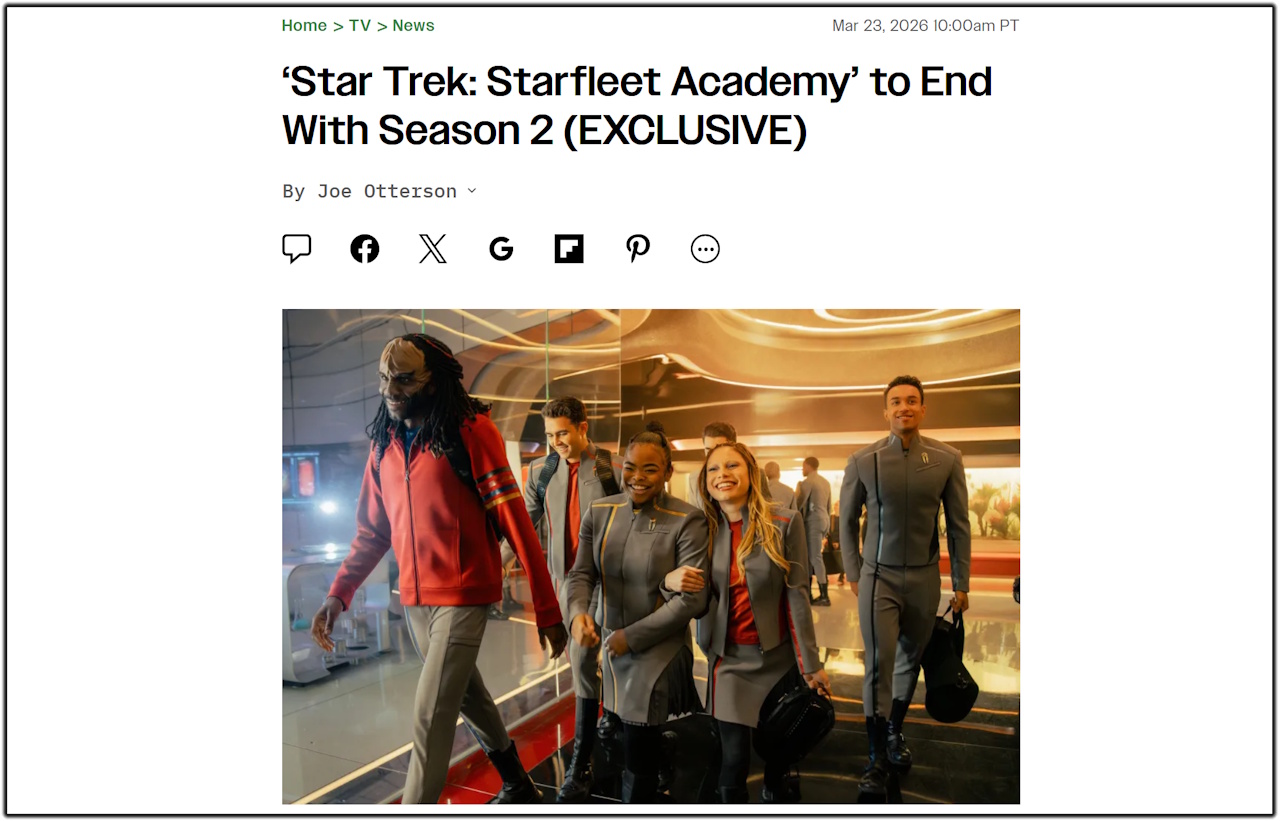
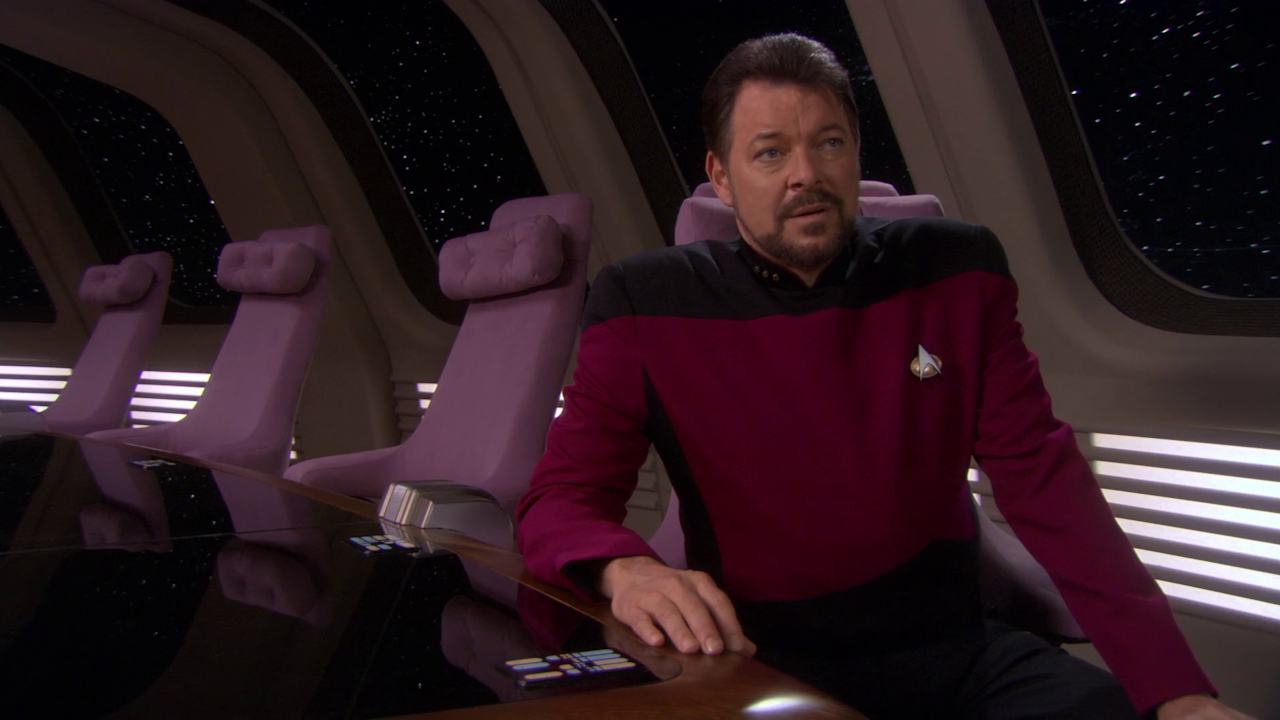
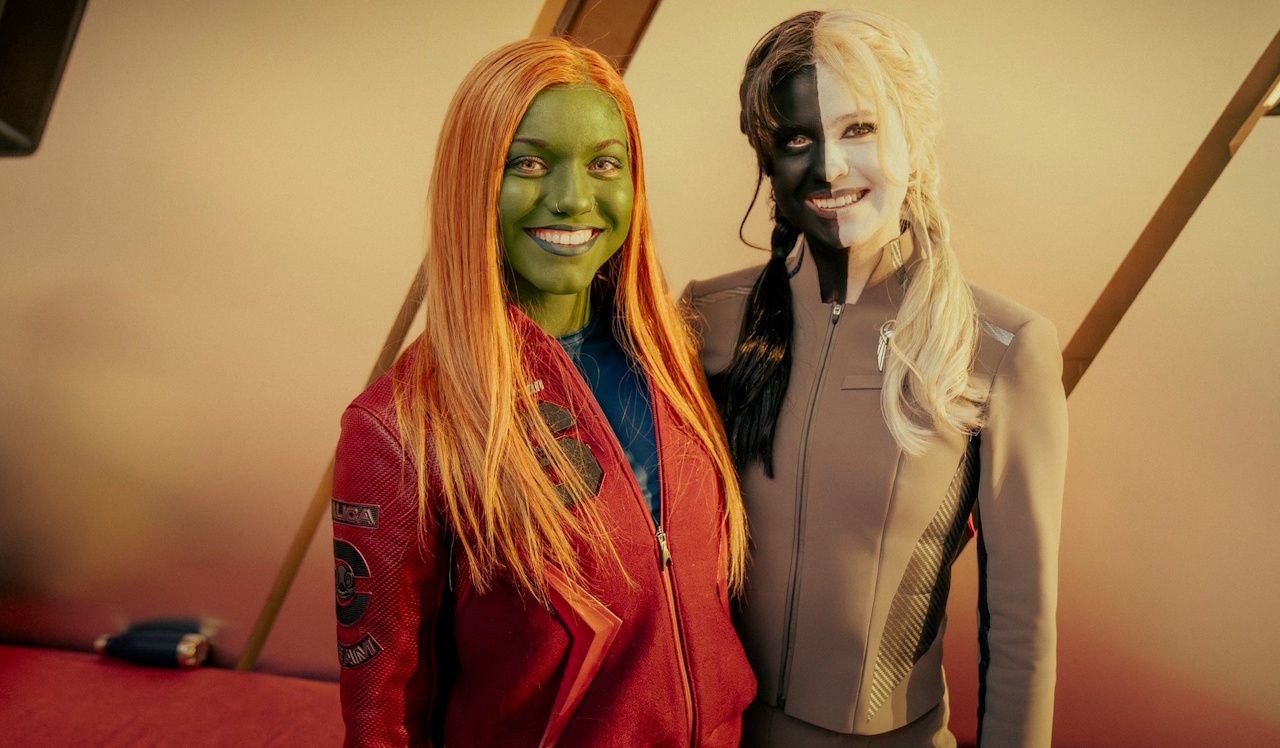

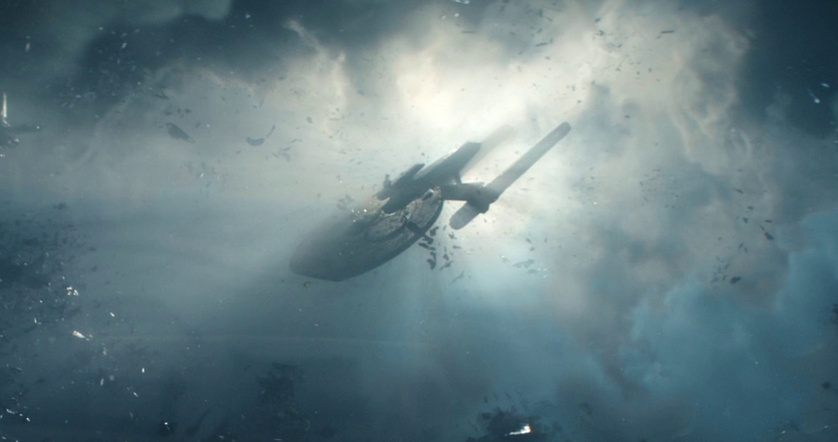
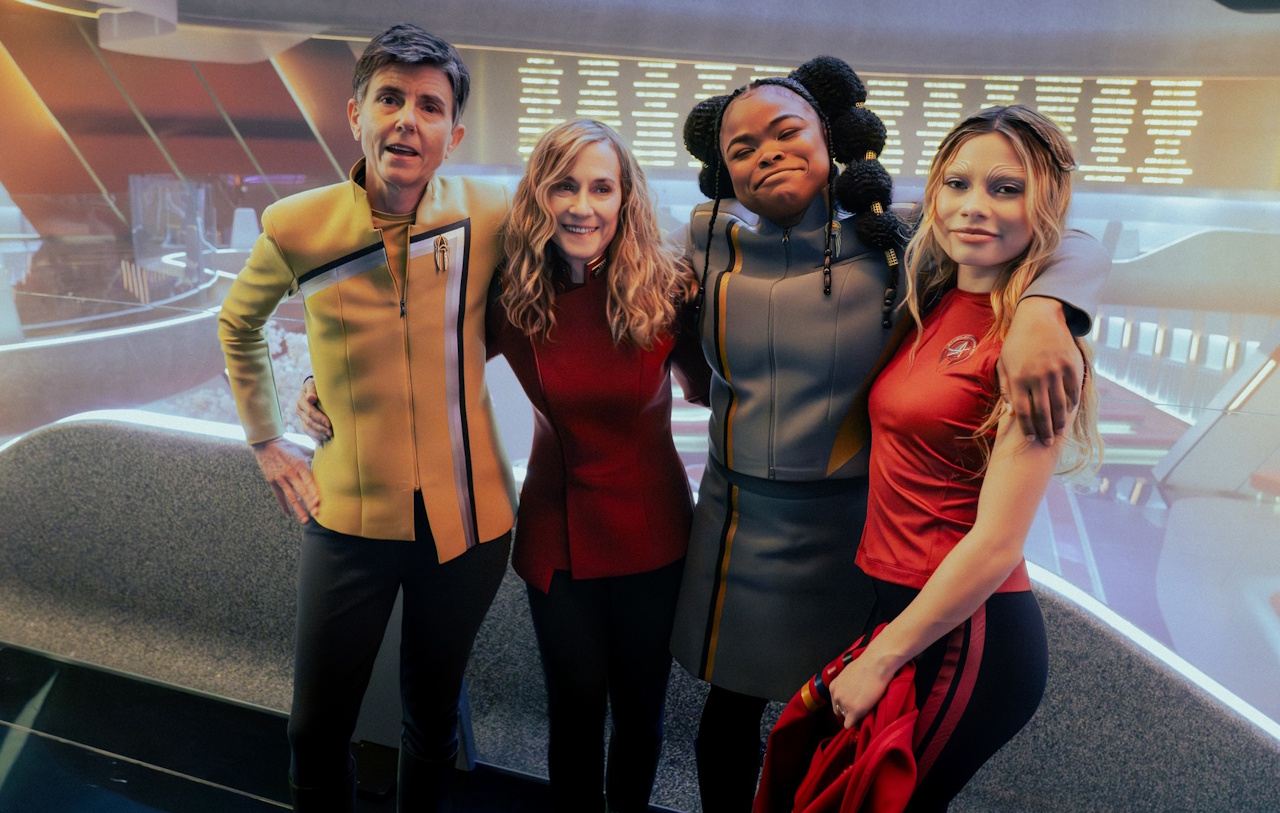
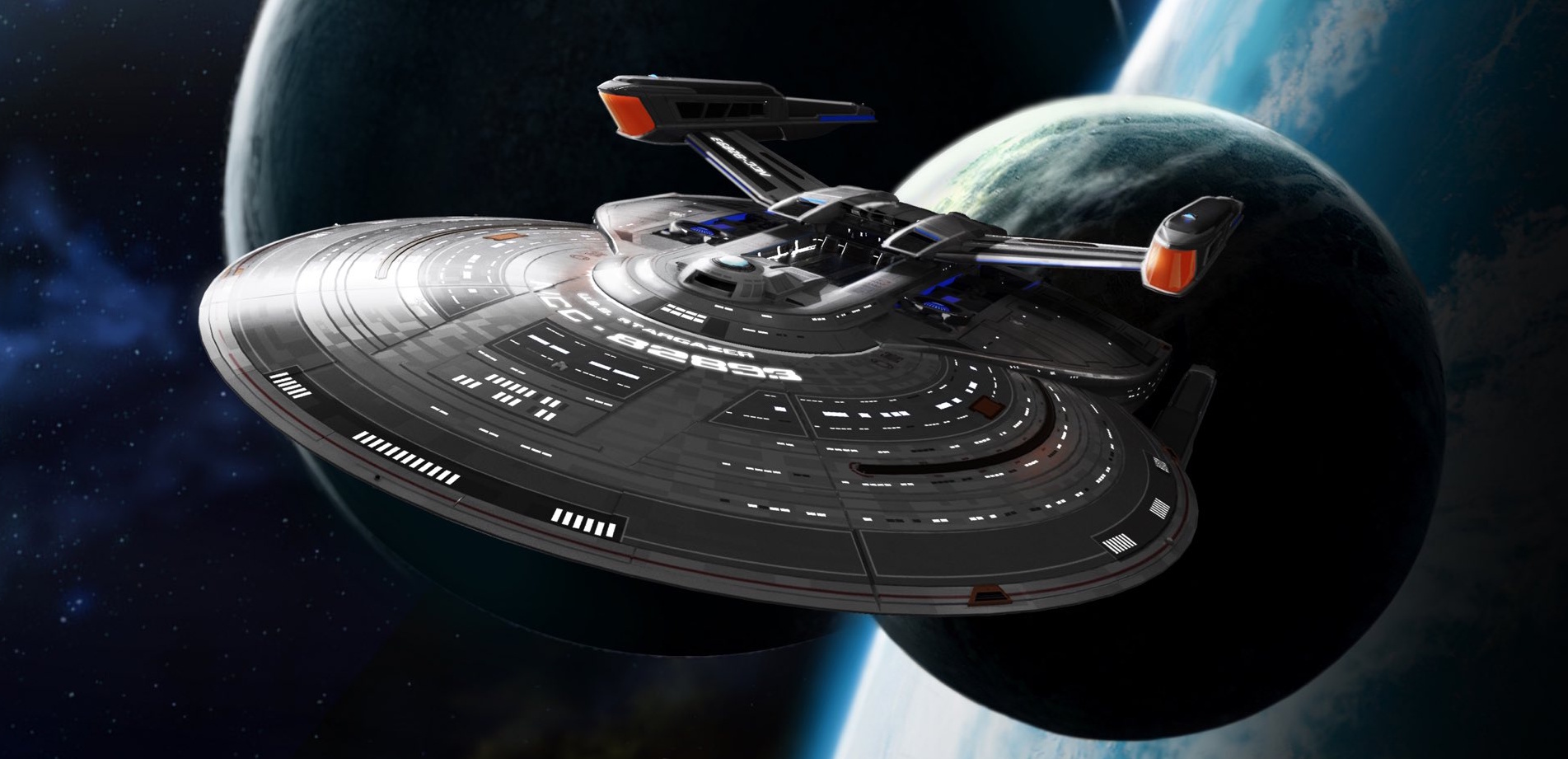
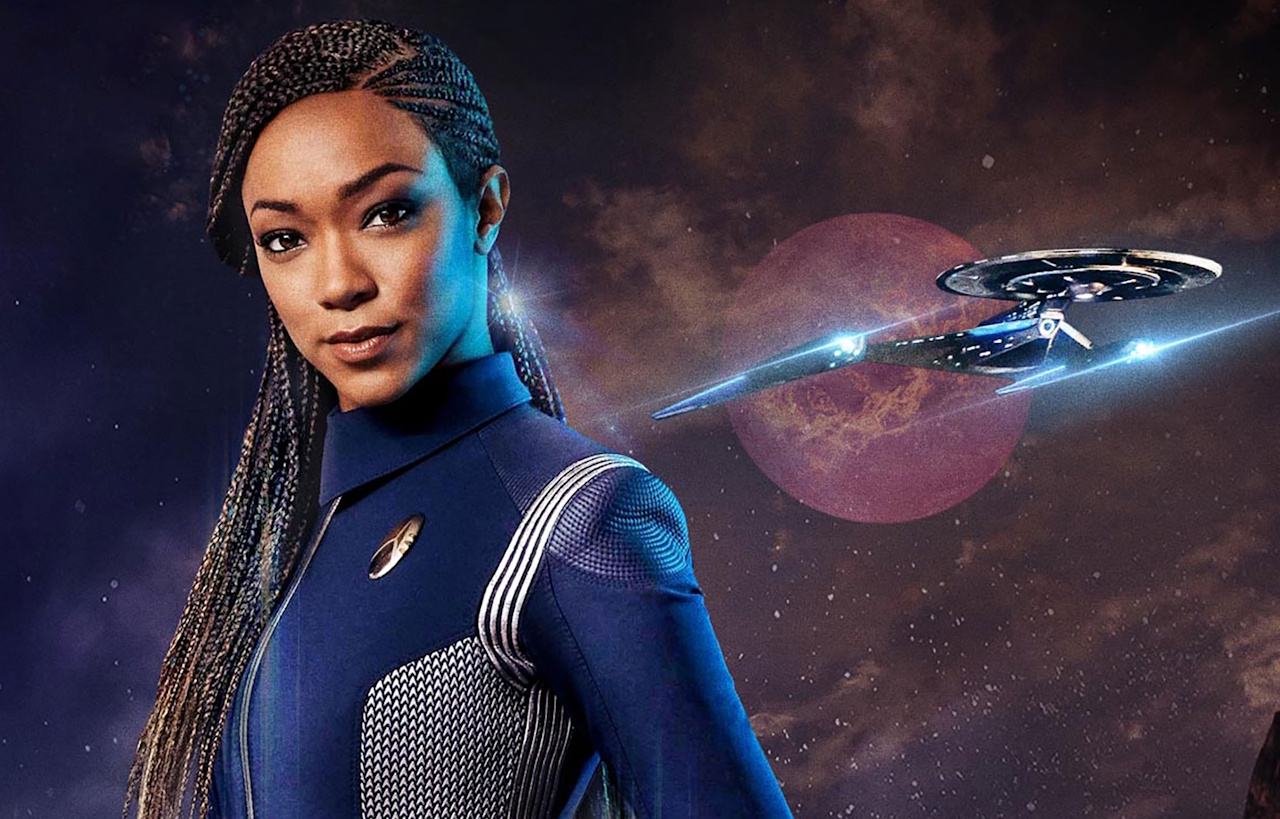
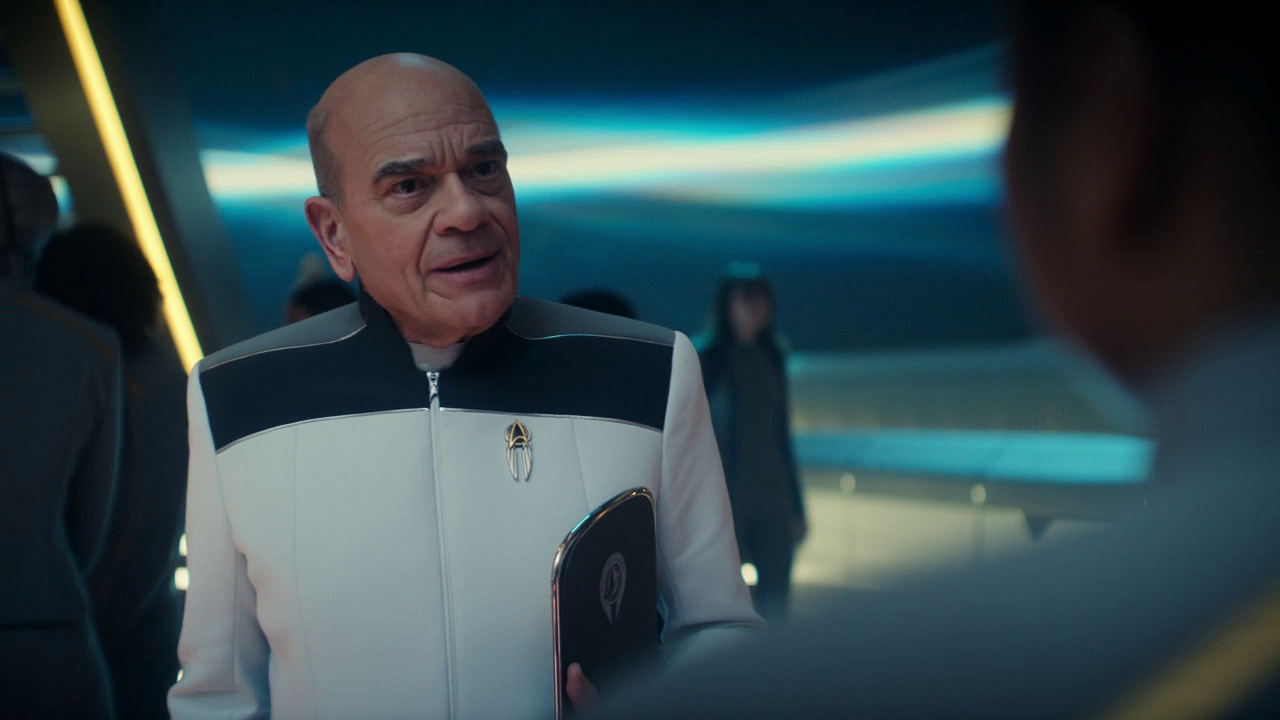
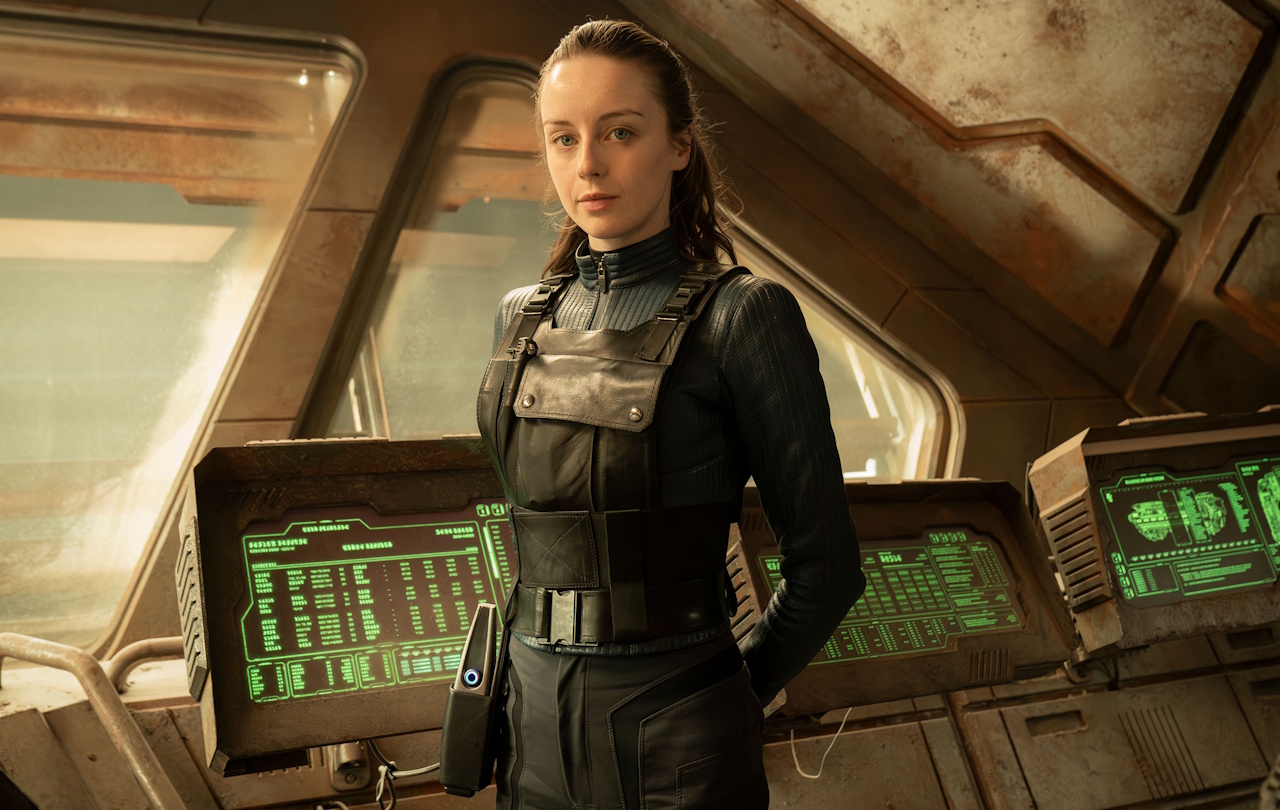
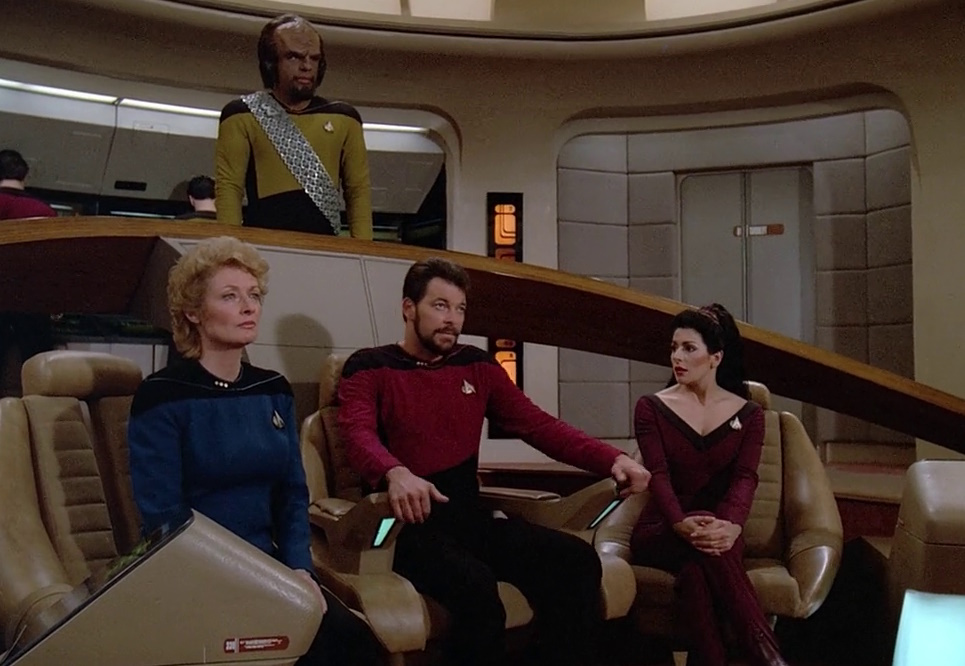
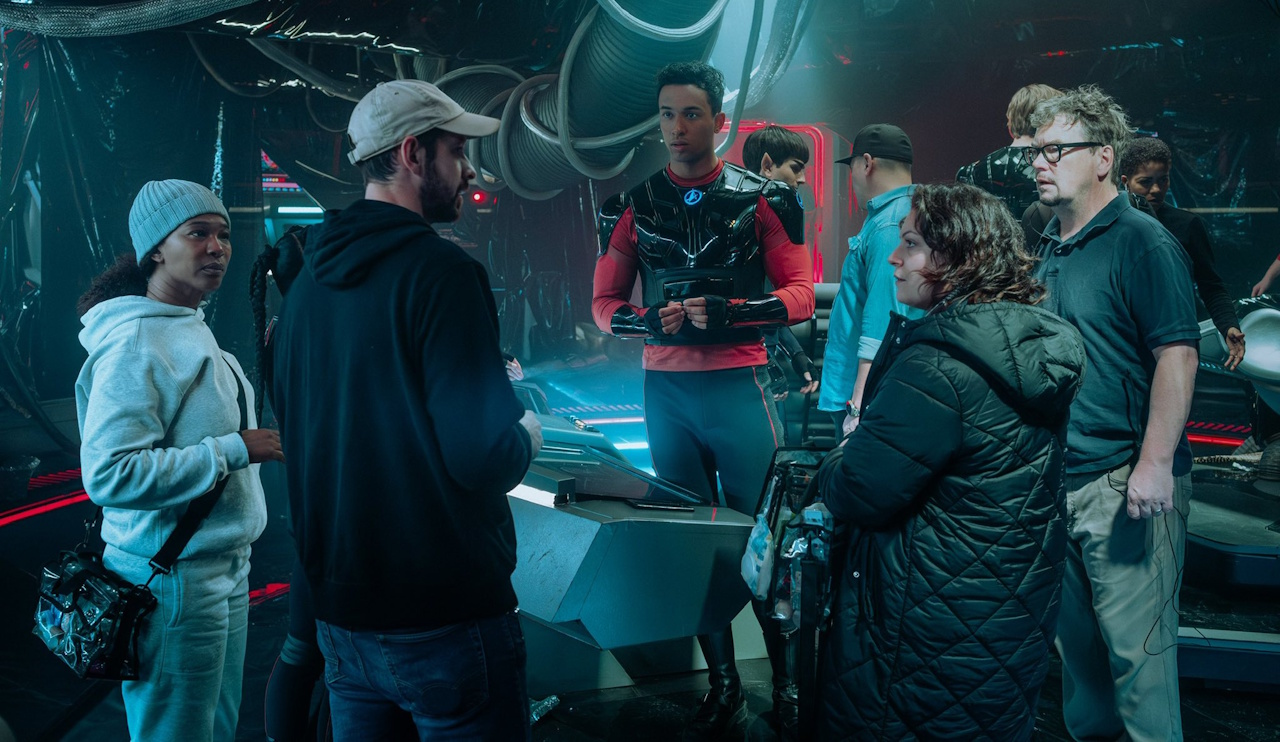
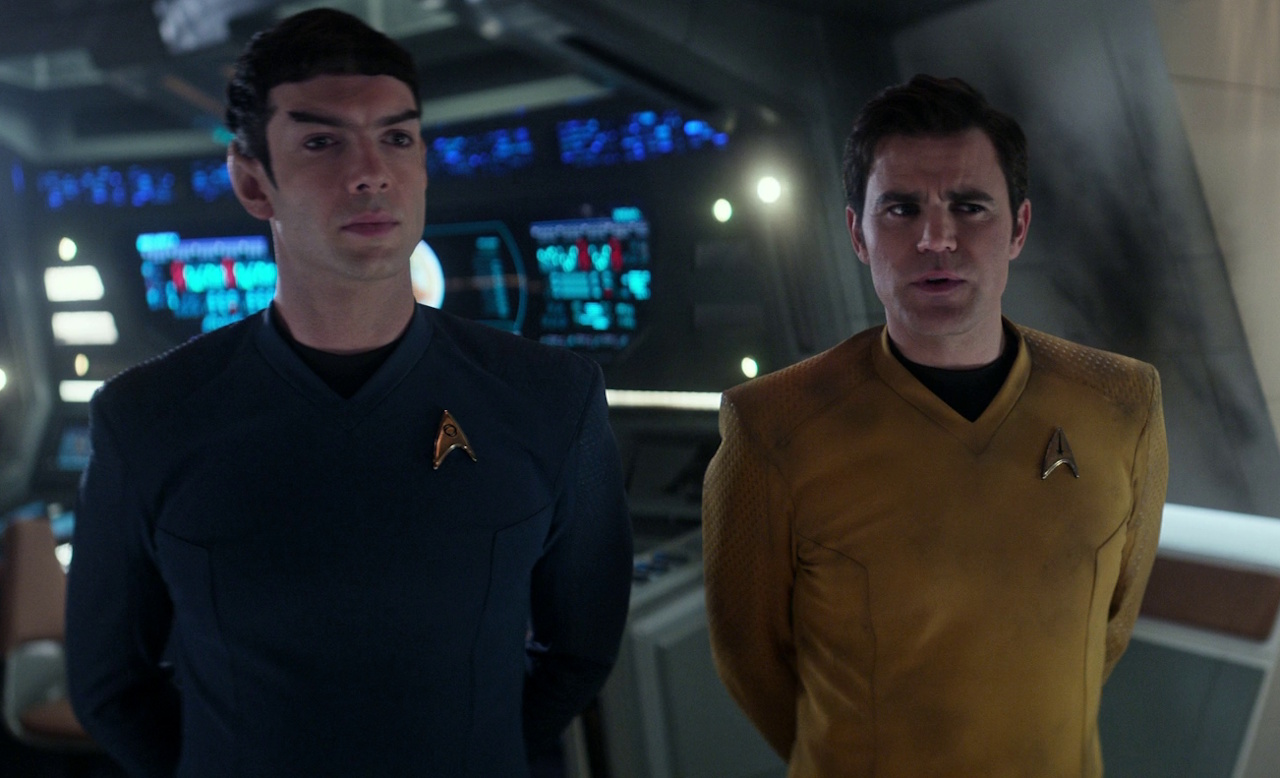
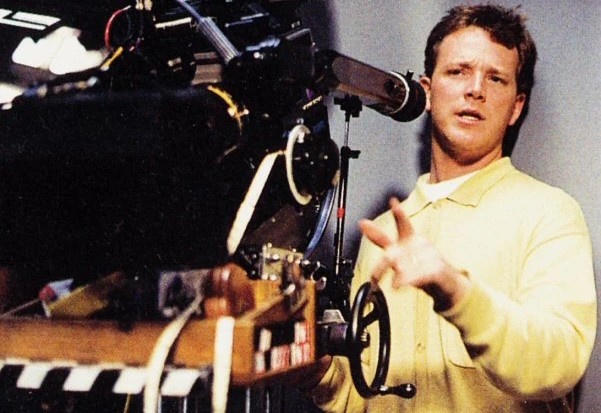
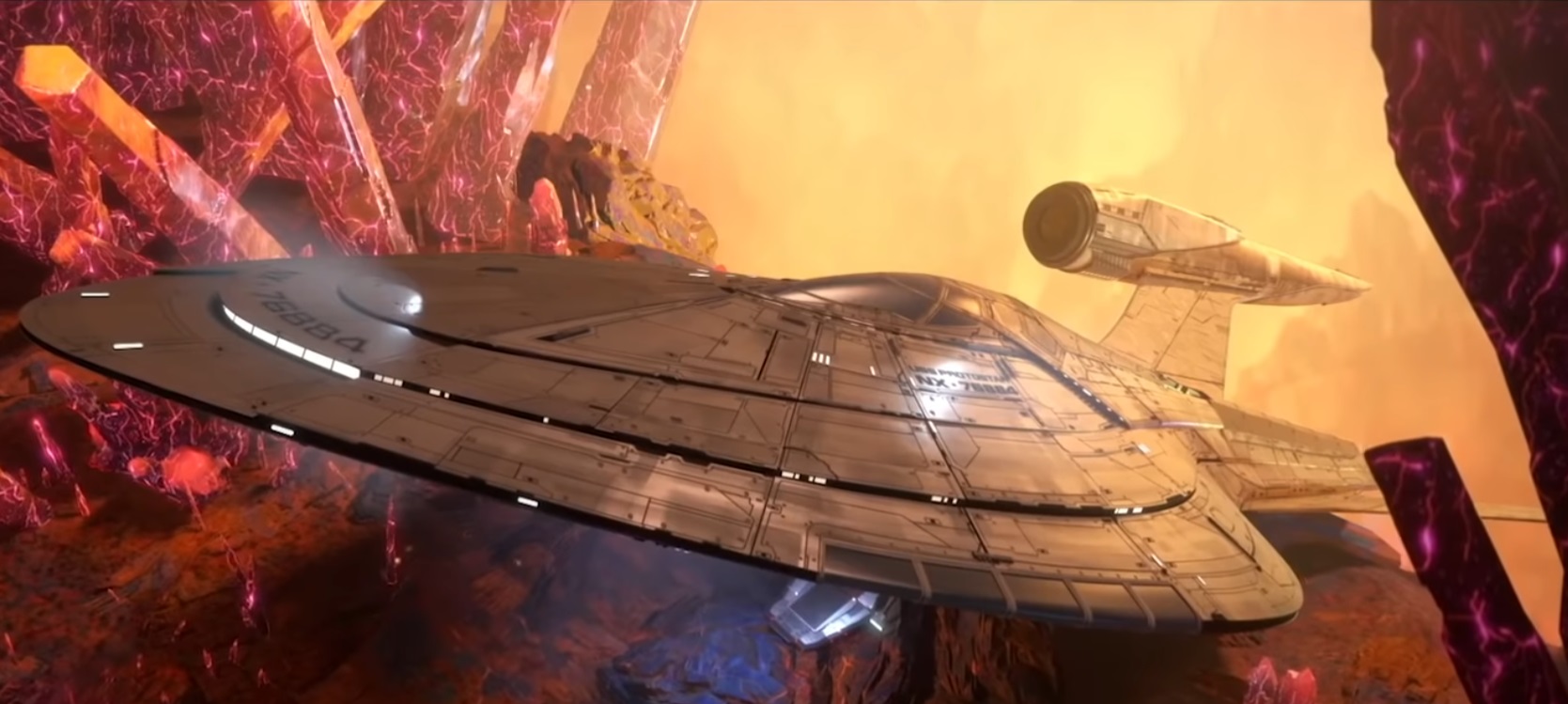

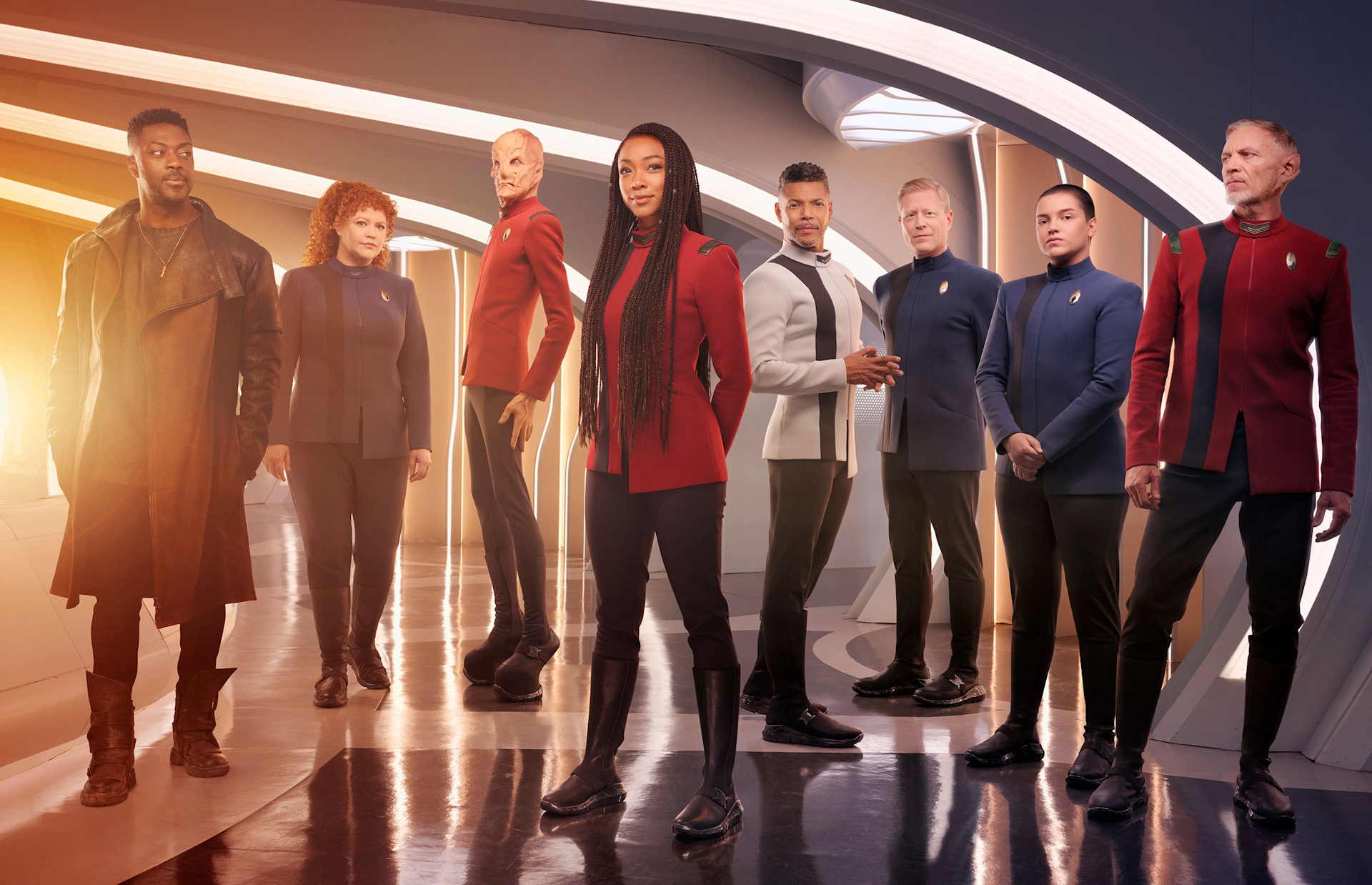
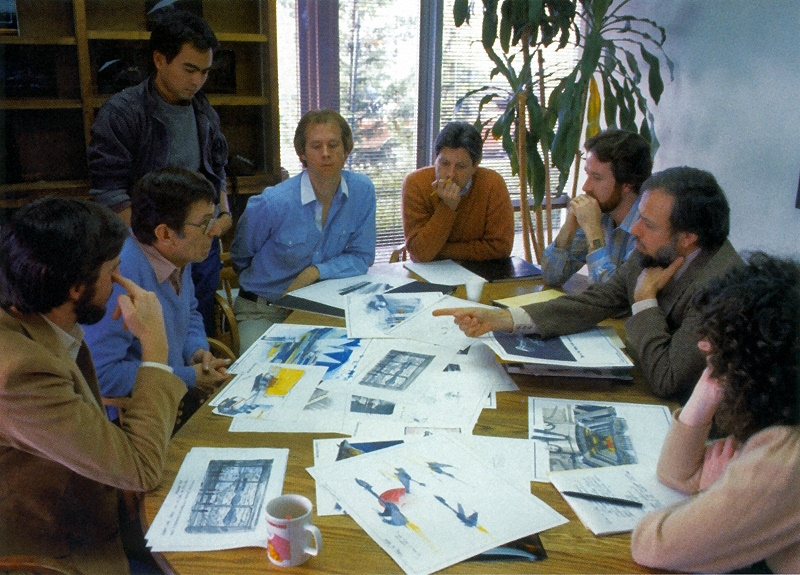
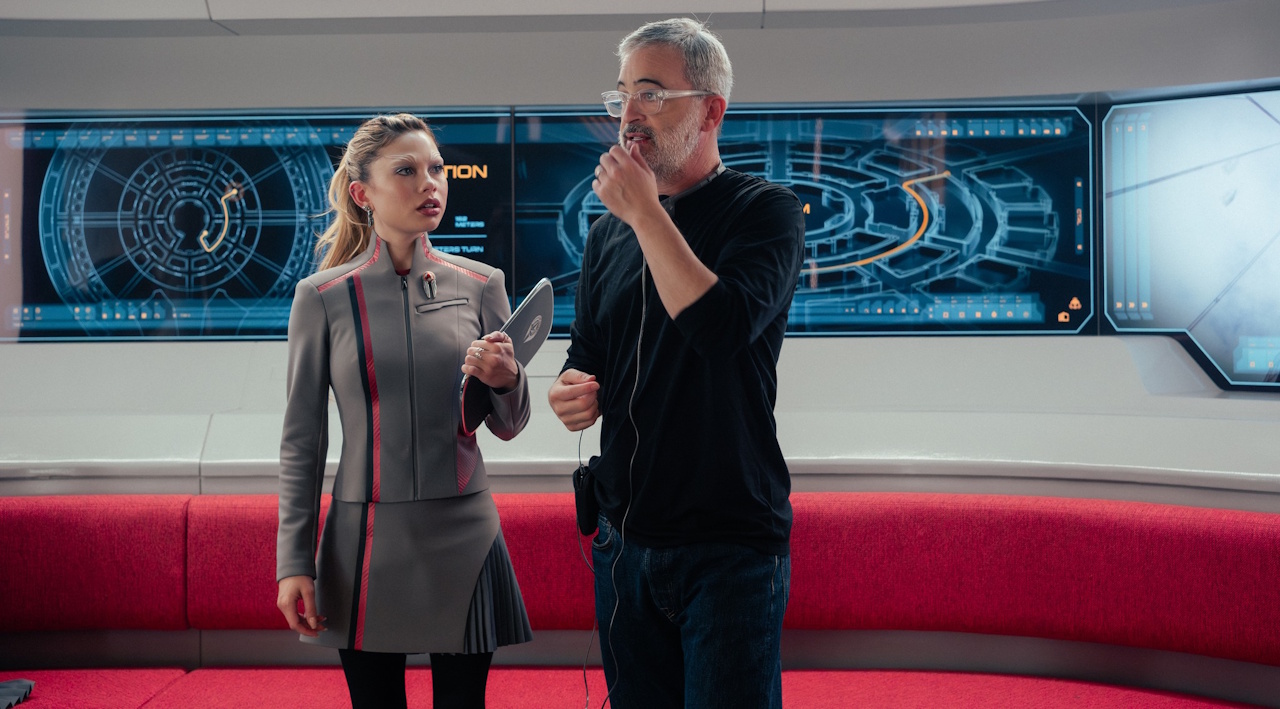
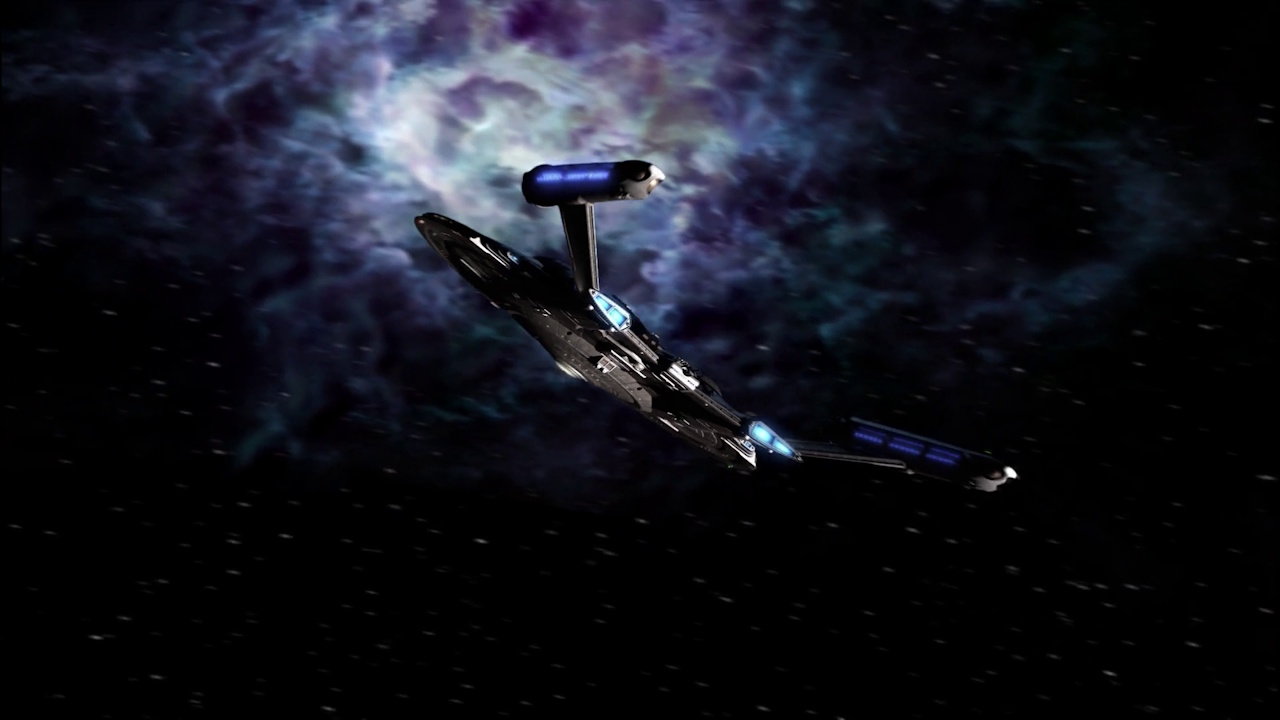
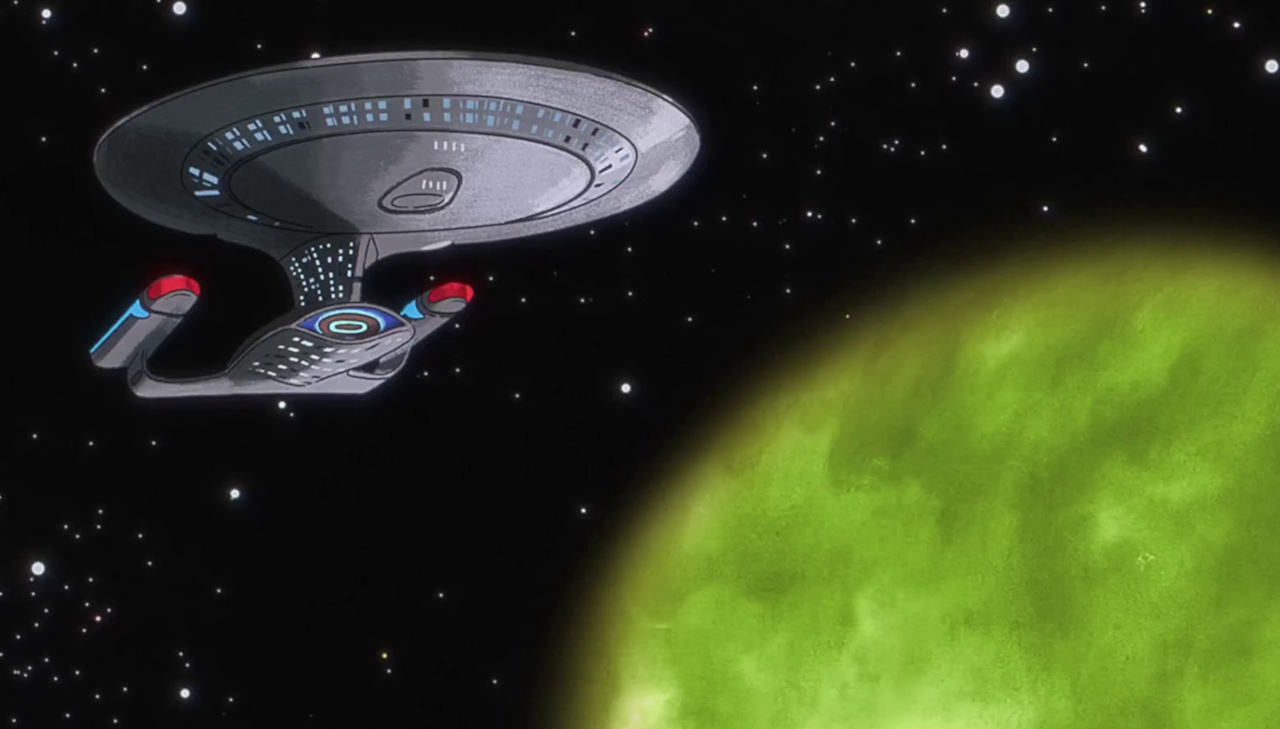
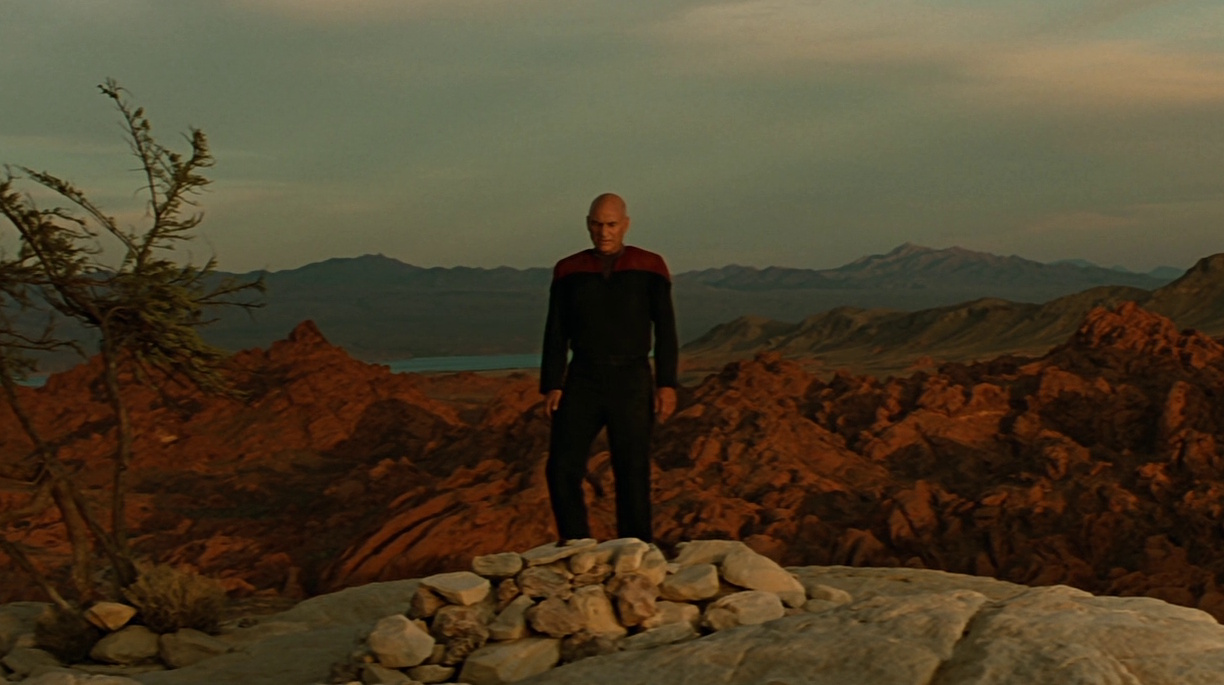
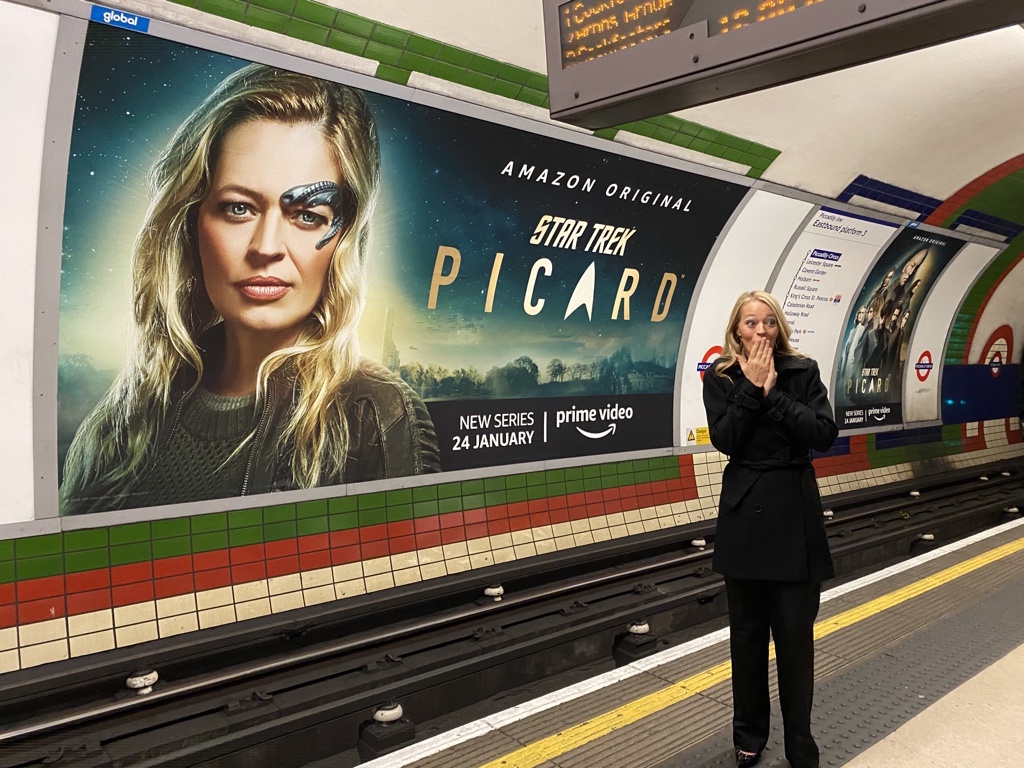
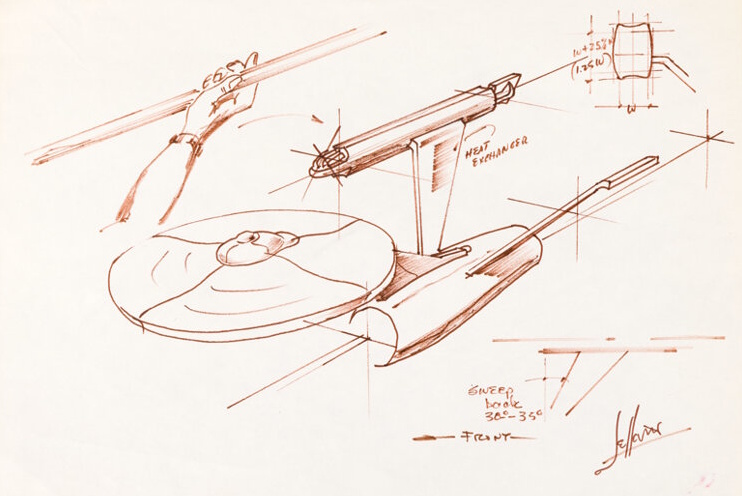
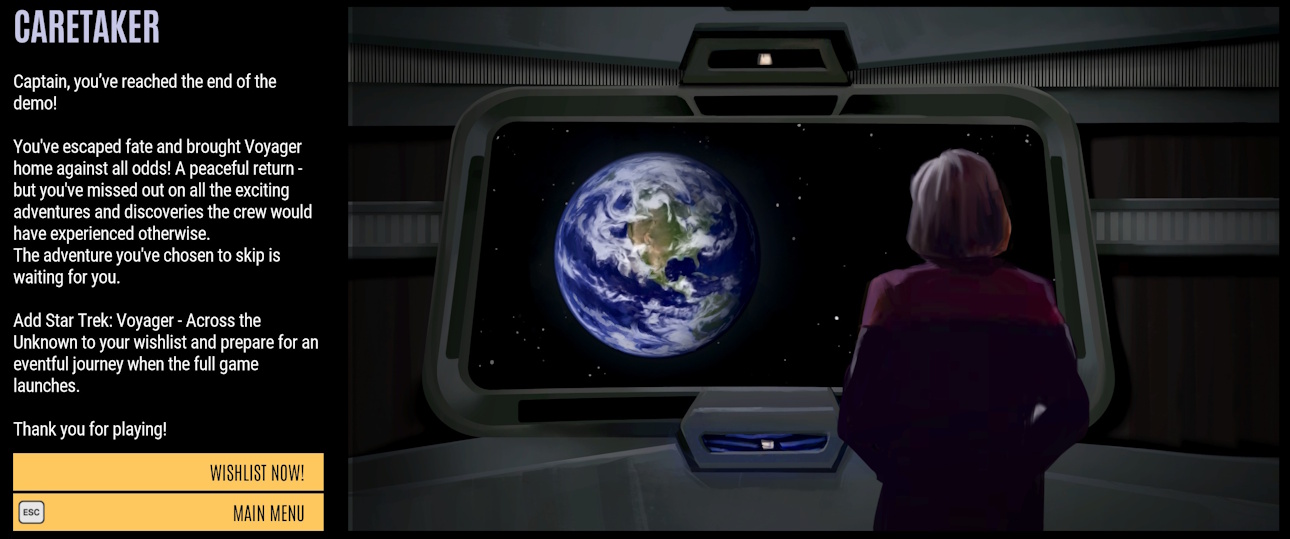
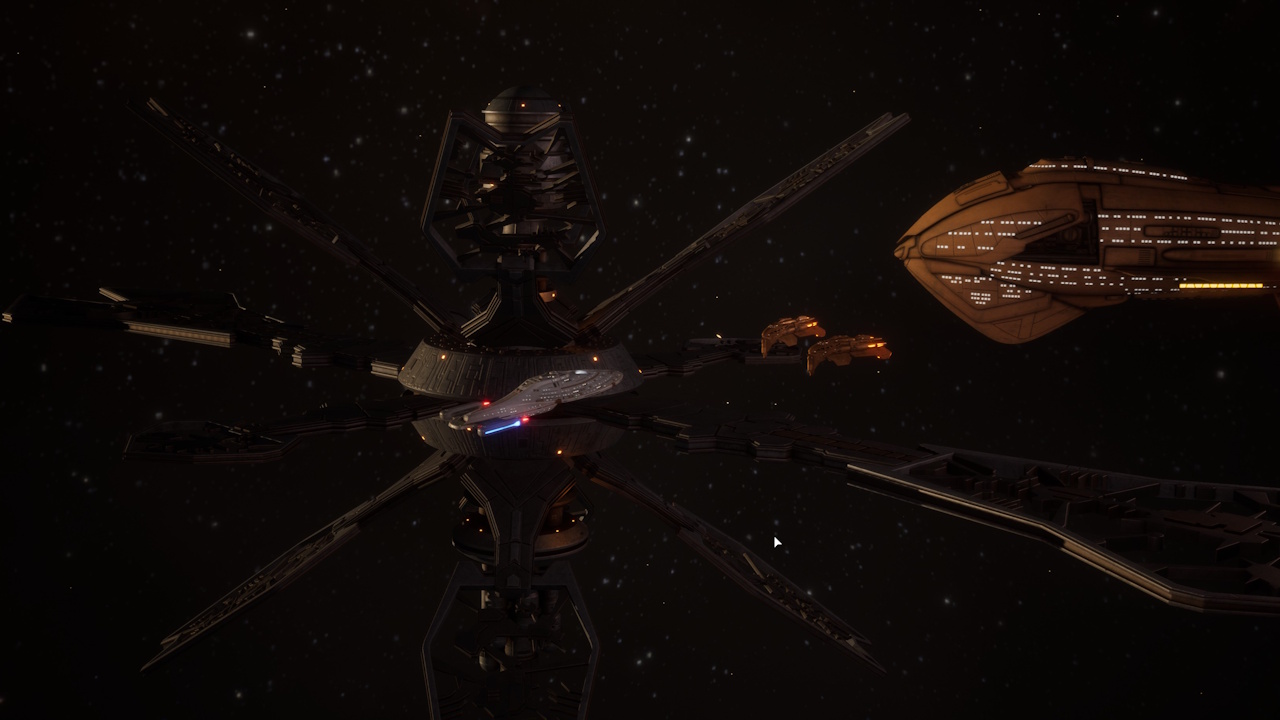
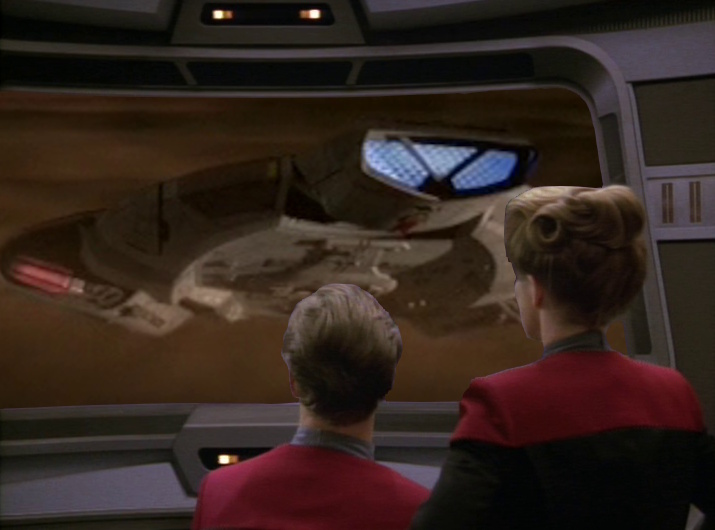
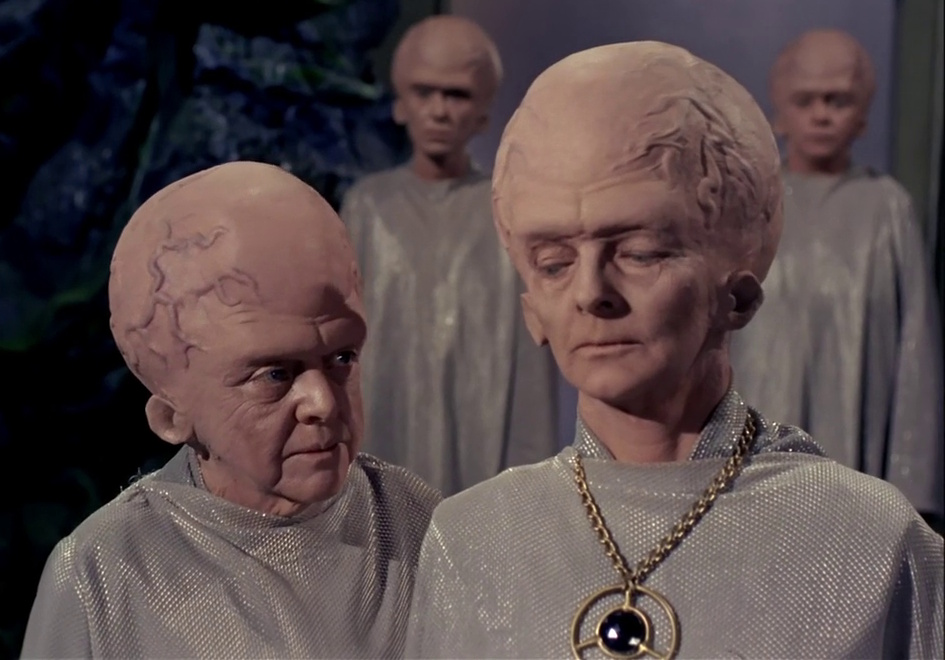
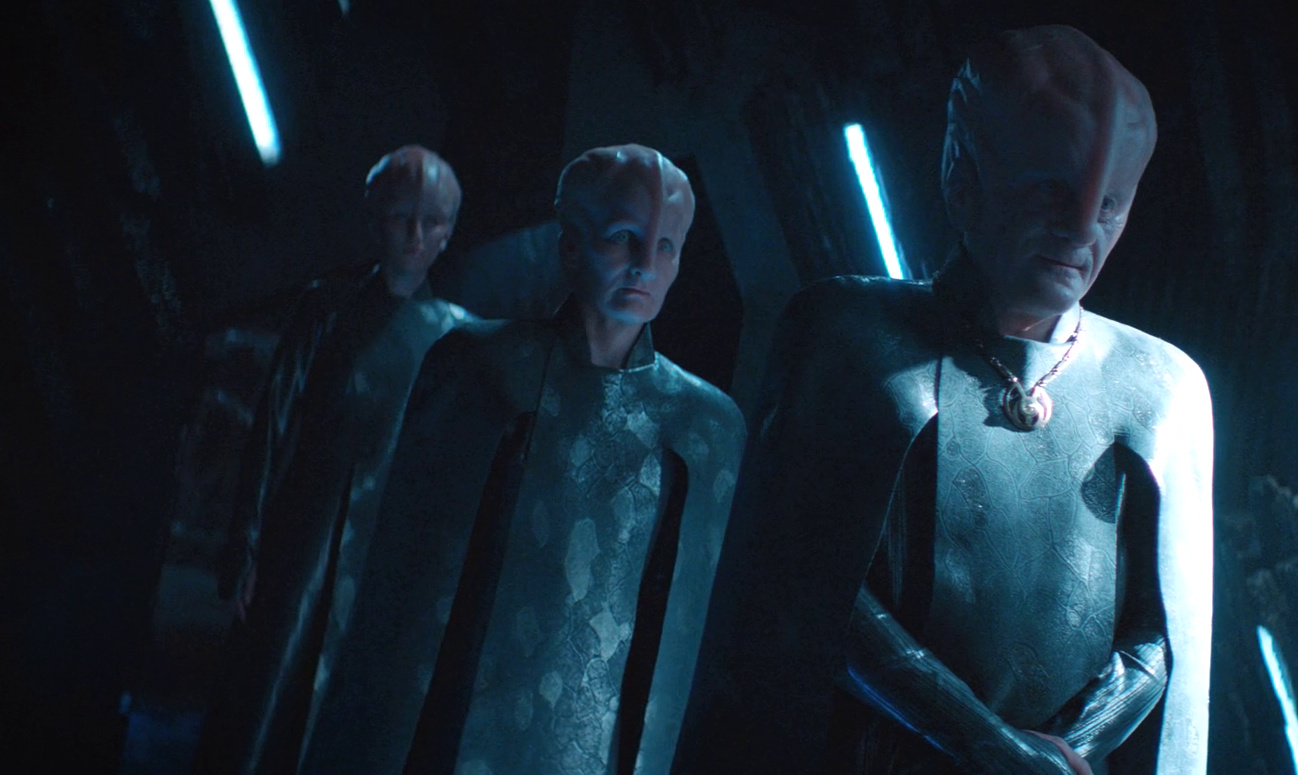
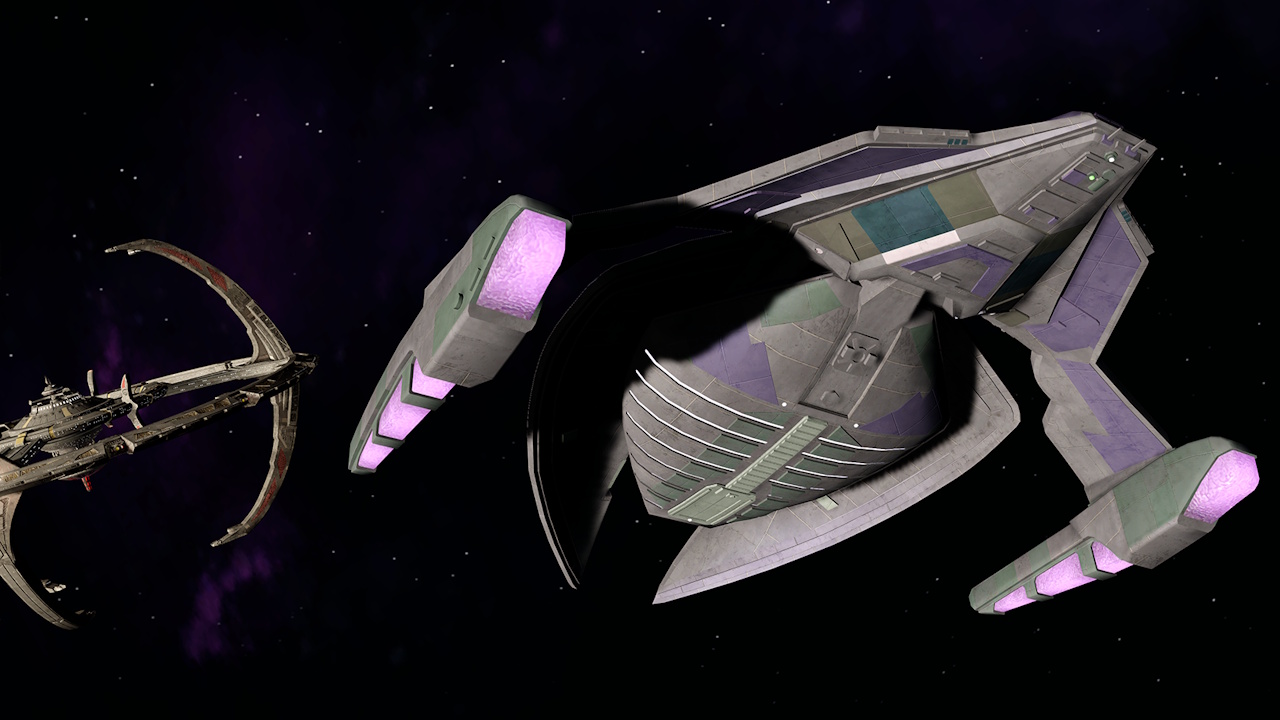
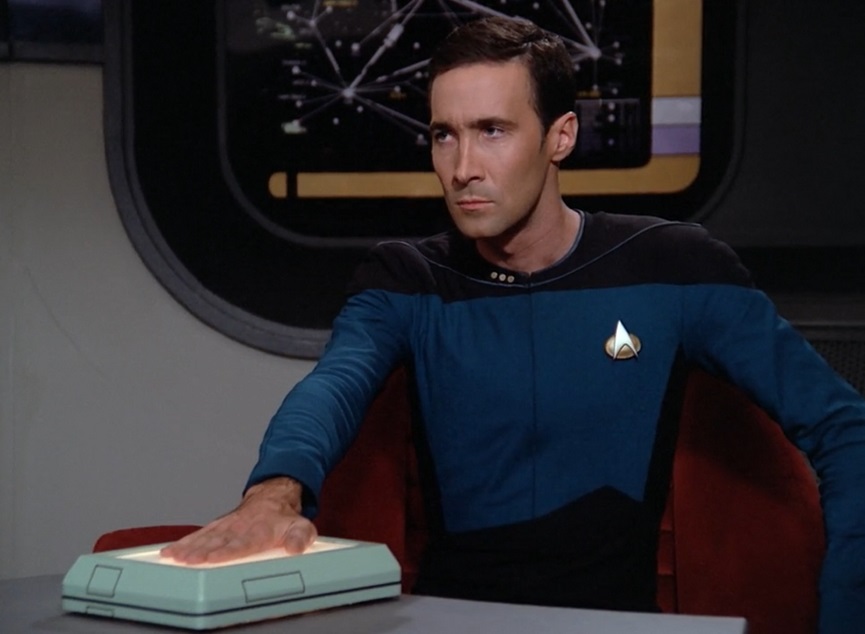
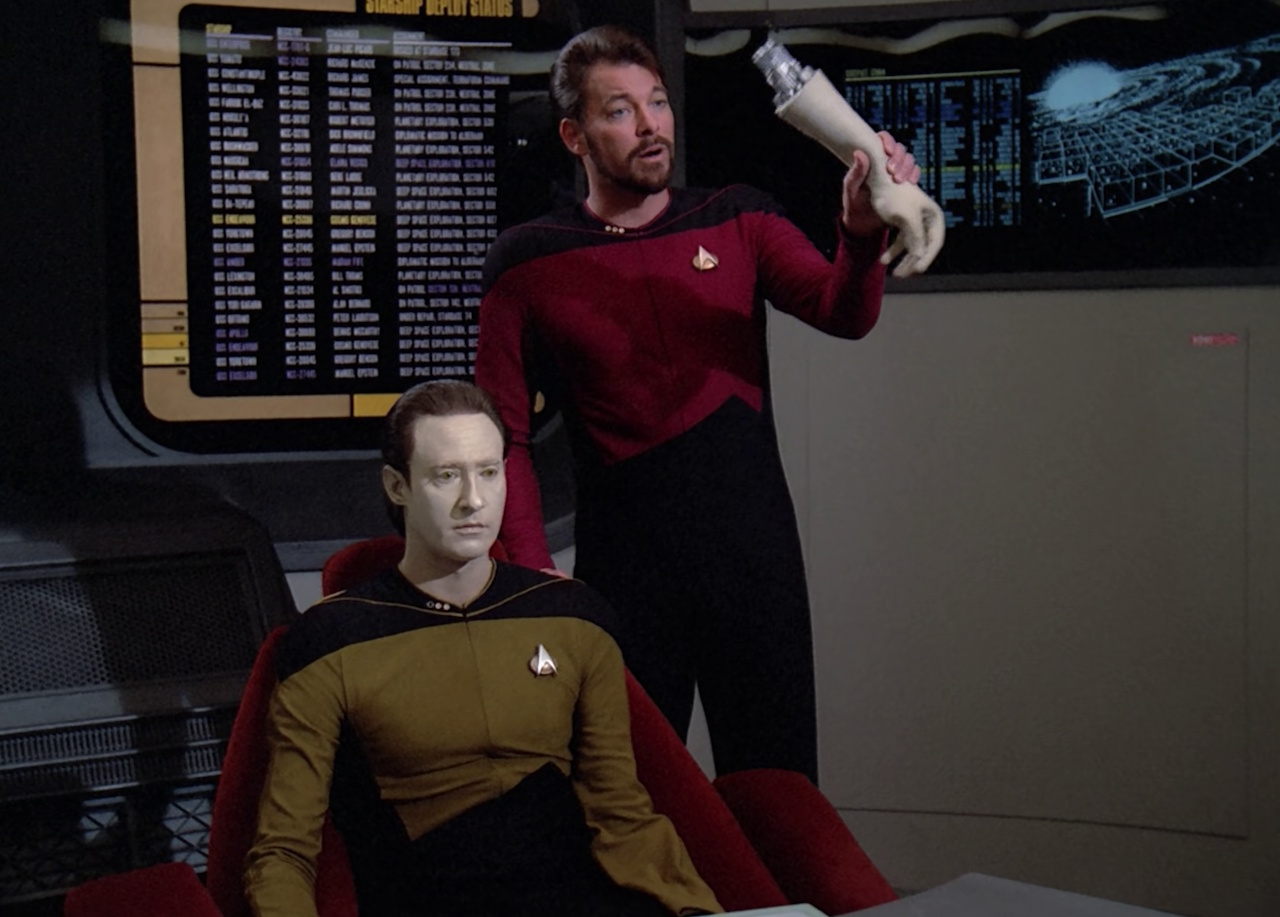
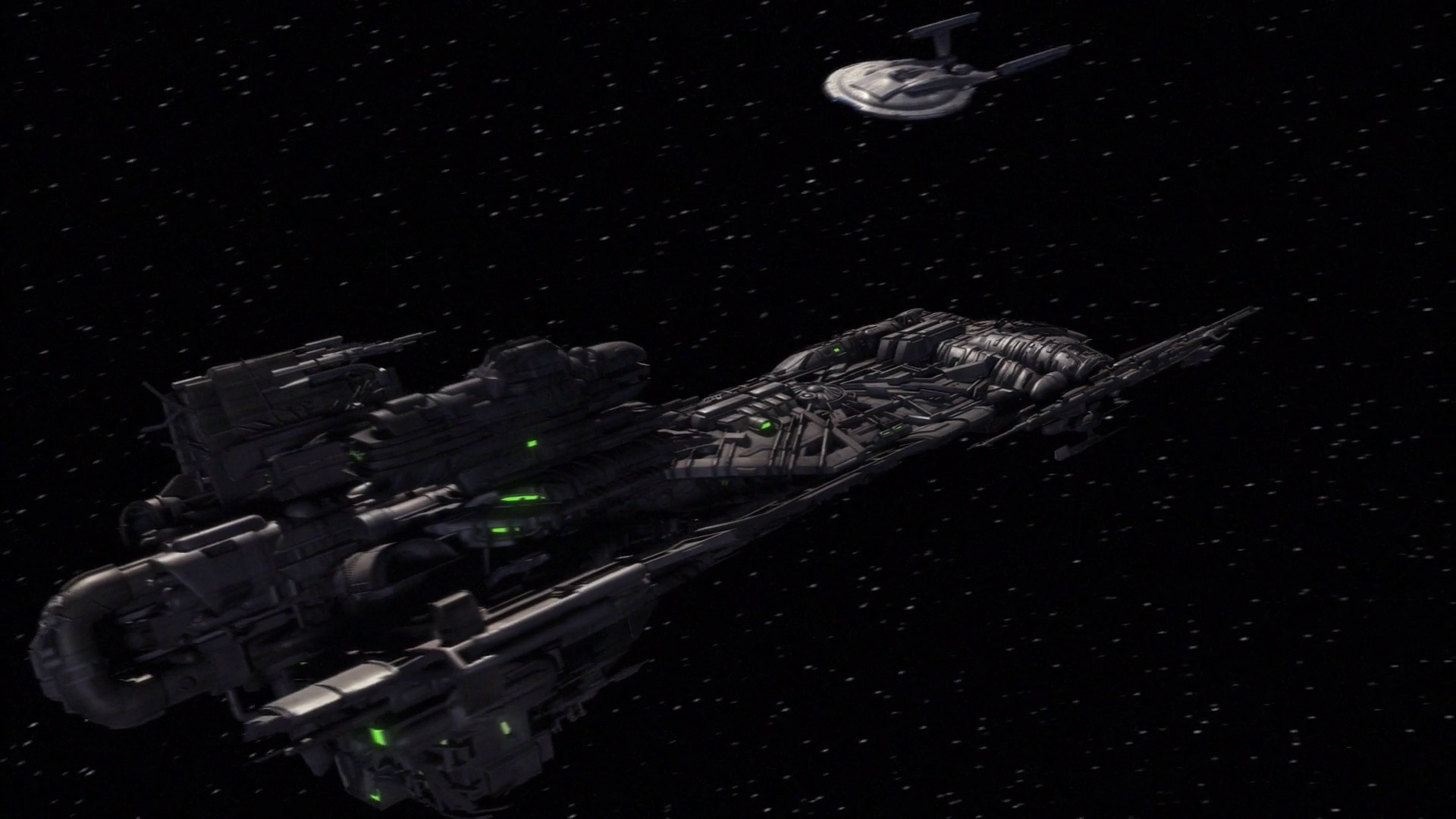
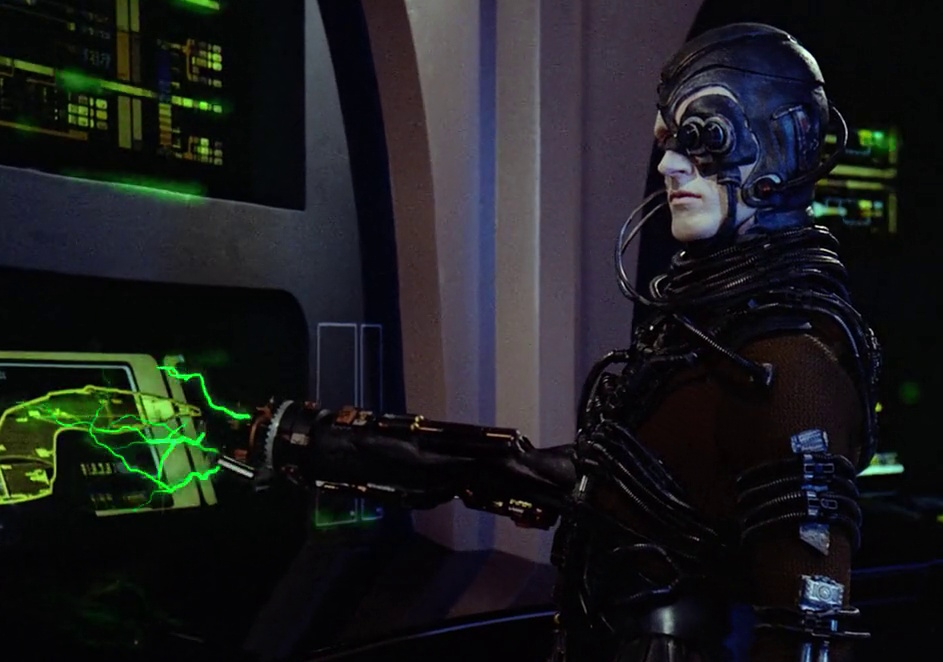
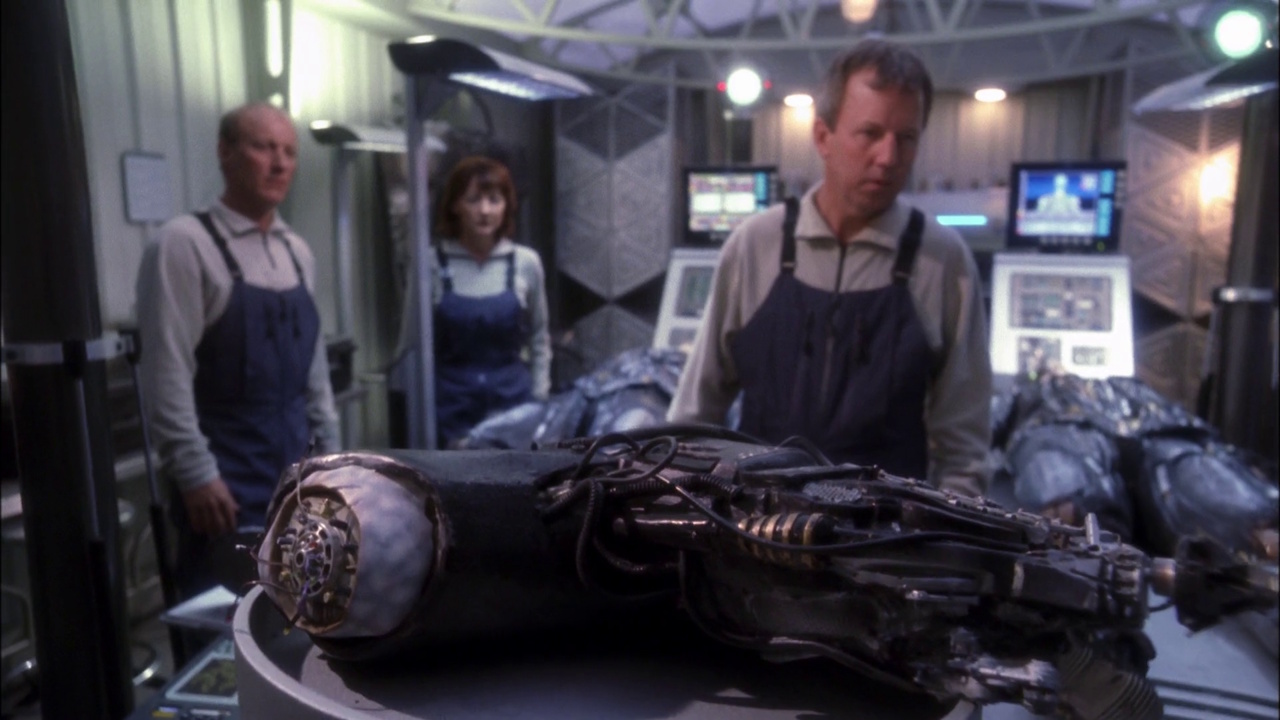
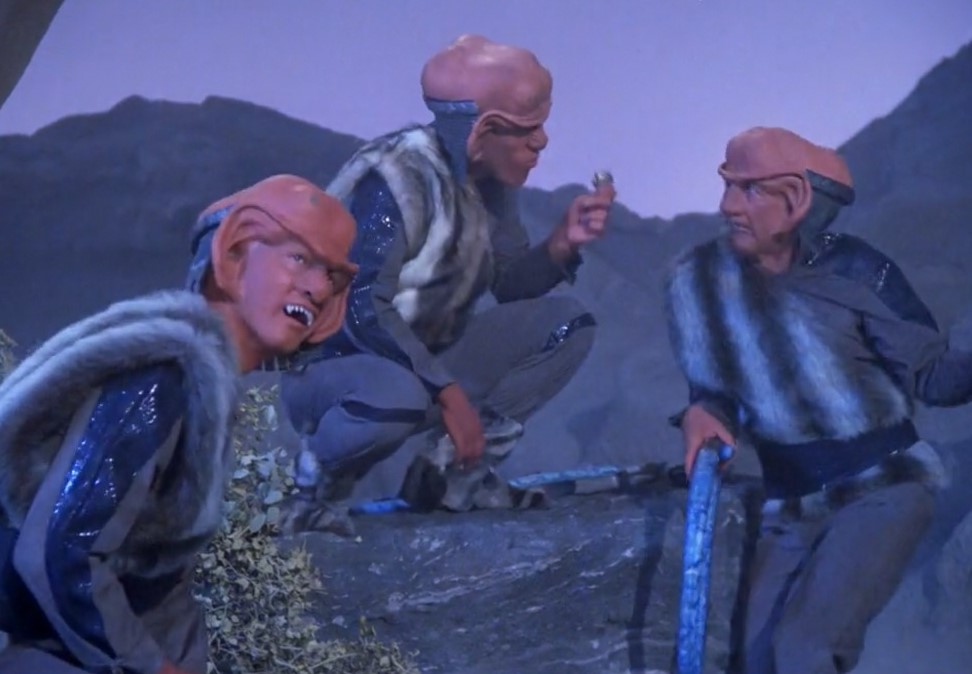
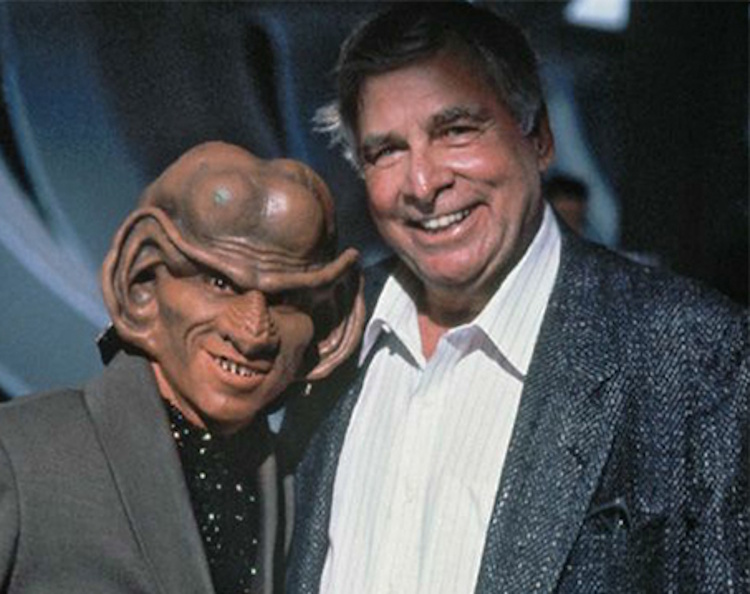
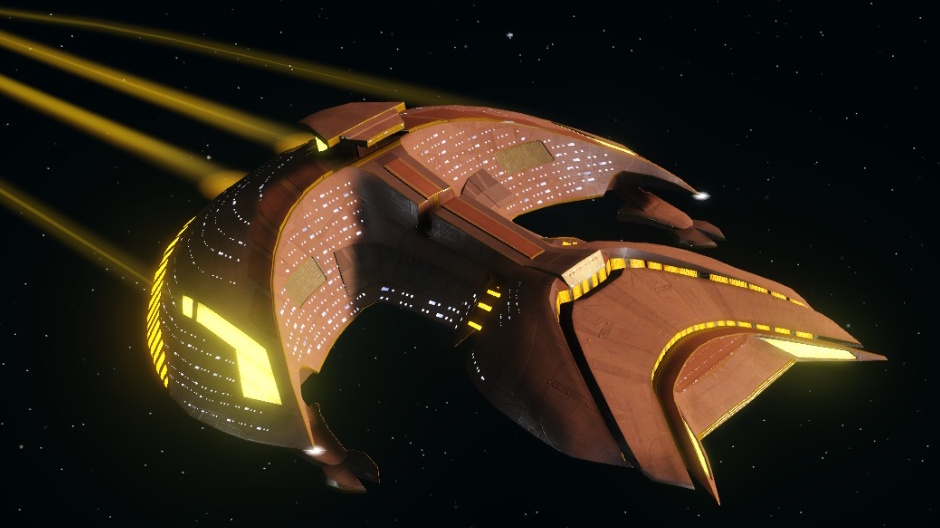
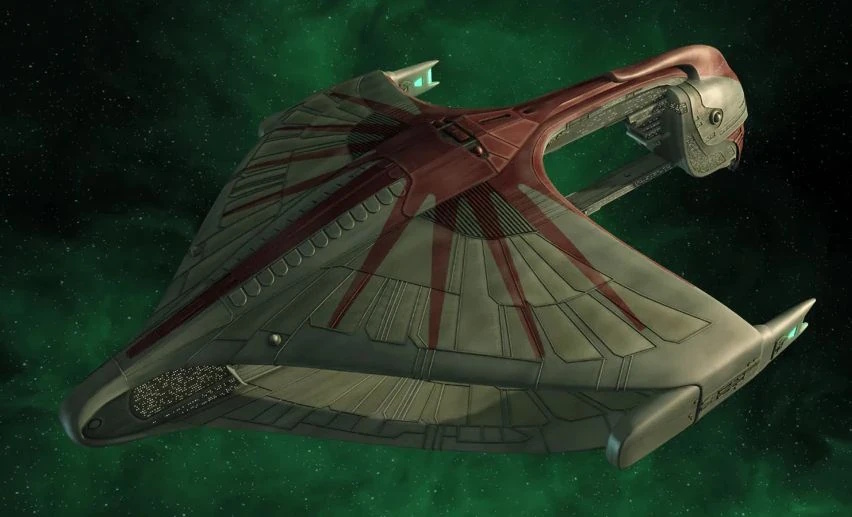

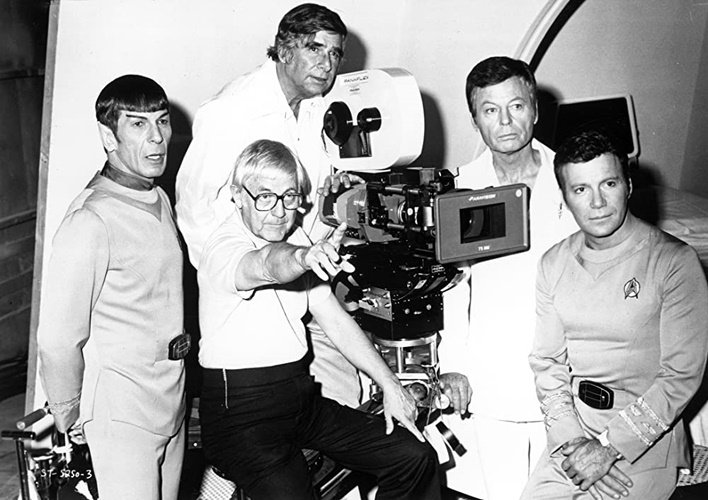
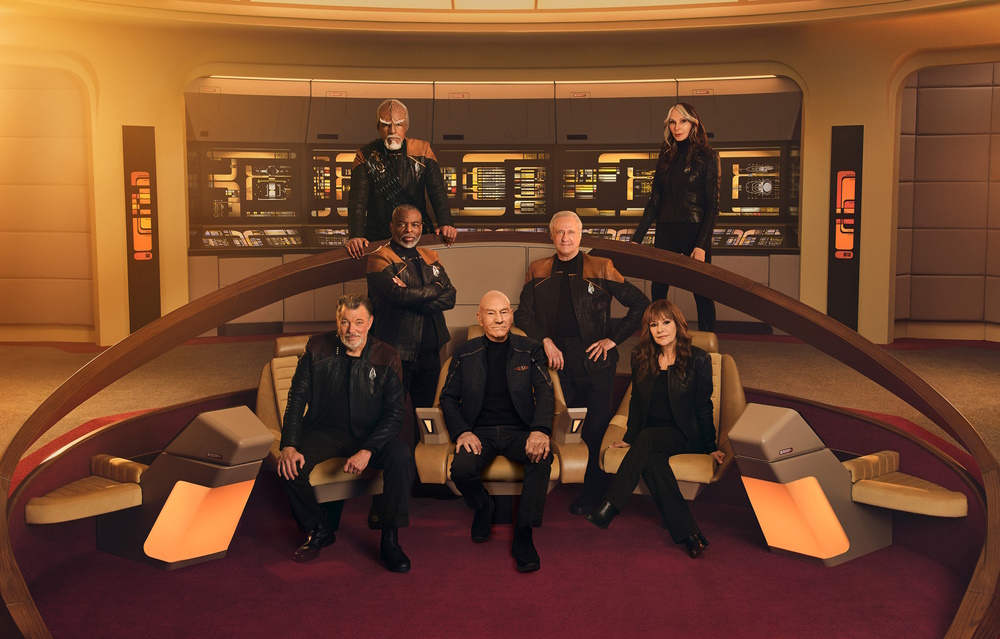


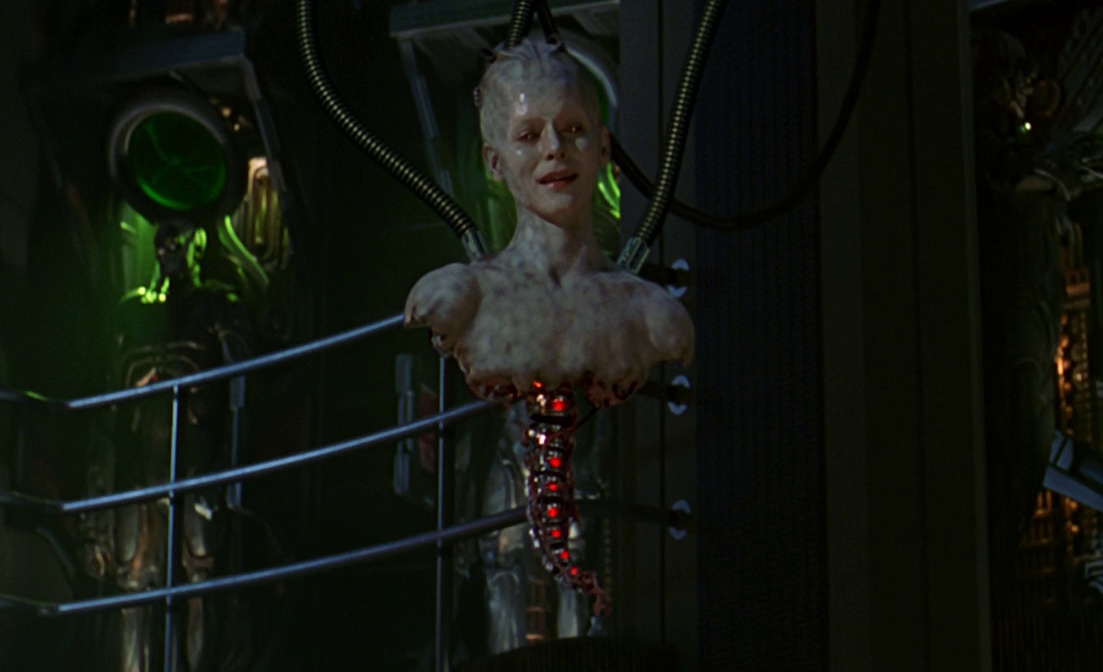
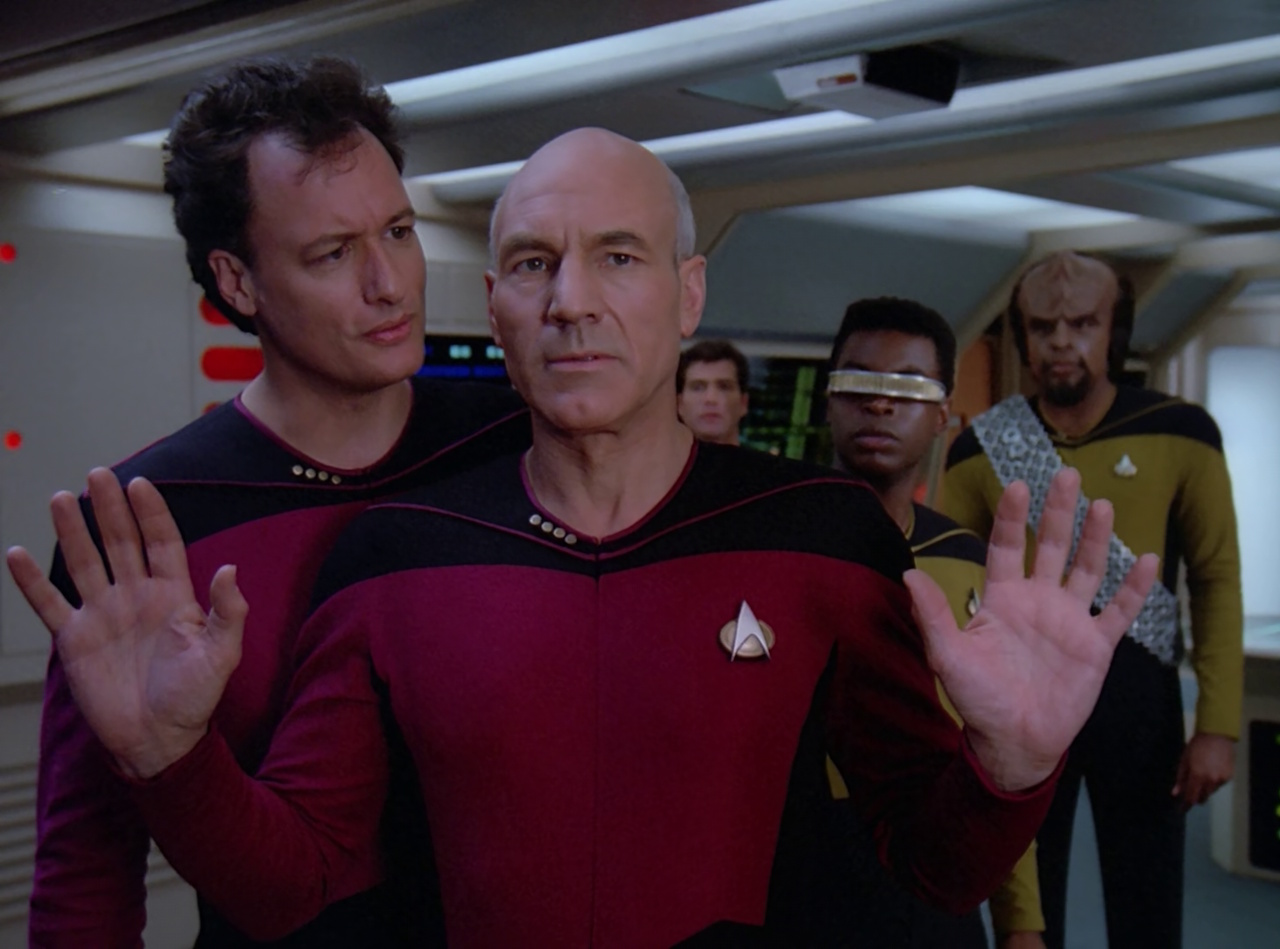
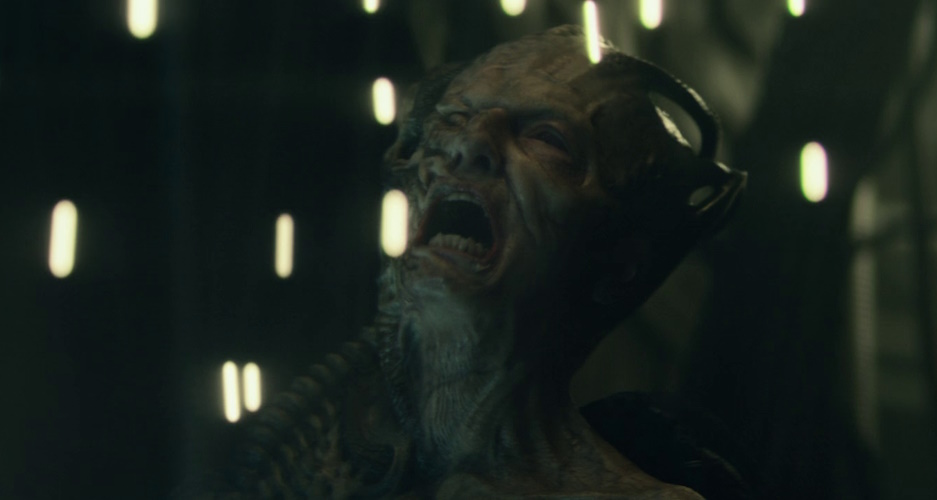
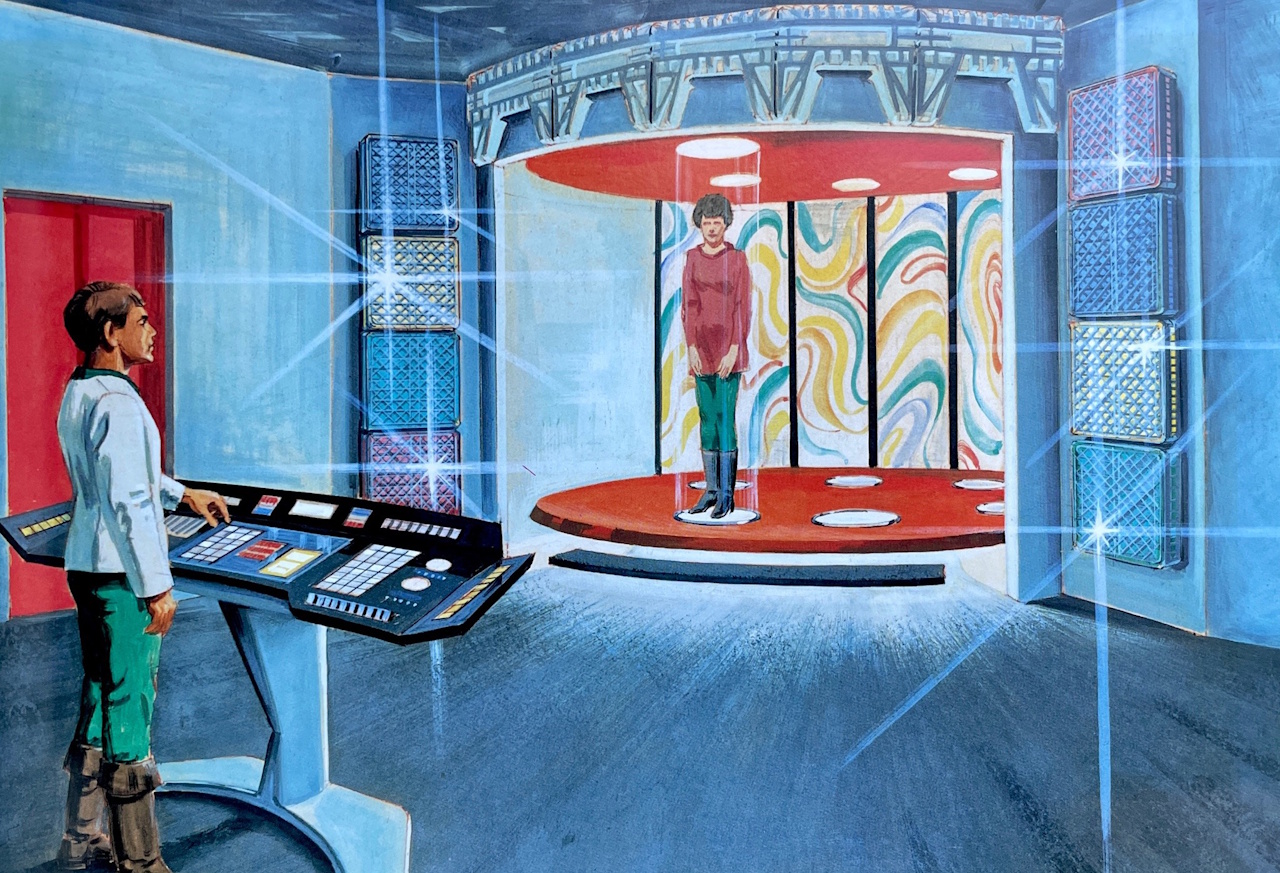
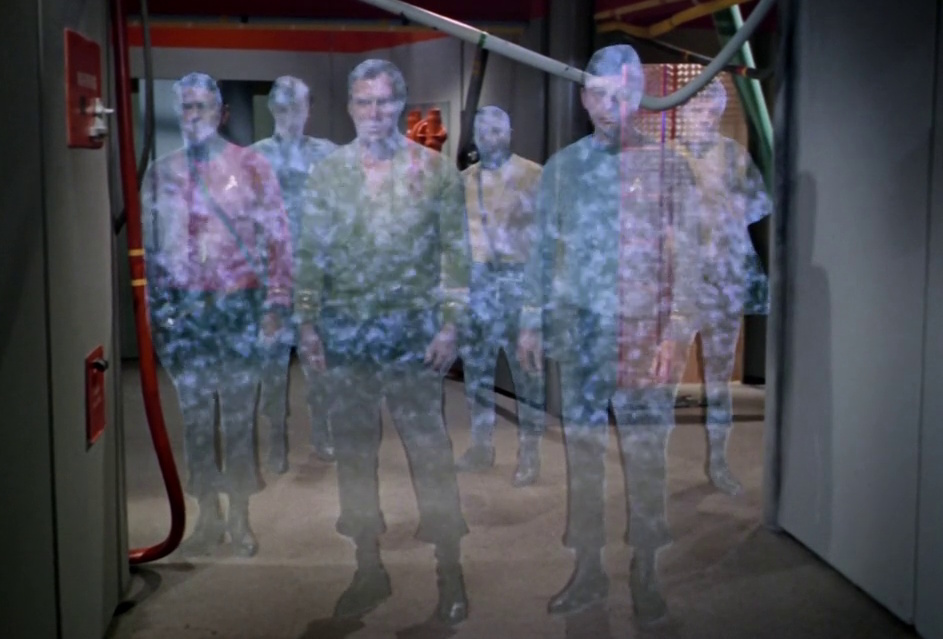
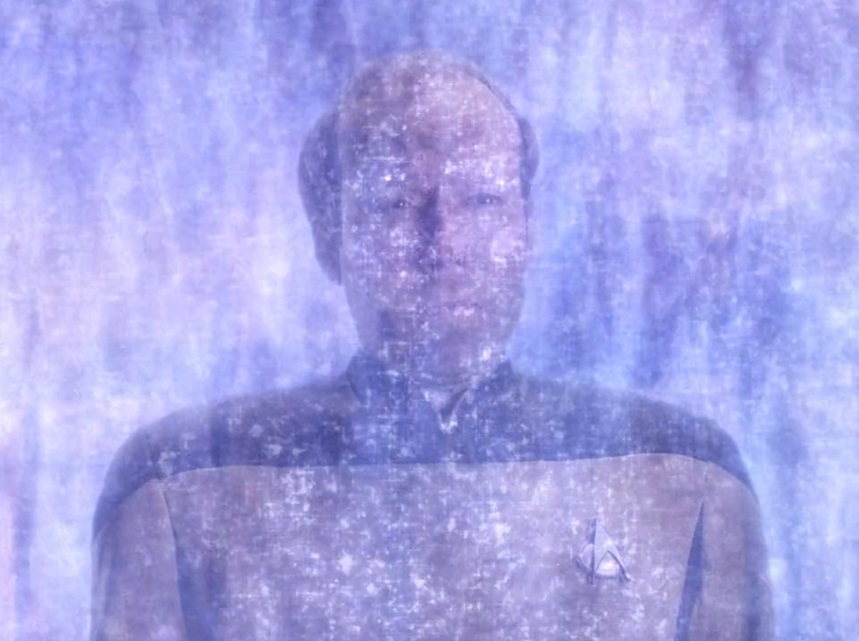

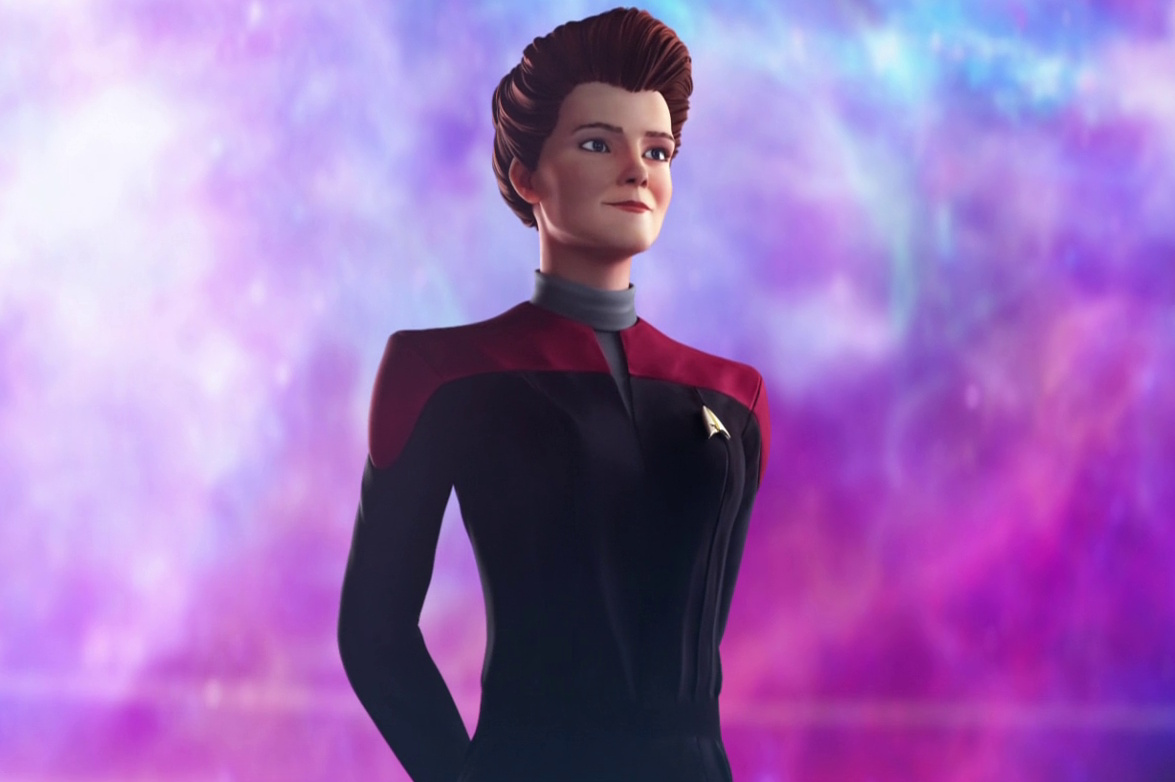
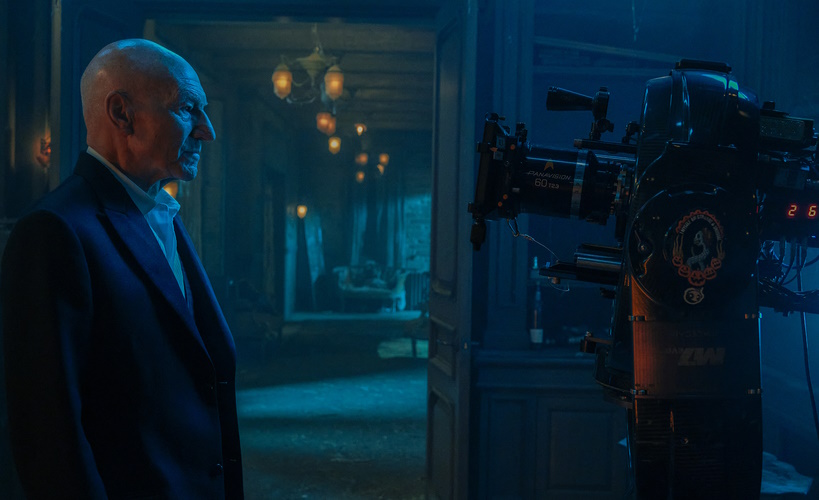
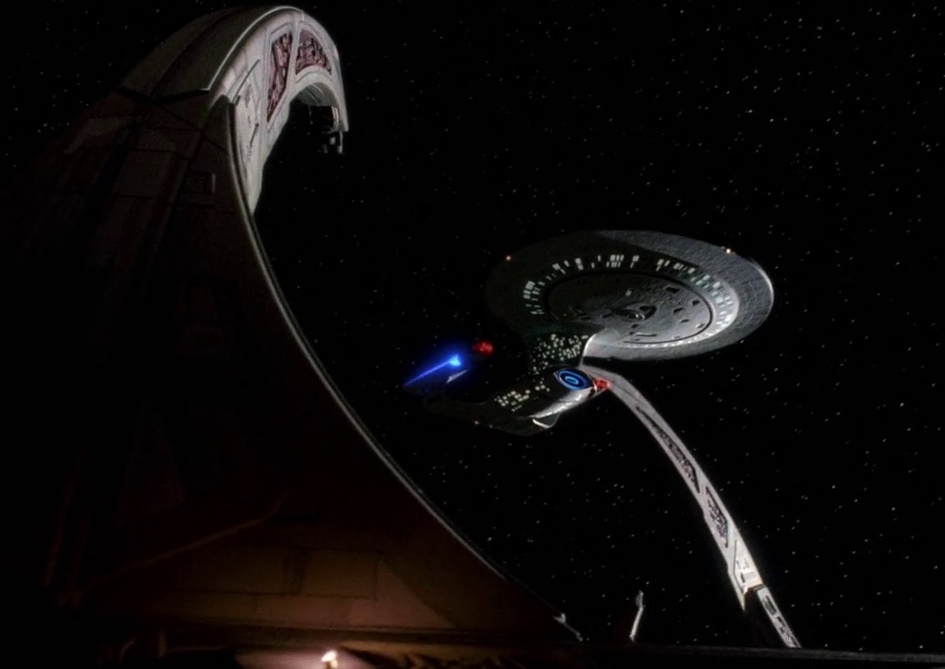

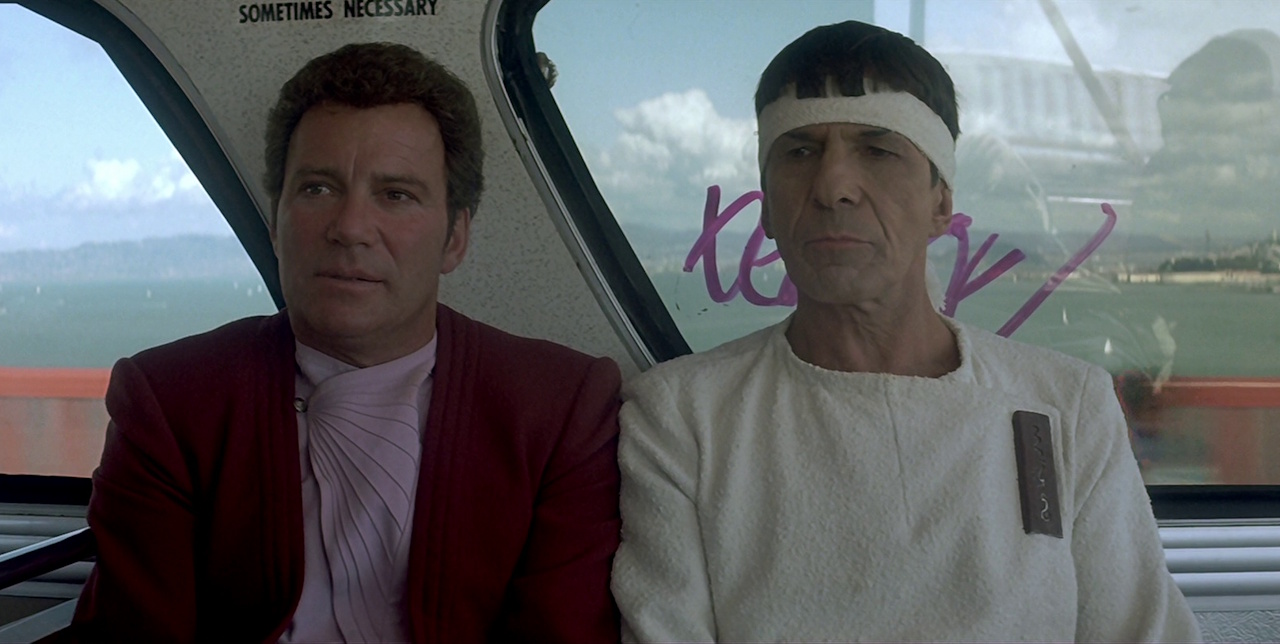


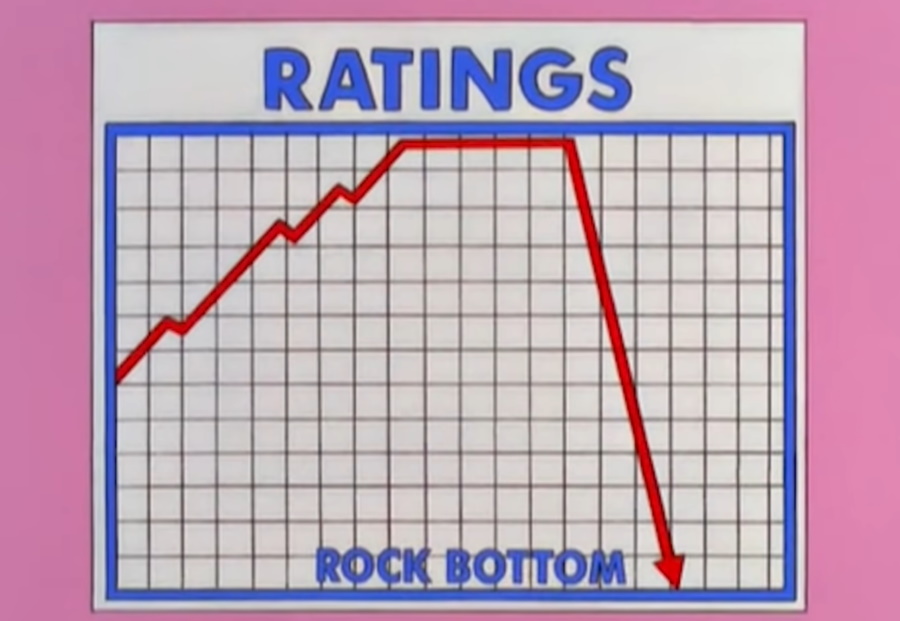
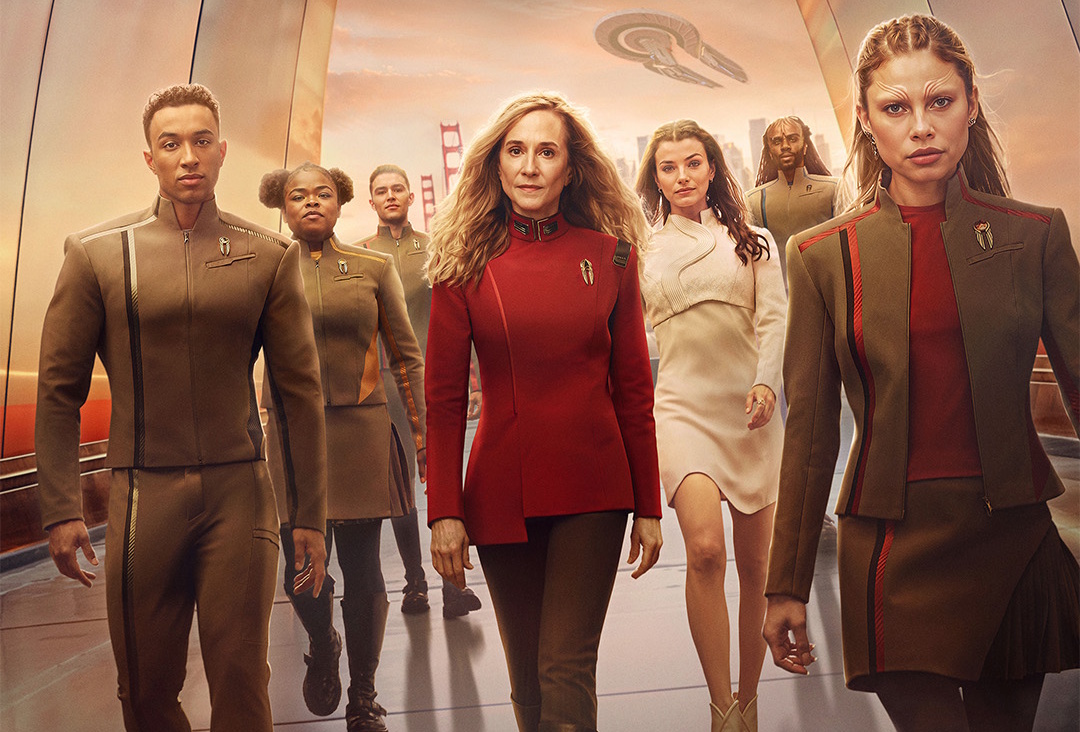
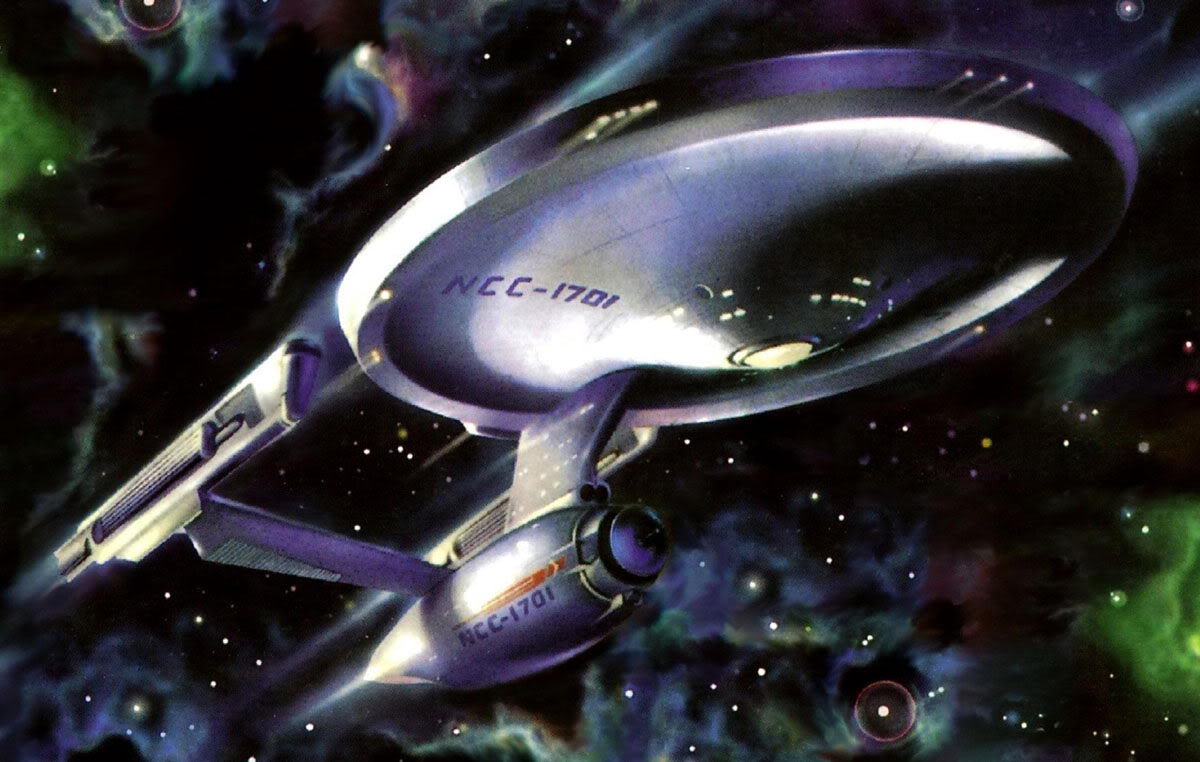
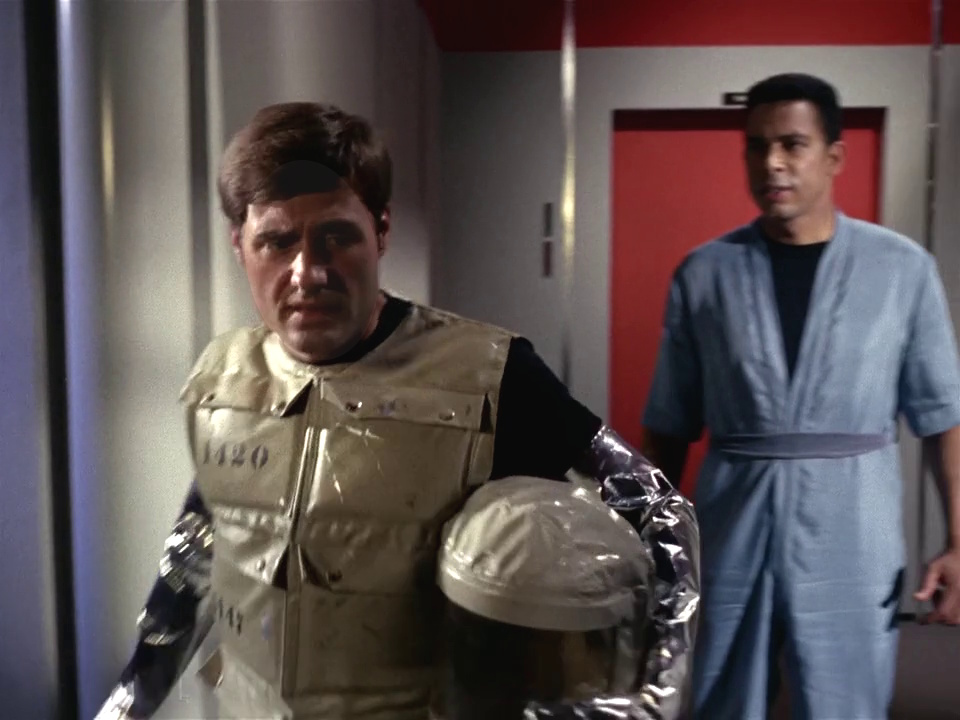
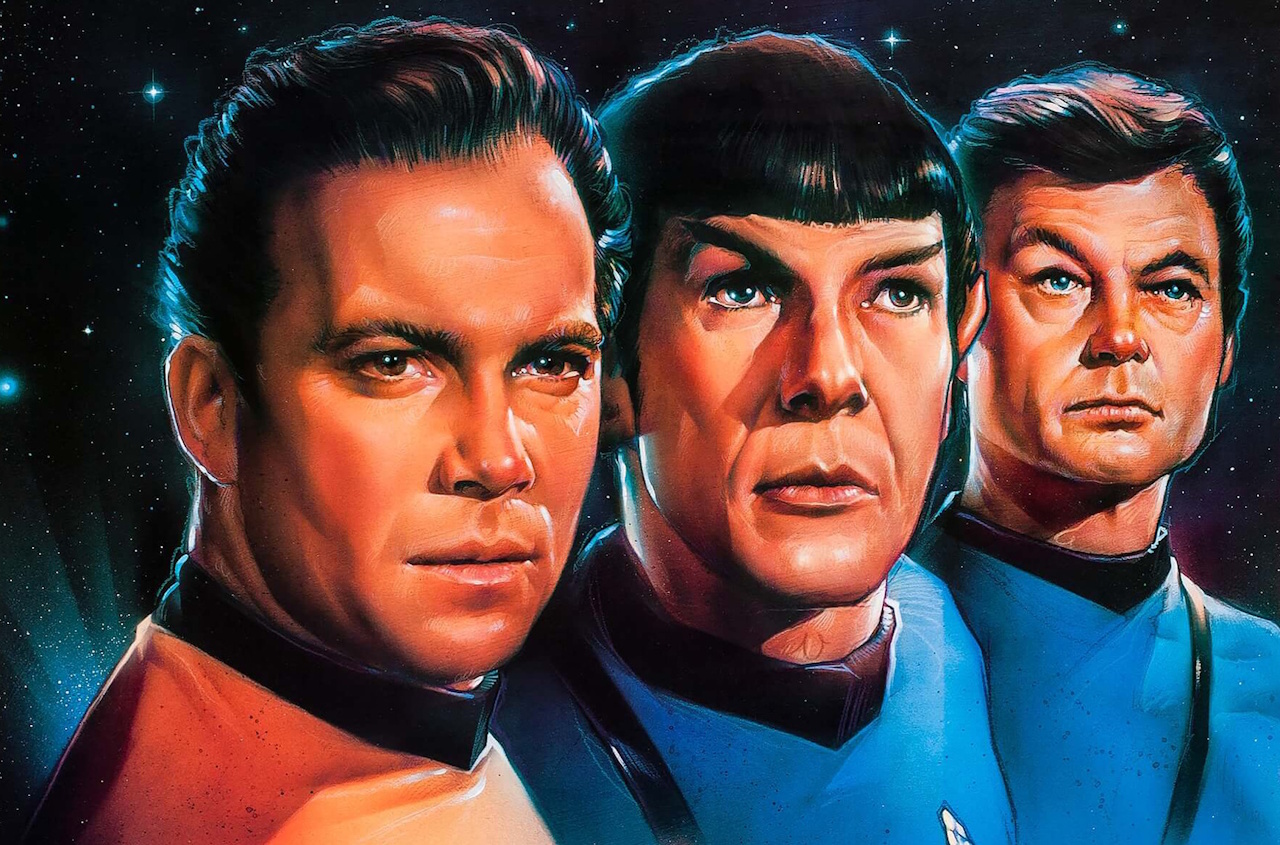
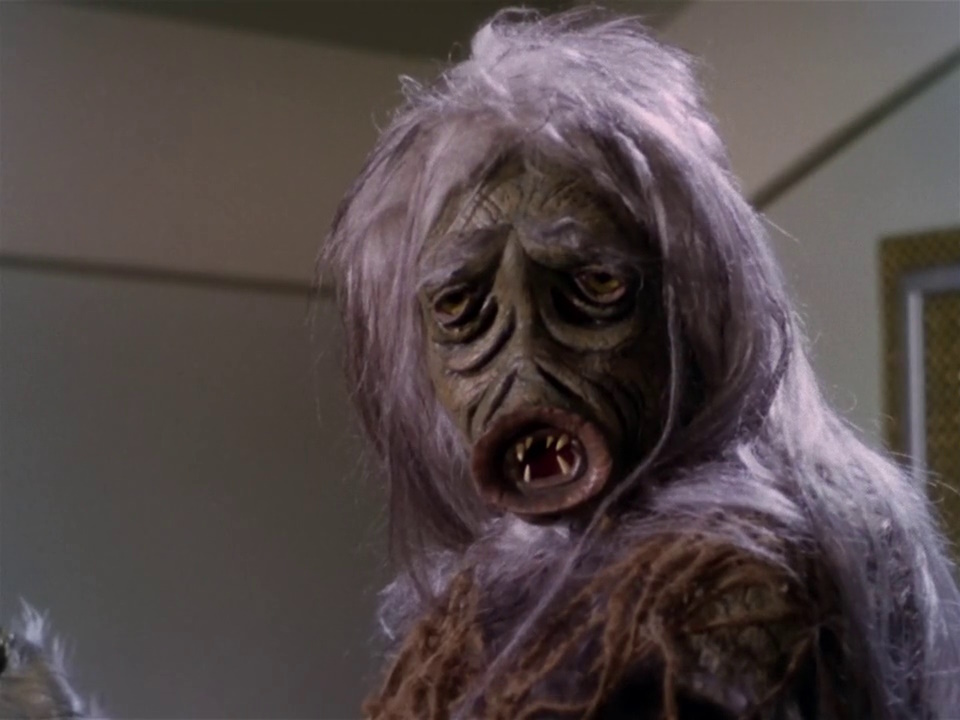
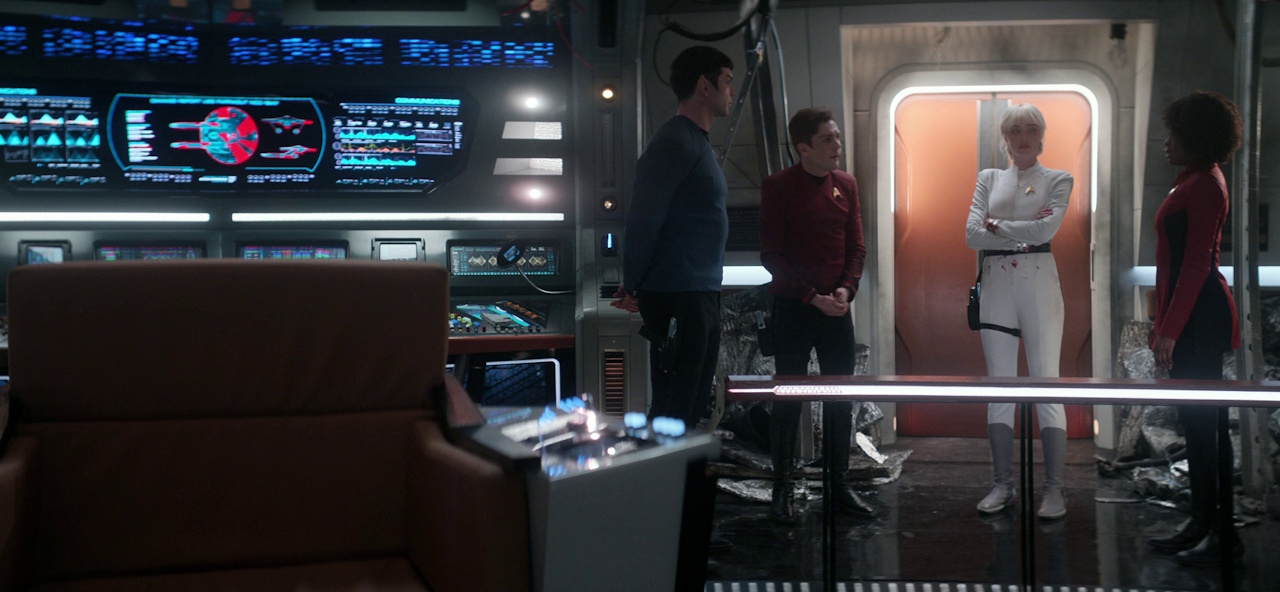
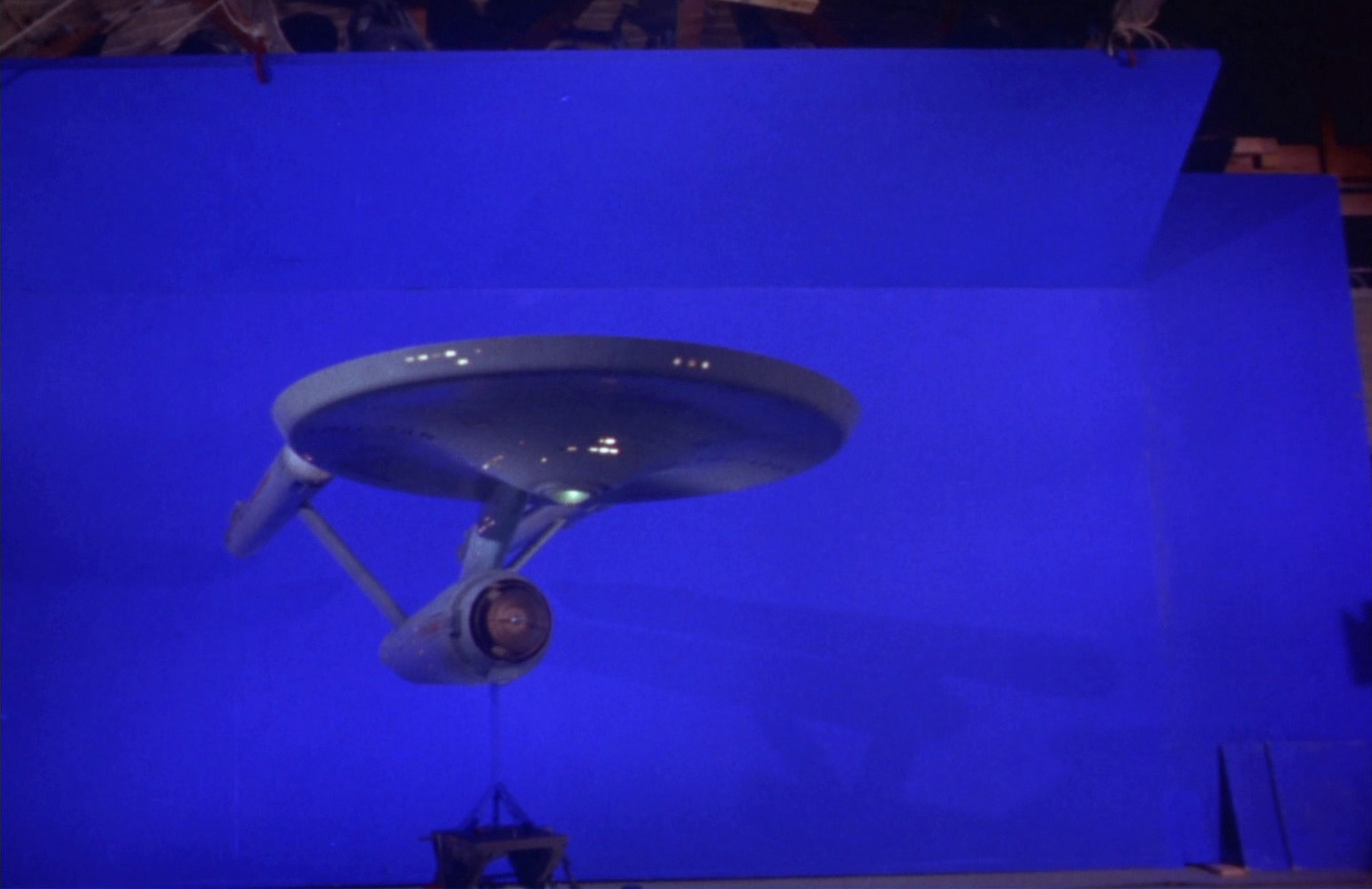
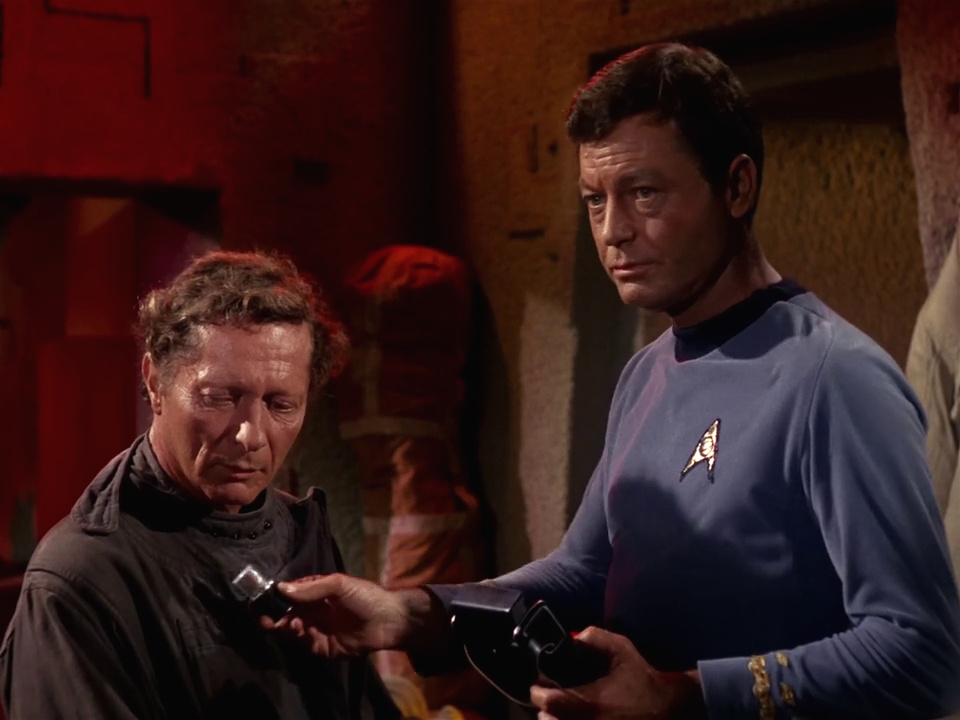


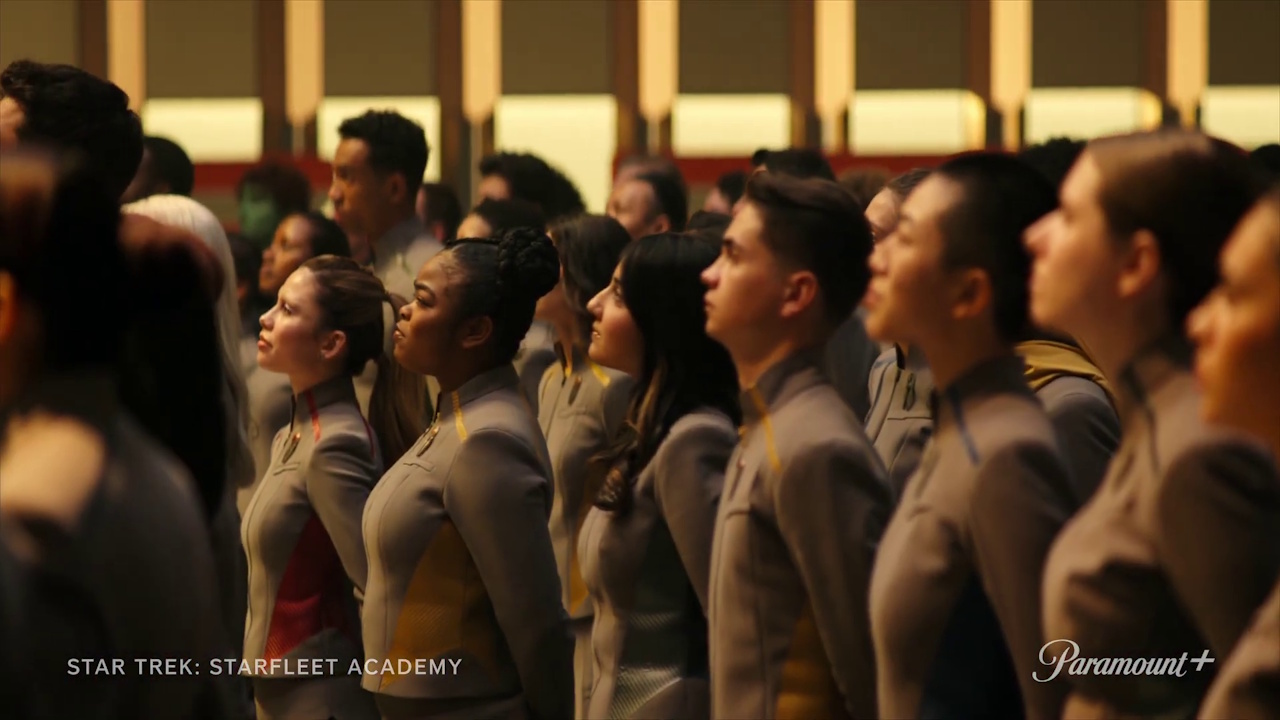
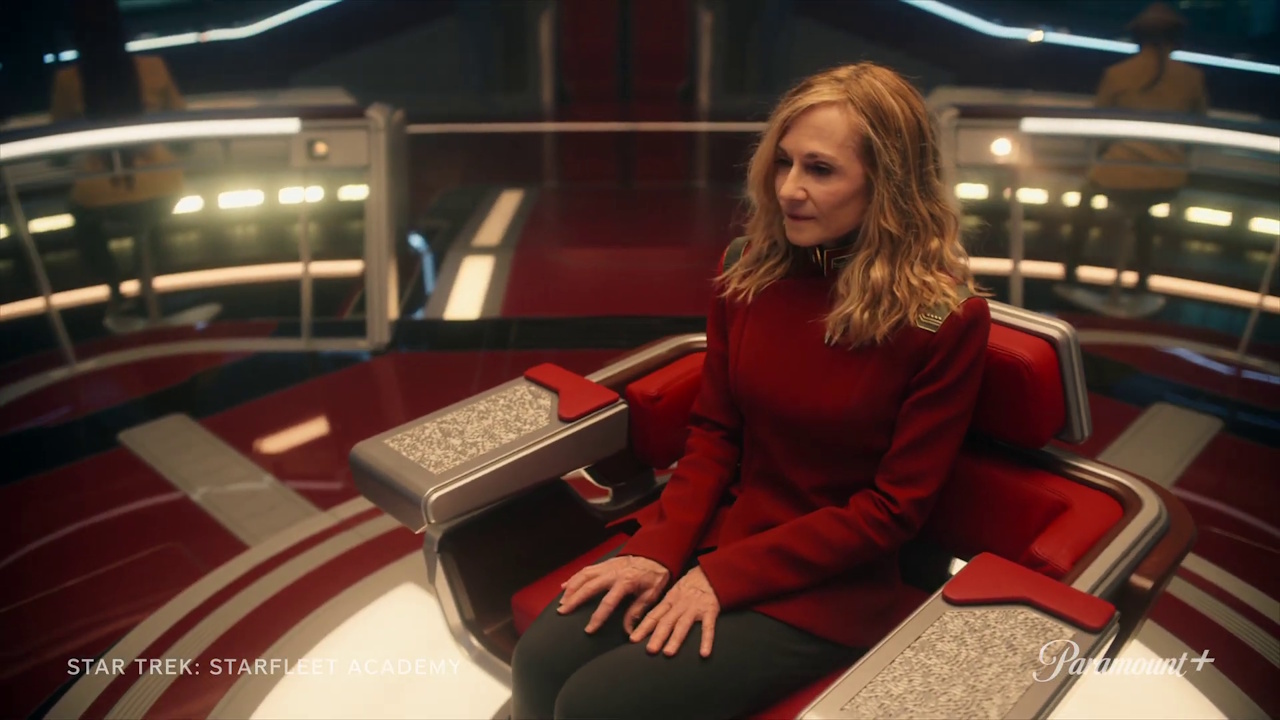
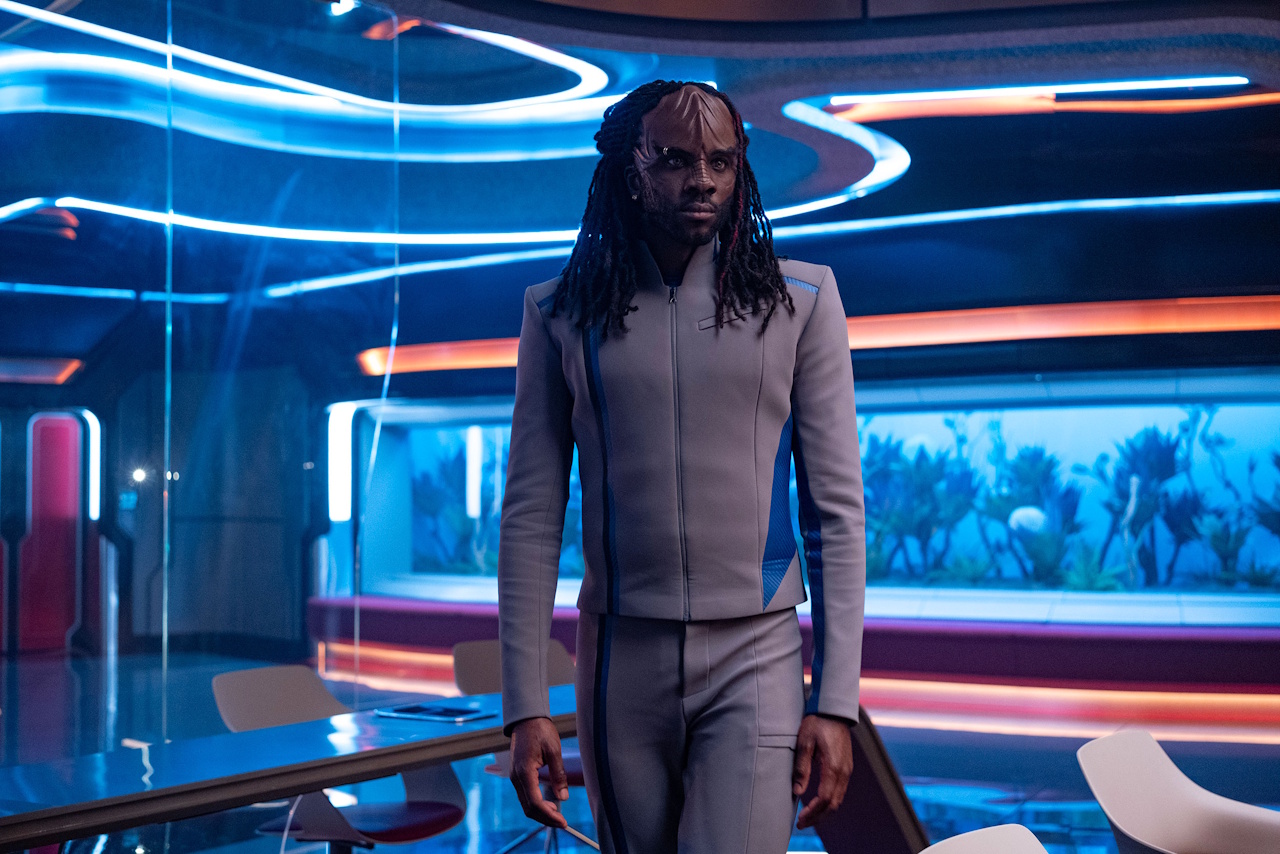
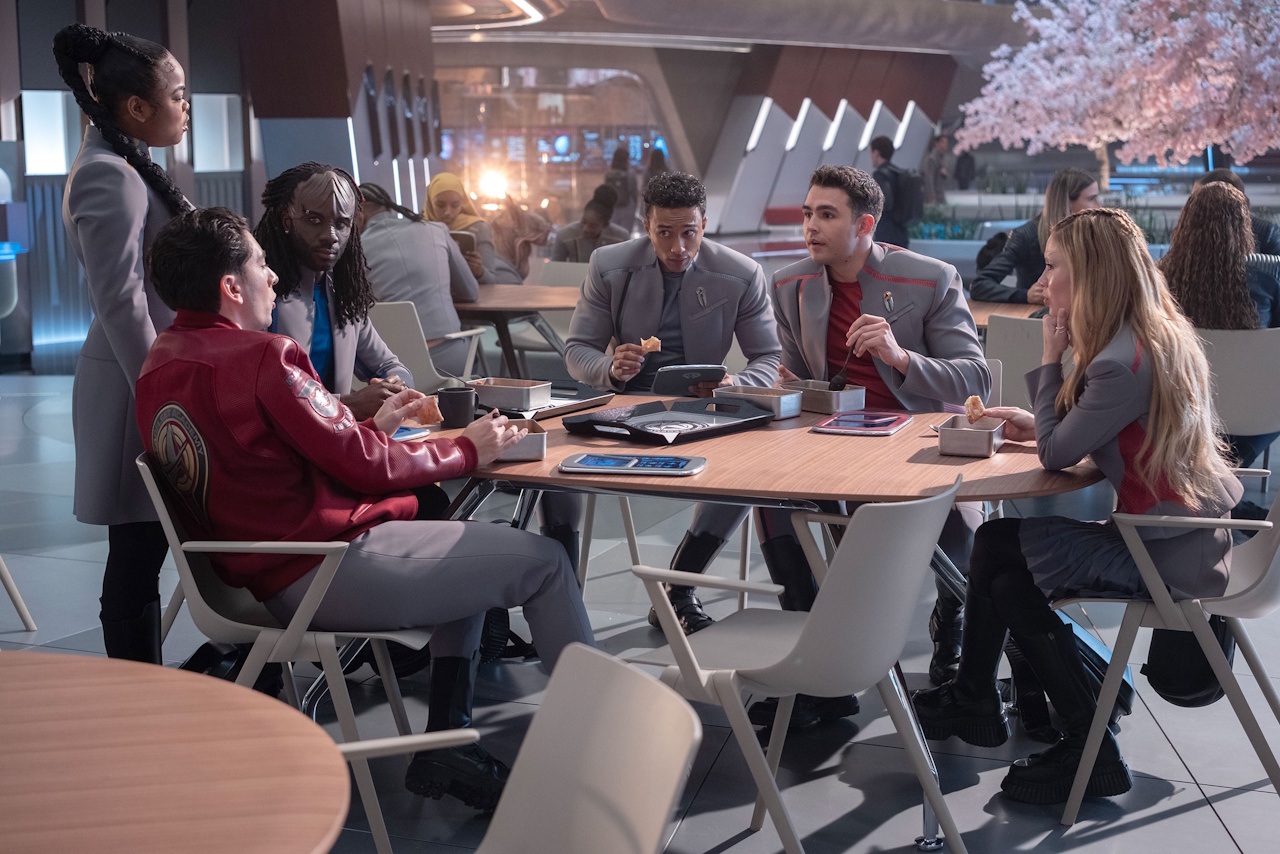

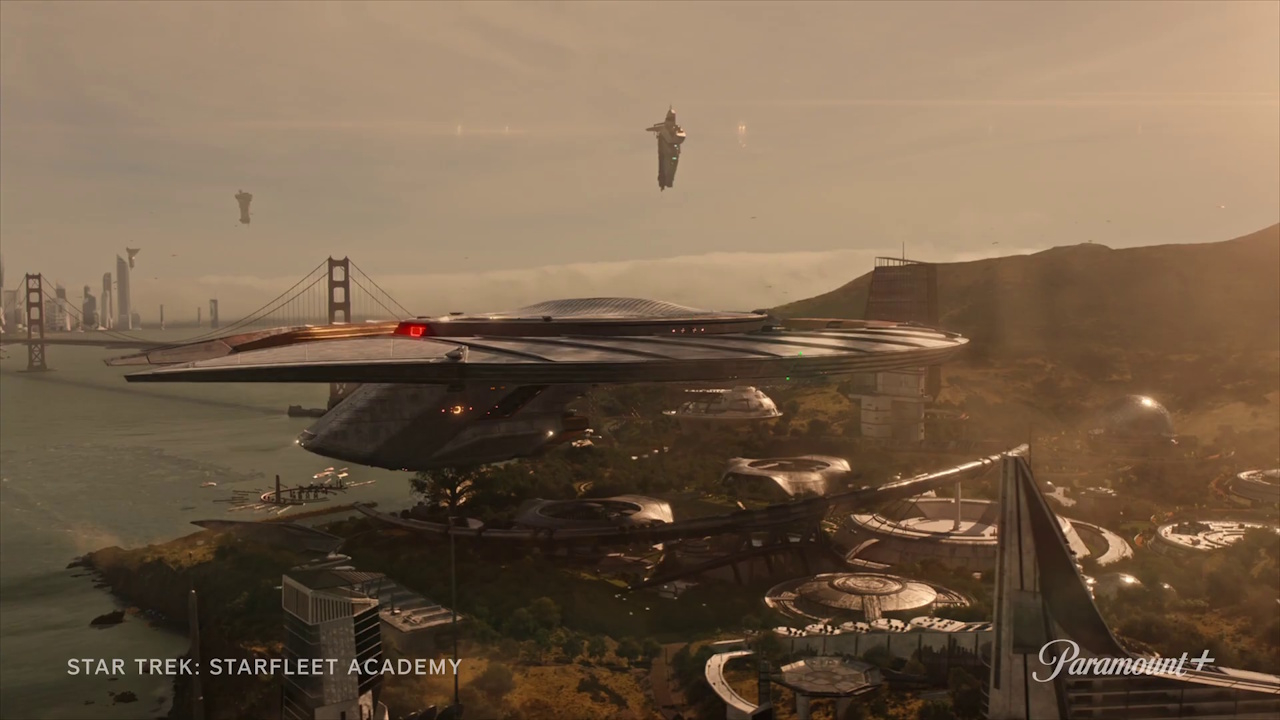
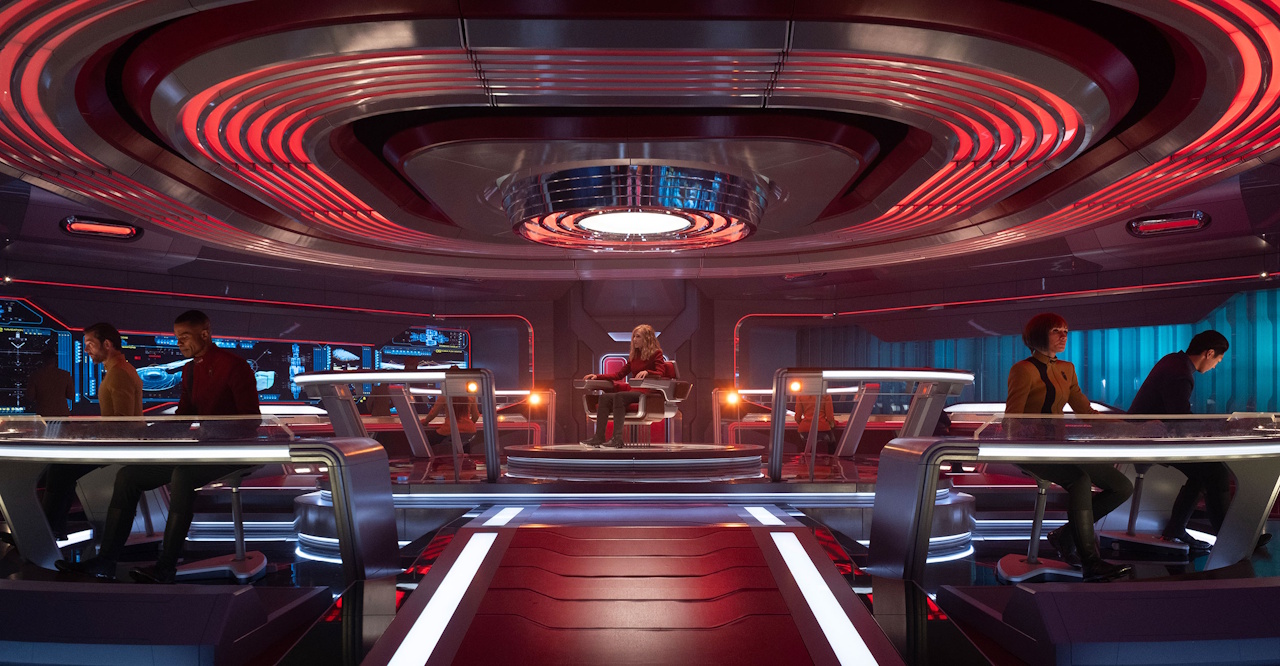
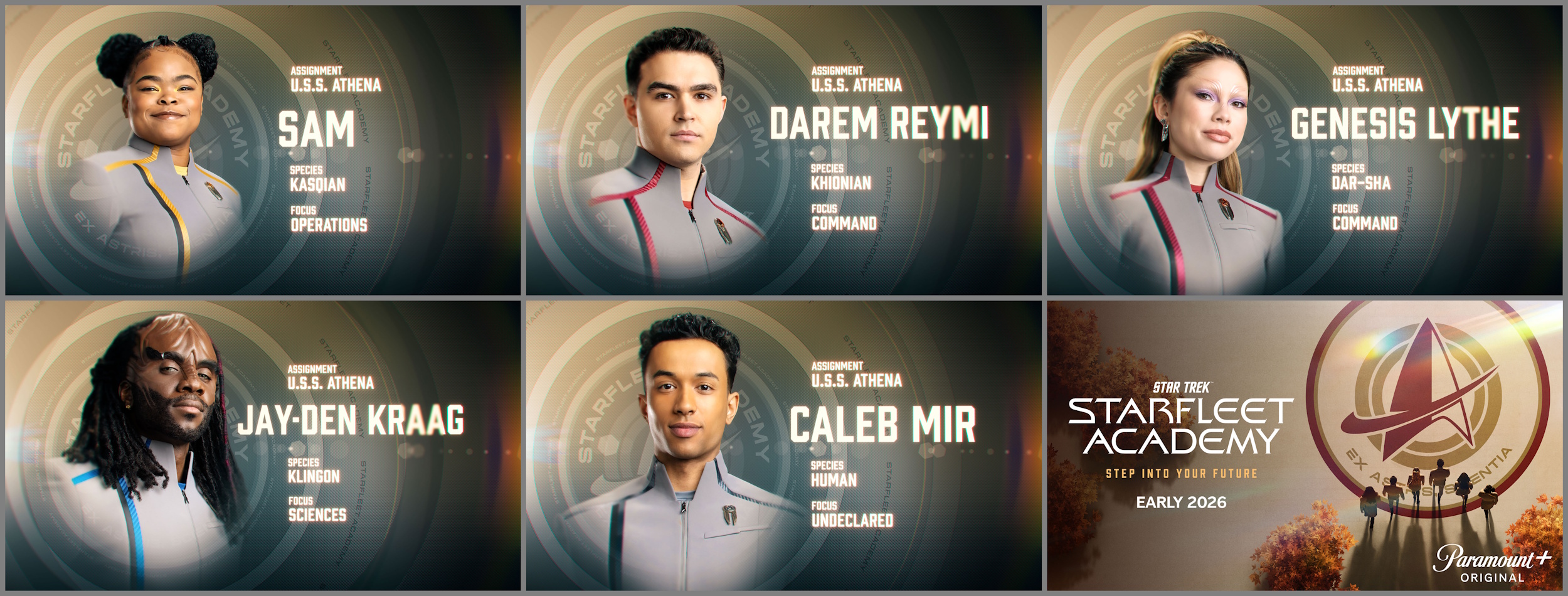
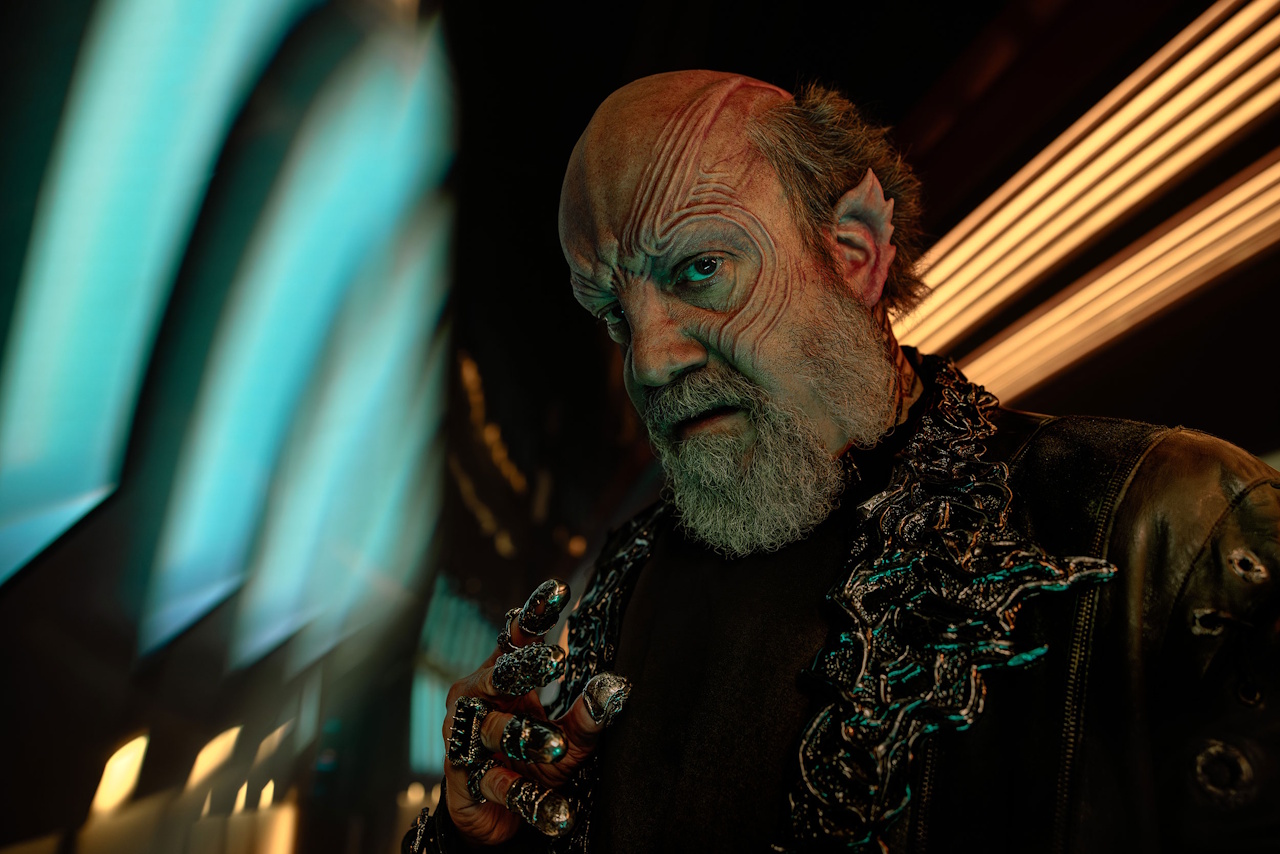
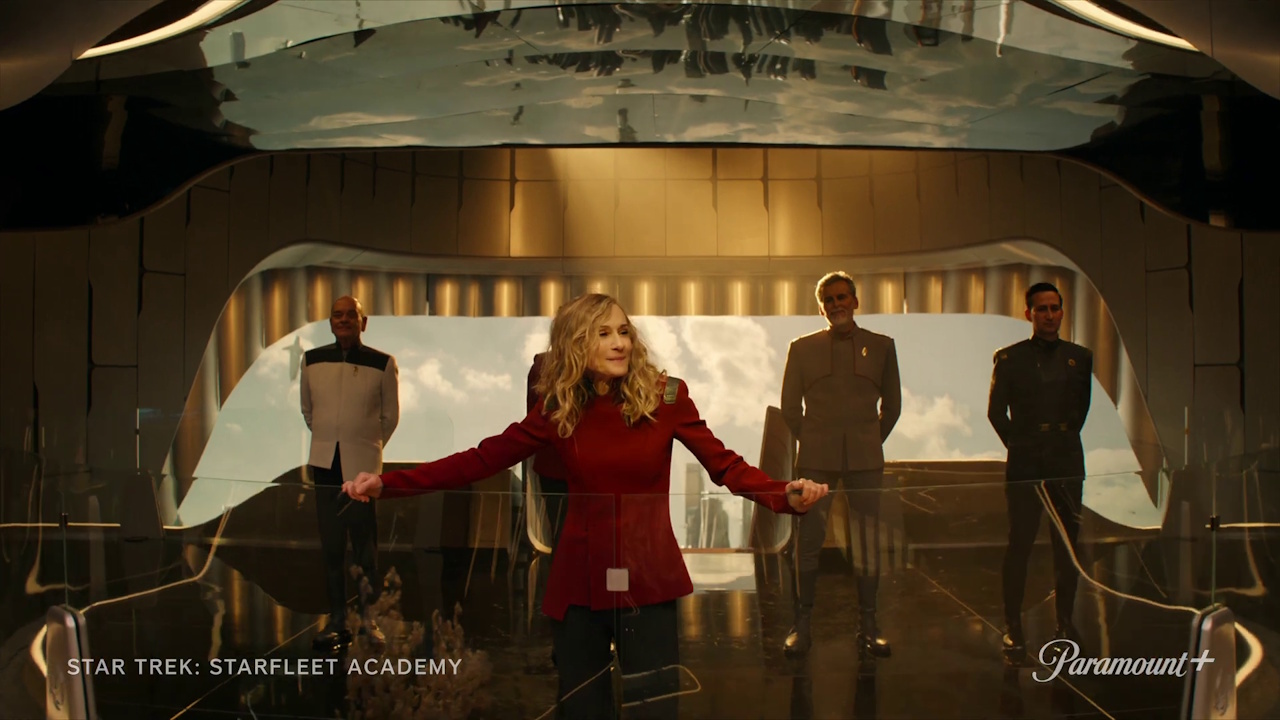
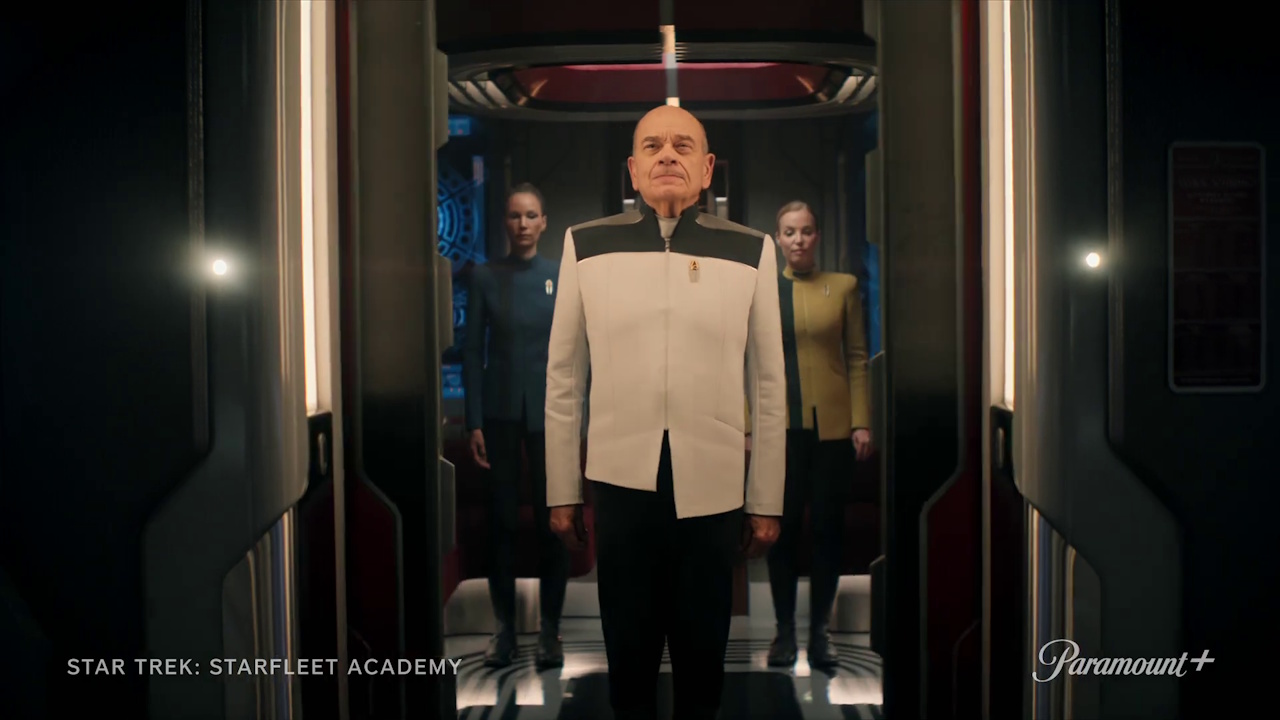
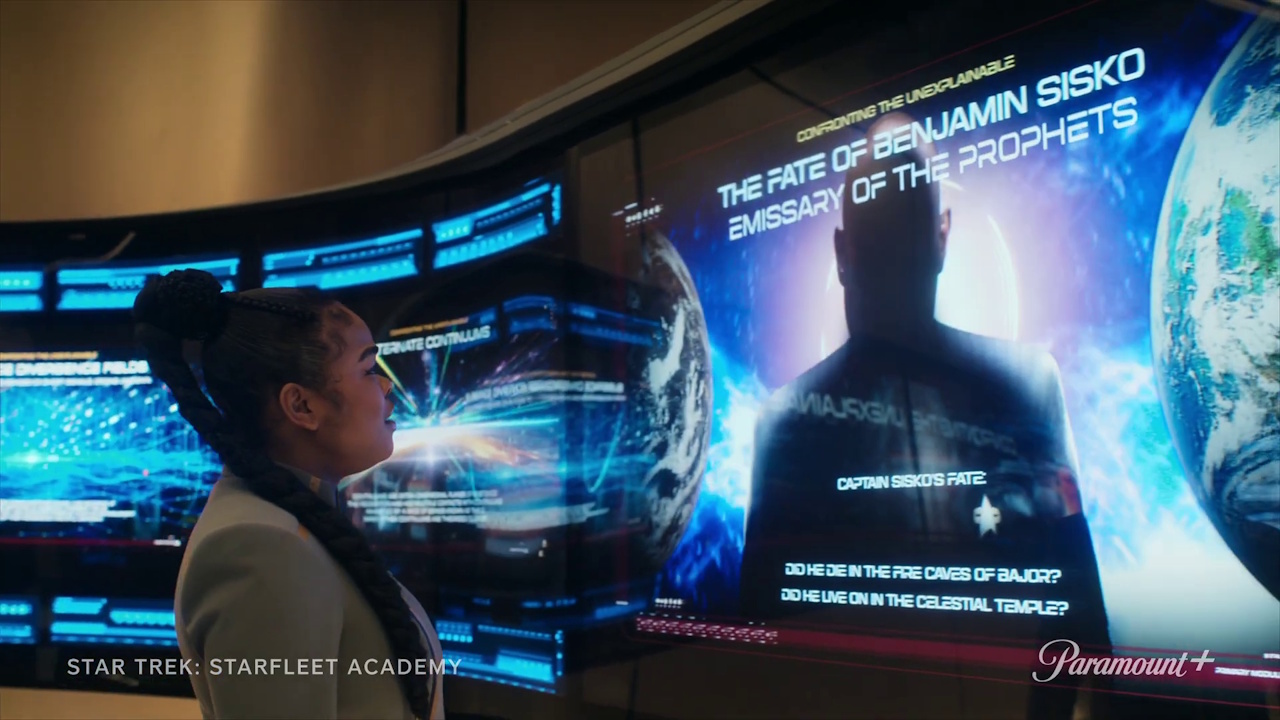
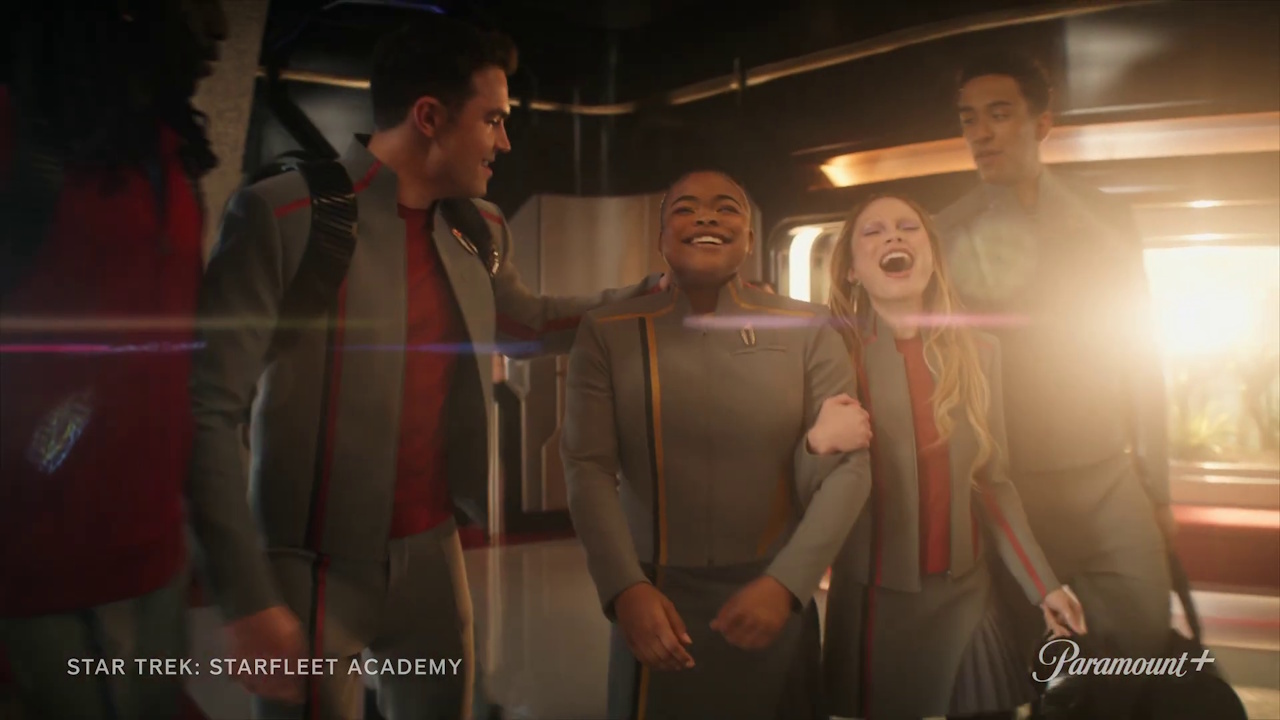
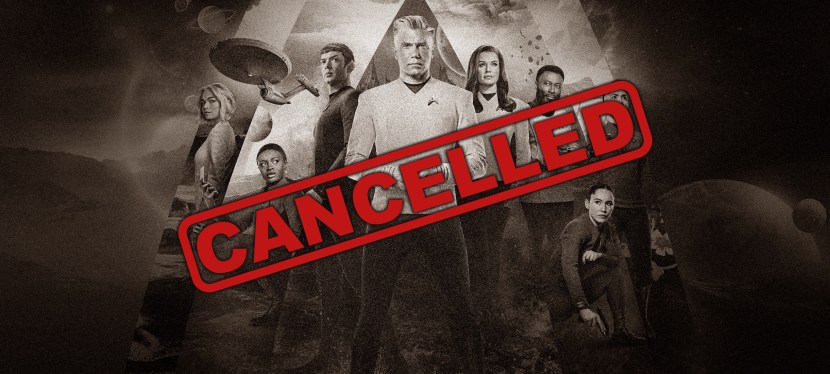
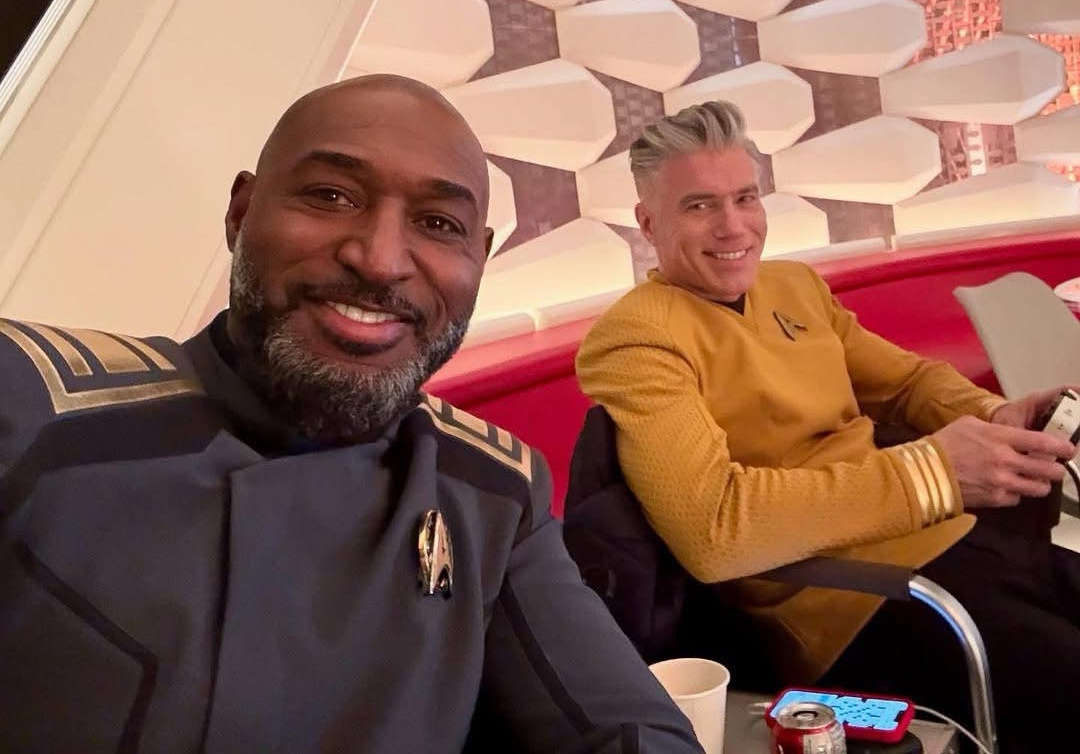
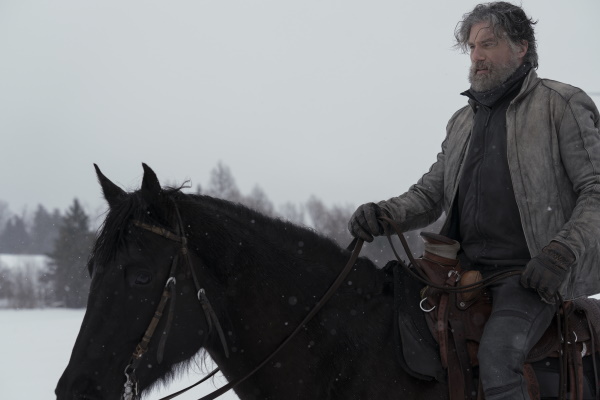
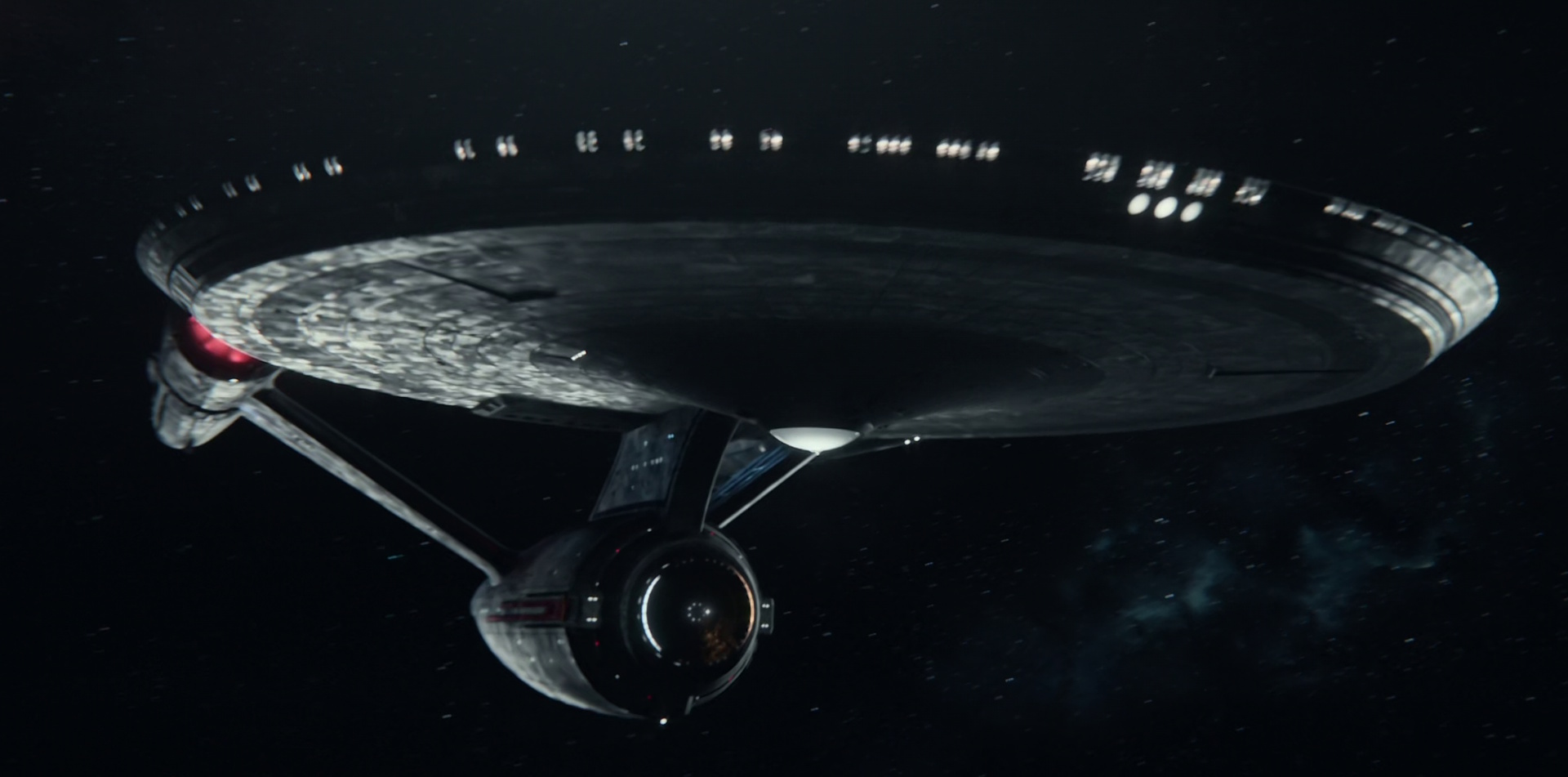
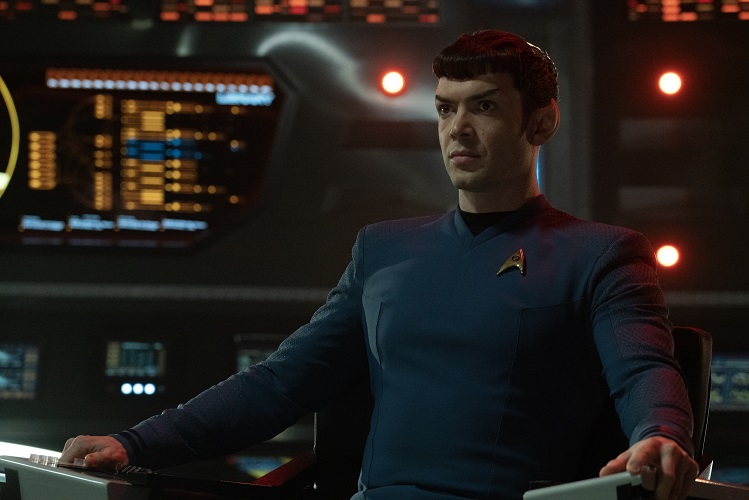
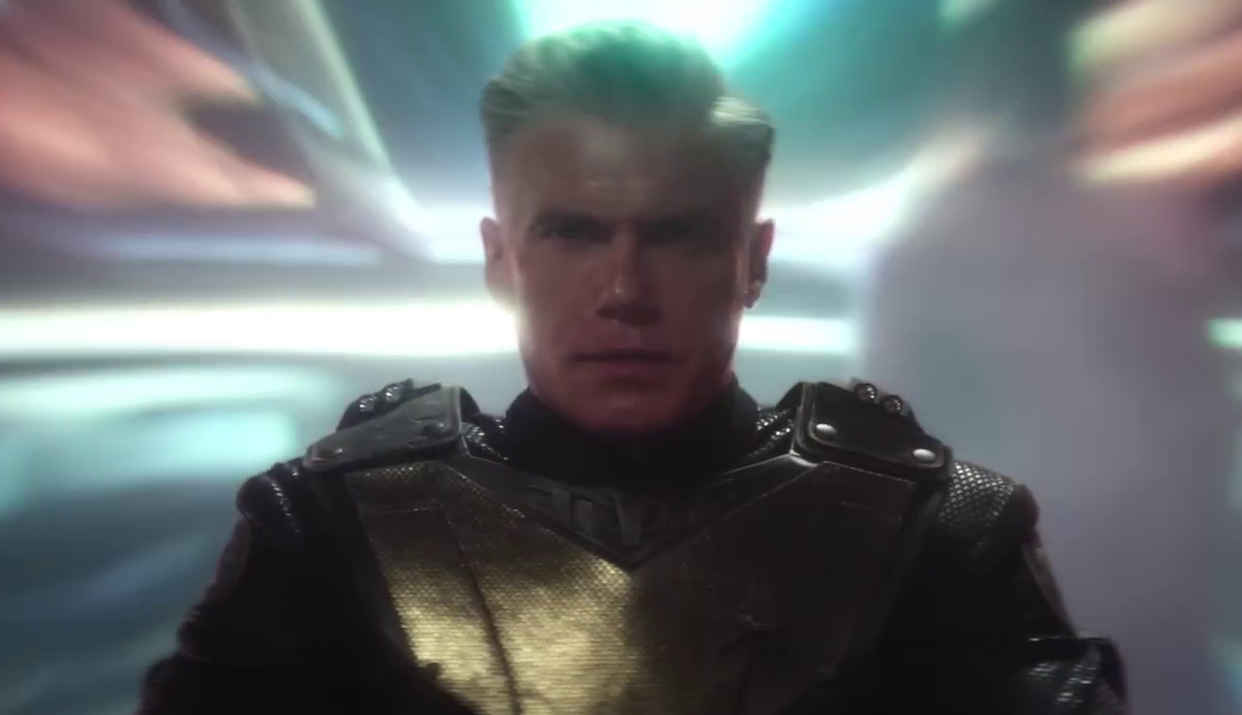

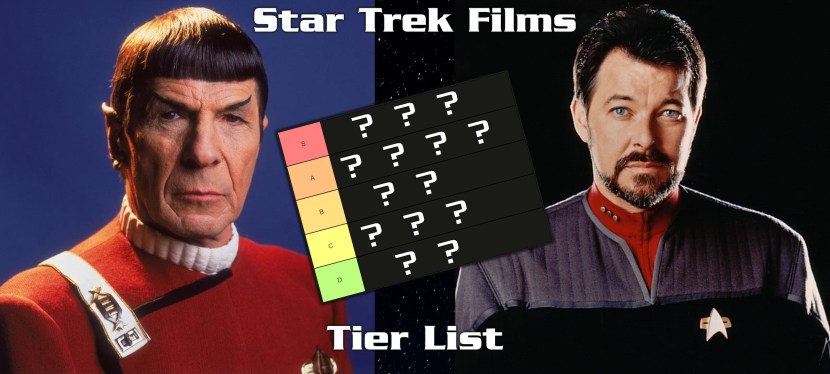

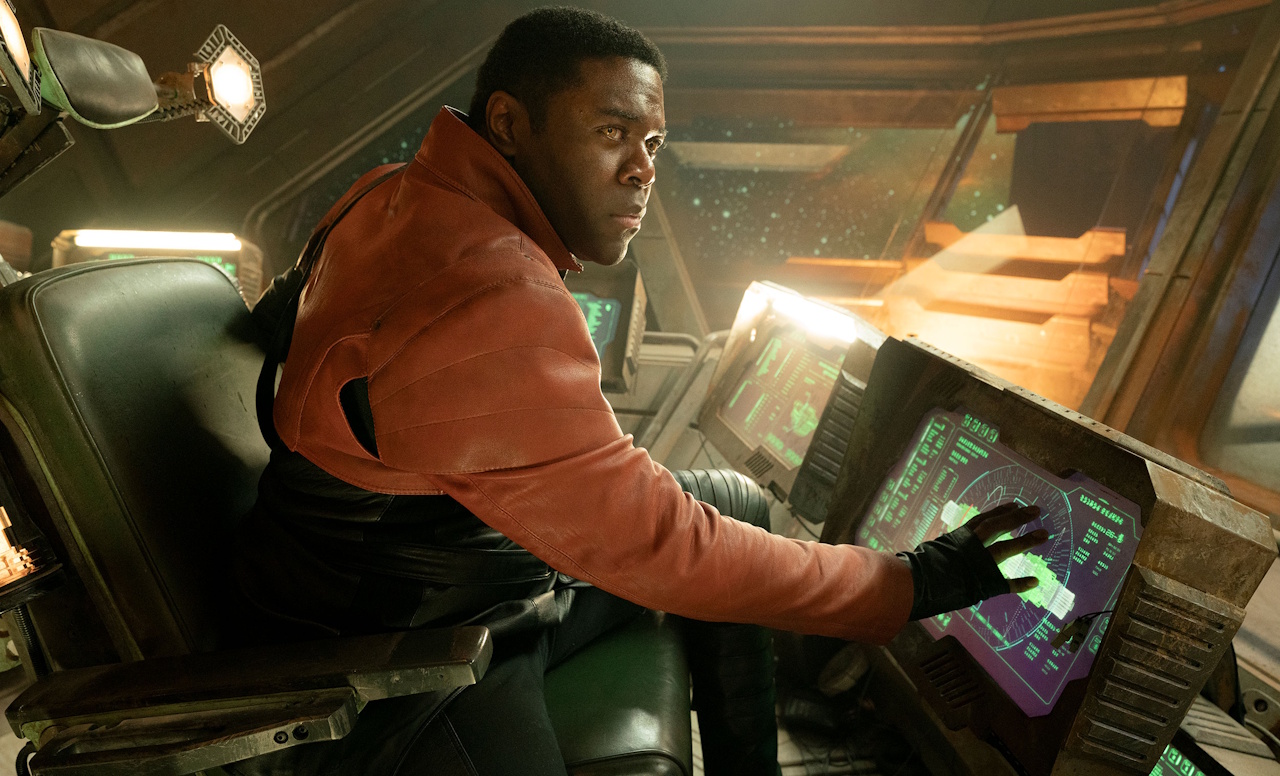


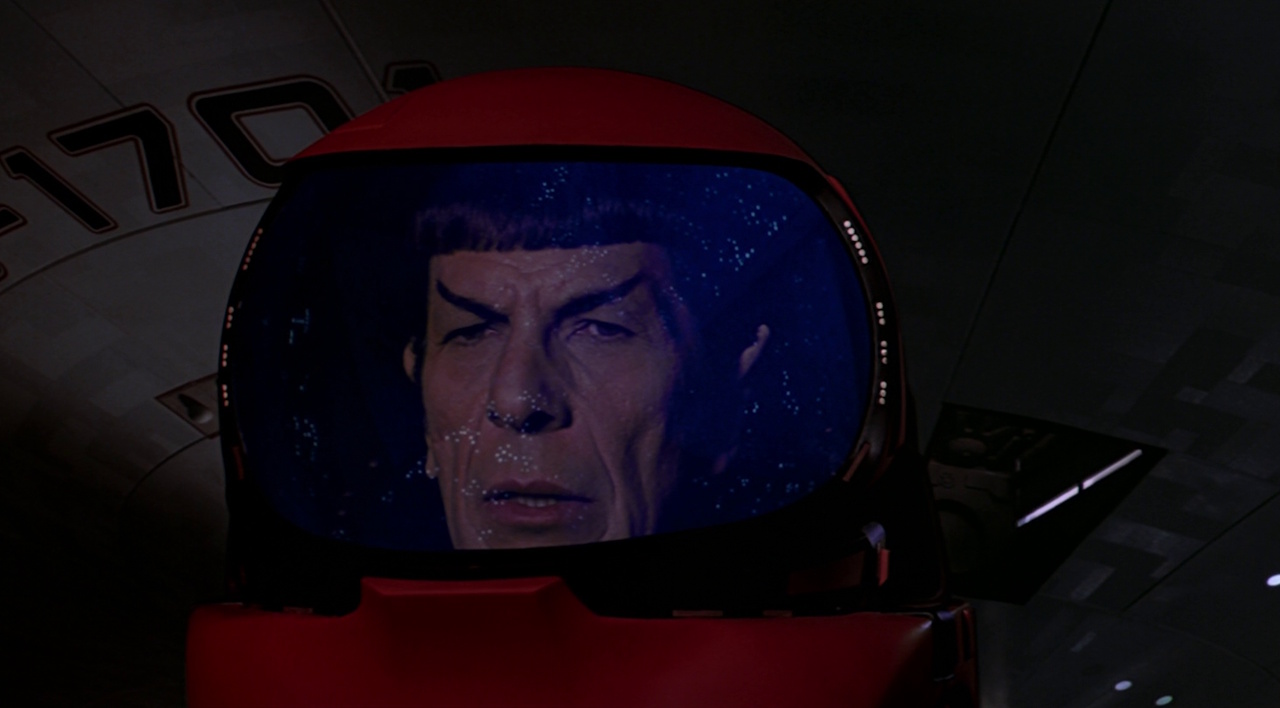

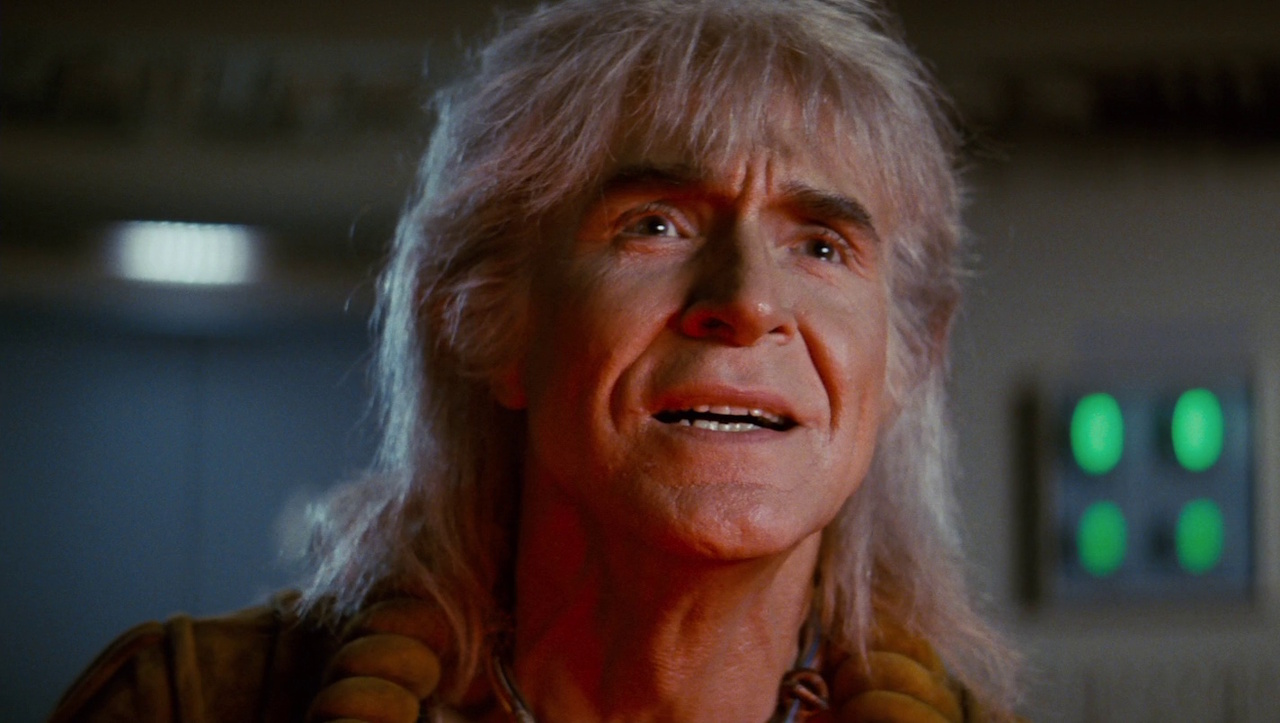
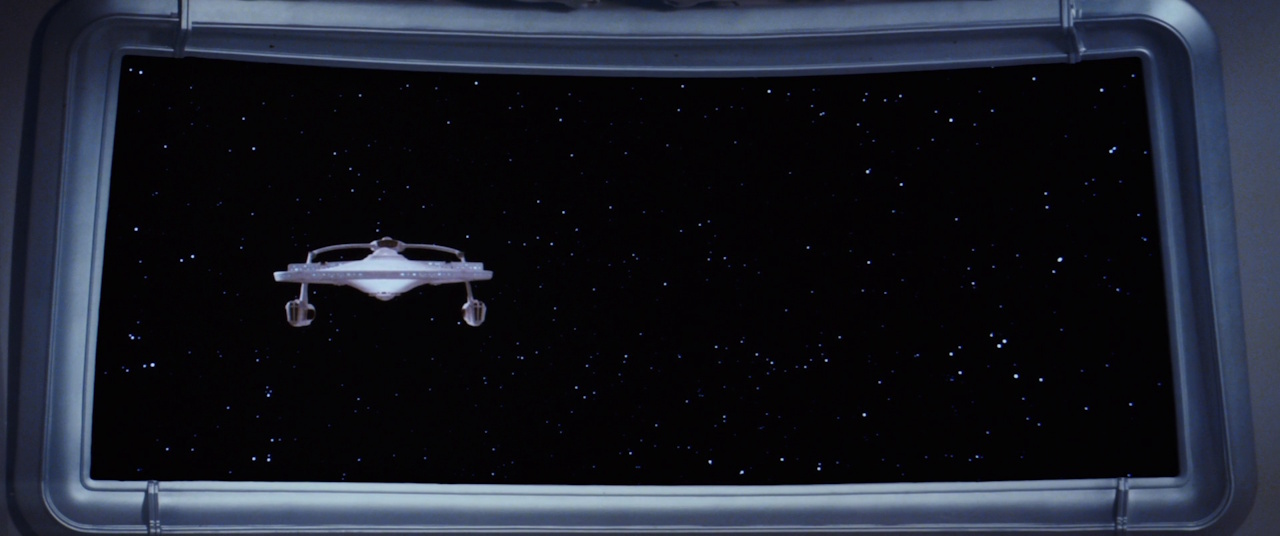

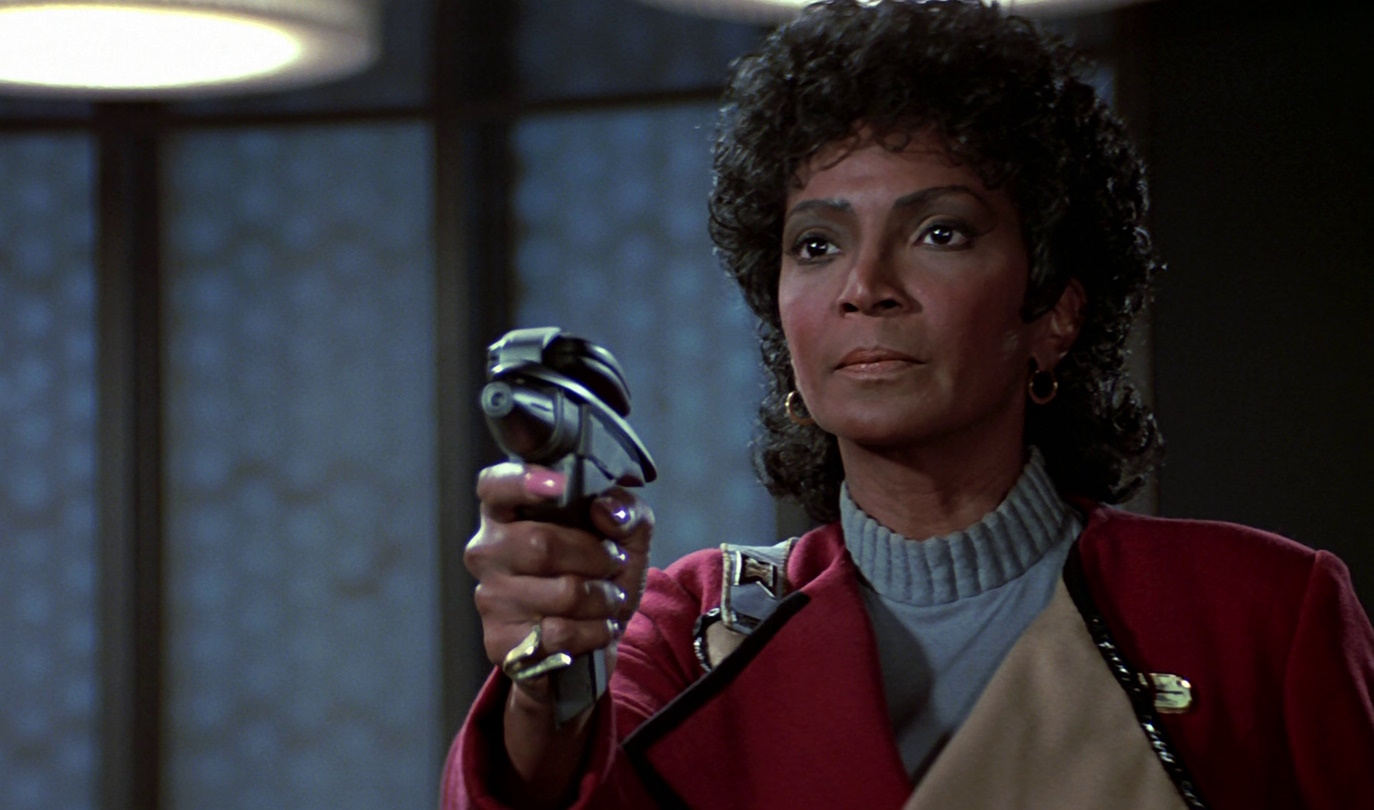

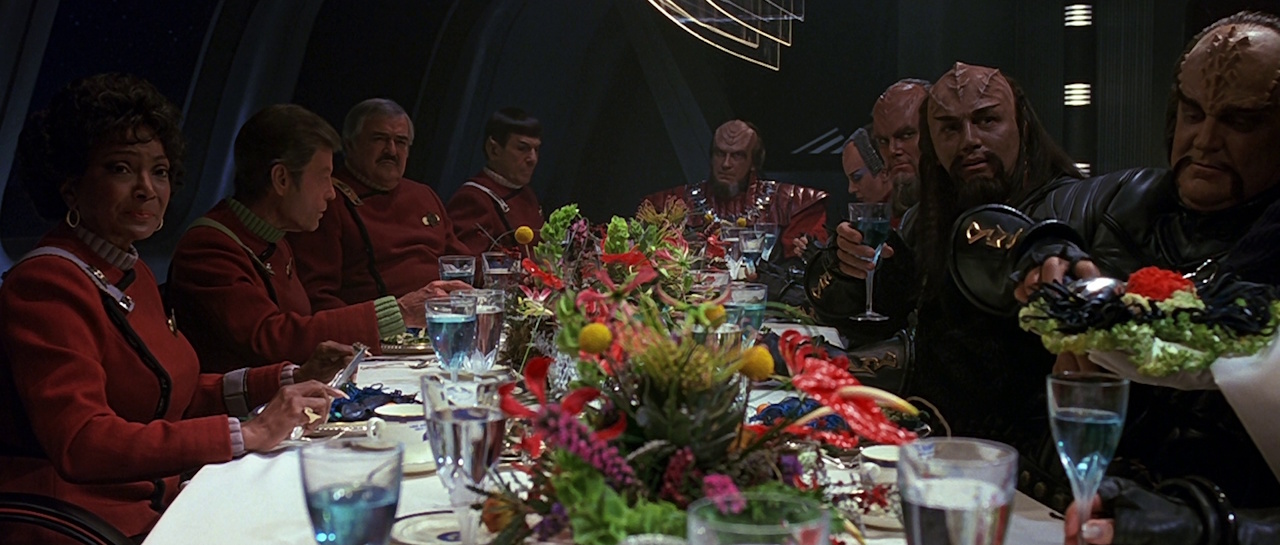
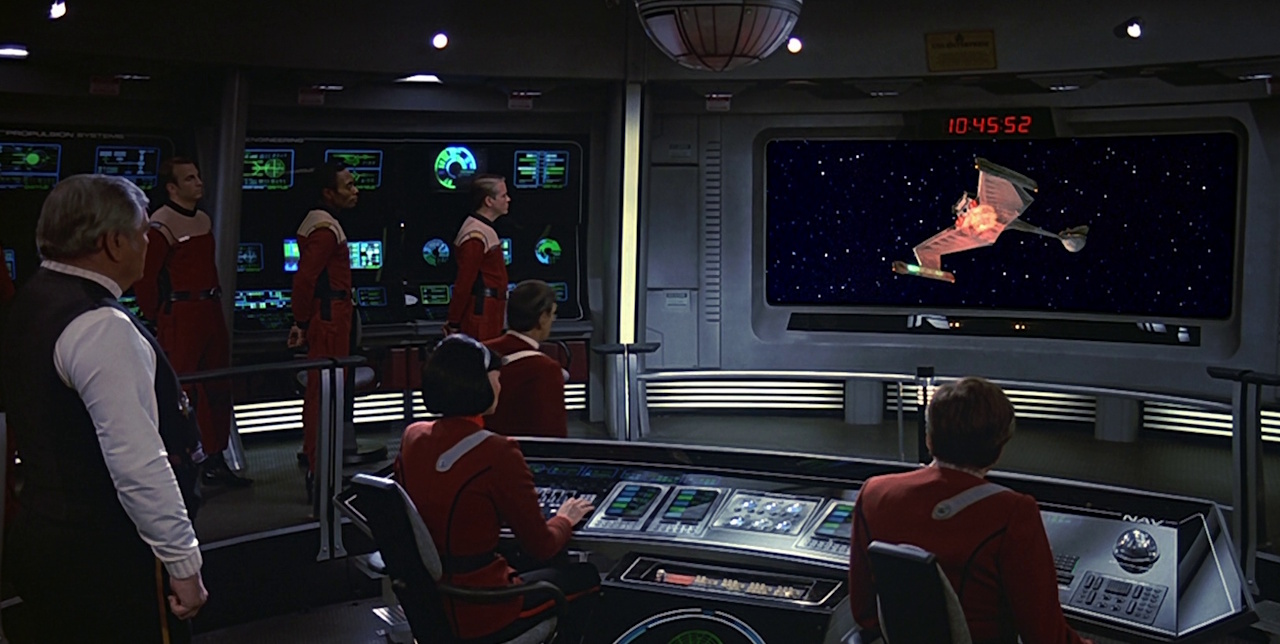

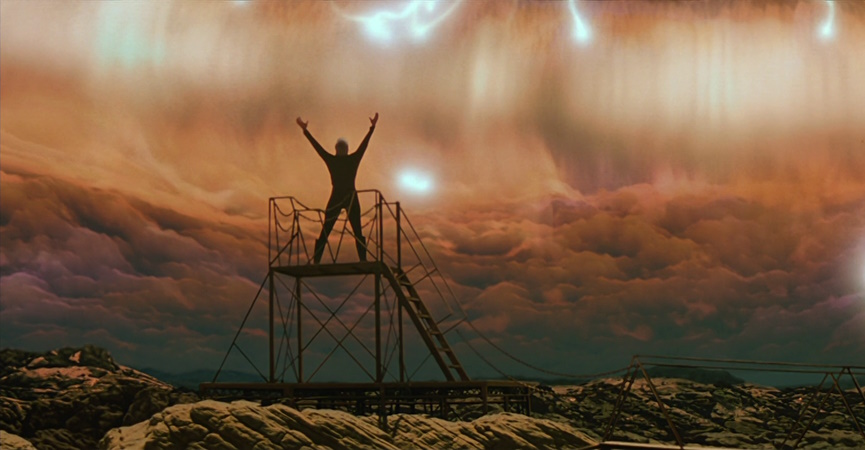

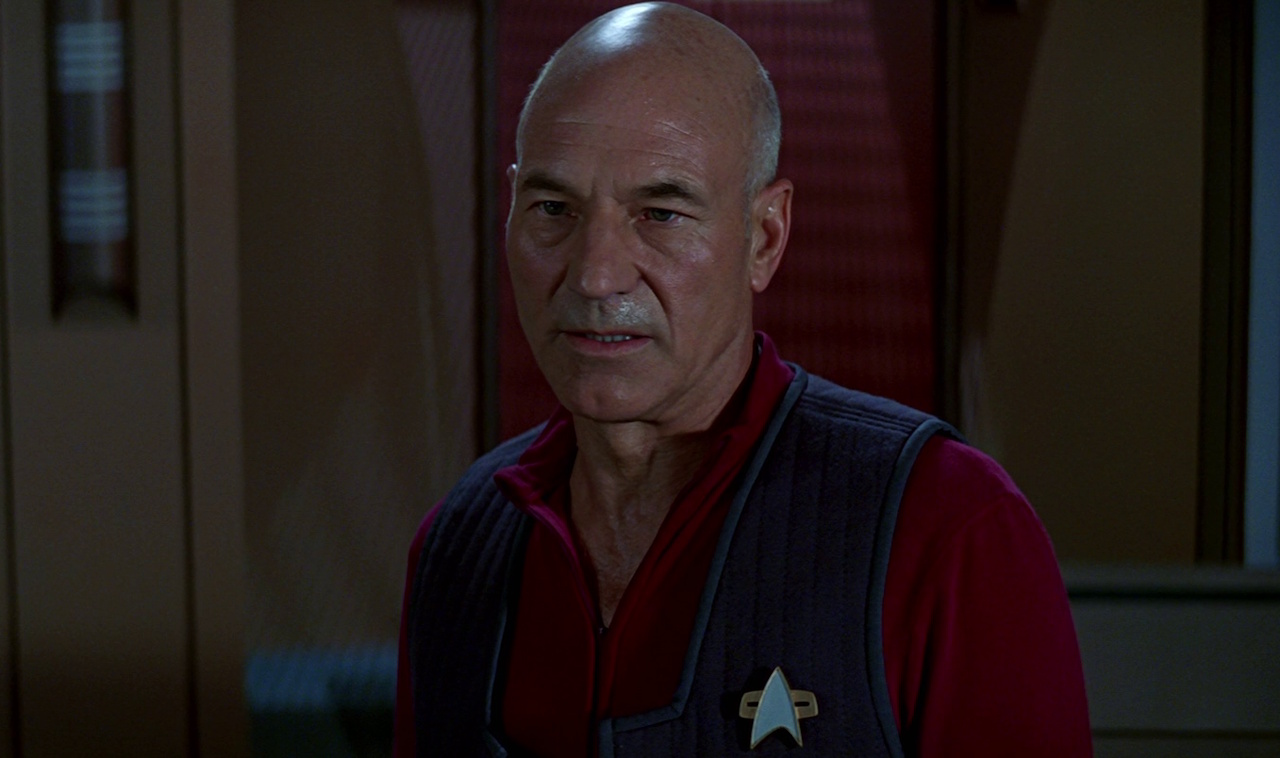

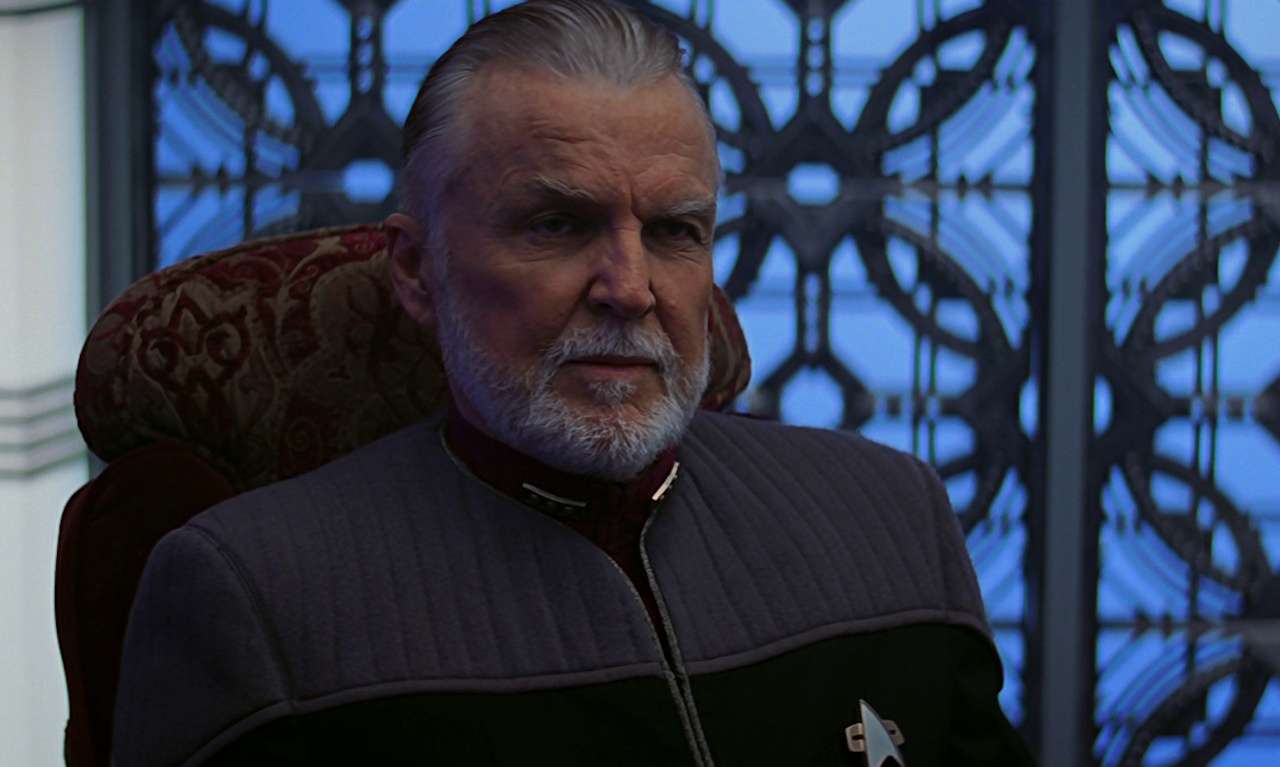



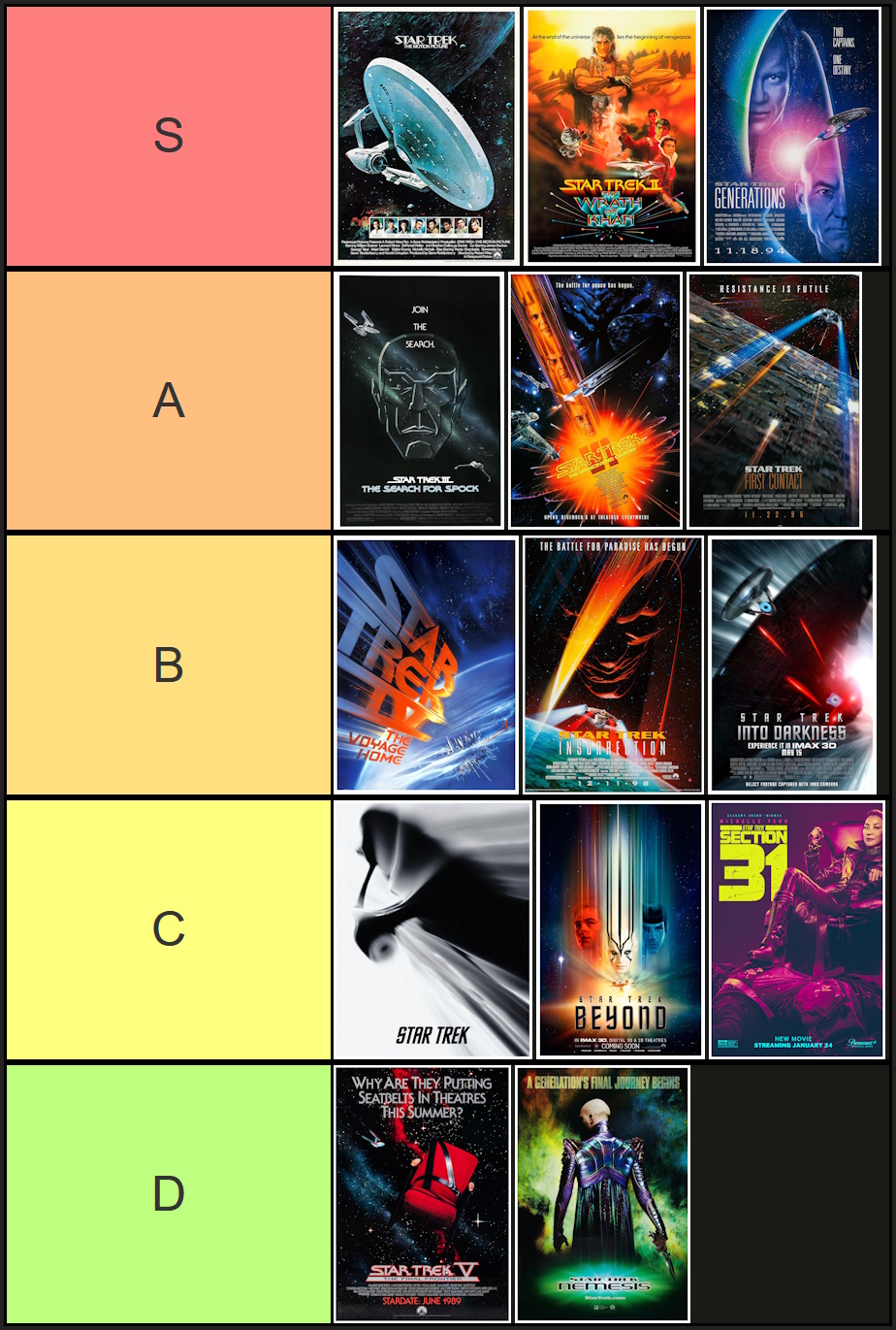


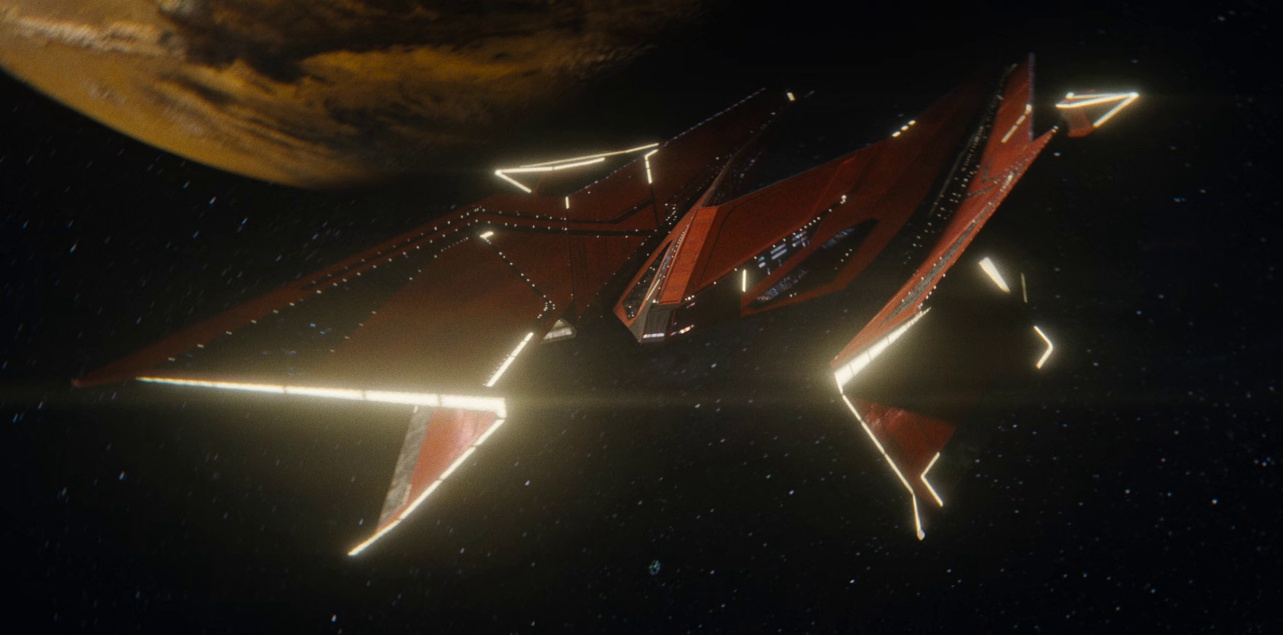
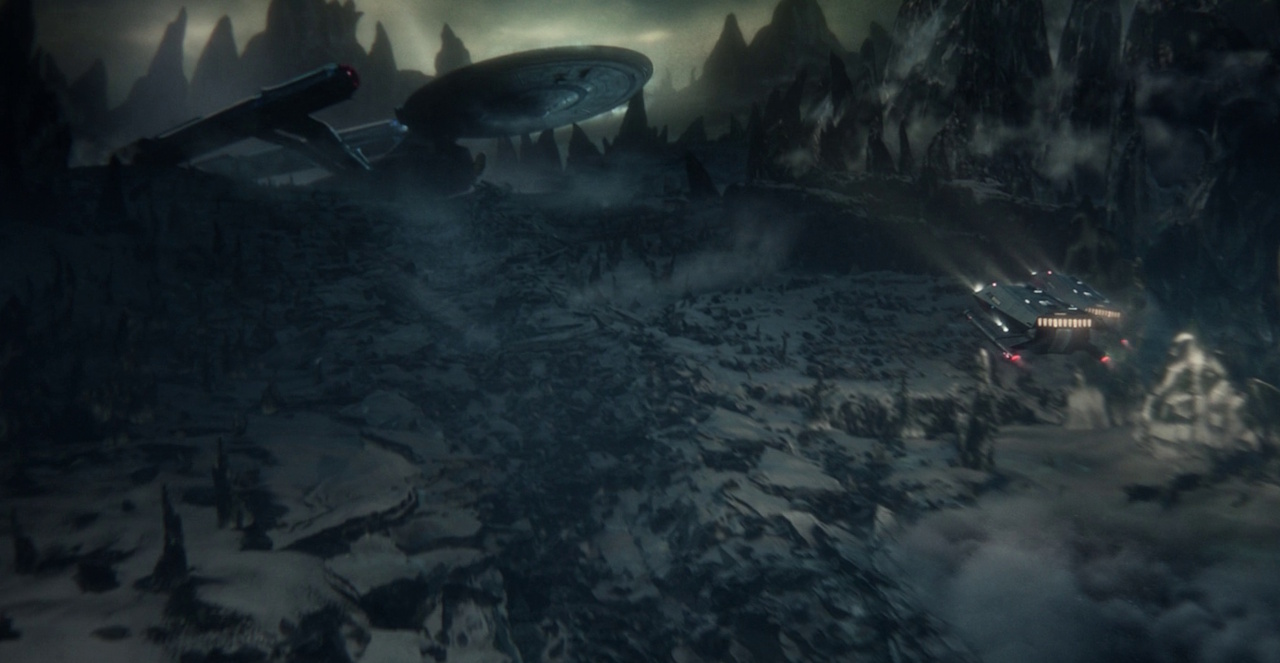
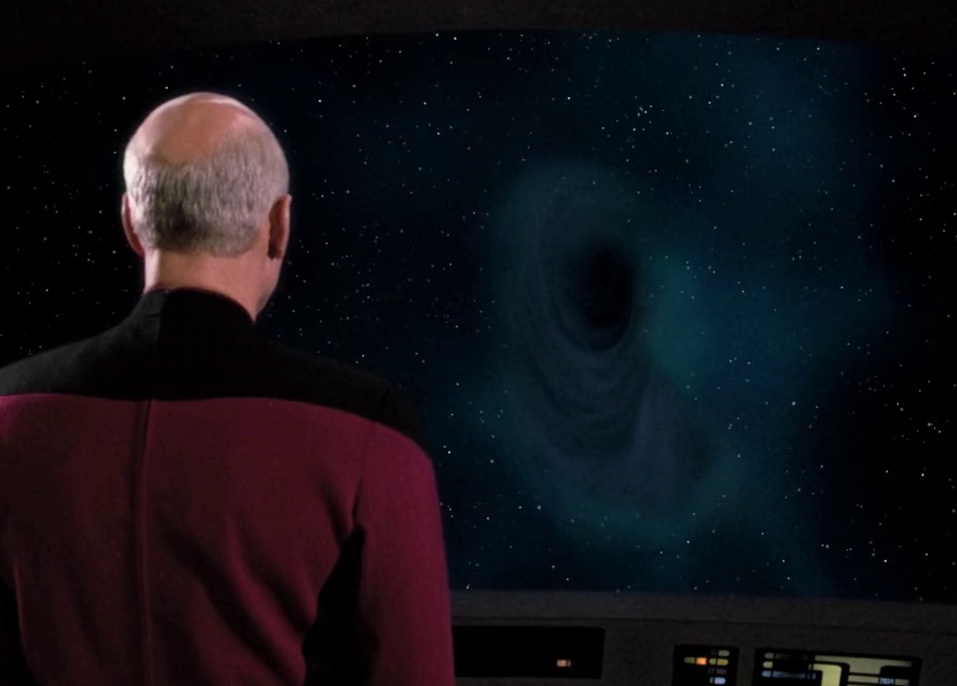
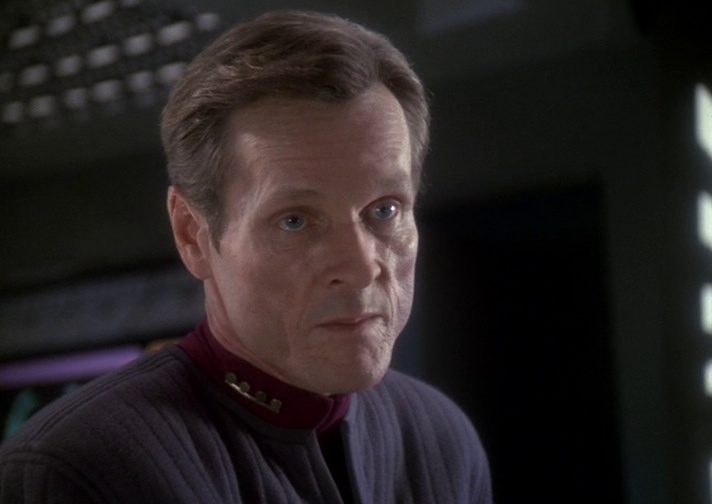
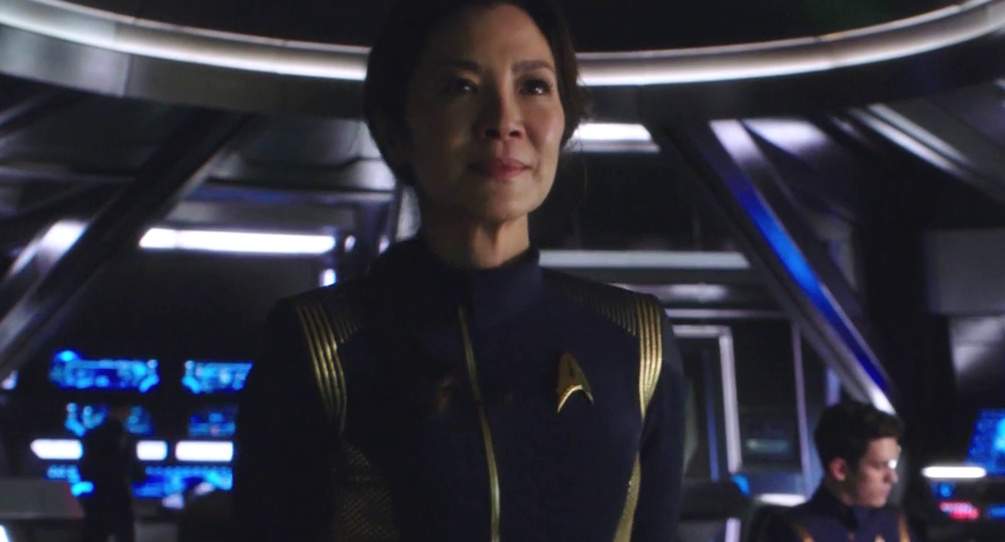
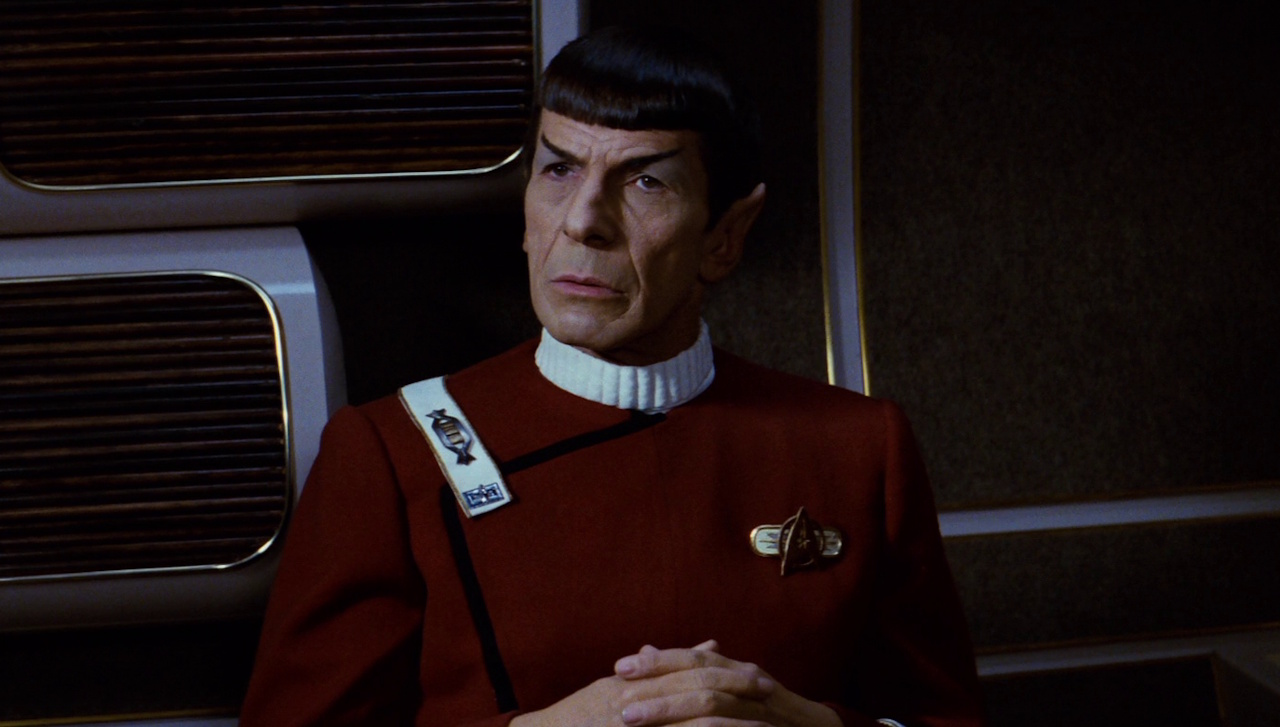
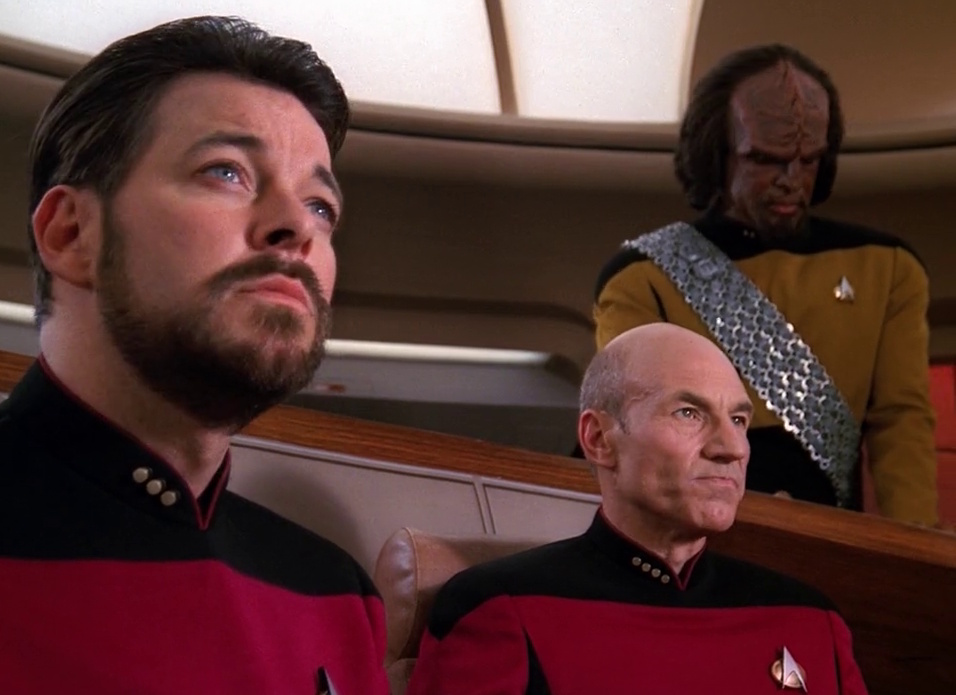
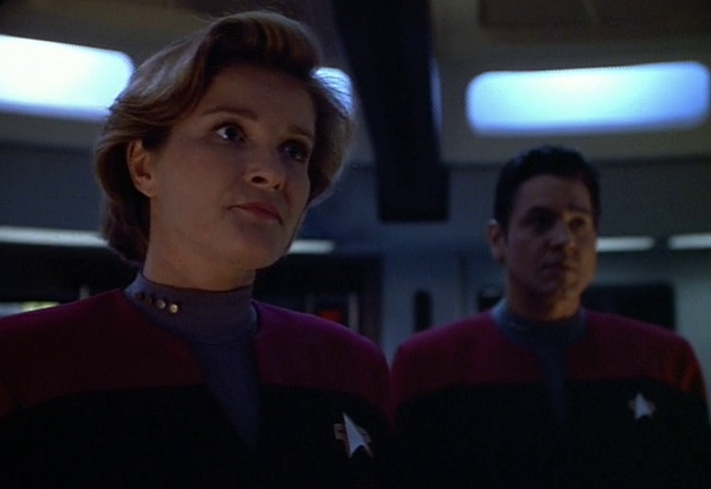
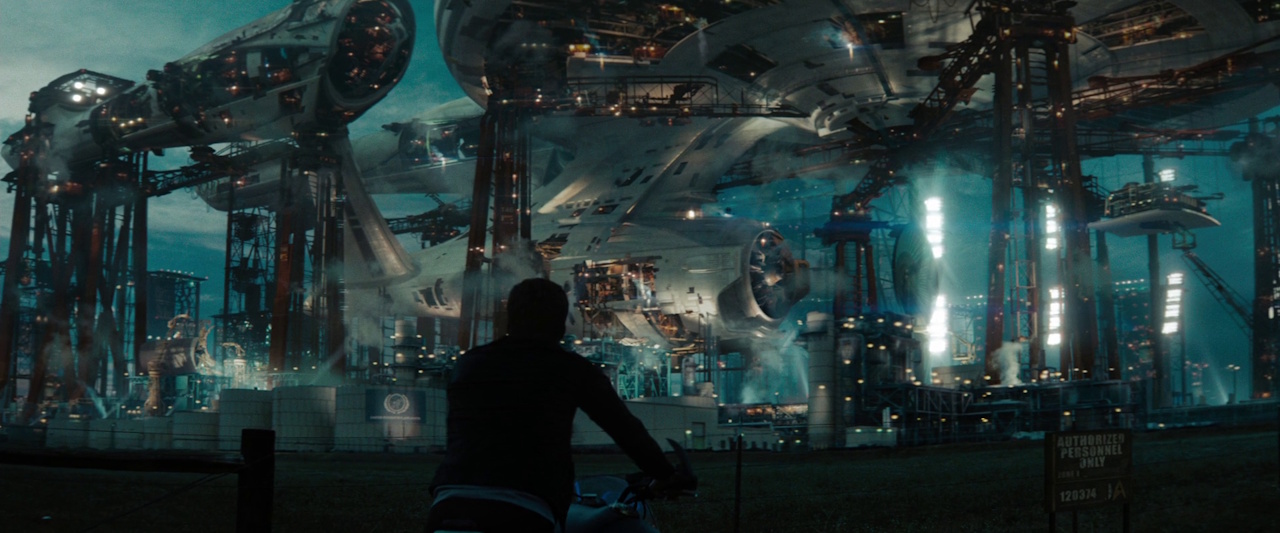

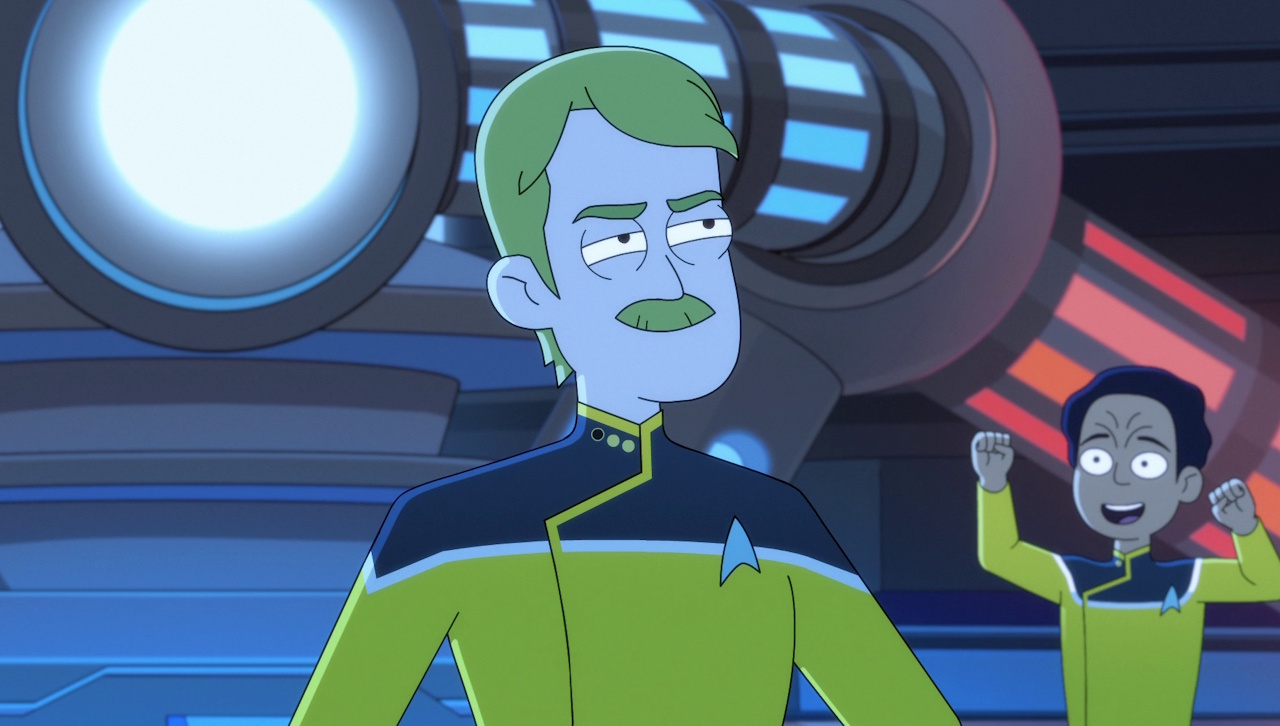
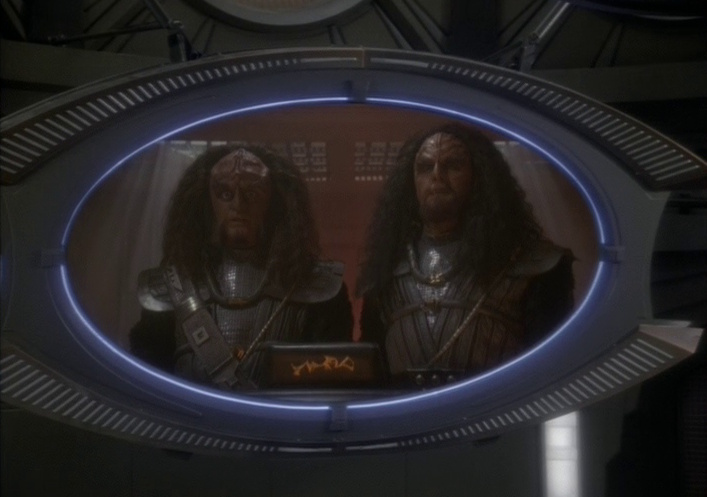
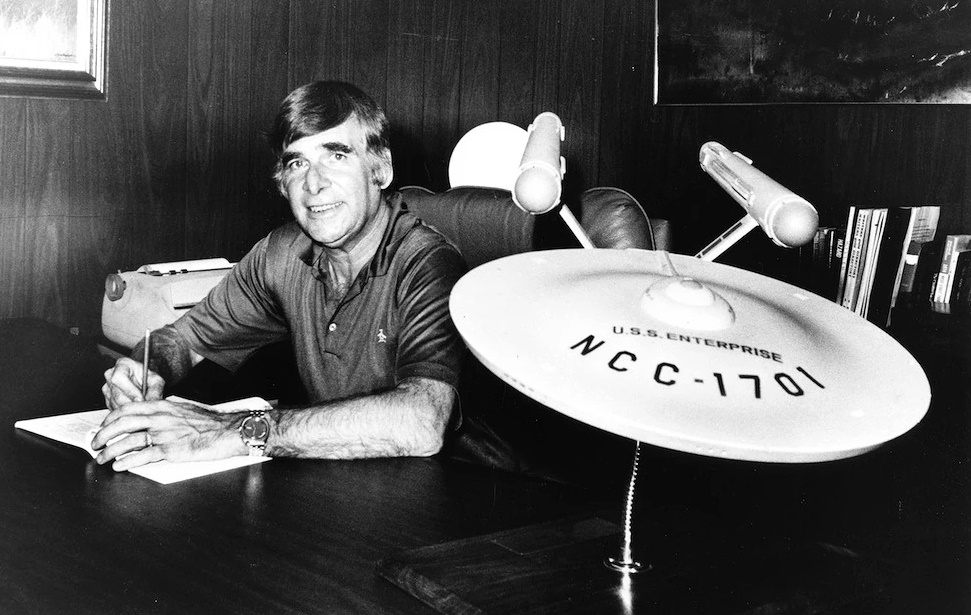
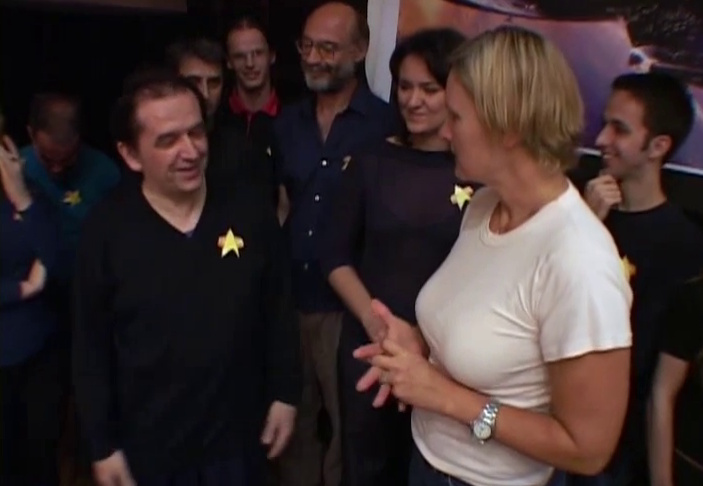
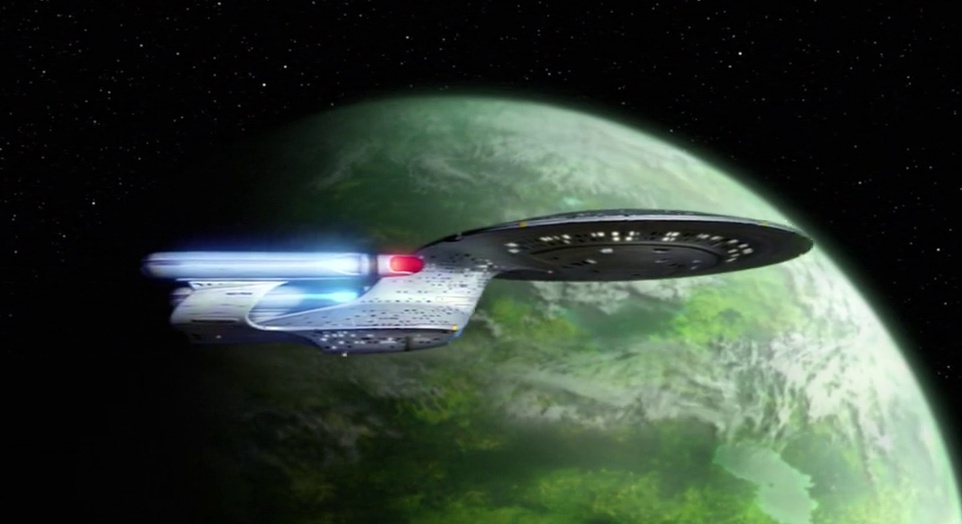

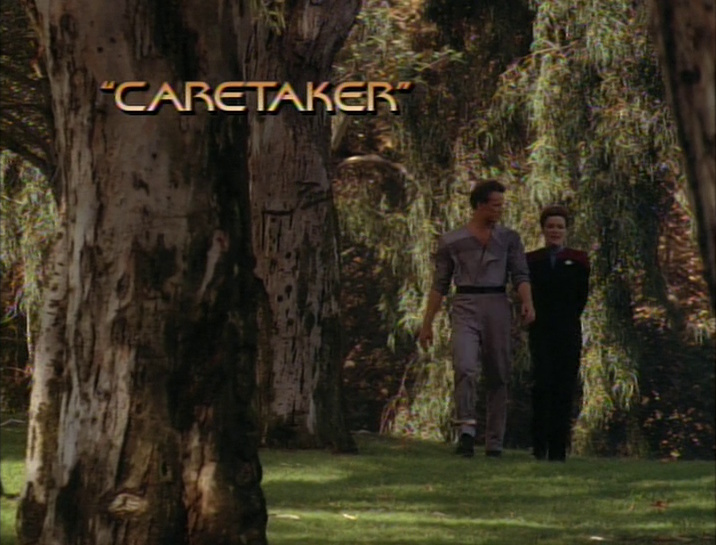
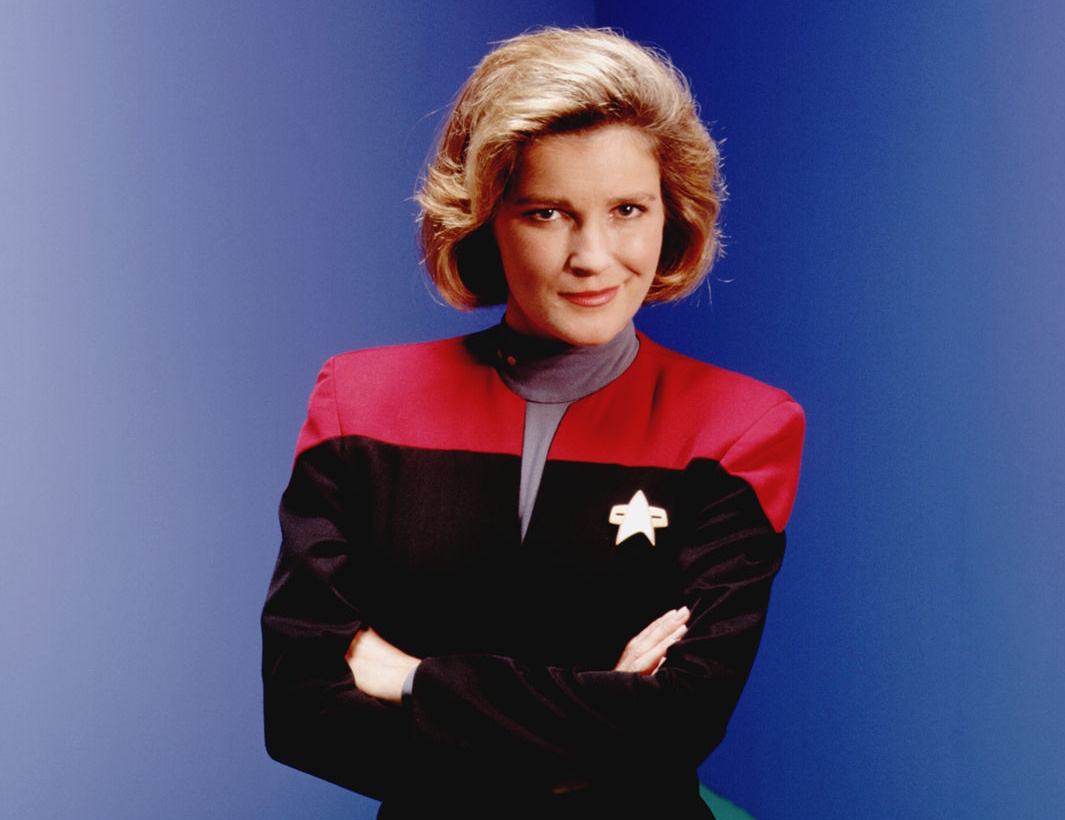
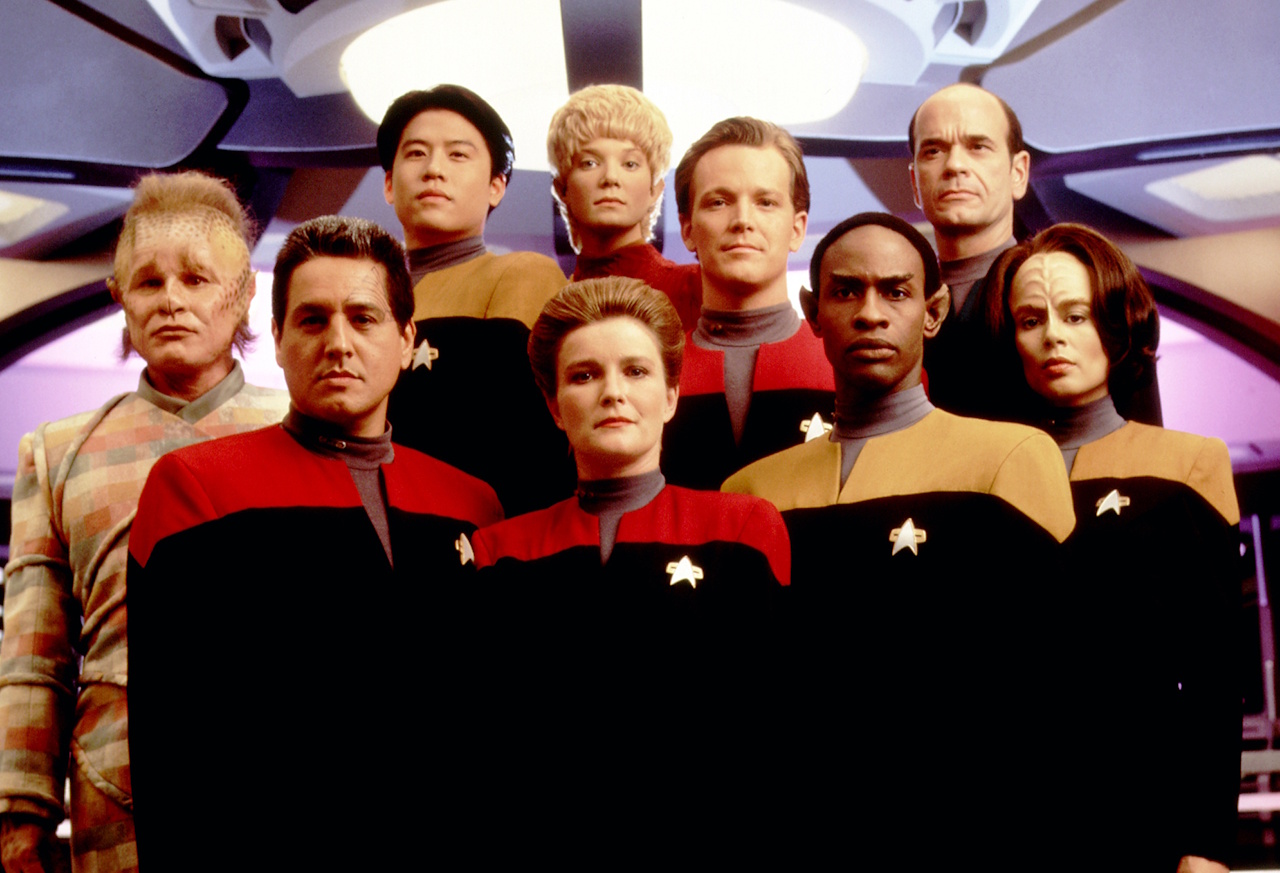
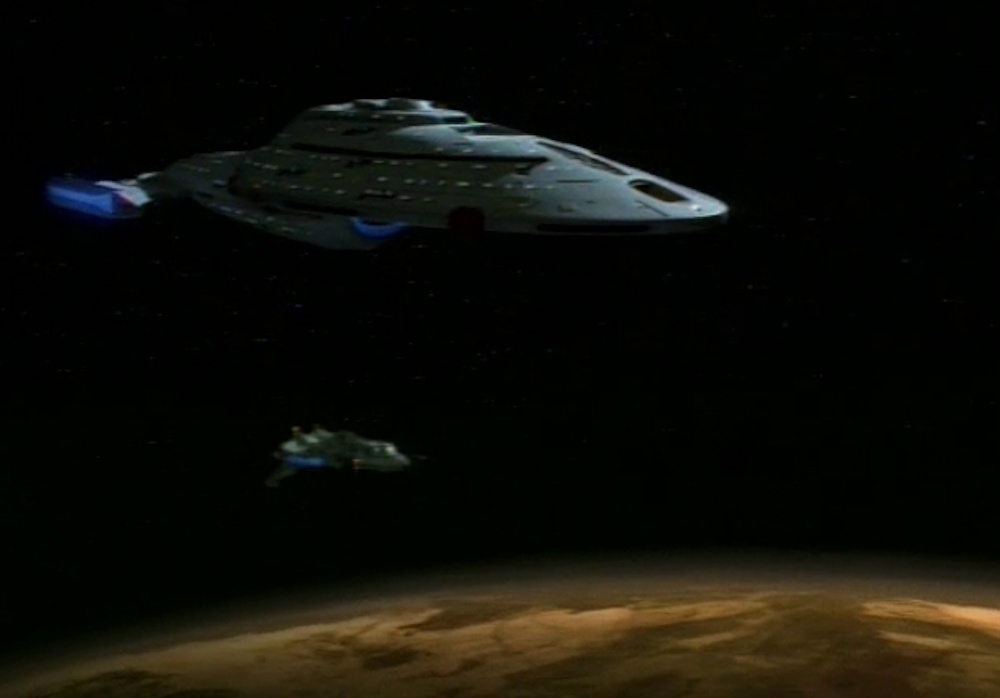
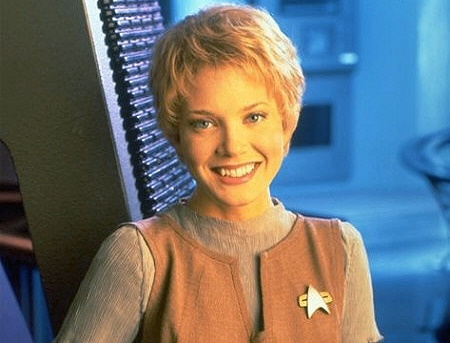
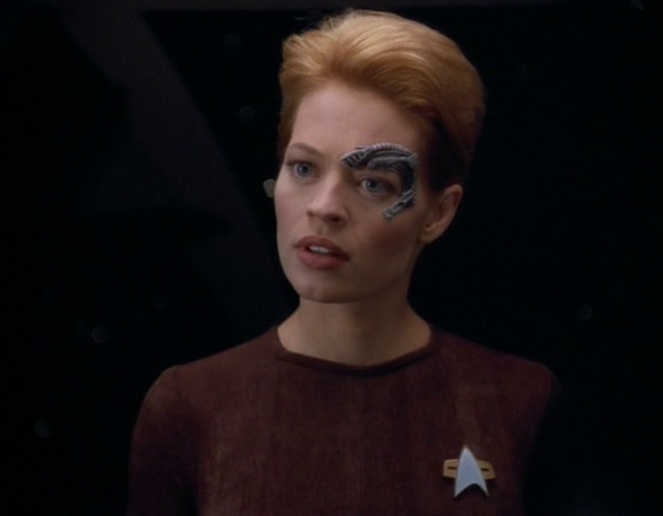
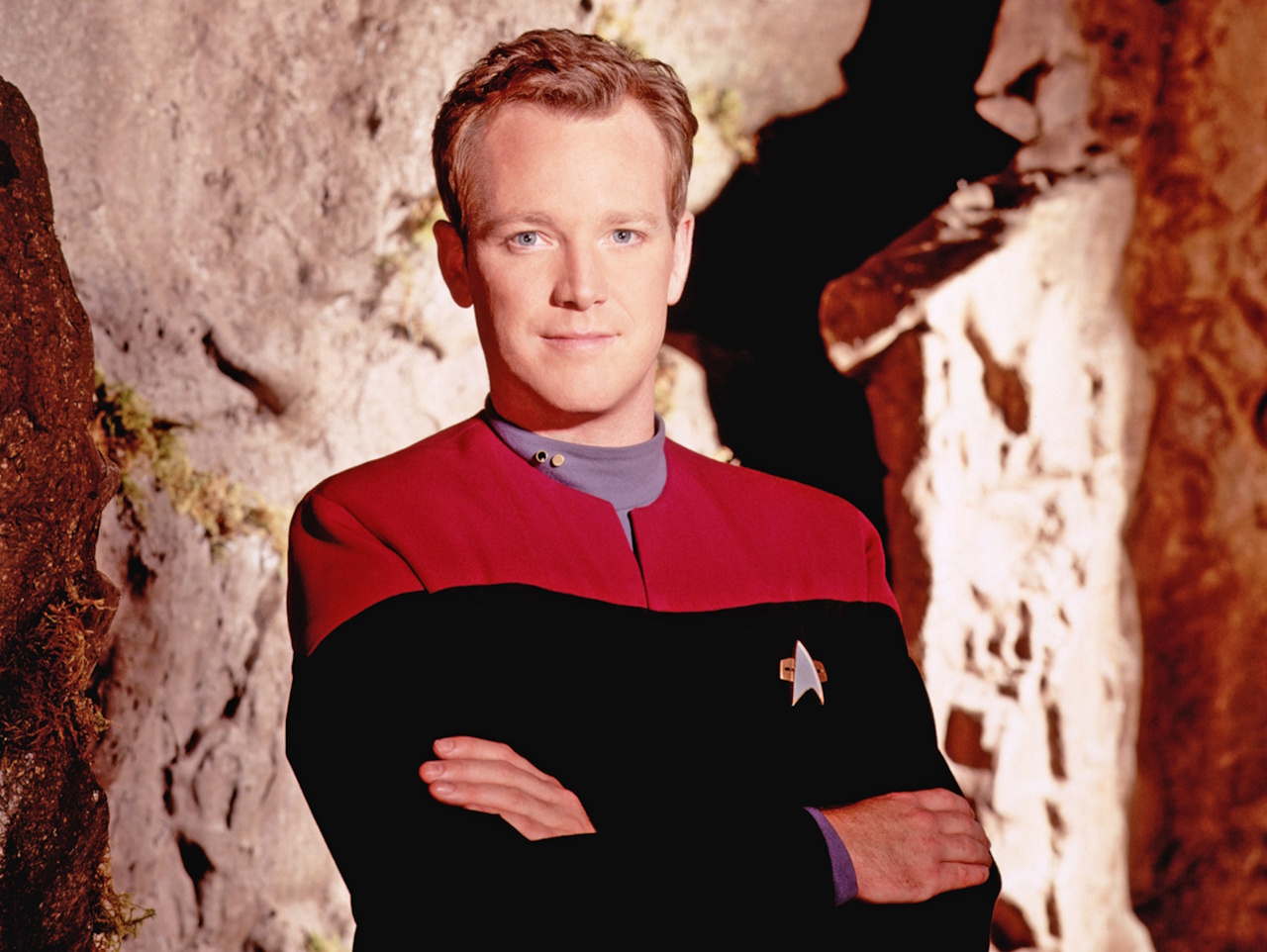
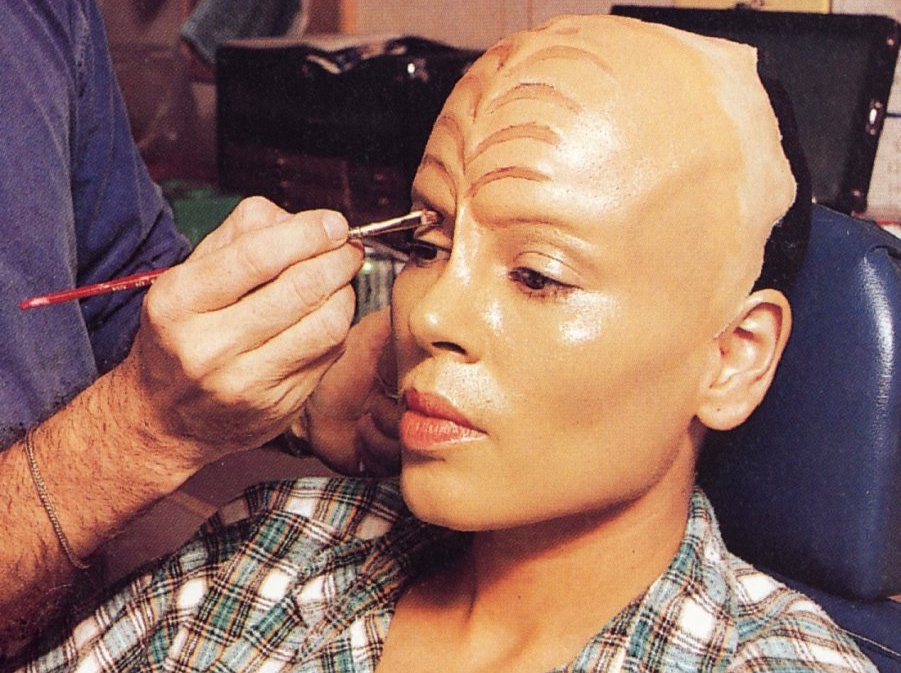
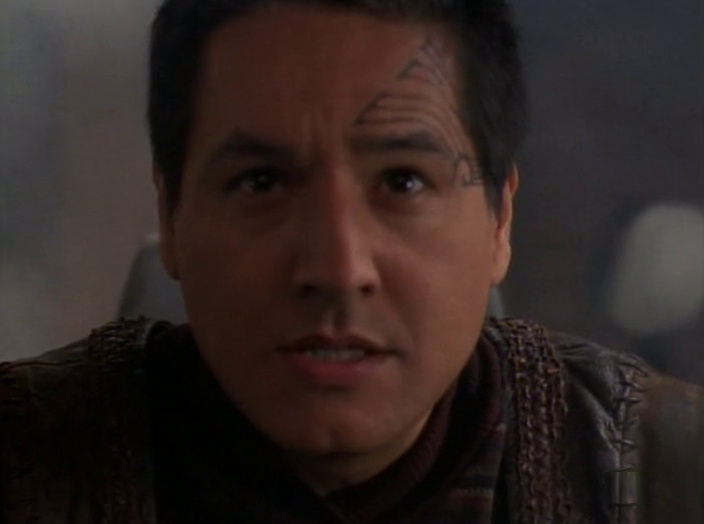
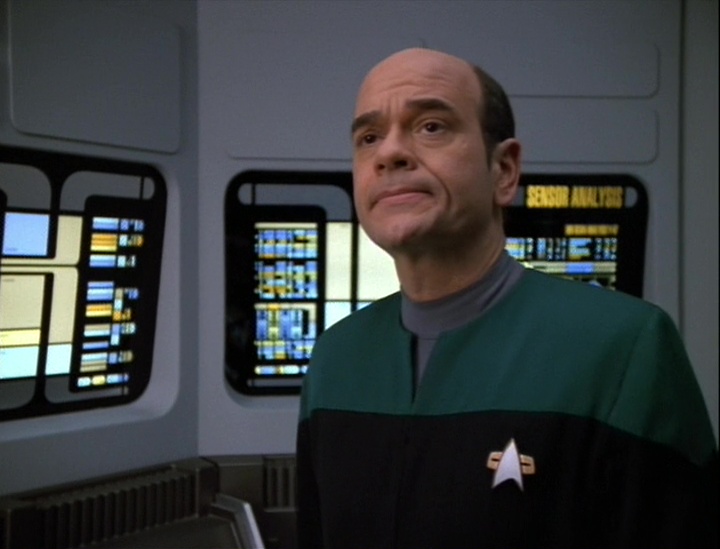
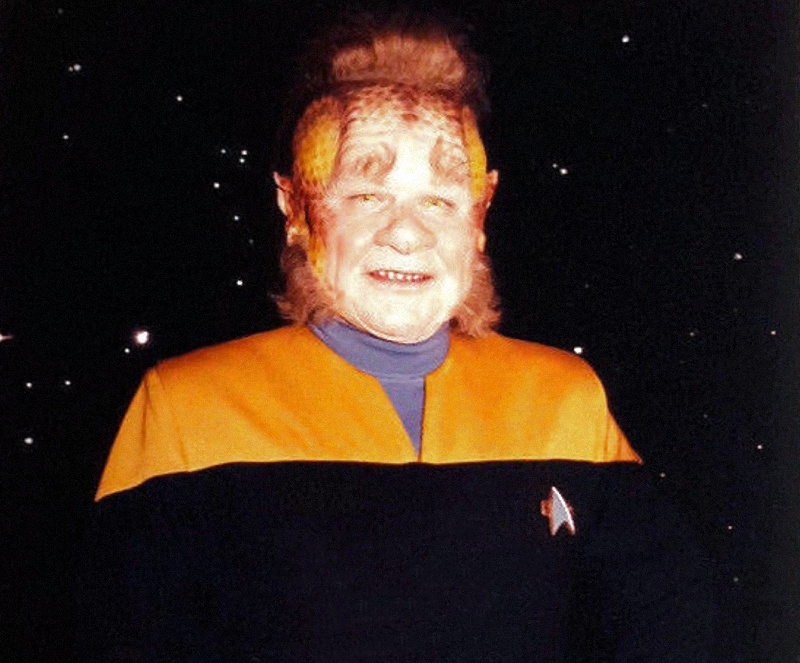
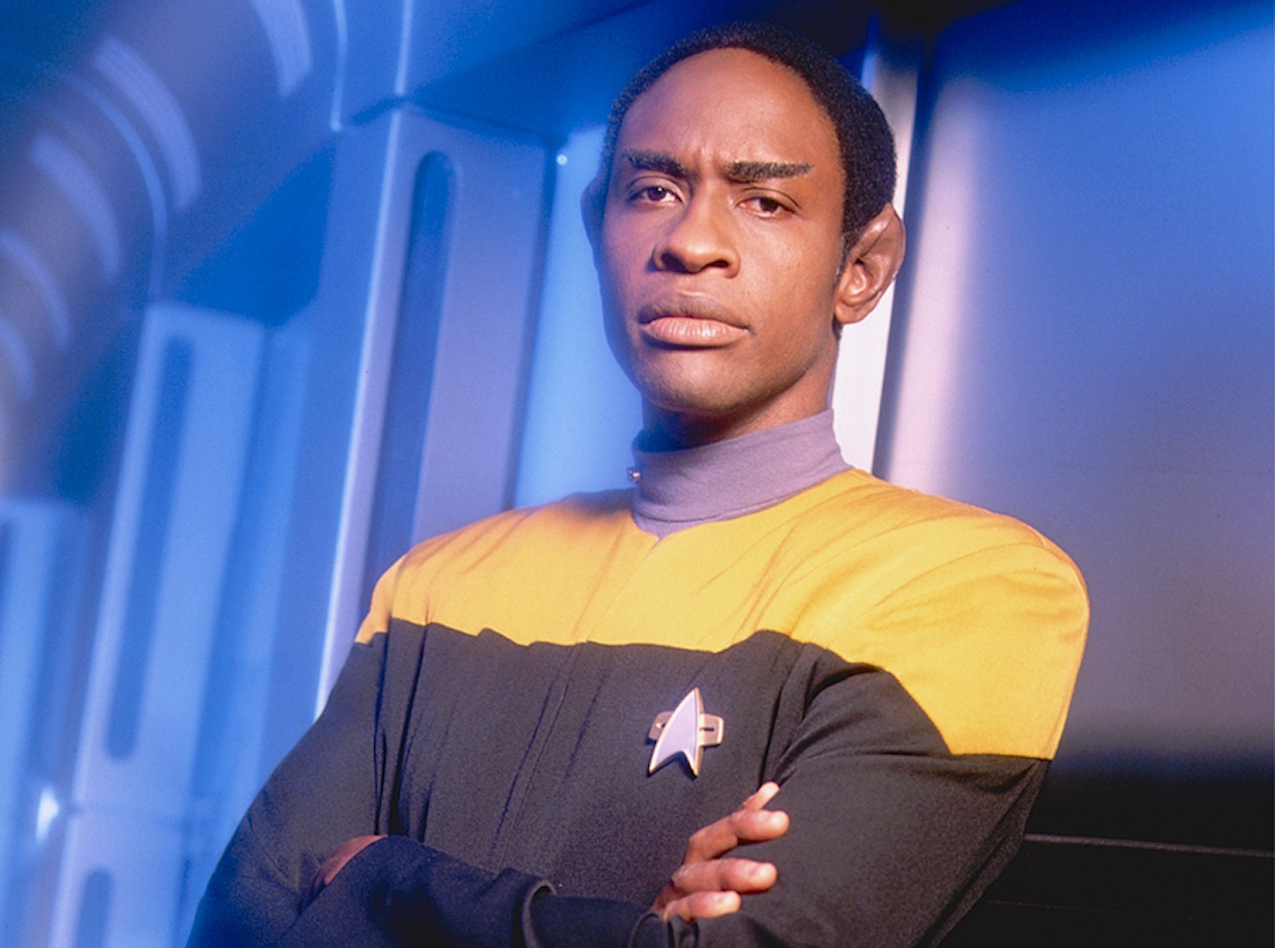
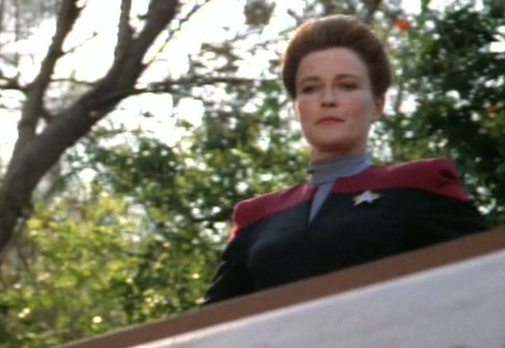
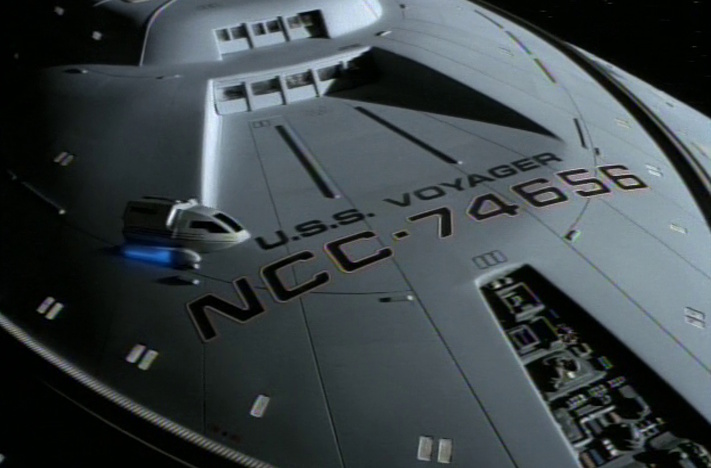
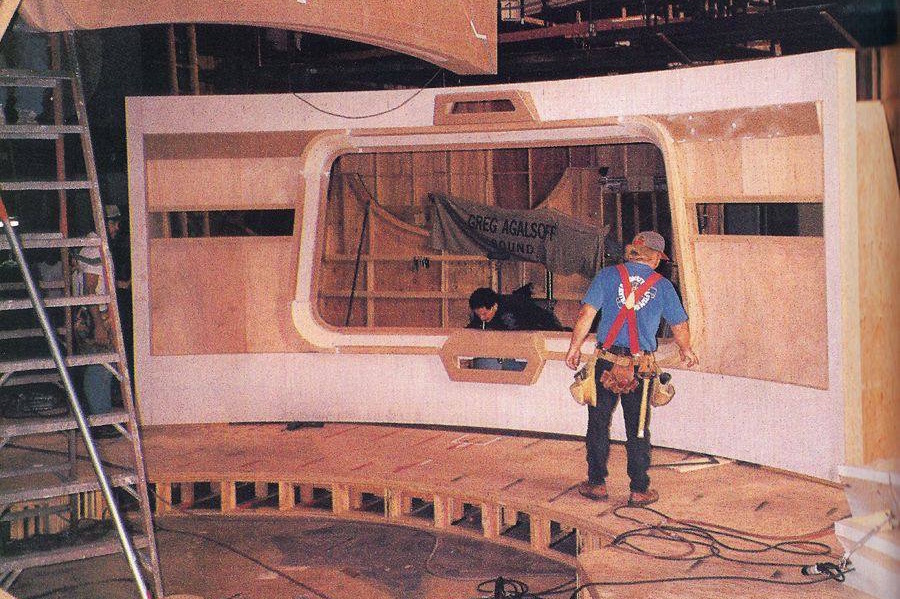

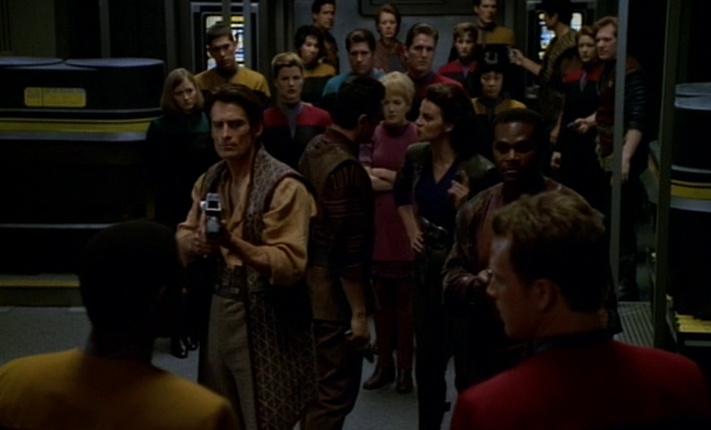
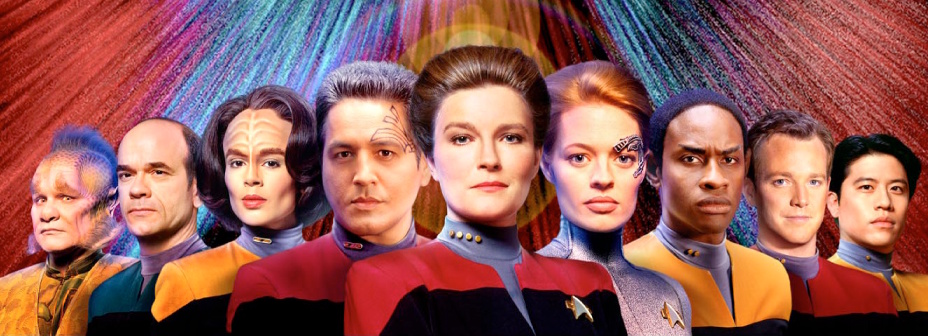
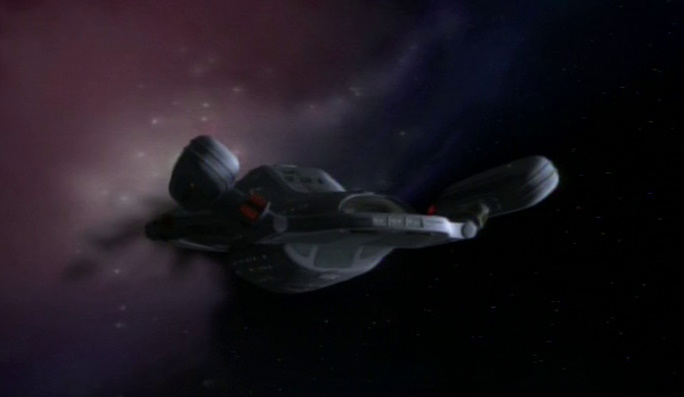

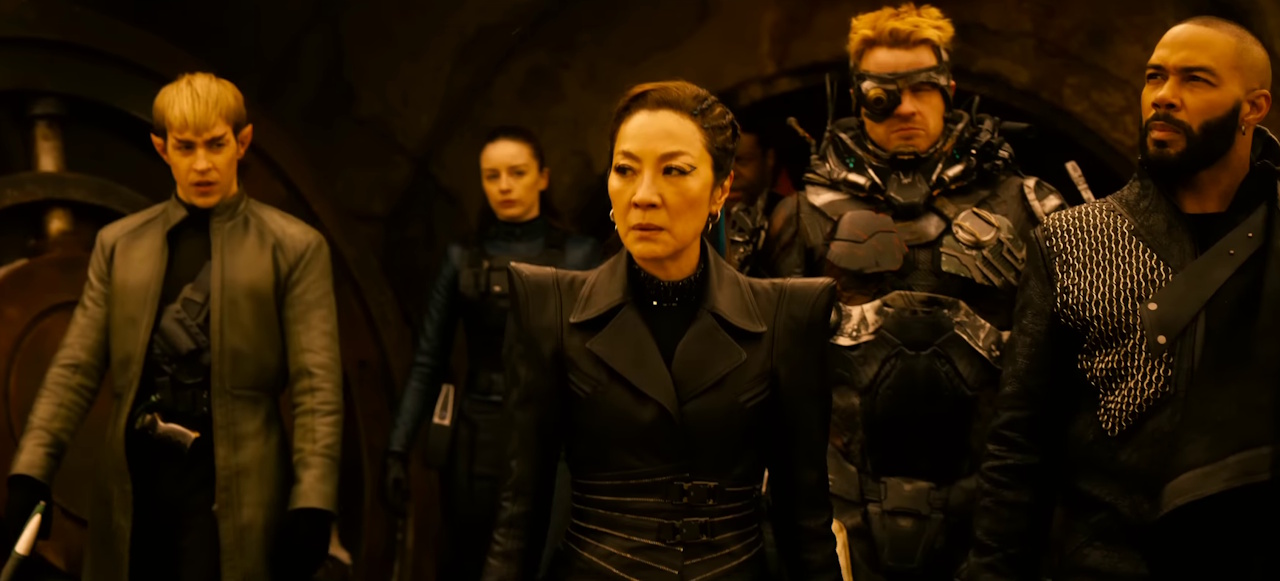

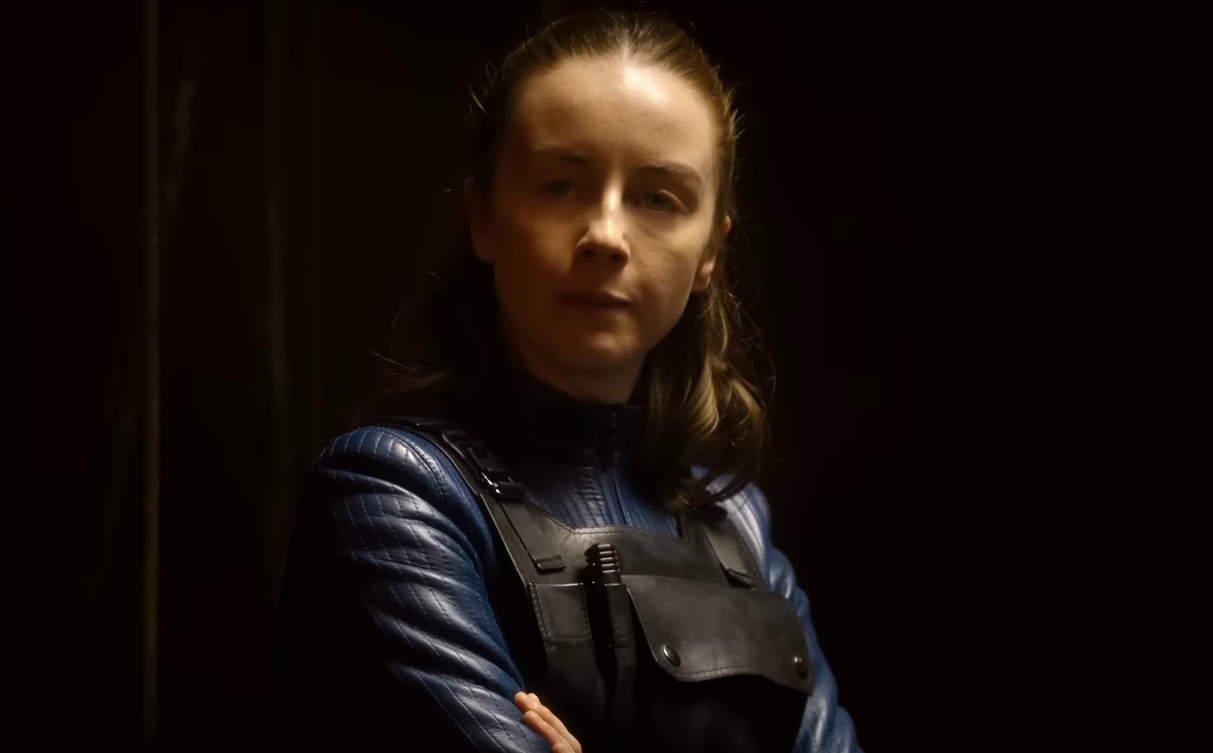



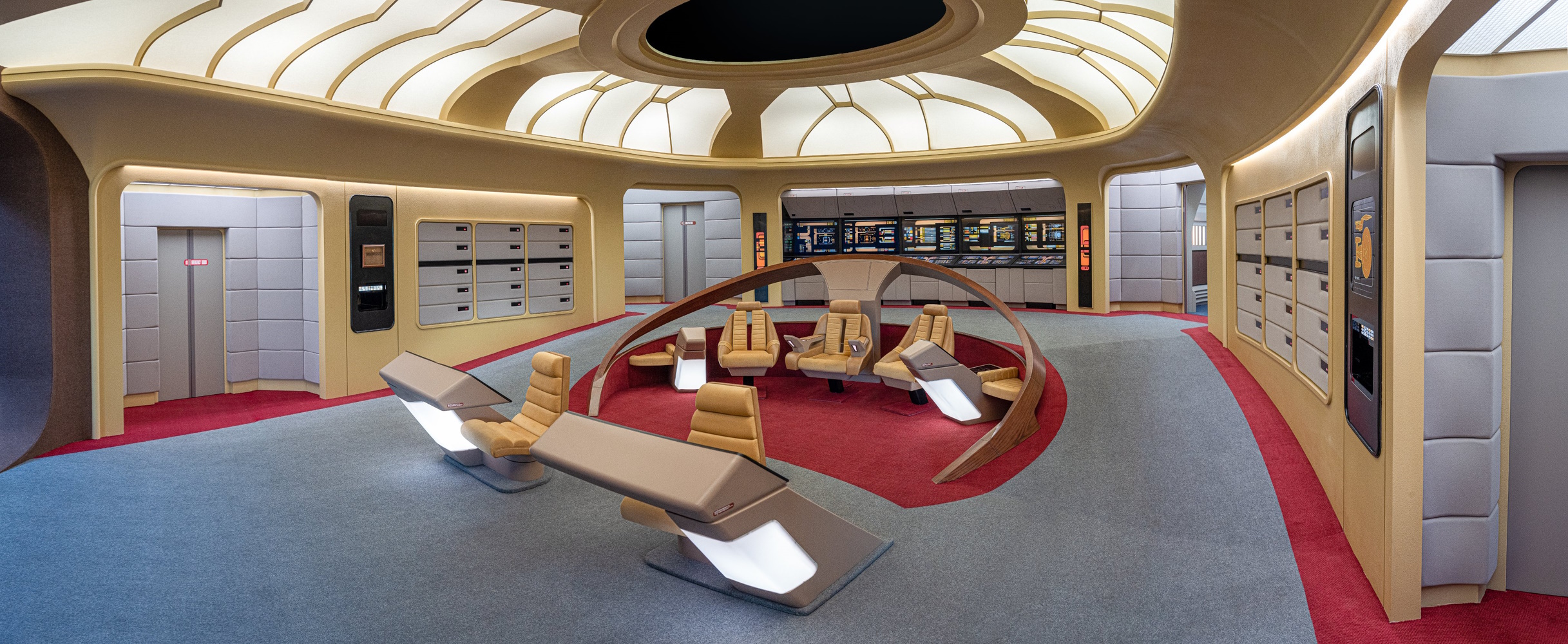

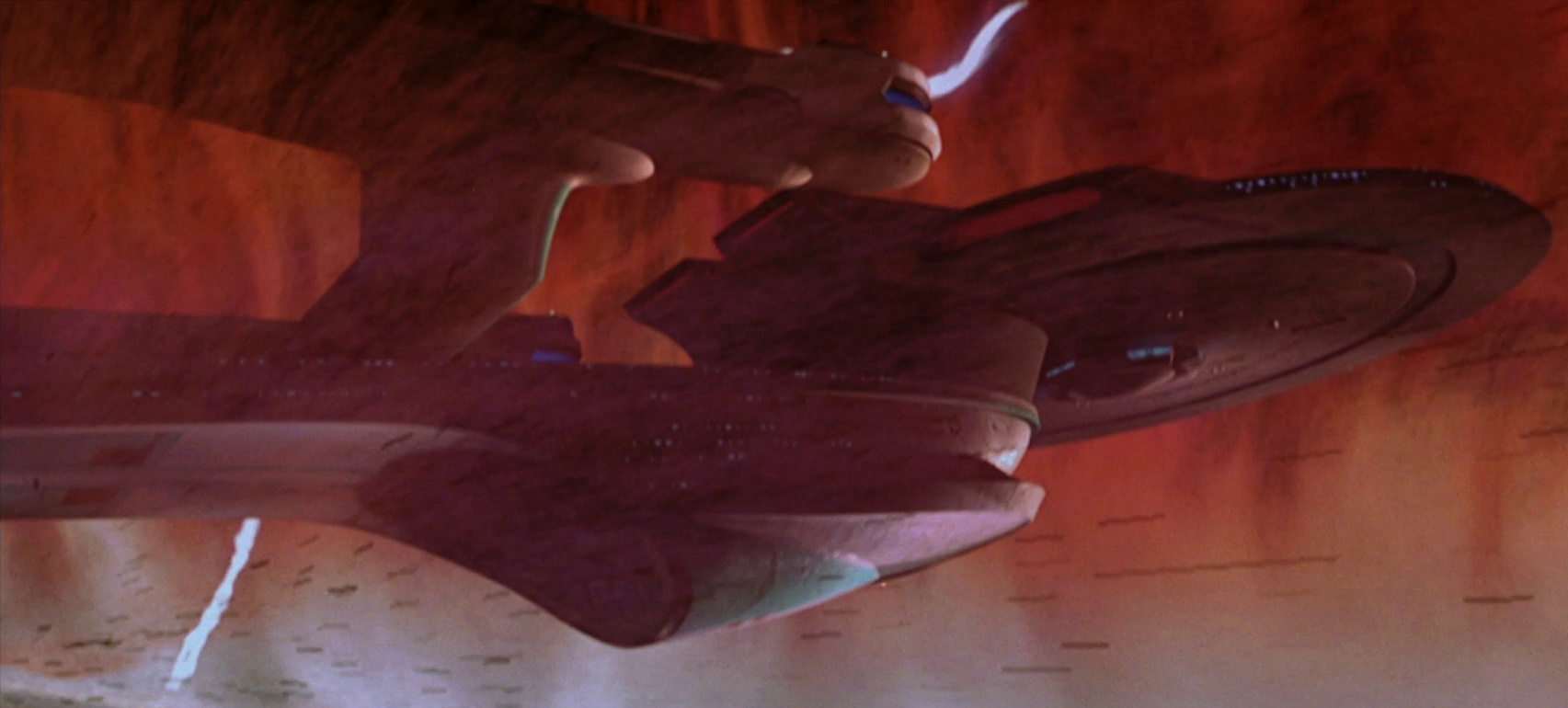

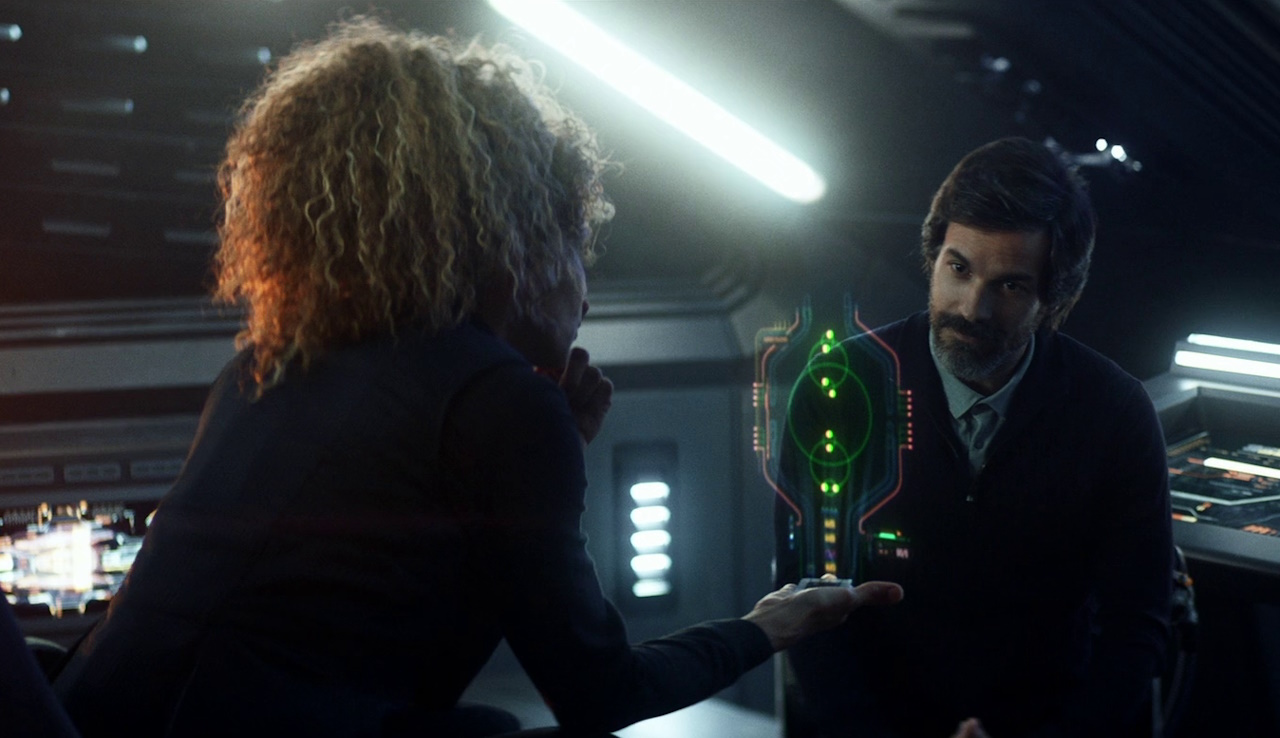

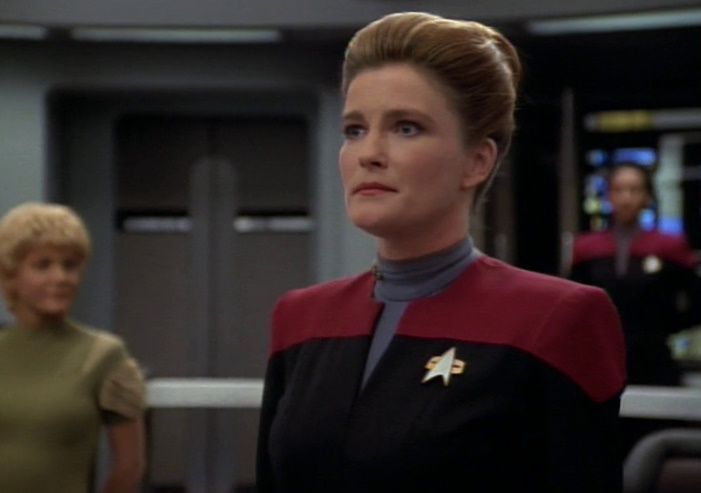


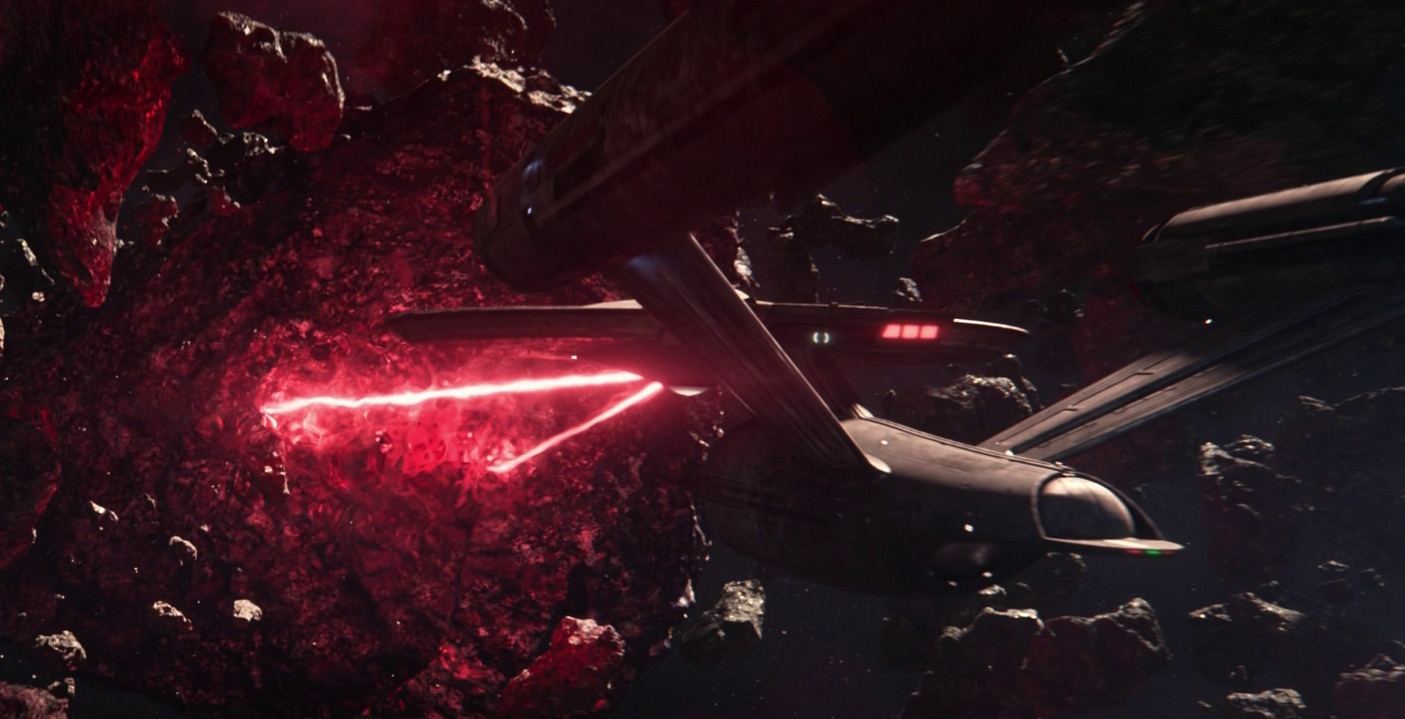




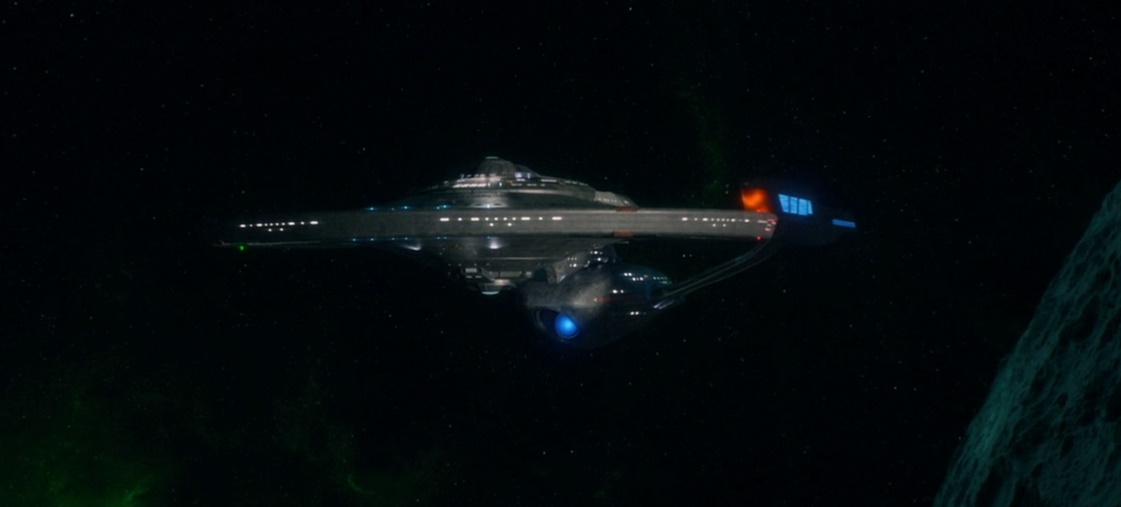


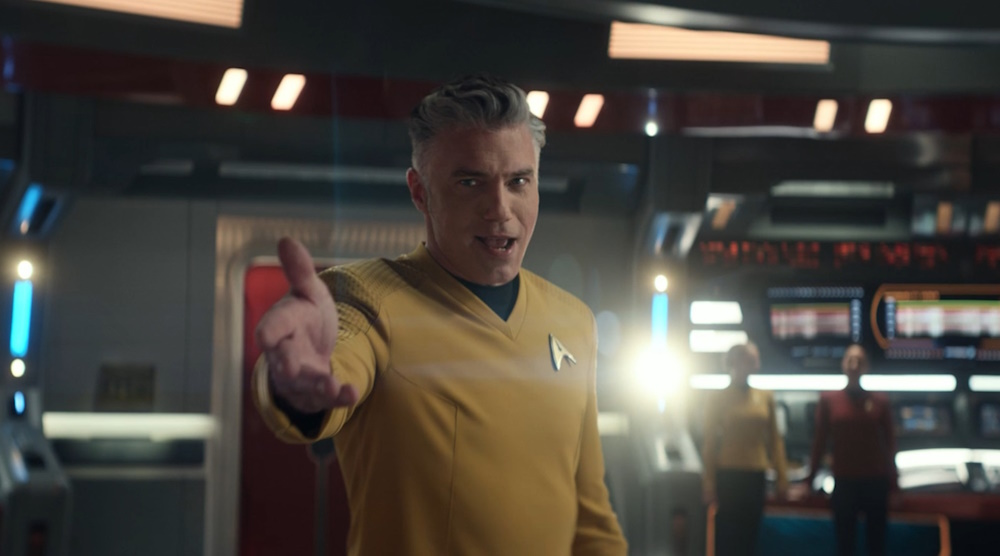
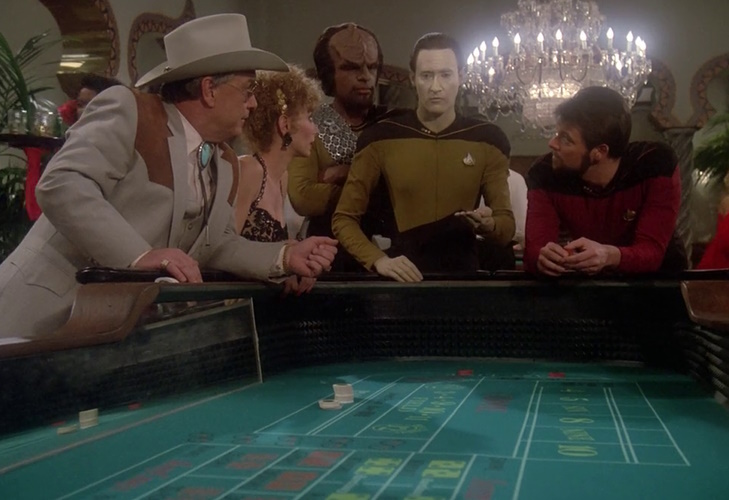
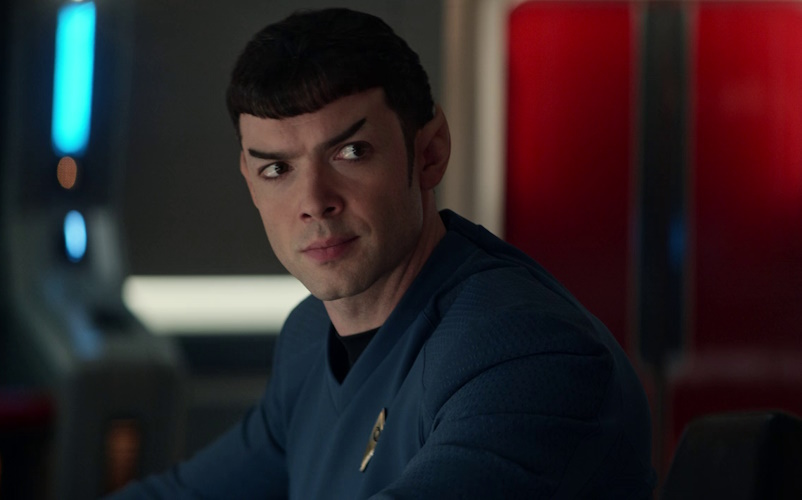


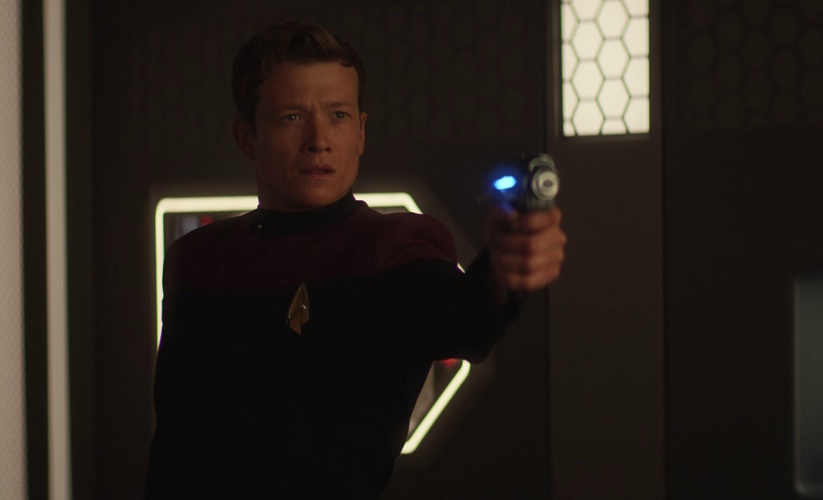
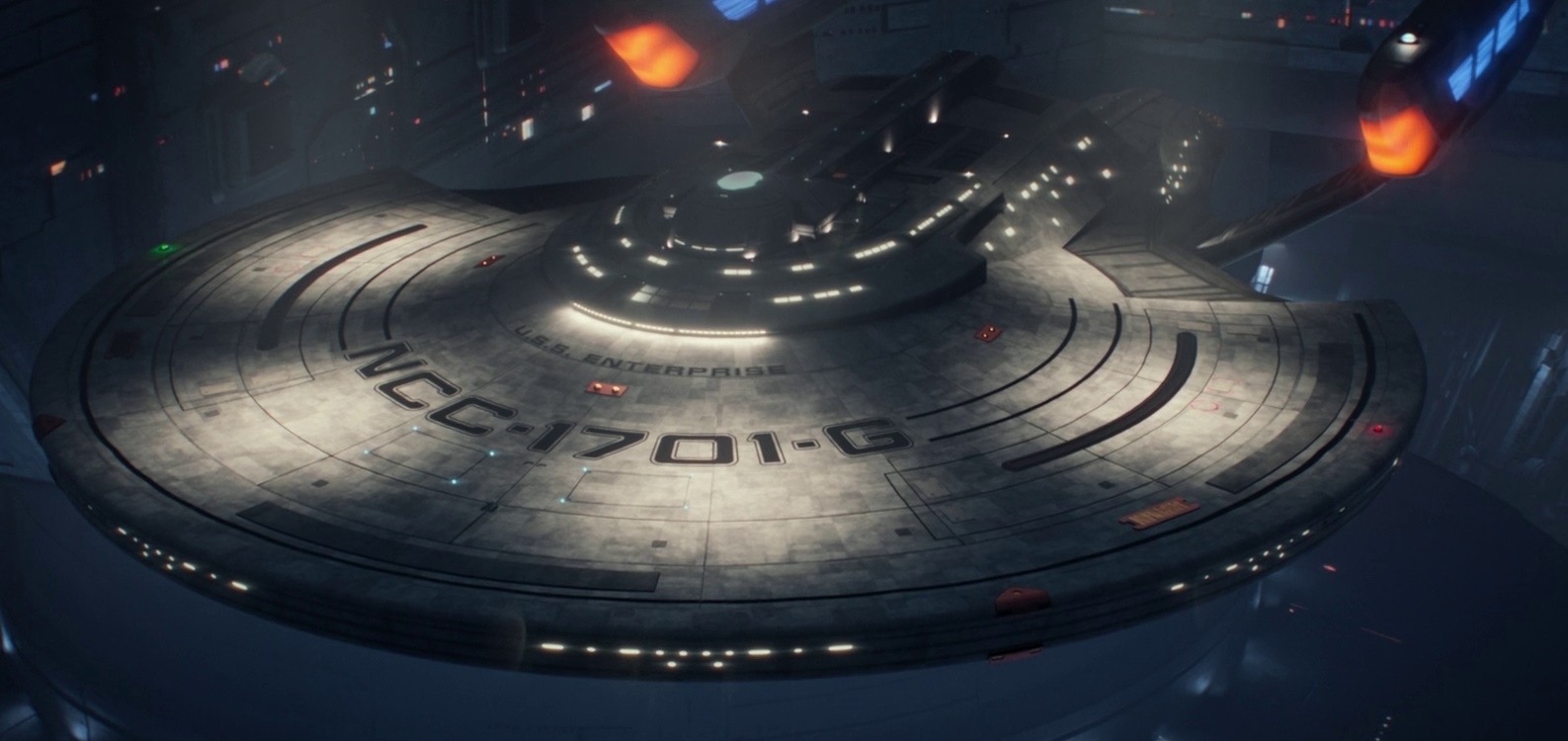
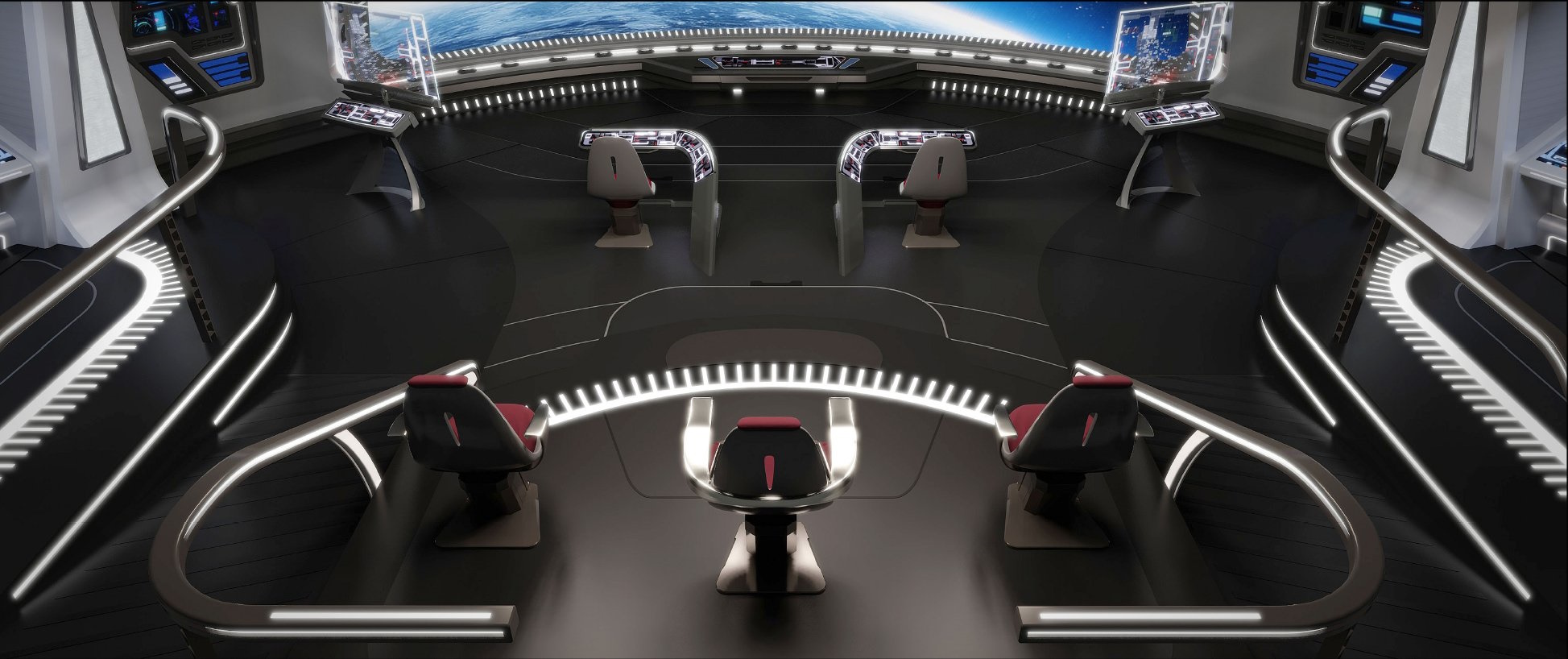
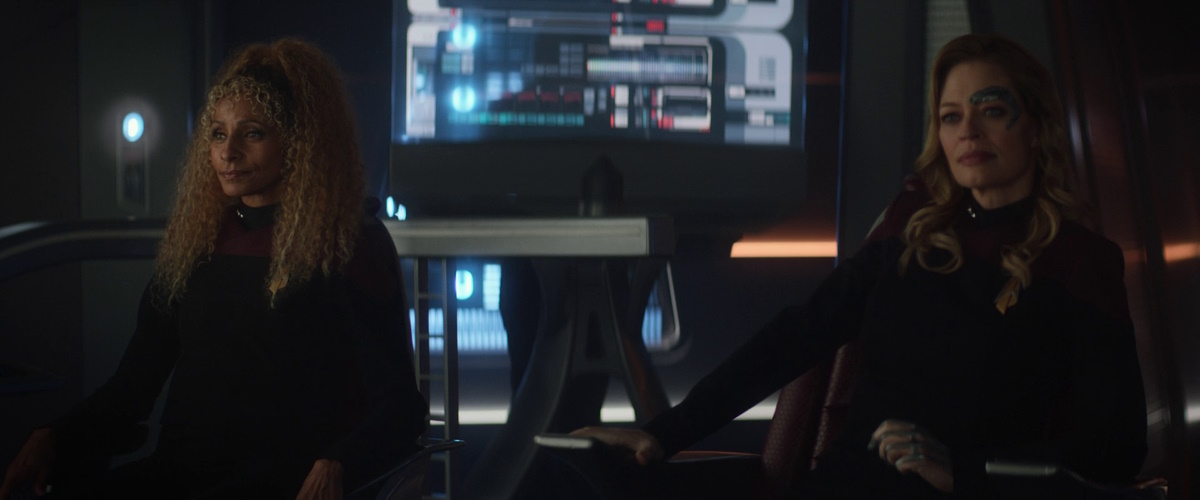


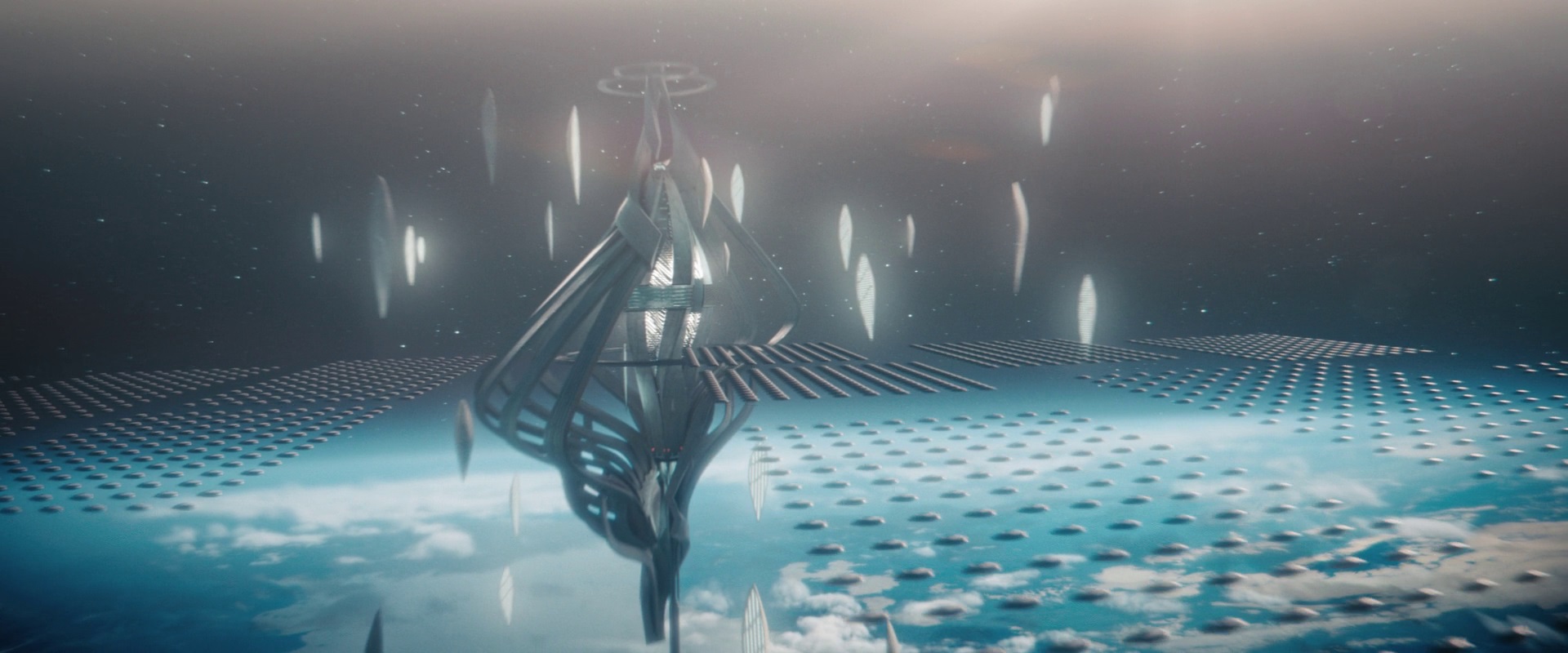


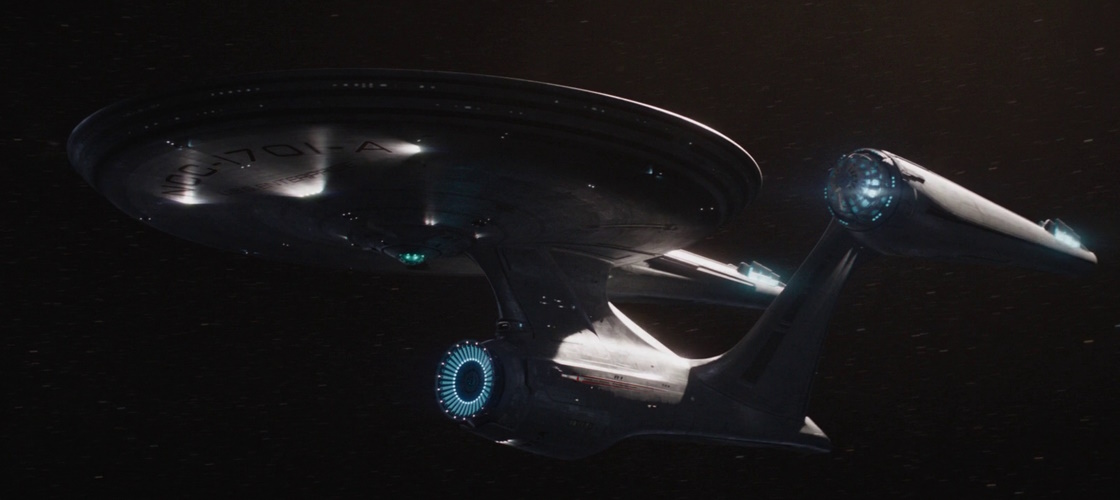



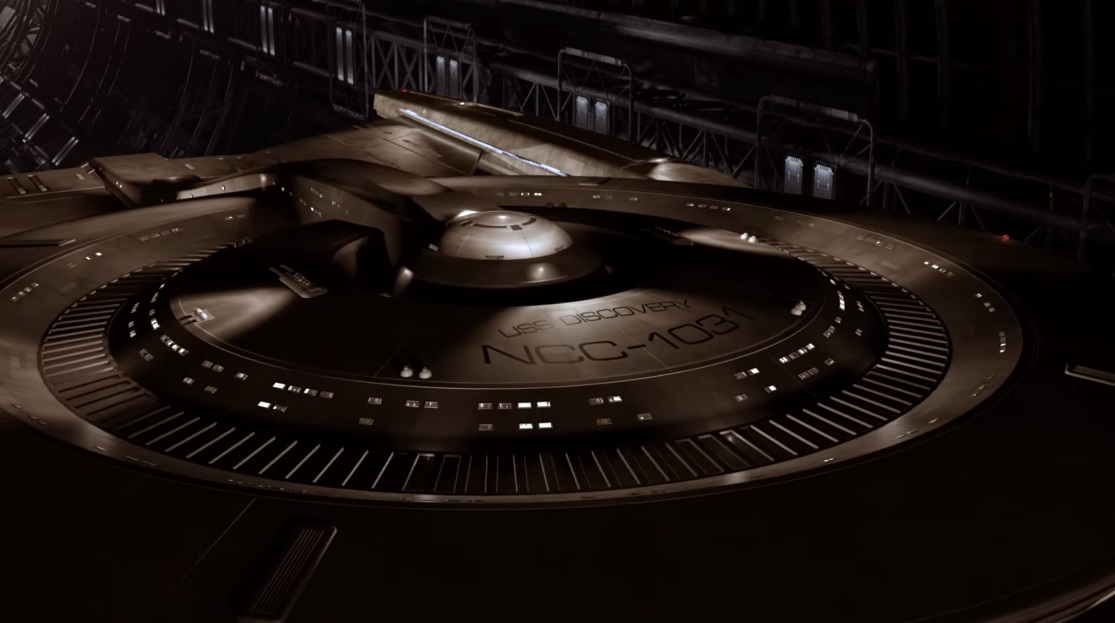


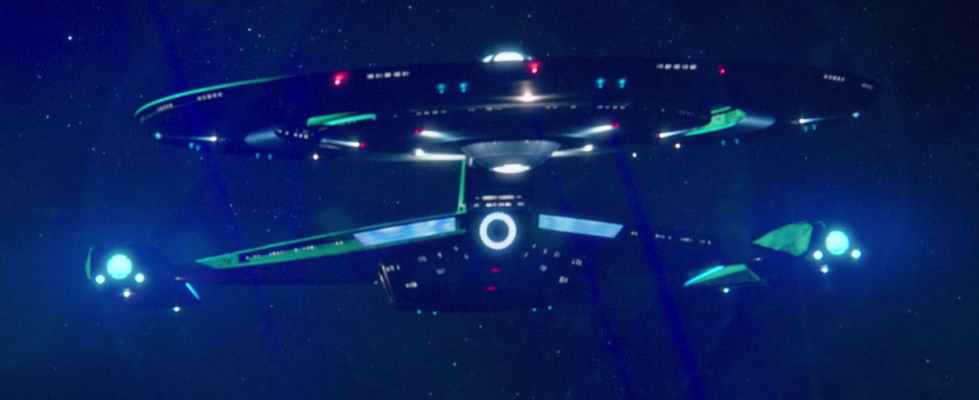
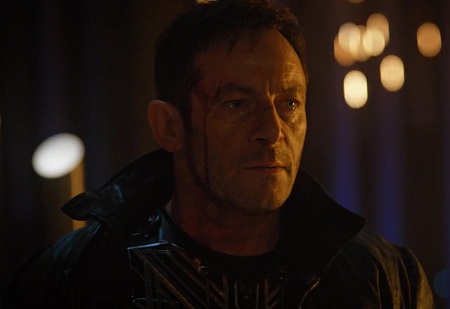
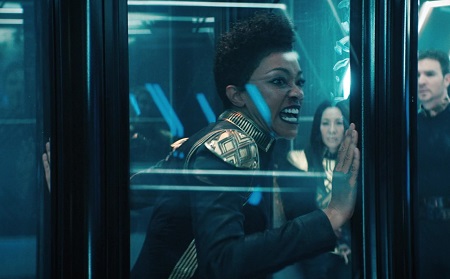


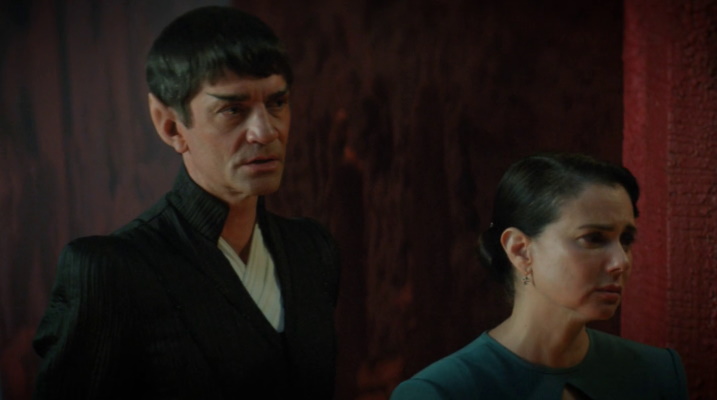
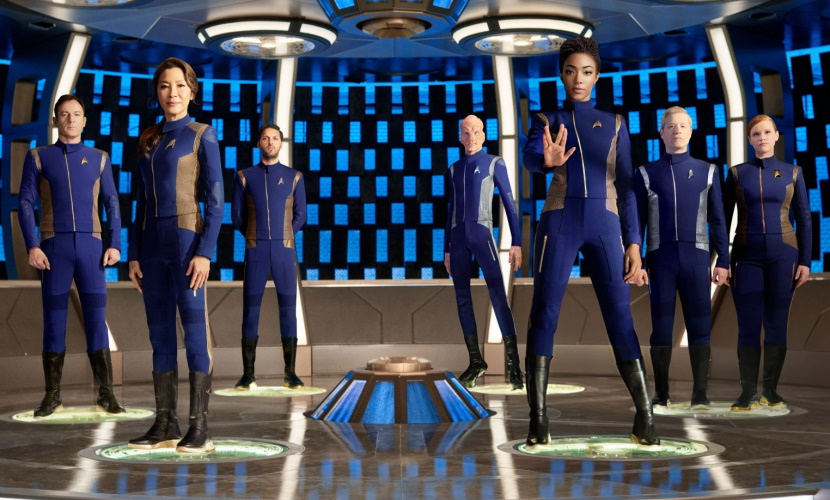


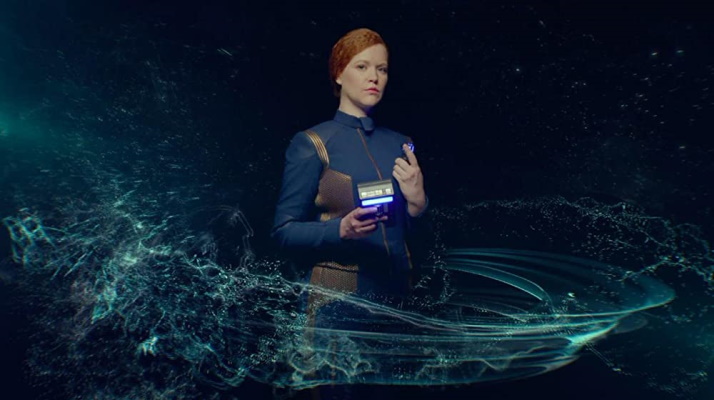
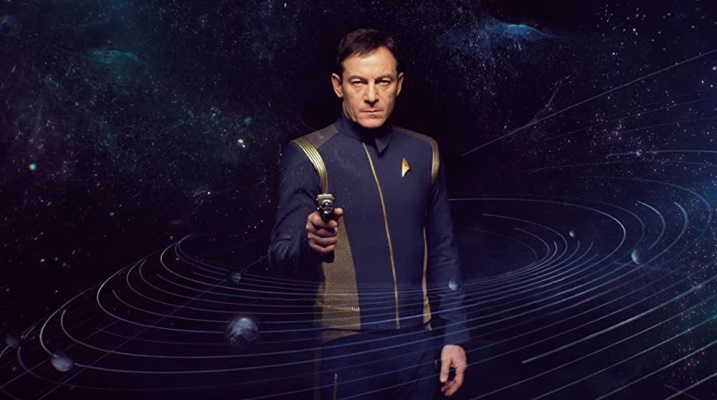
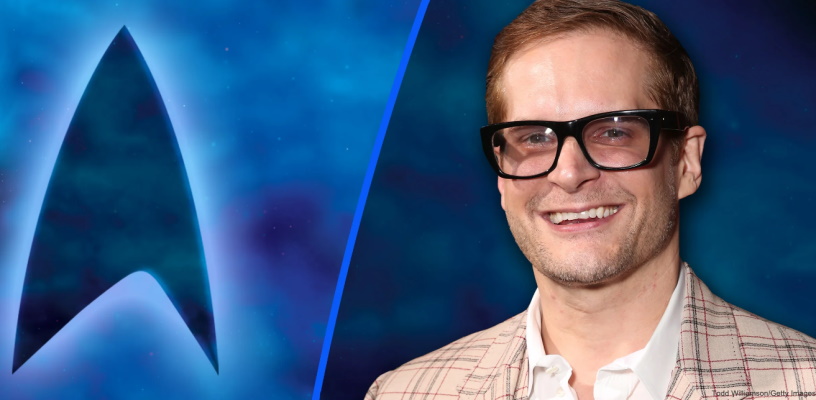


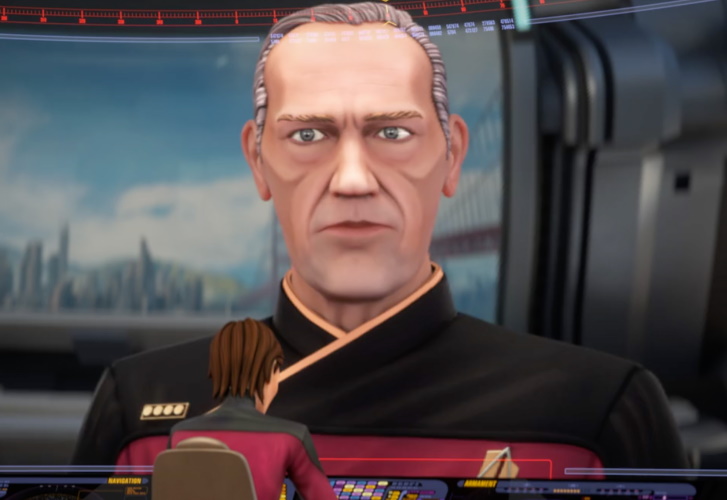
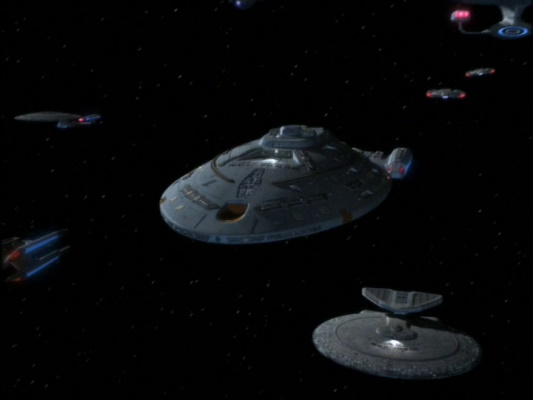


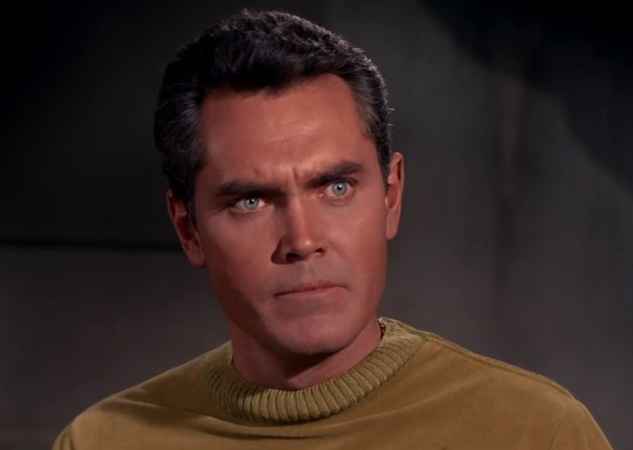
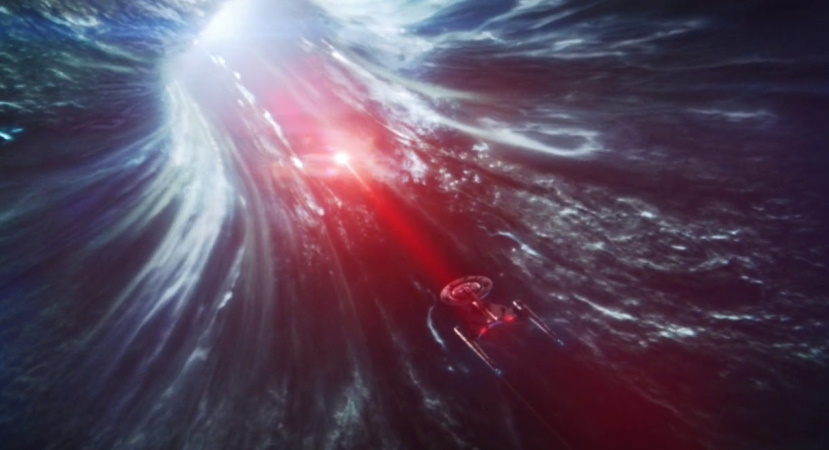
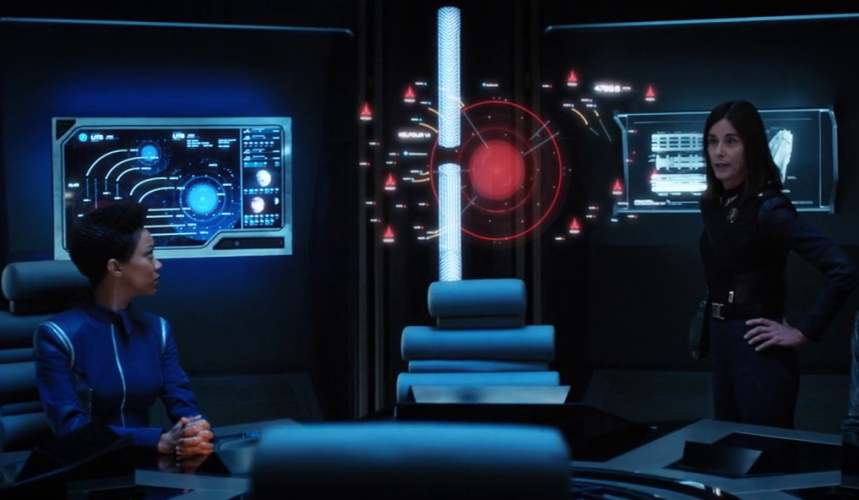

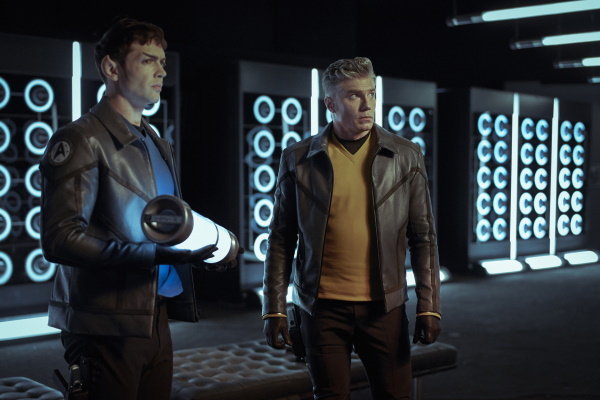
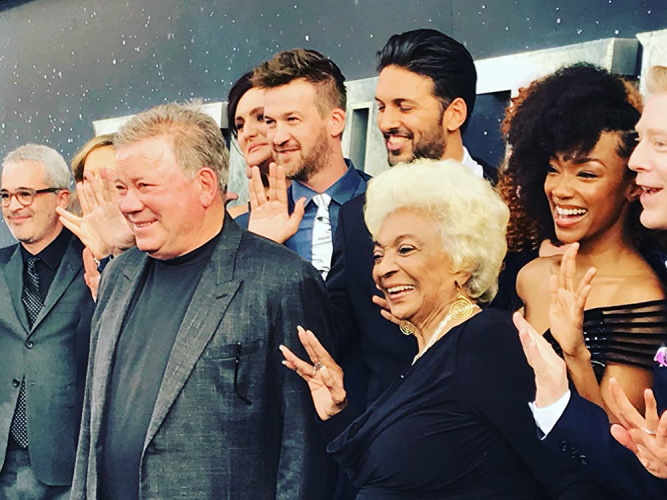


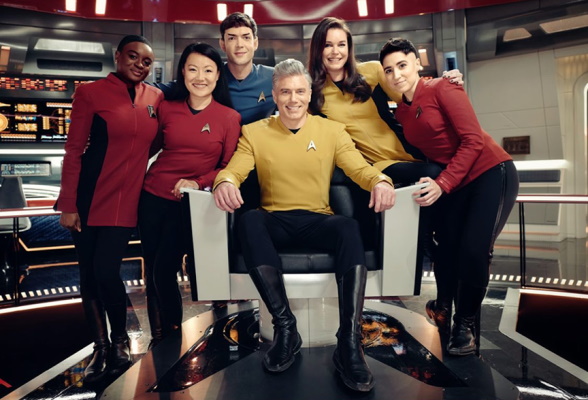
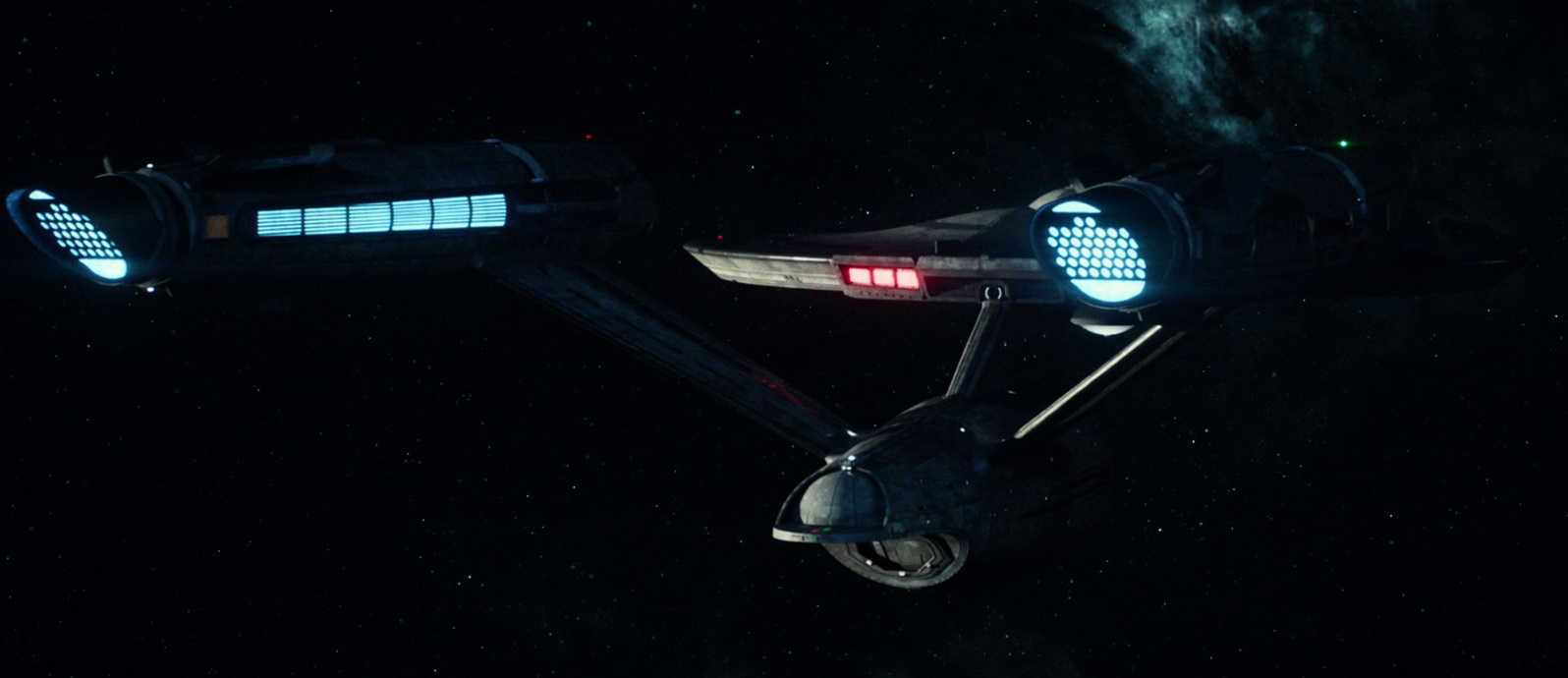


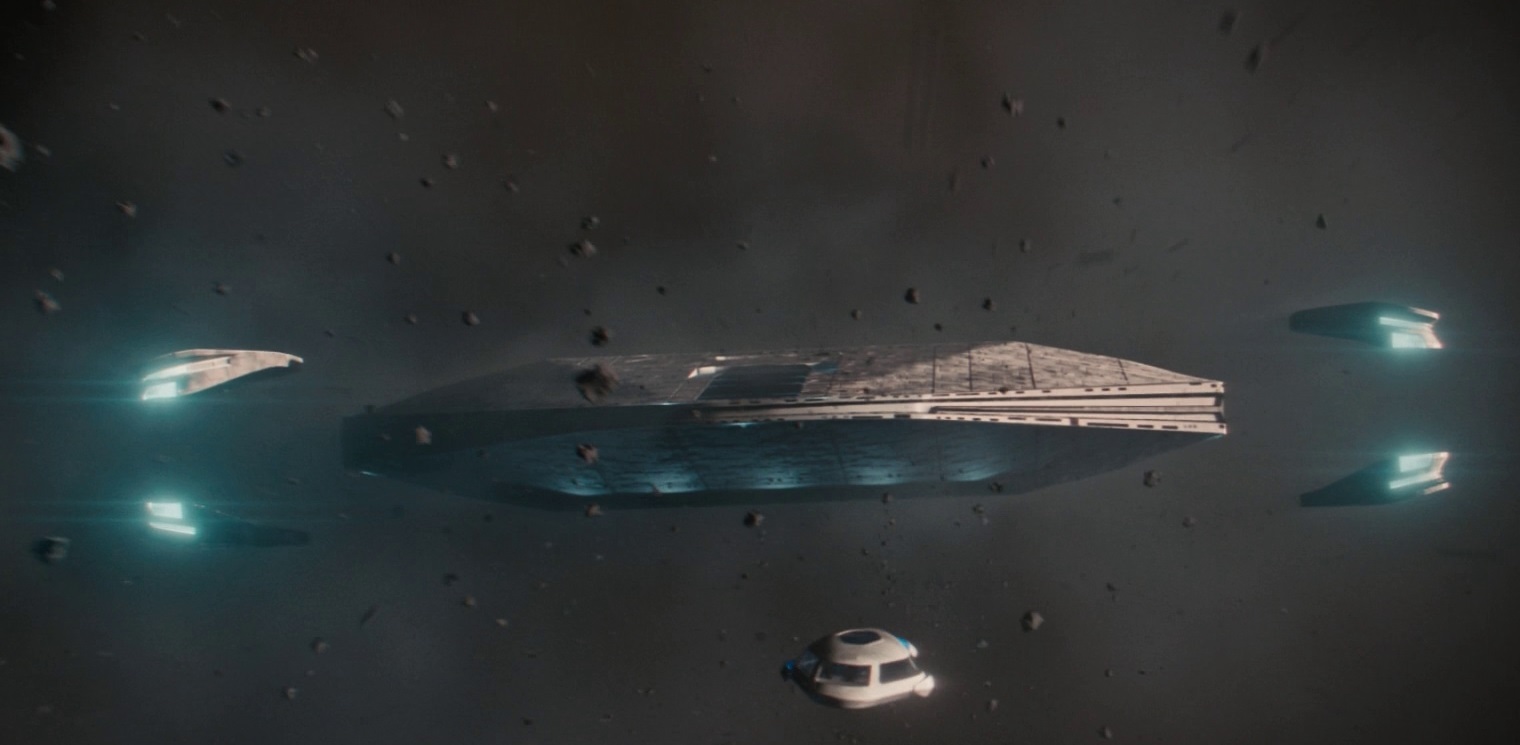









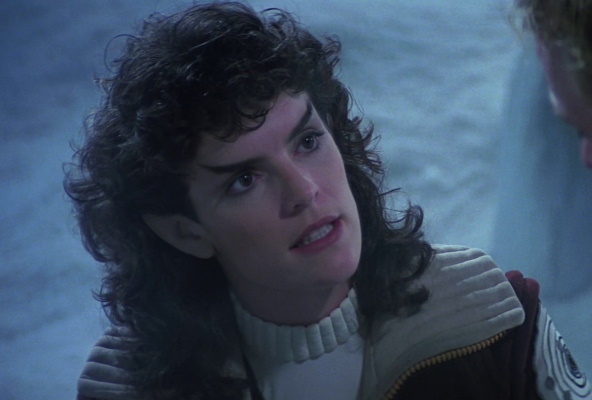


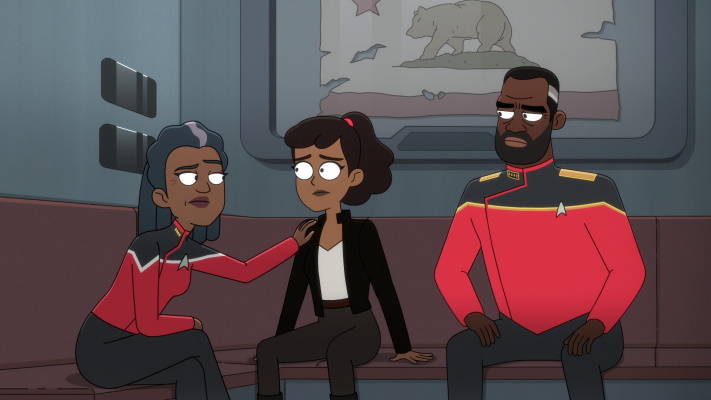

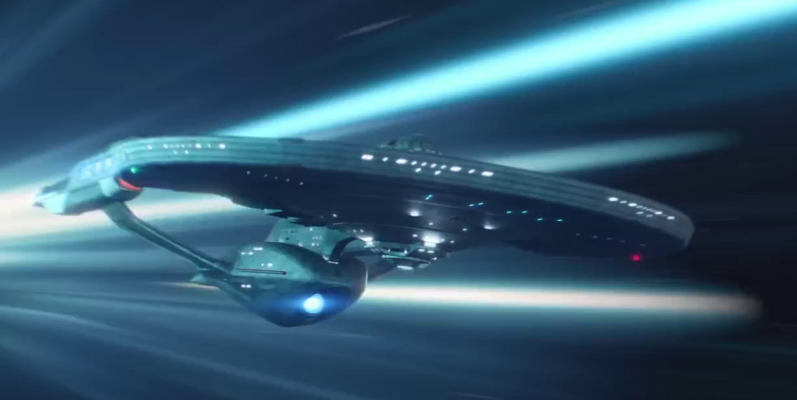

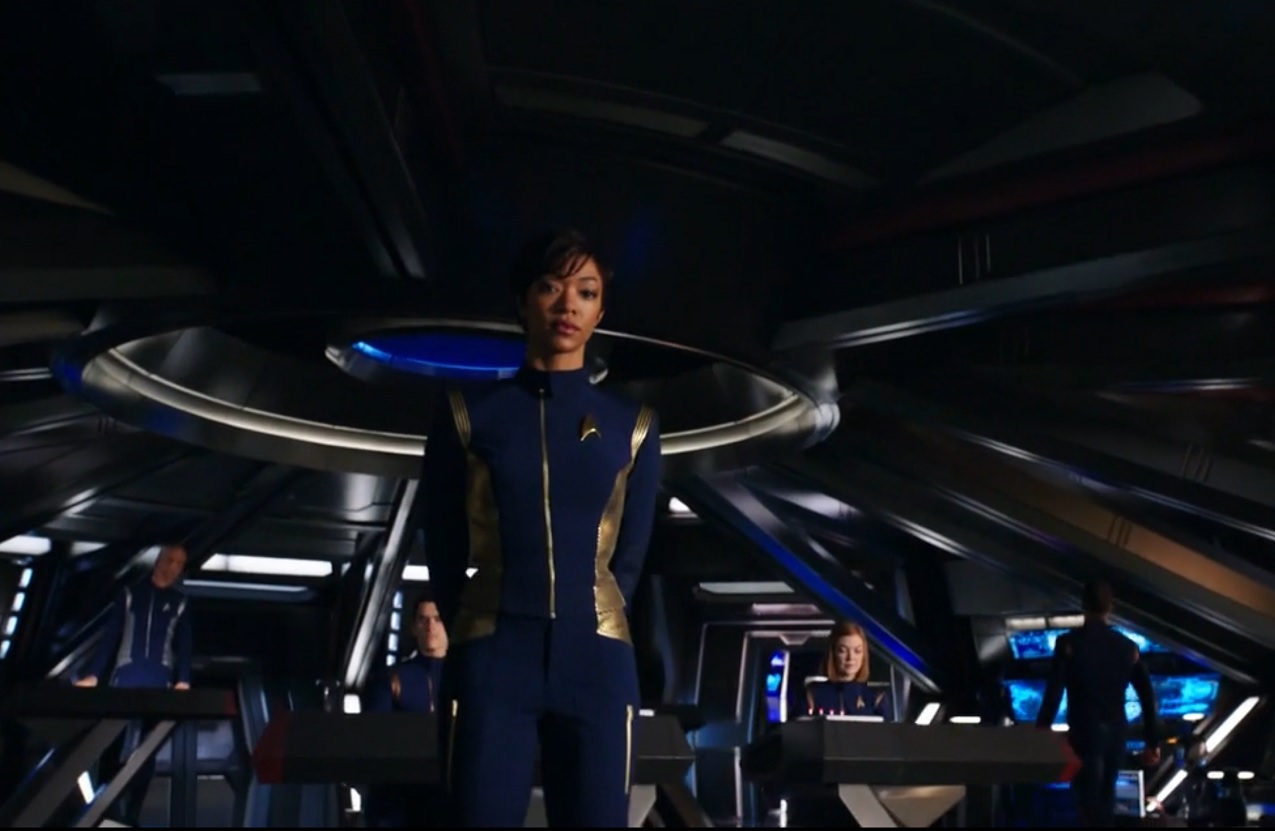




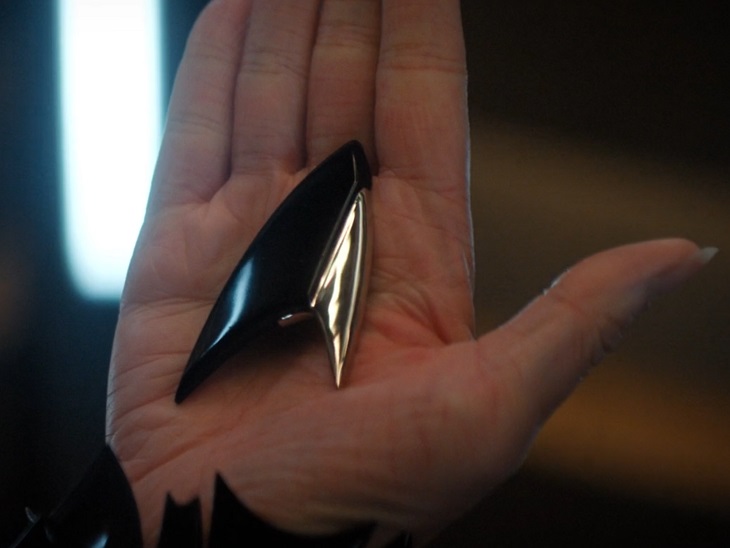


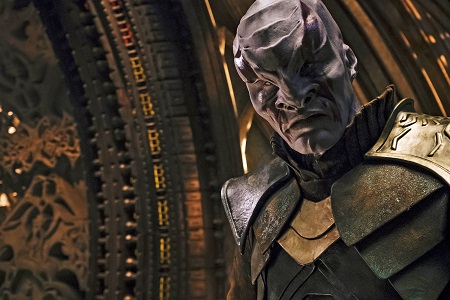
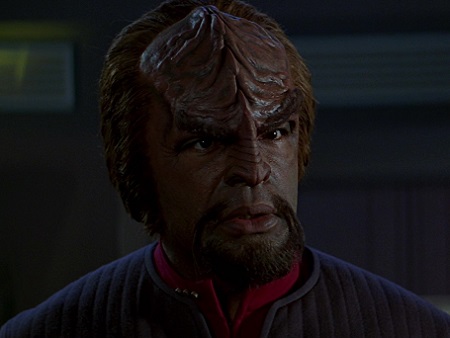





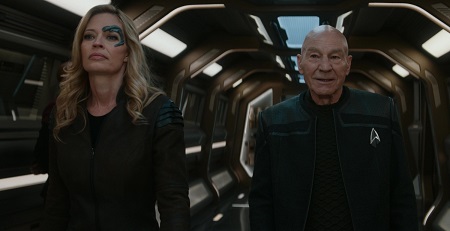


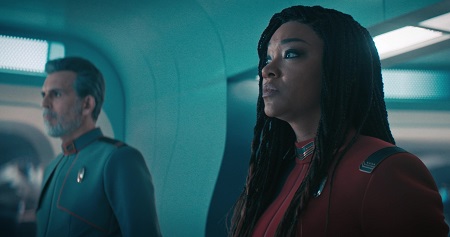
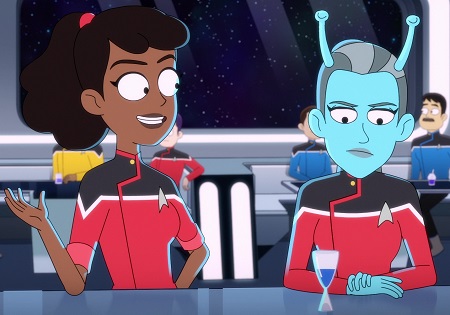


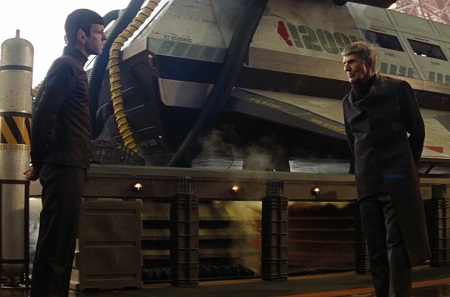



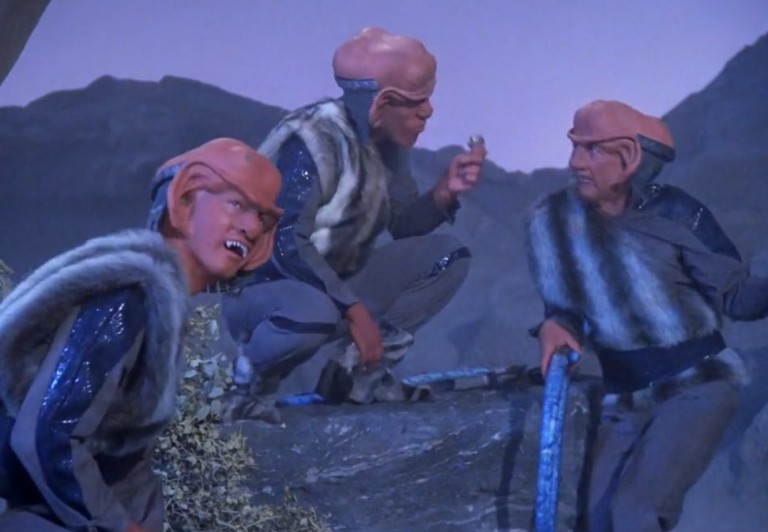

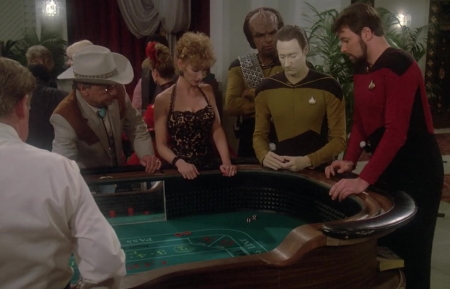

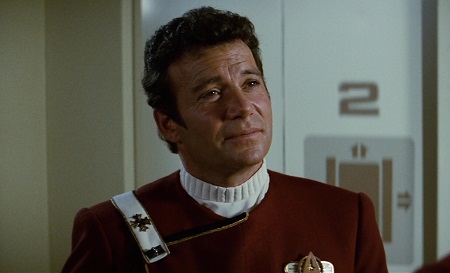

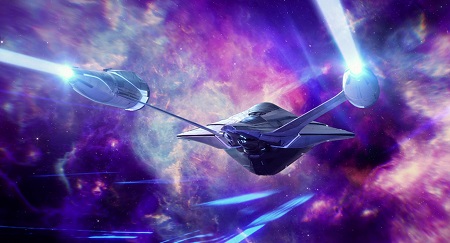
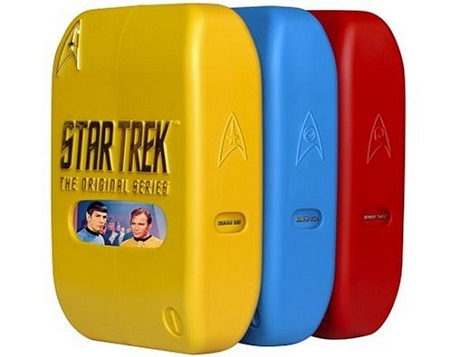











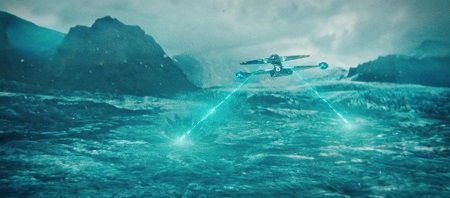


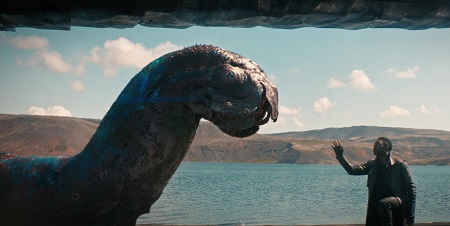
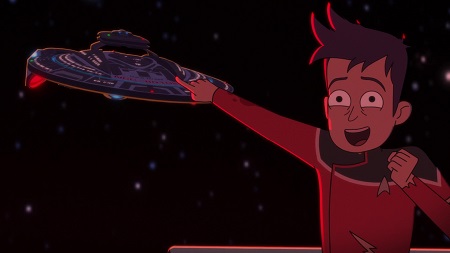


 Trekking with Dennis